window.__IS_SSR__=true
window.__INITIAL_STATE__={
"attachmentsReducer": {
"audio_0": {
"type": "attachments",
"id": "audio_0",
"imgSizes": {
"kqedFullSize": {
"file": "https://ww2.kqed.org/news/wp-content/themes/KQED-unified/img/audio_bgs/background0.jpg"
}
}
},
"audio_1": {
"type": "attachments",
"id": "audio_1",
"imgSizes": {
"kqedFullSize": {
"file": "https://ww2.kqed.org/news/wp-content/themes/KQED-unified/img/audio_bgs/background1.jpg"
}
}
},
"audio_2": {
"type": "attachments",
"id": "audio_2",
"imgSizes": {
"kqedFullSize": {
"file": "https://ww2.kqed.org/news/wp-content/themes/KQED-unified/img/audio_bgs/background2.jpg"
}
}
},
"audio_3": {
"type": "attachments",
"id": "audio_3",
"imgSizes": {
"kqedFullSize": {
"file": "https://ww2.kqed.org/news/wp-content/themes/KQED-unified/img/audio_bgs/background3.jpg"
}
}
},
"audio_4": {
"type": "attachments",
"id": "audio_4",
"imgSizes": {
"kqedFullSize": {
"file": "https://ww2.kqed.org/news/wp-content/themes/KQED-unified/img/audio_bgs/background4.jpg"
}
}
},
"placeholder": {
"type": "attachments",
"id": "placeholder",
"imgSizes": {
"thumbnail": {
"file": "https://cdn.kqed.org/wp-content/uploads/2024/12/KQED-Default-Image-816638274-2000x1333-1-160x107.jpg",
"width": 160,
"height": 107,
"mimeType": "image/jpeg"
},
"medium": {
"file": "https://cdn.kqed.org/wp-content/uploads/2024/12/KQED-Default-Image-816638274-2000x1333-1-800x533.jpg",
"width": 800,
"height": 533,
"mimeType": "image/jpeg"
},
"medium_large": {
"file": "https://cdn.kqed.org/wp-content/uploads/2024/12/KQED-Default-Image-816638274-2000x1333-1-768x512.jpg",
"width": 768,
"height": 512,
"mimeType": "image/jpeg"
},
"large": {
"file": "https://cdn.kqed.org/wp-content/uploads/2024/12/KQED-Default-Image-816638274-2000x1333-1-1020x680.jpg",
"width": 1020,
"height": 680,
"mimeType": "image/jpeg"
},
"1536x1536": {
"file": "https://cdn.kqed.org/wp-content/uploads/2024/12/KQED-Default-Image-816638274-2000x1333-1-1536x1024.jpg",
"width": 1536,
"height": 1024,
"mimeType": "image/jpeg"
},
"fd-lrg": {
"file": "https://cdn.kqed.org/wp-content/uploads/2024/12/KQED-Default-Image-816638274-2000x1333-1-1536x1024.jpg",
"width": 1536,
"height": 1024,
"mimeType": "image/jpeg"
},
"fd-med": {
"file": "https://cdn.kqed.org/wp-content/uploads/2024/12/KQED-Default-Image-816638274-2000x1333-1-1020x680.jpg",
"width": 1020,
"height": 680,
"mimeType": "image/jpeg"
},
"fd-sm": {
"file": "https://cdn.kqed.org/wp-content/uploads/2024/12/KQED-Default-Image-816638274-2000x1333-1-800x533.jpg",
"width": 800,
"height": 533,
"mimeType": "image/jpeg"
},
"post-thumbnail": {
"file": "https://cdn.kqed.org/wp-content/uploads/2024/12/KQED-Default-Image-816638274-2000x1333-1-672x372.jpg",
"width": 672,
"height": 372,
"mimeType": "image/jpeg"
},
"twentyfourteen-full-width": {
"file": "https://cdn.kqed.org/wp-content/uploads/2024/12/KQED-Default-Image-816638274-2000x1333-1-1038x576.jpg",
"width": 1038,
"height": 576,
"mimeType": "image/jpeg"
},
"xxsmall": {
"file": "https://cdn.kqed.org/wp-content/uploads/2024/12/KQED-Default-Image-816638274-2000x1333-1-160x107.jpg",
"width": 160,
"height": 107,
"mimeType": "image/jpeg"
},
"xsmall": {
"file": "https://cdn.kqed.org/wp-content/uploads/2024/12/KQED-Default-Image-816638274-2000x1333-1-672x372.jpg",
"width": 672,
"height": 372,
"mimeType": "image/jpeg"
},
"small": {
"file": "https://cdn.kqed.org/wp-content/uploads/2024/12/KQED-Default-Image-816638274-2000x1333-1-672x372.jpg",
"width": 672,
"height": 372,
"mimeType": "image/jpeg"
},
"xlarge": {
"file": "https://cdn.kqed.org/wp-content/uploads/2024/12/KQED-Default-Image-816638274-2000x1333-1-1020x680.jpg",
"width": 1020,
"height": 680,
"mimeType": "image/jpeg"
},
"full-width": {
"file": "https://cdn.kqed.org/wp-content/uploads/2024/12/KQED-Default-Image-816638274-2000x1333-1-1920x1280.jpg",
"width": 1920,
"height": 1280,
"mimeType": "image/jpeg"
},
"guest-author-32": {
"file": "https://cdn.kqed.org/wp-content/uploads/2025/01/KQED-Default-Image-816638274-1333x1333-1-160x160.jpg",
"width": 32,
"height": 32,
"mimeType": "image/jpeg"
},
"guest-author-50": {
"file": "https://cdn.kqed.org/wp-content/uploads/2025/01/KQED-Default-Image-816638274-1333x1333-1-160x160.jpg",
"width": 50,
"height": 50,
"mimeType": "image/jpeg"
},
"guest-author-64": {
"file": "https://cdn.kqed.org/wp-content/uploads/2025/01/KQED-Default-Image-816638274-1333x1333-1-160x160.jpg",
"width": 64,
"height": 64,
"mimeType": "image/jpeg"
},
"guest-author-96": {
"file": "https://cdn.kqed.org/wp-content/uploads/2025/01/KQED-Default-Image-816638274-1333x1333-1-160x160.jpg",
"width": 96,
"height": 96,
"mimeType": "image/jpeg"
},
"guest-author-128": {
"file": "https://cdn.kqed.org/wp-content/uploads/2025/01/KQED-Default-Image-816638274-1333x1333-1-160x160.jpg",
"width": 128,
"height": 128,
"mimeType": "image/jpeg"
},
"detail": {
"file": "https://cdn.kqed.org/wp-content/uploads/2025/01/KQED-Default-Image-816638274-1333x1333-1-160x160.jpg",
"width": 160,
"height": 160,
"mimeType": "image/jpeg"
},
"kqedFullSize": {
"file": "https://cdn.kqed.org/wp-content/uploads/2024/12/KQED-Default-Image-816638274-2000x1333-1.jpg",
"width": 2000,
"height": 1333
}
}
},
"news_11786170": {
"type": "attachments",
"id": "news_11786170",
"meta": {
"index": "attachments_1716263798",
"site": "news",
"id": "11786170",
"found": true
},
"parent": 11786163,
"imgSizes": {
"apple_news_ca_landscape_5_5": {
"file": "https://ww2.kqed.org/app/uploads/sites/10/2019/11/bb3-1044x783.png",
"width": 1044,
"mimeType": "image/png",
"height": 783
},
"apple_news_ca_square_4_0": {
"file": "https://ww2.kqed.org/app/uploads/sites/10/2019/11/bb3-470x470.png",
"width": 470,
"mimeType": "image/png",
"height": 470
},
"twentyfourteen-full-width": {
"file": "https://ww2.kqed.org/app/uploads/sites/10/2019/11/bb3-1038x576.png",
"width": 1038,
"mimeType": "image/png",
"height": 576
},
"thumbnail": {
"file": "https://ww2.kqed.org/app/uploads/sites/10/2019/11/bb3-160x90.png",
"width": 160,
"mimeType": "image/png",
"height": 90
},
"post-thumbnail": {
"file": "https://ww2.kqed.org/app/uploads/sites/10/2019/11/bb3-672x372.png",
"width": 672,
"mimeType": "image/png",
"height": 372
},
"kqedFullSize": {
"file": "https://ww2.kqed.org/app/uploads/sites/10/2019/11/bb3.png",
"width": 1437,
"height": 810
},
"apple_news_ca_landscape_4_7": {
"file": "https://ww2.kqed.org/app/uploads/sites/10/2019/11/bb3-632x474.png",
"width": 632,
"mimeType": "image/png",
"height": 474
},
"large": {
"file": "https://ww2.kqed.org/app/uploads/sites/10/2019/11/bb3-1020x575.png",
"width": 1020,
"mimeType": "image/png",
"height": 575
},
"complete_open_graph": {
"file": "https://ww2.kqed.org/app/uploads/sites/10/2019/11/bb3-1200x676.png",
"width": 1200,
"mimeType": "image/png",
"height": 676
},
"apple_news_ca_landscape_4_0": {
"file": "https://ww2.kqed.org/app/uploads/sites/10/2019/11/bb3-536x402.png",
"width": 536,
"mimeType": "image/png",
"height": 402
},
"apple_news_ca_portrait_12_9": {
"file": "https://ww2.kqed.org/app/uploads/sites/10/2019/11/bb3-1122x810.png",
"width": 1122,
"mimeType": "image/png",
"height": 810
},
"medium": {
"file": "https://ww2.kqed.org/app/uploads/sites/10/2019/11/bb3-800x451.png",
"width": 800,
"mimeType": "image/png",
"height": 451
},
"apple_news_ca_portrait_4_0": {
"file": "https://ww2.kqed.org/app/uploads/sites/10/2019/11/bb3-354x472.png",
"width": 354,
"mimeType": "image/png",
"height": 472
},
"apple_news_ca_portrait_9_7": {
"file": "https://ww2.kqed.org/app/uploads/sites/10/2019/11/bb3-840x810.png",
"width": 840,
"mimeType": "image/png",
"height": 810
},
"apple_news_ca_square_9_7": {
"file": "https://ww2.kqed.org/app/uploads/sites/10/2019/11/bb3-1104x810.png",
"width": 1104,
"mimeType": "image/png",
"height": 810
},
"apple_news_ca_portrait_4_7": {
"file": "https://ww2.kqed.org/app/uploads/sites/10/2019/11/bb3-414x552.png",
"width": 414,
"mimeType": "image/png",
"height": 552
},
"apple_news_ca_portrait_5_5": {
"file": "https://ww2.kqed.org/app/uploads/sites/10/2019/11/bb3-687x810.png",
"width": 687,
"mimeType": "image/png",
"height": 810
},
"apple_news_ca_square_4_7": {
"file": "https://ww2.kqed.org/app/uploads/sites/10/2019/11/bb3-550x550.png",
"width": 550,
"mimeType": "image/png",
"height": 550
},
"apple_news_ca_landscape_9_7": {
"file": "https://ww2.kqed.org/app/uploads/sites/10/2019/11/bb3-1376x810.png",
"width": 1376,
"mimeType": "image/png",
"height": 810
},
"apple_news_ca_square_5_5": {
"file": "https://ww2.kqed.org/app/uploads/sites/10/2019/11/bb3-912x810.png",
"width": 912,
"mimeType": "image/png",
"height": 810
}
},
"publishDate": 1573596049,
"modified": 1573600966,
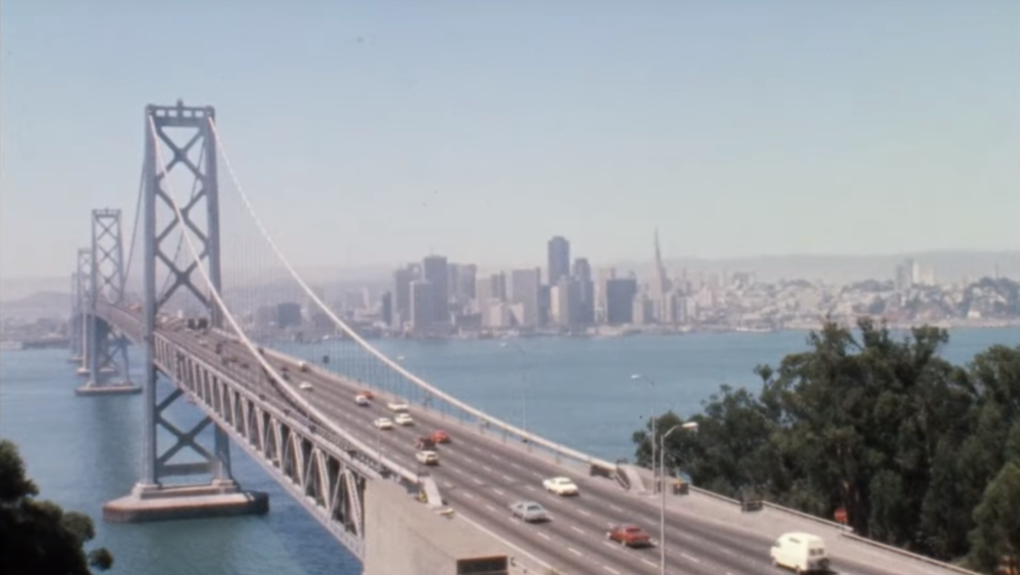
"caption": "The western span of the Bay Bridge in 1973.",
"description": "The western span of the Bay Bridge in 1973",
"title": "Bay-Bridge-1973",
"credit": "KQED",
"status": "inherit",
"isLoading": false,
"fetchFailed": false
},
"news_11687151": {
"type": "attachments",
"id": "news_11687151",
"meta": {
"index": "attachments_1716263798",
"site": "news",
"id": "11687151",
"found": true
},
"parent": 11687110,
"imgSizes": {
"small": {
"file": "https://ww2.kqed.org/app/uploads/sites/10/2018/08/RS17044_IMG_1885-qut-520x390.jpg",
"width": 520,
"mimeType": "image/jpeg",
"height": 390
},
"twentyfourteen-full-width": {
"file": "https://ww2.kqed.org/app/uploads/sites/10/2018/08/RS17044_IMG_1885-qut-1038x576.jpg",
"width": 1038,
"mimeType": "image/jpeg",
"height": 576
},
"thumbnail": {
"file": "https://ww2.kqed.org/app/uploads/sites/10/2018/08/RS17044_IMG_1885-qut-160x120.jpg",
"width": 160,
"mimeType": "image/jpeg",
"height": 120
},
"fd-sm": {
"file": "https://ww2.kqed.org/app/uploads/sites/10/2018/08/RS17044_IMG_1885-qut-960x720.jpg",
"width": 960,
"mimeType": "image/jpeg",
"height": 720
},
"post-thumbnail": {
"file": "https://ww2.kqed.org/app/uploads/sites/10/2018/08/RS17044_IMG_1885-qut-672x372.jpg",
"width": 672,
"mimeType": "image/jpeg",
"height": 372
},
"xsmall": {
"file": "https://ww2.kqed.org/app/uploads/sites/10/2018/08/RS17044_IMG_1885-qut-375x281.jpg",
"width": 375,
"mimeType": "image/jpeg",
"height": 281
},
"kqedFullSize": {
"file": "https://ww2.kqed.org/app/uploads/sites/10/2018/08/RS17044_IMG_1885-qut.jpg",
"width": 1920,
"height": 1440
},
"large": {
"file": "https://ww2.kqed.org/app/uploads/sites/10/2018/08/RS17044_IMG_1885-qut-1020x765.jpg",
"width": 1020,
"mimeType": "image/jpeg",
"height": 765
},
"xlarge": {
"file": "https://ww2.kqed.org/app/uploads/sites/10/2018/08/RS17044_IMG_1885-qut-1180x885.jpg",
"width": 1180,
"mimeType": "image/jpeg",
"height": 885
},
"complete_open_graph": {
"file": "https://ww2.kqed.org/app/uploads/sites/10/2018/08/RS17044_IMG_1885-qut-1200x900.jpg",
"width": 1200,
"mimeType": "image/jpeg",
"height": 900
},
"guest-author-50": {
"file": "https://ww2.kqed.org/app/uploads/sites/10/2018/08/RS17044_IMG_1885-qut-50x50.jpg",
"width": 50,
"mimeType": "image/jpeg",
"height": 50
},
"guest-author-96": {
"file": "https://ww2.kqed.org/app/uploads/sites/10/2018/08/RS17044_IMG_1885-qut-96x96.jpg",
"width": 96,
"mimeType": "image/jpeg",
"height": 96
},
"medium": {
"file": "https://ww2.kqed.org/app/uploads/sites/10/2018/08/RS17044_IMG_1885-qut-800x600.jpg",
"width": 800,
"mimeType": "image/jpeg",
"height": 600
},
"guest-author-64": {
"file": "https://ww2.kqed.org/app/uploads/sites/10/2018/08/RS17044_IMG_1885-qut-64x64.jpg",
"width": 64,
"mimeType": "image/jpeg",
"height": 64
},
"guest-author-32": {
"file": "https://ww2.kqed.org/app/uploads/sites/10/2018/08/RS17044_IMG_1885-qut-32x32.jpg",
"width": 32,
"mimeType": "image/jpeg",
"height": 32
},
"fd-lrg": {
"file": "https://ww2.kqed.org/app/uploads/sites/10/2018/08/RS17044_IMG_1885-qut-1920x1440.jpg",
"width": 1920,
"mimeType": "image/jpeg",
"height": 1440
},
"fd-med": {
"file": "https://ww2.kqed.org/app/uploads/sites/10/2018/08/RS17044_IMG_1885-qut-1180x885.jpg",
"width": 1180,
"mimeType": "image/jpeg",
"height": 885
},
"full-width": {
"file": "https://ww2.kqed.org/app/uploads/sites/10/2018/08/RS17044_IMG_1885-qut-1920x1440.jpg",
"width": 1920,
"mimeType": "image/jpeg",
"height": 1440
},
"detail": {
"file": "https://ww2.kqed.org/app/uploads/sites/10/2018/08/RS17044_IMG_1885-qut-150x150.jpg",
"width": 150,
"mimeType": "image/jpeg",
"height": 150
},
"guest-author-128": {
"file": "https://ww2.kqed.org/app/uploads/sites/10/2018/08/RS17044_IMG_1885-qut-128x128.jpg",
"width": 128,
"mimeType": "image/jpeg",
"height": 128
},
"xxsmall": {
"file": "https://ww2.kqed.org/app/uploads/sites/10/2018/08/RS17044_IMG_1885-qut-240x180.jpg",
"width": 240,
"mimeType": "image/jpeg",
"height": 180
}
},
"publishDate": 1534381557,
"modified": 1534381652,
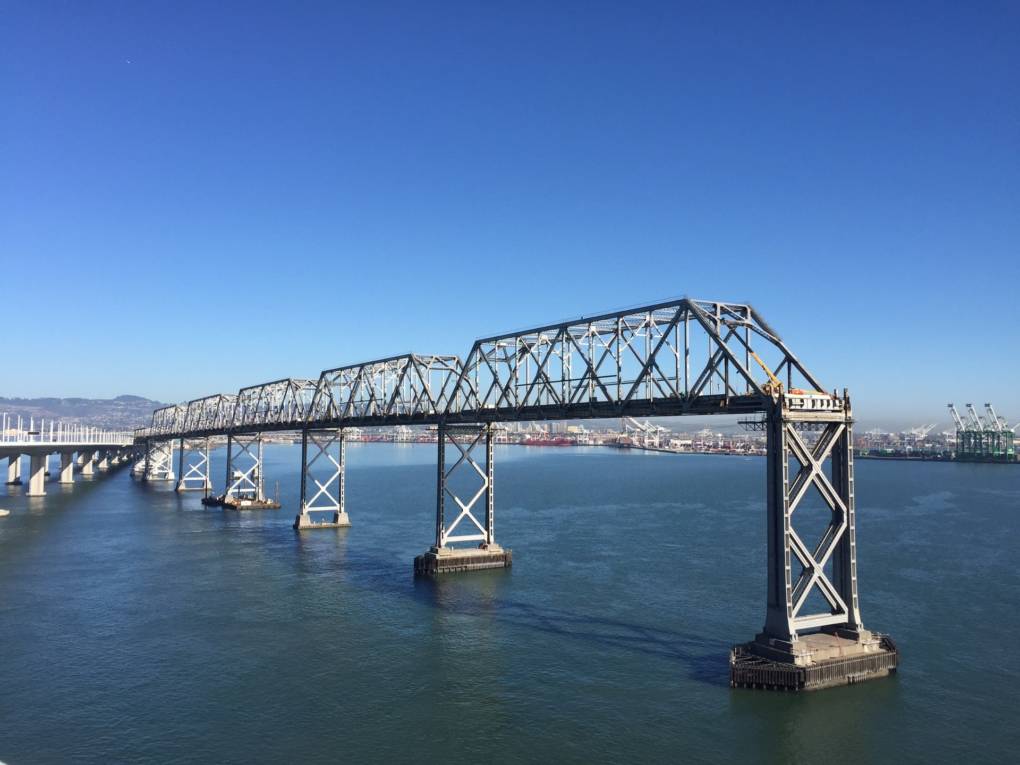
"caption": "rews are nearing the end of phase two of demolition of the older eastern span of the Bay Bridge.",
"description": "rews are nearing the end of phase two of demolition of the older eastern span of the Bay Bridge.",
"title": "RS17044_IMG_1885-qut",
"credit": "Bryan Goebel/KQED",
"status": "inherit",
"isLoading": false,
"fetchFailed": false
},
"news_11658350": {
"type": "attachments",
"id": "news_11658350",
"meta": {
"index": "attachments_1716263798",
"site": "news",
"id": "11658350",
"found": true
},
"parent": 11658224,
"imgSizes": {
"small": {
"file": "https://ww2.kqed.org/app/uploads/sites/10/2018/03/Screen-Shot-2018-03-27-at-5.50.41-PM-520x309.png",
"width": 520,
"mimeType": "image/png",
"height": 309
},
"twentyfourteen-full-width": {
"file": "https://ww2.kqed.org/app/uploads/sites/10/2018/03/Screen-Shot-2018-03-27-at-5.50.41-PM-1038x576.png",
"width": 1038,
"mimeType": "image/png",
"height": 576
},
"thumbnail": {
"file": "https://ww2.kqed.org/app/uploads/sites/10/2018/03/Screen-Shot-2018-03-27-at-5.50.41-PM-160x95.png",
"width": 160,
"mimeType": "image/png",
"height": 95
},
"fd-sm": {
"file": "https://ww2.kqed.org/app/uploads/sites/10/2018/03/Screen-Shot-2018-03-27-at-5.50.41-PM-960x570.png",
"width": 960,
"mimeType": "image/png",
"height": 570
},
"post-thumbnail": {
"file": "https://ww2.kqed.org/app/uploads/sites/10/2018/03/Screen-Shot-2018-03-27-at-5.50.41-PM-672x372.png",
"width": 672,
"mimeType": "image/png",
"height": 372
},
"xsmall": {
"file": "https://ww2.kqed.org/app/uploads/sites/10/2018/03/Screen-Shot-2018-03-27-at-5.50.41-PM-375x223.png",
"width": 375,
"mimeType": "image/png",
"height": 223
},
"kqedFullSize": {
"file": "https://ww2.kqed.org/app/uploads/sites/10/2018/03/Screen-Shot-2018-03-27-at-5.50.41-PM-e1522198472399.png",
"width": 1920,
"height": 1141
},
"large": {
"file": "https://ww2.kqed.org/app/uploads/sites/10/2018/03/Screen-Shot-2018-03-27-at-5.50.41-PM-1020x606.png",
"width": 1020,
"mimeType": "image/png",
"height": 606
},
"xlarge": {
"file": "https://ww2.kqed.org/app/uploads/sites/10/2018/03/Screen-Shot-2018-03-27-at-5.50.41-PM-1180x701.png",
"width": 1180,
"mimeType": "image/png",
"height": 701
},
"guest-author-50": {
"file": "https://ww2.kqed.org/app/uploads/sites/10/2018/03/Screen-Shot-2018-03-27-at-5.50.41-PM-50x50.png",
"width": 50,
"mimeType": "image/png",
"height": 50
},
"guest-author-96": {
"file": "https://ww2.kqed.org/app/uploads/sites/10/2018/03/Screen-Shot-2018-03-27-at-5.50.41-PM-96x96.png",
"width": 96,
"mimeType": "image/png",
"height": 96
},
"medium": {
"file": "https://ww2.kqed.org/app/uploads/sites/10/2018/03/Screen-Shot-2018-03-27-at-5.50.41-PM-800x475.png",
"width": 800,
"mimeType": "image/png",
"height": 475
},
"guest-author-64": {
"file": "https://ww2.kqed.org/app/uploads/sites/10/2018/03/Screen-Shot-2018-03-27-at-5.50.41-PM-64x64.png",
"width": 64,
"mimeType": "image/png",
"height": 64
},
"guest-author-32": {
"file": "https://ww2.kqed.org/app/uploads/sites/10/2018/03/Screen-Shot-2018-03-27-at-5.50.41-PM-32x32.png",
"width": 32,
"mimeType": "image/png",
"height": 32
},
"fd-lrg": {
"file": "https://ww2.kqed.org/app/uploads/sites/10/2018/03/Screen-Shot-2018-03-27-at-5.50.41-PM-1920x1141.png",
"width": 1920,
"mimeType": "image/png",
"height": 1141
},
"fd-med": {
"file": "https://ww2.kqed.org/app/uploads/sites/10/2018/03/Screen-Shot-2018-03-27-at-5.50.41-PM-1180x701.png",
"width": 1180,
"mimeType": "image/png",
"height": 701
},
"full-width": {
"file": "https://ww2.kqed.org/app/uploads/sites/10/2018/03/Screen-Shot-2018-03-27-at-5.50.41-PM-1920x1141.png",
"width": 1920,
"mimeType": "image/png",
"height": 1141
},
"detail": {
"file": "https://ww2.kqed.org/app/uploads/sites/10/2018/03/Screen-Shot-2018-03-27-at-5.50.41-PM-150x150.png",
"width": 150,
"mimeType": "image/png",
"height": 150
},
"guest-author-128": {
"file": "https://ww2.kqed.org/app/uploads/sites/10/2018/03/Screen-Shot-2018-03-27-at-5.50.41-PM-128x128.png",
"width": 128,
"mimeType": "image/png",
"height": 128
},
"xxsmall": {
"file": "https://ww2.kqed.org/app/uploads/sites/10/2018/03/Screen-Shot-2018-03-27-at-5.50.41-PM-240x143.png",
"width": 240,
"mimeType": "image/png",
"height": 143
}
},
"publishDate": 1522198287,
"modified": 1522198613,
"caption": "Caltrans rendering of plans for a recreational pier on one of the support piers for the old eastern span of the Bay Bridge. Transportation officials have given Caltrans the go-ahead to spend $52 million to convert piers at Yerba Buena Island and on the Oakland shoreline for recreational use. ",
"description": null,
"title": "Yerba Buena Island Pier",
"credit": "Caltrans",
"status": "inherit",
"isLoading": false,
"fetchFailed": false
},
"news_11635414": {
"type": "attachments",
"id": "news_11635414",
"meta": {
"index": "attachments_1716263798",
"site": "news",
"id": "11635414",
"found": true
},
"parent": 11635239,
"imgSizes": {
"small": {
"file": "https://ww2.kqed.org/app/uploads/sites/10/2017/12/RS28347_IMG_1202-qut-520x347.jpg",
"width": 520,
"mimeType": "image/jpeg",
"height": 347
},
"twentyfourteen-full-width": {
"file": "https://ww2.kqed.org/app/uploads/sites/10/2017/12/RS28347_IMG_1202-qut-1038x576.jpg",
"width": 1038,
"mimeType": "image/jpeg",
"height": 576
},
"thumbnail": {
"file": "https://ww2.kqed.org/app/uploads/sites/10/2017/12/RS28347_IMG_1202-qut-160x107.jpg",
"width": 160,
"mimeType": "image/jpeg",
"height": 107
},
"fd-sm": {
"file": "https://ww2.kqed.org/app/uploads/sites/10/2017/12/RS28347_IMG_1202-qut-960x640.jpg",
"width": 960,
"mimeType": "image/jpeg",
"height": 640
},
"post-thumbnail": {
"file": "https://ww2.kqed.org/app/uploads/sites/10/2017/12/RS28347_IMG_1202-qut-672x372.jpg",
"width": 672,
"mimeType": "image/jpeg",
"height": 372
},
"xsmall": {
"file": "https://ww2.kqed.org/app/uploads/sites/10/2017/12/RS28347_IMG_1202-qut-375x250.jpg",
"width": 375,
"mimeType": "image/jpeg",
"height": 250
},
"kqedFullSize": {
"file": "https://ww2.kqed.org/app/uploads/sites/10/2017/12/RS28347_IMG_1202-qut.jpg",
"width": 1920,
"height": 1280
},
"large": {
"file": "https://ww2.kqed.org/app/uploads/sites/10/2017/12/RS28347_IMG_1202-qut-1020x680.jpg",
"width": 1020,
"mimeType": "image/jpeg",
"height": 680
},
"xlarge": {
"file": "https://ww2.kqed.org/app/uploads/sites/10/2017/12/RS28347_IMG_1202-qut-1180x787.jpg",
"width": 1180,
"mimeType": "image/jpeg",
"height": 787
},
"guest-author-50": {
"file": "https://ww2.kqed.org/app/uploads/sites/10/2017/12/RS28347_IMG_1202-qut-50x50.jpg",
"width": 50,
"mimeType": "image/jpeg",
"height": 50
},
"guest-author-96": {
"file": "https://ww2.kqed.org/app/uploads/sites/10/2017/12/RS28347_IMG_1202-qut-96x96.jpg",
"width": 96,
"mimeType": "image/jpeg",
"height": 96
},
"medium": {
"file": "https://ww2.kqed.org/app/uploads/sites/10/2017/12/RS28347_IMG_1202-qut-800x533.jpg",
"width": 800,
"mimeType": "image/jpeg",
"height": 533
},
"guest-author-64": {
"file": "https://ww2.kqed.org/app/uploads/sites/10/2017/12/RS28347_IMG_1202-qut-64x64.jpg",
"width": 64,
"mimeType": "image/jpeg",
"height": 64
},
"guest-author-32": {
"file": "https://ww2.kqed.org/app/uploads/sites/10/2017/12/RS28347_IMG_1202-qut-32x32.jpg",
"width": 32,
"mimeType": "image/jpeg",
"height": 32
},
"fd-lrg": {
"file": "https://ww2.kqed.org/app/uploads/sites/10/2017/12/RS28347_IMG_1202-qut-1920x1280.jpg",
"width": 1920,
"mimeType": "image/jpeg",
"height": 1280
},
"fd-med": {
"file": "https://ww2.kqed.org/app/uploads/sites/10/2017/12/RS28347_IMG_1202-qut-1180x787.jpg",
"width": 1180,
"mimeType": "image/jpeg",
"height": 787
},
"full-width": {
"file": "https://ww2.kqed.org/app/uploads/sites/10/2017/12/RS28347_IMG_1202-qut-1920x1280.jpg",
"width": 1920,
"mimeType": "image/jpeg",
"height": 1280
},
"detail": {
"file": "https://ww2.kqed.org/app/uploads/sites/10/2017/12/RS28347_IMG_1202-qut-150x150.jpg",
"width": 150,
"mimeType": "image/jpeg",
"height": 150
},
"guest-author-128": {
"file": "https://ww2.kqed.org/app/uploads/sites/10/2017/12/RS28347_IMG_1202-qut-128x128.jpg",
"width": 128,
"mimeType": "image/jpeg",
"height": 128
},
"xxsmall": {
"file": "https://ww2.kqed.org/app/uploads/sites/10/2017/12/RS28347_IMG_1202-qut-240x160.jpg",
"width": 240,
"mimeType": "image/jpeg",
"height": 160
}
},
"publishDate": 1512605351,
"modified": 1512610444,
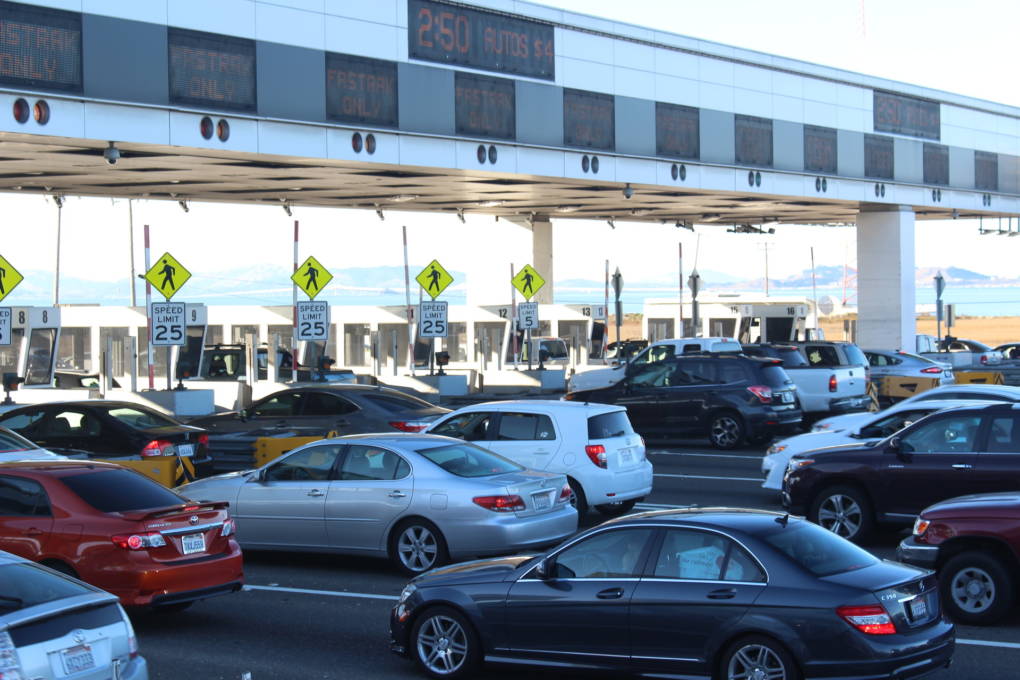
"caption": "Vehicles approach the Bay Bridge Toll Plaza in Oakland on Dec. 5 2017. Days before, a truck crashed into toll booth number 14 and killed worker Si Si Han.",
"description": null,
"title": "RS28347_IMG_1202-qut",
"credit": "Farida Jhabvala Romero/KQED",
"status": "inherit",
"isLoading": false,
"fetchFailed": false
},
"news_11630120": {
"type": "attachments",
"id": "news_11630120",
"meta": {
"index": "attachments_1716263798",
"site": "news",
"id": "11630120",
"found": true
},
"parent": 11630111,
"imgSizes": {
"small": {
"file": "https://ww2.kqed.org/app/uploads/sites/10/2017/11/bay-bridge-e1510439853228-520x390.jpg",
"width": 520,
"mimeType": "image/jpeg",
"height": 390
},
"twentyfourteen-full-width": {
"file": "https://ww2.kqed.org/app/uploads/sites/10/2017/11/bay-bridge-e1510439853228-1038x576.jpg",
"width": 1038,
"mimeType": "image/jpeg",
"height": 576
},
"thumbnail": {
"file": "https://ww2.kqed.org/app/uploads/sites/10/2017/11/bay-bridge-e1510439853228-160x120.jpg",
"width": 160,
"mimeType": "image/jpeg",
"height": 120
},
"fd-sm": {
"file": "https://ww2.kqed.org/app/uploads/sites/10/2017/11/bay-bridge-e1510439853228-960x720.jpg",
"width": 960,
"mimeType": "image/jpeg",
"height": 720
},
"post-thumbnail": {
"file": "https://ww2.kqed.org/app/uploads/sites/10/2017/11/bay-bridge-e1510439853228-672x372.jpg",
"width": 672,
"mimeType": "image/jpeg",
"height": 372
},
"xsmall": {
"file": "https://ww2.kqed.org/app/uploads/sites/10/2017/11/bay-bridge-e1510439853228-375x281.jpg",
"width": 375,
"mimeType": "image/jpeg",
"height": 281
},
"kqedFullSize": {
"file": "https://ww2.kqed.org/app/uploads/sites/10/2017/11/bay-bridge-e1510439853228.jpg",
"width": 4032,
"height": 3024
},
"large": {
"file": "https://ww2.kqed.org/app/uploads/sites/10/2017/11/bay-bridge-e1510439853228-1020x765.jpg",
"width": 1020,
"mimeType": "image/jpeg",
"height": 765
},
"xlarge": {
"file": "https://ww2.kqed.org/app/uploads/sites/10/2017/11/bay-bridge-e1510439853228-1180x885.jpg",
"width": 1180,
"mimeType": "image/jpeg",
"height": 885
},
"guest-author-50": {
"file": "https://ww2.kqed.org/app/uploads/sites/10/2017/11/bay-bridge-e1510439853228-50x50.jpg",
"width": 50,
"mimeType": "image/jpeg",
"height": 50
},
"guest-author-96": {
"file": "https://ww2.kqed.org/app/uploads/sites/10/2017/11/bay-bridge-e1510439853228-96x96.jpg",
"width": 96,
"mimeType": "image/jpeg",
"height": 96
},
"medium": {
"file": "https://ww2.kqed.org/app/uploads/sites/10/2017/11/bay-bridge-e1510439853228-800x600.jpg",
"width": 800,
"mimeType": "image/jpeg",
"height": 600
},
"guest-author-64": {
"file": "https://ww2.kqed.org/app/uploads/sites/10/2017/11/bay-bridge-e1510439853228-64x64.jpg",
"width": 64,
"mimeType": "image/jpeg",
"height": 64
},
"guest-author-32": {
"file": "https://ww2.kqed.org/app/uploads/sites/10/2017/11/bay-bridge-e1510439853228-32x32.jpg",
"width": 32,
"mimeType": "image/jpeg",
"height": 32
},
"fd-lrg": {
"file": "https://ww2.kqed.org/app/uploads/sites/10/2017/11/bay-bridge-e1510439853228-1920x1440.jpg",
"width": 1920,
"mimeType": "image/jpeg",
"height": 1440
},
"fd-med": {
"file": "https://ww2.kqed.org/app/uploads/sites/10/2017/11/bay-bridge-e1510439853228-1180x885.jpg",
"width": 1180,
"mimeType": "image/jpeg",
"height": 885
},
"full-width": {
"file": "https://ww2.kqed.org/app/uploads/sites/10/2017/11/bay-bridge-e1510439853228-1920x1440.jpg",
"width": 1920,
"mimeType": "image/jpeg",
"height": 1440
},
"detail": {
"file": "https://ww2.kqed.org/app/uploads/sites/10/2017/11/bay-bridge-e1510439853228-150x150.jpg",
"width": 150,
"mimeType": "image/jpeg",
"height": 150
},
"guest-author-128": {
"file": "https://ww2.kqed.org/app/uploads/sites/10/2017/11/bay-bridge-e1510439853228-128x128.jpg",
"width": 128,
"mimeType": "image/jpeg",
"height": 128
},
"xxsmall": {
"file": "https://ww2.kqed.org/app/uploads/sites/10/2017/11/bay-bridge-e1510439853228-240x180.jpg",
"width": 240,
"mimeType": "image/jpeg",
"height": 180
}
},
"publishDate": 1510439812,
"modified": 1510439896,
"caption": "Piers E17 and E18, set for demolition on the morning of November 11, 2017",
"description": null,
"title": "bay-bridge",
"credit": "Guy Marzorati/KQED",
"status": "inherit",
"isLoading": false,
"fetchFailed": false
},
"news_11616916": {
"type": "attachments",
"id": "news_11616916",
"meta": {
"index": "attachments_1716263798",
"site": "news",
"id": "11616916",
"found": true
},
"parent": 11616485,
"imgSizes": {
"small": {
"file": "https://ww2.kqed.org/app/uploads/sites/10/2017/09/StateCapSac-520x339.jpg",
"width": 520,
"mimeType": "image/jpeg",
"height": 339
},
"twentyfourteen-full-width": {
"file": "https://ww2.kqed.org/app/uploads/sites/10/2017/09/StateCapSac-1038x576.jpg",
"width": 1038,
"mimeType": "image/jpeg",
"height": 576
},
"thumbnail": {
"file": "https://ww2.kqed.org/app/uploads/sites/10/2017/09/StateCapSac-160x104.jpg",
"width": 160,
"mimeType": "image/jpeg",
"height": 104
},
"fd-sm": {
"file": "https://ww2.kqed.org/app/uploads/sites/10/2017/09/StateCapSac-960x627.jpg",
"width": 960,
"mimeType": "image/jpeg",
"height": 627
},
"post-thumbnail": {
"file": "https://ww2.kqed.org/app/uploads/sites/10/2017/09/StateCapSac-672x372.jpg",
"width": 672,
"mimeType": "image/jpeg",
"height": 372
},
"xsmall": {
"file": "https://ww2.kqed.org/app/uploads/sites/10/2017/09/StateCapSac-375x245.jpg",
"width": 375,
"mimeType": "image/jpeg",
"height": 245
},
"kqedFullSize": {
"file": "https://ww2.kqed.org/app/uploads/sites/10/2017/09/StateCapSac.jpg",
"width": 1920,
"height": 1253
},
"large": {
"file": "https://ww2.kqed.org/app/uploads/sites/10/2017/09/StateCapSac-1020x666.jpg",
"width": 1020,
"mimeType": "image/jpeg",
"height": 666
},
"xlarge": {
"file": "https://ww2.kqed.org/app/uploads/sites/10/2017/09/StateCapSac-1180x770.jpg",
"width": 1180,
"mimeType": "image/jpeg",
"height": 770
},
"guest-author-50": {
"file": "https://ww2.kqed.org/app/uploads/sites/10/2017/09/StateCapSac-50x50.jpg",
"width": 50,
"mimeType": "image/jpeg",
"height": 50
},
"guest-author-96": {
"file": "https://ww2.kqed.org/app/uploads/sites/10/2017/09/StateCapSac-96x96.jpg",
"width": 96,
"mimeType": "image/jpeg",
"height": 96
},
"medium": {
"file": "https://ww2.kqed.org/app/uploads/sites/10/2017/09/StateCapSac-800x522.jpg",
"width": 800,
"mimeType": "image/jpeg",
"height": 522
},
"guest-author-64": {
"file": "https://ww2.kqed.org/app/uploads/sites/10/2017/09/StateCapSac-64x64.jpg",
"width": 64,
"mimeType": "image/jpeg",
"height": 64
},
"guest-author-32": {
"file": "https://ww2.kqed.org/app/uploads/sites/10/2017/09/StateCapSac-32x32.jpg",
"width": 32,
"mimeType": "image/jpeg",
"height": 32
},
"fd-lrg": {
"file": "https://ww2.kqed.org/app/uploads/sites/10/2017/09/StateCapSac-1920x1253.jpg",
"width": 1920,
"mimeType": "image/jpeg",
"height": 1253
},
"fd-med": {
"file": "https://ww2.kqed.org/app/uploads/sites/10/2017/09/StateCapSac-1180x770.jpg",
"width": 1180,
"mimeType": "image/jpeg",
"height": 770
},
"full-width": {
"file": "https://ww2.kqed.org/app/uploads/sites/10/2017/09/StateCapSac-1920x1253.jpg",
"width": 1920,
"mimeType": "image/jpeg",
"height": 1253
},
"detail": {
"file": "https://ww2.kqed.org/app/uploads/sites/10/2017/09/StateCapSac-150x150.jpg",
"width": 150,
"mimeType": "image/jpeg",
"height": 150
},
"guest-author-128": {
"file": "https://ww2.kqed.org/app/uploads/sites/10/2017/09/StateCapSac-128x128.jpg",
"width": 128,
"mimeType": "image/jpeg",
"height": 128
},
"xxsmall": {
"file": "https://ww2.kqed.org/app/uploads/sites/10/2017/09/StateCapSac-240x157.jpg",
"width": 240,
"mimeType": "image/jpeg",
"height": 157
}
},
"publishDate": 1505417047,
"modified": 1505417103,
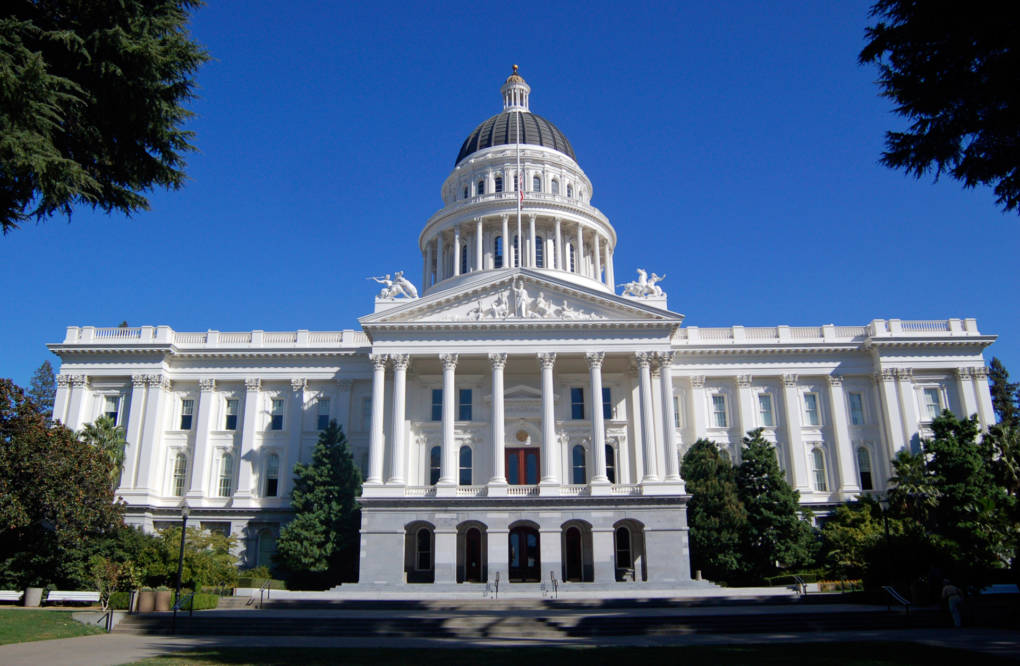
"caption": "The state Capitol in Sacramento.",
"description": "The state Capitol in Sacramento.",
"title": "StateCapSac",
"credit": "Getty Images",
"status": "inherit",
"isLoading": false,
"fetchFailed": false
},
"news_11614546": {
"type": "attachments",
"id": "news_11614546",
"meta": {
"index": "attachments_1716263798",
"site": "news",
"id": "11614546",
"found": true
},
"parent": 11614543,
"imgSizes": {
"small": {
"file": "https://ww2.kqed.org/app/uploads/sites/10/2017/08/deer-520x693.jpg",
"width": 520,
"mimeType": "image/jpeg",
"height": 693
},
"twentyfourteen-full-width": {
"file": "https://ww2.kqed.org/app/uploads/sites/10/2017/08/deer-900x576.jpg",
"width": 900,
"mimeType": "image/jpeg",
"height": 576
},
"thumbnail": {
"file": "https://ww2.kqed.org/app/uploads/sites/10/2017/08/deer-160x213.jpg",
"width": 160,
"mimeType": "image/jpeg",
"height": 213
},
"post-thumbnail": {
"file": "https://ww2.kqed.org/app/uploads/sites/10/2017/08/deer-672x372.jpg",
"width": 672,
"mimeType": "image/jpeg",
"height": 372
},
"xsmall": {
"file": "https://ww2.kqed.org/app/uploads/sites/10/2017/08/deer-375x500.jpg",
"width": 375,
"mimeType": "image/jpeg",
"height": 500
},
"kqedFullSize": {
"file": "https://ww2.kqed.org/app/uploads/sites/10/2017/08/deer.jpg",
"width": 900,
"height": 1200
},
"guest-author-50": {
"file": "https://ww2.kqed.org/app/uploads/sites/10/2017/08/deer-50x50.jpg",
"width": 50,
"mimeType": "image/jpeg",
"height": 50
},
"guest-author-96": {
"file": "https://ww2.kqed.org/app/uploads/sites/10/2017/08/deer-96x96.jpg",
"width": 96,
"mimeType": "image/jpeg",
"height": 96
},
"medium": {
"file": "https://ww2.kqed.org/app/uploads/sites/10/2017/08/deer-800x1067.jpg",
"width": 800,
"mimeType": "image/jpeg",
"height": 1067
},
"guest-author-64": {
"file": "https://ww2.kqed.org/app/uploads/sites/10/2017/08/deer-64x64.jpg",
"width": 64,
"mimeType": "image/jpeg",
"height": 64
},
"guest-author-32": {
"file": "https://ww2.kqed.org/app/uploads/sites/10/2017/08/deer-32x32.jpg",
"width": 32,
"mimeType": "image/jpeg",
"height": 32
},
"detail": {
"file": "https://ww2.kqed.org/app/uploads/sites/10/2017/08/deer-150x150.jpg",
"width": 150,
"mimeType": "image/jpeg",
"height": 150
},
"guest-author-128": {
"file": "https://ww2.kqed.org/app/uploads/sites/10/2017/08/deer-128x128.jpg",
"width": 128,
"mimeType": "image/jpeg",
"height": 128
},
"xxsmall": {
"file": "https://ww2.kqed.org/app/uploads/sites/10/2017/08/deer-240x320.jpg",
"width": 240,
"mimeType": "image/jpeg",
"height": 320
}
},
"publishDate": 1504033902,
"modified": 1504034040,
"caption": "The California Highway Patrol took this photo of a deer on the San Francisco-Oakland Bay Bridge standing in the middle of an on-ramp early Tuesday morning. ",
"description": null,
"title": "deer",
"credit": "Courtesy of CHP Facebook",
"status": "inherit",
"isLoading": false,
"fetchFailed": false
},
"news_11435795": {
"type": "attachments",
"id": "news_11435795",
"meta": {
"index": "attachments_1716263798",
"site": "news",
"id": "11435795",
"found": true
},
"parent": 11435790,
"imgSizes": {
"small": {
"file": "https://ww2.kqed.org/app/uploads/sites/10/2017/05/Screenshot-2017-05-01-12.31.12-e1493671528891-520x314.png",
"width": 520,
"mimeType": "image/png",
"height": 314
},
"twentyfourteen-full-width": {
"file": "https://ww2.kqed.org/app/uploads/sites/10/2017/05/Screenshot-2017-05-01-12.31.12-e1493671528891-1038x576.png",
"width": 1038,
"mimeType": "image/png",
"height": 576
},
"thumbnail": {
"file": "https://ww2.kqed.org/app/uploads/sites/10/2017/05/Screenshot-2017-05-01-12.31.12-e1493671528891-160x97.png",
"width": 160,
"mimeType": "image/png",
"height": 97
},
"fd-sm": {
"file": "https://ww2.kqed.org/app/uploads/sites/10/2017/05/Screenshot-2017-05-01-12.31.12-e1493671528891-960x581.png",
"width": 960,
"mimeType": "image/png",
"height": 581
},
"post-thumbnail": {
"file": "https://ww2.kqed.org/app/uploads/sites/10/2017/05/Screenshot-2017-05-01-12.31.12-e1493671528891-672x372.png",
"width": 672,
"mimeType": "image/png",
"height": 372
},
"xsmall": {
"file": "https://ww2.kqed.org/app/uploads/sites/10/2017/05/Screenshot-2017-05-01-12.31.12-e1493671528891-375x227.png",
"width": 375,
"mimeType": "image/png",
"height": 227
},
"kqedFullSize": {
"file": "https://ww2.kqed.org/app/uploads/sites/10/2017/05/Screenshot-2017-05-01-12.31.12-e1493671528891.png",
"width": 1280,
"height": 774
},
"large": {
"file": "https://ww2.kqed.org/app/uploads/sites/10/2017/05/Screenshot-2017-05-01-12.31.12-e1493671528891-1020x617.png",
"width": 1020,
"mimeType": "image/png",
"height": 617
},
"xlarge": {
"file": "https://ww2.kqed.org/app/uploads/sites/10/2017/05/Screenshot-2017-05-01-12.31.12-e1493671528891-1180x714.png",
"width": 1180,
"mimeType": "image/png",
"height": 714
},
"guest-author-50": {
"file": "https://ww2.kqed.org/app/uploads/sites/10/2017/05/Screenshot-2017-05-01-12.31.12-e1493671528891-50x50.png",
"width": 50,
"mimeType": "image/png",
"height": 50
},
"guest-author-96": {
"file": "https://ww2.kqed.org/app/uploads/sites/10/2017/05/Screenshot-2017-05-01-12.31.12-e1493671528891-96x96.png",
"width": 96,
"mimeType": "image/png",
"height": 96
},
"medium": {
"file": "https://ww2.kqed.org/app/uploads/sites/10/2017/05/Screenshot-2017-05-01-12.31.12-e1493671528891-800x484.png",
"width": 800,
"mimeType": "image/png",
"height": 484
},
"guest-author-64": {
"file": "https://ww2.kqed.org/app/uploads/sites/10/2017/05/Screenshot-2017-05-01-12.31.12-e1493671528891-64x64.png",
"width": 64,
"mimeType": "image/png",
"height": 64
},
"guest-author-32": {
"file": "https://ww2.kqed.org/app/uploads/sites/10/2017/05/Screenshot-2017-05-01-12.31.12-e1493671528891-32x32.png",
"width": 32,
"mimeType": "image/png",
"height": 32
},
"fd-med": {
"file": "https://ww2.kqed.org/app/uploads/sites/10/2017/05/Screenshot-2017-05-01-12.31.12-e1493671528891-1180x714.png",
"width": 1180,
"mimeType": "image/png",
"height": 714
},
"detail": {
"file": "https://ww2.kqed.org/app/uploads/sites/10/2017/05/Screenshot-2017-05-01-12.31.12-e1493671528891-150x150.png",
"width": 150,
"mimeType": "image/png",
"height": 150
},
"guest-author-128": {
"file": "https://ww2.kqed.org/app/uploads/sites/10/2017/05/Screenshot-2017-05-01-12.31.12-e1493671528891-128x128.png",
"width": 128,
"mimeType": "image/png",
"height": 128
},
"xxsmall": {
"file": "https://ww2.kqed.org/app/uploads/sites/10/2017/05/Screenshot-2017-05-01-12.31.12-e1493671528891-240x145.png",
"width": 240,
"mimeType": "image/png",
"height": 145
}
},
"publishDate": 1493667131,
"modified": 1493667287,
"caption": "The bicyclist/pedestrian path on the eastern span of the Bay Bridge, as pictured on Sunday evening. ",
"description": null,
"title": "Bay Bridge Bike Path",
"credit": "Caltrans via BayBridgeInfo.org",
"status": "inherit",
"isLoading": false,
"fetchFailed": false
},
"news_11390139": {
"type": "attachments",
"id": "news_11390139",
"meta": {
"index": "attachments_1716263798",
"site": "news",
"id": "11390139",
"found": true
},
"parent": 11390138,
"imgSizes": {
"small": {
"file": "https://ww2.kqed.org/app/uploads/sites/10/2017/04/RS24850_20170403_BayBridgeBanner_Credit_BertJohnson04-qut-520x347.jpg",
"width": 520,
"mimeType": "image/jpeg",
"height": 347
},
"twentyfourteen-full-width": {
"file": "https://ww2.kqed.org/app/uploads/sites/10/2017/04/RS24850_20170403_BayBridgeBanner_Credit_BertJohnson04-qut-1038x576.jpg",
"width": 1038,
"mimeType": "image/jpeg",
"height": 576
},
"thumbnail": {
"file": "https://ww2.kqed.org/app/uploads/sites/10/2017/04/RS24850_20170403_BayBridgeBanner_Credit_BertJohnson04-qut-160x107.jpg",
"width": 160,
"mimeType": "image/jpeg",
"height": 107
},
"fd-sm": {
"file": "https://ww2.kqed.org/app/uploads/sites/10/2017/04/RS24850_20170403_BayBridgeBanner_Credit_BertJohnson04-qut-960x640.jpg",
"width": 960,
"mimeType": "image/jpeg",
"height": 640
},
"post-thumbnail": {
"file": "https://ww2.kqed.org/app/uploads/sites/10/2017/04/RS24850_20170403_BayBridgeBanner_Credit_BertJohnson04-qut-672x372.jpg",
"width": 672,
"mimeType": "image/jpeg",
"height": 372
},
"xsmall": {
"file": "https://ww2.kqed.org/app/uploads/sites/10/2017/04/RS24850_20170403_BayBridgeBanner_Credit_BertJohnson04-qut-375x250.jpg",
"width": 375,
"mimeType": "image/jpeg",
"height": 250
},
"kqedFullSize": {
"file": "https://ww2.kqed.org/app/uploads/sites/10/2017/04/RS24850_20170403_BayBridgeBanner_Credit_BertJohnson04-qut.jpg",
"width": 1920,
"height": 1280
},
"large": {
"file": "https://ww2.kqed.org/app/uploads/sites/10/2017/04/RS24850_20170403_BayBridgeBanner_Credit_BertJohnson04-qut-1020x680.jpg",
"width": 1020,
"mimeType": "image/jpeg",
"height": 680
},
"xlarge": {
"file": "https://ww2.kqed.org/app/uploads/sites/10/2017/04/RS24850_20170403_BayBridgeBanner_Credit_BertJohnson04-qut-1180x787.jpg",
"width": 1180,
"mimeType": "image/jpeg",
"height": 787
},
"guest-author-50": {
"file": "https://ww2.kqed.org/app/uploads/sites/10/2017/04/RS24850_20170403_BayBridgeBanner_Credit_BertJohnson04-qut-50x50.jpg",
"width": 50,
"mimeType": "image/jpeg",
"height": 50
},
"guest-author-96": {
"file": "https://ww2.kqed.org/app/uploads/sites/10/2017/04/RS24850_20170403_BayBridgeBanner_Credit_BertJohnson04-qut-96x96.jpg",
"width": 96,
"mimeType": "image/jpeg",
"height": 96
},
"medium": {
"file": "https://ww2.kqed.org/app/uploads/sites/10/2017/04/RS24850_20170403_BayBridgeBanner_Credit_BertJohnson04-qut-800x533.jpg",
"width": 800,
"mimeType": "image/jpeg",
"height": 533
},
"guest-author-64": {
"file": "https://ww2.kqed.org/app/uploads/sites/10/2017/04/RS24850_20170403_BayBridgeBanner_Credit_BertJohnson04-qut-64x64.jpg",
"width": 64,
"mimeType": "image/jpeg",
"height": 64
},
"guest-author-32": {
"file": "https://ww2.kqed.org/app/uploads/sites/10/2017/04/RS24850_20170403_BayBridgeBanner_Credit_BertJohnson04-qut-32x32.jpg",
"width": 32,
"mimeType": "image/jpeg",
"height": 32
},
"fd-lrg": {
"file": "https://ww2.kqed.org/app/uploads/sites/10/2017/04/RS24850_20170403_BayBridgeBanner_Credit_BertJohnson04-qut-1920x1280.jpg",
"width": 1920,
"mimeType": "image/jpeg",
"height": 1280
},
"fd-med": {
"file": "https://ww2.kqed.org/app/uploads/sites/10/2017/04/RS24850_20170403_BayBridgeBanner_Credit_BertJohnson04-qut-1180x787.jpg",
"width": 1180,
"mimeType": "image/jpeg",
"height": 787
},
"full-width": {
"file": "https://ww2.kqed.org/app/uploads/sites/10/2017/04/RS24850_20170403_BayBridgeBanner_Credit_BertJohnson04-qut-1920x1280.jpg",
"width": 1920,
"mimeType": "image/jpeg",
"height": 1280
},
"detail": {
"file": "https://ww2.kqed.org/app/uploads/sites/10/2017/04/RS24850_20170403_BayBridgeBanner_Credit_BertJohnson04-qut-150x150.jpg",
"width": 150,
"mimeType": "image/jpeg",
"height": 150
},
"guest-author-128": {
"file": "https://ww2.kqed.org/app/uploads/sites/10/2017/04/RS24850_20170403_BayBridgeBanner_Credit_BertJohnson04-qut-128x128.jpg",
"width": 128,
"mimeType": "image/jpeg",
"height": 128
},
"xxsmall": {
"file": "https://ww2.kqed.org/app/uploads/sites/10/2017/04/RS24850_20170403_BayBridgeBanner_Credit_BertJohnson04-qut-240x160.jpg",
"width": 240,
"mimeType": "image/jpeg",
"height": 160
}
},
"publishDate": 1491260165,
"modified": 1491265251,
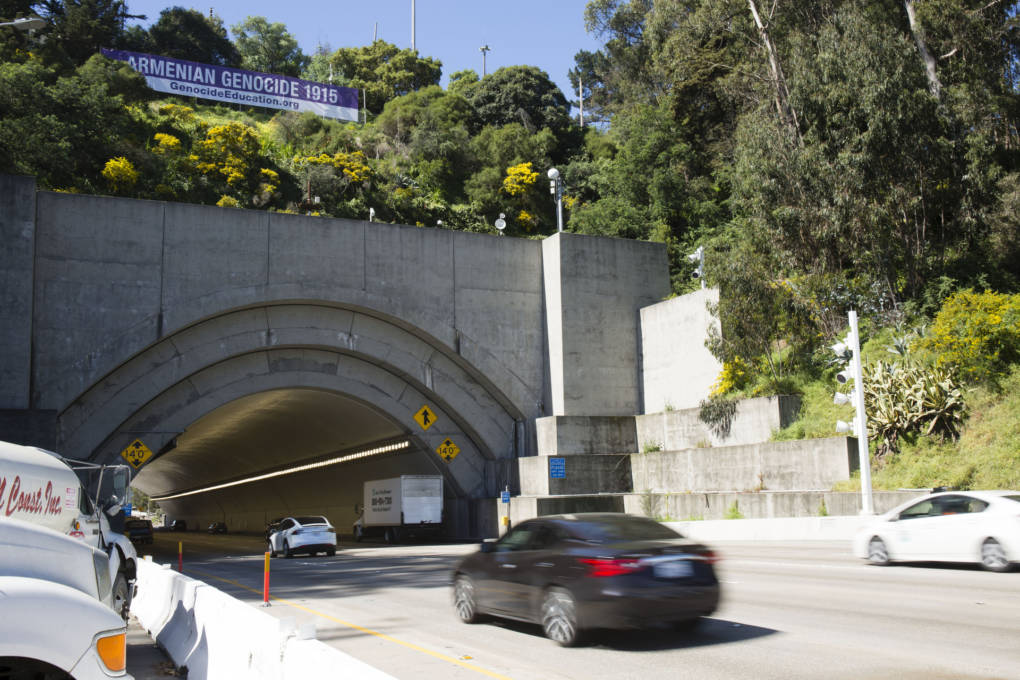
"caption": "A coalition of activists paid to have a banner commemorating the Armenian genocide installed above the Bay Bridge westbound tunnel on April 3, 2017.",
"description": null,
"title": "RS24850_20170403_BayBridgeBanner_Credit_BertJohnson04-qut",
"credit": "Bert Johnson/KQED",
"status": "inherit",
"isLoading": false,
"fetchFailed": false
},
"news_11149608": {
"type": "attachments",
"id": "news_11149608",
"meta": {
"index": "attachments_1716263798",
"site": "news",
"id": "11149608",
"found": true
},
"parent": 11149597,
"imgSizes": {
"small": {
"file": "https://ww2.kqed.org/app/uploads/sites/10/2016/10/baybridgebigrig-520x389.jpg",
"width": 520,
"mimeType": "image/jpeg",
"height": 389
},
"twentyfourteen-full-width": {
"file": "https://ww2.kqed.org/app/uploads/sites/10/2016/10/baybridgebigrig-1038x576.jpg",
"width": 1038,
"mimeType": "image/jpeg",
"height": 576
},
"thumbnail": {
"file": "https://ww2.kqed.org/app/uploads/sites/10/2016/10/baybridgebigrig-160x120.jpg",
"width": 160,
"mimeType": "image/jpeg",
"height": 120
},
"fd-sm": {
"file": "https://ww2.kqed.org/app/uploads/sites/10/2016/10/baybridgebigrig-960x718.jpg",
"width": 960,
"mimeType": "image/jpeg",
"height": 718
},
"post-thumbnail": {
"file": "https://ww2.kqed.org/app/uploads/sites/10/2016/10/baybridgebigrig-672x372.jpg",
"width": 672,
"mimeType": "image/jpeg",
"height": 372
},
"xsmall": {
"file": "https://ww2.kqed.org/app/uploads/sites/10/2016/10/baybridgebigrig-375x281.jpg",
"width": 375,
"mimeType": "image/jpeg",
"height": 281
},
"kqedFullSize": {
"file": "https://ww2.kqed.org/app/uploads/sites/10/2016/10/baybridgebigrig.jpg",
"width": 1200,
"height": 898
},
"large": {
"file": "https://ww2.kqed.org/app/uploads/sites/10/2016/10/baybridgebigrig-1020x763.jpg",
"width": 1020,
"mimeType": "image/jpeg",
"height": 763
},
"xlarge": {
"file": "https://ww2.kqed.org/app/uploads/sites/10/2016/10/baybridgebigrig-1180x883.jpg",
"width": 1180,
"mimeType": "image/jpeg",
"height": 883
},
"guest-author-50": {
"file": "https://ww2.kqed.org/app/uploads/sites/10/2016/10/baybridgebigrig-50x50.jpg",
"width": 50,
"mimeType": "image/jpeg",
"height": 50
},
"guest-author-96": {
"file": "https://ww2.kqed.org/app/uploads/sites/10/2016/10/baybridgebigrig-96x96.jpg",
"width": 96,
"mimeType": "image/jpeg",
"height": 96
},
"medium": {
"file": "https://ww2.kqed.org/app/uploads/sites/10/2016/10/baybridgebigrig-800x599.jpg",
"width": 800,
"mimeType": "image/jpeg",
"height": 599
},
"guest-author-64": {
"file": "https://ww2.kqed.org/app/uploads/sites/10/2016/10/baybridgebigrig-64x64.jpg",
"width": 64,
"mimeType": "image/jpeg",
"height": 64
},
"guest-author-32": {
"file": "https://ww2.kqed.org/app/uploads/sites/10/2016/10/baybridgebigrig-32x32.jpg",
"width": 32,
"mimeType": "image/jpeg",
"height": 32
},
"jmtc-small-thumb": {
"file": "https://ww2.kqed.org/app/uploads/sites/10/2016/10/baybridgebigrig-280x150.jpg",
"width": 280,
"mimeType": "image/jpeg",
"height": 150
},
"fd-med": {
"file": "https://ww2.kqed.org/app/uploads/sites/10/2016/10/baybridgebigrig-1180x883.jpg",
"width": 1180,
"mimeType": "image/jpeg",
"height": 883
},
"detail": {
"file": "https://ww2.kqed.org/app/uploads/sites/10/2016/10/baybridgebigrig-150x150.jpg",
"width": 150,
"mimeType": "image/jpeg",
"height": 150
},
"guest-author-128": {
"file": "https://ww2.kqed.org/app/uploads/sites/10/2016/10/baybridgebigrig-128x128.jpg",
"width": 128,
"mimeType": "image/jpeg",
"height": 128
},
"xxsmall": {
"file": "https://ww2.kqed.org/app/uploads/sites/10/2016/10/baybridgebigrig-240x180.jpg",
"width": 240,
"mimeType": "image/jpeg",
"height": 180
}
},
"publishDate": 1477680520,
"modified": 1477691297,
"caption": "A tractor-trailer rig crashed just before 5 a.m. Friday at the San Francisco entrance to the lower deck of the Bay Bridge. ",
"description": null,
"title": "Bay Bridge Big Rig",
"credit": "California Highway Patrol",
"status": "inherit",
"isLoading": false,
"fetchFailed": false
},
"news_11138612": {
"type": "attachments",
"id": "news_11138612",
"meta": {
"index": "attachments_1716263798",
"site": "news",
"id": "11138612",
"found": true
},
"parent": 11138537,
"imgSizes": {
"small": {
"file": "https://ww2.kqed.org/app/uploads/sites/10/2016/10/30007026091_fa9fc0150a_o-520x390.jpg",
"width": 520,
"mimeType": "image/jpeg",
"height": 390
},
"twentyfourteen-full-width": {
"file": "https://ww2.kqed.org/app/uploads/sites/10/2016/10/30007026091_fa9fc0150a_o-1038x576.jpg",
"width": 1038,
"mimeType": "image/jpeg",
"height": 576
},
"thumbnail": {
"file": "https://ww2.kqed.org/app/uploads/sites/10/2016/10/30007026091_fa9fc0150a_o-160x120.jpg",
"width": 160,
"mimeType": "image/jpeg",
"height": 120
},
"fd-sm": {
"file": "https://ww2.kqed.org/app/uploads/sites/10/2016/10/30007026091_fa9fc0150a_o-960x720.jpg",
"width": 960,
"mimeType": "image/jpeg",
"height": 720
},
"post-thumbnail": {
"file": "https://ww2.kqed.org/app/uploads/sites/10/2016/10/30007026091_fa9fc0150a_o-672x372.jpg",
"width": 672,
"mimeType": "image/jpeg",
"height": 372
},
"xsmall": {
"file": "https://ww2.kqed.org/app/uploads/sites/10/2016/10/30007026091_fa9fc0150a_o-375x281.jpg",
"width": 375,
"mimeType": "image/jpeg",
"height": 281
},
"kqedFullSize": {
"file": "https://ww2.kqed.org/app/uploads/sites/10/2016/10/30007026091_fa9fc0150a_o-e1477005285492.jpg",
"width": 1920,
"height": 1440
},
"large": {
"file": "https://ww2.kqed.org/app/uploads/sites/10/2016/10/30007026091_fa9fc0150a_o-1020x765.jpg",
"width": 1020,
"mimeType": "image/jpeg",
"height": 765
},
"xlarge": {
"file": "https://ww2.kqed.org/app/uploads/sites/10/2016/10/30007026091_fa9fc0150a_o-1180x885.jpg",
"width": 1180,
"mimeType": "image/jpeg",
"height": 885
},
"guest-author-50": {
"file": "https://ww2.kqed.org/app/uploads/sites/10/2016/10/30007026091_fa9fc0150a_o-50x50.jpg",
"width": 50,
"mimeType": "image/jpeg",
"height": 50
},
"guest-author-96": {
"file": "https://ww2.kqed.org/app/uploads/sites/10/2016/10/30007026091_fa9fc0150a_o-96x96.jpg",
"width": 96,
"mimeType": "image/jpeg",
"height": 96
},
"medium": {
"file": "https://ww2.kqed.org/app/uploads/sites/10/2016/10/30007026091_fa9fc0150a_o-800x600.jpg",
"width": 800,
"mimeType": "image/jpeg",
"height": 600
},
"guest-author-64": {
"file": "https://ww2.kqed.org/app/uploads/sites/10/2016/10/30007026091_fa9fc0150a_o-64x64.jpg",
"width": 64,
"mimeType": "image/jpeg",
"height": 64
},
"guest-author-32": {
"file": "https://ww2.kqed.org/app/uploads/sites/10/2016/10/30007026091_fa9fc0150a_o-32x32.jpg",
"width": 32,
"mimeType": "image/jpeg",
"height": 32
},
"jmtc-small-thumb": {
"file": "https://ww2.kqed.org/app/uploads/sites/10/2016/10/30007026091_fa9fc0150a_o-280x150.jpg",
"width": 280,
"mimeType": "image/jpeg",
"height": 150
},
"fd-lrg": {
"file": "https://ww2.kqed.org/app/uploads/sites/10/2016/10/30007026091_fa9fc0150a_o-1920x1440.jpg",
"width": 1920,
"mimeType": "image/jpeg",
"height": 1440
},
"fd-med": {
"file": "https://ww2.kqed.org/app/uploads/sites/10/2016/10/30007026091_fa9fc0150a_o-1180x885.jpg",
"width": 1180,
"mimeType": "image/jpeg",
"height": 885
},
"full-width": {
"file": "https://ww2.kqed.org/app/uploads/sites/10/2016/10/30007026091_fa9fc0150a_o-1920x1440.jpg",
"width": 1920,
"mimeType": "image/jpeg",
"height": 1440
},
"detail": {
"file": "https://ww2.kqed.org/app/uploads/sites/10/2016/10/30007026091_fa9fc0150a_o-150x150.jpg",
"width": 150,
"mimeType": "image/jpeg",
"height": 150
},
"guest-author-128": {
"file": "https://ww2.kqed.org/app/uploads/sites/10/2016/10/30007026091_fa9fc0150a_o-128x128.jpg",
"width": 128,
"mimeType": "image/jpeg",
"height": 128
},
"xxsmall": {
"file": "https://ww2.kqed.org/app/uploads/sites/10/2016/10/30007026091_fa9fc0150a_o-240x180.jpg",
"width": 240,
"mimeType": "image/jpeg",
"height": 180
}
},
"publishDate": 1477005143,
"modified": 1477005275,
"caption": "The Bay Bridge bike and pedestrian path, pictured earlier this month at its current closure point east of Yerba Buena Island.",
"description": null,
"title": "Bay Bridge Bike Path",
"credit": "\u003ca href=\"https://flic.kr/p/MHBRqP\" target=\"_blank\">Jef Poskanzer/Flickr\u003c/a>",
"status": "inherit",
"isLoading": false,
"fetchFailed": false
},
"news_11125718": {
"type": "attachments",
"id": "news_11125718",
"meta": {
"index": "attachments_1716263798",
"site": "news",
"id": "11125718",
"found": true
},
"parent": 11125404,
"imgSizes": {
"twentyfourteen-full-width": {
"file": "https://ww2.kqed.org/app/uploads/sites/10/2016/10/28468116031_7cd262d0e4_o-1038x576.jpg",
"width": 1038,
"mimeType": "image/jpeg",
"height": 576
},
"thumbnail": {
"file": "https://ww2.kqed.org/app/uploads/sites/10/2016/10/28468116031_7cd262d0e4_o-400x286.jpg",
"width": 400,
"mimeType": "image/jpeg",
"height": 286
},
"fd-sm": {
"file": "https://ww2.kqed.org/app/uploads/sites/10/2016/10/28468116031_7cd262d0e4_o-960x686.jpg",
"width": 960,
"mimeType": "image/jpeg",
"height": 686
},
"post-thumbnail": {
"file": "https://ww2.kqed.org/app/uploads/sites/10/2016/10/28468116031_7cd262d0e4_o-672x372.jpg",
"width": 672,
"mimeType": "image/jpeg",
"height": 372
},
"kqedFullSize": {
"file": "https://ww2.kqed.org/app/uploads/sites/10/2016/10/28468116031_7cd262d0e4_o-e1476227016770.jpg",
"width": 1920,
"height": 1371
},
"large": {
"file": "https://ww2.kqed.org/app/uploads/sites/10/2016/10/28468116031_7cd262d0e4_o-1920x1371.jpg",
"width": 1920,
"mimeType": "image/jpeg",
"height": 1371
},
"guest-author-50": {
"file": "https://ww2.kqed.org/app/uploads/sites/10/2016/10/28468116031_7cd262d0e4_o-50x50.jpg",
"width": 50,
"mimeType": "image/jpeg",
"height": 50
},
"guest-author-96": {
"file": "https://ww2.kqed.org/app/uploads/sites/10/2016/10/28468116031_7cd262d0e4_o-96x96.jpg",
"width": 96,
"mimeType": "image/jpeg",
"height": 96
},
"medium": {
"file": "https://ww2.kqed.org/app/uploads/sites/10/2016/10/28468116031_7cd262d0e4_o-800x571.jpg",
"width": 800,
"mimeType": "image/jpeg",
"height": 571
},
"guest-author-64": {
"file": "https://ww2.kqed.org/app/uploads/sites/10/2016/10/28468116031_7cd262d0e4_o-64x64.jpg",
"width": 64,
"mimeType": "image/jpeg",
"height": 64
},
"guest-author-32": {
"file": "https://ww2.kqed.org/app/uploads/sites/10/2016/10/28468116031_7cd262d0e4_o-32x32.jpg",
"width": 32,
"mimeType": "image/jpeg",
"height": 32
},
"jmtc-small-thumb": {
"file": "https://ww2.kqed.org/app/uploads/sites/10/2016/10/28468116031_7cd262d0e4_o-280x150.jpg",
"width": 280,
"mimeType": "image/jpeg",
"height": 150
},
"fd-lrg": {
"file": "https://ww2.kqed.org/app/uploads/sites/10/2016/10/28468116031_7cd262d0e4_o-1920x1371.jpg",
"width": 1920,
"mimeType": "image/jpeg",
"height": 1371
},
"fd-med": {
"file": "https://ww2.kqed.org/app/uploads/sites/10/2016/10/28468116031_7cd262d0e4_o-1180x843.jpg",
"width": 1180,
"mimeType": "image/jpeg",
"height": 843
},
"detail": {
"file": "https://ww2.kqed.org/app/uploads/sites/10/2016/10/28468116031_7cd262d0e4_o-150x150.jpg",
"width": 150,
"mimeType": "image/jpeg",
"height": 150
},
"guest-author-128": {
"file": "https://ww2.kqed.org/app/uploads/sites/10/2016/10/28468116031_7cd262d0e4_o-128x128.jpg",
"width": 128,
"mimeType": "image/jpeg",
"height": 128
}
},
"publishDate": 1476226859,
"modified": 1476227009,
"caption": "The Bay Bridge Trail, the bike/pedestrian path on the bridge's eastern span, in July 2016.",
"description": null,
"title": "Bay Bridge Bike Path",
"credit": "\u003ca href=\"https://flic.kr/p/KnCx5K\" target=\"_blank\">Steve Wedgwood/Flickr\u003c/a>",
"status": "inherit",
"isLoading": false,
"fetchFailed": false
}
},
"audioPlayerReducer": {
"postId": "stream_live",
"isPaused": true,
"isPlaying": false,
"pfsActive": false,
"pledgeModalIsOpen": true,
"playerDrawerIsOpen": false,
"liveAudioPlayStartedAt": 0,
"liveAudioPlayContext": ""
},
"authorsReducer": {
"byline_news_11687110": {
"type": "authors",
"id": "byline_news_11687110",
"meta": {
"override": true
},
"slug": "byline_news_11687110",
"name": "\u003ca href=\"https://capitalandmain.com/author/jrubin\">Joe Rubin\u003c/a>\u003cbr>\u003cstrong>\u003ca href=\"https://capitalandmain.com/bay-bridge-dismantling-project-was-a-lead-contamination-site-0815\">Capital and Main\u003c/a>\u003c/strong>",
"isLoading": false
},
"byline_news_11390138": {
"type": "authors",
"id": "byline_news_11390138",
"meta": {
"override": true
},
"slug": "byline_news_11390138",
"name": "\u003cstrong>\u003ca href=\"https://twitter.com/marianaurbannew\">Mariana Urban\u003c/a> and \u003ca href=\"https://twitter.com/bertjohnsonfoto\">Bert Johnson\u003c/a> \u003c/strong>",
"isLoading": false
},
"danbrekke": {
"type": "authors",
"id": "222",
"meta": {
"index": "authors_1716337520",
"id": "222",
"found": true
},
"name": "Dan Brekke",
"firstName": "Dan",
"lastName": "Brekke",
"slug": "danbrekke",
"email": "dbrekke@kqed.org",
"display_author_email": true,
"staff_mastheads": [
"news",
"science"
],
"title": "KQED Editor and Reporter",
"bio": "Dan Brekke is a reporter and editor for KQED News, responsible for coverage of topics ranging from California water issues to the Bay Area's transportation challenges. In a newsroom career that began in Chicago in 1972, Dan has worked for \u003cem>The San Francisco Examiner,\u003c/em> Wired and TechTV and has been published in The New York Times, The New York Times Magazine, Business 2.0, Salon and elsewhere.\r\n\r\nSince joining KQED in 2007, Dan has reported, edited and produced both radio and online features and breaking news pieces. He has shared as both editor and reporter in four Society of Professional Journalists Norcal Excellence in Journalism awards and one Edward R. Murrow regional award. He was chosen for a spring 2017 residency at the Mesa Refuge to advance his research on California salmon.\r\n\r\nEmail Dan at: \u003ca href=\"mailto:dbrekke@kqed.org\">dbrekke@kqed.org\u003c/a>\r\n\r\n\u003cstrong>Twitter:\u003c/strong> \u003ca href=\"https://twitter.com/danbrekke\" rel=\"noopener noreferrer\">twitter.com/danbrekke\u003c/a>\r\n\u003cstrong>Facebook:\u003c/strong> \u003ca href=\"https://www.facebook.com/danbrekke\" rel=\"noopener noreferrer\">www.facebook.com/danbrekke\u003c/a>\r\n\u003cstrong>LinkedIn:\u003c/strong> \u003ca href=\"https://www.linkedin.com/in/danbrekke\" rel=\"noopener noreferrer\">www.linkedin.com/in/danbrekke\u003c/a>",
"avatar": "https://secure.gravatar.com/avatar/8f1f0d2a978fb3b23426c922c7e2af558fa36905b49c4ce76a97dc3c72d27226?s=600&d=mm&r=g",
"twitter": "danbrekke",
"bluesky": null,
"facebook": null,
"instagram": "https://www.instagram.com/dan.brekke/",
"linkedin": "https://www.linkedin.com/in/danbrekke/",
"sites": [
{
"site": "news",
"roles": [
"administrator",
"create_posts"
]
},
{
"site": "stateofhealth",
"roles": [
"editor"
]
},
{
"site": "science",
"roles": [
"editor"
]
},
{
"site": "quest",
"roles": [
"contributor"
]
},
{
"site": "food",
"roles": [
"contributor"
]
},
{
"site": "forum",
"roles": [
"contributor"
]
},
{
"site": "elections",
"roles": [
"editor"
]
},
{
"site": "liveblog",
"roles": [
"editor"
]
}
],
"headData": {
"title": "Dan Brekke | KQED",
"description": "KQED Editor and Reporter",
"ogImgSrc": "https://secure.gravatar.com/avatar/8f1f0d2a978fb3b23426c922c7e2af558fa36905b49c4ce76a97dc3c72d27226?s=600&d=mm&r=g",
"twImgSrc": "https://secure.gravatar.com/avatar/8f1f0d2a978fb3b23426c922c7e2af558fa36905b49c4ce76a97dc3c72d27226?s=600&d=mm&r=g"
},
"isLoading": false,
"link": "/author/danbrekke"
},
"gmarzorati": {
"type": "authors",
"id": "227",
"meta": {
"index": "authors_1716337520",
"id": "227",
"found": true
},
"name": "Guy Marzorati",
"firstName": "Guy",
"lastName": "Marzorati",
"slug": "gmarzorati",
"email": "gmarzorati@KQED.org",
"display_author_email": true,
"staff_mastheads": [
"news"
],
"title": "Correspondent",
"bio": "Guy Marzorati is a correspondent on KQED's California Politics and Government Desk, based in San Jose. A graduate of Santa Clara University, Guy joined KQED in 2013. He reports on state and local politics and produces KQED's digital voter guide.",
"avatar": "https://secure.gravatar.com/avatar/e7038b8dbfd55b104369b76b1cd0b9de?s=600&d=blank&r=g",
"twitter": "guymarzorati",
"facebook": null,
"instagram": null,
"linkedin": null,
"sites": [
{
"site": "",
"roles": [
"editor"
]
},
{
"site": "news",
"roles": [
"editor"
]
},
{
"site": "science",
"roles": [
"editor"
]
},
{
"site": "forum",
"roles": [
"editor"
]
},
{
"site": "elections",
"roles": [
"editor"
]
},
{
"site": "liveblog",
"roles": [
"editor"
]
}
],
"headData": {
"title": "Guy Marzorati | KQED",
"description": "Correspondent",
"ogImgSrc": "https://secure.gravatar.com/avatar/e7038b8dbfd55b104369b76b1cd0b9de?s=600&d=blank&r=g",
"twImgSrc": "https://secure.gravatar.com/avatar/e7038b8dbfd55b104369b76b1cd0b9de?s=600&d=blank&r=g"
},
"isLoading": false,
"link": "/author/gmarzorati"
},
"kqednewsstaffandwires": {
"type": "authors",
"id": "237",
"meta": {
"index": "authors_1716337520",
"id": "237",
"found": true
},
"name": "KQED News Staff and Wires",
"firstName": "KQED News Staff and Wires",
"lastName": null,
"slug": "kqednewsstaffandwires",
"email": "onlinenewsstaff@kqed.org",
"display_author_email": false,
"staff_mastheads": [],
"title": null,
"bio": null,
"avatar": "https://secure.gravatar.com/avatar/72295af8ebbfbd19a4948f5271285664?s=600&d=blank&r=g",
"twitter": null,
"facebook": null,
"instagram": null,
"linkedin": null,
"sites": [
{
"site": "arts",
"roles": [
"contributor"
]
},
{
"site": "news",
"roles": [
"contributor"
]
},
{
"site": "lowdown",
"roles": [
"author"
]
},
{
"site": "stateofhealth",
"roles": [
"contributor"
]
},
{
"site": "food",
"roles": [
"author"
]
}
],
"headData": {
"title": "KQED News Staff and Wires | KQED",
"description": null,
"ogImgSrc": "https://secure.gravatar.com/avatar/72295af8ebbfbd19a4948f5271285664?s=600&d=blank&r=g",
"twImgSrc": "https://secure.gravatar.com/avatar/72295af8ebbfbd19a4948f5271285664?s=600&d=blank&r=g"
},
"isLoading": false,
"link": "/author/kqednewsstaffandwires"
},
"scottshafer": {
"type": "authors",
"id": "255",
"meta": {
"index": "authors_1716337520",
"id": "255",
"found": true
},
"name": "Scott Shafer",
"firstName": "Scott",
"lastName": "Shafer",
"slug": "scottshafer",
"email": "sshafer@kqed.org",
"display_author_email": false,
"staff_mastheads": [
"news"
],
"title": "KQED Contributor",
"bio": "Scott Shafer is a senior editor with the KQED Politics and Government desk. He is co-host of Political Breakdown, the award-winning radio show and podcast with a personal take on the world of politics. Scott came to KQED in 1998 to host the statewide\u003cem> California Report\u003c/em>. Prior to that he had extended stints in politics and government\u003cem>.\u003c/em> He uses that inside experience at KQED in his, reporting, hosting and analysis for the politics desk. Scott collaborated \u003cem>Political Breakdown a\u003c/em>nd on \u003cem>The Political Mind of Jerry Brown, \u003c/em>an eight-part series about the life and extraordinary political career of the former governor. For fun, he plays water polo with the San Francisco Tsunami.",
"avatar": "https://secure.gravatar.com/avatar/a62ebae45b79d7aed1a39a0e3bf68104?s=600&d=blank&r=g",
"twitter": "scottshafer",
"bluesky": null,
"facebook": null,
"instagram": null,
"linkedin": null,
"sites": [
{
"site": "news",
"roles": [
"editor"
]
},
{
"site": "stateofhealth",
"roles": [
"author"
]
},
{
"site": "science",
"roles": [
"author"
]
},
{
"site": "forum",
"roles": [
"subscriber"
]
},
{
"site": "liveblog",
"roles": [
"author"
]
}
],
"headData": {
"title": "Scott Shafer | KQED",
"description": "KQED Contributor",
"ogImgSrc": "https://secure.gravatar.com/avatar/a62ebae45b79d7aed1a39a0e3bf68104?s=600&d=blank&r=g",
"twImgSrc": "https://secure.gravatar.com/avatar/a62ebae45b79d7aed1a39a0e3bf68104?s=600&d=blank&r=g"
},
"isLoading": false,
"link": "/author/scottshafer"
},
"mlagos": {
"type": "authors",
"id": "3239",
"meta": {
"index": "authors_1716337520",
"id": "3239",
"found": true
},
"name": "Marisa Lagos",
"firstName": "Marisa",
"lastName": "Lagos",
"slug": "mlagos",
"email": "mlagos@kqed.org",
"display_author_email": false,
"staff_mastheads": [
"news"
],
"title": "KQED Contributor",
"bio": "Marisa Lagos is a correspondent for KQED’s California Politics and Government Desk and co-hosts the award-winning show and podcast, Political Breakdown. At KQED, Lagos also conducts reporting, analysis and investigations into state, local and national politics for radio, TV, online and onstage. In 2022, she and co-host, Scott Shafer, moderated the only gubernatorial debate in California. In 2020, the \u003ci>Washington Post\u003c/i> named her one of the top political journalists in California; she was nominated for a Peabody and won several other awards for her work investigating the 2017 California wildfires. She has worked at the \u003ci>San Francisco Chronicle\u003c/i>, \u003ci>San Francisco Examiner\u003c/i> and \u003ci>Los Angeles Times\u003c/i>. A UC Santa Barbara graduate, she lives in San Francisco with her two sons and husband.",
"avatar": "https://secure.gravatar.com/avatar/a261a0d3696fc066871ef96b85b5e7d2?s=600&d=blank&r=g",
"twitter": "@mlagos",
"facebook": null,
"instagram": null,
"linkedin": null,
"sites": [
{
"site": "arts",
"roles": [
"author"
]
},
{
"site": "news",
"roles": [
"editor"
]
},
{
"site": "science",
"roles": [
"editor"
]
},
{
"site": "forum",
"roles": [
"author"
]
},
{
"site": "liveblog",
"roles": [
"author"
]
}
],
"headData": {
"title": "Marisa Lagos | KQED",
"description": "KQED Contributor",
"ogImgSrc": "https://secure.gravatar.com/avatar/a261a0d3696fc066871ef96b85b5e7d2?s=600&d=blank&r=g",
"twImgSrc": "https://secure.gravatar.com/avatar/a261a0d3696fc066871ef96b85b5e7d2?s=600&d=blank&r=g"
},
"isLoading": false,
"link": "/author/mlagos"
},
"carlysevern": {
"type": "authors",
"id": "3243",
"meta": {
"index": "authors_1716337520",
"id": "3243",
"found": true
},
"name": "Carly Severn",
"firstName": "Carly",
"lastName": "Severn",
"slug": "carlysevern",
"email": "csevern@kqed.org",
"display_author_email": false,
"staff_mastheads": [
"news"
],
"title": "Senior Editor, Audience News ",
"bio": "Carly is KQED's Senior Editor of Audience News on the Digital News team, and has reported for the California Report Magazine, Bay Curious and KQED Arts. She's formerly the host of \u003ca href=\"http://ww2.kqed.org/pop/category/the-cooler/\" rel=\"noopener noreferrer\">The Cooler\u003c/a> podcast.",
"avatar": "https://secure.gravatar.com/avatar/54037bf5c128fe678f0ef26cec97a93f2e7f220a22d7285703328f12c42c1b1d?s=600&d=blank&r=g",
"twitter": "teacupinthebay",
"bluesky": null,
"facebook": null,
"instagram": null,
"linkedin": null,
"sites": [
{
"site": "",
"roles": [
"editor"
]
},
{
"site": "arts",
"roles": [
"editor"
]
},
{
"site": "news",
"roles": [
"administrator"
]
},
{
"site": "pop",
"roles": [
"editor"
]
},
{
"site": "futureofyou",
"roles": [
"editor"
]
},
{
"site": "about",
"roles": [
"administrator"
]
},
{
"site": "mindshift",
"roles": [
"editor"
]
},
{
"site": "bayareabites",
"roles": [
"editor"
]
},
{
"site": "stateofhealth",
"roles": [
"editor"
]
},
{
"site": "science",
"roles": [
"editor"
]
},
{
"site": "food",
"roles": [
"contributor"
]
},
{
"site": "forum",
"roles": [
"editor"
]
},
{
"site": "perspectives",
"roles": [
"administrator"
]
},
{
"site": "liveblog",
"roles": [
"editor"
]
}
],
"headData": {
"title": "Carly Severn | KQED",
"description": "Senior Editor, Audience News ",
"ogImgSrc": "https://secure.gravatar.com/avatar/54037bf5c128fe678f0ef26cec97a93f2e7f220a22d7285703328f12c42c1b1d?s=600&d=blank&r=g",
"twImgSrc": "https://secure.gravatar.com/avatar/54037bf5c128fe678f0ef26cec97a93f2e7f220a22d7285703328f12c42c1b1d?s=600&d=blank&r=g"
},
"isLoading": false,
"link": "/author/carlysevern"
},
"fjhabvala": {
"type": "authors",
"id": "8659",
"meta": {
"index": "authors_1716337520",
"id": "8659",
"found": true
},
"name": "Farida Jhabvala Romero",
"firstName": "Farida",
"lastName": "Jhabvala Romero",
"slug": "fjhabvala",
"email": "fjhabvala@kqed.org",
"display_author_email": true,
"staff_mastheads": [
"news"
],
"title": "KQED Contributor",
"bio": "Farida Jhabvala Romero is a Labor Correspondent for KQED. She previously covered immigration. Farida was \u003ca href=\"https://www.ccnma.org/2022-most-influential-latina-journalists\">named\u003c/a> one of the 10 Most Influential Latina Journalists in California in 2022 by the California Chicano News Media Association. Her work has won awards from the Society of Professional Journalists (Northern California), as well as a national and regional Edward M. Murrow Award for the collaborative reporting projects “Dangerous Air” and “Graying California.” Before joining KQED, Farida worked as a producer at Radio Bilingüe, a national public radio network. Farida earned her master’s degree in journalism from Stanford University.",
"avatar": "https://secure.gravatar.com/avatar/f9f022d4e2609741874222a1e9d41f48fea74011aa7c615eef91d9a50c944ebe?s=600&d=blank&r=g",
"twitter": "FaridaJhabvala",
"bluesky": null,
"facebook": null,
"instagram": null,
"linkedin": "https://www.linkedin.com/in/faridajhabvala/",
"sites": [
{
"site": "news",
"roles": [
"editor"
]
},
{
"site": "stateofhealth",
"roles": [
"author"
]
},
{
"site": "liveblog",
"roles": [
"author"
]
}
],
"headData": {
"title": "Farida Jhabvala Romero | KQED",
"description": "KQED Contributor",
"ogImgSrc": "https://secure.gravatar.com/avatar/f9f022d4e2609741874222a1e9d41f48fea74011aa7c615eef91d9a50c944ebe?s=600&d=blank&r=g",
"twImgSrc": "https://secure.gravatar.com/avatar/f9f022d4e2609741874222a1e9d41f48fea74011aa7c615eef91d9a50c944ebe?s=600&d=blank&r=g"
},
"isLoading": false,
"link": "/author/fjhabvala"
}
},
"pagesReducer": {
"news_tag_bay-bridge": {
"type": "terms",
"id": "news_231",
"meta": {
"index": "terms_1716263798",
"site": "news",
"id": "231",
"score": 9.105365
},
"featImg": null,
"name": "Bay Bridge",
"description": null,
"taxonomy": "tag",
"headData": {
"twImgId": null,
"twTitle": null,
"ogTitle": null,
"ogImgId": null,
"twDescription": null,
"description": null,
"title": "Bay Bridge Archives | KQED News",
"ogDescription": null
},
"ttid": 239,
"slug": "bay-bridge",
"isLoading": false,
"title": "Bay Bridge",
"pageMeta": {
"site": "news",
"WpPageTemplate": "page-topic-editorial",
"currentPage": 2
},
"blocks": [
{
"blockName": "kqed/post-list",
"attrs": {
"layout": "cardArticle2",
"query": "posts/news?tag=bay-bridge",
"seeMore": false,
"paginated": true,
"page": 2
}
},
{
"blockName": "kqed/ad"
}
]
}
},
"pfsSessionReducer": {},
"postsReducer": {
"stream_live": {
"type": "live",
"id": "stream_live",
"audioUrl": "https://streams.kqed.org/kqedradio",
"title": "Live Stream",
"excerpt": "Live Stream information currently unavailable.",
"link": "/radio",
"featImg": "",
"label": {
"name": "KQED Live",
"link": "/"
}
},
"stream_kqedNewscast": {
"type": "posts",
"id": "stream_kqedNewscast",
"audioUrl": "https://www.kqed.org/.stream/anon/radio/RDnews/newscast.mp3?_=1",
"title": "KQED Newscast",
"featImg": "",
"label": {
"name": "88.5 FM",
"link": "/"
}
},
"news_11786163": {
"type": "posts",
"id": "news_11786163",
"meta": {
"index": "posts_1716263798",
"site": "news",
"id": "11786163",
"score": null,
"sort": [
1573599314000
]
},
"guestAuthors": [],
"slug": "happy-birthday-bay-bridge-heres-how-you-looked-in-the-1970s",
"title": "Happy Birthday, Bay Bridge: Here's How You Looked in the 1970s",
"publishDate": 1573599314,
"format": "image",
"headTitle": "Happy Birthday, Bay Bridge: Here’s How You Looked in the 1970s | KQED",
"labelTerm": {
"site": "news"
},
"content": "\u003cp>Daily commuters may \u003ca href=\"https://www.kqed.org/news/11700881/the-10-best-places-to-watch-the-worst-bay-area-traffic-congestion\">extend their well wishes through gritted teeth\u003c/a>, but congratulations are nonetheless in order: The Bay Bridge was first opened to traffic 83 years ago today.\u003c/p>\n\u003cp>After three years of construction, \u003ca href=\"https://www.baybridgeinfo.org/history\">the Bay Bridge greeted its public on Nov. 12, 1936\u003c/a> — a whole six months before its glitzier sibling, the Golden Gate Bridge, debuted on May 27, 1937.\u003c/p>\n\u003cp>For the next quarter-century, until 1962, trucks and trains traveled in both directions on the lower deck of the Bay Bridge, with cars driving in both directions on the deck above them.\u003c/p>\n\u003cp>https://youtu.be/QO6s0quF0i8\u003c/p>\n\u003cp>To mark the occasion, we reached into our archives to bring you this short video showing what the Bay Bridge (and its traffic) looked like in the 1970s, when the span was merely in its 40s and those trains had been gone a decade or so.\u003c/p>\n\u003cp>The clips are from 1971, 1973 (color) and 1979, so watch and transport yourself back to a time when markedly fewer cars made the bay crossing, and the toll was a whole 75 cents.\u003c/p>\n\u003cp>(We’re always turning up gems like this in the KQED archives, from \u003ca href=\"https://www.kqed.org/arts/13835832/kqed-unearths-rare-video-of-san-francisco-drag-in-the-60s\">rare footage of a 1968 San Francisco drag ball\u003c/a> to \u003ca href=\"https://www.kqed.org/arts/13868380/watch-vintage-kqed-footage-from-the-1970s-castro-district\">glimpses of the Castro District in the 1970s\u003c/a>. Follow KQED on \u003ca href=\"http://www.facebook.com/KQED/\">Facebook\u003c/a>, \u003ca href=\"https://twitter.com/KQED\">Twitter\u003c/a> and \u003ca href=\"https://www.instagram.com/kqed/\">Instagram\u003c/a> to see them first.)\u003c/p>\n\u003cp>If you’re a Bay Bridge fan, take a look at its \u003ca href=\"https://www.kqed.org/news/138692/reliving-the-glory-days-of-the-bay-bridge-through-hollywood-movies\">starring role in Hollywood movies like “The Graduate,\u003c/a>” and the \u003ca href=\"https://www.kqed.org/news/11642644/the-beautiful-bay-bridge-frank-lloyd-wright-never-got-to-build\">prototype for a new Bay Bridge that Frank Lloyd Wright never got to build. \u003c/a>\u003c/p>\n\u003cp>[ad fullwidth]\u003c/p>\n\u003cp>\u003c/p>\n",
"blocks": [],
"excerpt": "The bridge opened to commuters on Nov. 12, 1936 — so we're celebrating with archive footage from the KQED vaults.",
"status": "publish",
"parent": 0,
"modified": 1721121834,
"stats": {
"hasAudio": false,
"hasVideo": false,
"hasChartOrMap": false,
"iframeSrcs": [],
"hasGoogleForm": false,
"hasGallery": false,
"hasHearkenModule": false,
"hasPolis": false,
"paragraphCount": 9,
"wordCount": 266
},
"headData": {
"title": "Happy Birthday, Bay Bridge: Here's How You Looked in the 1970s | KQED",
"description": "The bridge opened to commuters on Nov. 12, 1936 — so we're celebrating with archive footage from the KQED vaults.",
"ogTitle": "",
"ogDescription": "",
"ogImgId": "",
"twTitle": "",
"twDescription": "",
"twImgId": "",
"schema": {
"@context": "https://schema.org",
"@type": "NewsArticle",
"headline": "Happy Birthday, Bay Bridge: Here's How You Looked in the 1970s",
"datePublished": "2019-11-12T14:55:14-08:00",
"dateModified": "2024-07-16T02:23:54-07:00",
"image": "https://cdn.kqed.org/wp-content/uploads/2020/02/KQED-OG-Image@1x.png",
"isAccessibleForFree": "True",
"publisher": {
"@type": "NewsMediaOrganization",
"@id": "https://www.kqed.org/#organization",
"name": "KQED",
"logo": "https://cdn.kqed.org/wp-content/uploads/2020/02/KQED-OG-Image@1x.png",
"url": "https://www.kqed.org",
"sameAs": [
"https://www.facebook.com/KQED",
"https://twitter.com/KQED",
"https://www.instagram.com/kqed/",
"https://www.tiktok.com/@kqedofficial",
"https://www.linkedin.com/company/kqed",
"https://www.youtube.com/channel/UCeC0IOo7i1P_61zVUWbJ4nw"
]
}
}
},
"sticky": false,
"path": "/news/11786163/happy-birthday-bay-bridge-heres-how-you-looked-in-the-1970s",
"audioTrackLength": null,
"parsedContent": [
{
"type": "contentString",
"content": "\u003cdiv class=\"post-body\">\u003cp>\u003cp>Daily commuters may \u003ca href=\"https://www.kqed.org/news/11700881/the-10-best-places-to-watch-the-worst-bay-area-traffic-congestion\">extend their well wishes through gritted teeth\u003c/a>, but congratulations are nonetheless in order: The Bay Bridge was first opened to traffic 83 years ago today.\u003c/p>\n\u003cp>After three years of construction, \u003ca href=\"https://www.baybridgeinfo.org/history\">the Bay Bridge greeted its public on Nov. 12, 1936\u003c/a> — a whole six months before its glitzier sibling, the Golden Gate Bridge, debuted on May 27, 1937.\u003c/p>\n\u003cp>For the next quarter-century, until 1962, trucks and trains traveled in both directions on the lower deck of the Bay Bridge, with cars driving in both directions on the deck above them.\u003c/p>\u003c/p>\u003cp>\u003cspan class='utils-parseShortcode-shortcodes-__youtubeShortcode__embedYoutube'>\n \u003cspan class='utils-parseShortcode-shortcodes-__youtubeShortcode__embedYoutubeInside'>\n \u003ciframe\n loading='lazy'\n class='utils-parseShortcode-shortcodes-__youtubeShortcode__youtubePlayer'\n type='text/html'\n src='//www.youtube.com/embed/QO6s0quF0i8'\n title='//www.youtube.com/embed/QO6s0quF0i8'\n allowfullscreen='true'\n style='border:0;'>\u003c/iframe>\n \u003c/span>\n \u003c/span>\u003c/p>\u003cp>\u003cp>To mark the occasion, we reached into our archives to bring you this short video showing what the Bay Bridge (and its traffic) looked like in the 1970s, when the span was merely in its 40s and those trains had been gone a decade or so.\u003c/p>\n\u003cp>The clips are from 1971, 1973 (color) and 1979, so watch and transport yourself back to a time when markedly fewer cars made the bay crossing, and the toll was a whole 75 cents.\u003c/p>\n\u003cp>(We’re always turning up gems like this in the KQED archives, from \u003ca href=\"https://www.kqed.org/arts/13835832/kqed-unearths-rare-video-of-san-francisco-drag-in-the-60s\">rare footage of a 1968 San Francisco drag ball\u003c/a> to \u003ca href=\"https://www.kqed.org/arts/13868380/watch-vintage-kqed-footage-from-the-1970s-castro-district\">glimpses of the Castro District in the 1970s\u003c/a>. Follow KQED on \u003ca href=\"http://www.facebook.com/KQED/\">Facebook\u003c/a>, \u003ca href=\"https://twitter.com/KQED\">Twitter\u003c/a> and \u003ca href=\"https://www.instagram.com/kqed/\">Instagram\u003c/a> to see them first.)\u003c/p>\n\u003cp>If you’re a Bay Bridge fan, take a look at its \u003ca href=\"https://www.kqed.org/news/138692/reliving-the-glory-days-of-the-bay-bridge-through-hollywood-movies\">starring role in Hollywood movies like “The Graduate,\u003c/a>” and the \u003ca href=\"https://www.kqed.org/news/11642644/the-beautiful-bay-bridge-frank-lloyd-wright-never-got-to-build\">prototype for a new Bay Bridge that Frank Lloyd Wright never got to build. \u003c/a>\u003c/p>\n\u003cp>\u003c/p>\u003c/div>",
"attributes": {
"named": {},
"numeric": []
}
},
{
"type": "component",
"content": "",
"name": "ad",
"attributes": {
"named": {
"label": "fullwidth"
},
"numeric": [
"fullwidth"
]
}
},
{
"type": "contentString",
"content": "\u003cdiv class=\"post-body\">\u003cp>\u003c/p>\n\u003cp>\u003c/p>\n\u003c/div>\u003c/p>",
"attributes": {
"named": {},
"numeric": []
}
}
],
"link": "/news/11786163/happy-birthday-bay-bridge-heres-how-you-looked-in-the-1970s",
"authors": [
"3243"
],
"categories": [
"news_8",
"news_1397"
],
"tags": [
"news_4090",
"news_231",
"news_23368",
"news_4520",
"news_20517"
],
"featImg": "news_11786170",
"label": "news"
},
"news_11687110": {
"type": "posts",
"id": "news_11687110",
"meta": {
"index": "posts_1716263798",
"site": "news",
"id": "11687110",
"score": null,
"sort": [
1534424861000
]
},
"guestAuthors": [],
"slug": "bay-bridge-dismantling-project-was-a-lead-contamination-site",
"title": "Bay Bridge Dismantling Project Was a Lead-Contamination Site",
"publishDate": 1534424861,
"format": "audio",
"headTitle": "Bay Bridge Dismantling Project Was a Lead-Contamination Site | KQED",
"labelTerm": {},
"content": "\u003cp>Last March, \u003ca href=\"https://capitalandmain.com/\" target=\"_blank\" rel=\"noopener\">Capital & Main\u003c/a> launched an investigative series, “Battery Blood,” which revealed that hundreds of workers at the former Exide battery recycling plant in Vernon, California, had for decades been exposed to lead poisoning. Even worse, the state’s public health department knew about it but failed to act. Now, utilizing data obtained from the California Department of Public Health (CDPH), our joint investigation with the University of Southern California’s Center for Health Journalism has found at least 80 companies — including one that recently dismantled parts of the iconic San Francisco–Oakland Bay Bridge — continue to have workers in California who are lead-poisoned at levels high enough to cause birth defects, tremors and a variety of brain disorders.\u003c/p>\n\u003cp>Once again we found that CDPH routinely failed to refer even the most egregious employers to state enforcement officers who can levy fines and require mandatory changes.\u003c/p>\n\u003cp>Some of the most extensive problems were found at other car battery recycling plants in working-class areas of Los Angeles. At one plant, Trojan Battery Recycling Company had 174 employees with elevated levels of lead in their blood between 2015 and 2016.\u003c/p>\n\u003caside class=\"alignright\">\n\u003cli>\n\u003ca href=\"https://www.scribd.com/lists/22191603/California-s-Dept-of-Public-Health-Failed-to-Report-Elevated-Blood-Lead-Levels\" target=\"_blank\" rel=\"noopener\">Read More Documents Related to the Story\u003c/a>\n\u003c/li>\n\u003c/aside>\n\u003cp>“It’s beyond upsetting,” Bell city councilman Nestor Valencia said. He lives in one of the roughly 10,000 residential properties contaminated at levels above what is safe for kids by lead emissions from the Exide plant. “You know we need these jobs, but not at the expense of worker health or keeping kids who live nearby safe. This is what state government is supposed to be for, and they are failing us.” Valencia said he was shocked to learn that other nearby plants continue to have lead-poisoned workers.\u003c/p>\n\u003cp>The Bay Area also has serious ongoing problems. There were lead-poisoning victims among those working on the demolition of the eastern span of the San Francisco–Oakland Bay Bridge. Despite promises to keep workers safe from lead, California Engineering Contractors, which received a $200 million dollar state contract to dismantle the earthquake-damaged span, had 12 cases of lead-poisoned employees between 2013 and 2016.\u003c/p>\n\u003cp>[ad fullwidth]\u003c/p>\n\u003cp>And at Target Masters West, an indoor gun range in the city of Milpitas, there have been more than 25 lead-poisoning cases in the last decade amongst workers who clean and manage the range. Seven cases were reported during 2015 and 2016, the most recent years for which data is available.\u003c/p>\n\u003cp>Target Master West owner Bill Heskett bristled at the suggestion his workers had been poisoned, asserting that a spate of recent findings by public health experts that lead at lower levels is harmful to human health “isn’t based in real science and has been set by a bunch of clerks with no accountability.” Heskett said that the recent spikes in lead levels at his range were attributable to an employee “who wasn’t following protocols.” The employee was terminated, Heskett said.\u003c/p>\n\u003cp>In response to the Exide revelations in our March investigation, a bill was introduced in the California legislature by Assemblymember Ash Kalra (D-San Jose). Assembly Bill 2963 would require mandatory inspections at any workplace where a worker’s blood lead level is at or above 25 micrograms per deciliter. Even at levels as low as 10 micrograms per deciliter, according to the U.S. Centers for Disease Controls (CDC), people with prolonged exposure to the neurotoxin are at higher risk for high blood pressure, heart disease, kidney disease and reduced fertility.\u003c/p>\n\u003caside class=\"pullquote alignright\">\u003cstrong>“You know we need these jobs, \u003c/strong>but not at the expense of worker health or keeping kids who live nearby safe.\u003ccite>Bell city councilman Nestor Valencia\u003c/cite>\u003c/aside>\n\u003cp>While the legislation has faced stiff opposition from industry groups and only passed out of the Assembly by a single vote, it has stronger support in the Senate and appears likely to make it to Governor Jerry Brown’s desk.\u003c/p>\n\u003cp>Among AB 2963’s supporters is Senator Bob Wieckowski (D-Fremont), who expressed dismay that problems at the Milpitas gun range (which is in his district), the Bay Bridge project and elsewhere have been allowed to linger. “If you had a family member or a friend exposed to high blood lead levels, you would want to see immediate action taken to reduce that exposure,” Wieckowski said. “The health and safety of all workers should be the top priority.”\u003c/p>\n\u003ch3>Two Agencies Working in Silos\u003c/h3>\n\u003cp>The problem in California doesn’t appear to lie with finding out about lead-poisoned workers, but with what happens when some state officials get that information.\u003c/p>\n\u003cp>At battery plants, gun ranges and other workplaces where exposure to lead is common, the state of California requires companies to test their workers for elevated levels of lead. The custodian of that testing information is a division of CDPH called the Occupational Lead Poisoning Prevention Program (OLPPP). The division is funded through a small fee on employers in industries that work with lead. In theory, OLPPP provides education to companies and at the agency’s discretion can refer serious cases to the California Division of Occupational Safety and Health, better known as Cal/OSHA. The enforcement agency can then determine the cause of problems and issue fines when unsafe practices are found.\u003c/p>\n\u003cp>Our year-long investigation found a stunning level of reluctance on the part of CDPH to turn lead-poisoning cases over to Cal/OSHA for enforcement. Of the eight companies with some of the most persistent problems with lead exposure in California between 2013 and 2016, Cal/OSHA confirmed that it received no referrals from OLPPP for any of them during the last 10 years, and conducted no lead-related inspections at any of the companies. Many of the workplaces have had lead-poisoned workers for decades.\u003c/p>\n\u003cp>CDPH has declined repeated interview requests and did not respond in time for publication to written questions about its management of lead poisoning cases.\u003c/p>\n\u003cp>Through the state Public Records Act, Capital & Main obtained communications between OLPPP and California Engineering Contractors (CEC), one of the companies awarded a contract by California’s Department of Transportation to dismantle the Bay Bridge.\u003c/p>\n\u003cp>In October 2013, OLPPP informed the company that workers on the project would be exposed to lead coating as the steel bridge was dismantled. “Our role is to assist employers in identifying and correcting work practices that can result in employees being over exposed to lead,” the OLPPP wrote in a letter.\u003c/p>\n\u003caside class=\"pullquote alignright\">\u003cstrong>“They’ve lost sight of the fundamental mission,\u003c/strong> to make sure that at the end of the day workers come home to their families safe and sound.”\u003ccite>Mariano Kramer, a former district manager for Cal/OSHA\u003c/cite>\u003cbr>\n\u003c/aside>\n\u003cp>Within a year, workers on the project showed signs of elevated blood lead levels. The company asserted in an August, 2014 email to OLPPP that it could bring the situation under control. “We are confident we can get even the highest exposed workers under 10 µg/dl (BLL) with aggressive oversight and support,” wrote CEC safety director Robert Ikenberry.\u003c/p>\n\u003cp>Despite assurances, the problem of lead-poisoned employees grew worse. By 2015 one worker’s blood lead levels had exceeded 40 micrograms per deciliter, a level deemed “very high” by the CDC. Michael McKinney, a safety manager for CEC had an explanation, which he provided in an email to OLPPP. “The employee admitted to us that he was chewing tobacco during work. We feel that this practice is what caused the high lead level,” McKinney wrote. OLPPP appeared to accept that explanation, and never referred the Bay Bridge project for Cal/OSHA inspection, even when elevated blood levels amongst workers jumped 25 percent the following year.\u003c/p>\n\u003cp>Mariano Kramer, a former district manager for Cal/OSHA, said that simply accepting emailed assurances from a company with lead-poisoned workers is not acceptable. “There are a myriad of issues which can cause elevated blood lead levels. A trained inspector knows how to identify them.”\u003c/p>\n\u003cp>In 27 states, workplace occupational lead safety standards are administered by the Occupational Safety and Health Administration (OSHA), a federal agency. In those states, any blood lead level above 25 micrograms triggers an automatic OSHA inspection, through which fines for unsafe conditions can be levied and changes can be mandated. A similar standard would go into effect in California if AB 2963 becomes law.\u003c/p>\n\u003cp>Kramer said he supports the proposed legislation because it would empower his former agency to more aggressively target workplaces that lead-poison workers.\u003c/p>\n\u003cp>“But,” he added, “there are cultural issues within both agencies that no law will fix. They’ve lost sight of the fundamental mission, to make sure that at the end of the day workers come home to their families safe and sound.”\u003c/p>\n\u003cp>[ad floatright]\u003c/p>\n\u003cp>\u003cem>This article was produced as a project for the \u003ca href=\"https://www.centerforhealthjournalism.org/event/2017-california-data-fellowship\" target=\"_blank\" rel=\"noopener\">2017 California Data Fellowship,\u003c/a> a program of \u003ca href=\"https://www.centerforhealthjournalism.org/about-us\" target=\"_blank\" rel=\"noopener\">the USC Annenberg Center for Health Journalism\u003c/a>.\u003c/em>\u003c/p>\n\n",
"blocks": [],
"excerpt": "The problem in California doesn’t appear to lie with finding out about lead-poisoned workers, but with what happens — or doesn’t happen — when some state officials get that information.",
"status": "publish",
"parent": 0,
"modified": 1721115182,
"stats": {
"hasAudio": false,
"hasVideo": false,
"hasChartOrMap": false,
"iframeSrcs": [],
"hasGoogleForm": false,
"hasGallery": false,
"hasHearkenModule": false,
"hasPolis": false,
"paragraphCount": 25,
"wordCount": 1521
},
"headData": {
"title": "Bay Bridge Dismantling Project Was a Lead-Contamination Site | KQED",
"description": "The problem in California doesn’t appear to lie with finding out about lead-poisoned workers, but with what happens — or doesn’t happen — when some state officials get that information.",
"ogTitle": "",
"ogDescription": "",
"ogImgId": "",
"twTitle": "",
"twDescription": "",
"twImgId": "",
"schema": {
"@context": "https://schema.org",
"@type": "NewsArticle",
"headline": "Bay Bridge Dismantling Project Was a Lead-Contamination Site",
"datePublished": "2018-08-16T06:07:41-07:00",
"dateModified": "2024-07-16T00:33:02-07:00",
"image": "https://cdn.kqed.org/wp-content/uploads/2020/02/KQED-OG-Image@1x.png",
"isAccessibleForFree": "True",
"publisher": {
"@type": "NewsMediaOrganization",
"@id": "https://www.kqed.org/#organization",
"name": "KQED",
"logo": "https://cdn.kqed.org/wp-content/uploads/2020/02/KQED-OG-Image@1x.png",
"url": "https://www.kqed.org",
"sameAs": [
"https://www.facebook.com/KQED",
"https://twitter.com/KQED",
"https://www.instagram.com/kqed/",
"https://www.tiktok.com/@kqedofficial",
"https://www.linkedin.com/company/kqed",
"https://www.youtube.com/channel/UCeC0IOo7i1P_61zVUWbJ4nw"
]
}
}
},
"source": "Capital and Main",
"sourceUrl": "https://capitalandmain.com/bay-bridge-dismantling-project-was-a-lead-contamination-site-0815",
"audioUrl": "https://www.kqed.org/.stream/anon/radio/tcr/2018/08/SepulvadoRubinLeadPoisoningTCRAM180817.mp3",
"sticky": false,
"nprByline": "\u003ca href=\"https://capitalandmain.com/author/jrubin\">Joe Rubin\u003c/a>\u003cbr>\u003cstrong>\u003ca href=\"https://capitalandmain.com/bay-bridge-dismantling-project-was-a-lead-contamination-site-0815\">Capital and Main\u003c/a>\u003c/strong>",
"path": "/news/11687110/bay-bridge-dismantling-project-was-a-lead-contamination-site",
"audioTrackLength": null,
"parsedContent": [
{
"type": "contentString",
"content": "\u003cdiv class=\"post-body\">\u003cp>\u003cp>Last March, \u003ca href=\"https://capitalandmain.com/\" target=\"_blank\" rel=\"noopener\">Capital & Main\u003c/a> launched an investigative series, “Battery Blood,” which revealed that hundreds of workers at the former Exide battery recycling plant in Vernon, California, had for decades been exposed to lead poisoning. Even worse, the state’s public health department knew about it but failed to act. Now, utilizing data obtained from the California Department of Public Health (CDPH), our joint investigation with the University of Southern California’s Center for Health Journalism has found at least 80 companies — including one that recently dismantled parts of the iconic San Francisco–Oakland Bay Bridge — continue to have workers in California who are lead-poisoned at levels high enough to cause birth defects, tremors and a variety of brain disorders.\u003c/p>\n\u003cp>Once again we found that CDPH routinely failed to refer even the most egregious employers to state enforcement officers who can levy fines and require mandatory changes.\u003c/p>\n\u003cp>Some of the most extensive problems were found at other car battery recycling plants in working-class areas of Los Angeles. At one plant, Trojan Battery Recycling Company had 174 employees with elevated levels of lead in their blood between 2015 and 2016.\u003c/p>\n\u003caside class=\"alignright\">\n\u003cli>\n\u003ca href=\"https://www.scribd.com/lists/22191603/California-s-Dept-of-Public-Health-Failed-to-Report-Elevated-Blood-Lead-Levels\" target=\"_blank\" rel=\"noopener\">Read More Documents Related to the Story\u003c/a>\n\u003c/li>\n\u003c/aside>\n\u003cp>“It’s beyond upsetting,” Bell city councilman Nestor Valencia said. He lives in one of the roughly 10,000 residential properties contaminated at levels above what is safe for kids by lead emissions from the Exide plant. “You know we need these jobs, but not at the expense of worker health or keeping kids who live nearby safe. This is what state government is supposed to be for, and they are failing us.” Valencia said he was shocked to learn that other nearby plants continue to have lead-poisoned workers.\u003c/p>\n\u003cp>The Bay Area also has serious ongoing problems. There were lead-poisoning victims among those working on the demolition of the eastern span of the San Francisco–Oakland Bay Bridge. Despite promises to keep workers safe from lead, California Engineering Contractors, which received a $200 million dollar state contract to dismantle the earthquake-damaged span, had 12 cases of lead-poisoned employees between 2013 and 2016.\u003c/p>\n\u003cp>\u003c/p>\u003c/div>",
"attributes": {
"named": {},
"numeric": []
}
},
{
"type": "component",
"content": "",
"name": "ad",
"attributes": {
"named": {
"label": "fullwidth"
},
"numeric": [
"fullwidth"
]
}
},
{
"type": "contentString",
"content": "\u003cdiv class=\"post-body\">\u003cp>\u003c/p>\n\u003cp>And at Target Masters West, an indoor gun range in the city of Milpitas, there have been more than 25 lead-poisoning cases in the last decade amongst workers who clean and manage the range. Seven cases were reported during 2015 and 2016, the most recent years for which data is available.\u003c/p>\n\u003cp>Target Master West owner Bill Heskett bristled at the suggestion his workers had been poisoned, asserting that a spate of recent findings by public health experts that lead at lower levels is harmful to human health “isn’t based in real science and has been set by a bunch of clerks with no accountability.” Heskett said that the recent spikes in lead levels at his range were attributable to an employee “who wasn’t following protocols.” The employee was terminated, Heskett said.\u003c/p>\n\u003cp>In response to the Exide revelations in our March investigation, a bill was introduced in the California legislature by Assemblymember Ash Kalra (D-San Jose). Assembly Bill 2963 would require mandatory inspections at any workplace where a worker’s blood lead level is at or above 25 micrograms per deciliter. Even at levels as low as 10 micrograms per deciliter, according to the U.S. Centers for Disease Controls (CDC), people with prolonged exposure to the neurotoxin are at higher risk for high blood pressure, heart disease, kidney disease and reduced fertility.\u003c/p>\n\u003caside class=\"pullquote alignright\">\u003cstrong>“You know we need these jobs, \u003c/strong>but not at the expense of worker health or keeping kids who live nearby safe.\u003ccite>Bell city councilman Nestor Valencia\u003c/cite>\u003c/aside>\n\u003cp>While the legislation has faced stiff opposition from industry groups and only passed out of the Assembly by a single vote, it has stronger support in the Senate and appears likely to make it to Governor Jerry Brown’s desk.\u003c/p>\n\u003cp>Among AB 2963’s supporters is Senator Bob Wieckowski (D-Fremont), who expressed dismay that problems at the Milpitas gun range (which is in his district), the Bay Bridge project and elsewhere have been allowed to linger. “If you had a family member or a friend exposed to high blood lead levels, you would want to see immediate action taken to reduce that exposure,” Wieckowski said. “The health and safety of all workers should be the top priority.”\u003c/p>\n\u003ch3>Two Agencies Working in Silos\u003c/h3>\n\u003cp>The problem in California doesn’t appear to lie with finding out about lead-poisoned workers, but with what happens when some state officials get that information.\u003c/p>\n\u003cp>At battery plants, gun ranges and other workplaces where exposure to lead is common, the state of California requires companies to test their workers for elevated levels of lead. The custodian of that testing information is a division of CDPH called the Occupational Lead Poisoning Prevention Program (OLPPP). The division is funded through a small fee on employers in industries that work with lead. In theory, OLPPP provides education to companies and at the agency’s discretion can refer serious cases to the California Division of Occupational Safety and Health, better known as Cal/OSHA. The enforcement agency can then determine the cause of problems and issue fines when unsafe practices are found.\u003c/p>\n\u003cp>Our year-long investigation found a stunning level of reluctance on the part of CDPH to turn lead-poisoning cases over to Cal/OSHA for enforcement. Of the eight companies with some of the most persistent problems with lead exposure in California between 2013 and 2016, Cal/OSHA confirmed that it received no referrals from OLPPP for any of them during the last 10 years, and conducted no lead-related inspections at any of the companies. Many of the workplaces have had lead-poisoned workers for decades.\u003c/p>\n\u003cp>CDPH has declined repeated interview requests and did not respond in time for publication to written questions about its management of lead poisoning cases.\u003c/p>\n\u003cp>Through the state Public Records Act, Capital & Main obtained communications between OLPPP and California Engineering Contractors (CEC), one of the companies awarded a contract by California’s Department of Transportation to dismantle the Bay Bridge.\u003c/p>\n\u003cp>In October 2013, OLPPP informed the company that workers on the project would be exposed to lead coating as the steel bridge was dismantled. “Our role is to assist employers in identifying and correcting work practices that can result in employees being over exposed to lead,” the OLPPP wrote in a letter.\u003c/p>\n\u003caside class=\"pullquote alignright\">\u003cstrong>“They’ve lost sight of the fundamental mission,\u003c/strong> to make sure that at the end of the day workers come home to their families safe and sound.”\u003ccite>Mariano Kramer, a former district manager for Cal/OSHA\u003c/cite>\u003cbr>\n\u003c/aside>\n\u003cp>Within a year, workers on the project showed signs of elevated blood lead levels. The company asserted in an August, 2014 email to OLPPP that it could bring the situation under control. “We are confident we can get even the highest exposed workers under 10 µg/dl (BLL) with aggressive oversight and support,” wrote CEC safety director Robert Ikenberry.\u003c/p>\n\u003cp>Despite assurances, the problem of lead-poisoned employees grew worse. By 2015 one worker’s blood lead levels had exceeded 40 micrograms per deciliter, a level deemed “very high” by the CDC. Michael McKinney, a safety manager for CEC had an explanation, which he provided in an email to OLPPP. “The employee admitted to us that he was chewing tobacco during work. We feel that this practice is what caused the high lead level,” McKinney wrote. OLPPP appeared to accept that explanation, and never referred the Bay Bridge project for Cal/OSHA inspection, even when elevated blood levels amongst workers jumped 25 percent the following year.\u003c/p>\n\u003cp>Mariano Kramer, a former district manager for Cal/OSHA, said that simply accepting emailed assurances from a company with lead-poisoned workers is not acceptable. “There are a myriad of issues which can cause elevated blood lead levels. A trained inspector knows how to identify them.”\u003c/p>\n\u003cp>In 27 states, workplace occupational lead safety standards are administered by the Occupational Safety and Health Administration (OSHA), a federal agency. In those states, any blood lead level above 25 micrograms triggers an automatic OSHA inspection, through which fines for unsafe conditions can be levied and changes can be mandated. A similar standard would go into effect in California if AB 2963 becomes law.\u003c/p>\n\u003cp>Kramer said he supports the proposed legislation because it would empower his former agency to more aggressively target workplaces that lead-poison workers.\u003c/p>\n\u003cp>“But,” he added, “there are cultural issues within both agencies that no law will fix. They’ve lost sight of the fundamental mission, to make sure that at the end of the day workers come home to their families safe and sound.”\u003c/p>\n\u003cp>\u003c/p>\u003c/div>",
"attributes": {
"named": {},
"numeric": []
}
},
{
"type": "component",
"content": "",
"name": "ad",
"attributes": {
"named": {
"label": "floatright"
},
"numeric": [
"floatright"
]
}
},
{
"type": "contentString",
"content": "\u003cdiv class=\"post-body\">\u003cp>\u003c/p>\n\u003cp>\u003cem>This article was produced as a project for the \u003ca href=\"https://www.centerforhealthjournalism.org/event/2017-california-data-fellowship\" target=\"_blank\" rel=\"noopener\">2017 California Data Fellowship,\u003c/a> a program of \u003ca href=\"https://www.centerforhealthjournalism.org/about-us\" target=\"_blank\" rel=\"noopener\">the USC Annenberg Center for Health Journalism\u003c/a>.\u003c/em>\u003c/p>\n\n\u003c/div>\u003c/p>",
"attributes": {
"named": {},
"numeric": []
}
}
],
"link": "/news/11687110/bay-bridge-dismantling-project-was-a-lead-contamination-site",
"authors": [
"byline_news_11687110"
],
"programs": [
"news_72"
],
"categories": [
"news_19906",
"news_8"
],
"tags": [
"news_231",
"news_17725",
"news_19542",
"news_3025",
"news_5356"
],
"featImg": "news_11687151",
"label": "source_news_11687110"
},
"news_11658224": {
"type": "posts",
"id": "news_11658224",
"meta": {
"index": "posts_1716263798",
"site": "news",
"id": "11658224",
"score": null,
"sort": [
1522199092000
]
},
"parent": 0,
"labelTerm": {
"site": "news",
"term": 72
},
"blocks": [],
"publishDate": 1522199092,
"format": "standard",
"disqusTitle": "Caltrans Gets Green Light, and $52 Million, to Turn Bay Bridge Piers Into Parks",
"title": "Caltrans Gets Green Light, and $52 Million, to Turn Bay Bridge Piers Into Parks",
"headTitle": "The California Report | KQED News",
"content": "\u003cp>Back \u003ca href=\"https://www.mercurynews.com/2018/01/25/old-bay-bridge-piers-to-be-reused-as-public-boardwalk-vista-points/\">in January\u003c/a>, an important but rather obscure committee of state and regional transportation officials approved a Caltrans plan to turn four of the support piers from the Bay Bridge’s old eastern span into a pair of public parks. \u003c/p>\n\u003cp>The \u003ca href=\"http://baybridgeinfo.org/tbpoc\" rel=\"noopener\" target=\"_blank\">Toll Bridge Program Oversight Committee\u003c/a> imposed one rather important condition on its approval: The budget for the project, which involves some demolition along with the anticipated construction, was limited to $52 million. \u003c/p>\n\u003cp>Caltrans, along with officials from the Metropolitan Transportation Commission and agencies on both sides of the bay, see the massive relics of the now-vanished span as a once-in-a-century opportunity to give the public access to areas just offshore of Oakland and Yerba Buena Island. The new parks would be great vantage points for taking in the workings of the Port of Oakland, for instance, and marveling at the $6.5 billion splendor of the new eastern span.\u003c/p>\n\u003cp>On Monday in San Francisco, Caltrans' chief bridge engineer Brian Maroney reported to the three-member oversight committee that the agency is ready to proceed with a slightly scaled-back version of the agency's original vision for the waterfront parks. \u003c/p>\n\u003cp>To manage all the work in the project for $52 million -- to implode two of the half-dozen remaining piers, build a 600-foot walkway over the bay on three of the remaining piers near the Oakland shore and construct a massive viewing platform on a pier adjacent to Yerba Buena Island -- Maroney said a team of architects, engineers and contractors had to revise some of their more ambitious plans. \u003c/p>\n\u003cp>[ad fullwidth]\u003c/p>\n\u003cp>\"After we went out and got bids, we were closer to 60 (million dollars) than we were to 52,\" Maroney told the panel. \"About two weeks ago, we had one of those 'come to Jesus' meetings, where everybody got together, and it was really tough. ... I made it clear I wasn't coming back here and asking for any more money.\" \u003c/p>\n\u003cp>To get under the budget and include a 10 percent contingency -- a cushion for unforeseen expenses -- Maroney said the team identified eliminated some details of the original plan. For instance, a large parking lot and paved walkway leading to the Yerba Buena Island viewing platform was removed from the project and replaced by a simple crushed-gravel walkway. \u003c/p>\n\u003cp>And although electrical connections will be provided for both the Oakland and Yerba Buena parks, no lighting will be installed. That's in part because the agencies that will manage the sites -- the East Bay Regional Park District and the Treasure Island Development Authority -- don't want them to be open at night. \u003c/p>\n\u003cp>\"We identified items that if taken out, somebody in the future could put back in if they wanted,\" Maroney said. \"That was painful.\"\u003c/p>\n\u003cfigure id=\"attachment_11658369\" class=\"wp-caption aligncenter\" style=\"max-width: 800px\">\u003ca href=\"https://ww2.kqed.org/news/wp-content/uploads/sites/10/2018/03/Screen-Shot-2018-03-27-at-6.13.08-PM.png\">\u003cimg src=\"https://ww2.kqed.org/news/wp-content/uploads/sites/10/2018/03/Screen-Shot-2018-03-27-at-6.13.08-PM-800x409.png\" alt=\"\" width=\"800\" height=\"409\" class=\"size-medium wp-image-11658369\" srcset=\"https://ww2.kqed.org/app/uploads/sites/10/2018/03/Screen-Shot-2018-03-27-at-6.13.08-PM-800x409.png 800w, https://ww2.kqed.org/app/uploads/sites/10/2018/03/Screen-Shot-2018-03-27-at-6.13.08-PM-160x82.png 160w, https://ww2.kqed.org/app/uploads/sites/10/2018/03/Screen-Shot-2018-03-27-at-6.13.08-PM-1020x521.png 1020w, https://ww2.kqed.org/app/uploads/sites/10/2018/03/Screen-Shot-2018-03-27-at-6.13.08-PM-1920x982.png 1920w, https://ww2.kqed.org/app/uploads/sites/10/2018/03/Screen-Shot-2018-03-27-at-6.13.08-PM-1180x603.png 1180w, https://ww2.kqed.org/app/uploads/sites/10/2018/03/Screen-Shot-2018-03-27-at-6.13.08-PM-960x491.png 960w, https://ww2.kqed.org/app/uploads/sites/10/2018/03/Screen-Shot-2018-03-27-at-6.13.08-PM-240x123.png 240w, https://ww2.kqed.org/app/uploads/sites/10/2018/03/Screen-Shot-2018-03-27-at-6.13.08-PM-375x192.png 375w, https://ww2.kqed.org/app/uploads/sites/10/2018/03/Screen-Shot-2018-03-27-at-6.13.08-PM-520x266.png 520w\" sizes=\"(max-width: 800px) 100vw, 800px\">\u003c/a>\u003cfigcaption class=\"wp-caption-text\">A Caltrans rendering of the view from the existing Bay Bridge bike path to a planned park and recreational pier on the Oakland shoreline. \u003ccite>(Caltrans)\u003c/cite>\u003c/figcaption>\u003c/figure>\n\u003cp>Maroney also said the general contractor on the job, Kiewit/Manson, had agreed to forego $2 million in their normal overhead and markup charges. \"They took a bite of the sandwich, too,\" Maroney said.\u003c/p>\n\u003cp>Maroney added that Caltrans feels it's essential to start moving on the project immediately. The price of steel needed for the project has been changing rapidly because of the Trump administration's threats of tariffs against Chinese steel. \u003c/p>\n\u003cp>A Caltrans contractor told the agency last week that \"when they were getting quotes, they were literally getting quotes that only lasted for one hour.\"\u003c/p>\n\u003cp>More important, Maroney said the project has not yet obtained environmental approvals from the host of federal and state agencies, including the Bay Conservation and Development Commission and the U.S. Army Corps of Engineers, that will need to sign off. \u003c/p>\n\u003cp>\"We do not have any permits to build this work,\" Maroney told the committee, adding that delays in approvals could threaten the Caltrans timeline to finish its in-water construction work by the end of the year. \u003c/p>\n\u003cp>But he said he was encouraged by recent meetings the agencies that permits could be expedited \"and we are asking, respectfully, to do things a little faster.\"\u003c/p>\n\u003cp>The committee unanimously granted Caltrans permission to sign contracts to proceed. If the agency's timeline holds up, the new shoreline park facilities could open to the public in about a year. \u003c/p>\n\u003cp>\u003c/p>\n\u003cp>On the Oakland shoreline, the new recreational pier would tie into a new shoreline park planned by the East Bay park district. Development of that site, on land immediately south of the Bay Bridge that was once part of the Oakland Army Base, is being held up by the need to clean up contaminants on the property.\u003c/p>\n\n",
"disqusIdentifier": "11658224 https://ww2.kqed.org/news/?p=11658224",
"disqusUrl": "https://ww2.kqed.org/news/2018/03/27/caltrans-gets-green-light-and-52-million-to-turn-bay-bridge-piers-into-parks/",
"stats": {
"hasVideo": false,
"hasChartOrMap": false,
"hasAudio": false,
"hasPolis": false,
"wordCount": 780,
"hasGoogleForm": false,
"hasGallery": false,
"hasHearkenModule": false,
"iframeSrcs": [],
"paragraphCount": 19
},
"modified": 1522247701,
"excerpt": "Four piers from the Bay Bridge's old eastern span will be converted to recreational sites. ",
"headData": {
"twImgId": "",
"twTitle": "",
"ogTitle": "",
"ogImgId": "",
"twDescription": "",
"description": "Four piers from the Bay Bridge's old eastern span will be converted to recreational sites. ",
"title": "Caltrans Gets Green Light, and $52 Million, to Turn Bay Bridge Piers Into Parks | KQED",
"ogDescription": "",
"schema": {
"@context": "https://schema.org",
"@type": "NewsArticle",
"headline": "Caltrans Gets Green Light, and $52 Million, to Turn Bay Bridge Piers Into Parks",
"datePublished": "2018-03-27T18:04:52-07:00",
"dateModified": "2018-03-28T07:35:01-07:00",
"image": "https://cdn.kqed.org/wp-content/uploads/2020/02/KQED-OG-Image@1x.png",
"isAccessibleForFree": "True",
"publisher": {
"@type": "NewsMediaOrganization",
"@id": "https://www.kqed.org/#organization",
"name": "KQED",
"logo": "https://cdn.kqed.org/wp-content/uploads/2020/02/KQED-OG-Image@1x.png",
"url": "https://www.kqed.org",
"sameAs": [
"https://www.facebook.com/KQED",
"https://twitter.com/KQED",
"https://www.instagram.com/kqed/",
"https://www.tiktok.com/@kqedofficial",
"https://www.linkedin.com/company/kqed",
"https://www.youtube.com/channel/UCeC0IOo7i1P_61zVUWbJ4nw"
]
}
}
},
"guestAuthors": [],
"slug": "caltrans-gets-green-light-and-52-million-to-turn-bay-bridge-piers-into-parks",
"status": "publish",
"path": "/news/11658224/caltrans-gets-green-light-and-52-million-to-turn-bay-bridge-piers-into-parks",
"audioTrackLength": null,
"parsedContent": [
{
"type": "contentString",
"content": "\u003cdiv class=\"post-body\">\u003cp>\u003cp>Back \u003ca href=\"https://www.mercurynews.com/2018/01/25/old-bay-bridge-piers-to-be-reused-as-public-boardwalk-vista-points/\">in January\u003c/a>, an important but rather obscure committee of state and regional transportation officials approved a Caltrans plan to turn four of the support piers from the Bay Bridge’s old eastern span into a pair of public parks. \u003c/p>\n\u003cp>The \u003ca href=\"http://baybridgeinfo.org/tbpoc\" rel=\"noopener\" target=\"_blank\">Toll Bridge Program Oversight Committee\u003c/a> imposed one rather important condition on its approval: The budget for the project, which involves some demolition along with the anticipated construction, was limited to $52 million. \u003c/p>\n\u003cp>Caltrans, along with officials from the Metropolitan Transportation Commission and agencies on both sides of the bay, see the massive relics of the now-vanished span as a once-in-a-century opportunity to give the public access to areas just offshore of Oakland and Yerba Buena Island. The new parks would be great vantage points for taking in the workings of the Port of Oakland, for instance, and marveling at the $6.5 billion splendor of the new eastern span.\u003c/p>\n\u003cp>On Monday in San Francisco, Caltrans' chief bridge engineer Brian Maroney reported to the three-member oversight committee that the agency is ready to proceed with a slightly scaled-back version of the agency's original vision for the waterfront parks. \u003c/p>\n\u003cp>To manage all the work in the project for $52 million -- to implode two of the half-dozen remaining piers, build a 600-foot walkway over the bay on three of the remaining piers near the Oakland shore and construct a massive viewing platform on a pier adjacent to Yerba Buena Island -- Maroney said a team of architects, engineers and contractors had to revise some of their more ambitious plans. \u003c/p>\n\u003cp>\u003c/p>\u003c/div>",
"attributes": {
"named": {},
"numeric": []
}
},
{
"type": "component",
"content": "",
"name": "ad",
"attributes": {
"named": {
"label": "fullwidth"
},
"numeric": [
"fullwidth"
]
}
},
{
"type": "contentString",
"content": "\u003cdiv class=\"post-body\">\u003cp>\u003c/p>\n\u003cp>\"After we went out and got bids, we were closer to 60 (million dollars) than we were to 52,\" Maroney told the panel. \"About two weeks ago, we had one of those 'come to Jesus' meetings, where everybody got together, and it was really tough. ... I made it clear I wasn't coming back here and asking for any more money.\" \u003c/p>\n\u003cp>To get under the budget and include a 10 percent contingency -- a cushion for unforeseen expenses -- Maroney said the team identified eliminated some details of the original plan. For instance, a large parking lot and paved walkway leading to the Yerba Buena Island viewing platform was removed from the project and replaced by a simple crushed-gravel walkway. \u003c/p>\n\u003cp>And although electrical connections will be provided for both the Oakland and Yerba Buena parks, no lighting will be installed. That's in part because the agencies that will manage the sites -- the East Bay Regional Park District and the Treasure Island Development Authority -- don't want them to be open at night. \u003c/p>\n\u003cp>\"We identified items that if taken out, somebody in the future could put back in if they wanted,\" Maroney said. \"That was painful.\"\u003c/p>\n\u003cfigure id=\"attachment_11658369\" class=\"wp-caption aligncenter\" style=\"max-width: 800px\">\u003ca href=\"https://ww2.kqed.org/news/wp-content/uploads/sites/10/2018/03/Screen-Shot-2018-03-27-at-6.13.08-PM.png\">\u003cimg src=\"https://ww2.kqed.org/news/wp-content/uploads/sites/10/2018/03/Screen-Shot-2018-03-27-at-6.13.08-PM-800x409.png\" alt=\"\" width=\"800\" height=\"409\" class=\"size-medium wp-image-11658369\" srcset=\"https://ww2.kqed.org/app/uploads/sites/10/2018/03/Screen-Shot-2018-03-27-at-6.13.08-PM-800x409.png 800w, https://ww2.kqed.org/app/uploads/sites/10/2018/03/Screen-Shot-2018-03-27-at-6.13.08-PM-160x82.png 160w, https://ww2.kqed.org/app/uploads/sites/10/2018/03/Screen-Shot-2018-03-27-at-6.13.08-PM-1020x521.png 1020w, https://ww2.kqed.org/app/uploads/sites/10/2018/03/Screen-Shot-2018-03-27-at-6.13.08-PM-1920x982.png 1920w, https://ww2.kqed.org/app/uploads/sites/10/2018/03/Screen-Shot-2018-03-27-at-6.13.08-PM-1180x603.png 1180w, https://ww2.kqed.org/app/uploads/sites/10/2018/03/Screen-Shot-2018-03-27-at-6.13.08-PM-960x491.png 960w, https://ww2.kqed.org/app/uploads/sites/10/2018/03/Screen-Shot-2018-03-27-at-6.13.08-PM-240x123.png 240w, https://ww2.kqed.org/app/uploads/sites/10/2018/03/Screen-Shot-2018-03-27-at-6.13.08-PM-375x192.png 375w, https://ww2.kqed.org/app/uploads/sites/10/2018/03/Screen-Shot-2018-03-27-at-6.13.08-PM-520x266.png 520w\" sizes=\"(max-width: 800px) 100vw, 800px\">\u003c/a>\u003cfigcaption class=\"wp-caption-text\">A Caltrans rendering of the view from the existing Bay Bridge bike path to a planned park and recreational pier on the Oakland shoreline. \u003ccite>(Caltrans)\u003c/cite>\u003c/figcaption>\u003c/figure>\n\u003cp>Maroney also said the general contractor on the job, Kiewit/Manson, had agreed to forego $2 million in their normal overhead and markup charges. \"They took a bite of the sandwich, too,\" Maroney said.\u003c/p>\n\u003cp>Maroney added that Caltrans feels it's essential to start moving on the project immediately. The price of steel needed for the project has been changing rapidly because of the Trump administration's threats of tariffs against Chinese steel. \u003c/p>\n\u003cp>A Caltrans contractor told the agency last week that \"when they were getting quotes, they were literally getting quotes that only lasted for one hour.\"\u003c/p>\n\u003cp>More important, Maroney said the project has not yet obtained environmental approvals from the host of federal and state agencies, including the Bay Conservation and Development Commission and the U.S. Army Corps of Engineers, that will need to sign off. \u003c/p>\n\u003cp>\"We do not have any permits to build this work,\" Maroney told the committee, adding that delays in approvals could threaten the Caltrans timeline to finish its in-water construction work by the end of the year. \u003c/p>\n\u003cp>But he said he was encouraged by recent meetings the agencies that permits could be expedited \"and we are asking, respectfully, to do things a little faster.\"\u003c/p>\n\u003cp>The committee unanimously granted Caltrans permission to sign contracts to proceed. If the agency's timeline holds up, the new shoreline park facilities could open to the public in about a year. \u003c/p>\n\u003cp>\u003c/p>\n\u003cp>On the Oakland shoreline, the new recreational pier would tie into a new shoreline park planned by the East Bay park district. Development of that site, on land immediately south of the Bay Bridge that was once part of the Oakland Army Base, is being held up by the need to clean up contaminants on the property.\u003c/p>\n\n\u003c/div>\u003c/p>",
"attributes": {
"named": {},
"numeric": []
}
}
],
"link": "/news/11658224/caltrans-gets-green-light-and-52-million-to-turn-bay-bridge-piers-into-parks",
"authors": [
"222"
],
"programs": [
"news_6944",
"news_72"
],
"categories": [
"news_19906",
"news_8",
"news_1397"
],
"tags": [
"news_231",
"news_943",
"news_19542"
],
"featImg": "news_11658350",
"label": "news_72"
},
"news_11635239": {
"type": "posts",
"id": "news_11635239",
"meta": {
"index": "posts_1716263798",
"site": "news",
"id": "11635239",
"score": null,
"sort": [
1512610957000
]
},
"guestAuthors": [],
"slug": "tollbooth-worker-killed-in-bay-bridge-crash-remembered-as-kind-generous",
"title": "Tollbooth Worker Killed in Bay Bridge Crash Remembered As Kind, Generous",
"publishDate": 1512610957,
"format": "audio",
"headTitle": "Tollbooth Worker Killed in Bay Bridge Crash Remembered As Kind, Generous | KQED",
"labelTerm": {
"term": 72,
"site": "news"
},
"content": "\u003cp>The family and friends of the Bay Bridge toll collector who died Saturday say she was a generous mother and wife. Si Si Han, 46, was killed after a box truck crashed into the tollbooth where she had just begun a morning shift minutes before.\u003c/p>\n\u003cp>“She always smiled,” said Ryan Saw, 40, Han’s husband. “She put family first, you know? She was always there for her daughter, for her mom, for me.”\u003c/p>\n\u003cp>On Sunday afternoon, Saw and other relatives gathered by the Bay Bridge Toll Plaza for a traditional Buddhist ceremony. They poured water in the area where Han died and left a flower to wish her a long afterlife, said Ashin Nanikabhivamsa, the priest who officiated the ceremony.\u003c/p>\n\u003cfigure id=\"attachment_11635402\" class=\"wp-caption alignright\" style=\"max-width: 101px\">\u003cimg loading=\"lazy\" decoding=\"async\" class=\"size-full wp-image-11635402\" src=\"https://ww2.kqed.org/news/wp-content/uploads/sites/10/2017/12/Screen-Shot-2017-12-06-at-3.40.55-PM.png\" alt=\"\" width=\"101\" height=\"182\">\u003cfigcaption class=\"wp-caption-text\">Si Si Han, a Caltrans employee, died after a box truck crashed into the tollbooth where she was working. This photo comes from an announcement of her funeral by her family. \u003ccite>(Courtesy of the Han family)\u003c/cite>\u003c/figcaption>\u003c/figure>\n\u003cp>“We pray for Ms. Han and we sing loving kindness. We wish her a healthy, happy life,” said Nanikabhivamsa, sitting by a golden Buddha at Han’s temple in Hayward.\u003c/p>\n\u003cp>Her death is a “big loss” to the Bay Area’s Burmese community, he said. The immigrant from Myanmar, also known as Burma, donated money and often cooked food for festivals at the Mudita Shwe Kyaung temple.\u003c/p>\n\u003cp>[ad fullwidth]\u003c/p>\n\u003cp>“She was very, very kind and generous,” Nanikabhivamsa said. “Almost every month she’d bring food for us at our monastery.”\u003c/p>\n\u003cp>Han loved to try out new recipes at home for 10-year-old daughter, Ashly, said Saw.\u003c/p>\n\u003cp>“My daughter… whatever my wife made, she’d want to eat it, too,” he said. Han “was so happy she made it for our daughter.”\u003c/p>\n\u003cp>The family is grieving and planning a funeral for Han this Friday.\u003c/p>\n\u003cp>“I’m trying to be strong, but it’s very hard,” said Saw, his voice breaking. The couple was married for 16 years.\u003c/p>\n\u003cp>\u003cstrong>Made ‘a Lot of Friends’\u003c/strong>\u003c/p>\n\u003cp>Saw met Han in Myanmar when he was only 15 years old. He left for the U.S. the following year to go to high school, but they kept in touch for a decade. She was his first love, he said.\u003c/p>\n\u003cp>“We went apart. But when I became a (U.S.) citizen, I went back to my country and married her,” said Saw, a post office worker in Oakland.\u003c/p>\n\u003cp>After Han moved to the U.S., the couple lived in Daly City, near Saw’s relatives. It was difficult for Han to adapt at first, he said. She worried she wouldn’t be happy in her adopted country.\u003c/p>\n\u003cp>But Han took English lessons and got an accounting degree from Skyline College in San Bruno. Those experiences helped change her outlook.\u003c/p>\n\u003cp>“She met a lot of friends,” said Saw, from San Lorenzo. He added that while Han had initially insisted the couple go back to Myanmar for their retirement, she later decided to make the Bay Area their permanent home.\u003c/p>\n\u003cp>Han was enrolled at Skyline from 2003 to 2006, said Cherie Colin, a spokeswoman for the college.\u003c/p>\n\u003cp>“Our deepest condolences go out to her family and friends on this tremendous loss to our community,” said Colin.\u003c/p>\n\u003cfigure id=\"attachment_11635413\" class=\"wp-caption aligncenter\" style=\"max-width: 1920px\">\u003cimg loading=\"lazy\" decoding=\"async\" class=\"size-full wp-image-11635413\" src=\"https://ww2.kqed.org/news/wp-content/uploads/sites/10/2017/12/RS28355_IMG_1200-qut.jpg\" alt=\"\" width=\"1920\" height=\"1280\" srcset=\"https://cdn.kqed.org/wp-content/uploads/sites/10/2017/12/RS28355_IMG_1200-qut.jpg 1920w, https://cdn.kqed.org/wp-content/uploads/sites/10/2017/12/RS28355_IMG_1200-qut-160x107.jpg 160w, https://cdn.kqed.org/wp-content/uploads/sites/10/2017/12/RS28355_IMG_1200-qut-800x533.jpg 800w, https://cdn.kqed.org/wp-content/uploads/sites/10/2017/12/RS28355_IMG_1200-qut-1020x680.jpg 1020w, https://cdn.kqed.org/wp-content/uploads/sites/10/2017/12/RS28355_IMG_1200-qut-1180x787.jpg 1180w, https://cdn.kqed.org/wp-content/uploads/sites/10/2017/12/RS28355_IMG_1200-qut-960x640.jpg 960w, https://cdn.kqed.org/wp-content/uploads/sites/10/2017/12/RS28355_IMG_1200-qut-240x160.jpg 240w, https://cdn.kqed.org/wp-content/uploads/sites/10/2017/12/RS28355_IMG_1200-qut-375x250.jpg 375w, https://cdn.kqed.org/wp-content/uploads/sites/10/2017/12/RS28355_IMG_1200-qut-520x347.jpg 520w\" sizes=\"(max-width: 1920px) 100vw, 1920px\">\u003cfigcaption class=\"wp-caption-text\">Ashin Nanikabhivamsa, a monk at the Mudita Shwe Kyaung temple, in Hayward, on Dec. 5, 2017. Si Si Han was “a real family lady,” he said. “She was very kind.” \u003ccite>(Farida Jhabvala Romero/KQED)\u003c/cite>\u003c/figcaption>\u003c/figure>\n\u003cp>\u003cstrong>‘Just Wanted to Say ‘Si Si Get Up”\u003c/strong>\u003c/p>\n\u003cp>The day of the fatal accident, Saw dropped his wife at work around 4:30 a.m. He promised to pick her up in the afternoon. The family planned to have lunch at one of Han’s favorite Thai or Indian restaurants, and then go shopping, he said.\u003c/p>\n\u003cp>But a few minutes after Han started her shift at 5 a.m. on Lane 14, a man suspected of driving under the influence rammed a rental box truck into other vehicles and destroyed the tollbooth where she was working.\u003c/p>\n\u003cp>Han’s body was ejected from the booth, said Latasha Luster, who saw the fatal accident happen from the nearby toll operations building. Luster remembers running out as fast as she could.\u003c/p>\n\u003cp>“It looked like a total war zone. You also had other vehicles that were involved. Three lanes were affected by it,” said Luster, one of Han’s supervisors. “I turned around, looking for her. When I did see her, all I wanted to do is get to her. Just wanted to say, ‘Si Si get up, get up.’ ”\u003c/p>\n\u003cp>The Caltrans employee was declared dead at the scene. She worked as a Bay Bridge toll collector for a decade. Luster gave Han her new employee orientation in 2007.\u003c/p>\n\u003cp>On a recent afternoon, the debris from the accident was gone, and hundreds of cars inched their way to the bridge. Now there’s just an empty space where Lane 14 used to stand.\u003c/p>\n\u003cp>\u003c/p>\n\u003cp>“Si Si was one of ours. She still is, to me,” said Luster, adding that many employees at the Bay Bridge are heartbroken by her death. “She’s going to be missed. She’s going to be missed.”\u003c/p>\n\n",
"blocks": [],
"excerpt": "The family and friends of the toll worker who died last weekend say she was a generous mother and wife who \"always smiled.\"",
"status": "publish",
"parent": 0,
"modified": 1721113325,
"stats": {
"hasAudio": false,
"hasVideo": false,
"hasChartOrMap": false,
"iframeSrcs": [],
"hasGoogleForm": false,
"hasGallery": false,
"hasHearkenModule": false,
"hasPolis": false,
"paragraphCount": 28,
"wordCount": 916
},
"headData": {
"title": "Tollbooth Worker Killed in Bay Bridge Crash Remembered As Kind, Generous | KQED",
"description": "The family and friends of the toll worker who died last weekend say she was a generous mother and wife who "always smiled."",
"ogTitle": "",
"ogDescription": "",
"ogImgId": "",
"twTitle": "",
"twDescription": "",
"twImgId": "",
"schema": {
"@context": "https://schema.org",
"@type": "NewsArticle",
"headline": "Tollbooth Worker Killed in Bay Bridge Crash Remembered As Kind, Generous",
"datePublished": "2017-12-06T17:42:37-08:00",
"dateModified": "2024-07-16T00:02:05-07:00",
"image": "https://cdn.kqed.org/wp-content/uploads/2020/02/KQED-OG-Image@1x.png",
"isAccessibleForFree": "True",
"publisher": {
"@type": "NewsMediaOrganization",
"@id": "https://www.kqed.org/#organization",
"name": "KQED",
"logo": "https://cdn.kqed.org/wp-content/uploads/2020/02/KQED-OG-Image@1x.png",
"url": "https://www.kqed.org",
"sameAs": [
"https://www.facebook.com/KQED",
"https://twitter.com/KQED",
"https://www.instagram.com/kqed/",
"https://www.tiktok.com/@kqedofficial",
"https://www.linkedin.com/company/kqed",
"https://www.youtube.com/channel/UCeC0IOo7i1P_61zVUWbJ4nw"
]
}
}
},
"audioUrl": "https://www.kqed.org/.stream/anon/radio/RDnews/2017/12/RomeroTollWorker.mp3",
"sticky": false,
"path": "/news/11635239/tollbooth-worker-killed-in-bay-bridge-crash-remembered-as-kind-generous",
"audioDuration": 210000,
"audioTrackLength": null,
"parsedContent": [
{
"type": "contentString",
"content": "\u003cdiv class=\"post-body\">\u003cp>\u003cp>The family and friends of the Bay Bridge toll collector who died Saturday say she was a generous mother and wife. Si Si Han, 46, was killed after a box truck crashed into the tollbooth where she had just begun a morning shift minutes before.\u003c/p>\n\u003cp>“She always smiled,” said Ryan Saw, 40, Han’s husband. “She put family first, you know? She was always there for her daughter, for her mom, for me.”\u003c/p>\n\u003cp>On Sunday afternoon, Saw and other relatives gathered by the Bay Bridge Toll Plaza for a traditional Buddhist ceremony. They poured water in the area where Han died and left a flower to wish her a long afterlife, said Ashin Nanikabhivamsa, the priest who officiated the ceremony.\u003c/p>\n\u003cfigure id=\"attachment_11635402\" class=\"wp-caption alignright\" style=\"max-width: 101px\">\u003cimg loading=\"lazy\" decoding=\"async\" class=\"size-full wp-image-11635402\" src=\"https://ww2.kqed.org/news/wp-content/uploads/sites/10/2017/12/Screen-Shot-2017-12-06-at-3.40.55-PM.png\" alt=\"\" width=\"101\" height=\"182\">\u003cfigcaption class=\"wp-caption-text\">Si Si Han, a Caltrans employee, died after a box truck crashed into the tollbooth where she was working. This photo comes from an announcement of her funeral by her family. \u003ccite>(Courtesy of the Han family)\u003c/cite>\u003c/figcaption>\u003c/figure>\n\u003cp>“We pray for Ms. Han and we sing loving kindness. We wish her a healthy, happy life,” said Nanikabhivamsa, sitting by a golden Buddha at Han’s temple in Hayward.\u003c/p>\n\u003cp>Her death is a “big loss” to the Bay Area’s Burmese community, he said. The immigrant from Myanmar, also known as Burma, donated money and often cooked food for festivals at the Mudita Shwe Kyaung temple.\u003c/p>\n\u003cp>\u003c/p>\u003c/div>",
"attributes": {
"named": {},
"numeric": []
}
},
{
"type": "component",
"content": "",
"name": "ad",
"attributes": {
"named": {
"label": "fullwidth"
},
"numeric": [
"fullwidth"
]
}
},
{
"type": "contentString",
"content": "\u003cdiv class=\"post-body\">\u003cp>\u003c/p>\n\u003cp>“She was very, very kind and generous,” Nanikabhivamsa said. “Almost every month she’d bring food for us at our monastery.”\u003c/p>\n\u003cp>Han loved to try out new recipes at home for 10-year-old daughter, Ashly, said Saw.\u003c/p>\n\u003cp>“My daughter… whatever my wife made, she’d want to eat it, too,” he said. Han “was so happy she made it for our daughter.”\u003c/p>\n\u003cp>The family is grieving and planning a funeral for Han this Friday.\u003c/p>\n\u003cp>“I’m trying to be strong, but it’s very hard,” said Saw, his voice breaking. The couple was married for 16 years.\u003c/p>\n\u003cp>\u003cstrong>Made ‘a Lot of Friends’\u003c/strong>\u003c/p>\n\u003cp>Saw met Han in Myanmar when he was only 15 years old. He left for the U.S. the following year to go to high school, but they kept in touch for a decade. She was his first love, he said.\u003c/p>\n\u003cp>“We went apart. But when I became a (U.S.) citizen, I went back to my country and married her,” said Saw, a post office worker in Oakland.\u003c/p>\n\u003cp>After Han moved to the U.S., the couple lived in Daly City, near Saw’s relatives. It was difficult for Han to adapt at first, he said. She worried she wouldn’t be happy in her adopted country.\u003c/p>\n\u003cp>But Han took English lessons and got an accounting degree from Skyline College in San Bruno. Those experiences helped change her outlook.\u003c/p>\n\u003cp>“She met a lot of friends,” said Saw, from San Lorenzo. He added that while Han had initially insisted the couple go back to Myanmar for their retirement, she later decided to make the Bay Area their permanent home.\u003c/p>\n\u003cp>Han was enrolled at Skyline from 2003 to 2006, said Cherie Colin, a spokeswoman for the college.\u003c/p>\n\u003cp>“Our deepest condolences go out to her family and friends on this tremendous loss to our community,” said Colin.\u003c/p>\n\u003cfigure id=\"attachment_11635413\" class=\"wp-caption aligncenter\" style=\"max-width: 1920px\">\u003cimg loading=\"lazy\" decoding=\"async\" class=\"size-full wp-image-11635413\" src=\"https://ww2.kqed.org/news/wp-content/uploads/sites/10/2017/12/RS28355_IMG_1200-qut.jpg\" alt=\"\" width=\"1920\" height=\"1280\" srcset=\"https://cdn.kqed.org/wp-content/uploads/sites/10/2017/12/RS28355_IMG_1200-qut.jpg 1920w, https://cdn.kqed.org/wp-content/uploads/sites/10/2017/12/RS28355_IMG_1200-qut-160x107.jpg 160w, https://cdn.kqed.org/wp-content/uploads/sites/10/2017/12/RS28355_IMG_1200-qut-800x533.jpg 800w, https://cdn.kqed.org/wp-content/uploads/sites/10/2017/12/RS28355_IMG_1200-qut-1020x680.jpg 1020w, https://cdn.kqed.org/wp-content/uploads/sites/10/2017/12/RS28355_IMG_1200-qut-1180x787.jpg 1180w, https://cdn.kqed.org/wp-content/uploads/sites/10/2017/12/RS28355_IMG_1200-qut-960x640.jpg 960w, https://cdn.kqed.org/wp-content/uploads/sites/10/2017/12/RS28355_IMG_1200-qut-240x160.jpg 240w, https://cdn.kqed.org/wp-content/uploads/sites/10/2017/12/RS28355_IMG_1200-qut-375x250.jpg 375w, https://cdn.kqed.org/wp-content/uploads/sites/10/2017/12/RS28355_IMG_1200-qut-520x347.jpg 520w\" sizes=\"(max-width: 1920px) 100vw, 1920px\">\u003cfigcaption class=\"wp-caption-text\">Ashin Nanikabhivamsa, a monk at the Mudita Shwe Kyaung temple, in Hayward, on Dec. 5, 2017. Si Si Han was “a real family lady,” he said. “She was very kind.” \u003ccite>(Farida Jhabvala Romero/KQED)\u003c/cite>\u003c/figcaption>\u003c/figure>\n\u003cp>\u003cstrong>‘Just Wanted to Say ‘Si Si Get Up”\u003c/strong>\u003c/p>\n\u003cp>The day of the fatal accident, Saw dropped his wife at work around 4:30 a.m. He promised to pick her up in the afternoon. The family planned to have lunch at one of Han’s favorite Thai or Indian restaurants, and then go shopping, he said.\u003c/p>\n\u003cp>But a few minutes after Han started her shift at 5 a.m. on Lane 14, a man suspected of driving under the influence rammed a rental box truck into other vehicles and destroyed the tollbooth where she was working.\u003c/p>\n\u003cp>Han’s body was ejected from the booth, said Latasha Luster, who saw the fatal accident happen from the nearby toll operations building. Luster remembers running out as fast as she could.\u003c/p>\n\u003cp>“It looked like a total war zone. You also had other vehicles that were involved. Three lanes were affected by it,” said Luster, one of Han’s supervisors. “I turned around, looking for her. When I did see her, all I wanted to do is get to her. Just wanted to say, ‘Si Si get up, get up.’ ”\u003c/p>\n\u003cp>The Caltrans employee was declared dead at the scene. She worked as a Bay Bridge toll collector for a decade. Luster gave Han her new employee orientation in 2007.\u003c/p>\n\u003cp>On a recent afternoon, the debris from the accident was gone, and hundreds of cars inched their way to the bridge. Now there’s just an empty space where Lane 14 used to stand.\u003c/p>\n\u003cp>\u003c/p>\n\u003cp>“Si Si was one of ours. She still is, to me,” said Luster, adding that many employees at the Bay Bridge are heartbroken by her death. “She’s going to be missed. She’s going to be missed.”\u003c/p>\n\n\u003c/div>\u003c/p>",
"attributes": {
"named": {},
"numeric": []
}
}
],
"link": "/news/11635239/tollbooth-worker-killed-in-bay-bridge-crash-remembered-as-kind-generous",
"authors": [
"8659"
],
"programs": [
"news_6944",
"news_72"
],
"categories": [
"news_8",
"news_1397"
],
"tags": [
"news_231",
"news_943",
"news_20517",
"news_4569"
],
"featImg": "news_11635414",
"label": "news_72"
},
"news_11630111": {
"type": "posts",
"id": "news_11630111",
"meta": {
"index": "posts_1716263798",
"site": "news",
"id": "11630111",
"score": null,
"sort": [
1510449326000
]
},
"parent": 0,
"labelTerm": {
"site": "news",
"term": 6944
},
"blocks": [],
"publishDate": 1510449326,
"format": "audio",
"disqusTitle": "Bay Bridge Marks Anniversary with Final Demolition",
"title": "Bay Bridge Marks Anniversary with Final Demolition",
"headTitle": "News Fix | KQED News",
"content": "\u003cp>The final demolition of Bay Bridge foundations was carried out with little fanfare on Saturday.\u003c/p>\n\u003cp>It was a far cry from the pomp of the bridge's opening ceremony, held nearly 81 years to the day, which featured a lavish celebration led by former President Herbert Hoover.\u003c/p>\n\u003cp>[youtube https://www.youtube.com/watch?v=vM152IqvXec]\u003c/p>\n\u003cp>Nevertheless, CalTrans officials touted the implosion of the two piers as a success.\u003c/p>\n\u003cp>Unlike the expensive, \u003ca href=\"https://www.citylab.com/equity/2015/10/from-250-million-to-65-billion-the-bay-bridge-cost-overrun/410254/\" target=\"_blank\" rel=\"noopener\">decades-long quest\u003c/a> to replace the eastern span of the bridge, this demolition project was actually completed ahead of schedule.\u003c/p>\n\u003cp>[ad fullwidth]\u003c/p>\n\u003cp>\"Luckily, we were able to save that year and save $10 million,\" said CalTrans deputy director Dan McElhinney.\u003c/p>\n\u003cp>Workers were also able to save a seal that drifted into the implosion zone. A few booming signals sent the seal out of harms way.\u003c/p>\n\u003cp>\"I'm happy the mammal monitors spotted the seal,\" McElhinney said. \"The seal cleared the zone, and we were able to get it done.\"\u003c/p>\n\u003cp>Not all onlookers left satisfied after loud blasts and a tall splash of water marked the demolition at around 7:30 a.m.\u003c/p>\n\u003cp>\"I walked all the way over here, two miles, just to see this?\" said a man named Tony, who was walking his dog in the area. \"That was a dud.\"\u003c/p>\n\u003cp>\u003c/p>\n\u003cp>Now, CalTrans can move on to the future of the six piers left standing in the bay. McElhinney says CalTrans will garner public feedback over the next month on whether to allow public access, including a pedestrian walkway, on those piers.\u003c/p>\n\n",
"disqusIdentifier": "11630111 https://ww2.kqed.org/news/?p=11630111",
"disqusUrl": "https://ww2.kqed.org/news/2017/11/11/bay-bridge-marks-anniversary-with-final-demolition/",
"stats": {
"hasVideo": true,
"hasChartOrMap": false,
"hasAudio": false,
"hasPolis": false,
"wordCount": 254,
"hasGoogleForm": false,
"hasGallery": false,
"hasHearkenModule": false,
"iframeSrcs": [],
"paragraphCount": 13
},
"modified": 1510509991,
"excerpt": "The final demolition of Bay Bridge two piers was completed a year ahead of schedule, after a seal was cleared from the area. ",
"headData": {
"twImgId": "",
"twTitle": "",
"ogTitle": "",
"ogImgId": "",
"twDescription": "",
"description": "The final demolition of Bay Bridge two piers was completed a year ahead of schedule, after a seal was cleared from the area. ",
"title": "Bay Bridge Marks Anniversary with Final Demolition | KQED",
"ogDescription": "",
"schema": {
"@context": "https://schema.org",
"@type": "NewsArticle",
"headline": "Bay Bridge Marks Anniversary with Final Demolition",
"datePublished": "2017-11-11T17:15:26-08:00",
"dateModified": "2017-11-12T10:06:31-08:00",
"image": "https://cdn.kqed.org/wp-content/uploads/2020/02/KQED-OG-Image@1x.png",
"isAccessibleForFree": "True",
"publisher": {
"@type": "NewsMediaOrganization",
"@id": "https://www.kqed.org/#organization",
"name": "KQED",
"logo": "https://cdn.kqed.org/wp-content/uploads/2020/02/KQED-OG-Image@1x.png",
"url": "https://www.kqed.org",
"sameAs": [
"https://www.facebook.com/KQED",
"https://twitter.com/KQED",
"https://www.instagram.com/kqed/",
"https://www.tiktok.com/@kqedofficial",
"https://www.linkedin.com/company/kqed",
"https://www.youtube.com/channel/UCeC0IOo7i1P_61zVUWbJ4nw"
]
}
}
},
"guestAuthors": [],
"slug": "bay-bridge-marks-anniversary-with-final-demolition",
"status": "publish",
"audioUrl": "https://www.kqed.org/.stream/anon/radio//2017/11/504PMNewscast107152120171111T170713.mp3",
"path": "/news/11630111/bay-bridge-marks-anniversary-with-final-demolition",
"audioTrackLength": null,
"parsedContent": [
{
"type": "contentString",
"content": "\u003cdiv class=\"post-body\">\u003cp>\u003cp>The final demolition of Bay Bridge foundations was carried out with little fanfare on Saturday.\u003c/p>\n\u003cp>It was a far cry from the pomp of the bridge's opening ceremony, held nearly 81 years to the day, which featured a lavish celebration led by former President Herbert Hoover.\u003c/p>\n\u003cp>\u003c/p>\u003cp>\u003cspan class='utils-parseShortcode-shortcodes-__youtubeShortcode__embedYoutube'>\n \u003cspan class='utils-parseShortcode-shortcodes-__youtubeShortcode__embedYoutubeInside'>\n \u003ciframe\n loading='lazy'\n class='utils-parseShortcode-shortcodes-__youtubeShortcode__youtubePlayer'\n type='text/html'\n src='//www.youtube.com/embed/vM152IqvXec'\n title='//www.youtube.com/embed/vM152IqvXec'\n allowfullscreen='true'\n style='border:0;'>\u003c/iframe>\n \u003c/span>\n \u003c/span>\u003c/p>\u003cp>\u003c/p>\n\u003cp>Nevertheless, CalTrans officials touted the implosion of the two piers as a success.\u003c/p>\n\u003cp>Unlike the expensive, \u003ca href=\"https://www.citylab.com/equity/2015/10/from-250-million-to-65-billion-the-bay-bridge-cost-overrun/410254/\" target=\"_blank\" rel=\"noopener\">decades-long quest\u003c/a> to replace the eastern span of the bridge, this demolition project was actually completed ahead of schedule.\u003c/p>\n\u003cp>\u003c/p>\u003c/div>",
"attributes": {
"named": {},
"numeric": []
}
},
{
"type": "component",
"content": "",
"name": "ad",
"attributes": {
"named": {
"label": "fullwidth"
},
"numeric": [
"fullwidth"
]
}
},
{
"type": "contentString",
"content": "\u003cdiv class=\"post-body\">\u003cp>\u003c/p>\n\u003cp>\"Luckily, we were able to save that year and save $10 million,\" said CalTrans deputy director Dan McElhinney.\u003c/p>\n\u003cp>Workers were also able to save a seal that drifted into the implosion zone. A few booming signals sent the seal out of harms way.\u003c/p>\n\u003cp>\"I'm happy the mammal monitors spotted the seal,\" McElhinney said. \"The seal cleared the zone, and we were able to get it done.\"\u003c/p>\n\u003cp>Not all onlookers left satisfied after loud blasts and a tall splash of water marked the demolition at around 7:30 a.m.\u003c/p>\n\u003cp>\"I walked all the way over here, two miles, just to see this?\" said a man named Tony, who was walking his dog in the area. \"That was a dud.\"\u003c/p>\n\u003cp>\u003c/p>\n\u003cp>Now, CalTrans can move on to the future of the six piers left standing in the bay. McElhinney says CalTrans will garner public feedback over the next month on whether to allow public access, including a pedestrian walkway, on those piers.\u003c/p>\n\n\u003c/div>\u003c/p>",
"attributes": {
"named": {},
"numeric": []
}
}
],
"link": "/news/11630111/bay-bridge-marks-anniversary-with-final-demolition",
"authors": [
"227"
],
"programs": [
"news_6944"
],
"categories": [
"news_8",
"news_1397"
],
"tags": [
"news_231",
"news_160"
],
"featImg": "news_11630120",
"label": "news_6944"
},
"news_11616485": {
"type": "posts",
"id": "news_11616485",
"meta": {
"index": "posts_1716263798",
"site": "news",
"id": "11616485",
"score": null,
"sort": [
1505500843000
]
},
"guestAuthors": [],
"slug": "hundreds-of-bills-will-live-or-die-as-friday-deadline-looms",
"title": "Legislature Rejects Later Start Time for California Middle and High Schoolers",
"publishDate": 1505500843,
"format": "image",
"headTitle": "Legislature Rejects Later Start Time for California Middle and High Schoolers | KQED",
"labelTerm": {
"term": 72,
"site": "news"
},
"content": "\u003cp>We’ve reached the home stretch of the legislative year at the state Capitol, with hours left until tonight’s midnight deadline to pass bills.\u003c/p>\n\u003cp>That means hallways packed with fretting lobbyists, hundreds of rapid-fire votes and late-night debates on the Senate and Assembly floor.\u003c/p>\n\u003cp>We’ve been updating this post throughout the week as bills are passed, killed or changed.\u003c/p>\n\u003cp>\u003cstrong>Update, 11:40 a.m. Friday: No Later Start Time for Middle and High Schoolers\u003c/strong>\u003c/p>\n\u003cp>Moments after passing a series of landmark housing bills, the State Assembly threw cold water on a measure that would given given middle and high schoolers a little more sleep, by pushing back school start times in California to at least 8:30 a.m.\u003c/p>\n\u003cp>[ad fullwidth]\u003c/p>\n\u003cp>Senate Bill 328 was defeated Thursday night on a 26-29 vote. \u003c/p>\n\u003cp>Studies have found that adolescents \u003ca href=\"https://ww2.kqed.org/lowdown/2017/08/24/should-school-start-later-with-lesson-plan/\">require more sleep\u003c/a> as they develop, but the idea of a single, state-mandated start time drew bipartisan opposition.\u003c/p>\n\u003cp>“Each local district should be able to incorporate what are the local pressures on young people’s schedules,” said Assemblyman Matthew Harper (R-Huntington Beach).\u003c/p>\n\u003cp>The average high school start time in the state is currently 8:07 a.m. SB 328, carried by Sen. Anthony Portantino (D-Pasadena), would have enacted the \u003ca href=\"https://ww2.kqed.org/forum/2017/08/07/bill-for-late-school-start-passes-senate-heads-to-assembly/\">first such statewide start time\u003c/a> in the country, beginning in 2020.\u003c/p>\n\u003cp>[contextly_sidebar id=”4LSMzH9HV5TSmVBXP8vkWqXiRYKps5td”]\u003c/p>\n\u003cp>During a lengthy floor debate in the Assembly, members with experience on local school boards argued that the bill would create a logjam of early morning school bus pickups, and inconvenience parents who need to get to work.\u003c/p>\n\u003cp>Supporters of the measure said the focus should be squarely on the kids who need the sleep, not parents or administrators.\u003c/p>\n\u003cp>“We need to make sure that we’re really thinking about what’s beneficial for our children,” said Assemblywoman Shirley Weber (D-San Diego).\u003c/p>\n\u003cp>Weber said leaving the decision to districts would be fruitless, as individual school boards would have to contend with angry parents and the difficulty of synchronizing extracurricular activities with neighboring schools that remained on a different schedule.\u003c/p>\n\u003cp>\u003cstrong>Update, 10:15 a.m. Friday: Bridge Toll Measure Would Raise Billions for Bay Area Transportation; Passes Over Objections from East Bay Legislators\u003c/strong>\u003c/p>\n\u003cp>If you live in the Bay Area, you’ll be hearing a lot about \u003ca href=\"https://leginfo.legislature.ca.gov/faces/billCompareClient.xhtml?bill_id=201720180SB595\" target=\"_blank\" rel=\"noopener noreferrer\">Senate Bill 595\u003c/a> over the next year or so. The bill by state Sen. Jim Beall, D-Campbell, won final Senate passage Thursday and now awaits the governor’s signature.\u003c/p>\n\u003cp>SB 595 provides for a vote in the nine Bay Area counties next year to raise tolls on the region’s state-owned bridges — that’s all of them, except the Golden Gate — by as much as $3. If the Bay Area Toll Authority, the agency that oversees the bridges, seeks that maximum $3 increase, tolls on the bridges would be $8 to $9. (We still wouldn’t be in Verrazano-Narrows Bridge territory, though; the cash toll on the span between Brooklyn and Staten Island rose to $17 earlier this year.)\u003c/p>\n\u003cp>The higher tolls would raise something like $375 million a year, according to \u003ca href=\"https://leginfo.legislature.ca.gov/faces/billAnalysisClient.xhtml?bill_id=201720180SB595#\" target=\"_blank\" rel=\"noopener noreferrer\">the latest legislative analysis\u003c/a>, and pay for nearly three dozen transit and highway projects totaling $4.45 billion.\u003c/p>\n\u003cfigure id=\"attachment_11617220\" class=\"wp-caption aligncenter\" style=\"max-width: 800px\">\u003cimg loading=\"lazy\" decoding=\"async\" src=\"https://ww2.kqed.org/news/wp-content/uploads/sites/10/2017/09/TollPlaza-800x460.jpg\" alt=\"Traffic backs up at the Bay Bridge toll plaza.\" width=\"800\" height=\"460\" class=\"size-medium wp-image-11617220\" srcset=\"https://cdn.kqed.org/wp-content/uploads/sites/10/2017/09/TollPlaza-800x460.jpg 800w, https://cdn.kqed.org/wp-content/uploads/sites/10/2017/09/TollPlaza-160x92.jpg 160w, https://cdn.kqed.org/wp-content/uploads/sites/10/2017/09/TollPlaza-1020x587.jpg 1020w, https://cdn.kqed.org/wp-content/uploads/sites/10/2017/09/TollPlaza.jpg 1920w, https://cdn.kqed.org/wp-content/uploads/sites/10/2017/09/TollPlaza-1180x679.jpg 1180w, https://cdn.kqed.org/wp-content/uploads/sites/10/2017/09/TollPlaza-960x553.jpg 960w, https://cdn.kqed.org/wp-content/uploads/sites/10/2017/09/TollPlaza-240x138.jpg 240w, https://cdn.kqed.org/wp-content/uploads/sites/10/2017/09/TollPlaza-375x216.jpg 375w, https://cdn.kqed.org/wp-content/uploads/sites/10/2017/09/TollPlaza-520x299.jpg 520w\" sizes=\"(max-width: 800px) 100vw, 800px\">\u003cfigcaption class=\"wp-caption-text\">Traffic backs up at the Bay Bridge toll plaza. \u003ccite>(Justin Sullivan/Getty Images)\u003c/cite>\u003c/figcaption>\u003c/figure>\n\u003cp>BART would get $500 million to help pay for its expanded fleet of new-generation rail cars, and $50 million for preliminary design and engineering work on a second transbay crossing. The Santa Clara Valley Transportation Authority would get $375 million, part of what it needs to build a planned BART extension to downtown San Jose. Some $325 million would go to a long-dreamed-of Caltrain extension from San Francisco’s far-South of Market to downtown. The Bay Area’s Water Emergency Transportation Authority would get $300 to pay for new boats and dock facilities.\u003c/p>\n\u003cp>On the highway side, $300 million in toll proceeds would go to building new paid express lanes on Bay Area freeways, and another $1.1 billion would go to rebuilding interchanges and improving the most heavily traveled highway corridors.\u003c/p>\n\u003cp>Another major feature: In a provision put forward by longtime BART critic Sen. Steve Glazer, D-Orinda, the measure creates a new inspector general position that would have sweeping authority to watch over the agency’s finances and performance.\u003c/p>\n\u003cp>A long list of local officials, unions, business and urban planning groups supported SB 595 as crucial for dealing with current and future transportation challenges in the Bay Area.\u003c/p>\n\u003cp>“This bill gives the Bay Area the bold plan it needs for the future,’’ Sen. Beall, the bill’s sponsor, said in a statement after the proposal finally made it through the Assembly on Wednesday. He added that the measure is especially important in Silicon Valley.\u003c/p>\n\u003cp>“On weekdays, an average of 602,000 vehicles enter and exit the Bay Area,” Beall said. “With the expansion of tech firms, such as Google and Apple, those numbers will grow. Let’s take action now to curb traffic before it becomes worse.”\u003c/p>\n\u003cp>So, what’s not to like in this picture?\u003c/p>\n\u003cp>Several Contra Costa County legislators — Assemblymember Tim Grayson and Congressman Mark DeSaulnier among them — opposed SB 595, saying that it’s 1) a regressive tax and 2) a ripoff for the residents of the East Bay.\u003c/p>\n\u003cp>Their main argument — both \u003ca href=\"http://www.eastbaytimes.com/2017/09/01/desaulnier-bridge-toll-plan-fails-east-bay-commuters-miserably/\" target=\"_blank\" rel=\"noopener noreferrer\">DeSaulnier\u003c/a> and \u003ca href=\"http://www.eastbaytimes.com/2017/09/07/opinion-toll-increases-are-not-the-answer-we-deserve/\" target=\"_blank\" rel=\"noopener noreferrer\">Grayson\u003c/a> penned op-ed pieces for the East Bay Times — is that residents of Alameda and Contra Costa counties will pay significantly more in increased tolls than their communities will get back in benefits.\u003c/p>\n\u003cp>Grayson said after SB 595 passed the Assembly that while he understood the need for infrastructure upgrades in the Bay Area, “there is a fundamental lack of equity in this proposal. … East Bay commuters deserve a better and far more just measure.”\u003c/p>\n\u003cp>DeSaulnier, who has vowed to fight the toll increase when it appears on the ballot, said he feels the long shopping list of projects in SB 595 is the result of what he termed a politically driven planning process on the Metropolitan Transportation Commission.\u003c/p>\n\u003cp>“It’s frustrating that such an innovative area is so backward when it comes to transportation,” DeSaulnier said.\u003c/p>\n\u003cp>\u003cb>Update, 8 p.m. Thursday, Sept. 14: Bill to Seal Court Records of the Unconvicted\u003c/b>\u003c/p>\n\u003cp>A bill that could help thousands of Californians overcome a persistent obstacle to getting a job or housing is heading to Governor Jerry Brown’s desk.\u003c/p>\n\u003cp>\u003cspan style=\"font-weight: 400\">\u003ca href=\"https://leginfo.legislature.ca.gov/faces/billTextClient.xhtml?bill_id=201720180SB393\">SB 393\u003c/a> aims to address problems faced by people\u003c/span> \u003cspan style=\"font-weight: 400\">who were arrested but not \u003c/span>\u003ci>\u003cspan style=\"font-weight: 400\">convicted\u003c/span>\u003c/i>\u003cspan style=\"font-weight: 400\"> of a crime, yet still find that potential employers, landlords and others have access to their court records.\u003c/span>\u003c/p>\n\u003cp>Under Senate Bill 393, the so-called California Arrest Record Equity (CARE) Act, most of these people will be able to file a petition asking the court to seal their records.\u003c/p>\n\u003cp>The bill was sponsored by San Francisco District Attorney George Gascon. The measure’s author, Sen. Ricardo Lara, D-Los Angeles, says people who were not convicted deserve a chance to live life free from the stigma of prior arrests.\u003c/p>\n\u003cp>“This now creates a clear uniform process to allow the judge to finally once and for all seal this record so that people can move on with their lives and not be trapped in this paper jail,” Lara said.\u003c/p>\n\u003cp>SB 393 is one of several criminal justice bills heading to the governor’s desk this session.\u003c/p>\n\u003cp>\u003cb>Update, Noon Thursday, Sept. 14: Bill to House Homeless Medi-Cal Recipients Heads to the Governor\u003c/b>\u003c/p>\n\u003cp>As the state Legislature considers a number of high-profile bills to address the state’s affordable housing crisis, a measure to help house chronically homeless Californians is heading to the governor’s desk.\u003c/p>\n\u003cp>Assembly Bill 74, from San Francisco Assemblyman David Chiu, would provide rental assistance to homeless Medi-Cal recipients. It passed out of the state Assembly on Wednesday on a 60-18 vote.\u003c/p>\n\u003cp>“California is home to 20 percent of the nation’s homeless population and one-third of the nation’s chronically homeless population,” Chiu said in a statement. “We need to bring significant and innovative solutions to address this crisis.”\u003c/p>\n\u003cp>The legislation takes a ‘housing first’ approach, with the idea that permanent housing will \u003ca href=\"https://ww2.kqed.org/news/2017/07/03/california-taps-health-care-money-to-pay-for-homeless-services/\">provide a stable setting\u003c/a> where homeless Californians can access medical and supportive services.\u003c/p>\n\u003cp>[contextly_sidebar id=”gKvrpDsnMiCODbIy8Ktt5uGTsE2VVWaJ”]\u003c/p>\n\u003cp>The bill initially sought to use state general fund money to pay for the rental assistance, but that Assembly proposal didn’t survive negotiations with the governor and Senate.\u003c/p>\n\u003cp>Instead, funding in the bill will come from the federal Housing Trust Fund program, which could place the initiative on shakier ground.\u003c/p>\n\u003cp>The Housing Trust Fund sent $10.1 million to California last year, but the Trump administration has proposed \u003ca href=\"https://portal.hud.gov/hudportal/documents/huddoc?id=SOHUDtestFY18Budget_House.pdf\" target=\"_blank\" rel=\"noopener noreferrer\">eliminating the program\u003c/a> from the Housing and Urban Development Department budget.\u003c/p>\n\u003cp>Still, advocates remained optimistic that the bill will promote the cooperation between housing and health care agencies that they believe will benefit homeless residents.\u003c/p>\n\u003cp>“Having a home of their own will provide the stability they need to pursue regular, preventive and effective care and that means healthier people and lower costs,” said Sharon Rapport, Associate Director at the Corporation for Supportive Housing, in a statement.\u003c/p>\n\u003cp>\u003cstrong>Update, 5 p.m. Wednesday: Landmark Prescription Drug Measure Heads to Governor’s Desk\u003c/strong>\u003c/p>\n\u003cp>A bill to increase transparency on prescription drugs passed out of the Senate over the strong objections of the pharmaceutical industry and now heads to Gov. Jerry Brown.\u003c/p>\n\u003cp>If Brown signs Senate Bill 17, it will require drug makers to give advance notice before they raise prices and force health plans to report how much they spend on prescription drugs.\u003c/p>\n\u003cp>It was Sen. Ed Hernandez’s \u003ca href=\"https://ww2.kqed.org/stateofhealth/2017/04/07/california-presses-forward-in-fight-to-regulate-pharma/\">second run at the issue\u003c/a>; a similar measure was changed so dramatically in the Assembly last year that Hernandez abandoned his own bill.\u003c/p>\n\u003cp>But this year, on the heels of public outrage over soaring drug prices — including the EpiPen — the powerful drug lobby was unable to stall the bill.\u003c/p>\n\u003cp>“Honestly, I think the biggest difference [this year] is the consumer is concerned about the costs of prescription drugs and they’re telling their elected officials,” Hernandez said shortly after the bill cleared the Senate floor.\u003c/p>\n\u003cfigure id=\"attachment_11616926\" class=\"wp-caption aligncenter\" style=\"max-width: 800px\">\u003cimg loading=\"lazy\" decoding=\"async\" class=\"size-medium wp-image-11616926\" src=\"https://ww2.kqed.org/news/wp-content/uploads/sites/10/2017/09/EdHernandez-800x533.jpg\" alt=\"State Sen. Ed Hernandez\" width=\"800\" height=\"533\" srcset=\"https://cdn.kqed.org/wp-content/uploads/sites/10/2017/09/EdHernandez-800x533.jpg 800w, https://cdn.kqed.org/wp-content/uploads/sites/10/2017/09/EdHernandez-160x107.jpg 160w, https://cdn.kqed.org/wp-content/uploads/sites/10/2017/09/EdHernandez-1020x680.jpg 1020w, https://cdn.kqed.org/wp-content/uploads/sites/10/2017/09/EdHernandez.jpg 1920w, https://cdn.kqed.org/wp-content/uploads/sites/10/2017/09/EdHernandez-1180x787.jpg 1180w, https://cdn.kqed.org/wp-content/uploads/sites/10/2017/09/EdHernandez-960x640.jpg 960w, https://cdn.kqed.org/wp-content/uploads/sites/10/2017/09/EdHernandez-240x160.jpg 240w, https://cdn.kqed.org/wp-content/uploads/sites/10/2017/09/EdHernandez-375x250.jpg 375w, https://cdn.kqed.org/wp-content/uploads/sites/10/2017/09/EdHernandez-520x347.jpg 520w\" sizes=\"(max-width: 800px) 100vw, 800px\">\u003cfigcaption class=\"wp-caption-text\">State Sen. Ed Hernandez \u003ccite>(Bert Johnson/KQED)\u003c/cite>\u003c/figcaption>\u003c/figure>\n\u003cp>Pharmaceutical industry representatives said the bill will do nothing to drive down prices and accused Hernandez of making false promises. His response?\u003c/p>\n\u003cp>“Well, if it’s not going to do anything to impact drug prices, why do they fight so hard against it?” Hernandez said.\u003c/p>\n\u003cp>He said having an even better sense of how drug prices are impacting healthcare costs could put pressure on the market. And, he’s hopeful that California’s lead could help consumers in other states as well.\u003c/p>\n\u003cp>“I hope it spreads to the federal government,” Hernandez said, but he added that even if Congress doesn’t act, “I think this is going to make a national impact because California, being such a big market, it will send shock waves throughout the country.”\u003c/p>\n\u003cp>\u003cb>Update, 3:45 p.m. Wednesday: Bills to Expand ID Options for Nonbinary Californians Pass Assembly\u003c/b>\u003c/p>\n\u003cp>A pair of bills aiming to make life easier for Californians who identify as neither male or female sailed to passage in the state Assembly.\u003c/p>\n\u003cp>Senate Bill 179 would allow Californians to have a \u003ca href=\"https://ww2.kqed.org/forum/2017/05/30/california-bill-would-recognize-a-nonbinary-third-gender/\">“nonbinary” designation\u003c/a> displayed on state identifications like drivers licenses and birth certificates.\u003c/p>\n\u003cp>California joins Oregon as the only states to allow this third gender on drivers licenses.\u003c/p>\n\u003cp>[contextly_sidebar id=”v6pa7MbBBfa209nJ9xgb7fnl4pCXofZP”]\u003c/p>\n\u003cp>“We want to keep California on the leading edge when it comes to the LGBTQ rights movement,” said Assemblyman Todd Gloria, D-San Diego.\u003c/p>\n\u003cp>Supporters said the option will help transgender and nonbinary residents avoid delay and harassment when using their identification on a daily basis.\u003c/p>\n\u003cp>The measure was opposed by conservative groups like the \u003ca href=\"http://www.californiafamily.org/2017/bill-to-make-gender-a-personal-choice-in-hearing-tomorrow/\">California Family Council\u003c/a>, which argued that gender is a medical fact, not a choice. Only Democrats supported the legislation.\u003c/p>\n\u003cp>The Assembly later passed a separate bill, also by San Diego Senator Toni Atkins, that will make it easier for California prisoners to change their name and gender while incarcerated.\u003c/p>\n\u003cp>Both bills head back to the Senate for a final concurrence vote.\u003c/p>\n\u003cp>\u003cstrong>Update, 9:15 p.m. Tuesday: Senate Rejects Safe Injection Sites\u003c/strong>\u003c/p>\n\u003cp>The state Senate voted down \u003ca href=\"https://ww2.kqed.org/news/2017/07/27/spurred-by-drug-deaths-legislature-advances-idea-of-supervised-injection-sites/\" target=\"_blank\" rel=\"noopener noreferrer\">legislation\u003c/a> that would have allowed cities and counties to create “safe-consumption sites” for drug users, in an effort to address the state’s \u003ca href=\"https://ww2.kqed.org/news/2017/08/18/the-california-report-1262/\">opioid epidemic\u003c/a>.\u003c/p>\n\u003cp>The first-in-the-nation idea was modeled after a program in Vancouver, where users of drugs such as heroin can shoot up under the supervision of trained staff in a designated facility.\u003c/p>\n\u003cp>The goal of Assembly Bill 186 was to connect users in the “consumption sites” to medical treatment and other social services, while making sure they are not overdosing.\u003c/p>\n\u003cfigure id=\"attachment_11616737\" class=\"wp-caption aligncenter\" style=\"max-width: 800px\">\u003cimg loading=\"lazy\" decoding=\"async\" class=\"size-medium wp-image-11616737\" src=\"https://ww2.kqed.org/news/wp-content/uploads/sites/10/2017/09/SusanEggman-800x694-800x694.jpg\" alt=\"Assemblywoman Susan Eggman, the Stockton Democrat who carried the bill, once worked as a drug treatment counselor.\" width=\"800\" height=\"694\" srcset=\"https://cdn.kqed.org/wp-content/uploads/sites/10/2017/09/SusanEggman-800x694.jpg 800w, https://cdn.kqed.org/wp-content/uploads/sites/10/2017/09/SusanEggman-800x694-160x139.jpg 160w, https://cdn.kqed.org/wp-content/uploads/sites/10/2017/09/SusanEggman-800x694-240x208.jpg 240w, https://cdn.kqed.org/wp-content/uploads/sites/10/2017/09/SusanEggman-800x694-375x325.jpg 375w, https://cdn.kqed.org/wp-content/uploads/sites/10/2017/09/SusanEggman-800x694-520x451.jpg 520w\" sizes=\"(max-width: 800px) 100vw, 800px\">\u003cfigcaption class=\"wp-caption-text\">Assemblywoman Susan Eggman, the Stockton Democrat who carried the bill, once worked as a drug treatment counselor. \u003ccite>(Steve Yeater/CALmatters)\u003c/cite>\u003c/figcaption>\u003c/figure>\n\u003cp>To opponents, the measure was little more than a step toward supporting illegal drug use.\u003c/p>\n\u003cp>“Why are we condoning the illegal drug use of heroin, which leads to other opiate addiction problems?” asked Jeff Stone R-Temecula.\u003c/p>\n\u003cp>The bill, which is expected to be taken up on a reconsideration vote later this week, would have allowed local governments in Alameda, Humboldt, Los Angeles, Mendocino, San Francisco and San Joaquin counties to establish four-year trial runs of the consumption sites.\u003c/p>\n\u003cp>Senators in both parties criticized that provision for not weighing the desires of the local governments chosen in the bill.\u003c/p>\n\u003cp>[contextly_sidebar id=”dQckkjvpUAAxKQQWV0ZBHrmPRTf4L2rt”]\u003c/p>\n\u003cp>North Coast Democrat Mike McGuire said Humboldt County was not consulted before they were included in the project.\u003c/p>\n\u003cp>Lawmakers in Fresno also \u003ca href=\"http://www.fresnobee.com/news/local/article165602407.html\">chafed at the idea\u003c/a>, leading to the county being removed from the list of potential pilot sites.\u003c/p>\n\u003cp>In 2015, 4,000 people in the state ended up in the emergency room because of an opiate overdose.\u003c/p>\n\u003cp>“The approach we’ve been using, it’s a failure,” said Scott Wiener, D-San Francisco. “Why wouldn’t we want to try new things?”\u003c/p>\n\u003cp>\u003cstrong>Update, 7 p.m. Tuesday: Effort to Lower Voting Age Fails in Assembly\u003c/strong>\u003c/p>\n\u003cp>A proposal to lower California’s voting age from 18 to 17-years-old failed to pass on the Assembly floor.\u003c/p>\n\u003cp>Assembly Constitutional Amendment 10, from Assemblyman Evan Low (D-Campbell), did not receive the two-thirds vote it needed to advance towards a future statewide ballot.\u003c/p>\n\u003cp>California would have become the first state in the country to allow 17-year-olds to vote.\u003c/p>\n\u003cp>“This is a bold idea,” said Low. “But bold ideas are required to make significant change.”\u003c/p>\n\u003cfigure id=\"attachment_11616741\" class=\"wp-caption aligncenter\" style=\"max-width: 800px\">\u003cimg loading=\"lazy\" decoding=\"async\" class=\"size-medium wp-image-11616741\" src=\"https://ww2.kqed.org/news/wp-content/uploads/sites/10/2017/09/VotingBooths-800x503.jpg\" alt=\"A voter casts her ballot at a polling station in Pasadena in 2014.\" width=\"800\" height=\"503\" srcset=\"https://cdn.kqed.org/wp-content/uploads/sites/10/2017/09/VotingBooths-800x503.jpg 800w, https://cdn.kqed.org/wp-content/uploads/sites/10/2017/09/VotingBooths-160x101.jpg 160w, https://cdn.kqed.org/wp-content/uploads/sites/10/2017/09/VotingBooths-1020x641.jpg 1020w, https://cdn.kqed.org/wp-content/uploads/sites/10/2017/09/VotingBooths.jpg 1920w, https://cdn.kqed.org/wp-content/uploads/sites/10/2017/09/VotingBooths-1180x742.jpg 1180w, https://cdn.kqed.org/wp-content/uploads/sites/10/2017/09/VotingBooths-960x604.jpg 960w, https://cdn.kqed.org/wp-content/uploads/sites/10/2017/09/VotingBooths-240x151.jpg 240w, https://cdn.kqed.org/wp-content/uploads/sites/10/2017/09/VotingBooths-375x236.jpg 375w, https://cdn.kqed.org/wp-content/uploads/sites/10/2017/09/VotingBooths-520x327.jpg 520w\" sizes=\"(max-width: 800px) 100vw, 800px\">\u003cfigcaption class=\"wp-caption-text\">A voter casts her ballot at a polling station in Pasadena in 2014. \u003ccite>(FREDERIC J. BROWN/AFP/Getty Images)\u003c/cite>\u003c/figcaption>\u003c/figure>\n\u003cp>Proponents of ACA 10 argued that high school seniors are well-positioned to take on the responsibility of voting. Many are enrolled in history or civics classes, and unlike some college freshmen, they don’t have to vote as absentees from other states.\u003c/p>\n\u003cp>Critics pointed out that California has already settled on 18 as an age of responsibility for other thresholds, such as getting married and entering into contracts.\u003c/p>\n\u003cp>“This schizophrenic lawmaking does not make any sense,” said Assemblyman Matthew Harper (R-Huntington Beach).\u003c/p>\n\u003cp>A lengthy floor debate on the idea saw several members call on personal experience to inform their decision on the measure.\u003c/p>\n\u003cp>Assemblywoman Melissa Melendez (R-Lake Elsinore) indicated that the thought of her own 17-year-old child was enough to make her vote against the bill.\u003c/p>\n\u003cp>Lorena Gonzalez Fletcher said Melendez doesn’t speak for all mothers in the Assembly.\u003c/p>\n\u003cp>“I’ve had a 17-year-old who, unlike other people on this floor, I actually would very much trust to vote,” she responded.\u003c/p>\n\u003cp>Low’s office says he plans to bring the measure back on a reconsideration vote later this week.\u003c/p>\n\u003cp>\u003cstrong>Update, 2 p.m., Tuesday: Assembly OKs Parental Leave Law Extension\u003c/strong>\u003c/p>\n\u003cp>The State Assembly has passed legislation to expand parental leave law to cover California businesses with between 20 and 50 employees. Other states including New York, Oregon and Washington have protections similar to \u003ca href=\"https://leginfo.legislature.ca.gov/faces/billTextClient.xhtml?bill_id=201720180SB63\" target=\"_blank\" rel=\"noopener noreferrer\">Senate Bill 63\u003c/a>, which guarantees a worker’s employment upon return from leave but does not provide pay.\u003c/p>\n\u003cp>“Moms are only trying to bring their baby into the world and stay home for a certain amount of time,” said Assemblywoman Lorena Gonzalez Fletcher, D-San Diego. “We need to catch up to the rest of the nation.”\u003c/p>\n\u003cp>The measure passed on a 45-12 vote, with five Republicans voting in favor.\u003c/p>\n\u003cp>An earlier version of SB 63 \u003ca href=\"https://ww2.kqed.org/news/2017/05/30/california-senate-votes-to-expand-parental-leave-law/\" target=\"_blank\" rel=\"noopener noreferrer\">passed the state Senate in May\u003c/a>.\u003c/p>\n\u003cp>[contextly_sidebar id=”D84HNq0BgcFHEEzwTMVosYmZQHzHByLP”]\u003c/p>\n\u003cp>Last year, Santa Barbara Sen. Hannah-Beth Jackson pushed for a similar expansion of the state’s current law, which only applies to businesses with more than 50 employees.\u003c/p>\n\u003cp>That bill was vetoed by Gov. Jerry Brown, who was concerned that small businesses couldn’t afford to defend potential lawsuits brought by workers who could claim that they were not given proper pay or returned to a similar position.\u003c/p>\n\u003cp>Negotiations with the governor’s office this year resulted in the creation of a proposed mediation pilot program, in which disputes can be heard before they end up in court.\u003c/p>\n\u003cp>That amendment — added to the bill last week — was not enough to stave off opposition from the measure’s most powerful opponent.\u003c/p>\n\u003cp>The \u003ca href=\"http://blob.capitoltrack.com/17blobs/8f89c461-defa-4c50-8d28-b6858546bf3d\" target=\"_blank\" rel=\"noopener noreferrer\">California Chamber of Commerce\u003c/a> says the mediation program is toothless, because an employee has the option of terminating the process and heading straight to court.\u003c/p>\n\u003cp>[ad floatright]\u003c/p>\n\u003cp>The bill now heads \u003ca href=\"https://ww2.kqed.org/news/2017/05/30/california-senate-votes-to-expand-parental-leave-law/\" target=\"_blank\" rel=\"noopener noreferrer\">back to the State Senate\u003c/a> for a final concurrence vote.\u003c/p>\n\n",
"blocks": [],
"excerpt": "Senate Bill 328 would have pushed back school start times to 8:30 a.m., but raised concerns about removing local control.",
"status": "publish",
"parent": 0,
"modified": 1725926545,
"stats": {
"hasAudio": false,
"hasVideo": false,
"hasChartOrMap": false,
"iframeSrcs": [],
"hasGoogleForm": false,
"hasGallery": false,
"hasHearkenModule": false,
"hasPolis": false,
"paragraphCount": 108,
"wordCount": 3058
},
"headData": {
"title": "Legislature Rejects Later Start Time for California Middle and High Schoolers | KQED",
"description": "Senate Bill 328 would have pushed back school start times to 8:30 a.m., but raised concerns about removing local control.",
"ogTitle": "",
"ogDescription": "",
"ogImgId": "",
"twTitle": "",
"twDescription": "",
"twImgId": "",
"schema": {
"@context": "https://schema.org",
"@type": "NewsArticle",
"headline": "Legislature Rejects Later Start Time for California Middle and High Schoolers",
"datePublished": "2017-09-15T11:40:43-07:00",
"dateModified": "2024-09-09T17:02:25-07:00",
"image": "https://cdn.kqed.org/wp-content/uploads/2020/02/KQED-OG-Image@1x.png",
"isAccessibleForFree": "True",
"publisher": {
"@type": "NewsMediaOrganization",
"@id": "https://www.kqed.org/#organization",
"name": "KQED",
"logo": "https://cdn.kqed.org/wp-content/uploads/2020/02/KQED-OG-Image@1x.png",
"url": "https://www.kqed.org",
"sameAs": [
"https://www.facebook.com/KQED",
"https://twitter.com/KQED",
"https://www.instagram.com/kqed/",
"https://www.tiktok.com/@kqedofficial",
"https://www.linkedin.com/company/kqed",
"https://www.youtube.com/channel/UCeC0IOo7i1P_61zVUWbJ4nw"
]
}
}
},
"sticky": false,
"path": "/news/11616485/hundreds-of-bills-will-live-or-die-as-friday-deadline-looms",
"audioTrackLength": null,
"parsedContent": [
{
"type": "contentString",
"content": "\u003cdiv class=\"post-body\">\u003cp>\u003cp>We’ve reached the home stretch of the legislative year at the state Capitol, with hours left until tonight’s midnight deadline to pass bills.\u003c/p>\n\u003cp>That means hallways packed with fretting lobbyists, hundreds of rapid-fire votes and late-night debates on the Senate and Assembly floor.\u003c/p>\n\u003cp>We’ve been updating this post throughout the week as bills are passed, killed or changed.\u003c/p>\n\u003cp>\u003cstrong>Update, 11:40 a.m. Friday: No Later Start Time for Middle and High Schoolers\u003c/strong>\u003c/p>\n\u003cp>Moments after passing a series of landmark housing bills, the State Assembly threw cold water on a measure that would given given middle and high schoolers a little more sleep, by pushing back school start times in California to at least 8:30 a.m.\u003c/p>\n\u003cp>\u003c/p>\u003c/div>",
"attributes": {
"named": {},
"numeric": []
}
},
{
"type": "component",
"content": "",
"name": "ad",
"attributes": {
"named": {
"label": "fullwidth"
},
"numeric": [
"fullwidth"
]
}
},
{
"type": "contentString",
"content": "\u003cdiv class=\"post-body\">\u003cp>\u003c/p>\n\u003cp>Senate Bill 328 was defeated Thursday night on a 26-29 vote. \u003c/p>\n\u003cp>Studies have found that adolescents \u003ca href=\"https://ww2.kqed.org/lowdown/2017/08/24/should-school-start-later-with-lesson-plan/\">require more sleep\u003c/a> as they develop, but the idea of a single, state-mandated start time drew bipartisan opposition.\u003c/p>\n\u003cp>“Each local district should be able to incorporate what are the local pressures on young people’s schedules,” said Assemblyman Matthew Harper (R-Huntington Beach).\u003c/p>\n\u003cp>The average high school start time in the state is currently 8:07 a.m. SB 328, carried by Sen. Anthony Portantino (D-Pasadena), would have enacted the \u003ca href=\"https://ww2.kqed.org/forum/2017/08/07/bill-for-late-school-start-passes-senate-heads-to-assembly/\">first such statewide start time\u003c/a> in the country, beginning in 2020.\u003c/p>\n\u003cp>\u003c/p>\u003cp>\u003c/p>\u003cp>\u003c/p>\n\u003cp>During a lengthy floor debate in the Assembly, members with experience on local school boards argued that the bill would create a logjam of early morning school bus pickups, and inconvenience parents who need to get to work.\u003c/p>\n\u003cp>Supporters of the measure said the focus should be squarely on the kids who need the sleep, not parents or administrators.\u003c/p>\n\u003cp>“We need to make sure that we’re really thinking about what’s beneficial for our children,” said Assemblywoman Shirley Weber (D-San Diego).\u003c/p>\n\u003cp>Weber said leaving the decision to districts would be fruitless, as individual school boards would have to contend with angry parents and the difficulty of synchronizing extracurricular activities with neighboring schools that remained on a different schedule.\u003c/p>\n\u003cp>\u003cstrong>Update, 10:15 a.m. Friday: Bridge Toll Measure Would Raise Billions for Bay Area Transportation; Passes Over Objections from East Bay Legislators\u003c/strong>\u003c/p>\n\u003cp>If you live in the Bay Area, you’ll be hearing a lot about \u003ca href=\"https://leginfo.legislature.ca.gov/faces/billCompareClient.xhtml?bill_id=201720180SB595\" target=\"_blank\" rel=\"noopener noreferrer\">Senate Bill 595\u003c/a> over the next year or so. The bill by state Sen. Jim Beall, D-Campbell, won final Senate passage Thursday and now awaits the governor’s signature.\u003c/p>\n\u003cp>SB 595 provides for a vote in the nine Bay Area counties next year to raise tolls on the region’s state-owned bridges — that’s all of them, except the Golden Gate — by as much as $3. If the Bay Area Toll Authority, the agency that oversees the bridges, seeks that maximum $3 increase, tolls on the bridges would be $8 to $9. (We still wouldn’t be in Verrazano-Narrows Bridge territory, though; the cash toll on the span between Brooklyn and Staten Island rose to $17 earlier this year.)\u003c/p>\n\u003cp>The higher tolls would raise something like $375 million a year, according to \u003ca href=\"https://leginfo.legislature.ca.gov/faces/billAnalysisClient.xhtml?bill_id=201720180SB595#\" target=\"_blank\" rel=\"noopener noreferrer\">the latest legislative analysis\u003c/a>, and pay for nearly three dozen transit and highway projects totaling $4.45 billion.\u003c/p>\n\u003cfigure id=\"attachment_11617220\" class=\"wp-caption aligncenter\" style=\"max-width: 800px\">\u003cimg loading=\"lazy\" decoding=\"async\" src=\"https://ww2.kqed.org/news/wp-content/uploads/sites/10/2017/09/TollPlaza-800x460.jpg\" alt=\"Traffic backs up at the Bay Bridge toll plaza.\" width=\"800\" height=\"460\" class=\"size-medium wp-image-11617220\" srcset=\"https://cdn.kqed.org/wp-content/uploads/sites/10/2017/09/TollPlaza-800x460.jpg 800w, https://cdn.kqed.org/wp-content/uploads/sites/10/2017/09/TollPlaza-160x92.jpg 160w, https://cdn.kqed.org/wp-content/uploads/sites/10/2017/09/TollPlaza-1020x587.jpg 1020w, https://cdn.kqed.org/wp-content/uploads/sites/10/2017/09/TollPlaza.jpg 1920w, https://cdn.kqed.org/wp-content/uploads/sites/10/2017/09/TollPlaza-1180x679.jpg 1180w, https://cdn.kqed.org/wp-content/uploads/sites/10/2017/09/TollPlaza-960x553.jpg 960w, https://cdn.kqed.org/wp-content/uploads/sites/10/2017/09/TollPlaza-240x138.jpg 240w, https://cdn.kqed.org/wp-content/uploads/sites/10/2017/09/TollPlaza-375x216.jpg 375w, https://cdn.kqed.org/wp-content/uploads/sites/10/2017/09/TollPlaza-520x299.jpg 520w\" sizes=\"(max-width: 800px) 100vw, 800px\">\u003cfigcaption class=\"wp-caption-text\">Traffic backs up at the Bay Bridge toll plaza. \u003ccite>(Justin Sullivan/Getty Images)\u003c/cite>\u003c/figcaption>\u003c/figure>\n\u003cp>BART would get $500 million to help pay for its expanded fleet of new-generation rail cars, and $50 million for preliminary design and engineering work on a second transbay crossing. The Santa Clara Valley Transportation Authority would get $375 million, part of what it needs to build a planned BART extension to downtown San Jose. Some $325 million would go to a long-dreamed-of Caltrain extension from San Francisco’s far-South of Market to downtown. The Bay Area’s Water Emergency Transportation Authority would get $300 to pay for new boats and dock facilities.\u003c/p>\n\u003cp>On the highway side, $300 million in toll proceeds would go to building new paid express lanes on Bay Area freeways, and another $1.1 billion would go to rebuilding interchanges and improving the most heavily traveled highway corridors.\u003c/p>\n\u003cp>Another major feature: In a provision put forward by longtime BART critic Sen. Steve Glazer, D-Orinda, the measure creates a new inspector general position that would have sweeping authority to watch over the agency’s finances and performance.\u003c/p>\n\u003cp>A long list of local officials, unions, business and urban planning groups supported SB 595 as crucial for dealing with current and future transportation challenges in the Bay Area.\u003c/p>\n\u003cp>“This bill gives the Bay Area the bold plan it needs for the future,’’ Sen. Beall, the bill’s sponsor, said in a statement after the proposal finally made it through the Assembly on Wednesday. He added that the measure is especially important in Silicon Valley.\u003c/p>\n\u003cp>“On weekdays, an average of 602,000 vehicles enter and exit the Bay Area,” Beall said. “With the expansion of tech firms, such as Google and Apple, those numbers will grow. Let’s take action now to curb traffic before it becomes worse.”\u003c/p>\n\u003cp>So, what’s not to like in this picture?\u003c/p>\n\u003cp>Several Contra Costa County legislators — Assemblymember Tim Grayson and Congressman Mark DeSaulnier among them — opposed SB 595, saying that it’s 1) a regressive tax and 2) a ripoff for the residents of the East Bay.\u003c/p>\n\u003cp>Their main argument — both \u003ca href=\"http://www.eastbaytimes.com/2017/09/01/desaulnier-bridge-toll-plan-fails-east-bay-commuters-miserably/\" target=\"_blank\" rel=\"noopener noreferrer\">DeSaulnier\u003c/a> and \u003ca href=\"http://www.eastbaytimes.com/2017/09/07/opinion-toll-increases-are-not-the-answer-we-deserve/\" target=\"_blank\" rel=\"noopener noreferrer\">Grayson\u003c/a> penned op-ed pieces for the East Bay Times — is that residents of Alameda and Contra Costa counties will pay significantly more in increased tolls than their communities will get back in benefits.\u003c/p>\n\u003cp>Grayson said after SB 595 passed the Assembly that while he understood the need for infrastructure upgrades in the Bay Area, “there is a fundamental lack of equity in this proposal. … East Bay commuters deserve a better and far more just measure.”\u003c/p>\n\u003cp>DeSaulnier, who has vowed to fight the toll increase when it appears on the ballot, said he feels the long shopping list of projects in SB 595 is the result of what he termed a politically driven planning process on the Metropolitan Transportation Commission.\u003c/p>\n\u003cp>“It’s frustrating that such an innovative area is so backward when it comes to transportation,” DeSaulnier said.\u003c/p>\n\u003cp>\u003cb>Update, 8 p.m. Thursday, Sept. 14: Bill to Seal Court Records of the Unconvicted\u003c/b>\u003c/p>\n\u003cp>A bill that could help thousands of Californians overcome a persistent obstacle to getting a job or housing is heading to Governor Jerry Brown’s desk.\u003c/p>\n\u003cp>\u003cspan style=\"font-weight: 400\">\u003ca href=\"https://leginfo.legislature.ca.gov/faces/billTextClient.xhtml?bill_id=201720180SB393\">SB 393\u003c/a> aims to address problems faced by people\u003c/span> \u003cspan style=\"font-weight: 400\">who were arrested but not \u003c/span>\u003ci>\u003cspan style=\"font-weight: 400\">convicted\u003c/span>\u003c/i>\u003cspan style=\"font-weight: 400\"> of a crime, yet still find that potential employers, landlords and others have access to their court records.\u003c/span>\u003c/p>\n\u003cp>Under Senate Bill 393, the so-called California Arrest Record Equity (CARE) Act, most of these people will be able to file a petition asking the court to seal their records.\u003c/p>\n\u003cp>The bill was sponsored by San Francisco District Attorney George Gascon. The measure’s author, Sen. Ricardo Lara, D-Los Angeles, says people who were not convicted deserve a chance to live life free from the stigma of prior arrests.\u003c/p>\n\u003cp>“This now creates a clear uniform process to allow the judge to finally once and for all seal this record so that people can move on with their lives and not be trapped in this paper jail,” Lara said.\u003c/p>\n\u003cp>SB 393 is one of several criminal justice bills heading to the governor’s desk this session.\u003c/p>\n\u003cp>\u003cb>Update, Noon Thursday, Sept. 14: Bill to House Homeless Medi-Cal Recipients Heads to the Governor\u003c/b>\u003c/p>\n\u003cp>As the state Legislature considers a number of high-profile bills to address the state’s affordable housing crisis, a measure to help house chronically homeless Californians is heading to the governor’s desk.\u003c/p>\n\u003cp>Assembly Bill 74, from San Francisco Assemblyman David Chiu, would provide rental assistance to homeless Medi-Cal recipients. It passed out of the state Assembly on Wednesday on a 60-18 vote.\u003c/p>\n\u003cp>“California is home to 20 percent of the nation’s homeless population and one-third of the nation’s chronically homeless population,” Chiu said in a statement. “We need to bring significant and innovative solutions to address this crisis.”\u003c/p>\n\u003cp>The legislation takes a ‘housing first’ approach, with the idea that permanent housing will \u003ca href=\"https://ww2.kqed.org/news/2017/07/03/california-taps-health-care-money-to-pay-for-homeless-services/\">provide a stable setting\u003c/a> where homeless Californians can access medical and supportive services.\u003c/p>\n\u003cp>\u003c/p>\u003cp>\u003c/p>\u003cp>\u003c/p>\n\u003cp>The bill initially sought to use state general fund money to pay for the rental assistance, but that Assembly proposal didn’t survive negotiations with the governor and Senate.\u003c/p>\n\u003cp>Instead, funding in the bill will come from the federal Housing Trust Fund program, which could place the initiative on shakier ground.\u003c/p>\n\u003cp>The Housing Trust Fund sent $10.1 million to California last year, but the Trump administration has proposed \u003ca href=\"https://portal.hud.gov/hudportal/documents/huddoc?id=SOHUDtestFY18Budget_House.pdf\" target=\"_blank\" rel=\"noopener noreferrer\">eliminating the program\u003c/a> from the Housing and Urban Development Department budget.\u003c/p>\n\u003cp>Still, advocates remained optimistic that the bill will promote the cooperation between housing and health care agencies that they believe will benefit homeless residents.\u003c/p>\n\u003cp>“Having a home of their own will provide the stability they need to pursue regular, preventive and effective care and that means healthier people and lower costs,” said Sharon Rapport, Associate Director at the Corporation for Supportive Housing, in a statement.\u003c/p>\n\u003cp>\u003cstrong>Update, 5 p.m. Wednesday: Landmark Prescription Drug Measure Heads to Governor’s Desk\u003c/strong>\u003c/p>\n\u003cp>A bill to increase transparency on prescription drugs passed out of the Senate over the strong objections of the pharmaceutical industry and now heads to Gov. Jerry Brown.\u003c/p>\n\u003cp>If Brown signs Senate Bill 17, it will require drug makers to give advance notice before they raise prices and force health plans to report how much they spend on prescription drugs.\u003c/p>\n\u003cp>It was Sen. Ed Hernandez’s \u003ca href=\"https://ww2.kqed.org/stateofhealth/2017/04/07/california-presses-forward-in-fight-to-regulate-pharma/\">second run at the issue\u003c/a>; a similar measure was changed so dramatically in the Assembly last year that Hernandez abandoned his own bill.\u003c/p>\n\u003cp>But this year, on the heels of public outrage over soaring drug prices — including the EpiPen — the powerful drug lobby was unable to stall the bill.\u003c/p>\n\u003cp>“Honestly, I think the biggest difference [this year] is the consumer is concerned about the costs of prescription drugs and they’re telling their elected officials,” Hernandez said shortly after the bill cleared the Senate floor.\u003c/p>\n\u003cfigure id=\"attachment_11616926\" class=\"wp-caption aligncenter\" style=\"max-width: 800px\">\u003cimg loading=\"lazy\" decoding=\"async\" class=\"size-medium wp-image-11616926\" src=\"https://ww2.kqed.org/news/wp-content/uploads/sites/10/2017/09/EdHernandez-800x533.jpg\" alt=\"State Sen. Ed Hernandez\" width=\"800\" height=\"533\" srcset=\"https://cdn.kqed.org/wp-content/uploads/sites/10/2017/09/EdHernandez-800x533.jpg 800w, https://cdn.kqed.org/wp-content/uploads/sites/10/2017/09/EdHernandez-160x107.jpg 160w, https://cdn.kqed.org/wp-content/uploads/sites/10/2017/09/EdHernandez-1020x680.jpg 1020w, https://cdn.kqed.org/wp-content/uploads/sites/10/2017/09/EdHernandez.jpg 1920w, https://cdn.kqed.org/wp-content/uploads/sites/10/2017/09/EdHernandez-1180x787.jpg 1180w, https://cdn.kqed.org/wp-content/uploads/sites/10/2017/09/EdHernandez-960x640.jpg 960w, https://cdn.kqed.org/wp-content/uploads/sites/10/2017/09/EdHernandez-240x160.jpg 240w, https://cdn.kqed.org/wp-content/uploads/sites/10/2017/09/EdHernandez-375x250.jpg 375w, https://cdn.kqed.org/wp-content/uploads/sites/10/2017/09/EdHernandez-520x347.jpg 520w\" sizes=\"(max-width: 800px) 100vw, 800px\">\u003cfigcaption class=\"wp-caption-text\">State Sen. Ed Hernandez \u003ccite>(Bert Johnson/KQED)\u003c/cite>\u003c/figcaption>\u003c/figure>\n\u003cp>Pharmaceutical industry representatives said the bill will do nothing to drive down prices and accused Hernandez of making false promises. His response?\u003c/p>\n\u003cp>“Well, if it’s not going to do anything to impact drug prices, why do they fight so hard against it?” Hernandez said.\u003c/p>\n\u003cp>He said having an even better sense of how drug prices are impacting healthcare costs could put pressure on the market. And, he’s hopeful that California’s lead could help consumers in other states as well.\u003c/p>\n\u003cp>“I hope it spreads to the federal government,” Hernandez said, but he added that even if Congress doesn’t act, “I think this is going to make a national impact because California, being such a big market, it will send shock waves throughout the country.”\u003c/p>\n\u003cp>\u003cb>Update, 3:45 p.m. Wednesday: Bills to Expand ID Options for Nonbinary Californians Pass Assembly\u003c/b>\u003c/p>\n\u003cp>A pair of bills aiming to make life easier for Californians who identify as neither male or female sailed to passage in the state Assembly.\u003c/p>\n\u003cp>Senate Bill 179 would allow Californians to have a \u003ca href=\"https://ww2.kqed.org/forum/2017/05/30/california-bill-would-recognize-a-nonbinary-third-gender/\">“nonbinary” designation\u003c/a> displayed on state identifications like drivers licenses and birth certificates.\u003c/p>\n\u003cp>California joins Oregon as the only states to allow this third gender on drivers licenses.\u003c/p>\n\u003cp>\u003c/p>\u003cp>\u003c/p>\u003cp>\u003c/p>\n\u003cp>“We want to keep California on the leading edge when it comes to the LGBTQ rights movement,” said Assemblyman Todd Gloria, D-San Diego.\u003c/p>\n\u003cp>Supporters said the option will help transgender and nonbinary residents avoid delay and harassment when using their identification on a daily basis.\u003c/p>\n\u003cp>The measure was opposed by conservative groups like the \u003ca href=\"http://www.californiafamily.org/2017/bill-to-make-gender-a-personal-choice-in-hearing-tomorrow/\">California Family Council\u003c/a>, which argued that gender is a medical fact, not a choice. Only Democrats supported the legislation.\u003c/p>\n\u003cp>The Assembly later passed a separate bill, also by San Diego Senator Toni Atkins, that will make it easier for California prisoners to change their name and gender while incarcerated.\u003c/p>\n\u003cp>Both bills head back to the Senate for a final concurrence vote.\u003c/p>\n\u003cp>\u003cstrong>Update, 9:15 p.m. Tuesday: Senate Rejects Safe Injection Sites\u003c/strong>\u003c/p>\n\u003cp>The state Senate voted down \u003ca href=\"https://ww2.kqed.org/news/2017/07/27/spurred-by-drug-deaths-legislature-advances-idea-of-supervised-injection-sites/\" target=\"_blank\" rel=\"noopener noreferrer\">legislation\u003c/a> that would have allowed cities and counties to create “safe-consumption sites” for drug users, in an effort to address the state’s \u003ca href=\"https://ww2.kqed.org/news/2017/08/18/the-california-report-1262/\">opioid epidemic\u003c/a>.\u003c/p>\n\u003cp>The first-in-the-nation idea was modeled after a program in Vancouver, where users of drugs such as heroin can shoot up under the supervision of trained staff in a designated facility.\u003c/p>\n\u003cp>The goal of Assembly Bill 186 was to connect users in the “consumption sites” to medical treatment and other social services, while making sure they are not overdosing.\u003c/p>\n\u003cfigure id=\"attachment_11616737\" class=\"wp-caption aligncenter\" style=\"max-width: 800px\">\u003cimg loading=\"lazy\" decoding=\"async\" class=\"size-medium wp-image-11616737\" src=\"https://ww2.kqed.org/news/wp-content/uploads/sites/10/2017/09/SusanEggman-800x694-800x694.jpg\" alt=\"Assemblywoman Susan Eggman, the Stockton Democrat who carried the bill, once worked as a drug treatment counselor.\" width=\"800\" height=\"694\" srcset=\"https://cdn.kqed.org/wp-content/uploads/sites/10/2017/09/SusanEggman-800x694.jpg 800w, https://cdn.kqed.org/wp-content/uploads/sites/10/2017/09/SusanEggman-800x694-160x139.jpg 160w, https://cdn.kqed.org/wp-content/uploads/sites/10/2017/09/SusanEggman-800x694-240x208.jpg 240w, https://cdn.kqed.org/wp-content/uploads/sites/10/2017/09/SusanEggman-800x694-375x325.jpg 375w, https://cdn.kqed.org/wp-content/uploads/sites/10/2017/09/SusanEggman-800x694-520x451.jpg 520w\" sizes=\"(max-width: 800px) 100vw, 800px\">\u003cfigcaption class=\"wp-caption-text\">Assemblywoman Susan Eggman, the Stockton Democrat who carried the bill, once worked as a drug treatment counselor. \u003ccite>(Steve Yeater/CALmatters)\u003c/cite>\u003c/figcaption>\u003c/figure>\n\u003cp>To opponents, the measure was little more than a step toward supporting illegal drug use.\u003c/p>\n\u003cp>“Why are we condoning the illegal drug use of heroin, which leads to other opiate addiction problems?” asked Jeff Stone R-Temecula.\u003c/p>\n\u003cp>The bill, which is expected to be taken up on a reconsideration vote later this week, would have allowed local governments in Alameda, Humboldt, Los Angeles, Mendocino, San Francisco and San Joaquin counties to establish four-year trial runs of the consumption sites.\u003c/p>\n\u003cp>Senators in both parties criticized that provision for not weighing the desires of the local governments chosen in the bill.\u003c/p>\n\u003cp>\u003c/p>\u003cp>\u003c/p>\u003cp>\u003c/p>\n\u003cp>North Coast Democrat Mike McGuire said Humboldt County was not consulted before they were included in the project.\u003c/p>\n\u003cp>Lawmakers in Fresno also \u003ca href=\"http://www.fresnobee.com/news/local/article165602407.html\">chafed at the idea\u003c/a>, leading to the county being removed from the list of potential pilot sites.\u003c/p>\n\u003cp>In 2015, 4,000 people in the state ended up in the emergency room because of an opiate overdose.\u003c/p>\n\u003cp>“The approach we’ve been using, it’s a failure,” said Scott Wiener, D-San Francisco. “Why wouldn’t we want to try new things?”\u003c/p>\n\u003cp>\u003cstrong>Update, 7 p.m. Tuesday: Effort to Lower Voting Age Fails in Assembly\u003c/strong>\u003c/p>\n\u003cp>A proposal to lower California’s voting age from 18 to 17-years-old failed to pass on the Assembly floor.\u003c/p>\n\u003cp>Assembly Constitutional Amendment 10, from Assemblyman Evan Low (D-Campbell), did not receive the two-thirds vote it needed to advance towards a future statewide ballot.\u003c/p>\n\u003cp>California would have become the first state in the country to allow 17-year-olds to vote.\u003c/p>\n\u003cp>“This is a bold idea,” said Low. “But bold ideas are required to make significant change.”\u003c/p>\n\u003cfigure id=\"attachment_11616741\" class=\"wp-caption aligncenter\" style=\"max-width: 800px\">\u003cimg loading=\"lazy\" decoding=\"async\" class=\"size-medium wp-image-11616741\" src=\"https://ww2.kqed.org/news/wp-content/uploads/sites/10/2017/09/VotingBooths-800x503.jpg\" alt=\"A voter casts her ballot at a polling station in Pasadena in 2014.\" width=\"800\" height=\"503\" srcset=\"https://cdn.kqed.org/wp-content/uploads/sites/10/2017/09/VotingBooths-800x503.jpg 800w, https://cdn.kqed.org/wp-content/uploads/sites/10/2017/09/VotingBooths-160x101.jpg 160w, https://cdn.kqed.org/wp-content/uploads/sites/10/2017/09/VotingBooths-1020x641.jpg 1020w, https://cdn.kqed.org/wp-content/uploads/sites/10/2017/09/VotingBooths.jpg 1920w, https://cdn.kqed.org/wp-content/uploads/sites/10/2017/09/VotingBooths-1180x742.jpg 1180w, https://cdn.kqed.org/wp-content/uploads/sites/10/2017/09/VotingBooths-960x604.jpg 960w, https://cdn.kqed.org/wp-content/uploads/sites/10/2017/09/VotingBooths-240x151.jpg 240w, https://cdn.kqed.org/wp-content/uploads/sites/10/2017/09/VotingBooths-375x236.jpg 375w, https://cdn.kqed.org/wp-content/uploads/sites/10/2017/09/VotingBooths-520x327.jpg 520w\" sizes=\"(max-width: 800px) 100vw, 800px\">\u003cfigcaption class=\"wp-caption-text\">A voter casts her ballot at a polling station in Pasadena in 2014. \u003ccite>(FREDERIC J. BROWN/AFP/Getty Images)\u003c/cite>\u003c/figcaption>\u003c/figure>\n\u003cp>Proponents of ACA 10 argued that high school seniors are well-positioned to take on the responsibility of voting. Many are enrolled in history or civics classes, and unlike some college freshmen, they don’t have to vote as absentees from other states.\u003c/p>\n\u003cp>Critics pointed out that California has already settled on 18 as an age of responsibility for other thresholds, such as getting married and entering into contracts.\u003c/p>\n\u003cp>“This schizophrenic lawmaking does not make any sense,” said Assemblyman Matthew Harper (R-Huntington Beach).\u003c/p>\n\u003cp>A lengthy floor debate on the idea saw several members call on personal experience to inform their decision on the measure.\u003c/p>\n\u003cp>Assemblywoman Melissa Melendez (R-Lake Elsinore) indicated that the thought of her own 17-year-old child was enough to make her vote against the bill.\u003c/p>\n\u003cp>Lorena Gonzalez Fletcher said Melendez doesn’t speak for all mothers in the Assembly.\u003c/p>\n\u003cp>“I’ve had a 17-year-old who, unlike other people on this floor, I actually would very much trust to vote,” she responded.\u003c/p>\n\u003cp>Low’s office says he plans to bring the measure back on a reconsideration vote later this week.\u003c/p>\n\u003cp>\u003cstrong>Update, 2 p.m., Tuesday: Assembly OKs Parental Leave Law Extension\u003c/strong>\u003c/p>\n\u003cp>The State Assembly has passed legislation to expand parental leave law to cover California businesses with between 20 and 50 employees. Other states including New York, Oregon and Washington have protections similar to \u003ca href=\"https://leginfo.legislature.ca.gov/faces/billTextClient.xhtml?bill_id=201720180SB63\" target=\"_blank\" rel=\"noopener noreferrer\">Senate Bill 63\u003c/a>, which guarantees a worker’s employment upon return from leave but does not provide pay.\u003c/p>\n\u003cp>“Moms are only trying to bring their baby into the world and stay home for a certain amount of time,” said Assemblywoman Lorena Gonzalez Fletcher, D-San Diego. “We need to catch up to the rest of the nation.”\u003c/p>\n\u003cp>The measure passed on a 45-12 vote, with five Republicans voting in favor.\u003c/p>\n\u003cp>An earlier version of SB 63 \u003ca href=\"https://ww2.kqed.org/news/2017/05/30/california-senate-votes-to-expand-parental-leave-law/\" target=\"_blank\" rel=\"noopener noreferrer\">passed the state Senate in May\u003c/a>.\u003c/p>\n\u003cp>\u003c/p>\u003cp>\u003c/p>\u003cp>\u003c/p>\n\u003cp>Last year, Santa Barbara Sen. Hannah-Beth Jackson pushed for a similar expansion of the state’s current law, which only applies to businesses with more than 50 employees.\u003c/p>\n\u003cp>That bill was vetoed by Gov. Jerry Brown, who was concerned that small businesses couldn’t afford to defend potential lawsuits brought by workers who could claim that they were not given proper pay or returned to a similar position.\u003c/p>\n\u003cp>Negotiations with the governor’s office this year resulted in the creation of a proposed mediation pilot program, in which disputes can be heard before they end up in court.\u003c/p>\n\u003cp>That amendment — added to the bill last week — was not enough to stave off opposition from the measure’s most powerful opponent.\u003c/p>\n\u003cp>The \u003ca href=\"http://blob.capitoltrack.com/17blobs/8f89c461-defa-4c50-8d28-b6858546bf3d\" target=\"_blank\" rel=\"noopener noreferrer\">California Chamber of Commerce\u003c/a> says the mediation program is toothless, because an employee has the option of terminating the process and heading straight to court.\u003c/p>\n\u003cp>\u003c/p>\u003c/div>",
"attributes": {
"named": {},
"numeric": []
}
},
{
"type": "component",
"content": "",
"name": "ad",
"attributes": {
"named": {
"label": "floatright"
},
"numeric": [
"floatright"
]
}
},
{
"type": "contentString",
"content": "\u003cdiv class=\"post-body\">\u003cp>\u003c/p>\n\u003cp>The bill now heads \u003ca href=\"https://ww2.kqed.org/news/2017/05/30/california-senate-votes-to-expand-parental-leave-law/\" target=\"_blank\" rel=\"noopener noreferrer\">back to the State Senate\u003c/a> for a final concurrence vote.\u003c/p>\n\n\u003c/div>\u003c/p>",
"attributes": {
"named": {},
"numeric": []
}
}
],
"link": "/news/11616485/hundreds-of-bills-will-live-or-die-as-friday-deadline-looms",
"authors": [
"227",
"3239",
"255",
"222"
],
"programs": [
"news_6944",
"news_72"
],
"categories": [
"news_18540",
"news_6266",
"news_8",
"news_13",
"news_1397"
],
"tags": [
"news_269",
"news_231",
"news_2704",
"news_4020",
"news_17896",
"news_4921",
"news_18153",
"news_17286",
"news_2027"
],
"featImg": "news_11616916",
"label": "news_72"
},
"news_11614543": {
"type": "posts",
"id": "news_11614543",
"meta": {
"index": "posts_1716263798",
"site": "news",
"id": "11614543",
"score": null,
"sort": [
1504034116000
]
},
"parent": 0,
"labelTerm": {
"site": "news",
"term": 6944
},
"blocks": [],
"publishDate": 1504034116,
"format": "standard",
"disqusTitle": "Officers Stop Deer on Bay Bridge for 'Toll Evasion'",
"title": "Officers Stop Deer on Bay Bridge for 'Toll Evasion'",
"headTitle": "News Fix | KQED News",
"content": "\u003cp>California highway officers say they stopped a young deer on the east span of the Bay Bridge \"for toll evasion.\"\u003c/p>\n\u003cp>A photo published Tuesday by the California Highway Patrol shows the deer on the bridge standing in the middle of an on-ramp with a deer-in-the-headlights look.\u003c/p>\n\u003cp>The officer joked in a Twitter post that the doe usually pays the toll but \"today she was a buck short.\"\u003c/p>\n\u003cp>https://twitter.com/CHPoakland/status/902553323496079360\u003c/p>\n\u003cp>It looks to us like that \"doe\" is really a young spike buck -- if you look closely, you'll notice two small thin antlers. \"She\" may have had that buck after all.\u003c/p>\n\u003cp>[ad fullwidth]\u003c/p>\n\u003cp>CHP Officer Matthew Hamer says two officers were on patrol on the bridge early Tuesday when the deer came out of the woods on Treasure Island and walked in front of their car.\u003c/p>\n\u003cp>\u003c/p>\n\u003cp>He says after staring at them for a couple of minutes -- long enough for the officers to snap a photograph -- the deer went back into the woods.\u003c/p>\n\n",
"disqusIdentifier": "11614543 https://ww2.kqed.org/news/?p=11614543",
"disqusUrl": "https://ww2.kqed.org/news/2017/08/29/officers-stop-deer-on-california-bridge-for-toll-evasion/",
"stats": {
"hasVideo": false,
"hasChartOrMap": false,
"hasAudio": false,
"hasPolis": false,
"wordCount": 171,
"hasGoogleForm": false,
"hasGallery": false,
"hasHearkenModule": false,
"iframeSrcs": [],
"paragraphCount": 8
},
"modified": 1504048990,
"excerpt": "Two officers were on patrol early Tuesday when the deer came out of the woods on Treasure Island.",
"headData": {
"twImgId": "",
"twTitle": "",
"ogTitle": "",
"ogImgId": "",
"twDescription": "",
"description": "Two officers were on patrol early Tuesday when the deer came out of the woods on Treasure Island.",
"title": "Officers Stop Deer on Bay Bridge for 'Toll Evasion' | KQED",
"ogDescription": "",
"schema": {
"@context": "https://schema.org",
"@type": "NewsArticle",
"headline": "Officers Stop Deer on Bay Bridge for 'Toll Evasion'",
"datePublished": "2017-08-29T12:15:16-07:00",
"dateModified": "2017-08-29T16:23:10-07:00",
"image": "https://cdn.kqed.org/wp-content/uploads/2020/02/KQED-OG-Image@1x.png",
"isAccessibleForFree": "True",
"publisher": {
"@type": "NewsMediaOrganization",
"@id": "https://www.kqed.org/#organization",
"name": "KQED",
"logo": "https://cdn.kqed.org/wp-content/uploads/2020/02/KQED-OG-Image@1x.png",
"url": "https://www.kqed.org",
"sameAs": [
"https://www.facebook.com/KQED",
"https://twitter.com/KQED",
"https://www.instagram.com/kqed/",
"https://www.tiktok.com/@kqedofficial",
"https://www.linkedin.com/company/kqed",
"https://www.youtube.com/channel/UCeC0IOo7i1P_61zVUWbJ4nw"
]
}
}
},
"guestAuthors": [],
"slug": "officers-stop-deer-on-california-bridge-for-toll-evasion",
"status": "publish",
"path": "/news/11614543/officers-stop-deer-on-california-bridge-for-toll-evasion",
"audioTrackLength": null,
"parsedContent": [
{
"type": "contentString",
"content": "\u003cdiv class=\"post-body\">\u003cp>\u003cp>California highway officers say they stopped a young deer on the east span of the Bay Bridge \"for toll evasion.\"\u003c/p>\n\u003cp>A photo published Tuesday by the California Highway Patrol shows the deer on the bridge standing in the middle of an on-ramp with a deer-in-the-headlights look.\u003c/p>\n\u003cp>The officer joked in a Twitter post that the doe usually pays the toll but \"today she was a buck short.\"\u003c/p>\u003c/p>\u003c/div>",
"attributes": {
"named": {},
"numeric": []
}
},
{
"type": "component",
"content": "",
"name": "singleTwitterStatus",
"attributes": {
"named": {
"id": "902553323496079360"
},
"numeric": []
}
},
{
"type": "contentString",
"content": "\u003cdiv class=\"post-body\">\u003cp>\n\u003cp>It looks to us like that \"doe\" is really a young spike buck -- if you look closely, you'll notice two small thin antlers. \"She\" may have had that buck after all.\u003c/p>\n\u003cp>\u003c/p>\u003c/div>",
"attributes": {
"named": {},
"numeric": []
}
},
{
"type": "component",
"content": "",
"name": "ad",
"attributes": {
"named": {
"label": "fullwidth"
},
"numeric": [
"fullwidth"
]
}
},
{
"type": "contentString",
"content": "\u003cdiv class=\"post-body\">\u003cp>\u003c/p>\n\u003cp>CHP Officer Matthew Hamer says two officers were on patrol on the bridge early Tuesday when the deer came out of the woods on Treasure Island and walked in front of their car.\u003c/p>\n\u003cp>\u003c/p>\n\u003cp>He says after staring at them for a couple of minutes -- long enough for the officers to snap a photograph -- the deer went back into the woods.\u003c/p>\n\n\u003c/div>\u003c/p>",
"attributes": {
"named": {},
"numeric": []
}
}
],
"link": "/news/11614543/officers-stop-deer-on-california-bridge-for-toll-evasion",
"authors": [
"237"
],
"programs": [
"news_6944"
],
"categories": [
"news_19906",
"news_1397"
],
"tags": [
"news_18132",
"news_231",
"news_21546"
],
"featImg": "news_11614546",
"label": "news_6944"
},
"news_11435790": {
"type": "posts",
"id": "news_11435790",
"meta": {
"index": "posts_1716263798",
"site": "news",
"id": "11435790",
"score": null,
"sort": [
1493671462000
]
},
"parent": 0,
"labelTerm": {
"site": "news",
"term": 6944
},
"blocks": [],
"publishDate": 1493671462,
"format": "standard",
"disqusTitle": "Bay Bridge Bikers and Hikers Get a Vista Point -- and Daily Access to Span",
"title": "Bay Bridge Bikers and Hikers Get a Vista Point -- and Daily Access to Span",
"headTitle": "News Fix | KQED News",
"content": "\u003cp>Sept. 3, 2013. That was the day that the Alexander Zuckermann Bicycle-Pedestrian Path opened across the brand-new eastern span of the Bay Bridge (the span had opened to motor vehicles the previous day).\u003c/p>\n\u003cp>But the mostly wonderful new facility has always had a few kinks in it. It took until last October for Caltrans to open the path to its full promised length, to Yerba Buena Island. And for most of the path's three years and eight months in service, it has been open only on weekends as crews worked to dismantle the bridge's seismically challenged old eastern span.\u003c/p>\n\u003cp>That's changing Tuesday with the dedication of a vista point on Yerba Buena Island and the path's new \u003ca href=\"http://www.baybridgeinfo.org/path\" target=\"_blank\">seven-day-a-week schedule\u003c/a>.\u003c/p>\n\u003cp>The $2 million vista point -- with financing split 50-50 between the San Francisco County Transportation Authority and the Bay Area Toll Authority -- will give those who roll and stroll across the bridge a commanding view of the Port of Oakland and the southern reaches of San Francisco Bay. The facility includes drinking fountains, benches, restrooms and bike racks.\u003c/p>\n\u003cp>Oakland Mayor Libby Schaaf and San Francisco Board of Supervisors member Jane Kim -- she represents District 6, which includes Yerba Buena Island -- will be among the officials on hand for Tuesday's 10 a.m. dedication.\u003c/p>\n\u003cp>[ad fullwidth]\u003c/p>\n\u003cp>The public is invited to attend. There will be no party favors, transportation authority Eric Young said in reply to a question -- but there's still something cool in store for visitors.\u003c/p>\n\u003cp>\"The view alone will be gift enough,\" he said.\u003c/p>\n\u003cp>The vista point's opening coincides with Caltrans' opening of the bike/pedestrian path on weekdays. The public had limited access to the route on weekdays because of the long process of dismantling the old eastern span's steel superstructure.\u003c/p>\n\u003cp>Caltrans says the path will be closed intermittently for future bridge work, including the removal of the old span's remaining piers later this year. But for now, the path is to be open from 6 a.m. to 8 p.m., seven days a week. The evening hours will be extended to 9 p.m. starting Memorial Day weekend and continuing through Labor Day, Sept. 4.\u003c/p>\n\u003cp>Transportation officials are still discouraging cyclists and pedestrians from attempting to make their way from the end of the Bay Bridge path down to Treasure Island.\u003c/p>\n\u003cp>\"If you're doing that, you're sharing the road with sometimes big vehicles -- there's still construction going on in the area -- as well as steep grades and a lot of blind curves,\" Young said. \"It's a very challenging ride.'\u003c/p>\n\u003cp>On weekends, shuttles equipped with bike racks are available to carry visitors between the Bay Bridge path and Treasure Island. Young said that the shuttles have been carrying 75 to 80 people per day on Saturday and Sunday.\u003c/p>\n\u003cp>The next step in the great Oakland-to-San Francisco bike/hike route is construction of a path from the vista point area down to Treasure Island -- a project that's expected to take another two years or so.\u003c/p>\n\u003cp>\u003c/p>\n\u003cp>After that is another ambitious project -- a bike/pedestrian path across the Bay Bridge's long western span. The \u003ca href=\"http://mtc.ca.gov/our-work/plans-projects/bicycle-pedestrian-planning/bay-bridge-west-span-bike-path\" target=\"_blank\">Metropolitan Transportation Commission\u003c/a> has come up with \u003ca href=\"https://ww2.kqed.org/news/2016/02/01/bay-bridge-western-span-bike-path-design/\" target=\"_blank\">some preliminary designs\u003c/a> for such an undertaking. But so far, no one's figured out where to get the money -- likely several hundred million dollars -- to build it.\u003c/p>\n\n",
"disqusIdentifier": "11435790 https://ww2.kqed.org/news/?p=11435790",
"disqusUrl": "https://ww2.kqed.org/news/2017/05/01/bay-bridge-bikers-and-hikers-get-a-vista-point-and-daily-access-to-span/",
"stats": {
"hasVideo": false,
"hasChartOrMap": false,
"hasAudio": false,
"hasPolis": false,
"wordCount": 572,
"hasGoogleForm": false,
"hasGallery": false,
"hasHearkenModule": false,
"iframeSrcs": [],
"paragraphCount": 16
},
"modified": 1493702653,
"excerpt": "A new destination for those who venture across eastern span, as well as dramatically expanded hours for accessing bike/pedestrian path. ",
"headData": {
"twImgId": "",
"twTitle": "",
"ogTitle": "",
"ogImgId": "",
"twDescription": "",
"description": "A new destination for those who venture across eastern span, as well as dramatically expanded hours for accessing bike/pedestrian path. ",
"title": "Bay Bridge Bikers and Hikers Get a Vista Point -- and Daily Access to Span | KQED",
"ogDescription": "",
"schema": {
"@context": "https://schema.org",
"@type": "NewsArticle",
"headline": "Bay Bridge Bikers and Hikers Get a Vista Point -- and Daily Access to Span",
"datePublished": "2017-05-01T13:44:22-07:00",
"dateModified": "2017-05-01T22:24:13-07:00",
"image": "https://cdn.kqed.org/wp-content/uploads/2020/02/KQED-OG-Image@1x.png",
"isAccessibleForFree": "True",
"publisher": {
"@type": "NewsMediaOrganization",
"@id": "https://www.kqed.org/#organization",
"name": "KQED",
"logo": "https://cdn.kqed.org/wp-content/uploads/2020/02/KQED-OG-Image@1x.png",
"url": "https://www.kqed.org",
"sameAs": [
"https://www.facebook.com/KQED",
"https://twitter.com/KQED",
"https://www.instagram.com/kqed/",
"https://www.tiktok.com/@kqedofficial",
"https://www.linkedin.com/company/kqed",
"https://www.youtube.com/channel/UCeC0IOo7i1P_61zVUWbJ4nw"
]
}
}
},
"guestAuthors": [],
"slug": "bay-bridge-bikers-and-hikers-get-a-vista-point-and-daily-access-to-span",
"status": "publish",
"customPermalink": "2017/05/01/bay-bridge-bike-pedestrian-path-yerba-buena-island-vista-point",
"path": "/news/11435790/bay-bridge-bikers-and-hikers-get-a-vista-point-and-daily-access-to-span",
"audioTrackLength": null,
"parsedContent": [
{
"type": "contentString",
"content": "\u003cdiv class=\"post-body\">\u003cp>\u003cp>Sept. 3, 2013. That was the day that the Alexander Zuckermann Bicycle-Pedestrian Path opened across the brand-new eastern span of the Bay Bridge (the span had opened to motor vehicles the previous day).\u003c/p>\n\u003cp>But the mostly wonderful new facility has always had a few kinks in it. It took until last October for Caltrans to open the path to its full promised length, to Yerba Buena Island. And for most of the path's three years and eight months in service, it has been open only on weekends as crews worked to dismantle the bridge's seismically challenged old eastern span.\u003c/p>\n\u003cp>That's changing Tuesday with the dedication of a vista point on Yerba Buena Island and the path's new \u003ca href=\"http://www.baybridgeinfo.org/path\" target=\"_blank\">seven-day-a-week schedule\u003c/a>.\u003c/p>\n\u003cp>The $2 million vista point -- with financing split 50-50 between the San Francisco County Transportation Authority and the Bay Area Toll Authority -- will give those who roll and stroll across the bridge a commanding view of the Port of Oakland and the southern reaches of San Francisco Bay. The facility includes drinking fountains, benches, restrooms and bike racks.\u003c/p>\n\u003cp>Oakland Mayor Libby Schaaf and San Francisco Board of Supervisors member Jane Kim -- she represents District 6, which includes Yerba Buena Island -- will be among the officials on hand for Tuesday's 10 a.m. dedication.\u003c/p>\n\u003cp>\u003c/p>\u003c/div>",
"attributes": {
"named": {},
"numeric": []
}
},
{
"type": "component",
"content": "",
"name": "ad",
"attributes": {
"named": {
"label": "fullwidth"
},
"numeric": [
"fullwidth"
]
}
},
{
"type": "contentString",
"content": "\u003cdiv class=\"post-body\">\u003cp>\u003c/p>\n\u003cp>The public is invited to attend. There will be no party favors, transportation authority Eric Young said in reply to a question -- but there's still something cool in store for visitors.\u003c/p>\n\u003cp>\"The view alone will be gift enough,\" he said.\u003c/p>\n\u003cp>The vista point's opening coincides with Caltrans' opening of the bike/pedestrian path on weekdays. The public had limited access to the route on weekdays because of the long process of dismantling the old eastern span's steel superstructure.\u003c/p>\n\u003cp>Caltrans says the path will be closed intermittently for future bridge work, including the removal of the old span's remaining piers later this year. But for now, the path is to be open from 6 a.m. to 8 p.m., seven days a week. The evening hours will be extended to 9 p.m. starting Memorial Day weekend and continuing through Labor Day, Sept. 4.\u003c/p>\n\u003cp>Transportation officials are still discouraging cyclists and pedestrians from attempting to make their way from the end of the Bay Bridge path down to Treasure Island.\u003c/p>\n\u003cp>\"If you're doing that, you're sharing the road with sometimes big vehicles -- there's still construction going on in the area -- as well as steep grades and a lot of blind curves,\" Young said. \"It's a very challenging ride.'\u003c/p>\n\u003cp>On weekends, shuttles equipped with bike racks are available to carry visitors between the Bay Bridge path and Treasure Island. Young said that the shuttles have been carrying 75 to 80 people per day on Saturday and Sunday.\u003c/p>\n\u003cp>The next step in the great Oakland-to-San Francisco bike/hike route is construction of a path from the vista point area down to Treasure Island -- a project that's expected to take another two years or so.\u003c/p>\n\u003cp>\u003c/p>\n\u003cp>After that is another ambitious project -- a bike/pedestrian path across the Bay Bridge's long western span. The \u003ca href=\"http://mtc.ca.gov/our-work/plans-projects/bicycle-pedestrian-planning/bay-bridge-west-span-bike-path\" target=\"_blank\">Metropolitan Transportation Commission\u003c/a> has come up with \u003ca href=\"https://ww2.kqed.org/news/2016/02/01/bay-bridge-western-span-bike-path-design/\" target=\"_blank\">some preliminary designs\u003c/a> for such an undertaking. But so far, no one's figured out where to get the money -- likely several hundred million dollars -- to build it.\u003c/p>\n\n\u003c/div>\u003c/p>",
"attributes": {
"named": {},
"numeric": []
}
}
],
"link": "/news/11435790/bay-bridge-bikers-and-hikers-get-a-vista-point-and-daily-access-to-span",
"authors": [
"222"
],
"programs": [
"news_6944"
],
"categories": [
"news_8",
"news_1397"
],
"tags": [
"news_231",
"news_2851"
],
"featImg": "news_11435795",
"label": "news_6944"
},
"news_11390138": {
"type": "posts",
"id": "news_11390138",
"meta": {
"index": "posts_1716263798",
"site": "news",
"id": "11390138",
"score": null,
"sort": [
1491318010000
]
},
"parent": 0,
"labelTerm": {
"site": "news",
"term": 6944
},
"blocks": [],
"publishDate": 1491318010,
"format": "standard",
"disqusTitle": "Bay Bridge Banner Commemorates Armenian Genocide",
"title": "Bay Bridge Banner Commemorates Armenian Genocide",
"headTitle": "News Fix | KQED News",
"content": "\u003cp>Westbound drivers on the Bay Bridge might notice the return of an unusual sign: a banner that says \"Armenian Genocide 1915\" and includes the link to \u003ca href=\"https://genocideeducation.org/\">GenocideEducation.org\u003c/a>. The banner, installed Monday morning, hangs above the Yerba Buena Island tunnel as part of Genocide Awareness and Prevention Month.\u003c/p>\n\u003cp>This is the third year that a coalition of Armenian-American organizations paid $10,500 for the coveted ad location. Roxanne Makasdjian, a representative of the Bay Area Armenian Genocide Commemorative Committee, says that the banner represents an effort to remember and to acknowledge the risk of genocide today.\u003c/p>\n\u003cp>She cites the strife in Syria as one example: “Some of the locations where Armenians took their last breaths, where you can still find Armenian bones very close to the surface in the sand, where a small memorial existed, was bombed in Syria recently.”\u003c/p>\n\u003cp>The Turkish government denies the existence of the genocide that occurred as the Ottoman Empire collapsed following World War I.\u003c/p>\n\u003cp>\"The U.S. government has recognized [the Armenian genocide], but whenever there's been a resolution that has risen through the Congress, the State Department puts pressure on Congress to not bring it to a vote,\" Makasdjian told KQED.\u003c/p>\n\u003cp>[ad fullwidth]\u003c/p>\n\u003cp>According to Makasdjian, in the past an unknown group paid for a rival ad that cited a website dedicated to denying the Armenian genocide.\u003c/p>\n\u003cp>\u003c/p>\n\u003cp>Between 30,000 to 50,000 people of Armenian descent live in the Bay Area, and more than 20 Armenian-affiliated groups donated money to the banner.\u003c/p>\n\n",
"disqusIdentifier": "11390138 https://ww2.kqed.org/news/?p=11390138",
"disqusUrl": "https://ww2.kqed.org/news/2017/04/04/bay-bridge-banner-commemorates-armenian-genocide/",
"stats": {
"hasVideo": false,
"hasChartOrMap": false,
"hasAudio": false,
"hasPolis": false,
"wordCount": 256,
"hasGoogleForm": false,
"hasGallery": false,
"hasHearkenModule": false,
"iframeSrcs": [],
"paragraphCount": 9
},
"modified": 1491266026,
"excerpt": "Drivers on the Bay Bridge may notice an unusual sign: A banner that reads: \"Armenian Genocide 1915.\"",
"headData": {
"twImgId": "",
"twTitle": "",
"ogTitle": "",
"ogImgId": "",
"twDescription": "",
"description": "Drivers on the Bay Bridge may notice an unusual sign: A banner that reads: "Armenian Genocide 1915."",
"title": "Bay Bridge Banner Commemorates Armenian Genocide | KQED",
"ogDescription": "",
"schema": {
"@context": "https://schema.org",
"@type": "NewsArticle",
"headline": "Bay Bridge Banner Commemorates Armenian Genocide",
"datePublished": "2017-04-04T08:00:10-07:00",
"dateModified": "2017-04-03T17:33:46-07:00",
"image": "https://cdn.kqed.org/wp-content/uploads/2020/02/KQED-OG-Image@1x.png",
"isAccessibleForFree": "True",
"publisher": {
"@type": "NewsMediaOrganization",
"@id": "https://www.kqed.org/#organization",
"name": "KQED",
"logo": "https://cdn.kqed.org/wp-content/uploads/2020/02/KQED-OG-Image@1x.png",
"url": "https://www.kqed.org",
"sameAs": [
"https://www.facebook.com/KQED",
"https://twitter.com/KQED",
"https://www.instagram.com/kqed/",
"https://www.tiktok.com/@kqedofficial",
"https://www.linkedin.com/company/kqed",
"https://www.youtube.com/channel/UCeC0IOo7i1P_61zVUWbJ4nw"
]
}
}
},
"guestAuthors": [],
"slug": "bay-bridge-banner-commemorates-armenian-genocide",
"status": "publish",
"nprByline": "\u003cstrong>\u003ca href=\"https://twitter.com/marianaurbannew\">Mariana Urban\u003c/a> and \u003ca href=\"https://twitter.com/bertjohnsonfoto\">Bert Johnson\u003c/a> \u003c/strong>",
"path": "/news/11390138/bay-bridge-banner-commemorates-armenian-genocide",
"audioTrackLength": null,
"parsedContent": [
{
"type": "contentString",
"content": "\u003cdiv class=\"post-body\">\u003cp>\u003cp>Westbound drivers on the Bay Bridge might notice the return of an unusual sign: a banner that says \"Armenian Genocide 1915\" and includes the link to \u003ca href=\"https://genocideeducation.org/\">GenocideEducation.org\u003c/a>. The banner, installed Monday morning, hangs above the Yerba Buena Island tunnel as part of Genocide Awareness and Prevention Month.\u003c/p>\n\u003cp>This is the third year that a coalition of Armenian-American organizations paid $10,500 for the coveted ad location. Roxanne Makasdjian, a representative of the Bay Area Armenian Genocide Commemorative Committee, says that the banner represents an effort to remember and to acknowledge the risk of genocide today.\u003c/p>\n\u003cp>She cites the strife in Syria as one example: “Some of the locations where Armenians took their last breaths, where you can still find Armenian bones very close to the surface in the sand, where a small memorial existed, was bombed in Syria recently.”\u003c/p>\n\u003cp>The Turkish government denies the existence of the genocide that occurred as the Ottoman Empire collapsed following World War I.\u003c/p>\n\u003cp>\"The U.S. government has recognized [the Armenian genocide], but whenever there's been a resolution that has risen through the Congress, the State Department puts pressure on Congress to not bring it to a vote,\" Makasdjian told KQED.\u003c/p>\n\u003cp>\u003c/p>\u003c/div>",
"attributes": {
"named": {},
"numeric": []
}
},
{
"type": "component",
"content": "",
"name": "ad",
"attributes": {
"named": {
"label": "fullwidth"
},
"numeric": [
"fullwidth"
]
}
},
{
"type": "contentString",
"content": "\u003cdiv class=\"post-body\">\u003cp>\u003c/p>\n\u003cp>According to Makasdjian, in the past an unknown group paid for a rival ad that cited a website dedicated to denying the Armenian genocide.\u003c/p>\n\u003cp>\u003c/p>\n\u003cp>Between 30,000 to 50,000 people of Armenian descent live in the Bay Area, and more than 20 Armenian-affiliated groups donated money to the banner.\u003c/p>\n\n\u003c/div>\u003c/p>",
"attributes": {
"named": {},
"numeric": []
}
}
],
"link": "/news/11390138/bay-bridge-banner-commemorates-armenian-genocide",
"authors": [
"byline_news_11390138"
],
"programs": [
"news_6944"
],
"categories": [
"news_8",
"news_13",
"news_1397"
],
"tags": [
"news_17909",
"news_231",
"news_1279"
],
"featImg": "news_11390139",
"label": "news_6944"
},
"news_11149597": {
"type": "posts",
"id": "news_11149597",
"meta": {
"index": "posts_1716263798",
"site": "news",
"id": "11149597",
"score": null,
"sort": [
1477680844000
]
},
"parent": 0,
"labelTerm": {
"site": "news",
"term": 6944
},
"blocks": [],
"publishDate": 1477680844,
"format": "standard",
"disqusTitle": "Epic Traffic Snarl After Big Rig Crash Blocks Bay Bridge",
"title": "Epic Traffic Snarl After Big Rig Crash Blocks Bay Bridge",
"headTitle": "News Fix | KQED News",
"content": "\u003cp>How do you turn an ordinary Friday morning with ordinary (bad) San Francisco traffic into an unending gridlocked morass?\u003c/p>\n\u003cp>There are probably many, many answers to that question, but here's today's: Crash a big rig at the eastbound entrance to the Bay Bridge in San Francisco.\u003c/p>\n\u003cp>That's what happened just before 5 a.m. Friday, when a semi jack-knifed as it started onto the span's lower deck just as the morning commute swung into high gear. The crash and subsequent diesel fuel leak caused the California Highway Patrol to reroute traffic off the eastbound skyway approach to the bridge and close all but one eastbound on-ramp.\u003c/p>\n\u003cp>The crush of traffic moving to that single functioning ramp -- Sterling Street, off of Bryant just east of Second Street -- stopped traffic on northbound U.S. 101 all the way back to South San Francisco and triggered gridlock across much of San Francisco's South of Market district. The mess on city streets caused traffic on the westbound Bay Bridge to back up.\u003c/p>\n\u003cp>By noon Friday, the CHP said the big rig had been dragged across the bridge to Oakland, the fuel spill had been mopped up and all lanes and on-ramps were open. The big rig's driver reportedly escaped the crash with minor injuries. \u003c/p>\n\u003cp>[ad fullwidth]\u003c/p>\n\u003cp>\u003c/p>\n\u003cp>But the traffic mess continued through midday Friday, with \u003ca href=\"https://www.waze.com/livemap?zoom=14&lat=37.77801&lon=-122.39276\" target=\"_blank\">Waze users\u003c/a> across SoMa reporting being trapped at a standstill and \u003ca href=\"http://511.org/\" target=\"_blank\">511.org\u003c/a> showing slow or stopped traffic from the old Candlestick Park exit on northbound U.S. 101. Traffic heading into the city from the East Bay was at a crawl from Ashby Avenue on Interstate 80. Traffic was also jammed on the popular West Grand Avenue entrance to the bridge from West Oakland.\u003c/p>\n\n",
"disqusIdentifier": "11149597 http://ww2.kqed.org/news/?p=11149597",
"disqusUrl": "https://ww2.kqed.org/news/2016/10/28/epic-traffic-snarl-after-big-rig-crash-blocks-bay-bridge/",
"stats": {
"hasVideo": false,
"hasChartOrMap": false,
"hasAudio": false,
"hasPolis": false,
"wordCount": 295,
"hasGoogleForm": false,
"hasGallery": false,
"hasHearkenModule": false,
"iframeSrcs": [],
"paragraphCount": 8
},
"modified": 1477706321,
"excerpt": "Semi jack-knifes at eastbound entrance to lower deck, resulting in gridlock stretching across downtown San Francisco and adjacent freeways. ",
"headData": {
"twImgId": "",
"twTitle": "",
"ogTitle": "",
"ogImgId": "",
"twDescription": "",
"description": "Semi jack-knifes at eastbound entrance to lower deck, resulting in gridlock stretching across downtown San Francisco and adjacent freeways. ",
"title": "Epic Traffic Snarl After Big Rig Crash Blocks Bay Bridge | KQED",
"ogDescription": "",
"schema": {
"@context": "https://schema.org",
"@type": "NewsArticle",
"headline": "Epic Traffic Snarl After Big Rig Crash Blocks Bay Bridge",
"datePublished": "2016-10-28T11:54:04-07:00",
"dateModified": "2016-10-28T18:58:41-07:00",
"image": "https://cdn.kqed.org/wp-content/uploads/2020/02/KQED-OG-Image@1x.png",
"isAccessibleForFree": "True",
"publisher": {
"@type": "NewsMediaOrganization",
"@id": "https://www.kqed.org/#organization",
"name": "KQED",
"logo": "https://cdn.kqed.org/wp-content/uploads/2020/02/KQED-OG-Image@1x.png",
"url": "https://www.kqed.org",
"sameAs": [
"https://www.facebook.com/KQED",
"https://twitter.com/KQED",
"https://www.instagram.com/kqed/",
"https://www.tiktok.com/@kqedofficial",
"https://www.linkedin.com/company/kqed",
"https://www.youtube.com/channel/UCeC0IOo7i1P_61zVUWbJ4nw"
]
}
}
},
"guestAuthors": [],
"slug": "epic-traffic-snarl-after-big-rig-crash-blocks-bay-bridge",
"status": "publish",
"path": "/news/11149597/epic-traffic-snarl-after-big-rig-crash-blocks-bay-bridge",
"audioTrackLength": null,
"parsedContent": [
{
"type": "contentString",
"content": "\u003cdiv class=\"post-body\">\u003cp>\u003cp>How do you turn an ordinary Friday morning with ordinary (bad) San Francisco traffic into an unending gridlocked morass?\u003c/p>\n\u003cp>There are probably many, many answers to that question, but here's today's: Crash a big rig at the eastbound entrance to the Bay Bridge in San Francisco.\u003c/p>\n\u003cp>That's what happened just before 5 a.m. Friday, when a semi jack-knifed as it started onto the span's lower deck just as the morning commute swung into high gear. The crash and subsequent diesel fuel leak caused the California Highway Patrol to reroute traffic off the eastbound skyway approach to the bridge and close all but one eastbound on-ramp.\u003c/p>\n\u003cp>The crush of traffic moving to that single functioning ramp -- Sterling Street, off of Bryant just east of Second Street -- stopped traffic on northbound U.S. 101 all the way back to South San Francisco and triggered gridlock across much of San Francisco's South of Market district. The mess on city streets caused traffic on the westbound Bay Bridge to back up.\u003c/p>\n\u003cp>By noon Friday, the CHP said the big rig had been dragged across the bridge to Oakland, the fuel spill had been mopped up and all lanes and on-ramps were open. The big rig's driver reportedly escaped the crash with minor injuries. \u003c/p>\n\u003cp>\u003c/p>\u003c/div>",
"attributes": {
"named": {},
"numeric": []
}
},
{
"type": "component",
"content": "",
"name": "ad",
"attributes": {
"named": {
"label": "fullwidth"
},
"numeric": [
"fullwidth"
]
}
},
{
"type": "contentString",
"content": "\u003cdiv class=\"post-body\">\u003cp>\u003c/p>\n\u003cp>\u003c/p>\n\u003cp>But the traffic mess continued through midday Friday, with \u003ca href=\"https://www.waze.com/livemap?zoom=14&lat=37.77801&lon=-122.39276\" target=\"_blank\">Waze users\u003c/a> across SoMa reporting being trapped at a standstill and \u003ca href=\"http://511.org/\" target=\"_blank\">511.org\u003c/a> showing slow or stopped traffic from the old Candlestick Park exit on northbound U.S. 101. Traffic heading into the city from the East Bay was at a crawl from Ashby Avenue on Interstate 80. Traffic was also jammed on the popular West Grand Avenue entrance to the bridge from West Oakland.\u003c/p>\n\n\u003c/div>\u003c/p>",
"attributes": {
"named": {},
"numeric": []
}
}
],
"link": "/news/11149597/epic-traffic-snarl-after-big-rig-crash-blocks-bay-bridge",
"authors": [
"222"
],
"programs": [
"news_6944"
],
"categories": [
"news_1397"
],
"tags": [
"news_231",
"news_92"
],
"featImg": "news_11149608",
"label": "news_6944"
},
"news_11138537": {
"type": "posts",
"id": "news_11138537",
"meta": {
"index": "posts_1716263798",
"site": "news",
"id": "11138537",
"score": null,
"sort": [
1477082701000
]
},
"parent": 0,
"labelTerm": {
"site": "news",
"term": 6944
},
"blocks": [],
"publishDate": 1477082701,
"format": "aside",
"disqusTitle": "It's Official: Caltrans Opens Full Bay Bridge Bike Path",
"title": "It's Official: Caltrans Opens Full Bay Bridge Bike Path",
"headTitle": "News Fix | KQED News",
"content": "\u003cp>[http_redir]\u003c/p>\n\u003cp>[youtube https://www.youtube.com/watch?v=oIihzODbaOc&w=800&h=450]\u003c/p>\n\u003cp>\u003cstrong>Update, 1:45 p.m. Friday:\u003c/strong> Caltrans just made it official: The agency will open the final segment of \u003ca href=\"http://baybridgeinfo.org/path\" target=\"_blank\">the Bay Bridge Trail\u003c/a>, the cycling and pedestrian path from Oakland to Yerba Buena Island, around noon on Sunday.\u003c/p>\n\u003cp>The path will be open to a landing area at the island end of the bridge. From there, shuttles will be available to take people back and forth to Treasure Island.\u003c/p>\n\u003cp>The shuttles, which are set to operate every half hour from 7 a.m. to 6 p.m. on days the path is open, are designed to keep people off Hillcrest Road, which leads to Treasure Island.\u003c/p>\n\u003cp>[ad fullwidth]\u003c/p>\n\u003cp>Chris Cassidy, communications director for the San Francisco Bicycle Coalition, said transportation officials and cycling and pedestrian advocates consider the route exceptionally hazardous: steep, poorly paved, lacking sidewalks and an artery for traffic heading to and from the bridge.\u003c/p>\n\u003cp>\"I've biked for a long time in and around San Francisco, and I'd take advocates' warnings very seriously about Hillcrest,\" Cassidy said Friday. \"We fought for these shuttles and strongly recommend you use them to access the remainder of the island.\"\u003c/p>\n\u003cp>The shuttles are expected to accommodate eight to 12 passengers and be equipped with racks that can carry eight bikes.\u003c/p>\n\u003cp>\u003cstrong>Original post, 4:27 p.m Thursday:\u003c/strong> It's a decision seemingly \u003ca href=\"http://www.churchill-society-london.org.uk/RusnEnig.html\" target=\"_blank\">wrapped in a mystery inside an enigma\u003c/a>, but officials at Caltrans may have made up their minds to open the final leg of the Bay Bridge bike and pedestrian path to Yerba Buena Island this Sunday, Oct. 23.\u003c/p>\n\u003cp>Officials at the agency on Thursday declined to discuss the opening date, though cycling advocates and others \u003ca href=\"https://ww2.kqed.org/news/2016/10/11/bay-bridge-east-span-bike-path-its-done-just-not-open-yet/\" target=\"_blank\">have been suggesting\u003c/a> the bike path would open by the end of the month.\u003c/p>\n\u003cp>But Caltrans may have let the cat out of the bag by way of \u003ca href=\"http://www.baybridgeinfo.org/sites/default/files/pdf/sfobb-bike-path-closure-calendarr4_1.pdf\" target=\"_blank\">a bike-path calendar\u003c/a> for October and November.\u003c/p>\n\u003cfigure id=\"attachment_11138620\" class=\"wp-caption aligncenter\" style=\"max-width: 780px\">\u003ca href=\"http://ww2.kqed.org/news/wp-content/uploads/sites/10/2016/10/Screenshot-2016-10-20-15.32.39.png\">\u003cimg class=\"size-full wp-image-11138620\" src=\"http://ww2.kqed.org/news/wp-content/uploads/sites/10/2016/10/Screenshot-2016-10-20-15.32.39.png\" alt=\"Bay Bridge bike path calendar for October and November. \" width=\"780\" height=\"597\" srcset=\"https://ww2.kqed.org/app/uploads/sites/10/2016/10/Screenshot-2016-10-20-15.32.39.png 780w, https://ww2.kqed.org/app/uploads/sites/10/2016/10/Screenshot-2016-10-20-15.32.39-160x122.png 160w, https://ww2.kqed.org/app/uploads/sites/10/2016/10/Screenshot-2016-10-20-15.32.39-240x184.png 240w, https://ww2.kqed.org/app/uploads/sites/10/2016/10/Screenshot-2016-10-20-15.32.39-375x287.png 375w, https://ww2.kqed.org/app/uploads/sites/10/2016/10/Screenshot-2016-10-20-15.32.39-520x398.png 520w\" sizes=\"(max-width: 780px) 100vw, 780px\">\u003c/a>\u003cfigcaption class=\"wp-caption-text\">Bay Bridge bike path calendar for October and November.\u003c/figcaption>\u003c/figure>\n\u003cp>The calendar says, in part, \"The Bay Bridge bike path will be open on the 2-mile long bridge this winter on weekends and holidays from Oakland to the YBI [Yerba Buena Island] landing from 7 a.m.-6 p.m.\"\u003c/p>\n\u003cp>Sunday, Oct. 23, is marked as a day the path will be open.\u003c/p>\n\u003cp>So, maybe that's a scoop -- OK, a mini-scoop -- maybe it's not. But there are a couple more things to note in the little bit of information divulged on the calendar:\u003c/p>\n\u003cp>First, the path will be open only to the \"landing\" area at its Yerba Buena Island end. Officials have described the area as a busy construction zone, and it's not clear whether cyclists would be allowed to proceed down an adjacent road and on to Treasure Island.\u003c/p>\n\u003cp>Second, the calendar pointedly says there are \"no parking or pedestrian facilities on YBI.\" The takeaway from that: Those who want to walk the path need to park at the Oakland end and make the 2-mile-plus hike out to the island and back. (Eventually, the agencies involved in the Bay Bridge Trail project plan to set up shuttles to carry pedestrians and less experienced cyclists from the path down to Treasure Island and back. Work continues on a nearby vista point for cyclists and walkers, but that feature is not expected to open for several weeks.)\u003c/p>\n\u003cp>Third, the calendar reinforces the current rather disappointing reality for eager cyclists and walkers: The path will be closed virtually every weekday between now and Thanksgiving because of demolition work on the old eastern span. On the other hand, the path is scheduled to be open every weekend in November, with a four-day opening on Thanksgiving weekend.\u003c/p>\n\u003cp>\u003c/p>\n\u003cp>And there's one other major piece of Bay Bridge work to note this weekend: On Saturday, Caltrans will open a new, improved ramp from the bridge's eastern span to Yerba Buena Island. The new ramp switches the exit from the left to the right side of the roadway.\u003c/p>\n\n",
"disqusIdentifier": "11138537 http://ww2.kqed.org/news/?p=11138537",
"disqusUrl": "https://ww2.kqed.org/news/2016/10/21/caltrans-may-open-full-bay-bridge-bike-path-this-sunday/",
"stats": {
"hasVideo": true,
"hasChartOrMap": false,
"hasAudio": false,
"hasPolis": false,
"wordCount": 678,
"hasGoogleForm": false,
"hasGallery": false,
"hasHearkenModule": false,
"iframeSrcs": [],
"paragraphCount": 20
},
"modified": 1477275968,
"excerpt": "With cyclists and walkers eagerly awaiting word, agency says the last segment of the trail will open on Sunday. ",
"headData": {
"twImgId": "",
"twTitle": "",
"ogTitle": "",
"ogImgId": "",
"twDescription": "",
"description": "With cyclists and walkers eagerly awaiting word, agency says the last segment of the trail will open on Sunday. ",
"title": "It's Official: Caltrans Opens Full Bay Bridge Bike Path | KQED",
"ogDescription": "",
"schema": {
"@context": "https://schema.org",
"@type": "NewsArticle",
"headline": "It's Official: Caltrans Opens Full Bay Bridge Bike Path",
"datePublished": "2016-10-21T13:45:01-07:00",
"dateModified": "2016-10-23T19:26:08-07:00",
"image": "https://cdn.kqed.org/wp-content/uploads/2020/02/KQED-OG-Image@1x.png",
"isAccessibleForFree": "True",
"publisher": {
"@type": "NewsMediaOrganization",
"@id": "https://www.kqed.org/#organization",
"name": "KQED",
"logo": "https://cdn.kqed.org/wp-content/uploads/2020/02/KQED-OG-Image@1x.png",
"url": "https://www.kqed.org",
"sameAs": [
"https://www.facebook.com/KQED",
"https://twitter.com/KQED",
"https://www.instagram.com/kqed/",
"https://www.tiktok.com/@kqedofficial",
"https://www.linkedin.com/company/kqed",
"https://www.youtube.com/channel/UCeC0IOo7i1P_61zVUWbJ4nw"
]
}
}
},
"guestAuthors": [],
"slug": "caltrans-may-open-full-bay-bridge-bike-path-this-sunday",
"status": "publish",
"customPermalink": "2016/10/20/caltrans-may-open-full-bay-bridge-bike-path-this-sunday/",
"path": "/news/11138537/caltrans-may-open-full-bay-bridge-bike-path-this-sunday",
"audioTrackLength": null,
"parsedContent": [
{
"type": "contentString",
"content": "\u003cdiv class=\"post-body\">\u003cp>\u003cp>[http_redir]\u003c/p>\n\u003cp>\u003c/p>\u003cp>\u003cspan class='utils-parseShortcode-shortcodes-__youtubeShortcode__embedYoutube'>\n \u003cspan class='utils-parseShortcode-shortcodes-__youtubeShortcode__embedYoutubeInside'>\n \u003ciframe\n loading='lazy'\n class='utils-parseShortcode-shortcodes-__youtubeShortcode__youtubePlayer'\n type='text/html'\n src='//www.youtube.com/embed/oIihzODbaOc'\n title='//www.youtube.com/embed/oIihzODbaOc'\n allowfullscreen='true'\n style='border:0;'>\u003c/iframe>\n \u003c/span>\n \u003c/span>\u003c/p>\u003cp>\u003c/p>\n\u003cp>\u003cstrong>Update, 1:45 p.m. Friday:\u003c/strong> Caltrans just made it official: The agency will open the final segment of \u003ca href=\"http://baybridgeinfo.org/path\" target=\"_blank\">the Bay Bridge Trail\u003c/a>, the cycling and pedestrian path from Oakland to Yerba Buena Island, around noon on Sunday.\u003c/p>\n\u003cp>The path will be open to a landing area at the island end of the bridge. From there, shuttles will be available to take people back and forth to Treasure Island.\u003c/p>\n\u003cp>The shuttles, which are set to operate every half hour from 7 a.m. to 6 p.m. on days the path is open, are designed to keep people off Hillcrest Road, which leads to Treasure Island.\u003c/p>\n\u003cp>\u003c/p>\u003c/div>",
"attributes": {
"named": {},
"numeric": []
}
},
{
"type": "component",
"content": "",
"name": "ad",
"attributes": {
"named": {
"label": "fullwidth"
},
"numeric": [
"fullwidth"
]
}
},
{
"type": "contentString",
"content": "\u003cdiv class=\"post-body\">\u003cp>\u003c/p>\n\u003cp>Chris Cassidy, communications director for the San Francisco Bicycle Coalition, said transportation officials and cycling and pedestrian advocates consider the route exceptionally hazardous: steep, poorly paved, lacking sidewalks and an artery for traffic heading to and from the bridge.\u003c/p>\n\u003cp>\"I've biked for a long time in and around San Francisco, and I'd take advocates' warnings very seriously about Hillcrest,\" Cassidy said Friday. \"We fought for these shuttles and strongly recommend you use them to access the remainder of the island.\"\u003c/p>\n\u003cp>The shuttles are expected to accommodate eight to 12 passengers and be equipped with racks that can carry eight bikes.\u003c/p>\n\u003cp>\u003cstrong>Original post, 4:27 p.m Thursday:\u003c/strong> It's a decision seemingly \u003ca href=\"http://www.churchill-society-london.org.uk/RusnEnig.html\" target=\"_blank\">wrapped in a mystery inside an enigma\u003c/a>, but officials at Caltrans may have made up their minds to open the final leg of the Bay Bridge bike and pedestrian path to Yerba Buena Island this Sunday, Oct. 23.\u003c/p>\n\u003cp>Officials at the agency on Thursday declined to discuss the opening date, though cycling advocates and others \u003ca href=\"https://ww2.kqed.org/news/2016/10/11/bay-bridge-east-span-bike-path-its-done-just-not-open-yet/\" target=\"_blank\">have been suggesting\u003c/a> the bike path would open by the end of the month.\u003c/p>\n\u003cp>But Caltrans may have let the cat out of the bag by way of \u003ca href=\"http://www.baybridgeinfo.org/sites/default/files/pdf/sfobb-bike-path-closure-calendarr4_1.pdf\" target=\"_blank\">a bike-path calendar\u003c/a> for October and November.\u003c/p>\n\u003cfigure id=\"attachment_11138620\" class=\"wp-caption aligncenter\" style=\"max-width: 780px\">\u003ca href=\"http://ww2.kqed.org/news/wp-content/uploads/sites/10/2016/10/Screenshot-2016-10-20-15.32.39.png\">\u003cimg class=\"size-full wp-image-11138620\" src=\"http://ww2.kqed.org/news/wp-content/uploads/sites/10/2016/10/Screenshot-2016-10-20-15.32.39.png\" alt=\"Bay Bridge bike path calendar for October and November. \" width=\"780\" height=\"597\" srcset=\"https://ww2.kqed.org/app/uploads/sites/10/2016/10/Screenshot-2016-10-20-15.32.39.png 780w, https://ww2.kqed.org/app/uploads/sites/10/2016/10/Screenshot-2016-10-20-15.32.39-160x122.png 160w, https://ww2.kqed.org/app/uploads/sites/10/2016/10/Screenshot-2016-10-20-15.32.39-240x184.png 240w, https://ww2.kqed.org/app/uploads/sites/10/2016/10/Screenshot-2016-10-20-15.32.39-375x287.png 375w, https://ww2.kqed.org/app/uploads/sites/10/2016/10/Screenshot-2016-10-20-15.32.39-520x398.png 520w\" sizes=\"(max-width: 780px) 100vw, 780px\">\u003c/a>\u003cfigcaption class=\"wp-caption-text\">Bay Bridge bike path calendar for October and November.\u003c/figcaption>\u003c/figure>\n\u003cp>The calendar says, in part, \"The Bay Bridge bike path will be open on the 2-mile long bridge this winter on weekends and holidays from Oakland to the YBI [Yerba Buena Island] landing from 7 a.m.-6 p.m.\"\u003c/p>\n\u003cp>Sunday, Oct. 23, is marked as a day the path will be open.\u003c/p>\n\u003cp>So, maybe that's a scoop -- OK, a mini-scoop -- maybe it's not. But there are a couple more things to note in the little bit of information divulged on the calendar:\u003c/p>\n\u003cp>First, the path will be open only to the \"landing\" area at its Yerba Buena Island end. Officials have described the area as a busy construction zone, and it's not clear whether cyclists would be allowed to proceed down an adjacent road and on to Treasure Island.\u003c/p>\n\u003cp>Second, the calendar pointedly says there are \"no parking or pedestrian facilities on YBI.\" The takeaway from that: Those who want to walk the path need to park at the Oakland end and make the 2-mile-plus hike out to the island and back. (Eventually, the agencies involved in the Bay Bridge Trail project plan to set up shuttles to carry pedestrians and less experienced cyclists from the path down to Treasure Island and back. Work continues on a nearby vista point for cyclists and walkers, but that feature is not expected to open for several weeks.)\u003c/p>\n\u003cp>Third, the calendar reinforces the current rather disappointing reality for eager cyclists and walkers: The path will be closed virtually every weekday between now and Thanksgiving because of demolition work on the old eastern span. On the other hand, the path is scheduled to be open every weekend in November, with a four-day opening on Thanksgiving weekend.\u003c/p>\n\u003cp>\u003c/p>\n\u003cp>And there's one other major piece of Bay Bridge work to note this weekend: On Saturday, Caltrans will open a new, improved ramp from the bridge's eastern span to Yerba Buena Island. The new ramp switches the exit from the left to the right side of the roadway.\u003c/p>\n\n\u003c/div>\u003c/p>",
"attributes": {
"named": {},
"numeric": []
}
}
],
"link": "/news/11138537/caltrans-may-open-full-bay-bridge-bike-path-this-sunday",
"authors": [
"222"
],
"programs": [
"news_6944"
],
"categories": [
"news_1397"
],
"tags": [
"news_231",
"news_943",
"news_18555"
],
"featImg": "news_11138612",
"label": "news_6944"
},
"news_11125404": {
"type": "posts",
"id": "news_11125404",
"meta": {
"index": "posts_1716263798",
"site": "news",
"id": "11125404",
"score": null,
"sort": [
1476227721000
]
},
"parent": 0,
"labelTerm": {
"site": "news",
"term": 6944
},
"blocks": [],
"publishDate": 1476227721,
"format": "standard",
"disqusTitle": "Bay Bridge East Span Bike Path: It's Done, but Not Open Just Yet",
"title": "Bay Bridge East Span Bike Path: It's Done, but Not Open Just Yet",
"headTitle": "News Fix | KQED News",
"content": "\u003cp>Cyclists and long-distance walkers, listen up: The bicycle and pedestrian path across the eastern span of the Bay Bridge is done.\u003c/p>\n\u003cp>But hold on: The path from Oakland to Yerba Buena Island isn't open yet -- repeat, it's \u003cem>not open\u003c/em> -- and won't be until crews complete a few finishing touches on the island side of the route. The path is expected to open in the next two to three weeks, officials and bike advocates say, and an exact date could be settled on this week.\u003c/p>\n\u003cp>The \u003ca href=\"http://www.baybridgeinfo.org/path\" target=\"_blank\">Bay Bridge Trail\u003c/a>, as the cycling/walking path is formally known, opened in September 2013, immediately after the eastern span opened to motor vehicles. The path has been open past the eastern span's suspension tower, about 2.5 miles west of the Bay Bridge Toll Plaza but a few hundred yards short of Yerba Buena Island. Construction delays and design tweaks have held up the path's opening, which Caltrans initially scheduled for 2014.\u003c/p>\n\u003cp>The main issue holding things up now? The trail's Yerba Buena Island landing point is in the middle of a busy construction zone, with crews working on new ramps for traffic onto and off of the bridge. To complicate matters, the surface streets at which the path ends are narrow and steep. Cyclists who venture down Hillcrest Road, which leads to Treasure Island, can count on encountering traffic bound to or from the bridge.\u003c/p>\n\u003cfigure id=\"attachment_11125639\" class=\"wp-caption alignright\" style=\"max-width: 400px\">\u003ca href=\"http://ww2.kqed.org/news/wp-content/uploads/sites/10/2016/10/sfobb-vistapoint.png\">\u003cimg class=\"size-thumbnail wp-image-11125639\" src=\"http://ww2.kqed.org/news/wp-content/uploads/sites/10/2016/10/sfobb-vistapoint-400x254.png\" alt=\"Map and diagram showing location of Bay Bridge Trail and a new vista point for cyclists and pedestrians on Yerba Buena Island. (Click for full-size image.)\" width=\"400\" height=\"254\" srcset=\"https://ww2.kqed.org/app/uploads/sites/10/2016/10/sfobb-vistapoint-400x254.png 400w, https://ww2.kqed.org/app/uploads/sites/10/2016/10/sfobb-vistapoint-800x508.png 800w, https://ww2.kqed.org/app/uploads/sites/10/2016/10/sfobb-vistapoint-1180x750.png 1180w, https://ww2.kqed.org/app/uploads/sites/10/2016/10/sfobb-vistapoint-960x610.png 960w, https://ww2.kqed.org/app/uploads/sites/10/2016/10/sfobb-vistapoint.png 1429w\" sizes=\"(max-width: 400px) 100vw, 400px\">\u003c/a>\u003cfigcaption class=\"wp-caption-text\">Map and diagram showing location of Bay Bridge Trail and a new vista point for cyclists and pedestrians on Yerba Buena Island. (Click for full-size image.) \u003ccite>(Bay Area Toll Authority)\u003c/cite>\u003c/figcaption>\u003c/figure>\n\u003cp>\"At the end of the path, it's a very dangerous situation for pedestrians and cyclists,\" Renee Rivera, executive director of Bike East Bay, said in an interview last week. \"... We want the bridge open more than anyone, but I am not OK with the way it is now.\"\u003c/p>\n\u003cp>[ad fullwidth]\u003c/p>\n\u003cp>Randy Rentschler, spokesman for the Metropolitan Transportation Commission, said Tuesday that the agencies involved in the project -- which include Caltrans, the Bay Area Toll Authority, the San Francisco County Transportation Authority and the city's Treasure Island Development Authority -- want to make sure the island end of the path is safe before it opens.\u003c/p>\n\u003cp>Rentschler said it will be important \"for people to understand the environment they're in\" when they reach Yerba Buena Island.\u003c/p>\n\u003cp>\"What's happening there is not only is there a lot of construction trucks all the time, but roads are closed, too,\" Rentschler said. \"So the idea is to provide access to people that's safe and provide people an experience that is memorable in a positive way.\"\u003c/p>\n\u003cp>To improve the odds that path users will have that positive experience, the S.F. County Transportation Authority has built a temporary vista point, complete with bike racks, restrooms and water fountains, adjacent to an old Navy residence just to the southwest of the trail's western end.\u003c/p>\n\u003cp>SFCTA spokesman Eric Young said Tuesday that work on preparing the short route from the path to the vista point, which includes a 12-foot-wide crosswalk across Southgate Road and new directional and advisory signage, is nearly complete. Young said the vista facility, which will look east and southeast over the Oakland waterfront, is expected to open by mid-November.\u003c/p>\n\u003cp>Rivera, Rentschler and Young all say they expect the bike path to be open to Yerba Buena Island by then -- sometime in the next two to three weeks. Among the issues still to be ironed out is what to do for cyclists who want to travel down from the heights of Yerba Buena Island to the adjacent sea-level expanse of Treasure Island.\u003c/p>\n\u003cp>Rentschler notes it will be possible for cyclists to ride to and from Treasure Island but emphasized it's not an undertaking for the faint of heart.\u003c/p>\n\u003cp>The route \"is tight, is congested with people seeking to get onto the freeway, in some cases it has trucks on it,\" Rentschler said. \"Experienced cyclists would have no problem with this. But I would urge people not to bring inexperienced bicyclists or families on this road -- it is simply not a safe place for them to be.\"\u003c/p>\n\u003cp>For the short term, transportation officials are planning to use shuttle vans or buses to get both those less experienced riders and pedestrians from the new vista point to Treasure Island.\u003c/p>\n\u003cp>After the current bridge-related ramp construction ends, Rentschler says, transportation agencies will build \"much safer\" alternate routes from the end of the eastern span trail to Treasure Island. That project, which he says is already mapped out, will involve repaving roads, fencing and guardrails along some parts of the route, and restriping intersections.\u003c/p>\n\u003cp>\"But look, that's going to take a while,\" Rentschler said. \"I guess I'm asking folks to be happy with what they can get -- all the way across -- knowing that when you get there, except for the most experienced riders, you've found the end of your trip as opposed to the beginning of it.\"\u003c/p>\n\u003cp>\u003c/p>\n\u003cp>Of course, that's when cyclists will really start asking when they'll be able to ride \u003ca href=\"https://ww2.kqed.org/news/2016/02/01/bay-bridge-western-span-bike-path-design/\" target=\"_blank\">all the way to San Francisco\u003c/a>. That's another project that's going to take a while.\u003c/p>\n\n",
"disqusIdentifier": "11125404 http://ww2.kqed.org/news/?p=11125404",
"disqusUrl": "https://ww2.kqed.org/news/2016/10/11/bay-bridge-east-span-bike-path-its-done-just-not-open-yet/",
"stats": {
"hasVideo": false,
"hasChartOrMap": false,
"hasAudio": false,
"hasPolis": false,
"wordCount": 876,
"hasGoogleForm": false,
"hasGallery": false,
"hasHearkenModule": false,
"iframeSrcs": [],
"paragraphCount": 19
},
"modified": 1476234726,
"excerpt": "Crews are working on finishing touches to ensure a safe route from the path to a Yerba Buena Island vista point. ",
"headData": {
"twImgId": "",
"twTitle": "",
"ogTitle": "",
"ogImgId": "",
"twDescription": "",
"description": "Crews are working on finishing touches to ensure a safe route from the path to a Yerba Buena Island vista point. ",
"title": "Bay Bridge East Span Bike Path: It's Done, but Not Open Just Yet | KQED",
"ogDescription": "",
"schema": {
"@context": "https://schema.org",
"@type": "NewsArticle",
"headline": "Bay Bridge East Span Bike Path: It's Done, but Not Open Just Yet",
"datePublished": "2016-10-11T16:15:21-07:00",
"dateModified": "2016-10-11T18:12:06-07:00",
"image": "https://cdn.kqed.org/wp-content/uploads/2020/02/KQED-OG-Image@1x.png",
"isAccessibleForFree": "True",
"publisher": {
"@type": "NewsMediaOrganization",
"@id": "https://www.kqed.org/#organization",
"name": "KQED",
"logo": "https://cdn.kqed.org/wp-content/uploads/2020/02/KQED-OG-Image@1x.png",
"url": "https://www.kqed.org",
"sameAs": [
"https://www.facebook.com/KQED",
"https://twitter.com/KQED",
"https://www.instagram.com/kqed/",
"https://www.tiktok.com/@kqedofficial",
"https://www.linkedin.com/company/kqed",
"https://www.youtube.com/channel/UCeC0IOo7i1P_61zVUWbJ4nw"
]
}
}
},
"guestAuthors": [],
"slug": "bay-bridge-east-span-bike-path-its-done-just-not-open-yet",
"status": "publish",
"path": "/news/11125404/bay-bridge-east-span-bike-path-its-done-just-not-open-yet",
"audioTrackLength": null,
"parsedContent": [
{
"type": "contentString",
"content": "\u003cdiv class=\"post-body\">\u003cp>\u003cp>Cyclists and long-distance walkers, listen up: The bicycle and pedestrian path across the eastern span of the Bay Bridge is done.\u003c/p>\n\u003cp>But hold on: The path from Oakland to Yerba Buena Island isn't open yet -- repeat, it's \u003cem>not open\u003c/em> -- and won't be until crews complete a few finishing touches on the island side of the route. The path is expected to open in the next two to three weeks, officials and bike advocates say, and an exact date could be settled on this week.\u003c/p>\n\u003cp>The \u003ca href=\"http://www.baybridgeinfo.org/path\" target=\"_blank\">Bay Bridge Trail\u003c/a>, as the cycling/walking path is formally known, opened in September 2013, immediately after the eastern span opened to motor vehicles. The path has been open past the eastern span's suspension tower, about 2.5 miles west of the Bay Bridge Toll Plaza but a few hundred yards short of Yerba Buena Island. Construction delays and design tweaks have held up the path's opening, which Caltrans initially scheduled for 2014.\u003c/p>\n\u003cp>The main issue holding things up now? The trail's Yerba Buena Island landing point is in the middle of a busy construction zone, with crews working on new ramps for traffic onto and off of the bridge. To complicate matters, the surface streets at which the path ends are narrow and steep. Cyclists who venture down Hillcrest Road, which leads to Treasure Island, can count on encountering traffic bound to or from the bridge.\u003c/p>\n\u003cfigure id=\"attachment_11125639\" class=\"wp-caption alignright\" style=\"max-width: 400px\">\u003ca href=\"http://ww2.kqed.org/news/wp-content/uploads/sites/10/2016/10/sfobb-vistapoint.png\">\u003cimg class=\"size-thumbnail wp-image-11125639\" src=\"http://ww2.kqed.org/news/wp-content/uploads/sites/10/2016/10/sfobb-vistapoint-400x254.png\" alt=\"Map and diagram showing location of Bay Bridge Trail and a new vista point for cyclists and pedestrians on Yerba Buena Island. (Click for full-size image.)\" width=\"400\" height=\"254\" srcset=\"https://ww2.kqed.org/app/uploads/sites/10/2016/10/sfobb-vistapoint-400x254.png 400w, https://ww2.kqed.org/app/uploads/sites/10/2016/10/sfobb-vistapoint-800x508.png 800w, https://ww2.kqed.org/app/uploads/sites/10/2016/10/sfobb-vistapoint-1180x750.png 1180w, https://ww2.kqed.org/app/uploads/sites/10/2016/10/sfobb-vistapoint-960x610.png 960w, https://ww2.kqed.org/app/uploads/sites/10/2016/10/sfobb-vistapoint.png 1429w\" sizes=\"(max-width: 400px) 100vw, 400px\">\u003c/a>\u003cfigcaption class=\"wp-caption-text\">Map and diagram showing location of Bay Bridge Trail and a new vista point for cyclists and pedestrians on Yerba Buena Island. (Click for full-size image.) \u003ccite>(Bay Area Toll Authority)\u003c/cite>\u003c/figcaption>\u003c/figure>\n\u003cp>\"At the end of the path, it's a very dangerous situation for pedestrians and cyclists,\" Renee Rivera, executive director of Bike East Bay, said in an interview last week. \"... We want the bridge open more than anyone, but I am not OK with the way it is now.\"\u003c/p>\n\u003cp>\u003c/p>\u003c/div>",
"attributes": {
"named": {},
"numeric": []
}
},
{
"type": "component",
"content": "",
"name": "ad",
"attributes": {
"named": {
"label": "fullwidth"
},
"numeric": [
"fullwidth"
]
}
},
{
"type": "contentString",
"content": "\u003cdiv class=\"post-body\">\u003cp>\u003c/p>\n\u003cp>Randy Rentschler, spokesman for the Metropolitan Transportation Commission, said Tuesday that the agencies involved in the project -- which include Caltrans, the Bay Area Toll Authority, the San Francisco County Transportation Authority and the city's Treasure Island Development Authority -- want to make sure the island end of the path is safe before it opens.\u003c/p>\n\u003cp>Rentschler said it will be important \"for people to understand the environment they're in\" when they reach Yerba Buena Island.\u003c/p>\n\u003cp>\"What's happening there is not only is there a lot of construction trucks all the time, but roads are closed, too,\" Rentschler said. \"So the idea is to provide access to people that's safe and provide people an experience that is memorable in a positive way.\"\u003c/p>\n\u003cp>To improve the odds that path users will have that positive experience, the S.F. County Transportation Authority has built a temporary vista point, complete with bike racks, restrooms and water fountains, adjacent to an old Navy residence just to the southwest of the trail's western end.\u003c/p>\n\u003cp>SFCTA spokesman Eric Young said Tuesday that work on preparing the short route from the path to the vista point, which includes a 12-foot-wide crosswalk across Southgate Road and new directional and advisory signage, is nearly complete. Young said the vista facility, which will look east and southeast over the Oakland waterfront, is expected to open by mid-November.\u003c/p>\n\u003cp>Rivera, Rentschler and Young all say they expect the bike path to be open to Yerba Buena Island by then -- sometime in the next two to three weeks. Among the issues still to be ironed out is what to do for cyclists who want to travel down from the heights of Yerba Buena Island to the adjacent sea-level expanse of Treasure Island.\u003c/p>\n\u003cp>Rentschler notes it will be possible for cyclists to ride to and from Treasure Island but emphasized it's not an undertaking for the faint of heart.\u003c/p>\n\u003cp>The route \"is tight, is congested with people seeking to get onto the freeway, in some cases it has trucks on it,\" Rentschler said. \"Experienced cyclists would have no problem with this. But I would urge people not to bring inexperienced bicyclists or families on this road -- it is simply not a safe place for them to be.\"\u003c/p>\n\u003cp>For the short term, transportation officials are planning to use shuttle vans or buses to get both those less experienced riders and pedestrians from the new vista point to Treasure Island.\u003c/p>\n\u003cp>After the current bridge-related ramp construction ends, Rentschler says, transportation agencies will build \"much safer\" alternate routes from the end of the eastern span trail to Treasure Island. That project, which he says is already mapped out, will involve repaving roads, fencing and guardrails along some parts of the route, and restriping intersections.\u003c/p>\n\u003cp>\"But look, that's going to take a while,\" Rentschler said. \"I guess I'm asking folks to be happy with what they can get -- all the way across -- knowing that when you get there, except for the most experienced riders, you've found the end of your trip as opposed to the beginning of it.\"\u003c/p>\n\u003cp>\u003c/p>\n\u003cp>Of course, that's when cyclists will really start asking when they'll be able to ride \u003ca href=\"https://ww2.kqed.org/news/2016/02/01/bay-bridge-western-span-bike-path-design/\" target=\"_blank\">all the way to San Francisco\u003c/a>. That's another project that's going to take a while.\u003c/p>\n\n\u003c/div>\u003c/p>",
"attributes": {
"named": {},
"numeric": []
}
}
],
"link": "/news/11125404/bay-bridge-east-span-bike-path-its-done-just-not-open-yet",
"authors": [
"222"
],
"programs": [
"news_6944"
],
"categories": [
"news_19906",
"news_1397"
],
"tags": [
"news_231",
"news_2851"
],
"featImg": "news_11125718",
"label": "news_6944"
}
},
"podcastsReducer": {
"isFetching": false,
"fetchFailed": false,
"hasFetched": false,
"podcasts": {}
},
"radioProgramsReducer": {
"isFetching": false,
"fetchFailed": false,
"hasFetched": false,
"radioPrograms": {}
},
"radioSearchSegmentsReducer": {},
"programsReducer": {
"all-things-considered": {
"id": "all-things-considered",
"title": "All Things Considered",
"info": "Every weekday, \u003cem>All Things Considered\u003c/em> hosts Robert Siegel, Audie Cornish, Ari Shapiro, and Kelly McEvers present the program's trademark mix of news, interviews, commentaries, reviews, and offbeat features. Michel Martin hosts on the weekends.",
"airtime": "MON-FRI 1pm-2pm, 4:30pm-6:30pm\u003cbr />SAT-SUN 5pm-6pm",
"imageSrc": "https://cdn.kqed.org/wp-content/uploads/2024/04/All-Things-Considered-Podcast-Tile-360x360-1.jpg",
"officialWebsiteLink": "https://www.npr.org/programs/all-things-considered/",
"meta": {
"site": "news",
"source": "npr"
},
"link": "/radio/program/all-things-considered"
},
"american-suburb-podcast": {
"id": "american-suburb-podcast",
"title": "American Suburb: The Podcast",
"tagline": "The flip side of gentrification, told through one town",
"info": "Gentrification is changing cities across America, forcing people from neighborhoods they have long called home. Call them the displaced. Now those priced out of the Bay Area are looking for a better life in an unlikely place. American Suburb follows this migration to one California town along the Delta, 45 miles from San Francisco. But is this once sleepy suburb ready for them?",
"imageSrc": "https://cdn.kqed.org/wp-content/uploads/2024/04/American-Suburb-Podcast-Tile-703x703-1.jpg",
"officialWebsiteLink": "/news/series/american-suburb-podcast",
"meta": {
"site": "news",
"source": "kqed",
"order": 19
},
"link": "/news/series/american-suburb-podcast/",
"subscribe": {
"npr": "https://rpb3r.app.goo.gl/RBrW",
"apple": "https://itunes.apple.com/WebObjects/MZStore.woa/wa/viewPodcast?mt=2&id=1287748328",
"tuneIn": "https://tunein.com/radio/American-Suburb-p1086805/",
"rss": "https://ww2.kqed.org/news/series/american-suburb-podcast/feed/podcast",
"google": "https://podcasts.google.com/feed/aHR0cHM6Ly9mZWVkcy5tZWdhcGhvbmUuZm0vS1FJTkMzMDExODgxNjA5"
}
},
"baycurious": {
"id": "baycurious",
"title": "Bay Curious",
"tagline": "Exploring the Bay Area, one question at a time",
"info": "KQED’s new podcast, Bay Curious, gets to the bottom of the mysteries — both profound and peculiar — that give the Bay Area its unique identity. And we’ll do it with your help! You ask the questions. You decide what Bay Curious investigates. And you join us on the journey to find the answers.",
"imageSrc": "https://cdn.kqed.org/wp-content/uploads/2024/04/Bay-Curious-Podcast-Tile-703x703-1.jpg",
"imageAlt": "KQED Bay Curious",
"officialWebsiteLink": "/news/series/baycurious",
"meta": {
"site": "news",
"source": "kqed",
"order": 3
},
"link": "/podcasts/baycurious",
"subscribe": {
"apple": "https://podcasts.apple.com/us/podcast/bay-curious/id1172473406",
"npr": "https://www.npr.org/podcasts/500557090/bay-curious",
"rss": "https://ww2.kqed.org/news/category/bay-curious-podcast/feed/podcast",
"amazon": "https://music.amazon.com/podcasts/9a90d476-aa04-455d-9a4c-0871ed6216d4/bay-curious",
"stitcher": "https://www.stitcher.com/podcast/kqed/bay-curious",
"spotify": "https://open.spotify.com/show/6O76IdmhixfijmhTZLIJ8k"
}
},
"bbc-world-service": {
"id": "bbc-world-service",
"title": "BBC World Service",
"info": "The day's top stories from BBC News compiled twice daily in the week, once at weekends.",
"airtime": "MON-FRI 9pm-10pm, TUE-FRI 1am-2am",
"imageSrc": "https://cdn.kqed.org/wp-content/uploads/2024/04/BBC-World-Service-Podcast-Tile-360x360-1.jpg",
"officialWebsiteLink": "https://www.bbc.co.uk/sounds/play/live:bbc_world_service",
"meta": {
"site": "news",
"source": "BBC World Service"
},
"link": "/radio/program/bbc-world-service",
"subscribe": {
"apple": "https://itunes.apple.com/us/podcast/global-news-podcast/id135067274?mt=2",
"tuneIn": "https://tunein.com/radio/BBC-World-Service-p455581/",
"rss": "https://podcasts.files.bbci.co.uk/p02nq0gn.rss"
}
},
"californiareport": {
"id": "californiareport",
"title": "The California Report",
"tagline": "California, day by day",
"info": "KQED’s statewide radio news program providing daily coverage of issues, trends and public policy decisions.",
"imageSrc": "https://cdn.kqed.org/wp-content/uploads/2024/04/The-California-Report-Podcast-Tile-703x703-1.jpg",
"imageAlt": "KQED The California Report",
"officialWebsiteLink": "/californiareport",
"meta": {
"site": "news",
"source": "kqed",
"order": 8
},
"link": "/californiareport",
"subscribe": {
"apple": "https://podcasts.apple.com/us/podcast/kqeds-the-california-report/id79681292",
"amazon": "https://music.amazon.com/podcasts/26099305-72af-4542-9dde-ac1807fe36d5/kqed-s-the-california-report",
"npr": "https://www.npr.org/podcasts/432285393/the-california-report",
"stitcher": "https://www.stitcher.com/podcast/kqedfm-kqeds-the-california-report-podcast-8838",
"rss": "https://ww2.kqed.org/news/tag/tcram/feed/podcast"
}
},
"californiareportmagazine": {
"id": "californiareportmagazine",
"title": "The California Report Magazine",
"tagline": "Your state, your stories",
"info": "Every week, The California Report Magazine takes you on a road trip for the ears: to visit the places and meet the people who make California unique. The in-depth storytelling podcast from the California Report.",
"airtime": "FRI 4:30pm-5pm, 6:30pm-7pm, 11pm-11:30pm",
"imageSrc": "https://cdn.kqed.org/wp-content/uploads/2024/04/The-California-Report-Magazine-Podcast-Tile-703x703-1.jpg",
"imageAlt": "KQED The California Report Magazine",
"officialWebsiteLink": "/californiareportmagazine",
"meta": {
"site": "news",
"source": "kqed",
"order": 10
},
"link": "/californiareportmagazine",
"subscribe": {
"apple": "https://podcasts.apple.com/us/podcast/the-california-report-magazine/id1314750545",
"google": "https://podcasts.google.com/feed/aHR0cHM6Ly9mZWVkcy5tZWdhcGhvbmUuZm0vS1FJTkM3NjkwNjk1OTAz",
"npr": "https://www.npr.org/podcasts/564733126/the-california-report-magazine",
"stitcher": "https://www.stitcher.com/podcast/kqed/the-california-report-magazine",
"rss": "https://ww2.kqed.org/news/tag/tcrmag/feed/podcast"
}
},
"city-arts": {
"id": "city-arts",
"title": "City Arts & Lectures",
"info": "A one-hour radio program to hear celebrated writers, artists and thinkers address contemporary ideas and values, often discussing the creative process. Please note: tapes or transcripts are not available",
"imageSrc": "https://ww2.kqed.org/radio/wp-content/uploads/sites/50/2018/05/cityartsandlecture-300x300.jpg",
"officialWebsiteLink": "https://www.cityarts.net/",
"airtime": "SUN 1pm-2pm, TUE 10pm, WED 1am",
"meta": {
"site": "news",
"source": "City Arts & Lectures"
},
"link": "https://www.cityarts.net",
"subscribe": {
"tuneIn": "https://tunein.com/radio/City-Arts-and-Lectures-p692/",
"rss": "https://www.cityarts.net/feed/"
}
},
"closealltabs": {
"id": "closealltabs",
"title": "Close All Tabs",
"tagline": "Your irreverent guide to the trends redefining our world",
"info": "Close All Tabs breaks down how digital culture shapes our world through thoughtful insights and irreverent humor.",
"imageSrc": "https://cdn.kqed.org/wp-content/uploads/2025/02/CAT_2_Tile-scaled.jpg",
"imageAlt": "KQED Close All Tabs",
"officialWebsiteLink": "/podcasts/closealltabs",
"meta": {
"site": "news",
"source": "kqed",
"order": 1
},
"link": "/podcasts/closealltabs",
"subscribe": {
"apple": "https://podcasts.apple.com/us/podcast/close-all-tabs/id214663465",
"rss": "https://feeds.megaphone.fm/KQINC6993880386",
"amazon": "https://music.amazon.com/podcasts/92d9d4ac-67a3-4eed-b10a-fb45d45b1ef2/close-all-tabs",
"spotify": "https://open.spotify.com/show/6LAJFHnGK1pYXYzv6SIol6?si=deb0cae19813417c"
}
},
"code-switch-life-kit": {
"id": "code-switch-life-kit",
"title": "Code Switch / Life Kit",
"info": "\u003cem>Code Switch\u003c/em>, which listeners will hear in the first part of the hour, has fearless and much-needed conversations about race. Hosted by journalists of color, the show tackles the subject of race head-on, exploring how it impacts every part of society — from politics and pop culture to history, sports and more.\u003cbr />\u003cbr />\u003cem>Life Kit\u003c/em>, which will be in the second part of the hour, guides you through spaces and feelings no one prepares you for — from finances to mental health, from workplace microaggressions to imposter syndrome, from relationships to parenting. The show features experts with real world experience and shares their knowledge. Because everyone needs a little help being human.\u003cbr />\u003cbr />\u003ca href=\"https://www.npr.org/podcasts/510312/codeswitch\">\u003cem>Code Switch\u003c/em> offical site and podcast\u003c/a>\u003cbr />\u003ca href=\"https://www.npr.org/lifekit\">\u003cem>Life Kit\u003c/em> offical site and podcast\u003c/a>\u003cbr />",
"airtime": "SUN 9pm-10pm",
"imageSrc": "https://cdn.kqed.org/wp-content/uploads/2024/04/Code-Switch-Life-Kit-Podcast-Tile-360x360-1.jpg",
"meta": {
"site": "radio",
"source": "npr"
},
"link": "/radio/program/code-switch-life-kit",
"subscribe": {
"apple": "https://podcasts.apple.com/podcast/1112190608?mt=2&at=11l79Y&ct=nprdirectory",
"google": "https://podcasts.google.com/feed/aHR0cHM6Ly93d3cubnByLm9yZy9yc3MvcG9kY2FzdC5waHA_aWQ9NTEwMzEy",
"spotify": "https://open.spotify.com/show/3bExJ9JQpkwNhoHvaIIuyV",
"rss": "https://feeds.npr.org/510312/podcast.xml"
}
},
"commonwealth-club": {
"id": "commonwealth-club",
"title": "Commonwealth Club of California Podcast",
"info": "The Commonwealth Club of California is the nation's oldest and largest public affairs forum. As a non-partisan forum, The Club brings to the public airwaves diverse viewpoints on important topics. The Club's weekly radio broadcast - the oldest in the U.S., dating back to 1924 - is carried across the nation on public radio stations and is now podcasting. Our website archive features audio of our recent programs, as well as selected speeches from our long and distinguished history. This podcast feed is usually updated twice a week and is always un-edited.",
"airtime": "THU 10pm, FRI 1am",
"imageSrc": "https://cdn.kqed.org/wp-content/uploads/2024/04/Commonwealth-Club-Podcast-Tile-360x360-1.jpg",
"officialWebsiteLink": "https://www.commonwealthclub.org/podcasts",
"meta": {
"site": "news",
"source": "Commonwealth Club of California"
},
"link": "/radio/program/commonwealth-club",
"subscribe": {
"apple": "https://itunes.apple.com/us/podcast/commonwealth-club-of-california-podcast/id976334034?mt=2",
"google": "https://podcasts.google.com/feed/aHR0cDovL3d3dy5jb21tb253ZWFsdGhjbHViLm9yZy9hdWRpby9wb2RjYXN0L3dlZWtseS54bWw",
"tuneIn": "https://tunein.com/radio/Commonwealth-Club-of-California-p1060/"
}
},
"forum": {
"id": "forum",
"title": "Forum",
"tagline": "The conversation starts here",
"info": "KQED’s live call-in program discussing local, state, national and international issues, as well as in-depth interviews.",
"airtime": "MON-FRI 9am-11am, 10pm-11pm",
"imageSrc": "https://cdn.kqed.org/wp-content/uploads/2024/04/Forum-Podcast-Tile-703x703-1.jpg",
"imageAlt": "KQED Forum with Mina Kim and Alexis Madrigal",
"officialWebsiteLink": "/forum",
"meta": {
"site": "news",
"source": "kqed",
"order": 9
},
"link": "/forum",
"subscribe": {
"apple": "https://podcasts.apple.com/us/podcast/kqeds-forum/id73329719",
"google": "https://podcasts.google.com/feed/aHR0cHM6Ly9mZWVkcy5tZWdhcGhvbmUuZm0vS1FJTkM5NTU3MzgxNjMz",
"npr": "https://www.npr.org/podcasts/432307980/forum",
"stitcher": "https://www.stitcher.com/podcast/kqedfm-kqeds-forum-podcast",
"rss": "https://feeds.megaphone.fm/KQINC9557381633"
}
},
"freakonomics-radio": {
"id": "freakonomics-radio",
"title": "Freakonomics Radio",
"info": "Freakonomics Radio is a one-hour award-winning podcast and public-radio project hosted by Stephen Dubner, with co-author Steve Levitt as a regular guest. It is produced in partnership with WNYC.",
"imageSrc": "https://ww2.kqed.org/news/wp-content/uploads/sites/10/2018/05/freakonomicsRadio.png",
"officialWebsiteLink": "http://freakonomics.com/",
"airtime": "SUN 1am-2am, SAT 3pm-4pm",
"meta": {
"site": "radio",
"source": "WNYC"
},
"link": "/radio/program/freakonomics-radio",
"subscribe": {
"npr": "https://rpb3r.app.goo.gl/4s8b",
"apple": "https://itunes.apple.com/us/podcast/freakonomics-radio/id354668519",
"tuneIn": "https://tunein.com/podcasts/WNYC-Podcasts/Freakonomics-Radio-p272293/",
"rss": "https://feeds.feedburner.com/freakonomicsradio"
}
},
"fresh-air": {
"id": "fresh-air",
"title": "Fresh Air",
"info": "Hosted by Terry Gross, \u003cem>Fresh Air from WHYY\u003c/em> is the Peabody Award-winning weekday magazine of contemporary arts and issues. One of public radio's most popular programs, Fresh Air features intimate conversations with today's biggest luminaries.",
"airtime": "MON-FRI 7pm-8pm",
"imageSrc": "https://cdn.kqed.org/wp-content/uploads/2024/04/Fresh-Air-Podcast-Tile-360x360-1.jpg",
"officialWebsiteLink": "https://www.npr.org/programs/fresh-air/",
"meta": {
"site": "radio",
"source": "npr"
},
"link": "/radio/program/fresh-air",
"subscribe": {
"npr": "https://rpb3r.app.goo.gl/4s8b",
"apple": "https://itunes.apple.com/WebObjects/MZStore.woa/wa/viewPodcast?s=143441&mt=2&id=214089682&at=11l79Y&ct=nprdirectory",
"tuneIn": "https://tunein.com/radio/Fresh-Air-p17/",
"rss": "https://feeds.npr.org/381444908/podcast.xml"
}
},
"here-and-now": {
"id": "here-and-now",
"title": "Here & Now",
"info": "A live production of NPR and WBUR Boston, in collaboration with stations across the country, Here & Now reflects the fluid world of news as it's happening in the middle of the day, with timely, in-depth news, interviews and conversation. Hosted by Robin Young, Jeremy Hobson and Tonya Mosley.",
"airtime": "MON-THU 11am-12pm",
"imageSrc": "https://cdn.kqed.org/wp-content/uploads/2024/04/Here-And-Now-Podcast-Tile-360x360-1.jpg",
"officialWebsiteLink": "http://www.wbur.org/hereandnow",
"meta": {
"site": "news",
"source": "npr"
},
"link": "/radio/program/here-and-now",
"subsdcribe": {
"apple": "https://itunes.apple.com/WebObjects/MZStore.woa/wa/viewPodcast?mt=2&id=426698661",
"tuneIn": "https://tunein.com/radio/Here--Now-p211/",
"rss": "https://feeds.npr.org/510051/podcast.xml"
}
},
"hidden-brain": {
"id": "hidden-brain",
"title": "Hidden Brain",
"info": "Shankar Vedantam uses science and storytelling to reveal the unconscious patterns that drive human behavior, shape our choices and direct our relationships.",
"imageSrc": "https://ww2.kqed.org/radio/wp-content/uploads/sites/50/2018/05/hiddenbrain.jpg",
"officialWebsiteLink": "https://www.npr.org/series/423302056/hidden-brain",
"airtime": "SUN 7pm-8pm",
"meta": {
"site": "news",
"source": "NPR"
},
"link": "/radio/program/hidden-brain",
"subscribe": {
"apple": "https://itunes.apple.com/us/podcast/hidden-brain/id1028908750?mt=2",
"tuneIn": "https://tunein.com/podcasts/Science-Podcasts/Hidden-Brain-p787503/",
"rss": "https://feeds.npr.org/510308/podcast.xml"
}
},
"how-i-built-this": {
"id": "how-i-built-this",
"title": "How I Built This with Guy Raz",
"info": "Guy Raz dives into the stories behind some of the world's best known companies. How I Built This weaves a narrative journey about innovators, entrepreneurs and idealists—and the movements they built.",
"imageSrc": "https://ww2.kqed.org/news/wp-content/uploads/sites/10/2018/05/howIBuiltThis.png",
"officialWebsiteLink": "https://www.npr.org/podcasts/510313/how-i-built-this",
"airtime": "SUN 7:30pm-8pm",
"meta": {
"site": "news",
"source": "npr"
},
"link": "/radio/program/how-i-built-this",
"subscribe": {
"npr": "https://rpb3r.app.goo.gl/3zxy",
"apple": "https://itunes.apple.com/us/podcast/how-i-built-this-with-guy-raz/id1150510297?mt=2",
"tuneIn": "https://tunein.com/podcasts/Arts--Culture-Podcasts/How-I-Built-This-p910896/",
"rss": "https://feeds.npr.org/510313/podcast.xml"
}
},
"hyphenacion": {
"id": "hyphenacion",
"title": "Hyphenación",
"tagline": "Where conversation and cultura meet",
"info": "What kind of no sabo word is Hyphenación? For us, it’s about living within a hyphenation. Like being a third-gen Mexican-American from the Texas border now living that Bay Area Chicano life. Like Xorje! Each week we bring together a couple of hyphenated Latinos to talk all about personal life choices: family, careers, relationships, belonging … everything is on the table. ",
"imageSrc": "https://cdn.kqed.org/wp-content/uploads/2025/03/Hyphenacion_FinalAssets_PodcastTile.png",
"imageAlt": "KQED Hyphenación",
"officialWebsiteLink": "/podcasts/hyphenacion",
"meta": {
"site": "news",
"source": "kqed",
"order": 15
},
"link": "/podcasts/hyphenacion",
"subscribe": {
"apple": "https://podcasts.apple.com/us/podcast/hyphenaci%C3%B3n/id1191591838",
"spotify": "https://open.spotify.com/show/2p3Fifq96nw9BPcmFdIq0o?si=39209f7b25774f38",
"youtube": "https://www.youtube.com/c/kqedarts",
"amazon": "https://music.amazon.com/podcasts/6c3dd23c-93fb-4aab-97ba-1725fa6315f1/hyphenaci%C3%B3n",
"rss": "https://feeds.megaphone.fm/KQINC2275451163"
}
},
"jerrybrown": {
"id": "jerrybrown",
"title": "The Political Mind of Jerry Brown",
"tagline": "Lessons from a lifetime in politics",
"info": "The Political Mind of Jerry Brown brings listeners the wisdom of the former Governor, Mayor, and presidential candidate. Scott Shafer interviewed Brown for more than 40 hours, covering the former governor's life and half-century in the political game – and Brown has some lessons he'd like to share. ",
"imageSrc": "https://cdn.kqed.org/wp-content/uploads/2024/04/The-Political-Mind-of-Jerry-Brown-Podcast-Tile-703x703-1.jpg",
"imageAlt": "KQED The Political Mind of Jerry Brown",
"officialWebsiteLink": "/podcasts/jerrybrown",
"meta": {
"site": "news",
"source": "kqed",
"order": 18
},
"link": "/podcasts/jerrybrown",
"subscribe": {
"npr": "https://www.npr.org/podcasts/790253322/the-political-mind-of-jerry-brown",
"apple": "https://itunes.apple.com/us/podcast/id1492194549",
"rss": "https://ww2.kqed.org/news/series/jerrybrown/feed/podcast/",
"tuneIn": "http://tun.in/pjGcK",
"stitcher": "https://www.stitcher.com/podcast/kqed/the-political-mind-of-jerry-brown",
"spotify": "https://open.spotify.com/show/54C1dmuyFyKMFttY6X2j6r?si=K8SgRCoISNK6ZbjpXrX5-w",
"amazon": "https://music.amazon.com/podcasts/44420f75-3b0e-4301-ab3b-16da6b09e543/the-political-mind-of-jerry-brown"
}
},
"latino-usa": {
"id": "latino-usa",
"title": "Latino USA",
"airtime": "MON 1am-2am, SUN 6pm-7pm",
"info": "Latino USA, the radio journal of news and culture, is the only national, English-language radio program produced from a Latino perspective.",
"imageSrc": "https://ww2.kqed.org/radio/wp-content/uploads/sites/50/2018/04/latinoUsa.jpg",
"officialWebsiteLink": "http://latinousa.org/",
"meta": {
"site": "news",
"source": "npr"
},
"link": "/radio/program/latino-usa",
"subscribe": {
"npr": "https://rpb3r.app.goo.gl/xtTd",
"apple": "https://itunes.apple.com/WebObjects/MZStore.woa/wa/viewPodcast?s=143441&mt=2&id=79681317&at=11l79Y&ct=nprdirectory",
"tuneIn": "https://tunein.com/radio/Latino-USA-p621/",
"rss": "https://feeds.npr.org/510016/podcast.xml"
}
},
"marketplace": {
"id": "marketplace",
"title": "Marketplace",
"info": "Our flagship program, helmed by Kai Ryssdal, examines what the day in money delivered, through stories, conversations, newsworthy numbers and more. Updated Monday through Friday at about 3:30 p.m. PT.",
"airtime": "MON-FRI 4pm-4:30pm, MON-WED 6:30pm-7pm",
"imageSrc": "https://cdn.kqed.org/wp-content/uploads/2024/04/Marketplace-Podcast-Tile-360x360-1.jpg",
"officialWebsiteLink": "https://www.marketplace.org/",
"meta": {
"site": "news",
"source": "American Public Media"
},
"link": "/radio/program/marketplace",
"subscribe": {
"apple": "https://itunes.apple.com/WebObjects/MZStore.woa/wa/viewPodcast?s=143441&mt=2&id=201853034&at=11l79Y&ct=nprdirectory",
"tuneIn": "https://tunein.com/radio/APM-Marketplace-p88/",
"rss": "https://feeds.publicradio.org/public_feeds/marketplace-pm/rss/rss"
}
},
"masters-of-scale": {
"id": "masters-of-scale",
"title": "Masters of Scale",
"info": "Masters of Scale is an original podcast in which LinkedIn co-founder and Greylock Partner Reid Hoffman sets out to describe and prove theories that explain how great entrepreneurs take their companies from zero to a gazillion in ingenious fashion.",
"airtime": "Every other Wednesday June 12 through October 16 at 8pm (repeats Thursdays at 2am)",
"imageSrc": "https://cdn.kqed.org/wp-content/uploads/2024/04/Masters-of-Scale-Podcast-Tile-360x360-1.jpg",
"officialWebsiteLink": "https://mastersofscale.com/",
"meta": {
"site": "radio",
"source": "WaitWhat"
},
"link": "/radio/program/masters-of-scale",
"subscribe": {
"apple": "http://mastersofscale.app.link/",
"rss": "https://rss.art19.com/masters-of-scale"
}
},
"mindshift": {
"id": "mindshift",
"title": "MindShift",
"tagline": "A podcast about the future of learning and how we raise our kids",
"info": "The MindShift podcast explores the innovations in education that are shaping how kids learn. Hosts Ki Sung and Katrina Schwartz introduce listeners to educators, researchers, parents and students who are developing effective ways to improve how kids learn. We cover topics like how fed-up administrators are developing surprising tactics to deal with classroom disruptions; how listening to podcasts are helping kids develop reading skills; the consequences of overparenting; and why interdisciplinary learning can engage students on all ends of the traditional achievement spectrum. This podcast is part of the MindShift education site, a division of KQED News. KQED is an NPR/PBS member station based in San Francisco. You can also visit the MindShift website for episodes and supplemental blog posts or tweet us \u003ca href=\"https://twitter.com/MindShiftKQED\">@MindShiftKQED\u003c/a> or visit us at \u003ca href=\"/mindshift\">MindShift.KQED.org\u003c/a>",
"imageSrc": "https://cdn.kqed.org/wp-content/uploads/2024/04/Mindshift-Podcast-Tile-703x703-1.jpg",
"imageAlt": "KQED MindShift: How We Will Learn",
"officialWebsiteLink": "/mindshift/",
"meta": {
"site": "news",
"source": "kqed",
"order": 12
},
"link": "/podcasts/mindshift",
"subscribe": {
"apple": "https://podcasts.apple.com/us/podcast/mindshift-podcast/id1078765985",
"google": "https://podcasts.google.com/feed/aHR0cHM6Ly9mZWVkcy5tZWdhcGhvbmUuZm0vS1FJTkM1NzY0NjAwNDI5",
"npr": "https://www.npr.org/podcasts/464615685/mind-shift-podcast",
"stitcher": "https://www.stitcher.com/podcast/kqed/stories-teachers-share",
"spotify": "https://open.spotify.com/show/0MxSpNYZKNprFLCl7eEtyx"
}
},
"morning-edition": {
"id": "morning-edition",
"title": "Morning Edition",
"info": "\u003cem>Morning Edition\u003c/em> takes listeners around the country and the world with multi-faceted stories and commentaries every weekday. Hosts Steve Inskeep, David Greene and Rachel Martin bring you the latest breaking news and features to prepare you for the day.",
"airtime": "MON-FRI 3am-9am",
"imageSrc": "https://cdn.kqed.org/wp-content/uploads/2024/04/Morning-Edition-Podcast-Tile-360x360-1.jpg",
"officialWebsiteLink": "https://www.npr.org/programs/morning-edition/",
"meta": {
"site": "news",
"source": "npr"
},
"link": "/radio/program/morning-edition"
},
"onourwatch": {
"id": "onourwatch",
"title": "On Our Watch",
"tagline": "Deeply-reported investigative journalism",
"info": "For decades, the process for how police police themselves has been inconsistent – if not opaque. In some states, like California, these proceedings were completely hidden. After a new police transparency law unsealed scores of internal affairs files, our reporters set out to examine these cases and the shadow world of police discipline. On Our Watch brings listeners into the rooms where officers are questioned and witnesses are interrogated to find out who this system is really protecting. Is it the officers, or the public they've sworn to serve?",
"imageSrc": "https://cdn.kqed.org/wp-content/uploads/2024/04/On-Our-Watch-Podcast-Tile-703x703-1.jpg",
"imageAlt": "On Our Watch from NPR and KQED",
"officialWebsiteLink": "/podcasts/onourwatch",
"meta": {
"site": "news",
"source": "kqed",
"order": 11
},
"link": "/podcasts/onourwatch",
"subscribe": {
"apple": "https://podcasts.apple.com/podcast/id1567098962",
"google": "https://podcasts.google.com/feed/aHR0cHM6Ly9mZWVkcy5ucHIub3JnLzUxMDM2MC9wb2RjYXN0LnhtbD9zYz1nb29nbGVwb2RjYXN0cw",
"npr": "https://rpb3r.app.goo.gl/onourwatch",
"spotify": "https://open.spotify.com/show/0OLWoyizopu6tY1XiuX70x",
"tuneIn": "https://tunein.com/radio/On-Our-Watch-p1436229/",
"stitcher": "https://www.stitcher.com/show/on-our-watch",
"rss": "https://feeds.npr.org/510360/podcast.xml"
}
},
"on-the-media": {
"id": "on-the-media",
"title": "On The Media",
"info": "Our weekly podcast explores how the media 'sausage' is made, casts an incisive eye on fluctuations in the marketplace of ideas, and examines threats to the freedom of information and expression in America and abroad. For one hour a week, the show tries to lift the veil from the process of \"making media,\" especially news media, because it's through that lens that we see the world and the world sees us",
"airtime": "SUN 2pm-3pm, MON 12am-1am",
"imageSrc": "https://ww2.kqed.org/radio/wp-content/uploads/sites/50/2018/04/onTheMedia.png",
"officialWebsiteLink": "https://www.wnycstudios.org/shows/otm",
"meta": {
"site": "news",
"source": "wnyc"
},
"link": "/radio/program/on-the-media",
"subscribe": {
"apple": "https://itunes.apple.com/us/podcast/on-the-media/id73330715?mt=2",
"tuneIn": "https://tunein.com/radio/On-the-Media-p69/",
"rss": "http://feeds.wnyc.org/onthemedia"
}
},
"pbs-newshour": {
"id": "pbs-newshour",
"title": "PBS NewsHour",
"info": "Analysis, background reports and updates from the PBS NewsHour putting today's news in context.",
"airtime": "MON-FRI 3pm-4pm",
"imageSrc": "https://cdn.kqed.org/wp-content/uploads/2024/04/PBS-News-Hour-Podcast-Tile-360x360-1.jpg",
"officialWebsiteLink": "https://www.pbs.org/newshour/",
"meta": {
"site": "news",
"source": "pbs"
},
"link": "/radio/program/pbs-newshour",
"subscribe": {
"apple": "https://itunes.apple.com/us/podcast/pbs-newshour-full-show/id394432287?mt=2",
"tuneIn": "https://tunein.com/radio/PBS-NewsHour---Full-Show-p425698/",
"rss": "https://www.pbs.org/newshour/feeds/rss/podcasts/show"
}
},
"perspectives": {
"id": "perspectives",
"title": "Perspectives",
"tagline": "KQED's series of daily listener commentaries since 1991",
"info": "KQED's series of daily listener commentaries since 1991.",
"imageSrc": "https://cdn.kqed.org/wp-content/uploads/2025/01/Perspectives_Tile_Final.jpg",
"imageAlt": "KQED Perspectives",
"officialWebsiteLink": "/perspectives/",
"meta": {
"site": "radio",
"source": "kqed",
"order": 14
},
"link": "/perspectives",
"subscribe": {
"apple": "https://podcasts.apple.com/us/podcast/id73801135",
"npr": "https://www.npr.org/podcasts/432309616/perspectives",
"rss": "https://ww2.kqed.org/perspectives/category/perspectives/feed/",
"google": "https://podcasts.google.com/feed/aHR0cHM6Ly93dzIua3FlZC5vcmcvcGVyc3BlY3RpdmVzL2NhdGVnb3J5L3BlcnNwZWN0aXZlcy9mZWVkLw"
}
},
"planet-money": {
"id": "planet-money",
"title": "Planet Money",
"info": "The economy explained. Imagine you could call up a friend and say, Meet me at the bar and tell me what's going on with the economy. Now imagine that's actually a fun evening.",
"airtime": "SUN 3pm-4pm",
"imageSrc": "https://ww2.kqed.org/radio/wp-content/uploads/sites/50/2018/04/planetmoney.jpg",
"officialWebsiteLink": "https://www.npr.org/sections/money/",
"meta": {
"site": "news",
"source": "npr"
},
"link": "/radio/program/planet-money",
"subscribe": {
"npr": "https://rpb3r.app.goo.gl/M4f5",
"apple": "https://itunes.apple.com/us/podcast/planet-money/id290783428?mt=2",
"tuneIn": "https://tunein.com/podcasts/Business--Economics-Podcasts/Planet-Money-p164680/",
"rss": "https://feeds.npr.org/510289/podcast.xml"
}
},
"politicalbreakdown": {
"id": "politicalbreakdown",
"title": "Political Breakdown",
"tagline": "Politics from a personal perspective",
"info": "Political Breakdown is a new series that explores the political intersection of California and the nation. Each week hosts Scott Shafer and Marisa Lagos are joined with a new special guest to unpack politics -- with personality — and offer an insider’s glimpse at how politics happens.",
"airtime": "THU 6:30pm-7pm",
"imageSrc": "https://cdn.kqed.org/wp-content/uploads/2024/04/Political-Breakdown-2024-Podcast-Tile-703x703-1.jpg",
"imageAlt": "KQED Political Breakdown",
"officialWebsiteLink": "/podcasts/politicalbreakdown",
"meta": {
"site": "radio",
"source": "kqed",
"order": 5
},
"link": "/podcasts/politicalbreakdown",
"subscribe": {
"apple": "https://podcasts.apple.com/us/podcast/political-breakdown/id1327641087",
"amazon": "https://music.amazon.com/podcasts/e0c2d153-ad36-4c8d-901d-f1da6a724824/political-breakdown",
"npr": "https://www.npr.org/podcasts/572155894/political-breakdown",
"stitcher": "https://www.stitcher.com/podcast/kqed/political-breakdown",
"spotify": "https://open.spotify.com/show/07RVyIjIdk2WDuVehvBMoN",
"rss": "https://ww2.kqed.org/news/tag/political-breakdown/feed/podcast"
}
},
"possible": {
"id": "possible",
"title": "Possible",
"info": "Possible is hosted by entrepreneur Reid Hoffman and writer Aria Finger. Together in Possible, Hoffman and Finger lead enlightening discussions about building a brighter collective future. The show features interviews with visionary guests like Trevor Noah, Sam Altman and Janette Sadik-Khan. Possible paints an optimistic portrait of the world we can create through science, policy, business, art and our shared humanity. It asks: What if everything goes right for once? How can we get there? Each episode also includes a short fiction story generated by advanced AI GPT-4, serving as a thought-provoking springboard to speculate how humanity could leverage technology for good.",
"airtime": "SUN 2pm",
"imageSrc": "https://cdn.kqed.org/wp-content/uploads/2024/04/Possible-Podcast-Tile-360x360-1.jpg",
"officialWebsiteLink": "https://www.possible.fm/",
"meta": {
"site": "news",
"source": "Possible"
},
"link": "/radio/program/possible",
"subscribe": {
"apple": "https://podcasts.apple.com/us/podcast/possible/id1677184070",
"spotify": "https://open.spotify.com/show/730YpdUSNlMyPQwNnyjp4k"
}
},
"pri-the-world": {
"id": "pri-the-world",
"title": "PRI's The World: Latest Edition",
"info": "Each weekday, host Marco Werman and his team of producers bring you the world's most interesting stories in an hour of radio that reminds us just how small our planet really is.",
"airtime": "MON-FRI 2pm-3pm",
"imageSrc": "https://cdn.kqed.org/wp-content/uploads/2024/04/The-World-Podcast-Tile-360x360-1.jpg",
"officialWebsiteLink": "https://www.pri.org/programs/the-world",
"meta": {
"site": "news",
"source": "PRI"
},
"link": "/radio/program/pri-the-world",
"subscribe": {
"apple": "https://itunes.apple.com/us/podcast/pris-the-world-latest-edition/id278196007?mt=2",
"tuneIn": "https://tunein.com/podcasts/News--Politics-Podcasts/PRIs-The-World-p24/",
"rss": "http://feeds.feedburner.com/pri/theworld"
}
},
"radiolab": {
"id": "radiolab",
"title": "Radiolab",
"info": "A two-time Peabody Award-winner, Radiolab is an investigation told through sounds and stories, and centered around one big idea. In the Radiolab world, information sounds like music and science and culture collide. Hosted by Jad Abumrad and Robert Krulwich, the show is designed for listeners who demand skepticism, but appreciate wonder. WNYC Studios is the producer of other leading podcasts including Freakonomics Radio, Death, Sex & Money, On the Media and many more.",
"airtime": "SUN 12am-1am, SAT 2pm-3pm",
"imageSrc": "https://ww2.kqed.org/radio/wp-content/uploads/sites/50/2018/04/radiolab1400.png",
"officialWebsiteLink": "https://www.wnycstudios.org/shows/radiolab/",
"meta": {
"site": "science",
"source": "WNYC"
},
"link": "/radio/program/radiolab",
"subscribe": {
"apple": "https://itunes.apple.com/us/podcast/radiolab/id152249110?mt=2",
"tuneIn": "https://tunein.com/radio/RadioLab-p68032/",
"rss": "https://feeds.wnyc.org/radiolab"
}
},
"reveal": {
"id": "reveal",
"title": "Reveal",
"info": "Created by The Center for Investigative Reporting and PRX, Reveal is public radios first one-hour weekly radio show and podcast dedicated to investigative reporting. Credible, fact based and without a partisan agenda, Reveal combines the power and artistry of driveway moment storytelling with data-rich reporting on critically important issues. The result is stories that inform and inspire, arming our listeners with information to right injustices, hold the powerful accountable and improve lives.Reveal is hosted by Al Letson and showcases the award-winning work of CIR and newsrooms large and small across the nation. In a radio and podcast market crowded with choices, Reveal focuses on important and often surprising stories that illuminate the world for our listeners.",
"airtime": "SAT 4pm-5pm",
"imageSrc": "https://ww2.kqed.org/radio/wp-content/uploads/sites/50/2018/04/reveal300px.png",
"officialWebsiteLink": "https://www.revealnews.org/episodes/",
"meta": {
"site": "news",
"source": "npr"
},
"link": "/radio/program/reveal",
"subscribe": {
"apple": "https://itunes.apple.com/us/podcast/reveal/id886009669",
"tuneIn": "https://tunein.com/radio/Reveal-p679597/",
"rss": "http://feeds.revealradio.org/revealpodcast"
}
},
"rightnowish": {
"id": "rightnowish",
"title": "Rightnowish",
"tagline": "Art is where you find it",
"info": "Rightnowish digs into life in the Bay Area right now… ish. Journalist Pendarvis Harshaw takes us to galleries painted on the sides of liquor stores in West Oakland. We'll dance in warehouses in the Bayview, make smoothies with kids in South Berkeley, and listen to classical music in a 1984 Cutlass Supreme in Richmond. Every week, Pen talks to movers and shakers about how the Bay Area shapes what they create, and how they shape the place we call home.",
"imageSrc": "https://cdn.kqed.org/wp-content/uploads/2024/04/Rightnowish-Podcast-Tile-500x500-1.jpg",
"imageAlt": "KQED Rightnowish with Pendarvis Harshaw",
"officialWebsiteLink": "/podcasts/rightnowish",
"meta": {
"site": "arts",
"source": "kqed",
"order": 16
},
"link": "/podcasts/rightnowish",
"subscribe": {
"npr": "https://www.npr.org/podcasts/721590300/rightnowish",
"rss": "https://ww2.kqed.org/arts/programs/rightnowish/feed/podcast",
"apple": "https://podcasts.apple.com/us/podcast/rightnowish/id1482187648",
"stitcher": "https://www.stitcher.com/podcast/kqed/rightnowish",
"google": "https://podcasts.google.com/feed/aHR0cHM6Ly9mZWVkcy5tZWdhcGhvbmUuZm0vS1FJTkMxMjU5MTY3NDc4",
"spotify": "https://open.spotify.com/show/7kEJuafTzTVan7B78ttz1I"
}
},
"science-friday": {
"id": "science-friday",
"title": "Science Friday",
"info": "Science Friday is a weekly science talk show, broadcast live over public radio stations nationwide. Each week, the show focuses on science topics that are in the news and tries to bring an educated, balanced discussion to bear on the scientific issues at hand. Panels of expert guests join host Ira Flatow, a veteran science journalist, to discuss science and to take questions from listeners during the call-in portion of the program.",
"airtime": "FRI 11am-1pm",
"imageSrc": "https://cdn.kqed.org/wp-content/uploads/2024/04/Science-Friday-Podcast-Tile-360x360-1.jpg",
"officialWebsiteLink": "https://www.wnycstudios.org/shows/science-friday",
"meta": {
"site": "news",
"source": "npr"
},
"link": "/radio/program/science-friday",
"subscribe": {
"apple": "https://itunes.apple.com/WebObjects/MZStore.woa/wa/viewPodcast?s=143441&mt=2&id=73329284&at=11l79Y&ct=nprdirectory",
"tuneIn": "https://tunein.com/radio/Science-Friday-p394/",
"rss": "http://feeds.wnyc.org/science-friday"
}
},
"snap-judgment": {
"id": "snap-judgment",
"title": "Snap Judgment",
"tagline": "Real stories with killer beats",
"info": "The Snap Judgment radio show and podcast mixes real stories with killer beats to produce cinematic, dramatic radio. Snap's musical brand of storytelling dares listeners to see the world through the eyes of another. This is storytelling... with a BEAT!! Snap first aired on public radio stations nationwide in July 2010. Today, Snap Judgment airs on over 450 public radio stations and is brought to the airwaves by KQED & PRX.",
"airtime": "SAT 1pm-2pm, 9pm-10pm",
"imageSrc": "https://cdn.kqed.org/wp-content/uploads/2024/05/Snap-Judgment-Podcast-Tile-703x703-1.jpg",
"imageAlt": "KQED Snap Judgment",
"officialWebsiteLink": "https://snapjudgment.org",
"meta": {
"site": "arts",
"source": "kqed",
"order": 4
},
"link": "https://snapjudgment.org",
"subscribe": {
"apple": "https://podcasts.apple.com/us/podcast/snap-judgment/id283657561",
"npr": "https://www.npr.org/podcasts/449018144/snap-judgment",
"stitcher": "https://www.pandora.com/podcast/snap-judgment/PC:241?source=stitcher-sunset",
"spotify": "https://open.spotify.com/show/3Cct7ZWmxHNAtLgBTqjC5v",
"rss": "https://snap.feed.snapjudgment.org/"
}
},
"soldout": {
"id": "soldout",
"title": "SOLD OUT: Rethinking Housing in America",
"tagline": "A new future for housing",
"info": "Sold Out: Rethinking Housing in America",
"imageSrc": "https://cdn.kqed.org/wp-content/uploads/2024/04/Sold-Out-Podcast-Tile-703x703-1.jpg",
"imageAlt": "KQED Sold Out: Rethinking Housing in America",
"officialWebsiteLink": "/podcasts/soldout",
"meta": {
"site": "news",
"source": "kqed",
"order": 13
},
"link": "/podcasts/soldout",
"subscribe": {
"npr": "https://www.npr.org/podcasts/911586047/s-o-l-d-o-u-t-a-new-future-for-housing",
"apple": "https://podcasts.apple.com/us/podcast/introducing-sold-out-rethinking-housing-in-america/id1531354937",
"rss": "https://feeds.megaphone.fm/soldout",
"spotify": "https://open.spotify.com/show/38dTBSk2ISFoPiyYNoKn1X",
"stitcher": "https://www.stitcher.com/podcast/kqed/sold-out-rethinking-housing-in-america",
"tunein": "https://tunein.com/radio/SOLD-OUT-Rethinking-Housing-in-America-p1365871/"
}
},
"spooked": {
"id": "spooked",
"title": "Spooked",
"tagline": "True-life supernatural stories",
"info": "",
"imageSrc": "https://cdn.kqed.org/wp-content/uploads/2024/10/Spooked-Podcast-Tile-703x703-1.jpg",
"imageAlt": "KQED Spooked",
"officialWebsiteLink": "https://spookedpodcast.org/",
"meta": {
"site": "news",
"source": "kqed",
"order": 7
},
"link": "https://spookedpodcast.org/",
"subscribe": {
"apple": "https://podcasts.apple.com/us/podcast/spooked/id1279361017",
"npr": "https://www.npr.org/podcasts/549547848/snap-judgment-presents-spooked",
"spotify": "https://open.spotify.com/show/76571Rfl3m7PLJQZKQIGCT",
"rss": "https://feeds.simplecast.com/TBotaapn"
}
},
"tech-nation": {
"id": "tech-nation",
"title": "Tech Nation Radio Podcast",
"info": "Tech Nation is a weekly public radio program, hosted by Dr. Moira Gunn. Founded in 1993, it has grown from a simple interview show to a multi-faceted production, featuring conversations with noted technology and science leaders, and a weekly science and technology-related commentary.",
"airtime": "FRI 10pm",
"imageSrc": "https://cdn.kqed.org/wp-content/uploads/2024/04/Tech-Nation-Radio-Podcast-Tile-360x360-1.jpg",
"officialWebsiteLink": "http://technation.podomatic.com/",
"meta": {
"site": "science",
"source": "Tech Nation Media"
},
"link": "/radio/program/tech-nation",
"subscribe": {
"rss": "https://technation.podomatic.com/rss2.xml"
}
},
"ted-radio-hour": {
"id": "ted-radio-hour",
"title": "TED Radio Hour",
"info": "The TED Radio Hour is a journey through fascinating ideas, astonishing inventions, fresh approaches to old problems, and new ways to think and create.",
"airtime": "SUN 3pm-4pm, SAT 10pm-11pm",
"imageSrc": "https://ww2.kqed.org/radio/wp-content/uploads/sites/50/2018/04/tedRadioHour.jpg",
"officialWebsiteLink": "https://www.npr.org/programs/ted-radio-hour/?showDate=2018-06-22",
"meta": {
"site": "news",
"source": "npr"
},
"link": "/radio/program/ted-radio-hour",
"subscribe": {
"npr": "https://rpb3r.app.goo.gl/8vsS",
"apple": "https://itunes.apple.com/WebObjects/MZStore.woa/wa/viewPodcast?s=143441&mt=2&id=523121474&at=11l79Y&ct=nprdirectory",
"tuneIn": "https://tunein.com/radio/TED-Radio-Hour-p418021/",
"rss": "https://feeds.npr.org/510298/podcast.xml"
}
},
"thebay": {
"id": "thebay",
"title": "The Bay",
"tagline": "Local news to keep you rooted",
"info": "Host Devin Katayama walks you through the biggest story of the day with reporters and newsmakers.",
"imageSrc": "https://cdn.kqed.org/wp-content/uploads/2024/04/The-Bay-Podcast-Tile-703x703-1.jpg",
"imageAlt": "KQED The Bay",
"officialWebsiteLink": "/podcasts/thebay",
"meta": {
"site": "radio",
"source": "kqed",
"order": 2
},
"link": "/podcasts/thebay",
"subscribe": {
"apple": "https://podcasts.apple.com/us/podcast/the-bay/id1350043452",
"amazon": "https://music.amazon.com/podcasts/d800ea4c-7a2c-42f2-b861-edaf78a5db0b/the-bay",
"npr": "https://www.npr.org/podcasts/586725995/the-bay",
"stitcher": "https://www.stitcher.com/podcast/kqed/the-bay",
"spotify": "https://open.spotify.com/show/4BIKBKIujizLHlIlBNaAqQ",
"rss": "https://feeds.megaphone.fm/KQINC8259786327"
}
},
"thelatest": {
"id": "thelatest",
"title": "The Latest",
"tagline": "Trusted local news in real time",
"info": "",
"imageSrc": "https://cdn.kqed.org/wp-content/uploads/2025/05/The-Latest-2025-Podcast-Tile-703x703-1.jpg",
"imageAlt": "KQED The Latest",
"officialWebsiteLink": "/thelatest",
"meta": {
"site": "news",
"source": "kqed",
"order": 6
},
"link": "/thelatest",
"subscribe": {
"apple": "https://podcasts.apple.com/us/podcast/the-latest-from-kqed/id1197721799",
"npr": "https://www.npr.org/podcasts/1257949365/the-latest-from-k-q-e-d",
"spotify": "https://open.spotify.com/show/5KIIXMgM9GTi5AepwOYvIZ?si=bd3053fec7244dba",
"rss": "https://feeds.megaphone.fm/KQINC9137121918"
}
},
"theleap": {
"id": "theleap",
"title": "The Leap",
"tagline": "What if you closed your eyes, and jumped?",
"info": "Stories about people making dramatic, risky changes, told by award-winning public radio reporter Judy Campbell.",
"imageSrc": "https://cdn.kqed.org/wp-content/uploads/2024/04/The-Leap-Podcast-Tile-703x703-1.jpg",
"imageAlt": "KQED The Leap",
"officialWebsiteLink": "/podcasts/theleap",
"meta": {
"site": "news",
"source": "kqed",
"order": 17
},
"link": "/podcasts/theleap",
"subscribe": {
"apple": "https://podcasts.apple.com/us/podcast/the-leap/id1046668171",
"npr": "https://www.npr.org/podcasts/447248267/the-leap",
"stitcher": "https://www.stitcher.com/podcast/kqed/the-leap",
"spotify": "https://open.spotify.com/show/3sSlVHHzU0ytLwuGs1SD1U",
"rss": "https://ww2.kqed.org/news/programs/the-leap/feed/podcast"
}
},
"the-moth-radio-hour": {
"id": "the-moth-radio-hour",
"title": "The Moth Radio Hour",
"info": "Since its launch in 1997, The Moth has presented thousands of true stories, told live and without notes, to standing-room-only crowds worldwide. Moth storytellers stand alone, under a spotlight, with only a microphone and a roomful of strangers. The storyteller and the audience embark on a high-wire act of shared experience which is both terrifying and exhilarating. Since 2008, The Moth podcast has featured many of our favorite stories told live on Moth stages around the country. For information on all of our programs and live events, visit themoth.org.",
"airtime": "SAT 8pm-9pm and SUN 11am-12pm",
"imageSrc": "https://ww2.kqed.org/radio/wp-content/uploads/sites/50/2018/04/theMoth.jpg",
"officialWebsiteLink": "https://themoth.org/",
"meta": {
"site": "arts",
"source": "prx"
},
"link": "/radio/program/the-moth-radio-hour",
"subscribe": {
"apple": "https://itunes.apple.com/us/podcast/the-moth-podcast/id275699983?mt=2",
"tuneIn": "https://tunein.com/radio/The-Moth-p273888/",
"rss": "http://feeds.themoth.org/themothpodcast"
}
},
"the-new-yorker-radio-hour": {
"id": "the-new-yorker-radio-hour",
"title": "The New Yorker Radio Hour",
"info": "The New Yorker Radio Hour is a weekly program presented by the magazine's editor, David Remnick, and produced by WNYC Studios and The New Yorker. Each episode features a diverse mix of interviews, profiles, storytelling, and an occasional burst of humor inspired by the magazine, and shaped by its writers, artists, and editors. This isn't a radio version of a magazine, but something all its own, reflecting the rich possibilities of audio storytelling and conversation. Theme music for the show was composed and performed by Merrill Garbus of tUnE-YArDs.",
"airtime": "SAT 10am-11am",
"imageSrc": "https://cdn.kqed.org/wp-content/uploads/2024/04/The-New-Yorker-Podcast-Tile-360x360-1.jpg",
"officialWebsiteLink": "https://www.wnycstudios.org/shows/tnyradiohour",
"meta": {
"site": "arts",
"source": "WNYC"
},
"link": "/radio/program/the-new-yorker-radio-hour",
"subscribe": {
"apple": "https://itunes.apple.com/us/podcast/id1050430296",
"tuneIn": "https://tunein.com/podcasts/WNYC-Podcasts/New-Yorker-Radio-Hour-p803804/",
"rss": "https://feeds.feedburner.com/newyorkerradiohour"
}
},
"the-sam-sanders-show": {
"id": "the-sam-sanders-show",
"title": "The Sam Sanders Show",
"info": "One of public radio's most dynamic voices, Sam Sanders helped launch The NPR Politics Podcast and hosted NPR's hit show It's Been A Minute. Now, the award-winning host returns with something brand new, The Sam Sanders Show. Every week, Sam Sanders and friends dig into the culture that shapes our lives: what's driving the biggest trends, how artists really think, and even the memes you can't stop scrolling past. Sam is beloved for his way of unpacking the world and bringing you up close to fresh currents and engaging conversations. The Sam Sanders Show is smart, funny and always a good time.",
"airtime": "FRI 12-1pm AND SAT 11am-12pm",
"imageSrc": "https://cdn.kqed.org/wp-content/uploads/2025/11/The-Sam-Sanders-Show-Podcast-Tile-400x400-1.jpg",
"officialWebsiteLink": "https://www.kcrw.com/shows/the-sam-sanders-show/latest",
"meta": {
"site": "arts",
"source": "KCRW"
},
"link": "https://www.kcrw.com/shows/the-sam-sanders-show/latest",
"subscribe": {
"rss": "https://feed.cdnstream1.com/zjb/feed/download/ac/28/59/ac28594c-e1d0-4231-8728-61865cdc80e8.xml"
}
},
"the-splendid-table": {
"id": "the-splendid-table",
"title": "The Splendid Table",
"info": "\u003cem>The Splendid Table\u003c/em> hosts our nation's conversations about cooking, sustainability and food culture.",
"imageSrc": "https://cdn.kqed.org/wp-content/uploads/2024/04/The-Splendid-Table-Podcast-Tile-360x360-1.jpg",
"officialWebsiteLink": "https://www.splendidtable.org/",
"airtime": "SUN 10-11 pm",
"meta": {
"site": "radio",
"source": "npr"
},
"link": "/radio/program/the-splendid-table"
},
"this-american-life": {
"id": "this-american-life",
"title": "This American Life",
"info": "This American Life is a weekly public radio show, heard by 2.2 million people on more than 500 stations. Another 2.5 million people download the weekly podcast. It is hosted by Ira Glass, produced in collaboration with Chicago Public Media, delivered to stations by PRX The Public Radio Exchange, and has won all of the major broadcasting awards.",
"airtime": "SAT 12pm-1pm, 7pm-8pm",
"imageSrc": "https://ww2.kqed.org/radio/wp-content/uploads/sites/50/2018/04/thisAmericanLife.png",
"officialWebsiteLink": "https://www.thisamericanlife.org/",
"meta": {
"site": "news",
"source": "wbez"
},
"link": "/radio/program/this-american-life",
"subscribe": {
"apple": "https://itunes.apple.com/WebObjects/MZStore.woa/wa/viewPodcast?s=143441&mt=2&id=201671138&at=11l79Y&ct=nprdirectory",
"rss": "https://www.thisamericanlife.org/podcast/rss.xml"
}
},
"tinydeskradio": {
"id": "tinydeskradio",
"title": "Tiny Desk Radio",
"info": "We're bringing the best of Tiny Desk to the airwaves, only on public radio.",
"airtime": "SUN 8pm and SAT 9pm",
"imageSrc": "https://cdn.kqed.org/wp-content/uploads/2025/04/300x300-For-Member-Station-Logo-Tiny-Desk-Radio-@2x.png",
"officialWebsiteLink": "https://www.npr.org/series/g-s1-52030/tiny-desk-radio",
"meta": {
"site": "news",
"source": "npr"
},
"link": "/radio/program/tinydeskradio",
"subscribe": {
"rss": "https://feeds.npr.org/g-s1-52030/rss.xml"
}
},
"wait-wait-dont-tell-me": {
"id": "wait-wait-dont-tell-me",
"title": "Wait Wait... Don't Tell Me!",
"info": "Peter Sagal and Bill Kurtis host the weekly NPR News quiz show alongside some of the best and brightest news and entertainment personalities.",
"airtime": "SUN 10am-11am, SAT 11am-12pm, SAT 6pm-7pm",
"imageSrc": "https://cdn.kqed.org/wp-content/uploads/2024/04/Wait-Wait-Podcast-Tile-300x300-1.jpg",
"officialWebsiteLink": "https://www.npr.org/programs/wait-wait-dont-tell-me/",
"meta": {
"site": "news",
"source": "npr"
},
"link": "/radio/program/wait-wait-dont-tell-me",
"subscribe": {
"npr": "https://rpb3r.app.goo.gl/Xogv",
"apple": "https://itunes.apple.com/WebObjects/MZStore.woa/wa/viewPodcast?s=143441&mt=2&id=121493804&at=11l79Y&ct=nprdirectory",
"tuneIn": "https://tunein.com/radio/Wait-Wait-Dont-Tell-Me-p46/",
"rss": "https://feeds.npr.org/344098539/podcast.xml"
}
},
"weekend-edition-saturday": {
"id": "weekend-edition-saturday",
"title": "Weekend Edition Saturday",
"info": "Weekend Edition Saturday wraps up the week's news and offers a mix of analysis and features on a wide range of topics, including arts, sports, entertainment, and human interest stories. The two-hour program is hosted by NPR's Peabody Award-winning Scott Simon.",
"airtime": "SAT 5am-10am",
"imageSrc": "https://cdn.kqed.org/wp-content/uploads/2024/04/Weekend-Edition-Podcast-Tile-360x360-1.jpg",
"officialWebsiteLink": "https://www.npr.org/programs/weekend-edition-saturday/",
"meta": {
"site": "news",
"source": "npr"
},
"link": "/radio/program/weekend-edition-saturday"
},
"weekend-edition-sunday": {
"id": "weekend-edition-sunday",
"title": "Weekend Edition Sunday",
"info": "Weekend Edition Sunday features interviews with newsmakers, artists, scientists, politicians, musicians, writers, theologians and historians. The program has covered news events from Nelson Mandela's 1990 release from a South African prison to the capture of Saddam Hussein.",
"airtime": "SUN 5am-10am",
"imageSrc": "https://cdn.kqed.org/wp-content/uploads/2024/04/Weekend-Edition-Podcast-Tile-360x360-1.jpg",
"officialWebsiteLink": "https://www.npr.org/programs/weekend-edition-sunday/",
"meta": {
"site": "news",
"source": "npr"
},
"link": "/radio/program/weekend-edition-sunday"
}
},
"racesReducer": {},
"racesGenElectionReducer": {},
"racesGenElection2026Reducer": {},
"racesGenElection2026PresidentialReducer": {},
"radioSchedulesReducer": {},
"listsReducer": {
"posts/news?tag=bay-bridge": {
"isFetching": false,
"latestQuery": {
"from": 12,
"size": 12
},
"vitalsOnly": false,
"totalRequested": 12,
"isLoading": false,
"isLoadingMore": true,
"total": {
"value": 114,
"relation": "eq"
},
"items": [
"news_11786163",
"news_11687110",
"news_11658224",
"news_11635239",
"news_11630111",
"news_11616485",
"news_11614543",
"news_11435790",
"news_11390138",
"news_11149597",
"news_11138537",
"news_11125404"
],
"complete": true
}
},
"recallGuideReducer": {
"intros": {},
"policy": {},
"candidates": {}
},
"savedArticleReducer": {
"articles": [],
"status": {}
},
"newslettersReducer": {
"isFetching": false,
"fetchFailed": false,
"hasFetched": false,
"newsletters": {},
"isSubscribing": false,
"isUnsubscribing": false,
"subscribedNewsletters": {}
},
"termsReducer": {
"about": {
"name": "About",
"type": "terms",
"id": "about",
"slug": "about",
"link": "/about",
"taxonomy": "site"
},
"arts": {
"name": "Arts & Culture",
"grouping": [
"arts",
"pop",
"trulyca"
],
"description": "KQED Arts provides daily in-depth coverage of the Bay Area's music, art, film, performing arts, literature and arts news, as well as cultural commentary and criticism.",
"type": "terms",
"id": "arts",
"slug": "arts",
"link": "/arts",
"taxonomy": "site"
},
"artschool": {
"name": "Art School",
"parent": "arts",
"type": "terms",
"id": "artschool",
"slug": "artschool",
"link": "/artschool",
"taxonomy": "site"
},
"bayareabites": {
"name": "KQED food",
"grouping": [
"food",
"bayareabites",
"checkplease"
],
"parent": "food",
"type": "terms",
"id": "bayareabites",
"slug": "bayareabites",
"link": "/food",
"taxonomy": "site"
},
"bayareahiphop": {
"name": "Bay Area Hiphop",
"type": "terms",
"id": "bayareahiphop",
"slug": "bayareahiphop",
"link": "/bayareahiphop",
"taxonomy": "site"
},
"campaign21": {
"name": "Campaign 21",
"type": "terms",
"id": "campaign21",
"slug": "campaign21",
"link": "/campaign21",
"taxonomy": "site"
},
"careers": {
"name": "Careers",
"type": "terms",
"id": "careers",
"slug": "careers",
"link": "/careers",
"taxonomy": "site"
},
"checkplease": {
"name": "KQED food",
"grouping": [
"food",
"bayareabites",
"checkplease"
],
"parent": "food",
"type": "terms",
"id": "checkplease",
"slug": "checkplease",
"link": "/food",
"taxonomy": "site"
},
"education": {
"name": "Education",
"grouping": [
"education"
],
"type": "terms",
"id": "education",
"slug": "education",
"link": "/education",
"taxonomy": "site"
},
"elections": {
"name": "Elections",
"type": "terms",
"id": "elections",
"slug": "elections",
"link": "/elections",
"taxonomy": "site"
},
"events": {
"name": "Events",
"type": "terms",
"id": "events",
"slug": "events",
"link": "/events",
"taxonomy": "site"
},
"event": {
"name": "Event",
"alias": "events",
"type": "terms",
"id": "event",
"slug": "event",
"link": "/event",
"taxonomy": "site"
},
"filmschoolshorts": {
"name": "Film School Shorts",
"type": "terms",
"id": "filmschoolshorts",
"slug": "filmschoolshorts",
"link": "/filmschoolshorts",
"taxonomy": "site"
},
"food": {
"name": "KQED food",
"grouping": [
"food",
"bayareabites",
"checkplease"
],
"type": "terms",
"id": "food",
"slug": "food",
"link": "/food",
"taxonomy": "site"
},
"forum": {
"name": "Forum",
"relatedContentQuery": "posts/forum?",
"parent": "news",
"type": "terms",
"id": "forum",
"slug": "forum",
"link": "/forum",
"taxonomy": "site"
},
"futureofyou": {
"name": "Future of You",
"grouping": [
"science",
"futureofyou"
],
"parent": "science",
"type": "terms",
"id": "futureofyou",
"slug": "futureofyou",
"link": "/futureofyou",
"taxonomy": "site"
},
"jpepinheart": {
"name": "KQED food",
"relatedContentQuery": "posts/food,bayareabites,checkplease",
"parent": "food",
"type": "terms",
"id": "jpepinheart",
"slug": "jpepinheart",
"link": "/food",
"taxonomy": "site"
},
"liveblog": {
"name": "Live Blog",
"type": "terms",
"id": "liveblog",
"slug": "liveblog",
"link": "/liveblog",
"taxonomy": "site"
},
"livetv": {
"name": "Live TV",
"parent": "tv",
"type": "terms",
"id": "livetv",
"slug": "livetv",
"link": "/livetv",
"taxonomy": "site"
},
"lowdown": {
"name": "The Lowdown",
"relatedContentQuery": "posts/lowdown?",
"parent": "news",
"type": "terms",
"id": "lowdown",
"slug": "lowdown",
"link": "/lowdown",
"taxonomy": "site"
},
"mindshift": {
"name": "Mindshift",
"parent": "news",
"description": "MindShift explores the future of education by highlighting the innovative – and sometimes counterintuitive – ways educators and parents are helping all children succeed.",
"type": "terms",
"id": "mindshift",
"slug": "mindshift",
"link": "/mindshift",
"taxonomy": "site"
},
"news": {
"name": "News",
"grouping": [
"news",
"forum"
],
"type": "terms",
"id": "news",
"slug": "news",
"link": "/news",
"taxonomy": "site"
},
"newsletters": {
"name": "newsletters",
"type": "terms",
"id": "newsletters",
"slug": "newsletters",
"link": "/newsletters",
"taxonomy": "site"
},
"perspectives": {
"name": "Perspectives",
"parent": "radio",
"type": "terms",
"id": "perspectives",
"slug": "perspectives",
"link": "/perspectives",
"taxonomy": "site"
},
"podcasts": {
"name": "Podcasts",
"type": "terms",
"id": "podcasts",
"slug": "podcasts",
"link": "/podcasts",
"taxonomy": "site"
},
"pop": {
"name": "Pop",
"parent": "arts",
"type": "terms",
"id": "pop",
"slug": "pop",
"link": "/pop",
"taxonomy": "site"
},
"pressroom": {
"name": "Pressroom",
"type": "terms",
"id": "pressroom",
"slug": "pressroom",
"link": "/pressroom",
"taxonomy": "site"
},
"quest": {
"name": "Quest",
"parent": "science",
"type": "terms",
"id": "quest",
"slug": "quest",
"link": "/quest",
"taxonomy": "site"
},
"radio": {
"name": "Radio",
"grouping": [
"forum",
"perspectives"
],
"description": "Listen to KQED Public Radio – home of Forum and The California Report – on 88.5 FM in San Francisco, 89.3 FM in Sacramento, 88.3 FM in Santa Rosa and 88.1 FM in Martinez.",
"type": "terms",
"id": "radio",
"slug": "radio",
"link": "/radio",
"taxonomy": "site"
},
"root": {
"name": "KQED",
"image": "https://ww2.kqed.org/app/uploads/2020/02/KQED-OG-Image@1x.png",
"imageWidth": 1200,
"imageHeight": 630,
"headData": {
"title": "KQED | News, Radio, Podcasts, TV | Public Media for Northern California",
"description": "KQED provides public radio, television, and independent reporting on issues that matter to the Bay Area. We’re the NPR and PBS member station for Northern California."
},
"type": "terms",
"id": "root",
"slug": "root",
"link": "/root",
"taxonomy": "site"
},
"science": {
"name": "Science",
"grouping": [
"science",
"futureofyou"
],
"description": "KQED Science brings you award-winning science and environment coverage from the Bay Area and beyond.",
"type": "terms",
"id": "science",
"slug": "science",
"link": "/science",
"taxonomy": "site"
},
"stateofhealth": {
"name": "State of Health",
"parent": "science",
"type": "terms",
"id": "stateofhealth",
"slug": "stateofhealth",
"link": "/stateofhealth",
"taxonomy": "site"
},
"support": {
"name": "Support",
"type": "terms",
"id": "support",
"slug": "support",
"link": "/support",
"taxonomy": "site"
},
"thedolist": {
"name": "The Do List",
"parent": "arts",
"type": "terms",
"id": "thedolist",
"slug": "thedolist",
"link": "/thedolist",
"taxonomy": "site"
},
"trulyca": {
"name": "Truly CA",
"grouping": [
"arts",
"pop",
"trulyca"
],
"parent": "arts",
"type": "terms",
"id": "trulyca",
"slug": "trulyca",
"link": "/trulyca",
"taxonomy": "site"
},
"tv": {
"name": "TV",
"type": "terms",
"id": "tv",
"slug": "tv",
"link": "/tv",
"taxonomy": "site"
},
"voterguide": {
"name": "Voter Guide",
"parent": "elections",
"alias": "elections",
"type": "terms",
"id": "voterguide",
"slug": "voterguide",
"link": "/voterguide",
"taxonomy": "site"
},
"guiaelectoral": {
"name": "Guia Electoral",
"parent": "elections",
"alias": "elections",
"type": "terms",
"id": "guiaelectoral",
"slug": "guiaelectoral",
"link": "/guiaelectoral",
"taxonomy": "site"
},
"news_tag_bay-bridge": {
"isLoading": true
},
"news_231": {
"type": "terms",
"id": "news_231",
"meta": {
"index": "terms_1716263798",
"site": "news",
"id": "231",
"found": true
},
"relationships": {},
"featImg": null,
"name": "Bay Bridge",
"description": null,
"taxonomy": "tag",
"headData": {
"twImgId": null,
"twTitle": null,
"ogTitle": null,
"ogImgId": null,
"twDescription": null,
"description": null,
"title": "Bay Bridge Archives | KQED News",
"ogDescription": null
},
"ttid": 239,
"slug": "bay-bridge",
"isLoading": false,
"link": "/news/tag/bay-bridge"
},
"source_news_11687110": {
"type": "terms",
"id": "source_news_11687110",
"meta": {
"override": true
},
"name": "Capital and Main",
"link": "https://capitalandmain.com/bay-bridge-dismantling-project-was-a-lead-contamination-site-0815",
"isLoading": false
},
"news_8": {
"type": "terms",
"id": "news_8",
"meta": {
"index": "terms_1716263798",
"site": "news",
"id": "8",
"found": true
},
"relationships": {},
"featImg": null,
"name": "News",
"description": null,
"taxonomy": "category",
"headData": {
"twImgId": null,
"twTitle": null,
"ogTitle": null,
"ogImgId": null,
"twDescription": null,
"description": null,
"title": "News Archives | KQED News",
"ogDescription": null
},
"ttid": 8,
"slug": "news",
"isLoading": false,
"link": "/news/category/news"
},
"news_1397": {
"type": "terms",
"id": "news_1397",
"meta": {
"index": "terms_1716263798",
"site": "news",
"id": "1397",
"found": true
},
"relationships": {},
"featImg": null,
"name": "Transportation",
"description": null,
"taxonomy": "category",
"headData": {
"twImgId": null,
"twTitle": null,
"ogTitle": null,
"ogImgId": null,
"twDescription": null,
"description": null,
"title": "Transportation Archives | KQED News",
"ogDescription": null
},
"ttid": 1409,
"slug": "transportation",
"isLoading": false,
"link": "/news/category/transportation"
},
"news_4090": {
"type": "terms",
"id": "news_4090",
"meta": {
"index": "terms_1716263798",
"site": "news",
"id": "4090",
"found": true
},
"relationships": {},
"featImg": null,
"name": "Bay Area Traffic",
"description": null,
"taxonomy": "tag",
"headData": {
"twImgId": null,
"twTitle": null,
"ogTitle": null,
"ogImgId": null,
"twDescription": null,
"description": "KQED's Bay Area Traffic is your go-to source for the latest updates on traffic conditions. We share real-time traffic reports to help commuters stay informed.",
"title": "Bay Area Traffic Archives | KQED News",
"ogDescription": null
},
"ttid": 4109,
"slug": "bay-area-traffic",
"isLoading": false,
"link": "/news/tag/bay-area-traffic"
},
"news_23368": {
"type": "terms",
"id": "news_23368",
"meta": {
"index": "terms_1716263798",
"site": "news",
"id": "23368",
"found": true
},
"relationships": {},
"featImg": null,
"name": "bridge tolls",
"description": null,
"taxonomy": "tag",
"headData": {
"twImgId": null,
"twTitle": null,
"ogTitle": null,
"ogImgId": null,
"twDescription": null,
"description": null,
"title": "bridge tolls Archives | KQED News",
"ogDescription": null
},
"ttid": 23385,
"slug": "bridge-tolls",
"isLoading": false,
"link": "/news/tag/bridge-tolls"
},
"news_4520": {
"type": "terms",
"id": "news_4520",
"meta": {
"index": "terms_1716263798",
"site": "news",
"id": "4520",
"found": true
},
"relationships": {},
"featImg": null,
"name": "traffic congestion",
"description": null,
"taxonomy": "tag",
"headData": {
"twImgId": null,
"twTitle": null,
"ogTitle": null,
"ogImgId": null,
"twDescription": null,
"description": null,
"title": "traffic congestion Archives | KQED News",
"ogDescription": null
},
"ttid": 4539,
"slug": "traffic-congestion",
"isLoading": false,
"link": "/news/tag/traffic-congestion"
},
"news_20517": {
"type": "terms",
"id": "news_20517",
"meta": {
"index": "terms_1716263798",
"site": "news",
"id": "20517",
"found": true
},
"relationships": {},
"featImg": null,
"name": "transportation",
"description": null,
"taxonomy": "tag",
"headData": {
"twImgId": null,
"twTitle": null,
"ogTitle": null,
"ogImgId": null,
"twDescription": null,
"description": null,
"title": "transportation Archives | KQED News",
"ogDescription": null
},
"ttid": 20534,
"slug": "transportation",
"isLoading": false,
"link": "/news/tag/transportation"
},
"news_72": {
"type": "terms",
"id": "news_72",
"meta": {
"index": "terms_1716263798",
"site": "news",
"id": "72",
"found": true
},
"relationships": {},
"featImg": "https://ww2.kqed.org/app/uploads/sites/10/2014/10/TCR-2-Logo-Web-Banners-03.png",
"name": "The California Report",
"description": null,
"taxonomy": "program",
"headData": {
"twImgId": null,
"twTitle": null,
"ogTitle": null,
"ogImgId": null,
"twDescription": null,
"description": null,
"title": "The California Report Archives | KQED News",
"ogDescription": null
},
"ttid": 6969,
"slug": "the-california-report",
"isLoading": false,
"link": "/news/program/the-california-report"
},
"news_19906": {
"type": "terms",
"id": "news_19906",
"meta": {
"index": "terms_1716263798",
"site": "news",
"id": "19906",
"found": true
},
"relationships": {},
"featImg": null,
"name": "Environment",
"description": null,
"taxonomy": "category",
"headData": {
"twImgId": null,
"twTitle": null,
"ogTitle": null,
"ogImgId": null,
"twDescription": null,
"description": null,
"title": "Environment Archives | KQED News",
"ogDescription": null
},
"ttid": 19923,
"slug": "environment",
"isLoading": false,
"link": "/news/category/environment"
},
"news_17725": {
"type": "terms",
"id": "news_17725",
"meta": {
"index": "terms_1716263798",
"site": "news",
"id": "17725",
"found": true
},
"relationships": {},
"featImg": null,
"name": "criminal justice",
"description": null,
"taxonomy": "tag",
"headData": {
"twImgId": null,
"twTitle": null,
"ogTitle": null,
"ogImgId": null,
"twDescription": null,
"description": null,
"title": "criminal justice Archives | KQED News",
"ogDescription": null
},
"ttid": 17759,
"slug": "criminal-justice",
"isLoading": false,
"link": "/news/tag/criminal-justice"
},
"news_19542": {
"type": "terms",
"id": "news_19542",
"meta": {
"index": "terms_1716263798",
"site": "news",
"id": "19542",
"found": true
},
"relationships": {},
"featImg": null,
"name": "featured",
"description": null,
"taxonomy": "tag",
"headData": {
"twImgId": null,
"twTitle": null,
"ogTitle": null,
"ogImgId": null,
"twDescription": null,
"description": null,
"title": "featured Archives | KQED News",
"ogDescription": null
},
"ttid": 19559,
"slug": "featured",
"isLoading": false,
"link": "/news/tag/featured"
},
"news_3025": {
"type": "terms",
"id": "news_3025",
"meta": {
"index": "terms_1716263798",
"site": "news",
"id": "3025",
"found": true
},
"relationships": {},
"featImg": null,
"name": "lead",
"description": null,
"taxonomy": "tag",
"headData": {
"twImgId": null,
"twTitle": null,
"ogTitle": null,
"ogImgId": null,
"twDescription": null,
"description": null,
"title": "lead Archives | KQED News",
"ogDescription": null
},
"ttid": 3043,
"slug": "lead",
"isLoading": false,
"link": "/news/tag/lead"
},
"news_5356": {
"type": "terms",
"id": "news_5356",
"meta": {
"index": "terms_1716263798",
"site": "news",
"id": "5356",
"found": true
},
"relationships": {},
"featImg": null,
"name": "lead poisoning",
"description": null,
"taxonomy": "tag",
"headData": {
"twImgId": null,
"twTitle": null,
"ogTitle": null,
"ogImgId": null,
"twDescription": null,
"description": null,
"title": "lead poisoning Archives | KQED News",
"ogDescription": null
},
"ttid": 5378,
"slug": "lead-poisoning",
"isLoading": false,
"link": "/news/tag/lead-poisoning"
},
"news_6944": {
"type": "terms",
"id": "news_6944",
"meta": {
"index": "terms_1716263798",
"site": "news",
"id": "6944",
"found": true
},
"relationships": {},
"featImg": "https://ww2.kqed.org/app/uploads/sites/10/2014/10/News-Fix-Logo-Web-Banners-04.png",
"name": "News Fix",
"description": null,
"taxonomy": "program",
"headData": {
"twImgId": null,
"twTitle": null,
"ogTitle": null,
"ogImgId": null,
"twDescription": null,
"description": "The News Fix is a daily news podcast from KQED that breaks down the latest headlines and provides in-depth analysis of the stories that matter to the Bay Area.",
"title": "News Fix - Daily Dose of Bay Area News | KQED",
"ogDescription": null
},
"ttid": 6968,
"slug": "news-fix",
"isLoading": false,
"link": "/news/program/news-fix"
},
"news_943": {
"type": "terms",
"id": "news_943",
"meta": {
"index": "terms_1716263798",
"site": "news",
"id": "943",
"found": true
},
"relationships": {},
"featImg": null,
"name": "Caltrans",
"description": null,
"taxonomy": "tag",
"headData": {
"twImgId": null,
"twTitle": null,
"ogTitle": null,
"ogImgId": null,
"twDescription": null,
"description": null,
"title": "Caltrans Archives | KQED News",
"ogDescription": null
},
"ttid": 953,
"slug": "caltrans",
"isLoading": false,
"link": "/news/tag/caltrans"
},
"news_4569": {
"type": "terms",
"id": "news_4569",
"meta": {
"index": "terms_1716263798",
"site": "news",
"id": "4569",
"found": true
},
"relationships": {},
"featImg": null,
"name": "Workers",
"description": null,
"taxonomy": "tag",
"headData": {
"twImgId": null,
"twTitle": null,
"ogTitle": null,
"ogImgId": null,
"twDescription": null,
"description": null,
"title": "Workers Archives | KQED News",
"ogDescription": null
},
"ttid": 4588,
"slug": "workers",
"isLoading": false,
"link": "/news/tag/workers"
},
"news_160": {
"type": "terms",
"id": "news_160",
"meta": {
"index": "terms_1716263798",
"site": "news",
"id": "160",
"found": true
},
"relationships": {},
"featImg": null,
"name": "history",
"description": null,
"taxonomy": "tag",
"headData": {
"twImgId": null,
"twTitle": null,
"ogTitle": null,
"ogImgId": null,
"twDescription": null,
"description": null,
"title": "history Archives | KQED News",
"ogDescription": null
},
"ttid": 167,
"slug": "history",
"isLoading": false,
"link": "/news/tag/history"
},
"news_18540": {
"type": "terms",
"id": "news_18540",
"meta": {
"index": "terms_1716263798",
"site": "news",
"id": "18540",
"found": true
},
"relationships": {},
"featImg": null,
"name": "Education",
"description": null,
"taxonomy": "category",
"headData": {
"twImgId": null,
"twTitle": null,
"ogTitle": null,
"ogImgId": null,
"twDescription": null,
"description": null,
"title": "Education Archives | KQED News",
"ogDescription": null
},
"ttid": 2595,
"slug": "education",
"isLoading": false,
"link": "/news/category/education"
},
"news_6266": {
"type": "terms",
"id": "news_6266",
"meta": {
"index": "terms_1716263798",
"site": "news",
"id": "6266",
"found": true
},
"relationships": {},
"featImg": null,
"name": "Housing",
"description": null,
"taxonomy": "category",
"headData": {
"twImgId": null,
"twTitle": null,
"ogTitle": null,
"ogImgId": null,
"twDescription": null,
"description": null,
"title": "Housing Archives | KQED News",
"ogDescription": null
},
"ttid": 6290,
"slug": "housing",
"isLoading": false,
"link": "/news/category/housing"
},
"news_13": {
"type": "terms",
"id": "news_13",
"meta": {
"index": "terms_1716263798",
"site": "news",
"id": "13",
"found": true
},
"relationships": {},
"name": "Politics",
"slug": "politics",
"taxonomy": "category",
"description": null,
"featImg": null,
"headData": {
"title": "Politics | KQED News",
"description": null,
"ogTitle": null,
"ogDescription": null,
"ogImgId": null,
"twTitle": null,
"twDescription": null,
"twImgId": null
},
"ttid": 13,
"isLoading": false,
"link": "/news/category/politics"
},
"news_269": {
"type": "terms",
"id": "news_269",
"meta": {
"index": "terms_1716263798",
"site": "news",
"id": "269",
"found": true
},
"relationships": {},
"featImg": null,
"name": "BART",
"description": null,
"taxonomy": "tag",
"headData": {
"twImgId": null,
"twTitle": null,
"ogTitle": null,
"ogImgId": null,
"twDescription": null,
"description": null,
"title": "BART Archives | KQED News",
"ogDescription": null
},
"ttid": 277,
"slug": "bart",
"isLoading": false,
"link": "/news/tag/bart"
},
"news_2704": {
"type": "terms",
"id": "news_2704",
"meta": {
"index": "terms_1716263798",
"site": "news",
"id": "2704",
"found": true
},
"relationships": {},
"featImg": null,
"name": "California Legislature",
"description": null,
"taxonomy": "tag",
"headData": {
"twImgId": null,
"twTitle": null,
"ogTitle": null,
"ogImgId": null,
"twDescription": null,
"description": null,
"title": "California Legislature Archives | KQED News",
"ogDescription": null
},
"ttid": 2722,
"slug": "california-legislature",
"isLoading": false,
"link": "/news/tag/california-legislature"
},
"news_4020": {
"type": "terms",
"id": "news_4020",
"meta": {
"index": "terms_1716263798",
"site": "news",
"id": "4020",
"found": true
},
"relationships": {},
"name": "Homelessness",
"slug": "homelessness",
"taxonomy": "tag",
"description": null,
"featImg": null,
"headData": {
"title": "Homelessness | KQED News",
"description": null,
"ogTitle": null,
"ogDescription": null,
"ogImgId": null,
"twTitle": null,
"twDescription": null,
"twImgId": null,
"metaRobotsNoIndex": "index"
},
"ttid": 4039,
"isLoading": false,
"link": "/news/tag/homelessness"
},
"news_17896": {
"type": "terms",
"id": "news_17896",
"meta": {
"index": "terms_1716263798",
"site": "news",
"id": "17896",
"found": true
},
"relationships": {},
"featImg": null,
"name": "LGBT rights",
"description": null,
"taxonomy": "tag",
"headData": {
"twImgId": null,
"twTitle": null,
"ogTitle": null,
"ogImgId": null,
"twDescription": null,
"description": null,
"title": "LGBT rights Archives | KQED News",
"ogDescription": null
},
"ttid": 17930,
"slug": "lgbt-rights",
"isLoading": false,
"link": "/news/tag/lgbt-rights"
},
"news_4921": {
"type": "terms",
"id": "news_4921",
"meta": {
"index": "terms_1716263798",
"site": "news",
"id": "4921",
"found": true
},
"relationships": {},
"featImg": null,
"name": "middle school",
"description": null,
"taxonomy": "tag",
"headData": {
"twImgId": null,
"twTitle": null,
"ogTitle": null,
"ogImgId": null,
"twDescription": null,
"description": null,
"title": "middle school Archives | KQED News",
"ogDescription": null
},
"ttid": 4940,
"slug": "middle-school",
"isLoading": false,
"link": "/news/tag/middle-school"
},
"news_18153": {
"type": "terms",
"id": "news_18153",
"meta": {
"index": "terms_1716263798",
"site": "news",
"id": "18153",
"found": true
},
"relationships": {},
"featImg": null,
"name": "Prescription Drugs",
"description": null,
"taxonomy": "tag",
"headData": {
"twImgId": null,
"twTitle": null,
"ogTitle": null,
"ogImgId": null,
"twDescription": null,
"description": null,
"title": "Prescription Drugs Archives | KQED News",
"ogDescription": null
},
"ttid": 18187,
"slug": "prescription-drugs",
"isLoading": false,
"link": "/news/tag/prescription-drugs"
},
"news_17286": {
"type": "terms",
"id": "news_17286",
"meta": {
"index": "terms_1716263798",
"site": "news",
"id": "17286",
"found": true
},
"relationships": {},
"featImg": null,
"name": "tcr",
"description": null,
"taxonomy": "tag",
"headData": {
"twImgId": null,
"twTitle": null,
"ogTitle": null,
"ogImgId": null,
"twDescription": null,
"description": null,
"title": "tcr Archives | KQED News",
"ogDescription": null
},
"ttid": 17318,
"slug": "tcr",
"isLoading": false,
"link": "/news/tag/tcr"
},
"news_2027": {
"type": "terms",
"id": "news_2027",
"meta": {
"index": "terms_1716263798",
"site": "news",
"id": "2027",
"found": true
},
"relationships": {},
"featImg": null,
"name": "voting",
"description": null,
"taxonomy": "tag",
"headData": {
"twImgId": null,
"twTitle": null,
"ogTitle": null,
"ogImgId": null,
"twDescription": null,
"description": null,
"title": "voting Archives | KQED News",
"ogDescription": null
},
"ttid": 2042,
"slug": "voting",
"isLoading": false,
"link": "/news/tag/voting"
},
"news_18132": {
"type": "terms",
"id": "news_18132",
"meta": {
"index": "terms_1716263798",
"site": "news",
"id": "18132",
"found": true
},
"relationships": {},
"featImg": null,
"name": "animals",
"description": null,
"taxonomy": "tag",
"headData": {
"twImgId": null,
"twTitle": null,
"ogTitle": null,
"ogImgId": null,
"twDescription": null,
"description": null,
"title": "animals Archives | KQED News",
"ogDescription": null
},
"ttid": 18166,
"slug": "animals",
"isLoading": false,
"link": "/news/tag/animals"
},
"news_21546": {
"type": "terms",
"id": "news_21546",
"meta": {
"index": "terms_1716263798",
"site": "news",
"id": "21546",
"found": true
},
"relationships": {},
"featImg": null,
"name": "California Highway Patrol",
"description": null,
"taxonomy": "tag",
"headData": {
"twImgId": null,
"twTitle": null,
"ogTitle": null,
"ogImgId": null,
"twDescription": null,
"description": null,
"title": "California Highway Patrol Archives | KQED News",
"ogDescription": null
},
"ttid": 21563,
"slug": "california-highway-patrol",
"isLoading": false,
"link": "/news/tag/california-highway-patrol"
},
"news_2851": {
"type": "terms",
"id": "news_2851",
"meta": {
"index": "terms_1716263798",
"site": "news",
"id": "2851",
"found": true
},
"relationships": {},
"featImg": null,
"name": "bicycling",
"description": null,
"taxonomy": "tag",
"headData": {
"twImgId": null,
"twTitle": null,
"ogTitle": null,
"ogImgId": null,
"twDescription": null,
"description": null,
"title": "bicycling Archives | KQED News",
"ogDescription": null
},
"ttid": 2869,
"slug": "bicycling",
"isLoading": false,
"link": "/news/tag/bicycling"
},
"news_17909": {
"type": "terms",
"id": "news_17909",
"meta": {
"index": "terms_1716263798",
"site": "news",
"id": "17909",
"found": true
},
"relationships": {},
"featImg": null,
"name": "Armenian genocide",
"description": null,
"taxonomy": "tag",
"headData": {
"twImgId": null,
"twTitle": null,
"ogTitle": null,
"ogImgId": null,
"twDescription": null,
"description": null,
"title": "Armenian genocide Archives | KQED News",
"ogDescription": null
},
"ttid": 17943,
"slug": "armenian-genocide",
"isLoading": false,
"link": "/news/tag/armenian-genocide"
},
"news_1279": {
"type": "terms",
"id": "news_1279",
"meta": {
"index": "terms_1716263798",
"site": "news",
"id": "1279",
"found": true
},
"relationships": {},
"featImg": null,
"name": "Treasure Island",
"description": null,
"taxonomy": "tag",
"headData": {
"twImgId": null,
"twTitle": null,
"ogTitle": null,
"ogImgId": null,
"twDescription": null,
"description": null,
"title": "Treasure Island Archives | KQED News",
"ogDescription": null
},
"ttid": 1291,
"slug": "treasure-island",
"isLoading": false,
"link": "/news/tag/treasure-island"
},
"news_92": {
"type": "terms",
"id": "news_92",
"meta": {
"index": "terms_1716263798",
"site": "news",
"id": "92",
"found": true
},
"relationships": {},
"featImg": null,
"name": "traffic",
"description": null,
"taxonomy": "tag",
"headData": {
"twImgId": null,
"twTitle": null,
"ogTitle": null,
"ogImgId": null,
"twDescription": null,
"description": null,
"title": "traffic Archives | KQED News",
"ogDescription": null
},
"ttid": 95,
"slug": "traffic",
"isLoading": false,
"link": "/news/tag/traffic"
},
"news_18555": {
"type": "terms",
"id": "news_18555",
"meta": {
"index": "terms_1716263798",
"site": "news",
"id": "18555",
"found": true
},
"relationships": {},
"featImg": null,
"name": "cycling",
"description": null,
"taxonomy": "tag",
"headData": {
"twImgId": null,
"twTitle": null,
"ogTitle": null,
"ogImgId": null,
"twDescription": null,
"description": null,
"title": "cycling Archives | KQED News",
"ogDescription": null
},
"ttid": 18572,
"slug": "cycling",
"isLoading": false,
"link": "/news/tag/cycling"
}
},
"userPermissionsReducer": {
"wpLoggedIn": false
},
"eventsReducer": {},
"fssReducer": {},
"tvDailyScheduleReducer": {},
"tvWeeklyScheduleReducer": {},
"tvPrimetimeScheduleReducer": {},
"tvMonthlyScheduleReducer": {},
"userAccountReducer": {
"user": {
"email": null,
"emailStatus": "EMAIL_UNVALIDATED",
"loggedStatus": "LOGGED_OUT",
"loggingChecked": false,
"articles": [],
"firstName": null,
"lastName": null,
"phoneNumber": null,
"fetchingMembership": false,
"membershipError": false,
"memberships": [
{
"id": null,
"startDate": null,
"firstName": null,
"lastName": null,
"familyNumber": null,
"memberNumber": null,
"memberSince": null,
"expirationDate": null,
"pfsEligible": false,
"isSustaining": false,
"membershipLevel": "Prospect",
"membershipStatus": "Non Member",
"lastGiftDate": null,
"renewalDate": null,
"lastDonationAmount": null
}
]
},
"authModal": {
"isOpen": false,
"view": "LANDING_VIEW"
},
"error": null
},
"youthMediaReducer": {},
"checkPleaseReducer": {
"filterData": {
"region": {
"key": "Restaurant Region",
"filters": [
"Any Region"
]
},
"cuisine": {
"key": "Restaurant Cuisine",
"filters": [
"Any Cuisine"
]
}
},
"restaurantDataById": {},
"restaurantIdsSorted": [],
"error": null
},
"userAgentReducer": {
"userAgent": "Mozilla/5.0 AppleWebKit/537.36 (KHTML, like Gecko; compatible; ClaudeBot/1.0; +claudebot@anthropic.com)",
"isBot": true
},
"requestOutcomesReducer": {
"notFound": []
}
}