window.__IS_SSR__=true
window.__INITIAL_STATE__={
"attachmentsReducer": {
"audio_0": {
"type": "attachments",
"id": "audio_0",
"imgSizes": {
"kqedFullSize": {
"file": "https://ww2.kqed.org/news/wp-content/themes/KQED-unified/img/audio_bgs/background0.jpg"
}
}
},
"audio_1": {
"type": "attachments",
"id": "audio_1",
"imgSizes": {
"kqedFullSize": {
"file": "https://ww2.kqed.org/news/wp-content/themes/KQED-unified/img/audio_bgs/background1.jpg"
}
}
},
"audio_2": {
"type": "attachments",
"id": "audio_2",
"imgSizes": {
"kqedFullSize": {
"file": "https://ww2.kqed.org/news/wp-content/themes/KQED-unified/img/audio_bgs/background2.jpg"
}
}
},
"audio_3": {
"type": "attachments",
"id": "audio_3",
"imgSizes": {
"kqedFullSize": {
"file": "https://ww2.kqed.org/news/wp-content/themes/KQED-unified/img/audio_bgs/background3.jpg"
}
}
},
"audio_4": {
"type": "attachments",
"id": "audio_4",
"imgSizes": {
"kqedFullSize": {
"file": "https://ww2.kqed.org/news/wp-content/themes/KQED-unified/img/audio_bgs/background4.jpg"
}
}
},
"placeholder": {
"type": "attachments",
"id": "placeholder",
"imgSizes": {
"thumbnail": {
"file": "https://cdn.kqed.org/wp-content/uploads/2024/12/KQED-Default-Image-816638274-2000x1333-1-160x107.jpg",
"width": 160,
"height": 107,
"mimeType": "image/jpeg"
},
"medium": {
"file": "https://cdn.kqed.org/wp-content/uploads/2024/12/KQED-Default-Image-816638274-2000x1333-1-800x533.jpg",
"width": 800,
"height": 533,
"mimeType": "image/jpeg"
},
"medium_large": {
"file": "https://cdn.kqed.org/wp-content/uploads/2024/12/KQED-Default-Image-816638274-2000x1333-1-768x512.jpg",
"width": 768,
"height": 512,
"mimeType": "image/jpeg"
},
"large": {
"file": "https://cdn.kqed.org/wp-content/uploads/2024/12/KQED-Default-Image-816638274-2000x1333-1-1020x680.jpg",
"width": 1020,
"height": 680,
"mimeType": "image/jpeg"
},
"1536x1536": {
"file": "https://cdn.kqed.org/wp-content/uploads/2024/12/KQED-Default-Image-816638274-2000x1333-1-1536x1024.jpg",
"width": 1536,
"height": 1024,
"mimeType": "image/jpeg"
},
"fd-lrg": {
"file": "https://cdn.kqed.org/wp-content/uploads/2024/12/KQED-Default-Image-816638274-2000x1333-1-1536x1024.jpg",
"width": 1536,
"height": 1024,
"mimeType": "image/jpeg"
},
"fd-med": {
"file": "https://cdn.kqed.org/wp-content/uploads/2024/12/KQED-Default-Image-816638274-2000x1333-1-1020x680.jpg",
"width": 1020,
"height": 680,
"mimeType": "image/jpeg"
},
"fd-sm": {
"file": "https://cdn.kqed.org/wp-content/uploads/2024/12/KQED-Default-Image-816638274-2000x1333-1-800x533.jpg",
"width": 800,
"height": 533,
"mimeType": "image/jpeg"
},
"post-thumbnail": {
"file": "https://cdn.kqed.org/wp-content/uploads/2024/12/KQED-Default-Image-816638274-2000x1333-1-672x372.jpg",
"width": 672,
"height": 372,
"mimeType": "image/jpeg"
},
"twentyfourteen-full-width": {
"file": "https://cdn.kqed.org/wp-content/uploads/2024/12/KQED-Default-Image-816638274-2000x1333-1-1038x576.jpg",
"width": 1038,
"height": 576,
"mimeType": "image/jpeg"
},
"xxsmall": {
"file": "https://cdn.kqed.org/wp-content/uploads/2024/12/KQED-Default-Image-816638274-2000x1333-1-160x107.jpg",
"width": 160,
"height": 107,
"mimeType": "image/jpeg"
},
"xsmall": {
"file": "https://cdn.kqed.org/wp-content/uploads/2024/12/KQED-Default-Image-816638274-2000x1333-1-672x372.jpg",
"width": 672,
"height": 372,
"mimeType": "image/jpeg"
},
"small": {
"file": "https://cdn.kqed.org/wp-content/uploads/2024/12/KQED-Default-Image-816638274-2000x1333-1-672x372.jpg",
"width": 672,
"height": 372,
"mimeType": "image/jpeg"
},
"xlarge": {
"file": "https://cdn.kqed.org/wp-content/uploads/2024/12/KQED-Default-Image-816638274-2000x1333-1-1020x680.jpg",
"width": 1020,
"height": 680,
"mimeType": "image/jpeg"
},
"full-width": {
"file": "https://cdn.kqed.org/wp-content/uploads/2024/12/KQED-Default-Image-816638274-2000x1333-1-1920x1280.jpg",
"width": 1920,
"height": 1280,
"mimeType": "image/jpeg"
},
"guest-author-32": {
"file": "https://cdn.kqed.org/wp-content/uploads/2025/01/KQED-Default-Image-816638274-1333x1333-1-160x160.jpg",
"width": 32,
"height": 32,
"mimeType": "image/jpeg"
},
"guest-author-50": {
"file": "https://cdn.kqed.org/wp-content/uploads/2025/01/KQED-Default-Image-816638274-1333x1333-1-160x160.jpg",
"width": 50,
"height": 50,
"mimeType": "image/jpeg"
},
"guest-author-64": {
"file": "https://cdn.kqed.org/wp-content/uploads/2025/01/KQED-Default-Image-816638274-1333x1333-1-160x160.jpg",
"width": 64,
"height": 64,
"mimeType": "image/jpeg"
},
"guest-author-96": {
"file": "https://cdn.kqed.org/wp-content/uploads/2025/01/KQED-Default-Image-816638274-1333x1333-1-160x160.jpg",
"width": 96,
"height": 96,
"mimeType": "image/jpeg"
},
"guest-author-128": {
"file": "https://cdn.kqed.org/wp-content/uploads/2025/01/KQED-Default-Image-816638274-1333x1333-1-160x160.jpg",
"width": 128,
"height": 128,
"mimeType": "image/jpeg"
},
"detail": {
"file": "https://cdn.kqed.org/wp-content/uploads/2025/01/KQED-Default-Image-816638274-1333x1333-1-160x160.jpg",
"width": 160,
"height": 160,
"mimeType": "image/jpeg"
},
"kqedFullSize": {
"file": "https://cdn.kqed.org/wp-content/uploads/2024/12/KQED-Default-Image-816638274-2000x1333-1.jpg",
"width": 2000,
"height": 1333
}
}
},
"news_12066843": {
"type": "attachments",
"id": "news_12066843",
"meta": {
"index": "attachments_1716263798",
"site": "news",
"id": "12066843",
"found": true
},
"title": "Psilocybin mushroom.",
"publishDate": 1765491760,
"status": "inherit",
"parent": 12066782,
"modified": 1765499340,
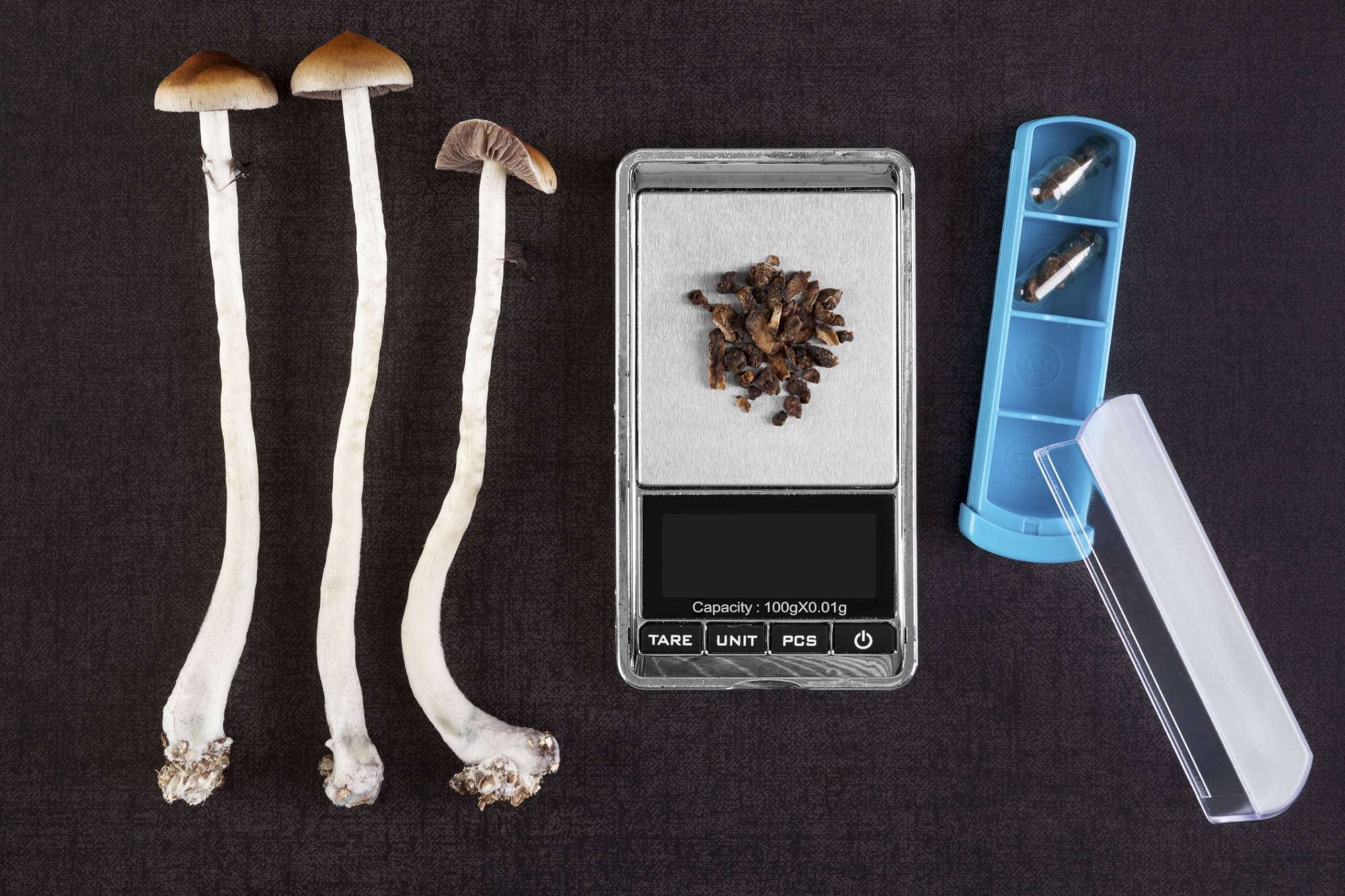
"caption": "Fresh and dried psilocybin mushrooms, gelcaps and a digital pocket scale are pictured. Food products made by a Los Angeles-based company contained a synthetic form of psilocin, an illegal psychedelic compound, health officials said. ",
"credit": "Getty Images",
"altTag": null,
"description": null,
"imgSizes": {
"medium": {
"file": "https://cdn.kqed.org/wp-content/uploads/sites/10/2025/12/Mushrooms-2000x1333.jpg",
"width": 2000,
"height": 1333,
"mimeType": "image/jpeg"
},
"large": {
"file": "https://cdn.kqed.org/wp-content/uploads/sites/10/2025/12/Mushrooms-2000x1333.jpg",
"width": 2000,
"height": 1333,
"mimeType": "image/jpeg"
},
"thumbnail": {
"file": "https://cdn.kqed.org/wp-content/uploads/sites/10/2025/12/Mushrooms-160x107.jpg",
"width": 160,
"height": 107,
"mimeType": "image/jpeg"
},
"1536x1536": {
"file": "https://cdn.kqed.org/wp-content/uploads/sites/10/2025/12/Mushrooms-1536x1024.jpg",
"width": 1536,
"height": 1024,
"mimeType": "image/jpeg"
},
"2048x2048": {
"file": "https://cdn.kqed.org/wp-content/uploads/sites/10/2025/12/Mushrooms-2048x1365.jpg",
"width": 2048,
"height": 1365,
"mimeType": "image/jpeg"
},
"post-thumbnail": {
"file": "https://cdn.kqed.org/wp-content/uploads/sites/10/2025/12/Mushrooms-672x372.jpg",
"width": 672,
"height": 372,
"mimeType": "image/jpeg"
},
"twentyfourteen-full-width": {
"file": "https://cdn.kqed.org/wp-content/uploads/sites/10/2025/12/Mushrooms-1038x576.jpg",
"width": 1038,
"height": 576,
"mimeType": "image/jpeg"
},
"full-width": {
"file": "https://cdn.kqed.org/wp-content/uploads/sites/10/2025/12/Mushrooms-2000x1333.jpg",
"width": 2000,
"height": 1333,
"mimeType": "image/jpeg"
},
"npr-cds-wide": {
"file": "https://cdn.kqed.org/wp-content/uploads/sites/10/2025/12/Mushrooms-1200x675.jpg",
"width": 1200,
"height": 675,
"mimeType": "image/jpeg"
},
"kqedFullSize": {
"file": "https://cdn.kqed.org/wp-content/uploads/sites/10/2025/12/Mushrooms.jpg",
"width": 2121,
"height": 1414
}
},
"isLoading": false,
"fetchFailed": false
},
"news_12066812": {
"type": "attachments",
"id": "news_12066812",
"meta": {
"index": "attachments_1716263798",
"site": "news",
"id": "12066812",
"found": true
},
"title": "HaywardCHPExplosion",
"publishDate": 1765486554,
"status": "inherit",
"parent": 12066809,
"modified": 1765486688,
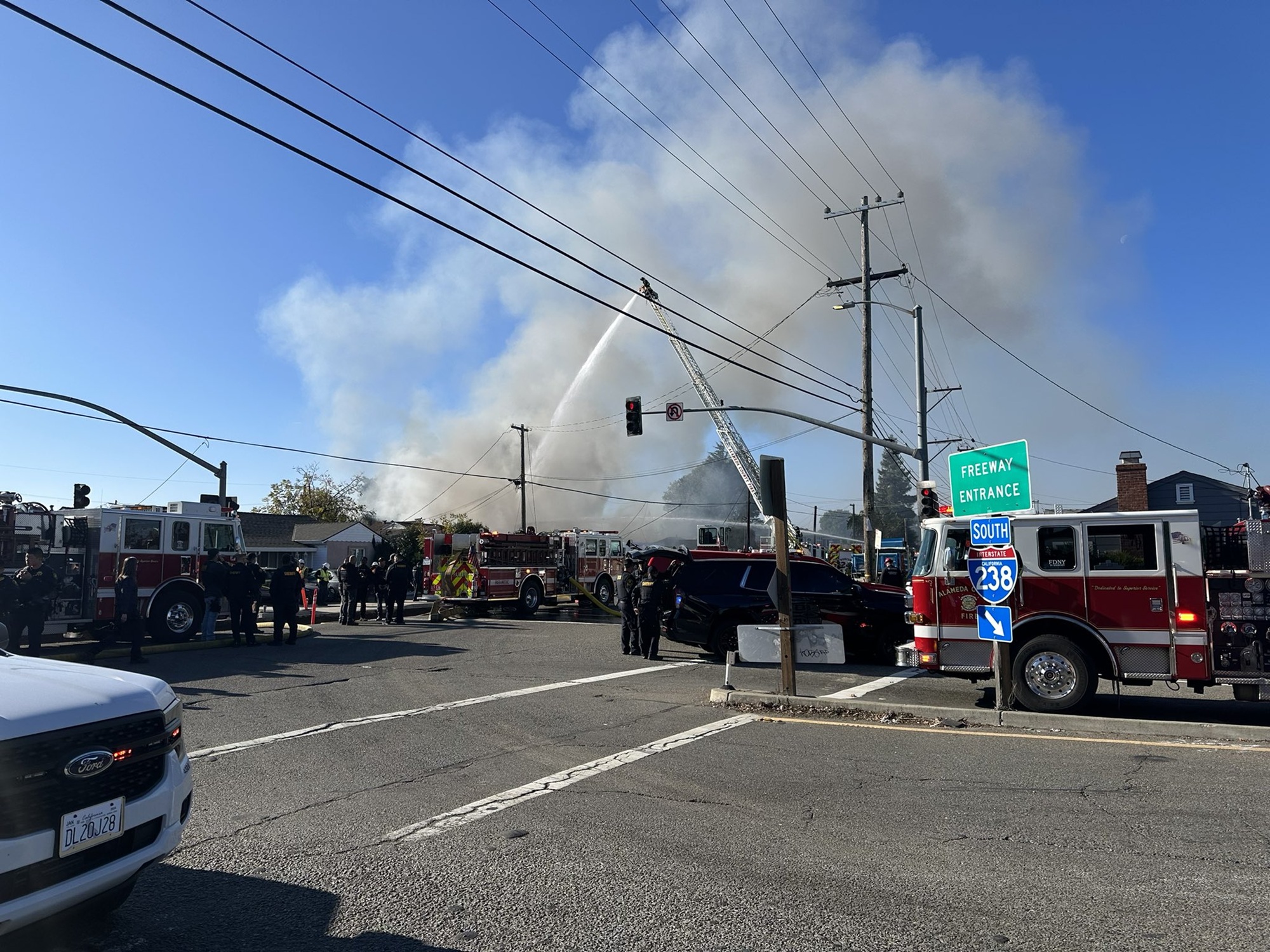
"caption": "Southbound 238 to E 14th Street and Lewelling Boulevard, from Mission to Paradise Boulevards, are closed due to a fire. CHP is advising residents to please avoid the area and use alternate routes on Thursday, Dec. 11, 2025.",
"credit": "Courtesy of CHP Hayward",
"altTag": null,
"description": null,
"imgSizes": {
"thumbnail": {
"file": "https://cdn.kqed.org/wp-content/uploads/sites/10/2025/12/HaywardCHPExplosion-160x120.jpg",
"width": 160,
"height": 120,
"mimeType": "image/jpeg"
},
"1536x1536": {
"file": "https://cdn.kqed.org/wp-content/uploads/sites/10/2025/12/HaywardCHPExplosion-1536x1152.jpg",
"width": 1536,
"height": 1152,
"mimeType": "image/jpeg"
},
"post-thumbnail": {
"file": "https://cdn.kqed.org/wp-content/uploads/sites/10/2025/12/HaywardCHPExplosion-672x372.jpg",
"width": 672,
"height": 372,
"mimeType": "image/jpeg"
},
"twentyfourteen-full-width": {
"file": "https://cdn.kqed.org/wp-content/uploads/sites/10/2025/12/HaywardCHPExplosion-1038x576.jpg",
"width": 1038,
"height": 576,
"mimeType": "image/jpeg"
},
"npr-cds-wide": {
"file": "https://cdn.kqed.org/wp-content/uploads/sites/10/2025/12/HaywardCHPExplosion-1200x675.jpg",
"width": 1200,
"height": 675,
"mimeType": "image/jpeg"
},
"kqedFullSize": {
"file": "https://cdn.kqed.org/wp-content/uploads/sites/10/2025/12/HaywardCHPExplosion.jpg",
"width": 2000,
"height": 1500
}
},
"isLoading": false,
"fetchFailed": false
},
"news_12066747": {
"type": "attachments",
"id": "news_12066747",
"meta": {
"index": "attachments_1716263798",
"site": "news",
"id": "12066747",
"found": true
},
"title": "Tule elks in Point Reyes National Seashore of California",
"publishDate": 1765479362,
"status": "inherit",
"parent": 12066736,
"modified": 1765481213,
"caption": "A Tule Elk is seen during heavy fog at Point Reyes National Seashore in Inverness, California, on Jan. 6, 2025. ",
"credit": "Tayfun Coskun/Anadolu via Getty Images",
"altTag": null,
"description": null,
"imgSizes": {
"thumbnail": {
"file": "https://cdn.kqed.org/wp-content/uploads/sites/10/2025/12/TuleFogGetty-160x107.jpg",
"width": 160,
"height": 107,
"mimeType": "image/jpeg"
},
"1536x1536": {
"file": "https://cdn.kqed.org/wp-content/uploads/sites/10/2025/12/TuleFogGetty-1536x1023.jpg",
"width": 1536,
"height": 1023,
"mimeType": "image/jpeg"
},
"post-thumbnail": {
"file": "https://cdn.kqed.org/wp-content/uploads/sites/10/2025/12/TuleFogGetty-672x372.jpg",
"width": 672,
"height": 372,
"mimeType": "image/jpeg"
},
"twentyfourteen-full-width": {
"file": "https://cdn.kqed.org/wp-content/uploads/sites/10/2025/12/TuleFogGetty-1038x576.jpg",
"width": 1038,
"height": 576,
"mimeType": "image/jpeg"
},
"npr-cds-wide": {
"file": "https://cdn.kqed.org/wp-content/uploads/sites/10/2025/12/TuleFogGetty-1200x675.jpg",
"width": 1200,
"height": 675,
"mimeType": "image/jpeg"
},
"kqedFullSize": {
"file": "https://cdn.kqed.org/wp-content/uploads/sites/10/2025/12/TuleFogGetty.jpg",
"width": 2000,
"height": 1332
}
},
"isLoading": false,
"fetchFailed": false
},
"news_12066690": {
"type": "attachments",
"id": "news_12066690",
"meta": {
"index": "attachments_1716263798",
"site": "news",
"id": "12066690",
"found": true
},
"title": "Peyrin Kao 1 (2)",
"publishDate": 1765401563,
"status": "inherit",
"parent": 0,
"modified": 1765414249,
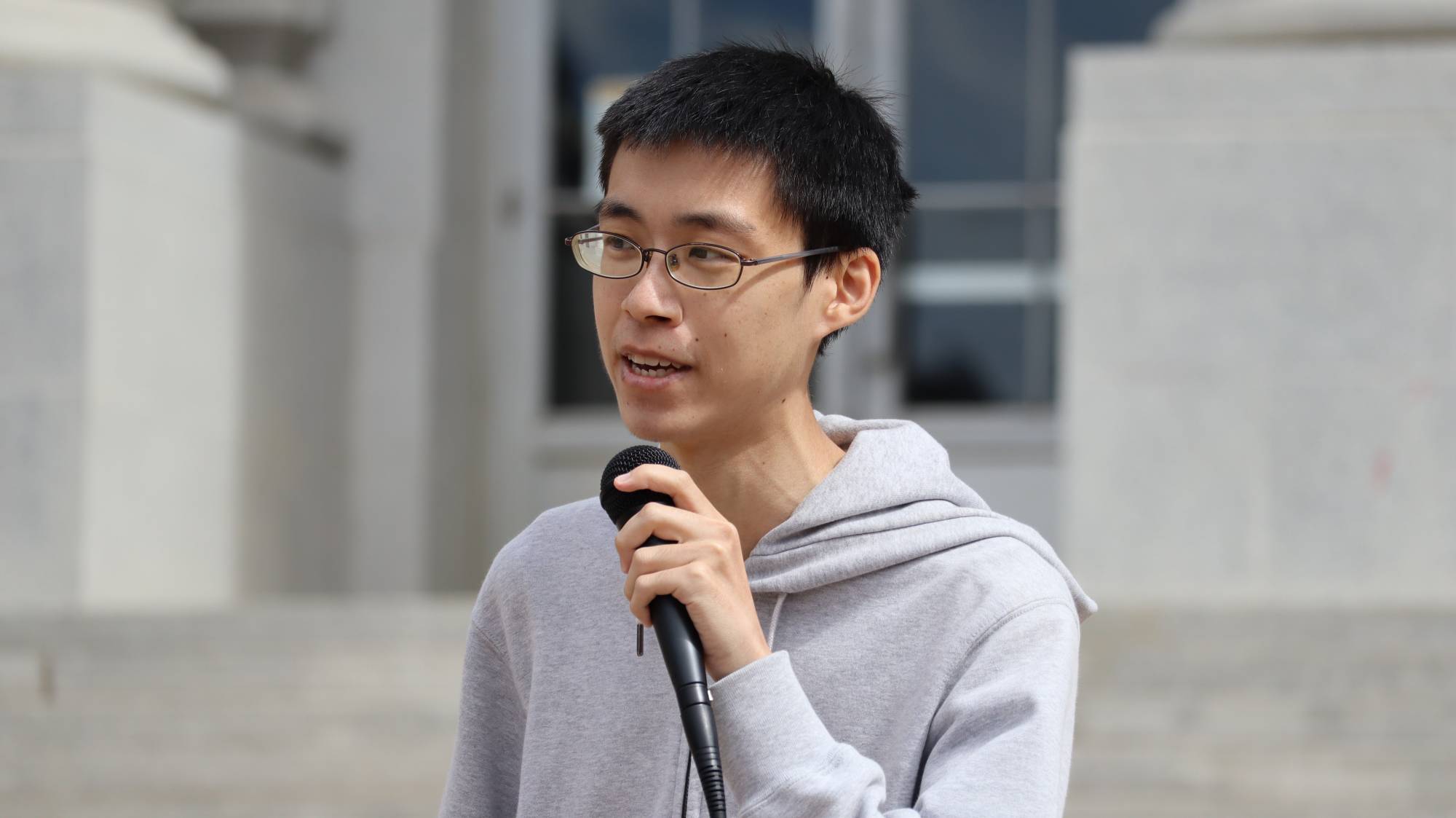
"caption": "Peyrin Kao, a lecturer in the electrical engineering and computer sciences department, has been an outspoken advocate for Palestinian rights.",
"credit": "Courtesy of Peyrin Kao",
"altTag": null,
"description": null,
"imgSizes": {
"medium": {
"file": "https://cdn.kqed.org/wp-content/uploads/sites/10/2025/12/Peyrin-Kao-1-2-2000x1123.jpg",
"width": 2000,
"height": 1123,
"mimeType": "image/jpeg"
},
"large": {
"file": "https://cdn.kqed.org/wp-content/uploads/sites/10/2025/12/Peyrin-Kao-1-2-2000x1123.jpg",
"width": 2000,
"height": 1123,
"mimeType": "image/jpeg"
},
"thumbnail": {
"file": "https://cdn.kqed.org/wp-content/uploads/sites/10/2025/12/Peyrin-Kao-1-2-160x90.jpg",
"width": 160,
"height": 90,
"mimeType": "image/jpeg"
},
"1536x1536": {
"file": "https://cdn.kqed.org/wp-content/uploads/sites/10/2025/12/Peyrin-Kao-1-2-1536x862.jpg",
"width": 1536,
"height": 862,
"mimeType": "image/jpeg"
},
"2048x2048": {
"file": "https://cdn.kqed.org/wp-content/uploads/sites/10/2025/12/Peyrin-Kao-1-2-2048x1150.jpg",
"width": 2048,
"height": 1150,
"mimeType": "image/jpeg"
},
"post-thumbnail": {
"file": "https://cdn.kqed.org/wp-content/uploads/sites/10/2025/12/Peyrin-Kao-1-2-672x372.jpg",
"width": 672,
"height": 372,
"mimeType": "image/jpeg"
},
"twentyfourteen-full-width": {
"file": "https://cdn.kqed.org/wp-content/uploads/sites/10/2025/12/Peyrin-Kao-1-2-1038x576.jpg",
"width": 1038,
"height": 576,
"mimeType": "image/jpeg"
},
"full-width": {
"file": "https://cdn.kqed.org/wp-content/uploads/sites/10/2025/12/Peyrin-Kao-1-2-2000x1123.jpg",
"width": 2000,
"height": 1123,
"mimeType": "image/jpeg"
},
"npr-cds-wide": {
"file": "https://cdn.kqed.org/wp-content/uploads/sites/10/2025/12/Peyrin-Kao-1-2-1200x675.jpg",
"width": 1200,
"height": 675,
"mimeType": "image/jpeg"
},
"kqedFullSize": {
"file": "https://cdn.kqed.org/wp-content/uploads/sites/10/2025/12/Peyrin-Kao-1-2-scaled-e1765401857443.jpg",
"width": 2000,
"height": 1123
}
},
"isLoading": false,
"fetchFailed": false
},
"news_12066641": {
"type": "attachments",
"id": "news_12066641",
"meta": {
"index": "attachments_1716263798",
"site": "news",
"id": "12066641",
"found": true
},
"title": "Federal Enforcement-Los Angeles",
"publishDate": 1765393573,
"status": "inherit",
"parent": 12066625,
"modified": 1765393613,
"caption": "Members of the California National Guard and U.S. Marines guard a federal building on June 17, 2025, in Los Angeles. ",
"credit": "Damian Dovarganes/AP Photo",
"altTag": null,
"description": null,
"imgSizes": {
"thumbnail": {
"file": "https://cdn.kqed.org/wp-content/uploads/sites/10/2025/12/CaliforniaNationalGuardAP-160x107.jpg",
"width": 160,
"height": 107,
"mimeType": "image/jpeg"
},
"1536x1536": {
"file": "https://cdn.kqed.org/wp-content/uploads/sites/10/2025/12/CaliforniaNationalGuardAP-1536x1027.jpg",
"width": 1536,
"height": 1027,
"mimeType": "image/jpeg"
},
"post-thumbnail": {
"file": "https://cdn.kqed.org/wp-content/uploads/sites/10/2025/12/CaliforniaNationalGuardAP-672x372.jpg",
"width": 672,
"height": 372,
"mimeType": "image/jpeg"
},
"twentyfourteen-full-width": {
"file": "https://cdn.kqed.org/wp-content/uploads/sites/10/2025/12/CaliforniaNationalGuardAP-1038x576.jpg",
"width": 1038,
"height": 576,
"mimeType": "image/jpeg"
},
"npr-cds-wide": {
"file": "https://cdn.kqed.org/wp-content/uploads/sites/10/2025/12/CaliforniaNationalGuardAP-1200x675.jpg",
"width": 1200,
"height": 675,
"mimeType": "image/jpeg"
},
"kqedFullSize": {
"file": "https://cdn.kqed.org/wp-content/uploads/sites/10/2025/12/CaliforniaNationalGuardAP.jpg",
"width": 2000,
"height": 1337
}
},
"isLoading": false,
"fetchFailed": false
},
"news_12066308": {
"type": "attachments",
"id": "news_12066308",
"meta": {
"index": "attachments_1716263798",
"site": "news",
"id": "12066308",
"found": true
},
"title": "251205-WCCUSDSTRIKERALLY00960_TV-KQED",
"publishDate": 1764976014,
"status": "inherit",
"parent": 12066401,
"modified": 1765242482,
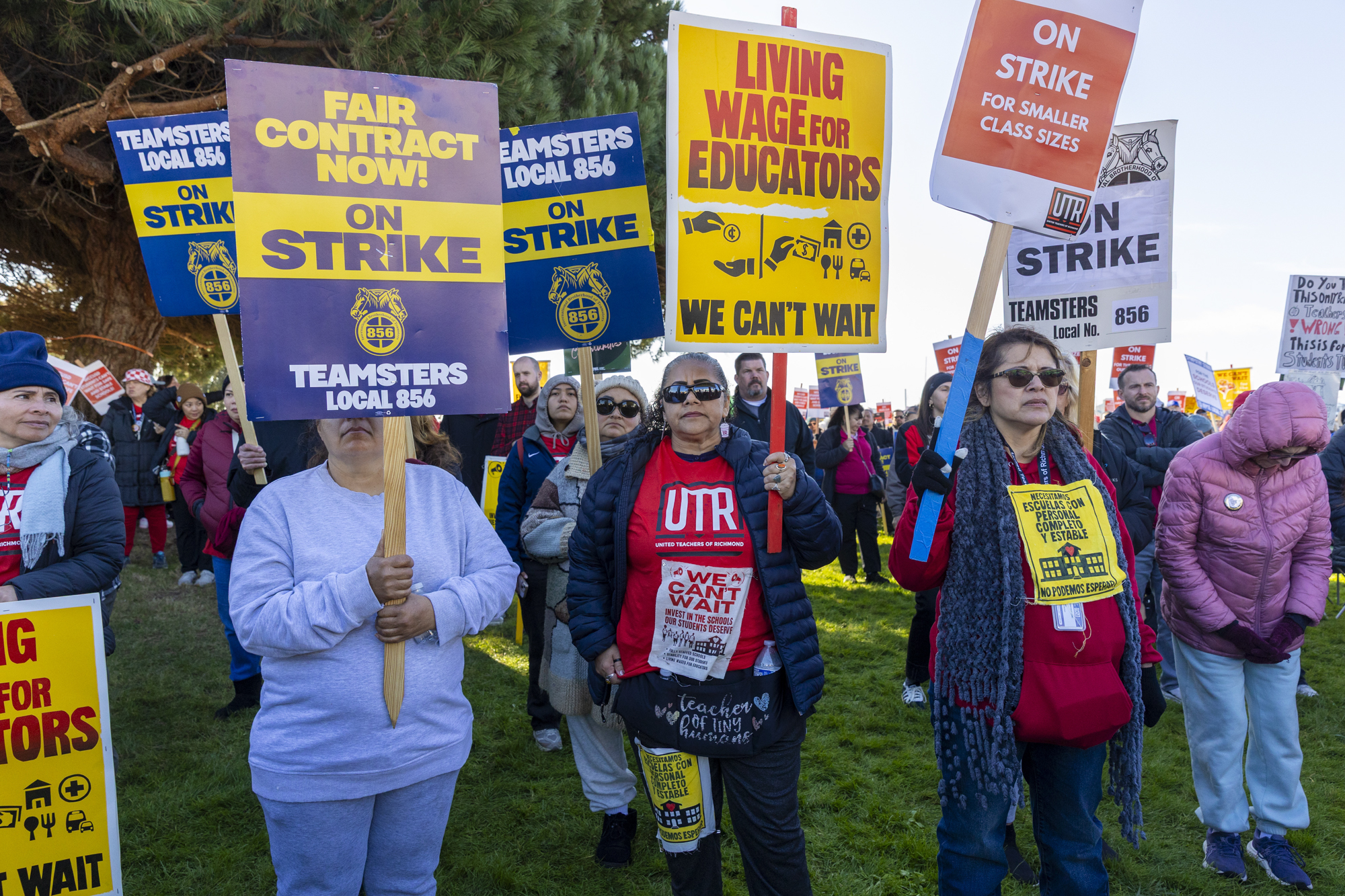
"caption": "West Contra Costa Unified School District teachers and families continue their strike at Marina Bay Park in Richmond on Dec. 5, 2025.",
"credit": "Tâm Vũ/KQED",
"altTag": null,
"description": null,
"imgSizes": {
"thumbnail": {
"file": "https://cdn.kqed.org/wp-content/uploads/sites/10/2025/12/251205-WCCUSDSTRIKERALLY00960_TV-KQED-160x107.jpg",
"width": 160,
"height": 107,
"mimeType": "image/jpeg"
},
"1536x1536": {
"file": "https://cdn.kqed.org/wp-content/uploads/sites/10/2025/12/251205-WCCUSDSTRIKERALLY00960_TV-KQED-1536x1024.jpg",
"width": 1536,
"height": 1024,
"mimeType": "image/jpeg"
},
"post-thumbnail": {
"file": "https://cdn.kqed.org/wp-content/uploads/sites/10/2025/12/251205-WCCUSDSTRIKERALLY00960_TV-KQED-672x372.jpg",
"width": 672,
"height": 372,
"mimeType": "image/jpeg"
},
"twentyfourteen-full-width": {
"file": "https://cdn.kqed.org/wp-content/uploads/sites/10/2025/12/251205-WCCUSDSTRIKERALLY00960_TV-KQED-1038x576.jpg",
"width": 1038,
"height": 576,
"mimeType": "image/jpeg"
},
"npr-cds-wide": {
"file": "https://cdn.kqed.org/wp-content/uploads/sites/10/2025/12/251205-WCCUSDSTRIKERALLY00960_TV-KQED-1200x675.jpg",
"width": 1200,
"height": 675,
"mimeType": "image/jpeg"
},
"kqedFullSize": {
"file": "https://cdn.kqed.org/wp-content/uploads/sites/10/2025/12/251205-WCCUSDSTRIKERALLY00960_TV-KQED.jpg",
"width": 2000,
"height": 1333
}
},
"isLoading": false,
"fetchFailed": false
},
"news_12066596": {
"type": "attachments",
"id": "news_12066596",
"meta": {
"index": "attachments_1716263798",
"site": "news",
"id": "12066596",
"found": true
},
"title": "251209-STANFORDTRIAL-JG-9_qed",
"publishDate": 1765387168,
"status": "inherit",
"parent": 12066592,
"modified": 1765387180,
"caption": "Santa Clara County Deputy Public Defender Avanindar Singh is seen in a San José courtroom on Dec. 9, 2025, during a pretrial hearing in the case of pro-Palestinan protesters who have been charged with vandalism and conspiracy.",
"credit": "Joseph Geha/KQED",
"altTag": null,
"description": null,
"imgSizes": {
"thumbnail": {
"file": "https://cdn.kqed.org/wp-content/uploads/sites/10/2025/12/251209-STANFORDTRIAL-JG-9_qed-160x107.jpg",
"width": 160,
"height": 107,
"mimeType": "image/jpeg"
},
"1536x1536": {
"file": "https://cdn.kqed.org/wp-content/uploads/sites/10/2025/12/251209-STANFORDTRIAL-JG-9_qed-1536x1024.jpg",
"width": 1536,
"height": 1024,
"mimeType": "image/jpeg"
},
"post-thumbnail": {
"file": "https://cdn.kqed.org/wp-content/uploads/sites/10/2025/12/251209-STANFORDTRIAL-JG-9_qed-672x372.jpg",
"width": 672,
"height": 372,
"mimeType": "image/jpeg"
},
"twentyfourteen-full-width": {
"file": "https://cdn.kqed.org/wp-content/uploads/sites/10/2025/12/251209-STANFORDTRIAL-JG-9_qed-1038x576.jpg",
"width": 1038,
"height": 576,
"mimeType": "image/jpeg"
},
"npr-cds-wide": {
"file": "https://cdn.kqed.org/wp-content/uploads/sites/10/2025/12/251209-STANFORDTRIAL-JG-9_qed-1200x675.jpg",
"width": 1200,
"height": 675,
"mimeType": "image/jpeg"
},
"kqedFullSize": {
"file": "https://cdn.kqed.org/wp-content/uploads/sites/10/2025/12/251209-STANFORDTRIAL-JG-9_qed.jpg",
"width": 1999,
"height": 1333
}
},
"isLoading": false,
"fetchFailed": false
},
"news_12066210": {
"type": "attachments",
"id": "news_12066210",
"meta": {
"index": "attachments_1716263798",
"site": "news",
"id": "12066210",
"found": true
},
"title": "251113-SFHOMECOMINGPROJECT-19-BL-KQED",
"publishDate": 1764890927,
"status": "inherit",
"parent": 0,
"modified": 1764890953,
"caption": "Memi Vaughn (right), a Homecoming Project host, and Marcelino Clemente, a program participant, speak during a press conference about the launch of the Homecoming Project in San Francisco at the San Francisco Public Defender’s office on Nov. 13, 2025. The program pairs people recently released from prison with community members who have a spare room in their homes for a six-month stay.",
"credit": "Beth LaBerge/KQED",
"altTag": null,
"description": null,
"imgSizes": {
"thumbnail": {
"file": "https://cdn.kqed.org/wp-content/uploads/sites/10/2025/12/251113-SFHOMECOMINGPROJECT-19-BL-KQED-160x107.jpg",
"width": 160,
"height": 107,
"mimeType": "image/jpeg"
},
"1536x1536": {
"file": "https://cdn.kqed.org/wp-content/uploads/sites/10/2025/12/251113-SFHOMECOMINGPROJECT-19-BL-KQED-1536x1024.jpg",
"width": 1536,
"height": 1024,
"mimeType": "image/jpeg"
},
"post-thumbnail": {
"file": "https://cdn.kqed.org/wp-content/uploads/sites/10/2025/12/251113-SFHOMECOMINGPROJECT-19-BL-KQED-672x372.jpg",
"width": 672,
"height": 372,
"mimeType": "image/jpeg"
},
"twentyfourteen-full-width": {
"file": "https://cdn.kqed.org/wp-content/uploads/sites/10/2025/12/251113-SFHOMECOMINGPROJECT-19-BL-KQED-1038x576.jpg",
"width": 1038,
"height": 576,
"mimeType": "image/jpeg"
},
"npr-cds-wide": {
"file": "https://cdn.kqed.org/wp-content/uploads/sites/10/2025/12/251113-SFHOMECOMINGPROJECT-19-BL-KQED-1200x675.jpg",
"width": 1200,
"height": 675,
"mimeType": "image/jpeg"
},
"kqedFullSize": {
"file": "https://cdn.kqed.org/wp-content/uploads/sites/10/2025/12/251113-SFHOMECOMINGPROJECT-19-BL-KQED.jpg",
"width": 2000,
"height": 1333
}
},
"isLoading": false,
"fetchFailed": false
},
"news_12066517": {
"type": "attachments",
"id": "news_12066517",
"meta": {
"index": "attachments_1716263798",
"site": "news",
"id": "12066517",
"found": true
},
"title": "BilalMahmoodKQED1",
"publishDate": 1765323538,
"status": "inherit",
"parent": 12066486,
"modified": 1765323820,
"caption": "Supervisors Bilal Mahmood and Chyanne Chen are proposing to block federal immigration activity from city-owned spaces.",
"credit": "Sydney Johnson/KQED",
"altTag": null,
"description": null,
"imgSizes": {
"thumbnail": {
"file": "https://cdn.kqed.org/wp-content/uploads/sites/10/2025/12/BilalMahmoodKQED1-160x120.jpg",
"width": 160,
"height": 120,
"mimeType": "image/jpeg"
},
"1536x1536": {
"file": "https://cdn.kqed.org/wp-content/uploads/sites/10/2025/12/BilalMahmoodKQED1-1536x1152.jpg",
"width": 1536,
"height": 1152,
"mimeType": "image/jpeg"
},
"post-thumbnail": {
"file": "https://cdn.kqed.org/wp-content/uploads/sites/10/2025/12/BilalMahmoodKQED1-672x372.jpg",
"width": 672,
"height": 372,
"mimeType": "image/jpeg"
},
"twentyfourteen-full-width": {
"file": "https://cdn.kqed.org/wp-content/uploads/sites/10/2025/12/BilalMahmoodKQED1-1038x576.jpg",
"width": 1038,
"height": 576,
"mimeType": "image/jpeg"
},
"npr-cds-wide": {
"file": "https://cdn.kqed.org/wp-content/uploads/sites/10/2025/12/BilalMahmoodKQED1-1200x675.jpg",
"width": 1200,
"height": 675,
"mimeType": "image/jpeg"
},
"kqedFullSize": {
"file": "https://cdn.kqed.org/wp-content/uploads/sites/10/2025/12/BilalMahmoodKQED1.jpg",
"width": 2000,
"height": 1500
}
},
"isLoading": false,
"fetchFailed": false
},
"news_12066059": {
"type": "attachments",
"id": "news_12066059",
"meta": {
"index": "attachments_1716263798",
"site": "news",
"id": "12066059",
"found": true
},
"title": "20251203_K_ONDA_DECEMBER_GH-4-KQED",
"publishDate": 1764868944,
"status": "inherit",
"parent": 0,
"modified": 1764886578,
"caption": "Emmanuel Galvan, founder and owner of Bolita Masa, which makes and sells artisanal masa and other products, pours soaked heirloom corn into a grinder during masa production on Dec. 3, 2025, in Berkeley. Galvan expanded his team this month to meet holiday demand for tamales.",
"credit": "Gustavo Hernandez/KQED",
"altTag": null,
"description": null,
"imgSizes": {
"thumbnail": {
"file": "https://cdn.kqed.org/wp-content/uploads/sites/10/2025/12/20251203_K_ONDA_DECEMBER_GH-4-KQED-160x107.jpg",
"width": 160,
"height": 107,
"mimeType": "image/jpeg"
},
"1536x1536": {
"file": "https://cdn.kqed.org/wp-content/uploads/sites/10/2025/12/20251203_K_ONDA_DECEMBER_GH-4-KQED-1536x1024.jpg",
"width": 1536,
"height": 1024,
"mimeType": "image/jpeg"
},
"post-thumbnail": {
"file": "https://cdn.kqed.org/wp-content/uploads/sites/10/2025/12/20251203_K_ONDA_DECEMBER_GH-4-KQED-672x372.jpg",
"width": 672,
"height": 372,
"mimeType": "image/jpeg"
},
"twentyfourteen-full-width": {
"file": "https://cdn.kqed.org/wp-content/uploads/sites/10/2025/12/20251203_K_ONDA_DECEMBER_GH-4-KQED-1038x576.jpg",
"width": 1038,
"height": 576,
"mimeType": "image/jpeg"
},
"npr-cds-wide": {
"file": "https://cdn.kqed.org/wp-content/uploads/sites/10/2025/12/20251203_K_ONDA_DECEMBER_GH-4-KQED-1200x675.jpg",
"width": 1200,
"height": 675,
"mimeType": "image/jpeg"
},
"kqedFullSize": {
"file": "https://cdn.kqed.org/wp-content/uploads/sites/10/2025/12/20251203_K_ONDA_DECEMBER_GH-4-KQED.jpg",
"width": 2000,
"height": 1333
}
},
"isLoading": false,
"fetchFailed": false
},
"news_12066258": {
"type": "attachments",
"id": "news_12066258",
"meta": {
"index": "attachments_1716263798",
"site": "news",
"id": "12066258",
"found": true
},
"title": "20251205-CALHOME-02-KQED",
"publishDate": 1764956278,
"status": "inherit",
"parent": 0,
"modified": 1766176483,
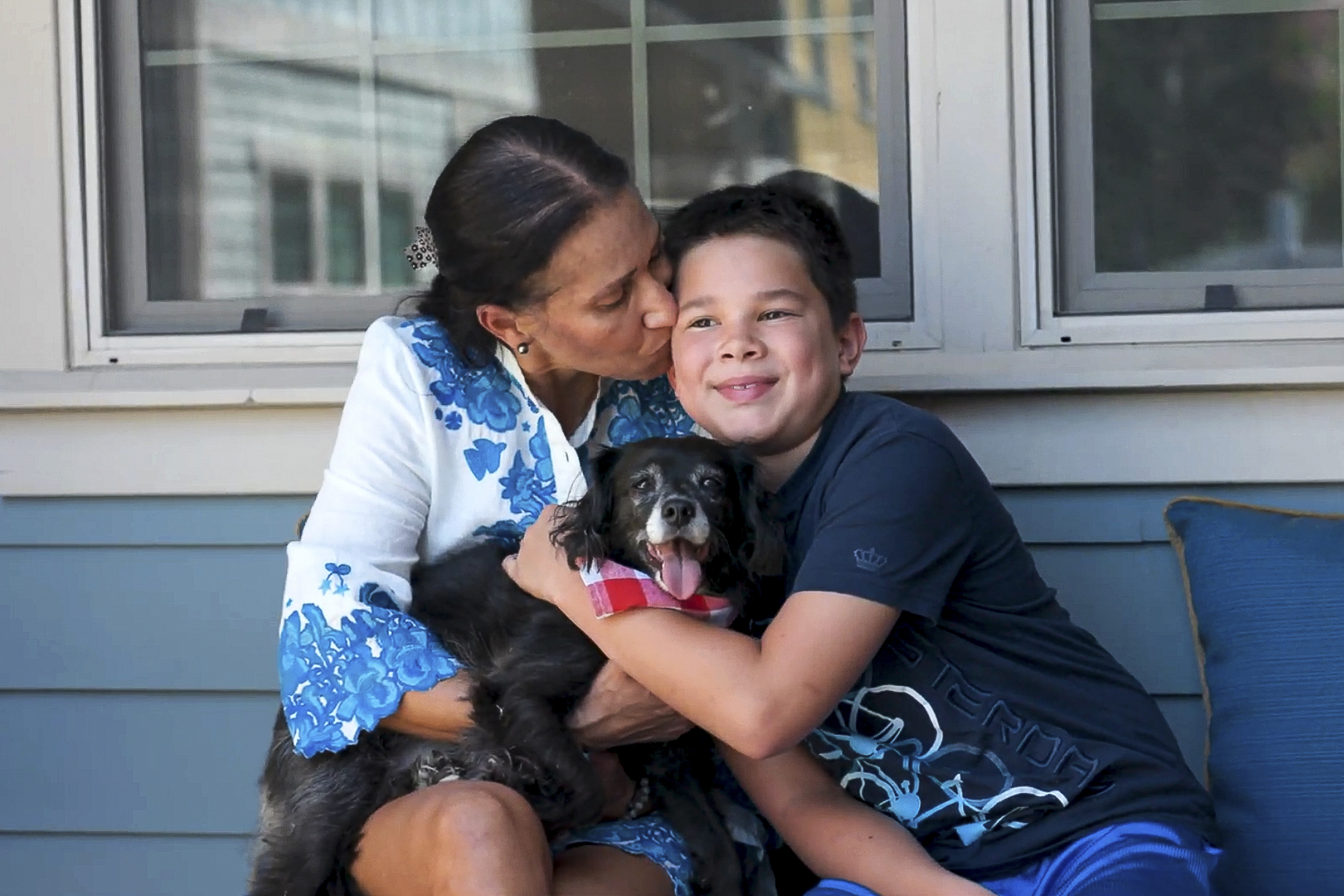
"caption": "Andie Rounds and her son, Eli, outside their Novato home with their dog, Luna, in August 2024. Rounds was able to purchase the affordable home thanks to Habitat for Humanity's Greater San Francisco Chapter and state funding through CalHome. ",
"credit": "Courtesy of Habitat for Humanity Greater San Francisco",
"altTag": null,
"description": null,
"imgSizes": {
"thumbnail": {
"file": "https://cdn.kqed.org/wp-content/uploads/sites/10/2025/12/20251205-CALHOME-02-KQED-160x107.jpg",
"width": 160,
"height": 107,
"mimeType": "image/jpeg"
},
"1536x1536": {
"file": "https://cdn.kqed.org/wp-content/uploads/sites/10/2025/12/20251205-CALHOME-02-KQED-1536x1024.jpg",
"width": 1536,
"height": 1024,
"mimeType": "image/jpeg"
},
"post-thumbnail": {
"file": "https://cdn.kqed.org/wp-content/uploads/sites/10/2025/12/20251205-CALHOME-02-KQED-672x372.jpg",
"width": 672,
"height": 372,
"mimeType": "image/jpeg"
},
"twentyfourteen-full-width": {
"file": "https://cdn.kqed.org/wp-content/uploads/sites/10/2025/12/20251205-CALHOME-02-KQED-1038x576.jpg",
"width": 1038,
"height": 576,
"mimeType": "image/jpeg"
},
"npr-cds-wide": {
"file": "https://cdn.kqed.org/wp-content/uploads/sites/10/2025/12/20251205-CALHOME-02-KQED-1200x675.jpg",
"width": 1200,
"height": 675,
"mimeType": "image/jpeg"
},
"kqedFullSize": {
"file": "https://cdn.kqed.org/wp-content/uploads/sites/10/2025/12/20251205-CALHOME-02-KQED.jpg",
"width": 1842,
"height": 1228
}
},
"isLoading": false,
"fetchFailed": false
},
"news_12066307": {
"type": "attachments",
"id": "news_12066307",
"meta": {
"index": "attachments_1716263798",
"site": "news",
"id": "12066307",
"found": true
},
"title": "251205-WCCUSDSTRIKERALLY00616_TV-KQED",
"publishDate": 1764976010,
"status": "inherit",
"parent": 12066054,
"modified": 1764979984,
"caption": "West Contra Costa Unified School District teachers and families continue their strike at Marina Bay Park in Richmond on Dec. 5, 2025.",
"credit": "Tâm Vũ/KQED",
"altTag": null,
"description": null,
"imgSizes": {
"thumbnail": {
"file": "https://cdn.kqed.org/wp-content/uploads/sites/10/2025/12/251205-WCCUSDSTRIKERALLY00616_TV-KQED-160x107.jpg",
"width": 160,
"height": 107,
"mimeType": "image/jpeg"
},
"1536x1536": {
"file": "https://cdn.kqed.org/wp-content/uploads/sites/10/2025/12/251205-WCCUSDSTRIKERALLY00616_TV-KQED-1536x1024.jpg",
"width": 1536,
"height": 1024,
"mimeType": "image/jpeg"
},
"post-thumbnail": {
"file": "https://cdn.kqed.org/wp-content/uploads/sites/10/2025/12/251205-WCCUSDSTRIKERALLY00616_TV-KQED-672x372.jpg",
"width": 672,
"height": 372,
"mimeType": "image/jpeg"
},
"twentyfourteen-full-width": {
"file": "https://cdn.kqed.org/wp-content/uploads/sites/10/2025/12/251205-WCCUSDSTRIKERALLY00616_TV-KQED-1038x576.jpg",
"width": 1038,
"height": 576,
"mimeType": "image/jpeg"
},
"npr-cds-wide": {
"file": "https://cdn.kqed.org/wp-content/uploads/sites/10/2025/12/251205-WCCUSDSTRIKERALLY00616_TV-KQED-1200x675.jpg",
"width": 1200,
"height": 675,
"mimeType": "image/jpeg"
},
"kqedFullSize": {
"file": "https://cdn.kqed.org/wp-content/uploads/sites/10/2025/12/251205-WCCUSDSTRIKERALLY00616_TV-KQED.jpg",
"width": 2000,
"height": 1333
}
},
"isLoading": false,
"fetchFailed": false
}
},
"audioPlayerReducer": {
"postId": "stream_live",
"isPaused": true,
"isPlaying": false,
"pfsActive": false,
"pledgeModalIsOpen": true,
"playerDrawerIsOpen": false,
"liveAudioPlayStartedAt": 0,
"liveAudioPlayContext": ""
},
"authorsReducer": {
"byline_news_12066809": {
"type": "authors",
"id": "byline_news_12066809",
"meta": {
"override": true
},
"slug": "byline_news_12066809",
"name": "The Associated Press",
"isLoading": false
},
"mlagos": {
"type": "authors",
"id": "3239",
"meta": {
"index": "authors_1716337520",
"id": "3239",
"found": true
},
"name": "Marisa Lagos",
"firstName": "Marisa",
"lastName": "Lagos",
"slug": "mlagos",
"email": "mlagos@kqed.org",
"display_author_email": false,
"staff_mastheads": [
"news"
],
"title": "KQED Contributor",
"bio": "Marisa Lagos is a correspondent for KQED’s California Politics and Government Desk and co-hosts the award-winning show and podcast, Political Breakdown. At KQED, Lagos also conducts reporting, analysis and investigations into state, local and national politics for radio, TV, online and onstage. In 2022, she and co-host, Scott Shafer, moderated the only gubernatorial debate in California. In 2020, the \u003ci>Washington Post\u003c/i> named her one of the top political journalists in California; she was nominated for a Peabody and won several other awards for her work investigating the 2017 California wildfires. She has worked at the \u003ci>San Francisco Chronicle\u003c/i>, \u003ci>San Francisco Examiner\u003c/i> and \u003ci>Los Angeles Times\u003c/i>. A UC Santa Barbara graduate, she lives in San Francisco with her two sons and husband.",
"avatar": "https://secure.gravatar.com/avatar/a261a0d3696fc066871ef96b85b5e7d2?s=600&d=blank&r=g",
"twitter": "@mlagos",
"facebook": null,
"instagram": null,
"linkedin": null,
"sites": [
{
"site": "arts",
"roles": [
"author"
]
},
{
"site": "news",
"roles": [
"editor"
]
},
{
"site": "science",
"roles": [
"editor"
]
},
{
"site": "forum",
"roles": [
"author"
]
},
{
"site": "liveblog",
"roles": [
"author"
]
}
],
"headData": {
"title": "Marisa Lagos | KQED",
"description": "KQED Contributor",
"ogImgSrc": "https://secure.gravatar.com/avatar/a261a0d3696fc066871ef96b85b5e7d2?s=600&d=blank&r=g",
"twImgSrc": "https://secure.gravatar.com/avatar/a261a0d3696fc066871ef96b85b5e7d2?s=600&d=blank&r=g"
},
"isLoading": false,
"link": "/author/mlagos"
},
"ebaldassari": {
"type": "authors",
"id": "11652",
"meta": {
"index": "authors_1716337520",
"id": "11652",
"found": true
},
"name": "Erin Baldassari",
"firstName": "Erin",
"lastName": "Baldassari",
"slug": "ebaldassari",
"email": "ebaldassari@KQED.org",
"display_author_email": true,
"staff_mastheads": [
"news"
],
"title": "Staff Writer",
"bio": "Erin Baldassari covers housing for KQED. She's a former print journalist and most recently worked as the transportation reporter for the \u003cem>Mercury News\u003c/em> and \u003cem>East Bay Times. \u003c/em>There, she focused on how the Bay Area’s housing shortage has changed the way people move around the region. She also served on the \u003cem>East Bay Times\u003c/em>’ 2017 Pulitzer Prize-winning team for coverage of the Ghost Ship Fire in Oakland. Prior to that, Erin worked as a breaking news and general assignment reporter for a variety of outlets in the Bay Area and the greater Boston area. A Tufts University alumna, Erin grew up in the foothills of the Sierra Nevada mountains and in Sonoma County. She is a life-long KQED listener.",
"avatar": "https://secure.gravatar.com/avatar/5e95cad64a8ca08288082212e199d2b0cbeb4fd8e8ef5339395f361032bbe005?s=600&d=blank&r=g",
"twitter": "e_baldi",
"bluesky": null,
"facebook": null,
"instagram": null,
"linkedin": null,
"sites": [
{
"site": "news",
"roles": [
"edit_others_posts",
"editor"
]
},
{
"site": "science",
"roles": [
"editor"
]
},
{
"site": "liveblog",
"roles": [
"editor"
]
}
],
"headData": {
"title": "Erin Baldassari | KQED",
"description": "Staff Writer",
"ogImgSrc": "https://secure.gravatar.com/avatar/5e95cad64a8ca08288082212e199d2b0cbeb4fd8e8ef5339395f361032bbe005?s=600&d=blank&r=g",
"twImgSrc": "https://secure.gravatar.com/avatar/5e95cad64a8ca08288082212e199d2b0cbeb4fd8e8ef5339395f361032bbe005?s=600&d=blank&r=g"
},
"isLoading": false,
"link": "/author/ebaldassari"
},
"btorres": {
"type": "authors",
"id": "11666",
"meta": {
"index": "authors_1716337520",
"id": "11666",
"found": true
},
"name": "Blanca Torres",
"firstName": "Blanca",
"lastName": "Torres",
"slug": "btorres",
"email": "btorres@kqed.org",
"display_author_email": true,
"staff_mastheads": [
"news"
],
"title": "Producer, Forum",
"bio": "Blanca Torres brings sharp news judgement and keen sense of lively conversation to her work as producer for Forum. She loves producing shows that leave listeners feeling like they heard distinctive voices, learned something new and gained a fresh perspective.\r\n\r\nShe joined KQED in January of 2020 after 16 years of working as a newspaper reporter most recently at the \u003cem>San Francisco Business Times,\u003c/em> where she wrote about real estate and economic development. Before that, she covered a variety of beats including crime, education, retail, workplace, the economy, consumer issues, and small business for the \u003cem>Contra Costa Times, Baltimore Sun\u003c/em> and\u003cem> The Seattle Times\u003c/em>. In addition to reporting, she worked as an editorial writer and columnist for the \u003cem>Seattle Times\u003c/em>. From 2017 to 2020, Blanca won a total of ten awards from the National Association of Real Estate Editors and won first place for land use reporting from the California News Publishers Association two years in a row. She is also a member and former board member for the National Association of Hispanic Journalists.\r\n\r\nA native of the Pacific Northwest, Blanca earned her bachelor's degree from Vanderbilt University in Nashville and a master's in fine arts in creative writing at Mills College. She lives in the East Bay with her family.",
"avatar": "https://secure.gravatar.com/avatar/50b49d19b14a1eed34f26ebf4681152cdd81574ed21851100871ccd29e578cdc?s=600&d=blank&r=g",
"twitter": "@blancawrites",
"bluesky": null,
"facebook": null,
"instagram": null,
"linkedin": null,
"sites": [
{
"site": "arts",
"roles": [
"editor"
]
},
{
"site": "news",
"roles": [
"editor"
]
},
{
"site": "forum",
"roles": [
"editor"
]
}
],
"headData": {
"title": "Blanca Torres | KQED",
"description": "Producer, Forum",
"ogImgSrc": "https://secure.gravatar.com/avatar/50b49d19b14a1eed34f26ebf4681152cdd81574ed21851100871ccd29e578cdc?s=600&d=blank&r=g",
"twImgSrc": "https://secure.gravatar.com/avatar/50b49d19b14a1eed34f26ebf4681152cdd81574ed21851100871ccd29e578cdc?s=600&d=blank&r=g"
},
"isLoading": false,
"link": "/author/btorres"
},
"adahlstromeckman": {
"type": "authors",
"id": "11785",
"meta": {
"index": "authors_1716337520",
"id": "11785",
"found": true
},
"name": "Azul Dahlstrom-Eckman",
"firstName": "Azul",
"lastName": "Dahlstrom-Eckman",
"slug": "adahlstromeckman",
"email": "adahlstrom-eckman@kqed.org",
"display_author_email": true,
"staff_mastheads": [],
"title": "Reporter",
"bio": "Azul is a reporter for KQED focusing on transportation and features. He joined KQED in 2021 as an alumna of KALW's Audio Academy radio journalism training program.",
"avatar": "https://secure.gravatar.com/avatar/9cb750298435add7815a777f55bf1f46845c1386bb8452555c60a7b820b5aba3?s=600&d=blank&r=g",
"twitter": "@zuliemann",
"bluesky": "@azul415.bsky.social",
"facebook": null,
"instagram": null,
"linkedin": null,
"sites": [
{
"site": "arts",
"roles": [
"editor"
]
},
{
"site": "news",
"roles": [
"editor"
]
},
{
"site": "science",
"roles": [
"editor"
]
},
{
"site": "liveblog",
"roles": [
"author"
]
}
],
"headData": {
"title": "Azul Dahlstrom-Eckman | KQED",
"description": "Reporter",
"ogImgSrc": "https://secure.gravatar.com/avatar/9cb750298435add7815a777f55bf1f46845c1386bb8452555c60a7b820b5aba3?s=600&d=blank&r=g",
"twImgSrc": "https://secure.gravatar.com/avatar/9cb750298435add7815a777f55bf1f46845c1386bb8452555c60a7b820b5aba3?s=600&d=blank&r=g"
},
"isLoading": false,
"link": "/author/adahlstromeckman"
},
"sjohnson": {
"type": "authors",
"id": "11840",
"meta": {
"index": "authors_1716337520",
"id": "11840",
"found": true
},
"name": "Sydney Johnson",
"firstName": "Sydney",
"lastName": "Johnson",
"slug": "sjohnson",
"email": "sjohnson@kqed.org",
"display_author_email": false,
"staff_mastheads": [
"news"
],
"title": "KQED Reporter",
"bio": "Sydney Johnson is a general assignment reporter at KQED. She previously reported on public health and city government at the San Francisco Examiner, and before that, she covered statewide education policy for EdSource. Her reporting has won multiple local, state and national awards. Sydney is a graduate of the University of California, Berkeley and lives in San Francisco.",
"avatar": "https://secure.gravatar.com/avatar/97855f2719b72ad6190b7c535fe642c8?s=600&d=blank&r=g",
"twitter": "sydneyfjohnson",
"facebook": null,
"instagram": null,
"linkedin": null,
"sites": [
{
"site": "news",
"roles": [
"editor"
]
}
],
"headData": {
"title": "Sydney Johnson | KQED",
"description": "KQED Reporter",
"ogImgSrc": "https://secure.gravatar.com/avatar/97855f2719b72ad6190b7c535fe642c8?s=600&d=blank&r=g",
"twImgSrc": "https://secure.gravatar.com/avatar/97855f2719b72ad6190b7c535fe642c8?s=600&d=blank&r=g"
},
"isLoading": false,
"link": "/author/sjohnson"
},
"jgeha": {
"type": "authors",
"id": "11906",
"meta": {
"index": "authors_1716337520",
"id": "11906",
"found": true
},
"name": "Joseph Geha",
"firstName": "Joseph",
"lastName": "Geha",
"slug": "jgeha",
"email": "jgeha@kqed.org",
"display_author_email": false,
"staff_mastheads": [
"news",
"science"
],
"title": "KQED Contributor",
"bio": null,
"avatar": "https://secure.gravatar.com/avatar/ea84d2b6dd93d6369d453edf19dd583f117cd1759d2d9c9c92f9de77017354fe?s=600&d=blank&r=g",
"twitter": null,
"bluesky": null,
"facebook": null,
"instagram": null,
"linkedin": null,
"sites": [
{
"site": "news",
"roles": [
"editor"
]
},
{
"site": "liveblog",
"roles": [
"author"
]
}
],
"headData": {
"title": "Joseph Geha | KQED",
"description": "KQED Contributor",
"ogImgSrc": "https://secure.gravatar.com/avatar/ea84d2b6dd93d6369d453edf19dd583f117cd1759d2d9c9c92f9de77017354fe?s=600&d=blank&r=g",
"twImgSrc": "https://secure.gravatar.com/avatar/ea84d2b6dd93d6369d453edf19dd583f117cd1759d2d9c9c92f9de77017354fe?s=600&d=blank&r=g"
},
"isLoading": false,
"link": "/author/jgeha"
},
"kdebenedetti": {
"type": "authors",
"id": "11913",
"meta": {
"index": "authors_1716337520",
"id": "11913",
"found": true
},
"name": "Katie DeBenedetti",
"firstName": "Katie",
"lastName": "DeBenedetti",
"slug": "kdebenedetti",
"email": "kdebenedetti@kqed.org",
"display_author_email": false,
"staff_mastheads": [
"news",
"science"
],
"title": "KQED Contributor",
"bio": "Katie DeBenedetti is a digital reporter covering daily news for the Express Desk. Prior to joining KQED as a culture reporting intern in January 2024, she covered education and city government for the Napa Valley Register.",
"avatar": "https://secure.gravatar.com/avatar/6e31073cb8f7e4214ab03f42771d0f45?s=600&d=blank&r=g",
"twitter": null,
"facebook": null,
"instagram": null,
"linkedin": null,
"sites": [
{
"site": "news",
"roles": [
"author"
]
},
{
"site": "science",
"roles": [
"author"
]
},
{
"site": "liveblog",
"roles": [
"author"
]
}
],
"headData": {
"title": "Katie DeBenedetti | KQED",
"description": "KQED Contributor",
"ogImgSrc": "https://secure.gravatar.com/avatar/6e31073cb8f7e4214ab03f42771d0f45?s=600&d=blank&r=g",
"twImgSrc": "https://secure.gravatar.com/avatar/6e31073cb8f7e4214ab03f42771d0f45?s=600&d=blank&r=g"
},
"isLoading": false,
"link": "/author/kdebenedetti"
},
"emanoukian": {
"type": "authors",
"id": "11925",
"meta": {
"index": "authors_1716337520",
"id": "11925",
"found": true
},
"name": "Elize Manoukian",
"firstName": "Elize",
"lastName": "Manoukian",
"slug": "emanoukian",
"email": "emanoukian@KQED.org",
"display_author_email": false,
"staff_mastheads": [
"news"
],
"title": "Digital News Editor",
"bio": "Elize Manoukian is an award-winning audio producer and Senior Editor on the Express Desk, KQED's digital news platform. Her work has appeared on KPFA, Interlochen Public Radio, Oregon Public Broadcast, the New York Daily News, LA Times and the San Diego Union-Tribune.",
"avatar": "https://secure.gravatar.com/avatar/4525f1a8e46ccb30933b32653d9772064cfefe3fa655eb45b3b3a80341f6bdad?s=600&d=blank&r=g",
"twitter": null,
"bluesky": null,
"facebook": null,
"instagram": null,
"linkedin": null,
"sites": [
{
"site": "arts",
"roles": [
"editor"
]
},
{
"site": "news",
"roles": [
"editor"
]
},
{
"site": "science",
"roles": [
"editor"
]
}
],
"headData": {
"title": "Elize Manoukian | KQED",
"description": "Digital News Editor",
"ogImgSrc": "https://secure.gravatar.com/avatar/4525f1a8e46ccb30933b32653d9772064cfefe3fa655eb45b3b3a80341f6bdad?s=600&d=blank&r=g",
"twImgSrc": "https://secure.gravatar.com/avatar/4525f1a8e46ccb30933b32653d9772064cfefe3fa655eb45b3b3a80341f6bdad?s=600&d=blank&r=g"
},
"isLoading": false,
"link": "/author/emanoukian"
},
"aaliahmad": {
"type": "authors",
"id": "11986",
"meta": {
"index": "authors_1716337520",
"id": "11986",
"found": true
},
"name": "Ayah Ali-Ahmad",
"firstName": "Ayah",
"lastName": "Ali-Ahmad",
"slug": "aaliahmad",
"email": "aaliahmad@KQED.org",
"display_author_email": false,
"staff_mastheads": [],
"title": "KQED Contributor",
"bio": null,
"avatar": "https://secure.gravatar.com/avatar/1cf54f187a5e1064b2cfef3f3d2f1e4f93e453395d56912aca6382a6071ec3ed?s=600&d=blank&r=g",
"twitter": "ayahaliahmad",
"bluesky": null,
"facebook": null,
"instagram": null,
"linkedin": null,
"sites": [
{
"site": "news",
"roles": [
"subscriber"
]
}
],
"headData": {
"title": "Ayah Ali-Ahmad | KQED",
"description": "KQED Contributor",
"ogImgSrc": "https://secure.gravatar.com/avatar/1cf54f187a5e1064b2cfef3f3d2f1e4f93e453395d56912aca6382a6071ec3ed?s=600&d=blank&r=g",
"twImgSrc": "https://secure.gravatar.com/avatar/1cf54f187a5e1064b2cfef3f3d2f1e4f93e453395d56912aca6382a6071ec3ed?s=600&d=blank&r=g"
},
"isLoading": false,
"link": "/author/aaliahmad"
}
},
"pagesReducer": {
"news_tag_bay-area": {
"type": "terms",
"id": "news_1386",
"meta": {
"index": "terms_1716263798",
"site": "news",
"id": "1386",
"score": 7.788453
},
"featImg": null,
"name": "Bay Area",
"description": null,
"taxonomy": "tag",
"headData": {
"twImgId": null,
"twTitle": null,
"ogTitle": null,
"ogImgId": null,
"twDescription": null,
"description": null,
"title": "Bay Area Archives | KQED News",
"ogDescription": null
},
"ttid": 1398,
"slug": "bay-area",
"isLoading": false,
"title": "Bay Area",
"pageMeta": {
"site": "news",
"WpPageTemplate": "page-topic-editorial",
"currentPage": 41
},
"blocks": [
{
"blockName": "kqed/post-list",
"attrs": {
"layout": "cardArticle2",
"query": "posts/news?tag=bay-area",
"seeMore": false,
"paginated": true,
"page": 41
}
},
{
"blockName": "kqed/ad"
}
]
}
},
"pfsSessionReducer": {},
"postsReducer": {
"stream_live": {
"type": "live",
"id": "stream_live",
"audioUrl": "https://streams.kqed.org/kqedradio",
"title": "Live Stream",
"excerpt": "Live Stream information currently unavailable.",
"link": "/radio",
"featImg": "",
"label": {
"name": "KQED Live",
"link": "/"
}
},
"stream_kqedNewscast": {
"type": "posts",
"id": "stream_kqedNewscast",
"audioUrl": "https://www.kqed.org/.stream/anon/radio/RDnews/newscast.mp3?_=1",
"title": "KQED Newscast",
"featImg": "",
"label": {
"name": "88.5 FM",
"link": "/"
}
},
"news_12066782": {
"type": "posts",
"id": "news_12066782",
"meta": {
"index": "posts_1716263798",
"site": "news",
"id": "12066782",
"score": null,
"sort": [
1765498677000
]
},
"guestAuthors": [],
"slug": "cdph-dont-eat-this-brand-of-magic-mushroom-gummies-chocolates-and-syrups",
"title": "CDPH: Don’t Eat This Brand of ‘Magic Mushroom’ Gummies, Chocolates and Syrups",
"publishDate": 1765498677,
"format": "standard",
"headTitle": "CDPH: Don’t Eat This Brand of ‘Magic Mushroom’ Gummies, Chocolates and Syrups | KQED",
"labelTerm": {
"site": "news"
},
"content": "\u003cp>The \u003ca href=\"https://www.kqed.org/news/tag/california-department-of-public-health\">California Department of Public Health\u003c/a> on Thursday warned residents not to use a line of “magic mushroom” products sold online and at smoke shops throughout the state, which they’ve determined contain illegal and dangerous psychedelic compounds.\u003c/p>\n\u003cp>The state agency said they’ve discovered that some of the mushroom chocolate bars, syrups and gummies made by TRE House, a Los Angeles-based company that also makes THC and hemp “recreational products,” contain an equivalent of the illegal psychedelic psilocin.\u003c/p>\n\u003cp>“These food products have the potential to cause severe adverse health effects, including hospitalization and even death,” CDPH said in a statement. “The risk of misuse, overuse, or negative interactions with other medications is high, especially without oversight or consultation with medical professionals.”\u003c/p>\n\u003cp>[ad fullwidth]\u003c/p>\n\u003cp>While psychedelics have been decriminalized in two states and \u003ca href=\"https://www.kqed.org/news/11752455/oakland-becomes-second-u-s-city-to-legalize-magic-mushrooms\">some California cities\u003c/a>, and there’s growing momentum to widen \u003ca href=\"https://www.kqed.org/science/1982857/magic-mushrooms-may-treat-depression-but-hurdles-to-psilocybin-access-abound\">medical\u003c/a> and \u003ca href=\"https://www.gq-magazine.co.uk/lifestyle/article/magic-mushroom-the-great-shroom-boom\">recreational use\u003c/a>, so-called “magic mushrooms,” and their synthetic variants, remain illegal.\u003c/p>\n\u003cp>TRE House’s line of mushroom products, which they say “may cause psychotropic effects,” contains a “Magic Mushroom Microdose Blend” and “Proprietary Nootropic Mushroom Blend.” The ingredients listed online for its magic mushroom gummies don’t include psychedelics, but include a form of gabapentin, along with a variety of mushrooms that could be found in most health food stores, like lion’s mane, chaga and cordyceps.\u003c/p>\n\u003cfigure id=\"attachment_12066862\" class=\"wp-caption aligncenter\" style=\"max-width: 2000px\">\u003cimg loading=\"lazy\" decoding=\"async\" class=\"size-full wp-image-12066862\" src=\"https://cdn.kqed.org/wp-content/uploads/sites/10/2025/12/TRE-House-1-scaled-e1765498264942.jpeg\" alt=\"\" width=\"2000\" height=\"1061\">\u003cfigcaption class=\"wp-caption-text\">The California Department of Public Health found that TRE House’s Milk Chocolate bar, along with other products, contains illegal and potentially dangerous psychedelic compounds. \u003ccite>(Courtesy of the California Department of Public Health.)\u003c/cite>\u003c/figcaption>\u003c/figure>\n\u003cp>TRE House’s \u003ca href=\"https://trehouse.com/lab-reports/\">publicly-posted lab reports\u003c/a> from as recently as Dec. 8 say no psilocin and psilocybin, another illegal psychedelic, were detected in mushroom gummies, syrups, chocolates and vapes.\u003c/p>\n\u003cp>But the CDPH said its laboratory testing found that products contained two illegal analogues of psilocin: 4-Acetoxy-DET and 4-Acetoxy-DMT, as well as synthetic mushroom-based psychoactive drugs. The compounds are considered Schedule 1 drugs by the Drug Enforcement Administration.\u003c/p>\n\u003cp>TRE House did not immediately respond to a request for comment.[aside postID=news_12066441 hero='https://cdn.kqed.org/wp-content/uploads/sites/10/2025/12/LEDE-Amanita-phalloides-Bay-Area-2016-1.jpg']Dr. John Gray, associate director of UC Davis’s Institute for Psychedelics and Neurotherapeutics, said it’s possible that CDPH could be cracking down on TRE House specifically because of their use of artificial compounds, since synthetics are often easier to regulate.\u003c/p>\n\u003cp>Officials said that no illnesses associated with the products have been reported, but that “individuals looking for psychedelic mushroom products for therapeutic effects run the risk of serious or life-threatening illness.”\u003c/p>\n\u003cp>The packaging of the products as syrups and sweets could also be dangerous for children, who might view them as regular candies and chocolates, according to CDPH.\u003c/p>\n\u003cp>The form can make it easy for children and adults to overdo it: edibles are often dosed by one square of chocolate or a single gummy, compared to a whole bar or bag you might eat as a snack.\u003c/p>\n\u003cp>While many of these products are considered medically safe in small amounts, they can increase heart rate and blood pressure, body temperature and the risk of serotonin syndrome for people on serotonin-based prescription drugs if overused.\u003c/p>\n\u003cp>CDPH said it is investigating TRE House and its manufacturers, and that more than 1,000 lbs of the brand’s products have been destroyed. The company could face civil or criminal penalties pending further investigation.\u003c/p>\n\u003cp>\u003c/p>\n",
"blocks": [],
"excerpt": "Food products made by a Los Angeles-based company contained a synthetic form of psilocin, an illegal psychedelic compound, health officials said.",
"status": "publish",
"parent": 0,
"modified": 1765500001,
"stats": {
"hasAudio": false,
"hasVideo": false,
"hasChartOrMap": false,
"iframeSrcs": [],
"hasGoogleForm": false,
"hasGallery": false,
"hasHearkenModule": false,
"hasPolis": false,
"paragraphCount": 15,
"wordCount": 606
},
"headData": {
"title": "CDPH: Don’t Eat This Brand of ‘Magic Mushroom’ Gummies, Chocolates and Syrups | KQED",
"description": "Food products made by a Los Angeles-based company contained a synthetic form of psilocin, an illegal psychedelic compound, health officials said.",
"ogTitle": "",
"ogDescription": "",
"ogImgId": "",
"twTitle": "",
"twDescription": "",
"twImgId": "",
"schema": {
"@context": "https://schema.org",
"@type": "NewsArticle",
"headline": "CDPH: Don’t Eat This Brand of ‘Magic Mushroom’ Gummies, Chocolates and Syrups",
"datePublished": "2025-12-11T16:17:57-08:00",
"dateModified": "2025-12-11T16:40:01-08:00",
"image": "https://cdn.kqed.org/wp-content/uploads/2020/02/KQED-OG-Image@1x.png",
"isAccessibleForFree": "True",
"publisher": {
"@type": "NewsMediaOrganization",
"@id": "https://www.kqed.org/#organization",
"name": "KQED",
"logo": "https://cdn.kqed.org/wp-content/uploads/2020/02/KQED-OG-Image@1x.png",
"url": "https://www.kqed.org",
"sameAs": [
"https://www.facebook.com/KQED",
"https://twitter.com/KQED",
"https://www.instagram.com/kqed/",
"https://www.tiktok.com/@kqedofficial",
"https://www.linkedin.com/company/kqed",
"https://www.youtube.com/channel/UCeC0IOo7i1P_61zVUWbJ4nw"
]
}
}
},
"primaryCategory": {
"termId": 457,
"slug": "health",
"name": "Health"
},
"sticky": false,
"nprStoryId": "kqed-12066782",
"templateType": "standard",
"featuredImageType": "standard",
"excludeFromSiteSearch": "Include",
"articleAge": "0",
"path": "/news/12066782/cdph-dont-eat-this-brand-of-magic-mushroom-gummies-chocolates-and-syrups",
"audioTrackLength": null,
"parsedContent": [
{
"type": "contentString",
"content": "\u003cdiv class=\"post-body\">\u003cp>\u003cp>The \u003ca href=\"https://www.kqed.org/news/tag/california-department-of-public-health\">California Department of Public Health\u003c/a> on Thursday warned residents not to use a line of “magic mushroom” products sold online and at smoke shops throughout the state, which they’ve determined contain illegal and dangerous psychedelic compounds.\u003c/p>\n\u003cp>The state agency said they’ve discovered that some of the mushroom chocolate bars, syrups and gummies made by TRE House, a Los Angeles-based company that also makes THC and hemp “recreational products,” contain an equivalent of the illegal psychedelic psilocin.\u003c/p>\n\u003cp>“These food products have the potential to cause severe adverse health effects, including hospitalization and even death,” CDPH said in a statement. “The risk of misuse, overuse, or negative interactions with other medications is high, especially without oversight or consultation with medical professionals.”\u003c/p>\n\u003cp>\u003c/p>\u003c/div>",
"attributes": {
"named": {},
"numeric": []
}
},
{
"type": "component",
"content": "",
"name": "ad",
"attributes": {
"named": {
"label": "fullwidth"
},
"numeric": [
"fullwidth"
]
}
},
{
"type": "contentString",
"content": "\u003cdiv class=\"post-body\">\u003cp>\u003c/p>\n\u003cp>While psychedelics have been decriminalized in two states and \u003ca href=\"https://www.kqed.org/news/11752455/oakland-becomes-second-u-s-city-to-legalize-magic-mushrooms\">some California cities\u003c/a>, and there’s growing momentum to widen \u003ca href=\"https://www.kqed.org/science/1982857/magic-mushrooms-may-treat-depression-but-hurdles-to-psilocybin-access-abound\">medical\u003c/a> and \u003ca href=\"https://www.gq-magazine.co.uk/lifestyle/article/magic-mushroom-the-great-shroom-boom\">recreational use\u003c/a>, so-called “magic mushrooms,” and their synthetic variants, remain illegal.\u003c/p>\n\u003cp>TRE House’s line of mushroom products, which they say “may cause psychotropic effects,” contains a “Magic Mushroom Microdose Blend” and “Proprietary Nootropic Mushroom Blend.” The ingredients listed online for its magic mushroom gummies don’t include psychedelics, but include a form of gabapentin, along with a variety of mushrooms that could be found in most health food stores, like lion’s mane, chaga and cordyceps.\u003c/p>\n\u003cfigure id=\"attachment_12066862\" class=\"wp-caption aligncenter\" style=\"max-width: 2000px\">\u003cimg loading=\"lazy\" decoding=\"async\" class=\"size-full wp-image-12066862\" src=\"https://cdn.kqed.org/wp-content/uploads/sites/10/2025/12/TRE-House-1-scaled-e1765498264942.jpeg\" alt=\"\" width=\"2000\" height=\"1061\">\u003cfigcaption class=\"wp-caption-text\">The California Department of Public Health found that TRE House’s Milk Chocolate bar, along with other products, contains illegal and potentially dangerous psychedelic compounds. \u003ccite>(Courtesy of the California Department of Public Health.)\u003c/cite>\u003c/figcaption>\u003c/figure>\n\u003cp>TRE House’s \u003ca href=\"https://trehouse.com/lab-reports/\">publicly-posted lab reports\u003c/a> from as recently as Dec. 8 say no psilocin and psilocybin, another illegal psychedelic, were detected in mushroom gummies, syrups, chocolates and vapes.\u003c/p>\n\u003cp>But the CDPH said its laboratory testing found that products contained two illegal analogues of psilocin: 4-Acetoxy-DET and 4-Acetoxy-DMT, as well as synthetic mushroom-based psychoactive drugs. The compounds are considered Schedule 1 drugs by the Drug Enforcement Administration.\u003c/p>\n\u003cp>TRE House did not immediately respond to a request for comment.\u003c/p>\u003c/div>",
"attributes": {
"named": {},
"numeric": []
}
},
{
"type": "component",
"content": "",
"name": "aside",
"attributes": {
"named": {
"postid": "news_12066441",
"hero": "https://cdn.kqed.org/wp-content/uploads/sites/10/2025/12/LEDE-Amanita-phalloides-Bay-Area-2016-1.jpg",
"label": ""
},
"numeric": []
}
},
{
"type": "contentString",
"content": "\u003cdiv class=\"post-body\">\u003cp>Dr. John Gray, associate director of UC Davis’s Institute for Psychedelics and Neurotherapeutics, said it’s possible that CDPH could be cracking down on TRE House specifically because of their use of artificial compounds, since synthetics are often easier to regulate.\u003c/p>\n\u003cp>Officials said that no illnesses associated with the products have been reported, but that “individuals looking for psychedelic mushroom products for therapeutic effects run the risk of serious or life-threatening illness.”\u003c/p>\n\u003cp>The packaging of the products as syrups and sweets could also be dangerous for children, who might view them as regular candies and chocolates, according to CDPH.\u003c/p>\n\u003cp>The form can make it easy for children and adults to overdo it: edibles are often dosed by one square of chocolate or a single gummy, compared to a whole bar or bag you might eat as a snack.\u003c/p>\n\u003cp>While many of these products are considered medically safe in small amounts, they can increase heart rate and blood pressure, body temperature and the risk of serotonin syndrome for people on serotonin-based prescription drugs if overused.\u003c/p>\n\u003cp>CDPH said it is investigating TRE House and its manufacturers, and that more than 1,000 lbs of the brand’s products have been destroyed. The company could face civil or criminal penalties pending further investigation.\u003c/p>\n\u003cp>\u003c/p>\n\u003c/div>\u003c/p>",
"attributes": {
"named": {},
"numeric": []
}
}
],
"link": "/news/12066782/cdph-dont-eat-this-brand-of-magic-mushroom-gummies-chocolates-and-syrups",
"authors": [
"11913"
],
"categories": [
"news_31795",
"news_457",
"news_28250",
"news_8"
],
"tags": [
"news_1386",
"news_18538",
"news_1153",
"news_2587",
"news_18543",
"news_33111",
"news_19960",
"news_21509"
],
"featImg": "news_12066843",
"label": "news"
},
"news_12066809": {
"type": "posts",
"id": "news_12066809",
"meta": {
"index": "posts_1716263798",
"site": "news",
"id": "12066809",
"score": null,
"sort": [
1765486988000
]
},
"guestAuthors": [],
"slug": "gas-explosion-in-bay-area-damages-homes-6-taken-to-hospitals",
"title": "Gas Explosion in East Bay Damages Homes; 6 Taken to Hospitals",
"publishDate": 1765486988,
"format": "standard",
"headTitle": "Gas Explosion in East Bay Damages Homes; 6 Taken to Hospitals | KQED",
"labelTerm": {
"site": "news"
},
"content": "\u003cp>A gas explosion started a major fire in a \u003ca href=\"https://www.kqed.org/news/tag/san-francisco\">San Francisco\u003c/a> Bay Area neighborhood on Thursday after obliterating at least one home, blowing out windows and shaking nearby houses. Six people were taken to hospitals for injuries, fire officials said.\u003c/p>\n\u003cp>Dramatic video footage showed a home in the Hayward area sitting under a blue sky when it suddenly exploded, spewing jagged wood and other debris into the air as smoke billowed.\u003c/p>\n\u003cp>“We were sitting in the house and it just … everything shook. Stuff fell off the walls and when we looked at the camera it was like you were watching a war video,” said Brittany Maldonado, who lives across the street from the home that exploded and provided the Nest doorbell cam footage to ABC7 News.\u003c/p>\n\u003cp>[ad fullwidth]\u003c/p>\n\u003cp>Alameda County Deputy Fire Chief Ryan Nishimoto said he did not know if those injured were workers or residents, but he said three people were immediately sent to a hospital due to their injuries and three others who were sent had more minor injuries.\u003c/p>\n\u003cp>Three structures on two separate lots were severely damaged, Nishimoto said. Some of the 75 firefighters who responded had to back off momentarily when they felt electric shocks from power lines that had fallen on the site.\u003c/p>\n\u003cp>The neighborhood of single-level homes with tidy small lawns and some businesses near two freeways had been undergoing construction work for wider sidewalks and bike lanes.\u003c/p>\n\u003cp>The explosion occurred in the unincorporated community of Ashland, near the city of Hayward.\u003c/p>\n\u003cp>The National Transportation Safety Board said Thursday it is sending a team to investigate.\u003c/p>\n\u003cp>Pacific Gas & Electric Co. was alerted around 7:35 a.m. that a construction crew — not with the utility — had damaged an underground gas line. Utility workers arrived to isolate the damaged line, but gas was leaking from various locations.\u003c/p>\n\u003cp>Workers stopped the flow of gas at 9:25 a.m., and the explosion followed shortly afterward.\u003c/p>\n\u003cp>Gas was flowing for two hours but the explosion happened 10 minutes after the line was shut off, PG&E spokesperson Tamar Sarkissian confirmed. She said it took time to isolate the line and stop the flow of gas.\u003c/p>\n\u003cp>The doorbell video showed a large excavator being used to dig in front of the home that exploded as a worker stood nearby.\u003c/p>\n\u003cp>Within moments, an explosion and flames blew out the walls and the roof of the home. People nearby appeared to be dazed for a few seconds, before running toward the home to search for any victims. Several workers lifted a large piece of debris from where it landed near the excavator.\u003c/p>\n\u003cp>Sirens could be heard in the distance as police arrived at the scene as flames began to spread at the site of the demolished building.\u003c/p>\n\u003cp>\u003c/p>\n",
"blocks": [],
"excerpt": "A gas explosion triggered a major fire near Hayward, injuring six people who were taken to nearby hospitals. The explosion damaged multiple homes and sent smoke into the area. ",
"status": "publish",
"parent": 0,
"modified": 1765501972,
"stats": {
"hasAudio": false,
"hasVideo": false,
"hasChartOrMap": false,
"iframeSrcs": [],
"hasGoogleForm": false,
"hasGallery": false,
"hasHearkenModule": false,
"hasPolis": false,
"paragraphCount": 16,
"wordCount": 466
},
"headData": {
"title": "Gas Explosion in East Bay Damages Homes; 6 Taken to Hospitals | KQED",
"description": "A gas explosion triggered a major fire near Hayward, injuring six people who were taken to nearby hospitals. The explosion damaged multiple homes and sent smoke into the area. ",
"ogTitle": "",
"ogDescription": "",
"ogImgId": "",
"twTitle": "",
"twDescription": "",
"twImgId": "",
"schema": {
"@context": "https://schema.org",
"@type": "NewsArticle",
"headline": "Gas Explosion in East Bay Damages Homes; 6 Taken to Hospitals",
"datePublished": "2025-12-11T13:03:08-08:00",
"dateModified": "2025-12-11T17:12:52-08:00",
"image": "https://cdn.kqed.org/wp-content/uploads/2020/02/KQED-OG-Image@1x.png",
"isAccessibleForFree": "True",
"publisher": {
"@type": "NewsMediaOrganization",
"@id": "https://www.kqed.org/#organization",
"name": "KQED",
"logo": "https://cdn.kqed.org/wp-content/uploads/2020/02/KQED-OG-Image@1x.png",
"url": "https://www.kqed.org",
"sameAs": [
"https://www.facebook.com/KQED",
"https://twitter.com/KQED",
"https://www.instagram.com/kqed/",
"https://www.tiktok.com/@kqedofficial",
"https://www.linkedin.com/company/kqed",
"https://www.youtube.com/channel/UCeC0IOo7i1P_61zVUWbJ4nw"
]
}
}
},
"primaryCategory": {
"termId": 8,
"slug": "news",
"name": "News"
},
"sticky": false,
"nprByline": "The Associated Press",
"nprStoryId": "kqed-12066809",
"templateType": "standard",
"featuredImageType": "standard",
"excludeFromSiteSearch": "Include",
"showOnAuthorArchivePages": "No",
"articleAge": "0",
"path": "/news/12066809/gas-explosion-in-bay-area-damages-homes-6-taken-to-hospitals",
"audioTrackLength": null,
"parsedContent": [
{
"type": "contentString",
"content": "\u003cdiv class=\"post-body\">\u003cp>\u003cp>A gas explosion started a major fire in a \u003ca href=\"https://www.kqed.org/news/tag/san-francisco\">San Francisco\u003c/a> Bay Area neighborhood on Thursday after obliterating at least one home, blowing out windows and shaking nearby houses. Six people were taken to hospitals for injuries, fire officials said.\u003c/p>\n\u003cp>Dramatic video footage showed a home in the Hayward area sitting under a blue sky when it suddenly exploded, spewing jagged wood and other debris into the air as smoke billowed.\u003c/p>\n\u003cp>“We were sitting in the house and it just … everything shook. Stuff fell off the walls and when we looked at the camera it was like you were watching a war video,” said Brittany Maldonado, who lives across the street from the home that exploded and provided the Nest doorbell cam footage to ABC7 News.\u003c/p>\n\u003cp>\u003c/p>\u003c/div>",
"attributes": {
"named": {},
"numeric": []
}
},
{
"type": "component",
"content": "",
"name": "ad",
"attributes": {
"named": {
"label": "fullwidth"
},
"numeric": [
"fullwidth"
]
}
},
{
"type": "contentString",
"content": "\u003cdiv class=\"post-body\">\u003cp>\u003c/p>\n\u003cp>Alameda County Deputy Fire Chief Ryan Nishimoto said he did not know if those injured were workers or residents, but he said three people were immediately sent to a hospital due to their injuries and three others who were sent had more minor injuries.\u003c/p>\n\u003cp>Three structures on two separate lots were severely damaged, Nishimoto said. Some of the 75 firefighters who responded had to back off momentarily when they felt electric shocks from power lines that had fallen on the site.\u003c/p>\n\u003cp>The neighborhood of single-level homes with tidy small lawns and some businesses near two freeways had been undergoing construction work for wider sidewalks and bike lanes.\u003c/p>\n\u003cp>The explosion occurred in the unincorporated community of Ashland, near the city of Hayward.\u003c/p>\n\u003cp>The National Transportation Safety Board said Thursday it is sending a team to investigate.\u003c/p>\n\u003cp>Pacific Gas & Electric Co. was alerted around 7:35 a.m. that a construction crew — not with the utility — had damaged an underground gas line. Utility workers arrived to isolate the damaged line, but gas was leaking from various locations.\u003c/p>\n\u003cp>Workers stopped the flow of gas at 9:25 a.m., and the explosion followed shortly afterward.\u003c/p>\n\u003cp>Gas was flowing for two hours but the explosion happened 10 minutes after the line was shut off, PG&E spokesperson Tamar Sarkissian confirmed. She said it took time to isolate the line and stop the flow of gas.\u003c/p>\n\u003cp>The doorbell video showed a large excavator being used to dig in front of the home that exploded as a worker stood nearby.\u003c/p>\n\u003cp>Within moments, an explosion and flames blew out the walls and the roof of the home. People nearby appeared to be dazed for a few seconds, before running toward the home to search for any victims. Several workers lifted a large piece of debris from where it landed near the excavator.\u003c/p>\n\u003cp>Sirens could be heard in the distance as police arrived at the scene as flames began to spread at the site of the demolished building.\u003c/p>\n\u003cp>\u003c/p>\n\u003c/div>\u003c/p>",
"attributes": {
"named": {},
"numeric": []
}
}
],
"link": "/news/12066809/gas-explosion-in-bay-area-damages-homes-6-taken-to-hospitals",
"authors": [
"byline_news_12066809"
],
"categories": [
"news_28250",
"news_8"
],
"tags": [
"news_1386",
"news_18352",
"news_35612",
"news_140",
"news_22456"
],
"featImg": "news_12066812",
"label": "news"
},
"news_12066736": {
"type": "posts",
"id": "news_12066736",
"meta": {
"index": "posts_1716263798",
"site": "news",
"id": "12066736",
"score": null,
"sort": [
1765480467000
]
},
"guestAuthors": [],
"slug": "bay-area-stuck-with-unusually-cold-weather-thanks-to-this-naturally-occurring-culprit",
"title": "Bay Area ‘Stuck’ With Unusually Cold Weather, Thanks to This Naturally Occurring Culprit",
"publishDate": 1765480467,
"format": "standard",
"headTitle": "Bay Area ‘Stuck’ With Unusually Cold Weather, Thanks to This Naturally Occurring Culprit | KQED",
"labelTerm": {
"site": "news"
},
"content": "\u003cp>San Francisco might be known for cold summers, but so far, this December has given \u003ca href=\"https://www.kqed.org/lowdown/13025/making-sense-of-san-franciscos-bone-chilling-summertime-fog\">June gloom\u003c/a> a run for its money.\u003c/p>\n\u003cp>The city — and large parts of the East and North Bays — have been unseasonably chilly for weeks, and even the National Weather Service seems to be getting fed up: “Different day, same weather,” the organization’s Bay Area office wrote in its \u003ca href=\"https://forecast.weather.gov/product.php?format=CI&glossary=1&issuedby=MTR&product=AFD&site=MTR&version=1\">forecast for Thursday\u003c/a>.\u003c/p>\n\u003cp>In San Francisco, temperatures have lingered in the 50s, about four degrees below December norms, while other parts of the Bay have seen even colder weather than usual.\u003c/p>\n\u003cp>[ad fullwidth]\u003c/p>\n\u003cp>The culprit, according to NWS meteorologist Roger Gass, is a thick layer of fog from the Central Valley that’s been settled over much of the Bay Area for weeks.\u003c/p>\n\u003cp>Early season storms allowed thick, low tule fog — which often follows significant rainfall, as the ground rapidly cools, emitting heat into space — to form over much of the region, and a pattern of high atmospheric pressure to sweep in above — in effect, locking it in.\u003c/p>\n\u003cfigure id=\"attachment_11682717\" class=\"wp-caption aligncenter\" style=\"max-width: 2000px\">\u003cimg loading=\"lazy\" decoding=\"async\" class=\"size-full wp-image-11682717\" src=\"https://cdn.kqed.org/wp-content/uploads/sites/10/2018/07/RS31902_Fog_BayCurious_AW_18-e1765475217653.jpg\" alt=\"\" width=\"2000\" height=\"1333\">\u003cfigcaption class=\"wp-caption-text\">Cars cross the Golden Gate Bridge in heavy fog on July 13, 2018. \u003ccite>(Anne Wernikoff/KQED)\u003c/cite>\u003c/figcaption>\u003c/figure>\n\u003cp>“It’s leaving a pretty stagnant air mass in place,” Gass said. “We’re basically kind of stuck in this pattern, and we’re going to have to wait until a significant change in the weather pattern,” to get out, he said.\u003c/p>\n\u003cp>Without the fog in place, temperatures would likely be much warmer, Gass said.\u003c/p>\n\u003cp>While daily highs in \u003ca href=\"https://www.ncei.noaa.gov/access/services/data/v1?dataset=daily-summaries&startDate=2025-12-01&endDate=2025-12-31&stations=USR0000COKN&format=pdf\">Oakland\u003c/a> and parts of \u003ca href=\"https://www.ncei.noaa.gov/access/services/data/v1?dataset=daily-summaries&startDate=2025-12-01&endDate=2025-12-31&stations=USR0000CBIR&format=pdf\">Marin\u003c/a> have been as low as 45 and 43 degrees, typically foggy Half Moon Bay has been enjoying sunny skies and average highs bordering on 70 degrees.[aside postID=news_12065655 hero='https://cdn.kqed.org/wp-content/uploads/sites/10/2025/11/241219-BayBridgeCables-04_qed.jpg']That’s because offshore winds are blowing fog out to sea along the San Mateo coast, revealing a relatively warm sun, much to the envy of the rest of the Bay. Sunnier skies in San José have also meant slightly higher temperatures.\u003c/p>\n\u003cp>A similarly oddity is happening between the Central Valley and Sierra Nevada mountains — Sacramento’s high is projected at 46 degrees on Thursday, while South Lake Tahoe could hit 63 degrees.\u003c/p>\n\u003cp>So, when might the seemingly endless fog finally clear?\u003c/p>\n\u003cp>Gass said the forecast has been difficult to predict in recent weeks, but the Weather Service is projecting that the current high-pressure system holding fog in place could begin to shift to the east this weekend.\u003c/p>\n\u003cp>“That potentially could be a significant enough change to actually clear out [the fog],” Gass said.\u003c/p>\n\u003cp>While that could make way for warmer weather, it won’t necessarily mean clear, sunny skies.\u003c/p>\n\u003cp>Tule fog will likely continue over the Central Valley, where it’s infamous this time of year.\u003c/p>\n\u003cp>In the Bay Area, the Weather Service is predicting a chance of rain as soon as Monday, followed by an atmospheric river that could sweep through Northern California late next week.\u003c/p>\n\u003cp>\u003c/p>\n",
"blocks": [],
"excerpt": "A thick layer of fog from the Central Valley that has settled over much of the Bay Area for weeks will shift east this weekend, potentially followed by showers. ",
"status": "publish",
"parent": 0,
"modified": 1765481534,
"stats": {
"hasAudio": false,
"hasVideo": false,
"hasChartOrMap": false,
"iframeSrcs": [],
"hasGoogleForm": false,
"hasGallery": false,
"hasHearkenModule": false,
"hasPolis": false,
"paragraphCount": 17,
"wordCount": 520
},
"headData": {
"title": "Bay Area ‘Stuck’ With Unusually Cold Weather, Thanks to This Naturally Occurring Culprit | KQED",
"description": "A thick layer of fog from the Central Valley that has settled over much of the Bay Area for weeks will shift east this weekend, potentially followed by showers. ",
"ogTitle": "",
"ogDescription": "",
"ogImgId": "",
"twTitle": "",
"twDescription": "",
"twImgId": "",
"schema": {
"@context": "https://schema.org",
"@type": "NewsArticle",
"headline": "Bay Area ‘Stuck’ With Unusually Cold Weather, Thanks to This Naturally Occurring Culprit",
"datePublished": "2025-12-11T11:14:27-08:00",
"dateModified": "2025-12-11T11:32:14-08:00",
"image": "https://cdn.kqed.org/wp-content/uploads/2020/02/KQED-OG-Image@1x.png",
"isAccessibleForFree": "True",
"publisher": {
"@type": "NewsMediaOrganization",
"@id": "https://www.kqed.org/#organization",
"name": "KQED",
"logo": "https://cdn.kqed.org/wp-content/uploads/2020/02/KQED-OG-Image@1x.png",
"url": "https://www.kqed.org",
"sameAs": [
"https://www.facebook.com/KQED",
"https://twitter.com/KQED",
"https://www.instagram.com/kqed/",
"https://www.tiktok.com/@kqedofficial",
"https://www.linkedin.com/company/kqed",
"https://www.youtube.com/channel/UCeC0IOo7i1P_61zVUWbJ4nw"
]
}
}
},
"primaryCategory": {
"termId": 34165,
"slug": "climate",
"name": "Climate"
},
"sticky": false,
"nprStoryId": "kqed-12066736",
"templateType": "standard",
"featuredImageType": "standard",
"excludeFromSiteSearch": "Include",
"articleAge": "0",
"path": "/news/12066736/bay-area-stuck-with-unusually-cold-weather-thanks-to-this-naturally-occurring-culprit",
"audioTrackLength": null,
"parsedContent": [
{
"type": "contentString",
"content": "\u003cdiv class=\"post-body\">\u003cp>\u003cp>San Francisco might be known for cold summers, but so far, this December has given \u003ca href=\"https://www.kqed.org/lowdown/13025/making-sense-of-san-franciscos-bone-chilling-summertime-fog\">June gloom\u003c/a> a run for its money.\u003c/p>\n\u003cp>The city — and large parts of the East and North Bays — have been unseasonably chilly for weeks, and even the National Weather Service seems to be getting fed up: “Different day, same weather,” the organization’s Bay Area office wrote in its \u003ca href=\"https://forecast.weather.gov/product.php?format=CI&glossary=1&issuedby=MTR&product=AFD&site=MTR&version=1\">forecast for Thursday\u003c/a>.\u003c/p>\n\u003cp>In San Francisco, temperatures have lingered in the 50s, about four degrees below December norms, while other parts of the Bay have seen even colder weather than usual.\u003c/p>\n\u003cp>\u003c/p>\u003c/div>",
"attributes": {
"named": {},
"numeric": []
}
},
{
"type": "component",
"content": "",
"name": "ad",
"attributes": {
"named": {
"label": "fullwidth"
},
"numeric": [
"fullwidth"
]
}
},
{
"type": "contentString",
"content": "\u003cdiv class=\"post-body\">\u003cp>\u003c/p>\n\u003cp>The culprit, according to NWS meteorologist Roger Gass, is a thick layer of fog from the Central Valley that’s been settled over much of the Bay Area for weeks.\u003c/p>\n\u003cp>Early season storms allowed thick, low tule fog — which often follows significant rainfall, as the ground rapidly cools, emitting heat into space — to form over much of the region, and a pattern of high atmospheric pressure to sweep in above — in effect, locking it in.\u003c/p>\n\u003cfigure id=\"attachment_11682717\" class=\"wp-caption aligncenter\" style=\"max-width: 2000px\">\u003cimg loading=\"lazy\" decoding=\"async\" class=\"size-full wp-image-11682717\" src=\"https://cdn.kqed.org/wp-content/uploads/sites/10/2018/07/RS31902_Fog_BayCurious_AW_18-e1765475217653.jpg\" alt=\"\" width=\"2000\" height=\"1333\">\u003cfigcaption class=\"wp-caption-text\">Cars cross the Golden Gate Bridge in heavy fog on July 13, 2018. \u003ccite>(Anne Wernikoff/KQED)\u003c/cite>\u003c/figcaption>\u003c/figure>\n\u003cp>“It’s leaving a pretty stagnant air mass in place,” Gass said. “We’re basically kind of stuck in this pattern, and we’re going to have to wait until a significant change in the weather pattern,” to get out, he said.\u003c/p>\n\u003cp>Without the fog in place, temperatures would likely be much warmer, Gass said.\u003c/p>\n\u003cp>While daily highs in \u003ca href=\"https://www.ncei.noaa.gov/access/services/data/v1?dataset=daily-summaries&startDate=2025-12-01&endDate=2025-12-31&stations=USR0000COKN&format=pdf\">Oakland\u003c/a> and parts of \u003ca href=\"https://www.ncei.noaa.gov/access/services/data/v1?dataset=daily-summaries&startDate=2025-12-01&endDate=2025-12-31&stations=USR0000CBIR&format=pdf\">Marin\u003c/a> have been as low as 45 and 43 degrees, typically foggy Half Moon Bay has been enjoying sunny skies and average highs bordering on 70 degrees.\u003c/p>\u003c/div>",
"attributes": {
"named": {},
"numeric": []
}
},
{
"type": "component",
"content": "",
"name": "aside",
"attributes": {
"named": {
"postid": "news_12065655",
"hero": "https://cdn.kqed.org/wp-content/uploads/sites/10/2025/11/241219-BayBridgeCables-04_qed.jpg",
"label": ""
},
"numeric": []
}
},
{
"type": "contentString",
"content": "\u003cdiv class=\"post-body\">\u003cp>That’s because offshore winds are blowing fog out to sea along the San Mateo coast, revealing a relatively warm sun, much to the envy of the rest of the Bay. Sunnier skies in San José have also meant slightly higher temperatures.\u003c/p>\n\u003cp>A similarly oddity is happening between the Central Valley and Sierra Nevada mountains — Sacramento’s high is projected at 46 degrees on Thursday, while South Lake Tahoe could hit 63 degrees.\u003c/p>\n\u003cp>So, when might the seemingly endless fog finally clear?\u003c/p>\n\u003cp>Gass said the forecast has been difficult to predict in recent weeks, but the Weather Service is projecting that the current high-pressure system holding fog in place could begin to shift to the east this weekend.\u003c/p>\n\u003cp>“That potentially could be a significant enough change to actually clear out [the fog],” Gass said.\u003c/p>\n\u003cp>While that could make way for warmer weather, it won’t necessarily mean clear, sunny skies.\u003c/p>\n\u003cp>Tule fog will likely continue over the Central Valley, where it’s infamous this time of year.\u003c/p>\n\u003cp>In the Bay Area, the Weather Service is predicting a chance of rain as soon as Monday, followed by an atmospheric river that could sweep through Northern California late next week.\u003c/p>\n\u003cp>\u003c/p>\n\u003c/div>\u003c/p>",
"attributes": {
"named": {},
"numeric": []
}
}
],
"link": "/news/12066736/bay-area-stuck-with-unusually-cold-weather-thanks-to-this-naturally-occurring-culprit",
"authors": [
"11913"
],
"categories": [
"news_31795",
"news_34165",
"news_28250",
"news_8"
],
"tags": [
"news_1386",
"news_34945",
"news_18538",
"news_19204",
"news_27081",
"news_2192",
"news_1164",
"news_34054",
"news_38",
"news_3"
],
"featImg": "news_12066747",
"label": "news"
},
"news_12066489": {
"type": "posts",
"id": "news_12066489",
"meta": {
"index": "posts_1716263798",
"site": "news",
"id": "12066489",
"score": null,
"sort": [
1765410855000
]
},
"guestAuthors": [],
"slug": "your-free-speech-does-not-apply-suspended-uc-berkeley-lecturer-speaks-out",
"title": "‘Your Free Speech Does Not Apply’: Suspended UC Berkeley Lecturer Speaks Out",
"publishDate": 1765410855,
"format": "standard",
"headTitle": "‘Your Free Speech Does Not Apply’: Suspended UC Berkeley Lecturer Speaks Out | KQED",
"labelTerm": {
"site": "news"
},
"content": "\u003cp>The suspension of a UC Berkeley computer science lecturer \u003ca href=\"https://www.kqed.org/news/12059351/the-cal-lecturer-who-went-on-a-38-day-hunger-strike-for-gaza\">who went on a hunger strike over the war in Gaza\u003c/a> and made pro-Palestinian remarks in the classroom has raised questions about free speech and the scope of academic freedom on the Bay Area campus.\u003c/p>\n\u003cp>Late last week, UC Berkeley administrators notified Peyrin Kao, 26, of his six-month unpaid suspension, effective Jan. 1, 2026. The suspension, handed down at a time of \u003ca href=\"https://www.kqed.org/news/12032030/uc-berkeley-faculty-rally-to-defend-free-speech-and-protest-cuts\">heightened tensions over free speech on campus\u003c/a>, drew criticism from groups and faculty advocates, who immediately called for his reinstatement and launched a hunger strike in solidarity on Wednesday.\u003c/p>\n\u003cp>Some argued that the university’s decision was a blatant violation of Kao’s First Amendment rights and part of a broader effort to chill pro-Palestinian speech on campus.\u003c/p>\n\u003cp>[ad fullwidth]\u003c/p>\n\u003cp>According to \u003ca href=\"https://drive.google.com/file/d/1nxdR0hTEkSqv4LcHqp3t7SNU1BcWbrI0/view\">an October letter\u003c/a> from UC Berkeley Executive Vice Chancellor and Provost Benjamin Hermalin, Kao misused the classroom “by distorting the instructional process” and deviated from “the responsibilities inherent in academic freedom” during the spring 2024 and fall 2025 semesters.\u003c/p>\n\u003cp>Kao maintains that he followed university policy by making the comments outside of official class time. He said his suspension is part of what’s called “\u003ca href=\"https://read.dukeupress.edu/critical-times/article/8/1/1/400618/Beyond-the-Palestine-Exception\">the Palestine exception\u003c/a>,” or the selective enforcement of rules to restrict Palestinian advocacy. Kao questioned whether he would have been suspended if he criticized the U.S. government or international issues that have drawn \u003ca href=\"https://news.berkeley.edu/2024/09/23/with-3-million-gift-berkeley-prepares-to-build-premier-ukrainian-studies-program/\">condemnation\u003c/a> by the university, such as the Russian invasion of Ukraine.\u003c/p>\n\u003cfigure id=\"attachment_12066692\" class=\"wp-caption aligncenter\" style=\"max-width: 1920px\">\u003cimg loading=\"lazy\" decoding=\"async\" class=\"wp-image-12066692 size-full\" src=\"https://cdn.kqed.org/wp-content/uploads/sites/10/2025/12/Peyrin-at-Regents-meeting-still.png\" alt=\"\" width=\"1920\" height=\"1080\" srcset=\"https://cdn.kqed.org/wp-content/uploads/sites/10/2025/12/Peyrin-at-Regents-meeting-still.png 1920w, https://cdn.kqed.org/wp-content/uploads/sites/10/2025/12/Peyrin-at-Regents-meeting-still-160x90.png 160w, https://cdn.kqed.org/wp-content/uploads/sites/10/2025/12/Peyrin-at-Regents-meeting-still-1536x864.png 1536w, https://cdn.kqed.org/wp-content/uploads/sites/10/2025/12/Peyrin-at-Regents-meeting-still-1200x675.png 1200w\" sizes=\"auto, (max-width: 1920px) 100vw, 1920px\">\u003cfigcaption class=\"wp-caption-text\">Peyrin Kao speaking at a UC Regents meeting on Sept. 17, 2025, at UCSF Mission Bay. \u003ccite>(Courtesy of Peyrin Kao )\u003c/cite>\u003c/figcaption>\u003c/figure>\n\u003cp>“There’s this gaping exception in this so-called free speech that our university and our country champions,” Kao told KQED. “The university loves to talk about how they are ‘the free speech university,’ ‘the home of the free speech movement,’ … but when it comes to Palestine: ‘Sorry, we’re drawing the line, your free speech does not apply.’”\u003c/p>\n\u003cp>UC Berkeley spokesperson Janet Gilmore declined to comment, saying the university doesn’t comment on confidential personnel matters.\u003c/p>\n\u003cp>In Hermalin’s report, Kao was accused of twice violating Regents’ Policy 2301, a \u003ca href=\"https://evcp.berkeley.edu/news/political-advocacy-academic-freedom-and-instruction\">rule\u003c/a> that explicitly prohibits “political indoctrination” as misuse of the classroom and has been frequently cited by the university to regulate campus protest in the wake of Israel’s military campaign in Gaza.\u003c/p>\n\u003cp>A recent analysis by \u003ca href=\"https://www.kqed.org/news/12062192/uc-berkeley-law-school-says-school-likely-violated-civil-rights-of-pro-palestinian-protesters\">Berkeley law students found that the university’s administration\u003c/a> enforces the rule more harshly against faculty who speak in support of Palestinians, and Zahra Billoo, executive director of the Council on American-Islamic Relations’ Bay Area office, said the policy’s vague language lends itself to weaponization against Palestine advocacy.[aside postID=news_12062192 hero='https://cdn.kqed.org/wp-content/uploads/sites/10/2025/03/uc-berkeley-malak-afaneh-handout_qed-1020x680.jpg']“One very important question: Is the policy being enforced in an even-handed way?” said Eugene Volokh, a former First Amendment law scholar at UCLA. “I do think that people ought to be asking, well, are you doing this fairly with regard to all viewpoints?”\u003c/p>\n\u003cp>Volokh and other free speech advocates, however, questioned whether an argument for pedagogical autonomy works in this case, and argued that Kao’s use of the classroom to advocate for his political beliefs may have gone a step too far.\u003c/p>\n\u003cp>In general, the protection of free speech and academic freedom of students and faculty is essential to providing for the education of students and teaching them how to think — the university’s chief role, Volokh said.\u003c/p>\n\u003cp>“At the same time, we have to recognize that in order for the educational process to work, there have to be limits on what is said in the classroom,” he continued. “In a classroom, I’m talking to a captive audience of students who are there to learn a particular subject, presumably not for political indoctrination.”\u003c/p>\n\u003cp>The suspension is not Kao’s first brush with the administration over his vocal support for Palestinian human rights: the letter notes a 2023 censure by a former chair of the Department of Electrical Engineering and Computer Sciences over the school’s anti-advocacy policy.\u003c/p>\n\u003cp>At the beginning of the school year, Kao’s name appeared on a list of \u003ca href=\"https://www.kqed.org/news/12055827/uc-berkeley-gives-trump-administration-160-names-in-antisemitism-investigation\">160 staff and faculty members whose identities UC Berkeley disclosed to the federal Department of Education\u003c/a> as part of what the university described as an antisemitism investigation. Around the same time, Kao began a 38-day hunger strike to protest the war and “how our tech is being to fuel genocide in Gaza,” the lecturer told KQED’s The Bay in October.\u003c/p>\n\u003cfigure id=\"attachment_12058103\" class=\"wp-caption aligncenter\" style=\"max-width: 2000px\">\u003cimg loading=\"lazy\" decoding=\"async\" class=\"size-full wp-image-12058103\" src=\"https://cdn.kqed.org/wp-content/uploads/sites/10/2025/09/20250929_UCBERKELEY_GC-11-KQED.jpg\" alt=\"\" width=\"2000\" height=\"1333\" srcset=\"https://cdn.kqed.org/wp-content/uploads/sites/10/2025/09/20250929_UCBERKELEY_GC-11-KQED.jpg 2000w, https://cdn.kqed.org/wp-content/uploads/sites/10/2025/09/20250929_UCBERKELEY_GC-11-KQED-160x107.jpg 160w, https://cdn.kqed.org/wp-content/uploads/sites/10/2025/09/20250929_UCBERKELEY_GC-11-KQED-1536x1024.jpg 1536w\" sizes=\"auto, (max-width: 2000px) 100vw, 2000px\">\u003cfigcaption class=\"wp-caption-text\">Sather Tower at UC Berkeley in Berkeley on Sept. 29, 2025. \u003ccite>(Gina Castro/KQED)\u003c/cite>\u003c/figcaption>\u003c/figure>\n\u003cp>In April 2024, after dismissing students of an introductory computer science course at the end of his last lecture of the semester, Kao spoke for about four minutes about ethics in technology — using Google’s collaboration with the Israeli military as an example — and expressed solidarity with fellow educators in Gaza, according to the university’s report.\u003c/p>\n\u003cp>Kao made those comments after the end of class, and prefaced his remarks by saying that students were free to leave.\u003c/p>\n\u003cp>“But again, if you want to go, then I don’t take any offense. It’s all good. And I will try not to waste too much of your time because it’s after 2 [pm],” Kao said, according to a transcription created by the university.\u003c/p>\n\u003cp>More recently, Kao drew attention to his hunger strike in class, informing students that he was in poor health due to his activism — without explicitly stating that the act was in protest of the war in Gaza.[aside postID=news_12066592 hero='https://cdn.kqed.org/wp-content/uploads/sites/10/2025/12/251209-STANFORDTRIAL-JG-9_qed.jpg']“Just a heads up that the lectures I give may be a little bit wobbly and poor quality,” Kao allegedly said during a class in the fall.\u003c/p>\n\u003cp>Based on these statements, the university determined that Kao “misused” his authority over students. Even without explicit acknowledgement of the advocacy during class time, the “visible toll” of the hunger strike, and Kao’s own admission that the strike may have affected his teaching, was enough for the university to determine it a violation of policy, Hermalin wrote.\u003c/p>\n\u003cp>The University Council–American Federation of Teachers, the union that represents lecturers, filed a grievance against the “wrongful discipline” of Kao, said field representative Jessica Conte. And \u003ca href=\"https://www.stem4pal.org/\">STEM 4 Palestine\u003c/a>, a campus group that Kao co-founded, announced a hunger strike beginning Wednesday, in solidarity with Kao and other “repressed academics.”\u003c/p>\n\u003cp>“Peyrin is known as a committed educator. He is not just committed to students at Berkeley,” the group told KQED by email. “Putting his own body on the line, he demonstrated public commitment to the students of Palestine, whose universities have been bombed into rubble using technology our university builds.”\u003c/p>\n\u003cp>Kao maintained that all of the discussions in question took place outside of official class time, during an optional lecture that many students elected not to attend, and that the hunger strike took place entirely outside of the classroom.\u003c/p>\n\u003cp>“We were very careful not to talk about it in class with any of our students or any of my students or my staff. And it was something that I think is totally protected by the First Amendment, because I’m doing it in my own capacity,” Kao said.\u003c/p>\n\u003cfigure id=\"attachment_12030970\" class=\"wp-caption aligncenter\" style=\"max-width: 2000px\">\u003cimg loading=\"lazy\" decoding=\"async\" class=\"size-full wp-image-12030970\" src=\"https://cdn.kqed.org/wp-content/uploads/sites/10/2025/03/GettyImages-2149730456.jpg\" alt=\"\" width=\"2000\" height=\"1358\" srcset=\"https://cdn.kqed.org/wp-content/uploads/sites/10/2025/03/GettyImages-2149730456.jpg 2000w, https://cdn.kqed.org/wp-content/uploads/sites/10/2025/03/GettyImages-2149730456-800x543.jpg 800w, https://cdn.kqed.org/wp-content/uploads/sites/10/2025/03/GettyImages-2149730456-1020x693.jpg 1020w, https://cdn.kqed.org/wp-content/uploads/sites/10/2025/03/GettyImages-2149730456-160x109.jpg 160w, https://cdn.kqed.org/wp-content/uploads/sites/10/2025/03/GettyImages-2149730456-1536x1043.jpg 1536w, https://cdn.kqed.org/wp-content/uploads/sites/10/2025/03/GettyImages-2149730456-1920x1304.jpg 1920w\" sizes=\"auto, (max-width: 2000px) 100vw, 2000px\">\u003cfigcaption class=\"wp-caption-text\">Pro-Palestinian protesters set up a tent encampment in front of Sproul Hall on the UC Berkeley campus on April 22, 2024, in Berkeley, California. \u003ccite>(Justin Sullivan/Getty Images)\u003c/cite>\u003c/figcaption>\u003c/figure>\n\u003cp>He also pushed back against the university’s claims that his ethics discussion — and his presentation on cloud-computing contracts between Google and Amazon with Israel — was not germane to the classroom.\u003c/p>\n\u003cp>“These are companies that our students are going to work for. We’re giving our students the tools that they’re then going to use to go and work for these companies and others that are complicit in this ongoing American-Israeli genocide in Gaza,” Kao said. “When you don’t talk about this, that is also making a political decision.”\u003c/p>\n\u003cp>Academic freedom enshrined in the First Amendment protects a professor’s right to discuss pedagogically relevant material during class, and allows some breathing room — as long as it’s furthering the purpose of the course, said Zach Greenberg, director of the \u003ca href=\"https://www.thefire.org/defending-your-rights/legal-support/faculty-legal-defense-fund\">Faculty Legal Defense Fund\u003c/a> at advocacy group FIRE. However, the university has some leeway to limit free speech of faculty within the bounds of the institution’s own academic freedom and, ultimately, to make the judgment call.\u003c/p>\n\u003cp>“The question that we always ask when it comes to political speech is, what’s related to the class and what were they speaking as a professor or as a private citizen?” Greenberg said. “And if you’re going on tangents during class or expressing a political advocacy to students during class as a professor, you’re on company time.”\u003c/p>\n\u003cp>As a California state employee, Kao was entitled to a Skelly hearing, in which the proposed disciplinary action is reviewed by a third party. The lecturer met with Eric Meyer, the dean of UC Berkeley’s School of Information, but his appeal was denied, Kao said.\u003c/p>\n\u003cp>He’s currently working to \u003ca href=\"https://chuffed.org/project/157643-make-back-peyrins-salary\">fundraise\u003c/a> the salary he will lose for the next semester, about $68,000, Kao said, which he vowed to donate to mutual-aid efforts in Gaza.\u003c/p>\n\u003cp>\u003cem>KQED’s \u003c/em>\u003ca href=\"https://www.kqed.org/author/tgoldberg\">\u003cem>Ted Goldberg\u003c/em>\u003c/a>\u003cem> contributed to this report.\u003c/em>\u003c/p>\n\u003cp>[ad floatright]\u003c/p>\n",
"blocks": [],
"excerpt": "Peyrin Kao, a computer science instructor, was disciplined over his discussions of his pro-Palestinian activism in the classroom, raising questions about academic freedom and its limits on campus.",
"status": "publish",
"parent": 0,
"modified": 1765415868,
"stats": {
"hasAudio": false,
"hasVideo": false,
"hasChartOrMap": false,
"iframeSrcs": [],
"hasGoogleForm": false,
"hasGallery": false,
"hasHearkenModule": false,
"hasPolis": false,
"paragraphCount": 32,
"wordCount": 1683
},
"headData": {
"title": "‘Your Free Speech Does Not Apply’: Suspended UC Berkeley Lecturer Speaks Out | KQED",
"description": "Peyrin Kao, a computer science instructor, was disciplined over his discussions of his pro-Palestinian activism in the classroom, raising questions about academic freedom and its limits on campus.",
"ogTitle": "",
"ogDescription": "",
"ogImgId": "",
"twTitle": "",
"twDescription": "",
"twImgId": "",
"schema": {
"@context": "https://schema.org",
"@type": "NewsArticle",
"headline": "‘Your Free Speech Does Not Apply’: Suspended UC Berkeley Lecturer Speaks Out",
"datePublished": "2025-12-10T15:54:15-08:00",
"dateModified": "2025-12-10T17:17:48-08:00",
"image": "https://cdn.kqed.org/wp-content/uploads/2020/02/KQED-OG-Image@1x.png",
"isAccessibleForFree": "True",
"publisher": {
"@type": "NewsMediaOrganization",
"@id": "https://www.kqed.org/#organization",
"name": "KQED",
"logo": "https://cdn.kqed.org/wp-content/uploads/2020/02/KQED-OG-Image@1x.png",
"url": "https://www.kqed.org",
"sameAs": [
"https://www.facebook.com/KQED",
"https://twitter.com/KQED",
"https://www.instagram.com/kqed/",
"https://www.tiktok.com/@kqedofficial",
"https://www.linkedin.com/company/kqed",
"https://www.youtube.com/channel/UCeC0IOo7i1P_61zVUWbJ4nw"
]
}
}
},
"primaryCategory": {
"termId": 18540,
"slug": "education",
"name": "Education"
},
"sticky": false,
"nprStoryId": "kqed-12066489",
"templateType": "standard",
"featuredImageType": "standard",
"excludeFromSiteSearch": "Include",
"articleAge": "0",
"path": "/news/12066489/your-free-speech-does-not-apply-suspended-uc-berkeley-lecturer-speaks-out",
"audioTrackLength": null,
"parsedContent": [
{
"type": "contentString",
"content": "\u003cdiv class=\"post-body\">\u003cp>\u003cp>The suspension of a UC Berkeley computer science lecturer \u003ca href=\"https://www.kqed.org/news/12059351/the-cal-lecturer-who-went-on-a-38-day-hunger-strike-for-gaza\">who went on a hunger strike over the war in Gaza\u003c/a> and made pro-Palestinian remarks in the classroom has raised questions about free speech and the scope of academic freedom on the Bay Area campus.\u003c/p>\n\u003cp>Late last week, UC Berkeley administrators notified Peyrin Kao, 26, of his six-month unpaid suspension, effective Jan. 1, 2026. The suspension, handed down at a time of \u003ca href=\"https://www.kqed.org/news/12032030/uc-berkeley-faculty-rally-to-defend-free-speech-and-protest-cuts\">heightened tensions over free speech on campus\u003c/a>, drew criticism from groups and faculty advocates, who immediately called for his reinstatement and launched a hunger strike in solidarity on Wednesday.\u003c/p>\n\u003cp>Some argued that the university’s decision was a blatant violation of Kao’s First Amendment rights and part of a broader effort to chill pro-Palestinian speech on campus.\u003c/p>\n\u003cp>\u003c/p>\u003c/div>",
"attributes": {
"named": {},
"numeric": []
}
},
{
"type": "component",
"content": "",
"name": "ad",
"attributes": {
"named": {
"label": "fullwidth"
},
"numeric": [
"fullwidth"
]
}
},
{
"type": "contentString",
"content": "\u003cdiv class=\"post-body\">\u003cp>\u003c/p>\n\u003cp>According to \u003ca href=\"https://drive.google.com/file/d/1nxdR0hTEkSqv4LcHqp3t7SNU1BcWbrI0/view\">an October letter\u003c/a> from UC Berkeley Executive Vice Chancellor and Provost Benjamin Hermalin, Kao misused the classroom “by distorting the instructional process” and deviated from “the responsibilities inherent in academic freedom” during the spring 2024 and fall 2025 semesters.\u003c/p>\n\u003cp>Kao maintains that he followed university policy by making the comments outside of official class time. He said his suspension is part of what’s called “\u003ca href=\"https://read.dukeupress.edu/critical-times/article/8/1/1/400618/Beyond-the-Palestine-Exception\">the Palestine exception\u003c/a>,” or the selective enforcement of rules to restrict Palestinian advocacy. Kao questioned whether he would have been suspended if he criticized the U.S. government or international issues that have drawn \u003ca href=\"https://news.berkeley.edu/2024/09/23/with-3-million-gift-berkeley-prepares-to-build-premier-ukrainian-studies-program/\">condemnation\u003c/a> by the university, such as the Russian invasion of Ukraine.\u003c/p>\n\u003cfigure id=\"attachment_12066692\" class=\"wp-caption aligncenter\" style=\"max-width: 1920px\">\u003cimg loading=\"lazy\" decoding=\"async\" class=\"wp-image-12066692 size-full\" src=\"https://cdn.kqed.org/wp-content/uploads/sites/10/2025/12/Peyrin-at-Regents-meeting-still.png\" alt=\"\" width=\"1920\" height=\"1080\" srcset=\"https://cdn.kqed.org/wp-content/uploads/sites/10/2025/12/Peyrin-at-Regents-meeting-still.png 1920w, https://cdn.kqed.org/wp-content/uploads/sites/10/2025/12/Peyrin-at-Regents-meeting-still-160x90.png 160w, https://cdn.kqed.org/wp-content/uploads/sites/10/2025/12/Peyrin-at-Regents-meeting-still-1536x864.png 1536w, https://cdn.kqed.org/wp-content/uploads/sites/10/2025/12/Peyrin-at-Regents-meeting-still-1200x675.png 1200w\" sizes=\"auto, (max-width: 1920px) 100vw, 1920px\">\u003cfigcaption class=\"wp-caption-text\">Peyrin Kao speaking at a UC Regents meeting on Sept. 17, 2025, at UCSF Mission Bay. \u003ccite>(Courtesy of Peyrin Kao )\u003c/cite>\u003c/figcaption>\u003c/figure>\n\u003cp>“There’s this gaping exception in this so-called free speech that our university and our country champions,” Kao told KQED. “The university loves to talk about how they are ‘the free speech university,’ ‘the home of the free speech movement,’ … but when it comes to Palestine: ‘Sorry, we’re drawing the line, your free speech does not apply.’”\u003c/p>\n\u003cp>UC Berkeley spokesperson Janet Gilmore declined to comment, saying the university doesn’t comment on confidential personnel matters.\u003c/p>\n\u003cp>In Hermalin’s report, Kao was accused of twice violating Regents’ Policy 2301, a \u003ca href=\"https://evcp.berkeley.edu/news/political-advocacy-academic-freedom-and-instruction\">rule\u003c/a> that explicitly prohibits “political indoctrination” as misuse of the classroom and has been frequently cited by the university to regulate campus protest in the wake of Israel’s military campaign in Gaza.\u003c/p>\n\u003cp>A recent analysis by \u003ca href=\"https://www.kqed.org/news/12062192/uc-berkeley-law-school-says-school-likely-violated-civil-rights-of-pro-palestinian-protesters\">Berkeley law students found that the university’s administration\u003c/a> enforces the rule more harshly against faculty who speak in support of Palestinians, and Zahra Billoo, executive director of the Council on American-Islamic Relations’ Bay Area office, said the policy’s vague language lends itself to weaponization against Palestine advocacy.\u003c/p>\u003c/div>",
"attributes": {
"named": {},
"numeric": []
}
},
{
"type": "component",
"content": "",
"name": "aside",
"attributes": {
"named": {
"postid": "news_12062192",
"hero": "https://cdn.kqed.org/wp-content/uploads/sites/10/2025/03/uc-berkeley-malak-afaneh-handout_qed-1020x680.jpg",
"label": ""
},
"numeric": []
}
},
{
"type": "contentString",
"content": "\u003cdiv class=\"post-body\">\u003cp>“One very important question: Is the policy being enforced in an even-handed way?” said Eugene Volokh, a former First Amendment law scholar at UCLA. “I do think that people ought to be asking, well, are you doing this fairly with regard to all viewpoints?”\u003c/p>\n\u003cp>Volokh and other free speech advocates, however, questioned whether an argument for pedagogical autonomy works in this case, and argued that Kao’s use of the classroom to advocate for his political beliefs may have gone a step too far.\u003c/p>\n\u003cp>In general, the protection of free speech and academic freedom of students and faculty is essential to providing for the education of students and teaching them how to think — the university’s chief role, Volokh said.\u003c/p>\n\u003cp>“At the same time, we have to recognize that in order for the educational process to work, there have to be limits on what is said in the classroom,” he continued. “In a classroom, I’m talking to a captive audience of students who are there to learn a particular subject, presumably not for political indoctrination.”\u003c/p>\n\u003cp>The suspension is not Kao’s first brush with the administration over his vocal support for Palestinian human rights: the letter notes a 2023 censure by a former chair of the Department of Electrical Engineering and Computer Sciences over the school’s anti-advocacy policy.\u003c/p>\n\u003cp>At the beginning of the school year, Kao’s name appeared on a list of \u003ca href=\"https://www.kqed.org/news/12055827/uc-berkeley-gives-trump-administration-160-names-in-antisemitism-investigation\">160 staff and faculty members whose identities UC Berkeley disclosed to the federal Department of Education\u003c/a> as part of what the university described as an antisemitism investigation. Around the same time, Kao began a 38-day hunger strike to protest the war and “how our tech is being to fuel genocide in Gaza,” the lecturer told KQED’s The Bay in October.\u003c/p>\n\u003cfigure id=\"attachment_12058103\" class=\"wp-caption aligncenter\" style=\"max-width: 2000px\">\u003cimg loading=\"lazy\" decoding=\"async\" class=\"size-full wp-image-12058103\" src=\"https://cdn.kqed.org/wp-content/uploads/sites/10/2025/09/20250929_UCBERKELEY_GC-11-KQED.jpg\" alt=\"\" width=\"2000\" height=\"1333\" srcset=\"https://cdn.kqed.org/wp-content/uploads/sites/10/2025/09/20250929_UCBERKELEY_GC-11-KQED.jpg 2000w, https://cdn.kqed.org/wp-content/uploads/sites/10/2025/09/20250929_UCBERKELEY_GC-11-KQED-160x107.jpg 160w, https://cdn.kqed.org/wp-content/uploads/sites/10/2025/09/20250929_UCBERKELEY_GC-11-KQED-1536x1024.jpg 1536w\" sizes=\"auto, (max-width: 2000px) 100vw, 2000px\">\u003cfigcaption class=\"wp-caption-text\">Sather Tower at UC Berkeley in Berkeley on Sept. 29, 2025. \u003ccite>(Gina Castro/KQED)\u003c/cite>\u003c/figcaption>\u003c/figure>\n\u003cp>In April 2024, after dismissing students of an introductory computer science course at the end of his last lecture of the semester, Kao spoke for about four minutes about ethics in technology — using Google’s collaboration with the Israeli military as an example — and expressed solidarity with fellow educators in Gaza, according to the university’s report.\u003c/p>\n\u003cp>Kao made those comments after the end of class, and prefaced his remarks by saying that students were free to leave.\u003c/p>\n\u003cp>“But again, if you want to go, then I don’t take any offense. It’s all good. And I will try not to waste too much of your time because it’s after 2 [pm],” Kao said, according to a transcription created by the university.\u003c/p>\n\u003cp>More recently, Kao drew attention to his hunger strike in class, informing students that he was in poor health due to his activism — without explicitly stating that the act was in protest of the war in Gaza.\u003c/p>\u003c/div>",
"attributes": {
"named": {},
"numeric": []
}
},
{
"type": "component",
"content": "",
"name": "aside",
"attributes": {
"named": {
"postid": "news_12066592",
"hero": "https://cdn.kqed.org/wp-content/uploads/sites/10/2025/12/251209-STANFORDTRIAL-JG-9_qed.jpg",
"label": ""
},
"numeric": []
}
},
{
"type": "contentString",
"content": "\u003cdiv class=\"post-body\">\u003cp>“Just a heads up that the lectures I give may be a little bit wobbly and poor quality,” Kao allegedly said during a class in the fall.\u003c/p>\n\u003cp>Based on these statements, the university determined that Kao “misused” his authority over students. Even without explicit acknowledgement of the advocacy during class time, the “visible toll” of the hunger strike, and Kao’s own admission that the strike may have affected his teaching, was enough for the university to determine it a violation of policy, Hermalin wrote.\u003c/p>\n\u003cp>The University Council–American Federation of Teachers, the union that represents lecturers, filed a grievance against the “wrongful discipline” of Kao, said field representative Jessica Conte. And \u003ca href=\"https://www.stem4pal.org/\">STEM 4 Palestine\u003c/a>, a campus group that Kao co-founded, announced a hunger strike beginning Wednesday, in solidarity with Kao and other “repressed academics.”\u003c/p>\n\u003cp>“Peyrin is known as a committed educator. He is not just committed to students at Berkeley,” the group told KQED by email. “Putting his own body on the line, he demonstrated public commitment to the students of Palestine, whose universities have been bombed into rubble using technology our university builds.”\u003c/p>\n\u003cp>Kao maintained that all of the discussions in question took place outside of official class time, during an optional lecture that many students elected not to attend, and that the hunger strike took place entirely outside of the classroom.\u003c/p>\n\u003cp>“We were very careful not to talk about it in class with any of our students or any of my students or my staff. And it was something that I think is totally protected by the First Amendment, because I’m doing it in my own capacity,” Kao said.\u003c/p>\n\u003cfigure id=\"attachment_12030970\" class=\"wp-caption aligncenter\" style=\"max-width: 2000px\">\u003cimg loading=\"lazy\" decoding=\"async\" class=\"size-full wp-image-12030970\" src=\"https://cdn.kqed.org/wp-content/uploads/sites/10/2025/03/GettyImages-2149730456.jpg\" alt=\"\" width=\"2000\" height=\"1358\" srcset=\"https://cdn.kqed.org/wp-content/uploads/sites/10/2025/03/GettyImages-2149730456.jpg 2000w, https://cdn.kqed.org/wp-content/uploads/sites/10/2025/03/GettyImages-2149730456-800x543.jpg 800w, https://cdn.kqed.org/wp-content/uploads/sites/10/2025/03/GettyImages-2149730456-1020x693.jpg 1020w, https://cdn.kqed.org/wp-content/uploads/sites/10/2025/03/GettyImages-2149730456-160x109.jpg 160w, https://cdn.kqed.org/wp-content/uploads/sites/10/2025/03/GettyImages-2149730456-1536x1043.jpg 1536w, https://cdn.kqed.org/wp-content/uploads/sites/10/2025/03/GettyImages-2149730456-1920x1304.jpg 1920w\" sizes=\"auto, (max-width: 2000px) 100vw, 2000px\">\u003cfigcaption class=\"wp-caption-text\">Pro-Palestinian protesters set up a tent encampment in front of Sproul Hall on the UC Berkeley campus on April 22, 2024, in Berkeley, California. \u003ccite>(Justin Sullivan/Getty Images)\u003c/cite>\u003c/figcaption>\u003c/figure>\n\u003cp>He also pushed back against the university’s claims that his ethics discussion — and his presentation on cloud-computing contracts between Google and Amazon with Israel — was not germane to the classroom.\u003c/p>\n\u003cp>“These are companies that our students are going to work for. We’re giving our students the tools that they’re then going to use to go and work for these companies and others that are complicit in this ongoing American-Israeli genocide in Gaza,” Kao said. “When you don’t talk about this, that is also making a political decision.”\u003c/p>\n\u003cp>Academic freedom enshrined in the First Amendment protects a professor’s right to discuss pedagogically relevant material during class, and allows some breathing room — as long as it’s furthering the purpose of the course, said Zach Greenberg, director of the \u003ca href=\"https://www.thefire.org/defending-your-rights/legal-support/faculty-legal-defense-fund\">Faculty Legal Defense Fund\u003c/a> at advocacy group FIRE. However, the university has some leeway to limit free speech of faculty within the bounds of the institution’s own academic freedom and, ultimately, to make the judgment call.\u003c/p>\n\u003cp>“The question that we always ask when it comes to political speech is, what’s related to the class and what were they speaking as a professor or as a private citizen?” Greenberg said. “And if you’re going on tangents during class or expressing a political advocacy to students during class as a professor, you’re on company time.”\u003c/p>\n\u003cp>As a California state employee, Kao was entitled to a Skelly hearing, in which the proposed disciplinary action is reviewed by a third party. The lecturer met with Eric Meyer, the dean of UC Berkeley’s School of Information, but his appeal was denied, Kao said.\u003c/p>\n\u003cp>He’s currently working to \u003ca href=\"https://chuffed.org/project/157643-make-back-peyrins-salary\">fundraise\u003c/a> the salary he will lose for the next semester, about $68,000, Kao said, which he vowed to donate to mutual-aid efforts in Gaza.\u003c/p>\n\u003cp>\u003cem>KQED’s \u003c/em>\u003ca href=\"https://www.kqed.org/author/tgoldberg\">\u003cem>Ted Goldberg\u003c/em>\u003c/a>\u003cem> contributed to this report.\u003c/em>\u003c/p>\n\u003cp>\u003c/p>\u003c/div>",
"attributes": {
"named": {},
"numeric": []
}
},
{
"type": "component",
"content": "",
"name": "ad",
"attributes": {
"named": {
"label": "floatright"
},
"numeric": [
"floatright"
]
}
},
{
"type": "contentString",
"content": "\u003cdiv class=\"post-body\">\u003cp>\u003c/p>\n\u003c/div>\u003c/p>",
"attributes": {
"named": {},
"numeric": []
}
}
],
"link": "/news/12066489/your-free-speech-does-not-apply-suspended-uc-berkeley-lecturer-speaks-out",
"authors": [
"11925"
],
"categories": [
"news_31795",
"news_18540",
"news_34551",
"news_28250",
"news_8",
"news_13"
],
"tags": [
"news_1386",
"news_129",
"news_4750",
"news_20013",
"news_27626",
"news_23960",
"news_6631",
"news_1925",
"news_33333",
"news_19904",
"news_17968",
"news_33647",
"news_17597"
],
"featImg": "news_12066690",
"label": "news"
},
"news_12066625": {
"type": "posts",
"id": "news_12066625",
"meta": {
"index": "posts_1716263798",
"site": "news",
"id": "12066625",
"score": null,
"sort": [
1765396554000
]
},
"guestAuthors": [],
"slug": "federal-judge-orders-trump-to-return-national-guard-troops-in-la-to-state-control",
"title": "Federal Judge Orders Trump to Return National Guard Troops in LA to State Control",
"publishDate": 1765396554,
"format": "standard",
"headTitle": "Federal Judge Orders Trump to Return National Guard Troops in LA to State Control | KQED",
"labelTerm": {
"site": "news"
},
"content": "\u003cp>A federal judge on Wednesday \u003ca href=\"https://storage.courtlistener.com/recap/gov.uscourts.cand.450934/gov.uscourts.cand.450934.225.0_3.pdf\">ordered\u003c/a> President Donald Trump to end his deployment of 300 California National Guard troops to Los Angeles and return control to Gov. Gavin Newsom, ruling that there is no evidence to justify the ongoing military presence among civilians.\u003c/p>\n\u003cp>The ruling by U.S. District Judge Charles Breyer in San Francisco, which followed a Friday \u003ca href=\"https://www.kqed.org/news/12066202/california-renews-push-to-bring-national-guard-back-under-newsoms-command\">hearing,\u003c/a> bluntly rejects the Trump administration’s argument that the troops’ presence in Los Angeles remains necessary in order to enforce federal laws and flatly dismisses their contention that the courts have no place to review such an order.\u003c/p>\n\u003cp>“The founders designed our government to be a system of checks and balances. Defendants, however, make clear that the only check they want is a blank one,” Breyer wrote.\u003c/p>\n\u003cp>[ad fullwidth]\u003c/p>\n\u003cp>“Six months after they first federalized the California National Guard, defendants still retain control of approximately 300 Guardsmen, despite no evidence that execution of federal law is impeded in any way — let alone significantly. What’s more, defendants have sent California Guardsmen into other states, effectively creating a national police force made up of state troops,” he added in his scathing opening remarks.\u003c/p>\n\u003cp>California leaders celebrated the decision.\u003c/p>\n\u003cp>“Once again, a court has firmly rejected the president’s attempt to make the National Guard a traveling national police force,” said Attorney General Rob Bonta. “The president is not king. And he cannot federalize the National Guard whenever, wherever, and for however long he wants, without justification. This is a good day for our democracy and the strength of the rule of law.”\u003c/p>\n\u003cfigure id=\"attachment_12058864\" class=\"wp-caption aligncenter\" style=\"max-width: 2000px\">\u003cimg loading=\"lazy\" decoding=\"async\" class=\"size-full wp-image-12058864\" src=\"https://cdn.kqed.org/wp-content/uploads/sites/10/2025/10/RobBontaTrumpGetty.jpg\" alt=\"\" width=\"2000\" height=\"1333\" srcset=\"https://cdn.kqed.org/wp-content/uploads/sites/10/2025/10/RobBontaTrumpGetty.jpg 2000w, https://cdn.kqed.org/wp-content/uploads/sites/10/2025/10/RobBontaTrumpGetty-160x107.jpg 160w, https://cdn.kqed.org/wp-content/uploads/sites/10/2025/10/RobBontaTrumpGetty-1536x1024.jpg 1536w\" sizes=\"auto, (max-width: 2000px) 100vw, 2000px\">\u003cfigcaption class=\"wp-caption-text\">California Attorney General Rob Bonta is briefed by members of his Civil Rights Enforcement Section on litigation challenging the Trump administration at his offices in downtown Los Angeles, California, on March 11, 2025. \u003ccite>(Allen J. Schaben/Los Angeles Times via Getty Images)\u003c/cite>\u003c/figcaption>\u003c/figure>\n\u003cp>The ruling will not take effect until Monday, giving the Trump administration time to appeal to the 9th Circuit Court of Appeals, which earlier this year \u003ca href=\"https://www.kqed.org/news/12043920/judge-weighs-californias-lawsuit-over-trumps-troop-deployment-in-la\">halted\u003c/a> a previous, temporary ruling by Breyer that also \u003ca href=\"https://www.kqed.org/news/12043935/how-solid-is-californias-legal-case-against-trump-deploying-troops-to-la\">blocked the president from using the troops\u003c/a>. The appeals court later \u003ca href=\"https://calmatters.org/justice/2025/06/9th-circuit-los-angeles-national-guard/\">ruled in favor\u003c/a> of the president.\u003c/p>\n\u003cp>The appeals court is also considering a \u003ca href=\"https://www.kqed.org/news/12054322/judge-rules-trump-violated-law-by-sending-troops-to-los-angeles\">separate decision\u003c/a> from Breyer that prohibited the administration from using troops to patrol civilians in L.A.\u003c/p>\n\u003cp>The Department of Justice declined to comment on the ruling.\u003c/p>\n\u003cp>At issue in the current ruling is whether Trump had the authority to call up 300 members of the California National Guard over Newsom’s objections in June, amid immigration raids and subsequent protests in L.A. The state sued after that initial deployment. In August, the president extended the deployment through Nov. 4 — Election Day in California — and then, in October, moved again to lengthen the deployment through Feb. 2, 2026.[aside postID=news_12066492 hero='https://cdn.kqed.org/wp-content/uploads/sites/10/2024/03/240212-ImmigrationCourt-31-BL_qut-1020x680.jpg']Loyola Law School professor Jessica Levinson said that although the 9th Circuit might accord the Trump administration more deference on appeal, Breyer’s order painstakingly spells out why the government has not met the necessary standard under the law it used to justify the deployment: that it was unable to execute federal law.\u003c/p>\n\u003cp>“What we have here is a decision that basically says the Trump administration doesn’t get to just point to statutory language and say that the conditions are satisfied,” she said. “And Judge Breyer spends a good deal of time in this 35-page decision saying, I think you are able to execute federal law through the regular forces. And what happened on the ground doesn’t rise to the level of what you need to, as a president, do to take this fairly extraordinary step of federalizing National Guard members — again, when a governor doesn’t want you to.”\u003c/p>\n\u003cp>Breyer homed in on that question of whether there was an ongoing inability to execute federal laws in L.A., noting that in mid-August, Homeland Security Secretary Kristi Noem “announced that the immigration enforcement mission had succeeded: the administration had ‘Removed the Worst of the Worst Illegal Aliens,’ arresting ‘4,481 illegal aliens in the Los Angeles area’ since June 6.”\u003c/p>\n\u003cp>“In August of 2025, the situation in Los Angeles was calm,” Breyer wrote, adding that the administration at that point justified the extension of the deployment through Election Day by citing the June protests and a July incident in Ventura County — 50 miles away.\u003c/p>\n\u003cp>The October extension order, he wrote, was similarly justified based on past events, minor recent incidents and the situation in another state, Oregon.\u003c/p>\n\u003cfigure id=\"attachment_12052297\" class=\"wp-caption aligncenter\" style=\"max-width: 2000px\">\u003cimg loading=\"lazy\" decoding=\"async\" class=\"size-full wp-image-12052297\" src=\"https://cdn.kqed.org/wp-content/uploads/sites/10/2025/08/NationalGuardLAAP.jpg\" alt=\"\" width=\"2000\" height=\"1328\" srcset=\"https://cdn.kqed.org/wp-content/uploads/sites/10/2025/08/NationalGuardLAAP.jpg 2000w, https://cdn.kqed.org/wp-content/uploads/sites/10/2025/08/NationalGuardLAAP-160x106.jpg 160w, https://cdn.kqed.org/wp-content/uploads/sites/10/2025/08/NationalGuardLAAP-1536x1020.jpg 1536w\" sizes=\"auto, (max-width: 2000px) 100vw, 2000px\">\u003cfigcaption class=\"wp-caption-text\">Protesters stand off against California National Guard soldiers at the Federal Building in downtown Los Angeles during a “No Kings” protest on June 14, 2025. \u003ccite>(Richard Vogel/AP Photo)\u003c/cite>\u003c/figcaption>\u003c/figure>\n\u003cp>Breyer noted that the law cited by the Trump administration states that the president may call up National Guard troops when he “is unable” to execute federal law, writing that it’s clear “that the word ‘is’ conveys the present tense,” and that mere risk of future violence cannot justify something as serious as using military troops to police civilians.\u003c/p>\n\u003cp>“It is also a core right of the people to be able to gather in protest of their government and its policies — even when doing so is provocative, and even when doing so causes inconvenience,” Breyer wrote. “It is profoundly un-American to suggest that people peacefully exercising their fundamental right to protest constitute a risk justifying the federalization of military forces. Such logic, if accepted, would dangerously water down this precondition for federalization and run headfirst into the First Amendment.”\u003c/p>\n\u003cp>Trump has also deployed troops to Illinois, Oregon and Washington, D.C., over local objections. Lawsuits related to those cases are pending; the Illinois case is before the U.S. Supreme Court. California has filed in support of all of those cases, and also secured a ruling in October blocking the deployment of California National Guard troops to Oregon.\u003c/p>\n\u003cp>Levinson said those cases will remain separate because the legality of the deployment hinges on the facts on the ground.\u003c/p>\n\u003cp>“So these cases can’t really be consolidated,” she said. “This is not just a question of what does the law say. It’s a question of what does the law allow under different circumstances. … And so, what we see in all of these cases is federal judges looking at what’s actually happening. Are these protests turning violent? Can ICE agents execute immigration law?”\u003c/p>\n\u003cp>[ad floatright]\u003c/p>\n",
"blocks": [],
"excerpt": "Judge Charles Breyer in San Francisco rejected the government’s claims that troops are needed to enforce federal law. The Trump administration will have time to appeal.",
"status": "publish",
"parent": 0,
"modified": 1765398935,
"stats": {
"hasAudio": false,
"hasVideo": false,
"hasChartOrMap": false,
"iframeSrcs": [],
"hasGoogleForm": false,
"hasGallery": false,
"hasHearkenModule": false,
"hasPolis": false,
"paragraphCount": 21,
"wordCount": 1136
},
"headData": {
"title": "Federal Judge Orders Trump to Return National Guard Troops in LA to State Control | KQED",
"description": "Judge Charles Breyer in San Francisco rejected the government’s claims that troops are needed to enforce federal law. The Trump administration will have time to appeal.",
"ogTitle": "",
"ogDescription": "",
"ogImgId": "",
"twTitle": "",
"twDescription": "",
"twImgId": "",
"schema": {
"@context": "https://schema.org",
"@type": "NewsArticle",
"headline": "Federal Judge Orders Trump to Return National Guard Troops in LA to State Control",
"datePublished": "2025-12-10T11:55:54-08:00",
"dateModified": "2025-12-10T12:35:35-08:00",
"image": "https://cdn.kqed.org/wp-content/uploads/2020/02/KQED-OG-Image@1x.png",
"isAccessibleForFree": "True",
"publisher": {
"@type": "NewsMediaOrganization",
"@id": "https://www.kqed.org/#organization",
"name": "KQED",
"logo": "https://cdn.kqed.org/wp-content/uploads/2020/02/KQED-OG-Image@1x.png",
"url": "https://www.kqed.org",
"sameAs": [
"https://www.facebook.com/KQED",
"https://twitter.com/KQED",
"https://www.instagram.com/kqed/",
"https://www.tiktok.com/@kqedofficial",
"https://www.linkedin.com/company/kqed",
"https://www.youtube.com/channel/UCeC0IOo7i1P_61zVUWbJ4nw"
]
}
}
},
"primaryCategory": {
"termId": 13,
"slug": "politics",
"name": "Politics"
},
"sticky": false,
"nprStoryId": "kqed-12066625",
"templateType": "standard",
"featuredImageType": "standard",
"excludeFromSiteSearch": "Include",
"articleAge": "0",
"path": "/news/12066625/federal-judge-orders-trump-to-return-national-guard-troops-in-la-to-state-control",
"audioTrackLength": null,
"parsedContent": [
{
"type": "contentString",
"content": "\u003cdiv class=\"post-body\">\u003cp>\u003cp>A federal judge on Wednesday \u003ca href=\"https://storage.courtlistener.com/recap/gov.uscourts.cand.450934/gov.uscourts.cand.450934.225.0_3.pdf\">ordered\u003c/a> President Donald Trump to end his deployment of 300 California National Guard troops to Los Angeles and return control to Gov. Gavin Newsom, ruling that there is no evidence to justify the ongoing military presence among civilians.\u003c/p>\n\u003cp>The ruling by U.S. District Judge Charles Breyer in San Francisco, which followed a Friday \u003ca href=\"https://www.kqed.org/news/12066202/california-renews-push-to-bring-national-guard-back-under-newsoms-command\">hearing,\u003c/a> bluntly rejects the Trump administration’s argument that the troops’ presence in Los Angeles remains necessary in order to enforce federal laws and flatly dismisses their contention that the courts have no place to review such an order.\u003c/p>\n\u003cp>“The founders designed our government to be a system of checks and balances. Defendants, however, make clear that the only check they want is a blank one,” Breyer wrote.\u003c/p>\n\u003cp>\u003c/p>\u003c/div>",
"attributes": {
"named": {},
"numeric": []
}
},
{
"type": "component",
"content": "",
"name": "ad",
"attributes": {
"named": {
"label": "fullwidth"
},
"numeric": [
"fullwidth"
]
}
},
{
"type": "contentString",
"content": "\u003cdiv class=\"post-body\">\u003cp>\u003c/p>\n\u003cp>“Six months after they first federalized the California National Guard, defendants still retain control of approximately 300 Guardsmen, despite no evidence that execution of federal law is impeded in any way — let alone significantly. What’s more, defendants have sent California Guardsmen into other states, effectively creating a national police force made up of state troops,” he added in his scathing opening remarks.\u003c/p>\n\u003cp>California leaders celebrated the decision.\u003c/p>\n\u003cp>“Once again, a court has firmly rejected the president’s attempt to make the National Guard a traveling national police force,” said Attorney General Rob Bonta. “The president is not king. And he cannot federalize the National Guard whenever, wherever, and for however long he wants, without justification. This is a good day for our democracy and the strength of the rule of law.”\u003c/p>\n\u003cfigure id=\"attachment_12058864\" class=\"wp-caption aligncenter\" style=\"max-width: 2000px\">\u003cimg loading=\"lazy\" decoding=\"async\" class=\"size-full wp-image-12058864\" src=\"https://cdn.kqed.org/wp-content/uploads/sites/10/2025/10/RobBontaTrumpGetty.jpg\" alt=\"\" width=\"2000\" height=\"1333\" srcset=\"https://cdn.kqed.org/wp-content/uploads/sites/10/2025/10/RobBontaTrumpGetty.jpg 2000w, https://cdn.kqed.org/wp-content/uploads/sites/10/2025/10/RobBontaTrumpGetty-160x107.jpg 160w, https://cdn.kqed.org/wp-content/uploads/sites/10/2025/10/RobBontaTrumpGetty-1536x1024.jpg 1536w\" sizes=\"auto, (max-width: 2000px) 100vw, 2000px\">\u003cfigcaption class=\"wp-caption-text\">California Attorney General Rob Bonta is briefed by members of his Civil Rights Enforcement Section on litigation challenging the Trump administration at his offices in downtown Los Angeles, California, on March 11, 2025. \u003ccite>(Allen J. Schaben/Los Angeles Times via Getty Images)\u003c/cite>\u003c/figcaption>\u003c/figure>\n\u003cp>The ruling will not take effect until Monday, giving the Trump administration time to appeal to the 9th Circuit Court of Appeals, which earlier this year \u003ca href=\"https://www.kqed.org/news/12043920/judge-weighs-californias-lawsuit-over-trumps-troop-deployment-in-la\">halted\u003c/a> a previous, temporary ruling by Breyer that also \u003ca href=\"https://www.kqed.org/news/12043935/how-solid-is-californias-legal-case-against-trump-deploying-troops-to-la\">blocked the president from using the troops\u003c/a>. The appeals court later \u003ca href=\"https://calmatters.org/justice/2025/06/9th-circuit-los-angeles-national-guard/\">ruled in favor\u003c/a> of the president.\u003c/p>\n\u003cp>The appeals court is also considering a \u003ca href=\"https://www.kqed.org/news/12054322/judge-rules-trump-violated-law-by-sending-troops-to-los-angeles\">separate decision\u003c/a> from Breyer that prohibited the administration from using troops to patrol civilians in L.A.\u003c/p>\n\u003cp>The Department of Justice declined to comment on the ruling.\u003c/p>\n\u003cp>At issue in the current ruling is whether Trump had the authority to call up 300 members of the California National Guard over Newsom’s objections in June, amid immigration raids and subsequent protests in L.A. The state sued after that initial deployment. In August, the president extended the deployment through Nov. 4 — Election Day in California — and then, in October, moved again to lengthen the deployment through Feb. 2, 2026.\u003c/p>\u003c/div>",
"attributes": {
"named": {},
"numeric": []
}
},
{
"type": "component",
"content": "",
"name": "aside",
"attributes": {
"named": {
"postid": "news_12066492",
"hero": "https://cdn.kqed.org/wp-content/uploads/sites/10/2024/03/240212-ImmigrationCourt-31-BL_qut-1020x680.jpg",
"label": ""
},
"numeric": []
}
},
{
"type": "contentString",
"content": "\u003cdiv class=\"post-body\">\u003cp>Loyola Law School professor Jessica Levinson said that although the 9th Circuit might accord the Trump administration more deference on appeal, Breyer’s order painstakingly spells out why the government has not met the necessary standard under the law it used to justify the deployment: that it was unable to execute federal law.\u003c/p>\n\u003cp>“What we have here is a decision that basically says the Trump administration doesn’t get to just point to statutory language and say that the conditions are satisfied,” she said. “And Judge Breyer spends a good deal of time in this 35-page decision saying, I think you are able to execute federal law through the regular forces. And what happened on the ground doesn’t rise to the level of what you need to, as a president, do to take this fairly extraordinary step of federalizing National Guard members — again, when a governor doesn’t want you to.”\u003c/p>\n\u003cp>Breyer homed in on that question of whether there was an ongoing inability to execute federal laws in L.A., noting that in mid-August, Homeland Security Secretary Kristi Noem “announced that the immigration enforcement mission had succeeded: the administration had ‘Removed the Worst of the Worst Illegal Aliens,’ arresting ‘4,481 illegal aliens in the Los Angeles area’ since June 6.”\u003c/p>\n\u003cp>“In August of 2025, the situation in Los Angeles was calm,” Breyer wrote, adding that the administration at that point justified the extension of the deployment through Election Day by citing the June protests and a July incident in Ventura County — 50 miles away.\u003c/p>\n\u003cp>The October extension order, he wrote, was similarly justified based on past events, minor recent incidents and the situation in another state, Oregon.\u003c/p>\n\u003cfigure id=\"attachment_12052297\" class=\"wp-caption aligncenter\" style=\"max-width: 2000px\">\u003cimg loading=\"lazy\" decoding=\"async\" class=\"size-full wp-image-12052297\" src=\"https://cdn.kqed.org/wp-content/uploads/sites/10/2025/08/NationalGuardLAAP.jpg\" alt=\"\" width=\"2000\" height=\"1328\" srcset=\"https://cdn.kqed.org/wp-content/uploads/sites/10/2025/08/NationalGuardLAAP.jpg 2000w, https://cdn.kqed.org/wp-content/uploads/sites/10/2025/08/NationalGuardLAAP-160x106.jpg 160w, https://cdn.kqed.org/wp-content/uploads/sites/10/2025/08/NationalGuardLAAP-1536x1020.jpg 1536w\" sizes=\"auto, (max-width: 2000px) 100vw, 2000px\">\u003cfigcaption class=\"wp-caption-text\">Protesters stand off against California National Guard soldiers at the Federal Building in downtown Los Angeles during a “No Kings” protest on June 14, 2025. \u003ccite>(Richard Vogel/AP Photo)\u003c/cite>\u003c/figcaption>\u003c/figure>\n\u003cp>Breyer noted that the law cited by the Trump administration states that the president may call up National Guard troops when he “is unable” to execute federal law, writing that it’s clear “that the word ‘is’ conveys the present tense,” and that mere risk of future violence cannot justify something as serious as using military troops to police civilians.\u003c/p>\n\u003cp>“It is also a core right of the people to be able to gather in protest of their government and its policies — even when doing so is provocative, and even when doing so causes inconvenience,” Breyer wrote. “It is profoundly un-American to suggest that people peacefully exercising their fundamental right to protest constitute a risk justifying the federalization of military forces. Such logic, if accepted, would dangerously water down this precondition for federalization and run headfirst into the First Amendment.”\u003c/p>\n\u003cp>Trump has also deployed troops to Illinois, Oregon and Washington, D.C., over local objections. Lawsuits related to those cases are pending; the Illinois case is before the U.S. Supreme Court. California has filed in support of all of those cases, and also secured a ruling in October blocking the deployment of California National Guard troops to Oregon.\u003c/p>\n\u003cp>Levinson said those cases will remain separate because the legality of the deployment hinges on the facts on the ground.\u003c/p>\n\u003cp>“So these cases can’t really be consolidated,” she said. “This is not just a question of what does the law say. It’s a question of what does the law allow under different circumstances. … And so, what we see in all of these cases is federal judges looking at what’s actually happening. Are these protests turning violent? Can ICE agents execute immigration law?”\u003c/p>\n\u003cp>\u003c/p>\u003c/div>",
"attributes": {
"named": {},
"numeric": []
}
},
{
"type": "component",
"content": "",
"name": "ad",
"attributes": {
"named": {
"label": "floatright"
},
"numeric": [
"floatright"
]
}
},
{
"type": "contentString",
"content": "\u003cdiv class=\"post-body\">\u003cp>\u003c/p>\n\u003c/div>\u003c/p>",
"attributes": {
"named": {},
"numeric": []
}
}
],
"link": "/news/12066625/federal-judge-orders-trump-to-return-national-guard-troops-in-la-to-state-control",
"authors": [
"3239"
],
"categories": [
"news_31795",
"news_1169",
"news_6188",
"news_8",
"news_13"
],
"tags": [
"news_1386",
"news_18538",
"news_20098",
"news_1323",
"news_34377",
"news_35606",
"news_20202",
"news_19954",
"news_4",
"news_79",
"news_17968",
"news_38"
],
"featImg": "news_12066641",
"label": "news"
},
"news_12066588": {
"type": "posts",
"id": "news_12066588",
"meta": {
"index": "posts_1716263798",
"site": "news",
"id": "12066588",
"score": null,
"sort": [
1765389527000
]
},
"guestAuthors": [],
"slug": "west-contra-costa-teachers-agree-to-end-strike-and-return-to-class-after-a-week",
"title": "West Contra Costa Teachers Agree to End Strike and Return to Class After a Week",
"publishDate": 1765389527,
"format": "standard",
"headTitle": "West Contra Costa Teachers Agree to End Strike and Return to Class After a Week | KQED",
"labelTerm": {
"site": "news"
},
"content": "\u003cp>\u003ca href=\"https://www.kqed.org/news/tag/west-contra-costa-unified-school-district\">West Contra Costa County teachers\u003c/a> agreed to end their \u003ca href=\"https://www.kqed.org/news/12066054/after-west-contra-costa-teachers-launch-strike-both-sides-will-return-to-the-table\">first-ever strike\u003c/a> early Wednesday, after reaching a tentative contract agreement with the school district overnight.\u003c/p>\n\u003cp>Educators will return to regular classroom instruction on Thursday, a week after they first walked off the job, according to the United Teachers of Richmond and the school district.\u003c/p>\n\u003cp>“Our fight for stability and respect was not easy and is not over. But make no mistake, our historic strike has broken a vicious cycle of neglect and disinvestment,” union president Francisco Ortiz said in a statement. “We are committed now, more than ever, to improving learning conditions for our students, because when they thrive, our communities thrive.”\u003c/p>\n\u003cp>[ad fullwidth]\u003c/p>\n\u003cp>The two-year agreement includes 8% raises over that period for all members, and additional wage increases for special education teachers. The West Contra Costa Unified School District will offer a 100% employer-paid family health care benefit by June 2027 and commit to other provisions that improve classroom conditions and protect international teachers from the threat of changing immigration regulations, such as new high price tags for H-1B visas.\u003c/p>\n\u003cp>The tentative agreement, which the district said is framed around a proposal from the school board, still needs to be ratified by the union and formally ratified by the board.\u003c/p>\n\u003cfigure id=\"attachment_12066306\" class=\"wp-caption aligncenter\" style=\"max-width: 2000px\">\u003cimg loading=\"lazy\" decoding=\"async\" class=\"size-full wp-image-12066306\" src=\"https://cdn.kqed.org/wp-content/uploads/sites/10/2025/12/251205-WCCUSDSTRIKERALLY00410_TV-KQED.jpg\" alt=\"\" width=\"2000\" height=\"1333\" srcset=\"https://cdn.kqed.org/wp-content/uploads/sites/10/2025/12/251205-WCCUSDSTRIKERALLY00410_TV-KQED.jpg 2000w, https://cdn.kqed.org/wp-content/uploads/sites/10/2025/12/251205-WCCUSDSTRIKERALLY00410_TV-KQED-160x107.jpg 160w, https://cdn.kqed.org/wp-content/uploads/sites/10/2025/12/251205-WCCUSDSTRIKERALLY00410_TV-KQED-1536x1024.jpg 1536w\" sizes=\"auto, (max-width: 2000px) 100vw, 2000px\">\u003cfigcaption class=\"wp-caption-text\">West Contra Costa Unified School District teachers and families play with a parachute as children run under during a strike rally at Marina Bay Park in Richmond on December 5, 2025. \u003ccite>(Tâm Vũ/KQED)\u003c/cite>\u003c/figcaption>\u003c/figure>\n\u003cp>“This contract is a strong foundation for us to continue to build the learning environments our students deserve,” said Gabrielle Micheletti, union vice president and co-bargaining chair.\u003c/p>\n\u003cp>Ortiz told KQED that the union was “encouraged and excited” that the board was aligning with their vision for district schools.\u003c/p>\n\u003cp>UTR and the school district \u003ca href=\"https://www.kqed.org/news/12065732/west-contra-costa-teachers-are-set-to-strike-across-the-bay-area-more-could-follow\">began negotiating for a contract\u003c/a> to span the current and next school year eight months ago. Over more than a dozen bargaining sessions, the parties failed to reach a consensus on wages and health care coverage, among other issues.\u003c/p>\n\u003cp>The union’s initial ask was a 10% raise over two years and full benefit coverage, while the district’s final offer came out to just a 3% salary increase during that time and some additional benefit coverage.\u003c/p>\n\u003cp>WCCUSD said it made that offer despite a budget shortfall. The union said it could, and must, offer more, prompting the work stoppage that began last week.[aside postID=news_12066401 hero='https://cdn.kqed.org/wp-content/uploads/sites/10/2025/12/251205-WCCUSDSTRIKERALLY00616_TV-KQED.jpg']The strike disrupted instruction across WCCUSD’s 56 schools as many families kept their students home. On the first day of the strike, more than 1,300 of the district’s 28,000 students registered for an independent study curriculum they could complete for attendance credit as an alternative to coming in person.\u003c/p>\n\u003cp>During the first two days of the strike, \u003ca href=\"https://www.kqed.org/news/12066401/west-contra-costa-teachers-strike-continues-as-support-staff-return-to-work\">teachers were joined\u003c/a> by 1,400 district custodians, food service workers and bus drivers represented by Teamsters Local 856, who had also been in unfruitful contract negotiations with the district.\u003c/p>\n\u003cp>They reached a tentative agreement on a three-year contract over the weekend, allowing some school operations to resume on Monday, but classroom interruptions continued through the start of this week.\u003c/p>\n\u003cp>Throughout the strike, Superintendent Cheryl Cotton said that schools would “provide safe and supportive classrooms and learning activities” and continue to provide meals for students. She noted, though, that it would not feel like normal days.\u003c/p>\n\u003cp>Still, Ortiz said on the picket lines, the union received strong support from families and elected leaders. State Superintendent Tony Thurmond urged the parties to return to the negotiating table Sunday, offering to convene bargaining teams the following day.\u003c/p>\n\u003cp>“They see our students go disinvested in for far too long, and they know that change is necessary,” Ortiz said.\u003c/p>\n\u003cfigure id=\"attachment_12066311\" class=\"wp-caption aligncenter\" style=\"max-width: 2000px\">\u003cimg loading=\"lazy\" decoding=\"async\" class=\"size-full wp-image-12066311\" src=\"https://cdn.kqed.org/wp-content/uploads/sites/10/2025/12/251205-WCCUSDSTRIKERALLY01296_TV-KQED.jpg\" alt=\"\" width=\"2000\" height=\"1333\" srcset=\"https://cdn.kqed.org/wp-content/uploads/sites/10/2025/12/251205-WCCUSDSTRIKERALLY01296_TV-KQED.jpg 2000w, https://cdn.kqed.org/wp-content/uploads/sites/10/2025/12/251205-WCCUSDSTRIKERALLY01296_TV-KQED-160x107.jpg 160w, https://cdn.kqed.org/wp-content/uploads/sites/10/2025/12/251205-WCCUSDSTRIKERALLY01296_TV-KQED-1536x1024.jpg 1536w\" sizes=\"auto, (max-width: 2000px) 100vw, 2000px\">\u003cfigcaption class=\"wp-caption-text\">Francisco Ortiz speaks at a rally during the West Contra Costa United School District rally at Marina Bay Park in Richmond on Dec. 5, 2025. \u003ccite>(Tâm Vũ/KQED)\u003c/cite>\u003c/figcaption>\u003c/figure>\n\u003cp>He said the union will continue to push for smaller class sizes and improvements to special education programs in the future. According to Ortiz, the district’s special education director and superintendent were not present in bargaining sessions.\u003c/p>\n\u003cp>“We know that that’s a bigger fight ahead for special education, when we have leadership that is actually engaged in these processes,” he said.\u003c/p>\n\u003cp>Since bargaining continued past 2 a.m., Wednesday, the day will be an optional classroom preparation day for teachers before classes resume on Thursday. Schools will remain open, as they have throughout the strike.\u003c/p>\n\u003cp>“We are relieved that the strike is over and our students and teachers will be reunited,” the district said in a statement.\u003c/p>\n\u003cp>\u003cem>KQED’s \u003c/em>\u003ca href=\"https://www.kqed.org/author/aaliahmad\">\u003cem>Ayah Ali-Ahmad\u003c/em>\u003c/a>\u003cem> contributed to this report.\u003c/em>\u003c/p>\n\u003cp>\u003c/p>\n",
"blocks": [],
"excerpt": "After one of the largest school districts in the Bay Area was gripped by its first-ever teachers' strike, regular classroom instruction will resume on Thursday. ",
"status": "publish",
"parent": 0,
"modified": 1765409070,
"stats": {
"hasAudio": false,
"hasVideo": false,
"hasChartOrMap": false,
"iframeSrcs": [],
"hasGoogleForm": false,
"hasGallery": false,
"hasHearkenModule": false,
"hasPolis": false,
"paragraphCount": 22,
"wordCount": 828
},
"headData": {
"title": "West Contra Costa Teachers Agree to End Strike and Return to Class After a Week | KQED",
"description": "After one of the largest school districts in the Bay Area was gripped by its first-ever teachers' strike, regular classroom instruction will resume on Thursday. ",
"ogTitle": "",
"ogDescription": "",
"ogImgId": "",
"twTitle": "",
"twDescription": "",
"twImgId": "",
"schema": {
"@context": "https://schema.org",
"@type": "NewsArticle",
"headline": "West Contra Costa Teachers Agree to End Strike and Return to Class After a Week",
"datePublished": "2025-12-10T09:58:47-08:00",
"dateModified": "2025-12-10T15:24:30-08:00",
"image": "https://cdn.kqed.org/wp-content/uploads/2020/02/KQED-OG-Image@1x.png",
"isAccessibleForFree": "True",
"publisher": {
"@type": "NewsMediaOrganization",
"@id": "https://www.kqed.org/#organization",
"name": "KQED",
"logo": "https://cdn.kqed.org/wp-content/uploads/2020/02/KQED-OG-Image@1x.png",
"url": "https://www.kqed.org",
"sameAs": [
"https://www.facebook.com/KQED",
"https://twitter.com/KQED",
"https://www.instagram.com/kqed/",
"https://www.tiktok.com/@kqedofficial",
"https://www.linkedin.com/company/kqed",
"https://www.youtube.com/channel/UCeC0IOo7i1P_61zVUWbJ4nw"
]
}
}
},
"primaryCategory": {
"termId": 34551,
"slug": "labor",
"name": "Labor"
},
"sticky": false,
"nprStoryId": "kqed-12066588",
"templateType": "standard",
"featuredImageType": "standard",
"excludeFromSiteSearch": "Include",
"articleAge": "0",
"path": "/news/12066588/west-contra-costa-teachers-agree-to-end-strike-and-return-to-class-after-a-week",
"audioTrackLength": null,
"parsedContent": [
{
"type": "contentString",
"content": "\u003cdiv class=\"post-body\">\u003cp>\u003cp>\u003ca href=\"https://www.kqed.org/news/tag/west-contra-costa-unified-school-district\">West Contra Costa County teachers\u003c/a> agreed to end their \u003ca href=\"https://www.kqed.org/news/12066054/after-west-contra-costa-teachers-launch-strike-both-sides-will-return-to-the-table\">first-ever strike\u003c/a> early Wednesday, after reaching a tentative contract agreement with the school district overnight.\u003c/p>\n\u003cp>Educators will return to regular classroom instruction on Thursday, a week after they first walked off the job, according to the United Teachers of Richmond and the school district.\u003c/p>\n\u003cp>“Our fight for stability and respect was not easy and is not over. But make no mistake, our historic strike has broken a vicious cycle of neglect and disinvestment,” union president Francisco Ortiz said in a statement. “We are committed now, more than ever, to improving learning conditions for our students, because when they thrive, our communities thrive.”\u003c/p>\n\u003cp>\u003c/p>\u003c/div>",
"attributes": {
"named": {},
"numeric": []
}
},
{
"type": "component",
"content": "",
"name": "ad",
"attributes": {
"named": {
"label": "fullwidth"
},
"numeric": [
"fullwidth"
]
}
},
{
"type": "contentString",
"content": "\u003cdiv class=\"post-body\">\u003cp>\u003c/p>\n\u003cp>The two-year agreement includes 8% raises over that period for all members, and additional wage increases for special education teachers. The West Contra Costa Unified School District will offer a 100% employer-paid family health care benefit by June 2027 and commit to other provisions that improve classroom conditions and protect international teachers from the threat of changing immigration regulations, such as new high price tags for H-1B visas.\u003c/p>\n\u003cp>The tentative agreement, which the district said is framed around a proposal from the school board, still needs to be ratified by the union and formally ratified by the board.\u003c/p>\n\u003cfigure id=\"attachment_12066306\" class=\"wp-caption aligncenter\" style=\"max-width: 2000px\">\u003cimg loading=\"lazy\" decoding=\"async\" class=\"size-full wp-image-12066306\" src=\"https://cdn.kqed.org/wp-content/uploads/sites/10/2025/12/251205-WCCUSDSTRIKERALLY00410_TV-KQED.jpg\" alt=\"\" width=\"2000\" height=\"1333\" srcset=\"https://cdn.kqed.org/wp-content/uploads/sites/10/2025/12/251205-WCCUSDSTRIKERALLY00410_TV-KQED.jpg 2000w, https://cdn.kqed.org/wp-content/uploads/sites/10/2025/12/251205-WCCUSDSTRIKERALLY00410_TV-KQED-160x107.jpg 160w, https://cdn.kqed.org/wp-content/uploads/sites/10/2025/12/251205-WCCUSDSTRIKERALLY00410_TV-KQED-1536x1024.jpg 1536w\" sizes=\"auto, (max-width: 2000px) 100vw, 2000px\">\u003cfigcaption class=\"wp-caption-text\">West Contra Costa Unified School District teachers and families play with a parachute as children run under during a strike rally at Marina Bay Park in Richmond on December 5, 2025. \u003ccite>(Tâm Vũ/KQED)\u003c/cite>\u003c/figcaption>\u003c/figure>\n\u003cp>“This contract is a strong foundation for us to continue to build the learning environments our students deserve,” said Gabrielle Micheletti, union vice president and co-bargaining chair.\u003c/p>\n\u003cp>Ortiz told KQED that the union was “encouraged and excited” that the board was aligning with their vision for district schools.\u003c/p>\n\u003cp>UTR and the school district \u003ca href=\"https://www.kqed.org/news/12065732/west-contra-costa-teachers-are-set-to-strike-across-the-bay-area-more-could-follow\">began negotiating for a contract\u003c/a> to span the current and next school year eight months ago. Over more than a dozen bargaining sessions, the parties failed to reach a consensus on wages and health care coverage, among other issues.\u003c/p>\n\u003cp>The union’s initial ask was a 10% raise over two years and full benefit coverage, while the district’s final offer came out to just a 3% salary increase during that time and some additional benefit coverage.\u003c/p>\n\u003cp>WCCUSD said it made that offer despite a budget shortfall. The union said it could, and must, offer more, prompting the work stoppage that began last week.\u003c/p>\u003c/div>",
"attributes": {
"named": {},
"numeric": []
}
},
{
"type": "component",
"content": "",
"name": "aside",
"attributes": {
"named": {
"postid": "news_12066401",
"hero": "https://cdn.kqed.org/wp-content/uploads/sites/10/2025/12/251205-WCCUSDSTRIKERALLY00616_TV-KQED.jpg",
"label": ""
},
"numeric": []
}
},
{
"type": "contentString",
"content": "\u003cdiv class=\"post-body\">\u003cp>The strike disrupted instruction across WCCUSD’s 56 schools as many families kept their students home. On the first day of the strike, more than 1,300 of the district’s 28,000 students registered for an independent study curriculum they could complete for attendance credit as an alternative to coming in person.\u003c/p>\n\u003cp>During the first two days of the strike, \u003ca href=\"https://www.kqed.org/news/12066401/west-contra-costa-teachers-strike-continues-as-support-staff-return-to-work\">teachers were joined\u003c/a> by 1,400 district custodians, food service workers and bus drivers represented by Teamsters Local 856, who had also been in unfruitful contract negotiations with the district.\u003c/p>\n\u003cp>They reached a tentative agreement on a three-year contract over the weekend, allowing some school operations to resume on Monday, but classroom interruptions continued through the start of this week.\u003c/p>\n\u003cp>Throughout the strike, Superintendent Cheryl Cotton said that schools would “provide safe and supportive classrooms and learning activities” and continue to provide meals for students. She noted, though, that it would not feel like normal days.\u003c/p>\n\u003cp>Still, Ortiz said on the picket lines, the union received strong support from families and elected leaders. State Superintendent Tony Thurmond urged the parties to return to the negotiating table Sunday, offering to convene bargaining teams the following day.\u003c/p>\n\u003cp>“They see our students go disinvested in for far too long, and they know that change is necessary,” Ortiz said.\u003c/p>\n\u003cfigure id=\"attachment_12066311\" class=\"wp-caption aligncenter\" style=\"max-width: 2000px\">\u003cimg loading=\"lazy\" decoding=\"async\" class=\"size-full wp-image-12066311\" src=\"https://cdn.kqed.org/wp-content/uploads/sites/10/2025/12/251205-WCCUSDSTRIKERALLY01296_TV-KQED.jpg\" alt=\"\" width=\"2000\" height=\"1333\" srcset=\"https://cdn.kqed.org/wp-content/uploads/sites/10/2025/12/251205-WCCUSDSTRIKERALLY01296_TV-KQED.jpg 2000w, https://cdn.kqed.org/wp-content/uploads/sites/10/2025/12/251205-WCCUSDSTRIKERALLY01296_TV-KQED-160x107.jpg 160w, https://cdn.kqed.org/wp-content/uploads/sites/10/2025/12/251205-WCCUSDSTRIKERALLY01296_TV-KQED-1536x1024.jpg 1536w\" sizes=\"auto, (max-width: 2000px) 100vw, 2000px\">\u003cfigcaption class=\"wp-caption-text\">Francisco Ortiz speaks at a rally during the West Contra Costa United School District rally at Marina Bay Park in Richmond on Dec. 5, 2025. \u003ccite>(Tâm Vũ/KQED)\u003c/cite>\u003c/figcaption>\u003c/figure>\n\u003cp>He said the union will continue to push for smaller class sizes and improvements to special education programs in the future. According to Ortiz, the district’s special education director and superintendent were not present in bargaining sessions.\u003c/p>\n\u003cp>“We know that that’s a bigger fight ahead for special education, when we have leadership that is actually engaged in these processes,” he said.\u003c/p>\n\u003cp>Since bargaining continued past 2 a.m., Wednesday, the day will be an optional classroom preparation day for teachers before classes resume on Thursday. Schools will remain open, as they have throughout the strike.\u003c/p>\n\u003cp>“We are relieved that the strike is over and our students and teachers will be reunited,” the district said in a statement.\u003c/p>\n\u003cp>\u003cem>KQED’s \u003c/em>\u003ca href=\"https://www.kqed.org/author/aaliahmad\">\u003cem>Ayah Ali-Ahmad\u003c/em>\u003c/a>\u003cem> contributed to this report.\u003c/em>\u003c/p>\n\u003cp>\u003c/p>\n\u003c/div>\u003c/p>",
"attributes": {
"named": {},
"numeric": []
}
}
],
"link": "/news/12066588/west-contra-costa-teachers-agree-to-end-strike-and-return-to-class-after-a-week",
"authors": [
"11913"
],
"categories": [
"news_18540",
"news_34551",
"news_28250",
"news_8"
],
"tags": [
"news_1386",
"news_18352",
"news_20013",
"news_32885",
"news_19904",
"news_24590",
"news_579",
"news_24807",
"news_31988",
"news_3733",
"news_27458"
],
"featImg": "news_12066308",
"label": "news"
},
"news_12066592": {
"type": "posts",
"id": "news_12066592",
"meta": {
"index": "posts_1716263798",
"site": "news",
"id": "12066592",
"score": null,
"sort": [
1765388000000
]
},
"guestAuthors": [],
"slug": "arguments-over-genocide-dominate-stanford-protester-trial-hearing",
"title": "Arguments Over Genocide Dominate Stanford Protester Trial Hearing",
"publishDate": 1765388000,
"format": "standard",
"headTitle": "Arguments Over Genocide Dominate Stanford Protester Trial Hearing | KQED",
"labelTerm": {
"site": "news"
},
"content": "\u003cp>A hearing in the case of pro-Palestinian protesters arrested for breaking into and vandalizing the \u003ca href=\"https://www.kqed.org/news/tag/stanford-university\">Stanford University\u003c/a> president’s office was marked Tuesday by heated discussions over the word genocide.\u003c/p>\n\u003cp>In the court session focused on pretrial motions — which attorneys and the judge use to lay out the ground rules for a trial — a debate over whether the term genocide should be allowed during the proceedings elicited the most impassioned arguments from defense attorneys and a deputy district attorney alike.\u003c/p>\n\u003cp>At one point, defense attorneys and the county prosecutor verbally sparred over whether Israel’s actions in Gaza being characterized as a genocide is a settled fact.\u003c/p>\n\u003cp>“Using the word genocide is the same as saying the sky is blue. It is what it is,” Leah Gillis, a defense attorney in the case, said in court.\u003c/p>\n\u003cp>[ad fullwidth]\u003c/p>\n\u003cp>But Robert Baker, the prosecutor heading up the case for the Santa Clara County District Attorney’s Office, said Gillis’ comment was offensive.\u003c/p>\n\u003cp>“That’s absolutely absurd. And I think there’s people who were murdered in World War II that would probably think that the word genocide is a lot different than just the word blue,” Baker said, raising his voice.\u003c/p>\n\u003cp>The flashpoint between attorneys in court stemmed from discussions on Tuesday about one of the central fights in the case thus far: the motivations of the protesters during their action on June 5, 2024.\u003c/p>\n\u003cfigure id=\"attachment_12066600\" class=\"wp-caption aligncenter\" style=\"max-width: 1999px\">\u003cimg loading=\"lazy\" decoding=\"async\" class=\"size-full wp-image-12066600\" src=\"https://cdn.kqed.org/wp-content/uploads/sites/10/2025/12/251209-STANFORDTRIAL-JG-4_qed.jpg\" alt=\"\" width=\"1999\" height=\"1333\" srcset=\"https://cdn.kqed.org/wp-content/uploads/sites/10/2025/12/251209-STANFORDTRIAL-JG-4_qed.jpg 1999w, https://cdn.kqed.org/wp-content/uploads/sites/10/2025/12/251209-STANFORDTRIAL-JG-4_qed-160x107.jpg 160w, https://cdn.kqed.org/wp-content/uploads/sites/10/2025/12/251209-STANFORDTRIAL-JG-4_qed-1536x1024.jpg 1536w\" sizes=\"auto, (max-width: 1999px) 100vw, 1999px\">\u003cfigcaption class=\"wp-caption-text\">Santa Clara County Deputy District Attorney Robert Baker listens during a Dec. 9, 2025, pretrial hearing in San José in the case of a group of pro-Palestinian protesters charged with vandalism and conspiracy for breaking into the Stanford University president’s office last year. \u003ccite>(Joseph Geha/KQED)\u003c/cite>\u003c/figcaption>\u003c/figure>\n\u003cp>Gillis and other defense attorneys representing the five former and current Stanford students in the trial have emphasized in court filings and in court on Tuesday that their clients’ actions were motivated by what they believe is a genocide in Gaza, and their protest was aimed at saving Palestinian lives.\u003c/p>\n\u003cp>The prosecution has questioned the validity of those arguments and has tried to limit the scope of what the jury could be influenced by during the trial.\u003c/p>\n\u003cp>“It’s very clear the whole point of this argument is to prevent the defense from blaming a country that is currently litigating that very point,” Baker said of Israel’s dispute over its actions being labeled as genocide. “It is currently the subject of litigation in the United Nations.”\u003c/p>\n\u003cp>While Santa Clara County Superior Court Judge Hanley Chew ultimately agreed to allow the use of the word genocide, he asked defense attorneys to be “very judicious” about it, and warned that if he felt they overused it, he would change his mind.[aside postID=news_12064351 hero='https://cdn.kqed.org/wp-content/uploads/sites/10/2025/11/251117-STANFORDTRIAL-JG-7_qed.jpg']“I’m not going to exclude the use of the word genocide, but I don’t want the word genocide paraded throughout this trial. And if it is, I will exclude it,” Chew said. “As all of you have pointed out, the word genocide is very powerful and is very politically charged. And if I feel that the parties are exploiting that word with their own use … I will exclude its further use.”\u003c/p>\n\u003cp>The courtroom at the Hall of Justice in San José was packed with several dozen people on Tuesday, nearly all of whom appeared to be supporting the protesters and donning keffiyehs, patterned black and white scarves that have become a visible signifier of Palestinian solidarity and resistance.\u003c/p>\n\u003cp>The group of what was 12 protesters said on social media at the time they entered the university offices that they wanted Stanford leaders to “address their role in enabling and profiting from the ongoing genocide in Gaza.”\u003c/p>\n\u003cp>The action came amid a series of larger campus demonstrations aimed at pressuring the school to divest from companies that support Israel’s military bombardment in Gaza.\u003c/p>\n\u003cp>Defense attorneys emphasized that international bodies and experts, such as the International Association of Genocide Scholars and an independent United Nations commission, have labeled Israel’s actions genocide.\u003c/p>\n\u003cp>Using a word like genocide is “setting the stage” for what was in the minds of their clients when they took their actions, Gillis said.\u003c/p>\n\u003cfigure id=\"attachment_12062229\" class=\"wp-caption aligncenter\" style=\"max-width: 2000px\">\u003cimg loading=\"lazy\" decoding=\"async\" class=\"size-full wp-image-12062229\" src=\"https://cdn.kqed.org/wp-content/uploads/sites/10/2025/10/20251029_STANFORDFILE-_GH-6-KQED.jpg\" alt=\"\" width=\"2000\" height=\"1333\" srcset=\"https://cdn.kqed.org/wp-content/uploads/sites/10/2025/10/20251029_STANFORDFILE-_GH-6-KQED.jpg 2000w, https://cdn.kqed.org/wp-content/uploads/sites/10/2025/10/20251029_STANFORDFILE-_GH-6-KQED-160x107.jpg 160w, https://cdn.kqed.org/wp-content/uploads/sites/10/2025/10/20251029_STANFORDFILE-_GH-6-KQED-1536x1024.jpg 1536w\" sizes=\"auto, (max-width: 2000px) 100vw, 2000px\">\u003cfigcaption class=\"wp-caption-text\">A view of Hoover Tower on the Stanford University campus in Stanford on Oct. 29, 2025. \u003ccite>(Gustavo Hernandez/KQED)\u003c/cite>\u003c/figcaption>\u003c/figure>\n\u003cp>The prosecution asked the court to bar all use of the word genocide, arguing it is “inflammatory” and could prejudice the case, and also sought to exclude explanations of the motives of the protesters during testimony.\u003c/p>\n\u003cp>Baker said the motives of the protesters are irrelevant to a jury trying to decide whether they are guilty of felony vandalism and conspiracy charges.\u003c/p>\n\u003cp>“If they were protesting the Gaza War, if they were protesting the 2020 election, if they were protesting President Biden, if they were protesting President Trump, it makes no difference,” Baker said.\u003c/p>\n\u003cp>“They’re going to transform this trial into a political forum rather than a search for the truth and determinative facts,” Baker said. “I think there needs to be significant limitations to sanitize what is presented to a jury.”\u003c/p>\n\u003cp>Judge Chew took a middle stance in his ruling.\u003c/p>\n\u003cfigure id=\"attachment_12062228\" class=\"wp-caption aligncenter\" style=\"max-width: 2000px\">\u003cimg loading=\"lazy\" decoding=\"async\" class=\"size-full wp-image-12062228\" src=\"https://cdn.kqed.org/wp-content/uploads/sites/10/2025/10/20251029_STANFORDFILE-_GH-3-KQED.jpg\" alt=\"\" width=\"2000\" height=\"1333\" srcset=\"https://cdn.kqed.org/wp-content/uploads/sites/10/2025/10/20251029_STANFORDFILE-_GH-3-KQED.jpg 2000w, https://cdn.kqed.org/wp-content/uploads/sites/10/2025/10/20251029_STANFORDFILE-_GH-3-KQED-160x107.jpg 160w, https://cdn.kqed.org/wp-content/uploads/sites/10/2025/10/20251029_STANFORDFILE-_GH-3-KQED-1536x1024.jpg 1536w\" sizes=\"auto, (max-width: 2000px) 100vw, 2000px\">\u003cfigcaption class=\"wp-caption-text\">Students walk and bike past the fountain outside Memorial Auditorium at Stanford University in Stanford on Oct. 29, 2025. \u003ccite>(Gustavo Hernandez/KQED)\u003c/cite>\u003c/figcaption>\u003c/figure>\n\u003cp>“I’m not going to do a blanket prohibition on defendants speaking about their motivation. However, I will severely limit that ability to speak about motivation,” Chew said, noting he would ban any hearsay evidence.\u003c/p>\n\u003cp>Chew also decided to exclude, for now, testimony from a professor of human rights whom Gillis argued the defense should be able to use during the trial as an expert witness, to help establish facts around “Palestine and the genocide and the motivations of these young people in their request to Stanford to divest.”\u003c/p>\n\u003cp>At one point during the hearing, some people in the audience of the courtroom chuckled, sighed or let out brief comments in response to arguments from Baker, prompting Chew to later issue a warning.\u003c/p>\n\u003cp>“This is the court, and you should act in accordance with the fact that you are in a courtroom. If there are any additional outbursts, I will clear this courtroom. You understand that?” Chew said.\u003c/p>\n\u003cp>Hunter Taylor-Black, one of the defendants, said the trial amounts to “political persecution.”[aside postID=news_12065375 hero='https://cdn.kqed.org/wp-content/uploads/sites/10/2025/11/240508-Berkeley-High-File-MD-03_qed.jpg']Taylor-Black said the case from prosecutors feels “meant to discourage future student activists from acting on the things they believe in in the ways that student activists have acted in the past.”\u003c/p>\n\u003cp>While students at campuses across the country were arrested last spring for Gaza-related demonstrations, few of those arrests resulted in felony charges or trials, making the Stanford case unusual. And defense attorneys argued earlier this year that the District Attorney’s office was overcharging the case.\u003c/p>\n\u003cp>The five defendants chose to go to trial last month, after six other protesters who were charged in the case entered into mental health diversion programs, or indicated they would take a court-offered deal that would include pleading guilty to misdemeanor charges, with a pathway to potential dismissal.\u003c/p>\n\u003cp>One other protester, Jack Richardson, served as a witness for prosecutors in a grand jury indictment and is now enrolled in a youth deferred entry of judgment program. Such programs allow young people to eventually have a charge dismissed if they do not commit crimes while free, and often include rehabilitative requirements like counseling and community service.\u003c/p>\n\u003cp>Germán González, also a defendant in the trial, said after the court hearing that it was disheartening to hear “genocide denialism” in the courtroom.\u003c/p>\n\u003cp>“Throughout this sort of fear and anxiety that I do feel in the courtroom, I am just reminding myself that it is a privilege,” González said. “Nothing that happens in a courtroom or what happened to me is as severe as what’s happening to the Palestinians, who are facing genocide right now.”\u003c/p>\n\u003cp>More pretrial conferences are scheduled this week, including a hearing over whether or not the provost of Stanford, Jenny Martinez, will be called to testify as a witness.\u003c/p>\n\u003cp>Jury selection in the trial is set to begin in early January.\u003c/p>\n\u003cp>[ad floatright]\u003c/p>\n",
"blocks": [],
"excerpt": "Arguments about the word genocide dominated a pretrial hearing in the case of five pro-Palestinian protesters.",
"status": "publish",
"parent": 0,
"modified": 1765392124,
"stats": {
"hasAudio": false,
"hasVideo": false,
"hasChartOrMap": false,
"iframeSrcs": [],
"hasGoogleForm": false,
"hasGallery": false,
"hasHearkenModule": false,
"hasPolis": false,
"paragraphCount": 35,
"wordCount": 1463
},
"headData": {
"title": "Arguments Over Genocide Dominate Stanford Protester Trial Hearing | KQED",
"description": "Arguments about the word genocide dominated a pretrial hearing in the case of five pro-Palestinian protesters.",
"ogTitle": "",
"ogDescription": "",
"ogImgId": "",
"twTitle": "",
"twDescription": "",
"twImgId": "",
"schema": {
"@context": "https://schema.org",
"@type": "NewsArticle",
"headline": "Arguments Over Genocide Dominate Stanford Protester Trial Hearing",
"datePublished": "2025-12-10T09:33:20-08:00",
"dateModified": "2025-12-10T10:42:04-08:00",
"image": "https://cdn.kqed.org/wp-content/uploads/2020/02/KQED-OG-Image@1x.png",
"isAccessibleForFree": "True",
"publisher": {
"@type": "NewsMediaOrganization",
"@id": "https://www.kqed.org/#organization",
"name": "KQED",
"logo": "https://cdn.kqed.org/wp-content/uploads/2020/02/KQED-OG-Image@1x.png",
"url": "https://www.kqed.org",
"sameAs": [
"https://www.facebook.com/KQED",
"https://twitter.com/KQED",
"https://www.instagram.com/kqed/",
"https://www.tiktok.com/@kqedofficial",
"https://www.linkedin.com/company/kqed",
"https://www.youtube.com/channel/UCeC0IOo7i1P_61zVUWbJ4nw"
]
}
}
},
"primaryCategory": {
"termId": 34167,
"slug": "criminal-justice",
"name": "Criminal Justice"
},
"sticky": false,
"nprStoryId": "kqed-12066592",
"templateType": "standard",
"featuredImageType": "standard",
"excludeFromSiteSearch": "Include",
"articleAge": "0",
"path": "/news/12066592/arguments-over-genocide-dominate-stanford-protester-trial-hearing",
"audioTrackLength": null,
"parsedContent": [
{
"type": "contentString",
"content": "\u003cdiv class=\"post-body\">\u003cp>\u003cp>A hearing in the case of pro-Palestinian protesters arrested for breaking into and vandalizing the \u003ca href=\"https://www.kqed.org/news/tag/stanford-university\">Stanford University\u003c/a> president’s office was marked Tuesday by heated discussions over the word genocide.\u003c/p>\n\u003cp>In the court session focused on pretrial motions — which attorneys and the judge use to lay out the ground rules for a trial — a debate over whether the term genocide should be allowed during the proceedings elicited the most impassioned arguments from defense attorneys and a deputy district attorney alike.\u003c/p>\n\u003cp>At one point, defense attorneys and the county prosecutor verbally sparred over whether Israel’s actions in Gaza being characterized as a genocide is a settled fact.\u003c/p>\n\u003cp>“Using the word genocide is the same as saying the sky is blue. It is what it is,” Leah Gillis, a defense attorney in the case, said in court.\u003c/p>\n\u003cp>\u003c/p>\u003c/div>",
"attributes": {
"named": {},
"numeric": []
}
},
{
"type": "component",
"content": "",
"name": "ad",
"attributes": {
"named": {
"label": "fullwidth"
},
"numeric": [
"fullwidth"
]
}
},
{
"type": "contentString",
"content": "\u003cdiv class=\"post-body\">\u003cp>\u003c/p>\n\u003cp>But Robert Baker, the prosecutor heading up the case for the Santa Clara County District Attorney’s Office, said Gillis’ comment was offensive.\u003c/p>\n\u003cp>“That’s absolutely absurd. And I think there’s people who were murdered in World War II that would probably think that the word genocide is a lot different than just the word blue,” Baker said, raising his voice.\u003c/p>\n\u003cp>The flashpoint between attorneys in court stemmed from discussions on Tuesday about one of the central fights in the case thus far: the motivations of the protesters during their action on June 5, 2024.\u003c/p>\n\u003cfigure id=\"attachment_12066600\" class=\"wp-caption aligncenter\" style=\"max-width: 1999px\">\u003cimg loading=\"lazy\" decoding=\"async\" class=\"size-full wp-image-12066600\" src=\"https://cdn.kqed.org/wp-content/uploads/sites/10/2025/12/251209-STANFORDTRIAL-JG-4_qed.jpg\" alt=\"\" width=\"1999\" height=\"1333\" srcset=\"https://cdn.kqed.org/wp-content/uploads/sites/10/2025/12/251209-STANFORDTRIAL-JG-4_qed.jpg 1999w, https://cdn.kqed.org/wp-content/uploads/sites/10/2025/12/251209-STANFORDTRIAL-JG-4_qed-160x107.jpg 160w, https://cdn.kqed.org/wp-content/uploads/sites/10/2025/12/251209-STANFORDTRIAL-JG-4_qed-1536x1024.jpg 1536w\" sizes=\"auto, (max-width: 1999px) 100vw, 1999px\">\u003cfigcaption class=\"wp-caption-text\">Santa Clara County Deputy District Attorney Robert Baker listens during a Dec. 9, 2025, pretrial hearing in San José in the case of a group of pro-Palestinian protesters charged with vandalism and conspiracy for breaking into the Stanford University president’s office last year. \u003ccite>(Joseph Geha/KQED)\u003c/cite>\u003c/figcaption>\u003c/figure>\n\u003cp>Gillis and other defense attorneys representing the five former and current Stanford students in the trial have emphasized in court filings and in court on Tuesday that their clients’ actions were motivated by what they believe is a genocide in Gaza, and their protest was aimed at saving Palestinian lives.\u003c/p>\n\u003cp>The prosecution has questioned the validity of those arguments and has tried to limit the scope of what the jury could be influenced by during the trial.\u003c/p>\n\u003cp>“It’s very clear the whole point of this argument is to prevent the defense from blaming a country that is currently litigating that very point,” Baker said of Israel’s dispute over its actions being labeled as genocide. “It is currently the subject of litigation in the United Nations.”\u003c/p>\n\u003cp>While Santa Clara County Superior Court Judge Hanley Chew ultimately agreed to allow the use of the word genocide, he asked defense attorneys to be “very judicious” about it, and warned that if he felt they overused it, he would change his mind.\u003c/p>\u003c/div>",
"attributes": {
"named": {},
"numeric": []
}
},
{
"type": "component",
"content": "",
"name": "aside",
"attributes": {
"named": {
"postid": "news_12064351",
"hero": "https://cdn.kqed.org/wp-content/uploads/sites/10/2025/11/251117-STANFORDTRIAL-JG-7_qed.jpg",
"label": ""
},
"numeric": []
}
},
{
"type": "contentString",
"content": "\u003cdiv class=\"post-body\">\u003cp>“I’m not going to exclude the use of the word genocide, but I don’t want the word genocide paraded throughout this trial. And if it is, I will exclude it,” Chew said. “As all of you have pointed out, the word genocide is very powerful and is very politically charged. And if I feel that the parties are exploiting that word with their own use … I will exclude its further use.”\u003c/p>\n\u003cp>The courtroom at the Hall of Justice in San José was packed with several dozen people on Tuesday, nearly all of whom appeared to be supporting the protesters and donning keffiyehs, patterned black and white scarves that have become a visible signifier of Palestinian solidarity and resistance.\u003c/p>\n\u003cp>The group of what was 12 protesters said on social media at the time they entered the university offices that they wanted Stanford leaders to “address their role in enabling and profiting from the ongoing genocide in Gaza.”\u003c/p>\n\u003cp>The action came amid a series of larger campus demonstrations aimed at pressuring the school to divest from companies that support Israel’s military bombardment in Gaza.\u003c/p>\n\u003cp>Defense attorneys emphasized that international bodies and experts, such as the International Association of Genocide Scholars and an independent United Nations commission, have labeled Israel’s actions genocide.\u003c/p>\n\u003cp>Using a word like genocide is “setting the stage” for what was in the minds of their clients when they took their actions, Gillis said.\u003c/p>\n\u003cfigure id=\"attachment_12062229\" class=\"wp-caption aligncenter\" style=\"max-width: 2000px\">\u003cimg loading=\"lazy\" decoding=\"async\" class=\"size-full wp-image-12062229\" src=\"https://cdn.kqed.org/wp-content/uploads/sites/10/2025/10/20251029_STANFORDFILE-_GH-6-KQED.jpg\" alt=\"\" width=\"2000\" height=\"1333\" srcset=\"https://cdn.kqed.org/wp-content/uploads/sites/10/2025/10/20251029_STANFORDFILE-_GH-6-KQED.jpg 2000w, https://cdn.kqed.org/wp-content/uploads/sites/10/2025/10/20251029_STANFORDFILE-_GH-6-KQED-160x107.jpg 160w, https://cdn.kqed.org/wp-content/uploads/sites/10/2025/10/20251029_STANFORDFILE-_GH-6-KQED-1536x1024.jpg 1536w\" sizes=\"auto, (max-width: 2000px) 100vw, 2000px\">\u003cfigcaption class=\"wp-caption-text\">A view of Hoover Tower on the Stanford University campus in Stanford on Oct. 29, 2025. \u003ccite>(Gustavo Hernandez/KQED)\u003c/cite>\u003c/figcaption>\u003c/figure>\n\u003cp>The prosecution asked the court to bar all use of the word genocide, arguing it is “inflammatory” and could prejudice the case, and also sought to exclude explanations of the motives of the protesters during testimony.\u003c/p>\n\u003cp>Baker said the motives of the protesters are irrelevant to a jury trying to decide whether they are guilty of felony vandalism and conspiracy charges.\u003c/p>\n\u003cp>“If they were protesting the Gaza War, if they were protesting the 2020 election, if they were protesting President Biden, if they were protesting President Trump, it makes no difference,” Baker said.\u003c/p>\n\u003cp>“They’re going to transform this trial into a political forum rather than a search for the truth and determinative facts,” Baker said. “I think there needs to be significant limitations to sanitize what is presented to a jury.”\u003c/p>\n\u003cp>Judge Chew took a middle stance in his ruling.\u003c/p>\n\u003cfigure id=\"attachment_12062228\" class=\"wp-caption aligncenter\" style=\"max-width: 2000px\">\u003cimg loading=\"lazy\" decoding=\"async\" class=\"size-full wp-image-12062228\" src=\"https://cdn.kqed.org/wp-content/uploads/sites/10/2025/10/20251029_STANFORDFILE-_GH-3-KQED.jpg\" alt=\"\" width=\"2000\" height=\"1333\" srcset=\"https://cdn.kqed.org/wp-content/uploads/sites/10/2025/10/20251029_STANFORDFILE-_GH-3-KQED.jpg 2000w, https://cdn.kqed.org/wp-content/uploads/sites/10/2025/10/20251029_STANFORDFILE-_GH-3-KQED-160x107.jpg 160w, https://cdn.kqed.org/wp-content/uploads/sites/10/2025/10/20251029_STANFORDFILE-_GH-3-KQED-1536x1024.jpg 1536w\" sizes=\"auto, (max-width: 2000px) 100vw, 2000px\">\u003cfigcaption class=\"wp-caption-text\">Students walk and bike past the fountain outside Memorial Auditorium at Stanford University in Stanford on Oct. 29, 2025. \u003ccite>(Gustavo Hernandez/KQED)\u003c/cite>\u003c/figcaption>\u003c/figure>\n\u003cp>“I’m not going to do a blanket prohibition on defendants speaking about their motivation. However, I will severely limit that ability to speak about motivation,” Chew said, noting he would ban any hearsay evidence.\u003c/p>\n\u003cp>Chew also decided to exclude, for now, testimony from a professor of human rights whom Gillis argued the defense should be able to use during the trial as an expert witness, to help establish facts around “Palestine and the genocide and the motivations of these young people in their request to Stanford to divest.”\u003c/p>\n\u003cp>At one point during the hearing, some people in the audience of the courtroom chuckled, sighed or let out brief comments in response to arguments from Baker, prompting Chew to later issue a warning.\u003c/p>\n\u003cp>“This is the court, and you should act in accordance with the fact that you are in a courtroom. If there are any additional outbursts, I will clear this courtroom. You understand that?” Chew said.\u003c/p>\n\u003cp>Hunter Taylor-Black, one of the defendants, said the trial amounts to “political persecution.”\u003c/p>\u003c/div>",
"attributes": {
"named": {},
"numeric": []
}
},
{
"type": "component",
"content": "",
"name": "aside",
"attributes": {
"named": {
"postid": "news_12065375",
"hero": "https://cdn.kqed.org/wp-content/uploads/sites/10/2025/11/240508-Berkeley-High-File-MD-03_qed.jpg",
"label": ""
},
"numeric": []
}
},
{
"type": "contentString",
"content": "\u003cdiv class=\"post-body\">\u003cp>Taylor-Black said the case from prosecutors feels “meant to discourage future student activists from acting on the things they believe in in the ways that student activists have acted in the past.”\u003c/p>\n\u003cp>While students at campuses across the country were arrested last spring for Gaza-related demonstrations, few of those arrests resulted in felony charges or trials, making the Stanford case unusual. And defense attorneys argued earlier this year that the District Attorney’s office was overcharging the case.\u003c/p>\n\u003cp>The five defendants chose to go to trial last month, after six other protesters who were charged in the case entered into mental health diversion programs, or indicated they would take a court-offered deal that would include pleading guilty to misdemeanor charges, with a pathway to potential dismissal.\u003c/p>\n\u003cp>One other protester, Jack Richardson, served as a witness for prosecutors in a grand jury indictment and is now enrolled in a youth deferred entry of judgment program. Such programs allow young people to eventually have a charge dismissed if they do not commit crimes while free, and often include rehabilitative requirements like counseling and community service.\u003c/p>\n\u003cp>Germán González, also a defendant in the trial, said after the court hearing that it was disheartening to hear “genocide denialism” in the courtroom.\u003c/p>\n\u003cp>“Throughout this sort of fear and anxiety that I do feel in the courtroom, I am just reminding myself that it is a privilege,” González said. “Nothing that happens in a courtroom or what happened to me is as severe as what’s happening to the Palestinians, who are facing genocide right now.”\u003c/p>\n\u003cp>More pretrial conferences are scheduled this week, including a hearing over whether or not the provost of Stanford, Jenny Martinez, will be called to testify as a witness.\u003c/p>\n\u003cp>Jury selection in the trial is set to begin in early January.\u003c/p>\n\u003cp>\u003c/p>\u003c/div>",
"attributes": {
"named": {},
"numeric": []
}
},
{
"type": "component",
"content": "",
"name": "ad",
"attributes": {
"named": {
"label": "floatright"
},
"numeric": [
"floatright"
]
}
},
{
"type": "contentString",
"content": "\u003cdiv class=\"post-body\">\u003cp>\u003c/p>\n\u003c/div>\u003c/p>",
"attributes": {
"named": {},
"numeric": []
}
}
],
"link": "/news/12066592/arguments-over-genocide-dominate-stanford-protester-trial-hearing",
"authors": [
"11906"
],
"categories": [
"news_31795",
"news_34167",
"news_18540",
"news_28250",
"news_8",
"news_13"
],
"tags": [
"news_1386",
"news_17725",
"news_20013",
"news_6631",
"news_33333",
"news_19954",
"news_17968",
"news_33647",
"news_34586",
"news_21285",
"news_178",
"news_1928"
],
"featImg": "news_12066596",
"label": "news"
},
"news_12066539": {
"type": "posts",
"id": "news_12066539",
"meta": {
"index": "posts_1716263798",
"site": "news",
"id": "12066539",
"score": null,
"sort": [
1765378814000
]
},
"guestAuthors": [],
"slug": "sf-welcomes-spare-room-program-to-help-formerly-incarcerated-people-find-housing",
"title": "SF Welcomes ‘Spare Room’ Program to Help Formerly Incarcerated People Find Housing",
"publishDate": 1765378814,
"format": "standard",
"headTitle": "SF Welcomes ‘Spare Room’ Program to Help Formerly Incarcerated People Find Housing | KQED",
"labelTerm": {
"site": "news"
},
"content": "\u003cp>Surmiche “Memi” Vaughn had doubts about opening up her home to a stranger who had been \u003ca href=\"https://www.kqed.org/news/tag/formerly-incarcerated\">formerly incarcerated\u003c/a>.\u003c/p>\n\u003cp>“ I was super skeptical,” she said.\u003c/p>\n\u003cp>At the time, Vaughn was a single mother of twins who were headed to college, and wanted her kids to graduate with no student debt. She said her father suggested she sign up for The Homecoming Project, which offers $50 a day to people who are willing to rent out a room to someone who has recently been released from prison.\u003c/p>\n\u003cp>[ad fullwidth]\u003c/p>\n\u003cp>That was three years ago. Since then, Vaughn said she and her husband have hosted 19 formerly incarcerated participants between her two homes in Oakland, and her kids, now in their third year of college, haven’t had to take out any loans. Vaughn said the partnership is a two-way street.\u003c/p>\n\u003cp>“ It’s funny because they always say that they learn a lot from me, and I say that I’ve learned a lot from them,” Vaughn said.\u003c/p>\n\u003cfigure id=\"attachment_12066212\" class=\"wp-caption aligncenter\" style=\"max-width: 2000px\">\u003cimg loading=\"lazy\" decoding=\"async\" class=\"size-full wp-image-12066212\" src=\"https://cdn.kqed.org/wp-content/uploads/sites/10/2025/12/251113-SFHOMECOMINGPROJECT-24-BL-KQED.jpg\" alt=\"\" width=\"2000\" height=\"1333\" srcset=\"https://cdn.kqed.org/wp-content/uploads/sites/10/2025/12/251113-SFHOMECOMINGPROJECT-24-BL-KQED.jpg 2000w, https://cdn.kqed.org/wp-content/uploads/sites/10/2025/12/251113-SFHOMECOMINGPROJECT-24-BL-KQED-160x107.jpg 160w, https://cdn.kqed.org/wp-content/uploads/sites/10/2025/12/251113-SFHOMECOMINGPROJECT-24-BL-KQED-1536x1024.jpg 1536w\" sizes=\"auto, (max-width: 2000px) 100vw, 2000px\">\u003cfigcaption class=\"wp-caption-text\">Memi Vaughn (center), a Homecoming Project host, listens to speakers during a press conference about the launch of the Homecoming Project in San Francisco at the San Francisco Public Defender’s office on Nov. 13, 2025. \u003ccite>(Beth LaBerge/KQED)\u003c/cite>\u003c/figcaption>\u003c/figure>\n\u003cp>The Homecoming Project launched in Alameda County in 2018 and has since expanded into Contra Costa and Los Angeles counties. Its growing footprint now includes San Francisco — thanks to new funding from the state of California, the Charles and Helen Schwab Foundation and the Menorah Park Community Impact Fund, according to Bernadette Butler, director of the Housing Lab at Impact Justice, the nonprofit that runs The Homecoming Project.\u003c/p>\n\u003cp>In the past, the San Francisco Public Defender’s Office partnered with The Homecoming Project to find housing for formerly incarcerated people. Until now, this meant they could only place people with hosts in other counties.\u003c/p>\n\u003cp>“We don’t ever, as San Franciscans want to say, ‘we are looking to other counties for services that our families here in San Francisco need,” said Danielle Harris, an attorney with the city’s Public Defender’s Office.[aside postID=news_12055960 hero='https://cdn.kqed.org/wp-content/uploads/sites/10/2025/09/250909-UCBINCARCERATED-01-BL-KQED.jpg']During the program, participants receive case management to help them find a job and a more permanent place of their own.\u003c/p>\n\u003cp>“This is at the heart a way to address homelessness, and homelessness and reentry are overlapping issues,” Butler said.\u003c/p>\n\u003cp>She cited a grim statistic from a \u003ca href=\"https://www.prisonpolicy.org/reports/housing.html\">2018 report\u003c/a> by the Prison Policy Initiative: Formerly incarcerated people are nearly ten times more likely to experience homelessness than the general population.\u003c/p>\n\u003cp>“This is a real way for community members to help solve this issue by opening up their homes, and they’re also able to do something, and that’s transformative and really help someone,” Butler said.\u003c/p>\n\u003cp>Over 200 people have graduated from the Homecoming Project since its inception, and the program claims that 98% of participants have graduated with either a job or an “education opportunity” and that none have returned to prison while in the program.\u003c/p>\n\u003cp>The Homecoming Project is now looking for hosts in San Francisco. The organization said no one living in the city has signed up yet.\u003c/p>\n\u003cfigure id=\"attachment_12066211\" class=\"wp-caption aligncenter\" style=\"max-width: 2000px\">\u003cimg loading=\"lazy\" decoding=\"async\" class=\"wp-image-12066211 size-full\" src=\"https://cdn.kqed.org/wp-content/uploads/sites/10/2025/12/251113-SFHOMECOMINGPROJECT-21-BL-KQED.jpg\" alt=\"\" width=\"2000\" height=\"1333\" srcset=\"https://cdn.kqed.org/wp-content/uploads/sites/10/2025/12/251113-SFHOMECOMINGPROJECT-21-BL-KQED.jpg 2000w, https://cdn.kqed.org/wp-content/uploads/sites/10/2025/12/251113-SFHOMECOMINGPROJECT-21-BL-KQED-160x107.jpg 160w, https://cdn.kqed.org/wp-content/uploads/sites/10/2025/12/251113-SFHOMECOMINGPROJECT-21-BL-KQED-1536x1024.jpg 1536w\" sizes=\"auto, (max-width: 2000px) 100vw, 2000px\">\u003cfigcaption class=\"wp-caption-text\">Philippe Kelly, a Homecoming Project participant, speaks during a press conference about the launch of the Homecoming Project in San Francisco at the San Francisco Public Defender’s office on Nov. 13, 2025. \u003ccite>(Beth LaBerge/KQED)\u003c/cite>\u003c/figcaption>\u003c/figure>\n\u003cp>Philippe Kelly, who was incarcerated for six years at San Quentin Rehabilitation Center, was placed in transitional housing in Oakland after release. He said he wasn’t happy with that living arrangement, so he’s grateful he was able to find housing through The Homecoming Project.\u003c/p>\n\u003cp>Kelly said the first step involved touring potential homes and meeting the hosts. He recalled being pleasantly surprised that he would actually get a say in where he might live.\u003c/p>\n\u003cp>“It gives you an opportunity to engage with the host to see if it’s gonna be a good fit or not, versus, we’ll just stick you here without another option, because if it doesn’t work out, what happens then?” Kelly said.\u003c/p>\n\u003cp>After touring a house that wasn’t a good fit, he met Vaughn and her husband. He told the couple he was an aspiring audio engineer and producer — a craft he hoped to pursue during the homestay — and he found the couple to be supportive.\u003c/p>\n\u003cfigure id=\"attachment_12066207\" class=\"wp-caption aligncenter\" style=\"max-width: 2000px\">\u003cimg loading=\"lazy\" decoding=\"async\" class=\"size-full wp-image-12066207\" src=\"https://cdn.kqed.org/wp-content/uploads/sites/10/2025/12/251113-SFHOMECOMINGPROJECT-02-BL-KQED.jpg\" alt=\"\" width=\"2000\" height=\"1333\" srcset=\"https://cdn.kqed.org/wp-content/uploads/sites/10/2025/12/251113-SFHOMECOMINGPROJECT-02-BL-KQED.jpg 2000w, https://cdn.kqed.org/wp-content/uploads/sites/10/2025/12/251113-SFHOMECOMINGPROJECT-02-BL-KQED-160x107.jpg 160w, https://cdn.kqed.org/wp-content/uploads/sites/10/2025/12/251113-SFHOMECOMINGPROJECT-02-BL-KQED-1536x1024.jpg 1536w\" sizes=\"auto, (max-width: 2000px) 100vw, 2000px\">\u003cfigcaption class=\"wp-caption-text\">Attendees listen during a press conference about the launch of the Homecoming Project in San Francisco at the San Francisco Public Defender’s office on Nov. 13, 2025. \u003ccite>(Beth LaBerge/KQED)\u003c/cite>\u003c/figcaption>\u003c/figure>\n\u003cp>“ I thought, this is where I want to be, because they understood the needs that I had at the time, and were going to allow me to explore those things and make my situation in their home that much easier,” Kelly said.\u003c/p>\n\u003cp>Kelly now lives in a separate house owned by Vaughn.\u003c/p>\n\u003cp>“Unfortunately, I pay rent now,” he said, laughing.\u003c/p>\n\u003cp>Kelly said he has a job, and he’s still pursuing audio engineering on the side. He credits his success to the work he’s done on himself and having a welcoming home to help his transition back into society after incarceration.\u003c/p>\n\u003cp>“To be able to live in a place where you can walk outside your door and just breathe the fresh air, you can look around, feel safe, comfortable and happy means a lot,” he said.\u003c/p>\n\u003cp>\u003c/p>\n",
"blocks": [],
"excerpt": "The Homecoming Project, which connects homeowners with formerly incarcerated people in the Bay Area seeking housing, grows its reach in the Bay Area. ",
"status": "publish",
"parent": 0,
"modified": 1765404022,
"stats": {
"hasAudio": false,
"hasVideo": false,
"hasChartOrMap": false,
"iframeSrcs": [],
"hasGoogleForm": false,
"hasGallery": false,
"hasHearkenModule": false,
"hasPolis": false,
"paragraphCount": 24,
"wordCount": 959
},
"headData": {
"title": "SF Welcomes ‘Spare Room’ Program to Help Formerly Incarcerated People Find Housing | KQED",
"description": "The Homecoming Project, which connects homeowners with formerly incarcerated people in the Bay Area seeking housing, grows its reach in the Bay Area. ",
"ogTitle": "",
"ogDescription": "",
"ogImgId": "",
"twTitle": "",
"twDescription": "",
"twImgId": "",
"schema": {
"@context": "https://schema.org",
"@type": "NewsArticle",
"headline": "SF Welcomes ‘Spare Room’ Program to Help Formerly Incarcerated People Find Housing",
"datePublished": "2025-12-10T07:00:14-08:00",
"dateModified": "2025-12-10T14:00:22-08:00",
"image": "https://cdn.kqed.org/wp-content/uploads/2020/02/KQED-OG-Image@1x.png",
"isAccessibleForFree": "True",
"publisher": {
"@type": "NewsMediaOrganization",
"@id": "https://www.kqed.org/#organization",
"name": "KQED",
"logo": "https://cdn.kqed.org/wp-content/uploads/2020/02/KQED-OG-Image@1x.png",
"url": "https://www.kqed.org",
"sameAs": [
"https://www.facebook.com/KQED",
"https://twitter.com/KQED",
"https://www.instagram.com/kqed/",
"https://www.tiktok.com/@kqedofficial",
"https://www.linkedin.com/company/kqed",
"https://www.youtube.com/channel/UCeC0IOo7i1P_61zVUWbJ4nw"
]
}
}
},
"primaryCategory": {
"termId": 6266,
"slug": "housing",
"name": "Housing"
},
"audioUrl": "https://traffic.omny.fm/d/clips/0af137ef-751e-4b19-a055-aaef00d2d578/ffca7e9f-6831-41c5-bcaf-aaef00f5a073/17fe16c4-2905-4928-bab6-b3af011f4669/audio.mp3",
"sticky": false,
"nprStoryId": "kqed-12066539",
"templateType": "standard",
"featuredImageType": "standard",
"excludeFromSiteSearch": "Include",
"articleAge": "0",
"path": "/news/12066539/sf-welcomes-spare-room-program-to-help-formerly-incarcerated-people-find-housing",
"audioTrackLength": null,
"parsedContent": [
{
"type": "contentString",
"content": "\u003cdiv class=\"post-body\">\u003cp>\u003cp>Surmiche “Memi” Vaughn had doubts about opening up her home to a stranger who had been \u003ca href=\"https://www.kqed.org/news/tag/formerly-incarcerated\">formerly incarcerated\u003c/a>.\u003c/p>\n\u003cp>“ I was super skeptical,” she said.\u003c/p>\n\u003cp>At the time, Vaughn was a single mother of twins who were headed to college, and wanted her kids to graduate with no student debt. She said her father suggested she sign up for The Homecoming Project, which offers $50 a day to people who are willing to rent out a room to someone who has recently been released from prison.\u003c/p>\n\u003cp>\u003c/p>\u003c/div>",
"attributes": {
"named": {},
"numeric": []
}
},
{
"type": "component",
"content": "",
"name": "ad",
"attributes": {
"named": {
"label": "fullwidth"
},
"numeric": [
"fullwidth"
]
}
},
{
"type": "contentString",
"content": "\u003cdiv class=\"post-body\">\u003cp>\u003c/p>\n\u003cp>That was three years ago. Since then, Vaughn said she and her husband have hosted 19 formerly incarcerated participants between her two homes in Oakland, and her kids, now in their third year of college, haven’t had to take out any loans. Vaughn said the partnership is a two-way street.\u003c/p>\n\u003cp>“ It’s funny because they always say that they learn a lot from me, and I say that I’ve learned a lot from them,” Vaughn said.\u003c/p>\n\u003cfigure id=\"attachment_12066212\" class=\"wp-caption aligncenter\" style=\"max-width: 2000px\">\u003cimg loading=\"lazy\" decoding=\"async\" class=\"size-full wp-image-12066212\" src=\"https://cdn.kqed.org/wp-content/uploads/sites/10/2025/12/251113-SFHOMECOMINGPROJECT-24-BL-KQED.jpg\" alt=\"\" width=\"2000\" height=\"1333\" srcset=\"https://cdn.kqed.org/wp-content/uploads/sites/10/2025/12/251113-SFHOMECOMINGPROJECT-24-BL-KQED.jpg 2000w, https://cdn.kqed.org/wp-content/uploads/sites/10/2025/12/251113-SFHOMECOMINGPROJECT-24-BL-KQED-160x107.jpg 160w, https://cdn.kqed.org/wp-content/uploads/sites/10/2025/12/251113-SFHOMECOMINGPROJECT-24-BL-KQED-1536x1024.jpg 1536w\" sizes=\"auto, (max-width: 2000px) 100vw, 2000px\">\u003cfigcaption class=\"wp-caption-text\">Memi Vaughn (center), a Homecoming Project host, listens to speakers during a press conference about the launch of the Homecoming Project in San Francisco at the San Francisco Public Defender’s office on Nov. 13, 2025. \u003ccite>(Beth LaBerge/KQED)\u003c/cite>\u003c/figcaption>\u003c/figure>\n\u003cp>The Homecoming Project launched in Alameda County in 2018 and has since expanded into Contra Costa and Los Angeles counties. Its growing footprint now includes San Francisco — thanks to new funding from the state of California, the Charles and Helen Schwab Foundation and the Menorah Park Community Impact Fund, according to Bernadette Butler, director of the Housing Lab at Impact Justice, the nonprofit that runs The Homecoming Project.\u003c/p>\n\u003cp>In the past, the San Francisco Public Defender’s Office partnered with The Homecoming Project to find housing for formerly incarcerated people. Until now, this meant they could only place people with hosts in other counties.\u003c/p>\n\u003cp>“We don’t ever, as San Franciscans want to say, ‘we are looking to other counties for services that our families here in San Francisco need,” said Danielle Harris, an attorney with the city’s Public Defender’s Office.\u003c/p>\u003c/div>",
"attributes": {
"named": {},
"numeric": []
}
},
{
"type": "component",
"content": "",
"name": "aside",
"attributes": {
"named": {
"postid": "news_12055960",
"hero": "https://cdn.kqed.org/wp-content/uploads/sites/10/2025/09/250909-UCBINCARCERATED-01-BL-KQED.jpg",
"label": ""
},
"numeric": []
}
},
{
"type": "contentString",
"content": "\u003cdiv class=\"post-body\">\u003cp>During the program, participants receive case management to help them find a job and a more permanent place of their own.\u003c/p>\n\u003cp>“This is at the heart a way to address homelessness, and homelessness and reentry are overlapping issues,” Butler said.\u003c/p>\n\u003cp>She cited a grim statistic from a \u003ca href=\"https://www.prisonpolicy.org/reports/housing.html\">2018 report\u003c/a> by the Prison Policy Initiative: Formerly incarcerated people are nearly ten times more likely to experience homelessness than the general population.\u003c/p>\n\u003cp>“This is a real way for community members to help solve this issue by opening up their homes, and they’re also able to do something, and that’s transformative and really help someone,” Butler said.\u003c/p>\n\u003cp>Over 200 people have graduated from the Homecoming Project since its inception, and the program claims that 98% of participants have graduated with either a job or an “education opportunity” and that none have returned to prison while in the program.\u003c/p>\n\u003cp>The Homecoming Project is now looking for hosts in San Francisco. The organization said no one living in the city has signed up yet.\u003c/p>\n\u003cfigure id=\"attachment_12066211\" class=\"wp-caption aligncenter\" style=\"max-width: 2000px\">\u003cimg loading=\"lazy\" decoding=\"async\" class=\"wp-image-12066211 size-full\" src=\"https://cdn.kqed.org/wp-content/uploads/sites/10/2025/12/251113-SFHOMECOMINGPROJECT-21-BL-KQED.jpg\" alt=\"\" width=\"2000\" height=\"1333\" srcset=\"https://cdn.kqed.org/wp-content/uploads/sites/10/2025/12/251113-SFHOMECOMINGPROJECT-21-BL-KQED.jpg 2000w, https://cdn.kqed.org/wp-content/uploads/sites/10/2025/12/251113-SFHOMECOMINGPROJECT-21-BL-KQED-160x107.jpg 160w, https://cdn.kqed.org/wp-content/uploads/sites/10/2025/12/251113-SFHOMECOMINGPROJECT-21-BL-KQED-1536x1024.jpg 1536w\" sizes=\"auto, (max-width: 2000px) 100vw, 2000px\">\u003cfigcaption class=\"wp-caption-text\">Philippe Kelly, a Homecoming Project participant, speaks during a press conference about the launch of the Homecoming Project in San Francisco at the San Francisco Public Defender’s office on Nov. 13, 2025. \u003ccite>(Beth LaBerge/KQED)\u003c/cite>\u003c/figcaption>\u003c/figure>\n\u003cp>Philippe Kelly, who was incarcerated for six years at San Quentin Rehabilitation Center, was placed in transitional housing in Oakland after release. He said he wasn’t happy with that living arrangement, so he’s grateful he was able to find housing through The Homecoming Project.\u003c/p>\n\u003cp>Kelly said the first step involved touring potential homes and meeting the hosts. He recalled being pleasantly surprised that he would actually get a say in where he might live.\u003c/p>\n\u003cp>“It gives you an opportunity to engage with the host to see if it’s gonna be a good fit or not, versus, we’ll just stick you here without another option, because if it doesn’t work out, what happens then?” Kelly said.\u003c/p>\n\u003cp>After touring a house that wasn’t a good fit, he met Vaughn and her husband. He told the couple he was an aspiring audio engineer and producer — a craft he hoped to pursue during the homestay — and he found the couple to be supportive.\u003c/p>\n\u003cfigure id=\"attachment_12066207\" class=\"wp-caption aligncenter\" style=\"max-width: 2000px\">\u003cimg loading=\"lazy\" decoding=\"async\" class=\"size-full wp-image-12066207\" src=\"https://cdn.kqed.org/wp-content/uploads/sites/10/2025/12/251113-SFHOMECOMINGPROJECT-02-BL-KQED.jpg\" alt=\"\" width=\"2000\" height=\"1333\" srcset=\"https://cdn.kqed.org/wp-content/uploads/sites/10/2025/12/251113-SFHOMECOMINGPROJECT-02-BL-KQED.jpg 2000w, https://cdn.kqed.org/wp-content/uploads/sites/10/2025/12/251113-SFHOMECOMINGPROJECT-02-BL-KQED-160x107.jpg 160w, https://cdn.kqed.org/wp-content/uploads/sites/10/2025/12/251113-SFHOMECOMINGPROJECT-02-BL-KQED-1536x1024.jpg 1536w\" sizes=\"auto, (max-width: 2000px) 100vw, 2000px\">\u003cfigcaption class=\"wp-caption-text\">Attendees listen during a press conference about the launch of the Homecoming Project in San Francisco at the San Francisco Public Defender’s office on Nov. 13, 2025. \u003ccite>(Beth LaBerge/KQED)\u003c/cite>\u003c/figcaption>\u003c/figure>\n\u003cp>“ I thought, this is where I want to be, because they understood the needs that I had at the time, and were going to allow me to explore those things and make my situation in their home that much easier,” Kelly said.\u003c/p>\n\u003cp>Kelly now lives in a separate house owned by Vaughn.\u003c/p>\n\u003cp>“Unfortunately, I pay rent now,” he said, laughing.\u003c/p>\n\u003cp>Kelly said he has a job, and he’s still pursuing audio engineering on the side. He credits his success to the work he’s done on himself and having a welcoming home to help his transition back into society after incarceration.\u003c/p>\n\u003cp>“To be able to live in a place where you can walk outside your door and just breathe the fresh air, you can look around, feel safe, comfortable and happy means a lot,” he said.\u003c/p>\n\u003cp>\u003c/p>\n\u003c/div>\u003c/p>",
"attributes": {
"named": {},
"numeric": []
}
}
],
"link": "/news/12066539/sf-welcomes-spare-room-program-to-help-formerly-incarcerated-people-find-housing",
"authors": [
"11785"
],
"categories": [
"news_6266",
"news_28250",
"news_8"
],
"tags": [
"news_3921",
"news_1386",
"news_27626",
"news_32212",
"news_1775",
"news_35718",
"news_3424",
"news_38"
],
"featImg": "news_12066210",
"label": "news"
},
"news_12066486": {
"type": "posts",
"id": "news_12066486",
"meta": {
"index": "posts_1716263798",
"site": "news",
"id": "12066486",
"score": null,
"sort": [
1765324437000
]
},
"guestAuthors": [],
"slug": "san-francisco-supervisors-look-to-block-ice-from-city-property",
"title": "San Francisco Supervisors Look to Block ICE From City Property",
"publishDate": 1765324437,
"format": "standard",
"headTitle": "San Francisco Supervisors Look to Block ICE From City Property | KQED",
"labelTerm": {
"site": "news"
},
"content": "\u003cp>San Francisco is looking to strengthen its \u003ca href=\"https://www.kqed.org/news/12027607/sfs-long-history-as-sanctuary-city-faces-renewed-challenges-under-trump\">sanctuary city status\u003c/a> by prohibiting federal law enforcement agencies from using city-owned properties for immigration enforcement.\u003c/p>\n\u003cp>The new proposal from Supervisor Bilal Mahmood comes amid an uptick in U.S. Immigration and Customs Enforcement (ICE) activity both locally and around the country, and just weeks after San Francisco narrowly averted President Donald Trump’s call for a federal immigration surge in the city.\u003c/p>\n\u003cp>“We can’t blur the lines between local government and federal immigration enforcement,” Mahmood, who is the son of immigrants, said at a press conference on Tuesday. “It is our job to deliver services. It is our job to make residents feel they can trust us. And it is our job to make sure that this city works for everyone.”\u003c/p>\n\u003cp>[ad fullwidth]\u003c/p>\n\u003cp>The proposed legislation would block agencies like ICE from using city-owned buildings, parks and even parking lots for anything that could disrupt public services.\u003c/p>\n\u003cp>It would also amend San Francisco’s Administrative Code to clarify that federal immigration enforcement is not a city purpose, and allow the city attorney to take legal action for unauthorized use of city property.\u003c/p>\n\u003cp>Other cities with dense immigrant populations, like San José, have similarly sought to create so-called “\u003ca href=\"https://www.kqed.org/news/12060893/south-bay-leaders-aim-to-create-ice-free-zones\">ICE-free zones\u003c/a>” in the wake of rising deportations and increased immigration raids across the country.\u003c/p>\n\u003cfigure id=\"attachment_12066528\" class=\"wp-caption aligncenter\" style=\"max-width: 2000px\">\u003cimg loading=\"lazy\" decoding=\"async\" class=\"size-full wp-image-12066528\" src=\"https://cdn.kqed.org/wp-content/uploads/sites/10/2025/12/ChyanneChenKQED1.jpg\" alt=\"\" width=\"2000\" height=\"1500\" srcset=\"https://cdn.kqed.org/wp-content/uploads/sites/10/2025/12/ChyanneChenKQED1.jpg 2000w, https://cdn.kqed.org/wp-content/uploads/sites/10/2025/12/ChyanneChenKQED1-160x120.jpg 160w, https://cdn.kqed.org/wp-content/uploads/sites/10/2025/12/ChyanneChenKQED1-1536x1152.jpg 1536w\" sizes=\"auto, (max-width: 2000px) 100vw, 2000px\">\u003cfigcaption class=\"wp-caption-text\">A proposal co-sponsored by Supervisor Chyanne Chen and written by City Attorney David Chiu goes to the Board of Supervisors in January. It would let the city attorney take legal action if federal agents use city property for unauthorized purposes, including immigration enforcement. \u003ccite>(Sydney Johnson/KQED)\u003c/cite>\u003c/figcaption>\u003c/figure>\n\u003cp>San Francisco would be among the first cities in the nation to codify what federal law enforcement can and cannot do on city properties, which Mahmood said gives the proposal stronger teeth than some approaches other cities are taking.\u003c/p>\n\u003cp>“Other actions that we’ve heard about across the country that we learned from were non-binding resolutions, or they were executive orders by the respective mayor,” Mahmood said. “Here, as a legislative body, we are taking action to make this into law.”\u003c/p>\n\u003cp>California also recently moved to bar law enforcement, including ICE agents, from \u003ca href=\"https://www.kqed.org/news/12059088/masking-law-just-part-of-bigger-fight-over-immigration-enforcement\">wearing masks during operations\u003c/a>; however, the Trump administration is fighting the ban in court.\u003c/p>\n\u003cp>“Our immigration unit sees the human costs of detention and deportation every single day. People are taken from their families with little warning, held in remote facilities, and forced to navigate a system where due process is far from assured,” said San Francisco Public Defender Mano Raju, who is supporting the legislation.[aside postID=news_12065708 hero='https://cdn.kqed.org/wp-content/uploads/sites/10/2025/04/250325-ApartmentsonWestside-06-BL_qed-1020x680.jpg']Mayor Daniel Lurie, who has refrained from mentioning Trump by name, recently helped the city navigate the president’s threats to send in the National Guard and other federal agencies to carry out a large-scale federal immigration crackdown.\u003c/p>\n\u003cp>Lurie, along with wealthy billionaires like Salesforce CEO Marc Benioff and Nvidia CEO Jensen Huang, managed to convince the president to \u003ca href=\"https://www.kqed.org/news/12061209/lurie-trump-is-calling-off-plans-to-send-federal-troops-to-san-francisco\">hold off on sending troops\u003c/a> directly to the city.\u003c/p>\n\u003cp>But federal immigration enforcement has increased overall this year. Arrests outside the city’s immigration court and high-profile incidents, like when a \u003ca href=\"https://www.kqed.org/news/12047397/ice-officers-drive-through-protesters-trying-to-stop-arrest-at-sf-immigration-court\">van drove through a group\u003c/a> of anti-ICE protestors, have all led to rising tensions.\u003c/p>\n\u003cp>At Tuesday’s press conference, Mahmood and other immigrant advocates said many of the communities they serve are fearful of escalating ICE arrests and other demonstrations of force.\u003c/p>\n\u003cp>Mahmood, whose district includes the Tenderloin, where many immigrant families live, explained how undocumented families have stayed home from school, work, medical appointments or other public services to avoid encountering immigration officials.\u003c/p>\n\u003cfigure id=\"attachment_12028393\" class=\"wp-caption aligncenter\" style=\"max-width: 2000px\">\u003cimg loading=\"lazy\" decoding=\"async\" class=\"size-full wp-image-12028393\" src=\"https://cdn.kqed.org/wp-content/uploads/sites/10/2025/02/250224-SFPD-POLICE-COMMISSIONER-PROTEST-MD-23.jpg\" alt=\"\" width=\"2000\" height=\"1333\" srcset=\"https://cdn.kqed.org/wp-content/uploads/sites/10/2025/02/250224-SFPD-POLICE-COMMISSIONER-PROTEST-MD-23.jpg 2000w, https://cdn.kqed.org/wp-content/uploads/sites/10/2025/02/250224-SFPD-POLICE-COMMISSIONER-PROTEST-MD-23-800x533.jpg 800w, https://cdn.kqed.org/wp-content/uploads/sites/10/2025/02/250224-SFPD-POLICE-COMMISSIONER-PROTEST-MD-23-1020x680.jpg 1020w, https://cdn.kqed.org/wp-content/uploads/sites/10/2025/02/250224-SFPD-POLICE-COMMISSIONER-PROTEST-MD-23-160x107.jpg 160w, https://cdn.kqed.org/wp-content/uploads/sites/10/2025/02/250224-SFPD-POLICE-COMMISSIONER-PROTEST-MD-23-1536x1024.jpg 1536w, https://cdn.kqed.org/wp-content/uploads/sites/10/2025/02/250224-SFPD-POLICE-COMMISSIONER-PROTEST-MD-23-1920x1280.jpg 1920w\" sizes=\"auto, (max-width: 2000px) 100vw, 2000px\">\u003cfigcaption class=\"wp-caption-text\">San Francisco Public Defender Mano Raju speaks at a rally protesting Mayor Daniel Lurie’s attempt to remove Max Carter-Oberstone from the Police Commission on the steps of San Francisco City Hall, on Feb. 24, 2025. \u003ccite>(Martin do Nascimento/KQED)\u003c/cite>\u003c/figcaption>\u003c/figure>\n\u003cp>“San Francisco works best when people can move through our city without fear,” Raju said. “The ICE-free zones ordinance reinforces that vision by making clear that city property cannot be repurposed in ways that create fear or that undermine the trust our communities place in public institutions.”\u003c/p>\n\u003cp>Nearly four in five Chinatown residents are also immigrants, according to Annie Lee, managing director for policy at Chinese for Affirmative Action, which is based in the neighborhood.\u003c/p>\n\u003cp>“Immigrant safety must be paramount for San Francisco because immigrants are our neighbors, they are our friends, they are our students. They drive our buses, deliver mail, they open the shops and the restaurants that we love,” Lee said at the press conference. “They make up the very fabric of this city, which has long been a beacon around the world as a place of opportunity, freedom and inclusion.”\u003c/p>\n\u003cp>The proposal, which was co-sponsored by Supervisor Chyanne Chen and written by City Attorney David Chiu, is expected to go before the full Board of Supervisors for a vote in January.\u003c/p>\n\u003cp>\u003c/p>\n",
"blocks": [],
"excerpt": "The plan would allow the city attorney to take legal action if federal law enforcement uses city property for unauthorized means, including immigration enforcement.",
"status": "publish",
"parent": 0,
"modified": 1765403974,
"stats": {
"hasAudio": false,
"hasVideo": false,
"hasChartOrMap": false,
"iframeSrcs": [],
"hasGoogleForm": false,
"hasGallery": false,
"hasHearkenModule": false,
"hasPolis": false,
"paragraphCount": 20,
"wordCount": 867
},
"headData": {
"title": "San Francisco Supervisors Look to Block ICE From City Property | KQED",
"description": "The plan would allow the city attorney to take legal action if federal law enforcement uses city property for unauthorized means, including immigration enforcement.",
"ogTitle": "",
"ogDescription": "",
"ogImgId": "",
"twTitle": "",
"twDescription": "",
"twImgId": "",
"schema": {
"@context": "https://schema.org",
"@type": "NewsArticle",
"headline": "San Francisco Supervisors Look to Block ICE From City Property",
"datePublished": "2025-12-09T15:53:57-08:00",
"dateModified": "2025-12-10T13:59:34-08:00",
"image": "https://cdn.kqed.org/wp-content/uploads/2020/02/KQED-OG-Image@1x.png",
"isAccessibleForFree": "True",
"publisher": {
"@type": "NewsMediaOrganization",
"@id": "https://www.kqed.org/#organization",
"name": "KQED",
"logo": "https://cdn.kqed.org/wp-content/uploads/2020/02/KQED-OG-Image@1x.png",
"url": "https://www.kqed.org",
"sameAs": [
"https://www.facebook.com/KQED",
"https://twitter.com/KQED",
"https://www.instagram.com/kqed/",
"https://www.tiktok.com/@kqedofficial",
"https://www.linkedin.com/company/kqed",
"https://www.youtube.com/channel/UCeC0IOo7i1P_61zVUWbJ4nw"
]
}
}
},
"primaryCategory": {
"termId": 1169,
"slug": "immigration",
"name": "Immigration"
},
"sticky": false,
"nprStoryId": "kqed-12066486",
"templateType": "standard",
"featuredImageType": "standard",
"excludeFromSiteSearch": "Include",
"articleAge": "0",
"path": "/news/12066486/san-francisco-supervisors-look-to-block-ice-from-city-property",
"audioTrackLength": null,
"parsedContent": [
{
"type": "contentString",
"content": "\u003cdiv class=\"post-body\">\u003cp>\u003cp>San Francisco is looking to strengthen its \u003ca href=\"https://www.kqed.org/news/12027607/sfs-long-history-as-sanctuary-city-faces-renewed-challenges-under-trump\">sanctuary city status\u003c/a> by prohibiting federal law enforcement agencies from using city-owned properties for immigration enforcement.\u003c/p>\n\u003cp>The new proposal from Supervisor Bilal Mahmood comes amid an uptick in U.S. Immigration and Customs Enforcement (ICE) activity both locally and around the country, and just weeks after San Francisco narrowly averted President Donald Trump’s call for a federal immigration surge in the city.\u003c/p>\n\u003cp>“We can’t blur the lines between local government and federal immigration enforcement,” Mahmood, who is the son of immigrants, said at a press conference on Tuesday. “It is our job to deliver services. It is our job to make residents feel they can trust us. And it is our job to make sure that this city works for everyone.”\u003c/p>\n\u003cp>\u003c/p>\u003c/div>",
"attributes": {
"named": {},
"numeric": []
}
},
{
"type": "component",
"content": "",
"name": "ad",
"attributes": {
"named": {
"label": "fullwidth"
},
"numeric": [
"fullwidth"
]
}
},
{
"type": "contentString",
"content": "\u003cdiv class=\"post-body\">\u003cp>\u003c/p>\n\u003cp>The proposed legislation would block agencies like ICE from using city-owned buildings, parks and even parking lots for anything that could disrupt public services.\u003c/p>\n\u003cp>It would also amend San Francisco’s Administrative Code to clarify that federal immigration enforcement is not a city purpose, and allow the city attorney to take legal action for unauthorized use of city property.\u003c/p>\n\u003cp>Other cities with dense immigrant populations, like San José, have similarly sought to create so-called “\u003ca href=\"https://www.kqed.org/news/12060893/south-bay-leaders-aim-to-create-ice-free-zones\">ICE-free zones\u003c/a>” in the wake of rising deportations and increased immigration raids across the country.\u003c/p>\n\u003cfigure id=\"attachment_12066528\" class=\"wp-caption aligncenter\" style=\"max-width: 2000px\">\u003cimg loading=\"lazy\" decoding=\"async\" class=\"size-full wp-image-12066528\" src=\"https://cdn.kqed.org/wp-content/uploads/sites/10/2025/12/ChyanneChenKQED1.jpg\" alt=\"\" width=\"2000\" height=\"1500\" srcset=\"https://cdn.kqed.org/wp-content/uploads/sites/10/2025/12/ChyanneChenKQED1.jpg 2000w, https://cdn.kqed.org/wp-content/uploads/sites/10/2025/12/ChyanneChenKQED1-160x120.jpg 160w, https://cdn.kqed.org/wp-content/uploads/sites/10/2025/12/ChyanneChenKQED1-1536x1152.jpg 1536w\" sizes=\"auto, (max-width: 2000px) 100vw, 2000px\">\u003cfigcaption class=\"wp-caption-text\">A proposal co-sponsored by Supervisor Chyanne Chen and written by City Attorney David Chiu goes to the Board of Supervisors in January. It would let the city attorney take legal action if federal agents use city property for unauthorized purposes, including immigration enforcement. \u003ccite>(Sydney Johnson/KQED)\u003c/cite>\u003c/figcaption>\u003c/figure>\n\u003cp>San Francisco would be among the first cities in the nation to codify what federal law enforcement can and cannot do on city properties, which Mahmood said gives the proposal stronger teeth than some approaches other cities are taking.\u003c/p>\n\u003cp>“Other actions that we’ve heard about across the country that we learned from were non-binding resolutions, or they were executive orders by the respective mayor,” Mahmood said. “Here, as a legislative body, we are taking action to make this into law.”\u003c/p>\n\u003cp>California also recently moved to bar law enforcement, including ICE agents, from \u003ca href=\"https://www.kqed.org/news/12059088/masking-law-just-part-of-bigger-fight-over-immigration-enforcement\">wearing masks during operations\u003c/a>; however, the Trump administration is fighting the ban in court.\u003c/p>\n\u003cp>“Our immigration unit sees the human costs of detention and deportation every single day. People are taken from their families with little warning, held in remote facilities, and forced to navigate a system where due process is far from assured,” said San Francisco Public Defender Mano Raju, who is supporting the legislation.\u003c/p>\u003c/div>",
"attributes": {
"named": {},
"numeric": []
}
},
{
"type": "component",
"content": "",
"name": "aside",
"attributes": {
"named": {
"postid": "news_12065708",
"hero": "https://cdn.kqed.org/wp-content/uploads/sites/10/2025/04/250325-ApartmentsonWestside-06-BL_qed-1020x680.jpg",
"label": ""
},
"numeric": []
}
},
{
"type": "contentString",
"content": "\u003cdiv class=\"post-body\">\u003cp>Mayor Daniel Lurie, who has refrained from mentioning Trump by name, recently helped the city navigate the president’s threats to send in the National Guard and other federal agencies to carry out a large-scale federal immigration crackdown.\u003c/p>\n\u003cp>Lurie, along with wealthy billionaires like Salesforce CEO Marc Benioff and Nvidia CEO Jensen Huang, managed to convince the president to \u003ca href=\"https://www.kqed.org/news/12061209/lurie-trump-is-calling-off-plans-to-send-federal-troops-to-san-francisco\">hold off on sending troops\u003c/a> directly to the city.\u003c/p>\n\u003cp>But federal immigration enforcement has increased overall this year. Arrests outside the city’s immigration court and high-profile incidents, like when a \u003ca href=\"https://www.kqed.org/news/12047397/ice-officers-drive-through-protesters-trying-to-stop-arrest-at-sf-immigration-court\">van drove through a group\u003c/a> of anti-ICE protestors, have all led to rising tensions.\u003c/p>\n\u003cp>At Tuesday’s press conference, Mahmood and other immigrant advocates said many of the communities they serve are fearful of escalating ICE arrests and other demonstrations of force.\u003c/p>\n\u003cp>Mahmood, whose district includes the Tenderloin, where many immigrant families live, explained how undocumented families have stayed home from school, work, medical appointments or other public services to avoid encountering immigration officials.\u003c/p>\n\u003cfigure id=\"attachment_12028393\" class=\"wp-caption aligncenter\" style=\"max-width: 2000px\">\u003cimg loading=\"lazy\" decoding=\"async\" class=\"size-full wp-image-12028393\" src=\"https://cdn.kqed.org/wp-content/uploads/sites/10/2025/02/250224-SFPD-POLICE-COMMISSIONER-PROTEST-MD-23.jpg\" alt=\"\" width=\"2000\" height=\"1333\" srcset=\"https://cdn.kqed.org/wp-content/uploads/sites/10/2025/02/250224-SFPD-POLICE-COMMISSIONER-PROTEST-MD-23.jpg 2000w, https://cdn.kqed.org/wp-content/uploads/sites/10/2025/02/250224-SFPD-POLICE-COMMISSIONER-PROTEST-MD-23-800x533.jpg 800w, https://cdn.kqed.org/wp-content/uploads/sites/10/2025/02/250224-SFPD-POLICE-COMMISSIONER-PROTEST-MD-23-1020x680.jpg 1020w, https://cdn.kqed.org/wp-content/uploads/sites/10/2025/02/250224-SFPD-POLICE-COMMISSIONER-PROTEST-MD-23-160x107.jpg 160w, https://cdn.kqed.org/wp-content/uploads/sites/10/2025/02/250224-SFPD-POLICE-COMMISSIONER-PROTEST-MD-23-1536x1024.jpg 1536w, https://cdn.kqed.org/wp-content/uploads/sites/10/2025/02/250224-SFPD-POLICE-COMMISSIONER-PROTEST-MD-23-1920x1280.jpg 1920w\" sizes=\"auto, (max-width: 2000px) 100vw, 2000px\">\u003cfigcaption class=\"wp-caption-text\">San Francisco Public Defender Mano Raju speaks at a rally protesting Mayor Daniel Lurie’s attempt to remove Max Carter-Oberstone from the Police Commission on the steps of San Francisco City Hall, on Feb. 24, 2025. \u003ccite>(Martin do Nascimento/KQED)\u003c/cite>\u003c/figcaption>\u003c/figure>\n\u003cp>“San Francisco works best when people can move through our city without fear,” Raju said. “The ICE-free zones ordinance reinforces that vision by making clear that city property cannot be repurposed in ways that create fear or that undermine the trust our communities place in public institutions.”\u003c/p>\n\u003cp>Nearly four in five Chinatown residents are also immigrants, according to Annie Lee, managing director for policy at Chinese for Affirmative Action, which is based in the neighborhood.\u003c/p>\n\u003cp>“Immigrant safety must be paramount for San Francisco because immigrants are our neighbors, they are our friends, they are our students. They drive our buses, deliver mail, they open the shops and the restaurants that we love,” Lee said at the press conference. “They make up the very fabric of this city, which has long been a beacon around the world as a place of opportunity, freedom and inclusion.”\u003c/p>\n\u003cp>The proposal, which was co-sponsored by Supervisor Chyanne Chen and written by City Attorney David Chiu, is expected to go before the full Board of Supervisors for a vote in January.\u003c/p>\n\u003cp>\u003c/p>\n\u003c/div>\u003c/p>",
"attributes": {
"named": {},
"numeric": []
}
}
],
"link": "/news/12066486/san-francisco-supervisors-look-to-block-ice-from-city-property",
"authors": [
"11840"
],
"categories": [
"news_1169",
"news_28250",
"news_8",
"news_13"
],
"tags": [
"news_1386",
"news_35666",
"news_167",
"news_1323",
"news_35606",
"news_20202",
"news_17968",
"news_38",
"news_196",
"news_18541",
"news_18775",
"news_20529"
],
"featImg": "news_12066517",
"label": "news"
},
"news_12065867": {
"type": "posts",
"id": "news_12065867",
"meta": {
"index": "posts_1716263798",
"site": "news",
"id": "12065867",
"score": null,
"sort": [
1765288846000
]
},
"guestAuthors": [],
"slug": "handmade-tamales-from-bolita-masa-highlight-culture-and-family-this-season",
"title": "Handmade Tamales From Bolita Masa Highlight Culture and Family This Season",
"publishDate": 1765288846,
"format": "standard",
"headTitle": "Handmade Tamales From Bolita Masa Highlight Culture and Family This Season | KQED",
"labelTerm": {},
"content": "\u003cp>\u003cem>This story was reported for K Onda KQED, a monthly newsletter focused on the Bay Area’s Latinx community. \u003ca href=\"https://www.kqed.org/newsletters/k-onda\">Click here to subscribe\u003c/a>.\u003c/em>\u003c/p>\n\u003cp>When I catch up with Bay Area masa mogul Emmanuel Galvan, he is about to enter his busiest time of year: the December tamalada.\u003c/p>\n\u003cp>Tamales are available year-round, but they hold special meaning and significance during the holiday season for many Latine families.\u003c/p>\n\u003cp>Galvan, \u003ca href=\"https://www.kqed.org/arts/13933138/bolita-masa-berkeley-pop-up-farmers-market-tetelas-tamales\">founder of Berkeley-based Bolita Masa\u003c/a>, sells pre-mixed masa — dough for making tamales — and ready-made tamales in both savory and sweet varieties made with his company’s \u003ca href=\"https://www.youtube.com/watch?v=Ht1NVEHLgCs&list=TLGGjvIt_pyBuwsxMDEyMjAyNQ&index=7\" target=\"_blank\" rel=\"noopener\">signature heirloom corn masa from Mexico.\u003c/a>\u003c/p>\n\u003cp>[ad fullwidth]\u003c/p>\n\u003cp>For December, Bolita expanded its workforce from three people, including Galvan, to nine workers who will make close to 6,000 tamales by hand. The term tamalada refers to making tamales as a group and turning it into a festive occasion.\u003c/p>\n\u003cp>“I always found it so important to make food with your parents, your grandparents, your cousins,” Galvan said. “That’s how you kind of share information, and you retain kind of a familial culture. And it’s also how you develop family traditions.”\u003c/p>\n\u003cfigure id=\"attachment_12066063\" class=\"wp-caption aligncenter\" style=\"max-width: 2000px\">\u003cimg loading=\"lazy\" decoding=\"async\" class=\"size-full wp-image-12066063\" src=\"https://cdn.kqed.org/wp-content/uploads/sites/10/2025/12/20251203_K_ONDA_DECEMBER_GH-13-KQED.jpg\" alt=\"\" width=\"2000\" height=\"1333\" srcset=\"https://cdn.kqed.org/wp-content/uploads/sites/10/2025/12/20251203_K_ONDA_DECEMBER_GH-13-KQED.jpg 2000w, https://cdn.kqed.org/wp-content/uploads/sites/10/2025/12/20251203_K_ONDA_DECEMBER_GH-13-KQED-160x107.jpg 160w, https://cdn.kqed.org/wp-content/uploads/sites/10/2025/12/20251203_K_ONDA_DECEMBER_GH-13-KQED-1536x1024.jpg 1536w\" sizes=\"auto, (max-width: 2000px) 100vw, 2000px\">\u003cfigcaption class=\"wp-caption-text\">A tortilla cooks on a comal at Bolita Masa on Dec. 3, 2025, in Berkeley. The company tests masa texture and hydration throughout the day to ensure dough consistency. \u003ccite>(Gustavo Hernandez/KQED)\u003c/cite>\u003c/figcaption>\u003c/figure>\n\u003cp>On the surface, tamales are rather simple: corn dough stuffed with a filling — or not — placed in a wrapper of some kind and then steamed. They date back thousands of years in Mesoamerica and appear in a multitude of varieties throughout Latin America.\u003c/p>\n\u003cp>When I searched for tamale vendors in the Bay Area, I found options from Mexico, Colombia, Peru, Nicaragua and El Salvador that vary in fillings, size and toppings.\u003c/p>\n\u003cp>The concept may be simple, but the execution is not. As Galvan pointed out, tamales require a lot of work to prepare all the ingredients and assemble them, which is where the tamalada comes in.[aside postID=news_12062734 hero='https://cdn.kqed.org/wp-content/uploads/sites/10/2025/11/231029_OAKDiadelosMuertosFestival_EG-38.jpg']“The association with the holidays has to do with the fact that tamales require so much labor,” Galvan said. “You have your whole family together around the holidays or a big celebration, so you get everyone together and then you use as many people as possible to help you make all these tamales. You’re doing something that takes time and you’re chatting and catching up.”\u003c/p>\n\u003cp>I have spent many Christmas Eves on masa duty, donning one of my mom’s plaid aprons, slathering a pre-soaked corn leaf in masa and handing it to the next person to fill and fold. Sometimes I’ve used a spoon or spatula, but my favorite hack involves lugging out my mom’s wooden tortilla press to spread a ball of masa into an even surface area.\u003c/p>\n\u003cp>For several years, my older sister hosted a tamalada at her home in Seattle, where dozens of friends and family would join in assembling hundreds of tamales and then taking home their own stash, because it’s fair to expect some compensation for hard work.\u003c/p>\n\u003cp>The party became my sister’s signature annual event, one that friends would plan for months in advance to attend. Many invitees weren’t of Mexican descent, but they loved partaking in the tradition.\u003c/p>\n\u003cfigure id=\"attachment_12066060\" class=\"wp-caption aligncenter\" style=\"max-width: 2000px\">\u003cimg loading=\"lazy\" decoding=\"async\" class=\"size-full wp-image-12066060\" src=\"https://cdn.kqed.org/wp-content/uploads/sites/10/2025/12/20251203_K_ONDA_DECEMBER_GH-9-KQED.jpg\" alt=\"\" width=\"2000\" height=\"1333\" srcset=\"https://cdn.kqed.org/wp-content/uploads/sites/10/2025/12/20251203_K_ONDA_DECEMBER_GH-9-KQED.jpg 2000w, https://cdn.kqed.org/wp-content/uploads/sites/10/2025/12/20251203_K_ONDA_DECEMBER_GH-9-KQED-160x107.jpg 160w, https://cdn.kqed.org/wp-content/uploads/sites/10/2025/12/20251203_K_ONDA_DECEMBER_GH-9-KQED-1536x1024.jpg 1536w\" sizes=\"auto, (max-width: 2000px) 100vw, 2000px\">\u003cfigcaption class=\"wp-caption-text\">J. Embry pours heirloom corn into a large pot for cooking before it is ground into masa on Dec. 3, 2025, in Berkeley. Bolita Masa prepares dough from scratch using traditional ingredients and methods. \u003ccite>(Gustavo Hernandez/KQED)\u003c/cite>\u003c/figcaption>\u003c/figure>\n\u003cp>The most important thing about tamaladas, my sister told me recently, is to pass on recipes, techniques and knowledge to younger generations. Many young people balk at the amount of work it takes to make a pot of tamales, but the tias and abuelitas families rely on to make tamales and pozole won’t be around forever, she said.\u003c/p>\n\u003cp>Bolita starts taking orders for tamales the day before Thanksgiving and typically sells out within a week, Galvan said. Customers will pick up orders at various pop-up sales held at different locations throughout the month.\u003c/p>\n\u003cp>This year’s menu includes savory options such as pork en salsa verde, turkey in mole negro, braised beef shoulder barbacoa with potato, and squash with black beans. The sweet versions — which Galvan says pair well with coffee on winter mornings — include chocolate and quince. Bolita sells a half dozen for $30 to $48, or about $5.50 to $8 each.\u003c/p>\n\u003cp>“People get a little bit of a sticker shock initially,” Galvan said of his prices. “Our tamales are made of the best possible maize in the world. And I’m not saying that lightly. It’s always a little bit of a conversation when people ask how much they are, but then once they try them, you know they’re worth it.”\u003c/p>\n\u003cfigure id=\"attachment_12066062\" class=\"wp-caption aligncenter\" style=\"max-width: 2000px\">\u003cimg loading=\"lazy\" decoding=\"async\" class=\"wp-image-12066062 size-full\" src=\"https://cdn.kqed.org/wp-content/uploads/sites/10/2025/12/20251203_K_ONDA_DECEMBER_GH-12-KQED.jpg\" alt=\"\" width=\"2000\" height=\"1333\" srcset=\"https://cdn.kqed.org/wp-content/uploads/sites/10/2025/12/20251203_K_ONDA_DECEMBER_GH-12-KQED.jpg 2000w, https://cdn.kqed.org/wp-content/uploads/sites/10/2025/12/20251203_K_ONDA_DECEMBER_GH-12-KQED-160x107.jpg 160w, https://cdn.kqed.org/wp-content/uploads/sites/10/2025/12/20251203_K_ONDA_DECEMBER_GH-12-KQED-1536x1024.jpg 1536w\" sizes=\"auto, (max-width: 2000px) 100vw, 2000px\">\u003cfigcaption class=\"wp-caption-text\">A Bolita Masa employee mixes freshly ground masa by hand on Dec. 3, 2025, in Berkeley. The dough is made from heirloom corn and prepared daily during the December rush. \u003ccite>(Gustavo Hernandez/KQED)\u003c/cite>\u003c/figcaption>\u003c/figure>\n\u003cp>I recently saw a meme on social media that said, “Instead of Black Friday deals, could tamales be $10 a dozen again?” That price was normal about 20 years ago — and ignores the skyrocketing cost of ingredients and labor in recent years.\u003c/p>\n\u003cp>Many people expect tamales, like many other types of Mexican dishes or street food, to be cheap, Galvan said. But that’s not possible if you are paying your workers a living wage and using top-quality ingredients.\u003c/p>\n\u003cp>“A lot of it is people’s internalized racism of what a thing should cost because they’ve seen it made cheaply before. But they should really be asking themselves, is that person able to pay themselves?” Galvan said. “I’m not trying to shame people into paying more or something, but it’s really thinking about the whole system — like the labor at every level.”\u003c/p>\n\u003cp>Bolita’s mission is less about charging as much as possible and more about working with vendors and family farms in Mexico that are preserving heirloom varieties of corn that might otherwise disappear. Hosting your own tamalada offers a great — and more economical — alternative if you have the time.\u003c/p>\n\u003cfigure id=\"attachment_12066061\" class=\"wp-caption aligncenter\" style=\"max-width: 2000px\">\u003cimg loading=\"lazy\" decoding=\"async\" class=\"size-full wp-image-12066061\" src=\"https://cdn.kqed.org/wp-content/uploads/sites/10/2025/12/20251203_K_ONDA_DECEMBER_GH-11-KQED.jpg\" alt=\"\" width=\"2000\" height=\"1333\" srcset=\"https://cdn.kqed.org/wp-content/uploads/sites/10/2025/12/20251203_K_ONDA_DECEMBER_GH-11-KQED.jpg 2000w, https://cdn.kqed.org/wp-content/uploads/sites/10/2025/12/20251203_K_ONDA_DECEMBER_GH-11-KQED-160x107.jpg 160w, https://cdn.kqed.org/wp-content/uploads/sites/10/2025/12/20251203_K_ONDA_DECEMBER_GH-11-KQED-1536x1024.jpg 1536w\" sizes=\"auto, (max-width: 2000px) 100vw, 2000px\">\u003cfigcaption class=\"wp-caption-text\">Dried chiles, labeled and stacked in clear bins, line a shelf at Bolita Masa on Dec. 3, 2025, in Berkeley. The chiles are used to flavor tamales and masa-based dishes produced during the holiday season. \u003ccite>(Gustavo Hernandez/KQED)\u003c/cite>\u003c/figcaption>\u003c/figure>\n\u003cp>After talking with Galvan, I felt more inspired to embrace the comfort of tamales this holiday season, whether that means holding my own tamalada while my mother is in town or supporting local makers.\u003c/p>\n\u003cp>Months of harsh immigration enforcement have taken an economic and psychological toll on many Latino businesses and community members this past year.\u003c/p>\n\u003cp>Our indigenous ancestors created tamales millennia ago, leaving us a gift that encapsulates culture, tradition, love, family and connection. That’s what I — and I’m sure many others — am craving more than anything else.\u003c/p>\n\u003ch2>Here are some tips for hosting your own tamalada:\u003c/h2>\n\u003cul>\n\u003cli>\u003cstrong>Consult experts:\u003c/strong> Sit down with the tamale maker in your family ahead of time and collect all the tips and information you can. You can also find countless tamale tutorials online.\u003c/li>\n\u003cli>\u003cstrong>Preparation is key:\u003c/strong> Assembling and prepping ingredients takes time. Stores sell many of the main ingredients ready for cooking, including pre-mixed dough.\u003c/li>\n\u003cli>\u003cstrong>Involve as much help as you can:\u003c/strong> The purpose of a tamalada is to build a connection with your family and community. The more hands available, the easier it will be to make tamales. Just make sure everyone has a clear task.\u003c/li>\n\u003cli>\u003cstrong>Galvan’s tips:\u003c/strong> Keep your masa cold while making tamales, or it won’t stick to the wrapper. Don’t overstuff each tamale — make sure the dough fully encloses the filling to avoid spills during cooking.\u003c/li>\n\u003cli>\u003cstrong>Make it fun:\u003c/strong> Enjoy holiday-inspired drinks like ponche, a Mexican-style punch made with fresh and dried fruits and cinnamon. Play music. Reminisce. Ask questions. Make the type of memories you’ll want to remember years from now.\u003c/li>\n\u003c/ul>\n\u003cp>[ad floatright]\u003c/p>\n",
"blocks": [],
"excerpt": "Bay Area masa maker Emmanuel Galvan of Bolita Masa in Berkeley prepares thousands of handmade tamales for the holiday season, offering savory and sweet options and sharing tips for hosting a festive tamalada.",
"status": "publish",
"parent": 0,
"modified": 1766515348,
"stats": {
"hasAudio": false,
"hasVideo": false,
"hasChartOrMap": false,
"iframeSrcs": [],
"hasGoogleForm": false,
"hasGallery": false,
"hasHearkenModule": false,
"hasPolis": false,
"paragraphCount": 25,
"wordCount": 1414
},
"headData": {
"title": "Handmade Tamales From Bolita Masa Highlight Culture and Family This Season | KQED",
"description": "Bay Area masa maker Emmanuel Galvan of Bolita Masa in Berkeley prepares thousands of handmade tamales for the holiday season, offering savory and sweet options and sharing tips for hosting a festive tamalada.",
"ogTitle": "",
"ogDescription": "",
"ogImgId": "",
"twTitle": "",
"twDescription": "",
"twImgId": "",
"schema": {
"@context": "https://schema.org",
"@type": "NewsArticle",
"headline": "Handmade Tamales From Bolita Masa Highlight Culture and Family This Season",
"datePublished": "2025-12-09T06:00:46-08:00",
"dateModified": "2025-12-23T10:42:28-08:00",
"image": "https://cdn.kqed.org/wp-content/uploads/2020/02/KQED-OG-Image@1x.png",
"isAccessibleForFree": "True",
"publisher": {
"@type": "NewsMediaOrganization",
"@id": "https://www.kqed.org/#organization",
"name": "KQED",
"logo": "https://cdn.kqed.org/wp-content/uploads/2020/02/KQED-OG-Image@1x.png",
"url": "https://www.kqed.org",
"sameAs": [
"https://www.facebook.com/KQED",
"https://twitter.com/KQED",
"https://www.instagram.com/kqed/",
"https://www.tiktok.com/@kqedofficial",
"https://www.linkedin.com/company/kqed",
"https://www.youtube.com/channel/UCeC0IOo7i1P_61zVUWbJ4nw"
]
}
}
},
"primaryCategory": {
"termId": 223,
"slug": "arts-and-culture",
"name": "Arts and Culture"
},
"source": "COMMENTARY",
"audioUrl": "https://traffic.omny.fm/d/clips/0af137ef-751e-4b19-a055-aaef00d2d578/ffca7e9f-6831-41c5-bcaf-aaef00f5a073/d238dfc5-6d3f-45cc-b2f7-b3bc011e94ee/audio.mp3",
"sticky": false,
"nprStoryId": "kqed-12065867",
"templateType": "standard",
"featuredImageType": "standard",
"excludeFromSiteSearch": "Include",
"articleAge": "0",
"path": "/news/12065867/handmade-tamales-from-bolita-masa-highlight-culture-and-family-this-season",
"audioTrackLength": null,
"parsedContent": [
{
"type": "contentString",
"content": "\u003cdiv class=\"post-body\">\u003cp>\u003cp>\u003cem>This story was reported for K Onda KQED, a monthly newsletter focused on the Bay Area’s Latinx community. \u003ca href=\"https://www.kqed.org/newsletters/k-onda\">Click here to subscribe\u003c/a>.\u003c/em>\u003c/p>\n\u003cp>When I catch up with Bay Area masa mogul Emmanuel Galvan, he is about to enter his busiest time of year: the December tamalada.\u003c/p>\n\u003cp>Tamales are available year-round, but they hold special meaning and significance during the holiday season for many Latine families.\u003c/p>\n\u003cp>Galvan, \u003ca href=\"https://www.kqed.org/arts/13933138/bolita-masa-berkeley-pop-up-farmers-market-tetelas-tamales\">founder of Berkeley-based Bolita Masa\u003c/a>, sells pre-mixed masa — dough for making tamales — and ready-made tamales in both savory and sweet varieties made with his company’s \u003ca href=\"https://www.youtube.com/watch?v=Ht1NVEHLgCs&list=TLGGjvIt_pyBuwsxMDEyMjAyNQ&index=7\" target=\"_blank\" rel=\"noopener\">signature heirloom corn masa from Mexico.\u003c/a>\u003c/p>\n\u003cp>\u003c/p>\u003c/div>",
"attributes": {
"named": {},
"numeric": []
}
},
{
"type": "component",
"content": "",
"name": "ad",
"attributes": {
"named": {
"label": "fullwidth"
},
"numeric": [
"fullwidth"
]
}
},
{
"type": "contentString",
"content": "\u003cdiv class=\"post-body\">\u003cp>\u003c/p>\n\u003cp>For December, Bolita expanded its workforce from three people, including Galvan, to nine workers who will make close to 6,000 tamales by hand. The term tamalada refers to making tamales as a group and turning it into a festive occasion.\u003c/p>\n\u003cp>“I always found it so important to make food with your parents, your grandparents, your cousins,” Galvan said. “That’s how you kind of share information, and you retain kind of a familial culture. And it’s also how you develop family traditions.”\u003c/p>\n\u003cfigure id=\"attachment_12066063\" class=\"wp-caption aligncenter\" style=\"max-width: 2000px\">\u003cimg loading=\"lazy\" decoding=\"async\" class=\"size-full wp-image-12066063\" src=\"https://cdn.kqed.org/wp-content/uploads/sites/10/2025/12/20251203_K_ONDA_DECEMBER_GH-13-KQED.jpg\" alt=\"\" width=\"2000\" height=\"1333\" srcset=\"https://cdn.kqed.org/wp-content/uploads/sites/10/2025/12/20251203_K_ONDA_DECEMBER_GH-13-KQED.jpg 2000w, https://cdn.kqed.org/wp-content/uploads/sites/10/2025/12/20251203_K_ONDA_DECEMBER_GH-13-KQED-160x107.jpg 160w, https://cdn.kqed.org/wp-content/uploads/sites/10/2025/12/20251203_K_ONDA_DECEMBER_GH-13-KQED-1536x1024.jpg 1536w\" sizes=\"auto, (max-width: 2000px) 100vw, 2000px\">\u003cfigcaption class=\"wp-caption-text\">A tortilla cooks on a comal at Bolita Masa on Dec. 3, 2025, in Berkeley. The company tests masa texture and hydration throughout the day to ensure dough consistency. \u003ccite>(Gustavo Hernandez/KQED)\u003c/cite>\u003c/figcaption>\u003c/figure>\n\u003cp>On the surface, tamales are rather simple: corn dough stuffed with a filling — or not — placed in a wrapper of some kind and then steamed. They date back thousands of years in Mesoamerica and appear in a multitude of varieties throughout Latin America.\u003c/p>\n\u003cp>When I searched for tamale vendors in the Bay Area, I found options from Mexico, Colombia, Peru, Nicaragua and El Salvador that vary in fillings, size and toppings.\u003c/p>\n\u003cp>The concept may be simple, but the execution is not. As Galvan pointed out, tamales require a lot of work to prepare all the ingredients and assemble them, which is where the tamalada comes in.\u003c/p>\u003c/div>",
"attributes": {
"named": {},
"numeric": []
}
},
{
"type": "component",
"content": "",
"name": "aside",
"attributes": {
"named": {
"postid": "news_12062734",
"hero": "https://cdn.kqed.org/wp-content/uploads/sites/10/2025/11/231029_OAKDiadelosMuertosFestival_EG-38.jpg",
"label": ""
},
"numeric": []
}
},
{
"type": "contentString",
"content": "\u003cdiv class=\"post-body\">\u003cp>“The association with the holidays has to do with the fact that tamales require so much labor,” Galvan said. “You have your whole family together around the holidays or a big celebration, so you get everyone together and then you use as many people as possible to help you make all these tamales. You’re doing something that takes time and you’re chatting and catching up.”\u003c/p>\n\u003cp>I have spent many Christmas Eves on masa duty, donning one of my mom’s plaid aprons, slathering a pre-soaked corn leaf in masa and handing it to the next person to fill and fold. Sometimes I’ve used a spoon or spatula, but my favorite hack involves lugging out my mom’s wooden tortilla press to spread a ball of masa into an even surface area.\u003c/p>\n\u003cp>For several years, my older sister hosted a tamalada at her home in Seattle, where dozens of friends and family would join in assembling hundreds of tamales and then taking home their own stash, because it’s fair to expect some compensation for hard work.\u003c/p>\n\u003cp>The party became my sister’s signature annual event, one that friends would plan for months in advance to attend. Many invitees weren’t of Mexican descent, but they loved partaking in the tradition.\u003c/p>\n\u003cfigure id=\"attachment_12066060\" class=\"wp-caption aligncenter\" style=\"max-width: 2000px\">\u003cimg loading=\"lazy\" decoding=\"async\" class=\"size-full wp-image-12066060\" src=\"https://cdn.kqed.org/wp-content/uploads/sites/10/2025/12/20251203_K_ONDA_DECEMBER_GH-9-KQED.jpg\" alt=\"\" width=\"2000\" height=\"1333\" srcset=\"https://cdn.kqed.org/wp-content/uploads/sites/10/2025/12/20251203_K_ONDA_DECEMBER_GH-9-KQED.jpg 2000w, https://cdn.kqed.org/wp-content/uploads/sites/10/2025/12/20251203_K_ONDA_DECEMBER_GH-9-KQED-160x107.jpg 160w, https://cdn.kqed.org/wp-content/uploads/sites/10/2025/12/20251203_K_ONDA_DECEMBER_GH-9-KQED-1536x1024.jpg 1536w\" sizes=\"auto, (max-width: 2000px) 100vw, 2000px\">\u003cfigcaption class=\"wp-caption-text\">J. Embry pours heirloom corn into a large pot for cooking before it is ground into masa on Dec. 3, 2025, in Berkeley. Bolita Masa prepares dough from scratch using traditional ingredients and methods. \u003ccite>(Gustavo Hernandez/KQED)\u003c/cite>\u003c/figcaption>\u003c/figure>\n\u003cp>The most important thing about tamaladas, my sister told me recently, is to pass on recipes, techniques and knowledge to younger generations. Many young people balk at the amount of work it takes to make a pot of tamales, but the tias and abuelitas families rely on to make tamales and pozole won’t be around forever, she said.\u003c/p>\n\u003cp>Bolita starts taking orders for tamales the day before Thanksgiving and typically sells out within a week, Galvan said. Customers will pick up orders at various pop-up sales held at different locations throughout the month.\u003c/p>\n\u003cp>This year’s menu includes savory options such as pork en salsa verde, turkey in mole negro, braised beef shoulder barbacoa with potato, and squash with black beans. The sweet versions — which Galvan says pair well with coffee on winter mornings — include chocolate and quince. Bolita sells a half dozen for $30 to $48, or about $5.50 to $8 each.\u003c/p>\n\u003cp>“People get a little bit of a sticker shock initially,” Galvan said of his prices. “Our tamales are made of the best possible maize in the world. And I’m not saying that lightly. It’s always a little bit of a conversation when people ask how much they are, but then once they try them, you know they’re worth it.”\u003c/p>\n\u003cfigure id=\"attachment_12066062\" class=\"wp-caption aligncenter\" style=\"max-width: 2000px\">\u003cimg loading=\"lazy\" decoding=\"async\" class=\"wp-image-12066062 size-full\" src=\"https://cdn.kqed.org/wp-content/uploads/sites/10/2025/12/20251203_K_ONDA_DECEMBER_GH-12-KQED.jpg\" alt=\"\" width=\"2000\" height=\"1333\" srcset=\"https://cdn.kqed.org/wp-content/uploads/sites/10/2025/12/20251203_K_ONDA_DECEMBER_GH-12-KQED.jpg 2000w, https://cdn.kqed.org/wp-content/uploads/sites/10/2025/12/20251203_K_ONDA_DECEMBER_GH-12-KQED-160x107.jpg 160w, https://cdn.kqed.org/wp-content/uploads/sites/10/2025/12/20251203_K_ONDA_DECEMBER_GH-12-KQED-1536x1024.jpg 1536w\" sizes=\"auto, (max-width: 2000px) 100vw, 2000px\">\u003cfigcaption class=\"wp-caption-text\">A Bolita Masa employee mixes freshly ground masa by hand on Dec. 3, 2025, in Berkeley. The dough is made from heirloom corn and prepared daily during the December rush. \u003ccite>(Gustavo Hernandez/KQED)\u003c/cite>\u003c/figcaption>\u003c/figure>\n\u003cp>I recently saw a meme on social media that said, “Instead of Black Friday deals, could tamales be $10 a dozen again?” That price was normal about 20 years ago — and ignores the skyrocketing cost of ingredients and labor in recent years.\u003c/p>\n\u003cp>Many people expect tamales, like many other types of Mexican dishes or street food, to be cheap, Galvan said. But that’s not possible if you are paying your workers a living wage and using top-quality ingredients.\u003c/p>\n\u003cp>“A lot of it is people’s internalized racism of what a thing should cost because they’ve seen it made cheaply before. But they should really be asking themselves, is that person able to pay themselves?” Galvan said. “I’m not trying to shame people into paying more or something, but it’s really thinking about the whole system — like the labor at every level.”\u003c/p>\n\u003cp>Bolita’s mission is less about charging as much as possible and more about working with vendors and family farms in Mexico that are preserving heirloom varieties of corn that might otherwise disappear. Hosting your own tamalada offers a great — and more economical — alternative if you have the time.\u003c/p>\n\u003cfigure id=\"attachment_12066061\" class=\"wp-caption aligncenter\" style=\"max-width: 2000px\">\u003cimg loading=\"lazy\" decoding=\"async\" class=\"size-full wp-image-12066061\" src=\"https://cdn.kqed.org/wp-content/uploads/sites/10/2025/12/20251203_K_ONDA_DECEMBER_GH-11-KQED.jpg\" alt=\"\" width=\"2000\" height=\"1333\" srcset=\"https://cdn.kqed.org/wp-content/uploads/sites/10/2025/12/20251203_K_ONDA_DECEMBER_GH-11-KQED.jpg 2000w, https://cdn.kqed.org/wp-content/uploads/sites/10/2025/12/20251203_K_ONDA_DECEMBER_GH-11-KQED-160x107.jpg 160w, https://cdn.kqed.org/wp-content/uploads/sites/10/2025/12/20251203_K_ONDA_DECEMBER_GH-11-KQED-1536x1024.jpg 1536w\" sizes=\"auto, (max-width: 2000px) 100vw, 2000px\">\u003cfigcaption class=\"wp-caption-text\">Dried chiles, labeled and stacked in clear bins, line a shelf at Bolita Masa on Dec. 3, 2025, in Berkeley. The chiles are used to flavor tamales and masa-based dishes produced during the holiday season. \u003ccite>(Gustavo Hernandez/KQED)\u003c/cite>\u003c/figcaption>\u003c/figure>\n\u003cp>After talking with Galvan, I felt more inspired to embrace the comfort of tamales this holiday season, whether that means holding my own tamalada while my mother is in town or supporting local makers.\u003c/p>\n\u003cp>Months of harsh immigration enforcement have taken an economic and psychological toll on many Latino businesses and community members this past year.\u003c/p>\n\u003cp>Our indigenous ancestors created tamales millennia ago, leaving us a gift that encapsulates culture, tradition, love, family and connection. That’s what I — and I’m sure many others — am craving more than anything else.\u003c/p>\n\u003ch2>Here are some tips for hosting your own tamalada:\u003c/h2>\n\u003cul>\n\u003cli>\u003cstrong>Consult experts:\u003c/strong> Sit down with the tamale maker in your family ahead of time and collect all the tips and information you can. You can also find countless tamale tutorials online.\u003c/li>\n\u003cli>\u003cstrong>Preparation is key:\u003c/strong> Assembling and prepping ingredients takes time. Stores sell many of the main ingredients ready for cooking, including pre-mixed dough.\u003c/li>\n\u003cli>\u003cstrong>Involve as much help as you can:\u003c/strong> The purpose of a tamalada is to build a connection with your family and community. The more hands available, the easier it will be to make tamales. Just make sure everyone has a clear task.\u003c/li>\n\u003cli>\u003cstrong>Galvan’s tips:\u003c/strong> Keep your masa cold while making tamales, or it won’t stick to the wrapper. Don’t overstuff each tamale — make sure the dough fully encloses the filling to avoid spills during cooking.\u003c/li>\n\u003cli>\u003cstrong>Make it fun:\u003c/strong> Enjoy holiday-inspired drinks like ponche, a Mexican-style punch made with fresh and dried fruits and cinnamon. Play music. Reminisce. Ask questions. Make the type of memories you’ll want to remember years from now.\u003c/li>\n\u003c/ul>\n\u003cp>\u003c/p>\u003c/div>",
"attributes": {
"named": {},
"numeric": []
}
},
{
"type": "component",
"content": "",
"name": "ad",
"attributes": {
"named": {
"label": "floatright"
},
"numeric": [
"floatright"
]
}
},
{
"type": "contentString",
"content": "\u003cdiv class=\"post-body\">\u003cp>\u003c/p>\n\u003c/div>\u003c/p>",
"attributes": {
"named": {},
"numeric": []
}
}
],
"link": "/news/12065867/handmade-tamales-from-bolita-masa-highlight-culture-and-family-this-season",
"authors": [
"11666"
],
"categories": [
"news_223",
"news_24114",
"news_8"
],
"tags": [
"news_1386",
"news_22973",
"news_27626",
"news_333",
"news_20605",
"news_18142",
"news_25409",
"news_23121"
],
"featImg": "news_12066059",
"label": "source_news_12065867"
},
"news_12066291": {
"type": "posts",
"id": "news_12066291",
"meta": {
"index": "posts_1716263798",
"site": "news",
"id": "12066291",
"score": null,
"sort": [
1765281654000
]
},
"guestAuthors": [],
"slug": "this-program-helps-californians-buy-affordable-homes-advocates-want-more-funding",
"title": "This Program Helps Californians Buy Affordable Homes. Advocates Want More Funding",
"publishDate": 1765281654,
"format": "standard",
"headTitle": "This Program Helps Californians Buy Affordable Homes. Advocates Want More Funding | KQED",
"labelTerm": {
"site": "news"
},
"content": "\u003cp>Andie Rounds’ Novato home is blue, two stories, with white trim around the windows and doors. In the backyard, her son grows summer vegetables.\u003c/p>\n\u003cp>But her favorite part might be the small balcony off the master bedroom, where she can people-watch and look out over a nearby hill. “And I love sitting on it — especially when it’s a little colder, and I’ll sit there with my cup of coffee.”\u003c/p>\n\u003cp>This home, now a source of comforts both big and small, was very nearly not hers. In 2016, she won a literal lottery for the chance to purchase it at an affordable price, an opportunity made possible by Habitat for Humanity’s Greater San Francisco chapter with help from a state grant program called CalHome.\u003c/p>\n\u003cp>[ad fullwidth]\u003c/p>\n\u003cp>As homeownership remains out of reach for many — with just \u003ca href=\"https://www.car.org/marketdata/data/haitraditional\">17% of Californians\u003c/a> able to afford a typical single-family home — CalHome is an outlier. It offers rare state funding for the construction of affordable homes to buy, rather than rent, and supports first-time homebuyer and home repair programs.\u003c/p>\n\u003cp>In 2024, the state allocated \u003ca href=\"https://www.grants.ca.gov/grants/2024-homeownership-super-nofa/\">around $170 million\u003c/a> to CalHome and a farmworker housing program, and on Monday \u003ca href=\"https://www.gov.ca.gov/2025/12/08/governor-newsom-helps-provide-more-than-a-thousand-californians-with-homes/\">issued the grants\u003c/a>, which will benefit nearly 1,200 households in 22 counties.\u003c/p>\n\u003cp>But funding was cut from the current state budget, and advocates are urging it be replenished with as much as $500 million in the coming fiscal year.\u003c/p>\n\u003cfigure id=\"attachment_12066259\" class=\"wp-caption aligncenter\" style=\"max-width: 1899px\">\u003cimg loading=\"lazy\" decoding=\"async\" class=\"size-full wp-image-12066259\" src=\"https://cdn.kqed.org/wp-content/uploads/sites/10/2025/12/20251205-CALHOME-03-KQED.jpg\" alt=\"\" width=\"1899\" height=\"1266\" srcset=\"https://cdn.kqed.org/wp-content/uploads/sites/10/2025/12/20251205-CALHOME-03-KQED.jpg 1899w, https://cdn.kqed.org/wp-content/uploads/sites/10/2025/12/20251205-CALHOME-03-KQED-160x107.jpg 160w, https://cdn.kqed.org/wp-content/uploads/sites/10/2025/12/20251205-CALHOME-03-KQED-1536x1024.jpg 1536w\" sizes=\"auto, (max-width: 1899px) 100vw, 1899px\">\u003cfigcaption class=\"wp-caption-text\">Andie Rounds inside her Novato home in August 2024. She was able to purchase the affordable home, in part, because of state funding through the CalHome grant. Advocates are calling for more funding for the program after it was zeroed out in this year’s budget. \u003ccite>(Courtesy Habitat for Humanity Greater San Francisco)\u003c/cite>\u003c/figcaption>\u003c/figure>\n\u003cp>“This is not money that’s going to go into a black hole,” said Maureen Sedonaen, CEO of Habitat Greater San Francisco. “This is people’s lives you’re going to see that get transformed.”\u003c/p>\n\u003cp>Rounds had been renting an apartment in Novato in 2016, when her property manager told her the company wouldn’t renew her lease.\u003c/p>\n\u003cp>It felt as though the rug was getting pulled out from under her. A night nurse and single mom with three kids — a toddler and two girls in middle school — she was worried her family could be forced to leave with little notice.\u003c/p>\n\u003cp>“I was mad,” Rounds said. “It was that feeling of insecurity and, ‘Oh my goodness, what’s going to happen to my family?’ You know, what do I do?”\u003c/p>\n\u003cp>She learned about Habitat’s lottery about a month later, while scrolling on Facebook. It was the day before applications were due. She rushed to submit hers with mere hours to spare.[aside postID=news_12065708 hero='https://cdn.kqed.org/wp-content/uploads/sites/10/2025/04/250325-ApartmentsonWestside-06-BL_qed-1020x680.jpg']Then, on the day of the drawing, her number came up.\u003c/p>\n\u003cp>“I just burst out crying. I mean, going from a feeling of insecurity and instability to like, ‘Oh my gosh, I’m gonna be able to provide stability for my children,’” Rounds recalled. “That feeling — every parent deserves to have that feeling.”\u003c/p>\n\u003cp>Rounds was vying for one of just 10 spots. Sedonaen said Habitat lotteries are typically vastly oversubscribed, with hundreds of applicants for very few homes.\u003c/p>\n\u003cp>“My colleagues are seeing this all throughout the state,” Sedonaen said, referring to Habitat’s 33 chapters statewide, “because so many people are looking for permanent affordable housing and the opportunity to become a first-time homeowner.”\u003c/p>\n\u003cp>Habitat’s program isn’t a give-away, Sedonaen said. Participants have to complete more than 100 hours of training in financial literacy and home maintenance. And, they actually help build their homes — what Habitat calls sweat equity.\u003c/p>\n\u003cp>“We’re not Oprah,” she said. “It’s not like, ‘You get a house, and you get a house!’”\u003c/p>\n\u003cp>Habitat’s San Francisco chapter doesn’t require homeowners to put any money down and offers a no-interest loan for the mortgage. Payments are structured so owners pay no more than a third of their income on total expenses.\u003c/p>\n\u003cp>State funding from CalHome subsidizes about 30% of the total cost, Sedonaen said. But with this year’s funding cut, she said some 500 homes statewide that Habitat has queued for construction won’t be able to move forward.\u003c/p>\n\u003cfigure id=\"attachment_11768320\" class=\"wp-caption aligncenter\" style=\"max-width: 1920px\">\u003cimg loading=\"lazy\" decoding=\"async\" class=\"wp-image-11768320 size-full\" src=\"https://cdn.kqed.org/wp-content/uploads/sites/10/2019/08/IMG_7728-e1566159751750.jpg\" alt=\"\" width=\"1920\" height=\"1280\">\u003cfigcaption class=\"wp-caption-text\">People with Habitat for Humanity help build a tiny home in San José, California, on Aug. 17, 2019. \u003ccite>(Sara Hossaini/KQED)\u003c/cite>\u003c/figcaption>\u003c/figure>\n\u003cp>And there aren’t many other state programs that support that kind of work, said Sosan Madanat, a lobbyist with W Strategies LLC. Besides CalHome, only the \u003ca href=\"https://www.hcd.ca.gov/funding/fwhg\">Joe Serna Jr. Farmworker Housing Grant\u003c/a> provides funding for the construction of affordable, for-sale housing, according to the California Department of Housing and Community Development.\u003c/p>\n\u003cp>“That is why it has been so detrimental to organizations like Habitat that build affordable homeownership projects,” Madanat said. “It’s the funding they rely on.”\u003c/p>\n\u003cp>There are other homebuyer assistance programs — such as the \u003ca href=\"https://www.kqed.org/news/11976218/california-will-help-fund-the-down-payment-for-your-first-house-heres-how-to-apply\">California Dream for All\u003c/a> program, which offers shared equity down payments. But Madanat said that while it helps on the demand side, allowing prospective homebuyers to better compete on the private market, it doesn’t help with the supply side, ensuring there are enough affordable homes available to purchase.\u003c/p>\n\u003cp>With a projected \u003ca href=\"https://lao.ca.gov/Publications/Report/5091\">$18 billion state budget deficit\u003c/a> looming in the upcoming fiscal year, along with expected federal funding cuts to \u003ca href=\"https://www.chcf.org/resource/how-massive-federal-cuts-will-create-unprecedented-challenges-medi-cal-patients-providers/\">myriad\u003c/a> social services, it’s unclear whether California will allocate more money to the program in the coming year.\u003c/p>\n\u003cfigure id=\"attachment_12066257\" class=\"wp-caption aligncenter\" style=\"max-width: 2000px\">\u003cimg loading=\"lazy\" decoding=\"async\" class=\"size-full wp-image-12066257\" src=\"https://cdn.kqed.org/wp-content/uploads/sites/10/2025/12/20251205-CALHOME-01-KQED.jpg\" alt=\"\" width=\"2000\" height=\"1333\" srcset=\"https://cdn.kqed.org/wp-content/uploads/sites/10/2025/12/20251205-CALHOME-01-KQED.jpg 2000w, https://cdn.kqed.org/wp-content/uploads/sites/10/2025/12/20251205-CALHOME-01-KQED-160x107.jpg 160w, https://cdn.kqed.org/wp-content/uploads/sites/10/2025/12/20251205-CALHOME-01-KQED-1536x1024.jpg 1536w\" sizes=\"auto, (max-width: 2000px) 100vw, 2000px\">\u003cfigcaption class=\"wp-caption-text\">Andie Rounds and her son, Eli, outside their Novato home with their dog, Luna, in August 2024. \u003ccite>(Courtesy of Habitat for Humanity Greater San Francisco)\u003c/cite>\u003c/figcaption>\u003c/figure>\n\u003cp>“Funding is probably one of the biggest things that we could do to make it easier for folks like Habitat to build. But given the current financial outlook of the state, it’s much more challenging to do that,” Madanat said.\u003c/p>\n\u003cp>There is evidence that the ability to purchase an affordable home leads to \u003ca href=\"https://onlinelibrary.wiley.com/doi/abs/10.1111/1540-6229.t01-2-00053\">better\u003c/a> outcomes for kids, particularly in educational attainment, school attendance and health.\u003c/p>\n\u003cp>Rounds said having predictable monthly payments allowed her to focus on her career and even \u003ca href=\"https://www.amazon.com/dp/B0FM198J7D?ref=cm_sw_r_ffobk_cp_ud_dp_R4RT8JSMPJ4PHH31FCCQ&ref_=cm_sw_r_ffobk_cp_ud_dp_R4RT8JSMPJ4PHH31FCCQ&social_share=cm_sw_r_ffobk_cp_ud_dp_R4RT8JSMPJ4PHH31FCCQ&bestFormat=true&csmig=1\">publish a book\u003c/a>. When she was diagnosed with breast cancer two years after moving in, her home was a source of stability during her recovery, she said. “Every morning I would wake up, open my eyes, look up and be grateful.”\u003c/p>\n\u003cp>Rounds gets emotional when she talks about her two daughters. Being able to save money meant she could afford to send them to college. When it came time to move them into dorms, she was able to buy furnishings and get them settled in.\u003c/p>\n\u003cp>“And the pride in it,” Rounds said. “I have no words really.”\u003c/p>\n\u003cp>They graduated this year.\u003c/p>\n\u003cp>“And, that’s huge,” she said, “to be able to say that was all possible because of our home and the stability it provided.”\u003c/p>\n\u003cp>[ad floatright]\u003c/p>\n",
"blocks": [],
"excerpt": "CalHome, which had its state funding cut this year, supports the construction of affordable for-sale housing, first-time homebuyer programs and home repair. ",
"status": "publish",
"parent": 0,
"modified": 1767830625,
"stats": {
"hasAudio": false,
"hasVideo": false,
"hasChartOrMap": false,
"iframeSrcs": [],
"hasGoogleForm": false,
"hasGallery": false,
"hasHearkenModule": false,
"hasPolis": false,
"paragraphCount": 31,
"wordCount": 1235
},
"headData": {
"title": "This Program Helps Californians Buy Affordable Homes. Advocates Want More Funding | KQED",
"description": "CalHome, which had its state funding cut this year, supports the construction of affordable for-sale housing, first-time homebuyer programs and home repair. ",
"ogTitle": "",
"ogDescription": "",
"ogImgId": "",
"twTitle": "",
"twDescription": "",
"twImgId": "",
"schema": {
"@context": "https://schema.org",
"@type": "NewsArticle",
"headline": "This Program Helps Californians Buy Affordable Homes. Advocates Want More Funding",
"datePublished": "2025-12-09T04:00:54-08:00",
"dateModified": "2026-01-07T16:03:45-08:00",
"image": "https://cdn.kqed.org/wp-content/uploads/2020/02/KQED-OG-Image@1x.png",
"isAccessibleForFree": "True",
"publisher": {
"@type": "NewsMediaOrganization",
"@id": "https://www.kqed.org/#organization",
"name": "KQED",
"logo": "https://cdn.kqed.org/wp-content/uploads/2020/02/KQED-OG-Image@1x.png",
"url": "https://www.kqed.org",
"sameAs": [
"https://www.facebook.com/KQED",
"https://twitter.com/KQED",
"https://www.instagram.com/kqed/",
"https://www.tiktok.com/@kqedofficial",
"https://www.linkedin.com/company/kqed",
"https://www.youtube.com/channel/UCeC0IOo7i1P_61zVUWbJ4nw"
]
}
}
},
"primaryCategory": {
"termId": 6266,
"slug": "housing",
"name": "Housing"
},
"audioUrl": "https://traffic.omny.fm/d/clips/0af137ef-751e-4b19-a055-aaef00d2d578/ffca7e9f-6831-4[…]f-aaef00f5a073/f87709db-a967-4bba-95ac-b3ad01199fac/audio.mp3",
"sticky": false,
"nprStoryId": "kqed-12066291",
"templateType": "standard",
"featuredImageType": "standard",
"excludeFromSiteSearch": "Include",
"articleAge": "0",
"path": "/news/12066291/this-program-helps-californians-buy-affordable-homes-advocates-want-more-funding",
"audioTrackLength": null,
"parsedContent": [
{
"type": "contentString",
"content": "\u003cdiv class=\"post-body\">\u003cp>\u003cp>Andie Rounds’ Novato home is blue, two stories, with white trim around the windows and doors. In the backyard, her son grows summer vegetables.\u003c/p>\n\u003cp>But her favorite part might be the small balcony off the master bedroom, where she can people-watch and look out over a nearby hill. “And I love sitting on it — especially when it’s a little colder, and I’ll sit there with my cup of coffee.”\u003c/p>\n\u003cp>This home, now a source of comforts both big and small, was very nearly not hers. In 2016, she won a literal lottery for the chance to purchase it at an affordable price, an opportunity made possible by Habitat for Humanity’s Greater San Francisco chapter with help from a state grant program called CalHome.\u003c/p>\n\u003cp>\u003c/p>\u003c/div>",
"attributes": {
"named": {},
"numeric": []
}
},
{
"type": "component",
"content": "",
"name": "ad",
"attributes": {
"named": {
"label": "fullwidth"
},
"numeric": [
"fullwidth"
]
}
},
{
"type": "contentString",
"content": "\u003cdiv class=\"post-body\">\u003cp>\u003c/p>\n\u003cp>As homeownership remains out of reach for many — with just \u003ca href=\"https://www.car.org/marketdata/data/haitraditional\">17% of Californians\u003c/a> able to afford a typical single-family home — CalHome is an outlier. It offers rare state funding for the construction of affordable homes to buy, rather than rent, and supports first-time homebuyer and home repair programs.\u003c/p>\n\u003cp>In 2024, the state allocated \u003ca href=\"https://www.grants.ca.gov/grants/2024-homeownership-super-nofa/\">around $170 million\u003c/a> to CalHome and a farmworker housing program, and on Monday \u003ca href=\"https://www.gov.ca.gov/2025/12/08/governor-newsom-helps-provide-more-than-a-thousand-californians-with-homes/\">issued the grants\u003c/a>, which will benefit nearly 1,200 households in 22 counties.\u003c/p>\n\u003cp>But funding was cut from the current state budget, and advocates are urging it be replenished with as much as $500 million in the coming fiscal year.\u003c/p>\n\u003cfigure id=\"attachment_12066259\" class=\"wp-caption aligncenter\" style=\"max-width: 1899px\">\u003cimg loading=\"lazy\" decoding=\"async\" class=\"size-full wp-image-12066259\" src=\"https://cdn.kqed.org/wp-content/uploads/sites/10/2025/12/20251205-CALHOME-03-KQED.jpg\" alt=\"\" width=\"1899\" height=\"1266\" srcset=\"https://cdn.kqed.org/wp-content/uploads/sites/10/2025/12/20251205-CALHOME-03-KQED.jpg 1899w, https://cdn.kqed.org/wp-content/uploads/sites/10/2025/12/20251205-CALHOME-03-KQED-160x107.jpg 160w, https://cdn.kqed.org/wp-content/uploads/sites/10/2025/12/20251205-CALHOME-03-KQED-1536x1024.jpg 1536w\" sizes=\"auto, (max-width: 1899px) 100vw, 1899px\">\u003cfigcaption class=\"wp-caption-text\">Andie Rounds inside her Novato home in August 2024. She was able to purchase the affordable home, in part, because of state funding through the CalHome grant. Advocates are calling for more funding for the program after it was zeroed out in this year’s budget. \u003ccite>(Courtesy Habitat for Humanity Greater San Francisco)\u003c/cite>\u003c/figcaption>\u003c/figure>\n\u003cp>“This is not money that’s going to go into a black hole,” said Maureen Sedonaen, CEO of Habitat Greater San Francisco. “This is people’s lives you’re going to see that get transformed.”\u003c/p>\n\u003cp>Rounds had been renting an apartment in Novato in 2016, when her property manager told her the company wouldn’t renew her lease.\u003c/p>\n\u003cp>It felt as though the rug was getting pulled out from under her. A night nurse and single mom with three kids — a toddler and two girls in middle school — she was worried her family could be forced to leave with little notice.\u003c/p>\n\u003cp>“I was mad,” Rounds said. “It was that feeling of insecurity and, ‘Oh my goodness, what’s going to happen to my family?’ You know, what do I do?”\u003c/p>\n\u003cp>She learned about Habitat’s lottery about a month later, while scrolling on Facebook. It was the day before applications were due. She rushed to submit hers with mere hours to spare.\u003c/p>\u003c/div>",
"attributes": {
"named": {},
"numeric": []
}
},
{
"type": "component",
"content": "",
"name": "aside",
"attributes": {
"named": {
"postid": "news_12065708",
"hero": "https://cdn.kqed.org/wp-content/uploads/sites/10/2025/04/250325-ApartmentsonWestside-06-BL_qed-1020x680.jpg",
"label": ""
},
"numeric": []
}
},
{
"type": "contentString",
"content": "\u003cdiv class=\"post-body\">\u003cp>Then, on the day of the drawing, her number came up.\u003c/p>\n\u003cp>“I just burst out crying. I mean, going from a feeling of insecurity and instability to like, ‘Oh my gosh, I’m gonna be able to provide stability for my children,’” Rounds recalled. “That feeling — every parent deserves to have that feeling.”\u003c/p>\n\u003cp>Rounds was vying for one of just 10 spots. Sedonaen said Habitat lotteries are typically vastly oversubscribed, with hundreds of applicants for very few homes.\u003c/p>\n\u003cp>“My colleagues are seeing this all throughout the state,” Sedonaen said, referring to Habitat’s 33 chapters statewide, “because so many people are looking for permanent affordable housing and the opportunity to become a first-time homeowner.”\u003c/p>\n\u003cp>Habitat’s program isn’t a give-away, Sedonaen said. Participants have to complete more than 100 hours of training in financial literacy and home maintenance. And, they actually help build their homes — what Habitat calls sweat equity.\u003c/p>\n\u003cp>“We’re not Oprah,” she said. “It’s not like, ‘You get a house, and you get a house!’”\u003c/p>\n\u003cp>Habitat’s San Francisco chapter doesn’t require homeowners to put any money down and offers a no-interest loan for the mortgage. Payments are structured so owners pay no more than a third of their income on total expenses.\u003c/p>\n\u003cp>State funding from CalHome subsidizes about 30% of the total cost, Sedonaen said. But with this year’s funding cut, she said some 500 homes statewide that Habitat has queued for construction won’t be able to move forward.\u003c/p>\n\u003cfigure id=\"attachment_11768320\" class=\"wp-caption aligncenter\" style=\"max-width: 1920px\">\u003cimg loading=\"lazy\" decoding=\"async\" class=\"wp-image-11768320 size-full\" src=\"https://cdn.kqed.org/wp-content/uploads/sites/10/2019/08/IMG_7728-e1566159751750.jpg\" alt=\"\" width=\"1920\" height=\"1280\">\u003cfigcaption class=\"wp-caption-text\">People with Habitat for Humanity help build a tiny home in San José, California, on Aug. 17, 2019. \u003ccite>(Sara Hossaini/KQED)\u003c/cite>\u003c/figcaption>\u003c/figure>\n\u003cp>And there aren’t many other state programs that support that kind of work, said Sosan Madanat, a lobbyist with W Strategies LLC. Besides CalHome, only the \u003ca href=\"https://www.hcd.ca.gov/funding/fwhg\">Joe Serna Jr. Farmworker Housing Grant\u003c/a> provides funding for the construction of affordable, for-sale housing, according to the California Department of Housing and Community Development.\u003c/p>\n\u003cp>“That is why it has been so detrimental to organizations like Habitat that build affordable homeownership projects,” Madanat said. “It’s the funding they rely on.”\u003c/p>\n\u003cp>There are other homebuyer assistance programs — such as the \u003ca href=\"https://www.kqed.org/news/11976218/california-will-help-fund-the-down-payment-for-your-first-house-heres-how-to-apply\">California Dream for All\u003c/a> program, which offers shared equity down payments. But Madanat said that while it helps on the demand side, allowing prospective homebuyers to better compete on the private market, it doesn’t help with the supply side, ensuring there are enough affordable homes available to purchase.\u003c/p>\n\u003cp>With a projected \u003ca href=\"https://lao.ca.gov/Publications/Report/5091\">$18 billion state budget deficit\u003c/a> looming in the upcoming fiscal year, along with expected federal funding cuts to \u003ca href=\"https://www.chcf.org/resource/how-massive-federal-cuts-will-create-unprecedented-challenges-medi-cal-patients-providers/\">myriad\u003c/a> social services, it’s unclear whether California will allocate more money to the program in the coming year.\u003c/p>\n\u003cfigure id=\"attachment_12066257\" class=\"wp-caption aligncenter\" style=\"max-width: 2000px\">\u003cimg loading=\"lazy\" decoding=\"async\" class=\"size-full wp-image-12066257\" src=\"https://cdn.kqed.org/wp-content/uploads/sites/10/2025/12/20251205-CALHOME-01-KQED.jpg\" alt=\"\" width=\"2000\" height=\"1333\" srcset=\"https://cdn.kqed.org/wp-content/uploads/sites/10/2025/12/20251205-CALHOME-01-KQED.jpg 2000w, https://cdn.kqed.org/wp-content/uploads/sites/10/2025/12/20251205-CALHOME-01-KQED-160x107.jpg 160w, https://cdn.kqed.org/wp-content/uploads/sites/10/2025/12/20251205-CALHOME-01-KQED-1536x1024.jpg 1536w\" sizes=\"auto, (max-width: 2000px) 100vw, 2000px\">\u003cfigcaption class=\"wp-caption-text\">Andie Rounds and her son, Eli, outside their Novato home with their dog, Luna, in August 2024. \u003ccite>(Courtesy of Habitat for Humanity Greater San Francisco)\u003c/cite>\u003c/figcaption>\u003c/figure>\n\u003cp>“Funding is probably one of the biggest things that we could do to make it easier for folks like Habitat to build. But given the current financial outlook of the state, it’s much more challenging to do that,” Madanat said.\u003c/p>\n\u003cp>There is evidence that the ability to purchase an affordable home leads to \u003ca href=\"https://onlinelibrary.wiley.com/doi/abs/10.1111/1540-6229.t01-2-00053\">better\u003c/a> outcomes for kids, particularly in educational attainment, school attendance and health.\u003c/p>\n\u003cp>Rounds said having predictable monthly payments allowed her to focus on her career and even \u003ca href=\"https://www.amazon.com/dp/B0FM198J7D?ref=cm_sw_r_ffobk_cp_ud_dp_R4RT8JSMPJ4PHH31FCCQ&ref_=cm_sw_r_ffobk_cp_ud_dp_R4RT8JSMPJ4PHH31FCCQ&social_share=cm_sw_r_ffobk_cp_ud_dp_R4RT8JSMPJ4PHH31FCCQ&bestFormat=true&csmig=1\">publish a book\u003c/a>. When she was diagnosed with breast cancer two years after moving in, her home was a source of stability during her recovery, she said. “Every morning I would wake up, open my eyes, look up and be grateful.”\u003c/p>\n\u003cp>Rounds gets emotional when she talks about her two daughters. Being able to save money meant she could afford to send them to college. When it came time to move them into dorms, she was able to buy furnishings and get them settled in.\u003c/p>\n\u003cp>“And the pride in it,” Rounds said. “I have no words really.”\u003c/p>\n\u003cp>They graduated this year.\u003c/p>\n\u003cp>“And, that’s huge,” she said, “to be able to say that was all possible because of our home and the stability it provided.”\u003c/p>\n\u003cp>\u003c/p>\u003c/div>",
"attributes": {
"named": {},
"numeric": []
}
},
{
"type": "component",
"content": "",
"name": "ad",
"attributes": {
"named": {
"label": "floatright"
},
"numeric": [
"floatright"
]
}
},
{
"type": "contentString",
"content": "\u003cdiv class=\"post-body\">\u003cp>\u003c/p>\n\u003c/div>\u003c/p>",
"attributes": {
"named": {},
"numeric": []
}
}
],
"link": "/news/12066291/this-program-helps-californians-buy-affordable-homes-advocates-want-more-funding",
"authors": [
"11652"
],
"categories": [
"news_31795",
"news_6266",
"news_8"
],
"tags": [
"news_26598",
"news_3921",
"news_1386",
"news_18538",
"news_27626",
"news_1775",
"news_35718",
"news_35233"
],
"featImg": "news_12066258",
"label": "news"
},
"news_12066401": {
"type": "posts",
"id": "news_12066401",
"meta": {
"index": "posts_1716263798",
"site": "news",
"id": "12066401",
"score": null,
"sort": [
1765242765000
]
},
"guestAuthors": [],
"slug": "west-contra-costa-teachers-strike-continues-as-support-staff-return-to-work",
"title": "West Contra Costa Teachers Strike Continues as Support Staff Return to Work",
"publishDate": 1765242765,
"format": "standard",
"headTitle": "West Contra Costa Teachers Strike Continues as Support Staff Return to Work | KQED",
"labelTerm": {
"site": "news"
},
"content": "\u003cp>Teachers in the \u003ca href=\"https://www.kqed.org/news/tag/west-contra-costa-unified-school-district\">West Contra Costa Unified School District\u003c/a> entered their third day of a strike on Monday, with some maintenance and service workers returning to work.\u003c/p>\n\u003cp>While teachers rallied at the Richmond Civic Center, calling for higher wages, smaller class sizes and better benefit coverage, the union representing custodians, food service workers and bus drivers reached a tentative agreement with the district over the weekend.\u003c/p>\n\u003cp>The split marked a significant development in the 10-month-long labor dispute simmering in the district’s 56 school sites. Teamsters Local 856 \u003ca href=\"https://teamsters856.org/wccusd/\">announced\u003c/a> Sunday evening that they had secured a three-year contract that includes a 3% retroactive raise for 2025, a 4% raise for 2026, and fully paid medical benefits starting in January 2026.\u003c/p>\n\u003cp>[ad fullwidth]\u003c/p>\n\u003cp>With support staff back on the job, some school operations resumed Monday, even as instruction remained disrupted by the absence of the United Teachers of Richmond, which represents roughly 1,500 educators.\u003c/p>\n\u003cp>At the community rally, Christina Baronian, a teacher at Lake Elementary and a member of the bargaining team, told the crowd that UTR worked late into Saturday night to provide a comprehensive counterproposal, only to be met with silence.\u003c/p>\n\u003cp>“We should be back in our classrooms right now,” Baronian said. “But because the district decided that they didn’t need to show up yesterday and continue negotiating with us, here we are.”\u003c/p>\n\u003cfigure id=\"attachment_12066308\" class=\"wp-caption aligncenter\" style=\"max-width: 2000px\">\u003cimg loading=\"lazy\" decoding=\"async\" class=\"size-full wp-image-12066308\" src=\"https://cdn.kqed.org/wp-content/uploads/sites/10/2025/12/251205-WCCUSDSTRIKERALLY00960_TV-KQED.jpg\" alt=\"\" width=\"2000\" height=\"1333\" srcset=\"https://cdn.kqed.org/wp-content/uploads/sites/10/2025/12/251205-WCCUSDSTRIKERALLY00960_TV-KQED.jpg 2000w, https://cdn.kqed.org/wp-content/uploads/sites/10/2025/12/251205-WCCUSDSTRIKERALLY00960_TV-KQED-160x107.jpg 160w, https://cdn.kqed.org/wp-content/uploads/sites/10/2025/12/251205-WCCUSDSTRIKERALLY00960_TV-KQED-1536x1024.jpg 1536w\" sizes=\"auto, (max-width: 2000px) 100vw, 2000px\">\u003cfigcaption class=\"wp-caption-text\">West Contra Costa Unified School District teachers and families continue their strike at Marina Bay Park in Richmond on Dec. 5, 2025. \u003ccite>(Tâm Vũ/KQED)\u003c/cite>\u003c/figcaption>\u003c/figure>\n\u003cp>In particular, staff expressed frustrations over the timeline of negotiations, with both sides offering conflicting narratives about the schedule. In a statement issued Monday morning, UTR leadership claimed they were notified that the district was “refusing to return to the bargaining table until sometime next week.”\u003c/p>\n\u003cp>“The District’s lack of urgency and refusal to bargain in good faith is the wrong message to send to our community,” the union said in a statement.\u003c/p>\n\u003cp>However, WCCUSD officials said the district had explicitly invited the union to continue negotiations on Dec. 9.\u003c/p>\n\u003cp>“The District’s fiscal team, with the assistance of statewide fiscal experts, are thoroughly yet promptly evaluating the counterproposal,” the district said in a statement. “We are making some progress toward resolution and hope to return to regular school operations this week.”[aside postID=news_12066054 hero='https://cdn.kqed.org/wp-content/uploads/sites/10/2025/12/251205-WCCUSDSTRIKERALLY01085_TV-KQED.jpg']The district has argued it is facing tight budget constraints and must ensure it can meet long-term financial obligations while maintaining core services. But the union said the district can afford its ask.\u003c/p>\n\u003cp>At Richmond’s Civic Center, educators and students spoke passionately about the daily realities of the classroom, describing a “staffing crisis” caused by low retention. They argued this has resulted in overcrowded classes, a reliance on long-term substitutes and poor facilities.\u003c/p>\n\u003cp>Students described having to sometimes sit on classroom floors due to a lack of desks or endure classrooms that are freezing cold or overheating due to crumbling infrastructure.\u003c/p>\n\u003cp>“We’re here one more day because the district has failed to provide our teachers with an offer that respects their work,” said Sasha Hahn, a student at El Cerrito High School and the student member of the Board of Education. “Every day that the district doesn’t negotiate with our teachers is another day that us as students are being neglected.”\u003c/p>\n\u003cp>The rally drew support from local politicians and labor leaders from across the state. Cecily Myart-Cruz, president of United Teachers Los Angeles, told the crowd that districts rely on “fear, uncertainty and doubt” to break strikes.\u003c/p>\n\u003cfigure id=\"attachment_12066164\" class=\"wp-caption aligncenter\" style=\"max-width: 2000px\">\u003cimg loading=\"lazy\" decoding=\"async\" class=\"size-full wp-image-12066164\" src=\"https://cdn.kqed.org/wp-content/uploads/sites/10/2025/12/20251204_RT_STRIKE_XZ_09-KQED.jpg\" alt=\"\" width=\"2000\" height=\"1333\" srcset=\"https://cdn.kqed.org/wp-content/uploads/sites/10/2025/12/20251204_RT_STRIKE_XZ_09-KQED.jpg 2000w, https://cdn.kqed.org/wp-content/uploads/sites/10/2025/12/20251204_RT_STRIKE_XZ_09-KQED-160x107.jpg 160w, https://cdn.kqed.org/wp-content/uploads/sites/10/2025/12/20251204_RT_STRIKE_XZ_09-KQED-1536x1024.jpg 1536w\" sizes=\"auto, (max-width: 2000px) 100vw, 2000px\">\u003cfigcaption class=\"wp-caption-text\">Teacher Jackie Reyes and her daughter Adelina join other West Contra Costa Unified School District teachers on strike at El Cerrito High School in Richmond on Dec. 4, 2025. \u003ccite>(Xavier Zamora for KQED)\u003c/cite>\u003c/figcaption>\u003c/figure>\n\u003cp>Local officials, including Richmond City Councilmember Soheila Bana and Contra Costa County Supervisor John Gioia, also urged the district and WCCUSD Superintendent Cheryl Cotton to act faster to work out a solution.\u003c/p>\n\u003cp>“I had a chance this morning to reach out and communicate with the superintendent to encourage her to encourage the district bargaining team to get back to the table today,” Gioia said. “There is nothing more important than getting schools back.”\u003c/p>\n\u003cp>Eryka Cheval, a parent of two daughters at Montalvin Manor Elementary, questioned the district’s budgeting priorities and echoed the union’s sentiment that money is being mismanaged.\u003c/p>\n\u003cp>“Our teachers want to be back with our students. And the district is the only thing getting in the way,” Cheval said to the crowd. “Enough is enough.”\u003c/p>\n\u003cp>State Superintendent of Public Instruction Tony Thurmond said he is monitoring the situation. According to the district, Thurmond has “urged the Parties to continue working toward a resolution that will end the strike.”\u003c/p>\n\u003cp>\u003c/p>\n",
"blocks": [],
"excerpt": "School district officials and United Teachers of Richmond representatives are expected to return to the negotiating table on Tuesday. ",
"status": "publish",
"parent": 0,
"modified": 1765244245,
"stats": {
"hasAudio": false,
"hasVideo": false,
"hasChartOrMap": false,
"iframeSrcs": [],
"hasGoogleForm": false,
"hasGallery": false,
"hasHearkenModule": false,
"hasPolis": false,
"paragraphCount": 21,
"wordCount": 846
},
"headData": {
"title": "West Contra Costa Teachers Strike Continues as Support Staff Return to Work | KQED",
"description": "School district officials and United Teachers of Richmond representatives are expected to return to the negotiating table on Tuesday. ",
"ogTitle": "",
"ogDescription": "",
"ogImgId": "",
"twTitle": "",
"twDescription": "",
"twImgId": "",
"schema": {
"@context": "https://schema.org",
"@type": "NewsArticle",
"headline": "West Contra Costa Teachers Strike Continues as Support Staff Return to Work",
"datePublished": "2025-12-08T17:12:45-08:00",
"dateModified": "2025-12-08T17:37:25-08:00",
"image": "https://cdn.kqed.org/wp-content/uploads/2020/02/KQED-OG-Image@1x.png",
"isAccessibleForFree": "True",
"publisher": {
"@type": "NewsMediaOrganization",
"@id": "https://www.kqed.org/#organization",
"name": "KQED",
"logo": "https://cdn.kqed.org/wp-content/uploads/2020/02/KQED-OG-Image@1x.png",
"url": "https://www.kqed.org",
"sameAs": [
"https://www.facebook.com/KQED",
"https://twitter.com/KQED",
"https://www.instagram.com/kqed/",
"https://www.tiktok.com/@kqedofficial",
"https://www.linkedin.com/company/kqed",
"https://www.youtube.com/channel/UCeC0IOo7i1P_61zVUWbJ4nw"
]
}
}
},
"primaryCategory": {
"termId": 34551,
"slug": "labor",
"name": "Labor"
},
"sticky": false,
"nprStoryId": "kqed-12066401",
"templateType": "standard",
"featuredImageType": "standard",
"excludeFromSiteSearch": "Include",
"articleAge": "0",
"path": "/news/12066401/west-contra-costa-teachers-strike-continues-as-support-staff-return-to-work",
"audioTrackLength": null,
"parsedContent": [
{
"type": "contentString",
"content": "\u003cdiv class=\"post-body\">\u003cp>\u003cp>Teachers in the \u003ca href=\"https://www.kqed.org/news/tag/west-contra-costa-unified-school-district\">West Contra Costa Unified School District\u003c/a> entered their third day of a strike on Monday, with some maintenance and service workers returning to work.\u003c/p>\n\u003cp>While teachers rallied at the Richmond Civic Center, calling for higher wages, smaller class sizes and better benefit coverage, the union representing custodians, food service workers and bus drivers reached a tentative agreement with the district over the weekend.\u003c/p>\n\u003cp>The split marked a significant development in the 10-month-long labor dispute simmering in the district’s 56 school sites. Teamsters Local 856 \u003ca href=\"https://teamsters856.org/wccusd/\">announced\u003c/a> Sunday evening that they had secured a three-year contract that includes a 3% retroactive raise for 2025, a 4% raise for 2026, and fully paid medical benefits starting in January 2026.\u003c/p>\n\u003cp>\u003c/p>\u003c/div>",
"attributes": {
"named": {},
"numeric": []
}
},
{
"type": "component",
"content": "",
"name": "ad",
"attributes": {
"named": {
"label": "fullwidth"
},
"numeric": [
"fullwidth"
]
}
},
{
"type": "contentString",
"content": "\u003cdiv class=\"post-body\">\u003cp>\u003c/p>\n\u003cp>With support staff back on the job, some school operations resumed Monday, even as instruction remained disrupted by the absence of the United Teachers of Richmond, which represents roughly 1,500 educators.\u003c/p>\n\u003cp>At the community rally, Christina Baronian, a teacher at Lake Elementary and a member of the bargaining team, told the crowd that UTR worked late into Saturday night to provide a comprehensive counterproposal, only to be met with silence.\u003c/p>\n\u003cp>“We should be back in our classrooms right now,” Baronian said. “But because the district decided that they didn’t need to show up yesterday and continue negotiating with us, here we are.”\u003c/p>\n\u003cfigure id=\"attachment_12066308\" class=\"wp-caption aligncenter\" style=\"max-width: 2000px\">\u003cimg loading=\"lazy\" decoding=\"async\" class=\"size-full wp-image-12066308\" src=\"https://cdn.kqed.org/wp-content/uploads/sites/10/2025/12/251205-WCCUSDSTRIKERALLY00960_TV-KQED.jpg\" alt=\"\" width=\"2000\" height=\"1333\" srcset=\"https://cdn.kqed.org/wp-content/uploads/sites/10/2025/12/251205-WCCUSDSTRIKERALLY00960_TV-KQED.jpg 2000w, https://cdn.kqed.org/wp-content/uploads/sites/10/2025/12/251205-WCCUSDSTRIKERALLY00960_TV-KQED-160x107.jpg 160w, https://cdn.kqed.org/wp-content/uploads/sites/10/2025/12/251205-WCCUSDSTRIKERALLY00960_TV-KQED-1536x1024.jpg 1536w\" sizes=\"auto, (max-width: 2000px) 100vw, 2000px\">\u003cfigcaption class=\"wp-caption-text\">West Contra Costa Unified School District teachers and families continue their strike at Marina Bay Park in Richmond on Dec. 5, 2025. \u003ccite>(Tâm Vũ/KQED)\u003c/cite>\u003c/figcaption>\u003c/figure>\n\u003cp>In particular, staff expressed frustrations over the timeline of negotiations, with both sides offering conflicting narratives about the schedule. In a statement issued Monday morning, UTR leadership claimed they were notified that the district was “refusing to return to the bargaining table until sometime next week.”\u003c/p>\n\u003cp>“The District’s lack of urgency and refusal to bargain in good faith is the wrong message to send to our community,” the union said in a statement.\u003c/p>\n\u003cp>However, WCCUSD officials said the district had explicitly invited the union to continue negotiations on Dec. 9.\u003c/p>\n\u003cp>“The District’s fiscal team, with the assistance of statewide fiscal experts, are thoroughly yet promptly evaluating the counterproposal,” the district said in a statement. “We are making some progress toward resolution and hope to return to regular school operations this week.”\u003c/p>\u003c/div>",
"attributes": {
"named": {},
"numeric": []
}
},
{
"type": "component",
"content": "",
"name": "aside",
"attributes": {
"named": {
"postid": "news_12066054",
"hero": "https://cdn.kqed.org/wp-content/uploads/sites/10/2025/12/251205-WCCUSDSTRIKERALLY01085_TV-KQED.jpg",
"label": ""
},
"numeric": []
}
},
{
"type": "contentString",
"content": "\u003cdiv class=\"post-body\">\u003cp>The district has argued it is facing tight budget constraints and must ensure it can meet long-term financial obligations while maintaining core services. But the union said the district can afford its ask.\u003c/p>\n\u003cp>At Richmond’s Civic Center, educators and students spoke passionately about the daily realities of the classroom, describing a “staffing crisis” caused by low retention. They argued this has resulted in overcrowded classes, a reliance on long-term substitutes and poor facilities.\u003c/p>\n\u003cp>Students described having to sometimes sit on classroom floors due to a lack of desks or endure classrooms that are freezing cold or overheating due to crumbling infrastructure.\u003c/p>\n\u003cp>“We’re here one more day because the district has failed to provide our teachers with an offer that respects their work,” said Sasha Hahn, a student at El Cerrito High School and the student member of the Board of Education. “Every day that the district doesn’t negotiate with our teachers is another day that us as students are being neglected.”\u003c/p>\n\u003cp>The rally drew support from local politicians and labor leaders from across the state. Cecily Myart-Cruz, president of United Teachers Los Angeles, told the crowd that districts rely on “fear, uncertainty and doubt” to break strikes.\u003c/p>\n\u003cfigure id=\"attachment_12066164\" class=\"wp-caption aligncenter\" style=\"max-width: 2000px\">\u003cimg loading=\"lazy\" decoding=\"async\" class=\"size-full wp-image-12066164\" src=\"https://cdn.kqed.org/wp-content/uploads/sites/10/2025/12/20251204_RT_STRIKE_XZ_09-KQED.jpg\" alt=\"\" width=\"2000\" height=\"1333\" srcset=\"https://cdn.kqed.org/wp-content/uploads/sites/10/2025/12/20251204_RT_STRIKE_XZ_09-KQED.jpg 2000w, https://cdn.kqed.org/wp-content/uploads/sites/10/2025/12/20251204_RT_STRIKE_XZ_09-KQED-160x107.jpg 160w, https://cdn.kqed.org/wp-content/uploads/sites/10/2025/12/20251204_RT_STRIKE_XZ_09-KQED-1536x1024.jpg 1536w\" sizes=\"auto, (max-width: 2000px) 100vw, 2000px\">\u003cfigcaption class=\"wp-caption-text\">Teacher Jackie Reyes and her daughter Adelina join other West Contra Costa Unified School District teachers on strike at El Cerrito High School in Richmond on Dec. 4, 2025. \u003ccite>(Xavier Zamora for KQED)\u003c/cite>\u003c/figcaption>\u003c/figure>\n\u003cp>Local officials, including Richmond City Councilmember Soheila Bana and Contra Costa County Supervisor John Gioia, also urged the district and WCCUSD Superintendent Cheryl Cotton to act faster to work out a solution.\u003c/p>\n\u003cp>“I had a chance this morning to reach out and communicate with the superintendent to encourage her to encourage the district bargaining team to get back to the table today,” Gioia said. “There is nothing more important than getting schools back.”\u003c/p>\n\u003cp>Eryka Cheval, a parent of two daughters at Montalvin Manor Elementary, questioned the district’s budgeting priorities and echoed the union’s sentiment that money is being mismanaged.\u003c/p>\n\u003cp>“Our teachers want to be back with our students. And the district is the only thing getting in the way,” Cheval said to the crowd. “Enough is enough.”\u003c/p>\n\u003cp>State Superintendent of Public Instruction Tony Thurmond said he is monitoring the situation. According to the district, Thurmond has “urged the Parties to continue working toward a resolution that will end the strike.”\u003c/p>\n\u003cp>\u003c/p>\n\u003c/div>\u003c/p>",
"attributes": {
"named": {},
"numeric": []
}
}
],
"link": "/news/12066401/west-contra-costa-teachers-strike-continues-as-support-staff-return-to-work",
"authors": [
"11986"
],
"categories": [
"news_18540",
"news_34551",
"news_28250",
"news_8"
],
"tags": [
"news_1386",
"news_20013",
"news_32885",
"news_19904",
"news_579",
"news_24807",
"news_31988",
"news_3733",
"news_27458"
],
"featImg": "news_12066307",
"label": "news"
}
},
"podcastsReducer": {
"isFetching": false,
"fetchFailed": false,
"hasFetched": false,
"podcasts": {}
},
"radioProgramsReducer": {
"isFetching": false,
"fetchFailed": false,
"hasFetched": false,
"radioPrograms": {}
},
"radioSearchSegmentsReducer": {},
"programsReducer": {
"all-things-considered": {
"id": "all-things-considered",
"title": "All Things Considered",
"info": "Every weekday, \u003cem>All Things Considered\u003c/em> hosts Robert Siegel, Audie Cornish, Ari Shapiro, and Kelly McEvers present the program's trademark mix of news, interviews, commentaries, reviews, and offbeat features. Michel Martin hosts on the weekends.",
"airtime": "MON-FRI 1pm-2pm, 4:30pm-6:30pm\u003cbr />SAT-SUN 5pm-6pm",
"imageSrc": "https://cdn.kqed.org/wp-content/uploads/2024/04/All-Things-Considered-Podcast-Tile-360x360-1.jpg",
"officialWebsiteLink": "https://www.npr.org/programs/all-things-considered/",
"meta": {
"site": "news",
"source": "npr"
},
"link": "/radio/program/all-things-considered"
},
"american-suburb-podcast": {
"id": "american-suburb-podcast",
"title": "American Suburb: The Podcast",
"tagline": "The flip side of gentrification, told through one town",
"info": "Gentrification is changing cities across America, forcing people from neighborhoods they have long called home. Call them the displaced. Now those priced out of the Bay Area are looking for a better life in an unlikely place. American Suburb follows this migration to one California town along the Delta, 45 miles from San Francisco. But is this once sleepy suburb ready for them?",
"imageSrc": "https://cdn.kqed.org/wp-content/uploads/2024/04/American-Suburb-Podcast-Tile-703x703-1.jpg",
"officialWebsiteLink": "/news/series/american-suburb-podcast",
"meta": {
"site": "news",
"source": "kqed",
"order": 19
},
"link": "/news/series/american-suburb-podcast/",
"subscribe": {
"npr": "https://rpb3r.app.goo.gl/RBrW",
"apple": "https://itunes.apple.com/WebObjects/MZStore.woa/wa/viewPodcast?mt=2&id=1287748328",
"tuneIn": "https://tunein.com/radio/American-Suburb-p1086805/",
"rss": "https://ww2.kqed.org/news/series/american-suburb-podcast/feed/podcast",
"google": "https://podcasts.google.com/feed/aHR0cHM6Ly9mZWVkcy5tZWdhcGhvbmUuZm0vS1FJTkMzMDExODgxNjA5"
}
},
"baycurious": {
"id": "baycurious",
"title": "Bay Curious",
"tagline": "Exploring the Bay Area, one question at a time",
"info": "KQED’s new podcast, Bay Curious, gets to the bottom of the mysteries — both profound and peculiar — that give the Bay Area its unique identity. And we’ll do it with your help! You ask the questions. You decide what Bay Curious investigates. And you join us on the journey to find the answers.",
"imageSrc": "https://cdn.kqed.org/wp-content/uploads/2024/04/Bay-Curious-Podcast-Tile-703x703-1.jpg",
"imageAlt": "KQED Bay Curious",
"officialWebsiteLink": "/news/series/baycurious",
"meta": {
"site": "news",
"source": "kqed",
"order": 3
},
"link": "/podcasts/baycurious",
"subscribe": {
"apple": "https://podcasts.apple.com/us/podcast/bay-curious/id1172473406",
"npr": "https://www.npr.org/podcasts/500557090/bay-curious",
"rss": "https://ww2.kqed.org/news/category/bay-curious-podcast/feed/podcast",
"amazon": "https://music.amazon.com/podcasts/9a90d476-aa04-455d-9a4c-0871ed6216d4/bay-curious",
"stitcher": "https://www.stitcher.com/podcast/kqed/bay-curious",
"spotify": "https://open.spotify.com/show/6O76IdmhixfijmhTZLIJ8k"
}
},
"bbc-world-service": {
"id": "bbc-world-service",
"title": "BBC World Service",
"info": "The day's top stories from BBC News compiled twice daily in the week, once at weekends.",
"airtime": "MON-FRI 9pm-10pm, TUE-FRI 1am-2am",
"imageSrc": "https://cdn.kqed.org/wp-content/uploads/2024/04/BBC-World-Service-Podcast-Tile-360x360-1.jpg",
"officialWebsiteLink": "https://www.bbc.co.uk/sounds/play/live:bbc_world_service",
"meta": {
"site": "news",
"source": "BBC World Service"
},
"link": "/radio/program/bbc-world-service",
"subscribe": {
"apple": "https://itunes.apple.com/us/podcast/global-news-podcast/id135067274?mt=2",
"tuneIn": "https://tunein.com/radio/BBC-World-Service-p455581/",
"rss": "https://podcasts.files.bbci.co.uk/p02nq0gn.rss"
}
},
"californiareport": {
"id": "californiareport",
"title": "The California Report",
"tagline": "California, day by day",
"info": "KQED’s statewide radio news program providing daily coverage of issues, trends and public policy decisions.",
"imageSrc": "https://cdn.kqed.org/wp-content/uploads/2024/04/The-California-Report-Podcast-Tile-703x703-1.jpg",
"imageAlt": "KQED The California Report",
"officialWebsiteLink": "/californiareport",
"meta": {
"site": "news",
"source": "kqed",
"order": 8
},
"link": "/californiareport",
"subscribe": {
"apple": "https://podcasts.apple.com/us/podcast/kqeds-the-california-report/id79681292",
"amazon": "https://music.amazon.com/podcasts/26099305-72af-4542-9dde-ac1807fe36d5/kqed-s-the-california-report",
"npr": "https://www.npr.org/podcasts/432285393/the-california-report",
"stitcher": "https://www.stitcher.com/podcast/kqedfm-kqeds-the-california-report-podcast-8838",
"rss": "https://ww2.kqed.org/news/tag/tcram/feed/podcast"
}
},
"californiareportmagazine": {
"id": "californiareportmagazine",
"title": "The California Report Magazine",
"tagline": "Your state, your stories",
"info": "Every week, The California Report Magazine takes you on a road trip for the ears: to visit the places and meet the people who make California unique. The in-depth storytelling podcast from the California Report.",
"airtime": "FRI 4:30pm-5pm, 6:30pm-7pm, 11pm-11:30pm",
"imageSrc": "https://cdn.kqed.org/wp-content/uploads/2024/04/The-California-Report-Magazine-Podcast-Tile-703x703-1.jpg",
"imageAlt": "KQED The California Report Magazine",
"officialWebsiteLink": "/californiareportmagazine",
"meta": {
"site": "news",
"source": "kqed",
"order": 10
},
"link": "/californiareportmagazine",
"subscribe": {
"apple": "https://podcasts.apple.com/us/podcast/the-california-report-magazine/id1314750545",
"google": "https://podcasts.google.com/feed/aHR0cHM6Ly9mZWVkcy5tZWdhcGhvbmUuZm0vS1FJTkM3NjkwNjk1OTAz",
"npr": "https://www.npr.org/podcasts/564733126/the-california-report-magazine",
"stitcher": "https://www.stitcher.com/podcast/kqed/the-california-report-magazine",
"rss": "https://ww2.kqed.org/news/tag/tcrmag/feed/podcast"
}
},
"city-arts": {
"id": "city-arts",
"title": "City Arts & Lectures",
"info": "A one-hour radio program to hear celebrated writers, artists and thinkers address contemporary ideas and values, often discussing the creative process. Please note: tapes or transcripts are not available",
"imageSrc": "https://ww2.kqed.org/radio/wp-content/uploads/sites/50/2018/05/cityartsandlecture-300x300.jpg",
"officialWebsiteLink": "https://www.cityarts.net/",
"airtime": "SUN 1pm-2pm, TUE 10pm, WED 1am",
"meta": {
"site": "news",
"source": "City Arts & Lectures"
},
"link": "https://www.cityarts.net",
"subscribe": {
"tuneIn": "https://tunein.com/radio/City-Arts-and-Lectures-p692/",
"rss": "https://www.cityarts.net/feed/"
}
},
"closealltabs": {
"id": "closealltabs",
"title": "Close All Tabs",
"tagline": "Your irreverent guide to the trends redefining our world",
"info": "Close All Tabs breaks down how digital culture shapes our world through thoughtful insights and irreverent humor.",
"imageSrc": "https://cdn.kqed.org/wp-content/uploads/2025/02/CAT_2_Tile-scaled.jpg",
"imageAlt": "KQED Close All Tabs",
"officialWebsiteLink": "/podcasts/closealltabs",
"meta": {
"site": "news",
"source": "kqed",
"order": 1
},
"link": "/podcasts/closealltabs",
"subscribe": {
"apple": "https://podcasts.apple.com/us/podcast/close-all-tabs/id214663465",
"rss": "https://feeds.megaphone.fm/KQINC6993880386",
"amazon": "https://music.amazon.com/podcasts/92d9d4ac-67a3-4eed-b10a-fb45d45b1ef2/close-all-tabs",
"spotify": "https://open.spotify.com/show/6LAJFHnGK1pYXYzv6SIol6?si=deb0cae19813417c"
}
},
"code-switch-life-kit": {
"id": "code-switch-life-kit",
"title": "Code Switch / Life Kit",
"info": "\u003cem>Code Switch\u003c/em>, which listeners will hear in the first part of the hour, has fearless and much-needed conversations about race. Hosted by journalists of color, the show tackles the subject of race head-on, exploring how it impacts every part of society — from politics and pop culture to history, sports and more.\u003cbr />\u003cbr />\u003cem>Life Kit\u003c/em>, which will be in the second part of the hour, guides you through spaces and feelings no one prepares you for — from finances to mental health, from workplace microaggressions to imposter syndrome, from relationships to parenting. The show features experts with real world experience and shares their knowledge. Because everyone needs a little help being human.\u003cbr />\u003cbr />\u003ca href=\"https://www.npr.org/podcasts/510312/codeswitch\">\u003cem>Code Switch\u003c/em> offical site and podcast\u003c/a>\u003cbr />\u003ca href=\"https://www.npr.org/lifekit\">\u003cem>Life Kit\u003c/em> offical site and podcast\u003c/a>\u003cbr />",
"airtime": "SUN 9pm-10pm",
"imageSrc": "https://cdn.kqed.org/wp-content/uploads/2024/04/Code-Switch-Life-Kit-Podcast-Tile-360x360-1.jpg",
"meta": {
"site": "radio",
"source": "npr"
},
"link": "/radio/program/code-switch-life-kit",
"subscribe": {
"apple": "https://podcasts.apple.com/podcast/1112190608?mt=2&at=11l79Y&ct=nprdirectory",
"google": "https://podcasts.google.com/feed/aHR0cHM6Ly93d3cubnByLm9yZy9yc3MvcG9kY2FzdC5waHA_aWQ9NTEwMzEy",
"spotify": "https://open.spotify.com/show/3bExJ9JQpkwNhoHvaIIuyV",
"rss": "https://feeds.npr.org/510312/podcast.xml"
}
},
"commonwealth-club": {
"id": "commonwealth-club",
"title": "Commonwealth Club of California Podcast",
"info": "The Commonwealth Club of California is the nation's oldest and largest public affairs forum. As a non-partisan forum, The Club brings to the public airwaves diverse viewpoints on important topics. The Club's weekly radio broadcast - the oldest in the U.S., dating back to 1924 - is carried across the nation on public radio stations and is now podcasting. Our website archive features audio of our recent programs, as well as selected speeches from our long and distinguished history. This podcast feed is usually updated twice a week and is always un-edited.",
"airtime": "THU 10pm, FRI 1am",
"imageSrc": "https://cdn.kqed.org/wp-content/uploads/2024/04/Commonwealth-Club-Podcast-Tile-360x360-1.jpg",
"officialWebsiteLink": "https://www.commonwealthclub.org/podcasts",
"meta": {
"site": "news",
"source": "Commonwealth Club of California"
},
"link": "/radio/program/commonwealth-club",
"subscribe": {
"apple": "https://itunes.apple.com/us/podcast/commonwealth-club-of-california-podcast/id976334034?mt=2",
"google": "https://podcasts.google.com/feed/aHR0cDovL3d3dy5jb21tb253ZWFsdGhjbHViLm9yZy9hdWRpby9wb2RjYXN0L3dlZWtseS54bWw",
"tuneIn": "https://tunein.com/radio/Commonwealth-Club-of-California-p1060/"
}
},
"forum": {
"id": "forum",
"title": "Forum",
"tagline": "The conversation starts here",
"info": "KQED’s live call-in program discussing local, state, national and international issues, as well as in-depth interviews.",
"airtime": "MON-FRI 9am-11am, 10pm-11pm",
"imageSrc": "https://cdn.kqed.org/wp-content/uploads/2024/04/Forum-Podcast-Tile-703x703-1.jpg",
"imageAlt": "KQED Forum with Mina Kim and Alexis Madrigal",
"officialWebsiteLink": "/forum",
"meta": {
"site": "news",
"source": "kqed",
"order": 9
},
"link": "/forum",
"subscribe": {
"apple": "https://podcasts.apple.com/us/podcast/kqeds-forum/id73329719",
"google": "https://podcasts.google.com/feed/aHR0cHM6Ly9mZWVkcy5tZWdhcGhvbmUuZm0vS1FJTkM5NTU3MzgxNjMz",
"npr": "https://www.npr.org/podcasts/432307980/forum",
"stitcher": "https://www.stitcher.com/podcast/kqedfm-kqeds-forum-podcast",
"rss": "https://feeds.megaphone.fm/KQINC9557381633"
}
},
"freakonomics-radio": {
"id": "freakonomics-radio",
"title": "Freakonomics Radio",
"info": "Freakonomics Radio is a one-hour award-winning podcast and public-radio project hosted by Stephen Dubner, with co-author Steve Levitt as a regular guest. It is produced in partnership with WNYC.",
"imageSrc": "https://ww2.kqed.org/news/wp-content/uploads/sites/10/2018/05/freakonomicsRadio.png",
"officialWebsiteLink": "http://freakonomics.com/",
"airtime": "SUN 1am-2am, SAT 3pm-4pm",
"meta": {
"site": "radio",
"source": "WNYC"
},
"link": "/radio/program/freakonomics-radio",
"subscribe": {
"npr": "https://rpb3r.app.goo.gl/4s8b",
"apple": "https://itunes.apple.com/us/podcast/freakonomics-radio/id354668519",
"tuneIn": "https://tunein.com/podcasts/WNYC-Podcasts/Freakonomics-Radio-p272293/",
"rss": "https://feeds.feedburner.com/freakonomicsradio"
}
},
"fresh-air": {
"id": "fresh-air",
"title": "Fresh Air",
"info": "Hosted by Terry Gross, \u003cem>Fresh Air from WHYY\u003c/em> is the Peabody Award-winning weekday magazine of contemporary arts and issues. One of public radio's most popular programs, Fresh Air features intimate conversations with today's biggest luminaries.",
"airtime": "MON-FRI 7pm-8pm",
"imageSrc": "https://cdn.kqed.org/wp-content/uploads/2024/04/Fresh-Air-Podcast-Tile-360x360-1.jpg",
"officialWebsiteLink": "https://www.npr.org/programs/fresh-air/",
"meta": {
"site": "radio",
"source": "npr"
},
"link": "/radio/program/fresh-air",
"subscribe": {
"npr": "https://rpb3r.app.goo.gl/4s8b",
"apple": "https://itunes.apple.com/WebObjects/MZStore.woa/wa/viewPodcast?s=143441&mt=2&id=214089682&at=11l79Y&ct=nprdirectory",
"tuneIn": "https://tunein.com/radio/Fresh-Air-p17/",
"rss": "https://feeds.npr.org/381444908/podcast.xml"
}
},
"here-and-now": {
"id": "here-and-now",
"title": "Here & Now",
"info": "A live production of NPR and WBUR Boston, in collaboration with stations across the country, Here & Now reflects the fluid world of news as it's happening in the middle of the day, with timely, in-depth news, interviews and conversation. Hosted by Robin Young, Jeremy Hobson and Tonya Mosley.",
"airtime": "MON-THU 11am-12pm",
"imageSrc": "https://cdn.kqed.org/wp-content/uploads/2024/04/Here-And-Now-Podcast-Tile-360x360-1.jpg",
"officialWebsiteLink": "http://www.wbur.org/hereandnow",
"meta": {
"site": "news",
"source": "npr"
},
"link": "/radio/program/here-and-now",
"subsdcribe": {
"apple": "https://itunes.apple.com/WebObjects/MZStore.woa/wa/viewPodcast?mt=2&id=426698661",
"tuneIn": "https://tunein.com/radio/Here--Now-p211/",
"rss": "https://feeds.npr.org/510051/podcast.xml"
}
},
"hidden-brain": {
"id": "hidden-brain",
"title": "Hidden Brain",
"info": "Shankar Vedantam uses science and storytelling to reveal the unconscious patterns that drive human behavior, shape our choices and direct our relationships.",
"imageSrc": "https://ww2.kqed.org/radio/wp-content/uploads/sites/50/2018/05/hiddenbrain.jpg",
"officialWebsiteLink": "https://www.npr.org/series/423302056/hidden-brain",
"airtime": "SUN 7pm-8pm",
"meta": {
"site": "news",
"source": "NPR"
},
"link": "/radio/program/hidden-brain",
"subscribe": {
"apple": "https://itunes.apple.com/us/podcast/hidden-brain/id1028908750?mt=2",
"tuneIn": "https://tunein.com/podcasts/Science-Podcasts/Hidden-Brain-p787503/",
"rss": "https://feeds.npr.org/510308/podcast.xml"
}
},
"how-i-built-this": {
"id": "how-i-built-this",
"title": "How I Built This with Guy Raz",
"info": "Guy Raz dives into the stories behind some of the world's best known companies. How I Built This weaves a narrative journey about innovators, entrepreneurs and idealists—and the movements they built.",
"imageSrc": "https://ww2.kqed.org/news/wp-content/uploads/sites/10/2018/05/howIBuiltThis.png",
"officialWebsiteLink": "https://www.npr.org/podcasts/510313/how-i-built-this",
"airtime": "SUN 7:30pm-8pm",
"meta": {
"site": "news",
"source": "npr"
},
"link": "/radio/program/how-i-built-this",
"subscribe": {
"npr": "https://rpb3r.app.goo.gl/3zxy",
"apple": "https://itunes.apple.com/us/podcast/how-i-built-this-with-guy-raz/id1150510297?mt=2",
"tuneIn": "https://tunein.com/podcasts/Arts--Culture-Podcasts/How-I-Built-This-p910896/",
"rss": "https://feeds.npr.org/510313/podcast.xml"
}
},
"hyphenacion": {
"id": "hyphenacion",
"title": "Hyphenación",
"tagline": "Where conversation and cultura meet",
"info": "What kind of no sabo word is Hyphenación? For us, it’s about living within a hyphenation. Like being a third-gen Mexican-American from the Texas border now living that Bay Area Chicano life. Like Xorje! Each week we bring together a couple of hyphenated Latinos to talk all about personal life choices: family, careers, relationships, belonging … everything is on the table. ",
"imageSrc": "https://cdn.kqed.org/wp-content/uploads/2025/03/Hyphenacion_FinalAssets_PodcastTile.png",
"imageAlt": "KQED Hyphenación",
"officialWebsiteLink": "/podcasts/hyphenacion",
"meta": {
"site": "news",
"source": "kqed",
"order": 15
},
"link": "/podcasts/hyphenacion",
"subscribe": {
"apple": "https://podcasts.apple.com/us/podcast/hyphenaci%C3%B3n/id1191591838",
"spotify": "https://open.spotify.com/show/2p3Fifq96nw9BPcmFdIq0o?si=39209f7b25774f38",
"youtube": "https://www.youtube.com/c/kqedarts",
"amazon": "https://music.amazon.com/podcasts/6c3dd23c-93fb-4aab-97ba-1725fa6315f1/hyphenaci%C3%B3n",
"rss": "https://feeds.megaphone.fm/KQINC2275451163"
}
},
"jerrybrown": {
"id": "jerrybrown",
"title": "The Political Mind of Jerry Brown",
"tagline": "Lessons from a lifetime in politics",
"info": "The Political Mind of Jerry Brown brings listeners the wisdom of the former Governor, Mayor, and presidential candidate. Scott Shafer interviewed Brown for more than 40 hours, covering the former governor's life and half-century in the political game – and Brown has some lessons he'd like to share. ",
"imageSrc": "https://cdn.kqed.org/wp-content/uploads/2024/04/The-Political-Mind-of-Jerry-Brown-Podcast-Tile-703x703-1.jpg",
"imageAlt": "KQED The Political Mind of Jerry Brown",
"officialWebsiteLink": "/podcasts/jerrybrown",
"meta": {
"site": "news",
"source": "kqed",
"order": 18
},
"link": "/podcasts/jerrybrown",
"subscribe": {
"npr": "https://www.npr.org/podcasts/790253322/the-political-mind-of-jerry-brown",
"apple": "https://itunes.apple.com/us/podcast/id1492194549",
"rss": "https://ww2.kqed.org/news/series/jerrybrown/feed/podcast/",
"tuneIn": "http://tun.in/pjGcK",
"stitcher": "https://www.stitcher.com/podcast/kqed/the-political-mind-of-jerry-brown",
"spotify": "https://open.spotify.com/show/54C1dmuyFyKMFttY6X2j6r?si=K8SgRCoISNK6ZbjpXrX5-w",
"amazon": "https://music.amazon.com/podcasts/44420f75-3b0e-4301-ab3b-16da6b09e543/the-political-mind-of-jerry-brown"
}
},
"latino-usa": {
"id": "latino-usa",
"title": "Latino USA",
"airtime": "MON 1am-2am, SUN 6pm-7pm",
"info": "Latino USA, the radio journal of news and culture, is the only national, English-language radio program produced from a Latino perspective.",
"imageSrc": "https://ww2.kqed.org/radio/wp-content/uploads/sites/50/2018/04/latinoUsa.jpg",
"officialWebsiteLink": "http://latinousa.org/",
"meta": {
"site": "news",
"source": "npr"
},
"link": "/radio/program/latino-usa",
"subscribe": {
"npr": "https://rpb3r.app.goo.gl/xtTd",
"apple": "https://itunes.apple.com/WebObjects/MZStore.woa/wa/viewPodcast?s=143441&mt=2&id=79681317&at=11l79Y&ct=nprdirectory",
"tuneIn": "https://tunein.com/radio/Latino-USA-p621/",
"rss": "https://feeds.npr.org/510016/podcast.xml"
}
},
"marketplace": {
"id": "marketplace",
"title": "Marketplace",
"info": "Our flagship program, helmed by Kai Ryssdal, examines what the day in money delivered, through stories, conversations, newsworthy numbers and more. Updated Monday through Friday at about 3:30 p.m. PT.",
"airtime": "MON-FRI 4pm-4:30pm, MON-WED 6:30pm-7pm",
"imageSrc": "https://cdn.kqed.org/wp-content/uploads/2024/04/Marketplace-Podcast-Tile-360x360-1.jpg",
"officialWebsiteLink": "https://www.marketplace.org/",
"meta": {
"site": "news",
"source": "American Public Media"
},
"link": "/radio/program/marketplace",
"subscribe": {
"apple": "https://itunes.apple.com/WebObjects/MZStore.woa/wa/viewPodcast?s=143441&mt=2&id=201853034&at=11l79Y&ct=nprdirectory",
"tuneIn": "https://tunein.com/radio/APM-Marketplace-p88/",
"rss": "https://feeds.publicradio.org/public_feeds/marketplace-pm/rss/rss"
}
},
"masters-of-scale": {
"id": "masters-of-scale",
"title": "Masters of Scale",
"info": "Masters of Scale is an original podcast in which LinkedIn co-founder and Greylock Partner Reid Hoffman sets out to describe and prove theories that explain how great entrepreneurs take their companies from zero to a gazillion in ingenious fashion.",
"airtime": "Every other Wednesday June 12 through October 16 at 8pm (repeats Thursdays at 2am)",
"imageSrc": "https://cdn.kqed.org/wp-content/uploads/2024/04/Masters-of-Scale-Podcast-Tile-360x360-1.jpg",
"officialWebsiteLink": "https://mastersofscale.com/",
"meta": {
"site": "radio",
"source": "WaitWhat"
},
"link": "/radio/program/masters-of-scale",
"subscribe": {
"apple": "http://mastersofscale.app.link/",
"rss": "https://rss.art19.com/masters-of-scale"
}
},
"mindshift": {
"id": "mindshift",
"title": "MindShift",
"tagline": "A podcast about the future of learning and how we raise our kids",
"info": "The MindShift podcast explores the innovations in education that are shaping how kids learn. Hosts Ki Sung and Katrina Schwartz introduce listeners to educators, researchers, parents and students who are developing effective ways to improve how kids learn. We cover topics like how fed-up administrators are developing surprising tactics to deal with classroom disruptions; how listening to podcasts are helping kids develop reading skills; the consequences of overparenting; and why interdisciplinary learning can engage students on all ends of the traditional achievement spectrum. This podcast is part of the MindShift education site, a division of KQED News. KQED is an NPR/PBS member station based in San Francisco. You can also visit the MindShift website for episodes and supplemental blog posts or tweet us \u003ca href=\"https://twitter.com/MindShiftKQED\">@MindShiftKQED\u003c/a> or visit us at \u003ca href=\"/mindshift\">MindShift.KQED.org\u003c/a>",
"imageSrc": "https://cdn.kqed.org/wp-content/uploads/2024/04/Mindshift-Podcast-Tile-703x703-1.jpg",
"imageAlt": "KQED MindShift: How We Will Learn",
"officialWebsiteLink": "/mindshift/",
"meta": {
"site": "news",
"source": "kqed",
"order": 12
},
"link": "/podcasts/mindshift",
"subscribe": {
"apple": "https://podcasts.apple.com/us/podcast/mindshift-podcast/id1078765985",
"google": "https://podcasts.google.com/feed/aHR0cHM6Ly9mZWVkcy5tZWdhcGhvbmUuZm0vS1FJTkM1NzY0NjAwNDI5",
"npr": "https://www.npr.org/podcasts/464615685/mind-shift-podcast",
"stitcher": "https://www.stitcher.com/podcast/kqed/stories-teachers-share",
"spotify": "https://open.spotify.com/show/0MxSpNYZKNprFLCl7eEtyx"
}
},
"morning-edition": {
"id": "morning-edition",
"title": "Morning Edition",
"info": "\u003cem>Morning Edition\u003c/em> takes listeners around the country and the world with multi-faceted stories and commentaries every weekday. Hosts Steve Inskeep, David Greene and Rachel Martin bring you the latest breaking news and features to prepare you for the day.",
"airtime": "MON-FRI 3am-9am",
"imageSrc": "https://cdn.kqed.org/wp-content/uploads/2024/04/Morning-Edition-Podcast-Tile-360x360-1.jpg",
"officialWebsiteLink": "https://www.npr.org/programs/morning-edition/",
"meta": {
"site": "news",
"source": "npr"
},
"link": "/radio/program/morning-edition"
},
"onourwatch": {
"id": "onourwatch",
"title": "On Our Watch",
"tagline": "Deeply-reported investigative journalism",
"info": "For decades, the process for how police police themselves has been inconsistent – if not opaque. In some states, like California, these proceedings were completely hidden. After a new police transparency law unsealed scores of internal affairs files, our reporters set out to examine these cases and the shadow world of police discipline. On Our Watch brings listeners into the rooms where officers are questioned and witnesses are interrogated to find out who this system is really protecting. Is it the officers, or the public they've sworn to serve?",
"imageSrc": "https://cdn.kqed.org/wp-content/uploads/2024/04/On-Our-Watch-Podcast-Tile-703x703-1.jpg",
"imageAlt": "On Our Watch from NPR and KQED",
"officialWebsiteLink": "/podcasts/onourwatch",
"meta": {
"site": "news",
"source": "kqed",
"order": 11
},
"link": "/podcasts/onourwatch",
"subscribe": {
"apple": "https://podcasts.apple.com/podcast/id1567098962",
"google": "https://podcasts.google.com/feed/aHR0cHM6Ly9mZWVkcy5ucHIub3JnLzUxMDM2MC9wb2RjYXN0LnhtbD9zYz1nb29nbGVwb2RjYXN0cw",
"npr": "https://rpb3r.app.goo.gl/onourwatch",
"spotify": "https://open.spotify.com/show/0OLWoyizopu6tY1XiuX70x",
"tuneIn": "https://tunein.com/radio/On-Our-Watch-p1436229/",
"stitcher": "https://www.stitcher.com/show/on-our-watch",
"rss": "https://feeds.npr.org/510360/podcast.xml"
}
},
"on-the-media": {
"id": "on-the-media",
"title": "On The Media",
"info": "Our weekly podcast explores how the media 'sausage' is made, casts an incisive eye on fluctuations in the marketplace of ideas, and examines threats to the freedom of information and expression in America and abroad. For one hour a week, the show tries to lift the veil from the process of \"making media,\" especially news media, because it's through that lens that we see the world and the world sees us",
"airtime": "SUN 2pm-3pm, MON 12am-1am",
"imageSrc": "https://ww2.kqed.org/radio/wp-content/uploads/sites/50/2018/04/onTheMedia.png",
"officialWebsiteLink": "https://www.wnycstudios.org/shows/otm",
"meta": {
"site": "news",
"source": "wnyc"
},
"link": "/radio/program/on-the-media",
"subscribe": {
"apple": "https://itunes.apple.com/us/podcast/on-the-media/id73330715?mt=2",
"tuneIn": "https://tunein.com/radio/On-the-Media-p69/",
"rss": "http://feeds.wnyc.org/onthemedia"
}
},
"pbs-newshour": {
"id": "pbs-newshour",
"title": "PBS NewsHour",
"info": "Analysis, background reports and updates from the PBS NewsHour putting today's news in context.",
"airtime": "MON-FRI 3pm-4pm",
"imageSrc": "https://cdn.kqed.org/wp-content/uploads/2024/04/PBS-News-Hour-Podcast-Tile-360x360-1.jpg",
"officialWebsiteLink": "https://www.pbs.org/newshour/",
"meta": {
"site": "news",
"source": "pbs"
},
"link": "/radio/program/pbs-newshour",
"subscribe": {
"apple": "https://itunes.apple.com/us/podcast/pbs-newshour-full-show/id394432287?mt=2",
"tuneIn": "https://tunein.com/radio/PBS-NewsHour---Full-Show-p425698/",
"rss": "https://www.pbs.org/newshour/feeds/rss/podcasts/show"
}
},
"perspectives": {
"id": "perspectives",
"title": "Perspectives",
"tagline": "KQED's series of daily listener commentaries since 1991",
"info": "KQED's series of daily listener commentaries since 1991.",
"imageSrc": "https://cdn.kqed.org/wp-content/uploads/2025/01/Perspectives_Tile_Final.jpg",
"imageAlt": "KQED Perspectives",
"officialWebsiteLink": "/perspectives/",
"meta": {
"site": "radio",
"source": "kqed",
"order": 14
},
"link": "/perspectives",
"subscribe": {
"apple": "https://podcasts.apple.com/us/podcast/id73801135",
"npr": "https://www.npr.org/podcasts/432309616/perspectives",
"rss": "https://ww2.kqed.org/perspectives/category/perspectives/feed/",
"google": "https://podcasts.google.com/feed/aHR0cHM6Ly93dzIua3FlZC5vcmcvcGVyc3BlY3RpdmVzL2NhdGVnb3J5L3BlcnNwZWN0aXZlcy9mZWVkLw"
}
},
"planet-money": {
"id": "planet-money",
"title": "Planet Money",
"info": "The economy explained. Imagine you could call up a friend and say, Meet me at the bar and tell me what's going on with the economy. Now imagine that's actually a fun evening.",
"airtime": "SUN 3pm-4pm",
"imageSrc": "https://ww2.kqed.org/radio/wp-content/uploads/sites/50/2018/04/planetmoney.jpg",
"officialWebsiteLink": "https://www.npr.org/sections/money/",
"meta": {
"site": "news",
"source": "npr"
},
"link": "/radio/program/planet-money",
"subscribe": {
"npr": "https://rpb3r.app.goo.gl/M4f5",
"apple": "https://itunes.apple.com/us/podcast/planet-money/id290783428?mt=2",
"tuneIn": "https://tunein.com/podcasts/Business--Economics-Podcasts/Planet-Money-p164680/",
"rss": "https://feeds.npr.org/510289/podcast.xml"
}
},
"politicalbreakdown": {
"id": "politicalbreakdown",
"title": "Political Breakdown",
"tagline": "Politics from a personal perspective",
"info": "Political Breakdown is a new series that explores the political intersection of California and the nation. Each week hosts Scott Shafer and Marisa Lagos are joined with a new special guest to unpack politics -- with personality — and offer an insider’s glimpse at how politics happens.",
"airtime": "THU 6:30pm-7pm",
"imageSrc": "https://cdn.kqed.org/wp-content/uploads/2024/04/Political-Breakdown-2024-Podcast-Tile-703x703-1.jpg",
"imageAlt": "KQED Political Breakdown",
"officialWebsiteLink": "/podcasts/politicalbreakdown",
"meta": {
"site": "radio",
"source": "kqed",
"order": 5
},
"link": "/podcasts/politicalbreakdown",
"subscribe": {
"apple": "https://podcasts.apple.com/us/podcast/political-breakdown/id1327641087",
"amazon": "https://music.amazon.com/podcasts/e0c2d153-ad36-4c8d-901d-f1da6a724824/political-breakdown",
"npr": "https://www.npr.org/podcasts/572155894/political-breakdown",
"stitcher": "https://www.stitcher.com/podcast/kqed/political-breakdown",
"spotify": "https://open.spotify.com/show/07RVyIjIdk2WDuVehvBMoN",
"rss": "https://ww2.kqed.org/news/tag/political-breakdown/feed/podcast"
}
},
"possible": {
"id": "possible",
"title": "Possible",
"info": "Possible is hosted by entrepreneur Reid Hoffman and writer Aria Finger. Together in Possible, Hoffman and Finger lead enlightening discussions about building a brighter collective future. The show features interviews with visionary guests like Trevor Noah, Sam Altman and Janette Sadik-Khan. Possible paints an optimistic portrait of the world we can create through science, policy, business, art and our shared humanity. It asks: What if everything goes right for once? How can we get there? Each episode also includes a short fiction story generated by advanced AI GPT-4, serving as a thought-provoking springboard to speculate how humanity could leverage technology for good.",
"airtime": "SUN 2pm",
"imageSrc": "https://cdn.kqed.org/wp-content/uploads/2024/04/Possible-Podcast-Tile-360x360-1.jpg",
"officialWebsiteLink": "https://www.possible.fm/",
"meta": {
"site": "news",
"source": "Possible"
},
"link": "/radio/program/possible",
"subscribe": {
"apple": "https://podcasts.apple.com/us/podcast/possible/id1677184070",
"spotify": "https://open.spotify.com/show/730YpdUSNlMyPQwNnyjp4k"
}
},
"pri-the-world": {
"id": "pri-the-world",
"title": "PRI's The World: Latest Edition",
"info": "Each weekday, host Marco Werman and his team of producers bring you the world's most interesting stories in an hour of radio that reminds us just how small our planet really is.",
"airtime": "MON-FRI 2pm-3pm",
"imageSrc": "https://cdn.kqed.org/wp-content/uploads/2024/04/The-World-Podcast-Tile-360x360-1.jpg",
"officialWebsiteLink": "https://www.pri.org/programs/the-world",
"meta": {
"site": "news",
"source": "PRI"
},
"link": "/radio/program/pri-the-world",
"subscribe": {
"apple": "https://itunes.apple.com/us/podcast/pris-the-world-latest-edition/id278196007?mt=2",
"tuneIn": "https://tunein.com/podcasts/News--Politics-Podcasts/PRIs-The-World-p24/",
"rss": "http://feeds.feedburner.com/pri/theworld"
}
},
"radiolab": {
"id": "radiolab",
"title": "Radiolab",
"info": "A two-time Peabody Award-winner, Radiolab is an investigation told through sounds and stories, and centered around one big idea. In the Radiolab world, information sounds like music and science and culture collide. Hosted by Jad Abumrad and Robert Krulwich, the show is designed for listeners who demand skepticism, but appreciate wonder. WNYC Studios is the producer of other leading podcasts including Freakonomics Radio, Death, Sex & Money, On the Media and many more.",
"airtime": "SUN 12am-1am, SAT 2pm-3pm",
"imageSrc": "https://ww2.kqed.org/radio/wp-content/uploads/sites/50/2018/04/radiolab1400.png",
"officialWebsiteLink": "https://www.wnycstudios.org/shows/radiolab/",
"meta": {
"site": "science",
"source": "WNYC"
},
"link": "/radio/program/radiolab",
"subscribe": {
"apple": "https://itunes.apple.com/us/podcast/radiolab/id152249110?mt=2",
"tuneIn": "https://tunein.com/radio/RadioLab-p68032/",
"rss": "https://feeds.wnyc.org/radiolab"
}
},
"reveal": {
"id": "reveal",
"title": "Reveal",
"info": "Created by The Center for Investigative Reporting and PRX, Reveal is public radios first one-hour weekly radio show and podcast dedicated to investigative reporting. Credible, fact based and without a partisan agenda, Reveal combines the power and artistry of driveway moment storytelling with data-rich reporting on critically important issues. The result is stories that inform and inspire, arming our listeners with information to right injustices, hold the powerful accountable and improve lives.Reveal is hosted by Al Letson and showcases the award-winning work of CIR and newsrooms large and small across the nation. In a radio and podcast market crowded with choices, Reveal focuses on important and often surprising stories that illuminate the world for our listeners.",
"airtime": "SAT 4pm-5pm",
"imageSrc": "https://ww2.kqed.org/radio/wp-content/uploads/sites/50/2018/04/reveal300px.png",
"officialWebsiteLink": "https://www.revealnews.org/episodes/",
"meta": {
"site": "news",
"source": "npr"
},
"link": "/radio/program/reveal",
"subscribe": {
"apple": "https://itunes.apple.com/us/podcast/reveal/id886009669",
"tuneIn": "https://tunein.com/radio/Reveal-p679597/",
"rss": "http://feeds.revealradio.org/revealpodcast"
}
},
"rightnowish": {
"id": "rightnowish",
"title": "Rightnowish",
"tagline": "Art is where you find it",
"info": "Rightnowish digs into life in the Bay Area right now… ish. Journalist Pendarvis Harshaw takes us to galleries painted on the sides of liquor stores in West Oakland. We'll dance in warehouses in the Bayview, make smoothies with kids in South Berkeley, and listen to classical music in a 1984 Cutlass Supreme in Richmond. Every week, Pen talks to movers and shakers about how the Bay Area shapes what they create, and how they shape the place we call home.",
"imageSrc": "https://cdn.kqed.org/wp-content/uploads/2024/04/Rightnowish-Podcast-Tile-500x500-1.jpg",
"imageAlt": "KQED Rightnowish with Pendarvis Harshaw",
"officialWebsiteLink": "/podcasts/rightnowish",
"meta": {
"site": "arts",
"source": "kqed",
"order": 16
},
"link": "/podcasts/rightnowish",
"subscribe": {
"npr": "https://www.npr.org/podcasts/721590300/rightnowish",
"rss": "https://ww2.kqed.org/arts/programs/rightnowish/feed/podcast",
"apple": "https://podcasts.apple.com/us/podcast/rightnowish/id1482187648",
"stitcher": "https://www.stitcher.com/podcast/kqed/rightnowish",
"google": "https://podcasts.google.com/feed/aHR0cHM6Ly9mZWVkcy5tZWdhcGhvbmUuZm0vS1FJTkMxMjU5MTY3NDc4",
"spotify": "https://open.spotify.com/show/7kEJuafTzTVan7B78ttz1I"
}
},
"science-friday": {
"id": "science-friday",
"title": "Science Friday",
"info": "Science Friday is a weekly science talk show, broadcast live over public radio stations nationwide. Each week, the show focuses on science topics that are in the news and tries to bring an educated, balanced discussion to bear on the scientific issues at hand. Panels of expert guests join host Ira Flatow, a veteran science journalist, to discuss science and to take questions from listeners during the call-in portion of the program.",
"airtime": "FRI 11am-1pm",
"imageSrc": "https://cdn.kqed.org/wp-content/uploads/2024/04/Science-Friday-Podcast-Tile-360x360-1.jpg",
"officialWebsiteLink": "https://www.wnycstudios.org/shows/science-friday",
"meta": {
"site": "news",
"source": "npr"
},
"link": "/radio/program/science-friday",
"subscribe": {
"apple": "https://itunes.apple.com/WebObjects/MZStore.woa/wa/viewPodcast?s=143441&mt=2&id=73329284&at=11l79Y&ct=nprdirectory",
"tuneIn": "https://tunein.com/radio/Science-Friday-p394/",
"rss": "http://feeds.wnyc.org/science-friday"
}
},
"snap-judgment": {
"id": "snap-judgment",
"title": "Snap Judgment",
"tagline": "Real stories with killer beats",
"info": "The Snap Judgment radio show and podcast mixes real stories with killer beats to produce cinematic, dramatic radio. Snap's musical brand of storytelling dares listeners to see the world through the eyes of another. This is storytelling... with a BEAT!! Snap first aired on public radio stations nationwide in July 2010. Today, Snap Judgment airs on over 450 public radio stations and is brought to the airwaves by KQED & PRX.",
"airtime": "SAT 1pm-2pm, 9pm-10pm",
"imageSrc": "https://cdn.kqed.org/wp-content/uploads/2024/05/Snap-Judgment-Podcast-Tile-703x703-1.jpg",
"imageAlt": "KQED Snap Judgment",
"officialWebsiteLink": "https://snapjudgment.org",
"meta": {
"site": "arts",
"source": "kqed",
"order": 4
},
"link": "https://snapjudgment.org",
"subscribe": {
"apple": "https://podcasts.apple.com/us/podcast/snap-judgment/id283657561",
"npr": "https://www.npr.org/podcasts/449018144/snap-judgment",
"stitcher": "https://www.pandora.com/podcast/snap-judgment/PC:241?source=stitcher-sunset",
"spotify": "https://open.spotify.com/show/3Cct7ZWmxHNAtLgBTqjC5v",
"rss": "https://snap.feed.snapjudgment.org/"
}
},
"soldout": {
"id": "soldout",
"title": "SOLD OUT: Rethinking Housing in America",
"tagline": "A new future for housing",
"info": "Sold Out: Rethinking Housing in America",
"imageSrc": "https://cdn.kqed.org/wp-content/uploads/2024/04/Sold-Out-Podcast-Tile-703x703-1.jpg",
"imageAlt": "KQED Sold Out: Rethinking Housing in America",
"officialWebsiteLink": "/podcasts/soldout",
"meta": {
"site": "news",
"source": "kqed",
"order": 13
},
"link": "/podcasts/soldout",
"subscribe": {
"npr": "https://www.npr.org/podcasts/911586047/s-o-l-d-o-u-t-a-new-future-for-housing",
"apple": "https://podcasts.apple.com/us/podcast/introducing-sold-out-rethinking-housing-in-america/id1531354937",
"rss": "https://feeds.megaphone.fm/soldout",
"spotify": "https://open.spotify.com/show/38dTBSk2ISFoPiyYNoKn1X",
"stitcher": "https://www.stitcher.com/podcast/kqed/sold-out-rethinking-housing-in-america",
"tunein": "https://tunein.com/radio/SOLD-OUT-Rethinking-Housing-in-America-p1365871/"
}
},
"spooked": {
"id": "spooked",
"title": "Spooked",
"tagline": "True-life supernatural stories",
"info": "",
"imageSrc": "https://cdn.kqed.org/wp-content/uploads/2024/10/Spooked-Podcast-Tile-703x703-1.jpg",
"imageAlt": "KQED Spooked",
"officialWebsiteLink": "https://spookedpodcast.org/",
"meta": {
"site": "news",
"source": "kqed",
"order": 7
},
"link": "https://spookedpodcast.org/",
"subscribe": {
"apple": "https://podcasts.apple.com/us/podcast/spooked/id1279361017",
"npr": "https://www.npr.org/podcasts/549547848/snap-judgment-presents-spooked",
"spotify": "https://open.spotify.com/show/76571Rfl3m7PLJQZKQIGCT",
"rss": "https://feeds.simplecast.com/TBotaapn"
}
},
"tech-nation": {
"id": "tech-nation",
"title": "Tech Nation Radio Podcast",
"info": "Tech Nation is a weekly public radio program, hosted by Dr. Moira Gunn. Founded in 1993, it has grown from a simple interview show to a multi-faceted production, featuring conversations with noted technology and science leaders, and a weekly science and technology-related commentary.",
"airtime": "FRI 10pm",
"imageSrc": "https://cdn.kqed.org/wp-content/uploads/2024/04/Tech-Nation-Radio-Podcast-Tile-360x360-1.jpg",
"officialWebsiteLink": "http://technation.podomatic.com/",
"meta": {
"site": "science",
"source": "Tech Nation Media"
},
"link": "/radio/program/tech-nation",
"subscribe": {
"rss": "https://technation.podomatic.com/rss2.xml"
}
},
"ted-radio-hour": {
"id": "ted-radio-hour",
"title": "TED Radio Hour",
"info": "The TED Radio Hour is a journey through fascinating ideas, astonishing inventions, fresh approaches to old problems, and new ways to think and create.",
"airtime": "SUN 3pm-4pm, SAT 10pm-11pm",
"imageSrc": "https://ww2.kqed.org/radio/wp-content/uploads/sites/50/2018/04/tedRadioHour.jpg",
"officialWebsiteLink": "https://www.npr.org/programs/ted-radio-hour/?showDate=2018-06-22",
"meta": {
"site": "news",
"source": "npr"
},
"link": "/radio/program/ted-radio-hour",
"subscribe": {
"npr": "https://rpb3r.app.goo.gl/8vsS",
"apple": "https://itunes.apple.com/WebObjects/MZStore.woa/wa/viewPodcast?s=143441&mt=2&id=523121474&at=11l79Y&ct=nprdirectory",
"tuneIn": "https://tunein.com/radio/TED-Radio-Hour-p418021/",
"rss": "https://feeds.npr.org/510298/podcast.xml"
}
},
"thebay": {
"id": "thebay",
"title": "The Bay",
"tagline": "Local news to keep you rooted",
"info": "Host Devin Katayama walks you through the biggest story of the day with reporters and newsmakers.",
"imageSrc": "https://cdn.kqed.org/wp-content/uploads/2024/04/The-Bay-Podcast-Tile-703x703-1.jpg",
"imageAlt": "KQED The Bay",
"officialWebsiteLink": "/podcasts/thebay",
"meta": {
"site": "radio",
"source": "kqed",
"order": 2
},
"link": "/podcasts/thebay",
"subscribe": {
"apple": "https://podcasts.apple.com/us/podcast/the-bay/id1350043452",
"amazon": "https://music.amazon.com/podcasts/d800ea4c-7a2c-42f2-b861-edaf78a5db0b/the-bay",
"npr": "https://www.npr.org/podcasts/586725995/the-bay",
"stitcher": "https://www.stitcher.com/podcast/kqed/the-bay",
"spotify": "https://open.spotify.com/show/4BIKBKIujizLHlIlBNaAqQ",
"rss": "https://feeds.megaphone.fm/KQINC8259786327"
}
},
"thelatest": {
"id": "thelatest",
"title": "The Latest",
"tagline": "Trusted local news in real time",
"info": "",
"imageSrc": "https://cdn.kqed.org/wp-content/uploads/2025/05/The-Latest-2025-Podcast-Tile-703x703-1.jpg",
"imageAlt": "KQED The Latest",
"officialWebsiteLink": "/thelatest",
"meta": {
"site": "news",
"source": "kqed",
"order": 6
},
"link": "/thelatest",
"subscribe": {
"apple": "https://podcasts.apple.com/us/podcast/the-latest-from-kqed/id1197721799",
"npr": "https://www.npr.org/podcasts/1257949365/the-latest-from-k-q-e-d",
"spotify": "https://open.spotify.com/show/5KIIXMgM9GTi5AepwOYvIZ?si=bd3053fec7244dba",
"rss": "https://feeds.megaphone.fm/KQINC9137121918"
}
},
"theleap": {
"id": "theleap",
"title": "The Leap",
"tagline": "What if you closed your eyes, and jumped?",
"info": "Stories about people making dramatic, risky changes, told by award-winning public radio reporter Judy Campbell.",
"imageSrc": "https://cdn.kqed.org/wp-content/uploads/2024/04/The-Leap-Podcast-Tile-703x703-1.jpg",
"imageAlt": "KQED The Leap",
"officialWebsiteLink": "/podcasts/theleap",
"meta": {
"site": "news",
"source": "kqed",
"order": 17
},
"link": "/podcasts/theleap",
"subscribe": {
"apple": "https://podcasts.apple.com/us/podcast/the-leap/id1046668171",
"npr": "https://www.npr.org/podcasts/447248267/the-leap",
"stitcher": "https://www.stitcher.com/podcast/kqed/the-leap",
"spotify": "https://open.spotify.com/show/3sSlVHHzU0ytLwuGs1SD1U",
"rss": "https://ww2.kqed.org/news/programs/the-leap/feed/podcast"
}
},
"the-moth-radio-hour": {
"id": "the-moth-radio-hour",
"title": "The Moth Radio Hour",
"info": "Since its launch in 1997, The Moth has presented thousands of true stories, told live and without notes, to standing-room-only crowds worldwide. Moth storytellers stand alone, under a spotlight, with only a microphone and a roomful of strangers. The storyteller and the audience embark on a high-wire act of shared experience which is both terrifying and exhilarating. Since 2008, The Moth podcast has featured many of our favorite stories told live on Moth stages around the country. For information on all of our programs and live events, visit themoth.org.",
"airtime": "SAT 8pm-9pm and SUN 11am-12pm",
"imageSrc": "https://ww2.kqed.org/radio/wp-content/uploads/sites/50/2018/04/theMoth.jpg",
"officialWebsiteLink": "https://themoth.org/",
"meta": {
"site": "arts",
"source": "prx"
},
"link": "/radio/program/the-moth-radio-hour",
"subscribe": {
"apple": "https://itunes.apple.com/us/podcast/the-moth-podcast/id275699983?mt=2",
"tuneIn": "https://tunein.com/radio/The-Moth-p273888/",
"rss": "http://feeds.themoth.org/themothpodcast"
}
},
"the-new-yorker-radio-hour": {
"id": "the-new-yorker-radio-hour",
"title": "The New Yorker Radio Hour",
"info": "The New Yorker Radio Hour is a weekly program presented by the magazine's editor, David Remnick, and produced by WNYC Studios and The New Yorker. Each episode features a diverse mix of interviews, profiles, storytelling, and an occasional burst of humor inspired by the magazine, and shaped by its writers, artists, and editors. This isn't a radio version of a magazine, but something all its own, reflecting the rich possibilities of audio storytelling and conversation. Theme music for the show was composed and performed by Merrill Garbus of tUnE-YArDs.",
"airtime": "SAT 10am-11am",
"imageSrc": "https://cdn.kqed.org/wp-content/uploads/2024/04/The-New-Yorker-Podcast-Tile-360x360-1.jpg",
"officialWebsiteLink": "https://www.wnycstudios.org/shows/tnyradiohour",
"meta": {
"site": "arts",
"source": "WNYC"
},
"link": "/radio/program/the-new-yorker-radio-hour",
"subscribe": {
"apple": "https://itunes.apple.com/us/podcast/id1050430296",
"tuneIn": "https://tunein.com/podcasts/WNYC-Podcasts/New-Yorker-Radio-Hour-p803804/",
"rss": "https://feeds.feedburner.com/newyorkerradiohour"
}
},
"the-sam-sanders-show": {
"id": "the-sam-sanders-show",
"title": "The Sam Sanders Show",
"info": "One of public radio's most dynamic voices, Sam Sanders helped launch The NPR Politics Podcast and hosted NPR's hit show It's Been A Minute. Now, the award-winning host returns with something brand new, The Sam Sanders Show. Every week, Sam Sanders and friends dig into the culture that shapes our lives: what's driving the biggest trends, how artists really think, and even the memes you can't stop scrolling past. Sam is beloved for his way of unpacking the world and bringing you up close to fresh currents and engaging conversations. The Sam Sanders Show is smart, funny and always a good time.",
"airtime": "FRI 12-1pm AND SAT 11am-12pm",
"imageSrc": "https://cdn.kqed.org/wp-content/uploads/2025/11/The-Sam-Sanders-Show-Podcast-Tile-400x400-1.jpg",
"officialWebsiteLink": "https://www.kcrw.com/shows/the-sam-sanders-show/latest",
"meta": {
"site": "arts",
"source": "KCRW"
},
"link": "https://www.kcrw.com/shows/the-sam-sanders-show/latest",
"subscribe": {
"rss": "https://feed.cdnstream1.com/zjb/feed/download/ac/28/59/ac28594c-e1d0-4231-8728-61865cdc80e8.xml"
}
},
"the-splendid-table": {
"id": "the-splendid-table",
"title": "The Splendid Table",
"info": "\u003cem>The Splendid Table\u003c/em> hosts our nation's conversations about cooking, sustainability and food culture.",
"imageSrc": "https://cdn.kqed.org/wp-content/uploads/2024/04/The-Splendid-Table-Podcast-Tile-360x360-1.jpg",
"officialWebsiteLink": "https://www.splendidtable.org/",
"airtime": "SUN 10-11 pm",
"meta": {
"site": "radio",
"source": "npr"
},
"link": "/radio/program/the-splendid-table"
},
"this-american-life": {
"id": "this-american-life",
"title": "This American Life",
"info": "This American Life is a weekly public radio show, heard by 2.2 million people on more than 500 stations. Another 2.5 million people download the weekly podcast. It is hosted by Ira Glass, produced in collaboration with Chicago Public Media, delivered to stations by PRX The Public Radio Exchange, and has won all of the major broadcasting awards.",
"airtime": "SAT 12pm-1pm, 7pm-8pm",
"imageSrc": "https://ww2.kqed.org/radio/wp-content/uploads/sites/50/2018/04/thisAmericanLife.png",
"officialWebsiteLink": "https://www.thisamericanlife.org/",
"meta": {
"site": "news",
"source": "wbez"
},
"link": "/radio/program/this-american-life",
"subscribe": {
"apple": "https://itunes.apple.com/WebObjects/MZStore.woa/wa/viewPodcast?s=143441&mt=2&id=201671138&at=11l79Y&ct=nprdirectory",
"rss": "https://www.thisamericanlife.org/podcast/rss.xml"
}
},
"tinydeskradio": {
"id": "tinydeskradio",
"title": "Tiny Desk Radio",
"info": "We're bringing the best of Tiny Desk to the airwaves, only on public radio.",
"airtime": "SUN 8pm and SAT 9pm",
"imageSrc": "https://cdn.kqed.org/wp-content/uploads/2025/04/300x300-For-Member-Station-Logo-Tiny-Desk-Radio-@2x.png",
"officialWebsiteLink": "https://www.npr.org/series/g-s1-52030/tiny-desk-radio",
"meta": {
"site": "news",
"source": "npr"
},
"link": "/radio/program/tinydeskradio",
"subscribe": {
"rss": "https://feeds.npr.org/g-s1-52030/rss.xml"
}
},
"wait-wait-dont-tell-me": {
"id": "wait-wait-dont-tell-me",
"title": "Wait Wait... Don't Tell Me!",
"info": "Peter Sagal and Bill Kurtis host the weekly NPR News quiz show alongside some of the best and brightest news and entertainment personalities.",
"airtime": "SUN 10am-11am, SAT 11am-12pm, SAT 6pm-7pm",
"imageSrc": "https://cdn.kqed.org/wp-content/uploads/2024/04/Wait-Wait-Podcast-Tile-300x300-1.jpg",
"officialWebsiteLink": "https://www.npr.org/programs/wait-wait-dont-tell-me/",
"meta": {
"site": "news",
"source": "npr"
},
"link": "/radio/program/wait-wait-dont-tell-me",
"subscribe": {
"npr": "https://rpb3r.app.goo.gl/Xogv",
"apple": "https://itunes.apple.com/WebObjects/MZStore.woa/wa/viewPodcast?s=143441&mt=2&id=121493804&at=11l79Y&ct=nprdirectory",
"tuneIn": "https://tunein.com/radio/Wait-Wait-Dont-Tell-Me-p46/",
"rss": "https://feeds.npr.org/344098539/podcast.xml"
}
},
"weekend-edition-saturday": {
"id": "weekend-edition-saturday",
"title": "Weekend Edition Saturday",
"info": "Weekend Edition Saturday wraps up the week's news and offers a mix of analysis and features on a wide range of topics, including arts, sports, entertainment, and human interest stories. The two-hour program is hosted by NPR's Peabody Award-winning Scott Simon.",
"airtime": "SAT 5am-10am",
"imageSrc": "https://cdn.kqed.org/wp-content/uploads/2024/04/Weekend-Edition-Podcast-Tile-360x360-1.jpg",
"officialWebsiteLink": "https://www.npr.org/programs/weekend-edition-saturday/",
"meta": {
"site": "news",
"source": "npr"
},
"link": "/radio/program/weekend-edition-saturday"
},
"weekend-edition-sunday": {
"id": "weekend-edition-sunday",
"title": "Weekend Edition Sunday",
"info": "Weekend Edition Sunday features interviews with newsmakers, artists, scientists, politicians, musicians, writers, theologians and historians. The program has covered news events from Nelson Mandela's 1990 release from a South African prison to the capture of Saddam Hussein.",
"airtime": "SUN 5am-10am",
"imageSrc": "https://cdn.kqed.org/wp-content/uploads/2024/04/Weekend-Edition-Podcast-Tile-360x360-1.jpg",
"officialWebsiteLink": "https://www.npr.org/programs/weekend-edition-sunday/",
"meta": {
"site": "news",
"source": "npr"
},
"link": "/radio/program/weekend-edition-sunday"
}
},
"racesReducer": {},
"racesGenElectionReducer": {},
"racesGenElection2026Reducer": {},
"radioSchedulesReducer": {},
"listsReducer": {
"posts/news?tag=bay-area": {
"isFetching": false,
"latestQuery": {
"from": 480,
"size": 12
},
"vitalsOnly": false,
"totalRequested": 12,
"isLoading": false,
"isLoadingMore": true,
"total": {
"value": 1215,
"relation": "eq"
},
"items": [
"news_12066782",
"news_12066809",
"news_12066736",
"news_12066489",
"news_12066625",
"news_12066588",
"news_12066592",
"news_12066539",
"news_12066486",
"news_12065867",
"news_12066291",
"news_12066401"
],
"complete": true
}
},
"recallGuideReducer": {
"intros": {},
"policy": {},
"candidates": {}
},
"savedArticleReducer": {
"articles": [],
"status": {}
},
"newslettersReducer": {
"isFetching": false,
"fetchFailed": false,
"hasFetched": false,
"newsletters": {},
"isSubscribing": false,
"isUnsubscribing": false,
"subscribedNewsletters": {}
},
"termsReducer": {
"about": {
"name": "About",
"type": "terms",
"id": "about",
"slug": "about",
"link": "/about",
"taxonomy": "site"
},
"arts": {
"name": "Arts & Culture",
"grouping": [
"arts",
"pop",
"trulyca"
],
"description": "KQED Arts provides daily in-depth coverage of the Bay Area's music, art, film, performing arts, literature and arts news, as well as cultural commentary and criticism.",
"type": "terms",
"id": "arts",
"slug": "arts",
"link": "/arts",
"taxonomy": "site"
},
"artschool": {
"name": "Art School",
"parent": "arts",
"type": "terms",
"id": "artschool",
"slug": "artschool",
"link": "/artschool",
"taxonomy": "site"
},
"bayareabites": {
"name": "KQED food",
"grouping": [
"food",
"bayareabites",
"checkplease"
],
"parent": "food",
"type": "terms",
"id": "bayareabites",
"slug": "bayareabites",
"link": "/food",
"taxonomy": "site"
},
"bayareahiphop": {
"name": "Bay Area Hiphop",
"type": "terms",
"id": "bayareahiphop",
"slug": "bayareahiphop",
"link": "/bayareahiphop",
"taxonomy": "site"
},
"campaign21": {
"name": "Campaign 21",
"type": "terms",
"id": "campaign21",
"slug": "campaign21",
"link": "/campaign21",
"taxonomy": "site"
},
"careers": {
"name": "Careers",
"type": "terms",
"id": "careers",
"slug": "careers",
"link": "/careers",
"taxonomy": "site"
},
"checkplease": {
"name": "KQED food",
"grouping": [
"food",
"bayareabites",
"checkplease"
],
"parent": "food",
"type": "terms",
"id": "checkplease",
"slug": "checkplease",
"link": "/food",
"taxonomy": "site"
},
"education": {
"name": "Education",
"grouping": [
"education"
],
"type": "terms",
"id": "education",
"slug": "education",
"link": "/education",
"taxonomy": "site"
},
"elections": {
"name": "Elections",
"type": "terms",
"id": "elections",
"slug": "elections",
"link": "/elections",
"taxonomy": "site"
},
"events": {
"name": "Events",
"type": "terms",
"id": "events",
"slug": "events",
"link": "/events",
"taxonomy": "site"
},
"event": {
"name": "Event",
"alias": "events",
"type": "terms",
"id": "event",
"slug": "event",
"link": "/event",
"taxonomy": "site"
},
"filmschoolshorts": {
"name": "Film School Shorts",
"type": "terms",
"id": "filmschoolshorts",
"slug": "filmschoolshorts",
"link": "/filmschoolshorts",
"taxonomy": "site"
},
"food": {
"name": "KQED food",
"grouping": [
"food",
"bayareabites",
"checkplease"
],
"type": "terms",
"id": "food",
"slug": "food",
"link": "/food",
"taxonomy": "site"
},
"forum": {
"name": "Forum",
"relatedContentQuery": "posts/forum?",
"parent": "news",
"type": "terms",
"id": "forum",
"slug": "forum",
"link": "/forum",
"taxonomy": "site"
},
"futureofyou": {
"name": "Future of You",
"grouping": [
"science",
"futureofyou"
],
"parent": "science",
"type": "terms",
"id": "futureofyou",
"slug": "futureofyou",
"link": "/futureofyou",
"taxonomy": "site"
},
"jpepinheart": {
"name": "KQED food",
"relatedContentQuery": "posts/food,bayareabites,checkplease",
"parent": "food",
"type": "terms",
"id": "jpepinheart",
"slug": "jpepinheart",
"link": "/food",
"taxonomy": "site"
},
"liveblog": {
"name": "Live Blog",
"type": "terms",
"id": "liveblog",
"slug": "liveblog",
"link": "/liveblog",
"taxonomy": "site"
},
"livetv": {
"name": "Live TV",
"parent": "tv",
"type": "terms",
"id": "livetv",
"slug": "livetv",
"link": "/livetv",
"taxonomy": "site"
},
"lowdown": {
"name": "The Lowdown",
"relatedContentQuery": "posts/lowdown?",
"parent": "news",
"type": "terms",
"id": "lowdown",
"slug": "lowdown",
"link": "/lowdown",
"taxonomy": "site"
},
"mindshift": {
"name": "Mindshift",
"parent": "news",
"description": "MindShift explores the future of education by highlighting the innovative – and sometimes counterintuitive – ways educators and parents are helping all children succeed.",
"type": "terms",
"id": "mindshift",
"slug": "mindshift",
"link": "/mindshift",
"taxonomy": "site"
},
"news": {
"name": "News",
"grouping": [
"news",
"forum"
],
"type": "terms",
"id": "news",
"slug": "news",
"link": "/news",
"taxonomy": "site"
},
"newsletters": {
"name": "newsletters",
"type": "terms",
"id": "newsletters",
"slug": "newsletters",
"link": "/newsletters",
"taxonomy": "site"
},
"perspectives": {
"name": "Perspectives",
"parent": "radio",
"type": "terms",
"id": "perspectives",
"slug": "perspectives",
"link": "/perspectives",
"taxonomy": "site"
},
"podcasts": {
"name": "Podcasts",
"type": "terms",
"id": "podcasts",
"slug": "podcasts",
"link": "/podcasts",
"taxonomy": "site"
},
"pop": {
"name": "Pop",
"parent": "arts",
"type": "terms",
"id": "pop",
"slug": "pop",
"link": "/pop",
"taxonomy": "site"
},
"pressroom": {
"name": "Pressroom",
"type": "terms",
"id": "pressroom",
"slug": "pressroom",
"link": "/pressroom",
"taxonomy": "site"
},
"quest": {
"name": "Quest",
"parent": "science",
"type": "terms",
"id": "quest",
"slug": "quest",
"link": "/quest",
"taxonomy": "site"
},
"radio": {
"name": "Radio",
"grouping": [
"forum",
"perspectives"
],
"description": "Listen to KQED Public Radio – home of Forum and The California Report – on 88.5 FM in San Francisco, 89.3 FM in Sacramento, 88.3 FM in Santa Rosa and 88.1 FM in Martinez.",
"type": "terms",
"id": "radio",
"slug": "radio",
"link": "/radio",
"taxonomy": "site"
},
"root": {
"name": "KQED",
"image": "https://ww2.kqed.org/app/uploads/2020/02/KQED-OG-Image@1x.png",
"imageWidth": 1200,
"imageHeight": 630,
"headData": {
"title": "KQED | News, Radio, Podcasts, TV | Public Media for Northern California",
"description": "KQED provides public radio, television, and independent reporting on issues that matter to the Bay Area. We’re the NPR and PBS member station for Northern California."
},
"type": "terms",
"id": "root",
"slug": "root",
"link": "/root",
"taxonomy": "site"
},
"science": {
"name": "Science",
"grouping": [
"science",
"futureofyou"
],
"description": "KQED Science brings you award-winning science and environment coverage from the Bay Area and beyond.",
"type": "terms",
"id": "science",
"slug": "science",
"link": "/science",
"taxonomy": "site"
},
"stateofhealth": {
"name": "State of Health",
"parent": "science",
"type": "terms",
"id": "stateofhealth",
"slug": "stateofhealth",
"link": "/stateofhealth",
"taxonomy": "site"
},
"support": {
"name": "Support",
"type": "terms",
"id": "support",
"slug": "support",
"link": "/support",
"taxonomy": "site"
},
"thedolist": {
"name": "The Do List",
"parent": "arts",
"type": "terms",
"id": "thedolist",
"slug": "thedolist",
"link": "/thedolist",
"taxonomy": "site"
},
"trulyca": {
"name": "Truly CA",
"grouping": [
"arts",
"pop",
"trulyca"
],
"parent": "arts",
"type": "terms",
"id": "trulyca",
"slug": "trulyca",
"link": "/trulyca",
"taxonomy": "site"
},
"tv": {
"name": "TV",
"type": "terms",
"id": "tv",
"slug": "tv",
"link": "/tv",
"taxonomy": "site"
},
"voterguide": {
"name": "Voter Guide",
"parent": "elections",
"alias": "elections",
"type": "terms",
"id": "voterguide",
"slug": "voterguide",
"link": "/voterguide",
"taxonomy": "site"
},
"guiaelectoral": {
"name": "Guia Electoral",
"parent": "elections",
"alias": "elections",
"type": "terms",
"id": "guiaelectoral",
"slug": "guiaelectoral",
"link": "/guiaelectoral",
"taxonomy": "site"
},
"news_tag_bay-area": {
"isLoading": true
},
"news_1386": {
"type": "terms",
"id": "news_1386",
"meta": {
"index": "terms_1716263798",
"site": "news",
"id": "1386",
"found": true
},
"relationships": {},
"featImg": null,
"name": "Bay Area",
"description": null,
"taxonomy": "tag",
"headData": {
"twImgId": null,
"twTitle": null,
"ogTitle": null,
"ogImgId": null,
"twDescription": null,
"description": null,
"title": "Bay Area Archives | KQED News",
"ogDescription": null
},
"ttid": 1398,
"slug": "bay-area",
"isLoading": false,
"link": "/news/tag/bay-area"
},
"source_news_12065867": {
"type": "terms",
"id": "source_news_12065867",
"meta": {
"override": true
},
"name": "COMMENTARY",
"isLoading": false
},
"news_31795": {
"type": "terms",
"id": "news_31795",
"meta": {
"index": "terms_1716263798",
"site": "news",
"id": "31795",
"found": true
},
"relationships": {},
"featImg": null,
"name": "California",
"description": null,
"taxonomy": "category",
"headData": {
"twImgId": null,
"twTitle": null,
"ogTitle": null,
"ogImgId": null,
"twDescription": null,
"description": null,
"title": "California Archives | KQED News",
"ogDescription": null
},
"ttid": 31812,
"slug": "california",
"isLoading": false,
"link": "/news/category/california"
},
"news_457": {
"type": "terms",
"id": "news_457",
"meta": {
"index": "terms_1716263798",
"site": "news",
"id": "457",
"found": true
},
"relationships": {},
"featImg": null,
"name": "Health",
"description": null,
"taxonomy": "category",
"headData": {
"twImgId": null,
"twTitle": null,
"ogTitle": null,
"ogImgId": null,
"twDescription": null,
"description": null,
"title": "Health Archives | KQED News",
"ogDescription": null
},
"ttid": 16998,
"slug": "health",
"isLoading": false,
"link": "/news/category/health"
},
"news_28250": {
"type": "terms",
"id": "news_28250",
"meta": {
"index": "terms_1716263798",
"site": "news",
"id": "28250",
"found": true
},
"relationships": {},
"featImg": null,
"name": "Local",
"description": null,
"taxonomy": "category",
"headData": {
"twImgId": null,
"twTitle": null,
"ogTitle": null,
"ogImgId": null,
"twDescription": null,
"description": null,
"title": "Local Archives | KQED News",
"ogDescription": null
},
"ttid": 28267,
"slug": "local",
"isLoading": false,
"link": "/news/category/local"
},
"news_8": {
"type": "terms",
"id": "news_8",
"meta": {
"index": "terms_1716263798",
"site": "news",
"id": "8",
"found": true
},
"relationships": {},
"featImg": null,
"name": "News",
"description": null,
"taxonomy": "category",
"headData": {
"twImgId": null,
"twTitle": null,
"ogTitle": null,
"ogImgId": null,
"twDescription": null,
"description": null,
"title": "News Archives | KQED News",
"ogDescription": null
},
"ttid": 8,
"slug": "news",
"isLoading": false,
"link": "/news/category/news"
},
"news_18538": {
"type": "terms",
"id": "news_18538",
"meta": {
"index": "terms_1716263798",
"site": "news",
"id": "18538",
"found": true
},
"relationships": {},
"featImg": null,
"name": "California",
"description": null,
"taxonomy": "tag",
"headData": {
"twImgId": null,
"twTitle": null,
"ogTitle": null,
"ogImgId": null,
"twDescription": null,
"description": null,
"title": "California Archives | KQED News",
"ogDescription": null
},
"ttid": 31,
"slug": "california",
"isLoading": false,
"link": "/news/tag/california"
},
"news_1153": {
"type": "terms",
"id": "news_1153",
"meta": {
"index": "terms_1716263798",
"site": "news",
"id": "1153",
"found": true
},
"relationships": {},
"featImg": null,
"name": "California Department of Public Health",
"description": null,
"taxonomy": "tag",
"headData": {
"twImgId": null,
"twTitle": null,
"ogTitle": null,
"ogImgId": null,
"twDescription": null,
"description": null,
"title": "California Department of Public Health Archives | KQED News",
"ogDescription": null
},
"ttid": 1164,
"slug": "california-department-of-public-health",
"isLoading": false,
"link": "/news/tag/california-department-of-public-health"
},
"news_2587": {
"type": "terms",
"id": "news_2587",
"meta": {
"index": "terms_1716263798",
"site": "news",
"id": "2587",
"found": true
},
"relationships": {},
"featImg": null,
"name": "drugs",
"description": null,
"taxonomy": "tag",
"headData": {
"twImgId": null,
"twTitle": null,
"ogTitle": null,
"ogImgId": null,
"twDescription": null,
"description": null,
"title": "drugs Archives | KQED News",
"ogDescription": null
},
"ttid": 2603,
"slug": "drugs",
"isLoading": false,
"link": "/news/tag/drugs"
},
"news_18543": {
"type": "terms",
"id": "news_18543",
"meta": {
"index": "terms_1716263798",
"site": "news",
"id": "18543",
"found": true
},
"relationships": {},
"featImg": null,
"name": "Health",
"description": null,
"taxonomy": "tag",
"headData": {
"twImgId": null,
"twTitle": null,
"ogTitle": null,
"ogImgId": null,
"twDescription": null,
"description": null,
"title": "Health Archives | KQED News",
"ogDescription": null
},
"ttid": 466,
"slug": "health",
"isLoading": false,
"link": "/news/tag/health"
},
"news_33111": {
"type": "terms",
"id": "news_33111",
"meta": {
"index": "terms_1716263798",
"site": "news",
"id": "33111",
"found": true
},
"relationships": {},
"featImg": null,
"name": "psilocybin mushrooms",
"description": null,
"taxonomy": "tag",
"headData": {
"twImgId": null,
"twTitle": null,
"ogTitle": null,
"ogImgId": null,
"twDescription": null,
"description": null,
"title": "psilocybin mushrooms Archives | KQED News",
"ogDescription": null
},
"ttid": 33128,
"slug": "psilocybin-mushrooms",
"isLoading": false,
"link": "/news/tag/psilocybin-mushrooms"
},
"news_19960": {
"type": "terms",
"id": "news_19960",
"meta": {
"index": "terms_1716263798",
"site": "news",
"id": "19960",
"found": true
},
"relationships": {},
"featImg": null,
"name": "public health",
"description": null,
"taxonomy": "tag",
"headData": {
"twImgId": null,
"twTitle": null,
"ogTitle": null,
"ogImgId": null,
"twDescription": null,
"description": null,
"title": "public health Archives | KQED News",
"ogDescription": null
},
"ttid": 19977,
"slug": "public-health",
"isLoading": false,
"link": "/news/tag/public-health"
},
"news_21509": {
"type": "terms",
"id": "news_21509",
"meta": {
"index": "terms_1716263798",
"site": "news",
"id": "21509",
"found": true
},
"relationships": {},
"featImg": null,
"name": "recall",
"description": null,
"taxonomy": "tag",
"headData": {
"twImgId": null,
"twTitle": null,
"ogTitle": null,
"ogImgId": null,
"twDescription": null,
"description": null,
"title": "recall Archives | KQED News",
"ogDescription": null
},
"ttid": 21526,
"slug": "recall",
"isLoading": false,
"link": "/news/tag/recall"
},
"news_33738": {
"type": "terms",
"id": "news_33738",
"meta": {
"index": "terms_1716263798",
"site": "news",
"id": "33738",
"found": true
},
"relationships": {},
"featImg": null,
"name": "California",
"description": null,
"taxonomy": "interest",
"headData": {
"twImgId": null,
"twTitle": null,
"ogTitle": null,
"ogImgId": null,
"twDescription": null,
"description": null,
"title": "California Archives | KQED News",
"ogDescription": null
},
"ttid": 33755,
"slug": "california",
"isLoading": false,
"link": "/news/interest/california"
},
"news_33747": {
"type": "terms",
"id": "news_33747",
"meta": {
"index": "terms_1716263798",
"site": "news",
"id": "33747",
"found": true
},
"relationships": {},
"featImg": null,
"name": "Health",
"description": null,
"taxonomy": "interest",
"headData": {
"twImgId": null,
"twTitle": null,
"ogTitle": null,
"ogImgId": null,
"twDescription": null,
"description": null,
"title": "Health Archives | KQED News",
"ogDescription": null
},
"ttid": 33764,
"slug": "health",
"isLoading": false,
"link": "/news/interest/health"
},
"news_33733": {
"type": "terms",
"id": "news_33733",
"meta": {
"index": "terms_1716263798",
"site": "news",
"id": "33733",
"found": true
},
"relationships": {},
"featImg": null,
"name": "News",
"description": null,
"taxonomy": "interest",
"headData": {
"twImgId": null,
"twTitle": null,
"ogTitle": null,
"ogImgId": null,
"twDescription": null,
"description": null,
"title": "News Archives | KQED News",
"ogDescription": null
},
"ttid": 33750,
"slug": "news",
"isLoading": false,
"link": "/news/interest/news"
},
"news_18352": {
"type": "terms",
"id": "news_18352",
"meta": {
"index": "terms_1716263798",
"site": "news",
"id": "18352",
"found": true
},
"relationships": {},
"featImg": null,
"name": "East Bay",
"description": null,
"taxonomy": "tag",
"headData": {
"twImgId": null,
"twTitle": null,
"ogTitle": null,
"ogImgId": null,
"twDescription": null,
"description": null,
"title": "East Bay Archives | KQED News",
"ogDescription": null
},
"ttid": 18386,
"slug": "east-bay",
"isLoading": false,
"link": "/news/tag/east-bay"
},
"news_35612": {
"type": "terms",
"id": "news_35612",
"meta": {
"index": "terms_1716263798",
"site": "news",
"id": "35612",
"found": true
},
"relationships": {},
"name": "explosion",
"slug": "explosion",
"taxonomy": "tag",
"description": null,
"featImg": null,
"headData": {
"title": "explosion | KQED News",
"description": null,
"ogTitle": null,
"ogDescription": null,
"ogImgId": null,
"twTitle": null,
"twDescription": null,
"twImgId": null
},
"ttid": 35629,
"isLoading": false,
"link": "/news/tag/explosion"
},
"news_140": {
"type": "terms",
"id": "news_140",
"meta": {
"index": "terms_1716263798",
"site": "news",
"id": "140",
"found": true
},
"relationships": {},
"featImg": null,
"name": "PG&E",
"description": null,
"taxonomy": "tag",
"headData": {
"twImgId": null,
"twTitle": null,
"ogTitle": null,
"ogImgId": null,
"twDescription": null,
"description": null,
"title": "PG&E Archives | KQED News",
"ogDescription": null
},
"ttid": 144,
"slug": "pge",
"isLoading": false,
"link": "/news/tag/pge"
},
"news_22456": {
"type": "terms",
"id": "news_22456",
"meta": {
"index": "terms_1716263798",
"site": "news",
"id": "22456",
"found": true
},
"relationships": {},
"featImg": null,
"name": "public safety",
"description": null,
"taxonomy": "tag",
"headData": {
"twImgId": null,
"twTitle": null,
"ogTitle": null,
"ogImgId": null,
"twDescription": null,
"description": null,
"title": "public safety Archives | KQED News",
"ogDescription": null
},
"ttid": 22473,
"slug": "public-safety",
"isLoading": false,
"link": "/news/tag/public-safety"
},
"news_33741": {
"type": "terms",
"id": "news_33741",
"meta": {
"index": "terms_1716263798",
"site": "news",
"id": "33741",
"found": true
},
"relationships": {},
"featImg": null,
"name": "East Bay",
"description": null,
"taxonomy": "interest",
"headData": {
"twImgId": null,
"twTitle": null,
"ogTitle": null,
"ogImgId": null,
"twDescription": null,
"description": null,
"title": "East Bay Archives | KQED News",
"ogDescription": null
},
"ttid": 33758,
"slug": "east-bay",
"isLoading": false,
"link": "/news/interest/east-bay"
},
"news_34165": {
"type": "terms",
"id": "news_34165",
"meta": {
"index": "terms_1716263798",
"site": "news",
"id": "34165",
"found": true
},
"relationships": {},
"name": "Climate",
"slug": "climate",
"taxonomy": "category",
"description": null,
"featImg": null,
"headData": {
"title": "Climate Archives | KQED News",
"description": null,
"ogTitle": null,
"ogDescription": null,
"ogImgId": null,
"twTitle": null,
"twDescription": null,
"twImgId": null
},
"ttid": 34182,
"isLoading": false,
"link": "/news/category/climate"
},
"news_34945": {
"type": "terms",
"id": "news_34945",
"meta": {
"index": "terms_1716263798",
"site": "news",
"id": "34945",
"found": true
},
"relationships": {},
"name": "bay area weather",
"slug": "bay-area-weather",
"taxonomy": "tag",
"description": null,
"featImg": null,
"headData": {
"title": "bay area weather | KQED News",
"description": null,
"ogTitle": null,
"ogDescription": null,
"ogImgId": null,
"twTitle": null,
"twDescription": null,
"twImgId": null
},
"ttid": 34962,
"isLoading": false,
"link": "/news/tag/bay-area-weather"
},
"news_19204": {
"type": "terms",
"id": "news_19204",
"meta": {
"index": "terms_1716263798",
"site": "news",
"id": "19204",
"found": true
},
"relationships": {},
"featImg": null,
"name": "climate",
"description": null,
"taxonomy": "tag",
"headData": {
"twImgId": null,
"twTitle": null,
"ogTitle": null,
"ogImgId": null,
"twDescription": null,
"description": null,
"title": "climate Archives | KQED News",
"ogDescription": null
},
"ttid": 19221,
"slug": "climate",
"isLoading": false,
"link": "/news/tag/climate"
},
"news_27081": {
"type": "terms",
"id": "news_27081",
"meta": {
"index": "terms_1716263798",
"site": "news",
"id": "27081",
"found": true
},
"relationships": {},
"featImg": null,
"name": "cold weather",
"description": null,
"taxonomy": "tag",
"headData": {
"twImgId": null,
"twTitle": null,
"ogTitle": null,
"ogImgId": null,
"twDescription": null,
"description": null,
"title": "cold weather Archives | KQED News",
"ogDescription": null
},
"ttid": 27098,
"slug": "cold-weather",
"isLoading": false,
"link": "/news/tag/cold-weather"
},
"news_2192": {
"type": "terms",
"id": "news_2192",
"meta": {
"index": "terms_1716263798",
"site": "news",
"id": "2192",
"found": true
},
"relationships": {},
"featImg": null,
"name": "fog",
"description": null,
"taxonomy": "tag",
"headData": {
"twImgId": null,
"twTitle": null,
"ogTitle": null,
"ogImgId": null,
"twDescription": null,
"description": null,
"title": "fog Archives | KQED News",
"ogDescription": null
},
"ttid": 2207,
"slug": "fog",
"isLoading": false,
"link": "/news/tag/fog"
},
"news_1164": {
"type": "terms",
"id": "news_1164",
"meta": {
"index": "terms_1716263798",
"site": "news",
"id": "1164",
"found": true
},
"relationships": {},
"featImg": null,
"name": "Half Moon Bay",
"description": null,
"taxonomy": "tag",
"headData": {
"twImgId": null,
"twTitle": null,
"ogTitle": null,
"ogImgId": null,
"twDescription": null,
"description": null,
"title": "Half Moon Bay Archives | KQED News",
"ogDescription": null
},
"ttid": 1175,
"slug": "half-moon-bay",
"isLoading": false,
"link": "/news/tag/half-moon-bay"
},
"news_34054": {
"type": "terms",
"id": "news_34054",
"meta": {
"index": "terms_1716263798",
"site": "news",
"id": "34054",
"found": true
},
"relationships": {},
"featImg": null,
"name": "oakland",
"description": null,
"taxonomy": "tag",
"headData": {
"twImgId": null,
"twTitle": null,
"ogTitle": null,
"ogImgId": null,
"twDescription": null,
"description": null,
"title": "oakland Archives | KQED News",
"ogDescription": null
},
"ttid": 34071,
"slug": "oakland",
"isLoading": false,
"link": "/news/tag/oakland"
},
"news_38": {
"type": "terms",
"id": "news_38",
"meta": {
"index": "terms_1716263798",
"site": "news",
"id": "38",
"found": true
},
"relationships": {},
"featImg": null,
"name": "San Francisco",
"description": null,
"taxonomy": "tag",
"headData": {
"twImgId": null,
"twTitle": null,
"ogTitle": null,
"ogImgId": null,
"twDescription": null,
"description": null,
"title": "San Francisco Archives | KQED News",
"ogDescription": null
},
"ttid": 58,
"slug": "san-francisco",
"isLoading": false,
"link": "/news/tag/san-francisco"
},
"news_3": {
"type": "terms",
"id": "news_3",
"meta": {
"index": "terms_1716263798",
"site": "news",
"id": "3",
"found": true
},
"relationships": {},
"featImg": null,
"name": "weather",
"description": null,
"taxonomy": "tag",
"headData": {
"twImgId": null,
"twTitle": null,
"ogTitle": null,
"ogImgId": null,
"twDescription": null,
"description": null,
"title": "weather Archives | KQED News",
"ogDescription": null
},
"ttid": 3,
"slug": "weather",
"isLoading": false,
"link": "/news/tag/weather"
},
"news_33750": {
"type": "terms",
"id": "news_33750",
"meta": {
"index": "terms_1716263798",
"site": "news",
"id": "33750",
"found": true
},
"relationships": {},
"featImg": null,
"name": "Climate",
"description": null,
"taxonomy": "interest",
"headData": {
"twImgId": null,
"twTitle": null,
"ogTitle": null,
"ogImgId": null,
"twDescription": null,
"description": null,
"title": "Climate Archives | KQED News",
"ogDescription": null
},
"ttid": 33767,
"slug": "climate",
"isLoading": false,
"link": "/news/interest/climate"
},
"news_18540": {
"type": "terms",
"id": "news_18540",
"meta": {
"index": "terms_1716263798",
"site": "news",
"id": "18540",
"found": true
},
"relationships": {},
"featImg": null,
"name": "Education",
"description": null,
"taxonomy": "category",
"headData": {
"twImgId": null,
"twTitle": null,
"ogTitle": null,
"ogImgId": null,
"twDescription": null,
"description": null,
"title": "Education Archives | KQED News",
"ogDescription": null
},
"ttid": 2595,
"slug": "education",
"isLoading": false,
"link": "/news/category/education"
},
"news_34551": {
"type": "terms",
"id": "news_34551",
"meta": {
"index": "terms_1716263798",
"site": "news",
"id": "34551",
"found": true
},
"relationships": {},
"name": "Labor",
"slug": "labor",
"taxonomy": "category",
"description": "We examine worker safety, workplace regulation, employment trends and union organizing.",
"featImg": null,
"headData": {
"title": "Labor | KQED News",
"description": "We examine worker safety, workplace regulation, employment trends and union organizing.",
"ogTitle": null,
"ogDescription": null,
"ogImgId": null,
"twTitle": null,
"twDescription": null,
"twImgId": null
},
"ttid": 34568,
"isLoading": false,
"link": "/news/category/labor"
},
"news_13": {
"type": "terms",
"id": "news_13",
"meta": {
"index": "terms_1716263798",
"site": "news",
"id": "13",
"found": true
},
"relationships": {},
"name": "Politics",
"slug": "politics",
"taxonomy": "category",
"description": null,
"featImg": null,
"headData": {
"title": "Politics | KQED News",
"description": null,
"ogTitle": null,
"ogDescription": null,
"ogImgId": null,
"twTitle": null,
"twDescription": null,
"twImgId": null
},
"ttid": 13,
"isLoading": false,
"link": "/news/category/politics"
},
"news_129": {
"type": "terms",
"id": "news_129",
"meta": {
"index": "terms_1716263798",
"site": "news",
"id": "129",
"found": true
},
"relationships": {},
"featImg": null,
"name": "Berkeley",
"description": null,
"taxonomy": "tag",
"headData": {
"twImgId": null,
"twTitle": null,
"ogTitle": null,
"ogImgId": null,
"twDescription": null,
"description": null,
"title": "Berkeley Archives | KQED News",
"ogDescription": null
},
"ttid": 133,
"slug": "berkeley",
"isLoading": false,
"link": "/news/tag/berkeley"
},
"news_4750": {
"type": "terms",
"id": "news_4750",
"meta": {
"index": "terms_1716263798",
"site": "news",
"id": "4750",
"found": true
},
"relationships": {},
"featImg": null,
"name": "civil rights",
"description": null,
"taxonomy": "tag",
"headData": {
"twImgId": null,
"twTitle": null,
"ogTitle": null,
"ogImgId": null,
"twDescription": null,
"description": null,
"title": "civil rights Archives | KQED News",
"ogDescription": null
},
"ttid": 4769,
"slug": "civil-rights",
"isLoading": false,
"link": "/news/tag/civil-rights"
},
"news_20013": {
"type": "terms",
"id": "news_20013",
"meta": {
"index": "terms_1716263798",
"site": "news",
"id": "20013",
"found": true
},
"relationships": {},
"featImg": null,
"name": "education",
"description": null,
"taxonomy": "tag",
"headData": {
"twImgId": null,
"twTitle": null,
"ogTitle": null,
"ogImgId": null,
"twDescription": null,
"description": null,
"title": "education Archives | KQED News",
"ogDescription": null
},
"ttid": 20030,
"slug": "education",
"isLoading": false,
"link": "/news/tag/education"
},
"news_27626": {
"type": "terms",
"id": "news_27626",
"meta": {
"index": "terms_1716263798",
"site": "news",
"id": "27626",
"found": true
},
"relationships": {},
"featImg": null,
"name": "featured-news",
"description": null,
"taxonomy": "tag",
"headData": {
"twImgId": null,
"twTitle": null,
"ogTitle": null,
"ogImgId": null,
"twDescription": null,
"description": null,
"title": "featured-news Archives | KQED News",
"ogDescription": null
},
"ttid": 27643,
"slug": "featured-news",
"isLoading": false,
"link": "/news/tag/featured-news"
},
"news_23960": {
"type": "terms",
"id": "news_23960",
"meta": {
"index": "terms_1716263798",
"site": "news",
"id": "23960",
"found": true
},
"relationships": {},
"featImg": null,
"name": "First Amendment",
"description": null,
"taxonomy": "tag",
"headData": {
"twImgId": null,
"twTitle": null,
"ogTitle": null,
"ogImgId": null,
"twDescription": null,
"description": null,
"title": "First Amendment Archives | KQED News",
"ogDescription": null
},
"ttid": 23977,
"slug": "first-amendment",
"isLoading": false,
"link": "/news/tag/first-amendment"
},
"news_6631": {
"type": "terms",
"id": "news_6631",
"meta": {
"index": "terms_1716263798",
"site": "news",
"id": "6631",
"found": true
},
"relationships": {},
"featImg": null,
"name": "Gaza",
"description": null,
"taxonomy": "tag",
"headData": {
"twImgId": null,
"twTitle": null,
"ogTitle": null,
"ogImgId": null,
"twDescription": null,
"description": null,
"title": "Gaza Archives | KQED News",
"ogDescription": null
},
"ttid": 6655,
"slug": "gaza",
"isLoading": false,
"link": "/news/tag/gaza"
},
"news_1925": {
"type": "terms",
"id": "news_1925",
"meta": {
"index": "terms_1716263798",
"site": "news",
"id": "1925",
"found": true
},
"relationships": {},
"featImg": null,
"name": "hunger strike",
"description": null,
"taxonomy": "tag",
"headData": {
"twImgId": null,
"twTitle": null,
"ogTitle": null,
"ogImgId": null,
"twDescription": null,
"description": null,
"title": "hunger strike Archives | KQED News",
"ogDescription": null
},
"ttid": 1940,
"slug": "hunger-strike",
"isLoading": false,
"link": "/news/tag/hunger-strike"
},
"news_33333": {
"type": "terms",
"id": "news_33333",
"meta": {
"index": "terms_1716263798",
"site": "news",
"id": "33333",
"found": true
},
"relationships": {},
"featImg": null,
"name": "Israel-Hamas War",
"description": null,
"taxonomy": "tag",
"headData": {
"twImgId": null,
"twTitle": null,
"ogTitle": null,
"ogImgId": null,
"twDescription": null,
"description": null,
"title": "Israel-Hamas War Archives | KQED News",
"ogDescription": null
},
"ttid": 33350,
"slug": "israel-hamas-war",
"isLoading": false,
"link": "/news/tag/israel-hamas-war"
},
"news_19904": {
"type": "terms",
"id": "news_19904",
"meta": {
"index": "terms_1716263798",
"site": "news",
"id": "19904",
"found": true
},
"relationships": {},
"name": "Labor",
"slug": "labor",
"taxonomy": "tag",
"description": null,
"featImg": null,
"headData": {
"title": "Labor | KQED News",
"description": null,
"ogTitle": null,
"ogDescription": null,
"ogImgId": null,
"twTitle": null,
"twDescription": null,
"twImgId": null
},
"ttid": 19921,
"isLoading": false,
"link": "/news/tag/labor"
},
"news_17968": {
"type": "terms",
"id": "news_17968",
"meta": {
"index": "terms_1716263798",
"site": "news",
"id": "17968",
"found": true
},
"relationships": {},
"name": "Politics",
"slug": "politics",
"taxonomy": "tag",
"description": null,
"featImg": null,
"headData": {
"title": "Politics | KQED News",
"description": null,
"ogTitle": null,
"ogDescription": null,
"ogImgId": null,
"twTitle": null,
"twDescription": null,
"twImgId": null
},
"ttid": 18002,
"isLoading": false,
"link": "/news/tag/politics"
},
"news_33647": {
"type": "terms",
"id": "news_33647",
"meta": {
"index": "terms_1716263798",
"site": "news",
"id": "33647",
"found": true
},
"relationships": {},
"featImg": null,
"name": "pro-palestinian protest",
"description": null,
"taxonomy": "tag",
"headData": {
"twImgId": null,
"twTitle": null,
"ogTitle": null,
"ogImgId": null,
"twDescription": null,
"description": null,
"title": "pro-palestinian protest Archives | KQED News",
"ogDescription": null
},
"ttid": 33664,
"slug": "pro-palestinian-protest",
"isLoading": false,
"link": "/news/tag/pro-palestinian-protest"
},
"news_17597": {
"type": "terms",
"id": "news_17597",
"meta": {
"index": "terms_1716263798",
"site": "news",
"id": "17597",
"found": true
},
"relationships": {},
"featImg": null,
"name": "UC Berkeley",
"description": null,
"taxonomy": "tag",
"headData": {
"twImgId": null,
"twTitle": null,
"ogTitle": null,
"ogImgId": null,
"twDescription": null,
"description": null,
"title": "UC Berkeley Archives | KQED News",
"ogDescription": null
},
"ttid": 17631,
"slug": "uc-berkeley",
"isLoading": false,
"link": "/news/tag/uc-berkeley"
},
"news_33742": {
"type": "terms",
"id": "news_33742",
"meta": {
"index": "terms_1716263798",
"site": "news",
"id": "33742",
"found": true
},
"relationships": {},
"featImg": null,
"name": "Berkeley",
"description": null,
"taxonomy": "interest",
"headData": {
"twImgId": null,
"twTitle": null,
"ogTitle": null,
"ogImgId": null,
"twDescription": null,
"description": null,
"title": "Berkeley Archives | KQED News",
"ogDescription": null
},
"ttid": 33759,
"slug": "berkeley",
"isLoading": false,
"link": "/news/interest/berkeley"
},
"news_33746": {
"type": "terms",
"id": "news_33746",
"meta": {
"index": "terms_1716263798",
"site": "news",
"id": "33746",
"found": true
},
"relationships": {},
"featImg": null,
"name": "Education",
"description": null,
"taxonomy": "interest",
"headData": {
"twImgId": null,
"twTitle": null,
"ogTitle": null,
"ogImgId": null,
"twDescription": null,
"description": null,
"title": "Education Archives | KQED News",
"ogDescription": null
},
"ttid": 33763,
"slug": "education",
"isLoading": false,
"link": "/news/interest/education"
},
"news_1169": {
"type": "terms",
"id": "news_1169",
"meta": {
"index": "terms_1716263798",
"site": "news",
"id": "1169",
"found": true
},
"relationships": {},
"featImg": null,
"name": "Immigration",
"description": null,
"taxonomy": "category",
"headData": {
"twImgId": null,
"twTitle": null,
"ogTitle": null,
"ogImgId": null,
"twDescription": null,
"description": null,
"title": "Immigration Archives | KQED News",
"ogDescription": null
},
"ttid": 1180,
"slug": "immigration",
"isLoading": false,
"link": "/news/category/immigration"
},
"news_6188": {
"type": "terms",
"id": "news_6188",
"meta": {
"index": "terms_1716263798",
"site": "news",
"id": "6188",
"found": true
},
"relationships": {},
"featImg": null,
"name": "Law and Justice",
"description": null,
"taxonomy": "category",
"headData": {
"twImgId": null,
"twTitle": null,
"ogTitle": null,
"ogImgId": null,
"twDescription": null,
"description": null,
"title": "Law and Justice Archives | KQED News",
"ogDescription": null
},
"ttid": 6212,
"slug": "law-and-justice",
"isLoading": false,
"link": "/news/category/law-and-justice"
},
"news_20098": {
"type": "terms",
"id": "news_20098",
"meta": {
"index": "terms_1716263798",
"site": "news",
"id": "20098",
"found": true
},
"relationships": {},
"featImg": null,
"name": "California National Guard",
"description": null,
"taxonomy": "tag",
"headData": {
"twImgId": null,
"twTitle": null,
"ogTitle": null,
"ogImgId": null,
"twDescription": null,
"description": null,
"title": "California National Guard Archives | KQED News",
"ogDescription": null
},
"ttid": 20115,
"slug": "california-national-guard",
"isLoading": false,
"link": "/news/tag/california-national-guard"
},
"news_1323": {
"type": "terms",
"id": "news_1323",
"meta": {
"index": "terms_1716263798",
"site": "news",
"id": "1323",
"found": true
},
"relationships": {},
"featImg": null,
"name": "Donald Trump",
"description": null,
"taxonomy": "tag",
"headData": {
"twImgId": null,
"twTitle": null,
"ogTitle": null,
"ogImgId": null,
"twDescription": null,
"description": null,
"title": "Donald Trump Archives | KQED News",
"ogDescription": null
},
"ttid": 1335,
"slug": "donald-trump",
"isLoading": false,
"link": "/news/tag/donald-trump"
},
"news_34377": {
"type": "terms",
"id": "news_34377",
"meta": {
"index": "terms_1716263798",
"site": "news",
"id": "34377",
"found": true
},
"relationships": {},
"name": "featured-politics",
"slug": "featured-politics",
"taxonomy": "tag",
"description": null,
"featImg": null,
"headData": {
"title": "featured-politics Archives | KQED News",
"description": null,
"ogTitle": null,
"ogDescription": null,
"ogImgId": null,
"twTitle": null,
"twDescription": null,
"twImgId": null
},
"ttid": 34394,
"isLoading": false,
"link": "/news/tag/featured-politics"
},
"news_35606": {
"type": "terms",
"id": "news_35606",
"meta": {
"index": "terms_1716263798",
"site": "news",
"id": "35606",
"found": true
},
"relationships": {},
"name": "ICE raids",
"slug": "ice-raids",
"taxonomy": "tag",
"description": null,
"featImg": null,
"headData": {
"title": "ICE raids | KQED News",
"description": null,
"ogTitle": null,
"ogDescription": null,
"ogImgId": null,
"twTitle": null,
"twDescription": null,
"twImgId": null
},
"ttid": 35623,
"isLoading": false,
"link": "/news/tag/ice-raids"
},
"news_20202": {
"type": "terms",
"id": "news_20202",
"meta": {
"index": "terms_1716263798",
"site": "news",
"id": "20202",
"found": true
},
"relationships": {},
"featImg": null,
"name": "immigration",
"description": null,
"taxonomy": "tag",
"headData": {
"twImgId": null,
"twTitle": null,
"ogTitle": null,
"ogImgId": null,
"twDescription": null,
"description": null,
"title": "immigration Archives | KQED News",
"ogDescription": null
},
"ttid": 20219,
"slug": "immigration",
"isLoading": false,
"link": "/news/tag/immigration"
},
"news_19954": {
"type": "terms",
"id": "news_19954",
"meta": {
"index": "terms_1716263798",
"site": "news",
"id": "19954",
"found": true
},
"relationships": {},
"featImg": null,
"name": "Law and Justice",
"description": null,
"taxonomy": "tag",
"headData": {
"twImgId": null,
"twTitle": null,
"ogTitle": null,
"ogImgId": null,
"twDescription": null,
"description": null,
"title": "Law and Justice Archives | KQED News",
"ogDescription": null
},
"ttid": 19971,
"slug": "law-and-justice",
"isLoading": false,
"link": "/news/tag/law-and-justice"
},
"news_4": {
"type": "terms",
"id": "news_4",
"meta": {
"index": "terms_1716263798",
"site": "news",
"id": "4",
"found": true
},
"relationships": {},
"featImg": null,
"name": "los angeles",
"description": null,
"taxonomy": "tag",
"headData": {
"twImgId": null,
"twTitle": null,
"ogTitle": null,
"ogImgId": null,
"twDescription": null,
"description": null,
"title": "los angeles Archives | KQED News",
"ogDescription": null
},
"ttid": 4,
"slug": "los-angeles",
"isLoading": false,
"link": "/news/tag/los-angeles"
},
"news_79": {
"type": "terms",
"id": "news_79",
"meta": {
"index": "terms_1716263798",
"site": "news",
"id": "79",
"found": true
},
"relationships": {},
"featImg": null,
"name": "National Guard",
"description": null,
"taxonomy": "tag",
"headData": {
"twImgId": null,
"twTitle": null,
"ogTitle": null,
"ogImgId": null,
"twDescription": null,
"description": null,
"title": "National Guard Archives | KQED News",
"ogDescription": null
},
"ttid": 80,
"slug": "national-guard",
"isLoading": false,
"link": "/news/tag/national-guard"
},
"news_33748": {
"type": "terms",
"id": "news_33748",
"meta": {
"index": "terms_1716263798",
"site": "news",
"id": "33748",
"found": true
},
"relationships": {},
"featImg": null,
"name": "Immigration",
"description": null,
"taxonomy": "interest",
"headData": {
"twImgId": null,
"twTitle": null,
"ogTitle": null,
"ogImgId": null,
"twDescription": null,
"description": null,
"title": "Immigration Archives | KQED News",
"ogDescription": null
},
"ttid": 33765,
"slug": "immigration",
"isLoading": false,
"link": "/news/interest/immigration"
},
"news_33734": {
"type": "terms",
"id": "news_33734",
"meta": {
"index": "terms_1716263798",
"site": "news",
"id": "33734",
"found": true
},
"relationships": {},
"featImg": null,
"name": "Local Politics",
"description": null,
"taxonomy": "interest",
"headData": {
"twImgId": null,
"twTitle": null,
"ogTitle": null,
"ogImgId": null,
"twDescription": null,
"description": null,
"title": "Local Politics Archives | KQED News",
"ogDescription": null
},
"ttid": 33751,
"slug": "local-politics",
"isLoading": false,
"link": "/news/interest/local-politics"
},
"news_32885": {
"type": "terms",
"id": "news_32885",
"meta": {
"index": "terms_1716263798",
"site": "news",
"id": "32885",
"found": true
},
"relationships": {},
"featImg": null,
"name": "higher wages",
"description": null,
"taxonomy": "tag",
"headData": {
"twImgId": null,
"twTitle": null,
"ogTitle": null,
"ogImgId": null,
"twDescription": null,
"description": null,
"title": "higher wages Archives | KQED News",
"ogDescription": null
},
"ttid": 32902,
"slug": "higher-wages",
"isLoading": false,
"link": "/news/tag/higher-wages"
},
"news_24590": {
"type": "terms",
"id": "news_24590",
"meta": {
"index": "terms_1716263798",
"site": "news",
"id": "24590",
"found": true
},
"relationships": {},
"featImg": null,
"name": "labor strikes",
"description": null,
"taxonomy": "tag",
"headData": {
"twImgId": null,
"twTitle": null,
"ogTitle": null,
"ogImgId": null,
"twDescription": null,
"description": null,
"title": "labor strikes Archives | KQED News",
"ogDescription": null
},
"ttid": 24607,
"slug": "labor-strikes",
"isLoading": false,
"link": "/news/tag/labor-strikes"
},
"news_579": {
"type": "terms",
"id": "news_579",
"meta": {
"index": "terms_1716263798",
"site": "news",
"id": "579",
"found": true
},
"relationships": {},
"featImg": null,
"name": "Richmond",
"description": null,
"taxonomy": "tag",
"headData": {
"twImgId": null,
"twTitle": null,
"ogTitle": null,
"ogImgId": null,
"twDescription": null,
"description": null,
"title": "Richmond Archives | KQED News",
"ogDescription": null
},
"ttid": 2717,
"slug": "richmond",
"isLoading": false,
"link": "/news/tag/richmond"
},
"news_24807": {
"type": "terms",
"id": "news_24807",
"meta": {
"index": "terms_1716263798",
"site": "news",
"id": "24807",
"found": true
},
"relationships": {},
"featImg": null,
"name": "teachers strike",
"description": null,
"taxonomy": "tag",
"headData": {
"twImgId": null,
"twTitle": null,
"ogTitle": null,
"ogImgId": null,
"twDescription": null,
"description": null,
"title": "teachers strike Archives | KQED News",
"ogDescription": null
},
"ttid": 24824,
"slug": "teachers-strike",
"isLoading": false,
"link": "/news/tag/teachers-strike"
},
"news_31988": {
"type": "terms",
"id": "news_31988",
"meta": {
"index": "terms_1716263798",
"site": "news",
"id": "31988",
"found": true
},
"relationships": {},
"featImg": null,
"name": "teachers union",
"description": null,
"taxonomy": "tag",
"headData": {
"twImgId": null,
"twTitle": null,
"ogTitle": null,
"ogImgId": null,
"twDescription": null,
"description": null,
"title": "teachers union Archives | KQED News",
"ogDescription": null
},
"ttid": 32005,
"slug": "teachers-union",
"isLoading": false,
"link": "/news/tag/teachers-union"
},
"news_3733": {
"type": "terms",
"id": "news_3733",
"meta": {
"index": "terms_1716263798",
"site": "news",
"id": "3733",
"found": true
},
"relationships": {},
"featImg": null,
"name": "wages",
"description": null,
"taxonomy": "tag",
"headData": {
"twImgId": null,
"twTitle": null,
"ogTitle": null,
"ogImgId": null,
"twDescription": null,
"description": null,
"title": "wages Archives | KQED News",
"ogDescription": null
},
"ttid": 3751,
"slug": "wages",
"isLoading": false,
"link": "/news/tag/wages"
},
"news_27458": {
"type": "terms",
"id": "news_27458",
"meta": {
"index": "terms_1716263798",
"site": "news",
"id": "27458",
"found": true
},
"relationships": {},
"featImg": null,
"name": "West Contra Costa Unified School District",
"description": null,
"taxonomy": "tag",
"headData": {
"twImgId": null,
"twTitle": null,
"ogTitle": null,
"ogImgId": null,
"twDescription": null,
"description": null,
"title": "West Contra Costa Unified School District Archives | KQED News",
"ogDescription": null
},
"ttid": 27475,
"slug": "west-contra-costa-unified-school-district",
"isLoading": false,
"link": "/news/tag/west-contra-costa-unified-school-district"
},
"news_34167": {
"type": "terms",
"id": "news_34167",
"meta": {
"index": "terms_1716263798",
"site": "news",
"id": "34167",
"found": true
},
"relationships": {},
"name": "Criminal Justice",
"slug": "criminal-justice",
"taxonomy": "category",
"description": null,
"featImg": null,
"headData": {
"title": "Criminal Justice Archives | KQED News",
"description": null,
"ogTitle": null,
"ogDescription": null,
"ogImgId": null,
"twTitle": null,
"twDescription": null,
"twImgId": null
},
"ttid": 34184,
"isLoading": false,
"link": "/news/category/criminal-justice"
},
"news_17725": {
"type": "terms",
"id": "news_17725",
"meta": {
"index": "terms_1716263798",
"site": "news",
"id": "17725",
"found": true
},
"relationships": {},
"featImg": null,
"name": "criminal justice",
"description": null,
"taxonomy": "tag",
"headData": {
"twImgId": null,
"twTitle": null,
"ogTitle": null,
"ogImgId": null,
"twDescription": null,
"description": null,
"title": "criminal justice Archives | KQED News",
"ogDescription": null
},
"ttid": 17759,
"slug": "criminal-justice",
"isLoading": false,
"link": "/news/tag/criminal-justice"
},
"news_34586": {
"type": "terms",
"id": "news_34586",
"meta": {
"index": "terms_1716263798",
"site": "news",
"id": "34586",
"found": true
},
"relationships": {},
"name": "Silicon Valley",
"slug": "silicon-valley",
"taxonomy": "tag",
"description": null,
"featImg": null,
"headData": {
"title": "Silicon Valley | KQED News",
"description": null,
"ogTitle": null,
"ogDescription": null,
"ogImgId": null,
"twTitle": null,
"twDescription": null,
"twImgId": null
},
"ttid": 34603,
"isLoading": false,
"link": "/news/tag/silicon-valley"
},
"news_21285": {
"type": "terms",
"id": "news_21285",
"meta": {
"index": "terms_1716263798",
"site": "news",
"id": "21285",
"found": true
},
"relationships": {},
"featImg": null,
"name": "South Bay",
"description": null,
"taxonomy": "tag",
"headData": {
"twImgId": null,
"twTitle": null,
"ogTitle": null,
"ogImgId": null,
"twDescription": null,
"description": null,
"title": "South Bay Archives | KQED News",
"ogDescription": null
},
"ttid": 21302,
"slug": "south-bay",
"isLoading": false,
"link": "/news/tag/south-bay"
},
"news_178": {
"type": "terms",
"id": "news_178",
"meta": {
"index": "terms_1716263798",
"site": "news",
"id": "178",
"found": true
},
"relationships": {},
"featImg": null,
"name": "Stanford",
"description": null,
"taxonomy": "tag",
"headData": {
"twImgId": null,
"twTitle": null,
"ogTitle": null,
"ogImgId": null,
"twDescription": null,
"description": null,
"title": "Stanford Archives | KQED News",
"ogDescription": null
},
"ttid": 185,
"slug": "stanford",
"isLoading": false,
"link": "/news/tag/stanford"
},
"news_1928": {
"type": "terms",
"id": "news_1928",
"meta": {
"index": "terms_1716263798",
"site": "news",
"id": "1928",
"found": true
},
"relationships": {},
"featImg": null,
"name": "Stanford University",
"description": null,
"taxonomy": "tag",
"headData": {
"twImgId": null,
"twTitle": null,
"ogTitle": null,
"ogImgId": null,
"twDescription": null,
"description": null,
"title": "Stanford University Archives | KQED News",
"ogDescription": null
},
"ttid": 1943,
"slug": "stanford-university",
"isLoading": false,
"link": "/news/tag/stanford-university"
},
"news_33745": {
"type": "terms",
"id": "news_33745",
"meta": {
"index": "terms_1716263798",
"site": "news",
"id": "33745",
"found": true
},
"relationships": {},
"featImg": null,
"name": "Criminal Justice",
"description": null,
"taxonomy": "interest",
"headData": {
"twImgId": null,
"twTitle": null,
"ogTitle": null,
"ogImgId": null,
"twDescription": null,
"description": null,
"title": "Criminal Justice Archives | KQED News",
"ogDescription": null
},
"ttid": 33762,
"slug": "criminal-justice",
"isLoading": false,
"link": "/news/interest/criminal-justice"
},
"news_6266": {
"type": "terms",
"id": "news_6266",
"meta": {
"index": "terms_1716263798",
"site": "news",
"id": "6266",
"found": true
},
"relationships": {},
"featImg": null,
"name": "Housing",
"description": null,
"taxonomy": "category",
"headData": {
"twImgId": null,
"twTitle": null,
"ogTitle": null,
"ogImgId": null,
"twDescription": null,
"description": null,
"title": "Housing Archives | KQED News",
"ogDescription": null
},
"ttid": 6290,
"slug": "housing",
"isLoading": false,
"link": "/news/category/housing"
},
"news_3921": {
"type": "terms",
"id": "news_3921",
"meta": {
"index": "terms_1716263798",
"site": "news",
"id": "3921",
"found": true
},
"relationships": {},
"featImg": null,
"name": "affordable housing",
"description": null,
"taxonomy": "tag",
"headData": {
"twImgId": null,
"twTitle": null,
"ogTitle": null,
"ogImgId": null,
"twDescription": null,
"description": null,
"title": "affordable housing Archives | KQED News",
"ogDescription": null
},
"ttid": 3940,
"slug": "affordable-housing",
"isLoading": false,
"link": "/news/tag/affordable-housing"
},
"news_32212": {
"type": "terms",
"id": "news_32212",
"meta": {
"index": "terms_1716263798",
"site": "news",
"id": "32212",
"found": true
},
"relationships": {},
"featImg": null,
"name": "formerly incarcerated",
"description": null,
"taxonomy": "tag",
"headData": {
"twImgId": null,
"twTitle": null,
"ogTitle": null,
"ogImgId": null,
"twDescription": null,
"description": null,
"title": "formerly incarcerated Archives | KQED News",
"ogDescription": null
},
"ttid": 32229,
"slug": "formerly-incarcerated",
"isLoading": false,
"link": "/news/tag/formerly-incarcerated"
},
"news_1775": {
"type": "terms",
"id": "news_1775",
"meta": {
"index": "terms_1716263798",
"site": "news",
"id": "1775",
"found": true
},
"relationships": {},
"featImg": null,
"name": "housing",
"description": null,
"taxonomy": "tag",
"headData": {
"twImgId": null,
"twTitle": null,
"ogTitle": null,
"ogImgId": null,
"twDescription": null,
"description": null,
"title": "housing Archives | KQED News",
"ogDescription": null
},
"ttid": 1790,
"slug": "housing",
"isLoading": false,
"link": "/news/tag/housing"
},
"news_35718": {
"type": "terms",
"id": "news_35718",
"meta": {
"index": "terms_1716263798",
"site": "news",
"id": "35718",
"found": true
},
"relationships": {},
"name": "housing assistance",
"slug": "housing-assistance",
"taxonomy": "tag",
"description": null,
"featImg": null,
"headData": {
"title": "housing assistance | KQED News",
"description": null,
"ogTitle": null,
"ogDescription": null,
"ogImgId": null,
"twTitle": null,
"twDescription": null,
"twImgId": null
},
"ttid": 35735,
"isLoading": false,
"link": "/news/tag/housing-assistance"
},
"news_3424": {
"type": "terms",
"id": "news_3424",
"meta": {
"index": "terms_1716263798",
"site": "news",
"id": "3424",
"found": true
},
"relationships": {},
"featImg": null,
"name": "nonprofits",
"description": null,
"taxonomy": "tag",
"headData": {
"twImgId": null,
"twTitle": null,
"ogTitle": null,
"ogImgId": null,
"twDescription": null,
"description": null,
"title": "nonprofits Archives | KQED News",
"ogDescription": null
},
"ttid": 3442,
"slug": "nonprofits",
"isLoading": false,
"link": "/news/tag/nonprofits"
},
"news_33739": {
"type": "terms",
"id": "news_33739",
"meta": {
"index": "terms_1716263798",
"site": "news",
"id": "33739",
"found": true
},
"relationships": {},
"featImg": null,
"name": "Housing",
"description": null,
"taxonomy": "interest",
"headData": {
"twImgId": null,
"twTitle": null,
"ogTitle": null,
"ogImgId": null,
"twDescription": null,
"description": null,
"title": "Housing Archives | KQED News",
"ogDescription": null
},
"ttid": 33756,
"slug": "housing",
"isLoading": false,
"link": "/news/interest/housing"
},
"news_33729": {
"type": "terms",
"id": "news_33729",
"meta": {
"index": "terms_1716263798",
"site": "news",
"id": "33729",
"found": true
},
"relationships": {},
"featImg": null,
"name": "San Francisco",
"description": null,
"taxonomy": "interest",
"headData": {
"twImgId": null,
"twTitle": null,
"ogTitle": null,
"ogImgId": null,
"twDescription": null,
"description": null,
"title": "San Francisco Archives | KQED News",
"ogDescription": null
},
"ttid": 33746,
"slug": "san-francisco",
"isLoading": false,
"link": "/news/interest/san-francisco"
},
"news_35666": {
"type": "terms",
"id": "news_35666",
"meta": {
"index": "terms_1716263798",
"site": "news",
"id": "35666",
"found": true
},
"relationships": {},
"name": "bilal mahmood",
"slug": "bilal-mahmood",
"taxonomy": "tag",
"description": null,
"featImg": null,
"headData": {
"title": "bilal mahmood | KQED News",
"description": null,
"ogTitle": null,
"ogDescription": null,
"ogImgId": null,
"twTitle": null,
"twDescription": null,
"twImgId": null
},
"ttid": 35683,
"isLoading": false,
"link": "/news/tag/bilal-mahmood"
},
"news_167": {
"type": "terms",
"id": "news_167",
"meta": {
"index": "terms_1716263798",
"site": "news",
"id": "167",
"found": true
},
"relationships": {},
"featImg": null,
"name": "David Chiu",
"description": null,
"taxonomy": "tag",
"headData": {
"twImgId": null,
"twTitle": null,
"ogTitle": null,
"ogImgId": null,
"twDescription": null,
"description": null,
"title": "David Chiu Archives | KQED News",
"ogDescription": null
},
"ttid": 174,
"slug": "david-chiu",
"isLoading": false,
"link": "/news/tag/david-chiu"
},
"news_196": {
"type": "terms",
"id": "news_196",
"meta": {
"index": "terms_1716263798",
"site": "news",
"id": "196",
"found": true
},
"relationships": {},
"featImg": null,
"name": "San Francisco Board of Supervisors",
"description": null,
"taxonomy": "tag",
"headData": {
"twImgId": null,
"twTitle": null,
"ogTitle": null,
"ogImgId": null,
"twDescription": null,
"description": null,
"title": "San Francisco Board of Supervisors Archives | KQED News",
"ogDescription": null
},
"ttid": 204,
"slug": "san-francisco-board-of-supervisors",
"isLoading": false,
"link": "/news/tag/san-francisco-board-of-supervisors"
},
"news_18541": {
"type": "terms",
"id": "news_18541",
"meta": {
"index": "terms_1716263798",
"site": "news",
"id": "18541",
"found": true
},
"relationships": {},
"featImg": null,
"name": "San Jose",
"description": null,
"taxonomy": "tag",
"headData": {
"twImgId": null,
"twTitle": null,
"ogTitle": null,
"ogImgId": null,
"twDescription": null,
"description": null,
"title": "San Jose Archives | KQED News",
"ogDescription": null
},
"ttid": 91,
"slug": "san-jose",
"isLoading": false,
"link": "/news/tag/san-jose"
},
"news_18775": {
"type": "terms",
"id": "news_18775",
"meta": {
"index": "terms_1716263798",
"site": "news",
"id": "18775",
"found": true
},
"relationships": {},
"featImg": null,
"name": "sanctuary city",
"description": null,
"taxonomy": "tag",
"headData": {
"twImgId": null,
"twTitle": null,
"ogTitle": null,
"ogImgId": null,
"twDescription": null,
"description": null,
"title": "sanctuary city Archives | KQED News",
"ogDescription": null
},
"ttid": 18792,
"slug": "sanctuary-city",
"isLoading": false,
"link": "/news/tag/sanctuary-city"
},
"news_20529": {
"type": "terms",
"id": "news_20529",
"meta": {
"index": "terms_1716263798",
"site": "news",
"id": "20529",
"found": true
},
"relationships": {},
"featImg": null,
"name": "U.S. Immigration and Customs Enforcement",
"description": null,
"taxonomy": "tag",
"headData": {
"twImgId": null,
"twTitle": null,
"ogTitle": null,
"ogImgId": null,
"twDescription": null,
"description": null,
"title": "U.S. Immigration and Customs Enforcement Archives | KQED News",
"ogDescription": null
},
"ttid": 20546,
"slug": "u-s-immigration-and-customs-enforcement",
"isLoading": false,
"link": "/news/tag/u-s-immigration-and-customs-enforcement"
},
"news_223": {
"type": "terms",
"id": "news_223",
"meta": {
"index": "terms_1716263798",
"site": "news",
"id": "223",
"found": true
},
"relationships": {},
"featImg": null,
"name": "Arts and Culture",
"description": null,
"taxonomy": "category",
"headData": {
"twImgId": null,
"twTitle": null,
"ogTitle": null,
"ogImgId": null,
"twDescription": null,
"description": null,
"title": "Arts and Culture Archives | KQED News",
"ogDescription": null
},
"ttid": 231,
"slug": "arts-and-culture",
"isLoading": false,
"link": "/news/category/arts-and-culture"
},
"news_24114": {
"type": "terms",
"id": "news_24114",
"meta": {
"index": "terms_1716263798",
"site": "news",
"id": "24114",
"found": true
},
"relationships": {},
"featImg": null,
"name": "Food",
"description": null,
"taxonomy": "category",
"headData": {
"twImgId": null,
"twTitle": null,
"ogTitle": null,
"ogImgId": null,
"twDescription": null,
"description": null,
"title": "Food Archives | KQED News",
"ogDescription": null
},
"ttid": 24131,
"slug": "food",
"isLoading": false,
"link": "/news/category/food"
},
"news_22973": {
"type": "terms",
"id": "news_22973",
"meta": {
"index": "terms_1716263798",
"site": "news",
"id": "22973",
"found": true
},
"relationships": {},
"featImg": null,
"name": "culture",
"description": null,
"taxonomy": "tag",
"headData": {
"twImgId": null,
"twTitle": null,
"ogTitle": null,
"ogImgId": null,
"twDescription": null,
"description": null,
"title": "culture Archives | KQED News",
"ogDescription": null
},
"ttid": 22990,
"slug": "culture",
"isLoading": false,
"link": "/news/tag/culture"
},
"news_333": {
"type": "terms",
"id": "news_333",
"meta": {
"index": "terms_1716263798",
"site": "news",
"id": "333",
"found": true
},
"relationships": {},
"featImg": null,
"name": "Food",
"description": null,
"taxonomy": "tag",
"headData": {
"twImgId": null,
"twTitle": null,
"ogTitle": null,
"ogImgId": null,
"twDescription": null,
"description": null,
"title": "Food Archives | KQED News",
"ogDescription": null
},
"ttid": 341,
"slug": "food",
"isLoading": false,
"link": "/news/tag/food"
},
"news_20605": {
"type": "terms",
"id": "news_20605",
"meta": {
"index": "terms_1716263798",
"site": "news",
"id": "20605",
"found": true
},
"relationships": {},
"featImg": null,
"name": "Latino",
"description": null,
"taxonomy": "tag",
"headData": {
"twImgId": null,
"twTitle": null,
"ogTitle": null,
"ogImgId": null,
"twDescription": null,
"description": null,
"title": "Latino Archives | KQED News",
"ogDescription": null
},
"ttid": 20622,
"slug": "latino",
"isLoading": false,
"link": "/news/tag/latino"
},
"news_18142": {
"type": "terms",
"id": "news_18142",
"meta": {
"index": "terms_1716263798",
"site": "news",
"id": "18142",
"found": true
},
"relationships": {},
"featImg": null,
"name": "Latinos",
"description": null,
"taxonomy": "tag",
"headData": {
"twImgId": null,
"twTitle": null,
"ogTitle": null,
"ogImgId": null,
"twDescription": null,
"description": null,
"title": "Latinos Archives | KQED News",
"ogDescription": null
},
"ttid": 18176,
"slug": "latinos",
"isLoading": false,
"link": "/news/tag/latinos"
},
"news_25409": {
"type": "terms",
"id": "news_25409",
"meta": {
"index": "terms_1716263798",
"site": "news",
"id": "25409",
"found": true
},
"relationships": {},
"featImg": null,
"name": "Latinx",
"description": null,
"taxonomy": "tag",
"headData": {
"twImgId": null,
"twTitle": null,
"ogTitle": null,
"ogImgId": null,
"twDescription": null,
"description": null,
"title": "Latinx Archives | KQED News",
"ogDescription": null
},
"ttid": 25426,
"slug": "latinx",
"isLoading": false,
"link": "/news/tag/latinx"
},
"news_23121": {
"type": "terms",
"id": "news_23121",
"meta": {
"index": "terms_1716263798",
"site": "news",
"id": "23121",
"found": true
},
"relationships": {},
"featImg": null,
"name": "Mexican Americans",
"description": null,
"taxonomy": "tag",
"headData": {
"twImgId": null,
"twTitle": null,
"ogTitle": null,
"ogImgId": null,
"twDescription": null,
"description": null,
"title": "Mexican Americans Archives | KQED News",
"ogDescription": null
},
"ttid": 23138,
"slug": "mexican-americans",
"isLoading": false,
"link": "/news/tag/mexican-americans"
},
"news_33736": {
"type": "terms",
"id": "news_33736",
"meta": {
"index": "terms_1716263798",
"site": "news",
"id": "33736",
"found": true
},
"relationships": {},
"featImg": null,
"name": "Arts and Culture",
"description": null,
"taxonomy": "interest",
"headData": {
"twImgId": null,
"twTitle": null,
"ogTitle": null,
"ogImgId": null,
"twDescription": null,
"description": null,
"title": "Arts and Culture Archives | KQED News",
"ogDescription": null
},
"ttid": 33753,
"slug": "arts-and-culture",
"isLoading": false,
"link": "/news/interest/arts-and-culture"
},
"news_33749": {
"type": "terms",
"id": "news_33749",
"meta": {
"index": "terms_1716263798",
"site": "news",
"id": "33749",
"found": true
},
"relationships": {},
"featImg": null,
"name": "Entertainment",
"description": null,
"taxonomy": "interest",
"headData": {
"twImgId": null,
"twTitle": null,
"ogTitle": null,
"ogImgId": null,
"twDescription": null,
"description": null,
"title": "Entertainment Archives | KQED News",
"ogDescription": null
},
"ttid": 33766,
"slug": "entertainment",
"isLoading": false,
"link": "/news/interest/entertainment"
},
"news_26598": {
"type": "terms",
"id": "news_26598",
"meta": {
"index": "terms_1716263798",
"site": "news",
"id": "26598",
"found": true
},
"relationships": {},
"name": "affordability",
"slug": "affordability",
"taxonomy": "tag",
"description": null,
"featImg": null,
"headData": {
"title": "affordability | KQED News",
"description": null,
"ogTitle": null,
"ogDescription": null,
"ogImgId": null,
"twTitle": null,
"twDescription": null,
"twImgId": null,
"metaRobotsNoIndex": "noindex"
},
"ttid": 26615,
"isLoading": false,
"link": "/news/tag/affordability"
},
"news_35233": {
"type": "terms",
"id": "news_35233",
"meta": {
"index": "terms_1716263798",
"site": "news",
"id": "35233",
"found": true
},
"relationships": {},
"name": "property owners",
"slug": "property-owners",
"taxonomy": "tag",
"description": null,
"featImg": null,
"headData": {
"title": "property owners | KQED News",
"description": null,
"ogTitle": null,
"ogDescription": null,
"ogImgId": null,
"twTitle": null,
"twDescription": null,
"twImgId": null
},
"ttid": 35250,
"isLoading": false,
"link": "/news/tag/property-owners"
}
},
"userPermissionsReducer": {
"wpLoggedIn": false
},
"eventsReducer": {},
"fssReducer": {},
"tvDailyScheduleReducer": {},
"tvWeeklyScheduleReducer": {},
"tvPrimetimeScheduleReducer": {},
"tvMonthlyScheduleReducer": {},
"userAccountReducer": {
"user": {
"email": null,
"emailStatus": "EMAIL_UNVALIDATED",
"loggedStatus": "LOGGED_OUT",
"loggingChecked": false,
"articles": [],
"firstName": null,
"lastName": null,
"phoneNumber": null,
"fetchingMembership": false,
"membershipError": false,
"memberships": [
{
"id": null,
"startDate": null,
"firstName": null,
"lastName": null,
"familyNumber": null,
"memberNumber": null,
"memberSince": null,
"expirationDate": null,
"pfsEligible": false,
"isSustaining": false,
"membershipLevel": "Prospect",
"membershipStatus": "Non Member",
"lastGiftDate": null,
"renewalDate": null,
"lastDonationAmount": null
}
]
},
"authModal": {
"isOpen": false,
"view": "LANDING_VIEW"
},
"error": null
},
"youthMediaReducer": {},
"checkPleaseReducer": {
"filterData": {
"region": {
"key": "Restaurant Region",
"filters": [
"Any Region"
]
},
"cuisine": {
"key": "Restaurant Cuisine",
"filters": [
"Any Cuisine"
]
}
},
"restaurantDataById": {},
"restaurantIdsSorted": [],
"error": null
},
"userAgentReducer": {
"userAgent": "Mozilla/5.0 AppleWebKit/537.36 (KHTML, like Gecko; compatible; ClaudeBot/1.0; +claudebot@anthropic.com)",
"isBot": true
},
"requestOutcomesReducer": {
"notFound": []
}
}