window.__IS_SSR__=true
window.__INITIAL_STATE__={
"attachmentsReducer": {
"audio_0": {
"type": "attachments",
"id": "audio_0",
"imgSizes": {
"kqedFullSize": {
"file": "https://ww2.kqed.org/news/wp-content/themes/KQED-unified/img/audio_bgs/background0.jpg"
}
}
},
"audio_1": {
"type": "attachments",
"id": "audio_1",
"imgSizes": {
"kqedFullSize": {
"file": "https://ww2.kqed.org/news/wp-content/themes/KQED-unified/img/audio_bgs/background1.jpg"
}
}
},
"audio_2": {
"type": "attachments",
"id": "audio_2",
"imgSizes": {
"kqedFullSize": {
"file": "https://ww2.kqed.org/news/wp-content/themes/KQED-unified/img/audio_bgs/background2.jpg"
}
}
},
"audio_3": {
"type": "attachments",
"id": "audio_3",
"imgSizes": {
"kqedFullSize": {
"file": "https://ww2.kqed.org/news/wp-content/themes/KQED-unified/img/audio_bgs/background3.jpg"
}
}
},
"audio_4": {
"type": "attachments",
"id": "audio_4",
"imgSizes": {
"kqedFullSize": {
"file": "https://ww2.kqed.org/news/wp-content/themes/KQED-unified/img/audio_bgs/background4.jpg"
}
}
},
"placeholder": {
"type": "attachments",
"id": "placeholder",
"imgSizes": {
"thumbnail": {
"file": "https://cdn.kqed.org/wp-content/uploads/2024/12/KQED-Default-Image-816638274-2000x1333-1-160x107.jpg",
"width": 160,
"height": 107,
"mimeType": "image/jpeg"
},
"medium": {
"file": "https://cdn.kqed.org/wp-content/uploads/2024/12/KQED-Default-Image-816638274-2000x1333-1-800x533.jpg",
"width": 800,
"height": 533,
"mimeType": "image/jpeg"
},
"medium_large": {
"file": "https://cdn.kqed.org/wp-content/uploads/2024/12/KQED-Default-Image-816638274-2000x1333-1-768x512.jpg",
"width": 768,
"height": 512,
"mimeType": "image/jpeg"
},
"large": {
"file": "https://cdn.kqed.org/wp-content/uploads/2024/12/KQED-Default-Image-816638274-2000x1333-1-1020x680.jpg",
"width": 1020,
"height": 680,
"mimeType": "image/jpeg"
},
"1536x1536": {
"file": "https://cdn.kqed.org/wp-content/uploads/2024/12/KQED-Default-Image-816638274-2000x1333-1-1536x1024.jpg",
"width": 1536,
"height": 1024,
"mimeType": "image/jpeg"
},
"fd-lrg": {
"file": "https://cdn.kqed.org/wp-content/uploads/2024/12/KQED-Default-Image-816638274-2000x1333-1-1536x1024.jpg",
"width": 1536,
"height": 1024,
"mimeType": "image/jpeg"
},
"fd-med": {
"file": "https://cdn.kqed.org/wp-content/uploads/2024/12/KQED-Default-Image-816638274-2000x1333-1-1020x680.jpg",
"width": 1020,
"height": 680,
"mimeType": "image/jpeg"
},
"fd-sm": {
"file": "https://cdn.kqed.org/wp-content/uploads/2024/12/KQED-Default-Image-816638274-2000x1333-1-800x533.jpg",
"width": 800,
"height": 533,
"mimeType": "image/jpeg"
},
"post-thumbnail": {
"file": "https://cdn.kqed.org/wp-content/uploads/2024/12/KQED-Default-Image-816638274-2000x1333-1-672x372.jpg",
"width": 672,
"height": 372,
"mimeType": "image/jpeg"
},
"twentyfourteen-full-width": {
"file": "https://cdn.kqed.org/wp-content/uploads/2024/12/KQED-Default-Image-816638274-2000x1333-1-1038x576.jpg",
"width": 1038,
"height": 576,
"mimeType": "image/jpeg"
},
"xxsmall": {
"file": "https://cdn.kqed.org/wp-content/uploads/2024/12/KQED-Default-Image-816638274-2000x1333-1-160x107.jpg",
"width": 160,
"height": 107,
"mimeType": "image/jpeg"
},
"xsmall": {
"file": "https://cdn.kqed.org/wp-content/uploads/2024/12/KQED-Default-Image-816638274-2000x1333-1-672x372.jpg",
"width": 672,
"height": 372,
"mimeType": "image/jpeg"
},
"small": {
"file": "https://cdn.kqed.org/wp-content/uploads/2024/12/KQED-Default-Image-816638274-2000x1333-1-672x372.jpg",
"width": 672,
"height": 372,
"mimeType": "image/jpeg"
},
"xlarge": {
"file": "https://cdn.kqed.org/wp-content/uploads/2024/12/KQED-Default-Image-816638274-2000x1333-1-1020x680.jpg",
"width": 1020,
"height": 680,
"mimeType": "image/jpeg"
},
"full-width": {
"file": "https://cdn.kqed.org/wp-content/uploads/2024/12/KQED-Default-Image-816638274-2000x1333-1-1920x1280.jpg",
"width": 1920,
"height": 1280,
"mimeType": "image/jpeg"
},
"guest-author-32": {
"file": "https://cdn.kqed.org/wp-content/uploads/2025/01/KQED-Default-Image-816638274-1333x1333-1-160x160.jpg",
"width": 32,
"height": 32,
"mimeType": "image/jpeg"
},
"guest-author-50": {
"file": "https://cdn.kqed.org/wp-content/uploads/2025/01/KQED-Default-Image-816638274-1333x1333-1-160x160.jpg",
"width": 50,
"height": 50,
"mimeType": "image/jpeg"
},
"guest-author-64": {
"file": "https://cdn.kqed.org/wp-content/uploads/2025/01/KQED-Default-Image-816638274-1333x1333-1-160x160.jpg",
"width": 64,
"height": 64,
"mimeType": "image/jpeg"
},
"guest-author-96": {
"file": "https://cdn.kqed.org/wp-content/uploads/2025/01/KQED-Default-Image-816638274-1333x1333-1-160x160.jpg",
"width": 96,
"height": 96,
"mimeType": "image/jpeg"
},
"guest-author-128": {
"file": "https://cdn.kqed.org/wp-content/uploads/2025/01/KQED-Default-Image-816638274-1333x1333-1-160x160.jpg",
"width": 128,
"height": 128,
"mimeType": "image/jpeg"
},
"detail": {
"file": "https://cdn.kqed.org/wp-content/uploads/2025/01/KQED-Default-Image-816638274-1333x1333-1-160x160.jpg",
"width": 160,
"height": 160,
"mimeType": "image/jpeg"
},
"kqedFullSize": {
"file": "https://cdn.kqed.org/wp-content/uploads/2024/12/KQED-Default-Image-816638274-2000x1333-1.jpg",
"width": 2000,
"height": 1333
}
}
},
"news_12045813": {
"type": "attachments",
"id": "news_12045813",
"meta": {
"index": "attachments_1716263798",
"site": "news",
"id": "12045813",
"found": true
},
"title": "ATK6-KQED",
"publishDate": 1750807427,
"status": "inherit",
"parent": 0,
"modified": 1750807504,
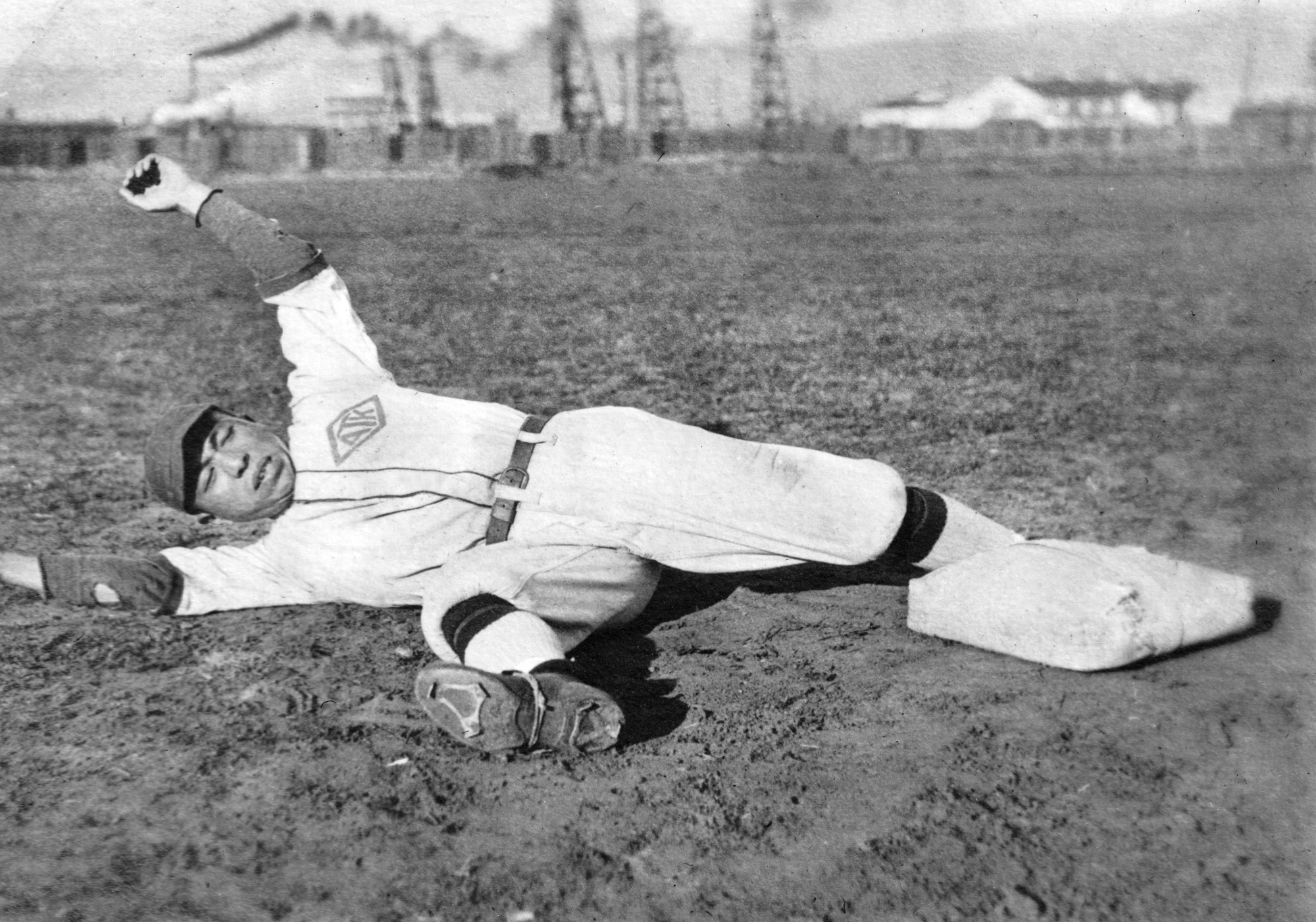
"caption": "An Alameda Taiiku Kai ballplayer slides to safety, circa 1920s. Between World War I and II, the Alameda ATK — an all Japanese-American team — thrived.",
"credit": "Courtesy of the Alameda Japanese American History Project",
"altTag": null,
"description": null,
"imgSizes": {
"thumbnail": {
"file": "https://cdn.kqed.org/wp-content/uploads/sites/10/2025/06/ATK6-KQED-160x112.jpg",
"width": 160,
"height": 112,
"mimeType": "image/jpeg"
},
"1536x1536": {
"file": "https://cdn.kqed.org/wp-content/uploads/sites/10/2025/06/ATK6-KQED-1536x1076.jpg",
"width": 1536,
"height": 1076,
"mimeType": "image/jpeg"
},
"post-thumbnail": {
"file": "https://cdn.kqed.org/wp-content/uploads/sites/10/2025/06/ATK6-KQED-672x372.jpg",
"width": 672,
"height": 372,
"mimeType": "image/jpeg"
},
"twentyfourteen-full-width": {
"file": "https://cdn.kqed.org/wp-content/uploads/sites/10/2025/06/ATK6-KQED-1038x576.jpg",
"width": 1038,
"height": 576,
"mimeType": "image/jpeg"
},
"kqedFullSize": {
"file": "https://cdn.kqed.org/wp-content/uploads/sites/10/2025/06/ATK6-KQED.jpg",
"width": 2000,
"height": 1401
}
},
"isLoading": false,
"fetchFailed": false
},
"news_12044736": {
"type": "attachments",
"id": "news_12044736",
"meta": {
"index": "attachments_1716263798",
"site": "news",
"id": "12044736",
"found": true
},
"title": "P1000647_qed",
"publishDate": 1750190500,
"status": "inherit",
"parent": 12044710,
"modified": 1750190555,
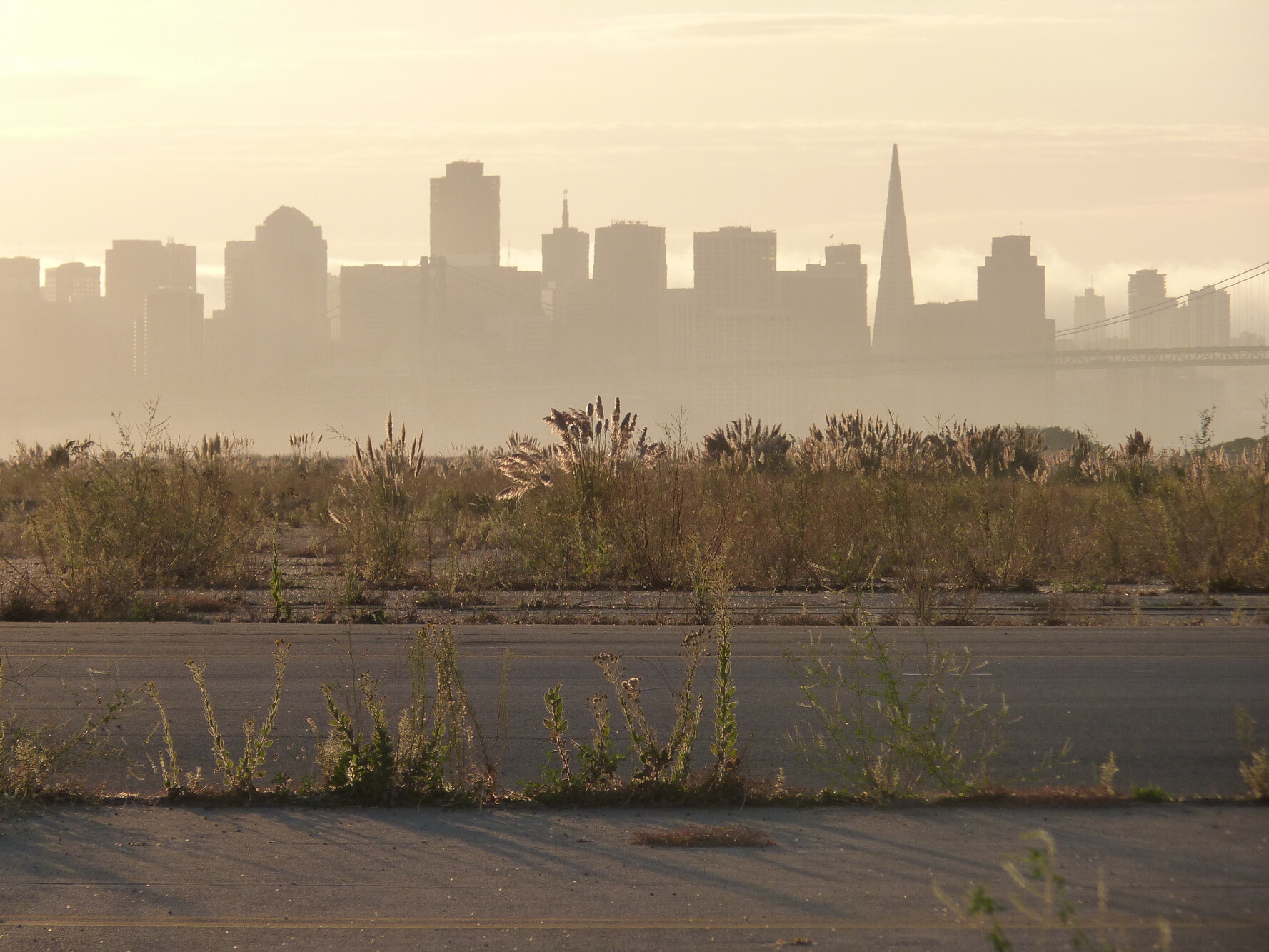
"caption": "Alameda Point and the Ready Reserve on Sept. 11, 2023. Frontier Valley has proposed building a city for AI and robotics manufacturing on federally owned land on Alameda Point. But a federal department already has plans to build something else there.",
"credit": "Craig Miller/ Climate Watch",
"altTag": null,
"description": null,
"imgSizes": {
"thumbnail": {
"file": "https://cdn.kqed.org/wp-content/uploads/sites/10/2025/06/P1000647_qed-160x120.jpg",
"width": 160,
"height": 120,
"mimeType": "image/jpeg"
},
"1536x1536": {
"file": "https://cdn.kqed.org/wp-content/uploads/sites/10/2025/06/P1000647_qed-1536x1152.jpg",
"width": 1536,
"height": 1152,
"mimeType": "image/jpeg"
},
"post-thumbnail": {
"file": "https://cdn.kqed.org/wp-content/uploads/sites/10/2025/06/P1000647_qed-672x372.jpg",
"width": 672,
"height": 372,
"mimeType": "image/jpeg"
},
"twentyfourteen-full-width": {
"file": "https://cdn.kqed.org/wp-content/uploads/sites/10/2025/06/P1000647_qed-1038x576.jpg",
"width": 1038,
"height": 576,
"mimeType": "image/jpeg"
},
"kqedFullSize": {
"file": "https://cdn.kqed.org/wp-content/uploads/sites/10/2025/06/P1000647_qed.jpg",
"width": 1777,
"height": 1333
}
},
"isLoading": false,
"fetchFailed": false
},
"news_12039001": {
"type": "attachments",
"id": "news_12039001",
"meta": {
"index": "attachments_1716263798",
"site": "news",
"id": "12039001",
"found": true
},
"title": "20250505_YTCOMMENTARY_GC-6-KQED-2",
"publishDate": 1746573028,
"status": "inherit",
"parent": 0,
"modified": 1746573081,
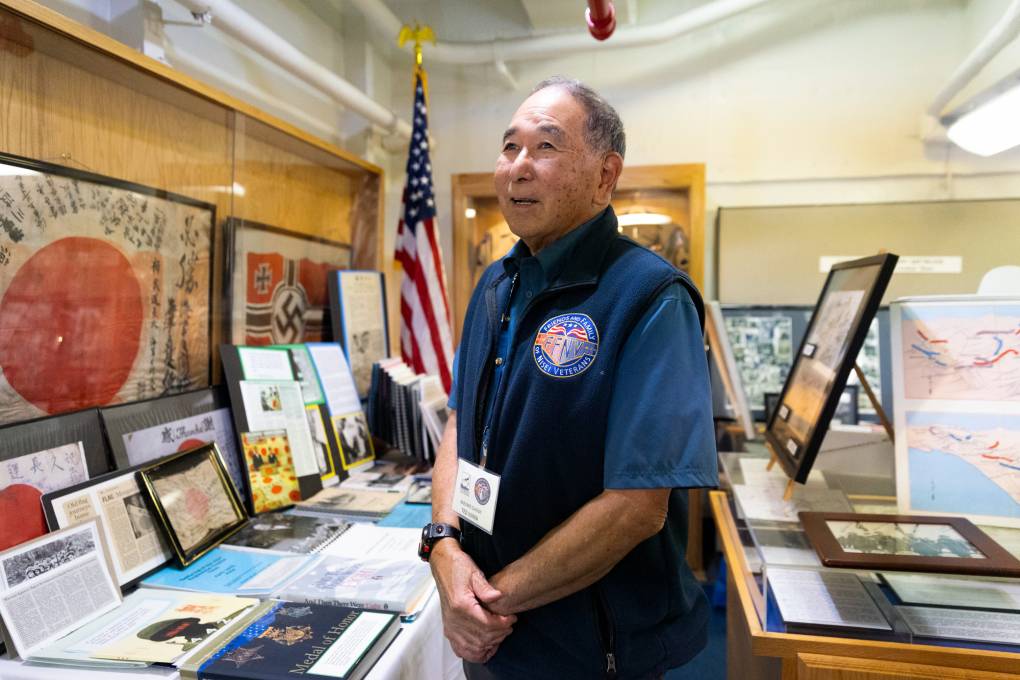
"caption": "Ted Iijima, 75, stands in the Nisei exhibit at the USS Hornet Museum in Alameda on May 5, 2025.",
"credit": "Gina Castro/KQED",
"altTag": null,
"description": null,
"imgSizes": {
"medium": {
"file": "https://cdn.kqed.org/wp-content/uploads/sites/10/2025/05/20250505_YTCOMMENTARY_GC-6-KQED-2-800x533.jpg",
"width": 800,
"height": 533,
"mimeType": "image/jpeg"
},
"large": {
"file": "https://cdn.kqed.org/wp-content/uploads/sites/10/2025/05/20250505_YTCOMMENTARY_GC-6-KQED-2-1020x680.jpg",
"width": 1020,
"height": 680,
"mimeType": "image/jpeg"
},
"thumbnail": {
"file": "https://cdn.kqed.org/wp-content/uploads/sites/10/2025/05/20250505_YTCOMMENTARY_GC-6-KQED-2-160x107.jpg",
"width": 160,
"height": 107,
"mimeType": "image/jpeg"
},
"1536x1536": {
"file": "https://cdn.kqed.org/wp-content/uploads/sites/10/2025/05/20250505_YTCOMMENTARY_GC-6-KQED-2-1536x1024.jpg",
"width": 1536,
"height": 1024,
"mimeType": "image/jpeg"
},
"post-thumbnail": {
"file": "https://cdn.kqed.org/wp-content/uploads/sites/10/2025/05/20250505_YTCOMMENTARY_GC-6-KQED-2-672x372.jpg",
"width": 672,
"height": 372,
"mimeType": "image/jpeg"
},
"twentyfourteen-full-width": {
"file": "https://cdn.kqed.org/wp-content/uploads/sites/10/2025/05/20250505_YTCOMMENTARY_GC-6-KQED-2-1038x576.jpg",
"width": 1038,
"height": 576,
"mimeType": "image/jpeg"
},
"full-width": {
"file": "https://cdn.kqed.org/wp-content/uploads/sites/10/2025/05/20250505_YTCOMMENTARY_GC-6-KQED-2-1920x1280.jpg",
"width": 1920,
"height": 1280,
"mimeType": "image/jpeg"
},
"kqedFullSize": {
"file": "https://cdn.kqed.org/wp-content/uploads/sites/10/2025/05/20250505_YTCOMMENTARY_GC-6-KQED-2.jpg",
"width": 2000,
"height": 1333
}
},
"isLoading": false,
"fetchFailed": false
},
"news_12023542": {
"type": "attachments",
"id": "news_12023542",
"meta": {
"index": "attachments_1716263798",
"site": "news",
"id": "12023542",
"found": true
},
"title": "250122-OaklandImmigrants-13-BL",
"publishDate": 1737580494,
"status": "inherit",
"parent": 12023560,
"modified": 1737586928,
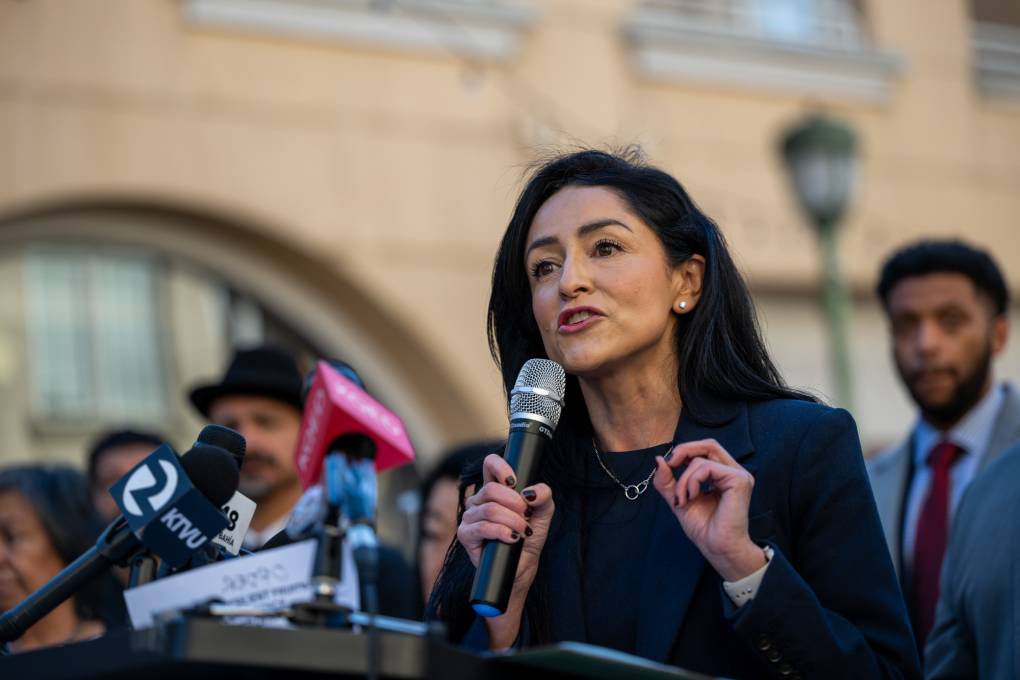
"caption": "Monique Berlanga, Executive Director for Centro Legal de La Raza, speaks during a press conference with leaders from community groups throughout Alameda County in the Fruitvale neighborhood of Oakland on Jan. 22, 2025.",
"credit": "Beth LaBerge/KQED",
"altTag": null,
"description": null,
"imgSizes": {
"medium": {
"file": "https://cdn.kqed.org/wp-content/uploads/sites/10/2025/01/250122-OaklandImmigrants-13-BL-800x533.jpg",
"width": 800,
"height": 533,
"mimeType": "image/jpeg"
},
"large": {
"file": "https://cdn.kqed.org/wp-content/uploads/sites/10/2025/01/250122-OaklandImmigrants-13-BL-1020x680.jpg",
"width": 1020,
"height": 680,
"mimeType": "image/jpeg"
},
"thumbnail": {
"file": "https://cdn.kqed.org/wp-content/uploads/sites/10/2025/01/250122-OaklandImmigrants-13-BL-160x107.jpg",
"width": 160,
"height": 107,
"mimeType": "image/jpeg"
},
"1536x1536": {
"file": "https://cdn.kqed.org/wp-content/uploads/sites/10/2025/01/250122-OaklandImmigrants-13-BL-1536x1024.jpg",
"width": 1536,
"height": 1024,
"mimeType": "image/jpeg"
},
"post-thumbnail": {
"file": "https://cdn.kqed.org/wp-content/uploads/sites/10/2025/01/250122-OaklandImmigrants-13-BL-672x372.jpg",
"width": 672,
"height": 372,
"mimeType": "image/jpeg"
},
"twentyfourteen-full-width": {
"file": "https://cdn.kqed.org/wp-content/uploads/sites/10/2025/01/250122-OaklandImmigrants-13-BL-1038x576.jpg",
"width": 1038,
"height": 576,
"mimeType": "image/jpeg"
},
"full-width": {
"file": "https://cdn.kqed.org/wp-content/uploads/sites/10/2025/01/250122-OaklandImmigrants-13-BL-1920x1280.jpg",
"width": 1920,
"height": 1280,
"mimeType": "image/jpeg"
},
"kqedFullSize": {
"file": "https://cdn.kqed.org/wp-content/uploads/sites/10/2025/01/250122-OaklandImmigrants-13-BL.jpg",
"width": 2000,
"height": 1333
}
},
"isLoading": false,
"fetchFailed": false
},
"news_12030542": {
"type": "attachments",
"id": "news_12030542",
"meta": {
"index": "attachments_1716263798",
"site": "news",
"id": "12030542",
"found": true
},
"title": "20250307_ALAMEDACHILDCARE_GC-2-KQED",
"publishDate": 1741613314,
"status": "inherit",
"parent": 0,
"modified": 1741613404,
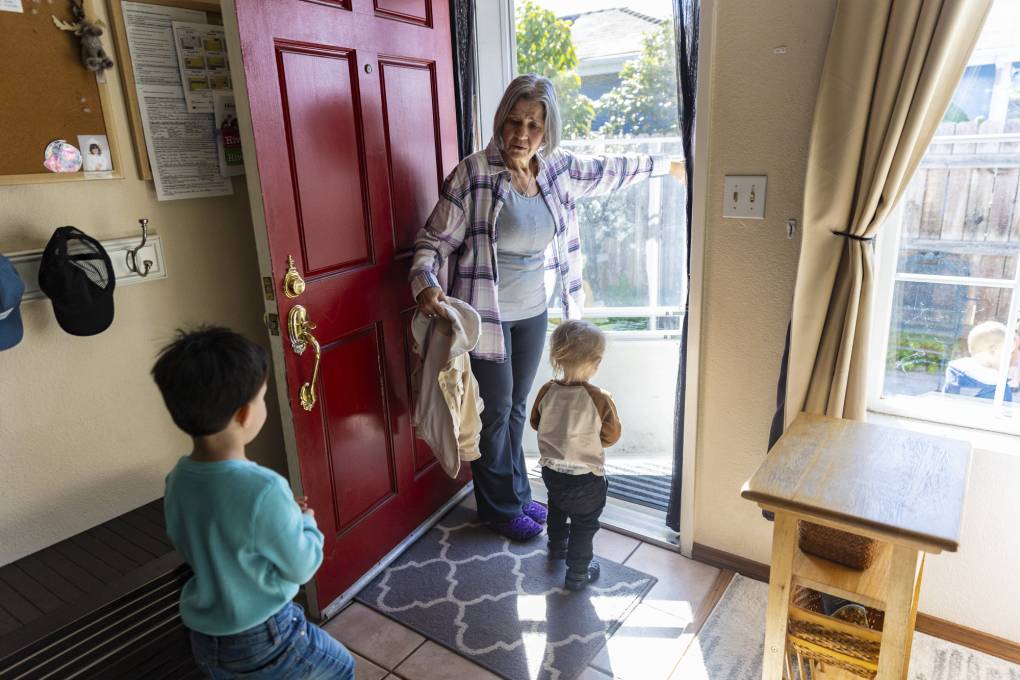
"caption": "Lisa Zarodney lets Hudson, 3, and Ryden, 1, out to play at her home in Livermore, where she runs a childcare operation, on March 7, 2025.",
"credit": "Gina Castro/KQED",
"altTag": null,
"description": null,
"imgSizes": {
"medium": {
"file": "https://cdn.kqed.org/wp-content/uploads/sites/10/2025/03/20250307_ALAMEDACHILDCARE_GC-2-KQED-800x533.jpg",
"width": 800,
"height": 533,
"mimeType": "image/jpeg"
},
"large": {
"file": "https://cdn.kqed.org/wp-content/uploads/sites/10/2025/03/20250307_ALAMEDACHILDCARE_GC-2-KQED-1020x680.jpg",
"width": 1020,
"height": 680,
"mimeType": "image/jpeg"
},
"thumbnail": {
"file": "https://cdn.kqed.org/wp-content/uploads/sites/10/2025/03/20250307_ALAMEDACHILDCARE_GC-2-KQED-160x107.jpg",
"width": 160,
"height": 107,
"mimeType": "image/jpeg"
},
"1536x1536": {
"file": "https://cdn.kqed.org/wp-content/uploads/sites/10/2025/03/20250307_ALAMEDACHILDCARE_GC-2-KQED-1536x1024.jpg",
"width": 1536,
"height": 1024,
"mimeType": "image/jpeg"
},
"post-thumbnail": {
"file": "https://cdn.kqed.org/wp-content/uploads/sites/10/2025/03/20250307_ALAMEDACHILDCARE_GC-2-KQED-672x372.jpg",
"width": 672,
"height": 372,
"mimeType": "image/jpeg"
},
"twentyfourteen-full-width": {
"file": "https://cdn.kqed.org/wp-content/uploads/sites/10/2025/03/20250307_ALAMEDACHILDCARE_GC-2-KQED-1038x576.jpg",
"width": 1038,
"height": 576,
"mimeType": "image/jpeg"
},
"full-width": {
"file": "https://cdn.kqed.org/wp-content/uploads/sites/10/2025/03/20250307_ALAMEDACHILDCARE_GC-2-KQED-1920x1280.jpg",
"width": 1920,
"height": 1280,
"mimeType": "image/jpeg"
},
"kqedFullSize": {
"file": "https://cdn.kqed.org/wp-content/uploads/sites/10/2025/03/20250307_ALAMEDACHILDCARE_GC-2-KQED.jpg",
"width": 2000,
"height": 1333
}
},
"isLoading": false,
"fetchFailed": false
},
"news_11737489": {
"type": "attachments",
"id": "news_11737489",
"meta": {
"index": "attachments_1716263798",
"site": "news",
"id": "11737489",
"found": true
},
"title": "ghost-ship-trial-2",
"publishDate": 1554258114,
"status": "inherit",
"parent": 11737333,
"modified": 1740008073,
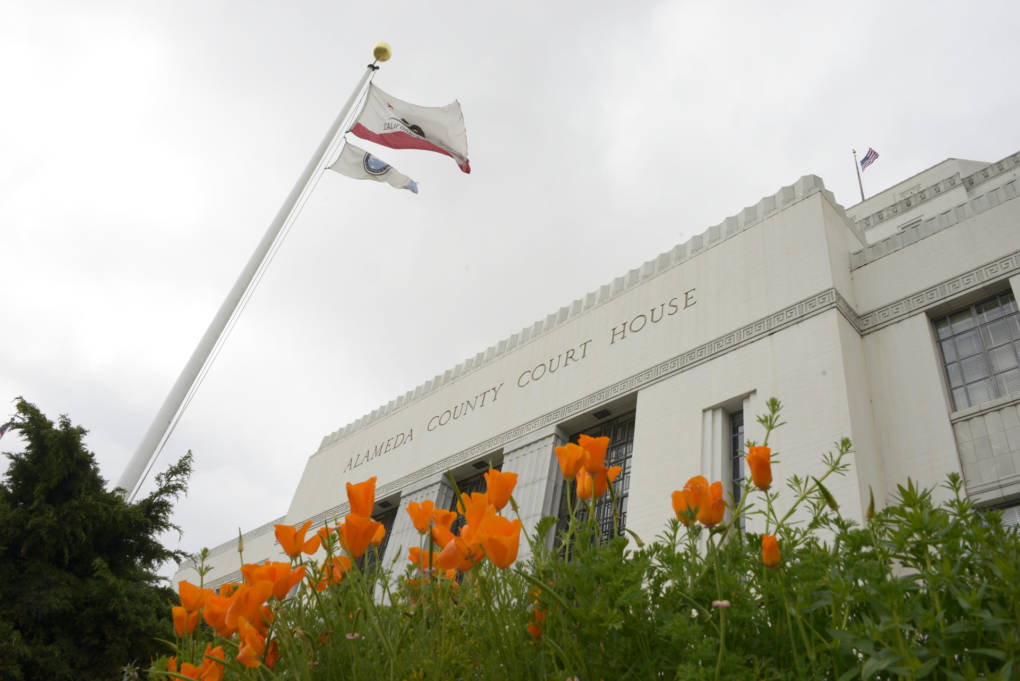
"caption": "The Alameda County Superior Courthouse in Oakland, seen on April 2, 2019.",
"credit": "Stephanie Lister/KQED",
"altTag": "The Alameda County Superior Courthouse, pictured on April 2, 2019.",
"description": "The Alameda County Superior Courthouse, pictured on April 2, 2019.",
"imgSizes": {
"thumbnail": {
"file": "https://cdn.kqed.org/wp-content/uploads/sites/10/2019/04/ghost-ship-trial-2-160x107.jpg",
"width": 160,
"height": 107,
"mimeType": "image/jpeg"
},
"medium": {
"file": "https://cdn.kqed.org/wp-content/uploads/sites/10/2019/04/ghost-ship-trial-2-800x534.jpg",
"width": 800,
"height": 534,
"mimeType": "image/jpeg"
},
"large": {
"file": "https://cdn.kqed.org/wp-content/uploads/sites/10/2019/04/ghost-ship-trial-2-1020x681.jpg",
"width": 1020,
"height": 681,
"mimeType": "image/jpeg"
},
"complete_open_graph": {
"file": "https://cdn.kqed.org/wp-content/uploads/sites/10/2019/04/ghost-ship-trial-2-1200x801.jpg",
"width": 1200,
"height": 801,
"mimeType": "image/jpeg"
},
"post-thumbnail": {
"file": "https://cdn.kqed.org/wp-content/uploads/sites/10/2019/04/ghost-ship-trial-2-672x372.jpg",
"width": 672,
"height": 372,
"mimeType": "image/jpeg"
},
"twentyfourteen-full-width": {
"file": "https://cdn.kqed.org/wp-content/uploads/sites/10/2019/04/ghost-ship-trial-2-1038x576.jpg",
"width": 1038,
"height": 576,
"mimeType": "image/jpeg"
},
"full-width": {
"file": "https://cdn.kqed.org/wp-content/uploads/sites/10/2019/04/ghost-ship-trial-2-1920x1281.jpg",
"width": 1920,
"height": 1281,
"mimeType": "image/jpeg"
},
"guest-author-32": {
"file": "https://cdn.kqed.org/wp-content/uploads/sites/10/2019/04/ghost-ship-trial-2-32x32.jpg",
"width": 32,
"height": 32,
"mimeType": "image/jpeg"
},
"guest-author-50": {
"file": "https://cdn.kqed.org/wp-content/uploads/sites/10/2019/04/ghost-ship-trial-2-50x50.jpg",
"width": 50,
"height": 50,
"mimeType": "image/jpeg"
},
"guest-author-64": {
"file": "https://cdn.kqed.org/wp-content/uploads/sites/10/2019/04/ghost-ship-trial-2-64x64.jpg",
"width": 64,
"height": 64,
"mimeType": "image/jpeg"
},
"guest-author-96": {
"file": "https://cdn.kqed.org/wp-content/uploads/sites/10/2019/04/ghost-ship-trial-2-96x96.jpg",
"width": 96,
"height": 96,
"mimeType": "image/jpeg"
},
"guest-author-128": {
"file": "https://cdn.kqed.org/wp-content/uploads/sites/10/2019/04/ghost-ship-trial-2-128x128.jpg",
"width": 128,
"height": 128,
"mimeType": "image/jpeg"
},
"apple_news_ca_landscape_12_9": {
"file": "https://cdn.kqed.org/wp-content/uploads/sites/10/2019/04/ghost-ship-trial-2-1832x1281.jpg",
"width": 1832,
"height": 1281,
"mimeType": "image/jpeg"
},
"apple_news_ca_landscape_9_7": {
"file": "https://cdn.kqed.org/wp-content/uploads/sites/10/2019/04/ghost-ship-trial-2-1376x1032.jpg",
"width": 1376,
"height": 1032,
"mimeType": "image/jpeg"
},
"apple_news_ca_landscape_5_5": {
"file": "https://cdn.kqed.org/wp-content/uploads/sites/10/2019/04/ghost-ship-trial-2-1044x783.jpg",
"width": 1044,
"height": 783,
"mimeType": "image/jpeg"
},
"apple_news_ca_landscape_4_7": {
"file": "https://cdn.kqed.org/wp-content/uploads/sites/10/2019/04/ghost-ship-trial-2-632x474.jpg",
"width": 632,
"height": 474,
"mimeType": "image/jpeg"
},
"apple_news_ca_landscape_4_0": {
"file": "https://cdn.kqed.org/wp-content/uploads/sites/10/2019/04/ghost-ship-trial-2-536x402.jpg",
"width": 536,
"height": 402,
"mimeType": "image/jpeg"
},
"apple_news_ca_portrait_12_9": {
"file": "https://cdn.kqed.org/wp-content/uploads/sites/10/2019/04/ghost-ship-trial-2-1122x1281.jpg",
"width": 1122,
"height": 1281,
"mimeType": "image/jpeg"
},
"apple_news_ca_portrait_9_7": {
"file": "https://cdn.kqed.org/wp-content/uploads/sites/10/2019/04/ghost-ship-trial-2-840x1120.jpg",
"width": 840,
"height": 1120,
"mimeType": "image/jpeg"
},
"apple_news_ca_portrait_5_5": {
"file": "https://cdn.kqed.org/wp-content/uploads/sites/10/2019/04/ghost-ship-trial-2-687x916.jpg",
"width": 687,
"height": 916,
"mimeType": "image/jpeg"
},
"apple_news_ca_portrait_4_7": {
"file": "https://cdn.kqed.org/wp-content/uploads/sites/10/2019/04/ghost-ship-trial-2-414x552.jpg",
"width": 414,
"height": 552,
"mimeType": "image/jpeg"
},
"apple_news_ca_portrait_4_0": {
"file": "https://cdn.kqed.org/wp-content/uploads/sites/10/2019/04/ghost-ship-trial-2-354x472.jpg",
"width": 354,
"height": 472,
"mimeType": "image/jpeg"
},
"apple_news_ca_square_12_9": {
"file": "https://cdn.kqed.org/wp-content/uploads/sites/10/2019/04/ghost-ship-trial-2-1472x1281.jpg",
"width": 1472,
"height": 1281,
"mimeType": "image/jpeg"
},
"apple_news_ca_square_9_7": {
"file": "https://cdn.kqed.org/wp-content/uploads/sites/10/2019/04/ghost-ship-trial-2-1104x1104.jpg",
"width": 1104,
"height": 1104,
"mimeType": "image/jpeg"
},
"apple_news_ca_square_5_5": {
"file": "https://cdn.kqed.org/wp-content/uploads/sites/10/2019/04/ghost-ship-trial-2-912x912.jpg",
"width": 912,
"height": 912,
"mimeType": "image/jpeg"
},
"apple_news_ca_square_4_7": {
"file": "https://cdn.kqed.org/wp-content/uploads/sites/10/2019/04/ghost-ship-trial-2-550x550.jpg",
"width": 550,
"height": 550,
"mimeType": "image/jpeg"
},
"apple_news_ca_square_4_0": {
"file": "https://cdn.kqed.org/wp-content/uploads/sites/10/2019/04/ghost-ship-trial-2-470x470.jpg",
"width": 470,
"height": 470,
"mimeType": "image/jpeg"
},
"kqedFullSize": {
"file": "https://cdn.kqed.org/wp-content/uploads/sites/10/2019/04/ghost-ship-trial-2.jpg",
"width": 1920,
"height": 1281
}
},
"isLoading": false,
"fetchFailed": false
},
"news_12023391": {
"type": "attachments",
"id": "news_12023391",
"meta": {
"index": "attachments_1716263798",
"site": "news",
"id": "12023391",
"found": true
},
"title": "20250121_DA-Finalists_DB_00823",
"publishDate": 1737507726,
"status": "inherit",
"parent": 0,
"modified": 1738348640,
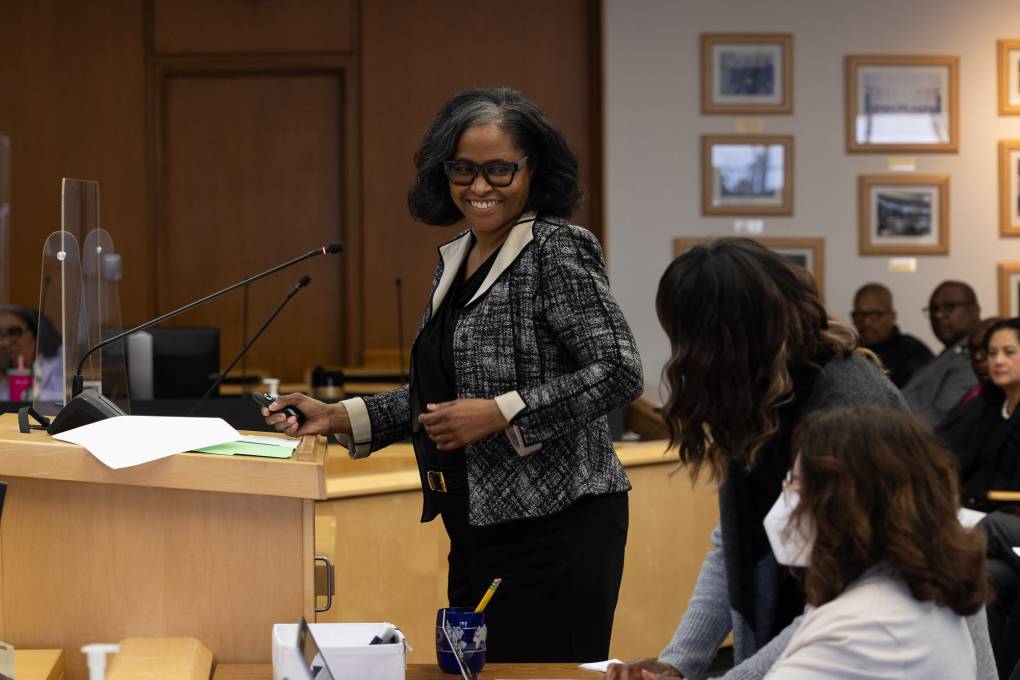
"caption": "Ursula Jones Dickson, Alameda County Superior Court judge and former deputy district attorney in Alameda County, addresses the Alameda County Board of Supervisors at the Alameda County Administration Building, Tuesday, Jan. 21, 2025. The board has named seven finalists who are in contention to be the next district attorney after Pamela Price's recall.",
"credit": "David M. Barreda/KQED",
"altTag": null,
"description": null,
"imgSizes": {
"medium": {
"file": "https://cdn.kqed.org/wp-content/uploads/sites/10/2025/01/20250121_DA-Finalists_DB_00823-800x533.jpg",
"width": 800,
"height": 533,
"mimeType": "image/jpeg"
},
"large": {
"file": "https://cdn.kqed.org/wp-content/uploads/sites/10/2025/01/20250121_DA-Finalists_DB_00823-1020x680.jpg",
"width": 1020,
"height": 680,
"mimeType": "image/jpeg"
},
"thumbnail": {
"file": "https://cdn.kqed.org/wp-content/uploads/sites/10/2025/01/20250121_DA-Finalists_DB_00823-160x107.jpg",
"width": 160,
"height": 107,
"mimeType": "image/jpeg"
},
"1536x1536": {
"file": "https://cdn.kqed.org/wp-content/uploads/sites/10/2025/01/20250121_DA-Finalists_DB_00823-1536x1024.jpg",
"width": 1536,
"height": 1024,
"mimeType": "image/jpeg"
},
"post-thumbnail": {
"file": "https://cdn.kqed.org/wp-content/uploads/sites/10/2025/01/20250121_DA-Finalists_DB_00823-672x372.jpg",
"width": 672,
"height": 372,
"mimeType": "image/jpeg"
},
"twentyfourteen-full-width": {
"file": "https://cdn.kqed.org/wp-content/uploads/sites/10/2025/01/20250121_DA-Finalists_DB_00823-1038x576.jpg",
"width": 1038,
"height": 576,
"mimeType": "image/jpeg"
},
"full-width": {
"file": "https://cdn.kqed.org/wp-content/uploads/sites/10/2025/01/20250121_DA-Finalists_DB_00823-1920x1280.jpg",
"width": 1920,
"height": 1280,
"mimeType": "image/jpeg"
},
"kqedFullSize": {
"file": "https://cdn.kqed.org/wp-content/uploads/sites/10/2025/01/20250121_DA-Finalists_DB_00823.jpg",
"width": 2000,
"height": 1333
}
},
"isLoading": false,
"fetchFailed": false
},
"news_12023519": {
"type": "attachments",
"id": "news_12023519",
"meta": {
"index": "attachments_1716263798",
"site": "news",
"id": "12023519",
"found": true
},
"title": "20250114_Mare-Island2_DMB_00817",
"publishDate": 1737577271,
"status": "inherit",
"parent": 12023604,
"modified": 1737592318,
"caption": "One of the defunct dry docks on Mare Island in the city of Vallejo, Tuesday, Jan. 14, 2025. Part of 'Bumblebee' from the Transformers series was filmed here.",
"credit": "David M. Barreda/KQED",
"altTag": null,
"description": null,
"imgSizes": {
"medium": {
"file": "https://cdn.kqed.org/wp-content/uploads/sites/10/2025/01/20250114_Mare-Island2_DMB_00817-800x533.jpg",
"width": 800,
"height": 533,
"mimeType": "image/jpeg"
},
"large": {
"file": "https://cdn.kqed.org/wp-content/uploads/sites/10/2025/01/20250114_Mare-Island2_DMB_00817-1020x680.jpg",
"width": 1020,
"height": 680,
"mimeType": "image/jpeg"
},
"thumbnail": {
"file": "https://cdn.kqed.org/wp-content/uploads/sites/10/2025/01/20250114_Mare-Island2_DMB_00817-160x107.jpg",
"width": 160,
"height": 107,
"mimeType": "image/jpeg"
},
"1536x1536": {
"file": "https://cdn.kqed.org/wp-content/uploads/sites/10/2025/01/20250114_Mare-Island2_DMB_00817-1536x1024.jpg",
"width": 1536,
"height": 1024,
"mimeType": "image/jpeg"
},
"post-thumbnail": {
"file": "https://cdn.kqed.org/wp-content/uploads/sites/10/2025/01/20250114_Mare-Island2_DMB_00817-672x372.jpg",
"width": 672,
"height": 372,
"mimeType": "image/jpeg"
},
"twentyfourteen-full-width": {
"file": "https://cdn.kqed.org/wp-content/uploads/sites/10/2025/01/20250114_Mare-Island2_DMB_00817-1038x576.jpg",
"width": 1038,
"height": 576,
"mimeType": "image/jpeg"
},
"full-width": {
"file": "https://cdn.kqed.org/wp-content/uploads/sites/10/2025/01/20250114_Mare-Island2_DMB_00817-1920x1280.jpg",
"width": 1920,
"height": 1280,
"mimeType": "image/jpeg"
},
"kqedFullSize": {
"file": "https://cdn.kqed.org/wp-content/uploads/sites/10/2025/01/20250114_Mare-Island2_DMB_00817.jpg",
"width": 2000,
"height": 1333
}
},
"isLoading": false,
"fetchFailed": false
},
"news_12009080": {
"type": "attachments",
"id": "news_12009080",
"meta": {
"index": "attachments_1716263798",
"site": "news",
"id": "12009080",
"found": true
},
"title": "012_Alameda_MarioGonzalezPressConf_04272021_qed",
"publishDate": 1728667209,
"status": "inherit",
"parent": 12009076,
"modified": 1728667258,
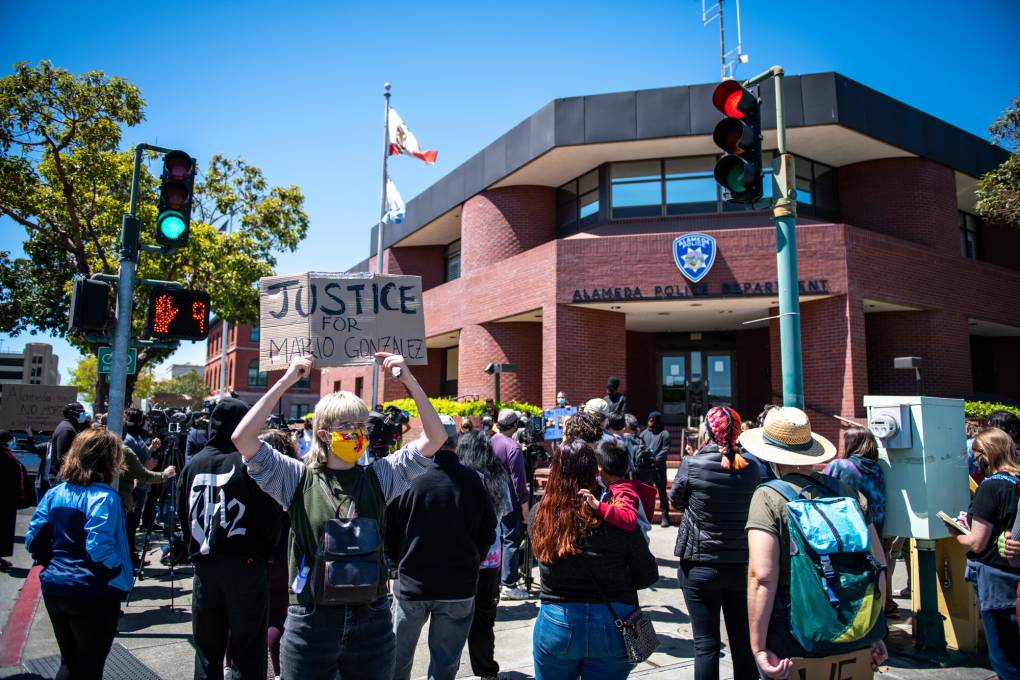
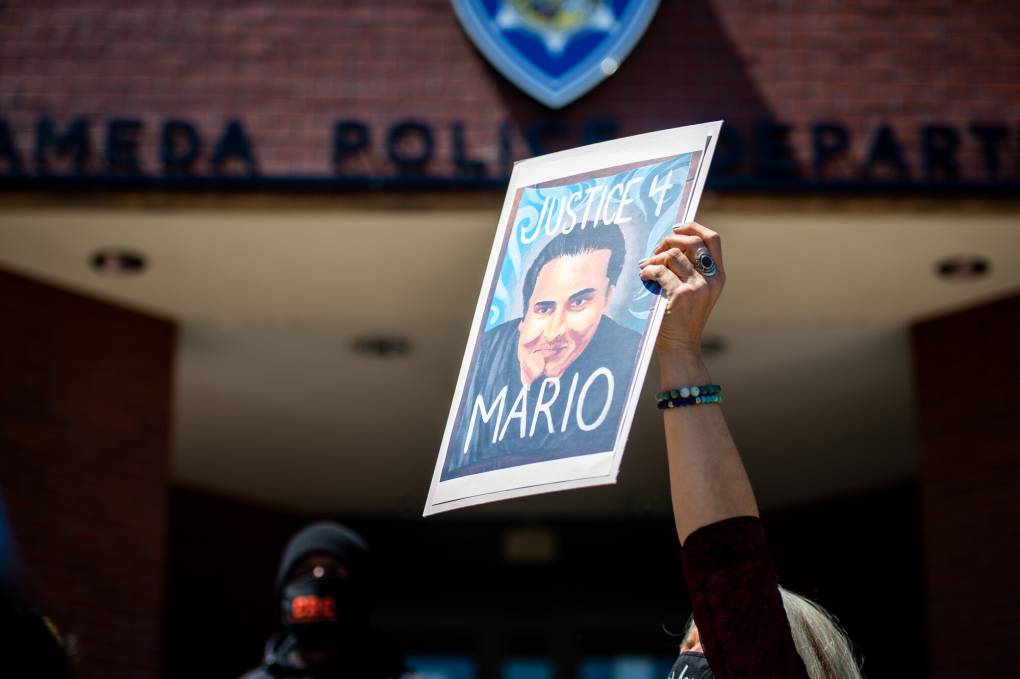
"caption": "Friends, family and supporters of Mario Gonzalez gather outside of the Alameda Police Department on April 27, 2021.",
"credit": "Beth LaBerge/KQED",
"altTag": null,
"description": null,
"imgSizes": {
"medium": {
"file": "https://cdn.kqed.org/wp-content/uploads/sites/10/2024/10/012_Alameda_MarioGonzalezPressConf_04272021_qed-800x533.jpg",
"width": 800,
"height": 533,
"mimeType": "image/jpeg"
},
"large": {
"file": "https://cdn.kqed.org/wp-content/uploads/sites/10/2024/10/012_Alameda_MarioGonzalezPressConf_04272021_qed-1020x680.jpg",
"width": 1020,
"height": 680,
"mimeType": "image/jpeg"
},
"thumbnail": {
"file": "https://cdn.kqed.org/wp-content/uploads/sites/10/2024/10/012_Alameda_MarioGonzalezPressConf_04272021_qed-160x107.jpg",
"width": 160,
"height": 107,
"mimeType": "image/jpeg"
},
"1536x1536": {
"file": "https://cdn.kqed.org/wp-content/uploads/sites/10/2024/10/012_Alameda_MarioGonzalezPressConf_04272021_qed-1536x1024.jpg",
"width": 1536,
"height": 1024,
"mimeType": "image/jpeg"
},
"post-thumbnail": {
"file": "https://cdn.kqed.org/wp-content/uploads/sites/10/2024/10/012_Alameda_MarioGonzalezPressConf_04272021_qed-672x372.jpg",
"width": 672,
"height": 372,
"mimeType": "image/jpeg"
},
"twentyfourteen-full-width": {
"file": "https://cdn.kqed.org/wp-content/uploads/sites/10/2024/10/012_Alameda_MarioGonzalezPressConf_04272021_qed-1038x576.jpg",
"width": 1038,
"height": 576,
"mimeType": "image/jpeg"
},
"full-width": {
"file": "https://cdn.kqed.org/wp-content/uploads/sites/10/2024/10/012_Alameda_MarioGonzalezPressConf_04272021_qed-1920x1280.jpg",
"width": 1920,
"height": 1280,
"mimeType": "image/jpeg"
},
"kqedFullSize": {
"file": "https://cdn.kqed.org/wp-content/uploads/sites/10/2024/10/012_Alameda_MarioGonzalezPressConf_04272021_qed.jpg",
"width": 2000,
"height": 1333
}
},
"isLoading": false,
"fetchFailed": false
},
"news_12005495": {
"type": "attachments",
"id": "news_12005495",
"meta": {
"index": "attachments_1716263798",
"site": "news",
"id": "12005495",
"found": true
},
"title": "021_Alameda_MarioGonzalezPressConf_04272021_qed",
"publishDate": 1726780535,
"status": "inherit",
"parent": 12005470,
"modified": 1726780554,
"caption": "Friends, family and supporters of Mario Gonzalez gather outside of the Alameda Police Department on April 27, 2021, for a press conference to address the body cam footage that was shown to Gonzalez's family.",
"credit": "Beth LaBerge/KQED",
"altTag": null,
"description": null,
"imgSizes": {
"medium": {
"file": "https://cdn.kqed.org/wp-content/uploads/sites/10/2024/09/021_Alameda_MarioGonzalezPressConf_04272021_qed-800x532.jpg",
"width": 800,
"height": 532,
"mimeType": "image/jpeg"
},
"large": {
"file": "https://cdn.kqed.org/wp-content/uploads/sites/10/2024/09/021_Alameda_MarioGonzalezPressConf_04272021_qed-1020x679.jpg",
"width": 1020,
"height": 679,
"mimeType": "image/jpeg"
},
"thumbnail": {
"file": "https://cdn.kqed.org/wp-content/uploads/sites/10/2024/09/021_Alameda_MarioGonzalezPressConf_04272021_qed-160x106.jpg",
"width": 160,
"height": 106,
"mimeType": "image/jpeg"
},
"1536x1536": {
"file": "https://cdn.kqed.org/wp-content/uploads/sites/10/2024/09/021_Alameda_MarioGonzalezPressConf_04272021_qed-1536x1022.jpg",
"width": 1536,
"height": 1022,
"mimeType": "image/jpeg"
},
"post-thumbnail": {
"file": "https://cdn.kqed.org/wp-content/uploads/sites/10/2024/09/021_Alameda_MarioGonzalezPressConf_04272021_qed-672x372.jpg",
"width": 672,
"height": 372,
"mimeType": "image/jpeg"
},
"twentyfourteen-full-width": {
"file": "https://cdn.kqed.org/wp-content/uploads/sites/10/2024/09/021_Alameda_MarioGonzalezPressConf_04272021_qed-1038x576.jpg",
"width": 1038,
"height": 576,
"mimeType": "image/jpeg"
},
"full-width": {
"file": "https://cdn.kqed.org/wp-content/uploads/sites/10/2024/09/021_Alameda_MarioGonzalezPressConf_04272021_qed-1920x1278.jpg",
"width": 1920,
"height": 1278,
"mimeType": "image/jpeg"
},
"kqedFullSize": {
"file": "https://cdn.kqed.org/wp-content/uploads/sites/10/2024/09/021_Alameda_MarioGonzalezPressConf_04272021_qed.jpg",
"width": 2000,
"height": 1331
}
},
"isLoading": false,
"fetchFailed": false
},
"news_12014957": {
"type": "attachments",
"id": "news_12014957",
"meta": {
"index": "attachments_1716263798",
"site": "news",
"id": "12014957",
"found": true
},
"title": "Cage Free Chickens",
"publishDate": 1732038942,
"status": "inherit",
"parent": 12014955,
"modified": 1732039028,
"caption": "California health officials say there has been a possible case of the bird flu virus involving a child in Alameda County. ",
"credit": "Charlie Neibergall/AP Photo",
"altTag": null,
"description": null,
"imgSizes": {
"medium": {
"file": "https://cdn.kqed.org/wp-content/uploads/sites/10/2024/11/BirdFluAP-800x513.jpg",
"width": 800,
"height": 513,
"mimeType": "image/jpeg"
},
"large": {
"file": "https://cdn.kqed.org/wp-content/uploads/sites/10/2024/11/BirdFluAP-1020x654.jpg",
"width": 1020,
"height": 654,
"mimeType": "image/jpeg"
},
"thumbnail": {
"file": "https://cdn.kqed.org/wp-content/uploads/sites/10/2024/11/BirdFluAP-160x103.jpg",
"width": 160,
"height": 103,
"mimeType": "image/jpeg"
},
"1536x1536": {
"file": "https://cdn.kqed.org/wp-content/uploads/sites/10/2024/11/BirdFluAP-1536x985.jpg",
"width": 1536,
"height": 985,
"mimeType": "image/jpeg"
},
"post-thumbnail": {
"file": "https://cdn.kqed.org/wp-content/uploads/sites/10/2024/11/BirdFluAP-672x372.jpg",
"width": 672,
"height": 372,
"mimeType": "image/jpeg"
},
"twentyfourteen-full-width": {
"file": "https://cdn.kqed.org/wp-content/uploads/sites/10/2024/11/BirdFluAP-1038x576.jpg",
"width": 1038,
"height": 576,
"mimeType": "image/jpeg"
},
"full-width": {
"file": "https://cdn.kqed.org/wp-content/uploads/sites/10/2024/11/BirdFluAP-1920x1232.jpg",
"width": 1920,
"height": 1232,
"mimeType": "image/jpeg"
},
"kqedFullSize": {
"file": "https://cdn.kqed.org/wp-content/uploads/sites/10/2024/11/BirdFluAP.jpg",
"width": 2000,
"height": 1283
}
},
"isLoading": false,
"fetchFailed": false
},
"news_11926889": {
"type": "attachments",
"id": "news_11926889",
"meta": {
"index": "attachments_1716263798",
"site": "news",
"id": "11926889",
"found": true
},
"title": "RS21434_IMG_4885-qut",
"publishDate": 1664315568,
"status": "inherit",
"parent": 11926857,
"modified": 1731528292,
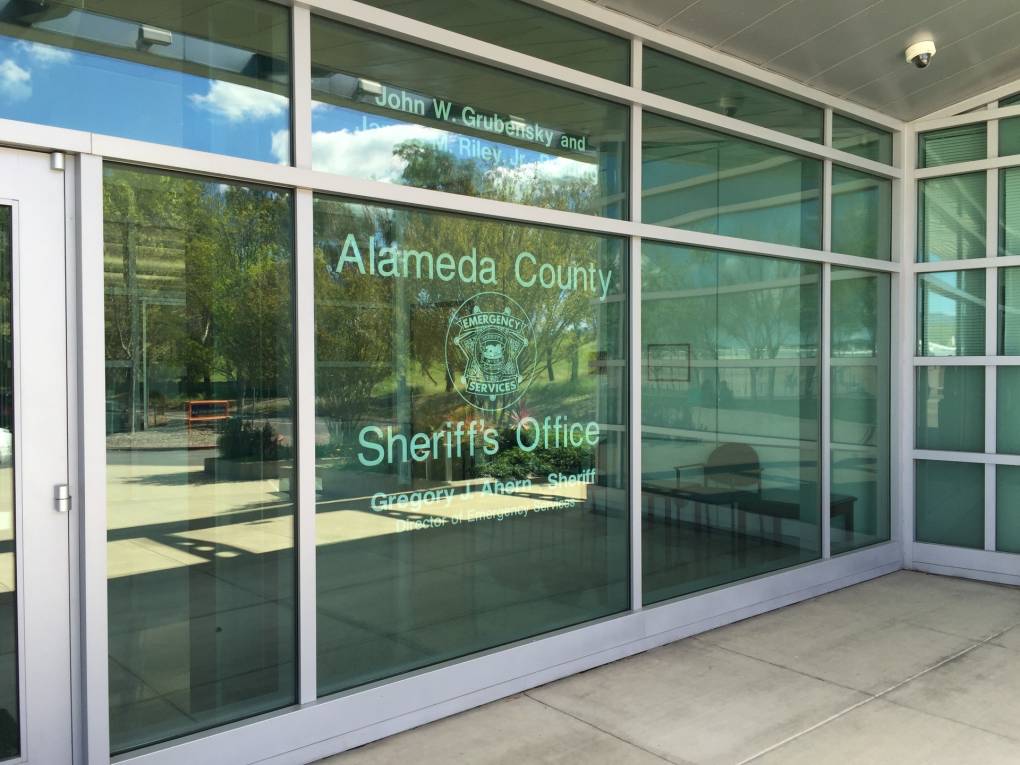
"caption": "The Alameda County Sheriff's Office in Oakland. Civil rights advocates reacted to the news that nearly four dozen sheriff's deputies had been hired despite failing their psychological exams, with some cases dating as far back as 2016.",
"credit": "Alex Emslie/KQED",
"altTag": "A glass-paned wall that reads 'Alameda County Sheriff's Office.'",
"description": null,
"imgSizes": {
"medium": {
"file": "https://cdn.kqed.org/wp-content/uploads/sites/10/2022/09/RS21434_IMG_4885-qut-800x600.jpg",
"width": 800,
"height": 600,
"mimeType": "image/jpeg"
},
"large": {
"file": "https://cdn.kqed.org/wp-content/uploads/sites/10/2022/09/RS21434_IMG_4885-qut-1020x765.jpg",
"width": 1020,
"height": 765,
"mimeType": "image/jpeg"
},
"thumbnail": {
"file": "https://cdn.kqed.org/wp-content/uploads/sites/10/2022/09/RS21434_IMG_4885-qut-160x120.jpg",
"width": 160,
"height": 120,
"mimeType": "image/jpeg"
},
"1536x1536": {
"file": "https://cdn.kqed.org/wp-content/uploads/sites/10/2022/09/RS21434_IMG_4885-qut-1536x1152.jpg",
"width": 1536,
"height": 1152,
"mimeType": "image/jpeg"
},
"post-thumbnail": {
"file": "https://cdn.kqed.org/wp-content/uploads/sites/10/2022/09/RS21434_IMG_4885-qut-672x372.jpg",
"width": 672,
"height": 372,
"mimeType": "image/jpeg"
},
"twentyfourteen-full-width": {
"file": "https://cdn.kqed.org/wp-content/uploads/sites/10/2022/09/RS21434_IMG_4885-qut-1038x576.jpg",
"width": 1038,
"height": 576,
"mimeType": "image/jpeg"
},
"kqedFullSize": {
"file": "https://cdn.kqed.org/wp-content/uploads/sites/10/2022/09/RS21434_IMG_4885-qut.jpg",
"width": 1920,
"height": 1440
}
},
"isLoading": false,
"fetchFailed": false
}
},
"audioPlayerReducer": {
"postId": "stream_live",
"isPaused": true,
"isPlaying": false,
"pfsActive": false,
"pledgeModalIsOpen": true,
"playerDrawerIsOpen": false,
"liveAudioPlayStartedAt": 0,
"liveAudioPlayContext": ""
},
"authorsReducer": {
"byline_news_12038879": {
"type": "authors",
"id": "byline_news_12038879",
"meta": {
"override": true
},
"slug": "byline_news_12038879",
"name": "Kayla Ling",
"isLoading": false
},
"ohubertallen": {
"type": "authors",
"id": "102",
"meta": {
"index": "authors_1716337520",
"id": "102",
"found": true
},
"name": "Olivia Allen-Price",
"firstName": "Olivia",
"lastName": "Allen-Price",
"slug": "ohubertallen",
"email": "oallenprice@kqed.org",
"display_author_email": false,
"staff_mastheads": [
"news"
],
"title": "Senior Editor",
"bio": "Olivia Allen-Price is senior editor and host of the award-winning Bay Curious podcast. Prior to joining KQED in 2013, Olivia worked at The Baltimore Sun and The Virginian-Pilot in Norfolk, Va. She holds degrees in journalism and political science from Elon University. Her work has earned awards from the Society of Professional Journalists, the Hearst Foundation and Hearken. She loves to talk about running and curly hair.\r\n\r\nFollow: \u003ca href=\"https://twitter.com/oallenprice\">@oallenprice\u003c/a>\r\nEmail: \u003ca href=\"mailto:oallenprice@kqed.org\">oallenprice@kqed.org\u003c/a>",
"avatar": "https://secure.gravatar.com/avatar/07f7803c1f6be56f3be58ef276dfa64dce898502e0554408ef4858451a8294f7?s=600&d=blank&r=g",
"twitter": "oallenprice",
"bluesky": null,
"facebook": null,
"instagram": null,
"linkedin": null,
"sites": [
{
"site": "",
"roles": [
"editor"
]
},
{
"site": "arts",
"roles": [
"subscriber"
]
},
{
"site": "news",
"roles": [
"administrator"
]
},
{
"site": "pop",
"roles": [
"administrator"
]
},
{
"site": "bayareabites",
"roles": [
"contributor"
]
},
{
"site": "stateofhealth",
"roles": [
"administrator"
]
},
{
"site": "science",
"roles": [
"editor"
]
}
],
"headData": {
"title": "Olivia Allen-Price | KQED",
"description": "Senior Editor",
"ogImgSrc": "https://secure.gravatar.com/avatar/07f7803c1f6be56f3be58ef276dfa64dce898502e0554408ef4858451a8294f7?s=600&d=blank&r=g",
"twImgSrc": "https://secure.gravatar.com/avatar/07f7803c1f6be56f3be58ef276dfa64dce898502e0554408ef4858451a8294f7?s=600&d=blank&r=g"
},
"isLoading": false,
"link": "/author/ohubertallen"
},
"kqed": {
"type": "authors",
"id": "236",
"meta": {
"index": "authors_1716337520",
"id": "236",
"found": true
},
"name": "KQED News Staff",
"firstName": "KQED News Staff",
"lastName": null,
"slug": "kqed",
"email": "faq@kqed.org",
"display_author_email": false,
"staff_mastheads": [],
"title": null,
"bio": null,
"avatar": "https://secure.gravatar.com/avatar/ef0e801a68c4c54afa9180db14084167?s=600&d=blank&r=g",
"twitter": null,
"facebook": null,
"instagram": null,
"linkedin": null,
"sites": [
{
"site": "arts",
"roles": [
"contributor"
]
},
{
"site": "news",
"roles": [
"editor"
]
},
{
"site": "futureofyou",
"roles": [
"author"
]
}
],
"headData": {
"title": "KQED News Staff | KQED",
"description": null,
"ogImgSrc": "https://secure.gravatar.com/avatar/ef0e801a68c4c54afa9180db14084167?s=600&d=blank&r=g",
"twImgSrc": "https://secure.gravatar.com/avatar/ef0e801a68c4c54afa9180db14084167?s=600&d=blank&r=g"
},
"isLoading": false,
"link": "/author/kqed"
},
"ecruzguevarra": {
"type": "authors",
"id": "8654",
"meta": {
"index": "authors_1716337520",
"id": "8654",
"found": true
},
"name": "Ericka Cruz Guevarra",
"firstName": "Ericka",
"lastName": "Cruz Guevarra",
"slug": "ecruzguevarra",
"email": "ecruzguevarra@kqed.org",
"display_author_email": true,
"staff_mastheads": [
"news"
],
"title": "Producer, The Bay Podcast",
"bio": "Ericka Cruz Guevarra is host of \u003ca href=\"https://www.kqed.org/podcasts/thebay\">\u003cem>The Bay\u003c/em>\u003c/a> podcast at KQED. Before host, she was the show’s producer. Her work in that capacity includes a three-part reported series on policing in Vallejo, which won a 2020 excellence in journalism award from the Society of Professional Journalists. Ericka has worked as a breaking news reporter at Oregon Public Broadcasting, helped produce the Code Switch podcast, and was KQED’s inaugural Raul Ramirez Diversity Fund intern. She’s also an alumna of NPR’s Next Generation Radio program. Send her an email if you have strong feelings about whether Fairfield and Suisun City are the Bay. Ericka is represented by SAG-AFTRA.",
"avatar": "https://secure.gravatar.com/avatar/accefc1de4bafc7e234b69bcb9b6f6536c130fd84709bc3069ef11a78787e1bb?s=600&d=blank&r=g",
"twitter": "NotoriousECG",
"bluesky": null,
"facebook": null,
"instagram": null,
"linkedin": null,
"sites": [
{
"site": "arts",
"roles": [
"subscriber"
]
},
{
"site": "news",
"roles": [
"editor",
"manage_categories"
]
},
{
"site": "futureofyou",
"roles": [
"subscriber"
]
},
{
"site": "stateofhealth",
"roles": [
"subscriber"
]
},
{
"site": "science",
"roles": [
"editor"
]
},
{
"site": "forum",
"roles": [
"subscriber"
]
}
],
"headData": {
"title": "Ericka Cruz Guevarra | KQED",
"description": "Producer, The Bay Podcast",
"ogImgSrc": "https://secure.gravatar.com/avatar/accefc1de4bafc7e234b69bcb9b6f6536c130fd84709bc3069ef11a78787e1bb?s=600&d=blank&r=g",
"twImgSrc": "https://secure.gravatar.com/avatar/accefc1de4bafc7e234b69bcb9b6f6536c130fd84709bc3069ef11a78787e1bb?s=600&d=blank&r=g"
},
"isLoading": false,
"link": "/author/ecruzguevarra"
},
"bwatt": {
"type": "authors",
"id": "11238",
"meta": {
"index": "authors_1716337520",
"id": "11238",
"found": true
},
"name": "Brian Watt",
"firstName": "Brian",
"lastName": "Watt",
"slug": "bwatt",
"email": "bwatt@KQED.org",
"display_author_email": false,
"staff_mastheads": [
"news"
],
"title": "Morning News Anchor",
"bio": "Brian Watt is KQED's morning radio news anchor. He joined the KQED News team in April of 2016. Prior to that, he worked as a Reporter for KPCC in Los Angeles and a producer at \u003cem>Marketplace.\u003c/em>\r\n\r\nDuring eight years at KPCC, Brian covered business and economics, and his work won several awards. In 2008, he won the Los Angeles Press Club’s first-place award for Business and Financial Reporting, Broadcast. He’s also received honorable mention and been first runner up for the Press Club’s Radio Journalist of the Year. He won two Golden Mike awards from the Radio and TV News Association of Southern California.\r\n\r\nBrian holds degrees in theater from Yale University and the Sorbonne, and has worked as an actor in France, Italy, Brazil, Hungary and . . . Hollywood. He appeared in a few television shows, including \u003cem>The West Wing, Judging Amy\u003c/em> and \u003cem>The District.\u003c/em>\r\n\r\nEmail: bwatt@KQED.org Twitter: @RadioBWatt",
"avatar": "https://secure.gravatar.com/avatar/55393ff57ed34e2be773ba4789dd6a19?s=600&d=blank&r=g",
"twitter": "@RadioBWatt",
"facebook": null,
"instagram": null,
"linkedin": null,
"sites": [
{
"site": "arts",
"roles": [
"contributor"
]
},
{
"site": "news",
"roles": [
"editor"
]
}
],
"headData": {
"title": "Brian Watt | KQED",
"description": "Morning News Anchor",
"ogImgSrc": "https://secure.gravatar.com/avatar/55393ff57ed34e2be773ba4789dd6a19?s=600&d=blank&r=g",
"twImgSrc": "https://secure.gravatar.com/avatar/55393ff57ed34e2be773ba4789dd6a19?s=600&d=blank&r=g"
},
"isLoading": false,
"link": "/author/bwatt"
},
"dcronin": {
"type": "authors",
"id": "11362",
"meta": {
"index": "authors_1716337520",
"id": "11362",
"found": true
},
"name": "Dana Cronin",
"firstName": "Dana",
"lastName": "Cronin",
"slug": "dcronin",
"email": "dcronin@KQED.org",
"display_author_email": true,
"staff_mastheads": [],
"title": "KQED Contributor",
"bio": "Dana Cronin is a reporter for KQED News. She loves writing stories about climate change, environmental issues, food and agriculture. She's reported across the country, from Colorado to Washington D.C. to Illinois, and has won numerous awards for her coverage. Her work is regularly featured on national broadcasts, including NPR’s Morning Edition, All Things Considered, PBS Newshour and Science Friday. She lives in Oakland and has an avocado tree in her back yard.",
"avatar": "https://secure.gravatar.com/avatar/bcf89e3455ff7235f96ab6fa7258dd95?s=600&d=blank&r=g",
"twitter": "DanaHCronin",
"facebook": null,
"instagram": null,
"linkedin": null,
"sites": [
{
"site": "arts",
"roles": [
"author"
]
},
{
"site": "news",
"roles": [
"editor"
]
},
{
"site": "science",
"roles": [
"author"
]
},
{
"site": "liveblog",
"roles": [
"author"
]
}
],
"headData": {
"title": "Dana Cronin | KQED",
"description": "KQED Contributor",
"ogImgSrc": "https://secure.gravatar.com/avatar/bcf89e3455ff7235f96ab6fa7258dd95?s=600&d=blank&r=g",
"twImgSrc": "https://secure.gravatar.com/avatar/bcf89e3455ff7235f96ab6fa7258dd95?s=600&d=blank&r=g"
},
"isLoading": false,
"link": "/author/dcronin"
},
"amontecillo": {
"type": "authors",
"id": "11649",
"meta": {
"index": "authors_1716337520",
"id": "11649",
"found": true
},
"name": "Alan Montecillo",
"firstName": "Alan",
"lastName": "Montecillo",
"slug": "amontecillo",
"email": "amontecillo@kqed.org",
"display_author_email": false,
"staff_mastheads": [
"news"
],
"title": "KQED Contributor",
"bio": "Alan Montecillo is the senior editor of \u003cem>\u003ca href=\"http://kqed.org/thebay\">The Bay\u003c/a>, \u003c/em> KQED's local news podcast. Before moving to the Bay Area, he worked as a senior talk show producer for WILL in Champaign-Urbana, Illinois and at Oregon Public Broadcasting in Portland, Oregon. He has won journalism awards from the Society of Professional Journalists Northern California, the Public Media Journalists Association, The Signal Awards, and has also received a regional Edward R. Murrow award. Alan is a Filipino American from Hong Kong and a graduate of Reed College.",
"avatar": "https://secure.gravatar.com/avatar/268f53a2066899ea9efdd8a5900218b17c822d9862cbc9326cccec53ef41d349?s=600&d=blank&r=g",
"twitter": "alanmontecillo",
"bluesky": null,
"facebook": null,
"instagram": null,
"linkedin": null,
"sites": [
{
"site": "",
"roles": [
"editor"
]
},
{
"site": "news",
"roles": [
"editor",
"manage_categories"
]
}
],
"headData": {
"title": "Alan Montecillo | KQED",
"description": "KQED Contributor",
"ogImgSrc": "https://secure.gravatar.com/avatar/268f53a2066899ea9efdd8a5900218b17c822d9862cbc9326cccec53ef41d349?s=600&d=blank&r=g",
"twImgSrc": "https://secure.gravatar.com/avatar/268f53a2066899ea9efdd8a5900218b17c822d9862cbc9326cccec53ef41d349?s=600&d=blank&r=g"
},
"isLoading": false,
"link": "/author/amontecillo"
},
"abandlamudi": {
"type": "authors",
"id": "11672",
"meta": {
"index": "authors_1716337520",
"id": "11672",
"found": true
},
"name": "Adhiti Bandlamudi",
"firstName": "Adhiti",
"lastName": "Bandlamudi",
"slug": "abandlamudi",
"email": "abandlamudi@kqed.org",
"display_author_email": false,
"staff_mastheads": [
"news"
],
"title": "KQED Housing Reporter",
"bio": "Adhiti Bandlamudi reports for KQED's Housing desk. She focuses on how housing gets built across the Bay Area. Before joining KQED in 2020, she reported for WUNC in Durham, North Carolina, WABE in Atlanta, Georgia and Capital Public Radio in Sacramento. In 2017, she was awarded a Kroc Fellowship at NPR where she reported on everything from sprinkles to the Golden State Killer's arrest. When she's not reporting, she's baking new recipes in her kitchen or watching movies with friends and family. She's originally from Georgia and has strong opinions about Great British Bake Off.",
"avatar": "https://secure.gravatar.com/avatar/868129c8b257bb99a3500e2c86a65400?s=600&d=mm&r=g",
"twitter": "oddity_adhiti",
"facebook": null,
"instagram": null,
"linkedin": null,
"sites": [
{
"site": "arts",
"roles": [
"author"
]
},
{
"site": "news",
"roles": [
"editor"
]
},
{
"site": "liveblog",
"roles": [
"author"
]
}
],
"headData": {
"title": "Adhiti Bandlamudi | KQED",
"description": "KQED Housing Reporter",
"ogImgSrc": "https://secure.gravatar.com/avatar/868129c8b257bb99a3500e2c86a65400?s=600&d=mm&r=g",
"twImgSrc": "https://secure.gravatar.com/avatar/868129c8b257bb99a3500e2c86a65400?s=600&d=mm&r=g"
},
"isLoading": false,
"link": "/author/abandlamudi"
},
"agonzalez": {
"type": "authors",
"id": "11724",
"meta": {
"index": "authors_1716337520",
"id": "11724",
"found": true
},
"name": "Alexander Gonzalez",
"firstName": "Alexander",
"lastName": "Gonzalez",
"slug": "agonzalez",
"email": "AlexanderGonzalez@KQED.org",
"display_author_email": false,
"staff_mastheads": [
"news"
],
"title": "KQED Contributor",
"bio": null,
"avatar": "https://secure.gravatar.com/avatar/9e291ed34e154df4c662edf858b641d70b4859939bfe40be478408f9dfd057d2?s=600&d=blank&r=g",
"twitter": null,
"bluesky": null,
"facebook": null,
"instagram": null,
"linkedin": null,
"sites": [
{
"site": "arts",
"roles": [
"editor"
]
},
{
"site": "news",
"roles": [
"editor"
]
},
{
"site": "science",
"roles": [
"editor"
]
}
],
"headData": {
"title": "Alexander Gonzalez | KQED",
"description": "KQED Contributor",
"ogImgSrc": "https://secure.gravatar.com/avatar/9e291ed34e154df4c662edf858b641d70b4859939bfe40be478408f9dfd057d2?s=600&d=blank&r=g",
"twImgSrc": "https://secure.gravatar.com/avatar/9e291ed34e154df4c662edf858b641d70b4859939bfe40be478408f9dfd057d2?s=600&d=blank&r=g"
},
"isLoading": false,
"link": "/author/agonzalez"
},
"daisynguyen": {
"type": "authors",
"id": "11829",
"meta": {
"index": "authors_1716337520",
"id": "11829",
"found": true
},
"name": "Daisy Nguyen",
"firstName": "Daisy",
"lastName": "Nguyen",
"slug": "daisynguyen",
"email": "daisynguyen@kqed.org",
"display_author_email": true,
"staff_mastheads": [
"news"
],
"title": "KQED Contributor",
"bio": "I have covered early childhood education and child care for KQED since 2022. I focus on policies aimed at increasing access to early care and education and how they shape individual lives. I've been a journalist for more than two decades, with most of that time devoted to covering breaking news throughout California for The Associated Press. I grew up in San Francisco and studied at UC Davis and Columbia University's Graduate School of Journalism. I live in Oakland with my husband and two kids.",
"avatar": "https://secure.gravatar.com/avatar/2da2127c27f7143b53ebd419800fd55f?s=600&d=blank&r=g",
"twitter": null,
"facebook": null,
"instagram": null,
"linkedin": "https://www.linkedin.com/in/daisynguyen/",
"sites": [
{
"site": "news",
"roles": [
"author"
]
},
{
"site": "liveblog",
"roles": [
"author"
]
}
],
"headData": {
"title": "Daisy Nguyen | KQED",
"description": "KQED Contributor",
"ogImgSrc": "https://secure.gravatar.com/avatar/2da2127c27f7143b53ebd419800fd55f?s=600&d=blank&r=g",
"twImgSrc": "https://secure.gravatar.com/avatar/2da2127c27f7143b53ebd419800fd55f?s=600&d=blank&r=g"
},
"isLoading": false,
"link": "/author/daisynguyen"
},
"jessicakariisa": {
"type": "authors",
"id": "11831",
"meta": {
"index": "authors_1716337520",
"id": "11831",
"found": true
},
"name": "Jessica Kariisa",
"firstName": "Jessica",
"lastName": "Kariisa",
"slug": "jessicakariisa",
"email": "jkariisa@kqed.org",
"display_author_email": false,
"staff_mastheads": [],
"title": "Producer, The Bay",
"bio": "Jessica Kariisa is the producer of The Bay. She first joined KQED as an intern for The California Report Magazine, after which she became an on-call producer. She reported a Bay Curious episode on the use of rap lyrics in criminal trials which won a Society of Professional Journalists award in 2023 for Excellence in Features Journalism and the 2023 Signal Award for Best Conversation Starter. She’s worked on podcasts for Snap Judgment and American Public Media. Before embarking on her audio career, she was a music journalist.\r\n\r\nJessica Kariisa is represented by SAG-AFTRA.",
"avatar": "https://secure.gravatar.com/avatar/522e97b28ac0b3d411621c0fde8f3419c7b71ea2c5c262c57c4bb600963f328c?s=600&d=blank&r=g",
"twitter": null,
"bluesky": null,
"facebook": null,
"instagram": null,
"linkedin": null,
"sites": [
{
"site": "arts",
"roles": [
"author"
]
},
{
"site": "news",
"roles": [
"editor",
"manage_categories"
]
}
],
"headData": {
"title": "Jessica Kariisa | KQED",
"description": "Producer, The Bay",
"ogImgSrc": "https://secure.gravatar.com/avatar/522e97b28ac0b3d411621c0fde8f3419c7b71ea2c5c262c57c4bb600963f328c?s=600&d=blank&r=g",
"twImgSrc": "https://secure.gravatar.com/avatar/522e97b28ac0b3d411621c0fde8f3419c7b71ea2c5c262c57c4bb600963f328c?s=600&d=blank&r=g"
},
"isLoading": false,
"link": "/author/jessicakariisa"
},
"pbartolone": {
"type": "authors",
"id": "11879",
"meta": {
"index": "authors_1716337520",
"id": "11879",
"found": true
},
"name": "Pauline Bartolone",
"firstName": "Pauline",
"lastName": "Bartolone",
"slug": "pbartolone",
"email": "pbartolone@kqed.org",
"display_author_email": false,
"staff_mastheads": [],
"title": "KQED Contributor",
"bio": "Pauline Bartolone has been a journalist for two decades, specializing in longform audio storytelling. Before editing and producing for podcasts like Bay Curious, she was a health care journalist for public radio and print outlets such as CalMatters and Kaiser Health News. Her reporting has won several regional Edward R. Murrow awards, national recognition from the Society of Professional Journalists and a first-place prize from the Association of Health Care Journalists.\r\n\r\nPauline’s work has aired frequently on National Public Radio, and bylines have appeared in The Los Angeles Times, CNN.com, Washingtonpost.com, USA Today and Scientific American.\r\n\r\nPauline has lived in Northern California for 20 years. Her other passions are crafts (now done in collaboration with her daughter) and the Brazilian martial art of capoeira.",
"avatar": "https://secure.gravatar.com/avatar/95001c30374b0d3878007af9cf1e120a?s=600&d=blank&r=g",
"twitter": "pbartolone",
"facebook": null,
"instagram": null,
"linkedin": null,
"sites": [
{
"site": "news",
"roles": [
"editor"
]
},
{
"site": "podcasts",
"roles": [
"subscriber"
]
}
],
"headData": {
"title": "Pauline Bartolone | KQED",
"description": "KQED Contributor",
"ogImgSrc": "https://secure.gravatar.com/avatar/95001c30374b0d3878007af9cf1e120a?s=600&d=blank&r=g",
"twImgSrc": "https://secure.gravatar.com/avatar/95001c30374b0d3878007af9cf1e120a?s=600&d=blank&r=g"
},
"isLoading": false,
"link": "/author/pbartolone"
},
"kdebenedetti": {
"type": "authors",
"id": "11913",
"meta": {
"index": "authors_1716337520",
"id": "11913",
"found": true
},
"name": "Katie DeBenedetti",
"firstName": "Katie",
"lastName": "DeBenedetti",
"slug": "kdebenedetti",
"email": "kdebenedetti@kqed.org",
"display_author_email": false,
"staff_mastheads": [
"news",
"science"
],
"title": "KQED Contributor",
"bio": "Katie DeBenedetti is a digital reporter covering daily news for the Express Desk. Prior to joining KQED as a culture reporting intern in January 2024, she covered education and city government for the Napa Valley Register.",
"avatar": "https://secure.gravatar.com/avatar/6e31073cb8f7e4214ab03f42771d0f45?s=600&d=blank&r=g",
"twitter": null,
"facebook": null,
"instagram": null,
"linkedin": null,
"sites": [
{
"site": "news",
"roles": [
"author"
]
},
{
"site": "science",
"roles": [
"author"
]
},
{
"site": "liveblog",
"roles": [
"author"
]
}
],
"headData": {
"title": "Katie DeBenedetti | KQED",
"description": "KQED Contributor",
"ogImgSrc": "https://secure.gravatar.com/avatar/6e31073cb8f7e4214ab03f42771d0f45?s=600&d=blank&r=g",
"twImgSrc": "https://secure.gravatar.com/avatar/6e31073cb8f7e4214ab03f42771d0f45?s=600&d=blank&r=g"
},
"isLoading": false,
"link": "/author/kdebenedetti"
},
"slim": {
"type": "authors",
"id": "11920",
"meta": {
"index": "authors_1716337520",
"id": "11920",
"found": true
},
"name": "Samantha Lim",
"firstName": "Samantha",
"lastName": "Lim",
"slug": "slim",
"email": "slim@KQED.org",
"display_author_email": false,
"staff_mastheads": [],
"title": "KQED Contributor",
"bio": null,
"avatar": "https://secure.gravatar.com/avatar/82e592e6c15fe1a04d385e8ad0fb0b4e?s=600&d=blank&r=g",
"twitter": null,
"facebook": null,
"instagram": null,
"linkedin": null,
"sites": [
{
"site": "news",
"roles": []
}
],
"headData": {
"title": "Samantha Lim | KQED",
"description": "KQED Contributor",
"ogImgSrc": "https://secure.gravatar.com/avatar/82e592e6c15fe1a04d385e8ad0fb0b4e?s=600&d=blank&r=g",
"twImgSrc": "https://secure.gravatar.com/avatar/82e592e6c15fe1a04d385e8ad0fb0b4e?s=600&d=blank&r=g"
},
"isLoading": false,
"link": "/author/slim"
}
},
"pagesReducer": {
"news_tag_alameda": {
"type": "terms",
"id": "news_18848",
"meta": {
"index": "terms_1716263798",
"site": "news",
"id": "18848",
"score": 8.366957
},
"featImg": null,
"name": "Alameda",
"description": null,
"taxonomy": "tag",
"headData": {
"twImgId": null,
"twTitle": null,
"ogTitle": null,
"ogImgId": null,
"twDescription": null,
"description": null,
"title": "Alameda Archives | KQED News",
"ogDescription": null
},
"ttid": 18865,
"slug": "alameda",
"isLoading": false,
"title": "Alameda",
"pageMeta": {
"site": "news",
"WpPageTemplate": "page-topic-editorial",
"currentPage": 2
},
"blocks": [
{
"blockName": "kqed/post-list",
"attrs": {
"layout": "cardArticle2",
"query": "posts/news?tag=alameda",
"seeMore": false,
"paginated": true,
"page": 2
}
},
{
"blockName": "kqed/ad"
}
]
}
},
"pfsSessionReducer": {},
"postsReducer": {
"stream_live": {
"type": "live",
"id": "stream_live",
"audioUrl": "https://streams.kqed.org/kqedradio",
"title": "Live Stream",
"excerpt": "Live Stream information currently unavailable.",
"link": "/radio",
"featImg": "",
"label": {
"name": "KQED Live",
"link": "/"
}
},
"stream_kqedNewscast": {
"type": "posts",
"id": "stream_kqedNewscast",
"audioUrl": "https://www.kqed.org/.stream/anon/radio/RDnews/newscast.mp3?_=1",
"title": "KQED Newscast",
"featImg": "",
"label": {
"name": "88.5 FM",
"link": "/"
}
},
"news_12045917": {
"type": "posts",
"id": "news_12045917",
"meta": {
"index": "posts_1716263798",
"site": "news",
"id": "12045917",
"score": null,
"sort": [
1750932037000
]
},
"guestAuthors": [],
"slug": "rediscovering-a-japanese-american-baseball-team-in-alameda-nearly-lost-to-time",
"title": "Rediscovering a Japanese American Baseball Team in Alameda, Nearly Lost to Time",
"publishDate": 1750932037,
"format": "standard",
"headTitle": "Rediscovering a Japanese American Baseball Team in Alameda, Nearly Lost to Time | KQED",
"labelTerm": {},
"content": "\u003cp>\u003cem>\u003ca href=\"#A\">View the full episode transcript.\u003c/a>\u003c/em>\u003c/p>\n\u003cp>On the island of Alameda, just a block off the estuary between the island and Oakland, there’s a plaque on a rock that’s easy to miss if you’re not looking for it.\u003c/p>\n\u003cp>It’s across Clement Avenue from Thompson Field, where the Alameda High School Hornets play football. The rock could be mistaken for a landscaping feature, but it marks an important spot in the history of Alameda and its Japanese American community — history that goes back more than a hundred years.[baycuriouspodcastinfo]Bay Curious listener Sam Hopkins took note of the plaque while out on a run.\u003c/p>\n\u003cp>“I paused real quick and read it and noticed it was commemorating this baseball field for a Japanese American team that I had never heard of before,” Hopkins said.\u003c/p>\n\u003cp>He was surprised because he grew up in Alameda, played sports and had known that “Alameda is a really big baseball town” for a long time.\u003c/p>\n\u003cp>[ad fullwidth]\u003c/p>\n\u003cp>“But I’d never heard of this Japanese American baseball field, didn’t know it existed and it just had me wondering: who were the teams that played there and what happened to those teams?”\u003c/p>\n\u003cp>For a city so small, Alameda has indeed produced a formidable roster of great baseball players. \u003ca href=\"https://sabr.org/bioproj/person/Willie-Stargell/\">The Hall of Fame Pittsburgh Pirates slugger of the 1970s, Willie Stargell,\u003c/a> has an Alameda street named after him. Seattle Mariners starting pitcher Brian Woo played at Alameda High School — as did \u003ca href=\"https://www.sfgate.com/giants/shea/article/Reds-Speier-bonds-with-Giants-Crawford-3937721.php\">All-Star shortstop Chris Speier \u003c/a>(1972–74). And pros Jimmy Rollins and Dontrelle Willis \u003ca href=\"https://www.sfgate.com/bayarea/article/today-s-players-know-of-encinal-s-tradition-2797469.php\">played at cross-island rival Encinal High\u003c/a>.\u003c/p>\n\u003cfigure id=\"attachment_12045810\" class=\"wp-caption aligncenter\" style=\"max-width: 2000px\">\u003ca href=\"https://cdn.kqed.org/wp-content/uploads/sites/10/2025/06/ATK3-KQED.jpg\">\u003cimg loading=\"lazy\" decoding=\"async\" class=\"size-full wp-image-12045810\" src=\"https://cdn.kqed.org/wp-content/uploads/sites/10/2025/06/ATK3-KQED.jpg\" alt=\"\" width=\"2000\" height=\"1332\" srcset=\"https://cdn.kqed.org/wp-content/uploads/sites/10/2025/06/ATK3-KQED.jpg 2000w, https://cdn.kqed.org/wp-content/uploads/sites/10/2025/06/ATK3-KQED-160x107.jpg 160w, https://cdn.kqed.org/wp-content/uploads/sites/10/2025/06/ATK3-KQED-1536x1023.jpg 1536w\" sizes=\"auto, (max-width: 2000px) 100vw, 2000px\">\u003c/a>\u003cfigcaption class=\"wp-caption-text\">An Alameda Taiiku Kai ballplayer stands at home plate, circa 1920s. The location of the photo is unknown. \u003ccite>(Courtesy of the Alameda Japanese American History Project)\u003c/cite>\u003c/figcaption>\u003c/figure>\n\u003cp>But the plaque on the rock across from Thompson Field isn’t about any Major Leaguers. It reads:\u003c/p>\n\u003cp>“This was the approximate location of home plate of the Alameda Japanese American ATK baseball field.” “ATK” stands for Alameda Taiiku Kai, which the plaque translates as “Alameda Athletic Club.”\u003c/p>\n\u003cp>The ATK team played here from 1916–38 — basically from the middle of World War I to right before the start of World War II. None of the ATK players are still alive, but there are a few people who remember how important they were to the Japanese American community.\u003c/p>\n\u003ch2>A small, but mighty, community\u003c/h2>\n\u003cfigure id=\"attachment_12045809\" class=\"wp-caption aligncenter\" style=\"max-width: 2000px\">\u003ca href=\"https://cdn.kqed.org/wp-content/uploads/sites/10/2025/06/ATK2-KQED.jpg\">\u003cimg loading=\"lazy\" decoding=\"async\" class=\"size-full wp-image-12045809\" src=\"https://cdn.kqed.org/wp-content/uploads/sites/10/2025/06/ATK2-KQED.jpg\" alt=\"\" width=\"2000\" height=\"1341\" srcset=\"https://cdn.kqed.org/wp-content/uploads/sites/10/2025/06/ATK2-KQED.jpg 2000w, https://cdn.kqed.org/wp-content/uploads/sites/10/2025/06/ATK2-KQED-160x107.jpg 160w, https://cdn.kqed.org/wp-content/uploads/sites/10/2025/06/ATK2-KQED-1536x1030.jpg 1536w\" sizes=\"auto, (max-width: 2000px) 100vw, 2000px\">\u003c/a>\u003cfigcaption class=\"wp-caption-text\">L to R: Hikotaro ‘Harry’ Kono (wearing hat), Milton Kitano, Shizuto Kawamura, unknowns.\u003cbr>Enjoying a day at the park, Alamedans gather to watch a baseball game played by their hometown team, the Alameda Taiiku Kai (ATK), circa 1930. \u003ccite>(Courtesy of the Alameda Japanese American History Project)\u003c/cite>\u003c/figcaption>\u003c/figure>\n\u003cp>Alameda’s Japanese American community started out very small. Retired Alameda High School history teacher Jo Takata said that, in 1900, there were 110 Japanese people living there. Her grandparents came from Japan and settled in Alameda in 1902. By 1910, she said, the Japanese population had quadrupled. But they faced discrimination.\u003c/p>\n\u003cp>“They were gardeners, houseboys, housegirls,” Takata, now 81, said.\u003cstrong> “\u003c/strong>People could not get their hair cut, they could not eat in restaurants and so they started their own little community to serve themselves and each other.”\u003c/p>\n\u003cp>They made their own shops and businesses and lived near them, making a six-block area around Park and Oak Streets, in Alameda’s Japantown. They started families, and their growing community was anchored by two places of worship — one Methodist, one Buddhist.[aside postID=news_11821133 hero='https://cdn.kqed.org/wp-content/uploads/sites/10/2020/05/Pages-from-Kakuro-Shigenaga-File-1-NARA-San-Bruno.jpg']“Part of them went to the Buddhist temple, part of them went to the Methodist church,” Takata said. “And the thing they had in common was they didn’t like Japanese school, and they loved baseball. They loved sports, and that’s what brought them together, the two churches: it was baseball.”\u003c/p>\n\u003cp>Jo’s younger brother, Kent Takeda, said this passion for baseball wasn’t unique to Alameda’s Japanese American community.\u003c/p>\n\u003cp>“It became kind of a galvanizing, central pastime for them,” Kent said. “It feels like every community had the same kind of energy and interest around the sport.”\u003c/p>\n\u003cp>The Alameda Taiiku-Kai team, Kent explained, was essentially a combination of players from the Buddhist temple and the Methodist church. The combination allowed Alameda to compete with teams coming from other communities, like Fresno.\u003c/p>\n\u003cfigure id=\"attachment_12045901\" class=\"wp-caption aligncenter\" style=\"max-width: 2000px\">\u003ca href=\"https://cdn.kqed.org/wp-content/uploads/sites/10/2025/06/1913_ATK-BASEBALL-TEAM-WTH-BAT-AND-GLOVES-WITH-NAMES-V3-KQED-KQED-1.jpg\">\u003cimg loading=\"lazy\" decoding=\"async\" class=\"size-full wp-image-12045901\" src=\"https://cdn.kqed.org/wp-content/uploads/sites/10/2025/06/1913_ATK-BASEBALL-TEAM-WTH-BAT-AND-GLOVES-WITH-NAMES-V3-KQED-KQED-1.jpg\" alt=\"\" width=\"2000\" height=\"1316\" srcset=\"https://cdn.kqed.org/wp-content/uploads/sites/10/2025/06/1913_ATK-BASEBALL-TEAM-WTH-BAT-AND-GLOVES-WITH-NAMES-V3-KQED-KQED-1.jpg 2000w, https://cdn.kqed.org/wp-content/uploads/sites/10/2025/06/1913_ATK-BASEBALL-TEAM-WTH-BAT-AND-GLOVES-WITH-NAMES-V3-KQED-KQED-1-160x105.jpg 160w, https://cdn.kqed.org/wp-content/uploads/sites/10/2025/06/1913_ATK-BASEBALL-TEAM-WTH-BAT-AND-GLOVES-WITH-NAMES-V3-KQED-KQED-1-1536x1011.jpg 1536w\" sizes=\"auto, (max-width: 2000px) 100vw, 2000px\">\u003c/a>\u003cfigcaption class=\"wp-caption-text\">Before the Alameda Taiiku Kai baseball team (ATK) was the Buddhist Temple team, the YMBA (Young Men’s Buddhist Association), founded in 1913. The “A” on their uniform indicates this is either that team or a very early ATK team. This is one of the two earliest Alameda baseball team photos known to exist. The other was shot moments before or after this one. \u003ccite>(Courtesy of the Alameda Japanese American History Project)\u003c/cite>\u003c/figcaption>\u003c/figure>\n\u003cp>“It really took off in the late 20s to late 30s,” said Alameda sports historian James McGee, who \u003ca href=\"https://www.goodreads.com/author/list/15760041.James_Francis_McGee\">has researched and written about the ATK team \u003c/a>and some of its players in books and articles.\u003c/p>\n\u003cp>The community built a grandstand and made a baseball field on the northwest corner of Clement and Walnut Streets.\u003c/p>\n\u003cp>“The all-dirt field was bordered by the Baxter Lumber Company, where telephone poles were treated and stored, and batters would hit toward the estuary,” McGee wrote in \u003cem>The Baseball Odyssey Volume II\u003c/em>. Big games would take place right after church on Sundays.\u003c/p>\n\u003cfigure id=\"attachment_12046024\" class=\"wp-caption alignright\" style=\"max-width: 1463px\">\u003ca href=\"https://cdn.kqed.org/wp-content/uploads/sites/10/2025/06/1925-ATK-GROUP-003A-KQED-2.jpg\">\u003cimg loading=\"lazy\" decoding=\"async\" class=\"wp-image-12046024 size-full\" src=\"https://cdn.kqed.org/wp-content/uploads/sites/10/2025/06/1925-ATK-GROUP-003A-KQED-2.jpg\" alt=\"\" width=\"1463\" height=\"2000\" srcset=\"https://cdn.kqed.org/wp-content/uploads/sites/10/2025/06/1925-ATK-GROUP-003A-KQED-2.jpg 1463w, https://cdn.kqed.org/wp-content/uploads/sites/10/2025/06/1925-ATK-GROUP-003A-KQED-2-160x219.jpg 160w, https://cdn.kqed.org/wp-content/uploads/sites/10/2025/06/1925-ATK-GROUP-003A-KQED-2-1124x1536.jpg 1124w\" sizes=\"auto, (max-width: 1463px) 100vw, 1463px\">\u003c/a>\u003cfigcaption class=\"wp-caption-text\">Legendary shortstop and batter Sai Towata, of the\u003cbr>Alameda Taiiku Kai baseball (ATK) team, poses for a photo in Alameda, Calif., 1925. \u003ccite>((Courtesy of the Alameda Japanese American History Project))\u003c/cite>\u003c/figcaption>\u003c/figure>\n\u003cp>“It was the event of the week for all the Japanese in Alameda,” Jo Takata said. “The women would go in their Sunday finest, their purses, their hats and everything and picnic baskets. And they’d go every Sunday and sit in the stands and watch the teams.”\u003c/p>\n\u003cp>McGee said in the late 1920s, the ATK team was managed by Takurisu Morita and fielded several strong players, like Mas and Mike Nakano, Shizuto Kawamura, Tad Hayashi, Shug Madokoro and the legendary shortstop and batter Sai Towata.\u003c/p>\n\u003cp>“He was captain of the [Alameda High School Hornets] team in 1924 in the spring,” McGee said. “Even though he was the best player on the team and the team captain, two other players, Dick Bartell and Johnny Vergez, were offered Major League Baseball contracts. And sadly, Sai wasn’t because of his heritage, because of his race, it appears.”\u003c/p>\n\u003cp>However, Sai Towata would become a star for the ATK team.\u003c/p>\n\u003cp>He was not a big man, but his very efficient bat had a reputation. In one game, he went to bat five times and hit a triple and three singles.\u003c/p>\n\u003cp>“Sai Towata was clutch,” said Kent Takeda, who has enjoyed reading about Towata in old sports box scores and game summaries.\u003c/p>\n\u003cp>Though he couldn’t play in the Majors, McGee said Sai Towata joined a goodwill tour to promote baseball in Korea and Japan that connected with another tour that featured Major Leaguers Babe Ruth and Lou Gehrig.\u003c/p>\n\u003cp>\u003ca href=\"https://sabr.org/journal/article/san-jose-asahis-1925-tour-of-japan-and-korea/\">Baseball exchanges between Japan and the U.S. became common in the 1920s and 30s\u003c/a>, with teams traveling to and from both countries. Kent Takeda said his father-in-law, Nobi Matsumoto, took a team to Japan out of Lodi and Stockton. James McGee added that in 1937, Harry Kono of Alameda put together an all-star team that went on a baseball barnstorming tour in Japan.\u003c/p>\n\u003cfigure id=\"attachment_12045898\" class=\"wp-caption aligncenter\" style=\"max-width: 2000px\">\u003ca href=\"https://cdn.kqed.org/wp-content/uploads/sites/10/2025/06/Babe-Ruth-with-Fresno-Japanese-team-KQED.jpg\">\u003cimg loading=\"lazy\" decoding=\"async\" class=\"size-full wp-image-12045898\" src=\"https://cdn.kqed.org/wp-content/uploads/sites/10/2025/06/Babe-Ruth-with-Fresno-Japanese-team-KQED.jpg\" alt=\"\" width=\"2000\" height=\"1439\" srcset=\"https://cdn.kqed.org/wp-content/uploads/sites/10/2025/06/Babe-Ruth-with-Fresno-Japanese-team-KQED.jpg 2000w, https://cdn.kqed.org/wp-content/uploads/sites/10/2025/06/Babe-Ruth-with-Fresno-Japanese-team-KQED-160x115.jpg 160w, https://cdn.kqed.org/wp-content/uploads/sites/10/2025/06/Babe-Ruth-with-Fresno-Japanese-team-KQED-1536x1105.jpg 1536w\" sizes=\"auto, (max-width: 2000px) 100vw, 2000px\">\u003c/a>\u003cfigcaption class=\"wp-caption-text\">Major League baseball players Lou Gehrig and Babe Ruth pose with a Japanese American team in Fresno after an exhibition game in 1927. Kenichi Zenimura (third from left) was one of the best Japanese American ballplayers of his era. Babe Ruth also participated in goodwill tours in Japan, where he met players from the ATK team as well. \u003ccite>(Frank Kamiyama/Courtesy Brad Shirakawa)\u003c/cite>\u003c/figcaption>\u003c/figure>\n\u003ch2>World War II upends Japanese American life\u003c/h2>\n\u003cp>In 1939, any positive exchange between the U.S. and Japan stopped. When the Japanese bombed Pearl Harbor and the U.S. entered World War II, Japanese Americans were sent to prison camps. Siblings Jo and Kent were both born in the camp in Topaz, Utah.\u003c/p>\n\u003cp>Even in the camps, some grown-ups were determined to keep playing baseball. Sai Towata’s brother, John Towata, took the lead in organizing baseball games at Topaz.\u003c/p>\n\u003cp>“They had enough moxie and enough bravery to continue on with their American traditions, even if they were behind barbed wire and in a prison,” McGee said.\u003c/p>\n\u003cp>“During the camps, baseball was the tie that bound them together,” Jo Takata said. “The families and the young men who were really living miserable lives.”[aside postID=news_11915583 hero='https://ww2.kqed.org/app/uploads/sites/10/2022/05/JapaneseTeaGarden-1020x680.jpg']When World War II ended and the camps shut down, Japanese Americans were focused on getting back to and rebuilding the communities they’d been forced to leave. Kent and Jo remembered that their family lived in the basement of the Methodist church for five or six years while their father worked several jobs to save enough money to buy a house.\u003c/p>\n\u003cp>Other members of Alameda’s Japanese American community, like John Towata, used what they’d learned in the camps to continue investing in civic life on the outside. “[John Towata] was a good businessman, politically astute in the community,” Kent said. “He gave Jo and I our first jobs.”\u003c/p>\n\u003cp>Those jobs were at the \u003ca href=\"https://www.eastbaytimes.com/2009/10/01/after-six-decades-towata-flowers-in-alameda-closes-its-doors/\">Towata Flower Shop, which became an institution in Alameda, \u003c/a>thriving from the years after World War II until it closed in 2009.\u003c/p>\n\u003cp>On the baseball front, teams like the ATK had disbanded, their players past their prime and more focused on rebuilding their lives when the war ended. But John Towata and other prominent Japanese American businessmen wanted to revive baseball in their communities after all they’d been through. Youth leagues started up, with businesses like Towata’s sponsoring teams.\u003c/p>\n\u003cp>His brother — the great player Sai Towata — became a coach. And one of his players in the mid-1950s was a very young Kent Takeda.\u003c/p>\n\u003cp>“He was a good teacher and most of us learned to love the game from the way he coached,” Kent said. “He did a lot by example.”\u003c/p>\n\u003cfigure id=\"attachment_12045806\" class=\"wp-caption aligncenter\" style=\"max-width: 2000px\">\u003ca href=\"https://cdn.kqed.org/wp-content/uploads/sites/10/2025/06/KENTJOSMILES-KQED.jpg\">\u003cimg loading=\"lazy\" decoding=\"async\" class=\"size-full wp-image-12045806\" src=\"https://cdn.kqed.org/wp-content/uploads/sites/10/2025/06/KENTJOSMILES-KQED.jpg\" alt=\"\" width=\"2000\" height=\"1500\" srcset=\"https://cdn.kqed.org/wp-content/uploads/sites/10/2025/06/KENTJOSMILES-KQED.jpg 2000w, https://cdn.kqed.org/wp-content/uploads/sites/10/2025/06/KENTJOSMILES-KQED-160x120.jpg 160w, https://cdn.kqed.org/wp-content/uploads/sites/10/2025/06/KENTJOSMILES-KQED-1536x1152.jpg 1536w\" sizes=\"auto, (max-width: 2000px) 100vw, 2000px\">\u003c/a>\u003cfigcaption class=\"wp-caption-text\">Siblings Kent Takeda (left) and Jo Takata in Jo’s home in Alameda. \u003ccite>(Brian Watt/KQED)\u003c/cite>\u003c/figcaption>\u003c/figure>\n\u003cp>“You would never know that he could swing that bat,” Jo said. “He never even would say that he was a baseball star. We would have to bring it out of him.”\u003c/p>\n\u003cp>Jo said \u003cem>a lot\u003c/em> had to be “brought out” of her elders — the good memories and the bad. She spent time with their seniors group and remembers Sai Towata modestly celebrating his 89th or 90th birthday in 1992, the day after the plaque marking the ATK baseball field was dedicated.\u003c/p>\n\u003cp>“It’s very important for me, meaningful, that that spot meant so much to these men,” she said. “It was a time for them to shine.”\u003c/p>\n\u003cp>Despite all that came after ATK’s heyday — the war, the camps, working so hard to rebuild and move on — that baseball team will always represent a special moment in this community.\u003c/p>\n\u003cp>[baycuriousquestion]\u003c/p>\n\u003ch2>\u003ca id=\"A\">\u003c/a>Episode Transcript\u003c/h2>\n\u003cp>\u003cem>This is a computer-generated transcript. While our team has reviewed it, there may be errors.\u003c/em>\u003c/p>\n\u003cp>\u003cstrong>Katrina Schwartz:\u003c/strong> Japanese baseball players are hot. I don’t mean that the way it sounds.\u003c/p>\n\u003cp>Really, Major League Baseball’s current champion, the Dodgers, have three pitchers from Japan.\u003c/p>\n\u003cp>The most famous right now, Shohei Ohtani, was the League’s Most Valuable Player last season.\u003c/p>\n\u003cp>\u003cem>Sound of an Ohtani strikeout\u003c/em>\u003c/p>\n\u003cp>Earlier this year, the retired outfielder Ichiro Suzuki, who played in Seattle, New York and Miami, was voted almost unanimously into the Baseball Hall of Fame.\u003c/p>\n\u003cp>\u003cem>Sound of broadcaster excitement over Suzuki hit\u003c/em>\u003c/p>\n\u003cp>These are players who came from Japan to play baseball in the U.S. But there were Japanese people playing baseball here more than a century ago. They had teams that played against each other and even hosted teams from Japan.\u003c/p>\n\u003cp>And one of those teams came from the island of Alameda.\u003cbr>\nIn the place that used to be the team’s field, there’s now a modest plaque marking what would have been home plate.\u003c/p>\n\u003cp>\u003cstrong>Sam Hopkins:\u003c/strong> Nothing that really would stand out too much…\u003c/p>\n\u003cp>\u003cstrong>Katrina Schwartz:\u003c/strong> Still, it caught the eye of Bay Curious listener Sam Hopkins when he was out on a run.\u003c/p>\n\u003cp>\u003cstrong>Sam Hopkins:\u003c/strong> But I paused real quick and read it and noticed it was commemorating this baseball field for a Japanese American team that I had never heard of before. Alameda is a really big baseball town.\u003c/p>\n\u003cp>\u003cstrong>Katrina Schwartz:\u003c/strong> Sam grew up playing baseball in Alameda and knows all about the great ballplayers who came from there. The Hall-of-Fame hitter Willie Stargell has a street named after him.\u003c/p>\n\u003cp>\u003cstrong>Sam Hopkins:\u003c/strong> But I’d never heard of this Japanese American baseball field, didn’t know it existed and it just had me wondering who were the teams that played there and what happened to those teams.\u003c/p>\n\u003cp>\u003cem>Bay Curious theme starts\u003c/em>\u003c/p>\n\u003cp>\u003cstrong>Katrina Schwartz:\u003c/strong> The team that called the field home was the Alameda Taiiku-Kai. Today on Bay Curious, we’ll learn the history of the team and its star players, and get into what they meant to Alameda’s Japanese American community. I’m Katrina Schwartz; stay with us.\u003c/p>\n\u003cp>\u003cem>Bay Curious theme ends\u003cbr>\nSponsor break\u003c/em>\u003c/p>\n\u003cp>\u003cstrong>Katrina Schwartz:\u003c/strong> The island of Alameda has a long tradition of producing great baseball players. And in the early 1900s, some of them were Japanese American. But the early 20th century was a difficult time for this community. KQED’s Brian Watt went to see what role the game of baseball played in that history.\u003c/p>\n\u003cp>\u003cstrong>Brian Watt in scene:\u003c/strong> Sam’s right about that plaque. I came out here to see it, and it is pretty easy to miss if you’re not looking for it. It sits on a rock across the street from Thompson field, about a block from the estuary between Alameda and Oakland. Here’s what is says:\u003cbr>\nBrian reading: ATK baseball field. Alameda Taiku Kai. During the years 1916 to 1938, this was the approximate location of home plate of the Alameda Japanese American ATK baseball field.\u003c/p>\n\u003cp>\u003cstrong>Brian Watt in scene:\u003c/strong> Alameda Taiiku Kai basically means Alameda Athletic Club. But what I’m really stuck on here is the years: 1916 to 1938. That’s basically the middle of World War I until right before World War II started.\u003cbr>\nThere are no players from that ATK team alive today, but there are people who knew some players — Japanese Americans who grew up in Alameda and still live here.\u003c/p>\n\u003cp>\u003cstrong>Kent Takeda:\u003c/strong> Brian, Kent Takeda.\u003c/p>\n\u003cp>\u003cstrong>Brian Watt in scene:\u003c/strong> How’s it going? Good to meet you. Good to meet you too. Thanks so much. Oh, this is so great. I’ll close it.\u003c/p>\n\u003cp>\u003cstrong>Jo Takata:\u003c/strong> Oh my gosh, I listen to you. I’m Jo, and this is my house.\u003c/p>\n\u003cp>\u003cstrong>Brian Watt in scene:\u003c/strong> Hey, Jo.\u003c/p>\n\u003cp>\u003cstrong>Jo Takata:\u003c/strong> Let me look at you.\u003c/p>\n\u003cp>\u003cstrong>Brian Watt:\u003c/strong> Jo Takata invited me to her home just a couple miles from the plaque, to meet her and her brother, Kent.\u003c/p>\n\u003cp>\u003cstrong>Jo Takata:\u003c/strong> Are you hungry?\u003c/p>\n\u003cp>\u003cstrong>Brian Watt in scene:\u003c/strong> You know what? I’m okay. I might get hungry.\u003c/p>\n\u003cp>\u003cstrong>Jo Takata: \u003c/strong>I’ll get you something later.\u003cbr>\n\u003cstrong>\u003cbr>\nJo Takata: \u003c/strong>I’m a longtime resident of Alameda, 81 years, although I was born in an internment camp, as Kent was, but we came back here. I was a history teacher at Alameda High.\u003c/p>\n\u003cp>\u003cstrong>Kent Takeda: \u003c/strong>I’m Kent Takeda. I’m 80. There were six kids, three were born in Topaz, Utah, the incarceration camp that the people in the Bay Area went to. I was born in 1945.\u003c/p>\n\u003cp>\u003cstrong>Brian Watt:\u003c/strong> They’d also invited a local historian they’ve become friends with.\u003c/p>\n\u003cp>\u003cstrong>James McGee:\u003c/strong> I’m James McGee, former resident of Alameda, and I live down in Fremont now. I’m a full-time teacher, 37th year, and I’ve always loved history.\u003c/p>\n\u003cp>\u003cstrong>Brian Watt:\u003c/strong> All three of these folks are connected through their fascination with the history of the island’s Japanese American baseball scene. James has researched and written about the Alameda Taiiku Kai baseball team.\u003cbr>\nJo Takata has been determined to document the struggles of her elders before World War II and the internment camps.\u003c/p>\n\u003cp>She says in 1900, there were 110 Japanese people living in Alameda.\u003cbr>\nBy 1910, that number had quadrupled. But life was tough. They faced discrimination, worked as gardeners and houseboys and girls and cleaners.\u003c/p>\n\u003cp>They made their own shops and businesses and lived near them, making a six-block area around Park and Oak Streets, Alameda’s Japantown.\u003c/p>\n\u003cp>They started families, had children and that community was anchored by two churches — one Methodist, one Buddhist.\u003c/p>\n\u003cp>\u003cstrong>Jo Takata: \u003c/strong>Part of them went to the Buddhist temple, part of them went to the Methodist church. And the thing they had in common was they didn’t like Japanese school, and they loved baseball, they loved sports, and that’s what brought them together, the two churches. It was baseball.\u003c/p>\n\u003cp>\u003cstrong>Brian Watt:\u003c/strong> James McGee says this burgeoning of baseball was happening in Japanese American communities throughout California.\u003c/p>\n\u003cp>\u003cstrong>James McGee: \u003c/strong>The first generation immigrants from Japan, some of them already knew the game. It was in its formative years in Japan at that time, very rudimentary, and they brought some of that with them to America.\u003c/p>\n\u003cp>\u003cstrong>Kent Takeda: \u003c/strong>And it became kind of a galvanizing, central pastime for them. So it wasn’t just Alameda, but it feels like every community had the same kind of energy and interest around the sport.\u003c/p>\n\u003cp>\u003cstrong>Brian Watt:\u003c/strong> Kent Takeda says the Alameda Taiiku Kai was essentially a combination of teams from the Buddhist Temple and the Methodist Church.\u003c/p>\n\u003cp>\u003cstrong>Kent Takeda:\u003c/strong> They decided they would be better off combining and forming ATK, which allowed them to compete well with the other cities.\u003cbr>\nThey built a grandstand and made a field facing the Oakland Estuary.\u003c/p>\n\u003cp>\u003cstrong>Brian Watt:\u003c/strong> Jo says, this became the place to go on Sunday after church.\u003c/p>\n\u003cp>\u003cstrong>Jo Takata:\u003c/strong> It was the event of the week for all the Japanese in Alameda. The women would go in their Sunday finest, their purses, their hats and everything and picnic baskets and they’d go every Sunday and sit in the stands and watch the teams.\u003c/p>\n\u003cp>\u003cstrong>James McGee:\u003c/strong> It really took off in the late 20s to late 30s.\u003c/p>\n\u003cp>\u003cstrong>Brian Watt: \u003c/strong>Historian James McGee says in the late 1920s, the ATK team fielded several strong players, including legendary shortstop and batter Sai Towata, who had been a real leader on the Alameda High School baseball team.\u003cbr>\n\u003cstrong>\u003cbr>\nJames McGee:\u003c/strong> Sai was an incredible baseball player. He was captain of the team in 1924 in the spring, Alameda High School Hornets, and he was very successful, very well-liked. And even though he was the best player on the team and the team captain, two other players, Dick Bartel and Johnny Vergis, were offered Major League Baseball contracts, and sadly, Sai wasn’t, because of his heritage, because of his race, it appears.\u003c/p>\n\u003cp>\u003cstrong>Brian Watt:\u003c/strong> But Sai Towata would become a star for the ATK team. He was not a big man, but his very efficient bat had a reputation. In one game, he went to bat 5 times, hit a triple and three singles.\u003c/p>\n\u003cp>\u003cstrong>Kent Takeda:\u003c/strong> Sai Towata was clutch!\u003c/p>\n\u003cp>\u003cstrong>Brian Watt: \u003c/strong>Kent Takeda has read about him in old sports box scores and game summaries.\u003c/p>\n\u003cp>\u003cstrong>Kent Takeda: \u003c/strong>Sai Towata was clutch! Clutch. Game on the line, make the big hit, make a good play. Clutch.\u003c/p>\n\u003cp>\u003cstrong>Brian Watt:\u003c/strong> And, though he couldn’t play in the majors, he joined a Goodwill tour to promote baseball in Korea and Japan that connected with another tour that featured Major Leaguers Babe Ruth and Lou Gehrig.\u003cbr>\nBaseball exchanges between Japan and America became a thing in the 1920s and 30s, with teams traveling to and from both countries. Again, Kent Takeda.\u003c/p>\n\u003cp>\u003cstrong>Kent Takeda: \u003c/strong>So, one year they came here, the next year… My father-in-law, Nobi Matsumoto, terrific ball player, but also strong leader and manager, he also took a team to Japan. I think in mid-20s out of Lodi and Stockton.\u003c/p>\n\u003cp>\u003cstrong>Brian Watt: \u003c/strong>In 1939, any positive exchange between the U.S. and Japan stopped.\u003cbr>\nArchival newsreel: The United States of America was suddenly and deliberately attacked by naval and air forces of the Empire of Japan.\u003cbr>\n\u003cstrong>\u003cbr>\nBrian Watt:\u003c/strong> World War II started, and Japanese Americans would be sent to prison camps, like the one siblings Jo and Kent were born in.\u003cbr>\nDocumentary footage: And now we’re here at the Topaz, Utah relocation center in the desert of Utah. And rows and rows of barracks.\u003cbr>\nBut in the camps, some grown-ups were determined to keep playing baseball. James McGee says, the brother of Sai Towata, John, took the lead in organizing baseball games in Topaz, his camp.\u003c/p>\n\u003cp>\u003cstrong>James McGee:\u003c/strong> In my estimation, it proved to a lot of people, for once and for all, hopefully, that they were American just as much as anybody else, because they had enough moxie and enough bravery to continue on with their American traditions, even if they were behind barbed wire and in a prison.\u003c/p>\n\u003cp>\u003cstrong>Brian Watt:\u003c/strong> When World War II ended and the internment camps shut down, the Japanese Americans were focused on rebuilding the communities they’d been forced to leave.\u003cbr>\nKent says John Towata’s organizational skills served him well.\u003cbr>\nKent Takeda: He was a good businessman, politically astute in the community of Alameda.\u003c/p>\n\u003cp>\u003cstrong>Brian Watt in scene: \u003c/strong>This is John Towata?\u003c/p>\n\u003cp>\u003cstrong>Kent Takeda:\u003c/strong> Yeah.\u003c/p>\n\u003cp>\u003cstrong>Kent Takeda:\u003c/strong> He gave Jo and I our first jobs. We learned about working hard, or at least making it look like you were always busy, because you had to always be busy.\u003c/p>\n\u003cp>\u003cstrong>Brian Watt in scene:\u003c/strong> And where were those jobs?\u003c/p>\n\u003cp>\u003cstrong>Kent Takeda:\u003c/strong> At the flower shop. Towata Flower Shop.\u003c/p>\n\u003cp>Brian Watt: The Towata Flower Shop, by the way, became an institution in Alameda, thriving from the years after World War II until it closed in 2009.\u003cbr>\nJohn Tawata and other prominent Japanese American businessmen on the island weren’t about to let baseball die after all they’d been through.\u003cbr>\nThe ATK team had disbanded, its players past their prime by the time the war ended, so youth leagues became the thing, with businesses like Towata’s sponsoring teams. And Sai Towata became a coach.\u003c/p>\n\u003cp>\u003cstrong>Kent Takeda:\u003c/strong> He was all baseball.\u003c/p>\n\u003cp>Brian Watt: He coached Kent Takeda as a boy in the mid-1950s.\u003cbr>\nKent Takeda: He was all baseball. He was one of the kindest, soft-spoken, gentle people. You know, you have a sense of coaches being competitive, fiery, win for the Gipper, whatever you want to call it, but no, he was just very low-key. He was a good teacher and most of us learned to love the game from the way he coached and he did a lot by example.\u003c/p>\n\u003cp>\u003cstrong>Jo Takata:\u003c/strong> You would never know that he could swing that bat. He never even would say that he was a baseball star. We would have to bring it out of him.\u003c/p>\n\u003cp>\u003cstrong>Brian Watt: \u003c/strong>Jo Takata says a lot had to be “brought out” of her elders. The good memories and the bad. She spent time with their seniors group and remembers Sai Towata modestly celebrating his 89th or 90th birthday in 1992, the day after the plaque marking the ATK baseball field was dedicated.\u003c/p>\n\u003cp>\u003cstrong>Jo Takata:\u003c/strong> Where the plaque is, is where the home base was. That spot meant so much to these men. It was a time for them to shine. Not just shine watching the baseball, but bringing their picnics, they had contests, they had races. It was the event of the week for all the Japanese in Alameda. And the guys loved it because it was the camaraderie.\u003c/p>\n\u003cp>\u003cstrong>Brian Watt:\u003c/strong> And despite all that came after ATK’s heyday — the war, the camps, working so hard to rebuild and move on — Jo says that baseball team will always represent a special moment in this community.\u003c/p>\n\u003cp>\u003cem>Music plays\u003c/em>\u003c/p>\n\u003cp>\u003cstrong>Katrina Schwartz: \u003c/strong>That was KQED morning news anchor Brian Watt. There are some pretty amazing old photographs of the ATK team and those goodwill tours in Japan and Korea when Japanese American players met Babe Ruth. Head over to kqed.org/baycurious to check those out.\u003c/p>\n\u003cp>Thanks to Sam Hopkins for asking this week’s question. Remember, if you’ve got something you’ve been wondering about, you can always submit it on our website, kqed.org/bay curious.\u003c/p>\n\u003cp>Bay Curious is produced in San Francisco at member-supported KQED.\u003c/p>\n\u003cp>Our show is made by Gabriela Glueck, Christopher Beale and me, Katrina Schwartz.\u003cbr>\nWith extra support from Alana Walker, Maha Sanad, Katie Springer, Jen Chien, Holly Kernan and everyone at team KQED.\u003cbr>\nSome members of the KQED podcast team are represented by the Screen Actors Guild, American Federation of Television and Radio Artists. San Francisco Northern California Local.\u003c/p>\n\u003cp>The Bay Curious team will be off next week for the Fourth of July, but we’ll see you back here on July 10th with a brand new episode. I hope you all have a great holiday. Thanks for listening!\u003c/p>\n\u003cp>[ad floatright]\u003c/p>\n",
"blocks": [],
"excerpt": "The island of Alameda is known for producing great baseball players, including some who were Japanese American. Between World War I and II, the Alameda ATK — an all Japanese American team — thrived.",
"status": "publish",
"parent": 0,
"modified": 1752005073,
"stats": {
"hasAudio": false,
"hasVideo": false,
"hasChartOrMap": false,
"iframeSrcs": [],
"hasGoogleForm": false,
"hasGallery": false,
"hasHearkenModule": true,
"hasPolis": false,
"paragraphCount": 116,
"wordCount": 4389
},
"headData": {
"title": "Rediscovering a Japanese American Baseball Team in Alameda, Nearly Lost to Time | KQED",
"description": "The island of Alameda is known for producing great baseball players, including some who were Japanese American. Between World War I and II, the Alameda ATK — an all Japanese American team — thrived.",
"ogTitle": "",
"ogDescription": "",
"ogImgId": "",
"twTitle": "",
"twDescription": "",
"twImgId": "",
"schema": {
"@context": "https://schema.org",
"@type": "NewsArticle",
"headline": "Rediscovering a Japanese American Baseball Team in Alameda, Nearly Lost to Time",
"datePublished": "2025-06-26T03:00:37-07:00",
"dateModified": "2025-07-08T13:04:33-07:00",
"image": "https://cdn.kqed.org/wp-content/uploads/2020/02/KQED-OG-Image@1x.png",
"isAccessibleForFree": "True",
"publisher": {
"@type": "NewsMediaOrganization",
"@id": "https://www.kqed.org/#organization",
"name": "KQED",
"logo": "https://cdn.kqed.org/wp-content/uploads/2020/02/KQED-OG-Image@1x.png",
"url": "https://www.kqed.org",
"sameAs": [
"https://www.facebook.com/KQED",
"https://twitter.com/KQED",
"https://www.instagram.com/kqed/",
"https://www.tiktok.com/@kqedofficial",
"https://www.linkedin.com/company/kqed",
"https://www.youtube.com/channel/UCeC0IOo7i1P_61zVUWbJ4nw"
]
}
}
},
"source": "Bay Curious",
"sourceUrl": "https://www.kqed.org/podcasts/baycurious",
"audioUrl": "https://www.podtrac.com/pts/redirect.mp3/pdst.fm/e/chrt.fm/track/G6C7C3/traffic.megaphone.fm/KQINC4342522310.mp3?updated=1750883533",
"sticky": false,
"templateType": "standard",
"featuredImageType": "standard",
"excludeFromSiteSearch": "Include",
"articleAge": "0",
"path": "/news/12045917/rediscovering-a-japanese-american-baseball-team-in-alameda-nearly-lost-to-time",
"audioTrackLength": null,
"parsedContent": [
{
"type": "contentString",
"content": "\u003cdiv class=\"post-body\">\u003cp>\u003cp>\u003cem>\u003ca href=\"#A\">View the full episode transcript.\u003c/a>\u003c/em>\u003c/p>\n\u003cp>On the island of Alameda, just a block off the estuary between the island and Oakland, there’s a plaque on a rock that’s easy to miss if you’re not looking for it.\u003c/p>\n\u003cp>It’s across Clement Avenue from Thompson Field, where the Alameda High School Hornets play football. The rock could be mistaken for a landscaping feature, but it marks an important spot in the history of Alameda and its Japanese American community — history that goes back more than a hundred years.\u003c/p>\u003cp>\u003caside class=\"alignleft utils-parseShortcode-shortcodes-__bayCuriousPodcastShortcode__bayCurious\">\u003cimg src=https://cdn.kqed.org/wp-content/uploads/2023/02/bayCuriousLogo.png alt=\"Bay Curious Podcast\" loading=\"lazy\" />\n \u003ca href=\"/news/series/baycurious\">Bay Curious\u003c/a> is a podcast that answers your questions about the Bay Area.\n Subscribe on \u003ca href=\"https://itunes.apple.com/us/podcast/bay-curious/id1172473406\" target=\"_blank\" rel=\"noopener noreferrer\">Apple Podcasts\u003c/a>,\n \u003ca href=\"http://www.npr.org/podcasts/500557090/bay-curious\" target=\"_blank\" rel=\"noopener noreferrer\">NPR One\u003c/a> or your favorite podcast platform.\u003c/aside>\u003c/p>\u003cp>Bay Curious listener Sam Hopkins took note of the plaque while out on a run.\u003c/p>\n\u003cp>“I paused real quick and read it and noticed it was commemorating this baseball field for a Japanese American team that I had never heard of before,” Hopkins said.\u003c/p>\n\u003cp>He was surprised because he grew up in Alameda, played sports and had known that “Alameda is a really big baseball town” for a long time.\u003c/p>\n\u003cp>\u003c/p>\u003c/div>",
"attributes": {
"named": {},
"numeric": []
}
},
{
"type": "component",
"content": "",
"name": "ad",
"attributes": {
"named": {
"label": "fullwidth"
},
"numeric": [
"fullwidth"
]
}
},
{
"type": "contentString",
"content": "\u003cdiv class=\"post-body\">\u003cp>\u003c/p>\n\u003cp>“But I’d never heard of this Japanese American baseball field, didn’t know it existed and it just had me wondering: who were the teams that played there and what happened to those teams?”\u003c/p>\n\u003cp>For a city so small, Alameda has indeed produced a formidable roster of great baseball players. \u003ca href=\"https://sabr.org/bioproj/person/Willie-Stargell/\">The Hall of Fame Pittsburgh Pirates slugger of the 1970s, Willie Stargell,\u003c/a> has an Alameda street named after him. Seattle Mariners starting pitcher Brian Woo played at Alameda High School — as did \u003ca href=\"https://www.sfgate.com/giants/shea/article/Reds-Speier-bonds-with-Giants-Crawford-3937721.php\">All-Star shortstop Chris Speier \u003c/a>(1972–74). And pros Jimmy Rollins and Dontrelle Willis \u003ca href=\"https://www.sfgate.com/bayarea/article/today-s-players-know-of-encinal-s-tradition-2797469.php\">played at cross-island rival Encinal High\u003c/a>.\u003c/p>\n\u003cfigure id=\"attachment_12045810\" class=\"wp-caption aligncenter\" style=\"max-width: 2000px\">\u003ca href=\"https://cdn.kqed.org/wp-content/uploads/sites/10/2025/06/ATK3-KQED.jpg\">\u003cimg loading=\"lazy\" decoding=\"async\" class=\"size-full wp-image-12045810\" src=\"https://cdn.kqed.org/wp-content/uploads/sites/10/2025/06/ATK3-KQED.jpg\" alt=\"\" width=\"2000\" height=\"1332\" srcset=\"https://cdn.kqed.org/wp-content/uploads/sites/10/2025/06/ATK3-KQED.jpg 2000w, https://cdn.kqed.org/wp-content/uploads/sites/10/2025/06/ATK3-KQED-160x107.jpg 160w, https://cdn.kqed.org/wp-content/uploads/sites/10/2025/06/ATK3-KQED-1536x1023.jpg 1536w\" sizes=\"auto, (max-width: 2000px) 100vw, 2000px\">\u003c/a>\u003cfigcaption class=\"wp-caption-text\">An Alameda Taiiku Kai ballplayer stands at home plate, circa 1920s. The location of the photo is unknown. \u003ccite>(Courtesy of the Alameda Japanese American History Project)\u003c/cite>\u003c/figcaption>\u003c/figure>\n\u003cp>But the plaque on the rock across from Thompson Field isn’t about any Major Leaguers. It reads:\u003c/p>\n\u003cp>“This was the approximate location of home plate of the Alameda Japanese American ATK baseball field.” “ATK” stands for Alameda Taiiku Kai, which the plaque translates as “Alameda Athletic Club.”\u003c/p>\n\u003cp>The ATK team played here from 1916–38 — basically from the middle of World War I to right before the start of World War II. None of the ATK players are still alive, but there are a few people who remember how important they were to the Japanese American community.\u003c/p>\n\u003ch2>A small, but mighty, community\u003c/h2>\n\u003cfigure id=\"attachment_12045809\" class=\"wp-caption aligncenter\" style=\"max-width: 2000px\">\u003ca href=\"https://cdn.kqed.org/wp-content/uploads/sites/10/2025/06/ATK2-KQED.jpg\">\u003cimg loading=\"lazy\" decoding=\"async\" class=\"size-full wp-image-12045809\" src=\"https://cdn.kqed.org/wp-content/uploads/sites/10/2025/06/ATK2-KQED.jpg\" alt=\"\" width=\"2000\" height=\"1341\" srcset=\"https://cdn.kqed.org/wp-content/uploads/sites/10/2025/06/ATK2-KQED.jpg 2000w, https://cdn.kqed.org/wp-content/uploads/sites/10/2025/06/ATK2-KQED-160x107.jpg 160w, https://cdn.kqed.org/wp-content/uploads/sites/10/2025/06/ATK2-KQED-1536x1030.jpg 1536w\" sizes=\"auto, (max-width: 2000px) 100vw, 2000px\">\u003c/a>\u003cfigcaption class=\"wp-caption-text\">L to R: Hikotaro ‘Harry’ Kono (wearing hat), Milton Kitano, Shizuto Kawamura, unknowns.\u003cbr>Enjoying a day at the park, Alamedans gather to watch a baseball game played by their hometown team, the Alameda Taiiku Kai (ATK), circa 1930. \u003ccite>(Courtesy of the Alameda Japanese American History Project)\u003c/cite>\u003c/figcaption>\u003c/figure>\n\u003cp>Alameda’s Japanese American community started out very small. Retired Alameda High School history teacher Jo Takata said that, in 1900, there were 110 Japanese people living there. Her grandparents came from Japan and settled in Alameda in 1902. By 1910, she said, the Japanese population had quadrupled. But they faced discrimination.\u003c/p>\n\u003cp>“They were gardeners, houseboys, housegirls,” Takata, now 81, said.\u003cstrong> “\u003c/strong>People could not get their hair cut, they could not eat in restaurants and so they started their own little community to serve themselves and each other.”\u003c/p>\n\u003cp>They made their own shops and businesses and lived near them, making a six-block area around Park and Oak Streets, in Alameda’s Japantown. They started families, and their growing community was anchored by two places of worship — one Methodist, one Buddhist.\u003c/p>\u003c/div>",
"attributes": {
"named": {},
"numeric": []
}
},
{
"type": "component",
"content": "",
"name": "aside",
"attributes": {
"named": {
"postid": "news_11821133",
"hero": "https://cdn.kqed.org/wp-content/uploads/sites/10/2020/05/Pages-from-Kakuro-Shigenaga-File-1-NARA-San-Bruno.jpg",
"label": ""
},
"numeric": []
}
},
{
"type": "contentString",
"content": "\u003cdiv class=\"post-body\">\u003cp>“Part of them went to the Buddhist temple, part of them went to the Methodist church,” Takata said. “And the thing they had in common was they didn’t like Japanese school, and they loved baseball. They loved sports, and that’s what brought them together, the two churches: it was baseball.”\u003c/p>\n\u003cp>Jo’s younger brother, Kent Takeda, said this passion for baseball wasn’t unique to Alameda’s Japanese American community.\u003c/p>\n\u003cp>“It became kind of a galvanizing, central pastime for them,” Kent said. “It feels like every community had the same kind of energy and interest around the sport.”\u003c/p>\n\u003cp>The Alameda Taiiku-Kai team, Kent explained, was essentially a combination of players from the Buddhist temple and the Methodist church. The combination allowed Alameda to compete with teams coming from other communities, like Fresno.\u003c/p>\n\u003cfigure id=\"attachment_12045901\" class=\"wp-caption aligncenter\" style=\"max-width: 2000px\">\u003ca href=\"https://cdn.kqed.org/wp-content/uploads/sites/10/2025/06/1913_ATK-BASEBALL-TEAM-WTH-BAT-AND-GLOVES-WITH-NAMES-V3-KQED-KQED-1.jpg\">\u003cimg loading=\"lazy\" decoding=\"async\" class=\"size-full wp-image-12045901\" src=\"https://cdn.kqed.org/wp-content/uploads/sites/10/2025/06/1913_ATK-BASEBALL-TEAM-WTH-BAT-AND-GLOVES-WITH-NAMES-V3-KQED-KQED-1.jpg\" alt=\"\" width=\"2000\" height=\"1316\" srcset=\"https://cdn.kqed.org/wp-content/uploads/sites/10/2025/06/1913_ATK-BASEBALL-TEAM-WTH-BAT-AND-GLOVES-WITH-NAMES-V3-KQED-KQED-1.jpg 2000w, https://cdn.kqed.org/wp-content/uploads/sites/10/2025/06/1913_ATK-BASEBALL-TEAM-WTH-BAT-AND-GLOVES-WITH-NAMES-V3-KQED-KQED-1-160x105.jpg 160w, https://cdn.kqed.org/wp-content/uploads/sites/10/2025/06/1913_ATK-BASEBALL-TEAM-WTH-BAT-AND-GLOVES-WITH-NAMES-V3-KQED-KQED-1-1536x1011.jpg 1536w\" sizes=\"auto, (max-width: 2000px) 100vw, 2000px\">\u003c/a>\u003cfigcaption class=\"wp-caption-text\">Before the Alameda Taiiku Kai baseball team (ATK) was the Buddhist Temple team, the YMBA (Young Men’s Buddhist Association), founded in 1913. The “A” on their uniform indicates this is either that team or a very early ATK team. This is one of the two earliest Alameda baseball team photos known to exist. The other was shot moments before or after this one. \u003ccite>(Courtesy of the Alameda Japanese American History Project)\u003c/cite>\u003c/figcaption>\u003c/figure>\n\u003cp>“It really took off in the late 20s to late 30s,” said Alameda sports historian James McGee, who \u003ca href=\"https://www.goodreads.com/author/list/15760041.James_Francis_McGee\">has researched and written about the ATK team \u003c/a>and some of its players in books and articles.\u003c/p>\n\u003cp>The community built a grandstand and made a baseball field on the northwest corner of Clement and Walnut Streets.\u003c/p>\n\u003cp>“The all-dirt field was bordered by the Baxter Lumber Company, where telephone poles were treated and stored, and batters would hit toward the estuary,” McGee wrote in \u003cem>The Baseball Odyssey Volume II\u003c/em>. Big games would take place right after church on Sundays.\u003c/p>\n\u003cfigure id=\"attachment_12046024\" class=\"wp-caption alignright\" style=\"max-width: 1463px\">\u003ca href=\"https://cdn.kqed.org/wp-content/uploads/sites/10/2025/06/1925-ATK-GROUP-003A-KQED-2.jpg\">\u003cimg loading=\"lazy\" decoding=\"async\" class=\"wp-image-12046024 size-full\" src=\"https://cdn.kqed.org/wp-content/uploads/sites/10/2025/06/1925-ATK-GROUP-003A-KQED-2.jpg\" alt=\"\" width=\"1463\" height=\"2000\" srcset=\"https://cdn.kqed.org/wp-content/uploads/sites/10/2025/06/1925-ATK-GROUP-003A-KQED-2.jpg 1463w, https://cdn.kqed.org/wp-content/uploads/sites/10/2025/06/1925-ATK-GROUP-003A-KQED-2-160x219.jpg 160w, https://cdn.kqed.org/wp-content/uploads/sites/10/2025/06/1925-ATK-GROUP-003A-KQED-2-1124x1536.jpg 1124w\" sizes=\"auto, (max-width: 1463px) 100vw, 1463px\">\u003c/a>\u003cfigcaption class=\"wp-caption-text\">Legendary shortstop and batter Sai Towata, of the\u003cbr>Alameda Taiiku Kai baseball (ATK) team, poses for a photo in Alameda, Calif., 1925. \u003ccite>((Courtesy of the Alameda Japanese American History Project))\u003c/cite>\u003c/figcaption>\u003c/figure>\n\u003cp>“It was the event of the week for all the Japanese in Alameda,” Jo Takata said. “The women would go in their Sunday finest, their purses, their hats and everything and picnic baskets. And they’d go every Sunday and sit in the stands and watch the teams.”\u003c/p>\n\u003cp>McGee said in the late 1920s, the ATK team was managed by Takurisu Morita and fielded several strong players, like Mas and Mike Nakano, Shizuto Kawamura, Tad Hayashi, Shug Madokoro and the legendary shortstop and batter Sai Towata.\u003c/p>\n\u003cp>“He was captain of the [Alameda High School Hornets] team in 1924 in the spring,” McGee said. “Even though he was the best player on the team and the team captain, two other players, Dick Bartell and Johnny Vergez, were offered Major League Baseball contracts. And sadly, Sai wasn’t because of his heritage, because of his race, it appears.”\u003c/p>\n\u003cp>However, Sai Towata would become a star for the ATK team.\u003c/p>\n\u003cp>He was not a big man, but his very efficient bat had a reputation. In one game, he went to bat five times and hit a triple and three singles.\u003c/p>\n\u003cp>“Sai Towata was clutch,” said Kent Takeda, who has enjoyed reading about Towata in old sports box scores and game summaries.\u003c/p>\n\u003cp>Though he couldn’t play in the Majors, McGee said Sai Towata joined a goodwill tour to promote baseball in Korea and Japan that connected with another tour that featured Major Leaguers Babe Ruth and Lou Gehrig.\u003c/p>\n\u003cp>\u003ca href=\"https://sabr.org/journal/article/san-jose-asahis-1925-tour-of-japan-and-korea/\">Baseball exchanges between Japan and the U.S. became common in the 1920s and 30s\u003c/a>, with teams traveling to and from both countries. Kent Takeda said his father-in-law, Nobi Matsumoto, took a team to Japan out of Lodi and Stockton. James McGee added that in 1937, Harry Kono of Alameda put together an all-star team that went on a baseball barnstorming tour in Japan.\u003c/p>\n\u003cfigure id=\"attachment_12045898\" class=\"wp-caption aligncenter\" style=\"max-width: 2000px\">\u003ca href=\"https://cdn.kqed.org/wp-content/uploads/sites/10/2025/06/Babe-Ruth-with-Fresno-Japanese-team-KQED.jpg\">\u003cimg loading=\"lazy\" decoding=\"async\" class=\"size-full wp-image-12045898\" src=\"https://cdn.kqed.org/wp-content/uploads/sites/10/2025/06/Babe-Ruth-with-Fresno-Japanese-team-KQED.jpg\" alt=\"\" width=\"2000\" height=\"1439\" srcset=\"https://cdn.kqed.org/wp-content/uploads/sites/10/2025/06/Babe-Ruth-with-Fresno-Japanese-team-KQED.jpg 2000w, https://cdn.kqed.org/wp-content/uploads/sites/10/2025/06/Babe-Ruth-with-Fresno-Japanese-team-KQED-160x115.jpg 160w, https://cdn.kqed.org/wp-content/uploads/sites/10/2025/06/Babe-Ruth-with-Fresno-Japanese-team-KQED-1536x1105.jpg 1536w\" sizes=\"auto, (max-width: 2000px) 100vw, 2000px\">\u003c/a>\u003cfigcaption class=\"wp-caption-text\">Major League baseball players Lou Gehrig and Babe Ruth pose with a Japanese American team in Fresno after an exhibition game in 1927. Kenichi Zenimura (third from left) was one of the best Japanese American ballplayers of his era. Babe Ruth also participated in goodwill tours in Japan, where he met players from the ATK team as well. \u003ccite>(Frank Kamiyama/Courtesy Brad Shirakawa)\u003c/cite>\u003c/figcaption>\u003c/figure>\n\u003ch2>World War II upends Japanese American life\u003c/h2>\n\u003cp>In 1939, any positive exchange between the U.S. and Japan stopped. When the Japanese bombed Pearl Harbor and the U.S. entered World War II, Japanese Americans were sent to prison camps. Siblings Jo and Kent were both born in the camp in Topaz, Utah.\u003c/p>\n\u003cp>Even in the camps, some grown-ups were determined to keep playing baseball. Sai Towata’s brother, John Towata, took the lead in organizing baseball games at Topaz.\u003c/p>\n\u003cp>“They had enough moxie and enough bravery to continue on with their American traditions, even if they were behind barbed wire and in a prison,” McGee said.\u003c/p>\n\u003cp>“During the camps, baseball was the tie that bound them together,” Jo Takata said. “The families and the young men who were really living miserable lives.”\u003c/p>\u003c/div>",
"attributes": {
"named": {},
"numeric": []
}
},
{
"type": "component",
"content": "",
"name": "aside",
"attributes": {
"named": {
"postid": "news_11915583",
"hero": "https://ww2.kqed.org/app/uploads/sites/10/2022/05/JapaneseTeaGarden-1020x680.jpg",
"label": ""
},
"numeric": []
}
},
{
"type": "contentString",
"content": "\u003cdiv class=\"post-body\">\u003cp>When World War II ended and the camps shut down, Japanese Americans were focused on getting back to and rebuilding the communities they’d been forced to leave. Kent and Jo remembered that their family lived in the basement of the Methodist church for five or six years while their father worked several jobs to save enough money to buy a house.\u003c/p>\n\u003cp>Other members of Alameda’s Japanese American community, like John Towata, used what they’d learned in the camps to continue investing in civic life on the outside. “[John Towata] was a good businessman, politically astute in the community,” Kent said. “He gave Jo and I our first jobs.”\u003c/p>\n\u003cp>Those jobs were at the \u003ca href=\"https://www.eastbaytimes.com/2009/10/01/after-six-decades-towata-flowers-in-alameda-closes-its-doors/\">Towata Flower Shop, which became an institution in Alameda, \u003c/a>thriving from the years after World War II until it closed in 2009.\u003c/p>\n\u003cp>On the baseball front, teams like the ATK had disbanded, their players past their prime and more focused on rebuilding their lives when the war ended. But John Towata and other prominent Japanese American businessmen wanted to revive baseball in their communities after all they’d been through. Youth leagues started up, with businesses like Towata’s sponsoring teams.\u003c/p>\n\u003cp>His brother — the great player Sai Towata — became a coach. And one of his players in the mid-1950s was a very young Kent Takeda.\u003c/p>\n\u003cp>“He was a good teacher and most of us learned to love the game from the way he coached,” Kent said. “He did a lot by example.”\u003c/p>\n\u003cfigure id=\"attachment_12045806\" class=\"wp-caption aligncenter\" style=\"max-width: 2000px\">\u003ca href=\"https://cdn.kqed.org/wp-content/uploads/sites/10/2025/06/KENTJOSMILES-KQED.jpg\">\u003cimg loading=\"lazy\" decoding=\"async\" class=\"size-full wp-image-12045806\" src=\"https://cdn.kqed.org/wp-content/uploads/sites/10/2025/06/KENTJOSMILES-KQED.jpg\" alt=\"\" width=\"2000\" height=\"1500\" srcset=\"https://cdn.kqed.org/wp-content/uploads/sites/10/2025/06/KENTJOSMILES-KQED.jpg 2000w, https://cdn.kqed.org/wp-content/uploads/sites/10/2025/06/KENTJOSMILES-KQED-160x120.jpg 160w, https://cdn.kqed.org/wp-content/uploads/sites/10/2025/06/KENTJOSMILES-KQED-1536x1152.jpg 1536w\" sizes=\"auto, (max-width: 2000px) 100vw, 2000px\">\u003c/a>\u003cfigcaption class=\"wp-caption-text\">Siblings Kent Takeda (left) and Jo Takata in Jo’s home in Alameda. \u003ccite>(Brian Watt/KQED)\u003c/cite>\u003c/figcaption>\u003c/figure>\n\u003cp>“You would never know that he could swing that bat,” Jo said. “He never even would say that he was a baseball star. We would have to bring it out of him.”\u003c/p>\n\u003cp>Jo said \u003cem>a lot\u003c/em> had to be “brought out” of her elders — the good memories and the bad. She spent time with their seniors group and remembers Sai Towata modestly celebrating his 89th or 90th birthday in 1992, the day after the plaque marking the ATK baseball field was dedicated.\u003c/p>\n\u003cp>“It’s very important for me, meaningful, that that spot meant so much to these men,” she said. “It was a time for them to shine.”\u003c/p>\n\u003cp>Despite all that came after ATK’s heyday — the war, the camps, working so hard to rebuild and move on — that baseball team will always represent a special moment in this community.\u003c/p>\n\u003cp>\u003c/p>\u003c/div>",
"attributes": {
"named": {},
"numeric": []
}
},
{
"type": "component",
"content": "",
"name": "baycuriousquestion",
"attributes": {
"named": {
"label": ""
},
"numeric": []
}
},
{
"type": "contentString",
"content": "\u003cdiv class=\"post-body\">\u003cp>\u003c/p>\n\u003ch2>\u003ca id=\"A\">\u003c/a>Episode Transcript\u003c/h2>\n\u003cp>\u003cem>This is a computer-generated transcript. While our team has reviewed it, there may be errors.\u003c/em>\u003c/p>\n\u003cp>\u003cstrong>Katrina Schwartz:\u003c/strong> Japanese baseball players are hot. I don’t mean that the way it sounds.\u003c/p>\n\u003cp>Really, Major League Baseball’s current champion, the Dodgers, have three pitchers from Japan.\u003c/p>\n\u003cp>The most famous right now, Shohei Ohtani, was the League’s Most Valuable Player last season.\u003c/p>\n\u003cp>\u003cem>Sound of an Ohtani strikeout\u003c/em>\u003c/p>\n\u003cp>Earlier this year, the retired outfielder Ichiro Suzuki, who played in Seattle, New York and Miami, was voted almost unanimously into the Baseball Hall of Fame.\u003c/p>\n\u003cp>\u003cem>Sound of broadcaster excitement over Suzuki hit\u003c/em>\u003c/p>\n\u003cp>These are players who came from Japan to play baseball in the U.S. But there were Japanese people playing baseball here more than a century ago. They had teams that played against each other and even hosted teams from Japan.\u003c/p>\n\u003cp>And one of those teams came from the island of Alameda.\u003cbr>\nIn the place that used to be the team’s field, there’s now a modest plaque marking what would have been home plate.\u003c/p>\n\u003cp>\u003cstrong>Sam Hopkins:\u003c/strong> Nothing that really would stand out too much…\u003c/p>\n\u003cp>\u003cstrong>Katrina Schwartz:\u003c/strong> Still, it caught the eye of Bay Curious listener Sam Hopkins when he was out on a run.\u003c/p>\n\u003cp>\u003cstrong>Sam Hopkins:\u003c/strong> But I paused real quick and read it and noticed it was commemorating this baseball field for a Japanese American team that I had never heard of before. Alameda is a really big baseball town.\u003c/p>\n\u003cp>\u003cstrong>Katrina Schwartz:\u003c/strong> Sam grew up playing baseball in Alameda and knows all about the great ballplayers who came from there. The Hall-of-Fame hitter Willie Stargell has a street named after him.\u003c/p>\n\u003cp>\u003cstrong>Sam Hopkins:\u003c/strong> But I’d never heard of this Japanese American baseball field, didn’t know it existed and it just had me wondering who were the teams that played there and what happened to those teams.\u003c/p>\n\u003cp>\u003cem>Bay Curious theme starts\u003c/em>\u003c/p>\n\u003cp>\u003cstrong>Katrina Schwartz:\u003c/strong> The team that called the field home was the Alameda Taiiku-Kai. Today on Bay Curious, we’ll learn the history of the team and its star players, and get into what they meant to Alameda’s Japanese American community. I’m Katrina Schwartz; stay with us.\u003c/p>\n\u003cp>\u003cem>Bay Curious theme ends\u003cbr>\nSponsor break\u003c/em>\u003c/p>\n\u003cp>\u003cstrong>Katrina Schwartz:\u003c/strong> The island of Alameda has a long tradition of producing great baseball players. And in the early 1900s, some of them were Japanese American. But the early 20th century was a difficult time for this community. KQED’s Brian Watt went to see what role the game of baseball played in that history.\u003c/p>\n\u003cp>\u003cstrong>Brian Watt in scene:\u003c/strong> Sam’s right about that plaque. I came out here to see it, and it is pretty easy to miss if you’re not looking for it. It sits on a rock across the street from Thompson field, about a block from the estuary between Alameda and Oakland. Here’s what is says:\u003cbr>\nBrian reading: ATK baseball field. Alameda Taiku Kai. During the years 1916 to 1938, this was the approximate location of home plate of the Alameda Japanese American ATK baseball field.\u003c/p>\n\u003cp>\u003cstrong>Brian Watt in scene:\u003c/strong> Alameda Taiiku Kai basically means Alameda Athletic Club. But what I’m really stuck on here is the years: 1916 to 1938. That’s basically the middle of World War I until right before World War II started.\u003cbr>\nThere are no players from that ATK team alive today, but there are people who knew some players — Japanese Americans who grew up in Alameda and still live here.\u003c/p>\n\u003cp>\u003cstrong>Kent Takeda:\u003c/strong> Brian, Kent Takeda.\u003c/p>\n\u003cp>\u003cstrong>Brian Watt in scene:\u003c/strong> How’s it going? Good to meet you. Good to meet you too. Thanks so much. Oh, this is so great. I’ll close it.\u003c/p>\n\u003cp>\u003cstrong>Jo Takata:\u003c/strong> Oh my gosh, I listen to you. I’m Jo, and this is my house.\u003c/p>\n\u003cp>\u003cstrong>Brian Watt in scene:\u003c/strong> Hey, Jo.\u003c/p>\n\u003cp>\u003cstrong>Jo Takata:\u003c/strong> Let me look at you.\u003c/p>\n\u003cp>\u003cstrong>Brian Watt:\u003c/strong> Jo Takata invited me to her home just a couple miles from the plaque, to meet her and her brother, Kent.\u003c/p>\n\u003cp>\u003cstrong>Jo Takata:\u003c/strong> Are you hungry?\u003c/p>\n\u003cp>\u003cstrong>Brian Watt in scene:\u003c/strong> You know what? I’m okay. I might get hungry.\u003c/p>\n\u003cp>\u003cstrong>Jo Takata: \u003c/strong>I’ll get you something later.\u003cbr>\n\u003cstrong>\u003cbr>\nJo Takata: \u003c/strong>I’m a longtime resident of Alameda, 81 years, although I was born in an internment camp, as Kent was, but we came back here. I was a history teacher at Alameda High.\u003c/p>\n\u003cp>\u003cstrong>Kent Takeda: \u003c/strong>I’m Kent Takeda. I’m 80. There were six kids, three were born in Topaz, Utah, the incarceration camp that the people in the Bay Area went to. I was born in 1945.\u003c/p>\n\u003cp>\u003cstrong>Brian Watt:\u003c/strong> They’d also invited a local historian they’ve become friends with.\u003c/p>\n\u003cp>\u003cstrong>James McGee:\u003c/strong> I’m James McGee, former resident of Alameda, and I live down in Fremont now. I’m a full-time teacher, 37th year, and I’ve always loved history.\u003c/p>\n\u003cp>\u003cstrong>Brian Watt:\u003c/strong> All three of these folks are connected through their fascination with the history of the island’s Japanese American baseball scene. James has researched and written about the Alameda Taiiku Kai baseball team.\u003cbr>\nJo Takata has been determined to document the struggles of her elders before World War II and the internment camps.\u003c/p>\n\u003cp>She says in 1900, there were 110 Japanese people living in Alameda.\u003cbr>\nBy 1910, that number had quadrupled. But life was tough. They faced discrimination, worked as gardeners and houseboys and girls and cleaners.\u003c/p>\n\u003cp>They made their own shops and businesses and lived near them, making a six-block area around Park and Oak Streets, Alameda’s Japantown.\u003c/p>\n\u003cp>They started families, had children and that community was anchored by two churches — one Methodist, one Buddhist.\u003c/p>\n\u003cp>\u003cstrong>Jo Takata: \u003c/strong>Part of them went to the Buddhist temple, part of them went to the Methodist church. And the thing they had in common was they didn’t like Japanese school, and they loved baseball, they loved sports, and that’s what brought them together, the two churches. It was baseball.\u003c/p>\n\u003cp>\u003cstrong>Brian Watt:\u003c/strong> James McGee says this burgeoning of baseball was happening in Japanese American communities throughout California.\u003c/p>\n\u003cp>\u003cstrong>James McGee: \u003c/strong>The first generation immigrants from Japan, some of them already knew the game. It was in its formative years in Japan at that time, very rudimentary, and they brought some of that with them to America.\u003c/p>\n\u003cp>\u003cstrong>Kent Takeda: \u003c/strong>And it became kind of a galvanizing, central pastime for them. So it wasn’t just Alameda, but it feels like every community had the same kind of energy and interest around the sport.\u003c/p>\n\u003cp>\u003cstrong>Brian Watt:\u003c/strong> Kent Takeda says the Alameda Taiiku Kai was essentially a combination of teams from the Buddhist Temple and the Methodist Church.\u003c/p>\n\u003cp>\u003cstrong>Kent Takeda:\u003c/strong> They decided they would be better off combining and forming ATK, which allowed them to compete well with the other cities.\u003cbr>\nThey built a grandstand and made a field facing the Oakland Estuary.\u003c/p>\n\u003cp>\u003cstrong>Brian Watt:\u003c/strong> Jo says, this became the place to go on Sunday after church.\u003c/p>\n\u003cp>\u003cstrong>Jo Takata:\u003c/strong> It was the event of the week for all the Japanese in Alameda. The women would go in their Sunday finest, their purses, their hats and everything and picnic baskets and they’d go every Sunday and sit in the stands and watch the teams.\u003c/p>\n\u003cp>\u003cstrong>James McGee:\u003c/strong> It really took off in the late 20s to late 30s.\u003c/p>\n\u003cp>\u003cstrong>Brian Watt: \u003c/strong>Historian James McGee says in the late 1920s, the ATK team fielded several strong players, including legendary shortstop and batter Sai Towata, who had been a real leader on the Alameda High School baseball team.\u003cbr>\n\u003cstrong>\u003cbr>\nJames McGee:\u003c/strong> Sai was an incredible baseball player. He was captain of the team in 1924 in the spring, Alameda High School Hornets, and he was very successful, very well-liked. And even though he was the best player on the team and the team captain, two other players, Dick Bartel and Johnny Vergis, were offered Major League Baseball contracts, and sadly, Sai wasn’t, because of his heritage, because of his race, it appears.\u003c/p>\n\u003cp>\u003cstrong>Brian Watt:\u003c/strong> But Sai Towata would become a star for the ATK team. He was not a big man, but his very efficient bat had a reputation. In one game, he went to bat 5 times, hit a triple and three singles.\u003c/p>\n\u003cp>\u003cstrong>Kent Takeda:\u003c/strong> Sai Towata was clutch!\u003c/p>\n\u003cp>\u003cstrong>Brian Watt: \u003c/strong>Kent Takeda has read about him in old sports box scores and game summaries.\u003c/p>\n\u003cp>\u003cstrong>Kent Takeda: \u003c/strong>Sai Towata was clutch! Clutch. Game on the line, make the big hit, make a good play. Clutch.\u003c/p>\n\u003cp>\u003cstrong>Brian Watt:\u003c/strong> And, though he couldn’t play in the majors, he joined a Goodwill tour to promote baseball in Korea and Japan that connected with another tour that featured Major Leaguers Babe Ruth and Lou Gehrig.\u003cbr>\nBaseball exchanges between Japan and America became a thing in the 1920s and 30s, with teams traveling to and from both countries. Again, Kent Takeda.\u003c/p>\n\u003cp>\u003cstrong>Kent Takeda: \u003c/strong>So, one year they came here, the next year… My father-in-law, Nobi Matsumoto, terrific ball player, but also strong leader and manager, he also took a team to Japan. I think in mid-20s out of Lodi and Stockton.\u003c/p>\n\u003cp>\u003cstrong>Brian Watt: \u003c/strong>In 1939, any positive exchange between the U.S. and Japan stopped.\u003cbr>\nArchival newsreel: The United States of America was suddenly and deliberately attacked by naval and air forces of the Empire of Japan.\u003cbr>\n\u003cstrong>\u003cbr>\nBrian Watt:\u003c/strong> World War II started, and Japanese Americans would be sent to prison camps, like the one siblings Jo and Kent were born in.\u003cbr>\nDocumentary footage: And now we’re here at the Topaz, Utah relocation center in the desert of Utah. And rows and rows of barracks.\u003cbr>\nBut in the camps, some grown-ups were determined to keep playing baseball. James McGee says, the brother of Sai Towata, John, took the lead in organizing baseball games in Topaz, his camp.\u003c/p>\n\u003cp>\u003cstrong>James McGee:\u003c/strong> In my estimation, it proved to a lot of people, for once and for all, hopefully, that they were American just as much as anybody else, because they had enough moxie and enough bravery to continue on with their American traditions, even if they were behind barbed wire and in a prison.\u003c/p>\n\u003cp>\u003cstrong>Brian Watt:\u003c/strong> When World War II ended and the internment camps shut down, the Japanese Americans were focused on rebuilding the communities they’d been forced to leave.\u003cbr>\nKent says John Towata’s organizational skills served him well.\u003cbr>\nKent Takeda: He was a good businessman, politically astute in the community of Alameda.\u003c/p>\n\u003cp>\u003cstrong>Brian Watt in scene: \u003c/strong>This is John Towata?\u003c/p>\n\u003cp>\u003cstrong>Kent Takeda:\u003c/strong> Yeah.\u003c/p>\n\u003cp>\u003cstrong>Kent Takeda:\u003c/strong> He gave Jo and I our first jobs. We learned about working hard, or at least making it look like you were always busy, because you had to always be busy.\u003c/p>\n\u003cp>\u003cstrong>Brian Watt in scene:\u003c/strong> And where were those jobs?\u003c/p>\n\u003cp>\u003cstrong>Kent Takeda:\u003c/strong> At the flower shop. Towata Flower Shop.\u003c/p>\n\u003cp>Brian Watt: The Towata Flower Shop, by the way, became an institution in Alameda, thriving from the years after World War II until it closed in 2009.\u003cbr>\nJohn Tawata and other prominent Japanese American businessmen on the island weren’t about to let baseball die after all they’d been through.\u003cbr>\nThe ATK team had disbanded, its players past their prime by the time the war ended, so youth leagues became the thing, with businesses like Towata’s sponsoring teams. And Sai Towata became a coach.\u003c/p>\n\u003cp>\u003cstrong>Kent Takeda:\u003c/strong> He was all baseball.\u003c/p>\n\u003cp>Brian Watt: He coached Kent Takeda as a boy in the mid-1950s.\u003cbr>\nKent Takeda: He was all baseball. He was one of the kindest, soft-spoken, gentle people. You know, you have a sense of coaches being competitive, fiery, win for the Gipper, whatever you want to call it, but no, he was just very low-key. He was a good teacher and most of us learned to love the game from the way he coached and he did a lot by example.\u003c/p>\n\u003cp>\u003cstrong>Jo Takata:\u003c/strong> You would never know that he could swing that bat. He never even would say that he was a baseball star. We would have to bring it out of him.\u003c/p>\n\u003cp>\u003cstrong>Brian Watt: \u003c/strong>Jo Takata says a lot had to be “brought out” of her elders. The good memories and the bad. She spent time with their seniors group and remembers Sai Towata modestly celebrating his 89th or 90th birthday in 1992, the day after the plaque marking the ATK baseball field was dedicated.\u003c/p>\n\u003cp>\u003cstrong>Jo Takata:\u003c/strong> Where the plaque is, is where the home base was. That spot meant so much to these men. It was a time for them to shine. Not just shine watching the baseball, but bringing their picnics, they had contests, they had races. It was the event of the week for all the Japanese in Alameda. And the guys loved it because it was the camaraderie.\u003c/p>\n\u003cp>\u003cstrong>Brian Watt:\u003c/strong> And despite all that came after ATK’s heyday — the war, the camps, working so hard to rebuild and move on — Jo says that baseball team will always represent a special moment in this community.\u003c/p>\n\u003cp>\u003cem>Music plays\u003c/em>\u003c/p>\n\u003cp>\u003cstrong>Katrina Schwartz: \u003c/strong>That was KQED morning news anchor Brian Watt. There are some pretty amazing old photographs of the ATK team and those goodwill tours in Japan and Korea when Japanese American players met Babe Ruth. Head over to kqed.org/baycurious to check those out.\u003c/p>\n\u003cp>Thanks to Sam Hopkins for asking this week’s question. Remember, if you’ve got something you’ve been wondering about, you can always submit it on our website, kqed.org/bay curious.\u003c/p>\n\u003cp>Bay Curious is produced in San Francisco at member-supported KQED.\u003c/p>\n\u003cp>Our show is made by Gabriela Glueck, Christopher Beale and me, Katrina Schwartz.\u003cbr>\nWith extra support from Alana Walker, Maha Sanad, Katie Springer, Jen Chien, Holly Kernan and everyone at team KQED.\u003cbr>\nSome members of the KQED podcast team are represented by the Screen Actors Guild, American Federation of Television and Radio Artists. San Francisco Northern California Local.\u003c/p>\n\u003cp>The Bay Curious team will be off next week for the Fourth of July, but we’ll see you back here on July 10th with a brand new episode. I hope you all have a great holiday. Thanks for listening!\u003c/p>\n\u003cp>\u003c/p>\u003c/div>",
"attributes": {
"named": {},
"numeric": []
}
},
{
"type": "component",
"content": "",
"name": "ad",
"attributes": {
"named": {
"label": "floatright"
},
"numeric": [
"floatright"
]
}
},
{
"type": "contentString",
"content": "\u003cdiv class=\"post-body\">\u003cp>\u003c/p>\n\u003c/div>\u003c/p>",
"attributes": {
"named": {},
"numeric": []
}
}
],
"link": "/news/12045917/rediscovering-a-japanese-american-baseball-team-in-alameda-nearly-lost-to-time",
"authors": [
"11238"
],
"programs": [
"news_33523",
"news_34552",
"news_28779"
],
"series": [
"news_17986"
],
"categories": [
"news_8",
"news_33520"
],
"tags": [
"news_18848",
"news_260",
"news_18203",
"news_30652",
"news_27626",
"news_160",
"news_4694",
"news_2672"
],
"featImg": "news_12045813",
"label": "source_news_12045917"
},
"news_12044710": {
"type": "posts",
"id": "news_12044710",
"meta": {
"index": "posts_1716263798",
"site": "news",
"id": "12044710",
"score": null,
"sort": [
1750485613000
]
},
"guestAuthors": [],
"slug": "a-company-wants-to-build-a-city-for-ai-on-alameda-point-but-the-land-is-already-spoken-for",
"title": "A Company Wants to Build a City for AI on Alameda Point. But the Land Is Already Spoken For",
"publishDate": 1750485613,
"format": "standard",
"headTitle": "A Company Wants to Build a City for AI on Alameda Point. But the Land Is Already Spoken For | KQED",
"labelTerm": {
"site": "news"
},
"content": "\u003cp>A company with ties to the tech industry is seeking to bypass regulatory and environmental red tape to build an independently governed, AI-focused city within \u003ca href=\"https://www.kqed.org/news/tag/alameda-county\">Alameda\u003c/a>.\u003c/p>\n\u003cp>In a \u003ca href=\"https://x.com/_FrontierValley/status/1934346142986469864\">thread posted on X\u003c/a> Sunday from Frontier Valley, the company’s founder, James Ingallinera, called on President Donald Trump to declare a national security emergency and immediately approve development on a 512-acre parcel of federally owned land at Alameda Point, the former site of \u003ca href=\"https://www.bracpmo.navy.mil/BRAC-Bases/California/Former-Naval-Air-Station-Alameda/\">Naval Air Station Alameda\u003c/a>. The goal, Ingallinera said, is to accelerate the development of AI and robotics and to foster technology supremacy for the United States.\u003c/p>\n\u003cp>“This is the Manhattan project of our time,” Ingallinera said in a \u003ca href=\"https://x.com/_FrontierValley/status/1934346177388106033\">promotional video\u003c/a> filmed at Alameda Point. “If we fail to rise to the occasion right now, then China will crush us, and that will be the end of America as the world’s greatest superpower.”\u003c/p>\n\u003cp>[ad fullwidth]\u003c/p>\n\u003cp>Ingallinera is proposing to build a city full of AI-focused startups and robotics manufacturers, housing for 10,000 residents, a commercial district, statues of American pioneers and a waterside park. The company drafted an executive order for Trump to sign that the company claims would allow development to proceed on the parcel, which is \u003ca href=\"https://alamedapointinfo.com/sites/default/files/resolution_14780_copy.pdf\" target=\"_blank\" rel=\"noopener\">currently designated as a nature reserve (PDF)\u003c/a>.\u003c/p>\n\u003cp>Alameda city officials, however, told KQED they were never contacted by the company and only learned of its plans through its weekend post on X. Mayor Marilyn Ezzy Ashcraft called the plans a “head scratcher.”\u003c/p>\n\u003cp>“They haven’t talked to the city at all,” she said, adding that a development of that size would be challenging to build on land that is subject to sea level rise.\u003c/p>\n\u003cfigure id=\"attachment_12044737\" class=\"wp-caption aligncenter\" style=\"max-width: 1777px\">\u003cimg loading=\"lazy\" decoding=\"async\" class=\"wp-image-12044737 size-full\" src=\"https://cdn.kqed.org/wp-content/uploads/sites/10/2025/06/P1000646_qed.jpg\" alt=\"\" width=\"1777\" height=\"1333\" srcset=\"https://cdn.kqed.org/wp-content/uploads/sites/10/2025/06/P1000646_qed.jpg 1777w, https://cdn.kqed.org/wp-content/uploads/sites/10/2025/06/P1000646_qed-160x120.jpg 160w, https://cdn.kqed.org/wp-content/uploads/sites/10/2025/06/P1000646_qed-1536x1152.jpg 1536w\" sizes=\"auto, (max-width: 1777px) 100vw, 1777px\">\u003cfigcaption class=\"wp-caption-text\">Alameda Point on Sept. 11, 2023. The Department of Veterans Affairs plans to build a medical clinic and a National Cemetery Columbarium for 300,000 veterans and spouses at Alameda Point, on 624 acres of the former Naval Air Station. The project is funded by Congress and will be constructed by the US Army Corps of Engineers. \u003ccite>(Craig Miller/ Climate Watch)\u003c/cite>\u003c/figcaption>\u003c/figure>\n\u003cp>The Department of Veterans Affairs currently owns about 624 acres of the former Naval Air Station and \u003ca href=\"https://www.va.gov/san-francisco-health-care/programs/va-alameda-point-development/#:~:text=Facilities%20on%20the%20site%20will,many%20Veterans%20residing%20in%20the\">plans to build\u003c/a> a medical clinic and a National Cemetery Columbarium, an above-ground burial site which could hold the remains of 300,000 veterans and spouses at Alameda Point. The project was authorized and funded by Congress and is planned to be constructed by the U.S. Army Corps of Engineers.\u003c/p>\n\u003cp>“This is a big deal that we need a new veterans administration clinic and the burial spaces,” Ashcraft said. “They’re very much needed.”\u003c/p>\n\u003cp>The columbarium and medical clinic, however, will account for only a fifth of the federal agency’s land. The remaining 512 acres, which Frontier Valley wants to build on, are a former aircraft landing strip and the nesting grounds for several bird populations, including the endangered California Least Tern.[aside postID=news_12024017 hero='https://cdn.kqed.org/wp-content/uploads/sites/10/2025/01/20250114_Mare-Island2_DMB_00817-1020x680.jpg']According to \u003ca href=\"https://www.linkedin.com/in/james-ingallinera-4172a021/\">LinkedIn\u003c/a>, Ingallinera has founded a series of startups and was most recently an advisor for the Carboncopies Foundation, a research organization studying whether the human brain can be scanned and simulated digitally.\u003c/p>\n\u003cp>Neither he nor other members of Frontier Valley responded to KQED’s requests for comment.\u003c/p>\n\u003cp>While his promotional video shares little detail about his background, it paints a picture of sluggish bureaucracy slowing down the country’s progress in developing competitive AI technology, including humanoid robots. In it, he claims that because this new city would be built on federal land, it would \u003cstrong>“\u003c/strong>have total independence from the surrounding Bay Area and the state of California, avoiding the failures of many previous governance structures.”\u003c/p>\n\u003cp>He urged the White House to transfer the 512-acre parcel from the Department of Veterans Affairs to the Department of Defense. Neither federal agency responded to KQED’s requests for comment.\u003c/p>\n\u003cp>Gary Marcus, an AI expert, disagreed with Ingallinera’s characterization that red tape is holding back the development of humanoid robots and said the real bottleneck is software.\u003c/p>\n\u003cfigure id=\"attachment_12044743\" class=\"wp-caption aligncenter\" style=\"max-width: 1777px\">\u003cimg loading=\"lazy\" decoding=\"async\" class=\"wp-image-12044743 size-full\" src=\"https://cdn.kqed.org/wp-content/uploads/sites/10/2025/06/P1000639_qed.jpg\" alt=\"\" width=\"1777\" height=\"1333\" srcset=\"https://cdn.kqed.org/wp-content/uploads/sites/10/2025/06/P1000639_qed.jpg 1777w, https://cdn.kqed.org/wp-content/uploads/sites/10/2025/06/P1000639_qed-160x120.jpg 160w, https://cdn.kqed.org/wp-content/uploads/sites/10/2025/06/P1000639_qed-1536x1152.jpg 1536w\" sizes=\"auto, (max-width: 1777px) 100vw, 1777px\">\u003cfigcaption class=\"wp-caption-text\">James Ingallinera, founder of Frontier Valley, urged former President Donald Trump on X to declare a national security emergency and fast-track AI and robotics development on 512 acres of federal land at Alameda Point. \u003ccite>(Craig Miller/ Climate Watch)\u003c/cite>\u003c/figcaption>\u003c/figure>\n\u003cp>“That’s mostly a (very hard) software problem, not a hardware problem,” he wrote in an email to KQED. “Companies can utterly work on that to a fair degree without a lot of red tape.”\u003c/p>\n\u003cp>The city of Alameda is moving forward with its own \u003ca href=\"https://www.alamedaca.gov/Departments/Alameda-Point\">mixed-use development\u003c/a> on Alameda Point, adjacent to where Frontier Valley is proposing to build its city. It had planned to develop a portion of the former airstrip into a \u003ca href=\"https://www.ebparks.org/projects/northwest-territories-regional-shoreline-alameda-point\">158-acre open-space park\u003c/a> that would be operated by the East Bay Regional Park District.\u003c/p>\n\u003cp>In an emailed statement, Sarah Henry, a spokesperson for the city of Alameda, told KQED that “no reasonable fact” supports a proposed declaration of a national security emergency at the site.\u003c/p>\n\u003cp>“The city is in full support of the VA facility and regional parks project, which will serve Bay Area veterans, residents and visitors for many decades to come,” she said.\u003c/p>\n\u003cp>\u003c/p>\n",
"blocks": [],
"excerpt": "Frontier Valley has proposed building a city for AI and robotics manufacturing on federally owned land on Alameda Point. But a federal department already has plans to build something else there.",
"status": "publish",
"parent": 0,
"modified": 1750485694,
"stats": {
"hasAudio": false,
"hasVideo": false,
"hasChartOrMap": false,
"iframeSrcs": [],
"hasGoogleForm": false,
"hasGallery": false,
"hasHearkenModule": false,
"hasPolis": false,
"paragraphCount": 19,
"wordCount": 901
},
"headData": {
"title": "A Company Wants to Build a City for AI on Alameda Point. But the Land Is Already Spoken For | KQED",
"description": "Frontier Valley has proposed building a city for AI and robotics manufacturing on federally owned land on Alameda Point. But a federal department already has plans to build something else there.",
"ogTitle": "",
"ogDescription": "",
"ogImgId": "",
"twTitle": "",
"twDescription": "",
"twImgId": "",
"schema": {
"@context": "https://schema.org",
"@type": "NewsArticle",
"headline": "A Company Wants to Build a City for AI on Alameda Point. But the Land Is Already Spoken For",
"datePublished": "2025-06-20T23:00:13-07:00",
"dateModified": "2025-06-20T23:01:34-07:00",
"image": "https://cdn.kqed.org/wp-content/uploads/2020/02/KQED-OG-Image@1x.png",
"isAccessibleForFree": "True",
"publisher": {
"@type": "NewsMediaOrganization",
"@id": "https://www.kqed.org/#organization",
"name": "KQED",
"logo": "https://cdn.kqed.org/wp-content/uploads/2020/02/KQED-OG-Image@1x.png",
"url": "https://www.kqed.org",
"sameAs": [
"https://www.facebook.com/KQED",
"https://twitter.com/KQED",
"https://www.instagram.com/kqed/",
"https://www.tiktok.com/@kqedofficial",
"https://www.linkedin.com/company/kqed",
"https://www.youtube.com/channel/UCeC0IOo7i1P_61zVUWbJ4nw"
]
}
}
},
"sticky": false,
"nprStoryId": "kqed-12044710",
"templateType": "standard",
"featuredImageType": "standard",
"excludeFromSiteSearch": "Include",
"articleAge": "0",
"path": "/news/12044710/a-company-wants-to-build-a-city-for-ai-on-alameda-point-but-the-land-is-already-spoken-for",
"audioTrackLength": null,
"parsedContent": [
{
"type": "contentString",
"content": "\u003cdiv class=\"post-body\">\u003cp>\u003cp>A company with ties to the tech industry is seeking to bypass regulatory and environmental red tape to build an independently governed, AI-focused city within \u003ca href=\"https://www.kqed.org/news/tag/alameda-county\">Alameda\u003c/a>.\u003c/p>\n\u003cp>In a \u003ca href=\"https://x.com/_FrontierValley/status/1934346142986469864\">thread posted on X\u003c/a> Sunday from Frontier Valley, the company’s founder, James Ingallinera, called on President Donald Trump to declare a national security emergency and immediately approve development on a 512-acre parcel of federally owned land at Alameda Point, the former site of \u003ca href=\"https://www.bracpmo.navy.mil/BRAC-Bases/California/Former-Naval-Air-Station-Alameda/\">Naval Air Station Alameda\u003c/a>. The goal, Ingallinera said, is to accelerate the development of AI and robotics and to foster technology supremacy for the United States.\u003c/p>\n\u003cp>“This is the Manhattan project of our time,” Ingallinera said in a \u003ca href=\"https://x.com/_FrontierValley/status/1934346177388106033\">promotional video\u003c/a> filmed at Alameda Point. “If we fail to rise to the occasion right now, then China will crush us, and that will be the end of America as the world’s greatest superpower.”\u003c/p>\n\u003cp>\u003c/p>\u003c/div>",
"attributes": {
"named": {},
"numeric": []
}
},
{
"type": "component",
"content": "",
"name": "ad",
"attributes": {
"named": {
"label": "fullwidth"
},
"numeric": [
"fullwidth"
]
}
},
{
"type": "contentString",
"content": "\u003cdiv class=\"post-body\">\u003cp>\u003c/p>\n\u003cp>Ingallinera is proposing to build a city full of AI-focused startups and robotics manufacturers, housing for 10,000 residents, a commercial district, statues of American pioneers and a waterside park. The company drafted an executive order for Trump to sign that the company claims would allow development to proceed on the parcel, which is \u003ca href=\"https://alamedapointinfo.com/sites/default/files/resolution_14780_copy.pdf\" target=\"_blank\" rel=\"noopener\">currently designated as a nature reserve (PDF)\u003c/a>.\u003c/p>\n\u003cp>Alameda city officials, however, told KQED they were never contacted by the company and only learned of its plans through its weekend post on X. Mayor Marilyn Ezzy Ashcraft called the plans a “head scratcher.”\u003c/p>\n\u003cp>“They haven’t talked to the city at all,” she said, adding that a development of that size would be challenging to build on land that is subject to sea level rise.\u003c/p>\n\u003cfigure id=\"attachment_12044737\" class=\"wp-caption aligncenter\" style=\"max-width: 1777px\">\u003cimg loading=\"lazy\" decoding=\"async\" class=\"wp-image-12044737 size-full\" src=\"https://cdn.kqed.org/wp-content/uploads/sites/10/2025/06/P1000646_qed.jpg\" alt=\"\" width=\"1777\" height=\"1333\" srcset=\"https://cdn.kqed.org/wp-content/uploads/sites/10/2025/06/P1000646_qed.jpg 1777w, https://cdn.kqed.org/wp-content/uploads/sites/10/2025/06/P1000646_qed-160x120.jpg 160w, https://cdn.kqed.org/wp-content/uploads/sites/10/2025/06/P1000646_qed-1536x1152.jpg 1536w\" sizes=\"auto, (max-width: 1777px) 100vw, 1777px\">\u003cfigcaption class=\"wp-caption-text\">Alameda Point on Sept. 11, 2023. The Department of Veterans Affairs plans to build a medical clinic and a National Cemetery Columbarium for 300,000 veterans and spouses at Alameda Point, on 624 acres of the former Naval Air Station. The project is funded by Congress and will be constructed by the US Army Corps of Engineers. \u003ccite>(Craig Miller/ Climate Watch)\u003c/cite>\u003c/figcaption>\u003c/figure>\n\u003cp>The Department of Veterans Affairs currently owns about 624 acres of the former Naval Air Station and \u003ca href=\"https://www.va.gov/san-francisco-health-care/programs/va-alameda-point-development/#:~:text=Facilities%20on%20the%20site%20will,many%20Veterans%20residing%20in%20the\">plans to build\u003c/a> a medical clinic and a National Cemetery Columbarium, an above-ground burial site which could hold the remains of 300,000 veterans and spouses at Alameda Point. The project was authorized and funded by Congress and is planned to be constructed by the U.S. Army Corps of Engineers.\u003c/p>\n\u003cp>“This is a big deal that we need a new veterans administration clinic and the burial spaces,” Ashcraft said. “They’re very much needed.”\u003c/p>\n\u003cp>The columbarium and medical clinic, however, will account for only a fifth of the federal agency’s land. The remaining 512 acres, which Frontier Valley wants to build on, are a former aircraft landing strip and the nesting grounds for several bird populations, including the endangered California Least Tern.\u003c/p>\u003c/div>",
"attributes": {
"named": {},
"numeric": []
}
},
{
"type": "component",
"content": "",
"name": "aside",
"attributes": {
"named": {
"postid": "news_12024017",
"hero": "https://cdn.kqed.org/wp-content/uploads/sites/10/2025/01/20250114_Mare-Island2_DMB_00817-1020x680.jpg",
"label": ""
},
"numeric": []
}
},
{
"type": "contentString",
"content": "\u003cdiv class=\"post-body\">\u003cp>According to \u003ca href=\"https://www.linkedin.com/in/james-ingallinera-4172a021/\">LinkedIn\u003c/a>, Ingallinera has founded a series of startups and was most recently an advisor for the Carboncopies Foundation, a research organization studying whether the human brain can be scanned and simulated digitally.\u003c/p>\n\u003cp>Neither he nor other members of Frontier Valley responded to KQED’s requests for comment.\u003c/p>\n\u003cp>While his promotional video shares little detail about his background, it paints a picture of sluggish bureaucracy slowing down the country’s progress in developing competitive AI technology, including humanoid robots. In it, he claims that because this new city would be built on federal land, it would \u003cstrong>“\u003c/strong>have total independence from the surrounding Bay Area and the state of California, avoiding the failures of many previous governance structures.”\u003c/p>\n\u003cp>He urged the White House to transfer the 512-acre parcel from the Department of Veterans Affairs to the Department of Defense. Neither federal agency responded to KQED’s requests for comment.\u003c/p>\n\u003cp>Gary Marcus, an AI expert, disagreed with Ingallinera’s characterization that red tape is holding back the development of humanoid robots and said the real bottleneck is software.\u003c/p>\n\u003cfigure id=\"attachment_12044743\" class=\"wp-caption aligncenter\" style=\"max-width: 1777px\">\u003cimg loading=\"lazy\" decoding=\"async\" class=\"wp-image-12044743 size-full\" src=\"https://cdn.kqed.org/wp-content/uploads/sites/10/2025/06/P1000639_qed.jpg\" alt=\"\" width=\"1777\" height=\"1333\" srcset=\"https://cdn.kqed.org/wp-content/uploads/sites/10/2025/06/P1000639_qed.jpg 1777w, https://cdn.kqed.org/wp-content/uploads/sites/10/2025/06/P1000639_qed-160x120.jpg 160w, https://cdn.kqed.org/wp-content/uploads/sites/10/2025/06/P1000639_qed-1536x1152.jpg 1536w\" sizes=\"auto, (max-width: 1777px) 100vw, 1777px\">\u003cfigcaption class=\"wp-caption-text\">James Ingallinera, founder of Frontier Valley, urged former President Donald Trump on X to declare a national security emergency and fast-track AI and robotics development on 512 acres of federal land at Alameda Point. \u003ccite>(Craig Miller/ Climate Watch)\u003c/cite>\u003c/figcaption>\u003c/figure>\n\u003cp>“That’s mostly a (very hard) software problem, not a hardware problem,” he wrote in an email to KQED. “Companies can utterly work on that to a fair degree without a lot of red tape.”\u003c/p>\n\u003cp>The city of Alameda is moving forward with its own \u003ca href=\"https://www.alamedaca.gov/Departments/Alameda-Point\">mixed-use development\u003c/a> on Alameda Point, adjacent to where Frontier Valley is proposing to build its city. It had planned to develop a portion of the former airstrip into a \u003ca href=\"https://www.ebparks.org/projects/northwest-territories-regional-shoreline-alameda-point\">158-acre open-space park\u003c/a> that would be operated by the East Bay Regional Park District.\u003c/p>\n\u003cp>In an emailed statement, Sarah Henry, a spokesperson for the city of Alameda, told KQED that “no reasonable fact” supports a proposed declaration of a national security emergency at the site.\u003c/p>\n\u003cp>“The city is in full support of the VA facility and regional parks project, which will serve Bay Area veterans, residents and visitors for many decades to come,” she said.\u003c/p>\n\u003cp>\u003c/p>\n\u003c/div>\u003c/p>",
"attributes": {
"named": {},
"numeric": []
}
}
],
"link": "/news/12044710/a-company-wants-to-build-a-city-for-ai-on-alameda-point-but-the-land-is-already-spoken-for",
"authors": [
"11672"
],
"categories": [
"news_6266",
"news_8",
"news_248"
],
"tags": [
"news_3921",
"news_25184",
"news_32664",
"news_18848",
"news_260",
"news_34755",
"news_1323",
"news_18352",
"news_27626",
"news_1775",
"news_35145",
"news_1631"
],
"featImg": "news_12044736",
"label": "news"
},
"news_12038879": {
"type": "posts",
"id": "news_12038879",
"meta": {
"index": "posts_1716263798",
"site": "news",
"id": "12038879",
"score": null,
"sort": [
1747314043000
]
},
"guestAuthors": [],
"slug": "a-japanese-american-legacy-how-a-bay-area-residents-family-inspired-my-patriotism",
"title": "A Japanese American Legacy: How a Bay Area Resident’s Family Inspired My Patriotism",
"publishDate": 1747314043,
"format": "standard",
"headTitle": "A Japanese American Legacy: How a Bay Area Resident’s Family Inspired My Patriotism | KQED",
"labelTerm": {},
"content": "\u003cp>\u003cstrong>\u003cem>Editor’s note:\u003c/em>\u003c/strong>\u003cem> This story is part of \u003c/em>\u003ca href=\"https://www.kqed.org/youthtakeover\">\u003cem>KQED’s Youth Takeover\u003c/em>\u003c/a>\u003cem>. Throughout the month, we’re publishing content by high school students from all over the Bay Area.\u003c/em>\u003c/p>\n\u003cp>Ted Iijima presented me with two of the best gifts of my life in December.\u003c/p>\n\u003cp>First, a Ziploc bag of six \u003cem>hoshigaki,\u003c/em> which are candy-sweet, Japanese-style dried persimmons. Second, a rich history about how his Japanese American family has lived in — and served — the United States for generations.\u003c/p>\n\u003cp>Iijima is a third-generation Japanese American and son of Shori Iijima, a World War II veteran who served in the 442nd Regimental Combat Team, an infantry unit made up almost entirely of American-born sons of Japanese immigrants.\u003c/p>\n\u003cp>[ad fullwidth]\u003c/p>\n\u003cp>Four of Iijima’s uncles also served in the 442nd, and a fifth served in the top-secret \u003ca href=\"https://www.nationalww2museum.org/war/articles/military-intelligence-service-translators-interpreters\">Military Intelligence Service\u003c/a>. Iijima honors their service by volunteering as a docent at the USS Hornet’s 442nd Nisei Exhibit in Alameda.\u003c/p>\n\u003cp>Iijima, 75, guided me through the exhibit’s diverse artifacts. For example, the back room of the museum boasts six garlands of origami cranes folded from paper American flags. In Japanese culture, origami cranes came to symbolize peace, resilience and healing after a young survivor of the World War II atomic bombing developed leukemia and folded 1,300 paper birds before her death.\u003c/p>\n\u003cp>Sitting near the cranes for our interview, Iijima was decked out in an American battleship baseball cap and his Friends and Family of Nisei Veterans sweater vest. He spoke passionately about his family’s history with the 442nd Regimental Combat Team and the 100th Infantry Battalion that preceded it.\u003c/p>\n\u003cfigure id=\"attachment_12038997\" class=\"wp-caption aligncenter\" style=\"max-width: 2000px\">\u003cimg loading=\"lazy\" decoding=\"async\" class=\"size-full wp-image-12038997\" src=\"https://cdn.kqed.org/wp-content/uploads/sites/10/2025/05/20250505_YTCOMMENTARY_GC-34-KQED.jpg\" alt=\"\" width=\"2000\" height=\"1333\" srcset=\"https://cdn.kqed.org/wp-content/uploads/sites/10/2025/05/20250505_YTCOMMENTARY_GC-34-KQED.jpg 2000w, https://cdn.kqed.org/wp-content/uploads/sites/10/2025/05/20250505_YTCOMMENTARY_GC-34-KQED-800x533.jpg 800w, https://cdn.kqed.org/wp-content/uploads/sites/10/2025/05/20250505_YTCOMMENTARY_GC-34-KQED-1020x680.jpg 1020w, https://cdn.kqed.org/wp-content/uploads/sites/10/2025/05/20250505_YTCOMMENTARY_GC-34-KQED-160x107.jpg 160w, https://cdn.kqed.org/wp-content/uploads/sites/10/2025/05/20250505_YTCOMMENTARY_GC-34-KQED-1536x1024.jpg 1536w, https://cdn.kqed.org/wp-content/uploads/sites/10/2025/05/20250505_YTCOMMENTARY_GC-34-KQED-1920x1280.jpg 1920w\" sizes=\"auto, (max-width: 2000px) 100vw, 2000px\">\u003cfigcaption class=\"wp-caption-text\">The USS Hornet Museum in Alameda on May 5, 2025. \u003ccite>(Gina Castro/KQED)\u003c/cite>\u003c/figcaption>\u003c/figure>\n\u003cp>As he spoke and I listened, I was stunned to learn that 14,000 men became the most highly decorated military unit in U.S. history — according to the Army — in just four years.\u003c/p>\n\u003cp>The soldiers, who averaged 5-foot-3 and 125 pounds, were swift fighters and emerged victorious from battles once thought impossible.\u003c/p>\n\u003cp>Japanese American families like Iijima’s inspired me to create a documentary film that explored the unique past of the 100th and 442nd soldiers. I learned that the 100th was originally a segregated unit of second-generation Japanese American men, or \u003cem>Nisei\u003c/em>, from Hawaii.[aside postID=news_12021919 hero='https://cdn.kqed.org/wp-content/uploads/sites/10/2025/01/20250115_JapaneseAmericanActivism_GC-47-1020x680.jpg']After witnessing the success of the 100th, then-President Franklin Delano Roosevelt announced the formation of the 442nd, a larger unit of Nisei soldiers. As the Nisei fought, \u003ca href=\"https://www.kqed.org/news/12021919/bay-area-japanese-americans-draw-on-wwii-trauma-resist-deportation-threats\">over 120,000 people with Japanese ancestry were incarcerated\u003c/a>, mainly on the West Coast in remote camps with harsh climes.\u003c/p>\n\u003cp>Iijima’s Oakland-born father, as well as other Japanese Americans, were accused of spying for the Japanese Empire.\u003c/p>\n\u003cp>“The reality was all these places were terrible. They were miles from the closest town. It was below freezing in the winter. It was near 100 every day in the summertime, and there was dust everywhere,” Iijima said, describing what his parents had shared with him.\u003c/p>\n\u003cp>Many Japanese Americans felt blindsided and developed complex feelings about patriotism. Few Japanese American men initially volunteered for the 442nd Regimental Combat Team, so the U.S. military issued a loyalty questionnaire to second-generation Nisei.\u003c/p>\n\u003cp>“Are you willing to serve in the armed forces of the United States on combat duty, wherever ordered?” was question No. 27 on the survey. The subsequent question: “Will you swear unqualified allegiance to the United States of America and faithfully defend the United States from any and all attacks by foreign and domestic forces, and forswear any form of allegiance or disobedience to the Japanese Emperor, or any other foreign government, power, or organization?”\u003c/p>\n\u003cfigure id=\"attachment_12038994\" class=\"wp-caption aligncenter\" style=\"max-width: 2000px\">\u003cimg loading=\"lazy\" decoding=\"async\" class=\"size-full wp-image-12038994\" src=\"https://cdn.kqed.org/wp-content/uploads/sites/10/2025/05/20250505_YTCOMMENTARY_GC-16-KQED.jpg\" alt=\"\" width=\"2000\" height=\"1333\" srcset=\"https://cdn.kqed.org/wp-content/uploads/sites/10/2025/05/20250505_YTCOMMENTARY_GC-16-KQED.jpg 2000w, https://cdn.kqed.org/wp-content/uploads/sites/10/2025/05/20250505_YTCOMMENTARY_GC-16-KQED-800x533.jpg 800w, https://cdn.kqed.org/wp-content/uploads/sites/10/2025/05/20250505_YTCOMMENTARY_GC-16-KQED-1020x680.jpg 1020w, https://cdn.kqed.org/wp-content/uploads/sites/10/2025/05/20250505_YTCOMMENTARY_GC-16-KQED-160x107.jpg 160w, https://cdn.kqed.org/wp-content/uploads/sites/10/2025/05/20250505_YTCOMMENTARY_GC-16-KQED-1536x1024.jpg 1536w, https://cdn.kqed.org/wp-content/uploads/sites/10/2025/05/20250505_YTCOMMENTARY_GC-16-KQED-1920x1280.jpg 1920w\" sizes=\"auto, (max-width: 2000px) 100vw, 2000px\">\u003cfigcaption class=\"wp-caption-text\">Ted Iijima, 75, holds a photo of four out of the eight remaining soldiers of World War II’s 442nd Regimental Combat Team, a segregated Japanese American unit, in the Nisei exhibit at the USS Hornet Museum in Alameda on May 5, 2025. \u003ccite>(Gina Castro/KQED)\u003c/cite>\u003c/figcaption>\u003c/figure>\n\u003cp>According to Iijima, most Nisei were unaware of who the emperor of Japan even was.\u003c/p>\n\u003cp>Young men who answered “no” to questions No. 27 and 28 on the survey were dubbed the “\u003ca href=\"https://encyclopedia.densho.org/No-no_boys/\">no-no boys\u003c/a>” and sent to the Tule Lake Segregation Center, while those who answered “yes” were drafted into the military.\u003c/p>\n\u003cp>The 100th and 442nd fought with great intensity, demonstrating their loyalty and patriotism. Many, tragically, sacrificed their lives, earning the 100th the title of “The Purple Heart Battalion.”[aside postID=news_12037263 hero='https://cdn.kqed.org/wp-content/uploads/sites/10/2025/04/030_KQED_JFKHighSchoolRichmond_05182023_qed-1020x680.jpg']“Many of [the Japanese American soldiers] came back with either mental injuries or physical injuries that prevented them from living a full life. Today, we call it PTSD. Many of them [had] missing legs, arms, eyesight, ears, whatever the case may be,” Iijima told me.\u003c/p>\n\u003cp>“But that’s what it took to prove their loyalty.”\u003c/p>\n\u003cp>While working on my documentary, I interviewed several descendants of 100th Infantry Battalion and 442nd Regimental Combat Team soldiers. The Nisei soldiers’ service and sacrifice should be an inspirational story for all Americans.\u003c/p>\n\u003cp>But just days after finishing the first draft of my 10-minute film, President Donald Trump’s \u003ca href=\"https://www.kqed.org/news/12034699/racial-justice-advocates-stay-course-dei-faces-mounting-attacks\">anti-DEI executive order\u003c/a> resulted in the United States Army removing the Asian Americans & Pacific Islanders Heritage page from its website. The story of the 442nd seemed to have vanished from America’s official military history, including images and video clips that I had included in my film that were suddenly inaccessible online.\u003c/p>\n\u003cp>Thankfully, after advocacy work from Japanese American organizations and politicians from Hawaii, the page was restored a day later.\u003c/p>\n\u003cfigure id=\"attachment_12038999\" class=\"wp-caption aligncenter\" style=\"max-width: 2000px\">\u003cimg loading=\"lazy\" decoding=\"async\" class=\"wp-image-12038999 size-full\" src=\"https://cdn.kqed.org/wp-content/uploads/sites/10/2025/05/20250505_YTCOMMENTARY_GC-1-KQED-1.jpg\" alt=\"\" width=\"2000\" height=\"1333\" srcset=\"https://cdn.kqed.org/wp-content/uploads/sites/10/2025/05/20250505_YTCOMMENTARY_GC-1-KQED-1.jpg 2000w, https://cdn.kqed.org/wp-content/uploads/sites/10/2025/05/20250505_YTCOMMENTARY_GC-1-KQED-1-800x533.jpg 800w, https://cdn.kqed.org/wp-content/uploads/sites/10/2025/05/20250505_YTCOMMENTARY_GC-1-KQED-1-1020x680.jpg 1020w, https://cdn.kqed.org/wp-content/uploads/sites/10/2025/05/20250505_YTCOMMENTARY_GC-1-KQED-1-160x107.jpg 160w, https://cdn.kqed.org/wp-content/uploads/sites/10/2025/05/20250505_YTCOMMENTARY_GC-1-KQED-1-1536x1024.jpg 1536w, https://cdn.kqed.org/wp-content/uploads/sites/10/2025/05/20250505_YTCOMMENTARY_GC-1-KQED-1-1920x1280.jpg 1920w\" sizes=\"auto, (max-width: 2000px) 100vw, 2000px\">\u003cfigcaption class=\"wp-caption-text\">Ted Iijima, a docent with the Friends and Family of Nisei Veterans, walks onto the USS Hornet Museum in Alameda on May 5, 2025. \u003ccite>(Gina Castro/KQED)\u003c/cite>\u003c/figcaption>\u003c/figure>\n\u003cp>Deleting important history \u003cem>was\u003c/em> harmful — not just for Japanese Americans, but for all Americans. Not many know about the Nisei soldiers. As I worked on the documentary, I would tell people at my high school about my research, and just one person knew about the 100th or 442nd before I explained it to them.\u003c/p>\n\u003cp>It was my U.S. history teacher.\u003c/p>\n\u003cp>Because of how important diverse stories are for our nation, I am concerned about Trump’s attempt to criminalize and demonize DEI initiatives.\u003c/p>\n\u003cp>Though Trump has asserted that diversity, equity and inclusion efforts are discriminatory and problematic, I believe that my experience learning about the 442nd provides a counterexample.\u003c/p>\n\u003cp>Because of this story, I realized that being an American is more than waving a flag. As a young, third-generation American of Taiwanese descent, I sometimes feel disconnected from my American nationality. Yet, the 100th and 442nd have inspired me to demonstrate my deep love for my country by dedicating myself to tangible, serious actions that uplift my fellow citizens.\u003c/p>\n\u003cfigure id=\"attachment_12038990\" class=\"wp-caption aligncenter\" style=\"max-width: 2000px\">\u003cimg loading=\"lazy\" decoding=\"async\" class=\"size-full wp-image-12038990\" src=\"https://cdn.kqed.org/wp-content/uploads/sites/10/2025/05/20250505_YTCOMMENTARY_GC-5-KQED.jpg\" alt=\"\" width=\"2000\" height=\"1333\" srcset=\"https://cdn.kqed.org/wp-content/uploads/sites/10/2025/05/20250505_YTCOMMENTARY_GC-5-KQED.jpg 2000w, https://cdn.kqed.org/wp-content/uploads/sites/10/2025/05/20250505_YTCOMMENTARY_GC-5-KQED-800x533.jpg 800w, https://cdn.kqed.org/wp-content/uploads/sites/10/2025/05/20250505_YTCOMMENTARY_GC-5-KQED-1020x680.jpg 1020w, https://cdn.kqed.org/wp-content/uploads/sites/10/2025/05/20250505_YTCOMMENTARY_GC-5-KQED-160x107.jpg 160w, https://cdn.kqed.org/wp-content/uploads/sites/10/2025/05/20250505_YTCOMMENTARY_GC-5-KQED-1536x1024.jpg 1536w, https://cdn.kqed.org/wp-content/uploads/sites/10/2025/05/20250505_YTCOMMENTARY_GC-5-KQED-1920x1280.jpg 1920w\" sizes=\"auto, (max-width: 2000px) 100vw, 2000px\">\u003cfigcaption class=\"wp-caption-text\">Uniforms of soldiers with World War II’s 442nd Regimental Combat Team, a segregated Japanese American unit, are displayed at the Nisei exhibit inside the USS Hornet Museum in Alameda on May 5, 2025. \u003ccite>(Gina Castro/KQED)\u003c/cite>\u003c/figcaption>\u003c/figure>\n\u003cp>The most patriotic action, I have learned, is fighting for the American ideals of liberty and justice for all. For Iijima’s relatives, this fight meant physically putting themselves on the battlefields of Italy, France and Germany. Today, pursuing this task can take many forms — from volunteering and voting to self-education and social activism.\u003c/p>\n\u003cp>The men of the 100th and 442nd — and their families who stayed behind — remind me to love my country even when it doesn’t love me back, to serve when its leaders fail my loved ones and to trust that future generations may learn about today’s fight for social progress in a museum exhibit.\u003c/p>\n\u003cp>Iijima told me that his relatives dedicated themselves to defending America in spite of being stripped of their freedoms back home.\u003c/p>\n\u003cp>“You’re fighting for America, even if you don’t like what America has done to your people or to you personally,” he said. “You’re an American, and so you’re going to fight for America even if you don’t like [it]. It’s the only country that you have.”\u003c/p>\n\u003cp>[ad floatright]\u003c/p>\n",
"blocks": [],
"excerpt": "High school student Kayla Ling was inspired to create a documentary film by Japanese American families like that of Ted Iijima, a descendant of World War II veterans.\r\n",
"status": "publish",
"parent": 0,
"modified": 1750189929,
"stats": {
"hasAudio": false,
"hasVideo": false,
"hasChartOrMap": false,
"iframeSrcs": [],
"hasGoogleForm": false,
"hasGallery": false,
"hasHearkenModule": false,
"hasPolis": false,
"paragraphCount": 32,
"wordCount": 1425
},
"headData": {
"title": "A Japanese American Legacy: How a Bay Area Resident’s Family Inspired My Patriotism | KQED",
"description": "High school student Kayla Ling was inspired to create a documentary film by Japanese American families like that of Ted Iijima, a descendant of World War II veterans.\r\n",
"ogTitle": "",
"ogDescription": "",
"ogImgId": "",
"twTitle": "",
"twDescription": "",
"twImgId": "",
"schema": {
"@context": "https://schema.org",
"@type": "NewsArticle",
"headline": "A Japanese American Legacy: How a Bay Area Resident’s Family Inspired My Patriotism",
"datePublished": "2025-05-15T06:00:43-07:00",
"dateModified": "2025-06-17T12:52:09-07:00",
"image": "https://cdn.kqed.org/wp-content/uploads/2020/02/KQED-OG-Image@1x.png",
"isAccessibleForFree": "True",
"publisher": {
"@type": "NewsMediaOrganization",
"@id": "https://www.kqed.org/#organization",
"name": "KQED",
"logo": "https://cdn.kqed.org/wp-content/uploads/2020/02/KQED-OG-Image@1x.png",
"url": "https://www.kqed.org",
"sameAs": [
"https://www.facebook.com/KQED",
"https://twitter.com/KQED",
"https://www.instagram.com/kqed/",
"https://www.tiktok.com/@kqedofficial",
"https://www.linkedin.com/company/kqed",
"https://www.youtube.com/channel/UCeC0IOo7i1P_61zVUWbJ4nw"
]
}
}
},
"source": "Commentary",
"sticky": false,
"nprByline": "Kayla Ling",
"nprStoryId": "kqed-12038879",
"templateType": "standard",
"featuredImageType": "standard",
"excludeFromSiteSearch": "Include",
"showOnAuthorArchivePages": "No",
"articleAge": "0",
"path": "/news/12038879/a-japanese-american-legacy-how-a-bay-area-residents-family-inspired-my-patriotism",
"audioTrackLength": null,
"parsedContent": [
{
"type": "contentString",
"content": "\u003cdiv class=\"post-body\">\u003cp>\u003cp>\u003cstrong>\u003cem>Editor’s note:\u003c/em>\u003c/strong>\u003cem> This story is part of \u003c/em>\u003ca href=\"https://www.kqed.org/youthtakeover\">\u003cem>KQED’s Youth Takeover\u003c/em>\u003c/a>\u003cem>. Throughout the month, we’re publishing content by high school students from all over the Bay Area.\u003c/em>\u003c/p>\n\u003cp>Ted Iijima presented me with two of the best gifts of my life in December.\u003c/p>\n\u003cp>First, a Ziploc bag of six \u003cem>hoshigaki,\u003c/em> which are candy-sweet, Japanese-style dried persimmons. Second, a rich history about how his Japanese American family has lived in — and served — the United States for generations.\u003c/p>\n\u003cp>Iijima is a third-generation Japanese American and son of Shori Iijima, a World War II veteran who served in the 442nd Regimental Combat Team, an infantry unit made up almost entirely of American-born sons of Japanese immigrants.\u003c/p>\n\u003cp>\u003c/p>\u003c/div>",
"attributes": {
"named": {},
"numeric": []
}
},
{
"type": "component",
"content": "",
"name": "ad",
"attributes": {
"named": {
"label": "fullwidth"
},
"numeric": [
"fullwidth"
]
}
},
{
"type": "contentString",
"content": "\u003cdiv class=\"post-body\">\u003cp>\u003c/p>\n\u003cp>Four of Iijima’s uncles also served in the 442nd, and a fifth served in the top-secret \u003ca href=\"https://www.nationalww2museum.org/war/articles/military-intelligence-service-translators-interpreters\">Military Intelligence Service\u003c/a>. Iijima honors their service by volunteering as a docent at the USS Hornet’s 442nd Nisei Exhibit in Alameda.\u003c/p>\n\u003cp>Iijima, 75, guided me through the exhibit’s diverse artifacts. For example, the back room of the museum boasts six garlands of origami cranes folded from paper American flags. In Japanese culture, origami cranes came to symbolize peace, resilience and healing after a young survivor of the World War II atomic bombing developed leukemia and folded 1,300 paper birds before her death.\u003c/p>\n\u003cp>Sitting near the cranes for our interview, Iijima was decked out in an American battleship baseball cap and his Friends and Family of Nisei Veterans sweater vest. He spoke passionately about his family’s history with the 442nd Regimental Combat Team and the 100th Infantry Battalion that preceded it.\u003c/p>\n\u003cfigure id=\"attachment_12038997\" class=\"wp-caption aligncenter\" style=\"max-width: 2000px\">\u003cimg loading=\"lazy\" decoding=\"async\" class=\"size-full wp-image-12038997\" src=\"https://cdn.kqed.org/wp-content/uploads/sites/10/2025/05/20250505_YTCOMMENTARY_GC-34-KQED.jpg\" alt=\"\" width=\"2000\" height=\"1333\" srcset=\"https://cdn.kqed.org/wp-content/uploads/sites/10/2025/05/20250505_YTCOMMENTARY_GC-34-KQED.jpg 2000w, https://cdn.kqed.org/wp-content/uploads/sites/10/2025/05/20250505_YTCOMMENTARY_GC-34-KQED-800x533.jpg 800w, https://cdn.kqed.org/wp-content/uploads/sites/10/2025/05/20250505_YTCOMMENTARY_GC-34-KQED-1020x680.jpg 1020w, https://cdn.kqed.org/wp-content/uploads/sites/10/2025/05/20250505_YTCOMMENTARY_GC-34-KQED-160x107.jpg 160w, https://cdn.kqed.org/wp-content/uploads/sites/10/2025/05/20250505_YTCOMMENTARY_GC-34-KQED-1536x1024.jpg 1536w, https://cdn.kqed.org/wp-content/uploads/sites/10/2025/05/20250505_YTCOMMENTARY_GC-34-KQED-1920x1280.jpg 1920w\" sizes=\"auto, (max-width: 2000px) 100vw, 2000px\">\u003cfigcaption class=\"wp-caption-text\">The USS Hornet Museum in Alameda on May 5, 2025. \u003ccite>(Gina Castro/KQED)\u003c/cite>\u003c/figcaption>\u003c/figure>\n\u003cp>As he spoke and I listened, I was stunned to learn that 14,000 men became the most highly decorated military unit in U.S. history — according to the Army — in just four years.\u003c/p>\n\u003cp>The soldiers, who averaged 5-foot-3 and 125 pounds, were swift fighters and emerged victorious from battles once thought impossible.\u003c/p>\n\u003cp>Japanese American families like Iijima’s inspired me to create a documentary film that explored the unique past of the 100th and 442nd soldiers. I learned that the 100th was originally a segregated unit of second-generation Japanese American men, or \u003cem>Nisei\u003c/em>, from Hawaii.\u003c/p>\u003c/div>",
"attributes": {
"named": {},
"numeric": []
}
},
{
"type": "component",
"content": "",
"name": "aside",
"attributes": {
"named": {
"postid": "news_12021919",
"hero": "https://cdn.kqed.org/wp-content/uploads/sites/10/2025/01/20250115_JapaneseAmericanActivism_GC-47-1020x680.jpg",
"label": ""
},
"numeric": []
}
},
{
"type": "contentString",
"content": "\u003cdiv class=\"post-body\">\u003cp>After witnessing the success of the 100th, then-President Franklin Delano Roosevelt announced the formation of the 442nd, a larger unit of Nisei soldiers. As the Nisei fought, \u003ca href=\"https://www.kqed.org/news/12021919/bay-area-japanese-americans-draw-on-wwii-trauma-resist-deportation-threats\">over 120,000 people with Japanese ancestry were incarcerated\u003c/a>, mainly on the West Coast in remote camps with harsh climes.\u003c/p>\n\u003cp>Iijima’s Oakland-born father, as well as other Japanese Americans, were accused of spying for the Japanese Empire.\u003c/p>\n\u003cp>“The reality was all these places were terrible. They were miles from the closest town. It was below freezing in the winter. It was near 100 every day in the summertime, and there was dust everywhere,” Iijima said, describing what his parents had shared with him.\u003c/p>\n\u003cp>Many Japanese Americans felt blindsided and developed complex feelings about patriotism. Few Japanese American men initially volunteered for the 442nd Regimental Combat Team, so the U.S. military issued a loyalty questionnaire to second-generation Nisei.\u003c/p>\n\u003cp>“Are you willing to serve in the armed forces of the United States on combat duty, wherever ordered?” was question No. 27 on the survey. The subsequent question: “Will you swear unqualified allegiance to the United States of America and faithfully defend the United States from any and all attacks by foreign and domestic forces, and forswear any form of allegiance or disobedience to the Japanese Emperor, or any other foreign government, power, or organization?”\u003c/p>\n\u003cfigure id=\"attachment_12038994\" class=\"wp-caption aligncenter\" style=\"max-width: 2000px\">\u003cimg loading=\"lazy\" decoding=\"async\" class=\"size-full wp-image-12038994\" src=\"https://cdn.kqed.org/wp-content/uploads/sites/10/2025/05/20250505_YTCOMMENTARY_GC-16-KQED.jpg\" alt=\"\" width=\"2000\" height=\"1333\" srcset=\"https://cdn.kqed.org/wp-content/uploads/sites/10/2025/05/20250505_YTCOMMENTARY_GC-16-KQED.jpg 2000w, https://cdn.kqed.org/wp-content/uploads/sites/10/2025/05/20250505_YTCOMMENTARY_GC-16-KQED-800x533.jpg 800w, https://cdn.kqed.org/wp-content/uploads/sites/10/2025/05/20250505_YTCOMMENTARY_GC-16-KQED-1020x680.jpg 1020w, https://cdn.kqed.org/wp-content/uploads/sites/10/2025/05/20250505_YTCOMMENTARY_GC-16-KQED-160x107.jpg 160w, https://cdn.kqed.org/wp-content/uploads/sites/10/2025/05/20250505_YTCOMMENTARY_GC-16-KQED-1536x1024.jpg 1536w, https://cdn.kqed.org/wp-content/uploads/sites/10/2025/05/20250505_YTCOMMENTARY_GC-16-KQED-1920x1280.jpg 1920w\" sizes=\"auto, (max-width: 2000px) 100vw, 2000px\">\u003cfigcaption class=\"wp-caption-text\">Ted Iijima, 75, holds a photo of four out of the eight remaining soldiers of World War II’s 442nd Regimental Combat Team, a segregated Japanese American unit, in the Nisei exhibit at the USS Hornet Museum in Alameda on May 5, 2025. \u003ccite>(Gina Castro/KQED)\u003c/cite>\u003c/figcaption>\u003c/figure>\n\u003cp>According to Iijima, most Nisei were unaware of who the emperor of Japan even was.\u003c/p>\n\u003cp>Young men who answered “no” to questions No. 27 and 28 on the survey were dubbed the “\u003ca href=\"https://encyclopedia.densho.org/No-no_boys/\">no-no boys\u003c/a>” and sent to the Tule Lake Segregation Center, while those who answered “yes” were drafted into the military.\u003c/p>\n\u003cp>The 100th and 442nd fought with great intensity, demonstrating their loyalty and patriotism. Many, tragically, sacrificed their lives, earning the 100th the title of “The Purple Heart Battalion.”\u003c/p>\u003c/div>",
"attributes": {
"named": {},
"numeric": []
}
},
{
"type": "component",
"content": "",
"name": "aside",
"attributes": {
"named": {
"postid": "news_12037263",
"hero": "https://cdn.kqed.org/wp-content/uploads/sites/10/2025/04/030_KQED_JFKHighSchoolRichmond_05182023_qed-1020x680.jpg",
"label": ""
},
"numeric": []
}
},
{
"type": "contentString",
"content": "\u003cdiv class=\"post-body\">\u003cp>“Many of [the Japanese American soldiers] came back with either mental injuries or physical injuries that prevented them from living a full life. Today, we call it PTSD. Many of them [had] missing legs, arms, eyesight, ears, whatever the case may be,” Iijima told me.\u003c/p>\n\u003cp>“But that’s what it took to prove their loyalty.”\u003c/p>\n\u003cp>While working on my documentary, I interviewed several descendants of 100th Infantry Battalion and 442nd Regimental Combat Team soldiers. The Nisei soldiers’ service and sacrifice should be an inspirational story for all Americans.\u003c/p>\n\u003cp>But just days after finishing the first draft of my 10-minute film, President Donald Trump’s \u003ca href=\"https://www.kqed.org/news/12034699/racial-justice-advocates-stay-course-dei-faces-mounting-attacks\">anti-DEI executive order\u003c/a> resulted in the United States Army removing the Asian Americans & Pacific Islanders Heritage page from its website. The story of the 442nd seemed to have vanished from America’s official military history, including images and video clips that I had included in my film that were suddenly inaccessible online.\u003c/p>\n\u003cp>Thankfully, after advocacy work from Japanese American organizations and politicians from Hawaii, the page was restored a day later.\u003c/p>\n\u003cfigure id=\"attachment_12038999\" class=\"wp-caption aligncenter\" style=\"max-width: 2000px\">\u003cimg loading=\"lazy\" decoding=\"async\" class=\"wp-image-12038999 size-full\" src=\"https://cdn.kqed.org/wp-content/uploads/sites/10/2025/05/20250505_YTCOMMENTARY_GC-1-KQED-1.jpg\" alt=\"\" width=\"2000\" height=\"1333\" srcset=\"https://cdn.kqed.org/wp-content/uploads/sites/10/2025/05/20250505_YTCOMMENTARY_GC-1-KQED-1.jpg 2000w, https://cdn.kqed.org/wp-content/uploads/sites/10/2025/05/20250505_YTCOMMENTARY_GC-1-KQED-1-800x533.jpg 800w, https://cdn.kqed.org/wp-content/uploads/sites/10/2025/05/20250505_YTCOMMENTARY_GC-1-KQED-1-1020x680.jpg 1020w, https://cdn.kqed.org/wp-content/uploads/sites/10/2025/05/20250505_YTCOMMENTARY_GC-1-KQED-1-160x107.jpg 160w, https://cdn.kqed.org/wp-content/uploads/sites/10/2025/05/20250505_YTCOMMENTARY_GC-1-KQED-1-1536x1024.jpg 1536w, https://cdn.kqed.org/wp-content/uploads/sites/10/2025/05/20250505_YTCOMMENTARY_GC-1-KQED-1-1920x1280.jpg 1920w\" sizes=\"auto, (max-width: 2000px) 100vw, 2000px\">\u003cfigcaption class=\"wp-caption-text\">Ted Iijima, a docent with the Friends and Family of Nisei Veterans, walks onto the USS Hornet Museum in Alameda on May 5, 2025. \u003ccite>(Gina Castro/KQED)\u003c/cite>\u003c/figcaption>\u003c/figure>\n\u003cp>Deleting important history \u003cem>was\u003c/em> harmful — not just for Japanese Americans, but for all Americans. Not many know about the Nisei soldiers. As I worked on the documentary, I would tell people at my high school about my research, and just one person knew about the 100th or 442nd before I explained it to them.\u003c/p>\n\u003cp>It was my U.S. history teacher.\u003c/p>\n\u003cp>Because of how important diverse stories are for our nation, I am concerned about Trump’s attempt to criminalize and demonize DEI initiatives.\u003c/p>\n\u003cp>Though Trump has asserted that diversity, equity and inclusion efforts are discriminatory and problematic, I believe that my experience learning about the 442nd provides a counterexample.\u003c/p>\n\u003cp>Because of this story, I realized that being an American is more than waving a flag. As a young, third-generation American of Taiwanese descent, I sometimes feel disconnected from my American nationality. Yet, the 100th and 442nd have inspired me to demonstrate my deep love for my country by dedicating myself to tangible, serious actions that uplift my fellow citizens.\u003c/p>\n\u003cfigure id=\"attachment_12038990\" class=\"wp-caption aligncenter\" style=\"max-width: 2000px\">\u003cimg loading=\"lazy\" decoding=\"async\" class=\"size-full wp-image-12038990\" src=\"https://cdn.kqed.org/wp-content/uploads/sites/10/2025/05/20250505_YTCOMMENTARY_GC-5-KQED.jpg\" alt=\"\" width=\"2000\" height=\"1333\" srcset=\"https://cdn.kqed.org/wp-content/uploads/sites/10/2025/05/20250505_YTCOMMENTARY_GC-5-KQED.jpg 2000w, https://cdn.kqed.org/wp-content/uploads/sites/10/2025/05/20250505_YTCOMMENTARY_GC-5-KQED-800x533.jpg 800w, https://cdn.kqed.org/wp-content/uploads/sites/10/2025/05/20250505_YTCOMMENTARY_GC-5-KQED-1020x680.jpg 1020w, https://cdn.kqed.org/wp-content/uploads/sites/10/2025/05/20250505_YTCOMMENTARY_GC-5-KQED-160x107.jpg 160w, https://cdn.kqed.org/wp-content/uploads/sites/10/2025/05/20250505_YTCOMMENTARY_GC-5-KQED-1536x1024.jpg 1536w, https://cdn.kqed.org/wp-content/uploads/sites/10/2025/05/20250505_YTCOMMENTARY_GC-5-KQED-1920x1280.jpg 1920w\" sizes=\"auto, (max-width: 2000px) 100vw, 2000px\">\u003cfigcaption class=\"wp-caption-text\">Uniforms of soldiers with World War II’s 442nd Regimental Combat Team, a segregated Japanese American unit, are displayed at the Nisei exhibit inside the USS Hornet Museum in Alameda on May 5, 2025. \u003ccite>(Gina Castro/KQED)\u003c/cite>\u003c/figcaption>\u003c/figure>\n\u003cp>The most patriotic action, I have learned, is fighting for the American ideals of liberty and justice for all. For Iijima’s relatives, this fight meant physically putting themselves on the battlefields of Italy, France and Germany. Today, pursuing this task can take many forms — from volunteering and voting to self-education and social activism.\u003c/p>\n\u003cp>The men of the 100th and 442nd — and their families who stayed behind — remind me to love my country even when it doesn’t love me back, to serve when its leaders fail my loved ones and to trust that future generations may learn about today’s fight for social progress in a museum exhibit.\u003c/p>\n\u003cp>Iijima told me that his relatives dedicated themselves to defending America in spite of being stripped of their freedoms back home.\u003c/p>\n\u003cp>“You’re fighting for America, even if you don’t like what America has done to your people or to you personally,” he said. “You’re an American, and so you’re going to fight for America even if you don’t like [it]. It’s the only country that you have.”\u003c/p>\n\u003cp>\u003c/p>\u003c/div>",
"attributes": {
"named": {},
"numeric": []
}
},
{
"type": "component",
"content": "",
"name": "ad",
"attributes": {
"named": {
"label": "floatright"
},
"numeric": [
"floatright"
]
}
},
{
"type": "contentString",
"content": "\u003cdiv class=\"post-body\">\u003cp>\u003c/p>\n\u003c/div>\u003c/p>",
"attributes": {
"named": {},
"numeric": []
}
}
],
"link": "/news/12038879/a-japanese-american-legacy-how-a-bay-area-residents-family-inspired-my-patriotism",
"authors": [
"byline_news_12038879"
],
"categories": [
"news_34169",
"news_8",
"news_25641"
],
"tags": [
"news_18848",
"news_260",
"news_31116",
"news_17708",
"news_20202",
"news_17856",
"news_236",
"news_23013"
],
"featImg": "news_12039001",
"label": "source_news_12038879"
},
"news_12034004": {
"type": "posts",
"id": "news_12034004",
"meta": {
"index": "posts_1716263798",
"site": "news",
"id": "12034004",
"score": null,
"sort": [
1743595241000
]
},
"guestAuthors": [],
"slug": "as-deportation-fears-rise-alameda-county-invests-in-immigrant-legal-defense",
"title": "As Deportation Fears Rise, Alameda County Invests in Immigrant Legal Defense",
"publishDate": 1743595241,
"format": "standard",
"headTitle": "As Deportation Fears Rise, Alameda County Invests in Immigrant Legal Defense | KQED",
"labelTerm": {
"site": "news"
},
"content": "\u003cp>As the \u003ca href=\"https://www.kqed.org/news/tag/donald-trump\">Trump administration\u003c/a> intensifies attacks on immigrant communities, \u003ca href=\"https://www.kqed.org/news/tag/alameda-county\">Alameda County\u003c/a> supervisors voted Tuesday to allocate roughly $1.3 million to the Alameda Public Defender’s immigration unit, which provides legal representation to people facing possible detention and deportation.\u003c/p>\n\u003cp>The one-time emergency funds will help support the immigration unit for two years — $80,000 has been earmarked for fiscal year 2025, while $1,300,000 will be set aside for fiscal year 2026. Most of the money will be used to expand the office through the hiring of additional immigration attorneys and support staff, while the remaining funds will be used to cover litigation costs in criminal and immigration courts.\u003c/p>\n\u003cp>“There are people who are being stopped, detained, held in custody … and sent back to countries where they might be tortured or executed, and they don’t have access to counsel,” said Brendon Woods, Alameda County’s public defender. “People are being removed from this country when they actually have a legal right to stay here, but they don’t have a lawyer representing them to enforce that right.\u003c/p>\n\u003cp>“That’s why we’re doing it.”\u003c/p>\n\u003cp>[ad fullwidth]\u003c/p>\n\u003cp>Alameda County supervisors approved $3.5 million last month to bolster support services and legal aid for the county’s refugee and immigrant communities. Some of the money is being allocated to the immigration unit at the Public Defender’s Office, with the remaining $2.2 million going to East Bay nonprofits. According to Woods, it’s likely the largest amount of funding that the immigration unit has received.\u003c/p>\n\u003cp>Since the start of President Donald Trump’s second term, widespread anxiety over his anti-immigrant policies has pushed many state and local officials to take action. Bay Area counties have reaffirmed their sanctuary statuses amid reports of \u003ca href=\"https://www.kqed.org/news/12024442/ice-agents-tried-to-enter-downtown-sf-office-buildings-janitors-union-says\">immigration enforcement\u003c/a> in cities such as San José and San Francisco, as well as Trump’s calls for rapid deportations without due process through the \u003ca href=\"https://www.kqed.org/news/12024776/laken-riley-act-raises-alarms-from-bay-area-civil-rights-attorneys\">Laken Riley Act\u003c/a> and the \u003ca href=\"https://www.kqed.org/news/12032263/bay-area-japanese-americans-condemn-trumps-use-of-alien-enemies-act\">Aliens Enemy Act\u003c/a>.\u003c/p>\n\u003cp>Recently, Trump called for the removal of Venezuelans who he claimed belonged to Tren de Aragua, a criminal organization designated as a foreign terrorist group by his administration. However, the administration has provided little evidence to back the allegations, and deportations have already occurred despite court orders.\u003c/p>\n\u003cp>[aside postID=forum_2010101909406 hero='https://cdn.kqed.org/wp-content/uploads/sites/43/2025/03/immigration-1020x574.jpg']\u003c/p>\n\u003cp>“People are terrified and rightfully so as this administration does not give a damn about the legal process,” Woods said. “I don’t think any of us would’ve thought that would be happening in the United States. People with criminal convictions from over 20 years ago, who are legal permanent residents, are being detained and held right now. This is not due process.”\u003c/p>\n\u003cp>In 2014, the Public Defender’s Office became the first in the state to create a deportation defense unit. Other public defenders throughout the Bay Area created similar units after Trump was first elected.\u003c/p>\n\u003cp>The Contra Costa County Office of the Public Defender helped launch the nonprofit Stand Together Contra Costa in 2018 as part of its legal defense initiative for undocumented county residents. Stand Together also manages the county’s rapid response hotline, which residents can use to report immigrant enforcement activity and request legal aid.\u003c/p>\n\u003cp>In 2017, the San Francisco Public Defender’s Office created an immigration unit after the first Trump administration threatened to facilitate mass deportation of undocumented residents. It was the third public defender’s office to provide immigrants with legal representation during removal proceedings.\u003c/p>\n\u003cp>According to Woods, it’s likely that demand for services is going to increase. Alameda County Public Defender’s Office is working with local nonprofits and advocacy groups to make sure that resources are accessible, Woods said, adding that the newly allocated funds will allow it to expand its reach.\u003c/p>\n\u003cp>“I hope we are staffed up and prepared for the coming challenges,” Woods said. “Immigration laws and what we think is normal changes almost daily. It’s almost as if the government or administration is throwing out the playbook.”\u003c/p>\n\u003cp>\u003c/p>\n",
"blocks": [],
"excerpt": "The Alameda County Board of Supervisors allocated $1.3 million to the Alameda Public Defender’s immigration unit.",
"status": "publish",
"parent": 0,
"modified": 1743555352,
"stats": {
"hasAudio": false,
"hasVideo": false,
"hasChartOrMap": false,
"iframeSrcs": [],
"hasGoogleForm": false,
"hasGallery": false,
"hasHearkenModule": false,
"hasPolis": false,
"paragraphCount": 16,
"wordCount": 713
},
"headData": {
"title": "As Deportation Fears Rise, Alameda County Invests in Immigrant Legal Defense | KQED",
"description": "The Alameda County Board of Supervisors allocated $1.3 million to the Alameda Public Defender’s immigration unit.",
"ogTitle": "",
"ogDescription": "",
"ogImgId": "",
"twTitle": "",
"twDescription": "",
"twImgId": "",
"schema": {
"@context": "https://schema.org",
"@type": "NewsArticle",
"headline": "As Deportation Fears Rise, Alameda County Invests in Immigrant Legal Defense",
"datePublished": "2025-04-02T05:00:41-07:00",
"dateModified": "2025-04-01T17:55:52-07:00",
"image": "https://cdn.kqed.org/wp-content/uploads/2020/02/KQED-OG-Image@1x.png",
"isAccessibleForFree": "True",
"publisher": {
"@type": "NewsMediaOrganization",
"@id": "https://www.kqed.org/#organization",
"name": "KQED",
"logo": "https://cdn.kqed.org/wp-content/uploads/2020/02/KQED-OG-Image@1x.png",
"url": "https://www.kqed.org",
"sameAs": [
"https://www.facebook.com/KQED",
"https://twitter.com/KQED",
"https://www.instagram.com/kqed/",
"https://www.tiktok.com/@kqedofficial",
"https://www.linkedin.com/company/kqed",
"https://www.youtube.com/channel/UCeC0IOo7i1P_61zVUWbJ4nw"
]
}
}
},
"sticky": false,
"templateType": "standard",
"featuredImageType": "standard",
"excludeFromSiteSearch": "Include",
"articleAge": "0",
"path": "/news/12034004/as-deportation-fears-rise-alameda-county-invests-in-immigrant-legal-defense",
"audioTrackLength": null,
"parsedContent": [
{
"type": "contentString",
"content": "\u003cdiv class=\"post-body\">\u003cp>\u003cp>As the \u003ca href=\"https://www.kqed.org/news/tag/donald-trump\">Trump administration\u003c/a> intensifies attacks on immigrant communities, \u003ca href=\"https://www.kqed.org/news/tag/alameda-county\">Alameda County\u003c/a> supervisors voted Tuesday to allocate roughly $1.3 million to the Alameda Public Defender’s immigration unit, which provides legal representation to people facing possible detention and deportation.\u003c/p>\n\u003cp>The one-time emergency funds will help support the immigration unit for two years — $80,000 has been earmarked for fiscal year 2025, while $1,300,000 will be set aside for fiscal year 2026. Most of the money will be used to expand the office through the hiring of additional immigration attorneys and support staff, while the remaining funds will be used to cover litigation costs in criminal and immigration courts.\u003c/p>\n\u003cp>“There are people who are being stopped, detained, held in custody … and sent back to countries where they might be tortured or executed, and they don’t have access to counsel,” said Brendon Woods, Alameda County’s public defender. “People are being removed from this country when they actually have a legal right to stay here, but they don’t have a lawyer representing them to enforce that right.\u003c/p>\n\u003cp>“That’s why we’re doing it.”\u003c/p>\n\u003cp>\u003c/p>\u003c/div>",
"attributes": {
"named": {},
"numeric": []
}
},
{
"type": "component",
"content": "",
"name": "ad",
"attributes": {
"named": {
"label": "fullwidth"
},
"numeric": [
"fullwidth"
]
}
},
{
"type": "contentString",
"content": "\u003cdiv class=\"post-body\">\u003cp>\u003c/p>\n\u003cp>Alameda County supervisors approved $3.5 million last month to bolster support services and legal aid for the county’s refugee and immigrant communities. Some of the money is being allocated to the immigration unit at the Public Defender’s Office, with the remaining $2.2 million going to East Bay nonprofits. According to Woods, it’s likely the largest amount of funding that the immigration unit has received.\u003c/p>\n\u003cp>Since the start of President Donald Trump’s second term, widespread anxiety over his anti-immigrant policies has pushed many state and local officials to take action. Bay Area counties have reaffirmed their sanctuary statuses amid reports of \u003ca href=\"https://www.kqed.org/news/12024442/ice-agents-tried-to-enter-downtown-sf-office-buildings-janitors-union-says\">immigration enforcement\u003c/a> in cities such as San José and San Francisco, as well as Trump’s calls for rapid deportations without due process through the \u003ca href=\"https://www.kqed.org/news/12024776/laken-riley-act-raises-alarms-from-bay-area-civil-rights-attorneys\">Laken Riley Act\u003c/a> and the \u003ca href=\"https://www.kqed.org/news/12032263/bay-area-japanese-americans-condemn-trumps-use-of-alien-enemies-act\">Aliens Enemy Act\u003c/a>.\u003c/p>\n\u003cp>Recently, Trump called for the removal of Venezuelans who he claimed belonged to Tren de Aragua, a criminal organization designated as a foreign terrorist group by his administration. However, the administration has provided little evidence to back the allegations, and deportations have already occurred despite court orders.\u003c/p>\n\u003cp>\u003c/p>\u003c/div>",
"attributes": {
"named": {},
"numeric": []
}
},
{
"type": "component",
"content": "",
"name": "aside",
"attributes": {
"named": {
"postid": "forum_2010101909406",
"hero": "https://cdn.kqed.org/wp-content/uploads/sites/43/2025/03/immigration-1020x574.jpg",
"label": ""
},
"numeric": []
}
},
{
"type": "contentString",
"content": "\u003cdiv class=\"post-body\">\u003cp>\u003c/p>\n\u003cp>“People are terrified and rightfully so as this administration does not give a damn about the legal process,” Woods said. “I don’t think any of us would’ve thought that would be happening in the United States. People with criminal convictions from over 20 years ago, who are legal permanent residents, are being detained and held right now. This is not due process.”\u003c/p>\n\u003cp>In 2014, the Public Defender’s Office became the first in the state to create a deportation defense unit. Other public defenders throughout the Bay Area created similar units after Trump was first elected.\u003c/p>\n\u003cp>The Contra Costa County Office of the Public Defender helped launch the nonprofit Stand Together Contra Costa in 2018 as part of its legal defense initiative for undocumented county residents. Stand Together also manages the county’s rapid response hotline, which residents can use to report immigrant enforcement activity and request legal aid.\u003c/p>\n\u003cp>In 2017, the San Francisco Public Defender’s Office created an immigration unit after the first Trump administration threatened to facilitate mass deportation of undocumented residents. It was the third public defender’s office to provide immigrants with legal representation during removal proceedings.\u003c/p>\n\u003cp>According to Woods, it’s likely that demand for services is going to increase. Alameda County Public Defender’s Office is working with local nonprofits and advocacy groups to make sure that resources are accessible, Woods said, adding that the newly allocated funds will allow it to expand its reach.\u003c/p>\n\u003cp>“I hope we are staffed up and prepared for the coming challenges,” Woods said. “Immigration laws and what we think is normal changes almost daily. It’s almost as if the government or administration is throwing out the playbook.”\u003c/p>\n\u003cp>\u003c/p>\n\u003c/div>\u003c/p>",
"attributes": {
"named": {},
"numeric": []
}
}
],
"link": "/news/12034004/as-deportation-fears-rise-alameda-county-invests-in-immigrant-legal-defense",
"authors": [
"11920"
],
"categories": [
"news_1169",
"news_8",
"news_13"
],
"tags": [
"news_18848",
"news_260",
"news_20332",
"news_1323",
"news_20466",
"news_34377",
"news_20202",
"news_17968"
],
"featImg": "news_12023542",
"label": "news"
},
"news_12030561": {
"type": "posts",
"id": "news_12030561",
"meta": {
"index": "posts_1716263798",
"site": "news",
"id": "12030561",
"score": null,
"sort": [
1741701620000
]
},
"guestAuthors": [],
"slug": "alameda-county-child-care-providers-wait-anxiously-long-held-relief-funds",
"title": "Alameda County Child Care Providers Wait Anxiously for Long-Held Relief Funds",
"publishDate": 1741701620,
"format": "standard",
"headTitle": "Alameda County Child Care Providers Wait Anxiously for Long-Held Relief Funds | KQED",
"labelTerm": {
"site": "news"
},
"content": "\u003cp>Since 2021, Alameda County has collected roughly $500 million in sales tax revenue to improve access to child care and pediatric health care for lower-income families.\u003c/p>\n\u003cp>But not a single dollar has been spent.\u003c/p>\n\u003cp>\u003ca href=\"https://www.first5alameda.org/our-work/strategies-initiatives/the-childrens-health-child-care-initiative-for-alameda-county/\">Voters approved\u003c/a> a half-cent sales tax increase in March 2020 to help address a growing shortage of child care, but a legal challenge by the Alameda County Taxpayers’ Association tied up the funds until last year when\u003ca href=\"https://www.kqed.org/news/11984169/state-court-upholds-alameda-county-tax-measure-yielding-hundreds-of-millions-for-child-care\"> the state Supreme Court upheld the measure\u003c/a>.\u003c/p>\n\u003cp>[ad fullwidth]\u003c/p>\n\u003cp>Frustrated child care providers were hoping county officials would release the first batch of funds after approving spending $165.8 million in emergency funding so they could finally apply for thousands of dollars in relief grants. However, the money appears to be caught up in another legal fight by the taxpayers’ group.\u003c/p>\n\u003cp>“If this doesn’t pass, I don’t even know that I will open by the end of the year,” said Lisa Zarodney, who has provided child care out of her home in Livermore for 27 years.\u003c/p>\n\u003cfigure id=\"attachment_12030546\" class=\"wp-caption aligncenter\" style=\"max-width: 2000px\">\u003cimg loading=\"lazy\" decoding=\"async\" class=\"size-full wp-image-12030546\" src=\"https://cdn.kqed.org/wp-content/uploads/sites/10/2025/03/20250307_ALAMEDACHILDCARE_GC-16-KQED.jpg\" alt=\"\" width=\"2000\" height=\"1333\" srcset=\"https://cdn.kqed.org/wp-content/uploads/sites/10/2025/03/20250307_ALAMEDACHILDCARE_GC-16-KQED.jpg 2000w, https://cdn.kqed.org/wp-content/uploads/sites/10/2025/03/20250307_ALAMEDACHILDCARE_GC-16-KQED-800x533.jpg 800w, https://cdn.kqed.org/wp-content/uploads/sites/10/2025/03/20250307_ALAMEDACHILDCARE_GC-16-KQED-1020x680.jpg 1020w, https://cdn.kqed.org/wp-content/uploads/sites/10/2025/03/20250307_ALAMEDACHILDCARE_GC-16-KQED-160x107.jpg 160w, https://cdn.kqed.org/wp-content/uploads/sites/10/2025/03/20250307_ALAMEDACHILDCARE_GC-16-KQED-1536x1024.jpg 1536w, https://cdn.kqed.org/wp-content/uploads/sites/10/2025/03/20250307_ALAMEDACHILDCARE_GC-16-KQED-1920x1280.jpg 1920w\" sizes=\"auto, (max-width: 2000px) 100vw, 2000px\">\u003cfigcaption class=\"wp-caption-text\">Lisa Zarodney talks to Ryden, 1, Kane, 2, and Hudson, 3, at her home in Livermore, where she runs a childcare operation, on March 7, 2025. \u003ccite>(Gina Castro/KQED)\u003c/cite>\u003c/figcaption>\u003c/figure>\n\u003cp>Zarodney said she has always operated her small business on thin margins and didn’t have much of a financial cushion when the pandemic hit and fewer kids came to her home. She received $5000 in federal pandemic recovery aid, she said, but rising costs for food, electricity and other expenses have only deepened her financial troubles.\u003c/p>\n\u003cp>When temperatures rise in Livermore, and she turns on the air conditioning to keep the kids cool, for example, her electricity bill almost doubles to $600 per month.\u003c/p>\n\u003cp>“You can’t do this business for the money because it’s not a profitable business,” she said. “You have to do it for the love of children, and that’s the whole reason why I do it, to give children and families the help that they need.”\u003c/p>\n\u003cfigure id=\"attachment_12030543\" class=\"wp-caption aligncenter\" style=\"max-width: 2000px\">\u003cimg loading=\"lazy\" decoding=\"async\" class=\"size-full wp-image-12030543\" src=\"https://cdn.kqed.org/wp-content/uploads/sites/10/2025/03/20250307_ALAMEDACHILDCARE_GC-4-KQED.jpg\" alt=\"\" width=\"2000\" height=\"1333\" srcset=\"https://cdn.kqed.org/wp-content/uploads/sites/10/2025/03/20250307_ALAMEDACHILDCARE_GC-4-KQED.jpg 2000w, https://cdn.kqed.org/wp-content/uploads/sites/10/2025/03/20250307_ALAMEDACHILDCARE_GC-4-KQED-800x533.jpg 800w, https://cdn.kqed.org/wp-content/uploads/sites/10/2025/03/20250307_ALAMEDACHILDCARE_GC-4-KQED-1020x680.jpg 1020w, https://cdn.kqed.org/wp-content/uploads/sites/10/2025/03/20250307_ALAMEDACHILDCARE_GC-4-KQED-160x107.jpg 160w, https://cdn.kqed.org/wp-content/uploads/sites/10/2025/03/20250307_ALAMEDACHILDCARE_GC-4-KQED-1536x1024.jpg 1536w, https://cdn.kqed.org/wp-content/uploads/sites/10/2025/03/20250307_ALAMEDACHILDCARE_GC-4-KQED-1920x1280.jpg 1920w\" sizes=\"auto, (max-width: 2000px) 100vw, 2000px\">\u003cfigcaption class=\"wp-caption-text\">Lisa Zarodney speaks to Hudson, 3, at her home in Livermore, where she runs a childcare operation, on March 7, 2025. \u003ccite>(Gina Castro/KQED)\u003c/cite>\u003c/figcaption>\u003c/figure>\n\u003cp>After paying off her bills last month, Zarodney said she had just $200 to cover her own food and other expenses. She’s been drawing from her late husband’s retirement savings to get by, but she said the high taxes and penalties on those withdrawals are unsustainable.\u003c/p>\n\u003cp>Last month, the county Board of Supervisors tentatively approved spending\u003ca href=\"https://www.acgov.org/board/bos_calendar/documents/DocsAgendaReg_02_25_25/HEALTH%20CARE%20SERVICES/Set%20Matter%20Calendar/First%205%20Alameda%20County_383009.pdf\"> some of the Measure C funds\u003c/a> to prop up the county’s early childhood education and care system. Small family child care providers who serve low-income families, like Zarodney, can each qualify for $40,000 in relief grants.\u003c/p>\n\u003cp>A category of caregivers, known as license-exempt Friends, Family and Neighbors, can qualify for $4,000 grants.\u003c/p>\n\u003cfigure id=\"attachment_12030549\" class=\"wp-caption aligncenter\" style=\"max-width: 2000px\">\u003cimg loading=\"lazy\" decoding=\"async\" class=\"size-full wp-image-12030549\" src=\"https://cdn.kqed.org/wp-content/uploads/sites/10/2025/03/20250307_ALAMEDACHILDCARE_GC-31-KQED.jpg\" alt=\"\" width=\"2000\" height=\"1333\" srcset=\"https://cdn.kqed.org/wp-content/uploads/sites/10/2025/03/20250307_ALAMEDACHILDCARE_GC-31-KQED.jpg 2000w, https://cdn.kqed.org/wp-content/uploads/sites/10/2025/03/20250307_ALAMEDACHILDCARE_GC-31-KQED-800x533.jpg 800w, https://cdn.kqed.org/wp-content/uploads/sites/10/2025/03/20250307_ALAMEDACHILDCARE_GC-31-KQED-1020x680.jpg 1020w, https://cdn.kqed.org/wp-content/uploads/sites/10/2025/03/20250307_ALAMEDACHILDCARE_GC-31-KQED-160x107.jpg 160w, https://cdn.kqed.org/wp-content/uploads/sites/10/2025/03/20250307_ALAMEDACHILDCARE_GC-31-KQED-1536x1024.jpg 1536w, https://cdn.kqed.org/wp-content/uploads/sites/10/2025/03/20250307_ALAMEDACHILDCARE_GC-31-KQED-1920x1280.jpg 1920w\" sizes=\"auto, (max-width: 2000px) 100vw, 2000px\">\u003cfigcaption class=\"wp-caption-text\">Gretchen Hernandez poses for a photo at her home in Oakland on March 7, 2025. Hernandez has taken time off of her warehouse job to care for her 2-year-old granddaughter with special needs, Ava. \u003ccite>(Gina Castro/KQED)\u003c/cite>\u003c/figcaption>\u003c/figure>\n\u003cp>That could help Gretchen Hernandez, who has taken time off her job at a warehouse to look after her 2-year-old granddaughter at her home in Oakland. Hernandez said she’s been living off her savings while she cares for the toddler, who requires one-on-one care because she was born with a rare form of Down syndrome.\u003c/p>\n\u003cp>“I have six months left of money, and that’s it, so I have to go back to work because I have no choice,” Hernandez said.\u003c/p>\n\u003cp>But it’s unclear exactly when caregivers can apply for the grants.\u003c/p>\n\u003cp>A lawyer for the taxpayer’s group told the supervisors at the Feb. 25 meeting that by rule, they couldn’t release the emergency funds without approving a 5-year spending plan for Measure C, which is still in the works.\u003c/p>\n\u003cfigure id=\"attachment_12030550\" class=\"wp-caption aligncenter\" style=\"max-width: 2000px\">\u003cimg loading=\"lazy\" decoding=\"async\" class=\"size-full wp-image-12030550\" src=\"https://cdn.kqed.org/wp-content/uploads/sites/10/2025/03/20250307_ALAMEDACHILDCARE_GC-32-KQED.jpg\" alt=\"\" width=\"2000\" height=\"1333\" srcset=\"https://cdn.kqed.org/wp-content/uploads/sites/10/2025/03/20250307_ALAMEDACHILDCARE_GC-32-KQED.jpg 2000w, https://cdn.kqed.org/wp-content/uploads/sites/10/2025/03/20250307_ALAMEDACHILDCARE_GC-32-KQED-800x533.jpg 800w, https://cdn.kqed.org/wp-content/uploads/sites/10/2025/03/20250307_ALAMEDACHILDCARE_GC-32-KQED-1020x680.jpg 1020w, https://cdn.kqed.org/wp-content/uploads/sites/10/2025/03/20250307_ALAMEDACHILDCARE_GC-32-KQED-160x107.jpg 160w, https://cdn.kqed.org/wp-content/uploads/sites/10/2025/03/20250307_ALAMEDACHILDCARE_GC-32-KQED-1536x1024.jpg 1536w, https://cdn.kqed.org/wp-content/uploads/sites/10/2025/03/20250307_ALAMEDACHILDCARE_GC-32-KQED-1920x1280.jpg 1920w\" sizes=\"auto, (max-width: 2000px) 100vw, 2000px\">\u003cfigcaption class=\"wp-caption-text\">A photo of Gretchen Hernandez’s granddaughter, Ava, and communication cards posted on the refrigerator at her home in Oakland on March 7, 2025. \u003ccite>(Gina Castro/KQED)\u003c/cite>\u003c/figcaption>\u003c/figure>\n\u003cp>“Voters were promised a 5-year plan and budget before expenditure of funds,” attorney Jason Bezis said. “It’s like placing the proverbial cart in front of the horse.”\u003c/p>\n\u003cp>He also said a proposal by First 5 Alameda County to spend 15% of the emergency funds to administer the money was “exorbitantly high.”\u003c/p>\n\u003cp>County supervisors tentatively approved the emergency fund as the first phase of the 5-year spending plan but will decide when to distribute the money pending a legal review by the county Counsel Donna Ziegler.\u003c/p>\n\u003cp>[aside postID=news_12028709 hero='https://cdn.kqed.org/wp-content/uploads/sites/10/2025/02/20250224_Mills-Children-School_DMB_00007-1020x680.jpg']\u003c/p>\n\u003cp>Ziegler told the board she would offer her opinion at its next meeting on Tuesday, but the topic does not appear on the agenda. Voicemail messages to the counsel have not been returned.\u003c/p>\n\u003cp>“This is an opportunity to transform the child care ecosystem in Alameda County,” said Mary Hekl, CEO of Hively, a referral agency with offices in Pleasanton, Livermore, Oakland, Fremont and San Leandro.\u003c/p>\n\u003cp>The emergency funds would include $1.5 million in grants for agencies like Hekl’s to help income-eligible families enroll in state-subsidized child care programs and to train the workforce.\u003c/p>\n\u003cp>She said her agency has maxed out the state funding it received this budget year for child care vouchers, but about 1,000 income-eligible families are still on its waitlist for subsidized child care. With more funding from Measure C, she said her agency can refer more families to licensed providers like Zarodney.\u003c/p>\n\u003cp>“I think this is what people voted for in the first place, so a lot more people can have access to child care.”\u003c/p>\n\u003cp>Zarodney said the longer she has to wait for funding, the harder it will be.\u003c/p>\n\u003cp>“If you don’t see a light at the end of the tunnel, or you see it and it gets turned off, it’s very discouraging, it’s really hard to try and keep going,” she said.\u003c/p>\n\u003cp>\u003c/p>\n",
"blocks": [],
"excerpt": "County officials approved spending nearly $166 million to help child care providers who are at risk of closing their businesses, but the money appears caught in another legal fight by a taxpayer’s group.",
"status": "publish",
"parent": 0,
"modified": 1742238649,
"stats": {
"hasAudio": false,
"hasVideo": false,
"hasChartOrMap": false,
"iframeSrcs": [],
"hasGoogleForm": false,
"hasGallery": false,
"hasHearkenModule": false,
"hasPolis": false,
"paragraphCount": 28,
"wordCount": 1053
},
"headData": {
"title": "Alameda County Child Care Providers Wait Anxiously for Long-Held Relief Funds | KQED",
"description": "County officials approved spending nearly $166 million to help child care providers who are at risk of closing their businesses, but the money appears caught in another legal fight by a taxpayer’s group.",
"ogTitle": "",
"ogDescription": "",
"ogImgId": "",
"twTitle": "",
"twDescription": "",
"twImgId": "",
"schema": {
"@context": "https://schema.org",
"@type": "NewsArticle",
"headline": "Alameda County Child Care Providers Wait Anxiously for Long-Held Relief Funds",
"datePublished": "2025-03-11T07:00:20-07:00",
"dateModified": "2025-03-17T12:10:49-07:00",
"image": "https://cdn.kqed.org/wp-content/uploads/2020/02/KQED-OG-Image@1x.png",
"isAccessibleForFree": "True",
"publisher": {
"@type": "NewsMediaOrganization",
"@id": "https://www.kqed.org/#organization",
"name": "KQED",
"logo": "https://cdn.kqed.org/wp-content/uploads/2020/02/KQED-OG-Image@1x.png",
"url": "https://www.kqed.org",
"sameAs": [
"https://www.facebook.com/KQED",
"https://twitter.com/KQED",
"https://www.instagram.com/kqed/",
"https://www.tiktok.com/@kqedofficial",
"https://www.linkedin.com/company/kqed",
"https://www.youtube.com/channel/UCeC0IOo7i1P_61zVUWbJ4nw"
]
}
}
},
"audioUrl": "https://traffic.omny.fm/d/clips/0af137ef-751e-4b19-a055-aaef00d2d578/ffca7e9f-6831-41c5-bcaf-aaef00f5a073/d744981e-b1ea-45b7-bed3-b2a3010c11b5/audio.mp3",
"sticky": false,
"nprStoryId": "kqed-12030561",
"templateType": "standard",
"featuredImageType": "standard",
"excludeFromSiteSearch": "Include",
"articleAge": "0",
"path": "/news/12030561/alameda-county-child-care-providers-wait-anxiously-long-held-relief-funds",
"audioTrackLength": null,
"parsedContent": [
{
"type": "contentString",
"content": "\u003cdiv class=\"post-body\">\u003cp>\u003cp>Since 2021, Alameda County has collected roughly $500 million in sales tax revenue to improve access to child care and pediatric health care for lower-income families.\u003c/p>\n\u003cp>But not a single dollar has been spent.\u003c/p>\n\u003cp>\u003ca href=\"https://www.first5alameda.org/our-work/strategies-initiatives/the-childrens-health-child-care-initiative-for-alameda-county/\">Voters approved\u003c/a> a half-cent sales tax increase in March 2020 to help address a growing shortage of child care, but a legal challenge by the Alameda County Taxpayers’ Association tied up the funds until last year when\u003ca href=\"https://www.kqed.org/news/11984169/state-court-upholds-alameda-county-tax-measure-yielding-hundreds-of-millions-for-child-care\"> the state Supreme Court upheld the measure\u003c/a>.\u003c/p>\n\u003cp>\u003c/p>\u003c/div>",
"attributes": {
"named": {},
"numeric": []
}
},
{
"type": "component",
"content": "",
"name": "ad",
"attributes": {
"named": {
"label": "fullwidth"
},
"numeric": [
"fullwidth"
]
}
},
{
"type": "contentString",
"content": "\u003cdiv class=\"post-body\">\u003cp>\u003c/p>\n\u003cp>Frustrated child care providers were hoping county officials would release the first batch of funds after approving spending $165.8 million in emergency funding so they could finally apply for thousands of dollars in relief grants. However, the money appears to be caught up in another legal fight by the taxpayers’ group.\u003c/p>\n\u003cp>“If this doesn’t pass, I don’t even know that I will open by the end of the year,” said Lisa Zarodney, who has provided child care out of her home in Livermore for 27 years.\u003c/p>\n\u003cfigure id=\"attachment_12030546\" class=\"wp-caption aligncenter\" style=\"max-width: 2000px\">\u003cimg loading=\"lazy\" decoding=\"async\" class=\"size-full wp-image-12030546\" src=\"https://cdn.kqed.org/wp-content/uploads/sites/10/2025/03/20250307_ALAMEDACHILDCARE_GC-16-KQED.jpg\" alt=\"\" width=\"2000\" height=\"1333\" srcset=\"https://cdn.kqed.org/wp-content/uploads/sites/10/2025/03/20250307_ALAMEDACHILDCARE_GC-16-KQED.jpg 2000w, https://cdn.kqed.org/wp-content/uploads/sites/10/2025/03/20250307_ALAMEDACHILDCARE_GC-16-KQED-800x533.jpg 800w, https://cdn.kqed.org/wp-content/uploads/sites/10/2025/03/20250307_ALAMEDACHILDCARE_GC-16-KQED-1020x680.jpg 1020w, https://cdn.kqed.org/wp-content/uploads/sites/10/2025/03/20250307_ALAMEDACHILDCARE_GC-16-KQED-160x107.jpg 160w, https://cdn.kqed.org/wp-content/uploads/sites/10/2025/03/20250307_ALAMEDACHILDCARE_GC-16-KQED-1536x1024.jpg 1536w, https://cdn.kqed.org/wp-content/uploads/sites/10/2025/03/20250307_ALAMEDACHILDCARE_GC-16-KQED-1920x1280.jpg 1920w\" sizes=\"auto, (max-width: 2000px) 100vw, 2000px\">\u003cfigcaption class=\"wp-caption-text\">Lisa Zarodney talks to Ryden, 1, Kane, 2, and Hudson, 3, at her home in Livermore, where she runs a childcare operation, on March 7, 2025. \u003ccite>(Gina Castro/KQED)\u003c/cite>\u003c/figcaption>\u003c/figure>\n\u003cp>Zarodney said she has always operated her small business on thin margins and didn’t have much of a financial cushion when the pandemic hit and fewer kids came to her home. She received $5000 in federal pandemic recovery aid, she said, but rising costs for food, electricity and other expenses have only deepened her financial troubles.\u003c/p>\n\u003cp>When temperatures rise in Livermore, and she turns on the air conditioning to keep the kids cool, for example, her electricity bill almost doubles to $600 per month.\u003c/p>\n\u003cp>“You can’t do this business for the money because it’s not a profitable business,” she said. “You have to do it for the love of children, and that’s the whole reason why I do it, to give children and families the help that they need.”\u003c/p>\n\u003cfigure id=\"attachment_12030543\" class=\"wp-caption aligncenter\" style=\"max-width: 2000px\">\u003cimg loading=\"lazy\" decoding=\"async\" class=\"size-full wp-image-12030543\" src=\"https://cdn.kqed.org/wp-content/uploads/sites/10/2025/03/20250307_ALAMEDACHILDCARE_GC-4-KQED.jpg\" alt=\"\" width=\"2000\" height=\"1333\" srcset=\"https://cdn.kqed.org/wp-content/uploads/sites/10/2025/03/20250307_ALAMEDACHILDCARE_GC-4-KQED.jpg 2000w, https://cdn.kqed.org/wp-content/uploads/sites/10/2025/03/20250307_ALAMEDACHILDCARE_GC-4-KQED-800x533.jpg 800w, https://cdn.kqed.org/wp-content/uploads/sites/10/2025/03/20250307_ALAMEDACHILDCARE_GC-4-KQED-1020x680.jpg 1020w, https://cdn.kqed.org/wp-content/uploads/sites/10/2025/03/20250307_ALAMEDACHILDCARE_GC-4-KQED-160x107.jpg 160w, https://cdn.kqed.org/wp-content/uploads/sites/10/2025/03/20250307_ALAMEDACHILDCARE_GC-4-KQED-1536x1024.jpg 1536w, https://cdn.kqed.org/wp-content/uploads/sites/10/2025/03/20250307_ALAMEDACHILDCARE_GC-4-KQED-1920x1280.jpg 1920w\" sizes=\"auto, (max-width: 2000px) 100vw, 2000px\">\u003cfigcaption class=\"wp-caption-text\">Lisa Zarodney speaks to Hudson, 3, at her home in Livermore, where she runs a childcare operation, on March 7, 2025. \u003ccite>(Gina Castro/KQED)\u003c/cite>\u003c/figcaption>\u003c/figure>\n\u003cp>After paying off her bills last month, Zarodney said she had just $200 to cover her own food and other expenses. She’s been drawing from her late husband’s retirement savings to get by, but she said the high taxes and penalties on those withdrawals are unsustainable.\u003c/p>\n\u003cp>Last month, the county Board of Supervisors tentatively approved spending\u003ca href=\"https://www.acgov.org/board/bos_calendar/documents/DocsAgendaReg_02_25_25/HEALTH%20CARE%20SERVICES/Set%20Matter%20Calendar/First%205%20Alameda%20County_383009.pdf\"> some of the Measure C funds\u003c/a> to prop up the county’s early childhood education and care system. Small family child care providers who serve low-income families, like Zarodney, can each qualify for $40,000 in relief grants.\u003c/p>\n\u003cp>A category of caregivers, known as license-exempt Friends, Family and Neighbors, can qualify for $4,000 grants.\u003c/p>\n\u003cfigure id=\"attachment_12030549\" class=\"wp-caption aligncenter\" style=\"max-width: 2000px\">\u003cimg loading=\"lazy\" decoding=\"async\" class=\"size-full wp-image-12030549\" src=\"https://cdn.kqed.org/wp-content/uploads/sites/10/2025/03/20250307_ALAMEDACHILDCARE_GC-31-KQED.jpg\" alt=\"\" width=\"2000\" height=\"1333\" srcset=\"https://cdn.kqed.org/wp-content/uploads/sites/10/2025/03/20250307_ALAMEDACHILDCARE_GC-31-KQED.jpg 2000w, https://cdn.kqed.org/wp-content/uploads/sites/10/2025/03/20250307_ALAMEDACHILDCARE_GC-31-KQED-800x533.jpg 800w, https://cdn.kqed.org/wp-content/uploads/sites/10/2025/03/20250307_ALAMEDACHILDCARE_GC-31-KQED-1020x680.jpg 1020w, https://cdn.kqed.org/wp-content/uploads/sites/10/2025/03/20250307_ALAMEDACHILDCARE_GC-31-KQED-160x107.jpg 160w, https://cdn.kqed.org/wp-content/uploads/sites/10/2025/03/20250307_ALAMEDACHILDCARE_GC-31-KQED-1536x1024.jpg 1536w, https://cdn.kqed.org/wp-content/uploads/sites/10/2025/03/20250307_ALAMEDACHILDCARE_GC-31-KQED-1920x1280.jpg 1920w\" sizes=\"auto, (max-width: 2000px) 100vw, 2000px\">\u003cfigcaption class=\"wp-caption-text\">Gretchen Hernandez poses for a photo at her home in Oakland on March 7, 2025. Hernandez has taken time off of her warehouse job to care for her 2-year-old granddaughter with special needs, Ava. \u003ccite>(Gina Castro/KQED)\u003c/cite>\u003c/figcaption>\u003c/figure>\n\u003cp>That could help Gretchen Hernandez, who has taken time off her job at a warehouse to look after her 2-year-old granddaughter at her home in Oakland. Hernandez said she’s been living off her savings while she cares for the toddler, who requires one-on-one care because she was born with a rare form of Down syndrome.\u003c/p>\n\u003cp>“I have six months left of money, and that’s it, so I have to go back to work because I have no choice,” Hernandez said.\u003c/p>\n\u003cp>But it’s unclear exactly when caregivers can apply for the grants.\u003c/p>\n\u003cp>A lawyer for the taxpayer’s group told the supervisors at the Feb. 25 meeting that by rule, they couldn’t release the emergency funds without approving a 5-year spending plan for Measure C, which is still in the works.\u003c/p>\n\u003cfigure id=\"attachment_12030550\" class=\"wp-caption aligncenter\" style=\"max-width: 2000px\">\u003cimg loading=\"lazy\" decoding=\"async\" class=\"size-full wp-image-12030550\" src=\"https://cdn.kqed.org/wp-content/uploads/sites/10/2025/03/20250307_ALAMEDACHILDCARE_GC-32-KQED.jpg\" alt=\"\" width=\"2000\" height=\"1333\" srcset=\"https://cdn.kqed.org/wp-content/uploads/sites/10/2025/03/20250307_ALAMEDACHILDCARE_GC-32-KQED.jpg 2000w, https://cdn.kqed.org/wp-content/uploads/sites/10/2025/03/20250307_ALAMEDACHILDCARE_GC-32-KQED-800x533.jpg 800w, https://cdn.kqed.org/wp-content/uploads/sites/10/2025/03/20250307_ALAMEDACHILDCARE_GC-32-KQED-1020x680.jpg 1020w, https://cdn.kqed.org/wp-content/uploads/sites/10/2025/03/20250307_ALAMEDACHILDCARE_GC-32-KQED-160x107.jpg 160w, https://cdn.kqed.org/wp-content/uploads/sites/10/2025/03/20250307_ALAMEDACHILDCARE_GC-32-KQED-1536x1024.jpg 1536w, https://cdn.kqed.org/wp-content/uploads/sites/10/2025/03/20250307_ALAMEDACHILDCARE_GC-32-KQED-1920x1280.jpg 1920w\" sizes=\"auto, (max-width: 2000px) 100vw, 2000px\">\u003cfigcaption class=\"wp-caption-text\">A photo of Gretchen Hernandez’s granddaughter, Ava, and communication cards posted on the refrigerator at her home in Oakland on March 7, 2025. \u003ccite>(Gina Castro/KQED)\u003c/cite>\u003c/figcaption>\u003c/figure>\n\u003cp>“Voters were promised a 5-year plan and budget before expenditure of funds,” attorney Jason Bezis said. “It’s like placing the proverbial cart in front of the horse.”\u003c/p>\n\u003cp>He also said a proposal by First 5 Alameda County to spend 15% of the emergency funds to administer the money was “exorbitantly high.”\u003c/p>\n\u003cp>County supervisors tentatively approved the emergency fund as the first phase of the 5-year spending plan but will decide when to distribute the money pending a legal review by the county Counsel Donna Ziegler.\u003c/p>\n\u003cp>\u003c/p>\u003c/div>",
"attributes": {
"named": {},
"numeric": []
}
},
{
"type": "component",
"content": "",
"name": "aside",
"attributes": {
"named": {
"postid": "news_12028709",
"hero": "https://cdn.kqed.org/wp-content/uploads/sites/10/2025/02/20250224_Mills-Children-School_DMB_00007-1020x680.jpg",
"label": ""
},
"numeric": []
}
},
{
"type": "contentString",
"content": "\u003cdiv class=\"post-body\">\u003cp>\u003c/p>\n\u003cp>Ziegler told the board she would offer her opinion at its next meeting on Tuesday, but the topic does not appear on the agenda. Voicemail messages to the counsel have not been returned.\u003c/p>\n\u003cp>“This is an opportunity to transform the child care ecosystem in Alameda County,” said Mary Hekl, CEO of Hively, a referral agency with offices in Pleasanton, Livermore, Oakland, Fremont and San Leandro.\u003c/p>\n\u003cp>The emergency funds would include $1.5 million in grants for agencies like Hekl’s to help income-eligible families enroll in state-subsidized child care programs and to train the workforce.\u003c/p>\n\u003cp>She said her agency has maxed out the state funding it received this budget year for child care vouchers, but about 1,000 income-eligible families are still on its waitlist for subsidized child care. With more funding from Measure C, she said her agency can refer more families to licensed providers like Zarodney.\u003c/p>\n\u003cp>“I think this is what people voted for in the first place, so a lot more people can have access to child care.”\u003c/p>\n\u003cp>Zarodney said the longer she has to wait for funding, the harder it will be.\u003c/p>\n\u003cp>“If you don’t see a light at the end of the tunnel, or you see it and it gets turned off, it’s very discouraging, it’s really hard to try and keep going,” she said.\u003c/p>\n\u003cp>\u003c/p>\n\u003c/div>\u003c/p>",
"attributes": {
"named": {},
"numeric": []
}
}
],
"link": "/news/12030561/alameda-county-child-care-providers-wait-anxiously-long-held-relief-funds",
"authors": [
"11829"
],
"categories": [
"news_31795",
"news_18540",
"news_8"
],
"tags": [
"news_25647",
"news_18848",
"news_260",
"news_1386",
"news_32887",
"news_20754",
"news_25966",
"news_32102",
"news_32928"
],
"featImg": "news_12030542",
"label": "news"
},
"news_12027782": {
"type": "posts",
"id": "news_12027782",
"meta": {
"index": "posts_1716263798",
"site": "news",
"id": "12027782",
"score": null,
"sort": [
1740074622000
]
},
"guestAuthors": [],
"slug": "hundreds-alameda-county-court-workers-strike-over-staff-shortages-disrupting-cases",
"title": "Alameda County Court Strike Continues for Second Day, Disrupting Cases",
"publishDate": 1740074622,
"format": "standard",
"headTitle": "Alameda County Court Strike Continues for Second Day, Disrupting Cases | KQED",
"labelTerm": {
"site": "news"
},
"content": "\u003cp>\u003cem>Updated 10 a.m. Thursday\u003c/em>\u003c/p>\n\u003cp>About 400 \u003ca href=\"https://www.kqed.org/news/tag/alameda-county\">Alameda County\u003c/a> Superior Court employees continued their strike for a second day on Thursday, demanding that court administrators address ongoing staff shortages and insufficient training.\u003c/p>\n\u003cp>Workers represented by Service Employees International Union Local 1021 and other labor unions picketed at several courthouses, including the Hayward Hall of Justice. Criminal, civil and juvenile court proceedings across the county were disrupted. A representative with SEIU Local 1021 said the strike could delay cases ranging from felonies to traffic disputes if it continues.\u003c/p>\n\u003cp>After their first day on the picket line Wednesday, SEIU Local 1021 said court management still wasn’t hearing their concerns.\u003c/p>\n\u003cp>[ad fullwidth]\u003c/p>\n\u003cp>Bargaining negotiations started last September, but little progress has been made, according to Kasha Clarke Young, a courtroom clerk at the Hayward Hall of Justice. She said it feels as if the administration is refusing to address worker concerns. Employees represented by SEIU Local 1021 have been working without a contract since the end of December.\u003c/p>\n\u003cp>“The court has been severely understaffed for quite some time, which is causing courtroom clerks to have to cover multiple departments in a day,” Clarke Young said. “That’s when mistakes and errors come into play, and those mistakes and errors can vastly affect the public.”\u003c/p>\n\u003cp>Chris Flink, a spokesperson for SEIU Local 1021, said in a statement that nearly 20% of court positions are vacant and workers are often expected to take on additional responsibilities that they are unqualified for. Legal processing assistants, for example, will occasionally assume clerk duties, Flink said.\u003c/p>\n\u003cp>[aside postID=news_12027507 hero='https://cdn.kqed.org/wp-content/uploads/sites/10/2025/02/250218-AlCoDASwornIn-11-1020x680.jpg']\u003c/p>\n\u003cp>In a Wednesday statement, Alameda County Superior Court representatives disputed the allegations and expressed concern over how the strike could interrupt the court’s operations. While available managers and staff are working to ensure that critical court functions can continue, the labor action puts the county at risk, court spokesperson Paul Rosynsky said the labor action puts the county at risk.\u003c/p>\n\u003cp>“Without court clerks, court reporters and some managers working, it will be harder for domestic violence victims to receive emergency restraining orders against violent partners, and some felons could be released from jail if their case cannot be heard before state-mandated deadlines,” he said in the statement.\u003c/p>\n\u003cp>Rosynsky said concerns over lack of staffing have not been the main focus of recent bargaining sessions. The Judicial Council of California estimated that the court is actually overstaffed by more than 100 employees, he said.\u003c/p>\n\u003cp>According to Rosynsky, SEIU Local 1021 has been insistent on salary increases for workers, but the court doesn’t have sufficient funds. Alameda County Superior Court experienced a $4.4 million budget reduction this year as part of a statewide $97 million cut to trial court budgets, Rosynsky said. The court is currently working to bridge the gap in funding.\u003c/p>\n\u003cp>“Court administration continues to be available for negotiations and mediation to reach agreement,” he said in the statement. “While the unions’ work action threatens public safety, the court’s executive team and available employees are diligently working to keep some courtrooms open to ensure the most critical cases can be heard.”\u003c/p>\n\u003cp>The next bargaining date is scheduled for next week.\u003c/p>\n\u003cp>\u003cem>KQED’s \u003c/em>\u003ca href=\"https://www.kqed.org/author/jlara\">\u003cem>Juan Carlos Lara\u003c/em>\u003c/a>\u003cem> contributed to this report.\u003c/em>\u003c/p>\n\u003cp>\u003cem>Feb. 20: This article was updated with the second day of the court strike and to correct a misspelling of SEIU Local 1021 representative Chris Flink’s name on second reference.\u003c/em>\u003c/p>\n\u003cp>\u003c/p>\n",
"blocks": [],
"excerpt": "Hundreds of court employees walked off the job, citing staff shortages and poor training. The strike disrupted hearings countywide and could delay cases if it continues.",
"status": "publish",
"parent": 0,
"modified": 1740074595,
"stats": {
"hasAudio": false,
"hasVideo": false,
"hasChartOrMap": false,
"iframeSrcs": [],
"hasGoogleForm": false,
"hasGallery": false,
"hasHearkenModule": false,
"hasPolis": false,
"paragraphCount": 18,
"wordCount": 602
},
"headData": {
"title": "Alameda County Court Strike Continues for Second Day, Disrupting Cases | KQED",
"description": "Hundreds of court employees walked off the job, citing staff shortages and poor training. The strike disrupted hearings countywide and could delay cases if it continues.",
"ogTitle": "",
"ogDescription": "",
"ogImgId": "",
"twTitle": "",
"twDescription": "",
"twImgId": "",
"schema": {
"@context": "https://schema.org",
"@type": "NewsArticle",
"headline": "Alameda County Court Strike Continues for Second Day, Disrupting Cases",
"datePublished": "2025-02-20T10:03:42-08:00",
"dateModified": "2025-02-20T10:03:15-08:00",
"image": "https://cdn.kqed.org/wp-content/uploads/2020/02/KQED-OG-Image@1x.png",
"isAccessibleForFree": "True",
"publisher": {
"@type": "NewsMediaOrganization",
"@id": "https://www.kqed.org/#organization",
"name": "KQED",
"logo": "https://cdn.kqed.org/wp-content/uploads/2020/02/KQED-OG-Image@1x.png",
"url": "https://www.kqed.org",
"sameAs": [
"https://www.facebook.com/KQED",
"https://twitter.com/KQED",
"https://www.instagram.com/kqed/",
"https://www.tiktok.com/@kqedofficial",
"https://www.linkedin.com/company/kqed",
"https://www.youtube.com/channel/UCeC0IOo7i1P_61zVUWbJ4nw"
]
}
}
},
"sticky": false,
"nprStoryId": "kqed-12027782",
"excludeFromSiteSearch": "Include",
"articleAge": "0",
"path": "/news/12027782/hundreds-alameda-county-court-workers-strike-over-staff-shortages-disrupting-cases",
"audioTrackLength": null,
"parsedContent": [
{
"type": "contentString",
"content": "\u003cdiv class=\"post-body\">\u003cp>\u003cp>\u003cem>Updated 10 a.m. Thursday\u003c/em>\u003c/p>\n\u003cp>About 400 \u003ca href=\"https://www.kqed.org/news/tag/alameda-county\">Alameda County\u003c/a> Superior Court employees continued their strike for a second day on Thursday, demanding that court administrators address ongoing staff shortages and insufficient training.\u003c/p>\n\u003cp>Workers represented by Service Employees International Union Local 1021 and other labor unions picketed at several courthouses, including the Hayward Hall of Justice. Criminal, civil and juvenile court proceedings across the county were disrupted. A representative with SEIU Local 1021 said the strike could delay cases ranging from felonies to traffic disputes if it continues.\u003c/p>\n\u003cp>After their first day on the picket line Wednesday, SEIU Local 1021 said court management still wasn’t hearing their concerns.\u003c/p>\n\u003cp>\u003c/p>\u003c/div>",
"attributes": {
"named": {},
"numeric": []
}
},
{
"type": "component",
"content": "",
"name": "ad",
"attributes": {
"named": {
"label": "fullwidth"
},
"numeric": [
"fullwidth"
]
}
},
{
"type": "contentString",
"content": "\u003cdiv class=\"post-body\">\u003cp>\u003c/p>\n\u003cp>Bargaining negotiations started last September, but little progress has been made, according to Kasha Clarke Young, a courtroom clerk at the Hayward Hall of Justice. She said it feels as if the administration is refusing to address worker concerns. Employees represented by SEIU Local 1021 have been working without a contract since the end of December.\u003c/p>\n\u003cp>“The court has been severely understaffed for quite some time, which is causing courtroom clerks to have to cover multiple departments in a day,” Clarke Young said. “That’s when mistakes and errors come into play, and those mistakes and errors can vastly affect the public.”\u003c/p>\n\u003cp>Chris Flink, a spokesperson for SEIU Local 1021, said in a statement that nearly 20% of court positions are vacant and workers are often expected to take on additional responsibilities that they are unqualified for. Legal processing assistants, for example, will occasionally assume clerk duties, Flink said.\u003c/p>\n\u003cp>\u003c/p>\u003c/div>",
"attributes": {
"named": {},
"numeric": []
}
},
{
"type": "component",
"content": "",
"name": "aside",
"attributes": {
"named": {
"postid": "news_12027507",
"hero": "https://cdn.kqed.org/wp-content/uploads/sites/10/2025/02/250218-AlCoDASwornIn-11-1020x680.jpg",
"label": ""
},
"numeric": []
}
},
{
"type": "contentString",
"content": "\u003cdiv class=\"post-body\">\u003cp>\u003c/p>\n\u003cp>In a Wednesday statement, Alameda County Superior Court representatives disputed the allegations and expressed concern over how the strike could interrupt the court’s operations. While available managers and staff are working to ensure that critical court functions can continue, the labor action puts the county at risk, court spokesperson Paul Rosynsky said the labor action puts the county at risk.\u003c/p>\n\u003cp>“Without court clerks, court reporters and some managers working, it will be harder for domestic violence victims to receive emergency restraining orders against violent partners, and some felons could be released from jail if their case cannot be heard before state-mandated deadlines,” he said in the statement.\u003c/p>\n\u003cp>Rosynsky said concerns over lack of staffing have not been the main focus of recent bargaining sessions. The Judicial Council of California estimated that the court is actually overstaffed by more than 100 employees, he said.\u003c/p>\n\u003cp>According to Rosynsky, SEIU Local 1021 has been insistent on salary increases for workers, but the court doesn’t have sufficient funds. Alameda County Superior Court experienced a $4.4 million budget reduction this year as part of a statewide $97 million cut to trial court budgets, Rosynsky said. The court is currently working to bridge the gap in funding.\u003c/p>\n\u003cp>“Court administration continues to be available for negotiations and mediation to reach agreement,” he said in the statement. “While the unions’ work action threatens public safety, the court’s executive team and available employees are diligently working to keep some courtrooms open to ensure the most critical cases can be heard.”\u003c/p>\n\u003cp>The next bargaining date is scheduled for next week.\u003c/p>\n\u003cp>\u003cem>KQED’s \u003c/em>\u003ca href=\"https://www.kqed.org/author/jlara\">\u003cem>Juan Carlos Lara\u003c/em>\u003c/a>\u003cem> contributed to this report.\u003c/em>\u003c/p>\n\u003cp>\u003cem>Feb. 20: This article was updated with the second day of the court strike and to correct a misspelling of SEIU Local 1021 representative Chris Flink’s name on second reference.\u003c/em>\u003c/p>\n\u003cp>\u003c/p>\n\u003c/div>\u003c/p>",
"attributes": {
"named": {},
"numeric": []
}
}
],
"link": "/news/12027782/hundreds-alameda-county-court-workers-strike-over-staff-shortages-disrupting-cases",
"authors": [
"11920"
],
"categories": [
"news_31795",
"news_34551",
"news_6188",
"news_8"
],
"tags": [
"news_18848",
"news_260",
"news_1386",
"news_18538",
"news_19904",
"news_24590",
"news_19954"
],
"featImg": "news_11737489",
"label": "news"
},
"news_12024972": {
"type": "posts",
"id": "news_12024972",
"meta": {
"index": "posts_1716263798",
"site": "news",
"id": "12024972",
"score": null,
"sort": [
1738346410000
]
},
"guestAuthors": [],
"slug": "how-alameda-countys-next-district-attorney-wants-shape-office",
"title": "Here’s How Alameda County’s Next District Attorney Wants to Shape the Office",
"publishDate": 1738346410,
"format": "standard",
"headTitle": "Here’s How Alameda County’s Next District Attorney Wants to Shape the Office | KQED",
"labelTerm": {
"site": "news"
},
"content": "\u003cp>While working for Alameda County District Attorney \u003ca href=\"https://oaklandside.org/2021/07/15/alameda-county-district-attorney-nancy-omalley-legacy-victims-rights-police-accountability/\">Nancy O’Malley\u003c/a>, who served from 2009 to 2023, Judge Ursula Jones Dickson said the office prioritized collaborations and partnerships, which she described as “a little more political” at the time.\u003c/p>\n\u003cp>“I like the fact that Nancy absolutely broadened the horizon for district attorneys. I think a lot of the programs that are in place now and a lot of the things that we saw from some of the community-based organizations that they wanted from a D.A., Nancy was already engaging in,” said Jones Dickson, who county supervisors \u003ca href=\"https://www.kqed.org/news/12024575/alameda-countys-new-da-says-people-are-a-little-tired-of-nothing-happening\">selected Tuesday\u003c/a> as Alameda County’s next district attorney. “So I think we’ll continue that work.”\u003c/p>\n\u003cp>[ad fullwidth]\u003c/p>\n\u003cp>Jones Dickson plans to leverage her experience as she takes charge following months of controversy under Pamela Price, the office’s former leader who was recalled in November’s election. O’Malley, who endorsed the recall, had a \u003ca href=\"https://www.kqed.org/news/12010885/bad-blood-between-alameda-county-das-boils-over-ahead-of-recall-vote\">fraught relationship with Price\u003c/a>.\u003c/p>\n\u003cp>Despite all the challenges, Jones Dickson was drawn to the role because she no longer wanted to remain on the sidelines, though she said she had enjoyed her nearly 12 years as a superior court judge, she told KQED on Thursday.\u003c/p>\n\u003cfigure id=\"attachment_12023401\" class=\"wp-caption aligncenter\" style=\"max-width: 2000px\">\u003cimg loading=\"lazy\" decoding=\"async\" class=\"size-full wp-image-12023401\" src=\"https://cdn.kqed.org/wp-content/uploads/sites/10/2025/01/20250121_DA-Finalists_DB_00518.jpg\" alt=\"\" width=\"2000\" height=\"1333\" srcset=\"https://cdn.kqed.org/wp-content/uploads/sites/10/2025/01/20250121_DA-Finalists_DB_00518.jpg 2000w, https://cdn.kqed.org/wp-content/uploads/sites/10/2025/01/20250121_DA-Finalists_DB_00518-800x533.jpg 800w, https://cdn.kqed.org/wp-content/uploads/sites/10/2025/01/20250121_DA-Finalists_DB_00518-1020x680.jpg 1020w, https://cdn.kqed.org/wp-content/uploads/sites/10/2025/01/20250121_DA-Finalists_DB_00518-160x107.jpg 160w, https://cdn.kqed.org/wp-content/uploads/sites/10/2025/01/20250121_DA-Finalists_DB_00518-1536x1024.jpg 1536w, https://cdn.kqed.org/wp-content/uploads/sites/10/2025/01/20250121_DA-Finalists_DB_00518-1920x1280.jpg 1920w\" sizes=\"auto, (max-width: 2000px) 100vw, 2000px\">\u003cfigcaption class=\"wp-caption-text\">(Left to right) Ursula Jones Dickson, Alameda County Superior Court judge and former deputy district attorney in Alameda County, Latricia Louis, deputy county counsel in Alameda County and former assistant district attorney in Alameda County, Yibin Shen, city attorney in the City of Alameda, and Venus Johnson, chief deputy attorney general in the California Department of Justice and former director of public safety in Oakland, wait for the Alameda County board of supervisors meting to start at the Alameda County Administration Building, on Tuesday, Jan. 21, 2025. \u003ccite>(David M. Barreda/KQED)\u003c/cite>\u003c/figcaption>\u003c/figure>\n\u003cp>“I think that the D.A. is to be fair and impartial and that you represent the people of the state of California, specifically here, Alameda County,” she said. “And that’s the one thing I always missed about leaving the D.A.’s office.”\u003c/p>\n\u003cp>The Alameda County District Attorney’s Office has been mired in controversies in recent years. A 2023 grand jury investigation found O’Malley violated multiple county policies during her 2018 reelection campaign.\u003c/p>\n\u003cp>[aside postID=news_12024776 hero='https://cdn.kqed.org/wp-content/uploads/sites/10/2025/01/05162019_Trump_qed-1020x671.jpg']\u003c/p>\n\u003cp>Meanwhile, recall supporters accused Price of fueling rising crime in Oakland and criticized her lack of experience, noting her background as a civil rights attorney with no prior district attorney experience.\u003c/p>\n\u003cp>Jones Dickson, who described Price more as an “activist,” said she plans to refocus on fundamentals, such as staff recruitment and training.\u003c/p>\n\u003cp>“Those individuals who have been hired, I’d say at least 40 or so, may not have ever had any real district attorney experience,” she said. “We need to go back to the drawing board and train them up.”\u003c/p>\n\u003cp>Jones Dickson aims to establish a “victim-centered system” that not only encourages crime reporting but ensures people feel heard and supported throughout the criminal justice process.\u003c/p>\n\u003cp>Jones Dickson is set to be sworn in at the next Board of Supervisors meeting on Feb. 4, serving until 2026, when voters will elect a district attorney to complete the remainder of the term that ends in 2028. She has said she plans to run.\u003c/p>\n\u003cp>\u003cem>KQED’s \u003c/em>\u003ca href=\"https://www.kqed.org/author/aemslie\">\u003cem>Alex Emslie\u003c/em>\u003c/a>\u003cem> contributed to this report.\u003c/em>\u003c/p>\n\u003cp>\u003c/p>\n",
"blocks": [],
"excerpt": "Judge Ursula Jones Dickson has experience working for Alameda County’s former district attorney — informing how she’ll lead the office.",
"status": "publish",
"parent": 0,
"modified": 1738365619,
"stats": {
"hasAudio": false,
"hasVideo": false,
"hasChartOrMap": false,
"iframeSrcs": [],
"hasGoogleForm": false,
"hasGallery": false,
"hasHearkenModule": false,
"hasPolis": false,
"paragraphCount": 15,
"wordCount": 588
},
"headData": {
"title": "Here’s How Alameda County’s Next District Attorney Wants to Shape the Office | KQED",
"description": "Judge Ursula Jones Dickson has experience working for Alameda County’s former district attorney — informing how she’ll lead the office.",
"ogTitle": "",
"ogDescription": "",
"ogImgId": "",
"twTitle": "",
"twDescription": "",
"twImgId": "",
"schema": {
"@context": "https://schema.org",
"@type": "NewsArticle",
"headline": "Here’s How Alameda County’s Next District Attorney Wants to Shape the Office",
"datePublished": "2025-01-31T10:00:10-08:00",
"dateModified": "2025-01-31T15:20:19-08:00",
"image": "https://cdn.kqed.org/wp-content/uploads/2020/02/KQED-OG-Image@1x.png",
"isAccessibleForFree": "True",
"publisher": {
"@type": "NewsMediaOrganization",
"@id": "https://www.kqed.org/#organization",
"name": "KQED",
"logo": "https://cdn.kqed.org/wp-content/uploads/2020/02/KQED-OG-Image@1x.png",
"url": "https://www.kqed.org",
"sameAs": [
"https://www.facebook.com/KQED",
"https://twitter.com/KQED",
"https://www.instagram.com/kqed/",
"https://www.tiktok.com/@kqedofficial",
"https://www.linkedin.com/company/kqed",
"https://www.youtube.com/channel/UCeC0IOo7i1P_61zVUWbJ4nw"
]
}
}
},
"audioUrl": "https://traffic.omny.fm/d/clips/0af137ef-751e-4b19-a055-aaef00d2d578/ffca7e9f-6831-41c5-bcaf-aaef00f5a073/68b8f71b-eae8-41c8-91e8-b27601197bbb/audio.mp3",
"sticky": false,
"nprStoryId": "kqed-12024972",
"excludeFromSiteSearch": "Include",
"articleAge": "0",
"path": "/news/12024972/how-alameda-countys-next-district-attorney-wants-shape-office",
"audioTrackLength": null,
"parsedContent": [
{
"type": "contentString",
"content": "\u003cdiv class=\"post-body\">\u003cp>\u003cp>While working for Alameda County District Attorney \u003ca href=\"https://oaklandside.org/2021/07/15/alameda-county-district-attorney-nancy-omalley-legacy-victims-rights-police-accountability/\">Nancy O’Malley\u003c/a>, who served from 2009 to 2023, Judge Ursula Jones Dickson said the office prioritized collaborations and partnerships, which she described as “a little more political” at the time.\u003c/p>\n\u003cp>“I like the fact that Nancy absolutely broadened the horizon for district attorneys. I think a lot of the programs that are in place now and a lot of the things that we saw from some of the community-based organizations that they wanted from a D.A., Nancy was already engaging in,” said Jones Dickson, who county supervisors \u003ca href=\"https://www.kqed.org/news/12024575/alameda-countys-new-da-says-people-are-a-little-tired-of-nothing-happening\">selected Tuesday\u003c/a> as Alameda County’s next district attorney. “So I think we’ll continue that work.”\u003c/p>\n\u003cp>\u003c/p>\u003c/div>",
"attributes": {
"named": {},
"numeric": []
}
},
{
"type": "component",
"content": "",
"name": "ad",
"attributes": {
"named": {
"label": "fullwidth"
},
"numeric": [
"fullwidth"
]
}
},
{
"type": "contentString",
"content": "\u003cdiv class=\"post-body\">\u003cp>\u003c/p>\n\u003cp>Jones Dickson plans to leverage her experience as she takes charge following months of controversy under Pamela Price, the office’s former leader who was recalled in November’s election. O’Malley, who endorsed the recall, had a \u003ca href=\"https://www.kqed.org/news/12010885/bad-blood-between-alameda-county-das-boils-over-ahead-of-recall-vote\">fraught relationship with Price\u003c/a>.\u003c/p>\n\u003cp>Despite all the challenges, Jones Dickson was drawn to the role because she no longer wanted to remain on the sidelines, though she said she had enjoyed her nearly 12 years as a superior court judge, she told KQED on Thursday.\u003c/p>\n\u003cfigure id=\"attachment_12023401\" class=\"wp-caption aligncenter\" style=\"max-width: 2000px\">\u003cimg loading=\"lazy\" decoding=\"async\" class=\"size-full wp-image-12023401\" src=\"https://cdn.kqed.org/wp-content/uploads/sites/10/2025/01/20250121_DA-Finalists_DB_00518.jpg\" alt=\"\" width=\"2000\" height=\"1333\" srcset=\"https://cdn.kqed.org/wp-content/uploads/sites/10/2025/01/20250121_DA-Finalists_DB_00518.jpg 2000w, https://cdn.kqed.org/wp-content/uploads/sites/10/2025/01/20250121_DA-Finalists_DB_00518-800x533.jpg 800w, https://cdn.kqed.org/wp-content/uploads/sites/10/2025/01/20250121_DA-Finalists_DB_00518-1020x680.jpg 1020w, https://cdn.kqed.org/wp-content/uploads/sites/10/2025/01/20250121_DA-Finalists_DB_00518-160x107.jpg 160w, https://cdn.kqed.org/wp-content/uploads/sites/10/2025/01/20250121_DA-Finalists_DB_00518-1536x1024.jpg 1536w, https://cdn.kqed.org/wp-content/uploads/sites/10/2025/01/20250121_DA-Finalists_DB_00518-1920x1280.jpg 1920w\" sizes=\"auto, (max-width: 2000px) 100vw, 2000px\">\u003cfigcaption class=\"wp-caption-text\">(Left to right) Ursula Jones Dickson, Alameda County Superior Court judge and former deputy district attorney in Alameda County, Latricia Louis, deputy county counsel in Alameda County and former assistant district attorney in Alameda County, Yibin Shen, city attorney in the City of Alameda, and Venus Johnson, chief deputy attorney general in the California Department of Justice and former director of public safety in Oakland, wait for the Alameda County board of supervisors meting to start at the Alameda County Administration Building, on Tuesday, Jan. 21, 2025. \u003ccite>(David M. Barreda/KQED)\u003c/cite>\u003c/figcaption>\u003c/figure>\n\u003cp>“I think that the D.A. is to be fair and impartial and that you represent the people of the state of California, specifically here, Alameda County,” she said. “And that’s the one thing I always missed about leaving the D.A.’s office.”\u003c/p>\n\u003cp>The Alameda County District Attorney’s Office has been mired in controversies in recent years. A 2023 grand jury investigation found O’Malley violated multiple county policies during her 2018 reelection campaign.\u003c/p>\n\u003cp>\u003c/p>\u003c/div>",
"attributes": {
"named": {},
"numeric": []
}
},
{
"type": "component",
"content": "",
"name": "aside",
"attributes": {
"named": {
"postid": "news_12024776",
"hero": "https://cdn.kqed.org/wp-content/uploads/sites/10/2025/01/05162019_Trump_qed-1020x671.jpg",
"label": ""
},
"numeric": []
}
},
{
"type": "contentString",
"content": "\u003cdiv class=\"post-body\">\u003cp>\u003c/p>\n\u003cp>Meanwhile, recall supporters accused Price of fueling rising crime in Oakland and criticized her lack of experience, noting her background as a civil rights attorney with no prior district attorney experience.\u003c/p>\n\u003cp>Jones Dickson, who described Price more as an “activist,” said she plans to refocus on fundamentals, such as staff recruitment and training.\u003c/p>\n\u003cp>“Those individuals who have been hired, I’d say at least 40 or so, may not have ever had any real district attorney experience,” she said. “We need to go back to the drawing board and train them up.”\u003c/p>\n\u003cp>Jones Dickson aims to establish a “victim-centered system” that not only encourages crime reporting but ensures people feel heard and supported throughout the criminal justice process.\u003c/p>\n\u003cp>Jones Dickson is set to be sworn in at the next Board of Supervisors meeting on Feb. 4, serving until 2026, when voters will elect a district attorney to complete the remainder of the term that ends in 2028. She has said she plans to run.\u003c/p>\n\u003cp>\u003cem>KQED’s \u003c/em>\u003ca href=\"https://www.kqed.org/author/aemslie\">\u003cem>Alex Emslie\u003c/em>\u003c/a>\u003cem> contributed to this report.\u003c/em>\u003c/p>\n\u003cp>\u003c/p>\n\u003c/div>\u003c/p>",
"attributes": {
"named": {},
"numeric": []
}
}
],
"link": "/news/12024972/how-alameda-countys-next-district-attorney-wants-shape-office",
"authors": [
"11724"
],
"categories": [
"news_31795",
"news_28250",
"news_8",
"news_13"
],
"tags": [
"news_18848",
"news_260",
"news_23318",
"news_18352",
"news_34377",
"news_29021",
"news_24461",
"news_17968"
],
"featImg": "news_12023391",
"label": "news"
},
"news_12024017": {
"type": "posts",
"id": "news_12024017",
"meta": {
"index": "posts_1716263798",
"site": "news",
"id": "12024017",
"score": null,
"sort": [
1737975623000
]
},
"guestAuthors": [],
"slug": "what-happened-to-the-bay-areas-military-bases",
"title": "What Happened to the Bay Area’s Military Bases?",
"publishDate": 1737975623,
"format": "audio",
"headTitle": "What Happened to the Bay Area’s Military Bases? | KQED",
"labelTerm": {},
"content": "\u003cp>\u003cspan style=\"font-weight: 400\">From Vallejo to Richmond, Concord to Alameda, military bases were once huge parts of life in the Bay Area. These days, it can be hard to believe whole cities were built around them. So why are there so many abandoned military bases today? KQED’s Pauline Bartolone looked into this for Bay Curious.\u003c/span>\u003c/p>\n\u003cp>\u003c!-- iframe plugin v.4.3 wordpress.org/plugins/iframe/ -->\u003cbr>\n\u003ciframe loading=\"lazy\" frameborder=\"0\" height=\"200\" scrolling=\"no\" src=\"https://playlist.megaphone.fm?e=KQINC3268104541&light=true\" width=\"100%\" class=\"iframe-class\">\u003c/iframe>\u003c/p>\n\u003cp>\u003cb>Links:\u003c/b>\u003c/p>\n\u003cul>\n\u003cli style=\"font-weight: 400\">\u003ca href=\"https://www.kqed.org/news/12023708/surprising-ways-former-bay-area-military-bases-are-transforming-and-why-it-takes-so-long\">\u003cspan style=\"font-weight: 400\">Part II: Surprising Ways Former Bay Area Military Bases Are Transforming (and Why It Takes So Long)\u003c/span>\u003c/a>\u003c/li>\n\u003c/ul>\n\u003cp>[ad fullwidth]\u003c/p>\u003cp>\u003c/p>\n",
"blocks": [],
"excerpt": null,
"status": "publish",
"parent": 0,
"modified": 1756483530,
"stats": {
"hasAudio": true,
"hasVideo": false,
"hasChartOrMap": false,
"iframeSrcs": [],
"hasGoogleForm": false,
"hasGallery": false,
"hasHearkenModule": false,
"hasPolis": false,
"paragraphCount": 5,
"wordCount": 74
},
"headData": {
"title": "What Happened to the Bay Area’s Military Bases? | KQED",
"description": "From Vallejo to Richmond, Concord to Alameda, military bases were once huge parts of life in the Bay Area. These days, it can be hard to believe whole cities were built around them. So why are there so many abandoned military bases today? KQED's Pauline Bartolone looked into this for Bay Curious. Links: Part II: Surprising Ways Former Bay Area Military Bases Are Transforming (and Why It Takes So Long)",
"ogTitle": "",
"ogDescription": "",
"ogImgId": "",
"twTitle": "",
"twDescription": "",
"twImgId": "",
"schema": {
"@context": "https://schema.org",
"@type": "NewsArticle",
"headline": "What Happened to the Bay Area’s Military Bases?",
"datePublished": "2025-01-27T03:00:23-08:00",
"dateModified": "2025-08-29T09:05:30-07:00",
"image": "https://cdn.kqed.org/wp-content/uploads/2020/02/KQED-OG-Image@1x.png",
"isAccessibleForFree": "True",
"publisher": {
"@type": "NewsMediaOrganization",
"@id": "https://www.kqed.org/#organization",
"name": "KQED",
"logo": "https://cdn.kqed.org/wp-content/uploads/2020/02/KQED-OG-Image@1x.png",
"url": "https://www.kqed.org",
"sameAs": [
"https://www.facebook.com/KQED",
"https://twitter.com/KQED",
"https://www.instagram.com/kqed/",
"https://www.tiktok.com/@kqedofficial",
"https://www.linkedin.com/company/kqed",
"https://www.youtube.com/channel/UCeC0IOo7i1P_61zVUWbJ4nw"
]
}
}
},
"source": "The Bay",
"sourceUrl": "https://www.kqed.org/podcasts/thebay",
"audioUrl": "https://www.podtrac.com/pts/redirect.mp3/chrt.fm/track/G6C7C3/traffic.megaphone.fm/KQINC3268104541.mp3?updated=1738006781",
"sticky": false,
"nprStoryId": "kqed-12024017",
"templateType": "standard",
"featuredImageType": "standard",
"excludeFromSiteSearch": "Include",
"articleAge": "0",
"path": "/news/12024017/what-happened-to-the-bay-areas-military-bases",
"audioTrackLength": null,
"parsedContent": [
{
"type": "contentString",
"content": "\u003cdiv class=\"post-body\">\u003cp>\u003cp>\u003cspan style=\"font-weight: 400\">From Vallejo to Richmond, Concord to Alameda, military bases were once huge parts of life in the Bay Area. These days, it can be hard to believe whole cities were built around them. So why are there so many abandoned military bases today? KQED’s Pauline Bartolone looked into this for Bay Curious.\u003c/span>\u003c/p>\n\u003cp>\u003c!-- iframe plugin v.4.3 wordpress.org/plugins/iframe/ -->\u003cbr>\n\u003ciframe loading=\"lazy\" frameborder=\"0\" height=\"200\" scrolling=\"no\" src=\"https://playlist.megaphone.fm?e=KQINC3268104541&light=true\" width=\"100%\" class=\"iframe-class\">\u003c/iframe>\u003c/p>\n\u003cp>\u003cb>Links:\u003c/b>\u003c/p>\n\u003cul>\n\u003cli style=\"font-weight: 400\">\u003ca href=\"https://www.kqed.org/news/12023708/surprising-ways-former-bay-area-military-bases-are-transforming-and-why-it-takes-so-long\">\u003cspan style=\"font-weight: 400\">Part II: Surprising Ways Former Bay Area Military Bases Are Transforming (and Why It Takes So Long)\u003c/span>\u003c/a>\u003c/li>\n\u003c/ul>\n\u003cp>\u003c/p>\u003c/div>",
"attributes": {
"named": {},
"numeric": []
}
},
{
"type": "component",
"content": "",
"name": "ad",
"attributes": {
"named": {
"label": "fullwidth"
},
"numeric": [
"fullwidth"
]
}
},
{
"type": "contentString",
"content": "\u003cdiv class=\"post-body\">\u003cp>\u003c/p>\u003cp>\u003c/p>\n\u003c/div>\u003c/p>",
"attributes": {
"named": {},
"numeric": []
}
}
],
"link": "/news/12024017/what-happened-to-the-bay-areas-military-bases",
"authors": [
"8654",
"102",
"11879",
"11831",
"11649"
],
"categories": [
"news_8"
],
"tags": [
"news_18848",
"news_18053",
"news_34913",
"news_579",
"news_22598",
"news_273"
],
"featImg": "news_12023519",
"label": "source_news_12024017"
},
"news_12019342": {
"type": "posts",
"id": "news_12019342",
"meta": {
"index": "posts_1716263798",
"site": "news",
"id": "12019342",
"score": null,
"sort": [
1734722754000
]
},
"guestAuthors": [],
"slug": "manslaughter-case-dropped-against-last-alameda-officer-charged-mario-gonzalez-death",
"title": "Manslaughter Case Dropped Against Last Alameda Officer Charged in Mario Gonzalez Death",
"publishDate": 1734722754,
"format": "standard",
"headTitle": "Manslaughter Case Dropped Against Last Alameda Officer Charged in Mario Gonzalez Death | KQED",
"labelTerm": {
"site": "news"
},
"content": "\u003cp>\u003cem>Updated 3:58 p.m. Friday\u003c/em>\u003c/p>\n\u003cp>The Alameda County District Attorney’s Office on Friday dropped \u003ca href=\"https://www.kqed.org/news/11983439/alameda-county-da-files-manslaughter-charges-against-police-officers-in-mario-gonzalezs-death\">charges\u003c/a> against the final officer who was still facing prosecution in the 2021 death of \u003ca href=\"https://www.kqed.org/news/tag/mario-gonzalez\">Mario Gonzalez\u003c/a>.\u003c/p>\n\u003cp>Prosecutors decided to dismiss the involuntary manslaughter charge after a forensic pathology expert, Dr. Bennet Omalu, \u003ca href=\"https://www.kqed.org/news/12016811/officers-defense-mario-gonzalez-case-claims-das-office-withholding-key-evidence\">made inconsistent statements\u003c/a> about the case under penalty of perjury, they said. Officer Eric McKinley’s defense \u003ca href=\"https://www.kqed.org/news/12016811/officers-defense-mario-gonzalez-case-claims-das-office-withholding-key-evidence\">argued this month\u003c/a> that Omalu had recently met with the district attorney’s office and called the prosecution “political.”\u003c/p>\n\u003cp>Omalu, whose independent second autopsy showed that Gonzalez died as a result of “restraint asphyxiation,” not the “toxic effects of methamphetamine,” as the coroner’s initial autopsy suggested, was a key witness for the defense.\u003c/p>\n\u003cp>[ad fullwidth]\u003c/p>\n\u003cp>“Although Dr. Omalu did not change his ultimate opinion on the cause of death, multiple key inconsistencies by this now hostile yet necessary witness led the People to conclude they could not meet their burden of proving Officer McKinley committed involuntary manslaughter beyond a reasonable doubt,” the office said in a statement.\u003c/p>\n\u003cp>Gonzalez, 26, \u003ca href=\"https://www.kqed.org/news/11870691/we-need-justice-mourners-demand-alameda-police-provide-answers-in-death-of-mario-gonzalez\">died after police pinned him to the ground\u003c/a> in an Alameda park. The prosecution of those officers on involuntary manslaughter charges has been fraught with problems since the case against two of the three officers was \u003ca href=\"https://www.kqed.org/news/12008407/2-of-3-alameda-officers-charged-in-mario-gonzalez-death-have-their-case-dismissed\">thrown out in October\u003c/a>.\u003c/p>\n\u003cfigure id=\"attachment_11970187\" class=\"wp-caption aligncenter\" style=\"max-width: 1920px\">\u003cimg loading=\"lazy\" decoding=\"async\" class=\"size-full wp-image-11970187\" src=\"https://cdn.kqed.org/wp-content/uploads/sites/10/2023/12/033_Alameda_MarioGonzalezPressConf_04272021-qut.jpg\" alt=\"A Latina woman and a Latino man touch heads as they mourn with masks on.\" width=\"1920\" height=\"1278\" srcset=\"https://cdn.kqed.org/wp-content/uploads/sites/10/2023/12/033_Alameda_MarioGonzalezPressConf_04272021-qut.jpg 1920w, https://cdn.kqed.org/wp-content/uploads/sites/10/2023/12/033_Alameda_MarioGonzalezPressConf_04272021-qut-800x533.jpg 800w, https://cdn.kqed.org/wp-content/uploads/sites/10/2023/12/033_Alameda_MarioGonzalezPressConf_04272021-qut-1020x679.jpg 1020w, https://cdn.kqed.org/wp-content/uploads/sites/10/2023/12/033_Alameda_MarioGonzalezPressConf_04272021-qut-160x107.jpg 160w, https://cdn.kqed.org/wp-content/uploads/sites/10/2023/12/033_Alameda_MarioGonzalezPressConf_04272021-qut-1536x1022.jpg 1536w\" sizes=\"auto, (max-width: 1920px) 100vw, 1920px\">\u003cfigcaption class=\"wp-caption-text\">The mother of Mario Gonzalez, Edith Arenales, puts her head together with her son Geraldo Gonzalez before speaking at a news conference outside the Alameda Police Department on April 27, 2021. \u003ccite>(Beth LaBerge/KQED)\u003c/cite>\u003c/figcaption>\u003c/figure>\n\u003cp>Former Alameda County District Attorney Pamela Price — who was recalled from office last month — charged McKinley, James Fisher and Cameron Leahy with involuntary manslaughter for the death of Gonzalez in April. That reversed a decision by her predecessor, Nancy O’Malley, who cleared the officers of criminal liability after finding no evidence of wrongdoing.\u003c/p>\n\u003cp>The cases against Fisher and Leahy were dismissed after a judge ruled that the district attorney’s office failed to file arrest warrants that would have commenced felony prosecution within the three-year statute of limitations. The case against McKinley was allowed to move forward because he had been out of the country for months within that three-year period, effectively pausing the clock.\u003c/p>\n\u003cp>Earlier this month, McKinley’s defense accused the district attorney’s office of withholding statements Omalu made criticizing the prosecution. They said Omalu told the office that he “believes this case to be a ‘political’ prosecution,” according to a defense motion. Omalu also said the officers did not commit criminal misconduct and should not be prosecuted, the motion said.\u003c/p>\n\u003cp>In November, Omalu filed a motion to quash a district attorney’s office subpoena that compelled him to testify in the criminal case. The office said that because his declaration submitted under penalty of perjury in that motion contained inconsistencies with his sworn deposition in the civil case, he would have “more than likely” been impeached if he had been forced to testify.\u003c/p>\n\u003cp>[aside postID=news_12016811 hero='https://cdn.kqed.org/wp-content/uploads/sites/10/2024/09/021_Alameda_MarioGonzalezPressConf_04272021_qed-1020x679.jpg']\u003c/p>\n\u003cp>“Another possible forensic pathology expert who could testify on cause of death for the prosecution relied on Dr. Omalu for review, leaving no way to avoid calling Dr. Omalu to the witness stand,” the statement reads.\u003c/p>\n\u003cp>Omalu did not respond to a request for comment.\u003c/p>\n\u003cp>Gonzalez’s death caused outrage and \u003ca href=\"https://www.kqed.org/news/11871576/deadly-alameda-police-encounter-carries-echoes-of-george-floyd-case\">drew comparisons\u003c/a> to the Minneapolis police killing of George Floyd in 2020. He was unarmed when officers responded to a 911 call of a man behaving strangely in an Alameda park. \u003ca href=\"https://www.kqed.org/news/11871345/city-of-alameda-releases-police-body-cam-footage-of-mario-gonzalez-death\">Body camera footage\u003c/a> released by the city shows the officers pin down Gonzalez, who is mumbling and appears not to be fully lucid after he resists being handcuffed.\u003c/p>\n\u003cp>At least one officer pressed an elbow and knee into Gonzalez’s back and shoulder, and after about five minutes, the officers rolled Gonzalez onto his side, saying he was becoming unresponsive. Officers administered CPR and at least two doses of Narcan before Gonzalez was taken to a hospital, where he was later declared dead.\u003c/p>\n\u003cp>The video footage spurred Gonzalez’s family to accuse the officers of murder, calling it a clear case of police brutality.\u003c/p>\n\u003cp>The initial autopsy by the Alameda County coroner classified Gonzalez’s death as a homicide but noted contributing factors to his cardiac arrest were the “toxic effects of methamphetamine,” stress related to altercation and restraint, obesity and alcoholism. Omalu’s autopsy, independently requested by Gonzalez’s family, showed that his death had been “a result of restraint asphyxiation.”\u003c/p>\n\u003cp>After O’Malley declined to file charges, Price reopened the case shortly after she took office in 2023 as part of a new Police Accountability Unit, which reopened eight police shootings or in-custody death cases in early 2023.\u003c/p>\n\u003cp>The decision from the district attorney’s office to drop charges against McKinley comes just weeks after Royl Roberts, who was Price’s second in command, took over as the interim head of the office.\u003c/p>\n\u003cp>\u003c/p>\n",
"blocks": [],
"excerpt": "The Alameda County District Attorney’s Office dropped charges against Officer Eric McKinley, citing inconsistent statements made by a forensic pathologist who was key to the case.",
"status": "publish",
"parent": 0,
"modified": 1738092898,
"stats": {
"hasAudio": false,
"hasVideo": false,
"hasChartOrMap": false,
"iframeSrcs": [],
"hasGoogleForm": false,
"hasGallery": false,
"hasHearkenModule": false,
"hasPolis": false,
"paragraphCount": 21,
"wordCount": 869
},
"headData": {
"title": "Manslaughter Case Dropped Against Last Alameda Officer Charged in Mario Gonzalez Death | KQED",
"description": "The Alameda County District Attorney’s Office dropped charges against Officer Eric McKinley, citing inconsistent statements made by a forensic pathologist who was key to the case.",
"ogTitle": "",
"ogDescription": "",
"ogImgId": "",
"twTitle": "",
"twDescription": "",
"twImgId": "",
"schema": {
"@context": "https://schema.org",
"@type": "NewsArticle",
"headline": "Manslaughter Case Dropped Against Last Alameda Officer Charged in Mario Gonzalez Death",
"datePublished": "2024-12-20T11:25:54-08:00",
"dateModified": "2025-01-28T11:34:58-08:00",
"image": "https://cdn.kqed.org/wp-content/uploads/2020/02/KQED-OG-Image@1x.png",
"isAccessibleForFree": "True",
"publisher": {
"@type": "NewsMediaOrganization",
"@id": "https://www.kqed.org/#organization",
"name": "KQED",
"logo": "https://cdn.kqed.org/wp-content/uploads/2020/02/KQED-OG-Image@1x.png",
"url": "https://www.kqed.org",
"sameAs": [
"https://www.facebook.com/KQED",
"https://twitter.com/KQED",
"https://www.instagram.com/kqed/",
"https://www.tiktok.com/@kqedofficial",
"https://www.linkedin.com/company/kqed",
"https://www.youtube.com/channel/UCeC0IOo7i1P_61zVUWbJ4nw"
]
}
}
},
"sticky": false,
"nprStoryId": "kqed-12019342",
"excludeFromSiteSearch": "Include",
"articleAge": "0",
"path": "/news/12019342/manslaughter-case-dropped-against-last-alameda-officer-charged-mario-gonzalez-death",
"audioTrackLength": null,
"parsedContent": [
{
"type": "contentString",
"content": "\u003cdiv class=\"post-body\">\u003cp>\u003cp>\u003cem>Updated 3:58 p.m. Friday\u003c/em>\u003c/p>\n\u003cp>The Alameda County District Attorney’s Office on Friday dropped \u003ca href=\"https://www.kqed.org/news/11983439/alameda-county-da-files-manslaughter-charges-against-police-officers-in-mario-gonzalezs-death\">charges\u003c/a> against the final officer who was still facing prosecution in the 2021 death of \u003ca href=\"https://www.kqed.org/news/tag/mario-gonzalez\">Mario Gonzalez\u003c/a>.\u003c/p>\n\u003cp>Prosecutors decided to dismiss the involuntary manslaughter charge after a forensic pathology expert, Dr. Bennet Omalu, \u003ca href=\"https://www.kqed.org/news/12016811/officers-defense-mario-gonzalez-case-claims-das-office-withholding-key-evidence\">made inconsistent statements\u003c/a> about the case under penalty of perjury, they said. Officer Eric McKinley’s defense \u003ca href=\"https://www.kqed.org/news/12016811/officers-defense-mario-gonzalez-case-claims-das-office-withholding-key-evidence\">argued this month\u003c/a> that Omalu had recently met with the district attorney’s office and called the prosecution “political.”\u003c/p>\n\u003cp>Omalu, whose independent second autopsy showed that Gonzalez died as a result of “restraint asphyxiation,” not the “toxic effects of methamphetamine,” as the coroner’s initial autopsy suggested, was a key witness for the defense.\u003c/p>\n\u003cp>\u003c/p>\u003c/div>",
"attributes": {
"named": {},
"numeric": []
}
},
{
"type": "component",
"content": "",
"name": "ad",
"attributes": {
"named": {
"label": "fullwidth"
},
"numeric": [
"fullwidth"
]
}
},
{
"type": "contentString",
"content": "\u003cdiv class=\"post-body\">\u003cp>\u003c/p>\n\u003cp>“Although Dr. Omalu did not change his ultimate opinion on the cause of death, multiple key inconsistencies by this now hostile yet necessary witness led the People to conclude they could not meet their burden of proving Officer McKinley committed involuntary manslaughter beyond a reasonable doubt,” the office said in a statement.\u003c/p>\n\u003cp>Gonzalez, 26, \u003ca href=\"https://www.kqed.org/news/11870691/we-need-justice-mourners-demand-alameda-police-provide-answers-in-death-of-mario-gonzalez\">died after police pinned him to the ground\u003c/a> in an Alameda park. The prosecution of those officers on involuntary manslaughter charges has been fraught with problems since the case against two of the three officers was \u003ca href=\"https://www.kqed.org/news/12008407/2-of-3-alameda-officers-charged-in-mario-gonzalez-death-have-their-case-dismissed\">thrown out in October\u003c/a>.\u003c/p>\n\u003cfigure id=\"attachment_11970187\" class=\"wp-caption aligncenter\" style=\"max-width: 1920px\">\u003cimg loading=\"lazy\" decoding=\"async\" class=\"size-full wp-image-11970187\" src=\"https://cdn.kqed.org/wp-content/uploads/sites/10/2023/12/033_Alameda_MarioGonzalezPressConf_04272021-qut.jpg\" alt=\"A Latina woman and a Latino man touch heads as they mourn with masks on.\" width=\"1920\" height=\"1278\" srcset=\"https://cdn.kqed.org/wp-content/uploads/sites/10/2023/12/033_Alameda_MarioGonzalezPressConf_04272021-qut.jpg 1920w, https://cdn.kqed.org/wp-content/uploads/sites/10/2023/12/033_Alameda_MarioGonzalezPressConf_04272021-qut-800x533.jpg 800w, https://cdn.kqed.org/wp-content/uploads/sites/10/2023/12/033_Alameda_MarioGonzalezPressConf_04272021-qut-1020x679.jpg 1020w, https://cdn.kqed.org/wp-content/uploads/sites/10/2023/12/033_Alameda_MarioGonzalezPressConf_04272021-qut-160x107.jpg 160w, https://cdn.kqed.org/wp-content/uploads/sites/10/2023/12/033_Alameda_MarioGonzalezPressConf_04272021-qut-1536x1022.jpg 1536w\" sizes=\"auto, (max-width: 1920px) 100vw, 1920px\">\u003cfigcaption class=\"wp-caption-text\">The mother of Mario Gonzalez, Edith Arenales, puts her head together with her son Geraldo Gonzalez before speaking at a news conference outside the Alameda Police Department on April 27, 2021. \u003ccite>(Beth LaBerge/KQED)\u003c/cite>\u003c/figcaption>\u003c/figure>\n\u003cp>Former Alameda County District Attorney Pamela Price — who was recalled from office last month — charged McKinley, James Fisher and Cameron Leahy with involuntary manslaughter for the death of Gonzalez in April. That reversed a decision by her predecessor, Nancy O’Malley, who cleared the officers of criminal liability after finding no evidence of wrongdoing.\u003c/p>\n\u003cp>The cases against Fisher and Leahy were dismissed after a judge ruled that the district attorney’s office failed to file arrest warrants that would have commenced felony prosecution within the three-year statute of limitations. The case against McKinley was allowed to move forward because he had been out of the country for months within that three-year period, effectively pausing the clock.\u003c/p>\n\u003cp>Earlier this month, McKinley’s defense accused the district attorney’s office of withholding statements Omalu made criticizing the prosecution. They said Omalu told the office that he “believes this case to be a ‘political’ prosecution,” according to a defense motion. Omalu also said the officers did not commit criminal misconduct and should not be prosecuted, the motion said.\u003c/p>\n\u003cp>In November, Omalu filed a motion to quash a district attorney’s office subpoena that compelled him to testify in the criminal case. The office said that because his declaration submitted under penalty of perjury in that motion contained inconsistencies with his sworn deposition in the civil case, he would have “more than likely” been impeached if he had been forced to testify.\u003c/p>\n\u003cp>\u003c/p>\u003c/div>",
"attributes": {
"named": {},
"numeric": []
}
},
{
"type": "component",
"content": "",
"name": "aside",
"attributes": {
"named": {
"postid": "news_12016811",
"hero": "https://cdn.kqed.org/wp-content/uploads/sites/10/2024/09/021_Alameda_MarioGonzalezPressConf_04272021_qed-1020x679.jpg",
"label": ""
},
"numeric": []
}
},
{
"type": "contentString",
"content": "\u003cdiv class=\"post-body\">\u003cp>\u003c/p>\n\u003cp>“Another possible forensic pathology expert who could testify on cause of death for the prosecution relied on Dr. Omalu for review, leaving no way to avoid calling Dr. Omalu to the witness stand,” the statement reads.\u003c/p>\n\u003cp>Omalu did not respond to a request for comment.\u003c/p>\n\u003cp>Gonzalez’s death caused outrage and \u003ca href=\"https://www.kqed.org/news/11871576/deadly-alameda-police-encounter-carries-echoes-of-george-floyd-case\">drew comparisons\u003c/a> to the Minneapolis police killing of George Floyd in 2020. He was unarmed when officers responded to a 911 call of a man behaving strangely in an Alameda park. \u003ca href=\"https://www.kqed.org/news/11871345/city-of-alameda-releases-police-body-cam-footage-of-mario-gonzalez-death\">Body camera footage\u003c/a> released by the city shows the officers pin down Gonzalez, who is mumbling and appears not to be fully lucid after he resists being handcuffed.\u003c/p>\n\u003cp>At least one officer pressed an elbow and knee into Gonzalez’s back and shoulder, and after about five minutes, the officers rolled Gonzalez onto his side, saying he was becoming unresponsive. Officers administered CPR and at least two doses of Narcan before Gonzalez was taken to a hospital, where he was later declared dead.\u003c/p>\n\u003cp>The video footage spurred Gonzalez’s family to accuse the officers of murder, calling it a clear case of police brutality.\u003c/p>\n\u003cp>The initial autopsy by the Alameda County coroner classified Gonzalez’s death as a homicide but noted contributing factors to his cardiac arrest were the “toxic effects of methamphetamine,” stress related to altercation and restraint, obesity and alcoholism. Omalu’s autopsy, independently requested by Gonzalez’s family, showed that his death had been “a result of restraint asphyxiation.”\u003c/p>\n\u003cp>After O’Malley declined to file charges, Price reopened the case shortly after she took office in 2023 as part of a new Police Accountability Unit, which reopened eight police shootings or in-custody death cases in early 2023.\u003c/p>\n\u003cp>The decision from the district attorney’s office to drop charges against McKinley comes just weeks after Royl Roberts, who was Price’s second in command, took over as the interim head of the office.\u003c/p>\n\u003cp>\u003c/p>\n\u003c/div>\u003c/p>",
"attributes": {
"named": {},
"numeric": []
}
}
],
"link": "/news/12019342/manslaughter-case-dropped-against-last-alameda-officer-charged-mario-gonzalez-death",
"authors": [
"11913"
],
"categories": [
"news_34167",
"news_28250",
"news_8"
],
"tags": [
"news_18848",
"news_17626",
"news_29381"
],
"featImg": "news_12009080",
"label": "news"
},
"news_12016811": {
"type": "posts",
"id": "news_12016811",
"meta": {
"index": "posts_1716263798",
"site": "news",
"id": "12016811",
"score": null,
"sort": [
1733516210000
]
},
"guestAuthors": [],
"slug": "officers-defense-mario-gonzalez-case-claims-das-office-withholding-key-evidence",
"title": "Officer's Defense in Mario Gonzalez Case Claims DA's Office Is Withholding Key Evidence",
"publishDate": 1733516210,
"format": "standard",
"headTitle": "Officer’s Defense in Mario Gonzalez Case Claims DA’s Office Is Withholding Key Evidence | KQED",
"labelTerm": {
"site": "news"
},
"content": "\u003cp>\u003cem>Updated 3:30 p.m. Friday\u003c/em>\u003c/p>\n\u003cp>Attorneys representing the only Alameda police officer still facing charges in the 2021 death of \u003ca href=\"https://www.kqed.org/news/tag/mario-gonzalez\">Mario Gonzalez\u003c/a> argued in an explosive motion this week that a forensic pathologist who is central to the case recently met with the district attorney’s office and made statements critical of the prosecution.\u003c/p>\n\u003cp>In court Friday, Officer Eric McKinley’s defense lawyers argued a motion that accuses the Alameda County district attorney’s office of withholding information that could exonerate their client. Among that information is a meeting the district attorney’s office had with independent pathologist Dr. Bennet Omalu — who conducted an autopsy on Gonzalez — in which he said he “believes this case to be a ‘political’ prosecution,” according to the \u003ca href=\"https://www.documentcloud.org/documents/25448162-241204-def-reply-in-further-support-of-motion-to-compel-final/\">defense motion\u003c/a>. Omalu also said the officers did not commit criminal misconduct and should not be prosecuted, the motion says.\u003c/p>\n\u003cp>The judge took arguments under submission, indicating he would rule later on whether the prosecution needs to provide McKinley’s defense attorneys with copies of Omalu’s statements.\u003c/p>\n\u003cp>[ad fullwidth]\u003c/p>\n\u003cp>Edith Arenales, Gonzalez’s mother, felt at a loss after the hearing.\u003c/p>\n\u003cp>“What can I say? I believe in God, and I’m still hoping they check the second autopsy, they find out a lot of stuff completely different from what they say, so it is what it is,” she told KQED.\u003c/p>\n\u003cp>An attorney representing Omalu said he “wishes to have no involvement in this matter.” Omalu also issued a \u003ca href=\"https://www.documentcloud.org/documents/25448254-omalu-press-release/\">written statement\u003c/a> explaining that he did not expect his findings to be used in a criminal prosecution and that he does not wish to testify in the case because the criminal prosecution “goes against his core personal and religious beliefs and values.”\u003c/p>\n\u003cp>McKinley is arguing that the prosecution has unnecessarily stalled discovery in the case in other ways as well, indefinitely delaying an important preliminary hearing that had been set for earlier this week.\u003c/p>\n\u003cp>The district attorney’s office declined to comment on the defense allegations. Arguing in court Friday, an Alameda County prosecutor said Omalu “has feelings about the case but he stands by his report.” The prosecution also argued that Omalu never contradicted his findings on the cause of Gonzalez’s death, which he determined was asphyxiation from being physically restrained.\u003c/p>\n\u003cfigure id=\"attachment_11737466\" class=\"wp-caption aligncenter\" style=\"max-width: 1920px\">\u003cimg loading=\"lazy\" decoding=\"async\" class=\"size-full wp-image-11737466\" src=\"https://cdn.kqed.org/wp-content/uploads/sites/10/2019/04/RS36314__DSC7507-qut.jpg\" alt=\"\" width=\"1920\" height=\"1280\" srcset=\"https://cdn.kqed.org/wp-content/uploads/sites/10/2019/04/RS36314__DSC7507-qut.jpg 1920w, https://cdn.kqed.org/wp-content/uploads/sites/10/2019/04/RS36314__DSC7507-qut-160x107.jpg 160w, https://cdn.kqed.org/wp-content/uploads/sites/10/2019/04/RS36314__DSC7507-qut-800x533.jpg 800w, https://cdn.kqed.org/wp-content/uploads/sites/10/2019/04/RS36314__DSC7507-qut-1020x680.jpg 1020w, https://cdn.kqed.org/wp-content/uploads/sites/10/2019/04/RS36314__DSC7507-qut-1200x800.jpg 1200w\" sizes=\"auto, (max-width: 1920px) 100vw, 1920px\">\u003cfigcaption class=\"wp-caption-text\">The Rene C. Davidson Alameda County Superior Court House on March 2, 2019. \u003ccite>(Stephanie Lister/KQED)\u003c/cite>\u003c/figcaption>\u003c/figure>\n\u003cp>McKinley was charged with felony involuntary manslaughter by District Attorney Pamela Price in April, reversing her predecessor Nancy O’Malley’s findings of no criminal wrongdoing by officers. The same charges were also brought against two other officers involved in Gonzalez’s death, but they were dismissed in October after filing errors by the district attorney’s office allowed the statute of limitations to expire.\u003c/p>\n\u003cp>What will happen to the case now that Price has been recalled from office is unknown. Whoever is selected as the new district attorney by the Board of Supervisors will have the power to drop the case if they see fit.\u003c/p>\n\u003cp>“It is so sad for me to hear that it can be or cannot, but that is why we are here, not only me, but the family of Steven Taylor, another victim of police brutality,” Arenales said. “I’m scared for real though when I hear that they can drop the case because they’re not supposed to have to drop it because they have good evidence.”\u003c/p>\n\u003cp>Gonzalez, 26, was unarmed when McKinley along with officers James Fisher and Cameron Leahy approached him in an Alameda park on April 19, 2021, responding to 911 calls about a man behaving erratically. Body camera footage shows the officers attempting to detain Gonzalez, eventually taking him to the ground and pinning him down on his stomach.[aside postID=news_12011106 hero='https://ww2.kqed.org/app/uploads/sites/10/2021/04/RS48718_037_Alameda_MarioGonzalezVigil_04212021-qut-1020x680.jpg']Gonzalez is shown murmuring to himself as the officers hold him down. At least one officer was shown pressing an elbow and knee into Gonzalez’s back and shoulder.\u003c/p>\n\u003cp>When Gonzalez became unresponsive after being held down for several minutes, the officers rolled him onto his side. He had stopped breathing, and the officers administered CPR in addition to two doses of Narcan. Gonzalez was eventually taken to the hospital and declared dead.\u003c/p>\n\u003cp>An initial autopsy report released by the Alameda County coroner declared Gonzalez’s death a homicide but cited methamphetamine toxicity, obesity, alcoholism and stress as the primary causes behind his cardiac arrest.\u003c/p>\n\u003cp>A second autopsy, which was conducted independently by Omalu at the request of Gonzalez’s family, showed differently, however. According to that \u003ca href=\"https://www.documentcloud.org/documents/21748401-mario-gonzalez-second-autopsy-report011522/\">autopsy report\u003c/a>, Gonzalez’s death was caused by “restraint asphyxiation.”\u003c/p>\n\u003cp>“If not for his asphyxial brain injury, Mr. Gonzalez-Arenales, more likely than not, would not have died and was not expected to die on April 19, 2021,” the report says.\u003c/p>\n\u003cp>McKinley’s defense argues those findings by Omalu led to an official determination that officers used unreasonable or excessive force when they pinned Gonzalez to the ground. And if Omalu disputes the prosecution’s interpretation of his findings, it could undermine a central piece of the case.\u003c/p>\n\u003cp>“The People’s failure to disclose even the existence of such a meeting with a witness as critical to the People’s fundamental theory of guilt as Dr. Omalu is emblematic of the People’s utter disregard for their duties,” the defense motion says.\u003c/p>\n\u003cp>\u003c/p>\n",
"blocks": [],
"excerpt": "According to Alameda Officer Eric McKinley’s attorneys, a forensic pathologist whose autopsy findings are central to the case recently said he believes officers didn’t commit a crime and called the prosecution 'political.'",
"status": "publish",
"parent": 0,
"modified": 1733528926,
"stats": {
"hasAudio": false,
"hasVideo": false,
"hasChartOrMap": false,
"iframeSrcs": [],
"hasGoogleForm": false,
"hasGallery": false,
"hasHearkenModule": false,
"hasPolis": false,
"paragraphCount": 21,
"wordCount": 948
},
"headData": {
"title": "Officer's Defense in Mario Gonzalez Case Claims DA's Office Is Withholding Key Evidence | KQED",
"description": "According to Alameda Officer Eric McKinley’s attorneys, a forensic pathologist whose autopsy findings are central to the case recently said he believes officers didn’t commit a crime and called the prosecution 'political.'",
"ogTitle": "",
"ogDescription": "",
"ogImgId": "",
"twTitle": "",
"twDescription": "",
"twImgId": "",
"schema": {
"@context": "https://schema.org",
"@type": "NewsArticle",
"headline": "Officer's Defense in Mario Gonzalez Case Claims DA's Office Is Withholding Key Evidence",
"datePublished": "2024-12-06T12:16:50-08:00",
"dateModified": "2024-12-06T15:48:46-08:00",
"image": "https://cdn.kqed.org/wp-content/uploads/2020/02/KQED-OG-Image@1x.png",
"isAccessibleForFree": "True",
"publisher": {
"@type": "NewsMediaOrganization",
"@id": "https://www.kqed.org/#organization",
"name": "KQED",
"logo": "https://cdn.kqed.org/wp-content/uploads/2020/02/KQED-OG-Image@1x.png",
"url": "https://www.kqed.org",
"sameAs": [
"https://www.facebook.com/KQED",
"https://twitter.com/KQED",
"https://www.instagram.com/kqed/",
"https://www.tiktok.com/@kqedofficial",
"https://www.linkedin.com/company/kqed",
"https://www.youtube.com/channel/UCeC0IOo7i1P_61zVUWbJ4nw"
]
}
}
},
"sticky": false,
"nprStoryId": "kqed-12016811",
"excludeFromSiteSearch": "Include",
"articleAge": "0",
"path": "/news/12016811/officers-defense-mario-gonzalez-case-claims-das-office-withholding-key-evidence",
"audioTrackLength": null,
"parsedContent": [
{
"type": "contentString",
"content": "\u003cdiv class=\"post-body\">\u003cp>\u003cp>\u003cem>Updated 3:30 p.m. Friday\u003c/em>\u003c/p>\n\u003cp>Attorneys representing the only Alameda police officer still facing charges in the 2021 death of \u003ca href=\"https://www.kqed.org/news/tag/mario-gonzalez\">Mario Gonzalez\u003c/a> argued in an explosive motion this week that a forensic pathologist who is central to the case recently met with the district attorney’s office and made statements critical of the prosecution.\u003c/p>\n\u003cp>In court Friday, Officer Eric McKinley’s defense lawyers argued a motion that accuses the Alameda County district attorney’s office of withholding information that could exonerate their client. Among that information is a meeting the district attorney’s office had with independent pathologist Dr. Bennet Omalu — who conducted an autopsy on Gonzalez — in which he said he “believes this case to be a ‘political’ prosecution,” according to the \u003ca href=\"https://www.documentcloud.org/documents/25448162-241204-def-reply-in-further-support-of-motion-to-compel-final/\">defense motion\u003c/a>. Omalu also said the officers did not commit criminal misconduct and should not be prosecuted, the motion says.\u003c/p>\n\u003cp>The judge took arguments under submission, indicating he would rule later on whether the prosecution needs to provide McKinley’s defense attorneys with copies of Omalu’s statements.\u003c/p>\n\u003cp>\u003c/p>\u003c/div>",
"attributes": {
"named": {},
"numeric": []
}
},
{
"type": "component",
"content": "",
"name": "ad",
"attributes": {
"named": {
"label": "fullwidth"
},
"numeric": [
"fullwidth"
]
}
},
{
"type": "contentString",
"content": "\u003cdiv class=\"post-body\">\u003cp>\u003c/p>\n\u003cp>Edith Arenales, Gonzalez’s mother, felt at a loss after the hearing.\u003c/p>\n\u003cp>“What can I say? I believe in God, and I’m still hoping they check the second autopsy, they find out a lot of stuff completely different from what they say, so it is what it is,” she told KQED.\u003c/p>\n\u003cp>An attorney representing Omalu said he “wishes to have no involvement in this matter.” Omalu also issued a \u003ca href=\"https://www.documentcloud.org/documents/25448254-omalu-press-release/\">written statement\u003c/a> explaining that he did not expect his findings to be used in a criminal prosecution and that he does not wish to testify in the case because the criminal prosecution “goes against his core personal and religious beliefs and values.”\u003c/p>\n\u003cp>McKinley is arguing that the prosecution has unnecessarily stalled discovery in the case in other ways as well, indefinitely delaying an important preliminary hearing that had been set for earlier this week.\u003c/p>\n\u003cp>The district attorney’s office declined to comment on the defense allegations. Arguing in court Friday, an Alameda County prosecutor said Omalu “has feelings about the case but he stands by his report.” The prosecution also argued that Omalu never contradicted his findings on the cause of Gonzalez’s death, which he determined was asphyxiation from being physically restrained.\u003c/p>\n\u003cfigure id=\"attachment_11737466\" class=\"wp-caption aligncenter\" style=\"max-width: 1920px\">\u003cimg loading=\"lazy\" decoding=\"async\" class=\"size-full wp-image-11737466\" src=\"https://cdn.kqed.org/wp-content/uploads/sites/10/2019/04/RS36314__DSC7507-qut.jpg\" alt=\"\" width=\"1920\" height=\"1280\" srcset=\"https://cdn.kqed.org/wp-content/uploads/sites/10/2019/04/RS36314__DSC7507-qut.jpg 1920w, https://cdn.kqed.org/wp-content/uploads/sites/10/2019/04/RS36314__DSC7507-qut-160x107.jpg 160w, https://cdn.kqed.org/wp-content/uploads/sites/10/2019/04/RS36314__DSC7507-qut-800x533.jpg 800w, https://cdn.kqed.org/wp-content/uploads/sites/10/2019/04/RS36314__DSC7507-qut-1020x680.jpg 1020w, https://cdn.kqed.org/wp-content/uploads/sites/10/2019/04/RS36314__DSC7507-qut-1200x800.jpg 1200w\" sizes=\"auto, (max-width: 1920px) 100vw, 1920px\">\u003cfigcaption class=\"wp-caption-text\">The Rene C. Davidson Alameda County Superior Court House on March 2, 2019. \u003ccite>(Stephanie Lister/KQED)\u003c/cite>\u003c/figcaption>\u003c/figure>\n\u003cp>McKinley was charged with felony involuntary manslaughter by District Attorney Pamela Price in April, reversing her predecessor Nancy O’Malley’s findings of no criminal wrongdoing by officers. The same charges were also brought against two other officers involved in Gonzalez’s death, but they were dismissed in October after filing errors by the district attorney’s office allowed the statute of limitations to expire.\u003c/p>\n\u003cp>What will happen to the case now that Price has been recalled from office is unknown. Whoever is selected as the new district attorney by the Board of Supervisors will have the power to drop the case if they see fit.\u003c/p>\n\u003cp>“It is so sad for me to hear that it can be or cannot, but that is why we are here, not only me, but the family of Steven Taylor, another victim of police brutality,” Arenales said. “I’m scared for real though when I hear that they can drop the case because they’re not supposed to have to drop it because they have good evidence.”\u003c/p>\n\u003cp>Gonzalez, 26, was unarmed when McKinley along with officers James Fisher and Cameron Leahy approached him in an Alameda park on April 19, 2021, responding to 911 calls about a man behaving erratically. Body camera footage shows the officers attempting to detain Gonzalez, eventually taking him to the ground and pinning him down on his stomach.\u003c/p>\u003c/div>",
"attributes": {
"named": {},
"numeric": []
}
},
{
"type": "component",
"content": "",
"name": "aside",
"attributes": {
"named": {
"postid": "news_12011106",
"hero": "https://ww2.kqed.org/app/uploads/sites/10/2021/04/RS48718_037_Alameda_MarioGonzalezVigil_04212021-qut-1020x680.jpg",
"label": ""
},
"numeric": []
}
},
{
"type": "contentString",
"content": "\u003cdiv class=\"post-body\">\u003cp>Gonzalez is shown murmuring to himself as the officers hold him down. At least one officer was shown pressing an elbow and knee into Gonzalez’s back and shoulder.\u003c/p>\n\u003cp>When Gonzalez became unresponsive after being held down for several minutes, the officers rolled him onto his side. He had stopped breathing, and the officers administered CPR in addition to two doses of Narcan. Gonzalez was eventually taken to the hospital and declared dead.\u003c/p>\n\u003cp>An initial autopsy report released by the Alameda County coroner declared Gonzalez’s death a homicide but cited methamphetamine toxicity, obesity, alcoholism and stress as the primary causes behind his cardiac arrest.\u003c/p>\n\u003cp>A second autopsy, which was conducted independently by Omalu at the request of Gonzalez’s family, showed differently, however. According to that \u003ca href=\"https://www.documentcloud.org/documents/21748401-mario-gonzalez-second-autopsy-report011522/\">autopsy report\u003c/a>, Gonzalez’s death was caused by “restraint asphyxiation.”\u003c/p>\n\u003cp>“If not for his asphyxial brain injury, Mr. Gonzalez-Arenales, more likely than not, would not have died and was not expected to die on April 19, 2021,” the report says.\u003c/p>\n\u003cp>McKinley’s defense argues those findings by Omalu led to an official determination that officers used unreasonable or excessive force when they pinned Gonzalez to the ground. And if Omalu disputes the prosecution’s interpretation of his findings, it could undermine a central piece of the case.\u003c/p>\n\u003cp>“The People’s failure to disclose even the existence of such a meeting with a witness as critical to the People’s fundamental theory of guilt as Dr. Omalu is emblematic of the People’s utter disregard for their duties,” the defense motion says.\u003c/p>\n\u003cp>\u003c/p>\n\u003c/div>\u003c/p>",
"attributes": {
"named": {},
"numeric": []
}
}
],
"link": "/news/12016811/officers-defense-mario-gonzalez-case-claims-das-office-withholding-key-evidence",
"authors": [
"11920"
],
"categories": [
"news_31795",
"news_34167",
"news_8"
],
"tags": [
"news_18848",
"news_260",
"news_18906",
"news_17626",
"news_17725",
"news_18563",
"news_29381",
"news_116"
],
"featImg": "news_12005495",
"label": "news"
},
"news_12014955": {
"type": "posts",
"id": "news_12014955",
"meta": {
"index": "posts_1716263798",
"site": "news",
"id": "12014955",
"score": null,
"sort": [
1732039661000
]
},
"guestAuthors": [],
"slug": "bay-area-potential-first-bird-flu-case-reported-alameda-county-child",
"title": "Bay Area’s Potential 1st Bird Flu Case Reported in Alameda County Child",
"publishDate": 1732039661,
"format": "standard",
"headTitle": "Bay Area’s Potential 1st Bird Flu Case Reported in Alameda County Child | KQED",
"labelTerm": {
"site": "news"
},
"content": "\u003cp>California public health officials have identified a possible case of bird flu in a child in \u003ca href=\"https://www.kqed.org/news/tag/alameda-county\">Alameda County\u003c/a>, they said Tuesday morning.\u003c/p>\n\u003cp>If confirmed, it could be the first bird flu case in the Bay Area, but the \u003ca href=\"https://www.kqed.org/news/tag/california-department-of-public-health\">California Department of Public Health\u003c/a> cautioned that it was isolated.\u003c/p>\n\u003cp>The child initially tested positive for the virus, has experienced mild respiratory symptoms and is recovering at home, according to the agency.\u003c/p>\n\u003cp>[ad fullwidth]\u003c/p>\n\u003cp>State health officials said the child’s positive test showed a low-level detection of bird flu, indicating that person would not likely infect someone else. None of the child’s relatives tested positive.\u003c/p>\n\u003cp>Subsequent testing on the child four days later showed negative results for the bird flu, so the state is sending the case to the Centers for Disease Control and Prevention for more testing. Additional tests on the child were positive for respiratory viruses that could have been the cause of their symptoms, CDPH said.\u003c/p>\n\u003cp>[aside postID=news_11990735 hero='https://cdn.kqed.org/wp-content/uploads/sites/10/2024/06/CaliforniaCattle082311-1020x656.jpg']\u003c/p>\n\u003cp>The child had no known contact with an infected animal, but public health officials said they are looking into possible exposure to wild birds.\u003c/p>\n\u003cp>“It’s natural for people to be concerned, and we want to reinforce for parents, caregivers and families that based on the information and data we have, we don’t think the child was infectious — and no human-to-human spread of bird flu has been documented in any country for more than 15 years,” CDPH Director Dr. Tomás Aragón said in a statement.\u003c/p>\n\u003cp>Although \u003ca href=\"https://www.kqed.org/news/11990735/avian-flu-what-to-know-about-h5n1-virus-risks-beyond-the-headlines\">human-to-human spread of bird flu is very rare\u003c/a>, state public health officials said they are notifying others who had contact with the child, including caregivers and families at the child’s day care, and offering preventive treatment and testing out of an abundance of caution.\u003c/p>\n\u003cp>Since early last month, there have been 26 confirmed human cases of bird flu in the state, according to CDPH — all of those were from direct contact with infected dairy cows.\u003c/p>\n\u003cp>\u003cem>KQED’s \u003ca href=\"https://www.kqed.org/author/kmizuguchi\">Keith Mizuguchi\u003c/a> and Jared Servantez contributed to this report.\u003c/em>\u003c/p>\n\u003cp>\u003c/p>\n",
"blocks": [],
"excerpt": "California public health officials have identified a possible case of bird flu in a child in Alameda County. The child is recovering, and the case is isolated, officials said.",
"status": "publish",
"parent": 0,
"modified": 1732042258,
"stats": {
"hasAudio": false,
"hasVideo": false,
"hasChartOrMap": false,
"iframeSrcs": [],
"hasGoogleForm": false,
"hasGallery": false,
"hasHearkenModule": false,
"hasPolis": false,
"paragraphCount": 13,
"wordCount": 370
},
"headData": {
"title": "Bay Area’s Potential 1st Bird Flu Case Reported in Alameda County Child | KQED",
"description": "California public health officials have identified a possible case of bird flu in a child in Alameda County. The child is recovering, and the case is isolated, officials said.",
"ogTitle": "",
"ogDescription": "",
"ogImgId": "",
"twTitle": "",
"twDescription": "",
"twImgId": "",
"schema": {
"@context": "https://schema.org",
"@type": "NewsArticle",
"headline": "Bay Area’s Potential 1st Bird Flu Case Reported in Alameda County Child",
"datePublished": "2024-11-19T10:07:41-08:00",
"dateModified": "2024-11-19T10:50:58-08:00",
"image": "https://cdn.kqed.org/wp-content/uploads/2020/02/KQED-OG-Image@1x.png",
"isAccessibleForFree": "True",
"publisher": {
"@type": "NewsMediaOrganization",
"@id": "https://www.kqed.org/#organization",
"name": "KQED",
"logo": "https://cdn.kqed.org/wp-content/uploads/2020/02/KQED-OG-Image@1x.png",
"url": "https://www.kqed.org",
"sameAs": [
"https://www.facebook.com/KQED",
"https://twitter.com/KQED",
"https://www.instagram.com/kqed/",
"https://www.tiktok.com/@kqedofficial",
"https://www.linkedin.com/company/kqed",
"https://www.youtube.com/channel/UCeC0IOo7i1P_61zVUWbJ4nw"
]
}
}
},
"sticky": false,
"nprStoryId": "kqed-12014955",
"excludeFromSiteSearch": "Include",
"articleAge": "0",
"path": "/news/12014955/bay-area-potential-first-bird-flu-case-reported-alameda-county-child",
"audioTrackLength": null,
"parsedContent": [
{
"type": "contentString",
"content": "\u003cdiv class=\"post-body\">\u003cp>\u003cp>California public health officials have identified a possible case of bird flu in a child in \u003ca href=\"https://www.kqed.org/news/tag/alameda-county\">Alameda County\u003c/a>, they said Tuesday morning.\u003c/p>\n\u003cp>If confirmed, it could be the first bird flu case in the Bay Area, but the \u003ca href=\"https://www.kqed.org/news/tag/california-department-of-public-health\">California Department of Public Health\u003c/a> cautioned that it was isolated.\u003c/p>\n\u003cp>The child initially tested positive for the virus, has experienced mild respiratory symptoms and is recovering at home, according to the agency.\u003c/p>\n\u003cp>\u003c/p>\u003c/div>",
"attributes": {
"named": {},
"numeric": []
}
},
{
"type": "component",
"content": "",
"name": "ad",
"attributes": {
"named": {
"label": "fullwidth"
},
"numeric": [
"fullwidth"
]
}
},
{
"type": "contentString",
"content": "\u003cdiv class=\"post-body\">\u003cp>\u003c/p>\n\u003cp>State health officials said the child’s positive test showed a low-level detection of bird flu, indicating that person would not likely infect someone else. None of the child’s relatives tested positive.\u003c/p>\n\u003cp>Subsequent testing on the child four days later showed negative results for the bird flu, so the state is sending the case to the Centers for Disease Control and Prevention for more testing. Additional tests on the child were positive for respiratory viruses that could have been the cause of their symptoms, CDPH said.\u003c/p>\n\u003cp>\u003c/p>\u003c/div>",
"attributes": {
"named": {},
"numeric": []
}
},
{
"type": "component",
"content": "",
"name": "aside",
"attributes": {
"named": {
"postid": "news_11990735",
"hero": "https://cdn.kqed.org/wp-content/uploads/sites/10/2024/06/CaliforniaCattle082311-1020x656.jpg",
"label": ""
},
"numeric": []
}
},
{
"type": "contentString",
"content": "\u003cdiv class=\"post-body\">\u003cp>\u003c/p>\n\u003cp>The child had no known contact with an infected animal, but public health officials said they are looking into possible exposure to wild birds.\u003c/p>\n\u003cp>“It’s natural for people to be concerned, and we want to reinforce for parents, caregivers and families that based on the information and data we have, we don’t think the child was infectious — and no human-to-human spread of bird flu has been documented in any country for more than 15 years,” CDPH Director Dr. Tomás Aragón said in a statement.\u003c/p>\n\u003cp>Although \u003ca href=\"https://www.kqed.org/news/11990735/avian-flu-what-to-know-about-h5n1-virus-risks-beyond-the-headlines\">human-to-human spread of bird flu is very rare\u003c/a>, state public health officials said they are notifying others who had contact with the child, including caregivers and families at the child’s day care, and offering preventive treatment and testing out of an abundance of caution.\u003c/p>\n\u003cp>Since early last month, there have been 26 confirmed human cases of bird flu in the state, according to CDPH — all of those were from direct contact with infected dairy cows.\u003c/p>\n\u003cp>\u003cem>KQED’s \u003ca href=\"https://www.kqed.org/author/kmizuguchi\">Keith Mizuguchi\u003c/a> and Jared Servantez contributed to this report.\u003c/em>\u003c/p>\n\u003cp>\u003c/p>\n\u003c/div>\u003c/p>",
"attributes": {
"named": {},
"numeric": []
}
}
],
"link": "/news/12014955/bay-area-potential-first-bird-flu-case-reported-alameda-county-child",
"authors": [
"236"
],
"categories": [
"news_31795",
"news_457",
"news_8"
],
"tags": [
"news_18848",
"news_260",
"news_33648",
"news_29886",
"news_2496",
"news_19960",
"news_22456"
],
"featImg": "news_12014957",
"label": "news"
},
"news_12014220": {
"type": "posts",
"id": "news_12014220",
"meta": {
"index": "posts_1716263798",
"site": "news",
"id": "12014220",
"score": null,
"sort": [
1731527291000
]
},
"guestAuthors": [],
"slug": "ex-alameda-county-deputy-sentenced-double-murder-exposed-psych-exam-failures",
"title": "Ex-Alameda County Deputy Sentenced for Double Murder That Exposed Psych Exam Failures",
"publishDate": 1731527291,
"format": "standard",
"headTitle": "Ex-Alameda County Deputy Sentenced for Double Murder That Exposed Psych Exam Failures | KQED",
"labelTerm": {
"site": "news"
},
"content": "\u003cp>A former \u003ca href=\"https://www.kqed.org/news/tag/alameda-county-sheriffs-office\">Alameda County sheriff’s deputy\u003c/a> will spend 50 years to life in prison for murdering a Dublin couple in their home in 2022, the district attorney’s office said. The sentencing marks the end of a high-profile case that drew scrutiny to the county’s psychological screening process for deputies.\u003c/p>\n\u003cp>Devin Williams, 26, was convicted last month of two counts of first-degree murder for killing Maria and Benison Tran, who were 42 and 57, respectively. Williams, an Alameda County sheriff’s deputy at the time of the killing, was romantically involved with Maria Tran, according to the district attorney’s office.\u003c/p>\n\u003cp>On Sept. 7, 2022, Williams left work and went to the Trans’ home, ultimately shooting both victims to death with his county-issued gun. After an hours-long manhunt, he called authorities and \u003ca href=\"https://www.kqed.org/news/11924889/alameda-county-sheriffs-deputy-in-custody-after-double-slaying\">turned himself in \u003c/a>to the California Highway Patrol near the Central Valley city of Coalinga, about 160 miles south of the crime scene.\u003c/p>\n\u003cp>[ad fullwidth]\u003c/p>\n\u003cp>Williams will serve two back-to-back sentences, Alameda County Superior Court Judge Jennifer Madden announced Tuesday. Madden also ordered Williams to pay nearly $13,000 for burial expenses for the two victims.\u003c/p>\n\u003cp>[aside postID=news_12011106 hero='https://ww2.kqed.org/app/uploads/sites/10/2021/04/RS48718_037_Alameda_MarioGonzalezVigil_04212021-qut-1020x680.jpg']\u003c/p>\n\u003cp>“While this sentence does provide a measure of justice for the Tran family, it does little to ease the grief and lasting impact of this deadly act of domestic violence,” District Attorney Pamela Price said in a statement. “I want to thank the jury that rendered this just verdict on behalf of our community.”\u003c/p>\n\u003cp>Williams’ arrest in 2022 sparked an internal audit of the Alameda County Sheriff’s Office’s psychological examinations over concerns that some deputies hired after 2016 were not fit to serve as peace officers under state law.\u003c/p>\n\u003cp>Ultimately, the Sheriff’s Office \u003ca href=\"https://www.kqed.org/news/11926806/alameda-county-sheriffs-office-finds-47-deputies-hired-despite-failed-psych-tests-strips-officers-of-guns\">stripped 47 officers\u003c/a> of their guns and arresting powers for failing to pass their exams. All 47 retained their pay and benefits, and the office said it would give them a second opportunity to take the exam and be deemed “suitable.”\u003c/p>\n\u003cp>\u003c/p>\n",
"blocks": [],
"excerpt": "Former Alameda County Sheriff’s Deputy Devin Williams was found guilty of killing a Dublin couple in 2022. The case sparked an audit of deputies’ psychological examinations.",
"status": "publish",
"parent": 0,
"modified": 1731528391,
"stats": {
"hasAudio": false,
"hasVideo": false,
"hasChartOrMap": false,
"iframeSrcs": [],
"hasGoogleForm": false,
"hasGallery": false,
"hasHearkenModule": false,
"hasPolis": false,
"paragraphCount": 10,
"wordCount": 367
},
"headData": {
"title": "Ex-Alameda County Deputy Sentenced for Double Murder That Exposed Psych Exam Failures | KQED",
"description": "Former Alameda County Sheriff’s Deputy Devin Williams was found guilty of killing a Dublin couple in 2022. The case sparked an audit of deputies’ psychological examinations.",
"ogTitle": "",
"ogDescription": "",
"ogImgId": "",
"twTitle": "",
"twDescription": "",
"twImgId": "",
"schema": {
"@context": "https://schema.org",
"@type": "NewsArticle",
"headline": "Ex-Alameda County Deputy Sentenced for Double Murder That Exposed Psych Exam Failures",
"datePublished": "2024-11-13T11:48:11-08:00",
"dateModified": "2024-11-13T12:06:31-08:00",
"image": "https://cdn.kqed.org/wp-content/uploads/2020/02/KQED-OG-Image@1x.png",
"isAccessibleForFree": "True",
"publisher": {
"@type": "NewsMediaOrganization",
"@id": "https://www.kqed.org/#organization",
"name": "KQED",
"logo": "https://cdn.kqed.org/wp-content/uploads/2020/02/KQED-OG-Image@1x.png",
"url": "https://www.kqed.org",
"sameAs": [
"https://www.facebook.com/KQED",
"https://twitter.com/KQED",
"https://www.instagram.com/kqed/",
"https://www.tiktok.com/@kqedofficial",
"https://www.linkedin.com/company/kqed",
"https://www.youtube.com/channel/UCeC0IOo7i1P_61zVUWbJ4nw"
]
}
}
},
"sticky": false,
"nprStoryId": "kqed-12014220",
"excludeFromSiteSearch": "Include",
"articleAge": "0",
"path": "/news/12014220/ex-alameda-county-deputy-sentenced-double-murder-exposed-psych-exam-failures",
"audioTrackLength": null,
"parsedContent": [
{
"type": "contentString",
"content": "\u003cdiv class=\"post-body\">\u003cp>\u003cp>A former \u003ca href=\"https://www.kqed.org/news/tag/alameda-county-sheriffs-office\">Alameda County sheriff’s deputy\u003c/a> will spend 50 years to life in prison for murdering a Dublin couple in their home in 2022, the district attorney’s office said. The sentencing marks the end of a high-profile case that drew scrutiny to the county’s psychological screening process for deputies.\u003c/p>\n\u003cp>Devin Williams, 26, was convicted last month of two counts of first-degree murder for killing Maria and Benison Tran, who were 42 and 57, respectively. Williams, an Alameda County sheriff’s deputy at the time of the killing, was romantically involved with Maria Tran, according to the district attorney’s office.\u003c/p>\n\u003cp>On Sept. 7, 2022, Williams left work and went to the Trans’ home, ultimately shooting both victims to death with his county-issued gun. After an hours-long manhunt, he called authorities and \u003ca href=\"https://www.kqed.org/news/11924889/alameda-county-sheriffs-deputy-in-custody-after-double-slaying\">turned himself in \u003c/a>to the California Highway Patrol near the Central Valley city of Coalinga, about 160 miles south of the crime scene.\u003c/p>\n\u003cp>\u003c/p>\u003c/div>",
"attributes": {
"named": {},
"numeric": []
}
},
{
"type": "component",
"content": "",
"name": "ad",
"attributes": {
"named": {
"label": "fullwidth"
},
"numeric": [
"fullwidth"
]
}
},
{
"type": "contentString",
"content": "\u003cdiv class=\"post-body\">\u003cp>\u003c/p>\n\u003cp>Williams will serve two back-to-back sentences, Alameda County Superior Court Judge Jennifer Madden announced Tuesday. Madden also ordered Williams to pay nearly $13,000 for burial expenses for the two victims.\u003c/p>\n\u003cp>\u003c/p>\u003c/div>",
"attributes": {
"named": {},
"numeric": []
}
},
{
"type": "component",
"content": "",
"name": "aside",
"attributes": {
"named": {
"postid": "news_12011106",
"hero": "https://ww2.kqed.org/app/uploads/sites/10/2021/04/RS48718_037_Alameda_MarioGonzalezVigil_04212021-qut-1020x680.jpg",
"label": ""
},
"numeric": []
}
},
{
"type": "contentString",
"content": "\u003cdiv class=\"post-body\">\u003cp>\u003c/p>\n\u003cp>“While this sentence does provide a measure of justice for the Tran family, it does little to ease the grief and lasting impact of this deadly act of domestic violence,” District Attorney Pamela Price said in a statement. “I want to thank the jury that rendered this just verdict on behalf of our community.”\u003c/p>\n\u003cp>Williams’ arrest in 2022 sparked an internal audit of the Alameda County Sheriff’s Office’s psychological examinations over concerns that some deputies hired after 2016 were not fit to serve as peace officers under state law.\u003c/p>\n\u003cp>Ultimately, the Sheriff’s Office \u003ca href=\"https://www.kqed.org/news/11926806/alameda-county-sheriffs-office-finds-47-deputies-hired-despite-failed-psych-tests-strips-officers-of-guns\">stripped 47 officers\u003c/a> of their guns and arresting powers for failing to pass their exams. All 47 retained their pay and benefits, and the office said it would give them a second opportunity to take the exam and be deemed “suitable.”\u003c/p>\n\u003cp>\u003c/p>\n\u003c/div>\u003c/p>",
"attributes": {
"named": {},
"numeric": []
}
}
],
"link": "/news/12014220/ex-alameda-county-deputy-sentenced-double-murder-exposed-psych-exam-failures",
"authors": [
"11362"
],
"categories": [
"news_31795",
"news_34167",
"news_8"
],
"tags": [
"news_18848",
"news_260",
"news_18906",
"news_17626",
"news_19903",
"news_3574",
"news_28089",
"news_4379"
],
"featImg": "news_11926889",
"label": "news"
}
},
"podcastsReducer": {
"isFetching": false,
"fetchFailed": false,
"hasFetched": false,
"podcasts": {}
},
"radioProgramsReducer": {
"isFetching": false,
"fetchFailed": false,
"hasFetched": false,
"radioPrograms": {}
},
"radioSearchSegmentsReducer": {},
"programsReducer": {
"all-things-considered": {
"id": "all-things-considered",
"title": "All Things Considered",
"info": "Every weekday, \u003cem>All Things Considered\u003c/em> hosts Robert Siegel, Audie Cornish, Ari Shapiro, and Kelly McEvers present the program's trademark mix of news, interviews, commentaries, reviews, and offbeat features. Michel Martin hosts on the weekends.",
"airtime": "MON-FRI 1pm-2pm, 4:30pm-6:30pm\u003cbr />SAT-SUN 5pm-6pm",
"imageSrc": "https://cdn.kqed.org/wp-content/uploads/2024/04/All-Things-Considered-Podcast-Tile-360x360-1.jpg",
"officialWebsiteLink": "https://www.npr.org/programs/all-things-considered/",
"meta": {
"site": "news",
"source": "npr"
},
"link": "/radio/program/all-things-considered"
},
"american-suburb-podcast": {
"id": "american-suburb-podcast",
"title": "American Suburb: The Podcast",
"tagline": "The flip side of gentrification, told through one town",
"info": "Gentrification is changing cities across America, forcing people from neighborhoods they have long called home. Call them the displaced. Now those priced out of the Bay Area are looking for a better life in an unlikely place. American Suburb follows this migration to one California town along the Delta, 45 miles from San Francisco. But is this once sleepy suburb ready for them?",
"imageSrc": "https://cdn.kqed.org/wp-content/uploads/2024/04/American-Suburb-Podcast-Tile-703x703-1.jpg",
"officialWebsiteLink": "/news/series/american-suburb-podcast",
"meta": {
"site": "news",
"source": "kqed",
"order": 19
},
"link": "/news/series/american-suburb-podcast/",
"subscribe": {
"npr": "https://rpb3r.app.goo.gl/RBrW",
"apple": "https://itunes.apple.com/WebObjects/MZStore.woa/wa/viewPodcast?mt=2&id=1287748328",
"tuneIn": "https://tunein.com/radio/American-Suburb-p1086805/",
"rss": "https://ww2.kqed.org/news/series/american-suburb-podcast/feed/podcast",
"google": "https://podcasts.google.com/feed/aHR0cHM6Ly9mZWVkcy5tZWdhcGhvbmUuZm0vS1FJTkMzMDExODgxNjA5"
}
},
"baycurious": {
"id": "baycurious",
"title": "Bay Curious",
"tagline": "Exploring the Bay Area, one question at a time",
"info": "KQED’s new podcast, Bay Curious, gets to the bottom of the mysteries — both profound and peculiar — that give the Bay Area its unique identity. And we’ll do it with your help! You ask the questions. You decide what Bay Curious investigates. And you join us on the journey to find the answers.",
"imageSrc": "https://cdn.kqed.org/wp-content/uploads/2024/04/Bay-Curious-Podcast-Tile-703x703-1.jpg",
"imageAlt": "KQED Bay Curious",
"officialWebsiteLink": "/news/series/baycurious",
"meta": {
"site": "news",
"source": "kqed",
"order": 3
},
"link": "/podcasts/baycurious",
"subscribe": {
"apple": "https://podcasts.apple.com/us/podcast/bay-curious/id1172473406",
"npr": "https://www.npr.org/podcasts/500557090/bay-curious",
"rss": "https://ww2.kqed.org/news/category/bay-curious-podcast/feed/podcast",
"amazon": "https://music.amazon.com/podcasts/9a90d476-aa04-455d-9a4c-0871ed6216d4/bay-curious",
"stitcher": "https://www.stitcher.com/podcast/kqed/bay-curious",
"spotify": "https://open.spotify.com/show/6O76IdmhixfijmhTZLIJ8k"
}
},
"bbc-world-service": {
"id": "bbc-world-service",
"title": "BBC World Service",
"info": "The day's top stories from BBC News compiled twice daily in the week, once at weekends.",
"airtime": "MON-FRI 9pm-10pm, TUE-FRI 1am-2am",
"imageSrc": "https://cdn.kqed.org/wp-content/uploads/2024/04/BBC-World-Service-Podcast-Tile-360x360-1.jpg",
"officialWebsiteLink": "https://www.bbc.co.uk/sounds/play/live:bbc_world_service",
"meta": {
"site": "news",
"source": "BBC World Service"
},
"link": "/radio/program/bbc-world-service",
"subscribe": {
"apple": "https://itunes.apple.com/us/podcast/global-news-podcast/id135067274?mt=2",
"tuneIn": "https://tunein.com/radio/BBC-World-Service-p455581/",
"rss": "https://podcasts.files.bbci.co.uk/p02nq0gn.rss"
}
},
"californiareport": {
"id": "californiareport",
"title": "The California Report",
"tagline": "California, day by day",
"info": "KQED’s statewide radio news program providing daily coverage of issues, trends and public policy decisions.",
"imageSrc": "https://cdn.kqed.org/wp-content/uploads/2024/04/The-California-Report-Podcast-Tile-703x703-1.jpg",
"imageAlt": "KQED The California Report",
"officialWebsiteLink": "/californiareport",
"meta": {
"site": "news",
"source": "kqed",
"order": 8
},
"link": "/californiareport",
"subscribe": {
"apple": "https://podcasts.apple.com/us/podcast/kqeds-the-california-report/id79681292",
"amazon": "https://music.amazon.com/podcasts/26099305-72af-4542-9dde-ac1807fe36d5/kqed-s-the-california-report",
"npr": "https://www.npr.org/podcasts/432285393/the-california-report",
"stitcher": "https://www.stitcher.com/podcast/kqedfm-kqeds-the-california-report-podcast-8838",
"rss": "https://ww2.kqed.org/news/tag/tcram/feed/podcast"
}
},
"californiareportmagazine": {
"id": "californiareportmagazine",
"title": "The California Report Magazine",
"tagline": "Your state, your stories",
"info": "Every week, The California Report Magazine takes you on a road trip for the ears: to visit the places and meet the people who make California unique. The in-depth storytelling podcast from the California Report.",
"airtime": "FRI 4:30pm-5pm, 6:30pm-7pm, 11pm-11:30pm",
"imageSrc": "https://cdn.kqed.org/wp-content/uploads/2024/04/The-California-Report-Magazine-Podcast-Tile-703x703-1.jpg",
"imageAlt": "KQED The California Report Magazine",
"officialWebsiteLink": "/californiareportmagazine",
"meta": {
"site": "news",
"source": "kqed",
"order": 10
},
"link": "/californiareportmagazine",
"subscribe": {
"apple": "https://podcasts.apple.com/us/podcast/the-california-report-magazine/id1314750545",
"google": "https://podcasts.google.com/feed/aHR0cHM6Ly9mZWVkcy5tZWdhcGhvbmUuZm0vS1FJTkM3NjkwNjk1OTAz",
"npr": "https://www.npr.org/podcasts/564733126/the-california-report-magazine",
"stitcher": "https://www.stitcher.com/podcast/kqed/the-california-report-magazine",
"rss": "https://ww2.kqed.org/news/tag/tcrmag/feed/podcast"
}
},
"city-arts": {
"id": "city-arts",
"title": "City Arts & Lectures",
"info": "A one-hour radio program to hear celebrated writers, artists and thinkers address contemporary ideas and values, often discussing the creative process. Please note: tapes or transcripts are not available",
"imageSrc": "https://ww2.kqed.org/radio/wp-content/uploads/sites/50/2018/05/cityartsandlecture-300x300.jpg",
"officialWebsiteLink": "https://www.cityarts.net/",
"airtime": "SUN 1pm-2pm, TUE 10pm, WED 1am",
"meta": {
"site": "news",
"source": "City Arts & Lectures"
},
"link": "https://www.cityarts.net",
"subscribe": {
"tuneIn": "https://tunein.com/radio/City-Arts-and-Lectures-p692/",
"rss": "https://www.cityarts.net/feed/"
}
},
"closealltabs": {
"id": "closealltabs",
"title": "Close All Tabs",
"tagline": "Your irreverent guide to the trends redefining our world",
"info": "Close All Tabs breaks down how digital culture shapes our world through thoughtful insights and irreverent humor.",
"imageSrc": "https://cdn.kqed.org/wp-content/uploads/2025/02/CAT_2_Tile-scaled.jpg",
"imageAlt": "KQED Close All Tabs",
"officialWebsiteLink": "/podcasts/closealltabs",
"meta": {
"site": "news",
"source": "kqed",
"order": 1
},
"link": "/podcasts/closealltabs",
"subscribe": {
"apple": "https://podcasts.apple.com/us/podcast/close-all-tabs/id214663465",
"rss": "https://feeds.megaphone.fm/KQINC6993880386",
"amazon": "https://music.amazon.com/podcasts/92d9d4ac-67a3-4eed-b10a-fb45d45b1ef2/close-all-tabs",
"spotify": "https://open.spotify.com/show/6LAJFHnGK1pYXYzv6SIol6?si=deb0cae19813417c"
}
},
"code-switch-life-kit": {
"id": "code-switch-life-kit",
"title": "Code Switch / Life Kit",
"info": "\u003cem>Code Switch\u003c/em>, which listeners will hear in the first part of the hour, has fearless and much-needed conversations about race. Hosted by journalists of color, the show tackles the subject of race head-on, exploring how it impacts every part of society — from politics and pop culture to history, sports and more.\u003cbr />\u003cbr />\u003cem>Life Kit\u003c/em>, which will be in the second part of the hour, guides you through spaces and feelings no one prepares you for — from finances to mental health, from workplace microaggressions to imposter syndrome, from relationships to parenting. The show features experts with real world experience and shares their knowledge. Because everyone needs a little help being human.\u003cbr />\u003cbr />\u003ca href=\"https://www.npr.org/podcasts/510312/codeswitch\">\u003cem>Code Switch\u003c/em> offical site and podcast\u003c/a>\u003cbr />\u003ca href=\"https://www.npr.org/lifekit\">\u003cem>Life Kit\u003c/em> offical site and podcast\u003c/a>\u003cbr />",
"airtime": "SUN 9pm-10pm",
"imageSrc": "https://cdn.kqed.org/wp-content/uploads/2024/04/Code-Switch-Life-Kit-Podcast-Tile-360x360-1.jpg",
"meta": {
"site": "radio",
"source": "npr"
},
"link": "/radio/program/code-switch-life-kit",
"subscribe": {
"apple": "https://podcasts.apple.com/podcast/1112190608?mt=2&at=11l79Y&ct=nprdirectory",
"google": "https://podcasts.google.com/feed/aHR0cHM6Ly93d3cubnByLm9yZy9yc3MvcG9kY2FzdC5waHA_aWQ9NTEwMzEy",
"spotify": "https://open.spotify.com/show/3bExJ9JQpkwNhoHvaIIuyV",
"rss": "https://feeds.npr.org/510312/podcast.xml"
}
},
"commonwealth-club": {
"id": "commonwealth-club",
"title": "Commonwealth Club of California Podcast",
"info": "The Commonwealth Club of California is the nation's oldest and largest public affairs forum. As a non-partisan forum, The Club brings to the public airwaves diverse viewpoints on important topics. The Club's weekly radio broadcast - the oldest in the U.S., dating back to 1924 - is carried across the nation on public radio stations and is now podcasting. Our website archive features audio of our recent programs, as well as selected speeches from our long and distinguished history. This podcast feed is usually updated twice a week and is always un-edited.",
"airtime": "THU 10pm, FRI 1am",
"imageSrc": "https://cdn.kqed.org/wp-content/uploads/2024/04/Commonwealth-Club-Podcast-Tile-360x360-1.jpg",
"officialWebsiteLink": "https://www.commonwealthclub.org/podcasts",
"meta": {
"site": "news",
"source": "Commonwealth Club of California"
},
"link": "/radio/program/commonwealth-club",
"subscribe": {
"apple": "https://itunes.apple.com/us/podcast/commonwealth-club-of-california-podcast/id976334034?mt=2",
"google": "https://podcasts.google.com/feed/aHR0cDovL3d3dy5jb21tb253ZWFsdGhjbHViLm9yZy9hdWRpby9wb2RjYXN0L3dlZWtseS54bWw",
"tuneIn": "https://tunein.com/radio/Commonwealth-Club-of-California-p1060/"
}
},
"forum": {
"id": "forum",
"title": "Forum",
"tagline": "The conversation starts here",
"info": "KQED’s live call-in program discussing local, state, national and international issues, as well as in-depth interviews.",
"airtime": "MON-FRI 9am-11am, 10pm-11pm",
"imageSrc": "https://cdn.kqed.org/wp-content/uploads/2024/04/Forum-Podcast-Tile-703x703-1.jpg",
"imageAlt": "KQED Forum with Mina Kim and Alexis Madrigal",
"officialWebsiteLink": "/forum",
"meta": {
"site": "news",
"source": "kqed",
"order": 9
},
"link": "/forum",
"subscribe": {
"apple": "https://podcasts.apple.com/us/podcast/kqeds-forum/id73329719",
"google": "https://podcasts.google.com/feed/aHR0cHM6Ly9mZWVkcy5tZWdhcGhvbmUuZm0vS1FJTkM5NTU3MzgxNjMz",
"npr": "https://www.npr.org/podcasts/432307980/forum",
"stitcher": "https://www.stitcher.com/podcast/kqedfm-kqeds-forum-podcast",
"rss": "https://feeds.megaphone.fm/KQINC9557381633"
}
},
"freakonomics-radio": {
"id": "freakonomics-radio",
"title": "Freakonomics Radio",
"info": "Freakonomics Radio is a one-hour award-winning podcast and public-radio project hosted by Stephen Dubner, with co-author Steve Levitt as a regular guest. It is produced in partnership with WNYC.",
"imageSrc": "https://ww2.kqed.org/news/wp-content/uploads/sites/10/2018/05/freakonomicsRadio.png",
"officialWebsiteLink": "http://freakonomics.com/",
"airtime": "SUN 1am-2am, SAT 3pm-4pm",
"meta": {
"site": "radio",
"source": "WNYC"
},
"link": "/radio/program/freakonomics-radio",
"subscribe": {
"npr": "https://rpb3r.app.goo.gl/4s8b",
"apple": "https://itunes.apple.com/us/podcast/freakonomics-radio/id354668519",
"tuneIn": "https://tunein.com/podcasts/WNYC-Podcasts/Freakonomics-Radio-p272293/",
"rss": "https://feeds.feedburner.com/freakonomicsradio"
}
},
"fresh-air": {
"id": "fresh-air",
"title": "Fresh Air",
"info": "Hosted by Terry Gross, \u003cem>Fresh Air from WHYY\u003c/em> is the Peabody Award-winning weekday magazine of contemporary arts and issues. One of public radio's most popular programs, Fresh Air features intimate conversations with today's biggest luminaries.",
"airtime": "MON-FRI 7pm-8pm",
"imageSrc": "https://cdn.kqed.org/wp-content/uploads/2024/04/Fresh-Air-Podcast-Tile-360x360-1.jpg",
"officialWebsiteLink": "https://www.npr.org/programs/fresh-air/",
"meta": {
"site": "radio",
"source": "npr"
},
"link": "/radio/program/fresh-air",
"subscribe": {
"npr": "https://rpb3r.app.goo.gl/4s8b",
"apple": "https://itunes.apple.com/WebObjects/MZStore.woa/wa/viewPodcast?s=143441&mt=2&id=214089682&at=11l79Y&ct=nprdirectory",
"tuneIn": "https://tunein.com/radio/Fresh-Air-p17/",
"rss": "https://feeds.npr.org/381444908/podcast.xml"
}
},
"here-and-now": {
"id": "here-and-now",
"title": "Here & Now",
"info": "A live production of NPR and WBUR Boston, in collaboration with stations across the country, Here & Now reflects the fluid world of news as it's happening in the middle of the day, with timely, in-depth news, interviews and conversation. Hosted by Robin Young, Jeremy Hobson and Tonya Mosley.",
"airtime": "MON-THU 11am-12pm",
"imageSrc": "https://cdn.kqed.org/wp-content/uploads/2024/04/Here-And-Now-Podcast-Tile-360x360-1.jpg",
"officialWebsiteLink": "http://www.wbur.org/hereandnow",
"meta": {
"site": "news",
"source": "npr"
},
"link": "/radio/program/here-and-now",
"subsdcribe": {
"apple": "https://itunes.apple.com/WebObjects/MZStore.woa/wa/viewPodcast?mt=2&id=426698661",
"tuneIn": "https://tunein.com/radio/Here--Now-p211/",
"rss": "https://feeds.npr.org/510051/podcast.xml"
}
},
"hidden-brain": {
"id": "hidden-brain",
"title": "Hidden Brain",
"info": "Shankar Vedantam uses science and storytelling to reveal the unconscious patterns that drive human behavior, shape our choices and direct our relationships.",
"imageSrc": "https://ww2.kqed.org/radio/wp-content/uploads/sites/50/2018/05/hiddenbrain.jpg",
"officialWebsiteLink": "https://www.npr.org/series/423302056/hidden-brain",
"airtime": "SUN 7pm-8pm",
"meta": {
"site": "news",
"source": "NPR"
},
"link": "/radio/program/hidden-brain",
"subscribe": {
"apple": "https://itunes.apple.com/us/podcast/hidden-brain/id1028908750?mt=2",
"tuneIn": "https://tunein.com/podcasts/Science-Podcasts/Hidden-Brain-p787503/",
"rss": "https://feeds.npr.org/510308/podcast.xml"
}
},
"how-i-built-this": {
"id": "how-i-built-this",
"title": "How I Built This with Guy Raz",
"info": "Guy Raz dives into the stories behind some of the world's best known companies. How I Built This weaves a narrative journey about innovators, entrepreneurs and idealists—and the movements they built.",
"imageSrc": "https://ww2.kqed.org/news/wp-content/uploads/sites/10/2018/05/howIBuiltThis.png",
"officialWebsiteLink": "https://www.npr.org/podcasts/510313/how-i-built-this",
"airtime": "SUN 7:30pm-8pm",
"meta": {
"site": "news",
"source": "npr"
},
"link": "/radio/program/how-i-built-this",
"subscribe": {
"npr": "https://rpb3r.app.goo.gl/3zxy",
"apple": "https://itunes.apple.com/us/podcast/how-i-built-this-with-guy-raz/id1150510297?mt=2",
"tuneIn": "https://tunein.com/podcasts/Arts--Culture-Podcasts/How-I-Built-This-p910896/",
"rss": "https://feeds.npr.org/510313/podcast.xml"
}
},
"hyphenacion": {
"id": "hyphenacion",
"title": "Hyphenación",
"tagline": "Where conversation and cultura meet",
"info": "What kind of no sabo word is Hyphenación? For us, it’s about living within a hyphenation. Like being a third-gen Mexican-American from the Texas border now living that Bay Area Chicano life. Like Xorje! Each week we bring together a couple of hyphenated Latinos to talk all about personal life choices: family, careers, relationships, belonging … everything is on the table. ",
"imageSrc": "https://cdn.kqed.org/wp-content/uploads/2025/03/Hyphenacion_FinalAssets_PodcastTile.png",
"imageAlt": "KQED Hyphenación",
"officialWebsiteLink": "/podcasts/hyphenacion",
"meta": {
"site": "news",
"source": "kqed",
"order": 15
},
"link": "/podcasts/hyphenacion",
"subscribe": {
"apple": "https://podcasts.apple.com/us/podcast/hyphenaci%C3%B3n/id1191591838",
"spotify": "https://open.spotify.com/show/2p3Fifq96nw9BPcmFdIq0o?si=39209f7b25774f38",
"youtube": "https://www.youtube.com/c/kqedarts",
"amazon": "https://music.amazon.com/podcasts/6c3dd23c-93fb-4aab-97ba-1725fa6315f1/hyphenaci%C3%B3n",
"rss": "https://feeds.megaphone.fm/KQINC2275451163"
}
},
"jerrybrown": {
"id": "jerrybrown",
"title": "The Political Mind of Jerry Brown",
"tagline": "Lessons from a lifetime in politics",
"info": "The Political Mind of Jerry Brown brings listeners the wisdom of the former Governor, Mayor, and presidential candidate. Scott Shafer interviewed Brown for more than 40 hours, covering the former governor's life and half-century in the political game – and Brown has some lessons he'd like to share. ",
"imageSrc": "https://cdn.kqed.org/wp-content/uploads/2024/04/The-Political-Mind-of-Jerry-Brown-Podcast-Tile-703x703-1.jpg",
"imageAlt": "KQED The Political Mind of Jerry Brown",
"officialWebsiteLink": "/podcasts/jerrybrown",
"meta": {
"site": "news",
"source": "kqed",
"order": 18
},
"link": "/podcasts/jerrybrown",
"subscribe": {
"npr": "https://www.npr.org/podcasts/790253322/the-political-mind-of-jerry-brown",
"apple": "https://itunes.apple.com/us/podcast/id1492194549",
"rss": "https://ww2.kqed.org/news/series/jerrybrown/feed/podcast/",
"tuneIn": "http://tun.in/pjGcK",
"stitcher": "https://www.stitcher.com/podcast/kqed/the-political-mind-of-jerry-brown",
"spotify": "https://open.spotify.com/show/54C1dmuyFyKMFttY6X2j6r?si=K8SgRCoISNK6ZbjpXrX5-w",
"amazon": "https://music.amazon.com/podcasts/44420f75-3b0e-4301-ab3b-16da6b09e543/the-political-mind-of-jerry-brown"
}
},
"latino-usa": {
"id": "latino-usa",
"title": "Latino USA",
"airtime": "MON 1am-2am, SUN 6pm-7pm",
"info": "Latino USA, the radio journal of news and culture, is the only national, English-language radio program produced from a Latino perspective.",
"imageSrc": "https://ww2.kqed.org/radio/wp-content/uploads/sites/50/2018/04/latinoUsa.jpg",
"officialWebsiteLink": "http://latinousa.org/",
"meta": {
"site": "news",
"source": "npr"
},
"link": "/radio/program/latino-usa",
"subscribe": {
"npr": "https://rpb3r.app.goo.gl/xtTd",
"apple": "https://itunes.apple.com/WebObjects/MZStore.woa/wa/viewPodcast?s=143441&mt=2&id=79681317&at=11l79Y&ct=nprdirectory",
"tuneIn": "https://tunein.com/radio/Latino-USA-p621/",
"rss": "https://feeds.npr.org/510016/podcast.xml"
}
},
"marketplace": {
"id": "marketplace",
"title": "Marketplace",
"info": "Our flagship program, helmed by Kai Ryssdal, examines what the day in money delivered, through stories, conversations, newsworthy numbers and more. Updated Monday through Friday at about 3:30 p.m. PT.",
"airtime": "MON-FRI 4pm-4:30pm, MON-WED 6:30pm-7pm",
"imageSrc": "https://cdn.kqed.org/wp-content/uploads/2024/04/Marketplace-Podcast-Tile-360x360-1.jpg",
"officialWebsiteLink": "https://www.marketplace.org/",
"meta": {
"site": "news",
"source": "American Public Media"
},
"link": "/radio/program/marketplace",
"subscribe": {
"apple": "https://itunes.apple.com/WebObjects/MZStore.woa/wa/viewPodcast?s=143441&mt=2&id=201853034&at=11l79Y&ct=nprdirectory",
"tuneIn": "https://tunein.com/radio/APM-Marketplace-p88/",
"rss": "https://feeds.publicradio.org/public_feeds/marketplace-pm/rss/rss"
}
},
"masters-of-scale": {
"id": "masters-of-scale",
"title": "Masters of Scale",
"info": "Masters of Scale is an original podcast in which LinkedIn co-founder and Greylock Partner Reid Hoffman sets out to describe and prove theories that explain how great entrepreneurs take their companies from zero to a gazillion in ingenious fashion.",
"airtime": "Every other Wednesday June 12 through October 16 at 8pm (repeats Thursdays at 2am)",
"imageSrc": "https://cdn.kqed.org/wp-content/uploads/2024/04/Masters-of-Scale-Podcast-Tile-360x360-1.jpg",
"officialWebsiteLink": "https://mastersofscale.com/",
"meta": {
"site": "radio",
"source": "WaitWhat"
},
"link": "/radio/program/masters-of-scale",
"subscribe": {
"apple": "http://mastersofscale.app.link/",
"rss": "https://rss.art19.com/masters-of-scale"
}
},
"mindshift": {
"id": "mindshift",
"title": "MindShift",
"tagline": "A podcast about the future of learning and how we raise our kids",
"info": "The MindShift podcast explores the innovations in education that are shaping how kids learn. Hosts Ki Sung and Katrina Schwartz introduce listeners to educators, researchers, parents and students who are developing effective ways to improve how kids learn. We cover topics like how fed-up administrators are developing surprising tactics to deal with classroom disruptions; how listening to podcasts are helping kids develop reading skills; the consequences of overparenting; and why interdisciplinary learning can engage students on all ends of the traditional achievement spectrum. This podcast is part of the MindShift education site, a division of KQED News. KQED is an NPR/PBS member station based in San Francisco. You can also visit the MindShift website for episodes and supplemental blog posts or tweet us \u003ca href=\"https://twitter.com/MindShiftKQED\">@MindShiftKQED\u003c/a> or visit us at \u003ca href=\"/mindshift\">MindShift.KQED.org\u003c/a>",
"imageSrc": "https://cdn.kqed.org/wp-content/uploads/2024/04/Mindshift-Podcast-Tile-703x703-1.jpg",
"imageAlt": "KQED MindShift: How We Will Learn",
"officialWebsiteLink": "/mindshift/",
"meta": {
"site": "news",
"source": "kqed",
"order": 12
},
"link": "/podcasts/mindshift",
"subscribe": {
"apple": "https://podcasts.apple.com/us/podcast/mindshift-podcast/id1078765985",
"google": "https://podcasts.google.com/feed/aHR0cHM6Ly9mZWVkcy5tZWdhcGhvbmUuZm0vS1FJTkM1NzY0NjAwNDI5",
"npr": "https://www.npr.org/podcasts/464615685/mind-shift-podcast",
"stitcher": "https://www.stitcher.com/podcast/kqed/stories-teachers-share",
"spotify": "https://open.spotify.com/show/0MxSpNYZKNprFLCl7eEtyx"
}
},
"morning-edition": {
"id": "morning-edition",
"title": "Morning Edition",
"info": "\u003cem>Morning Edition\u003c/em> takes listeners around the country and the world with multi-faceted stories and commentaries every weekday. Hosts Steve Inskeep, David Greene and Rachel Martin bring you the latest breaking news and features to prepare you for the day.",
"airtime": "MON-FRI 3am-9am",
"imageSrc": "https://cdn.kqed.org/wp-content/uploads/2024/04/Morning-Edition-Podcast-Tile-360x360-1.jpg",
"officialWebsiteLink": "https://www.npr.org/programs/morning-edition/",
"meta": {
"site": "news",
"source": "npr"
},
"link": "/radio/program/morning-edition"
},
"onourwatch": {
"id": "onourwatch",
"title": "On Our Watch",
"tagline": "Deeply-reported investigative journalism",
"info": "For decades, the process for how police police themselves has been inconsistent – if not opaque. In some states, like California, these proceedings were completely hidden. After a new police transparency law unsealed scores of internal affairs files, our reporters set out to examine these cases and the shadow world of police discipline. On Our Watch brings listeners into the rooms where officers are questioned and witnesses are interrogated to find out who this system is really protecting. Is it the officers, or the public they've sworn to serve?",
"imageSrc": "https://cdn.kqed.org/wp-content/uploads/2024/04/On-Our-Watch-Podcast-Tile-703x703-1.jpg",
"imageAlt": "On Our Watch from NPR and KQED",
"officialWebsiteLink": "/podcasts/onourwatch",
"meta": {
"site": "news",
"source": "kqed",
"order": 11
},
"link": "/podcasts/onourwatch",
"subscribe": {
"apple": "https://podcasts.apple.com/podcast/id1567098962",
"google": "https://podcasts.google.com/feed/aHR0cHM6Ly9mZWVkcy5ucHIub3JnLzUxMDM2MC9wb2RjYXN0LnhtbD9zYz1nb29nbGVwb2RjYXN0cw",
"npr": "https://rpb3r.app.goo.gl/onourwatch",
"spotify": "https://open.spotify.com/show/0OLWoyizopu6tY1XiuX70x",
"tuneIn": "https://tunein.com/radio/On-Our-Watch-p1436229/",
"stitcher": "https://www.stitcher.com/show/on-our-watch",
"rss": "https://feeds.npr.org/510360/podcast.xml"
}
},
"on-the-media": {
"id": "on-the-media",
"title": "On The Media",
"info": "Our weekly podcast explores how the media 'sausage' is made, casts an incisive eye on fluctuations in the marketplace of ideas, and examines threats to the freedom of information and expression in America and abroad. For one hour a week, the show tries to lift the veil from the process of \"making media,\" especially news media, because it's through that lens that we see the world and the world sees us",
"airtime": "SUN 2pm-3pm, MON 12am-1am",
"imageSrc": "https://ww2.kqed.org/radio/wp-content/uploads/sites/50/2018/04/onTheMedia.png",
"officialWebsiteLink": "https://www.wnycstudios.org/shows/otm",
"meta": {
"site": "news",
"source": "wnyc"
},
"link": "/radio/program/on-the-media",
"subscribe": {
"apple": "https://itunes.apple.com/us/podcast/on-the-media/id73330715?mt=2",
"tuneIn": "https://tunein.com/radio/On-the-Media-p69/",
"rss": "http://feeds.wnyc.org/onthemedia"
}
},
"pbs-newshour": {
"id": "pbs-newshour",
"title": "PBS NewsHour",
"info": "Analysis, background reports and updates from the PBS NewsHour putting today's news in context.",
"airtime": "MON-FRI 3pm-4pm",
"imageSrc": "https://cdn.kqed.org/wp-content/uploads/2024/04/PBS-News-Hour-Podcast-Tile-360x360-1.jpg",
"officialWebsiteLink": "https://www.pbs.org/newshour/",
"meta": {
"site": "news",
"source": "pbs"
},
"link": "/radio/program/pbs-newshour",
"subscribe": {
"apple": "https://itunes.apple.com/us/podcast/pbs-newshour-full-show/id394432287?mt=2",
"tuneIn": "https://tunein.com/radio/PBS-NewsHour---Full-Show-p425698/",
"rss": "https://www.pbs.org/newshour/feeds/rss/podcasts/show"
}
},
"perspectives": {
"id": "perspectives",
"title": "Perspectives",
"tagline": "KQED's series of daily listener commentaries since 1991",
"info": "KQED's series of daily listener commentaries since 1991.",
"imageSrc": "https://cdn.kqed.org/wp-content/uploads/2025/01/Perspectives_Tile_Final.jpg",
"imageAlt": "KQED Perspectives",
"officialWebsiteLink": "/perspectives/",
"meta": {
"site": "radio",
"source": "kqed",
"order": 14
},
"link": "/perspectives",
"subscribe": {
"apple": "https://podcasts.apple.com/us/podcast/id73801135",
"npr": "https://www.npr.org/podcasts/432309616/perspectives",
"rss": "https://ww2.kqed.org/perspectives/category/perspectives/feed/",
"google": "https://podcasts.google.com/feed/aHR0cHM6Ly93dzIua3FlZC5vcmcvcGVyc3BlY3RpdmVzL2NhdGVnb3J5L3BlcnNwZWN0aXZlcy9mZWVkLw"
}
},
"planet-money": {
"id": "planet-money",
"title": "Planet Money",
"info": "The economy explained. Imagine you could call up a friend and say, Meet me at the bar and tell me what's going on with the economy. Now imagine that's actually a fun evening.",
"airtime": "SUN 3pm-4pm",
"imageSrc": "https://ww2.kqed.org/radio/wp-content/uploads/sites/50/2018/04/planetmoney.jpg",
"officialWebsiteLink": "https://www.npr.org/sections/money/",
"meta": {
"site": "news",
"source": "npr"
},
"link": "/radio/program/planet-money",
"subscribe": {
"npr": "https://rpb3r.app.goo.gl/M4f5",
"apple": "https://itunes.apple.com/us/podcast/planet-money/id290783428?mt=2",
"tuneIn": "https://tunein.com/podcasts/Business--Economics-Podcasts/Planet-Money-p164680/",
"rss": "https://feeds.npr.org/510289/podcast.xml"
}
},
"politicalbreakdown": {
"id": "politicalbreakdown",
"title": "Political Breakdown",
"tagline": "Politics from a personal perspective",
"info": "Political Breakdown is a new series that explores the political intersection of California and the nation. Each week hosts Scott Shafer and Marisa Lagos are joined with a new special guest to unpack politics -- with personality — and offer an insider’s glimpse at how politics happens.",
"airtime": "THU 6:30pm-7pm",
"imageSrc": "https://cdn.kqed.org/wp-content/uploads/2024/04/Political-Breakdown-2024-Podcast-Tile-703x703-1.jpg",
"imageAlt": "KQED Political Breakdown",
"officialWebsiteLink": "/podcasts/politicalbreakdown",
"meta": {
"site": "radio",
"source": "kqed",
"order": 5
},
"link": "/podcasts/politicalbreakdown",
"subscribe": {
"apple": "https://podcasts.apple.com/us/podcast/political-breakdown/id1327641087",
"amazon": "https://music.amazon.com/podcasts/e0c2d153-ad36-4c8d-901d-f1da6a724824/political-breakdown",
"npr": "https://www.npr.org/podcasts/572155894/political-breakdown",
"stitcher": "https://www.stitcher.com/podcast/kqed/political-breakdown",
"spotify": "https://open.spotify.com/show/07RVyIjIdk2WDuVehvBMoN",
"rss": "https://ww2.kqed.org/news/tag/political-breakdown/feed/podcast"
}
},
"possible": {
"id": "possible",
"title": "Possible",
"info": "Possible is hosted by entrepreneur Reid Hoffman and writer Aria Finger. Together in Possible, Hoffman and Finger lead enlightening discussions about building a brighter collective future. The show features interviews with visionary guests like Trevor Noah, Sam Altman and Janette Sadik-Khan. Possible paints an optimistic portrait of the world we can create through science, policy, business, art and our shared humanity. It asks: What if everything goes right for once? How can we get there? Each episode also includes a short fiction story generated by advanced AI GPT-4, serving as a thought-provoking springboard to speculate how humanity could leverage technology for good.",
"airtime": "SUN 2pm",
"imageSrc": "https://cdn.kqed.org/wp-content/uploads/2024/04/Possible-Podcast-Tile-360x360-1.jpg",
"officialWebsiteLink": "https://www.possible.fm/",
"meta": {
"site": "news",
"source": "Possible"
},
"link": "/radio/program/possible",
"subscribe": {
"apple": "https://podcasts.apple.com/us/podcast/possible/id1677184070",
"spotify": "https://open.spotify.com/show/730YpdUSNlMyPQwNnyjp4k"
}
},
"pri-the-world": {
"id": "pri-the-world",
"title": "PRI's The World: Latest Edition",
"info": "Each weekday, host Marco Werman and his team of producers bring you the world's most interesting stories in an hour of radio that reminds us just how small our planet really is.",
"airtime": "MON-FRI 2pm-3pm",
"imageSrc": "https://cdn.kqed.org/wp-content/uploads/2024/04/The-World-Podcast-Tile-360x360-1.jpg",
"officialWebsiteLink": "https://www.pri.org/programs/the-world",
"meta": {
"site": "news",
"source": "PRI"
},
"link": "/radio/program/pri-the-world",
"subscribe": {
"apple": "https://itunes.apple.com/us/podcast/pris-the-world-latest-edition/id278196007?mt=2",
"tuneIn": "https://tunein.com/podcasts/News--Politics-Podcasts/PRIs-The-World-p24/",
"rss": "http://feeds.feedburner.com/pri/theworld"
}
},
"radiolab": {
"id": "radiolab",
"title": "Radiolab",
"info": "A two-time Peabody Award-winner, Radiolab is an investigation told through sounds and stories, and centered around one big idea. In the Radiolab world, information sounds like music and science and culture collide. Hosted by Jad Abumrad and Robert Krulwich, the show is designed for listeners who demand skepticism, but appreciate wonder. WNYC Studios is the producer of other leading podcasts including Freakonomics Radio, Death, Sex & Money, On the Media and many more.",
"airtime": "SUN 12am-1am, SAT 2pm-3pm",
"imageSrc": "https://ww2.kqed.org/radio/wp-content/uploads/sites/50/2018/04/radiolab1400.png",
"officialWebsiteLink": "https://www.wnycstudios.org/shows/radiolab/",
"meta": {
"site": "science",
"source": "WNYC"
},
"link": "/radio/program/radiolab",
"subscribe": {
"apple": "https://itunes.apple.com/us/podcast/radiolab/id152249110?mt=2",
"tuneIn": "https://tunein.com/radio/RadioLab-p68032/",
"rss": "https://feeds.wnyc.org/radiolab"
}
},
"reveal": {
"id": "reveal",
"title": "Reveal",
"info": "Created by The Center for Investigative Reporting and PRX, Reveal is public radios first one-hour weekly radio show and podcast dedicated to investigative reporting. Credible, fact based and without a partisan agenda, Reveal combines the power and artistry of driveway moment storytelling with data-rich reporting on critically important issues. The result is stories that inform and inspire, arming our listeners with information to right injustices, hold the powerful accountable and improve lives.Reveal is hosted by Al Letson and showcases the award-winning work of CIR and newsrooms large and small across the nation. In a radio and podcast market crowded with choices, Reveal focuses on important and often surprising stories that illuminate the world for our listeners.",
"airtime": "SAT 4pm-5pm",
"imageSrc": "https://ww2.kqed.org/radio/wp-content/uploads/sites/50/2018/04/reveal300px.png",
"officialWebsiteLink": "https://www.revealnews.org/episodes/",
"meta": {
"site": "news",
"source": "npr"
},
"link": "/radio/program/reveal",
"subscribe": {
"apple": "https://itunes.apple.com/us/podcast/reveal/id886009669",
"tuneIn": "https://tunein.com/radio/Reveal-p679597/",
"rss": "http://feeds.revealradio.org/revealpodcast"
}
},
"rightnowish": {
"id": "rightnowish",
"title": "Rightnowish",
"tagline": "Art is where you find it",
"info": "Rightnowish digs into life in the Bay Area right now… ish. Journalist Pendarvis Harshaw takes us to galleries painted on the sides of liquor stores in West Oakland. We'll dance in warehouses in the Bayview, make smoothies with kids in South Berkeley, and listen to classical music in a 1984 Cutlass Supreme in Richmond. Every week, Pen talks to movers and shakers about how the Bay Area shapes what they create, and how they shape the place we call home.",
"imageSrc": "https://cdn.kqed.org/wp-content/uploads/2024/04/Rightnowish-Podcast-Tile-500x500-1.jpg",
"imageAlt": "KQED Rightnowish with Pendarvis Harshaw",
"officialWebsiteLink": "/podcasts/rightnowish",
"meta": {
"site": "arts",
"source": "kqed",
"order": 16
},
"link": "/podcasts/rightnowish",
"subscribe": {
"npr": "https://www.npr.org/podcasts/721590300/rightnowish",
"rss": "https://ww2.kqed.org/arts/programs/rightnowish/feed/podcast",
"apple": "https://podcasts.apple.com/us/podcast/rightnowish/id1482187648",
"stitcher": "https://www.stitcher.com/podcast/kqed/rightnowish",
"google": "https://podcasts.google.com/feed/aHR0cHM6Ly9mZWVkcy5tZWdhcGhvbmUuZm0vS1FJTkMxMjU5MTY3NDc4",
"spotify": "https://open.spotify.com/show/7kEJuafTzTVan7B78ttz1I"
}
},
"science-friday": {
"id": "science-friday",
"title": "Science Friday",
"info": "Science Friday is a weekly science talk show, broadcast live over public radio stations nationwide. Each week, the show focuses on science topics that are in the news and tries to bring an educated, balanced discussion to bear on the scientific issues at hand. Panels of expert guests join host Ira Flatow, a veteran science journalist, to discuss science and to take questions from listeners during the call-in portion of the program.",
"airtime": "FRI 11am-1pm",
"imageSrc": "https://cdn.kqed.org/wp-content/uploads/2024/04/Science-Friday-Podcast-Tile-360x360-1.jpg",
"officialWebsiteLink": "https://www.wnycstudios.org/shows/science-friday",
"meta": {
"site": "news",
"source": "npr"
},
"link": "/radio/program/science-friday",
"subscribe": {
"apple": "https://itunes.apple.com/WebObjects/MZStore.woa/wa/viewPodcast?s=143441&mt=2&id=73329284&at=11l79Y&ct=nprdirectory",
"tuneIn": "https://tunein.com/radio/Science-Friday-p394/",
"rss": "http://feeds.wnyc.org/science-friday"
}
},
"snap-judgment": {
"id": "snap-judgment",
"title": "Snap Judgment",
"tagline": "Real stories with killer beats",
"info": "The Snap Judgment radio show and podcast mixes real stories with killer beats to produce cinematic, dramatic radio. Snap's musical brand of storytelling dares listeners to see the world through the eyes of another. This is storytelling... with a BEAT!! Snap first aired on public radio stations nationwide in July 2010. Today, Snap Judgment airs on over 450 public radio stations and is brought to the airwaves by KQED & PRX.",
"airtime": "SAT 1pm-2pm, 9pm-10pm",
"imageSrc": "https://cdn.kqed.org/wp-content/uploads/2024/05/Snap-Judgment-Podcast-Tile-703x703-1.jpg",
"imageAlt": "KQED Snap Judgment",
"officialWebsiteLink": "https://snapjudgment.org",
"meta": {
"site": "arts",
"source": "kqed",
"order": 4
},
"link": "https://snapjudgment.org",
"subscribe": {
"apple": "https://podcasts.apple.com/us/podcast/snap-judgment/id283657561",
"npr": "https://www.npr.org/podcasts/449018144/snap-judgment",
"stitcher": "https://www.pandora.com/podcast/snap-judgment/PC:241?source=stitcher-sunset",
"spotify": "https://open.spotify.com/show/3Cct7ZWmxHNAtLgBTqjC5v",
"rss": "https://snap.feed.snapjudgment.org/"
}
},
"soldout": {
"id": "soldout",
"title": "SOLD OUT: Rethinking Housing in America",
"tagline": "A new future for housing",
"info": "Sold Out: Rethinking Housing in America",
"imageSrc": "https://cdn.kqed.org/wp-content/uploads/2024/04/Sold-Out-Podcast-Tile-703x703-1.jpg",
"imageAlt": "KQED Sold Out: Rethinking Housing in America",
"officialWebsiteLink": "/podcasts/soldout",
"meta": {
"site": "news",
"source": "kqed",
"order": 13
},
"link": "/podcasts/soldout",
"subscribe": {
"npr": "https://www.npr.org/podcasts/911586047/s-o-l-d-o-u-t-a-new-future-for-housing",
"apple": "https://podcasts.apple.com/us/podcast/introducing-sold-out-rethinking-housing-in-america/id1531354937",
"rss": "https://feeds.megaphone.fm/soldout",
"spotify": "https://open.spotify.com/show/38dTBSk2ISFoPiyYNoKn1X",
"stitcher": "https://www.stitcher.com/podcast/kqed/sold-out-rethinking-housing-in-america",
"tunein": "https://tunein.com/radio/SOLD-OUT-Rethinking-Housing-in-America-p1365871/"
}
},
"spooked": {
"id": "spooked",
"title": "Spooked",
"tagline": "True-life supernatural stories",
"info": "",
"imageSrc": "https://cdn.kqed.org/wp-content/uploads/2024/10/Spooked-Podcast-Tile-703x703-1.jpg",
"imageAlt": "KQED Spooked",
"officialWebsiteLink": "https://spookedpodcast.org/",
"meta": {
"site": "news",
"source": "kqed",
"order": 7
},
"link": "https://spookedpodcast.org/",
"subscribe": {
"apple": "https://podcasts.apple.com/us/podcast/spooked/id1279361017",
"npr": "https://www.npr.org/podcasts/549547848/snap-judgment-presents-spooked",
"spotify": "https://open.spotify.com/show/76571Rfl3m7PLJQZKQIGCT",
"rss": "https://feeds.simplecast.com/TBotaapn"
}
},
"tech-nation": {
"id": "tech-nation",
"title": "Tech Nation Radio Podcast",
"info": "Tech Nation is a weekly public radio program, hosted by Dr. Moira Gunn. Founded in 1993, it has grown from a simple interview show to a multi-faceted production, featuring conversations with noted technology and science leaders, and a weekly science and technology-related commentary.",
"airtime": "FRI 10pm",
"imageSrc": "https://cdn.kqed.org/wp-content/uploads/2024/04/Tech-Nation-Radio-Podcast-Tile-360x360-1.jpg",
"officialWebsiteLink": "http://technation.podomatic.com/",
"meta": {
"site": "science",
"source": "Tech Nation Media"
},
"link": "/radio/program/tech-nation",
"subscribe": {
"rss": "https://technation.podomatic.com/rss2.xml"
}
},
"ted-radio-hour": {
"id": "ted-radio-hour",
"title": "TED Radio Hour",
"info": "The TED Radio Hour is a journey through fascinating ideas, astonishing inventions, fresh approaches to old problems, and new ways to think and create.",
"airtime": "SUN 3pm-4pm, SAT 10pm-11pm",
"imageSrc": "https://ww2.kqed.org/radio/wp-content/uploads/sites/50/2018/04/tedRadioHour.jpg",
"officialWebsiteLink": "https://www.npr.org/programs/ted-radio-hour/?showDate=2018-06-22",
"meta": {
"site": "news",
"source": "npr"
},
"link": "/radio/program/ted-radio-hour",
"subscribe": {
"npr": "https://rpb3r.app.goo.gl/8vsS",
"apple": "https://itunes.apple.com/WebObjects/MZStore.woa/wa/viewPodcast?s=143441&mt=2&id=523121474&at=11l79Y&ct=nprdirectory",
"tuneIn": "https://tunein.com/radio/TED-Radio-Hour-p418021/",
"rss": "https://feeds.npr.org/510298/podcast.xml"
}
},
"thebay": {
"id": "thebay",
"title": "The Bay",
"tagline": "Local news to keep you rooted",
"info": "Host Devin Katayama walks you through the biggest story of the day with reporters and newsmakers.",
"imageSrc": "https://cdn.kqed.org/wp-content/uploads/2024/04/The-Bay-Podcast-Tile-703x703-1.jpg",
"imageAlt": "KQED The Bay",
"officialWebsiteLink": "/podcasts/thebay",
"meta": {
"site": "radio",
"source": "kqed",
"order": 2
},
"link": "/podcasts/thebay",
"subscribe": {
"apple": "https://podcasts.apple.com/us/podcast/the-bay/id1350043452",
"amazon": "https://music.amazon.com/podcasts/d800ea4c-7a2c-42f2-b861-edaf78a5db0b/the-bay",
"npr": "https://www.npr.org/podcasts/586725995/the-bay",
"stitcher": "https://www.stitcher.com/podcast/kqed/the-bay",
"spotify": "https://open.spotify.com/show/4BIKBKIujizLHlIlBNaAqQ",
"rss": "https://feeds.megaphone.fm/KQINC8259786327"
}
},
"thelatest": {
"id": "thelatest",
"title": "The Latest",
"tagline": "Trusted local news in real time",
"info": "",
"imageSrc": "https://cdn.kqed.org/wp-content/uploads/2025/05/The-Latest-2025-Podcast-Tile-703x703-1.jpg",
"imageAlt": "KQED The Latest",
"officialWebsiteLink": "/thelatest",
"meta": {
"site": "news",
"source": "kqed",
"order": 6
},
"link": "/thelatest",
"subscribe": {
"apple": "https://podcasts.apple.com/us/podcast/the-latest-from-kqed/id1197721799",
"npr": "https://www.npr.org/podcasts/1257949365/the-latest-from-k-q-e-d",
"spotify": "https://open.spotify.com/show/5KIIXMgM9GTi5AepwOYvIZ?si=bd3053fec7244dba",
"rss": "https://feeds.megaphone.fm/KQINC9137121918"
}
},
"theleap": {
"id": "theleap",
"title": "The Leap",
"tagline": "What if you closed your eyes, and jumped?",
"info": "Stories about people making dramatic, risky changes, told by award-winning public radio reporter Judy Campbell.",
"imageSrc": "https://cdn.kqed.org/wp-content/uploads/2024/04/The-Leap-Podcast-Tile-703x703-1.jpg",
"imageAlt": "KQED The Leap",
"officialWebsiteLink": "/podcasts/theleap",
"meta": {
"site": "news",
"source": "kqed",
"order": 17
},
"link": "/podcasts/theleap",
"subscribe": {
"apple": "https://podcasts.apple.com/us/podcast/the-leap/id1046668171",
"npr": "https://www.npr.org/podcasts/447248267/the-leap",
"stitcher": "https://www.stitcher.com/podcast/kqed/the-leap",
"spotify": "https://open.spotify.com/show/3sSlVHHzU0ytLwuGs1SD1U",
"rss": "https://ww2.kqed.org/news/programs/the-leap/feed/podcast"
}
},
"the-moth-radio-hour": {
"id": "the-moth-radio-hour",
"title": "The Moth Radio Hour",
"info": "Since its launch in 1997, The Moth has presented thousands of true stories, told live and without notes, to standing-room-only crowds worldwide. Moth storytellers stand alone, under a spotlight, with only a microphone and a roomful of strangers. The storyteller and the audience embark on a high-wire act of shared experience which is both terrifying and exhilarating. Since 2008, The Moth podcast has featured many of our favorite stories told live on Moth stages around the country. For information on all of our programs and live events, visit themoth.org.",
"airtime": "SAT 8pm-9pm and SUN 11am-12pm",
"imageSrc": "https://ww2.kqed.org/radio/wp-content/uploads/sites/50/2018/04/theMoth.jpg",
"officialWebsiteLink": "https://themoth.org/",
"meta": {
"site": "arts",
"source": "prx"
},
"link": "/radio/program/the-moth-radio-hour",
"subscribe": {
"apple": "https://itunes.apple.com/us/podcast/the-moth-podcast/id275699983?mt=2",
"tuneIn": "https://tunein.com/radio/The-Moth-p273888/",
"rss": "http://feeds.themoth.org/themothpodcast"
}
},
"the-new-yorker-radio-hour": {
"id": "the-new-yorker-radio-hour",
"title": "The New Yorker Radio Hour",
"info": "The New Yorker Radio Hour is a weekly program presented by the magazine's editor, David Remnick, and produced by WNYC Studios and The New Yorker. Each episode features a diverse mix of interviews, profiles, storytelling, and an occasional burst of humor inspired by the magazine, and shaped by its writers, artists, and editors. This isn't a radio version of a magazine, but something all its own, reflecting the rich possibilities of audio storytelling and conversation. Theme music for the show was composed and performed by Merrill Garbus of tUnE-YArDs.",
"airtime": "SAT 10am-11am",
"imageSrc": "https://cdn.kqed.org/wp-content/uploads/2024/04/The-New-Yorker-Podcast-Tile-360x360-1.jpg",
"officialWebsiteLink": "https://www.wnycstudios.org/shows/tnyradiohour",
"meta": {
"site": "arts",
"source": "WNYC"
},
"link": "/radio/program/the-new-yorker-radio-hour",
"subscribe": {
"apple": "https://itunes.apple.com/us/podcast/id1050430296",
"tuneIn": "https://tunein.com/podcasts/WNYC-Podcasts/New-Yorker-Radio-Hour-p803804/",
"rss": "https://feeds.feedburner.com/newyorkerradiohour"
}
},
"the-sam-sanders-show": {
"id": "the-sam-sanders-show",
"title": "The Sam Sanders Show",
"info": "One of public radio's most dynamic voices, Sam Sanders helped launch The NPR Politics Podcast and hosted NPR's hit show It's Been A Minute. Now, the award-winning host returns with something brand new, The Sam Sanders Show. Every week, Sam Sanders and friends dig into the culture that shapes our lives: what's driving the biggest trends, how artists really think, and even the memes you can't stop scrolling past. Sam is beloved for his way of unpacking the world and bringing you up close to fresh currents and engaging conversations. The Sam Sanders Show is smart, funny and always a good time.",
"airtime": "FRI 12-1pm AND SAT 11am-12pm",
"imageSrc": "https://cdn.kqed.org/wp-content/uploads/2025/11/The-Sam-Sanders-Show-Podcast-Tile-400x400-1.jpg",
"officialWebsiteLink": "https://www.kcrw.com/shows/the-sam-sanders-show/latest",
"meta": {
"site": "arts",
"source": "KCRW"
},
"link": "https://www.kcrw.com/shows/the-sam-sanders-show/latest",
"subscribe": {
"rss": "https://feed.cdnstream1.com/zjb/feed/download/ac/28/59/ac28594c-e1d0-4231-8728-61865cdc80e8.xml"
}
},
"the-splendid-table": {
"id": "the-splendid-table",
"title": "The Splendid Table",
"info": "\u003cem>The Splendid Table\u003c/em> hosts our nation's conversations about cooking, sustainability and food culture.",
"imageSrc": "https://cdn.kqed.org/wp-content/uploads/2024/04/The-Splendid-Table-Podcast-Tile-360x360-1.jpg",
"officialWebsiteLink": "https://www.splendidtable.org/",
"airtime": "SUN 10-11 pm",
"meta": {
"site": "radio",
"source": "npr"
},
"link": "/radio/program/the-splendid-table"
},
"this-american-life": {
"id": "this-american-life",
"title": "This American Life",
"info": "This American Life is a weekly public radio show, heard by 2.2 million people on more than 500 stations. Another 2.5 million people download the weekly podcast. It is hosted by Ira Glass, produced in collaboration with Chicago Public Media, delivered to stations by PRX The Public Radio Exchange, and has won all of the major broadcasting awards.",
"airtime": "SAT 12pm-1pm, 7pm-8pm",
"imageSrc": "https://ww2.kqed.org/radio/wp-content/uploads/sites/50/2018/04/thisAmericanLife.png",
"officialWebsiteLink": "https://www.thisamericanlife.org/",
"meta": {
"site": "news",
"source": "wbez"
},
"link": "/radio/program/this-american-life",
"subscribe": {
"apple": "https://itunes.apple.com/WebObjects/MZStore.woa/wa/viewPodcast?s=143441&mt=2&id=201671138&at=11l79Y&ct=nprdirectory",
"rss": "https://www.thisamericanlife.org/podcast/rss.xml"
}
},
"tinydeskradio": {
"id": "tinydeskradio",
"title": "Tiny Desk Radio",
"info": "We're bringing the best of Tiny Desk to the airwaves, only on public radio.",
"airtime": "SUN 8pm and SAT 9pm",
"imageSrc": "https://cdn.kqed.org/wp-content/uploads/2025/04/300x300-For-Member-Station-Logo-Tiny-Desk-Radio-@2x.png",
"officialWebsiteLink": "https://www.npr.org/series/g-s1-52030/tiny-desk-radio",
"meta": {
"site": "news",
"source": "npr"
},
"link": "/radio/program/tinydeskradio",
"subscribe": {
"rss": "https://feeds.npr.org/g-s1-52030/rss.xml"
}
},
"wait-wait-dont-tell-me": {
"id": "wait-wait-dont-tell-me",
"title": "Wait Wait... Don't Tell Me!",
"info": "Peter Sagal and Bill Kurtis host the weekly NPR News quiz show alongside some of the best and brightest news and entertainment personalities.",
"airtime": "SUN 10am-11am, SAT 11am-12pm, SAT 6pm-7pm",
"imageSrc": "https://cdn.kqed.org/wp-content/uploads/2024/04/Wait-Wait-Podcast-Tile-300x300-1.jpg",
"officialWebsiteLink": "https://www.npr.org/programs/wait-wait-dont-tell-me/",
"meta": {
"site": "news",
"source": "npr"
},
"link": "/radio/program/wait-wait-dont-tell-me",
"subscribe": {
"npr": "https://rpb3r.app.goo.gl/Xogv",
"apple": "https://itunes.apple.com/WebObjects/MZStore.woa/wa/viewPodcast?s=143441&mt=2&id=121493804&at=11l79Y&ct=nprdirectory",
"tuneIn": "https://tunein.com/radio/Wait-Wait-Dont-Tell-Me-p46/",
"rss": "https://feeds.npr.org/344098539/podcast.xml"
}
},
"weekend-edition-saturday": {
"id": "weekend-edition-saturday",
"title": "Weekend Edition Saturday",
"info": "Weekend Edition Saturday wraps up the week's news and offers a mix of analysis and features on a wide range of topics, including arts, sports, entertainment, and human interest stories. The two-hour program is hosted by NPR's Peabody Award-winning Scott Simon.",
"airtime": "SAT 5am-10am",
"imageSrc": "https://cdn.kqed.org/wp-content/uploads/2024/04/Weekend-Edition-Podcast-Tile-360x360-1.jpg",
"officialWebsiteLink": "https://www.npr.org/programs/weekend-edition-saturday/",
"meta": {
"site": "news",
"source": "npr"
},
"link": "/radio/program/weekend-edition-saturday"
},
"weekend-edition-sunday": {
"id": "weekend-edition-sunday",
"title": "Weekend Edition Sunday",
"info": "Weekend Edition Sunday features interviews with newsmakers, artists, scientists, politicians, musicians, writers, theologians and historians. The program has covered news events from Nelson Mandela's 1990 release from a South African prison to the capture of Saddam Hussein.",
"airtime": "SUN 5am-10am",
"imageSrc": "https://cdn.kqed.org/wp-content/uploads/2024/04/Weekend-Edition-Podcast-Tile-360x360-1.jpg",
"officialWebsiteLink": "https://www.npr.org/programs/weekend-edition-sunday/",
"meta": {
"site": "news",
"source": "npr"
},
"link": "/radio/program/weekend-edition-sunday"
}
},
"racesReducer": {},
"racesGenElectionReducer": {},
"racesGenElection2026Reducer": {},
"radioSchedulesReducer": {},
"listsReducer": {
"posts/news?tag=alameda": {
"isFetching": false,
"latestQuery": {
"from": 12,
"size": 12
},
"vitalsOnly": false,
"totalRequested": 12,
"isLoading": false,
"isLoadingMore": true,
"total": {
"value": 59,
"relation": "eq"
},
"items": [
"news_12045917",
"news_12044710",
"news_12038879",
"news_12034004",
"news_12030561",
"news_12027782",
"news_12024972",
"news_12024017",
"news_12019342",
"news_12016811",
"news_12014955",
"news_12014220"
],
"complete": true
}
},
"recallGuideReducer": {
"intros": {},
"policy": {},
"candidates": {}
},
"savedArticleReducer": {
"articles": [],
"status": {}
},
"newslettersReducer": {
"isFetching": false,
"fetchFailed": false,
"hasFetched": false,
"newsletters": {},
"isSubscribing": false,
"isUnsubscribing": false,
"subscribedNewsletters": {}
},
"termsReducer": {
"about": {
"name": "About",
"type": "terms",
"id": "about",
"slug": "about",
"link": "/about",
"taxonomy": "site"
},
"arts": {
"name": "Arts & Culture",
"grouping": [
"arts",
"pop",
"trulyca"
],
"description": "KQED Arts provides daily in-depth coverage of the Bay Area's music, art, film, performing arts, literature and arts news, as well as cultural commentary and criticism.",
"type": "terms",
"id": "arts",
"slug": "arts",
"link": "/arts",
"taxonomy": "site"
},
"artschool": {
"name": "Art School",
"parent": "arts",
"type": "terms",
"id": "artschool",
"slug": "artschool",
"link": "/artschool",
"taxonomy": "site"
},
"bayareabites": {
"name": "KQED food",
"grouping": [
"food",
"bayareabites",
"checkplease"
],
"parent": "food",
"type": "terms",
"id": "bayareabites",
"slug": "bayareabites",
"link": "/food",
"taxonomy": "site"
},
"bayareahiphop": {
"name": "Bay Area Hiphop",
"type": "terms",
"id": "bayareahiphop",
"slug": "bayareahiphop",
"link": "/bayareahiphop",
"taxonomy": "site"
},
"campaign21": {
"name": "Campaign 21",
"type": "terms",
"id": "campaign21",
"slug": "campaign21",
"link": "/campaign21",
"taxonomy": "site"
},
"careers": {
"name": "Careers",
"type": "terms",
"id": "careers",
"slug": "careers",
"link": "/careers",
"taxonomy": "site"
},
"checkplease": {
"name": "KQED food",
"grouping": [
"food",
"bayareabites",
"checkplease"
],
"parent": "food",
"type": "terms",
"id": "checkplease",
"slug": "checkplease",
"link": "/food",
"taxonomy": "site"
},
"education": {
"name": "Education",
"grouping": [
"education"
],
"type": "terms",
"id": "education",
"slug": "education",
"link": "/education",
"taxonomy": "site"
},
"elections": {
"name": "Elections",
"type": "terms",
"id": "elections",
"slug": "elections",
"link": "/elections",
"taxonomy": "site"
},
"events": {
"name": "Events",
"type": "terms",
"id": "events",
"slug": "events",
"link": "/events",
"taxonomy": "site"
},
"event": {
"name": "Event",
"alias": "events",
"type": "terms",
"id": "event",
"slug": "event",
"link": "/event",
"taxonomy": "site"
},
"filmschoolshorts": {
"name": "Film School Shorts",
"type": "terms",
"id": "filmschoolshorts",
"slug": "filmschoolshorts",
"link": "/filmschoolshorts",
"taxonomy": "site"
},
"food": {
"name": "KQED food",
"grouping": [
"food",
"bayareabites",
"checkplease"
],
"type": "terms",
"id": "food",
"slug": "food",
"link": "/food",
"taxonomy": "site"
},
"forum": {
"name": "Forum",
"relatedContentQuery": "posts/forum?",
"parent": "news",
"type": "terms",
"id": "forum",
"slug": "forum",
"link": "/forum",
"taxonomy": "site"
},
"futureofyou": {
"name": "Future of You",
"grouping": [
"science",
"futureofyou"
],
"parent": "science",
"type": "terms",
"id": "futureofyou",
"slug": "futureofyou",
"link": "/futureofyou",
"taxonomy": "site"
},
"jpepinheart": {
"name": "KQED food",
"relatedContentQuery": "posts/food,bayareabites,checkplease",
"parent": "food",
"type": "terms",
"id": "jpepinheart",
"slug": "jpepinheart",
"link": "/food",
"taxonomy": "site"
},
"liveblog": {
"name": "Live Blog",
"type": "terms",
"id": "liveblog",
"slug": "liveblog",
"link": "/liveblog",
"taxonomy": "site"
},
"livetv": {
"name": "Live TV",
"parent": "tv",
"type": "terms",
"id": "livetv",
"slug": "livetv",
"link": "/livetv",
"taxonomy": "site"
},
"lowdown": {
"name": "The Lowdown",
"relatedContentQuery": "posts/lowdown?",
"parent": "news",
"type": "terms",
"id": "lowdown",
"slug": "lowdown",
"link": "/lowdown",
"taxonomy": "site"
},
"mindshift": {
"name": "Mindshift",
"parent": "news",
"description": "MindShift explores the future of education by highlighting the innovative – and sometimes counterintuitive – ways educators and parents are helping all children succeed.",
"type": "terms",
"id": "mindshift",
"slug": "mindshift",
"link": "/mindshift",
"taxonomy": "site"
},
"news": {
"name": "News",
"grouping": [
"news",
"forum"
],
"type": "terms",
"id": "news",
"slug": "news",
"link": "/news",
"taxonomy": "site"
},
"newsletters": {
"name": "newsletters",
"type": "terms",
"id": "newsletters",
"slug": "newsletters",
"link": "/newsletters",
"taxonomy": "site"
},
"perspectives": {
"name": "Perspectives",
"parent": "radio",
"type": "terms",
"id": "perspectives",
"slug": "perspectives",
"link": "/perspectives",
"taxonomy": "site"
},
"podcasts": {
"name": "Podcasts",
"type": "terms",
"id": "podcasts",
"slug": "podcasts",
"link": "/podcasts",
"taxonomy": "site"
},
"pop": {
"name": "Pop",
"parent": "arts",
"type": "terms",
"id": "pop",
"slug": "pop",
"link": "/pop",
"taxonomy": "site"
},
"pressroom": {
"name": "Pressroom",
"type": "terms",
"id": "pressroom",
"slug": "pressroom",
"link": "/pressroom",
"taxonomy": "site"
},
"quest": {
"name": "Quest",
"parent": "science",
"type": "terms",
"id": "quest",
"slug": "quest",
"link": "/quest",
"taxonomy": "site"
},
"radio": {
"name": "Radio",
"grouping": [
"forum",
"perspectives"
],
"description": "Listen to KQED Public Radio – home of Forum and The California Report – on 88.5 FM in San Francisco, 89.3 FM in Sacramento, 88.3 FM in Santa Rosa and 88.1 FM in Martinez.",
"type": "terms",
"id": "radio",
"slug": "radio",
"link": "/radio",
"taxonomy": "site"
},
"root": {
"name": "KQED",
"image": "https://ww2.kqed.org/app/uploads/2020/02/KQED-OG-Image@1x.png",
"imageWidth": 1200,
"imageHeight": 630,
"headData": {
"title": "KQED | News, Radio, Podcasts, TV | Public Media for Northern California",
"description": "KQED provides public radio, television, and independent reporting on issues that matter to the Bay Area. We’re the NPR and PBS member station for Northern California."
},
"type": "terms",
"id": "root",
"slug": "root",
"link": "/root",
"taxonomy": "site"
},
"science": {
"name": "Science",
"grouping": [
"science",
"futureofyou"
],
"description": "KQED Science brings you award-winning science and environment coverage from the Bay Area and beyond.",
"type": "terms",
"id": "science",
"slug": "science",
"link": "/science",
"taxonomy": "site"
},
"stateofhealth": {
"name": "State of Health",
"parent": "science",
"type": "terms",
"id": "stateofhealth",
"slug": "stateofhealth",
"link": "/stateofhealth",
"taxonomy": "site"
},
"support": {
"name": "Support",
"type": "terms",
"id": "support",
"slug": "support",
"link": "/support",
"taxonomy": "site"
},
"thedolist": {
"name": "The Do List",
"parent": "arts",
"type": "terms",
"id": "thedolist",
"slug": "thedolist",
"link": "/thedolist",
"taxonomy": "site"
},
"trulyca": {
"name": "Truly CA",
"grouping": [
"arts",
"pop",
"trulyca"
],
"parent": "arts",
"type": "terms",
"id": "trulyca",
"slug": "trulyca",
"link": "/trulyca",
"taxonomy": "site"
},
"tv": {
"name": "TV",
"type": "terms",
"id": "tv",
"slug": "tv",
"link": "/tv",
"taxonomy": "site"
},
"voterguide": {
"name": "Voter Guide",
"parent": "elections",
"alias": "elections",
"type": "terms",
"id": "voterguide",
"slug": "voterguide",
"link": "/voterguide",
"taxonomy": "site"
},
"guiaelectoral": {
"name": "Guia Electoral",
"parent": "elections",
"alias": "elections",
"type": "terms",
"id": "guiaelectoral",
"slug": "guiaelectoral",
"link": "/guiaelectoral",
"taxonomy": "site"
},
"news_tag_alameda": {
"isLoading": true
},
"news_18848": {
"type": "terms",
"id": "news_18848",
"meta": {
"index": "terms_1716263798",
"site": "news",
"id": "18848",
"found": true
},
"relationships": {},
"featImg": null,
"name": "Alameda",
"description": null,
"taxonomy": "tag",
"headData": {
"twImgId": null,
"twTitle": null,
"ogTitle": null,
"ogImgId": null,
"twDescription": null,
"description": null,
"title": "Alameda Archives | KQED News",
"ogDescription": null
},
"ttid": 18865,
"slug": "alameda",
"isLoading": false,
"link": "/news/tag/alameda"
},
"source_news_12045917": {
"type": "terms",
"id": "source_news_12045917",
"meta": {
"override": true
},
"name": "Bay Curious",
"link": "https://www.kqed.org/podcasts/baycurious",
"isLoading": false
},
"source_news_12038879": {
"type": "terms",
"id": "source_news_12038879",
"meta": {
"override": true
},
"name": "Commentary",
"isLoading": false
},
"source_news_12024017": {
"type": "terms",
"id": "source_news_12024017",
"meta": {
"override": true
},
"name": "The Bay",
"link": "https://www.kqed.org/podcasts/thebay",
"isLoading": false
},
"news_33523": {
"type": "terms",
"id": "news_33523",
"meta": {
"index": "terms_1716263798",
"site": "news",
"id": "33523",
"found": true
},
"relationships": {},
"featImg": null,
"name": "Bay Curious",
"description": null,
"taxonomy": "program",
"headData": {
"twImgId": null,
"twTitle": null,
"ogTitle": null,
"ogImgId": null,
"twDescription": null,
"description": null,
"title": "Bay Curious Archives | KQED News",
"ogDescription": null
},
"ttid": 33540,
"slug": "bay-curious",
"isLoading": false,
"link": "/news/program/bay-curious"
},
"news_34552": {
"type": "terms",
"id": "news_34552",
"meta": {
"index": "terms_1716263798",
"site": "news",
"id": "34552",
"found": true
},
"relationships": {},
"name": "baycurious",
"slug": "baycurious",
"taxonomy": "program",
"description": null,
"featImg": null,
"headData": {
"title": "baycurious | KQED News",
"description": null,
"ogTitle": null,
"ogDescription": null,
"ogImgId": null,
"twTitle": null,
"twDescription": null,
"twImgId": null
},
"ttid": 34569,
"isLoading": false,
"link": "/news/program/baycurious"
},
"news_28779": {
"type": "terms",
"id": "news_28779",
"meta": {
"index": "terms_1716263798",
"site": "news",
"id": "28779",
"found": true
},
"relationships": {},
"featImg": null,
"name": "The Bay",
"description": null,
"taxonomy": "program",
"headData": {
"twImgId": null,
"twTitle": null,
"ogTitle": null,
"ogImgId": null,
"twDescription": null,
"description": "The Bay is a daily news and culture program from KQED that covers the latest headlines, trends, and stories that matter to the Bay Area.",
"title": "The Bay Area Archives | KQED",
"ogDescription": null
},
"ttid": 28796,
"slug": "the-bay",
"isLoading": false,
"link": "/news/program/the-bay"
},
"news_17986": {
"type": "terms",
"id": "news_17986",
"meta": {
"index": "terms_1716263798",
"site": "news",
"id": "17986",
"found": true
},
"relationships": {},
"featImg": "https://ww2.kqed.org/app/uploads/sites/10/2016/11/BayCuriousLogoFinal01-e1493662037229.png",
"name": "Bay Curious",
"description": "\u003ch2>A podcast exploring the Bay Area one question at a time\u003c/h2>\r\n\r\n\u003caside>\r\n\u003cdiv style=\"width: 100%; padding-right: 20px;\">\r\n\r\nKQED’s \u003cstrong>Bay Curious\u003c/strong> gets to the bottom of the mysteries — both profound and peculiar — that give the Bay Area its unique identity. And we’ll do it with your help! You ask the questions. You decide what Bay Curious investigates. And you join us on the journey to find the answers.\r\n\u003cbr />\r\n\u003cspan class=\"alignleft\">\u003ca href=\"https://itunes.apple.com/us/podcast/id1172473406\">\u003cimg width=\"75px\" src=\"https://ww2.kqed.org/news/wp-content/uploads/sites/10/2016/11/DownloadOniTunes_100x100.png\">\u003c/a> \u003ca href=\"https://goo.gl/app/playmusic?ibi=com.google.PlayMusic&isi=691797987&ius=googleplaymusic&link=https://play.google.com/music/m/Ipi2mc5aqfen4nr2daayiziiyuy?t%3DBay_Curious\">\u003cimg width=\"75px\" src=\"https://ww2.kqed.org/news/wp-content/uploads/sites/10/2016/11/Google_Play_100x100.png\">\u003c/a>\u003c/span>\u003c/div>\r\n\u003c/aside> \r\n\u003ch2>What's your question?\u003c/h2>\r\n\u003cdiv id=\"huxq6\" class=\"curiosity-module\" data-pym-src=\"//modules.wearehearken.com/kqed/curiosity_modules/133\">\u003c/div>\r\n\u003cscript src=\"//assets.wearehearken.com/production/thirdparty/p.m.js\">\u003c/script>\r\n\u003ch2>Bay Curious monthly newsletter\u003c/h2>\r\nWe're launching it soon! \u003ca href=\"https://docs.google.com/forms/d/e/1FAIpQLSdEtzbyNbSQkRHCCAkKhoGiAl3Bd0zWxhk0ZseJ1KH_o_ZDjQ/viewform\" target=\"_blank\">Sign up\u003c/a> so you don't miss it when it drops.\r\n",
"taxonomy": "series",
"headData": {
"twImgId": null,
"twTitle": null,
"ogTitle": null,
"ogImgId": null,
"twDescription": null,
"description": "A podcast exploring the Bay Area one question at a time KQED’s Bay Curious gets to the bottom of the mysteries — both profound and peculiar — that give the Bay Area its unique identity. And we’ll do it with your help! You ask the questions. You decide what Bay Curious investigates. And you join us on the journey to find the answers. What's your question? Bay Curious monthly newsletter We're launching it soon! Sign up so you don't miss it when it drops.",
"title": "Bay Curious Archives | KQED News",
"ogDescription": null
},
"ttid": 18020,
"slug": "baycurious",
"isLoading": false,
"link": "/news/series/baycurious"
},
"news_8": {
"type": "terms",
"id": "news_8",
"meta": {
"index": "terms_1716263798",
"site": "news",
"id": "8",
"found": true
},
"relationships": {},
"featImg": null,
"name": "News",
"description": null,
"taxonomy": "category",
"headData": {
"twImgId": null,
"twTitle": null,
"ogTitle": null,
"ogImgId": null,
"twDescription": null,
"description": null,
"title": "News Archives | KQED News",
"ogDescription": null
},
"ttid": 8,
"slug": "news",
"isLoading": false,
"link": "/news/category/news"
},
"news_33520": {
"type": "terms",
"id": "news_33520",
"meta": {
"index": "terms_1716263798",
"site": "news",
"id": "33520",
"found": true
},
"relationships": {},
"featImg": null,
"name": "Podcast",
"description": null,
"taxonomy": "category",
"headData": {
"twImgId": null,
"twTitle": null,
"ogTitle": null,
"ogImgId": null,
"twDescription": null,
"description": null,
"title": "Podcast Archives | KQED News",
"ogDescription": null
},
"ttid": 33537,
"slug": "podcast",
"isLoading": false,
"link": "/news/category/podcast"
},
"news_260": {
"type": "terms",
"id": "news_260",
"meta": {
"index": "terms_1716263798",
"site": "news",
"id": "260",
"found": true
},
"relationships": {},
"featImg": null,
"name": "Alameda County",
"description": null,
"taxonomy": "tag",
"headData": {
"twImgId": null,
"twTitle": null,
"ogTitle": null,
"ogImgId": null,
"twDescription": null,
"description": null,
"title": "Alameda County Archives | KQED News",
"ogDescription": null
},
"ttid": 268,
"slug": "alameda-county",
"isLoading": false,
"link": "/news/tag/alameda-county"
},
"news_18203": {
"type": "terms",
"id": "news_18203",
"meta": {
"index": "terms_1716263798",
"site": "news",
"id": "18203",
"found": true
},
"relationships": {},
"featImg": null,
"name": "baseball",
"description": null,
"taxonomy": "tag",
"headData": {
"twImgId": null,
"twTitle": null,
"ogTitle": null,
"ogImgId": null,
"twDescription": null,
"description": null,
"title": "baseball Archives | KQED News",
"ogDescription": null
},
"ttid": 18237,
"slug": "baseball",
"isLoading": false,
"link": "/news/tag/baseball"
},
"news_30652": {
"type": "terms",
"id": "news_30652",
"meta": {
"index": "terms_1716263798",
"site": "news",
"id": "30652",
"found": true
},
"relationships": {},
"featImg": null,
"name": "california-reparations",
"description": null,
"taxonomy": "tag",
"headData": {
"twImgId": null,
"twTitle": null,
"ogTitle": null,
"ogImgId": null,
"twDescription": null,
"description": null,
"title": "california-reparations Archives | KQED News",
"ogDescription": null
},
"ttid": 30669,
"slug": "california-reparations",
"isLoading": false,
"link": "/news/tag/california-reparations"
},
"news_27626": {
"type": "terms",
"id": "news_27626",
"meta": {
"index": "terms_1716263798",
"site": "news",
"id": "27626",
"found": true
},
"relationships": {},
"featImg": null,
"name": "featured-news",
"description": null,
"taxonomy": "tag",
"headData": {
"twImgId": null,
"twTitle": null,
"ogTitle": null,
"ogImgId": null,
"twDescription": null,
"description": null,
"title": "featured-news Archives | KQED News",
"ogDescription": null
},
"ttid": 27643,
"slug": "featured-news",
"isLoading": false,
"link": "/news/tag/featured-news"
},
"news_160": {
"type": "terms",
"id": "news_160",
"meta": {
"index": "terms_1716263798",
"site": "news",
"id": "160",
"found": true
},
"relationships": {},
"featImg": null,
"name": "history",
"description": null,
"taxonomy": "tag",
"headData": {
"twImgId": null,
"twTitle": null,
"ogTitle": null,
"ogImgId": null,
"twDescription": null,
"description": null,
"title": "history Archives | KQED News",
"ogDescription": null
},
"ttid": 167,
"slug": "history",
"isLoading": false,
"link": "/news/tag/history"
},
"news_4694": {
"type": "terms",
"id": "news_4694",
"meta": {
"index": "terms_1716263798",
"site": "news",
"id": "4694",
"found": true
},
"relationships": {},
"featImg": null,
"name": "Major League Baseball",
"description": null,
"taxonomy": "tag",
"headData": {
"twImgId": null,
"twTitle": null,
"ogTitle": null,
"ogImgId": null,
"twDescription": null,
"description": null,
"title": "Major League Baseball Archives | KQED News",
"ogDescription": null
},
"ttid": 4713,
"slug": "major-league-baseball",
"isLoading": false,
"link": "/news/tag/major-league-baseball"
},
"news_2672": {
"type": "terms",
"id": "news_2672",
"meta": {
"index": "terms_1716263798",
"site": "news",
"id": "2672",
"found": true
},
"relationships": {},
"featImg": null,
"name": "Photography",
"description": "Witness the Bay Area through captivating images and compelling narratives. Explore the latest visually-driven storytelling by KQED and immerse yourself in the heart of our community.",
"taxonomy": "tag",
"headData": {
"twImgId": null,
"twTitle": null,
"ogTitle": null,
"ogImgId": null,
"twDescription": null,
"description": "Witness the Bay Area through captivating images and compelling narratives. Explore the latest visually-driven storytelling by KQED and immerse yourself in the heart of our community.",
"title": "Photography Archives | KQED News",
"ogDescription": null
},
"ttid": 2689,
"slug": "photography",
"isLoading": false,
"link": "/news/tag/photography"
},
"news_6266": {
"type": "terms",
"id": "news_6266",
"meta": {
"index": "terms_1716263798",
"site": "news",
"id": "6266",
"found": true
},
"relationships": {},
"featImg": null,
"name": "Housing",
"description": null,
"taxonomy": "category",
"headData": {
"twImgId": null,
"twTitle": null,
"ogTitle": null,
"ogImgId": null,
"twDescription": null,
"description": null,
"title": "Housing Archives | KQED News",
"ogDescription": null
},
"ttid": 6290,
"slug": "housing",
"isLoading": false,
"link": "/news/category/housing"
},
"news_248": {
"type": "terms",
"id": "news_248",
"meta": {
"index": "terms_1716263798",
"site": "news",
"id": "248",
"found": true
},
"relationships": {},
"featImg": null,
"name": "Technology",
"description": null,
"taxonomy": "category",
"headData": {
"twImgId": null,
"twTitle": null,
"ogTitle": null,
"ogImgId": null,
"twDescription": null,
"description": null,
"title": "Technology Archives | KQED News",
"ogDescription": null
},
"ttid": 256,
"slug": "technology",
"isLoading": false,
"link": "/news/category/technology"
},
"news_3921": {
"type": "terms",
"id": "news_3921",
"meta": {
"index": "terms_1716263798",
"site": "news",
"id": "3921",
"found": true
},
"relationships": {},
"featImg": null,
"name": "affordable housing",
"description": null,
"taxonomy": "tag",
"headData": {
"twImgId": null,
"twTitle": null,
"ogTitle": null,
"ogImgId": null,
"twDescription": null,
"description": null,
"title": "affordable housing Archives | KQED News",
"ogDescription": null
},
"ttid": 3940,
"slug": "affordable-housing",
"isLoading": false,
"link": "/news/tag/affordable-housing"
},
"news_25184": {
"type": "terms",
"id": "news_25184",
"meta": {
"index": "terms_1716263798",
"site": "news",
"id": "25184",
"found": true
},
"relationships": {},
"featImg": null,
"name": "AI",
"description": null,
"taxonomy": "tag",
"headData": {
"twImgId": null,
"twTitle": null,
"ogTitle": null,
"ogImgId": null,
"twDescription": null,
"description": null,
"title": "AI Archives | KQED News",
"ogDescription": null
},
"ttid": 25201,
"slug": "ai",
"isLoading": false,
"link": "/news/tag/ai"
},
"news_32664": {
"type": "terms",
"id": "news_32664",
"meta": {
"index": "terms_1716263798",
"site": "news",
"id": "32664",
"found": true
},
"relationships": {},
"name": "AI software",
"slug": "ai-software",
"taxonomy": "tag",
"description": null,
"featImg": null,
"headData": {
"title": "AI software | KQED News",
"description": null,
"ogTitle": null,
"ogDescription": null,
"ogImgId": null,
"twTitle": null,
"twDescription": null,
"twImgId": null
},
"ttid": 32681,
"isLoading": false,
"link": "/news/tag/ai-software"
},
"news_34755": {
"type": "terms",
"id": "news_34755",
"meta": {
"index": "terms_1716263798",
"site": "news",
"id": "34755",
"found": true
},
"relationships": {},
"name": "artificial intelligence",
"slug": "artificial-intelligence",
"taxonomy": "tag",
"description": null,
"featImg": null,
"headData": {
"title": "artificial intelligence | KQED News",
"description": null,
"ogTitle": null,
"ogDescription": null,
"ogImgId": null,
"twTitle": null,
"twDescription": null,
"twImgId": null
},
"ttid": 34772,
"isLoading": false,
"link": "/news/tag/artificial-intelligence"
},
"news_1323": {
"type": "terms",
"id": "news_1323",
"meta": {
"index": "terms_1716263798",
"site": "news",
"id": "1323",
"found": true
},
"relationships": {},
"featImg": null,
"name": "Donald Trump",
"description": null,
"taxonomy": "tag",
"headData": {
"twImgId": null,
"twTitle": null,
"ogTitle": null,
"ogImgId": null,
"twDescription": null,
"description": null,
"title": "Donald Trump Archives | KQED News",
"ogDescription": null
},
"ttid": 1335,
"slug": "donald-trump",
"isLoading": false,
"link": "/news/tag/donald-trump"
},
"news_18352": {
"type": "terms",
"id": "news_18352",
"meta": {
"index": "terms_1716263798",
"site": "news",
"id": "18352",
"found": true
},
"relationships": {},
"featImg": null,
"name": "East Bay",
"description": null,
"taxonomy": "tag",
"headData": {
"twImgId": null,
"twTitle": null,
"ogTitle": null,
"ogImgId": null,
"twDescription": null,
"description": null,
"title": "East Bay Archives | KQED News",
"ogDescription": null
},
"ttid": 18386,
"slug": "east-bay",
"isLoading": false,
"link": "/news/tag/east-bay"
},
"news_1775": {
"type": "terms",
"id": "news_1775",
"meta": {
"index": "terms_1716263798",
"site": "news",
"id": "1775",
"found": true
},
"relationships": {},
"featImg": null,
"name": "housing",
"description": null,
"taxonomy": "tag",
"headData": {
"twImgId": null,
"twTitle": null,
"ogTitle": null,
"ogImgId": null,
"twDescription": null,
"description": null,
"title": "housing Archives | KQED News",
"ogDescription": null
},
"ttid": 1790,
"slug": "housing",
"isLoading": false,
"link": "/news/tag/housing"
},
"news_35145": {
"type": "terms",
"id": "news_35145",
"meta": {
"index": "terms_1716263798",
"site": "news",
"id": "35145",
"found": true
},
"relationships": {},
"name": "public lands",
"slug": "public-lands",
"taxonomy": "tag",
"description": null,
"featImg": null,
"headData": {
"title": "public lands | KQED News",
"description": null,
"ogTitle": null,
"ogDescription": null,
"ogImgId": null,
"twTitle": null,
"twDescription": null,
"twImgId": null
},
"ttid": 35162,
"isLoading": false,
"link": "/news/tag/public-lands"
},
"news_1631": {
"type": "terms",
"id": "news_1631",
"meta": {
"index": "terms_1716263798",
"site": "news",
"id": "1631",
"found": true
},
"relationships": {},
"name": "Technology",
"slug": "technology",
"taxonomy": "tag",
"description": null,
"featImg": null,
"headData": {
"title": "Technology | KQED News",
"description": null,
"ogTitle": null,
"ogDescription": null,
"ogImgId": null,
"twTitle": null,
"twDescription": null,
"twImgId": null
},
"ttid": 1643,
"isLoading": false,
"link": "/news/tag/technology"
},
"news_33739": {
"type": "terms",
"id": "news_33739",
"meta": {
"index": "terms_1716263798",
"site": "news",
"id": "33739",
"found": true
},
"relationships": {},
"featImg": null,
"name": "Housing",
"description": null,
"taxonomy": "interest",
"headData": {
"twImgId": null,
"twTitle": null,
"ogTitle": null,
"ogImgId": null,
"twDescription": null,
"description": null,
"title": "Housing Archives | KQED News",
"ogDescription": null
},
"ttid": 33756,
"slug": "housing",
"isLoading": false,
"link": "/news/interest/housing"
},
"news_33733": {
"type": "terms",
"id": "news_33733",
"meta": {
"index": "terms_1716263798",
"site": "news",
"id": "33733",
"found": true
},
"relationships": {},
"featImg": null,
"name": "News",
"description": null,
"taxonomy": "interest",
"headData": {
"twImgId": null,
"twTitle": null,
"ogTitle": null,
"ogImgId": null,
"twDescription": null,
"description": null,
"title": "News Archives | KQED News",
"ogDescription": null
},
"ttid": 33750,
"slug": "news",
"isLoading": false,
"link": "/news/interest/news"
},
"news_33732": {
"type": "terms",
"id": "news_33732",
"meta": {
"index": "terms_1716263798",
"site": "news",
"id": "33732",
"found": true
},
"relationships": {},
"featImg": null,
"name": "Technology",
"description": null,
"taxonomy": "interest",
"headData": {
"twImgId": null,
"twTitle": null,
"ogTitle": null,
"ogImgId": null,
"twDescription": null,
"description": null,
"title": "Technology Archives | KQED News",
"ogDescription": null
},
"ttid": 33749,
"slug": "technology",
"isLoading": false,
"link": "/news/interest/technology"
},
"news_34169": {
"type": "terms",
"id": "news_34169",
"meta": {
"index": "terms_1716263798",
"site": "news",
"id": "34169",
"found": true
},
"relationships": {},
"name": "Cultural Commentary",
"slug": "cultural-commentary",
"taxonomy": "category",
"description": null,
"featImg": null,
"headData": {
"title": "Cultural Commentary Archives | KQED News",
"description": null,
"ogTitle": null,
"ogDescription": null,
"ogImgId": null,
"twTitle": null,
"twDescription": null,
"twImgId": null
},
"ttid": 34186,
"isLoading": false,
"link": "/news/category/cultural-commentary"
},
"news_25641": {
"type": "terms",
"id": "news_25641",
"meta": {
"index": "terms_1716263798",
"site": "news",
"id": "25641",
"found": true
},
"relationships": {},
"featImg": null,
"name": "Youth Takeover",
"description": null,
"taxonomy": "category",
"headData": {
"twImgId": null,
"twTitle": null,
"ogTitle": null,
"ogImgId": null,
"twDescription": null,
"description": null,
"title": "Youth Takeover Archives | KQED News",
"ogDescription": null
},
"ttid": 25658,
"slug": "youth-takeover",
"isLoading": false,
"link": "/news/category/youth-takeover"
},
"news_31116": {
"type": "terms",
"id": "news_31116",
"meta": {
"index": "terms_1716263798",
"site": "news",
"id": "31116",
"found": true
},
"relationships": {},
"featImg": null,
"name": "commentary",
"description": null,
"taxonomy": "tag",
"headData": {
"twImgId": null,
"twTitle": null,
"ogTitle": null,
"ogImgId": null,
"twDescription": null,
"description": null,
"title": "commentary Archives | KQED News",
"ogDescription": null
},
"ttid": 31133,
"slug": "commentary",
"isLoading": false,
"link": "/news/tag/commentary"
},
"news_17708": {
"type": "terms",
"id": "news_17708",
"meta": {
"index": "terms_1716263798",
"site": "news",
"id": "17708",
"found": true
},
"relationships": {},
"featImg": null,
"name": "immigrants",
"description": null,
"taxonomy": "tag",
"headData": {
"twImgId": null,
"twTitle": null,
"ogTitle": null,
"ogImgId": null,
"twDescription": null,
"description": null,
"title": "immigrants Archives | KQED News",
"ogDescription": null
},
"ttid": 17742,
"slug": "immigrants",
"isLoading": false,
"link": "/news/tag/immigrants"
},
"news_20202": {
"type": "terms",
"id": "news_20202",
"meta": {
"index": "terms_1716263798",
"site": "news",
"id": "20202",
"found": true
},
"relationships": {},
"featImg": null,
"name": "immigration",
"description": null,
"taxonomy": "tag",
"headData": {
"twImgId": null,
"twTitle": null,
"ogTitle": null,
"ogImgId": null,
"twDescription": null,
"description": null,
"title": "immigration Archives | KQED News",
"ogDescription": null
},
"ttid": 20219,
"slug": "immigration",
"isLoading": false,
"link": "/news/tag/immigration"
},
"news_17856": {
"type": "terms",
"id": "news_17856",
"meta": {
"index": "terms_1716263798",
"site": "news",
"id": "17856",
"found": true
},
"relationships": {},
"featImg": null,
"name": "Japanese Americans",
"description": null,
"taxonomy": "tag",
"headData": {
"twImgId": null,
"twTitle": null,
"ogTitle": null,
"ogImgId": null,
"twDescription": null,
"description": null,
"title": "Japanese Americans Archives | KQED News",
"ogDescription": null
},
"ttid": 17890,
"slug": "japanese-americans",
"isLoading": false,
"link": "/news/tag/japanese-americans"
},
"news_236": {
"type": "terms",
"id": "news_236",
"meta": {
"index": "terms_1716263798",
"site": "news",
"id": "236",
"found": true
},
"relationships": {},
"featImg": null,
"name": "World War II",
"description": null,
"taxonomy": "tag",
"headData": {
"twImgId": null,
"twTitle": null,
"ogTitle": null,
"ogImgId": null,
"twDescription": null,
"description": null,
"title": "World War II Archives | KQED News",
"ogDescription": null
},
"ttid": 244,
"slug": "world-war-ii",
"isLoading": false,
"link": "/news/tag/world-war-ii"
},
"news_23013": {
"type": "terms",
"id": "news_23013",
"meta": {
"index": "terms_1716263798",
"site": "news",
"id": "23013",
"found": true
},
"relationships": {},
"featImg": null,
"name": "Youth Takeover",
"description": null,
"taxonomy": "tag",
"headData": {
"twImgId": null,
"twTitle": null,
"ogTitle": null,
"ogImgId": null,
"twDescription": null,
"description": null,
"title": "Youth Takeover Archives | KQED News",
"ogDescription": null
},
"ttid": 23030,
"slug": "youth-takeover",
"isLoading": false,
"link": "/news/tag/youth-takeover"
},
"news_33738": {
"type": "terms",
"id": "news_33738",
"meta": {
"index": "terms_1716263798",
"site": "news",
"id": "33738",
"found": true
},
"relationships": {},
"featImg": null,
"name": "California",
"description": null,
"taxonomy": "interest",
"headData": {
"twImgId": null,
"twTitle": null,
"ogTitle": null,
"ogImgId": null,
"twDescription": null,
"description": null,
"title": "California Archives | KQED News",
"ogDescription": null
},
"ttid": 33755,
"slug": "california",
"isLoading": false,
"link": "/news/interest/california"
},
"news_33741": {
"type": "terms",
"id": "news_33741",
"meta": {
"index": "terms_1716263798",
"site": "news",
"id": "33741",
"found": true
},
"relationships": {},
"featImg": null,
"name": "East Bay",
"description": null,
"taxonomy": "interest",
"headData": {
"twImgId": null,
"twTitle": null,
"ogTitle": null,
"ogImgId": null,
"twDescription": null,
"description": null,
"title": "East Bay Archives | KQED News",
"ogDescription": null
},
"ttid": 33758,
"slug": "east-bay",
"isLoading": false,
"link": "/news/interest/east-bay"
},
"news_1169": {
"type": "terms",
"id": "news_1169",
"meta": {
"index": "terms_1716263798",
"site": "news",
"id": "1169",
"found": true
},
"relationships": {},
"featImg": null,
"name": "Immigration",
"description": null,
"taxonomy": "category",
"headData": {
"twImgId": null,
"twTitle": null,
"ogTitle": null,
"ogImgId": null,
"twDescription": null,
"description": null,
"title": "Immigration Archives | KQED News",
"ogDescription": null
},
"ttid": 1180,
"slug": "immigration",
"isLoading": false,
"link": "/news/category/immigration"
},
"news_13": {
"type": "terms",
"id": "news_13",
"meta": {
"index": "terms_1716263798",
"site": "news",
"id": "13",
"found": true
},
"relationships": {},
"name": "Politics",
"slug": "politics",
"taxonomy": "category",
"description": null,
"featImg": null,
"headData": {
"title": "Politics | KQED News",
"description": null,
"ogTitle": null,
"ogDescription": null,
"ogImgId": null,
"twTitle": null,
"twDescription": null,
"twImgId": null
},
"ttid": 13,
"isLoading": false,
"link": "/news/category/politics"
},
"news_20332": {
"type": "terms",
"id": "news_20332",
"meta": {
"index": "terms_1716263798",
"site": "news",
"id": "20332",
"found": true
},
"relationships": {},
"featImg": null,
"name": "Board of Supervisors",
"description": null,
"taxonomy": "tag",
"headData": {
"twImgId": null,
"twTitle": null,
"ogTitle": null,
"ogImgId": null,
"twDescription": null,
"description": null,
"title": "Board of Supervisors Archives | KQED News",
"ogDescription": null
},
"ttid": 20349,
"slug": "board-of-supervisors",
"isLoading": false,
"link": "/news/tag/board-of-supervisors"
},
"news_20466": {
"type": "terms",
"id": "news_20466",
"meta": {
"index": "terms_1716263798",
"site": "news",
"id": "20466",
"found": true
},
"relationships": {},
"featImg": null,
"name": "Executive Order",
"description": null,
"taxonomy": "tag",
"headData": {
"twImgId": null,
"twTitle": null,
"ogTitle": null,
"ogImgId": null,
"twDescription": null,
"description": null,
"title": "Executive Order Archives | KQED News",
"ogDescription": null
},
"ttid": 20483,
"slug": "executive-order",
"isLoading": false,
"link": "/news/tag/executive-order"
},
"news_34377": {
"type": "terms",
"id": "news_34377",
"meta": {
"index": "terms_1716263798",
"site": "news",
"id": "34377",
"found": true
},
"relationships": {},
"name": "featured-politics",
"slug": "featured-politics",
"taxonomy": "tag",
"description": null,
"featImg": null,
"headData": {
"title": "featured-politics Archives | KQED News",
"description": null,
"ogTitle": null,
"ogDescription": null,
"ogImgId": null,
"twTitle": null,
"twDescription": null,
"twImgId": null
},
"ttid": 34394,
"isLoading": false,
"link": "/news/tag/featured-politics"
},
"news_17968": {
"type": "terms",
"id": "news_17968",
"meta": {
"index": "terms_1716263798",
"site": "news",
"id": "17968",
"found": true
},
"relationships": {},
"name": "Politics",
"slug": "politics",
"taxonomy": "tag",
"description": null,
"featImg": null,
"headData": {
"title": "Politics | KQED News",
"description": null,
"ogTitle": null,
"ogDescription": null,
"ogImgId": null,
"twTitle": null,
"twDescription": null,
"twImgId": null
},
"ttid": 18002,
"isLoading": false,
"link": "/news/tag/politics"
},
"news_33734": {
"type": "terms",
"id": "news_33734",
"meta": {
"index": "terms_1716263798",
"site": "news",
"id": "33734",
"found": true
},
"relationships": {},
"featImg": null,
"name": "Local Politics",
"description": null,
"taxonomy": "interest",
"headData": {
"twImgId": null,
"twTitle": null,
"ogTitle": null,
"ogImgId": null,
"twDescription": null,
"description": null,
"title": "Local Politics Archives | KQED News",
"ogDescription": null
},
"ttid": 33751,
"slug": "local-politics",
"isLoading": false,
"link": "/news/interest/local-politics"
},
"news_31795": {
"type": "terms",
"id": "news_31795",
"meta": {
"index": "terms_1716263798",
"site": "news",
"id": "31795",
"found": true
},
"relationships": {},
"featImg": null,
"name": "California",
"description": null,
"taxonomy": "category",
"headData": {
"twImgId": null,
"twTitle": null,
"ogTitle": null,
"ogImgId": null,
"twDescription": null,
"description": null,
"title": "California Archives | KQED News",
"ogDescription": null
},
"ttid": 31812,
"slug": "california",
"isLoading": false,
"link": "/news/category/california"
},
"news_18540": {
"type": "terms",
"id": "news_18540",
"meta": {
"index": "terms_1716263798",
"site": "news",
"id": "18540",
"found": true
},
"relationships": {},
"featImg": null,
"name": "Education",
"description": null,
"taxonomy": "category",
"headData": {
"twImgId": null,
"twTitle": null,
"ogTitle": null,
"ogImgId": null,
"twDescription": null,
"description": null,
"title": "Education Archives | KQED News",
"ogDescription": null
},
"ttid": 2595,
"slug": "education",
"isLoading": false,
"link": "/news/category/education"
},
"news_25647": {
"type": "terms",
"id": "news_25647",
"meta": {
"index": "terms_1716263798",
"site": "news",
"id": "25647",
"found": true
},
"relationships": {},
"name": "affordable child care",
"slug": "affordable-child-care",
"taxonomy": "tag",
"description": null,
"featImg": null,
"headData": {
"title": "affordable child care | KQED News",
"description": null,
"ogTitle": null,
"ogDescription": null,
"ogImgId": null,
"twTitle": null,
"twDescription": null,
"twImgId": null,
"metaRobotsNoIndex": "noindex"
},
"ttid": 25664,
"isLoading": false,
"link": "/news/tag/affordable-child-care"
},
"news_1386": {
"type": "terms",
"id": "news_1386",
"meta": {
"index": "terms_1716263798",
"site": "news",
"id": "1386",
"found": true
},
"relationships": {},
"featImg": null,
"name": "Bay Area",
"description": null,
"taxonomy": "tag",
"headData": {
"twImgId": null,
"twTitle": null,
"ogTitle": null,
"ogImgId": null,
"twDescription": null,
"description": null,
"title": "Bay Area Archives | KQED News",
"ogDescription": null
},
"ttid": 1398,
"slug": "bay-area",
"isLoading": false,
"link": "/news/tag/bay-area"
},
"news_32887": {
"type": "terms",
"id": "news_32887",
"meta": {
"index": "terms_1716263798",
"site": "news",
"id": "32887",
"found": true
},
"relationships": {},
"featImg": null,
"name": "California child care workers",
"description": null,
"taxonomy": "tag",
"headData": {
"twImgId": null,
"twTitle": null,
"ogTitle": null,
"ogImgId": null,
"twDescription": null,
"description": null,
"title": "California child care workers Archives | KQED News",
"ogDescription": null
},
"ttid": 32904,
"slug": "california-child-care-workers",
"isLoading": false,
"link": "/news/tag/california-child-care-workers"
},
"news_20754": {
"type": "terms",
"id": "news_20754",
"meta": {
"index": "terms_1716263798",
"site": "news",
"id": "20754",
"found": true
},
"relationships": {},
"featImg": null,
"name": "child care",
"description": null,
"taxonomy": "tag",
"headData": {
"twImgId": null,
"twTitle": null,
"ogTitle": null,
"ogImgId": null,
"twDescription": null,
"description": null,
"title": "child care Archives | KQED News",
"ogDescription": null
},
"ttid": 20771,
"slug": "child-care",
"isLoading": false,
"link": "/news/tag/child-care"
},
"news_25966": {
"type": "terms",
"id": "news_25966",
"meta": {
"index": "terms_1716263798",
"site": "news",
"id": "25966",
"found": true
},
"relationships": {},
"featImg": null,
"name": "child care providers",
"description": null,
"taxonomy": "tag",
"headData": {
"twImgId": null,
"twTitle": null,
"ogTitle": null,
"ogImgId": null,
"twDescription": null,
"description": null,
"title": "child care providers Archives | KQED News",
"ogDescription": null
},
"ttid": 25983,
"slug": "child-care-providers",
"isLoading": false,
"link": "/news/tag/child-care-providers"
},
"news_32102": {
"type": "terms",
"id": "news_32102",
"meta": {
"index": "terms_1716263798",
"site": "news",
"id": "32102",
"found": true
},
"relationships": {},
"featImg": null,
"name": "early childhood education and care",
"description": null,
"taxonomy": "tag",
"headData": {
"twImgId": null,
"twTitle": null,
"ogTitle": null,
"ogImgId": null,
"twDescription": null,
"description": null,
"title": "early childhood education and care Archives | KQED News",
"ogDescription": null
},
"ttid": 32119,
"slug": "early-childhood-education-and-care",
"isLoading": false,
"link": "/news/tag/early-childhood-education-and-care"
},
"news_32928": {
"type": "terms",
"id": "news_32928",
"meta": {
"index": "terms_1716263798",
"site": "news",
"id": "32928",
"found": true
},
"relationships": {},
"featImg": null,
"name": "early childhood services",
"description": null,
"taxonomy": "tag",
"headData": {
"twImgId": null,
"twTitle": null,
"ogTitle": null,
"ogImgId": null,
"twDescription": null,
"description": null,
"title": "early childhood services Archives | KQED News",
"ogDescription": null
},
"ttid": 32945,
"slug": "early-childhood-services",
"isLoading": false,
"link": "/news/tag/early-childhood-services"
},
"news_33746": {
"type": "terms",
"id": "news_33746",
"meta": {
"index": "terms_1716263798",
"site": "news",
"id": "33746",
"found": true
},
"relationships": {},
"featImg": null,
"name": "Education",
"description": null,
"taxonomy": "interest",
"headData": {
"twImgId": null,
"twTitle": null,
"ogTitle": null,
"ogImgId": null,
"twDescription": null,
"description": null,
"title": "Education Archives | KQED News",
"ogDescription": null
},
"ttid": 33763,
"slug": "education",
"isLoading": false,
"link": "/news/interest/education"
},
"news_34551": {
"type": "terms",
"id": "news_34551",
"meta": {
"index": "terms_1716263798",
"site": "news",
"id": "34551",
"found": true
},
"relationships": {},
"name": "Labor",
"slug": "labor",
"taxonomy": "category",
"description": "We examine worker safety, workplace regulation, employment trends and union organizing.",
"featImg": null,
"headData": {
"title": "Labor | KQED News",
"description": "We examine worker safety, workplace regulation, employment trends and union organizing.",
"ogTitle": null,
"ogDescription": null,
"ogImgId": null,
"twTitle": null,
"twDescription": null,
"twImgId": null
},
"ttid": 34568,
"isLoading": false,
"link": "/news/category/labor"
},
"news_6188": {
"type": "terms",
"id": "news_6188",
"meta": {
"index": "terms_1716263798",
"site": "news",
"id": "6188",
"found": true
},
"relationships": {},
"featImg": null,
"name": "Law and Justice",
"description": null,
"taxonomy": "category",
"headData": {
"twImgId": null,
"twTitle": null,
"ogTitle": null,
"ogImgId": null,
"twDescription": null,
"description": null,
"title": "Law and Justice Archives | KQED News",
"ogDescription": null
},
"ttid": 6212,
"slug": "law-and-justice",
"isLoading": false,
"link": "/news/category/law-and-justice"
},
"news_18538": {
"type": "terms",
"id": "news_18538",
"meta": {
"index": "terms_1716263798",
"site": "news",
"id": "18538",
"found": true
},
"relationships": {},
"featImg": null,
"name": "California",
"description": null,
"taxonomy": "tag",
"headData": {
"twImgId": null,
"twTitle": null,
"ogTitle": null,
"ogImgId": null,
"twDescription": null,
"description": null,
"title": "California Archives | KQED News",
"ogDescription": null
},
"ttid": 31,
"slug": "california",
"isLoading": false,
"link": "/news/tag/california"
},
"news_19904": {
"type": "terms",
"id": "news_19904",
"meta": {
"index": "terms_1716263798",
"site": "news",
"id": "19904",
"found": true
},
"relationships": {},
"name": "Labor",
"slug": "labor",
"taxonomy": "tag",
"description": null,
"featImg": null,
"headData": {
"title": "Labor | KQED News",
"description": null,
"ogTitle": null,
"ogDescription": null,
"ogImgId": null,
"twTitle": null,
"twDescription": null,
"twImgId": null
},
"ttid": 19921,
"isLoading": false,
"link": "/news/tag/labor"
},
"news_24590": {
"type": "terms",
"id": "news_24590",
"meta": {
"index": "terms_1716263798",
"site": "news",
"id": "24590",
"found": true
},
"relationships": {},
"featImg": null,
"name": "labor strikes",
"description": null,
"taxonomy": "tag",
"headData": {
"twImgId": null,
"twTitle": null,
"ogTitle": null,
"ogImgId": null,
"twDescription": null,
"description": null,
"title": "labor strikes Archives | KQED News",
"ogDescription": null
},
"ttid": 24607,
"slug": "labor-strikes",
"isLoading": false,
"link": "/news/tag/labor-strikes"
},
"news_19954": {
"type": "terms",
"id": "news_19954",
"meta": {
"index": "terms_1716263798",
"site": "news",
"id": "19954",
"found": true
},
"relationships": {},
"featImg": null,
"name": "Law and Justice",
"description": null,
"taxonomy": "tag",
"headData": {
"twImgId": null,
"twTitle": null,
"ogTitle": null,
"ogImgId": null,
"twDescription": null,
"description": null,
"title": "Law and Justice Archives | KQED News",
"ogDescription": null
},
"ttid": 19971,
"slug": "law-and-justice",
"isLoading": false,
"link": "/news/tag/law-and-justice"
},
"news_28250": {
"type": "terms",
"id": "news_28250",
"meta": {
"index": "terms_1716263798",
"site": "news",
"id": "28250",
"found": true
},
"relationships": {},
"featImg": null,
"name": "Local",
"description": null,
"taxonomy": "category",
"headData": {
"twImgId": null,
"twTitle": null,
"ogTitle": null,
"ogImgId": null,
"twDescription": null,
"description": null,
"title": "Local Archives | KQED News",
"ogDescription": null
},
"ttid": 28267,
"slug": "local",
"isLoading": false,
"link": "/news/category/local"
},
"news_23318": {
"type": "terms",
"id": "news_23318",
"meta": {
"index": "terms_1716263798",
"site": "news",
"id": "23318",
"found": true
},
"relationships": {},
"featImg": null,
"name": "Alameda County District Attorney's Office",
"description": null,
"taxonomy": "tag",
"headData": {
"twImgId": null,
"twTitle": null,
"ogTitle": null,
"ogImgId": null,
"twDescription": null,
"description": null,
"title": "Alameda County District Attorney's Office Archives | KQED News",
"ogDescription": null
},
"ttid": 23335,
"slug": "alameda-county-district-attorneys-office",
"isLoading": false,
"link": "/news/tag/alameda-county-district-attorneys-office"
},
"news_29021": {
"type": "terms",
"id": "news_29021",
"meta": {
"index": "terms_1716263798",
"site": "news",
"id": "29021",
"found": true
},
"relationships": {},
"featImg": null,
"name": "nancy o'malley",
"description": null,
"taxonomy": "tag",
"headData": {
"twImgId": null,
"twTitle": null,
"ogTitle": null,
"ogImgId": null,
"twDescription": null,
"description": null,
"title": "nancy o'malley Archives | KQED News",
"ogDescription": null
},
"ttid": 29038,
"slug": "nancy-omalley",
"isLoading": false,
"link": "/news/tag/nancy-omalley"
},
"news_24461": {
"type": "terms",
"id": "news_24461",
"meta": {
"index": "terms_1716263798",
"site": "news",
"id": "24461",
"found": true
},
"relationships": {},
"name": "Pamela Price",
"slug": "pamela-price",
"taxonomy": "tag",
"description": null,
"featImg": null,
"headData": {
"title": "Pamela Price | KQED News",
"description": null,
"ogTitle": null,
"ogDescription": null,
"ogImgId": null,
"twTitle": null,
"twDescription": null,
"twImgId": null
},
"ttid": 24478,
"isLoading": false,
"link": "/news/tag/pamela-price"
},
"news_33730": {
"type": "terms",
"id": "news_33730",
"meta": {
"index": "terms_1716263798",
"site": "news",
"id": "33730",
"found": true
},
"relationships": {},
"featImg": null,
"name": "Oakland",
"description": null,
"taxonomy": "interest",
"headData": {
"twImgId": null,
"twTitle": null,
"ogTitle": null,
"ogImgId": null,
"twDescription": null,
"description": null,
"title": "Oakland Archives | KQED News",
"ogDescription": null
},
"ttid": 33747,
"slug": "oakland",
"isLoading": false,
"link": "/news/interest/oakland"
},
"news_18053": {
"type": "terms",
"id": "news_18053",
"meta": {
"index": "terms_1716263798",
"site": "news",
"id": "18053",
"found": true
},
"relationships": {},
"featImg": null,
"name": "Concord",
"description": null,
"taxonomy": "tag",
"headData": {
"twImgId": null,
"twTitle": null,
"ogTitle": null,
"ogImgId": null,
"twDescription": null,
"description": null,
"title": "Concord Archives | KQED News",
"ogDescription": null
},
"ttid": 18087,
"slug": "concord",
"isLoading": false,
"link": "/news/tag/concord"
},
"news_34913": {
"type": "terms",
"id": "news_34913",
"meta": {
"index": "terms_1716263798",
"site": "news",
"id": "34913",
"found": true
},
"relationships": {},
"name": "military bases",
"slug": "military-bases",
"taxonomy": "tag",
"description": null,
"featImg": null,
"headData": {
"title": "military bases | KQED News",
"description": null,
"ogTitle": null,
"ogDescription": null,
"ogImgId": null,
"twTitle": null,
"twDescription": null,
"twImgId": null
},
"ttid": 34930,
"isLoading": false,
"link": "/news/tag/military-bases"
},
"news_579": {
"type": "terms",
"id": "news_579",
"meta": {
"index": "terms_1716263798",
"site": "news",
"id": "579",
"found": true
},
"relationships": {},
"featImg": null,
"name": "Richmond",
"description": null,
"taxonomy": "tag",
"headData": {
"twImgId": null,
"twTitle": null,
"ogTitle": null,
"ogImgId": null,
"twDescription": null,
"description": null,
"title": "Richmond Archives | KQED News",
"ogDescription": null
},
"ttid": 2717,
"slug": "richmond",
"isLoading": false,
"link": "/news/tag/richmond"
},
"news_22598": {
"type": "terms",
"id": "news_22598",
"meta": {
"index": "terms_1716263798",
"site": "news",
"id": "22598",
"found": true
},
"relationships": {},
"featImg": null,
"name": "The Bay",
"description": "\u003cimg class=\"alignnone size-medium wp-image-11638190\" src=\"https://ww2.kqed.org/news/wp-content/uploads/sites/10/2018/02/TheBay_1200x6301.png\" alt=\"\" />\r\n\u003cbr/>\r\n\r\nEvery good story starts local. So that’s where we start. \u003ci>The Bay\u003c/i> is storytelling for daily news. KQED host Devin Katayama talks with reporters to help us make sense of what’s happening in the Bay Area. One story. One conversation. One idea.\r\n\r\n\u003cstrong>Subscribe to The Bay:\u003c/strong>\r\n\r\n\u003ca href=\"https://itunes.apple.com/us/podcast/the-bay/id1350043452?mt=2\">\u003cimg src=\"https://ww2.kqed.org/news/wp-content/uploads/sites/10/2018/01/Listen_on_Apple_Podcasts_sRGB_US-e1515635079510.png\" />\u003c/a>",
"taxonomy": "tag",
"headData": {
"twImgId": null,
"twTitle": null,
"ogTitle": null,
"ogImgId": null,
"twDescription": null,
"description": "Every good story starts local. So that’s where we start. The Bay is storytelling for daily news. KQED host Devin Katayama talks with reporters to help us make sense of what’s happening in the Bay Area. One story. One conversation. One idea. Subscribe to The Bay:",
"title": "The Bay Archives | KQED News",
"ogDescription": null
},
"ttid": 22615,
"slug": "the-bay",
"isLoading": false,
"link": "/news/tag/the-bay"
},
"news_273": {
"type": "terms",
"id": "news_273",
"meta": {
"index": "terms_1716263798",
"site": "news",
"id": "273",
"found": true
},
"relationships": {},
"featImg": null,
"name": "Vallejo",
"description": null,
"taxonomy": "tag",
"headData": {
"twImgId": null,
"twTitle": null,
"ogTitle": null,
"ogImgId": null,
"twDescription": null,
"description": null,
"title": "Vallejo Archives | KQED News",
"ogDescription": null
},
"ttid": 281,
"slug": "vallejo",
"isLoading": false,
"link": "/news/tag/vallejo"
},
"news_34167": {
"type": "terms",
"id": "news_34167",
"meta": {
"index": "terms_1716263798",
"site": "news",
"id": "34167",
"found": true
},
"relationships": {},
"name": "Criminal Justice",
"slug": "criminal-justice",
"taxonomy": "category",
"description": null,
"featImg": null,
"headData": {
"title": "Criminal Justice Archives | KQED News",
"description": null,
"ogTitle": null,
"ogDescription": null,
"ogImgId": null,
"twTitle": null,
"twDescription": null,
"twImgId": null
},
"ttid": 34184,
"isLoading": false,
"link": "/news/category/criminal-justice"
},
"news_17626": {
"type": "terms",
"id": "news_17626",
"meta": {
"index": "terms_1716263798",
"site": "news",
"id": "17626",
"found": true
},
"relationships": {},
"featImg": null,
"name": "crime",
"description": null,
"taxonomy": "tag",
"headData": {
"twImgId": null,
"twTitle": null,
"ogTitle": null,
"ogImgId": null,
"twDescription": null,
"description": null,
"title": "crime Archives | KQED News",
"ogDescription": null
},
"ttid": 17660,
"slug": "crime",
"isLoading": false,
"link": "/news/tag/crime"
},
"news_29381": {
"type": "terms",
"id": "news_29381",
"meta": {
"index": "terms_1716263798",
"site": "news",
"id": "29381",
"found": true
},
"relationships": {},
"featImg": null,
"name": "Mario Gonzalez",
"description": null,
"taxonomy": "tag",
"headData": {
"twImgId": null,
"twTitle": null,
"ogTitle": null,
"ogImgId": null,
"twDescription": null,
"description": null,
"title": "Mario Gonzalez Archives | KQED News",
"ogDescription": null
},
"ttid": 29398,
"slug": "mario-gonzalez",
"isLoading": false,
"link": "/news/tag/mario-gonzalez"
},
"news_33745": {
"type": "terms",
"id": "news_33745",
"meta": {
"index": "terms_1716263798",
"site": "news",
"id": "33745",
"found": true
},
"relationships": {},
"featImg": null,
"name": "Criminal Justice",
"description": null,
"taxonomy": "interest",
"headData": {
"twImgId": null,
"twTitle": null,
"ogTitle": null,
"ogImgId": null,
"twDescription": null,
"description": null,
"title": "Criminal Justice Archives | KQED News",
"ogDescription": null
},
"ttid": 33762,
"slug": "criminal-justice",
"isLoading": false,
"link": "/news/interest/criminal-justice"
},
"news_18906": {
"type": "terms",
"id": "news_18906",
"meta": {
"index": "terms_1716263798",
"site": "news",
"id": "18906",
"found": true
},
"relationships": {},
"featImg": null,
"name": "Alameda County Sheriff's Office",
"description": null,
"taxonomy": "tag",
"headData": {
"twImgId": null,
"twTitle": null,
"ogTitle": null,
"ogImgId": null,
"twDescription": null,
"description": null,
"title": "Alameda County Sheriff's Office Archives | KQED News",
"ogDescription": null
},
"ttid": 18923,
"slug": "alameda-county-sheriffs-office",
"isLoading": false,
"link": "/news/tag/alameda-county-sheriffs-office"
},
"news_17725": {
"type": "terms",
"id": "news_17725",
"meta": {
"index": "terms_1716263798",
"site": "news",
"id": "17725",
"found": true
},
"relationships": {},
"featImg": null,
"name": "criminal justice",
"description": null,
"taxonomy": "tag",
"headData": {
"twImgId": null,
"twTitle": null,
"ogTitle": null,
"ogImgId": null,
"twDescription": null,
"description": null,
"title": "criminal justice Archives | KQED News",
"ogDescription": null
},
"ttid": 17759,
"slug": "criminal-justice",
"isLoading": false,
"link": "/news/tag/criminal-justice"
},
"news_18563": {
"type": "terms",
"id": "news_18563",
"meta": {
"index": "terms_1716263798",
"site": "news",
"id": "18563",
"found": true
},
"relationships": {},
"featImg": null,
"name": "in-custody death",
"description": null,
"taxonomy": "tag",
"headData": {
"twImgId": null,
"twTitle": null,
"ogTitle": null,
"ogImgId": null,
"twDescription": null,
"description": null,
"title": "in-custody death Archives | KQED News",
"ogDescription": null
},
"ttid": 18580,
"slug": "in-custody-death",
"isLoading": false,
"link": "/news/tag/in-custody-death"
},
"news_116": {
"type": "terms",
"id": "news_116",
"meta": {
"index": "terms_1716263798",
"site": "news",
"id": "116",
"found": true
},
"relationships": {},
"featImg": null,
"name": "police",
"description": null,
"taxonomy": "tag",
"headData": {
"twImgId": null,
"twTitle": null,
"ogTitle": null,
"ogImgId": null,
"twDescription": null,
"description": null,
"title": "police Archives | KQED News",
"ogDescription": null
},
"ttid": 120,
"slug": "police",
"isLoading": false,
"link": "/news/tag/police"
},
"news_457": {
"type": "terms",
"id": "news_457",
"meta": {
"index": "terms_1716263798",
"site": "news",
"id": "457",
"found": true
},
"relationships": {},
"featImg": null,
"name": "Health",
"description": null,
"taxonomy": "category",
"headData": {
"twImgId": null,
"twTitle": null,
"ogTitle": null,
"ogImgId": null,
"twDescription": null,
"description": null,
"title": "Health Archives | KQED News",
"ogDescription": null
},
"ttid": 16998,
"slug": "health",
"isLoading": false,
"link": "/news/category/health"
},
"news_33648": {
"type": "terms",
"id": "news_33648",
"meta": {
"index": "terms_1716263798",
"site": "news",
"id": "33648",
"found": true
},
"relationships": {},
"featImg": null,
"name": "bird flu",
"description": null,
"taxonomy": "tag",
"headData": {
"twImgId": null,
"twTitle": null,
"ogTitle": null,
"ogImgId": null,
"twDescription": null,
"description": null,
"title": "bird flu Archives | KQED News",
"ogDescription": null
},
"ttid": 33665,
"slug": "bird-flu",
"isLoading": false,
"link": "/news/tag/bird-flu"
},
"news_29886": {
"type": "terms",
"id": "news_29886",
"meta": {
"index": "terms_1716263798",
"site": "news",
"id": "29886",
"found": true
},
"relationships": {},
"featImg": null,
"name": "children's health",
"description": null,
"taxonomy": "tag",
"headData": {
"twImgId": null,
"twTitle": null,
"ogTitle": null,
"ogImgId": null,
"twDescription": null,
"description": null,
"title": "children's health Archives | KQED News",
"ogDescription": null
},
"ttid": 29903,
"slug": "childrens-health",
"isLoading": false,
"link": "/news/tag/childrens-health"
},
"news_2496": {
"type": "terms",
"id": "news_2496",
"meta": {
"index": "terms_1716263798",
"site": "news",
"id": "2496",
"found": true
},
"relationships": {},
"featImg": null,
"name": "infectious disease",
"description": null,
"taxonomy": "tag",
"headData": {
"twImgId": null,
"twTitle": null,
"ogTitle": null,
"ogImgId": null,
"twDescription": null,
"description": null,
"title": "infectious disease Archives | KQED News",
"ogDescription": null
},
"ttid": 2511,
"slug": "infectious-disease",
"isLoading": false,
"link": "/news/tag/infectious-disease"
},
"news_19960": {
"type": "terms",
"id": "news_19960",
"meta": {
"index": "terms_1716263798",
"site": "news",
"id": "19960",
"found": true
},
"relationships": {},
"featImg": null,
"name": "public health",
"description": null,
"taxonomy": "tag",
"headData": {
"twImgId": null,
"twTitle": null,
"ogTitle": null,
"ogImgId": null,
"twDescription": null,
"description": null,
"title": "public health Archives | KQED News",
"ogDescription": null
},
"ttid": 19977,
"slug": "public-health",
"isLoading": false,
"link": "/news/tag/public-health"
},
"news_22456": {
"type": "terms",
"id": "news_22456",
"meta": {
"index": "terms_1716263798",
"site": "news",
"id": "22456",
"found": true
},
"relationships": {},
"featImg": null,
"name": "public safety",
"description": null,
"taxonomy": "tag",
"headData": {
"twImgId": null,
"twTitle": null,
"ogTitle": null,
"ogImgId": null,
"twDescription": null,
"description": null,
"title": "public safety Archives | KQED News",
"ogDescription": null
},
"ttid": 22473,
"slug": "public-safety",
"isLoading": false,
"link": "/news/tag/public-safety"
},
"news_33747": {
"type": "terms",
"id": "news_33747",
"meta": {
"index": "terms_1716263798",
"site": "news",
"id": "33747",
"found": true
},
"relationships": {},
"featImg": null,
"name": "Health",
"description": null,
"taxonomy": "interest",
"headData": {
"twImgId": null,
"twTitle": null,
"ogTitle": null,
"ogImgId": null,
"twDescription": null,
"description": null,
"title": "Health Archives | KQED News",
"ogDescription": null
},
"ttid": 33764,
"slug": "health",
"isLoading": false,
"link": "/news/interest/health"
},
"news_19903": {
"type": "terms",
"id": "news_19903",
"meta": {
"index": "terms_1716263798",
"site": "news",
"id": "19903",
"found": true
},
"relationships": {},
"featImg": null,
"name": "law enforcement",
"description": null,
"taxonomy": "tag",
"headData": {
"twImgId": null,
"twTitle": null,
"ogTitle": null,
"ogImgId": null,
"twDescription": null,
"description": null,
"title": "law enforcement Archives | KQED News",
"ogDescription": null
},
"ttid": 19920,
"slug": "law-enforcement",
"isLoading": false,
"link": "/news/tag/law-enforcement"
},
"news_3574": {
"type": "terms",
"id": "news_3574",
"meta": {
"index": "terms_1716263798",
"site": "news",
"id": "3574",
"found": true
},
"relationships": {},
"featImg": null,
"name": "murder",
"description": null,
"taxonomy": "tag",
"headData": {
"twImgId": null,
"twTitle": null,
"ogTitle": null,
"ogImgId": null,
"twDescription": null,
"description": null,
"title": "murder Archives | KQED News",
"ogDescription": null
},
"ttid": 3592,
"slug": "murder",
"isLoading": false,
"link": "/news/tag/murder"
},
"news_28089": {
"type": "terms",
"id": "news_28089",
"meta": {
"index": "terms_1716263798",
"site": "news",
"id": "28089",
"found": true
},
"relationships": {},
"featImg": null,
"name": "police killings",
"description": null,
"taxonomy": "tag",
"headData": {
"twImgId": null,
"twTitle": null,
"ogTitle": null,
"ogImgId": null,
"twDescription": null,
"description": null,
"title": "police killings Archives | KQED News",
"ogDescription": null
},
"ttid": 28106,
"slug": "police-killings",
"isLoading": false,
"link": "/news/tag/police-killings"
},
"news_4379": {
"type": "terms",
"id": "news_4379",
"meta": {
"index": "terms_1716263798",
"site": "news",
"id": "4379",
"found": true
},
"relationships": {},
"featImg": null,
"name": "police shootings",
"description": null,
"taxonomy": "tag",
"headData": {
"twImgId": null,
"twTitle": null,
"ogTitle": null,
"ogImgId": null,
"twDescription": null,
"description": null,
"title": "police shootings Archives | KQED News",
"ogDescription": null
},
"ttid": 4398,
"slug": "police-shootings",
"isLoading": false,
"link": "/news/tag/police-shootings"
}
},
"userPermissionsReducer": {
"wpLoggedIn": false
},
"eventsReducer": {},
"fssReducer": {},
"tvDailyScheduleReducer": {},
"tvWeeklyScheduleReducer": {},
"tvPrimetimeScheduleReducer": {},
"tvMonthlyScheduleReducer": {},
"userAccountReducer": {
"user": {
"email": null,
"emailStatus": "EMAIL_UNVALIDATED",
"loggedStatus": "LOGGED_OUT",
"loggingChecked": false,
"articles": [],
"firstName": null,
"lastName": null,
"phoneNumber": null,
"fetchingMembership": false,
"membershipError": false,
"memberships": [
{
"id": null,
"startDate": null,
"firstName": null,
"lastName": null,
"familyNumber": null,
"memberNumber": null,
"memberSince": null,
"expirationDate": null,
"pfsEligible": false,
"isSustaining": false,
"membershipLevel": "Prospect",
"membershipStatus": "Non Member",
"lastGiftDate": null,
"renewalDate": null,
"lastDonationAmount": null
}
]
},
"authModal": {
"isOpen": false,
"view": "LANDING_VIEW"
},
"error": null
},
"youthMediaReducer": {},
"checkPleaseReducer": {
"filterData": {
"region": {
"key": "Restaurant Region",
"filters": [
"Any Region"
]
},
"cuisine": {
"key": "Restaurant Cuisine",
"filters": [
"Any Cuisine"
]
}
},
"restaurantDataById": {},
"restaurantIdsSorted": [],
"error": null
},
"userAgentReducer": {
"userAgent": "Mozilla/5.0 AppleWebKit/537.36 (KHTML, like Gecko; compatible; ClaudeBot/1.0; +claudebot@anthropic.com)",
"isBot": true
},
"requestOutcomesReducer": {
"notFound": []
}
}