window.__IS_SSR__=true
window.__INITIAL_STATE__={
"attachmentsReducer": {
"audio_0": {
"type": "attachments",
"id": "audio_0",
"imgSizes": {
"kqedFullSize": {
"file": "https://ww2.kqed.org/news/wp-content/themes/KQED-unified/img/audio_bgs/background0.jpg"
}
}
},
"audio_1": {
"type": "attachments",
"id": "audio_1",
"imgSizes": {
"kqedFullSize": {
"file": "https://ww2.kqed.org/news/wp-content/themes/KQED-unified/img/audio_bgs/background1.jpg"
}
}
},
"audio_2": {
"type": "attachments",
"id": "audio_2",
"imgSizes": {
"kqedFullSize": {
"file": "https://ww2.kqed.org/news/wp-content/themes/KQED-unified/img/audio_bgs/background2.jpg"
}
}
},
"audio_3": {
"type": "attachments",
"id": "audio_3",
"imgSizes": {
"kqedFullSize": {
"file": "https://ww2.kqed.org/news/wp-content/themes/KQED-unified/img/audio_bgs/background3.jpg"
}
}
},
"audio_4": {
"type": "attachments",
"id": "audio_4",
"imgSizes": {
"kqedFullSize": {
"file": "https://ww2.kqed.org/news/wp-content/themes/KQED-unified/img/audio_bgs/background4.jpg"
}
}
},
"placeholder": {
"type": "attachments",
"id": "placeholder",
"imgSizes": {
"thumbnail": {
"file": "https://cdn.kqed.org/wp-content/uploads/2024/12/KQED-Default-Image-816638274-2000x1333-1-160x107.jpg",
"width": 160,
"height": 107,
"mimeType": "image/jpeg"
},
"medium": {
"file": "https://cdn.kqed.org/wp-content/uploads/2024/12/KQED-Default-Image-816638274-2000x1333-1-800x533.jpg",
"width": 800,
"height": 533,
"mimeType": "image/jpeg"
},
"medium_large": {
"file": "https://cdn.kqed.org/wp-content/uploads/2024/12/KQED-Default-Image-816638274-2000x1333-1-768x512.jpg",
"width": 768,
"height": 512,
"mimeType": "image/jpeg"
},
"large": {
"file": "https://cdn.kqed.org/wp-content/uploads/2024/12/KQED-Default-Image-816638274-2000x1333-1-1020x680.jpg",
"width": 1020,
"height": 680,
"mimeType": "image/jpeg"
},
"1536x1536": {
"file": "https://cdn.kqed.org/wp-content/uploads/2024/12/KQED-Default-Image-816638274-2000x1333-1-1536x1024.jpg",
"width": 1536,
"height": 1024,
"mimeType": "image/jpeg"
},
"fd-lrg": {
"file": "https://cdn.kqed.org/wp-content/uploads/2024/12/KQED-Default-Image-816638274-2000x1333-1-1536x1024.jpg",
"width": 1536,
"height": 1024,
"mimeType": "image/jpeg"
},
"fd-med": {
"file": "https://cdn.kqed.org/wp-content/uploads/2024/12/KQED-Default-Image-816638274-2000x1333-1-1020x680.jpg",
"width": 1020,
"height": 680,
"mimeType": "image/jpeg"
},
"fd-sm": {
"file": "https://cdn.kqed.org/wp-content/uploads/2024/12/KQED-Default-Image-816638274-2000x1333-1-800x533.jpg",
"width": 800,
"height": 533,
"mimeType": "image/jpeg"
},
"post-thumbnail": {
"file": "https://cdn.kqed.org/wp-content/uploads/2024/12/KQED-Default-Image-816638274-2000x1333-1-672x372.jpg",
"width": 672,
"height": 372,
"mimeType": "image/jpeg"
},
"twentyfourteen-full-width": {
"file": "https://cdn.kqed.org/wp-content/uploads/2024/12/KQED-Default-Image-816638274-2000x1333-1-1038x576.jpg",
"width": 1038,
"height": 576,
"mimeType": "image/jpeg"
},
"xxsmall": {
"file": "https://cdn.kqed.org/wp-content/uploads/2024/12/KQED-Default-Image-816638274-2000x1333-1-160x107.jpg",
"width": 160,
"height": 107,
"mimeType": "image/jpeg"
},
"xsmall": {
"file": "https://cdn.kqed.org/wp-content/uploads/2024/12/KQED-Default-Image-816638274-2000x1333-1-672x372.jpg",
"width": 672,
"height": 372,
"mimeType": "image/jpeg"
},
"small": {
"file": "https://cdn.kqed.org/wp-content/uploads/2024/12/KQED-Default-Image-816638274-2000x1333-1-672x372.jpg",
"width": 672,
"height": 372,
"mimeType": "image/jpeg"
},
"xlarge": {
"file": "https://cdn.kqed.org/wp-content/uploads/2024/12/KQED-Default-Image-816638274-2000x1333-1-1020x680.jpg",
"width": 1020,
"height": 680,
"mimeType": "image/jpeg"
},
"full-width": {
"file": "https://cdn.kqed.org/wp-content/uploads/2024/12/KQED-Default-Image-816638274-2000x1333-1-1920x1280.jpg",
"width": 1920,
"height": 1280,
"mimeType": "image/jpeg"
},
"guest-author-32": {
"file": "https://cdn.kqed.org/wp-content/uploads/2025/01/KQED-Default-Image-816638274-1333x1333-1-160x160.jpg",
"width": 32,
"height": 32,
"mimeType": "image/jpeg"
},
"guest-author-50": {
"file": "https://cdn.kqed.org/wp-content/uploads/2025/01/KQED-Default-Image-816638274-1333x1333-1-160x160.jpg",
"width": 50,
"height": 50,
"mimeType": "image/jpeg"
},
"guest-author-64": {
"file": "https://cdn.kqed.org/wp-content/uploads/2025/01/KQED-Default-Image-816638274-1333x1333-1-160x160.jpg",
"width": 64,
"height": 64,
"mimeType": "image/jpeg"
},
"guest-author-96": {
"file": "https://cdn.kqed.org/wp-content/uploads/2025/01/KQED-Default-Image-816638274-1333x1333-1-160x160.jpg",
"width": 96,
"height": 96,
"mimeType": "image/jpeg"
},
"guest-author-128": {
"file": "https://cdn.kqed.org/wp-content/uploads/2025/01/KQED-Default-Image-816638274-1333x1333-1-160x160.jpg",
"width": 128,
"height": 128,
"mimeType": "image/jpeg"
},
"detail": {
"file": "https://cdn.kqed.org/wp-content/uploads/2025/01/KQED-Default-Image-816638274-1333x1333-1-160x160.jpg",
"width": 160,
"height": 160,
"mimeType": "image/jpeg"
},
"kqedFullSize": {
"file": "https://cdn.kqed.org/wp-content/uploads/2024/12/KQED-Default-Image-816638274-2000x1333-1.jpg",
"width": 2000,
"height": 1333
}
}
},
"news_11682568": {
"type": "attachments",
"id": "news_11682568",
"meta": {
"index": "attachments_1716263798",
"site": "news",
"id": "11682568",
"found": true
},
"parent": 11682562,
"imgSizes": {
"small": {
"file": "https://ww2.kqed.org/app/uploads/sites/10/2018/07/RefugeeFamilyMain-520x347.jpg",
"width": 520,
"mimeType": "image/jpeg",
"height": 347
},
"twentyfourteen-full-width": {
"file": "https://ww2.kqed.org/app/uploads/sites/10/2018/07/RefugeeFamilyMain-1038x576.jpg",
"width": 1038,
"mimeType": "image/jpeg",
"height": 576
},
"thumbnail": {
"file": "https://ww2.kqed.org/app/uploads/sites/10/2018/07/RefugeeFamilyMain-160x107.jpg",
"width": 160,
"mimeType": "image/jpeg",
"height": 107
},
"fd-sm": {
"file": "https://ww2.kqed.org/app/uploads/sites/10/2018/07/RefugeeFamilyMain-960x640.jpg",
"width": 960,
"mimeType": "image/jpeg",
"height": 640
},
"post-thumbnail": {
"file": "https://ww2.kqed.org/app/uploads/sites/10/2018/07/RefugeeFamilyMain-672x372.jpg",
"width": 672,
"mimeType": "image/jpeg",
"height": 372
},
"xsmall": {
"file": "https://ww2.kqed.org/app/uploads/sites/10/2018/07/RefugeeFamilyMain-375x250.jpg",
"width": 375,
"mimeType": "image/jpeg",
"height": 250
},
"kqedFullSize": {
"file": "https://ww2.kqed.org/app/uploads/sites/10/2018/07/RefugeeFamilyMain.jpg",
"width": 1920,
"height": 1280
},
"large": {
"file": "https://ww2.kqed.org/app/uploads/sites/10/2018/07/RefugeeFamilyMain-1020x680.jpg",
"width": 1020,
"mimeType": "image/jpeg",
"height": 680
},
"xlarge": {
"file": "https://ww2.kqed.org/app/uploads/sites/10/2018/07/RefugeeFamilyMain-1180x787.jpg",
"width": 1180,
"mimeType": "image/jpeg",
"height": 787
},
"complete_open_graph": {
"file": "https://ww2.kqed.org/app/uploads/sites/10/2018/07/RefugeeFamilyMain-1200x800.jpg",
"width": 1200,
"mimeType": "image/jpeg",
"height": 800
},
"guest-author-50": {
"file": "https://ww2.kqed.org/app/uploads/sites/10/2018/07/RefugeeFamilyMain-50x50.jpg",
"width": 50,
"mimeType": "image/jpeg",
"height": 50
},
"guest-author-96": {
"file": "https://ww2.kqed.org/app/uploads/sites/10/2018/07/RefugeeFamilyMain-96x96.jpg",
"width": 96,
"mimeType": "image/jpeg",
"height": 96
},
"medium": {
"file": "https://ww2.kqed.org/app/uploads/sites/10/2018/07/RefugeeFamilyMain-800x533.jpg",
"width": 800,
"mimeType": "image/jpeg",
"height": 533
},
"guest-author-64": {
"file": "https://ww2.kqed.org/app/uploads/sites/10/2018/07/RefugeeFamilyMain-64x64.jpg",
"width": 64,
"mimeType": "image/jpeg",
"height": 64
},
"guest-author-32": {
"file": "https://ww2.kqed.org/app/uploads/sites/10/2018/07/RefugeeFamilyMain-32x32.jpg",
"width": 32,
"mimeType": "image/jpeg",
"height": 32
},
"fd-lrg": {
"file": "https://ww2.kqed.org/app/uploads/sites/10/2018/07/RefugeeFamilyMain-1920x1280.jpg",
"width": 1920,
"mimeType": "image/jpeg",
"height": 1280
},
"fd-med": {
"file": "https://ww2.kqed.org/app/uploads/sites/10/2018/07/RefugeeFamilyMain-1180x787.jpg",
"width": 1180,
"mimeType": "image/jpeg",
"height": 787
},
"full-width": {
"file": "https://ww2.kqed.org/app/uploads/sites/10/2018/07/RefugeeFamilyMain-1920x1280.jpg",
"width": 1920,
"mimeType": "image/jpeg",
"height": 1280
},
"detail": {
"file": "https://ww2.kqed.org/app/uploads/sites/10/2018/07/RefugeeFamilyMain-150x150.jpg",
"width": 150,
"mimeType": "image/jpeg",
"height": 150
},
"guest-author-128": {
"file": "https://ww2.kqed.org/app/uploads/sites/10/2018/07/RefugeeFamilyMain-128x128.jpg",
"width": 128,
"mimeType": "image/jpeg",
"height": 128
},
"xxsmall": {
"file": "https://ww2.kqed.org/app/uploads/sites/10/2018/07/RefugeeFamilyMain-240x160.jpg",
"width": 240,
"mimeType": "image/jpeg",
"height": 160
}
},
"publishDate": 1532548636,
"modified": 1532548679,
"caption": "Khisrow Jan plays with children Wais, Shukula and Mirwais (left to right). Refugees from Afghanistan, the six-member family lives in a cramped apartment in Antioch.",
"description": "Khisrow Jan plays with children Wais, Shukula and Mirwais (left to right). Refugees from Afghanistan, the six-member family lives in a cramped apartment in Antioch.",
"title": "RefugeeFamilyMain",
"credit": "Robbie Short/CALmatters",
"status": "inherit",
"isLoading": false,
"fetchFailed": false
},
"news_11619118": {
"type": "attachments",
"id": "news_11619118",
"meta": {
"index": "attachments_1716263798",
"site": "news",
"id": "11619118",
"found": true
},
"parent": 11619111,
"imgSizes": {
"small": {
"file": "https://ww2.kqed.org/app/uploads/sites/10/2017/09/Tillman-520x339.jpg",
"width": 520,
"mimeType": "image/jpeg",
"height": 339
},
"twentyfourteen-full-width": {
"file": "https://ww2.kqed.org/app/uploads/sites/10/2017/09/Tillman-1038x576.jpg",
"width": 1038,
"mimeType": "image/jpeg",
"height": 576
},
"thumbnail": {
"file": "https://ww2.kqed.org/app/uploads/sites/10/2017/09/Tillman-160x104.jpg",
"width": 160,
"mimeType": "image/jpeg",
"height": 104
},
"fd-sm": {
"file": "https://ww2.kqed.org/app/uploads/sites/10/2017/09/Tillman-960x626.jpg",
"width": 960,
"mimeType": "image/jpeg",
"height": 626
},
"post-thumbnail": {
"file": "https://ww2.kqed.org/app/uploads/sites/10/2017/09/Tillman-672x372.jpg",
"width": 672,
"mimeType": "image/jpeg",
"height": 372
},
"xsmall": {
"file": "https://ww2.kqed.org/app/uploads/sites/10/2017/09/Tillman-375x244.jpg",
"width": 375,
"mimeType": "image/jpeg",
"height": 244
},
"kqedFullSize": {
"file": "https://ww2.kqed.org/app/uploads/sites/10/2017/09/Tillman.jpg",
"width": 1920,
"height": 1251
},
"large": {
"file": "https://ww2.kqed.org/app/uploads/sites/10/2017/09/Tillman-1020x665.jpg",
"width": 1020,
"mimeType": "image/jpeg",
"height": 665
},
"xlarge": {
"file": "https://ww2.kqed.org/app/uploads/sites/10/2017/09/Tillman-1180x769.jpg",
"width": 1180,
"mimeType": "image/jpeg",
"height": 769
},
"guest-author-50": {
"file": "https://ww2.kqed.org/app/uploads/sites/10/2017/09/Tillman-50x50.jpg",
"width": 50,
"mimeType": "image/jpeg",
"height": 50
},
"guest-author-96": {
"file": "https://ww2.kqed.org/app/uploads/sites/10/2017/09/Tillman-96x96.jpg",
"width": 96,
"mimeType": "image/jpeg",
"height": 96
},
"medium": {
"file": "https://ww2.kqed.org/app/uploads/sites/10/2017/09/Tillman-800x521.jpg",
"width": 800,
"mimeType": "image/jpeg",
"height": 521
},
"guest-author-64": {
"file": "https://ww2.kqed.org/app/uploads/sites/10/2017/09/Tillman-64x64.jpg",
"width": 64,
"mimeType": "image/jpeg",
"height": 64
},
"guest-author-32": {
"file": "https://ww2.kqed.org/app/uploads/sites/10/2017/09/Tillman-32x32.jpg",
"width": 32,
"mimeType": "image/jpeg",
"height": 32
},
"fd-lrg": {
"file": "https://ww2.kqed.org/app/uploads/sites/10/2017/09/Tillman-1920x1251.jpg",
"width": 1920,
"mimeType": "image/jpeg",
"height": 1251
},
"fd-med": {
"file": "https://ww2.kqed.org/app/uploads/sites/10/2017/09/Tillman-1180x769.jpg",
"width": 1180,
"mimeType": "image/jpeg",
"height": 769
},
"full-width": {
"file": "https://ww2.kqed.org/app/uploads/sites/10/2017/09/Tillman-1920x1251.jpg",
"width": 1920,
"mimeType": "image/jpeg",
"height": 1251
},
"detail": {
"file": "https://ww2.kqed.org/app/uploads/sites/10/2017/09/Tillman-150x150.jpg",
"width": 150,
"mimeType": "image/jpeg",
"height": 150
},
"guest-author-128": {
"file": "https://ww2.kqed.org/app/uploads/sites/10/2017/09/Tillman-128x128.jpg",
"width": 128,
"mimeType": "image/jpeg",
"height": 128
},
"xxsmall": {
"file": "https://ww2.kqed.org/app/uploads/sites/10/2017/09/Tillman-240x156.jpg",
"width": 240,
"mimeType": "image/jpeg",
"height": 156
}
},
"publishDate": 1506449767,
"modified": 1506465775,
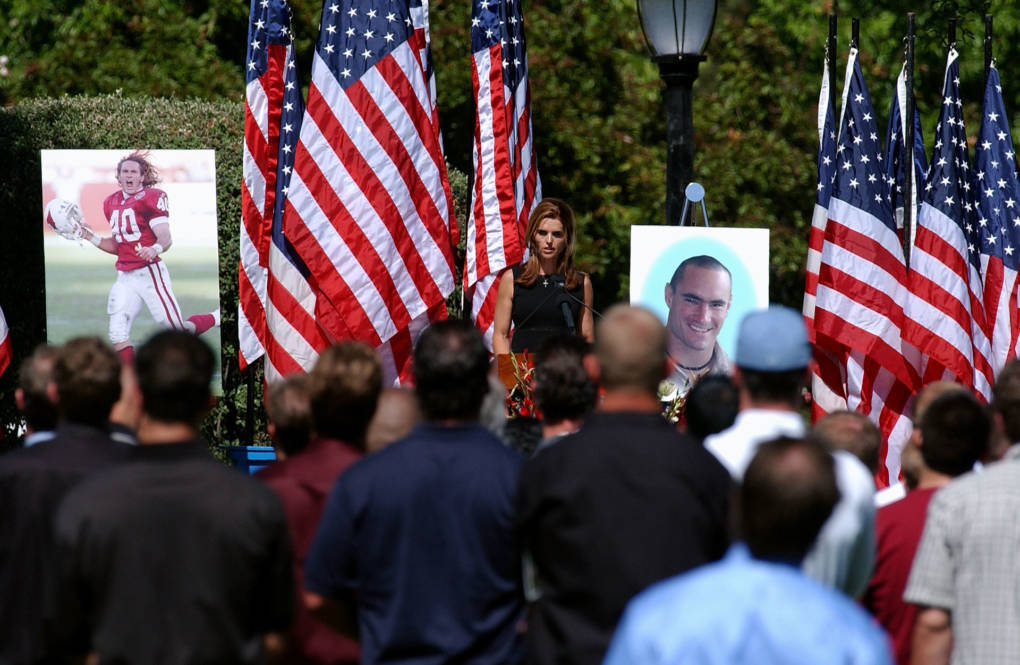
"caption": "Maria Shriver speaks at a May 2004 San Jose memorial service held by the family of Cpl. Pat Tillman, who was killed in action in Afghanistan on April 22, 2004. Tillman turned down a lucrative NFL contract to serve as a U.S. Army Ranger. ",
"description": null,
"title": "Public Memorial Service For Cpl. Pat Tillman",
"credit": "David Paul Morris/Getty Images",
"status": "inherit",
"isLoading": false,
"fetchFailed": false
},
"news_11353699": {
"type": "attachments",
"id": "news_11353699",
"meta": {
"index": "attachments_1716263798",
"site": "news",
"id": "11353699",
"found": true
},
"parent": 11353126,
"imgSizes": {
"small": {
"file": "https://ww2.kqed.org/app/uploads/sites/10/2017/03/Sulyman-3-520x385.jpg",
"width": 520,
"mimeType": "image/jpeg",
"height": 385
},
"twentyfourteen-full-width": {
"file": "https://ww2.kqed.org/app/uploads/sites/10/2017/03/Sulyman-3-1038x576.jpg",
"width": 1038,
"mimeType": "image/jpeg",
"height": 576
},
"thumbnail": {
"file": "https://ww2.kqed.org/app/uploads/sites/10/2017/03/Sulyman-3-160x119.jpg",
"width": 160,
"mimeType": "image/jpeg",
"height": 119
},
"fd-sm": {
"file": "https://ww2.kqed.org/app/uploads/sites/10/2017/03/Sulyman-3-960x711.jpg",
"width": 960,
"mimeType": "image/jpeg",
"height": 711
},
"post-thumbnail": {
"file": "https://ww2.kqed.org/app/uploads/sites/10/2017/03/Sulyman-3-672x372.jpg",
"width": 672,
"mimeType": "image/jpeg",
"height": 372
},
"xsmall": {
"file": "https://ww2.kqed.org/app/uploads/sites/10/2017/03/Sulyman-3-375x278.jpg",
"width": 375,
"mimeType": "image/jpeg",
"height": 278
},
"kqedFullSize": {
"file": "https://ww2.kqed.org/app/uploads/sites/10/2017/03/Sulyman-3.jpg",
"width": 1920,
"height": 1422
},
"large": {
"file": "https://ww2.kqed.org/app/uploads/sites/10/2017/03/Sulyman-3-1020x755.jpg",
"width": 1020,
"mimeType": "image/jpeg",
"height": 755
},
"xlarge": {
"file": "https://ww2.kqed.org/app/uploads/sites/10/2017/03/Sulyman-3-1180x874.jpg",
"width": 1180,
"mimeType": "image/jpeg",
"height": 874
},
"guest-author-50": {
"file": "https://ww2.kqed.org/app/uploads/sites/10/2017/03/Sulyman-3-50x50.jpg",
"width": 50,
"mimeType": "image/jpeg",
"height": 50
},
"guest-author-96": {
"file": "https://ww2.kqed.org/app/uploads/sites/10/2017/03/Sulyman-3-96x96.jpg",
"width": 96,
"mimeType": "image/jpeg",
"height": 96
},
"medium": {
"file": "https://ww2.kqed.org/app/uploads/sites/10/2017/03/Sulyman-3-800x593.jpg",
"width": 800,
"mimeType": "image/jpeg",
"height": 593
},
"guest-author-64": {
"file": "https://ww2.kqed.org/app/uploads/sites/10/2017/03/Sulyman-3-64x64.jpg",
"width": 64,
"mimeType": "image/jpeg",
"height": 64
},
"guest-author-32": {
"file": "https://ww2.kqed.org/app/uploads/sites/10/2017/03/Sulyman-3-32x32.jpg",
"width": 32,
"mimeType": "image/jpeg",
"height": 32
},
"fd-lrg": {
"file": "https://ww2.kqed.org/app/uploads/sites/10/2017/03/Sulyman-3-1920x1422.jpg",
"width": 1920,
"mimeType": "image/jpeg",
"height": 1422
},
"fd-med": {
"file": "https://ww2.kqed.org/app/uploads/sites/10/2017/03/Sulyman-3-1180x874.jpg",
"width": 1180,
"mimeType": "image/jpeg",
"height": 874
},
"full-width": {
"file": "https://ww2.kqed.org/app/uploads/sites/10/2017/03/Sulyman-3-1920x1422.jpg",
"width": 1920,
"mimeType": "image/jpeg",
"height": 1422
},
"detail": {
"file": "https://ww2.kqed.org/app/uploads/sites/10/2017/03/Sulyman-3-150x150.jpg",
"width": 150,
"mimeType": "image/jpeg",
"height": 150
},
"guest-author-128": {
"file": "https://ww2.kqed.org/app/uploads/sites/10/2017/03/Sulyman-3-128x128.jpg",
"width": 128,
"mimeType": "image/jpeg",
"height": 128
},
"xxsmall": {
"file": "https://ww2.kqed.org/app/uploads/sites/10/2017/03/Sulyman-3-240x178.jpg",
"width": 240,
"mimeType": "image/jpeg",
"height": 178
}
},
"publishDate": 1489197100,
"modified": 1489197129,
"caption": "Sulyman Qardash is the lead singer and guitarist of Afghanistan's first rock band, Kabul Dreams. The band is now based in Oakland.",
"description": "Sulyman Qardash is the lead singer and guitarist of Afghanistan's first rock band, Kabul Dreams. The band is now based in Oakland.",
"title": "Sulyman",
"credit": null,
"status": "inherit",
"isLoading": false,
"fetchFailed": false
},
"news_11307377": {
"type": "attachments",
"id": "news_11307377",
"meta": {
"index": "attachments_1716263798",
"site": "news",
"id": "11307377",
"found": true
},
"parent": 11299749,
"imgSizes": {
"small": {
"file": "https://ww2.kqed.org/app/uploads/sites/10/2017/02/RS24213_20170208_QismatAmin_Credit_BertJohnson-2-qut-520x347.jpg",
"width": 520,
"mimeType": "image/jpeg",
"height": 347
},
"twentyfourteen-full-width": {
"file": "https://ww2.kqed.org/app/uploads/sites/10/2017/02/RS24213_20170208_QismatAmin_Credit_BertJohnson-2-qut-1038x576.jpg",
"width": 1038,
"mimeType": "image/jpeg",
"height": 576
},
"thumbnail": {
"file": "https://ww2.kqed.org/app/uploads/sites/10/2017/02/RS24213_20170208_QismatAmin_Credit_BertJohnson-2-qut-160x107.jpg",
"width": 160,
"mimeType": "image/jpeg",
"height": 107
},
"fd-sm": {
"file": "https://ww2.kqed.org/app/uploads/sites/10/2017/02/RS24213_20170208_QismatAmin_Credit_BertJohnson-2-qut-960x640.jpg",
"width": 960,
"mimeType": "image/jpeg",
"height": 640
},
"post-thumbnail": {
"file": "https://ww2.kqed.org/app/uploads/sites/10/2017/02/RS24213_20170208_QismatAmin_Credit_BertJohnson-2-qut-672x372.jpg",
"width": 672,
"mimeType": "image/jpeg",
"height": 372
},
"xsmall": {
"file": "https://ww2.kqed.org/app/uploads/sites/10/2017/02/RS24213_20170208_QismatAmin_Credit_BertJohnson-2-qut-375x250.jpg",
"width": 375,
"mimeType": "image/jpeg",
"height": 250
},
"kqedFullSize": {
"file": "https://ww2.kqed.org/app/uploads/sites/10/2017/02/RS24213_20170208_QismatAmin_Credit_BertJohnson-2-qut.jpg",
"width": 1920,
"height": 1280
},
"large": {
"file": "https://ww2.kqed.org/app/uploads/sites/10/2017/02/RS24213_20170208_QismatAmin_Credit_BertJohnson-2-qut-1020x680.jpg",
"width": 1020,
"mimeType": "image/jpeg",
"height": 680
},
"xlarge": {
"file": "https://ww2.kqed.org/app/uploads/sites/10/2017/02/RS24213_20170208_QismatAmin_Credit_BertJohnson-2-qut-1180x787.jpg",
"width": 1180,
"mimeType": "image/jpeg",
"height": 787
},
"guest-author-50": {
"file": "https://ww2.kqed.org/app/uploads/sites/10/2017/02/RS24213_20170208_QismatAmin_Credit_BertJohnson-2-qut-50x50.jpg",
"width": 50,
"mimeType": "image/jpeg",
"height": 50
},
"guest-author-96": {
"file": "https://ww2.kqed.org/app/uploads/sites/10/2017/02/RS24213_20170208_QismatAmin_Credit_BertJohnson-2-qut-96x96.jpg",
"width": 96,
"mimeType": "image/jpeg",
"height": 96
},
"medium": {
"file": "https://ww2.kqed.org/app/uploads/sites/10/2017/02/RS24213_20170208_QismatAmin_Credit_BertJohnson-2-qut-800x533.jpg",
"width": 800,
"mimeType": "image/jpeg",
"height": 533
},
"guest-author-64": {
"file": "https://ww2.kqed.org/app/uploads/sites/10/2017/02/RS24213_20170208_QismatAmin_Credit_BertJohnson-2-qut-64x64.jpg",
"width": 64,
"mimeType": "image/jpeg",
"height": 64
},
"guest-author-32": {
"file": "https://ww2.kqed.org/app/uploads/sites/10/2017/02/RS24213_20170208_QismatAmin_Credit_BertJohnson-2-qut-32x32.jpg",
"width": 32,
"mimeType": "image/jpeg",
"height": 32
},
"fd-lrg": {
"file": "https://ww2.kqed.org/app/uploads/sites/10/2017/02/RS24213_20170208_QismatAmin_Credit_BertJohnson-2-qut-1920x1280.jpg",
"width": 1920,
"mimeType": "image/jpeg",
"height": 1280
},
"fd-med": {
"file": "https://ww2.kqed.org/app/uploads/sites/10/2017/02/RS24213_20170208_QismatAmin_Credit_BertJohnson-2-qut-1180x787.jpg",
"width": 1180,
"mimeType": "image/jpeg",
"height": 787
},
"full-width": {
"file": "https://ww2.kqed.org/app/uploads/sites/10/2017/02/RS24213_20170208_QismatAmin_Credit_BertJohnson-2-qut-1920x1280.jpg",
"width": 1920,
"mimeType": "image/jpeg",
"height": 1280
},
"detail": {
"file": "https://ww2.kqed.org/app/uploads/sites/10/2017/02/RS24213_20170208_QismatAmin_Credit_BertJohnson-2-qut-150x150.jpg",
"width": 150,
"mimeType": "image/jpeg",
"height": 150
},
"guest-author-128": {
"file": "https://ww2.kqed.org/app/uploads/sites/10/2017/02/RS24213_20170208_QismatAmin_Credit_BertJohnson-2-qut-128x128.jpg",
"width": 128,
"mimeType": "image/jpeg",
"height": 128
},
"xxsmall": {
"file": "https://ww2.kqed.org/app/uploads/sites/10/2017/02/RS24213_20170208_QismatAmin_Credit_BertJohnson-2-qut-240x160.jpg",
"width": 240,
"mimeType": "image/jpeg",
"height": 160
}
},
"publishDate": 1486585889,
"modified": 1486670370,
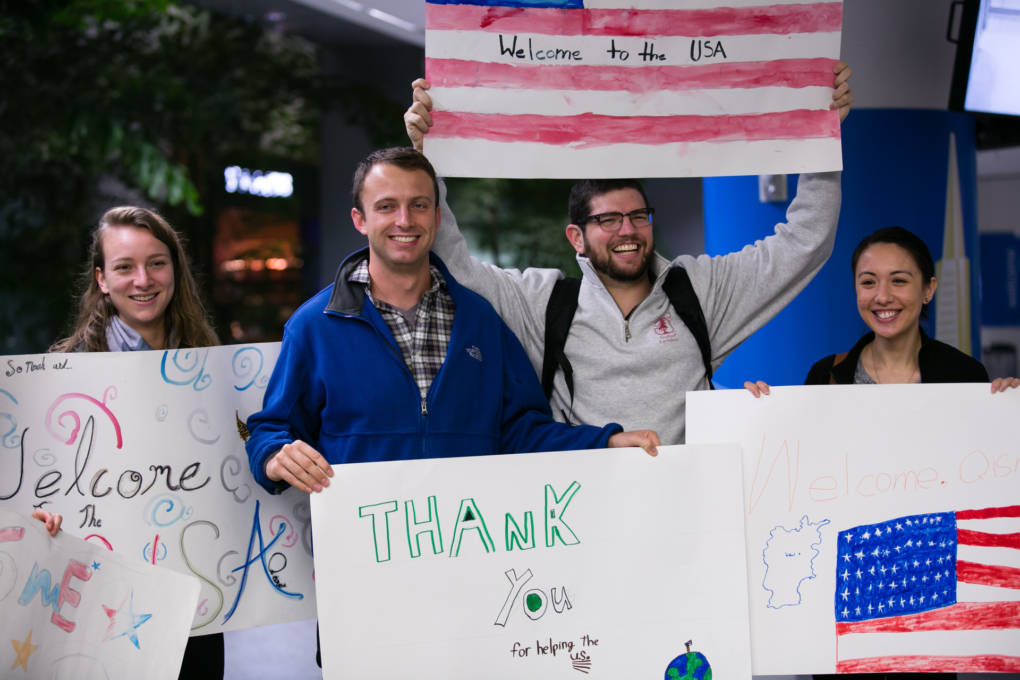
"caption": "Matt Ball (in blue sweater) and friends on Feb. 8, 2017, greet Qismat Amin, an interpreter who worked with the U.S. military in Afghanistan. ",
"description": null,
"title": "RS24213_20170208_QismatAmin_Credit_BertJohnson-2-qut",
"credit": "Bert Johnson/KQED",
"status": "inherit",
"isLoading": false,
"fetchFailed": false
},
"news_11143850": {
"type": "attachments",
"id": "news_11143850",
"meta": {
"index": "attachments_1716263798",
"site": "news",
"id": "11143850",
"found": true
},
"parent": 11143844,
"imgSizes": {
"small": {
"file": "https://ww2.kqed.org/app/uploads/sites/10/2016/10/CaNatGuard-520x320.jpg",
"width": 520,
"mimeType": "image/jpeg",
"height": 320
},
"twentyfourteen-full-width": {
"file": "https://ww2.kqed.org/app/uploads/sites/10/2016/10/CaNatGuard-1038x576.jpg",
"width": 1038,
"mimeType": "image/jpeg",
"height": 576
},
"thumbnail": {
"file": "https://ww2.kqed.org/app/uploads/sites/10/2016/10/CaNatGuard-160x99.jpg",
"width": 160,
"mimeType": "image/jpeg",
"height": 99
},
"fd-sm": {
"file": "https://ww2.kqed.org/app/uploads/sites/10/2016/10/CaNatGuard-960x591.jpg",
"width": 960,
"mimeType": "image/jpeg",
"height": 591
},
"post-thumbnail": {
"file": "https://ww2.kqed.org/app/uploads/sites/10/2016/10/CaNatGuard-672x372.jpg",
"width": 672,
"mimeType": "image/jpeg",
"height": 372
},
"xsmall": {
"file": "https://ww2.kqed.org/app/uploads/sites/10/2016/10/CaNatGuard-375x231.jpg",
"width": 375,
"mimeType": "image/jpeg",
"height": 231
},
"kqedFullSize": {
"file": "https://ww2.kqed.org/app/uploads/sites/10/2016/10/CaNatGuard.jpg",
"width": 1920,
"height": 1182
},
"large": {
"file": "https://ww2.kqed.org/app/uploads/sites/10/2016/10/CaNatGuard-1020x628.jpg",
"width": 1020,
"mimeType": "image/jpeg",
"height": 628
},
"xlarge": {
"file": "https://ww2.kqed.org/app/uploads/sites/10/2016/10/CaNatGuard-1180x726.jpg",
"width": 1180,
"mimeType": "image/jpeg",
"height": 726
},
"guest-author-50": {
"file": "https://ww2.kqed.org/app/uploads/sites/10/2016/10/CaNatGuard-50x50.jpg",
"width": 50,
"mimeType": "image/jpeg",
"height": 50
},
"guest-author-96": {
"file": "https://ww2.kqed.org/app/uploads/sites/10/2016/10/CaNatGuard-96x96.jpg",
"width": 96,
"mimeType": "image/jpeg",
"height": 96
},
"medium": {
"file": "https://ww2.kqed.org/app/uploads/sites/10/2016/10/CaNatGuard-800x493.jpg",
"width": 800,
"mimeType": "image/jpeg",
"height": 493
},
"guest-author-64": {
"file": "https://ww2.kqed.org/app/uploads/sites/10/2016/10/CaNatGuard-64x64.jpg",
"width": 64,
"mimeType": "image/jpeg",
"height": 64
},
"guest-author-32": {
"file": "https://ww2.kqed.org/app/uploads/sites/10/2016/10/CaNatGuard-32x32.jpg",
"width": 32,
"mimeType": "image/jpeg",
"height": 32
},
"jmtc-small-thumb": {
"file": "https://ww2.kqed.org/app/uploads/sites/10/2016/10/CaNatGuard-280x150.jpg",
"width": 280,
"mimeType": "image/jpeg",
"height": 150
},
"fd-lrg": {
"file": "https://ww2.kqed.org/app/uploads/sites/10/2016/10/CaNatGuard-1920x1182.jpg",
"width": 1920,
"mimeType": "image/jpeg",
"height": 1182
},
"fd-med": {
"file": "https://ww2.kqed.org/app/uploads/sites/10/2016/10/CaNatGuard-1180x726.jpg",
"width": 1180,
"mimeType": "image/jpeg",
"height": 726
},
"full-width": {
"file": "https://ww2.kqed.org/app/uploads/sites/10/2016/10/CaNatGuard-1920x1182.jpg",
"width": 1920,
"mimeType": "image/jpeg",
"height": 1182
},
"detail": {
"file": "https://ww2.kqed.org/app/uploads/sites/10/2016/10/CaNatGuard-150x150.jpg",
"width": 150,
"mimeType": "image/jpeg",
"height": 150
},
"guest-author-128": {
"file": "https://ww2.kqed.org/app/uploads/sites/10/2016/10/CaNatGuard-128x128.jpg",
"width": 128,
"mimeType": "image/jpeg",
"height": 128
},
"xxsmall": {
"file": "https://ww2.kqed.org/app/uploads/sites/10/2016/10/CaNatGuard-240x148.jpg",
"width": 240,
"mimeType": "image/jpeg",
"height": 148
}
},
"publishDate": 1477333581,
"modified": 1477344870,
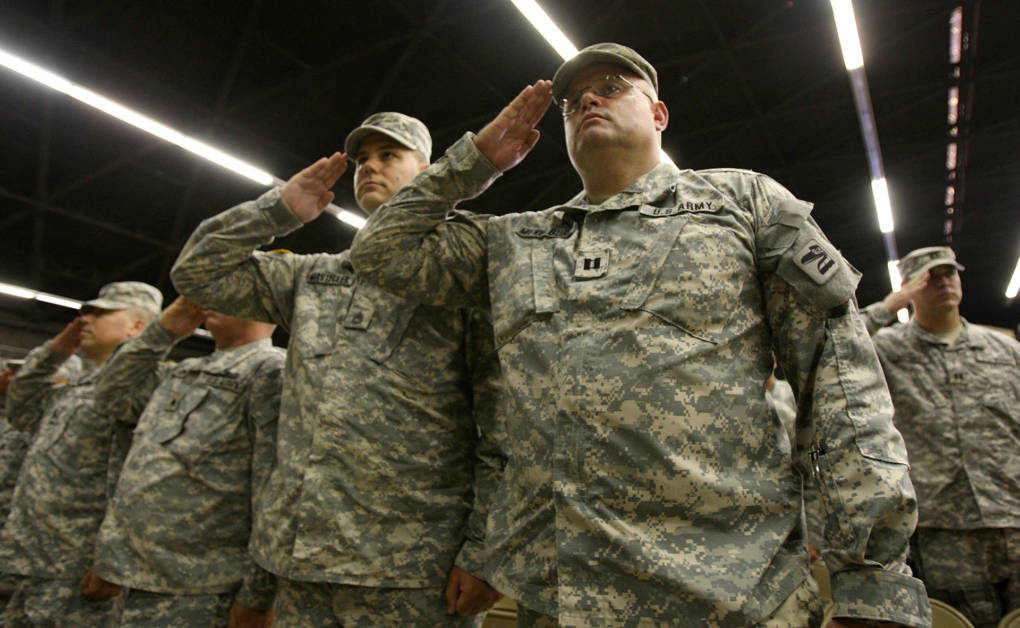
"caption": "Soldiers attend a farewell ceremony for about 850 California National Guardsmen from the 1st Battalion on Aug. 22, 2008, in San Bernardino. The soldiers were on their way to a yearlong deployment to Iraq.",
"description": "Soldiers attend a farewell ceremony for about 850 California National Guardsmen from the 1st Battalion on August 22, 2008 in San Bernardino. The soldiers were on their way to a year-long deployment to Iraq.",
"title": "CaNatGuard",
"credit": "David McNew/Getty Images",
"status": "inherit",
"isLoading": false,
"fetchFailed": false
},
"news_10980120": {
"type": "attachments",
"id": "news_10980120",
"meta": {
"index": "attachments_1716263798",
"site": "news",
"id": "10980120",
"found": true
},
"parent": 10980118,
"imgSizes": {
"twentyfourteen-full-width": {
"file": "https://ww2.kqed.org/app/uploads/sites/10/2016/06/50_custom-9b5375d268232680af5c20ad8e1ab13d78cd2cfb-1038x576.jpg",
"width": 1038,
"mimeType": "image/jpeg",
"height": 576
},
"thumbnail": {
"file": "https://ww2.kqed.org/app/uploads/sites/10/2016/06/50_custom-9b5375d268232680af5c20ad8e1ab13d78cd2cfb-400x267.jpg",
"width": 400,
"mimeType": "image/jpeg",
"height": 267
},
"fd-sm": {
"file": "https://ww2.kqed.org/app/uploads/sites/10/2016/06/50_custom-9b5375d268232680af5c20ad8e1ab13d78cd2cfb-960x640.jpg",
"width": 960,
"mimeType": "image/jpeg",
"height": 640
},
"post-thumbnail": {
"file": "https://ww2.kqed.org/app/uploads/sites/10/2016/06/50_custom-9b5375d268232680af5c20ad8e1ab13d78cd2cfb-672x372.jpg",
"width": 672,
"mimeType": "image/jpeg",
"height": 372
},
"kqedFullSize": {
"file": "https://ww2.kqed.org/app/uploads/sites/10/2016/06/50_custom-9b5375d268232680af5c20ad8e1ab13d78cd2cfb-e1465228529750.jpg",
"width": 1920,
"height": 1280
},
"large": {
"file": "https://ww2.kqed.org/app/uploads/sites/10/2016/06/50_custom-9b5375d268232680af5c20ad8e1ab13d78cd2cfb-1920x1280.jpg",
"width": 1920,
"mimeType": "image/jpeg",
"height": 1280
},
"guest-author-50": {
"file": "https://ww2.kqed.org/app/uploads/sites/10/2016/06/50_custom-9b5375d268232680af5c20ad8e1ab13d78cd2cfb-50x50.jpg",
"width": 50,
"mimeType": "image/jpeg",
"height": 50
},
"guest-author-96": {
"file": "https://ww2.kqed.org/app/uploads/sites/10/2016/06/50_custom-9b5375d268232680af5c20ad8e1ab13d78cd2cfb-96x96.jpg",
"width": 96,
"mimeType": "image/jpeg",
"height": 96
},
"medium": {
"file": "https://ww2.kqed.org/app/uploads/sites/10/2016/06/50_custom-9b5375d268232680af5c20ad8e1ab13d78cd2cfb-800x533.jpg",
"width": 800,
"mimeType": "image/jpeg",
"height": 533
},
"guest-author-64": {
"file": "https://ww2.kqed.org/app/uploads/sites/10/2016/06/50_custom-9b5375d268232680af5c20ad8e1ab13d78cd2cfb-64x64.jpg",
"width": 64,
"mimeType": "image/jpeg",
"height": 64
},
"guest-author-32": {
"file": "https://ww2.kqed.org/app/uploads/sites/10/2016/06/50_custom-9b5375d268232680af5c20ad8e1ab13d78cd2cfb-32x32.jpg",
"width": 32,
"mimeType": "image/jpeg",
"height": 32
},
"jmtc-small-thumb": {
"file": "https://ww2.kqed.org/app/uploads/sites/10/2016/06/50_custom-9b5375d268232680af5c20ad8e1ab13d78cd2cfb-280x150.jpg",
"width": 280,
"mimeType": "image/jpeg",
"height": 150
},
"fd-lrg": {
"file": "https://ww2.kqed.org/app/uploads/sites/10/2016/06/50_custom-9b5375d268232680af5c20ad8e1ab13d78cd2cfb-1920x1280.jpg",
"width": 1920,
"mimeType": "image/jpeg",
"height": 1280
},
"fd-med": {
"file": "https://ww2.kqed.org/app/uploads/sites/10/2016/06/50_custom-9b5375d268232680af5c20ad8e1ab13d78cd2cfb-1180x787.jpg",
"width": 1180,
"mimeType": "image/jpeg",
"height": 787
},
"detail": {
"file": "https://ww2.kqed.org/app/uploads/sites/10/2016/06/50_custom-9b5375d268232680af5c20ad8e1ab13d78cd2cfb-150x150.jpg",
"width": 150,
"mimeType": "image/jpeg",
"height": 150
},
"guest-author-128": {
"file": "https://ww2.kqed.org/app/uploads/sites/10/2016/06/50_custom-9b5375d268232680af5c20ad8e1ab13d78cd2cfb-128x128.jpg",
"width": 128,
"mimeType": "image/jpeg",
"height": 128
}
},
"publishDate": 1465227746,
"modified": 1465228535,
"caption": "A girl stands in the middle of a poppy field as Marines pass by on patrol. From the story \"In Afghanistan, Flowers Call The Shots,\" 2011.",
"description": "A girl stands in the middle of a poppy field as Marines pass by on patrol. \u003cem>From the story \"\u003ca href=\"http://www.npr.org/sections/pictureshow/2011/05/13/136213445/in-afghanistan-flowers-call-the-shots\" target=\"_blank\">In Afghanistan, Flowers Call The Shots\u003c/a>,\" 2011.\u003c/em>",
"title": "Gilkey-Afghanistan",
"credit": "David Gilkey/NPR",
"status": "inherit",
"isLoading": false,
"fetchFailed": false
},
"news_10979265": {
"type": "attachments",
"id": "news_10979265",
"meta": {
"index": "attachments_1716263798",
"site": "news",
"id": "10979265",
"found": true
},
"parent": 10979254,
"imgSizes": {
"twentyfourteen-full-width": {
"file": "https://ww2.kqed.org/app/uploads/sites/10/2016/06/david-gilkey-npr-photographer-at-kandahar-airfield-afghanistan-on-may-29-2016.jpg_custom-df6a1657abfe49d01676acb71de8e2aca90e767d-1038x576.jpe",
"width": 1038,
"mimeType": "image/jpeg",
"height": 576
},
"thumbnail": {
"file": "https://ww2.kqed.org/app/uploads/sites/10/2016/06/david-gilkey-npr-photographer-at-kandahar-airfield-afghanistan-on-may-29-2016.jpg_custom-df6a1657abfe49d01676acb71de8e2aca90e767d-400x264.jpe",
"width": 400,
"mimeType": "image/jpeg",
"height": 264
},
"fd-sm": {
"file": "https://ww2.kqed.org/app/uploads/sites/10/2016/06/david-gilkey-npr-photographer-at-kandahar-airfield-afghanistan-on-may-29-2016.jpg_custom-df6a1657abfe49d01676acb71de8e2aca90e767d-960x633.jpe",
"width": 960,
"mimeType": "image/jpeg",
"height": 633
},
"post-thumbnail": {
"file": "https://ww2.kqed.org/app/uploads/sites/10/2016/06/david-gilkey-npr-photographer-at-kandahar-airfield-afghanistan-on-may-29-2016.jpg_custom-df6a1657abfe49d01676acb71de8e2aca90e767d-672x372.jpe",
"width": 672,
"mimeType": "image/jpeg",
"height": 372
},
"kqedFullSize": {
"file": "https://ww2.kqed.org/app/uploads/sites/10/2016/06/david-gilkey-npr-photographer-at-kandahar-airfield-afghanistan-on-may-29-2016.jpg_custom-df6a1657abfe49d01676acb71de8e2aca90e767d-e1465165639215.jpe",
"width": 1920,
"height": 1265
},
"large": {
"file": "https://ww2.kqed.org/app/uploads/sites/10/2016/06/david-gilkey-npr-photographer-at-kandahar-airfield-afghanistan-on-may-29-2016.jpg_custom-df6a1657abfe49d01676acb71de8e2aca90e767d-1920x1265.jpe",
"width": 1920,
"mimeType": "image/jpeg",
"height": 1265
},
"guest-author-50": {
"file": "https://ww2.kqed.org/app/uploads/sites/10/2016/06/david-gilkey-npr-photographer-at-kandahar-airfield-afghanistan-on-may-29-2016.jpg_custom-df6a1657abfe49d01676acb71de8e2aca90e767d-50x50.jpe",
"width": 50,
"mimeType": "image/jpeg",
"height": 50
},
"guest-author-96": {
"file": "https://ww2.kqed.org/app/uploads/sites/10/2016/06/david-gilkey-npr-photographer-at-kandahar-airfield-afghanistan-on-may-29-2016.jpg_custom-df6a1657abfe49d01676acb71de8e2aca90e767d-96x96.jpe",
"width": 96,
"mimeType": "image/jpeg",
"height": 96
},
"medium": {
"file": "https://ww2.kqed.org/app/uploads/sites/10/2016/06/david-gilkey-npr-photographer-at-kandahar-airfield-afghanistan-on-may-29-2016.jpg_custom-df6a1657abfe49d01676acb71de8e2aca90e767d-800x527.jpe",
"width": 800,
"mimeType": "image/jpeg",
"height": 527
},
"guest-author-64": {
"file": "https://ww2.kqed.org/app/uploads/sites/10/2016/06/david-gilkey-npr-photographer-at-kandahar-airfield-afghanistan-on-may-29-2016.jpg_custom-df6a1657abfe49d01676acb71de8e2aca90e767d-64x64.jpe",
"width": 64,
"mimeType": "image/jpeg",
"height": 64
},
"guest-author-32": {
"file": "https://ww2.kqed.org/app/uploads/sites/10/2016/06/david-gilkey-npr-photographer-at-kandahar-airfield-afghanistan-on-may-29-2016.jpg_custom-df6a1657abfe49d01676acb71de8e2aca90e767d-32x32.jpe",
"width": 32,
"mimeType": "image/jpeg",
"height": 32
},
"jmtc-small-thumb": {
"file": "https://ww2.kqed.org/app/uploads/sites/10/2016/06/david-gilkey-npr-photographer-at-kandahar-airfield-afghanistan-on-may-29-2016.jpg_custom-df6a1657abfe49d01676acb71de8e2aca90e767d-280x150.jpe",
"width": 280,
"mimeType": "image/jpeg",
"height": 150
},
"fd-lrg": {
"file": "https://ww2.kqed.org/app/uploads/sites/10/2016/06/david-gilkey-npr-photographer-at-kandahar-airfield-afghanistan-on-may-29-2016.jpg_custom-df6a1657abfe49d01676acb71de8e2aca90e767d-1920x1265.jpe",
"width": 1920,
"mimeType": "image/jpeg",
"height": 1265
},
"fd-med": {
"file": "https://ww2.kqed.org/app/uploads/sites/10/2016/06/david-gilkey-npr-photographer-at-kandahar-airfield-afghanistan-on-may-29-2016.jpg_custom-df6a1657abfe49d01676acb71de8e2aca90e767d-1180x778.jpe",
"width": 1180,
"mimeType": "image/jpeg",
"height": 778
},
"detail": {
"file": "https://ww2.kqed.org/app/uploads/sites/10/2016/06/david-gilkey-npr-photographer-at-kandahar-airfield-afghanistan-on-may-29-2016.jpg_custom-df6a1657abfe49d01676acb71de8e2aca90e767d-150x150.jpe",
"width": 150,
"mimeType": "image/jpeg",
"height": 150
},
"guest-author-128": {
"file": "https://ww2.kqed.org/app/uploads/sites/10/2016/06/david-gilkey-npr-photographer-at-kandahar-airfield-afghanistan-on-may-29-2016.jpg_custom-df6a1657abfe49d01676acb71de8e2aca90e767d-128x128.jpe",
"width": 128,
"mimeType": "image/jpeg",
"height": 128
}
},
"publishDate": 1465165584,
"modified": 1465165687,
"caption": "NPR photographer David Gilkey at Kandahar Airfield, Afghanistan, on May 29, 2016.",
"description": "NPR photographer David Gilkey at Kandahar Airfield, Afghanistan, on May 29, 2016.",
"title": "David Gilkey-NPR-Afghanistan",
"credit": "Michael M. Phillips/The Wall Street Journal",
"status": "inherit",
"isLoading": false,
"fetchFailed": false
}
},
"audioPlayerReducer": {
"postId": "stream_live",
"isPaused": true,
"isPlaying": false,
"pfsActive": false,
"pledgeModalIsOpen": true,
"playerDrawerIsOpen": false,
"liveAudioPlayStartedAt": 0,
"liveAudioPlayContext": ""
},
"authorsReducer": {
"byline_news_11682562": {
"type": "authors",
"id": "byline_news_11682562",
"meta": {
"override": true
},
"slug": "byline_news_11682562",
"name": "\u003cstrong>\u003ca href=\"https://calmatters.org/articles/author/matt-levin/\">Matt Levin\u003c/a>\u003c/strong>",
"isLoading": false
},
"byline_news_11619111": {
"type": "authors",
"id": "byline_news_11619111",
"meta": {
"override": true
},
"slug": "byline_news_11619111",
"name": "Scott Neuman",
"isLoading": false
},
"byline_news_11143844": {
"type": "authors",
"id": "byline_news_11143844",
"meta": {
"override": true
},
"slug": "byline_news_11143844",
"name": "Bill Chappell",
"isLoading": false
},
"byline_news_10980118": {
"type": "authors",
"id": "byline_news_10980118",
"meta": {
"override": true
},
"slug": "byline_news_10980118",
"name": "\u003cstrong>Ariel Zambelich\u003cbr />NPR\u003c/strong>",
"isLoading": false
},
"byline_news_10979254": {
"type": "authors",
"id": "byline_news_10979254",
"meta": {
"override": true
},
"slug": "byline_news_10979254",
"name": "\u003cstrong>Eyder Peralta\u003cbr />NPR\u003c/strong>",
"isLoading": false
},
"skalantari": {
"type": "authors",
"id": "46",
"meta": {
"index": "authors_1716337520",
"id": "46",
"found": true
},
"name": "Shuka Kalantari",
"firstName": "Shuka",
"lastName": "Kalantari",
"slug": "skalantari",
"email": "skalantari@kqed.org",
"display_author_email": false,
"staff_mastheads": [],
"title": "KQED Contributor",
"bio": "Shuka Kalantari is a Bay Area journalist reporting on health, food, culture and immigrant communities in California and internationally. She's reported for Public Radio International’s The World, BBC World News Service’s Outlook, Philosophy Talk, Vice Magazine. Shuka is also a frequent contributor to KQED Public Media. You can follow her \u003ca href=\"https://twitter.com/skalantari\">@skalantari\u003c/a> on Twitter and \u003ca href=\"https://instagram.com/skalantari/\">Instagram\u003c/a>.",
"avatar": "https://secure.gravatar.com/avatar/51d9608640bde16ba09124272a0c0f355429db1ebc29f1853b8d87aab1ae1753?s=600&d=blank&r=g",
"twitter": null,
"bluesky": null,
"facebook": null,
"instagram": null,
"linkedin": null,
"sites": [
{
"site": "news",
"roles": [
"subscriber"
]
},
{
"site": "bayareabites",
"roles": [
"subscriber"
]
},
{
"site": "stateofhealth",
"roles": [
"subscriber"
]
}
],
"headData": {
"title": "Shuka Kalantari | KQED",
"description": "KQED Contributor",
"ogImgSrc": "https://secure.gravatar.com/avatar/51d9608640bde16ba09124272a0c0f355429db1ebc29f1853b8d87aab1ae1753?s=600&d=blank&r=g",
"twImgSrc": "https://secure.gravatar.com/avatar/51d9608640bde16ba09124272a0c0f355429db1ebc29f1853b8d87aab1ae1753?s=600&d=blank&r=g"
},
"isLoading": false,
"link": "/author/skalantari"
},
"fjhabvala": {
"type": "authors",
"id": "8659",
"meta": {
"index": "authors_1716337520",
"id": "8659",
"found": true
},
"name": "Farida Jhabvala Romero",
"firstName": "Farida",
"lastName": "Jhabvala Romero",
"slug": "fjhabvala",
"email": "fjhabvala@kqed.org",
"display_author_email": true,
"staff_mastheads": [
"news"
],
"title": "KQED Contributor",
"bio": "Farida Jhabvala Romero is a Labor Correspondent for KQED. She previously covered immigration. Farida was \u003ca href=\"https://www.ccnma.org/2022-most-influential-latina-journalists\">named\u003c/a> one of the 10 Most Influential Latina Journalists in California in 2022 by the California Chicano News Media Association. Her work has won awards from the Society of Professional Journalists (Northern California), as well as a national and regional Edward M. Murrow Award for the collaborative reporting projects “Dangerous Air” and “Graying California.” Before joining KQED, Farida worked as a producer at Radio Bilingüe, a national public radio network. Farida earned her master’s degree in journalism from Stanford University.",
"avatar": "https://secure.gravatar.com/avatar/f9f022d4e2609741874222a1e9d41f48fea74011aa7c615eef91d9a50c944ebe?s=600&d=blank&r=g",
"twitter": "FaridaJhabvala",
"bluesky": null,
"facebook": null,
"instagram": null,
"linkedin": "https://www.linkedin.com/in/faridajhabvala/",
"sites": [
{
"site": "news",
"roles": [
"editor"
]
},
{
"site": "stateofhealth",
"roles": [
"author"
]
},
{
"site": "liveblog",
"roles": [
"author"
]
}
],
"headData": {
"title": "Farida Jhabvala Romero | KQED",
"description": "KQED Contributor",
"ogImgSrc": "https://secure.gravatar.com/avatar/f9f022d4e2609741874222a1e9d41f48fea74011aa7c615eef91d9a50c944ebe?s=600&d=blank&r=g",
"twImgSrc": "https://secure.gravatar.com/avatar/f9f022d4e2609741874222a1e9d41f48fea74011aa7c615eef91d9a50c944ebe?s=600&d=blank&r=g"
},
"isLoading": false,
"link": "/author/fjhabvala"
}
},
"pagesReducer": {
"news_tag_afghanistan": {
"type": "terms",
"id": "news_19537",
"meta": {
"index": "terms_1716263798",
"site": "news",
"id": "19537",
"score": 9.304556
},
"featImg": null,
"name": "Afghanistan",
"description": null,
"taxonomy": "tag",
"headData": {
"twImgId": null,
"twTitle": null,
"ogTitle": null,
"ogImgId": null,
"twDescription": null,
"description": null,
"title": "Afghanistan Archives | KQED News",
"ogDescription": null
},
"ttid": 19554,
"slug": "afghanistan",
"isLoading": false,
"title": "Afghanistan",
"pageMeta": {
"site": "news",
"WpPageTemplate": "page-topic-editorial",
"currentPage": 3
},
"blocks": [
{
"blockName": "kqed/post-list",
"attrs": {
"layout": "cardArticle2",
"query": "posts/news?tag=afghanistan",
"seeMore": false,
"paginated": true,
"page": 3
}
},
{
"blockName": "kqed/ad"
}
]
}
},
"pfsSessionReducer": {},
"postsReducer": {
"stream_live": {
"type": "live",
"id": "stream_live",
"audioUrl": "https://streams.kqed.org/kqedradio",
"title": "Live Stream",
"excerpt": "Live Stream information currently unavailable.",
"link": "/radio",
"featImg": "",
"label": {
"name": "KQED Live",
"link": "/"
}
},
"stream_kqedNewscast": {
"type": "posts",
"id": "stream_kqedNewscast",
"audioUrl": "https://www.kqed.org/.stream/anon/radio/RDnews/newscast.mp3?_=1",
"title": "KQED Newscast",
"featImg": "",
"label": {
"name": "88.5 FM",
"link": "/"
}
},
"news_11682562": {
"type": "posts",
"id": "news_11682562",
"meta": {
"index": "posts_1716263798",
"site": "news",
"id": "11682562",
"score": null,
"sort": [
1532610015000
]
},
"parent": 0,
"labelTerm": {},
"blocks": [],
"publishDate": 1532610015,
"format": "image",
"disqusTitle": "Fleeing War-Torn Homes for Crippling Rents — California's Housing Costs Create a Harsh Reality for Refugees",
"title": "Fleeing War-Torn Homes for Crippling Rents — California's Housing Costs Create a Harsh Reality for Refugees",
"headTitle": "The California Dream | The California Report | KQED News",
"content": "\u003cp>[dropcap]K[/dropcap]hisrow Jan has $800 in the bank. Rent is $1,850, and was due four days ago. He’s late with his payment, again.\u003c/p>\n\u003cp>While Jan gets ready for work — driving an Uber in San Francisco for the next 12 hours — his 4-year-old daughter, Shukula, barricades the front door of their two-bedroom apartment in Antioch, a far-flung Bay Area suburb east of Oakland.\u003c/p>\n\u003cp>“I need to work. Need to make some money,” Jan, 34, playfully tells his daughter. “No, you cannot,” replies Shukula, an impish smile spreading across her face.\u003c/p>\n\u003cp>“Look buddy,” says Jan. “I got to go, get some money, and buy you a dress.”\u003c/p>\n\u003cp>That satisfies Shukula. She and the rest of Jan’s family — 9-year-old Sameera, 5-year old Mirwais and 9-month-old Wais, carried by his mother — follow Jan out to his car. He’ll be back at 2 or 3 a.m., long after his kids have fallen asleep.\u003c/p>\n\u003cp>[ad fullwidth]\u003c/p>\n\u003cp>When Jan and his family fled Afghanistan in 2015, he knew adjusting to a new life in California wasn’t going to be easy. His wife speaks very little English, and even after working as an interpreter with U.S. troops, his job prospects were limited.\u003c/p>\n\u003cp>But he never dreamed California was going to be this expensive.\u003c/p>\n\u003cp>The state’s skyrocketing housing costs have created a harsh new reality for refugees on the ground, many of which are going to extraordinary lengths just to afford rent. The cost of living has increased so much in recent years that refugee resettlement agencies working in California are rethinking their strategies for relocating clients — and whether the state is a good fit for some refugees in the first place.\u003c/p>\n\u003cp>“I heard a lot about California out there in Afghanistan,” says Jan, who embedded with American soldiers from the Bay Area and other parts of the state. “They were saying California is nice. But trust me, I didn’t know anything about the rent and all these bills.\"\u003c/p>\n\u003cfigure id=\"attachment_11682648\" class=\"wp-caption aligncenter\" style=\"max-width: 800px\">\u003cimg class=\"size-medium wp-image-11682648\" src=\"https://ww2.kqed.org/news/wp-content/uploads/sites/10/2018/07/FamilyDinner-800x571.jpg\" alt=\"Khisrow Jan, a refugee from Afghanistan, lives in a cramped apartment in Antioch with his wife and their four children. He drives an Uber more than 70 hours a week to make ends meet.\" width=\"800\" height=\"571\" srcset=\"https://ww2.kqed.org/app/uploads/sites/10/2018/07/FamilyDinner-800x571.jpg 800w, https://ww2.kqed.org/app/uploads/sites/10/2018/07/FamilyDinner-160x114.jpg 160w, https://ww2.kqed.org/app/uploads/sites/10/2018/07/FamilyDinner-1020x728.jpg 1020w, https://ww2.kqed.org/app/uploads/sites/10/2018/07/FamilyDinner-1200x856.jpg 1200w, https://ww2.kqed.org/app/uploads/sites/10/2018/07/FamilyDinner.jpg 1920w, https://ww2.kqed.org/app/uploads/sites/10/2018/07/FamilyDinner-1180x842.jpg 1180w, https://ww2.kqed.org/app/uploads/sites/10/2018/07/FamilyDinner-960x685.jpg 960w, https://ww2.kqed.org/app/uploads/sites/10/2018/07/FamilyDinner-240x171.jpg 240w, https://ww2.kqed.org/app/uploads/sites/10/2018/07/FamilyDinner-375x268.jpg 375w, https://ww2.kqed.org/app/uploads/sites/10/2018/07/FamilyDinner-520x371.jpg 520w\" sizes=\"(max-width: 800px) 100vw, 800px\">\u003cfigcaption class=\"wp-caption-text\">Khisrow Jan, a refugee from Afghanistan, lives in a cramped apartment in Antioch with his wife and their four children. He drives an Uber more than 70 hours a week to make ends meet. \u003ccite>(Robbie Short/CALmatters)\u003c/cite>\u003c/figcaption>\u003c/figure>\n\u003cp>California has long been a landing spot for refugees like Jan. Waves of Vietnamese, Iranian, Central American and other immigrants have resettled here over the past few decades, escaping persecution and turmoil in their home countries. More than \u003ca href=\"http://www.cdss.ca.gov/Portals/9/Refugee/Arrivals/arrivals_by_county_and_year_since_1975.pdf?ver=2018-05-23-154958-877\">700,000 refugees\u003c/a> have come to California since the mid-1970s, including more than 30,000 in the last five years, according to state statistics.\u003c/p>\n\u003cp>That history is partly why so many Californians pride themselves on their welcoming attitude toward newcomers displaced from their native countries. While refugee arrivals dipped dramatically last year under new Trump administration policies, the state’s progressive political leadership has \u003ca href=\"http://www.latimes.com/politics/essential/la-pol-ca-essential-politics-updates-california-state-senate-passes-1485824122-htmlstory.html\">repeatedly branded\u003c/a> California as the refugee-friendly antidote to Trump, challenging the president’s actions to reduce refugee admissions and passing a “California Welcomes Refugees” legislative package last year.\u003c/p>\n\u003cp>But Californians’ welcoming attitude only goes so far.\u003c/p>\n\u003cp>\"This is a really hard place to come, just because of the cost of living, especially the cost of housing,\" says Avi Rose, executive director of Jewish Family and Community Services East Bay, the nonprofit that assisted Jan.\u003c/p>\n\u003caside class=\"pullquote alignright\">'If I [had to ] do it over, I wouldn’t come to California.'\u003ccite>Khisrow Jan\u003c/cite>\u003c/aside>\n\u003cp>Most refugee resettlement agencies no longer place families in San Francisco because of the city’s high housing costs. In San Diego, long a \u003ca href=\"https://calmatters.org/articles/san-diego-welcomes-refugees-california-county/\">leading destination for refugees\u003c/a>, one resettlement agency was \u003ca href=\"http://www.kpbs.org/news/2018/feb/23/federal-monitors-warned-san-diego-refugee-nonprofi/\">accused\u003c/a> of placing families in apartments that did not have enough sleeping space and advising refugees to lie to landlords about the number of people in their family.\u003c/p>\n\u003cp>Last year, Jewish Family and Community Services East Bay resettled 183 refugees in the Bay Area, the vast majority coming from Afghanistan. Rose says his agency is moving more and more of those clients inland, away from pricier coastal cities.\u003c/p>\n\u003cp>That may mean cheaper rents, but it also means refugees may be farther from communities that share their language and culture.\u003c/p>\n\u003cp>“It’s particularly a problem with women, because the women are home usually with the kids,” says Rose. “They’re more likely to be isolated, less likely to be picking up English. It’s hard anyway, but it’s harder if you’re isolated geographically.”\u003c/p>\n\u003cp>That’s part of the reason Jan stays in the Bay Area, despite the high price tag. His brother lives close by, and there are other Afghani families in his apartment complex. That makes things easier on his wife, who doesn’t speak English very well and does not have a driver’s license.\u003c/p>\n\u003cp>“If I [had to ] do it over, I wouldn’t come to California,” says Jan. “Over here, it’s too much rent. But I’m used to it now, I can’t move.”\u003c/p>\n\u003ch2>Urinating in a Bottle to Save Money\u003c/h2>\n\u003cp>It’s the Fourth of July, and Jan is dressed for the occasion. He has a polo shirt with a small American flag embroidered on the chest.\u003c/p>\n\u003cp>The patriotism of the vehicle he drives for Uber is less subtle. It has a bald eagle decal on the top of the windshield. Another decal with the motto of one of the military units Jan worked with in Afghanistan is tacked on the back.\u003c/p>\n\u003caside class=\"alignright\">\n\u003ch3>\u003ca href=\"https://www.kqed.org/news/11670533/is-californias-expensive-housing-scaring-away-job-seekers\">Is California's Expensive Housing Scaring Away Job Seekers?\u003c/a>\u003c/h3>\n\u003cfigure>\u003ca href=\"https://www.kqed.org/news/11670533/is-californias-expensive-housing-scaring-away-job-seekers\">\u003cimg src=\"https://ww2.kqed.org/news/wp-content/uploads/sites/10/2018/05/RecruiteratDesk-1180x835.jpg\" alt=\"\">\u003c/a>\u003c/figure>\n\u003c/aside>\n\u003cp>Beneath his car seat is a large plastic bottle. Jan doesn’t have much time for bathroom breaks during his Uber rides. It’s especially difficult to find a free restroom in San Francisco, where restaurants and gas stations typically allow access only to paying customers because of the city’s large homeless population.\u003c/p>\n\u003cp>So Jan will often pee in the bottle, typically in the back seat of his car, which has tinted windows.\u003c/p>\n\u003cp>Even though he worked with American troops and says he saw live combat, Jan is not eligible for veterans’ benefits. Neither are any of the other roughly 10,000 holders of “special immigrant visas” in California, a program designed for Iraqis and Afghanis who worked with the U.S. military.\u003c/p>\n\u003cp>It is frequently not safe for natives who worked with American forces to remain in their home country.\u003c/p>\n\u003ch2>Little Support From Government, and Nothing Coming Anytime Soon\u003c/h2>\n\u003cp>Special immigrant visa-holders and other refugees don’t get much in the way of government support. The federal government provides a little more than $1,000 in one-time cash assistance for each refugee family member, regardless of where that family is resettling.\u003c/p>\n\u003cp>So an Afghani family resettling in California gets the same amount per person as another family that relocates in Idaho or Texas, which have significantly cheaper costs of living. That cash assistance is supposed to pay for a security deposit and three months of rent.\u003c/p>\n\u003cp>Refugees are also eligible for safety net programs like food stamps, welfare and free health insurance for the poor. Jan’s family is on Medi-Cal, the state’s low-income health insurance program. He says the family used to be on food stamps, but in the month his eligibility was recertified his income exceeded the program’s limit.\u003c/p>\n\u003cfigure id=\"attachment_11682663\" class=\"wp-caption aligncenter\" style=\"max-width: 800px\">\u003cimg class=\"size-medium wp-image-11682663\" src=\"https://ww2.kqed.org/news/wp-content/uploads/sites/10/2018/07/RefugeeAndBaby-800x561.jpg\" alt=\"Khisrow Jan’s youngest child, Wais, crawls on his parents’ bed.\" width=\"800\" height=\"561\" srcset=\"https://ww2.kqed.org/app/uploads/sites/10/2018/07/RefugeeAndBaby-800x561.jpg 800w, https://ww2.kqed.org/app/uploads/sites/10/2018/07/RefugeeAndBaby-160x112.jpg 160w, https://ww2.kqed.org/app/uploads/sites/10/2018/07/RefugeeAndBaby-1020x716.jpg 1020w, https://ww2.kqed.org/app/uploads/sites/10/2018/07/RefugeeAndBaby-1200x842.jpg 1200w, https://ww2.kqed.org/app/uploads/sites/10/2018/07/RefugeeAndBaby.jpg 1920w, https://ww2.kqed.org/app/uploads/sites/10/2018/07/RefugeeAndBaby-1180x828.jpg 1180w, https://ww2.kqed.org/app/uploads/sites/10/2018/07/RefugeeAndBaby-960x674.jpg 960w, https://ww2.kqed.org/app/uploads/sites/10/2018/07/RefugeeAndBaby-240x168.jpg 240w, https://ww2.kqed.org/app/uploads/sites/10/2018/07/RefugeeAndBaby-375x263.jpg 375w, https://ww2.kqed.org/app/uploads/sites/10/2018/07/RefugeeAndBaby-520x365.jpg 520w\" sizes=\"(max-width: 800px) 100vw, 800px\">\u003cfigcaption class=\"wp-caption-text\">Khisrow Jan’s youngest child, Wais, crawls on his parents’ bed. \u003ccite>(Robbie Short/CALmatters)\u003c/cite>\u003c/figcaption>\u003c/figure>\n\u003cp>Nonprofit resettlement agencies provide important support in the way of English classes, locating refugee-friendly landlords and helping navigate school and government bureaucracies. But they typically don’t provide much in the way of direct cash assistance.\u003c/p>\n\u003cp>“Housing is a crisis for everyone in California frankly — seniors, veterans, folks who are disabled,” says Kevin McCarty, a Democratic state legislator from Sacramento who says the federal refugee benefits are probably insufficient. “But it’s especially hard when these refugee families are trying to make a go of it in their first few months here.”\u003c/p>\n\u003cp>McCarty has led the charge in the state Legislature to provide more state government support for refugees.\u003c/p>\n\u003cp>Last year, his “California Welcomes Refugees” legislative package included additional funding for school districts with high refugee populations and automatic in-state tuition at state community colleges.\u003c/p>\n\u003cp>But the package contained no help for housing. A housing resource guide produced by the state’s Refugee Programs Bureau \u003ca href=\"http://www.cdss.ca.gov/refugeeprogram/res/pdf/Housing/Housing_Resources_Guide.pdf\">suggests new arrivals\u003c/a> explore single-room occupancy and shelter housing.\u003c/p>\n\u003caside class=\"alignright\">\n\u003ch3>\u003ca href=\"https://www.kqed.org/news/11682453/worst-poverty-in-california-not-where-you-might-expect-it\">Worst Poverty in California? Not Where You Might Think\u003c/a>\u003c/h3>\n\u003cfigure>\u003ca href=\"https://www.kqed.org/news/11682453/worst-poverty-in-california-not-where-you-might-expect-it\">\u003cimg src=\"https://ww2.kqed.org/news/wp-content/uploads/sites/10/2018/07/SantaCruzBeach-1038x576.jpg\" alt=\"\">\u003c/a>\u003c/figure>\n\u003c/aside>\n\u003cp>“There are so many people in California hurting for housing, I think we need to work on housing for everybody,” says McCarty. “I don’t see in the immediate future additional dollars for housing allotment for refugees.”\u003c/p>\n\u003ch2>Happy to Be Out of Danger, but a Tough Road Ahead\u003c/h2>\n\u003cp>Jan admits that every now and then, he wonders whether he made the right decision to leave Afghanistan.\u003c/p>\n\u003cp>It was never safe for him and his family. But after working with American troops for five years, he landed a pretty good job with a private security company in his homeland, where he could work from home a good amount. He had a large house, much larger than the two-bedroom, one-bathroom place in Antioch.\u003c/p>\n\u003cp>But then he thinks about the real reason he says he decided to leave Afghanistan — what happened to his newborn daughter.\u003c/p>\n\u003cp>When Jan’s 1-month-old daughter started having trouble breathing, Jan and his wife took her to a public hospital in Kabul. Jan soon became convinced his daughter was receiving poor treatment because the hospital staff knew he had worked with American forces.\u003c/p>\n\u003cp>\"I would say to the doctor, ‘Can you please tell me what’s going on with her?” says Jan. “And he was like, ‘Oh, she will be good, no problem.’ And then he would just walk away from me.\"\u003c/p>\n\u003cp>Jan said he had to bribe nurses to give his daughter medical care. After 20 days in the hospital, he got a call from his wife. His daughter had passed away.\u003c/p>\n\u003cp>\"As soon as I saw that I was like, 'I’m not staying in this country anymore.' \"\u003c/p>\n\u003cfigure id=\"attachment_11682671\" class=\"wp-caption aligncenter\" style=\"max-width: 800px\">\u003cimg class=\"size-medium wp-image-11682671\" src=\"https://ww2.kqed.org/news/wp-content/uploads/sites/10/2018/07/JanKids-800x549.jpg\" alt=\"Shukula, Sameera and Mirwais Jan (left to right) in the bedroom they share. \" width=\"800\" height=\"549\" srcset=\"https://ww2.kqed.org/app/uploads/sites/10/2018/07/JanKids-800x549.jpg 800w, https://ww2.kqed.org/app/uploads/sites/10/2018/07/JanKids-160x110.jpg 160w, https://ww2.kqed.org/app/uploads/sites/10/2018/07/JanKids-1020x700.jpg 1020w, https://ww2.kqed.org/app/uploads/sites/10/2018/07/JanKids-1200x823.jpg 1200w, https://ww2.kqed.org/app/uploads/sites/10/2018/07/JanKids.jpg 1920w, https://ww2.kqed.org/app/uploads/sites/10/2018/07/JanKids-1180x809.jpg 1180w, https://ww2.kqed.org/app/uploads/sites/10/2018/07/JanKids-960x659.jpg 960w, https://ww2.kqed.org/app/uploads/sites/10/2018/07/JanKids-240x165.jpg 240w, https://ww2.kqed.org/app/uploads/sites/10/2018/07/JanKids-375x257.jpg 375w, https://ww2.kqed.org/app/uploads/sites/10/2018/07/JanKids-520x357.jpg 520w\" sizes=\"(max-width: 800px) 100vw, 800px\">\u003cfigcaption class=\"wp-caption-text\">Shukula, Sameera and Mirwais Jan (left to right) in the bedroom they share. \u003ccite>(Robbie Short/CALmatters)\u003c/cite>\u003c/figcaption>\u003c/figure>\n\u003cp>As he drives his Uber around San Francisco on July 4, he picks up two passengers by the ferry terminal. They’re Iranian refugees who recently moved to Texas, fleeing religious persecution.\u003c/p>\n\u003cp>They’re here on vacation, and start chatting in Farsi with Jan, one of the four languages he speaks.\u003c/p>\n\u003cp>In English, they answer questions about how cheap the cost of living is in San Antonio. Jan says it’s not the first time he’s picked up fellow refugees vacationing from out of state.\u003c/p>\n\u003cp>Later that weekend, he decides not to take another day off the rest of the month. He can’t afford another penalty for paying his rent late.\u003c/p>\n\u003cp>\u003cem>\u003ca href=\"https://www.kqed.org/news/series/californiadream/\" target=\"_blank\" rel=\"noopener\">The California Dream series\u003c/a> is a statewide media collaboration of CALmatters, KPBS, KPCC, KQED and Capital Public Radio with support from the Corporation for Public Broadcasting, the James Irvine Foundation and the College Futures Foundation.\u003c/em>\u003c/p>\n\u003cp>[ad floatright]\u003c/p>\n\u003cp>\u003cimg class=\"aligncenter size-full wp-image-11660142\" src=\"https://ww2.kqed.org/news/wp-content/uploads/sites/10/2018/04/CADreamBanner.jpg\" alt=\"\" width=\"1867\" height=\"512\" srcset=\"https://ww2.kqed.org/app/uploads/sites/10/2018/04/CADreamBanner.jpg 1867w, https://ww2.kqed.org/app/uploads/sites/10/2018/04/CADreamBanner-160x44.jpg 160w, https://ww2.kqed.org/app/uploads/sites/10/2018/04/CADreamBanner-800x219.jpg 800w, https://ww2.kqed.org/app/uploads/sites/10/2018/04/CADreamBanner-1020x280.jpg 1020w, https://ww2.kqed.org/app/uploads/sites/10/2018/04/CADreamBanner-1180x324.jpg 1180w, https://ww2.kqed.org/app/uploads/sites/10/2018/04/CADreamBanner-960x263.jpg 960w, https://ww2.kqed.org/app/uploads/sites/10/2018/04/CADreamBanner-240x66.jpg 240w, https://ww2.kqed.org/app/uploads/sites/10/2018/04/CADreamBanner-375x103.jpg 375w, https://ww2.kqed.org/app/uploads/sites/10/2018/04/CADreamBanner-520x143.jpg 520w\" sizes=\"(max-width: 1867px) 100vw, 1867px\">\u003c/p>\n\n",
"disqusIdentifier": "11682562 https://ww2.kqed.org/news/?p=11682562",
"disqusUrl": "https://ww2.kqed.org/news/2018/07/26/fleeing-war-torn-homes-for-crippling-rents-californias-housing-costs-create-a-harsh-reality-for-refugees/",
"stats": {
"hasVideo": false,
"hasChartOrMap": false,
"hasAudio": false,
"hasPolis": false,
"wordCount": 1932,
"hasGoogleForm": false,
"hasGallery": false,
"hasHearkenModule": false,
"iframeSrcs": [],
"paragraphCount": 49
},
"modified": 1532652684,
"excerpt": "Seventy hours a week driving Uber, peeing in a bottle, and still late with the rent; refugee agencies are rethinking strategies in the \"resistance state.\"",
"headData": {
"twImgId": "",
"twTitle": "",
"ogTitle": "",
"ogImgId": "",
"twDescription": "",
"description": "Seventy hours a week driving Uber, peeing in a bottle, and still late with the rent; refugee agencies are rethinking strategies in the "resistance state."",
"title": "Fleeing War-Torn Homes for Crippling Rents — California's Housing Costs Create a Harsh Reality for Refugees | KQED",
"ogDescription": "",
"schema": {
"@context": "https://schema.org",
"@type": "NewsArticle",
"headline": "Fleeing War-Torn Homes for Crippling Rents — California's Housing Costs Create a Harsh Reality for Refugees",
"datePublished": "2018-07-26T06:00:15-07:00",
"dateModified": "2018-07-26T17:51:24-07:00",
"image": "https://cdn.kqed.org/wp-content/uploads/2020/02/KQED-OG-Image@1x.png",
"isAccessibleForFree": "True",
"publisher": {
"@type": "NewsMediaOrganization",
"@id": "https://www.kqed.org/#organization",
"name": "KQED",
"logo": "https://cdn.kqed.org/wp-content/uploads/2020/02/KQED-OG-Image@1x.png",
"url": "https://www.kqed.org",
"sameAs": [
"https://www.facebook.com/KQED",
"https://twitter.com/KQED",
"https://www.instagram.com/kqed/",
"https://www.tiktok.com/@kqedofficial",
"https://www.linkedin.com/company/kqed",
"https://www.youtube.com/channel/UCeC0IOo7i1P_61zVUWbJ4nw"
]
}
}
},
"guestAuthors": [],
"slug": "fleeing-war-torn-homes-for-crippling-rents-californias-housing-costs-create-a-harsh-reality-for-refugees",
"status": "publish",
"sourceUrl": "https://calmatters.org/",
"nprByline": "\u003cstrong>\u003ca href=\"https://calmatters.org/articles/author/matt-levin/\">Matt Levin\u003c/a>\u003c/strong>",
"source": "CALmatters",
"path": "/news/11682562/fleeing-war-torn-homes-for-crippling-rents-californias-housing-costs-create-a-harsh-reality-for-refugees",
"audioTrackLength": null,
"parsedContent": [
{
"type": "contentString",
"content": "\u003cdiv class=\"post-body\">\u003cp>\u003cp>\u003c/p>\u003cp>\u003cspan class=\"utils-parseShortcode-shortcodes-__dropcapShortcode__dropcap\">K\u003c/span>\u003c/p>\u003cp>hisrow Jan has $800 in the bank. Rent is $1,850, and was due four days ago. He’s late with his payment, again.\u003c/p>\n\u003cp>While Jan gets ready for work — driving an Uber in San Francisco for the next 12 hours — his 4-year-old daughter, Shukula, barricades the front door of their two-bedroom apartment in Antioch, a far-flung Bay Area suburb east of Oakland.\u003c/p>\n\u003cp>“I need to work. Need to make some money,” Jan, 34, playfully tells his daughter. “No, you cannot,” replies Shukula, an impish smile spreading across her face.\u003c/p>\n\u003cp>“Look buddy,” says Jan. “I got to go, get some money, and buy you a dress.”\u003c/p>\n\u003cp>That satisfies Shukula. She and the rest of Jan’s family — 9-year-old Sameera, 5-year old Mirwais and 9-month-old Wais, carried by his mother — follow Jan out to his car. He’ll be back at 2 or 3 a.m., long after his kids have fallen asleep.\u003c/p>\n\u003cp>\u003c/p>\u003c/div>",
"attributes": {
"named": {},
"numeric": []
}
},
{
"type": "component",
"content": "",
"name": "ad",
"attributes": {
"named": {
"label": "fullwidth"
},
"numeric": [
"fullwidth"
]
}
},
{
"type": "contentString",
"content": "\u003cdiv class=\"post-body\">\u003cp>\u003c/p>\n\u003cp>When Jan and his family fled Afghanistan in 2015, he knew adjusting to a new life in California wasn’t going to be easy. His wife speaks very little English, and even after working as an interpreter with U.S. troops, his job prospects were limited.\u003c/p>\n\u003cp>But he never dreamed California was going to be this expensive.\u003c/p>\n\u003cp>The state’s skyrocketing housing costs have created a harsh new reality for refugees on the ground, many of which are going to extraordinary lengths just to afford rent. The cost of living has increased so much in recent years that refugee resettlement agencies working in California are rethinking their strategies for relocating clients — and whether the state is a good fit for some refugees in the first place.\u003c/p>\n\u003cp>“I heard a lot about California out there in Afghanistan,” says Jan, who embedded with American soldiers from the Bay Area and other parts of the state. “They were saying California is nice. But trust me, I didn’t know anything about the rent and all these bills.\"\u003c/p>\n\u003cfigure id=\"attachment_11682648\" class=\"wp-caption aligncenter\" style=\"max-width: 800px\">\u003cimg class=\"size-medium wp-image-11682648\" src=\"https://ww2.kqed.org/news/wp-content/uploads/sites/10/2018/07/FamilyDinner-800x571.jpg\" alt=\"Khisrow Jan, a refugee from Afghanistan, lives in a cramped apartment in Antioch with his wife and their four children. He drives an Uber more than 70 hours a week to make ends meet.\" width=\"800\" height=\"571\" srcset=\"https://ww2.kqed.org/app/uploads/sites/10/2018/07/FamilyDinner-800x571.jpg 800w, https://ww2.kqed.org/app/uploads/sites/10/2018/07/FamilyDinner-160x114.jpg 160w, https://ww2.kqed.org/app/uploads/sites/10/2018/07/FamilyDinner-1020x728.jpg 1020w, https://ww2.kqed.org/app/uploads/sites/10/2018/07/FamilyDinner-1200x856.jpg 1200w, https://ww2.kqed.org/app/uploads/sites/10/2018/07/FamilyDinner.jpg 1920w, https://ww2.kqed.org/app/uploads/sites/10/2018/07/FamilyDinner-1180x842.jpg 1180w, https://ww2.kqed.org/app/uploads/sites/10/2018/07/FamilyDinner-960x685.jpg 960w, https://ww2.kqed.org/app/uploads/sites/10/2018/07/FamilyDinner-240x171.jpg 240w, https://ww2.kqed.org/app/uploads/sites/10/2018/07/FamilyDinner-375x268.jpg 375w, https://ww2.kqed.org/app/uploads/sites/10/2018/07/FamilyDinner-520x371.jpg 520w\" sizes=\"(max-width: 800px) 100vw, 800px\">\u003cfigcaption class=\"wp-caption-text\">Khisrow Jan, a refugee from Afghanistan, lives in a cramped apartment in Antioch with his wife and their four children. He drives an Uber more than 70 hours a week to make ends meet. \u003ccite>(Robbie Short/CALmatters)\u003c/cite>\u003c/figcaption>\u003c/figure>\n\u003cp>California has long been a landing spot for refugees like Jan. Waves of Vietnamese, Iranian, Central American and other immigrants have resettled here over the past few decades, escaping persecution and turmoil in their home countries. More than \u003ca href=\"http://www.cdss.ca.gov/Portals/9/Refugee/Arrivals/arrivals_by_county_and_year_since_1975.pdf?ver=2018-05-23-154958-877\">700,000 refugees\u003c/a> have come to California since the mid-1970s, including more than 30,000 in the last five years, according to state statistics.\u003c/p>\n\u003cp>That history is partly why so many Californians pride themselves on their welcoming attitude toward newcomers displaced from their native countries. While refugee arrivals dipped dramatically last year under new Trump administration policies, the state’s progressive political leadership has \u003ca href=\"http://www.latimes.com/politics/essential/la-pol-ca-essential-politics-updates-california-state-senate-passes-1485824122-htmlstory.html\">repeatedly branded\u003c/a> California as the refugee-friendly antidote to Trump, challenging the president’s actions to reduce refugee admissions and passing a “California Welcomes Refugees” legislative package last year.\u003c/p>\n\u003cp>But Californians’ welcoming attitude only goes so far.\u003c/p>\n\u003cp>\"This is a really hard place to come, just because of the cost of living, especially the cost of housing,\" says Avi Rose, executive director of Jewish Family and Community Services East Bay, the nonprofit that assisted Jan.\u003c/p>\n\u003caside class=\"pullquote alignright\">'If I [had to ] do it over, I wouldn’t come to California.'\u003ccite>Khisrow Jan\u003c/cite>\u003c/aside>\n\u003cp>Most refugee resettlement agencies no longer place families in San Francisco because of the city’s high housing costs. In San Diego, long a \u003ca href=\"https://calmatters.org/articles/san-diego-welcomes-refugees-california-county/\">leading destination for refugees\u003c/a>, one resettlement agency was \u003ca href=\"http://www.kpbs.org/news/2018/feb/23/federal-monitors-warned-san-diego-refugee-nonprofi/\">accused\u003c/a> of placing families in apartments that did not have enough sleeping space and advising refugees to lie to landlords about the number of people in their family.\u003c/p>\n\u003cp>Last year, Jewish Family and Community Services East Bay resettled 183 refugees in the Bay Area, the vast majority coming from Afghanistan. Rose says his agency is moving more and more of those clients inland, away from pricier coastal cities.\u003c/p>\n\u003cp>That may mean cheaper rents, but it also means refugees may be farther from communities that share their language and culture.\u003c/p>\n\u003cp>“It’s particularly a problem with women, because the women are home usually with the kids,” says Rose. “They’re more likely to be isolated, less likely to be picking up English. It’s hard anyway, but it’s harder if you’re isolated geographically.”\u003c/p>\n\u003cp>That’s part of the reason Jan stays in the Bay Area, despite the high price tag. His brother lives close by, and there are other Afghani families in his apartment complex. That makes things easier on his wife, who doesn’t speak English very well and does not have a driver’s license.\u003c/p>\n\u003cp>“If I [had to ] do it over, I wouldn’t come to California,” says Jan. “Over here, it’s too much rent. But I’m used to it now, I can’t move.”\u003c/p>\n\u003ch2>Urinating in a Bottle to Save Money\u003c/h2>\n\u003cp>It’s the Fourth of July, and Jan is dressed for the occasion. He has a polo shirt with a small American flag embroidered on the chest.\u003c/p>\n\u003cp>The patriotism of the vehicle he drives for Uber is less subtle. It has a bald eagle decal on the top of the windshield. Another decal with the motto of one of the military units Jan worked with in Afghanistan is tacked on the back.\u003c/p>\n\u003caside class=\"alignright\">\n\u003ch3>\u003ca href=\"https://www.kqed.org/news/11670533/is-californias-expensive-housing-scaring-away-job-seekers\">Is California's Expensive Housing Scaring Away Job Seekers?\u003c/a>\u003c/h3>\n\u003cfigure>\u003ca href=\"https://www.kqed.org/news/11670533/is-californias-expensive-housing-scaring-away-job-seekers\">\u003cimg src=\"https://ww2.kqed.org/news/wp-content/uploads/sites/10/2018/05/RecruiteratDesk-1180x835.jpg\" alt=\"\">\u003c/a>\u003c/figure>\n\u003c/aside>\n\u003cp>Beneath his car seat is a large plastic bottle. Jan doesn’t have much time for bathroom breaks during his Uber rides. It’s especially difficult to find a free restroom in San Francisco, where restaurants and gas stations typically allow access only to paying customers because of the city’s large homeless population.\u003c/p>\n\u003cp>So Jan will often pee in the bottle, typically in the back seat of his car, which has tinted windows.\u003c/p>\n\u003cp>Even though he worked with American troops and says he saw live combat, Jan is not eligible for veterans’ benefits. Neither are any of the other roughly 10,000 holders of “special immigrant visas” in California, a program designed for Iraqis and Afghanis who worked with the U.S. military.\u003c/p>\n\u003cp>It is frequently not safe for natives who worked with American forces to remain in their home country.\u003c/p>\n\u003ch2>Little Support From Government, and Nothing Coming Anytime Soon\u003c/h2>\n\u003cp>Special immigrant visa-holders and other refugees don’t get much in the way of government support. The federal government provides a little more than $1,000 in one-time cash assistance for each refugee family member, regardless of where that family is resettling.\u003c/p>\n\u003cp>So an Afghani family resettling in California gets the same amount per person as another family that relocates in Idaho or Texas, which have significantly cheaper costs of living. That cash assistance is supposed to pay for a security deposit and three months of rent.\u003c/p>\n\u003cp>Refugees are also eligible for safety net programs like food stamps, welfare and free health insurance for the poor. Jan’s family is on Medi-Cal, the state’s low-income health insurance program. He says the family used to be on food stamps, but in the month his eligibility was recertified his income exceeded the program’s limit.\u003c/p>\n\u003cfigure id=\"attachment_11682663\" class=\"wp-caption aligncenter\" style=\"max-width: 800px\">\u003cimg class=\"size-medium wp-image-11682663\" src=\"https://ww2.kqed.org/news/wp-content/uploads/sites/10/2018/07/RefugeeAndBaby-800x561.jpg\" alt=\"Khisrow Jan’s youngest child, Wais, crawls on his parents’ bed.\" width=\"800\" height=\"561\" srcset=\"https://ww2.kqed.org/app/uploads/sites/10/2018/07/RefugeeAndBaby-800x561.jpg 800w, https://ww2.kqed.org/app/uploads/sites/10/2018/07/RefugeeAndBaby-160x112.jpg 160w, https://ww2.kqed.org/app/uploads/sites/10/2018/07/RefugeeAndBaby-1020x716.jpg 1020w, https://ww2.kqed.org/app/uploads/sites/10/2018/07/RefugeeAndBaby-1200x842.jpg 1200w, https://ww2.kqed.org/app/uploads/sites/10/2018/07/RefugeeAndBaby.jpg 1920w, https://ww2.kqed.org/app/uploads/sites/10/2018/07/RefugeeAndBaby-1180x828.jpg 1180w, https://ww2.kqed.org/app/uploads/sites/10/2018/07/RefugeeAndBaby-960x674.jpg 960w, https://ww2.kqed.org/app/uploads/sites/10/2018/07/RefugeeAndBaby-240x168.jpg 240w, https://ww2.kqed.org/app/uploads/sites/10/2018/07/RefugeeAndBaby-375x263.jpg 375w, https://ww2.kqed.org/app/uploads/sites/10/2018/07/RefugeeAndBaby-520x365.jpg 520w\" sizes=\"(max-width: 800px) 100vw, 800px\">\u003cfigcaption class=\"wp-caption-text\">Khisrow Jan’s youngest child, Wais, crawls on his parents’ bed. \u003ccite>(Robbie Short/CALmatters)\u003c/cite>\u003c/figcaption>\u003c/figure>\n\u003cp>Nonprofit resettlement agencies provide important support in the way of English classes, locating refugee-friendly landlords and helping navigate school and government bureaucracies. But they typically don’t provide much in the way of direct cash assistance.\u003c/p>\n\u003cp>“Housing is a crisis for everyone in California frankly — seniors, veterans, folks who are disabled,” says Kevin McCarty, a Democratic state legislator from Sacramento who says the federal refugee benefits are probably insufficient. “But it’s especially hard when these refugee families are trying to make a go of it in their first few months here.”\u003c/p>\n\u003cp>McCarty has led the charge in the state Legislature to provide more state government support for refugees.\u003c/p>\n\u003cp>Last year, his “California Welcomes Refugees” legislative package included additional funding for school districts with high refugee populations and automatic in-state tuition at state community colleges.\u003c/p>\n\u003cp>But the package contained no help for housing. A housing resource guide produced by the state’s Refugee Programs Bureau \u003ca href=\"http://www.cdss.ca.gov/refugeeprogram/res/pdf/Housing/Housing_Resources_Guide.pdf\">suggests new arrivals\u003c/a> explore single-room occupancy and shelter housing.\u003c/p>\n\u003caside class=\"alignright\">\n\u003ch3>\u003ca href=\"https://www.kqed.org/news/11682453/worst-poverty-in-california-not-where-you-might-expect-it\">Worst Poverty in California? Not Where You Might Think\u003c/a>\u003c/h3>\n\u003cfigure>\u003ca href=\"https://www.kqed.org/news/11682453/worst-poverty-in-california-not-where-you-might-expect-it\">\u003cimg src=\"https://ww2.kqed.org/news/wp-content/uploads/sites/10/2018/07/SantaCruzBeach-1038x576.jpg\" alt=\"\">\u003c/a>\u003c/figure>\n\u003c/aside>\n\u003cp>“There are so many people in California hurting for housing, I think we need to work on housing for everybody,” says McCarty. “I don’t see in the immediate future additional dollars for housing allotment for refugees.”\u003c/p>\n\u003ch2>Happy to Be Out of Danger, but a Tough Road Ahead\u003c/h2>\n\u003cp>Jan admits that every now and then, he wonders whether he made the right decision to leave Afghanistan.\u003c/p>\n\u003cp>It was never safe for him and his family. But after working with American troops for five years, he landed a pretty good job with a private security company in his homeland, where he could work from home a good amount. He had a large house, much larger than the two-bedroom, one-bathroom place in Antioch.\u003c/p>\n\u003cp>But then he thinks about the real reason he says he decided to leave Afghanistan — what happened to his newborn daughter.\u003c/p>\n\u003cp>When Jan’s 1-month-old daughter started having trouble breathing, Jan and his wife took her to a public hospital in Kabul. Jan soon became convinced his daughter was receiving poor treatment because the hospital staff knew he had worked with American forces.\u003c/p>\n\u003cp>\"I would say to the doctor, ‘Can you please tell me what’s going on with her?” says Jan. “And he was like, ‘Oh, she will be good, no problem.’ And then he would just walk away from me.\"\u003c/p>\n\u003cp>Jan said he had to bribe nurses to give his daughter medical care. After 20 days in the hospital, he got a call from his wife. His daughter had passed away.\u003c/p>\n\u003cp>\"As soon as I saw that I was like, 'I’m not staying in this country anymore.' \"\u003c/p>\n\u003cfigure id=\"attachment_11682671\" class=\"wp-caption aligncenter\" style=\"max-width: 800px\">\u003cimg class=\"size-medium wp-image-11682671\" src=\"https://ww2.kqed.org/news/wp-content/uploads/sites/10/2018/07/JanKids-800x549.jpg\" alt=\"Shukula, Sameera and Mirwais Jan (left to right) in the bedroom they share. \" width=\"800\" height=\"549\" srcset=\"https://ww2.kqed.org/app/uploads/sites/10/2018/07/JanKids-800x549.jpg 800w, https://ww2.kqed.org/app/uploads/sites/10/2018/07/JanKids-160x110.jpg 160w, https://ww2.kqed.org/app/uploads/sites/10/2018/07/JanKids-1020x700.jpg 1020w, https://ww2.kqed.org/app/uploads/sites/10/2018/07/JanKids-1200x823.jpg 1200w, https://ww2.kqed.org/app/uploads/sites/10/2018/07/JanKids.jpg 1920w, https://ww2.kqed.org/app/uploads/sites/10/2018/07/JanKids-1180x809.jpg 1180w, https://ww2.kqed.org/app/uploads/sites/10/2018/07/JanKids-960x659.jpg 960w, https://ww2.kqed.org/app/uploads/sites/10/2018/07/JanKids-240x165.jpg 240w, https://ww2.kqed.org/app/uploads/sites/10/2018/07/JanKids-375x257.jpg 375w, https://ww2.kqed.org/app/uploads/sites/10/2018/07/JanKids-520x357.jpg 520w\" sizes=\"(max-width: 800px) 100vw, 800px\">\u003cfigcaption class=\"wp-caption-text\">Shukula, Sameera and Mirwais Jan (left to right) in the bedroom they share. \u003ccite>(Robbie Short/CALmatters)\u003c/cite>\u003c/figcaption>\u003c/figure>\n\u003cp>As he drives his Uber around San Francisco on July 4, he picks up two passengers by the ferry terminal. They’re Iranian refugees who recently moved to Texas, fleeing religious persecution.\u003c/p>\n\u003cp>They’re here on vacation, and start chatting in Farsi with Jan, one of the four languages he speaks.\u003c/p>\n\u003cp>In English, they answer questions about how cheap the cost of living is in San Antonio. Jan says it’s not the first time he’s picked up fellow refugees vacationing from out of state.\u003c/p>\n\u003cp>Later that weekend, he decides not to take another day off the rest of the month. He can’t afford another penalty for paying his rent late.\u003c/p>\n\u003cp>\u003cem>\u003ca href=\"https://www.kqed.org/news/series/californiadream/\" target=\"_blank\" rel=\"noopener\">The California Dream series\u003c/a> is a statewide media collaboration of CALmatters, KPBS, KPCC, KQED and Capital Public Radio with support from the Corporation for Public Broadcasting, the James Irvine Foundation and the College Futures Foundation.\u003c/em>\u003c/p>\n\u003cp>\u003c/p>\u003c/div>",
"attributes": {
"named": {},
"numeric": []
}
},
{
"type": "component",
"content": "",
"name": "ad",
"attributes": {
"named": {
"label": "floatright"
},
"numeric": [
"floatright"
]
}
},
{
"type": "contentString",
"content": "\u003cdiv class=\"post-body\">\u003cp>\u003c/p>\n\u003cp>\u003cimg class=\"aligncenter size-full wp-image-11660142\" src=\"https://ww2.kqed.org/news/wp-content/uploads/sites/10/2018/04/CADreamBanner.jpg\" alt=\"\" width=\"1867\" height=\"512\" srcset=\"https://ww2.kqed.org/app/uploads/sites/10/2018/04/CADreamBanner.jpg 1867w, https://ww2.kqed.org/app/uploads/sites/10/2018/04/CADreamBanner-160x44.jpg 160w, https://ww2.kqed.org/app/uploads/sites/10/2018/04/CADreamBanner-800x219.jpg 800w, https://ww2.kqed.org/app/uploads/sites/10/2018/04/CADreamBanner-1020x280.jpg 1020w, https://ww2.kqed.org/app/uploads/sites/10/2018/04/CADreamBanner-1180x324.jpg 1180w, https://ww2.kqed.org/app/uploads/sites/10/2018/04/CADreamBanner-960x263.jpg 960w, https://ww2.kqed.org/app/uploads/sites/10/2018/04/CADreamBanner-240x66.jpg 240w, https://ww2.kqed.org/app/uploads/sites/10/2018/04/CADreamBanner-375x103.jpg 375w, https://ww2.kqed.org/app/uploads/sites/10/2018/04/CADreamBanner-520x143.jpg 520w\" sizes=\"(max-width: 1867px) 100vw, 1867px\">\u003c/p>\n\n\u003c/div>\u003c/p>",
"attributes": {
"named": {},
"numeric": []
}
}
],
"link": "/news/11682562/fleeing-war-torn-homes-for-crippling-rents-californias-housing-costs-create-a-harsh-reality-for-refugees",
"authors": [
"byline_news_11682562"
],
"programs": [
"news_72"
],
"series": [
"news_21879"
],
"categories": [
"news_1758",
"news_6266",
"news_1169",
"news_8"
],
"tags": [
"news_3921",
"news_19537",
"news_19122",
"news_17994",
"news_19904",
"news_1585",
"news_19006",
"news_17041",
"news_4569"
],
"affiliates": [
"news_18481"
],
"featImg": "news_11682568",
"label": "source_news_11682562"
},
"news_11619111": {
"type": "posts",
"id": "news_11619111",
"meta": {
"index": "posts_1716263798",
"site": "news",
"id": "11619111",
"score": null,
"sort": [
1506450599000
]
},
"parent": 0,
"labelTerm": {},
"blocks": [],
"publishDate": 1506450599,
"format": "standard",
"disqusTitle": "Pat Tillman's Widow Pushes Back On Trump's NFL Tweet",
"title": "Pat Tillman's Widow Pushes Back On Trump's NFL Tweet",
"headTitle": "The California Report | KQED News",
"content": "\u003cp>The widow of Pat Tillman — the NFL player turned U.S. Army Ranger killed by friendly fire in Afghanistan in 2004 — is pushing back against a retweet by President Trump that included an image of her late husband with the hashtags #StandForOurAnthem and #BoycottNFL.\u003c/p>\n\u003cp>https://twitter.com/jayMAGA45/status/912025733530341377\u003c/p>\n\u003cp>\"As a football player and soldier, Pat inspired countless Americans to unify,\" Marie Tillman \u003ca href=\"http://www.cnn.com/2017/09/26/us/pat-tillman-widow-reacts-trump-national-anthem/index.html\">wrote in a statement to CNN\u003c/a>. \"Pat's service, along with that of every man and woman's service, should never be politicized in a way that divides us. We are too great of a country for that. Those that serve fight for the American ideals of freedom, justice and democracy. They and their families know the cost of that fight. I know the very personal costs in a way I feel acutely every day.\"\u003c/p>\n\u003cp>\"The very action of self-expression and the freedom to speak from one's heart — no matter those views — is what Pat and so many other Americans have given their lives for,\" Marie Tillman said. \"Even if they didn't always agree with those views.\"\u003c/p>\n\u003cp>Pat Tillman played for the Arizona Cardinals but, following the Sept. 11 terrorist attacks, left to join the U.S. Army in 2002. He was deployed to Iraq and then Afghanistan.\u003c/p>\n\u003cp>[ad fullwidth]\u003c/p>\n\u003cp>During his U.S. Army service, Tillman reportedly \u003ca href=\"http://www.sfgate.com/news/article/FAMILY-DEMANDS-THE-TRUTH-New-inquiry-may-expose-2567400.php\">turned critical of the war in Iraq\u003c/a> and U.S. motives for the invasion. After his death, the U.S. Army \u003ca href=\"http://www.npr.org/templates/story/story.php?storyId=112816210\">sought to cover up details of his death\u003c/a>.\u003c/p>\n\u003cp>For Trump, the Tillman retweet was part of a barrage of harsh words and tweets directed at the NFL and its players, such as former San Francisco 49ers quarterback Colin Kaepernick, who have taken a knee during pregame performances of \u003cem>The Star-Spangled Banner\u003c/em> as a protest against racial inequality.\u003c/p>\n\u003cp>Speaking at a rally Friday in Alabama, the president said he would \"love to see\" NFL owners fire any player who \"disrespects our flag.\"\u003c/p>\n\u003cp>\"'Get that son of a bitch off the field right now, out, he's fired. He's fired,'\" Trump said Friday.\u003c/p>\n\u003cp>That prompted NFL Commissioner Roger Goodell to issue a statement calling the president's remarks \"divisive,\" and scores of players, coaches and owners to kneel before and during the national anthem in a show of unity. Some fans have \u003ca href=\"http://theundefeated.com/features/nfl-eagles-fans-support-players-right-to-protest-during-anthem-week-3/\">shown support\u003c/a>, while others \u003ca href=\"http://ftw.usatoday.com/2017/09/new-england-patriots-fans-boo-team-protesting-trumps-remarks\">booed during the pregame displays\u003c/a>.\u003c/p>\n\u003cp>But Trump doubled down in several bursts of tweets — at least 19 since Saturday — over the anthem controversy. They were interspersed amid insults directed at North Korean leader Kim Jong Un and criticism of Sen. John McCain for failing to support the latest Republican plan to repeal Obamacare.\u003c/p>\n\u003cp>One of several from Tuesday morning included:\u003c/p>\n\u003cp>https://twitter.com/realDonaldTrump/status/912626731357540353\u003c/p>\n\u003cp>It's not the only fight the president has picked with professional athletes. After Stephen Curry of the NBA champion Golden State Warriors and coach Steve Kerr \u003ca href=\"https://www.usatoday.com/story/sports/nba/2017/09/22/steph-curry-warriors-white-house-visit-i-dont-want-go/694466001/\">said they did not want to go to the White House\u003c/a> to meet with Trump, the president tweeted Saturday:\u003c/p>\n\u003cp>https://twitter.com/realDonaldTrump/status/911572182060453893\u003c/p>\n\u003cp>\u003c/p>\n\u003cp> \u003c/p>\n\n",
"disqusIdentifier": "11619111 https://ww2.kqed.org/news/?p=11619111",
"disqusUrl": "https://ww2.kqed.org/news/2017/09/26/pat-tillmans-widow-pushes-back-on-trumps-nfl-tweet/",
"stats": {
"hasVideo": false,
"hasChartOrMap": false,
"hasAudio": false,
"hasPolis": false,
"wordCount": 517,
"hasGoogleForm": false,
"hasGallery": false,
"hasHearkenModule": false,
"iframeSrcs": [],
"paragraphCount": 14
},
"modified": 1506465837,
"excerpt": "After the president retweeted a photo of the late NFL player turned Army Ranger with the hashtags #StandForOurAnthem and #BoycottNFL, Marie Tillman said his service \"should never be politicized.\"",
"headData": {
"twImgId": "",
"twTitle": "",
"ogTitle": "",
"ogImgId": "",
"twDescription": "",
"description": "After the president retweeted a photo of the late NFL player turned Army Ranger with the hashtags #StandForOurAnthem and #BoycottNFL, Marie Tillman said his service "should never be politicized."",
"title": "Pat Tillman's Widow Pushes Back On Trump's NFL Tweet | KQED",
"ogDescription": "",
"schema": {
"@context": "https://schema.org",
"@type": "NewsArticle",
"headline": "Pat Tillman's Widow Pushes Back On Trump's NFL Tweet",
"datePublished": "2017-09-26T11:29:59-07:00",
"dateModified": "2017-09-26T15:43:57-07:00",
"image": "https://cdn.kqed.org/wp-content/uploads/2020/02/KQED-OG-Image@1x.png",
"isAccessibleForFree": "True",
"publisher": {
"@type": "NewsMediaOrganization",
"@id": "https://www.kqed.org/#organization",
"name": "KQED",
"logo": "https://cdn.kqed.org/wp-content/uploads/2020/02/KQED-OG-Image@1x.png",
"url": "https://www.kqed.org",
"sameAs": [
"https://www.facebook.com/KQED",
"https://twitter.com/KQED",
"https://www.instagram.com/kqed/",
"https://www.tiktok.com/@kqedofficial",
"https://www.linkedin.com/company/kqed",
"https://www.youtube.com/channel/UCeC0IOo7i1P_61zVUWbJ4nw"
]
}
}
},
"guestAuthors": [],
"slug": "pat-tillmans-widow-pushes-back-on-trumps-nfl-tweet",
"status": "publish",
"sourceUrl": "http://www.npr.org/",
"nprApiLink": "http://api.npr.org/query?id=553712302&apiKey=MDAxOTAwOTE4MDEyMTkxMDAzNjczZDljZA004",
"nprByline": "Scott Neuman",
"nprStoryDate": "Tue, 26 Sep 2017 11:45:00 -0400",
"nprLastModifiedDate": "Tue, 26 Sep 2017 13:26:53 -0400",
"nprHtmlLink": "http://www.npr.org/sections/thetwo-way/2017/09/26/553712302/pat-tillmans-widow-pushes-back-on-trump-nfl-tweet?ft=nprml&f=553712302",
"source": "NPR",
"nprStoryId": "553712302",
"nprRetrievedStory": "1",
"nprPubDate": "Tue, 26 Sep 2017 13:24:00 -0400",
"path": "/news/11619111/pat-tillmans-widow-pushes-back-on-trumps-nfl-tweet",
"audioTrackLength": null,
"parsedContent": [
{
"type": "contentString",
"content": "\u003cdiv class=\"post-body\">\u003cp>\u003cp>The widow of Pat Tillman — the NFL player turned U.S. Army Ranger killed by friendly fire in Afghanistan in 2004 — is pushing back against a retweet by President Trump that included an image of her late husband with the hashtags #StandForOurAnthem and #BoycottNFL.\u003c/p>\u003c/p>\u003c/div>",
"attributes": {
"named": {},
"numeric": []
}
},
{
"type": "component",
"content": "",
"name": "singleTwitterStatus",
"attributes": {
"named": {
"id": "912025733530341377"
},
"numeric": []
}
},
{
"type": "contentString",
"content": "\u003cdiv class=\"post-body\">\u003cp>\n\u003cp>\"As a football player and soldier, Pat inspired countless Americans to unify,\" Marie Tillman \u003ca href=\"http://www.cnn.com/2017/09/26/us/pat-tillman-widow-reacts-trump-national-anthem/index.html\">wrote in a statement to CNN\u003c/a>. \"Pat's service, along with that of every man and woman's service, should never be politicized in a way that divides us. We are too great of a country for that. Those that serve fight for the American ideals of freedom, justice and democracy. They and their families know the cost of that fight. I know the very personal costs in a way I feel acutely every day.\"\u003c/p>\n\u003cp>\"The very action of self-expression and the freedom to speak from one's heart — no matter those views — is what Pat and so many other Americans have given their lives for,\" Marie Tillman said. \"Even if they didn't always agree with those views.\"\u003c/p>\n\u003cp>Pat Tillman played for the Arizona Cardinals but, following the Sept. 11 terrorist attacks, left to join the U.S. Army in 2002. He was deployed to Iraq and then Afghanistan.\u003c/p>\n\u003cp>\u003c/p>\u003c/div>",
"attributes": {
"named": {},
"numeric": []
}
},
{
"type": "component",
"content": "",
"name": "ad",
"attributes": {
"named": {
"label": "fullwidth"
},
"numeric": [
"fullwidth"
]
}
},
{
"type": "contentString",
"content": "\u003cdiv class=\"post-body\">\u003cp>\u003c/p>\n\u003cp>During his U.S. Army service, Tillman reportedly \u003ca href=\"http://www.sfgate.com/news/article/FAMILY-DEMANDS-THE-TRUTH-New-inquiry-may-expose-2567400.php\">turned critical of the war in Iraq\u003c/a> and U.S. motives for the invasion. After his death, the U.S. Army \u003ca href=\"http://www.npr.org/templates/story/story.php?storyId=112816210\">sought to cover up details of his death\u003c/a>.\u003c/p>\n\u003cp>For Trump, the Tillman retweet was part of a barrage of harsh words and tweets directed at the NFL and its players, such as former San Francisco 49ers quarterback Colin Kaepernick, who have taken a knee during pregame performances of \u003cem>The Star-Spangled Banner\u003c/em> as a protest against racial inequality.\u003c/p>\n\u003cp>Speaking at a rally Friday in Alabama, the president said he would \"love to see\" NFL owners fire any player who \"disrespects our flag.\"\u003c/p>\n\u003cp>\"'Get that son of a bitch off the field right now, out, he's fired. He's fired,'\" Trump said Friday.\u003c/p>\n\u003cp>That prompted NFL Commissioner Roger Goodell to issue a statement calling the president's remarks \"divisive,\" and scores of players, coaches and owners to kneel before and during the national anthem in a show of unity. Some fans have \u003ca href=\"http://theundefeated.com/features/nfl-eagles-fans-support-players-right-to-protest-during-anthem-week-3/\">shown support\u003c/a>, while others \u003ca href=\"http://ftw.usatoday.com/2017/09/new-england-patriots-fans-boo-team-protesting-trumps-remarks\">booed during the pregame displays\u003c/a>.\u003c/p>\n\u003cp>But Trump doubled down in several bursts of tweets — at least 19 since Saturday — over the anthem controversy. They were interspersed amid insults directed at North Korean leader Kim Jong Un and criticism of Sen. John McCain for failing to support the latest Republican plan to repeal Obamacare.\u003c/p>\n\u003cp>One of several from Tuesday morning included:\u003c/p>\u003c/p>\u003c/div>",
"attributes": {
"named": {},
"numeric": []
}
},
{
"type": "component",
"content": "",
"name": "singleTwitterStatus",
"attributes": {
"named": {
"id": "912626731357540353"
},
"numeric": []
}
},
{
"type": "contentString",
"content": "\u003cdiv class=\"post-body\">\u003cp>\n\u003cp>It's not the only fight the president has picked with professional athletes. After Stephen Curry of the NBA champion Golden State Warriors and coach Steve Kerr \u003ca href=\"https://www.usatoday.com/story/sports/nba/2017/09/22/steph-curry-warriors-white-house-visit-i-dont-want-go/694466001/\">said they did not want to go to the White House\u003c/a> to meet with Trump, the president tweeted Saturday:\u003c/p>\u003c/p>\u003c/div>",
"attributes": {
"named": {},
"numeric": []
}
},
{
"type": "component",
"content": "",
"name": "singleTwitterStatus",
"attributes": {
"named": {
"id": "911572182060453893"
},
"numeric": []
}
},
{
"type": "contentString",
"content": "\u003cdiv class=\"post-body\">\u003cp>\n\u003cp>\u003c/p>\n\u003cp> \u003c/p>\n\n\u003c/div>\u003c/p>",
"attributes": {
"named": {},
"numeric": []
}
}
],
"link": "/news/11619111/pat-tillmans-widow-pushes-back-on-trumps-nfl-tweet",
"authors": [
"byline_news_11619111"
],
"programs": [
"news_6944",
"news_72"
],
"categories": [
"news_8"
],
"tags": [
"news_19537",
"news_21680",
"news_1323",
"news_19542",
"news_499"
],
"featImg": "news_11619118",
"label": "source_news_11619111"
},
"news_11353126": {
"type": "posts",
"id": "news_11353126",
"meta": {
"index": "posts_1716263798",
"site": "news",
"id": "11353126",
"score": null,
"sort": [
1489307451000
]
},
"parent": 0,
"labelTerm": {
"site": "news",
"term": 72
},
"blocks": [],
"publishDate": 1489307451,
"format": "audio",
"disqusTitle": "Afghan Rockers Start New Musical Life in Oakland",
"title": "Afghan Rockers Start New Musical Life in Oakland",
"headTitle": "The California Report | KQED News",
"content": "\u003cp>I first met Sulyman Qardash and his band \u003ca href=\"https://www.kabuldreams.com/\">Kabul Dreams\u003c/a> in 2014, when they came to the U.S. to play at \u003ca href=\"https://www.sxsw.com/\">South by Southwest\u003c/a>, a music festival in Austin. The band decided to call Oakland their home soon after, because they'd received death threats back in Afghanistan for being in a Western rock band.\u003c/p>\n\u003cp>Three years later, in February 2017, they released their first U.S.-produced album, called \u003ca href=\"https://itunes.apple.com/us/album/megalomaniacs/id1198462437\">Megalomaniacs\u003c/a>. Sulyman says that in the wake of President Trump’s second travel ban, and the rise in hate crimes, he hopes to build a cultural bridge by bringing Afghan rock to the West.\u003c/p>\n\u003cp>“If a kid in California finds out about Kabul Dreams being from Afghanistan and being an Oakland-based band,\" Qardash says when we met up at a rehearsal studio in Oakland, \"if they listen to our music and they say, ‘Oh, wow, I like their music,' I'm pretty sure they would change their perspective about immigrants and people from different backgrounds.\"\u003c/p>\n\u003cp>Qardash has dark eyes, black hair and a thin frame. He’s dressed in a black leather jacket and Converse shoes. He picks up a guitar and plays a song for me off their new album, called \"\u003ca href=\"https://www.youtube.com/watch?v=y_-wEm07oyE\">Saturated Hope\u003c/a>,\" about the feeling of never being able to live in the place you call home.\u003c/p>\n\u003cp>https://www.youtube.com/watch?v=y_-wEm07oyE\u003c/p>\n\u003cp>[ad fullwidth]\u003c/p>\n\u003cp>“The song is about waking up every day, and some days waking up in different places and starting all over again,\" Qardash explains. \"And coming here and not having anything you have back home. And then you have to start all over again.”\u003c/p>\n\u003cp>Qardash was born in Kabul, but grew up as a refugee in nearby Uzbekistan during Taliban rule. In Uzbekistan, he enrolled in high school and his new punk friends introduced him to bands like Nirvana and the Sex Pistols. He was hooked. He picked up his first guitar at 14 and never put it down. As a refugee, music gave Qardash a sense of home. After the fall of the Taliban, Qardash returned to Afghanistan in 2007 and started Kabul Dreams. Bassist Siddique Ahmed had just returned from being a refugee in Pakistan, and former drummer Mujtaba Habibi had just returned from Iran (he was replaced by Raby Adib in 2014).\u003c/p>\n\u003cp>Qardash wrote the song, \"Sadae Man,\" or \"My Voice,\" a couple of years later as an anthem to his country’s hopes for democracy.\u003c/p>\n\u003cp>https://www.youtube.com/watch?v=i4kAvjgqh-U\u003c/p>\n\u003cp>“I think we needed a song to really encourage youth to be united, and that is what we felt, and that is really the entire idea behind having a band,\" Qardash says.\u003c/p>\n\u003cp>Kabul Dreams never planned to leave Kabul. But Qardash’s dreams of the U.S. invasion bringing democracy to his home were shattered. He saw people killed on the streets of Kabul. Bombings were frequent. The band received countless death threats. The U.N. reports more than \u003ca href=\"https://unama.unmissions.org/sites/default/files/protection_of_civilians_in_armed_conflict_midyear_report_2016_final.pdf\"> \u003c/a>\u003ca href=\"https://unama.unmissions.org/sites/default/files/protection_of_civilians_in_armed_conflict_midyear_report_2016_final.pdf\">63,000 civilians were killed in Afghanistan\u003c/a> between 2009 and 2016. Sulyman didn’t see an end. So Kabul Dreams decided to leave Afghanistan for good.\u003c/p>\n\u003cp>“We tried to copy the democracy that the U.S. or the Western world provides,\" Qardash says. \"Especially in Afghanistan, we preach about that. But if you look at it for me, outside of Bay Area, when I travel to different states, I'm experiencing the things and thoughts that I had were slightly wrong. Because we are living in 2017, and we are in America, and people are still fighting against racism or fighting against gender equality.\"\u003c/p>\n\u003cfigure id=\"attachment_11353369\" class=\"wp-caption alignright\" style=\"max-width: 800px\">\u003cimg class=\"size-medium wp-image-11353369\" src=\"https://ww2.kqed.org/news/wp-content/uploads/sites/10/2017/03/Sulyman-800x1200.jpg\" alt=\"Kabul Dreams lead singer Sulyman Qardash says in the wake of President Trump's second travel ban and the rise in hate crimes, he hopes to build a cultural bridge by bringing Afghan rock to the West.\" width=\"800\" height=\"1200\" srcset=\"https://ww2.kqed.org/app/uploads/sites/10/2017/03/Sulyman-800x1200.jpg 800w, https://ww2.kqed.org/app/uploads/sites/10/2017/03/Sulyman-160x240.jpg 160w, https://ww2.kqed.org/app/uploads/sites/10/2017/03/Sulyman-1020x1530.jpg 1020w, https://ww2.kqed.org/app/uploads/sites/10/2017/03/Sulyman.jpg 1920w, https://ww2.kqed.org/app/uploads/sites/10/2017/03/Sulyman-1180x1770.jpg 1180w, https://ww2.kqed.org/app/uploads/sites/10/2017/03/Sulyman-960x1440.jpg 960w, https://ww2.kqed.org/app/uploads/sites/10/2017/03/Sulyman-240x360.jpg 240w, https://ww2.kqed.org/app/uploads/sites/10/2017/03/Sulyman-375x563.jpg 375w, https://ww2.kqed.org/app/uploads/sites/10/2017/03/Sulyman-520x780.jpg 520w\" sizes=\"(max-width: 800px) 100vw, 800px\">\u003cfigcaption class=\"wp-caption-text\">Kabul Dreams lead singer Sulyman Qardash says in the wake of President Trump's second travel ban and the rise in hate crimes, he hopes to build a cultural bridge by bringing Afghan rock to the West. \u003ccite>(Photo courtesy of Kabul Dreams)\u003c/cite>\u003c/figcaption>\u003c/figure>\n\u003cp>Qardash says he’s grateful for the freedom he feels here in the U.S., and opportunities. In 2017, Qardash got to meet one of his childhood heroes -- Metallica -- when Kabul Dreams starred in an award-winning indie movie with Metallica drummer Lars Ulrich\u003cu>,\u003c/u> called \u003ca href=\"http://butimarproductions.org/films/radiodreams/\">Radio Dreams\u003c/a>.\u003c/p>\n\u003cp>Qardash says that blew his mind. He says he is grateful, but now he confronts a new challenge: Islamophobia.\u003c/p>\n\u003cp>“I can be a Muslim, but I can play rock 'n' roll and I can be a doctor or an engineer,\" Qardash says. \"That’s something very spiritual between me and what I believe in. You don't really get to choose what I believe in.”\u003c/p>\n\u003cp>Qardash calls the new travel ban aimed at Muslim-majority countries \"ridiculous.\" Even though Afghanistan is not on that list, he says his religion and ethnicity are being targeted. Qardash hopes his music will get people to reassess their own stereotypes.\u003c/p>\n\u003cp>Sulyman Qardash says the title of their newest album, \u003ca href=\"https://itunes.apple.com/us/album/megalomaniacs/id1198462437\">Megalomaniacs\u003c/a>, is a nod to those who rule the world today -- in Afghanistan, in the U.S., in so many places -- turning citizens into immigrants and refugees. Qardash says that is Kabul Dreams’ story -- a story they will share one song at a time.\u003c/p>\n\u003cp>\u003c/p>\n\u003cp>\u003cem>This story is part of \u003ca href=\"http://nnf.foundation/west-of-middle-east/\">West of Middle East,\u003c/a> a podcast by Neda Nobari Foundation about changemakers from the Middle East Diaspora in the West. \u003c/em>\u003c/p>\n\n",
"disqusIdentifier": "11353126 https://ww2.kqed.org/news/?p=11353126",
"disqusUrl": "https://ww2.kqed.org/news/2017/03/12/afghan-rockers-start-new-musical-life-in-oakland/",
"stats": {
"hasVideo": true,
"hasChartOrMap": false,
"hasAudio": false,
"hasPolis": false,
"wordCount": 893,
"hasGoogleForm": false,
"hasGallery": false,
"hasHearkenModule": false,
"iframeSrcs": [],
"paragraphCount": 18
},
"modified": 1489361055,
"excerpt": "The band Kabul Dreams just released their first U.S.-produced album. In the wake of Trump’s second travel ban and a rise in hate crimes, they hope to build a cultural bridge by bringing Afghan rock to the West.",
"headData": {
"twImgId": "",
"twTitle": "",
"ogTitle": "",
"ogImgId": "",
"twDescription": "",
"description": "The band Kabul Dreams just released their first U.S.-produced album. In the wake of Trump’s second travel ban and a rise in hate crimes, they hope to build a cultural bridge by bringing Afghan rock to the West.",
"title": "Afghan Rockers Start New Musical Life in Oakland | KQED",
"ogDescription": "",
"schema": {
"@context": "https://schema.org",
"@type": "NewsArticle",
"headline": "Afghan Rockers Start New Musical Life in Oakland",
"datePublished": "2017-03-12T00:30:51-08:00",
"dateModified": "2017-03-12T16:24:15-07:00",
"image": "https://cdn.kqed.org/wp-content/uploads/2020/02/KQED-OG-Image@1x.png",
"isAccessibleForFree": "True",
"publisher": {
"@type": "NewsMediaOrganization",
"@id": "https://www.kqed.org/#organization",
"name": "KQED",
"logo": "https://cdn.kqed.org/wp-content/uploads/2020/02/KQED-OG-Image@1x.png",
"url": "https://www.kqed.org",
"sameAs": [
"https://www.facebook.com/KQED",
"https://twitter.com/KQED",
"https://www.instagram.com/kqed/",
"https://www.tiktok.com/@kqedofficial",
"https://www.linkedin.com/company/kqed",
"https://www.youtube.com/channel/UCeC0IOo7i1P_61zVUWbJ4nw"
]
}
}
},
"guestAuthors": [],
"slug": "afghan-rockers-start-new-musical-life-in-oakland",
"status": "publish",
"audioUrl": "http://www.kqed.org/.stream/anon/radio/tcrmag/2017/03/2017-03-10a-tcrmag.mp3",
"guestFields": "0",
"path": "/news/11353126/afghan-rockers-start-new-musical-life-in-oakland",
"audioTrackLength": null,
"parsedContent": [
{
"type": "contentString",
"content": "\u003cdiv class=\"post-body\">\u003cp>\u003cp>I first met Sulyman Qardash and his band \u003ca href=\"https://www.kabuldreams.com/\">Kabul Dreams\u003c/a> in 2014, when they came to the U.S. to play at \u003ca href=\"https://www.sxsw.com/\">South by Southwest\u003c/a>, a music festival in Austin. The band decided to call Oakland their home soon after, because they'd received death threats back in Afghanistan for being in a Western rock band.\u003c/p>\n\u003cp>Three years later, in February 2017, they released their first U.S.-produced album, called \u003ca href=\"https://itunes.apple.com/us/album/megalomaniacs/id1198462437\">Megalomaniacs\u003c/a>. Sulyman says that in the wake of President Trump’s second travel ban, and the rise in hate crimes, he hopes to build a cultural bridge by bringing Afghan rock to the West.\u003c/p>\n\u003cp>“If a kid in California finds out about Kabul Dreams being from Afghanistan and being an Oakland-based band,\" Qardash says when we met up at a rehearsal studio in Oakland, \"if they listen to our music and they say, ‘Oh, wow, I like their music,' I'm pretty sure they would change their perspective about immigrants and people from different backgrounds.\"\u003c/p>\n\u003cp>Qardash has dark eyes, black hair and a thin frame. He’s dressed in a black leather jacket and Converse shoes. He picks up a guitar and plays a song for me off their new album, called \"\u003ca href=\"https://www.youtube.com/watch?v=y_-wEm07oyE\">Saturated Hope\u003c/a>,\" about the feeling of never being able to live in the place you call home.\u003c/p>\u003c/p>\u003cp>\u003cspan class='utils-parseShortcode-shortcodes-__youtubeShortcode__embedYoutube'>\n \u003cspan class='utils-parseShortcode-shortcodes-__youtubeShortcode__embedYoutubeInside'>\n \u003ciframe\n loading='lazy'\n class='utils-parseShortcode-shortcodes-__youtubeShortcode__youtubePlayer'\n type='text/html'\n src='//www.youtube.com/embed/y_-wEm07oyE'\n title='//www.youtube.com/embed/y_-wEm07oyE'\n allowfullscreen='true'\n style='border:0;'>\u003c/iframe>\n \u003c/span>\n \u003c/span>\u003c/p>\u003cp>\u003cp>\u003c/p>\u003c/div>",
"attributes": {
"named": {},
"numeric": []
}
},
{
"type": "component",
"content": "",
"name": "ad",
"attributes": {
"named": {
"label": "fullwidth"
},
"numeric": [
"fullwidth"
]
}
},
{
"type": "contentString",
"content": "\u003cdiv class=\"post-body\">\u003cp>\u003c/p>\n\u003cp>“The song is about waking up every day, and some days waking up in different places and starting all over again,\" Qardash explains. \"And coming here and not having anything you have back home. And then you have to start all over again.”\u003c/p>\n\u003cp>Qardash was born in Kabul, but grew up as a refugee in nearby Uzbekistan during Taliban rule. In Uzbekistan, he enrolled in high school and his new punk friends introduced him to bands like Nirvana and the Sex Pistols. He was hooked. He picked up his first guitar at 14 and never put it down. As a refugee, music gave Qardash a sense of home. After the fall of the Taliban, Qardash returned to Afghanistan in 2007 and started Kabul Dreams. Bassist Siddique Ahmed had just returned from being a refugee in Pakistan, and former drummer Mujtaba Habibi had just returned from Iran (he was replaced by Raby Adib in 2014).\u003c/p>\n\u003cp>Qardash wrote the song, \"Sadae Man,\" or \"My Voice,\" a couple of years later as an anthem to his country’s hopes for democracy.\u003c/p>\u003c/p>\u003cp>\u003cspan class='utils-parseShortcode-shortcodes-__youtubeShortcode__embedYoutube'>\n \u003cspan class='utils-parseShortcode-shortcodes-__youtubeShortcode__embedYoutubeInside'>\n \u003ciframe\n loading='lazy'\n class='utils-parseShortcode-shortcodes-__youtubeShortcode__youtubePlayer'\n type='text/html'\n src='//www.youtube.com/embed/i4kAvjgqh-U'\n title='//www.youtube.com/embed/i4kAvjgqh-U'\n allowfullscreen='true'\n style='border:0;'>\u003c/iframe>\n \u003c/span>\n \u003c/span>\u003c/p>\u003cp>\u003cp>“I think we needed a song to really encourage youth to be united, and that is what we felt, and that is really the entire idea behind having a band,\" Qardash says.\u003c/p>\n\u003cp>Kabul Dreams never planned to leave Kabul. But Qardash’s dreams of the U.S. invasion bringing democracy to his home were shattered. He saw people killed on the streets of Kabul. Bombings were frequent. The band received countless death threats. The U.N. reports more than \u003ca href=\"https://unama.unmissions.org/sites/default/files/protection_of_civilians_in_armed_conflict_midyear_report_2016_final.pdf\"> \u003c/a>\u003ca href=\"https://unama.unmissions.org/sites/default/files/protection_of_civilians_in_armed_conflict_midyear_report_2016_final.pdf\">63,000 civilians were killed in Afghanistan\u003c/a> between 2009 and 2016. Sulyman didn’t see an end. So Kabul Dreams decided to leave Afghanistan for good.\u003c/p>\n\u003cp>“We tried to copy the democracy that the U.S. or the Western world provides,\" Qardash says. \"Especially in Afghanistan, we preach about that. But if you look at it for me, outside of Bay Area, when I travel to different states, I'm experiencing the things and thoughts that I had were slightly wrong. Because we are living in 2017, and we are in America, and people are still fighting against racism or fighting against gender equality.\"\u003c/p>\n\u003cfigure id=\"attachment_11353369\" class=\"wp-caption alignright\" style=\"max-width: 800px\">\u003cimg class=\"size-medium wp-image-11353369\" src=\"https://ww2.kqed.org/news/wp-content/uploads/sites/10/2017/03/Sulyman-800x1200.jpg\" alt=\"Kabul Dreams lead singer Sulyman Qardash says in the wake of President Trump's second travel ban and the rise in hate crimes, he hopes to build a cultural bridge by bringing Afghan rock to the West.\" width=\"800\" height=\"1200\" srcset=\"https://ww2.kqed.org/app/uploads/sites/10/2017/03/Sulyman-800x1200.jpg 800w, https://ww2.kqed.org/app/uploads/sites/10/2017/03/Sulyman-160x240.jpg 160w, https://ww2.kqed.org/app/uploads/sites/10/2017/03/Sulyman-1020x1530.jpg 1020w, https://ww2.kqed.org/app/uploads/sites/10/2017/03/Sulyman.jpg 1920w, https://ww2.kqed.org/app/uploads/sites/10/2017/03/Sulyman-1180x1770.jpg 1180w, https://ww2.kqed.org/app/uploads/sites/10/2017/03/Sulyman-960x1440.jpg 960w, https://ww2.kqed.org/app/uploads/sites/10/2017/03/Sulyman-240x360.jpg 240w, https://ww2.kqed.org/app/uploads/sites/10/2017/03/Sulyman-375x563.jpg 375w, https://ww2.kqed.org/app/uploads/sites/10/2017/03/Sulyman-520x780.jpg 520w\" sizes=\"(max-width: 800px) 100vw, 800px\">\u003cfigcaption class=\"wp-caption-text\">Kabul Dreams lead singer Sulyman Qardash says in the wake of President Trump's second travel ban and the rise in hate crimes, he hopes to build a cultural bridge by bringing Afghan rock to the West. \u003ccite>(Photo courtesy of Kabul Dreams)\u003c/cite>\u003c/figcaption>\u003c/figure>\n\u003cp>Qardash says he’s grateful for the freedom he feels here in the U.S., and opportunities. In 2017, Qardash got to meet one of his childhood heroes -- Metallica -- when Kabul Dreams starred in an award-winning indie movie with Metallica drummer Lars Ulrich\u003cu>,\u003c/u> called \u003ca href=\"http://butimarproductions.org/films/radiodreams/\">Radio Dreams\u003c/a>.\u003c/p>\n\u003cp>Qardash says that blew his mind. He says he is grateful, but now he confronts a new challenge: Islamophobia.\u003c/p>\n\u003cp>“I can be a Muslim, but I can play rock 'n' roll and I can be a doctor or an engineer,\" Qardash says. \"That’s something very spiritual between me and what I believe in. You don't really get to choose what I believe in.”\u003c/p>\n\u003cp>Qardash calls the new travel ban aimed at Muslim-majority countries \"ridiculous.\" Even though Afghanistan is not on that list, he says his religion and ethnicity are being targeted. Qardash hopes his music will get people to reassess their own stereotypes.\u003c/p>\n\u003cp>Sulyman Qardash says the title of their newest album, \u003ca href=\"https://itunes.apple.com/us/album/megalomaniacs/id1198462437\">Megalomaniacs\u003c/a>, is a nod to those who rule the world today -- in Afghanistan, in the U.S., in so many places -- turning citizens into immigrants and refugees. Qardash says that is Kabul Dreams’ story -- a story they will share one song at a time.\u003c/p>\n\u003cp>\u003c/p>\n\u003cp>\u003cem>This story is part of \u003ca href=\"http://nnf.foundation/west-of-middle-east/\">West of Middle East,\u003c/a> a podcast by Neda Nobari Foundation about changemakers from the Middle East Diaspora in the West. \u003c/em>\u003c/p>\n\n\u003c/div>\u003c/p>",
"attributes": {
"named": {},
"numeric": []
}
}
],
"link": "/news/11353126/afghan-rockers-start-new-musical-life-in-oakland",
"authors": [
"46"
],
"programs": [
"news_6944",
"news_72"
],
"categories": [
"news_223",
"news_8"
],
"tags": [
"news_19537",
"news_1425",
"news_20601",
"news_17286",
"news_17041"
],
"featImg": "news_11353699",
"label": "news_72"
},
"news_11299749": {
"type": "posts",
"id": "news_11299749",
"meta": {
"index": "posts_1716263798",
"site": "news",
"id": "11299749",
"score": null,
"sort": [
1486590353000
]
},
"guestAuthors": [],
"slug": "after-years-of-waiting-veteran-hopes-to-greet-his-afghan-interpreter-in-s-f",
"title": "After Years of Waiting, Veteran Welcomes His Afghan Interpreter 'Home'",
"publishDate": 1486590353,
"format": "image",
"headTitle": "After Years of Waiting, Veteran Welcomes His Afghan Interpreter ‘Home’ | KQED",
"labelTerm": {
"term": 72,
"site": "news"
},
"content": "\u003cp>\u003cem>Updated Wednesday, 12:35 p.m.\u003cbr>\n\u003c/em>\u003cbr>\nIt had been more than five years since Army Capt. Matthew Ball last saw the young Afghan interpreter who helped him navigate perilous territory in eastern Afghanistan \u003cdel>\u003c/del>during the 2010 surge in the U.S. war there.\u003c/p>\n\u003cp>Ball got to finally welcome his friend and former colleague, Qismat Amin, at San Francisco International Airport early Wednesday. Amin was greeted by Ball and friends who helped to advance his immigration case, and supporters who had read about the struggle to get him out of Afghanistan, where his life was in danger for working with the U.S. military.\u003c/p>\n\u003cp>“I left family in Afghanistan but actually seeing these people makes me much, much stronger,” said Amin, 25. “I feel like I have a huge family right now.”\u003c/p>\n\u003cp>He added: “It’s something I’ve been waiting for years and years. The credit goes to this guy, Capt. Matthew Ball. He’s been supporting me in every way. I don’t know how to return this favor to this guy.”\u003c/p>\n\u003cp>Ball pushed for Amin to get a U.S. visa, a process that took more than three years.\u003c/p>\n\u003cp>[ad fullwidth]\u003c/p>\n\u003cp>As Amin shook hands with people in the small crowd at the international arrivals area, some of whom told him “Thank you for your service” and “Welcome home,” Ball stood smiling nearby, taking it all in.\u003c/p>\n\u003cp>“I feel incredible,” said Ball, 30. “It’s great to see him.”\u003c/p>\n\u003cfigure id=\"attachment_11307379\" class=\"wp-caption aligncenter\" style=\"max-width: 800px\">\u003cimg loading=\"lazy\" decoding=\"async\" class=\"wp-image-11307379 size-medium\" src=\"https://ww2.kqed.org/news/wp-content/uploads/sites/10/2017/02/RS24207_20170208_QismatAmin_Credit_BertJohnson-11-qut-800x533.jpg\" alt=\"Qismit Amin and Matt Ball speak to supporters after Amin's arrival to San Francisco International Airport on Wednesday, Feb. 8, 2017, from Afghanistan.\" width=\"800\" height=\"533\" srcset=\"https://cdn.kqed.org/wp-content/uploads/sites/10/2017/02/RS24207_20170208_QismatAmin_Credit_BertJohnson-11-qut-800x533.jpg 800w, https://cdn.kqed.org/wp-content/uploads/sites/10/2017/02/RS24207_20170208_QismatAmin_Credit_BertJohnson-11-qut-160x107.jpg 160w, https://cdn.kqed.org/wp-content/uploads/sites/10/2017/02/RS24207_20170208_QismatAmin_Credit_BertJohnson-11-qut-1020x680.jpg 1020w, https://cdn.kqed.org/wp-content/uploads/sites/10/2017/02/RS24207_20170208_QismatAmin_Credit_BertJohnson-11-qut.jpg 1920w, https://cdn.kqed.org/wp-content/uploads/sites/10/2017/02/RS24207_20170208_QismatAmin_Credit_BertJohnson-11-qut-1180x787.jpg 1180w, https://cdn.kqed.org/wp-content/uploads/sites/10/2017/02/RS24207_20170208_QismatAmin_Credit_BertJohnson-11-qut-960x640.jpg 960w, https://cdn.kqed.org/wp-content/uploads/sites/10/2017/02/RS24207_20170208_QismatAmin_Credit_BertJohnson-11-qut-240x160.jpg 240w, https://cdn.kqed.org/wp-content/uploads/sites/10/2017/02/RS24207_20170208_QismatAmin_Credit_BertJohnson-11-qut-375x250.jpg 375w, https://cdn.kqed.org/wp-content/uploads/sites/10/2017/02/RS24207_20170208_QismatAmin_Credit_BertJohnson-11-qut-520x347.jpg 520w\" sizes=\"(max-width: 800px) 100vw, 800px\">\u003cfigcaption class=\"wp-caption-text\">Qismat Amin and Matthew Ball speak to supporters at San Francisco International Airport after Amin’s arrival from Afghanistan on Wednesday, Feb. 8, 2017. The two men kept in touch since Ball’s Afghanistan tour. \u003ccite>(Bert Johnson/KQED)\u003c/cite>\u003c/figcaption>\u003c/figure>\n\u003cp>Ball said his unit depended on Amin, who began working for the U.S. at age 19, during counterinsurgency missions. He noted how Amin defused tense situations, and often helped U.S. soldiers and Afghans better understand the context of their situation.\u003c/p>\n\u003cp>In recent months, the pair had called or texted each other almost daily. Ball, now a Stanford University law student, took it upon himself to get Amin to safety. The Afghan’s work for U.S. troops had made him a target for Islamic State fighters, who were threatening to kill him.\u003c/p>\n\u003cp>Ball recruited fellow Stanford students to launch a congressional inquiry into Amin’s immigration case. Ball said he feared his friend’s application had gotten stuck in a bureaucratic “black hole.”\u003c/p>\n\u003cp>“I feel like we owe it to him to make him safe. He’s done a lot for me. He’s done a lot for our country,” said Ball.\u003c/p>\n\u003cp>Amin had planned to arrive later in the month, but Ball moved up his flight after President Donald Trump signed an executive order banning citizens from seven Muslim-majority nations from entering the U.S. for 90 days. Though Afghanistan wasn’t one of those countries, Amin feared further travel restrictions could be coming.\u003c/p>\n\u003cp>\u003cspan style=\"font-weight: 400\">“I was scared. I thought like ‘I don’t want to lose this opportunity,'” said Amin. His visa was approved just days before the controversial executive order, which is being challenged in federal court.\u003c/span>\u003c/p>\n\u003cfigure id=\"attachment_11304209\" class=\"wp-caption aligncenter\" style=\"max-width: 800px\">\u003cimg loading=\"lazy\" decoding=\"async\" class=\"size-medium wp-image-11304209\" src=\"https://ww2.kqed.org/news/wp-content/uploads/sites/10/2017/02/RS24037_attachment-4-qut-800x600.jpg\" alt=\"Qismat Amin worked as an interpreter for U.S. troops in his native Afghanistan. \" width=\"800\" height=\"600\" srcset=\"https://cdn.kqed.org/wp-content/uploads/sites/10/2017/02/RS24037_attachment-4-qut-800x600.jpg 800w, https://cdn.kqed.org/wp-content/uploads/sites/10/2017/02/RS24037_attachment-4-qut-160x120.jpg 160w, https://cdn.kqed.org/wp-content/uploads/sites/10/2017/02/RS24037_attachment-4-qut.jpg 960w, https://cdn.kqed.org/wp-content/uploads/sites/10/2017/02/RS24037_attachment-4-qut-240x180.jpg 240w, https://cdn.kqed.org/wp-content/uploads/sites/10/2017/02/RS24037_attachment-4-qut-375x281.jpg 375w, https://cdn.kqed.org/wp-content/uploads/sites/10/2017/02/RS24037_attachment-4-qut-520x390.jpg 520w\" sizes=\"(max-width: 800px) 100vw, 800px\">\u003cfigcaption class=\"wp-caption-text\">Qismat Amin worked as an interpreter for U.S. troops in his native Afghanistan. \u003ccite>(Courtesy of Matthew Ball)\u003c/cite>\u003c/figcaption>\u003c/figure>\n\u003cp>A U.S. District Court judge issued a temporary restraining order blocking enforcement of the executive mandate last Friday; a higher court is reviewing the government’s appeal.\u003c/p>\n\u003cp>Some U.S. veterans are concerned that the Trump administration’s new travel restrictions are sending the signal that “America does not uphold its promises,” said Kelsey Campbell, 33, of Veterans for American Ideals.\u003c/p>\n\u003cp>If Afghans fear that they will have no protections when they collaborate with the U.S. government, that could endanger troops and missions, said Campbell. She has lobbied Congress to increase the number of Special Immigrant Visas, reserved for Afghans and Iraqis who worked for the U.S. Government.\u003cspan style=\"font-weight: 400\">\u003cbr>\n\u003c/span>\u003c/p>\n\u003cp>The demand for these visas is much greater than the number of available spots. While more than 13,000 Afghans were in the process of applying for Special Immigrant Visas as of January, the State Department had only 2,170 visas to issue for citizens of that country, said William Cocks, spokesman for the State Department’s Bureau of Consular Affairs.\u003c/p>\n\u003cp>https://twitter.com/FaridaJhabvala/status/829357245523652608\u003c/p>\n\u003cp>\u003cspan style=\"font-weight: 400\">For the next few months, \u003c/span>Ball and his wife, Giselle Rahn, are planning to host Amin at their Palo Alto apartment while the interpreter gets acclimated to life in California.\u003c/p>\n\u003cp>\u003cspan style=\"font-weight: 400\">“He’s never seen the ocean before. He’s never been out of his time zone. I had to explain to him what jet lag is,” said Ball, adding that he’s now ready to be an interpreter for his Afghan friend in the U.S. \u003c/span>\u003c/p>\n\u003cp>“I’m so excited,” Amin said. “I’m going to go outside and see America.”\u003c/p>\n\u003cp>But before he left the airport, Amin told supporters: “You are doing an incredible job for coming out here and fighting for these immigrants.”\u003c/p>\n\u003cp>\u003c/p>\n\u003cp>“America is just a place like Asia or Europe, but what makes it great is because of you great Americans,” he added. “You represent the values and the good of this country. So keep fighting!”\u003c/p>\n\n",
"blocks": [],
"excerpt": "Afghan interpreter reunites with Army captain who helped him immigrate to U.S. after the man's life was threatened for working with the American military.",
"status": "publish",
"parent": 0,
"modified": 1721152133,
"stats": {
"hasAudio": false,
"hasVideo": false,
"hasChartOrMap": false,
"iframeSrcs": [],
"hasGoogleForm": false,
"hasGallery": false,
"hasHearkenModule": false,
"hasPolis": false,
"paragraphCount": 24,
"wordCount": 952
},
"headData": {
"title": "After Years of Waiting, Veteran Welcomes His Afghan Interpreter 'Home' | KQED",
"description": "Afghan interpreter reunites with Army captain who helped him immigrate to U.S. after the man's life was threatened for working with the American military.",
"ogTitle": "",
"ogDescription": "",
"ogImgId": "",
"twTitle": "",
"twDescription": "",
"twImgId": "",
"schema": {
"@context": "https://schema.org",
"@type": "NewsArticle",
"headline": "After Years of Waiting, Veteran Welcomes His Afghan Interpreter 'Home'",
"datePublished": "2017-02-08T13:45:53-08:00",
"dateModified": "2024-07-16T10:48:53-07:00",
"image": "https://cdn.kqed.org/wp-content/uploads/2020/02/KQED-OG-Image@1x.png",
"isAccessibleForFree": "True",
"publisher": {
"@type": "NewsMediaOrganization",
"@id": "https://www.kqed.org/#organization",
"name": "KQED",
"logo": "https://cdn.kqed.org/wp-content/uploads/2020/02/KQED-OG-Image@1x.png",
"url": "https://www.kqed.org",
"sameAs": [
"https://www.facebook.com/KQED",
"https://twitter.com/KQED",
"https://www.instagram.com/kqed/",
"https://www.tiktok.com/@kqedofficial",
"https://www.linkedin.com/company/kqed",
"https://www.youtube.com/channel/UCeC0IOo7i1P_61zVUWbJ4nw"
]
}
}
},
"sticky": false,
"customPermalink": "2017/02/07/after-years-of-waiting-veteran-hopes-to-greet-his-afghan-interpreter-in-s-f/",
"path": "/news/11299749/after-years-of-waiting-veteran-hopes-to-greet-his-afghan-interpreter-in-s-f",
"audioTrackLength": null,
"parsedContent": [
{
"type": "contentString",
"content": "\u003cdiv class=\"post-body\">\u003cp>\u003cp>\u003cem>Updated Wednesday, 12:35 p.m.\u003cbr>\n\u003c/em>\u003cbr>\nIt had been more than five years since Army Capt. Matthew Ball last saw the young Afghan interpreter who helped him navigate perilous territory in eastern Afghanistan \u003cdel>\u003c/del>during the 2010 surge in the U.S. war there.\u003c/p>\n\u003cp>Ball got to finally welcome his friend and former colleague, Qismat Amin, at San Francisco International Airport early Wednesday. Amin was greeted by Ball and friends who helped to advance his immigration case, and supporters who had read about the struggle to get him out of Afghanistan, where his life was in danger for working with the U.S. military.\u003c/p>\n\u003cp>“I left family in Afghanistan but actually seeing these people makes me much, much stronger,” said Amin, 25. “I feel like I have a huge family right now.”\u003c/p>\n\u003cp>He added: “It’s something I’ve been waiting for years and years. The credit goes to this guy, Capt. Matthew Ball. He’s been supporting me in every way. I don’t know how to return this favor to this guy.”\u003c/p>\n\u003cp>Ball pushed for Amin to get a U.S. visa, a process that took more than three years.\u003c/p>\n\u003cp>\u003c/p>\u003c/div>",
"attributes": {
"named": {},
"numeric": []
}
},
{
"type": "component",
"content": "",
"name": "ad",
"attributes": {
"named": {
"label": "fullwidth"
},
"numeric": [
"fullwidth"
]
}
},
{
"type": "contentString",
"content": "\u003cdiv class=\"post-body\">\u003cp>\u003c/p>\n\u003cp>As Amin shook hands with people in the small crowd at the international arrivals area, some of whom told him “Thank you for your service” and “Welcome home,” Ball stood smiling nearby, taking it all in.\u003c/p>\n\u003cp>“I feel incredible,” said Ball, 30. “It’s great to see him.”\u003c/p>\n\u003cfigure id=\"attachment_11307379\" class=\"wp-caption aligncenter\" style=\"max-width: 800px\">\u003cimg loading=\"lazy\" decoding=\"async\" class=\"wp-image-11307379 size-medium\" src=\"https://ww2.kqed.org/news/wp-content/uploads/sites/10/2017/02/RS24207_20170208_QismatAmin_Credit_BertJohnson-11-qut-800x533.jpg\" alt=\"Qismit Amin and Matt Ball speak to supporters after Amin's arrival to San Francisco International Airport on Wednesday, Feb. 8, 2017, from Afghanistan.\" width=\"800\" height=\"533\" srcset=\"https://cdn.kqed.org/wp-content/uploads/sites/10/2017/02/RS24207_20170208_QismatAmin_Credit_BertJohnson-11-qut-800x533.jpg 800w, https://cdn.kqed.org/wp-content/uploads/sites/10/2017/02/RS24207_20170208_QismatAmin_Credit_BertJohnson-11-qut-160x107.jpg 160w, https://cdn.kqed.org/wp-content/uploads/sites/10/2017/02/RS24207_20170208_QismatAmin_Credit_BertJohnson-11-qut-1020x680.jpg 1020w, https://cdn.kqed.org/wp-content/uploads/sites/10/2017/02/RS24207_20170208_QismatAmin_Credit_BertJohnson-11-qut.jpg 1920w, https://cdn.kqed.org/wp-content/uploads/sites/10/2017/02/RS24207_20170208_QismatAmin_Credit_BertJohnson-11-qut-1180x787.jpg 1180w, https://cdn.kqed.org/wp-content/uploads/sites/10/2017/02/RS24207_20170208_QismatAmin_Credit_BertJohnson-11-qut-960x640.jpg 960w, https://cdn.kqed.org/wp-content/uploads/sites/10/2017/02/RS24207_20170208_QismatAmin_Credit_BertJohnson-11-qut-240x160.jpg 240w, https://cdn.kqed.org/wp-content/uploads/sites/10/2017/02/RS24207_20170208_QismatAmin_Credit_BertJohnson-11-qut-375x250.jpg 375w, https://cdn.kqed.org/wp-content/uploads/sites/10/2017/02/RS24207_20170208_QismatAmin_Credit_BertJohnson-11-qut-520x347.jpg 520w\" sizes=\"(max-width: 800px) 100vw, 800px\">\u003cfigcaption class=\"wp-caption-text\">Qismat Amin and Matthew Ball speak to supporters at San Francisco International Airport after Amin’s arrival from Afghanistan on Wednesday, Feb. 8, 2017. The two men kept in touch since Ball’s Afghanistan tour. \u003ccite>(Bert Johnson/KQED)\u003c/cite>\u003c/figcaption>\u003c/figure>\n\u003cp>Ball said his unit depended on Amin, who began working for the U.S. at age 19, during counterinsurgency missions. He noted how Amin defused tense situations, and often helped U.S. soldiers and Afghans better understand the context of their situation.\u003c/p>\n\u003cp>In recent months, the pair had called or texted each other almost daily. Ball, now a Stanford University law student, took it upon himself to get Amin to safety. The Afghan’s work for U.S. troops had made him a target for Islamic State fighters, who were threatening to kill him.\u003c/p>\n\u003cp>Ball recruited fellow Stanford students to launch a congressional inquiry into Amin’s immigration case. Ball said he feared his friend’s application had gotten stuck in a bureaucratic “black hole.”\u003c/p>\n\u003cp>“I feel like we owe it to him to make him safe. He’s done a lot for me. He’s done a lot for our country,” said Ball.\u003c/p>\n\u003cp>Amin had planned to arrive later in the month, but Ball moved up his flight after President Donald Trump signed an executive order banning citizens from seven Muslim-majority nations from entering the U.S. for 90 days. Though Afghanistan wasn’t one of those countries, Amin feared further travel restrictions could be coming.\u003c/p>\n\u003cp>\u003cspan style=\"font-weight: 400\">“I was scared. I thought like ‘I don’t want to lose this opportunity,'” said Amin. His visa was approved just days before the controversial executive order, which is being challenged in federal court.\u003c/span>\u003c/p>\n\u003cfigure id=\"attachment_11304209\" class=\"wp-caption aligncenter\" style=\"max-width: 800px\">\u003cimg loading=\"lazy\" decoding=\"async\" class=\"size-medium wp-image-11304209\" src=\"https://ww2.kqed.org/news/wp-content/uploads/sites/10/2017/02/RS24037_attachment-4-qut-800x600.jpg\" alt=\"Qismat Amin worked as an interpreter for U.S. troops in his native Afghanistan. \" width=\"800\" height=\"600\" srcset=\"https://cdn.kqed.org/wp-content/uploads/sites/10/2017/02/RS24037_attachment-4-qut-800x600.jpg 800w, https://cdn.kqed.org/wp-content/uploads/sites/10/2017/02/RS24037_attachment-4-qut-160x120.jpg 160w, https://cdn.kqed.org/wp-content/uploads/sites/10/2017/02/RS24037_attachment-4-qut.jpg 960w, https://cdn.kqed.org/wp-content/uploads/sites/10/2017/02/RS24037_attachment-4-qut-240x180.jpg 240w, https://cdn.kqed.org/wp-content/uploads/sites/10/2017/02/RS24037_attachment-4-qut-375x281.jpg 375w, https://cdn.kqed.org/wp-content/uploads/sites/10/2017/02/RS24037_attachment-4-qut-520x390.jpg 520w\" sizes=\"(max-width: 800px) 100vw, 800px\">\u003cfigcaption class=\"wp-caption-text\">Qismat Amin worked as an interpreter for U.S. troops in his native Afghanistan. \u003ccite>(Courtesy of Matthew Ball)\u003c/cite>\u003c/figcaption>\u003c/figure>\n\u003cp>A U.S. District Court judge issued a temporary restraining order blocking enforcement of the executive mandate last Friday; a higher court is reviewing the government’s appeal.\u003c/p>\n\u003cp>Some U.S. veterans are concerned that the Trump administration’s new travel restrictions are sending the signal that “America does not uphold its promises,” said Kelsey Campbell, 33, of Veterans for American Ideals.\u003c/p>\n\u003cp>If Afghans fear that they will have no protections when they collaborate with the U.S. government, that could endanger troops and missions, said Campbell. She has lobbied Congress to increase the number of Special Immigrant Visas, reserved for Afghans and Iraqis who worked for the U.S. Government.\u003cspan style=\"font-weight: 400\">\u003cbr>\n\u003c/span>\u003c/p>\n\u003cp>The demand for these visas is much greater than the number of available spots. While more than 13,000 Afghans were in the process of applying for Special Immigrant Visas as of January, the State Department had only 2,170 visas to issue for citizens of that country, said William Cocks, spokesman for the State Department’s Bureau of Consular Affairs.\u003c/p>\u003c/p>\u003c/div>",
"attributes": {
"named": {},
"numeric": []
}
},
{
"type": "component",
"content": "",
"name": "singleTwitterStatus",
"attributes": {
"named": {
"id": "829357245523652608"
},
"numeric": []
}
},
{
"type": "contentString",
"content": "\u003cdiv class=\"post-body\">\u003cp>\n\u003cp>\u003cspan style=\"font-weight: 400\">For the next few months, \u003c/span>Ball and his wife, Giselle Rahn, are planning to host Amin at their Palo Alto apartment while the interpreter gets acclimated to life in California.\u003c/p>\n\u003cp>\u003cspan style=\"font-weight: 400\">“He’s never seen the ocean before. He’s never been out of his time zone. I had to explain to him what jet lag is,” said Ball, adding that he’s now ready to be an interpreter for his Afghan friend in the U.S. \u003c/span>\u003c/p>\n\u003cp>“I’m so excited,” Amin said. “I’m going to go outside and see America.”\u003c/p>\n\u003cp>But before he left the airport, Amin told supporters: “You are doing an incredible job for coming out here and fighting for these immigrants.”\u003c/p>\n\u003cp>\u003c/p>\n\u003cp>“America is just a place like Asia or Europe, but what makes it great is because of you great Americans,” he added. “You represent the values and the good of this country. So keep fighting!”\u003c/p>\n\n\u003c/div>\u003c/p>",
"attributes": {
"named": {},
"numeric": []
}
}
],
"link": "/news/11299749/after-years-of-waiting-veteran-hopes-to-greet-his-afghan-interpreter-in-s-f",
"authors": [
"8659"
],
"programs": [
"news_6944",
"news_72"
],
"categories": [
"news_1169",
"news_8",
"news_13"
],
"tags": [
"news_19537",
"news_17286",
"news_17041",
"news_20467"
],
"featImg": "news_11307377",
"label": "news_72"
},
"news_11143844": {
"type": "posts",
"id": "news_11143844",
"meta": {
"index": "posts_1716263798",
"site": "news",
"id": "11143844",
"score": null,
"sort": [
1477333976000
]
},
"parent": 0,
"labelTerm": {},
"blocks": [],
"publishDate": 1477333976,
"format": "image",
"disqusTitle": "California Soldiers Told to Repay Signing Bonuses From Height of War Effort",
"title": "California Soldiers Told to Repay Signing Bonuses From Height of War Effort",
"headTitle": "The California Report | KQED News",
"content": "\u003cp>In most cases, when an employer pays a signing bonus to attract new workers, that payment is understood to be essentially unrecoverable. But the Pentagon has a different understanding — and it's ordering the California National Guard to claw back thousands of dollars paid to soldiers who re-enlisted to fight in Iraq and Afghanistan.\u003c/p>\n\u003cp>And in many cases, an employer would also have a tough time arguing that decade-old lapses in its own oversight should trigger wage garnishments and tax liens against its workers. But again, this is the U.S. military, and its officials say the law requires them to reclaim the overpayments.\u003c/p>\n\u003cp>That's the gist of a report by \u003ca href=\"http://www.latimes.com/nation/la-na-national-guard-bonus-20161020-snap-story.html\">the Los Angeles Times\u003c/a>, which says nearly 10,000 soldiers are now scrambling to pay back signing bonuses that helped the Pentagon cope with the task of using an all-volunteer service to fight two prolonged international conflicts.\u003c/p>\n\u003cp>In addition to doling out cash for re-enlistment, the Pentagon offered student loan repayments. The incentives were seen as crucial to the military's effort to keep its ranks flush, but auditors say the rules should have limited the largest payments to certain skill areas — and that in the rush to staff the war effort, the bonuses were given out too liberally, the L.A. Times reports.\u003c/p>\n\u003caside class=\"pullquote alignright\">'We have to change the law to make this right.'\u003ccite>Congressman John Garamendi\u003c/cite>\u003c/aside>\n\u003cp>Responding to the newspaper's story Sunday, the California National Guard points out that the repayments are part of a federal program run by the National Guard Bureau and the Department of the Army.\u003c/p>\n\u003cp>[ad fullwidth]\u003c/p>\n\u003cp>\u003ca href=\"https://www.facebook.com/CAGUARD/posts/10154523711193796\">The state military service says\u003c/a>:\u003c/p>\n\u003cblockquote>\u003cp>\"The California National Guard does not have the authority to unilaterally waive these debts. However, the California National Guard welcomes any law passed by Congress to waive these debts.\u003c/p>\n\u003cp>\"Until that time, our priority is to advocate for our Soldiers through this difficult process.\"\u003c/p>\u003c/blockquote>\n\u003cp>In its statement, the service adds that its adjutant general, Maj. Gen. David S. Baldwin, created an assistance center that has helped some of its soldiers retain $37 million \"of original bonus payments.\"\u003c/p>\n\u003cp>The problem of improper use of military troop-level incentives isn't limited to California — but the state has emerged as a focal point because of two factors: the large size of its guard force, and a history of overpayments.\u003c/p>\n\u003cp>Sacramento Valley Congressman John Garamendi, a member of the House Armed Services Committee, says he's proposing legislation to change a federal law that would require the soldiers to return the money.\u003c/p>\n\u003cp>“I think it is disgusting. These men and women answered the country’s call. They went off to serve in Iraq and Afghanistan and many were wounded in many different ways, their lives were disrupted. The signing bonuses were appropriate at the time. And then to go back years later and to say 'well there were some mistakes made by the recruiting officers and therefore we want all the money back' is absolutely unacceptable. And we have to change the law to make this right,\" Garamendi says.\u003c/p>\n\u003cp>If Garamendi's legislative fix is approved, any service member who accepted a recruiting bonus between 2005 and 2009 would not be required to return any money.\u003c/p>\n\u003cp>A scandal over the California National Guard's use of bonus money was first unearthed in 2010, when \u003ca href=\"http://www.sacbee.com/news/investigations/article2573111.html\">the Sacramento Bee reported\u003c/a> that its incentive program had misspent as much as $100 million. The program's onetime leader, former Master Sgt. Toni Jaffe, was later \u003ca href=\"https://archives.fbi.gov/archives/losangeles/press-releases/2012/former-california-national-guard-master-sergeant-sentenced-to-30-months-in-federal-prison-in-15-million-false-claims-case\">sentenced to 30 months in prison\u003c/a>, after pleading guilty to making $15 million in false claims.\u003c/p>\n\u003cp>When it was first discovered, that scandal was deemed \"war profiteering\" and was said to have benefited guard members who hadn't logged any combat duty; high-ranking officers were mentioned. But in the years since, \u003ca href=\"http://www.sacbee.com/news/investigations/article2580422.html\">lower-ranking service members have complained\u003c/a> about garnished checks and a prolonged review process, saying they've done nothing wrong.\u003c/p>\n\u003cp>With the work of 42 auditors who reviewed the California cases now complete, the repayments are back in the spotlight — and service members and veterans, as well as members of the public, have been venting their anger.\u003c/p>\n\u003cp>On the \u003ca href=\"https://www.facebook.com/CAGUARD/?hc_ref=SEARCH\">California guard's Facebook page\u003c/a>, several people hijacked a post about training to comment on the bonus repayments, with one man writing, \"The officials who screwed over our service members need to do the right thing and pay back the money. DISGUSTING.\"\u003c/p>\n\u003cp>And after the guard responded to the Times story Monday, a commenter criticized its stance, writing, \"Meanwhile vets are suffering while one bureaucracy waits to 'welcome' another bureaucracy to take responsibility and force it to do the right thing. Pathetic.\"\u003c/p>\n\u003cp>Revelations about fraud and mismanagement in the Pentagon's retention program emerged after the program's budget swelled between 2000 and 2008 — when the Defense Department went from spending $891 million for selective re-enlistment bonuses to spending $1.4 billion on them, according to \u003ca href=\"http://www.rand.org/content/dam/rand/pubs/monographs/2010/RAND_MG950.pdf\">a 2010 research paper by the RAND defense institute\u003c/a>. By the end of that period, the military was also spending $625 million yearly to pay enlistment bonuses.\u003c/p>\n\u003cp>It's not unusual for signing bonuses to have strings attached. But in the civilian world, conditions for repayment are often limited to cases where an employee spends less than a year in their new job. In the case of the California National Guard, soldiers who say they held up their end of the contract — serving the required three- or six-year re-enlistment period — are being told to repay a key incentive.\u003c/p>\n\u003cp>One of them is Robert Richmond, who has \u003ca href=\"https://www.change.org/p/supreme-court-stop-army-from-taking-back-signing-bonuses-10-years-later-after-vets-completed-contracts\">begun an online petition\u003c/a> that calls for the Army to \"stop stealing back signing bonuses 10 years later.\"\u003c/p>\n\u003cp>Richmond says he signed the contract in good faith, and in his petition, he describes a scenario that's reminiscent of the recent Wells Fargo cross-selling scandal, saying that a lower-ranking figure has been punished for committing fraud that was motivated at least in part by a need to meet targets set by her superiors.\u003c/p>\n\u003cp>Richmond also appears in the L.A. Times story; here's a sample from his petition:\u003c/p>\n\u003cblockquote>\u003cp>\"Like many other soldiers, I honorably completed my contract in 2012 and two years later they sent me a letter stating I had to pay the money back. Each contract has a different excuse. They stated the reason I was not eligible for the contract was because I had over 20 years of service at the time. I had originally signed up more than 20 years prior, but had breaks in service and only had 15 credible years of service, not 20. Although at the time, they informed me I was eligible for a bonus, now they are saying I was not.\"\u003c/p>\u003c/blockquote>\n\u003cp>Like other veterans who are refusing to pay up, Richmond is now incurring interest on the repayment amount.\u003c/p>\n\u003cp>In its General Rules about the recovery of pay and bonuses, \u003ca href=\"http://militarypay.defense.gov/Pay/Recoupment/Rules.aspx\">the Department of Defense states\u003c/a>, \"As a general rule, repayment will not be sought if the member's inability to fulfill the eligibility requirements is due to circumstances determined reasonably beyond the member's control.\"\u003c/p>\n\u003cp>But after dozens of auditors reviewed its system that had paid soldiers bonuses without determining their eligibility, the California National Guard's veterans started getting repayment notices.\u003c/p>\n\u003cp>\"People like me just got screwed,\" a 42-year-old veteran tells the Times.\u003c/p>\n\u003cp>That veteran, former Army Capt. Christopher Van Meter, fought in Iraq. He tells the newspaper he refinanced his mortgage to repay $25,000 in re-enlistment bonuses and $21,000 in student loan repayments.\u003c/p>\n\u003cp>Another veteran — former Army Master Sgt. Susan Haley, who served in Afghanistan and spent more than 25 years in the service — tells the newspaper that she's now sending the Pentagon $650 each month to repay $20,500 in bonuses.\u003c/p>\n\u003cp>\"I feel totally betrayed,\" Haley says.\u003c/p>\n\u003cp>To put those dollar figures in perspective, we can look at \u003ca href=\"http://army.com/sites/army.com/files/r601_280.pdf\">the Army's payment and retention policy\u003c/a> — specifically, a summary of its Selective Reenlistment Bonus program that was laid out early in 2006:\u003c/p>\n\u003cblockquote>\u003cp>\"The objective of the SRB program is to increase the number of reenlistments in critical MOSs [Military Occupational Specialty] that do not have adequate retention levels to man the career force. Although Department of Defense policy permits SRB payments of up to $45,000.00, soldiers may be paid bonuses up to six times their monthly basic pay at discharge, times the number of years of additional obligated service, or $20,000.00, whichever is less.\"\u003c/p>\u003c/blockquote>\n\u003cp>While some veterans are working to repay the money, others are filing appeals, engaging in what's likely to be a prolonged fight against the service to which they once belonged. California National Guard officials tell the Times that they've been helping veterans through the appeals process.\u003c/p>\n\u003cp>\"We'd be more than happy to absolve these people of their debts,\" Maj. Gen. Matthew Beevers, deputy commander of the California National Guard, tells the Times. \"We just can't do it. We'd be breaking the law.\"\u003c/p>\n\u003cp>[ad floatright]\u003c/p>\n\u003cp>One of the earliest reviews of the Army's post-Iraq invasion bonus system came in 2007, when \u003ca href=\"http://www.dodig.mil/audit/reports/FY07/07-077.pdf\">the Defense Department's inspector general\u003c/a> examined the program called the Reenlistment, Reclassification, and Assignment System (RETAIN). But at the time, the central issue wasn't whether too much money was being paid, but rather whether the service was paying out bonuses quickly enough.\u003c/p>\n\u003cdiv class=\"fullattribution\">Copyright 2016 NPR. To see more, visit http://www.npr.org/.\u003cimg src=\"http://www.google-analytics.com/__utm.gif?utmac=UA-5828686-4&utmdt=U.S.+Soldiers+Told+To+Repay+Thousands+In+Signing+Bonuses+From+Height+Of+War+Effort&utme=8(APIKey)9(MDAxOTAwOTE4MDEyMTkxMDAzNjczZDljZA004)\">\u003c/div>\n\n",
"disqusIdentifier": "11143844 http://ww2.kqed.org/news/?p=11143844",
"disqusUrl": "https://ww2.kqed.org/news/2016/10/24/u-s-soldiers-told-to-repay-thousands-in-signing-bonuses-from-height-of-war-effort/",
"stats": {
"hasVideo": false,
"hasChartOrMap": false,
"hasAudio": false,
"hasPolis": false,
"wordCount": 1590,
"hasGoogleForm": false,
"hasGallery": false,
"hasHearkenModule": false,
"iframeSrcs": [],
"paragraphCount": 38
},
"modified": 1480544182,
"excerpt": "Under threat of wage garnishes and tax liens, the California National Guard is pursuing bonuses it says it never should have paid.",
"headData": {
"twImgId": "",
"twTitle": "",
"ogTitle": "",
"ogImgId": "",
"twDescription": "",
"description": "Under threat of wage garnishes and tax liens, the California National Guard is pursuing bonuses it says it never should have paid.",
"title": "California Soldiers Told to Repay Signing Bonuses From Height of War Effort | KQED",
"ogDescription": "",
"schema": {
"@context": "https://schema.org",
"@type": "NewsArticle",
"headline": "California Soldiers Told to Repay Signing Bonuses From Height of War Effort",
"datePublished": "2016-10-24T11:32:56-07:00",
"dateModified": "2016-11-30T14:16:22-08:00",
"image": "https://cdn.kqed.org/wp-content/uploads/2020/02/KQED-OG-Image@1x.png",
"isAccessibleForFree": "True",
"publisher": {
"@type": "NewsMediaOrganization",
"@id": "https://www.kqed.org/#organization",
"name": "KQED",
"logo": "https://cdn.kqed.org/wp-content/uploads/2020/02/KQED-OG-Image@1x.png",
"url": "https://www.kqed.org",
"sameAs": [
"https://www.facebook.com/KQED",
"https://twitter.com/KQED",
"https://www.instagram.com/kqed/",
"https://www.tiktok.com/@kqedofficial",
"https://www.linkedin.com/company/kqed",
"https://www.youtube.com/channel/UCeC0IOo7i1P_61zVUWbJ4nw"
]
}
}
},
"guestAuthors": [],
"slug": "u-s-soldiers-told-to-repay-thousands-in-signing-bonuses-from-height-of-war-effort",
"status": "publish",
"sourceUrl": "http://www.npr.org/",
"nprApiLink": "http://api.npr.org/query?id=499065155&apiKey=MDAxOTAwOTE4MDEyMTkxMDAzNjczZDljZA004",
"nprByline": "Bill Chappell",
"nprStoryDate": "Sun, 23 Oct 2016 14:43:00 -0400",
"nprLastModifiedDate": "Mon, 24 Oct 2016 11:03:57 -0400",
"nprHtmlLink": "http://www.npr.org/sections/thetwo-way/2016/10/23/499065155/u-s-soldiers-told-to-repay-thousands-in-signing-bonuses-from-height-of-war-effor?ft=nprml&f=499065155",
"nprImageAgency": "AP",
"nprImageCredit": "Brennan Linsley",
"source": "NPR",
"nprStoryId": "499065155",
"nprRetrievedStory": "1",
"nprPubDate": "Mon, 24 Oct 2016 11:03:00 -0400",
"path": "/news/11143844/u-s-soldiers-told-to-repay-thousands-in-signing-bonuses-from-height-of-war-effort",
"audioTrackLength": null,
"parsedContent": [
{
"type": "contentString",
"content": "\u003cdiv class=\"post-body\">\u003cp>\u003cp>In most cases, when an employer pays a signing bonus to attract new workers, that payment is understood to be essentially unrecoverable. But the Pentagon has a different understanding — and it's ordering the California National Guard to claw back thousands of dollars paid to soldiers who re-enlisted to fight in Iraq and Afghanistan.\u003c/p>\n\u003cp>And in many cases, an employer would also have a tough time arguing that decade-old lapses in its own oversight should trigger wage garnishments and tax liens against its workers. But again, this is the U.S. military, and its officials say the law requires them to reclaim the overpayments.\u003c/p>\n\u003cp>That's the gist of a report by \u003ca href=\"http://www.latimes.com/nation/la-na-national-guard-bonus-20161020-snap-story.html\">the Los Angeles Times\u003c/a>, which says nearly 10,000 soldiers are now scrambling to pay back signing bonuses that helped the Pentagon cope with the task of using an all-volunteer service to fight two prolonged international conflicts.\u003c/p>\n\u003cp>In addition to doling out cash for re-enlistment, the Pentagon offered student loan repayments. The incentives were seen as crucial to the military's effort to keep its ranks flush, but auditors say the rules should have limited the largest payments to certain skill areas — and that in the rush to staff the war effort, the bonuses were given out too liberally, the L.A. Times reports.\u003c/p>\n\u003caside class=\"pullquote alignright\">'We have to change the law to make this right.'\u003ccite>Congressman John Garamendi\u003c/cite>\u003c/aside>\n\u003cp>Responding to the newspaper's story Sunday, the California National Guard points out that the repayments are part of a federal program run by the National Guard Bureau and the Department of the Army.\u003c/p>\n\u003cp>\u003c/p>\u003c/div>",
"attributes": {
"named": {},
"numeric": []
}
},
{
"type": "component",
"content": "",
"name": "ad",
"attributes": {
"named": {
"label": "fullwidth"
},
"numeric": [
"fullwidth"
]
}
},
{
"type": "contentString",
"content": "\u003cdiv class=\"post-body\">\u003cp>\u003c/p>\n\u003cp>\u003ca href=\"https://www.facebook.com/CAGUARD/posts/10154523711193796\">The state military service says\u003c/a>:\u003c/p>\n\u003cblockquote>\u003cp>\"The California National Guard does not have the authority to unilaterally waive these debts. However, the California National Guard welcomes any law passed by Congress to waive these debts.\u003c/p>\n\u003cp>\"Until that time, our priority is to advocate for our Soldiers through this difficult process.\"\u003c/p>\u003c/blockquote>\n\u003cp>In its statement, the service adds that its adjutant general, Maj. Gen. David S. Baldwin, created an assistance center that has helped some of its soldiers retain $37 million \"of original bonus payments.\"\u003c/p>\n\u003cp>The problem of improper use of military troop-level incentives isn't limited to California — but the state has emerged as a focal point because of two factors: the large size of its guard force, and a history of overpayments.\u003c/p>\n\u003cp>Sacramento Valley Congressman John Garamendi, a member of the House Armed Services Committee, says he's proposing legislation to change a federal law that would require the soldiers to return the money.\u003c/p>\n\u003cp>“I think it is disgusting. These men and women answered the country’s call. They went off to serve in Iraq and Afghanistan and many were wounded in many different ways, their lives were disrupted. The signing bonuses were appropriate at the time. And then to go back years later and to say 'well there were some mistakes made by the recruiting officers and therefore we want all the money back' is absolutely unacceptable. And we have to change the law to make this right,\" Garamendi says.\u003c/p>\n\u003cp>If Garamendi's legislative fix is approved, any service member who accepted a recruiting bonus between 2005 and 2009 would not be required to return any money.\u003c/p>\n\u003cp>A scandal over the California National Guard's use of bonus money was first unearthed in 2010, when \u003ca href=\"http://www.sacbee.com/news/investigations/article2573111.html\">the Sacramento Bee reported\u003c/a> that its incentive program had misspent as much as $100 million. The program's onetime leader, former Master Sgt. Toni Jaffe, was later \u003ca href=\"https://archives.fbi.gov/archives/losangeles/press-releases/2012/former-california-national-guard-master-sergeant-sentenced-to-30-months-in-federal-prison-in-15-million-false-claims-case\">sentenced to 30 months in prison\u003c/a>, after pleading guilty to making $15 million in false claims.\u003c/p>\n\u003cp>When it was first discovered, that scandal was deemed \"war profiteering\" and was said to have benefited guard members who hadn't logged any combat duty; high-ranking officers were mentioned. But in the years since, \u003ca href=\"http://www.sacbee.com/news/investigations/article2580422.html\">lower-ranking service members have complained\u003c/a> about garnished checks and a prolonged review process, saying they've done nothing wrong.\u003c/p>\n\u003cp>With the work of 42 auditors who reviewed the California cases now complete, the repayments are back in the spotlight — and service members and veterans, as well as members of the public, have been venting their anger.\u003c/p>\n\u003cp>On the \u003ca href=\"https://www.facebook.com/CAGUARD/?hc_ref=SEARCH\">California guard's Facebook page\u003c/a>, several people hijacked a post about training to comment on the bonus repayments, with one man writing, \"The officials who screwed over our service members need to do the right thing and pay back the money. DISGUSTING.\"\u003c/p>\n\u003cp>And after the guard responded to the Times story Monday, a commenter criticized its stance, writing, \"Meanwhile vets are suffering while one bureaucracy waits to 'welcome' another bureaucracy to take responsibility and force it to do the right thing. Pathetic.\"\u003c/p>\n\u003cp>Revelations about fraud and mismanagement in the Pentagon's retention program emerged after the program's budget swelled between 2000 and 2008 — when the Defense Department went from spending $891 million for selective re-enlistment bonuses to spending $1.4 billion on them, according to \u003ca href=\"http://www.rand.org/content/dam/rand/pubs/monographs/2010/RAND_MG950.pdf\">a 2010 research paper by the RAND defense institute\u003c/a>. By the end of that period, the military was also spending $625 million yearly to pay enlistment bonuses.\u003c/p>\n\u003cp>It's not unusual for signing bonuses to have strings attached. But in the civilian world, conditions for repayment are often limited to cases where an employee spends less than a year in their new job. In the case of the California National Guard, soldiers who say they held up their end of the contract — serving the required three- or six-year re-enlistment period — are being told to repay a key incentive.\u003c/p>\n\u003cp>One of them is Robert Richmond, who has \u003ca href=\"https://www.change.org/p/supreme-court-stop-army-from-taking-back-signing-bonuses-10-years-later-after-vets-completed-contracts\">begun an online petition\u003c/a> that calls for the Army to \"stop stealing back signing bonuses 10 years later.\"\u003c/p>\n\u003cp>Richmond says he signed the contract in good faith, and in his petition, he describes a scenario that's reminiscent of the recent Wells Fargo cross-selling scandal, saying that a lower-ranking figure has been punished for committing fraud that was motivated at least in part by a need to meet targets set by her superiors.\u003c/p>\n\u003cp>Richmond also appears in the L.A. Times story; here's a sample from his petition:\u003c/p>\n\u003cblockquote>\u003cp>\"Like many other soldiers, I honorably completed my contract in 2012 and two years later they sent me a letter stating I had to pay the money back. Each contract has a different excuse. They stated the reason I was not eligible for the contract was because I had over 20 years of service at the time. I had originally signed up more than 20 years prior, but had breaks in service and only had 15 credible years of service, not 20. Although at the time, they informed me I was eligible for a bonus, now they are saying I was not.\"\u003c/p>\u003c/blockquote>\n\u003cp>Like other veterans who are refusing to pay up, Richmond is now incurring interest on the repayment amount.\u003c/p>\n\u003cp>In its General Rules about the recovery of pay and bonuses, \u003ca href=\"http://militarypay.defense.gov/Pay/Recoupment/Rules.aspx\">the Department of Defense states\u003c/a>, \"As a general rule, repayment will not be sought if the member's inability to fulfill the eligibility requirements is due to circumstances determined reasonably beyond the member's control.\"\u003c/p>\n\u003cp>But after dozens of auditors reviewed its system that had paid soldiers bonuses without determining their eligibility, the California National Guard's veterans started getting repayment notices.\u003c/p>\n\u003cp>\"People like me just got screwed,\" a 42-year-old veteran tells the Times.\u003c/p>\n\u003cp>That veteran, former Army Capt. Christopher Van Meter, fought in Iraq. He tells the newspaper he refinanced his mortgage to repay $25,000 in re-enlistment bonuses and $21,000 in student loan repayments.\u003c/p>\n\u003cp>Another veteran — former Army Master Sgt. Susan Haley, who served in Afghanistan and spent more than 25 years in the service — tells the newspaper that she's now sending the Pentagon $650 each month to repay $20,500 in bonuses.\u003c/p>\n\u003cp>\"I feel totally betrayed,\" Haley says.\u003c/p>\n\u003cp>To put those dollar figures in perspective, we can look at \u003ca href=\"http://army.com/sites/army.com/files/r601_280.pdf\">the Army's payment and retention policy\u003c/a> — specifically, a summary of its Selective Reenlistment Bonus program that was laid out early in 2006:\u003c/p>\n\u003cblockquote>\u003cp>\"The objective of the SRB program is to increase the number of reenlistments in critical MOSs [Military Occupational Specialty] that do not have adequate retention levels to man the career force. Although Department of Defense policy permits SRB payments of up to $45,000.00, soldiers may be paid bonuses up to six times their monthly basic pay at discharge, times the number of years of additional obligated service, or $20,000.00, whichever is less.\"\u003c/p>\u003c/blockquote>\n\u003cp>While some veterans are working to repay the money, others are filing appeals, engaging in what's likely to be a prolonged fight against the service to which they once belonged. California National Guard officials tell the Times that they've been helping veterans through the appeals process.\u003c/p>\n\u003cp>\"We'd be more than happy to absolve these people of their debts,\" Maj. Gen. Matthew Beevers, deputy commander of the California National Guard, tells the Times. \"We just can't do it. We'd be breaking the law.\"\u003c/p>\n\u003cp>\u003c/p>\u003c/div>",
"attributes": {
"named": {},
"numeric": []
}
},
{
"type": "component",
"content": "",
"name": "ad",
"attributes": {
"named": {
"label": "floatright"
},
"numeric": [
"floatright"
]
}
},
{
"type": "contentString",
"content": "\u003cdiv class=\"post-body\">\u003cp>\u003c/p>\n\u003cp>One of the earliest reviews of the Army's post-Iraq invasion bonus system came in 2007, when \u003ca href=\"http://www.dodig.mil/audit/reports/FY07/07-077.pdf\">the Defense Department's inspector general\u003c/a> examined the program called the Reenlistment, Reclassification, and Assignment System (RETAIN). But at the time, the central issue wasn't whether too much money was being paid, but rather whether the service was paying out bonuses quickly enough.\u003c/p>\n\u003cdiv class=\"fullattribution\">Copyright 2016 NPR. To see more, visit http://www.npr.org/.\u003cimg src=\"http://www.google-analytics.com/__utm.gif?utmac=UA-5828686-4&utmdt=U.S.+Soldiers+Told+To+Repay+Thousands+In+Signing+Bonuses+From+Height+Of+War+Effort&utme=8(APIKey)9(MDAxOTAwOTE4MDEyMTkxMDAzNjczZDljZA004)\">\u003c/div>\n\n\u003c/div>\u003c/p>",
"attributes": {
"named": {},
"numeric": []
}
}
],
"link": "/news/11143844/u-s-soldiers-told-to-repay-thousands-in-signing-bonuses-from-height-of-war-effort",
"authors": [
"byline_news_11143844"
],
"programs": [
"news_6944",
"news_72"
],
"categories": [
"news_8",
"news_13"
],
"tags": [
"news_19537",
"news_20098",
"news_233",
"news_80",
"news_20100",
"news_17286"
],
"affiliates": [
"news_253"
],
"featImg": "news_11143850",
"label": "source_news_11143844"
},
"news_10980118": {
"type": "posts",
"id": "news_10980118",
"meta": {
"index": "posts_1716263798",
"site": "news",
"id": "10980118",
"score": null,
"sort": [
1465229435000
]
},
"guestAuthors": [],
"slug": "remembering-npr-photojournalist-david-gilkey",
"title": "Through the Eyes of Late NPR Photojournalist David Gilkey",
"publishDate": 1465229435,
"format": "standard",
"headTitle": "Through the Eyes of Late NPR Photojournalist David Gilkey | KQED",
"labelTerm": {
"term": 6944,
"site": "news"
},
"content": "\u003cp>On Sunday, we lost one of our own.\u003c/p>\n\u003cp>David Gilkey, an NPR photojournalist who documented both tragedy and hope, was \u003ca href=\"http://www.npr.org/sections/thetwo-way/2016/06/05/480859153/npr-photographer-interpreter-killed-in-afghanistan\" target=\"_blank\" rel=\"noopener\">killed in Afghanistan\u003c/a> along with NPR’s Afghan interpreter and fellow journalist Zabihullah Tamanna.\u003c/p>\n\u003cp>David joined NPR in 2007. His work added the visual to an organization devoted to sound. David’s images presented the atrocities of war, the destruction of nature — and most importantly, their impact upon people. His photographs and videos were haunting in their beauty and poignant in their nuance. Every person and every scene was captured with care, moving beyond the news to the personal struggle and perseverance of the people who lived it.\u003c/p>\n\u003cp>David covered war in Afghanistan and Iraq, the earthquake in Haiti and the Ebola epidemic in Liberia. He spent time with Syrian refugees in Toledo, Ohio, and captured the stories of schoolchildren in Kabul. He took us to the edges of India and into the homes of Americans. He felt especially close to U.S. servicemen and women, taking every opportunity to highlight the sacrifices they made in the face of grave danger. But he also found humor in the dark moments, recognizing that even in the worst times, there could still be tenderness.\u003c/p>\n\u003cp>David brought us the world and made us all care.\u003c/p>\n\u003cp>[ad fullwidth]\u003c/p>\n\u003cp>“It’s not just reporting. It’s not just taking pictures,” he said \u003ca href=\"https://www.youtube.com/watch?v=iZutq7Cvoe4\" target=\"_blank\" rel=\"noopener\">about the work he did in Haiti\u003c/a>. “It’s, ‘Do those visuals, do the stories, do they change somebody’s mind enough to take action?’\u003c/p>\n\u003cp>“So if we’re doing our part, it gets people to do their part. Hopefully.”\u003c/p>\n\u003cp>What follows is but a small selection of David’s remarkable work. \u003c/p>\n\u003cp>\u003c/p>\n\u003cp>[gallery type=\"rectangular\" size=\"medium\" ids=\"10980121,10980134,10980131,10980129,10980127,10980123,10980125,10980119\"]\u003c/p>\n\u003cdiv class=\"fullattribution\">Copyright 2016 NPR. To see more, visit http://www.npr.org/.\u003cimg decoding=\"async\" src=\"http://www.google-analytics.com/__utm.gif?utmac=UA-5828686-4&utmdt=Remembering+NPR+Photojournalist+David+Gilkey&utme=8(APIKey)9(MDAxOTAwOTE4MDEyMTkxMDAzNjczZDljZA004)\">\u003c/div>\n\n",
"blocks": [],
"excerpt": "Remembering a journalist who died in his quest to record the complex truth behind tragedies rarely seen, or considered, on the home front.",
"status": "publish",
"parent": 0,
"modified": 1721151107,
"stats": {
"hasAudio": false,
"hasVideo": false,
"hasChartOrMap": false,
"iframeSrcs": [],
"hasGoogleForm": false,
"hasGallery": true,
"hasHearkenModule": false,
"hasPolis": false,
"paragraphCount": 11,
"wordCount": 320
},
"headData": {
"title": "Through the Eyes of Late NPR Photojournalist David Gilkey | KQED",
"description": "Remembering a journalist who died in his quest to record the complex truth behind tragedies rarely seen, or considered, on the home front.",
"ogTitle": "",
"ogDescription": "",
"ogImgId": "",
"twTitle": "",
"twDescription": "",
"twImgId": "",
"schema": {
"@context": "https://schema.org",
"@type": "NewsArticle",
"headline": "Through the Eyes of Late NPR Photojournalist David Gilkey",
"datePublished": "2016-06-06T09:10:35-07:00",
"dateModified": "2024-07-16T10:31:47-07:00",
"image": "https://cdn.kqed.org/wp-content/uploads/2020/02/KQED-OG-Image@1x.png",
"isAccessibleForFree": "True",
"publisher": {
"@type": "NewsMediaOrganization",
"@id": "https://www.kqed.org/#organization",
"name": "KQED",
"logo": "https://cdn.kqed.org/wp-content/uploads/2020/02/KQED-OG-Image@1x.png",
"url": "https://www.kqed.org",
"sameAs": [
"https://www.facebook.com/KQED",
"https://twitter.com/KQED",
"https://www.instagram.com/kqed/",
"https://www.tiktok.com/@kqedofficial",
"https://www.linkedin.com/company/kqed",
"https://www.youtube.com/channel/UCeC0IOo7i1P_61zVUWbJ4nw"
]
}
}
},
"sticky": false,
"nprImageCredit": "Coburn Dukehart",
"nprByline": "\u003cstrong>Ariel Zambelich\u003cbr />NPR\u003c/strong>",
"nprImageAgency": "NPR",
"nprStoryId": "480866035",
"nprApiLink": "http://api.npr.org/query?id=480866035&apiKey=MDAxOTAwOTE4MDEyMTkxMDAzNjczZDljZA004",
"nprHtmlLink": "http://www.npr.org/2016/06/06/480866035/remembering-photojournalist-david-gilkey?ft=nprml&f=480866035",
"nprRetrievedStory": "1",
"nprPubDate": "Mon, 06 Jun 2016 10:44:00 -0400",
"nprStoryDate": "Mon, 06 Jun 2016 01:46:00 -0400",
"nprLastModifiedDate": "Mon, 06 Jun 2016 11:12:05 -0400",
"path": "/news/10980118/remembering-npr-photojournalist-david-gilkey",
"audioTrackLength": null,
"parsedContent": [
{
"type": "contentString",
"content": "\u003cdiv class=\"post-body\">\u003cp>\u003cp>On Sunday, we lost one of our own.\u003c/p>\n\u003cp>David Gilkey, an NPR photojournalist who documented both tragedy and hope, was \u003ca href=\"http://www.npr.org/sections/thetwo-way/2016/06/05/480859153/npr-photographer-interpreter-killed-in-afghanistan\" target=\"_blank\" rel=\"noopener\">killed in Afghanistan\u003c/a> along with NPR’s Afghan interpreter and fellow journalist Zabihullah Tamanna.\u003c/p>\n\u003cp>David joined NPR in 2007. His work added the visual to an organization devoted to sound. David’s images presented the atrocities of war, the destruction of nature — and most importantly, their impact upon people. His photographs and videos were haunting in their beauty and poignant in their nuance. Every person and every scene was captured with care, moving beyond the news to the personal struggle and perseverance of the people who lived it.\u003c/p>\n\u003cp>David covered war in Afghanistan and Iraq, the earthquake in Haiti and the Ebola epidemic in Liberia. He spent time with Syrian refugees in Toledo, Ohio, and captured the stories of schoolchildren in Kabul. He took us to the edges of India and into the homes of Americans. He felt especially close to U.S. servicemen and women, taking every opportunity to highlight the sacrifices they made in the face of grave danger. But he also found humor in the dark moments, recognizing that even in the worst times, there could still be tenderness.\u003c/p>\n\u003cp>David brought us the world and made us all care.\u003c/p>\n\u003cp>\u003c/p>\u003c/div>",
"attributes": {
"named": {},
"numeric": []
}
},
{
"type": "component",
"content": "",
"name": "ad",
"attributes": {
"named": {
"label": "fullwidth"
},
"numeric": [
"fullwidth"
]
}
},
{
"type": "contentString",
"content": "\u003cdiv class=\"post-body\">\u003cp>\u003c/p>\n\u003cp>“It’s not just reporting. It’s not just taking pictures,” he said \u003ca href=\"https://www.youtube.com/watch?v=iZutq7Cvoe4\" target=\"_blank\" rel=\"noopener\">about the work he did in Haiti\u003c/a>. “It’s, ‘Do those visuals, do the stories, do they change somebody’s mind enough to take action?’\u003c/p>\n\u003cp>“So if we’re doing our part, it gets people to do their part. Hopefully.”\u003c/p>\n\u003cp>What follows is but a small selection of David’s remarkable work. \u003c/p>\n\u003cp>\u003c/p>\n\u003cp>\u003c/p>\u003c/div>",
"attributes": {
"named": {},
"numeric": []
}
},
{
"type": "component",
"content": "",
"name": "gallery",
"attributes": {
"named": {
"type": "rectangular",
"size": "medium",
"ids": "10980121,10980134,10980131,10980129,10980127,10980123,10980125,10980119",
"label": ""
},
"numeric": []
}
},
{
"type": "contentString",
"content": "\u003cdiv class=\"post-body\">\u003cp>\u003c/p>\n\u003cdiv class=\"fullattribution\">Copyright 2016 NPR. To see more, visit http://www.npr.org/.\u003cimg decoding=\"async\" src=\"http://www.google-analytics.com/__utm.gif?utmac=UA-5828686-4&utmdt=Remembering+NPR+Photojournalist+David+Gilkey&utme=8(APIKey)9(MDAxOTAwOTE4MDEyMTkxMDAzNjczZDljZA004)\">\u003c/div>\n\n\u003c/div>\u003c/p>",
"attributes": {
"named": {},
"numeric": []
}
}
],
"link": "/news/10980118/remembering-npr-photojournalist-david-gilkey",
"authors": [
"byline_news_10980118"
],
"programs": [
"news_6944"
],
"categories": [
"news_223",
"news_8"
],
"tags": [
"news_19537"
],
"featImg": "news_10980120",
"label": "news_6944"
},
"news_10979254": {
"type": "posts",
"id": "news_10979254",
"meta": {
"index": "posts_1716263798",
"site": "news",
"id": "10979254",
"score": null,
"sort": [
1465172760000
]
},
"guestAuthors": [],
"slug": "npr-photographer-interpreter-killed-in-afghanistan",
"title": "NPR Photographer, Interpreter Killed in Afghanistan",
"publishDate": 1465172760,
"format": "standard",
"headTitle": "NPR Photographer, Interpreter Killed in Afghanistan | KQED",
"labelTerm": {
"term": 6944,
"site": "news"
},
"content": "\u003cp>David Gilkey, an NPR photojournalist who chronicled pain and beauty in war and conflict, was killed in Afghanistan on Sunday along with NPR’s Afghan interpreter Zabihullah Tamanna.\u003c/p>\n\u003cp>David and Zabihullah were on assignment for the network traveling with an Afghan army unit, which came under attack killing David and Zabihullah.\u003c/p>\n\u003cp>David was 50 and Zabihullah, who for years also worked as a photographer, was 38 years old.\u003c/p>\n\u003cp>David was considered one of the best photojournalists in the world — honored with a raft of awards including a George Polk in 2010, an Emmy in 2007 and dozens of distinctions from the White House News Photographers Association.\u003c/p>\n\u003cp>It is fair to say that David witnessed some of humanity’s most challenging moments: He covered wars in Afghanistan and Iraq. He covered the conflict between Israel and Hamas in Gaza. He covered the end of the apartheid regime in South Africa. He covered the devastating earthquake in Haiti, famine in Somalia and most recently the Ebola epidemic in Liberia.\u003c/p>\n\u003cp>[ad fullwidth]\u003c/p>\n\u003cp>His images were haunting — amid the rubble, he found beauty; amid war, he found humanity.\u003c/p>\n\u003cp>Back in 2010, after he covered the earthquake in Haiti, \u003ca href=\"https://www.youtube.com/watch?v=iZutq7Cvoe4\">he talked about his craft\u003c/a>. The camera, he said, made things easier.\u003c/p>\n\u003cp>“It’s not like you put the camera to your face and therefore it makes what you’re seeing OK, but certainly you can put yourself in a zone,” David said. “It’s hard, but you can’t get caught up in it and become part of it. You still need to maintain your state of mind that you are helping tell this story.”\u003c/p>\n\u003cp>His craft, he said, was about more than journalism.\u003c/p>\n\u003cp>“It’s not just reporting. It’s not just taking pictures,” he said. “It’s do those visuals, do the stories, do they change somebody’s mind enough to take action?”\u003c/p>\n\u003cp>\u003ca href=\"http://www.npr.org/about-npr/480860878/npr-statement-on-david-gilkey\">In an email to staff\u003c/a>, Michael Oreskes, NPR’s vice president for news said David died pursuing that commitment.\u003c/p>\n\u003cp>“As a man and as a photojournalist, David brought out the humanity of all those around him,” Michael said. “He let us see the world and each other through his eyes.”\u003c/p>\n\u003cp>Keith Jenkins, the general manager for digital at the National Geographic Society who edited David at NPR, said he and David talked a lot about the dangers of the work David was doing and how much longer he could keep doing it.\u003c/p>\n\u003cp>“Ultimately, he felt it was really important to tell those stories and to tell them to a society that can very often forget that we have people in harm’s way on a daily basis,” Keith said.\u003c/p>\n\u003cp>David also understood those risks.\u003c/p>\n\u003cp>“It’s a very hard thing to put into words, the peace you sort of make with what you’re gonna be doing,” David said. “I’m not saying you walk into these situations and you’re fatalistic about it, but you also are preparing and making decisions based on the sort of level of threat that is there.”\u003c/p>\n\u003cp>Zabihullah, who was known as Zabi, worked as a photojournalist for the Chinese news agency Xinhua. More recently, he wrote for Turkey’s Anadolu News Agency. He wrote the big news — when a new Afghani president was sworn in — but also covered the daily attacks and drone strikes that killed militants and civilians.\u003c/p>\n\u003cp>NPR’s Philip Reeves recruited Zabihullah to NPR. He called him a “great colleague.”\u003c/p>\n\u003cp>“He was a lovely man, with a great eye for a story and deep wisdom about his country,” Philip said. “He clearly loved his family.”\u003c/p>\n\u003cp>\u003c/p>\n\u003cp>Secretary of State John Kerry released the following statement:\u003c/p>\n\u003cblockquote>\n\u003cp>I was saddened to learn today of the death of an NPR photographer, David Gilkey, and his colleague Zabihulla Tamanna, who were part of a crew reporting on Afghan forces in the southern part of the country.\u003c/p>\n\u003cp>This attack is a grim reminder of the danger that continues to face the Afghan people, the dedication of Afghan national defense and security forces to securing their country, and of the courage of intrepid journalists — and their interpreters — who are trying to convey that important story to the rest of the world.\u003c/p>\n\u003cp>David Gilkey certainly never shied away from conveying those stories, whether there in Afghanistan or Somalia, Haiti, Gaza, Iraq and dozens of other places around the world. He was more than a gifted photographer. He was a gifted storyteller, who understood the power of imagery to enhancing the power of understanding. He will be sorely missed.\u003c/p>\n\u003cp>Teresa and I send our thoughts and prayers for these courageous individuals to their colleagues, friends and families.\u003c/p>\n\u003c/blockquote>\n\u003cdiv class=\"fullattribution\">Copyright 2016 NPR. To see more, visit http://www.npr.org/.\u003cimg decoding=\"async\" src=\"http://www.google-analytics.com/__utm.gif?utmac=UA-5828686-4&utmdt=NPR+Photographer%2C+Interpreter+Killed+In+Afghanistan+&utme=8(APIKey)9(MDAxOTAwOTE4MDEyMTkxMDAzNjczZDljZA004)\">\u003c/div>\n\n",
"blocks": [],
"excerpt": "David Gilkey and Zabihullah Tamanna were killed while traveling in a convoy with an Afghan army unit.",
"status": "publish",
"parent": 0,
"modified": 1721151111,
"stats": {
"hasAudio": false,
"hasVideo": false,
"hasChartOrMap": false,
"iframeSrcs": [],
"hasGoogleForm": false,
"hasGallery": false,
"hasHearkenModule": false,
"hasPolis": false,
"paragraphCount": 26,
"wordCount": 833
},
"headData": {
"title": "NPR Photographer, Interpreter Killed in Afghanistan | KQED",
"description": "David Gilkey and Zabihullah Tamanna were killed while traveling in a convoy with an Afghan army unit.",
"ogTitle": "",
"ogDescription": "",
"ogImgId": "",
"twTitle": "",
"twDescription": "",
"twImgId": "",
"schema": {
"@context": "https://schema.org",
"@type": "NewsArticle",
"headline": "NPR Photographer, Interpreter Killed in Afghanistan",
"datePublished": "2016-06-05T17:26:00-07:00",
"dateModified": "2024-07-16T10:31:51-07:00",
"image": "https://cdn.kqed.org/wp-content/uploads/2020/02/KQED-OG-Image@1x.png",
"isAccessibleForFree": "True",
"publisher": {
"@type": "NewsMediaOrganization",
"@id": "https://www.kqed.org/#organization",
"name": "KQED",
"logo": "https://cdn.kqed.org/wp-content/uploads/2020/02/KQED-OG-Image@1x.png",
"url": "https://www.kqed.org",
"sameAs": [
"https://www.facebook.com/KQED",
"https://twitter.com/KQED",
"https://www.instagram.com/kqed/",
"https://www.tiktok.com/@kqedofficial",
"https://www.linkedin.com/company/kqed",
"https://www.youtube.com/channel/UCeC0IOo7i1P_61zVUWbJ4nw"
]
}
}
},
"sticky": false,
"nprByline": "\u003cstrong>Eyder Peralta\u003cbr />NPR\u003c/strong>",
"nprImageAgency": "Michael M. Phillips/The Wall Street Journal",
"nprStoryId": "480859153",
"nprApiLink": "http://api.npr.org/query?id=480859153&apiKey=MDAxOTAwOTE4MDEyMTkxMDAzNjczZDljZA004",
"nprHtmlLink": "http://www.npr.org/sections/thetwo-way/2016/06/05/480859153/npr-photographer-interpreter-killed-in-afghanistan?ft=nprml&f=480859153",
"nprRetrievedStory": "1",
"nprPubDate": "Sun, 05 Jun 2016 21:49:00 -0400",
"nprStoryDate": "Sun, 05 Jun 2016 17:26:00 -0400",
"nprLastModifiedDate": "Sun, 05 Jun 2016 21:49:31 -0400",
"path": "/news/10979254/npr-photographer-interpreter-killed-in-afghanistan",
"audioTrackLength": null,
"parsedContent": [
{
"type": "contentString",
"content": "\u003cdiv class=\"post-body\">\u003cp>\u003cp>David Gilkey, an NPR photojournalist who chronicled pain and beauty in war and conflict, was killed in Afghanistan on Sunday along with NPR’s Afghan interpreter Zabihullah Tamanna.\u003c/p>\n\u003cp>David and Zabihullah were on assignment for the network traveling with an Afghan army unit, which came under attack killing David and Zabihullah.\u003c/p>\n\u003cp>David was 50 and Zabihullah, who for years also worked as a photographer, was 38 years old.\u003c/p>\n\u003cp>David was considered one of the best photojournalists in the world — honored with a raft of awards including a George Polk in 2010, an Emmy in 2007 and dozens of distinctions from the White House News Photographers Association.\u003c/p>\n\u003cp>It is fair to say that David witnessed some of humanity’s most challenging moments: He covered wars in Afghanistan and Iraq. He covered the conflict between Israel and Hamas in Gaza. He covered the end of the apartheid regime in South Africa. He covered the devastating earthquake in Haiti, famine in Somalia and most recently the Ebola epidemic in Liberia.\u003c/p>\n\u003cp>\u003c/p>\u003c/div>",
"attributes": {
"named": {},
"numeric": []
}
},
{
"type": "component",
"content": "",
"name": "ad",
"attributes": {
"named": {
"label": "fullwidth"
},
"numeric": [
"fullwidth"
]
}
},
{
"type": "contentString",
"content": "\u003cdiv class=\"post-body\">\u003cp>\u003c/p>\n\u003cp>His images were haunting — amid the rubble, he found beauty; amid war, he found humanity.\u003c/p>\n\u003cp>Back in 2010, after he covered the earthquake in Haiti, \u003ca href=\"https://www.youtube.com/watch?v=iZutq7Cvoe4\">he talked about his craft\u003c/a>. The camera, he said, made things easier.\u003c/p>\n\u003cp>“It’s not like you put the camera to your face and therefore it makes what you’re seeing OK, but certainly you can put yourself in a zone,” David said. “It’s hard, but you can’t get caught up in it and become part of it. You still need to maintain your state of mind that you are helping tell this story.”\u003c/p>\n\u003cp>His craft, he said, was about more than journalism.\u003c/p>\n\u003cp>“It’s not just reporting. It’s not just taking pictures,” he said. “It’s do those visuals, do the stories, do they change somebody’s mind enough to take action?”\u003c/p>\n\u003cp>\u003ca href=\"http://www.npr.org/about-npr/480860878/npr-statement-on-david-gilkey\">In an email to staff\u003c/a>, Michael Oreskes, NPR’s vice president for news said David died pursuing that commitment.\u003c/p>\n\u003cp>“As a man and as a photojournalist, David brought out the humanity of all those around him,” Michael said. “He let us see the world and each other through his eyes.”\u003c/p>\n\u003cp>Keith Jenkins, the general manager for digital at the National Geographic Society who edited David at NPR, said he and David talked a lot about the dangers of the work David was doing and how much longer he could keep doing it.\u003c/p>\n\u003cp>“Ultimately, he felt it was really important to tell those stories and to tell them to a society that can very often forget that we have people in harm’s way on a daily basis,” Keith said.\u003c/p>\n\u003cp>David also understood those risks.\u003c/p>\n\u003cp>“It’s a very hard thing to put into words, the peace you sort of make with what you’re gonna be doing,” David said. “I’m not saying you walk into these situations and you’re fatalistic about it, but you also are preparing and making decisions based on the sort of level of threat that is there.”\u003c/p>\n\u003cp>Zabihullah, who was known as Zabi, worked as a photojournalist for the Chinese news agency Xinhua. More recently, he wrote for Turkey’s Anadolu News Agency. He wrote the big news — when a new Afghani president was sworn in — but also covered the daily attacks and drone strikes that killed militants and civilians.\u003c/p>\n\u003cp>NPR’s Philip Reeves recruited Zabihullah to NPR. He called him a “great colleague.”\u003c/p>\n\u003cp>“He was a lovely man, with a great eye for a story and deep wisdom about his country,” Philip said. “He clearly loved his family.”\u003c/p>\n\u003cp>\u003c/p>\n\u003cp>Secretary of State John Kerry released the following statement:\u003c/p>\n\u003cblockquote>\n\u003cp>I was saddened to learn today of the death of an NPR photographer, David Gilkey, and his colleague Zabihulla Tamanna, who were part of a crew reporting on Afghan forces in the southern part of the country.\u003c/p>\n\u003cp>This attack is a grim reminder of the danger that continues to face the Afghan people, the dedication of Afghan national defense and security forces to securing their country, and of the courage of intrepid journalists — and their interpreters — who are trying to convey that important story to the rest of the world.\u003c/p>\n\u003cp>David Gilkey certainly never shied away from conveying those stories, whether there in Afghanistan or Somalia, Haiti, Gaza, Iraq and dozens of other places around the world. He was more than a gifted photographer. He was a gifted storyteller, who understood the power of imagery to enhancing the power of understanding. He will be sorely missed.\u003c/p>\n\u003cp>Teresa and I send our thoughts and prayers for these courageous individuals to their colleagues, friends and families.\u003c/p>\n\u003c/blockquote>\n\u003cdiv class=\"fullattribution\">Copyright 2016 NPR. To see more, visit http://www.npr.org/.\u003cimg decoding=\"async\" src=\"http://www.google-analytics.com/__utm.gif?utmac=UA-5828686-4&utmdt=NPR+Photographer%2C+Interpreter+Killed+In+Afghanistan+&utme=8(APIKey)9(MDAxOTAwOTE4MDEyMTkxMDAzNjczZDljZA004)\">\u003c/div>\n\n\u003c/div>\u003c/p>",
"attributes": {
"named": {},
"numeric": []
}
}
],
"link": "/news/10979254/npr-photographer-interpreter-killed-in-afghanistan",
"authors": [
"byline_news_10979254"
],
"programs": [
"news_6944"
],
"categories": [
"news_8"
],
"tags": [
"news_19537"
],
"featImg": "news_10979265",
"label": "news_6944"
}
},
"podcastsReducer": {
"isFetching": false,
"fetchFailed": false,
"hasFetched": false,
"podcasts": {}
},
"radioProgramsReducer": {
"isFetching": false,
"fetchFailed": false,
"hasFetched": false,
"radioPrograms": {}
},
"radioSearchSegmentsReducer": {},
"programsReducer": {
"all-things-considered": {
"id": "all-things-considered",
"title": "All Things Considered",
"info": "Every weekday, \u003cem>All Things Considered\u003c/em> hosts Robert Siegel, Audie Cornish, Ari Shapiro, and Kelly McEvers present the program's trademark mix of news, interviews, commentaries, reviews, and offbeat features. Michel Martin hosts on the weekends.",
"airtime": "MON-FRI 1pm-2pm, 4:30pm-6:30pm\u003cbr />SAT-SUN 5pm-6pm",
"imageSrc": "https://cdn.kqed.org/wp-content/uploads/2024/04/All-Things-Considered-Podcast-Tile-360x360-1.jpg",
"officialWebsiteLink": "https://www.npr.org/programs/all-things-considered/",
"meta": {
"site": "news",
"source": "npr"
},
"link": "/radio/program/all-things-considered"
},
"american-suburb-podcast": {
"id": "american-suburb-podcast",
"title": "American Suburb: The Podcast",
"tagline": "The flip side of gentrification, told through one town",
"info": "Gentrification is changing cities across America, forcing people from neighborhoods they have long called home. Call them the displaced. Now those priced out of the Bay Area are looking for a better life in an unlikely place. American Suburb follows this migration to one California town along the Delta, 45 miles from San Francisco. But is this once sleepy suburb ready for them?",
"imageSrc": "https://cdn.kqed.org/wp-content/uploads/2024/04/American-Suburb-Podcast-Tile-703x703-1.jpg",
"officialWebsiteLink": "/news/series/american-suburb-podcast",
"meta": {
"site": "news",
"source": "kqed",
"order": 19
},
"link": "/news/series/american-suburb-podcast/",
"subscribe": {
"npr": "https://rpb3r.app.goo.gl/RBrW",
"apple": "https://itunes.apple.com/WebObjects/MZStore.woa/wa/viewPodcast?mt=2&id=1287748328",
"tuneIn": "https://tunein.com/radio/American-Suburb-p1086805/",
"rss": "https://ww2.kqed.org/news/series/american-suburb-podcast/feed/podcast",
"google": "https://podcasts.google.com/feed/aHR0cHM6Ly9mZWVkcy5tZWdhcGhvbmUuZm0vS1FJTkMzMDExODgxNjA5"
}
},
"baycurious": {
"id": "baycurious",
"title": "Bay Curious",
"tagline": "Exploring the Bay Area, one question at a time",
"info": "KQED’s new podcast, Bay Curious, gets to the bottom of the mysteries — both profound and peculiar — that give the Bay Area its unique identity. And we’ll do it with your help! You ask the questions. You decide what Bay Curious investigates. And you join us on the journey to find the answers.",
"imageSrc": "https://cdn.kqed.org/wp-content/uploads/2024/04/Bay-Curious-Podcast-Tile-703x703-1.jpg",
"imageAlt": "KQED Bay Curious",
"officialWebsiteLink": "/news/series/baycurious",
"meta": {
"site": "news",
"source": "kqed",
"order": 3
},
"link": "/podcasts/baycurious",
"subscribe": {
"apple": "https://podcasts.apple.com/us/podcast/bay-curious/id1172473406",
"npr": "https://www.npr.org/podcasts/500557090/bay-curious",
"rss": "https://ww2.kqed.org/news/category/bay-curious-podcast/feed/podcast",
"amazon": "https://music.amazon.com/podcasts/9a90d476-aa04-455d-9a4c-0871ed6216d4/bay-curious",
"stitcher": "https://www.stitcher.com/podcast/kqed/bay-curious",
"spotify": "https://open.spotify.com/show/6O76IdmhixfijmhTZLIJ8k"
}
},
"bbc-world-service": {
"id": "bbc-world-service",
"title": "BBC World Service",
"info": "The day's top stories from BBC News compiled twice daily in the week, once at weekends.",
"airtime": "MON-FRI 9pm-10pm, TUE-FRI 1am-2am",
"imageSrc": "https://cdn.kqed.org/wp-content/uploads/2024/04/BBC-World-Service-Podcast-Tile-360x360-1.jpg",
"officialWebsiteLink": "https://www.bbc.co.uk/sounds/play/live:bbc_world_service",
"meta": {
"site": "news",
"source": "BBC World Service"
},
"link": "/radio/program/bbc-world-service",
"subscribe": {
"apple": "https://itunes.apple.com/us/podcast/global-news-podcast/id135067274?mt=2",
"tuneIn": "https://tunein.com/radio/BBC-World-Service-p455581/",
"rss": "https://podcasts.files.bbci.co.uk/p02nq0gn.rss"
}
},
"californiareport": {
"id": "californiareport",
"title": "The California Report",
"tagline": "California, day by day",
"info": "KQED’s statewide radio news program providing daily coverage of issues, trends and public policy decisions.",
"imageSrc": "https://cdn.kqed.org/wp-content/uploads/2024/04/The-California-Report-Podcast-Tile-703x703-1.jpg",
"imageAlt": "KQED The California Report",
"officialWebsiteLink": "/californiareport",
"meta": {
"site": "news",
"source": "kqed",
"order": 8
},
"link": "/californiareport",
"subscribe": {
"apple": "https://podcasts.apple.com/us/podcast/kqeds-the-california-report/id79681292",
"amazon": "https://music.amazon.com/podcasts/26099305-72af-4542-9dde-ac1807fe36d5/kqed-s-the-california-report",
"npr": "https://www.npr.org/podcasts/432285393/the-california-report",
"stitcher": "https://www.stitcher.com/podcast/kqedfm-kqeds-the-california-report-podcast-8838",
"rss": "https://ww2.kqed.org/news/tag/tcram/feed/podcast"
}
},
"californiareportmagazine": {
"id": "californiareportmagazine",
"title": "The California Report Magazine",
"tagline": "Your state, your stories",
"info": "Every week, The California Report Magazine takes you on a road trip for the ears: to visit the places and meet the people who make California unique. The in-depth storytelling podcast from the California Report.",
"airtime": "FRI 4:30pm-5pm, 6:30pm-7pm, 11pm-11:30pm",
"imageSrc": "https://cdn.kqed.org/wp-content/uploads/2024/04/The-California-Report-Magazine-Podcast-Tile-703x703-1.jpg",
"imageAlt": "KQED The California Report Magazine",
"officialWebsiteLink": "/californiareportmagazine",
"meta": {
"site": "news",
"source": "kqed",
"order": 10
},
"link": "/californiareportmagazine",
"subscribe": {
"apple": "https://podcasts.apple.com/us/podcast/the-california-report-magazine/id1314750545",
"google": "https://podcasts.google.com/feed/aHR0cHM6Ly9mZWVkcy5tZWdhcGhvbmUuZm0vS1FJTkM3NjkwNjk1OTAz",
"npr": "https://www.npr.org/podcasts/564733126/the-california-report-magazine",
"stitcher": "https://www.stitcher.com/podcast/kqed/the-california-report-magazine",
"rss": "https://ww2.kqed.org/news/tag/tcrmag/feed/podcast"
}
},
"city-arts": {
"id": "city-arts",
"title": "City Arts & Lectures",
"info": "A one-hour radio program to hear celebrated writers, artists and thinkers address contemporary ideas and values, often discussing the creative process. Please note: tapes or transcripts are not available",
"imageSrc": "https://ww2.kqed.org/radio/wp-content/uploads/sites/50/2018/05/cityartsandlecture-300x300.jpg",
"officialWebsiteLink": "https://www.cityarts.net/",
"airtime": "SUN 1pm-2pm, TUE 10pm, WED 1am",
"meta": {
"site": "news",
"source": "City Arts & Lectures"
},
"link": "https://www.cityarts.net",
"subscribe": {
"tuneIn": "https://tunein.com/radio/City-Arts-and-Lectures-p692/",
"rss": "https://www.cityarts.net/feed/"
}
},
"closealltabs": {
"id": "closealltabs",
"title": "Close All Tabs",
"tagline": "Your irreverent guide to the trends redefining our world",
"info": "Close All Tabs breaks down how digital culture shapes our world through thoughtful insights and irreverent humor.",
"imageSrc": "https://cdn.kqed.org/wp-content/uploads/2025/02/CAT_2_Tile-scaled.jpg",
"imageAlt": "KQED Close All Tabs",
"officialWebsiteLink": "/podcasts/closealltabs",
"meta": {
"site": "news",
"source": "kqed",
"order": 1
},
"link": "/podcasts/closealltabs",
"subscribe": {
"apple": "https://podcasts.apple.com/us/podcast/close-all-tabs/id214663465",
"rss": "https://feeds.megaphone.fm/KQINC6993880386",
"amazon": "https://music.amazon.com/podcasts/92d9d4ac-67a3-4eed-b10a-fb45d45b1ef2/close-all-tabs",
"spotify": "https://open.spotify.com/show/6LAJFHnGK1pYXYzv6SIol6?si=deb0cae19813417c"
}
},
"code-switch-life-kit": {
"id": "code-switch-life-kit",
"title": "Code Switch / Life Kit",
"info": "\u003cem>Code Switch\u003c/em>, which listeners will hear in the first part of the hour, has fearless and much-needed conversations about race. Hosted by journalists of color, the show tackles the subject of race head-on, exploring how it impacts every part of society — from politics and pop culture to history, sports and more.\u003cbr />\u003cbr />\u003cem>Life Kit\u003c/em>, which will be in the second part of the hour, guides you through spaces and feelings no one prepares you for — from finances to mental health, from workplace microaggressions to imposter syndrome, from relationships to parenting. The show features experts with real world experience and shares their knowledge. Because everyone needs a little help being human.\u003cbr />\u003cbr />\u003ca href=\"https://www.npr.org/podcasts/510312/codeswitch\">\u003cem>Code Switch\u003c/em> offical site and podcast\u003c/a>\u003cbr />\u003ca href=\"https://www.npr.org/lifekit\">\u003cem>Life Kit\u003c/em> offical site and podcast\u003c/a>\u003cbr />",
"airtime": "SUN 9pm-10pm",
"imageSrc": "https://cdn.kqed.org/wp-content/uploads/2024/04/Code-Switch-Life-Kit-Podcast-Tile-360x360-1.jpg",
"meta": {
"site": "radio",
"source": "npr"
},
"link": "/radio/program/code-switch-life-kit",
"subscribe": {
"apple": "https://podcasts.apple.com/podcast/1112190608?mt=2&at=11l79Y&ct=nprdirectory",
"google": "https://podcasts.google.com/feed/aHR0cHM6Ly93d3cubnByLm9yZy9yc3MvcG9kY2FzdC5waHA_aWQ9NTEwMzEy",
"spotify": "https://open.spotify.com/show/3bExJ9JQpkwNhoHvaIIuyV",
"rss": "https://feeds.npr.org/510312/podcast.xml"
}
},
"commonwealth-club": {
"id": "commonwealth-club",
"title": "Commonwealth Club of California Podcast",
"info": "The Commonwealth Club of California is the nation's oldest and largest public affairs forum. As a non-partisan forum, The Club brings to the public airwaves diverse viewpoints on important topics. The Club's weekly radio broadcast - the oldest in the U.S., dating back to 1924 - is carried across the nation on public radio stations and is now podcasting. Our website archive features audio of our recent programs, as well as selected speeches from our long and distinguished history. This podcast feed is usually updated twice a week and is always un-edited.",
"airtime": "THU 10pm, FRI 1am",
"imageSrc": "https://cdn.kqed.org/wp-content/uploads/2024/04/Commonwealth-Club-Podcast-Tile-360x360-1.jpg",
"officialWebsiteLink": "https://www.commonwealthclub.org/podcasts",
"meta": {
"site": "news",
"source": "Commonwealth Club of California"
},
"link": "/radio/program/commonwealth-club",
"subscribe": {
"apple": "https://itunes.apple.com/us/podcast/commonwealth-club-of-california-podcast/id976334034?mt=2",
"google": "https://podcasts.google.com/feed/aHR0cDovL3d3dy5jb21tb253ZWFsdGhjbHViLm9yZy9hdWRpby9wb2RjYXN0L3dlZWtseS54bWw",
"tuneIn": "https://tunein.com/radio/Commonwealth-Club-of-California-p1060/"
}
},
"forum": {
"id": "forum",
"title": "Forum",
"tagline": "The conversation starts here",
"info": "KQED’s live call-in program discussing local, state, national and international issues, as well as in-depth interviews.",
"airtime": "MON-FRI 9am-11am, 10pm-11pm",
"imageSrc": "https://cdn.kqed.org/wp-content/uploads/2024/04/Forum-Podcast-Tile-703x703-1.jpg",
"imageAlt": "KQED Forum with Mina Kim and Alexis Madrigal",
"officialWebsiteLink": "/forum",
"meta": {
"site": "news",
"source": "kqed",
"order": 9
},
"link": "/forum",
"subscribe": {
"apple": "https://podcasts.apple.com/us/podcast/kqeds-forum/id73329719",
"google": "https://podcasts.google.com/feed/aHR0cHM6Ly9mZWVkcy5tZWdhcGhvbmUuZm0vS1FJTkM5NTU3MzgxNjMz",
"npr": "https://www.npr.org/podcasts/432307980/forum",
"stitcher": "https://www.stitcher.com/podcast/kqedfm-kqeds-forum-podcast",
"rss": "https://feeds.megaphone.fm/KQINC9557381633"
}
},
"freakonomics-radio": {
"id": "freakonomics-radio",
"title": "Freakonomics Radio",
"info": "Freakonomics Radio is a one-hour award-winning podcast and public-radio project hosted by Stephen Dubner, with co-author Steve Levitt as a regular guest. It is produced in partnership with WNYC.",
"imageSrc": "https://ww2.kqed.org/news/wp-content/uploads/sites/10/2018/05/freakonomicsRadio.png",
"officialWebsiteLink": "http://freakonomics.com/",
"airtime": "SUN 1am-2am, SAT 3pm-4pm",
"meta": {
"site": "radio",
"source": "WNYC"
},
"link": "/radio/program/freakonomics-radio",
"subscribe": {
"npr": "https://rpb3r.app.goo.gl/4s8b",
"apple": "https://itunes.apple.com/us/podcast/freakonomics-radio/id354668519",
"tuneIn": "https://tunein.com/podcasts/WNYC-Podcasts/Freakonomics-Radio-p272293/",
"rss": "https://feeds.feedburner.com/freakonomicsradio"
}
},
"fresh-air": {
"id": "fresh-air",
"title": "Fresh Air",
"info": "Hosted by Terry Gross, \u003cem>Fresh Air from WHYY\u003c/em> is the Peabody Award-winning weekday magazine of contemporary arts and issues. One of public radio's most popular programs, Fresh Air features intimate conversations with today's biggest luminaries.",
"airtime": "MON-FRI 7pm-8pm",
"imageSrc": "https://cdn.kqed.org/wp-content/uploads/2024/04/Fresh-Air-Podcast-Tile-360x360-1.jpg",
"officialWebsiteLink": "https://www.npr.org/programs/fresh-air/",
"meta": {
"site": "radio",
"source": "npr"
},
"link": "/radio/program/fresh-air",
"subscribe": {
"npr": "https://rpb3r.app.goo.gl/4s8b",
"apple": "https://itunes.apple.com/WebObjects/MZStore.woa/wa/viewPodcast?s=143441&mt=2&id=214089682&at=11l79Y&ct=nprdirectory",
"tuneIn": "https://tunein.com/radio/Fresh-Air-p17/",
"rss": "https://feeds.npr.org/381444908/podcast.xml"
}
},
"here-and-now": {
"id": "here-and-now",
"title": "Here & Now",
"info": "A live production of NPR and WBUR Boston, in collaboration with stations across the country, Here & Now reflects the fluid world of news as it's happening in the middle of the day, with timely, in-depth news, interviews and conversation. Hosted by Robin Young, Jeremy Hobson and Tonya Mosley.",
"airtime": "MON-THU 11am-12pm",
"imageSrc": "https://cdn.kqed.org/wp-content/uploads/2024/04/Here-And-Now-Podcast-Tile-360x360-1.jpg",
"officialWebsiteLink": "http://www.wbur.org/hereandnow",
"meta": {
"site": "news",
"source": "npr"
},
"link": "/radio/program/here-and-now",
"subsdcribe": {
"apple": "https://itunes.apple.com/WebObjects/MZStore.woa/wa/viewPodcast?mt=2&id=426698661",
"tuneIn": "https://tunein.com/radio/Here--Now-p211/",
"rss": "https://feeds.npr.org/510051/podcast.xml"
}
},
"hidden-brain": {
"id": "hidden-brain",
"title": "Hidden Brain",
"info": "Shankar Vedantam uses science and storytelling to reveal the unconscious patterns that drive human behavior, shape our choices and direct our relationships.",
"imageSrc": "https://ww2.kqed.org/radio/wp-content/uploads/sites/50/2018/05/hiddenbrain.jpg",
"officialWebsiteLink": "https://www.npr.org/series/423302056/hidden-brain",
"airtime": "SUN 7pm-8pm",
"meta": {
"site": "news",
"source": "NPR"
},
"link": "/radio/program/hidden-brain",
"subscribe": {
"apple": "https://itunes.apple.com/us/podcast/hidden-brain/id1028908750?mt=2",
"tuneIn": "https://tunein.com/podcasts/Science-Podcasts/Hidden-Brain-p787503/",
"rss": "https://feeds.npr.org/510308/podcast.xml"
}
},
"how-i-built-this": {
"id": "how-i-built-this",
"title": "How I Built This with Guy Raz",
"info": "Guy Raz dives into the stories behind some of the world's best known companies. How I Built This weaves a narrative journey about innovators, entrepreneurs and idealists—and the movements they built.",
"imageSrc": "https://ww2.kqed.org/news/wp-content/uploads/sites/10/2018/05/howIBuiltThis.png",
"officialWebsiteLink": "https://www.npr.org/podcasts/510313/how-i-built-this",
"airtime": "SUN 7:30pm-8pm",
"meta": {
"site": "news",
"source": "npr"
},
"link": "/radio/program/how-i-built-this",
"subscribe": {
"npr": "https://rpb3r.app.goo.gl/3zxy",
"apple": "https://itunes.apple.com/us/podcast/how-i-built-this-with-guy-raz/id1150510297?mt=2",
"tuneIn": "https://tunein.com/podcasts/Arts--Culture-Podcasts/How-I-Built-This-p910896/",
"rss": "https://feeds.npr.org/510313/podcast.xml"
}
},
"hyphenacion": {
"id": "hyphenacion",
"title": "Hyphenación",
"tagline": "Where conversation and cultura meet",
"info": "What kind of no sabo word is Hyphenación? For us, it’s about living within a hyphenation. Like being a third-gen Mexican-American from the Texas border now living that Bay Area Chicano life. Like Xorje! Each week we bring together a couple of hyphenated Latinos to talk all about personal life choices: family, careers, relationships, belonging … everything is on the table. ",
"imageSrc": "https://cdn.kqed.org/wp-content/uploads/2025/03/Hyphenacion_FinalAssets_PodcastTile.png",
"imageAlt": "KQED Hyphenación",
"officialWebsiteLink": "/podcasts/hyphenacion",
"meta": {
"site": "news",
"source": "kqed",
"order": 15
},
"link": "/podcasts/hyphenacion",
"subscribe": {
"apple": "https://podcasts.apple.com/us/podcast/hyphenaci%C3%B3n/id1191591838",
"spotify": "https://open.spotify.com/show/2p3Fifq96nw9BPcmFdIq0o?si=39209f7b25774f38",
"youtube": "https://www.youtube.com/c/kqedarts",
"amazon": "https://music.amazon.com/podcasts/6c3dd23c-93fb-4aab-97ba-1725fa6315f1/hyphenaci%C3%B3n",
"rss": "https://feeds.megaphone.fm/KQINC2275451163"
}
},
"jerrybrown": {
"id": "jerrybrown",
"title": "The Political Mind of Jerry Brown",
"tagline": "Lessons from a lifetime in politics",
"info": "The Political Mind of Jerry Brown brings listeners the wisdom of the former Governor, Mayor, and presidential candidate. Scott Shafer interviewed Brown for more than 40 hours, covering the former governor's life and half-century in the political game – and Brown has some lessons he'd like to share. ",
"imageSrc": "https://cdn.kqed.org/wp-content/uploads/2024/04/The-Political-Mind-of-Jerry-Brown-Podcast-Tile-703x703-1.jpg",
"imageAlt": "KQED The Political Mind of Jerry Brown",
"officialWebsiteLink": "/podcasts/jerrybrown",
"meta": {
"site": "news",
"source": "kqed",
"order": 18
},
"link": "/podcasts/jerrybrown",
"subscribe": {
"npr": "https://www.npr.org/podcasts/790253322/the-political-mind-of-jerry-brown",
"apple": "https://itunes.apple.com/us/podcast/id1492194549",
"rss": "https://ww2.kqed.org/news/series/jerrybrown/feed/podcast/",
"tuneIn": "http://tun.in/pjGcK",
"stitcher": "https://www.stitcher.com/podcast/kqed/the-political-mind-of-jerry-brown",
"spotify": "https://open.spotify.com/show/54C1dmuyFyKMFttY6X2j6r?si=K8SgRCoISNK6ZbjpXrX5-w",
"amazon": "https://music.amazon.com/podcasts/44420f75-3b0e-4301-ab3b-16da6b09e543/the-political-mind-of-jerry-brown"
}
},
"latino-usa": {
"id": "latino-usa",
"title": "Latino USA",
"airtime": "MON 1am-2am, SUN 6pm-7pm",
"info": "Latino USA, the radio journal of news and culture, is the only national, English-language radio program produced from a Latino perspective.",
"imageSrc": "https://ww2.kqed.org/radio/wp-content/uploads/sites/50/2018/04/latinoUsa.jpg",
"officialWebsiteLink": "http://latinousa.org/",
"meta": {
"site": "news",
"source": "npr"
},
"link": "/radio/program/latino-usa",
"subscribe": {
"npr": "https://rpb3r.app.goo.gl/xtTd",
"apple": "https://itunes.apple.com/WebObjects/MZStore.woa/wa/viewPodcast?s=143441&mt=2&id=79681317&at=11l79Y&ct=nprdirectory",
"tuneIn": "https://tunein.com/radio/Latino-USA-p621/",
"rss": "https://feeds.npr.org/510016/podcast.xml"
}
},
"marketplace": {
"id": "marketplace",
"title": "Marketplace",
"info": "Our flagship program, helmed by Kai Ryssdal, examines what the day in money delivered, through stories, conversations, newsworthy numbers and more. Updated Monday through Friday at about 3:30 p.m. PT.",
"airtime": "MON-FRI 4pm-4:30pm, MON-WED 6:30pm-7pm",
"imageSrc": "https://cdn.kqed.org/wp-content/uploads/2024/04/Marketplace-Podcast-Tile-360x360-1.jpg",
"officialWebsiteLink": "https://www.marketplace.org/",
"meta": {
"site": "news",
"source": "American Public Media"
},
"link": "/radio/program/marketplace",
"subscribe": {
"apple": "https://itunes.apple.com/WebObjects/MZStore.woa/wa/viewPodcast?s=143441&mt=2&id=201853034&at=11l79Y&ct=nprdirectory",
"tuneIn": "https://tunein.com/radio/APM-Marketplace-p88/",
"rss": "https://feeds.publicradio.org/public_feeds/marketplace-pm/rss/rss"
}
},
"masters-of-scale": {
"id": "masters-of-scale",
"title": "Masters of Scale",
"info": "Masters of Scale is an original podcast in which LinkedIn co-founder and Greylock Partner Reid Hoffman sets out to describe and prove theories that explain how great entrepreneurs take their companies from zero to a gazillion in ingenious fashion.",
"airtime": "Every other Wednesday June 12 through October 16 at 8pm (repeats Thursdays at 2am)",
"imageSrc": "https://cdn.kqed.org/wp-content/uploads/2024/04/Masters-of-Scale-Podcast-Tile-360x360-1.jpg",
"officialWebsiteLink": "https://mastersofscale.com/",
"meta": {
"site": "radio",
"source": "WaitWhat"
},
"link": "/radio/program/masters-of-scale",
"subscribe": {
"apple": "http://mastersofscale.app.link/",
"rss": "https://rss.art19.com/masters-of-scale"
}
},
"mindshift": {
"id": "mindshift",
"title": "MindShift",
"tagline": "A podcast about the future of learning and how we raise our kids",
"info": "The MindShift podcast explores the innovations in education that are shaping how kids learn. Hosts Ki Sung and Katrina Schwartz introduce listeners to educators, researchers, parents and students who are developing effective ways to improve how kids learn. We cover topics like how fed-up administrators are developing surprising tactics to deal with classroom disruptions; how listening to podcasts are helping kids develop reading skills; the consequences of overparenting; and why interdisciplinary learning can engage students on all ends of the traditional achievement spectrum. This podcast is part of the MindShift education site, a division of KQED News. KQED is an NPR/PBS member station based in San Francisco. You can also visit the MindShift website for episodes and supplemental blog posts or tweet us \u003ca href=\"https://twitter.com/MindShiftKQED\">@MindShiftKQED\u003c/a> or visit us at \u003ca href=\"/mindshift\">MindShift.KQED.org\u003c/a>",
"imageSrc": "https://cdn.kqed.org/wp-content/uploads/2024/04/Mindshift-Podcast-Tile-703x703-1.jpg",
"imageAlt": "KQED MindShift: How We Will Learn",
"officialWebsiteLink": "/mindshift/",
"meta": {
"site": "news",
"source": "kqed",
"order": 12
},
"link": "/podcasts/mindshift",
"subscribe": {
"apple": "https://podcasts.apple.com/us/podcast/mindshift-podcast/id1078765985",
"google": "https://podcasts.google.com/feed/aHR0cHM6Ly9mZWVkcy5tZWdhcGhvbmUuZm0vS1FJTkM1NzY0NjAwNDI5",
"npr": "https://www.npr.org/podcasts/464615685/mind-shift-podcast",
"stitcher": "https://www.stitcher.com/podcast/kqed/stories-teachers-share",
"spotify": "https://open.spotify.com/show/0MxSpNYZKNprFLCl7eEtyx"
}
},
"morning-edition": {
"id": "morning-edition",
"title": "Morning Edition",
"info": "\u003cem>Morning Edition\u003c/em> takes listeners around the country and the world with multi-faceted stories and commentaries every weekday. Hosts Steve Inskeep, David Greene and Rachel Martin bring you the latest breaking news and features to prepare you for the day.",
"airtime": "MON-FRI 3am-9am",
"imageSrc": "https://cdn.kqed.org/wp-content/uploads/2024/04/Morning-Edition-Podcast-Tile-360x360-1.jpg",
"officialWebsiteLink": "https://www.npr.org/programs/morning-edition/",
"meta": {
"site": "news",
"source": "npr"
},
"link": "/radio/program/morning-edition"
},
"onourwatch": {
"id": "onourwatch",
"title": "On Our Watch",
"tagline": "Deeply-reported investigative journalism",
"info": "For decades, the process for how police police themselves has been inconsistent – if not opaque. In some states, like California, these proceedings were completely hidden. After a new police transparency law unsealed scores of internal affairs files, our reporters set out to examine these cases and the shadow world of police discipline. On Our Watch brings listeners into the rooms where officers are questioned and witnesses are interrogated to find out who this system is really protecting. Is it the officers, or the public they've sworn to serve?",
"imageSrc": "https://cdn.kqed.org/wp-content/uploads/2024/04/On-Our-Watch-Podcast-Tile-703x703-1.jpg",
"imageAlt": "On Our Watch from NPR and KQED",
"officialWebsiteLink": "/podcasts/onourwatch",
"meta": {
"site": "news",
"source": "kqed",
"order": 11
},
"link": "/podcasts/onourwatch",
"subscribe": {
"apple": "https://podcasts.apple.com/podcast/id1567098962",
"google": "https://podcasts.google.com/feed/aHR0cHM6Ly9mZWVkcy5ucHIub3JnLzUxMDM2MC9wb2RjYXN0LnhtbD9zYz1nb29nbGVwb2RjYXN0cw",
"npr": "https://rpb3r.app.goo.gl/onourwatch",
"spotify": "https://open.spotify.com/show/0OLWoyizopu6tY1XiuX70x",
"tuneIn": "https://tunein.com/radio/On-Our-Watch-p1436229/",
"stitcher": "https://www.stitcher.com/show/on-our-watch",
"rss": "https://feeds.npr.org/510360/podcast.xml"
}
},
"on-the-media": {
"id": "on-the-media",
"title": "On The Media",
"info": "Our weekly podcast explores how the media 'sausage' is made, casts an incisive eye on fluctuations in the marketplace of ideas, and examines threats to the freedom of information and expression in America and abroad. For one hour a week, the show tries to lift the veil from the process of \"making media,\" especially news media, because it's through that lens that we see the world and the world sees us",
"airtime": "SUN 2pm-3pm, MON 12am-1am",
"imageSrc": "https://ww2.kqed.org/radio/wp-content/uploads/sites/50/2018/04/onTheMedia.png",
"officialWebsiteLink": "https://www.wnycstudios.org/shows/otm",
"meta": {
"site": "news",
"source": "wnyc"
},
"link": "/radio/program/on-the-media",
"subscribe": {
"apple": "https://itunes.apple.com/us/podcast/on-the-media/id73330715?mt=2",
"tuneIn": "https://tunein.com/radio/On-the-Media-p69/",
"rss": "http://feeds.wnyc.org/onthemedia"
}
},
"pbs-newshour": {
"id": "pbs-newshour",
"title": "PBS NewsHour",
"info": "Analysis, background reports and updates from the PBS NewsHour putting today's news in context.",
"airtime": "MON-FRI 3pm-4pm",
"imageSrc": "https://cdn.kqed.org/wp-content/uploads/2024/04/PBS-News-Hour-Podcast-Tile-360x360-1.jpg",
"officialWebsiteLink": "https://www.pbs.org/newshour/",
"meta": {
"site": "news",
"source": "pbs"
},
"link": "/radio/program/pbs-newshour",
"subscribe": {
"apple": "https://itunes.apple.com/us/podcast/pbs-newshour-full-show/id394432287?mt=2",
"tuneIn": "https://tunein.com/radio/PBS-NewsHour---Full-Show-p425698/",
"rss": "https://www.pbs.org/newshour/feeds/rss/podcasts/show"
}
},
"perspectives": {
"id": "perspectives",
"title": "Perspectives",
"tagline": "KQED's series of daily listener commentaries since 1991",
"info": "KQED's series of daily listener commentaries since 1991.",
"imageSrc": "https://cdn.kqed.org/wp-content/uploads/2025/01/Perspectives_Tile_Final.jpg",
"imageAlt": "KQED Perspectives",
"officialWebsiteLink": "/perspectives/",
"meta": {
"site": "radio",
"source": "kqed",
"order": 14
},
"link": "/perspectives",
"subscribe": {
"apple": "https://podcasts.apple.com/us/podcast/id73801135",
"npr": "https://www.npr.org/podcasts/432309616/perspectives",
"rss": "https://ww2.kqed.org/perspectives/category/perspectives/feed/",
"google": "https://podcasts.google.com/feed/aHR0cHM6Ly93dzIua3FlZC5vcmcvcGVyc3BlY3RpdmVzL2NhdGVnb3J5L3BlcnNwZWN0aXZlcy9mZWVkLw"
}
},
"planet-money": {
"id": "planet-money",
"title": "Planet Money",
"info": "The economy explained. Imagine you could call up a friend and say, Meet me at the bar and tell me what's going on with the economy. Now imagine that's actually a fun evening.",
"airtime": "SUN 3pm-4pm",
"imageSrc": "https://ww2.kqed.org/radio/wp-content/uploads/sites/50/2018/04/planetmoney.jpg",
"officialWebsiteLink": "https://www.npr.org/sections/money/",
"meta": {
"site": "news",
"source": "npr"
},
"link": "/radio/program/planet-money",
"subscribe": {
"npr": "https://rpb3r.app.goo.gl/M4f5",
"apple": "https://itunes.apple.com/us/podcast/planet-money/id290783428?mt=2",
"tuneIn": "https://tunein.com/podcasts/Business--Economics-Podcasts/Planet-Money-p164680/",
"rss": "https://feeds.npr.org/510289/podcast.xml"
}
},
"politicalbreakdown": {
"id": "politicalbreakdown",
"title": "Political Breakdown",
"tagline": "Politics from a personal perspective",
"info": "Political Breakdown is a new series that explores the political intersection of California and the nation. Each week hosts Scott Shafer and Marisa Lagos are joined with a new special guest to unpack politics -- with personality — and offer an insider’s glimpse at how politics happens.",
"airtime": "THU 6:30pm-7pm",
"imageSrc": "https://cdn.kqed.org/wp-content/uploads/2024/04/Political-Breakdown-2024-Podcast-Tile-703x703-1.jpg",
"imageAlt": "KQED Political Breakdown",
"officialWebsiteLink": "/podcasts/politicalbreakdown",
"meta": {
"site": "radio",
"source": "kqed",
"order": 5
},
"link": "/podcasts/politicalbreakdown",
"subscribe": {
"apple": "https://podcasts.apple.com/us/podcast/political-breakdown/id1327641087",
"amazon": "https://music.amazon.com/podcasts/e0c2d153-ad36-4c8d-901d-f1da6a724824/political-breakdown",
"npr": "https://www.npr.org/podcasts/572155894/political-breakdown",
"stitcher": "https://www.stitcher.com/podcast/kqed/political-breakdown",
"spotify": "https://open.spotify.com/show/07RVyIjIdk2WDuVehvBMoN",
"rss": "https://ww2.kqed.org/news/tag/political-breakdown/feed/podcast"
}
},
"possible": {
"id": "possible",
"title": "Possible",
"info": "Possible is hosted by entrepreneur Reid Hoffman and writer Aria Finger. Together in Possible, Hoffman and Finger lead enlightening discussions about building a brighter collective future. The show features interviews with visionary guests like Trevor Noah, Sam Altman and Janette Sadik-Khan. Possible paints an optimistic portrait of the world we can create through science, policy, business, art and our shared humanity. It asks: What if everything goes right for once? How can we get there? Each episode also includes a short fiction story generated by advanced AI GPT-4, serving as a thought-provoking springboard to speculate how humanity could leverage technology for good.",
"airtime": "SUN 2pm",
"imageSrc": "https://cdn.kqed.org/wp-content/uploads/2024/04/Possible-Podcast-Tile-360x360-1.jpg",
"officialWebsiteLink": "https://www.possible.fm/",
"meta": {
"site": "news",
"source": "Possible"
},
"link": "/radio/program/possible",
"subscribe": {
"apple": "https://podcasts.apple.com/us/podcast/possible/id1677184070",
"spotify": "https://open.spotify.com/show/730YpdUSNlMyPQwNnyjp4k"
}
},
"pri-the-world": {
"id": "pri-the-world",
"title": "PRI's The World: Latest Edition",
"info": "Each weekday, host Marco Werman and his team of producers bring you the world's most interesting stories in an hour of radio that reminds us just how small our planet really is.",
"airtime": "MON-FRI 2pm-3pm",
"imageSrc": "https://cdn.kqed.org/wp-content/uploads/2024/04/The-World-Podcast-Tile-360x360-1.jpg",
"officialWebsiteLink": "https://www.pri.org/programs/the-world",
"meta": {
"site": "news",
"source": "PRI"
},
"link": "/radio/program/pri-the-world",
"subscribe": {
"apple": "https://itunes.apple.com/us/podcast/pris-the-world-latest-edition/id278196007?mt=2",
"tuneIn": "https://tunein.com/podcasts/News--Politics-Podcasts/PRIs-The-World-p24/",
"rss": "http://feeds.feedburner.com/pri/theworld"
}
},
"radiolab": {
"id": "radiolab",
"title": "Radiolab",
"info": "A two-time Peabody Award-winner, Radiolab is an investigation told through sounds and stories, and centered around one big idea. In the Radiolab world, information sounds like music and science and culture collide. Hosted by Jad Abumrad and Robert Krulwich, the show is designed for listeners who demand skepticism, but appreciate wonder. WNYC Studios is the producer of other leading podcasts including Freakonomics Radio, Death, Sex & Money, On the Media and many more.",
"airtime": "SUN 12am-1am, SAT 2pm-3pm",
"imageSrc": "https://ww2.kqed.org/radio/wp-content/uploads/sites/50/2018/04/radiolab1400.png",
"officialWebsiteLink": "https://www.wnycstudios.org/shows/radiolab/",
"meta": {
"site": "science",
"source": "WNYC"
},
"link": "/radio/program/radiolab",
"subscribe": {
"apple": "https://itunes.apple.com/us/podcast/radiolab/id152249110?mt=2",
"tuneIn": "https://tunein.com/radio/RadioLab-p68032/",
"rss": "https://feeds.wnyc.org/radiolab"
}
},
"reveal": {
"id": "reveal",
"title": "Reveal",
"info": "Created by The Center for Investigative Reporting and PRX, Reveal is public radios first one-hour weekly radio show and podcast dedicated to investigative reporting. Credible, fact based and without a partisan agenda, Reveal combines the power and artistry of driveway moment storytelling with data-rich reporting on critically important issues. The result is stories that inform and inspire, arming our listeners with information to right injustices, hold the powerful accountable and improve lives.Reveal is hosted by Al Letson and showcases the award-winning work of CIR and newsrooms large and small across the nation. In a radio and podcast market crowded with choices, Reveal focuses on important and often surprising stories that illuminate the world for our listeners.",
"airtime": "SAT 4pm-5pm",
"imageSrc": "https://ww2.kqed.org/radio/wp-content/uploads/sites/50/2018/04/reveal300px.png",
"officialWebsiteLink": "https://www.revealnews.org/episodes/",
"meta": {
"site": "news",
"source": "npr"
},
"link": "/radio/program/reveal",
"subscribe": {
"apple": "https://itunes.apple.com/us/podcast/reveal/id886009669",
"tuneIn": "https://tunein.com/radio/Reveal-p679597/",
"rss": "http://feeds.revealradio.org/revealpodcast"
}
},
"rightnowish": {
"id": "rightnowish",
"title": "Rightnowish",
"tagline": "Art is where you find it",
"info": "Rightnowish digs into life in the Bay Area right now… ish. Journalist Pendarvis Harshaw takes us to galleries painted on the sides of liquor stores in West Oakland. We'll dance in warehouses in the Bayview, make smoothies with kids in South Berkeley, and listen to classical music in a 1984 Cutlass Supreme in Richmond. Every week, Pen talks to movers and shakers about how the Bay Area shapes what they create, and how they shape the place we call home.",
"imageSrc": "https://cdn.kqed.org/wp-content/uploads/2024/04/Rightnowish-Podcast-Tile-500x500-1.jpg",
"imageAlt": "KQED Rightnowish with Pendarvis Harshaw",
"officialWebsiteLink": "/podcasts/rightnowish",
"meta": {
"site": "arts",
"source": "kqed",
"order": 16
},
"link": "/podcasts/rightnowish",
"subscribe": {
"npr": "https://www.npr.org/podcasts/721590300/rightnowish",
"rss": "https://ww2.kqed.org/arts/programs/rightnowish/feed/podcast",
"apple": "https://podcasts.apple.com/us/podcast/rightnowish/id1482187648",
"stitcher": "https://www.stitcher.com/podcast/kqed/rightnowish",
"google": "https://podcasts.google.com/feed/aHR0cHM6Ly9mZWVkcy5tZWdhcGhvbmUuZm0vS1FJTkMxMjU5MTY3NDc4",
"spotify": "https://open.spotify.com/show/7kEJuafTzTVan7B78ttz1I"
}
},
"science-friday": {
"id": "science-friday",
"title": "Science Friday",
"info": "Science Friday is a weekly science talk show, broadcast live over public radio stations nationwide. Each week, the show focuses on science topics that are in the news and tries to bring an educated, balanced discussion to bear on the scientific issues at hand. Panels of expert guests join host Ira Flatow, a veteran science journalist, to discuss science and to take questions from listeners during the call-in portion of the program.",
"airtime": "FRI 11am-1pm",
"imageSrc": "https://cdn.kqed.org/wp-content/uploads/2024/04/Science-Friday-Podcast-Tile-360x360-1.jpg",
"officialWebsiteLink": "https://www.wnycstudios.org/shows/science-friday",
"meta": {
"site": "news",
"source": "npr"
},
"link": "/radio/program/science-friday",
"subscribe": {
"apple": "https://itunes.apple.com/WebObjects/MZStore.woa/wa/viewPodcast?s=143441&mt=2&id=73329284&at=11l79Y&ct=nprdirectory",
"tuneIn": "https://tunein.com/radio/Science-Friday-p394/",
"rss": "http://feeds.wnyc.org/science-friday"
}
},
"snap-judgment": {
"id": "snap-judgment",
"title": "Snap Judgment",
"tagline": "Real stories with killer beats",
"info": "The Snap Judgment radio show and podcast mixes real stories with killer beats to produce cinematic, dramatic radio. Snap's musical brand of storytelling dares listeners to see the world through the eyes of another. This is storytelling... with a BEAT!! Snap first aired on public radio stations nationwide in July 2010. Today, Snap Judgment airs on over 450 public radio stations and is brought to the airwaves by KQED & PRX.",
"airtime": "SAT 1pm-2pm, 9pm-10pm",
"imageSrc": "https://cdn.kqed.org/wp-content/uploads/2024/05/Snap-Judgment-Podcast-Tile-703x703-1.jpg",
"imageAlt": "KQED Snap Judgment",
"officialWebsiteLink": "https://snapjudgment.org",
"meta": {
"site": "arts",
"source": "kqed",
"order": 4
},
"link": "https://snapjudgment.org",
"subscribe": {
"apple": "https://podcasts.apple.com/us/podcast/snap-judgment/id283657561",
"npr": "https://www.npr.org/podcasts/449018144/snap-judgment",
"stitcher": "https://www.pandora.com/podcast/snap-judgment/PC:241?source=stitcher-sunset",
"spotify": "https://open.spotify.com/show/3Cct7ZWmxHNAtLgBTqjC5v",
"rss": "https://snap.feed.snapjudgment.org/"
}
},
"soldout": {
"id": "soldout",
"title": "SOLD OUT: Rethinking Housing in America",
"tagline": "A new future for housing",
"info": "Sold Out: Rethinking Housing in America",
"imageSrc": "https://cdn.kqed.org/wp-content/uploads/2024/04/Sold-Out-Podcast-Tile-703x703-1.jpg",
"imageAlt": "KQED Sold Out: Rethinking Housing in America",
"officialWebsiteLink": "/podcasts/soldout",
"meta": {
"site": "news",
"source": "kqed",
"order": 13
},
"link": "/podcasts/soldout",
"subscribe": {
"npr": "https://www.npr.org/podcasts/911586047/s-o-l-d-o-u-t-a-new-future-for-housing",
"apple": "https://podcasts.apple.com/us/podcast/introducing-sold-out-rethinking-housing-in-america/id1531354937",
"rss": "https://feeds.megaphone.fm/soldout",
"spotify": "https://open.spotify.com/show/38dTBSk2ISFoPiyYNoKn1X",
"stitcher": "https://www.stitcher.com/podcast/kqed/sold-out-rethinking-housing-in-america",
"tunein": "https://tunein.com/radio/SOLD-OUT-Rethinking-Housing-in-America-p1365871/"
}
},
"spooked": {
"id": "spooked",
"title": "Spooked",
"tagline": "True-life supernatural stories",
"info": "",
"imageSrc": "https://cdn.kqed.org/wp-content/uploads/2024/10/Spooked-Podcast-Tile-703x703-1.jpg",
"imageAlt": "KQED Spooked",
"officialWebsiteLink": "https://spookedpodcast.org/",
"meta": {
"site": "news",
"source": "kqed",
"order": 7
},
"link": "https://spookedpodcast.org/",
"subscribe": {
"apple": "https://podcasts.apple.com/us/podcast/spooked/id1279361017",
"npr": "https://www.npr.org/podcasts/549547848/snap-judgment-presents-spooked",
"spotify": "https://open.spotify.com/show/76571Rfl3m7PLJQZKQIGCT",
"rss": "https://feeds.simplecast.com/TBotaapn"
}
},
"tech-nation": {
"id": "tech-nation",
"title": "Tech Nation Radio Podcast",
"info": "Tech Nation is a weekly public radio program, hosted by Dr. Moira Gunn. Founded in 1993, it has grown from a simple interview show to a multi-faceted production, featuring conversations with noted technology and science leaders, and a weekly science and technology-related commentary.",
"airtime": "FRI 10pm",
"imageSrc": "https://cdn.kqed.org/wp-content/uploads/2024/04/Tech-Nation-Radio-Podcast-Tile-360x360-1.jpg",
"officialWebsiteLink": "http://technation.podomatic.com/",
"meta": {
"site": "science",
"source": "Tech Nation Media"
},
"link": "/radio/program/tech-nation",
"subscribe": {
"rss": "https://technation.podomatic.com/rss2.xml"
}
},
"ted-radio-hour": {
"id": "ted-radio-hour",
"title": "TED Radio Hour",
"info": "The TED Radio Hour is a journey through fascinating ideas, astonishing inventions, fresh approaches to old problems, and new ways to think and create.",
"airtime": "SUN 3pm-4pm, SAT 10pm-11pm",
"imageSrc": "https://ww2.kqed.org/radio/wp-content/uploads/sites/50/2018/04/tedRadioHour.jpg",
"officialWebsiteLink": "https://www.npr.org/programs/ted-radio-hour/?showDate=2018-06-22",
"meta": {
"site": "news",
"source": "npr"
},
"link": "/radio/program/ted-radio-hour",
"subscribe": {
"npr": "https://rpb3r.app.goo.gl/8vsS",
"apple": "https://itunes.apple.com/WebObjects/MZStore.woa/wa/viewPodcast?s=143441&mt=2&id=523121474&at=11l79Y&ct=nprdirectory",
"tuneIn": "https://tunein.com/radio/TED-Radio-Hour-p418021/",
"rss": "https://feeds.npr.org/510298/podcast.xml"
}
},
"thebay": {
"id": "thebay",
"title": "The Bay",
"tagline": "Local news to keep you rooted",
"info": "Host Devin Katayama walks you through the biggest story of the day with reporters and newsmakers.",
"imageSrc": "https://cdn.kqed.org/wp-content/uploads/2024/04/The-Bay-Podcast-Tile-703x703-1.jpg",
"imageAlt": "KQED The Bay",
"officialWebsiteLink": "/podcasts/thebay",
"meta": {
"site": "radio",
"source": "kqed",
"order": 2
},
"link": "/podcasts/thebay",
"subscribe": {
"apple": "https://podcasts.apple.com/us/podcast/the-bay/id1350043452",
"amazon": "https://music.amazon.com/podcasts/d800ea4c-7a2c-42f2-b861-edaf78a5db0b/the-bay",
"npr": "https://www.npr.org/podcasts/586725995/the-bay",
"stitcher": "https://www.stitcher.com/podcast/kqed/the-bay",
"spotify": "https://open.spotify.com/show/4BIKBKIujizLHlIlBNaAqQ",
"rss": "https://feeds.megaphone.fm/KQINC8259786327"
}
},
"thelatest": {
"id": "thelatest",
"title": "The Latest",
"tagline": "Trusted local news in real time",
"info": "",
"imageSrc": "https://cdn.kqed.org/wp-content/uploads/2025/05/The-Latest-2025-Podcast-Tile-703x703-1.jpg",
"imageAlt": "KQED The Latest",
"officialWebsiteLink": "/thelatest",
"meta": {
"site": "news",
"source": "kqed",
"order": 6
},
"link": "/thelatest",
"subscribe": {
"apple": "https://podcasts.apple.com/us/podcast/the-latest-from-kqed/id1197721799",
"npr": "https://www.npr.org/podcasts/1257949365/the-latest-from-k-q-e-d",
"spotify": "https://open.spotify.com/show/5KIIXMgM9GTi5AepwOYvIZ?si=bd3053fec7244dba",
"rss": "https://feeds.megaphone.fm/KQINC9137121918"
}
},
"theleap": {
"id": "theleap",
"title": "The Leap",
"tagline": "What if you closed your eyes, and jumped?",
"info": "Stories about people making dramatic, risky changes, told by award-winning public radio reporter Judy Campbell.",
"imageSrc": "https://cdn.kqed.org/wp-content/uploads/2024/04/The-Leap-Podcast-Tile-703x703-1.jpg",
"imageAlt": "KQED The Leap",
"officialWebsiteLink": "/podcasts/theleap",
"meta": {
"site": "news",
"source": "kqed",
"order": 17
},
"link": "/podcasts/theleap",
"subscribe": {
"apple": "https://podcasts.apple.com/us/podcast/the-leap/id1046668171",
"npr": "https://www.npr.org/podcasts/447248267/the-leap",
"stitcher": "https://www.stitcher.com/podcast/kqed/the-leap",
"spotify": "https://open.spotify.com/show/3sSlVHHzU0ytLwuGs1SD1U",
"rss": "https://ww2.kqed.org/news/programs/the-leap/feed/podcast"
}
},
"the-moth-radio-hour": {
"id": "the-moth-radio-hour",
"title": "The Moth Radio Hour",
"info": "Since its launch in 1997, The Moth has presented thousands of true stories, told live and without notes, to standing-room-only crowds worldwide. Moth storytellers stand alone, under a spotlight, with only a microphone and a roomful of strangers. The storyteller and the audience embark on a high-wire act of shared experience which is both terrifying and exhilarating. Since 2008, The Moth podcast has featured many of our favorite stories told live on Moth stages around the country. For information on all of our programs and live events, visit themoth.org.",
"airtime": "SAT 8pm-9pm and SUN 11am-12pm",
"imageSrc": "https://ww2.kqed.org/radio/wp-content/uploads/sites/50/2018/04/theMoth.jpg",
"officialWebsiteLink": "https://themoth.org/",
"meta": {
"site": "arts",
"source": "prx"
},
"link": "/radio/program/the-moth-radio-hour",
"subscribe": {
"apple": "https://itunes.apple.com/us/podcast/the-moth-podcast/id275699983?mt=2",
"tuneIn": "https://tunein.com/radio/The-Moth-p273888/",
"rss": "http://feeds.themoth.org/themothpodcast"
}
},
"the-new-yorker-radio-hour": {
"id": "the-new-yorker-radio-hour",
"title": "The New Yorker Radio Hour",
"info": "The New Yorker Radio Hour is a weekly program presented by the magazine's editor, David Remnick, and produced by WNYC Studios and The New Yorker. Each episode features a diverse mix of interviews, profiles, storytelling, and an occasional burst of humor inspired by the magazine, and shaped by its writers, artists, and editors. This isn't a radio version of a magazine, but something all its own, reflecting the rich possibilities of audio storytelling and conversation. Theme music for the show was composed and performed by Merrill Garbus of tUnE-YArDs.",
"airtime": "SAT 10am-11am",
"imageSrc": "https://cdn.kqed.org/wp-content/uploads/2024/04/The-New-Yorker-Podcast-Tile-360x360-1.jpg",
"officialWebsiteLink": "https://www.wnycstudios.org/shows/tnyradiohour",
"meta": {
"site": "arts",
"source": "WNYC"
},
"link": "/radio/program/the-new-yorker-radio-hour",
"subscribe": {
"apple": "https://itunes.apple.com/us/podcast/id1050430296",
"tuneIn": "https://tunein.com/podcasts/WNYC-Podcasts/New-Yorker-Radio-Hour-p803804/",
"rss": "https://feeds.feedburner.com/newyorkerradiohour"
}
},
"the-sam-sanders-show": {
"id": "the-sam-sanders-show",
"title": "The Sam Sanders Show",
"info": "One of public radio's most dynamic voices, Sam Sanders helped launch The NPR Politics Podcast and hosted NPR's hit show It's Been A Minute. Now, the award-winning host returns with something brand new, The Sam Sanders Show. Every week, Sam Sanders and friends dig into the culture that shapes our lives: what's driving the biggest trends, how artists really think, and even the memes you can't stop scrolling past. Sam is beloved for his way of unpacking the world and bringing you up close to fresh currents and engaging conversations. The Sam Sanders Show is smart, funny and always a good time.",
"airtime": "FRI 12-1pm AND SAT 11am-12pm",
"imageSrc": "https://cdn.kqed.org/wp-content/uploads/2025/11/The-Sam-Sanders-Show-Podcast-Tile-400x400-1.jpg",
"officialWebsiteLink": "https://www.kcrw.com/shows/the-sam-sanders-show/latest",
"meta": {
"site": "arts",
"source": "KCRW"
},
"link": "https://www.kcrw.com/shows/the-sam-sanders-show/latest",
"subscribe": {
"rss": "https://feed.cdnstream1.com/zjb/feed/download/ac/28/59/ac28594c-e1d0-4231-8728-61865cdc80e8.xml"
}
},
"the-splendid-table": {
"id": "the-splendid-table",
"title": "The Splendid Table",
"info": "\u003cem>The Splendid Table\u003c/em> hosts our nation's conversations about cooking, sustainability and food culture.",
"imageSrc": "https://cdn.kqed.org/wp-content/uploads/2024/04/The-Splendid-Table-Podcast-Tile-360x360-1.jpg",
"officialWebsiteLink": "https://www.splendidtable.org/",
"airtime": "SUN 10-11 pm",
"meta": {
"site": "radio",
"source": "npr"
},
"link": "/radio/program/the-splendid-table"
},
"this-american-life": {
"id": "this-american-life",
"title": "This American Life",
"info": "This American Life is a weekly public radio show, heard by 2.2 million people on more than 500 stations. Another 2.5 million people download the weekly podcast. It is hosted by Ira Glass, produced in collaboration with Chicago Public Media, delivered to stations by PRX The Public Radio Exchange, and has won all of the major broadcasting awards.",
"airtime": "SAT 12pm-1pm, 7pm-8pm",
"imageSrc": "https://ww2.kqed.org/radio/wp-content/uploads/sites/50/2018/04/thisAmericanLife.png",
"officialWebsiteLink": "https://www.thisamericanlife.org/",
"meta": {
"site": "news",
"source": "wbez"
},
"link": "/radio/program/this-american-life",
"subscribe": {
"apple": "https://itunes.apple.com/WebObjects/MZStore.woa/wa/viewPodcast?s=143441&mt=2&id=201671138&at=11l79Y&ct=nprdirectory",
"rss": "https://www.thisamericanlife.org/podcast/rss.xml"
}
},
"tinydeskradio": {
"id": "tinydeskradio",
"title": "Tiny Desk Radio",
"info": "We're bringing the best of Tiny Desk to the airwaves, only on public radio.",
"airtime": "SUN 8pm and SAT 9pm",
"imageSrc": "https://cdn.kqed.org/wp-content/uploads/2025/04/300x300-For-Member-Station-Logo-Tiny-Desk-Radio-@2x.png",
"officialWebsiteLink": "https://www.npr.org/series/g-s1-52030/tiny-desk-radio",
"meta": {
"site": "news",
"source": "npr"
},
"link": "/radio/program/tinydeskradio",
"subscribe": {
"rss": "https://feeds.npr.org/g-s1-52030/rss.xml"
}
},
"wait-wait-dont-tell-me": {
"id": "wait-wait-dont-tell-me",
"title": "Wait Wait... Don't Tell Me!",
"info": "Peter Sagal and Bill Kurtis host the weekly NPR News quiz show alongside some of the best and brightest news and entertainment personalities.",
"airtime": "SUN 10am-11am, SAT 11am-12pm, SAT 6pm-7pm",
"imageSrc": "https://cdn.kqed.org/wp-content/uploads/2024/04/Wait-Wait-Podcast-Tile-300x300-1.jpg",
"officialWebsiteLink": "https://www.npr.org/programs/wait-wait-dont-tell-me/",
"meta": {
"site": "news",
"source": "npr"
},
"link": "/radio/program/wait-wait-dont-tell-me",
"subscribe": {
"npr": "https://rpb3r.app.goo.gl/Xogv",
"apple": "https://itunes.apple.com/WebObjects/MZStore.woa/wa/viewPodcast?s=143441&mt=2&id=121493804&at=11l79Y&ct=nprdirectory",
"tuneIn": "https://tunein.com/radio/Wait-Wait-Dont-Tell-Me-p46/",
"rss": "https://feeds.npr.org/344098539/podcast.xml"
}
},
"weekend-edition-saturday": {
"id": "weekend-edition-saturday",
"title": "Weekend Edition Saturday",
"info": "Weekend Edition Saturday wraps up the week's news and offers a mix of analysis and features on a wide range of topics, including arts, sports, entertainment, and human interest stories. The two-hour program is hosted by NPR's Peabody Award-winning Scott Simon.",
"airtime": "SAT 5am-10am",
"imageSrc": "https://cdn.kqed.org/wp-content/uploads/2024/04/Weekend-Edition-Podcast-Tile-360x360-1.jpg",
"officialWebsiteLink": "https://www.npr.org/programs/weekend-edition-saturday/",
"meta": {
"site": "news",
"source": "npr"
},
"link": "/radio/program/weekend-edition-saturday"
},
"weekend-edition-sunday": {
"id": "weekend-edition-sunday",
"title": "Weekend Edition Sunday",
"info": "Weekend Edition Sunday features interviews with newsmakers, artists, scientists, politicians, musicians, writers, theologians and historians. The program has covered news events from Nelson Mandela's 1990 release from a South African prison to the capture of Saddam Hussein.",
"airtime": "SUN 5am-10am",
"imageSrc": "https://cdn.kqed.org/wp-content/uploads/2024/04/Weekend-Edition-Podcast-Tile-360x360-1.jpg",
"officialWebsiteLink": "https://www.npr.org/programs/weekend-edition-sunday/",
"meta": {
"site": "news",
"source": "npr"
},
"link": "/radio/program/weekend-edition-sunday"
}
},
"racesReducer": {},
"racesGenElectionReducer": {},
"racesGenElection2026Reducer": {},
"radioSchedulesReducer": {},
"listsReducer": {
"posts/news?tag=afghanistan": {
"isFetching": false,
"latestQuery": {
"from": 24,
"size": 12
},
"vitalsOnly": false,
"totalRequested": 7,
"isLoading": false,
"isLoadingMore": true,
"total": {
"value": 31,
"relation": "eq"
},
"items": [
"news_11682562",
"news_11619111",
"news_11353126",
"news_11299749",
"news_11143844",
"news_10980118",
"news_10979254"
],
"complete": true
}
},
"recallGuideReducer": {
"intros": {},
"policy": {},
"candidates": {}
},
"savedArticleReducer": {
"articles": [],
"status": {}
},
"newslettersReducer": {
"isFetching": false,
"fetchFailed": false,
"hasFetched": false,
"newsletters": {},
"isSubscribing": false,
"isUnsubscribing": false,
"subscribedNewsletters": {}
},
"termsReducer": {
"about": {
"name": "About",
"type": "terms",
"id": "about",
"slug": "about",
"link": "/about",
"taxonomy": "site"
},
"arts": {
"name": "Arts & Culture",
"grouping": [
"arts",
"pop",
"trulyca"
],
"description": "KQED Arts provides daily in-depth coverage of the Bay Area's music, art, film, performing arts, literature and arts news, as well as cultural commentary and criticism.",
"type": "terms",
"id": "arts",
"slug": "arts",
"link": "/arts",
"taxonomy": "site"
},
"artschool": {
"name": "Art School",
"parent": "arts",
"type": "terms",
"id": "artschool",
"slug": "artschool",
"link": "/artschool",
"taxonomy": "site"
},
"bayareabites": {
"name": "KQED food",
"grouping": [
"food",
"bayareabites",
"checkplease"
],
"parent": "food",
"type": "terms",
"id": "bayareabites",
"slug": "bayareabites",
"link": "/food",
"taxonomy": "site"
},
"bayareahiphop": {
"name": "Bay Area Hiphop",
"type": "terms",
"id": "bayareahiphop",
"slug": "bayareahiphop",
"link": "/bayareahiphop",
"taxonomy": "site"
},
"campaign21": {
"name": "Campaign 21",
"type": "terms",
"id": "campaign21",
"slug": "campaign21",
"link": "/campaign21",
"taxonomy": "site"
},
"careers": {
"name": "Careers",
"type": "terms",
"id": "careers",
"slug": "careers",
"link": "/careers",
"taxonomy": "site"
},
"checkplease": {
"name": "KQED food",
"grouping": [
"food",
"bayareabites",
"checkplease"
],
"parent": "food",
"type": "terms",
"id": "checkplease",
"slug": "checkplease",
"link": "/food",
"taxonomy": "site"
},
"education": {
"name": "Education",
"grouping": [
"education"
],
"type": "terms",
"id": "education",
"slug": "education",
"link": "/education",
"taxonomy": "site"
},
"elections": {
"name": "Elections",
"type": "terms",
"id": "elections",
"slug": "elections",
"link": "/elections",
"taxonomy": "site"
},
"events": {
"name": "Events",
"type": "terms",
"id": "events",
"slug": "events",
"link": "/events",
"taxonomy": "site"
},
"event": {
"name": "Event",
"alias": "events",
"type": "terms",
"id": "event",
"slug": "event",
"link": "/event",
"taxonomy": "site"
},
"filmschoolshorts": {
"name": "Film School Shorts",
"type": "terms",
"id": "filmschoolshorts",
"slug": "filmschoolshorts",
"link": "/filmschoolshorts",
"taxonomy": "site"
},
"food": {
"name": "KQED food",
"grouping": [
"food",
"bayareabites",
"checkplease"
],
"type": "terms",
"id": "food",
"slug": "food",
"link": "/food",
"taxonomy": "site"
},
"forum": {
"name": "Forum",
"relatedContentQuery": "posts/forum?",
"parent": "news",
"type": "terms",
"id": "forum",
"slug": "forum",
"link": "/forum",
"taxonomy": "site"
},
"futureofyou": {
"name": "Future of You",
"grouping": [
"science",
"futureofyou"
],
"parent": "science",
"type": "terms",
"id": "futureofyou",
"slug": "futureofyou",
"link": "/futureofyou",
"taxonomy": "site"
},
"jpepinheart": {
"name": "KQED food",
"relatedContentQuery": "posts/food,bayareabites,checkplease",
"parent": "food",
"type": "terms",
"id": "jpepinheart",
"slug": "jpepinheart",
"link": "/food",
"taxonomy": "site"
},
"liveblog": {
"name": "Live Blog",
"type": "terms",
"id": "liveblog",
"slug": "liveblog",
"link": "/liveblog",
"taxonomy": "site"
},
"livetv": {
"name": "Live TV",
"parent": "tv",
"type": "terms",
"id": "livetv",
"slug": "livetv",
"link": "/livetv",
"taxonomy": "site"
},
"lowdown": {
"name": "The Lowdown",
"relatedContentQuery": "posts/lowdown?",
"parent": "news",
"type": "terms",
"id": "lowdown",
"slug": "lowdown",
"link": "/lowdown",
"taxonomy": "site"
},
"mindshift": {
"name": "Mindshift",
"parent": "news",
"description": "MindShift explores the future of education by highlighting the innovative – and sometimes counterintuitive – ways educators and parents are helping all children succeed.",
"type": "terms",
"id": "mindshift",
"slug": "mindshift",
"link": "/mindshift",
"taxonomy": "site"
},
"news": {
"name": "News",
"grouping": [
"news",
"forum"
],
"type": "terms",
"id": "news",
"slug": "news",
"link": "/news",
"taxonomy": "site"
},
"newsletters": {
"name": "newsletters",
"type": "terms",
"id": "newsletters",
"slug": "newsletters",
"link": "/newsletters",
"taxonomy": "site"
},
"perspectives": {
"name": "Perspectives",
"parent": "radio",
"type": "terms",
"id": "perspectives",
"slug": "perspectives",
"link": "/perspectives",
"taxonomy": "site"
},
"podcasts": {
"name": "Podcasts",
"type": "terms",
"id": "podcasts",
"slug": "podcasts",
"link": "/podcasts",
"taxonomy": "site"
},
"pop": {
"name": "Pop",
"parent": "arts",
"type": "terms",
"id": "pop",
"slug": "pop",
"link": "/pop",
"taxonomy": "site"
},
"pressroom": {
"name": "Pressroom",
"type": "terms",
"id": "pressroom",
"slug": "pressroom",
"link": "/pressroom",
"taxonomy": "site"
},
"quest": {
"name": "Quest",
"parent": "science",
"type": "terms",
"id": "quest",
"slug": "quest",
"link": "/quest",
"taxonomy": "site"
},
"radio": {
"name": "Radio",
"grouping": [
"forum",
"perspectives"
],
"description": "Listen to KQED Public Radio – home of Forum and The California Report – on 88.5 FM in San Francisco, 89.3 FM in Sacramento, 88.3 FM in Santa Rosa and 88.1 FM in Martinez.",
"type": "terms",
"id": "radio",
"slug": "radio",
"link": "/radio",
"taxonomy": "site"
},
"root": {
"name": "KQED",
"image": "https://ww2.kqed.org/app/uploads/2020/02/KQED-OG-Image@1x.png",
"imageWidth": 1200,
"imageHeight": 630,
"headData": {
"title": "KQED | News, Radio, Podcasts, TV | Public Media for Northern California",
"description": "KQED provides public radio, television, and independent reporting on issues that matter to the Bay Area. We’re the NPR and PBS member station for Northern California."
},
"type": "terms",
"id": "root",
"slug": "root",
"link": "/root",
"taxonomy": "site"
},
"science": {
"name": "Science",
"grouping": [
"science",
"futureofyou"
],
"description": "KQED Science brings you award-winning science and environment coverage from the Bay Area and beyond.",
"type": "terms",
"id": "science",
"slug": "science",
"link": "/science",
"taxonomy": "site"
},
"stateofhealth": {
"name": "State of Health",
"parent": "science",
"type": "terms",
"id": "stateofhealth",
"slug": "stateofhealth",
"link": "/stateofhealth",
"taxonomy": "site"
},
"support": {
"name": "Support",
"type": "terms",
"id": "support",
"slug": "support",
"link": "/support",
"taxonomy": "site"
},
"thedolist": {
"name": "The Do List",
"parent": "arts",
"type": "terms",
"id": "thedolist",
"slug": "thedolist",
"link": "/thedolist",
"taxonomy": "site"
},
"trulyca": {
"name": "Truly CA",
"grouping": [
"arts",
"pop",
"trulyca"
],
"parent": "arts",
"type": "terms",
"id": "trulyca",
"slug": "trulyca",
"link": "/trulyca",
"taxonomy": "site"
},
"tv": {
"name": "TV",
"type": "terms",
"id": "tv",
"slug": "tv",
"link": "/tv",
"taxonomy": "site"
},
"voterguide": {
"name": "Voter Guide",
"parent": "elections",
"alias": "elections",
"type": "terms",
"id": "voterguide",
"slug": "voterguide",
"link": "/voterguide",
"taxonomy": "site"
},
"guiaelectoral": {
"name": "Guia Electoral",
"parent": "elections",
"alias": "elections",
"type": "terms",
"id": "guiaelectoral",
"slug": "guiaelectoral",
"link": "/guiaelectoral",
"taxonomy": "site"
},
"news_tag_afghanistan": {
"isLoading": true
},
"news_19537": {
"type": "terms",
"id": "news_19537",
"meta": {
"index": "terms_1716263798",
"site": "news",
"id": "19537",
"found": true
},
"relationships": {},
"featImg": null,
"name": "Afghanistan",
"description": null,
"taxonomy": "tag",
"headData": {
"twImgId": null,
"twTitle": null,
"ogTitle": null,
"ogImgId": null,
"twDescription": null,
"description": null,
"title": "Afghanistan Archives | KQED News",
"ogDescription": null
},
"ttid": 19554,
"slug": "afghanistan",
"isLoading": false,
"link": "/news/tag/afghanistan"
},
"source_news_11682562": {
"type": "terms",
"id": "source_news_11682562",
"meta": {
"override": true
},
"name": "CALmatters",
"link": "https://calmatters.org/",
"isLoading": false
},
"source_news_11619111": {
"type": "terms",
"id": "source_news_11619111",
"meta": {
"override": true
},
"name": "NPR",
"link": "http://www.npr.org/",
"isLoading": false
},
"source_news_11143844": {
"type": "terms",
"id": "source_news_11143844",
"meta": {
"override": true
},
"name": "NPR",
"link": "http://www.npr.org/",
"isLoading": false
},
"news_72": {
"type": "terms",
"id": "news_72",
"meta": {
"index": "terms_1716263798",
"site": "news",
"id": "72",
"found": true
},
"relationships": {},
"featImg": "https://ww2.kqed.org/app/uploads/sites/10/2014/10/TCR-2-Logo-Web-Banners-03.png",
"name": "The California Report",
"description": null,
"taxonomy": "program",
"headData": {
"twImgId": null,
"twTitle": null,
"ogTitle": null,
"ogImgId": null,
"twDescription": null,
"description": null,
"title": "The California Report Archives | KQED News",
"ogDescription": null
},
"ttid": 6969,
"slug": "the-california-report",
"isLoading": false,
"link": "/news/program/the-california-report"
},
"news_21879": {
"type": "terms",
"id": "news_21879",
"meta": {
"index": "terms_1716263798",
"site": "news",
"id": "21879",
"found": true
},
"relationships": {},
"featImg": "https://ww2.kqed.org/app/uploads/sites/10/2017/10/interstate-1920x1080-tight-crop.jpg",
"name": "The California Dream",
"description": "\u003ch1>The California Dream\u003c/h1>\r\nYou became a Californian because someone in your family believed in a dream. A strong public education. The promise of a job. The weather. (Ahhh, the weather.) In its long history, the California Dream has meant different things to different people. Today, the state’s identity is in marked contrast to the rest of the country. The dream may still be alive, but it’s challenged at every corner.\r\n\r\nWhat does it mean today?\r\n\r\nKQED and mission-driven media organizations around the state will explore the California Dream starting this year. Reporters and producers will tell the personal stories and discuss the ideas that make up the history, future and current state of the California Dream.\r\n\r\nIs the dream still attainable for most people who live here? \u003ca href=\"https://www.kqed.org/news/11671006/what-was-your-familys-california-dream\">\u003cstrong>Tell us your California Dream story\u003c/strong>\u003c/a>.\r\n\r\n\u003ca href=\"https://www.kqed.org/news/11671006/what-was-your-familys-california-dream\">\u003cimg class=\"aligncenter size-medium wp-image-11660152\" src=\"https://ww2.kqed.org/news/wp-content/uploads/sites/10/2018/04/CADreamBanner-1-800x219.jpg\" alt=\"\" width=\"800\" height=\"219\" />\u003c/a>",
"taxonomy": "series",
"headData": {
"twImgId": null,
"twTitle": null,
"ogTitle": null,
"ogImgId": null,
"twDescription": null,
"description": "The California Dream You became a Californian because someone in your family believed in a dream. A strong public education. The promise of a job. The weather. (Ahhh, the weather.) In its long history, the California Dream has meant different things to different people. Today, the state’s identity is in marked contrast to the rest of the country. The dream may still be alive, but it’s challenged at every corner. What does it mean today? KQED and mission-driven media organizations around the state will explore the California Dream starting this year. Reporters and producers will tell the personal stories and discuss the ideas that make up the history, future and current state of the California Dream. Is the dream still attainable for most people who live here? Tell us your California Dream story.",
"title": "The California Dream Archives | KQED News",
"ogDescription": null
},
"ttid": 21896,
"slug": "californiadream",
"isLoading": false,
"link": "/news/series/californiadream"
},
"news_1758": {
"type": "terms",
"id": "news_1758",
"meta": {
"index": "terms_1716263798",
"site": "news",
"id": "1758",
"found": true
},
"relationships": {},
"featImg": null,
"name": "Economy",
"description": null,
"taxonomy": "category",
"headData": {
"twImgId": null,
"twTitle": null,
"ogTitle": null,
"ogImgId": null,
"twDescription": null,
"description": "Full coverage of the economy",
"title": "Economy Archives | KQED News",
"ogDescription": null
},
"ttid": 2648,
"slug": "economy",
"isLoading": false,
"link": "/news/category/economy"
},
"news_6266": {
"type": "terms",
"id": "news_6266",
"meta": {
"index": "terms_1716263798",
"site": "news",
"id": "6266",
"found": true
},
"relationships": {},
"featImg": null,
"name": "Housing",
"description": null,
"taxonomy": "category",
"headData": {
"twImgId": null,
"twTitle": null,
"ogTitle": null,
"ogImgId": null,
"twDescription": null,
"description": null,
"title": "Housing Archives | KQED News",
"ogDescription": null
},
"ttid": 6290,
"slug": "housing",
"isLoading": false,
"link": "/news/category/housing"
},
"news_1169": {
"type": "terms",
"id": "news_1169",
"meta": {
"index": "terms_1716263798",
"site": "news",
"id": "1169",
"found": true
},
"relationships": {},
"featImg": null,
"name": "Immigration",
"description": null,
"taxonomy": "category",
"headData": {
"twImgId": null,
"twTitle": null,
"ogTitle": null,
"ogImgId": null,
"twDescription": null,
"description": null,
"title": "Immigration Archives | KQED News",
"ogDescription": null
},
"ttid": 1180,
"slug": "immigration",
"isLoading": false,
"link": "/news/category/immigration"
},
"news_8": {
"type": "terms",
"id": "news_8",
"meta": {
"index": "terms_1716263798",
"site": "news",
"id": "8",
"found": true
},
"relationships": {},
"featImg": null,
"name": "News",
"description": null,
"taxonomy": "category",
"headData": {
"twImgId": null,
"twTitle": null,
"ogTitle": null,
"ogImgId": null,
"twDescription": null,
"description": null,
"title": "News Archives | KQED News",
"ogDescription": null
},
"ttid": 8,
"slug": "news",
"isLoading": false,
"link": "/news/category/news"
},
"news_3921": {
"type": "terms",
"id": "news_3921",
"meta": {
"index": "terms_1716263798",
"site": "news",
"id": "3921",
"found": true
},
"relationships": {},
"featImg": null,
"name": "affordable housing",
"description": null,
"taxonomy": "tag",
"headData": {
"twImgId": null,
"twTitle": null,
"ogTitle": null,
"ogImgId": null,
"twDescription": null,
"description": null,
"title": "affordable housing Archives | KQED News",
"ogDescription": null
},
"ttid": 3940,
"slug": "affordable-housing",
"isLoading": false,
"link": "/news/tag/affordable-housing"
},
"news_19122": {
"type": "terms",
"id": "news_19122",
"meta": {
"index": "terms_1716263798",
"site": "news",
"id": "19122",
"found": true
},
"relationships": {},
"featImg": null,
"name": "Antioch",
"description": null,
"taxonomy": "tag",
"headData": {
"twImgId": null,
"twTitle": null,
"ogTitle": null,
"ogImgId": null,
"twDescription": null,
"description": null,
"title": "Antioch Archives | KQED News",
"ogDescription": null
},
"ttid": 19139,
"slug": "antioch",
"isLoading": false,
"link": "/news/tag/antioch"
},
"news_17994": {
"type": "terms",
"id": "news_17994",
"meta": {
"index": "terms_1716263798",
"site": "news",
"id": "17994",
"found": true
},
"relationships": {},
"featImg": null,
"name": "gig economy",
"description": null,
"taxonomy": "tag",
"headData": {
"twImgId": null,
"twTitle": null,
"ogTitle": null,
"ogImgId": null,
"twDescription": null,
"description": null,
"title": "gig economy Archives | KQED News",
"ogDescription": null
},
"ttid": 18028,
"slug": "gig-economy",
"isLoading": false,
"link": "/news/tag/gig-economy"
},
"news_19904": {
"type": "terms",
"id": "news_19904",
"meta": {
"index": "terms_1716263798",
"site": "news",
"id": "19904",
"found": true
},
"relationships": {},
"name": "Labor",
"slug": "labor",
"taxonomy": "tag",
"description": null,
"featImg": null,
"headData": {
"title": "Labor | KQED News",
"description": null,
"ogTitle": null,
"ogDescription": null,
"ogImgId": null,
"twTitle": null,
"twDescription": null,
"twImgId": null
},
"ttid": 19921,
"isLoading": false,
"link": "/news/tag/labor"
},
"news_1585": {
"type": "terms",
"id": "news_1585",
"meta": {
"index": "terms_1716263798",
"site": "news",
"id": "1585",
"found": true
},
"relationships": {},
"featImg": null,
"name": "poverty",
"description": null,
"taxonomy": "tag",
"headData": {
"twImgId": null,
"twTitle": null,
"ogTitle": null,
"ogImgId": null,
"twDescription": null,
"description": null,
"title": "poverty Archives | KQED News",
"ogDescription": null
},
"ttid": 1597,
"slug": "poverty",
"isLoading": false,
"link": "/news/tag/poverty"
},
"news_19006": {
"type": "terms",
"id": "news_19006",
"meta": {
"index": "terms_1716263798",
"site": "news",
"id": "19006",
"found": true
},
"relationships": {},
"featImg": null,
"name": "refugees",
"description": null,
"taxonomy": "tag",
"headData": {
"twImgId": null,
"twTitle": null,
"ogTitle": null,
"ogImgId": null,
"twDescription": null,
"description": null,
"title": "refugees Archives | KQED News",
"ogDescription": null
},
"ttid": 19023,
"slug": "refugees",
"isLoading": false,
"link": "/news/tag/refugees"
},
"news_17041": {
"type": "terms",
"id": "news_17041",
"meta": {
"index": "terms_1716263798",
"site": "news",
"id": "17041",
"found": true
},
"relationships": {},
"featImg": null,
"name": "the-california-report-featured",
"description": null,
"taxonomy": "tag",
"headData": {
"twImgId": null,
"twTitle": null,
"ogTitle": null,
"ogImgId": null,
"twDescription": null,
"description": null,
"title": "the-california-report-featured Archives | KQED News",
"ogDescription": null
},
"ttid": 17067,
"slug": "the-california-report-featured",
"isLoading": false,
"link": "/news/tag/the-california-report-featured"
},
"news_4569": {
"type": "terms",
"id": "news_4569",
"meta": {
"index": "terms_1716263798",
"site": "news",
"id": "4569",
"found": true
},
"relationships": {},
"featImg": null,
"name": "Workers",
"description": null,
"taxonomy": "tag",
"headData": {
"twImgId": null,
"twTitle": null,
"ogTitle": null,
"ogImgId": null,
"twDescription": null,
"description": null,
"title": "Workers Archives | KQED News",
"ogDescription": null
},
"ttid": 4588,
"slug": "workers",
"isLoading": false,
"link": "/news/tag/workers"
},
"news_18481": {
"type": "terms",
"id": "news_18481",
"meta": {
"index": "terms_1716263798",
"site": "news",
"id": "18481",
"found": true
},
"relationships": {},
"featImg": null,
"name": "CALmatters",
"description": null,
"taxonomy": "affiliate",
"headData": {
"twImgId": null,
"twTitle": null,
"ogTitle": null,
"ogImgId": null,
"twDescription": null,
"description": null,
"title": "CALmatters Archives | KQED Arts",
"ogDescription": null
},
"ttid": 18515,
"slug": "calmatters",
"isLoading": false,
"link": "/news/affiliate/calmatters"
},
"news_6944": {
"type": "terms",
"id": "news_6944",
"meta": {
"index": "terms_1716263798",
"site": "news",
"id": "6944",
"found": true
},
"relationships": {},
"featImg": "https://ww2.kqed.org/app/uploads/sites/10/2014/10/News-Fix-Logo-Web-Banners-04.png",
"name": "News Fix",
"description": null,
"taxonomy": "program",
"headData": {
"twImgId": null,
"twTitle": null,
"ogTitle": null,
"ogImgId": null,
"twDescription": null,
"description": "The News Fix is a daily news podcast from KQED that breaks down the latest headlines and provides in-depth analysis of the stories that matter to the Bay Area.",
"title": "News Fix - Daily Dose of Bay Area News | KQED",
"ogDescription": null
},
"ttid": 6968,
"slug": "news-fix",
"isLoading": false,
"link": "/news/program/news-fix"
},
"news_21680": {
"type": "terms",
"id": "news_21680",
"meta": {
"index": "terms_1716263798",
"site": "news",
"id": "21680",
"found": true
},
"relationships": {},
"name": "Army",
"slug": "army",
"taxonomy": "tag",
"description": null,
"featImg": null,
"headData": {
"title": "Army | KQED News",
"description": null,
"ogTitle": null,
"ogDescription": null,
"ogImgId": null,
"twTitle": null,
"twDescription": null,
"twImgId": null,
"metaRobotsNoIndex": "noindex"
},
"ttid": 21697,
"isLoading": false,
"link": "/news/tag/army"
},
"news_1323": {
"type": "terms",
"id": "news_1323",
"meta": {
"index": "terms_1716263798",
"site": "news",
"id": "1323",
"found": true
},
"relationships": {},
"featImg": null,
"name": "Donald Trump",
"description": null,
"taxonomy": "tag",
"headData": {
"twImgId": null,
"twTitle": null,
"ogTitle": null,
"ogImgId": null,
"twDescription": null,
"description": null,
"title": "Donald Trump Archives | KQED News",
"ogDescription": null
},
"ttid": 1335,
"slug": "donald-trump",
"isLoading": false,
"link": "/news/tag/donald-trump"
},
"news_19542": {
"type": "terms",
"id": "news_19542",
"meta": {
"index": "terms_1716263798",
"site": "news",
"id": "19542",
"found": true
},
"relationships": {},
"featImg": null,
"name": "featured",
"description": null,
"taxonomy": "tag",
"headData": {
"twImgId": null,
"twTitle": null,
"ogTitle": null,
"ogImgId": null,
"twDescription": null,
"description": null,
"title": "featured Archives | KQED News",
"ogDescription": null
},
"ttid": 19559,
"slug": "featured",
"isLoading": false,
"link": "/news/tag/featured"
},
"news_499": {
"type": "terms",
"id": "news_499",
"meta": {
"index": "terms_1716263798",
"site": "news",
"id": "499",
"found": true
},
"relationships": {},
"featImg": null,
"name": "NFL",
"description": null,
"taxonomy": "tag",
"headData": {
"twImgId": null,
"twTitle": null,
"ogTitle": null,
"ogImgId": null,
"twDescription": null,
"description": null,
"title": "NFL Archives | KQED News",
"ogDescription": null
},
"ttid": 508,
"slug": "nfl",
"isLoading": false,
"link": "/news/tag/nfl"
},
"news_223": {
"type": "terms",
"id": "news_223",
"meta": {
"index": "terms_1716263798",
"site": "news",
"id": "223",
"found": true
},
"relationships": {},
"featImg": null,
"name": "Arts and Culture",
"description": null,
"taxonomy": "category",
"headData": {
"twImgId": null,
"twTitle": null,
"ogTitle": null,
"ogImgId": null,
"twDescription": null,
"description": null,
"title": "Arts and Culture Archives | KQED News",
"ogDescription": null
},
"ttid": 231,
"slug": "arts-and-culture",
"isLoading": false,
"link": "/news/category/arts-and-culture"
},
"news_1425": {
"type": "terms",
"id": "news_1425",
"meta": {
"index": "terms_1716263798",
"site": "news",
"id": "1425",
"found": true
},
"relationships": {},
"featImg": null,
"name": "music",
"description": null,
"taxonomy": "tag",
"headData": {
"twImgId": null,
"twTitle": null,
"ogTitle": null,
"ogImgId": null,
"twDescription": null,
"description": null,
"title": "music Archives | KQED News",
"ogDescription": null
},
"ttid": 1437,
"slug": "music",
"isLoading": false,
"link": "/news/tag/music"
},
"news_20601": {
"type": "terms",
"id": "news_20601",
"meta": {
"index": "terms_1716263798",
"site": "news",
"id": "20601",
"found": true
},
"relationships": {},
"featImg": null,
"name": "Muslim",
"description": null,
"taxonomy": "tag",
"headData": {
"twImgId": null,
"twTitle": null,
"ogTitle": null,
"ogImgId": null,
"twDescription": null,
"description": null,
"title": "Muslim Archives | KQED News",
"ogDescription": null
},
"ttid": 20618,
"slug": "muslim",
"isLoading": false,
"link": "/news/tag/muslim"
},
"news_17286": {
"type": "terms",
"id": "news_17286",
"meta": {
"index": "terms_1716263798",
"site": "news",
"id": "17286",
"found": true
},
"relationships": {},
"featImg": null,
"name": "tcr",
"description": null,
"taxonomy": "tag",
"headData": {
"twImgId": null,
"twTitle": null,
"ogTitle": null,
"ogImgId": null,
"twDescription": null,
"description": null,
"title": "tcr Archives | KQED News",
"ogDescription": null
},
"ttid": 17318,
"slug": "tcr",
"isLoading": false,
"link": "/news/tag/tcr"
},
"news_13": {
"type": "terms",
"id": "news_13",
"meta": {
"index": "terms_1716263798",
"site": "news",
"id": "13",
"found": true
},
"relationships": {},
"name": "Politics",
"slug": "politics",
"taxonomy": "category",
"description": null,
"featImg": null,
"headData": {
"title": "Politics | KQED News",
"description": null,
"ogTitle": null,
"ogDescription": null,
"ogImgId": null,
"twTitle": null,
"twDescription": null,
"twImgId": null
},
"ttid": 13,
"isLoading": false,
"link": "/news/category/politics"
},
"news_20467": {
"type": "terms",
"id": "news_20467",
"meta": {
"index": "terms_1716263798",
"site": "news",
"id": "20467",
"found": true
},
"relationships": {},
"featImg": null,
"name": "Travel Ban",
"description": null,
"taxonomy": "tag",
"headData": {
"twImgId": null,
"twTitle": null,
"ogTitle": null,
"ogImgId": null,
"twDescription": null,
"description": null,
"title": "Travel Ban Archives | KQED News",
"ogDescription": null
},
"ttid": 20484,
"slug": "travel-ban",
"isLoading": false,
"link": "/news/tag/travel-ban"
},
"news_20098": {
"type": "terms",
"id": "news_20098",
"meta": {
"index": "terms_1716263798",
"site": "news",
"id": "20098",
"found": true
},
"relationships": {},
"featImg": null,
"name": "California National Guard",
"description": null,
"taxonomy": "tag",
"headData": {
"twImgId": null,
"twTitle": null,
"ogTitle": null,
"ogImgId": null,
"twDescription": null,
"description": null,
"title": "California National Guard Archives | KQED News",
"ogDescription": null
},
"ttid": 20115,
"slug": "california-national-guard",
"isLoading": false,
"link": "/news/tag/california-national-guard"
},
"news_80": {
"type": "terms",
"id": "news_80",
"meta": {
"index": "terms_1716263798",
"site": "news",
"id": "80",
"found": true
},
"relationships": {},
"featImg": null,
"name": "Military",
"description": null,
"taxonomy": "tag",
"headData": {
"twImgId": null,
"twTitle": null,
"ogTitle": null,
"ogImgId": null,
"twDescription": null,
"description": null,
"title": "Military Archives | KQED News",
"ogDescription": null
},
"ttid": 81,
"slug": "military",
"isLoading": false,
"link": "/news/tag/military"
},
"news_20100": {
"type": "terms",
"id": "news_20100",
"meta": {
"index": "terms_1716263798",
"site": "news",
"id": "20100",
"found": true
},
"relationships": {},
"featImg": null,
"name": "Pentagon",
"description": null,
"taxonomy": "tag",
"headData": {
"twImgId": null,
"twTitle": null,
"ogTitle": null,
"ogImgId": null,
"twDescription": null,
"description": null,
"title": "Pentagon Archives | KQED News",
"ogDescription": null
},
"ttid": 20117,
"slug": "pentagon",
"isLoading": false,
"link": "/news/tag/pentagon"
},
"news_253": {
"type": "terms",
"id": "news_253",
"meta": {
"index": "terms_1716263798",
"site": "news",
"id": "253",
"found": true
},
"relationships": {},
"featImg": null,
"name": "NPR",
"description": null,
"taxonomy": "affiliate",
"headData": {
"twImgId": null,
"twTitle": null,
"ogTitle": null,
"ogImgId": null,
"twDescription": null,
"description": "KQED is the NPR station for the Bay Area, providing award-winning news, programming, and community engagement.",
"title": "NPR Archives - Get the Latest News and Reports from California | KQED",
"ogDescription": null
},
"ttid": 7083,
"slug": "npr",
"isLoading": false,
"link": "/news/affiliate/npr"
}
},
"userPermissionsReducer": {
"wpLoggedIn": false
},
"eventsReducer": {},
"fssReducer": {},
"tvDailyScheduleReducer": {},
"tvWeeklyScheduleReducer": {},
"tvPrimetimeScheduleReducer": {},
"tvMonthlyScheduleReducer": {},
"userAccountReducer": {
"user": {
"email": null,
"emailStatus": "EMAIL_UNVALIDATED",
"loggedStatus": "LOGGED_OUT",
"loggingChecked": false,
"articles": [],
"firstName": null,
"lastName": null,
"phoneNumber": null,
"fetchingMembership": false,
"membershipError": false,
"memberships": [
{
"id": null,
"startDate": null,
"firstName": null,
"lastName": null,
"familyNumber": null,
"memberNumber": null,
"memberSince": null,
"expirationDate": null,
"pfsEligible": false,
"isSustaining": false,
"membershipLevel": "Prospect",
"membershipStatus": "Non Member",
"lastGiftDate": null,
"renewalDate": null,
"lastDonationAmount": null
}
]
},
"authModal": {
"isOpen": false,
"view": "LANDING_VIEW"
},
"error": null
},
"youthMediaReducer": {},
"checkPleaseReducer": {
"filterData": {
"region": {
"key": "Restaurant Region",
"filters": [
"Any Region"
]
},
"cuisine": {
"key": "Restaurant Cuisine",
"filters": [
"Any Cuisine"
]
}
},
"restaurantDataById": {},
"restaurantIdsSorted": [],
"error": null
},
"userAgentReducer": {
"userAgent": "Mozilla/5.0 AppleWebKit/537.36 (KHTML, like Gecko; compatible; ClaudeBot/1.0; +claudebot@anthropic.com)",
"isBot": true
},
"requestOutcomesReducer": {
"notFound": []
}
}