window.__IS_SSR__=true
window.__INITIAL_STATE__={
"attachmentsReducer": {
"audio_0": {
"type": "attachments",
"id": "audio_0",
"imgSizes": {
"kqedFullSize": {
"file": "https://ww2.kqed.org/news/wp-content/themes/KQED-unified/img/audio_bgs/background0.jpg"
}
}
},
"audio_1": {
"type": "attachments",
"id": "audio_1",
"imgSizes": {
"kqedFullSize": {
"file": "https://ww2.kqed.org/news/wp-content/themes/KQED-unified/img/audio_bgs/background1.jpg"
}
}
},
"audio_2": {
"type": "attachments",
"id": "audio_2",
"imgSizes": {
"kqedFullSize": {
"file": "https://ww2.kqed.org/news/wp-content/themes/KQED-unified/img/audio_bgs/background2.jpg"
}
}
},
"audio_3": {
"type": "attachments",
"id": "audio_3",
"imgSizes": {
"kqedFullSize": {
"file": "https://ww2.kqed.org/news/wp-content/themes/KQED-unified/img/audio_bgs/background3.jpg"
}
}
},
"audio_4": {
"type": "attachments",
"id": "audio_4",
"imgSizes": {
"kqedFullSize": {
"file": "https://ww2.kqed.org/news/wp-content/themes/KQED-unified/img/audio_bgs/background4.jpg"
}
}
},
"placeholder": {
"type": "attachments",
"id": "placeholder",
"imgSizes": {
"thumbnail": {
"file": "https://cdn.kqed.org/wp-content/uploads/2024/12/KQED-Default-Image-816638274-2000x1333-1-160x107.jpg",
"width": 160,
"height": 107,
"mimeType": "image/jpeg"
},
"medium": {
"file": "https://cdn.kqed.org/wp-content/uploads/2024/12/KQED-Default-Image-816638274-2000x1333-1-800x533.jpg",
"width": 800,
"height": 533,
"mimeType": "image/jpeg"
},
"medium_large": {
"file": "https://cdn.kqed.org/wp-content/uploads/2024/12/KQED-Default-Image-816638274-2000x1333-1-768x512.jpg",
"width": 768,
"height": 512,
"mimeType": "image/jpeg"
},
"large": {
"file": "https://cdn.kqed.org/wp-content/uploads/2024/12/KQED-Default-Image-816638274-2000x1333-1-1020x680.jpg",
"width": 1020,
"height": 680,
"mimeType": "image/jpeg"
},
"1536x1536": {
"file": "https://cdn.kqed.org/wp-content/uploads/2024/12/KQED-Default-Image-816638274-2000x1333-1-1536x1024.jpg",
"width": 1536,
"height": 1024,
"mimeType": "image/jpeg"
},
"fd-lrg": {
"file": "https://cdn.kqed.org/wp-content/uploads/2024/12/KQED-Default-Image-816638274-2000x1333-1-1536x1024.jpg",
"width": 1536,
"height": 1024,
"mimeType": "image/jpeg"
},
"fd-med": {
"file": "https://cdn.kqed.org/wp-content/uploads/2024/12/KQED-Default-Image-816638274-2000x1333-1-1020x680.jpg",
"width": 1020,
"height": 680,
"mimeType": "image/jpeg"
},
"fd-sm": {
"file": "https://cdn.kqed.org/wp-content/uploads/2024/12/KQED-Default-Image-816638274-2000x1333-1-800x533.jpg",
"width": 800,
"height": 533,
"mimeType": "image/jpeg"
},
"post-thumbnail": {
"file": "https://cdn.kqed.org/wp-content/uploads/2024/12/KQED-Default-Image-816638274-2000x1333-1-672x372.jpg",
"width": 672,
"height": 372,
"mimeType": "image/jpeg"
},
"twentyfourteen-full-width": {
"file": "https://cdn.kqed.org/wp-content/uploads/2024/12/KQED-Default-Image-816638274-2000x1333-1-1038x576.jpg",
"width": 1038,
"height": 576,
"mimeType": "image/jpeg"
},
"xxsmall": {
"file": "https://cdn.kqed.org/wp-content/uploads/2024/12/KQED-Default-Image-816638274-2000x1333-1-160x107.jpg",
"width": 160,
"height": 107,
"mimeType": "image/jpeg"
},
"xsmall": {
"file": "https://cdn.kqed.org/wp-content/uploads/2024/12/KQED-Default-Image-816638274-2000x1333-1-672x372.jpg",
"width": 672,
"height": 372,
"mimeType": "image/jpeg"
},
"small": {
"file": "https://cdn.kqed.org/wp-content/uploads/2024/12/KQED-Default-Image-816638274-2000x1333-1-672x372.jpg",
"width": 672,
"height": 372,
"mimeType": "image/jpeg"
},
"xlarge": {
"file": "https://cdn.kqed.org/wp-content/uploads/2024/12/KQED-Default-Image-816638274-2000x1333-1-1020x680.jpg",
"width": 1020,
"height": 680,
"mimeType": "image/jpeg"
},
"full-width": {
"file": "https://cdn.kqed.org/wp-content/uploads/2024/12/KQED-Default-Image-816638274-2000x1333-1-1920x1280.jpg",
"width": 1920,
"height": 1280,
"mimeType": "image/jpeg"
},
"guest-author-32": {
"file": "https://cdn.kqed.org/wp-content/uploads/2025/01/KQED-Default-Image-816638274-1333x1333-1-160x160.jpg",
"width": 32,
"height": 32,
"mimeType": "image/jpeg"
},
"guest-author-50": {
"file": "https://cdn.kqed.org/wp-content/uploads/2025/01/KQED-Default-Image-816638274-1333x1333-1-160x160.jpg",
"width": 50,
"height": 50,
"mimeType": "image/jpeg"
},
"guest-author-64": {
"file": "https://cdn.kqed.org/wp-content/uploads/2025/01/KQED-Default-Image-816638274-1333x1333-1-160x160.jpg",
"width": 64,
"height": 64,
"mimeType": "image/jpeg"
},
"guest-author-96": {
"file": "https://cdn.kqed.org/wp-content/uploads/2025/01/KQED-Default-Image-816638274-1333x1333-1-160x160.jpg",
"width": 96,
"height": 96,
"mimeType": "image/jpeg"
},
"guest-author-128": {
"file": "https://cdn.kqed.org/wp-content/uploads/2025/01/KQED-Default-Image-816638274-1333x1333-1-160x160.jpg",
"width": 128,
"height": 128,
"mimeType": "image/jpeg"
},
"detail": {
"file": "https://cdn.kqed.org/wp-content/uploads/2025/01/KQED-Default-Image-816638274-1333x1333-1-160x160.jpg",
"width": 160,
"height": 160,
"mimeType": "image/jpeg"
},
"kqedFullSize": {
"file": "https://cdn.kqed.org/wp-content/uploads/2024/12/KQED-Default-Image-816638274-2000x1333-1.jpg",
"width": 2000,
"height": 1333
}
}
},
"news_11616371": {
"type": "attachments",
"id": "news_11616371",
"meta": {
"index": "attachments_1716263798",
"site": "news",
"id": "11616371",
"found": true
},
"parent": 11616363,
"imgSizes": {
"small": {
"file": "https://ww2.kqed.org/app/uploads/sites/10/2017/09/RS15578_BUDGET_34-qut-520x347.jpg",
"width": 520,
"mimeType": "image/jpeg",
"height": 347
},
"twentyfourteen-full-width": {
"file": "https://ww2.kqed.org/app/uploads/sites/10/2017/09/RS15578_BUDGET_34-qut-1038x576.jpg",
"width": 1038,
"mimeType": "image/jpeg",
"height": 576
},
"thumbnail": {
"file": "https://ww2.kqed.org/app/uploads/sites/10/2017/09/RS15578_BUDGET_34-qut-160x107.jpg",
"width": 160,
"mimeType": "image/jpeg",
"height": 107
},
"fd-sm": {
"file": "https://ww2.kqed.org/app/uploads/sites/10/2017/09/RS15578_BUDGET_34-qut-960x640.jpg",
"width": 960,
"mimeType": "image/jpeg",
"height": 640
},
"post-thumbnail": {
"file": "https://ww2.kqed.org/app/uploads/sites/10/2017/09/RS15578_BUDGET_34-qut-672x372.jpg",
"width": 672,
"mimeType": "image/jpeg",
"height": 372
},
"xsmall": {
"file": "https://ww2.kqed.org/app/uploads/sites/10/2017/09/RS15578_BUDGET_34-qut-375x250.jpg",
"width": 375,
"mimeType": "image/jpeg",
"height": 250
},
"kqedFullSize": {
"file": "https://ww2.kqed.org/app/uploads/sites/10/2017/09/RS15578_BUDGET_34-qut.jpg",
"width": 1920,
"height": 1280
},
"large": {
"file": "https://ww2.kqed.org/app/uploads/sites/10/2017/09/RS15578_BUDGET_34-qut-1020x680.jpg",
"width": 1020,
"mimeType": "image/jpeg",
"height": 680
},
"xlarge": {
"file": "https://ww2.kqed.org/app/uploads/sites/10/2017/09/RS15578_BUDGET_34-qut-1180x787.jpg",
"width": 1180,
"mimeType": "image/jpeg",
"height": 787
},
"guest-author-50": {
"file": "https://ww2.kqed.org/app/uploads/sites/10/2017/09/RS15578_BUDGET_34-qut-50x50.jpg",
"width": 50,
"mimeType": "image/jpeg",
"height": 50
},
"guest-author-96": {
"file": "https://ww2.kqed.org/app/uploads/sites/10/2017/09/RS15578_BUDGET_34-qut-96x96.jpg",
"width": 96,
"mimeType": "image/jpeg",
"height": 96
},
"medium": {
"file": "https://ww2.kqed.org/app/uploads/sites/10/2017/09/RS15578_BUDGET_34-qut-800x533.jpg",
"width": 800,
"mimeType": "image/jpeg",
"height": 533
},
"guest-author-64": {
"file": "https://ww2.kqed.org/app/uploads/sites/10/2017/09/RS15578_BUDGET_34-qut-64x64.jpg",
"width": 64,
"mimeType": "image/jpeg",
"height": 64
},
"guest-author-32": {
"file": "https://ww2.kqed.org/app/uploads/sites/10/2017/09/RS15578_BUDGET_34-qut-32x32.jpg",
"width": 32,
"mimeType": "image/jpeg",
"height": 32
},
"fd-lrg": {
"file": "https://ww2.kqed.org/app/uploads/sites/10/2017/09/RS15578_BUDGET_34-qut-1920x1280.jpg",
"width": 1920,
"mimeType": "image/jpeg",
"height": 1280
},
"fd-med": {
"file": "https://ww2.kqed.org/app/uploads/sites/10/2017/09/RS15578_BUDGET_34-qut-1180x787.jpg",
"width": 1180,
"mimeType": "image/jpeg",
"height": 787
},
"full-width": {
"file": "https://ww2.kqed.org/app/uploads/sites/10/2017/09/RS15578_BUDGET_34-qut-1920x1280.jpg",
"width": 1920,
"mimeType": "image/jpeg",
"height": 1280
},
"detail": {
"file": "https://ww2.kqed.org/app/uploads/sites/10/2017/09/RS15578_BUDGET_34-qut-150x150.jpg",
"width": 150,
"mimeType": "image/jpeg",
"height": 150
},
"guest-author-128": {
"file": "https://ww2.kqed.org/app/uploads/sites/10/2017/09/RS15578_BUDGET_34-qut-128x128.jpg",
"width": 128,
"mimeType": "image/jpeg",
"height": 128
},
"xxsmall": {
"file": "https://ww2.kqed.org/app/uploads/sites/10/2017/09/RS15578_BUDGET_34-qut-240x160.jpg",
"width": 240,
"mimeType": "image/jpeg",
"height": 160
}
},
"publishDate": 1505174831,
"modified": 1508189628,
"caption": "Senate President Pro Tem Kevin de León (D-Los Angeles) made passing Senate Bill 54 his main legislative priority after Trump's election. ",
"description": null,
"title": "RS15578_BUDGET_34-qut",
"credit": "Max Whittaker/KQED",
"status": "inherit",
"isLoading": false,
"fetchFailed": false
},
"news_11623594": {
"type": "attachments",
"id": "news_11623594",
"meta": {
"index": "attachments_1716263798",
"site": "news",
"id": "11623594",
"found": true
},
"parent": 11623564,
"imgSizes": {
"small": {
"file": "https://ww2.kqed.org/app/uploads/sites/10/2017/10/RS27541_Image-uploaded-from-iOS-2-qut-520x390.jpg",
"width": 520,
"mimeType": "image/jpeg",
"height": 390
},
"twentyfourteen-full-width": {
"file": "https://ww2.kqed.org/app/uploads/sites/10/2017/10/RS27541_Image-uploaded-from-iOS-2-qut-1038x576.jpg",
"width": 1038,
"mimeType": "image/jpeg",
"height": 576
},
"thumbnail": {
"file": "https://ww2.kqed.org/app/uploads/sites/10/2017/10/RS27541_Image-uploaded-from-iOS-2-qut-160x120.jpg",
"width": 160,
"mimeType": "image/jpeg",
"height": 120
},
"fd-sm": {
"file": "https://ww2.kqed.org/app/uploads/sites/10/2017/10/RS27541_Image-uploaded-from-iOS-2-qut-960x720.jpg",
"width": 960,
"mimeType": "image/jpeg",
"height": 720
},
"post-thumbnail": {
"file": "https://ww2.kqed.org/app/uploads/sites/10/2017/10/RS27541_Image-uploaded-from-iOS-2-qut-672x372.jpg",
"width": 672,
"mimeType": "image/jpeg",
"height": 372
},
"xsmall": {
"file": "https://ww2.kqed.org/app/uploads/sites/10/2017/10/RS27541_Image-uploaded-from-iOS-2-qut-375x281.jpg",
"width": 375,
"mimeType": "image/jpeg",
"height": 281
},
"kqedFullSize": {
"file": "https://ww2.kqed.org/app/uploads/sites/10/2017/10/RS27541_Image-uploaded-from-iOS-2-qut.jpg",
"width": 1920,
"height": 1440
},
"large": {
"file": "https://ww2.kqed.org/app/uploads/sites/10/2017/10/RS27541_Image-uploaded-from-iOS-2-qut-1020x765.jpg",
"width": 1020,
"mimeType": "image/jpeg",
"height": 765
},
"xlarge": {
"file": "https://ww2.kqed.org/app/uploads/sites/10/2017/10/RS27541_Image-uploaded-from-iOS-2-qut-1180x885.jpg",
"width": 1180,
"mimeType": "image/jpeg",
"height": 885
},
"guest-author-50": {
"file": "https://ww2.kqed.org/app/uploads/sites/10/2017/10/RS27541_Image-uploaded-from-iOS-2-qut-50x50.jpg",
"width": 50,
"mimeType": "image/jpeg",
"height": 50
},
"guest-author-96": {
"file": "https://ww2.kqed.org/app/uploads/sites/10/2017/10/RS27541_Image-uploaded-from-iOS-2-qut-96x96.jpg",
"width": 96,
"mimeType": "image/jpeg",
"height": 96
},
"medium": {
"file": "https://ww2.kqed.org/app/uploads/sites/10/2017/10/RS27541_Image-uploaded-from-iOS-2-qut-800x600.jpg",
"width": 800,
"mimeType": "image/jpeg",
"height": 600
},
"guest-author-64": {
"file": "https://ww2.kqed.org/app/uploads/sites/10/2017/10/RS27541_Image-uploaded-from-iOS-2-qut-64x64.jpg",
"width": 64,
"mimeType": "image/jpeg",
"height": 64
},
"guest-author-32": {
"file": "https://ww2.kqed.org/app/uploads/sites/10/2017/10/RS27541_Image-uploaded-from-iOS-2-qut-32x32.jpg",
"width": 32,
"mimeType": "image/jpeg",
"height": 32
},
"fd-lrg": {
"file": "https://ww2.kqed.org/app/uploads/sites/10/2017/10/RS27541_Image-uploaded-from-iOS-2-qut-1920x1440.jpg",
"width": 1920,
"mimeType": "image/jpeg",
"height": 1440
},
"fd-med": {
"file": "https://ww2.kqed.org/app/uploads/sites/10/2017/10/RS27541_Image-uploaded-from-iOS-2-qut-1180x885.jpg",
"width": 1180,
"mimeType": "image/jpeg",
"height": 885
},
"full-width": {
"file": "https://ww2.kqed.org/app/uploads/sites/10/2017/10/RS27541_Image-uploaded-from-iOS-2-qut-1920x1440.jpg",
"width": 1920,
"mimeType": "image/jpeg",
"height": 1440
},
"detail": {
"file": "https://ww2.kqed.org/app/uploads/sites/10/2017/10/RS27541_Image-uploaded-from-iOS-2-qut-150x150.jpg",
"width": 150,
"mimeType": "image/jpeg",
"height": 150
},
"guest-author-128": {
"file": "https://ww2.kqed.org/app/uploads/sites/10/2017/10/RS27541_Image-uploaded-from-iOS-2-qut-128x128.jpg",
"width": 128,
"mimeType": "image/jpeg",
"height": 128
},
"xxsmall": {
"file": "https://ww2.kqed.org/app/uploads/sites/10/2017/10/RS27541_Image-uploaded-from-iOS-2-qut-240x180.jpg",
"width": 240,
"mimeType": "image/jpeg",
"height": 180
}
},
"publishDate": 1508029225,
"modified": 1508193629,
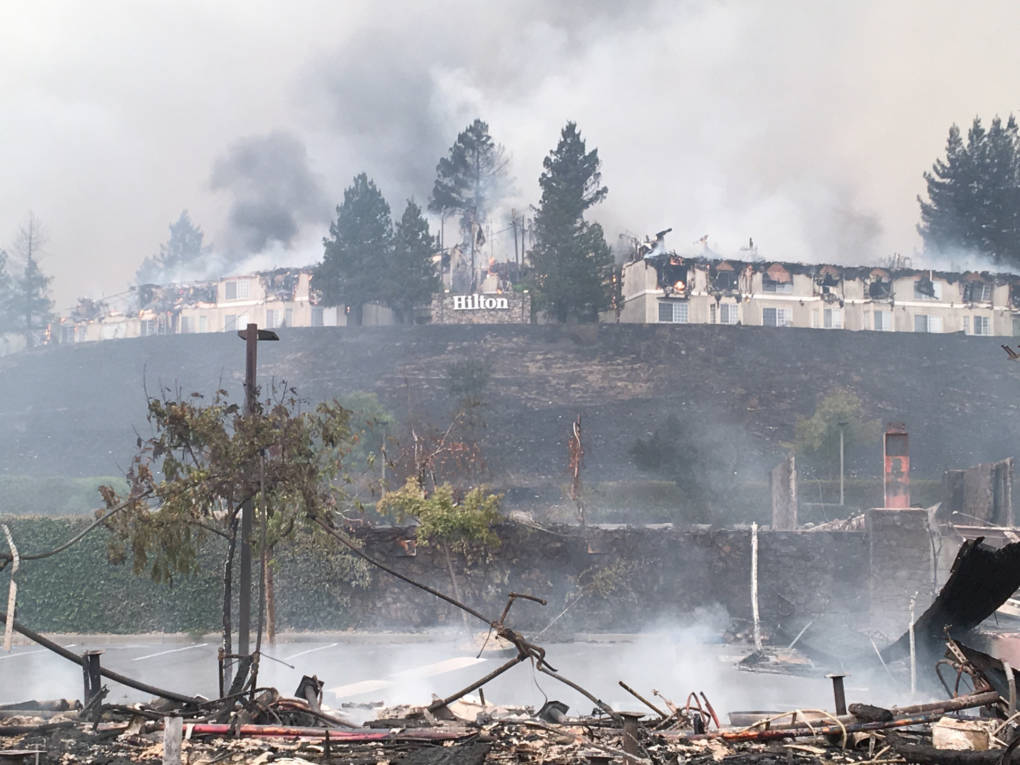
"caption": "The Hilton in Santa Rosa was already burning when doctors told Heather Leiker and Jason McDowell that they should evacuate, even though Leiker's labor had been induced earlier that night.",
"description": "The Hilton in Santa Rosa was already burning when doctors told Heather Leiker and Jason McDowell that they should evacuate even though Leiker's labor had been induced earlier that night.",
"title": "RS27541_Image uploaded from iOS (2)-qut",
"credit": "Lesley McClurg/KQED",
"status": "inherit",
"isLoading": false,
"fetchFailed": false
},
"news_11623590": {
"type": "attachments",
"id": "news_11623590",
"meta": {
"index": "attachments_1716263798",
"site": "news",
"id": "11623590",
"found": true
},
"parent": 11623348,
"imgSizes": {
"small": {
"file": "https://ww2.kqed.org/app/uploads/sites/10/2017/10/RS27540_Marisol-Richardson-qut-520x495.jpg",
"width": 520,
"mimeType": "image/jpeg",
"height": 495
},
"twentyfourteen-full-width": {
"file": "https://ww2.kqed.org/app/uploads/sites/10/2017/10/RS27540_Marisol-Richardson-qut-1038x576.jpg",
"width": 1038,
"mimeType": "image/jpeg",
"height": 576
},
"thumbnail": {
"file": "https://ww2.kqed.org/app/uploads/sites/10/2017/10/RS27540_Marisol-Richardson-qut-160x152.jpg",
"width": 160,
"mimeType": "image/jpeg",
"height": 152
},
"fd-sm": {
"file": "https://ww2.kqed.org/app/uploads/sites/10/2017/10/RS27540_Marisol-Richardson-qut-960x913.jpg",
"width": 960,
"mimeType": "image/jpeg",
"height": 913
},
"post-thumbnail": {
"file": "https://ww2.kqed.org/app/uploads/sites/10/2017/10/RS27540_Marisol-Richardson-qut-672x372.jpg",
"width": 672,
"mimeType": "image/jpeg",
"height": 372
},
"xsmall": {
"file": "https://ww2.kqed.org/app/uploads/sites/10/2017/10/RS27540_Marisol-Richardson-qut-375x357.jpg",
"width": 375,
"mimeType": "image/jpeg",
"height": 357
},
"kqedFullSize": {
"file": "https://ww2.kqed.org/app/uploads/sites/10/2017/10/RS27540_Marisol-Richardson-qut.jpg",
"width": 1440,
"height": 1370
},
"large": {
"file": "https://ww2.kqed.org/app/uploads/sites/10/2017/10/RS27540_Marisol-Richardson-qut-1020x970.jpg",
"width": 1020,
"mimeType": "image/jpeg",
"height": 970
},
"xlarge": {
"file": "https://ww2.kqed.org/app/uploads/sites/10/2017/10/RS27540_Marisol-Richardson-qut-1180x1123.jpg",
"width": 1180,
"mimeType": "image/jpeg",
"height": 1123
},
"guest-author-50": {
"file": "https://ww2.kqed.org/app/uploads/sites/10/2017/10/RS27540_Marisol-Richardson-qut-50x50.jpg",
"width": 50,
"mimeType": "image/jpeg",
"height": 50
},
"guest-author-96": {
"file": "https://ww2.kqed.org/app/uploads/sites/10/2017/10/RS27540_Marisol-Richardson-qut-96x96.jpg",
"width": 96,
"mimeType": "image/jpeg",
"height": 96
},
"medium": {
"file": "https://ww2.kqed.org/app/uploads/sites/10/2017/10/RS27540_Marisol-Richardson-qut-800x761.jpg",
"width": 800,
"mimeType": "image/jpeg",
"height": 761
},
"guest-author-64": {
"file": "https://ww2.kqed.org/app/uploads/sites/10/2017/10/RS27540_Marisol-Richardson-qut-64x64.jpg",
"width": 64,
"mimeType": "image/jpeg",
"height": 64
},
"guest-author-32": {
"file": "https://ww2.kqed.org/app/uploads/sites/10/2017/10/RS27540_Marisol-Richardson-qut-32x32.jpg",
"width": 32,
"mimeType": "image/jpeg",
"height": 32
},
"fd-med": {
"file": "https://ww2.kqed.org/app/uploads/sites/10/2017/10/RS27540_Marisol-Richardson-qut-1180x1123.jpg",
"width": 1180,
"mimeType": "image/jpeg",
"height": 1123
},
"detail": {
"file": "https://ww2.kqed.org/app/uploads/sites/10/2017/10/RS27540_Marisol-Richardson-qut-150x150.jpg",
"width": 150,
"mimeType": "image/jpeg",
"height": 150
},
"guest-author-128": {
"file": "https://ww2.kqed.org/app/uploads/sites/10/2017/10/RS27540_Marisol-Richardson-qut-128x128.jpg",
"width": 128,
"mimeType": "image/jpeg",
"height": 128
},
"xxsmall": {
"file": "https://ww2.kqed.org/app/uploads/sites/10/2017/10/RS27540_Marisol-Richardson-qut-240x228.jpg",
"width": 240,
"mimeType": "image/jpeg",
"height": 228
}
},
"publishDate": 1508027676,
"modified": 1508027728,
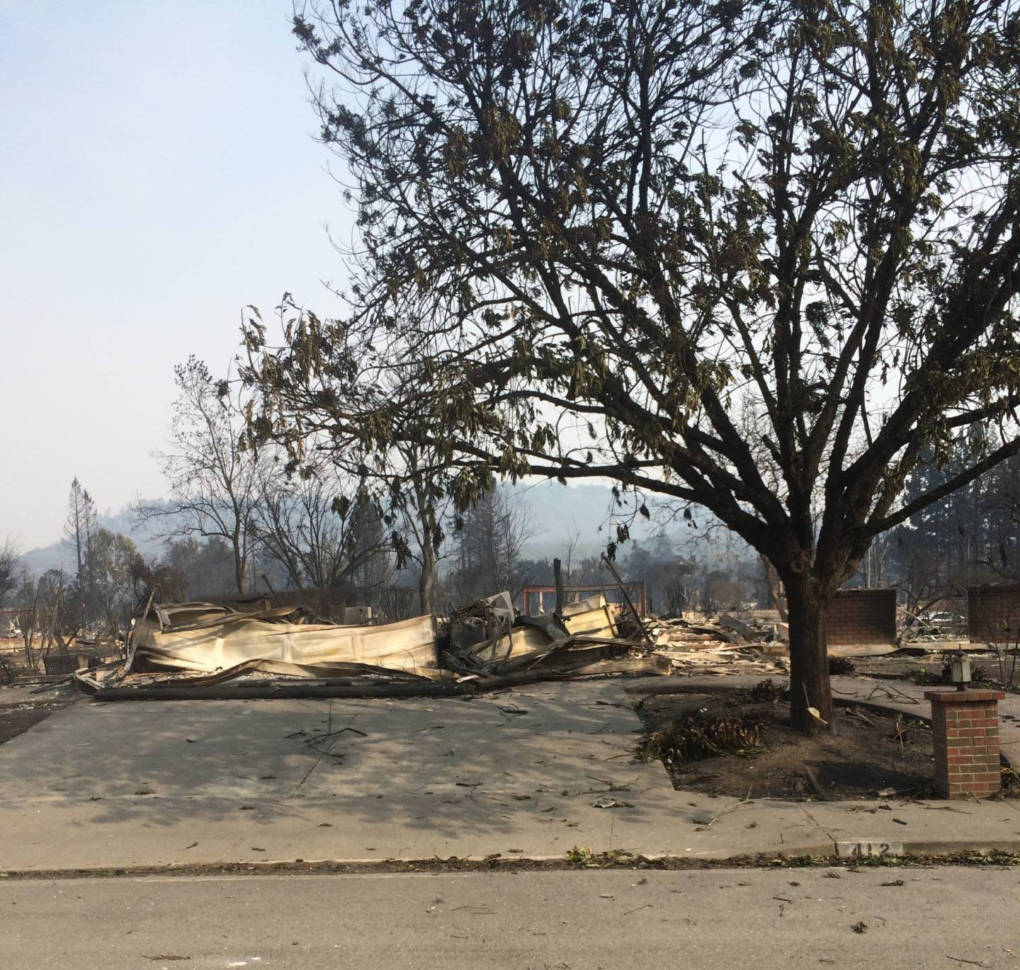
"caption": "Marisol Richardson's home burned to the ground as part of the wildfires ravaging Northern California.",
"description": null,
"title": "RS27540_Marisol Richardson-qut",
"credit": "Courtesy of Marisol Richardson",
"status": "inherit",
"isLoading": false,
"fetchFailed": false
},
"news_11623554": {
"type": "attachments",
"id": "news_11623554",
"meta": {
"index": "attachments_1716263798",
"site": "news",
"id": "11623554",
"found": true
},
"parent": 11623553,
"imgSizes": {
"small": {
"file": "https://ww2.kqed.org/app/uploads/sites/10/2017/10/wildfire_wide-6d296a8c28ab90a9e4bfabefa11c5e836dad6daf-520x292.jpg",
"width": 520,
"mimeType": "image/jpeg",
"height": 292
},
"twentyfourteen-full-width": {
"file": "https://ww2.kqed.org/app/uploads/sites/10/2017/10/wildfire_wide-6d296a8c28ab90a9e4bfabefa11c5e836dad6daf-1038x576.jpg",
"width": 1038,
"mimeType": "image/jpeg",
"height": 576
},
"thumbnail": {
"file": "https://ww2.kqed.org/app/uploads/sites/10/2017/10/wildfire_wide-6d296a8c28ab90a9e4bfabefa11c5e836dad6daf-160x90.jpg",
"width": 160,
"mimeType": "image/jpeg",
"height": 90
},
"fd-sm": {
"file": "https://ww2.kqed.org/app/uploads/sites/10/2017/10/wildfire_wide-6d296a8c28ab90a9e4bfabefa11c5e836dad6daf-960x540.jpg",
"width": 960,
"mimeType": "image/jpeg",
"height": 540
},
"post-thumbnail": {
"file": "https://ww2.kqed.org/app/uploads/sites/10/2017/10/wildfire_wide-6d296a8c28ab90a9e4bfabefa11c5e836dad6daf-672x372.jpg",
"width": 672,
"mimeType": "image/jpeg",
"height": 372
},
"xsmall": {
"file": "https://ww2.kqed.org/app/uploads/sites/10/2017/10/wildfire_wide-6d296a8c28ab90a9e4bfabefa11c5e836dad6daf-375x211.jpg",
"width": 375,
"mimeType": "image/jpeg",
"height": 211
},
"kqedFullSize": {
"file": "https://ww2.kqed.org/app/uploads/sites/10/2017/10/wildfire_wide-6d296a8c28ab90a9e4bfabefa11c5e836dad6daf-e1508007340265.jpg",
"width": 1920,
"height": 1080
},
"large": {
"file": "https://ww2.kqed.org/app/uploads/sites/10/2017/10/wildfire_wide-6d296a8c28ab90a9e4bfabefa11c5e836dad6daf-1020x574.jpg",
"width": 1020,
"mimeType": "image/jpeg",
"height": 574
},
"xlarge": {
"file": "https://ww2.kqed.org/app/uploads/sites/10/2017/10/wildfire_wide-6d296a8c28ab90a9e4bfabefa11c5e836dad6daf-1180x664.jpg",
"width": 1180,
"mimeType": "image/jpeg",
"height": 664
},
"guest-author-50": {
"file": "https://ww2.kqed.org/app/uploads/sites/10/2017/10/wildfire_wide-6d296a8c28ab90a9e4bfabefa11c5e836dad6daf-50x50.jpg",
"width": 50,
"mimeType": "image/jpeg",
"height": 50
},
"guest-author-96": {
"file": "https://ww2.kqed.org/app/uploads/sites/10/2017/10/wildfire_wide-6d296a8c28ab90a9e4bfabefa11c5e836dad6daf-96x96.jpg",
"width": 96,
"mimeType": "image/jpeg",
"height": 96
},
"medium": {
"file": "https://ww2.kqed.org/app/uploads/sites/10/2017/10/wildfire_wide-6d296a8c28ab90a9e4bfabefa11c5e836dad6daf-800x450.jpg",
"width": 800,
"mimeType": "image/jpeg",
"height": 450
},
"guest-author-64": {
"file": "https://ww2.kqed.org/app/uploads/sites/10/2017/10/wildfire_wide-6d296a8c28ab90a9e4bfabefa11c5e836dad6daf-64x64.jpg",
"width": 64,
"mimeType": "image/jpeg",
"height": 64
},
"guest-author-32": {
"file": "https://ww2.kqed.org/app/uploads/sites/10/2017/10/wildfire_wide-6d296a8c28ab90a9e4bfabefa11c5e836dad6daf-32x32.jpg",
"width": 32,
"mimeType": "image/jpeg",
"height": 32
},
"fd-lrg": {
"file": "https://ww2.kqed.org/app/uploads/sites/10/2017/10/wildfire_wide-6d296a8c28ab90a9e4bfabefa11c5e836dad6daf-1920x1080.jpg",
"width": 1920,
"mimeType": "image/jpeg",
"height": 1080
},
"fd-med": {
"file": "https://ww2.kqed.org/app/uploads/sites/10/2017/10/wildfire_wide-6d296a8c28ab90a9e4bfabefa11c5e836dad6daf-1180x664.jpg",
"width": 1180,
"mimeType": "image/jpeg",
"height": 664
},
"full-width": {
"file": "https://ww2.kqed.org/app/uploads/sites/10/2017/10/wildfire_wide-6d296a8c28ab90a9e4bfabefa11c5e836dad6daf-1920x1080.jpg",
"width": 1920,
"mimeType": "image/jpeg",
"height": 1080
},
"detail": {
"file": "https://ww2.kqed.org/app/uploads/sites/10/2017/10/wildfire_wide-6d296a8c28ab90a9e4bfabefa11c5e836dad6daf-150x150.jpg",
"width": 150,
"mimeType": "image/jpeg",
"height": 150
},
"guest-author-128": {
"file": "https://ww2.kqed.org/app/uploads/sites/10/2017/10/wildfire_wide-6d296a8c28ab90a9e4bfabefa11c5e836dad6daf-128x128.jpg",
"width": 128,
"mimeType": "image/jpeg",
"height": 128
},
"xxsmall": {
"file": "https://ww2.kqed.org/app/uploads/sites/10/2017/10/wildfire_wide-6d296a8c28ab90a9e4bfabefa11c5e836dad6daf-240x135.jpg",
"width": 240,
"mimeType": "image/jpeg",
"height": 135
}
},
"publishDate": 1508007278,
"modified": 1523977139,
"caption": "A Cal Fire firefighter on the line of the Tubbs Fire last October. The blaze started near Calistoga and raced across the hills to Santa Rosa, where it burned thousands of homes. ",
"description": "Cal Fire firefighter Trevor Smith battles the Tubbs Fire near Calistoga, Calif., on Thursday. Wildfires in Northern California have killed dozens of people and destroyed thousands of homes and businesses.",
"title": "Cal Fire firefighter Trevor Smith battles the Tubbs Fire near Calistoga, Calif., on Thursday. Wildfires in Northern California have killed dozens of people and destroyed thousands of homes and businesses.",
"credit": "Justin Sullivan/Getty Images",
"status": "inherit",
"isLoading": false,
"fetchFailed": false
},
"news_11623309": {
"type": "attachments",
"id": "news_11623309",
"meta": {
"index": "attachments_1716263798",
"site": "news",
"id": "11623309",
"found": true
},
"parent": 11623225,
"imgSizes": {
"small": {
"file": "https://ww2.kqed.org/app/uploads/sites/10/2017/10/IMG_1701-520x390.jpg",
"width": 520,
"mimeType": "image/jpeg",
"height": 390
},
"twentyfourteen-full-width": {
"file": "https://ww2.kqed.org/app/uploads/sites/10/2017/10/IMG_1701-1038x576.jpg",
"width": 1038,
"mimeType": "image/jpeg",
"height": 576
},
"thumbnail": {
"file": "https://ww2.kqed.org/app/uploads/sites/10/2017/10/IMG_1701-160x120.jpg",
"width": 160,
"mimeType": "image/jpeg",
"height": 120
},
"fd-sm": {
"file": "https://ww2.kqed.org/app/uploads/sites/10/2017/10/IMG_1701-960x720.jpg",
"width": 960,
"mimeType": "image/jpeg",
"height": 720
},
"post-thumbnail": {
"file": "https://ww2.kqed.org/app/uploads/sites/10/2017/10/IMG_1701-672x372.jpg",
"width": 672,
"mimeType": "image/jpeg",
"height": 372
},
"xsmall": {
"file": "https://ww2.kqed.org/app/uploads/sites/10/2017/10/IMG_1701-375x281.jpg",
"width": 375,
"mimeType": "image/jpeg",
"height": 281
},
"kqedFullSize": {
"file": "https://ww2.kqed.org/app/uploads/sites/10/2017/10/IMG_1701.jpg",
"width": 4032,
"height": 3024
},
"large": {
"file": "https://ww2.kqed.org/app/uploads/sites/10/2017/10/IMG_1701-1020x765.jpg",
"width": 1020,
"mimeType": "image/jpeg",
"height": 765
},
"xlarge": {
"file": "https://ww2.kqed.org/app/uploads/sites/10/2017/10/IMG_1701-1180x885.jpg",
"width": 1180,
"mimeType": "image/jpeg",
"height": 885
},
"guest-author-50": {
"file": "https://ww2.kqed.org/app/uploads/sites/10/2017/10/IMG_1701-50x50.jpg",
"width": 50,
"mimeType": "image/jpeg",
"height": 50
},
"guest-author-96": {
"file": "https://ww2.kqed.org/app/uploads/sites/10/2017/10/IMG_1701-96x96.jpg",
"width": 96,
"mimeType": "image/jpeg",
"height": 96
},
"medium": {
"file": "https://ww2.kqed.org/app/uploads/sites/10/2017/10/IMG_1701-800x600.jpg",
"width": 800,
"mimeType": "image/jpeg",
"height": 600
},
"guest-author-64": {
"file": "https://ww2.kqed.org/app/uploads/sites/10/2017/10/IMG_1701-64x64.jpg",
"width": 64,
"mimeType": "image/jpeg",
"height": 64
},
"guest-author-32": {
"file": "https://ww2.kqed.org/app/uploads/sites/10/2017/10/IMG_1701-32x32.jpg",
"width": 32,
"mimeType": "image/jpeg",
"height": 32
},
"fd-lrg": {
"file": "https://ww2.kqed.org/app/uploads/sites/10/2017/10/IMG_1701-1920x1440.jpg",
"width": 1920,
"mimeType": "image/jpeg",
"height": 1440
},
"fd-med": {
"file": "https://ww2.kqed.org/app/uploads/sites/10/2017/10/IMG_1701-1180x885.jpg",
"width": 1180,
"mimeType": "image/jpeg",
"height": 885
},
"full-width": {
"file": "https://ww2.kqed.org/app/uploads/sites/10/2017/10/IMG_1701-1920x1440.jpg",
"width": 1920,
"mimeType": "image/jpeg",
"height": 1440
},
"detail": {
"file": "https://ww2.kqed.org/app/uploads/sites/10/2017/10/IMG_1701-150x150.jpg",
"width": 150,
"mimeType": "image/jpeg",
"height": 150
},
"guest-author-128": {
"file": "https://ww2.kqed.org/app/uploads/sites/10/2017/10/IMG_1701-128x128.jpg",
"width": 128,
"mimeType": "image/jpeg",
"height": 128
},
"xxsmall": {
"file": "https://ww2.kqed.org/app/uploads/sites/10/2017/10/IMG_1701-240x180.jpg",
"width": 240,
"mimeType": "image/jpeg",
"height": 180
}
},
"publishDate": 1507927032,
"modified": 1507953569,
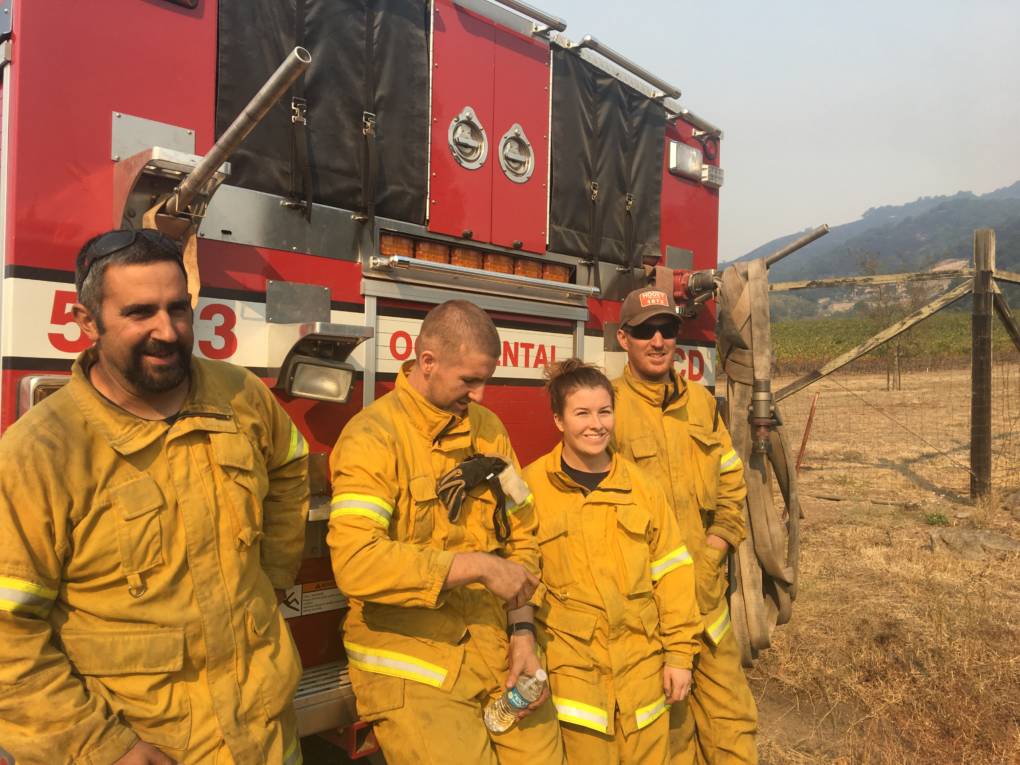
"caption": "Steve Balich, Rhylind McAuliffe, Rachel Lunardi and Kyle Calvi are all volunteer firefighters from Occidental in West Sonoma County. ",
"description": "Steve Balich, Rhylind Mcauliffe, Rachel Lundardi, and Kyle Calvi are all volunteer firefighters from Occidental in West Sonoma County. ",
"title": "IMG_1701",
"credit": "Sukey Lewis/KQED",
"status": "inherit",
"isLoading": false,
"fetchFailed": false
},
"news_11623736": {
"type": "attachments",
"id": "news_11623736",
"meta": {
"index": "attachments_1716263798",
"site": "news",
"id": "11623736",
"found": true
},
"parent": 11623525,
"imgSizes": {
"small": {
"file": "https://ww2.kqed.org/app/uploads/sites/10/2017/10/GettyImages-861819660-520x347.jpg",
"width": 520,
"mimeType": "image/jpeg",
"height": 347
},
"twentyfourteen-full-width": {
"file": "https://ww2.kqed.org/app/uploads/sites/10/2017/10/GettyImages-861819660-1038x576.jpg",
"width": 1038,
"mimeType": "image/jpeg",
"height": 576
},
"thumbnail": {
"file": "https://ww2.kqed.org/app/uploads/sites/10/2017/10/GettyImages-861819660-160x107.jpg",
"width": 160,
"mimeType": "image/jpeg",
"height": 107
},
"fd-sm": {
"file": "https://ww2.kqed.org/app/uploads/sites/10/2017/10/GettyImages-861819660-960x640.jpg",
"width": 960,
"mimeType": "image/jpeg",
"height": 640
},
"post-thumbnail": {
"file": "https://ww2.kqed.org/app/uploads/sites/10/2017/10/GettyImages-861819660-672x372.jpg",
"width": 672,
"mimeType": "image/jpeg",
"height": 372
},
"xsmall": {
"file": "https://ww2.kqed.org/app/uploads/sites/10/2017/10/GettyImages-861819660-375x250.jpg",
"width": 375,
"mimeType": "image/jpeg",
"height": 250
},
"kqedFullSize": {
"file": "https://ww2.kqed.org/app/uploads/sites/10/2017/10/GettyImages-861819660.jpg",
"width": 3500,
"height": 2333
},
"large": {
"file": "https://ww2.kqed.org/app/uploads/sites/10/2017/10/GettyImages-861819660-1020x680.jpg",
"width": 1020,
"mimeType": "image/jpeg",
"height": 680
},
"xlarge": {
"file": "https://ww2.kqed.org/app/uploads/sites/10/2017/10/GettyImages-861819660-1180x787.jpg",
"width": 1180,
"mimeType": "image/jpeg",
"height": 787
},
"guest-author-50": {
"file": "https://ww2.kqed.org/app/uploads/sites/10/2017/10/GettyImages-861819660-50x50.jpg",
"width": 50,
"mimeType": "image/jpeg",
"height": 50
},
"guest-author-96": {
"file": "https://ww2.kqed.org/app/uploads/sites/10/2017/10/GettyImages-861819660-96x96.jpg",
"width": 96,
"mimeType": "image/jpeg",
"height": 96
},
"medium": {
"file": "https://ww2.kqed.org/app/uploads/sites/10/2017/10/GettyImages-861819660-800x533.jpg",
"width": 800,
"mimeType": "image/jpeg",
"height": 533
},
"guest-author-64": {
"file": "https://ww2.kqed.org/app/uploads/sites/10/2017/10/GettyImages-861819660-64x64.jpg",
"width": 64,
"mimeType": "image/jpeg",
"height": 64
},
"guest-author-32": {
"file": "https://ww2.kqed.org/app/uploads/sites/10/2017/10/GettyImages-861819660-32x32.jpg",
"width": 32,
"mimeType": "image/jpeg",
"height": 32
},
"fd-lrg": {
"file": "https://ww2.kqed.org/app/uploads/sites/10/2017/10/GettyImages-861819660-1920x1280.jpg",
"width": 1920,
"mimeType": "image/jpeg",
"height": 1280
},
"fd-med": {
"file": "https://ww2.kqed.org/app/uploads/sites/10/2017/10/GettyImages-861819660-1180x787.jpg",
"width": 1180,
"mimeType": "image/jpeg",
"height": 787
},
"full-width": {
"file": "https://ww2.kqed.org/app/uploads/sites/10/2017/10/GettyImages-861819660-1920x1280.jpg",
"width": 1920,
"mimeType": "image/jpeg",
"height": 1280
},
"detail": {
"file": "https://ww2.kqed.org/app/uploads/sites/10/2017/10/GettyImages-861819660-150x150.jpg",
"width": 150,
"mimeType": "image/jpeg",
"height": 150
},
"guest-author-128": {
"file": "https://ww2.kqed.org/app/uploads/sites/10/2017/10/GettyImages-861819660-128x128.jpg",
"width": 128,
"mimeType": "image/jpeg",
"height": 128
},
"xxsmall": {
"file": "https://ww2.kqed.org/app/uploads/sites/10/2017/10/GettyImages-861819660-240x160.jpg",
"width": 240,
"mimeType": "image/jpeg",
"height": 160
}
},
"publishDate": 1508176261,
"modified": 1508176304,
"caption": "A firefighter uses a drip torch to set a backfire to protect houses in Adobe Canyon during the Nuns Fire on October 15, 2017 near Santa Rosa, California.",
"description": null,
"title": "Multiple Wildfires Continue To Ravage Through California Wine Country",
"credit": "David McNew/Getty Images",
"status": "inherit",
"isLoading": false,
"fetchFailed": false
},
"news_11623380": {
"type": "attachments",
"id": "news_11623380",
"meta": {
"index": "attachments_1716263798",
"site": "news",
"id": "11623380",
"found": true
},
"parent": 11622944,
"imgSizes": {
"small": {
"file": "https://ww2.kqed.org/app/uploads/sites/10/2017/10/22546887_10156820689232627_465575338_o-520x347.jpg",
"width": 520,
"mimeType": "image/jpeg",
"height": 347
},
"twentyfourteen-full-width": {
"file": "https://ww2.kqed.org/app/uploads/sites/10/2017/10/22546887_10156820689232627_465575338_o-1038x576.jpg",
"width": 1038,
"mimeType": "image/jpeg",
"height": 576
},
"thumbnail": {
"file": "https://ww2.kqed.org/app/uploads/sites/10/2017/10/22546887_10156820689232627_465575338_o-160x107.jpg",
"width": 160,
"mimeType": "image/jpeg",
"height": 107
},
"fd-sm": {
"file": "https://ww2.kqed.org/app/uploads/sites/10/2017/10/22546887_10156820689232627_465575338_o-960x640.jpg",
"width": 960,
"mimeType": "image/jpeg",
"height": 640
},
"post-thumbnail": {
"file": "https://ww2.kqed.org/app/uploads/sites/10/2017/10/22546887_10156820689232627_465575338_o-672x372.jpg",
"width": 672,
"mimeType": "image/jpeg",
"height": 372
},
"xsmall": {
"file": "https://ww2.kqed.org/app/uploads/sites/10/2017/10/22546887_10156820689232627_465575338_o-375x250.jpg",
"width": 375,
"mimeType": "image/jpeg",
"height": 250
},
"kqedFullSize": {
"file": "https://ww2.kqed.org/app/uploads/sites/10/2017/10/22546887_10156820689232627_465575338_o.jpg",
"width": 1136,
"height": 757
},
"large": {
"file": "https://ww2.kqed.org/app/uploads/sites/10/2017/10/22546887_10156820689232627_465575338_o-1020x680.jpg",
"width": 1020,
"mimeType": "image/jpeg",
"height": 680
},
"guest-author-50": {
"file": "https://ww2.kqed.org/app/uploads/sites/10/2017/10/22546887_10156820689232627_465575338_o-50x50.jpg",
"width": 50,
"mimeType": "image/jpeg",
"height": 50
},
"guest-author-96": {
"file": "https://ww2.kqed.org/app/uploads/sites/10/2017/10/22546887_10156820689232627_465575338_o-96x96.jpg",
"width": 96,
"mimeType": "image/jpeg",
"height": 96
},
"medium": {
"file": "https://ww2.kqed.org/app/uploads/sites/10/2017/10/22546887_10156820689232627_465575338_o-800x533.jpg",
"width": 800,
"mimeType": "image/jpeg",
"height": 533
},
"guest-author-64": {
"file": "https://ww2.kqed.org/app/uploads/sites/10/2017/10/22546887_10156820689232627_465575338_o-64x64.jpg",
"width": 64,
"mimeType": "image/jpeg",
"height": 64
},
"guest-author-32": {
"file": "https://ww2.kqed.org/app/uploads/sites/10/2017/10/22546887_10156820689232627_465575338_o-32x32.jpg",
"width": 32,
"mimeType": "image/jpeg",
"height": 32
},
"detail": {
"file": "https://ww2.kqed.org/app/uploads/sites/10/2017/10/22546887_10156820689232627_465575338_o-150x150.jpg",
"width": 150,
"mimeType": "image/jpeg",
"height": 150
},
"guest-author-128": {
"file": "https://ww2.kqed.org/app/uploads/sites/10/2017/10/22546887_10156820689232627_465575338_o-128x128.jpg",
"width": 128,
"mimeType": "image/jpeg",
"height": 128
},
"xxsmall": {
"file": "https://ww2.kqed.org/app/uploads/sites/10/2017/10/22546887_10156820689232627_465575338_o-240x160.jpg",
"width": 240,
"mimeType": "image/jpeg",
"height": 160
}
},
"publishDate": 1507931340,
"modified": 1507931421,
"caption": "A listener took this photo on 10/12 at Middle Harbor Park in Oakland.",
"description": null,
"title": "sean peck",
"credit": "Sean Peck",
"status": "inherit",
"isLoading": false,
"fetchFailed": false
},
"news_11623297": {
"type": "attachments",
"id": "news_11623297",
"meta": {
"index": "attachments_1716263798",
"site": "news",
"id": "11623297",
"found": true
},
"parent": 11623295,
"imgSizes": {
"small": {
"file": "https://ww2.kqed.org/app/uploads/sites/10/2017/10/IMG_2427-520x390.jpg",
"width": 520,
"mimeType": "image/jpeg",
"height": 390
},
"twentyfourteen-full-width": {
"file": "https://ww2.kqed.org/app/uploads/sites/10/2017/10/IMG_2427-1038x576.jpg",
"width": 1038,
"mimeType": "image/jpeg",
"height": 576
},
"thumbnail": {
"file": "https://ww2.kqed.org/app/uploads/sites/10/2017/10/IMG_2427-160x120.jpg",
"width": 160,
"mimeType": "image/jpeg",
"height": 120
},
"fd-sm": {
"file": "https://ww2.kqed.org/app/uploads/sites/10/2017/10/IMG_2427-960x720.jpg",
"width": 960,
"mimeType": "image/jpeg",
"height": 720
},
"post-thumbnail": {
"file": "https://ww2.kqed.org/app/uploads/sites/10/2017/10/IMG_2427-672x372.jpg",
"width": 672,
"mimeType": "image/jpeg",
"height": 372
},
"xsmall": {
"file": "https://ww2.kqed.org/app/uploads/sites/10/2017/10/IMG_2427-375x281.jpg",
"width": 375,
"mimeType": "image/jpeg",
"height": 281
},
"kqedFullSize": {
"file": "https://ww2.kqed.org/app/uploads/sites/10/2017/10/IMG_2427-e1507937325846.jpg",
"width": 1920,
"height": 1440
},
"large": {
"file": "https://ww2.kqed.org/app/uploads/sites/10/2017/10/IMG_2427-1020x765.jpg",
"width": 1020,
"mimeType": "image/jpeg",
"height": 765
},
"xlarge": {
"file": "https://ww2.kqed.org/app/uploads/sites/10/2017/10/IMG_2427-1180x885.jpg",
"width": 1180,
"mimeType": "image/jpeg",
"height": 885
},
"guest-author-50": {
"file": "https://ww2.kqed.org/app/uploads/sites/10/2017/10/IMG_2427-50x50.jpg",
"width": 50,
"mimeType": "image/jpeg",
"height": 50
},
"guest-author-96": {
"file": "https://ww2.kqed.org/app/uploads/sites/10/2017/10/IMG_2427-96x96.jpg",
"width": 96,
"mimeType": "image/jpeg",
"height": 96
},
"medium": {
"file": "https://ww2.kqed.org/app/uploads/sites/10/2017/10/IMG_2427-800x600.jpg",
"width": 800,
"mimeType": "image/jpeg",
"height": 600
},
"guest-author-64": {
"file": "https://ww2.kqed.org/app/uploads/sites/10/2017/10/IMG_2427-64x64.jpg",
"width": 64,
"mimeType": "image/jpeg",
"height": 64
},
"guest-author-32": {
"file": "https://ww2.kqed.org/app/uploads/sites/10/2017/10/IMG_2427-32x32.jpg",
"width": 32,
"mimeType": "image/jpeg",
"height": 32
},
"fd-lrg": {
"file": "https://ww2.kqed.org/app/uploads/sites/10/2017/10/IMG_2427-1920x1440.jpg",
"width": 1920,
"mimeType": "image/jpeg",
"height": 1440
},
"fd-med": {
"file": "https://ww2.kqed.org/app/uploads/sites/10/2017/10/IMG_2427-1180x885.jpg",
"width": 1180,
"mimeType": "image/jpeg",
"height": 885
},
"full-width": {
"file": "https://ww2.kqed.org/app/uploads/sites/10/2017/10/IMG_2427-1920x1440.jpg",
"width": 1920,
"mimeType": "image/jpeg",
"height": 1440
},
"detail": {
"file": "https://ww2.kqed.org/app/uploads/sites/10/2017/10/IMG_2427-150x150.jpg",
"width": 150,
"mimeType": "image/jpeg",
"height": 150
},
"guest-author-128": {
"file": "https://ww2.kqed.org/app/uploads/sites/10/2017/10/IMG_2427-128x128.jpg",
"width": 128,
"mimeType": "image/jpeg",
"height": 128
},
"xxsmall": {
"file": "https://ww2.kqed.org/app/uploads/sites/10/2017/10/IMG_2427-240x180.jpg",
"width": 240,
"mimeType": "image/jpeg",
"height": 180
}
},
"publishDate": 1507925966,
"modified": 1507937292,
"caption": "Genene Marinello says people have been donating more food, water and supplies than usual, including a radio so she can monitor updates on the fires.",
"description": null,
"title": "IMG_2427",
"credit": "Devin Katayama/KQED",
"status": "inherit",
"isLoading": false,
"fetchFailed": false
},
"news_11623457": {
"type": "attachments",
"id": "news_11623457",
"meta": {
"index": "attachments_1716263798",
"site": "news",
"id": "11623457",
"found": true
},
"parent": 11623413,
"imgSizes": {
"small": {
"file": "https://ww2.kqed.org/app/uploads/sites/10/2017/10/CaltransBridge-520x296.jpg",
"width": 520,
"mimeType": "image/jpeg",
"height": 296
},
"twentyfourteen-full-width": {
"file": "https://ww2.kqed.org/app/uploads/sites/10/2017/10/CaltransBridge-1038x576.jpg",
"width": 1038,
"mimeType": "image/jpeg",
"height": 576
},
"thumbnail": {
"file": "https://ww2.kqed.org/app/uploads/sites/10/2017/10/CaltransBridge-160x91.jpg",
"width": 160,
"mimeType": "image/jpeg",
"height": 91
},
"fd-sm": {
"file": "https://ww2.kqed.org/app/uploads/sites/10/2017/10/CaltransBridge-960x546.jpg",
"width": 960,
"mimeType": "image/jpeg",
"height": 546
},
"post-thumbnail": {
"file": "https://ww2.kqed.org/app/uploads/sites/10/2017/10/CaltransBridge-672x372.jpg",
"width": 672,
"mimeType": "image/jpeg",
"height": 372
},
"xsmall": {
"file": "https://ww2.kqed.org/app/uploads/sites/10/2017/10/CaltransBridge-375x213.jpg",
"width": 375,
"mimeType": "image/jpeg",
"height": 213
},
"kqedFullSize": {
"file": "https://ww2.kqed.org/app/uploads/sites/10/2017/10/CaltransBridge.jpg",
"width": 1920,
"height": 1092
},
"large": {
"file": "https://ww2.kqed.org/app/uploads/sites/10/2017/10/CaltransBridge-1020x580.jpg",
"width": 1020,
"mimeType": "image/jpeg",
"height": 580
},
"xlarge": {
"file": "https://ww2.kqed.org/app/uploads/sites/10/2017/10/CaltransBridge-1180x671.jpg",
"width": 1180,
"mimeType": "image/jpeg",
"height": 671
},
"guest-author-50": {
"file": "https://ww2.kqed.org/app/uploads/sites/10/2017/10/CaltransBridge-50x50.jpg",
"width": 50,
"mimeType": "image/jpeg",
"height": 50
},
"guest-author-96": {
"file": "https://ww2.kqed.org/app/uploads/sites/10/2017/10/CaltransBridge-96x96.jpg",
"width": 96,
"mimeType": "image/jpeg",
"height": 96
},
"medium": {
"file": "https://ww2.kqed.org/app/uploads/sites/10/2017/10/CaltransBridge-800x455.jpg",
"width": 800,
"mimeType": "image/jpeg",
"height": 455
},
"guest-author-64": {
"file": "https://ww2.kqed.org/app/uploads/sites/10/2017/10/CaltransBridge-64x64.jpg",
"width": 64,
"mimeType": "image/jpeg",
"height": 64
},
"guest-author-32": {
"file": "https://ww2.kqed.org/app/uploads/sites/10/2017/10/CaltransBridge-32x32.jpg",
"width": 32,
"mimeType": "image/jpeg",
"height": 32
},
"fd-lrg": {
"file": "https://ww2.kqed.org/app/uploads/sites/10/2017/10/CaltransBridge-1920x1092.jpg",
"width": 1920,
"mimeType": "image/jpeg",
"height": 1092
},
"fd-med": {
"file": "https://ww2.kqed.org/app/uploads/sites/10/2017/10/CaltransBridge-1180x671.jpg",
"width": 1180,
"mimeType": "image/jpeg",
"height": 671
},
"full-width": {
"file": "https://ww2.kqed.org/app/uploads/sites/10/2017/10/CaltransBridge-1920x1092.jpg",
"width": 1920,
"mimeType": "image/jpeg",
"height": 1092
},
"detail": {
"file": "https://ww2.kqed.org/app/uploads/sites/10/2017/10/CaltransBridge-150x150.jpg",
"width": 150,
"mimeType": "image/jpeg",
"height": 150
},
"guest-author-128": {
"file": "https://ww2.kqed.org/app/uploads/sites/10/2017/10/CaltransBridge-128x128.jpg",
"width": 128,
"mimeType": "image/jpeg",
"height": 128
},
"xxsmall": {
"file": "https://ww2.kqed.org/app/uploads/sites/10/2017/10/CaltransBridge-240x137.jpg",
"width": 240,
"mimeType": "image/jpeg",
"height": 137
}
},
"publishDate": 1507936550,
"modified": 1508364576,
"caption": "A worker walks across the brand-new Pfeiffer Canyon Bridge in Big Sur before it opened. ",
"description": "A worker walks across the brand new Pfeiffer Canyon Bridge in Big Sur before it opened. ",
"title": "CaltransBridge",
"credit": "\u003ca href=\"https://www.youtube.com/channel/UC1S74PM6ofLnOGV2as38TZw\">Monterey Herald\u003c/a>/YouTube",
"status": "inherit",
"isLoading": false,
"fetchFailed": false
},
"news_11623376": {
"type": "attachments",
"id": "news_11623376",
"meta": {
"index": "attachments_1716263798",
"site": "news",
"id": "11623376",
"found": true
},
"parent": 11623289,
"imgSizes": {
"small": {
"file": "https://ww2.kqed.org/app/uploads/sites/10/2017/10/GettyImages-860798714-520x347.jpg",
"width": 520,
"mimeType": "image/jpeg",
"height": 347
},
"twentyfourteen-full-width": {
"file": "https://ww2.kqed.org/app/uploads/sites/10/2017/10/GettyImages-860798714-1038x576.jpg",
"width": 1038,
"mimeType": "image/jpeg",
"height": 576
},
"thumbnail": {
"file": "https://ww2.kqed.org/app/uploads/sites/10/2017/10/GettyImages-860798714-160x107.jpg",
"width": 160,
"mimeType": "image/jpeg",
"height": 107
},
"fd-sm": {
"file": "https://ww2.kqed.org/app/uploads/sites/10/2017/10/GettyImages-860798714-960x640.jpg",
"width": 960,
"mimeType": "image/jpeg",
"height": 640
},
"post-thumbnail": {
"file": "https://ww2.kqed.org/app/uploads/sites/10/2017/10/GettyImages-860798714-672x372.jpg",
"width": 672,
"mimeType": "image/jpeg",
"height": 372
},
"xsmall": {
"file": "https://ww2.kqed.org/app/uploads/sites/10/2017/10/GettyImages-860798714-375x250.jpg",
"width": 375,
"mimeType": "image/jpeg",
"height": 250
},
"kqedFullSize": {
"file": "https://ww2.kqed.org/app/uploads/sites/10/2017/10/GettyImages-860798714.jpg",
"width": 3500,
"height": 2334
},
"large": {
"file": "https://ww2.kqed.org/app/uploads/sites/10/2017/10/GettyImages-860798714-1020x680.jpg",
"width": 1020,
"mimeType": "image/jpeg",
"height": 680
},
"xlarge": {
"file": "https://ww2.kqed.org/app/uploads/sites/10/2017/10/GettyImages-860798714-1180x787.jpg",
"width": 1180,
"mimeType": "image/jpeg",
"height": 787
},
"guest-author-50": {
"file": "https://ww2.kqed.org/app/uploads/sites/10/2017/10/GettyImages-860798714-50x50.jpg",
"width": 50,
"mimeType": "image/jpeg",
"height": 50
},
"guest-author-96": {
"file": "https://ww2.kqed.org/app/uploads/sites/10/2017/10/GettyImages-860798714-96x96.jpg",
"width": 96,
"mimeType": "image/jpeg",
"height": 96
},
"medium": {
"file": "https://ww2.kqed.org/app/uploads/sites/10/2017/10/GettyImages-860798714-800x533.jpg",
"width": 800,
"mimeType": "image/jpeg",
"height": 533
},
"guest-author-64": {
"file": "https://ww2.kqed.org/app/uploads/sites/10/2017/10/GettyImages-860798714-64x64.jpg",
"width": 64,
"mimeType": "image/jpeg",
"height": 64
},
"guest-author-32": {
"file": "https://ww2.kqed.org/app/uploads/sites/10/2017/10/GettyImages-860798714-32x32.jpg",
"width": 32,
"mimeType": "image/jpeg",
"height": 32
},
"fd-lrg": {
"file": "https://ww2.kqed.org/app/uploads/sites/10/2017/10/GettyImages-860798714-1920x1280.jpg",
"width": 1920,
"mimeType": "image/jpeg",
"height": 1280
},
"fd-med": {
"file": "https://ww2.kqed.org/app/uploads/sites/10/2017/10/GettyImages-860798714-1180x787.jpg",
"width": 1180,
"mimeType": "image/jpeg",
"height": 787
},
"full-width": {
"file": "https://ww2.kqed.org/app/uploads/sites/10/2017/10/GettyImages-860798714-1920x1280.jpg",
"width": 1920,
"mimeType": "image/jpeg",
"height": 1280
},
"detail": {
"file": "https://ww2.kqed.org/app/uploads/sites/10/2017/10/GettyImages-860798714-150x150.jpg",
"width": 150,
"mimeType": "image/jpeg",
"height": 150
},
"guest-author-128": {
"file": "https://ww2.kqed.org/app/uploads/sites/10/2017/10/GettyImages-860798714-128x128.jpg",
"width": 128,
"mimeType": "image/jpeg",
"height": 128
},
"xxsmall": {
"file": "https://ww2.kqed.org/app/uploads/sites/10/2017/10/GettyImages-860798714-240x160.jpg",
"width": 240,
"mimeType": "image/jpeg",
"height": 160
}
},
"publishDate": 1507931038,
"modified": 1507938835,
"caption": "The Puerta la Cruz female inmate firefighter crew clears vegetation near homes in Dry Creek Canyon to try to save them as the Partrick Fire approaches on Oct. 12, 2017, west of Napa, California. Inmate hand crews work under the supervision of Cal Fire.",
"description": null,
"title": "Multiple Wildfires Continue To Ravage Through California Wine Country",
"credit": "DAVID MCNEW/AFP/Getty Images",
"status": "inherit",
"isLoading": false,
"fetchFailed": false
},
"news_11623076": {
"type": "attachments",
"id": "news_11623076",
"meta": {
"index": "attachments_1716263798",
"site": "news",
"id": "11623076",
"found": true
},
"parent": 11622494,
"imgSizes": {
"small": {
"file": "https://ww2.kqed.org/app/uploads/sites/10/2017/10/SantaRosaDestruction-520x347.jpg",
"width": 520,
"mimeType": "image/jpeg",
"height": 347
},
"twentyfourteen-full-width": {
"file": "https://ww2.kqed.org/app/uploads/sites/10/2017/10/SantaRosaDestruction-1038x576.jpg",
"width": 1038,
"mimeType": "image/jpeg",
"height": 576
},
"thumbnail": {
"file": "https://ww2.kqed.org/app/uploads/sites/10/2017/10/SantaRosaDestruction-160x107.jpg",
"width": 160,
"mimeType": "image/jpeg",
"height": 107
},
"fd-sm": {
"file": "https://ww2.kqed.org/app/uploads/sites/10/2017/10/SantaRosaDestruction-960x640.jpg",
"width": 960,
"mimeType": "image/jpeg",
"height": 640
},
"post-thumbnail": {
"file": "https://ww2.kqed.org/app/uploads/sites/10/2017/10/SantaRosaDestruction-672x372.jpg",
"width": 672,
"mimeType": "image/jpeg",
"height": 372
},
"xsmall": {
"file": "https://ww2.kqed.org/app/uploads/sites/10/2017/10/SantaRosaDestruction-375x250.jpg",
"width": 375,
"mimeType": "image/jpeg",
"height": 250
},
"kqedFullSize": {
"file": "https://ww2.kqed.org/app/uploads/sites/10/2017/10/SantaRosaDestruction.jpg",
"width": 1290,
"height": 860
},
"large": {
"file": "https://ww2.kqed.org/app/uploads/sites/10/2017/10/SantaRosaDestruction-1020x680.jpg",
"width": 1020,
"mimeType": "image/jpeg",
"height": 680
},
"xlarge": {
"file": "https://ww2.kqed.org/app/uploads/sites/10/2017/10/SantaRosaDestruction-1180x787.jpg",
"width": 1180,
"mimeType": "image/jpeg",
"height": 787
},
"guest-author-50": {
"file": "https://ww2.kqed.org/app/uploads/sites/10/2017/10/SantaRosaDestruction-50x50.jpg",
"width": 50,
"mimeType": "image/jpeg",
"height": 50
},
"guest-author-96": {
"file": "https://ww2.kqed.org/app/uploads/sites/10/2017/10/SantaRosaDestruction-96x96.jpg",
"width": 96,
"mimeType": "image/jpeg",
"height": 96
},
"medium": {
"file": "https://ww2.kqed.org/app/uploads/sites/10/2017/10/SantaRosaDestruction-800x533.jpg",
"width": 800,
"mimeType": "image/jpeg",
"height": 533
},
"guest-author-64": {
"file": "https://ww2.kqed.org/app/uploads/sites/10/2017/10/SantaRosaDestruction-64x64.jpg",
"width": 64,
"mimeType": "image/jpeg",
"height": 64
},
"guest-author-32": {
"file": "https://ww2.kqed.org/app/uploads/sites/10/2017/10/SantaRosaDestruction-32x32.jpg",
"width": 32,
"mimeType": "image/jpeg",
"height": 32
},
"fd-med": {
"file": "https://ww2.kqed.org/app/uploads/sites/10/2017/10/SantaRosaDestruction-1180x787.jpg",
"width": 1180,
"mimeType": "image/jpeg",
"height": 787
},
"detail": {
"file": "https://ww2.kqed.org/app/uploads/sites/10/2017/10/SantaRosaDestruction-150x150.jpg",
"width": 150,
"mimeType": "image/jpeg",
"height": 150
},
"guest-author-128": {
"file": "https://ww2.kqed.org/app/uploads/sites/10/2017/10/SantaRosaDestruction-128x128.jpg",
"width": 128,
"mimeType": "image/jpeg",
"height": 128
},
"xxsmall": {
"file": "https://ww2.kqed.org/app/uploads/sites/10/2017/10/SantaRosaDestruction-240x160.jpg",
"width": 240,
"mimeType": "image/jpeg",
"height": 160
}
},
"publishDate": 1507851470,
"modified": 1507855602,
"caption": "An aerial view shows devastated properties in Santa Rosa on Oct. 12, 2017.",
"description": null,
"title": "SantaRosaDestruction",
"credit": "JOSH EDELSON/AFP/Getty Images",
"status": "inherit",
"isLoading": false,
"fetchFailed": false
},
"news_11623392": {
"type": "attachments",
"id": "news_11623392",
"meta": {
"index": "attachments_1716263798",
"site": "news",
"id": "11623392",
"found": true
},
"parent": 11623382,
"imgSizes": {
"small": {
"file": "https://ww2.kqed.org/app/uploads/sites/10/2017/10/COFFEY_01_AFTER-520x293.jpg",
"width": 520,
"mimeType": "image/jpeg",
"height": 293
},
"twentyfourteen-full-width": {
"file": "https://ww2.kqed.org/app/uploads/sites/10/2017/10/COFFEY_01_AFTER-1038x576.jpg",
"width": 1038,
"mimeType": "image/jpeg",
"height": 576
},
"thumbnail": {
"file": "https://ww2.kqed.org/app/uploads/sites/10/2017/10/COFFEY_01_AFTER-160x90.jpg",
"width": 160,
"mimeType": "image/jpeg",
"height": 90
},
"fd-sm": {
"file": "https://ww2.kqed.org/app/uploads/sites/10/2017/10/COFFEY_01_AFTER-960x540.jpg",
"width": 960,
"mimeType": "image/jpeg",
"height": 540
},
"post-thumbnail": {
"file": "https://ww2.kqed.org/app/uploads/sites/10/2017/10/COFFEY_01_AFTER-672x372.jpg",
"width": 672,
"mimeType": "image/jpeg",
"height": 372
},
"xsmall": {
"file": "https://ww2.kqed.org/app/uploads/sites/10/2017/10/COFFEY_01_AFTER-375x211.jpg",
"width": 375,
"mimeType": "image/jpeg",
"height": 211
},
"kqedFullSize": {
"file": "https://ww2.kqed.org/app/uploads/sites/10/2017/10/COFFEY_01_AFTER.jpg",
"width": 1920,
"height": 1080
},
"large": {
"file": "https://ww2.kqed.org/app/uploads/sites/10/2017/10/COFFEY_01_AFTER-1020x574.jpg",
"width": 1020,
"mimeType": "image/jpeg",
"height": 574
},
"xlarge": {
"file": "https://ww2.kqed.org/app/uploads/sites/10/2017/10/COFFEY_01_AFTER-1180x664.jpg",
"width": 1180,
"mimeType": "image/jpeg",
"height": 664
},
"guest-author-50": {
"file": "https://ww2.kqed.org/app/uploads/sites/10/2017/10/COFFEY_01_AFTER-50x50.jpg",
"width": 50,
"mimeType": "image/jpeg",
"height": 50
},
"guest-author-96": {
"file": "https://ww2.kqed.org/app/uploads/sites/10/2017/10/COFFEY_01_AFTER-96x96.jpg",
"width": 96,
"mimeType": "image/jpeg",
"height": 96
},
"medium": {
"file": "https://ww2.kqed.org/app/uploads/sites/10/2017/10/COFFEY_01_AFTER-800x450.jpg",
"width": 800,
"mimeType": "image/jpeg",
"height": 450
},
"guest-author-64": {
"file": "https://ww2.kqed.org/app/uploads/sites/10/2017/10/COFFEY_01_AFTER-64x64.jpg",
"width": 64,
"mimeType": "image/jpeg",
"height": 64
},
"guest-author-32": {
"file": "https://ww2.kqed.org/app/uploads/sites/10/2017/10/COFFEY_01_AFTER-32x32.jpg",
"width": 32,
"mimeType": "image/jpeg",
"height": 32
},
"fd-lrg": {
"file": "https://ww2.kqed.org/app/uploads/sites/10/2017/10/COFFEY_01_AFTER-1920x1080.jpg",
"width": 1920,
"mimeType": "image/jpeg",
"height": 1080
},
"fd-med": {
"file": "https://ww2.kqed.org/app/uploads/sites/10/2017/10/COFFEY_01_AFTER-1180x664.jpg",
"width": 1180,
"mimeType": "image/jpeg",
"height": 664
},
"full-width": {
"file": "https://ww2.kqed.org/app/uploads/sites/10/2017/10/COFFEY_01_AFTER-1920x1080.jpg",
"width": 1920,
"mimeType": "image/jpeg",
"height": 1080
},
"detail": {
"file": "https://ww2.kqed.org/app/uploads/sites/10/2017/10/COFFEY_01_AFTER-150x150.jpg",
"width": 150,
"mimeType": "image/jpeg",
"height": 150
},
"guest-author-128": {
"file": "https://ww2.kqed.org/app/uploads/sites/10/2017/10/COFFEY_01_AFTER-128x128.jpg",
"width": 128,
"mimeType": "image/jpeg",
"height": 128
},
"xxsmall": {
"file": "https://ww2.kqed.org/app/uploads/sites/10/2017/10/COFFEY_01_AFTER-240x135.jpg",
"width": 240,
"mimeType": "image/jpeg",
"height": 135
}
},
"publishDate": 1507932257,
"modified": 1507934601,
"caption": "This image shows a neighborhood northeast of Santa Rosa with Coffey Park in the middle.",
"description": null,
"title": "COFFEY_01_AFTER",
"credit": "Digital Globe",
"status": "inherit",
"isLoading": false,
"fetchFailed": false
}
},
"audioPlayerReducer": {
"postId": "stream_live",
"isPaused": true,
"isPlaying": false,
"pfsActive": false,
"pledgeModalIsOpen": true,
"playerDrawerIsOpen": false,
"liveAudioPlayStartedAt": 0,
"liveAudioPlayContext": ""
},
"authorsReducer": {
"byline_news_11623564": {
"type": "authors",
"id": "byline_news_11623564",
"meta": {
"override": true
},
"slug": "byline_news_11623564",
"name": "\u003cstrong>Jason McDowell\u003c/strong>",
"isLoading": false
},
"byline_news_11623348": {
"type": "authors",
"id": "byline_news_11623348",
"meta": {
"override": true
},
"slug": "byline_news_11623348",
"name": "\u003cstrong>Marisol Richardson\u003c/strong>",
"isLoading": false
},
"byline_news_11623553": {
"type": "authors",
"id": "byline_news_11623553",
"meta": {
"override": true
},
"slug": "byline_news_11623553",
"name": "\u003cstrong>Geoff Brumfiel \u003c/strong>",
"isLoading": false
},
"byline_news_11623525": {
"type": "authors",
"id": "byline_news_11623525",
"meta": {
"override": true
},
"slug": "byline_news_11623525",
"name": "\u003cstrong>KQED News Staff and Wires\u003c/strong>",
"isLoading": false
},
"dmarks": {
"type": "authors",
"id": "182",
"meta": {
"index": "authors_1716337520",
"id": "182",
"found": true
},
"name": "David Marks",
"firstName": "David",
"lastName": "Marks",
"slug": "dmarks",
"email": "dmarks@kqed.org",
"display_author_email": false,
"staff_mastheads": [],
"title": "KQED Editor",
"bio": "David Marks is a senior digital editor for KQED News. \u003c/a>Reach him at dmarks@kqed.org.",
"avatar": "https://secure.gravatar.com/avatar/b88bd6227ce6cb96ae33fefaf42b2a29?s=600&d=mm&r=g",
"twitter": "divadskram",
"facebook": null,
"instagram": null,
"linkedin": null,
"sites": [
{
"site": "news",
"roles": []
},
{
"site": "science",
"roles": []
},
{
"site": "perspectives",
"roles": []
},
{
"site": "liveblog",
"roles": []
}
],
"headData": {
"title": "David Marks | KQED",
"description": "KQED Editor",
"ogImgSrc": "https://secure.gravatar.com/avatar/b88bd6227ce6cb96ae33fefaf42b2a29?s=600&d=mm&r=g",
"twImgSrc": "https://secure.gravatar.com/avatar/b88bd6227ce6cb96ae33fefaf42b2a29?s=600&d=mm&r=g"
},
"isLoading": false,
"link": "/author/dmarks"
},
"ahelmick": {
"type": "authors",
"id": "207",
"meta": {
"index": "authors_1716337520",
"id": "207",
"found": true
},
"name": "Alex Helmick",
"firstName": "Alex",
"lastName": "Helmick",
"slug": "ahelmick",
"email": "ahelmick@kqed.org",
"display_author_email": false,
"staff_mastheads": [],
"title": "KQED Contributor",
"bio": "Alex Helmick is a former supervising editor of KQED's newscast unit. He led a team of 10 and edited content for KQED’s 20 daily newscasts as well as occasionally editing \u003cem>The California Report.\u003c/em>\r\n\r\nBefore joining KQED, Alex worked in Geneva, Switzerland, where he reported from the United Nations European Headquarters and later hosted a 2-hour daily current events program. In 2009, he covered the war in Afghanistan and its impact on the humanitarian crisis in the country. He has also covered business in Chicago and produced the evening news for WBEZ.",
"avatar": "https://secure.gravatar.com/avatar/0a6dd12640740a1e6333d9102e3ae8a8?s=600&d=blank&r=g",
"twitter": null,
"facebook": null,
"instagram": null,
"linkedin": null,
"sites": [
{
"site": "news",
"roles": [
"subscriber"
]
},
{
"site": "science",
"roles": []
}
],
"headData": {
"title": "Alex Helmick | KQED",
"description": "KQED Contributor",
"ogImgSrc": "https://secure.gravatar.com/avatar/0a6dd12640740a1e6333d9102e3ae8a8?s=600&d=blank&r=g",
"twImgSrc": "https://secure.gravatar.com/avatar/0a6dd12640740a1e6333d9102e3ae8a8?s=600&d=blank&r=g"
},
"isLoading": false,
"link": "/author/ahelmick"
},
"kqed": {
"type": "authors",
"id": "236",
"meta": {
"index": "authors_1716337520",
"id": "236",
"found": true
},
"name": "KQED News Staff",
"firstName": "KQED News Staff",
"lastName": null,
"slug": "kqed",
"email": "faq@kqed.org",
"display_author_email": false,
"staff_mastheads": [],
"title": null,
"bio": null,
"avatar": "https://secure.gravatar.com/avatar/ef0e801a68c4c54afa9180db14084167?s=600&d=blank&r=g",
"twitter": null,
"facebook": null,
"instagram": null,
"linkedin": null,
"sites": [
{
"site": "arts",
"roles": [
"contributor"
]
},
{
"site": "news",
"roles": [
"editor"
]
},
{
"site": "futureofyou",
"roles": [
"author"
]
}
],
"headData": {
"title": "KQED News Staff | KQED",
"description": null,
"ogImgSrc": "https://secure.gravatar.com/avatar/ef0e801a68c4c54afa9180db14084167?s=600&d=blank&r=g",
"twImgSrc": "https://secure.gravatar.com/avatar/ef0e801a68c4c54afa9180db14084167?s=600&d=blank&r=g"
},
"isLoading": false,
"link": "/author/kqed"
},
"kqednewsstaffandwires": {
"type": "authors",
"id": "237",
"meta": {
"index": "authors_1716337520",
"id": "237",
"found": true
},
"name": "KQED News Staff and Wires",
"firstName": "KQED News Staff and Wires",
"lastName": null,
"slug": "kqednewsstaffandwires",
"email": "onlinenewsstaff@kqed.org",
"display_author_email": false,
"staff_mastheads": [],
"title": null,
"bio": null,
"avatar": "https://secure.gravatar.com/avatar/72295af8ebbfbd19a4948f5271285664?s=600&d=blank&r=g",
"twitter": null,
"facebook": null,
"instagram": null,
"linkedin": null,
"sites": [
{
"site": "arts",
"roles": [
"contributor"
]
},
{
"site": "news",
"roles": [
"contributor"
]
},
{
"site": "lowdown",
"roles": [
"author"
]
},
{
"site": "stateofhealth",
"roles": [
"contributor"
]
},
{
"site": "food",
"roles": [
"author"
]
}
],
"headData": {
"title": "KQED News Staff and Wires | KQED",
"description": null,
"ogImgSrc": "https://secure.gravatar.com/avatar/72295af8ebbfbd19a4948f5271285664?s=600&d=blank&r=g",
"twImgSrc": "https://secure.gravatar.com/avatar/72295af8ebbfbd19a4948f5271285664?s=600&d=blank&r=g"
},
"isLoading": false,
"link": "/author/kqednewsstaffandwires"
},
"scottshafer": {
"type": "authors",
"id": "255",
"meta": {
"index": "authors_1716337520",
"id": "255",
"found": true
},
"name": "Scott Shafer",
"firstName": "Scott",
"lastName": "Shafer",
"slug": "scottshafer",
"email": "sshafer@kqed.org",
"display_author_email": false,
"staff_mastheads": [
"news"
],
"title": "KQED Contributor",
"bio": "Scott Shafer is a senior editor with the KQED Politics and Government desk. He is co-host of Political Breakdown, the award-winning radio show and podcast with a personal take on the world of politics. Scott came to KQED in 1998 to host the statewide\u003cem> California Report\u003c/em>. Prior to that he had extended stints in politics and government\u003cem>.\u003c/em> He uses that inside experience at KQED in his, reporting, hosting and analysis for the politics desk. Scott collaborated \u003cem>Political Breakdown a\u003c/em>nd on \u003cem>The Political Mind of Jerry Brown, \u003c/em>an eight-part series about the life and extraordinary political career of the former governor. For fun, he plays water polo with the San Francisco Tsunami.",
"avatar": "https://secure.gravatar.com/avatar/a62ebae45b79d7aed1a39a0e3bf68104?s=600&d=blank&r=g",
"twitter": "scottshafer",
"bluesky": null,
"facebook": null,
"instagram": null,
"linkedin": null,
"sites": [
{
"site": "news",
"roles": [
"editor"
]
},
{
"site": "stateofhealth",
"roles": [
"author"
]
},
{
"site": "science",
"roles": [
"author"
]
},
{
"site": "forum",
"roles": [
"subscriber"
]
},
{
"site": "liveblog",
"roles": [
"author"
]
}
],
"headData": {
"title": "Scott Shafer | KQED",
"description": "KQED Contributor",
"ogImgSrc": "https://secure.gravatar.com/avatar/a62ebae45b79d7aed1a39a0e3bf68104?s=600&d=blank&r=g",
"twImgSrc": "https://secure.gravatar.com/avatar/a62ebae45b79d7aed1a39a0e3bf68104?s=600&d=blank&r=g"
},
"isLoading": false,
"link": "/author/scottshafer"
},
"dkatayama": {
"type": "authors",
"id": "7240",
"meta": {
"index": "authors_1716337520",
"id": "7240",
"found": true
},
"name": "Devin Katayama",
"firstName": "Devin",
"lastName": "Katayama",
"slug": "dkatayama",
"email": "dkatayama@kqed.org",
"display_author_email": true,
"staff_mastheads": [
"news"
],
"title": "Editor of Talent and Development",
"bio": "Devin Katayama is former Editor of Talent and Development for KQED. He supported our internship program and on-call staff by looking for equitable opportunities to improve the newsroom.\r\n\r\nHe previously hosted The Bay and American Suburb podcasts from KQED News. Prior to returning to the Bay Area in 2015, Devin was the education reporter for WFPL in Louisville and worked as a producer with radio stations in Chicago and Portland, OR. His work has appeared on NPR’s \u003cem>Morning Edition, All Things Considered, The Takeaway\u003c/em> and \u003cem>Here and Now.\u003c/em>\r\n\r\nDevin earned his MA in Journalism from Columbia College Chicago, where he was a Follett Fellow and the recipient of the 2011 Studs Terkel Community Media Workshop Scholarship for his story on Chicago's homeless youth. He won WBUR's 2014 Daniel Schorr award and a regional RTNDA Edward R. Murrow Award for his documentary \"At Risk\" that looked at issues facing some of Louisville's students. Devin has also received numerous local awards from the Associated Press and the Society of Professional Journalists.",
"avatar": "https://secure.gravatar.com/avatar/d0d2978a31002fb2de107921a8e18405?s=600&d=blank&r=g",
"twitter": "RadioDevin",
"facebook": null,
"instagram": null,
"linkedin": null,
"sites": [
{
"site": "arts",
"roles": []
},
{
"site": "news",
"roles": [
"author"
]
},
{
"site": "stateofhealth",
"roles": [
"author"
]
},
{
"site": "forum",
"roles": [
"editor"
]
},
{
"site": "perspectives",
"roles": [
"editor"
]
}
],
"headData": {
"title": "Devin Katayama | KQED",
"description": "Editor of Talent and Development",
"ogImgSrc": "https://secure.gravatar.com/avatar/d0d2978a31002fb2de107921a8e18405?s=600&d=blank&r=g",
"twImgSrc": "https://secure.gravatar.com/avatar/d0d2978a31002fb2de107921a8e18405?s=600&d=blank&r=g"
},
"isLoading": false,
"link": "/author/dkatayama"
},
"slewis": {
"type": "authors",
"id": "8676",
"meta": {
"index": "authors_1716337520",
"id": "8676",
"found": true
},
"name": "Sukey Lewis",
"firstName": "Sukey",
"lastName": "Lewis",
"slug": "slewis",
"email": "slewis@kqed.org",
"display_author_email": true,
"staff_mastheads": [
"news"
],
"title": "KQED Contributor",
"bio": "Sukey Lewis is a criminal justice reporter and host of \u003cem>On Our Watch\u003c/em>, a new podcast from NPR and KQED about the shadow world of police discipline. In 2018, she co-founded the California Reporting Project, a coalition of newsrooms across the state focused on obtaining previously sealed internal affairs records from law enforcement. In addition to her reporting on police accountability, Sukey has investigated the bail bonds industry, California's wildfires and the high cost of prison phone calls. Sukey earned a master's degree in journalism from the University of California at Berkeley. Send news tips to slewis@kqed.org.",
"avatar": "https://secure.gravatar.com/avatar/03fd6b21024f99d8b0a1966654586de7?s=600&d=blank&r=g",
"twitter": "SukeyLewis",
"facebook": null,
"instagram": null,
"linkedin": null,
"sites": [
{
"site": "news",
"roles": [
"author",
"edit_others_posts"
]
}
],
"headData": {
"title": "Sukey Lewis | KQED",
"description": "KQED Contributor",
"ogImgSrc": "https://secure.gravatar.com/avatar/03fd6b21024f99d8b0a1966654586de7?s=600&d=blank&r=g",
"twImgSrc": "https://secure.gravatar.com/avatar/03fd6b21024f99d8b0a1966654586de7?s=600&d=blank&r=g"
},
"isLoading": false,
"link": "/author/slewis"
},
"scraig": {
"type": "authors",
"id": "11327",
"meta": {
"index": "authors_1716337520",
"id": "11327",
"found": true
},
"name": "Sarah Craig",
"firstName": "Sarah",
"lastName": "Craig",
"slug": "scraig",
"email": "scraig@KQED.org",
"display_author_email": false,
"staff_mastheads": [],
"title": "KQED Contributor",
"bio": "Sarah Craig is a freelance radio reporter and documentary photographer. She is currently working on \u003cem>Dreams of Dust\u003c/em>, @dreamsofdust, a multimedia project that documents stories of climate migration in California’s Central Valley, previously funded by the California Humanities. Her completed projects include \u003cem>\u003ca href=\"http://www.facesoffracking.org/\" target=\"_blank\" rel=\"nofollow noopener noreferrer\">Faces of Fracking\u003c/a>,\u003c/em> an investigation into the impact of fracking on the people and places of California, and \u003cem>\u003ca href=\"http://sarahcraig.visura.co/gulf-disaster-2\" target=\"_blank\" rel=\"nofollow noopener noreferrer\">The Gulf Disaster\u003c/a>,\u003c/em> stories on the lives of fishermen in the aftermath of the BP spill. Her work has been published by Marketplace, KQED's Bay Curious and Q'ed Up podcasts, KQED's California Report Magazine, KALW's Crosscurrents, Grist.org, High Country News, Earth Island Journal, and others. Sarah received a B.A. in Geography at Vassar College and attended the \u003ca href=\"http://www.salt.edu/\" target=\"_blank\" rel=\"nofollow noopener noreferrer\">Salt Institute of Documentary Studies\u003c/a> in Portland, ME. She recently received an Excellence in Journalism Award from the NorCal Society of Professional Journalists for her documentary radio piece, \u003ca href=\"http://kalw.org/post/215-will-water-come#stream/0\">\"Will the Water Come.\"\u003c/a> Email: scraig@kqed.org Twitter: @sarahcraigmedia Website: sarahcraigmedia.com",
"avatar": "https://secure.gravatar.com/avatar/97f17950c828429d3df9f2907412a50b?s=600&d=blank&r=g",
"twitter": null,
"facebook": null,
"instagram": null,
"linkedin": null,
"sites": [
{
"site": "news",
"roles": [
"subscriber"
]
},
{
"site": "science",
"roles": [
"editor"
]
}
],
"headData": {
"title": "Sarah Craig | KQED",
"description": "KQED Contributor",
"ogImgSrc": "https://secure.gravatar.com/avatar/97f17950c828429d3df9f2907412a50b?s=600&d=blank&r=g",
"twImgSrc": "https://secure.gravatar.com/avatar/97f17950c828429d3df9f2907412a50b?s=600&d=blank&r=g"
},
"isLoading": false,
"link": "/author/scraig"
}
},
"pagesReducer": {
"news_program_news-fix": {
"type": "terms",
"id": "news_6944",
"meta": {
"index": "terms_1716263798",
"site": "news",
"id": "6944",
"score": 16.377598
},
"featImg": "https://ww2.kqed.org/app/uploads/sites/10/2014/10/News-Fix-Logo-Web-Banners-04.png",
"name": "News Fix",
"description": null,
"taxonomy": "program",
"headData": {
"twImgId": null,
"twTitle": null,
"ogTitle": null,
"ogImgId": null,
"twDescription": null,
"description": "The News Fix is a daily news podcast from KQED that breaks down the latest headlines and provides in-depth analysis of the stories that matter to the Bay Area.",
"title": "News Fix - Daily Dose of Bay Area News | KQED",
"ogDescription": null
},
"ttid": 6968,
"slug": "news-fix",
"isLoading": false,
"title": "News Fix",
"pageMeta": {
"site": "news",
"WpPageTemplate": "page-topic-editorial",
"currentPage": 86
},
"blocks": [
{
"blockName": "kqed/post-list",
"attrs": {
"layout": "cardArticle2",
"query": "posts/news?program=news-fix",
"seeMore": false,
"paginated": true,
"page": 86
}
},
{
"blockName": "kqed/ad"
}
]
}
},
"pfsSessionReducer": {},
"postsReducer": {
"stream_live": {
"type": "live",
"id": "stream_live",
"audioUrl": "https://streams.kqed.org/kqedradio",
"title": "Live Stream",
"excerpt": "Live Stream information currently unavailable.",
"link": "/radio",
"featImg": "",
"label": {
"name": "KQED Live",
"link": "/"
}
},
"stream_kqedNewscast": {
"type": "posts",
"id": "stream_kqedNewscast",
"audioUrl": "https://www.kqed.org/.stream/anon/radio/RDnews/newscast.mp3?_=1",
"title": "KQED Newscast",
"featImg": "",
"label": {
"name": "88.5 FM",
"link": "/"
}
},
"news_11623645": {
"type": "posts",
"id": "news_11623645",
"meta": {
"index": "posts_1716263798",
"site": "news",
"id": "11623645",
"score": null,
"sort": [
1508101824000
]
},
"parent": 0,
"labelTerm": {
"site": "news",
"term": 72
},
"blocks": [],
"publishDate": 1508101824,
"format": "standard",
"disqusTitle": "'Taking on the Political Monarchy': De León to Challenge Feinstein for Senate",
"title": "'Taking on the Political Monarchy': De León to Challenge Feinstein for Senate",
"headTitle": "The California Report | KQED News",
"content": "\u003cp>Ending months of speculation about his political future, state Senate President Kevin de León of Los Angeles announced Sunday that he's running for the U.S. Senate seat held since 1992 by Dianne Feinstein.\u003c/p>\n\u003cp>In a video announcing his candidacy, de León emphasized his family's working-class roots and his single Guatemala-born mother, who came to California from Mexico and \"worked her fingers to the bone\" cleaning houses to provide for the family.\u003c/p>\n\u003cp>https://www.youtube.com/watch?v=uQyBfQ0ex68\u003c/p>\n\u003cp>In Sacramento, de León has championed legislation to increase gun control and defend immigrants against harsh treatment by the federal government, including legislation making California a \u003ca href=\"https://ww2.kqed.org/news/2017/10/05/governor-jerry-brown-signs-sanctuary-state-bill-setting-up-standoff-with-trump-adminstration/\" target=\"_blank\" rel=\"noopener\">so-called sanctuary state\u003c/a>, which Gov. Jerry Brown recently signed to severely limit local law enforcement's ability to cooperate with federal immigration officials.\u003c/p>\n\u003cp>In an interview with KQED, de León acknowledged that challenging Feinstein is \"akin to taking on the political monarchy, the establishment\" and described it as \"a David and Goliath battle.\"\u003c/p>\n\u003cp>[ad fullwidth]\u003c/p>\n\u003cp>At 50 years old, the firebrand de León will provide a striking contrast to Feinstein, 84, who has built a solid reputation in Washington as a bipartisan bridge builder, a collegial member of a legislative body that values seniority and, at least until recently, civility.\u003c/p>\n\u003caside class=\"pullquote alignright\">'If any progressive Democrat is going to mount a serious challenge to Feinstein, it would probably be somebody with the kind of personal and political biography of de León.'\u003cbr>\n\u003ccite>Political analyst Dan Schnur\u003c/cite>\u003c/aside>\n\u003cp>As the top Democrat on the powerful Senate Judiciary and Intelligence Committees, Feinstein can make the case that California can't afford to lose the clout she's collected over the past 25 years in Congress. She announced her long-anticipated decision to run for re-election \u003ca href=\"https://ww2.kqed.org/news/2017/10/09/senator-dianne-feinstein-to-run-for-re-election-im-all-in/\" target=\"_blank\" rel=\"noopener\">last week\u003c/a>.\u003c/p>\n\u003cp>Political analyst Dan Schnur said anyone facing an incumbent with Feinstein's stature and leadership on issues like gun control would be extremely difficult to beat.\u003c/p>\n\u003cp>\"That said, if any progressive Democrat is going to mount a serious challenge to Feinstein, it would probably be somebody with the kind of personal and political biography of de León,\" Schnur said. \"He was raised in poverty, his parents were immigrants and he's been a very, very forceful progressive presence in the state Legislature.\"\u003c/p>\n\u003cp>[contextly_sidebar id=\"87qCiox7rbXEgbn65xHAM664OywcNwAG\"]\u003c/p>\n\u003cp>Democratic campaign consultant Garry South agreed that Feinstein will be formidable, but he predicted de León will match up well against the incumbent.\u003c/p>\n\u003cp>\"He’s young, very vigorous, very aggressive, articulate, dynamic and charismatic,\" South said. \"His personal up-by-the-bootstraps story will resonate with many voters.\"\u003c/p>\n\u003cp>\"I think if you look at his record in the state as a senator and president pro tem, Democratic voters are going to like that record a lot more than Dianne Feinstein's in the U.S. Senate,\" South added.\u003c/p>\n\u003cp>Feinstein also starts out with considerable advantages, including sky-high name recognition, fundraising capacity, relatively positive approval ratings among voters and high-profile endorsements from well-known Democrats, including Sen. Kamala Harris.\u003c/p>\n\u003cp>But some Democrats say Feinstein is out of step with a Democratic base that's eager for a more confrontational approach to the Trump administration. De León has already picked up some endorsements from fellow Democrats in the state Legislature, like Assemblyman Kevin McCarty and Assemblywoman Lorena Gonzalez Fletcher.\u003c/p>\n\u003cp>https://twitter.com/KevinMcCartyCA/status/919611851717074944\u003c/p>\n\u003cp>https://twitter.com/LorenaSGonzalez/status/919614066779230208\u003c/p>\n\u003cp>\"Right now we have a president who has had California in the crosshairs since day one,\" de León said. \"We have a president who is a threat to our economic prosperity, to our progressive values and to our people.\"\u003c/p>\n\u003cp>A few weeks ago, de León was highly critical of Feinstein after she said people should give Trump \u003ca href=\"https://www.google.com/url?sa=t&rct=j&q=&esrc=s&source=web&cd=1&cad=rja&uact=8&ved=0ahUKEwiyovH_v_PWAhUB4WMKHeM1D9gQFggmMAA&url=https%3A%2F%2Fww2.kqed.org%2Fnews%2F2017%2F08%2F29%2Ffeinstein-advises-patience-for-trump-risks-angering-democrats%2F&usg=AOvVaw2vph3uplJ1zKH3Jf_ONhD4\" target=\"_blank\" rel=\"noopener\">more time\u003c/a>.\u003c/p>\n\u003cp>\"The question is whether he can learn and change,” Feinstein said before an audience at the Commonwealth Club in San Francisco. “If so, I believe he can be a good president.”\u003c/p>\n\u003cp>De León, who is known around the Capitol by his initials \"KDL,\" told KQED at the time that \"we don't have much patience for Donald Trump here in California,” adding that \"this president has not shown any capacity to learn and proven he is not fit for office. It is the responsibility of Congress to hold him accountable -- especially Democrats -- not be complicit in his reckless behavior.”\u003c/p>\n\u003cp>A few days later, Trump announced he was \u003ca href=\"https://ww2.kqed.org/news/2017/09/05/trump-ends-daca-calls-on-congress-to-act/\" target=\"_blank\" rel=\"noopener\">rescinding protections\u003c/a> for \"Dreamers,\" immigrants brought here illegally as children, reinforcing the impression by some that Feinstein was out of touch with the base of her party.\u003c/p>\n\u003cp>\u003c/p>\n\u003cp>De León's entrance into the race could encourage other Democrats to run. The primary election in California is June 5, 2018.\u003c/p>\n\n",
"disqusIdentifier": "11623645 https://ww2.kqed.org/news/?p=11623645",
"disqusUrl": "https://ww2.kqed.org/news/2017/10/15/taking-on-the-political-monarchy-de-leon-to-challenge-feinstein-for-senate/",
"stats": {
"hasVideo": true,
"hasChartOrMap": false,
"hasAudio": false,
"hasPolis": false,
"wordCount": 814,
"hasGoogleForm": false,
"hasGallery": false,
"hasHearkenModule": false,
"iframeSrcs": [],
"paragraphCount": 22
},
"modified": 1526157437,
"excerpt": "De León faces an uphill battle to knock off an incumbent of Feinstein's stature, even though she has been criticized by some as too moderate.",
"headData": {
"twImgId": "",
"twTitle": "",
"ogTitle": "",
"ogImgId": "",
"twDescription": "",
"description": "De León faces an uphill battle to knock off an incumbent of Feinstein's stature, even though she has been criticized by some as too moderate.",
"title": "'Taking on the Political Monarchy': De León to Challenge Feinstein for Senate | KQED",
"ogDescription": "",
"schema": {
"@context": "https://schema.org",
"@type": "NewsArticle",
"headline": "'Taking on the Political Monarchy': De León to Challenge Feinstein for Senate",
"datePublished": "2017-10-15T14:10:24-07:00",
"dateModified": "2018-05-12T13:37:17-07:00",
"image": "https://cdn.kqed.org/wp-content/uploads/2020/02/KQED-OG-Image@1x.png",
"isAccessibleForFree": "True",
"publisher": {
"@type": "NewsMediaOrganization",
"@id": "https://www.kqed.org/#organization",
"name": "KQED",
"logo": "https://cdn.kqed.org/wp-content/uploads/2020/02/KQED-OG-Image@1x.png",
"url": "https://www.kqed.org",
"sameAs": [
"https://www.facebook.com/KQED",
"https://twitter.com/KQED",
"https://www.instagram.com/kqed/",
"https://www.tiktok.com/@kqedofficial",
"https://www.linkedin.com/company/kqed",
"https://www.youtube.com/channel/UCeC0IOo7i1P_61zVUWbJ4nw"
]
}
}
},
"guestAuthors": [],
"slug": "taking-on-the-political-monarchy-de-leon-to-challenge-feinstein-for-senate",
"status": "publish",
"path": "/news/11623645/taking-on-the-political-monarchy-de-leon-to-challenge-feinstein-for-senate",
"audioTrackLength": null,
"parsedContent": [
{
"type": "contentString",
"content": "\u003cdiv class=\"post-body\">\u003cp>\u003cp>Ending months of speculation about his political future, state Senate President Kevin de León of Los Angeles announced Sunday that he's running for the U.S. Senate seat held since 1992 by Dianne Feinstein.\u003c/p>\n\u003cp>In a video announcing his candidacy, de León emphasized his family's working-class roots and his single Guatemala-born mother, who came to California from Mexico and \"worked her fingers to the bone\" cleaning houses to provide for the family.\u003c/p>\u003c/p>\u003cp>\u003cspan class='utils-parseShortcode-shortcodes-__youtubeShortcode__embedYoutube'>\n \u003cspan class='utils-parseShortcode-shortcodes-__youtubeShortcode__embedYoutubeInside'>\n \u003ciframe\n loading='lazy'\n class='utils-parseShortcode-shortcodes-__youtubeShortcode__youtubePlayer'\n type='text/html'\n src='//www.youtube.com/embed/uQyBfQ0ex68'\n title='//www.youtube.com/embed/uQyBfQ0ex68'\n allowfullscreen='true'\n style='border:0;'>\u003c/iframe>\n \u003c/span>\n \u003c/span>\u003c/p>\u003cp>\u003cp>In Sacramento, de León has championed legislation to increase gun control and defend immigrants against harsh treatment by the federal government, including legislation making California a \u003ca href=\"https://ww2.kqed.org/news/2017/10/05/governor-jerry-brown-signs-sanctuary-state-bill-setting-up-standoff-with-trump-adminstration/\" target=\"_blank\" rel=\"noopener\">so-called sanctuary state\u003c/a>, which Gov. Jerry Brown recently signed to severely limit local law enforcement's ability to cooperate with federal immigration officials.\u003c/p>\n\u003cp>In an interview with KQED, de León acknowledged that challenging Feinstein is \"akin to taking on the political monarchy, the establishment\" and described it as \"a David and Goliath battle.\"\u003c/p>\n\u003cp>\u003c/p>\u003c/div>",
"attributes": {
"named": {},
"numeric": []
}
},
{
"type": "component",
"content": "",
"name": "ad",
"attributes": {
"named": {
"label": "fullwidth"
},
"numeric": [
"fullwidth"
]
}
},
{
"type": "contentString",
"content": "\u003cdiv class=\"post-body\">\u003cp>\u003c/p>\n\u003cp>At 50 years old, the firebrand de León will provide a striking contrast to Feinstein, 84, who has built a solid reputation in Washington as a bipartisan bridge builder, a collegial member of a legislative body that values seniority and, at least until recently, civility.\u003c/p>\n\u003caside class=\"pullquote alignright\">'If any progressive Democrat is going to mount a serious challenge to Feinstein, it would probably be somebody with the kind of personal and political biography of de León.'\u003cbr>\n\u003ccite>Political analyst Dan Schnur\u003c/cite>\u003c/aside>\n\u003cp>As the top Democrat on the powerful Senate Judiciary and Intelligence Committees, Feinstein can make the case that California can't afford to lose the clout she's collected over the past 25 years in Congress. She announced her long-anticipated decision to run for re-election \u003ca href=\"https://ww2.kqed.org/news/2017/10/09/senator-dianne-feinstein-to-run-for-re-election-im-all-in/\" target=\"_blank\" rel=\"noopener\">last week\u003c/a>.\u003c/p>\n\u003cp>Political analyst Dan Schnur said anyone facing an incumbent with Feinstein's stature and leadership on issues like gun control would be extremely difficult to beat.\u003c/p>\n\u003cp>\"That said, if any progressive Democrat is going to mount a serious challenge to Feinstein, it would probably be somebody with the kind of personal and political biography of de León,\" Schnur said. \"He was raised in poverty, his parents were immigrants and he's been a very, very forceful progressive presence in the state Legislature.\"\u003c/p>\n\u003cp>\u003c/p>\u003cp>\u003c/p>\u003cp>\u003c/p>\n\u003cp>Democratic campaign consultant Garry South agreed that Feinstein will be formidable, but he predicted de León will match up well against the incumbent.\u003c/p>\n\u003cp>\"He’s young, very vigorous, very aggressive, articulate, dynamic and charismatic,\" South said. \"His personal up-by-the-bootstraps story will resonate with many voters.\"\u003c/p>\n\u003cp>\"I think if you look at his record in the state as a senator and president pro tem, Democratic voters are going to like that record a lot more than Dianne Feinstein's in the U.S. Senate,\" South added.\u003c/p>\n\u003cp>Feinstein also starts out with considerable advantages, including sky-high name recognition, fundraising capacity, relatively positive approval ratings among voters and high-profile endorsements from well-known Democrats, including Sen. Kamala Harris.\u003c/p>\n\u003cp>But some Democrats say Feinstein is out of step with a Democratic base that's eager for a more confrontational approach to the Trump administration. De León has already picked up some endorsements from fellow Democrats in the state Legislature, like Assemblyman Kevin McCarty and Assemblywoman Lorena Gonzalez Fletcher.\u003c/p>\u003c/p>\u003c/div>",
"attributes": {
"named": {},
"numeric": []
}
},
{
"type": "component",
"content": "",
"name": "singleTwitterStatus",
"attributes": {
"named": {
"id": "919611851717074944"
},
"numeric": []
}
},
{
"type": "contentString",
"content": "\u003cdiv class=\"post-body\">\u003cp>\u003c/p>\u003c/div>",
"attributes": {
"named": {},
"numeric": []
}
},
{
"type": "component",
"content": "",
"name": "singleTwitterStatus",
"attributes": {
"named": {
"id": "919614066779230208"
},
"numeric": []
}
},
{
"type": "contentString",
"content": "\u003cdiv class=\"post-body\">\u003cp>\n\u003cp>\"Right now we have a president who has had California in the crosshairs since day one,\" de León said. \"We have a president who is a threat to our economic prosperity, to our progressive values and to our people.\"\u003c/p>\n\u003cp>A few weeks ago, de León was highly critical of Feinstein after she said people should give Trump \u003ca href=\"https://www.google.com/url?sa=t&rct=j&q=&esrc=s&source=web&cd=1&cad=rja&uact=8&ved=0ahUKEwiyovH_v_PWAhUB4WMKHeM1D9gQFggmMAA&url=https%3A%2F%2Fww2.kqed.org%2Fnews%2F2017%2F08%2F29%2Ffeinstein-advises-patience-for-trump-risks-angering-democrats%2F&usg=AOvVaw2vph3uplJ1zKH3Jf_ONhD4\" target=\"_blank\" rel=\"noopener\">more time\u003c/a>.\u003c/p>\n\u003cp>\"The question is whether he can learn and change,” Feinstein said before an audience at the Commonwealth Club in San Francisco. “If so, I believe he can be a good president.”\u003c/p>\n\u003cp>De León, who is known around the Capitol by his initials \"KDL,\" told KQED at the time that \"we don't have much patience for Donald Trump here in California,” adding that \"this president has not shown any capacity to learn and proven he is not fit for office. It is the responsibility of Congress to hold him accountable -- especially Democrats -- not be complicit in his reckless behavior.”\u003c/p>\n\u003cp>A few days later, Trump announced he was \u003ca href=\"https://ww2.kqed.org/news/2017/09/05/trump-ends-daca-calls-on-congress-to-act/\" target=\"_blank\" rel=\"noopener\">rescinding protections\u003c/a> for \"Dreamers,\" immigrants brought here illegally as children, reinforcing the impression by some that Feinstein was out of touch with the base of her party.\u003c/p>\n\u003cp>\u003c/p>\n\u003cp>De León's entrance into the race could encourage other Democrats to run. The primary election in California is June 5, 2018.\u003c/p>\n\n\u003c/div>\u003c/p>",
"attributes": {
"named": {},
"numeric": []
}
}
],
"link": "/news/11623645/taking-on-the-political-monarchy-de-leon-to-challenge-feinstein-for-senate",
"authors": [
"255"
],
"programs": [
"news_6944",
"news_72"
],
"categories": [
"news_8",
"news_13"
],
"tags": [
"news_274",
"news_20191",
"news_18391",
"news_23213",
"news_17286"
],
"featImg": "news_11616371",
"label": "news_72"
},
"news_11623564": {
"type": "posts",
"id": "news_11623564",
"meta": {
"index": "posts_1716263798",
"site": "news",
"id": "11623564",
"score": null,
"sort": [
1508029558000
]
},
"guestAuthors": [],
"slug": "my-wildfire-story-induced-labor-and-evacuation",
"title": "My Wildfire Story: Induced Labor and Evacuation",
"publishDate": 1508029558,
"format": "standard",
"headTitle": "My Wildfire Story: Induced Labor and Evacuation | KQED",
"labelTerm": {
"term": 72,
"site": "news"
},
"content": "\u003cp>\u003cem>We asked readers for their wildfire stories. If you were impacted by the fires, or know someone who was, \u003ca href=\"https://ww2.kqed.org/news/2017/10/10/share-your-california-wildfire-story/\">we’d like to hear your story\u003c/a>.\u003c/em>\u003c/p>\n\u003cp>Here is one of the responses. It has been edited for length and clarity.\u003c/p>\n\u003cp>My partner, Heather Leiker, and I had a 7:30 p.m. appointment on Oct. 8 in the labor and delivery unit at Kaiser Permanente Santa Rosa to do a non-stress test on her 40-week pregnancy. Due to circumstances, the doctor determined that it was best to induce labor. She received her first dose at 11 p.m. and was due for the second at 3 a.m. During the wait, we were brought to a delivery room and my mother brought her mother and our 3-year-old, Arthur, to visit. When my mother found out that the process could take up to three days, and it was already so late, she decided to take Arthur home. Shortly thereafter is when we found out that the pleasant campfire smell we had been enjoying was actually a wildfire.\u003c/p>\n\u003cp>At 2:45 a.m. the delivery team came into our room and told us that if we were mobile enough, then we should evacuate. The fire was coming our way, and the Hilton (hotel) was already on fire. If Heather started to feel like she was going into labor, then we were to head south to the nearest Kaiser with labor and delivery. As we exited the hospital, we were hearing a constant cacophony of explosions from the north. Boom. Boom. Boom. Almost one per second. Heather’s car is in the shop, so we were stuck using my compact truck. The three of us piled into my little truck and headed west to our place past Fulton.\u003c/p>\n\u003cp>The 5-mile journey took us two hours. At the corner of Range and Piner, we saw a truck on fire and a tree across the street in flames. As we went down Piner, we could see the bright glow against the smoky ceiling getting closer to our traffic pile up. Once we got past the railroad tracks, we turned down Bay Village Circle — my partner’s navigation skills still up to par. As we went down past the Marlow Apartments, the police came roaring up to the complex to start the mandatory evacuation. Surprisingly, we also saw a garbageman doing his rounds at the shopping center, seemingly unconcerned and just doing his duty. Once on Marlow, we headed south and managed to sweep into Crosspoint and connect to Guerneville. Finally, with some space to move, we headed home.\u003c/p>\n\u003cp>[ad fullwidth]\u003c/p>\n\u003cp>Once at home, we prepped for evacuation, loading my truck, consoling our son, and taking turns lying down next to him for short rests. We searched for the nearest Kaiser with a labor and delivery and discovered that we’d need to go to San Francisco. My mother would stay with Arthur and flit back and forth between her place (just outside the evacuation area), our place (2 miles from the evacuation area) and a friend’s place in Sebastopol. Once again, the three of us piled into my little truck and this time headed down to San Francisco. The 60-mile trip took just as much time as the previous 5-mile one.\u003c/p>\n\u003cp>I finally fell unconscious for about four hours lying next to my partner sometime in the evening of Oct. 9, having been awake since 7 a.m. the morning before.\u003c/p>\n\u003cp>The morning of Oct. 10 brought our little boy into the world. Amazingly, the easiest part of the whole ordeal was the actual delivery. At 10:02 a.m. we joked with the doctor that we figured he was waiting for 10:10 on 10/10. She took that as a challenge, and Heather started pushing. Four sets of three pushes showed the top of his head. We had time so Heather relaxed, but our newest addition didn’t. He finished the job himself, head and hand first as if he were swimming out. Heather said she could feel his feet pushing against her. Killian Crevan McDowell is a very healthy little boy.\u003c/p>\n\u003cp>Of course, then comes what to do now. We really couldn’t take him home with how bad the air quality is in Santa Rosa. The staff at Kaiser came up with a plan. We stayed the mandatory 24 hours, and they worked wonders. The staff actually found a hotel for us to stay at and paid for a three-day stay, so that Killian’s first few days wouldn’t be spent breathing smoke. Ruth is a miracle worker and we couldn’t be more appreciative. All of the staff at both Kaisers were amazing, and we thank them all for what they have done for us and our little boy.\u003c/p>\n\u003cp>\u003c/p>\n\u003cp>https://docs.google.com/forms/d/e/1FAIpQLSeKnC7qUgcKqyil-URTM0SFisi1a4_ZXOiJbM_VWFkgRhOC2A/viewform\u003c/p>\n\n",
"blocks": [],
"excerpt": "At 11 p.m., they induced labor. At 2:45 a.m., they were told they had to evacuate. ",
"status": "publish",
"parent": 0,
"modified": 1722641203,
"stats": {
"hasAudio": false,
"hasVideo": false,
"hasChartOrMap": false,
"iframeSrcs": [],
"hasGoogleForm": true,
"hasGallery": false,
"hasHearkenModule": false,
"hasPolis": false,
"paragraphCount": 11,
"wordCount": 830
},
"headData": {
"title": "My Wildfire Story: Induced Labor and Evacuation | KQED",
"description": "At 11 p.m., they induced labor. At 2:45 a.m., they were told they had to evacuate. ",
"ogTitle": "",
"ogDescription": "",
"ogImgId": "",
"twTitle": "",
"twDescription": "",
"twImgId": "",
"schema": {
"@context": "https://schema.org",
"@type": "NewsArticle",
"headline": "My Wildfire Story: Induced Labor and Evacuation",
"datePublished": "2017-10-14T18:05:58-07:00",
"dateModified": "2024-08-02T16:26:43-07:00",
"image": "https://cdn.kqed.org/wp-content/uploads/2020/02/KQED-OG-Image@1x.png",
"isAccessibleForFree": "True",
"publisher": {
"@type": "NewsMediaOrganization",
"@id": "https://www.kqed.org/#organization",
"name": "KQED",
"logo": "https://cdn.kqed.org/wp-content/uploads/2020/02/KQED-OG-Image@1x.png",
"url": "https://www.kqed.org",
"sameAs": [
"https://www.facebook.com/KQED",
"https://twitter.com/KQED",
"https://www.instagram.com/kqed/",
"https://www.tiktok.com/@kqedofficial",
"https://www.linkedin.com/company/kqed",
"https://www.youtube.com/channel/UCeC0IOo7i1P_61zVUWbJ4nw"
]
}
}
},
"sticky": false,
"nprByline": "\u003cstrong>Jason McDowell\u003c/strong>",
"path": "/news/11623564/my-wildfire-story-induced-labor-and-evacuation",
"audioTrackLength": null,
"parsedContent": [
{
"type": "contentString",
"content": "\u003cdiv class=\"post-body\">\u003cp>\u003cp>\u003cem>We asked readers for their wildfire stories. If you were impacted by the fires, or know someone who was, \u003ca href=\"https://ww2.kqed.org/news/2017/10/10/share-your-california-wildfire-story/\">we’d like to hear your story\u003c/a>.\u003c/em>\u003c/p>\n\u003cp>Here is one of the responses. It has been edited for length and clarity.\u003c/p>\n\u003cp>My partner, Heather Leiker, and I had a 7:30 p.m. appointment on Oct. 8 in the labor and delivery unit at Kaiser Permanente Santa Rosa to do a non-stress test on her 40-week pregnancy. Due to circumstances, the doctor determined that it was best to induce labor. She received her first dose at 11 p.m. and was due for the second at 3 a.m. During the wait, we were brought to a delivery room and my mother brought her mother and our 3-year-old, Arthur, to visit. When my mother found out that the process could take up to three days, and it was already so late, she decided to take Arthur home. Shortly thereafter is when we found out that the pleasant campfire smell we had been enjoying was actually a wildfire.\u003c/p>\n\u003cp>At 2:45 a.m. the delivery team came into our room and told us that if we were mobile enough, then we should evacuate. The fire was coming our way, and the Hilton (hotel) was already on fire. If Heather started to feel like she was going into labor, then we were to head south to the nearest Kaiser with labor and delivery. As we exited the hospital, we were hearing a constant cacophony of explosions from the north. Boom. Boom. Boom. Almost one per second. Heather’s car is in the shop, so we were stuck using my compact truck. The three of us piled into my little truck and headed west to our place past Fulton.\u003c/p>\n\u003cp>The 5-mile journey took us two hours. At the corner of Range and Piner, we saw a truck on fire and a tree across the street in flames. As we went down Piner, we could see the bright glow against the smoky ceiling getting closer to our traffic pile up. Once we got past the railroad tracks, we turned down Bay Village Circle — my partner’s navigation skills still up to par. As we went down past the Marlow Apartments, the police came roaring up to the complex to start the mandatory evacuation. Surprisingly, we also saw a garbageman doing his rounds at the shopping center, seemingly unconcerned and just doing his duty. Once on Marlow, we headed south and managed to sweep into Crosspoint and connect to Guerneville. Finally, with some space to move, we headed home.\u003c/p>\n\u003cp>\u003c/p>\u003c/div>",
"attributes": {
"named": {},
"numeric": []
}
},
{
"type": "component",
"content": "",
"name": "ad",
"attributes": {
"named": {
"label": "fullwidth"
},
"numeric": [
"fullwidth"
]
}
},
{
"type": "contentString",
"content": "\u003cdiv class=\"post-body\">\u003cp>\u003c/p>\n\u003cp>Once at home, we prepped for evacuation, loading my truck, consoling our son, and taking turns lying down next to him for short rests. We searched for the nearest Kaiser with a labor and delivery and discovered that we’d need to go to San Francisco. My mother would stay with Arthur and flit back and forth between her place (just outside the evacuation area), our place (2 miles from the evacuation area) and a friend’s place in Sebastopol. Once again, the three of us piled into my little truck and this time headed down to San Francisco. The 60-mile trip took just as much time as the previous 5-mile one.\u003c/p>\n\u003cp>I finally fell unconscious for about four hours lying next to my partner sometime in the evening of Oct. 9, having been awake since 7 a.m. the morning before.\u003c/p>\n\u003cp>The morning of Oct. 10 brought our little boy into the world. Amazingly, the easiest part of the whole ordeal was the actual delivery. At 10:02 a.m. we joked with the doctor that we figured he was waiting for 10:10 on 10/10. She took that as a challenge, and Heather started pushing. Four sets of three pushes showed the top of his head. We had time so Heather relaxed, but our newest addition didn’t. He finished the job himself, head and hand first as if he were swimming out. Heather said she could feel his feet pushing against her. Killian Crevan McDowell is a very healthy little boy.\u003c/p>\n\u003cp>Of course, then comes what to do now. We really couldn’t take him home with how bad the air quality is in Santa Rosa. The staff at Kaiser came up with a plan. We stayed the mandatory 24 hours, and they worked wonders. The staff actually found a hotel for us to stay at and paid for a three-day stay, so that Killian’s first few days wouldn’t be spent breathing smoke. Ruth is a miracle worker and we couldn’t be more appreciative. All of the staff at both Kaisers were amazing, and we thank them all for what they have done for us and our little boy.\u003c/p>\n\u003cp>\u003c/p>\n\u003cp>https://docs.google.com/forms/d/e/1FAIpQLSeKnC7qUgcKqyil-URTM0SFisi1a4_ZXOiJbM_VWFkgRhOC2A/viewform\u003c/p>\n\n\u003c/div>\u003c/p>",
"attributes": {
"named": {},
"numeric": []
}
}
],
"link": "/news/11623564/my-wildfire-story-induced-labor-and-evacuation",
"authors": [
"byline_news_11623564"
],
"programs": [
"news_6944",
"news_72"
],
"categories": [
"news_457",
"news_8"
],
"tags": [
"news_20534",
"news_21770",
"news_421",
"news_19904",
"news_4463"
],
"featImg": "news_11623594",
"label": "news_72"
},
"news_11623348": {
"type": "posts",
"id": "news_11623348",
"meta": {
"index": "posts_1716263798",
"site": "news",
"id": "11623348",
"score": null,
"sort": [
1508027237000
]
},
"guestAuthors": [],
"slug": "my-wildfire-story-where-do-i-start-we-lost-it-all",
"title": "My Wildfire Story: 'Where Do I Start? We Lost it All'",
"publishDate": 1508027237,
"format": "standard",
"headTitle": "My Wildfire Story: ‘Where Do I Start? We Lost it All’ | KQED",
"labelTerm": {
"term": 72,
"site": "news"
},
"content": "\u003cp>\u003cem>We asked readers for their wildfire stories. If you were impacted by the fires, or know someone who was, \u003ca href=\"https://ww2.kqed.org/news/2017/10/10/share-your-california-wildfire-story/\">we’d like to hear your story\u003c/a>.\u003c/em>\u003c/p>\n\u003cp>Here is one of the responses. It has been edited for length and clarity.\u003c/p>\n\u003cp>Where do I start? We lost it all. I still don’t believe it and have hope I can find a sliver of something in the scrap. I remember hearing stories back from Hurricane Katrina and how people had nothing. I couldn’t imagine how they felt. At the time, my 7-year-old, Ryan Richardson, started Operation Ryan’s Hope. We ended up putting our lives on hold to create a people-helping-people effort and eventually were able to send 250,000 pounds of supplies to three states. Then fast forward to the Valley Fire in 2015. We sprang into action again to help, and with our new business, \u003ca href=\"https://ww2.kqed.org/arts/2017/10/11/bernie-krauses-equipment-decades-of-musical-memorabilia-lost-in-fires/\" target=\"_blank\" rel=\"noopener\">Music Junkie Press\u003c/a>, we held a fundraiser concert and raised over $2,000 for those affected.\u003c/p>\n\u003cfigure id=\"attachment_11623429\" class=\"wp-caption aligncenter\" style=\"max-width: 640px\">\u003cimg loading=\"lazy\" decoding=\"async\" class=\"size-full wp-image-11623429\" src=\"https://ww2.kqed.org/news/wp-content/uploads/sites/10/2017/10/IMG_4966-e1507934748560.jpg\" alt=\"\" width=\"640\" height=\"480\" srcset=\"https://cdn.kqed.org/wp-content/uploads/sites/10/2017/10/IMG_4966-e1507934748560.jpg 640w, https://cdn.kqed.org/wp-content/uploads/sites/10/2017/10/IMG_4966-e1507934748560-160x120.jpg 160w, https://cdn.kqed.org/wp-content/uploads/sites/10/2017/10/IMG_4966-e1507934748560-240x180.jpg 240w, https://cdn.kqed.org/wp-content/uploads/sites/10/2017/10/IMG_4966-e1507934748560-375x281.jpg 375w, https://cdn.kqed.org/wp-content/uploads/sites/10/2017/10/IMG_4966-e1507934748560-520x390.jpg 520w\" sizes=\"(max-width: 640px) 100vw, 640px\">\u003cfigcaption class=\"wp-caption-text\">The family’s dog, Hunter, looks toward their now-destroyed home on the right. \u003ccite>(Photo courtesy of Marisol Richardson)\u003c/cite>\u003c/figcaption>\u003c/figure>\n\u003cp>Never in my wildest dreams would I think that my family would become a mirror of those we helped. I feel their pain, anger, hopeful and hopeless feelings taking a toll on us. But we will make it through. Our 40-year music memorabilia is all gone. Our collection of over 70 guitars are gone. Over 400 drum heads are gone. Our work and office in our house are all gone.\u003c/p>\n\u003cp>We moved into the house in January (it was my mom’s house with her caregiver). She got pneumonia, and it got really bad. We moved in to take care of her on hospice. She then passed away in March. We moved all our own stuff into her garage and shed out back. We were just in the process of settling her estate with my siblings — deciding who wanted what — but nothing had been moved yet. So we lost our belongings, as well as my mother and father’s life and property. We lost it all. We got a photo of our house sent to us. Everyone sees it and says it is all gone, but I see hope in there and maybe something hidden in the ash!\u003c/p>\n\u003cp>[ad fullwidth]\u003c/p>\n\u003cp>\u003cem>What is your wildfire story? Fill out the form below — where you can also share your photos and videos — and a KQED reporter may be in touch.\u003c/em>\u003c/p>\n\u003cp>\u003c/p>\n\u003cp>http://bit.ly/2wMzcsi\u003c/p>\n\n",
"blocks": [],
"excerpt": "Marisol Richardson lost 40 years of music memorabilia when her home burned to the ground.",
"status": "publish",
"parent": 0,
"modified": 1722641206,
"stats": {
"hasAudio": false,
"hasVideo": false,
"hasChartOrMap": false,
"iframeSrcs": [],
"hasGoogleForm": false,
"hasGallery": false,
"hasHearkenModule": false,
"hasPolis": false,
"paragraphCount": 8,
"wordCount": 429
},
"headData": {
"title": "My Wildfire Story: 'Where Do I Start? We Lost it All' | KQED",
"description": "Marisol Richardson lost 40 years of music memorabilia when her home burned to the ground.",
"ogTitle": "",
"ogDescription": "",
"ogImgId": "",
"twTitle": "",
"twDescription": "",
"twImgId": "",
"schema": {
"@context": "https://schema.org",
"@type": "NewsArticle",
"headline": "My Wildfire Story: 'Where Do I Start? We Lost it All'",
"datePublished": "2017-10-14T17:27:17-07:00",
"dateModified": "2024-08-02T16:26:46-07:00",
"image": "https://cdn.kqed.org/wp-content/uploads/2020/02/KQED-OG-Image@1x.png",
"isAccessibleForFree": "True",
"publisher": {
"@type": "NewsMediaOrganization",
"@id": "https://www.kqed.org/#organization",
"name": "KQED",
"logo": "https://cdn.kqed.org/wp-content/uploads/2020/02/KQED-OG-Image@1x.png",
"url": "https://www.kqed.org",
"sameAs": [
"https://www.facebook.com/KQED",
"https://twitter.com/KQED",
"https://www.instagram.com/kqed/",
"https://www.tiktok.com/@kqedofficial",
"https://www.linkedin.com/company/kqed",
"https://www.youtube.com/channel/UCeC0IOo7i1P_61zVUWbJ4nw"
]
}
}
},
"sticky": false,
"nprByline": "\u003cstrong>Marisol Richardson\u003c/strong>",
"path": "/news/11623348/my-wildfire-story-where-do-i-start-we-lost-it-all",
"audioTrackLength": null,
"parsedContent": [
{
"type": "contentString",
"content": "\u003cdiv class=\"post-body\">\u003cp>\u003cp>\u003cem>We asked readers for their wildfire stories. If you were impacted by the fires, or know someone who was, \u003ca href=\"https://ww2.kqed.org/news/2017/10/10/share-your-california-wildfire-story/\">we’d like to hear your story\u003c/a>.\u003c/em>\u003c/p>\n\u003cp>Here is one of the responses. It has been edited for length and clarity.\u003c/p>\n\u003cp>Where do I start? We lost it all. I still don’t believe it and have hope I can find a sliver of something in the scrap. I remember hearing stories back from Hurricane Katrina and how people had nothing. I couldn’t imagine how they felt. At the time, my 7-year-old, Ryan Richardson, started Operation Ryan’s Hope. We ended up putting our lives on hold to create a people-helping-people effort and eventually were able to send 250,000 pounds of supplies to three states. Then fast forward to the Valley Fire in 2015. We sprang into action again to help, and with our new business, \u003ca href=\"https://ww2.kqed.org/arts/2017/10/11/bernie-krauses-equipment-decades-of-musical-memorabilia-lost-in-fires/\" target=\"_blank\" rel=\"noopener\">Music Junkie Press\u003c/a>, we held a fundraiser concert and raised over $2,000 for those affected.\u003c/p>\n\u003cfigure id=\"attachment_11623429\" class=\"wp-caption aligncenter\" style=\"max-width: 640px\">\u003cimg loading=\"lazy\" decoding=\"async\" class=\"size-full wp-image-11623429\" src=\"https://ww2.kqed.org/news/wp-content/uploads/sites/10/2017/10/IMG_4966-e1507934748560.jpg\" alt=\"\" width=\"640\" height=\"480\" srcset=\"https://cdn.kqed.org/wp-content/uploads/sites/10/2017/10/IMG_4966-e1507934748560.jpg 640w, https://cdn.kqed.org/wp-content/uploads/sites/10/2017/10/IMG_4966-e1507934748560-160x120.jpg 160w, https://cdn.kqed.org/wp-content/uploads/sites/10/2017/10/IMG_4966-e1507934748560-240x180.jpg 240w, https://cdn.kqed.org/wp-content/uploads/sites/10/2017/10/IMG_4966-e1507934748560-375x281.jpg 375w, https://cdn.kqed.org/wp-content/uploads/sites/10/2017/10/IMG_4966-e1507934748560-520x390.jpg 520w\" sizes=\"(max-width: 640px) 100vw, 640px\">\u003cfigcaption class=\"wp-caption-text\">The family’s dog, Hunter, looks toward their now-destroyed home on the right. \u003ccite>(Photo courtesy of Marisol Richardson)\u003c/cite>\u003c/figcaption>\u003c/figure>\n\u003cp>Never in my wildest dreams would I think that my family would become a mirror of those we helped. I feel their pain, anger, hopeful and hopeless feelings taking a toll on us. But we will make it through. Our 40-year music memorabilia is all gone. Our collection of over 70 guitars are gone. Over 400 drum heads are gone. Our work and office in our house are all gone.\u003c/p>\n\u003cp>We moved into the house in January (it was my mom’s house with her caregiver). She got pneumonia, and it got really bad. We moved in to take care of her on hospice. She then passed away in March. We moved all our own stuff into her garage and shed out back. We were just in the process of settling her estate with my siblings — deciding who wanted what — but nothing had been moved yet. So we lost our belongings, as well as my mother and father’s life and property. We lost it all. We got a photo of our house sent to us. Everyone sees it and says it is all gone, but I see hope in there and maybe something hidden in the ash!\u003c/p>\n\u003cp>\u003c/p>\u003c/div>",
"attributes": {
"named": {},
"numeric": []
}
},
{
"type": "component",
"content": "",
"name": "ad",
"attributes": {
"named": {
"label": "fullwidth"
},
"numeric": [
"fullwidth"
]
}
},
{
"type": "contentString",
"content": "\u003cdiv class=\"post-body\">\u003cp>\u003c/p>\n\u003cp>\u003cem>What is your wildfire story? Fill out the form below — where you can also share your photos and videos — and a KQED reporter may be in touch.\u003c/em>\u003c/p>\n\u003cp>\u003c/p>\n\u003cp>http://bit.ly/2wMzcsi\u003c/p>\n\n\u003c/div>\u003c/p>",
"attributes": {
"named": {},
"numeric": []
}
}
],
"link": "/news/11623348/my-wildfire-story-where-do-i-start-we-lost-it-all",
"authors": [
"byline_news_11623348"
],
"programs": [
"news_6944",
"news_72"
],
"categories": [
"news_223",
"news_8"
],
"tags": [
"news_4463"
],
"featImg": "news_11623590",
"label": "news_72"
},
"news_11623553": {
"type": "posts",
"id": "news_11623553",
"meta": {
"index": "posts_1716263798",
"site": "news",
"id": "11623553",
"score": null,
"sort": [
1508007635000
]
},
"guestAuthors": [],
"slug": "california-blazes-are-part-of-a-larger-and-hotter-picture-fire-researchers-say",
"title": "California Blazes Are Part of a Larger and Hotter Picture, Fire Researchers Say",
"publishDate": 1508007635,
"format": "standard",
"headTitle": "California Blazes Are Part of a Larger and Hotter Picture, Fire Researchers Say | KQED",
"labelTerm": {},
"content": "\u003cp>The speed and ferocity of the wildfires raging through Northern California’s wine country have caught many residents off guard and left state officials scrambling to contain the flames.\u003c/p>\n\u003cp>But for fire researchers, these devastating blazes are part of a much larger pattern unfolding across the western United States. So far this year, \u003ca href=\"https://www.nifc.gov/fireInfo/nfn.htm\">fires in the U.S. have consumed more than 8.5 million acres\u003c/a> — an area bigger than the state of Maryland.\u003c/p>\n\u003cp>“We’re definitely pushing one of the largest fire years this decade,” says \u003ca href=\"https://www.colorado.edu/geography/jkbalch/jkbprofile/Welcome.html\">Jennifer Balch\u003c/a>, a fire ecologist at the University of Colorado, Boulder.\u003c/p>\n\u003cp>The cause is hot, dry conditions nationwide. Heat records have been broken this year in California, Oregon and Montana. Globally, \u003ca href=\"https://www.ncdc.noaa.gov/sotc/global/2017/08/supplemental/page-1\">2017 is among the hottest years on record\u003c/a>, thanks in part to human-induced climate change.\u003c/p>\n\u003cp>Wildfires are natural phenomena, and linking any one fire to climate change is difficult if not impossible. Nevertheless, “there is a link between a warmer, drier climate and wildfires,” Balch says. For example, today’s fire season is three months longer than it was in the 1970s, she says. Annually, there are far more large fires nationwide than there used to be.\u003c/p>\n\u003cp>[ad fullwidth]\u003c/p>\n\u003cp>“It doesn’t take a rocket scientist to figure out that forests burn when it’s warm and dry, and we’ve seen more of those years recently,” says \u003ca href=\"http://www.uidaho.edu/sci/geography/people/faculty/jabatzoglou\">John Abatzoglou\u003c/a> of the University of Idaho.\u003c/p>\n\u003cp>This year has been “pretty impressive,” he says. “I’m in Northern Idaho, and we had smoke coming from British Columbia and Oregon and California.”\u003c/p>\n\u003cp>In the case of the wine country blazes in Napa and Sonoma, Abatzoglou says a sequence of events set up the wildfires. A wet spring caused the hills to grow thick with grasses and shrubs. That foliage then died and dried out over the hottest summer in California history.\u003c/p>\n\u003cp>Then came unusually strong fall winds, which were not climate-related. The winds caused small fires to grow extremely quickly. “Everybody from firefighters down to homeowners has commented on just how incredibly fast the fires were moving,” says \u003ca href=\"https://nature.berkeley.edu/moritzlab/\">Max Moritz\u003c/a>, a researcher at the University of California, Santa Barbara. “That’s really a wind-related phenomenon.”\u003c/p>\n\u003cp>There are things that can be done to reduce the fire threat. Earlier this year, Interior Secretary Ryan Zinke \u003ca href=\"https://www.doi.gov/pressreleases/secretary-zinke-directs-interior-bureaus-take-aggressive-action-prevent-wildfires\">issued a call for more aggressive actions to suppress fires\u003c/a>. He encouraged land managers nationwide to clear potential fuel sources, such as dead trees, and expand the clearings along roads to create stronger firebreaks.\u003c/p>\n\u003cp>But Balch and others say these actions are only part of the solution. As fires become more common — and humans build farther into natural landscapes prone to fire — more must be done to protect communities.\u003c/p>\n\u003cp>California has been leading the way in developing regulations to protect against fires, Moritz says. The state fire agency, Cal Fire, has produced \u003ca href=\"http://www.fire.ca.gov/fire_prevention/fire_prevention_wildland_zones_maps\">fire hazard maps\u003c/a>. In high-risk zones, there are \u003ca href=\"http://www.fire.ca.gov/fire_prevention/fire_prevention_wildland_codes\">building requirements\u003c/a> such as fire-resistant roofs and window screens that can block embers from floating into a home.\u003c/p>\n\u003cp>But Moritz points out that the hazard maps exclude urban areas. There, local municipalities have their own building codes, which can be less stringent than Cal Fire’s.\u003c/p>\n\u003cp>He says that more urban areas might need to incorporate fire planning into their communities. That could mean building homes differently or improving evacuation and shelter options for residents. “Almost annually, we’re seeing large, large numbers of homes being lost in big fire events,” Moritz says. “Maybe we need to update our perspective.”\u003c/p>\n\u003cp>Balch says that while the big picture of drought and climate provides some answers about the situation in Napa, the details of individual fires matter. That’s why after the latest wildfires in California burn out, she and other researchers will begin to study exactly what happened.\u003c/p>\n\u003cp>\u003c/p>\n\u003cp>“There are lots of really important questions that we as a scientific community have to answer,” she says. “Particularly when homes are burned and people’s lives are threatened or lost.”\u003c/p>\n\u003cdiv class=\"fullattribution\">Copyright 2017 NPR. To see more, visit http://www.npr.org/.\u003cimg decoding=\"async\" src=\"https://www.google-analytics.com/__utm.gif?utmac=UA-5828686-4&utmdt=California+Blazes+Are+Part+Of+A+Larger+And+Hotter+Picture%2C+Fire+Researchers+Say&utme=8(APIKey)9(MDAxOTAwOTE4MDEyMTkxMDAzNjczZDljZA004)\">\u003c/div>\n\n",
"blocks": [],
"excerpt": "The wildfires in California's wine country are coming in the midst of a near-record fire season nationwide. Researchers say a warming climate is a factor.",
"status": "publish",
"parent": 0,
"modified": 1722638666,
"stats": {
"hasAudio": false,
"hasVideo": false,
"hasChartOrMap": false,
"iframeSrcs": [],
"hasGoogleForm": false,
"hasGallery": false,
"hasHearkenModule": false,
"hasPolis": false,
"paragraphCount": 18,
"wordCount": 711
},
"headData": {
"title": "California Blazes Are Part of a Larger and Hotter Picture, Fire Researchers Say | KQED",
"description": "The wildfires in California's wine country are coming in the midst of a near-record fire season nationwide. Researchers say a warming climate is a factor.",
"ogTitle": "",
"ogDescription": "",
"ogImgId": "",
"twTitle": "",
"twDescription": "",
"twImgId": "",
"schema": {
"@context": "https://schema.org",
"@type": "NewsArticle",
"headline": "California Blazes Are Part of a Larger and Hotter Picture, Fire Researchers Say",
"datePublished": "2017-10-14T12:00:35-07:00",
"dateModified": "2024-08-02T15:44:26-07:00",
"image": "https://cdn.kqed.org/wp-content/uploads/2020/02/KQED-OG-Image@1x.png",
"isAccessibleForFree": "True",
"publisher": {
"@type": "NewsMediaOrganization",
"@id": "https://www.kqed.org/#organization",
"name": "KQED",
"logo": "https://cdn.kqed.org/wp-content/uploads/2020/02/KQED-OG-Image@1x.png",
"url": "https://www.kqed.org",
"sameAs": [
"https://www.facebook.com/KQED",
"https://twitter.com/KQED",
"https://www.instagram.com/kqed/",
"https://www.tiktok.com/@kqedofficial",
"https://www.linkedin.com/company/kqed",
"https://www.youtube.com/channel/UCeC0IOo7i1P_61zVUWbJ4nw"
]
}
}
},
"source": "NPR",
"sticky": false,
"nprImageCredit": "Justin Sullivan",
"nprByline": "\u003cstrong>Geoff Brumfiel \u003c/strong>",
"nprImageAgency": "Getty Images",
"nprStoryId": "557393274",
"nprApiLink": "http://api.npr.org/query?id=557393274&apiKey=MDAxOTAwOTE4MDEyMTkxMDAzNjczZDljZA004",
"nprHtmlLink": "http://www.npr.org/sections/thetwo-way/2017/10/13/557393274/california-blazes-are-part-of-a-larger-and-hotter-picture-fire-researchers-say?ft=nprml&f=557393274",
"nprRetrievedStory": "1",
"nprPubDate": "Fri, 13 Oct 2017 14:26:00 -0400",
"nprStoryDate": "Fri, 13 Oct 2017 13:11:00 -0400",
"nprLastModifiedDate": "Fri, 13 Oct 2017 14:31:51 -0400",
"path": "/news/11623553/california-blazes-are-part-of-a-larger-and-hotter-picture-fire-researchers-say",
"audioTrackLength": null,
"parsedContent": [
{
"type": "contentString",
"content": "\u003cdiv class=\"post-body\">\u003cp>\u003cp>The speed and ferocity of the wildfires raging through Northern California’s wine country have caught many residents off guard and left state officials scrambling to contain the flames.\u003c/p>\n\u003cp>But for fire researchers, these devastating blazes are part of a much larger pattern unfolding across the western United States. So far this year, \u003ca href=\"https://www.nifc.gov/fireInfo/nfn.htm\">fires in the U.S. have consumed more than 8.5 million acres\u003c/a> — an area bigger than the state of Maryland.\u003c/p>\n\u003cp>“We’re definitely pushing one of the largest fire years this decade,” says \u003ca href=\"https://www.colorado.edu/geography/jkbalch/jkbprofile/Welcome.html\">Jennifer Balch\u003c/a>, a fire ecologist at the University of Colorado, Boulder.\u003c/p>\n\u003cp>The cause is hot, dry conditions nationwide. Heat records have been broken this year in California, Oregon and Montana. Globally, \u003ca href=\"https://www.ncdc.noaa.gov/sotc/global/2017/08/supplemental/page-1\">2017 is among the hottest years on record\u003c/a>, thanks in part to human-induced climate change.\u003c/p>\n\u003cp>Wildfires are natural phenomena, and linking any one fire to climate change is difficult if not impossible. Nevertheless, “there is a link between a warmer, drier climate and wildfires,” Balch says. For example, today’s fire season is three months longer than it was in the 1970s, she says. Annually, there are far more large fires nationwide than there used to be.\u003c/p>\n\u003cp>\u003c/p>\u003c/div>",
"attributes": {
"named": {},
"numeric": []
}
},
{
"type": "component",
"content": "",
"name": "ad",
"attributes": {
"named": {
"label": "fullwidth"
},
"numeric": [
"fullwidth"
]
}
},
{
"type": "contentString",
"content": "\u003cdiv class=\"post-body\">\u003cp>\u003c/p>\n\u003cp>“It doesn’t take a rocket scientist to figure out that forests burn when it’s warm and dry, and we’ve seen more of those years recently,” says \u003ca href=\"http://www.uidaho.edu/sci/geography/people/faculty/jabatzoglou\">John Abatzoglou\u003c/a> of the University of Idaho.\u003c/p>\n\u003cp>This year has been “pretty impressive,” he says. “I’m in Northern Idaho, and we had smoke coming from British Columbia and Oregon and California.”\u003c/p>\n\u003cp>In the case of the wine country blazes in Napa and Sonoma, Abatzoglou says a sequence of events set up the wildfires. A wet spring caused the hills to grow thick with grasses and shrubs. That foliage then died and dried out over the hottest summer in California history.\u003c/p>\n\u003cp>Then came unusually strong fall winds, which were not climate-related. The winds caused small fires to grow extremely quickly. “Everybody from firefighters down to homeowners has commented on just how incredibly fast the fires were moving,” says \u003ca href=\"https://nature.berkeley.edu/moritzlab/\">Max Moritz\u003c/a>, a researcher at the University of California, Santa Barbara. “That’s really a wind-related phenomenon.”\u003c/p>\n\u003cp>There are things that can be done to reduce the fire threat. Earlier this year, Interior Secretary Ryan Zinke \u003ca href=\"https://www.doi.gov/pressreleases/secretary-zinke-directs-interior-bureaus-take-aggressive-action-prevent-wildfires\">issued a call for more aggressive actions to suppress fires\u003c/a>. He encouraged land managers nationwide to clear potential fuel sources, such as dead trees, and expand the clearings along roads to create stronger firebreaks.\u003c/p>\n\u003cp>But Balch and others say these actions are only part of the solution. As fires become more common — and humans build farther into natural landscapes prone to fire — more must be done to protect communities.\u003c/p>\n\u003cp>California has been leading the way in developing regulations to protect against fires, Moritz says. The state fire agency, Cal Fire, has produced \u003ca href=\"http://www.fire.ca.gov/fire_prevention/fire_prevention_wildland_zones_maps\">fire hazard maps\u003c/a>. In high-risk zones, there are \u003ca href=\"http://www.fire.ca.gov/fire_prevention/fire_prevention_wildland_codes\">building requirements\u003c/a> such as fire-resistant roofs and window screens that can block embers from floating into a home.\u003c/p>\n\u003cp>But Moritz points out that the hazard maps exclude urban areas. There, local municipalities have their own building codes, which can be less stringent than Cal Fire’s.\u003c/p>\n\u003cp>He says that more urban areas might need to incorporate fire planning into their communities. That could mean building homes differently or improving evacuation and shelter options for residents. “Almost annually, we’re seeing large, large numbers of homes being lost in big fire events,” Moritz says. “Maybe we need to update our perspective.”\u003c/p>\n\u003cp>Balch says that while the big picture of drought and climate provides some answers about the situation in Napa, the details of individual fires matter. That’s why after the latest wildfires in California burn out, she and other researchers will begin to study exactly what happened.\u003c/p>\n\u003cp>\u003c/p>\n\u003cp>“There are lots of really important questions that we as a scientific community have to answer,” she says. “Particularly when homes are burned and people’s lives are threatened or lost.”\u003c/p>\n\u003cdiv class=\"fullattribution\">Copyright 2017 NPR. To see more, visit http://www.npr.org/.\u003cimg decoding=\"async\" src=\"https://www.google-analytics.com/__utm.gif?utmac=UA-5828686-4&utmdt=California+Blazes+Are+Part+Of+A+Larger+And+Hotter+Picture%2C+Fire+Researchers+Say&utme=8(APIKey)9(MDAxOTAwOTE4MDEyMTkxMDAzNjczZDljZA004)\">\u003c/div>\n\n\u003c/div>\u003c/p>",
"attributes": {
"named": {},
"numeric": []
}
}
],
"link": "/news/11623553/california-blazes-are-part-of-a-larger-and-hotter-picture-fire-researchers-say",
"authors": [
"byline_news_11623553"
],
"programs": [
"news_6944",
"news_72"
],
"categories": [
"news_19906",
"news_8",
"news_356"
],
"tags": [
"news_17286",
"news_4463"
],
"featImg": "news_11623554",
"label": "source_news_11623553"
},
"news_11623225": {
"type": "posts",
"id": "news_11623225",
"meta": {
"index": "posts_1716263798",
"site": "news",
"id": "11623225",
"score": null,
"sort": [
1508007025000
]
},
"guestAuthors": [],
"slug": "firefighters-work-sleepless-nights-battling-northern-california-wildfires",
"title": "Firefighters Work Sleepless Nights Battling Northern California Wildfires",
"publishDate": 1508007025,
"format": "audio",
"headTitle": "Firefighters Work Sleepless Nights Battling Northern California Wildfires | KQED",
"labelTerm": {
"term": 6944,
"site": "news"
},
"content": "\u003cp>East of Santa Rosa in a small valley surrounded by blackened hills, about a dozen firetrucks and engines were pulled over at the Bennett Valley Fire Station in Sonoma County.\u003c/p>\n\u003cp>Volunteer firefighter Steve Balich, of Occidental, was brushing his teeth.\u003c/p>\n\u003cp>“Three days we’ve been sleeping in the front of the truck — no showers yet,” he said.\u003c/p>\n\u003cp>Balich’s face was smeared with dirt. He and the three other members of his team had been out all night using hand tools to cut away brush along the front lines of the Adobe Fire, just one of the wildfires burning in his home county. Once they cut down to bare earth, they start smaller fires that burn back toward the larger wildfire to keep it from getting nearer to houses.\u003c/p>\n\u003cp>“And that’s the best we can do with a fire this big, is to hold it, because you can’t cover everything,” he said. “But we’re burning it down so there’s nothing left to burn.”\u003c/p>\n\u003cp>[ad fullwidth]\u003c/p>\n\u003cp>Thousands of firefighters — from local volunteer crews like Balich’s to US Forest Service firefighters to inmate firefighters — have been working nonstop to battle the blazes consuming Northern California.\u003c/p>\n\u003cfigure id=\"attachment_11623328\" class=\"wp-caption aligncenter\" style=\"max-width: 800px\">\u003cimg loading=\"lazy\" decoding=\"async\" class=\"size-medium wp-image-11623328\" src=\"https://ww2.kqed.org/news/wp-content/uploads/sites/10/2017/10/IMG_1702-800x600.jpg\" alt=\"Fire trucks and engines park along Bennett Valley Road in Sonoma County where firefighters take a moment to re-group.\" width=\"800\" height=\"600\" srcset=\"https://cdn.kqed.org/wp-content/uploads/sites/10/2017/10/IMG_1702-800x600.jpg 800w, https://cdn.kqed.org/wp-content/uploads/sites/10/2017/10/IMG_1702-160x120.jpg 160w, https://cdn.kqed.org/wp-content/uploads/sites/10/2017/10/IMG_1702-1020x765.jpg 1020w, https://cdn.kqed.org/wp-content/uploads/sites/10/2017/10/IMG_1702-1920x1440.jpg 1920w, https://cdn.kqed.org/wp-content/uploads/sites/10/2017/10/IMG_1702-1180x885.jpg 1180w, https://cdn.kqed.org/wp-content/uploads/sites/10/2017/10/IMG_1702-960x720.jpg 960w, https://cdn.kqed.org/wp-content/uploads/sites/10/2017/10/IMG_1702-240x180.jpg 240w, https://cdn.kqed.org/wp-content/uploads/sites/10/2017/10/IMG_1702-375x281.jpg 375w, https://cdn.kqed.org/wp-content/uploads/sites/10/2017/10/IMG_1702-520x390.jpg 520w\" sizes=\"(max-width: 800px) 100vw, 800px\">\u003cfigcaption class=\"wp-caption-text\">Firetrucks and engines park along Bennett Valley Road in Sonoma County, where firefighters take a moment to regroup. \u003ccite>(Sukey Lewis/KQED)\u003c/cite>\u003c/figcaption>\u003c/figure>\n\u003cp>Balich and his other crew members — Rachel Lunardi, Rhylind McAuliffe and Kyle Calvi — are between the Nuns Fire and the Adobe Fire.\u003c/p>\n\u003cp>“We’ve just been working our way around,” McAuliffe said. “It’s all about fighting these little fingers of fire that kind of poke out here and there” — before they spread.\u003c/p>\n\u003cp>They’re used to being one of the “resources” called in to help fight fires in another county.\u003c/p>\n\u003cp>“We’re the ones waiting for the resources this time,” Balich said. “We have never really seen this in our lifetime here.”\u003c/p>\n\u003cp>Balich said he volunteered for a simple reason: “It’s always been very gratifying to help people.”\u003c/p>\n\u003cp>Lunardi, who works as an electrician, said she became a volunteer firefighter to help people — but also because of family: She’s been around fire stations her whole life; her father is the Occidental Fire Department’s chief.\u003c/p>\n\u003cp>But this was a new experience for her, too.\u003c/p>\n\u003cp>“This is my first strike team, so I’ve never seen anything like this before,” she said.\u003c/p>\n\u003cp>\u003cspan style=\"font-weight: 400\">From here, the four volunteers were headed to the Napa County Fairgrounds next to get their first break after three days and a much-needed shower. Calvi said he’d gotten only about eight hours sleep during the three days of battling the fire.\u003c/span>\u003c/p>\n\u003cp>\u003cspan style=\"font-weight: 400\">Further down the road, at the Glen Ellen Fire Station, Battalion Chief Kirk Van Wormer and a clutch of other firefighters surveyed maps of the active fires in the area. \u003c/span>\u003c/p>\n\u003cp>\u003cstrong> \u003c/strong>“We’re sitting in the middle of the Nuns Fire,” he said, pointing to the charred landscape around him. “This is where our fire station is, and the Nuns Fire burned all the way around the firehouse.”\u003c/p>\n\u003cfigure id=\"attachment_11623310\" class=\"wp-caption aligncenter\" style=\"max-width: 800px\">\u003cimg loading=\"lazy\" decoding=\"async\" class=\"wp-image-11623310 size-medium\" src=\"https://ww2.kqed.org/news/wp-content/uploads/sites/10/2017/10/IMG_8888-800x600.jpg\" alt=\"A group of firefighters discuss an attack plan for the Nuns fire at the Glen Ellen fire station. \" width=\"800\" height=\"600\" srcset=\"https://cdn.kqed.org/wp-content/uploads/sites/10/2017/10/IMG_8888-800x600.jpg 800w, https://cdn.kqed.org/wp-content/uploads/sites/10/2017/10/IMG_8888-160x120.jpg 160w, https://cdn.kqed.org/wp-content/uploads/sites/10/2017/10/IMG_8888-1020x765.jpg 1020w, https://cdn.kqed.org/wp-content/uploads/sites/10/2017/10/IMG_8888-1920x1440.jpg 1920w, https://cdn.kqed.org/wp-content/uploads/sites/10/2017/10/IMG_8888-1180x885.jpg 1180w, https://cdn.kqed.org/wp-content/uploads/sites/10/2017/10/IMG_8888-960x720.jpg 960w, https://cdn.kqed.org/wp-content/uploads/sites/10/2017/10/IMG_8888-240x180.jpg 240w, https://cdn.kqed.org/wp-content/uploads/sites/10/2017/10/IMG_8888-375x281.jpg 375w, https://cdn.kqed.org/wp-content/uploads/sites/10/2017/10/IMG_8888-520x390.jpg 520w\" sizes=\"(max-width: 800px) 100vw, 800px\">\u003cfigcaption class=\"wp-caption-text\">A group of firefighters discuss an attack plan for the Nuns Fire at the Glen Ellen Fire Station. \u003ccite>(Sukey Lewis/KQED)\u003c/cite>\u003c/figcaption>\u003c/figure>\n\u003cp>Van Wormer said part of how they are fighting this current fire is by looking to the past. This same area burned in the 1964 Nuns Canyon Fire.\u003c/p>\n\u003cp>“Exact same name of the fire we’re standing in right now,” he said. “And we study those, and we learn from those past fires.”\u003c/p>\n\u003cp>One example of learning from the ’64 fire: “We used a lot of the same control lines, or the location of those control lines from what we learned from past fires, and it proved very beneficial to help stop this fire.”\u003c/p>\n\u003cp>Van Wormer said that despite little containment for days, they are making progress.\u003c/p>\n\u003cp>A big turning point came three days ago. He said a fire in Annadel State Park near Santa Rosa was threatening to come down into another populated area. Working with multiple agencies, firefighters came up with a plan: They cut a bulldozer line through the park and stopped the fire’s progress.\u003c/p>\n\u003cp>“That was the first big victory that we had in this whole craziness of fires,” he said. “So that was kind of the turning point of seeing our plan actually work the way we wanted. And that gave people a lot of hope and reinforcement, and motivation to continue on.”\u003c/p>\n\u003cfigure id=\"attachment_11623312\" class=\"wp-caption aligncenter\" style=\"max-width: 800px\">\u003cimg loading=\"lazy\" decoding=\"async\" class=\"size-medium wp-image-11623312\" src=\"https://ww2.kqed.org/news/wp-content/uploads/sites/10/2017/10/IMG_1734-800x600.jpg\" alt=\"Firefighters create fire lines by cutting down to bare earth and then lighting smaller fires to burn back towards the wildfire, away from buildings and people.\" width=\"800\" height=\"600\" srcset=\"https://cdn.kqed.org/wp-content/uploads/sites/10/2017/10/IMG_1734-800x600.jpg 800w, https://cdn.kqed.org/wp-content/uploads/sites/10/2017/10/IMG_1734-160x120.jpg 160w, https://cdn.kqed.org/wp-content/uploads/sites/10/2017/10/IMG_1734-1020x765.jpg 1020w, https://cdn.kqed.org/wp-content/uploads/sites/10/2017/10/IMG_1734-1920x1440.jpg 1920w, https://cdn.kqed.org/wp-content/uploads/sites/10/2017/10/IMG_1734-1180x885.jpg 1180w, https://cdn.kqed.org/wp-content/uploads/sites/10/2017/10/IMG_1734-960x720.jpg 960w, https://cdn.kqed.org/wp-content/uploads/sites/10/2017/10/IMG_1734-240x180.jpg 240w, https://cdn.kqed.org/wp-content/uploads/sites/10/2017/10/IMG_1734-375x281.jpg 375w, https://cdn.kqed.org/wp-content/uploads/sites/10/2017/10/IMG_1734-520x390.jpg 520w\" sizes=\"(max-width: 800px) 100vw, 800px\">\u003cfigcaption class=\"wp-caption-text\">Firefighters create fire lines by cutting down to bare earth and then lighting smaller fires to burn back toward the wildfire, away from buildings and people. \u003ccite>(Sukey Lewis/KQED)\u003c/cite>\u003c/figcaption>\u003c/figure>\n\u003cp>\u003c/p>\n\u003cp>Van Wormer said so far his home has survived the fire, but he said his heart goes out to nearly a dozen firefighters in Santa Rosa who lost their homes in the terrible fires that began on Sunday night.\u003c/p>\n\n",
"blocks": [],
"excerpt": "Thousands of firefighters, from local volunteer crews to federal forestry service firefighters to inmate firefighters, have been working to battle the blazes consuming Northern California.",
"status": "publish",
"parent": 0,
"modified": 1722638669,
"stats": {
"hasAudio": false,
"hasVideo": false,
"hasChartOrMap": false,
"iframeSrcs": [],
"hasGoogleForm": false,
"hasGallery": false,
"hasHearkenModule": false,
"hasPolis": false,
"paragraphCount": 25,
"wordCount": 869
},
"headData": {
"title": "Firefighters Work Sleepless Nights Battling Northern California Wildfires | KQED",
"description": "Thousands of firefighters, from local volunteer crews to federal forestry service firefighters to inmate firefighters, have been working to battle the blazes consuming Northern California.",
"ogTitle": "",
"ogDescription": "",
"ogImgId": "",
"twTitle": "",
"twDescription": "",
"twImgId": "",
"schema": {
"@context": "https://schema.org",
"@type": "NewsArticle",
"headline": "Firefighters Work Sleepless Nights Battling Northern California Wildfires",
"datePublished": "2017-10-14T11:50:25-07:00",
"dateModified": "2024-08-02T15:44:29-07:00",
"image": "https://cdn.kqed.org/wp-content/uploads/2020/02/KQED-OG-Image@1x.png",
"isAccessibleForFree": "True",
"publisher": {
"@type": "NewsMediaOrganization",
"@id": "https://www.kqed.org/#organization",
"name": "KQED",
"logo": "https://cdn.kqed.org/wp-content/uploads/2020/02/KQED-OG-Image@1x.png",
"url": "https://www.kqed.org",
"sameAs": [
"https://www.facebook.com/KQED",
"https://twitter.com/KQED",
"https://www.instagram.com/kqed/",
"https://www.tiktok.com/@kqedofficial",
"https://www.linkedin.com/company/kqed",
"https://www.youtube.com/channel/UCeC0IOo7i1P_61zVUWbJ4nw"
]
}
}
},
"audioUrl": "https://www.kqed.org/.stream/anon/radio/RDnews/2017/10/LewisFirefighterBSeg722.mp3",
"sticky": false,
"path": "/news/11623225/firefighters-work-sleepless-nights-battling-northern-california-wildfires",
"audioTrackLength": null,
"parsedContent": [
{
"type": "contentString",
"content": "\u003cdiv class=\"post-body\">\u003cp>\u003cp>East of Santa Rosa in a small valley surrounded by blackened hills, about a dozen firetrucks and engines were pulled over at the Bennett Valley Fire Station in Sonoma County.\u003c/p>\n\u003cp>Volunteer firefighter Steve Balich, of Occidental, was brushing his teeth.\u003c/p>\n\u003cp>“Three days we’ve been sleeping in the front of the truck — no showers yet,” he said.\u003c/p>\n\u003cp>Balich’s face was smeared with dirt. He and the three other members of his team had been out all night using hand tools to cut away brush along the front lines of the Adobe Fire, just one of the wildfires burning in his home county. Once they cut down to bare earth, they start smaller fires that burn back toward the larger wildfire to keep it from getting nearer to houses.\u003c/p>\n\u003cp>“And that’s the best we can do with a fire this big, is to hold it, because you can’t cover everything,” he said. “But we’re burning it down so there’s nothing left to burn.”\u003c/p>\n\u003cp>\u003c/p>\u003c/div>",
"attributes": {
"named": {},
"numeric": []
}
},
{
"type": "component",
"content": "",
"name": "ad",
"attributes": {
"named": {
"label": "fullwidth"
},
"numeric": [
"fullwidth"
]
}
},
{
"type": "contentString",
"content": "\u003cdiv class=\"post-body\">\u003cp>\u003c/p>\n\u003cp>Thousands of firefighters — from local volunteer crews like Balich’s to US Forest Service firefighters to inmate firefighters — have been working nonstop to battle the blazes consuming Northern California.\u003c/p>\n\u003cfigure id=\"attachment_11623328\" class=\"wp-caption aligncenter\" style=\"max-width: 800px\">\u003cimg loading=\"lazy\" decoding=\"async\" class=\"size-medium wp-image-11623328\" src=\"https://ww2.kqed.org/news/wp-content/uploads/sites/10/2017/10/IMG_1702-800x600.jpg\" alt=\"Fire trucks and engines park along Bennett Valley Road in Sonoma County where firefighters take a moment to re-group.\" width=\"800\" height=\"600\" srcset=\"https://cdn.kqed.org/wp-content/uploads/sites/10/2017/10/IMG_1702-800x600.jpg 800w, https://cdn.kqed.org/wp-content/uploads/sites/10/2017/10/IMG_1702-160x120.jpg 160w, https://cdn.kqed.org/wp-content/uploads/sites/10/2017/10/IMG_1702-1020x765.jpg 1020w, https://cdn.kqed.org/wp-content/uploads/sites/10/2017/10/IMG_1702-1920x1440.jpg 1920w, https://cdn.kqed.org/wp-content/uploads/sites/10/2017/10/IMG_1702-1180x885.jpg 1180w, https://cdn.kqed.org/wp-content/uploads/sites/10/2017/10/IMG_1702-960x720.jpg 960w, https://cdn.kqed.org/wp-content/uploads/sites/10/2017/10/IMG_1702-240x180.jpg 240w, https://cdn.kqed.org/wp-content/uploads/sites/10/2017/10/IMG_1702-375x281.jpg 375w, https://cdn.kqed.org/wp-content/uploads/sites/10/2017/10/IMG_1702-520x390.jpg 520w\" sizes=\"(max-width: 800px) 100vw, 800px\">\u003cfigcaption class=\"wp-caption-text\">Firetrucks and engines park along Bennett Valley Road in Sonoma County, where firefighters take a moment to regroup. \u003ccite>(Sukey Lewis/KQED)\u003c/cite>\u003c/figcaption>\u003c/figure>\n\u003cp>Balich and his other crew members — Rachel Lunardi, Rhylind McAuliffe and Kyle Calvi — are between the Nuns Fire and the Adobe Fire.\u003c/p>\n\u003cp>“We’ve just been working our way around,” McAuliffe said. “It’s all about fighting these little fingers of fire that kind of poke out here and there” — before they spread.\u003c/p>\n\u003cp>They’re used to being one of the “resources” called in to help fight fires in another county.\u003c/p>\n\u003cp>“We’re the ones waiting for the resources this time,” Balich said. “We have never really seen this in our lifetime here.”\u003c/p>\n\u003cp>Balich said he volunteered for a simple reason: “It’s always been very gratifying to help people.”\u003c/p>\n\u003cp>Lunardi, who works as an electrician, said she became a volunteer firefighter to help people — but also because of family: She’s been around fire stations her whole life; her father is the Occidental Fire Department’s chief.\u003c/p>\n\u003cp>But this was a new experience for her, too.\u003c/p>\n\u003cp>“This is my first strike team, so I’ve never seen anything like this before,” she said.\u003c/p>\n\u003cp>\u003cspan style=\"font-weight: 400\">From here, the four volunteers were headed to the Napa County Fairgrounds next to get their first break after three days and a much-needed shower. Calvi said he’d gotten only about eight hours sleep during the three days of battling the fire.\u003c/span>\u003c/p>\n\u003cp>\u003cspan style=\"font-weight: 400\">Further down the road, at the Glen Ellen Fire Station, Battalion Chief Kirk Van Wormer and a clutch of other firefighters surveyed maps of the active fires in the area. \u003c/span>\u003c/p>\n\u003cp>\u003cstrong> \u003c/strong>“We’re sitting in the middle of the Nuns Fire,” he said, pointing to the charred landscape around him. “This is where our fire station is, and the Nuns Fire burned all the way around the firehouse.”\u003c/p>\n\u003cfigure id=\"attachment_11623310\" class=\"wp-caption aligncenter\" style=\"max-width: 800px\">\u003cimg loading=\"lazy\" decoding=\"async\" class=\"wp-image-11623310 size-medium\" src=\"https://ww2.kqed.org/news/wp-content/uploads/sites/10/2017/10/IMG_8888-800x600.jpg\" alt=\"A group of firefighters discuss an attack plan for the Nuns fire at the Glen Ellen fire station. \" width=\"800\" height=\"600\" srcset=\"https://cdn.kqed.org/wp-content/uploads/sites/10/2017/10/IMG_8888-800x600.jpg 800w, https://cdn.kqed.org/wp-content/uploads/sites/10/2017/10/IMG_8888-160x120.jpg 160w, https://cdn.kqed.org/wp-content/uploads/sites/10/2017/10/IMG_8888-1020x765.jpg 1020w, https://cdn.kqed.org/wp-content/uploads/sites/10/2017/10/IMG_8888-1920x1440.jpg 1920w, https://cdn.kqed.org/wp-content/uploads/sites/10/2017/10/IMG_8888-1180x885.jpg 1180w, https://cdn.kqed.org/wp-content/uploads/sites/10/2017/10/IMG_8888-960x720.jpg 960w, https://cdn.kqed.org/wp-content/uploads/sites/10/2017/10/IMG_8888-240x180.jpg 240w, https://cdn.kqed.org/wp-content/uploads/sites/10/2017/10/IMG_8888-375x281.jpg 375w, https://cdn.kqed.org/wp-content/uploads/sites/10/2017/10/IMG_8888-520x390.jpg 520w\" sizes=\"(max-width: 800px) 100vw, 800px\">\u003cfigcaption class=\"wp-caption-text\">A group of firefighters discuss an attack plan for the Nuns Fire at the Glen Ellen Fire Station. \u003ccite>(Sukey Lewis/KQED)\u003c/cite>\u003c/figcaption>\u003c/figure>\n\u003cp>Van Wormer said part of how they are fighting this current fire is by looking to the past. This same area burned in the 1964 Nuns Canyon Fire.\u003c/p>\n\u003cp>“Exact same name of the fire we’re standing in right now,” he said. “And we study those, and we learn from those past fires.”\u003c/p>\n\u003cp>One example of learning from the ’64 fire: “We used a lot of the same control lines, or the location of those control lines from what we learned from past fires, and it proved very beneficial to help stop this fire.”\u003c/p>\n\u003cp>Van Wormer said that despite little containment for days, they are making progress.\u003c/p>\n\u003cp>A big turning point came three days ago. He said a fire in Annadel State Park near Santa Rosa was threatening to come down into another populated area. Working with multiple agencies, firefighters came up with a plan: They cut a bulldozer line through the park and stopped the fire’s progress.\u003c/p>\n\u003cp>“That was the first big victory that we had in this whole craziness of fires,” he said. “So that was kind of the turning point of seeing our plan actually work the way we wanted. And that gave people a lot of hope and reinforcement, and motivation to continue on.”\u003c/p>\n\u003cfigure id=\"attachment_11623312\" class=\"wp-caption aligncenter\" style=\"max-width: 800px\">\u003cimg loading=\"lazy\" decoding=\"async\" class=\"size-medium wp-image-11623312\" src=\"https://ww2.kqed.org/news/wp-content/uploads/sites/10/2017/10/IMG_1734-800x600.jpg\" alt=\"Firefighters create fire lines by cutting down to bare earth and then lighting smaller fires to burn back towards the wildfire, away from buildings and people.\" width=\"800\" height=\"600\" srcset=\"https://cdn.kqed.org/wp-content/uploads/sites/10/2017/10/IMG_1734-800x600.jpg 800w, https://cdn.kqed.org/wp-content/uploads/sites/10/2017/10/IMG_1734-160x120.jpg 160w, https://cdn.kqed.org/wp-content/uploads/sites/10/2017/10/IMG_1734-1020x765.jpg 1020w, https://cdn.kqed.org/wp-content/uploads/sites/10/2017/10/IMG_1734-1920x1440.jpg 1920w, https://cdn.kqed.org/wp-content/uploads/sites/10/2017/10/IMG_1734-1180x885.jpg 1180w, https://cdn.kqed.org/wp-content/uploads/sites/10/2017/10/IMG_1734-960x720.jpg 960w, https://cdn.kqed.org/wp-content/uploads/sites/10/2017/10/IMG_1734-240x180.jpg 240w, https://cdn.kqed.org/wp-content/uploads/sites/10/2017/10/IMG_1734-375x281.jpg 375w, https://cdn.kqed.org/wp-content/uploads/sites/10/2017/10/IMG_1734-520x390.jpg 520w\" sizes=\"(max-width: 800px) 100vw, 800px\">\u003cfigcaption class=\"wp-caption-text\">Firefighters create fire lines by cutting down to bare earth and then lighting smaller fires to burn back toward the wildfire, away from buildings and people. \u003ccite>(Sukey Lewis/KQED)\u003c/cite>\u003c/figcaption>\u003c/figure>\n\u003cp>\u003c/p>\n\u003cp>Van Wormer said so far his home has survived the fire, but he said his heart goes out to nearly a dozen firefighters in Santa Rosa who lost their homes in the terrible fires that began on Sunday night.\u003c/p>\n\n\u003c/div>\u003c/p>",
"attributes": {
"named": {},
"numeric": []
}
}
],
"link": "/news/11623225/firefighters-work-sleepless-nights-battling-northern-california-wildfires",
"authors": [
"8676"
],
"programs": [
"news_6944"
],
"categories": [
"news_19906",
"news_8"
],
"tags": [
"news_18512",
"news_21774",
"news_21792",
"news_474",
"news_4463"
],
"featImg": "news_11623309",
"label": "news_6944"
},
"news_11623525": {
"type": "posts",
"id": "news_11623525",
"meta": {
"index": "posts_1716263798",
"site": "news",
"id": "11623525",
"score": null,
"sort": [
1507993139000
]
},
"guestAuthors": [],
"slug": "wildfires-in-northern-california-continue-to-burn-over-weekend",
"title": "Firefighters Turn Corner in Battle Against North Bay Blazes",
"publishDate": 1507993139,
"format": "standard",
"headTitle": "Firefighters Turn Corner in Battle Against North Bay Blazes | KQED",
"labelTerm": {
"term": 72,
"site": "news"
},
"content": "\u003cp>\u003cem>This post will be updated as new developments become available. It was last updated on Oct. 15, 9:15 p.m. There is an updating post of \u003ca href=\"https://ww2.kqed.org/news/2017/10/12/map-north-bay-fire-evacuation-zones/\">evacuation notices in the area\u003c/a> and \u003ca href=\"https://ww2.kqed.org/news/2017/10/13/napa-sonoma-county-fires-find-evacuation-centers-school-closures/\">a list of shelters and school closures\u003c/a>.\u003c/em>\u003c/p>\n\u003cp>Authorities say some of the most destructive wildfires in California’s history have killed at least 40 people. Twenty-two people have died in Sonoma County, eight in Mendocino County, six in Napa County and four in Yuba County.\u003c/p>\n\u003cp>But fire officials said Sunday they have apparently “turned a corner” against the wildfires and are feeling much more optimistic about their ability to control the blazes.\u003c/p>\n\u003cp>“A week ago this started as a nightmare, and the day we dreamed of has arrived,” Napa County Supervisor Belia Ramos said Sunday.\u003c/p>\n\u003cp>Around a quarter of the more than 100,000 people who have evacuated because of the fires have been allowed to return. Evacuation orders in Calistoga, which were issued on Wednesday, were lifted on Sunday afternoon. Around 75,000 people remain unable to return to their homes.\u003c/p>\n\u003cp>[ad fullwidth]\u003c/p>\n\u003cp>As of Sunday night, the Atlas Fire had burned 51,057 acres in Sonoma and Napa counties and was 65 percent contained. The Tubbs Fire had burned 44,881 acres in Napa County and was 60 percent contained. The Nuns Fire had burned 48,627 acres in Sonoma County and was 40 percent contained.\u003c/p>\n\u003cp>Fire crews were able to gain ground because the winds that had fanned the flames did not kick up overnight as much as feared.\u003c/p>\n\u003cp>“Conditions have drastically changed from just 24 hours ago, and that is definitely a very good sign,” said Cal Fire spokesman Daniel Berlant.\u003c/p>\n\u003cp>Cal Fire incident commander Bret Gouvea said Sunday that the top priority is now to begin repopulating the affected areas, but he noted that there were a lot of factors that go into that process and asked for people’s patience.\u003c/p>\n\u003cp>“Overall, things are feeling optimistic for us, we’re very cautious about that,” Gouvea said about the outlook.\u003c/p>\n\u003cp>Cal Fire said Sunday that there were more than 11,000 firefighters battling 15 large wildfires that had burned more than 217,566 acres in total. An estimated 5,700 structures have been destroyed by the fires.\u003c/p>\n\u003cp>“This is about the worst fire we’ve had in my lifetime,” said Sen. Dianne Feinstein at a press conference in Santa Rosa on Saturday afternoon.\u003c/p>\n\u003cp>Feinstein was joined by Sen. Kamala Harris and Gov. Jerry Brown who, prior to the press conference, toured the fire damage including hundreds of homes which had burned to the ground.\u003c/p>\n\u003cp>“It just brings home what a horrible situation this is,” Brown said.\u003c/p>\n\u003cp>All three elected officials advised residents to abide by evacuation orders and listen to authorities. “We’re not out of the woods yet,” Brown said. “There’s still fires burning. There’s still danger.”\u003c/p>\n\u003cp>Feinstein said that she and Harris will work to secure more federal funding to help fight the fires.\u003c/p>\n\u003cp>“The members of the Congress are going to have to be helpful, and I know they will be,” Feinstein said.\u003c/p>\n\u003cp>Harris said part of the problem is that wildfires are not considered natural disasters when it comes to receiving FEMA relief funds.\u003c/p>\n\u003cp>“We need to correct that,” Harris said. “What ends up happening is the Forest Service doesn’t have the resources to deal with what we’ve been seeing.”\u003c/p>\n\u003cp>Sonoma County Sherrif Rob Giordano said Saturday afternoon that there are 350 law enforcement officials working in the county at all hours of the day.\u003c/p>\n\u003cp>“There’s cops everywhere,” Giordano told a community meeting at Santa Rosa High School. He added that members of the National Guard are working with local officials to search for more than 200 people who are still unaccounted for. He said those searches “could take months” to complete.\u003c/p>\n\u003cfigure id=\"attachment_11623620\" class=\"wp-caption alignnone\" style=\"max-width: 800px\">\u003cimg loading=\"lazy\" decoding=\"async\" class=\"size-medium wp-image-11623620\" src=\"https://ww2.kqed.org/news/wp-content/uploads/sites/10/2017/10/GettyImages-861028680-1-800x533.jpg\" alt=\"A sign is posted outside Cline Cellars on October 13, 2017 in Sonoma, California.\" width=\"800\" height=\"533\">\u003cfigcaption class=\"wp-caption-text\">A sign is posted outside Cline Cellars on October 13, 2017 in Sonoma, California. \u003ccite>(Justin Sullivan/Getty Images)\u003c/cite>\u003c/figcaption>\u003c/figure>\n\u003cp>A Local Assistance Center has been opened in Sonoma County at 427 Mendocino Avenue which will be open daily from 9 a.m. to 7 p.m. as a “one-stop shop” for residents looking for answers and resources. Representatives from FEMA, the California Department of Insurance, county tax collectors and others will be at the LAC to help residents.\u003c/p>\n\u003cp>County officials said there were 2,000 people sleeping in 24 emergency shelters in Sonoma County with space for another 3,700. County leaders said they are actively investigating ways to deal with the long-term housing issues.\u003c/p>\n\u003cp>Santa Rosa Mayor Chris Coursey said in a press conference Thursday afternoon that 2,834 homes had been destroyed by fires in the city alone.\u003c/p>\n\u003cp>“We’ve lost almost 5 percent of the housing stock in Santa Rosa,” Coursey said during a Friday afternoon press conference. “We’re looking at $1.2 billion in damage in Santa Rosa alone. It’s a huge hill we’ve got to climb.”\u003c/p>\n\u003cp>A Cal Fire spokeswoman stresses that the agency is investigating a number of potential causes for the fires which started at night on Sunday, Oct. 8. A Pacific Gas and Electric Co. spokesman says the historic wind event that swept through the utility’s service area late Sunday night and early Monday packed hurricane strength winds. PG&E blames those winds, the drought and the winter storms for causing trees, branches and debris to impact the company’s electrical lines in the North Bay.\u003c/p>\n\u003cp>As of Saturday night, more than 3,000 PG&E employees and mutual-aid partners were working on restoring electric and gas to the region, the utility said. PG&E says it has restored power to more than 93 percent of homes and businesses that lost power during the wildfires, with some new customers losing service Friday night due to fires.\u003c/p>\n\u003cp>26,000 electric customers remain without power in fire-effected areas as of Saturday night in addition to 29,000 gas customers without service, according to PG&E. The utility had proactively turned off gas service to about 42,000 customers since fire response began on Monday, Oct. 9.\u003c/p>\n\u003cp>Meanwhile, state regulators ordered PG&E to preserve any evidence they discover related to the wildfires on Thursday.\u003c/p>\n\u003cp>A spokeswoman for the agency says that they will formally investigate PG&E if Cal Fire finds that the utilities’ power lines caused the fires. In the meantime agency staff are examining PG&E’s activities in the areas on fire, focusing on maintenance.\u003c/p>\n\u003cp>Under California law, utility companies are required to provide clearance between trees and their power lines.\u003c/p>\n\u003cp>Last year the state fined PG&E $90 million after determining that the company’s power lines caused a catastrophic Butte Fire that killed two people in 2015.\u003c/p>\n\u003cp>It may take awhile for Cal Fire to determine the fires’ cause though.\u003c/p>\n\u003cp>“The devastation is enormous,” Giordano said. “We can’t even get into most of the areas.”\u003c/p>\n\u003cp>Communications in the region have been difficult since the fires broke out last weekend, with many losing their power and struggling to find reliable cell coverage. Giordano said Wednesday morning that the National Guard has brought in a satellite cell system to help people connect with loved ones.\u003c/p>\n\u003cp>Of the 77 cell towers knocked out in the fires, all but eight have been restored, according to the California Office of Emergency Services.\u003c/p>\n\u003cp>AT&T has deployed mobile cell sites to Santa Rosa, Willits and the Napa Town & County Fairgrounds to connect customers and emergency responders who have been without wireless service and connectivity since early Monday. Comcast has expanded use of its \u003ca href=\"http://www.xfinity.com/wifi\" target=\"_blank\" rel=\"noopener\">Wi-Fi hotspots\u003c/a> to the public for free.\u003c/p>\n\u003cp>The lack of connectivity has made it difficult for people in the area to connect with loved ones. Officials are asking people to register themselves at \u003ca href=\"https://safeandwell.communityos.org/cms/index.php\">safeandwell.org\u003c/a> to alert friends and family of their status.\u003c/p>\n\u003cp>\u003cem>\u003cstrong>Below:\u003c/strong> A sortable list of the 44 people identified as having died as a result of the October fires in Northern California . To access links, right click (Windows) or control click (Mac OS X):\u003c/em>\u003c/p>\n\u003cp>\u003c!-- iframe plugin v.4.3 wordpress.org/plugins/iframe/ -->\u003cbr>\n\u003ciframe loading=\"lazy\" id=\"datawrapper-chart-gZjIF\" src=\"//datawrapper.dwcdn.net/gZjIF/19/\" scrolling=\"yes\" frameborder=\"0\" allowtransparency=\"true\" allowfullscreen=\"allowfullscreen\" webkitallowfullscreen=\"webkitallowfullscreen\" mozallowfullscreen=\"mozallowfullscreen\" oallowfullscreen=\"oallowfullscreen\" msallowfullscreen=\"msallowfullscreen\" style=\"width: 0; min-width: 100% !important;\" height=\"1680\" width=\"100%\" class=\"iframe-class\">\u003c/iframe>\u003c/p>\n\u003cp>[ad floatright]\u003c/p>\n\u003cp>\u003cem> \u003ca href=\"https://ww2.kqed.org/news/2017/10/13/your-questions-about-the-northern-california-wildfires-answered/\">Ask any fire questions here\u003c/a> and find out \u003ca href=\"https://ww2.kqed.org/news/2017/10/13/from-donations-to-volunteering-how-to-help-fire-victims/\">when and where you can donate here\u003c/a>. \u003c/em>\u003c/p>\n\n",
"blocks": [],
"excerpt": "While the danger is not over, fire officials are optimistic as they continue to increase containment on the blazes.",
"status": "publish",
"parent": 0,
"modified": 1722638671,
"stats": {
"hasAudio": false,
"hasVideo": false,
"hasChartOrMap": true,
"iframeSrcs": [
"//datawrapper.dwcdn.net/gZjIF/19/"
],
"hasGoogleForm": false,
"hasGallery": false,
"hasHearkenModule": false,
"hasPolis": false,
"paragraphCount": 43,
"wordCount": 1427
},
"headData": {
"title": "Firefighters Turn Corner in Battle Against North Bay Blazes | KQED",
"description": "While the danger is not over, fire officials are optimistic as they continue to increase containment on the blazes.",
"ogTitle": "",
"ogDescription": "",
"ogImgId": "",
"twTitle": "",
"twDescription": "",
"twImgId": "",
"schema": {
"@context": "https://schema.org",
"@type": "NewsArticle",
"headline": "Firefighters Turn Corner in Battle Against North Bay Blazes",
"datePublished": "2017-10-14T07:58:59-07:00",
"dateModified": "2024-08-02T15:44:31-07:00",
"image": "https://cdn.kqed.org/wp-content/uploads/2020/02/KQED-OG-Image@1x.png",
"isAccessibleForFree": "True",
"publisher": {
"@type": "NewsMediaOrganization",
"@id": "https://www.kqed.org/#organization",
"name": "KQED",
"logo": "https://cdn.kqed.org/wp-content/uploads/2020/02/KQED-OG-Image@1x.png",
"url": "https://www.kqed.org",
"sameAs": [
"https://www.facebook.com/KQED",
"https://twitter.com/KQED",
"https://www.instagram.com/kqed/",
"https://www.tiktok.com/@kqedofficial",
"https://www.linkedin.com/company/kqed",
"https://www.youtube.com/channel/UCeC0IOo7i1P_61zVUWbJ4nw"
]
}
}
},
"sticky": false,
"nprByline": "\u003cstrong>KQED News Staff and Wires\u003c/strong>",
"path": "/news/11623525/wildfires-in-northern-california-continue-to-burn-over-weekend",
"audioTrackLength": null,
"parsedContent": [
{
"type": "contentString",
"content": "\u003cdiv class=\"post-body\">\u003cp>\u003cp>\u003cem>This post will be updated as new developments become available. It was last updated on Oct. 15, 9:15 p.m. There is an updating post of \u003ca href=\"https://ww2.kqed.org/news/2017/10/12/map-north-bay-fire-evacuation-zones/\">evacuation notices in the area\u003c/a> and \u003ca href=\"https://ww2.kqed.org/news/2017/10/13/napa-sonoma-county-fires-find-evacuation-centers-school-closures/\">a list of shelters and school closures\u003c/a>.\u003c/em>\u003c/p>\n\u003cp>Authorities say some of the most destructive wildfires in California’s history have killed at least 40 people. Twenty-two people have died in Sonoma County, eight in Mendocino County, six in Napa County and four in Yuba County.\u003c/p>\n\u003cp>But fire officials said Sunday they have apparently “turned a corner” against the wildfires and are feeling much more optimistic about their ability to control the blazes.\u003c/p>\n\u003cp>“A week ago this started as a nightmare, and the day we dreamed of has arrived,” Napa County Supervisor Belia Ramos said Sunday.\u003c/p>\n\u003cp>Around a quarter of the more than 100,000 people who have evacuated because of the fires have been allowed to return. Evacuation orders in Calistoga, which were issued on Wednesday, were lifted on Sunday afternoon. Around 75,000 people remain unable to return to their homes.\u003c/p>\n\u003cp>\u003c/p>\u003c/div>",
"attributes": {
"named": {},
"numeric": []
}
},
{
"type": "component",
"content": "",
"name": "ad",
"attributes": {
"named": {
"label": "fullwidth"
},
"numeric": [
"fullwidth"
]
}
},
{
"type": "contentString",
"content": "\u003cdiv class=\"post-body\">\u003cp>\u003c/p>\n\u003cp>As of Sunday night, the Atlas Fire had burned 51,057 acres in Sonoma and Napa counties and was 65 percent contained. The Tubbs Fire had burned 44,881 acres in Napa County and was 60 percent contained. The Nuns Fire had burned 48,627 acres in Sonoma County and was 40 percent contained.\u003c/p>\n\u003cp>Fire crews were able to gain ground because the winds that had fanned the flames did not kick up overnight as much as feared.\u003c/p>\n\u003cp>“Conditions have drastically changed from just 24 hours ago, and that is definitely a very good sign,” said Cal Fire spokesman Daniel Berlant.\u003c/p>\n\u003cp>Cal Fire incident commander Bret Gouvea said Sunday that the top priority is now to begin repopulating the affected areas, but he noted that there were a lot of factors that go into that process and asked for people’s patience.\u003c/p>\n\u003cp>“Overall, things are feeling optimistic for us, we’re very cautious about that,” Gouvea said about the outlook.\u003c/p>\n\u003cp>Cal Fire said Sunday that there were more than 11,000 firefighters battling 15 large wildfires that had burned more than 217,566 acres in total. An estimated 5,700 structures have been destroyed by the fires.\u003c/p>\n\u003cp>“This is about the worst fire we’ve had in my lifetime,” said Sen. Dianne Feinstein at a press conference in Santa Rosa on Saturday afternoon.\u003c/p>\n\u003cp>Feinstein was joined by Sen. Kamala Harris and Gov. Jerry Brown who, prior to the press conference, toured the fire damage including hundreds of homes which had burned to the ground.\u003c/p>\n\u003cp>“It just brings home what a horrible situation this is,” Brown said.\u003c/p>\n\u003cp>All three elected officials advised residents to abide by evacuation orders and listen to authorities. “We’re not out of the woods yet,” Brown said. “There’s still fires burning. There’s still danger.”\u003c/p>\n\u003cp>Feinstein said that she and Harris will work to secure more federal funding to help fight the fires.\u003c/p>\n\u003cp>“The members of the Congress are going to have to be helpful, and I know they will be,” Feinstein said.\u003c/p>\n\u003cp>Harris said part of the problem is that wildfires are not considered natural disasters when it comes to receiving FEMA relief funds.\u003c/p>\n\u003cp>“We need to correct that,” Harris said. “What ends up happening is the Forest Service doesn’t have the resources to deal with what we’ve been seeing.”\u003c/p>\n\u003cp>Sonoma County Sherrif Rob Giordano said Saturday afternoon that there are 350 law enforcement officials working in the county at all hours of the day.\u003c/p>\n\u003cp>“There’s cops everywhere,” Giordano told a community meeting at Santa Rosa High School. He added that members of the National Guard are working with local officials to search for more than 200 people who are still unaccounted for. He said those searches “could take months” to complete.\u003c/p>\n\u003cfigure id=\"attachment_11623620\" class=\"wp-caption alignnone\" style=\"max-width: 800px\">\u003cimg loading=\"lazy\" decoding=\"async\" class=\"size-medium wp-image-11623620\" src=\"https://ww2.kqed.org/news/wp-content/uploads/sites/10/2017/10/GettyImages-861028680-1-800x533.jpg\" alt=\"A sign is posted outside Cline Cellars on October 13, 2017 in Sonoma, California.\" width=\"800\" height=\"533\">\u003cfigcaption class=\"wp-caption-text\">A sign is posted outside Cline Cellars on October 13, 2017 in Sonoma, California. \u003ccite>(Justin Sullivan/Getty Images)\u003c/cite>\u003c/figcaption>\u003c/figure>\n\u003cp>A Local Assistance Center has been opened in Sonoma County at 427 Mendocino Avenue which will be open daily from 9 a.m. to 7 p.m. as a “one-stop shop” for residents looking for answers and resources. Representatives from FEMA, the California Department of Insurance, county tax collectors and others will be at the LAC to help residents.\u003c/p>\n\u003cp>County officials said there were 2,000 people sleeping in 24 emergency shelters in Sonoma County with space for another 3,700. County leaders said they are actively investigating ways to deal with the long-term housing issues.\u003c/p>\n\u003cp>Santa Rosa Mayor Chris Coursey said in a press conference Thursday afternoon that 2,834 homes had been destroyed by fires in the city alone.\u003c/p>\n\u003cp>“We’ve lost almost 5 percent of the housing stock in Santa Rosa,” Coursey said during a Friday afternoon press conference. “We’re looking at $1.2 billion in damage in Santa Rosa alone. It’s a huge hill we’ve got to climb.”\u003c/p>\n\u003cp>A Cal Fire spokeswoman stresses that the agency is investigating a number of potential causes for the fires which started at night on Sunday, Oct. 8. A Pacific Gas and Electric Co. spokesman says the historic wind event that swept through the utility’s service area late Sunday night and early Monday packed hurricane strength winds. PG&E blames those winds, the drought and the winter storms for causing trees, branches and debris to impact the company’s electrical lines in the North Bay.\u003c/p>\n\u003cp>As of Saturday night, more than 3,000 PG&E employees and mutual-aid partners were working on restoring electric and gas to the region, the utility said. PG&E says it has restored power to more than 93 percent of homes and businesses that lost power during the wildfires, with some new customers losing service Friday night due to fires.\u003c/p>\n\u003cp>26,000 electric customers remain without power in fire-effected areas as of Saturday night in addition to 29,000 gas customers without service, according to PG&E. The utility had proactively turned off gas service to about 42,000 customers since fire response began on Monday, Oct. 9.\u003c/p>\n\u003cp>Meanwhile, state regulators ordered PG&E to preserve any evidence they discover related to the wildfires on Thursday.\u003c/p>\n\u003cp>A spokeswoman for the agency says that they will formally investigate PG&E if Cal Fire finds that the utilities’ power lines caused the fires. In the meantime agency staff are examining PG&E’s activities in the areas on fire, focusing on maintenance.\u003c/p>\n\u003cp>Under California law, utility companies are required to provide clearance between trees and their power lines.\u003c/p>\n\u003cp>Last year the state fined PG&E $90 million after determining that the company’s power lines caused a catastrophic Butte Fire that killed two people in 2015.\u003c/p>\n\u003cp>It may take awhile for Cal Fire to determine the fires’ cause though.\u003c/p>\n\u003cp>“The devastation is enormous,” Giordano said. “We can’t even get into most of the areas.”\u003c/p>\n\u003cp>Communications in the region have been difficult since the fires broke out last weekend, with many losing their power and struggling to find reliable cell coverage. Giordano said Wednesday morning that the National Guard has brought in a satellite cell system to help people connect with loved ones.\u003c/p>\n\u003cp>Of the 77 cell towers knocked out in the fires, all but eight have been restored, according to the California Office of Emergency Services.\u003c/p>\n\u003cp>AT&T has deployed mobile cell sites to Santa Rosa, Willits and the Napa Town & County Fairgrounds to connect customers and emergency responders who have been without wireless service and connectivity since early Monday. Comcast has expanded use of its \u003ca href=\"http://www.xfinity.com/wifi\" target=\"_blank\" rel=\"noopener\">Wi-Fi hotspots\u003c/a> to the public for free.\u003c/p>\n\u003cp>The lack of connectivity has made it difficult for people in the area to connect with loved ones. Officials are asking people to register themselves at \u003ca href=\"https://safeandwell.communityos.org/cms/index.php\">safeandwell.org\u003c/a> to alert friends and family of their status.\u003c/p>\n\u003cp>\u003cem>\u003cstrong>Below:\u003c/strong> A sortable list of the 44 people identified as having died as a result of the October fires in Northern California . To access links, right click (Windows) or control click (Mac OS X):\u003c/em>\u003c/p>\n\u003cp>\u003c!-- iframe plugin v.4.3 wordpress.org/plugins/iframe/ -->\u003cbr>\n\u003ciframe loading=\"lazy\" id=\"datawrapper-chart-gZjIF\" src=\"//datawrapper.dwcdn.net/gZjIF/19/\" scrolling=\"yes\" frameborder=\"0\" allowtransparency=\"true\" allowfullscreen=\"allowfullscreen\" webkitallowfullscreen=\"webkitallowfullscreen\" mozallowfullscreen=\"mozallowfullscreen\" oallowfullscreen=\"oallowfullscreen\" msallowfullscreen=\"msallowfullscreen\" style=\"width: 0; min-width: 100% !important;\" height=\"1680\" width=\"100%\" class=\"iframe-class\">\u003c/iframe>\u003c/p>\n\u003cp>\u003c/p>\u003c/div>",
"attributes": {
"named": {},
"numeric": []
}
},
{
"type": "component",
"content": "",
"name": "ad",
"attributes": {
"named": {
"label": "floatright"
},
"numeric": [
"floatright"
]
}
},
{
"type": "contentString",
"content": "\u003cdiv class=\"post-body\">\u003cp>\u003c/p>\n\u003cp>\u003cem> \u003ca href=\"https://ww2.kqed.org/news/2017/10/13/your-questions-about-the-northern-california-wildfires-answered/\">Ask any fire questions here\u003c/a> and find out \u003ca href=\"https://ww2.kqed.org/news/2017/10/13/from-donations-to-volunteering-how-to-help-fire-victims/\">when and where you can donate here\u003c/a>. \u003c/em>\u003c/p>\n\n\u003c/div>\u003c/p>",
"attributes": {
"named": {},
"numeric": []
}
}
],
"link": "/news/11623525/wildfires-in-northern-california-continue-to-burn-over-weekend",
"authors": [
"byline_news_11623525"
],
"programs": [
"news_6944",
"news_72"
],
"categories": [
"news_8"
],
"tags": [
"news_19542",
"news_21774",
"news_17041",
"news_4463"
],
"featImg": "news_11623736",
"label": "news_72"
},
"news_11622944": {
"type": "posts",
"id": "news_11622944",
"meta": {
"index": "posts_1716263798",
"site": "news",
"id": "11622944",
"score": null,
"sort": [
1507986046000
]
},
"guestAuthors": [],
"slug": "your-wildfire-photos-bay-area-residents-share-surreal-sunsets",
"title": "Your Wildfire Photos: Bay Area Residents Share Surreal Sunsets",
"publishDate": 1507986046,
"format": "standard",
"headTitle": "Your Wildfire Photos: Bay Area Residents Share Surreal Sunsets | KQED",
"labelTerm": {
"term": 72,
"site": "news"
},
"content": "\u003cp>The fires in Northern California have \u003ca href=\"https://ww2.kqed.org/news/2017/10/11/at-least-21-dead-3500-structures-destroyed-in-northern-california-fires/\" target=\"_blank\" rel=\"noopener\">scorched more than 221,000 acres\u003c/a>, and smoke can be seen all across the Bay Area. Approximately 90,000 people have been evacuated from their homes statewide, and over 5000 homes and buildings have been destroyed. Due to the poor air quality, many \u003ca href=\"https://ww2.kqed.org/news/2017/10/13/napa-sonoma-county-fires-find-evacuation-centers-school-closures/\" target=\"_blank\" rel=\"noopener\">schools have canceled classes for the week\u003c/a>.\u003c/p>\n\u003cp>As \u003ca href=\"https://ww2.kqed.org/stateofhealth/2017/10/10/doctors-warn-against-the-toxins-and-triggers-hidden-in-wildfire-smoke/\">polluted air\u003c/a> crawls through cities, a hazy shadow has been cast over everyday life. Ashes are falling on cars, and each sunset is a surreal view, out of an apocalyptic movie.\u003c/p>\n\u003cp>We asked Bay Area residents to share images of the North Bay wildfires. From Clear Lake to San Jose, residents sent in obscured views of landmarks and dark red sunsets.\u003c/p>\n\u003cfigure id=\"attachment_11622988\" class=\"wp-caption alignnone\" style=\"max-width: 800px\">\u003cimg loading=\"lazy\" decoding=\"async\" class=\"size-medium wp-image-11622988\" src=\"https://ww2.kqed.org/news/wp-content/uploads/sites/10/2017/10/22384223_10214541984728702_6466470575572788176_o-800x600.jpg\" alt=\"\" width=\"800\" height=\"600\" srcset=\"https://cdn.kqed.org/wp-content/uploads/sites/10/2017/10/22384223_10214541984728702_6466470575572788176_o-800x600.jpg 800w, https://cdn.kqed.org/wp-content/uploads/sites/10/2017/10/22384223_10214541984728702_6466470575572788176_o-160x120.jpg 160w, https://cdn.kqed.org/wp-content/uploads/sites/10/2017/10/22384223_10214541984728702_6466470575572788176_o-1020x765.jpg 1020w, https://cdn.kqed.org/wp-content/uploads/sites/10/2017/10/22384223_10214541984728702_6466470575572788176_o-1180x885.jpg 1180w, https://cdn.kqed.org/wp-content/uploads/sites/10/2017/10/22384223_10214541984728702_6466470575572788176_o-960x720.jpg 960w, https://cdn.kqed.org/wp-content/uploads/sites/10/2017/10/22384223_10214541984728702_6466470575572788176_o-240x180.jpg 240w, https://cdn.kqed.org/wp-content/uploads/sites/10/2017/10/22384223_10214541984728702_6466470575572788176_o-375x281.jpg 375w, https://cdn.kqed.org/wp-content/uploads/sites/10/2017/10/22384223_10214541984728702_6466470575572788176_o-520x390.jpg 520w, https://cdn.kqed.org/wp-content/uploads/sites/10/2017/10/22384223_10214541984728702_6466470575572788176_o.jpg 1440w\" sizes=\"(max-width: 800px) 100vw, 800px\">\u003cfigcaption class=\"wp-caption-text\">A view of the Grape Crusher statue in South Napa, CA, taken on October 8, 2017. \u003ccite>(Anthony Fagen)\u003c/cite>\u003c/figcaption>\u003c/figure>\n\u003cfigure id=\"attachment_11622970\" class=\"wp-caption alignnone\" style=\"max-width: 800px\">\u003cimg loading=\"lazy\" decoding=\"async\" class=\"size-medium wp-image-11622970\" src=\"https://ww2.kqed.org/news/wp-content/uploads/sites/10/2017/10/22459319_10155363697438183_5926964089942867483_o-800x600.jpg\" alt=\"\" width=\"800\" height=\"600\">\u003cfigcaption class=\"wp-caption-text\">A view of downtown San Francisco from Twin Peaks taken on October 12, 2017 at 10 a.m. \u003ccite>(Monica Loos)\u003c/cite>\u003c/figcaption>\u003c/figure>\n\u003cfigure id=\"attachment_11622974\" class=\"wp-caption alignnone\" style=\"max-width: 800px\">\u003cimg loading=\"lazy\" decoding=\"async\" class=\"size-medium wp-image-11622974\" src=\"https://ww2.kqed.org/news/wp-content/uploads/sites/10/2017/10/22365637_10101585416249949_7312191220006554800_n-800x600.jpg\" alt=\"\" width=\"800\" height=\"600\" srcset=\"https://cdn.kqed.org/wp-content/uploads/sites/10/2017/10/22365637_10101585416249949_7312191220006554800_n-800x600.jpg 800w, https://cdn.kqed.org/wp-content/uploads/sites/10/2017/10/22365637_10101585416249949_7312191220006554800_n-160x120.jpg 160w, https://cdn.kqed.org/wp-content/uploads/sites/10/2017/10/22365637_10101585416249949_7312191220006554800_n.jpg 960w, https://cdn.kqed.org/wp-content/uploads/sites/10/2017/10/22365637_10101585416249949_7312191220006554800_n-240x180.jpg 240w, https://cdn.kqed.org/wp-content/uploads/sites/10/2017/10/22365637_10101585416249949_7312191220006554800_n-375x281.jpg 375w, https://cdn.kqed.org/wp-content/uploads/sites/10/2017/10/22365637_10101585416249949_7312191220006554800_n-520x390.jpg 520w\" sizes=\"(max-width: 800px) 100vw, 800px\">\u003cfigcaption class=\"wp-caption-text\">A view of Mission Creek Park in San Francisco on the Channel Street side. Taken on October, 10, 2017. \u003ccite>(Deborah Malamud)\u003c/cite>\u003c/figcaption>\u003c/figure>\n\u003cfigure id=\"attachment_11622982\" class=\"wp-caption alignnone\" style=\"max-width: 800px\">\u003cimg loading=\"lazy\" decoding=\"async\" class=\"size-medium wp-image-11622982\" src=\"https://ww2.kqed.org/news/wp-content/uploads/sites/10/2017/10/22426623_1696432290380398_2149393899119060512_o-800x1011.jpg\" alt=\"\" width=\"800\" height=\"1011\" srcset=\"https://cdn.kqed.org/wp-content/uploads/sites/10/2017/10/22426623_1696432290380398_2149393899119060512_o-800x1011.jpg 800w, https://cdn.kqed.org/wp-content/uploads/sites/10/2017/10/22426623_1696432290380398_2149393899119060512_o-160x202.jpg 160w, https://cdn.kqed.org/wp-content/uploads/sites/10/2017/10/22426623_1696432290380398_2149393899119060512_o-240x303.jpg 240w, https://cdn.kqed.org/wp-content/uploads/sites/10/2017/10/22426623_1696432290380398_2149393899119060512_o-375x474.jpg 375w, https://cdn.kqed.org/wp-content/uploads/sites/10/2017/10/22426623_1696432290380398_2149393899119060512_o-520x657.jpg 520w, https://cdn.kqed.org/wp-content/uploads/sites/10/2017/10/22426623_1696432290380398_2149393899119060512_o.jpg 900w\" sizes=\"(max-width: 800px) 100vw, 800px\">\u003cfigcaption class=\"wp-caption-text\">Taken down the street from the Napa County Animal Shelter and Adoption Center on Hartle Avenue of Napa, Calif. on October 11, 2017. \u003ccite>(Megan Smith)\u003c/cite>\u003c/figcaption>\u003c/figure>\n\u003cfigure id=\"attachment_11622976\" class=\"wp-caption alignnone\" style=\"max-width: 720px\">\u003cimg loading=\"lazy\" decoding=\"async\" class=\"size-full wp-image-11622976\" src=\"https://ww2.kqed.org/news/wp-content/uploads/sites/10/2017/10/22365604_10155393132744930_9099967884783432378_n.jpg\" alt=\"\" width=\"720\" height=\"960\" srcset=\"https://cdn.kqed.org/wp-content/uploads/sites/10/2017/10/22365604_10155393132744930_9099967884783432378_n.jpg 720w, https://cdn.kqed.org/wp-content/uploads/sites/10/2017/10/22365604_10155393132744930_9099967884783432378_n-160x213.jpg 160w, https://cdn.kqed.org/wp-content/uploads/sites/10/2017/10/22365604_10155393132744930_9099967884783432378_n-240x320.jpg 240w, https://cdn.kqed.org/wp-content/uploads/sites/10/2017/10/22365604_10155393132744930_9099967884783432378_n-375x500.jpg 375w, https://cdn.kqed.org/wp-content/uploads/sites/10/2017/10/22365604_10155393132744930_9099967884783432378_n-520x693.jpg 520w\" sizes=\"(max-width: 720px) 100vw, 720px\">\u003cfigcaption class=\"wp-caption-text\">A car covered in ashes in Oakland on October 12, 2017. \u003ccite>(Pascale Simone Schmidt)\u003c/cite>\u003c/figcaption>\u003c/figure>\n\u003cfigure id=\"attachment_11622960\" class=\"wp-caption alignnone\" style=\"max-width: 800px\">\u003cimg loading=\"lazy\" decoding=\"async\" class=\"size-medium wp-image-11622960\" src=\"https://ww2.kqed.org/news/wp-content/uploads/sites/10/2017/10/22496270_1840658142912720_8177193374485263563_o-800x600.jpg\" alt=\"\" width=\"800\" height=\"600\">\u003cfigcaption class=\"wp-caption-text\">This is a view of Martinez, and you can usually see Mt. Diablo in the background. Taken from Benicia. \u003ccite>(Nicolas Gates)\u003c/cite>\u003c/figcaption>\u003c/figure>\n\u003cfigure id=\"attachment_11623370\" class=\"wp-caption alignnone\" style=\"max-width: 800px\">\u003cimg loading=\"lazy\" decoding=\"async\" class=\"size-medium wp-image-11623370\" src=\"https://ww2.kqed.org/news/wp-content/uploads/sites/10/2017/10/22366433_10104377004325045_906188331099771520_n-800x600.jpg\" alt=\"Sunset on October 11, 2017. Castro District of San Francisco.\" width=\"800\" height=\"600\" srcset=\"https://cdn.kqed.org/wp-content/uploads/sites/10/2017/10/22366433_10104377004325045_906188331099771520_n-800x600.jpg 800w, https://cdn.kqed.org/wp-content/uploads/sites/10/2017/10/22366433_10104377004325045_906188331099771520_n-160x120.jpg 160w, https://cdn.kqed.org/wp-content/uploads/sites/10/2017/10/22366433_10104377004325045_906188331099771520_n.jpg 960w, https://cdn.kqed.org/wp-content/uploads/sites/10/2017/10/22366433_10104377004325045_906188331099771520_n-240x180.jpg 240w, https://cdn.kqed.org/wp-content/uploads/sites/10/2017/10/22366433_10104377004325045_906188331099771520_n-375x281.jpg 375w, https://cdn.kqed.org/wp-content/uploads/sites/10/2017/10/22366433_10104377004325045_906188331099771520_n-520x390.jpg 520w\" sizes=\"(max-width: 800px) 100vw, 800px\">\u003cfigcaption class=\"wp-caption-text\">Sunset on October 11, 2017. Castro District of San Francisco, Calif. \u003ccite>(Brett Desmarais)\u003c/cite>\u003c/figcaption>\u003c/figure>\n\u003cfigure id=\"attachment_11623473\" class=\"wp-caption aligncenter\" style=\"max-width: 800px\">\u003cimg loading=\"lazy\" decoding=\"async\" class=\"size-medium wp-image-11623473\" src=\"https://ww2.kqed.org/news/wp-content/uploads/sites/10/2017/10/22424555_10213300951614010_7102845352159584389_o-800x597.jpg\" alt=\"\" width=\"800\" height=\"597\" srcset=\"https://cdn.kqed.org/wp-content/uploads/sites/10/2017/10/22424555_10213300951614010_7102845352159584389_o-800x597.jpg 800w, https://cdn.kqed.org/wp-content/uploads/sites/10/2017/10/22424555_10213300951614010_7102845352159584389_o-160x119.jpg 160w, https://cdn.kqed.org/wp-content/uploads/sites/10/2017/10/22424555_10213300951614010_7102845352159584389_o-1020x762.jpg 1020w, https://cdn.kqed.org/wp-content/uploads/sites/10/2017/10/22424555_10213300951614010_7102845352159584389_o-1920x1433.jpg 1920w, https://cdn.kqed.org/wp-content/uploads/sites/10/2017/10/22424555_10213300951614010_7102845352159584389_o-1180x881.jpg 1180w, https://cdn.kqed.org/wp-content/uploads/sites/10/2017/10/22424555_10213300951614010_7102845352159584389_o-960x717.jpg 960w, https://cdn.kqed.org/wp-content/uploads/sites/10/2017/10/22424555_10213300951614010_7102845352159584389_o-240x179.jpg 240w, https://cdn.kqed.org/wp-content/uploads/sites/10/2017/10/22424555_10213300951614010_7102845352159584389_o-375x280.jpg 375w, https://cdn.kqed.org/wp-content/uploads/sites/10/2017/10/22424555_10213300951614010_7102845352159584389_o-520x388.jpg 520w, https://cdn.kqed.org/wp-content/uploads/sites/10/2017/10/22424555_10213300951614010_7102845352159584389_o.jpg 2048w\" sizes=\"(max-width: 800px) 100vw, 800px\">\u003cfigcaption class=\"wp-caption-text\">Outer Sunset 44th Ave San Francisco on Oct. 11. \u003ccite>(Clay Bennett)\u003c/cite>\u003c/figcaption>\u003c/figure>\n\u003cfigure id=\"attachment_11623474\" class=\"wp-caption aligncenter\" style=\"max-width: 800px\">\u003cimg loading=\"lazy\" decoding=\"async\" class=\"size-medium wp-image-11623474\" src=\"https://ww2.kqed.org/news/wp-content/uploads/sites/10/2017/10/22459395_10214344820154679_707850997628010722_o-800x500.jpg\" alt=\"\" width=\"800\" height=\"500\" srcset=\"https://cdn.kqed.org/wp-content/uploads/sites/10/2017/10/22459395_10214344820154679_707850997628010722_o-800x500.jpg 800w, https://cdn.kqed.org/wp-content/uploads/sites/10/2017/10/22459395_10214344820154679_707850997628010722_o-160x100.jpg 160w, https://cdn.kqed.org/wp-content/uploads/sites/10/2017/10/22459395_10214344820154679_707850997628010722_o-1020x638.jpg 1020w, https://cdn.kqed.org/wp-content/uploads/sites/10/2017/10/22459395_10214344820154679_707850997628010722_o-960x600.jpg 960w, https://cdn.kqed.org/wp-content/uploads/sites/10/2017/10/22459395_10214344820154679_707850997628010722_o-240x150.jpg 240w, https://cdn.kqed.org/wp-content/uploads/sites/10/2017/10/22459395_10214344820154679_707850997628010722_o-375x234.jpg 375w, https://cdn.kqed.org/wp-content/uploads/sites/10/2017/10/22459395_10214344820154679_707850997628010722_o-520x325.jpg 520w, https://cdn.kqed.org/wp-content/uploads/sites/10/2017/10/22459395_10214344820154679_707850997628010722_o.jpg 1080w\" sizes=\"(max-width: 800px) 100vw, 800px\">\u003cfigcaption class=\"wp-caption-text\">Sunset from the Oakland Hills on Oct. 12. \u003ccite>(Diedre Mears)\u003c/cite>\u003c/figcaption>\u003c/figure>\n\u003cfigure id=\"attachment_11623478\" class=\"wp-caption aligncenter\" style=\"max-width: 800px\">\u003cimg loading=\"lazy\" decoding=\"async\" class=\"size-medium wp-image-11623478\" src=\"https://ww2.kqed.org/news/wp-content/uploads/sites/10/2017/10/22519932_10155371836848725_8207640140161262864_o-1-800x450.jpg\" alt=\"\" width=\"800\" height=\"450\" srcset=\"https://cdn.kqed.org/wp-content/uploads/sites/10/2017/10/22519932_10155371836848725_8207640140161262864_o-1-800x450.jpg 800w, https://cdn.kqed.org/wp-content/uploads/sites/10/2017/10/22519932_10155371836848725_8207640140161262864_o-1-160x90.jpg 160w, https://cdn.kqed.org/wp-content/uploads/sites/10/2017/10/22519932_10155371836848725_8207640140161262864_o-1-1020x574.jpg 1020w, https://cdn.kqed.org/wp-content/uploads/sites/10/2017/10/22519932_10155371836848725_8207640140161262864_o-1-1920x1080.jpg 1920w, https://cdn.kqed.org/wp-content/uploads/sites/10/2017/10/22519932_10155371836848725_8207640140161262864_o-1-1180x664.jpg 1180w, https://cdn.kqed.org/wp-content/uploads/sites/10/2017/10/22519932_10155371836848725_8207640140161262864_o-1-960x540.jpg 960w, https://cdn.kqed.org/wp-content/uploads/sites/10/2017/10/22519932_10155371836848725_8207640140161262864_o-1-240x135.jpg 240w, https://cdn.kqed.org/wp-content/uploads/sites/10/2017/10/22519932_10155371836848725_8207640140161262864_o-1-375x211.jpg 375w, https://cdn.kqed.org/wp-content/uploads/sites/10/2017/10/22519932_10155371836848725_8207640140161262864_o-1-520x293.jpg 520w, https://cdn.kqed.org/wp-content/uploads/sites/10/2017/10/22519932_10155371836848725_8207640140161262864_o-1.jpg 2048w\" sizes=\"(max-width: 800px) 100vw, 800px\">\u003cfigcaption class=\"wp-caption-text\">Monday morning dawn over Vallejo, Calif. on Oct. 9. \u003ccite>(Diedre Mears)\u003c/cite>\u003c/figcaption>\u003c/figure>\n\u003cfigure id=\"attachment_11623484\" class=\"wp-caption aligncenter\" style=\"max-width: 800px\">\u003cimg loading=\"lazy\" decoding=\"async\" class=\"size-medium wp-image-11623484\" src=\"https://ww2.kqed.org/news/wp-content/uploads/sites/10/2017/10/22449709_10155031621437654_1140903503953540322_n-800x800.jpg\" alt=\"\" width=\"800\" height=\"800\" srcset=\"https://cdn.kqed.org/wp-content/uploads/sites/10/2017/10/22449709_10155031621437654_1140903503953540322_n-800x800.jpg 800w, https://cdn.kqed.org/wp-content/uploads/sites/10/2017/10/22449709_10155031621437654_1140903503953540322_n-160x160.jpg 160w, https://cdn.kqed.org/wp-content/uploads/sites/10/2017/10/22449709_10155031621437654_1140903503953540322_n.jpg 960w, https://cdn.kqed.org/wp-content/uploads/sites/10/2017/10/22449709_10155031621437654_1140903503953540322_n-240x240.jpg 240w, https://cdn.kqed.org/wp-content/uploads/sites/10/2017/10/22449709_10155031621437654_1140903503953540322_n-375x375.jpg 375w, https://cdn.kqed.org/wp-content/uploads/sites/10/2017/10/22449709_10155031621437654_1140903503953540322_n-520x520.jpg 520w, https://cdn.kqed.org/wp-content/uploads/sites/10/2017/10/22449709_10155031621437654_1140903503953540322_n-32x32.jpg 32w, https://cdn.kqed.org/wp-content/uploads/sites/10/2017/10/22449709_10155031621437654_1140903503953540322_n-50x50.jpg 50w, https://cdn.kqed.org/wp-content/uploads/sites/10/2017/10/22449709_10155031621437654_1140903503953540322_n-64x64.jpg 64w, https://cdn.kqed.org/wp-content/uploads/sites/10/2017/10/22449709_10155031621437654_1140903503953540322_n-96x96.jpg 96w, https://cdn.kqed.org/wp-content/uploads/sites/10/2017/10/22449709_10155031621437654_1140903503953540322_n-128x128.jpg 128w, https://cdn.kqed.org/wp-content/uploads/sites/10/2017/10/22449709_10155031621437654_1140903503953540322_n-150x150.jpg 150w\" sizes=\"(max-width: 800px) 100vw, 800px\">\u003cfigcaption class=\"wp-caption-text\">Dictionary ashes retrieved from Santa Rosa yard west of Fulton Road evacuation zone. \u003ccite>(Barb Rybicki)\u003c/cite>\u003c/figcaption>\u003c/figure>\n\u003cp>[ad fullwidth]\u003c/p>\u003cp>\u003c/p>\n",
"blocks": [],
"excerpt": "Bay Area residents sent in photos of dark red sunsets, smoky skies, and even an ash covered car.",
"status": "publish",
"parent": 0,
"modified": 1722638674,
"stats": {
"hasAudio": false,
"hasVideo": false,
"hasChartOrMap": false,
"iframeSrcs": [],
"hasGoogleForm": false,
"hasGallery": false,
"hasHearkenModule": false,
"hasPolis": false,
"paragraphCount": 5,
"wordCount": 302
},
"headData": {
"title": "Your Wildfire Photos: Bay Area Residents Share Surreal Sunsets | KQED",
"description": "Bay Area residents sent in photos of dark red sunsets, smoky skies, and even an ash covered car.",
"ogTitle": "",
"ogDescription": "",
"ogImgId": "",
"twTitle": "",
"twDescription": "",
"twImgId": "",
"schema": {
"@context": "https://schema.org",
"@type": "NewsArticle",
"headline": "Your Wildfire Photos: Bay Area Residents Share Surreal Sunsets",
"datePublished": "2017-10-14T06:00:46-07:00",
"dateModified": "2024-08-02T15:44:34-07:00",
"image": "https://cdn.kqed.org/wp-content/uploads/2020/02/KQED-OG-Image@1x.png",
"isAccessibleForFree": "True",
"publisher": {
"@type": "NewsMediaOrganization",
"@id": "https://www.kqed.org/#organization",
"name": "KQED",
"logo": "https://cdn.kqed.org/wp-content/uploads/2020/02/KQED-OG-Image@1x.png",
"url": "https://www.kqed.org",
"sameAs": [
"https://www.facebook.com/KQED",
"https://twitter.com/KQED",
"https://www.instagram.com/kqed/",
"https://www.tiktok.com/@kqedofficial",
"https://www.linkedin.com/company/kqed",
"https://www.youtube.com/channel/UCeC0IOo7i1P_61zVUWbJ4nw"
]
}
}
},
"sticky": false,
"path": "/news/11622944/your-wildfire-photos-bay-area-residents-share-surreal-sunsets",
"audioTrackLength": null,
"parsedContent": [
{
"type": "contentString",
"content": "\u003cdiv class=\"post-body\">\u003cp>\u003cp>The fires in Northern California have \u003ca href=\"https://ww2.kqed.org/news/2017/10/11/at-least-21-dead-3500-structures-destroyed-in-northern-california-fires/\" target=\"_blank\" rel=\"noopener\">scorched more than 221,000 acres\u003c/a>, and smoke can be seen all across the Bay Area. Approximately 90,000 people have been evacuated from their homes statewide, and over 5000 homes and buildings have been destroyed. Due to the poor air quality, many \u003ca href=\"https://ww2.kqed.org/news/2017/10/13/napa-sonoma-county-fires-find-evacuation-centers-school-closures/\" target=\"_blank\" rel=\"noopener\">schools have canceled classes for the week\u003c/a>.\u003c/p>\n\u003cp>As \u003ca href=\"https://ww2.kqed.org/stateofhealth/2017/10/10/doctors-warn-against-the-toxins-and-triggers-hidden-in-wildfire-smoke/\">polluted air\u003c/a> crawls through cities, a hazy shadow has been cast over everyday life. Ashes are falling on cars, and each sunset is a surreal view, out of an apocalyptic movie.\u003c/p>\n\u003cp>We asked Bay Area residents to share images of the North Bay wildfires. From Clear Lake to San Jose, residents sent in obscured views of landmarks and dark red sunsets.\u003c/p>\n\u003cfigure id=\"attachment_11622988\" class=\"wp-caption alignnone\" style=\"max-width: 800px\">\u003cimg loading=\"lazy\" decoding=\"async\" class=\"size-medium wp-image-11622988\" src=\"https://ww2.kqed.org/news/wp-content/uploads/sites/10/2017/10/22384223_10214541984728702_6466470575572788176_o-800x600.jpg\" alt=\"\" width=\"800\" height=\"600\" srcset=\"https://cdn.kqed.org/wp-content/uploads/sites/10/2017/10/22384223_10214541984728702_6466470575572788176_o-800x600.jpg 800w, https://cdn.kqed.org/wp-content/uploads/sites/10/2017/10/22384223_10214541984728702_6466470575572788176_o-160x120.jpg 160w, https://cdn.kqed.org/wp-content/uploads/sites/10/2017/10/22384223_10214541984728702_6466470575572788176_o-1020x765.jpg 1020w, https://cdn.kqed.org/wp-content/uploads/sites/10/2017/10/22384223_10214541984728702_6466470575572788176_o-1180x885.jpg 1180w, https://cdn.kqed.org/wp-content/uploads/sites/10/2017/10/22384223_10214541984728702_6466470575572788176_o-960x720.jpg 960w, https://cdn.kqed.org/wp-content/uploads/sites/10/2017/10/22384223_10214541984728702_6466470575572788176_o-240x180.jpg 240w, https://cdn.kqed.org/wp-content/uploads/sites/10/2017/10/22384223_10214541984728702_6466470575572788176_o-375x281.jpg 375w, https://cdn.kqed.org/wp-content/uploads/sites/10/2017/10/22384223_10214541984728702_6466470575572788176_o-520x390.jpg 520w, https://cdn.kqed.org/wp-content/uploads/sites/10/2017/10/22384223_10214541984728702_6466470575572788176_o.jpg 1440w\" sizes=\"(max-width: 800px) 100vw, 800px\">\u003cfigcaption class=\"wp-caption-text\">A view of the Grape Crusher statue in South Napa, CA, taken on October 8, 2017. \u003ccite>(Anthony Fagen)\u003c/cite>\u003c/figcaption>\u003c/figure>\n\u003cfigure id=\"attachment_11622970\" class=\"wp-caption alignnone\" style=\"max-width: 800px\">\u003cimg loading=\"lazy\" decoding=\"async\" class=\"size-medium wp-image-11622970\" src=\"https://ww2.kqed.org/news/wp-content/uploads/sites/10/2017/10/22459319_10155363697438183_5926964089942867483_o-800x600.jpg\" alt=\"\" width=\"800\" height=\"600\">\u003cfigcaption class=\"wp-caption-text\">A view of downtown San Francisco from Twin Peaks taken on October 12, 2017 at 10 a.m. \u003ccite>(Monica Loos)\u003c/cite>\u003c/figcaption>\u003c/figure>\n\u003cfigure id=\"attachment_11622974\" class=\"wp-caption alignnone\" style=\"max-width: 800px\">\u003cimg loading=\"lazy\" decoding=\"async\" class=\"size-medium wp-image-11622974\" src=\"https://ww2.kqed.org/news/wp-content/uploads/sites/10/2017/10/22365637_10101585416249949_7312191220006554800_n-800x600.jpg\" alt=\"\" width=\"800\" height=\"600\" srcset=\"https://cdn.kqed.org/wp-content/uploads/sites/10/2017/10/22365637_10101585416249949_7312191220006554800_n-800x600.jpg 800w, https://cdn.kqed.org/wp-content/uploads/sites/10/2017/10/22365637_10101585416249949_7312191220006554800_n-160x120.jpg 160w, https://cdn.kqed.org/wp-content/uploads/sites/10/2017/10/22365637_10101585416249949_7312191220006554800_n.jpg 960w, https://cdn.kqed.org/wp-content/uploads/sites/10/2017/10/22365637_10101585416249949_7312191220006554800_n-240x180.jpg 240w, https://cdn.kqed.org/wp-content/uploads/sites/10/2017/10/22365637_10101585416249949_7312191220006554800_n-375x281.jpg 375w, https://cdn.kqed.org/wp-content/uploads/sites/10/2017/10/22365637_10101585416249949_7312191220006554800_n-520x390.jpg 520w\" sizes=\"(max-width: 800px) 100vw, 800px\">\u003cfigcaption class=\"wp-caption-text\">A view of Mission Creek Park in San Francisco on the Channel Street side. Taken on October, 10, 2017. \u003ccite>(Deborah Malamud)\u003c/cite>\u003c/figcaption>\u003c/figure>\n\u003cfigure id=\"attachment_11622982\" class=\"wp-caption alignnone\" style=\"max-width: 800px\">\u003cimg loading=\"lazy\" decoding=\"async\" class=\"size-medium wp-image-11622982\" src=\"https://ww2.kqed.org/news/wp-content/uploads/sites/10/2017/10/22426623_1696432290380398_2149393899119060512_o-800x1011.jpg\" alt=\"\" width=\"800\" height=\"1011\" srcset=\"https://cdn.kqed.org/wp-content/uploads/sites/10/2017/10/22426623_1696432290380398_2149393899119060512_o-800x1011.jpg 800w, https://cdn.kqed.org/wp-content/uploads/sites/10/2017/10/22426623_1696432290380398_2149393899119060512_o-160x202.jpg 160w, https://cdn.kqed.org/wp-content/uploads/sites/10/2017/10/22426623_1696432290380398_2149393899119060512_o-240x303.jpg 240w, https://cdn.kqed.org/wp-content/uploads/sites/10/2017/10/22426623_1696432290380398_2149393899119060512_o-375x474.jpg 375w, https://cdn.kqed.org/wp-content/uploads/sites/10/2017/10/22426623_1696432290380398_2149393899119060512_o-520x657.jpg 520w, https://cdn.kqed.org/wp-content/uploads/sites/10/2017/10/22426623_1696432290380398_2149393899119060512_o.jpg 900w\" sizes=\"(max-width: 800px) 100vw, 800px\">\u003cfigcaption class=\"wp-caption-text\">Taken down the street from the Napa County Animal Shelter and Adoption Center on Hartle Avenue of Napa, Calif. on October 11, 2017. \u003ccite>(Megan Smith)\u003c/cite>\u003c/figcaption>\u003c/figure>\n\u003cfigure id=\"attachment_11622976\" class=\"wp-caption alignnone\" style=\"max-width: 720px\">\u003cimg loading=\"lazy\" decoding=\"async\" class=\"size-full wp-image-11622976\" src=\"https://ww2.kqed.org/news/wp-content/uploads/sites/10/2017/10/22365604_10155393132744930_9099967884783432378_n.jpg\" alt=\"\" width=\"720\" height=\"960\" srcset=\"https://cdn.kqed.org/wp-content/uploads/sites/10/2017/10/22365604_10155393132744930_9099967884783432378_n.jpg 720w, https://cdn.kqed.org/wp-content/uploads/sites/10/2017/10/22365604_10155393132744930_9099967884783432378_n-160x213.jpg 160w, https://cdn.kqed.org/wp-content/uploads/sites/10/2017/10/22365604_10155393132744930_9099967884783432378_n-240x320.jpg 240w, https://cdn.kqed.org/wp-content/uploads/sites/10/2017/10/22365604_10155393132744930_9099967884783432378_n-375x500.jpg 375w, https://cdn.kqed.org/wp-content/uploads/sites/10/2017/10/22365604_10155393132744930_9099967884783432378_n-520x693.jpg 520w\" sizes=\"(max-width: 720px) 100vw, 720px\">\u003cfigcaption class=\"wp-caption-text\">A car covered in ashes in Oakland on October 12, 2017. \u003ccite>(Pascale Simone Schmidt)\u003c/cite>\u003c/figcaption>\u003c/figure>\n\u003cfigure id=\"attachment_11622960\" class=\"wp-caption alignnone\" style=\"max-width: 800px\">\u003cimg loading=\"lazy\" decoding=\"async\" class=\"size-medium wp-image-11622960\" src=\"https://ww2.kqed.org/news/wp-content/uploads/sites/10/2017/10/22496270_1840658142912720_8177193374485263563_o-800x600.jpg\" alt=\"\" width=\"800\" height=\"600\">\u003cfigcaption class=\"wp-caption-text\">This is a view of Martinez, and you can usually see Mt. Diablo in the background. Taken from Benicia. \u003ccite>(Nicolas Gates)\u003c/cite>\u003c/figcaption>\u003c/figure>\n\u003cfigure id=\"attachment_11623370\" class=\"wp-caption alignnone\" style=\"max-width: 800px\">\u003cimg loading=\"lazy\" decoding=\"async\" class=\"size-medium wp-image-11623370\" src=\"https://ww2.kqed.org/news/wp-content/uploads/sites/10/2017/10/22366433_10104377004325045_906188331099771520_n-800x600.jpg\" alt=\"Sunset on October 11, 2017. Castro District of San Francisco.\" width=\"800\" height=\"600\" srcset=\"https://cdn.kqed.org/wp-content/uploads/sites/10/2017/10/22366433_10104377004325045_906188331099771520_n-800x600.jpg 800w, https://cdn.kqed.org/wp-content/uploads/sites/10/2017/10/22366433_10104377004325045_906188331099771520_n-160x120.jpg 160w, https://cdn.kqed.org/wp-content/uploads/sites/10/2017/10/22366433_10104377004325045_906188331099771520_n.jpg 960w, https://cdn.kqed.org/wp-content/uploads/sites/10/2017/10/22366433_10104377004325045_906188331099771520_n-240x180.jpg 240w, https://cdn.kqed.org/wp-content/uploads/sites/10/2017/10/22366433_10104377004325045_906188331099771520_n-375x281.jpg 375w, https://cdn.kqed.org/wp-content/uploads/sites/10/2017/10/22366433_10104377004325045_906188331099771520_n-520x390.jpg 520w\" sizes=\"(max-width: 800px) 100vw, 800px\">\u003cfigcaption class=\"wp-caption-text\">Sunset on October 11, 2017. Castro District of San Francisco, Calif. \u003ccite>(Brett Desmarais)\u003c/cite>\u003c/figcaption>\u003c/figure>\n\u003cfigure id=\"attachment_11623473\" class=\"wp-caption aligncenter\" style=\"max-width: 800px\">\u003cimg loading=\"lazy\" decoding=\"async\" class=\"size-medium wp-image-11623473\" src=\"https://ww2.kqed.org/news/wp-content/uploads/sites/10/2017/10/22424555_10213300951614010_7102845352159584389_o-800x597.jpg\" alt=\"\" width=\"800\" height=\"597\" srcset=\"https://cdn.kqed.org/wp-content/uploads/sites/10/2017/10/22424555_10213300951614010_7102845352159584389_o-800x597.jpg 800w, https://cdn.kqed.org/wp-content/uploads/sites/10/2017/10/22424555_10213300951614010_7102845352159584389_o-160x119.jpg 160w, https://cdn.kqed.org/wp-content/uploads/sites/10/2017/10/22424555_10213300951614010_7102845352159584389_o-1020x762.jpg 1020w, https://cdn.kqed.org/wp-content/uploads/sites/10/2017/10/22424555_10213300951614010_7102845352159584389_o-1920x1433.jpg 1920w, https://cdn.kqed.org/wp-content/uploads/sites/10/2017/10/22424555_10213300951614010_7102845352159584389_o-1180x881.jpg 1180w, https://cdn.kqed.org/wp-content/uploads/sites/10/2017/10/22424555_10213300951614010_7102845352159584389_o-960x717.jpg 960w, https://cdn.kqed.org/wp-content/uploads/sites/10/2017/10/22424555_10213300951614010_7102845352159584389_o-240x179.jpg 240w, https://cdn.kqed.org/wp-content/uploads/sites/10/2017/10/22424555_10213300951614010_7102845352159584389_o-375x280.jpg 375w, https://cdn.kqed.org/wp-content/uploads/sites/10/2017/10/22424555_10213300951614010_7102845352159584389_o-520x388.jpg 520w, https://cdn.kqed.org/wp-content/uploads/sites/10/2017/10/22424555_10213300951614010_7102845352159584389_o.jpg 2048w\" sizes=\"(max-width: 800px) 100vw, 800px\">\u003cfigcaption class=\"wp-caption-text\">Outer Sunset 44th Ave San Francisco on Oct. 11. \u003ccite>(Clay Bennett)\u003c/cite>\u003c/figcaption>\u003c/figure>\n\u003cfigure id=\"attachment_11623474\" class=\"wp-caption aligncenter\" style=\"max-width: 800px\">\u003cimg loading=\"lazy\" decoding=\"async\" class=\"size-medium wp-image-11623474\" src=\"https://ww2.kqed.org/news/wp-content/uploads/sites/10/2017/10/22459395_10214344820154679_707850997628010722_o-800x500.jpg\" alt=\"\" width=\"800\" height=\"500\" srcset=\"https://cdn.kqed.org/wp-content/uploads/sites/10/2017/10/22459395_10214344820154679_707850997628010722_o-800x500.jpg 800w, https://cdn.kqed.org/wp-content/uploads/sites/10/2017/10/22459395_10214344820154679_707850997628010722_o-160x100.jpg 160w, https://cdn.kqed.org/wp-content/uploads/sites/10/2017/10/22459395_10214344820154679_707850997628010722_o-1020x638.jpg 1020w, https://cdn.kqed.org/wp-content/uploads/sites/10/2017/10/22459395_10214344820154679_707850997628010722_o-960x600.jpg 960w, https://cdn.kqed.org/wp-content/uploads/sites/10/2017/10/22459395_10214344820154679_707850997628010722_o-240x150.jpg 240w, https://cdn.kqed.org/wp-content/uploads/sites/10/2017/10/22459395_10214344820154679_707850997628010722_o-375x234.jpg 375w, https://cdn.kqed.org/wp-content/uploads/sites/10/2017/10/22459395_10214344820154679_707850997628010722_o-520x325.jpg 520w, https://cdn.kqed.org/wp-content/uploads/sites/10/2017/10/22459395_10214344820154679_707850997628010722_o.jpg 1080w\" sizes=\"(max-width: 800px) 100vw, 800px\">\u003cfigcaption class=\"wp-caption-text\">Sunset from the Oakland Hills on Oct. 12. \u003ccite>(Diedre Mears)\u003c/cite>\u003c/figcaption>\u003c/figure>\n\u003cfigure id=\"attachment_11623478\" class=\"wp-caption aligncenter\" style=\"max-width: 800px\">\u003cimg loading=\"lazy\" decoding=\"async\" class=\"size-medium wp-image-11623478\" src=\"https://ww2.kqed.org/news/wp-content/uploads/sites/10/2017/10/22519932_10155371836848725_8207640140161262864_o-1-800x450.jpg\" alt=\"\" width=\"800\" height=\"450\" srcset=\"https://cdn.kqed.org/wp-content/uploads/sites/10/2017/10/22519932_10155371836848725_8207640140161262864_o-1-800x450.jpg 800w, https://cdn.kqed.org/wp-content/uploads/sites/10/2017/10/22519932_10155371836848725_8207640140161262864_o-1-160x90.jpg 160w, https://cdn.kqed.org/wp-content/uploads/sites/10/2017/10/22519932_10155371836848725_8207640140161262864_o-1-1020x574.jpg 1020w, https://cdn.kqed.org/wp-content/uploads/sites/10/2017/10/22519932_10155371836848725_8207640140161262864_o-1-1920x1080.jpg 1920w, https://cdn.kqed.org/wp-content/uploads/sites/10/2017/10/22519932_10155371836848725_8207640140161262864_o-1-1180x664.jpg 1180w, https://cdn.kqed.org/wp-content/uploads/sites/10/2017/10/22519932_10155371836848725_8207640140161262864_o-1-960x540.jpg 960w, https://cdn.kqed.org/wp-content/uploads/sites/10/2017/10/22519932_10155371836848725_8207640140161262864_o-1-240x135.jpg 240w, https://cdn.kqed.org/wp-content/uploads/sites/10/2017/10/22519932_10155371836848725_8207640140161262864_o-1-375x211.jpg 375w, https://cdn.kqed.org/wp-content/uploads/sites/10/2017/10/22519932_10155371836848725_8207640140161262864_o-1-520x293.jpg 520w, https://cdn.kqed.org/wp-content/uploads/sites/10/2017/10/22519932_10155371836848725_8207640140161262864_o-1.jpg 2048w\" sizes=\"(max-width: 800px) 100vw, 800px\">\u003cfigcaption class=\"wp-caption-text\">Monday morning dawn over Vallejo, Calif. on Oct. 9. \u003ccite>(Diedre Mears)\u003c/cite>\u003c/figcaption>\u003c/figure>\n\u003cfigure id=\"attachment_11623484\" class=\"wp-caption aligncenter\" style=\"max-width: 800px\">\u003cimg loading=\"lazy\" decoding=\"async\" class=\"size-medium wp-image-11623484\" src=\"https://ww2.kqed.org/news/wp-content/uploads/sites/10/2017/10/22449709_10155031621437654_1140903503953540322_n-800x800.jpg\" alt=\"\" width=\"800\" height=\"800\" srcset=\"https://cdn.kqed.org/wp-content/uploads/sites/10/2017/10/22449709_10155031621437654_1140903503953540322_n-800x800.jpg 800w, https://cdn.kqed.org/wp-content/uploads/sites/10/2017/10/22449709_10155031621437654_1140903503953540322_n-160x160.jpg 160w, https://cdn.kqed.org/wp-content/uploads/sites/10/2017/10/22449709_10155031621437654_1140903503953540322_n.jpg 960w, https://cdn.kqed.org/wp-content/uploads/sites/10/2017/10/22449709_10155031621437654_1140903503953540322_n-240x240.jpg 240w, https://cdn.kqed.org/wp-content/uploads/sites/10/2017/10/22449709_10155031621437654_1140903503953540322_n-375x375.jpg 375w, https://cdn.kqed.org/wp-content/uploads/sites/10/2017/10/22449709_10155031621437654_1140903503953540322_n-520x520.jpg 520w, https://cdn.kqed.org/wp-content/uploads/sites/10/2017/10/22449709_10155031621437654_1140903503953540322_n-32x32.jpg 32w, https://cdn.kqed.org/wp-content/uploads/sites/10/2017/10/22449709_10155031621437654_1140903503953540322_n-50x50.jpg 50w, https://cdn.kqed.org/wp-content/uploads/sites/10/2017/10/22449709_10155031621437654_1140903503953540322_n-64x64.jpg 64w, https://cdn.kqed.org/wp-content/uploads/sites/10/2017/10/22449709_10155031621437654_1140903503953540322_n-96x96.jpg 96w, https://cdn.kqed.org/wp-content/uploads/sites/10/2017/10/22449709_10155031621437654_1140903503953540322_n-128x128.jpg 128w, https://cdn.kqed.org/wp-content/uploads/sites/10/2017/10/22449709_10155031621437654_1140903503953540322_n-150x150.jpg 150w\" sizes=\"(max-width: 800px) 100vw, 800px\">\u003cfigcaption class=\"wp-caption-text\">Dictionary ashes retrieved from Santa Rosa yard west of Fulton Road evacuation zone. \u003ccite>(Barb Rybicki)\u003c/cite>\u003c/figcaption>\u003c/figure>\n\u003cp>\u003c/p>\u003c/div>",
"attributes": {
"named": {},
"numeric": []
}
},
{
"type": "component",
"content": "",
"name": "ad",
"attributes": {
"named": {
"label": "fullwidth"
},
"numeric": [
"fullwidth"
]
}
},
{
"type": "contentString",
"content": "\u003cdiv class=\"post-body\">\u003cp>\u003c/p>\u003cp>\u003c/p>\n\u003c/div>\u003c/p>",
"attributes": {
"named": {},
"numeric": []
}
}
],
"link": "/news/11622944/your-wildfire-photos-bay-area-residents-share-surreal-sunsets",
"authors": [
"11327"
],
"programs": [
"news_6944",
"news_72"
],
"categories": [
"news_8"
],
"tags": [
"news_21774",
"news_17286",
"news_4463"
],
"featImg": "news_11623380",
"label": "news_72"
},
"news_11623295": {
"type": "posts",
"id": "news_11623295",
"meta": {
"index": "posts_1716263798",
"site": "news",
"id": "11623295",
"score": null,
"sort": [
1507942277000
]
},
"guestAuthors": [],
"slug": "during-wildfires-many-homeless-people-in-santa-rosa-are-staying-put",
"title": "During Wildfires, Many Homeless People in Santa Rosa Are Staying Put",
"publishDate": 1507942277,
"format": "audio",
"headTitle": "During Wildfires, Many Homeless People in Santa Rosa Are Staying Put | KQED",
"labelTerm": {
"term": 6944,
"site": "news"
},
"content": "\u003cp>Genene Marinello sits on Sixth Street in downtown Santa Rosa with a blanket over her legs. The city around her is covered with smoke from the \u003ca href=\"https://ww2.kqed.org/news/2017/10/11/at-least-21-dead-3500-structures-destroyed-in-northern-california-fires/\" target=\"_blank\" rel=\"noopener\">North Bay fires\u003c/a>.\u003c/p>\n\u003cp>“I feel for the people who have lost their homes and lost everything. I know what it’s like,” Marinello said.\u003c/p>\n\u003cp>Marinello lives in one of the city’s most visible homeless encampments underneath Highway 101. A cigarette, lighter and radio sit on her lap. The radio was donated to her with fresh batteries so she could monitor fire updates. People have been stepping up to help those living in the encampment — more than usual, she said.\u003c/p>\n\u003cp>“A lot of police and firefighters have stopped and have given us food, clothing, blankets, water,” she said.\u003c/p>\n\u003cp>Santa Rosa’s homeless outreach provider — Catholic Charities — has been short-staffed and without power at some of its buildings, officials say. The organization is also trying to serve an increasing number of people who are displaced because of the North Bay fires.\u003c/p>\n\u003cp>[ad fullwidth]\u003c/p>\n\u003cp>The Sixth Street encampment is as full as it was before the fire. Tents line both sidewalks underneath the highway.\u003c/p>\n\u003cp>A woman named Jessica who lives at the encampment agrees that the sense of community since the fire began has been remarkable. But it’s also been necessary.\u003c/p>\n\u003cp>“The majority of people here don’t have anywhere else to go. There has been no talk that I’ve heard of anybody leaving anytime soon,” she said.\u003c/p>\n\u003cp>Jessica is surprised other homeless people haven’t showed up to this Sixth Street encampment from places that have been impacted by the fire. She expected a wave of people to come, but that hasn’t happened.\u003c/p>\n\u003cp>“It seems like they are very geographically partial to their locations,” she said.\u003c/p>\n\u003cp>The Sixth Street encampment is conveniently located near Catholic Charities. Jennielynn Holmes, director of shelter and housing, has spent these first days of the fire trying to triage the disaster. Catholic Charities has taken in more than the 500 people they serve on a normal day.\u003c/p>\n\u003cp>“We fit beds everywhere we are right now. Our dining room is full of beds. We added additional cots at one of our other shelters,” she said.\u003c/p>\n\u003cp>There has also been a fair amount of outreach to help homeless people who aren’t coming into shelters or evacuation centers or who don’t have any option but the streets.\u003c/p>\n\u003cp>Holmes said they’ve tried to educate people — like Marinello, who has bronchial asthma — on how to use masks to protect themselves from the smoke. But many people at the encampment aren’t wearing the masks that have been handed out. Holmes said Catholic Charities has had to transport some people to the hospital because of respiratory issues.\u003c/p>\n\u003cp>There are a ton of immediate concerns to help homeless people right now. But Holmes is also concerned about the long-term impact.\u003c/p>\n\u003cp>After the foreclosure crisis, former homeowners entered the rental market, pushing lower-income people into homelessness. Holmes is afraid the fires — which have already destroyed thousands of homes in Santa Rosa — will have the same impact, she said.\u003c/p>\n\u003cp>“There’s going to be this next wave of people who are displaced. Then in six to 12 months, there will be another wave of people who are pushed out of the rental market and into homelessness,” Holmes said.\u003c/p>\n\u003cp>\u003c/p>\n\u003cp>But right now Holmes says the focus is serving the increasing number of people needing help now.\u003c/p>\n\n",
"blocks": [],
"excerpt": "Outreach providers are worried about an influx of newly homeless and those who are staying on the streets.",
"status": "publish",
"parent": 0,
"modified": 1740517752,
"stats": {
"hasAudio": false,
"hasVideo": false,
"hasChartOrMap": false,
"iframeSrcs": [],
"hasGoogleForm": false,
"hasGallery": false,
"hasHearkenModule": false,
"hasPolis": false,
"paragraphCount": 20,
"wordCount": 609
},
"headData": {
"title": "During Wildfires, Many Homeless People in Santa Rosa Are Staying Put | KQED",
"description": "Outreach providers are worried about an influx of newly homeless and those who are staying on the streets.",
"ogTitle": "",
"ogDescription": "",
"ogImgId": "",
"twTitle": "",
"twDescription": "",
"twImgId": "",
"schema": {
"@context": "https://schema.org",
"@type": "NewsArticle",
"headline": "During Wildfires, Many Homeless People in Santa Rosa Are Staying Put",
"datePublished": "2017-10-13T17:51:17-07:00",
"dateModified": "2025-02-25T13:09:12-08:00",
"image": "https://cdn.kqed.org/wp-content/uploads/2020/02/KQED-OG-Image@1x.png",
"isAccessibleForFree": "True",
"publisher": {
"@type": "NewsMediaOrganization",
"@id": "https://www.kqed.org/#organization",
"name": "KQED",
"logo": "https://cdn.kqed.org/wp-content/uploads/2020/02/KQED-OG-Image@1x.png",
"url": "https://www.kqed.org",
"sameAs": [
"https://www.facebook.com/KQED",
"https://twitter.com/KQED",
"https://www.instagram.com/kqed/",
"https://www.tiktok.com/@kqedofficial",
"https://www.linkedin.com/company/kqed",
"https://www.youtube.com/channel/UCeC0IOo7i1P_61zVUWbJ4nw"
]
}
}
},
"audioUrl": "https://www.kqed.org/.stream/anon/radio/RDnews/2017/10/KatayamaSantaRosaHomeless.mp3",
"sticky": false,
"path": "/news/11623295/during-wildfires-many-homeless-people-in-santa-rosa-are-staying-put",
"audioTrackLength": null,
"parsedContent": [
{
"type": "contentString",
"content": "\u003cdiv class=\"post-body\">\u003cp>\u003cp>Genene Marinello sits on Sixth Street in downtown Santa Rosa with a blanket over her legs. The city around her is covered with smoke from the \u003ca href=\"https://ww2.kqed.org/news/2017/10/11/at-least-21-dead-3500-structures-destroyed-in-northern-california-fires/\" target=\"_blank\" rel=\"noopener\">North Bay fires\u003c/a>.\u003c/p>\n\u003cp>“I feel for the people who have lost their homes and lost everything. I know what it’s like,” Marinello said.\u003c/p>\n\u003cp>Marinello lives in one of the city’s most visible homeless encampments underneath Highway 101. A cigarette, lighter and radio sit on her lap. The radio was donated to her with fresh batteries so she could monitor fire updates. People have been stepping up to help those living in the encampment — more than usual, she said.\u003c/p>\n\u003cp>“A lot of police and firefighters have stopped and have given us food, clothing, blankets, water,” she said.\u003c/p>\n\u003cp>Santa Rosa’s homeless outreach provider — Catholic Charities — has been short-staffed and without power at some of its buildings, officials say. The organization is also trying to serve an increasing number of people who are displaced because of the North Bay fires.\u003c/p>\n\u003cp>\u003c/p>\u003c/div>",
"attributes": {
"named": {},
"numeric": []
}
},
{
"type": "component",
"content": "",
"name": "ad",
"attributes": {
"named": {
"label": "fullwidth"
},
"numeric": [
"fullwidth"
]
}
},
{
"type": "contentString",
"content": "\u003cdiv class=\"post-body\">\u003cp>\u003c/p>\n\u003cp>The Sixth Street encampment is as full as it was before the fire. Tents line both sidewalks underneath the highway.\u003c/p>\n\u003cp>A woman named Jessica who lives at the encampment agrees that the sense of community since the fire began has been remarkable. But it’s also been necessary.\u003c/p>\n\u003cp>“The majority of people here don’t have anywhere else to go. There has been no talk that I’ve heard of anybody leaving anytime soon,” she said.\u003c/p>\n\u003cp>Jessica is surprised other homeless people haven’t showed up to this Sixth Street encampment from places that have been impacted by the fire. She expected a wave of people to come, but that hasn’t happened.\u003c/p>\n\u003cp>“It seems like they are very geographically partial to their locations,” she said.\u003c/p>\n\u003cp>The Sixth Street encampment is conveniently located near Catholic Charities. Jennielynn Holmes, director of shelter and housing, has spent these first days of the fire trying to triage the disaster. Catholic Charities has taken in more than the 500 people they serve on a normal day.\u003c/p>\n\u003cp>“We fit beds everywhere we are right now. Our dining room is full of beds. We added additional cots at one of our other shelters,” she said.\u003c/p>\n\u003cp>There has also been a fair amount of outreach to help homeless people who aren’t coming into shelters or evacuation centers or who don’t have any option but the streets.\u003c/p>\n\u003cp>Holmes said they’ve tried to educate people — like Marinello, who has bronchial asthma — on how to use masks to protect themselves from the smoke. But many people at the encampment aren’t wearing the masks that have been handed out. Holmes said Catholic Charities has had to transport some people to the hospital because of respiratory issues.\u003c/p>\n\u003cp>There are a ton of immediate concerns to help homeless people right now. But Holmes is also concerned about the long-term impact.\u003c/p>\n\u003cp>After the foreclosure crisis, former homeowners entered the rental market, pushing lower-income people into homelessness. Holmes is afraid the fires — which have already destroyed thousands of homes in Santa Rosa — will have the same impact, she said.\u003c/p>\n\u003cp>“There’s going to be this next wave of people who are displaced. Then in six to 12 months, there will be another wave of people who are pushed out of the rental market and into homelessness,” Holmes said.\u003c/p>\n\u003cp>\u003c/p>\n\u003cp>But right now Holmes says the focus is serving the increasing number of people needing help now.\u003c/p>\n\n\u003c/div>\u003c/p>",
"attributes": {
"named": {},
"numeric": []
}
}
],
"link": "/news/11623295/during-wildfires-many-homeless-people-in-santa-rosa-are-staying-put",
"authors": [
"7240"
],
"programs": [
"news_6944"
],
"categories": [
"news_6266",
"news_8"
],
"tags": [
"news_4020",
"news_474",
"news_21760",
"news_4463"
],
"featImg": "news_11623297",
"label": "news_6944"
},
"news_11623413": {
"type": "posts",
"id": "news_11623413",
"meta": {
"index": "posts_1716263798",
"site": "news",
"id": "11623413",
"score": null,
"sort": [
1507937590000
]
},
"parent": 0,
"labelTerm": {
"site": "news",
"term": 72
},
"blocks": [],
"publishDate": 1507937590,
"format": "audio",
"disqusTitle": "Big Sur, Island No More: New Bridge Opens, Connecting North and South",
"title": "Big Sur, Island No More: New Bridge Opens, Connecting North and South",
"headTitle": "The California Report | KQED News",
"content": "\u003cp>BIG SUR — California transportation officials have opened a brand-new $24 million bridge on Highway 1, at last reconnecting the long-isolated southern section of Big Sur with the rest of the community.\u003c/p>\n\u003cp>The Pfeiffer Canyon Bridge opened Friday afternoon following a celebration of the project's completion, just eight months after the old bridge was irreparably damaged by a landslide in the wake of last winter's heavy rains.\u003c/p>\n\u003cp>The old bridge's closure and subsequent demolition in mid-March \u003ca href=\"https://ww2.kqed.org/news/2017/03/21/bridge-closure-leaves-big-sur-community-reeling/\" target=\"_blank\" rel=\"noopener\">split the touristy Big Sur area in two\u003c/a>, stranding more than 400 residents on the southern side.\u003c/p>\n\u003cp>https://twitter.com/CaitlinKSBW/status/918935577621274624\u003c/p>\n\u003cp>In late March, a \u003ca href=\"https://ww2.kqed.org/news/2017/03/29/divided-big-sur-gets-some-help-as-new-trail-links-north-and-south/\" target=\"_blank\" rel=\"noopener\">new trail\u003c/a> helped link the northern and southern sections for locals, but Friday's bridge opening marks the first direct vehicular access.\u003c/p>\n\u003cp>[ad fullwidth]\u003c/p>\n\u003cp>Caltrans Director Malcolm Dougherty says such projects normally take several years to complete.\u003c/p>\n\u003cp>[contextly_sidebar id=\"rMHsi93qLPTKr7Smdn8quyZVNDoah1rt\"]\u003c/p>\n\u003cp>The new structure has 15 steel girders, each weighing 62 tons, that span the 310-foot canyon. It has no support columns, eliminating vulnerability from future slides.\u003c/p>\n\u003cp>As for the other gigantic landslide that severed another section of Highway 1 on the Big Sur coast just south of the community of Gorda?\u003c/p>\n\u003cp>That one's \u003ca href=\"https://ww2.kqed.org/news/2017/08/02/caltrans-plan-for-huge-highway-1-slide-go-right-over-it/\" target=\"_blank\" rel=\"noopener\">going to take a while longer\u003c/a>.\u003c/p>\n\u003cp>https://www.youtube.com/watch?v=_dqoyE05-Bg\u003c/p>\n\u003cp>\u003c/p>\n\u003cp>\u003cem>This post includes reporting from The Associated Press.\u003c/em>\u003c/p>\n\n",
"disqusIdentifier": "11623413 https://ww2.kqed.org/news/?p=11623413",
"disqusUrl": "https://ww2.kqed.org/news/2017/10/13/big-sur-island-no-more-new-bridge-opens-connecting-north-and-south/",
"stats": {
"hasVideo": true,
"hasChartOrMap": false,
"hasAudio": false,
"hasPolis": false,
"wordCount": 226,
"hasGoogleForm": false,
"hasGallery": false,
"hasHearkenModule": false,
"iframeSrcs": [],
"paragraphCount": 12
},
"modified": 1508364602,
"excerpt": "The new Pfeiffer Canyon Bridge opened Friday on Highway 1, at last reconnecting the long-isolated southern section of Big Sur with the rest of the community.",
"headData": {
"twImgId": "",
"twTitle": "",
"ogTitle": "",
"ogImgId": "",
"twDescription": "",
"description": "The new Pfeiffer Canyon Bridge opened Friday on Highway 1, at last reconnecting the long-isolated southern section of Big Sur with the rest of the community.",
"title": "Big Sur, Island No More: New Bridge Opens, Connecting North and South | KQED",
"ogDescription": "",
"schema": {
"@context": "https://schema.org",
"@type": "NewsArticle",
"headline": "Big Sur, Island No More: New Bridge Opens, Connecting North and South",
"datePublished": "2017-10-13T16:33:10-07:00",
"dateModified": "2017-10-18T15:10:02-07:00",
"image": "https://cdn.kqed.org/wp-content/uploads/2020/02/KQED-OG-Image@1x.png",
"isAccessibleForFree": "True",
"publisher": {
"@type": "NewsMediaOrganization",
"@id": "https://www.kqed.org/#organization",
"name": "KQED",
"logo": "https://cdn.kqed.org/wp-content/uploads/2020/02/KQED-OG-Image@1x.png",
"url": "https://www.kqed.org",
"sameAs": [
"https://www.facebook.com/KQED",
"https://twitter.com/KQED",
"https://www.instagram.com/kqed/",
"https://www.tiktok.com/@kqedofficial",
"https://www.linkedin.com/company/kqed",
"https://www.youtube.com/channel/UCeC0IOo7i1P_61zVUWbJ4nw"
]
}
}
},
"guestAuthors": [],
"slug": "big-sur-island-no-more-new-bridge-opens-connecting-north-and-south",
"status": "publish",
"audioUrl": "https://www.kqed.org/.stream/anon/radio/tcr/2017/10/TCRBigSurBridge2way.mp3",
"path": "/news/11623413/big-sur-island-no-more-new-bridge-opens-connecting-north-and-south",
"audioDuration": 180000,
"audioTrackLength": null,
"parsedContent": [
{
"type": "contentString",
"content": "\u003cdiv class=\"post-body\">\u003cp>\u003cp>BIG SUR — California transportation officials have opened a brand-new $24 million bridge on Highway 1, at last reconnecting the long-isolated southern section of Big Sur with the rest of the community.\u003c/p>\n\u003cp>The Pfeiffer Canyon Bridge opened Friday afternoon following a celebration of the project's completion, just eight months after the old bridge was irreparably damaged by a landslide in the wake of last winter's heavy rains.\u003c/p>\n\u003cp>The old bridge's closure and subsequent demolition in mid-March \u003ca href=\"https://ww2.kqed.org/news/2017/03/21/bridge-closure-leaves-big-sur-community-reeling/\" target=\"_blank\" rel=\"noopener\">split the touristy Big Sur area in two\u003c/a>, stranding more than 400 residents on the southern side.\u003c/p>\u003c/p>\u003c/div>",
"attributes": {
"named": {},
"numeric": []
}
},
{
"type": "component",
"content": "",
"name": "singleTwitterStatus",
"attributes": {
"named": {
"id": "918935577621274624"
},
"numeric": []
}
},
{
"type": "contentString",
"content": "\u003cdiv class=\"post-body\">\u003cp>\n\u003cp>In late March, a \u003ca href=\"https://ww2.kqed.org/news/2017/03/29/divided-big-sur-gets-some-help-as-new-trail-links-north-and-south/\" target=\"_blank\" rel=\"noopener\">new trail\u003c/a> helped link the northern and southern sections for locals, but Friday's bridge opening marks the first direct vehicular access.\u003c/p>\n\u003cp>\u003c/p>\u003c/div>",
"attributes": {
"named": {},
"numeric": []
}
},
{
"type": "component",
"content": "",
"name": "ad",
"attributes": {
"named": {
"label": "fullwidth"
},
"numeric": [
"fullwidth"
]
}
},
{
"type": "contentString",
"content": "\u003cdiv class=\"post-body\">\u003cp>\u003c/p>\n\u003cp>Caltrans Director Malcolm Dougherty says such projects normally take several years to complete.\u003c/p>\n\u003cp>\u003c/p>\u003cp>\u003c/p>\u003cp>\u003c/p>\n\u003cp>The new structure has 15 steel girders, each weighing 62 tons, that span the 310-foot canyon. It has no support columns, eliminating vulnerability from future slides.\u003c/p>\n\u003cp>As for the other gigantic landslide that severed another section of Highway 1 on the Big Sur coast just south of the community of Gorda?\u003c/p>\n\u003cp>That one's \u003ca href=\"https://ww2.kqed.org/news/2017/08/02/caltrans-plan-for-huge-highway-1-slide-go-right-over-it/\" target=\"_blank\" rel=\"noopener\">going to take a while longer\u003c/a>.\u003c/p>\u003c/p>\u003cp>\u003cspan class='utils-parseShortcode-shortcodes-__youtubeShortcode__embedYoutube'>\n \u003cspan class='utils-parseShortcode-shortcodes-__youtubeShortcode__embedYoutubeInside'>\n \u003ciframe\n loading='lazy'\n class='utils-parseShortcode-shortcodes-__youtubeShortcode__youtubePlayer'\n type='text/html'\n src='//www.youtube.com/embed/_dqoyE05-Bg'\n title='//www.youtube.com/embed/_dqoyE05-Bg'\n allowfullscreen='true'\n style='border:0;'>\u003c/iframe>\n \u003c/span>\n \u003c/span>\u003c/p>\u003cp>\u003cp>\u003c/p>\n\u003cp>\u003cem>This post includes reporting from The Associated Press.\u003c/em>\u003c/p>\n\n\u003c/div>\u003c/p>",
"attributes": {
"named": {},
"numeric": []
}
}
],
"link": "/news/11623413/big-sur-island-no-more-new-bridge-opens-connecting-north-and-south",
"authors": [
"182"
],
"programs": [
"news_6944",
"news_72"
],
"categories": [
"news_19906",
"news_8",
"news_1397"
],
"tags": [
"news_5369",
"news_943",
"news_17286"
],
"featImg": "news_11623457",
"label": "news_72"
},
"news_11623289": {
"type": "posts",
"id": "news_11623289",
"meta": {
"index": "posts_1716263798",
"site": "news",
"id": "11623289",
"score": null,
"sort": [
1507936300000
]
},
"guestAuthors": [],
"slug": "hundreds-of-the-firefighters-battling-sonoma-fires-inmates",
"title": "Hundreds of the Firefighters Battling Sonoma Fires — Inmates",
"publishDate": 1507936300,
"format": "audio",
"headTitle": "Hundreds of the Firefighters Battling Sonoma Fires — Inmates | KQED",
"labelTerm": {
"term": 72,
"site": "news"
},
"content": "\u003cp>More than 650 inmates from California’s state prison system are currently battling the \u003ca href=\"http://www.fire.ca.gov/current_incidents/incidentdetails/Index/1883\">Pocket\u003c/a>, \u003ca href=\"http://www.fire.ca.gov/current_incidents/incidentdetails/Index/1867\">Tubbs \u003c/a>and \u003ca href=\"http://www.fire.ca.gov/current_incidents/incidentdetails/Index/1866\">Atlas \u003c/a>fires in the North Bay.\u003c/p>\n\u003cp>In all, that means about 7 percent of the 9,500 firefighters working those fires are inmates.\u003c/p>\n\u003cp>The California Department of Corrections and Rehabilitation’s \u003ca href=\"http://www.cdcr.ca.gov/Conservation_Camps/\">Conservation (Fire) Camps\u003c/a> program is made up of about 3,800 state prison inmates who are minimum-custody inmates deemed a low safety risk.\u003c/p>\n\u003cfigure id=\"attachment_11623374\" class=\"wp-caption alignnone\" style=\"max-width: 800px\">\u003cimg loading=\"lazy\" decoding=\"async\" class=\"size-medium wp-image-11623374\" src=\"https://ww2.kqed.org/news/wp-content/uploads/sites/10/2017/10/GettyImages-860663138-800x533.jpg\" alt=\"\" width=\"800\" height=\"533\" srcset=\"https://cdn.kqed.org/wp-content/uploads/sites/10/2017/10/GettyImages-860663138-800x533.jpg 800w, https://cdn.kqed.org/wp-content/uploads/sites/10/2017/10/GettyImages-860663138-160x107.jpg 160w, https://cdn.kqed.org/wp-content/uploads/sites/10/2017/10/GettyImages-860663138-1020x680.jpg 1020w, https://cdn.kqed.org/wp-content/uploads/sites/10/2017/10/GettyImages-860663138-1920x1280.jpg 1920w, https://cdn.kqed.org/wp-content/uploads/sites/10/2017/10/GettyImages-860663138-1180x787.jpg 1180w, https://cdn.kqed.org/wp-content/uploads/sites/10/2017/10/GettyImages-860663138-960x640.jpg 960w, https://cdn.kqed.org/wp-content/uploads/sites/10/2017/10/GettyImages-860663138-240x160.jpg 240w, https://cdn.kqed.org/wp-content/uploads/sites/10/2017/10/GettyImages-860663138-375x250.jpg 375w, https://cdn.kqed.org/wp-content/uploads/sites/10/2017/10/GettyImages-860663138-520x347.jpg 520w\" sizes=\"(max-width: 800px) 100vw, 800px\">\u003cfigcaption class=\"wp-caption-text\">Inmate firefighters from Oak Glen Conservation Camp are transported to a work assignment under the authority of Cal Fire, which calls and treats them as firefighters rather than inmates while they are away from the minimum-security prison on Sept. 28, 2017, near Yucaipa, California. \u003ccite>(DAVID MCNEW/AFP/Getty Images)\u003c/cite>\u003c/figcaption>\u003c/figure>\n\u003cp>“All of the inmate firefighters are volunteers,” said CDCR spokesman Bill Sessa. ” We also look for certain attributes that we know are critical for them to be able to work on a fire crew: whether they are willing to join in and work as a team, obey rules, be disciplined and be responsible.”\u003c/p>\n\u003cp>The inmates get firefighting training, and when working on wildfires mostly do a sort of valuable grunt work — like creating containment lines. The prisoners mostly operate in groups of 12 and are led by an expert firefighter from Cal Fire. They carry about 60 or more pounds of gear, including axes, chainsaws, food and other supplies.\u003c/p>\n\u003cfigure id=\"attachment_10715804\" class=\"wp-caption alignnone\" style=\"max-width: 800px\">\u003cimg loading=\"lazy\" decoding=\"async\" class=\"wp-image-10715804 size-medium\" src=\"https://ww2.kqed.org/news/wp-content/uploads/sites/10/2015/10/PrisonerCrew-800x450.jpg\" alt=\"An inmate firefighter crew returns to base camp in Redding, Calif. after a 24-hour shift fighting the Bully fire.\" width=\"800\" height=\"450\" srcset=\"https://cdn.kqed.org/wp-content/uploads/sites/10/2015/10/PrisonerCrew-800x450.jpg 800w, https://cdn.kqed.org/wp-content/uploads/sites/10/2015/10/PrisonerCrew-400x225.jpg 400w, https://cdn.kqed.org/wp-content/uploads/sites/10/2015/10/PrisonerCrew-1440x811.jpg 1440w, https://cdn.kqed.org/wp-content/uploads/sites/10/2015/10/PrisonerCrew.jpg 1920w, https://cdn.kqed.org/wp-content/uploads/sites/10/2015/10/PrisonerCrew-1180x664.jpg 1180w, https://cdn.kqed.org/wp-content/uploads/sites/10/2015/10/PrisonerCrew-960x541.jpg 960w\" sizes=\"(max-width: 800px) 100vw, 800px\">\u003cfigcaption class=\"wp-caption-text\">An inmate firefighter crew returns to base camp in Redding, California, after a 24-hour shift fighting the Bully Fire. \u003ccite>(Adam Grossberg/KQED)\u003c/cite>\u003c/figcaption>\u003c/figure>\n\u003cp>The first inmate crews to the Tubbs Fire in Sonoma County and Atlas Fire in Napa and Solano counties worked for 72 straight hours.\u003c/p>\n\u003cp>[ad fullwidth]\u003c/p>\n\u003cp>“Typically we get them back to a command center to get some rest,” said Sessa. “It’s just in the early stages of these fires they were working in the most extreme conditions we’ve seen in a long time.”\u003c/p>\n\u003cp>There are another 500 inmates on standby to help battle the two blazes, according to Sessa.\u003c/p>\n\u003cp>The inmates earn $2 a day while in the camps and $1 an hour when out battling fires. When not on the front lines, inmates work on infrastructure projects for the state and local communities.\u003c/p>\n\u003cp>The program saves the state $90-100 million a year, according to Sessa.\u003c/p>\n\u003cfigure id=\"attachment_11623371\" class=\"wp-caption alignnone\" style=\"max-width: 800px\">\u003cimg loading=\"lazy\" decoding=\"async\" class=\"wp-image-11623371 size-medium\" src=\"https://ww2.kqed.org/news/wp-content/uploads/sites/10/2017/10/GettyImages-860670932-800x533.jpg\" alt=\"\" width=\"800\" height=\"533\" srcset=\"https://cdn.kqed.org/wp-content/uploads/sites/10/2017/10/GettyImages-860670932-800x533.jpg 800w, https://cdn.kqed.org/wp-content/uploads/sites/10/2017/10/GettyImages-860670932-160x107.jpg 160w, https://cdn.kqed.org/wp-content/uploads/sites/10/2017/10/GettyImages-860670932-1020x680.jpg 1020w, https://cdn.kqed.org/wp-content/uploads/sites/10/2017/10/GettyImages-860670932-1920x1280.jpg 1920w, https://cdn.kqed.org/wp-content/uploads/sites/10/2017/10/GettyImages-860670932-1180x787.jpg 1180w, https://cdn.kqed.org/wp-content/uploads/sites/10/2017/10/GettyImages-860670932-960x640.jpg 960w, https://cdn.kqed.org/wp-content/uploads/sites/10/2017/10/GettyImages-860670932-240x160.jpg 240w, https://cdn.kqed.org/wp-content/uploads/sites/10/2017/10/GettyImages-860670932-375x250.jpg 375w, https://cdn.kqed.org/wp-content/uploads/sites/10/2017/10/GettyImages-860670932-520x347.jpg 520w\" sizes=\"(max-width: 800px) 100vw, 800px\">\u003cfigcaption class=\"wp-caption-text\">Prisoners at Oak Glen Conservation Camp leave the minimum-security prison for work deployment under the authority of Cal Fire, during which time they are called and treated as firefighters rather than inmates until they return to camp, on Sept. 28, 2017, near Yucaipa, California. \u003ccite>(AVID MCNEW/AFP/Getty Images)\u003c/cite>\u003c/figcaption>\u003c/figure>\n\u003cp>\u003ca href=\"https://ww2.kqed.org/science/2014/07/25/california-leans-heavily-on-thousands-of-inmate-firefighters/\">KQED has profiled inmate firefighting crews\u003c/a> in the past, and even produced the following video detailing their work.\u003c/p>\n\u003cp>https://vimeo.com/101666018\u003c/p>\n\u003cp>\u003c/p>\n\u003cp> \u003c/p>\n\n",
"blocks": [],
"excerpt": "All inmate firefighters are volunteers, and can earn pay and time off their prison sentences.",
"status": "publish",
"parent": 0,
"modified": 1722638684,
"stats": {
"hasAudio": false,
"hasVideo": false,
"hasChartOrMap": false,
"iframeSrcs": [],
"hasGoogleForm": false,
"hasGallery": false,
"hasHearkenModule": false,
"hasPolis": false,
"paragraphCount": 13,
"wordCount": 474
},
"headData": {
"title": "Hundreds of the Firefighters Battling Sonoma Fires — Inmates | KQED",
"description": "All inmate firefighters are volunteers, and can earn pay and time off their prison sentences.",
"ogTitle": "",
"ogDescription": "",
"ogImgId": "",
"twTitle": "",
"twDescription": "",
"twImgId": "",
"schema": {
"@context": "https://schema.org",
"@type": "NewsArticle",
"headline": "Hundreds of the Firefighters Battling Sonoma Fires — Inmates",
"datePublished": "2017-10-13T16:11:40-07:00",
"dateModified": "2024-08-02T15:44:44-07:00",
"image": "https://cdn.kqed.org/wp-content/uploads/2020/02/KQED-OG-Image@1x.png",
"isAccessibleForFree": "True",
"publisher": {
"@type": "NewsMediaOrganization",
"@id": "https://www.kqed.org/#organization",
"name": "KQED",
"logo": "https://cdn.kqed.org/wp-content/uploads/2020/02/KQED-OG-Image@1x.png",
"url": "https://www.kqed.org",
"sameAs": [
"https://www.facebook.com/KQED",
"https://twitter.com/KQED",
"https://www.instagram.com/kqed/",
"https://www.tiktok.com/@kqedofficial",
"https://www.linkedin.com/company/kqed",
"https://www.youtube.com/channel/UCeC0IOo7i1P_61zVUWbJ4nw"
]
}
}
},
"audioUrl": "https://www.kqed.org/.stream/anon/radio/RDnews/2017/10/InmateFireFighters.mp3",
"sticky": false,
"path": "/news/11623289/hundreds-of-the-firefighters-battling-sonoma-fires-inmates",
"audioTrackLength": null,
"parsedContent": [
{
"type": "contentString",
"content": "\u003cdiv class=\"post-body\">\u003cp>\u003cp>More than 650 inmates from California’s state prison system are currently battling the \u003ca href=\"http://www.fire.ca.gov/current_incidents/incidentdetails/Index/1883\">Pocket\u003c/a>, \u003ca href=\"http://www.fire.ca.gov/current_incidents/incidentdetails/Index/1867\">Tubbs \u003c/a>and \u003ca href=\"http://www.fire.ca.gov/current_incidents/incidentdetails/Index/1866\">Atlas \u003c/a>fires in the North Bay.\u003c/p>\n\u003cp>In all, that means about 7 percent of the 9,500 firefighters working those fires are inmates.\u003c/p>\n\u003cp>The California Department of Corrections and Rehabilitation’s \u003ca href=\"http://www.cdcr.ca.gov/Conservation_Camps/\">Conservation (Fire) Camps\u003c/a> program is made up of about 3,800 state prison inmates who are minimum-custody inmates deemed a low safety risk.\u003c/p>\n\u003cfigure id=\"attachment_11623374\" class=\"wp-caption alignnone\" style=\"max-width: 800px\">\u003cimg loading=\"lazy\" decoding=\"async\" class=\"size-medium wp-image-11623374\" src=\"https://ww2.kqed.org/news/wp-content/uploads/sites/10/2017/10/GettyImages-860663138-800x533.jpg\" alt=\"\" width=\"800\" height=\"533\" srcset=\"https://cdn.kqed.org/wp-content/uploads/sites/10/2017/10/GettyImages-860663138-800x533.jpg 800w, https://cdn.kqed.org/wp-content/uploads/sites/10/2017/10/GettyImages-860663138-160x107.jpg 160w, https://cdn.kqed.org/wp-content/uploads/sites/10/2017/10/GettyImages-860663138-1020x680.jpg 1020w, https://cdn.kqed.org/wp-content/uploads/sites/10/2017/10/GettyImages-860663138-1920x1280.jpg 1920w, https://cdn.kqed.org/wp-content/uploads/sites/10/2017/10/GettyImages-860663138-1180x787.jpg 1180w, https://cdn.kqed.org/wp-content/uploads/sites/10/2017/10/GettyImages-860663138-960x640.jpg 960w, https://cdn.kqed.org/wp-content/uploads/sites/10/2017/10/GettyImages-860663138-240x160.jpg 240w, https://cdn.kqed.org/wp-content/uploads/sites/10/2017/10/GettyImages-860663138-375x250.jpg 375w, https://cdn.kqed.org/wp-content/uploads/sites/10/2017/10/GettyImages-860663138-520x347.jpg 520w\" sizes=\"(max-width: 800px) 100vw, 800px\">\u003cfigcaption class=\"wp-caption-text\">Inmate firefighters from Oak Glen Conservation Camp are transported to a work assignment under the authority of Cal Fire, which calls and treats them as firefighters rather than inmates while they are away from the minimum-security prison on Sept. 28, 2017, near Yucaipa, California. \u003ccite>(DAVID MCNEW/AFP/Getty Images)\u003c/cite>\u003c/figcaption>\u003c/figure>\n\u003cp>“All of the inmate firefighters are volunteers,” said CDCR spokesman Bill Sessa. ” We also look for certain attributes that we know are critical for them to be able to work on a fire crew: whether they are willing to join in and work as a team, obey rules, be disciplined and be responsible.”\u003c/p>\n\u003cp>The inmates get firefighting training, and when working on wildfires mostly do a sort of valuable grunt work — like creating containment lines. The prisoners mostly operate in groups of 12 and are led by an expert firefighter from Cal Fire. They carry about 60 or more pounds of gear, including axes, chainsaws, food and other supplies.\u003c/p>\n\u003cfigure id=\"attachment_10715804\" class=\"wp-caption alignnone\" style=\"max-width: 800px\">\u003cimg loading=\"lazy\" decoding=\"async\" class=\"wp-image-10715804 size-medium\" src=\"https://ww2.kqed.org/news/wp-content/uploads/sites/10/2015/10/PrisonerCrew-800x450.jpg\" alt=\"An inmate firefighter crew returns to base camp in Redding, Calif. after a 24-hour shift fighting the Bully fire.\" width=\"800\" height=\"450\" srcset=\"https://cdn.kqed.org/wp-content/uploads/sites/10/2015/10/PrisonerCrew-800x450.jpg 800w, https://cdn.kqed.org/wp-content/uploads/sites/10/2015/10/PrisonerCrew-400x225.jpg 400w, https://cdn.kqed.org/wp-content/uploads/sites/10/2015/10/PrisonerCrew-1440x811.jpg 1440w, https://cdn.kqed.org/wp-content/uploads/sites/10/2015/10/PrisonerCrew.jpg 1920w, https://cdn.kqed.org/wp-content/uploads/sites/10/2015/10/PrisonerCrew-1180x664.jpg 1180w, https://cdn.kqed.org/wp-content/uploads/sites/10/2015/10/PrisonerCrew-960x541.jpg 960w\" sizes=\"(max-width: 800px) 100vw, 800px\">\u003cfigcaption class=\"wp-caption-text\">An inmate firefighter crew returns to base camp in Redding, California, after a 24-hour shift fighting the Bully Fire. \u003ccite>(Adam Grossberg/KQED)\u003c/cite>\u003c/figcaption>\u003c/figure>\n\u003cp>The first inmate crews to the Tubbs Fire in Sonoma County and Atlas Fire in Napa and Solano counties worked for 72 straight hours.\u003c/p>\n\u003cp>\u003c/p>\u003c/div>",
"attributes": {
"named": {},
"numeric": []
}
},
{
"type": "component",
"content": "",
"name": "ad",
"attributes": {
"named": {
"label": "fullwidth"
},
"numeric": [
"fullwidth"
]
}
},
{
"type": "contentString",
"content": "\u003cdiv class=\"post-body\">\u003cp>\u003c/p>\n\u003cp>“Typically we get them back to a command center to get some rest,” said Sessa. “It’s just in the early stages of these fires they were working in the most extreme conditions we’ve seen in a long time.”\u003c/p>\n\u003cp>There are another 500 inmates on standby to help battle the two blazes, according to Sessa.\u003c/p>\n\u003cp>The inmates earn $2 a day while in the camps and $1 an hour when out battling fires. When not on the front lines, inmates work on infrastructure projects for the state and local communities.\u003c/p>\n\u003cp>The program saves the state $90-100 million a year, according to Sessa.\u003c/p>\n\u003cfigure id=\"attachment_11623371\" class=\"wp-caption alignnone\" style=\"max-width: 800px\">\u003cimg loading=\"lazy\" decoding=\"async\" class=\"wp-image-11623371 size-medium\" src=\"https://ww2.kqed.org/news/wp-content/uploads/sites/10/2017/10/GettyImages-860670932-800x533.jpg\" alt=\"\" width=\"800\" height=\"533\" srcset=\"https://cdn.kqed.org/wp-content/uploads/sites/10/2017/10/GettyImages-860670932-800x533.jpg 800w, https://cdn.kqed.org/wp-content/uploads/sites/10/2017/10/GettyImages-860670932-160x107.jpg 160w, https://cdn.kqed.org/wp-content/uploads/sites/10/2017/10/GettyImages-860670932-1020x680.jpg 1020w, https://cdn.kqed.org/wp-content/uploads/sites/10/2017/10/GettyImages-860670932-1920x1280.jpg 1920w, https://cdn.kqed.org/wp-content/uploads/sites/10/2017/10/GettyImages-860670932-1180x787.jpg 1180w, https://cdn.kqed.org/wp-content/uploads/sites/10/2017/10/GettyImages-860670932-960x640.jpg 960w, https://cdn.kqed.org/wp-content/uploads/sites/10/2017/10/GettyImages-860670932-240x160.jpg 240w, https://cdn.kqed.org/wp-content/uploads/sites/10/2017/10/GettyImages-860670932-375x250.jpg 375w, https://cdn.kqed.org/wp-content/uploads/sites/10/2017/10/GettyImages-860670932-520x347.jpg 520w\" sizes=\"(max-width: 800px) 100vw, 800px\">\u003cfigcaption class=\"wp-caption-text\">Prisoners at Oak Glen Conservation Camp leave the minimum-security prison for work deployment under the authority of Cal Fire, during which time they are called and treated as firefighters rather than inmates until they return to camp, on Sept. 28, 2017, near Yucaipa, California. \u003ccite>(AVID MCNEW/AFP/Getty Images)\u003c/cite>\u003c/figcaption>\u003c/figure>\n\u003cp>\u003ca href=\"https://ww2.kqed.org/science/2014/07/25/california-leans-heavily-on-thousands-of-inmate-firefighters/\">KQED has profiled inmate firefighting crews\u003c/a> in the past, and even produced the following video detailing their work.\u003c/p>\u003c/p>\u003c/div>",
"attributes": {
"named": {},
"numeric": []
}
},
{
"type": "component",
"content": "",
"name": "vimeoLink",
"attributes": {
"named": {
"vimeoId": "101666018"
},
"numeric": []
}
},
{
"type": "contentString",
"content": "\u003cdiv class=\"post-body\">\u003cp>\u003cp>\u003c/p>\n\u003cp> \u003c/p>\n\n\u003c/div>\u003c/p>",
"attributes": {
"named": {},
"numeric": []
}
}
],
"link": "/news/11623289/hundreds-of-the-firefighters-battling-sonoma-fires-inmates",
"authors": [
"207"
],
"programs": [
"news_6944",
"news_72"
],
"categories": [
"news_19906",
"news_8"
],
"tags": [
"news_21241",
"news_4981",
"news_17286",
"news_21760",
"news_4463"
],
"featImg": "news_11623376",
"label": "news_72"
},
"news_11622494": {
"type": "posts",
"id": "news_11622494",
"meta": {
"index": "posts_1716263798",
"site": "news",
"id": "11622494",
"score": null,
"sort": [
1507935686000
]
},
"guestAuthors": [],
"slug": "at-least-21-dead-3500-structures-destroyed-in-northern-california-fires",
"title": "Deadly Wildfires in Northern California Continue to Cause Damage",
"publishDate": 1507935686,
"format": "image",
"headTitle": "Deadly Wildfires in Northern California Continue to Cause Damage | KQED",
"labelTerm": {
"term": 72,
"site": "news"
},
"content": "\u003cp>\u003cem>This post is no longer being updated. \u003ca href=\"https://ww2.kqed.org/news/2017/10/14/wildfires-in-northern-california-continue-to-burn-over-weekend/\" rel=\"noopener\" target=\"_blank\">Click here\u003c/a> for the most updated information. This post last updated at 4 p.m. Oct. 13. There is an automatically updating \u003ca href=\"#map\">map\u003c/a> of wildfires and fire weather warnings across California at the bottom of this post.\u003c/em>\u003c/p>\n\u003cp>Authorities say some of the most destructive wildfires in California’s history have killed at least 35 people. Eighteen people have died in Sonoma County, nine in Mendocino County, four in Napa County and four in Yuba County.\u003c/p>\n\u003cp>Cal Fire spokesman Daniel Berlant said about 5,700 homes and buildings have been destroyed by wildfires burning in Northern California.\u003c/p>\n\u003cp>The Sonoma County Coroner’s Office has positively identified the following decedents and their next of kin have been advised:\u003c/p>\n\u003cp>• Carol Collins-Swasey, 76, from Santa Rosa\u003cbr>\n• Lynne Anderson Powell, 72, from Santa Rosa\u003cbr>\n• Arthur Tasman Grant, 95, from Santa Rosa\u003cbr>\n• Suiko Grant, 75, from Santa Rosa\u003cbr>\n• Donna Mae Halbur, 80, from Larkfield (Santa Rosa)\u003cbr>\n• Leroy Peter Halbur, 80, from Larkfield (Santa Rosa)\u003cbr>\n• Valerie Lynn Evans, 75, from Santa Rosa\u003cbr>\n• Carmen Caldentey Berriz, 75, from Apple Valley\u003cbr>\n• Michael John Dornbach, 57, from Calistoga\u003cbr>\n• Veronica Elizabeth McCombs, 67, from Santa Rosa\u003c/p>\n\u003cp>[ad fullwidth]\u003c/p>\n\u003cp>They join Charles, 100, and Sara Rippey, 98, of Napa who were identified earlier this week.\u003c/p>\n\u003cp>Approximately 90,000 people have been evacuated from their homes, according to Cal Fire.\u003c/p>\n\u003cp>Firefighters gained some ground on the blazes but face another tough day with low humidity and high winds expected to return Friday night through Saturday night, leading to a red flag warning in the North and East Bay.\u003c/p>\n\u003cp>But Cal Fire’s Daniel Berlant says the agency wants to be as aggressive as possible on the fires Friday.\u003c/p>\n\u003cp>“Today we have a little bit of a window of opportunity as the winds are going to be relatively light throughout much of the day,” Berlant said. “We’re going to bring in some fresh crews and we’re going to be doubling up on some of the containment lines on the southern portion of these fires because the north winds are expected to pick back up late tonight.”\u003c/p>\n\u003cp>National Weather Service meteorologist Scott Rowe says winds will start to pick up late in the day.\u003c/p>\n\u003cp>“Right now we are most concerned about the North Bay mountains as well as the East Bay hills for the threat of strong and gusty off-shore winds and low relative humidity values,” Rowe said.\u003c/p>\n\u003cp>In those areas, wind gusts out of the north and north east are expected to hit 20 to 30 mph and could reach 40 to 50 miles an hour.\u003c/p>\n\u003cp>Meteorologists say there’s a chance the area could see isolated gusts reaching 60 mph at the highest ridges and peaks.\u003c/p>\n\u003cp>High winds have created power outages in the North Bay, and Pacific Gas and Electric Co. said 34,000 customers are without electricity — most of them are in Sonoma and Napa counties.\u003c/p>\n\u003cp>The Atlas Fire burning in Napa and Solano counties has scorched 48,228 acres and is 27 percent contained.\u003c/p>\n\u003cp>The Tubbs Fire near Calistoga and Santa Rosa has burned 34,770 acres and is 25 contained.\u003c/p>\n\u003cp>Santa Rosa Mayor Chris Coursey said in a press conference Thursday afternoon that 2,834 homes had been destroyed by fires in the city alone.\u003c/p>\n\u003cp>“We’ve lost almost 5 percent of the housing stock in Santa Rosa,” Coursey said during a Friday afternoon press conference. We’re looking at $1.2 billion in damage in Santa Rosa alone. It’s a huge hill we’ve got to climb.”\u003c/p>\n\u003cp>Cal Fire incident commander Bret Gouvea said Friday that efforts are underway to repopulate certain areas that have been evacuated within the next day or two.\u003c/p>\n\u003cp>More than 9,000 firefighters are battling 17 large fires that have burned more than 221,000 acres (345 square miles), according to Cal Fire. The agency said 840 engines, 116 dozers and 211 hand crews have been deployed against the blazes. Six air tankers and 12 helicopters are also fighting against the fires.\u003c/p>\n\u003cp>Mandatory evacuation orders were issued Wednesday for the entire city of Calistoga, and residents were told to leave immediately and shelter at American Canyon High School, 30 miles to the south between Napa and Vallejo. About 2,500 residents have evacuated their homes in Solano County because of the spreading Atlas Fire, which began in neighboring Napa County. The fire has destroyed two homes and 11 other structures and is still threatening 400 other homes in the county, according to Solano County Sheriff Tom Ferrera.\u003c/p>\n\u003cp>Geyserville and surrounding communities in Sonoma County were also put under evacuation Thursday.\u003c/p>\n\u003cfigure id=\"attachment_11622870\" class=\"wp-caption aligncenter\" style=\"max-width: 800px\">\u003cimg loading=\"lazy\" decoding=\"async\" class=\"size-medium wp-image-11622870\" src=\"https://ww2.kqed.org/news/wp-content/uploads/sites/10/2017/10/CalistogaChopper-800x533.jpg\" alt=\"A helicopter drops water on flames in Calistoga on October 11, 2017.\" width=\"800\" height=\"533\" srcset=\"https://cdn.kqed.org/wp-content/uploads/sites/10/2017/10/CalistogaChopper-800x533.jpg 800w, https://cdn.kqed.org/wp-content/uploads/sites/10/2017/10/CalistogaChopper-160x107.jpg 160w, https://cdn.kqed.org/wp-content/uploads/sites/10/2017/10/CalistogaChopper-1020x680.jpg 1020w, https://cdn.kqed.org/wp-content/uploads/sites/10/2017/10/CalistogaChopper.jpg 1920w, https://cdn.kqed.org/wp-content/uploads/sites/10/2017/10/CalistogaChopper-1180x787.jpg 1180w, https://cdn.kqed.org/wp-content/uploads/sites/10/2017/10/CalistogaChopper-960x640.jpg 960w, https://cdn.kqed.org/wp-content/uploads/sites/10/2017/10/CalistogaChopper-240x160.jpg 240w, https://cdn.kqed.org/wp-content/uploads/sites/10/2017/10/CalistogaChopper-375x250.jpg 375w, https://cdn.kqed.org/wp-content/uploads/sites/10/2017/10/CalistogaChopper-520x347.jpg 520w\" sizes=\"(max-width: 800px) 100vw, 800px\">\u003cfigcaption class=\"wp-caption-text\">A helicopter drops water on flames in Calistoga on Oct. 11, 2017. \u003ccite>(JOSH EDELSON/AFP/Getty Images)\u003c/cite>\u003c/figcaption>\u003c/figure>\n\u003cp>Most \u003ca href=\"https://ww2.kqed.org/news/2017/10/09/napa-sonoma-county-fires-find-evacuation-centers-school-closures/\" target=\"_blank\" rel=\"noopener\">schools\u003c/a> in Napa and Sonoma counties are closed through the end of the week, in addition to schools in Solano, Marin and Contra Costa counties, which have closed due to poor air quality from smoke from the fires.\u003c/p>\n\u003cp>[contextly_sidebar id=”nbAhjrhDWWfz1BfKhpKZukFW4GpO40Mh”]\u003c/p>\n\u003cp>Cal Fire Chief Ken Pimlott said Wednesday that Oregon, Nevada, Arizona and Washington are sending firefighters and the U.S. Forest Service is sending fire engines, bulldozers and hand crews. Some 14,000 members of the California National Guard are on notice and could join members already assisting in firefighting efforts.\u003c/p>\n\u003cp>“We have had big fires in the past. This is one of the biggest, most serious, and it’s not over,” Gov. Jerry Brown said at a news conference on Wednesday.\u003c/p>\n\u003cfigure id=\"attachment_11622855\" class=\"wp-caption aligncenter\" style=\"max-width: 800px\">\u003cimg loading=\"lazy\" decoding=\"async\" class=\"size-medium wp-image-11622855\" src=\"https://ww2.kqed.org/news/wp-content/uploads/sites/10/2017/10/BurnedCars-800x527.jpg\" alt=\"Burned cars in the devastated Coffey Park subdivision in Santa Rosa.\" width=\"800\" height=\"527\" srcset=\"https://cdn.kqed.org/wp-content/uploads/sites/10/2017/10/BurnedCars-800x527.jpg 800w, https://cdn.kqed.org/wp-content/uploads/sites/10/2017/10/BurnedCars-160x105.jpg 160w, https://cdn.kqed.org/wp-content/uploads/sites/10/2017/10/BurnedCars-1020x672.jpg 1020w, https://cdn.kqed.org/wp-content/uploads/sites/10/2017/10/BurnedCars.jpg 1920w, https://cdn.kqed.org/wp-content/uploads/sites/10/2017/10/BurnedCars-1180x777.jpg 1180w, https://cdn.kqed.org/wp-content/uploads/sites/10/2017/10/BurnedCars-960x632.jpg 960w, https://cdn.kqed.org/wp-content/uploads/sites/10/2017/10/BurnedCars-240x158.jpg 240w, https://cdn.kqed.org/wp-content/uploads/sites/10/2017/10/BurnedCars-375x247.jpg 375w, https://cdn.kqed.org/wp-content/uploads/sites/10/2017/10/BurnedCars-520x342.jpg 520w\" sizes=\"(max-width: 800px) 100vw, 800px\">\u003cfigcaption class=\"wp-caption-text\">Burned cars in the devastated Coffey Park subdivision in Santa Rosa. \u003ccite>(Sheraz Sadiq/KQED)\u003c/cite>\u003c/figcaption>\u003c/figure>\n\u003cp>The blazes have burned approximately 221,000 acres, according to Cal Fire. Sonoma County Sheriff Rob Giordano said Friday that 256 people are still reported missing. People can call 707-565-3856 to report missing persons.\u003c/p>\n\u003cp>[contextly_sidebar id=”el4gfBXEIB08TZqVM0YyZKtRXG77iVTw”]\u003c/p>\n\u003cp>Multiple fires broke out Sunday night as strong winds buffeted the area. Emergency lines were inundated with callers reporting smoke in the area.\u003c/p>\n\u003cp>Cal Fire is investigating whether falling power lines and exploding electrical transformers may have caused some of the wildfires that started in the North Bay Sunday night. The Bay Area News Group \u003ca href=\"http://www.mercurynews.com/2017/10/10/pge-power-lines-linked-to-wine-country-fires/\" target=\"_blank\" rel=\"noopener\">reported Wednesday\u003c/a> that Sonoma County dispatchers sent fire crews out to at least 10 locations over a 90-minute period, starting around 9:20 p.m. on Sunday, to respond to calls about electrical problems.\u003c/p>\n\u003cfigure id=\"attachment_11621916\" class=\"wp-caption aligncenter\" style=\"max-width: 800px\">\u003ca href=\"https://ww2.kqed.org/news/wp-content/uploads/sites/10/2017/10/JourneysEndPool.jpg\">\u003cimg loading=\"lazy\" decoding=\"async\" class=\"size-medium wp-image-11621916\" src=\"https://ww2.kqed.org/news/wp-content/uploads/sites/10/2017/10/JourneysEndPool-800x489.jpg\" alt=\"The pool at Journey's End Mobile Home Park in Santa Rosa, which has been completely destroyed.\" width=\"800\" height=\"489\" srcset=\"https://cdn.kqed.org/wp-content/uploads/sites/10/2017/10/JourneysEndPool-800x489.jpg 800w, https://cdn.kqed.org/wp-content/uploads/sites/10/2017/10/JourneysEndPool-160x98.jpg 160w, https://cdn.kqed.org/wp-content/uploads/sites/10/2017/10/JourneysEndPool-1020x624.jpg 1020w, https://cdn.kqed.org/wp-content/uploads/sites/10/2017/10/JourneysEndPool.jpg 1920w, https://cdn.kqed.org/wp-content/uploads/sites/10/2017/10/JourneysEndPool-1180x722.jpg 1180w, https://cdn.kqed.org/wp-content/uploads/sites/10/2017/10/JourneysEndPool-960x587.jpg 960w, https://cdn.kqed.org/wp-content/uploads/sites/10/2017/10/JourneysEndPool-240x147.jpg 240w, https://cdn.kqed.org/wp-content/uploads/sites/10/2017/10/JourneysEndPool-375x229.jpg 375w, https://cdn.kqed.org/wp-content/uploads/sites/10/2017/10/JourneysEndPool-520x318.jpg 520w\" sizes=\"(max-width: 800px) 100vw, 800px\">\u003c/a>\u003cfigcaption class=\"wp-caption-text\">The pool at Journey’s End Mobile Home Park in Santa Rosa, which has been completely destroyed. \u003ccite>(Jeremy Siegel/KQED)\u003c/cite>\u003c/figcaption>\u003c/figure>\n\u003cp>A Cal Fire spokeswoman stresses that the agency is investigating a number of potential causes. A Pacific Gas and Electric Co. spokesman says the historic wind event that swept through the utility’s service area late Sunday night and early Monday packed hurricane strength winds. PG&E blames those winds, the drought and the winter storms for causing trees, branches and debris to impact the company’s electrical lines in the North Bay.\u003c/p>\n\u003cp>Meanwhile, state regulators ordered PG&E to preserve any evidence they discover related to the wildfires on Thursday.\u003c/p>\n\u003cp>A spokeswoman for the agency says that they will formally investigate PG&E if Cal Fire finds that the utilities’ power lines caused the fires. In the meantime agency staff are examining PG&E’s activities in the areas on fire, focusing on maintenance.\u003c/p>\n\u003cp>Under California law, utility companies are required to provide clearance between trees and their power lines.\u003c/p>\n\u003cp>Last year the state fined PG&E $90 million after determining that the company’s power lines caused a catastrophic Butte Fire that killed two people in 2015.\u003c/p>\n\u003cp>It may take awhile for Cal Fire to determine the fires’ cause though.\u003c/p>\n\u003cp>“The devastation is enormous,” Giordano said. “We can’t even get into most of the areas.”\u003c/p>\n\u003cp>[contextly_sidebar id=”YwWFkOGZNCNK9aASScZucnD27Ph8lGDa”]\u003c/p>\n\u003cp>Communications in the region have been difficult since the fires broke out on Sunday night, with many losing their power and struggling to find reliable cell coverage. Giordano said Wednesday morning that the National Guard has brought in a satellite cell system to help people connect with loved ones.\u003c/p>\n\u003cp>Of the 77 cell towers knocked out in the fires, all but eight have been restored, according to the California Office of Emergency Services\u003c/p>\n\u003cp>AT&T has deployed mobile cell sites to Santa Rosa, Willits and the Napa Town & County Fairgrounds to connect customers and emergency responders who have been without wireless service and connectivity since early Monday. Comcast has expanded use of its \u003ca href=\"http://www.xfinity.com/wifi\" target=\"_blank\" rel=\"noopener\">Wi-Fi hotspots\u003c/a> to the public for free.\u003c/p>\n\u003cp>The lack of connectivity has made it difficult for people in the area to connect with loved ones. Officials are asking people to register themselves at safeandwell.org to alert friends and family of their status.\u003c/p>\n\u003cp>\u003ca href=\"https://ww2.kqed.org/news/wp-content/uploads/sites/10/2017/10/communication-in-disaster-2.png\">\u003cimg loading=\"lazy\" decoding=\"async\" class=\"aligncenter size-medium wp-image-11622512\" src=\"https://ww2.kqed.org/news/wp-content/uploads/sites/10/2017/10/communication-in-disaster-2-800x922.png\" alt=\"\" width=\"800\" height=\"922\" srcset=\"https://cdn.kqed.org/wp-content/uploads/sites/10/2017/10/communication-in-disaster-2-800x922.png 800w, https://cdn.kqed.org/wp-content/uploads/sites/10/2017/10/communication-in-disaster-2-160x184.png 160w, https://cdn.kqed.org/wp-content/uploads/sites/10/2017/10/communication-in-disaster-2-1020x1175.png 1020w, https://cdn.kqed.org/wp-content/uploads/sites/10/2017/10/communication-in-disaster-2-1180x1359.png 1180w, https://cdn.kqed.org/wp-content/uploads/sites/10/2017/10/communication-in-disaster-2-960x1106.png 960w, https://cdn.kqed.org/wp-content/uploads/sites/10/2017/10/communication-in-disaster-2-240x276.png 240w, https://cdn.kqed.org/wp-content/uploads/sites/10/2017/10/communication-in-disaster-2-375x432.png 375w, https://cdn.kqed.org/wp-content/uploads/sites/10/2017/10/communication-in-disaster-2-520x599.png 520w, https://cdn.kqed.org/wp-content/uploads/sites/10/2017/10/communication-in-disaster-2.png 1500w\" sizes=\"(max-width: 800px) 100vw, 800px\">\u003c/a>\u003c/p>\n\u003cp>It has also been a challenge for fire and government officials to connect with each other and to get information out to the public. Officials said that radio has been the most reliable way for them to pass along information.\u003c/p>\n\u003cp>President Trump granted the state a presidential disaster declaration Wednesday. The declaration makes federal money available to the state, local governments and some nonprofits for emergency work in seven counties in California — Napa, Sonoma, Mendocino, Butte, Lake, Nevada and Yuba. Declarations for other counties may be made in the future, according to the Federal Emergency Management Agency.\u003c/p>\n\u003cp>Brown has requested assistance for individuals but the president has not approved that, FEMA Region IX spokesman Frank Mansell said. Money to reduce or prevent damage from future disasters will also be available as a result of the disaster declaration.\u003c/p>\n\u003cp>Smoke from wildfires is also causing airline flights to be delayed or canceled in Northern California. More than 80 flights were canceled by late Thursday morning at San Francisco International Airport, said airport spokesman Doug Yakel.\u003c/p>\n\u003cp>He says delays on other flights average 30 to 45 minutes. The Federal Aviation Administration says some arriving flights are delayed more than three hours.\u003c/p>\n\u003cp>\u003cem>For complete fire coverage, \u003ca href=\"https://ww2.kqed.org/news/tag/north-bay-fires/\" target=\"_blank\" rel=\"noopener\">click here\u003c/a>.\u003cbr>\nTo share your fire story, \u003ca href=\"https://ww2.kqed.org/news/2017/10/10/share-your-california-wildfire-story/\" target=\"_blank\" rel=\"noopener\">click here\u003c/a>.\u003cbr>\nFor information on evacuation centers and school closures, \u003ca href=\"https://ww2.kqed.org/news/2017/10/09/napa-sonoma-county-fires-find-evacuation-centers-school-closures/\" target=\"_blank\" rel=\"noopener\">click here\u003c/a>.\u003cbr>\nFor information on health risks, \u003ca href=\"https://ww2.kqed.org/stateofhealth/2017/10/10/doctors-warn-against-the-toxins-and-triggers-hidden-in-wildfire-smoke/\" target=\"_blank\" rel=\"noopener\">click here\u003c/a>.\u003c/em>\u003cbr>\n\u003ca name=\"map\">\u003c/a>\u003c/p>\n\u003cp>[ad floatright]\u003c/p>\n\u003cp>\u003cem>The map below depicts areas National Weather Service fire weather warnings (pink-shaded areas) and wildfires (red-bordered areas).\u003c/em>\u003cbr>\n[firesArc]\u003c/p>\n\n",
"blocks": [],
"excerpt": "High winds are expected to return Friday night through Saturday night. More than 90,000 people have been evacuated.",
"status": "publish",
"parent": 0,
"modified": 1722638687,
"stats": {
"hasAudio": false,
"hasVideo": false,
"hasChartOrMap": true,
"iframeSrcs": [
"arcgis.com/apps/Embed/index.html"
],
"hasGoogleForm": false,
"hasGallery": false,
"hasHearkenModule": false,
"hasPolis": false,
"paragraphCount": 53,
"wordCount": 1751
},
"headData": {
"title": "Deadly Wildfires in Northern California Continue to Cause Damage | KQED",
"description": "High winds are expected to return Friday night through Saturday night. More than 90,000 people have been evacuated.",
"ogTitle": "",
"ogDescription": "",
"ogImgId": "",
"twTitle": "",
"twDescription": "",
"twImgId": "",
"schema": {
"@context": "https://schema.org",
"@type": "NewsArticle",
"headline": "Deadly Wildfires in Northern California Continue to Cause Damage",
"datePublished": "2017-10-13T16:01:26-07:00",
"dateModified": "2024-08-02T15:44:47-07:00",
"image": "https://cdn.kqed.org/wp-content/uploads/2020/02/KQED-OG-Image@1x.png",
"isAccessibleForFree": "True",
"publisher": {
"@type": "NewsMediaOrganization",
"@id": "https://www.kqed.org/#organization",
"name": "KQED",
"logo": "https://cdn.kqed.org/wp-content/uploads/2020/02/KQED-OG-Image@1x.png",
"url": "https://www.kqed.org",
"sameAs": [
"https://www.facebook.com/KQED",
"https://twitter.com/KQED",
"https://www.instagram.com/kqed/",
"https://www.tiktok.com/@kqedofficial",
"https://www.linkedin.com/company/kqed",
"https://www.youtube.com/channel/UCeC0IOo7i1P_61zVUWbJ4nw"
]
}
}
},
"sticky": false,
"path": "/news/11622494/at-least-21-dead-3500-structures-destroyed-in-northern-california-fires",
"audioTrackLength": null,
"parsedContent": [
{
"type": "contentString",
"content": "\u003cdiv class=\"post-body\">\u003cp>\u003cp>\u003cem>This post is no longer being updated. \u003ca href=\"https://ww2.kqed.org/news/2017/10/14/wildfires-in-northern-california-continue-to-burn-over-weekend/\" rel=\"noopener\" target=\"_blank\">Click here\u003c/a> for the most updated information. This post last updated at 4 p.m. Oct. 13. There is an automatically updating \u003ca href=\"#map\">map\u003c/a> of wildfires and fire weather warnings across California at the bottom of this post.\u003c/em>\u003c/p>\n\u003cp>Authorities say some of the most destructive wildfires in California’s history have killed at least 35 people. Eighteen people have died in Sonoma County, nine in Mendocino County, four in Napa County and four in Yuba County.\u003c/p>\n\u003cp>Cal Fire spokesman Daniel Berlant said about 5,700 homes and buildings have been destroyed by wildfires burning in Northern California.\u003c/p>\n\u003cp>The Sonoma County Coroner’s Office has positively identified the following decedents and their next of kin have been advised:\u003c/p>\n\u003cp>• Carol Collins-Swasey, 76, from Santa Rosa\u003cbr>\n• Lynne Anderson Powell, 72, from Santa Rosa\u003cbr>\n• Arthur Tasman Grant, 95, from Santa Rosa\u003cbr>\n• Suiko Grant, 75, from Santa Rosa\u003cbr>\n• Donna Mae Halbur, 80, from Larkfield (Santa Rosa)\u003cbr>\n• Leroy Peter Halbur, 80, from Larkfield (Santa Rosa)\u003cbr>\n• Valerie Lynn Evans, 75, from Santa Rosa\u003cbr>\n• Carmen Caldentey Berriz, 75, from Apple Valley\u003cbr>\n• Michael John Dornbach, 57, from Calistoga\u003cbr>\n• Veronica Elizabeth McCombs, 67, from Santa Rosa\u003c/p>\n\u003cp>\u003c/p>\u003c/div>",
"attributes": {
"named": {},
"numeric": []
}
},
{
"type": "component",
"content": "",
"name": "ad",
"attributes": {
"named": {
"label": "fullwidth"
},
"numeric": [
"fullwidth"
]
}
},
{
"type": "contentString",
"content": "\u003cdiv class=\"post-body\">\u003cp>\u003c/p>\n\u003cp>They join Charles, 100, and Sara Rippey, 98, of Napa who were identified earlier this week.\u003c/p>\n\u003cp>Approximately 90,000 people have been evacuated from their homes, according to Cal Fire.\u003c/p>\n\u003cp>Firefighters gained some ground on the blazes but face another tough day with low humidity and high winds expected to return Friday night through Saturday night, leading to a red flag warning in the North and East Bay.\u003c/p>\n\u003cp>But Cal Fire’s Daniel Berlant says the agency wants to be as aggressive as possible on the fires Friday.\u003c/p>\n\u003cp>“Today we have a little bit of a window of opportunity as the winds are going to be relatively light throughout much of the day,” Berlant said. “We’re going to bring in some fresh crews and we’re going to be doubling up on some of the containment lines on the southern portion of these fires because the north winds are expected to pick back up late tonight.”\u003c/p>\n\u003cp>National Weather Service meteorologist Scott Rowe says winds will start to pick up late in the day.\u003c/p>\n\u003cp>“Right now we are most concerned about the North Bay mountains as well as the East Bay hills for the threat of strong and gusty off-shore winds and low relative humidity values,” Rowe said.\u003c/p>\n\u003cp>In those areas, wind gusts out of the north and north east are expected to hit 20 to 30 mph and could reach 40 to 50 miles an hour.\u003c/p>\n\u003cp>Meteorologists say there’s a chance the area could see isolated gusts reaching 60 mph at the highest ridges and peaks.\u003c/p>\n\u003cp>High winds have created power outages in the North Bay, and Pacific Gas and Electric Co. said 34,000 customers are without electricity — most of them are in Sonoma and Napa counties.\u003c/p>\n\u003cp>The Atlas Fire burning in Napa and Solano counties has scorched 48,228 acres and is 27 percent contained.\u003c/p>\n\u003cp>The Tubbs Fire near Calistoga and Santa Rosa has burned 34,770 acres and is 25 contained.\u003c/p>\n\u003cp>Santa Rosa Mayor Chris Coursey said in a press conference Thursday afternoon that 2,834 homes had been destroyed by fires in the city alone.\u003c/p>\n\u003cp>“We’ve lost almost 5 percent of the housing stock in Santa Rosa,” Coursey said during a Friday afternoon press conference. We’re looking at $1.2 billion in damage in Santa Rosa alone. It’s a huge hill we’ve got to climb.”\u003c/p>\n\u003cp>Cal Fire incident commander Bret Gouvea said Friday that efforts are underway to repopulate certain areas that have been evacuated within the next day or two.\u003c/p>\n\u003cp>More than 9,000 firefighters are battling 17 large fires that have burned more than 221,000 acres (345 square miles), according to Cal Fire. The agency said 840 engines, 116 dozers and 211 hand crews have been deployed against the blazes. Six air tankers and 12 helicopters are also fighting against the fires.\u003c/p>\n\u003cp>Mandatory evacuation orders were issued Wednesday for the entire city of Calistoga, and residents were told to leave immediately and shelter at American Canyon High School, 30 miles to the south between Napa and Vallejo. About 2,500 residents have evacuated their homes in Solano County because of the spreading Atlas Fire, which began in neighboring Napa County. The fire has destroyed two homes and 11 other structures and is still threatening 400 other homes in the county, according to Solano County Sheriff Tom Ferrera.\u003c/p>\n\u003cp>Geyserville and surrounding communities in Sonoma County were also put under evacuation Thursday.\u003c/p>\n\u003cfigure id=\"attachment_11622870\" class=\"wp-caption aligncenter\" style=\"max-width: 800px\">\u003cimg loading=\"lazy\" decoding=\"async\" class=\"size-medium wp-image-11622870\" src=\"https://ww2.kqed.org/news/wp-content/uploads/sites/10/2017/10/CalistogaChopper-800x533.jpg\" alt=\"A helicopter drops water on flames in Calistoga on October 11, 2017.\" width=\"800\" height=\"533\" srcset=\"https://cdn.kqed.org/wp-content/uploads/sites/10/2017/10/CalistogaChopper-800x533.jpg 800w, https://cdn.kqed.org/wp-content/uploads/sites/10/2017/10/CalistogaChopper-160x107.jpg 160w, https://cdn.kqed.org/wp-content/uploads/sites/10/2017/10/CalistogaChopper-1020x680.jpg 1020w, https://cdn.kqed.org/wp-content/uploads/sites/10/2017/10/CalistogaChopper.jpg 1920w, https://cdn.kqed.org/wp-content/uploads/sites/10/2017/10/CalistogaChopper-1180x787.jpg 1180w, https://cdn.kqed.org/wp-content/uploads/sites/10/2017/10/CalistogaChopper-960x640.jpg 960w, https://cdn.kqed.org/wp-content/uploads/sites/10/2017/10/CalistogaChopper-240x160.jpg 240w, https://cdn.kqed.org/wp-content/uploads/sites/10/2017/10/CalistogaChopper-375x250.jpg 375w, https://cdn.kqed.org/wp-content/uploads/sites/10/2017/10/CalistogaChopper-520x347.jpg 520w\" sizes=\"(max-width: 800px) 100vw, 800px\">\u003cfigcaption class=\"wp-caption-text\">A helicopter drops water on flames in Calistoga on Oct. 11, 2017. \u003ccite>(JOSH EDELSON/AFP/Getty Images)\u003c/cite>\u003c/figcaption>\u003c/figure>\n\u003cp>Most \u003ca href=\"https://ww2.kqed.org/news/2017/10/09/napa-sonoma-county-fires-find-evacuation-centers-school-closures/\" target=\"_blank\" rel=\"noopener\">schools\u003c/a> in Napa and Sonoma counties are closed through the end of the week, in addition to schools in Solano, Marin and Contra Costa counties, which have closed due to poor air quality from smoke from the fires.\u003c/p>\n\u003cp>\u003c/p>\u003cp>\u003c/p>\u003cp>\u003c/p>\n\u003cp>Cal Fire Chief Ken Pimlott said Wednesday that Oregon, Nevada, Arizona and Washington are sending firefighters and the U.S. Forest Service is sending fire engines, bulldozers and hand crews. Some 14,000 members of the California National Guard are on notice and could join members already assisting in firefighting efforts.\u003c/p>\n\u003cp>“We have had big fires in the past. This is one of the biggest, most serious, and it’s not over,” Gov. Jerry Brown said at a news conference on Wednesday.\u003c/p>\n\u003cfigure id=\"attachment_11622855\" class=\"wp-caption aligncenter\" style=\"max-width: 800px\">\u003cimg loading=\"lazy\" decoding=\"async\" class=\"size-medium wp-image-11622855\" src=\"https://ww2.kqed.org/news/wp-content/uploads/sites/10/2017/10/BurnedCars-800x527.jpg\" alt=\"Burned cars in the devastated Coffey Park subdivision in Santa Rosa.\" width=\"800\" height=\"527\" srcset=\"https://cdn.kqed.org/wp-content/uploads/sites/10/2017/10/BurnedCars-800x527.jpg 800w, https://cdn.kqed.org/wp-content/uploads/sites/10/2017/10/BurnedCars-160x105.jpg 160w, https://cdn.kqed.org/wp-content/uploads/sites/10/2017/10/BurnedCars-1020x672.jpg 1020w, https://cdn.kqed.org/wp-content/uploads/sites/10/2017/10/BurnedCars.jpg 1920w, https://cdn.kqed.org/wp-content/uploads/sites/10/2017/10/BurnedCars-1180x777.jpg 1180w, https://cdn.kqed.org/wp-content/uploads/sites/10/2017/10/BurnedCars-960x632.jpg 960w, https://cdn.kqed.org/wp-content/uploads/sites/10/2017/10/BurnedCars-240x158.jpg 240w, https://cdn.kqed.org/wp-content/uploads/sites/10/2017/10/BurnedCars-375x247.jpg 375w, https://cdn.kqed.org/wp-content/uploads/sites/10/2017/10/BurnedCars-520x342.jpg 520w\" sizes=\"(max-width: 800px) 100vw, 800px\">\u003cfigcaption class=\"wp-caption-text\">Burned cars in the devastated Coffey Park subdivision in Santa Rosa. \u003ccite>(Sheraz Sadiq/KQED)\u003c/cite>\u003c/figcaption>\u003c/figure>\n\u003cp>The blazes have burned approximately 221,000 acres, according to Cal Fire. Sonoma County Sheriff Rob Giordano said Friday that 256 people are still reported missing. People can call 707-565-3856 to report missing persons.\u003c/p>\n\u003cp>\u003c/p>\u003cp>\u003c/p>\u003cp>\u003c/p>\n\u003cp>Multiple fires broke out Sunday night as strong winds buffeted the area. Emergency lines were inundated with callers reporting smoke in the area.\u003c/p>\n\u003cp>Cal Fire is investigating whether falling power lines and exploding electrical transformers may have caused some of the wildfires that started in the North Bay Sunday night. The Bay Area News Group \u003ca href=\"http://www.mercurynews.com/2017/10/10/pge-power-lines-linked-to-wine-country-fires/\" target=\"_blank\" rel=\"noopener\">reported Wednesday\u003c/a> that Sonoma County dispatchers sent fire crews out to at least 10 locations over a 90-minute period, starting around 9:20 p.m. on Sunday, to respond to calls about electrical problems.\u003c/p>\n\u003cfigure id=\"attachment_11621916\" class=\"wp-caption aligncenter\" style=\"max-width: 800px\">\u003ca href=\"https://ww2.kqed.org/news/wp-content/uploads/sites/10/2017/10/JourneysEndPool.jpg\">\u003cimg loading=\"lazy\" decoding=\"async\" class=\"size-medium wp-image-11621916\" src=\"https://ww2.kqed.org/news/wp-content/uploads/sites/10/2017/10/JourneysEndPool-800x489.jpg\" alt=\"The pool at Journey's End Mobile Home Park in Santa Rosa, which has been completely destroyed.\" width=\"800\" height=\"489\" srcset=\"https://cdn.kqed.org/wp-content/uploads/sites/10/2017/10/JourneysEndPool-800x489.jpg 800w, https://cdn.kqed.org/wp-content/uploads/sites/10/2017/10/JourneysEndPool-160x98.jpg 160w, https://cdn.kqed.org/wp-content/uploads/sites/10/2017/10/JourneysEndPool-1020x624.jpg 1020w, https://cdn.kqed.org/wp-content/uploads/sites/10/2017/10/JourneysEndPool.jpg 1920w, https://cdn.kqed.org/wp-content/uploads/sites/10/2017/10/JourneysEndPool-1180x722.jpg 1180w, https://cdn.kqed.org/wp-content/uploads/sites/10/2017/10/JourneysEndPool-960x587.jpg 960w, https://cdn.kqed.org/wp-content/uploads/sites/10/2017/10/JourneysEndPool-240x147.jpg 240w, https://cdn.kqed.org/wp-content/uploads/sites/10/2017/10/JourneysEndPool-375x229.jpg 375w, https://cdn.kqed.org/wp-content/uploads/sites/10/2017/10/JourneysEndPool-520x318.jpg 520w\" sizes=\"(max-width: 800px) 100vw, 800px\">\u003c/a>\u003cfigcaption class=\"wp-caption-text\">The pool at Journey’s End Mobile Home Park in Santa Rosa, which has been completely destroyed. \u003ccite>(Jeremy Siegel/KQED)\u003c/cite>\u003c/figcaption>\u003c/figure>\n\u003cp>A Cal Fire spokeswoman stresses that the agency is investigating a number of potential causes. A Pacific Gas and Electric Co. spokesman says the historic wind event that swept through the utility’s service area late Sunday night and early Monday packed hurricane strength winds. PG&E blames those winds, the drought and the winter storms for causing trees, branches and debris to impact the company’s electrical lines in the North Bay.\u003c/p>\n\u003cp>Meanwhile, state regulators ordered PG&E to preserve any evidence they discover related to the wildfires on Thursday.\u003c/p>\n\u003cp>A spokeswoman for the agency says that they will formally investigate PG&E if Cal Fire finds that the utilities’ power lines caused the fires. In the meantime agency staff are examining PG&E’s activities in the areas on fire, focusing on maintenance.\u003c/p>\n\u003cp>Under California law, utility companies are required to provide clearance between trees and their power lines.\u003c/p>\n\u003cp>Last year the state fined PG&E $90 million after determining that the company’s power lines caused a catastrophic Butte Fire that killed two people in 2015.\u003c/p>\n\u003cp>It may take awhile for Cal Fire to determine the fires’ cause though.\u003c/p>\n\u003cp>“The devastation is enormous,” Giordano said. “We can’t even get into most of the areas.”\u003c/p>\n\u003cp>\u003c/p>\u003cp>\u003c/p>\u003cp>\u003c/p>\n\u003cp>Communications in the region have been difficult since the fires broke out on Sunday night, with many losing their power and struggling to find reliable cell coverage. Giordano said Wednesday morning that the National Guard has brought in a satellite cell system to help people connect with loved ones.\u003c/p>\n\u003cp>Of the 77 cell towers knocked out in the fires, all but eight have been restored, according to the California Office of Emergency Services\u003c/p>\n\u003cp>AT&T has deployed mobile cell sites to Santa Rosa, Willits and the Napa Town & County Fairgrounds to connect customers and emergency responders who have been without wireless service and connectivity since early Monday. Comcast has expanded use of its \u003ca href=\"http://www.xfinity.com/wifi\" target=\"_blank\" rel=\"noopener\">Wi-Fi hotspots\u003c/a> to the public for free.\u003c/p>\n\u003cp>The lack of connectivity has made it difficult for people in the area to connect with loved ones. Officials are asking people to register themselves at safeandwell.org to alert friends and family of their status.\u003c/p>\n\u003cp>\u003ca href=\"https://ww2.kqed.org/news/wp-content/uploads/sites/10/2017/10/communication-in-disaster-2.png\">\u003cimg loading=\"lazy\" decoding=\"async\" class=\"aligncenter size-medium wp-image-11622512\" src=\"https://ww2.kqed.org/news/wp-content/uploads/sites/10/2017/10/communication-in-disaster-2-800x922.png\" alt=\"\" width=\"800\" height=\"922\" srcset=\"https://cdn.kqed.org/wp-content/uploads/sites/10/2017/10/communication-in-disaster-2-800x922.png 800w, https://cdn.kqed.org/wp-content/uploads/sites/10/2017/10/communication-in-disaster-2-160x184.png 160w, https://cdn.kqed.org/wp-content/uploads/sites/10/2017/10/communication-in-disaster-2-1020x1175.png 1020w, https://cdn.kqed.org/wp-content/uploads/sites/10/2017/10/communication-in-disaster-2-1180x1359.png 1180w, https://cdn.kqed.org/wp-content/uploads/sites/10/2017/10/communication-in-disaster-2-960x1106.png 960w, https://cdn.kqed.org/wp-content/uploads/sites/10/2017/10/communication-in-disaster-2-240x276.png 240w, https://cdn.kqed.org/wp-content/uploads/sites/10/2017/10/communication-in-disaster-2-375x432.png 375w, https://cdn.kqed.org/wp-content/uploads/sites/10/2017/10/communication-in-disaster-2-520x599.png 520w, https://cdn.kqed.org/wp-content/uploads/sites/10/2017/10/communication-in-disaster-2.png 1500w\" sizes=\"(max-width: 800px) 100vw, 800px\">\u003c/a>\u003c/p>\n\u003cp>It has also been a challenge for fire and government officials to connect with each other and to get information out to the public. Officials said that radio has been the most reliable way for them to pass along information.\u003c/p>\n\u003cp>President Trump granted the state a presidential disaster declaration Wednesday. The declaration makes federal money available to the state, local governments and some nonprofits for emergency work in seven counties in California — Napa, Sonoma, Mendocino, Butte, Lake, Nevada and Yuba. Declarations for other counties may be made in the future, according to the Federal Emergency Management Agency.\u003c/p>\n\u003cp>Brown has requested assistance for individuals but the president has not approved that, FEMA Region IX spokesman Frank Mansell said. Money to reduce or prevent damage from future disasters will also be available as a result of the disaster declaration.\u003c/p>\n\u003cp>Smoke from wildfires is also causing airline flights to be delayed or canceled in Northern California. More than 80 flights were canceled by late Thursday morning at San Francisco International Airport, said airport spokesman Doug Yakel.\u003c/p>\n\u003cp>He says delays on other flights average 30 to 45 minutes. The Federal Aviation Administration says some arriving flights are delayed more than three hours.\u003c/p>\n\u003cp>\u003cem>For complete fire coverage, \u003ca href=\"https://ww2.kqed.org/news/tag/north-bay-fires/\" target=\"_blank\" rel=\"noopener\">click here\u003c/a>.\u003cbr>\nTo share your fire story, \u003ca href=\"https://ww2.kqed.org/news/2017/10/10/share-your-california-wildfire-story/\" target=\"_blank\" rel=\"noopener\">click here\u003c/a>.\u003cbr>\nFor information on evacuation centers and school closures, \u003ca href=\"https://ww2.kqed.org/news/2017/10/09/napa-sonoma-county-fires-find-evacuation-centers-school-closures/\" target=\"_blank\" rel=\"noopener\">click here\u003c/a>.\u003cbr>\nFor information on health risks, \u003ca href=\"https://ww2.kqed.org/stateofhealth/2017/10/10/doctors-warn-against-the-toxins-and-triggers-hidden-in-wildfire-smoke/\" target=\"_blank\" rel=\"noopener\">click here\u003c/a>.\u003c/em>\u003cbr>\n\u003ca name=\"map\">\u003c/a>\u003c/p>\n\u003cp>\u003c/p>\u003c/div>",
"attributes": {
"named": {},
"numeric": []
}
},
{
"type": "component",
"content": "",
"name": "ad",
"attributes": {
"named": {
"label": "floatright"
},
"numeric": [
"floatright"
]
}
},
{
"type": "contentString",
"content": "\u003cdiv class=\"post-body\">\u003cp>\u003c/p>\n\u003cp>\u003cem>The map below depicts areas National Weather Service fire weather warnings (pink-shaded areas) and wildfires (red-bordered areas).\u003c/em>\u003cbr>\n\u003c/p>\u003cp>\u003cdiv class='utils-parseShortcode-shortcodes-__fireArc__fireArcWrapper' >\n \u003ciframe\n frameborder='0'\n scrolling='no'\n marginheight='0'\n marginwidth='0'\n title='US Wildfire Activity Web Map'\n src='//www.arcgis.com/apps/Embed/index.html?webmap=df8bcc10430f48878b01c96e907a1fc3&extent=-123.2827,37.618,-121.7858,38.8958&zoom=true&previewImage=false&scale=true&legendlayers=true&disable_scroll=true&theme=light'>\n \u003c/iframe>\n \u003cdiv>\u003c/p>\u003cp>\u003c/p>\n\n\u003c/div>\u003c/p>",
"attributes": {
"named": {},
"numeric": []
}
}
],
"link": "/news/11622494/at-least-21-dead-3500-structures-destroyed-in-northern-california-fires",
"authors": [
"237"
],
"programs": [
"news_6944",
"news_72"
],
"categories": [
"news_457",
"news_8",
"news_356"
],
"tags": [
"news_19542",
"news_21774",
"news_17286",
"news_17041",
"news_4463"
],
"featImg": "news_11623076",
"label": "news_72"
},
"news_11623382": {
"type": "posts",
"id": "news_11623382",
"meta": {
"index": "posts_1716263798",
"site": "news",
"id": "11623382",
"score": null,
"sort": [
1507932779000
]
},
"guestAuthors": [],
"slug": "map-santa-rosa-residents-see-your-home-after-the-fires",
"title": "MAP: Santa Rosa Residents, See Your Home After the Fires",
"publishDate": 1507932779,
"format": "aside",
"headTitle": "MAP: Santa Rosa Residents, See Your Home After the Fires | KQED",
"labelTerm": {
"term": 72,
"site": "news"
},
"content": "\u003cp>Fire victims from Santa Rosa can search addresses to see what their home looked like after Oct. 11. It could give a sense of whether homes burned or not. The map uses compiled satellite imagery taken on Oct. 11, 2017, courtesy of Digital Globe, a Colorado-based mapping company. It is not currently being updated.\u003c/p>\n\u003cp>[homesBurnedSR]\u003c/p>\n\u003cp>The map was created by \u003ca href=\"https://twitter.com/RealEricLu\" target=\"_blank\" rel=\"noopener\">Eric Lu\u003c/a>, 24, a San Francisco software engineer, after reading online conversations among fire victims desperate to know if their houses survived the fire. Lu’s family who lives in the Santa Rosa neighborhood of Fountaingrove was affected.\u003c/p>\n\u003cp>“Folks weren’t allowed to go back into the neighborhood,” he said. “People really wanted to know about their property.”\u003c/p>\n\u003cp>Lu said the layer of smoke captured in the images can make it difficult for residents to determine the level of damage to their property.\u003c/p>\n\u003cp>[ad fullwidth]\u003c/p>\n\u003cp>\u003c/p>\n\u003cp>Right now, the images show only Santa Rosa neighborhoods, but Lu said he hopes to add other neighborhoods as the boundaries of the satellite imagery become available.\u003c/p>\n\n",
"blocks": [],
"excerpt": "Fire victims from Santa Rosa can search their address to see what their home looked like on Oct. 11.",
"status": "publish",
"parent": 0,
"modified": 1722638689,
"stats": {
"hasAudio": false,
"hasVideo": false,
"hasChartOrMap": false,
"iframeSrcs": [],
"hasGoogleForm": false,
"hasGallery": false,
"hasHearkenModule": false,
"hasPolis": false,
"paragraphCount": 8,
"wordCount": 180
},
"headData": {
"title": "MAP: Santa Rosa Residents, See Your Home After the Fires | KQED",
"description": "Fire victims from Santa Rosa can search their address to see what their home looked like on Oct. 11.",
"ogTitle": "",
"ogDescription": "",
"ogImgId": "",
"twTitle": "",
"twDescription": "",
"twImgId": "",
"schema": {
"@context": "https://schema.org",
"@type": "NewsArticle",
"headline": "MAP: Santa Rosa Residents, See Your Home After the Fires",
"datePublished": "2017-10-13T15:12:59-07:00",
"dateModified": "2024-08-02T15:44:49-07:00",
"image": "https://cdn.kqed.org/wp-content/uploads/2020/02/KQED-OG-Image@1x.png",
"isAccessibleForFree": "True",
"publisher": {
"@type": "NewsMediaOrganization",
"@id": "https://www.kqed.org/#organization",
"name": "KQED",
"logo": "https://cdn.kqed.org/wp-content/uploads/2020/02/KQED-OG-Image@1x.png",
"url": "https://www.kqed.org",
"sameAs": [
"https://www.facebook.com/KQED",
"https://twitter.com/KQED",
"https://www.instagram.com/kqed/",
"https://www.tiktok.com/@kqedofficial",
"https://www.linkedin.com/company/kqed",
"https://www.youtube.com/channel/UCeC0IOo7i1P_61zVUWbJ4nw"
]
}
}
},
"sticky": false,
"path": "/news/11623382/map-santa-rosa-residents-see-your-home-after-the-fires",
"audioTrackLength": null,
"parsedContent": [
{
"type": "contentString",
"content": "\u003cdiv class=\"post-body\">\u003cp>\u003cp>Fire victims from Santa Rosa can search addresses to see what their home looked like after Oct. 11. It could give a sense of whether homes burned or not. The map uses compiled satellite imagery taken on Oct. 11, 2017, courtesy of Digital Globe, a Colorado-based mapping company. It is not currently being updated.\u003c/p>\n\u003cp>[homesBurnedSR]\u003c/p>\n\u003cp>The map was created by \u003ca href=\"https://twitter.com/RealEricLu\" target=\"_blank\" rel=\"noopener\">Eric Lu\u003c/a>, 24, a San Francisco software engineer, after reading online conversations among fire victims desperate to know if their houses survived the fire. Lu’s family who lives in the Santa Rosa neighborhood of Fountaingrove was affected.\u003c/p>\n\u003cp>“Folks weren’t allowed to go back into the neighborhood,” he said. “People really wanted to know about their property.”\u003c/p>\n\u003cp>Lu said the layer of smoke captured in the images can make it difficult for residents to determine the level of damage to their property.\u003c/p>\n\u003cp>\u003c/p>\u003c/div>",
"attributes": {
"named": {},
"numeric": []
}
},
{
"type": "component",
"content": "",
"name": "ad",
"attributes": {
"named": {
"label": "fullwidth"
},
"numeric": [
"fullwidth"
]
}
},
{
"type": "contentString",
"content": "\u003cdiv class=\"post-body\">\u003cp>\u003c/p>\n\u003cp>\u003c/p>\n\u003cp>Right now, the images show only Santa Rosa neighborhoods, but Lu said he hopes to add other neighborhoods as the boundaries of the satellite imagery become available.\u003c/p>\n\n\u003c/div>\u003c/p>",
"attributes": {
"named": {},
"numeric": []
}
}
],
"link": "/news/11623382/map-santa-rosa-residents-see-your-home-after-the-fires",
"authors": [
"236"
],
"programs": [
"news_6944",
"news_72"
],
"categories": [
"news_6266",
"news_8",
"news_356"
],
"tags": [
"news_21774",
"news_474",
"news_4463"
],
"featImg": "news_11623392",
"label": "news_72"
}
},
"podcastsReducer": {
"isFetching": false,
"fetchFailed": false,
"hasFetched": false,
"podcasts": {}
},
"radioProgramsReducer": {
"isFetching": false,
"fetchFailed": false,
"hasFetched": false,
"radioPrograms": {}
},
"radioSearchSegmentsReducer": {},
"programsReducer": {
"all-things-considered": {
"id": "all-things-considered",
"title": "All Things Considered",
"info": "Every weekday, \u003cem>All Things Considered\u003c/em> hosts Robert Siegel, Audie Cornish, Ari Shapiro, and Kelly McEvers present the program's trademark mix of news, interviews, commentaries, reviews, and offbeat features. Michel Martin hosts on the weekends.",
"airtime": "MON-FRI 1pm-2pm, 4:30pm-6:30pm\u003cbr />SAT-SUN 5pm-6pm",
"imageSrc": "https://cdn.kqed.org/wp-content/uploads/2024/04/All-Things-Considered-Podcast-Tile-360x360-1.jpg",
"officialWebsiteLink": "https://www.npr.org/programs/all-things-considered/",
"meta": {
"site": "news",
"source": "npr"
},
"link": "/radio/program/all-things-considered"
},
"american-suburb-podcast": {
"id": "american-suburb-podcast",
"title": "American Suburb: The Podcast",
"tagline": "The flip side of gentrification, told through one town",
"info": "Gentrification is changing cities across America, forcing people from neighborhoods they have long called home. Call them the displaced. Now those priced out of the Bay Area are looking for a better life in an unlikely place. American Suburb follows this migration to one California town along the Delta, 45 miles from San Francisco. But is this once sleepy suburb ready for them?",
"imageSrc": "https://cdn.kqed.org/wp-content/uploads/2024/04/American-Suburb-Podcast-Tile-703x703-1.jpg",
"officialWebsiteLink": "/news/series/american-suburb-podcast",
"meta": {
"site": "news",
"source": "kqed",
"order": 19
},
"link": "/news/series/american-suburb-podcast/",
"subscribe": {
"npr": "https://rpb3r.app.goo.gl/RBrW",
"apple": "https://itunes.apple.com/WebObjects/MZStore.woa/wa/viewPodcast?mt=2&id=1287748328",
"tuneIn": "https://tunein.com/radio/American-Suburb-p1086805/",
"rss": "https://ww2.kqed.org/news/series/american-suburb-podcast/feed/podcast",
"google": "https://podcasts.google.com/feed/aHR0cHM6Ly9mZWVkcy5tZWdhcGhvbmUuZm0vS1FJTkMzMDExODgxNjA5"
}
},
"baycurious": {
"id": "baycurious",
"title": "Bay Curious",
"tagline": "Exploring the Bay Area, one question at a time",
"info": "KQED’s new podcast, Bay Curious, gets to the bottom of the mysteries — both profound and peculiar — that give the Bay Area its unique identity. And we’ll do it with your help! You ask the questions. You decide what Bay Curious investigates. And you join us on the journey to find the answers.",
"imageSrc": "https://cdn.kqed.org/wp-content/uploads/2024/04/Bay-Curious-Podcast-Tile-703x703-1.jpg",
"imageAlt": "KQED Bay Curious",
"officialWebsiteLink": "/news/series/baycurious",
"meta": {
"site": "news",
"source": "kqed",
"order": 3
},
"link": "/podcasts/baycurious",
"subscribe": {
"apple": "https://podcasts.apple.com/us/podcast/bay-curious/id1172473406",
"npr": "https://www.npr.org/podcasts/500557090/bay-curious",
"rss": "https://ww2.kqed.org/news/category/bay-curious-podcast/feed/podcast",
"amazon": "https://music.amazon.com/podcasts/9a90d476-aa04-455d-9a4c-0871ed6216d4/bay-curious",
"stitcher": "https://www.stitcher.com/podcast/kqed/bay-curious",
"spotify": "https://open.spotify.com/show/6O76IdmhixfijmhTZLIJ8k"
}
},
"bbc-world-service": {
"id": "bbc-world-service",
"title": "BBC World Service",
"info": "The day's top stories from BBC News compiled twice daily in the week, once at weekends.",
"airtime": "MON-FRI 9pm-10pm, TUE-FRI 1am-2am",
"imageSrc": "https://cdn.kqed.org/wp-content/uploads/2024/04/BBC-World-Service-Podcast-Tile-360x360-1.jpg",
"officialWebsiteLink": "https://www.bbc.co.uk/sounds/play/live:bbc_world_service",
"meta": {
"site": "news",
"source": "BBC World Service"
},
"link": "/radio/program/bbc-world-service",
"subscribe": {
"apple": "https://itunes.apple.com/us/podcast/global-news-podcast/id135067274?mt=2",
"tuneIn": "https://tunein.com/radio/BBC-World-Service-p455581/",
"rss": "https://podcasts.files.bbci.co.uk/p02nq0gn.rss"
}
},
"californiareport": {
"id": "californiareport",
"title": "The California Report",
"tagline": "California, day by day",
"info": "KQED’s statewide radio news program providing daily coverage of issues, trends and public policy decisions.",
"imageSrc": "https://cdn.kqed.org/wp-content/uploads/2024/04/The-California-Report-Podcast-Tile-703x703-1.jpg",
"imageAlt": "KQED The California Report",
"officialWebsiteLink": "/californiareport",
"meta": {
"site": "news",
"source": "kqed",
"order": 8
},
"link": "/californiareport",
"subscribe": {
"apple": "https://podcasts.apple.com/us/podcast/kqeds-the-california-report/id79681292",
"amazon": "https://music.amazon.com/podcasts/26099305-72af-4542-9dde-ac1807fe36d5/kqed-s-the-california-report",
"npr": "https://www.npr.org/podcasts/432285393/the-california-report",
"stitcher": "https://www.stitcher.com/podcast/kqedfm-kqeds-the-california-report-podcast-8838",
"rss": "https://ww2.kqed.org/news/tag/tcram/feed/podcast"
}
},
"californiareportmagazine": {
"id": "californiareportmagazine",
"title": "The California Report Magazine",
"tagline": "Your state, your stories",
"info": "Every week, The California Report Magazine takes you on a road trip for the ears: to visit the places and meet the people who make California unique. The in-depth storytelling podcast from the California Report.",
"airtime": "FRI 4:30pm-5pm, 6:30pm-7pm, 11pm-11:30pm",
"imageSrc": "https://cdn.kqed.org/wp-content/uploads/2024/04/The-California-Report-Magazine-Podcast-Tile-703x703-1.jpg",
"imageAlt": "KQED The California Report Magazine",
"officialWebsiteLink": "/californiareportmagazine",
"meta": {
"site": "news",
"source": "kqed",
"order": 10
},
"link": "/californiareportmagazine",
"subscribe": {
"apple": "https://podcasts.apple.com/us/podcast/the-california-report-magazine/id1314750545",
"google": "https://podcasts.google.com/feed/aHR0cHM6Ly9mZWVkcy5tZWdhcGhvbmUuZm0vS1FJTkM3NjkwNjk1OTAz",
"npr": "https://www.npr.org/podcasts/564733126/the-california-report-magazine",
"stitcher": "https://www.stitcher.com/podcast/kqed/the-california-report-magazine",
"rss": "https://ww2.kqed.org/news/tag/tcrmag/feed/podcast"
}
},
"city-arts": {
"id": "city-arts",
"title": "City Arts & Lectures",
"info": "A one-hour radio program to hear celebrated writers, artists and thinkers address contemporary ideas and values, often discussing the creative process. Please note: tapes or transcripts are not available",
"imageSrc": "https://ww2.kqed.org/radio/wp-content/uploads/sites/50/2018/05/cityartsandlecture-300x300.jpg",
"officialWebsiteLink": "https://www.cityarts.net/",
"airtime": "SUN 1pm-2pm, TUE 10pm, WED 1am",
"meta": {
"site": "news",
"source": "City Arts & Lectures"
},
"link": "https://www.cityarts.net",
"subscribe": {
"tuneIn": "https://tunein.com/radio/City-Arts-and-Lectures-p692/",
"rss": "https://www.cityarts.net/feed/"
}
},
"closealltabs": {
"id": "closealltabs",
"title": "Close All Tabs",
"tagline": "Your irreverent guide to the trends redefining our world",
"info": "Close All Tabs breaks down how digital culture shapes our world through thoughtful insights and irreverent humor.",
"imageSrc": "https://cdn.kqed.org/wp-content/uploads/2025/02/CAT_2_Tile-scaled.jpg",
"imageAlt": "KQED Close All Tabs",
"officialWebsiteLink": "/podcasts/closealltabs",
"meta": {
"site": "news",
"source": "kqed",
"order": 1
},
"link": "/podcasts/closealltabs",
"subscribe": {
"apple": "https://podcasts.apple.com/us/podcast/close-all-tabs/id214663465",
"rss": "https://feeds.megaphone.fm/KQINC6993880386",
"amazon": "https://music.amazon.com/podcasts/92d9d4ac-67a3-4eed-b10a-fb45d45b1ef2/close-all-tabs",
"spotify": "https://open.spotify.com/show/6LAJFHnGK1pYXYzv6SIol6?si=deb0cae19813417c"
}
},
"code-switch-life-kit": {
"id": "code-switch-life-kit",
"title": "Code Switch / Life Kit",
"info": "\u003cem>Code Switch\u003c/em>, which listeners will hear in the first part of the hour, has fearless and much-needed conversations about race. Hosted by journalists of color, the show tackles the subject of race head-on, exploring how it impacts every part of society — from politics and pop culture to history, sports and more.\u003cbr />\u003cbr />\u003cem>Life Kit\u003c/em>, which will be in the second part of the hour, guides you through spaces and feelings no one prepares you for — from finances to mental health, from workplace microaggressions to imposter syndrome, from relationships to parenting. The show features experts with real world experience and shares their knowledge. Because everyone needs a little help being human.\u003cbr />\u003cbr />\u003ca href=\"https://www.npr.org/podcasts/510312/codeswitch\">\u003cem>Code Switch\u003c/em> offical site and podcast\u003c/a>\u003cbr />\u003ca href=\"https://www.npr.org/lifekit\">\u003cem>Life Kit\u003c/em> offical site and podcast\u003c/a>\u003cbr />",
"airtime": "SUN 9pm-10pm",
"imageSrc": "https://cdn.kqed.org/wp-content/uploads/2024/04/Code-Switch-Life-Kit-Podcast-Tile-360x360-1.jpg",
"meta": {
"site": "radio",
"source": "npr"
},
"link": "/radio/program/code-switch-life-kit",
"subscribe": {
"apple": "https://podcasts.apple.com/podcast/1112190608?mt=2&at=11l79Y&ct=nprdirectory",
"google": "https://podcasts.google.com/feed/aHR0cHM6Ly93d3cubnByLm9yZy9yc3MvcG9kY2FzdC5waHA_aWQ9NTEwMzEy",
"spotify": "https://open.spotify.com/show/3bExJ9JQpkwNhoHvaIIuyV",
"rss": "https://feeds.npr.org/510312/podcast.xml"
}
},
"commonwealth-club": {
"id": "commonwealth-club",
"title": "Commonwealth Club of California Podcast",
"info": "The Commonwealth Club of California is the nation's oldest and largest public affairs forum. As a non-partisan forum, The Club brings to the public airwaves diverse viewpoints on important topics. The Club's weekly radio broadcast - the oldest in the U.S., dating back to 1924 - is carried across the nation on public radio stations and is now podcasting. Our website archive features audio of our recent programs, as well as selected speeches from our long and distinguished history. This podcast feed is usually updated twice a week and is always un-edited.",
"airtime": "THU 10pm, FRI 1am",
"imageSrc": "https://cdn.kqed.org/wp-content/uploads/2024/04/Commonwealth-Club-Podcast-Tile-360x360-1.jpg",
"officialWebsiteLink": "https://www.commonwealthclub.org/podcasts",
"meta": {
"site": "news",
"source": "Commonwealth Club of California"
},
"link": "/radio/program/commonwealth-club",
"subscribe": {
"apple": "https://itunes.apple.com/us/podcast/commonwealth-club-of-california-podcast/id976334034?mt=2",
"google": "https://podcasts.google.com/feed/aHR0cDovL3d3dy5jb21tb253ZWFsdGhjbHViLm9yZy9hdWRpby9wb2RjYXN0L3dlZWtseS54bWw",
"tuneIn": "https://tunein.com/radio/Commonwealth-Club-of-California-p1060/"
}
},
"forum": {
"id": "forum",
"title": "Forum",
"tagline": "The conversation starts here",
"info": "KQED’s live call-in program discussing local, state, national and international issues, as well as in-depth interviews.",
"airtime": "MON-FRI 9am-11am, 10pm-11pm",
"imageSrc": "https://cdn.kqed.org/wp-content/uploads/2024/04/Forum-Podcast-Tile-703x703-1.jpg",
"imageAlt": "KQED Forum with Mina Kim and Alexis Madrigal",
"officialWebsiteLink": "/forum",
"meta": {
"site": "news",
"source": "kqed",
"order": 9
},
"link": "/forum",
"subscribe": {
"apple": "https://podcasts.apple.com/us/podcast/kqeds-forum/id73329719",
"google": "https://podcasts.google.com/feed/aHR0cHM6Ly9mZWVkcy5tZWdhcGhvbmUuZm0vS1FJTkM5NTU3MzgxNjMz",
"npr": "https://www.npr.org/podcasts/432307980/forum",
"stitcher": "https://www.stitcher.com/podcast/kqedfm-kqeds-forum-podcast",
"rss": "https://feeds.megaphone.fm/KQINC9557381633"
}
},
"freakonomics-radio": {
"id": "freakonomics-radio",
"title": "Freakonomics Radio",
"info": "Freakonomics Radio is a one-hour award-winning podcast and public-radio project hosted by Stephen Dubner, with co-author Steve Levitt as a regular guest. It is produced in partnership with WNYC.",
"imageSrc": "https://ww2.kqed.org/news/wp-content/uploads/sites/10/2018/05/freakonomicsRadio.png",
"officialWebsiteLink": "http://freakonomics.com/",
"airtime": "SUN 1am-2am, SAT 3pm-4pm",
"meta": {
"site": "radio",
"source": "WNYC"
},
"link": "/radio/program/freakonomics-radio",
"subscribe": {
"npr": "https://rpb3r.app.goo.gl/4s8b",
"apple": "https://itunes.apple.com/us/podcast/freakonomics-radio/id354668519",
"tuneIn": "https://tunein.com/podcasts/WNYC-Podcasts/Freakonomics-Radio-p272293/",
"rss": "https://feeds.feedburner.com/freakonomicsradio"
}
},
"fresh-air": {
"id": "fresh-air",
"title": "Fresh Air",
"info": "Hosted by Terry Gross, \u003cem>Fresh Air from WHYY\u003c/em> is the Peabody Award-winning weekday magazine of contemporary arts and issues. One of public radio's most popular programs, Fresh Air features intimate conversations with today's biggest luminaries.",
"airtime": "MON-FRI 7pm-8pm",
"imageSrc": "https://cdn.kqed.org/wp-content/uploads/2024/04/Fresh-Air-Podcast-Tile-360x360-1.jpg",
"officialWebsiteLink": "https://www.npr.org/programs/fresh-air/",
"meta": {
"site": "radio",
"source": "npr"
},
"link": "/radio/program/fresh-air",
"subscribe": {
"npr": "https://rpb3r.app.goo.gl/4s8b",
"apple": "https://itunes.apple.com/WebObjects/MZStore.woa/wa/viewPodcast?s=143441&mt=2&id=214089682&at=11l79Y&ct=nprdirectory",
"tuneIn": "https://tunein.com/radio/Fresh-Air-p17/",
"rss": "https://feeds.npr.org/381444908/podcast.xml"
}
},
"here-and-now": {
"id": "here-and-now",
"title": "Here & Now",
"info": "A live production of NPR and WBUR Boston, in collaboration with stations across the country, Here & Now reflects the fluid world of news as it's happening in the middle of the day, with timely, in-depth news, interviews and conversation. Hosted by Robin Young, Jeremy Hobson and Tonya Mosley.",
"airtime": "MON-THU 11am-12pm",
"imageSrc": "https://cdn.kqed.org/wp-content/uploads/2024/04/Here-And-Now-Podcast-Tile-360x360-1.jpg",
"officialWebsiteLink": "http://www.wbur.org/hereandnow",
"meta": {
"site": "news",
"source": "npr"
},
"link": "/radio/program/here-and-now",
"subsdcribe": {
"apple": "https://itunes.apple.com/WebObjects/MZStore.woa/wa/viewPodcast?mt=2&id=426698661",
"tuneIn": "https://tunein.com/radio/Here--Now-p211/",
"rss": "https://feeds.npr.org/510051/podcast.xml"
}
},
"hidden-brain": {
"id": "hidden-brain",
"title": "Hidden Brain",
"info": "Shankar Vedantam uses science and storytelling to reveal the unconscious patterns that drive human behavior, shape our choices and direct our relationships.",
"imageSrc": "https://ww2.kqed.org/radio/wp-content/uploads/sites/50/2018/05/hiddenbrain.jpg",
"officialWebsiteLink": "https://www.npr.org/series/423302056/hidden-brain",
"airtime": "SUN 7pm-8pm",
"meta": {
"site": "news",
"source": "NPR"
},
"link": "/radio/program/hidden-brain",
"subscribe": {
"apple": "https://itunes.apple.com/us/podcast/hidden-brain/id1028908750?mt=2",
"tuneIn": "https://tunein.com/podcasts/Science-Podcasts/Hidden-Brain-p787503/",
"rss": "https://feeds.npr.org/510308/podcast.xml"
}
},
"how-i-built-this": {
"id": "how-i-built-this",
"title": "How I Built This with Guy Raz",
"info": "Guy Raz dives into the stories behind some of the world's best known companies. How I Built This weaves a narrative journey about innovators, entrepreneurs and idealists—and the movements they built.",
"imageSrc": "https://ww2.kqed.org/news/wp-content/uploads/sites/10/2018/05/howIBuiltThis.png",
"officialWebsiteLink": "https://www.npr.org/podcasts/510313/how-i-built-this",
"airtime": "SUN 7:30pm-8pm",
"meta": {
"site": "news",
"source": "npr"
},
"link": "/radio/program/how-i-built-this",
"subscribe": {
"npr": "https://rpb3r.app.goo.gl/3zxy",
"apple": "https://itunes.apple.com/us/podcast/how-i-built-this-with-guy-raz/id1150510297?mt=2",
"tuneIn": "https://tunein.com/podcasts/Arts--Culture-Podcasts/How-I-Built-This-p910896/",
"rss": "https://feeds.npr.org/510313/podcast.xml"
}
},
"hyphenacion": {
"id": "hyphenacion",
"title": "Hyphenación",
"tagline": "Where conversation and cultura meet",
"info": "What kind of no sabo word is Hyphenación? For us, it’s about living within a hyphenation. Like being a third-gen Mexican-American from the Texas border now living that Bay Area Chicano life. Like Xorje! Each week we bring together a couple of hyphenated Latinos to talk all about personal life choices: family, careers, relationships, belonging … everything is on the table. ",
"imageSrc": "https://cdn.kqed.org/wp-content/uploads/2025/03/Hyphenacion_FinalAssets_PodcastTile.png",
"imageAlt": "KQED Hyphenación",
"officialWebsiteLink": "/podcasts/hyphenacion",
"meta": {
"site": "news",
"source": "kqed",
"order": 15
},
"link": "/podcasts/hyphenacion",
"subscribe": {
"apple": "https://podcasts.apple.com/us/podcast/hyphenaci%C3%B3n/id1191591838",
"spotify": "https://open.spotify.com/show/2p3Fifq96nw9BPcmFdIq0o?si=39209f7b25774f38",
"youtube": "https://www.youtube.com/c/kqedarts",
"amazon": "https://music.amazon.com/podcasts/6c3dd23c-93fb-4aab-97ba-1725fa6315f1/hyphenaci%C3%B3n",
"rss": "https://feeds.megaphone.fm/KQINC2275451163"
}
},
"jerrybrown": {
"id": "jerrybrown",
"title": "The Political Mind of Jerry Brown",
"tagline": "Lessons from a lifetime in politics",
"info": "The Political Mind of Jerry Brown brings listeners the wisdom of the former Governor, Mayor, and presidential candidate. Scott Shafer interviewed Brown for more than 40 hours, covering the former governor's life and half-century in the political game – and Brown has some lessons he'd like to share. ",
"imageSrc": "https://cdn.kqed.org/wp-content/uploads/2024/04/The-Political-Mind-of-Jerry-Brown-Podcast-Tile-703x703-1.jpg",
"imageAlt": "KQED The Political Mind of Jerry Brown",
"officialWebsiteLink": "/podcasts/jerrybrown",
"meta": {
"site": "news",
"source": "kqed",
"order": 18
},
"link": "/podcasts/jerrybrown",
"subscribe": {
"npr": "https://www.npr.org/podcasts/790253322/the-political-mind-of-jerry-brown",
"apple": "https://itunes.apple.com/us/podcast/id1492194549",
"rss": "https://ww2.kqed.org/news/series/jerrybrown/feed/podcast/",
"tuneIn": "http://tun.in/pjGcK",
"stitcher": "https://www.stitcher.com/podcast/kqed/the-political-mind-of-jerry-brown",
"spotify": "https://open.spotify.com/show/54C1dmuyFyKMFttY6X2j6r?si=K8SgRCoISNK6ZbjpXrX5-w",
"amazon": "https://music.amazon.com/podcasts/44420f75-3b0e-4301-ab3b-16da6b09e543/the-political-mind-of-jerry-brown"
}
},
"latino-usa": {
"id": "latino-usa",
"title": "Latino USA",
"airtime": "MON 1am-2am, SUN 6pm-7pm",
"info": "Latino USA, the radio journal of news and culture, is the only national, English-language radio program produced from a Latino perspective.",
"imageSrc": "https://ww2.kqed.org/radio/wp-content/uploads/sites/50/2018/04/latinoUsa.jpg",
"officialWebsiteLink": "http://latinousa.org/",
"meta": {
"site": "news",
"source": "npr"
},
"link": "/radio/program/latino-usa",
"subscribe": {
"npr": "https://rpb3r.app.goo.gl/xtTd",
"apple": "https://itunes.apple.com/WebObjects/MZStore.woa/wa/viewPodcast?s=143441&mt=2&id=79681317&at=11l79Y&ct=nprdirectory",
"tuneIn": "https://tunein.com/radio/Latino-USA-p621/",
"rss": "https://feeds.npr.org/510016/podcast.xml"
}
},
"marketplace": {
"id": "marketplace",
"title": "Marketplace",
"info": "Our flagship program, helmed by Kai Ryssdal, examines what the day in money delivered, through stories, conversations, newsworthy numbers and more. Updated Monday through Friday at about 3:30 p.m. PT.",
"airtime": "MON-FRI 4pm-4:30pm, MON-WED 6:30pm-7pm",
"imageSrc": "https://cdn.kqed.org/wp-content/uploads/2024/04/Marketplace-Podcast-Tile-360x360-1.jpg",
"officialWebsiteLink": "https://www.marketplace.org/",
"meta": {
"site": "news",
"source": "American Public Media"
},
"link": "/radio/program/marketplace",
"subscribe": {
"apple": "https://itunes.apple.com/WebObjects/MZStore.woa/wa/viewPodcast?s=143441&mt=2&id=201853034&at=11l79Y&ct=nprdirectory",
"tuneIn": "https://tunein.com/radio/APM-Marketplace-p88/",
"rss": "https://feeds.publicradio.org/public_feeds/marketplace-pm/rss/rss"
}
},
"masters-of-scale": {
"id": "masters-of-scale",
"title": "Masters of Scale",
"info": "Masters of Scale is an original podcast in which LinkedIn co-founder and Greylock Partner Reid Hoffman sets out to describe and prove theories that explain how great entrepreneurs take their companies from zero to a gazillion in ingenious fashion.",
"airtime": "Every other Wednesday June 12 through October 16 at 8pm (repeats Thursdays at 2am)",
"imageSrc": "https://cdn.kqed.org/wp-content/uploads/2024/04/Masters-of-Scale-Podcast-Tile-360x360-1.jpg",
"officialWebsiteLink": "https://mastersofscale.com/",
"meta": {
"site": "radio",
"source": "WaitWhat"
},
"link": "/radio/program/masters-of-scale",
"subscribe": {
"apple": "http://mastersofscale.app.link/",
"rss": "https://rss.art19.com/masters-of-scale"
}
},
"mindshift": {
"id": "mindshift",
"title": "MindShift",
"tagline": "A podcast about the future of learning and how we raise our kids",
"info": "The MindShift podcast explores the innovations in education that are shaping how kids learn. Hosts Ki Sung and Katrina Schwartz introduce listeners to educators, researchers, parents and students who are developing effective ways to improve how kids learn. We cover topics like how fed-up administrators are developing surprising tactics to deal with classroom disruptions; how listening to podcasts are helping kids develop reading skills; the consequences of overparenting; and why interdisciplinary learning can engage students on all ends of the traditional achievement spectrum. This podcast is part of the MindShift education site, a division of KQED News. KQED is an NPR/PBS member station based in San Francisco. You can also visit the MindShift website for episodes and supplemental blog posts or tweet us \u003ca href=\"https://twitter.com/MindShiftKQED\">@MindShiftKQED\u003c/a> or visit us at \u003ca href=\"/mindshift\">MindShift.KQED.org\u003c/a>",
"imageSrc": "https://cdn.kqed.org/wp-content/uploads/2024/04/Mindshift-Podcast-Tile-703x703-1.jpg",
"imageAlt": "KQED MindShift: How We Will Learn",
"officialWebsiteLink": "/mindshift/",
"meta": {
"site": "news",
"source": "kqed",
"order": 12
},
"link": "/podcasts/mindshift",
"subscribe": {
"apple": "https://podcasts.apple.com/us/podcast/mindshift-podcast/id1078765985",
"google": "https://podcasts.google.com/feed/aHR0cHM6Ly9mZWVkcy5tZWdhcGhvbmUuZm0vS1FJTkM1NzY0NjAwNDI5",
"npr": "https://www.npr.org/podcasts/464615685/mind-shift-podcast",
"stitcher": "https://www.stitcher.com/podcast/kqed/stories-teachers-share",
"spotify": "https://open.spotify.com/show/0MxSpNYZKNprFLCl7eEtyx"
}
},
"morning-edition": {
"id": "morning-edition",
"title": "Morning Edition",
"info": "\u003cem>Morning Edition\u003c/em> takes listeners around the country and the world with multi-faceted stories and commentaries every weekday. Hosts Steve Inskeep, David Greene and Rachel Martin bring you the latest breaking news and features to prepare you for the day.",
"airtime": "MON-FRI 3am-9am",
"imageSrc": "https://cdn.kqed.org/wp-content/uploads/2024/04/Morning-Edition-Podcast-Tile-360x360-1.jpg",
"officialWebsiteLink": "https://www.npr.org/programs/morning-edition/",
"meta": {
"site": "news",
"source": "npr"
},
"link": "/radio/program/morning-edition"
},
"onourwatch": {
"id": "onourwatch",
"title": "On Our Watch",
"tagline": "Deeply-reported investigative journalism",
"info": "For decades, the process for how police police themselves has been inconsistent – if not opaque. In some states, like California, these proceedings were completely hidden. After a new police transparency law unsealed scores of internal affairs files, our reporters set out to examine these cases and the shadow world of police discipline. On Our Watch brings listeners into the rooms where officers are questioned and witnesses are interrogated to find out who this system is really protecting. Is it the officers, or the public they've sworn to serve?",
"imageSrc": "https://cdn.kqed.org/wp-content/uploads/2024/04/On-Our-Watch-Podcast-Tile-703x703-1.jpg",
"imageAlt": "On Our Watch from NPR and KQED",
"officialWebsiteLink": "/podcasts/onourwatch",
"meta": {
"site": "news",
"source": "kqed",
"order": 11
},
"link": "/podcasts/onourwatch",
"subscribe": {
"apple": "https://podcasts.apple.com/podcast/id1567098962",
"google": "https://podcasts.google.com/feed/aHR0cHM6Ly9mZWVkcy5ucHIub3JnLzUxMDM2MC9wb2RjYXN0LnhtbD9zYz1nb29nbGVwb2RjYXN0cw",
"npr": "https://rpb3r.app.goo.gl/onourwatch",
"spotify": "https://open.spotify.com/show/0OLWoyizopu6tY1XiuX70x",
"tuneIn": "https://tunein.com/radio/On-Our-Watch-p1436229/",
"stitcher": "https://www.stitcher.com/show/on-our-watch",
"rss": "https://feeds.npr.org/510360/podcast.xml"
}
},
"on-the-media": {
"id": "on-the-media",
"title": "On The Media",
"info": "Our weekly podcast explores how the media 'sausage' is made, casts an incisive eye on fluctuations in the marketplace of ideas, and examines threats to the freedom of information and expression in America and abroad. For one hour a week, the show tries to lift the veil from the process of \"making media,\" especially news media, because it's through that lens that we see the world and the world sees us",
"airtime": "SUN 2pm-3pm, MON 12am-1am",
"imageSrc": "https://ww2.kqed.org/radio/wp-content/uploads/sites/50/2018/04/onTheMedia.png",
"officialWebsiteLink": "https://www.wnycstudios.org/shows/otm",
"meta": {
"site": "news",
"source": "wnyc"
},
"link": "/radio/program/on-the-media",
"subscribe": {
"apple": "https://itunes.apple.com/us/podcast/on-the-media/id73330715?mt=2",
"tuneIn": "https://tunein.com/radio/On-the-Media-p69/",
"rss": "http://feeds.wnyc.org/onthemedia"
}
},
"pbs-newshour": {
"id": "pbs-newshour",
"title": "PBS NewsHour",
"info": "Analysis, background reports and updates from the PBS NewsHour putting today's news in context.",
"airtime": "MON-FRI 3pm-4pm",
"imageSrc": "https://cdn.kqed.org/wp-content/uploads/2024/04/PBS-News-Hour-Podcast-Tile-360x360-1.jpg",
"officialWebsiteLink": "https://www.pbs.org/newshour/",
"meta": {
"site": "news",
"source": "pbs"
},
"link": "/radio/program/pbs-newshour",
"subscribe": {
"apple": "https://itunes.apple.com/us/podcast/pbs-newshour-full-show/id394432287?mt=2",
"tuneIn": "https://tunein.com/radio/PBS-NewsHour---Full-Show-p425698/",
"rss": "https://www.pbs.org/newshour/feeds/rss/podcasts/show"
}
},
"perspectives": {
"id": "perspectives",
"title": "Perspectives",
"tagline": "KQED's series of daily listener commentaries since 1991",
"info": "KQED's series of daily listener commentaries since 1991.",
"imageSrc": "https://cdn.kqed.org/wp-content/uploads/2025/01/Perspectives_Tile_Final.jpg",
"imageAlt": "KQED Perspectives",
"officialWebsiteLink": "/perspectives/",
"meta": {
"site": "radio",
"source": "kqed",
"order": 14
},
"link": "/perspectives",
"subscribe": {
"apple": "https://podcasts.apple.com/us/podcast/id73801135",
"npr": "https://www.npr.org/podcasts/432309616/perspectives",
"rss": "https://ww2.kqed.org/perspectives/category/perspectives/feed/",
"google": "https://podcasts.google.com/feed/aHR0cHM6Ly93dzIua3FlZC5vcmcvcGVyc3BlY3RpdmVzL2NhdGVnb3J5L3BlcnNwZWN0aXZlcy9mZWVkLw"
}
},
"planet-money": {
"id": "planet-money",
"title": "Planet Money",
"info": "The economy explained. Imagine you could call up a friend and say, Meet me at the bar and tell me what's going on with the economy. Now imagine that's actually a fun evening.",
"airtime": "SUN 3pm-4pm",
"imageSrc": "https://ww2.kqed.org/radio/wp-content/uploads/sites/50/2018/04/planetmoney.jpg",
"officialWebsiteLink": "https://www.npr.org/sections/money/",
"meta": {
"site": "news",
"source": "npr"
},
"link": "/radio/program/planet-money",
"subscribe": {
"npr": "https://rpb3r.app.goo.gl/M4f5",
"apple": "https://itunes.apple.com/us/podcast/planet-money/id290783428?mt=2",
"tuneIn": "https://tunein.com/podcasts/Business--Economics-Podcasts/Planet-Money-p164680/",
"rss": "https://feeds.npr.org/510289/podcast.xml"
}
},
"politicalbreakdown": {
"id": "politicalbreakdown",
"title": "Political Breakdown",
"tagline": "Politics from a personal perspective",
"info": "Political Breakdown is a new series that explores the political intersection of California and the nation. Each week hosts Scott Shafer and Marisa Lagos are joined with a new special guest to unpack politics -- with personality — and offer an insider’s glimpse at how politics happens.",
"airtime": "THU 6:30pm-7pm",
"imageSrc": "https://cdn.kqed.org/wp-content/uploads/2024/04/Political-Breakdown-2024-Podcast-Tile-703x703-1.jpg",
"imageAlt": "KQED Political Breakdown",
"officialWebsiteLink": "/podcasts/politicalbreakdown",
"meta": {
"site": "radio",
"source": "kqed",
"order": 5
},
"link": "/podcasts/politicalbreakdown",
"subscribe": {
"apple": "https://podcasts.apple.com/us/podcast/political-breakdown/id1327641087",
"amazon": "https://music.amazon.com/podcasts/e0c2d153-ad36-4c8d-901d-f1da6a724824/political-breakdown",
"npr": "https://www.npr.org/podcasts/572155894/political-breakdown",
"stitcher": "https://www.stitcher.com/podcast/kqed/political-breakdown",
"spotify": "https://open.spotify.com/show/07RVyIjIdk2WDuVehvBMoN",
"rss": "https://ww2.kqed.org/news/tag/political-breakdown/feed/podcast"
}
},
"possible": {
"id": "possible",
"title": "Possible",
"info": "Possible is hosted by entrepreneur Reid Hoffman and writer Aria Finger. Together in Possible, Hoffman and Finger lead enlightening discussions about building a brighter collective future. The show features interviews with visionary guests like Trevor Noah, Sam Altman and Janette Sadik-Khan. Possible paints an optimistic portrait of the world we can create through science, policy, business, art and our shared humanity. It asks: What if everything goes right for once? How can we get there? Each episode also includes a short fiction story generated by advanced AI GPT-4, serving as a thought-provoking springboard to speculate how humanity could leverage technology for good.",
"airtime": "SUN 2pm",
"imageSrc": "https://cdn.kqed.org/wp-content/uploads/2024/04/Possible-Podcast-Tile-360x360-1.jpg",
"officialWebsiteLink": "https://www.possible.fm/",
"meta": {
"site": "news",
"source": "Possible"
},
"link": "/radio/program/possible",
"subscribe": {
"apple": "https://podcasts.apple.com/us/podcast/possible/id1677184070",
"spotify": "https://open.spotify.com/show/730YpdUSNlMyPQwNnyjp4k"
}
},
"pri-the-world": {
"id": "pri-the-world",
"title": "PRI's The World: Latest Edition",
"info": "Each weekday, host Marco Werman and his team of producers bring you the world's most interesting stories in an hour of radio that reminds us just how small our planet really is.",
"airtime": "MON-FRI 2pm-3pm",
"imageSrc": "https://cdn.kqed.org/wp-content/uploads/2024/04/The-World-Podcast-Tile-360x360-1.jpg",
"officialWebsiteLink": "https://www.pri.org/programs/the-world",
"meta": {
"site": "news",
"source": "PRI"
},
"link": "/radio/program/pri-the-world",
"subscribe": {
"apple": "https://itunes.apple.com/us/podcast/pris-the-world-latest-edition/id278196007?mt=2",
"tuneIn": "https://tunein.com/podcasts/News--Politics-Podcasts/PRIs-The-World-p24/",
"rss": "http://feeds.feedburner.com/pri/theworld"
}
},
"radiolab": {
"id": "radiolab",
"title": "Radiolab",
"info": "A two-time Peabody Award-winner, Radiolab is an investigation told through sounds and stories, and centered around one big idea. In the Radiolab world, information sounds like music and science and culture collide. Hosted by Jad Abumrad and Robert Krulwich, the show is designed for listeners who demand skepticism, but appreciate wonder. WNYC Studios is the producer of other leading podcasts including Freakonomics Radio, Death, Sex & Money, On the Media and many more.",
"airtime": "SUN 12am-1am, SAT 2pm-3pm",
"imageSrc": "https://ww2.kqed.org/radio/wp-content/uploads/sites/50/2018/04/radiolab1400.png",
"officialWebsiteLink": "https://www.wnycstudios.org/shows/radiolab/",
"meta": {
"site": "science",
"source": "WNYC"
},
"link": "/radio/program/radiolab",
"subscribe": {
"apple": "https://itunes.apple.com/us/podcast/radiolab/id152249110?mt=2",
"tuneIn": "https://tunein.com/radio/RadioLab-p68032/",
"rss": "https://feeds.wnyc.org/radiolab"
}
},
"reveal": {
"id": "reveal",
"title": "Reveal",
"info": "Created by The Center for Investigative Reporting and PRX, Reveal is public radios first one-hour weekly radio show and podcast dedicated to investigative reporting. Credible, fact based and without a partisan agenda, Reveal combines the power and artistry of driveway moment storytelling with data-rich reporting on critically important issues. The result is stories that inform and inspire, arming our listeners with information to right injustices, hold the powerful accountable and improve lives.Reveal is hosted by Al Letson and showcases the award-winning work of CIR and newsrooms large and small across the nation. In a radio and podcast market crowded with choices, Reveal focuses on important and often surprising stories that illuminate the world for our listeners.",
"airtime": "SAT 4pm-5pm",
"imageSrc": "https://ww2.kqed.org/radio/wp-content/uploads/sites/50/2018/04/reveal300px.png",
"officialWebsiteLink": "https://www.revealnews.org/episodes/",
"meta": {
"site": "news",
"source": "npr"
},
"link": "/radio/program/reveal",
"subscribe": {
"apple": "https://itunes.apple.com/us/podcast/reveal/id886009669",
"tuneIn": "https://tunein.com/radio/Reveal-p679597/",
"rss": "http://feeds.revealradio.org/revealpodcast"
}
},
"rightnowish": {
"id": "rightnowish",
"title": "Rightnowish",
"tagline": "Art is where you find it",
"info": "Rightnowish digs into life in the Bay Area right now… ish. Journalist Pendarvis Harshaw takes us to galleries painted on the sides of liquor stores in West Oakland. We'll dance in warehouses in the Bayview, make smoothies with kids in South Berkeley, and listen to classical music in a 1984 Cutlass Supreme in Richmond. Every week, Pen talks to movers and shakers about how the Bay Area shapes what they create, and how they shape the place we call home.",
"imageSrc": "https://cdn.kqed.org/wp-content/uploads/2024/04/Rightnowish-Podcast-Tile-500x500-1.jpg",
"imageAlt": "KQED Rightnowish with Pendarvis Harshaw",
"officialWebsiteLink": "/podcasts/rightnowish",
"meta": {
"site": "arts",
"source": "kqed",
"order": 16
},
"link": "/podcasts/rightnowish",
"subscribe": {
"npr": "https://www.npr.org/podcasts/721590300/rightnowish",
"rss": "https://ww2.kqed.org/arts/programs/rightnowish/feed/podcast",
"apple": "https://podcasts.apple.com/us/podcast/rightnowish/id1482187648",
"stitcher": "https://www.stitcher.com/podcast/kqed/rightnowish",
"google": "https://podcasts.google.com/feed/aHR0cHM6Ly9mZWVkcy5tZWdhcGhvbmUuZm0vS1FJTkMxMjU5MTY3NDc4",
"spotify": "https://open.spotify.com/show/7kEJuafTzTVan7B78ttz1I"
}
},
"science-friday": {
"id": "science-friday",
"title": "Science Friday",
"info": "Science Friday is a weekly science talk show, broadcast live over public radio stations nationwide. Each week, the show focuses on science topics that are in the news and tries to bring an educated, balanced discussion to bear on the scientific issues at hand. Panels of expert guests join host Ira Flatow, a veteran science journalist, to discuss science and to take questions from listeners during the call-in portion of the program.",
"airtime": "FRI 11am-1pm",
"imageSrc": "https://cdn.kqed.org/wp-content/uploads/2024/04/Science-Friday-Podcast-Tile-360x360-1.jpg",
"officialWebsiteLink": "https://www.wnycstudios.org/shows/science-friday",
"meta": {
"site": "news",
"source": "npr"
},
"link": "/radio/program/science-friday",
"subscribe": {
"apple": "https://itunes.apple.com/WebObjects/MZStore.woa/wa/viewPodcast?s=143441&mt=2&id=73329284&at=11l79Y&ct=nprdirectory",
"tuneIn": "https://tunein.com/radio/Science-Friday-p394/",
"rss": "http://feeds.wnyc.org/science-friday"
}
},
"snap-judgment": {
"id": "snap-judgment",
"title": "Snap Judgment",
"tagline": "Real stories with killer beats",
"info": "The Snap Judgment radio show and podcast mixes real stories with killer beats to produce cinematic, dramatic radio. Snap's musical brand of storytelling dares listeners to see the world through the eyes of another. This is storytelling... with a BEAT!! Snap first aired on public radio stations nationwide in July 2010. Today, Snap Judgment airs on over 450 public radio stations and is brought to the airwaves by KQED & PRX.",
"airtime": "SAT 1pm-2pm, 9pm-10pm",
"imageSrc": "https://cdn.kqed.org/wp-content/uploads/2024/05/Snap-Judgment-Podcast-Tile-703x703-1.jpg",
"imageAlt": "KQED Snap Judgment",
"officialWebsiteLink": "https://snapjudgment.org",
"meta": {
"site": "arts",
"source": "kqed",
"order": 4
},
"link": "https://snapjudgment.org",
"subscribe": {
"apple": "https://podcasts.apple.com/us/podcast/snap-judgment/id283657561",
"npr": "https://www.npr.org/podcasts/449018144/snap-judgment",
"stitcher": "https://www.pandora.com/podcast/snap-judgment/PC:241?source=stitcher-sunset",
"spotify": "https://open.spotify.com/show/3Cct7ZWmxHNAtLgBTqjC5v",
"rss": "https://snap.feed.snapjudgment.org/"
}
},
"soldout": {
"id": "soldout",
"title": "SOLD OUT: Rethinking Housing in America",
"tagline": "A new future for housing",
"info": "Sold Out: Rethinking Housing in America",
"imageSrc": "https://cdn.kqed.org/wp-content/uploads/2024/04/Sold-Out-Podcast-Tile-703x703-1.jpg",
"imageAlt": "KQED Sold Out: Rethinking Housing in America",
"officialWebsiteLink": "/podcasts/soldout",
"meta": {
"site": "news",
"source": "kqed",
"order": 13
},
"link": "/podcasts/soldout",
"subscribe": {
"npr": "https://www.npr.org/podcasts/911586047/s-o-l-d-o-u-t-a-new-future-for-housing",
"apple": "https://podcasts.apple.com/us/podcast/introducing-sold-out-rethinking-housing-in-america/id1531354937",
"rss": "https://feeds.megaphone.fm/soldout",
"spotify": "https://open.spotify.com/show/38dTBSk2ISFoPiyYNoKn1X",
"stitcher": "https://www.stitcher.com/podcast/kqed/sold-out-rethinking-housing-in-america",
"tunein": "https://tunein.com/radio/SOLD-OUT-Rethinking-Housing-in-America-p1365871/"
}
},
"spooked": {
"id": "spooked",
"title": "Spooked",
"tagline": "True-life supernatural stories",
"info": "",
"imageSrc": "https://cdn.kqed.org/wp-content/uploads/2024/10/Spooked-Podcast-Tile-703x703-1.jpg",
"imageAlt": "KQED Spooked",
"officialWebsiteLink": "https://spookedpodcast.org/",
"meta": {
"site": "news",
"source": "kqed",
"order": 7
},
"link": "https://spookedpodcast.org/",
"subscribe": {
"apple": "https://podcasts.apple.com/us/podcast/spooked/id1279361017",
"npr": "https://www.npr.org/podcasts/549547848/snap-judgment-presents-spooked",
"spotify": "https://open.spotify.com/show/76571Rfl3m7PLJQZKQIGCT",
"rss": "https://feeds.simplecast.com/TBotaapn"
}
},
"tech-nation": {
"id": "tech-nation",
"title": "Tech Nation Radio Podcast",
"info": "Tech Nation is a weekly public radio program, hosted by Dr. Moira Gunn. Founded in 1993, it has grown from a simple interview show to a multi-faceted production, featuring conversations with noted technology and science leaders, and a weekly science and technology-related commentary.",
"airtime": "FRI 10pm",
"imageSrc": "https://cdn.kqed.org/wp-content/uploads/2024/04/Tech-Nation-Radio-Podcast-Tile-360x360-1.jpg",
"officialWebsiteLink": "http://technation.podomatic.com/",
"meta": {
"site": "science",
"source": "Tech Nation Media"
},
"link": "/radio/program/tech-nation",
"subscribe": {
"rss": "https://technation.podomatic.com/rss2.xml"
}
},
"ted-radio-hour": {
"id": "ted-radio-hour",
"title": "TED Radio Hour",
"info": "The TED Radio Hour is a journey through fascinating ideas, astonishing inventions, fresh approaches to old problems, and new ways to think and create.",
"airtime": "SUN 3pm-4pm, SAT 10pm-11pm",
"imageSrc": "https://ww2.kqed.org/radio/wp-content/uploads/sites/50/2018/04/tedRadioHour.jpg",
"officialWebsiteLink": "https://www.npr.org/programs/ted-radio-hour/?showDate=2018-06-22",
"meta": {
"site": "news",
"source": "npr"
},
"link": "/radio/program/ted-radio-hour",
"subscribe": {
"npr": "https://rpb3r.app.goo.gl/8vsS",
"apple": "https://itunes.apple.com/WebObjects/MZStore.woa/wa/viewPodcast?s=143441&mt=2&id=523121474&at=11l79Y&ct=nprdirectory",
"tuneIn": "https://tunein.com/radio/TED-Radio-Hour-p418021/",
"rss": "https://feeds.npr.org/510298/podcast.xml"
}
},
"thebay": {
"id": "thebay",
"title": "The Bay",
"tagline": "Local news to keep you rooted",
"info": "Host Devin Katayama walks you through the biggest story of the day with reporters and newsmakers.",
"imageSrc": "https://cdn.kqed.org/wp-content/uploads/2024/04/The-Bay-Podcast-Tile-703x703-1.jpg",
"imageAlt": "KQED The Bay",
"officialWebsiteLink": "/podcasts/thebay",
"meta": {
"site": "radio",
"source": "kqed",
"order": 2
},
"link": "/podcasts/thebay",
"subscribe": {
"apple": "https://podcasts.apple.com/us/podcast/the-bay/id1350043452",
"amazon": "https://music.amazon.com/podcasts/d800ea4c-7a2c-42f2-b861-edaf78a5db0b/the-bay",
"npr": "https://www.npr.org/podcasts/586725995/the-bay",
"stitcher": "https://www.stitcher.com/podcast/kqed/the-bay",
"spotify": "https://open.spotify.com/show/4BIKBKIujizLHlIlBNaAqQ",
"rss": "https://feeds.megaphone.fm/KQINC8259786327"
}
},
"thelatest": {
"id": "thelatest",
"title": "The Latest",
"tagline": "Trusted local news in real time",
"info": "",
"imageSrc": "https://cdn.kqed.org/wp-content/uploads/2025/05/The-Latest-2025-Podcast-Tile-703x703-1.jpg",
"imageAlt": "KQED The Latest",
"officialWebsiteLink": "/thelatest",
"meta": {
"site": "news",
"source": "kqed",
"order": 6
},
"link": "/thelatest",
"subscribe": {
"apple": "https://podcasts.apple.com/us/podcast/the-latest-from-kqed/id1197721799",
"npr": "https://www.npr.org/podcasts/1257949365/the-latest-from-k-q-e-d",
"spotify": "https://open.spotify.com/show/5KIIXMgM9GTi5AepwOYvIZ?si=bd3053fec7244dba",
"rss": "https://feeds.megaphone.fm/KQINC9137121918"
}
},
"theleap": {
"id": "theleap",
"title": "The Leap",
"tagline": "What if you closed your eyes, and jumped?",
"info": "Stories about people making dramatic, risky changes, told by award-winning public radio reporter Judy Campbell.",
"imageSrc": "https://cdn.kqed.org/wp-content/uploads/2024/04/The-Leap-Podcast-Tile-703x703-1.jpg",
"imageAlt": "KQED The Leap",
"officialWebsiteLink": "/podcasts/theleap",
"meta": {
"site": "news",
"source": "kqed",
"order": 17
},
"link": "/podcasts/theleap",
"subscribe": {
"apple": "https://podcasts.apple.com/us/podcast/the-leap/id1046668171",
"npr": "https://www.npr.org/podcasts/447248267/the-leap",
"stitcher": "https://www.stitcher.com/podcast/kqed/the-leap",
"spotify": "https://open.spotify.com/show/3sSlVHHzU0ytLwuGs1SD1U",
"rss": "https://ww2.kqed.org/news/programs/the-leap/feed/podcast"
}
},
"the-moth-radio-hour": {
"id": "the-moth-radio-hour",
"title": "The Moth Radio Hour",
"info": "Since its launch in 1997, The Moth has presented thousands of true stories, told live and without notes, to standing-room-only crowds worldwide. Moth storytellers stand alone, under a spotlight, with only a microphone and a roomful of strangers. The storyteller and the audience embark on a high-wire act of shared experience which is both terrifying and exhilarating. Since 2008, The Moth podcast has featured many of our favorite stories told live on Moth stages around the country. For information on all of our programs and live events, visit themoth.org.",
"airtime": "SAT 8pm-9pm and SUN 11am-12pm",
"imageSrc": "https://ww2.kqed.org/radio/wp-content/uploads/sites/50/2018/04/theMoth.jpg",
"officialWebsiteLink": "https://themoth.org/",
"meta": {
"site": "arts",
"source": "prx"
},
"link": "/radio/program/the-moth-radio-hour",
"subscribe": {
"apple": "https://itunes.apple.com/us/podcast/the-moth-podcast/id275699983?mt=2",
"tuneIn": "https://tunein.com/radio/The-Moth-p273888/",
"rss": "http://feeds.themoth.org/themothpodcast"
}
},
"the-new-yorker-radio-hour": {
"id": "the-new-yorker-radio-hour",
"title": "The New Yorker Radio Hour",
"info": "The New Yorker Radio Hour is a weekly program presented by the magazine's editor, David Remnick, and produced by WNYC Studios and The New Yorker. Each episode features a diverse mix of interviews, profiles, storytelling, and an occasional burst of humor inspired by the magazine, and shaped by its writers, artists, and editors. This isn't a radio version of a magazine, but something all its own, reflecting the rich possibilities of audio storytelling and conversation. Theme music for the show was composed and performed by Merrill Garbus of tUnE-YArDs.",
"airtime": "SAT 10am-11am",
"imageSrc": "https://cdn.kqed.org/wp-content/uploads/2024/04/The-New-Yorker-Podcast-Tile-360x360-1.jpg",
"officialWebsiteLink": "https://www.wnycstudios.org/shows/tnyradiohour",
"meta": {
"site": "arts",
"source": "WNYC"
},
"link": "/radio/program/the-new-yorker-radio-hour",
"subscribe": {
"apple": "https://itunes.apple.com/us/podcast/id1050430296",
"tuneIn": "https://tunein.com/podcasts/WNYC-Podcasts/New-Yorker-Radio-Hour-p803804/",
"rss": "https://feeds.feedburner.com/newyorkerradiohour"
}
},
"the-sam-sanders-show": {
"id": "the-sam-sanders-show",
"title": "The Sam Sanders Show",
"info": "One of public radio's most dynamic voices, Sam Sanders helped launch The NPR Politics Podcast and hosted NPR's hit show It's Been A Minute. Now, the award-winning host returns with something brand new, The Sam Sanders Show. Every week, Sam Sanders and friends dig into the culture that shapes our lives: what's driving the biggest trends, how artists really think, and even the memes you can't stop scrolling past. Sam is beloved for his way of unpacking the world and bringing you up close to fresh currents and engaging conversations. The Sam Sanders Show is smart, funny and always a good time.",
"airtime": "FRI 12-1pm AND SAT 11am-12pm",
"imageSrc": "https://cdn.kqed.org/wp-content/uploads/2025/11/The-Sam-Sanders-Show-Podcast-Tile-400x400-1.jpg",
"officialWebsiteLink": "https://www.kcrw.com/shows/the-sam-sanders-show/latest",
"meta": {
"site": "arts",
"source": "KCRW"
},
"link": "https://www.kcrw.com/shows/the-sam-sanders-show/latest",
"subscribe": {
"rss": "https://feed.cdnstream1.com/zjb/feed/download/ac/28/59/ac28594c-e1d0-4231-8728-61865cdc80e8.xml"
}
},
"the-splendid-table": {
"id": "the-splendid-table",
"title": "The Splendid Table",
"info": "\u003cem>The Splendid Table\u003c/em> hosts our nation's conversations about cooking, sustainability and food culture.",
"imageSrc": "https://cdn.kqed.org/wp-content/uploads/2024/04/The-Splendid-Table-Podcast-Tile-360x360-1.jpg",
"officialWebsiteLink": "https://www.splendidtable.org/",
"airtime": "SUN 10-11 pm",
"meta": {
"site": "radio",
"source": "npr"
},
"link": "/radio/program/the-splendid-table"
},
"this-american-life": {
"id": "this-american-life",
"title": "This American Life",
"info": "This American Life is a weekly public radio show, heard by 2.2 million people on more than 500 stations. Another 2.5 million people download the weekly podcast. It is hosted by Ira Glass, produced in collaboration with Chicago Public Media, delivered to stations by PRX The Public Radio Exchange, and has won all of the major broadcasting awards.",
"airtime": "SAT 12pm-1pm, 7pm-8pm",
"imageSrc": "https://ww2.kqed.org/radio/wp-content/uploads/sites/50/2018/04/thisAmericanLife.png",
"officialWebsiteLink": "https://www.thisamericanlife.org/",
"meta": {
"site": "news",
"source": "wbez"
},
"link": "/radio/program/this-american-life",
"subscribe": {
"apple": "https://itunes.apple.com/WebObjects/MZStore.woa/wa/viewPodcast?s=143441&mt=2&id=201671138&at=11l79Y&ct=nprdirectory",
"rss": "https://www.thisamericanlife.org/podcast/rss.xml"
}
},
"tinydeskradio": {
"id": "tinydeskradio",
"title": "Tiny Desk Radio",
"info": "We're bringing the best of Tiny Desk to the airwaves, only on public radio.",
"airtime": "SUN 8pm and SAT 9pm",
"imageSrc": "https://cdn.kqed.org/wp-content/uploads/2025/04/300x300-For-Member-Station-Logo-Tiny-Desk-Radio-@2x.png",
"officialWebsiteLink": "https://www.npr.org/series/g-s1-52030/tiny-desk-radio",
"meta": {
"site": "news",
"source": "npr"
},
"link": "/radio/program/tinydeskradio",
"subscribe": {
"rss": "https://feeds.npr.org/g-s1-52030/rss.xml"
}
},
"wait-wait-dont-tell-me": {
"id": "wait-wait-dont-tell-me",
"title": "Wait Wait... Don't Tell Me!",
"info": "Peter Sagal and Bill Kurtis host the weekly NPR News quiz show alongside some of the best and brightest news and entertainment personalities.",
"airtime": "SUN 10am-11am, SAT 11am-12pm, SAT 6pm-7pm",
"imageSrc": "https://cdn.kqed.org/wp-content/uploads/2024/04/Wait-Wait-Podcast-Tile-300x300-1.jpg",
"officialWebsiteLink": "https://www.npr.org/programs/wait-wait-dont-tell-me/",
"meta": {
"site": "news",
"source": "npr"
},
"link": "/radio/program/wait-wait-dont-tell-me",
"subscribe": {
"npr": "https://rpb3r.app.goo.gl/Xogv",
"apple": "https://itunes.apple.com/WebObjects/MZStore.woa/wa/viewPodcast?s=143441&mt=2&id=121493804&at=11l79Y&ct=nprdirectory",
"tuneIn": "https://tunein.com/radio/Wait-Wait-Dont-Tell-Me-p46/",
"rss": "https://feeds.npr.org/344098539/podcast.xml"
}
},
"weekend-edition-saturday": {
"id": "weekend-edition-saturday",
"title": "Weekend Edition Saturday",
"info": "Weekend Edition Saturday wraps up the week's news and offers a mix of analysis and features on a wide range of topics, including arts, sports, entertainment, and human interest stories. The two-hour program is hosted by NPR's Peabody Award-winning Scott Simon.",
"airtime": "SAT 5am-10am",
"imageSrc": "https://cdn.kqed.org/wp-content/uploads/2024/04/Weekend-Edition-Podcast-Tile-360x360-1.jpg",
"officialWebsiteLink": "https://www.npr.org/programs/weekend-edition-saturday/",
"meta": {
"site": "news",
"source": "npr"
},
"link": "/radio/program/weekend-edition-saturday"
},
"weekend-edition-sunday": {
"id": "weekend-edition-sunday",
"title": "Weekend Edition Sunday",
"info": "Weekend Edition Sunday features interviews with newsmakers, artists, scientists, politicians, musicians, writers, theologians and historians. The program has covered news events from Nelson Mandela's 1990 release from a South African prison to the capture of Saddam Hussein.",
"airtime": "SUN 5am-10am",
"imageSrc": "https://cdn.kqed.org/wp-content/uploads/2024/04/Weekend-Edition-Podcast-Tile-360x360-1.jpg",
"officialWebsiteLink": "https://www.npr.org/programs/weekend-edition-sunday/",
"meta": {
"site": "news",
"source": "npr"
},
"link": "/radio/program/weekend-edition-sunday"
}
},
"racesReducer": {},
"racesGenElectionReducer": {},
"racesGenElection2026Reducer": {},
"racesGenElection2026PresidentialReducer": {},
"radioSchedulesReducer": {},
"listsReducer": {
"posts/news?program=news-fix": {
"isFetching": false,
"latestQuery": {
"from": 1020,
"size": 12
},
"vitalsOnly": false,
"totalRequested": 12,
"isLoading": false,
"isLoadingMore": true,
"total": {
"value": 10000,
"relation": "gte"
},
"items": [
"news_11623645",
"news_11623564",
"news_11623348",
"news_11623553",
"news_11623225",
"news_11623525",
"news_11622944",
"news_11623295",
"news_11623413",
"news_11623289",
"news_11622494",
"news_11623382"
],
"complete": true
}
},
"recallGuideReducer": {
"intros": {},
"policy": {},
"candidates": {}
},
"savedArticleReducer": {
"articles": [],
"status": {}
},
"newslettersReducer": {
"isFetching": false,
"fetchFailed": false,
"hasFetched": false,
"newsletters": {},
"isSubscribing": false,
"isUnsubscribing": false,
"subscribedNewsletters": {}
},
"termsReducer": {
"about": {
"name": "About",
"type": "terms",
"id": "about",
"slug": "about",
"link": "/about",
"taxonomy": "site"
},
"arts": {
"name": "Arts & Culture",
"grouping": [
"arts",
"pop",
"trulyca"
],
"description": "KQED Arts provides daily in-depth coverage of the Bay Area's music, art, film, performing arts, literature and arts news, as well as cultural commentary and criticism.",
"type": "terms",
"id": "arts",
"slug": "arts",
"link": "/arts",
"taxonomy": "site"
},
"artschool": {
"name": "Art School",
"parent": "arts",
"type": "terms",
"id": "artschool",
"slug": "artschool",
"link": "/artschool",
"taxonomy": "site"
},
"bayareabites": {
"name": "KQED food",
"grouping": [
"food",
"bayareabites",
"checkplease"
],
"parent": "food",
"type": "terms",
"id": "bayareabites",
"slug": "bayareabites",
"link": "/food",
"taxonomy": "site"
},
"bayareahiphop": {
"name": "Bay Area Hiphop",
"type": "terms",
"id": "bayareahiphop",
"slug": "bayareahiphop",
"link": "/bayareahiphop",
"taxonomy": "site"
},
"campaign21": {
"name": "Campaign 21",
"type": "terms",
"id": "campaign21",
"slug": "campaign21",
"link": "/campaign21",
"taxonomy": "site"
},
"careers": {
"name": "Careers",
"type": "terms",
"id": "careers",
"slug": "careers",
"link": "/careers",
"taxonomy": "site"
},
"checkplease": {
"name": "KQED food",
"grouping": [
"food",
"bayareabites",
"checkplease"
],
"parent": "food",
"type": "terms",
"id": "checkplease",
"slug": "checkplease",
"link": "/food",
"taxonomy": "site"
},
"education": {
"name": "Education",
"grouping": [
"education"
],
"type": "terms",
"id": "education",
"slug": "education",
"link": "/education",
"taxonomy": "site"
},
"elections": {
"name": "Elections",
"type": "terms",
"id": "elections",
"slug": "elections",
"link": "/elections",
"taxonomy": "site"
},
"events": {
"name": "Events",
"type": "terms",
"id": "events",
"slug": "events",
"link": "/events",
"taxonomy": "site"
},
"event": {
"name": "Event",
"alias": "events",
"type": "terms",
"id": "event",
"slug": "event",
"link": "/event",
"taxonomy": "site"
},
"filmschoolshorts": {
"name": "Film School Shorts",
"type": "terms",
"id": "filmschoolshorts",
"slug": "filmschoolshorts",
"link": "/filmschoolshorts",
"taxonomy": "site"
},
"food": {
"name": "KQED food",
"grouping": [
"food",
"bayareabites",
"checkplease"
],
"type": "terms",
"id": "food",
"slug": "food",
"link": "/food",
"taxonomy": "site"
},
"forum": {
"name": "Forum",
"relatedContentQuery": "posts/forum?",
"parent": "news",
"type": "terms",
"id": "forum",
"slug": "forum",
"link": "/forum",
"taxonomy": "site"
},
"futureofyou": {
"name": "Future of You",
"grouping": [
"science",
"futureofyou"
],
"parent": "science",
"type": "terms",
"id": "futureofyou",
"slug": "futureofyou",
"link": "/futureofyou",
"taxonomy": "site"
},
"jpepinheart": {
"name": "KQED food",
"relatedContentQuery": "posts/food,bayareabites,checkplease",
"parent": "food",
"type": "terms",
"id": "jpepinheart",
"slug": "jpepinheart",
"link": "/food",
"taxonomy": "site"
},
"liveblog": {
"name": "Live Blog",
"type": "terms",
"id": "liveblog",
"slug": "liveblog",
"link": "/liveblog",
"taxonomy": "site"
},
"livetv": {
"name": "Live TV",
"parent": "tv",
"type": "terms",
"id": "livetv",
"slug": "livetv",
"link": "/livetv",
"taxonomy": "site"
},
"lowdown": {
"name": "The Lowdown",
"relatedContentQuery": "posts/lowdown?",
"parent": "news",
"type": "terms",
"id": "lowdown",
"slug": "lowdown",
"link": "/lowdown",
"taxonomy": "site"
},
"mindshift": {
"name": "Mindshift",
"parent": "news",
"description": "MindShift explores the future of education by highlighting the innovative – and sometimes counterintuitive – ways educators and parents are helping all children succeed.",
"type": "terms",
"id": "mindshift",
"slug": "mindshift",
"link": "/mindshift",
"taxonomy": "site"
},
"news": {
"name": "News",
"grouping": [
"news",
"forum"
],
"type": "terms",
"id": "news",
"slug": "news",
"link": "/news",
"taxonomy": "site"
},
"newsletters": {
"name": "newsletters",
"type": "terms",
"id": "newsletters",
"slug": "newsletters",
"link": "/newsletters",
"taxonomy": "site"
},
"perspectives": {
"name": "Perspectives",
"parent": "radio",
"type": "terms",
"id": "perspectives",
"slug": "perspectives",
"link": "/perspectives",
"taxonomy": "site"
},
"podcasts": {
"name": "Podcasts",
"type": "terms",
"id": "podcasts",
"slug": "podcasts",
"link": "/podcasts",
"taxonomy": "site"
},
"pop": {
"name": "Pop",
"parent": "arts",
"type": "terms",
"id": "pop",
"slug": "pop",
"link": "/pop",
"taxonomy": "site"
},
"pressroom": {
"name": "Pressroom",
"type": "terms",
"id": "pressroom",
"slug": "pressroom",
"link": "/pressroom",
"taxonomy": "site"
},
"quest": {
"name": "Quest",
"parent": "science",
"type": "terms",
"id": "quest",
"slug": "quest",
"link": "/quest",
"taxonomy": "site"
},
"radio": {
"name": "Radio",
"grouping": [
"forum",
"perspectives"
],
"description": "Listen to KQED Public Radio – home of Forum and The California Report – on 88.5 FM in San Francisco, 89.3 FM in Sacramento, 88.3 FM in Santa Rosa and 88.1 FM in Martinez.",
"type": "terms",
"id": "radio",
"slug": "radio",
"link": "/radio",
"taxonomy": "site"
},
"root": {
"name": "KQED",
"image": "https://ww2.kqed.org/app/uploads/2020/02/KQED-OG-Image@1x.png",
"imageWidth": 1200,
"imageHeight": 630,
"headData": {
"title": "KQED | News, Radio, Podcasts, TV | Public Media for Northern California",
"description": "KQED provides public radio, television, and independent reporting on issues that matter to the Bay Area. We’re the NPR and PBS member station for Northern California."
},
"type": "terms",
"id": "root",
"slug": "root",
"link": "/root",
"taxonomy": "site"
},
"science": {
"name": "Science",
"grouping": [
"science",
"futureofyou"
],
"description": "KQED Science brings you award-winning science and environment coverage from the Bay Area and beyond.",
"type": "terms",
"id": "science",
"slug": "science",
"link": "/science",
"taxonomy": "site"
},
"stateofhealth": {
"name": "State of Health",
"parent": "science",
"type": "terms",
"id": "stateofhealth",
"slug": "stateofhealth",
"link": "/stateofhealth",
"taxonomy": "site"
},
"support": {
"name": "Support",
"type": "terms",
"id": "support",
"slug": "support",
"link": "/support",
"taxonomy": "site"
},
"thedolist": {
"name": "The Do List",
"parent": "arts",
"type": "terms",
"id": "thedolist",
"slug": "thedolist",
"link": "/thedolist",
"taxonomy": "site"
},
"trulyca": {
"name": "Truly CA",
"grouping": [
"arts",
"pop",
"trulyca"
],
"parent": "arts",
"type": "terms",
"id": "trulyca",
"slug": "trulyca",
"link": "/trulyca",
"taxonomy": "site"
},
"tv": {
"name": "TV",
"type": "terms",
"id": "tv",
"slug": "tv",
"link": "/tv",
"taxonomy": "site"
},
"voterguide": {
"name": "Voter Guide",
"parent": "elections",
"alias": "elections",
"type": "terms",
"id": "voterguide",
"slug": "voterguide",
"link": "/voterguide",
"taxonomy": "site"
},
"guiaelectoral": {
"name": "Guia Electoral",
"parent": "elections",
"alias": "elections",
"type": "terms",
"id": "guiaelectoral",
"slug": "guiaelectoral",
"link": "/guiaelectoral",
"taxonomy": "site"
},
"news_program_news-fix": {
"isLoading": true
},
"news_6944": {
"type": "terms",
"id": "news_6944",
"meta": {
"index": "terms_1716263798",
"site": "news",
"id": "6944",
"found": true
},
"relationships": {},
"featImg": "https://ww2.kqed.org/app/uploads/sites/10/2014/10/News-Fix-Logo-Web-Banners-04.png",
"name": "News Fix",
"description": null,
"taxonomy": "program",
"headData": {
"twImgId": null,
"twTitle": null,
"ogTitle": null,
"ogImgId": null,
"twDescription": null,
"description": "The News Fix is a daily news podcast from KQED that breaks down the latest headlines and provides in-depth analysis of the stories that matter to the Bay Area.",
"title": "News Fix - Daily Dose of Bay Area News | KQED",
"ogDescription": null
},
"ttid": 6968,
"slug": "news-fix",
"isLoading": false,
"link": "/news/program/news-fix"
},
"source_news_11623553": {
"type": "terms",
"id": "source_news_11623553",
"meta": {
"override": true
},
"name": "NPR",
"isLoading": false
},
"news_72": {
"type": "terms",
"id": "news_72",
"meta": {
"index": "terms_1716263798",
"site": "news",
"id": "72",
"found": true
},
"relationships": {},
"featImg": "https://ww2.kqed.org/app/uploads/sites/10/2014/10/TCR-2-Logo-Web-Banners-03.png",
"name": "The California Report",
"description": null,
"taxonomy": "program",
"headData": {
"twImgId": null,
"twTitle": null,
"ogTitle": null,
"ogImgId": null,
"twDescription": null,
"description": null,
"title": "The California Report Archives | KQED News",
"ogDescription": null
},
"ttid": 6969,
"slug": "the-california-report",
"isLoading": false,
"link": "/news/program/the-california-report"
},
"news_8": {
"type": "terms",
"id": "news_8",
"meta": {
"index": "terms_1716263798",
"site": "news",
"id": "8",
"found": true
},
"relationships": {},
"featImg": null,
"name": "News",
"description": null,
"taxonomy": "category",
"headData": {
"twImgId": null,
"twTitle": null,
"ogTitle": null,
"ogImgId": null,
"twDescription": null,
"description": null,
"title": "News Archives | KQED News",
"ogDescription": null
},
"ttid": 8,
"slug": "news",
"isLoading": false,
"link": "/news/category/news"
},
"news_13": {
"type": "terms",
"id": "news_13",
"meta": {
"index": "terms_1716263798",
"site": "news",
"id": "13",
"found": true
},
"relationships": {},
"name": "Politics",
"slug": "politics",
"taxonomy": "category",
"description": null,
"featImg": null,
"headData": {
"title": "Politics | KQED News",
"description": null,
"ogTitle": null,
"ogDescription": null,
"ogImgId": null,
"twTitle": null,
"twDescription": null,
"twImgId": null
},
"ttid": 13,
"isLoading": false,
"link": "/news/category/politics"
},
"news_274": {
"type": "terms",
"id": "news_274",
"meta": {
"index": "terms_1716263798",
"site": "news",
"id": "274",
"found": true
},
"relationships": {},
"featImg": null,
"name": "Dianne Feinstein",
"description": null,
"taxonomy": "tag",
"headData": {
"twImgId": null,
"twTitle": null,
"ogTitle": null,
"ogImgId": null,
"twDescription": null,
"description": null,
"title": "Dianne Feinstein Archives | KQED News",
"ogDescription": null
},
"ttid": 282,
"slug": "dianne-feinstein",
"isLoading": false,
"link": "/news/tag/dianne-feinstein"
},
"news_20191": {
"type": "terms",
"id": "news_20191",
"meta": {
"index": "terms_1716263798",
"site": "news",
"id": "20191",
"found": true
},
"relationships": {},
"featImg": null,
"name": "election 2018",
"description": null,
"taxonomy": "tag",
"headData": {
"twImgId": null,
"twTitle": null,
"ogTitle": null,
"ogImgId": null,
"twDescription": null,
"description": null,
"title": "election 2018 Archives | KQED News",
"ogDescription": null
},
"ttid": 20208,
"slug": "election-2018",
"isLoading": false,
"link": "/news/tag/election-2018"
},
"news_18391": {
"type": "terms",
"id": "news_18391",
"meta": {
"index": "terms_1716263798",
"site": "news",
"id": "18391",
"found": true
},
"relationships": {},
"featImg": null,
"name": "Kevin de Leon",
"description": null,
"taxonomy": "tag",
"headData": {
"twImgId": null,
"twTitle": null,
"ogTitle": null,
"ogImgId": null,
"twDescription": null,
"description": null,
"title": "Kevin de Leon Archives | KQED News",
"ogDescription": null
},
"ttid": 18425,
"slug": "kevin-de-leon",
"isLoading": false,
"link": "/news/tag/kevin-de-leon"
},
"news_23213": {
"type": "terms",
"id": "news_23213",
"meta": {
"index": "terms_1716263798",
"site": "news",
"id": "23213",
"found": true
},
"relationships": {},
"featImg": null,
"name": "Senate 2018",
"description": null,
"taxonomy": "tag",
"headData": {
"twImgId": null,
"twTitle": null,
"ogTitle": null,
"ogImgId": null,
"twDescription": null,
"description": null,
"title": "Senate 2018 Archives | KQED News",
"ogDescription": null
},
"ttid": 23230,
"slug": "senate-2018",
"isLoading": false,
"link": "/news/tag/senate-2018"
},
"news_17286": {
"type": "terms",
"id": "news_17286",
"meta": {
"index": "terms_1716263798",
"site": "news",
"id": "17286",
"found": true
},
"relationships": {},
"featImg": null,
"name": "tcr",
"description": null,
"taxonomy": "tag",
"headData": {
"twImgId": null,
"twTitle": null,
"ogTitle": null,
"ogImgId": null,
"twDescription": null,
"description": null,
"title": "tcr Archives | KQED News",
"ogDescription": null
},
"ttid": 17318,
"slug": "tcr",
"isLoading": false,
"link": "/news/tag/tcr"
},
"news_457": {
"type": "terms",
"id": "news_457",
"meta": {
"index": "terms_1716263798",
"site": "news",
"id": "457",
"found": true
},
"relationships": {},
"featImg": null,
"name": "Health",
"description": null,
"taxonomy": "category",
"headData": {
"twImgId": null,
"twTitle": null,
"ogTitle": null,
"ogImgId": null,
"twDescription": null,
"description": null,
"title": "Health Archives | KQED News",
"ogDescription": null
},
"ttid": 16998,
"slug": "health",
"isLoading": false,
"link": "/news/category/health"
},
"news_20534": {
"type": "terms",
"id": "news_20534",
"meta": {
"index": "terms_1716263798",
"site": "news",
"id": "20534",
"found": true
},
"relationships": {},
"featImg": null,
"name": "evacuations",
"description": null,
"taxonomy": "tag",
"headData": {
"twImgId": null,
"twTitle": null,
"ogTitle": null,
"ogImgId": null,
"twDescription": null,
"description": null,
"title": "evacuations Archives | KQED News",
"ogDescription": null
},
"ttid": 20551,
"slug": "evacuations",
"isLoading": false,
"link": "/news/tag/evacuations"
},
"news_21770": {
"type": "terms",
"id": "news_21770",
"meta": {
"index": "terms_1716263798",
"site": "news",
"id": "21770",
"found": true
},
"relationships": {},
"featImg": null,
"name": "hospital",
"description": null,
"taxonomy": "tag",
"headData": {
"twImgId": null,
"twTitle": null,
"ogTitle": null,
"ogImgId": null,
"twDescription": null,
"description": null,
"title": "hospital Archives | KQED News",
"ogDescription": null
},
"ttid": 21787,
"slug": "hospital",
"isLoading": false,
"link": "/news/tag/hospital"
},
"news_421": {
"type": "terms",
"id": "news_421",
"meta": {
"index": "terms_1716263798",
"site": "news",
"id": "421",
"found": true
},
"relationships": {},
"featImg": null,
"name": "Kaiser Permanente",
"description": null,
"taxonomy": "tag",
"headData": {
"twImgId": null,
"twTitle": null,
"ogTitle": null,
"ogImgId": null,
"twDescription": null,
"description": null,
"title": "Kaiser Permanente Archives | KQED News",
"ogDescription": null
},
"ttid": 430,
"slug": "kaiser-permanente",
"isLoading": false,
"link": "/news/tag/kaiser-permanente"
},
"news_19904": {
"type": "terms",
"id": "news_19904",
"meta": {
"index": "terms_1716263798",
"site": "news",
"id": "19904",
"found": true
},
"relationships": {},
"name": "Labor",
"slug": "labor",
"taxonomy": "tag",
"description": null,
"featImg": null,
"headData": {
"title": "Labor | KQED News",
"description": null,
"ogTitle": null,
"ogDescription": null,
"ogImgId": null,
"twTitle": null,
"twDescription": null,
"twImgId": null
},
"ttid": 19921,
"isLoading": false,
"link": "/news/tag/labor"
},
"news_4463": {
"type": "terms",
"id": "news_4463",
"meta": {
"index": "terms_1716263798",
"site": "news",
"id": "4463",
"found": true
},
"relationships": {},
"featImg": null,
"name": "wildfires",
"description": null,
"taxonomy": "tag",
"headData": {
"twImgId": null,
"twTitle": null,
"ogTitle": null,
"ogImgId": null,
"twDescription": null,
"description": null,
"title": "wildfires Archives | KQED News",
"ogDescription": null
},
"ttid": 4482,
"slug": "wildfires",
"isLoading": false,
"link": "/news/tag/wildfires"
},
"news_223": {
"type": "terms",
"id": "news_223",
"meta": {
"index": "terms_1716263798",
"site": "news",
"id": "223",
"found": true
},
"relationships": {},
"featImg": null,
"name": "Arts and Culture",
"description": null,
"taxonomy": "category",
"headData": {
"twImgId": null,
"twTitle": null,
"ogTitle": null,
"ogImgId": null,
"twDescription": null,
"description": null,
"title": "Arts and Culture Archives | KQED News",
"ogDescription": null
},
"ttid": 231,
"slug": "arts-and-culture",
"isLoading": false,
"link": "/news/category/arts-and-culture"
},
"news_19906": {
"type": "terms",
"id": "news_19906",
"meta": {
"index": "terms_1716263798",
"site": "news",
"id": "19906",
"found": true
},
"relationships": {},
"featImg": null,
"name": "Environment",
"description": null,
"taxonomy": "category",
"headData": {
"twImgId": null,
"twTitle": null,
"ogTitle": null,
"ogImgId": null,
"twDescription": null,
"description": null,
"title": "Environment Archives | KQED News",
"ogDescription": null
},
"ttid": 19923,
"slug": "environment",
"isLoading": false,
"link": "/news/category/environment"
},
"news_356": {
"type": "terms",
"id": "news_356",
"meta": {
"index": "terms_1716263798",
"site": "news",
"id": "356",
"found": true
},
"relationships": {},
"featImg": null,
"name": "Science",
"description": null,
"taxonomy": "category",
"headData": {
"twImgId": null,
"twTitle": null,
"ogTitle": null,
"ogImgId": null,
"twDescription": null,
"description": null,
"title": "Science Archives | KQED News",
"ogDescription": null
},
"ttid": 364,
"slug": "science",
"isLoading": false,
"link": "/news/category/science"
},
"news_18512": {
"type": "terms",
"id": "news_18512",
"meta": {
"index": "terms_1716263798",
"site": "news",
"id": "18512",
"found": true
},
"relationships": {},
"featImg": null,
"name": "firefighters",
"description": null,
"taxonomy": "tag",
"headData": {
"twImgId": null,
"twTitle": null,
"ogTitle": null,
"ogImgId": null,
"twDescription": null,
"description": null,
"title": "firefighters Archives | KQED News",
"ogDescription": null
},
"ttid": 18546,
"slug": "firefighters",
"isLoading": false,
"link": "/news/tag/firefighters"
},
"news_21774": {
"type": "terms",
"id": "news_21774",
"meta": {
"index": "terms_1716263798",
"site": "news",
"id": "21774",
"found": true
},
"relationships": {},
"featImg": null,
"name": "North Bay Fires Information",
"description": "Follow the below articles to find shelters, track the fires, official updates, how to protect your health and how to donate.",
"taxonomy": "tag",
"headData": {
"twImgId": null,
"twTitle": null,
"ogTitle": null,
"ogImgId": null,
"twDescription": null,
"description": "Follow the below articles to find shelters, track the fires, official updates, how to protect your health and how to donate.",
"title": "North Bay Fires Information Archives | KQED News",
"ogDescription": null
},
"ttid": 21791,
"slug": "north-bay-fires-information",
"isLoading": false,
"link": "/news/tag/north-bay-fires-information"
},
"news_21792": {
"type": "terms",
"id": "news_21792",
"meta": {
"index": "terms_1716263798",
"site": "news",
"id": "21792",
"found": true
},
"relationships": {},
"name": "Nuns Fire",
"slug": "nuns-fire",
"taxonomy": "tag",
"description": null,
"featImg": null,
"headData": {
"title": "Nuns Fire | KQED News",
"description": null,
"ogTitle": null,
"ogDescription": null,
"ogImgId": null,
"twTitle": null,
"twDescription": null,
"twImgId": null,
"metaRobotsNoIndex": "noindex"
},
"ttid": 21809,
"isLoading": false,
"link": "/news/tag/nuns-fire"
},
"news_474": {
"type": "terms",
"id": "news_474",
"meta": {
"index": "terms_1716263798",
"site": "news",
"id": "474",
"found": true
},
"relationships": {},
"featImg": null,
"name": "Santa Rosa",
"description": null,
"taxonomy": "tag",
"headData": {
"twImgId": null,
"twTitle": null,
"ogTitle": null,
"ogImgId": null,
"twDescription": null,
"description": null,
"title": "Santa Rosa Archives | KQED News",
"ogDescription": null
},
"ttid": 483,
"slug": "santa-rosa",
"isLoading": false,
"link": "/news/tag/santa-rosa"
},
"news_19542": {
"type": "terms",
"id": "news_19542",
"meta": {
"index": "terms_1716263798",
"site": "news",
"id": "19542",
"found": true
},
"relationships": {},
"featImg": null,
"name": "featured",
"description": null,
"taxonomy": "tag",
"headData": {
"twImgId": null,
"twTitle": null,
"ogTitle": null,
"ogImgId": null,
"twDescription": null,
"description": null,
"title": "featured Archives | KQED News",
"ogDescription": null
},
"ttid": 19559,
"slug": "featured",
"isLoading": false,
"link": "/news/tag/featured"
},
"news_17041": {
"type": "terms",
"id": "news_17041",
"meta": {
"index": "terms_1716263798",
"site": "news",
"id": "17041",
"found": true
},
"relationships": {},
"featImg": null,
"name": "the-california-report-featured",
"description": null,
"taxonomy": "tag",
"headData": {
"twImgId": null,
"twTitle": null,
"ogTitle": null,
"ogImgId": null,
"twDescription": null,
"description": null,
"title": "the-california-report-featured Archives | KQED News",
"ogDescription": null
},
"ttid": 17067,
"slug": "the-california-report-featured",
"isLoading": false,
"link": "/news/tag/the-california-report-featured"
},
"news_6266": {
"type": "terms",
"id": "news_6266",
"meta": {
"index": "terms_1716263798",
"site": "news",
"id": "6266",
"found": true
},
"relationships": {},
"featImg": null,
"name": "Housing",
"description": null,
"taxonomy": "category",
"headData": {
"twImgId": null,
"twTitle": null,
"ogTitle": null,
"ogImgId": null,
"twDescription": null,
"description": null,
"title": "Housing Archives | KQED News",
"ogDescription": null
},
"ttid": 6290,
"slug": "housing",
"isLoading": false,
"link": "/news/category/housing"
},
"news_4020": {
"type": "terms",
"id": "news_4020",
"meta": {
"index": "terms_1716263798",
"site": "news",
"id": "4020",
"found": true
},
"relationships": {},
"name": "Homelessness",
"slug": "homelessness",
"taxonomy": "tag",
"description": null,
"featImg": null,
"headData": {
"title": "Homelessness | KQED News",
"description": null,
"ogTitle": null,
"ogDescription": null,
"ogImgId": null,
"twTitle": null,
"twDescription": null,
"twImgId": null,
"metaRobotsNoIndex": "index"
},
"ttid": 4039,
"isLoading": false,
"link": "/news/tag/homelessness"
},
"news_21760": {
"type": "terms",
"id": "news_21760",
"meta": {
"index": "terms_1716263798",
"site": "news",
"id": "21760",
"found": true
},
"relationships": {},
"featImg": null,
"name": "Tubbs Fire",
"description": null,
"taxonomy": "tag",
"headData": {
"twImgId": null,
"twTitle": null,
"ogTitle": null,
"ogImgId": null,
"twDescription": null,
"description": null,
"title": "Tubbs Fire Archives | KQED News",
"ogDescription": null
},
"ttid": 21777,
"slug": "tubbs-fire",
"isLoading": false,
"link": "/news/tag/tubbs-fire"
},
"news_1397": {
"type": "terms",
"id": "news_1397",
"meta": {
"index": "terms_1716263798",
"site": "news",
"id": "1397",
"found": true
},
"relationships": {},
"featImg": null,
"name": "Transportation",
"description": null,
"taxonomy": "category",
"headData": {
"twImgId": null,
"twTitle": null,
"ogTitle": null,
"ogImgId": null,
"twDescription": null,
"description": null,
"title": "Transportation Archives | KQED News",
"ogDescription": null
},
"ttid": 1409,
"slug": "transportation",
"isLoading": false,
"link": "/news/category/transportation"
},
"news_5369": {
"type": "terms",
"id": "news_5369",
"meta": {
"index": "terms_1716263798",
"site": "news",
"id": "5369",
"found": true
},
"relationships": {},
"featImg": null,
"name": "Big Sur",
"description": null,
"taxonomy": "tag",
"headData": {
"twImgId": null,
"twTitle": null,
"ogTitle": null,
"ogImgId": null,
"twDescription": null,
"description": null,
"title": "Big Sur Archives | KQED News",
"ogDescription": null
},
"ttid": 5391,
"slug": "big-sur",
"isLoading": false,
"link": "/news/tag/big-sur"
},
"news_943": {
"type": "terms",
"id": "news_943",
"meta": {
"index": "terms_1716263798",
"site": "news",
"id": "943",
"found": true
},
"relationships": {},
"featImg": null,
"name": "Caltrans",
"description": null,
"taxonomy": "tag",
"headData": {
"twImgId": null,
"twTitle": null,
"ogTitle": null,
"ogImgId": null,
"twDescription": null,
"description": null,
"title": "Caltrans Archives | KQED News",
"ogDescription": null
},
"ttid": 953,
"slug": "caltrans",
"isLoading": false,
"link": "/news/tag/caltrans"
},
"news_21241": {
"type": "terms",
"id": "news_21241",
"meta": {
"index": "terms_1716263798",
"site": "news",
"id": "21241",
"found": true
},
"relationships": {},
"featImg": null,
"name": "Inmate firefighters",
"description": null,
"taxonomy": "tag",
"headData": {
"twImgId": null,
"twTitle": null,
"ogTitle": null,
"ogImgId": null,
"twDescription": null,
"description": null,
"title": "Inmate firefighters Archives | KQED News",
"ogDescription": null
},
"ttid": 21258,
"slug": "inmate-firefighters",
"isLoading": false,
"link": "/news/tag/inmate-firefighters"
},
"news_4981": {
"type": "terms",
"id": "news_4981",
"meta": {
"index": "terms_1716263798",
"site": "news",
"id": "4981",
"found": true
},
"relationships": {},
"featImg": null,
"name": "Sonoma County",
"description": null,
"taxonomy": "tag",
"headData": {
"twImgId": null,
"twTitle": null,
"ogTitle": null,
"ogImgId": null,
"twDescription": null,
"description": null,
"title": "Sonoma County Archives | KQED News",
"ogDescription": null
},
"ttid": 5000,
"slug": "sonoma-county",
"isLoading": false,
"link": "/news/tag/sonoma-county"
}
},
"userPermissionsReducer": {
"wpLoggedIn": false
},
"eventsReducer": {},
"fssReducer": {},
"tvDailyScheduleReducer": {},
"tvWeeklyScheduleReducer": {},
"tvPrimetimeScheduleReducer": {},
"tvMonthlyScheduleReducer": {},
"userAccountReducer": {
"user": {
"email": null,
"emailStatus": "EMAIL_UNVALIDATED",
"loggedStatus": "LOGGED_OUT",
"loggingChecked": false,
"articles": [],
"firstName": null,
"lastName": null,
"phoneNumber": null,
"fetchingMembership": false,
"membershipError": false,
"memberships": [
{
"id": null,
"startDate": null,
"firstName": null,
"lastName": null,
"familyNumber": null,
"memberNumber": null,
"memberSince": null,
"expirationDate": null,
"pfsEligible": false,
"isSustaining": false,
"membershipLevel": "Prospect",
"membershipStatus": "Non Member",
"lastGiftDate": null,
"renewalDate": null,
"lastDonationAmount": null
}
]
},
"authModal": {
"isOpen": false,
"view": "LANDING_VIEW"
},
"error": null
},
"youthMediaReducer": {},
"checkPleaseReducer": {
"filterData": {
"region": {
"key": "Restaurant Region",
"filters": [
"Any Region"
]
},
"cuisine": {
"key": "Restaurant Cuisine",
"filters": [
"Any Cuisine"
]
}
},
"restaurantDataById": {},
"restaurantIdsSorted": [],
"error": null
},
"userAgentReducer": {
"userAgent": "Mozilla/5.0 AppleWebKit/537.36 (KHTML, like Gecko; compatible; ClaudeBot/1.0; +claudebot@anthropic.com)",
"isBot": true
},
"requestOutcomesReducer": {
"notFound": []
}
}