window.__IS_SSR__=true
window.__INITIAL_STATE__={
"attachmentsReducer": {
"audio_0": {
"type": "attachments",
"id": "audio_0",
"imgSizes": {
"kqedFullSize": {
"file": "https://ww2.kqed.org/news/wp-content/themes/KQED-unified/img/audio_bgs/background0.jpg"
}
}
},
"audio_1": {
"type": "attachments",
"id": "audio_1",
"imgSizes": {
"kqedFullSize": {
"file": "https://ww2.kqed.org/news/wp-content/themes/KQED-unified/img/audio_bgs/background1.jpg"
}
}
},
"audio_2": {
"type": "attachments",
"id": "audio_2",
"imgSizes": {
"kqedFullSize": {
"file": "https://ww2.kqed.org/news/wp-content/themes/KQED-unified/img/audio_bgs/background2.jpg"
}
}
},
"audio_3": {
"type": "attachments",
"id": "audio_3",
"imgSizes": {
"kqedFullSize": {
"file": "https://ww2.kqed.org/news/wp-content/themes/KQED-unified/img/audio_bgs/background3.jpg"
}
}
},
"audio_4": {
"type": "attachments",
"id": "audio_4",
"imgSizes": {
"kqedFullSize": {
"file": "https://ww2.kqed.org/news/wp-content/themes/KQED-unified/img/audio_bgs/background4.jpg"
}
}
},
"placeholder": {
"type": "attachments",
"id": "placeholder",
"imgSizes": {
"thumbnail": {
"file": "https://cdn.kqed.org/wp-content/uploads/2024/12/KQED-Default-Image-816638274-2000x1333-1-160x107.jpg",
"width": 160,
"height": 107,
"mimeType": "image/jpeg"
},
"medium": {
"file": "https://cdn.kqed.org/wp-content/uploads/2024/12/KQED-Default-Image-816638274-2000x1333-1-800x533.jpg",
"width": 800,
"height": 533,
"mimeType": "image/jpeg"
},
"medium_large": {
"file": "https://cdn.kqed.org/wp-content/uploads/2024/12/KQED-Default-Image-816638274-2000x1333-1-768x512.jpg",
"width": 768,
"height": 512,
"mimeType": "image/jpeg"
},
"large": {
"file": "https://cdn.kqed.org/wp-content/uploads/2024/12/KQED-Default-Image-816638274-2000x1333-1-1020x680.jpg",
"width": 1020,
"height": 680,
"mimeType": "image/jpeg"
},
"1536x1536": {
"file": "https://cdn.kqed.org/wp-content/uploads/2024/12/KQED-Default-Image-816638274-2000x1333-1-1536x1024.jpg",
"width": 1536,
"height": 1024,
"mimeType": "image/jpeg"
},
"fd-lrg": {
"file": "https://cdn.kqed.org/wp-content/uploads/2024/12/KQED-Default-Image-816638274-2000x1333-1-1536x1024.jpg",
"width": 1536,
"height": 1024,
"mimeType": "image/jpeg"
},
"fd-med": {
"file": "https://cdn.kqed.org/wp-content/uploads/2024/12/KQED-Default-Image-816638274-2000x1333-1-1020x680.jpg",
"width": 1020,
"height": 680,
"mimeType": "image/jpeg"
},
"fd-sm": {
"file": "https://cdn.kqed.org/wp-content/uploads/2024/12/KQED-Default-Image-816638274-2000x1333-1-800x533.jpg",
"width": 800,
"height": 533,
"mimeType": "image/jpeg"
},
"post-thumbnail": {
"file": "https://cdn.kqed.org/wp-content/uploads/2024/12/KQED-Default-Image-816638274-2000x1333-1-672x372.jpg",
"width": 672,
"height": 372,
"mimeType": "image/jpeg"
},
"twentyfourteen-full-width": {
"file": "https://cdn.kqed.org/wp-content/uploads/2024/12/KQED-Default-Image-816638274-2000x1333-1-1038x576.jpg",
"width": 1038,
"height": 576,
"mimeType": "image/jpeg"
},
"xxsmall": {
"file": "https://cdn.kqed.org/wp-content/uploads/2024/12/KQED-Default-Image-816638274-2000x1333-1-160x107.jpg",
"width": 160,
"height": 107,
"mimeType": "image/jpeg"
},
"xsmall": {
"file": "https://cdn.kqed.org/wp-content/uploads/2024/12/KQED-Default-Image-816638274-2000x1333-1-672x372.jpg",
"width": 672,
"height": 372,
"mimeType": "image/jpeg"
},
"small": {
"file": "https://cdn.kqed.org/wp-content/uploads/2024/12/KQED-Default-Image-816638274-2000x1333-1-672x372.jpg",
"width": 672,
"height": 372,
"mimeType": "image/jpeg"
},
"xlarge": {
"file": "https://cdn.kqed.org/wp-content/uploads/2024/12/KQED-Default-Image-816638274-2000x1333-1-1020x680.jpg",
"width": 1020,
"height": 680,
"mimeType": "image/jpeg"
},
"full-width": {
"file": "https://cdn.kqed.org/wp-content/uploads/2024/12/KQED-Default-Image-816638274-2000x1333-1-1920x1280.jpg",
"width": 1920,
"height": 1280,
"mimeType": "image/jpeg"
},
"guest-author-32": {
"file": "https://cdn.kqed.org/wp-content/uploads/2025/01/KQED-Default-Image-816638274-1333x1333-1-160x160.jpg",
"width": 32,
"height": 32,
"mimeType": "image/jpeg"
},
"guest-author-50": {
"file": "https://cdn.kqed.org/wp-content/uploads/2025/01/KQED-Default-Image-816638274-1333x1333-1-160x160.jpg",
"width": 50,
"height": 50,
"mimeType": "image/jpeg"
},
"guest-author-64": {
"file": "https://cdn.kqed.org/wp-content/uploads/2025/01/KQED-Default-Image-816638274-1333x1333-1-160x160.jpg",
"width": 64,
"height": 64,
"mimeType": "image/jpeg"
},
"guest-author-96": {
"file": "https://cdn.kqed.org/wp-content/uploads/2025/01/KQED-Default-Image-816638274-1333x1333-1-160x160.jpg",
"width": 96,
"height": 96,
"mimeType": "image/jpeg"
},
"guest-author-128": {
"file": "https://cdn.kqed.org/wp-content/uploads/2025/01/KQED-Default-Image-816638274-1333x1333-1-160x160.jpg",
"width": 128,
"height": 128,
"mimeType": "image/jpeg"
},
"detail": {
"file": "https://cdn.kqed.org/wp-content/uploads/2025/01/KQED-Default-Image-816638274-1333x1333-1-160x160.jpg",
"width": 160,
"height": 160,
"mimeType": "image/jpeg"
},
"kqedFullSize": {
"file": "https://cdn.kqed.org/wp-content/uploads/2024/12/KQED-Default-Image-816638274-2000x1333-1.jpg",
"width": 2000,
"height": 1333
}
}
},
"news_11623373": {
"type": "attachments",
"id": "news_11623373",
"meta": {
"index": "attachments_1716263798",
"site": "news",
"id": "11623373",
"found": true
},
"parent": 11623103,
"imgSizes": {
"small": {
"file": "https://ww2.kqed.org/app/uploads/sites/10/2017/10/SafWestLang2-520x402.jpg",
"width": 520,
"mimeType": "image/jpeg",
"height": 402
},
"twentyfourteen-full-width": {
"file": "https://ww2.kqed.org/app/uploads/sites/10/2017/10/SafWestLang2-1038x576.jpg",
"width": 1038,
"mimeType": "image/jpeg",
"height": 576
},
"thumbnail": {
"file": "https://ww2.kqed.org/app/uploads/sites/10/2017/10/SafWestLang2-160x124.jpg",
"width": 160,
"mimeType": "image/jpeg",
"height": 124
},
"fd-sm": {
"file": "https://ww2.kqed.org/app/uploads/sites/10/2017/10/SafWestLang2-960x742.jpg",
"width": 960,
"mimeType": "image/jpeg",
"height": 742
},
"post-thumbnail": {
"file": "https://ww2.kqed.org/app/uploads/sites/10/2017/10/SafWestLang2-672x372.jpg",
"width": 672,
"mimeType": "image/jpeg",
"height": 372
},
"xsmall": {
"file": "https://ww2.kqed.org/app/uploads/sites/10/2017/10/SafWestLang2-375x290.jpg",
"width": 375,
"mimeType": "image/jpeg",
"height": 290
},
"kqedFullSize": {
"file": "https://ww2.kqed.org/app/uploads/sites/10/2017/10/SafWestLang2.jpg",
"width": 1920,
"height": 1484
},
"large": {
"file": "https://ww2.kqed.org/app/uploads/sites/10/2017/10/SafWestLang2-1020x788.jpg",
"width": 1020,
"mimeType": "image/jpeg",
"height": 788
},
"xlarge": {
"file": "https://ww2.kqed.org/app/uploads/sites/10/2017/10/SafWestLang2-1180x912.jpg",
"width": 1180,
"mimeType": "image/jpeg",
"height": 912
},
"guest-author-50": {
"file": "https://ww2.kqed.org/app/uploads/sites/10/2017/10/SafWestLang2-50x50.jpg",
"width": 50,
"mimeType": "image/jpeg",
"height": 50
},
"guest-author-96": {
"file": "https://ww2.kqed.org/app/uploads/sites/10/2017/10/SafWestLang2-96x96.jpg",
"width": 96,
"mimeType": "image/jpeg",
"height": 96
},
"medium": {
"file": "https://ww2.kqed.org/app/uploads/sites/10/2017/10/SafWestLang2-800x618.jpg",
"width": 800,
"mimeType": "image/jpeg",
"height": 618
},
"guest-author-64": {
"file": "https://ww2.kqed.org/app/uploads/sites/10/2017/10/SafWestLang2-64x64.jpg",
"width": 64,
"mimeType": "image/jpeg",
"height": 64
},
"guest-author-32": {
"file": "https://ww2.kqed.org/app/uploads/sites/10/2017/10/SafWestLang2-32x32.jpg",
"width": 32,
"mimeType": "image/jpeg",
"height": 32
},
"fd-lrg": {
"file": "https://ww2.kqed.org/app/uploads/sites/10/2017/10/SafWestLang2-1920x1484.jpg",
"width": 1920,
"mimeType": "image/jpeg",
"height": 1484
},
"fd-med": {
"file": "https://ww2.kqed.org/app/uploads/sites/10/2017/10/SafWestLang2-1180x912.jpg",
"width": 1180,
"mimeType": "image/jpeg",
"height": 912
},
"full-width": {
"file": "https://ww2.kqed.org/app/uploads/sites/10/2017/10/SafWestLang2-1920x1484.jpg",
"width": 1920,
"mimeType": "image/jpeg",
"height": 1484
},
"detail": {
"file": "https://ww2.kqed.org/app/uploads/sites/10/2017/10/SafWestLang2-150x150.jpg",
"width": 150,
"mimeType": "image/jpeg",
"height": 150
},
"guest-author-128": {
"file": "https://ww2.kqed.org/app/uploads/sites/10/2017/10/SafWestLang2-128x128.jpg",
"width": 128,
"mimeType": "image/jpeg",
"height": 128
},
"xxsmall": {
"file": "https://ww2.kqed.org/app/uploads/sites/10/2017/10/SafWestLang2-240x186.jpg",
"width": 240,
"mimeType": "image/jpeg",
"height": 186
}
},
"publishDate": 1507930937,
"modified": 1507930964,
"caption": "'Didn’t lose an animal, didn’t lose a bird, didn’t lose a structure,' says Safari West owner Peter Lang. 'Did lose my home.'",
"description": "'Didn’t lose an animal, didn’t lose a bird, didn’t lose a structure,' says Safari West owner Peter Lang. 'Did lose my home.'",
"title": "SafWestLang2",
"credit": "Sara Hossaini/KQED",
"status": "inherit",
"isLoading": false,
"fetchFailed": false
},
"news_11623146": {
"type": "attachments",
"id": "news_11623146",
"meta": {
"index": "attachments_1716263798",
"site": "news",
"id": "11623146",
"found": true
},
"parent": 11623102,
"imgSizes": {
"small": {
"file": "https://ww2.kqed.org/app/uploads/sites/10/2017/10/IMG_0282-520x390.jpeg",
"width": 520,
"mimeType": "image/jpeg",
"height": 390
},
"twentyfourteen-full-width": {
"file": "https://ww2.kqed.org/app/uploads/sites/10/2017/10/IMG_0282-1038x576.jpeg",
"width": 1038,
"mimeType": "image/jpeg",
"height": 576
},
"thumbnail": {
"file": "https://ww2.kqed.org/app/uploads/sites/10/2017/10/IMG_0282-160x120.jpeg",
"width": 160,
"mimeType": "image/jpeg",
"height": 120
},
"fd-sm": {
"file": "https://ww2.kqed.org/app/uploads/sites/10/2017/10/IMG_0282-960x720.jpeg",
"width": 960,
"mimeType": "image/jpeg",
"height": 720
},
"post-thumbnail": {
"file": "https://ww2.kqed.org/app/uploads/sites/10/2017/10/IMG_0282-672x372.jpeg",
"width": 672,
"mimeType": "image/jpeg",
"height": 372
},
"xsmall": {
"file": "https://ww2.kqed.org/app/uploads/sites/10/2017/10/IMG_0282-375x281.jpeg",
"width": 375,
"mimeType": "image/jpeg",
"height": 281
},
"kqedFullSize": {
"file": "https://ww2.kqed.org/app/uploads/sites/10/2017/10/IMG_0282.jpeg",
"width": 2016,
"height": 1512
},
"large": {
"file": "https://ww2.kqed.org/app/uploads/sites/10/2017/10/IMG_0282-1020x765.jpeg",
"width": 1020,
"mimeType": "image/jpeg",
"height": 765
},
"xlarge": {
"file": "https://ww2.kqed.org/app/uploads/sites/10/2017/10/IMG_0282-1180x885.jpeg",
"width": 1180,
"mimeType": "image/jpeg",
"height": 885
},
"guest-author-50": {
"file": "https://ww2.kqed.org/app/uploads/sites/10/2017/10/IMG_0282-50x50.jpeg",
"width": 50,
"mimeType": "image/jpeg",
"height": 50
},
"guest-author-96": {
"file": "https://ww2.kqed.org/app/uploads/sites/10/2017/10/IMG_0282-96x96.jpeg",
"width": 96,
"mimeType": "image/jpeg",
"height": 96
},
"medium": {
"file": "https://ww2.kqed.org/app/uploads/sites/10/2017/10/IMG_0282-800x600.jpeg",
"width": 800,
"mimeType": "image/jpeg",
"height": 600
},
"guest-author-64": {
"file": "https://ww2.kqed.org/app/uploads/sites/10/2017/10/IMG_0282-64x64.jpeg",
"width": 64,
"mimeType": "image/jpeg",
"height": 64
},
"guest-author-32": {
"file": "https://ww2.kqed.org/app/uploads/sites/10/2017/10/IMG_0282-32x32.jpeg",
"width": 32,
"mimeType": "image/jpeg",
"height": 32
},
"fd-lrg": {
"file": "https://ww2.kqed.org/app/uploads/sites/10/2017/10/IMG_0282-1920x1440.jpeg",
"width": 1920,
"mimeType": "image/jpeg",
"height": 1440
},
"fd-med": {
"file": "https://ww2.kqed.org/app/uploads/sites/10/2017/10/IMG_0282-1180x885.jpeg",
"width": 1180,
"mimeType": "image/jpeg",
"height": 885
},
"full-width": {
"file": "https://ww2.kqed.org/app/uploads/sites/10/2017/10/IMG_0282-1920x1440.jpeg",
"width": 1920,
"mimeType": "image/jpeg",
"height": 1440
},
"detail": {
"file": "https://ww2.kqed.org/app/uploads/sites/10/2017/10/IMG_0282-150x150.jpeg",
"width": 150,
"mimeType": "image/jpeg",
"height": 150
},
"guest-author-128": {
"file": "https://ww2.kqed.org/app/uploads/sites/10/2017/10/IMG_0282-128x128.jpeg",
"width": 128,
"mimeType": "image/jpeg",
"height": 128
},
"xxsmall": {
"file": "https://ww2.kqed.org/app/uploads/sites/10/2017/10/IMG_0282-240x180.jpeg",
"width": 240,
"mimeType": "image/jpeg",
"height": 180
}
},
"publishDate": 1507857225,
"modified": 1507922851,
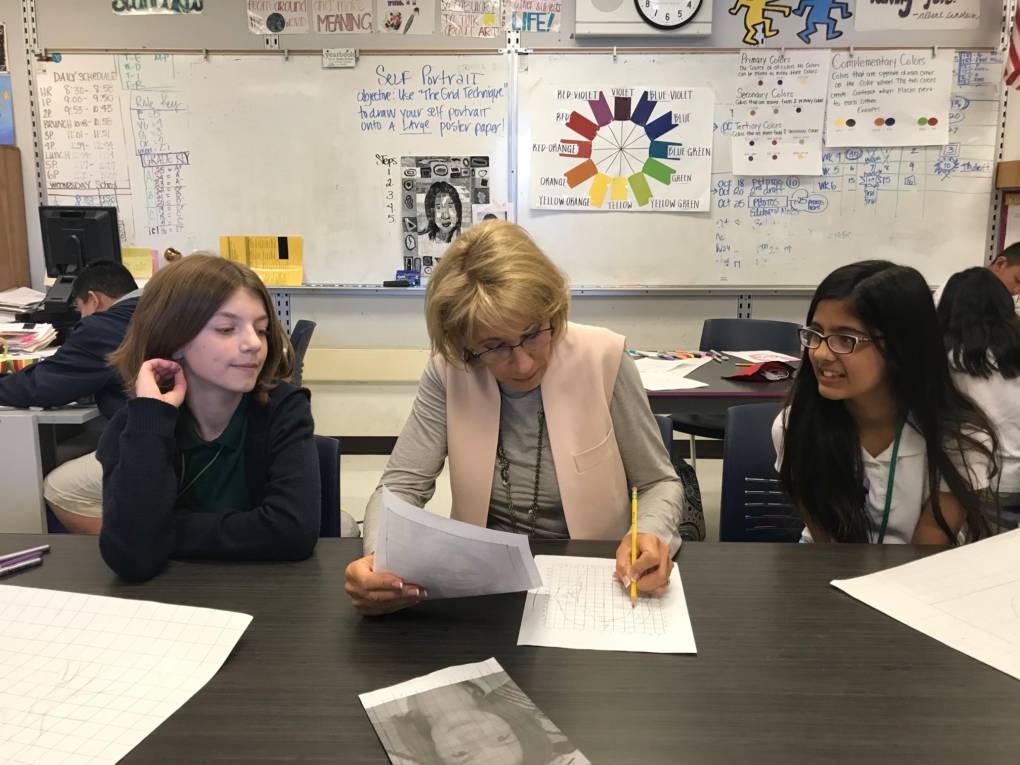
"caption": "Education Secretary Betsy DeVos visits an art class at Thomas Russell Middle School in Milpitas.",
"description": null,
"title": "IMG_0282",
"credit": "Tonya Mosley/KQED",
"status": "inherit",
"isLoading": false,
"fetchFailed": false
},
"news_11623330": {
"type": "attachments",
"id": "news_11623330",
"meta": {
"index": "attachments_1716263798",
"site": "news",
"id": "11623330",
"found": true
},
"parent": 11623229,
"imgSizes": {
"small": {
"file": "https://ww2.kqed.org/app/uploads/sites/10/2017/10/RS18012_GettyImages-492659230-qut-520x347.jpg",
"width": 520,
"mimeType": "image/jpeg",
"height": 347
},
"twentyfourteen-full-width": {
"file": "https://ww2.kqed.org/app/uploads/sites/10/2017/10/RS18012_GettyImages-492659230-qut-1038x576.jpg",
"width": 1038,
"mimeType": "image/jpeg",
"height": 576
},
"thumbnail": {
"file": "https://ww2.kqed.org/app/uploads/sites/10/2017/10/RS18012_GettyImages-492659230-qut-160x107.jpg",
"width": 160,
"mimeType": "image/jpeg",
"height": 107
},
"fd-sm": {
"file": "https://ww2.kqed.org/app/uploads/sites/10/2017/10/RS18012_GettyImages-492659230-qut-960x640.jpg",
"width": 960,
"mimeType": "image/jpeg",
"height": 640
},
"post-thumbnail": {
"file": "https://ww2.kqed.org/app/uploads/sites/10/2017/10/RS18012_GettyImages-492659230-qut-672x372.jpg",
"width": 672,
"mimeType": "image/jpeg",
"height": 372
},
"xsmall": {
"file": "https://ww2.kqed.org/app/uploads/sites/10/2017/10/RS18012_GettyImages-492659230-qut-375x250.jpg",
"width": 375,
"mimeType": "image/jpeg",
"height": 250
},
"kqedFullSize": {
"file": "https://ww2.kqed.org/app/uploads/sites/10/2017/10/RS18012_GettyImages-492659230-qut.jpg",
"width": 1920,
"height": 1280
},
"large": {
"file": "https://ww2.kqed.org/app/uploads/sites/10/2017/10/RS18012_GettyImages-492659230-qut-1020x680.jpg",
"width": 1020,
"mimeType": "image/jpeg",
"height": 680
},
"xlarge": {
"file": "https://ww2.kqed.org/app/uploads/sites/10/2017/10/RS18012_GettyImages-492659230-qut-1180x787.jpg",
"width": 1180,
"mimeType": "image/jpeg",
"height": 787
},
"guest-author-50": {
"file": "https://ww2.kqed.org/app/uploads/sites/10/2017/10/RS18012_GettyImages-492659230-qut-50x50.jpg",
"width": 50,
"mimeType": "image/jpeg",
"height": 50
},
"guest-author-96": {
"file": "https://ww2.kqed.org/app/uploads/sites/10/2017/10/RS18012_GettyImages-492659230-qut-96x96.jpg",
"width": 96,
"mimeType": "image/jpeg",
"height": 96
},
"medium": {
"file": "https://ww2.kqed.org/app/uploads/sites/10/2017/10/RS18012_GettyImages-492659230-qut-800x533.jpg",
"width": 800,
"mimeType": "image/jpeg",
"height": 533
},
"guest-author-64": {
"file": "https://ww2.kqed.org/app/uploads/sites/10/2017/10/RS18012_GettyImages-492659230-qut-64x64.jpg",
"width": 64,
"mimeType": "image/jpeg",
"height": 64
},
"guest-author-32": {
"file": "https://ww2.kqed.org/app/uploads/sites/10/2017/10/RS18012_GettyImages-492659230-qut-32x32.jpg",
"width": 32,
"mimeType": "image/jpeg",
"height": 32
},
"fd-lrg": {
"file": "https://ww2.kqed.org/app/uploads/sites/10/2017/10/RS18012_GettyImages-492659230-qut-1920x1280.jpg",
"width": 1920,
"mimeType": "image/jpeg",
"height": 1280
},
"fd-med": {
"file": "https://ww2.kqed.org/app/uploads/sites/10/2017/10/RS18012_GettyImages-492659230-qut-1180x787.jpg",
"width": 1180,
"mimeType": "image/jpeg",
"height": 787
},
"full-width": {
"file": "https://ww2.kqed.org/app/uploads/sites/10/2017/10/RS18012_GettyImages-492659230-qut-1920x1280.jpg",
"width": 1920,
"mimeType": "image/jpeg",
"height": 1280
},
"detail": {
"file": "https://ww2.kqed.org/app/uploads/sites/10/2017/10/RS18012_GettyImages-492659230-qut-150x150.jpg",
"width": 150,
"mimeType": "image/jpeg",
"height": 150
},
"guest-author-128": {
"file": "https://ww2.kqed.org/app/uploads/sites/10/2017/10/RS18012_GettyImages-492659230-qut-128x128.jpg",
"width": 128,
"mimeType": "image/jpeg",
"height": 128
},
"xxsmall": {
"file": "https://ww2.kqed.org/app/uploads/sites/10/2017/10/RS18012_GettyImages-492659230-qut-240x160.jpg",
"width": 240,
"mimeType": "image/jpeg",
"height": 160
}
},
"publishDate": 1507927822,
"modified": 1507935094,
"caption": "U.S. Immigration and Customs Enforcement (ICE) agents detain an immigrant on Oct. 14, 2015, in Los Angeles, California.",
"description": null,
"title": "RS18012_GettyImages-492659230-qut",
"credit": "John Moore/Getty Images",
"status": "inherit",
"isLoading": false,
"fetchFailed": false
},
"news_11623358": {
"type": "attachments",
"id": "news_11623358",
"meta": {
"index": "attachments_1716263798",
"site": "news",
"id": "11623358",
"found": true
},
"parent": 11622851,
"imgSizes": {
"small": {
"file": "https://ww2.kqed.org/app/uploads/sites/10/2017/10/RS27322_IMG_3893-qut-520x347.jpg",
"width": 520,
"mimeType": "image/jpeg",
"height": 347
},
"twentyfourteen-full-width": {
"file": "https://ww2.kqed.org/app/uploads/sites/10/2017/10/RS27322_IMG_3893-qut-1038x576.jpg",
"width": 1038,
"mimeType": "image/jpeg",
"height": 576
},
"thumbnail": {
"file": "https://ww2.kqed.org/app/uploads/sites/10/2017/10/RS27322_IMG_3893-qut-160x107.jpg",
"width": 160,
"mimeType": "image/jpeg",
"height": 107
},
"fd-sm": {
"file": "https://ww2.kqed.org/app/uploads/sites/10/2017/10/RS27322_IMG_3893-qut-960x640.jpg",
"width": 960,
"mimeType": "image/jpeg",
"height": 640
},
"post-thumbnail": {
"file": "https://ww2.kqed.org/app/uploads/sites/10/2017/10/RS27322_IMG_3893-qut-672x372.jpg",
"width": 672,
"mimeType": "image/jpeg",
"height": 372
},
"xsmall": {
"file": "https://ww2.kqed.org/app/uploads/sites/10/2017/10/RS27322_IMG_3893-qut-375x250.jpg",
"width": 375,
"mimeType": "image/jpeg",
"height": 250
},
"kqedFullSize": {
"file": "https://ww2.kqed.org/app/uploads/sites/10/2017/10/RS27322_IMG_3893-qut.jpg",
"width": 1920,
"height": 1280
},
"large": {
"file": "https://ww2.kqed.org/app/uploads/sites/10/2017/10/RS27322_IMG_3893-qut-1020x680.jpg",
"width": 1020,
"mimeType": "image/jpeg",
"height": 680
},
"xlarge": {
"file": "https://ww2.kqed.org/app/uploads/sites/10/2017/10/RS27322_IMG_3893-qut-1180x787.jpg",
"width": 1180,
"mimeType": "image/jpeg",
"height": 787
},
"guest-author-50": {
"file": "https://ww2.kqed.org/app/uploads/sites/10/2017/10/RS27322_IMG_3893-qut-50x50.jpg",
"width": 50,
"mimeType": "image/jpeg",
"height": 50
},
"guest-author-96": {
"file": "https://ww2.kqed.org/app/uploads/sites/10/2017/10/RS27322_IMG_3893-qut-96x96.jpg",
"width": 96,
"mimeType": "image/jpeg",
"height": 96
},
"medium": {
"file": "https://ww2.kqed.org/app/uploads/sites/10/2017/10/RS27322_IMG_3893-qut-800x533.jpg",
"width": 800,
"mimeType": "image/jpeg",
"height": 533
},
"guest-author-64": {
"file": "https://ww2.kqed.org/app/uploads/sites/10/2017/10/RS27322_IMG_3893-qut-64x64.jpg",
"width": 64,
"mimeType": "image/jpeg",
"height": 64
},
"guest-author-32": {
"file": "https://ww2.kqed.org/app/uploads/sites/10/2017/10/RS27322_IMG_3893-qut-32x32.jpg",
"width": 32,
"mimeType": "image/jpeg",
"height": 32
},
"fd-lrg": {
"file": "https://ww2.kqed.org/app/uploads/sites/10/2017/10/RS27322_IMG_3893-qut-1920x1280.jpg",
"width": 1920,
"mimeType": "image/jpeg",
"height": 1280
},
"fd-med": {
"file": "https://ww2.kqed.org/app/uploads/sites/10/2017/10/RS27322_IMG_3893-qut-1180x787.jpg",
"width": 1180,
"mimeType": "image/jpeg",
"height": 787
},
"full-width": {
"file": "https://ww2.kqed.org/app/uploads/sites/10/2017/10/RS27322_IMG_3893-qut-1920x1280.jpg",
"width": 1920,
"mimeType": "image/jpeg",
"height": 1280
},
"detail": {
"file": "https://ww2.kqed.org/app/uploads/sites/10/2017/10/RS27322_IMG_3893-qut-150x150.jpg",
"width": 150,
"mimeType": "image/jpeg",
"height": 150
},
"guest-author-128": {
"file": "https://ww2.kqed.org/app/uploads/sites/10/2017/10/RS27322_IMG_3893-qut-128x128.jpg",
"width": 128,
"mimeType": "image/jpeg",
"height": 128
},
"xxsmall": {
"file": "https://ww2.kqed.org/app/uploads/sites/10/2017/10/RS27322_IMG_3893-qut-240x160.jpg",
"width": 240,
"mimeType": "image/jpeg",
"height": 160
}
},
"publishDate": 1507929884,
"modified": 1507929977,
"caption": "Incident command center set up at Silverado shopping center in Napa.",
"description": "Incident command center set up at Silverado shopping center in Napa.",
"title": "RS27322_IMG_3893-qut",
"credit": "Sheraz Sadiq/KQED",
"status": "inherit",
"isLoading": false,
"fetchFailed": false
},
"news_11623252": {
"type": "attachments",
"id": "news_11623252",
"meta": {
"index": "attachments_1716263798",
"site": "news",
"id": "11623252",
"found": true
},
"parent": 11623224,
"imgSizes": {
"small": {
"file": "https://ww2.kqed.org/app/uploads/sites/10/2017/10/Becerra-520x347.jpg",
"width": 520,
"mimeType": "image/jpeg",
"height": 347
},
"twentyfourteen-full-width": {
"file": "https://ww2.kqed.org/app/uploads/sites/10/2017/10/Becerra-1038x576.jpg",
"width": 1038,
"mimeType": "image/jpeg",
"height": 576
},
"thumbnail": {
"file": "https://ww2.kqed.org/app/uploads/sites/10/2017/10/Becerra-160x107.jpg",
"width": 160,
"mimeType": "image/jpeg",
"height": 107
},
"fd-sm": {
"file": "https://ww2.kqed.org/app/uploads/sites/10/2017/10/Becerra-960x640.jpg",
"width": 960,
"mimeType": "image/jpeg",
"height": 640
},
"post-thumbnail": {
"file": "https://ww2.kqed.org/app/uploads/sites/10/2017/10/Becerra-672x372.jpg",
"width": 672,
"mimeType": "image/jpeg",
"height": 372
},
"xsmall": {
"file": "https://ww2.kqed.org/app/uploads/sites/10/2017/10/Becerra-375x250.jpg",
"width": 375,
"mimeType": "image/jpeg",
"height": 250
},
"kqedFullSize": {
"file": "https://ww2.kqed.org/app/uploads/sites/10/2017/10/Becerra.jpg",
"width": 1920,
"height": 1280
},
"large": {
"file": "https://ww2.kqed.org/app/uploads/sites/10/2017/10/Becerra-1020x680.jpg",
"width": 1020,
"mimeType": "image/jpeg",
"height": 680
},
"xlarge": {
"file": "https://ww2.kqed.org/app/uploads/sites/10/2017/10/Becerra-1180x787.jpg",
"width": 1180,
"mimeType": "image/jpeg",
"height": 787
},
"guest-author-50": {
"file": "https://ww2.kqed.org/app/uploads/sites/10/2017/10/Becerra-50x50.jpg",
"width": 50,
"mimeType": "image/jpeg",
"height": 50
},
"guest-author-96": {
"file": "https://ww2.kqed.org/app/uploads/sites/10/2017/10/Becerra-96x96.jpg",
"width": 96,
"mimeType": "image/jpeg",
"height": 96
},
"medium": {
"file": "https://ww2.kqed.org/app/uploads/sites/10/2017/10/Becerra-800x533.jpg",
"width": 800,
"mimeType": "image/jpeg",
"height": 533
},
"guest-author-64": {
"file": "https://ww2.kqed.org/app/uploads/sites/10/2017/10/Becerra-64x64.jpg",
"width": 64,
"mimeType": "image/jpeg",
"height": 64
},
"guest-author-32": {
"file": "https://ww2.kqed.org/app/uploads/sites/10/2017/10/Becerra-32x32.jpg",
"width": 32,
"mimeType": "image/jpeg",
"height": 32
},
"fd-lrg": {
"file": "https://ww2.kqed.org/app/uploads/sites/10/2017/10/Becerra-1920x1280.jpg",
"width": 1920,
"mimeType": "image/jpeg",
"height": 1280
},
"fd-med": {
"file": "https://ww2.kqed.org/app/uploads/sites/10/2017/10/Becerra-1180x787.jpg",
"width": 1180,
"mimeType": "image/jpeg",
"height": 787
},
"full-width": {
"file": "https://ww2.kqed.org/app/uploads/sites/10/2017/10/Becerra-1920x1280.jpg",
"width": 1920,
"mimeType": "image/jpeg",
"height": 1280
},
"detail": {
"file": "https://ww2.kqed.org/app/uploads/sites/10/2017/10/Becerra-150x150.jpg",
"width": 150,
"mimeType": "image/jpeg",
"height": 150
},
"guest-author-128": {
"file": "https://ww2.kqed.org/app/uploads/sites/10/2017/10/Becerra-128x128.jpg",
"width": 128,
"mimeType": "image/jpeg",
"height": 128
},
"xxsmall": {
"file": "https://ww2.kqed.org/app/uploads/sites/10/2017/10/Becerra-240x160.jpg",
"width": 240,
"mimeType": "image/jpeg",
"height": 160
}
},
"publishDate": 1507922996,
"modified": 1507923053,
"caption": "California Attorney General Xavier Becerra",
"description": "California Attorney General Xavier Becerra",
"title": "Becerra",
"credit": "Brendan Hoffman/Getty Images",
"status": "inherit",
"isLoading": false,
"fetchFailed": false
},
"news_11623517": {
"type": "attachments",
"id": "news_11623517",
"meta": {
"index": "attachments_1716263798",
"site": "news",
"id": "11623517",
"found": true
},
"parent": 11623237,
"imgSizes": {
"small": {
"file": "https://ww2.kqed.org/app/uploads/sites/10/2017/10/julayne-520x348.jpg",
"width": 520,
"mimeType": "image/jpeg",
"height": 348
},
"twentyfourteen-full-width": {
"file": "https://ww2.kqed.org/app/uploads/sites/10/2017/10/julayne-1038x576.jpg",
"width": 1038,
"mimeType": "image/jpeg",
"height": 576
},
"thumbnail": {
"file": "https://ww2.kqed.org/app/uploads/sites/10/2017/10/julayne-160x107.jpg",
"width": 160,
"mimeType": "image/jpeg",
"height": 107
},
"fd-sm": {
"file": "https://ww2.kqed.org/app/uploads/sites/10/2017/10/julayne-960x643.jpg",
"width": 960,
"mimeType": "image/jpeg",
"height": 643
},
"post-thumbnail": {
"file": "https://ww2.kqed.org/app/uploads/sites/10/2017/10/julayne-672x372.jpg",
"width": 672,
"mimeType": "image/jpeg",
"height": 372
},
"xsmall": {
"file": "https://ww2.kqed.org/app/uploads/sites/10/2017/10/julayne-375x251.jpg",
"width": 375,
"mimeType": "image/jpeg",
"height": 251
},
"kqedFullSize": {
"file": "https://ww2.kqed.org/app/uploads/sites/10/2017/10/julayne.jpg",
"width": 1920,
"height": 1285
},
"large": {
"file": "https://ww2.kqed.org/app/uploads/sites/10/2017/10/julayne-1020x683.jpg",
"width": 1020,
"mimeType": "image/jpeg",
"height": 683
},
"xlarge": {
"file": "https://ww2.kqed.org/app/uploads/sites/10/2017/10/julayne-1180x790.jpg",
"width": 1180,
"mimeType": "image/jpeg",
"height": 790
},
"guest-author-50": {
"file": "https://ww2.kqed.org/app/uploads/sites/10/2017/10/julayne-50x50.jpg",
"width": 50,
"mimeType": "image/jpeg",
"height": 50
},
"guest-author-96": {
"file": "https://ww2.kqed.org/app/uploads/sites/10/2017/10/julayne-96x96.jpg",
"width": 96,
"mimeType": "image/jpeg",
"height": 96
},
"medium": {
"file": "https://ww2.kqed.org/app/uploads/sites/10/2017/10/julayne-800x535.jpg",
"width": 800,
"mimeType": "image/jpeg",
"height": 535
},
"guest-author-64": {
"file": "https://ww2.kqed.org/app/uploads/sites/10/2017/10/julayne-64x64.jpg",
"width": 64,
"mimeType": "image/jpeg",
"height": 64
},
"guest-author-32": {
"file": "https://ww2.kqed.org/app/uploads/sites/10/2017/10/julayne-32x32.jpg",
"width": 32,
"mimeType": "image/jpeg",
"height": 32
},
"fd-lrg": {
"file": "https://ww2.kqed.org/app/uploads/sites/10/2017/10/julayne-1920x1285.jpg",
"width": 1920,
"mimeType": "image/jpeg",
"height": 1285
},
"fd-med": {
"file": "https://ww2.kqed.org/app/uploads/sites/10/2017/10/julayne-1180x790.jpg",
"width": 1180,
"mimeType": "image/jpeg",
"height": 790
},
"full-width": {
"file": "https://ww2.kqed.org/app/uploads/sites/10/2017/10/julayne-1920x1285.jpg",
"width": 1920,
"mimeType": "image/jpeg",
"height": 1285
},
"detail": {
"file": "https://ww2.kqed.org/app/uploads/sites/10/2017/10/julayne-150x150.jpg",
"width": 150,
"mimeType": "image/jpeg",
"height": 150
},
"guest-author-128": {
"file": "https://ww2.kqed.org/app/uploads/sites/10/2017/10/julayne-128x128.jpg",
"width": 128,
"mimeType": "image/jpeg",
"height": 128
},
"xxsmall": {
"file": "https://ww2.kqed.org/app/uploads/sites/10/2017/10/julayne-240x161.jpg",
"width": 240,
"mimeType": "image/jpeg",
"height": 161
}
},
"publishDate": 1507945114,
"modified": 1507945143,
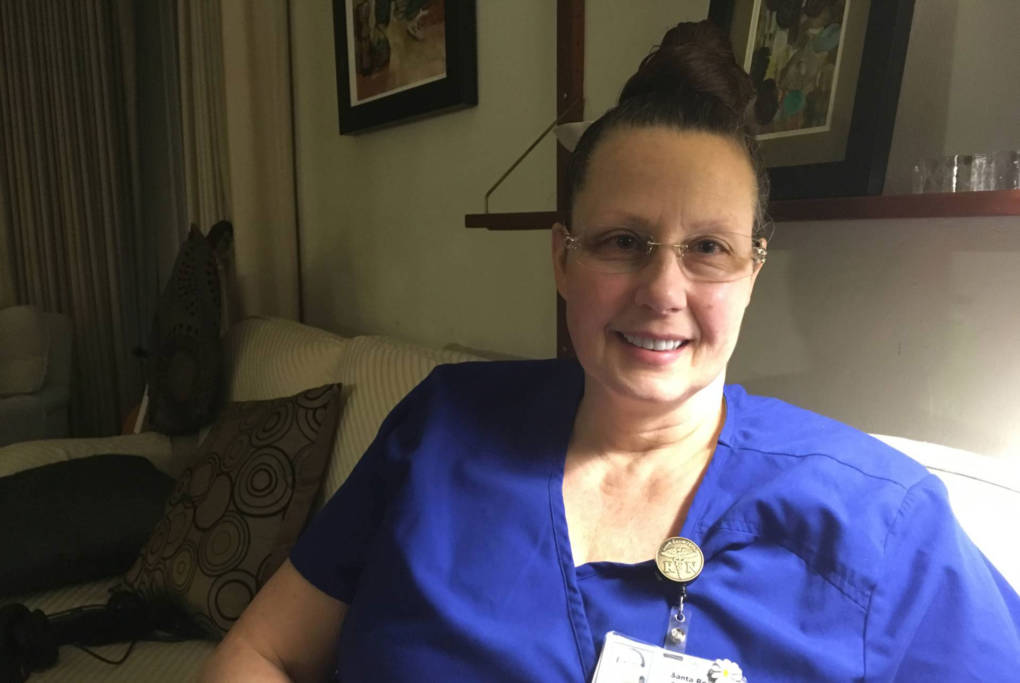
"caption": "Julayne Smithson continues to care for patients who were evacuated from the hospital during the Santa Rosa fires.",
"description": "Julayne Smithson continues to care for patients who were evacuated from the hospital during the Santa Rosa fires.",
"title": "julayne",
"credit": "April Dembosky/KQED",
"status": "inherit",
"isLoading": false,
"fetchFailed": false
},
"news_11615653": {
"type": "attachments",
"id": "news_11615653",
"meta": {
"index": "attachments_1716263798",
"site": "news",
"id": "11615653",
"found": true
},
"parent": 11615650,
"imgSizes": {
"small": {
"file": "https://ww2.kqed.org/app/uploads/sites/10/2017/09/RS25549_GettyImages-690981234-qut-520x330.jpg",
"width": 520,
"mimeType": "image/jpeg",
"height": 330
},
"twentyfourteen-full-width": {
"file": "https://ww2.kqed.org/app/uploads/sites/10/2017/09/RS25549_GettyImages-690981234-qut-1038x576.jpg",
"width": 1038,
"mimeType": "image/jpeg",
"height": 576
},
"thumbnail": {
"file": "https://ww2.kqed.org/app/uploads/sites/10/2017/09/RS25549_GettyImages-690981234-qut-160x101.jpg",
"width": 160,
"mimeType": "image/jpeg",
"height": 101
},
"fd-sm": {
"file": "https://ww2.kqed.org/app/uploads/sites/10/2017/09/RS25549_GettyImages-690981234-qut-960x609.jpg",
"width": 960,
"mimeType": "image/jpeg",
"height": 609
},
"post-thumbnail": {
"file": "https://ww2.kqed.org/app/uploads/sites/10/2017/09/RS25549_GettyImages-690981234-qut-672x372.jpg",
"width": 672,
"mimeType": "image/jpeg",
"height": 372
},
"xsmall": {
"file": "https://ww2.kqed.org/app/uploads/sites/10/2017/09/RS25549_GettyImages-690981234-qut-375x238.jpg",
"width": 375,
"mimeType": "image/jpeg",
"height": 238
},
"kqedFullSize": {
"file": "https://ww2.kqed.org/app/uploads/sites/10/2017/09/RS25549_GettyImages-690981234-qut.jpg",
"width": 1920,
"height": 1217
},
"large": {
"file": "https://ww2.kqed.org/app/uploads/sites/10/2017/09/RS25549_GettyImages-690981234-qut-1020x647.jpg",
"width": 1020,
"mimeType": "image/jpeg",
"height": 647
},
"xlarge": {
"file": "https://ww2.kqed.org/app/uploads/sites/10/2017/09/RS25549_GettyImages-690981234-qut-1180x748.jpg",
"width": 1180,
"mimeType": "image/jpeg",
"height": 748
},
"guest-author-50": {
"file": "https://ww2.kqed.org/app/uploads/sites/10/2017/09/RS25549_GettyImages-690981234-qut-50x50.jpg",
"width": 50,
"mimeType": "image/jpeg",
"height": 50
},
"guest-author-96": {
"file": "https://ww2.kqed.org/app/uploads/sites/10/2017/09/RS25549_GettyImages-690981234-qut-96x96.jpg",
"width": 96,
"mimeType": "image/jpeg",
"height": 96
},
"medium": {
"file": "https://ww2.kqed.org/app/uploads/sites/10/2017/09/RS25549_GettyImages-690981234-qut-800x507.jpg",
"width": 800,
"mimeType": "image/jpeg",
"height": 507
},
"guest-author-64": {
"file": "https://ww2.kqed.org/app/uploads/sites/10/2017/09/RS25549_GettyImages-690981234-qut-64x64.jpg",
"width": 64,
"mimeType": "image/jpeg",
"height": 64
},
"guest-author-32": {
"file": "https://ww2.kqed.org/app/uploads/sites/10/2017/09/RS25549_GettyImages-690981234-qut-32x32.jpg",
"width": 32,
"mimeType": "image/jpeg",
"height": 32
},
"fd-lrg": {
"file": "https://ww2.kqed.org/app/uploads/sites/10/2017/09/RS25549_GettyImages-690981234-qut-1920x1217.jpg",
"width": 1920,
"mimeType": "image/jpeg",
"height": 1217
},
"fd-med": {
"file": "https://ww2.kqed.org/app/uploads/sites/10/2017/09/RS25549_GettyImages-690981234-qut-1180x748.jpg",
"width": 1180,
"mimeType": "image/jpeg",
"height": 748
},
"full-width": {
"file": "https://ww2.kqed.org/app/uploads/sites/10/2017/09/RS25549_GettyImages-690981234-qut-1920x1217.jpg",
"width": 1920,
"mimeType": "image/jpeg",
"height": 1217
},
"detail": {
"file": "https://ww2.kqed.org/app/uploads/sites/10/2017/09/RS25549_GettyImages-690981234-qut-150x150.jpg",
"width": 150,
"mimeType": "image/jpeg",
"height": 150
},
"guest-author-128": {
"file": "https://ww2.kqed.org/app/uploads/sites/10/2017/09/RS25549_GettyImages-690981234-qut-128x128.jpg",
"width": 128,
"mimeType": "image/jpeg",
"height": 128
},
"xxsmall": {
"file": "https://ww2.kqed.org/app/uploads/sites/10/2017/09/RS25549_GettyImages-690981234-qut-240x152.jpg",
"width": 240,
"mimeType": "image/jpeg",
"height": 152
}
},
"publishDate": 1504722308,
"modified": 1507942818,
"caption": "As yet, it's unclear if President Trump will visit Northern California in the wake of this week's devastating fires.",
"description": "As yet, it's unclear if President Donald Trump will visit Northern California in the wake of this week's devastating fires.",
"title": "Donald Trump Hosts Vietnamese Prime Minister Nguyen Xuan Phuc At White House",
"credit": "Olivier Douliery-Pool/Getty Images",
"status": "inherit",
"isLoading": false,
"fetchFailed": false
},
"news_11623106": {
"type": "attachments",
"id": "news_11623106",
"meta": {
"index": "attachments_1716263798",
"site": "news",
"id": "11623106",
"found": true
},
"parent": 11623096,
"imgSizes": {
"small": {
"file": "https://ww2.kqed.org/app/uploads/sites/10/2017/10/RS27515_Bill-Signing-qut-520x293.jpg",
"width": 520,
"mimeType": "image/jpeg",
"height": 293
},
"twentyfourteen-full-width": {
"file": "https://ww2.kqed.org/app/uploads/sites/10/2017/10/RS27515_Bill-Signing-qut-1038x576.jpg",
"width": 1038,
"mimeType": "image/jpeg",
"height": 576
},
"thumbnail": {
"file": "https://ww2.kqed.org/app/uploads/sites/10/2017/10/RS27515_Bill-Signing-qut-160x90.jpg",
"width": 160,
"mimeType": "image/jpeg",
"height": 90
},
"fd-sm": {
"file": "https://ww2.kqed.org/app/uploads/sites/10/2017/10/RS27515_Bill-Signing-qut-960x540.jpg",
"width": 960,
"mimeType": "image/jpeg",
"height": 540
},
"post-thumbnail": {
"file": "https://ww2.kqed.org/app/uploads/sites/10/2017/10/RS27515_Bill-Signing-qut-672x372.jpg",
"width": 672,
"mimeType": "image/jpeg",
"height": 372
},
"xsmall": {
"file": "https://ww2.kqed.org/app/uploads/sites/10/2017/10/RS27515_Bill-Signing-qut-375x211.jpg",
"width": 375,
"mimeType": "image/jpeg",
"height": 211
},
"kqedFullSize": {
"file": "https://ww2.kqed.org/app/uploads/sites/10/2017/10/RS27515_Bill-Signing-qut.jpg",
"width": 1920,
"height": 1080
},
"large": {
"file": "https://ww2.kqed.org/app/uploads/sites/10/2017/10/RS27515_Bill-Signing-qut-1020x574.jpg",
"width": 1020,
"mimeType": "image/jpeg",
"height": 574
},
"xlarge": {
"file": "https://ww2.kqed.org/app/uploads/sites/10/2017/10/RS27515_Bill-Signing-qut-1180x664.jpg",
"width": 1180,
"mimeType": "image/jpeg",
"height": 664
},
"guest-author-50": {
"file": "https://ww2.kqed.org/app/uploads/sites/10/2017/10/RS27515_Bill-Signing-qut-50x50.jpg",
"width": 50,
"mimeType": "image/jpeg",
"height": 50
},
"guest-author-96": {
"file": "https://ww2.kqed.org/app/uploads/sites/10/2017/10/RS27515_Bill-Signing-qut-96x96.jpg",
"width": 96,
"mimeType": "image/jpeg",
"height": 96
},
"medium": {
"file": "https://ww2.kqed.org/app/uploads/sites/10/2017/10/RS27515_Bill-Signing-qut-800x450.jpg",
"width": 800,
"mimeType": "image/jpeg",
"height": 450
},
"guest-author-64": {
"file": "https://ww2.kqed.org/app/uploads/sites/10/2017/10/RS27515_Bill-Signing-qut-64x64.jpg",
"width": 64,
"mimeType": "image/jpeg",
"height": 64
},
"guest-author-32": {
"file": "https://ww2.kqed.org/app/uploads/sites/10/2017/10/RS27515_Bill-Signing-qut-32x32.jpg",
"width": 32,
"mimeType": "image/jpeg",
"height": 32
},
"fd-lrg": {
"file": "https://ww2.kqed.org/app/uploads/sites/10/2017/10/RS27515_Bill-Signing-qut-1920x1080.jpg",
"width": 1920,
"mimeType": "image/jpeg",
"height": 1080
},
"fd-med": {
"file": "https://ww2.kqed.org/app/uploads/sites/10/2017/10/RS27515_Bill-Signing-qut-1180x664.jpg",
"width": 1180,
"mimeType": "image/jpeg",
"height": 664
},
"full-width": {
"file": "https://ww2.kqed.org/app/uploads/sites/10/2017/10/RS27515_Bill-Signing-qut-1920x1080.jpg",
"width": 1920,
"mimeType": "image/jpeg",
"height": 1080
},
"detail": {
"file": "https://ww2.kqed.org/app/uploads/sites/10/2017/10/RS27515_Bill-Signing-qut-150x150.jpg",
"width": 150,
"mimeType": "image/jpeg",
"height": 150
},
"guest-author-128": {
"file": "https://ww2.kqed.org/app/uploads/sites/10/2017/10/RS27515_Bill-Signing-qut-128x128.jpg",
"width": 128,
"mimeType": "image/jpeg",
"height": 128
},
"xxsmall": {
"file": "https://ww2.kqed.org/app/uploads/sites/10/2017/10/RS27515_Bill-Signing-qut-240x135.jpg",
"width": 240,
"mimeType": "image/jpeg",
"height": 135
}
},
"publishDate": 1507853298,
"modified": 1507853343,
"caption": "Governor Jerry Brown signs a package of bills surrounded by members of the California Legislative Women's Caucus.",
"description": "Governor Jerry Brown signs a package of bills surrounded by members of the California Legislative Women's Caucus.",
"title": "RS27515_Bill Signing-qut",
"credit": "Katie Orr/KQED",
"status": "inherit",
"isLoading": false,
"fetchFailed": false
},
"futureofyou_436004": {
"type": "attachments",
"id": "futureofyou_436004",
"meta": {
"index": "attachments_1716263798",
"site": "futureofyou",
"id": "436004",
"found": true
},
"parent": 435986,
"imgSizes": {
"small": {
"file": "https://ww2.kqed.org/app/uploads/sites/13/2017/10/depression-520x347.jpg",
"width": 520,
"mimeType": "image/jpeg",
"height": 347
},
"twentyfourteen-full-width": {
"file": "https://ww2.kqed.org/app/uploads/sites/13/2017/10/depression-1038x576.jpg",
"width": 1038,
"mimeType": "image/jpeg",
"height": 576
},
"thumbnail": {
"file": "https://ww2.kqed.org/app/uploads/sites/13/2017/10/depression-160x107.jpg",
"width": 160,
"mimeType": "image/jpeg",
"height": 107
},
"fd-sm": {
"file": "https://ww2.kqed.org/app/uploads/sites/13/2017/10/depression-960x640.jpg",
"width": 960,
"mimeType": "image/jpeg",
"height": 640
},
"post-thumbnail": {
"file": "https://ww2.kqed.org/app/uploads/sites/13/2017/10/depression-672x372.jpg",
"width": 672,
"mimeType": "image/jpeg",
"height": 372
},
"xsmall": {
"file": "https://ww2.kqed.org/app/uploads/sites/13/2017/10/depression-375x250.jpg",
"width": 375,
"mimeType": "image/jpeg",
"height": 250
},
"kqedFullSize": {
"file": "https://ww2.kqed.org/app/uploads/sites/13/2017/10/depression-e1507755095260.jpg",
"width": 1920,
"height": 1280
},
"large": {
"file": "https://ww2.kqed.org/app/uploads/sites/13/2017/10/depression-1020x680.jpg",
"width": 1020,
"mimeType": "image/jpeg",
"height": 680
},
"xlarge": {
"file": "https://ww2.kqed.org/app/uploads/sites/13/2017/10/depression-1180x787.jpg",
"width": 1180,
"mimeType": "image/jpeg",
"height": 787
},
"guest-author-50": {
"file": "https://ww2.kqed.org/app/uploads/sites/13/2017/10/depression-50x50.jpg",
"width": 50,
"mimeType": "image/jpeg",
"height": 50
},
"guest-author-96": {
"file": "https://ww2.kqed.org/app/uploads/sites/13/2017/10/depression-96x96.jpg",
"width": 96,
"mimeType": "image/jpeg",
"height": 96
},
"medium": {
"file": "https://ww2.kqed.org/app/uploads/sites/13/2017/10/depression-800x533.jpg",
"width": 800,
"mimeType": "image/jpeg",
"height": 533
},
"guest-author-64": {
"file": "https://ww2.kqed.org/app/uploads/sites/13/2017/10/depression-64x64.jpg",
"width": 64,
"mimeType": "image/jpeg",
"height": 64
},
"guest-author-32": {
"file": "https://ww2.kqed.org/app/uploads/sites/13/2017/10/depression-32x32.jpg",
"width": 32,
"mimeType": "image/jpeg",
"height": 32
},
"fd-lrg": {
"file": "https://ww2.kqed.org/app/uploads/sites/13/2017/10/depression-1920x1280.jpg",
"width": 1920,
"mimeType": "image/jpeg",
"height": 1280
},
"fd-med": {
"file": "https://ww2.kqed.org/app/uploads/sites/13/2017/10/depression-1180x787.jpg",
"width": 1180,
"mimeType": "image/jpeg",
"height": 787
},
"full-width": {
"file": "https://ww2.kqed.org/app/uploads/sites/13/2017/10/depression-1920x1280.jpg",
"width": 1920,
"mimeType": "image/jpeg",
"height": 1280
},
"detail": {
"file": "https://ww2.kqed.org/app/uploads/sites/13/2017/10/depression-150x150.jpg",
"width": 150,
"mimeType": "image/jpeg",
"height": 150
},
"medium_large": {
"file": "https://ww2.kqed.org/app/uploads/sites/13/2017/10/depression-768x512.jpg",
"width": 768,
"mimeType": "image/jpeg",
"height": 512
},
"guest-author-128": {
"file": "https://ww2.kqed.org/app/uploads/sites/13/2017/10/depression-128x128.jpg",
"width": 128,
"mimeType": "image/jpeg",
"height": 128
},
"xxsmall": {
"file": "https://ww2.kqed.org/app/uploads/sites/13/2017/10/depression-240x160.jpg",
"width": 240,
"mimeType": "image/jpeg",
"height": 160
}
},
"publishDate": 1507754994,
"modified": 1520379926,
"caption": null,
"description": null,
"title": "My life is such a mess",
"credit": "KatarzynaBialasiewicz/iStock",
"status": "inherit",
"isLoading": false,
"fetchFailed": false
},
"news_11623049": {
"type": "attachments",
"id": "news_11623049",
"meta": {
"index": "attachments_1716263798",
"site": "news",
"id": "11623049",
"found": true
},
"parent": 11623045,
"imgSizes": {
"small": {
"file": "https://ww2.kqed.org/app/uploads/sites/10/2017/10/ADnZYzVg.jpg-large-520x693.jpeg",
"width": 520,
"mimeType": "image/jpeg",
"height": 693
},
"twentyfourteen-full-width": {
"file": "https://ww2.kqed.org/app/uploads/sites/10/2017/10/ADnZYzVg.jpg-large-1024x576.jpeg",
"width": 1024,
"mimeType": "image/jpeg",
"height": 576
},
"thumbnail": {
"file": "https://ww2.kqed.org/app/uploads/sites/10/2017/10/ADnZYzVg.jpg-large-160x213.jpeg",
"width": 160,
"mimeType": "image/jpeg",
"height": 213
},
"fd-sm": {
"file": "https://ww2.kqed.org/app/uploads/sites/10/2017/10/ADnZYzVg.jpg-large-960x1280.jpeg",
"width": 960,
"mimeType": "image/jpeg",
"height": 1280
},
"post-thumbnail": {
"file": "https://ww2.kqed.org/app/uploads/sites/10/2017/10/ADnZYzVg.jpg-large-672x372.jpeg",
"width": 672,
"mimeType": "image/jpeg",
"height": 372
},
"xsmall": {
"file": "https://ww2.kqed.org/app/uploads/sites/10/2017/10/ADnZYzVg.jpg-large-375x500.jpeg",
"width": 375,
"mimeType": "image/jpeg",
"height": 500
},
"kqedFullSize": {
"file": "https://ww2.kqed.org/app/uploads/sites/10/2017/10/ADnZYzVg.jpg-large.jpeg",
"width": 1024,
"height": 1365
},
"large": {
"file": "https://ww2.kqed.org/app/uploads/sites/10/2017/10/ADnZYzVg.jpg-large-1020x1360.jpeg",
"width": 1020,
"mimeType": "image/jpeg",
"height": 1360
},
"guest-author-50": {
"file": "https://ww2.kqed.org/app/uploads/sites/10/2017/10/ADnZYzVg.jpg-large-50x50.jpeg",
"width": 50,
"mimeType": "image/jpeg",
"height": 50
},
"guest-author-96": {
"file": "https://ww2.kqed.org/app/uploads/sites/10/2017/10/ADnZYzVg.jpg-large-96x96.jpeg",
"width": 96,
"mimeType": "image/jpeg",
"height": 96
},
"medium": {
"file": "https://ww2.kqed.org/app/uploads/sites/10/2017/10/ADnZYzVg.jpg-large-800x1066.jpeg",
"width": 800,
"mimeType": "image/jpeg",
"height": 1066
},
"guest-author-64": {
"file": "https://ww2.kqed.org/app/uploads/sites/10/2017/10/ADnZYzVg.jpg-large-64x64.jpeg",
"width": 64,
"mimeType": "image/jpeg",
"height": 64
},
"guest-author-32": {
"file": "https://ww2.kqed.org/app/uploads/sites/10/2017/10/ADnZYzVg.jpg-large-32x32.jpeg",
"width": 32,
"mimeType": "image/jpeg",
"height": 32
},
"detail": {
"file": "https://ww2.kqed.org/app/uploads/sites/10/2017/10/ADnZYzVg.jpg-large-150x150.jpeg",
"width": 150,
"mimeType": "image/jpeg",
"height": 150
},
"guest-author-128": {
"file": "https://ww2.kqed.org/app/uploads/sites/10/2017/10/ADnZYzVg.jpg-large-128x128.jpeg",
"width": 128,
"mimeType": "image/jpeg",
"height": 128
},
"xxsmall": {
"file": "https://ww2.kqed.org/app/uploads/sites/10/2017/10/ADnZYzVg.jpg-large-240x320.jpeg",
"width": 240,
"mimeType": "image/jpeg",
"height": 320
}
},
"publishDate": 1507850397,
"modified": 1507853813,
"caption": "The Little Manila Center in Stockton was vandalized on Oct. 9.",
"description": "The Little Manila Center in Stockton was vandalized on Oct. 9.",
"title": "ADnZYzVg.jpg-large",
"credit": "Courtesy of Celin Corpuz",
"status": "inherit",
"isLoading": false,
"fetchFailed": false
},
"news_11622012": {
"type": "attachments",
"id": "news_11622012",
"meta": {
"index": "attachments_1716263798",
"site": "news",
"id": "11622012",
"found": true
},
"parent": 11621989,
"imgSizes": {
"small": {
"file": "https://ww2.kqed.org/app/uploads/sites/10/2017/10/Firefighterbyhome-520x349.jpg",
"width": 520,
"mimeType": "image/jpeg",
"height": 349
},
"twentyfourteen-full-width": {
"file": "https://ww2.kqed.org/app/uploads/sites/10/2017/10/Firefighterbyhome-1038x576.jpg",
"width": 1038,
"mimeType": "image/jpeg",
"height": 576
},
"thumbnail": {
"file": "https://ww2.kqed.org/app/uploads/sites/10/2017/10/Firefighterbyhome-160x108.jpg",
"width": 160,
"mimeType": "image/jpeg",
"height": 108
},
"fd-sm": {
"file": "https://ww2.kqed.org/app/uploads/sites/10/2017/10/Firefighterbyhome-960x645.jpg",
"width": 960,
"mimeType": "image/jpeg",
"height": 645
},
"post-thumbnail": {
"file": "https://ww2.kqed.org/app/uploads/sites/10/2017/10/Firefighterbyhome-672x372.jpg",
"width": 672,
"mimeType": "image/jpeg",
"height": 372
},
"xsmall": {
"file": "https://ww2.kqed.org/app/uploads/sites/10/2017/10/Firefighterbyhome-375x252.jpg",
"width": 375,
"mimeType": "image/jpeg",
"height": 252
},
"kqedFullSize": {
"file": "https://ww2.kqed.org/app/uploads/sites/10/2017/10/Firefighterbyhome.jpg",
"width": 3000,
"height": 2016
},
"large": {
"file": "https://ww2.kqed.org/app/uploads/sites/10/2017/10/Firefighterbyhome-1020x685.jpg",
"width": 1020,
"mimeType": "image/jpeg",
"height": 685
},
"xlarge": {
"file": "https://ww2.kqed.org/app/uploads/sites/10/2017/10/Firefighterbyhome-1180x793.jpg",
"width": 1180,
"mimeType": "image/jpeg",
"height": 793
},
"guest-author-50": {
"file": "https://ww2.kqed.org/app/uploads/sites/10/2017/10/Firefighterbyhome-50x50.jpg",
"width": 50,
"mimeType": "image/jpeg",
"height": 50
},
"guest-author-96": {
"file": "https://ww2.kqed.org/app/uploads/sites/10/2017/10/Firefighterbyhome-96x96.jpg",
"width": 96,
"mimeType": "image/jpeg",
"height": 96
},
"medium": {
"file": "https://ww2.kqed.org/app/uploads/sites/10/2017/10/Firefighterbyhome-800x538.jpg",
"width": 800,
"mimeType": "image/jpeg",
"height": 538
},
"guest-author-64": {
"file": "https://ww2.kqed.org/app/uploads/sites/10/2017/10/Firefighterbyhome-64x64.jpg",
"width": 64,
"mimeType": "image/jpeg",
"height": 64
},
"guest-author-32": {
"file": "https://ww2.kqed.org/app/uploads/sites/10/2017/10/Firefighterbyhome-32x32.jpg",
"width": 32,
"mimeType": "image/jpeg",
"height": 32
},
"fd-lrg": {
"file": "https://ww2.kqed.org/app/uploads/sites/10/2017/10/Firefighterbyhome-1920x1290.jpg",
"width": 1920,
"mimeType": "image/jpeg",
"height": 1290
},
"fd-med": {
"file": "https://ww2.kqed.org/app/uploads/sites/10/2017/10/Firefighterbyhome-1180x793.jpg",
"width": 1180,
"mimeType": "image/jpeg",
"height": 793
},
"full-width": {
"file": "https://ww2.kqed.org/app/uploads/sites/10/2017/10/Firefighterbyhome-1920x1290.jpg",
"width": 1920,
"mimeType": "image/jpeg",
"height": 1290
},
"detail": {
"file": "https://ww2.kqed.org/app/uploads/sites/10/2017/10/Firefighterbyhome-150x150.jpg",
"width": 150,
"mimeType": "image/jpeg",
"height": 150
},
"guest-author-128": {
"file": "https://ww2.kqed.org/app/uploads/sites/10/2017/10/Firefighterbyhome-128x128.jpg",
"width": 128,
"mimeType": "image/jpeg",
"height": 128
},
"xxsmall": {
"file": "https://ww2.kqed.org/app/uploads/sites/10/2017/10/Firefighterbyhome-240x161.jpg",
"width": 240,
"mimeType": "image/jpeg",
"height": 161
}
},
"publishDate": 1507591727,
"modified": 1507594541,
"caption": "A Los Angeles County firefighter monitors approaching flames near a building as an out-of-control wildfire moves through the area on Oct. 9, 2017, in Yountville, north of Napa.",
"description": "A Los Angeles County firefighter monitors approaching flames near a building as an out-of-control wildfire moves through the area on October 9, 2017 in Yountville, north of Napa.",
"title": "Firefighterbyhome",
"credit": "Justin Sullivan/Getty Images",
"status": "inherit",
"isLoading": false,
"fetchFailed": false
},
"news_11622936": {
"type": "attachments",
"id": "news_11622936",
"meta": {
"index": "attachments_1716263798",
"site": "news",
"id": "11622936",
"found": true
},
"parent": 11622800,
"imgSizes": {
"small": {
"file": "https://ww2.kqed.org/app/uploads/sites/10/2017/10/RS27494_IMG_0994-qut-520x347.jpg",
"width": 520,
"mimeType": "image/jpeg",
"height": 347
},
"twentyfourteen-full-width": {
"file": "https://ww2.kqed.org/app/uploads/sites/10/2017/10/RS27494_IMG_0994-qut-1038x576.jpg",
"width": 1038,
"mimeType": "image/jpeg",
"height": 576
},
"thumbnail": {
"file": "https://ww2.kqed.org/app/uploads/sites/10/2017/10/RS27494_IMG_0994-qut-160x107.jpg",
"width": 160,
"mimeType": "image/jpeg",
"height": 107
},
"fd-sm": {
"file": "https://ww2.kqed.org/app/uploads/sites/10/2017/10/RS27494_IMG_0994-qut-960x640.jpg",
"width": 960,
"mimeType": "image/jpeg",
"height": 640
},
"post-thumbnail": {
"file": "https://ww2.kqed.org/app/uploads/sites/10/2017/10/RS27494_IMG_0994-qut-672x372.jpg",
"width": 672,
"mimeType": "image/jpeg",
"height": 372
},
"xsmall": {
"file": "https://ww2.kqed.org/app/uploads/sites/10/2017/10/RS27494_IMG_0994-qut-375x250.jpg",
"width": 375,
"mimeType": "image/jpeg",
"height": 250
},
"kqedFullSize": {
"file": "https://ww2.kqed.org/app/uploads/sites/10/2017/10/RS27494_IMG_0994-qut.jpg",
"width": 1920,
"height": 1280
},
"large": {
"file": "https://ww2.kqed.org/app/uploads/sites/10/2017/10/RS27494_IMG_0994-qut-1020x680.jpg",
"width": 1020,
"mimeType": "image/jpeg",
"height": 680
},
"xlarge": {
"file": "https://ww2.kqed.org/app/uploads/sites/10/2017/10/RS27494_IMG_0994-qut-1180x787.jpg",
"width": 1180,
"mimeType": "image/jpeg",
"height": 787
},
"guest-author-50": {
"file": "https://ww2.kqed.org/app/uploads/sites/10/2017/10/RS27494_IMG_0994-qut-50x50.jpg",
"width": 50,
"mimeType": "image/jpeg",
"height": 50
},
"guest-author-96": {
"file": "https://ww2.kqed.org/app/uploads/sites/10/2017/10/RS27494_IMG_0994-qut-96x96.jpg",
"width": 96,
"mimeType": "image/jpeg",
"height": 96
},
"medium": {
"file": "https://ww2.kqed.org/app/uploads/sites/10/2017/10/RS27494_IMG_0994-qut-800x533.jpg",
"width": 800,
"mimeType": "image/jpeg",
"height": 533
},
"guest-author-64": {
"file": "https://ww2.kqed.org/app/uploads/sites/10/2017/10/RS27494_IMG_0994-qut-64x64.jpg",
"width": 64,
"mimeType": "image/jpeg",
"height": 64
},
"guest-author-32": {
"file": "https://ww2.kqed.org/app/uploads/sites/10/2017/10/RS27494_IMG_0994-qut-32x32.jpg",
"width": 32,
"mimeType": "image/jpeg",
"height": 32
},
"fd-lrg": {
"file": "https://ww2.kqed.org/app/uploads/sites/10/2017/10/RS27494_IMG_0994-qut-1920x1280.jpg",
"width": 1920,
"mimeType": "image/jpeg",
"height": 1280
},
"fd-med": {
"file": "https://ww2.kqed.org/app/uploads/sites/10/2017/10/RS27494_IMG_0994-qut-1180x787.jpg",
"width": 1180,
"mimeType": "image/jpeg",
"height": 787
},
"full-width": {
"file": "https://ww2.kqed.org/app/uploads/sites/10/2017/10/RS27494_IMG_0994-qut-1920x1280.jpg",
"width": 1920,
"mimeType": "image/jpeg",
"height": 1280
},
"detail": {
"file": "https://ww2.kqed.org/app/uploads/sites/10/2017/10/RS27494_IMG_0994-qut-150x150.jpg",
"width": 150,
"mimeType": "image/jpeg",
"height": 150
},
"guest-author-128": {
"file": "https://ww2.kqed.org/app/uploads/sites/10/2017/10/RS27494_IMG_0994-qut-128x128.jpg",
"width": 128,
"mimeType": "image/jpeg",
"height": 128
},
"xxsmall": {
"file": "https://ww2.kqed.org/app/uploads/sites/10/2017/10/RS27494_IMG_0994-qut-240x160.jpg",
"width": 240,
"mimeType": "image/jpeg",
"height": 160
}
},
"publishDate": 1507840761,
"modified": 1507841546,
"caption": "Jose Diaz, 50, with grandson Jose Manuel, 11, by his truck and trailer at the Marin Center Exhibit Hall, which has become a shelter for many displaced Latino families. Diaz was working in renovations of a house that he believes burned down.",
"description": null,
"title": "RS27494_IMG_0994-qut",
"credit": "Farida Jhabvala Romero/KQED",
"status": "inherit",
"isLoading": false,
"fetchFailed": false
}
},
"audioPlayerReducer": {
"postId": "stream_live",
"isPaused": true,
"isPlaying": false,
"pfsActive": false,
"pledgeModalIsOpen": true,
"playerDrawerIsOpen": false,
"liveAudioPlayStartedAt": 0,
"liveAudioPlayContext": ""
},
"authorsReducer": {
"byline_news_11622851": {
"type": "authors",
"id": "byline_news_11622851",
"meta": {
"override": true
},
"slug": "byline_news_11622851",
"name": "\u003cstrong>KQED News Staff\u003c/strong>",
"isLoading": false
},
"byline_futureofyou_435986": {
"type": "authors",
"id": "byline_futureofyou_435986",
"meta": {
"override": true
},
"slug": "byline_futureofyou_435986",
"name": "Dana Smith\u003cbr />Future of You",
"isLoading": false
},
"scottshafer": {
"type": "authors",
"id": "255",
"meta": {
"index": "authors_1716337520",
"id": "255",
"found": true
},
"name": "Scott Shafer",
"firstName": "Scott",
"lastName": "Shafer",
"slug": "scottshafer",
"email": "sshafer@kqed.org",
"display_author_email": false,
"staff_mastheads": [
"news"
],
"title": "KQED Contributor",
"bio": "Scott Shafer is a senior editor with the KQED Politics and Government desk. He is co-host of Political Breakdown, the award-winning radio show and podcast with a personal take on the world of politics. Scott came to KQED in 1998 to host the statewide\u003cem> California Report\u003c/em>. Prior to that he had extended stints in politics and government\u003cem>.\u003c/em> He uses that inside experience at KQED in his, reporting, hosting and analysis for the politics desk. Scott collaborated \u003cem>Political Breakdown a\u003c/em>nd on \u003cem>The Political Mind of Jerry Brown, \u003c/em>an eight-part series about the life and extraordinary political career of the former governor. For fun, he plays water polo with the San Francisco Tsunami.",
"avatar": "https://secure.gravatar.com/avatar/a62ebae45b79d7aed1a39a0e3bf68104?s=600&d=blank&r=g",
"twitter": "scottshafer",
"bluesky": null,
"facebook": null,
"instagram": null,
"linkedin": null,
"sites": [
{
"site": "news",
"roles": [
"editor"
]
},
{
"site": "stateofhealth",
"roles": [
"author"
]
},
{
"site": "science",
"roles": [
"author"
]
},
{
"site": "forum",
"roles": [
"subscriber"
]
},
{
"site": "liveblog",
"roles": [
"author"
]
}
],
"headData": {
"title": "Scott Shafer | KQED",
"description": "KQED Contributor",
"ogImgSrc": "https://secure.gravatar.com/avatar/a62ebae45b79d7aed1a39a0e3bf68104?s=600&d=blank&r=g",
"twImgSrc": "https://secure.gravatar.com/avatar/a62ebae45b79d7aed1a39a0e3bf68104?s=600&d=blank&r=g"
},
"isLoading": false,
"link": "/author/scottshafer"
},
"adembosky": {
"type": "authors",
"id": "3205",
"meta": {
"index": "authors_1716337520",
"id": "3205",
"found": true
},
"name": "April Dembosky",
"firstName": "April",
"lastName": "Dembosky",
"slug": "adembosky",
"email": "adembosky@kqed.org",
"display_author_email": false,
"staff_mastheads": [
"news",
"science"
],
"title": "KQED Health Correspondent",
"bio": "April Dembosky is the health correspondent for KQED News and a regular contributor to NPR. She specializes in covering altered states of mind, from postpartum depression to methamphetamine-induced psychosis to the insanity defense. Her investigative series on insurance companies sidestepping mental health laws won multiple awards, including first place in beat reporting from the national Association of Health Care Journalists. She is the recipient of numerous other prizes and fellowships, including a national Edward R. Murrow award for investigative reporting, a Society of Professional Journalists award for long-form storytelling, and a Carter Center Fellowship for Mental Health Journalism.\r\n\r\nDembosky reported and produced \u003cem>Soundtrack of Silence\u003c/em>, an audio documentary about music and memory that is currently being made into a feature film by Paramount Pictures.\r\n\r\nBefore joining KQED in 2013, Dembosky covered technology and Silicon Valley for \u003cem>The Financial Times of London,\u003c/em> and contributed business and arts stories to \u003cem>Marketplace \u003c/em>and \u003cem>The New York Times.\u003c/em> She got her undergraduate degree in philosophy from Smith College and her master's in journalism from the University of California, Berkeley. She is a classically trained violinist and proud alum of the first symphony orchestra at Burning Man.",
"avatar": "https://secure.gravatar.com/avatar/d6593cd737b732102fe0b6250b5351c2d3bc9b2987566514aa3c9a106494d684?s=600&d=blank&r=g",
"twitter": "adembosky",
"bluesky": null,
"facebook": null,
"instagram": null,
"linkedin": null,
"sites": [
{
"site": "arts",
"roles": [
"author"
]
},
{
"site": "news",
"roles": [
"editor"
]
},
{
"site": "futureofyou",
"roles": [
"author"
]
},
{
"site": "stateofhealth",
"roles": [
"editor"
]
},
{
"site": "science",
"roles": [
"editor"
]
},
{
"site": "forum",
"roles": [
"editor"
]
}
],
"headData": {
"title": "April Dembosky | KQED",
"description": "KQED Health Correspondent",
"ogImgSrc": "https://secure.gravatar.com/avatar/d6593cd737b732102fe0b6250b5351c2d3bc9b2987566514aa3c9a106494d684?s=600&d=blank&r=g",
"twImgSrc": "https://secure.gravatar.com/avatar/d6593cd737b732102fe0b6250b5351c2d3bc9b2987566514aa3c9a106494d684?s=600&d=blank&r=g"
},
"isLoading": false,
"link": "/author/adembosky"
},
"shossaini": {
"type": "authors",
"id": "3214",
"meta": {
"index": "authors_1716337520",
"id": "3214",
"found": true
},
"name": "Sara Hossaini",
"firstName": "Sara",
"lastName": "Hossaini",
"slug": "shossaini",
"email": "shossaini@kqed.org",
"display_author_email": true,
"staff_mastheads": [
"news"
],
"title": "KQED Reporter",
"bio": "Sara Hossaini came to general assignment reporting at KQED in 2013 after two winters reporting at Wyoming Public Radio. She holds a bachelor's degree in broadcast journalism from the University of Nebraska-Lincoln. Her radio romance began after a bitter breakup with documentary film (Ok, maybe it's still complicated). Her first simultaneous jobs in San Francisco were as Associate Producer on a PBS film series through the Center for Asian American Media and as a butler. She likes to trot, plot and make things with her hands.",
"avatar": "https://secure.gravatar.com/avatar/060e9f56b9554e17942e89f413242774?s=600&d=blank&r=g",
"twitter": "mshossaini",
"facebook": null,
"instagram": null,
"linkedin": null,
"sites": [
{
"site": "news",
"roles": [
"author"
]
},
{
"site": "stateofhealth",
"roles": [
"author"
]
}
],
"headData": {
"title": "Sara Hossaini | KQED",
"description": "KQED Reporter",
"ogImgSrc": "https://secure.gravatar.com/avatar/060e9f56b9554e17942e89f413242774?s=600&d=blank&r=g",
"twImgSrc": "https://secure.gravatar.com/avatar/060e9f56b9554e17942e89f413242774?s=600&d=blank&r=g"
},
"isLoading": false,
"link": "/author/shossaini"
},
"mlagos": {
"type": "authors",
"id": "3239",
"meta": {
"index": "authors_1716337520",
"id": "3239",
"found": true
},
"name": "Marisa Lagos",
"firstName": "Marisa",
"lastName": "Lagos",
"slug": "mlagos",
"email": "mlagos@kqed.org",
"display_author_email": false,
"staff_mastheads": [
"news"
],
"title": "KQED Contributor",
"bio": "Marisa Lagos is a correspondent for KQED’s California Politics and Government Desk and co-hosts the award-winning show and podcast, Political Breakdown. At KQED, Lagos also conducts reporting, analysis and investigations into state, local and national politics for radio, TV, online and onstage. In 2022, she and co-host, Scott Shafer, moderated the only gubernatorial debate in California. In 2020, the \u003ci>Washington Post\u003c/i> named her one of the top political journalists in California; she was nominated for a Peabody and won several other awards for her work investigating the 2017 California wildfires. She has worked at the \u003ci>San Francisco Chronicle\u003c/i>, \u003ci>San Francisco Examiner\u003c/i> and \u003ci>Los Angeles Times\u003c/i>. A UC Santa Barbara graduate, she lives in San Francisco with her two sons and husband.",
"avatar": "https://secure.gravatar.com/avatar/a261a0d3696fc066871ef96b85b5e7d2?s=600&d=blank&r=g",
"twitter": "@mlagos",
"facebook": null,
"instagram": null,
"linkedin": null,
"sites": [
{
"site": "arts",
"roles": [
"author"
]
},
{
"site": "news",
"roles": [
"editor"
]
},
{
"site": "science",
"roles": [
"editor"
]
},
{
"site": "forum",
"roles": [
"author"
]
},
{
"site": "liveblog",
"roles": [
"author"
]
}
],
"headData": {
"title": "Marisa Lagos | KQED",
"description": "KQED Contributor",
"ogImgSrc": "https://secure.gravatar.com/avatar/a261a0d3696fc066871ef96b85b5e7d2?s=600&d=blank&r=g",
"twImgSrc": "https://secure.gravatar.com/avatar/a261a0d3696fc066871ef96b85b5e7d2?s=600&d=blank&r=g"
},
"isLoading": false,
"link": "/author/mlagos"
},
"jplaczek": {
"type": "authors",
"id": "8606",
"meta": {
"index": "authors_1716337520",
"id": "8606",
"found": true
},
"name": "Jessica Placzek",
"firstName": "Jessica",
"lastName": "Placzek",
"slug": "jplaczek",
"email": "jessicalplaczek@gmail.com",
"display_author_email": false,
"staff_mastheads": [
"news"
],
"title": "KQED Contributor",
"bio": "Jessica Placzek is a former senior editor of podcasts at KQED where she served as the editorial lead of the podcast department. She worked with shows like MindShift, Rightnowish, Consider This, SOLD OUT, Bay Curious and The Bay. She’s also been a reporter and audio producer at KQED, KPFA, and KALW. She taught audio production to men incarcerated at California State Prison Solano and edited pieces they produced for the Uncuffed podcast through KALW. In 2018 she co-hosted and produced the third season of Raw Material for SFMOMA. In New Orleans she wrote for the Nola Defender. Her work has also appeared on Marketplace, All Things Considered, The California Report, and Vice. You can find more at jessicaplaczek.com",
"avatar": "https://secure.gravatar.com/avatar/5ead103b5880f672eceb84ce75eecd1b4b6f74a47edc457684a73ad5b8b158e9?s=600&d=blank&r=g",
"twitter": null,
"bluesky": null,
"facebook": null,
"instagram": null,
"linkedin": null,
"sites": [
{
"site": "arts",
"roles": [
"subscriber"
]
},
{
"site": "news",
"roles": [
"subscriber"
]
},
{
"site": "stateofhealth",
"roles": [
"editor"
]
},
{
"site": "forum",
"roles": [
"editor"
]
}
],
"headData": {
"title": "Jessica Placzek | KQED",
"description": "KQED Contributor",
"ogImgSrc": "https://secure.gravatar.com/avatar/5ead103b5880f672eceb84ce75eecd1b4b6f74a47edc457684a73ad5b8b158e9?s=600&d=blank&r=g",
"twImgSrc": "https://secure.gravatar.com/avatar/5ead103b5880f672eceb84ce75eecd1b4b6f74a47edc457684a73ad5b8b158e9?s=600&d=blank&r=g"
},
"isLoading": false,
"link": "/author/jplaczek"
},
"fjhabvala": {
"type": "authors",
"id": "8659",
"meta": {
"index": "authors_1716337520",
"id": "8659",
"found": true
},
"name": "Farida Jhabvala Romero",
"firstName": "Farida",
"lastName": "Jhabvala Romero",
"slug": "fjhabvala",
"email": "fjhabvala@kqed.org",
"display_author_email": true,
"staff_mastheads": [
"news"
],
"title": "KQED Contributor",
"bio": "Farida Jhabvala Romero is a Labor Correspondent for KQED. She previously covered immigration. Farida was \u003ca href=\"https://www.ccnma.org/2022-most-influential-latina-journalists\">named\u003c/a> one of the 10 Most Influential Latina Journalists in California in 2022 by the California Chicano News Media Association. Her work has won awards from the Society of Professional Journalists (Northern California), as well as a national and regional Edward M. Murrow Award for the collaborative reporting projects “Dangerous Air” and “Graying California.” Before joining KQED, Farida worked as a producer at Radio Bilingüe, a national public radio network. Farida earned her master’s degree in journalism from Stanford University.",
"avatar": "https://secure.gravatar.com/avatar/f9f022d4e2609741874222a1e9d41f48fea74011aa7c615eef91d9a50c944ebe?s=600&d=blank&r=g",
"twitter": "FaridaJhabvala",
"bluesky": null,
"facebook": null,
"instagram": null,
"linkedin": "https://www.linkedin.com/in/faridajhabvala/",
"sites": [
{
"site": "news",
"roles": [
"editor"
]
},
{
"site": "stateofhealth",
"roles": [
"author"
]
},
{
"site": "liveblog",
"roles": [
"author"
]
}
],
"headData": {
"title": "Farida Jhabvala Romero | KQED",
"description": "KQED Contributor",
"ogImgSrc": "https://secure.gravatar.com/avatar/f9f022d4e2609741874222a1e9d41f48fea74011aa7c615eef91d9a50c944ebe?s=600&d=blank&r=g",
"twImgSrc": "https://secure.gravatar.com/avatar/f9f022d4e2609741874222a1e9d41f48fea74011aa7c615eef91d9a50c944ebe?s=600&d=blank&r=g"
},
"isLoading": false,
"link": "/author/fjhabvala"
},
"korr": {
"type": "authors",
"id": "11200",
"meta": {
"index": "authors_1716337520",
"id": "11200",
"found": true
},
"name": "Katie Orr",
"firstName": "Katie",
"lastName": "Orr",
"slug": "korr",
"email": "korr@kqed.org",
"display_author_email": false,
"staff_mastheads": [],
"title": "KQED Contributor",
"bio": "Katie Orr was a Sacramento-based reporter for KQED's Politics and Government Desk, covering the state Capitol and a variety of issues including women in politics, voting and elections and legislation. Prior to joining KQED in 2016, Katie was state government reporter for Capital Public Radio in Sacramento. She's also worked for KPBS in San Diego, where she covered City Hall.\r\n\r\nKatie received her masters degree in political science from San Diego State University and holds a Bachelors degree in broadcast journalism from Arizona State University.\r\n\r\nIn 2015 Katie won a national Clarion Award for a series of stories she did on women in California politics. She's been honored by the Society for Professional Journalists and, in 2013, was named by \u003cem>The Washington Post\u003c/em> as one of the country's top state Capitol reporters. She's also reported for the award-winning documentary series \u003cem>The View from Here \u003c/em>and was part of the team that won national PRNDI and Gabriel Awards in 2015. She lives in Sacramento with her husband. Twitter: @1KatieOrr",
"avatar": "https://secure.gravatar.com/avatar/41a40b25845adc78f50808670860449e?s=600&d=blank&r=g",
"twitter": "1katieorr",
"facebook": null,
"instagram": null,
"linkedin": null,
"sites": [
{
"site": "news",
"roles": [
"subscriber"
]
},
{
"site": "stateofhealth",
"roles": [
"author"
]
},
{
"site": "forum",
"roles": [
"author"
]
}
],
"headData": {
"title": "Katie Orr | KQED",
"description": "KQED Contributor",
"ogImgSrc": "https://secure.gravatar.com/avatar/41a40b25845adc78f50808670860449e?s=600&d=blank&r=g",
"twImgSrc": "https://secure.gravatar.com/avatar/41a40b25845adc78f50808670860449e?s=600&d=blank&r=g"
},
"isLoading": false,
"link": "/author/korr"
},
"agarces": {
"type": "authors",
"id": "11367",
"meta": {
"index": "authors_1716337520",
"id": "11367",
"found": true
},
"name": "Audrey Garces",
"firstName": "Audrey",
"lastName": "Garces",
"slug": "agarces",
"email": "agarces@kqed.org",
"display_author_email": false,
"staff_mastheads": [
"news"
],
"title": "Digital Producer",
"bio": "Audrey is a former digital producer at KQED News. Previously, she was a KQED Raul Ramirez Diversity Fund intern where she developed stories that focused on highlighting diverse voices in journalism. Prior to her work at KQED, she worked as a news intern at the San Francisco Examiner. Audrey graduated from San Francisco State University with a B.A. in journalism and a minor in political science.",
"avatar": "https://secure.gravatar.com/avatar/5211bc2e6a809b9956da169e35ce63d5?s=600&d=blank&r=g",
"twitter": "audgar",
"facebook": null,
"instagram": null,
"linkedin": null,
"sites": [
{
"site": "arts",
"roles": []
},
{
"site": "news",
"roles": [
"subscriber"
]
},
{
"site": "science",
"roles": [
"editor"
]
},
{
"site": "forum",
"roles": [
"editor"
]
},
{
"site": "perspectives",
"roles": [
"administrator"
]
}
],
"headData": {
"title": "Audrey Garces | KQED",
"description": "Digital Producer",
"ogImgSrc": "https://secure.gravatar.com/avatar/5211bc2e6a809b9956da169e35ce63d5?s=600&d=blank&r=g",
"twImgSrc": "https://secure.gravatar.com/avatar/5211bc2e6a809b9956da169e35ce63d5?s=600&d=blank&r=g"
},
"isLoading": false,
"link": "/author/agarces"
},
"tmosley": {
"type": "authors",
"id": "11373",
"meta": {
"index": "authors_1716337520",
"id": "11373",
"found": true
},
"name": "Tonya Mosley",
"firstName": "Tonya",
"lastName": "Mosley",
"slug": "tmosley",
"email": "tmosley@kqed.org",
"display_author_email": false,
"staff_mastheads": [],
"title": "KQED Contributor",
"bio": "Tonya Mosley is a former Silicon Valley bureau chief for KQED. She served as the senior editor, leading a team of journalists covering the impacts of technology companies on the South Bay and society. Tonya is also a former host and reporter for KQED.\r\n\r\nPrior to KQED, Tonya served as a television reporter & anchor for several media outlets, including Al Jazeera America.\r\n\r\nIn 2015, Tonya was awarded a John S. Knight Journalism Fellowship at Stanford University where she co-created a workshop for journalists on the impacts of implicit bias, and co-wrote a Belgian/American experimental study on the effects of protest coverage.\r\n\r\nTonya has won several national awards for her work, most recently an Emmy Award in 2016 for her televised piece \"Beyond Ferguson,\" and a national Edward R. Murrow award for her public radio series \"Black in Seattle.\"\r\n\r\nYou can reach Tonya at: tmosley@kqed.org.",
"avatar": "https://secure.gravatar.com/avatar/0b2ea2bbfed6bafaacd21e9398c68e5e?s=600&d=blank&r=g",
"twitter": "tonyamosley",
"facebook": null,
"instagram": null,
"linkedin": null,
"sites": [
{
"site": "arts",
"roles": [
"editor"
]
},
{
"site": "news",
"roles": [
"subscriber"
]
},
{
"site": "about",
"roles": [
"author"
]
},
{
"site": "forum",
"roles": [
"author"
]
}
],
"headData": {
"title": "Tonya Mosley | KQED",
"description": "KQED Contributor",
"ogImgSrc": "https://secure.gravatar.com/avatar/0b2ea2bbfed6bafaacd21e9398c68e5e?s=600&d=blank&r=g",
"twImgSrc": "https://secure.gravatar.com/avatar/0b2ea2bbfed6bafaacd21e9398c68e5e?s=600&d=blank&r=g"
},
"isLoading": false,
"link": "/author/tmosley"
}
},
"pagesReducer": {
"news_program_news-fix": {
"type": "terms",
"id": "news_6944",
"meta": {
"index": "terms_1716263798",
"site": "news",
"id": "6944",
"score": 16.377554
},
"featImg": "https://ww2.kqed.org/app/uploads/sites/10/2014/10/News-Fix-Logo-Web-Banners-04.png",
"name": "News Fix",
"description": null,
"taxonomy": "program",
"headData": {
"twImgId": null,
"twTitle": null,
"ogTitle": null,
"ogImgId": null,
"twDescription": null,
"description": "The News Fix is a daily news podcast from KQED that breaks down the latest headlines and provides in-depth analysis of the stories that matter to the Bay Area.",
"title": "News Fix - Daily Dose of Bay Area News | KQED",
"ogDescription": null
},
"ttid": 6968,
"slug": "news-fix",
"isLoading": false,
"title": "News Fix",
"pageMeta": {
"site": "news",
"WpPageTemplate": "page-topic-editorial",
"currentPage": 87
},
"blocks": [
{
"blockName": "kqed/post-list",
"attrs": {
"layout": "cardArticle2",
"query": "posts/news?program=news-fix",
"seeMore": false,
"paginated": true,
"page": 87
}
},
{
"blockName": "kqed/ad"
}
]
}
},
"pfsSessionReducer": {},
"postsReducer": {
"stream_live": {
"type": "live",
"id": "stream_live",
"audioUrl": "https://streams.kqed.org/kqedradio",
"title": "Live Stream",
"excerpt": "Live Stream information currently unavailable.",
"link": "/radio",
"featImg": "",
"label": {
"name": "KQED Live",
"link": "/"
}
},
"stream_kqedNewscast": {
"type": "posts",
"id": "stream_kqedNewscast",
"audioUrl": "https://www.kqed.org/.stream/anon/radio/RDnews/newscast.mp3?_=1",
"title": "KQED Newscast",
"featImg": "",
"label": {
"name": "88.5 FM",
"link": "/"
}
},
"news_11623103": {
"type": "posts",
"id": "news_11623103",
"meta": {
"index": "posts_1716263798",
"site": "news",
"id": "11623103",
"score": null,
"sort": [
1507930549000
]
},
"guestAuthors": [],
"slug": "wildlife-park-owner-saved-animals-from-fire-as-his-own-home-burned",
"title": "Wildlife Park Owner Saved Animals From Fire as His Own Home Burned",
"publishDate": 1507930549,
"format": "standard",
"headTitle": "Wildlife Park Owner Saved Animals From Fire as His Own Home Burned | KQED",
"labelTerm": {
"term": 72,
"site": "news"
},
"content": "\u003cp>[audio src=\"https://www.kqed.org/.stream/anon/radio/tcr/2017/10/SafariWestHossainitcram171013.mp3\" Image=\"https://u.s.kqed.net/2017/10/13/SafariWestGiraffes2.jpg\" Title=\"Wildlife Park Owner Saved Animals From Fire as His Own Home Burned\" program=\"The California Report\"]\u003c/p>\n\u003cp>Wildfires like the ones \u003ca href=\"https://ww2.kqed.org/news/2017/10/11/at-least-21-dead-3500-structures-destroyed-in-northern-california-fires/\" target=\"_blank\" rel=\"noopener\">raging north of San Francisco\u003c/a> can be unpredictable forces of nature, devouring everything in their path — and then, mercifully, meandering.\u003c/p>\n\u003cp>Peter Lang, the 77-year-old owner of \u003ca href=\"https://www.safariwest.com/\" target=\"_blank\" rel=\"noopener\">Safari West wildlife park\u003c/a> near Santa Rosa, knows both sides of that coin.\u003c/p>\n\u003cp>The road to the 400-acre “Sonoma Serengeti” — a wildlife preserve that’s home to over 1,000 animals — is now like a twisting wasteland. Electrical poles hang by their lines, the bottoms chewed by fire. Cars in yards have been reduced to just their tops, like ashy eggshells. Gates to estates look like they’ve been bombed out.\u003c/p>\n\u003cp>But pulling up to Safari West, it feels like … life.\u003c/p>\n\u003cp>[ad fullwidth]\u003c/p>\n\u003cp>The sprinklers are watering green grass, flamingos splash in their oasis, giraffes teeter in the hazy background. Lang, who resembles a rustic, rosy-cheeked Sean Connery, points out the aviary.\u003c/p>\n\u003cp>“I mean one lit branch laying on that, I mean, it would have pssh, up in flames,” he says.\u003c/p>\n\u003cp>Lang and his staff have been working tirelessly.\u003c/p>\n\u003cp>[contextly_sidebar id=”Hf8K3I7ezBFodWDVKTEXSvtzhC9bywaG”]\u003c/p>\n\u003cp>“Didn’t lose an animal, didn’t lose a bird, didn’t lose a structure,” says Lang. “Did lose my home.”\u003c/p>\n\u003cp>On the night of the evacuations, he was at his home a mile down the road with his wife. They fled, and came here.\u003c/p>\n\u003cp>“They wanted everybody to evacuate here, and I couldn’t leave,” explains Lang.\u003c/p>\n\u003cfigure id=\"attachment_11623355\" class=\"wp-caption aligncenter\" style=\"max-width: 800px\">\u003cimg loading=\"lazy\" decoding=\"async\" class=\"size-medium wp-image-11623355\" src=\"https://ww2.kqed.org/news/wp-content/uploads/sites/10/2017/10/SafariWestAnimals-800x569.jpg\" alt=\"Flamingos stand in the foreground as giraffes roam in the smoky distance at Safari West. The park houses a huge range of animals, from a wide variety of bird species to cheetah, antelope, buffalo and primates.\" width=\"800\" height=\"569\" srcset=\"https://cdn.kqed.org/wp-content/uploads/sites/10/2017/10/SafariWestAnimals-800x569.jpg 800w, https://cdn.kqed.org/wp-content/uploads/sites/10/2017/10/SafariWestAnimals-160x114.jpg 160w, https://cdn.kqed.org/wp-content/uploads/sites/10/2017/10/SafariWestAnimals-1020x725.jpg 1020w, https://cdn.kqed.org/wp-content/uploads/sites/10/2017/10/SafariWestAnimals-1180x839.jpg 1180w, https://cdn.kqed.org/wp-content/uploads/sites/10/2017/10/SafariWestAnimals-960x682.jpg 960w, https://cdn.kqed.org/wp-content/uploads/sites/10/2017/10/SafariWestAnimals-240x171.jpg 240w, https://cdn.kqed.org/wp-content/uploads/sites/10/2017/10/SafariWestAnimals-375x266.jpg 375w, https://cdn.kqed.org/wp-content/uploads/sites/10/2017/10/SafariWestAnimals-520x370.jpg 520w, https://cdn.kqed.org/wp-content/uploads/sites/10/2017/10/SafariWestAnimals.jpg 1334w\" sizes=\"(max-width: 800px) 100vw, 800px\">\u003cfigcaption class=\"wp-caption-text\">Flamingos stand in the foreground as giraffes roam in the smoky distance at Safari West. The park houses a huge range of animals, from a wide variety of bird species to cheetahs, antelopes, buffaloes and primates. \u003ccite>(Sara Hossaini/KQED)\u003c/cite>\u003c/figcaption>\u003c/figure>\n\u003cp>All night, he put out small fires that could have gotten big. At one point, he had to push a huddle of cornered, reluctant nyala antelopes through a ring of fire.\u003c/p>\n\u003cp>“I do believe in souls, and all these critters do have souls. And it was my responsibility to save those souls,” says Lang.\u003c/p>\n\u003cp>In the morning, even without power, some employees managed to find their way back up to help.\u003c/p>\n\u003cp>[contextly_sidebar id=”3Jmkl2XvDkmv4U11nwbKVDcV3heeku4E”]\u003c/p>\n\u003cp>Fred Dickerson has been fixing cheetah fences and caring for the 1,000 animals, which also include rhinos. He says the animals are important, and he likes working here.\u003c/p>\n\u003cp>“They said every animal has been accounted for, even the birds they let out to fly. They got everyone back,” says Dickerson.\u003c/p>\n\u003cp>And remarkably, Lang says, they’re fine. As for Lang?\u003c/p>\n\u003cp>“You know, I’m a pretty emotionally solid person,” he says. “But it can hit you hard.”\u003c/p>\n\u003cp>https://twitter.com/IntBirdRescue/status/918200150274609152\u003c/p>\n\u003cp>Does he replay that decision to fight it out here, rather than at his own home?\u003c/p>\n\u003cp>Not for a second.\u003c/p>\n\u003cp>“Had to do it here, ya truly,” says Lang, as he fights back tears. “Had to do it here.”\u003c/p>\n\u003cp>\u003c/p>\n\u003cp>Lang says he and his wife are luckier than most. Now, they call their park “home.”\u003c/p>\n\n",
"blocks": [],
"excerpt": "'Didn’t lose an animal, didn’t lose a bird, didn’t lose a structure,' says Safari West owner Peter Lang. 'Did lose my home.'",
"status": "publish",
"parent": 0,
"modified": 1722638691,
"stats": {
"hasAudio": true,
"hasVideo": false,
"hasChartOrMap": false,
"iframeSrcs": [],
"hasGoogleForm": false,
"hasGallery": false,
"hasHearkenModule": false,
"hasPolis": false,
"paragraphCount": 25,
"wordCount": 569
},
"headData": {
"title": "Wildlife Park Owner Saved Animals From Fire as His Own Home Burned | KQED",
"description": "'Didn’t lose an animal, didn’t lose a bird, didn’t lose a structure,' says Safari West owner Peter Lang. 'Did lose my home.'",
"ogTitle": "",
"ogDescription": "",
"ogImgId": "",
"twTitle": "",
"twDescription": "",
"twImgId": "",
"schema": {
"@context": "https://schema.org",
"@type": "NewsArticle",
"headline": "Wildlife Park Owner Saved Animals From Fire as His Own Home Burned",
"datePublished": "2017-10-13T14:35:49-07:00",
"dateModified": "2024-08-02T15:44:51-07:00",
"image": "https://cdn.kqed.org/wp-content/uploads/2020/02/KQED-OG-Image@1x.png",
"isAccessibleForFree": "True",
"publisher": {
"@type": "NewsMediaOrganization",
"@id": "https://www.kqed.org/#organization",
"name": "KQED",
"logo": "https://cdn.kqed.org/wp-content/uploads/2020/02/KQED-OG-Image@1x.png",
"url": "https://www.kqed.org",
"sameAs": [
"https://www.facebook.com/KQED",
"https://twitter.com/KQED",
"https://www.instagram.com/kqed/",
"https://www.tiktok.com/@kqedofficial",
"https://www.linkedin.com/company/kqed",
"https://www.youtube.com/channel/UCeC0IOo7i1P_61zVUWbJ4nw"
]
}
}
},
"sticky": false,
"path": "/news/11623103/wildlife-park-owner-saved-animals-from-fire-as-his-own-home-burned",
"audioUrl": "https://www.kqed.org/.stream/anon/radio/tcr/2017/10/SafariWestHossainitcram171013.mp3",
"audioDuration": 165000,
"audioTrackLength": null,
"parsedContent": [
{
"type": "contentString",
"content": "\u003cdiv class=\"post-body\">\u003cp>\u003cp>\u003c/p>\u003c/div>",
"attributes": {
"named": {},
"numeric": []
}
},
{
"type": "component",
"content": "",
"name": "audio",
"attributes": {
"named": {
"src": "https://www.kqed.org/.stream/anon/radio/tcr/2017/10/SafariWestHossainitcram171013.mp3",
"image": "https://u.s.kqed.net/2017/10/13/SafariWestGiraffes2.jpg",
"title": "Wildlife Park Owner Saved Animals From Fire as His Own Home Burned",
"program": "The California Report",
"label": ""
},
"numeric": []
}
},
{
"type": "contentString",
"content": "\u003cdiv class=\"post-body\">\u003cp>\u003c/p>\n\u003cp>Wildfires like the ones \u003ca href=\"https://ww2.kqed.org/news/2017/10/11/at-least-21-dead-3500-structures-destroyed-in-northern-california-fires/\" target=\"_blank\" rel=\"noopener\">raging north of San Francisco\u003c/a> can be unpredictable forces of nature, devouring everything in their path — and then, mercifully, meandering.\u003c/p>\n\u003cp>Peter Lang, the 77-year-old owner of \u003ca href=\"https://www.safariwest.com/\" target=\"_blank\" rel=\"noopener\">Safari West wildlife park\u003c/a> near Santa Rosa, knows both sides of that coin.\u003c/p>\n\u003cp>The road to the 400-acre “Sonoma Serengeti” — a wildlife preserve that’s home to over 1,000 animals — is now like a twisting wasteland. Electrical poles hang by their lines, the bottoms chewed by fire. Cars in yards have been reduced to just their tops, like ashy eggshells. Gates to estates look like they’ve been bombed out.\u003c/p>\n\u003cp>But pulling up to Safari West, it feels like … life.\u003c/p>\n\u003cp>\u003c/p>\u003c/div>",
"attributes": {
"named": {},
"numeric": []
}
},
{
"type": "component",
"content": "",
"name": "ad",
"attributes": {
"named": {
"label": "fullwidth"
},
"numeric": [
"fullwidth"
]
}
},
{
"type": "contentString",
"content": "\u003cdiv class=\"post-body\">\u003cp>\u003c/p>\n\u003cp>The sprinklers are watering green grass, flamingos splash in their oasis, giraffes teeter in the hazy background. Lang, who resembles a rustic, rosy-cheeked Sean Connery, points out the aviary.\u003c/p>\n\u003cp>“I mean one lit branch laying on that, I mean, it would have pssh, up in flames,” he says.\u003c/p>\n\u003cp>Lang and his staff have been working tirelessly.\u003c/p>\n\u003cp>\u003c/p>\u003cp>\u003c/p>\u003cp>\u003c/p>\n\u003cp>“Didn’t lose an animal, didn’t lose a bird, didn’t lose a structure,” says Lang. “Did lose my home.”\u003c/p>\n\u003cp>On the night of the evacuations, he was at his home a mile down the road with his wife. They fled, and came here.\u003c/p>\n\u003cp>“They wanted everybody to evacuate here, and I couldn’t leave,” explains Lang.\u003c/p>\n\u003cfigure id=\"attachment_11623355\" class=\"wp-caption aligncenter\" style=\"max-width: 800px\">\u003cimg loading=\"lazy\" decoding=\"async\" class=\"size-medium wp-image-11623355\" src=\"https://ww2.kqed.org/news/wp-content/uploads/sites/10/2017/10/SafariWestAnimals-800x569.jpg\" alt=\"Flamingos stand in the foreground as giraffes roam in the smoky distance at Safari West. The park houses a huge range of animals, from a wide variety of bird species to cheetah, antelope, buffalo and primates.\" width=\"800\" height=\"569\" srcset=\"https://cdn.kqed.org/wp-content/uploads/sites/10/2017/10/SafariWestAnimals-800x569.jpg 800w, https://cdn.kqed.org/wp-content/uploads/sites/10/2017/10/SafariWestAnimals-160x114.jpg 160w, https://cdn.kqed.org/wp-content/uploads/sites/10/2017/10/SafariWestAnimals-1020x725.jpg 1020w, https://cdn.kqed.org/wp-content/uploads/sites/10/2017/10/SafariWestAnimals-1180x839.jpg 1180w, https://cdn.kqed.org/wp-content/uploads/sites/10/2017/10/SafariWestAnimals-960x682.jpg 960w, https://cdn.kqed.org/wp-content/uploads/sites/10/2017/10/SafariWestAnimals-240x171.jpg 240w, https://cdn.kqed.org/wp-content/uploads/sites/10/2017/10/SafariWestAnimals-375x266.jpg 375w, https://cdn.kqed.org/wp-content/uploads/sites/10/2017/10/SafariWestAnimals-520x370.jpg 520w, https://cdn.kqed.org/wp-content/uploads/sites/10/2017/10/SafariWestAnimals.jpg 1334w\" sizes=\"(max-width: 800px) 100vw, 800px\">\u003cfigcaption class=\"wp-caption-text\">Flamingos stand in the foreground as giraffes roam in the smoky distance at Safari West. The park houses a huge range of animals, from a wide variety of bird species to cheetahs, antelopes, buffaloes and primates. \u003ccite>(Sara Hossaini/KQED)\u003c/cite>\u003c/figcaption>\u003c/figure>\n\u003cp>All night, he put out small fires that could have gotten big. At one point, he had to push a huddle of cornered, reluctant nyala antelopes through a ring of fire.\u003c/p>\n\u003cp>“I do believe in souls, and all these critters do have souls. And it was my responsibility to save those souls,” says Lang.\u003c/p>\n\u003cp>In the morning, even without power, some employees managed to find their way back up to help.\u003c/p>\n\u003cp>\u003c/p>\u003cp>\u003c/p>\u003cp>\u003c/p>\n\u003cp>Fred Dickerson has been fixing cheetah fences and caring for the 1,000 animals, which also include rhinos. He says the animals are important, and he likes working here.\u003c/p>\n\u003cp>“They said every animal has been accounted for, even the birds they let out to fly. They got everyone back,” says Dickerson.\u003c/p>\n\u003cp>And remarkably, Lang says, they’re fine. As for Lang?\u003c/p>\n\u003cp>“You know, I’m a pretty emotionally solid person,” he says. “But it can hit you hard.”\u003c/p>\u003c/p>\u003c/div>",
"attributes": {
"named": {},
"numeric": []
}
},
{
"type": "component",
"content": "",
"name": "singleTwitterStatus",
"attributes": {
"named": {
"id": "918200150274609152"
},
"numeric": []
}
},
{
"type": "contentString",
"content": "\u003cdiv class=\"post-body\">\u003cp>\n\u003cp>Does he replay that decision to fight it out here, rather than at his own home?\u003c/p>\n\u003cp>Not for a second.\u003c/p>\n\u003cp>“Had to do it here, ya truly,” says Lang, as he fights back tears. “Had to do it here.”\u003c/p>\n\u003cp>\u003c/p>\n\u003cp>Lang says he and his wife are luckier than most. Now, they call their park “home.”\u003c/p>\n\n\u003c/div>\u003c/p>",
"attributes": {
"named": {},
"numeric": []
}
}
],
"link": "/news/11623103/wildlife-park-owner-saved-animals-from-fire-as-his-own-home-burned",
"authors": [
"3214"
],
"programs": [
"news_6944",
"news_72"
],
"categories": [
"news_19906",
"news_8",
"news_356"
],
"tags": [
"news_18132",
"news_474",
"news_17286",
"news_4463"
],
"featImg": "news_11623373",
"label": "news_72"
},
"news_11623102": {
"type": "posts",
"id": "news_11623102",
"meta": {
"index": "posts_1716263798",
"site": "news",
"id": "11623102",
"score": null,
"sort": [
1507930186000
]
},
"guestAuthors": [],
"slug": "education-secretary-betsy-devos-visits-milpitas-as-part-of-west-coast-tour",
"title": "Education Secretary Betsy DeVos Visits Milpitas as Part of West Coast Tour",
"publishDate": 1507930186,
"format": "standard",
"headTitle": "Education Secretary Betsy DeVos Visits Milpitas as Part of West Coast Tour | KQED",
"labelTerm": {
"term": 6944,
"site": "news"
},
"content": "\u003cp>U.S. Secretary of Education Betsy DeVos visited Thomas Russell Middle School in Milpitas Thursday. DeVos said she chose Russell because of its approach to individualized learning, which tailors curriculum based on individual students’ needs.\u003c/p>\n\u003cp>“I especially appreciate visiting the classrooms and seeing firsthand how the students are being served here,” DeVos said.\u003c/p>\n\u003cfigure id=\"attachment_11623170\" class=\"wp-caption alignnone\" style=\"max-width: 800px\">\u003cimg loading=\"lazy\" decoding=\"async\" class=\"size-medium wp-image-11623170\" src=\"https://ww2.kqed.org/news/wp-content/uploads/sites/10/2017/10/IMG_0271-800x600.jpg\" alt=\"\" width=\"800\" height=\"600\" srcset=\"https://cdn.kqed.org/wp-content/uploads/sites/10/2017/10/IMG_0271-800x600.jpg 800w, https://cdn.kqed.org/wp-content/uploads/sites/10/2017/10/IMG_0271-160x120.jpg 160w, https://cdn.kqed.org/wp-content/uploads/sites/10/2017/10/IMG_0271-1020x765.jpg 1020w, https://cdn.kqed.org/wp-content/uploads/sites/10/2017/10/IMG_0271-1920x1440.jpg 1920w, https://cdn.kqed.org/wp-content/uploads/sites/10/2017/10/IMG_0271-1180x885.jpg 1180w, https://cdn.kqed.org/wp-content/uploads/sites/10/2017/10/IMG_0271-960x720.jpg 960w, https://cdn.kqed.org/wp-content/uploads/sites/10/2017/10/IMG_0271-240x180.jpg 240w, https://cdn.kqed.org/wp-content/uploads/sites/10/2017/10/IMG_0271-375x281.jpg 375w, https://cdn.kqed.org/wp-content/uploads/sites/10/2017/10/IMG_0271-520x390.jpg 520w, https://cdn.kqed.org/wp-content/uploads/sites/10/2017/10/IMG_0271.jpg 2016w\" sizes=\"(max-width: 800px) 100vw, 800px\">\u003cfigcaption class=\"wp-caption-text\">Russell Middle School students Rhea Karanwal and Natalia Karinnyy show Education Secretary Betsy DeVos how to draw a self-portrait. \u003ccite>(Tonya Mosley/KQED)\u003c/cite>\u003c/figcaption>\u003c/figure>\n\u003cp>Her visit comes on the heels of another visit to a high school in McMinnville, Oregon, where dozens of protesters gathered outside the school.\u003c/p>\n\u003cp>DeVos has been the subject of controversy for her support of charter and religious schools and school vouchers.\u003c/p>\n\u003cp>In Milpitas, about a dozen protesters gathered outside Thomas Russell Middle School with signs that said “Shame on You DeVos!”\u003c/p>\n\u003cp>[ad fullwidth]\u003c/p>\n\u003cp>“It’s not OK to privatize schools,” said Cialysiah Washington, a freshman at De Anza College. “We want her to know that schools are not a business, and schools should be made for everybody.”\u003c/p>\n\u003cp>DeVos’ press secretary, Elizabeth Hill, says DeVos is less focused on school type and more on a parent’s ability to choose. Hill says this tour is part of DeVos’ efforts to learn how schools around the country are teaching students.\u003c/p>\n\u003cfigure id=\"attachment_11623171\" class=\"wp-caption alignnone\" style=\"max-width: 800px\">\u003cimg loading=\"lazy\" decoding=\"async\" class=\"size-medium wp-image-11623171\" src=\"https://ww2.kqed.org/news/wp-content/uploads/sites/10/2017/10/DeVosProtesters-800x600.jpg\" alt=\"\" width=\"800\" height=\"600\" srcset=\"https://cdn.kqed.org/wp-content/uploads/sites/10/2017/10/DeVosProtesters-800x600.jpg 800w, https://cdn.kqed.org/wp-content/uploads/sites/10/2017/10/DeVosProtesters-160x120.jpg 160w, https://cdn.kqed.org/wp-content/uploads/sites/10/2017/10/DeVosProtesters-1020x765.jpg 1020w, https://cdn.kqed.org/wp-content/uploads/sites/10/2017/10/DeVosProtesters-1920x1440.jpg 1920w, https://cdn.kqed.org/wp-content/uploads/sites/10/2017/10/DeVosProtesters-1180x885.jpg 1180w, https://cdn.kqed.org/wp-content/uploads/sites/10/2017/10/DeVosProtesters-960x720.jpg 960w, https://cdn.kqed.org/wp-content/uploads/sites/10/2017/10/DeVosProtesters-240x180.jpg 240w, https://cdn.kqed.org/wp-content/uploads/sites/10/2017/10/DeVosProtesters-375x281.jpg 375w, https://cdn.kqed.org/wp-content/uploads/sites/10/2017/10/DeVosProtesters-520x390.jpg 520w, https://cdn.kqed.org/wp-content/uploads/sites/10/2017/10/DeVosProtesters.jpg 2016w\" sizes=\"(max-width: 800px) 100vw, 800px\">\u003cfigcaption class=\"wp-caption-text\">Students from De Anza College protest outside of Thomas Russell Middle School in Milpitas. \u003ccite>(Tonya Mosley/KQED)\u003c/cite>\u003c/figcaption>\u003c/figure>\n\u003cp>The Milpitas district didn’t learn about the visit until Saturday, but it was kept under wraps from the public until Wednesday afternoon.\u003c/p>\n\u003cp>During her visit, DeVos visited four classrooms, including an art class where she made a self-portrait and a science class.\u003c/p>\n\u003cp>\u003c/p>\n\u003cp>As part of her West Coast tour, DeVos also will visit Seattle for a fundraiser.\u003c/p>\n\n",
"blocks": [],
"excerpt": "DeVos has been the subject of controversy for her support of charter and religious schools and school vouchers.\r\n",
"status": "publish",
"parent": 0,
"modified": 1729029472,
"stats": {
"hasAudio": false,
"hasVideo": false,
"hasChartOrMap": false,
"iframeSrcs": [],
"hasGoogleForm": false,
"hasGallery": false,
"hasHearkenModule": false,
"hasPolis": false,
"paragraphCount": 12,
"wordCount": 306
},
"headData": {
"title": "Education Secretary Betsy DeVos Visits Milpitas as Part of West Coast Tour | KQED",
"description": "DeVos has been the subject of controversy for her support of charter and religious schools and school vouchers.\r\n",
"ogTitle": "",
"ogDescription": "",
"ogImgId": "",
"twTitle": "",
"twDescription": "",
"twImgId": "",
"schema": {
"@context": "https://schema.org",
"@type": "NewsArticle",
"headline": "Education Secretary Betsy DeVos Visits Milpitas as Part of West Coast Tour",
"datePublished": "2017-10-13T14:29:46-07:00",
"dateModified": "2024-10-15T14:57:52-07:00",
"image": "https://cdn.kqed.org/wp-content/uploads/2020/02/KQED-OG-Image@1x.png",
"isAccessibleForFree": "True",
"publisher": {
"@type": "NewsMediaOrganization",
"@id": "https://www.kqed.org/#organization",
"name": "KQED",
"logo": "https://cdn.kqed.org/wp-content/uploads/2020/02/KQED-OG-Image@1x.png",
"url": "https://www.kqed.org",
"sameAs": [
"https://www.facebook.com/KQED",
"https://twitter.com/KQED",
"https://www.instagram.com/kqed/",
"https://www.tiktok.com/@kqedofficial",
"https://www.linkedin.com/company/kqed",
"https://www.youtube.com/channel/UCeC0IOo7i1P_61zVUWbJ4nw"
]
}
}
},
"sticky": false,
"path": "/news/11623102/education-secretary-betsy-devos-visits-milpitas-as-part-of-west-coast-tour",
"audioTrackLength": null,
"parsedContent": [
{
"type": "contentString",
"content": "\u003cdiv class=\"post-body\">\u003cp>\u003cp>U.S. Secretary of Education Betsy DeVos visited Thomas Russell Middle School in Milpitas Thursday. DeVos said she chose Russell because of its approach to individualized learning, which tailors curriculum based on individual students’ needs.\u003c/p>\n\u003cp>“I especially appreciate visiting the classrooms and seeing firsthand how the students are being served here,” DeVos said.\u003c/p>\n\u003cfigure id=\"attachment_11623170\" class=\"wp-caption alignnone\" style=\"max-width: 800px\">\u003cimg loading=\"lazy\" decoding=\"async\" class=\"size-medium wp-image-11623170\" src=\"https://ww2.kqed.org/news/wp-content/uploads/sites/10/2017/10/IMG_0271-800x600.jpg\" alt=\"\" width=\"800\" height=\"600\" srcset=\"https://cdn.kqed.org/wp-content/uploads/sites/10/2017/10/IMG_0271-800x600.jpg 800w, https://cdn.kqed.org/wp-content/uploads/sites/10/2017/10/IMG_0271-160x120.jpg 160w, https://cdn.kqed.org/wp-content/uploads/sites/10/2017/10/IMG_0271-1020x765.jpg 1020w, https://cdn.kqed.org/wp-content/uploads/sites/10/2017/10/IMG_0271-1920x1440.jpg 1920w, https://cdn.kqed.org/wp-content/uploads/sites/10/2017/10/IMG_0271-1180x885.jpg 1180w, https://cdn.kqed.org/wp-content/uploads/sites/10/2017/10/IMG_0271-960x720.jpg 960w, https://cdn.kqed.org/wp-content/uploads/sites/10/2017/10/IMG_0271-240x180.jpg 240w, https://cdn.kqed.org/wp-content/uploads/sites/10/2017/10/IMG_0271-375x281.jpg 375w, https://cdn.kqed.org/wp-content/uploads/sites/10/2017/10/IMG_0271-520x390.jpg 520w, https://cdn.kqed.org/wp-content/uploads/sites/10/2017/10/IMG_0271.jpg 2016w\" sizes=\"(max-width: 800px) 100vw, 800px\">\u003cfigcaption class=\"wp-caption-text\">Russell Middle School students Rhea Karanwal and Natalia Karinnyy show Education Secretary Betsy DeVos how to draw a self-portrait. \u003ccite>(Tonya Mosley/KQED)\u003c/cite>\u003c/figcaption>\u003c/figure>\n\u003cp>Her visit comes on the heels of another visit to a high school in McMinnville, Oregon, where dozens of protesters gathered outside the school.\u003c/p>\n\u003cp>DeVos has been the subject of controversy for her support of charter and religious schools and school vouchers.\u003c/p>\n\u003cp>In Milpitas, about a dozen protesters gathered outside Thomas Russell Middle School with signs that said “Shame on You DeVos!”\u003c/p>\n\u003cp>\u003c/p>\u003c/div>",
"attributes": {
"named": {},
"numeric": []
}
},
{
"type": "component",
"content": "",
"name": "ad",
"attributes": {
"named": {
"label": "fullwidth"
},
"numeric": [
"fullwidth"
]
}
},
{
"type": "contentString",
"content": "\u003cdiv class=\"post-body\">\u003cp>\u003c/p>\n\u003cp>“It’s not OK to privatize schools,” said Cialysiah Washington, a freshman at De Anza College. “We want her to know that schools are not a business, and schools should be made for everybody.”\u003c/p>\n\u003cp>DeVos’ press secretary, Elizabeth Hill, says DeVos is less focused on school type and more on a parent’s ability to choose. Hill says this tour is part of DeVos’ efforts to learn how schools around the country are teaching students.\u003c/p>\n\u003cfigure id=\"attachment_11623171\" class=\"wp-caption alignnone\" style=\"max-width: 800px\">\u003cimg loading=\"lazy\" decoding=\"async\" class=\"size-medium wp-image-11623171\" src=\"https://ww2.kqed.org/news/wp-content/uploads/sites/10/2017/10/DeVosProtesters-800x600.jpg\" alt=\"\" width=\"800\" height=\"600\" srcset=\"https://cdn.kqed.org/wp-content/uploads/sites/10/2017/10/DeVosProtesters-800x600.jpg 800w, https://cdn.kqed.org/wp-content/uploads/sites/10/2017/10/DeVosProtesters-160x120.jpg 160w, https://cdn.kqed.org/wp-content/uploads/sites/10/2017/10/DeVosProtesters-1020x765.jpg 1020w, https://cdn.kqed.org/wp-content/uploads/sites/10/2017/10/DeVosProtesters-1920x1440.jpg 1920w, https://cdn.kqed.org/wp-content/uploads/sites/10/2017/10/DeVosProtesters-1180x885.jpg 1180w, https://cdn.kqed.org/wp-content/uploads/sites/10/2017/10/DeVosProtesters-960x720.jpg 960w, https://cdn.kqed.org/wp-content/uploads/sites/10/2017/10/DeVosProtesters-240x180.jpg 240w, https://cdn.kqed.org/wp-content/uploads/sites/10/2017/10/DeVosProtesters-375x281.jpg 375w, https://cdn.kqed.org/wp-content/uploads/sites/10/2017/10/DeVosProtesters-520x390.jpg 520w, https://cdn.kqed.org/wp-content/uploads/sites/10/2017/10/DeVosProtesters.jpg 2016w\" sizes=\"(max-width: 800px) 100vw, 800px\">\u003cfigcaption class=\"wp-caption-text\">Students from De Anza College protest outside of Thomas Russell Middle School in Milpitas. \u003ccite>(Tonya Mosley/KQED)\u003c/cite>\u003c/figcaption>\u003c/figure>\n\u003cp>The Milpitas district didn’t learn about the visit until Saturday, but it was kept under wraps from the public until Wednesday afternoon.\u003c/p>\n\u003cp>During her visit, DeVos visited four classrooms, including an art class where she made a self-portrait and a science class.\u003c/p>\n\u003cp>\u003c/p>\n\u003cp>As part of her West Coast tour, DeVos also will visit Seattle for a fundraiser.\u003c/p>\n\n\u003c/div>\u003c/p>",
"attributes": {
"named": {},
"numeric": []
}
}
],
"link": "/news/11623102/education-secretary-betsy-devos-visits-milpitas-as-part-of-west-coast-tour",
"authors": [
"11373"
],
"programs": [
"news_6944"
],
"categories": [
"news_18540",
"news_8",
"news_248"
],
"tags": [
"news_20504",
"news_20013",
"news_22797",
"news_1631",
"news_22396"
],
"featImg": "news_11623146",
"label": "news_6944"
},
"news_11623229": {
"type": "posts",
"id": "news_11623229",
"meta": {
"index": "posts_1716263798",
"site": "news",
"id": "11623229",
"score": null,
"sort": [
1507927991000
]
},
"guestAuthors": [],
"slug": "immigration-agents-halt-operations-in-northern-california-fire-areas",
"title": "Immigration Agents Halt Operations In Northern California Fire Areas",
"publishDate": 1507927991,
"format": "standard",
"headTitle": "Immigration Agents Halt Operations In Northern California Fire Areas | KQED",
"labelTerm": {
"term": 72,
"site": "news"
},
"content": "\u003cp>Immigration enforcement officers will not detain undocumented residents in areas affected by the fires in Northern California, and they’ll stay clear of evacuation centers, shelters and food banks, according to the San Francisco field office for Immigration and Customs Enforcement or ICE.\u003c/p>\n\u003cp>“Our thoughts remain with those impacted by this tragedy,” said James Schwab, a spokesman for ICE. “In consideration of these distressing circumstances, ICE will continue to suspend routine immigration enforcement operations, except in the event of a serious criminal presenting a public safety threat.”\u003c/p>\n\u003cp>Schwab said the agency had stopped immigration-related operations and stings “as soon as it became apparent that this was a large emergency.”\u003c/p>\n\u003cp>In recent days, sheriffs in Sonoma and Marin counties as well as other officials and representatives have tried to reassure undocumented evacuees that they should not be afraid to seek assistance at shelters. In the counties hard hit by the wildfires — Sonoma and Napa — Latinos make up about one-third of the population.\u003c/p>\n\u003cp>“We don’t have any kind of immigration people here,” said Roy Pitts with the Red Cross, who was managing a shelter this week at the Finley Community Center in Santa Rosa. “Our job is to shelter and feed them, and everyone is welcome no matter what. We want everyone to feel safe here.”\u003c/p>\n\u003cp>[ad fullwidth]\u003c/p>\n\u003cp>Fears of immigration enforcement at evacuation centers kept undocumented residents away from much needed food and shelter, said Eva Santana, a Santa Rosa resident who had to flee her home in the middle of the night.\u003c/p>\n\u003cp>“They are scared of asking for help. They are scared of coming to these shelters,” said Santana, 56, on Monday after flames had consumed entire neighborhoods in the northwest part of the city. “Some of my neighbors had not left their homes yet because they might have been scared.”\u003c/p>\n\u003cp>Santana said friends of hers had been sleeping in cars or preferred paying the cost of a hotel to coming to the shelters, and that she and others were “guessing” what areas had been affected by the fires due to electricity and communication shortages.\u003c/p>\n\u003cp>Hundreds of Latinos, many of them farmworkers, fleeing the fires in Sonoma County arrived on Monday morning at Point Reyes in Marin County. Some were sleeping in cars and tents, said Socorro Romo, with West Marin Community Services.\u003c/p>\n\u003cp>“I’ve heard rumors that people were afraid to go to the shelters,” said Romo, who has worked in the Point Reyes area for more than 20 years. “That may be a concern for some of these folks staying away from official shelters.”\u003c/p>\n\u003cp>But many evacuees are just looking for better air quality and a healthy distance from the fire zone, she added. Since the fires began, local residents and organizations have provided food and a place to stay for dozens of evacuees, said Romo.\u003c/p>\n\u003cp>On Wednesday, hundreds of Latino evacuees, including dozens of children, were staying at the shelter set up at Marin Exhibit Hall in San Rafael, where some Spanish-language resources were available.\u003c/p>\n\u003cp>For the intake process, evacuees are asked their names, contact information and whether they have any medical conditions or medication needs, said Laine Hendricks, a spokeswoman for Marin County.\u003c/p>\n\u003cp>“No questions of citizenship status; no request for citizen documents or Social Security cards,” said Hendricks.\u003c/p>\n\u003cp>Schwab, with ICE, said shelters and evacuation centers — along with schools and hospitals — are “sensitive locations,” places that ICE agents generally avoid.\u003c/p>\n\u003cp>\u003c/p>\n\u003cp>“We would not go to an evacuation center or shelter anyways. Those are not places we typically operate in,” he said.\u003c/p>\n\n",
"blocks": [],
"excerpt": "Immigration enforcement officers will not detain undocumented residents in areas affected by the fires in Northern California.",
"status": "publish",
"parent": 0,
"modified": 1739493844,
"stats": {
"hasAudio": false,
"hasVideo": false,
"hasChartOrMap": false,
"iframeSrcs": [],
"hasGoogleForm": false,
"hasGallery": false,
"hasHearkenModule": false,
"hasPolis": false,
"paragraphCount": 18,
"wordCount": 625
},
"headData": {
"title": "Immigration Agents Halt Operations In Northern California Fire Areas | KQED",
"description": "Immigration enforcement officers will not detain undocumented residents in areas affected by the fires in Northern California.",
"ogTitle": "",
"ogDescription": "",
"ogImgId": "",
"twTitle": "",
"twDescription": "",
"twImgId": "",
"schema": {
"@context": "https://schema.org",
"@type": "NewsArticle",
"headline": "Immigration Agents Halt Operations In Northern California Fire Areas",
"datePublished": "2017-10-13T13:53:11-07:00",
"dateModified": "2025-02-13T16:44:04-08:00",
"image": "https://cdn.kqed.org/wp-content/uploads/2020/02/KQED-OG-Image@1x.png",
"isAccessibleForFree": "True",
"publisher": {
"@type": "NewsMediaOrganization",
"@id": "https://www.kqed.org/#organization",
"name": "KQED",
"logo": "https://cdn.kqed.org/wp-content/uploads/2020/02/KQED-OG-Image@1x.png",
"url": "https://www.kqed.org",
"sameAs": [
"https://www.facebook.com/KQED",
"https://twitter.com/KQED",
"https://www.instagram.com/kqed/",
"https://www.tiktok.com/@kqedofficial",
"https://www.linkedin.com/company/kqed",
"https://www.youtube.com/channel/UCeC0IOo7i1P_61zVUWbJ4nw"
]
}
}
},
"sticky": false,
"path": "/news/11623229/immigration-agents-halt-operations-in-northern-california-fire-areas",
"audioTrackLength": null,
"parsedContent": [
{
"type": "contentString",
"content": "\u003cdiv class=\"post-body\">\u003cp>\u003cp>Immigration enforcement officers will not detain undocumented residents in areas affected by the fires in Northern California, and they’ll stay clear of evacuation centers, shelters and food banks, according to the San Francisco field office for Immigration and Customs Enforcement or ICE.\u003c/p>\n\u003cp>“Our thoughts remain with those impacted by this tragedy,” said James Schwab, a spokesman for ICE. “In consideration of these distressing circumstances, ICE will continue to suspend routine immigration enforcement operations, except in the event of a serious criminal presenting a public safety threat.”\u003c/p>\n\u003cp>Schwab said the agency had stopped immigration-related operations and stings “as soon as it became apparent that this was a large emergency.”\u003c/p>\n\u003cp>In recent days, sheriffs in Sonoma and Marin counties as well as other officials and representatives have tried to reassure undocumented evacuees that they should not be afraid to seek assistance at shelters. In the counties hard hit by the wildfires — Sonoma and Napa — Latinos make up about one-third of the population.\u003c/p>\n\u003cp>“We don’t have any kind of immigration people here,” said Roy Pitts with the Red Cross, who was managing a shelter this week at the Finley Community Center in Santa Rosa. “Our job is to shelter and feed them, and everyone is welcome no matter what. We want everyone to feel safe here.”\u003c/p>\n\u003cp>\u003c/p>\u003c/div>",
"attributes": {
"named": {},
"numeric": []
}
},
{
"type": "component",
"content": "",
"name": "ad",
"attributes": {
"named": {
"label": "fullwidth"
},
"numeric": [
"fullwidth"
]
}
},
{
"type": "contentString",
"content": "\u003cdiv class=\"post-body\">\u003cp>\u003c/p>\n\u003cp>Fears of immigration enforcement at evacuation centers kept undocumented residents away from much needed food and shelter, said Eva Santana, a Santa Rosa resident who had to flee her home in the middle of the night.\u003c/p>\n\u003cp>“They are scared of asking for help. They are scared of coming to these shelters,” said Santana, 56, on Monday after flames had consumed entire neighborhoods in the northwest part of the city. “Some of my neighbors had not left their homes yet because they might have been scared.”\u003c/p>\n\u003cp>Santana said friends of hers had been sleeping in cars or preferred paying the cost of a hotel to coming to the shelters, and that she and others were “guessing” what areas had been affected by the fires due to electricity and communication shortages.\u003c/p>\n\u003cp>Hundreds of Latinos, many of them farmworkers, fleeing the fires in Sonoma County arrived on Monday morning at Point Reyes in Marin County. Some were sleeping in cars and tents, said Socorro Romo, with West Marin Community Services.\u003c/p>\n\u003cp>“I’ve heard rumors that people were afraid to go to the shelters,” said Romo, who has worked in the Point Reyes area for more than 20 years. “That may be a concern for some of these folks staying away from official shelters.”\u003c/p>\n\u003cp>But many evacuees are just looking for better air quality and a healthy distance from the fire zone, she added. Since the fires began, local residents and organizations have provided food and a place to stay for dozens of evacuees, said Romo.\u003c/p>\n\u003cp>On Wednesday, hundreds of Latino evacuees, including dozens of children, were staying at the shelter set up at Marin Exhibit Hall in San Rafael, where some Spanish-language resources were available.\u003c/p>\n\u003cp>For the intake process, evacuees are asked their names, contact information and whether they have any medical conditions or medication needs, said Laine Hendricks, a spokeswoman for Marin County.\u003c/p>\n\u003cp>“No questions of citizenship status; no request for citizen documents or Social Security cards,” said Hendricks.\u003c/p>\n\u003cp>Schwab, with ICE, said shelters and evacuation centers — along with schools and hospitals — are “sensitive locations,” places that ICE agents generally avoid.\u003c/p>\n\u003cp>\u003c/p>\n\u003cp>“We would not go to an evacuation center or shelter anyways. Those are not places we typically operate in,” he said.\u003c/p>\n\n\u003c/div>\u003c/p>",
"attributes": {
"named": {},
"numeric": []
}
}
],
"link": "/news/11623229/immigration-agents-halt-operations-in-northern-california-fire-areas",
"authors": [
"8659"
],
"programs": [
"news_6944",
"news_72"
],
"categories": [
"news_1169",
"news_8",
"news_33520"
],
"tags": [
"news_6884",
"news_21791",
"news_21774",
"news_244",
"news_4463"
],
"featImg": "news_11623330",
"label": "news_72"
},
"news_11622851": {
"type": "posts",
"id": "news_11622851",
"meta": {
"index": "posts_1716263798",
"site": "news",
"id": "11622851",
"score": null,
"sort": [
1507927835000
]
},
"guestAuthors": [],
"slug": "your-questions-about-the-northern-california-wildfires-answered",
"title": "Your Questions About the Northern California Wildfires Answered",
"publishDate": 1507927835,
"format": "standard",
"headTitle": "Your Questions About the Northern California Wildfires Answered | KQED",
"labelTerm": {
"term": 72,
"site": "news"
},
"content": "\u003cp>\u003cem>\u003ca href=\"https://ww2.kqed.org/news/tag/north-bay-fires/\" rel=\"noopener\" target=\"_blank\">Click here for complete fire coverage\u003c/a>\u003c/em>.\u003c/p>\n\u003cp>Many listeners asked questions on KQED’s Forum about the wildfires currently burning in Northern California. We have some answers:\u003c/p>\n\u003cp>\u003cstrong>Where do we go for the most updated information about where the active fires are?\u003c/strong>\u003c/p>\n\u003cp>KQED has maps \u003ca href=\"https://ww2.kqed.org/news/2017/10/11/map-north-bay-fire-evacuation-zones/\" target=\"_blank\" rel=\"noopener\">here\u003c/a> and \u003ca href=\"https://ww2.kqed.org/lowdown/2017/10/11/map-where-fires-are-still-burning-in-napa-and-sonoma/\" target=\"_blank\" rel=\"noopener\">here\u003c/a>. Cal Fire also keeps an updated map \u003ca href=\"http://www.calfire.ca.gov/general/firemaps\" target=\"_blank\" rel=\"noopener\">here\u003c/a>.\u003c/p>\n\u003cp>To receive real-time alerts and advisories directly from your local police department or other agencies, text your ZIP code to 888777.\u003c/p>\n\u003cp>[ad fullwidth]\u003c/p>\n\u003cp>\u003cstrong>How do I protect myself from the wildfire smoke?\u003c/strong>\u003c/p>\n\u003cp>The Bay Area air quality is the worst on record. To check on air quality levels in your city go \u003ca href=\"https://ww2.kqed.org/science/2017/10/11/bay-area-air-quality-worst-on-record-check-out-your-city/\" target=\"_blank\" rel=\"noopener\">here\u003c/a>.\u003c/p>\n\u003cp>To learn more about what doctors are saying about the toxins and triggers in wildfire go \u003ca href=\"http://ww2.kqed.org/stateofhealth/2017/10/10/doctors-warn-against-the-toxins-and-triggers-hidden-in-wildfire-smoke/\" target=\"_blank\" rel=\"noopener\">here\u003c/a>.\u003c/p>\n\u003cp>Here are a few precautions to protect your health:\u003c/p>\n\u003cul>\n\u003cli>Minimize outdoor activities.\u003c/li>\n\u003cli>Stay indoors with windows and doors closed.\u003c/li>\n\u003cli>Do not run fans that draw smoky air inside.\u003c/li>\n\u003cli>Run your air-conditioner only if it does not bring smoke in from the outdoors.\u003c/li>\n\u003cli>Consider leaving the region until air quality improves.\u003c/li>\n\u003c/ul>\n\u003cp>\u003cstrong>What schools are closed, and where can I find shelters?\u003c/strong>\u003c/p>\n\u003cp>Fires in Napa and Sonoma counties are forcing \u003ca href=\"https://ww2.kqed.org/news/2017/10/11/napa-sonoma-county-fires-find-evacuation-centers-school-closures/#school\" target=\"_blank\" rel=\"noopener\">evacuations and school closures.\u003c/a> Find more information \u003ca href=\"https://ww2.kqed.org/news/2017/10/11/napa-sonoma-county-fires-find-evacuation-centers-school-closures/\" target=\"_blank\" rel=\"noopener\">here\u003c/a>.\u003c/p>\n\u003cp>\u003cstrong>Why aren’t cellphone towers restored?\u003c/strong>\u003c/p>\n\u003cp>\u003ca href=\"https://ww2.kqed.org/news/2017/10/10/fire-victims-frustrated-by-lack-of-wireless-connectivity/\" target=\"_blank\" rel=\"noopener\">Cell towers\u003c/a> need power and fiber cables to work. Often they won’t work in areas without power, where the utility poles have fallen or where the fiber lines have melted. Some areas are not yet safe to send workers in to make repairs.\u003c/p>\n\u003cp>“This is a multilayered process,” \u003ca href=\"http://california.comcast.com/2017/10/10/comcast-working-as-fast-as-possible-to-get-services-restored/\" target=\"_blank\" rel=\"noopener\">the Comcast blog post says\u003c/a>. “PG&E is responsible for installing new power poles and repairing the infrastructure needed to supply power to the community. Once that’s in place, we can then attach services to the home.”\u003c/p>\n\u003cp>As of Tuesday, AT&T has deployed mobile cell sites to Santa Rosa, Willits and the Napa Town & County Fairgrounds. Comcast has \u003ca href=\"http://wifi.xfinity.com/\" target=\"_blank\" rel=\"noopener\">expanded Wi-Fi hotspots to the public for free\u003c/a>.\u003c/p>\n\u003cp>Emergency communication experts say there are a couple of things that fire victims can do to relay messages in these situations:\u003c/p>\n\u003cul>\n\u003cli>Send text messages. They require less demand from cell towers.\u003c/li>\n\u003cli>Change your cellphone setting to allow voice calls over Wi-Fi.\u003c/li>\n\u003cli>Try using social media apps such as Facebook Messenger and WhatsApp to make Wi-Fi calls.\u003c/li>\n\u003cli>Update your social media profiles with your safety status, and tell friends and family when you’ll be checking in again.\u003c/li>\n\u003cli>Change your voicemail greetings when you get cell or Wi-Fi service, and use that to update friends and family on your safety status. So when calls don’t come through, people can hear the information.\u003c/li>\n\u003c/ul>\n\u003cp>\u003cstrong>How do I prepare for a disaster?\u003c/strong>\u003c/p>\n\u003cp>Disaster emergency bag checklist:\u003c/p>\n\u003cul>\n\u003cli>Medication\u003c/li>\n\u003cli>Extra set of keys\u003c/li>\n\u003cli>Eyeglasses or contact lenses\u003c/li>\n\u003cli>Change of clothes\u003c/li>\n\u003cli>Winter and snack bars\u003c/li>\n\u003cli>Cash in small bills\u003c/li>\n\u003cli>First-aid kit\u003c/li>\n\u003cli>Flashlight\u003c/li>\n\u003cli>Portable radio\u003c/li>\n\u003cli>Changing cables for cellphone\u003c/li>\n\u003cli>Portable battery pack\u003c/li>\n\u003cli>Copy of your ID\u003c/li>\n\u003c/ul>\n\u003cp>Exposed to wildfire smoke? Here’s what to do:\u003c/p>\n\u003cul>\n\u003cli>Wear a respirator mask labeled N95 or N100 (dust masks are not helpful).\u003c/li>\n\u003cli>Keep your house and car windows closed.\u003c/li>\n\u003cli>Wash your nose out, and gargle with clean water 5 times a day until the smoke clears.\u003c/li>\n\u003cli>Take a shower, and wash your clothes after being outside.\u003c/li>\n\u003c/ul>\n\u003cp>To learn more listen \u003ca href=\"https://ww2.kqed.org/forum/2017/10/10/how-to-prepare-for-a-disaster/\" target=\"_blank\" rel=\"noopener\">here.\u003c/a>\u003c/p>\n\u003cp>\u003cstrong>How can I help?\u003c/strong>\u003c/p>\n\u003cp>\u003c/p>\n\u003cp>There are many ways to help, from volunteering to disaster relief funds to donations. Learn how to help \u003ca href=\"https://ww2.kqed.org/news/2017/10/09/wildfires-destroy-countless-homes-how-can-you-help/\" target=\"_blank\" rel=\"noopener\">here\u003c/a>.\u003c/p>\n\n",
"blocks": [],
"excerpt": "Many listeners asked questions on KQED’s Forum about the wildfires currently burning in Northern California. We have some answers.",
"status": "publish",
"parent": 0,
"modified": 1722638701,
"stats": {
"hasAudio": false,
"hasVideo": false,
"hasChartOrMap": false,
"iframeSrcs": [],
"hasGoogleForm": false,
"hasGallery": false,
"hasHearkenModule": false,
"hasPolis": false,
"paragraphCount": 24,
"wordCount": 591
},
"headData": {
"title": "Your Questions About the Northern California Wildfires Answered | KQED",
"description": "Many listeners asked questions on KQED’s Forum about the wildfires currently burning in Northern California. We have some answers.",
"ogTitle": "",
"ogDescription": "",
"ogImgId": "",
"twTitle": "",
"twDescription": "",
"twImgId": "",
"schema": {
"@context": "https://schema.org",
"@type": "NewsArticle",
"headline": "Your Questions About the Northern California Wildfires Answered",
"datePublished": "2017-10-13T13:50:35-07:00",
"dateModified": "2024-08-02T15:45:01-07:00",
"image": "https://cdn.kqed.org/wp-content/uploads/2020/02/KQED-OG-Image@1x.png",
"isAccessibleForFree": "True",
"publisher": {
"@type": "NewsMediaOrganization",
"@id": "https://www.kqed.org/#organization",
"name": "KQED",
"logo": "https://cdn.kqed.org/wp-content/uploads/2020/02/KQED-OG-Image@1x.png",
"url": "https://www.kqed.org",
"sameAs": [
"https://www.facebook.com/KQED",
"https://twitter.com/KQED",
"https://www.instagram.com/kqed/",
"https://www.tiktok.com/@kqedofficial",
"https://www.linkedin.com/company/kqed",
"https://www.youtube.com/channel/UCeC0IOo7i1P_61zVUWbJ4nw"
]
}
}
},
"sticky": false,
"nprByline": "\u003cstrong>KQED News Staff\u003c/strong>",
"path": "/news/11622851/your-questions-about-the-northern-california-wildfires-answered",
"audioTrackLength": null,
"parsedContent": [
{
"type": "contentString",
"content": "\u003cdiv class=\"post-body\">\u003cp>\u003cp>\u003cem>\u003ca href=\"https://ww2.kqed.org/news/tag/north-bay-fires/\" rel=\"noopener\" target=\"_blank\">Click here for complete fire coverage\u003c/a>\u003c/em>.\u003c/p>\n\u003cp>Many listeners asked questions on KQED’s Forum about the wildfires currently burning in Northern California. We have some answers:\u003c/p>\n\u003cp>\u003cstrong>Where do we go for the most updated information about where the active fires are?\u003c/strong>\u003c/p>\n\u003cp>KQED has maps \u003ca href=\"https://ww2.kqed.org/news/2017/10/11/map-north-bay-fire-evacuation-zones/\" target=\"_blank\" rel=\"noopener\">here\u003c/a> and \u003ca href=\"https://ww2.kqed.org/lowdown/2017/10/11/map-where-fires-are-still-burning-in-napa-and-sonoma/\" target=\"_blank\" rel=\"noopener\">here\u003c/a>. Cal Fire also keeps an updated map \u003ca href=\"http://www.calfire.ca.gov/general/firemaps\" target=\"_blank\" rel=\"noopener\">here\u003c/a>.\u003c/p>\n\u003cp>To receive real-time alerts and advisories directly from your local police department or other agencies, text your ZIP code to 888777.\u003c/p>\n\u003cp>\u003c/p>\u003c/div>",
"attributes": {
"named": {},
"numeric": []
}
},
{
"type": "component",
"content": "",
"name": "ad",
"attributes": {
"named": {
"label": "fullwidth"
},
"numeric": [
"fullwidth"
]
}
},
{
"type": "contentString",
"content": "\u003cdiv class=\"post-body\">\u003cp>\u003c/p>\n\u003cp>\u003cstrong>How do I protect myself from the wildfire smoke?\u003c/strong>\u003c/p>\n\u003cp>The Bay Area air quality is the worst on record. To check on air quality levels in your city go \u003ca href=\"https://ww2.kqed.org/science/2017/10/11/bay-area-air-quality-worst-on-record-check-out-your-city/\" target=\"_blank\" rel=\"noopener\">here\u003c/a>.\u003c/p>\n\u003cp>To learn more about what doctors are saying about the toxins and triggers in wildfire go \u003ca href=\"http://ww2.kqed.org/stateofhealth/2017/10/10/doctors-warn-against-the-toxins-and-triggers-hidden-in-wildfire-smoke/\" target=\"_blank\" rel=\"noopener\">here\u003c/a>.\u003c/p>\n\u003cp>Here are a few precautions to protect your health:\u003c/p>\n\u003cul>\n\u003cli>Minimize outdoor activities.\u003c/li>\n\u003cli>Stay indoors with windows and doors closed.\u003c/li>\n\u003cli>Do not run fans that draw smoky air inside.\u003c/li>\n\u003cli>Run your air-conditioner only if it does not bring smoke in from the outdoors.\u003c/li>\n\u003cli>Consider leaving the region until air quality improves.\u003c/li>\n\u003c/ul>\n\u003cp>\u003cstrong>What schools are closed, and where can I find shelters?\u003c/strong>\u003c/p>\n\u003cp>Fires in Napa and Sonoma counties are forcing \u003ca href=\"https://ww2.kqed.org/news/2017/10/11/napa-sonoma-county-fires-find-evacuation-centers-school-closures/#school\" target=\"_blank\" rel=\"noopener\">evacuations and school closures.\u003c/a> Find more information \u003ca href=\"https://ww2.kqed.org/news/2017/10/11/napa-sonoma-county-fires-find-evacuation-centers-school-closures/\" target=\"_blank\" rel=\"noopener\">here\u003c/a>.\u003c/p>\n\u003cp>\u003cstrong>Why aren’t cellphone towers restored?\u003c/strong>\u003c/p>\n\u003cp>\u003ca href=\"https://ww2.kqed.org/news/2017/10/10/fire-victims-frustrated-by-lack-of-wireless-connectivity/\" target=\"_blank\" rel=\"noopener\">Cell towers\u003c/a> need power and fiber cables to work. Often they won’t work in areas without power, where the utility poles have fallen or where the fiber lines have melted. Some areas are not yet safe to send workers in to make repairs.\u003c/p>\n\u003cp>“This is a multilayered process,” \u003ca href=\"http://california.comcast.com/2017/10/10/comcast-working-as-fast-as-possible-to-get-services-restored/\" target=\"_blank\" rel=\"noopener\">the Comcast blog post says\u003c/a>. “PG&E is responsible for installing new power poles and repairing the infrastructure needed to supply power to the community. Once that’s in place, we can then attach services to the home.”\u003c/p>\n\u003cp>As of Tuesday, AT&T has deployed mobile cell sites to Santa Rosa, Willits and the Napa Town & County Fairgrounds. Comcast has \u003ca href=\"http://wifi.xfinity.com/\" target=\"_blank\" rel=\"noopener\">expanded Wi-Fi hotspots to the public for free\u003c/a>.\u003c/p>\n\u003cp>Emergency communication experts say there are a couple of things that fire victims can do to relay messages in these situations:\u003c/p>\n\u003cul>\n\u003cli>Send text messages. They require less demand from cell towers.\u003c/li>\n\u003cli>Change your cellphone setting to allow voice calls over Wi-Fi.\u003c/li>\n\u003cli>Try using social media apps such as Facebook Messenger and WhatsApp to make Wi-Fi calls.\u003c/li>\n\u003cli>Update your social media profiles with your safety status, and tell friends and family when you’ll be checking in again.\u003c/li>\n\u003cli>Change your voicemail greetings when you get cell or Wi-Fi service, and use that to update friends and family on your safety status. So when calls don’t come through, people can hear the information.\u003c/li>\n\u003c/ul>\n\u003cp>\u003cstrong>How do I prepare for a disaster?\u003c/strong>\u003c/p>\n\u003cp>Disaster emergency bag checklist:\u003c/p>\n\u003cul>\n\u003cli>Medication\u003c/li>\n\u003cli>Extra set of keys\u003c/li>\n\u003cli>Eyeglasses or contact lenses\u003c/li>\n\u003cli>Change of clothes\u003c/li>\n\u003cli>Winter and snack bars\u003c/li>\n\u003cli>Cash in small bills\u003c/li>\n\u003cli>First-aid kit\u003c/li>\n\u003cli>Flashlight\u003c/li>\n\u003cli>Portable radio\u003c/li>\n\u003cli>Changing cables for cellphone\u003c/li>\n\u003cli>Portable battery pack\u003c/li>\n\u003cli>Copy of your ID\u003c/li>\n\u003c/ul>\n\u003cp>Exposed to wildfire smoke? Here’s what to do:\u003c/p>\n\u003cul>\n\u003cli>Wear a respirator mask labeled N95 or N100 (dust masks are not helpful).\u003c/li>\n\u003cli>Keep your house and car windows closed.\u003c/li>\n\u003cli>Wash your nose out, and gargle with clean water 5 times a day until the smoke clears.\u003c/li>\n\u003cli>Take a shower, and wash your clothes after being outside.\u003c/li>\n\u003c/ul>\n\u003cp>To learn more listen \u003ca href=\"https://ww2.kqed.org/forum/2017/10/10/how-to-prepare-for-a-disaster/\" target=\"_blank\" rel=\"noopener\">here.\u003c/a>\u003c/p>\n\u003cp>\u003cstrong>How can I help?\u003c/strong>\u003c/p>\n\u003cp>\u003c/p>\n\u003cp>There are many ways to help, from volunteering to disaster relief funds to donations. Learn how to help \u003ca href=\"https://ww2.kqed.org/news/2017/10/09/wildfires-destroy-countless-homes-how-can-you-help/\" target=\"_blank\" rel=\"noopener\">here\u003c/a>.\u003c/p>\n\n\u003c/div>\u003c/p>",
"attributes": {
"named": {},
"numeric": []
}
}
],
"link": "/news/11622851/your-questions-about-the-northern-california-wildfires-answered",
"authors": [
"byline_news_11622851"
],
"programs": [
"news_6944",
"news_72"
],
"categories": [
"news_19906",
"news_457",
"news_8"
],
"tags": [
"news_6565",
"news_21774",
"news_4981",
"news_4463"
],
"featImg": "news_11623358",
"label": "news_72"
},
"news_11623224": {
"type": "posts",
"id": "news_11623224",
"meta": {
"index": "posts_1716263798",
"site": "news",
"id": "11623224",
"score": null,
"sort": [
1507923972000
]
},
"parent": 0,
"labelTerm": {
"site": "news",
"term": 72
},
"blocks": [],
"publishDate": 1507923972,
"format": "audio",
"disqusTitle": "California Sues Trump Administration Over Obamacare Payments",
"title": "California Sues Trump Administration Over Obamacare Payments",
"headTitle": "The California Report | KQED News",
"content": "\u003cp>California's attorney general filed a lawsuit Friday against the Trump administration over President Donald Trump's \u003ca href=\"http://www.npr.org/sections/health-shots/2017/10/13/557541856/halt-in-subsidies-for-health-insurers-expected-to-drive-up-costs-for-middle-clas\" target=\"_blank\" rel=\"noopener\">decision to stop paying insurers federal subsidies\u003c/a> that help some consumers afford their health care.\u003c/p>\n\u003cp>Trump has been \u003ca href=\"https://ww2.kqed.org/stateofhealth/2017/08/15/cbo-if-trump-cuts-payments-to-insurance-companies-it-will-cost-taxpayers/\">threatening for months to end the so-called cost sharing subsidies,\u003c/a> which totaled about $7 billion this year. The payments, made by the federal government, help reimburse insurance companies for discounts on co-payment and deductibles that they have to give to low-income customers by law under the Affordable Care Act.\u003c/p>\n\u003cp>Withdrawing the payments could put insurance companies in some states in the red, pushing them to exit the Obamacare marketplaces.\u003c/p>\n\u003cp>\"This is patently a decision that is reckless,\" state Attorney General Xavier Becerra said. \"It is sabotage plain and simple.\"\u003c/p>\n\u003cp>[contextly_sidebar id=\"9cvSMva0ALSfrXrFMzQJtVgWBBFL9QSs\"]\u003c/p>\n\u003cp>The President is constitutionally required to execute the laws of the United States in good faith, Becerra argued, including the Affordable Care Act. Moves that could undermine the health insurance markets, he reasoned, are unconstitutional.\u003c/p>\n\u003cp>[ad fullwidth]\u003c/p>\n\u003cp>\"It's long past time that President Trump learned that he doesn't just get to pick and choose which laws he'll follow or which bills he'll pay,\" Becerra said.\u003c/p>\n\u003cp>California filed the \u003ca href=\"https://oag.ca.gov/system/files/attachments/press_releases/Complaint_6.pdf\" target=\"_blank\" rel=\"noopener\">complaint\u003c/a> in federal court on Friday, with 17 other states and the District of Columbia joinining the lawsuit.\u003c/p>\n\u003cp>\"There are no winners in these policies prescriptions. The impact can be devastating around the nation,\" said Peter Lee, executive director of Covered California, the state's Affordable Care Act marketplace.\u003c/p>\n\u003cp>But other states' marketplaces are likely to be affected by the subsidy cuts more than California, he added, because of a workaround the state put in place in anticipation of the funding cuts.\u003c/p>\n\u003cp>Covered California directed health insurers to add a surcharge to the monthly premiums of some plans to make up for the subsidy cuts. But, because of the formulas for calculating consumer tax credits, that surcharge won't be passed on to consumers. Their monthly tax credits will go up in equal measure to the rise in premiums.\u003c/p>\n\u003cp>That means consumers won't forego health insurance because of a high price tag, and that will maintain a robust, attractive market that health insurance companies will want to do business in, Lee said.\u003c/p>\n\u003cp>Still, California is taking the lead on behalf of other states in challenging the decision to cut the funds.\u003c/p>\n\u003cp>\"Nearly everyone -- from California to Maine -- has family who can't afford health care,\" Becerra said. \"Without the Affordable Care Act and its subsidies for these families, millions more would be left in the cold without coverage.\"\u003c/p>\n\u003cp>California has already sued Trump multiple times for other policies, \u003ca href=\"https://ww2.kqed.org/news/2017/10/12/california-revives-lawsuit-against-trump-travel-ban/\" target=\"_blank\" rel=\"noopener\">including a new challenge this week\u003c/a> to the president's latest travel ban.\u003c/p>\n\u003cp>\u003c/p>\n\u003cp>Becerra said the state has \"taken the Trump administration to court before and won, and we're ready to do it again.\"\u003c/p>\n\n",
"disqusIdentifier": "11623224 https://ww2.kqed.org/news/?p=11623224",
"disqusUrl": "https://ww2.kqed.org/news/2017/10/13/california-prepared-to-sue-trump-administration-over-obamacare-payments/",
"stats": {
"hasVideo": false,
"hasChartOrMap": false,
"hasAudio": false,
"hasPolis": false,
"wordCount": 477,
"hasGoogleForm": false,
"hasGallery": false,
"hasHearkenModule": false,
"iframeSrcs": [],
"paragraphCount": 18
},
"modified": 1508263587,
"excerpt": "'This is sabotage,' said California's attorney general of President Trump’s decision to stop paying insurers subsidies that help some consumers afford their health care.",
"headData": {
"twImgId": "",
"twTitle": "",
"ogTitle": "",
"ogImgId": "",
"twDescription": "",
"description": "'This is sabotage,' said California's attorney general of President Trump’s decision to stop paying insurers subsidies that help some consumers afford their health care.",
"title": "California Sues Trump Administration Over Obamacare Payments | KQED",
"ogDescription": "",
"schema": {
"@context": "https://schema.org",
"@type": "NewsArticle",
"headline": "California Sues Trump Administration Over Obamacare Payments",
"datePublished": "2017-10-13T12:46:12-07:00",
"dateModified": "2017-10-17T11:06:27-07:00",
"image": "https://cdn.kqed.org/wp-content/uploads/2020/02/KQED-OG-Image@1x.png",
"isAccessibleForFree": "True",
"publisher": {
"@type": "NewsMediaOrganization",
"@id": "https://www.kqed.org/#organization",
"name": "KQED",
"logo": "https://cdn.kqed.org/wp-content/uploads/2020/02/KQED-OG-Image@1x.png",
"url": "https://www.kqed.org",
"sameAs": [
"https://www.facebook.com/KQED",
"https://twitter.com/KQED",
"https://www.instagram.com/kqed/",
"https://www.tiktok.com/@kqedofficial",
"https://www.linkedin.com/company/kqed",
"https://www.youtube.com/channel/UCeC0IOo7i1P_61zVUWbJ4nw"
]
}
}
},
"guestAuthors": [],
"slug": "california-prepared-to-sue-trump-administration-over-obamacare-payments",
"status": "publish",
"audioUrl": "https://www.kqed.org/.stream/anon/radio/tcr/2017/10/InsuranceSubsidiesDembosky.mp3",
"path": "/news/11623224/california-prepared-to-sue-trump-administration-over-obamacare-payments",
"audioDuration": 93000,
"audioTrackLength": null,
"parsedContent": [
{
"type": "contentString",
"content": "\u003cdiv class=\"post-body\">\u003cp>\u003cp>California's attorney general filed a lawsuit Friday against the Trump administration over President Donald Trump's \u003ca href=\"http://www.npr.org/sections/health-shots/2017/10/13/557541856/halt-in-subsidies-for-health-insurers-expected-to-drive-up-costs-for-middle-clas\" target=\"_blank\" rel=\"noopener\">decision to stop paying insurers federal subsidies\u003c/a> that help some consumers afford their health care.\u003c/p>\n\u003cp>Trump has been \u003ca href=\"https://ww2.kqed.org/stateofhealth/2017/08/15/cbo-if-trump-cuts-payments-to-insurance-companies-it-will-cost-taxpayers/\">threatening for months to end the so-called cost sharing subsidies,\u003c/a> which totaled about $7 billion this year. The payments, made by the federal government, help reimburse insurance companies for discounts on co-payment and deductibles that they have to give to low-income customers by law under the Affordable Care Act.\u003c/p>\n\u003cp>Withdrawing the payments could put insurance companies in some states in the red, pushing them to exit the Obamacare marketplaces.\u003c/p>\n\u003cp>\"This is patently a decision that is reckless,\" state Attorney General Xavier Becerra said. \"It is sabotage plain and simple.\"\u003c/p>\n\u003cp>\u003c/p>\u003cp>\u003c/p>\u003cp>\u003c/p>\n\u003cp>The President is constitutionally required to execute the laws of the United States in good faith, Becerra argued, including the Affordable Care Act. Moves that could undermine the health insurance markets, he reasoned, are unconstitutional.\u003c/p>\n\u003cp>\u003c/p>\u003c/div>",
"attributes": {
"named": {},
"numeric": []
}
},
{
"type": "component",
"content": "",
"name": "ad",
"attributes": {
"named": {
"label": "fullwidth"
},
"numeric": [
"fullwidth"
]
}
},
{
"type": "contentString",
"content": "\u003cdiv class=\"post-body\">\u003cp>\u003c/p>\n\u003cp>\"It's long past time that President Trump learned that he doesn't just get to pick and choose which laws he'll follow or which bills he'll pay,\" Becerra said.\u003c/p>\n\u003cp>California filed the \u003ca href=\"https://oag.ca.gov/system/files/attachments/press_releases/Complaint_6.pdf\" target=\"_blank\" rel=\"noopener\">complaint\u003c/a> in federal court on Friday, with 17 other states and the District of Columbia joinining the lawsuit.\u003c/p>\n\u003cp>\"There are no winners in these policies prescriptions. The impact can be devastating around the nation,\" said Peter Lee, executive director of Covered California, the state's Affordable Care Act marketplace.\u003c/p>\n\u003cp>But other states' marketplaces are likely to be affected by the subsidy cuts more than California, he added, because of a workaround the state put in place in anticipation of the funding cuts.\u003c/p>\n\u003cp>Covered California directed health insurers to add a surcharge to the monthly premiums of some plans to make up for the subsidy cuts. But, because of the formulas for calculating consumer tax credits, that surcharge won't be passed on to consumers. Their monthly tax credits will go up in equal measure to the rise in premiums.\u003c/p>\n\u003cp>That means consumers won't forego health insurance because of a high price tag, and that will maintain a robust, attractive market that health insurance companies will want to do business in, Lee said.\u003c/p>\n\u003cp>Still, California is taking the lead on behalf of other states in challenging the decision to cut the funds.\u003c/p>\n\u003cp>\"Nearly everyone -- from California to Maine -- has family who can't afford health care,\" Becerra said. \"Without the Affordable Care Act and its subsidies for these families, millions more would be left in the cold without coverage.\"\u003c/p>\n\u003cp>California has already sued Trump multiple times for other policies, \u003ca href=\"https://ww2.kqed.org/news/2017/10/12/california-revives-lawsuit-against-trump-travel-ban/\" target=\"_blank\" rel=\"noopener\">including a new challenge this week\u003c/a> to the president's latest travel ban.\u003c/p>\n\u003cp>\u003c/p>\n\u003cp>Becerra said the state has \"taken the Trump administration to court before and won, and we're ready to do it again.\"\u003c/p>\n\n\u003c/div>\u003c/p>",
"attributes": {
"named": {},
"numeric": []
}
}
],
"link": "/news/11623224/california-prepared-to-sue-trump-administration-over-obamacare-payments",
"authors": [
"3239",
"3205"
],
"programs": [
"news_6944",
"news_72"
],
"categories": [
"news_457",
"news_8",
"news_13"
],
"tags": [
"news_2409",
"news_1323",
"news_3890",
"news_17286",
"news_20378"
],
"featImg": "news_11623252",
"label": "news_72"
},
"news_11623237": {
"type": "posts",
"id": "news_11623237",
"meta": {
"index": "posts_1716263798",
"site": "news",
"id": "11623237",
"score": null,
"sort": [
1507923972000
]
},
"guestAuthors": [],
"slug": "as-she-evacuated-patients-from-the-hospital-her-home-burned",
"title": "As She Evacuated Patients From the Hospital, Her Home Burned",
"publishDate": 1507923972,
"format": "audio",
"headTitle": "As She Evacuated Patients From the Hospital, Her Home Burned | KQED",
"labelTerm": {
"term": 72,
"site": "news"
},
"content": "\u003cp>[dropcap]J[/dropcap]ulayne Smithson was working an overnight shift in the Intensive Care Unit at the Kaiser Permanente hospital in Santa Rosa when massive wildfires started racing through the city. Smithson had no idea how close they were. She was too busy taking care of her patient.\u003c/p>\n\u003cp>“One of the nurses came up to me and she said, ‘Julayne, I’m sorry, but your house is not going to make it,’” she said.\u003c/p>\n\u003cp>Smithson, 55, recently moved from Indiana and had just bought a new home a few weeks ago. From the hospital window, she could see the flames moving through her neighborhood.\u003c/p>\n\u003cp>“I was so busy working the last couple of weeks that I didn’t get my insurance, which I never do. I never ever, ever go uninsured,” she said. “I kept saying, ‘Tomorrow, I’m going to do that. Tomorrow, I’m going to do that.”\u003c/p>\n\u003cp>[contextly_sidebar id=”G9hfFQdPhqcscgWQ02zuOf5wTZ9VBia6″]\u003c/p>\n\u003cp>Smithson asked a colleague to watch her patient and raced home to try to save a few things. The fire was a block away.\u003c/p>\n\u003cp>[ad fullwidth]\u003c/p>\n\u003cp>“I knew I didn’t have much time,” she said. “So I ran inside and I thought, ‘I have to get my nursing documents, because if I’m going to lose everything I own, I have to be able to work, to care for patients.’”\u003c/p>\n\u003cp>She grabbed the papers, a pair of scrubs and a nightgown, and raced back to the ICU. Over the next two hours, smoke filled the hospital.\u003c/p>\n\u003cp>“All of a sudden the police busted in the door and they said, ‘everybody out,” she said. “’Grab what you can carry, get your patients, and go now.’”\u003c/p>\n\u003cp>One of Kaiser’s emergency room doctors took charge as the fire approached, setting up a disaster command center, and making the call to evacuate the hospital’s 130 patients.\u003c/p>\n\u003cp>“It’s a really challenging decision to make, one you don’t make lightly,” said Joshua Weil, Kaiser’s ER doctor in charge that night. “You have to weigh the potential risk of moving hospitalized patients and patients from the emergency department, versus the risk of keeping them where they are.”\u003c/p>\n\u003cp>He decided to evacuate when the fire moved suddenly toward the hospital. Firefighters told him the blaze was 100 to 200 yards from the property, posing an imminent threat to the hospital structure.\u003c/p>\n\u003cp>“They literally used the words, ‘we’re making the last stand,’” Weil said.\u003c/p>\n\u003cp>Staff immediately started assessing and triaging patients. \u003c/p>\n\u003cp>Patients who could walk, got on a bus provided by the city. Patients who couldn’t walk, like Smithson’s patient, had to wait.\u003c/p>\n\u003caside class=\"pullquote alignleft\">\nA lot of nurses and staff were putting patients in their cars and driving them to the hospital.\u003cbr>\n\u003ccite>Julayne Smithson, Nurse at the ICY at the Kaiser Permanente Santa Rosa\u003c/cite>\u003cbr>\n\u003c/aside>\n\u003cp>Sutter Santa Rosa Regional Hospital was also evacuating, and they had close to 80 patients, so ambulances were in high demand.\u003c/p>\n\u003cp>“A lot of nurses and staff were putting patients in their cars and driving them to the hospital,” she said. “And then other people were carrying people on blankets, people who couldn’t walk, and putting them in cars.”\u003c/p>\n\u003cp>In the end, Smithson said they waited about 15 minutes for an ambulance, but it was a stressful 15 minutes. Her team was manually pumping air into her patient’s mouth with an air bag. A team of five had to push him, in his bed with all the monitors, through the parking lot several times to get away from fast-moving smoke and flames. His medication was running low and he was getting agitated.\u003c/p>\n\u003cp>“The pharmacy pre-mixes those medicines for us, but we didn’t have time to prepare extra medication for a trip like that because it just came up so fast,” she said.\u003c/p>\n\u003cp>Three hours passed from the moment the evacuation was called, to the moment the last patient was out of the hospital, Weil said.\u003c/p>\n\u003cp>Smithson’s patient, and several other critical patients, made it safely to Santa Rosa Memorial Hospital, about four miles away. About a hundred less critical patients were transferred to Kaiser’s hospital in San Rafael, about 40 miles away.\u003c/p>\n\u003cp>Beatrice Immoos was one of the nurses there getting prepped to receive the influx.\u003c/p>\n\u003cp>“We were essentially told that we were in a disaster situation and all ratios were out the window,” she said, meaning nurses would be assigned more patients than usually allowed under California law. “They were going to start triaging people through the ER.”\u003c/p>\n\u003caside class=\"pullquote alignright\">\nEvery day, nurses are always working with the common goal of taking care of our patients, and in a disaster, it’s just even more hands on deck working to get them the best treatment.\u003cbr>\n\u003ccite>Beatrice Immoos, Nurse at Kaiser San Rafael \u003c/cite>\u003cbr>\n\u003c/aside>\n\u003cp>She remembers patients arriving wearing colored armbands, indicating the severity of their health status. These were likely assigned by paramedics during transport, Weil said.\u003c/p>\n\u003cp>“This level of disaster is a new one for us,” said Immoos. “It was very emotional, but there was a lot of resolve. Every day, nurses are always working with the common goal of taking care of our patients, and in a disaster, it’s just even more hands on deck working to get them the best treatment.”\u003c/p>\n\u003cp>The hospital put out calls for volunteer nurses to come help in San Rafael. Many responded, including Julayne Smithson. Her husband was supposed to fly in from Indiana in two days, but with their new home gone, she told him to wait.\u003c/p>\n\u003cp>“I said, ‘Well, I don’t have anywhere to go right now. And we don’t know what’s going on,’” she said. “So I said ‘I’ll go to San Rafael and help there.’”\u003c/p>\n\u003cp>[ad floatright]\u003c/p>\n\u003cp>Another nurse offered Smithson a pullout couch in a spare room. She’s been sleeping there during the day, and working 7 p.m. to 7 a.m. every night since the fire. She says all she wants to do right now is help patients, so she doesn’t have to think about what she’s lost.\u003c/p>\n\n",
"blocks": [],
"excerpt": "Nurse helped 130 hospital patients out safely, while massive wildfires burned through Santa Rosa.",
"status": "publish",
"parent": 0,
"modified": 1726009313,
"stats": {
"hasAudio": false,
"hasVideo": false,
"hasChartOrMap": false,
"iframeSrcs": [],
"hasGoogleForm": false,
"hasGallery": false,
"hasHearkenModule": false,
"hasPolis": false,
"paragraphCount": 30,
"wordCount": 1094
},
"headData": {
"title": "As She Evacuated Patients From the Hospital, Her Home Burned | KQED",
"description": "Nurse helped 130 hospital patients out safely, while massive wildfires burned through Santa Rosa.",
"ogTitle": "",
"ogDescription": "",
"ogImgId": "",
"twTitle": "",
"twDescription": "",
"twImgId": "",
"schema": {
"@context": "https://schema.org",
"@type": "NewsArticle",
"headline": "As She Evacuated Patients From the Hospital, Her Home Burned",
"datePublished": "2017-10-13T12:46:12-07:00",
"dateModified": "2024-09-10T16:01:53-07:00",
"image": "https://cdn.kqed.org/wp-content/uploads/2020/02/KQED-OG-Image@1x.png",
"isAccessibleForFree": "True",
"publisher": {
"@type": "NewsMediaOrganization",
"@id": "https://www.kqed.org/#organization",
"name": "KQED",
"logo": "https://cdn.kqed.org/wp-content/uploads/2020/02/KQED-OG-Image@1x.png",
"url": "https://www.kqed.org",
"sameAs": [
"https://www.facebook.com/KQED",
"https://twitter.com/KQED",
"https://www.instagram.com/kqed/",
"https://www.tiktok.com/@kqedofficial",
"https://www.linkedin.com/company/kqed",
"https://www.youtube.com/channel/UCeC0IOo7i1P_61zVUWbJ4nw"
]
}
}
},
"audioUrl": "https://www.kqed.org/.stream/anon/radio/tcr/2017/10/KaiserNurseEvac.mp3",
"sticky": false,
"path": "/news/11623237/as-she-evacuated-patients-from-the-hospital-her-home-burned",
"audioTrackLength": null,
"parsedContent": [
{
"type": "contentString",
"content": "\u003cdiv class=\"post-body\">\u003cp>\u003cp>\u003c/p>\u003cp>\u003cspan class=\"utils-parseShortcode-shortcodes-__dropcapShortcode__dropcap\">J\u003c/span>\u003c/p>\u003cp>ulayne Smithson was working an overnight shift in the Intensive Care Unit at the Kaiser Permanente hospital in Santa Rosa when massive wildfires started racing through the city. Smithson had no idea how close they were. She was too busy taking care of her patient.\u003c/p>\n\u003cp>“One of the nurses came up to me and she said, ‘Julayne, I’m sorry, but your house is not going to make it,’” she said.\u003c/p>\n\u003cp>Smithson, 55, recently moved from Indiana and had just bought a new home a few weeks ago. From the hospital window, she could see the flames moving through her neighborhood.\u003c/p>\n\u003cp>“I was so busy working the last couple of weeks that I didn’t get my insurance, which I never do. I never ever, ever go uninsured,” she said. “I kept saying, ‘Tomorrow, I’m going to do that. Tomorrow, I’m going to do that.”\u003c/p>\n\u003cp>\u003c/p>\u003cp>\u003c/p>\u003cp>\u003c/p>\n\u003cp>Smithson asked a colleague to watch her patient and raced home to try to save a few things. The fire was a block away.\u003c/p>\n\u003cp>\u003c/p>\u003c/div>",
"attributes": {
"named": {},
"numeric": []
}
},
{
"type": "component",
"content": "",
"name": "ad",
"attributes": {
"named": {
"label": "fullwidth"
},
"numeric": [
"fullwidth"
]
}
},
{
"type": "contentString",
"content": "\u003cdiv class=\"post-body\">\u003cp>\u003c/p>\n\u003cp>“I knew I didn’t have much time,” she said. “So I ran inside and I thought, ‘I have to get my nursing documents, because if I’m going to lose everything I own, I have to be able to work, to care for patients.’”\u003c/p>\n\u003cp>She grabbed the papers, a pair of scrubs and a nightgown, and raced back to the ICU. Over the next two hours, smoke filled the hospital.\u003c/p>\n\u003cp>“All of a sudden the police busted in the door and they said, ‘everybody out,” she said. “’Grab what you can carry, get your patients, and go now.’”\u003c/p>\n\u003cp>One of Kaiser’s emergency room doctors took charge as the fire approached, setting up a disaster command center, and making the call to evacuate the hospital’s 130 patients.\u003c/p>\n\u003cp>“It’s a really challenging decision to make, one you don’t make lightly,” said Joshua Weil, Kaiser’s ER doctor in charge that night. “You have to weigh the potential risk of moving hospitalized patients and patients from the emergency department, versus the risk of keeping them where they are.”\u003c/p>\n\u003cp>He decided to evacuate when the fire moved suddenly toward the hospital. Firefighters told him the blaze was 100 to 200 yards from the property, posing an imminent threat to the hospital structure.\u003c/p>\n\u003cp>“They literally used the words, ‘we’re making the last stand,’” Weil said.\u003c/p>\n\u003cp>Staff immediately started assessing and triaging patients. \u003c/p>\n\u003cp>Patients who could walk, got on a bus provided by the city. Patients who couldn’t walk, like Smithson’s patient, had to wait.\u003c/p>\n\u003caside class=\"pullquote alignleft\">\nA lot of nurses and staff were putting patients in their cars and driving them to the hospital.\u003cbr>\n\u003ccite>Julayne Smithson, Nurse at the ICY at the Kaiser Permanente Santa Rosa\u003c/cite>\u003cbr>\n\u003c/aside>\n\u003cp>Sutter Santa Rosa Regional Hospital was also evacuating, and they had close to 80 patients, so ambulances were in high demand.\u003c/p>\n\u003cp>“A lot of nurses and staff were putting patients in their cars and driving them to the hospital,” she said. “And then other people were carrying people on blankets, people who couldn’t walk, and putting them in cars.”\u003c/p>\n\u003cp>In the end, Smithson said they waited about 15 minutes for an ambulance, but it was a stressful 15 minutes. Her team was manually pumping air into her patient’s mouth with an air bag. A team of five had to push him, in his bed with all the monitors, through the parking lot several times to get away from fast-moving smoke and flames. His medication was running low and he was getting agitated.\u003c/p>\n\u003cp>“The pharmacy pre-mixes those medicines for us, but we didn’t have time to prepare extra medication for a trip like that because it just came up so fast,” she said.\u003c/p>\n\u003cp>Three hours passed from the moment the evacuation was called, to the moment the last patient was out of the hospital, Weil said.\u003c/p>\n\u003cp>Smithson’s patient, and several other critical patients, made it safely to Santa Rosa Memorial Hospital, about four miles away. About a hundred less critical patients were transferred to Kaiser’s hospital in San Rafael, about 40 miles away.\u003c/p>\n\u003cp>Beatrice Immoos was one of the nurses there getting prepped to receive the influx.\u003c/p>\n\u003cp>“We were essentially told that we were in a disaster situation and all ratios were out the window,” she said, meaning nurses would be assigned more patients than usually allowed under California law. “They were going to start triaging people through the ER.”\u003c/p>\n\u003caside class=\"pullquote alignright\">\nEvery day, nurses are always working with the common goal of taking care of our patients, and in a disaster, it’s just even more hands on deck working to get them the best treatment.\u003cbr>\n\u003ccite>Beatrice Immoos, Nurse at Kaiser San Rafael \u003c/cite>\u003cbr>\n\u003c/aside>\n\u003cp>She remembers patients arriving wearing colored armbands, indicating the severity of their health status. These were likely assigned by paramedics during transport, Weil said.\u003c/p>\n\u003cp>“This level of disaster is a new one for us,” said Immoos. “It was very emotional, but there was a lot of resolve. Every day, nurses are always working with the common goal of taking care of our patients, and in a disaster, it’s just even more hands on deck working to get them the best treatment.”\u003c/p>\n\u003cp>The hospital put out calls for volunteer nurses to come help in San Rafael. Many responded, including Julayne Smithson. Her husband was supposed to fly in from Indiana in two days, but with their new home gone, she told him to wait.\u003c/p>\n\u003cp>“I said, ‘Well, I don’t have anywhere to go right now. And we don’t know what’s going on,’” she said. “So I said ‘I’ll go to San Rafael and help there.’”\u003c/p>\n\u003cp>\u003c/p>\u003c/div>",
"attributes": {
"named": {},
"numeric": []
}
},
{
"type": "component",
"content": "",
"name": "ad",
"attributes": {
"named": {
"label": "floatright"
},
"numeric": [
"floatright"
]
}
},
{
"type": "contentString",
"content": "\u003cdiv class=\"post-body\">\u003cp>\u003c/p>\n\u003cp>Another nurse offered Smithson a pullout couch in a spare room. She’s been sleeping there during the day, and working 7 p.m. to 7 a.m. every night since the fire. She says all she wants to do right now is help patients, so she doesn’t have to think about what she’s lost.\u003c/p>\n\n\u003c/div>\u003c/p>",
"attributes": {
"named": {},
"numeric": []
}
}
],
"link": "/news/11623237/as-she-evacuated-patients-from-the-hospital-her-home-burned",
"authors": [
"3205"
],
"programs": [
"news_6944",
"news_72"
],
"categories": [
"news_457",
"news_8"
],
"tags": [
"news_21788",
"news_212",
"news_18543",
"news_21770",
"news_21790",
"news_21789",
"news_474",
"news_4463"
],
"featImg": "news_11623517",
"label": "news_72"
},
"news_11622920": {
"type": "posts",
"id": "news_11622920",
"meta": {
"index": "posts_1716263798",
"site": "news",
"id": "11622920",
"score": null,
"sort": [
1507878088000
]
},
"guestAuthors": [],
"slug": "would-california-welcome-a-trump-visit-to-see-fire-damage",
"title": "Would California Welcome a Trump Visit to See Fire Damage?",
"publishDate": 1507878088,
"format": "standard",
"headTitle": "Would California Welcome a Trump Visit to See Fire Damage? | KQED",
"labelTerm": {
"term": 72,
"site": "news"
},
"content": "\u003cp>Floods, hurricanes, mass shootings, civil unrest or earthquakes, visiting disaster areas is \u003cem>de rigueur\u003c/em> for presidents these days. These political pilgrimages are highly orchestrated, often comforting to the victims and fraught with potential land mines for the president, whoever it is.\u003c/p>\n\u003cp>Although the White House has not yet said whether President Trump will visit California to survey the devastation of these current wildfires, it seems likely he’ll be here eventually.\u003c/p>\n\u003cp>The question is: How would deep-blue California, which gave Hillary Clinton 4.3 million more votes than Trump, react to his first visit as president of the United States?\u003c/p>\n\u003cfigure id=\"attachment_11623150\" class=\"wp-caption aligncenter\" style=\"max-width: 800px\">\u003cimg loading=\"lazy\" decoding=\"async\" class=\"size-medium wp-image-11623150\" src=\"https://ww2.kqed.org/news/wp-content/uploads/sites/10/2017/10/TrumpPuertoRico-800x495.jpg\" alt=\"President Donald Trump visits Puerto Rico in the aftermath of Hurricane Maria on October 3, 2017.\" width=\"800\" height=\"495\" srcset=\"https://cdn.kqed.org/wp-content/uploads/sites/10/2017/10/TrumpPuertoRico-800x495.jpg 800w, https://cdn.kqed.org/wp-content/uploads/sites/10/2017/10/TrumpPuertoRico-160x99.jpg 160w, https://cdn.kqed.org/wp-content/uploads/sites/10/2017/10/TrumpPuertoRico-1020x631.jpg 1020w, https://cdn.kqed.org/wp-content/uploads/sites/10/2017/10/TrumpPuertoRico.jpg 1920w, https://cdn.kqed.org/wp-content/uploads/sites/10/2017/10/TrumpPuertoRico-1180x730.jpg 1180w, https://cdn.kqed.org/wp-content/uploads/sites/10/2017/10/TrumpPuertoRico-960x594.jpg 960w, https://cdn.kqed.org/wp-content/uploads/sites/10/2017/10/TrumpPuertoRico-240x148.jpg 240w, https://cdn.kqed.org/wp-content/uploads/sites/10/2017/10/TrumpPuertoRico-375x232.jpg 375w, https://cdn.kqed.org/wp-content/uploads/sites/10/2017/10/TrumpPuertoRico-520x321.jpg 520w\" sizes=\"(max-width: 800px) 100vw, 800px\">\u003cfigcaption class=\"wp-caption-text\">President Trump visits Puerto Rico in the aftermath of Hurricane Maria on Oct. 3, 2017. \u003ccite>(MANDEL NGAN/AFP/Getty Images)\u003c/cite>\u003c/figcaption>\u003c/figure>\n\u003cp>“When it comes to these types of disasters, everyone’s on their best behavior,” said Dan Schnur, a former communications adviser to Gov. Pete Wilson.\u003c/p>\n\u003cp>“Even the most rabid partisans tend to put their policy and ideological differences aside until the flames are out. Voters don’t like to watch bickering politicians even under the best of circumstances, but when lives are at stake it’s especially inappropriate.”\u003c/p>\n\u003caside class=\"pullquote alignright\">‘If I were advising the president, my counsel would be to let the situation stabilize a little bit and then I would say … go see Jerry Brown.’\u003cbr>\n\u003ccite>Republican consultant Sean Walsh\u003c/cite>\u003c/aside>\n\u003cp>As governor, Wilson had to manage disasters, including the 1994 6.7 magnitude Northridge earthquake. Schnur says it’s a mistake for any politician to try to “spin” a disaster or take advantage of it and try to win over voters who disagree with you.\u003c/p>\n\u003cp>[ad fullwidth]\u003c/p>\n\u003cp>“You can appreciate and respect the way a politician handles these challenges,” Schnur notes, “but that’s not going to magically change deep-seeded philosophical and ideological differences. What it \u003cem>can\u003c/em> do is cause voters to take a second look.”\u003c/p>\n\u003cp>\u003cem>If\u003c/em> it goes well, that is.\u003c/p>\n\u003cp>President George W. Bush never quite lived down his response to Katrina, where he was photographed looking detached as Air Force One flew over New Orleans and later telling FEMA Director Michael Brown, “Brownie, you’re doing a \u003ca href=\"https://www.commondreams.org/headlines05/1230-01.htm\" target=\"_blank\" rel=\"noopener\">heckuva job\u003c/a>,” even as the crisis mounted and spun out of control.\u003c/p>\n\u003cp>President Trump got generally good marks for his handling of Hurricane Harvey in Texas. There, he mostly kept to a script.\u003c/p>\n\u003cp>Not so in Puerto Rico, where images of him tossing out rolls of paper towels and telling victims that Puerto Rico had “thrown our budget a little out of whack” because of all the money the U.S. was spending, added to his image as being empathy-challenged.\u003c/p>\n\u003cp>https://twitter.com/CBSNews/status/915295343448911873\u003c/p>\n\u003cp>“You’re damned if you do and you’re damned if you don’t,” notes Republican consultant Sean Walsh, who worked in the White House press operation under President George H. W. Bush.\u003c/p>\n\u003cp>“One of the hardest things to do is to gauge what is the best time to come out,” Walsh said. “A presidential trip involves massive amounts of logistics — helicopters, Secret Service, local police departments.” Coming to a disaster zone too soon, he adds, just diverts essential resources.\u003c/p>\n\u003cp>“If I were advising the president,” Walsh said, “my counsel would be to let the situation stabilize a little bit and then I would say go to California — go see Jerry Brown.”\u003c/p>\n\u003cp>For those partisan Democrats who can’t stomach the notion of Trump visiting under any circumstances, Schnur notes how the political pendulum swings.\u003c/p>\n\u003caside class=\"pullquote alignright\">‘His handlers should make sure that if and when asked about how Napa wines compare to \u003cem>his\u003c/em> wines, he should exclusively focus on what the feds will be doing to help people.’\u003ccite>Democratic consultant Chris Lehane\u003c/cite>\u003c/aside>\n\u003cp>“There will be Californians who don’t want Trump here even for something like this, just as some in deep-red states didn’t want President Obama to visit under similar circumstances,” Schnur said. “At a certain point, just as politicians should put aside partisanship during a crisis, so should voters.”\u003c/p>\n\u003cp>The California Nurses Association is one of the most effective organizers of political protests. CNA spokesman Chuck Idelson declined to say whether his group would use a California visit by Trump to make a political statement, adding “even though we view \u003cem>him\u003c/em> as a disaster.”\u003c/p>\n\u003cp>“If Trump’s coming here, someone needs to challenge him on his climate denial, backing out of the Paris agreement and having an EPA director at war with the planet,” Idelson said, noting climate change is contributing to the hot, dry conditions that are fueling wildfires.\u003c/p>\n\u003cp>“Everyone should be optimizing for helping people and appealing to their better angels,” says Democratic communications consultant Chris Lehane. He adds that Trump has not always followed that script, a challenge for the president’s staff.\u003c/p>\n\u003cp>“For example, and I am serious here, his handlers should make sure that if and when asked about how Napa wines compare to \u003cem>his\u003c/em> wines, he should exclusively focus on what the feds will be doing to help people,” Lehane said. “There are some issues that he may confront and that could be a real challenge if he does not focus on the playbook.”\u003c/p>\n\u003cp>[contextly_sidebar id=”IlplcfCNEtbZY5tfP5y0UZac6kFcWuw7″]\u003c/p>\n\u003cp>No one has been more critical of Trump’s policies — especially on climate change — \u003ca href=\"https://ww2.kqed.org/news/2017/09/20/gov-jerry-brown-on-climate-change-denier-troglodytes/\" target=\"_blank\" rel=\"noopener\">than Gov. Jerry Brown\u003c/a>. But he’s also been careful to keep lines of communication with the White House open.\u003c/p>\n\u003cp>Brown spokesman Evan Westrup said the governor was heartened by assistance California has gotten so far from FEMA and the U.S. military, and by the president’s \u003ca href=\"https://www.whitehouse.gov/the-press-office/2017/10/10/president-donald-j-trump-approves-california-disaster-declaration\" target=\"_blank\" rel=\"noopener\">disaster declaration\u003c/a> Tuesday.\u003c/p>\n\u003cp>\u003c/p>\n\u003cp>“We welcome all federal engagement and support in a time like this,” Westrup stressed. “That said, our primary focus right now — with fires still threatening communities — is on getting resources where they’re needed most, not pulling them away for photo ops.”\u003c/p>\n\n",
"blocks": [],
"excerpt": "Presidential trips to disaster areas can be fraught with land mines, especially when the president is as deeply unpopular as Donald Trump is in California.",
"status": "publish",
"parent": 0,
"modified": 1722638707,
"stats": {
"hasAudio": false,
"hasVideo": false,
"hasChartOrMap": false,
"iframeSrcs": [],
"hasGoogleForm": false,
"hasGallery": false,
"hasHearkenModule": false,
"hasPolis": false,
"paragraphCount": 26,
"wordCount": 1037
},
"headData": {
"title": "Would California Welcome a Trump Visit to See Fire Damage? | KQED",
"description": "Presidential trips to disaster areas can be fraught with land mines, especially when the president is as deeply unpopular as Donald Trump is in California.",
"ogTitle": "",
"ogDescription": "",
"ogImgId": "",
"twTitle": "",
"twDescription": "",
"twImgId": "",
"schema": {
"@context": "https://schema.org",
"@type": "NewsArticle",
"headline": "Would California Welcome a Trump Visit to See Fire Damage?",
"datePublished": "2017-10-13T00:01:28-07:00",
"dateModified": "2024-08-02T15:45:07-07:00",
"image": "https://cdn.kqed.org/wp-content/uploads/2020/02/KQED-OG-Image@1x.png",
"isAccessibleForFree": "True",
"publisher": {
"@type": "NewsMediaOrganization",
"@id": "https://www.kqed.org/#organization",
"name": "KQED",
"logo": "https://cdn.kqed.org/wp-content/uploads/2020/02/KQED-OG-Image@1x.png",
"url": "https://www.kqed.org",
"sameAs": [
"https://www.facebook.com/KQED",
"https://twitter.com/KQED",
"https://www.instagram.com/kqed/",
"https://www.tiktok.com/@kqedofficial",
"https://www.linkedin.com/company/kqed",
"https://www.youtube.com/channel/UCeC0IOo7i1P_61zVUWbJ4nw"
]
}
}
},
"sticky": false,
"path": "/news/11622920/would-california-welcome-a-trump-visit-to-see-fire-damage",
"audioTrackLength": null,
"parsedContent": [
{
"type": "contentString",
"content": "\u003cdiv class=\"post-body\">\u003cp>\u003cp>Floods, hurricanes, mass shootings, civil unrest or earthquakes, visiting disaster areas is \u003cem>de rigueur\u003c/em> for presidents these days. These political pilgrimages are highly orchestrated, often comforting to the victims and fraught with potential land mines for the president, whoever it is.\u003c/p>\n\u003cp>Although the White House has not yet said whether President Trump will visit California to survey the devastation of these current wildfires, it seems likely he’ll be here eventually.\u003c/p>\n\u003cp>The question is: How would deep-blue California, which gave Hillary Clinton 4.3 million more votes than Trump, react to his first visit as president of the United States?\u003c/p>\n\u003cfigure id=\"attachment_11623150\" class=\"wp-caption aligncenter\" style=\"max-width: 800px\">\u003cimg loading=\"lazy\" decoding=\"async\" class=\"size-medium wp-image-11623150\" src=\"https://ww2.kqed.org/news/wp-content/uploads/sites/10/2017/10/TrumpPuertoRico-800x495.jpg\" alt=\"President Donald Trump visits Puerto Rico in the aftermath of Hurricane Maria on October 3, 2017.\" width=\"800\" height=\"495\" srcset=\"https://cdn.kqed.org/wp-content/uploads/sites/10/2017/10/TrumpPuertoRico-800x495.jpg 800w, https://cdn.kqed.org/wp-content/uploads/sites/10/2017/10/TrumpPuertoRico-160x99.jpg 160w, https://cdn.kqed.org/wp-content/uploads/sites/10/2017/10/TrumpPuertoRico-1020x631.jpg 1020w, https://cdn.kqed.org/wp-content/uploads/sites/10/2017/10/TrumpPuertoRico.jpg 1920w, https://cdn.kqed.org/wp-content/uploads/sites/10/2017/10/TrumpPuertoRico-1180x730.jpg 1180w, https://cdn.kqed.org/wp-content/uploads/sites/10/2017/10/TrumpPuertoRico-960x594.jpg 960w, https://cdn.kqed.org/wp-content/uploads/sites/10/2017/10/TrumpPuertoRico-240x148.jpg 240w, https://cdn.kqed.org/wp-content/uploads/sites/10/2017/10/TrumpPuertoRico-375x232.jpg 375w, https://cdn.kqed.org/wp-content/uploads/sites/10/2017/10/TrumpPuertoRico-520x321.jpg 520w\" sizes=\"(max-width: 800px) 100vw, 800px\">\u003cfigcaption class=\"wp-caption-text\">President Trump visits Puerto Rico in the aftermath of Hurricane Maria on Oct. 3, 2017. \u003ccite>(MANDEL NGAN/AFP/Getty Images)\u003c/cite>\u003c/figcaption>\u003c/figure>\n\u003cp>“When it comes to these types of disasters, everyone’s on their best behavior,” said Dan Schnur, a former communications adviser to Gov. Pete Wilson.\u003c/p>\n\u003cp>“Even the most rabid partisans tend to put their policy and ideological differences aside until the flames are out. Voters don’t like to watch bickering politicians even under the best of circumstances, but when lives are at stake it’s especially inappropriate.”\u003c/p>\n\u003caside class=\"pullquote alignright\">‘If I were advising the president, my counsel would be to let the situation stabilize a little bit and then I would say … go see Jerry Brown.’\u003cbr>\n\u003ccite>Republican consultant Sean Walsh\u003c/cite>\u003c/aside>\n\u003cp>As governor, Wilson had to manage disasters, including the 1994 6.7 magnitude Northridge earthquake. Schnur says it’s a mistake for any politician to try to “spin” a disaster or take advantage of it and try to win over voters who disagree with you.\u003c/p>\n\u003cp>\u003c/p>\u003c/div>",
"attributes": {
"named": {},
"numeric": []
}
},
{
"type": "component",
"content": "",
"name": "ad",
"attributes": {
"named": {
"label": "fullwidth"
},
"numeric": [
"fullwidth"
]
}
},
{
"type": "contentString",
"content": "\u003cdiv class=\"post-body\">\u003cp>\u003c/p>\n\u003cp>“You can appreciate and respect the way a politician handles these challenges,” Schnur notes, “but that’s not going to magically change deep-seeded philosophical and ideological differences. What it \u003cem>can\u003c/em> do is cause voters to take a second look.”\u003c/p>\n\u003cp>\u003cem>If\u003c/em> it goes well, that is.\u003c/p>\n\u003cp>President George W. Bush never quite lived down his response to Katrina, where he was photographed looking detached as Air Force One flew over New Orleans and later telling FEMA Director Michael Brown, “Brownie, you’re doing a \u003ca href=\"https://www.commondreams.org/headlines05/1230-01.htm\" target=\"_blank\" rel=\"noopener\">heckuva job\u003c/a>,” even as the crisis mounted and spun out of control.\u003c/p>\n\u003cp>President Trump got generally good marks for his handling of Hurricane Harvey in Texas. There, he mostly kept to a script.\u003c/p>\n\u003cp>Not so in Puerto Rico, where images of him tossing out rolls of paper towels and telling victims that Puerto Rico had “thrown our budget a little out of whack” because of all the money the U.S. was spending, added to his image as being empathy-challenged.\u003c/p>\u003c/p>\u003c/div>",
"attributes": {
"named": {},
"numeric": []
}
},
{
"type": "component",
"content": "",
"name": "singleTwitterStatus",
"attributes": {
"named": {
"id": "915295343448911873"
},
"numeric": []
}
},
{
"type": "contentString",
"content": "\u003cdiv class=\"post-body\">\u003cp>\n\u003cp>“You’re damned if you do and you’re damned if you don’t,” notes Republican consultant Sean Walsh, who worked in the White House press operation under President George H. W. Bush.\u003c/p>\n\u003cp>“One of the hardest things to do is to gauge what is the best time to come out,” Walsh said. “A presidential trip involves massive amounts of logistics — helicopters, Secret Service, local police departments.” Coming to a disaster zone too soon, he adds, just diverts essential resources.\u003c/p>\n\u003cp>“If I were advising the president,” Walsh said, “my counsel would be to let the situation stabilize a little bit and then I would say go to California — go see Jerry Brown.”\u003c/p>\n\u003cp>For those partisan Democrats who can’t stomach the notion of Trump visiting under any circumstances, Schnur notes how the political pendulum swings.\u003c/p>\n\u003caside class=\"pullquote alignright\">‘His handlers should make sure that if and when asked about how Napa wines compare to \u003cem>his\u003c/em> wines, he should exclusively focus on what the feds will be doing to help people.’\u003ccite>Democratic consultant Chris Lehane\u003c/cite>\u003c/aside>\n\u003cp>“There will be Californians who don’t want Trump here even for something like this, just as some in deep-red states didn’t want President Obama to visit under similar circumstances,” Schnur said. “At a certain point, just as politicians should put aside partisanship during a crisis, so should voters.”\u003c/p>\n\u003cp>The California Nurses Association is one of the most effective organizers of political protests. CNA spokesman Chuck Idelson declined to say whether his group would use a California visit by Trump to make a political statement, adding “even though we view \u003cem>him\u003c/em> as a disaster.”\u003c/p>\n\u003cp>“If Trump’s coming here, someone needs to challenge him on his climate denial, backing out of the Paris agreement and having an EPA director at war with the planet,” Idelson said, noting climate change is contributing to the hot, dry conditions that are fueling wildfires.\u003c/p>\n\u003cp>“Everyone should be optimizing for helping people and appealing to their better angels,” says Democratic communications consultant Chris Lehane. He adds that Trump has not always followed that script, a challenge for the president’s staff.\u003c/p>\n\u003cp>“For example, and I am serious here, his handlers should make sure that if and when asked about how Napa wines compare to \u003cem>his\u003c/em> wines, he should exclusively focus on what the feds will be doing to help people,” Lehane said. “There are some issues that he may confront and that could be a real challenge if he does not focus on the playbook.”\u003c/p>\n\u003cp>\u003c/p>\u003cp>\u003c/p>\u003cp>\u003c/p>\n\u003cp>No one has been more critical of Trump’s policies — especially on climate change — \u003ca href=\"https://ww2.kqed.org/news/2017/09/20/gov-jerry-brown-on-climate-change-denier-troglodytes/\" target=\"_blank\" rel=\"noopener\">than Gov. Jerry Brown\u003c/a>. But he’s also been careful to keep lines of communication with the White House open.\u003c/p>\n\u003cp>Brown spokesman Evan Westrup said the governor was heartened by assistance California has gotten so far from FEMA and the U.S. military, and by the president’s \u003ca href=\"https://www.whitehouse.gov/the-press-office/2017/10/10/president-donald-j-trump-approves-california-disaster-declaration\" target=\"_blank\" rel=\"noopener\">disaster declaration\u003c/a> Tuesday.\u003c/p>\n\u003cp>\u003c/p>\n\u003cp>“We welcome all federal engagement and support in a time like this,” Westrup stressed. “That said, our primary focus right now — with fires still threatening communities — is on getting resources where they’re needed most, not pulling them away for photo ops.”\u003c/p>\n\n\u003c/div>\u003c/p>",
"attributes": {
"named": {},
"numeric": []
}
}
],
"link": "/news/11622920/would-california-welcome-a-trump-visit-to-see-fire-damage",
"authors": [
"255"
],
"programs": [
"news_6944",
"news_72"
],
"categories": [
"news_8",
"news_13"
],
"tags": [
"news_1323",
"news_17286",
"news_4463"
],
"featImg": "news_11615653",
"label": "news_72"
},
"news_11623096": {
"type": "posts",
"id": "news_11623096",
"meta": {
"index": "posts_1716263798",
"site": "news",
"id": "11623096",
"score": null,
"sort": [
1507857757000
]
},
"guestAuthors": [],
"slug": "brown-signs-bills-providing-free-tampons-expanding-family-leave",
"title": "Brown Signs Bills Providing Free Tampons, Expanding Family Leave",
"publishDate": 1507857757,
"format": "standard",
"headTitle": "Brown Signs Bills Providing Free Tampons, Expanding Family Leave | KQED",
"labelTerm": {
"term": 72,
"site": "news"
},
"content": "\u003cp>Decked out in “Wonder Woman” t-shirts, members of the \u003ca href=\"http://womenscaucus.legislature.ca.gov/\">California Legislative Women’s Caucus\u003c/a> celebrated some hard-fought victories at a signing ceremony with Governor Jerry Brown Thursday in Sacramento. Among the bills getting his signature was a measure that expands eligibility for 12-weeks of \u003ca href=\"http://leginfo.legislature.ca.gov/faces/billNavClient.xhtml?bill_id=201720180SB63\">job-protected maternity\u003c/a> and paternity leave. Senator Hannah-Beth Jackson (D- Santa Barbara) has been working on the issue for two years. She says the time off work is critical for new parents and babies.\u003c/p>\n\u003cp>“They are \u003cem>not\u003c/em> a fun 12 weeks,” Jackson said. “They are hard work.”\u003c/p>\n\u003cp>Her bill requires companies with between 20 and 49 employees to provide the unpaid leave. Brown vetoed a slightly different version of the legislation last year. The current law only applies to workers at companies with 50 employees or more. The smallest companies will continue being exempt from the rules.\u003c/p>\n\u003cp>Other measures taking effect in January include one requiring middle and high schools with low-income students to provide \u003ca href=\"http://leginfo.legislature.ca.gov/faces/billNavClient.xhtml?bill_id=201720180AB10\">free tampons and pads \u003c/a>in bathrooms.\u003c/p>\n\u003cp>Another from Assemblywoman Lorena Gonzalez Fletcher (D- San Diego) provides some welfare recipients with $30 a month to buy \u003ca href=\"http://leginfo.legislature.ca.gov/faces/billNavClient.xhtml?bill_id=201720180AB480\">children’s diapers\u003c/a>. Day care centers often require families to provide their own diapers. Gonzalez Fletcher says the bill will allow women to more easily provide for their families.\u003c/p>\n\u003cp>[ad fullwidth]\u003c/p>\n\u003cp>“Those women who are on Cal-Works and have a job or are getting an education and have subsidized child care, it will ensure that they get a diaper subsidy so that they don’t have another barrier to work or education,” she says.\u003c/p>\n\u003cp>This was Gonzalez Fletcher’s third attempt at the bill. A 2014 version would have provided an $80 subsidy. It died in the Senate. Another attempt in 2016 called for a $50 subsidy, it was vetoed by the governor.\u003c/p>\n\u003cp>\u003c/p>\n\u003cp>Other measures expand eligibility for \u003ca href=\"http://leginfo.legislature.ca.gov/faces/billNavClient.xhtml?bill_id=201720180AB273\">state-subsidized child care\u003c/a>, prohibit employers from asking about job applicants’ \u003ca href=\"http://leginfo.legislature.ca.gov/faces/billNavClient.xhtml?bill_id=201720180AB168\">salary histories \u003c/a>and extend the amount of time \u003ca href=\"http://leginfo.legislature.ca.gov/faces/billNavClient.xhtml?bill_id=201720180AB1312\">rape kits must be preserved\u003c/a>.\u003c/p>\n\n",
"blocks": [],
"excerpt": "From free tampons to expanded parental leave, women in California are likely to benefit from a package of bills Governor Jerry Brown signed today.\r\n\r\n",
"status": "publish",
"parent": 0,
"modified": 1721153313,
"stats": {
"hasAudio": false,
"hasVideo": false,
"hasChartOrMap": false,
"iframeSrcs": [],
"hasGoogleForm": false,
"hasGallery": false,
"hasHearkenModule": false,
"hasPolis": false,
"paragraphCount": 10,
"wordCount": 347
},
"headData": {
"title": "Brown Signs Bills Providing Free Tampons, Expanding Family Leave | KQED",
"description": "From free tampons to expanded parental leave, women in California are likely to benefit from a package of bills Governor Jerry Brown signed today.\r\n\r\n",
"ogTitle": "",
"ogDescription": "",
"ogImgId": "",
"twTitle": "",
"twDescription": "",
"twImgId": "",
"schema": {
"@context": "https://schema.org",
"@type": "NewsArticle",
"headline": "Brown Signs Bills Providing Free Tampons, Expanding Family Leave",
"datePublished": "2017-10-12T18:22:37-07:00",
"dateModified": "2024-07-16T11:08:33-07:00",
"image": "https://cdn.kqed.org/wp-content/uploads/2020/02/KQED-OG-Image@1x.png",
"isAccessibleForFree": "True",
"publisher": {
"@type": "NewsMediaOrganization",
"@id": "https://www.kqed.org/#organization",
"name": "KQED",
"logo": "https://cdn.kqed.org/wp-content/uploads/2020/02/KQED-OG-Image@1x.png",
"url": "https://www.kqed.org",
"sameAs": [
"https://www.facebook.com/KQED",
"https://twitter.com/KQED",
"https://www.instagram.com/kqed/",
"https://www.tiktok.com/@kqedofficial",
"https://www.linkedin.com/company/kqed",
"https://www.youtube.com/channel/UCeC0IOo7i1P_61zVUWbJ4nw"
]
}
}
},
"sticky": false,
"path": "/news/11623096/brown-signs-bills-providing-free-tampons-expanding-family-leave",
"audioTrackLength": null,
"parsedContent": [
{
"type": "contentString",
"content": "\u003cdiv class=\"post-body\">\u003cp>\u003cp>Decked out in “Wonder Woman” t-shirts, members of the \u003ca href=\"http://womenscaucus.legislature.ca.gov/\">California Legislative Women’s Caucus\u003c/a> celebrated some hard-fought victories at a signing ceremony with Governor Jerry Brown Thursday in Sacramento. Among the bills getting his signature was a measure that expands eligibility for 12-weeks of \u003ca href=\"http://leginfo.legislature.ca.gov/faces/billNavClient.xhtml?bill_id=201720180SB63\">job-protected maternity\u003c/a> and paternity leave. Senator Hannah-Beth Jackson (D- Santa Barbara) has been working on the issue for two years. She says the time off work is critical for new parents and babies.\u003c/p>\n\u003cp>“They are \u003cem>not\u003c/em> a fun 12 weeks,” Jackson said. “They are hard work.”\u003c/p>\n\u003cp>Her bill requires companies with between 20 and 49 employees to provide the unpaid leave. Brown vetoed a slightly different version of the legislation last year. The current law only applies to workers at companies with 50 employees or more. The smallest companies will continue being exempt from the rules.\u003c/p>\n\u003cp>Other measures taking effect in January include one requiring middle and high schools with low-income students to provide \u003ca href=\"http://leginfo.legislature.ca.gov/faces/billNavClient.xhtml?bill_id=201720180AB10\">free tampons and pads \u003c/a>in bathrooms.\u003c/p>\n\u003cp>Another from Assemblywoman Lorena Gonzalez Fletcher (D- San Diego) provides some welfare recipients with $30 a month to buy \u003ca href=\"http://leginfo.legislature.ca.gov/faces/billNavClient.xhtml?bill_id=201720180AB480\">children’s diapers\u003c/a>. Day care centers often require families to provide their own diapers. Gonzalez Fletcher says the bill will allow women to more easily provide for their families.\u003c/p>\n\u003cp>\u003c/p>\u003c/div>",
"attributes": {
"named": {},
"numeric": []
}
},
{
"type": "component",
"content": "",
"name": "ad",
"attributes": {
"named": {
"label": "fullwidth"
},
"numeric": [
"fullwidth"
]
}
},
{
"type": "contentString",
"content": "\u003cdiv class=\"post-body\">\u003cp>\u003c/p>\n\u003cp>“Those women who are on Cal-Works and have a job or are getting an education and have subsidized child care, it will ensure that they get a diaper subsidy so that they don’t have another barrier to work or education,” she says.\u003c/p>\n\u003cp>This was Gonzalez Fletcher’s third attempt at the bill. A 2014 version would have provided an $80 subsidy. It died in the Senate. Another attempt in 2016 called for a $50 subsidy, it was vetoed by the governor.\u003c/p>\n\u003cp>\u003c/p>\n\u003cp>Other measures expand eligibility for \u003ca href=\"http://leginfo.legislature.ca.gov/faces/billNavClient.xhtml?bill_id=201720180AB273\">state-subsidized child care\u003c/a>, prohibit employers from asking about job applicants’ \u003ca href=\"http://leginfo.legislature.ca.gov/faces/billNavClient.xhtml?bill_id=201720180AB168\">salary histories \u003c/a>and extend the amount of time \u003ca href=\"http://leginfo.legislature.ca.gov/faces/billNavClient.xhtml?bill_id=201720180AB1312\">rape kits must be preserved\u003c/a>.\u003c/p>\n\n\u003c/div>\u003c/p>",
"attributes": {
"named": {},
"numeric": []
}
}
],
"link": "/news/11623096/brown-signs-bills-providing-free-tampons-expanding-family-leave",
"authors": [
"11200"
],
"programs": [
"news_6944",
"news_72"
],
"categories": [
"news_1758",
"news_13"
],
"tags": [
"news_30",
"news_2960",
"news_2833"
],
"featImg": "news_11623106",
"label": "news_72"
},
"futureofyou_435986": {
"type": "posts",
"id": "futureofyou_435986",
"meta": {
"index": "posts_1716263798",
"site": "futureofyou",
"id": "435986",
"score": null,
"sort": [
1507824804000
]
},
"parent": 0,
"labelTerm": {},
"blocks": [],
"publishDate": 1507824804,
"format": "standard",
"disqusTitle": "Capturing the Sound of Depression in the Human Voice",
"title": "Capturing the Sound of Depression in the Human Voice",
"headTitle": "KQED Future of You | KQED Science",
"content": "\u003cp>In any given year, nearly 1 in 5 adults in the U.S. suffer from a mental illness, yet fewer than half of those suffering receive treatment.\u003c/p>\n\u003caside class=\"alignright\">Signs of depression in the human voice might help to diagnose mental health problems\n\u003cul>\n\u003cli>Speaking lower, flatter and softer\u003c/li>\n\u003cli>Sounding labored, with more pauses, starts and stops\u003c/li>\n\u003cli>Sounding strained or breathy\u003c/li>\n\u003c/ul>\n\u003c/aside>\n\u003cp>In an attempt to fill that gap, companies are developing digital technology to help doctors diagnose, monitor and treat psychiatric disorders.\u003c/p>\n\u003cp>The behavioral health startup Ellipsis Health, based in San Francisco, uses machine learning to analyze audio recordings of conversations between doctors and patients during exams. The software works as a screening tool to flag patients whose speech matches the voice patterns of depressed individuals, alerting clinicians to follow up with a full diagnostic interview.\u003c/p>\n\u003cp>Meanwhile, Boston's \u003ca href=\"http://www.cogitocorp.com/\" target=\"_blank\" rel=\"noopener\">Cogito\u003c/a> has developed an app to use metadata from patients' phones to alert health care providers about sudden changes in behavior that might be linked to mental health.\u003c/p>\n\u003cp>\u003cstrong>Difficulty of Diagnosis\u003c/strong>\u003c/p>\n\u003cp>[ad fullwidth]\u003c/p>\n\u003cp>One reason for the lack of treatment for mental illness is that conditions like depression, anxiety and post‐traumatic stress disorder are difficult to diagnose.\u003c/p>\n\u003cp>There are no biological markers of mental illness that can be picked up in a blood test or a brain scan, so physicians must rely on patients’ self‐reports of their symptoms and on mental health questionnaires.\u003c/p>\n\u003cp>But self‐reporting and doctor observations can be highly subjective. Low energy, for example, can be a sign of depression, a normal response to a busy schedule, or an indicator of hypothyroidism. Subsequently, many physicians miss or misdiagnose psychiatric disorders; one \u003ca href=\"http://www.thelancet.com/journals/lancet/article/PIIS0140-6736(09)60879-5/abstract\" target=\"_blank\" rel=\"noopener\">study \u003c/a>found that primary care doctors correctly identify depression in patients only 50 percent of the time.\u003c/p>\n\u003cp>However, there are a few consistent physiological changes that take place in the body when something is off in your brain. Some researchers think these types of changes could be used as objective flags for mental illness.\u003c/p>\n\u003cp>\u003cstrong>It’s Not What You Say, But How You Say It\u003c/strong>\u003c/p>\n\u003cp>When someone is depressed, their range of pitch and volume drop, so they tend to speak \u003ca href=\"http://ieeexplore.ieee.org/document/7117386/?reload=true\" target=\"_blank\" rel=\"noopener\">lower, flatter and softer\u003c/a>. Speech also sounds labored, with more pauses, starts and stops. Another key indicator is the tension or relaxation of the vocal cords, which can make speech sound strained or breathy. Too much tension or relaxation has been linked to depression and \u003ca href=\"http://ieeexplore.ieee.org/document/7384418/\" target=\"_blank\" rel=\"noopener\">suicide risk\u003c/a>. Depressed patients’ tongues and breath may also become uncoordinated, resulting in a slight slurring of speech.\u003c/p>\n\u003cp>These types of vocal traits — called paraverbal features — are detectable in other mental illnesses too, including bipolar and post‐traumatic stress disorder.\u003c/p>\n\u003cp>Researchers have been studying these different paraverbal patterns for over a decade, but they’ve only recently been able to make use of them with the rise of advanced computer analytics. Some of the qualities are noticeable to a trained ear, but others are more subtle.\u003c/p>\n\u003cp>Computer algorithms can pick up on differences in tone that a human might miss, and they can also quantify them. This technology helps clinicians track patients over time by comparing individuals to their own baselines, particularly important if a person has a naturally deep or breathy voice that is not indicative of depression.\u003c/p>\n\u003cp>“There’s no doubt that paraverbal features can be helpful in making clinical diagnoses,” says Danielle Ramo, an assistant professor of psychiatry at UCSF who is not affiliated with either company. “To the extent that machines are able to take advantage of paraverbal features in communication, that is a step forward in using machines to inform clinical diagnoses or treatment planning.”\u003c/p>\n\u003cp>Ellipsis used these vocal traits to create its tool. The program was initially trained by taking millions of conversations between nondepressed individuals and mining them for key features in speech patterns, such as pitch, cadence and enunciation. Data scientists then added conversations, data from mental health questionnaires and clinical information, all from depressed patients. That trained the software to identify vocal features indicative of depression.\u003c/p>\n\u003cp>One potential benefit of the Ellipsis program is that it could alert physicians if their patients may be depressed, even if that’s not the reason they went to the doctor in the first place.\u003c/p>\n\u003cp>“There are a lot of problems in the process of screening for mental health disorders,\" says Mark Richman, medical director of the Disease Management Program at Northwell Health, a health network in Long Island and New York City that is in talks with Ellipsis to use its program. \"Some of that has to do with limited sensitivity of the tools that are used to do that, some of it has to do with limited time to address and identify mental health disorders.”\u003c/p>\n\u003cp>Richman says he hopes a tool like the one from Ellipsis will help doctors catch patients who might otherwise fall through the cracks, but without taking up valuable face time in the exam room.\u003c/p>\n\u003cp>Ellipsis founder and CEO Mainul Mondal says that making doctor appointments more efficient was a key focus for the company.\u003c/p>\n\u003cp>“People like talking to their health teams. They feel loyalty\u003cbr>\nand the trust is there, and they’re already having the conversations,” he says.\u003c/p>\n\u003cp>By capturing and utilizing the conversation — with the patient’s consent — clinicians could screen every patient for depression without taking up extra time, following up with only those who are flagged as high risk.\u003c/p>\n\u003cp>Integrating the software into the normal flow of a doctor’s visit is the next step, says Elizabeth Shriberg, the Ellipsis chief scientific officer. Including Northwell, Ellipsis is now in talks with other large health care providers around the country to introduce the program into exam rooms, the company says.\u003c/p>\n\u003cp>\u003cstrong>Monitoring From Afar\u003c/strong>\u003c/p>\n\u003cp>Other physicians want to use voice and behavior analysis technology to learn more about what happens to patients when they’re \u003cem>outside\u003c/em> the exam room.\u003c/p>\n\u003cfigure id=\"attachment_436000\" class=\"wp-caption alignright\" style=\"max-width: 248px\">\u003ca href=\"https://ww2.kqed.org/futureofyou/wp-content/uploads/sites/13/2017/10/companion-2-0-android-Home-1.png\">\u003cimg class=\"wp-image-436000 \" src=\"https://ww2.kqed.org/futureofyou/wp-content/uploads/sites/13/2017/10/companion-2-0-android-Home-1-800x1422.png\" alt=\"\" width=\"248\" height=\"441\" srcset=\"https://ww2.kqed.org/app/uploads/sites/13/2017/10/companion-2-0-android-Home-1-800x1422.png 800w, https://ww2.kqed.org/app/uploads/sites/13/2017/10/companion-2-0-android-Home-1-160x284.png 160w, https://ww2.kqed.org/app/uploads/sites/13/2017/10/companion-2-0-android-Home-1-768x1365.png 768w, https://ww2.kqed.org/app/uploads/sites/13/2017/10/companion-2-0-android-Home-1-1020x1813.png 1020w, https://ww2.kqed.org/app/uploads/sites/13/2017/10/companion-2-0-android-Home-1-1180x2098.png 1180w, https://ww2.kqed.org/app/uploads/sites/13/2017/10/companion-2-0-android-Home-1-960x1707.png 960w, https://ww2.kqed.org/app/uploads/sites/13/2017/10/companion-2-0-android-Home-1-240x427.png 240w, https://ww2.kqed.org/app/uploads/sites/13/2017/10/companion-2-0-android-Home-1-375x667.png 375w, https://ww2.kqed.org/app/uploads/sites/13/2017/10/companion-2-0-android-Home-1-520x924.png 520w, https://ww2.kqed.org/app/uploads/sites/13/2017/10/companion-2-0-android-Home-1.png 1440w\" sizes=\"(max-width: 248px) 100vw, 248px\">\u003c/a>\u003cfigcaption class=\"wp-caption-text\">Image from the dashboard of Cogito's Companion app, meant to diagnose depression and other mental health conditions. \u003ccite>(Cogito)\u003c/cite>\u003c/figcaption>\u003c/figure>\n\u003cp>“We often get data only when people come into a clinic … and we know that there's a lot that goes on, obviously, outside of the clinic walls,” says David Ahern, director of the program in Behavioral Informatics and eHealth at Brigham and Women’s Hospital in Boston. “It's this huge unmet need of both understanding the nature of a … mental health disorder as it evolves over time and the experience of patients over time.”\u003c/p>\n\u003cp>Ahern leads a \u003ca href=\"https://clinicaltrials.gov/ct2/show/NCT02167373?term=cogito&rank=1\" target=\"_blank\" rel=\"noopener\">clinical trial\u003c/a> testing the efficacy of Cogito's Companion app. Cogito was founded eight years ago as a spin-off from the MIT Media Lab in Boston. In addition to Companion, it makes software that gives real‐time feedback to customer call centers.\u003c/p>\n\u003cp>With patients' consent, the Companion app mines background metadata from their phone, including text frequency, call logs and geolocation. Using this data, the program creates a daily score for each patient, which is sent to their care team, alerting them if sudden changes in behavior might be linked to a decline in mental health. For example, if a patient starts to text less and has fewer or shorter calls, it may signal that they’re isolating themselves. Their caregiver can then reach out immediately to see if they are all right rather than having to wait until the next visit.\u003c/p>\n\u003cp>Patients also record a short audio diary a few times a week, which the app analyzes for nonverbal markers of depression, such as tenseness or breathiness, low pitch, volume or range. These results are also included in the patient’s daily score, giving the care team several objective measures of their mental state. In addition to depression, the app is also being \u003ca href=\"https://clinicaltrials.gov/ct2/show/NCT02742064?term=cogito&rank=2\" target=\"_blank\" rel=\"noopener\">tested\u003c/a> on patients with bipolar disorder and post‐traumatic disorder, with the goal of predicting the onset of acute psychiatric episodes and suicide risk.\u003c/p>\n\u003cp>Skyler Place, vice president of behavioral science at Cogito, says he hopes doctors will use the system to be more proactive, not just in patients’ mental health care, but in their overall quality of life. In another trial for veterans at risk for post‐traumatic stress disorder and suicide, clinicians were able to detect major lifestyle changes through the app, as when one person lost his job and another became homeless.\u003c/p>\n\u003cp>“While the original goal was suicide prevention, in addition to being able to capture that risk, it’s really able to provide an overall risk score for the veteran population, and the clinicians are able to then provide the right service to these veterans in the moment when they need them.”\u003c/p>\n\u003cp>\u003cstrong>Replacing Clinicians? Not so Fast\u003c/strong>\u003c/p>\n\u003cp>As with the adoption of many new technologies, users may be reasonably concerned about privacy. Both Cogito and Ellipsis say that all the proper precautions are taken to store and protect the data, and in many cases the content of the conversations or voice recordings is irrelevant and even discarded.\u003c/p>\n\u003cp>The voice screening software is also not perfect; Cogito’s is currently about 75 percent accurate at flagging mental illness\u003cstrong> \u003c/strong>as compared to clinical interviews with mental health professionals. Ellipsis declined to state how accurate its software is.\u003c/p>\n\u003cp>Adam Miner, a clinical psychologist and instructor at\u003cbr>\nStanford University, says that, “Clinicians regularly take into account patient's tone and vocal patterns when making diagnostic decisions. If a new technology can help measure, or compare patterns over time, there is the potential to add value.” However, he cautions, there are “risks in oversimplifying the complexity of medical diagnoses.”\u003c/p>\n\u003cp>The two companies were quick to emphasize that the technology is not a replacement for human clinicians, but simply an aid or tool, akin to a blood test or an electrocardiogram.\u003c/p>\n\u003cp>“It's a buddy for health teams,” says Mondal. “It is an adviser for behavioral health; you flag patients so health systems can intervene.” After a patient is flagged as needing additional attention, either before or after diagnosis, it is still up to the clinician to administer care, an interaction that hasn’t been disrupted by artificial intelligence.\u003c/p>\n\u003cp>[ad floatright]\u003c/p>\n\u003cp>Yet.\u003c/p>\n\n",
"disqusIdentifier": "435986 https://ww2.kqed.org/futureofyou/?p=435986",
"disqusUrl": "https://ww2.kqed.org/futureofyou/2017/10/12/capturing-the-sound-of-depression-in-the-human-voice/",
"stats": {
"hasVideo": false,
"hasChartOrMap": false,
"hasAudio": false,
"hasPolis": false,
"wordCount": 1722,
"hasGoogleForm": false,
"hasGallery": false,
"hasHearkenModule": false,
"iframeSrcs": [],
"paragraphCount": 40
},
"modified": 1507836868,
"excerpt": "One company aims to use data from patients' voices to diagnose depression, and another wants to look at patients' use of their smartphones to alert providers to possible changes in mental health.",
"headData": {
"twImgId": "",
"twTitle": "",
"ogTitle": "",
"ogImgId": "",
"twDescription": "",
"description": "One company aims to use data from patients' voices to diagnose depression, and another wants to look at patients' use of their smartphones to alert providers to possible changes in mental health.",
"title": "Capturing the Sound of Depression in the Human Voice | KQED",
"ogDescription": "",
"schema": {
"@context": "https://schema.org",
"@type": "Article",
"headline": "Capturing the Sound of Depression in the Human Voice",
"datePublished": "2017-10-12T09:13:24-07:00",
"dateModified": "2017-10-12T12:34:28-07:00",
"image": "https://cdn.kqed.org/wp-content/uploads/2020/02/KQED-OG-Image@1x.png"
}
},
"guestAuthors": [],
"slug": "capturing-the-sound-of-depression-in-the-human-voice",
"status": "publish",
"nprByline": "Dana Smith\u003cbr />Future of You",
"source": "Future of You",
"path": "/futureofyou/435986/capturing-the-sound-of-depression-in-the-human-voice",
"audioTrackLength": null,
"parsedContent": [
{
"type": "contentString",
"content": "\u003cdiv class=\"post-body\">\u003cp>\u003cp>In any given year, nearly 1 in 5 adults in the U.S. suffer from a mental illness, yet fewer than half of those suffering receive treatment.\u003c/p>\n\u003caside class=\"alignright\">Signs of depression in the human voice might help to diagnose mental health problems\n\u003cul>\n\u003cli>Speaking lower, flatter and softer\u003c/li>\n\u003cli>Sounding labored, with more pauses, starts and stops\u003c/li>\n\u003cli>Sounding strained or breathy\u003c/li>\n\u003c/ul>\n\u003c/aside>\n\u003cp>In an attempt to fill that gap, companies are developing digital technology to help doctors diagnose, monitor and treat psychiatric disorders.\u003c/p>\n\u003cp>The behavioral health startup Ellipsis Health, based in San Francisco, uses machine learning to analyze audio recordings of conversations between doctors and patients during exams. The software works as a screening tool to flag patients whose speech matches the voice patterns of depressed individuals, alerting clinicians to follow up with a full diagnostic interview.\u003c/p>\n\u003cp>Meanwhile, Boston's \u003ca href=\"http://www.cogitocorp.com/\" target=\"_blank\" rel=\"noopener\">Cogito\u003c/a> has developed an app to use metadata from patients' phones to alert health care providers about sudden changes in behavior that might be linked to mental health.\u003c/p>\n\u003cp>\u003cstrong>Difficulty of Diagnosis\u003c/strong>\u003c/p>\n\u003cp>\u003c/p>\u003c/div>",
"attributes": {
"named": {},
"numeric": []
}
},
{
"type": "component",
"content": "",
"name": "ad",
"attributes": {
"named": {
"label": "fullwidth"
},
"numeric": [
"fullwidth"
]
}
},
{
"type": "contentString",
"content": "\u003cdiv class=\"post-body\">\u003cp>\u003c/p>\n\u003cp>One reason for the lack of treatment for mental illness is that conditions like depression, anxiety and post‐traumatic stress disorder are difficult to diagnose.\u003c/p>\n\u003cp>There are no biological markers of mental illness that can be picked up in a blood test or a brain scan, so physicians must rely on patients’ self‐reports of their symptoms and on mental health questionnaires.\u003c/p>\n\u003cp>But self‐reporting and doctor observations can be highly subjective. Low energy, for example, can be a sign of depression, a normal response to a busy schedule, or an indicator of hypothyroidism. Subsequently, many physicians miss or misdiagnose psychiatric disorders; one \u003ca href=\"http://www.thelancet.com/journals/lancet/article/PIIS0140-6736(09)60879-5/abstract\" target=\"_blank\" rel=\"noopener\">study \u003c/a>found that primary care doctors correctly identify depression in patients only 50 percent of the time.\u003c/p>\n\u003cp>However, there are a few consistent physiological changes that take place in the body when something is off in your brain. Some researchers think these types of changes could be used as objective flags for mental illness.\u003c/p>\n\u003cp>\u003cstrong>It’s Not What You Say, But How You Say It\u003c/strong>\u003c/p>\n\u003cp>When someone is depressed, their range of pitch and volume drop, so they tend to speak \u003ca href=\"http://ieeexplore.ieee.org/document/7117386/?reload=true\" target=\"_blank\" rel=\"noopener\">lower, flatter and softer\u003c/a>. Speech also sounds labored, with more pauses, starts and stops. Another key indicator is the tension or relaxation of the vocal cords, which can make speech sound strained or breathy. Too much tension or relaxation has been linked to depression and \u003ca href=\"http://ieeexplore.ieee.org/document/7384418/\" target=\"_blank\" rel=\"noopener\">suicide risk\u003c/a>. Depressed patients’ tongues and breath may also become uncoordinated, resulting in a slight slurring of speech.\u003c/p>\n\u003cp>These types of vocal traits — called paraverbal features — are detectable in other mental illnesses too, including bipolar and post‐traumatic stress disorder.\u003c/p>\n\u003cp>Researchers have been studying these different paraverbal patterns for over a decade, but they’ve only recently been able to make use of them with the rise of advanced computer analytics. Some of the qualities are noticeable to a trained ear, but others are more subtle.\u003c/p>\n\u003cp>Computer algorithms can pick up on differences in tone that a human might miss, and they can also quantify them. This technology helps clinicians track patients over time by comparing individuals to their own baselines, particularly important if a person has a naturally deep or breathy voice that is not indicative of depression.\u003c/p>\n\u003cp>“There’s no doubt that paraverbal features can be helpful in making clinical diagnoses,” says Danielle Ramo, an assistant professor of psychiatry at UCSF who is not affiliated with either company. “To the extent that machines are able to take advantage of paraverbal features in communication, that is a step forward in using machines to inform clinical diagnoses or treatment planning.”\u003c/p>\n\u003cp>Ellipsis used these vocal traits to create its tool. The program was initially trained by taking millions of conversations between nondepressed individuals and mining them for key features in speech patterns, such as pitch, cadence and enunciation. Data scientists then added conversations, data from mental health questionnaires and clinical information, all from depressed patients. That trained the software to identify vocal features indicative of depression.\u003c/p>\n\u003cp>One potential benefit of the Ellipsis program is that it could alert physicians if their patients may be depressed, even if that’s not the reason they went to the doctor in the first place.\u003c/p>\n\u003cp>“There are a lot of problems in the process of screening for mental health disorders,\" says Mark Richman, medical director of the Disease Management Program at Northwell Health, a health network in Long Island and New York City that is in talks with Ellipsis to use its program. \"Some of that has to do with limited sensitivity of the tools that are used to do that, some of it has to do with limited time to address and identify mental health disorders.”\u003c/p>\n\u003cp>Richman says he hopes a tool like the one from Ellipsis will help doctors catch patients who might otherwise fall through the cracks, but without taking up valuable face time in the exam room.\u003c/p>\n\u003cp>Ellipsis founder and CEO Mainul Mondal says that making doctor appointments more efficient was a key focus for the company.\u003c/p>\n\u003cp>“People like talking to their health teams. They feel loyalty\u003cbr>\nand the trust is there, and they’re already having the conversations,” he says.\u003c/p>\n\u003cp>By capturing and utilizing the conversation — with the patient’s consent — clinicians could screen every patient for depression without taking up extra time, following up with only those who are flagged as high risk.\u003c/p>\n\u003cp>Integrating the software into the normal flow of a doctor’s visit is the next step, says Elizabeth Shriberg, the Ellipsis chief scientific officer. Including Northwell, Ellipsis is now in talks with other large health care providers around the country to introduce the program into exam rooms, the company says.\u003c/p>\n\u003cp>\u003cstrong>Monitoring From Afar\u003c/strong>\u003c/p>\n\u003cp>Other physicians want to use voice and behavior analysis technology to learn more about what happens to patients when they’re \u003cem>outside\u003c/em> the exam room.\u003c/p>\n\u003cfigure id=\"attachment_436000\" class=\"wp-caption alignright\" style=\"max-width: 248px\">\u003ca href=\"https://ww2.kqed.org/futureofyou/wp-content/uploads/sites/13/2017/10/companion-2-0-android-Home-1.png\">\u003cimg class=\"wp-image-436000 \" src=\"https://ww2.kqed.org/futureofyou/wp-content/uploads/sites/13/2017/10/companion-2-0-android-Home-1-800x1422.png\" alt=\"\" width=\"248\" height=\"441\" srcset=\"https://ww2.kqed.org/app/uploads/sites/13/2017/10/companion-2-0-android-Home-1-800x1422.png 800w, https://ww2.kqed.org/app/uploads/sites/13/2017/10/companion-2-0-android-Home-1-160x284.png 160w, https://ww2.kqed.org/app/uploads/sites/13/2017/10/companion-2-0-android-Home-1-768x1365.png 768w, https://ww2.kqed.org/app/uploads/sites/13/2017/10/companion-2-0-android-Home-1-1020x1813.png 1020w, https://ww2.kqed.org/app/uploads/sites/13/2017/10/companion-2-0-android-Home-1-1180x2098.png 1180w, https://ww2.kqed.org/app/uploads/sites/13/2017/10/companion-2-0-android-Home-1-960x1707.png 960w, https://ww2.kqed.org/app/uploads/sites/13/2017/10/companion-2-0-android-Home-1-240x427.png 240w, https://ww2.kqed.org/app/uploads/sites/13/2017/10/companion-2-0-android-Home-1-375x667.png 375w, https://ww2.kqed.org/app/uploads/sites/13/2017/10/companion-2-0-android-Home-1-520x924.png 520w, https://ww2.kqed.org/app/uploads/sites/13/2017/10/companion-2-0-android-Home-1.png 1440w\" sizes=\"(max-width: 248px) 100vw, 248px\">\u003c/a>\u003cfigcaption class=\"wp-caption-text\">Image from the dashboard of Cogito's Companion app, meant to diagnose depression and other mental health conditions. \u003ccite>(Cogito)\u003c/cite>\u003c/figcaption>\u003c/figure>\n\u003cp>“We often get data only when people come into a clinic … and we know that there's a lot that goes on, obviously, outside of the clinic walls,” says David Ahern, director of the program in Behavioral Informatics and eHealth at Brigham and Women’s Hospital in Boston. “It's this huge unmet need of both understanding the nature of a … mental health disorder as it evolves over time and the experience of patients over time.”\u003c/p>\n\u003cp>Ahern leads a \u003ca href=\"https://clinicaltrials.gov/ct2/show/NCT02167373?term=cogito&rank=1\" target=\"_blank\" rel=\"noopener\">clinical trial\u003c/a> testing the efficacy of Cogito's Companion app. Cogito was founded eight years ago as a spin-off from the MIT Media Lab in Boston. In addition to Companion, it makes software that gives real‐time feedback to customer call centers.\u003c/p>\n\u003cp>With patients' consent, the Companion app mines background metadata from their phone, including text frequency, call logs and geolocation. Using this data, the program creates a daily score for each patient, which is sent to their care team, alerting them if sudden changes in behavior might be linked to a decline in mental health. For example, if a patient starts to text less and has fewer or shorter calls, it may signal that they’re isolating themselves. Their caregiver can then reach out immediately to see if they are all right rather than having to wait until the next visit.\u003c/p>\n\u003cp>Patients also record a short audio diary a few times a week, which the app analyzes for nonverbal markers of depression, such as tenseness or breathiness, low pitch, volume or range. These results are also included in the patient’s daily score, giving the care team several objective measures of their mental state. In addition to depression, the app is also being \u003ca href=\"https://clinicaltrials.gov/ct2/show/NCT02742064?term=cogito&rank=2\" target=\"_blank\" rel=\"noopener\">tested\u003c/a> on patients with bipolar disorder and post‐traumatic disorder, with the goal of predicting the onset of acute psychiatric episodes and suicide risk.\u003c/p>\n\u003cp>Skyler Place, vice president of behavioral science at Cogito, says he hopes doctors will use the system to be more proactive, not just in patients’ mental health care, but in their overall quality of life. In another trial for veterans at risk for post‐traumatic stress disorder and suicide, clinicians were able to detect major lifestyle changes through the app, as when one person lost his job and another became homeless.\u003c/p>\n\u003cp>“While the original goal was suicide prevention, in addition to being able to capture that risk, it’s really able to provide an overall risk score for the veteran population, and the clinicians are able to then provide the right service to these veterans in the moment when they need them.”\u003c/p>\n\u003cp>\u003cstrong>Replacing Clinicians? Not so Fast\u003c/strong>\u003c/p>\n\u003cp>As with the adoption of many new technologies, users may be reasonably concerned about privacy. Both Cogito and Ellipsis say that all the proper precautions are taken to store and protect the data, and in many cases the content of the conversations or voice recordings is irrelevant and even discarded.\u003c/p>\n\u003cp>The voice screening software is also not perfect; Cogito’s is currently about 75 percent accurate at flagging mental illness\u003cstrong> \u003c/strong>as compared to clinical interviews with mental health professionals. Ellipsis declined to state how accurate its software is.\u003c/p>\n\u003cp>Adam Miner, a clinical psychologist and instructor at\u003cbr>\nStanford University, says that, “Clinicians regularly take into account patient's tone and vocal patterns when making diagnostic decisions. If a new technology can help measure, or compare patterns over time, there is the potential to add value.” However, he cautions, there are “risks in oversimplifying the complexity of medical diagnoses.”\u003c/p>\n\u003cp>The two companies were quick to emphasize that the technology is not a replacement for human clinicians, but simply an aid or tool, akin to a blood test or an electrocardiogram.\u003c/p>\n\u003cp>“It's a buddy for health teams,” says Mondal. “It is an adviser for behavioral health; you flag patients so health systems can intervene.” After a patient is flagged as needing additional attention, either before or after diagnosis, it is still up to the clinician to administer care, an interaction that hasn’t been disrupted by artificial intelligence.\u003c/p>\n\u003cp>\u003c/p>\u003c/div>",
"attributes": {
"named": {},
"numeric": []
}
},
{
"type": "component",
"content": "",
"name": "ad",
"attributes": {
"named": {
"label": "floatright"
},
"numeric": [
"floatright"
]
}
},
{
"type": "contentString",
"content": "\u003cdiv class=\"post-body\">\u003cp>\u003c/p>\n\u003cp>Yet.\u003c/p>\n\n\u003c/div>\u003c/p>",
"attributes": {
"named": {},
"numeric": []
}
}
],
"link": "/futureofyou/435986/capturing-the-sound-of-depression-in-the-human-voice",
"authors": [
"byline_futureofyou_435986"
],
"categories": [
"futureofyou_452",
"futureofyou_1062",
"futureofyou_1",
"futureofyou_73"
],
"tags": [
"futureofyou_849",
"futureofyou_592",
"futureofyou_734",
"futureofyou_1275",
"futureofyou_1375"
],
"featImg": "futureofyou_436004",
"label": "source_futureofyou_435986"
},
"news_11623045": {
"type": "posts",
"id": "news_11623045",
"meta": {
"index": "posts_1716263798",
"site": "news",
"id": "11623045",
"score": null,
"sort": [
1507854692000
]
},
"parent": 0,
"labelTerm": {
"site": "news",
"term": 72
},
"blocks": [],
"publishDate": 1507854692,
"format": "standard",
"disqusTitle": "Little Manila Center Vandalized During Filipino American History Month",
"title": "Little Manila Center Vandalized During Filipino American History Month",
"headTitle": "The California Report | KQED News",
"content": "\u003cp>Like every other Monday night, Celin Corpuz was getting ready for dance practice at the \u003ca href=\"http://www.littlemanila.org\">Little Manila Center\u003c/a> in Stockton. When she arrived, she stood alongside her fellow dance students, tears in her eyes, looking at words scrawled across a window in nail polish and portions of the center’s banners ripped down.\u003c/p>\n\u003cp>The month of October is Filipino American History Month. The Little Manila Dance Collective students, ranging from second grade to high school, were supposed to be practicing for their upcoming Bay Area tour to celebrate the occasion.\u003c/p>\n\u003cp>The graffiti, portions of which were illegible and misspelled, include the words \"whittie,\" \"brainwashed\" and \"bigots.\" The ripped vinyl banners displayed historic photographs of Filipinos and the words \"Community, Culture, Empowerment, Arts, History, and Heritage.\"\u003c/p>\n\u003cfigure id=\"attachment_11623046\" class=\"wp-caption alignnone\" style=\"max-width: 800px\">\u003cimg class=\"wp-image-11623046 size-medium\" src=\"https://ww2.kqed.org/news/wp-content/uploads/sites/10/2017/10/ZCqCWpqa.jpg-large-800x1066.jpeg\" alt=\"\" width=\"800\" height=\"1066\" srcset=\"https://ww2.kqed.org/app/uploads/sites/10/2017/10/ZCqCWpqa.jpg-large-800x1066.jpeg 800w, https://ww2.kqed.org/app/uploads/sites/10/2017/10/ZCqCWpqa.jpg-large-160x213.jpeg 160w, https://ww2.kqed.org/app/uploads/sites/10/2017/10/ZCqCWpqa.jpg-large-1020x1360.jpeg 1020w, https://ww2.kqed.org/app/uploads/sites/10/2017/10/ZCqCWpqa.jpg-large-960x1280.jpeg 960w, https://ww2.kqed.org/app/uploads/sites/10/2017/10/ZCqCWpqa.jpg-large-240x320.jpeg 240w, https://ww2.kqed.org/app/uploads/sites/10/2017/10/ZCqCWpqa.jpg-large-375x500.jpeg 375w, https://ww2.kqed.org/app/uploads/sites/10/2017/10/ZCqCWpqa.jpg-large-520x693.jpeg 520w, https://ww2.kqed.org/app/uploads/sites/10/2017/10/ZCqCWpqa.jpg-large.jpeg 1024w\" sizes=\"(max-width: 800px) 100vw, 800px\">\u003cfigcaption class=\"wp-caption-text\">The Little Manila Center in Stockton was vandalized on Oct. 9. \u003ccite>(Courtesy of Celin Corpuz)\u003c/cite>\u003c/figcaption>\u003c/figure>\n\u003cp>\"[The students] are well aware of the history of anti-immigrant and anti-people of color sentiment in the country,\" said Dillon Delvo, executive director and co-founder of the Little Manila Foundation. \"They definitely wondered, 'Is there something behind this? I thought we were done with this.' \"\u003c/p>\n\u003cp>The Stockton Police Department is investigating the Oct. 9 incident as a vandalism case and have not yet made any arrests. Based on interviews of people in the surrounding area, police have ruled out the possibility of it being a hate crime, according to police spokesman Joseph Silva.\u003c/p>\n\u003cp>[ad fullwidth]\u003c/p>\n\u003cp>People at the Little Manila Center are still questioning the motive behind the damage.\u003c/p>\n\u003cp>\"There are multiple businesses on our street. It doesn't seem coincidental that our storefront was the only one targeted and it is October,\" said Brian Batugo, art director at the Little Manila Foundation and instructor of Monday's class.\u003c/p>\n\u003cp>A neighbor reported seeing a \"deranged, possibly homeless\" woman at the center an hour before the dance students had arrived, according to Delvo. Police also told him there may be surveillance cameras on nearby traffic lights they will examine.\u003c/p>\n\u003cp>Delvo estimated the total damage at $800, and the Little Manila Foundation is accepting \u003ca href=\"http://www.littlemanila.org/donate/\">donations\u003c/a> to help replace the banners.\u003c/p>\n\u003cp>\"I guess until the person is apprehended, we don't really know the motive,\" Delvo said. \"But I do know the feeling of our community, and it's definitely one of pain.\"\u003c/p>\n\u003cfigure id=\"attachment_11623050\" class=\"wp-caption alignnone\" style=\"max-width: 800px\">\u003cimg class=\"wp-image-11623050 size-medium\" src=\"https://ww2.kqed.org/news/wp-content/uploads/sites/10/2017/10/1om8AqSx.jpg-large-800x1066.jpeg\" alt=\"\" width=\"800\" height=\"1066\" srcset=\"https://ww2.kqed.org/app/uploads/sites/10/2017/10/1om8AqSx.jpg-large-800x1066.jpeg 800w, https://ww2.kqed.org/app/uploads/sites/10/2017/10/1om8AqSx.jpg-large-160x213.jpeg 160w, https://ww2.kqed.org/app/uploads/sites/10/2017/10/1om8AqSx.jpg-large-1020x1360.jpeg 1020w, https://ww2.kqed.org/app/uploads/sites/10/2017/10/1om8AqSx.jpg-large-960x1280.jpeg 960w, https://ww2.kqed.org/app/uploads/sites/10/2017/10/1om8AqSx.jpg-large-240x320.jpeg 240w, https://ww2.kqed.org/app/uploads/sites/10/2017/10/1om8AqSx.jpg-large-375x500.jpeg 375w, https://ww2.kqed.org/app/uploads/sites/10/2017/10/1om8AqSx.jpg-large-520x693.jpeg 520w, https://ww2.kqed.org/app/uploads/sites/10/2017/10/1om8AqSx.jpg-large.jpeg 1024w\" sizes=\"(max-width: 800px) 100vw, 800px\">\u003cfigcaption class=\"wp-caption-text\">The Little Manila Center in Stockton was vandalized on Oct. 9. \u003ccite>(Courtesy of Celin Corpuz)\u003c/cite>\u003c/figcaption>\u003c/figure>\n\u003cp>Mayor Michael Tubbs spoke to those who discovered the vandalism and wrote on Twitter that the incident was \"unacceptable\" the night it happened. He contacted the police chief to prompt the investigation.\u003c/p>\n\u003cp>\"At one point, Stockton was home to the largest Filipino population outside of the Philippines. However, attacks on immigrant communities isn't anything new,\" said Tubbs in a statement to KQED.\u003c/p>\n\u003cp>The Little Manila Foundation works to preserve the Little Manila Historic Site in Stockton, as well as offering dance classes and after-school programs to educate people about the Filipino community and heritage. But it has had a rocky history in the community.\u003c/p>\n\u003cp>Filipino-Americans flocked to Stockton to work in the \u003ca href=\"http://www.littlemanila.org/advocacy/\">agricultural industry and send money to their families back home\u003c/a> in the early 20th century. It became the \u003ca href=\"https://ww2.kqed.org/news/2013/09/02/stocktons-little-manila-the-heart-of-filipino-california/\">heart of Filipino America\u003c/a> by the 1920s.\u003c/p>\n\u003cp>Over the next two decades, Filipinos weren't allowed on the north side of Main Street in Stockton, as it was a dividing line for people of color in the city. Signs saying \"Positively No Filipinos Allowed\" were put into windows during this era, according to a statement issued by the Little Manila Foundation.\u003c/p>\n\u003cp>The Filipino Federation of America building was \u003ca href=\"https://cdnc.ucr.edu/cgi-bin/cdnc?a=d&d=HT19300205.2.3\">bombed\u003c/a> in 1930. Twenty years later, state and local officials began \u003ca href=\"http://asianjournal.com/aj-magazines/little-manila-is-in-the-heart-the-making-of-the-filipinao-american-community-in-stockton-california/\">bulldozing large portions of Little Manila\u003c/a> to \"improve downtown\" and build a freeway. This displaced many Filipinos who had established businesses in the area for decades.\u003c/p>\n\u003cp>Delvo and Dawn Mabalon saw this destruction when they arrived in Stockton in 1999, and together they established the nonprofit Little Manila Foundation.\u003c/p>\n\u003cp>\u003cimg class=\"alignnone size-full wp-image-11623062\" src=\"https://ww2.kqed.org/news/wp-content/uploads/sites/10/2017/10/22366613_10155066668660765_8422407870221573871_n.jpg\" alt=\"\" width=\"678\" height=\"960\" srcset=\"https://ww2.kqed.org/app/uploads/sites/10/2017/10/22366613_10155066668660765_8422407870221573871_n.jpg 678w, https://ww2.kqed.org/app/uploads/sites/10/2017/10/22366613_10155066668660765_8422407870221573871_n-160x227.jpg 160w, https://ww2.kqed.org/app/uploads/sites/10/2017/10/22366613_10155066668660765_8422407870221573871_n-240x340.jpg 240w, https://ww2.kqed.org/app/uploads/sites/10/2017/10/22366613_10155066668660765_8422407870221573871_n-375x531.jpg 375w, https://ww2.kqed.org/app/uploads/sites/10/2017/10/22366613_10155066668660765_8422407870221573871_n-520x736.jpg 520w\" sizes=\"(max-width: 678px) 100vw, 678px\">\u003c/p>\n\u003cp>Today, students learn about their culture's history through school programs held at the center. \"We want to give young people the foundation of history and activism,\" Delvo said.\u003c/p>\n\u003cp>\"I remember telling my students, 'I know something traumatic has just hit, and I know we don't really know what it’s about,' \" said Batugo after the incident. \"'But we do know that the work we do here in our community is positive, so let's channel this energy that we're all feeling into our art.'\"\u003c/p>\n\u003cp>After students took photos of the vandalism to share on social media Monday night, Batugo rallied his class together. He encouraged the students to begin their practice and prepare for their upcoming performances to celebrate Filipino American History Month.\u003c/p>\n\u003cp>\u003c/p>\n\u003cp>\"It's sad to see that nearly 90 years later, in 2017, we are still dealing with the same issues of hate,\" said Tubbs. \"The good news is that actions meant to harm will only make us stronger as a community.\"\u003c/p>\n\n",
"disqusIdentifier": "11623045 https://ww2.kqed.org/news/?p=11623045",
"disqusUrl": "https://ww2.kqed.org/news/2017/10/12/little-manila-center-vandalized-during-filipino-american-history-month/",
"stats": {
"hasVideo": false,
"hasChartOrMap": false,
"hasAudio": false,
"hasPolis": false,
"wordCount": 829,
"hasGoogleForm": false,
"hasGallery": false,
"hasHearkenModule": false,
"iframeSrcs": [],
"paragraphCount": 24
},
"modified": 1507917711,
"excerpt": "The Stockton Police Department is investigating the incident; no arrests have been made yet.",
"headData": {
"twImgId": "",
"twTitle": "",
"ogTitle": "",
"ogImgId": "",
"twDescription": "",
"description": "The Stockton Police Department is investigating the incident; no arrests have been made yet.",
"title": "Little Manila Center Vandalized During Filipino American History Month | KQED",
"ogDescription": "",
"schema": {
"@context": "https://schema.org",
"@type": "NewsArticle",
"headline": "Little Manila Center Vandalized During Filipino American History Month",
"datePublished": "2017-10-12T17:31:32-07:00",
"dateModified": "2017-10-13T11:01:51-07:00",
"image": "https://cdn.kqed.org/wp-content/uploads/2020/02/KQED-OG-Image@1x.png",
"isAccessibleForFree": "True",
"publisher": {
"@type": "NewsMediaOrganization",
"@id": "https://www.kqed.org/#organization",
"name": "KQED",
"logo": "https://cdn.kqed.org/wp-content/uploads/2020/02/KQED-OG-Image@1x.png",
"url": "https://www.kqed.org",
"sameAs": [
"https://www.facebook.com/KQED",
"https://twitter.com/KQED",
"https://www.instagram.com/kqed/",
"https://www.tiktok.com/@kqedofficial",
"https://www.linkedin.com/company/kqed",
"https://www.youtube.com/channel/UCeC0IOo7i1P_61zVUWbJ4nw"
]
}
}
},
"guestAuthors": [],
"slug": "little-manila-center-vandalized-during-filipino-american-history-month",
"status": "publish",
"path": "/news/11623045/little-manila-center-vandalized-during-filipino-american-history-month",
"audioTrackLength": null,
"parsedContent": [
{
"type": "contentString",
"content": "\u003cdiv class=\"post-body\">\u003cp>\u003cp>Like every other Monday night, Celin Corpuz was getting ready for dance practice at the \u003ca href=\"http://www.littlemanila.org\">Little Manila Center\u003c/a> in Stockton. When she arrived, she stood alongside her fellow dance students, tears in her eyes, looking at words scrawled across a window in nail polish and portions of the center’s banners ripped down.\u003c/p>\n\u003cp>The month of October is Filipino American History Month. The Little Manila Dance Collective students, ranging from second grade to high school, were supposed to be practicing for their upcoming Bay Area tour to celebrate the occasion.\u003c/p>\n\u003cp>The graffiti, portions of which were illegible and misspelled, include the words \"whittie,\" \"brainwashed\" and \"bigots.\" The ripped vinyl banners displayed historic photographs of Filipinos and the words \"Community, Culture, Empowerment, Arts, History, and Heritage.\"\u003c/p>\n\u003cfigure id=\"attachment_11623046\" class=\"wp-caption alignnone\" style=\"max-width: 800px\">\u003cimg class=\"wp-image-11623046 size-medium\" src=\"https://ww2.kqed.org/news/wp-content/uploads/sites/10/2017/10/ZCqCWpqa.jpg-large-800x1066.jpeg\" alt=\"\" width=\"800\" height=\"1066\" srcset=\"https://ww2.kqed.org/app/uploads/sites/10/2017/10/ZCqCWpqa.jpg-large-800x1066.jpeg 800w, https://ww2.kqed.org/app/uploads/sites/10/2017/10/ZCqCWpqa.jpg-large-160x213.jpeg 160w, https://ww2.kqed.org/app/uploads/sites/10/2017/10/ZCqCWpqa.jpg-large-1020x1360.jpeg 1020w, https://ww2.kqed.org/app/uploads/sites/10/2017/10/ZCqCWpqa.jpg-large-960x1280.jpeg 960w, https://ww2.kqed.org/app/uploads/sites/10/2017/10/ZCqCWpqa.jpg-large-240x320.jpeg 240w, https://ww2.kqed.org/app/uploads/sites/10/2017/10/ZCqCWpqa.jpg-large-375x500.jpeg 375w, https://ww2.kqed.org/app/uploads/sites/10/2017/10/ZCqCWpqa.jpg-large-520x693.jpeg 520w, https://ww2.kqed.org/app/uploads/sites/10/2017/10/ZCqCWpqa.jpg-large.jpeg 1024w\" sizes=\"(max-width: 800px) 100vw, 800px\">\u003cfigcaption class=\"wp-caption-text\">The Little Manila Center in Stockton was vandalized on Oct. 9. \u003ccite>(Courtesy of Celin Corpuz)\u003c/cite>\u003c/figcaption>\u003c/figure>\n\u003cp>\"[The students] are well aware of the history of anti-immigrant and anti-people of color sentiment in the country,\" said Dillon Delvo, executive director and co-founder of the Little Manila Foundation. \"They definitely wondered, 'Is there something behind this? I thought we were done with this.' \"\u003c/p>\n\u003cp>The Stockton Police Department is investigating the Oct. 9 incident as a vandalism case and have not yet made any arrests. Based on interviews of people in the surrounding area, police have ruled out the possibility of it being a hate crime, according to police spokesman Joseph Silva.\u003c/p>\n\u003cp>\u003c/p>\u003c/div>",
"attributes": {
"named": {},
"numeric": []
}
},
{
"type": "component",
"content": "",
"name": "ad",
"attributes": {
"named": {
"label": "fullwidth"
},
"numeric": [
"fullwidth"
]
}
},
{
"type": "contentString",
"content": "\u003cdiv class=\"post-body\">\u003cp>\u003c/p>\n\u003cp>People at the Little Manila Center are still questioning the motive behind the damage.\u003c/p>\n\u003cp>\"There are multiple businesses on our street. It doesn't seem coincidental that our storefront was the only one targeted and it is October,\" said Brian Batugo, art director at the Little Manila Foundation and instructor of Monday's class.\u003c/p>\n\u003cp>A neighbor reported seeing a \"deranged, possibly homeless\" woman at the center an hour before the dance students had arrived, according to Delvo. Police also told him there may be surveillance cameras on nearby traffic lights they will examine.\u003c/p>\n\u003cp>Delvo estimated the total damage at $800, and the Little Manila Foundation is accepting \u003ca href=\"http://www.littlemanila.org/donate/\">donations\u003c/a> to help replace the banners.\u003c/p>\n\u003cp>\"I guess until the person is apprehended, we don't really know the motive,\" Delvo said. \"But I do know the feeling of our community, and it's definitely one of pain.\"\u003c/p>\n\u003cfigure id=\"attachment_11623050\" class=\"wp-caption alignnone\" style=\"max-width: 800px\">\u003cimg class=\"wp-image-11623050 size-medium\" src=\"https://ww2.kqed.org/news/wp-content/uploads/sites/10/2017/10/1om8AqSx.jpg-large-800x1066.jpeg\" alt=\"\" width=\"800\" height=\"1066\" srcset=\"https://ww2.kqed.org/app/uploads/sites/10/2017/10/1om8AqSx.jpg-large-800x1066.jpeg 800w, https://ww2.kqed.org/app/uploads/sites/10/2017/10/1om8AqSx.jpg-large-160x213.jpeg 160w, https://ww2.kqed.org/app/uploads/sites/10/2017/10/1om8AqSx.jpg-large-1020x1360.jpeg 1020w, https://ww2.kqed.org/app/uploads/sites/10/2017/10/1om8AqSx.jpg-large-960x1280.jpeg 960w, https://ww2.kqed.org/app/uploads/sites/10/2017/10/1om8AqSx.jpg-large-240x320.jpeg 240w, https://ww2.kqed.org/app/uploads/sites/10/2017/10/1om8AqSx.jpg-large-375x500.jpeg 375w, https://ww2.kqed.org/app/uploads/sites/10/2017/10/1om8AqSx.jpg-large-520x693.jpeg 520w, https://ww2.kqed.org/app/uploads/sites/10/2017/10/1om8AqSx.jpg-large.jpeg 1024w\" sizes=\"(max-width: 800px) 100vw, 800px\">\u003cfigcaption class=\"wp-caption-text\">The Little Manila Center in Stockton was vandalized on Oct. 9. \u003ccite>(Courtesy of Celin Corpuz)\u003c/cite>\u003c/figcaption>\u003c/figure>\n\u003cp>Mayor Michael Tubbs spoke to those who discovered the vandalism and wrote on Twitter that the incident was \"unacceptable\" the night it happened. He contacted the police chief to prompt the investigation.\u003c/p>\n\u003cp>\"At one point, Stockton was home to the largest Filipino population outside of the Philippines. However, attacks on immigrant communities isn't anything new,\" said Tubbs in a statement to KQED.\u003c/p>\n\u003cp>The Little Manila Foundation works to preserve the Little Manila Historic Site in Stockton, as well as offering dance classes and after-school programs to educate people about the Filipino community and heritage. But it has had a rocky history in the community.\u003c/p>\n\u003cp>Filipino-Americans flocked to Stockton to work in the \u003ca href=\"http://www.littlemanila.org/advocacy/\">agricultural industry and send money to their families back home\u003c/a> in the early 20th century. It became the \u003ca href=\"https://ww2.kqed.org/news/2013/09/02/stocktons-little-manila-the-heart-of-filipino-california/\">heart of Filipino America\u003c/a> by the 1920s.\u003c/p>\n\u003cp>Over the next two decades, Filipinos weren't allowed on the north side of Main Street in Stockton, as it was a dividing line for people of color in the city. Signs saying \"Positively No Filipinos Allowed\" were put into windows during this era, according to a statement issued by the Little Manila Foundation.\u003c/p>\n\u003cp>The Filipino Federation of America building was \u003ca href=\"https://cdnc.ucr.edu/cgi-bin/cdnc?a=d&d=HT19300205.2.3\">bombed\u003c/a> in 1930. Twenty years later, state and local officials began \u003ca href=\"http://asianjournal.com/aj-magazines/little-manila-is-in-the-heart-the-making-of-the-filipinao-american-community-in-stockton-california/\">bulldozing large portions of Little Manila\u003c/a> to \"improve downtown\" and build a freeway. This displaced many Filipinos who had established businesses in the area for decades.\u003c/p>\n\u003cp>Delvo and Dawn Mabalon saw this destruction when they arrived in Stockton in 1999, and together they established the nonprofit Little Manila Foundation.\u003c/p>\n\u003cp>\u003cimg class=\"alignnone size-full wp-image-11623062\" src=\"https://ww2.kqed.org/news/wp-content/uploads/sites/10/2017/10/22366613_10155066668660765_8422407870221573871_n.jpg\" alt=\"\" width=\"678\" height=\"960\" srcset=\"https://ww2.kqed.org/app/uploads/sites/10/2017/10/22366613_10155066668660765_8422407870221573871_n.jpg 678w, https://ww2.kqed.org/app/uploads/sites/10/2017/10/22366613_10155066668660765_8422407870221573871_n-160x227.jpg 160w, https://ww2.kqed.org/app/uploads/sites/10/2017/10/22366613_10155066668660765_8422407870221573871_n-240x340.jpg 240w, https://ww2.kqed.org/app/uploads/sites/10/2017/10/22366613_10155066668660765_8422407870221573871_n-375x531.jpg 375w, https://ww2.kqed.org/app/uploads/sites/10/2017/10/22366613_10155066668660765_8422407870221573871_n-520x736.jpg 520w\" sizes=\"(max-width: 678px) 100vw, 678px\">\u003c/p>\n\u003cp>Today, students learn about their culture's history through school programs held at the center. \"We want to give young people the foundation of history and activism,\" Delvo said.\u003c/p>\n\u003cp>\"I remember telling my students, 'I know something traumatic has just hit, and I know we don't really know what it’s about,' \" said Batugo after the incident. \"'But we do know that the work we do here in our community is positive, so let's channel this energy that we're all feeling into our art.'\"\u003c/p>\n\u003cp>After students took photos of the vandalism to share on social media Monday night, Batugo rallied his class together. He encouraged the students to begin their practice and prepare for their upcoming performances to celebrate Filipino American History Month.\u003c/p>\n\u003cp>\u003c/p>\n\u003cp>\"It's sad to see that nearly 90 years later, in 2017, we are still dealing with the same issues of hate,\" said Tubbs. \"The good news is that actions meant to harm will only make us stronger as a community.\"\u003c/p>\n\n\u003c/div>\u003c/p>",
"attributes": {
"named": {},
"numeric": []
}
}
],
"link": "/news/11623045/little-manila-center-vandalized-during-filipino-american-history-month",
"authors": [
"11367"
],
"programs": [
"news_6944",
"news_72"
],
"categories": [
"news_8"
],
"tags": [
"news_17286"
],
"featImg": "news_11623049",
"label": "news_72"
},
"news_11623071": {
"type": "posts",
"id": "news_11623071",
"meta": {
"index": "posts_1716263798",
"site": "news",
"id": "11623071",
"score": null,
"sort": [
1507853330000
]
},
"guestAuthors": [],
"slug": "what-do-you-want-to-know-about-wildfires",
"title": "What Do You Want to Know about Wildfires?",
"publishDate": 1507853330,
"format": "standard",
"headTitle": "What Do You Want to Know about Wildfires? | KQED",
"labelTerm": {
"term": 6944,
"site": "news"
},
"content": "\u003cp>What does containment mean? Why is October a high risk month for fires? Who fights these fires? Can you protect your home? People have a lot of questions about wildfires, and \u003ca href=\"https://ww2.kqed.org/news/series/baycurious/\" target=\"_blank\" rel=\"noopener\">Bay Curious\u003c/a> is putting together a wildfire special next week.\u003c/p>\n\u003cp>\u003cstrong>We want to answer your questions about wildfires. Submit one below:\u003c/strong>\u003c/p>\n\u003cp>[baycuriouswildfires]\u003c/p>\n\u003cp>[ad fullwidth]\u003c/p>\u003cp>\u003c/p>\n",
"blocks": [],
"excerpt": "KQED's Bay Curious team is ready to tackle your pressing questions about wildfires. ",
"status": "publish",
"parent": 0,
"modified": 1722638710,
"stats": {
"hasAudio": false,
"hasVideo": false,
"hasChartOrMap": false,
"iframeSrcs": [],
"hasGoogleForm": false,
"hasGallery": false,
"hasHearkenModule": false,
"hasPolis": false,
"paragraphCount": 5,
"wordCount": 55
},
"headData": {
"title": "What Do You Want to Know about Wildfires? | KQED",
"description": "KQED's Bay Curious team is ready to tackle your pressing questions about wildfires. ",
"ogTitle": "",
"ogDescription": "",
"ogImgId": "",
"twTitle": "",
"twDescription": "",
"twImgId": "",
"schema": {
"@context": "https://schema.org",
"@type": "NewsArticle",
"headline": "What Do You Want to Know about Wildfires?",
"datePublished": "2017-10-12T17:08:50-07:00",
"dateModified": "2024-08-02T15:45:10-07:00",
"image": "https://cdn.kqed.org/wp-content/uploads/2020/02/KQED-OG-Image@1x.png",
"isAccessibleForFree": "True",
"publisher": {
"@type": "NewsMediaOrganization",
"@id": "https://www.kqed.org/#organization",
"name": "KQED",
"logo": "https://cdn.kqed.org/wp-content/uploads/2020/02/KQED-OG-Image@1x.png",
"url": "https://www.kqed.org",
"sameAs": [
"https://www.facebook.com/KQED",
"https://twitter.com/KQED",
"https://www.instagram.com/kqed/",
"https://www.tiktok.com/@kqedofficial",
"https://www.linkedin.com/company/kqed",
"https://www.youtube.com/channel/UCeC0IOo7i1P_61zVUWbJ4nw"
]
}
}
},
"sticky": false,
"path": "/news/11623071/what-do-you-want-to-know-about-wildfires",
"audioTrackLength": null,
"parsedContent": [
{
"type": "contentString",
"content": "\u003cdiv class=\"post-body\">\u003cp>\u003cp>What does containment mean? Why is October a high risk month for fires? Who fights these fires? Can you protect your home? People have a lot of questions about wildfires, and \u003ca href=\"https://ww2.kqed.org/news/series/baycurious/\" target=\"_blank\" rel=\"noopener\">Bay Curious\u003c/a> is putting together a wildfire special next week.\u003c/p>\n\u003cp>\u003cstrong>We want to answer your questions about wildfires. Submit one below:\u003c/strong>\u003c/p>\n\u003cp>[baycuriouswildfires]\u003c/p>\n\u003cp>\u003c/p>\u003c/div>",
"attributes": {
"named": {},
"numeric": []
}
},
{
"type": "component",
"content": "",
"name": "ad",
"attributes": {
"named": {
"label": "fullwidth"
},
"numeric": [
"fullwidth"
]
}
},
{
"type": "contentString",
"content": "\u003cdiv class=\"post-body\">\u003cp>\u003c/p>\u003cp>\u003c/p>\n\u003c/div>\u003c/p>",
"attributes": {
"named": {},
"numeric": []
}
}
],
"link": "/news/11623071/what-do-you-want-to-know-about-wildfires",
"authors": [
"8606"
],
"programs": [
"news_6944"
],
"series": [
"news_17986"
],
"categories": [
"news_8"
],
"tags": [
"news_4463"
],
"featImg": "news_11622012",
"label": "news_6944"
},
"news_11622800": {
"type": "posts",
"id": "news_11622800",
"meta": {
"index": "posts_1716263798",
"site": "news",
"id": "11622800",
"score": null,
"sort": [
1507851391000
]
},
"guestAuthors": [],
"slug": "sonoma-countys-latino-workforce-faces-job-losses-from-fires",
"title": "Sonoma County's Latino Workforce Faces Job Losses From Fires",
"publishDate": 1507851391,
"format": "audio",
"headTitle": "Sonoma County’s Latino Workforce Faces Job Losses From Fires | KQED",
"labelTerm": {
"term": 72,
"site": "news"
},
"content": "\u003cp>Marielena Flores and her family had just minutes to escape the inferno coming toward their home in northwest Santa Rosa Sunday night. By morning, Flores knew the Tubbs Fire had leveled entire neighborhoods on the city’s east side, jumped a six-lane highway and incinerated her home of six years. She had seen the remains.\u003c/p>\n\u003cp>“It was just ashes and dust. Only the chimney was left standing,” said Flores, 50, in Spanish. “My son’s car was outside and it melted, and my neighbors’ houses also burned.”\u003c/p>\n\u003cp>Like other evacuees, Flores said she was relieved her family, including her 71-year-old mother, is safe.\u003c/p>\n\u003cp>The fires have \u003ca href=\"https://ww2.kqed.org/news/2017/10/11/at-least-21-dead-3500-structures-destroyed-in-northern-california-fires/\" rel=\"noopener\" target=\"_blank\">killed at least 29 people\u003c/a> as of Thursday afternoon and have destroyed thousands of structures as the blazes tear through Northern California.\u003c/p>\n\u003cp>[contextly_sidebar id=”qTFLdAWIvCiwWZ8raJEOYK1BL0nkfJi2″]\u003c/p>\n\u003cp>The Tubbs Fire, which has destroyed wineries and hotels in Santa Rosa and nearby, is only 10 percent contained. Evacuees who work in agriculture and tourism in wine country worry if they’ll have a job to return to.\u003c/p>\n\u003cp>[ad fullwidth]\u003c/p>\n\u003cp>Marisol Paniagua, 37, was planning to work picking grapes this week at a winery located in the area that the Tubbs Fire devastated. Instead, she has been living at an evacuation center in Marin County for days, using donations of food, clothes and toiletries.\u003c/p>\n\u003cp>The mother of three has no savings, and she doesn’t know if her home will survive.\u003c/p>\n\u003cp>“It’s very difficult right now because we just have a little bit of gas left in our car. That’s how we are still able to drive around,” said Paniagua, who has lived in the Santa Rosa area for more than 20 years. “But the fact is, we have nothing.”\u003c/p>\n\u003cp>In California, Latinos make up 71 percent of the workforce at vineyards and other agricultural businesses, and more than 40 percent of the workforce in the tourism and hospitality industry, according to the state’s Employment Development Department.\u003c/p>\n\u003cfigure id=\"attachment_11622937\" class=\"wp-caption aligncenter\" style=\"max-width: 1920px\">\u003cimg loading=\"lazy\" decoding=\"async\" class=\"size-full wp-image-11622937\" src=\"https://ww2.kqed.org/news/wp-content/uploads/sites/10/2017/10/RS27493_IMG_0352-qut.jpg\" alt=\"\" width=\"1920\" height=\"1440\" srcset=\"https://cdn.kqed.org/wp-content/uploads/sites/10/2017/10/RS27493_IMG_0352-qut.jpg 1920w, https://cdn.kqed.org/wp-content/uploads/sites/10/2017/10/RS27493_IMG_0352-qut-160x120.jpg 160w, https://cdn.kqed.org/wp-content/uploads/sites/10/2017/10/RS27493_IMG_0352-qut-800x600.jpg 800w, https://cdn.kqed.org/wp-content/uploads/sites/10/2017/10/RS27493_IMG_0352-qut-1020x765.jpg 1020w, https://cdn.kqed.org/wp-content/uploads/sites/10/2017/10/RS27493_IMG_0352-qut-1180x885.jpg 1180w, https://cdn.kqed.org/wp-content/uploads/sites/10/2017/10/RS27493_IMG_0352-qut-960x720.jpg 960w, https://cdn.kqed.org/wp-content/uploads/sites/10/2017/10/RS27493_IMG_0352-qut-240x180.jpg 240w, https://cdn.kqed.org/wp-content/uploads/sites/10/2017/10/RS27493_IMG_0352-qut-375x281.jpg 375w, https://cdn.kqed.org/wp-content/uploads/sites/10/2017/10/RS27493_IMG_0352-qut-520x390.jpg 520w\" sizes=\"(max-width: 1920px) 100vw, 1920px\">\u003cfigcaption class=\"wp-caption-text\">Marielena Flores, 50, with her mother Maria del Carmen Velazquez, 71, and brother Alfredo Velazquez, 41, outside an evacuation center in Santa Rosa on Oct. 9, 2017. The family lost their home to the fires. \u003ccite>(Farida Jhabvala Romero/KQED)\u003c/cite>\u003c/figcaption>\u003c/figure>\n\u003cp>The fires have impacted both lower-income and wealthy residents — razing million-dollar homes and trailer parks alike. But for families living paycheck to paycheck who are left unemployed and homeless, it will be extremely difficult to recover, said Jose Diaz, a handyman and longtime resident.\u003c/p>\n\u003cp>Like many evacuees at shelters in the region, Diaz left his home in a rush, with his grandchildren and German Shepherd dog. He left behind thousands of dollars’ worth of electrical, plumbing and carpentry tools that he worries could have burned. He doesn’t have insurance, he said.\u003c/p>\n\u003cp>“I’m barely earning enough to get by,” said Diaz, who is also concerned the fire destruction will worsen the area’s skyrocketing housing costs. “Many families were left with nothing.”\u003c/p>\n\u003cp>[contextly_sidebar id=”Nt6ByVYs4Yq9sXUUBSI9Bv2UbkeHLfb2″]\u003c/p>\n\u003cp>Justin Hayman, manager of the Fountaingrove Inn, echoed that concern for low-income workers. Before the fires, it was hard to hire employees at the hotel because of housing costs, he said. But for now, Hayman is focused on finding the hotel’s 100 employees to give them their last paycheck.\u003c/p>\n\u003cp>“We had a total complete loss. The employees are obviously all unemployed at this time, and several of them have lost their homes as well,” said Hayman, whose own home is also threatened by the fire. “We are devastated, saddened beyond words.”\u003c/p>\n\u003cp>Hayman said the hotel owners are planning to rebuild, but the process could take years.\u003c/p>\n\u003cp>“The community is going to come together, and we’re going to figure this thing out, but it’s going to be a long road,” said Hayman, who worries tourists will stay away from the region. “Especially in a time when guests may be a little bit fearful to come to this area, it could spell a disastrous situation for the economy here.”\u003c/p>\n\u003cfigure id=\"attachment_11623121\" class=\"wp-caption aligncenter\" style=\"max-width: 800px\">\u003cimg loading=\"lazy\" decoding=\"async\" src=\"https://ww2.kqed.org/news/wp-content/uploads/sites/10/2017/10/Fountaingrove-800x533.jpg\" alt=\"The charred remains of the Fountaingrove Inn in Santa Rosa.\" width=\"800\" height=\"533\" class=\"size-medium wp-image-11623121\" srcset=\"https://cdn.kqed.org/wp-content/uploads/sites/10/2017/10/Fountaingrove-800x533.jpg 800w, https://cdn.kqed.org/wp-content/uploads/sites/10/2017/10/Fountaingrove-160x107.jpg 160w, https://cdn.kqed.org/wp-content/uploads/sites/10/2017/10/Fountaingrove-1020x680.jpg 1020w, https://cdn.kqed.org/wp-content/uploads/sites/10/2017/10/Fountaingrove.jpg 1920w, https://cdn.kqed.org/wp-content/uploads/sites/10/2017/10/Fountaingrove-1180x787.jpg 1180w, https://cdn.kqed.org/wp-content/uploads/sites/10/2017/10/Fountaingrove-960x640.jpg 960w, https://cdn.kqed.org/wp-content/uploads/sites/10/2017/10/Fountaingrove-240x160.jpg 240w, https://cdn.kqed.org/wp-content/uploads/sites/10/2017/10/Fountaingrove-375x250.jpg 375w, https://cdn.kqed.org/wp-content/uploads/sites/10/2017/10/Fountaingrove-520x347.jpg 520w\" sizes=\"(max-width: 800px) 100vw, 800px\">\u003cfigcaption class=\"wp-caption-text\">The charred remains of the Fountaingrove Inn in Santa Rosa. \u003ccite>(Sheraz Sadiq/KQED)\u003c/cite>\u003c/figcaption>\u003c/figure>\n\u003cp>A 2015 \u003ca href=\"http://www.cbrehotels.com/EN/Research/Pages/Hotel-Performance-Following-Natural-Disasters.aspx\" target=\"_blank\" rel=\"noopener\">report\u003c/a> on hotel performance after natural disasters found that short-term demand for local hotels that are operational may increase as displaced people look for temporary housing. But in the long term, demand goes down due to losses in tourism.\u003c/p>\n\u003cp>For the wine country, tourism, agriculture and retail are intertwined. These industries make up about a third of Sonoma County’s $25 billion economy, which until last week had seen record gains. Hotel occupancy in the county had reached a high of 77 percent, said Ben Stone, who directs the county’s economic development board.\u003c/p>\n\u003cp>Stone is anticipating a significant hit to the local economy due to the fires, including the temporary loss of some migrant workers. But about 90 percent of the grapes were picked before the fires, and most hotels and wineries are still standing, he said.\u003c/p>\n\u003cp>“We’ll see a downturn. But people will be finding ways to get back in business,” said Stone, whose home also burned in the Coffey Lane neighborhood. “These fires will eventually end, and our tourism bureau will do an excellent job of putting out the word that it’s a great time to come to wine country.”\u003c/p>\n\u003cp>Marielena Flores, one of the hundreds of Santa Rosa residents who lost their homes to the fire, said that of all the belongings she lost, it’s her kids’ photos she misses the most.\u003c/p>\n\u003cp>\u003c/p>\n\u003cp>“It’s very sad that all those memories stayed there and just burned,” she said, voice breaking. “It’s as if their life’s stories also burned.”\u003c/p>\n\n",
"blocks": [],
"excerpt": "The blazes in Northern California have burned thousands of structures so far, including wineries and hotels. Lower-income workers in those industries worry they won't have a job or home to return to.",
"status": "publish",
"parent": 0,
"modified": 1722638712,
"stats": {
"hasAudio": false,
"hasVideo": false,
"hasChartOrMap": false,
"iframeSrcs": [],
"hasGoogleForm": false,
"hasGallery": false,
"hasHearkenModule": false,
"hasPolis": false,
"paragraphCount": 26,
"wordCount": 997
},
"headData": {
"title": "Sonoma County's Latino Workforce Faces Job Losses From Fires | KQED",
"description": "The blazes in Northern California have burned thousands of structures so far, including wineries and hotels. Lower-income workers in those industries worry they won't have a job or home to return to.",
"ogTitle": "",
"ogDescription": "",
"ogImgId": "",
"twTitle": "",
"twDescription": "",
"twImgId": "",
"schema": {
"@context": "https://schema.org",
"@type": "NewsArticle",
"headline": "Sonoma County's Latino Workforce Faces Job Losses From Fires",
"datePublished": "2017-10-12T16:36:31-07:00",
"dateModified": "2024-08-02T15:45:12-07:00",
"image": "https://cdn.kqed.org/wp-content/uploads/2020/02/KQED-OG-Image@1x.png",
"isAccessibleForFree": "True",
"publisher": {
"@type": "NewsMediaOrganization",
"@id": "https://www.kqed.org/#organization",
"name": "KQED",
"logo": "https://cdn.kqed.org/wp-content/uploads/2020/02/KQED-OG-Image@1x.png",
"url": "https://www.kqed.org",
"sameAs": [
"https://www.facebook.com/KQED",
"https://twitter.com/KQED",
"https://www.instagram.com/kqed/",
"https://www.tiktok.com/@kqedofficial",
"https://www.linkedin.com/company/kqed",
"https://www.youtube.com/channel/UCeC0IOo7i1P_61zVUWbJ4nw"
]
}
}
},
"audioUrl": "https://www.kqed.org/.stream/anon/radio/RDnews/2017/10/RomeroLatinoFireVictims.mp3",
"sticky": false,
"path": "/news/11622800/sonoma-countys-latino-workforce-faces-job-losses-from-fires",
"audioTrackLength": null,
"parsedContent": [
{
"type": "contentString",
"content": "\u003cdiv class=\"post-body\">\u003cp>\u003cp>Marielena Flores and her family had just minutes to escape the inferno coming toward their home in northwest Santa Rosa Sunday night. By morning, Flores knew the Tubbs Fire had leveled entire neighborhoods on the city’s east side, jumped a six-lane highway and incinerated her home of six years. She had seen the remains.\u003c/p>\n\u003cp>“It was just ashes and dust. Only the chimney was left standing,” said Flores, 50, in Spanish. “My son’s car was outside and it melted, and my neighbors’ houses also burned.”\u003c/p>\n\u003cp>Like other evacuees, Flores said she was relieved her family, including her 71-year-old mother, is safe.\u003c/p>\n\u003cp>The fires have \u003ca href=\"https://ww2.kqed.org/news/2017/10/11/at-least-21-dead-3500-structures-destroyed-in-northern-california-fires/\" rel=\"noopener\" target=\"_blank\">killed at least 29 people\u003c/a> as of Thursday afternoon and have destroyed thousands of structures as the blazes tear through Northern California.\u003c/p>\n\u003cp>\u003c/p>\u003cp>\u003c/p>\u003cp>\u003c/p>\n\u003cp>The Tubbs Fire, which has destroyed wineries and hotels in Santa Rosa and nearby, is only 10 percent contained. Evacuees who work in agriculture and tourism in wine country worry if they’ll have a job to return to.\u003c/p>\n\u003cp>\u003c/p>\u003c/div>",
"attributes": {
"named": {},
"numeric": []
}
},
{
"type": "component",
"content": "",
"name": "ad",
"attributes": {
"named": {
"label": "fullwidth"
},
"numeric": [
"fullwidth"
]
}
},
{
"type": "contentString",
"content": "\u003cdiv class=\"post-body\">\u003cp>\u003c/p>\n\u003cp>Marisol Paniagua, 37, was planning to work picking grapes this week at a winery located in the area that the Tubbs Fire devastated. Instead, she has been living at an evacuation center in Marin County for days, using donations of food, clothes and toiletries.\u003c/p>\n\u003cp>The mother of three has no savings, and she doesn’t know if her home will survive.\u003c/p>\n\u003cp>“It’s very difficult right now because we just have a little bit of gas left in our car. That’s how we are still able to drive around,” said Paniagua, who has lived in the Santa Rosa area for more than 20 years. “But the fact is, we have nothing.”\u003c/p>\n\u003cp>In California, Latinos make up 71 percent of the workforce at vineyards and other agricultural businesses, and more than 40 percent of the workforce in the tourism and hospitality industry, according to the state’s Employment Development Department.\u003c/p>\n\u003cfigure id=\"attachment_11622937\" class=\"wp-caption aligncenter\" style=\"max-width: 1920px\">\u003cimg loading=\"lazy\" decoding=\"async\" class=\"size-full wp-image-11622937\" src=\"https://ww2.kqed.org/news/wp-content/uploads/sites/10/2017/10/RS27493_IMG_0352-qut.jpg\" alt=\"\" width=\"1920\" height=\"1440\" srcset=\"https://cdn.kqed.org/wp-content/uploads/sites/10/2017/10/RS27493_IMG_0352-qut.jpg 1920w, https://cdn.kqed.org/wp-content/uploads/sites/10/2017/10/RS27493_IMG_0352-qut-160x120.jpg 160w, https://cdn.kqed.org/wp-content/uploads/sites/10/2017/10/RS27493_IMG_0352-qut-800x600.jpg 800w, https://cdn.kqed.org/wp-content/uploads/sites/10/2017/10/RS27493_IMG_0352-qut-1020x765.jpg 1020w, https://cdn.kqed.org/wp-content/uploads/sites/10/2017/10/RS27493_IMG_0352-qut-1180x885.jpg 1180w, https://cdn.kqed.org/wp-content/uploads/sites/10/2017/10/RS27493_IMG_0352-qut-960x720.jpg 960w, https://cdn.kqed.org/wp-content/uploads/sites/10/2017/10/RS27493_IMG_0352-qut-240x180.jpg 240w, https://cdn.kqed.org/wp-content/uploads/sites/10/2017/10/RS27493_IMG_0352-qut-375x281.jpg 375w, https://cdn.kqed.org/wp-content/uploads/sites/10/2017/10/RS27493_IMG_0352-qut-520x390.jpg 520w\" sizes=\"(max-width: 1920px) 100vw, 1920px\">\u003cfigcaption class=\"wp-caption-text\">Marielena Flores, 50, with her mother Maria del Carmen Velazquez, 71, and brother Alfredo Velazquez, 41, outside an evacuation center in Santa Rosa on Oct. 9, 2017. The family lost their home to the fires. \u003ccite>(Farida Jhabvala Romero/KQED)\u003c/cite>\u003c/figcaption>\u003c/figure>\n\u003cp>The fires have impacted both lower-income and wealthy residents — razing million-dollar homes and trailer parks alike. But for families living paycheck to paycheck who are left unemployed and homeless, it will be extremely difficult to recover, said Jose Diaz, a handyman and longtime resident.\u003c/p>\n\u003cp>Like many evacuees at shelters in the region, Diaz left his home in a rush, with his grandchildren and German Shepherd dog. He left behind thousands of dollars’ worth of electrical, plumbing and carpentry tools that he worries could have burned. He doesn’t have insurance, he said.\u003c/p>\n\u003cp>“I’m barely earning enough to get by,” said Diaz, who is also concerned the fire destruction will worsen the area’s skyrocketing housing costs. “Many families were left with nothing.”\u003c/p>\n\u003cp>\u003c/p>\u003cp>\u003c/p>\u003cp>\u003c/p>\n\u003cp>Justin Hayman, manager of the Fountaingrove Inn, echoed that concern for low-income workers. Before the fires, it was hard to hire employees at the hotel because of housing costs, he said. But for now, Hayman is focused on finding the hotel’s 100 employees to give them their last paycheck.\u003c/p>\n\u003cp>“We had a total complete loss. The employees are obviously all unemployed at this time, and several of them have lost their homes as well,” said Hayman, whose own home is also threatened by the fire. “We are devastated, saddened beyond words.”\u003c/p>\n\u003cp>Hayman said the hotel owners are planning to rebuild, but the process could take years.\u003c/p>\n\u003cp>“The community is going to come together, and we’re going to figure this thing out, but it’s going to be a long road,” said Hayman, who worries tourists will stay away from the region. “Especially in a time when guests may be a little bit fearful to come to this area, it could spell a disastrous situation for the economy here.”\u003c/p>\n\u003cfigure id=\"attachment_11623121\" class=\"wp-caption aligncenter\" style=\"max-width: 800px\">\u003cimg loading=\"lazy\" decoding=\"async\" src=\"https://ww2.kqed.org/news/wp-content/uploads/sites/10/2017/10/Fountaingrove-800x533.jpg\" alt=\"The charred remains of the Fountaingrove Inn in Santa Rosa.\" width=\"800\" height=\"533\" class=\"size-medium wp-image-11623121\" srcset=\"https://cdn.kqed.org/wp-content/uploads/sites/10/2017/10/Fountaingrove-800x533.jpg 800w, https://cdn.kqed.org/wp-content/uploads/sites/10/2017/10/Fountaingrove-160x107.jpg 160w, https://cdn.kqed.org/wp-content/uploads/sites/10/2017/10/Fountaingrove-1020x680.jpg 1020w, https://cdn.kqed.org/wp-content/uploads/sites/10/2017/10/Fountaingrove.jpg 1920w, https://cdn.kqed.org/wp-content/uploads/sites/10/2017/10/Fountaingrove-1180x787.jpg 1180w, https://cdn.kqed.org/wp-content/uploads/sites/10/2017/10/Fountaingrove-960x640.jpg 960w, https://cdn.kqed.org/wp-content/uploads/sites/10/2017/10/Fountaingrove-240x160.jpg 240w, https://cdn.kqed.org/wp-content/uploads/sites/10/2017/10/Fountaingrove-375x250.jpg 375w, https://cdn.kqed.org/wp-content/uploads/sites/10/2017/10/Fountaingrove-520x347.jpg 520w\" sizes=\"(max-width: 800px) 100vw, 800px\">\u003cfigcaption class=\"wp-caption-text\">The charred remains of the Fountaingrove Inn in Santa Rosa. \u003ccite>(Sheraz Sadiq/KQED)\u003c/cite>\u003c/figcaption>\u003c/figure>\n\u003cp>A 2015 \u003ca href=\"http://www.cbrehotels.com/EN/Research/Pages/Hotel-Performance-Following-Natural-Disasters.aspx\" target=\"_blank\" rel=\"noopener\">report\u003c/a> on hotel performance after natural disasters found that short-term demand for local hotels that are operational may increase as displaced people look for temporary housing. But in the long term, demand goes down due to losses in tourism.\u003c/p>\n\u003cp>For the wine country, tourism, agriculture and retail are intertwined. These industries make up about a third of Sonoma County’s $25 billion economy, which until last week had seen record gains. Hotel occupancy in the county had reached a high of 77 percent, said Ben Stone, who directs the county’s economic development board.\u003c/p>\n\u003cp>Stone is anticipating a significant hit to the local economy due to the fires, including the temporary loss of some migrant workers. But about 90 percent of the grapes were picked before the fires, and most hotels and wineries are still standing, he said.\u003c/p>\n\u003cp>“We’ll see a downturn. But people will be finding ways to get back in business,” said Stone, whose home also burned in the Coffey Lane neighborhood. “These fires will eventually end, and our tourism bureau will do an excellent job of putting out the word that it’s a great time to come to wine country.”\u003c/p>\n\u003cp>Marielena Flores, one of the hundreds of Santa Rosa residents who lost their homes to the fire, said that of all the belongings she lost, it’s her kids’ photos she misses the most.\u003c/p>\n\u003cp>\u003c/p>\n\u003cp>“It’s very sad that all those memories stayed there and just burned,” she said, voice breaking. “It’s as if their life’s stories also burned.”\u003c/p>\n\n\u003c/div>\u003c/p>",
"attributes": {
"named": {},
"numeric": []
}
}
],
"link": "/news/11622800/sonoma-countys-latino-workforce-faces-job-losses-from-fires",
"authors": [
"8659"
],
"programs": [
"news_6944",
"news_72"
],
"categories": [
"news_1758",
"news_8"
],
"tags": [
"news_212",
"news_333",
"news_18142",
"news_474",
"news_4981",
"news_4463"
],
"featImg": "news_11622936",
"label": "news_72"
}
},
"podcastsReducer": {
"isFetching": false,
"fetchFailed": false,
"hasFetched": false,
"podcasts": {}
},
"radioProgramsReducer": {
"isFetching": false,
"fetchFailed": false,
"hasFetched": false,
"radioPrograms": {}
},
"radioSearchSegmentsReducer": {},
"programsReducer": {
"all-things-considered": {
"id": "all-things-considered",
"title": "All Things Considered",
"info": "Every weekday, \u003cem>All Things Considered\u003c/em> hosts Robert Siegel, Audie Cornish, Ari Shapiro, and Kelly McEvers present the program's trademark mix of news, interviews, commentaries, reviews, and offbeat features. Michel Martin hosts on the weekends.",
"airtime": "MON-FRI 1pm-2pm, 4:30pm-6:30pm\u003cbr />SAT-SUN 5pm-6pm",
"imageSrc": "https://cdn.kqed.org/wp-content/uploads/2024/04/All-Things-Considered-Podcast-Tile-360x360-1.jpg",
"officialWebsiteLink": "https://www.npr.org/programs/all-things-considered/",
"meta": {
"site": "news",
"source": "npr"
},
"link": "/radio/program/all-things-considered"
},
"american-suburb-podcast": {
"id": "american-suburb-podcast",
"title": "American Suburb: The Podcast",
"tagline": "The flip side of gentrification, told through one town",
"info": "Gentrification is changing cities across America, forcing people from neighborhoods they have long called home. Call them the displaced. Now those priced out of the Bay Area are looking for a better life in an unlikely place. American Suburb follows this migration to one California town along the Delta, 45 miles from San Francisco. But is this once sleepy suburb ready for them?",
"imageSrc": "https://cdn.kqed.org/wp-content/uploads/2024/04/American-Suburb-Podcast-Tile-703x703-1.jpg",
"officialWebsiteLink": "/news/series/american-suburb-podcast",
"meta": {
"site": "news",
"source": "kqed",
"order": 19
},
"link": "/news/series/american-suburb-podcast/",
"subscribe": {
"npr": "https://rpb3r.app.goo.gl/RBrW",
"apple": "https://itunes.apple.com/WebObjects/MZStore.woa/wa/viewPodcast?mt=2&id=1287748328",
"tuneIn": "https://tunein.com/radio/American-Suburb-p1086805/",
"rss": "https://ww2.kqed.org/news/series/american-suburb-podcast/feed/podcast",
"google": "https://podcasts.google.com/feed/aHR0cHM6Ly9mZWVkcy5tZWdhcGhvbmUuZm0vS1FJTkMzMDExODgxNjA5"
}
},
"baycurious": {
"id": "baycurious",
"title": "Bay Curious",
"tagline": "Exploring the Bay Area, one question at a time",
"info": "KQED’s new podcast, Bay Curious, gets to the bottom of the mysteries — both profound and peculiar — that give the Bay Area its unique identity. And we’ll do it with your help! You ask the questions. You decide what Bay Curious investigates. And you join us on the journey to find the answers.",
"imageSrc": "https://cdn.kqed.org/wp-content/uploads/2024/04/Bay-Curious-Podcast-Tile-703x703-1.jpg",
"imageAlt": "KQED Bay Curious",
"officialWebsiteLink": "/news/series/baycurious",
"meta": {
"site": "news",
"source": "kqed",
"order": 3
},
"link": "/podcasts/baycurious",
"subscribe": {
"apple": "https://podcasts.apple.com/us/podcast/bay-curious/id1172473406",
"npr": "https://www.npr.org/podcasts/500557090/bay-curious",
"rss": "https://ww2.kqed.org/news/category/bay-curious-podcast/feed/podcast",
"amazon": "https://music.amazon.com/podcasts/9a90d476-aa04-455d-9a4c-0871ed6216d4/bay-curious",
"stitcher": "https://www.stitcher.com/podcast/kqed/bay-curious",
"spotify": "https://open.spotify.com/show/6O76IdmhixfijmhTZLIJ8k"
}
},
"bbc-world-service": {
"id": "bbc-world-service",
"title": "BBC World Service",
"info": "The day's top stories from BBC News compiled twice daily in the week, once at weekends.",
"airtime": "MON-FRI 9pm-10pm, TUE-FRI 1am-2am",
"imageSrc": "https://cdn.kqed.org/wp-content/uploads/2024/04/BBC-World-Service-Podcast-Tile-360x360-1.jpg",
"officialWebsiteLink": "https://www.bbc.co.uk/sounds/play/live:bbc_world_service",
"meta": {
"site": "news",
"source": "BBC World Service"
},
"link": "/radio/program/bbc-world-service",
"subscribe": {
"apple": "https://itunes.apple.com/us/podcast/global-news-podcast/id135067274?mt=2",
"tuneIn": "https://tunein.com/radio/BBC-World-Service-p455581/",
"rss": "https://podcasts.files.bbci.co.uk/p02nq0gn.rss"
}
},
"californiareport": {
"id": "californiareport",
"title": "The California Report",
"tagline": "California, day by day",
"info": "KQED’s statewide radio news program providing daily coverage of issues, trends and public policy decisions.",
"imageSrc": "https://cdn.kqed.org/wp-content/uploads/2024/04/The-California-Report-Podcast-Tile-703x703-1.jpg",
"imageAlt": "KQED The California Report",
"officialWebsiteLink": "/californiareport",
"meta": {
"site": "news",
"source": "kqed",
"order": 8
},
"link": "/californiareport",
"subscribe": {
"apple": "https://podcasts.apple.com/us/podcast/kqeds-the-california-report/id79681292",
"amazon": "https://music.amazon.com/podcasts/26099305-72af-4542-9dde-ac1807fe36d5/kqed-s-the-california-report",
"npr": "https://www.npr.org/podcasts/432285393/the-california-report",
"stitcher": "https://www.stitcher.com/podcast/kqedfm-kqeds-the-california-report-podcast-8838",
"rss": "https://ww2.kqed.org/news/tag/tcram/feed/podcast"
}
},
"californiareportmagazine": {
"id": "californiareportmagazine",
"title": "The California Report Magazine",
"tagline": "Your state, your stories",
"info": "Every week, The California Report Magazine takes you on a road trip for the ears: to visit the places and meet the people who make California unique. The in-depth storytelling podcast from the California Report.",
"airtime": "FRI 4:30pm-5pm, 6:30pm-7pm, 11pm-11:30pm",
"imageSrc": "https://cdn.kqed.org/wp-content/uploads/2024/04/The-California-Report-Magazine-Podcast-Tile-703x703-1.jpg",
"imageAlt": "KQED The California Report Magazine",
"officialWebsiteLink": "/californiareportmagazine",
"meta": {
"site": "news",
"source": "kqed",
"order": 10
},
"link": "/californiareportmagazine",
"subscribe": {
"apple": "https://podcasts.apple.com/us/podcast/the-california-report-magazine/id1314750545",
"google": "https://podcasts.google.com/feed/aHR0cHM6Ly9mZWVkcy5tZWdhcGhvbmUuZm0vS1FJTkM3NjkwNjk1OTAz",
"npr": "https://www.npr.org/podcasts/564733126/the-california-report-magazine",
"stitcher": "https://www.stitcher.com/podcast/kqed/the-california-report-magazine",
"rss": "https://ww2.kqed.org/news/tag/tcrmag/feed/podcast"
}
},
"city-arts": {
"id": "city-arts",
"title": "City Arts & Lectures",
"info": "A one-hour radio program to hear celebrated writers, artists and thinkers address contemporary ideas and values, often discussing the creative process. Please note: tapes or transcripts are not available",
"imageSrc": "https://ww2.kqed.org/radio/wp-content/uploads/sites/50/2018/05/cityartsandlecture-300x300.jpg",
"officialWebsiteLink": "https://www.cityarts.net/",
"airtime": "SUN 1pm-2pm, TUE 10pm, WED 1am",
"meta": {
"site": "news",
"source": "City Arts & Lectures"
},
"link": "https://www.cityarts.net",
"subscribe": {
"tuneIn": "https://tunein.com/radio/City-Arts-and-Lectures-p692/",
"rss": "https://www.cityarts.net/feed/"
}
},
"closealltabs": {
"id": "closealltabs",
"title": "Close All Tabs",
"tagline": "Your irreverent guide to the trends redefining our world",
"info": "Close All Tabs breaks down how digital culture shapes our world through thoughtful insights and irreverent humor.",
"imageSrc": "https://cdn.kqed.org/wp-content/uploads/2025/02/CAT_2_Tile-scaled.jpg",
"imageAlt": "KQED Close All Tabs",
"officialWebsiteLink": "/podcasts/closealltabs",
"meta": {
"site": "news",
"source": "kqed",
"order": 1
},
"link": "/podcasts/closealltabs",
"subscribe": {
"apple": "https://podcasts.apple.com/us/podcast/close-all-tabs/id214663465",
"rss": "https://feeds.megaphone.fm/KQINC6993880386",
"amazon": "https://music.amazon.com/podcasts/92d9d4ac-67a3-4eed-b10a-fb45d45b1ef2/close-all-tabs",
"spotify": "https://open.spotify.com/show/6LAJFHnGK1pYXYzv6SIol6?si=deb0cae19813417c"
}
},
"code-switch-life-kit": {
"id": "code-switch-life-kit",
"title": "Code Switch / Life Kit",
"info": "\u003cem>Code Switch\u003c/em>, which listeners will hear in the first part of the hour, has fearless and much-needed conversations about race. Hosted by journalists of color, the show tackles the subject of race head-on, exploring how it impacts every part of society — from politics and pop culture to history, sports and more.\u003cbr />\u003cbr />\u003cem>Life Kit\u003c/em>, which will be in the second part of the hour, guides you through spaces and feelings no one prepares you for — from finances to mental health, from workplace microaggressions to imposter syndrome, from relationships to parenting. The show features experts with real world experience and shares their knowledge. Because everyone needs a little help being human.\u003cbr />\u003cbr />\u003ca href=\"https://www.npr.org/podcasts/510312/codeswitch\">\u003cem>Code Switch\u003c/em> offical site and podcast\u003c/a>\u003cbr />\u003ca href=\"https://www.npr.org/lifekit\">\u003cem>Life Kit\u003c/em> offical site and podcast\u003c/a>\u003cbr />",
"airtime": "SUN 9pm-10pm",
"imageSrc": "https://cdn.kqed.org/wp-content/uploads/2024/04/Code-Switch-Life-Kit-Podcast-Tile-360x360-1.jpg",
"meta": {
"site": "radio",
"source": "npr"
},
"link": "/radio/program/code-switch-life-kit",
"subscribe": {
"apple": "https://podcasts.apple.com/podcast/1112190608?mt=2&at=11l79Y&ct=nprdirectory",
"google": "https://podcasts.google.com/feed/aHR0cHM6Ly93d3cubnByLm9yZy9yc3MvcG9kY2FzdC5waHA_aWQ9NTEwMzEy",
"spotify": "https://open.spotify.com/show/3bExJ9JQpkwNhoHvaIIuyV",
"rss": "https://feeds.npr.org/510312/podcast.xml"
}
},
"commonwealth-club": {
"id": "commonwealth-club",
"title": "Commonwealth Club of California Podcast",
"info": "The Commonwealth Club of California is the nation's oldest and largest public affairs forum. As a non-partisan forum, The Club brings to the public airwaves diverse viewpoints on important topics. The Club's weekly radio broadcast - the oldest in the U.S., dating back to 1924 - is carried across the nation on public radio stations and is now podcasting. Our website archive features audio of our recent programs, as well as selected speeches from our long and distinguished history. This podcast feed is usually updated twice a week and is always un-edited.",
"airtime": "THU 10pm, FRI 1am",
"imageSrc": "https://cdn.kqed.org/wp-content/uploads/2024/04/Commonwealth-Club-Podcast-Tile-360x360-1.jpg",
"officialWebsiteLink": "https://www.commonwealthclub.org/podcasts",
"meta": {
"site": "news",
"source": "Commonwealth Club of California"
},
"link": "/radio/program/commonwealth-club",
"subscribe": {
"apple": "https://itunes.apple.com/us/podcast/commonwealth-club-of-california-podcast/id976334034?mt=2",
"google": "https://podcasts.google.com/feed/aHR0cDovL3d3dy5jb21tb253ZWFsdGhjbHViLm9yZy9hdWRpby9wb2RjYXN0L3dlZWtseS54bWw",
"tuneIn": "https://tunein.com/radio/Commonwealth-Club-of-California-p1060/"
}
},
"forum": {
"id": "forum",
"title": "Forum",
"tagline": "The conversation starts here",
"info": "KQED’s live call-in program discussing local, state, national and international issues, as well as in-depth interviews.",
"airtime": "MON-FRI 9am-11am, 10pm-11pm",
"imageSrc": "https://cdn.kqed.org/wp-content/uploads/2024/04/Forum-Podcast-Tile-703x703-1.jpg",
"imageAlt": "KQED Forum with Mina Kim and Alexis Madrigal",
"officialWebsiteLink": "/forum",
"meta": {
"site": "news",
"source": "kqed",
"order": 9
},
"link": "/forum",
"subscribe": {
"apple": "https://podcasts.apple.com/us/podcast/kqeds-forum/id73329719",
"google": "https://podcasts.google.com/feed/aHR0cHM6Ly9mZWVkcy5tZWdhcGhvbmUuZm0vS1FJTkM5NTU3MzgxNjMz",
"npr": "https://www.npr.org/podcasts/432307980/forum",
"stitcher": "https://www.stitcher.com/podcast/kqedfm-kqeds-forum-podcast",
"rss": "https://feeds.megaphone.fm/KQINC9557381633"
}
},
"freakonomics-radio": {
"id": "freakonomics-radio",
"title": "Freakonomics Radio",
"info": "Freakonomics Radio is a one-hour award-winning podcast and public-radio project hosted by Stephen Dubner, with co-author Steve Levitt as a regular guest. It is produced in partnership with WNYC.",
"imageSrc": "https://ww2.kqed.org/news/wp-content/uploads/sites/10/2018/05/freakonomicsRadio.png",
"officialWebsiteLink": "http://freakonomics.com/",
"airtime": "SUN 1am-2am, SAT 3pm-4pm",
"meta": {
"site": "radio",
"source": "WNYC"
},
"link": "/radio/program/freakonomics-radio",
"subscribe": {
"npr": "https://rpb3r.app.goo.gl/4s8b",
"apple": "https://itunes.apple.com/us/podcast/freakonomics-radio/id354668519",
"tuneIn": "https://tunein.com/podcasts/WNYC-Podcasts/Freakonomics-Radio-p272293/",
"rss": "https://feeds.feedburner.com/freakonomicsradio"
}
},
"fresh-air": {
"id": "fresh-air",
"title": "Fresh Air",
"info": "Hosted by Terry Gross, \u003cem>Fresh Air from WHYY\u003c/em> is the Peabody Award-winning weekday magazine of contemporary arts and issues. One of public radio's most popular programs, Fresh Air features intimate conversations with today's biggest luminaries.",
"airtime": "MON-FRI 7pm-8pm",
"imageSrc": "https://cdn.kqed.org/wp-content/uploads/2024/04/Fresh-Air-Podcast-Tile-360x360-1.jpg",
"officialWebsiteLink": "https://www.npr.org/programs/fresh-air/",
"meta": {
"site": "radio",
"source": "npr"
},
"link": "/radio/program/fresh-air",
"subscribe": {
"npr": "https://rpb3r.app.goo.gl/4s8b",
"apple": "https://itunes.apple.com/WebObjects/MZStore.woa/wa/viewPodcast?s=143441&mt=2&id=214089682&at=11l79Y&ct=nprdirectory",
"tuneIn": "https://tunein.com/radio/Fresh-Air-p17/",
"rss": "https://feeds.npr.org/381444908/podcast.xml"
}
},
"here-and-now": {
"id": "here-and-now",
"title": "Here & Now",
"info": "A live production of NPR and WBUR Boston, in collaboration with stations across the country, Here & Now reflects the fluid world of news as it's happening in the middle of the day, with timely, in-depth news, interviews and conversation. Hosted by Robin Young, Jeremy Hobson and Tonya Mosley.",
"airtime": "MON-THU 11am-12pm",
"imageSrc": "https://cdn.kqed.org/wp-content/uploads/2024/04/Here-And-Now-Podcast-Tile-360x360-1.jpg",
"officialWebsiteLink": "http://www.wbur.org/hereandnow",
"meta": {
"site": "news",
"source": "npr"
},
"link": "/radio/program/here-and-now",
"subsdcribe": {
"apple": "https://itunes.apple.com/WebObjects/MZStore.woa/wa/viewPodcast?mt=2&id=426698661",
"tuneIn": "https://tunein.com/radio/Here--Now-p211/",
"rss": "https://feeds.npr.org/510051/podcast.xml"
}
},
"hidden-brain": {
"id": "hidden-brain",
"title": "Hidden Brain",
"info": "Shankar Vedantam uses science and storytelling to reveal the unconscious patterns that drive human behavior, shape our choices and direct our relationships.",
"imageSrc": "https://ww2.kqed.org/radio/wp-content/uploads/sites/50/2018/05/hiddenbrain.jpg",
"officialWebsiteLink": "https://www.npr.org/series/423302056/hidden-brain",
"airtime": "SUN 7pm-8pm",
"meta": {
"site": "news",
"source": "NPR"
},
"link": "/radio/program/hidden-brain",
"subscribe": {
"apple": "https://itunes.apple.com/us/podcast/hidden-brain/id1028908750?mt=2",
"tuneIn": "https://tunein.com/podcasts/Science-Podcasts/Hidden-Brain-p787503/",
"rss": "https://feeds.npr.org/510308/podcast.xml"
}
},
"how-i-built-this": {
"id": "how-i-built-this",
"title": "How I Built This with Guy Raz",
"info": "Guy Raz dives into the stories behind some of the world's best known companies. How I Built This weaves a narrative journey about innovators, entrepreneurs and idealists—and the movements they built.",
"imageSrc": "https://ww2.kqed.org/news/wp-content/uploads/sites/10/2018/05/howIBuiltThis.png",
"officialWebsiteLink": "https://www.npr.org/podcasts/510313/how-i-built-this",
"airtime": "SUN 7:30pm-8pm",
"meta": {
"site": "news",
"source": "npr"
},
"link": "/radio/program/how-i-built-this",
"subscribe": {
"npr": "https://rpb3r.app.goo.gl/3zxy",
"apple": "https://itunes.apple.com/us/podcast/how-i-built-this-with-guy-raz/id1150510297?mt=2",
"tuneIn": "https://tunein.com/podcasts/Arts--Culture-Podcasts/How-I-Built-This-p910896/",
"rss": "https://feeds.npr.org/510313/podcast.xml"
}
},
"hyphenacion": {
"id": "hyphenacion",
"title": "Hyphenación",
"tagline": "Where conversation and cultura meet",
"info": "What kind of no sabo word is Hyphenación? For us, it’s about living within a hyphenation. Like being a third-gen Mexican-American from the Texas border now living that Bay Area Chicano life. Like Xorje! Each week we bring together a couple of hyphenated Latinos to talk all about personal life choices: family, careers, relationships, belonging … everything is on the table. ",
"imageSrc": "https://cdn.kqed.org/wp-content/uploads/2025/03/Hyphenacion_FinalAssets_PodcastTile.png",
"imageAlt": "KQED Hyphenación",
"officialWebsiteLink": "/podcasts/hyphenacion",
"meta": {
"site": "news",
"source": "kqed",
"order": 15
},
"link": "/podcasts/hyphenacion",
"subscribe": {
"apple": "https://podcasts.apple.com/us/podcast/hyphenaci%C3%B3n/id1191591838",
"spotify": "https://open.spotify.com/show/2p3Fifq96nw9BPcmFdIq0o?si=39209f7b25774f38",
"youtube": "https://www.youtube.com/c/kqedarts",
"amazon": "https://music.amazon.com/podcasts/6c3dd23c-93fb-4aab-97ba-1725fa6315f1/hyphenaci%C3%B3n",
"rss": "https://feeds.megaphone.fm/KQINC2275451163"
}
},
"jerrybrown": {
"id": "jerrybrown",
"title": "The Political Mind of Jerry Brown",
"tagline": "Lessons from a lifetime in politics",
"info": "The Political Mind of Jerry Brown brings listeners the wisdom of the former Governor, Mayor, and presidential candidate. Scott Shafer interviewed Brown for more than 40 hours, covering the former governor's life and half-century in the political game – and Brown has some lessons he'd like to share. ",
"imageSrc": "https://cdn.kqed.org/wp-content/uploads/2024/04/The-Political-Mind-of-Jerry-Brown-Podcast-Tile-703x703-1.jpg",
"imageAlt": "KQED The Political Mind of Jerry Brown",
"officialWebsiteLink": "/podcasts/jerrybrown",
"meta": {
"site": "news",
"source": "kqed",
"order": 18
},
"link": "/podcasts/jerrybrown",
"subscribe": {
"npr": "https://www.npr.org/podcasts/790253322/the-political-mind-of-jerry-brown",
"apple": "https://itunes.apple.com/us/podcast/id1492194549",
"rss": "https://ww2.kqed.org/news/series/jerrybrown/feed/podcast/",
"tuneIn": "http://tun.in/pjGcK",
"stitcher": "https://www.stitcher.com/podcast/kqed/the-political-mind-of-jerry-brown",
"spotify": "https://open.spotify.com/show/54C1dmuyFyKMFttY6X2j6r?si=K8SgRCoISNK6ZbjpXrX5-w",
"amazon": "https://music.amazon.com/podcasts/44420f75-3b0e-4301-ab3b-16da6b09e543/the-political-mind-of-jerry-brown"
}
},
"latino-usa": {
"id": "latino-usa",
"title": "Latino USA",
"airtime": "MON 1am-2am, SUN 6pm-7pm",
"info": "Latino USA, the radio journal of news and culture, is the only national, English-language radio program produced from a Latino perspective.",
"imageSrc": "https://ww2.kqed.org/radio/wp-content/uploads/sites/50/2018/04/latinoUsa.jpg",
"officialWebsiteLink": "http://latinousa.org/",
"meta": {
"site": "news",
"source": "npr"
},
"link": "/radio/program/latino-usa",
"subscribe": {
"npr": "https://rpb3r.app.goo.gl/xtTd",
"apple": "https://itunes.apple.com/WebObjects/MZStore.woa/wa/viewPodcast?s=143441&mt=2&id=79681317&at=11l79Y&ct=nprdirectory",
"tuneIn": "https://tunein.com/radio/Latino-USA-p621/",
"rss": "https://feeds.npr.org/510016/podcast.xml"
}
},
"marketplace": {
"id": "marketplace",
"title": "Marketplace",
"info": "Our flagship program, helmed by Kai Ryssdal, examines what the day in money delivered, through stories, conversations, newsworthy numbers and more. Updated Monday through Friday at about 3:30 p.m. PT.",
"airtime": "MON-FRI 4pm-4:30pm, MON-WED 6:30pm-7pm",
"imageSrc": "https://cdn.kqed.org/wp-content/uploads/2024/04/Marketplace-Podcast-Tile-360x360-1.jpg",
"officialWebsiteLink": "https://www.marketplace.org/",
"meta": {
"site": "news",
"source": "American Public Media"
},
"link": "/radio/program/marketplace",
"subscribe": {
"apple": "https://itunes.apple.com/WebObjects/MZStore.woa/wa/viewPodcast?s=143441&mt=2&id=201853034&at=11l79Y&ct=nprdirectory",
"tuneIn": "https://tunein.com/radio/APM-Marketplace-p88/",
"rss": "https://feeds.publicradio.org/public_feeds/marketplace-pm/rss/rss"
}
},
"masters-of-scale": {
"id": "masters-of-scale",
"title": "Masters of Scale",
"info": "Masters of Scale is an original podcast in which LinkedIn co-founder and Greylock Partner Reid Hoffman sets out to describe and prove theories that explain how great entrepreneurs take their companies from zero to a gazillion in ingenious fashion.",
"airtime": "Every other Wednesday June 12 through October 16 at 8pm (repeats Thursdays at 2am)",
"imageSrc": "https://cdn.kqed.org/wp-content/uploads/2024/04/Masters-of-Scale-Podcast-Tile-360x360-1.jpg",
"officialWebsiteLink": "https://mastersofscale.com/",
"meta": {
"site": "radio",
"source": "WaitWhat"
},
"link": "/radio/program/masters-of-scale",
"subscribe": {
"apple": "http://mastersofscale.app.link/",
"rss": "https://rss.art19.com/masters-of-scale"
}
},
"mindshift": {
"id": "mindshift",
"title": "MindShift",
"tagline": "A podcast about the future of learning and how we raise our kids",
"info": "The MindShift podcast explores the innovations in education that are shaping how kids learn. Hosts Ki Sung and Katrina Schwartz introduce listeners to educators, researchers, parents and students who are developing effective ways to improve how kids learn. We cover topics like how fed-up administrators are developing surprising tactics to deal with classroom disruptions; how listening to podcasts are helping kids develop reading skills; the consequences of overparenting; and why interdisciplinary learning can engage students on all ends of the traditional achievement spectrum. This podcast is part of the MindShift education site, a division of KQED News. KQED is an NPR/PBS member station based in San Francisco. You can also visit the MindShift website for episodes and supplemental blog posts or tweet us \u003ca href=\"https://twitter.com/MindShiftKQED\">@MindShiftKQED\u003c/a> or visit us at \u003ca href=\"/mindshift\">MindShift.KQED.org\u003c/a>",
"imageSrc": "https://cdn.kqed.org/wp-content/uploads/2024/04/Mindshift-Podcast-Tile-703x703-1.jpg",
"imageAlt": "KQED MindShift: How We Will Learn",
"officialWebsiteLink": "/mindshift/",
"meta": {
"site": "news",
"source": "kqed",
"order": 12
},
"link": "/podcasts/mindshift",
"subscribe": {
"apple": "https://podcasts.apple.com/us/podcast/mindshift-podcast/id1078765985",
"google": "https://podcasts.google.com/feed/aHR0cHM6Ly9mZWVkcy5tZWdhcGhvbmUuZm0vS1FJTkM1NzY0NjAwNDI5",
"npr": "https://www.npr.org/podcasts/464615685/mind-shift-podcast",
"stitcher": "https://www.stitcher.com/podcast/kqed/stories-teachers-share",
"spotify": "https://open.spotify.com/show/0MxSpNYZKNprFLCl7eEtyx"
}
},
"morning-edition": {
"id": "morning-edition",
"title": "Morning Edition",
"info": "\u003cem>Morning Edition\u003c/em> takes listeners around the country and the world with multi-faceted stories and commentaries every weekday. Hosts Steve Inskeep, David Greene and Rachel Martin bring you the latest breaking news and features to prepare you for the day.",
"airtime": "MON-FRI 3am-9am",
"imageSrc": "https://cdn.kqed.org/wp-content/uploads/2024/04/Morning-Edition-Podcast-Tile-360x360-1.jpg",
"officialWebsiteLink": "https://www.npr.org/programs/morning-edition/",
"meta": {
"site": "news",
"source": "npr"
},
"link": "/radio/program/morning-edition"
},
"onourwatch": {
"id": "onourwatch",
"title": "On Our Watch",
"tagline": "Deeply-reported investigative journalism",
"info": "For decades, the process for how police police themselves has been inconsistent – if not opaque. In some states, like California, these proceedings were completely hidden. After a new police transparency law unsealed scores of internal affairs files, our reporters set out to examine these cases and the shadow world of police discipline. On Our Watch brings listeners into the rooms where officers are questioned and witnesses are interrogated to find out who this system is really protecting. Is it the officers, or the public they've sworn to serve?",
"imageSrc": "https://cdn.kqed.org/wp-content/uploads/2024/04/On-Our-Watch-Podcast-Tile-703x703-1.jpg",
"imageAlt": "On Our Watch from NPR and KQED",
"officialWebsiteLink": "/podcasts/onourwatch",
"meta": {
"site": "news",
"source": "kqed",
"order": 11
},
"link": "/podcasts/onourwatch",
"subscribe": {
"apple": "https://podcasts.apple.com/podcast/id1567098962",
"google": "https://podcasts.google.com/feed/aHR0cHM6Ly9mZWVkcy5ucHIub3JnLzUxMDM2MC9wb2RjYXN0LnhtbD9zYz1nb29nbGVwb2RjYXN0cw",
"npr": "https://rpb3r.app.goo.gl/onourwatch",
"spotify": "https://open.spotify.com/show/0OLWoyizopu6tY1XiuX70x",
"tuneIn": "https://tunein.com/radio/On-Our-Watch-p1436229/",
"stitcher": "https://www.stitcher.com/show/on-our-watch",
"rss": "https://feeds.npr.org/510360/podcast.xml"
}
},
"on-the-media": {
"id": "on-the-media",
"title": "On The Media",
"info": "Our weekly podcast explores how the media 'sausage' is made, casts an incisive eye on fluctuations in the marketplace of ideas, and examines threats to the freedom of information and expression in America and abroad. For one hour a week, the show tries to lift the veil from the process of \"making media,\" especially news media, because it's through that lens that we see the world and the world sees us",
"airtime": "SUN 2pm-3pm, MON 12am-1am",
"imageSrc": "https://ww2.kqed.org/radio/wp-content/uploads/sites/50/2018/04/onTheMedia.png",
"officialWebsiteLink": "https://www.wnycstudios.org/shows/otm",
"meta": {
"site": "news",
"source": "wnyc"
},
"link": "/radio/program/on-the-media",
"subscribe": {
"apple": "https://itunes.apple.com/us/podcast/on-the-media/id73330715?mt=2",
"tuneIn": "https://tunein.com/radio/On-the-Media-p69/",
"rss": "http://feeds.wnyc.org/onthemedia"
}
},
"pbs-newshour": {
"id": "pbs-newshour",
"title": "PBS NewsHour",
"info": "Analysis, background reports and updates from the PBS NewsHour putting today's news in context.",
"airtime": "MON-FRI 3pm-4pm",
"imageSrc": "https://cdn.kqed.org/wp-content/uploads/2024/04/PBS-News-Hour-Podcast-Tile-360x360-1.jpg",
"officialWebsiteLink": "https://www.pbs.org/newshour/",
"meta": {
"site": "news",
"source": "pbs"
},
"link": "/radio/program/pbs-newshour",
"subscribe": {
"apple": "https://itunes.apple.com/us/podcast/pbs-newshour-full-show/id394432287?mt=2",
"tuneIn": "https://tunein.com/radio/PBS-NewsHour---Full-Show-p425698/",
"rss": "https://www.pbs.org/newshour/feeds/rss/podcasts/show"
}
},
"perspectives": {
"id": "perspectives",
"title": "Perspectives",
"tagline": "KQED's series of daily listener commentaries since 1991",
"info": "KQED's series of daily listener commentaries since 1991.",
"imageSrc": "https://cdn.kqed.org/wp-content/uploads/2025/01/Perspectives_Tile_Final.jpg",
"imageAlt": "KQED Perspectives",
"officialWebsiteLink": "/perspectives/",
"meta": {
"site": "radio",
"source": "kqed",
"order": 14
},
"link": "/perspectives",
"subscribe": {
"apple": "https://podcasts.apple.com/us/podcast/id73801135",
"npr": "https://www.npr.org/podcasts/432309616/perspectives",
"rss": "https://ww2.kqed.org/perspectives/category/perspectives/feed/",
"google": "https://podcasts.google.com/feed/aHR0cHM6Ly93dzIua3FlZC5vcmcvcGVyc3BlY3RpdmVzL2NhdGVnb3J5L3BlcnNwZWN0aXZlcy9mZWVkLw"
}
},
"planet-money": {
"id": "planet-money",
"title": "Planet Money",
"info": "The economy explained. Imagine you could call up a friend and say, Meet me at the bar and tell me what's going on with the economy. Now imagine that's actually a fun evening.",
"airtime": "SUN 3pm-4pm",
"imageSrc": "https://ww2.kqed.org/radio/wp-content/uploads/sites/50/2018/04/planetmoney.jpg",
"officialWebsiteLink": "https://www.npr.org/sections/money/",
"meta": {
"site": "news",
"source": "npr"
},
"link": "/radio/program/planet-money",
"subscribe": {
"npr": "https://rpb3r.app.goo.gl/M4f5",
"apple": "https://itunes.apple.com/us/podcast/planet-money/id290783428?mt=2",
"tuneIn": "https://tunein.com/podcasts/Business--Economics-Podcasts/Planet-Money-p164680/",
"rss": "https://feeds.npr.org/510289/podcast.xml"
}
},
"politicalbreakdown": {
"id": "politicalbreakdown",
"title": "Political Breakdown",
"tagline": "Politics from a personal perspective",
"info": "Political Breakdown is a new series that explores the political intersection of California and the nation. Each week hosts Scott Shafer and Marisa Lagos are joined with a new special guest to unpack politics -- with personality — and offer an insider’s glimpse at how politics happens.",
"airtime": "THU 6:30pm-7pm",
"imageSrc": "https://cdn.kqed.org/wp-content/uploads/2024/04/Political-Breakdown-2024-Podcast-Tile-703x703-1.jpg",
"imageAlt": "KQED Political Breakdown",
"officialWebsiteLink": "/podcasts/politicalbreakdown",
"meta": {
"site": "radio",
"source": "kqed",
"order": 5
},
"link": "/podcasts/politicalbreakdown",
"subscribe": {
"apple": "https://podcasts.apple.com/us/podcast/political-breakdown/id1327641087",
"amazon": "https://music.amazon.com/podcasts/e0c2d153-ad36-4c8d-901d-f1da6a724824/political-breakdown",
"npr": "https://www.npr.org/podcasts/572155894/political-breakdown",
"stitcher": "https://www.stitcher.com/podcast/kqed/political-breakdown",
"spotify": "https://open.spotify.com/show/07RVyIjIdk2WDuVehvBMoN",
"rss": "https://ww2.kqed.org/news/tag/political-breakdown/feed/podcast"
}
},
"possible": {
"id": "possible",
"title": "Possible",
"info": "Possible is hosted by entrepreneur Reid Hoffman and writer Aria Finger. Together in Possible, Hoffman and Finger lead enlightening discussions about building a brighter collective future. The show features interviews with visionary guests like Trevor Noah, Sam Altman and Janette Sadik-Khan. Possible paints an optimistic portrait of the world we can create through science, policy, business, art and our shared humanity. It asks: What if everything goes right for once? How can we get there? Each episode also includes a short fiction story generated by advanced AI GPT-4, serving as a thought-provoking springboard to speculate how humanity could leverage technology for good.",
"airtime": "SUN 2pm",
"imageSrc": "https://cdn.kqed.org/wp-content/uploads/2024/04/Possible-Podcast-Tile-360x360-1.jpg",
"officialWebsiteLink": "https://www.possible.fm/",
"meta": {
"site": "news",
"source": "Possible"
},
"link": "/radio/program/possible",
"subscribe": {
"apple": "https://podcasts.apple.com/us/podcast/possible/id1677184070",
"spotify": "https://open.spotify.com/show/730YpdUSNlMyPQwNnyjp4k"
}
},
"pri-the-world": {
"id": "pri-the-world",
"title": "PRI's The World: Latest Edition",
"info": "Each weekday, host Marco Werman and his team of producers bring you the world's most interesting stories in an hour of radio that reminds us just how small our planet really is.",
"airtime": "MON-FRI 2pm-3pm",
"imageSrc": "https://cdn.kqed.org/wp-content/uploads/2024/04/The-World-Podcast-Tile-360x360-1.jpg",
"officialWebsiteLink": "https://www.pri.org/programs/the-world",
"meta": {
"site": "news",
"source": "PRI"
},
"link": "/radio/program/pri-the-world",
"subscribe": {
"apple": "https://itunes.apple.com/us/podcast/pris-the-world-latest-edition/id278196007?mt=2",
"tuneIn": "https://tunein.com/podcasts/News--Politics-Podcasts/PRIs-The-World-p24/",
"rss": "http://feeds.feedburner.com/pri/theworld"
}
},
"radiolab": {
"id": "radiolab",
"title": "Radiolab",
"info": "A two-time Peabody Award-winner, Radiolab is an investigation told through sounds and stories, and centered around one big idea. In the Radiolab world, information sounds like music and science and culture collide. Hosted by Jad Abumrad and Robert Krulwich, the show is designed for listeners who demand skepticism, but appreciate wonder. WNYC Studios is the producer of other leading podcasts including Freakonomics Radio, Death, Sex & Money, On the Media and many more.",
"airtime": "SUN 12am-1am, SAT 2pm-3pm",
"imageSrc": "https://ww2.kqed.org/radio/wp-content/uploads/sites/50/2018/04/radiolab1400.png",
"officialWebsiteLink": "https://www.wnycstudios.org/shows/radiolab/",
"meta": {
"site": "science",
"source": "WNYC"
},
"link": "/radio/program/radiolab",
"subscribe": {
"apple": "https://itunes.apple.com/us/podcast/radiolab/id152249110?mt=2",
"tuneIn": "https://tunein.com/radio/RadioLab-p68032/",
"rss": "https://feeds.wnyc.org/radiolab"
}
},
"reveal": {
"id": "reveal",
"title": "Reveal",
"info": "Created by The Center for Investigative Reporting and PRX, Reveal is public radios first one-hour weekly radio show and podcast dedicated to investigative reporting. Credible, fact based and without a partisan agenda, Reveal combines the power and artistry of driveway moment storytelling with data-rich reporting on critically important issues. The result is stories that inform and inspire, arming our listeners with information to right injustices, hold the powerful accountable and improve lives.Reveal is hosted by Al Letson and showcases the award-winning work of CIR and newsrooms large and small across the nation. In a radio and podcast market crowded with choices, Reveal focuses on important and often surprising stories that illuminate the world for our listeners.",
"airtime": "SAT 4pm-5pm",
"imageSrc": "https://ww2.kqed.org/radio/wp-content/uploads/sites/50/2018/04/reveal300px.png",
"officialWebsiteLink": "https://www.revealnews.org/episodes/",
"meta": {
"site": "news",
"source": "npr"
},
"link": "/radio/program/reveal",
"subscribe": {
"apple": "https://itunes.apple.com/us/podcast/reveal/id886009669",
"tuneIn": "https://tunein.com/radio/Reveal-p679597/",
"rss": "http://feeds.revealradio.org/revealpodcast"
}
},
"rightnowish": {
"id": "rightnowish",
"title": "Rightnowish",
"tagline": "Art is where you find it",
"info": "Rightnowish digs into life in the Bay Area right now… ish. Journalist Pendarvis Harshaw takes us to galleries painted on the sides of liquor stores in West Oakland. We'll dance in warehouses in the Bayview, make smoothies with kids in South Berkeley, and listen to classical music in a 1984 Cutlass Supreme in Richmond. Every week, Pen talks to movers and shakers about how the Bay Area shapes what they create, and how they shape the place we call home.",
"imageSrc": "https://cdn.kqed.org/wp-content/uploads/2024/04/Rightnowish-Podcast-Tile-500x500-1.jpg",
"imageAlt": "KQED Rightnowish with Pendarvis Harshaw",
"officialWebsiteLink": "/podcasts/rightnowish",
"meta": {
"site": "arts",
"source": "kqed",
"order": 16
},
"link": "/podcasts/rightnowish",
"subscribe": {
"npr": "https://www.npr.org/podcasts/721590300/rightnowish",
"rss": "https://ww2.kqed.org/arts/programs/rightnowish/feed/podcast",
"apple": "https://podcasts.apple.com/us/podcast/rightnowish/id1482187648",
"stitcher": "https://www.stitcher.com/podcast/kqed/rightnowish",
"google": "https://podcasts.google.com/feed/aHR0cHM6Ly9mZWVkcy5tZWdhcGhvbmUuZm0vS1FJTkMxMjU5MTY3NDc4",
"spotify": "https://open.spotify.com/show/7kEJuafTzTVan7B78ttz1I"
}
},
"science-friday": {
"id": "science-friday",
"title": "Science Friday",
"info": "Science Friday is a weekly science talk show, broadcast live over public radio stations nationwide. Each week, the show focuses on science topics that are in the news and tries to bring an educated, balanced discussion to bear on the scientific issues at hand. Panels of expert guests join host Ira Flatow, a veteran science journalist, to discuss science and to take questions from listeners during the call-in portion of the program.",
"airtime": "FRI 11am-1pm",
"imageSrc": "https://cdn.kqed.org/wp-content/uploads/2024/04/Science-Friday-Podcast-Tile-360x360-1.jpg",
"officialWebsiteLink": "https://www.wnycstudios.org/shows/science-friday",
"meta": {
"site": "news",
"source": "npr"
},
"link": "/radio/program/science-friday",
"subscribe": {
"apple": "https://itunes.apple.com/WebObjects/MZStore.woa/wa/viewPodcast?s=143441&mt=2&id=73329284&at=11l79Y&ct=nprdirectory",
"tuneIn": "https://tunein.com/radio/Science-Friday-p394/",
"rss": "http://feeds.wnyc.org/science-friday"
}
},
"snap-judgment": {
"id": "snap-judgment",
"title": "Snap Judgment",
"tagline": "Real stories with killer beats",
"info": "The Snap Judgment radio show and podcast mixes real stories with killer beats to produce cinematic, dramatic radio. Snap's musical brand of storytelling dares listeners to see the world through the eyes of another. This is storytelling... with a BEAT!! Snap first aired on public radio stations nationwide in July 2010. Today, Snap Judgment airs on over 450 public radio stations and is brought to the airwaves by KQED & PRX.",
"airtime": "SAT 1pm-2pm, 9pm-10pm",
"imageSrc": "https://cdn.kqed.org/wp-content/uploads/2024/05/Snap-Judgment-Podcast-Tile-703x703-1.jpg",
"imageAlt": "KQED Snap Judgment",
"officialWebsiteLink": "https://snapjudgment.org",
"meta": {
"site": "arts",
"source": "kqed",
"order": 4
},
"link": "https://snapjudgment.org",
"subscribe": {
"apple": "https://podcasts.apple.com/us/podcast/snap-judgment/id283657561",
"npr": "https://www.npr.org/podcasts/449018144/snap-judgment",
"stitcher": "https://www.pandora.com/podcast/snap-judgment/PC:241?source=stitcher-sunset",
"spotify": "https://open.spotify.com/show/3Cct7ZWmxHNAtLgBTqjC5v",
"rss": "https://snap.feed.snapjudgment.org/"
}
},
"soldout": {
"id": "soldout",
"title": "SOLD OUT: Rethinking Housing in America",
"tagline": "A new future for housing",
"info": "Sold Out: Rethinking Housing in America",
"imageSrc": "https://cdn.kqed.org/wp-content/uploads/2024/04/Sold-Out-Podcast-Tile-703x703-1.jpg",
"imageAlt": "KQED Sold Out: Rethinking Housing in America",
"officialWebsiteLink": "/podcasts/soldout",
"meta": {
"site": "news",
"source": "kqed",
"order": 13
},
"link": "/podcasts/soldout",
"subscribe": {
"npr": "https://www.npr.org/podcasts/911586047/s-o-l-d-o-u-t-a-new-future-for-housing",
"apple": "https://podcasts.apple.com/us/podcast/introducing-sold-out-rethinking-housing-in-america/id1531354937",
"rss": "https://feeds.megaphone.fm/soldout",
"spotify": "https://open.spotify.com/show/38dTBSk2ISFoPiyYNoKn1X",
"stitcher": "https://www.stitcher.com/podcast/kqed/sold-out-rethinking-housing-in-america",
"tunein": "https://tunein.com/radio/SOLD-OUT-Rethinking-Housing-in-America-p1365871/"
}
},
"spooked": {
"id": "spooked",
"title": "Spooked",
"tagline": "True-life supernatural stories",
"info": "",
"imageSrc": "https://cdn.kqed.org/wp-content/uploads/2024/10/Spooked-Podcast-Tile-703x703-1.jpg",
"imageAlt": "KQED Spooked",
"officialWebsiteLink": "https://spookedpodcast.org/",
"meta": {
"site": "news",
"source": "kqed",
"order": 7
},
"link": "https://spookedpodcast.org/",
"subscribe": {
"apple": "https://podcasts.apple.com/us/podcast/spooked/id1279361017",
"npr": "https://www.npr.org/podcasts/549547848/snap-judgment-presents-spooked",
"spotify": "https://open.spotify.com/show/76571Rfl3m7PLJQZKQIGCT",
"rss": "https://feeds.simplecast.com/TBotaapn"
}
},
"tech-nation": {
"id": "tech-nation",
"title": "Tech Nation Radio Podcast",
"info": "Tech Nation is a weekly public radio program, hosted by Dr. Moira Gunn. Founded in 1993, it has grown from a simple interview show to a multi-faceted production, featuring conversations with noted technology and science leaders, and a weekly science and technology-related commentary.",
"airtime": "FRI 10pm",
"imageSrc": "https://cdn.kqed.org/wp-content/uploads/2024/04/Tech-Nation-Radio-Podcast-Tile-360x360-1.jpg",
"officialWebsiteLink": "http://technation.podomatic.com/",
"meta": {
"site": "science",
"source": "Tech Nation Media"
},
"link": "/radio/program/tech-nation",
"subscribe": {
"rss": "https://technation.podomatic.com/rss2.xml"
}
},
"ted-radio-hour": {
"id": "ted-radio-hour",
"title": "TED Radio Hour",
"info": "The TED Radio Hour is a journey through fascinating ideas, astonishing inventions, fresh approaches to old problems, and new ways to think and create.",
"airtime": "SUN 3pm-4pm, SAT 10pm-11pm",
"imageSrc": "https://ww2.kqed.org/radio/wp-content/uploads/sites/50/2018/04/tedRadioHour.jpg",
"officialWebsiteLink": "https://www.npr.org/programs/ted-radio-hour/?showDate=2018-06-22",
"meta": {
"site": "news",
"source": "npr"
},
"link": "/radio/program/ted-radio-hour",
"subscribe": {
"npr": "https://rpb3r.app.goo.gl/8vsS",
"apple": "https://itunes.apple.com/WebObjects/MZStore.woa/wa/viewPodcast?s=143441&mt=2&id=523121474&at=11l79Y&ct=nprdirectory",
"tuneIn": "https://tunein.com/radio/TED-Radio-Hour-p418021/",
"rss": "https://feeds.npr.org/510298/podcast.xml"
}
},
"thebay": {
"id": "thebay",
"title": "The Bay",
"tagline": "Local news to keep you rooted",
"info": "Host Devin Katayama walks you through the biggest story of the day with reporters and newsmakers.",
"imageSrc": "https://cdn.kqed.org/wp-content/uploads/2024/04/The-Bay-Podcast-Tile-703x703-1.jpg",
"imageAlt": "KQED The Bay",
"officialWebsiteLink": "/podcasts/thebay",
"meta": {
"site": "radio",
"source": "kqed",
"order": 2
},
"link": "/podcasts/thebay",
"subscribe": {
"apple": "https://podcasts.apple.com/us/podcast/the-bay/id1350043452",
"amazon": "https://music.amazon.com/podcasts/d800ea4c-7a2c-42f2-b861-edaf78a5db0b/the-bay",
"npr": "https://www.npr.org/podcasts/586725995/the-bay",
"stitcher": "https://www.stitcher.com/podcast/kqed/the-bay",
"spotify": "https://open.spotify.com/show/4BIKBKIujizLHlIlBNaAqQ",
"rss": "https://feeds.megaphone.fm/KQINC8259786327"
}
},
"thelatest": {
"id": "thelatest",
"title": "The Latest",
"tagline": "Trusted local news in real time",
"info": "",
"imageSrc": "https://cdn.kqed.org/wp-content/uploads/2025/05/The-Latest-2025-Podcast-Tile-703x703-1.jpg",
"imageAlt": "KQED The Latest",
"officialWebsiteLink": "/thelatest",
"meta": {
"site": "news",
"source": "kqed",
"order": 6
},
"link": "/thelatest",
"subscribe": {
"apple": "https://podcasts.apple.com/us/podcast/the-latest-from-kqed/id1197721799",
"npr": "https://www.npr.org/podcasts/1257949365/the-latest-from-k-q-e-d",
"spotify": "https://open.spotify.com/show/5KIIXMgM9GTi5AepwOYvIZ?si=bd3053fec7244dba",
"rss": "https://feeds.megaphone.fm/KQINC9137121918"
}
},
"theleap": {
"id": "theleap",
"title": "The Leap",
"tagline": "What if you closed your eyes, and jumped?",
"info": "Stories about people making dramatic, risky changes, told by award-winning public radio reporter Judy Campbell.",
"imageSrc": "https://cdn.kqed.org/wp-content/uploads/2024/04/The-Leap-Podcast-Tile-703x703-1.jpg",
"imageAlt": "KQED The Leap",
"officialWebsiteLink": "/podcasts/theleap",
"meta": {
"site": "news",
"source": "kqed",
"order": 17
},
"link": "/podcasts/theleap",
"subscribe": {
"apple": "https://podcasts.apple.com/us/podcast/the-leap/id1046668171",
"npr": "https://www.npr.org/podcasts/447248267/the-leap",
"stitcher": "https://www.stitcher.com/podcast/kqed/the-leap",
"spotify": "https://open.spotify.com/show/3sSlVHHzU0ytLwuGs1SD1U",
"rss": "https://ww2.kqed.org/news/programs/the-leap/feed/podcast"
}
},
"the-moth-radio-hour": {
"id": "the-moth-radio-hour",
"title": "The Moth Radio Hour",
"info": "Since its launch in 1997, The Moth has presented thousands of true stories, told live and without notes, to standing-room-only crowds worldwide. Moth storytellers stand alone, under a spotlight, with only a microphone and a roomful of strangers. The storyteller and the audience embark on a high-wire act of shared experience which is both terrifying and exhilarating. Since 2008, The Moth podcast has featured many of our favorite stories told live on Moth stages around the country. For information on all of our programs and live events, visit themoth.org.",
"airtime": "SAT 8pm-9pm and SUN 11am-12pm",
"imageSrc": "https://ww2.kqed.org/radio/wp-content/uploads/sites/50/2018/04/theMoth.jpg",
"officialWebsiteLink": "https://themoth.org/",
"meta": {
"site": "arts",
"source": "prx"
},
"link": "/radio/program/the-moth-radio-hour",
"subscribe": {
"apple": "https://itunes.apple.com/us/podcast/the-moth-podcast/id275699983?mt=2",
"tuneIn": "https://tunein.com/radio/The-Moth-p273888/",
"rss": "http://feeds.themoth.org/themothpodcast"
}
},
"the-new-yorker-radio-hour": {
"id": "the-new-yorker-radio-hour",
"title": "The New Yorker Radio Hour",
"info": "The New Yorker Radio Hour is a weekly program presented by the magazine's editor, David Remnick, and produced by WNYC Studios and The New Yorker. Each episode features a diverse mix of interviews, profiles, storytelling, and an occasional burst of humor inspired by the magazine, and shaped by its writers, artists, and editors. This isn't a radio version of a magazine, but something all its own, reflecting the rich possibilities of audio storytelling and conversation. Theme music for the show was composed and performed by Merrill Garbus of tUnE-YArDs.",
"airtime": "SAT 10am-11am",
"imageSrc": "https://cdn.kqed.org/wp-content/uploads/2024/04/The-New-Yorker-Podcast-Tile-360x360-1.jpg",
"officialWebsiteLink": "https://www.wnycstudios.org/shows/tnyradiohour",
"meta": {
"site": "arts",
"source": "WNYC"
},
"link": "/radio/program/the-new-yorker-radio-hour",
"subscribe": {
"apple": "https://itunes.apple.com/us/podcast/id1050430296",
"tuneIn": "https://tunein.com/podcasts/WNYC-Podcasts/New-Yorker-Radio-Hour-p803804/",
"rss": "https://feeds.feedburner.com/newyorkerradiohour"
}
},
"the-sam-sanders-show": {
"id": "the-sam-sanders-show",
"title": "The Sam Sanders Show",
"info": "One of public radio's most dynamic voices, Sam Sanders helped launch The NPR Politics Podcast and hosted NPR's hit show It's Been A Minute. Now, the award-winning host returns with something brand new, The Sam Sanders Show. Every week, Sam Sanders and friends dig into the culture that shapes our lives: what's driving the biggest trends, how artists really think, and even the memes you can't stop scrolling past. Sam is beloved for his way of unpacking the world and bringing you up close to fresh currents and engaging conversations. The Sam Sanders Show is smart, funny and always a good time.",
"airtime": "FRI 12-1pm AND SAT 11am-12pm",
"imageSrc": "https://cdn.kqed.org/wp-content/uploads/2025/11/The-Sam-Sanders-Show-Podcast-Tile-400x400-1.jpg",
"officialWebsiteLink": "https://www.kcrw.com/shows/the-sam-sanders-show/latest",
"meta": {
"site": "arts",
"source": "KCRW"
},
"link": "https://www.kcrw.com/shows/the-sam-sanders-show/latest",
"subscribe": {
"rss": "https://feed.cdnstream1.com/zjb/feed/download/ac/28/59/ac28594c-e1d0-4231-8728-61865cdc80e8.xml"
}
},
"the-splendid-table": {
"id": "the-splendid-table",
"title": "The Splendid Table",
"info": "\u003cem>The Splendid Table\u003c/em> hosts our nation's conversations about cooking, sustainability and food culture.",
"imageSrc": "https://cdn.kqed.org/wp-content/uploads/2024/04/The-Splendid-Table-Podcast-Tile-360x360-1.jpg",
"officialWebsiteLink": "https://www.splendidtable.org/",
"airtime": "SUN 10-11 pm",
"meta": {
"site": "radio",
"source": "npr"
},
"link": "/radio/program/the-splendid-table"
},
"this-american-life": {
"id": "this-american-life",
"title": "This American Life",
"info": "This American Life is a weekly public radio show, heard by 2.2 million people on more than 500 stations. Another 2.5 million people download the weekly podcast. It is hosted by Ira Glass, produced in collaboration with Chicago Public Media, delivered to stations by PRX The Public Radio Exchange, and has won all of the major broadcasting awards.",
"airtime": "SAT 12pm-1pm, 7pm-8pm",
"imageSrc": "https://ww2.kqed.org/radio/wp-content/uploads/sites/50/2018/04/thisAmericanLife.png",
"officialWebsiteLink": "https://www.thisamericanlife.org/",
"meta": {
"site": "news",
"source": "wbez"
},
"link": "/radio/program/this-american-life",
"subscribe": {
"apple": "https://itunes.apple.com/WebObjects/MZStore.woa/wa/viewPodcast?s=143441&mt=2&id=201671138&at=11l79Y&ct=nprdirectory",
"rss": "https://www.thisamericanlife.org/podcast/rss.xml"
}
},
"tinydeskradio": {
"id": "tinydeskradio",
"title": "Tiny Desk Radio",
"info": "We're bringing the best of Tiny Desk to the airwaves, only on public radio.",
"airtime": "SUN 8pm and SAT 9pm",
"imageSrc": "https://cdn.kqed.org/wp-content/uploads/2025/04/300x300-For-Member-Station-Logo-Tiny-Desk-Radio-@2x.png",
"officialWebsiteLink": "https://www.npr.org/series/g-s1-52030/tiny-desk-radio",
"meta": {
"site": "news",
"source": "npr"
},
"link": "/radio/program/tinydeskradio",
"subscribe": {
"rss": "https://feeds.npr.org/g-s1-52030/rss.xml"
}
},
"wait-wait-dont-tell-me": {
"id": "wait-wait-dont-tell-me",
"title": "Wait Wait... Don't Tell Me!",
"info": "Peter Sagal and Bill Kurtis host the weekly NPR News quiz show alongside some of the best and brightest news and entertainment personalities.",
"airtime": "SUN 10am-11am, SAT 11am-12pm, SAT 6pm-7pm",
"imageSrc": "https://cdn.kqed.org/wp-content/uploads/2024/04/Wait-Wait-Podcast-Tile-300x300-1.jpg",
"officialWebsiteLink": "https://www.npr.org/programs/wait-wait-dont-tell-me/",
"meta": {
"site": "news",
"source": "npr"
},
"link": "/radio/program/wait-wait-dont-tell-me",
"subscribe": {
"npr": "https://rpb3r.app.goo.gl/Xogv",
"apple": "https://itunes.apple.com/WebObjects/MZStore.woa/wa/viewPodcast?s=143441&mt=2&id=121493804&at=11l79Y&ct=nprdirectory",
"tuneIn": "https://tunein.com/radio/Wait-Wait-Dont-Tell-Me-p46/",
"rss": "https://feeds.npr.org/344098539/podcast.xml"
}
},
"weekend-edition-saturday": {
"id": "weekend-edition-saturday",
"title": "Weekend Edition Saturday",
"info": "Weekend Edition Saturday wraps up the week's news and offers a mix of analysis and features on a wide range of topics, including arts, sports, entertainment, and human interest stories. The two-hour program is hosted by NPR's Peabody Award-winning Scott Simon.",
"airtime": "SAT 5am-10am",
"imageSrc": "https://cdn.kqed.org/wp-content/uploads/2024/04/Weekend-Edition-Podcast-Tile-360x360-1.jpg",
"officialWebsiteLink": "https://www.npr.org/programs/weekend-edition-saturday/",
"meta": {
"site": "news",
"source": "npr"
},
"link": "/radio/program/weekend-edition-saturday"
},
"weekend-edition-sunday": {
"id": "weekend-edition-sunday",
"title": "Weekend Edition Sunday",
"info": "Weekend Edition Sunday features interviews with newsmakers, artists, scientists, politicians, musicians, writers, theologians and historians. The program has covered news events from Nelson Mandela's 1990 release from a South African prison to the capture of Saddam Hussein.",
"airtime": "SUN 5am-10am",
"imageSrc": "https://cdn.kqed.org/wp-content/uploads/2024/04/Weekend-Edition-Podcast-Tile-360x360-1.jpg",
"officialWebsiteLink": "https://www.npr.org/programs/weekend-edition-sunday/",
"meta": {
"site": "news",
"source": "npr"
},
"link": "/radio/program/weekend-edition-sunday"
}
},
"racesReducer": {},
"racesGenElectionReducer": {},
"racesGenElection2026Reducer": {},
"racesGenElection2026PresidentialReducer": {},
"radioSchedulesReducer": {},
"listsReducer": {
"posts/news?program=news-fix": {
"isFetching": false,
"latestQuery": {
"from": 1032,
"size": 12
},
"vitalsOnly": false,
"totalRequested": 12,
"isLoading": false,
"isLoadingMore": true,
"total": {
"value": 10000,
"relation": "gte"
},
"items": [
"news_11623103",
"news_11623102",
"news_11623229",
"news_11622851",
"news_11623224",
"news_11623237",
"news_11622920",
"news_11623096",
"futureofyou_435986",
"news_11623045",
"news_11623071",
"news_11622800"
],
"complete": true
}
},
"recallGuideReducer": {
"intros": {},
"policy": {},
"candidates": {}
},
"savedArticleReducer": {
"articles": [],
"status": {}
},
"newslettersReducer": {
"isFetching": false,
"fetchFailed": false,
"hasFetched": false,
"newsletters": {},
"isSubscribing": false,
"isUnsubscribing": false,
"subscribedNewsletters": {}
},
"termsReducer": {
"about": {
"name": "About",
"type": "terms",
"id": "about",
"slug": "about",
"link": "/about",
"taxonomy": "site"
},
"arts": {
"name": "Arts & Culture",
"grouping": [
"arts",
"pop",
"trulyca"
],
"description": "KQED Arts provides daily in-depth coverage of the Bay Area's music, art, film, performing arts, literature and arts news, as well as cultural commentary and criticism.",
"type": "terms",
"id": "arts",
"slug": "arts",
"link": "/arts",
"taxonomy": "site"
},
"artschool": {
"name": "Art School",
"parent": "arts",
"type": "terms",
"id": "artschool",
"slug": "artschool",
"link": "/artschool",
"taxonomy": "site"
},
"bayareabites": {
"name": "KQED food",
"grouping": [
"food",
"bayareabites",
"checkplease"
],
"parent": "food",
"type": "terms",
"id": "bayareabites",
"slug": "bayareabites",
"link": "/food",
"taxonomy": "site"
},
"bayareahiphop": {
"name": "Bay Area Hiphop",
"type": "terms",
"id": "bayareahiphop",
"slug": "bayareahiphop",
"link": "/bayareahiphop",
"taxonomy": "site"
},
"campaign21": {
"name": "Campaign 21",
"type": "terms",
"id": "campaign21",
"slug": "campaign21",
"link": "/campaign21",
"taxonomy": "site"
},
"careers": {
"name": "Careers",
"type": "terms",
"id": "careers",
"slug": "careers",
"link": "/careers",
"taxonomy": "site"
},
"checkplease": {
"name": "KQED food",
"grouping": [
"food",
"bayareabites",
"checkplease"
],
"parent": "food",
"type": "terms",
"id": "checkplease",
"slug": "checkplease",
"link": "/food",
"taxonomy": "site"
},
"education": {
"name": "Education",
"grouping": [
"education"
],
"type": "terms",
"id": "education",
"slug": "education",
"link": "/education",
"taxonomy": "site"
},
"elections": {
"name": "Elections",
"type": "terms",
"id": "elections",
"slug": "elections",
"link": "/elections",
"taxonomy": "site"
},
"events": {
"name": "Events",
"type": "terms",
"id": "events",
"slug": "events",
"link": "/events",
"taxonomy": "site"
},
"event": {
"name": "Event",
"alias": "events",
"type": "terms",
"id": "event",
"slug": "event",
"link": "/event",
"taxonomy": "site"
},
"filmschoolshorts": {
"name": "Film School Shorts",
"type": "terms",
"id": "filmschoolshorts",
"slug": "filmschoolshorts",
"link": "/filmschoolshorts",
"taxonomy": "site"
},
"food": {
"name": "KQED food",
"grouping": [
"food",
"bayareabites",
"checkplease"
],
"type": "terms",
"id": "food",
"slug": "food",
"link": "/food",
"taxonomy": "site"
},
"forum": {
"name": "Forum",
"relatedContentQuery": "posts/forum?",
"parent": "news",
"type": "terms",
"id": "forum",
"slug": "forum",
"link": "/forum",
"taxonomy": "site"
},
"futureofyou": {
"name": "Future of You",
"grouping": [
"science",
"futureofyou"
],
"parent": "science",
"type": "terms",
"id": "futureofyou",
"slug": "futureofyou",
"link": "/futureofyou",
"taxonomy": "site"
},
"jpepinheart": {
"name": "KQED food",
"relatedContentQuery": "posts/food,bayareabites,checkplease",
"parent": "food",
"type": "terms",
"id": "jpepinheart",
"slug": "jpepinheart",
"link": "/food",
"taxonomy": "site"
},
"liveblog": {
"name": "Live Blog",
"type": "terms",
"id": "liveblog",
"slug": "liveblog",
"link": "/liveblog",
"taxonomy": "site"
},
"livetv": {
"name": "Live TV",
"parent": "tv",
"type": "terms",
"id": "livetv",
"slug": "livetv",
"link": "/livetv",
"taxonomy": "site"
},
"lowdown": {
"name": "The Lowdown",
"relatedContentQuery": "posts/lowdown?",
"parent": "news",
"type": "terms",
"id": "lowdown",
"slug": "lowdown",
"link": "/lowdown",
"taxonomy": "site"
},
"mindshift": {
"name": "Mindshift",
"parent": "news",
"description": "MindShift explores the future of education by highlighting the innovative – and sometimes counterintuitive – ways educators and parents are helping all children succeed.",
"type": "terms",
"id": "mindshift",
"slug": "mindshift",
"link": "/mindshift",
"taxonomy": "site"
},
"news": {
"name": "News",
"grouping": [
"news",
"forum"
],
"type": "terms",
"id": "news",
"slug": "news",
"link": "/news",
"taxonomy": "site"
},
"newsletters": {
"name": "newsletters",
"type": "terms",
"id": "newsletters",
"slug": "newsletters",
"link": "/newsletters",
"taxonomy": "site"
},
"perspectives": {
"name": "Perspectives",
"parent": "radio",
"type": "terms",
"id": "perspectives",
"slug": "perspectives",
"link": "/perspectives",
"taxonomy": "site"
},
"podcasts": {
"name": "Podcasts",
"type": "terms",
"id": "podcasts",
"slug": "podcasts",
"link": "/podcasts",
"taxonomy": "site"
},
"pop": {
"name": "Pop",
"parent": "arts",
"type": "terms",
"id": "pop",
"slug": "pop",
"link": "/pop",
"taxonomy": "site"
},
"pressroom": {
"name": "Pressroom",
"type": "terms",
"id": "pressroom",
"slug": "pressroom",
"link": "/pressroom",
"taxonomy": "site"
},
"quest": {
"name": "Quest",
"parent": "science",
"type": "terms",
"id": "quest",
"slug": "quest",
"link": "/quest",
"taxonomy": "site"
},
"radio": {
"name": "Radio",
"grouping": [
"forum",
"perspectives"
],
"description": "Listen to KQED Public Radio – home of Forum and The California Report – on 88.5 FM in San Francisco, 89.3 FM in Sacramento, 88.3 FM in Santa Rosa and 88.1 FM in Martinez.",
"type": "terms",
"id": "radio",
"slug": "radio",
"link": "/radio",
"taxonomy": "site"
},
"root": {
"name": "KQED",
"image": "https://ww2.kqed.org/app/uploads/2020/02/KQED-OG-Image@1x.png",
"imageWidth": 1200,
"imageHeight": 630,
"headData": {
"title": "KQED | News, Radio, Podcasts, TV | Public Media for Northern California",
"description": "KQED provides public radio, television, and independent reporting on issues that matter to the Bay Area. We’re the NPR and PBS member station for Northern California."
},
"type": "terms",
"id": "root",
"slug": "root",
"link": "/root",
"taxonomy": "site"
},
"science": {
"name": "Science",
"grouping": [
"science",
"futureofyou"
],
"description": "KQED Science brings you award-winning science and environment coverage from the Bay Area and beyond.",
"type": "terms",
"id": "science",
"slug": "science",
"link": "/science",
"taxonomy": "site"
},
"stateofhealth": {
"name": "State of Health",
"parent": "science",
"type": "terms",
"id": "stateofhealth",
"slug": "stateofhealth",
"link": "/stateofhealth",
"taxonomy": "site"
},
"support": {
"name": "Support",
"type": "terms",
"id": "support",
"slug": "support",
"link": "/support",
"taxonomy": "site"
},
"thedolist": {
"name": "The Do List",
"parent": "arts",
"type": "terms",
"id": "thedolist",
"slug": "thedolist",
"link": "/thedolist",
"taxonomy": "site"
},
"trulyca": {
"name": "Truly CA",
"grouping": [
"arts",
"pop",
"trulyca"
],
"parent": "arts",
"type": "terms",
"id": "trulyca",
"slug": "trulyca",
"link": "/trulyca",
"taxonomy": "site"
},
"tv": {
"name": "TV",
"type": "terms",
"id": "tv",
"slug": "tv",
"link": "/tv",
"taxonomy": "site"
},
"voterguide": {
"name": "Voter Guide",
"parent": "elections",
"alias": "elections",
"type": "terms",
"id": "voterguide",
"slug": "voterguide",
"link": "/voterguide",
"taxonomy": "site"
},
"guiaelectoral": {
"name": "Guia Electoral",
"parent": "elections",
"alias": "elections",
"type": "terms",
"id": "guiaelectoral",
"slug": "guiaelectoral",
"link": "/guiaelectoral",
"taxonomy": "site"
},
"news_program_news-fix": {
"isLoading": true
},
"news_6944": {
"type": "terms",
"id": "news_6944",
"meta": {
"index": "terms_1716263798",
"site": "news",
"id": "6944",
"found": true
},
"relationships": {},
"featImg": "https://ww2.kqed.org/app/uploads/sites/10/2014/10/News-Fix-Logo-Web-Banners-04.png",
"name": "News Fix",
"description": null,
"taxonomy": "program",
"headData": {
"twImgId": null,
"twTitle": null,
"ogTitle": null,
"ogImgId": null,
"twDescription": null,
"description": "The News Fix is a daily news podcast from KQED that breaks down the latest headlines and provides in-depth analysis of the stories that matter to the Bay Area.",
"title": "News Fix - Daily Dose of Bay Area News | KQED",
"ogDescription": null
},
"ttid": 6968,
"slug": "news-fix",
"isLoading": false,
"link": "/news/program/news-fix"
},
"source_futureofyou_435986": {
"type": "terms",
"id": "source_futureofyou_435986",
"meta": {
"override": true
},
"name": "Future of You",
"isLoading": false
},
"news_72": {
"type": "terms",
"id": "news_72",
"meta": {
"index": "terms_1716263798",
"site": "news",
"id": "72",
"found": true
},
"relationships": {},
"featImg": "https://ww2.kqed.org/app/uploads/sites/10/2014/10/TCR-2-Logo-Web-Banners-03.png",
"name": "The California Report",
"description": null,
"taxonomy": "program",
"headData": {
"twImgId": null,
"twTitle": null,
"ogTitle": null,
"ogImgId": null,
"twDescription": null,
"description": null,
"title": "The California Report Archives | KQED News",
"ogDescription": null
},
"ttid": 6969,
"slug": "the-california-report",
"isLoading": false,
"link": "/news/program/the-california-report"
},
"news_19906": {
"type": "terms",
"id": "news_19906",
"meta": {
"index": "terms_1716263798",
"site": "news",
"id": "19906",
"found": true
},
"relationships": {},
"featImg": null,
"name": "Environment",
"description": null,
"taxonomy": "category",
"headData": {
"twImgId": null,
"twTitle": null,
"ogTitle": null,
"ogImgId": null,
"twDescription": null,
"description": null,
"title": "Environment Archives | KQED News",
"ogDescription": null
},
"ttid": 19923,
"slug": "environment",
"isLoading": false,
"link": "/news/category/environment"
},
"news_8": {
"type": "terms",
"id": "news_8",
"meta": {
"index": "terms_1716263798",
"site": "news",
"id": "8",
"found": true
},
"relationships": {},
"featImg": null,
"name": "News",
"description": null,
"taxonomy": "category",
"headData": {
"twImgId": null,
"twTitle": null,
"ogTitle": null,
"ogImgId": null,
"twDescription": null,
"description": null,
"title": "News Archives | KQED News",
"ogDescription": null
},
"ttid": 8,
"slug": "news",
"isLoading": false,
"link": "/news/category/news"
},
"news_356": {
"type": "terms",
"id": "news_356",
"meta": {
"index": "terms_1716263798",
"site": "news",
"id": "356",
"found": true
},
"relationships": {},
"featImg": null,
"name": "Science",
"description": null,
"taxonomy": "category",
"headData": {
"twImgId": null,
"twTitle": null,
"ogTitle": null,
"ogImgId": null,
"twDescription": null,
"description": null,
"title": "Science Archives | KQED News",
"ogDescription": null
},
"ttid": 364,
"slug": "science",
"isLoading": false,
"link": "/news/category/science"
},
"news_18132": {
"type": "terms",
"id": "news_18132",
"meta": {
"index": "terms_1716263798",
"site": "news",
"id": "18132",
"found": true
},
"relationships": {},
"featImg": null,
"name": "animals",
"description": null,
"taxonomy": "tag",
"headData": {
"twImgId": null,
"twTitle": null,
"ogTitle": null,
"ogImgId": null,
"twDescription": null,
"description": null,
"title": "animals Archives | KQED News",
"ogDescription": null
},
"ttid": 18166,
"slug": "animals",
"isLoading": false,
"link": "/news/tag/animals"
},
"news_474": {
"type": "terms",
"id": "news_474",
"meta": {
"index": "terms_1716263798",
"site": "news",
"id": "474",
"found": true
},
"relationships": {},
"featImg": null,
"name": "Santa Rosa",
"description": null,
"taxonomy": "tag",
"headData": {
"twImgId": null,
"twTitle": null,
"ogTitle": null,
"ogImgId": null,
"twDescription": null,
"description": null,
"title": "Santa Rosa Archives | KQED News",
"ogDescription": null
},
"ttid": 483,
"slug": "santa-rosa",
"isLoading": false,
"link": "/news/tag/santa-rosa"
},
"news_17286": {
"type": "terms",
"id": "news_17286",
"meta": {
"index": "terms_1716263798",
"site": "news",
"id": "17286",
"found": true
},
"relationships": {},
"featImg": null,
"name": "tcr",
"description": null,
"taxonomy": "tag",
"headData": {
"twImgId": null,
"twTitle": null,
"ogTitle": null,
"ogImgId": null,
"twDescription": null,
"description": null,
"title": "tcr Archives | KQED News",
"ogDescription": null
},
"ttid": 17318,
"slug": "tcr",
"isLoading": false,
"link": "/news/tag/tcr"
},
"news_4463": {
"type": "terms",
"id": "news_4463",
"meta": {
"index": "terms_1716263798",
"site": "news",
"id": "4463",
"found": true
},
"relationships": {},
"featImg": null,
"name": "wildfires",
"description": null,
"taxonomy": "tag",
"headData": {
"twImgId": null,
"twTitle": null,
"ogTitle": null,
"ogImgId": null,
"twDescription": null,
"description": null,
"title": "wildfires Archives | KQED News",
"ogDescription": null
},
"ttid": 4482,
"slug": "wildfires",
"isLoading": false,
"link": "/news/tag/wildfires"
},
"news_18540": {
"type": "terms",
"id": "news_18540",
"meta": {
"index": "terms_1716263798",
"site": "news",
"id": "18540",
"found": true
},
"relationships": {},
"featImg": null,
"name": "Education",
"description": null,
"taxonomy": "category",
"headData": {
"twImgId": null,
"twTitle": null,
"ogTitle": null,
"ogImgId": null,
"twDescription": null,
"description": null,
"title": "Education Archives | KQED News",
"ogDescription": null
},
"ttid": 2595,
"slug": "education",
"isLoading": false,
"link": "/news/category/education"
},
"news_248": {
"type": "terms",
"id": "news_248",
"meta": {
"index": "terms_1716263798",
"site": "news",
"id": "248",
"found": true
},
"relationships": {},
"featImg": null,
"name": "Technology",
"description": null,
"taxonomy": "category",
"headData": {
"twImgId": null,
"twTitle": null,
"ogTitle": null,
"ogImgId": null,
"twDescription": null,
"description": null,
"title": "Technology Archives | KQED News",
"ogDescription": null
},
"ttid": 256,
"slug": "technology",
"isLoading": false,
"link": "/news/category/technology"
},
"news_20504": {
"type": "terms",
"id": "news_20504",
"meta": {
"index": "terms_1716263798",
"site": "news",
"id": "20504",
"found": true
},
"relationships": {},
"featImg": null,
"name": "Betsy DeVos",
"description": null,
"taxonomy": "tag",
"headData": {
"twImgId": null,
"twTitle": null,
"ogTitle": null,
"ogImgId": null,
"twDescription": null,
"description": null,
"title": "Betsy DeVos Archives | KQED News",
"ogDescription": null
},
"ttid": 20521,
"slug": "betsy-devos",
"isLoading": false,
"link": "/news/tag/betsy-devos"
},
"news_20013": {
"type": "terms",
"id": "news_20013",
"meta": {
"index": "terms_1716263798",
"site": "news",
"id": "20013",
"found": true
},
"relationships": {},
"featImg": null,
"name": "education",
"description": null,
"taxonomy": "tag",
"headData": {
"twImgId": null,
"twTitle": null,
"ogTitle": null,
"ogImgId": null,
"twDescription": null,
"description": null,
"title": "education Archives | KQED News",
"ogDescription": null
},
"ttid": 20030,
"slug": "education",
"isLoading": false,
"link": "/news/tag/education"
},
"news_22797": {
"type": "terms",
"id": "news_22797",
"meta": {
"index": "terms_1716263798",
"site": "news",
"id": "22797",
"found": true
},
"relationships": {},
"featImg": null,
"name": "Milpitas",
"description": null,
"taxonomy": "tag",
"headData": {
"twImgId": null,
"twTitle": null,
"ogTitle": null,
"ogImgId": null,
"twDescription": null,
"description": null,
"title": "Milpitas Archives | KQED News",
"ogDescription": null
},
"ttid": 22814,
"slug": "milpitas",
"isLoading": false,
"link": "/news/tag/milpitas"
},
"news_1631": {
"type": "terms",
"id": "news_1631",
"meta": {
"index": "terms_1716263798",
"site": "news",
"id": "1631",
"found": true
},
"relationships": {},
"name": "Technology",
"slug": "technology",
"taxonomy": "tag",
"description": null,
"featImg": null,
"headData": {
"title": "Technology | KQED News",
"description": null,
"ogTitle": null,
"ogDescription": null,
"ogImgId": null,
"twTitle": null,
"twDescription": null,
"twImgId": null
},
"ttid": 1643,
"isLoading": false,
"link": "/news/tag/technology"
},
"news_22396": {
"type": "terms",
"id": "news_22396",
"meta": {
"index": "terms_1716263798",
"site": "news",
"id": "22396",
"found": true
},
"relationships": {},
"featImg": null,
"name": "Tonya Mosley",
"description": null,
"taxonomy": "tag",
"headData": {
"twImgId": null,
"twTitle": null,
"ogTitle": null,
"ogImgId": null,
"twDescription": null,
"description": null,
"title": "Tonya Mosley Archives | KQED News",
"ogDescription": null
},
"ttid": 22413,
"slug": "tonya-mosley",
"isLoading": false,
"link": "/news/tag/tonya-mosley"
},
"news_1169": {
"type": "terms",
"id": "news_1169",
"meta": {
"index": "terms_1716263798",
"site": "news",
"id": "1169",
"found": true
},
"relationships": {},
"featImg": null,
"name": "Immigration",
"description": null,
"taxonomy": "category",
"headData": {
"twImgId": null,
"twTitle": null,
"ogTitle": null,
"ogImgId": null,
"twDescription": null,
"description": null,
"title": "Immigration Archives | KQED News",
"ogDescription": null
},
"ttid": 1180,
"slug": "immigration",
"isLoading": false,
"link": "/news/category/immigration"
},
"news_33520": {
"type": "terms",
"id": "news_33520",
"meta": {
"index": "terms_1716263798",
"site": "news",
"id": "33520",
"found": true
},
"relationships": {},
"featImg": null,
"name": "Podcast",
"description": null,
"taxonomy": "category",
"headData": {
"twImgId": null,
"twTitle": null,
"ogTitle": null,
"ogImgId": null,
"twDescription": null,
"description": null,
"title": "Podcast Archives | KQED News",
"ogDescription": null
},
"ttid": 33537,
"slug": "podcast",
"isLoading": false,
"link": "/news/category/podcast"
},
"news_6884": {
"type": "terms",
"id": "news_6884",
"meta": {
"index": "terms_1716263798",
"site": "news",
"id": "6884",
"found": true
},
"relationships": {},
"featImg": null,
"name": "ICE detention",
"description": null,
"taxonomy": "tag",
"headData": {
"twImgId": null,
"twTitle": null,
"ogTitle": null,
"ogImgId": null,
"twDescription": null,
"description": null,
"title": "ICE detention Archives | KQED News",
"ogDescription": null
},
"ttid": 6908,
"slug": "ice-detention",
"isLoading": false,
"link": "/news/tag/ice-detention"
},
"news_21791": {
"type": "terms",
"id": "news_21791",
"meta": {
"index": "terms_1716263798",
"site": "news",
"id": "21791",
"found": true
},
"relationships": {},
"featImg": null,
"name": "immigration enforcement",
"description": null,
"taxonomy": "tag",
"headData": {
"twImgId": null,
"twTitle": null,
"ogTitle": null,
"ogImgId": null,
"twDescription": null,
"description": null,
"title": "immigration enforcement Archives | KQED News",
"ogDescription": null
},
"ttid": 21808,
"slug": "immigration-enforcement",
"isLoading": false,
"link": "/news/tag/immigration-enforcement"
},
"news_21774": {
"type": "terms",
"id": "news_21774",
"meta": {
"index": "terms_1716263798",
"site": "news",
"id": "21774",
"found": true
},
"relationships": {},
"featImg": null,
"name": "North Bay Fires Information",
"description": "Follow the below articles to find shelters, track the fires, official updates, how to protect your health and how to donate.",
"taxonomy": "tag",
"headData": {
"twImgId": null,
"twTitle": null,
"ogTitle": null,
"ogImgId": null,
"twDescription": null,
"description": "Follow the below articles to find shelters, track the fires, official updates, how to protect your health and how to donate.",
"title": "North Bay Fires Information Archives | KQED News",
"ogDescription": null
},
"ttid": 21791,
"slug": "north-bay-fires-information",
"isLoading": false,
"link": "/news/tag/north-bay-fires-information"
},
"news_244": {
"type": "terms",
"id": "news_244",
"meta": {
"index": "terms_1716263798",
"site": "news",
"id": "244",
"found": true
},
"relationships": {},
"featImg": null,
"name": "undocumented immigrants",
"description": null,
"taxonomy": "tag",
"headData": {
"twImgId": null,
"twTitle": null,
"ogTitle": null,
"ogImgId": null,
"twDescription": null,
"description": null,
"title": "undocumented immigrants Archives | KQED News",
"ogDescription": null
},
"ttid": 252,
"slug": "undocumented-immigrants",
"isLoading": false,
"link": "/news/tag/undocumented-immigrants"
},
"news_457": {
"type": "terms",
"id": "news_457",
"meta": {
"index": "terms_1716263798",
"site": "news",
"id": "457",
"found": true
},
"relationships": {},
"featImg": null,
"name": "Health",
"description": null,
"taxonomy": "category",
"headData": {
"twImgId": null,
"twTitle": null,
"ogTitle": null,
"ogImgId": null,
"twDescription": null,
"description": null,
"title": "Health Archives | KQED News",
"ogDescription": null
},
"ttid": 16998,
"slug": "health",
"isLoading": false,
"link": "/news/category/health"
},
"news_6565": {
"type": "terms",
"id": "news_6565",
"meta": {
"index": "terms_1716263798",
"site": "news",
"id": "6565",
"found": true
},
"relationships": {},
"featImg": null,
"name": "Napa County",
"description": null,
"taxonomy": "tag",
"headData": {
"twImgId": null,
"twTitle": null,
"ogTitle": null,
"ogImgId": null,
"twDescription": null,
"description": null,
"title": "Napa County Archives | KQED News",
"ogDescription": null
},
"ttid": 6589,
"slug": "napa-county",
"isLoading": false,
"link": "/news/tag/napa-county"
},
"news_4981": {
"type": "terms",
"id": "news_4981",
"meta": {
"index": "terms_1716263798",
"site": "news",
"id": "4981",
"found": true
},
"relationships": {},
"featImg": null,
"name": "Sonoma County",
"description": null,
"taxonomy": "tag",
"headData": {
"twImgId": null,
"twTitle": null,
"ogTitle": null,
"ogImgId": null,
"twDescription": null,
"description": null,
"title": "Sonoma County Archives | KQED News",
"ogDescription": null
},
"ttid": 5000,
"slug": "sonoma-county",
"isLoading": false,
"link": "/news/tag/sonoma-county"
},
"news_13": {
"type": "terms",
"id": "news_13",
"meta": {
"index": "terms_1716263798",
"site": "news",
"id": "13",
"found": true
},
"relationships": {},
"name": "Politics",
"slug": "politics",
"taxonomy": "category",
"description": null,
"featImg": null,
"headData": {
"title": "Politics | KQED News",
"description": null,
"ogTitle": null,
"ogDescription": null,
"ogImgId": null,
"twTitle": null,
"twDescription": null,
"twImgId": null
},
"ttid": 13,
"isLoading": false,
"link": "/news/category/politics"
},
"news_2409": {
"type": "terms",
"id": "news_2409",
"meta": {
"index": "terms_1716263798",
"site": "news",
"id": "2409",
"found": true
},
"relationships": {},
"featImg": null,
"name": "Affordable Care Act",
"description": null,
"taxonomy": "tag",
"headData": {
"twImgId": null,
"twTitle": null,
"ogTitle": null,
"ogImgId": null,
"twDescription": null,
"description": null,
"title": "Affordable Care Act Archives | KQED News",
"ogDescription": null
},
"ttid": 2424,
"slug": "affordable-care-act",
"isLoading": false,
"link": "/news/tag/affordable-care-act"
},
"news_1323": {
"type": "terms",
"id": "news_1323",
"meta": {
"index": "terms_1716263798",
"site": "news",
"id": "1323",
"found": true
},
"relationships": {},
"featImg": null,
"name": "Donald Trump",
"description": null,
"taxonomy": "tag",
"headData": {
"twImgId": null,
"twTitle": null,
"ogTitle": null,
"ogImgId": null,
"twDescription": null,
"description": null,
"title": "Donald Trump Archives | KQED News",
"ogDescription": null
},
"ttid": 1335,
"slug": "donald-trump",
"isLoading": false,
"link": "/news/tag/donald-trump"
},
"news_3890": {
"type": "terms",
"id": "news_3890",
"meta": {
"index": "terms_1716263798",
"site": "news",
"id": "3890",
"found": true
},
"relationships": {},
"featImg": null,
"name": "Obamacare",
"description": null,
"taxonomy": "tag",
"headData": {
"twImgId": null,
"twTitle": null,
"ogTitle": null,
"ogImgId": null,
"twDescription": null,
"description": null,
"title": "Obamacare Archives | KQED News",
"ogDescription": null
},
"ttid": 3909,
"slug": "obamacare",
"isLoading": false,
"link": "/news/tag/obamacare"
},
"news_20378": {
"type": "terms",
"id": "news_20378",
"meta": {
"index": "terms_1716263798",
"site": "news",
"id": "20378",
"found": true
},
"relationships": {},
"featImg": null,
"name": "Xavier Becerra",
"description": null,
"taxonomy": "tag",
"headData": {
"twImgId": null,
"twTitle": null,
"ogTitle": null,
"ogImgId": null,
"twDescription": null,
"description": null,
"title": "Xavier Becerra Archives | KQED News",
"ogDescription": null
},
"ttid": 20395,
"slug": "xavier-becerra",
"isLoading": false,
"link": "/news/tag/xavier-becerra"
},
"news_21788": {
"type": "terms",
"id": "news_21788",
"meta": {
"index": "terms_1716263798",
"site": "news",
"id": "21788",
"found": true
},
"relationships": {},
"featImg": null,
"name": "Evacuation",
"description": null,
"taxonomy": "tag",
"headData": {
"twImgId": null,
"twTitle": null,
"ogTitle": null,
"ogImgId": null,
"twDescription": null,
"description": null,
"title": "Evacuation Archives | KQED News",
"ogDescription": null
},
"ttid": 21805,
"slug": "evacuation",
"isLoading": false,
"link": "/news/tag/evacuation"
},
"news_212": {
"type": "terms",
"id": "news_212",
"meta": {
"index": "terms_1716263798",
"site": "news",
"id": "212",
"found": true
},
"relationships": {},
"featImg": null,
"name": "Fire",
"description": null,
"taxonomy": "tag",
"headData": {
"twImgId": null,
"twTitle": null,
"ogTitle": null,
"ogImgId": null,
"twDescription": null,
"description": null,
"title": "Fire Archives | KQED News",
"ogDescription": null
},
"ttid": 220,
"slug": "fire",
"isLoading": false,
"link": "/news/tag/fire"
},
"news_18543": {
"type": "terms",
"id": "news_18543",
"meta": {
"index": "terms_1716263798",
"site": "news",
"id": "18543",
"found": true
},
"relationships": {},
"featImg": null,
"name": "Health",
"description": null,
"taxonomy": "tag",
"headData": {
"twImgId": null,
"twTitle": null,
"ogTitle": null,
"ogImgId": null,
"twDescription": null,
"description": null,
"title": "Health Archives | KQED News",
"ogDescription": null
},
"ttid": 466,
"slug": "health",
"isLoading": false,
"link": "/news/tag/health"
},
"news_21770": {
"type": "terms",
"id": "news_21770",
"meta": {
"index": "terms_1716263798",
"site": "news",
"id": "21770",
"found": true
},
"relationships": {},
"featImg": null,
"name": "hospital",
"description": null,
"taxonomy": "tag",
"headData": {
"twImgId": null,
"twTitle": null,
"ogTitle": null,
"ogImgId": null,
"twDescription": null,
"description": null,
"title": "hospital Archives | KQED News",
"ogDescription": null
},
"ttid": 21787,
"slug": "hospital",
"isLoading": false,
"link": "/news/tag/hospital"
},
"news_21790": {
"type": "terms",
"id": "news_21790",
"meta": {
"index": "terms_1716263798",
"site": "news",
"id": "21790",
"found": true
},
"relationships": {},
"featImg": null,
"name": "Kaiser",
"description": null,
"taxonomy": "tag",
"headData": {
"twImgId": null,
"twTitle": null,
"ogTitle": null,
"ogImgId": null,
"twDescription": null,
"description": null,
"title": "Kaiser Archives | KQED News",
"ogDescription": null
},
"ttid": 21807,
"slug": "kaiser",
"isLoading": false,
"link": "/news/tag/kaiser"
},
"news_21789": {
"type": "terms",
"id": "news_21789",
"meta": {
"index": "terms_1716263798",
"site": "news",
"id": "21789",
"found": true
},
"relationships": {},
"featImg": null,
"name": "nurses",
"description": null,
"taxonomy": "tag",
"headData": {
"twImgId": null,
"twTitle": null,
"ogTitle": null,
"ogImgId": null,
"twDescription": null,
"description": null,
"title": "nurses Archives | KQED News",
"ogDescription": null
},
"ttid": 21806,
"slug": "nurses",
"isLoading": false,
"link": "/news/tag/nurses"
},
"news_1758": {
"type": "terms",
"id": "news_1758",
"meta": {
"index": "terms_1716263798",
"site": "news",
"id": "1758",
"found": true
},
"relationships": {},
"featImg": null,
"name": "Economy",
"description": null,
"taxonomy": "category",
"headData": {
"twImgId": null,
"twTitle": null,
"ogTitle": null,
"ogImgId": null,
"twDescription": null,
"description": "Full coverage of the economy",
"title": "Economy Archives | KQED News",
"ogDescription": null
},
"ttid": 2648,
"slug": "economy",
"isLoading": false,
"link": "/news/category/economy"
},
"news_30": {
"type": "terms",
"id": "news_30",
"meta": {
"index": "terms_1716263798",
"site": "news",
"id": "30",
"found": true
},
"relationships": {},
"featImg": null,
"name": "Jerry Brown",
"description": null,
"taxonomy": "tag",
"headData": {
"twImgId": null,
"twTitle": null,
"ogTitle": null,
"ogImgId": null,
"twDescription": null,
"description": null,
"title": "Jerry Brown Archives | KQED News",
"ogDescription": null
},
"ttid": 30,
"slug": "jerry-brown",
"isLoading": false,
"link": "/news/tag/jerry-brown"
},
"news_2960": {
"type": "terms",
"id": "news_2960",
"meta": {
"index": "terms_1716263798",
"site": "news",
"id": "2960",
"found": true
},
"relationships": {},
"featImg": null,
"name": "legislation",
"description": null,
"taxonomy": "tag",
"headData": {
"twImgId": null,
"twTitle": null,
"ogTitle": null,
"ogImgId": null,
"twDescription": null,
"description": null,
"title": "legislation Archives | KQED News",
"ogDescription": null
},
"ttid": 2978,
"slug": "legislation",
"isLoading": false,
"link": "/news/tag/legislation"
},
"news_2833": {
"type": "terms",
"id": "news_2833",
"meta": {
"index": "terms_1716263798",
"site": "news",
"id": "2833",
"found": true
},
"relationships": {},
"featImg": null,
"name": "women",
"description": null,
"taxonomy": "tag",
"headData": {
"twImgId": null,
"twTitle": null,
"ogTitle": null,
"ogImgId": null,
"twDescription": null,
"description": null,
"title": "women Archives | KQED News",
"ogDescription": null
},
"ttid": 2851,
"slug": "women",
"isLoading": false,
"link": "/news/tag/women"
},
"futureofyou_452": {
"type": "terms",
"id": "futureofyou_452",
"meta": {
"index": "terms_1716263798",
"site": "futureofyou",
"id": "452",
"found": true
},
"relationships": {},
"featImg": null,
"name": "Health Policy",
"description": null,
"taxonomy": "category",
"headData": {
"twImgId": null,
"twTitle": null,
"ogTitle": null,
"ogImgId": null,
"twDescription": null,
"description": null,
"title": "Health Policy Archives | KQED Arts",
"ogDescription": null
},
"ttid": 452,
"slug": "health-policy",
"isLoading": false,
"link": "/futureofyou/category/health-policy"
},
"futureofyou_1062": {
"type": "terms",
"id": "futureofyou_1062",
"meta": {
"index": "terms_1716263798",
"site": "futureofyou",
"id": "1062",
"found": true
},
"relationships": {},
"featImg": null,
"name": "Hope/Hype",
"description": null,
"taxonomy": "category",
"headData": {
"twImgId": null,
"twTitle": null,
"ogTitle": null,
"ogImgId": null,
"twDescription": null,
"description": null,
"title": "Hope/Hype Archives | KQED Arts",
"ogDescription": null
},
"ttid": 1062,
"slug": "hopehype",
"isLoading": false,
"link": "/futureofyou/category/hopehype"
},
"futureofyou_1": {
"type": "terms",
"id": "futureofyou_1",
"meta": {
"index": "terms_1716263798",
"site": "futureofyou",
"id": "1",
"found": true
},
"relationships": {},
"featImg": null,
"name": "KQED Future Of You",
"description": null,
"taxonomy": "category",
"headData": {
"twImgId": null,
"twTitle": null,
"ogTitle": null,
"ogImgId": null,
"twDescription": null,
"description": null,
"title": "KQED Future Of You Archives | KQED Arts",
"ogDescription": null
},
"ttid": 1,
"slug": "future-of-you",
"isLoading": false,
"link": "/futureofyou/category/future-of-you"
},
"futureofyou_73": {
"type": "terms",
"id": "futureofyou_73",
"meta": {
"index": "terms_1716263798",
"site": "futureofyou",
"id": "73",
"found": true
},
"relationships": {},
"featImg": null,
"name": "KQED News",
"description": null,
"taxonomy": "category",
"headData": {
"twImgId": null,
"twTitle": null,
"ogTitle": null,
"ogImgId": null,
"twDescription": null,
"description": null,
"title": "KQED News Archives | KQED Arts",
"ogDescription": null
},
"ttid": 73,
"slug": "kqed-news",
"isLoading": false,
"link": "/futureofyou/category/kqed-news"
},
"futureofyou_849": {
"type": "terms",
"id": "futureofyou_849",
"meta": {
"index": "terms_1716263798",
"site": "futureofyou",
"id": "849",
"found": true
},
"relationships": {},
"featImg": null,
"name": "artificial intelligence",
"description": null,
"taxonomy": "tag",
"headData": {
"twImgId": null,
"twTitle": null,
"ogTitle": null,
"ogImgId": null,
"twDescription": null,
"description": null,
"title": "artificial intelligence Archives | KQED Arts",
"ogDescription": null
},
"ttid": 849,
"slug": "artificial-intelligence",
"isLoading": false,
"link": "/futureofyou/tag/artificial-intelligence"
},
"futureofyou_592": {
"type": "terms",
"id": "futureofyou_592",
"meta": {
"index": "terms_1716263798",
"site": "futureofyou",
"id": "592",
"found": true
},
"relationships": {},
"featImg": null,
"name": "depression",
"description": null,
"taxonomy": "tag",
"headData": {
"twImgId": null,
"twTitle": null,
"ogTitle": null,
"ogImgId": null,
"twDescription": null,
"description": null,
"title": "depression Archives | KQED Arts",
"ogDescription": null
},
"ttid": 592,
"slug": "depression",
"isLoading": false,
"link": "/futureofyou/tag/depression"
},
"futureofyou_734": {
"type": "terms",
"id": "futureofyou_734",
"meta": {
"index": "terms_1716263798",
"site": "futureofyou",
"id": "734",
"found": true
},
"relationships": {},
"featImg": null,
"name": "diagnostics",
"description": null,
"taxonomy": "tag",
"headData": {
"twImgId": null,
"twTitle": null,
"ogTitle": null,
"ogImgId": null,
"twDescription": null,
"description": null,
"title": "diagnostics Archives | KQED Arts",
"ogDescription": null
},
"ttid": 734,
"slug": "diagnostics",
"isLoading": false,
"link": "/futureofyou/tag/diagnostics"
},
"futureofyou_1275": {
"type": "terms",
"id": "futureofyou_1275",
"meta": {
"index": "terms_1716263798",
"site": "futureofyou",
"id": "1275",
"found": true
},
"relationships": {},
"featImg": null,
"name": "featured",
"description": null,
"taxonomy": "tag",
"headData": {
"twImgId": null,
"twTitle": null,
"ogTitle": null,
"ogImgId": null,
"twDescription": null,
"description": null,
"title": "featured Archives | KQED Arts",
"ogDescription": null
},
"ttid": 1275,
"slug": "featured",
"isLoading": false,
"link": "/futureofyou/tag/featured"
},
"futureofyou_1375": {
"type": "terms",
"id": "futureofyou_1375",
"meta": {
"index": "terms_1716263798",
"site": "futureofyou",
"id": "1375",
"found": true
},
"relationships": {},
"featImg": null,
"name": "voice data",
"description": null,
"taxonomy": "tag",
"headData": {
"twImgId": null,
"twTitle": null,
"ogTitle": null,
"ogImgId": null,
"twDescription": null,
"description": null,
"title": "voice data Archives | KQED Arts",
"ogDescription": null
},
"ttid": 1375,
"slug": "voice-data",
"isLoading": false,
"link": "/futureofyou/tag/voice-data"
},
"news_17986": {
"type": "terms",
"id": "news_17986",
"meta": {
"index": "terms_1716263798",
"site": "news",
"id": "17986",
"found": true
},
"relationships": {},
"featImg": "https://ww2.kqed.org/app/uploads/sites/10/2016/11/BayCuriousLogoFinal01-e1493662037229.png",
"name": "Bay Curious",
"description": "\u003ch2>A podcast exploring the Bay Area one question at a time\u003c/h2>\r\n\r\n\u003caside>\r\n\u003cdiv style=\"width: 100%; padding-right: 20px;\">\r\n\r\nKQED’s \u003cstrong>Bay Curious\u003c/strong> gets to the bottom of the mysteries — both profound and peculiar — that give the Bay Area its unique identity. And we’ll do it with your help! You ask the questions. You decide what Bay Curious investigates. And you join us on the journey to find the answers.\r\n\u003cbr />\r\n\u003cspan class=\"alignleft\">\u003ca href=\"https://itunes.apple.com/us/podcast/id1172473406\">\u003cimg width=\"75px\" src=\"https://ww2.kqed.org/news/wp-content/uploads/sites/10/2016/11/DownloadOniTunes_100x100.png\">\u003c/a> \u003ca href=\"https://goo.gl/app/playmusic?ibi=com.google.PlayMusic&isi=691797987&ius=googleplaymusic&link=https://play.google.com/music/m/Ipi2mc5aqfen4nr2daayiziiyuy?t%3DBay_Curious\">\u003cimg width=\"75px\" src=\"https://ww2.kqed.org/news/wp-content/uploads/sites/10/2016/11/Google_Play_100x100.png\">\u003c/a>\u003c/span>\u003c/div>\r\n\u003c/aside> \r\n\u003ch2>What's your question?\u003c/h2>\r\n\u003cdiv id=\"huxq6\" class=\"curiosity-module\" data-pym-src=\"//modules.wearehearken.com/kqed/curiosity_modules/133\">\u003c/div>\r\n\u003cscript src=\"//assets.wearehearken.com/production/thirdparty/p.m.js\">\u003c/script>\r\n\u003ch2>Bay Curious monthly newsletter\u003c/h2>\r\nWe're launching it soon! \u003ca href=\"https://docs.google.com/forms/d/e/1FAIpQLSdEtzbyNbSQkRHCCAkKhoGiAl3Bd0zWxhk0ZseJ1KH_o_ZDjQ/viewform\" target=\"_blank\">Sign up\u003c/a> so you don't miss it when it drops.\r\n",
"taxonomy": "series",
"headData": {
"twImgId": null,
"twTitle": null,
"ogTitle": null,
"ogImgId": null,
"twDescription": null,
"description": "A podcast exploring the Bay Area one question at a time KQED’s Bay Curious gets to the bottom of the mysteries — both profound and peculiar — that give the Bay Area its unique identity. And we’ll do it with your help! You ask the questions. You decide what Bay Curious investigates. And you join us on the journey to find the answers. What's your question? Bay Curious monthly newsletter We're launching it soon! Sign up so you don't miss it when it drops.",
"title": "Bay Curious Archives | KQED News",
"ogDescription": null
},
"ttid": 18020,
"slug": "baycurious",
"isLoading": false,
"link": "/news/series/baycurious"
},
"news_333": {
"type": "terms",
"id": "news_333",
"meta": {
"index": "terms_1716263798",
"site": "news",
"id": "333",
"found": true
},
"relationships": {},
"featImg": null,
"name": "Food",
"description": null,
"taxonomy": "tag",
"headData": {
"twImgId": null,
"twTitle": null,
"ogTitle": null,
"ogImgId": null,
"twDescription": null,
"description": null,
"title": "Food Archives | KQED News",
"ogDescription": null
},
"ttid": 341,
"slug": "food",
"isLoading": false,
"link": "/news/tag/food"
},
"news_18142": {
"type": "terms",
"id": "news_18142",
"meta": {
"index": "terms_1716263798",
"site": "news",
"id": "18142",
"found": true
},
"relationships": {},
"featImg": null,
"name": "Latinos",
"description": null,
"taxonomy": "tag",
"headData": {
"twImgId": null,
"twTitle": null,
"ogTitle": null,
"ogImgId": null,
"twDescription": null,
"description": null,
"title": "Latinos Archives | KQED News",
"ogDescription": null
},
"ttid": 18176,
"slug": "latinos",
"isLoading": false,
"link": "/news/tag/latinos"
}
},
"userPermissionsReducer": {
"wpLoggedIn": false
},
"eventsReducer": {},
"fssReducer": {},
"tvDailyScheduleReducer": {},
"tvWeeklyScheduleReducer": {},
"tvPrimetimeScheduleReducer": {},
"tvMonthlyScheduleReducer": {},
"userAccountReducer": {
"user": {
"email": null,
"emailStatus": "EMAIL_UNVALIDATED",
"loggedStatus": "LOGGED_OUT",
"loggingChecked": false,
"articles": [],
"firstName": null,
"lastName": null,
"phoneNumber": null,
"fetchingMembership": false,
"membershipError": false,
"memberships": [
{
"id": null,
"startDate": null,
"firstName": null,
"lastName": null,
"familyNumber": null,
"memberNumber": null,
"memberSince": null,
"expirationDate": null,
"pfsEligible": false,
"isSustaining": false,
"membershipLevel": "Prospect",
"membershipStatus": "Non Member",
"lastGiftDate": null,
"renewalDate": null,
"lastDonationAmount": null
}
]
},
"authModal": {
"isOpen": false,
"view": "LANDING_VIEW"
},
"error": null
},
"youthMediaReducer": {},
"checkPleaseReducer": {
"filterData": {
"region": {
"key": "Restaurant Region",
"filters": [
"Any Region"
]
},
"cuisine": {
"key": "Restaurant Cuisine",
"filters": [
"Any Cuisine"
]
}
},
"restaurantDataById": {},
"restaurantIdsSorted": [],
"error": null
},
"userAgentReducer": {
"userAgent": "Mozilla/5.0 AppleWebKit/537.36 (KHTML, like Gecko; compatible; ClaudeBot/1.0; +claudebot@anthropic.com)",
"isBot": true
},
"requestOutcomesReducer": {
"notFound": []
}
}