window.__IS_SSR__=true
window.__INITIAL_STATE__={
"attachmentsReducer": {
"audio_0": {
"type": "attachments",
"id": "audio_0",
"imgSizes": {
"kqedFullSize": {
"file": "https://ww2.kqed.org/news/wp-content/themes/KQED-unified/img/audio_bgs/background0.jpg"
}
}
},
"audio_1": {
"type": "attachments",
"id": "audio_1",
"imgSizes": {
"kqedFullSize": {
"file": "https://ww2.kqed.org/news/wp-content/themes/KQED-unified/img/audio_bgs/background1.jpg"
}
}
},
"audio_2": {
"type": "attachments",
"id": "audio_2",
"imgSizes": {
"kqedFullSize": {
"file": "https://ww2.kqed.org/news/wp-content/themes/KQED-unified/img/audio_bgs/background2.jpg"
}
}
},
"audio_3": {
"type": "attachments",
"id": "audio_3",
"imgSizes": {
"kqedFullSize": {
"file": "https://ww2.kqed.org/news/wp-content/themes/KQED-unified/img/audio_bgs/background3.jpg"
}
}
},
"audio_4": {
"type": "attachments",
"id": "audio_4",
"imgSizes": {
"kqedFullSize": {
"file": "https://ww2.kqed.org/news/wp-content/themes/KQED-unified/img/audio_bgs/background4.jpg"
}
}
},
"placeholder": {
"type": "attachments",
"id": "placeholder",
"imgSizes": {
"thumbnail": {
"file": "https://cdn.kqed.org/wp-content/uploads/2024/12/KQED-Default-Image-816638274-2000x1333-1-160x107.jpg",
"width": 160,
"height": 107,
"mimeType": "image/jpeg"
},
"medium": {
"file": "https://cdn.kqed.org/wp-content/uploads/2024/12/KQED-Default-Image-816638274-2000x1333-1-800x533.jpg",
"width": 800,
"height": 533,
"mimeType": "image/jpeg"
},
"medium_large": {
"file": "https://cdn.kqed.org/wp-content/uploads/2024/12/KQED-Default-Image-816638274-2000x1333-1-768x512.jpg",
"width": 768,
"height": 512,
"mimeType": "image/jpeg"
},
"large": {
"file": "https://cdn.kqed.org/wp-content/uploads/2024/12/KQED-Default-Image-816638274-2000x1333-1-1020x680.jpg",
"width": 1020,
"height": 680,
"mimeType": "image/jpeg"
},
"1536x1536": {
"file": "https://cdn.kqed.org/wp-content/uploads/2024/12/KQED-Default-Image-816638274-2000x1333-1-1536x1024.jpg",
"width": 1536,
"height": 1024,
"mimeType": "image/jpeg"
},
"fd-lrg": {
"file": "https://cdn.kqed.org/wp-content/uploads/2024/12/KQED-Default-Image-816638274-2000x1333-1-1536x1024.jpg",
"width": 1536,
"height": 1024,
"mimeType": "image/jpeg"
},
"fd-med": {
"file": "https://cdn.kqed.org/wp-content/uploads/2024/12/KQED-Default-Image-816638274-2000x1333-1-1020x680.jpg",
"width": 1020,
"height": 680,
"mimeType": "image/jpeg"
},
"fd-sm": {
"file": "https://cdn.kqed.org/wp-content/uploads/2024/12/KQED-Default-Image-816638274-2000x1333-1-800x533.jpg",
"width": 800,
"height": 533,
"mimeType": "image/jpeg"
},
"post-thumbnail": {
"file": "https://cdn.kqed.org/wp-content/uploads/2024/12/KQED-Default-Image-816638274-2000x1333-1-672x372.jpg",
"width": 672,
"height": 372,
"mimeType": "image/jpeg"
},
"twentyfourteen-full-width": {
"file": "https://cdn.kqed.org/wp-content/uploads/2024/12/KQED-Default-Image-816638274-2000x1333-1-1038x576.jpg",
"width": 1038,
"height": 576,
"mimeType": "image/jpeg"
},
"xxsmall": {
"file": "https://cdn.kqed.org/wp-content/uploads/2024/12/KQED-Default-Image-816638274-2000x1333-1-160x107.jpg",
"width": 160,
"height": 107,
"mimeType": "image/jpeg"
},
"xsmall": {
"file": "https://cdn.kqed.org/wp-content/uploads/2024/12/KQED-Default-Image-816638274-2000x1333-1-672x372.jpg",
"width": 672,
"height": 372,
"mimeType": "image/jpeg"
},
"small": {
"file": "https://cdn.kqed.org/wp-content/uploads/2024/12/KQED-Default-Image-816638274-2000x1333-1-672x372.jpg",
"width": 672,
"height": 372,
"mimeType": "image/jpeg"
},
"xlarge": {
"file": "https://cdn.kqed.org/wp-content/uploads/2024/12/KQED-Default-Image-816638274-2000x1333-1-1020x680.jpg",
"width": 1020,
"height": 680,
"mimeType": "image/jpeg"
},
"full-width": {
"file": "https://cdn.kqed.org/wp-content/uploads/2024/12/KQED-Default-Image-816638274-2000x1333-1-1920x1280.jpg",
"width": 1920,
"height": 1280,
"mimeType": "image/jpeg"
},
"guest-author-32": {
"file": "https://cdn.kqed.org/wp-content/uploads/2025/01/KQED-Default-Image-816638274-1333x1333-1-160x160.jpg",
"width": 32,
"height": 32,
"mimeType": "image/jpeg"
},
"guest-author-50": {
"file": "https://cdn.kqed.org/wp-content/uploads/2025/01/KQED-Default-Image-816638274-1333x1333-1-160x160.jpg",
"width": 50,
"height": 50,
"mimeType": "image/jpeg"
},
"guest-author-64": {
"file": "https://cdn.kqed.org/wp-content/uploads/2025/01/KQED-Default-Image-816638274-1333x1333-1-160x160.jpg",
"width": 64,
"height": 64,
"mimeType": "image/jpeg"
},
"guest-author-96": {
"file": "https://cdn.kqed.org/wp-content/uploads/2025/01/KQED-Default-Image-816638274-1333x1333-1-160x160.jpg",
"width": 96,
"height": 96,
"mimeType": "image/jpeg"
},
"guest-author-128": {
"file": "https://cdn.kqed.org/wp-content/uploads/2025/01/KQED-Default-Image-816638274-1333x1333-1-160x160.jpg",
"width": 128,
"height": 128,
"mimeType": "image/jpeg"
},
"detail": {
"file": "https://cdn.kqed.org/wp-content/uploads/2025/01/KQED-Default-Image-816638274-1333x1333-1-160x160.jpg",
"width": 160,
"height": 160,
"mimeType": "image/jpeg"
},
"kqedFullSize": {
"file": "https://cdn.kqed.org/wp-content/uploads/2024/12/KQED-Default-Image-816638274-2000x1333-1.jpg",
"width": 2000,
"height": 1333
}
}
},
"news_11623916": {
"type": "attachments",
"id": "news_11623916",
"meta": {
"index": "attachments_1716263798",
"site": "news",
"id": "11623916",
"found": true
},
"parent": 11623908,
"imgSizes": {
"small": {
"file": "https://ww2.kqed.org/app/uploads/sites/10/2017/10/Screen-Shot-2017-10-17-at-8.32.45-AM-e1508254496574-520x300.png",
"width": 520,
"mimeType": "image/png",
"height": 300
},
"twentyfourteen-full-width": {
"file": "https://ww2.kqed.org/app/uploads/sites/10/2017/10/Screen-Shot-2017-10-17-at-8.32.45-AM-e1508254496574-1038x576.png",
"width": 1038,
"mimeType": "image/png",
"height": 576
},
"thumbnail": {
"file": "https://ww2.kqed.org/app/uploads/sites/10/2017/10/Screen-Shot-2017-10-17-at-8.32.45-AM-e1508254496574-160x92.png",
"width": 160,
"mimeType": "image/png",
"height": 92
},
"fd-sm": {
"file": "https://ww2.kqed.org/app/uploads/sites/10/2017/10/Screen-Shot-2017-10-17-at-8.32.45-AM-e1508254496574-960x553.png",
"width": 960,
"mimeType": "image/png",
"height": 553
},
"post-thumbnail": {
"file": "https://ww2.kqed.org/app/uploads/sites/10/2017/10/Screen-Shot-2017-10-17-at-8.32.45-AM-e1508254496574-672x372.png",
"width": 672,
"mimeType": "image/png",
"height": 372
},
"xsmall": {
"file": "https://ww2.kqed.org/app/uploads/sites/10/2017/10/Screen-Shot-2017-10-17-at-8.32.45-AM-e1508254496574-375x216.png",
"width": 375,
"mimeType": "image/png",
"height": 216
},
"kqedFullSize": {
"file": "https://ww2.kqed.org/app/uploads/sites/10/2017/10/Screen-Shot-2017-10-17-at-8.32.45-AM-e1508254595654.png",
"width": 1920,
"height": 1106
},
"large": {
"file": "https://ww2.kqed.org/app/uploads/sites/10/2017/10/Screen-Shot-2017-10-17-at-8.32.45-AM-e1508254496574-1020x588.png",
"width": 1020,
"mimeType": "image/png",
"height": 588
},
"xlarge": {
"file": "https://ww2.kqed.org/app/uploads/sites/10/2017/10/Screen-Shot-2017-10-17-at-8.32.45-AM-e1508254496574-1180x680.png",
"width": 1180,
"mimeType": "image/png",
"height": 680
},
"guest-author-50": {
"file": "https://ww2.kqed.org/app/uploads/sites/10/2017/10/Screen-Shot-2017-10-17-at-8.32.45-AM-e1508254496574-50x50.png",
"width": 50,
"mimeType": "image/png",
"height": 50
},
"guest-author-96": {
"file": "https://ww2.kqed.org/app/uploads/sites/10/2017/10/Screen-Shot-2017-10-17-at-8.32.45-AM-e1508254496574-96x96.png",
"width": 96,
"mimeType": "image/png",
"height": 96
},
"medium": {
"file": "https://ww2.kqed.org/app/uploads/sites/10/2017/10/Screen-Shot-2017-10-17-at-8.32.45-AM-e1508254496574-800x461.png",
"width": 800,
"mimeType": "image/png",
"height": 461
},
"guest-author-64": {
"file": "https://ww2.kqed.org/app/uploads/sites/10/2017/10/Screen-Shot-2017-10-17-at-8.32.45-AM-e1508254496574-64x64.png",
"width": 64,
"mimeType": "image/png",
"height": 64
},
"guest-author-32": {
"file": "https://ww2.kqed.org/app/uploads/sites/10/2017/10/Screen-Shot-2017-10-17-at-8.32.45-AM-e1508254496574-32x32.png",
"width": 32,
"mimeType": "image/png",
"height": 32
},
"fd-lrg": {
"file": "https://ww2.kqed.org/app/uploads/sites/10/2017/10/Screen-Shot-2017-10-17-at-8.32.45-AM-e1508254496574-1920x1106.png",
"width": 1920,
"mimeType": "image/png",
"height": 1106
},
"fd-med": {
"file": "https://ww2.kqed.org/app/uploads/sites/10/2017/10/Screen-Shot-2017-10-17-at-8.32.45-AM-e1508254496574-1180x680.png",
"width": 1180,
"mimeType": "image/png",
"height": 680
},
"full-width": {
"file": "https://ww2.kqed.org/app/uploads/sites/10/2017/10/Screen-Shot-2017-10-17-at-8.32.45-AM-e1508254496574-1920x1106.png",
"width": 1920,
"mimeType": "image/png",
"height": 1106
},
"detail": {
"file": "https://ww2.kqed.org/app/uploads/sites/10/2017/10/Screen-Shot-2017-10-17-at-8.32.45-AM-e1508254496574-150x150.png",
"width": 150,
"mimeType": "image/png",
"height": 150
},
"guest-author-128": {
"file": "https://ww2.kqed.org/app/uploads/sites/10/2017/10/Screen-Shot-2017-10-17-at-8.32.45-AM-e1508254496574-128x128.png",
"width": 128,
"mimeType": "image/png",
"height": 128
},
"xxsmall": {
"file": "https://ww2.kqed.org/app/uploads/sites/10/2017/10/Screen-Shot-2017-10-17-at-8.32.45-AM-e1508254496574-240x138.png",
"width": 240,
"mimeType": "image/png",
"height": 138
}
},
"publishDate": 1508254404,
"modified": 1510952635,
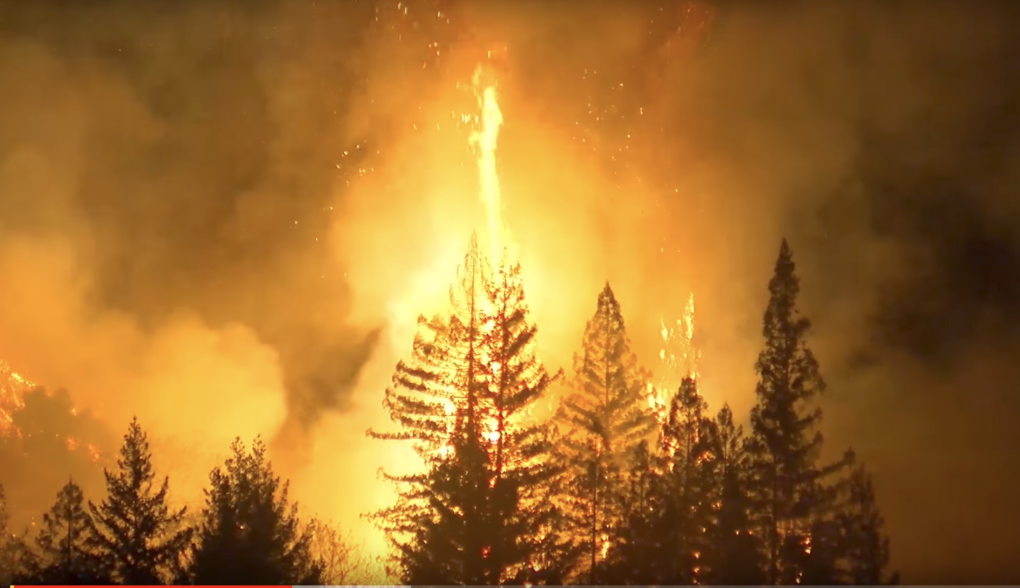
"caption": "A blaze that began as a house fire spread into surrounding trees and brush in the Santa Cruz Mountains on Oct. 16.",
"description": null,
"title": "Santa Cruz Mountains Fire",
"credit": "KTVU via YouTube",
"status": "inherit",
"isLoading": false,
"fetchFailed": false
},
"news_10349199": {
"type": "attachments",
"id": "news_10349199",
"meta": {
"index": "attachments_1716263798",
"site": "news",
"id": "10349199",
"found": true
},
"parent": 10349197,
"imgSizes": {
"twentyfourteen-full-width": {
"file": "https://ww2.kqed.org/app/uploads/sites/10/2014/11/85505320-1038x576.jpg",
"width": 1038,
"mimeType": "image/jpeg",
"height": 576
},
"thumbnail": {
"file": "https://ww2.kqed.org/app/uploads/sites/10/2014/11/85505320-400x490.jpg",
"width": 400,
"mimeType": "image/jpeg",
"height": 490
},
"post-thumbnail": {
"file": "https://ww2.kqed.org/app/uploads/sites/10/2014/11/85505320-672x372.jpg",
"width": 672,
"mimeType": "image/jpeg",
"height": 372
},
"kqedFullSize": {
"file": "https://ww2.kqed.org/app/uploads/sites/10/2014/11/85505320-e1416262404816.jpg",
"width": 1440,
"height": 1765
},
"large": {
"file": "https://ww2.kqed.org/app/uploads/sites/10/2014/11/85505320-1440x1765.jpg",
"width": 1440,
"mimeType": "image/jpeg",
"height": 1765
},
"guest-author-96": {
"file": "https://ww2.kqed.org/app/uploads/sites/10/2014/11/85505320-96x96.jpg",
"width": 96,
"mimeType": "image/jpeg",
"height": 96
},
"medium": {
"file": "https://ww2.kqed.org/app/uploads/sites/10/2014/11/85505320-800x980.jpg",
"width": 800,
"mimeType": "image/jpeg",
"height": 980
},
"guest-author-64": {
"file": "https://ww2.kqed.org/app/uploads/sites/10/2014/11/85505320-64x64.jpg",
"width": 64,
"mimeType": "image/jpeg",
"height": 64
},
"detail": {
"file": "https://ww2.kqed.org/app/uploads/sites/10/2014/11/85505320-75x75.jpg",
"width": 75,
"mimeType": "image/jpeg",
"height": 75
},
"guest-author-32": {
"file": "https://ww2.kqed.org/app/uploads/sites/10/2014/11/85505320-32x32.jpg",
"width": 32,
"mimeType": "image/jpeg",
"height": 32
},
"guest-author-128": {
"file": "https://ww2.kqed.org/app/uploads/sites/10/2014/11/85505320-128x128.jpg",
"width": 128,
"mimeType": "image/jpeg",
"height": 128
}
},
"publishDate": 1416262322,
"modified": 1483579415,
"caption": "Charles Manson in 2009 photograph released by the California Department of Corrections and Rehabilitation. ",
"description": "CORCORAN STATE PRISON - MARCH 18: In this handout photo from the California Department of Corrections and Rehabilitation, Charles Manson, 74, poses for a photo on March 18, 2009 at Corcoran State Prison, California. Manson is serving a life sentence for conspiring to murder seven people during the \"Manson family\" killings in 1969. The picture was taken as a regular update of the prison's files. (Photo by California Department of Corrections and Rehabilitation via Getty Images)",
"title": "Charles Manson",
"credit": "Getty Images",
"status": "inherit",
"isLoading": false,
"fetchFailed": false
},
"news_11632261": {
"type": "attachments",
"id": "news_11632261",
"meta": {
"index": "attachments_1716263798",
"site": "news",
"id": "11632261",
"found": true
},
"parent": 11632251,
"imgSizes": {
"small": {
"file": "https://ww2.kqed.org/app/uploads/sites/10/2017/11/RS28061_IMG_1281-qut-520x390.jpg",
"width": 520,
"mimeType": "image/jpeg",
"height": 390
},
"twentyfourteen-full-width": {
"file": "https://ww2.kqed.org/app/uploads/sites/10/2017/11/RS28061_IMG_1281-qut-1038x576.jpg",
"width": 1038,
"mimeType": "image/jpeg",
"height": 576
},
"thumbnail": {
"file": "https://ww2.kqed.org/app/uploads/sites/10/2017/11/RS28061_IMG_1281-qut-160x120.jpg",
"width": 160,
"mimeType": "image/jpeg",
"height": 120
},
"fd-sm": {
"file": "https://ww2.kqed.org/app/uploads/sites/10/2017/11/RS28061_IMG_1281-qut-960x720.jpg",
"width": 960,
"mimeType": "image/jpeg",
"height": 720
},
"post-thumbnail": {
"file": "https://ww2.kqed.org/app/uploads/sites/10/2017/11/RS28061_IMG_1281-qut-672x372.jpg",
"width": 672,
"mimeType": "image/jpeg",
"height": 372
},
"xsmall": {
"file": "https://ww2.kqed.org/app/uploads/sites/10/2017/11/RS28061_IMG_1281-qut-375x281.jpg",
"width": 375,
"mimeType": "image/jpeg",
"height": 281
},
"kqedFullSize": {
"file": "https://ww2.kqed.org/app/uploads/sites/10/2017/11/RS28061_IMG_1281-qut.jpg",
"width": 1632,
"height": 1224
},
"large": {
"file": "https://ww2.kqed.org/app/uploads/sites/10/2017/11/RS28061_IMG_1281-qut-1020x765.jpg",
"width": 1020,
"mimeType": "image/jpeg",
"height": 765
},
"xlarge": {
"file": "https://ww2.kqed.org/app/uploads/sites/10/2017/11/RS28061_IMG_1281-qut-1180x885.jpg",
"width": 1180,
"mimeType": "image/jpeg",
"height": 885
},
"guest-author-50": {
"file": "https://ww2.kqed.org/app/uploads/sites/10/2017/11/RS28061_IMG_1281-qut-50x50.jpg",
"width": 50,
"mimeType": "image/jpeg",
"height": 50
},
"guest-author-96": {
"file": "https://ww2.kqed.org/app/uploads/sites/10/2017/11/RS28061_IMG_1281-qut-96x96.jpg",
"width": 96,
"mimeType": "image/jpeg",
"height": 96
},
"medium": {
"file": "https://ww2.kqed.org/app/uploads/sites/10/2017/11/RS28061_IMG_1281-qut-800x600.jpg",
"width": 800,
"mimeType": "image/jpeg",
"height": 600
},
"guest-author-64": {
"file": "https://ww2.kqed.org/app/uploads/sites/10/2017/11/RS28061_IMG_1281-qut-64x64.jpg",
"width": 64,
"mimeType": "image/jpeg",
"height": 64
},
"guest-author-32": {
"file": "https://ww2.kqed.org/app/uploads/sites/10/2017/11/RS28061_IMG_1281-qut-32x32.jpg",
"width": 32,
"mimeType": "image/jpeg",
"height": 32
},
"fd-med": {
"file": "https://ww2.kqed.org/app/uploads/sites/10/2017/11/RS28061_IMG_1281-qut-1180x885.jpg",
"width": 1180,
"mimeType": "image/jpeg",
"height": 885
},
"detail": {
"file": "https://ww2.kqed.org/app/uploads/sites/10/2017/11/RS28061_IMG_1281-qut-150x150.jpg",
"width": 150,
"mimeType": "image/jpeg",
"height": 150
},
"guest-author-128": {
"file": "https://ww2.kqed.org/app/uploads/sites/10/2017/11/RS28061_IMG_1281-qut-128x128.jpg",
"width": 128,
"mimeType": "image/jpeg",
"height": 128
},
"xxsmall": {
"file": "https://ww2.kqed.org/app/uploads/sites/10/2017/11/RS28061_IMG_1281-qut-240x180.jpg",
"width": 240,
"mimeType": "image/jpeg",
"height": 180
}
},
"publishDate": 1511137727,
"modified": 1511140513,
"caption": "Dave Hale shows off a pink lady apple grown at his Sebastopol orchard. Hale suggests to use a variety of apples in Thanksgiving pies and tarts.",
"description": "Dave Hale shows off a pink lady apple grown at his Sebastopol orchard. Hale suggests to use a variety of apples in Thanksgiving pies and tarts.",
"title": "RS28061_IMG_1281-qut",
"credit": "Tiffany Camhi/KQED",
"status": "inherit",
"isLoading": false,
"fetchFailed": false
},
"news_11631913": {
"type": "attachments",
"id": "news_11631913",
"meta": {
"index": "attachments_1716263798",
"site": "news",
"id": "11631913",
"found": true
},
"parent": 11631909,
"imgSizes": {
"small": {
"file": "https://ww2.kqed.org/app/uploads/sites/10/2017/11/Frey-Winery-Rubble-2-520x390.jpg",
"width": 520,
"mimeType": "image/jpeg",
"height": 390
},
"twentyfourteen-full-width": {
"file": "https://ww2.kqed.org/app/uploads/sites/10/2017/11/Frey-Winery-Rubble-2-1038x576.jpg",
"width": 1038,
"mimeType": "image/jpeg",
"height": 576
},
"thumbnail": {
"file": "https://ww2.kqed.org/app/uploads/sites/10/2017/11/Frey-Winery-Rubble-2-160x120.jpg",
"width": 160,
"mimeType": "image/jpeg",
"height": 120
},
"fd-sm": {
"file": "https://ww2.kqed.org/app/uploads/sites/10/2017/11/Frey-Winery-Rubble-2-960x720.jpg",
"width": 960,
"mimeType": "image/jpeg",
"height": 720
},
"post-thumbnail": {
"file": "https://ww2.kqed.org/app/uploads/sites/10/2017/11/Frey-Winery-Rubble-2-672x372.jpg",
"width": 672,
"mimeType": "image/jpeg",
"height": 372
},
"xsmall": {
"file": "https://ww2.kqed.org/app/uploads/sites/10/2017/11/Frey-Winery-Rubble-2-375x281.jpg",
"width": 375,
"mimeType": "image/jpeg",
"height": 281
},
"kqedFullSize": {
"file": "https://ww2.kqed.org/app/uploads/sites/10/2017/11/Frey-Winery-Rubble-2-e1510956480563.jpg",
"width": 1920,
"height": 1440
},
"large": {
"file": "https://ww2.kqed.org/app/uploads/sites/10/2017/11/Frey-Winery-Rubble-2-1020x765.jpg",
"width": 1020,
"mimeType": "image/jpeg",
"height": 765
},
"xlarge": {
"file": "https://ww2.kqed.org/app/uploads/sites/10/2017/11/Frey-Winery-Rubble-2-1180x885.jpg",
"width": 1180,
"mimeType": "image/jpeg",
"height": 885
},
"guest-author-50": {
"file": "https://ww2.kqed.org/app/uploads/sites/10/2017/11/Frey-Winery-Rubble-2-50x50.jpg",
"width": 50,
"mimeType": "image/jpeg",
"height": 50
},
"guest-author-96": {
"file": "https://ww2.kqed.org/app/uploads/sites/10/2017/11/Frey-Winery-Rubble-2-96x96.jpg",
"width": 96,
"mimeType": "image/jpeg",
"height": 96
},
"medium": {
"file": "https://ww2.kqed.org/app/uploads/sites/10/2017/11/Frey-Winery-Rubble-2-800x600.jpg",
"width": 800,
"mimeType": "image/jpeg",
"height": 600
},
"guest-author-64": {
"file": "https://ww2.kqed.org/app/uploads/sites/10/2017/11/Frey-Winery-Rubble-2-64x64.jpg",
"width": 64,
"mimeType": "image/jpeg",
"height": 64
},
"guest-author-32": {
"file": "https://ww2.kqed.org/app/uploads/sites/10/2017/11/Frey-Winery-Rubble-2-32x32.jpg",
"width": 32,
"mimeType": "image/jpeg",
"height": 32
},
"fd-lrg": {
"file": "https://ww2.kqed.org/app/uploads/sites/10/2017/11/Frey-Winery-Rubble-2-1920x1440.jpg",
"width": 1920,
"mimeType": "image/jpeg",
"height": 1440
},
"fd-med": {
"file": "https://ww2.kqed.org/app/uploads/sites/10/2017/11/Frey-Winery-Rubble-2-1180x885.jpg",
"width": 1180,
"mimeType": "image/jpeg",
"height": 885
},
"full-width": {
"file": "https://ww2.kqed.org/app/uploads/sites/10/2017/11/Frey-Winery-Rubble-2-1920x1440.jpg",
"width": 1920,
"mimeType": "image/jpeg",
"height": 1440
},
"detail": {
"file": "https://ww2.kqed.org/app/uploads/sites/10/2017/11/Frey-Winery-Rubble-2-150x150.jpg",
"width": 150,
"mimeType": "image/jpeg",
"height": 150
},
"guest-author-128": {
"file": "https://ww2.kqed.org/app/uploads/sites/10/2017/11/Frey-Winery-Rubble-2-128x128.jpg",
"width": 128,
"mimeType": "image/jpeg",
"height": 128
},
"xxsmall": {
"file": "https://ww2.kqed.org/app/uploads/sites/10/2017/11/Frey-Winery-Rubble-2-240x180.jpg",
"width": 240,
"mimeType": "image/jpeg",
"height": 180
}
},
"publishDate": 1510956414,
"modified": 1510956535,
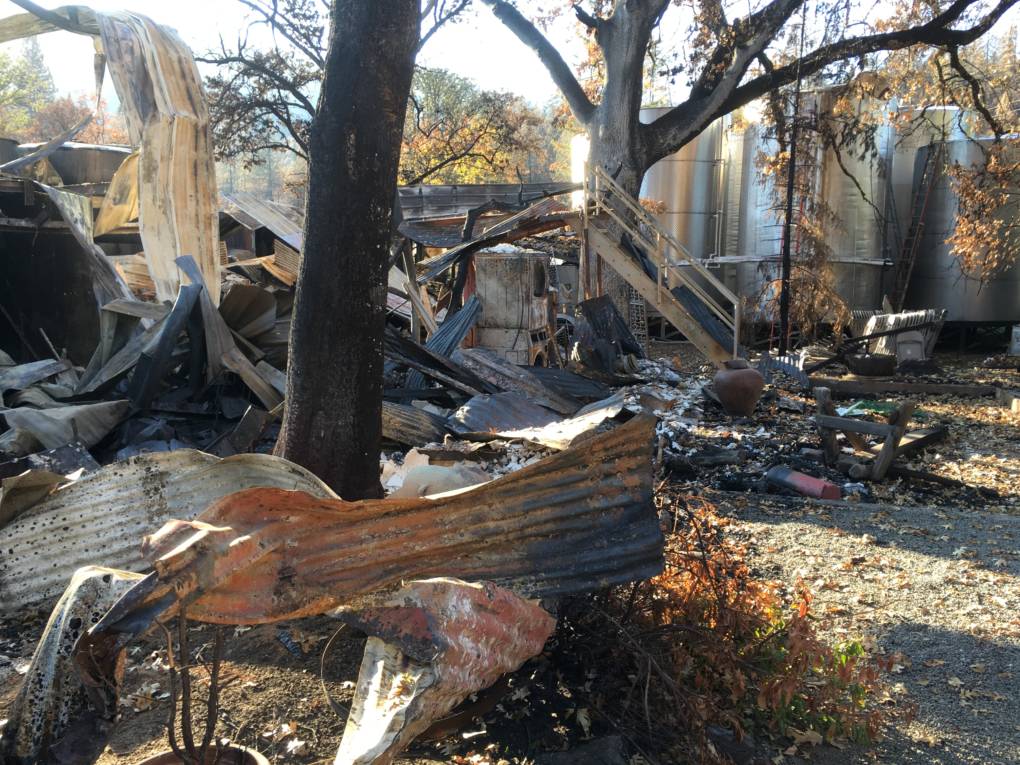
"caption": "What's left of the Frey Winery offices and tasting room after the Redwood Valley fire in October.",
"description": null,
"title": "Frey Winery Rubble 2",
"credit": "April Dembosky",
"status": "inherit",
"isLoading": false,
"fetchFailed": false
},
"news_11632213": {
"type": "attachments",
"id": "news_11632213",
"meta": {
"index": "attachments_1716263798",
"site": "news",
"id": "11632213",
"found": true
},
"parent": 11632201,
"imgSizes": {
"small": {
"file": "https://ww2.kqed.org/app/uploads/sites/10/2017/11/IMG_1528-520x435.jpg",
"width": 520,
"mimeType": "image/jpeg",
"height": 435
},
"twentyfourteen-full-width": {
"file": "https://ww2.kqed.org/app/uploads/sites/10/2017/11/IMG_1528-1038x576.jpg",
"width": 1038,
"mimeType": "image/jpeg",
"height": 576
},
"thumbnail": {
"file": "https://ww2.kqed.org/app/uploads/sites/10/2017/11/IMG_1528-160x134.jpg",
"width": 160,
"mimeType": "image/jpeg",
"height": 134
},
"fd-sm": {
"file": "https://ww2.kqed.org/app/uploads/sites/10/2017/11/IMG_1528-960x803.jpg",
"width": 960,
"mimeType": "image/jpeg",
"height": 803
},
"post-thumbnail": {
"file": "https://ww2.kqed.org/app/uploads/sites/10/2017/11/IMG_1528-672x372.jpg",
"width": 672,
"mimeType": "image/jpeg",
"height": 372
},
"xsmall": {
"file": "https://ww2.kqed.org/app/uploads/sites/10/2017/11/IMG_1528-375x314.jpg",
"width": 375,
"mimeType": "image/jpeg",
"height": 314
},
"kqedFullSize": {
"file": "https://ww2.kqed.org/app/uploads/sites/10/2017/11/IMG_1528.jpg",
"width": 2048,
"height": 1713
},
"large": {
"file": "https://ww2.kqed.org/app/uploads/sites/10/2017/11/IMG_1528-1020x853.jpg",
"width": 1020,
"mimeType": "image/jpeg",
"height": 853
},
"xlarge": {
"file": "https://ww2.kqed.org/app/uploads/sites/10/2017/11/IMG_1528-1180x987.jpg",
"width": 1180,
"mimeType": "image/jpeg",
"height": 987
},
"guest-author-50": {
"file": "https://ww2.kqed.org/app/uploads/sites/10/2017/11/IMG_1528-50x50.jpg",
"width": 50,
"mimeType": "image/jpeg",
"height": 50
},
"guest-author-96": {
"file": "https://ww2.kqed.org/app/uploads/sites/10/2017/11/IMG_1528-96x96.jpg",
"width": 96,
"mimeType": "image/jpeg",
"height": 96
},
"medium": {
"file": "https://ww2.kqed.org/app/uploads/sites/10/2017/11/IMG_1528-800x669.jpg",
"width": 800,
"mimeType": "image/jpeg",
"height": 669
},
"guest-author-64": {
"file": "https://ww2.kqed.org/app/uploads/sites/10/2017/11/IMG_1528-64x64.jpg",
"width": 64,
"mimeType": "image/jpeg",
"height": 64
},
"guest-author-32": {
"file": "https://ww2.kqed.org/app/uploads/sites/10/2017/11/IMG_1528-32x32.jpg",
"width": 32,
"mimeType": "image/jpeg",
"height": 32
},
"fd-lrg": {
"file": "https://ww2.kqed.org/app/uploads/sites/10/2017/11/IMG_1528-1920x1606.jpg",
"width": 1920,
"mimeType": "image/jpeg",
"height": 1606
},
"fd-med": {
"file": "https://ww2.kqed.org/app/uploads/sites/10/2017/11/IMG_1528-1180x987.jpg",
"width": 1180,
"mimeType": "image/jpeg",
"height": 987
},
"full-width": {
"file": "https://ww2.kqed.org/app/uploads/sites/10/2017/11/IMG_1528-1920x1606.jpg",
"width": 1920,
"mimeType": "image/jpeg",
"height": 1606
},
"detail": {
"file": "https://ww2.kqed.org/app/uploads/sites/10/2017/11/IMG_1528-150x150.jpg",
"width": 150,
"mimeType": "image/jpeg",
"height": 150
},
"guest-author-128": {
"file": "https://ww2.kqed.org/app/uploads/sites/10/2017/11/IMG_1528-128x128.jpg",
"width": 128,
"mimeType": "image/jpeg",
"height": 128
},
"xxsmall": {
"file": "https://ww2.kqed.org/app/uploads/sites/10/2017/11/IMG_1528-240x201.jpg",
"width": 240,
"mimeType": "image/jpeg",
"height": 201
}
},
"publishDate": 1511132139,
"modified": 1511134787,
"caption": "The Ghost of Christmas Past visits Ebenezer Scrooge. \"A Christmas Carol\" is staged throughout the venue all day, giving attendees a chance to run into Dickens characters everywhere they turn.",
"description": "The Ghost of Christmas Past visits Ebenezer Scrooge. \"A Christmas Carol\" is staged throughout the venue all day, giving attendees a chance to run into Dickens characters everywhere they turn.",
"title": "IMG_1528",
"credit": "Bianca Hernandez/KQED",
"status": "inherit",
"isLoading": false,
"fetchFailed": false
},
"news_11631752": {
"type": "attachments",
"id": "news_11631752",
"meta": {
"index": "attachments_1716263798",
"site": "news",
"id": "11631752",
"found": true
},
"parent": 11631700,
"imgSizes": {
"small": {
"file": "https://ww2.kqed.org/app/uploads/sites/10/2017/11/RS28001_John-Volcano-sign-qut-520x347.jpg",
"width": 520,
"mimeType": "image/jpeg",
"height": 347
},
"twentyfourteen-full-width": {
"file": "https://ww2.kqed.org/app/uploads/sites/10/2017/11/RS28001_John-Volcano-sign-qut-1038x576.jpg",
"width": 1038,
"mimeType": "image/jpeg",
"height": 576
},
"thumbnail": {
"file": "https://ww2.kqed.org/app/uploads/sites/10/2017/11/RS28001_John-Volcano-sign-qut-160x107.jpg",
"width": 160,
"mimeType": "image/jpeg",
"height": 107
},
"fd-sm": {
"file": "https://ww2.kqed.org/app/uploads/sites/10/2017/11/RS28001_John-Volcano-sign-qut-960x640.jpg",
"width": 960,
"mimeType": "image/jpeg",
"height": 640
},
"post-thumbnail": {
"file": "https://ww2.kqed.org/app/uploads/sites/10/2017/11/RS28001_John-Volcano-sign-qut-672x372.jpg",
"width": 672,
"mimeType": "image/jpeg",
"height": 372
},
"xsmall": {
"file": "https://ww2.kqed.org/app/uploads/sites/10/2017/11/RS28001_John-Volcano-sign-qut-375x250.jpg",
"width": 375,
"mimeType": "image/jpeg",
"height": 250
},
"kqedFullSize": {
"file": "https://ww2.kqed.org/app/uploads/sites/10/2017/11/RS28001_John-Volcano-sign-qut.jpg",
"width": 1920,
"height": 1280
},
"large": {
"file": "https://ww2.kqed.org/app/uploads/sites/10/2017/11/RS28001_John-Volcano-sign-qut-1020x680.jpg",
"width": 1020,
"mimeType": "image/jpeg",
"height": 680
},
"xlarge": {
"file": "https://ww2.kqed.org/app/uploads/sites/10/2017/11/RS28001_John-Volcano-sign-qut-1180x787.jpg",
"width": 1180,
"mimeType": "image/jpeg",
"height": 787
},
"guest-author-50": {
"file": "https://ww2.kqed.org/app/uploads/sites/10/2017/11/RS28001_John-Volcano-sign-qut-50x50.jpg",
"width": 50,
"mimeType": "image/jpeg",
"height": 50
},
"guest-author-96": {
"file": "https://ww2.kqed.org/app/uploads/sites/10/2017/11/RS28001_John-Volcano-sign-qut-96x96.jpg",
"width": 96,
"mimeType": "image/jpeg",
"height": 96
},
"medium": {
"file": "https://ww2.kqed.org/app/uploads/sites/10/2017/11/RS28001_John-Volcano-sign-qut-800x533.jpg",
"width": 800,
"mimeType": "image/jpeg",
"height": 533
},
"guest-author-64": {
"file": "https://ww2.kqed.org/app/uploads/sites/10/2017/11/RS28001_John-Volcano-sign-qut-64x64.jpg",
"width": 64,
"mimeType": "image/jpeg",
"height": 64
},
"guest-author-32": {
"file": "https://ww2.kqed.org/app/uploads/sites/10/2017/11/RS28001_John-Volcano-sign-qut-32x32.jpg",
"width": 32,
"mimeType": "image/jpeg",
"height": 32
},
"fd-lrg": {
"file": "https://ww2.kqed.org/app/uploads/sites/10/2017/11/RS28001_John-Volcano-sign-qut-1920x1280.jpg",
"width": 1920,
"mimeType": "image/jpeg",
"height": 1280
},
"fd-med": {
"file": "https://ww2.kqed.org/app/uploads/sites/10/2017/11/RS28001_John-Volcano-sign-qut-1180x787.jpg",
"width": 1180,
"mimeType": "image/jpeg",
"height": 787
},
"full-width": {
"file": "https://ww2.kqed.org/app/uploads/sites/10/2017/11/RS28001_John-Volcano-sign-qut-1920x1280.jpg",
"width": 1920,
"mimeType": "image/jpeg",
"height": 1280
},
"detail": {
"file": "https://ww2.kqed.org/app/uploads/sites/10/2017/11/RS28001_John-Volcano-sign-qut-150x150.jpg",
"width": 150,
"mimeType": "image/jpeg",
"height": 150
},
"guest-author-128": {
"file": "https://ww2.kqed.org/app/uploads/sites/10/2017/11/RS28001_John-Volcano-sign-qut-128x128.jpg",
"width": 128,
"mimeType": "image/jpeg",
"height": 128
},
"xxsmall": {
"file": "https://ww2.kqed.org/app/uploads/sites/10/2017/11/RS28001_John-Volcano-sign-qut-240x160.jpg",
"width": 240,
"mimeType": "image/jpeg",
"height": 160
}
},
"publishDate": 1510886680,
"modified": 1511056101,
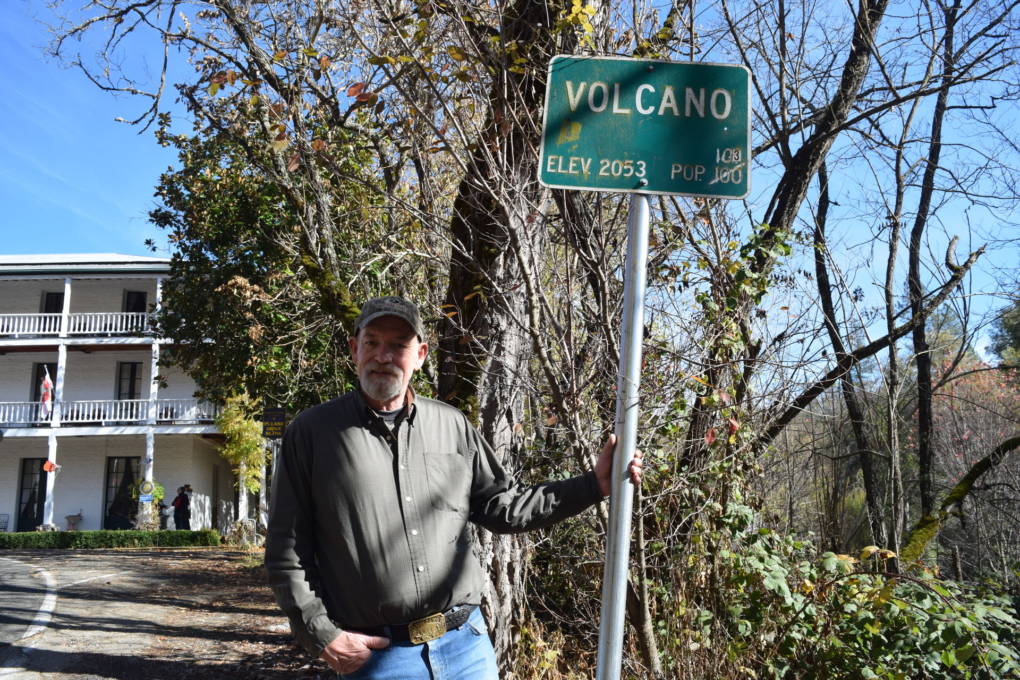
"caption": "John Hemstreet stands by the sign at the entrance to Volcano, in front of the George Hotel.",
"description": "John Hemstreet stands by the sign at the entrance to Volcano, in front of the George Hotel.",
"title": "RS28001_John-Volcano-sign-qut",
"credit": "Carly Severn/KQED",
"status": "inherit",
"isLoading": false,
"fetchFailed": false
},
"news_11632152": {
"type": "attachments",
"id": "news_11632152",
"meta": {
"index": "attachments_1716263798",
"site": "news",
"id": "11632152",
"found": true
},
"parent": 11632130,
"imgSizes": {
"small": {
"file": "https://ww2.kqed.org/app/uploads/sites/10/2017/11/Image-uploaded-from-iOS-5-520x390.jpg",
"width": 520,
"mimeType": "image/jpeg",
"height": 390
},
"twentyfourteen-full-width": {
"file": "https://ww2.kqed.org/app/uploads/sites/10/2017/11/Image-uploaded-from-iOS-5-1038x576.jpg",
"width": 1038,
"mimeType": "image/jpeg",
"height": 576
},
"thumbnail": {
"file": "https://ww2.kqed.org/app/uploads/sites/10/2017/11/Image-uploaded-from-iOS-5-160x120.jpg",
"width": 160,
"mimeType": "image/jpeg",
"height": 120
},
"fd-sm": {
"file": "https://ww2.kqed.org/app/uploads/sites/10/2017/11/Image-uploaded-from-iOS-5-960x720.jpg",
"width": 960,
"mimeType": "image/jpeg",
"height": 720
},
"post-thumbnail": {
"file": "https://ww2.kqed.org/app/uploads/sites/10/2017/11/Image-uploaded-from-iOS-5-672x372.jpg",
"width": 672,
"mimeType": "image/jpeg",
"height": 372
},
"xsmall": {
"file": "https://ww2.kqed.org/app/uploads/sites/10/2017/11/Image-uploaded-from-iOS-5-375x281.jpg",
"width": 375,
"mimeType": "image/jpeg",
"height": 281
},
"kqedFullSize": {
"file": "https://ww2.kqed.org/app/uploads/sites/10/2017/11/Image-uploaded-from-iOS-5.jpg",
"width": 2048,
"height": 1536
},
"large": {
"file": "https://ww2.kqed.org/app/uploads/sites/10/2017/11/Image-uploaded-from-iOS-5-1020x765.jpg",
"width": 1020,
"mimeType": "image/jpeg",
"height": 765
},
"xlarge": {
"file": "https://ww2.kqed.org/app/uploads/sites/10/2017/11/Image-uploaded-from-iOS-5-1180x885.jpg",
"width": 1180,
"mimeType": "image/jpeg",
"height": 885
},
"guest-author-50": {
"file": "https://ww2.kqed.org/app/uploads/sites/10/2017/11/Image-uploaded-from-iOS-5-50x50.jpg",
"width": 50,
"mimeType": "image/jpeg",
"height": 50
},
"guest-author-96": {
"file": "https://ww2.kqed.org/app/uploads/sites/10/2017/11/Image-uploaded-from-iOS-5-96x96.jpg",
"width": 96,
"mimeType": "image/jpeg",
"height": 96
},
"medium": {
"file": "https://ww2.kqed.org/app/uploads/sites/10/2017/11/Image-uploaded-from-iOS-5-800x600.jpg",
"width": 800,
"mimeType": "image/jpeg",
"height": 600
},
"guest-author-64": {
"file": "https://ww2.kqed.org/app/uploads/sites/10/2017/11/Image-uploaded-from-iOS-5-64x64.jpg",
"width": 64,
"mimeType": "image/jpeg",
"height": 64
},
"guest-author-32": {
"file": "https://ww2.kqed.org/app/uploads/sites/10/2017/11/Image-uploaded-from-iOS-5-32x32.jpg",
"width": 32,
"mimeType": "image/jpeg",
"height": 32
},
"fd-lrg": {
"file": "https://ww2.kqed.org/app/uploads/sites/10/2017/11/Image-uploaded-from-iOS-5-1920x1440.jpg",
"width": 1920,
"mimeType": "image/jpeg",
"height": 1440
},
"fd-med": {
"file": "https://ww2.kqed.org/app/uploads/sites/10/2017/11/Image-uploaded-from-iOS-5-1180x885.jpg",
"width": 1180,
"mimeType": "image/jpeg",
"height": 885
},
"full-width": {
"file": "https://ww2.kqed.org/app/uploads/sites/10/2017/11/Image-uploaded-from-iOS-5-1920x1440.jpg",
"width": 1920,
"mimeType": "image/jpeg",
"height": 1440
},
"detail": {
"file": "https://ww2.kqed.org/app/uploads/sites/10/2017/11/Image-uploaded-from-iOS-5-150x150.jpg",
"width": 150,
"mimeType": "image/jpeg",
"height": 150
},
"guest-author-128": {
"file": "https://ww2.kqed.org/app/uploads/sites/10/2017/11/Image-uploaded-from-iOS-5-128x128.jpg",
"width": 128,
"mimeType": "image/jpeg",
"height": 128
},
"xxsmall": {
"file": "https://ww2.kqed.org/app/uploads/sites/10/2017/11/Image-uploaded-from-iOS-5-240x180.jpg",
"width": 240,
"mimeType": "image/jpeg",
"height": 180
}
},
"publishDate": 1511035698,
"modified": 1511036618,
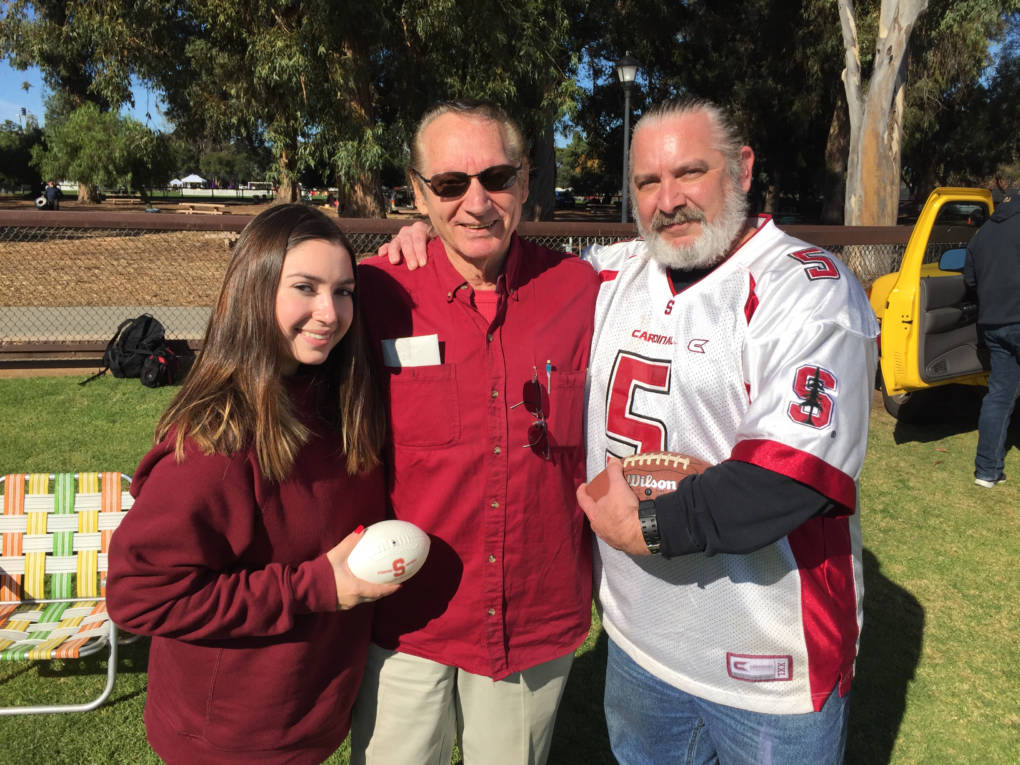
"caption": "Joe Ficarra (center) has been going to the Big Game for 60 years. His son Jeff (right) went to his first game in 1978. Jeff's daughter and Joe's granddaughter Alanis is at her first Stanford game today.",
"description": "Joe Ficarra (center) has been going to the Big Game for 60 years. His son Jeff (right) went to his first game in 1978. Jeff's daughter and Joe's granddaughter Alanis is at her first Stanford game today.",
"title": "Image uploaded from iOS (5)",
"credit": "Ryan Levi/KQED",
"status": "inherit",
"isLoading": false,
"fetchFailed": false
},
"news_11630862": {
"type": "attachments",
"id": "news_11630862",
"meta": {
"index": "attachments_1716263798",
"site": "news",
"id": "11630862",
"found": true
},
"parent": 11630861,
"imgSizes": {
"small": {
"file": "https://ww2.kqed.org/app/uploads/sites/10/2017/11/valley-file-20171027-2402-15ejnas-520x256.jpg",
"width": 520,
"mimeType": "image/jpeg",
"height": 256
},
"twentyfourteen-full-width": {
"file": "https://ww2.kqed.org/app/uploads/sites/10/2017/11/valley-file-20171027-2402-15ejnas-1038x576.jpg",
"width": 1038,
"mimeType": "image/jpeg",
"height": 576
},
"thumbnail": {
"file": "https://ww2.kqed.org/app/uploads/sites/10/2017/11/valley-file-20171027-2402-15ejnas-160x79.jpg",
"width": 160,
"mimeType": "image/jpeg",
"height": 79
},
"fd-sm": {
"file": "https://ww2.kqed.org/app/uploads/sites/10/2017/11/valley-file-20171027-2402-15ejnas-960x473.jpg",
"width": 960,
"mimeType": "image/jpeg",
"height": 473
},
"post-thumbnail": {
"file": "https://ww2.kqed.org/app/uploads/sites/10/2017/11/valley-file-20171027-2402-15ejnas-672x372.jpg",
"width": 672,
"mimeType": "image/jpeg",
"height": 372
},
"xsmall": {
"file": "https://ww2.kqed.org/app/uploads/sites/10/2017/11/valley-file-20171027-2402-15ejnas-375x185.jpg",
"width": 375,
"mimeType": "image/jpeg",
"height": 185
},
"kqedFullSize": {
"file": "https://ww2.kqed.org/app/uploads/sites/10/2017/11/valley-file-20171027-2402-15ejnas.jpg",
"width": 1356,
"height": 668
},
"large": {
"file": "https://ww2.kqed.org/app/uploads/sites/10/2017/11/valley-file-20171027-2402-15ejnas-1020x502.jpg",
"width": 1020,
"mimeType": "image/jpeg",
"height": 502
},
"xlarge": {
"file": "https://ww2.kqed.org/app/uploads/sites/10/2017/11/valley-file-20171027-2402-15ejnas-1180x581.jpg",
"width": 1180,
"mimeType": "image/jpeg",
"height": 581
},
"guest-author-50": {
"file": "https://ww2.kqed.org/app/uploads/sites/10/2017/11/valley-file-20171027-2402-15ejnas-50x50.jpg",
"width": 50,
"mimeType": "image/jpeg",
"height": 50
},
"guest-author-96": {
"file": "https://ww2.kqed.org/app/uploads/sites/10/2017/11/valley-file-20171027-2402-15ejnas-96x96.jpg",
"width": 96,
"mimeType": "image/jpeg",
"height": 96
},
"medium": {
"file": "https://ww2.kqed.org/app/uploads/sites/10/2017/11/valley-file-20171027-2402-15ejnas-800x394.jpg",
"width": 800,
"mimeType": "image/jpeg",
"height": 394
},
"guest-author-64": {
"file": "https://ww2.kqed.org/app/uploads/sites/10/2017/11/valley-file-20171027-2402-15ejnas-64x64.jpg",
"width": 64,
"mimeType": "image/jpeg",
"height": 64
},
"guest-author-32": {
"file": "https://ww2.kqed.org/app/uploads/sites/10/2017/11/valley-file-20171027-2402-15ejnas-32x32.jpg",
"width": 32,
"mimeType": "image/jpeg",
"height": 32
},
"fd-med": {
"file": "https://ww2.kqed.org/app/uploads/sites/10/2017/11/valley-file-20171027-2402-15ejnas-1180x581.jpg",
"width": 1180,
"mimeType": "image/jpeg",
"height": 581
},
"detail": {
"file": "https://ww2.kqed.org/app/uploads/sites/10/2017/11/valley-file-20171027-2402-15ejnas-150x150.jpg",
"width": 150,
"mimeType": "image/jpeg",
"height": 150
},
"guest-author-128": {
"file": "https://ww2.kqed.org/app/uploads/sites/10/2017/11/valley-file-20171027-2402-15ejnas-128x128.jpg",
"width": 128,
"mimeType": "image/jpeg",
"height": 128
},
"xxsmall": {
"file": "https://ww2.kqed.org/app/uploads/sites/10/2017/11/valley-file-20171027-2402-15ejnas-240x118.jpg",
"width": 240,
"mimeType": "image/jpeg",
"height": 118
}
},
"publishDate": 1510696275,
"modified": 1510696447,
"caption": "Aerial view of San Jose, California, 2016. \n",
"description": "Aerial view of San Jose, California, 2016",
"title": "valley-file-20171027-2402-15ejnas",
"credit": "\u003ca href=\"https://www.flickr.com/photos/gordon-s/29670306746/\">Gordon-Shukwit\u003c/a>, \u003ca href=\"http://creativecommons.org/licenses/by-nc-nd/4.0/\">CC BY-NC-ND\u003c/a>",
"status": "inherit",
"isLoading": false,
"fetchFailed": false
},
"news_11631974": {
"type": "attachments",
"id": "news_11631974",
"meta": {
"index": "attachments_1716263798",
"site": "news",
"id": "11631974",
"found": true
},
"parent": 11631973,
"imgSizes": {
"small": {
"file": "https://ww2.kqed.org/app/uploads/sites/10/2017/11/tesla-1_wide-e535a89ccd39986940142b29fd17d722a31aba78-520x292.jpg",
"width": 520,
"mimeType": "image/jpeg",
"height": 292
},
"twentyfourteen-full-width": {
"file": "https://ww2.kqed.org/app/uploads/sites/10/2017/11/tesla-1_wide-e535a89ccd39986940142b29fd17d722a31aba78-1038x576.jpg",
"width": 1038,
"mimeType": "image/jpeg",
"height": 576
},
"thumbnail": {
"file": "https://ww2.kqed.org/app/uploads/sites/10/2017/11/tesla-1_wide-e535a89ccd39986940142b29fd17d722a31aba78-160x90.jpg",
"width": 160,
"mimeType": "image/jpeg",
"height": 90
},
"fd-sm": {
"file": "https://ww2.kqed.org/app/uploads/sites/10/2017/11/tesla-1_wide-e535a89ccd39986940142b29fd17d722a31aba78-960x540.jpg",
"width": 960,
"mimeType": "image/jpeg",
"height": 540
},
"post-thumbnail": {
"file": "https://ww2.kqed.org/app/uploads/sites/10/2017/11/tesla-1_wide-e535a89ccd39986940142b29fd17d722a31aba78-672x372.jpg",
"width": 672,
"mimeType": "image/jpeg",
"height": 372
},
"xsmall": {
"file": "https://ww2.kqed.org/app/uploads/sites/10/2017/11/tesla-1_wide-e535a89ccd39986940142b29fd17d722a31aba78-375x211.jpg",
"width": 375,
"mimeType": "image/jpeg",
"height": 211
},
"kqedFullSize": {
"file": "https://ww2.kqed.org/app/uploads/sites/10/2017/11/tesla-1_wide-e535a89ccd39986940142b29fd17d722a31aba78-e1510961788965.jpg",
"width": 1920,
"height": 1079
},
"large": {
"file": "https://ww2.kqed.org/app/uploads/sites/10/2017/11/tesla-1_wide-e535a89ccd39986940142b29fd17d722a31aba78-1020x573.jpg",
"width": 1020,
"mimeType": "image/jpeg",
"height": 573
},
"xlarge": {
"file": "https://ww2.kqed.org/app/uploads/sites/10/2017/11/tesla-1_wide-e535a89ccd39986940142b29fd17d722a31aba78-1180x663.jpg",
"width": 1180,
"mimeType": "image/jpeg",
"height": 663
},
"guest-author-50": {
"file": "https://ww2.kqed.org/app/uploads/sites/10/2017/11/tesla-1_wide-e535a89ccd39986940142b29fd17d722a31aba78-50x50.jpg",
"width": 50,
"mimeType": "image/jpeg",
"height": 50
},
"guest-author-96": {
"file": "https://ww2.kqed.org/app/uploads/sites/10/2017/11/tesla-1_wide-e535a89ccd39986940142b29fd17d722a31aba78-96x96.jpg",
"width": 96,
"mimeType": "image/jpeg",
"height": 96
},
"medium": {
"file": "https://ww2.kqed.org/app/uploads/sites/10/2017/11/tesla-1_wide-e535a89ccd39986940142b29fd17d722a31aba78-800x450.jpg",
"width": 800,
"mimeType": "image/jpeg",
"height": 450
},
"guest-author-64": {
"file": "https://ww2.kqed.org/app/uploads/sites/10/2017/11/tesla-1_wide-e535a89ccd39986940142b29fd17d722a31aba78-64x64.jpg",
"width": 64,
"mimeType": "image/jpeg",
"height": 64
},
"guest-author-32": {
"file": "https://ww2.kqed.org/app/uploads/sites/10/2017/11/tesla-1_wide-e535a89ccd39986940142b29fd17d722a31aba78-32x32.jpg",
"width": 32,
"mimeType": "image/jpeg",
"height": 32
},
"fd-lrg": {
"file": "https://ww2.kqed.org/app/uploads/sites/10/2017/11/tesla-1_wide-e535a89ccd39986940142b29fd17d722a31aba78-1920x1079.jpg",
"width": 1920,
"mimeType": "image/jpeg",
"height": 1079
},
"fd-med": {
"file": "https://ww2.kqed.org/app/uploads/sites/10/2017/11/tesla-1_wide-e535a89ccd39986940142b29fd17d722a31aba78-1180x663.jpg",
"width": 1180,
"mimeType": "image/jpeg",
"height": 663
},
"full-width": {
"file": "https://ww2.kqed.org/app/uploads/sites/10/2017/11/tesla-1_wide-e535a89ccd39986940142b29fd17d722a31aba78-1920x1079.jpg",
"width": 1920,
"mimeType": "image/jpeg",
"height": 1079
},
"detail": {
"file": "https://ww2.kqed.org/app/uploads/sites/10/2017/11/tesla-1_wide-e535a89ccd39986940142b29fd17d722a31aba78-150x150.jpg",
"width": 150,
"mimeType": "image/jpeg",
"height": 150
},
"guest-author-128": {
"file": "https://ww2.kqed.org/app/uploads/sites/10/2017/11/tesla-1_wide-e535a89ccd39986940142b29fd17d722a31aba78-128x128.jpg",
"width": 128,
"mimeType": "image/jpeg",
"height": 128
},
"xxsmall": {
"file": "https://ww2.kqed.org/app/uploads/sites/10/2017/11/tesla-1_wide-e535a89ccd39986940142b29fd17d722a31aba78-240x135.jpg",
"width": 240,
"mimeType": "image/jpeg",
"height": 135
}
},
"publishDate": 1510961696,
"modified": 1510961779,
"caption": "Elon Musk had a surprise for Tesla fans Thursday: a new Roadster supercar with a top speed above 250 mph.",
"description": "Elon Musk had a surprise for Tesla fans Thursday: a new Roadster supercar with a top speed above 250 mph.",
"title": "Elon Musk had a surprise for Tesla fans Thursday: a new Roadster supercar with a top speed above 250 mph.",
"credit": "Tesla",
"status": "inherit",
"isLoading": false,
"fetchFailed": false
},
"news_11631941": {
"type": "attachments",
"id": "news_11631941",
"meta": {
"index": "attachments_1716263798",
"site": "news",
"id": "11631941",
"found": true
},
"parent": 11631890,
"imgSizes": {
"small": {
"file": "https://ww2.kqed.org/app/uploads/sites/10/2017/11/RS28028_IMG_9836-qut-520x347.jpg",
"width": 520,
"mimeType": "image/jpeg",
"height": 347
},
"twentyfourteen-full-width": {
"file": "https://ww2.kqed.org/app/uploads/sites/10/2017/11/RS28028_IMG_9836-qut-1038x576.jpg",
"width": 1038,
"mimeType": "image/jpeg",
"height": 576
},
"thumbnail": {
"file": "https://ww2.kqed.org/app/uploads/sites/10/2017/11/RS28028_IMG_9836-qut-160x107.jpg",
"width": 160,
"mimeType": "image/jpeg",
"height": 107
},
"fd-sm": {
"file": "https://ww2.kqed.org/app/uploads/sites/10/2017/11/RS28028_IMG_9836-qut-960x640.jpg",
"width": 960,
"mimeType": "image/jpeg",
"height": 640
},
"post-thumbnail": {
"file": "https://ww2.kqed.org/app/uploads/sites/10/2017/11/RS28028_IMG_9836-qut-672x372.jpg",
"width": 672,
"mimeType": "image/jpeg",
"height": 372
},
"xsmall": {
"file": "https://ww2.kqed.org/app/uploads/sites/10/2017/11/RS28028_IMG_9836-qut-375x250.jpg",
"width": 375,
"mimeType": "image/jpeg",
"height": 250
},
"kqedFullSize": {
"file": "https://ww2.kqed.org/app/uploads/sites/10/2017/11/RS28028_IMG_9836-qut.jpg",
"width": 1920,
"height": 1280
},
"large": {
"file": "https://ww2.kqed.org/app/uploads/sites/10/2017/11/RS28028_IMG_9836-qut-1020x680.jpg",
"width": 1020,
"mimeType": "image/jpeg",
"height": 680
},
"xlarge": {
"file": "https://ww2.kqed.org/app/uploads/sites/10/2017/11/RS28028_IMG_9836-qut-1180x787.jpg",
"width": 1180,
"mimeType": "image/jpeg",
"height": 787
},
"guest-author-50": {
"file": "https://ww2.kqed.org/app/uploads/sites/10/2017/11/RS28028_IMG_9836-qut-50x50.jpg",
"width": 50,
"mimeType": "image/jpeg",
"height": 50
},
"guest-author-96": {
"file": "https://ww2.kqed.org/app/uploads/sites/10/2017/11/RS28028_IMG_9836-qut-96x96.jpg",
"width": 96,
"mimeType": "image/jpeg",
"height": 96
},
"medium": {
"file": "https://ww2.kqed.org/app/uploads/sites/10/2017/11/RS28028_IMG_9836-qut-800x533.jpg",
"width": 800,
"mimeType": "image/jpeg",
"height": 533
},
"guest-author-64": {
"file": "https://ww2.kqed.org/app/uploads/sites/10/2017/11/RS28028_IMG_9836-qut-64x64.jpg",
"width": 64,
"mimeType": "image/jpeg",
"height": 64
},
"guest-author-32": {
"file": "https://ww2.kqed.org/app/uploads/sites/10/2017/11/RS28028_IMG_9836-qut-32x32.jpg",
"width": 32,
"mimeType": "image/jpeg",
"height": 32
},
"fd-lrg": {
"file": "https://ww2.kqed.org/app/uploads/sites/10/2017/11/RS28028_IMG_9836-qut-1920x1280.jpg",
"width": 1920,
"mimeType": "image/jpeg",
"height": 1280
},
"fd-med": {
"file": "https://ww2.kqed.org/app/uploads/sites/10/2017/11/RS28028_IMG_9836-qut-1180x787.jpg",
"width": 1180,
"mimeType": "image/jpeg",
"height": 787
},
"full-width": {
"file": "https://ww2.kqed.org/app/uploads/sites/10/2017/11/RS28028_IMG_9836-qut-1920x1280.jpg",
"width": 1920,
"mimeType": "image/jpeg",
"height": 1280
},
"detail": {
"file": "https://ww2.kqed.org/app/uploads/sites/10/2017/11/RS28028_IMG_9836-qut-150x150.jpg",
"width": 150,
"mimeType": "image/jpeg",
"height": 150
},
"guest-author-128": {
"file": "https://ww2.kqed.org/app/uploads/sites/10/2017/11/RS28028_IMG_9836-qut-128x128.jpg",
"width": 128,
"mimeType": "image/jpeg",
"height": 128
},
"xxsmall": {
"file": "https://ww2.kqed.org/app/uploads/sites/10/2017/11/RS28028_IMG_9836-qut-240x160.jpg",
"width": 240,
"mimeType": "image/jpeg",
"height": 160
}
},
"publishDate": 1510958956,
"modified": 1510988307,
"caption": "People at the Sleep Out to End Homelessness received free haircuts from the Paul Mitchell School in San Francisco, California, on Nov. 16, 2017.",
"description": null,
"title": "RS28028_IMG_9836-qut",
"credit": "Audrey Garces/KQED",
"status": "inherit",
"isLoading": false,
"fetchFailed": false
},
"news_11631745": {
"type": "attachments",
"id": "news_11631745",
"meta": {
"index": "attachments_1716263798",
"site": "news",
"id": "11631745",
"found": true
},
"parent": 11631700,
"imgSizes": {
"small": {
"file": "https://ww2.kqed.org/app/uploads/sites/10/2017/11/RS27990_Volcano-3-mile-sign-qut-520x347.jpg",
"width": 520,
"mimeType": "image/jpeg",
"height": 347
},
"twentyfourteen-full-width": {
"file": "https://ww2.kqed.org/app/uploads/sites/10/2017/11/RS27990_Volcano-3-mile-sign-qut-1038x576.jpg",
"width": 1038,
"mimeType": "image/jpeg",
"height": 576
},
"thumbnail": {
"file": "https://ww2.kqed.org/app/uploads/sites/10/2017/11/RS27990_Volcano-3-mile-sign-qut-160x107.jpg",
"width": 160,
"mimeType": "image/jpeg",
"height": 107
},
"fd-sm": {
"file": "https://ww2.kqed.org/app/uploads/sites/10/2017/11/RS27990_Volcano-3-mile-sign-qut-960x640.jpg",
"width": 960,
"mimeType": "image/jpeg",
"height": 640
},
"post-thumbnail": {
"file": "https://ww2.kqed.org/app/uploads/sites/10/2017/11/RS27990_Volcano-3-mile-sign-qut-672x372.jpg",
"width": 672,
"mimeType": "image/jpeg",
"height": 372
},
"xsmall": {
"file": "https://ww2.kqed.org/app/uploads/sites/10/2017/11/RS27990_Volcano-3-mile-sign-qut-375x250.jpg",
"width": 375,
"mimeType": "image/jpeg",
"height": 250
},
"kqedFullSize": {
"file": "https://ww2.kqed.org/app/uploads/sites/10/2017/11/RS27990_Volcano-3-mile-sign-qut.jpg",
"width": 1568,
"height": 1046
},
"large": {
"file": "https://ww2.kqed.org/app/uploads/sites/10/2017/11/RS27990_Volcano-3-mile-sign-qut-1020x680.jpg",
"width": 1020,
"mimeType": "image/jpeg",
"height": 680
},
"xlarge": {
"file": "https://ww2.kqed.org/app/uploads/sites/10/2017/11/RS27990_Volcano-3-mile-sign-qut-1180x787.jpg",
"width": 1180,
"mimeType": "image/jpeg",
"height": 787
},
"guest-author-50": {
"file": "https://ww2.kqed.org/app/uploads/sites/10/2017/11/RS27990_Volcano-3-mile-sign-qut-50x50.jpg",
"width": 50,
"mimeType": "image/jpeg",
"height": 50
},
"guest-author-96": {
"file": "https://ww2.kqed.org/app/uploads/sites/10/2017/11/RS27990_Volcano-3-mile-sign-qut-96x96.jpg",
"width": 96,
"mimeType": "image/jpeg",
"height": 96
},
"medium": {
"file": "https://ww2.kqed.org/app/uploads/sites/10/2017/11/RS27990_Volcano-3-mile-sign-qut-800x534.jpg",
"width": 800,
"mimeType": "image/jpeg",
"height": 534
},
"guest-author-64": {
"file": "https://ww2.kqed.org/app/uploads/sites/10/2017/11/RS27990_Volcano-3-mile-sign-qut-64x64.jpg",
"width": 64,
"mimeType": "image/jpeg",
"height": 64
},
"guest-author-32": {
"file": "https://ww2.kqed.org/app/uploads/sites/10/2017/11/RS27990_Volcano-3-mile-sign-qut-32x32.jpg",
"width": 32,
"mimeType": "image/jpeg",
"height": 32
},
"fd-med": {
"file": "https://ww2.kqed.org/app/uploads/sites/10/2017/11/RS27990_Volcano-3-mile-sign-qut-1180x787.jpg",
"width": 1180,
"mimeType": "image/jpeg",
"height": 787
},
"detail": {
"file": "https://ww2.kqed.org/app/uploads/sites/10/2017/11/RS27990_Volcano-3-mile-sign-qut-150x150.jpg",
"width": 150,
"mimeType": "image/jpeg",
"height": 150
},
"guest-author-128": {
"file": "https://ww2.kqed.org/app/uploads/sites/10/2017/11/RS27990_Volcano-3-mile-sign-qut-128x128.jpg",
"width": 128,
"mimeType": "image/jpeg",
"height": 128
},
"xxsmall": {
"file": "https://ww2.kqed.org/app/uploads/sites/10/2017/11/RS27990_Volcano-3-mile-sign-qut-240x160.jpg",
"width": 240,
"mimeType": "image/jpeg",
"height": 160
}
},
"publishDate": 1510885441,
"modified": 1510885488,
"caption": "A sign outside Volcano, California ",
"description": null,
"title": "RS27990_Volcano-3-mile-sign-qut",
"credit": "Carly Severn/KQED",
"status": "inherit",
"isLoading": false,
"fetchFailed": false
},
"news_11631862": {
"type": "attachments",
"id": "news_11631862",
"meta": {
"index": "attachments_1716263798",
"site": "news",
"id": "11631862",
"found": true
},
"parent": 11631861,
"imgSizes": {
"small": {
"file": "https://ww2.kqed.org/app/uploads/sites/10/2017/11/gettyimages-114650424_custom-ac90e20055f8f1407e47bc9b0de4d85c7fee825b-520x345.jpg",
"width": 520,
"mimeType": "image/jpeg",
"height": 345
},
"twentyfourteen-full-width": {
"file": "https://ww2.kqed.org/app/uploads/sites/10/2017/11/gettyimages-114650424_custom-ac90e20055f8f1407e47bc9b0de4d85c7fee825b-1038x576.jpg",
"width": 1038,
"mimeType": "image/jpeg",
"height": 576
},
"thumbnail": {
"file": "https://ww2.kqed.org/app/uploads/sites/10/2017/11/gettyimages-114650424_custom-ac90e20055f8f1407e47bc9b0de4d85c7fee825b-160x106.jpg",
"width": 160,
"mimeType": "image/jpeg",
"height": 106
},
"fd-sm": {
"file": "https://ww2.kqed.org/app/uploads/sites/10/2017/11/gettyimages-114650424_custom-ac90e20055f8f1407e47bc9b0de4d85c7fee825b-960x637.jpg",
"width": 960,
"mimeType": "image/jpeg",
"height": 637
},
"post-thumbnail": {
"file": "https://ww2.kqed.org/app/uploads/sites/10/2017/11/gettyimages-114650424_custom-ac90e20055f8f1407e47bc9b0de4d85c7fee825b-672x372.jpg",
"width": 672,
"mimeType": "image/jpeg",
"height": 372
},
"xsmall": {
"file": "https://ww2.kqed.org/app/uploads/sites/10/2017/11/gettyimages-114650424_custom-ac90e20055f8f1407e47bc9b0de4d85c7fee825b-375x249.jpg",
"width": 375,
"mimeType": "image/jpeg",
"height": 249
},
"kqedFullSize": {
"file": "https://ww2.kqed.org/app/uploads/sites/10/2017/11/gettyimages-114650424_custom-ac90e20055f8f1407e47bc9b0de4d85c7fee825b-e1510953423656.jpg",
"width": 1920,
"height": 1275
},
"large": {
"file": "https://ww2.kqed.org/app/uploads/sites/10/2017/11/gettyimages-114650424_custom-ac90e20055f8f1407e47bc9b0de4d85c7fee825b-1020x677.jpg",
"width": 1020,
"mimeType": "image/jpeg",
"height": 677
},
"xlarge": {
"file": "https://ww2.kqed.org/app/uploads/sites/10/2017/11/gettyimages-114650424_custom-ac90e20055f8f1407e47bc9b0de4d85c7fee825b-1180x784.jpg",
"width": 1180,
"mimeType": "image/jpeg",
"height": 784
},
"guest-author-50": {
"file": "https://ww2.kqed.org/app/uploads/sites/10/2017/11/gettyimages-114650424_custom-ac90e20055f8f1407e47bc9b0de4d85c7fee825b-50x50.jpg",
"width": 50,
"mimeType": "image/jpeg",
"height": 50
},
"guest-author-96": {
"file": "https://ww2.kqed.org/app/uploads/sites/10/2017/11/gettyimages-114650424_custom-ac90e20055f8f1407e47bc9b0de4d85c7fee825b-96x96.jpg",
"width": 96,
"mimeType": "image/jpeg",
"height": 96
},
"medium": {
"file": "https://ww2.kqed.org/app/uploads/sites/10/2017/11/gettyimages-114650424_custom-ac90e20055f8f1407e47bc9b0de4d85c7fee825b-800x531.jpg",
"width": 800,
"mimeType": "image/jpeg",
"height": 531
},
"guest-author-64": {
"file": "https://ww2.kqed.org/app/uploads/sites/10/2017/11/gettyimages-114650424_custom-ac90e20055f8f1407e47bc9b0de4d85c7fee825b-64x64.jpg",
"width": 64,
"mimeType": "image/jpeg",
"height": 64
},
"guest-author-32": {
"file": "https://ww2.kqed.org/app/uploads/sites/10/2017/11/gettyimages-114650424_custom-ac90e20055f8f1407e47bc9b0de4d85c7fee825b-32x32.jpg",
"width": 32,
"mimeType": "image/jpeg",
"height": 32
},
"fd-lrg": {
"file": "https://ww2.kqed.org/app/uploads/sites/10/2017/11/gettyimages-114650424_custom-ac90e20055f8f1407e47bc9b0de4d85c7fee825b-1920x1275.jpg",
"width": 1920,
"mimeType": "image/jpeg",
"height": 1275
},
"fd-med": {
"file": "https://ww2.kqed.org/app/uploads/sites/10/2017/11/gettyimages-114650424_custom-ac90e20055f8f1407e47bc9b0de4d85c7fee825b-1180x784.jpg",
"width": 1180,
"mimeType": "image/jpeg",
"height": 784
},
"full-width": {
"file": "https://ww2.kqed.org/app/uploads/sites/10/2017/11/gettyimages-114650424_custom-ac90e20055f8f1407e47bc9b0de4d85c7fee825b-1920x1275.jpg",
"width": 1920,
"mimeType": "image/jpeg",
"height": 1275
},
"detail": {
"file": "https://ww2.kqed.org/app/uploads/sites/10/2017/11/gettyimages-114650424_custom-ac90e20055f8f1407e47bc9b0de4d85c7fee825b-150x150.jpg",
"width": 150,
"mimeType": "image/jpeg",
"height": 150
},
"guest-author-128": {
"file": "https://ww2.kqed.org/app/uploads/sites/10/2017/11/gettyimages-114650424_custom-ac90e20055f8f1407e47bc9b0de4d85c7fee825b-128x128.jpg",
"width": 128,
"mimeType": "image/jpeg",
"height": 128
},
"xxsmall": {
"file": "https://ww2.kqed.org/app/uploads/sites/10/2017/11/gettyimages-114650424_custom-ac90e20055f8f1407e47bc9b0de4d85c7fee825b-240x159.jpg",
"width": 240,
"mimeType": "image/jpeg",
"height": 159
}
},
"publishDate": 1510953359,
"modified": 1510953451,
"caption": "A technician examines the mirror on the Large Synoptic Survey Telescope. Scientists at two national laboratories are currently building the components for an enormous digital camera that will capture images from the telescope.",
"description": "A technician examines the mirror on the Large Synoptic Survey Telescope. Scientists at two national laboratories are currently building the components for an enormous digital camera that will capture images from the telescope.",
"title": "A technician examines the mirror on the Large Synoptic Survey Telescope. Scientists at two national laboratories are currently building the components for an enormous digital camera that will capture images from the telescope.",
"credit": "Joe McNally/Getty Images",
"status": "inherit",
"isLoading": false,
"fetchFailed": false
}
},
"audioPlayerReducer": {
"postId": "stream_live",
"isPaused": true,
"isPlaying": false,
"pfsActive": false,
"pledgeModalIsOpen": true,
"playerDrawerIsOpen": false,
"liveAudioPlayStartedAt": 0,
"liveAudioPlayContext": ""
},
"authorsReducer": {
"byline_news_11632299": {
"type": "authors",
"id": "byline_news_11632299",
"meta": {
"override": true
},
"slug": "byline_news_11632299",
"name": "\u003cstrong>John Rogers\u003cbr />Associated Press\u003c/strong>",
"isLoading": false
},
"byline_news_11630861": {
"type": "authors",
"id": "byline_news_11630861",
"meta": {
"override": true
},
"slug": "byline_news_11630861",
"name": "\u003cstrong>\u003ca href=\"https://theconversation.com/profiles/jason-a-heppler-342338\">Jason A. Heppler\u003c/a>\u003c/strong>\u003cbr>University of Nebraska Omaha for \u003ca href=\"https://theconversation.com\">The Conversation\u003c/a>",
"isLoading": false
},
"byline_news_11631973": {
"type": "authors",
"id": "byline_news_11631973",
"meta": {
"override": true
},
"slug": "byline_news_11631973",
"name": "Bill Chappell",
"isLoading": false
},
"byline_news_11631861": {
"type": "authors",
"id": "byline_news_11631861",
"meta": {
"override": true
},
"slug": "byline_news_11631861",
"name": "Joe Palca",
"isLoading": false
},
"tgoldberg": {
"type": "authors",
"id": "258",
"meta": {
"index": "authors_1716337520",
"id": "258",
"found": true
},
"name": "Ted Goldberg",
"firstName": "Ted",
"lastName": "Goldberg",
"slug": "tgoldberg",
"email": "tgoldberg@kqed.org",
"display_author_email": true,
"staff_mastheads": [
"news"
],
"title": "KQED Managing Editor, News and Newscasts",
"bio": "Ted Goldberg is Managing Editor of News and Newscasts at KQED. His main reporting beat is the Bay Area's oil refining industry.\r\n\r\nPrior to joining KQED in 2014, Ted worked at CBS News and WCBS AM in New York and Bay City News and KCBS Radio in San Francisco. He graduated from Oberlin College in Ohio in 1998.",
"avatar": "https://secure.gravatar.com/avatar/30ce2e4fe89135e104f89be2394d16225b9d36c121b5b3cb7651ce642978b96f?s=600&d=blank&r=g",
"twitter": "TedrickG",
"bluesky": null,
"facebook": null,
"instagram": null,
"linkedin": null,
"sites": [
{
"site": "news",
"roles": [
"editor"
]
},
{
"site": "science",
"roles": [
"editor"
]
}
],
"headData": {
"title": "Ted Goldberg | KQED",
"description": "KQED Managing Editor, News and Newscasts",
"ogImgSrc": "https://secure.gravatar.com/avatar/30ce2e4fe89135e104f89be2394d16225b9d36c121b5b3cb7651ce642978b96f?s=600&d=blank&r=g",
"twImgSrc": "https://secure.gravatar.com/avatar/30ce2e4fe89135e104f89be2394d16225b9d36c121b5b3cb7651ce642978b96f?s=600&d=blank&r=g"
},
"isLoading": false,
"link": "/author/tgoldberg"
},
"adembosky": {
"type": "authors",
"id": "3205",
"meta": {
"index": "authors_1716337520",
"id": "3205",
"found": true
},
"name": "April Dembosky",
"firstName": "April",
"lastName": "Dembosky",
"slug": "adembosky",
"email": "adembosky@kqed.org",
"display_author_email": false,
"staff_mastheads": [
"news",
"science"
],
"title": "KQED Health Correspondent",
"bio": "April Dembosky is the health correspondent for KQED News and a regular contributor to NPR. She specializes in covering altered states of mind, from postpartum depression to methamphetamine-induced psychosis to the insanity defense. Her investigative series on insurance companies sidestepping mental health laws won multiple awards, including first place in beat reporting from the national Association of Health Care Journalists. She is the recipient of numerous other prizes and fellowships, including a national Edward R. Murrow award for investigative reporting, a Society of Professional Journalists award for long-form storytelling, and a Carter Center Fellowship for Mental Health Journalism.\r\n\r\nDembosky reported and produced \u003cem>Soundtrack of Silence\u003c/em>, an audio documentary about music and memory that is currently being made into a feature film by Paramount Pictures.\r\n\r\nBefore joining KQED in 2013, Dembosky covered technology and Silicon Valley for \u003cem>The Financial Times of London,\u003c/em> and contributed business and arts stories to \u003cem>Marketplace \u003c/em>and \u003cem>The New York Times.\u003c/em> She got her undergraduate degree in philosophy from Smith College and her master's in journalism from the University of California, Berkeley. She is a classically trained violinist and proud alum of the first symphony orchestra at Burning Man.",
"avatar": "https://secure.gravatar.com/avatar/d6593cd737b732102fe0b6250b5351c2d3bc9b2987566514aa3c9a106494d684?s=600&d=blank&r=g",
"twitter": "adembosky",
"bluesky": null,
"facebook": null,
"instagram": null,
"linkedin": null,
"sites": [
{
"site": "arts",
"roles": [
"author"
]
},
{
"site": "news",
"roles": [
"editor"
]
},
{
"site": "futureofyou",
"roles": [
"author"
]
},
{
"site": "stateofhealth",
"roles": [
"editor"
]
},
{
"site": "science",
"roles": [
"editor"
]
},
{
"site": "forum",
"roles": [
"editor"
]
}
],
"headData": {
"title": "April Dembosky | KQED",
"description": "KQED Health Correspondent",
"ogImgSrc": "https://secure.gravatar.com/avatar/d6593cd737b732102fe0b6250b5351c2d3bc9b2987566514aa3c9a106494d684?s=600&d=blank&r=g",
"twImgSrc": "https://secure.gravatar.com/avatar/d6593cd737b732102fe0b6250b5351c2d3bc9b2987566514aa3c9a106494d684?s=600&d=blank&r=g"
},
"isLoading": false,
"link": "/author/adembosky"
},
"carlysevern": {
"type": "authors",
"id": "3243",
"meta": {
"index": "authors_1716337520",
"id": "3243",
"found": true
},
"name": "Carly Severn",
"firstName": "Carly",
"lastName": "Severn",
"slug": "carlysevern",
"email": "csevern@kqed.org",
"display_author_email": false,
"staff_mastheads": [
"news"
],
"title": "Senior Editor, Audience News ",
"bio": "Carly is KQED's Senior Editor of Audience News on the Digital News team, and has reported for the California Report Magazine, Bay Curious and KQED Arts. She's formerly the host of \u003ca href=\"http://ww2.kqed.org/pop/category/the-cooler/\" rel=\"noopener noreferrer\">The Cooler\u003c/a> podcast.",
"avatar": "https://secure.gravatar.com/avatar/54037bf5c128fe678f0ef26cec97a93f2e7f220a22d7285703328f12c42c1b1d?s=600&d=blank&r=g",
"twitter": "teacupinthebay",
"bluesky": null,
"facebook": null,
"instagram": null,
"linkedin": null,
"sites": [
{
"site": "",
"roles": [
"editor"
]
},
{
"site": "arts",
"roles": [
"editor"
]
},
{
"site": "news",
"roles": [
"administrator"
]
},
{
"site": "pop",
"roles": [
"editor"
]
},
{
"site": "futureofyou",
"roles": [
"editor"
]
},
{
"site": "about",
"roles": [
"administrator"
]
},
{
"site": "mindshift",
"roles": [
"editor"
]
},
{
"site": "bayareabites",
"roles": [
"editor"
]
},
{
"site": "stateofhealth",
"roles": [
"editor"
]
},
{
"site": "science",
"roles": [
"editor"
]
},
{
"site": "food",
"roles": [
"contributor"
]
},
{
"site": "forum",
"roles": [
"editor"
]
},
{
"site": "perspectives",
"roles": [
"administrator"
]
},
{
"site": "liveblog",
"roles": [
"editor"
]
}
],
"headData": {
"title": "Carly Severn | KQED",
"description": "Senior Editor, Audience News ",
"ogImgSrc": "https://secure.gravatar.com/avatar/54037bf5c128fe678f0ef26cec97a93f2e7f220a22d7285703328f12c42c1b1d?s=600&d=blank&r=g",
"twImgSrc": "https://secure.gravatar.com/avatar/54037bf5c128fe678f0ef26cec97a93f2e7f220a22d7285703328f12c42c1b1d?s=600&d=blank&r=g"
},
"isLoading": false,
"link": "/author/carlysevern"
},
"tcamhi": {
"type": "authors",
"id": "3251",
"meta": {
"index": "authors_1716337520",
"id": "3251",
"found": true
},
"name": "Tiffany Camhi",
"firstName": "Tiffany",
"lastName": "Camhi",
"slug": "tcamhi",
"email": "tiffanycamhi@gmail.com",
"display_author_email": false,
"staff_mastheads": [],
"title": "KQED Contributor",
"bio": null,
"avatar": "https://secure.gravatar.com/avatar/f8204ce351139205d3b3dc1581016a5e30d7d8b38cb2c139348c151ec14b792e?s=600&d=blank&r=g",
"twitter": null,
"bluesky": null,
"facebook": null,
"instagram": null,
"linkedin": null,
"sites": [
{
"site": "arts",
"roles": [
"subscriber"
]
},
{
"site": "news",
"roles": [
"subscriber"
]
}
],
"headData": {
"title": "Tiffany Camhi | KQED",
"description": "KQED Contributor",
"ogImgSrc": "https://secure.gravatar.com/avatar/f8204ce351139205d3b3dc1581016a5e30d7d8b38cb2c139348c151ec14b792e?s=600&d=blank&r=g",
"twImgSrc": "https://secure.gravatar.com/avatar/f8204ce351139205d3b3dc1581016a5e30d7d8b38cb2c139348c151ec14b792e?s=600&d=blank&r=g"
},
"isLoading": false,
"link": "/author/tcamhi"
},
"rlevi": {
"type": "authors",
"id": "11260",
"meta": {
"index": "authors_1716337520",
"id": "11260",
"found": true
},
"name": "Ryan Levi",
"firstName": "Ryan",
"lastName": "Levi",
"slug": "rlevi",
"email": "rlevi@KQED.org",
"display_author_email": false,
"staff_mastheads": [],
"title": "KQED Contributor",
"bio": "Ryan Levi was a reporter and podcast producer at KQED News from 2016-2019. He worked on \u003ca href=\"https://www.kqed.org/news/series/baycurious\">Bay Curious\u003c/a>, \u003ca href=\"https://www.kqed.org/news/tag/the-bay/\">The Bay, \u003c/a>and \u003ca href=\"https://podcasts.apple.com/us/podcast/the-california-report-magazine/id1314750545\">The California Report Magazine\u003c/a>, as well as hosting and producing the weekly \u003ca href=\"https://www.kqed.org/news/program/qedup/\">Q'ed Up podcast. \u003c/a>He also helped inaugurate KQED's weekend news coverage in 2017 as one of two original digital producers. Ryan holds degrees in multimedia journalism and Spanish from the University of Missouri.",
"avatar": "https://secure.gravatar.com/avatar/4cb2ddd028ac8807d1adf09609c5555d?s=600&d=blank&r=g",
"twitter": "ryan_levi",
"facebook": null,
"instagram": null,
"linkedin": null,
"sites": [
{
"site": "arts",
"roles": [
"editor"
]
},
{
"site": "news",
"roles": [
"subscriber"
]
},
{
"site": "stateofhealth",
"roles": [
"editor"
]
},
{
"site": "science",
"roles": [
"editor"
]
},
{
"site": "forum",
"roles": [
"administrator"
]
},
{
"site": "perspectives",
"roles": [
"administrator"
]
}
],
"headData": {
"title": "Ryan Levi | KQED",
"description": "KQED Contributor",
"ogImgSrc": "https://secure.gravatar.com/avatar/4cb2ddd028ac8807d1adf09609c5555d?s=600&d=blank&r=g",
"twImgSrc": "https://secure.gravatar.com/avatar/4cb2ddd028ac8807d1adf09609c5555d?s=600&d=blank&r=g"
},
"isLoading": false,
"link": "/author/rlevi"
},
"bhernandez": {
"type": "authors",
"id": "11359",
"meta": {
"index": "authors_1716337520",
"id": "11359",
"found": true
},
"name": "Bianca Hernandez",
"firstName": "Bianca",
"lastName": "Hernandez",
"slug": "bhernandez",
"email": "bhernandez@kqed.org",
"display_author_email": false,
"staff_mastheads": [],
"title": "KQED Contributor",
"bio": "Bianca Hernandez is a former Interactive Producer for KQED. She has produced at KGPE, KSEE24 and Sierra Magazine. In 2011 she received an undergraduate degree in Journalism and Anthropology from CSU, Chico . She earned a Master's from the University of Southern California in 2013, where she completed a documentary on teenage farmworkers. She is an avid Jane Austen fan and takes lightsaber combat class for fun.",
"avatar": "https://secure.gravatar.com/avatar/75b3424851e2f9fa131f2cb6a051aeac?s=600&d=blank&r=g",
"twitter": "bookhoarding",
"facebook": null,
"instagram": null,
"linkedin": null,
"sites": [
{
"site": "arts",
"roles": []
},
{
"site": "news",
"roles": []
},
{
"site": "science",
"roles": []
},
{
"site": "forum",
"roles": []
}
],
"headData": {
"title": "Bianca Hernandez | KQED",
"description": "KQED Contributor",
"ogImgSrc": "https://secure.gravatar.com/avatar/75b3424851e2f9fa131f2cb6a051aeac?s=600&d=blank&r=g",
"twImgSrc": "https://secure.gravatar.com/avatar/75b3424851e2f9fa131f2cb6a051aeac?s=600&d=blank&r=g"
},
"isLoading": false,
"link": "/author/bhernandez"
},
"agarces": {
"type": "authors",
"id": "11367",
"meta": {
"index": "authors_1716337520",
"id": "11367",
"found": true
},
"name": "Audrey Garces",
"firstName": "Audrey",
"lastName": "Garces",
"slug": "agarces",
"email": "agarces@kqed.org",
"display_author_email": false,
"staff_mastheads": [
"news"
],
"title": "Digital Producer",
"bio": "Audrey is a former digital producer at KQED News. Previously, she was a KQED Raul Ramirez Diversity Fund intern where she developed stories that focused on highlighting diverse voices in journalism. Prior to her work at KQED, she worked as a news intern at the San Francisco Examiner. Audrey graduated from San Francisco State University with a B.A. in journalism and a minor in political science.",
"avatar": "https://secure.gravatar.com/avatar/5211bc2e6a809b9956da169e35ce63d5?s=600&d=blank&r=g",
"twitter": "audgar",
"facebook": null,
"instagram": null,
"linkedin": null,
"sites": [
{
"site": "arts",
"roles": []
},
{
"site": "news",
"roles": [
"subscriber"
]
},
{
"site": "science",
"roles": [
"editor"
]
},
{
"site": "forum",
"roles": [
"editor"
]
},
{
"site": "perspectives",
"roles": [
"administrator"
]
}
],
"headData": {
"title": "Audrey Garces | KQED",
"description": "Digital Producer",
"ogImgSrc": "https://secure.gravatar.com/avatar/5211bc2e6a809b9956da169e35ce63d5?s=600&d=blank&r=g",
"twImgSrc": "https://secure.gravatar.com/avatar/5211bc2e6a809b9956da169e35ce63d5?s=600&d=blank&r=g"
},
"isLoading": false,
"link": "/author/agarces"
}
},
"pagesReducer": {
"news_program_news-fix": {
"type": "terms",
"id": "news_6944",
"meta": {
"index": "terms_1716263798",
"site": "news",
"id": "6944",
"score": 16.377554
},
"featImg": "https://ww2.kqed.org/app/uploads/sites/10/2014/10/News-Fix-Logo-Web-Banners-04.png",
"name": "News Fix",
"description": null,
"taxonomy": "program",
"headData": {
"twImgId": null,
"twTitle": null,
"ogTitle": null,
"ogImgId": null,
"twDescription": null,
"description": "The News Fix is a daily news podcast from KQED that breaks down the latest headlines and provides in-depth analysis of the stories that matter to the Bay Area.",
"title": "News Fix - Daily Dose of Bay Area News | KQED",
"ogDescription": null
},
"ttid": 6968,
"slug": "news-fix",
"isLoading": false,
"title": "News Fix",
"pageMeta": {
"site": "news",
"WpPageTemplate": "page-topic-editorial",
"currentPage": 65
},
"blocks": [
{
"blockName": "kqed/post-list",
"attrs": {
"layout": "cardArticle2",
"query": "posts/news?program=news-fix",
"seeMore": false,
"paginated": true,
"page": 65
}
},
{
"blockName": "kqed/ad"
}
]
}
},
"pfsSessionReducer": {},
"postsReducer": {
"stream_live": {
"type": "live",
"id": "stream_live",
"audioUrl": "https://streams.kqed.org/kqedradio",
"title": "Live Stream",
"excerpt": "Live Stream information currently unavailable.",
"link": "/radio",
"featImg": "",
"label": {
"name": "KQED Live",
"link": "/"
}
},
"stream_kqedNewscast": {
"type": "posts",
"id": "stream_kqedNewscast",
"audioUrl": "https://www.kqed.org/.stream/anon/radio/RDnews/newscast.mp3?_=1",
"title": "KQED Newscast",
"featImg": "",
"label": {
"name": "88.5 FM",
"link": "/"
}
},
"news_11631411": {
"type": "posts",
"id": "news_11631411",
"meta": {
"index": "posts_1716263798",
"site": "news",
"id": "11631411",
"score": null,
"sort": [
1511164881000
]
},
"parent": 0,
"labelTerm": {
"site": "news",
"term": 72
},
"blocks": [],
"publishDate": 1511164881,
"format": "standard",
"disqusTitle": "Cal Fire Details Crew's Struggle With Dangerous Terrain in Santa Cruz Mountains Wildfire",
"title": "Cal Fire Details Crew's Struggle With Dangerous Terrain in Santa Cruz Mountains Wildfire",
"headTitle": "The California Report | KQED News",
"content": "\u003cp>Cal Fire has issued its preliminary review of an October fire in the Santa Cruz Mountains that was relatively modest in size but caused an unusually high number of firefighter injuries.\u003c/p>\n\u003cp>The agency's \"\u003ca href=\"https://www.documentcloud.org/documents/4254460/Cal-Fire-Preliminary-Review-of-Firefighter.pdf\" target=\"_blank\" rel=\"noopener\">green sheet\u003c/a>\" report on the 391-acre Bear Fire, near Boulder Creek, details one crew's struggle to combat the blaze in the predawn darkness while contending with extremely rugged terrain that became almost as dangerous as the fire itself.\u003c/p>\n\u003cp>The five-member hand crew was among the first to battle the blaze off Bear Creek Canyon Road in the early morning hours of Oct. 17. Hours after the suspected arson fire started, the green sheet says, the team found itself facing extreme danger.\u003c/p>\n\u003cp>As the blaze burned in a precipitous, heavily forested canyon, the crew faced what wildland firefighters call a \"rollout\": Burning logs tumbled down the slope toward them, starting small spot fires outside containment lines and forcing them to try to scramble to safety.\u003c/p>\n\u003cp>As they headed toward a primary escape route, the rollout intensified, so they needed to find another way to a creekbed below them, according to Cal Fire Deputy Chief Jake Hess, the Bear Fire's incident commander.\u003c/p>\n\u003cp>[ad fullwidth]\u003c/p>\n\u003cp>But struggling to negotiate the steep terrain in the dark, team members began falling down the canyon.\u003c/p>\n\u003cp>\"The earth literally gave out underneath these firefighters,\" Hess said in an interview.\u003c/p>\n\u003cp>Two firefighters fell 50 feet down to the creek, yelling as they dropped. A third firefighter fell, his head slamming against a rock on the way down. Then two other firefighters slipped and fell.\u003c/p>\n\u003cp>\"Emergency traffic, firefighter down!\" a captain radioed, initiating what Cal Fire calls an \"incident within an incident\" protocol.\u003c/p>\n\u003cp>The firefighter who hit his head was seriously injured. Two firefighters created a makeshift harness from his chainsaw chaps and other gear.\u003c/p>\n\u003cp>As they were pulling him back up the canyon, one of the firefighters shielded his hurt comrade from a falling rock, a move that broke his arm. Another firefighter suffered a broken hand as yet another rock fell out.\u003c/p>\n\u003cp>The firefighter with the worst injury was taken by helicopter to a hospital. A week later Cal Fire reported the injury to California's Division of Occupational Safety and Health, prompting the agency's only investigation into a firefighter injury in connection with the dozens of wildfires that broke out around the state in October, according to Cal/OSHA spokesman Frank Polizzi.\u003c/p>\n\u003cp>In all, 13 firefighters were injured battling the \u003ca href=\"https://ww2.kqed.org/news/2017/10/19/santa-cruz-mountains-wildfire-leads-to-evacuations-injures-firefighters/\" target=\"_blank\" rel=\"noopener\">Bear Fire\u003c/a>, according to authorities. Most of the injuries were minor.\u003c/p>\n\u003cp>The Bear Fire broke out a week after huge, destructive fires swept Napa, Sonoma, Mendocino, Lake and Butte counties. Those blazes killed 43 people, including one firefighter who died when his water tanker crashed in the hills west of the Napa County town of Yountville.\u003c/p>\n\u003cp>More than 1,000 firefighters battled the Bear Fire, which in addition to burning 391 acres also destroyed two homes, four outbuildings, five RVs and 17 other vehicles, according to the Santa Cruz County Sheriff's Office.\u003c/p>\n\u003cp>\u003c/p>\n\u003cp>Sheriff's deputies arrested \u003ca href=\"http://www.scsheriff.com/Portals/1/News%20Release%20SCSO%20Case%2017-08971.pdf\" target=\"_blank\" rel=\"noopener\">Marlon Coy\u003c/a>, 54, of Boulder Creek for allegedly setting the fire. He was charged with several arson counts.\u003c/p>\n\n",
"disqusIdentifier": "11631411 https://ww2.kqed.org/news/?p=11631411",
"disqusUrl": "https://ww2.kqed.org/news/2017/11/20/cal-fire-details-crews-struggle-with-dangerous-terrain-in-santa-cruz-mountains-wildfire/",
"stats": {
"hasVideo": false,
"hasChartOrMap": false,
"hasAudio": false,
"hasPolis": false,
"wordCount": 530,
"hasGoogleForm": false,
"hasGallery": false,
"hasHearkenModule": false,
"iframeSrcs": [],
"paragraphCount": 18
},
"modified": 1511216513,
"excerpt": "Crew suffered multiple injuries while confronting blaze burning in rugged canyon. ",
"headData": {
"twImgId": "",
"twTitle": "",
"ogTitle": "",
"ogImgId": "",
"twDescription": "",
"description": "Crew suffered multiple injuries while confronting blaze burning in rugged canyon. ",
"title": "Cal Fire Details Crew's Struggle With Dangerous Terrain in Santa Cruz Mountains Wildfire | KQED",
"ogDescription": "",
"schema": {
"@context": "https://schema.org",
"@type": "NewsArticle",
"headline": "Cal Fire Details Crew's Struggle With Dangerous Terrain in Santa Cruz Mountains Wildfire",
"datePublished": "2017-11-20T00:01:21-08:00",
"dateModified": "2017-11-20T14:21:53-08:00",
"image": "https://cdn.kqed.org/wp-content/uploads/2020/02/KQED-OG-Image@1x.png",
"isAccessibleForFree": "True",
"publisher": {
"@type": "NewsMediaOrganization",
"@id": "https://www.kqed.org/#organization",
"name": "KQED",
"logo": "https://cdn.kqed.org/wp-content/uploads/2020/02/KQED-OG-Image@1x.png",
"url": "https://www.kqed.org",
"sameAs": [
"https://www.facebook.com/KQED",
"https://twitter.com/KQED",
"https://www.instagram.com/kqed/",
"https://www.tiktok.com/@kqedofficial",
"https://www.linkedin.com/company/kqed",
"https://www.youtube.com/channel/UCeC0IOo7i1P_61zVUWbJ4nw"
]
}
}
},
"guestAuthors": [],
"slug": "cal-fire-details-crews-struggle-with-dangerous-terrain-in-santa-cruz-mountains-wildfire",
"status": "publish",
"path": "/news/11631411/cal-fire-details-crews-struggle-with-dangerous-terrain-in-santa-cruz-mountains-wildfire",
"audioTrackLength": null,
"parsedContent": [
{
"type": "contentString",
"content": "\u003cdiv class=\"post-body\">\u003cp>\u003cp>Cal Fire has issued its preliminary review of an October fire in the Santa Cruz Mountains that was relatively modest in size but caused an unusually high number of firefighter injuries.\u003c/p>\n\u003cp>The agency's \"\u003ca href=\"https://www.documentcloud.org/documents/4254460/Cal-Fire-Preliminary-Review-of-Firefighter.pdf\" target=\"_blank\" rel=\"noopener\">green sheet\u003c/a>\" report on the 391-acre Bear Fire, near Boulder Creek, details one crew's struggle to combat the blaze in the predawn darkness while contending with extremely rugged terrain that became almost as dangerous as the fire itself.\u003c/p>\n\u003cp>The five-member hand crew was among the first to battle the blaze off Bear Creek Canyon Road in the early morning hours of Oct. 17. Hours after the suspected arson fire started, the green sheet says, the team found itself facing extreme danger.\u003c/p>\n\u003cp>As the blaze burned in a precipitous, heavily forested canyon, the crew faced what wildland firefighters call a \"rollout\": Burning logs tumbled down the slope toward them, starting small spot fires outside containment lines and forcing them to try to scramble to safety.\u003c/p>\n\u003cp>As they headed toward a primary escape route, the rollout intensified, so they needed to find another way to a creekbed below them, according to Cal Fire Deputy Chief Jake Hess, the Bear Fire's incident commander.\u003c/p>\n\u003cp>\u003c/p>\u003c/div>",
"attributes": {
"named": {},
"numeric": []
}
},
{
"type": "component",
"content": "",
"name": "ad",
"attributes": {
"named": {
"label": "fullwidth"
},
"numeric": [
"fullwidth"
]
}
},
{
"type": "contentString",
"content": "\u003cdiv class=\"post-body\">\u003cp>\u003c/p>\n\u003cp>But struggling to negotiate the steep terrain in the dark, team members began falling down the canyon.\u003c/p>\n\u003cp>\"The earth literally gave out underneath these firefighters,\" Hess said in an interview.\u003c/p>\n\u003cp>Two firefighters fell 50 feet down to the creek, yelling as they dropped. A third firefighter fell, his head slamming against a rock on the way down. Then two other firefighters slipped and fell.\u003c/p>\n\u003cp>\"Emergency traffic, firefighter down!\" a captain radioed, initiating what Cal Fire calls an \"incident within an incident\" protocol.\u003c/p>\n\u003cp>The firefighter who hit his head was seriously injured. Two firefighters created a makeshift harness from his chainsaw chaps and other gear.\u003c/p>\n\u003cp>As they were pulling him back up the canyon, one of the firefighters shielded his hurt comrade from a falling rock, a move that broke his arm. Another firefighter suffered a broken hand as yet another rock fell out.\u003c/p>\n\u003cp>The firefighter with the worst injury was taken by helicopter to a hospital. A week later Cal Fire reported the injury to California's Division of Occupational Safety and Health, prompting the agency's only investigation into a firefighter injury in connection with the dozens of wildfires that broke out around the state in October, according to Cal/OSHA spokesman Frank Polizzi.\u003c/p>\n\u003cp>In all, 13 firefighters were injured battling the \u003ca href=\"https://ww2.kqed.org/news/2017/10/19/santa-cruz-mountains-wildfire-leads-to-evacuations-injures-firefighters/\" target=\"_blank\" rel=\"noopener\">Bear Fire\u003c/a>, according to authorities. Most of the injuries were minor.\u003c/p>\n\u003cp>The Bear Fire broke out a week after huge, destructive fires swept Napa, Sonoma, Mendocino, Lake and Butte counties. Those blazes killed 43 people, including one firefighter who died when his water tanker crashed in the hills west of the Napa County town of Yountville.\u003c/p>\n\u003cp>More than 1,000 firefighters battled the Bear Fire, which in addition to burning 391 acres also destroyed two homes, four outbuildings, five RVs and 17 other vehicles, according to the Santa Cruz County Sheriff's Office.\u003c/p>\n\u003cp>\u003c/p>\n\u003cp>Sheriff's deputies arrested \u003ca href=\"http://www.scsheriff.com/Portals/1/News%20Release%20SCSO%20Case%2017-08971.pdf\" target=\"_blank\" rel=\"noopener\">Marlon Coy\u003c/a>, 54, of Boulder Creek for allegedly setting the fire. He was charged with several arson counts.\u003c/p>\n\n\u003c/div>\u003c/p>",
"attributes": {
"named": {},
"numeric": []
}
}
],
"link": "/news/11631411/cal-fire-details-crews-struggle-with-dangerous-terrain-in-santa-cruz-mountains-wildfire",
"authors": [
"258"
],
"programs": [
"news_6944",
"news_72"
],
"categories": [
"news_8"
],
"tags": [
"news_6383",
"news_19542",
"news_21801",
"news_17286"
],
"featImg": "news_11623916",
"label": "news_72"
},
"news_11632299": {
"type": "posts",
"id": "news_11632299",
"meta": {
"index": "posts_1716263798",
"site": "news",
"id": "11632299",
"score": null,
"sort": [
1511159091000
]
},
"parent": 0,
"labelTerm": {
"site": "news",
"term": 72
},
"blocks": [],
"publishDate": 1511159091,
"format": "standard",
"disqusTitle": "Charles Manson, Architect of Grisly 1969 Murders, Is Dead",
"title": "Charles Manson, Architect of Grisly 1969 Murders, Is Dead",
"headTitle": "The California Report | KQED News",
"content": "\u003cp>Charles Manson, the cult leader seen as the mesmerizing face of evil across America after orchestrating the gruesome murders of pregnant actress Sharon Tate and six others in Los Angeles during the summer of 1969, died Sunday night after nearly a half-century in prison. He was 83.\u003c/p>\n\u003cp>Manson died at 8:13 p.m of natural causes at a Kern County hospital, according to a California Department of Corrections statement.\u003c/p>\n\u003cp>Michele Hanisee, president of the Association of Deputy District Attorneys, reacted to the death by quoting the late Vincent Bugliosi, the Los Angeles prosecutor who put Manson behind bars. Bugliosi said: \"Manson was an evil, sophisticated con man with twisted and warped moral values.\"\u003c/p>\n\u003cp>\"Today, Manson's victims are the ones who should be remembered and mourned on the occasion of his death,\" Hanisee said.\u003c/p>\n\u003cp>A petty criminal who had been in and out of jail since childhood, the charismatic, guru-like Manson surrounded himself in the 1960s with runaways and other lost souls and then sent his disciples to butcher some of L.A.'s rich and famous in what prosecutors said was a bid to trigger a race war — an idea he got from a twisted reading of the Beatles song \"Helter Skelter.\"\u003c/p>\n\u003cp>[ad fullwidth]\u003c/p>\n\u003cp>Despite the overwhelming evidence against him, Manson maintained during his tumultuous trial in 1970 that he was innocent and that society itself was guilty.\u003c/p>\n\u003cp>\"These children that come at you with knives, they are your children. You taught them; I didn't teach them. I just tried to help them stand up,\" he said in a courtroom soliloquy.\u003c/p>\n\u003cp>\u003cstrong>August Murders and 'End of the Sixties'\u003c/strong>\u003c/p>\n\u003cp>The Manson Family, as his followers were called, slaughtered five of its victims on Aug. 9, 1969, at Tate's home: the actress, who was 8½ months pregnant, coffee heiress Abigail Folger, celebrity hairdresser Jay Sebring, Polish movie director Voityck Frykowski and Steven Parent, a friend of the estate's caretaker. Tate's husband, \"Rosemary's Baby\" director Roman Polanski, was out of the country at the time.\u003c/p>\n\u003cp>The next night, a wealthy grocer and his wife, Leno and Rosemary LaBianca, were stabbed to death in their home across town.\u003c/p>\n\u003cp>The killers scrawled such phrases as \"Pigs\" and \"Healter Skelter\" (sic) in blood at the crime scenes.\u003c/p>\n\u003cp>Three months later, a Manson follower was jailed on an unrelated charge and told a cellmate about the bloodbath, leading to the cult leader's arrest.\u003c/p>\n\u003cp>In the annals of American crime, Manson became the embodiment of evil, a short, shaggy-haired, bearded figure with a demonic stare and an \"X'' — later turned into a swastika — carved into his forehead.\u003c/p>\n\u003cp>\"Many people I know in Los Angeles believe that the Sixties ended abruptly on August 9, 1969,\" author Joan Didion wrote in her 1979 book \"The White Album.\"\u003c/p>\n\u003cp>Linda Deutsch, the longtime courts reporter for The Associated Press who covered the Manson case, said he \"left a legacy of evil and hate and murder.\"\u003c/p>\n\u003cp>\"He was able to take young people who were impressionable and convince them he had the answer to everything and he turned them into killers,\" she said. \"It was beyond anything we had ever seen before in this country.\"\u003c/p>\n\u003cp>After a trial that lasted nearly a year, Manson and three followers — Susan Atkins, Patricia Krenwinkel and Leslie Van Houten — were found guilty of murder and sentenced to death. Another defendant, Charles \"Tex\" Watson, was convicted later. All were spared execution and given life sentences after the California Supreme Court struck down the death penalty in 1972.\u003c/p>\n\u003cp>Atkins died behind bars in 2009. Krenwinkel, Van Houten and Watson remain in prison.\u003c/p>\n\u003cp>Another Manson devotee, Lynette \"Squeaky\" Fromme, tried to assassinate President Gerald Ford in 1975, but her gun jammed. She served 34 years in prison.\u003c/p>\n\u003cp>\u003cstrong>A Future Killer's Early Life and S.F. Connection\u003c/strong>\u003c/p>\n\u003cp>Manson was born in Cincinnati on Nov. 12, 1934, to a teenager, possibly a prostitute, and was in reform school by the time he was 8. After serving a 10-year sentence for check forgery in the 1960s, Manson was said to have pleaded with authorities not to release him because he considered prison home.\u003c/p>\n\u003cp>\"My father is the jailhouse. My father is your system,\" he would later say in a monologue on the witness stand. \"I am only what you made me. I am only a reflection of you.\"\u003c/p>\n\u003cp>He was set free in San Francisco during the heyday of the hippie movement in the city's Haight-Ashbury district, and though he was in his mid-30s by then, he began collecting followers, mostly women, who likened him to Jesus Christ. Most were teenagers; many came from good homes but were at odds with their parents.\u003c/p>\n\u003cp>The \"family\" eventually established a commune-like base at the Spahn Ranch, a ramshackle former movie location outside Los Angeles, where Manson manipulated his followers with drugs, supervised orgies and subjected them to bizarre lectures.\u003c/p>\n\u003cp>He had musical ambitions and befriended rock stars, including Beach Boy Dennis Wilson. He also met Terry Melcher, a music producer who had lived in the same house that Polanski and Tate later rented.\u003c/p>\n\u003cp>By the summer 1969, Manson had failed to sell his songs, and the rejection was later seen as a trigger for the violence. He complained that Wilson took a Manson song called \"Cease to Exist,\" revised it into \"Never Learn Not to Love\" and recorded it with the Beach Boys without giving Manson credit.\u003c/p>\n\u003cp>Manson was obsessed with Beatles music, particularly \"Piggies\" and \"Helter Skelter,\" a hard-rocking song that he interpreted as forecasting the end of the world. He told his followers that \"Helter Skelter is coming down\" and predicted a race war would destroy the planet.\u003c/p>\n\u003cp>\"Everybody attached themselves to us, whether it was our fault or not,\" the Beatles' George Harrison, who wrote \"Piggies,\" later said of the murders. \"It was upsetting to be associated with something so sleazy as Charles Manson.\"\u003c/p>\n\u003cp>\u003cstrong>An Order to Kill\u003c/strong>\u003c/p>\n\u003cp>According to testimony, Manson sent his devotees out on the night of Tate's murder with instructions to \"do something witchy.\" The state's star witness, Linda Kasabian, who was granted immunity, testified that Manson tied up the LaBiancas, then ordered his followers to kill. But Manson insisted: \"I have killed no one, and I have ordered no one to be killed.\"\u003c/p>\n\u003cp>His trial was nearly scuttled when President Richard Nixon said Manson was \"guilty, directly or indirectly.\" Manson grabbed a newspaper and held up the front-page headline for jurors to read: \"Manson Guilty, Nixon Declares.\" Attorneys demanded a mistrial but were turned down.\u003c/p>\n\u003cp>From then on, jurors, sequestered at a hotel for 10 months, traveled to and from the courtroom in buses with blacked-out windows so they could not read the headlines on newsstands.\u003c/p>\n\u003cp>Manson was also later convicted of the slayings of musician Gary Hinman and stuntman Donald \"Shorty\" Shea.\u003c/p>\n\u003cp>Over the decades, Manson and his followers appeared sporadically at parole hearings, where their bids for freedom were repeatedly rejected. The women suggested they had been rehabilitated, but Manson himself stopped attending, saying prison had become his home.\u003c/p>\n\u003cp>The killings inspired movies and TV shows, and Manson prosecutor Vincent Bugliosi wrote a best-selling book about the murders, \"Helter Skelter.\" The macabre shock rocker Marilyn Manson borrowed part of his stage name from the killer.\u003c/p>\n\u003cp>\"The Manson case, to this day, remains one of the most chilling in crime history,\" prominent criminal justice reporter Theo Wilson wrote in her 1998 memoir, \"Headline Justice: Inside the Courtroom — The Country's Most Controversial Trials .\"\u003c/p>\n\u003cp>\"Even people who were not yet born when the murders took place,\" Wilson wrote, \"know the name Charles Manson, and shudder.\"\u003c/p>\n\u003cp>California Corrections spokeswoman Vicky Waters said an autopsy will be performed but what comes after that is unclear. Prison officials previously said Manson had no known next of kin and state law says that if no relative or legal representative surfaces within 10 days, then it's up to the department to determine whether the body is cremated or buried.\u003c/p>\n\u003cp>It's not known if Manson requested funeral services of any sort. It's also unclear what happens to his property, which is said to include artwork and at least two guitars. State law says the department must maintain his property for up to a year in anticipation there might be legal battles over who can make a legitimate claim to it.\u003c/p>\n\u003cp>[ad floatright]\u003c/p>\n\u003cp>\u003cem>This story contains biographical information compiled by former AP Special Correspondent Linda Deutsch. Deutsch covered the Tate-La Bianca killings and the Manson trial for The Associated Press and has written about the Manson family for four decades.\u003c/em>\u003c/p>\n\n",
"disqusIdentifier": "11632299 https://ww2.kqed.org/news/?p=11632299",
"disqusUrl": "https://ww2.kqed.org/news/2017/11/19/charles-manson-architect-of-grisly-1969-murders-is-dead/",
"stats": {
"hasVideo": false,
"hasChartOrMap": false,
"hasAudio": false,
"hasPolis": false,
"wordCount": 1450,
"hasGoogleForm": false,
"hasGallery": false,
"hasHearkenModule": false,
"iframeSrcs": [],
"paragraphCount": 42
},
"modified": 1511162674,
"excerpt": "Cult figure was convicted of murder for encouraging acolytes to try to start a race war with 'Helter Skelter' killings in Los Angeles.",
"headData": {
"twImgId": "",
"twTitle": "",
"ogTitle": "",
"ogImgId": "",
"twDescription": "",
"description": "Cult figure was convicted of murder for encouraging acolytes to try to start a race war with 'Helter Skelter' killings in Los Angeles.",
"title": "Charles Manson, Architect of Grisly 1969 Murders, Is Dead | KQED",
"ogDescription": "",
"schema": {
"@context": "https://schema.org",
"@type": "NewsArticle",
"headline": "Charles Manson, Architect of Grisly 1969 Murders, Is Dead",
"datePublished": "2017-11-19T22:24:51-08:00",
"dateModified": "2017-11-19T23:24:34-08:00",
"image": "https://cdn.kqed.org/wp-content/uploads/2020/02/KQED-OG-Image@1x.png",
"isAccessibleForFree": "True",
"publisher": {
"@type": "NewsMediaOrganization",
"@id": "https://www.kqed.org/#organization",
"name": "KQED",
"logo": "https://cdn.kqed.org/wp-content/uploads/2020/02/KQED-OG-Image@1x.png",
"url": "https://www.kqed.org",
"sameAs": [
"https://www.facebook.com/KQED",
"https://twitter.com/KQED",
"https://www.instagram.com/kqed/",
"https://www.tiktok.com/@kqedofficial",
"https://www.linkedin.com/company/kqed",
"https://www.youtube.com/channel/UCeC0IOo7i1P_61zVUWbJ4nw"
]
}
}
},
"guestAuthors": [],
"slug": "charles-manson-architect-of-grisly-1969-murders-is-dead",
"status": "publish",
"nprByline": "\u003cstrong>John Rogers\u003cbr />Associated Press\u003c/strong>",
"path": "/news/11632299/charles-manson-architect-of-grisly-1969-murders-is-dead",
"audioTrackLength": null,
"parsedContent": [
{
"type": "contentString",
"content": "\u003cdiv class=\"post-body\">\u003cp>\u003cp>Charles Manson, the cult leader seen as the mesmerizing face of evil across America after orchestrating the gruesome murders of pregnant actress Sharon Tate and six others in Los Angeles during the summer of 1969, died Sunday night after nearly a half-century in prison. He was 83.\u003c/p>\n\u003cp>Manson died at 8:13 p.m of natural causes at a Kern County hospital, according to a California Department of Corrections statement.\u003c/p>\n\u003cp>Michele Hanisee, president of the Association of Deputy District Attorneys, reacted to the death by quoting the late Vincent Bugliosi, the Los Angeles prosecutor who put Manson behind bars. Bugliosi said: \"Manson was an evil, sophisticated con man with twisted and warped moral values.\"\u003c/p>\n\u003cp>\"Today, Manson's victims are the ones who should be remembered and mourned on the occasion of his death,\" Hanisee said.\u003c/p>\n\u003cp>A petty criminal who had been in and out of jail since childhood, the charismatic, guru-like Manson surrounded himself in the 1960s with runaways and other lost souls and then sent his disciples to butcher some of L.A.'s rich and famous in what prosecutors said was a bid to trigger a race war — an idea he got from a twisted reading of the Beatles song \"Helter Skelter.\"\u003c/p>\n\u003cp>\u003c/p>\u003c/div>",
"attributes": {
"named": {},
"numeric": []
}
},
{
"type": "component",
"content": "",
"name": "ad",
"attributes": {
"named": {
"label": "fullwidth"
},
"numeric": [
"fullwidth"
]
}
},
{
"type": "contentString",
"content": "\u003cdiv class=\"post-body\">\u003cp>\u003c/p>\n\u003cp>Despite the overwhelming evidence against him, Manson maintained during his tumultuous trial in 1970 that he was innocent and that society itself was guilty.\u003c/p>\n\u003cp>\"These children that come at you with knives, they are your children. You taught them; I didn't teach them. I just tried to help them stand up,\" he said in a courtroom soliloquy.\u003c/p>\n\u003cp>\u003cstrong>August Murders and 'End of the Sixties'\u003c/strong>\u003c/p>\n\u003cp>The Manson Family, as his followers were called, slaughtered five of its victims on Aug. 9, 1969, at Tate's home: the actress, who was 8½ months pregnant, coffee heiress Abigail Folger, celebrity hairdresser Jay Sebring, Polish movie director Voityck Frykowski and Steven Parent, a friend of the estate's caretaker. Tate's husband, \"Rosemary's Baby\" director Roman Polanski, was out of the country at the time.\u003c/p>\n\u003cp>The next night, a wealthy grocer and his wife, Leno and Rosemary LaBianca, were stabbed to death in their home across town.\u003c/p>\n\u003cp>The killers scrawled such phrases as \"Pigs\" and \"Healter Skelter\" (sic) in blood at the crime scenes.\u003c/p>\n\u003cp>Three months later, a Manson follower was jailed on an unrelated charge and told a cellmate about the bloodbath, leading to the cult leader's arrest.\u003c/p>\n\u003cp>In the annals of American crime, Manson became the embodiment of evil, a short, shaggy-haired, bearded figure with a demonic stare and an \"X'' — later turned into a swastika — carved into his forehead.\u003c/p>\n\u003cp>\"Many people I know in Los Angeles believe that the Sixties ended abruptly on August 9, 1969,\" author Joan Didion wrote in her 1979 book \"The White Album.\"\u003c/p>\n\u003cp>Linda Deutsch, the longtime courts reporter for The Associated Press who covered the Manson case, said he \"left a legacy of evil and hate and murder.\"\u003c/p>\n\u003cp>\"He was able to take young people who were impressionable and convince them he had the answer to everything and he turned them into killers,\" she said. \"It was beyond anything we had ever seen before in this country.\"\u003c/p>\n\u003cp>After a trial that lasted nearly a year, Manson and three followers — Susan Atkins, Patricia Krenwinkel and Leslie Van Houten — were found guilty of murder and sentenced to death. Another defendant, Charles \"Tex\" Watson, was convicted later. All were spared execution and given life sentences after the California Supreme Court struck down the death penalty in 1972.\u003c/p>\n\u003cp>Atkins died behind bars in 2009. Krenwinkel, Van Houten and Watson remain in prison.\u003c/p>\n\u003cp>Another Manson devotee, Lynette \"Squeaky\" Fromme, tried to assassinate President Gerald Ford in 1975, but her gun jammed. She served 34 years in prison.\u003c/p>\n\u003cp>\u003cstrong>A Future Killer's Early Life and S.F. Connection\u003c/strong>\u003c/p>\n\u003cp>Manson was born in Cincinnati on Nov. 12, 1934, to a teenager, possibly a prostitute, and was in reform school by the time he was 8. After serving a 10-year sentence for check forgery in the 1960s, Manson was said to have pleaded with authorities not to release him because he considered prison home.\u003c/p>\n\u003cp>\"My father is the jailhouse. My father is your system,\" he would later say in a monologue on the witness stand. \"I am only what you made me. I am only a reflection of you.\"\u003c/p>\n\u003cp>He was set free in San Francisco during the heyday of the hippie movement in the city's Haight-Ashbury district, and though he was in his mid-30s by then, he began collecting followers, mostly women, who likened him to Jesus Christ. Most were teenagers; many came from good homes but were at odds with their parents.\u003c/p>\n\u003cp>The \"family\" eventually established a commune-like base at the Spahn Ranch, a ramshackle former movie location outside Los Angeles, where Manson manipulated his followers with drugs, supervised orgies and subjected them to bizarre lectures.\u003c/p>\n\u003cp>He had musical ambitions and befriended rock stars, including Beach Boy Dennis Wilson. He also met Terry Melcher, a music producer who had lived in the same house that Polanski and Tate later rented.\u003c/p>\n\u003cp>By the summer 1969, Manson had failed to sell his songs, and the rejection was later seen as a trigger for the violence. He complained that Wilson took a Manson song called \"Cease to Exist,\" revised it into \"Never Learn Not to Love\" and recorded it with the Beach Boys without giving Manson credit.\u003c/p>\n\u003cp>Manson was obsessed with Beatles music, particularly \"Piggies\" and \"Helter Skelter,\" a hard-rocking song that he interpreted as forecasting the end of the world. He told his followers that \"Helter Skelter is coming down\" and predicted a race war would destroy the planet.\u003c/p>\n\u003cp>\"Everybody attached themselves to us, whether it was our fault or not,\" the Beatles' George Harrison, who wrote \"Piggies,\" later said of the murders. \"It was upsetting to be associated with something so sleazy as Charles Manson.\"\u003c/p>\n\u003cp>\u003cstrong>An Order to Kill\u003c/strong>\u003c/p>\n\u003cp>According to testimony, Manson sent his devotees out on the night of Tate's murder with instructions to \"do something witchy.\" The state's star witness, Linda Kasabian, who was granted immunity, testified that Manson tied up the LaBiancas, then ordered his followers to kill. But Manson insisted: \"I have killed no one, and I have ordered no one to be killed.\"\u003c/p>\n\u003cp>His trial was nearly scuttled when President Richard Nixon said Manson was \"guilty, directly or indirectly.\" Manson grabbed a newspaper and held up the front-page headline for jurors to read: \"Manson Guilty, Nixon Declares.\" Attorneys demanded a mistrial but were turned down.\u003c/p>\n\u003cp>From then on, jurors, sequestered at a hotel for 10 months, traveled to and from the courtroom in buses with blacked-out windows so they could not read the headlines on newsstands.\u003c/p>\n\u003cp>Manson was also later convicted of the slayings of musician Gary Hinman and stuntman Donald \"Shorty\" Shea.\u003c/p>\n\u003cp>Over the decades, Manson and his followers appeared sporadically at parole hearings, where their bids for freedom were repeatedly rejected. The women suggested they had been rehabilitated, but Manson himself stopped attending, saying prison had become his home.\u003c/p>\n\u003cp>The killings inspired movies and TV shows, and Manson prosecutor Vincent Bugliosi wrote a best-selling book about the murders, \"Helter Skelter.\" The macabre shock rocker Marilyn Manson borrowed part of his stage name from the killer.\u003c/p>\n\u003cp>\"The Manson case, to this day, remains one of the most chilling in crime history,\" prominent criminal justice reporter Theo Wilson wrote in her 1998 memoir, \"Headline Justice: Inside the Courtroom — The Country's Most Controversial Trials .\"\u003c/p>\n\u003cp>\"Even people who were not yet born when the murders took place,\" Wilson wrote, \"know the name Charles Manson, and shudder.\"\u003c/p>\n\u003cp>California Corrections spokeswoman Vicky Waters said an autopsy will be performed but what comes after that is unclear. Prison officials previously said Manson had no known next of kin and state law says that if no relative or legal representative surfaces within 10 days, then it's up to the department to determine whether the body is cremated or buried.\u003c/p>\n\u003cp>It's not known if Manson requested funeral services of any sort. It's also unclear what happens to his property, which is said to include artwork and at least two guitars. State law says the department must maintain his property for up to a year in anticipation there might be legal battles over who can make a legitimate claim to it.\u003c/p>\n\u003cp>\u003c/p>\u003c/div>",
"attributes": {
"named": {},
"numeric": []
}
},
{
"type": "component",
"content": "",
"name": "ad",
"attributes": {
"named": {
"label": "floatright"
},
"numeric": [
"floatright"
]
}
},
{
"type": "contentString",
"content": "\u003cdiv class=\"post-body\">\u003cp>\u003c/p>\n\u003cp>\u003cem>This story contains biographical information compiled by former AP Special Correspondent Linda Deutsch. Deutsch covered the Tate-La Bianca killings and the Manson trial for The Associated Press and has written about the Manson family for four decades.\u003c/em>\u003c/p>\n\n\u003c/div>\u003c/p>",
"attributes": {
"named": {},
"numeric": []
}
}
],
"link": "/news/11632299/charles-manson-architect-of-grisly-1969-murders-is-dead",
"authors": [
"byline_news_11632299"
],
"programs": [
"news_6944",
"news_72"
],
"categories": [
"news_6188",
"news_8"
],
"tags": [
"news_20360",
"news_17626",
"news_4",
"news_17286"
],
"featImg": "news_10349199",
"label": "news_72"
},
"news_11632251": {
"type": "posts",
"id": "news_11632251",
"meta": {
"index": "posts_1716263798",
"site": "news",
"id": "11632251",
"score": null,
"sort": [
1511140870000
]
},
"parent": 0,
"labelTerm": {
"site": "news",
"term": 6944
},
"blocks": [],
"publishDate": 1511140870,
"format": "standard",
"title": "Bay Area Farmers Markets Push for Locally-Sourced Thanksgiving Meals",
"headTitle": "Bay Area Farmers Markets Push for Locally-Sourced Thanksgiving Meals | KQED",
"content": "\u003cp>With Thanksgiving just days away, many people are planning just what exactly will be on the dinner table this Thursday. But vendors at Bay Area farmers markets have been getting ready for this week for months. \u003c/p>\n\u003cp>Now all that preparation is paying off. \u003c/p>\n\u003cp>This Sunday, the San Rafael Civic Center Market saw thousands of shoppers looking for Thanksgiving staples such as beans, potatoes and carrots.\u003c/p>\n\u003cfigure id=\"attachment_11632260\" class=\"wp-caption alignnone\" style=\"max-width: 800px\">\u003cimg loading=\"lazy\" decoding=\"async\" class=\"wp-image-11632260 size-medium\" src=\"https://ww2.kqed.org/news/wp-content/uploads/sites/10/2017/11/RS28059_IMG_1274-qut-800x600.jpg\" alt=\"\" width=\"800\" height=\"600\" srcset=\"https://cdn.kqed.org/wp-content/uploads/sites/10/2017/11/RS28059_IMG_1274-qut-800x600.jpg 800w, https://cdn.kqed.org/wp-content/uploads/sites/10/2017/11/RS28059_IMG_1274-qut-160x120.jpg 160w, https://cdn.kqed.org/wp-content/uploads/sites/10/2017/11/RS28059_IMG_1274-qut-1020x765.jpg 1020w, https://cdn.kqed.org/wp-content/uploads/sites/10/2017/11/RS28059_IMG_1274-qut-1180x885.jpg 1180w, https://cdn.kqed.org/wp-content/uploads/sites/10/2017/11/RS28059_IMG_1274-qut-960x720.jpg 960w, https://cdn.kqed.org/wp-content/uploads/sites/10/2017/11/RS28059_IMG_1274-qut-240x180.jpg 240w, https://cdn.kqed.org/wp-content/uploads/sites/10/2017/11/RS28059_IMG_1274-qut-375x281.jpg 375w, https://cdn.kqed.org/wp-content/uploads/sites/10/2017/11/RS28059_IMG_1274-qut-520x390.jpg 520w, https://cdn.kqed.org/wp-content/uploads/sites/10/2017/11/RS28059_IMG_1274-qut.jpg 1632w\" sizes=\"(max-width: 800px) 100vw, 800px\">\u003cfigcaption class=\"wp-caption-text\">Julie Rosotti of Rosotti Ranch sells several turkey alternatives including goat, veal and chicken. Rosotti recommends roasting a heritage chicken for those hosting a small Thanksgiving. \u003ccite>(Tiffany Camhi/KQED)\u003c/cite>\u003c/figcaption>\u003c/figure>\n\u003cp>Agricultural Institute of Marin puts on this market, which regularly sees more than 10,000 people every Sunday. It’s the organizations largest market with more than 200 local vendors, according to CEO Bridgitte Moran.\u003c/p>\n\u003cp>“We’re trying to get the word out to make this a locally-sourced holiday,” Moran said. “Our vendors are small family farmers, and we need to support them.”\u003c/p>\n\u003cp>[ad fullwidth]\u003c/p>\n\u003cp>One of those farmers is Ken Orchard, of Orchard Farms in Sebastopol. Orchard says he’s been planning for Thanksgiving week since March. Now he’s offering parsnips, rutabagas, celery, sage, shallots and several other vegetables at his stall.\u003c/p>\n\u003cfigure id=\"attachment_11632262\" class=\"wp-caption alignnone\" style=\"max-width: 800px\">\u003cimg loading=\"lazy\" decoding=\"async\" class=\"size-medium wp-image-11632262\" src=\"https://ww2.kqed.org/news/wp-content/uploads/sites/10/2017/11/RS28062_IMG_1287-qut-800x600.jpg\" alt=\"\" width=\"800\" height=\"600\" srcset=\"https://cdn.kqed.org/wp-content/uploads/sites/10/2017/11/RS28062_IMG_1287-qut-800x600.jpg 800w, https://cdn.kqed.org/wp-content/uploads/sites/10/2017/11/RS28062_IMG_1287-qut-160x120.jpg 160w, https://cdn.kqed.org/wp-content/uploads/sites/10/2017/11/RS28062_IMG_1287-qut-1020x765.jpg 1020w, https://cdn.kqed.org/wp-content/uploads/sites/10/2017/11/RS28062_IMG_1287-qut-1180x885.jpg 1180w, https://cdn.kqed.org/wp-content/uploads/sites/10/2017/11/RS28062_IMG_1287-qut-960x720.jpg 960w, https://cdn.kqed.org/wp-content/uploads/sites/10/2017/11/RS28062_IMG_1287-qut-240x180.jpg 240w, https://cdn.kqed.org/wp-content/uploads/sites/10/2017/11/RS28062_IMG_1287-qut-375x281.jpg 375w, https://cdn.kqed.org/wp-content/uploads/sites/10/2017/11/RS28062_IMG_1287-qut-520x390.jpg 520w, https://cdn.kqed.org/wp-content/uploads/sites/10/2017/11/RS28062_IMG_1287-qut.jpg 1632w\" sizes=\"(max-width: 800px) 100vw, 800px\">\u003cfigcaption class=\"wp-caption-text\">Ken Orchard sells Thanksgiving staples including sage and root vegetables. \u003ccite>(Tiffany Camhi/KQED)\u003c/cite>\u003c/figcaption>\u003c/figure>\n\u003cp>“I’m selling everything I could think of that’s required in a Thanksgiving recipe,” Orchard said.\u003c/p>\n\u003cp>Another Thanksgiving staple for many Bay Area families is dungeness crab thanks to a fishing season that coincides with the holiday. \u003c/p>\n\u003cp>Gary Root from Sausalito’s Same Day Seafood has been taking crab pre-orders since August.\u003c/p>\n\u003cp>“We have been fishing like crazy this week, and we’re already sold out of dungeness crab this morning,” Root said.\u003c/p>\n\u003cfigure id=\"attachment_11632259\" class=\"wp-caption alignnone\" style=\"max-width: 800px\">\u003cimg loading=\"lazy\" decoding=\"async\" class=\"wp-image-11632259 size-medium\" src=\"https://ww2.kqed.org/news/wp-content/uploads/sites/10/2017/11/RS28058_IMG_1271-qut-800x600.jpg\" alt=\"\" width=\"800\" height=\"600\" srcset=\"https://cdn.kqed.org/wp-content/uploads/sites/10/2017/11/RS28058_IMG_1271-qut-800x600.jpg 800w, https://cdn.kqed.org/wp-content/uploads/sites/10/2017/11/RS28058_IMG_1271-qut-160x120.jpg 160w, https://cdn.kqed.org/wp-content/uploads/sites/10/2017/11/RS28058_IMG_1271-qut-1020x765.jpg 1020w, https://cdn.kqed.org/wp-content/uploads/sites/10/2017/11/RS28058_IMG_1271-qut-1180x885.jpg 1180w, https://cdn.kqed.org/wp-content/uploads/sites/10/2017/11/RS28058_IMG_1271-qut-960x720.jpg 960w, https://cdn.kqed.org/wp-content/uploads/sites/10/2017/11/RS28058_IMG_1271-qut-240x180.jpg 240w, https://cdn.kqed.org/wp-content/uploads/sites/10/2017/11/RS28058_IMG_1271-qut-375x281.jpg 375w, https://cdn.kqed.org/wp-content/uploads/sites/10/2017/11/RS28058_IMG_1271-qut-520x390.jpg 520w, https://cdn.kqed.org/wp-content/uploads/sites/10/2017/11/RS28058_IMG_1271-qut.jpg 1632w\" sizes=\"(max-width: 800px) 100vw, 800px\">\u003cfigcaption class=\"wp-caption-text\">Gary Root filets coho salmon at his market stand. He had sold out of dungeness crab by 10 a.m. \u003ccite>(Tiffany Camhi/KQED)\u003c/cite>\u003c/figcaption>\u003c/figure>\n\u003cp>Thanksgiving is one of Root’s favorite weeks to work at the San Rafael market because he says the holiday is really all about the food.\u003c/p>\n\u003cp>“It’s so much fun to see so many people excited about locally produced food,” he said. “That’s the great part of Thanksgiving, that we can feed ourselves here.”\u003c/p>\n\u003cp>\u003c/p>\n\u003cp>Several Bay Area farmers markets organizations including \u003ca href=\"https://cuesa.org/\">CUESA\u003c/a>, \u003ca href=\"https://agriculturalinstitute.org/\">Agricultural Institute of Marin\u003c/a> and \u003ca href=\"http://www.cafarmersmkts.com/#home\">California Farmers’ Market Association\u003c/a> will be holding a special Wednesday markets this week for folks looking to make last minute purchases for Thursday’s meal.\u003c/p>\n\u003cfigure id=\"attachment_11632263\" class=\"wp-caption alignnone\" style=\"max-width: 800px\">\u003cimg loading=\"lazy\" decoding=\"async\" class=\"size-medium wp-image-11632263\" src=\"https://ww2.kqed.org/news/wp-content/uploads/sites/10/2017/11/RS28063_IMG_1289-qut-800x600.jpg\" alt=\"\" width=\"800\" height=\"600\" srcset=\"https://cdn.kqed.org/wp-content/uploads/sites/10/2017/11/RS28063_IMG_1289-qut-800x600.jpg 800w, https://cdn.kqed.org/wp-content/uploads/sites/10/2017/11/RS28063_IMG_1289-qut-160x120.jpg 160w, https://cdn.kqed.org/wp-content/uploads/sites/10/2017/11/RS28063_IMG_1289-qut-1020x765.jpg 1020w, https://cdn.kqed.org/wp-content/uploads/sites/10/2017/11/RS28063_IMG_1289-qut-1180x885.jpg 1180w, https://cdn.kqed.org/wp-content/uploads/sites/10/2017/11/RS28063_IMG_1289-qut-960x720.jpg 960w, https://cdn.kqed.org/wp-content/uploads/sites/10/2017/11/RS28063_IMG_1289-qut-240x180.jpg 240w, https://cdn.kqed.org/wp-content/uploads/sites/10/2017/11/RS28063_IMG_1289-qut-375x281.jpg 375w, https://cdn.kqed.org/wp-content/uploads/sites/10/2017/11/RS28063_IMG_1289-qut-520x390.jpg 520w, https://cdn.kqed.org/wp-content/uploads/sites/10/2017/11/RS28063_IMG_1289-qut.jpg 1632w\" sizes=\"(max-width: 800px) 100vw, 800px\">\u003cfigcaption class=\"wp-caption-text\">Don’t forget dinner table centerpieces. Several farmers market floral vendors are offering special holiday centerpieces this week. \u003ccite>(Tiffany Camhi/KQED)\u003c/cite>\u003c/figcaption>\u003c/figure>\n\n",
"stats": {
"hasVideo": false,
"hasChartOrMap": false,
"hasAudio": false,
"hasPolis": false,
"wordCount": 451,
"hasGoogleForm": false,
"hasGallery": false,
"hasHearkenModule": false,
"iframeSrcs": [],
"paragraphCount": 15
},
"modified": 1701974722,
"excerpt": "Bay Area farmers markets want to put locally-sourced food on this year’s Thanksgiving dinner table.",
"headData": {
"twImgId": "",
"twTitle": "",
"ogTitle": "",
"ogImgId": "",
"twDescription": "",
"description": "Bay Area farmers markets want to put locally-sourced food on this year’s Thanksgiving dinner table.",
"title": "Bay Area Farmers Markets Push for Locally-Sourced Thanksgiving Meals | KQED",
"ogDescription": "",
"schema": {
"@context": "https://schema.org",
"@type": "NewsArticle",
"headline": "Bay Area Farmers Markets Push for Locally-Sourced Thanksgiving Meals",
"datePublished": "2017-11-19T17:21:10-08:00",
"dateModified": "2023-12-07T10:45:22-08:00",
"image": "https://cdn.kqed.org/wp-content/uploads/2020/02/KQED-OG-Image@1x.png",
"isAccessibleForFree": "True",
"publisher": {
"@type": "NewsMediaOrganization",
"@id": "https://www.kqed.org/#organization",
"name": "KQED",
"logo": "https://cdn.kqed.org/wp-content/uploads/2020/02/KQED-OG-Image@1x.png",
"url": "https://www.kqed.org",
"sameAs": [
"https://www.facebook.com/KQED",
"https://twitter.com/KQED",
"https://www.instagram.com/kqed/",
"https://www.tiktok.com/@kqedofficial",
"https://www.linkedin.com/company/kqed",
"https://www.youtube.com/channel/UCeC0IOo7i1P_61zVUWbJ4nw"
]
}
}
},
"guestAuthors": [],
"slug": "bay-area-farmers-markets-push-for-locally-sourced-thanksgiving-meals",
"status": "publish",
"sticky": false,
"WpOldSlug": "farmers-ranchers-prepare-for-holiday-shoppers-at-san-rafael-farmers-market",
"path": "/news/11632251/bay-area-farmers-markets-push-for-locally-sourced-thanksgiving-meals",
"audioTrackLength": null,
"parsedContent": [
{
"type": "contentString",
"content": "\u003cdiv class=\"post-body\">\u003cp>\u003cp>With Thanksgiving just days away, many people are planning just what exactly will be on the dinner table this Thursday. But vendors at Bay Area farmers markets have been getting ready for this week for months. \u003c/p>\n\u003cp>Now all that preparation is paying off. \u003c/p>\n\u003cp>This Sunday, the San Rafael Civic Center Market saw thousands of shoppers looking for Thanksgiving staples such as beans, potatoes and carrots.\u003c/p>\n\u003cfigure id=\"attachment_11632260\" class=\"wp-caption alignnone\" style=\"max-width: 800px\">\u003cimg loading=\"lazy\" decoding=\"async\" class=\"wp-image-11632260 size-medium\" src=\"https://ww2.kqed.org/news/wp-content/uploads/sites/10/2017/11/RS28059_IMG_1274-qut-800x600.jpg\" alt=\"\" width=\"800\" height=\"600\" srcset=\"https://cdn.kqed.org/wp-content/uploads/sites/10/2017/11/RS28059_IMG_1274-qut-800x600.jpg 800w, https://cdn.kqed.org/wp-content/uploads/sites/10/2017/11/RS28059_IMG_1274-qut-160x120.jpg 160w, https://cdn.kqed.org/wp-content/uploads/sites/10/2017/11/RS28059_IMG_1274-qut-1020x765.jpg 1020w, https://cdn.kqed.org/wp-content/uploads/sites/10/2017/11/RS28059_IMG_1274-qut-1180x885.jpg 1180w, https://cdn.kqed.org/wp-content/uploads/sites/10/2017/11/RS28059_IMG_1274-qut-960x720.jpg 960w, https://cdn.kqed.org/wp-content/uploads/sites/10/2017/11/RS28059_IMG_1274-qut-240x180.jpg 240w, https://cdn.kqed.org/wp-content/uploads/sites/10/2017/11/RS28059_IMG_1274-qut-375x281.jpg 375w, https://cdn.kqed.org/wp-content/uploads/sites/10/2017/11/RS28059_IMG_1274-qut-520x390.jpg 520w, https://cdn.kqed.org/wp-content/uploads/sites/10/2017/11/RS28059_IMG_1274-qut.jpg 1632w\" sizes=\"(max-width: 800px) 100vw, 800px\">\u003cfigcaption class=\"wp-caption-text\">Julie Rosotti of Rosotti Ranch sells several turkey alternatives including goat, veal and chicken. Rosotti recommends roasting a heritage chicken for those hosting a small Thanksgiving. \u003ccite>(Tiffany Camhi/KQED)\u003c/cite>\u003c/figcaption>\u003c/figure>\n\u003cp>Agricultural Institute of Marin puts on this market, which regularly sees more than 10,000 people every Sunday. It’s the organizations largest market with more than 200 local vendors, according to CEO Bridgitte Moran.\u003c/p>\n\u003cp>“We’re trying to get the word out to make this a locally-sourced holiday,” Moran said. “Our vendors are small family farmers, and we need to support them.”\u003c/p>\n\u003cp>\u003c/p>\u003c/div>",
"attributes": {
"named": {},
"numeric": []
}
},
{
"type": "component",
"content": "",
"name": "ad",
"attributes": {
"named": {
"label": "fullwidth"
},
"numeric": [
"fullwidth"
]
}
},
{
"type": "contentString",
"content": "\u003cdiv class=\"post-body\">\u003cp>\u003c/p>\n\u003cp>One of those farmers is Ken Orchard, of Orchard Farms in Sebastopol. Orchard says he’s been planning for Thanksgiving week since March. Now he’s offering parsnips, rutabagas, celery, sage, shallots and several other vegetables at his stall.\u003c/p>\n\u003cfigure id=\"attachment_11632262\" class=\"wp-caption alignnone\" style=\"max-width: 800px\">\u003cimg loading=\"lazy\" decoding=\"async\" class=\"size-medium wp-image-11632262\" src=\"https://ww2.kqed.org/news/wp-content/uploads/sites/10/2017/11/RS28062_IMG_1287-qut-800x600.jpg\" alt=\"\" width=\"800\" height=\"600\" srcset=\"https://cdn.kqed.org/wp-content/uploads/sites/10/2017/11/RS28062_IMG_1287-qut-800x600.jpg 800w, https://cdn.kqed.org/wp-content/uploads/sites/10/2017/11/RS28062_IMG_1287-qut-160x120.jpg 160w, https://cdn.kqed.org/wp-content/uploads/sites/10/2017/11/RS28062_IMG_1287-qut-1020x765.jpg 1020w, https://cdn.kqed.org/wp-content/uploads/sites/10/2017/11/RS28062_IMG_1287-qut-1180x885.jpg 1180w, https://cdn.kqed.org/wp-content/uploads/sites/10/2017/11/RS28062_IMG_1287-qut-960x720.jpg 960w, https://cdn.kqed.org/wp-content/uploads/sites/10/2017/11/RS28062_IMG_1287-qut-240x180.jpg 240w, https://cdn.kqed.org/wp-content/uploads/sites/10/2017/11/RS28062_IMG_1287-qut-375x281.jpg 375w, https://cdn.kqed.org/wp-content/uploads/sites/10/2017/11/RS28062_IMG_1287-qut-520x390.jpg 520w, https://cdn.kqed.org/wp-content/uploads/sites/10/2017/11/RS28062_IMG_1287-qut.jpg 1632w\" sizes=\"(max-width: 800px) 100vw, 800px\">\u003cfigcaption class=\"wp-caption-text\">Ken Orchard sells Thanksgiving staples including sage and root vegetables. \u003ccite>(Tiffany Camhi/KQED)\u003c/cite>\u003c/figcaption>\u003c/figure>\n\u003cp>“I’m selling everything I could think of that’s required in a Thanksgiving recipe,” Orchard said.\u003c/p>\n\u003cp>Another Thanksgiving staple for many Bay Area families is dungeness crab thanks to a fishing season that coincides with the holiday. \u003c/p>\n\u003cp>Gary Root from Sausalito’s Same Day Seafood has been taking crab pre-orders since August.\u003c/p>\n\u003cp>“We have been fishing like crazy this week, and we’re already sold out of dungeness crab this morning,” Root said.\u003c/p>\n\u003cfigure id=\"attachment_11632259\" class=\"wp-caption alignnone\" style=\"max-width: 800px\">\u003cimg loading=\"lazy\" decoding=\"async\" class=\"wp-image-11632259 size-medium\" src=\"https://ww2.kqed.org/news/wp-content/uploads/sites/10/2017/11/RS28058_IMG_1271-qut-800x600.jpg\" alt=\"\" width=\"800\" height=\"600\" srcset=\"https://cdn.kqed.org/wp-content/uploads/sites/10/2017/11/RS28058_IMG_1271-qut-800x600.jpg 800w, https://cdn.kqed.org/wp-content/uploads/sites/10/2017/11/RS28058_IMG_1271-qut-160x120.jpg 160w, https://cdn.kqed.org/wp-content/uploads/sites/10/2017/11/RS28058_IMG_1271-qut-1020x765.jpg 1020w, https://cdn.kqed.org/wp-content/uploads/sites/10/2017/11/RS28058_IMG_1271-qut-1180x885.jpg 1180w, https://cdn.kqed.org/wp-content/uploads/sites/10/2017/11/RS28058_IMG_1271-qut-960x720.jpg 960w, https://cdn.kqed.org/wp-content/uploads/sites/10/2017/11/RS28058_IMG_1271-qut-240x180.jpg 240w, https://cdn.kqed.org/wp-content/uploads/sites/10/2017/11/RS28058_IMG_1271-qut-375x281.jpg 375w, https://cdn.kqed.org/wp-content/uploads/sites/10/2017/11/RS28058_IMG_1271-qut-520x390.jpg 520w, https://cdn.kqed.org/wp-content/uploads/sites/10/2017/11/RS28058_IMG_1271-qut.jpg 1632w\" sizes=\"(max-width: 800px) 100vw, 800px\">\u003cfigcaption class=\"wp-caption-text\">Gary Root filets coho salmon at his market stand. He had sold out of dungeness crab by 10 a.m. \u003ccite>(Tiffany Camhi/KQED)\u003c/cite>\u003c/figcaption>\u003c/figure>\n\u003cp>Thanksgiving is one of Root’s favorite weeks to work at the San Rafael market because he says the holiday is really all about the food.\u003c/p>\n\u003cp>“It’s so much fun to see so many people excited about locally produced food,” he said. “That’s the great part of Thanksgiving, that we can feed ourselves here.”\u003c/p>\n\u003cp>\u003c/p>\n\u003cp>Several Bay Area farmers markets organizations including \u003ca href=\"https://cuesa.org/\">CUESA\u003c/a>, \u003ca href=\"https://agriculturalinstitute.org/\">Agricultural Institute of Marin\u003c/a> and \u003ca href=\"http://www.cafarmersmkts.com/#home\">California Farmers’ Market Association\u003c/a> will be holding a special Wednesday markets this week for folks looking to make last minute purchases for Thursday’s meal.\u003c/p>\n\u003cfigure id=\"attachment_11632263\" class=\"wp-caption alignnone\" style=\"max-width: 800px\">\u003cimg loading=\"lazy\" decoding=\"async\" class=\"size-medium wp-image-11632263\" src=\"https://ww2.kqed.org/news/wp-content/uploads/sites/10/2017/11/RS28063_IMG_1289-qut-800x600.jpg\" alt=\"\" width=\"800\" height=\"600\" srcset=\"https://cdn.kqed.org/wp-content/uploads/sites/10/2017/11/RS28063_IMG_1289-qut-800x600.jpg 800w, https://cdn.kqed.org/wp-content/uploads/sites/10/2017/11/RS28063_IMG_1289-qut-160x120.jpg 160w, https://cdn.kqed.org/wp-content/uploads/sites/10/2017/11/RS28063_IMG_1289-qut-1020x765.jpg 1020w, https://cdn.kqed.org/wp-content/uploads/sites/10/2017/11/RS28063_IMG_1289-qut-1180x885.jpg 1180w, https://cdn.kqed.org/wp-content/uploads/sites/10/2017/11/RS28063_IMG_1289-qut-960x720.jpg 960w, https://cdn.kqed.org/wp-content/uploads/sites/10/2017/11/RS28063_IMG_1289-qut-240x180.jpg 240w, https://cdn.kqed.org/wp-content/uploads/sites/10/2017/11/RS28063_IMG_1289-qut-375x281.jpg 375w, https://cdn.kqed.org/wp-content/uploads/sites/10/2017/11/RS28063_IMG_1289-qut-520x390.jpg 520w, https://cdn.kqed.org/wp-content/uploads/sites/10/2017/11/RS28063_IMG_1289-qut.jpg 1632w\" sizes=\"(max-width: 800px) 100vw, 800px\">\u003cfigcaption class=\"wp-caption-text\">Don’t forget dinner table centerpieces. Several farmers market floral vendors are offering special holiday centerpieces this week. \u003ccite>(Tiffany Camhi/KQED)\u003c/cite>\u003c/figcaption>\u003c/figure>\n\n\u003c/div>\u003c/p>",
"attributes": {
"named": {},
"numeric": []
}
}
],
"link": "/news/11632251/bay-area-farmers-markets-push-for-locally-sourced-thanksgiving-meals",
"authors": [
"3251"
],
"programs": [
"news_6944"
],
"categories": [
"news_223",
"news_8"
],
"tags": [
"news_4092",
"news_333",
"news_293"
],
"featImg": "news_11632261",
"label": "news_6944"
},
"news_11631909": {
"type": "posts",
"id": "news_11631909",
"meta": {
"index": "posts_1716263798",
"site": "news",
"id": "11631909",
"score": null,
"sort": [
1511135931000
]
},
"guestAuthors": [],
"slug": "family-biz-for-frey-vineyards-its-business-not-as-usual-after-wine-country-wildfires",
"title": "Family Biz: For Frey Vineyards, It's Business Not-as-Usual After Wine Country Wildfires",
"publishDate": 1511135931,
"format": "image",
"headTitle": "Family Biz: For Frey Vineyards, It’s Business Not-as-Usual After Wine Country Wildfires | KQED",
"labelTerm": {
"term": 72,
"site": "news"
},
"content": "\u003cp>Molly McCalla scours the ruins of the Frey family vineyard looking for her black cat. \u003c/p>\n\u003cp>The fire rushed over the hill so fast that there was no time to get the cat before they fled. But McCalla has been leaving food where the cat’s home used to be, and she’s seen some paw prints in the ashes.\u003c/p>\n\u003cp>“Purusha!” she calls, with a long roll on the R. “Mrow mrow!”\u003c/p>\n\u003cp>McCalla, her husband and their son had about five minutes to pile into the back of a pickup truck and leave the night of the fire.\u003c/p>\n\u003cp>“When we woke up, I thought we were going to die,” McCalla says.\u003c/p>\n\u003cp>[ad fullwidth]\u003c/p>\n\u003cp>The main road out was completely blocked by flames, so they had to go the other way — up the hill, down a treacherous dirt road and over seven creek crossings — to escape.\u003c/p>\n\u003cp>“The fire was like a lion, roaring 10 feet away from me,” recalls Osiris Frey, McCalla’s son. “It was very, very loud.”\u003c/p>\n\u003cp>Osiris was named for the Egyptian god of the afterlife. At 10 years old, he can handle the responsibility of his name. He was the one who saw the wall of flames approaching and told his parents they should evacuate right away.\u003c/p>\n\u003cp>“I’m 10 years old, but it was a really intense experience for my life,” he says.\u003cbr>\n[audio src=\"https://www.kqed.org/.stream/anon/radio/tcrmag/2017/11/TCRMagFreyFamilyVineyard3.mp3\" Image=\"https://ww2.kqed.org/news/wp-content/uploads/sites/10/2017/11/Molly-McCalla-and-Osiris-Frey-800x600.jpg\" Title=\"Family Biz: For Frey Vineyards, It's Business Not-as-Usual After Wine Country Wildfires\" program=\"The California Report\"]\u003c/p>\n\u003cp>Four generations of the Frey family live and work at the Redwood Valley vineyard – the \u003ca href=\"http://www.freywine.com/\">first organic and biodynamic winery \u003c/a>in the country. The night the October wildfires broke out, 64 people were sleeping on the land, including family and employees. Everyone got out safely, from the 93-year old matriarch, Beba Frey, to her two-year-old great-granddaughter.\u003c/p>\n\u003cp>All but two homes on the land were destroyed. The winery offices, the bottling line and the tasting room are now rubble.\u003c/p>\n\u003cp>But the wine is okay.\u003c/p>\n\u003cp>The metal-roofed warehouse holding about 10,000 cases of bottled wine survived, and 154 stainless steel tanks that can hold 1 million gallons of wine came through intact.\u003c/p>\n\u003cp>“You can see some of them, the jackets on the tanks got charred pretty good,” says McCalla, as she surveys the destruction.\u003c/p>\n\u003cfigure id=\"attachment_11631920\" class=\"wp-caption aligncenter\" style=\"max-width: 800px\">\u003ca href=\"https://ww2.kqed.org/news/wp-content/uploads/sites/10/2017/11/Charred-wine-tank-e1510956947644.jpg\">\u003cimg loading=\"lazy\" decoding=\"async\" class=\"wp-image-11631920 size-medium\" src=\"https://ww2.kqed.org/news/wp-content/uploads/sites/10/2017/11/Charred-wine-tank-800x600.jpg\" alt=\"\" width=\"800\" height=\"600\">\u003c/a>\u003cfigcaption class=\"wp-caption-text\">Some of the stainless steel wine tanks were blackened by the fire. But the wine inside is okay. \u003ccite>(April Dembosky/KQED)\u003c/cite>\u003c/figcaption>\u003c/figure>\n\u003cp>The fire rushed through so fast, it didn’t have time to damage the wine.\u003c/p>\n\u003cp>“You think of how long it takes to boil a big pot of water on your stove,” said Katrina Frey, the vineyard’s executive director and one of the founders. “Obviously there’s a huge amount of thermal mass in one of those tanks, so they were not overheated.”\u003c/p>\n\u003cp>The winery’s reliance on steel tanks ultimately protected their wine from wildfire. As an organic winery, they cannot age their wines in wooden barrels. Air seeps through the wood, which would mean using non-organic sulfites to prevent oxidation.\u003c/p>\n\u003cp>“The business is not destroyed,” Frey says. “We have a bright future, but we also lost sales.”\u003c/p>\n\u003cp>Normally, they’d be bottling wine two or three days a week this time of year. Now, they’re planning to hire a mobile bottling plant.\u003c/p>\n\u003cp>“We would have done that by now except all the labels burned up as well,” Frey explains. “So we had to re-order a year’s worth of labels and capsules and corks.”\u003c/p>\n\u003cfigure id=\"attachment_11631930\" class=\"wp-caption aligncenter\" style=\"max-width: 800px\">\u003ca href=\"https://ww2.kqed.org/news/wp-content/uploads/sites/10/2017/11/Frey-Vineyard-e1510957848754.jpg\">\u003cimg loading=\"lazy\" decoding=\"async\" class=\"wp-image-11631930 size-medium\" src=\"https://ww2.kqed.org/news/wp-content/uploads/sites/10/2017/11/Frey-Vineyard-800x600.jpg\" alt=\"\" width=\"800\" height=\"600\">\u003c/a>\u003cfigcaption class=\"wp-caption-text\">The Redwood Valley fire washed through these vines at Frey Vineyard. \u003ccite>(April Dembosky/KQED)\u003c/cite>\u003c/figcaption>\u003c/figure>\n\u003cp>As for the grapes on the vines, about half had already been harvested before the fire and were stored safely in the steel tanks. Many vines outside the fire zone survived unscathed, but about 10 percent of grapes in Redwood Valley burned on the vine.\u003c/p>\n\u003cp>Frey is worried that some of what’s left might be smoke-flavored. That’s a concern shared by all the vineyards in the fire regions in Mendocino, Sonoma and Napa counties.\u003c/p>\n\u003cp>“Everyone is sending their early wines to labs where there’s testing for smoke taint,” Frey says.\u003c/p>\n\u003cp>\u003ca href=\"http://www.winespectator.com/webfeature/show/id/Understanding-Smoke-Taint-in-Wine\" target=\"_blank\" rel=\"noopener\">Smoke damage\u003c/a> occurs on the molecular level, and sometimes the smoke aroma or ash flavor isn’t released until fermentation or until a bottle of wine is opened. So wineries can’t tell right now if grapes are tainted just by sniffing or tasting them.\u003c/p>\n\u003cp>“Everyone is segregating the crops as they come in, so that if there is evidence of smoke taint, we cannot use those tanks,” Frey says.\u003c/p>\n\u003cp>For now, the harvest must go on. People are back at work, driving grape harvesters, de-stemming and crushing grapes, salvaging what they can. The air smells like young wine.\u003c/p>\n\u003cp>“It keeps everybody busy. And it keeps our mind off the depths [of the losses],” says Tom Brower, aka Tombo, a tractor driver and carpenter at the vineyard.\u003c/p>\n\u003cfigure id=\"attachment_11631917\" class=\"wp-caption aligncenter\" style=\"max-width: 800px\">\u003ca href=\"https://ww2.kqed.org/news/wp-content/uploads/sites/10/2017/11/Tom-Brower-e1510957262357.jpg\">\u003cimg loading=\"lazy\" decoding=\"async\" class=\"wp-image-11631917 size-medium\" src=\"https://ww2.kqed.org/news/wp-content/uploads/sites/10/2017/11/Tom-Brower-800x600.jpg\" alt=\"\" width=\"800\" height=\"600\">\u003c/a>\u003cfigcaption class=\"wp-caption-text\">Tom Brower drives a grape harvester and does carpentry at Frey Vineyards. \u003ccite>(April Dembosky/KQED)\u003c/cite>\u003c/figcaption>\u003c/figure>\n\u003cp>He lived one ranch over from the vineyard and lost everything he owns in the fire. He, his 12-year-old son and all their neighbors had to flee from the fire that claimed \u003ca href=\"https://ww2.kqed.org/news/2017/11/09/touch-football-and-a-middle-school-crush-after-the-fire-8th-graders-remember-classmate-kai-shepherd/\" target=\"_blank\" rel=\"noopener\">nine lives\u003c/a>.\u003c/p>\n\u003cp>“Everybody is sort of holding it in,” he says. “Little by little, you let it out, and you cry with your friends.”\u003c/p>\n\u003cp>Everywhere Brower goes, he sees something that’s gone. He’d just built a new redwood deck around the tasting room in September, right before the wave of tourists usually shows up for the fall harvest.\u003c/p>\n\u003cp>“I oiled it nicely with Brazilian rosewood oil. I was proud of it,” he says. “It didn’t last very long.”\u003c/p>\n\u003cp>He’d just rebuilt a footbridge over the creek after heavy rains caused a huge oak tree to fall and wipe out the original.\u003c/p>\n\u003cp>“Then the fire destroyed it again,” he says, with a little laugh. “Like, geez! Do I have to do it a third time? And I probably will.”\u003c/p>\n\u003cfigure id=\"attachment_11631914\" class=\"wp-caption aligncenter\" style=\"max-width: 800px\">\u003ca href=\"https://ww2.kqed.org/news/wp-content/uploads/sites/10/2017/11/Tom-Browers-hands-e1510957140154.jpg\">\u003cimg loading=\"lazy\" decoding=\"async\" class=\"wp-image-11631914 size-medium\" src=\"https://ww2.kqed.org/news/wp-content/uploads/sites/10/2017/11/Tom-Browers-hands-800x600.jpg\" alt=\"\" width=\"800\" height=\"600\">\u003c/a>\u003cfigcaption class=\"wp-caption-text\">The hands of Tom Brower, a carpenter at Frey Vineyards. He spent much of his childhood farming. \u003ccite>(April Dembosky/KQED)\u003c/cite>\u003c/figcaption>\u003c/figure>\n\u003cp>For Molly McCalla, it’s the barn. \u003c/p>\n\u003cp>Her job on the farm for the last decade was raising a family of about 10 goats. She walked them through the vineyards every day, and their manure was used to make the biodynamic compost that feeds the vines. The barn they were sleeping in collapsed in the fire.\u003c/p>\n\u003cp>“The first goat was born the day after I gave birth on the land to my son, who’s 10,” she says. “They all had names. Some had middle and last names.”\u003c/p>\n\u003cp>It’s strange, but she says she feels blessed knowing the goats are gone. Knowing her home is gone. Getting closure around those losses has allowed her to start thinking about the future.\u003c/p>\n\u003cp>[ad floatright]\u003c/p>\n\u003cp>But before she can truly move on, she needs to find out what happened to her little black cat.\u003c/p>\n\n",
"blocks": [],
"excerpt": "The fire moved so fast that it didn't have time to damage the wine. But the rest of the operation wasn't as lucky.",
"status": "publish",
"parent": 0,
"modified": 1722634842,
"stats": {
"hasAudio": true,
"hasVideo": false,
"hasChartOrMap": false,
"iframeSrcs": [],
"hasGoogleForm": false,
"hasGallery": false,
"hasHearkenModule": false,
"hasPolis": false,
"paragraphCount": 40,
"wordCount": 1275
},
"headData": {
"title": "Family Biz: For Frey Vineyards, It's Business Not-as-Usual After Wine Country Wildfires | KQED",
"description": "The fire moved so fast that it didn't have time to damage the wine. But the rest of the operation wasn't as lucky.",
"ogTitle": "",
"ogDescription": "",
"ogImgId": "",
"twTitle": "",
"twDescription": "",
"twImgId": "",
"schema": {
"@context": "https://schema.org",
"@type": "NewsArticle",
"headline": "Family Biz: For Frey Vineyards, It's Business Not-as-Usual After Wine Country Wildfires",
"datePublished": "2017-11-19T15:58:51-08:00",
"dateModified": "2024-08-02T14:40:42-07:00",
"image": "https://cdn.kqed.org/wp-content/uploads/2020/02/KQED-OG-Image@1x.png",
"isAccessibleForFree": "True",
"publisher": {
"@type": "NewsMediaOrganization",
"@id": "https://www.kqed.org/#organization",
"name": "KQED",
"logo": "https://cdn.kqed.org/wp-content/uploads/2020/02/KQED-OG-Image@1x.png",
"url": "https://www.kqed.org",
"sameAs": [
"https://www.facebook.com/KQED",
"https://twitter.com/KQED",
"https://www.instagram.com/kqed/",
"https://www.tiktok.com/@kqedofficial",
"https://www.linkedin.com/company/kqed",
"https://www.youtube.com/channel/UCeC0IOo7i1P_61zVUWbJ4nw"
]
}
}
},
"audioUrl": "https://www.kqed.org/.stream/anon/radio/tcrmag/2017/11/TCRMagFreyFamilyVineyard3.mp3",
"sticky": false,
"path": "/news/11631909/family-biz-for-frey-vineyards-its-business-not-as-usual-after-wine-country-wildfires",
"audioDuration": 304000,
"audioTrackLength": null,
"parsedContent": [
{
"type": "contentString",
"content": "\u003cdiv class=\"post-body\">\u003cp>\u003cp>Molly McCalla scours the ruins of the Frey family vineyard looking for her black cat. \u003c/p>\n\u003cp>The fire rushed over the hill so fast that there was no time to get the cat before they fled. But McCalla has been leaving food where the cat’s home used to be, and she’s seen some paw prints in the ashes.\u003c/p>\n\u003cp>“Purusha!” she calls, with a long roll on the R. “Mrow mrow!”\u003c/p>\n\u003cp>McCalla, her husband and their son had about five minutes to pile into the back of a pickup truck and leave the night of the fire.\u003c/p>\n\u003cp>“When we woke up, I thought we were going to die,” McCalla says.\u003c/p>\n\u003cp>\u003c/p>\u003c/div>",
"attributes": {
"named": {},
"numeric": []
}
},
{
"type": "component",
"content": "",
"name": "ad",
"attributes": {
"named": {
"label": "fullwidth"
},
"numeric": [
"fullwidth"
]
}
},
{
"type": "contentString",
"content": "\u003cdiv class=\"post-body\">\u003cp>\u003c/p>\n\u003cp>The main road out was completely blocked by flames, so they had to go the other way — up the hill, down a treacherous dirt road and over seven creek crossings — to escape.\u003c/p>\n\u003cp>“The fire was like a lion, roaring 10 feet away from me,” recalls Osiris Frey, McCalla’s son. “It was very, very loud.”\u003c/p>\n\u003cp>Osiris was named for the Egyptian god of the afterlife. At 10 years old, he can handle the responsibility of his name. He was the one who saw the wall of flames approaching and told his parents they should evacuate right away.\u003c/p>\n\u003cp>“I’m 10 years old, but it was a really intense experience for my life,” he says.\u003cbr>\n\u003c/p>\u003c/div>",
"attributes": {
"named": {},
"numeric": []
}
},
{
"type": "component",
"content": "",
"name": "audio",
"attributes": {
"named": {
"src": "https://www.kqed.org/.stream/anon/radio/tcrmag/2017/11/TCRMagFreyFamilyVineyard3.mp3",
"image": "https://ww2.kqed.org/news/wp-content/uploads/sites/10/2017/11/Molly-McCalla-and-Osiris-Frey-800x600.jpg",
"title": "Family Biz: For Frey Vineyards, It's Business Not-as-Usual After Wine Country Wildfires",
"program": "The California Report",
"label": ""
},
"numeric": []
}
},
{
"type": "contentString",
"content": "\u003cdiv class=\"post-body\">\u003cp>\u003c/p>\n\u003cp>Four generations of the Frey family live and work at the Redwood Valley vineyard – the \u003ca href=\"http://www.freywine.com/\">first organic and biodynamic winery \u003c/a>in the country. The night the October wildfires broke out, 64 people were sleeping on the land, including family and employees. Everyone got out safely, from the 93-year old matriarch, Beba Frey, to her two-year-old great-granddaughter.\u003c/p>\n\u003cp>All but two homes on the land were destroyed. The winery offices, the bottling line and the tasting room are now rubble.\u003c/p>\n\u003cp>But the wine is okay.\u003c/p>\n\u003cp>The metal-roofed warehouse holding about 10,000 cases of bottled wine survived, and 154 stainless steel tanks that can hold 1 million gallons of wine came through intact.\u003c/p>\n\u003cp>“You can see some of them, the jackets on the tanks got charred pretty good,” says McCalla, as she surveys the destruction.\u003c/p>\n\u003cfigure id=\"attachment_11631920\" class=\"wp-caption aligncenter\" style=\"max-width: 800px\">\u003ca href=\"https://ww2.kqed.org/news/wp-content/uploads/sites/10/2017/11/Charred-wine-tank-e1510956947644.jpg\">\u003cimg loading=\"lazy\" decoding=\"async\" class=\"wp-image-11631920 size-medium\" src=\"https://ww2.kqed.org/news/wp-content/uploads/sites/10/2017/11/Charred-wine-tank-800x600.jpg\" alt=\"\" width=\"800\" height=\"600\">\u003c/a>\u003cfigcaption class=\"wp-caption-text\">Some of the stainless steel wine tanks were blackened by the fire. But the wine inside is okay. \u003ccite>(April Dembosky/KQED)\u003c/cite>\u003c/figcaption>\u003c/figure>\n\u003cp>The fire rushed through so fast, it didn’t have time to damage the wine.\u003c/p>\n\u003cp>“You think of how long it takes to boil a big pot of water on your stove,” said Katrina Frey, the vineyard’s executive director and one of the founders. “Obviously there’s a huge amount of thermal mass in one of those tanks, so they were not overheated.”\u003c/p>\n\u003cp>The winery’s reliance on steel tanks ultimately protected their wine from wildfire. As an organic winery, they cannot age their wines in wooden barrels. Air seeps through the wood, which would mean using non-organic sulfites to prevent oxidation.\u003c/p>\n\u003cp>“The business is not destroyed,” Frey says. “We have a bright future, but we also lost sales.”\u003c/p>\n\u003cp>Normally, they’d be bottling wine two or three days a week this time of year. Now, they’re planning to hire a mobile bottling plant.\u003c/p>\n\u003cp>“We would have done that by now except all the labels burned up as well,” Frey explains. “So we had to re-order a year’s worth of labels and capsules and corks.”\u003c/p>\n\u003cfigure id=\"attachment_11631930\" class=\"wp-caption aligncenter\" style=\"max-width: 800px\">\u003ca href=\"https://ww2.kqed.org/news/wp-content/uploads/sites/10/2017/11/Frey-Vineyard-e1510957848754.jpg\">\u003cimg loading=\"lazy\" decoding=\"async\" class=\"wp-image-11631930 size-medium\" src=\"https://ww2.kqed.org/news/wp-content/uploads/sites/10/2017/11/Frey-Vineyard-800x600.jpg\" alt=\"\" width=\"800\" height=\"600\">\u003c/a>\u003cfigcaption class=\"wp-caption-text\">The Redwood Valley fire washed through these vines at Frey Vineyard. \u003ccite>(April Dembosky/KQED)\u003c/cite>\u003c/figcaption>\u003c/figure>\n\u003cp>As for the grapes on the vines, about half had already been harvested before the fire and were stored safely in the steel tanks. Many vines outside the fire zone survived unscathed, but about 10 percent of grapes in Redwood Valley burned on the vine.\u003c/p>\n\u003cp>Frey is worried that some of what’s left might be smoke-flavored. That’s a concern shared by all the vineyards in the fire regions in Mendocino, Sonoma and Napa counties.\u003c/p>\n\u003cp>“Everyone is sending their early wines to labs where there’s testing for smoke taint,” Frey says.\u003c/p>\n\u003cp>\u003ca href=\"http://www.winespectator.com/webfeature/show/id/Understanding-Smoke-Taint-in-Wine\" target=\"_blank\" rel=\"noopener\">Smoke damage\u003c/a> occurs on the molecular level, and sometimes the smoke aroma or ash flavor isn’t released until fermentation or until a bottle of wine is opened. So wineries can’t tell right now if grapes are tainted just by sniffing or tasting them.\u003c/p>\n\u003cp>“Everyone is segregating the crops as they come in, so that if there is evidence of smoke taint, we cannot use those tanks,” Frey says.\u003c/p>\n\u003cp>For now, the harvest must go on. People are back at work, driving grape harvesters, de-stemming and crushing grapes, salvaging what they can. The air smells like young wine.\u003c/p>\n\u003cp>“It keeps everybody busy. And it keeps our mind off the depths [of the losses],” says Tom Brower, aka Tombo, a tractor driver and carpenter at the vineyard.\u003c/p>\n\u003cfigure id=\"attachment_11631917\" class=\"wp-caption aligncenter\" style=\"max-width: 800px\">\u003ca href=\"https://ww2.kqed.org/news/wp-content/uploads/sites/10/2017/11/Tom-Brower-e1510957262357.jpg\">\u003cimg loading=\"lazy\" decoding=\"async\" class=\"wp-image-11631917 size-medium\" src=\"https://ww2.kqed.org/news/wp-content/uploads/sites/10/2017/11/Tom-Brower-800x600.jpg\" alt=\"\" width=\"800\" height=\"600\">\u003c/a>\u003cfigcaption class=\"wp-caption-text\">Tom Brower drives a grape harvester and does carpentry at Frey Vineyards. \u003ccite>(April Dembosky/KQED)\u003c/cite>\u003c/figcaption>\u003c/figure>\n\u003cp>He lived one ranch over from the vineyard and lost everything he owns in the fire. He, his 12-year-old son and all their neighbors had to flee from the fire that claimed \u003ca href=\"https://ww2.kqed.org/news/2017/11/09/touch-football-and-a-middle-school-crush-after-the-fire-8th-graders-remember-classmate-kai-shepherd/\" target=\"_blank\" rel=\"noopener\">nine lives\u003c/a>.\u003c/p>\n\u003cp>“Everybody is sort of holding it in,” he says. “Little by little, you let it out, and you cry with your friends.”\u003c/p>\n\u003cp>Everywhere Brower goes, he sees something that’s gone. He’d just built a new redwood deck around the tasting room in September, right before the wave of tourists usually shows up for the fall harvest.\u003c/p>\n\u003cp>“I oiled it nicely with Brazilian rosewood oil. I was proud of it,” he says. “It didn’t last very long.”\u003c/p>\n\u003cp>He’d just rebuilt a footbridge over the creek after heavy rains caused a huge oak tree to fall and wipe out the original.\u003c/p>\n\u003cp>“Then the fire destroyed it again,” he says, with a little laugh. “Like, geez! Do I have to do it a third time? And I probably will.”\u003c/p>\n\u003cfigure id=\"attachment_11631914\" class=\"wp-caption aligncenter\" style=\"max-width: 800px\">\u003ca href=\"https://ww2.kqed.org/news/wp-content/uploads/sites/10/2017/11/Tom-Browers-hands-e1510957140154.jpg\">\u003cimg loading=\"lazy\" decoding=\"async\" class=\"wp-image-11631914 size-medium\" src=\"https://ww2.kqed.org/news/wp-content/uploads/sites/10/2017/11/Tom-Browers-hands-800x600.jpg\" alt=\"\" width=\"800\" height=\"600\">\u003c/a>\u003cfigcaption class=\"wp-caption-text\">The hands of Tom Brower, a carpenter at Frey Vineyards. He spent much of his childhood farming. \u003ccite>(April Dembosky/KQED)\u003c/cite>\u003c/figcaption>\u003c/figure>\n\u003cp>For Molly McCalla, it’s the barn. \u003c/p>\n\u003cp>Her job on the farm for the last decade was raising a family of about 10 goats. She walked them through the vineyards every day, and their manure was used to make the biodynamic compost that feeds the vines. The barn they were sleeping in collapsed in the fire.\u003c/p>\n\u003cp>“The first goat was born the day after I gave birth on the land to my son, who’s 10,” she says. “They all had names. Some had middle and last names.”\u003c/p>\n\u003cp>It’s strange, but she says she feels blessed knowing the goats are gone. Knowing her home is gone. Getting closure around those losses has allowed her to start thinking about the future.\u003c/p>\n\u003cp>\u003c/p>\u003c/div>",
"attributes": {
"named": {},
"numeric": []
}
},
{
"type": "component",
"content": "",
"name": "ad",
"attributes": {
"named": {
"label": "floatright"
},
"numeric": [
"floatright"
]
}
},
{
"type": "contentString",
"content": "\u003cdiv class=\"post-body\">\u003cp>\u003c/p>\n\u003cp>But before she can truly move on, she needs to find out what happened to her little black cat.\u003c/p>\n\n\u003c/div>\u003c/p>",
"attributes": {
"named": {},
"numeric": []
}
}
],
"link": "/news/11631909/family-biz-for-frey-vineyards-its-business-not-as-usual-after-wine-country-wildfires",
"authors": [
"3205"
],
"programs": [
"news_6944",
"news_72"
],
"series": [
"news_22031",
"news_22032"
],
"categories": [
"news_1758",
"news_8"
],
"tags": [
"news_18143",
"news_333",
"news_17286",
"news_3800",
"news_4463",
"news_1275",
"news_21765"
],
"featImg": "news_11631913",
"label": "news_72"
},
"news_11632201": {
"type": "posts",
"id": "news_11632201",
"meta": {
"index": "posts_1716263798",
"site": "news",
"id": "11632201",
"score": null,
"sort": [
1511134835000
]
},
"parent": 0,
"labelTerm": {
"site": "news",
"term": 6944
},
"blocks": [],
"publishDate": 1511134835,
"format": "image",
"disqusTitle": "PHOTOS: Step Into Victorian London at the Great Dickens Christmas Fair",
"title": "PHOTOS: Step Into Victorian London at the Great Dickens Christmas Fair",
"headTitle": "News Fix | KQED News",
"content": "\u003cp>For some Bay Area residents, it's not Christmas until they've taken a stroll through the streets of Victorian London. \u003c/p>\n\u003cp>The \u003ca href=\"https://dickensfair.com/\">Great Dickens Christmas Fair\u003c/a>, in its 35th season, is a celebration of all things Charles Dickens and Victorian, where people can walk the streets of 1800s London without leaving the Bay Area.\u003c/p>\n\u003cp>The halls of the Cow Palace are transformed for five weeks every year in an immersive environment that can feel like walking into a Charles Dickens novel. Literally. Performers stage \"A Christmas Carol\" every day, so fans of the story can run into Ebenezer Scrooge or one of ghosts as the tale plays out in the streets.\u003c/p>\n\u003cp>Throughout the day visitors can partake in ballroom dancing, learn sea shanties at the docks or try to run into Queen Victoria herself. The sights and sounds (and smells) of London are recreated each year by a crew of dedicated performers.\u003c/p>\n\u003cfigure id=\"attachment_11632209\" class=\"wp-caption aligncenter\" style=\"max-width: 800px\">\u003cimg class=\"size-medium wp-image-11632209\" src=\"https://ww2.kqed.org/news/wp-content/uploads/sites/10/2017/11/IMG_1554-800x571.jpg\" alt=\"Carol singers dressed in head-to-toe Victorian attire spread holiday cheer as they sing through the halls of Cow Palace, which has been converted into the streets of Victorian London. \" width=\"800\" height=\"571\" srcset=\"https://ww2.kqed.org/app/uploads/sites/10/2017/11/IMG_1554-800x571.jpg 800w, https://ww2.kqed.org/app/uploads/sites/10/2017/11/IMG_1554-160x114.jpg 160w, https://ww2.kqed.org/app/uploads/sites/10/2017/11/IMG_1554-1020x728.jpg 1020w, https://ww2.kqed.org/app/uploads/sites/10/2017/11/IMG_1554-1920x1371.jpg 1920w, https://ww2.kqed.org/app/uploads/sites/10/2017/11/IMG_1554-1180x843.jpg 1180w, https://ww2.kqed.org/app/uploads/sites/10/2017/11/IMG_1554-960x685.jpg 960w, https://ww2.kqed.org/app/uploads/sites/10/2017/11/IMG_1554-240x171.jpg 240w, https://ww2.kqed.org/app/uploads/sites/10/2017/11/IMG_1554-375x268.jpg 375w, https://ww2.kqed.org/app/uploads/sites/10/2017/11/IMG_1554-520x371.jpg 520w, https://ww2.kqed.org/app/uploads/sites/10/2017/11/IMG_1554.jpg 2048w\" sizes=\"(max-width: 800px) 100vw, 800px\">\u003cfigcaption class=\"wp-caption-text\">Carol singers dressed head-to-toe in Victorian attire spread holiday cheer as they sing through the halls of the Cow Palace, which has been converted into the streets of Victorian London. \u003ccite>(Bianca Hernandez/KQED)\u003c/cite>\u003c/figcaption>\u003c/figure>\n\u003cfigure id=\"attachment_11632211\" class=\"wp-caption aligncenter\" style=\"max-width: 800px\">\u003ca href=\"https://ww2.kqed.org/news/wp-content/uploads/sites/10/2017/11/IMG_1538-e1511132850326.jpg\">\u003cimg src=\"https://ww2.kqed.org/news/wp-content/uploads/sites/10/2017/11/IMG_1538-800x600.jpg\" alt=\"It's opening weekend of the Great Dickens Christmas Fair, an immersive event that brings participants into Victorian London.\" width=\"800\" height=\"600\" class=\"size-medium wp-image-11632211\">\u003c/a>\u003cfigcaption class=\"wp-caption-text\">It's opening weekend of the Great Dickens Christmas Fair, an immersive event that brings participants into Victorian London. \u003ccite>(Bianca Hernandez/KQED)\u003c/cite>\u003c/figcaption>\u003c/figure>\n\u003cfigure id=\"attachment_11632210\" class=\"wp-caption aligncenter\" style=\"max-width: 800px\">\u003cimg class=\"size-medium wp-image-11632210\" src=\"https://ww2.kqed.org/news/wp-content/uploads/sites/10/2017/11/IMG_1548-1-800x532.jpg\" alt=\"With multiple stages, a music hall and a dances spaces, there's a constant lineup of performances to see. \" width=\"800\" height=\"532\" srcset=\"https://ww2.kqed.org/app/uploads/sites/10/2017/11/IMG_1548-1-800x532.jpg 800w, https://ww2.kqed.org/app/uploads/sites/10/2017/11/IMG_1548-1-160x106.jpg 160w, https://ww2.kqed.org/app/uploads/sites/10/2017/11/IMG_1548-1-1020x679.jpg 1020w, https://ww2.kqed.org/app/uploads/sites/10/2017/11/IMG_1548-1-1920x1278.jpg 1920w, https://ww2.kqed.org/app/uploads/sites/10/2017/11/IMG_1548-1-1180x785.jpg 1180w, https://ww2.kqed.org/app/uploads/sites/10/2017/11/IMG_1548-1-960x639.jpg 960w, https://ww2.kqed.org/app/uploads/sites/10/2017/11/IMG_1548-1-240x160.jpg 240w, https://ww2.kqed.org/app/uploads/sites/10/2017/11/IMG_1548-1-375x250.jpg 375w, https://ww2.kqed.org/app/uploads/sites/10/2017/11/IMG_1548-1-520x346.jpg 520w, https://ww2.kqed.org/app/uploads/sites/10/2017/11/IMG_1548-1.jpg 2048w\" sizes=\"(max-width: 800px) 100vw, 800px\">\u003cfigcaption class=\"wp-caption-text\">With multiple stages, a music hall and dance spaces, there's a constant lineup of performances to see. \u003ccite>(Bianca Hernandez/KQED)\u003c/cite>\u003c/figcaption>\u003c/figure>\n\u003cfigure id=\"attachment_11632228\" class=\"wp-caption aligncenter\" style=\"max-width: 800px\">\u003cimg class=\"size-medium wp-image-11632228\" src=\"https://ww2.kqed.org/news/wp-content/uploads/sites/10/2017/11/IMG_1506-800x600.jpg\" alt=\"The venue at the Cow Palace is transformed into the streets of London. From Fezziwig's fancy home, to the dicier dock areas, people can experience a very Dickensian London. \" width=\"800\" height=\"600\" srcset=\"https://ww2.kqed.org/app/uploads/sites/10/2017/11/IMG_1506-800x600.jpg 800w, https://ww2.kqed.org/app/uploads/sites/10/2017/11/IMG_1506-160x120.jpg 160w, https://ww2.kqed.org/app/uploads/sites/10/2017/11/IMG_1506-1020x765.jpg 1020w, https://ww2.kqed.org/app/uploads/sites/10/2017/11/IMG_1506-1920x1440.jpg 1920w, https://ww2.kqed.org/app/uploads/sites/10/2017/11/IMG_1506-1180x885.jpg 1180w, https://ww2.kqed.org/app/uploads/sites/10/2017/11/IMG_1506-960x720.jpg 960w, https://ww2.kqed.org/app/uploads/sites/10/2017/11/IMG_1506-240x180.jpg 240w, https://ww2.kqed.org/app/uploads/sites/10/2017/11/IMG_1506-375x281.jpg 375w, https://ww2.kqed.org/app/uploads/sites/10/2017/11/IMG_1506-520x390.jpg 520w, https://ww2.kqed.org/app/uploads/sites/10/2017/11/IMG_1506.jpg 2048w\" sizes=\"(max-width: 800px) 100vw, 800px\">\u003cfigcaption class=\"wp-caption-text\">The Cow Palace is transformed into the streets of London for the Great Dickens Christmas Fair. From Fezziwig's fancy home to the dicier dock areas, people can experience a very Dickensian London. \u003ccite>(Bianca Hernandez/KQED)\u003c/cite>\u003c/figcaption>\u003c/figure>\n\u003cfigure id=\"attachment_11632221\" class=\"wp-caption aligncenter\" style=\"max-width: 800px\">\u003cimg class=\"size-medium wp-image-11632221\" src=\"https://ww2.kqed.org/news/wp-content/uploads/sites/10/2017/11/IMG_1487-800x600.jpg\" alt=\"It even smells like London! With vendors and performers constantly making food, the smell of cinnamon and spice permeates the entire venue. \" width=\"800\" height=\"600\" srcset=\"https://ww2.kqed.org/app/uploads/sites/10/2017/11/IMG_1487-800x600.jpg 800w, https://ww2.kqed.org/app/uploads/sites/10/2017/11/IMG_1487-160x120.jpg 160w, https://ww2.kqed.org/app/uploads/sites/10/2017/11/IMG_1487-1020x765.jpg 1020w, https://ww2.kqed.org/app/uploads/sites/10/2017/11/IMG_1487-1920x1440.jpg 1920w, https://ww2.kqed.org/app/uploads/sites/10/2017/11/IMG_1487-1180x885.jpg 1180w, https://ww2.kqed.org/app/uploads/sites/10/2017/11/IMG_1487-960x720.jpg 960w, https://ww2.kqed.org/app/uploads/sites/10/2017/11/IMG_1487-240x180.jpg 240w, https://ww2.kqed.org/app/uploads/sites/10/2017/11/IMG_1487-375x281.jpg 375w, https://ww2.kqed.org/app/uploads/sites/10/2017/11/IMG_1487-520x390.jpg 520w, https://ww2.kqed.org/app/uploads/sites/10/2017/11/IMG_1487.jpg 2048w\" sizes=\"(max-width: 800px) 100vw, 800px\">\u003cfigcaption class=\"wp-caption-text\">It even smells like London. With vendors and performers constantly making food, the smell of cinnamon and spice permeates the entire venue. \u003ccite>(Bianca Hernandez/KQED)\u003c/cite>\u003c/figcaption>\u003c/figure>\n\u003cfigure id=\"attachment_11632225\" class=\"wp-caption aligncenter\" style=\"max-width: 800px\">\u003cimg class=\"size-medium wp-image-11632225\" src=\"https://ww2.kqed.org/news/wp-content/uploads/sites/10/2017/11/IMG_1449-800x600.jpg\" alt=\"A real printing press is used throughout the fair, one of many touches that makes the experience feel like stepping into another era. \" width=\"800\" height=\"600\" srcset=\"https://ww2.kqed.org/app/uploads/sites/10/2017/11/IMG_1449-800x600.jpg 800w, https://ww2.kqed.org/app/uploads/sites/10/2017/11/IMG_1449-160x120.jpg 160w, https://ww2.kqed.org/app/uploads/sites/10/2017/11/IMG_1449-1020x765.jpg 1020w, https://ww2.kqed.org/app/uploads/sites/10/2017/11/IMG_1449-1920x1440.jpg 1920w, https://ww2.kqed.org/app/uploads/sites/10/2017/11/IMG_1449-1180x885.jpg 1180w, https://ww2.kqed.org/app/uploads/sites/10/2017/11/IMG_1449-960x720.jpg 960w, https://ww2.kqed.org/app/uploads/sites/10/2017/11/IMG_1449-240x180.jpg 240w, https://ww2.kqed.org/app/uploads/sites/10/2017/11/IMG_1449-375x281.jpg 375w, https://ww2.kqed.org/app/uploads/sites/10/2017/11/IMG_1449-520x390.jpg 520w, https://ww2.kqed.org/app/uploads/sites/10/2017/11/IMG_1449.jpg 2048w\" sizes=\"(max-width: 800px) 100vw, 800px\">\u003cfigcaption class=\"wp-caption-text\">A real printing press is used throughout the fair, one of many touches that makes the experience feel like stepping into another era. \u003ccite>(Bianca Hernandez/KQED)\u003c/cite>\u003c/figcaption>\u003c/figure>\n\u003cfigure id=\"attachment_11632218\" class=\"wp-caption aligncenter\" style=\"max-width: 800px\">\u003cimg class=\"size-medium wp-image-11632218\" src=\"https://ww2.kqed.org/news/wp-content/uploads/sites/10/2017/11/IMG_1510-800x600.jpg\" alt=\"Participants in the fair take part in weeks of workshops that prepare them to give a seamless performance for the holiday season. \" width=\"800\" height=\"600\" srcset=\"https://ww2.kqed.org/app/uploads/sites/10/2017/11/IMG_1510-800x600.jpg 800w, https://ww2.kqed.org/app/uploads/sites/10/2017/11/IMG_1510-160x120.jpg 160w, https://ww2.kqed.org/app/uploads/sites/10/2017/11/IMG_1510-1020x765.jpg 1020w, https://ww2.kqed.org/app/uploads/sites/10/2017/11/IMG_1510-1920x1440.jpg 1920w, https://ww2.kqed.org/app/uploads/sites/10/2017/11/IMG_1510-1180x885.jpg 1180w, https://ww2.kqed.org/app/uploads/sites/10/2017/11/IMG_1510-960x720.jpg 960w, https://ww2.kqed.org/app/uploads/sites/10/2017/11/IMG_1510-240x180.jpg 240w, https://ww2.kqed.org/app/uploads/sites/10/2017/11/IMG_1510-375x281.jpg 375w, https://ww2.kqed.org/app/uploads/sites/10/2017/11/IMG_1510-520x390.jpg 520w, https://ww2.kqed.org/app/uploads/sites/10/2017/11/IMG_1510.jpg 2048w\" sizes=\"(max-width: 800px) 100vw, 800px\">\u003cfigcaption class=\"wp-caption-text\">Participants in the fair take part in weeks of workshops that prepare them to give a seamless performance for the holiday season. \u003ccite>(Bianca Hernandez/KQED)\u003c/cite>\u003c/figcaption>\u003c/figure>\n\u003cp>[ad fullwidth]\u003c/p>\u003cp>\u003c/p>\n",
"disqusIdentifier": "11632201 https://ww2.kqed.org/news/?p=11632201",
"disqusUrl": "https://ww2.kqed.org/news/2017/11/19/photos-step-into-victorian-london-at-the-great-dickens-christmas-fair/",
"stats": {
"hasVideo": false,
"hasChartOrMap": false,
"hasAudio": false,
"hasPolis": false,
"wordCount": 344,
"hasGoogleForm": false,
"hasGallery": false,
"hasHearkenModule": false,
"iframeSrcs": [],
"paragraphCount": 6
},
"modified": 1511134835,
"excerpt": "Christmas comes early to the Bay Area as the Cow Palace is transformed into Victorian London for the Great Dickens Christmas Fair.",
"headData": {
"twImgId": "",
"twTitle": "",
"ogTitle": "",
"ogImgId": "",
"twDescription": "",
"description": "Christmas comes early to the Bay Area as the Cow Palace is transformed into Victorian London for the Great Dickens Christmas Fair.",
"title": "PHOTOS: Step Into Victorian London at the Great Dickens Christmas Fair | KQED",
"ogDescription": "",
"schema": {
"@context": "https://schema.org",
"@type": "NewsArticle",
"headline": "PHOTOS: Step Into Victorian London at the Great Dickens Christmas Fair",
"datePublished": "2017-11-19T15:40:35-08:00",
"dateModified": "2017-11-19T15:40:35-08:00",
"image": "https://cdn.kqed.org/wp-content/uploads/2020/02/KQED-OG-Image@1x.png",
"isAccessibleForFree": "True",
"publisher": {
"@type": "NewsMediaOrganization",
"@id": "https://www.kqed.org/#organization",
"name": "KQED",
"logo": "https://cdn.kqed.org/wp-content/uploads/2020/02/KQED-OG-Image@1x.png",
"url": "https://www.kqed.org",
"sameAs": [
"https://www.facebook.com/KQED",
"https://twitter.com/KQED",
"https://www.instagram.com/kqed/",
"https://www.tiktok.com/@kqedofficial",
"https://www.linkedin.com/company/kqed",
"https://www.youtube.com/channel/UCeC0IOo7i1P_61zVUWbJ4nw"
]
}
}
},
"guestAuthors": [],
"slug": "photos-step-into-victorian-london-at-the-great-dickens-christmas-fair",
"status": "publish",
"path": "/news/11632201/photos-step-into-victorian-london-at-the-great-dickens-christmas-fair",
"audioTrackLength": null,
"parsedContent": [
{
"type": "contentString",
"content": "\u003cdiv class=\"post-body\">\u003cp>\u003cp>For some Bay Area residents, it's not Christmas until they've taken a stroll through the streets of Victorian London. \u003c/p>\n\u003cp>The \u003ca href=\"https://dickensfair.com/\">Great Dickens Christmas Fair\u003c/a>, in its 35th season, is a celebration of all things Charles Dickens and Victorian, where people can walk the streets of 1800s London without leaving the Bay Area.\u003c/p>\n\u003cp>The halls of the Cow Palace are transformed for five weeks every year in an immersive environment that can feel like walking into a Charles Dickens novel. Literally. Performers stage \"A Christmas Carol\" every day, so fans of the story can run into Ebenezer Scrooge or one of ghosts as the tale plays out in the streets.\u003c/p>\n\u003cp>Throughout the day visitors can partake in ballroom dancing, learn sea shanties at the docks or try to run into Queen Victoria herself. The sights and sounds (and smells) of London are recreated each year by a crew of dedicated performers.\u003c/p>\n\u003cfigure id=\"attachment_11632209\" class=\"wp-caption aligncenter\" style=\"max-width: 800px\">\u003cimg class=\"size-medium wp-image-11632209\" src=\"https://ww2.kqed.org/news/wp-content/uploads/sites/10/2017/11/IMG_1554-800x571.jpg\" alt=\"Carol singers dressed in head-to-toe Victorian attire spread holiday cheer as they sing through the halls of Cow Palace, which has been converted into the streets of Victorian London. \" width=\"800\" height=\"571\" srcset=\"https://ww2.kqed.org/app/uploads/sites/10/2017/11/IMG_1554-800x571.jpg 800w, https://ww2.kqed.org/app/uploads/sites/10/2017/11/IMG_1554-160x114.jpg 160w, https://ww2.kqed.org/app/uploads/sites/10/2017/11/IMG_1554-1020x728.jpg 1020w, https://ww2.kqed.org/app/uploads/sites/10/2017/11/IMG_1554-1920x1371.jpg 1920w, https://ww2.kqed.org/app/uploads/sites/10/2017/11/IMG_1554-1180x843.jpg 1180w, https://ww2.kqed.org/app/uploads/sites/10/2017/11/IMG_1554-960x685.jpg 960w, https://ww2.kqed.org/app/uploads/sites/10/2017/11/IMG_1554-240x171.jpg 240w, https://ww2.kqed.org/app/uploads/sites/10/2017/11/IMG_1554-375x268.jpg 375w, https://ww2.kqed.org/app/uploads/sites/10/2017/11/IMG_1554-520x371.jpg 520w, https://ww2.kqed.org/app/uploads/sites/10/2017/11/IMG_1554.jpg 2048w\" sizes=\"(max-width: 800px) 100vw, 800px\">\u003cfigcaption class=\"wp-caption-text\">Carol singers dressed head-to-toe in Victorian attire spread holiday cheer as they sing through the halls of the Cow Palace, which has been converted into the streets of Victorian London. \u003ccite>(Bianca Hernandez/KQED)\u003c/cite>\u003c/figcaption>\u003c/figure>\n\u003cfigure id=\"attachment_11632211\" class=\"wp-caption aligncenter\" style=\"max-width: 800px\">\u003ca href=\"https://ww2.kqed.org/news/wp-content/uploads/sites/10/2017/11/IMG_1538-e1511132850326.jpg\">\u003cimg src=\"https://ww2.kqed.org/news/wp-content/uploads/sites/10/2017/11/IMG_1538-800x600.jpg\" alt=\"It's opening weekend of the Great Dickens Christmas Fair, an immersive event that brings participants into Victorian London.\" width=\"800\" height=\"600\" class=\"size-medium wp-image-11632211\">\u003c/a>\u003cfigcaption class=\"wp-caption-text\">It's opening weekend of the Great Dickens Christmas Fair, an immersive event that brings participants into Victorian London. \u003ccite>(Bianca Hernandez/KQED)\u003c/cite>\u003c/figcaption>\u003c/figure>\n\u003cfigure id=\"attachment_11632210\" class=\"wp-caption aligncenter\" style=\"max-width: 800px\">\u003cimg class=\"size-medium wp-image-11632210\" src=\"https://ww2.kqed.org/news/wp-content/uploads/sites/10/2017/11/IMG_1548-1-800x532.jpg\" alt=\"With multiple stages, a music hall and a dances spaces, there's a constant lineup of performances to see. \" width=\"800\" height=\"532\" srcset=\"https://ww2.kqed.org/app/uploads/sites/10/2017/11/IMG_1548-1-800x532.jpg 800w, https://ww2.kqed.org/app/uploads/sites/10/2017/11/IMG_1548-1-160x106.jpg 160w, https://ww2.kqed.org/app/uploads/sites/10/2017/11/IMG_1548-1-1020x679.jpg 1020w, https://ww2.kqed.org/app/uploads/sites/10/2017/11/IMG_1548-1-1920x1278.jpg 1920w, https://ww2.kqed.org/app/uploads/sites/10/2017/11/IMG_1548-1-1180x785.jpg 1180w, https://ww2.kqed.org/app/uploads/sites/10/2017/11/IMG_1548-1-960x639.jpg 960w, https://ww2.kqed.org/app/uploads/sites/10/2017/11/IMG_1548-1-240x160.jpg 240w, https://ww2.kqed.org/app/uploads/sites/10/2017/11/IMG_1548-1-375x250.jpg 375w, https://ww2.kqed.org/app/uploads/sites/10/2017/11/IMG_1548-1-520x346.jpg 520w, https://ww2.kqed.org/app/uploads/sites/10/2017/11/IMG_1548-1.jpg 2048w\" sizes=\"(max-width: 800px) 100vw, 800px\">\u003cfigcaption class=\"wp-caption-text\">With multiple stages, a music hall and dance spaces, there's a constant lineup of performances to see. \u003ccite>(Bianca Hernandez/KQED)\u003c/cite>\u003c/figcaption>\u003c/figure>\n\u003cfigure id=\"attachment_11632228\" class=\"wp-caption aligncenter\" style=\"max-width: 800px\">\u003cimg class=\"size-medium wp-image-11632228\" src=\"https://ww2.kqed.org/news/wp-content/uploads/sites/10/2017/11/IMG_1506-800x600.jpg\" alt=\"The venue at the Cow Palace is transformed into the streets of London. From Fezziwig's fancy home, to the dicier dock areas, people can experience a very Dickensian London. \" width=\"800\" height=\"600\" srcset=\"https://ww2.kqed.org/app/uploads/sites/10/2017/11/IMG_1506-800x600.jpg 800w, https://ww2.kqed.org/app/uploads/sites/10/2017/11/IMG_1506-160x120.jpg 160w, https://ww2.kqed.org/app/uploads/sites/10/2017/11/IMG_1506-1020x765.jpg 1020w, https://ww2.kqed.org/app/uploads/sites/10/2017/11/IMG_1506-1920x1440.jpg 1920w, https://ww2.kqed.org/app/uploads/sites/10/2017/11/IMG_1506-1180x885.jpg 1180w, https://ww2.kqed.org/app/uploads/sites/10/2017/11/IMG_1506-960x720.jpg 960w, https://ww2.kqed.org/app/uploads/sites/10/2017/11/IMG_1506-240x180.jpg 240w, https://ww2.kqed.org/app/uploads/sites/10/2017/11/IMG_1506-375x281.jpg 375w, https://ww2.kqed.org/app/uploads/sites/10/2017/11/IMG_1506-520x390.jpg 520w, https://ww2.kqed.org/app/uploads/sites/10/2017/11/IMG_1506.jpg 2048w\" sizes=\"(max-width: 800px) 100vw, 800px\">\u003cfigcaption class=\"wp-caption-text\">The Cow Palace is transformed into the streets of London for the Great Dickens Christmas Fair. From Fezziwig's fancy home to the dicier dock areas, people can experience a very Dickensian London. \u003ccite>(Bianca Hernandez/KQED)\u003c/cite>\u003c/figcaption>\u003c/figure>\n\u003cfigure id=\"attachment_11632221\" class=\"wp-caption aligncenter\" style=\"max-width: 800px\">\u003cimg class=\"size-medium wp-image-11632221\" src=\"https://ww2.kqed.org/news/wp-content/uploads/sites/10/2017/11/IMG_1487-800x600.jpg\" alt=\"It even smells like London! With vendors and performers constantly making food, the smell of cinnamon and spice permeates the entire venue. \" width=\"800\" height=\"600\" srcset=\"https://ww2.kqed.org/app/uploads/sites/10/2017/11/IMG_1487-800x600.jpg 800w, https://ww2.kqed.org/app/uploads/sites/10/2017/11/IMG_1487-160x120.jpg 160w, https://ww2.kqed.org/app/uploads/sites/10/2017/11/IMG_1487-1020x765.jpg 1020w, https://ww2.kqed.org/app/uploads/sites/10/2017/11/IMG_1487-1920x1440.jpg 1920w, https://ww2.kqed.org/app/uploads/sites/10/2017/11/IMG_1487-1180x885.jpg 1180w, https://ww2.kqed.org/app/uploads/sites/10/2017/11/IMG_1487-960x720.jpg 960w, https://ww2.kqed.org/app/uploads/sites/10/2017/11/IMG_1487-240x180.jpg 240w, https://ww2.kqed.org/app/uploads/sites/10/2017/11/IMG_1487-375x281.jpg 375w, https://ww2.kqed.org/app/uploads/sites/10/2017/11/IMG_1487-520x390.jpg 520w, https://ww2.kqed.org/app/uploads/sites/10/2017/11/IMG_1487.jpg 2048w\" sizes=\"(max-width: 800px) 100vw, 800px\">\u003cfigcaption class=\"wp-caption-text\">It even smells like London. With vendors and performers constantly making food, the smell of cinnamon and spice permeates the entire venue. \u003ccite>(Bianca Hernandez/KQED)\u003c/cite>\u003c/figcaption>\u003c/figure>\n\u003cfigure id=\"attachment_11632225\" class=\"wp-caption aligncenter\" style=\"max-width: 800px\">\u003cimg class=\"size-medium wp-image-11632225\" src=\"https://ww2.kqed.org/news/wp-content/uploads/sites/10/2017/11/IMG_1449-800x600.jpg\" alt=\"A real printing press is used throughout the fair, one of many touches that makes the experience feel like stepping into another era. \" width=\"800\" height=\"600\" srcset=\"https://ww2.kqed.org/app/uploads/sites/10/2017/11/IMG_1449-800x600.jpg 800w, https://ww2.kqed.org/app/uploads/sites/10/2017/11/IMG_1449-160x120.jpg 160w, https://ww2.kqed.org/app/uploads/sites/10/2017/11/IMG_1449-1020x765.jpg 1020w, https://ww2.kqed.org/app/uploads/sites/10/2017/11/IMG_1449-1920x1440.jpg 1920w, https://ww2.kqed.org/app/uploads/sites/10/2017/11/IMG_1449-1180x885.jpg 1180w, https://ww2.kqed.org/app/uploads/sites/10/2017/11/IMG_1449-960x720.jpg 960w, https://ww2.kqed.org/app/uploads/sites/10/2017/11/IMG_1449-240x180.jpg 240w, https://ww2.kqed.org/app/uploads/sites/10/2017/11/IMG_1449-375x281.jpg 375w, https://ww2.kqed.org/app/uploads/sites/10/2017/11/IMG_1449-520x390.jpg 520w, https://ww2.kqed.org/app/uploads/sites/10/2017/11/IMG_1449.jpg 2048w\" sizes=\"(max-width: 800px) 100vw, 800px\">\u003cfigcaption class=\"wp-caption-text\">A real printing press is used throughout the fair, one of many touches that makes the experience feel like stepping into another era. \u003ccite>(Bianca Hernandez/KQED)\u003c/cite>\u003c/figcaption>\u003c/figure>\n\u003cfigure id=\"attachment_11632218\" class=\"wp-caption aligncenter\" style=\"max-width: 800px\">\u003cimg class=\"size-medium wp-image-11632218\" src=\"https://ww2.kqed.org/news/wp-content/uploads/sites/10/2017/11/IMG_1510-800x600.jpg\" alt=\"Participants in the fair take part in weeks of workshops that prepare them to give a seamless performance for the holiday season. \" width=\"800\" height=\"600\" srcset=\"https://ww2.kqed.org/app/uploads/sites/10/2017/11/IMG_1510-800x600.jpg 800w, https://ww2.kqed.org/app/uploads/sites/10/2017/11/IMG_1510-160x120.jpg 160w, https://ww2.kqed.org/app/uploads/sites/10/2017/11/IMG_1510-1020x765.jpg 1020w, https://ww2.kqed.org/app/uploads/sites/10/2017/11/IMG_1510-1920x1440.jpg 1920w, https://ww2.kqed.org/app/uploads/sites/10/2017/11/IMG_1510-1180x885.jpg 1180w, https://ww2.kqed.org/app/uploads/sites/10/2017/11/IMG_1510-960x720.jpg 960w, https://ww2.kqed.org/app/uploads/sites/10/2017/11/IMG_1510-240x180.jpg 240w, https://ww2.kqed.org/app/uploads/sites/10/2017/11/IMG_1510-375x281.jpg 375w, https://ww2.kqed.org/app/uploads/sites/10/2017/11/IMG_1510-520x390.jpg 520w, https://ww2.kqed.org/app/uploads/sites/10/2017/11/IMG_1510.jpg 2048w\" sizes=\"(max-width: 800px) 100vw, 800px\">\u003cfigcaption class=\"wp-caption-text\">Participants in the fair take part in weeks of workshops that prepare them to give a seamless performance for the holiday season. \u003ccite>(Bianca Hernandez/KQED)\u003c/cite>\u003c/figcaption>\u003c/figure>\n\u003cp>\u003c/p>\u003c/div>",
"attributes": {
"named": {},
"numeric": []
}
},
{
"type": "component",
"content": "",
"name": "ad",
"attributes": {
"named": {
"label": "fullwidth"
},
"numeric": [
"fullwidth"
]
}
},
{
"type": "contentString",
"content": "\u003cdiv class=\"post-body\">\u003cp>\u003c/p>\u003cp>\u003c/p>\n\u003c/div>\u003c/p>",
"attributes": {
"named": {},
"numeric": []
}
}
],
"link": "/news/11632201/photos-step-into-victorian-london-at-the-great-dickens-christmas-fair",
"authors": [
"11359"
],
"programs": [
"news_6944"
],
"categories": [
"news_223",
"news_8"
],
"tags": [
"news_18909",
"news_22044"
],
"featImg": "news_11632213",
"label": "news_6944"
},
"news_11632179": {
"type": "posts",
"id": "news_11632179",
"meta": {
"index": "posts_1716263798",
"site": "news",
"id": "11632179",
"score": null,
"sort": [
1511113525000
]
},
"guestAuthors": [],
"slug": "in-case-you-missed-it-pink-floyd-a-volcano-and-legal-weed",
"title": "In Case You Missed It: Pink Floyd, a Volcano and Legal Weed",
"publishDate": 1511113525,
"format": "standard",
"headTitle": "In Case You Missed It: Pink Floyd, a Volcano and Legal Weed | KQED",
"labelTerm": {
"term": 72,
"site": "news"
},
"content": "\u003cp>We know it can be hard to keep up with everything that’s going on in the world, the country and your community. So here are five stories from the past week that you may have missed but really shouldn’t.\u003c/p>\n\u003cp>\u003cstrong>\u003ca href=\"https://ww2.kqed.org/arts/2017/11/14/pink-floyd-kqed-1970/#video\" rel=\"noopener\" target=\"_blank\">1. Welcome to the dark side of the moon\u003c/a>\u003c/strong>\u003c/p>\n\u003cfigure id=\"attachment_11632180\" class=\"wp-caption aligncenter\" style=\"max-width: 800px\">\u003ca href=\"https://ww2.kqed.org/news/wp-content/uploads/sites/10/2017/11/Gilmour-Water-Mason.jpg\">\u003cimg loading=\"lazy\" decoding=\"async\" src=\"https://ww2.kqed.org/news/wp-content/uploads/sites/10/2017/11/Gilmour-Water-Mason-800x606.jpg\" alt=\"David Gilmour, Roger Waters and Nick Mason performing at the Fillmore Auditorium in 1970.\" width=\"800\" height=\"606\" class=\"size-medium wp-image-11632180\" srcset=\"https://cdn.kqed.org/wp-content/uploads/sites/10/2017/11/Gilmour-Water-Mason-800x606.jpg 800w, https://cdn.kqed.org/wp-content/uploads/sites/10/2017/11/Gilmour-Water-Mason-160x121.jpg 160w, https://cdn.kqed.org/wp-content/uploads/sites/10/2017/11/Gilmour-Water-Mason-1020x773.jpg 1020w, https://cdn.kqed.org/wp-content/uploads/sites/10/2017/11/Gilmour-Water-Mason-960x727.jpg 960w, https://cdn.kqed.org/wp-content/uploads/sites/10/2017/11/Gilmour-Water-Mason-240x182.jpg 240w, https://cdn.kqed.org/wp-content/uploads/sites/10/2017/11/Gilmour-Water-Mason-375x284.jpg 375w, https://cdn.kqed.org/wp-content/uploads/sites/10/2017/11/Gilmour-Water-Mason-520x394.jpg 520w, https://cdn.kqed.org/wp-content/uploads/sites/10/2017/11/Gilmour-Water-Mason.jpg 1069w\" sizes=\"(max-width: 800px) 100vw, 800px\">\u003c/a>\u003cfigcaption class=\"wp-caption-text\">David Gilmour, Roger Waters and Nick Mason performing at the Fillmore Auditorium in 1970. \u003ccite>(KQED)\u003c/cite>\u003c/figcaption>\u003c/figure>\n\u003cp>The most popular story on our site this week really rocks. It is \u003ca href=\"https://ww2.kqed.org/arts/2017/11/14/pink-floyd-kqed-1970/#video\" rel=\"noopener\" target=\"_blank\">unseen footage\u003c/a> of Pink Floyd playing at the Filmore Auditorium in San Francisco in 1970. You have to check it out. \u003c/p>\n\u003cp>\u003ca href=\"https://ww2.kqed.org/news/2017/11/15/california-textbooks-just-got-a-lesson-in-lgbt-history/\" rel=\"noopener\" target=\"_blank\">\u003cstrong>2. And the rest is (LGBT) history\u003c/strong>\u003c/a>\u003c/p>\n\u003cfigure id=\"attachment_11631218\" class=\"wp-caption aligncenter\" style=\"max-width: 800px\">\u003ca href=\"https://ww2.kqed.org/news/wp-content/uploads/sites/10/2017/11/GettyImages-691607162-e1510791775898.jpg\">\u003cimg loading=\"lazy\" decoding=\"async\" src=\"https://ww2.kqed.org/news/wp-content/uploads/sites/10/2017/11/GettyImages-691607162-800x533.jpg\" alt=\"\" width=\"800\" height=\"533\" class=\"size-medium wp-image-11631218\">\u003c/a>\u003cfigcaption class=\"wp-caption-text\">Students at Franklin High School in Los Angeles study history. \u003ccite>(ROBYN BECK/AFP/Getty Images)\u003c/cite>\u003c/figcaption>\u003c/figure>\n\u003cp>California is set to become the first state in the country to use \u003ca href=\"https://ww2.kqed.org/news/2017/11/15/california-textbooks-just-got-a-lesson-in-lgbt-history/\" rel=\"noopener\" target=\"_blank\">LGBT-inclusive textbooks\u003c/a> in elementary schools after the State Board of Education approved 10 LGBT-inclusive history textbooks for kindergarten through eighth-grade classrooms last week.\u003c/p>\n\u003cblockquote>\u003cp>“The great things about these books is that they serve our students well,” says Tom Adams, deputy superintendent for the Teaching and Learning Support Branch of the California Department of Education.\u003c/p>\n\u003cp>“We know there are many students out there who are LGBT or whose parents are,” he says. “This is a reality that most of our students have in their schools and our instructional materials should reflect that reality.”\u003c/p>\u003c/blockquote>\n\u003cp>\u003cstrong>\u003ca href=\"https://ww2.kqed.org/news/2017/11/17/ghosts-of-the-gold-rush-linger-in-tiny-lava-free-volcano/\" rel=\"noopener\" target=\"_blank\">3. No volcano, but lots of history\u003c/a>\u003c/strong>\u003c/p>\n\u003cfigure id=\"attachment_11631751\" class=\"wp-caption aligncenter\" style=\"max-width: 800px\">\u003ca href=\"https://ww2.kqed.org/news/wp-content/uploads/sites/10/2017/11/RS27991_Volcano-astronomy-qut.jpg\">\u003cimg loading=\"lazy\" decoding=\"async\" src=\"https://ww2.kqed.org/news/wp-content/uploads/sites/10/2017/11/RS27991_Volcano-astronomy-qut-800x533.jpg\" alt=\"A sign commemorates the California's first recorded astronomical observatory -- installed here in Volcano, California.\" width=\"800\" height=\"533\" class=\"size-medium wp-image-11631751\" srcset=\"https://cdn.kqed.org/wp-content/uploads/sites/10/2017/11/RS27991_Volcano-astronomy-qut-800x533.jpg 800w, https://cdn.kqed.org/wp-content/uploads/sites/10/2017/11/RS27991_Volcano-astronomy-qut-160x107.jpg 160w, https://cdn.kqed.org/wp-content/uploads/sites/10/2017/11/RS27991_Volcano-astronomy-qut-1020x680.jpg 1020w, https://cdn.kqed.org/wp-content/uploads/sites/10/2017/11/RS27991_Volcano-astronomy-qut.jpg 1920w, https://cdn.kqed.org/wp-content/uploads/sites/10/2017/11/RS27991_Volcano-astronomy-qut-1180x787.jpg 1180w, https://cdn.kqed.org/wp-content/uploads/sites/10/2017/11/RS27991_Volcano-astronomy-qut-960x640.jpg 960w, https://cdn.kqed.org/wp-content/uploads/sites/10/2017/11/RS27991_Volcano-astronomy-qut-240x160.jpg 240w, https://cdn.kqed.org/wp-content/uploads/sites/10/2017/11/RS27991_Volcano-astronomy-qut-375x250.jpg 375w, https://cdn.kqed.org/wp-content/uploads/sites/10/2017/11/RS27991_Volcano-astronomy-qut-520x347.jpg 520w\" sizes=\"(max-width: 800px) 100vw, 800px\">\u003c/a>\u003cfigcaption class=\"wp-caption-text\">A sign commemorates the California’s first recorded astronomical observatory — installed here in Volcano, California. \u003ccite>(Carly Severn/KQED)\u003c/cite>\u003c/figcaption>\u003c/figure>\n\u003cp>You won’t find any volcanoes in \u003ca href=\"https://ww2.kqed.org/news/2017/11/17/ghosts-of-the-gold-rush-linger-in-tiny-lava-free-volcano/\" rel=\"noopener\" target=\"_blank\">Volcano, California\u003c/a>. But you will find a fascinating history dating from the Gold Rush to the Great Comet to the Civil War. Plus, it’s got a pretty cool saloon.\u003c/p>\n\u003cp>[ad fullwidth]\u003c/p>\n\u003cp>\u003ca href=\"https://ww2.kqed.org/news/2017/11/15/for-oaklands-black-weed-entrepreneurs-its-not-a-level-playing-field/\" rel=\"noopener\" target=\"_blank\">\u003cstrong>4. Not all legal weed businesses are created equal\u003c/strong>\u003c/a>\u003c/p>\n\u003cfigure id=\"attachment_11630875\" class=\"wp-caption aligncenter\" style=\"max-width: 800px\">\u003ca href=\"https://ww2.kqed.org/news/wp-content/uploads/sites/10/2017/11/Copy-of-20171108_124934-1-e1510793578412.jpg\">\u003cimg loading=\"lazy\" decoding=\"async\" src=\"https://ww2.kqed.org/news/wp-content/uploads/sites/10/2017/11/Copy-of-20171108_124934-1-e1510793578412-800x655.jpg\" alt=\"The Hood Incubator is an Oakland non-profit that trains people of color to enter the legal weed industry. The staff consists of Sumaria Love, Juell Stewart, Ebele Ifedigbo, Linda Grant, Lanese Martin, Biseat Horning, and Phillip Howard Jr. (left to right).\" width=\"800\" height=\"655\" class=\"size-medium wp-image-11630875\" srcset=\"https://cdn.kqed.org/wp-content/uploads/sites/10/2017/11/Copy-of-20171108_124934-1-e1510793578412-800x655.jpg 800w, https://cdn.kqed.org/wp-content/uploads/sites/10/2017/11/Copy-of-20171108_124934-1-e1510793578412-160x131.jpg 160w, https://cdn.kqed.org/wp-content/uploads/sites/10/2017/11/Copy-of-20171108_124934-1-e1510793578412-1020x835.jpg 1020w, https://cdn.kqed.org/wp-content/uploads/sites/10/2017/11/Copy-of-20171108_124934-1-e1510793578412-1180x966.jpg 1180w, https://cdn.kqed.org/wp-content/uploads/sites/10/2017/11/Copy-of-20171108_124934-1-e1510793578412-960x786.jpg 960w, https://cdn.kqed.org/wp-content/uploads/sites/10/2017/11/Copy-of-20171108_124934-1-e1510793578412-240x196.jpg 240w, https://cdn.kqed.org/wp-content/uploads/sites/10/2017/11/Copy-of-20171108_124934-1-e1510793578412-375x307.jpg 375w, https://cdn.kqed.org/wp-content/uploads/sites/10/2017/11/Copy-of-20171108_124934-1-e1510793578412-520x426.jpg 520w, https://cdn.kqed.org/wp-content/uploads/sites/10/2017/11/Copy-of-20171108_124934-1-e1510793578412.jpg 1219w\" sizes=\"(max-width: 800px) 100vw, 800px\">\u003c/a>\u003cfigcaption class=\"wp-caption-text\">The Hood Incubator is an Oakland nonprofit that trains people of color to enter the legal weed industry. The staff consists of Sumaria Love, Juell Stewart, Ebele Ifedigbo, Linda Grant, Lanese Martin, Biseat Horning and Phillip Howard Jr. (left to right). \u003ccite>(Nefertiti Asanti)\u003c/cite>\u003c/figcaption>\u003c/figure>\n\u003cp>Come Jan. 1, 2018, it will be legal in California to sell cannabis for recreational use, and Oakland wants to make sure that the \u003ca href=\"https://ww2.kqed.org/news/2017/11/15/for-oaklands-black-weed-entrepreneurs-its-not-a-level-playing-field/\" rel=\"noopener\" target=\"_blank\">black entrepreneurs\u003c/a> aren’t left behind in the new green economy. \u003c/p>\n\u003cblockquote>\u003cp>“Certain communities have been policed for the same activities because we know that white people use drugs and sell drugs at approximately the same rate that black and brown people do, but they don’t get jailed at the same rate,” says Darlene Flynn of Oakland’s Department of Race and Equity.\u003c/p>\n\u003cp>So now the city is trying to right that wrong through the Equity Cannabis Permit Program, which started in May. Through the program, the city will give permits to weed entrepreneurs who want to enter Oakland’s legal weed economy when it becomes legal to sell recreational cannabis in California next year.\u003c/p>\n\u003cp>And it will give priority to people who have been arrested and convicted for cannabis within city limits after Nov. 5, 1996. (This is the date when medical marijuana became legalized in California.) It will also give priority to those who, like Grant, have lived in neighborhoods with the highest number of marijuana-related arrests.\u003c/p>\u003c/blockquote>\n\u003cp>And speaking of weed, these Palo Alto ladies would like to invite you to \u003ca href=\"https://ww2.kqed.org/news/2017/11/16/tea-thc-lady-entrepreneurs-aim-to-micro-dose-your-happy-hour/\" rel=\"noopener\" target=\"_blank\">“high tea.”\u003c/a> \u003c/p>\n\u003cp>\u003cstrong>\u003ca href=\"https://ww2.kqed.org/science/2017/11/16/racing-rising-seas-in-the-bay-area-design-teams-roll-out-big-ideas/\" rel=\"noopener\" target=\"_blank\">5. Getting creative with climate change\u003c/a>\u003c/strong>\u003c/p>\n\u003cfigure id=\"attachment_11632185\" class=\"wp-caption aligncenter\" style=\"max-width: 800px\">\u003ca href=\"https://ww2.kqed.org/news/wp-content/uploads/sites/10/2017/11/RBD_SBayLiving.jpg\">\u003cimg loading=\"lazy\" decoding=\"async\" src=\"https://ww2.kqed.org/news/wp-content/uploads/sites/10/2017/11/RBD_SBayLiving-800x559.jpg\" alt=\"A poster from one of the Resilient by Design teams envisions a new type of waterfront living: floating homes and offices.\" width=\"800\" height=\"559\" class=\"size-medium wp-image-11632185\" srcset=\"https://cdn.kqed.org/wp-content/uploads/sites/10/2017/11/RBD_SBayLiving-800x559.jpg 800w, https://cdn.kqed.org/wp-content/uploads/sites/10/2017/11/RBD_SBayLiving-160x112.jpg 160w, https://cdn.kqed.org/wp-content/uploads/sites/10/2017/11/RBD_SBayLiving-1020x713.jpg 1020w, https://cdn.kqed.org/wp-content/uploads/sites/10/2017/11/RBD_SBayLiving-1920x1342.jpg 1920w, https://cdn.kqed.org/wp-content/uploads/sites/10/2017/11/RBD_SBayLiving-1180x825.jpg 1180w, https://cdn.kqed.org/wp-content/uploads/sites/10/2017/11/RBD_SBayLiving-960x671.jpg 960w, https://cdn.kqed.org/wp-content/uploads/sites/10/2017/11/RBD_SBayLiving-240x168.jpg 240w, https://cdn.kqed.org/wp-content/uploads/sites/10/2017/11/RBD_SBayLiving-375x262.jpg 375w, https://cdn.kqed.org/wp-content/uploads/sites/10/2017/11/RBD_SBayLiving-520x363.jpg 520w, https://cdn.kqed.org/wp-content/uploads/sites/10/2017/11/RBD_SBayLiving.jpg 2000w\" sizes=\"(max-width: 800px) 100vw, 800px\">\u003c/a>\u003cfigcaption class=\"wp-caption-text\">A poster from one of the Resilient by Design teams envisions a new type of waterfront living: floating homes and offices. \u003ccite>(Resilient by Design)\u003c/cite>\u003c/figcaption>\u003c/figure>\n\u003cp>Scientists tell us we should expect sea levels in the Bay Area to rise several feet by the end of this century. Thankfully, \u003ca href=\"https://ww2.kqed.org/science/2017/11/16/racing-rising-seas-in-the-bay-area-design-teams-roll-out-big-ideas/\" rel=\"noopener\" target=\"_blank\">10 design teams\u003c/a> are floating some outside-the-box ideas for how the region could be redesigned to match its changing environment.\u003c/p>\n\u003ch1>\u003ca href=\"https://ww2.kqed.org/news/2017/11/16/the-true-history-of-irish-coffee-and-its-san-francisco-origins/\" rel=\"noopener\" target=\"_blank\">Before you go…\u003c/a>\u003c/h1>\n\u003cp>Winter is coming. Make yourself an authentic San Francisco Irish coffee \u003ca href=\"https://ww2.kqed.org/news/2017/11/16/the-true-history-of-irish-coffee-and-its-san-francisco-origins/\" rel=\"noopener\" target=\"_blank\">while you learn\u003c/a> about how the drink and the city became forever linked. \u003c/p>\n\u003cp>\u003c/p>\n\u003cp>\u003ca href=\"https://ww2.kqed.org/news/wp-content/uploads/sites/10/2017/11/Irish-Coffee-Recipe.png\">\u003cimg loading=\"lazy\" decoding=\"async\" src=\"https://ww2.kqed.org/news/wp-content/uploads/sites/10/2017/11/Irish-Coffee-Recipe-800x1200.png\" alt=\"\" width=\"800\" height=\"1200\" class=\"aligncenter size-medium wp-image-11632183\" srcset=\"https://cdn.kqed.org/wp-content/uploads/sites/10/2017/11/Irish-Coffee-Recipe-800x1200.png 800w, https://cdn.kqed.org/wp-content/uploads/sites/10/2017/11/Irish-Coffee-Recipe-160x240.png 160w, https://cdn.kqed.org/wp-content/uploads/sites/10/2017/11/Irish-Coffee-Recipe-960x1440.png 960w, https://cdn.kqed.org/wp-content/uploads/sites/10/2017/11/Irish-Coffee-Recipe-240x360.png 240w, https://cdn.kqed.org/wp-content/uploads/sites/10/2017/11/Irish-Coffee-Recipe-375x563.png 375w, https://cdn.kqed.org/wp-content/uploads/sites/10/2017/11/Irish-Coffee-Recipe-520x780.png 520w, https://cdn.kqed.org/wp-content/uploads/sites/10/2017/11/Irish-Coffee-Recipe.png 1000w\" sizes=\"(max-width: 800px) 100vw, 800px\">\u003c/a>\u003c/p>\n\n",
"blocks": [],
"excerpt": "Five stories from the past week that you might have missed but really shouldn't. ",
"status": "publish",
"parent": 0,
"modified": 1721153367,
"stats": {
"hasAudio": false,
"hasVideo": false,
"hasChartOrMap": false,
"iframeSrcs": [],
"hasGoogleForm": false,
"hasGallery": false,
"hasHearkenModule": false,
"hasPolis": false,
"paragraphCount": 21,
"wordCount": 678
},
"headData": {
"title": "In Case You Missed It: Pink Floyd, a Volcano and Legal Weed | KQED",
"description": "Five stories from the past week that you might have missed but really shouldn't. ",
"ogTitle": "",
"ogDescription": "",
"ogImgId": "",
"twTitle": "",
"twDescription": "",
"twImgId": "",
"schema": {
"@context": "https://schema.org",
"@type": "NewsArticle",
"headline": "In Case You Missed It: Pink Floyd, a Volcano and Legal Weed",
"datePublished": "2017-11-19T09:45:25-08:00",
"dateModified": "2024-07-16T11:09:27-07:00",
"image": "https://cdn.kqed.org/wp-content/uploads/2020/02/KQED-OG-Image@1x.png",
"isAccessibleForFree": "True",
"publisher": {
"@type": "NewsMediaOrganization",
"@id": "https://www.kqed.org/#organization",
"name": "KQED",
"logo": "https://cdn.kqed.org/wp-content/uploads/2020/02/KQED-OG-Image@1x.png",
"url": "https://www.kqed.org",
"sameAs": [
"https://www.facebook.com/KQED",
"https://twitter.com/KQED",
"https://www.instagram.com/kqed/",
"https://www.tiktok.com/@kqedofficial",
"https://www.linkedin.com/company/kqed",
"https://www.youtube.com/channel/UCeC0IOo7i1P_61zVUWbJ4nw"
]
}
}
},
"sticky": false,
"path": "/news/11632179/in-case-you-missed-it-pink-floyd-a-volcano-and-legal-weed",
"audioTrackLength": null,
"parsedContent": [
{
"type": "contentString",
"content": "\u003cdiv class=\"post-body\">\u003cp>\u003cp>We know it can be hard to keep up with everything that’s going on in the world, the country and your community. So here are five stories from the past week that you may have missed but really shouldn’t.\u003c/p>\n\u003cp>\u003cstrong>\u003ca href=\"https://ww2.kqed.org/arts/2017/11/14/pink-floyd-kqed-1970/#video\" rel=\"noopener\" target=\"_blank\">1. Welcome to the dark side of the moon\u003c/a>\u003c/strong>\u003c/p>\n\u003cfigure id=\"attachment_11632180\" class=\"wp-caption aligncenter\" style=\"max-width: 800px\">\u003ca href=\"https://ww2.kqed.org/news/wp-content/uploads/sites/10/2017/11/Gilmour-Water-Mason.jpg\">\u003cimg loading=\"lazy\" decoding=\"async\" src=\"https://ww2.kqed.org/news/wp-content/uploads/sites/10/2017/11/Gilmour-Water-Mason-800x606.jpg\" alt=\"David Gilmour, Roger Waters and Nick Mason performing at the Fillmore Auditorium in 1970.\" width=\"800\" height=\"606\" class=\"size-medium wp-image-11632180\" srcset=\"https://cdn.kqed.org/wp-content/uploads/sites/10/2017/11/Gilmour-Water-Mason-800x606.jpg 800w, https://cdn.kqed.org/wp-content/uploads/sites/10/2017/11/Gilmour-Water-Mason-160x121.jpg 160w, https://cdn.kqed.org/wp-content/uploads/sites/10/2017/11/Gilmour-Water-Mason-1020x773.jpg 1020w, https://cdn.kqed.org/wp-content/uploads/sites/10/2017/11/Gilmour-Water-Mason-960x727.jpg 960w, https://cdn.kqed.org/wp-content/uploads/sites/10/2017/11/Gilmour-Water-Mason-240x182.jpg 240w, https://cdn.kqed.org/wp-content/uploads/sites/10/2017/11/Gilmour-Water-Mason-375x284.jpg 375w, https://cdn.kqed.org/wp-content/uploads/sites/10/2017/11/Gilmour-Water-Mason-520x394.jpg 520w, https://cdn.kqed.org/wp-content/uploads/sites/10/2017/11/Gilmour-Water-Mason.jpg 1069w\" sizes=\"(max-width: 800px) 100vw, 800px\">\u003c/a>\u003cfigcaption class=\"wp-caption-text\">David Gilmour, Roger Waters and Nick Mason performing at the Fillmore Auditorium in 1970. \u003ccite>(KQED)\u003c/cite>\u003c/figcaption>\u003c/figure>\n\u003cp>The most popular story on our site this week really rocks. It is \u003ca href=\"https://ww2.kqed.org/arts/2017/11/14/pink-floyd-kqed-1970/#video\" rel=\"noopener\" target=\"_blank\">unseen footage\u003c/a> of Pink Floyd playing at the Filmore Auditorium in San Francisco in 1970. You have to check it out. \u003c/p>\n\u003cp>\u003ca href=\"https://ww2.kqed.org/news/2017/11/15/california-textbooks-just-got-a-lesson-in-lgbt-history/\" rel=\"noopener\" target=\"_blank\">\u003cstrong>2. And the rest is (LGBT) history\u003c/strong>\u003c/a>\u003c/p>\n\u003cfigure id=\"attachment_11631218\" class=\"wp-caption aligncenter\" style=\"max-width: 800px\">\u003ca href=\"https://ww2.kqed.org/news/wp-content/uploads/sites/10/2017/11/GettyImages-691607162-e1510791775898.jpg\">\u003cimg loading=\"lazy\" decoding=\"async\" src=\"https://ww2.kqed.org/news/wp-content/uploads/sites/10/2017/11/GettyImages-691607162-800x533.jpg\" alt=\"\" width=\"800\" height=\"533\" class=\"size-medium wp-image-11631218\">\u003c/a>\u003cfigcaption class=\"wp-caption-text\">Students at Franklin High School in Los Angeles study history. \u003ccite>(ROBYN BECK/AFP/Getty Images)\u003c/cite>\u003c/figcaption>\u003c/figure>\n\u003cp>California is set to become the first state in the country to use \u003ca href=\"https://ww2.kqed.org/news/2017/11/15/california-textbooks-just-got-a-lesson-in-lgbt-history/\" rel=\"noopener\" target=\"_blank\">LGBT-inclusive textbooks\u003c/a> in elementary schools after the State Board of Education approved 10 LGBT-inclusive history textbooks for kindergarten through eighth-grade classrooms last week.\u003c/p>\n\u003cblockquote>\u003cp>“The great things about these books is that they serve our students well,” says Tom Adams, deputy superintendent for the Teaching and Learning Support Branch of the California Department of Education.\u003c/p>\n\u003cp>“We know there are many students out there who are LGBT or whose parents are,” he says. “This is a reality that most of our students have in their schools and our instructional materials should reflect that reality.”\u003c/p>\u003c/blockquote>\n\u003cp>\u003cstrong>\u003ca href=\"https://ww2.kqed.org/news/2017/11/17/ghosts-of-the-gold-rush-linger-in-tiny-lava-free-volcano/\" rel=\"noopener\" target=\"_blank\">3. No volcano, but lots of history\u003c/a>\u003c/strong>\u003c/p>\n\u003cfigure id=\"attachment_11631751\" class=\"wp-caption aligncenter\" style=\"max-width: 800px\">\u003ca href=\"https://ww2.kqed.org/news/wp-content/uploads/sites/10/2017/11/RS27991_Volcano-astronomy-qut.jpg\">\u003cimg loading=\"lazy\" decoding=\"async\" src=\"https://ww2.kqed.org/news/wp-content/uploads/sites/10/2017/11/RS27991_Volcano-astronomy-qut-800x533.jpg\" alt=\"A sign commemorates the California's first recorded astronomical observatory -- installed here in Volcano, California.\" width=\"800\" height=\"533\" class=\"size-medium wp-image-11631751\" srcset=\"https://cdn.kqed.org/wp-content/uploads/sites/10/2017/11/RS27991_Volcano-astronomy-qut-800x533.jpg 800w, https://cdn.kqed.org/wp-content/uploads/sites/10/2017/11/RS27991_Volcano-astronomy-qut-160x107.jpg 160w, https://cdn.kqed.org/wp-content/uploads/sites/10/2017/11/RS27991_Volcano-astronomy-qut-1020x680.jpg 1020w, https://cdn.kqed.org/wp-content/uploads/sites/10/2017/11/RS27991_Volcano-astronomy-qut.jpg 1920w, https://cdn.kqed.org/wp-content/uploads/sites/10/2017/11/RS27991_Volcano-astronomy-qut-1180x787.jpg 1180w, https://cdn.kqed.org/wp-content/uploads/sites/10/2017/11/RS27991_Volcano-astronomy-qut-960x640.jpg 960w, https://cdn.kqed.org/wp-content/uploads/sites/10/2017/11/RS27991_Volcano-astronomy-qut-240x160.jpg 240w, https://cdn.kqed.org/wp-content/uploads/sites/10/2017/11/RS27991_Volcano-astronomy-qut-375x250.jpg 375w, https://cdn.kqed.org/wp-content/uploads/sites/10/2017/11/RS27991_Volcano-astronomy-qut-520x347.jpg 520w\" sizes=\"(max-width: 800px) 100vw, 800px\">\u003c/a>\u003cfigcaption class=\"wp-caption-text\">A sign commemorates the California’s first recorded astronomical observatory — installed here in Volcano, California. \u003ccite>(Carly Severn/KQED)\u003c/cite>\u003c/figcaption>\u003c/figure>\n\u003cp>You won’t find any volcanoes in \u003ca href=\"https://ww2.kqed.org/news/2017/11/17/ghosts-of-the-gold-rush-linger-in-tiny-lava-free-volcano/\" rel=\"noopener\" target=\"_blank\">Volcano, California\u003c/a>. But you will find a fascinating history dating from the Gold Rush to the Great Comet to the Civil War. Plus, it’s got a pretty cool saloon.\u003c/p>\n\u003cp>\u003c/p>\u003c/div>",
"attributes": {
"named": {},
"numeric": []
}
},
{
"type": "component",
"content": "",
"name": "ad",
"attributes": {
"named": {
"label": "fullwidth"
},
"numeric": [
"fullwidth"
]
}
},
{
"type": "contentString",
"content": "\u003cdiv class=\"post-body\">\u003cp>\u003c/p>\n\u003cp>\u003ca href=\"https://ww2.kqed.org/news/2017/11/15/for-oaklands-black-weed-entrepreneurs-its-not-a-level-playing-field/\" rel=\"noopener\" target=\"_blank\">\u003cstrong>4. Not all legal weed businesses are created equal\u003c/strong>\u003c/a>\u003c/p>\n\u003cfigure id=\"attachment_11630875\" class=\"wp-caption aligncenter\" style=\"max-width: 800px\">\u003ca href=\"https://ww2.kqed.org/news/wp-content/uploads/sites/10/2017/11/Copy-of-20171108_124934-1-e1510793578412.jpg\">\u003cimg loading=\"lazy\" decoding=\"async\" src=\"https://ww2.kqed.org/news/wp-content/uploads/sites/10/2017/11/Copy-of-20171108_124934-1-e1510793578412-800x655.jpg\" alt=\"The Hood Incubator is an Oakland non-profit that trains people of color to enter the legal weed industry. The staff consists of Sumaria Love, Juell Stewart, Ebele Ifedigbo, Linda Grant, Lanese Martin, Biseat Horning, and Phillip Howard Jr. (left to right).\" width=\"800\" height=\"655\" class=\"size-medium wp-image-11630875\" srcset=\"https://cdn.kqed.org/wp-content/uploads/sites/10/2017/11/Copy-of-20171108_124934-1-e1510793578412-800x655.jpg 800w, https://cdn.kqed.org/wp-content/uploads/sites/10/2017/11/Copy-of-20171108_124934-1-e1510793578412-160x131.jpg 160w, https://cdn.kqed.org/wp-content/uploads/sites/10/2017/11/Copy-of-20171108_124934-1-e1510793578412-1020x835.jpg 1020w, https://cdn.kqed.org/wp-content/uploads/sites/10/2017/11/Copy-of-20171108_124934-1-e1510793578412-1180x966.jpg 1180w, https://cdn.kqed.org/wp-content/uploads/sites/10/2017/11/Copy-of-20171108_124934-1-e1510793578412-960x786.jpg 960w, https://cdn.kqed.org/wp-content/uploads/sites/10/2017/11/Copy-of-20171108_124934-1-e1510793578412-240x196.jpg 240w, https://cdn.kqed.org/wp-content/uploads/sites/10/2017/11/Copy-of-20171108_124934-1-e1510793578412-375x307.jpg 375w, https://cdn.kqed.org/wp-content/uploads/sites/10/2017/11/Copy-of-20171108_124934-1-e1510793578412-520x426.jpg 520w, https://cdn.kqed.org/wp-content/uploads/sites/10/2017/11/Copy-of-20171108_124934-1-e1510793578412.jpg 1219w\" sizes=\"(max-width: 800px) 100vw, 800px\">\u003c/a>\u003cfigcaption class=\"wp-caption-text\">The Hood Incubator is an Oakland nonprofit that trains people of color to enter the legal weed industry. The staff consists of Sumaria Love, Juell Stewart, Ebele Ifedigbo, Linda Grant, Lanese Martin, Biseat Horning and Phillip Howard Jr. (left to right). \u003ccite>(Nefertiti Asanti)\u003c/cite>\u003c/figcaption>\u003c/figure>\n\u003cp>Come Jan. 1, 2018, it will be legal in California to sell cannabis for recreational use, and Oakland wants to make sure that the \u003ca href=\"https://ww2.kqed.org/news/2017/11/15/for-oaklands-black-weed-entrepreneurs-its-not-a-level-playing-field/\" rel=\"noopener\" target=\"_blank\">black entrepreneurs\u003c/a> aren’t left behind in the new green economy. \u003c/p>\n\u003cblockquote>\u003cp>“Certain communities have been policed for the same activities because we know that white people use drugs and sell drugs at approximately the same rate that black and brown people do, but they don’t get jailed at the same rate,” says Darlene Flynn of Oakland’s Department of Race and Equity.\u003c/p>\n\u003cp>So now the city is trying to right that wrong through the Equity Cannabis Permit Program, which started in May. Through the program, the city will give permits to weed entrepreneurs who want to enter Oakland’s legal weed economy when it becomes legal to sell recreational cannabis in California next year.\u003c/p>\n\u003cp>And it will give priority to people who have been arrested and convicted for cannabis within city limits after Nov. 5, 1996. (This is the date when medical marijuana became legalized in California.) It will also give priority to those who, like Grant, have lived in neighborhoods with the highest number of marijuana-related arrests.\u003c/p>\u003c/blockquote>\n\u003cp>And speaking of weed, these Palo Alto ladies would like to invite you to \u003ca href=\"https://ww2.kqed.org/news/2017/11/16/tea-thc-lady-entrepreneurs-aim-to-micro-dose-your-happy-hour/\" rel=\"noopener\" target=\"_blank\">“high tea.”\u003c/a> \u003c/p>\n\u003cp>\u003cstrong>\u003ca href=\"https://ww2.kqed.org/science/2017/11/16/racing-rising-seas-in-the-bay-area-design-teams-roll-out-big-ideas/\" rel=\"noopener\" target=\"_blank\">5. Getting creative with climate change\u003c/a>\u003c/strong>\u003c/p>\n\u003cfigure id=\"attachment_11632185\" class=\"wp-caption aligncenter\" style=\"max-width: 800px\">\u003ca href=\"https://ww2.kqed.org/news/wp-content/uploads/sites/10/2017/11/RBD_SBayLiving.jpg\">\u003cimg loading=\"lazy\" decoding=\"async\" src=\"https://ww2.kqed.org/news/wp-content/uploads/sites/10/2017/11/RBD_SBayLiving-800x559.jpg\" alt=\"A poster from one of the Resilient by Design teams envisions a new type of waterfront living: floating homes and offices.\" width=\"800\" height=\"559\" class=\"size-medium wp-image-11632185\" srcset=\"https://cdn.kqed.org/wp-content/uploads/sites/10/2017/11/RBD_SBayLiving-800x559.jpg 800w, https://cdn.kqed.org/wp-content/uploads/sites/10/2017/11/RBD_SBayLiving-160x112.jpg 160w, https://cdn.kqed.org/wp-content/uploads/sites/10/2017/11/RBD_SBayLiving-1020x713.jpg 1020w, https://cdn.kqed.org/wp-content/uploads/sites/10/2017/11/RBD_SBayLiving-1920x1342.jpg 1920w, https://cdn.kqed.org/wp-content/uploads/sites/10/2017/11/RBD_SBayLiving-1180x825.jpg 1180w, https://cdn.kqed.org/wp-content/uploads/sites/10/2017/11/RBD_SBayLiving-960x671.jpg 960w, https://cdn.kqed.org/wp-content/uploads/sites/10/2017/11/RBD_SBayLiving-240x168.jpg 240w, https://cdn.kqed.org/wp-content/uploads/sites/10/2017/11/RBD_SBayLiving-375x262.jpg 375w, https://cdn.kqed.org/wp-content/uploads/sites/10/2017/11/RBD_SBayLiving-520x363.jpg 520w, https://cdn.kqed.org/wp-content/uploads/sites/10/2017/11/RBD_SBayLiving.jpg 2000w\" sizes=\"(max-width: 800px) 100vw, 800px\">\u003c/a>\u003cfigcaption class=\"wp-caption-text\">A poster from one of the Resilient by Design teams envisions a new type of waterfront living: floating homes and offices. \u003ccite>(Resilient by Design)\u003c/cite>\u003c/figcaption>\u003c/figure>\n\u003cp>Scientists tell us we should expect sea levels in the Bay Area to rise several feet by the end of this century. Thankfully, \u003ca href=\"https://ww2.kqed.org/science/2017/11/16/racing-rising-seas-in-the-bay-area-design-teams-roll-out-big-ideas/\" rel=\"noopener\" target=\"_blank\">10 design teams\u003c/a> are floating some outside-the-box ideas for how the region could be redesigned to match its changing environment.\u003c/p>\n\u003ch1>\u003ca href=\"https://ww2.kqed.org/news/2017/11/16/the-true-history-of-irish-coffee-and-its-san-francisco-origins/\" rel=\"noopener\" target=\"_blank\">Before you go…\u003c/a>\u003c/h1>\n\u003cp>Winter is coming. Make yourself an authentic San Francisco Irish coffee \u003ca href=\"https://ww2.kqed.org/news/2017/11/16/the-true-history-of-irish-coffee-and-its-san-francisco-origins/\" rel=\"noopener\" target=\"_blank\">while you learn\u003c/a> about how the drink and the city became forever linked. \u003c/p>\n\u003cp>\u003c/p>\n\u003cp>\u003ca href=\"https://ww2.kqed.org/news/wp-content/uploads/sites/10/2017/11/Irish-Coffee-Recipe.png\">\u003cimg loading=\"lazy\" decoding=\"async\" src=\"https://ww2.kqed.org/news/wp-content/uploads/sites/10/2017/11/Irish-Coffee-Recipe-800x1200.png\" alt=\"\" width=\"800\" height=\"1200\" class=\"aligncenter size-medium wp-image-11632183\" srcset=\"https://cdn.kqed.org/wp-content/uploads/sites/10/2017/11/Irish-Coffee-Recipe-800x1200.png 800w, https://cdn.kqed.org/wp-content/uploads/sites/10/2017/11/Irish-Coffee-Recipe-160x240.png 160w, https://cdn.kqed.org/wp-content/uploads/sites/10/2017/11/Irish-Coffee-Recipe-960x1440.png 960w, https://cdn.kqed.org/wp-content/uploads/sites/10/2017/11/Irish-Coffee-Recipe-240x360.png 240w, https://cdn.kqed.org/wp-content/uploads/sites/10/2017/11/Irish-Coffee-Recipe-375x563.png 375w, https://cdn.kqed.org/wp-content/uploads/sites/10/2017/11/Irish-Coffee-Recipe-520x780.png 520w, https://cdn.kqed.org/wp-content/uploads/sites/10/2017/11/Irish-Coffee-Recipe.png 1000w\" sizes=\"(max-width: 800px) 100vw, 800px\">\u003c/a>\u003c/p>\n\n\u003c/div>\u003c/p>",
"attributes": {
"named": {},
"numeric": []
}
}
],
"link": "/news/11632179/in-case-you-missed-it-pink-floyd-a-volcano-and-legal-weed",
"authors": [
"11260"
],
"programs": [
"news_6944",
"news_72"
],
"categories": [
"news_8"
],
"tags": [
"news_19542"
],
"featImg": "news_11631752",
"label": "news_72"
},
"news_11632130": {
"type": "posts",
"id": "news_11632130",
"meta": {
"index": "posts_1716263798",
"site": "news",
"id": "11632130",
"score": null,
"sort": [
1511037195000
]
},
"guestAuthors": [],
"slug": "photos-fans-tailgates-and-football-at-the-big-game",
"title": "PHOTOS: Fans, Tailgates and Football at the Big Game",
"publishDate": 1511037195,
"format": "standard",
"headTitle": "PHOTOS: Fans, Tailgates and Football at the Big Game | KQED",
"labelTerm": {
"term": 72,
"site": "news"
},
"content": "\u003cp>Fans from all over the Bay Area, the state and the country converged in Palo Alto Saturday for the 120th playing of the Big Game between Stanford University and the University of California, Berkeley.\u003c/p>\n\u003cp>Some fans camped overnight, and by mid-day, the Stanford’s campus was full of music, food and excitement as generations of fans came together to celebrate the storied rivalry. Tailgaters set up across the sprawling Stanford campus. Some were more elaborate than others, but the common theme among fans was the excitement to socialize with friends before the game.\u003c/p>\n\u003cp>[audio src=\"https://ww2.kqed.org/news/wp-content/uploads/sites/10/2018/01/BIG-GAME-CAL-RITUALS-BIG-GAME.mp3\" title=\"Big Game Rituals\" program=\"The California Report\" image=\"https://ww2.kqed.org/news/wp-content/uploads/sites/10/2017/11/Image-uploaded-from-iOS-5-800x600.jpg\"]\u003c/p>\n\u003cp>Despite the long-standing rivalry, fans from both sides said that what made it unique was the respect the two teams and their fans had for the other university at the end of the day.\u003c/p>\n\u003cp>Stanford beat Cal 17-14 to claim its eighth straight victory in the rivalry. But there was a lot that happened before the teams took the field.\u003c/p>\n\u003cfigure id=\"attachment_11632172\" class=\"wp-caption aligncenter\" style=\"max-width: 800px\">\u003ca href=\"https://ww2.kqed.org/news/wp-content/uploads/sites/10/2017/11/RS28038_Image-uploaded-from-iOS-14-qut.jpg\">\u003cimg loading=\"lazy\" decoding=\"async\" src=\"https://ww2.kqed.org/news/wp-content/uploads/sites/10/2017/11/RS28038_Image-uploaded-from-iOS-14-qut-800x600.jpg\" alt=\"Members of the Stanford band parade through campus before the Big Game against Cal on Nov. 18, 2017.\" width=\"800\" height=\"600\" class=\"size-medium wp-image-11632172\" srcset=\"https://cdn.kqed.org/wp-content/uploads/sites/10/2017/11/RS28038_Image-uploaded-from-iOS-14-qut-800x600.jpg 800w, https://cdn.kqed.org/wp-content/uploads/sites/10/2017/11/RS28038_Image-uploaded-from-iOS-14-qut-160x120.jpg 160w, https://cdn.kqed.org/wp-content/uploads/sites/10/2017/11/RS28038_Image-uploaded-from-iOS-14-qut-1020x765.jpg 1020w, https://cdn.kqed.org/wp-content/uploads/sites/10/2017/11/RS28038_Image-uploaded-from-iOS-14-qut.jpg 1920w, https://cdn.kqed.org/wp-content/uploads/sites/10/2017/11/RS28038_Image-uploaded-from-iOS-14-qut-1180x885.jpg 1180w, https://cdn.kqed.org/wp-content/uploads/sites/10/2017/11/RS28038_Image-uploaded-from-iOS-14-qut-960x720.jpg 960w, https://cdn.kqed.org/wp-content/uploads/sites/10/2017/11/RS28038_Image-uploaded-from-iOS-14-qut-240x180.jpg 240w, https://cdn.kqed.org/wp-content/uploads/sites/10/2017/11/RS28038_Image-uploaded-from-iOS-14-qut-375x281.jpg 375w, https://cdn.kqed.org/wp-content/uploads/sites/10/2017/11/RS28038_Image-uploaded-from-iOS-14-qut-520x390.jpg 520w\" sizes=\"(max-width: 800px) 100vw, 800px\">\u003c/a>\u003cfigcaption class=\"wp-caption-text\">Members of the Stanford band parade through campus before the Big Game against Cal on Nov. 18, 2017. \u003ccite>(Ryan Levi/KQED)\u003c/cite>\u003c/figcaption>\u003c/figure>\n\u003cfigure id=\"attachment_11632156\" class=\"wp-caption aligncenter\" style=\"max-width: 800px\">\u003ca href=\"https://ww2.kqed.org/news/wp-content/uploads/sites/10/2017/11/Image-uploaded-from-iOS-4.jpg\">\u003cimg loading=\"lazy\" decoding=\"async\" class=\"size-medium wp-image-11632156\" src=\"https://ww2.kqed.org/news/wp-content/uploads/sites/10/2017/11/Image-uploaded-from-iOS-4-800x600.jpg\" alt=\"John and Chase Cranston (left) came from Colorado to join Christine and Eric Johnson (center) along with Chris and Clara Grim for the Big Game. \" width=\"800\" height=\"600\" srcset=\"https://cdn.kqed.org/wp-content/uploads/sites/10/2017/11/Image-uploaded-from-iOS-4-800x600.jpg 800w, https://cdn.kqed.org/wp-content/uploads/sites/10/2017/11/Image-uploaded-from-iOS-4-160x120.jpg 160w, https://cdn.kqed.org/wp-content/uploads/sites/10/2017/11/Image-uploaded-from-iOS-4-1020x765.jpg 1020w, https://cdn.kqed.org/wp-content/uploads/sites/10/2017/11/Image-uploaded-from-iOS-4-1920x1440.jpg 1920w, https://cdn.kqed.org/wp-content/uploads/sites/10/2017/11/Image-uploaded-from-iOS-4-1180x885.jpg 1180w, https://cdn.kqed.org/wp-content/uploads/sites/10/2017/11/Image-uploaded-from-iOS-4-960x720.jpg 960w, https://cdn.kqed.org/wp-content/uploads/sites/10/2017/11/Image-uploaded-from-iOS-4-240x180.jpg 240w, https://cdn.kqed.org/wp-content/uploads/sites/10/2017/11/Image-uploaded-from-iOS-4-375x281.jpg 375w, https://cdn.kqed.org/wp-content/uploads/sites/10/2017/11/Image-uploaded-from-iOS-4-520x390.jpg 520w, https://cdn.kqed.org/wp-content/uploads/sites/10/2017/11/Image-uploaded-from-iOS-4.jpg 2048w\" sizes=\"(max-width: 800px) 100vw, 800px\">\u003c/a>\u003cfigcaption class=\"wp-caption-text\">John and Chase Cranston (left) came from Colorado to join Christine and Eric Johnson (center) along with Chris and Clara Grim for the Big Game. \u003ccite>(Ryan Levi/KQED)\u003c/cite>\u003c/figcaption>\u003c/figure>\n\u003cp>https://twitter.com/KQEDnews/status/932039976346312704\u003c/p>\n\u003cfigure id=\"attachment_11632175\" class=\"wp-caption aligncenter\" style=\"max-width: 800px\">\u003ca href=\"https://ww2.kqed.org/news/wp-content/uploads/sites/10/2017/11/RS28041_Fred-qut.jpg\">\u003cimg loading=\"lazy\" decoding=\"async\" src=\"https://ww2.kqed.org/news/wp-content/uploads/sites/10/2017/11/RS28041_Fred-qut-800x1000.jpg\" alt=\"Tam Ma dressed her dog Fred up in honor of the Big Game against Stanford.\" width=\"800\" height=\"1000\" class=\"size-medium wp-image-11632175\" srcset=\"https://cdn.kqed.org/wp-content/uploads/sites/10/2017/11/RS28041_Fred-qut-800x1000.jpg 800w, https://cdn.kqed.org/wp-content/uploads/sites/10/2017/11/RS28041_Fred-qut-160x200.jpg 160w, https://cdn.kqed.org/wp-content/uploads/sites/10/2017/11/RS28041_Fred-qut-1020x1275.jpg 1020w, https://cdn.kqed.org/wp-content/uploads/sites/10/2017/11/RS28041_Fred-qut-1180x1475.jpg 1180w, https://cdn.kqed.org/wp-content/uploads/sites/10/2017/11/RS28041_Fred-qut-960x1200.jpg 960w, https://cdn.kqed.org/wp-content/uploads/sites/10/2017/11/RS28041_Fred-qut-240x300.jpg 240w, https://cdn.kqed.org/wp-content/uploads/sites/10/2017/11/RS28041_Fred-qut-375x469.jpg 375w, https://cdn.kqed.org/wp-content/uploads/sites/10/2017/11/RS28041_Fred-qut-520x650.jpg 520w, https://cdn.kqed.org/wp-content/uploads/sites/10/2017/11/RS28041_Fred-qut.jpg 1638w\" sizes=\"(max-width: 800px) 100vw, 800px\">\u003c/a>\u003cfigcaption class=\"wp-caption-text\">Tam Ma dressed her dog Fred up in honor of the Big Game against Stanford. \u003ccite>(Tam Ma)\u003c/cite>\u003c/figcaption>\u003c/figure>\n\u003cfigure id=\"attachment_11632163\" class=\"wp-caption aligncenter\" style=\"max-width: 800px\">\u003cimg loading=\"lazy\" decoding=\"async\" class=\"size-medium wp-image-11632163\" src=\"https://ww2.kqed.org/news/wp-content/uploads/sites/10/2017/11/Image-uploaded-from-iOS-61-800x600.jpg\" alt='Dean Sands, from Placerville, has been attending the Big Game for over 40 years. He got custom decorations for his camper to reflect his \"divided\" home. ' width=\"800\" height=\"600\" srcset=\"https://cdn.kqed.org/wp-content/uploads/sites/10/2017/11/Image-uploaded-from-iOS-61-800x600.jpg 800w, https://cdn.kqed.org/wp-content/uploads/sites/10/2017/11/Image-uploaded-from-iOS-61-160x120.jpg 160w, https://cdn.kqed.org/wp-content/uploads/sites/10/2017/11/Image-uploaded-from-iOS-61-1020x765.jpg 1020w, https://cdn.kqed.org/wp-content/uploads/sites/10/2017/11/Image-uploaded-from-iOS-61-1920x1440.jpg 1920w, https://cdn.kqed.org/wp-content/uploads/sites/10/2017/11/Image-uploaded-from-iOS-61-1180x885.jpg 1180w, https://cdn.kqed.org/wp-content/uploads/sites/10/2017/11/Image-uploaded-from-iOS-61-960x720.jpg 960w, https://cdn.kqed.org/wp-content/uploads/sites/10/2017/11/Image-uploaded-from-iOS-61-240x180.jpg 240w, https://cdn.kqed.org/wp-content/uploads/sites/10/2017/11/Image-uploaded-from-iOS-61-375x281.jpg 375w, https://cdn.kqed.org/wp-content/uploads/sites/10/2017/11/Image-uploaded-from-iOS-61-520x390.jpg 520w, https://cdn.kqed.org/wp-content/uploads/sites/10/2017/11/Image-uploaded-from-iOS-61.jpg 2048w\" sizes=\"(max-width: 800px) 100vw, 800px\">\u003cfigcaption class=\"wp-caption-text\">Dean Sands, from Placerville, has been attending the Big Game for over 40 years. He got custom decorations for his camper to reflect his “divided” home. \u003ccite>(Bianca Hernandez/KQED)\u003c/cite>\u003c/figcaption>\u003c/figure>\n\u003cfigure id=\"attachment_11632165\" class=\"wp-caption aligncenter\" style=\"max-width: 800px\">\u003cimg loading=\"lazy\" decoding=\"async\" class=\"size-medium wp-image-11632165\" src=\"https://ww2.kqed.org/news/wp-content/uploads/sites/10/2017/11/Image-uploaded-from-iOS-62-800x600.jpg\" alt=\"Tailgate decorations ranged from team helmets to colorful chandeliers. \" width=\"800\" height=\"600\" srcset=\"https://cdn.kqed.org/wp-content/uploads/sites/10/2017/11/Image-uploaded-from-iOS-62-800x600.jpg 800w, https://cdn.kqed.org/wp-content/uploads/sites/10/2017/11/Image-uploaded-from-iOS-62-160x120.jpg 160w, https://cdn.kqed.org/wp-content/uploads/sites/10/2017/11/Image-uploaded-from-iOS-62-1020x765.jpg 1020w, https://cdn.kqed.org/wp-content/uploads/sites/10/2017/11/Image-uploaded-from-iOS-62-1920x1440.jpg 1920w, https://cdn.kqed.org/wp-content/uploads/sites/10/2017/11/Image-uploaded-from-iOS-62-1180x885.jpg 1180w, https://cdn.kqed.org/wp-content/uploads/sites/10/2017/11/Image-uploaded-from-iOS-62-960x720.jpg 960w, https://cdn.kqed.org/wp-content/uploads/sites/10/2017/11/Image-uploaded-from-iOS-62-240x180.jpg 240w, https://cdn.kqed.org/wp-content/uploads/sites/10/2017/11/Image-uploaded-from-iOS-62-375x281.jpg 375w, https://cdn.kqed.org/wp-content/uploads/sites/10/2017/11/Image-uploaded-from-iOS-62-520x390.jpg 520w, https://cdn.kqed.org/wp-content/uploads/sites/10/2017/11/Image-uploaded-from-iOS-62.jpg 2048w\" sizes=\"(max-width: 800px) 100vw, 800px\">\u003cfigcaption class=\"wp-caption-text\">Tailgate decorations ranged from team helmets to colorful chandeliers. \u003ccite>(Bianca Hernandez/KQED)\u003c/cite>\u003c/figcaption>\u003c/figure>\n\u003cp>https://twitter.com/ryan_levi/status/931966456022970369\u003c/p>\n\u003cfigure id=\"attachment_11632142\" class=\"wp-caption aligncenter\" style=\"max-width: 800px\">\u003cimg loading=\"lazy\" decoding=\"async\" class=\"size-medium wp-image-11632142\" src=\"https://ww2.kqed.org/news/wp-content/uploads/sites/10/2017/11/23730941_10212360290735671_167230363_o-800x600.jpg\" alt=\"Some tailgates go all-out, with themed tablecloths, decorations and games. \" width=\"800\" height=\"600\" srcset=\"https://cdn.kqed.org/wp-content/uploads/sites/10/2017/11/23730941_10212360290735671_167230363_o-800x600.jpg 800w, https://cdn.kqed.org/wp-content/uploads/sites/10/2017/11/23730941_10212360290735671_167230363_o-160x120.jpg 160w, https://cdn.kqed.org/wp-content/uploads/sites/10/2017/11/23730941_10212360290735671_167230363_o-1020x765.jpg 1020w, https://cdn.kqed.org/wp-content/uploads/sites/10/2017/11/23730941_10212360290735671_167230363_o-1920x1440.jpg 1920w, https://cdn.kqed.org/wp-content/uploads/sites/10/2017/11/23730941_10212360290735671_167230363_o-1180x885.jpg 1180w, https://cdn.kqed.org/wp-content/uploads/sites/10/2017/11/23730941_10212360290735671_167230363_o-960x720.jpg 960w, https://cdn.kqed.org/wp-content/uploads/sites/10/2017/11/23730941_10212360290735671_167230363_o-240x180.jpg 240w, https://cdn.kqed.org/wp-content/uploads/sites/10/2017/11/23730941_10212360290735671_167230363_o-375x281.jpg 375w, https://cdn.kqed.org/wp-content/uploads/sites/10/2017/11/23730941_10212360290735671_167230363_o-520x390.jpg 520w, https://cdn.kqed.org/wp-content/uploads/sites/10/2017/11/23730941_10212360290735671_167230363_o.jpg 2048w\" sizes=\"(max-width: 800px) 100vw, 800px\">\u003cfigcaption class=\"wp-caption-text\">Some tailgates go all-out, with themed tablecloths, decorations and games. \u003ccite>(Bianca Hernandez/KQED)\u003c/cite>\u003c/figcaption>\u003c/figure>\n\u003cfigure id=\"attachment_11632136\" class=\"wp-caption aligncenter\" style=\"max-width: 800px\">\u003cimg loading=\"lazy\" decoding=\"async\" class=\"size-medium wp-image-11632136\" src=\"https://ww2.kqed.org/news/wp-content/uploads/sites/10/2017/11/23768827_10212360289415638_554309579_o-800x600.jpg\" alt=\"A lone Cal tailgate gets set up on game day. The grove was only empty for a little while before more people started arriving to set up. \" width=\"800\" height=\"600\" srcset=\"https://cdn.kqed.org/wp-content/uploads/sites/10/2017/11/23768827_10212360289415638_554309579_o-800x600.jpg 800w, https://cdn.kqed.org/wp-content/uploads/sites/10/2017/11/23768827_10212360289415638_554309579_o-160x120.jpg 160w, https://cdn.kqed.org/wp-content/uploads/sites/10/2017/11/23768827_10212360289415638_554309579_o-1020x765.jpg 1020w, https://cdn.kqed.org/wp-content/uploads/sites/10/2017/11/23768827_10212360289415638_554309579_o-1920x1440.jpg 1920w, https://cdn.kqed.org/wp-content/uploads/sites/10/2017/11/23768827_10212360289415638_554309579_o-1180x885.jpg 1180w, https://cdn.kqed.org/wp-content/uploads/sites/10/2017/11/23768827_10212360289415638_554309579_o-960x720.jpg 960w, https://cdn.kqed.org/wp-content/uploads/sites/10/2017/11/23768827_10212360289415638_554309579_o-240x180.jpg 240w, https://cdn.kqed.org/wp-content/uploads/sites/10/2017/11/23768827_10212360289415638_554309579_o-375x281.jpg 375w, https://cdn.kqed.org/wp-content/uploads/sites/10/2017/11/23768827_10212360289415638_554309579_o-520x390.jpg 520w, https://cdn.kqed.org/wp-content/uploads/sites/10/2017/11/23768827_10212360289415638_554309579_o.jpg 2048w\" sizes=\"(max-width: 800px) 100vw, 800px\">\u003cfigcaption class=\"wp-caption-text\">A lone Cal tailgate gets set up early on game day. The grove was only empty for a little while before more people started arriving to set up. \u003ccite>(Bianca Hernandez/KQED)\u003c/cite>\u003c/figcaption>\u003c/figure>\n\u003cp>https://twitter.com/KQEDnews/status/931990737939415040\u003c/p>\n\u003cfigure id=\"attachment_11632132\" class=\"wp-caption aligncenter\" style=\"max-width: 800px\">\u003cimg loading=\"lazy\" decoding=\"async\" class=\"size-medium wp-image-11632132\" src=\"https://ww2.kqed.org/news/wp-content/uploads/sites/10/2017/11/23768578_10212360289135631_824863050_o-800x600.jpg\" alt=\"Cal fans were also out to represent their team. Since Cal doesn't have the same space for tailgating at Stanford, some fans were excited for the opportunity to get together ahead of the Big Game.\" width=\"800\" height=\"600\" srcset=\"https://cdn.kqed.org/wp-content/uploads/sites/10/2017/11/23768578_10212360289135631_824863050_o-800x600.jpg 800w, https://cdn.kqed.org/wp-content/uploads/sites/10/2017/11/23768578_10212360289135631_824863050_o-160x120.jpg 160w, https://cdn.kqed.org/wp-content/uploads/sites/10/2017/11/23768578_10212360289135631_824863050_o-1020x765.jpg 1020w, https://cdn.kqed.org/wp-content/uploads/sites/10/2017/11/23768578_10212360289135631_824863050_o-1920x1440.jpg 1920w, https://cdn.kqed.org/wp-content/uploads/sites/10/2017/11/23768578_10212360289135631_824863050_o-1180x885.jpg 1180w, https://cdn.kqed.org/wp-content/uploads/sites/10/2017/11/23768578_10212360289135631_824863050_o-960x720.jpg 960w, https://cdn.kqed.org/wp-content/uploads/sites/10/2017/11/23768578_10212360289135631_824863050_o-240x180.jpg 240w, https://cdn.kqed.org/wp-content/uploads/sites/10/2017/11/23768578_10212360289135631_824863050_o-375x281.jpg 375w, https://cdn.kqed.org/wp-content/uploads/sites/10/2017/11/23768578_10212360289135631_824863050_o-520x390.jpg 520w\" sizes=\"(max-width: 800px) 100vw, 800px\">\u003cfigcaption class=\"wp-caption-text\">Cal fans were also out to represent their team. Since Cal doesn’t have the same space for tailgating at Stanford, some fans were excited for the opportunity to get together ahead of the Big Game. \u003ccite>(Bianca Hernandez/KQED)\u003c/cite>\u003c/figcaption>\u003c/figure>\n\u003cp>\u003cem>This post has been updated.\u003c/em>\u003c/p>\n\u003cp>[ad fullwidth]\u003c/p>\u003cp>\u003c/p>\n",
"blocks": [],
"excerpt": "Fans of UC Berkeley and Stanford celebrated all day ahead of the school's 120th meeting in the annual Big Game.",
"status": "publish",
"parent": 0,
"modified": 1721102902,
"stats": {
"hasAudio": true,
"hasVideo": false,
"hasChartOrMap": false,
"iframeSrcs": [],
"hasGoogleForm": false,
"hasGallery": false,
"hasHearkenModule": false,
"hasPolis": false,
"paragraphCount": 7,
"wordCount": 425
},
"headData": {
"title": "PHOTOS: Fans, Tailgates and Football at the Big Game | KQED",
"description": "Fans of UC Berkeley and Stanford celebrated all day ahead of the school's 120th meeting in the annual Big Game.",
"ogTitle": "",
"ogDescription": "",
"ogImgId": "",
"twTitle": "",
"twDescription": "",
"twImgId": "",
"schema": {
"@context": "https://schema.org",
"@type": "NewsArticle",
"headline": "PHOTOS: Fans, Tailgates and Football at the Big Game",
"datePublished": "2017-11-18T12:33:15-08:00",
"dateModified": "2024-07-15T21:08:22-07:00",
"image": "https://cdn.kqed.org/wp-content/uploads/2020/02/KQED-OG-Image@1x.png",
"isAccessibleForFree": "True",
"publisher": {
"@type": "NewsMediaOrganization",
"@id": "https://www.kqed.org/#organization",
"name": "KQED",
"logo": "https://cdn.kqed.org/wp-content/uploads/2020/02/KQED-OG-Image@1x.png",
"url": "https://www.kqed.org",
"sameAs": [
"https://www.facebook.com/KQED",
"https://twitter.com/KQED",
"https://www.instagram.com/kqed/",
"https://www.tiktok.com/@kqedofficial",
"https://www.linkedin.com/company/kqed",
"https://www.youtube.com/channel/UCeC0IOo7i1P_61zVUWbJ4nw"
]
}
}
},
"sticky": false,
"path": "/news/11632130/photos-fans-tailgates-and-football-at-the-big-game",
"audioTrackLength": null,
"parsedContent": [
{
"type": "contentString",
"content": "\u003cdiv class=\"post-body\">\u003cp>\u003cp>Fans from all over the Bay Area, the state and the country converged in Palo Alto Saturday for the 120th playing of the Big Game between Stanford University and the University of California, Berkeley.\u003c/p>\n\u003cp>Some fans camped overnight, and by mid-day, the Stanford’s campus was full of music, food and excitement as generations of fans came together to celebrate the storied rivalry. Tailgaters set up across the sprawling Stanford campus. Some were more elaborate than others, but the common theme among fans was the excitement to socialize with friends before the game.\u003c/p>\n\u003cp>\u003c/p>\u003c/div>",
"attributes": {
"named": {},
"numeric": []
}
},
{
"type": "component",
"content": "",
"name": "audio",
"attributes": {
"named": {
"src": "https://ww2.kqed.org/news/wp-content/uploads/sites/10/2018/01/BIG-GAME-CAL-RITUALS-BIG-GAME.mp3",
"title": "Big Game Rituals",
"program": "The California Report",
"image": "https://ww2.kqed.org/news/wp-content/uploads/sites/10/2017/11/Image-uploaded-from-iOS-5-800x600.jpg",
"label": ""
},
"numeric": []
}
},
{
"type": "contentString",
"content": "\u003cdiv class=\"post-body\">\u003cp>\u003c/p>\n\u003cp>Despite the long-standing rivalry, fans from both sides said that what made it unique was the respect the two teams and their fans had for the other university at the end of the day.\u003c/p>\n\u003cp>Stanford beat Cal 17-14 to claim its eighth straight victory in the rivalry. But there was a lot that happened before the teams took the field.\u003c/p>\n\u003cfigure id=\"attachment_11632172\" class=\"wp-caption aligncenter\" style=\"max-width: 800px\">\u003ca href=\"https://ww2.kqed.org/news/wp-content/uploads/sites/10/2017/11/RS28038_Image-uploaded-from-iOS-14-qut.jpg\">\u003cimg loading=\"lazy\" decoding=\"async\" src=\"https://ww2.kqed.org/news/wp-content/uploads/sites/10/2017/11/RS28038_Image-uploaded-from-iOS-14-qut-800x600.jpg\" alt=\"Members of the Stanford band parade through campus before the Big Game against Cal on Nov. 18, 2017.\" width=\"800\" height=\"600\" class=\"size-medium wp-image-11632172\" srcset=\"https://cdn.kqed.org/wp-content/uploads/sites/10/2017/11/RS28038_Image-uploaded-from-iOS-14-qut-800x600.jpg 800w, https://cdn.kqed.org/wp-content/uploads/sites/10/2017/11/RS28038_Image-uploaded-from-iOS-14-qut-160x120.jpg 160w, https://cdn.kqed.org/wp-content/uploads/sites/10/2017/11/RS28038_Image-uploaded-from-iOS-14-qut-1020x765.jpg 1020w, https://cdn.kqed.org/wp-content/uploads/sites/10/2017/11/RS28038_Image-uploaded-from-iOS-14-qut.jpg 1920w, https://cdn.kqed.org/wp-content/uploads/sites/10/2017/11/RS28038_Image-uploaded-from-iOS-14-qut-1180x885.jpg 1180w, https://cdn.kqed.org/wp-content/uploads/sites/10/2017/11/RS28038_Image-uploaded-from-iOS-14-qut-960x720.jpg 960w, https://cdn.kqed.org/wp-content/uploads/sites/10/2017/11/RS28038_Image-uploaded-from-iOS-14-qut-240x180.jpg 240w, https://cdn.kqed.org/wp-content/uploads/sites/10/2017/11/RS28038_Image-uploaded-from-iOS-14-qut-375x281.jpg 375w, https://cdn.kqed.org/wp-content/uploads/sites/10/2017/11/RS28038_Image-uploaded-from-iOS-14-qut-520x390.jpg 520w\" sizes=\"(max-width: 800px) 100vw, 800px\">\u003c/a>\u003cfigcaption class=\"wp-caption-text\">Members of the Stanford band parade through campus before the Big Game against Cal on Nov. 18, 2017. \u003ccite>(Ryan Levi/KQED)\u003c/cite>\u003c/figcaption>\u003c/figure>\n\u003cfigure id=\"attachment_11632156\" class=\"wp-caption aligncenter\" style=\"max-width: 800px\">\u003ca href=\"https://ww2.kqed.org/news/wp-content/uploads/sites/10/2017/11/Image-uploaded-from-iOS-4.jpg\">\u003cimg loading=\"lazy\" decoding=\"async\" class=\"size-medium wp-image-11632156\" src=\"https://ww2.kqed.org/news/wp-content/uploads/sites/10/2017/11/Image-uploaded-from-iOS-4-800x600.jpg\" alt=\"John and Chase Cranston (left) came from Colorado to join Christine and Eric Johnson (center) along with Chris and Clara Grim for the Big Game. \" width=\"800\" height=\"600\" srcset=\"https://cdn.kqed.org/wp-content/uploads/sites/10/2017/11/Image-uploaded-from-iOS-4-800x600.jpg 800w, https://cdn.kqed.org/wp-content/uploads/sites/10/2017/11/Image-uploaded-from-iOS-4-160x120.jpg 160w, https://cdn.kqed.org/wp-content/uploads/sites/10/2017/11/Image-uploaded-from-iOS-4-1020x765.jpg 1020w, https://cdn.kqed.org/wp-content/uploads/sites/10/2017/11/Image-uploaded-from-iOS-4-1920x1440.jpg 1920w, https://cdn.kqed.org/wp-content/uploads/sites/10/2017/11/Image-uploaded-from-iOS-4-1180x885.jpg 1180w, https://cdn.kqed.org/wp-content/uploads/sites/10/2017/11/Image-uploaded-from-iOS-4-960x720.jpg 960w, https://cdn.kqed.org/wp-content/uploads/sites/10/2017/11/Image-uploaded-from-iOS-4-240x180.jpg 240w, https://cdn.kqed.org/wp-content/uploads/sites/10/2017/11/Image-uploaded-from-iOS-4-375x281.jpg 375w, https://cdn.kqed.org/wp-content/uploads/sites/10/2017/11/Image-uploaded-from-iOS-4-520x390.jpg 520w, https://cdn.kqed.org/wp-content/uploads/sites/10/2017/11/Image-uploaded-from-iOS-4.jpg 2048w\" sizes=\"(max-width: 800px) 100vw, 800px\">\u003c/a>\u003cfigcaption class=\"wp-caption-text\">John and Chase Cranston (left) came from Colorado to join Christine and Eric Johnson (center) along with Chris and Clara Grim for the Big Game. \u003ccite>(Ryan Levi/KQED)\u003c/cite>\u003c/figcaption>\u003c/figure>\u003c/p>\u003c/div>",
"attributes": {
"named": {},
"numeric": []
}
},
{
"type": "component",
"content": "",
"name": "singleTwitterStatus",
"attributes": {
"named": {
"id": "932039976346312704"
},
"numeric": []
}
},
{
"type": "contentString",
"content": "\u003cdiv class=\"post-body\">\u003cp>\n\u003cfigure id=\"attachment_11632175\" class=\"wp-caption aligncenter\" style=\"max-width: 800px\">\u003ca href=\"https://ww2.kqed.org/news/wp-content/uploads/sites/10/2017/11/RS28041_Fred-qut.jpg\">\u003cimg loading=\"lazy\" decoding=\"async\" src=\"https://ww2.kqed.org/news/wp-content/uploads/sites/10/2017/11/RS28041_Fred-qut-800x1000.jpg\" alt=\"Tam Ma dressed her dog Fred up in honor of the Big Game against Stanford.\" width=\"800\" height=\"1000\" class=\"size-medium wp-image-11632175\" srcset=\"https://cdn.kqed.org/wp-content/uploads/sites/10/2017/11/RS28041_Fred-qut-800x1000.jpg 800w, https://cdn.kqed.org/wp-content/uploads/sites/10/2017/11/RS28041_Fred-qut-160x200.jpg 160w, https://cdn.kqed.org/wp-content/uploads/sites/10/2017/11/RS28041_Fred-qut-1020x1275.jpg 1020w, https://cdn.kqed.org/wp-content/uploads/sites/10/2017/11/RS28041_Fred-qut-1180x1475.jpg 1180w, https://cdn.kqed.org/wp-content/uploads/sites/10/2017/11/RS28041_Fred-qut-960x1200.jpg 960w, https://cdn.kqed.org/wp-content/uploads/sites/10/2017/11/RS28041_Fred-qut-240x300.jpg 240w, https://cdn.kqed.org/wp-content/uploads/sites/10/2017/11/RS28041_Fred-qut-375x469.jpg 375w, https://cdn.kqed.org/wp-content/uploads/sites/10/2017/11/RS28041_Fred-qut-520x650.jpg 520w, https://cdn.kqed.org/wp-content/uploads/sites/10/2017/11/RS28041_Fred-qut.jpg 1638w\" sizes=\"(max-width: 800px) 100vw, 800px\">\u003c/a>\u003cfigcaption class=\"wp-caption-text\">Tam Ma dressed her dog Fred up in honor of the Big Game against Stanford. \u003ccite>(Tam Ma)\u003c/cite>\u003c/figcaption>\u003c/figure>\n\u003cfigure id=\"attachment_11632163\" class=\"wp-caption aligncenter\" style=\"max-width: 800px\">\u003cimg loading=\"lazy\" decoding=\"async\" class=\"size-medium wp-image-11632163\" src=\"https://ww2.kqed.org/news/wp-content/uploads/sites/10/2017/11/Image-uploaded-from-iOS-61-800x600.jpg\" alt='Dean Sands, from Placerville, has been attending the Big Game for over 40 years. He got custom decorations for his camper to reflect his \"divided\" home. ' width=\"800\" height=\"600\" srcset=\"https://cdn.kqed.org/wp-content/uploads/sites/10/2017/11/Image-uploaded-from-iOS-61-800x600.jpg 800w, https://cdn.kqed.org/wp-content/uploads/sites/10/2017/11/Image-uploaded-from-iOS-61-160x120.jpg 160w, https://cdn.kqed.org/wp-content/uploads/sites/10/2017/11/Image-uploaded-from-iOS-61-1020x765.jpg 1020w, https://cdn.kqed.org/wp-content/uploads/sites/10/2017/11/Image-uploaded-from-iOS-61-1920x1440.jpg 1920w, https://cdn.kqed.org/wp-content/uploads/sites/10/2017/11/Image-uploaded-from-iOS-61-1180x885.jpg 1180w, https://cdn.kqed.org/wp-content/uploads/sites/10/2017/11/Image-uploaded-from-iOS-61-960x720.jpg 960w, https://cdn.kqed.org/wp-content/uploads/sites/10/2017/11/Image-uploaded-from-iOS-61-240x180.jpg 240w, https://cdn.kqed.org/wp-content/uploads/sites/10/2017/11/Image-uploaded-from-iOS-61-375x281.jpg 375w, https://cdn.kqed.org/wp-content/uploads/sites/10/2017/11/Image-uploaded-from-iOS-61-520x390.jpg 520w, https://cdn.kqed.org/wp-content/uploads/sites/10/2017/11/Image-uploaded-from-iOS-61.jpg 2048w\" sizes=\"(max-width: 800px) 100vw, 800px\">\u003cfigcaption class=\"wp-caption-text\">Dean Sands, from Placerville, has been attending the Big Game for over 40 years. He got custom decorations for his camper to reflect his “divided” home. \u003ccite>(Bianca Hernandez/KQED)\u003c/cite>\u003c/figcaption>\u003c/figure>\n\u003cfigure id=\"attachment_11632165\" class=\"wp-caption aligncenter\" style=\"max-width: 800px\">\u003cimg loading=\"lazy\" decoding=\"async\" class=\"size-medium wp-image-11632165\" src=\"https://ww2.kqed.org/news/wp-content/uploads/sites/10/2017/11/Image-uploaded-from-iOS-62-800x600.jpg\" alt=\"Tailgate decorations ranged from team helmets to colorful chandeliers. \" width=\"800\" height=\"600\" srcset=\"https://cdn.kqed.org/wp-content/uploads/sites/10/2017/11/Image-uploaded-from-iOS-62-800x600.jpg 800w, https://cdn.kqed.org/wp-content/uploads/sites/10/2017/11/Image-uploaded-from-iOS-62-160x120.jpg 160w, https://cdn.kqed.org/wp-content/uploads/sites/10/2017/11/Image-uploaded-from-iOS-62-1020x765.jpg 1020w, https://cdn.kqed.org/wp-content/uploads/sites/10/2017/11/Image-uploaded-from-iOS-62-1920x1440.jpg 1920w, https://cdn.kqed.org/wp-content/uploads/sites/10/2017/11/Image-uploaded-from-iOS-62-1180x885.jpg 1180w, https://cdn.kqed.org/wp-content/uploads/sites/10/2017/11/Image-uploaded-from-iOS-62-960x720.jpg 960w, https://cdn.kqed.org/wp-content/uploads/sites/10/2017/11/Image-uploaded-from-iOS-62-240x180.jpg 240w, https://cdn.kqed.org/wp-content/uploads/sites/10/2017/11/Image-uploaded-from-iOS-62-375x281.jpg 375w, https://cdn.kqed.org/wp-content/uploads/sites/10/2017/11/Image-uploaded-from-iOS-62-520x390.jpg 520w, https://cdn.kqed.org/wp-content/uploads/sites/10/2017/11/Image-uploaded-from-iOS-62.jpg 2048w\" sizes=\"(max-width: 800px) 100vw, 800px\">\u003cfigcaption class=\"wp-caption-text\">Tailgate decorations ranged from team helmets to colorful chandeliers. \u003ccite>(Bianca Hernandez/KQED)\u003c/cite>\u003c/figcaption>\u003c/figure>\u003c/p>\u003c/div>",
"attributes": {
"named": {},
"numeric": []
}
},
{
"type": "component",
"content": "",
"name": "singleTwitterStatus",
"attributes": {
"named": {
"id": "931966456022970369"
},
"numeric": []
}
},
{
"type": "contentString",
"content": "\u003cdiv class=\"post-body\">\u003cp>\n\u003cfigure id=\"attachment_11632142\" class=\"wp-caption aligncenter\" style=\"max-width: 800px\">\u003cimg loading=\"lazy\" decoding=\"async\" class=\"size-medium wp-image-11632142\" src=\"https://ww2.kqed.org/news/wp-content/uploads/sites/10/2017/11/23730941_10212360290735671_167230363_o-800x600.jpg\" alt=\"Some tailgates go all-out, with themed tablecloths, decorations and games. \" width=\"800\" height=\"600\" srcset=\"https://cdn.kqed.org/wp-content/uploads/sites/10/2017/11/23730941_10212360290735671_167230363_o-800x600.jpg 800w, https://cdn.kqed.org/wp-content/uploads/sites/10/2017/11/23730941_10212360290735671_167230363_o-160x120.jpg 160w, https://cdn.kqed.org/wp-content/uploads/sites/10/2017/11/23730941_10212360290735671_167230363_o-1020x765.jpg 1020w, https://cdn.kqed.org/wp-content/uploads/sites/10/2017/11/23730941_10212360290735671_167230363_o-1920x1440.jpg 1920w, https://cdn.kqed.org/wp-content/uploads/sites/10/2017/11/23730941_10212360290735671_167230363_o-1180x885.jpg 1180w, https://cdn.kqed.org/wp-content/uploads/sites/10/2017/11/23730941_10212360290735671_167230363_o-960x720.jpg 960w, https://cdn.kqed.org/wp-content/uploads/sites/10/2017/11/23730941_10212360290735671_167230363_o-240x180.jpg 240w, https://cdn.kqed.org/wp-content/uploads/sites/10/2017/11/23730941_10212360290735671_167230363_o-375x281.jpg 375w, https://cdn.kqed.org/wp-content/uploads/sites/10/2017/11/23730941_10212360290735671_167230363_o-520x390.jpg 520w, https://cdn.kqed.org/wp-content/uploads/sites/10/2017/11/23730941_10212360290735671_167230363_o.jpg 2048w\" sizes=\"(max-width: 800px) 100vw, 800px\">\u003cfigcaption class=\"wp-caption-text\">Some tailgates go all-out, with themed tablecloths, decorations and games. \u003ccite>(Bianca Hernandez/KQED)\u003c/cite>\u003c/figcaption>\u003c/figure>\n\u003cfigure id=\"attachment_11632136\" class=\"wp-caption aligncenter\" style=\"max-width: 800px\">\u003cimg loading=\"lazy\" decoding=\"async\" class=\"size-medium wp-image-11632136\" src=\"https://ww2.kqed.org/news/wp-content/uploads/sites/10/2017/11/23768827_10212360289415638_554309579_o-800x600.jpg\" alt=\"A lone Cal tailgate gets set up on game day. The grove was only empty for a little while before more people started arriving to set up. \" width=\"800\" height=\"600\" srcset=\"https://cdn.kqed.org/wp-content/uploads/sites/10/2017/11/23768827_10212360289415638_554309579_o-800x600.jpg 800w, https://cdn.kqed.org/wp-content/uploads/sites/10/2017/11/23768827_10212360289415638_554309579_o-160x120.jpg 160w, https://cdn.kqed.org/wp-content/uploads/sites/10/2017/11/23768827_10212360289415638_554309579_o-1020x765.jpg 1020w, https://cdn.kqed.org/wp-content/uploads/sites/10/2017/11/23768827_10212360289415638_554309579_o-1920x1440.jpg 1920w, https://cdn.kqed.org/wp-content/uploads/sites/10/2017/11/23768827_10212360289415638_554309579_o-1180x885.jpg 1180w, https://cdn.kqed.org/wp-content/uploads/sites/10/2017/11/23768827_10212360289415638_554309579_o-960x720.jpg 960w, https://cdn.kqed.org/wp-content/uploads/sites/10/2017/11/23768827_10212360289415638_554309579_o-240x180.jpg 240w, https://cdn.kqed.org/wp-content/uploads/sites/10/2017/11/23768827_10212360289415638_554309579_o-375x281.jpg 375w, https://cdn.kqed.org/wp-content/uploads/sites/10/2017/11/23768827_10212360289415638_554309579_o-520x390.jpg 520w, https://cdn.kqed.org/wp-content/uploads/sites/10/2017/11/23768827_10212360289415638_554309579_o.jpg 2048w\" sizes=\"(max-width: 800px) 100vw, 800px\">\u003cfigcaption class=\"wp-caption-text\">A lone Cal tailgate gets set up early on game day. The grove was only empty for a little while before more people started arriving to set up. \u003ccite>(Bianca Hernandez/KQED)\u003c/cite>\u003c/figcaption>\u003c/figure>\u003c/p>\u003c/div>",
"attributes": {
"named": {},
"numeric": []
}
},
{
"type": "component",
"content": "",
"name": "singleTwitterStatus",
"attributes": {
"named": {
"id": "931990737939415040"
},
"numeric": []
}
},
{
"type": "contentString",
"content": "\u003cdiv class=\"post-body\">\u003cp>\n\u003cfigure id=\"attachment_11632132\" class=\"wp-caption aligncenter\" style=\"max-width: 800px\">\u003cimg loading=\"lazy\" decoding=\"async\" class=\"size-medium wp-image-11632132\" src=\"https://ww2.kqed.org/news/wp-content/uploads/sites/10/2017/11/23768578_10212360289135631_824863050_o-800x600.jpg\" alt=\"Cal fans were also out to represent their team. Since Cal doesn't have the same space for tailgating at Stanford, some fans were excited for the opportunity to get together ahead of the Big Game.\" width=\"800\" height=\"600\" srcset=\"https://cdn.kqed.org/wp-content/uploads/sites/10/2017/11/23768578_10212360289135631_824863050_o-800x600.jpg 800w, https://cdn.kqed.org/wp-content/uploads/sites/10/2017/11/23768578_10212360289135631_824863050_o-160x120.jpg 160w, https://cdn.kqed.org/wp-content/uploads/sites/10/2017/11/23768578_10212360289135631_824863050_o-1020x765.jpg 1020w, https://cdn.kqed.org/wp-content/uploads/sites/10/2017/11/23768578_10212360289135631_824863050_o-1920x1440.jpg 1920w, https://cdn.kqed.org/wp-content/uploads/sites/10/2017/11/23768578_10212360289135631_824863050_o-1180x885.jpg 1180w, https://cdn.kqed.org/wp-content/uploads/sites/10/2017/11/23768578_10212360289135631_824863050_o-960x720.jpg 960w, https://cdn.kqed.org/wp-content/uploads/sites/10/2017/11/23768578_10212360289135631_824863050_o-240x180.jpg 240w, https://cdn.kqed.org/wp-content/uploads/sites/10/2017/11/23768578_10212360289135631_824863050_o-375x281.jpg 375w, https://cdn.kqed.org/wp-content/uploads/sites/10/2017/11/23768578_10212360289135631_824863050_o-520x390.jpg 520w\" sizes=\"(max-width: 800px) 100vw, 800px\">\u003cfigcaption class=\"wp-caption-text\">Cal fans were also out to represent their team. Since Cal doesn’t have the same space for tailgating at Stanford, some fans were excited for the opportunity to get together ahead of the Big Game. \u003ccite>(Bianca Hernandez/KQED)\u003c/cite>\u003c/figcaption>\u003c/figure>\n\u003cp>\u003cem>This post has been updated.\u003c/em>\u003c/p>\n\u003cp>\u003c/p>\u003c/div>",
"attributes": {
"named": {},
"numeric": []
}
},
{
"type": "component",
"content": "",
"name": "ad",
"attributes": {
"named": {
"label": "fullwidth"
},
"numeric": [
"fullwidth"
]
}
},
{
"type": "contentString",
"content": "\u003cdiv class=\"post-body\">\u003cp>\u003c/p>\u003cp>\u003c/p>\n\u003c/div>\u003c/p>",
"attributes": {
"named": {},
"numeric": []
}
}
],
"link": "/news/11632130/photos-fans-tailgates-and-football-at-the-big-game",
"authors": [
"11359"
],
"programs": [
"news_6944",
"news_72"
],
"categories": [
"news_8"
],
"tags": [
"news_2085",
"news_2231",
"news_34078",
"news_1928",
"news_17286",
"news_17597"
],
"featImg": "news_11632152",
"label": "news_72"
},
"news_11630861": {
"type": "posts",
"id": "news_11630861",
"meta": {
"index": "posts_1716263798",
"site": "news",
"id": "11630861",
"score": null,
"sort": [
1511035219000
]
},
"guestAuthors": [],
"slug": "how-silicon-valley-industry-polluted-the-sylvan-california-dream",
"title": "How Silicon Valley Industry Polluted the Sylvan California Dream",
"publishDate": 1511035219,
"format": "image",
"headTitle": "How Silicon Valley Industry Polluted the Sylvan California Dream | KQED",
"labelTerm": {
"term": 72,
"site": "news"
},
"content": "\u003cp>\u003cem>\u003ca href=\"https://theconversation.com/profiles/jason-a-heppler-342338\">Jason A. Heppler\u003c/a> is assistant professor of history at the \u003ca href=\"http://theconversation.com/institutions/university-of-nebraska-omaha-1660\">University of Nebraska Omaha\u003c/a>\u003c/em>\u003c/p>\n\u003cp>On Labor Day 1956, a caravan of moving trucks wound their way into Santa Clara County, just south of San Francisco, carrying the possessions of 600 families and equipment for the missile and space labs of the Lockheed Corporation. One month later, Lockheed’s Sunnyvale campus opened for business. Many of the arriving families were relocating to Sunnyvale from the company’s facility in Burbank, in Southern California.\u003c/p>\n\u003cp>The draw included good jobs in the emerging businesses of electronics research and development, as well as manufacturing of semiconductors and other electronic components for machinery and computers. Affordable housing, a pastoral landscape and a pleasant environment proved very attractive for newcomers. Local boosters, corporate executives and new residents alike \u003ca href=\"https://books.google.com/books?id=KwvEBAAAQBAJ&pg=PT54&dq=Margaret+O%27Mara+environmental+contradictions&hl=en&sa=X&ved=0ahUKEwjDxbPal7LXAhUS3YMKHbuvBiwQ6AEIKDAA#v=onepage&q&f=false\">envisioned a modern future\u003c/a> in stark contrast with the declining dirty urban industrial model of the Northeast and Midwest.\u003c/p>\n\u003cp>This type of industrial work and manufacturing didn’t need smokestacks, large warehouses, or other markers of the industrial age. The Santa Clara Valley’s promise for leading Northern California into a bright economic future quickly brought the area the nickname “Silicon Valley.” But in the book I am writing, I note that if this convergence of natural surroundings, suburban homes and high-tech industrialization represented a facet of the California dream, it also betrayed it.\u003c/p>\n\u003ch2>A Bright Illusion of the Future\u003c/h2>\n\u003cp>In addition to jobs in electronics and aerospace, the emerging suburbs of Silicon Valley promised newcomers a countryside experience. David Beers, whose father worked at the Sunnyvale Lockheed campus, \u003ca href=\"https://books.google.com/books?id=bVMuLOrHoU8C&pg=PT50&dq=Beers+%22all-year+garden%22&hl=en&sa=X&ved=0ahUKEwjz7KDatP_WAhWB64MKHRy-BGgQ6AEIKDAA#v=onepage&q=Beers%20%22all-year%20garden%22&f=false\">remembered\u003c/a> the chamber of commerce brochures claiming an “all-year garden” and “the most beautiful valleys in the world.” Such advertisements were common, assuring home buyers “good living,” the “calm of the country” and “a beautiful walnut and cherry orchard” that “the builder is leaving … for your enjoyment.” The white-collar workers of high tech could make their homes in what appeared to be the countryside.\u003c/p>\n\u003cp>[ad fullwidth]\u003c/p>\n\u003cp>[contextly_sidebar id=”VIdNmdAj84Svw9BXpHXJ6f6voj4pYKMK”]\u003c/p>\n\u003cp>Workplaces, too, were different, with manufacturing happening in places that didn’t look like the old industries of the East. The Stanford Industrial Park, founded in the early 1950s, had \u003ca href=\"https://www.cityofpaloalto.org/civicax/filebank/documents/58349\">strict building guidelines\u003c/a> that made it look more like a suburban area than a manufacturing center. Crucially, 60 percent of each lot had to be preserved as open green space, and no smokestacks were allowed.\u003c/p>\n\u003cp>“Everyone thought of smokestacks,” \u003ca href=\"https://purl.stanford.edu/dv559gn8984\">recalled Alf Brandin\u003c/a>, Stanford’s business manager in the 1940s and 1950s. “These new people who came out from the East and settled here thought, ‘Don’t change it. We just left all the smoke and all that junk. Don’t change this.’”\u003c/p>\n\u003cp>The overall feeling was of much more than just a good job and a nice place to live: a new world was opening, based on computing. Promising young engineers could come west, buy a home and work in the future of the nation’s industry. “There’s a sense of being pioneers here,” Mark Leslie, founder of Synapse Computers, \u003ca href=\"https://www.inc.com/magazine/19820901/3259.html\">told a reporter\u003c/a> in 1982. “I view myself as the kind of guy who would have been living in Detroit in 1910. The future depends on high technology, and we are spearheading it.”\u003c/p>\n\u003cp>Recent college graduates and white-collar workers flocked to the valley to work at companies like Fairchild, Intel, Hewlett-Packard, International Business Machines and Lockheed. The county’s population \u003ca href=\"http://www.bayareacensus.ca.gov/bayarea70.htm\">more than quadrupled\u003c/a> in 30 years, from 290,547 in 1950 to 1,265,200 in 1980. But the clean, gleaming future they imagined was already being tarnished.\u003c/p>\n\u003ch2>Fairchild Contamination\u003c/h2>\n\u003cp>Semiconductor manufacturing involves very carefully connecting microscopic electrical components to each other on large plates of silicon. Pieces of dust can block sensitive circuits, and the smallest scratches can render everything useless. So to clean the silicon wafers and the parts joined to them, manufacturers used \u003ca href=\"https://books.google.com/books?id=-L0ODAAAQBAJ&pg=PA185&dq=semiconductor+chemical+solvents+cleaning+TCE&hl=en&sa=X&ved=0ahUKEwjxra6JuP_WAhXE1IMKHUqAD6cQ6AEINzAD#v=onepage&q=semiconductor%20chemical%20solvents%20cleaning%20TCE&f=false\">harsh chemical solvents\u003c/a> like \u003ca href=\"https://www.epa.gov/assessing-and-managing-chemicals-under-tsca/risk-management-trichloroethylene-tce\">1,1,1 trichloroethane\u003c/a>, \u003ca href=\"https://www.atsdr.cdc.gov/mmg/mmg.asp?id=291&tid=53\">xylene\u003c/a> and \u003ca href=\"https://toxtown.nlm.nih.gov/text_version/chemicals.php?id=77\">methanol\u003c/a>. These chemicals were stored on-site in containers designed to safely hold them.\u003c/p>\n\u003cp>[contextly_sidebar id=”1ztNgjHptbjViwOK9hqyctztdk6xB0mK”]\u003c/p>\n\u003cp>But in December 1981, construction workers discovered a leaking chemical solvents tank at Fairchild Semiconductor’s southern San Jose facility.\u003c/p>\n\u003cp>A cancer-causing chemical, TCE, had found its way into \u003ca href=\"https://www.inc.com/magazine/19820901/3259.html\">nearby drinking-water wells\u003c/a>. The water company promptly shut off pumping water from those wells. A month later, the San Jose Mercury News broke the story of the chemical leak. TCE accumulated in wells at nearly 20 times the permissible limit established by the Environmental Protection Agency. Over the course of two years, \u003ca href=\"https://nepis.epa.gov/Exe/ZyNET.exe/9100976C.txt?ZyActionD=ZyDocument&Client=EPA&Index=1986%20Thru%201990&Docs=&Query=&Time=&EndTime=&SearchMethod=1&TocRestrict=n&Toc=&TocEntry=&QField=&QFieldYear=&QFieldMonth=&QFieldDay=&UseQField=&IntQFieldOp=0&ExtQFieldOp=0&XmlQuery=&File=D%3A%5CZYFILES%5CINDEX%20DATA%5C86THRU90%5CTXT%5C00000020%5C9100976C.txt&User=ANONYMOUS&Password=anonymous&SortMethod=h%7C-&MaximumDocuments=1&FuzzyDegree=0&ImageQuality=r75g8/r75g8/x150y150g16/i425&Display=hpfr&DefSeekPage=x&SearchBack=ZyActionL&Back=ZyActionS&BackDesc=Results%20page&MaximumPages=1&ZyEntry=4\">more than 60,000 gallons\u003c/a> of toxic chemicals had leaked from the tank, spreading underground more than half a mile into the surrounding neighborhood of Los Paseos.\u003c/p>\n\u003ch2>Neighbors Speak Up\u003c/h2>\n\u003cp>For the residents of the Los Paseos neighborhood, just across the street from Fairchild, the news of the chemical leak suddenly explained the stories of birth defects among their neighbors. \u003ca href=\"https://www.inc.com/magazine/19820901/3259.html\">Lorraine Ross\u003c/a>, whose daughter had her first open-heart surgery at nine months old, couldn’t help but wonder if the four birth defects, two miscarriages and one stillbirth of Los Paseos in the past two years were \u003ca href=\"http://www.nytimes.com/1982/05/20/us/leaking-chemicals-in-california-s-silicon-valley-alarm-neighbors.html\">connected to water contamination\u003c/a>.\u003c/p>\n\u003cp>She organized others in the neighborhood to ask questions, eventually partnering with a young lawyer, Ted Smith, who founded a new advocacy organization called the \u003ca href=\"http://svtc.org/\">Silicon Valley Toxics Coalition\u003c/a>. The Silicon Valley Toxics Coalition was designed to advocate for neighborhoods, helping draft new county and city ordinances related to the storage, transportation and disposal of chemicals and gases in Santa Clara County.\u003c/p>\n\u003cfigure id=\"attachment_11630865\" class=\"wp-caption aligncenter\" style=\"max-width: 800px\">\u003cimg loading=\"lazy\" decoding=\"async\" class=\"size-medium wp-image-11630865\" src=\"https://ww2.kqed.org/news/wp-content/uploads/sites/10/2017/11/valley-toxics-file-20171018-32348-9u7c5d-800x478.png\" alt=\"\" width=\"800\" height=\"478\" srcset=\"https://cdn.kqed.org/wp-content/uploads/sites/10/2017/11/valley-toxics-file-20171018-32348-9u7c5d-800x478.png 800w, https://cdn.kqed.org/wp-content/uploads/sites/10/2017/11/valley-toxics-file-20171018-32348-9u7c5d-160x96.png 160w, https://cdn.kqed.org/wp-content/uploads/sites/10/2017/11/valley-toxics-file-20171018-32348-9u7c5d-960x574.png 960w, https://cdn.kqed.org/wp-content/uploads/sites/10/2017/11/valley-toxics-file-20171018-32348-9u7c5d-240x144.png 240w, https://cdn.kqed.org/wp-content/uploads/sites/10/2017/11/valley-toxics-file-20171018-32348-9u7c5d-375x224.png 375w, https://cdn.kqed.org/wp-content/uploads/sites/10/2017/11/valley-toxics-file-20171018-32348-9u7c5d-520x311.png 520w, https://cdn.kqed.org/wp-content/uploads/sites/10/2017/11/valley-toxics-file-20171018-32348-9u7c5d.png 1000w\" sizes=\"(max-width: 800px) 100vw, 800px\">\u003cfigcaption class=\"wp-caption-text\">Silicon Valley Toxics Coalition flyer \u003ccite>(\u003ca class=\"source\" href=\"http://www.oac.cdlib.org/findaid/ark:/13030/kt2b69r7hf/\">Folder 3, Box 11, Silicon Valley Toxics Coalition Papers, San Jose State University\u003c/a>)\u003c/cite>\u003c/figcaption>\u003c/figure>\n\u003cp>News of the Fairchild leak captured the attention of the Bay Area. The presence of these chemicals and synthetics were a revelation.\u003c/p>\n\u003cp>“There was no doubt in my mind that this was a clean industry,” \u003ca href=\"http://www.nytimes.com/1982/05/20/us/leaking-chemicals-in-california-s-silicon-valley-alarm-neighbors.html\">remarked\u003c/a> San Jose Mayor Janet Gray Hayes. Lorraine Ross echoed this sentiment, telling a reporter that “we thought we were living with a clean industry.” But it wasn’t true.\u003c/p>\n\u003ch2>Widespread Pollution\u003c/h2>\n\u003cp>Fairchild wasn’t alone in leaking pollution into the vibrant environment and thriving communities around its industrial sites.\u003c/p>\n\u003cp>[contextly_sidebar id=”5wUjDuF9sZhdXXbosaSakSb3TfaQyPOj”]\u003c/p>\n\u003cp>By 1992, one study found that \u003ca href=\"https://nyupress.org/books/9780814767092/\">57 private and 47 public drinking wells\u003c/a> were contaminated. Santa Clara County authorities determined that 65 of the 79 companies they investigated had contaminated the soil beneath their facilities. Several companies were forced to pay several million dollars for the cleanup of polluted sites, as well as install new monitoring equipment to prevent leaks for occurring again. Fairchild Semiconductor and other companies in the Los Paseos area found to have contaminated the water agreed to pay a multi-million-dollar settlement to 530 residents in southern San Jose.\u003c/p>\n\u003cp>The U.S. Environmental Protection Agency eventually \u003ca href=\"http://dissertation.jasonheppler.org/visualizations/companies/\">determined 29 polluted sites were eligible for Superfund\u003c/a> cleanup money over the course of the 1980s — 24 of which resulted from high-tech industries. Under \u003ca href=\"https://www.epa.gov/superfund\">Superfund\u003c/a>, polluted sites that particularly threaten wildlife or human health become eligible for federal funding to help clean up hazardous and contaminated sites. By the end of the ’80s, Santa Clara County had \u003ca href=\"https://qz.com/1017181/silicon-valley-pollution-there-are-more-superfund-sites-in-santa-clara-than-any-other-us-county/\">more Superfund sites\u003c/a> than any other county in the United States. \u003ca href=\"https://www.epa.gov/superfund/search-superfund-sites-where-you-live\">Twenty-three of the sites\u003c/a> remain in remediation today.\u003c/p>\n\u003cp>\u003cimg loading=\"lazy\" decoding=\"async\" src=\"https://counter.theconversation.com/content/85810/count.gif?distributor=republish-lightbox-basic\" alt=\"The Conversation\" width=\"1\" height=\"1\">By accident and by neglect, the promise of clean industrialization proved elusive. Thousands of people migrated to the Santa Clara Valley hoping to take part in the remarkable convergence of affordable housing and new jobs. And while smokestacks were absent from electronics manufacturing, the presence of highly toxic chemicals – trichloroethane and chlorinated solvents – shattered the illusion behind the tech industry’s green image. The industry permanently altered the land and human bodies.\u003c/p>\n\u003cp>\u003cem>This article originally appeared in \u003ca href=\"http://theconversation.com\" target=\"_blank\" rel=\"noopener\">The Conversation\u003c/a>, a publication that features academics writing about their research and ideas for the public. KQED and The Conversation are partners in the \u003ca href=\"https://ww2.kqed.org/news/series/californiadream/\" target=\"_blank\" rel=\"noopener\">California Dream\u003c/a> project, a collaboration looking at the Golden State’s promise, whether we are achieving it, and the future of California.\u003c/em>\u003c/p>\n\u003cp>\u003cem>\u003ca href=\"https://www.kqed.org/news/series/californiadream/\" target=\"_blank\" rel=\"noopener\">The California Dream series\u003c/a> is a statewide media collaboration of CALmatters, KPBS, KPCC, KQED and Capital Public Radio with support from the Corporation for Public Broadcasting, the James Irvine Foundation and the College Futures Foundation.\u003c/em>\u003c/p>\n\u003cp>[ad floatright]\u003c/p>\n\u003cp>\u003cimg loading=\"lazy\" decoding=\"async\" class=\"aligncenter size-medium wp-image-11660142\" src=\"https://ww2.kqed.org/news/wp-content/uploads/sites/10/2018/04/CADreamBanner-800x219.jpg\" alt=\"\" width=\"800\" height=\"219\" srcset=\"https://cdn.kqed.org/wp-content/uploads/sites/10/2018/04/CADreamBanner-800x219.jpg 800w, https://cdn.kqed.org/wp-content/uploads/sites/10/2018/04/CADreamBanner-160x44.jpg 160w, https://cdn.kqed.org/wp-content/uploads/sites/10/2018/04/CADreamBanner-1020x280.jpg 1020w, https://cdn.kqed.org/wp-content/uploads/sites/10/2018/04/CADreamBanner-1180x324.jpg 1180w, https://cdn.kqed.org/wp-content/uploads/sites/10/2018/04/CADreamBanner-960x263.jpg 960w, https://cdn.kqed.org/wp-content/uploads/sites/10/2018/04/CADreamBanner-240x66.jpg 240w, https://cdn.kqed.org/wp-content/uploads/sites/10/2018/04/CADreamBanner-375x103.jpg 375w, https://cdn.kqed.org/wp-content/uploads/sites/10/2018/04/CADreamBanner-520x143.jpg 520w, https://cdn.kqed.org/wp-content/uploads/sites/10/2018/04/CADreamBanner.jpg 1867w\" sizes=\"(max-width: 800px) 100vw, 800px\">\u003c/p>\n\n",
"blocks": [],
"excerpt": "The earliest visions of Silicon Valley as a new hub of clean manufacturing represented a facet of the California dream -- but the industry betrayed it, says history professor Jason Heppler.",
"status": "publish",
"parent": 0,
"modified": 1729029443,
"stats": {
"hasAudio": false,
"hasVideo": false,
"hasChartOrMap": false,
"iframeSrcs": [],
"hasGoogleForm": false,
"hasGallery": false,
"hasHearkenModule": false,
"hasPolis": false,
"paragraphCount": 28,
"wordCount": 1417
},
"headData": {
"title": "How Silicon Valley Industry Polluted the Sylvan California Dream | KQED",
"description": "The earliest visions of Silicon Valley as a new hub of clean manufacturing represented a facet of the California dream -- but the industry betrayed it, says history professor Jason Heppler.",
"ogTitle": "",
"ogDescription": "",
"ogImgId": "",
"twTitle": "",
"twDescription": "",
"twImgId": "",
"schema": {
"@context": "https://schema.org",
"@type": "NewsArticle",
"headline": "How Silicon Valley Industry Polluted the Sylvan California Dream",
"datePublished": "2017-11-18T12:00:19-08:00",
"dateModified": "2024-10-15T14:57:23-07:00",
"image": "https://cdn.kqed.org/wp-content/uploads/2020/02/KQED-OG-Image@1x.png",
"isAccessibleForFree": "True",
"publisher": {
"@type": "NewsMediaOrganization",
"@id": "https://www.kqed.org/#organization",
"name": "KQED",
"logo": "https://cdn.kqed.org/wp-content/uploads/2020/02/KQED-OG-Image@1x.png",
"url": "https://www.kqed.org",
"sameAs": [
"https://www.facebook.com/KQED",
"https://twitter.com/KQED",
"https://www.instagram.com/kqed/",
"https://www.tiktok.com/@kqedofficial",
"https://www.linkedin.com/company/kqed",
"https://www.youtube.com/channel/UCeC0IOo7i1P_61zVUWbJ4nw"
]
}
}
},
"sticky": false,
"nprByline": "\u003cstrong>\u003ca href=\"https://theconversation.com/profiles/jason-a-heppler-342338\">Jason A. Heppler\u003c/a>\u003c/strong>\u003cbr>University of Nebraska Omaha for \u003ca href=\"https://theconversation.com\">The Conversation\u003c/a>",
"path": "/news/11630861/how-silicon-valley-industry-polluted-the-sylvan-california-dream",
"audioTrackLength": null,
"parsedContent": [
{
"type": "contentString",
"content": "\u003cdiv class=\"post-body\">\u003cp>\u003cp>\u003cem>\u003ca href=\"https://theconversation.com/profiles/jason-a-heppler-342338\">Jason A. Heppler\u003c/a> is assistant professor of history at the \u003ca href=\"http://theconversation.com/institutions/university-of-nebraska-omaha-1660\">University of Nebraska Omaha\u003c/a>\u003c/em>\u003c/p>\n\u003cp>On Labor Day 1956, a caravan of moving trucks wound their way into Santa Clara County, just south of San Francisco, carrying the possessions of 600 families and equipment for the missile and space labs of the Lockheed Corporation. One month later, Lockheed’s Sunnyvale campus opened for business. Many of the arriving families were relocating to Sunnyvale from the company’s facility in Burbank, in Southern California.\u003c/p>\n\u003cp>The draw included good jobs in the emerging businesses of electronics research and development, as well as manufacturing of semiconductors and other electronic components for machinery and computers. Affordable housing, a pastoral landscape and a pleasant environment proved very attractive for newcomers. Local boosters, corporate executives and new residents alike \u003ca href=\"https://books.google.com/books?id=KwvEBAAAQBAJ&pg=PT54&dq=Margaret+O%27Mara+environmental+contradictions&hl=en&sa=X&ved=0ahUKEwjDxbPal7LXAhUS3YMKHbuvBiwQ6AEIKDAA#v=onepage&q&f=false\">envisioned a modern future\u003c/a> in stark contrast with the declining dirty urban industrial model of the Northeast and Midwest.\u003c/p>\n\u003cp>This type of industrial work and manufacturing didn’t need smokestacks, large warehouses, or other markers of the industrial age. The Santa Clara Valley’s promise for leading Northern California into a bright economic future quickly brought the area the nickname “Silicon Valley.” But in the book I am writing, I note that if this convergence of natural surroundings, suburban homes and high-tech industrialization represented a facet of the California dream, it also betrayed it.\u003c/p>\n\u003ch2>A Bright Illusion of the Future\u003c/h2>\n\u003cp>In addition to jobs in electronics and aerospace, the emerging suburbs of Silicon Valley promised newcomers a countryside experience. David Beers, whose father worked at the Sunnyvale Lockheed campus, \u003ca href=\"https://books.google.com/books?id=bVMuLOrHoU8C&pg=PT50&dq=Beers+%22all-year+garden%22&hl=en&sa=X&ved=0ahUKEwjz7KDatP_WAhWB64MKHRy-BGgQ6AEIKDAA#v=onepage&q=Beers%20%22all-year%20garden%22&f=false\">remembered\u003c/a> the chamber of commerce brochures claiming an “all-year garden” and “the most beautiful valleys in the world.” Such advertisements were common, assuring home buyers “good living,” the “calm of the country” and “a beautiful walnut and cherry orchard” that “the builder is leaving … for your enjoyment.” The white-collar workers of high tech could make their homes in what appeared to be the countryside.\u003c/p>\n\u003cp>\u003c/p>\u003c/div>",
"attributes": {
"named": {},
"numeric": []
}
},
{
"type": "component",
"content": "",
"name": "ad",
"attributes": {
"named": {
"label": "fullwidth"
},
"numeric": [
"fullwidth"
]
}
},
{
"type": "contentString",
"content": "\u003cdiv class=\"post-body\">\u003cp>\u003c/p>\n\u003cp>\u003c/p>\u003cp>\u003c/p>\u003cp>\u003c/p>\n\u003cp>Workplaces, too, were different, with manufacturing happening in places that didn’t look like the old industries of the East. The Stanford Industrial Park, founded in the early 1950s, had \u003ca href=\"https://www.cityofpaloalto.org/civicax/filebank/documents/58349\">strict building guidelines\u003c/a> that made it look more like a suburban area than a manufacturing center. Crucially, 60 percent of each lot had to be preserved as open green space, and no smokestacks were allowed.\u003c/p>\n\u003cp>“Everyone thought of smokestacks,” \u003ca href=\"https://purl.stanford.edu/dv559gn8984\">recalled Alf Brandin\u003c/a>, Stanford’s business manager in the 1940s and 1950s. “These new people who came out from the East and settled here thought, ‘Don’t change it. We just left all the smoke and all that junk. Don’t change this.’”\u003c/p>\n\u003cp>The overall feeling was of much more than just a good job and a nice place to live: a new world was opening, based on computing. Promising young engineers could come west, buy a home and work in the future of the nation’s industry. “There’s a sense of being pioneers here,” Mark Leslie, founder of Synapse Computers, \u003ca href=\"https://www.inc.com/magazine/19820901/3259.html\">told a reporter\u003c/a> in 1982. “I view myself as the kind of guy who would have been living in Detroit in 1910. The future depends on high technology, and we are spearheading it.”\u003c/p>\n\u003cp>Recent college graduates and white-collar workers flocked to the valley to work at companies like Fairchild, Intel, Hewlett-Packard, International Business Machines and Lockheed. The county’s population \u003ca href=\"http://www.bayareacensus.ca.gov/bayarea70.htm\">more than quadrupled\u003c/a> in 30 years, from 290,547 in 1950 to 1,265,200 in 1980. But the clean, gleaming future they imagined was already being tarnished.\u003c/p>\n\u003ch2>Fairchild Contamination\u003c/h2>\n\u003cp>Semiconductor manufacturing involves very carefully connecting microscopic electrical components to each other on large plates of silicon. Pieces of dust can block sensitive circuits, and the smallest scratches can render everything useless. So to clean the silicon wafers and the parts joined to them, manufacturers used \u003ca href=\"https://books.google.com/books?id=-L0ODAAAQBAJ&pg=PA185&dq=semiconductor+chemical+solvents+cleaning+TCE&hl=en&sa=X&ved=0ahUKEwjxra6JuP_WAhXE1IMKHUqAD6cQ6AEINzAD#v=onepage&q=semiconductor%20chemical%20solvents%20cleaning%20TCE&f=false\">harsh chemical solvents\u003c/a> like \u003ca href=\"https://www.epa.gov/assessing-and-managing-chemicals-under-tsca/risk-management-trichloroethylene-tce\">1,1,1 trichloroethane\u003c/a>, \u003ca href=\"https://www.atsdr.cdc.gov/mmg/mmg.asp?id=291&tid=53\">xylene\u003c/a> and \u003ca href=\"https://toxtown.nlm.nih.gov/text_version/chemicals.php?id=77\">methanol\u003c/a>. These chemicals were stored on-site in containers designed to safely hold them.\u003c/p>\n\u003cp>\u003c/p>\u003cp>\u003c/p>\u003cp>\u003c/p>\n\u003cp>But in December 1981, construction workers discovered a leaking chemical solvents tank at Fairchild Semiconductor’s southern San Jose facility.\u003c/p>\n\u003cp>A cancer-causing chemical, TCE, had found its way into \u003ca href=\"https://www.inc.com/magazine/19820901/3259.html\">nearby drinking-water wells\u003c/a>. The water company promptly shut off pumping water from those wells. A month later, the San Jose Mercury News broke the story of the chemical leak. TCE accumulated in wells at nearly 20 times the permissible limit established by the Environmental Protection Agency. Over the course of two years, \u003ca href=\"https://nepis.epa.gov/Exe/ZyNET.exe/9100976C.txt?ZyActionD=ZyDocument&Client=EPA&Index=1986%20Thru%201990&Docs=&Query=&Time=&EndTime=&SearchMethod=1&TocRestrict=n&Toc=&TocEntry=&QField=&QFieldYear=&QFieldMonth=&QFieldDay=&UseQField=&IntQFieldOp=0&ExtQFieldOp=0&XmlQuery=&File=D%3A%5CZYFILES%5CINDEX%20DATA%5C86THRU90%5CTXT%5C00000020%5C9100976C.txt&User=ANONYMOUS&Password=anonymous&SortMethod=h%7C-&MaximumDocuments=1&FuzzyDegree=0&ImageQuality=r75g8/r75g8/x150y150g16/i425&Display=hpfr&DefSeekPage=x&SearchBack=ZyActionL&Back=ZyActionS&BackDesc=Results%20page&MaximumPages=1&ZyEntry=4\">more than 60,000 gallons\u003c/a> of toxic chemicals had leaked from the tank, spreading underground more than half a mile into the surrounding neighborhood of Los Paseos.\u003c/p>\n\u003ch2>Neighbors Speak Up\u003c/h2>\n\u003cp>For the residents of the Los Paseos neighborhood, just across the street from Fairchild, the news of the chemical leak suddenly explained the stories of birth defects among their neighbors. \u003ca href=\"https://www.inc.com/magazine/19820901/3259.html\">Lorraine Ross\u003c/a>, whose daughter had her first open-heart surgery at nine months old, couldn’t help but wonder if the four birth defects, two miscarriages and one stillbirth of Los Paseos in the past two years were \u003ca href=\"http://www.nytimes.com/1982/05/20/us/leaking-chemicals-in-california-s-silicon-valley-alarm-neighbors.html\">connected to water contamination\u003c/a>.\u003c/p>\n\u003cp>She organized others in the neighborhood to ask questions, eventually partnering with a young lawyer, Ted Smith, who founded a new advocacy organization called the \u003ca href=\"http://svtc.org/\">Silicon Valley Toxics Coalition\u003c/a>. The Silicon Valley Toxics Coalition was designed to advocate for neighborhoods, helping draft new county and city ordinances related to the storage, transportation and disposal of chemicals and gases in Santa Clara County.\u003c/p>\n\u003cfigure id=\"attachment_11630865\" class=\"wp-caption aligncenter\" style=\"max-width: 800px\">\u003cimg loading=\"lazy\" decoding=\"async\" class=\"size-medium wp-image-11630865\" src=\"https://ww2.kqed.org/news/wp-content/uploads/sites/10/2017/11/valley-toxics-file-20171018-32348-9u7c5d-800x478.png\" alt=\"\" width=\"800\" height=\"478\" srcset=\"https://cdn.kqed.org/wp-content/uploads/sites/10/2017/11/valley-toxics-file-20171018-32348-9u7c5d-800x478.png 800w, https://cdn.kqed.org/wp-content/uploads/sites/10/2017/11/valley-toxics-file-20171018-32348-9u7c5d-160x96.png 160w, https://cdn.kqed.org/wp-content/uploads/sites/10/2017/11/valley-toxics-file-20171018-32348-9u7c5d-960x574.png 960w, https://cdn.kqed.org/wp-content/uploads/sites/10/2017/11/valley-toxics-file-20171018-32348-9u7c5d-240x144.png 240w, https://cdn.kqed.org/wp-content/uploads/sites/10/2017/11/valley-toxics-file-20171018-32348-9u7c5d-375x224.png 375w, https://cdn.kqed.org/wp-content/uploads/sites/10/2017/11/valley-toxics-file-20171018-32348-9u7c5d-520x311.png 520w, https://cdn.kqed.org/wp-content/uploads/sites/10/2017/11/valley-toxics-file-20171018-32348-9u7c5d.png 1000w\" sizes=\"(max-width: 800px) 100vw, 800px\">\u003cfigcaption class=\"wp-caption-text\">Silicon Valley Toxics Coalition flyer \u003ccite>(\u003ca class=\"source\" href=\"http://www.oac.cdlib.org/findaid/ark:/13030/kt2b69r7hf/\">Folder 3, Box 11, Silicon Valley Toxics Coalition Papers, San Jose State University\u003c/a>)\u003c/cite>\u003c/figcaption>\u003c/figure>\n\u003cp>News of the Fairchild leak captured the attention of the Bay Area. The presence of these chemicals and synthetics were a revelation.\u003c/p>\n\u003cp>“There was no doubt in my mind that this was a clean industry,” \u003ca href=\"http://www.nytimes.com/1982/05/20/us/leaking-chemicals-in-california-s-silicon-valley-alarm-neighbors.html\">remarked\u003c/a> San Jose Mayor Janet Gray Hayes. Lorraine Ross echoed this sentiment, telling a reporter that “we thought we were living with a clean industry.” But it wasn’t true.\u003c/p>\n\u003ch2>Widespread Pollution\u003c/h2>\n\u003cp>Fairchild wasn’t alone in leaking pollution into the vibrant environment and thriving communities around its industrial sites.\u003c/p>\n\u003cp>\u003c/p>\u003cp>\u003c/p>\u003cp>\u003c/p>\n\u003cp>By 1992, one study found that \u003ca href=\"https://nyupress.org/books/9780814767092/\">57 private and 47 public drinking wells\u003c/a> were contaminated. Santa Clara County authorities determined that 65 of the 79 companies they investigated had contaminated the soil beneath their facilities. Several companies were forced to pay several million dollars for the cleanup of polluted sites, as well as install new monitoring equipment to prevent leaks for occurring again. Fairchild Semiconductor and other companies in the Los Paseos area found to have contaminated the water agreed to pay a multi-million-dollar settlement to 530 residents in southern San Jose.\u003c/p>\n\u003cp>The U.S. Environmental Protection Agency eventually \u003ca href=\"http://dissertation.jasonheppler.org/visualizations/companies/\">determined 29 polluted sites were eligible for Superfund\u003c/a> cleanup money over the course of the 1980s — 24 of which resulted from high-tech industries. Under \u003ca href=\"https://www.epa.gov/superfund\">Superfund\u003c/a>, polluted sites that particularly threaten wildlife or human health become eligible for federal funding to help clean up hazardous and contaminated sites. By the end of the ’80s, Santa Clara County had \u003ca href=\"https://qz.com/1017181/silicon-valley-pollution-there-are-more-superfund-sites-in-santa-clara-than-any-other-us-county/\">more Superfund sites\u003c/a> than any other county in the United States. \u003ca href=\"https://www.epa.gov/superfund/search-superfund-sites-where-you-live\">Twenty-three of the sites\u003c/a> remain in remediation today.\u003c/p>\n\u003cp>\u003cimg loading=\"lazy\" decoding=\"async\" src=\"https://counter.theconversation.com/content/85810/count.gif?distributor=republish-lightbox-basic\" alt=\"The Conversation\" width=\"1\" height=\"1\">By accident and by neglect, the promise of clean industrialization proved elusive. Thousands of people migrated to the Santa Clara Valley hoping to take part in the remarkable convergence of affordable housing and new jobs. And while smokestacks were absent from electronics manufacturing, the presence of highly toxic chemicals – trichloroethane and chlorinated solvents – shattered the illusion behind the tech industry’s green image. The industry permanently altered the land and human bodies.\u003c/p>\n\u003cp>\u003cem>This article originally appeared in \u003ca href=\"http://theconversation.com\" target=\"_blank\" rel=\"noopener\">The Conversation\u003c/a>, a publication that features academics writing about their research and ideas for the public. KQED and The Conversation are partners in the \u003ca href=\"https://ww2.kqed.org/news/series/californiadream/\" target=\"_blank\" rel=\"noopener\">California Dream\u003c/a> project, a collaboration looking at the Golden State’s promise, whether we are achieving it, and the future of California.\u003c/em>\u003c/p>\n\u003cp>\u003cem>\u003ca href=\"https://www.kqed.org/news/series/californiadream/\" target=\"_blank\" rel=\"noopener\">The California Dream series\u003c/a> is a statewide media collaboration of CALmatters, KPBS, KPCC, KQED and Capital Public Radio with support from the Corporation for Public Broadcasting, the James Irvine Foundation and the College Futures Foundation.\u003c/em>\u003c/p>\n\u003cp>\u003c/p>\u003c/div>",
"attributes": {
"named": {},
"numeric": []
}
},
{
"type": "component",
"content": "",
"name": "ad",
"attributes": {
"named": {
"label": "floatright"
},
"numeric": [
"floatright"
]
}
},
{
"type": "contentString",
"content": "\u003cdiv class=\"post-body\">\u003cp>\u003c/p>\n\u003cp>\u003cimg loading=\"lazy\" decoding=\"async\" class=\"aligncenter size-medium wp-image-11660142\" src=\"https://ww2.kqed.org/news/wp-content/uploads/sites/10/2018/04/CADreamBanner-800x219.jpg\" alt=\"\" width=\"800\" height=\"219\" srcset=\"https://cdn.kqed.org/wp-content/uploads/sites/10/2018/04/CADreamBanner-800x219.jpg 800w, https://cdn.kqed.org/wp-content/uploads/sites/10/2018/04/CADreamBanner-160x44.jpg 160w, https://cdn.kqed.org/wp-content/uploads/sites/10/2018/04/CADreamBanner-1020x280.jpg 1020w, https://cdn.kqed.org/wp-content/uploads/sites/10/2018/04/CADreamBanner-1180x324.jpg 1180w, https://cdn.kqed.org/wp-content/uploads/sites/10/2018/04/CADreamBanner-960x263.jpg 960w, https://cdn.kqed.org/wp-content/uploads/sites/10/2018/04/CADreamBanner-240x66.jpg 240w, https://cdn.kqed.org/wp-content/uploads/sites/10/2018/04/CADreamBanner-375x103.jpg 375w, https://cdn.kqed.org/wp-content/uploads/sites/10/2018/04/CADreamBanner-520x143.jpg 520w, https://cdn.kqed.org/wp-content/uploads/sites/10/2018/04/CADreamBanner.jpg 1867w\" sizes=\"(max-width: 800px) 100vw, 800px\">\u003c/p>\n\n\u003c/div>\u003c/p>",
"attributes": {
"named": {},
"numeric": []
}
}
],
"link": "/news/11630861/how-silicon-valley-industry-polluted-the-sylvan-california-dream",
"authors": [
"byline_news_11630861"
],
"programs": [
"news_6944",
"news_72"
],
"series": [
"news_21879"
],
"categories": [
"news_19906",
"news_8",
"news_33520",
"news_356",
"news_248"
],
"tags": [
"news_2036",
"news_2920",
"news_18541",
"news_17286",
"news_1631",
"news_17041"
],
"featImg": "news_11630862",
"label": "news_72"
},
"news_11631973": {
"type": "posts",
"id": "news_11631973",
"meta": {
"index": "posts_1716263798",
"site": "news",
"id": "11631973",
"score": null,
"sort": [
1510966800000
]
},
"parent": 0,
"labelTerm": {},
"blocks": [],
"publishDate": 1510966800,
"format": "standard",
"disqusTitle": "Tesla Unveils Its Electric 'Semi' Truck, and Adds a Roadster",
"title": "Tesla Unveils Its Electric 'Semi' Truck, and Adds a Roadster",
"headTitle": "The California Report | KQED News",
"content": "\u003cp>A workhorse truck and a new supercar are in the works for Tesla, after founder and CEO Elon Musk introduced his company's latest effort to widen the U.S. market for electric vehicles Thursday night. Musk called the Roadster \"the fastest production car ever made, period.\"\u003c/p>\n\u003cp>Musk unveiled \u003ca href=\"https://www.tesla.com/roadster/\">the Roadster\u003c/a> toward the end of an event that was supposed to be all about Tesla's new \u003ca href=\"https://www.tesla.com/semi/\">Semi trucks\u003c/a>. Taking a page from Apple and other tech companies in using showmanship to wow crowds, Musk surprised the crowd by announcing there was one more thing to add — and the new car rolled out of the truck's trailer.\u003c/p>\n\u003cp>After touting the utility and efficiency of what he called a game-changing truck, Musk welcomed the Roadster to cheers from those attending the event at the Hawthorne Municipal Airport near Los Angeles.\u003c/p>\n\u003cp>Both vehicles are fast: The Roadster can take itself from zero to 60 mph in 1.9 seconds, and the Semi can perform the same feat in five seconds (unburdened by a trailer), Tesla says.\u003c/p>\n\u003cp>Touting the sports car's speed, \u003ca href=\"https://twitter.com/Tesla/status/931409569640677376\">Tesla tweeted\u003c/a>, \"Going into plaid\" — a reference to a hyperspace joke from the movie \u003cem>Spaceballs\u003c/em>.\u003c/p>\n\u003cp>[ad fullwidth]\u003c/p>\n\u003cp>https://twitter.com/Tesla/status/931409569640677376\u003c/p>\n\u003cp>From there, the specs diverge.\u003c/p>\n\u003cp>The truck has a 500-mile range on one charge even if it's fully loaded at a gross vehicle weight of 80,000 pounds. It also comes with a million-mile guarantee on its powertrain. Musk said it will be able to maintain a speed of 65 mph while going up a 5 percent grade.\u003c/p>\n\u003cp>By contrast, the Roadster will be able to run a quarter-mile in 8.9 seconds. Its top speed is \"above 250 mph,\" Musk said. The Roadster will have a range of 620 miles, he added.\u003c/p>\n\u003cp>The Roadster will be available in 2020.\u003c/p>\n\u003cp>[contextly_sidebar id=\"ZjveRLi8iGxeIVIYBmEHXgXLeNK4YYR8\"]\u003c/p>\n\u003cp>Production of the truck is expected to begin in 2019; Musk said customers who order now would get the vehicles in two years.\u003c/p>\n\u003cp>On the morning after the unveiling, trucking and freight company J.B. Hunt announced that it had placed a reservation to buy \"multiple Tesla Semi tractors,\" adding that it plans to use them mainly on the West Coast.\u003c/p>\n\u003cp>\"Reserving Tesla trucks marks an important step in our efforts to implement industry-changing technology,\" J.B. Hunt President and CEO John Roberts said in a news release. \"We believe electric trucks will be most beneficial on local and dray routes, and we look forward to utilizing this new, sustainable technology.\"\u003c/p>\n\u003cfigure id=\"attachment_11631975\" class=\"wp-caption aligncenter\" style=\"max-width: 800px\">\u003cimg class=\"size-medium wp-image-11631975\" src=\"https://ww2.kqed.org/news/wp-content/uploads/sites/10/2017/11/tesla-semi-wide-6347b1a9092cad773a46d19e620e5c8f486d001e-800x600.jpg\" alt='Trucking and freight company J.B. Hunt has already announced that it had placed a reservation to buy \"multiple Tesla Semi tractors.\"' width=\"800\" height=\"600\" srcset=\"https://ww2.kqed.org/app/uploads/sites/10/2017/11/tesla-semi-wide-6347b1a9092cad773a46d19e620e5c8f486d001e-800x600.jpg 800w, https://ww2.kqed.org/app/uploads/sites/10/2017/11/tesla-semi-wide-6347b1a9092cad773a46d19e620e5c8f486d001e-160x120.jpg 160w, https://ww2.kqed.org/app/uploads/sites/10/2017/11/tesla-semi-wide-6347b1a9092cad773a46d19e620e5c8f486d001e-1020x765.jpg 1020w, https://ww2.kqed.org/app/uploads/sites/10/2017/11/tesla-semi-wide-6347b1a9092cad773a46d19e620e5c8f486d001e-1180x885.jpg 1180w, https://ww2.kqed.org/app/uploads/sites/10/2017/11/tesla-semi-wide-6347b1a9092cad773a46d19e620e5c8f486d001e-960x720.jpg 960w, https://ww2.kqed.org/app/uploads/sites/10/2017/11/tesla-semi-wide-6347b1a9092cad773a46d19e620e5c8f486d001e-240x180.jpg 240w, https://ww2.kqed.org/app/uploads/sites/10/2017/11/tesla-semi-wide-6347b1a9092cad773a46d19e620e5c8f486d001e-375x281.jpg 375w, https://ww2.kqed.org/app/uploads/sites/10/2017/11/tesla-semi-wide-6347b1a9092cad773a46d19e620e5c8f486d001e-520x390.jpg 520w, https://ww2.kqed.org/app/uploads/sites/10/2017/11/tesla-semi-wide-6347b1a9092cad773a46d19e620e5c8f486d001e.jpg 1695w\" sizes=\"(max-width: 800px) 100vw, 800px\">\u003cfigcaption class=\"wp-caption-text\">Trucking and freight company J.B. Hunt has already announced that it had placed a reservation to buy \"multiple Tesla Semi tractors.\" \u003ccite>(Tesla)\u003c/cite>\u003c/figcaption>\u003c/figure>\n\u003cp>Tesla hasn't released a price for the Semi, but the Roadster will cost at least $200,000 depending on the options chosen, the company says. Reservations for both vehicles can be made with an initial deposit of $5,000 — but in the case of the Roadster, a total of at least $50,000 is due within 10 days.\u003c/p>\n\u003cp>In his presentation, Musk said the cost of operating an electric tractor-trailer would be $1.26 per mile, compared with $1.51 per mile in a diesel truck. The figure assumes a diesel price of $2.50 a gallon versus 7 cents/kWh for electricity and a maximum load traveling at an average speed of 60 mph. The company says that will translate into thousands of dollars in savings.\u003c/p>\n\u003cp>[contextly_sidebar id=\"H1l3KoaStg40cVHwGIZcYFnNkTY92L7S\"]\u003c/p>\n\u003cp>\"Electric motors have advantages for hauling: fewer moving parts, cheap fuel and zero tailpipe pollution,\" NPR's Emily Sullivan reports. \"But charging can be a challenge and Tesla big rigs will cost far more than diesel trucks.\"\u003c/p>\n\u003cp>In describing the truck, Musk also said its windshield is made of \"thermonuclear explosion-proof glass\" — a feature he says will help truckers stay on the road. Regulations require commercial trucks to be sidelined if their windshields are cracked in a way that could affect the driver's view.\u003c/p>\n\u003cp>Also unique to the Semi is the driver's seating position. The chair and steering wheel are in the cab's center.\u003c/p>\n\u003cfigure id=\"attachment_11631976\" class=\"wp-caption aligncenter\" style=\"max-width: 800px\">\u003cimg class=\"size-medium wp-image-11631976\" src=\"https://ww2.kqed.org/news/wp-content/uploads/sites/10/2017/11/tesla-semi-in_wide-7ab1b3a437bf62e16d06a2d95a98063f4a92ec79-800x450.jpg\" alt=\"The driver's seat of the Tesla Semi is positioned in the center of the cab — which also provides standing room, the company says.\" width=\"800\" height=\"450\">\u003cfigcaption class=\"wp-caption-text\">The driver's seat of the Tesla Semi is positioned in the center of the cab — which also provides standing room, the company says. \u003ccite>(Tesla)\u003c/cite>\u003c/figcaption>\u003c/figure>\n\u003cp>Although Thursday night's event celebrated Tesla's largest and smallest new offerings, the company is grappling with how to smooth problems that have hit its flagship Model 3.\u003c/p>\n\u003cp>The family car was supposed to be Tesla's opening to a broad market, with a sticker price starting at $35,000 — but production snags have meant that instead of making thousands of Model 3s each month, Tesla \u003ca href=\"https://www.npr.org/2017/10/03/555417831/out-of-the-gate-tesla-stumbles-on-mass-market-car\">produced only 260 in September\u003c/a>. The anemic number fell far short of expectations; the company had received 140,000 advance orders for the car within hours of it being announced in the spring of 2016.\u003c/p>\n\u003cp>Those setbacks didn't do much to dampen the hype surrounding Thursday's unveiling — and it gained more energy as the Roadster, which from 2008 to 2012 was Tesla's star vehicle, returned to the lineup. In what has become something of a pattern in recent years, Musk has unveiled ambitious and even visionary new plans for Tesla, as the company copes with putting those ideas into effect — and cars on the road.\u003c/p>\n\u003cp>\u003c/p>\n\u003cp>As Andrew J. Hawkins wrote of the new Roadster and Semi for \u003ca href=\"https://www.theverge.com/2017/11/17/16669142/tesla-semi-roadster-2017-supercut-watch\">The Verge\u003c/a>, \"These are just concept vehicles, really, but it's Tesla, and nothing is really ever as it seems.\"\u003c/p>\n\u003cdiv class=\"fullattribution\">Copyright 2017 NPR. To see more, visit http://www.npr.org/.\u003cimg src=\"https://www.google-analytics.com/__utm.gif?utmac=UA-5828686-4&utmdt=Tesla+Unveils+Its+Electric+%27Semi%27+Truck%2C+And+Adds+A+Roadster&utme=8(APIKey)9(MDAxOTAwOTE4MDEyMTkxMDAzNjczZDljZA004)\">\u003c/div>\n\n",
"disqusIdentifier": "11631973 https://ww2.kqed.org/news/?p=11631973",
"disqusUrl": "https://ww2.kqed.org/news/2017/11/17/tesla-unveils-its-electric-semi-truck-and-adds-a-roadster/",
"stats": {
"hasVideo": false,
"hasChartOrMap": false,
"hasAudio": false,
"hasPolis": false,
"wordCount": 938,
"hasGoogleForm": false,
"hasGallery": false,
"hasHearkenModule": false,
"iframeSrcs": [],
"paragraphCount": 25
},
"modified": 1510968298,
"excerpt": "Elon Musk unveiled the Roadster's return toward the end of an event that was supposed to be all about Tesla's new Semi trucks.",
"headData": {
"twImgId": "",
"twTitle": "",
"ogTitle": "",
"ogImgId": "",
"twDescription": "",
"description": "Elon Musk unveiled the Roadster's return toward the end of an event that was supposed to be all about Tesla's new Semi trucks.",
"title": "Tesla Unveils Its Electric 'Semi' Truck, and Adds a Roadster | KQED",
"ogDescription": "",
"schema": {
"@context": "https://schema.org",
"@type": "NewsArticle",
"headline": "Tesla Unveils Its Electric 'Semi' Truck, and Adds a Roadster",
"datePublished": "2017-11-17T17:00:00-08:00",
"dateModified": "2017-11-17T17:24:58-08:00",
"image": "https://cdn.kqed.org/wp-content/uploads/2020/02/KQED-OG-Image@1x.png",
"isAccessibleForFree": "True",
"publisher": {
"@type": "NewsMediaOrganization",
"@id": "https://www.kqed.org/#organization",
"name": "KQED",
"logo": "https://cdn.kqed.org/wp-content/uploads/2020/02/KQED-OG-Image@1x.png",
"url": "https://www.kqed.org",
"sameAs": [
"https://www.facebook.com/KQED",
"https://twitter.com/KQED",
"https://www.instagram.com/kqed/",
"https://www.tiktok.com/@kqedofficial",
"https://www.linkedin.com/company/kqed",
"https://www.youtube.com/channel/UCeC0IOo7i1P_61zVUWbJ4nw"
]
}
}
},
"guestAuthors": [],
"slug": "tesla-unveils-its-electric-semi-truck-and-adds-a-roadster",
"status": "publish",
"sourceUrl": "https://www.npr.org/",
"nprApiLink": "http://api.npr.org/query?id=564777998&apiKey=MDAxOTAwOTE4MDEyMTkxMDAzNjczZDljZA004",
"nprByline": "Bill Chappell",
"nprStoryDate": "Fri, 17 Nov 2017 10:06:00 -0500",
"nprLastModifiedDate": "Fri, 17 Nov 2017 13:01:09 -0500",
"nprHtmlLink": "https://www.npr.org/sections/thetwo-way/2017/11/17/564777998/tesla-unveils-its-electric-semi-truck-and-adds-a-roadster?ft=nprml&f=564777998",
"nprImageAgency": "Tesla",
"source": "NPR",
"nprStoryId": "564777998",
"nprRetrievedStory": "1",
"nprPubDate": "Fri, 17 Nov 2017 10:38:00 -0500",
"path": "/news/11631973/tesla-unveils-its-electric-semi-truck-and-adds-a-roadster",
"audioTrackLength": null,
"parsedContent": [
{
"type": "contentString",
"content": "\u003cdiv class=\"post-body\">\u003cp>\u003cp>A workhorse truck and a new supercar are in the works for Tesla, after founder and CEO Elon Musk introduced his company's latest effort to widen the U.S. market for electric vehicles Thursday night. Musk called the Roadster \"the fastest production car ever made, period.\"\u003c/p>\n\u003cp>Musk unveiled \u003ca href=\"https://www.tesla.com/roadster/\">the Roadster\u003c/a> toward the end of an event that was supposed to be all about Tesla's new \u003ca href=\"https://www.tesla.com/semi/\">Semi trucks\u003c/a>. Taking a page from Apple and other tech companies in using showmanship to wow crowds, Musk surprised the crowd by announcing there was one more thing to add — and the new car rolled out of the truck's trailer.\u003c/p>\n\u003cp>After touting the utility and efficiency of what he called a game-changing truck, Musk welcomed the Roadster to cheers from those attending the event at the Hawthorne Municipal Airport near Los Angeles.\u003c/p>\n\u003cp>Both vehicles are fast: The Roadster can take itself from zero to 60 mph in 1.9 seconds, and the Semi can perform the same feat in five seconds (unburdened by a trailer), Tesla says.\u003c/p>\n\u003cp>Touting the sports car's speed, \u003ca href=\"https://twitter.com/Tesla/status/931409569640677376\">Tesla tweeted\u003c/a>, \"Going into plaid\" — a reference to a hyperspace joke from the movie \u003cem>Spaceballs\u003c/em>.\u003c/p>\n\u003cp>\u003c/p>\u003c/div>",
"attributes": {
"named": {},
"numeric": []
}
},
{
"type": "component",
"content": "",
"name": "ad",
"attributes": {
"named": {
"label": "fullwidth"
},
"numeric": [
"fullwidth"
]
}
},
{
"type": "contentString",
"content": "\u003cdiv class=\"post-body\">\u003cp>\u003c/p>\u003c/p>\u003c/div>",
"attributes": {
"named": {},
"numeric": []
}
},
{
"type": "component",
"content": "",
"name": "singleTwitterStatus",
"attributes": {
"named": {
"id": "931409569640677376"
},
"numeric": []
}
},
{
"type": "contentString",
"content": "\u003cdiv class=\"post-body\">\u003cp>\n\u003cp>From there, the specs diverge.\u003c/p>\n\u003cp>The truck has a 500-mile range on one charge even if it's fully loaded at a gross vehicle weight of 80,000 pounds. It also comes with a million-mile guarantee on its powertrain. Musk said it will be able to maintain a speed of 65 mph while going up a 5 percent grade.\u003c/p>\n\u003cp>By contrast, the Roadster will be able to run a quarter-mile in 8.9 seconds. Its top speed is \"above 250 mph,\" Musk said. The Roadster will have a range of 620 miles, he added.\u003c/p>\n\u003cp>The Roadster will be available in 2020.\u003c/p>\n\u003cp>\u003c/p>\u003cp>\u003c/p>\u003cp>\u003c/p>\n\u003cp>Production of the truck is expected to begin in 2019; Musk said customers who order now would get the vehicles in two years.\u003c/p>\n\u003cp>On the morning after the unveiling, trucking and freight company J.B. Hunt announced that it had placed a reservation to buy \"multiple Tesla Semi tractors,\" adding that it plans to use them mainly on the West Coast.\u003c/p>\n\u003cp>\"Reserving Tesla trucks marks an important step in our efforts to implement industry-changing technology,\" J.B. Hunt President and CEO John Roberts said in a news release. \"We believe electric trucks will be most beneficial on local and dray routes, and we look forward to utilizing this new, sustainable technology.\"\u003c/p>\n\u003cfigure id=\"attachment_11631975\" class=\"wp-caption aligncenter\" style=\"max-width: 800px\">\u003cimg class=\"size-medium wp-image-11631975\" src=\"https://ww2.kqed.org/news/wp-content/uploads/sites/10/2017/11/tesla-semi-wide-6347b1a9092cad773a46d19e620e5c8f486d001e-800x600.jpg\" alt='Trucking and freight company J.B. Hunt has already announced that it had placed a reservation to buy \"multiple Tesla Semi tractors.\"' width=\"800\" height=\"600\" srcset=\"https://ww2.kqed.org/app/uploads/sites/10/2017/11/tesla-semi-wide-6347b1a9092cad773a46d19e620e5c8f486d001e-800x600.jpg 800w, https://ww2.kqed.org/app/uploads/sites/10/2017/11/tesla-semi-wide-6347b1a9092cad773a46d19e620e5c8f486d001e-160x120.jpg 160w, https://ww2.kqed.org/app/uploads/sites/10/2017/11/tesla-semi-wide-6347b1a9092cad773a46d19e620e5c8f486d001e-1020x765.jpg 1020w, https://ww2.kqed.org/app/uploads/sites/10/2017/11/tesla-semi-wide-6347b1a9092cad773a46d19e620e5c8f486d001e-1180x885.jpg 1180w, https://ww2.kqed.org/app/uploads/sites/10/2017/11/tesla-semi-wide-6347b1a9092cad773a46d19e620e5c8f486d001e-960x720.jpg 960w, https://ww2.kqed.org/app/uploads/sites/10/2017/11/tesla-semi-wide-6347b1a9092cad773a46d19e620e5c8f486d001e-240x180.jpg 240w, https://ww2.kqed.org/app/uploads/sites/10/2017/11/tesla-semi-wide-6347b1a9092cad773a46d19e620e5c8f486d001e-375x281.jpg 375w, https://ww2.kqed.org/app/uploads/sites/10/2017/11/tesla-semi-wide-6347b1a9092cad773a46d19e620e5c8f486d001e-520x390.jpg 520w, https://ww2.kqed.org/app/uploads/sites/10/2017/11/tesla-semi-wide-6347b1a9092cad773a46d19e620e5c8f486d001e.jpg 1695w\" sizes=\"(max-width: 800px) 100vw, 800px\">\u003cfigcaption class=\"wp-caption-text\">Trucking and freight company J.B. Hunt has already announced that it had placed a reservation to buy \"multiple Tesla Semi tractors.\" \u003ccite>(Tesla)\u003c/cite>\u003c/figcaption>\u003c/figure>\n\u003cp>Tesla hasn't released a price for the Semi, but the Roadster will cost at least $200,000 depending on the options chosen, the company says. Reservations for both vehicles can be made with an initial deposit of $5,000 — but in the case of the Roadster, a total of at least $50,000 is due within 10 days.\u003c/p>\n\u003cp>In his presentation, Musk said the cost of operating an electric tractor-trailer would be $1.26 per mile, compared with $1.51 per mile in a diesel truck. The figure assumes a diesel price of $2.50 a gallon versus 7 cents/kWh for electricity and a maximum load traveling at an average speed of 60 mph. The company says that will translate into thousands of dollars in savings.\u003c/p>\n\u003cp>\u003c/p>\u003cp>\u003c/p>\u003cp>\u003c/p>\n\u003cp>\"Electric motors have advantages for hauling: fewer moving parts, cheap fuel and zero tailpipe pollution,\" NPR's Emily Sullivan reports. \"But charging can be a challenge and Tesla big rigs will cost far more than diesel trucks.\"\u003c/p>\n\u003cp>In describing the truck, Musk also said its windshield is made of \"thermonuclear explosion-proof glass\" — a feature he says will help truckers stay on the road. Regulations require commercial trucks to be sidelined if their windshields are cracked in a way that could affect the driver's view.\u003c/p>\n\u003cp>Also unique to the Semi is the driver's seating position. The chair and steering wheel are in the cab's center.\u003c/p>\n\u003cfigure id=\"attachment_11631976\" class=\"wp-caption aligncenter\" style=\"max-width: 800px\">\u003cimg class=\"size-medium wp-image-11631976\" src=\"https://ww2.kqed.org/news/wp-content/uploads/sites/10/2017/11/tesla-semi-in_wide-7ab1b3a437bf62e16d06a2d95a98063f4a92ec79-800x450.jpg\" alt=\"The driver's seat of the Tesla Semi is positioned in the center of the cab — which also provides standing room, the company says.\" width=\"800\" height=\"450\">\u003cfigcaption class=\"wp-caption-text\">The driver's seat of the Tesla Semi is positioned in the center of the cab — which also provides standing room, the company says. \u003ccite>(Tesla)\u003c/cite>\u003c/figcaption>\u003c/figure>\n\u003cp>Although Thursday night's event celebrated Tesla's largest and smallest new offerings, the company is grappling with how to smooth problems that have hit its flagship Model 3.\u003c/p>\n\u003cp>The family car was supposed to be Tesla's opening to a broad market, with a sticker price starting at $35,000 — but production snags have meant that instead of making thousands of Model 3s each month, Tesla \u003ca href=\"https://www.npr.org/2017/10/03/555417831/out-of-the-gate-tesla-stumbles-on-mass-market-car\">produced only 260 in September\u003c/a>. The anemic number fell far short of expectations; the company had received 140,000 advance orders for the car within hours of it being announced in the spring of 2016.\u003c/p>\n\u003cp>Those setbacks didn't do much to dampen the hype surrounding Thursday's unveiling — and it gained more energy as the Roadster, which from 2008 to 2012 was Tesla's star vehicle, returned to the lineup. In what has become something of a pattern in recent years, Musk has unveiled ambitious and even visionary new plans for Tesla, as the company copes with putting those ideas into effect — and cars on the road.\u003c/p>\n\u003cp>\u003c/p>\n\u003cp>As Andrew J. Hawkins wrote of the new Roadster and Semi for \u003ca href=\"https://www.theverge.com/2017/11/17/16669142/tesla-semi-roadster-2017-supercut-watch\">The Verge\u003c/a>, \"These are just concept vehicles, really, but it's Tesla, and nothing is really ever as it seems.\"\u003c/p>\n\u003cdiv class=\"fullattribution\">Copyright 2017 NPR. To see more, visit http://www.npr.org/.\u003cimg src=\"https://www.google-analytics.com/__utm.gif?utmac=UA-5828686-4&utmdt=Tesla+Unveils+Its+Electric+%27Semi%27+Truck%2C+And+Adds+A+Roadster&utme=8(APIKey)9(MDAxOTAwOTE4MDEyMTkxMDAzNjczZDljZA004)\">\u003c/div>\n\n\u003c/div>\u003c/p>",
"attributes": {
"named": {},
"numeric": []
}
}
],
"link": "/news/11631973/tesla-unveils-its-electric-semi-truck-and-adds-a-roadster",
"authors": [
"byline_news_11631973"
],
"programs": [
"news_6944",
"news_72"
],
"categories": [
"news_8",
"news_248",
"news_1397"
],
"tags": [
"news_3897",
"news_17286",
"news_57"
],
"affiliates": [
"news_253"
],
"featImg": "news_11631974",
"label": "source_news_11631973"
},
"news_11631890": {
"type": "posts",
"id": "news_11631890",
"meta": {
"index": "posts_1716263798",
"site": "news",
"id": "11631890",
"score": null,
"sort": [
1510966082000
]
},
"parent": 0,
"labelTerm": {
"site": "news",
"term": 6944
},
"blocks": [],
"publishDate": 1510966082,
"format": "audio",
"disqusTitle": "San Franciscans Join Homeless on the Streets to Raise Awareness",
"title": "San Franciscans Join Homeless on the Streets to Raise Awareness",
"headTitle": "News Fix | KQED News",
"content": "\u003cp>With a stack of newspapers in one hand and a microphone in the other, Charles Davis told a crowd in front of the Powell Street cable car turnaround that his entire livelihood is dependent upon the sales of the paper he carries, \u003ca href=\"http://www.streetsheet.org\">Street Sheet\u003c/a>.\u003c/p>\n\u003cp>He has been without a home since he was 16. He is now 58.\u003c/p>\n\u003cp>\u003ca href=\"http://www.cohsf.org\">The Coalition on Homelessness\u003c/a> organized a sleepout for \u003ca href=\"https://hhweek.org\">Hunger and Homelessness Awareness Week\u003c/a> to shine a light on the ongoing encampment sweeps and the adult city shelter waitlist that has exceeded 1,100 people. Davis, dozens of other unhoused people and community allies gathered for the event at 5 p.m. Thursday as people left work and rush hour began.\u003c/p>\n\u003cp>“This is one of the biggest ways to inform the public because people have been stopping by asking what’s going on, so it’s going to make a real big impact on the community,” Davis told KQED.\u003c/p>\n\u003cfigure id=\"attachment_11631955\" class=\"wp-caption alignnone\" style=\"max-width: 800px\">\u003ca href=\"https://ww2.kqed.org/news/wp-content/uploads/sites/10/2017/11/RS28031_IMG_9773-2-qut.jpg\">\u003cimg class=\"size-medium wp-image-11631955\" src=\"https://ww2.kqed.org/news/wp-content/uploads/sites/10/2017/11/RS28031_IMG_9773-2-qut-800x533.jpg\" alt=\"\" width=\"800\" height=\"533\" srcset=\"https://ww2.kqed.org/app/uploads/sites/10/2017/11/RS28031_IMG_9773-2-qut-800x533.jpg 800w, https://ww2.kqed.org/app/uploads/sites/10/2017/11/RS28031_IMG_9773-2-qut-160x107.jpg 160w, https://ww2.kqed.org/app/uploads/sites/10/2017/11/RS28031_IMG_9773-2-qut-1020x680.jpg 1020w, https://ww2.kqed.org/app/uploads/sites/10/2017/11/RS28031_IMG_9773-2-qut.jpg 1920w, https://ww2.kqed.org/app/uploads/sites/10/2017/11/RS28031_IMG_9773-2-qut-1180x787.jpg 1180w, https://ww2.kqed.org/app/uploads/sites/10/2017/11/RS28031_IMG_9773-2-qut-960x640.jpg 960w, https://ww2.kqed.org/app/uploads/sites/10/2017/11/RS28031_IMG_9773-2-qut-240x160.jpg 240w, https://ww2.kqed.org/app/uploads/sites/10/2017/11/RS28031_IMG_9773-2-qut-375x250.jpg 375w, https://ww2.kqed.org/app/uploads/sites/10/2017/11/RS28031_IMG_9773-2-qut-520x347.jpg 520w\" sizes=\"(max-width: 800px) 100vw, 800px\">\u003c/a>\u003cfigcaption class=\"wp-caption-text\">A man plays the keyboard as people pass by the SleepOut to End Homelessness in San Francisco, California, on Nov. 16, 2017. \u003ccite>(Audrey Garces/KQED)\u003c/cite>\u003c/figcaption>\u003c/figure>\n\u003cp>Jennifer Friedenbach, executive director of the Coalition on Homelessness, said the group is in the planning stages for a ballot measure next November to secure an estimated $100 million primarily for housing, along with emergency services. It is exploring progressive funding methods, including taxing corporations that would receive a cut if the GOP tax bill passes.\u003c/p>\n\u003cp>[ad fullwidth]\u003c/p>\n\u003cp>“We need housing, we just don't have enough,” Davis said.\u003c/p>\n\u003cp>An estimated 7,500 people are experiencing homelessness on any given night, with 58 percent of them being unsheltered, according to the Department of Homelessness and Supportive Housing spokesman Randolph Quezada.\u003c/p>\n\u003cp>“[Homelessness and Supportive Housing] is working with our partners to create a homelessness response system that is client-centric and data driven focused squarely on making homelessness in San Francisco rare, brief and one-time,” Quezada wrote in an email.\u003c/p>\n\u003cfigure id=\"attachment_11631951\" class=\"wp-caption alignnone\" style=\"max-width: 800px\">\u003ca href=\"https://ww2.kqed.org/news/wp-content/uploads/sites/10/2017/11/RS28030_IMG_9790-qut.jpg\">\u003cimg class=\"size-medium wp-image-11631951\" src=\"https://ww2.kqed.org/news/wp-content/uploads/sites/10/2017/11/RS28030_IMG_9790-qut-800x533.jpg\" alt=\"\" width=\"800\" height=\"533\" srcset=\"https://ww2.kqed.org/app/uploads/sites/10/2017/11/RS28030_IMG_9790-qut-800x533.jpg 800w, https://ww2.kqed.org/app/uploads/sites/10/2017/11/RS28030_IMG_9790-qut-160x107.jpg 160w, https://ww2.kqed.org/app/uploads/sites/10/2017/11/RS28030_IMG_9790-qut-1020x680.jpg 1020w, https://ww2.kqed.org/app/uploads/sites/10/2017/11/RS28030_IMG_9790-qut.jpg 1920w, https://ww2.kqed.org/app/uploads/sites/10/2017/11/RS28030_IMG_9790-qut-1180x787.jpg 1180w, https://ww2.kqed.org/app/uploads/sites/10/2017/11/RS28030_IMG_9790-qut-960x640.jpg 960w, https://ww2.kqed.org/app/uploads/sites/10/2017/11/RS28030_IMG_9790-qut-240x160.jpg 240w, https://ww2.kqed.org/app/uploads/sites/10/2017/11/RS28030_IMG_9790-qut-375x250.jpg 375w, https://ww2.kqed.org/app/uploads/sites/10/2017/11/RS28030_IMG_9790-qut-520x347.jpg 520w\" sizes=\"(max-width: 800px) 100vw, 800px\">\u003c/a>\u003cfigcaption class=\"wp-caption-text\">Kelley Cutler and Quiver Watts, from the Coalition on Homelessness, organized a SleepOut to End Homelessness in San Francisco, California, on Nov. 16, 2017. \u003ccite>(Audrey Garces/KQED)\u003c/cite>\u003c/figcaption>\u003c/figure>\n\u003cp>The organizers of the sleepout also wanted to raise awareness about the city’s \u003ca href=\"http://sanfranciscopolice.org/civil-sidewalks-ordinance\">sit-lie law\u003c/a>. In 2015, homeless people were cited for this more than 11,000 times, according to San Francisco Police Department data. The fine for these citations is more than $76, and doubles after 21 days if it goes unpaid or unresolved.\u003c/p>\n\u003cp>Police were present at the event, but were not issuing tickets to those lying down. “We’re going to be working with organizers to ensure their safety and that others in the area are safe,” Officer Grace Gatpandan, an SFPD spokeswoman, said earlier in the day.\u003c/p>\n\u003cp>As the night continued, Davis sat alongside a row of other attendees at the event’s free haircut station for a trim of his bushy gray beard. People received free hot meals and enjoyed a lineup of speakers, movie screenings and live music.\u003c/p>\n\u003cp>“Oftentimes there are stereotypes around homeless people, there are myths around homelessness. And tonight we want to really talk about it by centering around homeless people’s voices themselves,” said Sam Lew, the Coalition on Homelessness’s director of policy.\u003c/p>\n\u003cfigure id=\"attachment_11631948\" class=\"wp-caption alignnone\" style=\"max-width: 800px\">\u003ca href=\"https://ww2.kqed.org/news/wp-content/uploads/sites/10/2017/11/IMG_9865.jpg\">\u003cimg class=\"size-medium wp-image-11631948\" src=\"https://ww2.kqed.org/news/wp-content/uploads/sites/10/2017/11/IMG_9865-800x533.jpg\" alt=\"\" width=\"800\" height=\"533\" srcset=\"https://ww2.kqed.org/app/uploads/sites/10/2017/11/IMG_9865-800x533.jpg 800w, https://ww2.kqed.org/app/uploads/sites/10/2017/11/IMG_9865-160x107.jpg 160w, https://ww2.kqed.org/app/uploads/sites/10/2017/11/IMG_9865-1020x680.jpg 1020w, https://ww2.kqed.org/app/uploads/sites/10/2017/11/IMG_9865-1920x1280.jpg 1920w, https://ww2.kqed.org/app/uploads/sites/10/2017/11/IMG_9865-1180x787.jpg 1180w, https://ww2.kqed.org/app/uploads/sites/10/2017/11/IMG_9865-960x640.jpg 960w, https://ww2.kqed.org/app/uploads/sites/10/2017/11/IMG_9865-240x160.jpg 240w, https://ww2.kqed.org/app/uploads/sites/10/2017/11/IMG_9865-375x250.jpg 375w, https://ww2.kqed.org/app/uploads/sites/10/2017/11/IMG_9865-520x347.jpg 520w\" sizes=\"(max-width: 800px) 100vw, 800px\">\u003c/a>\u003cfigcaption class=\"wp-caption-text\">The Brass Liberation Orchestra plays at the SleepOut to End Homelessness in San Francisco, California, on Nov. 16, 2017. \u003ccite>(Audrey Garces/KQED)\u003c/cite>\u003c/figcaption>\u003c/figure>\n\u003cp>Attendees danced together as the Brass Liberation Orchestra played music and led chants like “house keys not handcuffs, house keys free haircuts.”\u003c/p>\n\u003cp>Rain began pouring down as midnight approached, and the coalition made the decision to move people to their office, where it was dry. They wanted those without a roof over their head to be able to have a good night’s rest.\u003c/p>\n\u003cp>\u003c/p>\n\u003cp>“The next step after tonight is really to continue to do the work we’ve been doing, to continue to fight for housing and to fight against the criminalization of homelessness,” said Kelley Cutler, the coalition’s human rights organizer. “A number of people, just from what they learned and saw tonight, are wanting to get more involved.”\u003c/p>\n\n",
"disqusIdentifier": "11631890 https://ww2.kqed.org/news/?p=11631890",
"disqusUrl": "https://ww2.kqed.org/news/2017/11/17/san-franciscans-join-homeless-on-the-streets-to-raise-awareness/",
"stats": {
"hasVideo": false,
"hasChartOrMap": false,
"hasAudio": false,
"hasPolis": false,
"wordCount": 707,
"hasGoogleForm": false,
"hasGallery": false,
"hasHearkenModule": false,
"iframeSrcs": [],
"paragraphCount": 17
},
"modified": 1511120564,
"excerpt": "Dozens of housed and unhoused people gathered downtown for the event Thursday night. ",
"headData": {
"twImgId": "",
"twTitle": "",
"ogTitle": "",
"ogImgId": "",
"twDescription": "",
"description": "Dozens of housed and unhoused people gathered downtown for the event Thursday night. ",
"title": "San Franciscans Join Homeless on the Streets to Raise Awareness | KQED",
"ogDescription": "",
"schema": {
"@context": "https://schema.org",
"@type": "NewsArticle",
"headline": "San Franciscans Join Homeless on the Streets to Raise Awareness",
"datePublished": "2017-11-17T16:48:02-08:00",
"dateModified": "2017-11-19T11:42:44-08:00",
"image": "https://cdn.kqed.org/wp-content/uploads/2020/02/KQED-OG-Image@1x.png",
"isAccessibleForFree": "True",
"publisher": {
"@type": "NewsMediaOrganization",
"@id": "https://www.kqed.org/#organization",
"name": "KQED",
"logo": "https://cdn.kqed.org/wp-content/uploads/2020/02/KQED-OG-Image@1x.png",
"url": "https://www.kqed.org",
"sameAs": [
"https://www.facebook.com/KQED",
"https://twitter.com/KQED",
"https://www.instagram.com/kqed/",
"https://www.tiktok.com/@kqedofficial",
"https://www.linkedin.com/company/kqed",
"https://www.youtube.com/channel/UCeC0IOo7i1P_61zVUWbJ4nw"
]
}
}
},
"guestAuthors": [],
"slug": "san-franciscans-join-homeless-on-the-streets-to-raise-awareness",
"status": "publish",
"audioUrl": "https://www.kqed.org/.stream/anon/radio/RDnews/2017/11/SFHomelessCS.mp3",
"path": "/news/11631890/san-franciscans-join-homeless-on-the-streets-to-raise-awareness",
"audioTrackLength": null,
"parsedContent": [
{
"type": "contentString",
"content": "\u003cdiv class=\"post-body\">\u003cp>\u003cp>With a stack of newspapers in one hand and a microphone in the other, Charles Davis told a crowd in front of the Powell Street cable car turnaround that his entire livelihood is dependent upon the sales of the paper he carries, \u003ca href=\"http://www.streetsheet.org\">Street Sheet\u003c/a>.\u003c/p>\n\u003cp>He has been without a home since he was 16. He is now 58.\u003c/p>\n\u003cp>\u003ca href=\"http://www.cohsf.org\">The Coalition on Homelessness\u003c/a> organized a sleepout for \u003ca href=\"https://hhweek.org\">Hunger and Homelessness Awareness Week\u003c/a> to shine a light on the ongoing encampment sweeps and the adult city shelter waitlist that has exceeded 1,100 people. Davis, dozens of other unhoused people and community allies gathered for the event at 5 p.m. Thursday as people left work and rush hour began.\u003c/p>\n\u003cp>“This is one of the biggest ways to inform the public because people have been stopping by asking what’s going on, so it’s going to make a real big impact on the community,” Davis told KQED.\u003c/p>\n\u003cfigure id=\"attachment_11631955\" class=\"wp-caption alignnone\" style=\"max-width: 800px\">\u003ca href=\"https://ww2.kqed.org/news/wp-content/uploads/sites/10/2017/11/RS28031_IMG_9773-2-qut.jpg\">\u003cimg class=\"size-medium wp-image-11631955\" src=\"https://ww2.kqed.org/news/wp-content/uploads/sites/10/2017/11/RS28031_IMG_9773-2-qut-800x533.jpg\" alt=\"\" width=\"800\" height=\"533\" srcset=\"https://ww2.kqed.org/app/uploads/sites/10/2017/11/RS28031_IMG_9773-2-qut-800x533.jpg 800w, https://ww2.kqed.org/app/uploads/sites/10/2017/11/RS28031_IMG_9773-2-qut-160x107.jpg 160w, https://ww2.kqed.org/app/uploads/sites/10/2017/11/RS28031_IMG_9773-2-qut-1020x680.jpg 1020w, https://ww2.kqed.org/app/uploads/sites/10/2017/11/RS28031_IMG_9773-2-qut.jpg 1920w, https://ww2.kqed.org/app/uploads/sites/10/2017/11/RS28031_IMG_9773-2-qut-1180x787.jpg 1180w, https://ww2.kqed.org/app/uploads/sites/10/2017/11/RS28031_IMG_9773-2-qut-960x640.jpg 960w, https://ww2.kqed.org/app/uploads/sites/10/2017/11/RS28031_IMG_9773-2-qut-240x160.jpg 240w, https://ww2.kqed.org/app/uploads/sites/10/2017/11/RS28031_IMG_9773-2-qut-375x250.jpg 375w, https://ww2.kqed.org/app/uploads/sites/10/2017/11/RS28031_IMG_9773-2-qut-520x347.jpg 520w\" sizes=\"(max-width: 800px) 100vw, 800px\">\u003c/a>\u003cfigcaption class=\"wp-caption-text\">A man plays the keyboard as people pass by the SleepOut to End Homelessness in San Francisco, California, on Nov. 16, 2017. \u003ccite>(Audrey Garces/KQED)\u003c/cite>\u003c/figcaption>\u003c/figure>\n\u003cp>Jennifer Friedenbach, executive director of the Coalition on Homelessness, said the group is in the planning stages for a ballot measure next November to secure an estimated $100 million primarily for housing, along with emergency services. It is exploring progressive funding methods, including taxing corporations that would receive a cut if the GOP tax bill passes.\u003c/p>\n\u003cp>\u003c/p>\u003c/div>",
"attributes": {
"named": {},
"numeric": []
}
},
{
"type": "component",
"content": "",
"name": "ad",
"attributes": {
"named": {
"label": "fullwidth"
},
"numeric": [
"fullwidth"
]
}
},
{
"type": "contentString",
"content": "\u003cdiv class=\"post-body\">\u003cp>\u003c/p>\n\u003cp>“We need housing, we just don't have enough,” Davis said.\u003c/p>\n\u003cp>An estimated 7,500 people are experiencing homelessness on any given night, with 58 percent of them being unsheltered, according to the Department of Homelessness and Supportive Housing spokesman Randolph Quezada.\u003c/p>\n\u003cp>“[Homelessness and Supportive Housing] is working with our partners to create a homelessness response system that is client-centric and data driven focused squarely on making homelessness in San Francisco rare, brief and one-time,” Quezada wrote in an email.\u003c/p>\n\u003cfigure id=\"attachment_11631951\" class=\"wp-caption alignnone\" style=\"max-width: 800px\">\u003ca href=\"https://ww2.kqed.org/news/wp-content/uploads/sites/10/2017/11/RS28030_IMG_9790-qut.jpg\">\u003cimg class=\"size-medium wp-image-11631951\" src=\"https://ww2.kqed.org/news/wp-content/uploads/sites/10/2017/11/RS28030_IMG_9790-qut-800x533.jpg\" alt=\"\" width=\"800\" height=\"533\" srcset=\"https://ww2.kqed.org/app/uploads/sites/10/2017/11/RS28030_IMG_9790-qut-800x533.jpg 800w, https://ww2.kqed.org/app/uploads/sites/10/2017/11/RS28030_IMG_9790-qut-160x107.jpg 160w, https://ww2.kqed.org/app/uploads/sites/10/2017/11/RS28030_IMG_9790-qut-1020x680.jpg 1020w, https://ww2.kqed.org/app/uploads/sites/10/2017/11/RS28030_IMG_9790-qut.jpg 1920w, https://ww2.kqed.org/app/uploads/sites/10/2017/11/RS28030_IMG_9790-qut-1180x787.jpg 1180w, https://ww2.kqed.org/app/uploads/sites/10/2017/11/RS28030_IMG_9790-qut-960x640.jpg 960w, https://ww2.kqed.org/app/uploads/sites/10/2017/11/RS28030_IMG_9790-qut-240x160.jpg 240w, https://ww2.kqed.org/app/uploads/sites/10/2017/11/RS28030_IMG_9790-qut-375x250.jpg 375w, https://ww2.kqed.org/app/uploads/sites/10/2017/11/RS28030_IMG_9790-qut-520x347.jpg 520w\" sizes=\"(max-width: 800px) 100vw, 800px\">\u003c/a>\u003cfigcaption class=\"wp-caption-text\">Kelley Cutler and Quiver Watts, from the Coalition on Homelessness, organized a SleepOut to End Homelessness in San Francisco, California, on Nov. 16, 2017. \u003ccite>(Audrey Garces/KQED)\u003c/cite>\u003c/figcaption>\u003c/figure>\n\u003cp>The organizers of the sleepout also wanted to raise awareness about the city’s \u003ca href=\"http://sanfranciscopolice.org/civil-sidewalks-ordinance\">sit-lie law\u003c/a>. In 2015, homeless people were cited for this more than 11,000 times, according to San Francisco Police Department data. The fine for these citations is more than $76, and doubles after 21 days if it goes unpaid or unresolved.\u003c/p>\n\u003cp>Police were present at the event, but were not issuing tickets to those lying down. “We’re going to be working with organizers to ensure their safety and that others in the area are safe,” Officer Grace Gatpandan, an SFPD spokeswoman, said earlier in the day.\u003c/p>\n\u003cp>As the night continued, Davis sat alongside a row of other attendees at the event’s free haircut station for a trim of his bushy gray beard. People received free hot meals and enjoyed a lineup of speakers, movie screenings and live music.\u003c/p>\n\u003cp>“Oftentimes there are stereotypes around homeless people, there are myths around homelessness. And tonight we want to really talk about it by centering around homeless people’s voices themselves,” said Sam Lew, the Coalition on Homelessness’s director of policy.\u003c/p>\n\u003cfigure id=\"attachment_11631948\" class=\"wp-caption alignnone\" style=\"max-width: 800px\">\u003ca href=\"https://ww2.kqed.org/news/wp-content/uploads/sites/10/2017/11/IMG_9865.jpg\">\u003cimg class=\"size-medium wp-image-11631948\" src=\"https://ww2.kqed.org/news/wp-content/uploads/sites/10/2017/11/IMG_9865-800x533.jpg\" alt=\"\" width=\"800\" height=\"533\" srcset=\"https://ww2.kqed.org/app/uploads/sites/10/2017/11/IMG_9865-800x533.jpg 800w, https://ww2.kqed.org/app/uploads/sites/10/2017/11/IMG_9865-160x107.jpg 160w, https://ww2.kqed.org/app/uploads/sites/10/2017/11/IMG_9865-1020x680.jpg 1020w, https://ww2.kqed.org/app/uploads/sites/10/2017/11/IMG_9865-1920x1280.jpg 1920w, https://ww2.kqed.org/app/uploads/sites/10/2017/11/IMG_9865-1180x787.jpg 1180w, https://ww2.kqed.org/app/uploads/sites/10/2017/11/IMG_9865-960x640.jpg 960w, https://ww2.kqed.org/app/uploads/sites/10/2017/11/IMG_9865-240x160.jpg 240w, https://ww2.kqed.org/app/uploads/sites/10/2017/11/IMG_9865-375x250.jpg 375w, https://ww2.kqed.org/app/uploads/sites/10/2017/11/IMG_9865-520x347.jpg 520w\" sizes=\"(max-width: 800px) 100vw, 800px\">\u003c/a>\u003cfigcaption class=\"wp-caption-text\">The Brass Liberation Orchestra plays at the SleepOut to End Homelessness in San Francisco, California, on Nov. 16, 2017. \u003ccite>(Audrey Garces/KQED)\u003c/cite>\u003c/figcaption>\u003c/figure>\n\u003cp>Attendees danced together as the Brass Liberation Orchestra played music and led chants like “house keys not handcuffs, house keys free haircuts.”\u003c/p>\n\u003cp>Rain began pouring down as midnight approached, and the coalition made the decision to move people to their office, where it was dry. They wanted those without a roof over their head to be able to have a good night’s rest.\u003c/p>\n\u003cp>\u003c/p>\n\u003cp>“The next step after tonight is really to continue to do the work we’ve been doing, to continue to fight for housing and to fight against the criminalization of homelessness,” said Kelley Cutler, the coalition’s human rights organizer. “A number of people, just from what they learned and saw tonight, are wanting to get more involved.”\u003c/p>\n\n\u003c/div>\u003c/p>",
"attributes": {
"named": {},
"numeric": []
}
}
],
"link": "/news/11631890/san-franciscans-join-homeless-on-the-streets-to-raise-awareness",
"authors": [
"11367"
],
"programs": [
"news_6944"
],
"categories": [
"news_6266",
"news_8"
],
"featImg": "news_11631941",
"label": "news_6944"
},
"news_11631700": {
"type": "posts",
"id": "news_11631700",
"meta": {
"index": "posts_1716263798",
"site": "news",
"id": "11631700",
"score": null,
"sort": [
1510962035000
]
},
"parent": 0,
"labelTerm": {
"site": "news",
"term": 72
},
"blocks": [],
"publishDate": 1510962035,
"format": "audio",
"disqusTitle": "Ghosts of the Gold Rush Linger in Tiny (Lava-Free) Volcano",
"title": "Ghosts of the Gold Rush Linger in Tiny (Lava-Free) Volcano",
"headTitle": "A Place Called What?! | The California Report | KQED News",
"content": "\u003cp>\u003cem>A lot of us Californians like to hit the open road, explore miles of highway and venture off onto some back roads. Sometimes, we come across towns with some pretty bizarre and surprising names. For this installment in our series\u003ca href=\"https://ww2.kqed.org/news/series/a-place-called-what/\"> “A Place Called What?!”\u003c/a> we head to Volcano, California.\u003c/em>\u003c/p>\n\u003cp>\u003cem>Know an unusual place name in California? Tell us about it in the comments below, or send a note to \u003ca href=\"mailto:calreport@kqed.org\">calreport@kqed.org\u003c/a>.\u003c/em>\u003c/p>\n\u003cp>Let's be clear: There is no volcano in Volcano, California.\u003c/p>\n\u003cp>Although as resident John Hemstreet notes, “if you're far enough away from here it does \u003cem>look\u003c/em> like a volcano.\"\u003c/p>\n\u003cfigure id=\"attachment_11631746\" class=\"wp-caption aligncenter\" style=\"max-width: 1920px\">\u003cimg class=\"size-full wp-image-11631746\" src=\"https://ww2.kqed.org/news/wp-content/uploads/sites/10/2017/11/RS27999_John-Saloon-Exterior-qut.jpg\" alt=\"\" width=\"1920\" height=\"1280\" srcset=\"https://ww2.kqed.org/app/uploads/sites/10/2017/11/RS27999_John-Saloon-Exterior-qut.jpg 1920w, https://ww2.kqed.org/app/uploads/sites/10/2017/11/RS27999_John-Saloon-Exterior-qut-160x107.jpg 160w, https://ww2.kqed.org/app/uploads/sites/10/2017/11/RS27999_John-Saloon-Exterior-qut-800x533.jpg 800w, https://ww2.kqed.org/app/uploads/sites/10/2017/11/RS27999_John-Saloon-Exterior-qut-1020x680.jpg 1020w, https://ww2.kqed.org/app/uploads/sites/10/2017/11/RS27999_John-Saloon-Exterior-qut-1180x787.jpg 1180w, https://ww2.kqed.org/app/uploads/sites/10/2017/11/RS27999_John-Saloon-Exterior-qut-960x640.jpg 960w, https://ww2.kqed.org/app/uploads/sites/10/2017/11/RS27999_John-Saloon-Exterior-qut-240x160.jpg 240w, https://ww2.kqed.org/app/uploads/sites/10/2017/11/RS27999_John-Saloon-Exterior-qut-375x250.jpg 375w, https://ww2.kqed.org/app/uploads/sites/10/2017/11/RS27999_John-Saloon-Exterior-qut-520x347.jpg 520w\" sizes=\"(max-width: 1920px) 100vw, 1920px\">\u003cfigcaption class=\"wp-caption-text\">John Hemstreet sits outside the Whiskey Flat Saloon in Volcano, California. \u003ccite>(Carly Severn/KQED)\u003c/cite>\u003c/figcaption>\u003c/figure>\n\u003cp>With a population of barely 100, this Gold Country town in the Sierra Foothills east of Sacramento is so tiny that its Main Street is home to just two residential homes -- and Hemstreet lives in one of them.\u003c/p>\n\u003cp>[ad fullwidth]\u003c/p>\n\u003cp>He moved here five years ago after 60 years in Sacramento, and says, “I came to Volcano and I knew right away -- I could feel it. That this was the place to be for me.\"\u003c/p>\n\u003cfigure id=\"attachment_11631757\" class=\"wp-caption aligncenter\" style=\"max-width: 1920px\">\u003cimg class=\"size-full wp-image-11631757\" src=\"https://ww2.kqed.org/news/wp-content/uploads/sites/10/2017/11/RS28003_13265957584_dd467d4178_k-qut.jpg\" alt=\"\" width=\"1920\" height=\"1440\" srcset=\"https://ww2.kqed.org/app/uploads/sites/10/2017/11/RS28003_13265957584_dd467d4178_k-qut.jpg 1920w, https://ww2.kqed.org/app/uploads/sites/10/2017/11/RS28003_13265957584_dd467d4178_k-qut-160x120.jpg 160w, https://ww2.kqed.org/app/uploads/sites/10/2017/11/RS28003_13265957584_dd467d4178_k-qut-800x600.jpg 800w, https://ww2.kqed.org/app/uploads/sites/10/2017/11/RS28003_13265957584_dd467d4178_k-qut-1020x765.jpg 1020w, https://ww2.kqed.org/app/uploads/sites/10/2017/11/RS28003_13265957584_dd467d4178_k-qut-1180x885.jpg 1180w, https://ww2.kqed.org/app/uploads/sites/10/2017/11/RS28003_13265957584_dd467d4178_k-qut-960x720.jpg 960w, https://ww2.kqed.org/app/uploads/sites/10/2017/11/RS28003_13265957584_dd467d4178_k-qut-240x180.jpg 240w, https://ww2.kqed.org/app/uploads/sites/10/2017/11/RS28003_13265957584_dd467d4178_k-qut-375x281.jpg 375w, https://ww2.kqed.org/app/uploads/sites/10/2017/11/RS28003_13265957584_dd467d4178_k-qut-520x390.jpg 520w\" sizes=\"(max-width: 1920px) 100vw, 1920px\">\u003cfigcaption class=\"wp-caption-text\">A view of Volcano's Main Street \u003ccite>(Sharon Hahn Darlin/Flickr)\u003c/cite>\u003c/figcaption>\u003c/figure>\n\u003cp>Standing in this bowl-shaped valley, surrounded by thickly wooded hills, it’s easy to forget Volcano lies at an elevation of over 2,000 feet. This spot was settled in 1848 by a regiment led by Col. Jonathan Stevenson, who began mining the area in earnest.\u003c/p>\n\u003cp>Initially calling it Soldiers Gulch, miners then named their settlement for the formation they thought it resembled: a volcanic crater.\u003c/p>\n\u003cfigure id=\"attachment_11631752\" class=\"wp-caption aligncenter\" style=\"max-width: 1920px\">\u003cimg class=\"size-full wp-image-11631752\" src=\"https://ww2.kqed.org/news/wp-content/uploads/sites/10/2017/11/RS28001_John-Volcano-sign-qut.jpg\" alt=\"\" width=\"1920\" height=\"1280\" srcset=\"https://ww2.kqed.org/app/uploads/sites/10/2017/11/RS28001_John-Volcano-sign-qut.jpg 1920w, https://ww2.kqed.org/app/uploads/sites/10/2017/11/RS28001_John-Volcano-sign-qut-160x107.jpg 160w, https://ww2.kqed.org/app/uploads/sites/10/2017/11/RS28001_John-Volcano-sign-qut-800x533.jpg 800w, https://ww2.kqed.org/app/uploads/sites/10/2017/11/RS28001_John-Volcano-sign-qut-1020x680.jpg 1020w, https://ww2.kqed.org/app/uploads/sites/10/2017/11/RS28001_John-Volcano-sign-qut-1180x787.jpg 1180w, https://ww2.kqed.org/app/uploads/sites/10/2017/11/RS28001_John-Volcano-sign-qut-960x640.jpg 960w, https://ww2.kqed.org/app/uploads/sites/10/2017/11/RS28001_John-Volcano-sign-qut-240x160.jpg 240w, https://ww2.kqed.org/app/uploads/sites/10/2017/11/RS28001_John-Volcano-sign-qut-375x250.jpg 375w, https://ww2.kqed.org/app/uploads/sites/10/2017/11/RS28001_John-Volcano-sign-qut-520x347.jpg 520w\" sizes=\"(max-width: 1920px) 100vw, 1920px\">\u003cfigcaption class=\"wp-caption-text\">John Hemstreet stands by the sign at the entrance to Volcano, in front of the George Hotel. \u003ccite>(Carly Severn/KQED)\u003c/cite>\u003c/figcaption>\u003c/figure>\n\u003cp>Once this spot’s mining opportunities became known, Volcano began to attract gold-seekers from across the country.\u003c/p>\n\u003cp>“There were probably five or six thousand people here at the time,” says Hemstreet. “Now there's less than 100 -- and there are still people living in this town that were related to those miners that came in the 1840s.\"\u003c/p>\n\u003cp>There's more to Volcano's history than the Gold Rush. In 1860, California's first recorded astronomical observatory was established in this town by George Madeira. It was here that the Great Comet of 1861 was first discovered in the United States.\u003c/p>\n\u003cfigure id=\"attachment_11631751\" class=\"wp-caption aligncenter\" style=\"max-width: 1920px\">\u003cimg class=\"wp-image-11631751 size-full\" src=\"https://ww2.kqed.org/news/wp-content/uploads/sites/10/2017/11/RS27991_Volcano-astronomy-qut.jpg\" alt=\"\" width=\"1920\" height=\"1280\" srcset=\"https://ww2.kqed.org/app/uploads/sites/10/2017/11/RS27991_Volcano-astronomy-qut.jpg 1920w, https://ww2.kqed.org/app/uploads/sites/10/2017/11/RS27991_Volcano-astronomy-qut-160x107.jpg 160w, https://ww2.kqed.org/app/uploads/sites/10/2017/11/RS27991_Volcano-astronomy-qut-800x533.jpg 800w, https://ww2.kqed.org/app/uploads/sites/10/2017/11/RS27991_Volcano-astronomy-qut-1020x680.jpg 1020w, https://ww2.kqed.org/app/uploads/sites/10/2017/11/RS27991_Volcano-astronomy-qut-1180x787.jpg 1180w, https://ww2.kqed.org/app/uploads/sites/10/2017/11/RS27991_Volcano-astronomy-qut-960x640.jpg 960w, https://ww2.kqed.org/app/uploads/sites/10/2017/11/RS27991_Volcano-astronomy-qut-240x160.jpg 240w, https://ww2.kqed.org/app/uploads/sites/10/2017/11/RS27991_Volcano-astronomy-qut-375x250.jpg 375w, https://ww2.kqed.org/app/uploads/sites/10/2017/11/RS27991_Volcano-astronomy-qut-520x347.jpg 520w\" sizes=\"(max-width: 1920px) 100vw, 1920px\">\u003cfigcaption class=\"wp-caption-text\">A sign commemorates California's first recorded astronomical observatory -- installed here in Volcano \u003ccite>(Carly Severn/KQED)\u003c/cite>\u003c/figcaption>\u003c/figure>\n\u003cp>The Civil War also left its mark on Volcano, in the form of \"Old Abe\": a 737-pound brass cannon that still sits, undercover, in the town's Union Square.\u003c/p>\n\u003cp>This artillery was smuggled into Volcano during the war by the Volcano Blues, a pro-Union faction seeking to intimidate a group of local Confederate sympathizers. They were so successful that Old Abe was never even fired -- although as the sign that sits above the cannon today dryly notes, \"enthusiastic\" overcharging by the Volcano Blues means it probably would have exploded anyway.\u003c/p>\n\u003cfigure id=\"attachment_11631754\" class=\"wp-caption aligncenter\" style=\"max-width: 1920px\">\u003cimg class=\"size-full wp-image-11631754\" src=\"https://ww2.kqed.org/news/wp-content/uploads/sites/10/2017/11/RS28002_RS27996_alt_649-qut.jpg\" alt=\"\" width=\"1920\" height=\"1168\" srcset=\"https://ww2.kqed.org/app/uploads/sites/10/2017/11/RS28002_RS27996_alt_649-qut.jpg 1920w, https://ww2.kqed.org/app/uploads/sites/10/2017/11/RS28002_RS27996_alt_649-qut-160x97.jpg 160w, https://ww2.kqed.org/app/uploads/sites/10/2017/11/RS28002_RS27996_alt_649-qut-800x487.jpg 800w, https://ww2.kqed.org/app/uploads/sites/10/2017/11/RS28002_RS27996_alt_649-qut-1020x621.jpg 1020w, https://ww2.kqed.org/app/uploads/sites/10/2017/11/RS28002_RS27996_alt_649-qut-1180x718.jpg 1180w, https://ww2.kqed.org/app/uploads/sites/10/2017/11/RS28002_RS27996_alt_649-qut-960x584.jpg 960w, https://ww2.kqed.org/app/uploads/sites/10/2017/11/RS28002_RS27996_alt_649-qut-240x146.jpg 240w, https://ww2.kqed.org/app/uploads/sites/10/2017/11/RS28002_RS27996_alt_649-qut-375x228.jpg 375w, https://ww2.kqed.org/app/uploads/sites/10/2017/11/RS28002_RS27996_alt_649-qut-520x316.jpg 520w\" sizes=\"(max-width: 1920px) 100vw, 1920px\">\u003cfigcaption class=\"wp-caption-text\">John Hemstreet looks at a photo showing Volcano as it looked circa 1874, in the George Hotel \u003ccite>(Carly Severn/KQED)\u003c/cite>\u003c/figcaption>\u003c/figure>\n\u003cp>There were said to be 17 hotels here in Volcano during the height of the Gold Rush. Now there are just two, the George Hotel and the Union Inn -- both of which naturally claim to be haunted by the various ghosts of the Gold Rush.\u003c/p>\n\u003cp>During daylight at least, you're more likely to see Hemstreet's two cats, Big Jake and Squeaky, skulking around the George Hotel. Since his longtime trade (\"now more of a hobby\") is restoring jukeboxes, it follows that Hemstreet installed the one that sits in the corner of the hotel’s Whiskey Flat Saloon; a mere “12 Steps over, 12 steps back”, as he puts it, from his home.\u003c/p>\n\u003cfigure id=\"attachment_11631749\" class=\"wp-caption aligncenter\" style=\"max-width: 1620px\">\u003cimg class=\"size-full wp-image-11631749\" src=\"https://ww2.kqed.org/news/wp-content/uploads/sites/10/2017/11/RS27995_John-Hemstreet-saloon-jukebox-qut-1.jpg\" alt=\"\" width=\"1620\" height=\"1080\" srcset=\"https://ww2.kqed.org/app/uploads/sites/10/2017/11/RS27995_John-Hemstreet-saloon-jukebox-qut-1.jpg 1620w, https://ww2.kqed.org/app/uploads/sites/10/2017/11/RS27995_John-Hemstreet-saloon-jukebox-qut-1-160x107.jpg 160w, https://ww2.kqed.org/app/uploads/sites/10/2017/11/RS27995_John-Hemstreet-saloon-jukebox-qut-1-800x533.jpg 800w, https://ww2.kqed.org/app/uploads/sites/10/2017/11/RS27995_John-Hemstreet-saloon-jukebox-qut-1-1020x680.jpg 1020w, https://ww2.kqed.org/app/uploads/sites/10/2017/11/RS27995_John-Hemstreet-saloon-jukebox-qut-1-1180x787.jpg 1180w, https://ww2.kqed.org/app/uploads/sites/10/2017/11/RS27995_John-Hemstreet-saloon-jukebox-qut-1-960x640.jpg 960w, https://ww2.kqed.org/app/uploads/sites/10/2017/11/RS27995_John-Hemstreet-saloon-jukebox-qut-1-240x160.jpg 240w, https://ww2.kqed.org/app/uploads/sites/10/2017/11/RS27995_John-Hemstreet-saloon-jukebox-qut-1-375x250.jpg 375w, https://ww2.kqed.org/app/uploads/sites/10/2017/11/RS27995_John-Hemstreet-saloon-jukebox-qut-1-520x347.jpg 520w\" sizes=\"(max-width: 1620px) 100vw, 1620px\">\u003cfigcaption class=\"wp-caption-text\">John Hemstreet with the jukebox he installed in the Whiskey Flat Saloon in Volcano, California. \u003ccite>(Carly Severn/KQED)\u003c/cite>\u003c/figcaption>\u003c/figure>\n\u003cp>The outside of Hemstreet’s house is also home to one of Volcano’s more memorable modern-day attractions: a phone booth containing a large photograph of George Reeves in his 1950s Superman incarnation.\u003c/p>\n\u003cp>Below it, you’ll find this plea: \u003cem>“Please do not vandalize this phone booth. I have no place else to change clothes.”\u003c/em> Hemstreet isn’t sure who’s responsible for the Superman decor, but \u003ci>does\u003c/i> claim the framed taxi service details in there as his addition. The saloon is, after all, just a few feet away.\u003c/p>\n\u003cfigure id=\"attachment_11631750\" class=\"wp-caption aligncenter\" style=\"max-width: 1620px\">\u003cimg class=\"size-full wp-image-11631750\" src=\"https://ww2.kqed.org/news/wp-content/uploads/sites/10/2017/11/RS27992_Volcano-phonebooth-qut.jpg\" alt=\"\" width=\"1620\" height=\"1080\" srcset=\"https://ww2.kqed.org/app/uploads/sites/10/2017/11/RS27992_Volcano-phonebooth-qut.jpg 1620w, https://ww2.kqed.org/app/uploads/sites/10/2017/11/RS27992_Volcano-phonebooth-qut-160x107.jpg 160w, https://ww2.kqed.org/app/uploads/sites/10/2017/11/RS27992_Volcano-phonebooth-qut-800x533.jpg 800w, https://ww2.kqed.org/app/uploads/sites/10/2017/11/RS27992_Volcano-phonebooth-qut-1020x680.jpg 1020w, https://ww2.kqed.org/app/uploads/sites/10/2017/11/RS27992_Volcano-phonebooth-qut-1180x787.jpg 1180w, https://ww2.kqed.org/app/uploads/sites/10/2017/11/RS27992_Volcano-phonebooth-qut-960x640.jpg 960w, https://ww2.kqed.org/app/uploads/sites/10/2017/11/RS27992_Volcano-phonebooth-qut-240x160.jpg 240w, https://ww2.kqed.org/app/uploads/sites/10/2017/11/RS27992_Volcano-phonebooth-qut-375x250.jpg 375w, https://ww2.kqed.org/app/uploads/sites/10/2017/11/RS27992_Volcano-phonebooth-qut-520x347.jpg 520w\" sizes=\"(max-width: 1620px) 100vw, 1620px\">\u003cfigcaption class=\"wp-caption-text\">The memorable \"Superman phone booth\" in Volcano, Califoria. \u003ccite>(Carly Severn/KQED)\u003c/cite>\u003c/figcaption>\u003c/figure>\n\u003cp>Volcano’s small size might not be for everyone, but Hemstreet says he can’t envision making his home anywhere else.\u003c/p>\n\u003cp>\u003c/p>\n\u003cp>“People ask me a lot of time, ‘John, how come you never go anywhere?’ I say, why would I want to go anywhere? I'm already here.”\u003c/p>\n\n",
"disqusIdentifier": "11631700 https://ww2.kqed.org/news/?p=11631700",
"disqusUrl": "https://ww2.kqed.org/news/2017/11/17/ghosts-of-the-gold-rush-linger-in-tiny-lava-free-volcano/",
"stats": {
"hasVideo": false,
"hasChartOrMap": false,
"hasAudio": false,
"hasPolis": false,
"wordCount": 827,
"hasGoogleForm": false,
"hasGallery": false,
"hasHearkenModule": false,
"iframeSrcs": [],
"paragraphCount": 21
},
"modified": 1510967007,
"excerpt": "One saloon, two hotels, but no lava: Take a trip to the tiny town of Volcano, California.",
"headData": {
"twImgId": "",
"twTitle": "",
"ogTitle": "",
"ogImgId": "",
"twDescription": "",
"description": "One saloon, two hotels, but no lava: Take a trip to the tiny town of Volcano, California.",
"title": "Ghosts of the Gold Rush Linger in Tiny (Lava-Free) Volcano | KQED",
"ogDescription": "",
"schema": {
"@context": "https://schema.org",
"@type": "NewsArticle",
"headline": "Ghosts of the Gold Rush Linger in Tiny (Lava-Free) Volcano",
"datePublished": "2017-11-17T15:40:35-08:00",
"dateModified": "2017-11-17T17:03:27-08:00",
"image": "https://cdn.kqed.org/wp-content/uploads/2020/02/KQED-OG-Image@1x.png",
"isAccessibleForFree": "True",
"publisher": {
"@type": "NewsMediaOrganization",
"@id": "https://www.kqed.org/#organization",
"name": "KQED",
"logo": "https://cdn.kqed.org/wp-content/uploads/2020/02/KQED-OG-Image@1x.png",
"url": "https://www.kqed.org",
"sameAs": [
"https://www.facebook.com/KQED",
"https://twitter.com/KQED",
"https://www.instagram.com/kqed/",
"https://www.tiktok.com/@kqedofficial",
"https://www.linkedin.com/company/kqed",
"https://www.youtube.com/channel/UCeC0IOo7i1P_61zVUWbJ4nw"
]
}
}
},
"guestAuthors": [],
"slug": "ghosts-of-the-gold-rush-linger-in-tiny-lava-free-volcano",
"status": "publish",
"audioUrl": "https://www.kqed.org/.stream/anon/radio/tcrmag/2017/11/TCRMagVolcanoCA5.mp3",
"path": "/news/11631700/ghosts-of-the-gold-rush-linger-in-tiny-lava-free-volcano",
"audioDuration": 138000,
"audioTrackLength": null,
"parsedContent": [
{
"type": "contentString",
"content": "\u003cdiv class=\"post-body\">\u003cp>\u003cp>\u003cem>A lot of us Californians like to hit the open road, explore miles of highway and venture off onto some back roads. Sometimes, we come across towns with some pretty bizarre and surprising names. For this installment in our series\u003ca href=\"https://ww2.kqed.org/news/series/a-place-called-what/\"> “A Place Called What?!”\u003c/a> we head to Volcano, California.\u003c/em>\u003c/p>\n\u003cp>\u003cem>Know an unusual place name in California? Tell us about it in the comments below, or send a note to \u003ca href=\"mailto:calreport@kqed.org\">calreport@kqed.org\u003c/a>.\u003c/em>\u003c/p>\n\u003cp>Let's be clear: There is no volcano in Volcano, California.\u003c/p>\n\u003cp>Although as resident John Hemstreet notes, “if you're far enough away from here it does \u003cem>look\u003c/em> like a volcano.\"\u003c/p>\n\u003cfigure id=\"attachment_11631746\" class=\"wp-caption aligncenter\" style=\"max-width: 1920px\">\u003cimg class=\"size-full wp-image-11631746\" src=\"https://ww2.kqed.org/news/wp-content/uploads/sites/10/2017/11/RS27999_John-Saloon-Exterior-qut.jpg\" alt=\"\" width=\"1920\" height=\"1280\" srcset=\"https://ww2.kqed.org/app/uploads/sites/10/2017/11/RS27999_John-Saloon-Exterior-qut.jpg 1920w, https://ww2.kqed.org/app/uploads/sites/10/2017/11/RS27999_John-Saloon-Exterior-qut-160x107.jpg 160w, https://ww2.kqed.org/app/uploads/sites/10/2017/11/RS27999_John-Saloon-Exterior-qut-800x533.jpg 800w, https://ww2.kqed.org/app/uploads/sites/10/2017/11/RS27999_John-Saloon-Exterior-qut-1020x680.jpg 1020w, https://ww2.kqed.org/app/uploads/sites/10/2017/11/RS27999_John-Saloon-Exterior-qut-1180x787.jpg 1180w, https://ww2.kqed.org/app/uploads/sites/10/2017/11/RS27999_John-Saloon-Exterior-qut-960x640.jpg 960w, https://ww2.kqed.org/app/uploads/sites/10/2017/11/RS27999_John-Saloon-Exterior-qut-240x160.jpg 240w, https://ww2.kqed.org/app/uploads/sites/10/2017/11/RS27999_John-Saloon-Exterior-qut-375x250.jpg 375w, https://ww2.kqed.org/app/uploads/sites/10/2017/11/RS27999_John-Saloon-Exterior-qut-520x347.jpg 520w\" sizes=\"(max-width: 1920px) 100vw, 1920px\">\u003cfigcaption class=\"wp-caption-text\">John Hemstreet sits outside the Whiskey Flat Saloon in Volcano, California. \u003ccite>(Carly Severn/KQED)\u003c/cite>\u003c/figcaption>\u003c/figure>\n\u003cp>With a population of barely 100, this Gold Country town in the Sierra Foothills east of Sacramento is so tiny that its Main Street is home to just two residential homes -- and Hemstreet lives in one of them.\u003c/p>\n\u003cp>\u003c/p>\u003c/div>",
"attributes": {
"named": {},
"numeric": []
}
},
{
"type": "component",
"content": "",
"name": "ad",
"attributes": {
"named": {
"label": "fullwidth"
},
"numeric": [
"fullwidth"
]
}
},
{
"type": "contentString",
"content": "\u003cdiv class=\"post-body\">\u003cp>\u003c/p>\n\u003cp>He moved here five years ago after 60 years in Sacramento, and says, “I came to Volcano and I knew right away -- I could feel it. That this was the place to be for me.\"\u003c/p>\n\u003cfigure id=\"attachment_11631757\" class=\"wp-caption aligncenter\" style=\"max-width: 1920px\">\u003cimg class=\"size-full wp-image-11631757\" src=\"https://ww2.kqed.org/news/wp-content/uploads/sites/10/2017/11/RS28003_13265957584_dd467d4178_k-qut.jpg\" alt=\"\" width=\"1920\" height=\"1440\" srcset=\"https://ww2.kqed.org/app/uploads/sites/10/2017/11/RS28003_13265957584_dd467d4178_k-qut.jpg 1920w, https://ww2.kqed.org/app/uploads/sites/10/2017/11/RS28003_13265957584_dd467d4178_k-qut-160x120.jpg 160w, https://ww2.kqed.org/app/uploads/sites/10/2017/11/RS28003_13265957584_dd467d4178_k-qut-800x600.jpg 800w, https://ww2.kqed.org/app/uploads/sites/10/2017/11/RS28003_13265957584_dd467d4178_k-qut-1020x765.jpg 1020w, https://ww2.kqed.org/app/uploads/sites/10/2017/11/RS28003_13265957584_dd467d4178_k-qut-1180x885.jpg 1180w, https://ww2.kqed.org/app/uploads/sites/10/2017/11/RS28003_13265957584_dd467d4178_k-qut-960x720.jpg 960w, https://ww2.kqed.org/app/uploads/sites/10/2017/11/RS28003_13265957584_dd467d4178_k-qut-240x180.jpg 240w, https://ww2.kqed.org/app/uploads/sites/10/2017/11/RS28003_13265957584_dd467d4178_k-qut-375x281.jpg 375w, https://ww2.kqed.org/app/uploads/sites/10/2017/11/RS28003_13265957584_dd467d4178_k-qut-520x390.jpg 520w\" sizes=\"(max-width: 1920px) 100vw, 1920px\">\u003cfigcaption class=\"wp-caption-text\">A view of Volcano's Main Street \u003ccite>(Sharon Hahn Darlin/Flickr)\u003c/cite>\u003c/figcaption>\u003c/figure>\n\u003cp>Standing in this bowl-shaped valley, surrounded by thickly wooded hills, it’s easy to forget Volcano lies at an elevation of over 2,000 feet. This spot was settled in 1848 by a regiment led by Col. Jonathan Stevenson, who began mining the area in earnest.\u003c/p>\n\u003cp>Initially calling it Soldiers Gulch, miners then named their settlement for the formation they thought it resembled: a volcanic crater.\u003c/p>\n\u003cfigure id=\"attachment_11631752\" class=\"wp-caption aligncenter\" style=\"max-width: 1920px\">\u003cimg class=\"size-full wp-image-11631752\" src=\"https://ww2.kqed.org/news/wp-content/uploads/sites/10/2017/11/RS28001_John-Volcano-sign-qut.jpg\" alt=\"\" width=\"1920\" height=\"1280\" srcset=\"https://ww2.kqed.org/app/uploads/sites/10/2017/11/RS28001_John-Volcano-sign-qut.jpg 1920w, https://ww2.kqed.org/app/uploads/sites/10/2017/11/RS28001_John-Volcano-sign-qut-160x107.jpg 160w, https://ww2.kqed.org/app/uploads/sites/10/2017/11/RS28001_John-Volcano-sign-qut-800x533.jpg 800w, https://ww2.kqed.org/app/uploads/sites/10/2017/11/RS28001_John-Volcano-sign-qut-1020x680.jpg 1020w, https://ww2.kqed.org/app/uploads/sites/10/2017/11/RS28001_John-Volcano-sign-qut-1180x787.jpg 1180w, https://ww2.kqed.org/app/uploads/sites/10/2017/11/RS28001_John-Volcano-sign-qut-960x640.jpg 960w, https://ww2.kqed.org/app/uploads/sites/10/2017/11/RS28001_John-Volcano-sign-qut-240x160.jpg 240w, https://ww2.kqed.org/app/uploads/sites/10/2017/11/RS28001_John-Volcano-sign-qut-375x250.jpg 375w, https://ww2.kqed.org/app/uploads/sites/10/2017/11/RS28001_John-Volcano-sign-qut-520x347.jpg 520w\" sizes=\"(max-width: 1920px) 100vw, 1920px\">\u003cfigcaption class=\"wp-caption-text\">John Hemstreet stands by the sign at the entrance to Volcano, in front of the George Hotel. \u003ccite>(Carly Severn/KQED)\u003c/cite>\u003c/figcaption>\u003c/figure>\n\u003cp>Once this spot’s mining opportunities became known, Volcano began to attract gold-seekers from across the country.\u003c/p>\n\u003cp>“There were probably five or six thousand people here at the time,” says Hemstreet. “Now there's less than 100 -- and there are still people living in this town that were related to those miners that came in the 1840s.\"\u003c/p>\n\u003cp>There's more to Volcano's history than the Gold Rush. In 1860, California's first recorded astronomical observatory was established in this town by George Madeira. It was here that the Great Comet of 1861 was first discovered in the United States.\u003c/p>\n\u003cfigure id=\"attachment_11631751\" class=\"wp-caption aligncenter\" style=\"max-width: 1920px\">\u003cimg class=\"wp-image-11631751 size-full\" src=\"https://ww2.kqed.org/news/wp-content/uploads/sites/10/2017/11/RS27991_Volcano-astronomy-qut.jpg\" alt=\"\" width=\"1920\" height=\"1280\" srcset=\"https://ww2.kqed.org/app/uploads/sites/10/2017/11/RS27991_Volcano-astronomy-qut.jpg 1920w, https://ww2.kqed.org/app/uploads/sites/10/2017/11/RS27991_Volcano-astronomy-qut-160x107.jpg 160w, https://ww2.kqed.org/app/uploads/sites/10/2017/11/RS27991_Volcano-astronomy-qut-800x533.jpg 800w, https://ww2.kqed.org/app/uploads/sites/10/2017/11/RS27991_Volcano-astronomy-qut-1020x680.jpg 1020w, https://ww2.kqed.org/app/uploads/sites/10/2017/11/RS27991_Volcano-astronomy-qut-1180x787.jpg 1180w, https://ww2.kqed.org/app/uploads/sites/10/2017/11/RS27991_Volcano-astronomy-qut-960x640.jpg 960w, https://ww2.kqed.org/app/uploads/sites/10/2017/11/RS27991_Volcano-astronomy-qut-240x160.jpg 240w, https://ww2.kqed.org/app/uploads/sites/10/2017/11/RS27991_Volcano-astronomy-qut-375x250.jpg 375w, https://ww2.kqed.org/app/uploads/sites/10/2017/11/RS27991_Volcano-astronomy-qut-520x347.jpg 520w\" sizes=\"(max-width: 1920px) 100vw, 1920px\">\u003cfigcaption class=\"wp-caption-text\">A sign commemorates California's first recorded astronomical observatory -- installed here in Volcano \u003ccite>(Carly Severn/KQED)\u003c/cite>\u003c/figcaption>\u003c/figure>\n\u003cp>The Civil War also left its mark on Volcano, in the form of \"Old Abe\": a 737-pound brass cannon that still sits, undercover, in the town's Union Square.\u003c/p>\n\u003cp>This artillery was smuggled into Volcano during the war by the Volcano Blues, a pro-Union faction seeking to intimidate a group of local Confederate sympathizers. They were so successful that Old Abe was never even fired -- although as the sign that sits above the cannon today dryly notes, \"enthusiastic\" overcharging by the Volcano Blues means it probably would have exploded anyway.\u003c/p>\n\u003cfigure id=\"attachment_11631754\" class=\"wp-caption aligncenter\" style=\"max-width: 1920px\">\u003cimg class=\"size-full wp-image-11631754\" src=\"https://ww2.kqed.org/news/wp-content/uploads/sites/10/2017/11/RS28002_RS27996_alt_649-qut.jpg\" alt=\"\" width=\"1920\" height=\"1168\" srcset=\"https://ww2.kqed.org/app/uploads/sites/10/2017/11/RS28002_RS27996_alt_649-qut.jpg 1920w, https://ww2.kqed.org/app/uploads/sites/10/2017/11/RS28002_RS27996_alt_649-qut-160x97.jpg 160w, https://ww2.kqed.org/app/uploads/sites/10/2017/11/RS28002_RS27996_alt_649-qut-800x487.jpg 800w, https://ww2.kqed.org/app/uploads/sites/10/2017/11/RS28002_RS27996_alt_649-qut-1020x621.jpg 1020w, https://ww2.kqed.org/app/uploads/sites/10/2017/11/RS28002_RS27996_alt_649-qut-1180x718.jpg 1180w, https://ww2.kqed.org/app/uploads/sites/10/2017/11/RS28002_RS27996_alt_649-qut-960x584.jpg 960w, https://ww2.kqed.org/app/uploads/sites/10/2017/11/RS28002_RS27996_alt_649-qut-240x146.jpg 240w, https://ww2.kqed.org/app/uploads/sites/10/2017/11/RS28002_RS27996_alt_649-qut-375x228.jpg 375w, https://ww2.kqed.org/app/uploads/sites/10/2017/11/RS28002_RS27996_alt_649-qut-520x316.jpg 520w\" sizes=\"(max-width: 1920px) 100vw, 1920px\">\u003cfigcaption class=\"wp-caption-text\">John Hemstreet looks at a photo showing Volcano as it looked circa 1874, in the George Hotel \u003ccite>(Carly Severn/KQED)\u003c/cite>\u003c/figcaption>\u003c/figure>\n\u003cp>There were said to be 17 hotels here in Volcano during the height of the Gold Rush. Now there are just two, the George Hotel and the Union Inn -- both of which naturally claim to be haunted by the various ghosts of the Gold Rush.\u003c/p>\n\u003cp>During daylight at least, you're more likely to see Hemstreet's two cats, Big Jake and Squeaky, skulking around the George Hotel. Since his longtime trade (\"now more of a hobby\") is restoring jukeboxes, it follows that Hemstreet installed the one that sits in the corner of the hotel’s Whiskey Flat Saloon; a mere “12 Steps over, 12 steps back”, as he puts it, from his home.\u003c/p>\n\u003cfigure id=\"attachment_11631749\" class=\"wp-caption aligncenter\" style=\"max-width: 1620px\">\u003cimg class=\"size-full wp-image-11631749\" src=\"https://ww2.kqed.org/news/wp-content/uploads/sites/10/2017/11/RS27995_John-Hemstreet-saloon-jukebox-qut-1.jpg\" alt=\"\" width=\"1620\" height=\"1080\" srcset=\"https://ww2.kqed.org/app/uploads/sites/10/2017/11/RS27995_John-Hemstreet-saloon-jukebox-qut-1.jpg 1620w, https://ww2.kqed.org/app/uploads/sites/10/2017/11/RS27995_John-Hemstreet-saloon-jukebox-qut-1-160x107.jpg 160w, https://ww2.kqed.org/app/uploads/sites/10/2017/11/RS27995_John-Hemstreet-saloon-jukebox-qut-1-800x533.jpg 800w, https://ww2.kqed.org/app/uploads/sites/10/2017/11/RS27995_John-Hemstreet-saloon-jukebox-qut-1-1020x680.jpg 1020w, https://ww2.kqed.org/app/uploads/sites/10/2017/11/RS27995_John-Hemstreet-saloon-jukebox-qut-1-1180x787.jpg 1180w, https://ww2.kqed.org/app/uploads/sites/10/2017/11/RS27995_John-Hemstreet-saloon-jukebox-qut-1-960x640.jpg 960w, https://ww2.kqed.org/app/uploads/sites/10/2017/11/RS27995_John-Hemstreet-saloon-jukebox-qut-1-240x160.jpg 240w, https://ww2.kqed.org/app/uploads/sites/10/2017/11/RS27995_John-Hemstreet-saloon-jukebox-qut-1-375x250.jpg 375w, https://ww2.kqed.org/app/uploads/sites/10/2017/11/RS27995_John-Hemstreet-saloon-jukebox-qut-1-520x347.jpg 520w\" sizes=\"(max-width: 1620px) 100vw, 1620px\">\u003cfigcaption class=\"wp-caption-text\">John Hemstreet with the jukebox he installed in the Whiskey Flat Saloon in Volcano, California. \u003ccite>(Carly Severn/KQED)\u003c/cite>\u003c/figcaption>\u003c/figure>\n\u003cp>The outside of Hemstreet’s house is also home to one of Volcano’s more memorable modern-day attractions: a phone booth containing a large photograph of George Reeves in his 1950s Superman incarnation.\u003c/p>\n\u003cp>Below it, you’ll find this plea: \u003cem>“Please do not vandalize this phone booth. I have no place else to change clothes.”\u003c/em> Hemstreet isn’t sure who’s responsible for the Superman decor, but \u003ci>does\u003c/i> claim the framed taxi service details in there as his addition. The saloon is, after all, just a few feet away.\u003c/p>\n\u003cfigure id=\"attachment_11631750\" class=\"wp-caption aligncenter\" style=\"max-width: 1620px\">\u003cimg class=\"size-full wp-image-11631750\" src=\"https://ww2.kqed.org/news/wp-content/uploads/sites/10/2017/11/RS27992_Volcano-phonebooth-qut.jpg\" alt=\"\" width=\"1620\" height=\"1080\" srcset=\"https://ww2.kqed.org/app/uploads/sites/10/2017/11/RS27992_Volcano-phonebooth-qut.jpg 1620w, https://ww2.kqed.org/app/uploads/sites/10/2017/11/RS27992_Volcano-phonebooth-qut-160x107.jpg 160w, https://ww2.kqed.org/app/uploads/sites/10/2017/11/RS27992_Volcano-phonebooth-qut-800x533.jpg 800w, https://ww2.kqed.org/app/uploads/sites/10/2017/11/RS27992_Volcano-phonebooth-qut-1020x680.jpg 1020w, https://ww2.kqed.org/app/uploads/sites/10/2017/11/RS27992_Volcano-phonebooth-qut-1180x787.jpg 1180w, https://ww2.kqed.org/app/uploads/sites/10/2017/11/RS27992_Volcano-phonebooth-qut-960x640.jpg 960w, https://ww2.kqed.org/app/uploads/sites/10/2017/11/RS27992_Volcano-phonebooth-qut-240x160.jpg 240w, https://ww2.kqed.org/app/uploads/sites/10/2017/11/RS27992_Volcano-phonebooth-qut-375x250.jpg 375w, https://ww2.kqed.org/app/uploads/sites/10/2017/11/RS27992_Volcano-phonebooth-qut-520x347.jpg 520w\" sizes=\"(max-width: 1620px) 100vw, 1620px\">\u003cfigcaption class=\"wp-caption-text\">The memorable \"Superman phone booth\" in Volcano, Califoria. \u003ccite>(Carly Severn/KQED)\u003c/cite>\u003c/figcaption>\u003c/figure>\n\u003cp>Volcano’s small size might not be for everyone, but Hemstreet says he can’t envision making his home anywhere else.\u003c/p>\n\u003cp>\u003c/p>\n\u003cp>“People ask me a lot of time, ‘John, how come you never go anywhere?’ I say, why would I want to go anywhere? I'm already here.”\u003c/p>\n\n\u003c/div>\u003c/p>",
"attributes": {
"named": {},
"numeric": []
}
}
],
"link": "/news/11631700/ghosts-of-the-gold-rush-linger-in-tiny-lava-free-volcano",
"authors": [
"3243"
],
"programs": [
"news_6944",
"news_72"
],
"series": [
"news_21844"
],
"categories": [
"news_223",
"news_8"
],
"tags": [
"news_20397",
"news_18607",
"news_17286",
"news_17041"
],
"featImg": "news_11631745",
"label": "news_72"
},
"news_11631861": {
"type": "posts",
"id": "news_11631861",
"meta": {
"index": "posts_1716263798",
"site": "news",
"id": "11631861",
"score": null,
"sort": [
1510953741000
]
},
"parent": 0,
"labelTerm": {},
"blocks": [],
"publishDate": 1510953741,
"format": "image",
"title": "The Largest Digital Camera in the World Takes Shape in California",
"headTitle": "The Largest Digital Camera in the World Takes Shape in California | KQED",
"content": "\u003cp>Astronomers in California are building the largest digital camera in the world. It will go on a giant telescope taking shape in Chile called the Large Synoptic Survey Telescope.\u003c/p>\n\u003cp>\u003ca href=\"https://www.lsst.org/\">LSST\u003c/a> is different from most large telescopes. Instead of staring at a tiny patch of the sky and taking essentially one snapshot in time, LSST will take a panorama of every part of the sky … and it will do so over and over and over. The idea is to see what’s moving or changing in the heavens.\u003c/p>\n\u003cp>“That could be everything from asteroids, to variable stars, to supernovae, to maybe a new phenomenon that we don’t know about yet,” says \u003ca href=\"http://www.slac.stanford.edu/~roodman/\">Aaron Roodman\u003c/a>, a physicist at the \u003ca href=\"https://www6.slac.stanford.edu/about/slac-overview\">SLAC National Accelerator Laboratory, \u003c/a>which is operated by Stanford University and located in Menlo Park. Roodman is the scientist in charge of the integration and testing of the camera.\u003c/p>\n\u003cp>Final assembly will take place at SLAC, and is still two years off. “Right now, every piece of the camera is under construction in various places,” says Roodman. The sensors that will actual capture the light from stars are being assembled at \u003ca href=\"https://www.bnl.gov/world/\">Brookhaven National Laboratory\u003c/a>. \u003ca href=\"https://www.llnl.gov/\">Lawrence Livermore National Laboratory\u003c/a> is shepherding the construction of the optical lenses. A device for putting different color filters in front of the camera lens is coming from France.\u003c/p>\n\u003cp>\u003c!-- iframe plugin v.4.3 wordpress.org/plugins/iframe/ -->\u003cbr>\n\u003ciframe loading=\"lazy\" src=\"https://www.npr.org/player/embed/562365248/564752481\" width=\"100%\" height=\"290\" frameborder=\"0\" scrolling=\"no\" title=\"NPR embedded audio player\" class=\"iframe-class\">\u003c/iframe>\u003c/p>\n\u003cp>[ad fullwidth]\u003c/p>\n\u003cp>All these parts will come together in a two-story-tall clean room that was specially built at SLAC for the two-story camera.\u003c/p>\n\u003cp>“Clean-room procedures are pretty common for working with CCD cameras,” says Roodman. “A piece of dust on any of those surfaces, we’ll really notice. It’ll actually have a significant negative effect on the camera.”\u003c/p>\n\u003cp>Roodman offers to take me inside the clean room. You can’t just walk into a clean room. You have to put on gloves, a hat, booties and extremely clean white coveralls. Fully garbed, you look a bit like an Easter Bunny.\u003c/p>\n\u003cp>[contextly_sidebar id=”7W36saIgs2w3Mc39wZ2C9FKXdAAsu4WZ”]\u003c/p>\n\u003cp>Once inside, Roodman points to a small box with cables coming out of it sitting on a lab bench. “All by itself this little unit is a 144-megapixel camera,” he says. That’s six times more megapixels than a high-end digital camera. There will be 21 of these boxes in the camera.\u003c/p>\n\u003cp>Now for the camera to work properly, and make sure all the stars it sees are in focus, everything in the camera has to be in \u003cem>exactly\u003c/em> the right place.\u003c/p>\n\u003cp>Roodman says they have to measure things to an accuracy of 2 microns. That’s about a 20th of the thickness of human hair, depending, of course, on how thick your hair is.\u003c/p>\n\u003cp>Not all the preparation and testing of the camera is super high tech.\u003c/p>\n\u003cp>At another test bench, some graduate students are trying to make sure that the interior of a dark box is completely dark, and they’re having a problem blocking out the glare from some LED lights mounted near the box. Roodman suggests putting some black tape over the lights. Then he laughs.\u003c/p>\n\u003cp>“This is the beauty of experimental physics,” he says with a chuckle. “On the one hand, I’m interested in studying the makeup of the universe. But for today, we’ve got to make sure that the tape is blocking out all the light from some LEDs.”\u003c/p>\n\u003cp>\u003c/p>\n\u003cp>Roodman expects that by 2020 astronomers should be able to start using his camera to study the makeup of the universe — presumably without the need for black tape.\u003c/p>\n\u003cdiv class=\"fullattribution\">Copyright 2017 NPR. To see more, visit http://www.npr.org/.\u003cimg decoding=\"async\" src=\"https://www.google-analytics.com/__utm.gif?utmac=UA-5828686-4&utmdt=The+Largest+Digital+Camera+In+The+World+Takes+Shape&utme=8(APIKey)9(MDAxOTAwOTE4MDEyMTkxMDAzNjczZDljZA004)\">\u003c/div>\n\n",
"stats": {
"hasVideo": false,
"hasChartOrMap": false,
"hasAudio": false,
"hasPolis": false,
"wordCount": 625,
"hasGoogleForm": false,
"hasGallery": false,
"hasHearkenModule": false,
"iframeSrcs": [],
"paragraphCount": 18
},
"modified": 1715273559,
"excerpt": "A two-story digital camera is taking shape in the Bay Area. It will ultimately go on a telescope in Chile where it will survey the sky, looking for things that appear suddenly or change over time.",
"headData": {
"twImgId": "",
"twTitle": "",
"ogTitle": "",
"ogImgId": "",
"twDescription": "",
"description": "A two-story digital camera is taking shape in the Bay Area. It will ultimately go on a telescope in Chile where it will survey the sky, looking for things that appear suddenly or change over time.",
"title": "The Largest Digital Camera in the World Takes Shape in California | KQED",
"ogDescription": "",
"schema": {
"@context": "https://schema.org",
"@type": "NewsArticle",
"headline": "The Largest Digital Camera in the World Takes Shape in California",
"datePublished": "2017-11-17T13:22:21-08:00",
"dateModified": "2024-05-09T09:52:39-07:00",
"image": "https://cdn.kqed.org/wp-content/uploads/2020/02/KQED-OG-Image@1x.png",
"isAccessibleForFree": "True",
"publisher": {
"@type": "NewsMediaOrganization",
"@id": "https://www.kqed.org/#organization",
"name": "KQED",
"logo": "https://cdn.kqed.org/wp-content/uploads/2020/02/KQED-OG-Image@1x.png",
"url": "https://www.kqed.org",
"sameAs": [
"https://www.facebook.com/KQED",
"https://twitter.com/KQED",
"https://www.instagram.com/kqed/",
"https://www.tiktok.com/@kqedofficial",
"https://www.linkedin.com/company/kqed",
"https://www.youtube.com/channel/UCeC0IOo7i1P_61zVUWbJ4nw"
]
}
}
},
"guestAuthors": [],
"slug": "the-largest-digital-camera-in-the-world-takes-shape",
"status": "publish",
"nprApiLink": "http://api.npr.org/query?id=562365248&apiKey=MDAxOTAwOTE4MDEyMTkxMDAzNjczZDljZA004",
"nprStoryDate": "Fri, 17 Nov 2017 04:51:00 -0500",
"excludeFromSiteSearch": "Include",
"nprLastModifiedDate": "Fri, 17 Nov 2017 05:33:51 -0500",
"nprHtmlLink": "https://www.npr.org/sections/thetwo-way/2017/11/17/562365248/the-largest-digital-camera-in-the-world-takes-shape?ft=nprml&f=562365248",
"nprAudio": "https://ondemand.npr.org/anon.npr-mp3/npr/me/2017/11/20171117_me_the_largest_digital_camera_in_the_world_takes_shape.mp3?orgId=1&topicId=1007&aggIds=156490415&d=231&p=3&story=562365248&ft=nprml&f=562365248",
"nprImageAgency": "Getty Images",
"source": "NPR",
"nprAudioM3u": "http://api.npr.org/m3u/1564752481-7258f9.m3u?orgId=1&topicId=1007&aggIds=156490415&d=231&p=3&story=562365248&ft=nprml&f=562365248",
"nprStoryId": "562365248",
"sourceUrl": "https://www.npr.org/",
"nprByline": "Joe Palca",
"sticky": false,
"nprImageCredit": "Joe McNally",
"showOnAuthorArchivePages": "No",
"articleAge": "0",
"nprRetrievedStory": "1",
"nprPubDate": "Fri, 17 Nov 2017 08:11:00 -0500",
"path": "/news/11631861/the-largest-digital-camera-in-the-world-takes-shape",
"audioUrl": "https://ondemand.npr.org/anon.npr-mp3/npr/me/2017/11/20171117_me_the_largest_digital_camera_in_the_world_takes_shape.mp3?orgId=1&topicId=1007&aggIds=156490415&d=231&p=3&story=562365248&ft=nprml&f=562365248",
"audioTrackLength": null,
"parsedContent": [
{
"type": "contentString",
"content": "\u003cdiv class=\"post-body\">\u003cp>\u003cp>Astronomers in California are building the largest digital camera in the world. It will go on a giant telescope taking shape in Chile called the Large Synoptic Survey Telescope.\u003c/p>\n\u003cp>\u003ca href=\"https://www.lsst.org/\">LSST\u003c/a> is different from most large telescopes. Instead of staring at a tiny patch of the sky and taking essentially one snapshot in time, LSST will take a panorama of every part of the sky … and it will do so over and over and over. The idea is to see what’s moving or changing in the heavens.\u003c/p>\n\u003cp>“That could be everything from asteroids, to variable stars, to supernovae, to maybe a new phenomenon that we don’t know about yet,” says \u003ca href=\"http://www.slac.stanford.edu/~roodman/\">Aaron Roodman\u003c/a>, a physicist at the \u003ca href=\"https://www6.slac.stanford.edu/about/slac-overview\">SLAC National Accelerator Laboratory, \u003c/a>which is operated by Stanford University and located in Menlo Park. Roodman is the scientist in charge of the integration and testing of the camera.\u003c/p>\n\u003cp>Final assembly will take place at SLAC, and is still two years off. “Right now, every piece of the camera is under construction in various places,” says Roodman. The sensors that will actual capture the light from stars are being assembled at \u003ca href=\"https://www.bnl.gov/world/\">Brookhaven National Laboratory\u003c/a>. \u003ca href=\"https://www.llnl.gov/\">Lawrence Livermore National Laboratory\u003c/a> is shepherding the construction of the optical lenses. A device for putting different color filters in front of the camera lens is coming from France.\u003c/p>\n\u003cp>\u003c!-- iframe plugin v.4.3 wordpress.org/plugins/iframe/ -->\u003cbr>\n\u003ciframe loading=\"lazy\" src=\"https://www.npr.org/player/embed/562365248/564752481\" width=\"100%\" height=\"290\" frameborder=\"0\" scrolling=\"no\" title=\"NPR embedded audio player\" class=\"iframe-class\">\u003c/iframe>\u003c/p>\n\u003cp>\u003c/p>\u003c/div>",
"attributes": {
"named": {},
"numeric": []
}
},
{
"type": "component",
"content": "",
"name": "ad",
"attributes": {
"named": {
"label": "fullwidth"
},
"numeric": [
"fullwidth"
]
}
},
{
"type": "contentString",
"content": "\u003cdiv class=\"post-body\">\u003cp>\u003c/p>\n\u003cp>All these parts will come together in a two-story-tall clean room that was specially built at SLAC for the two-story camera.\u003c/p>\n\u003cp>“Clean-room procedures are pretty common for working with CCD cameras,” says Roodman. “A piece of dust on any of those surfaces, we’ll really notice. It’ll actually have a significant negative effect on the camera.”\u003c/p>\n\u003cp>Roodman offers to take me inside the clean room. You can’t just walk into a clean room. You have to put on gloves, a hat, booties and extremely clean white coveralls. Fully garbed, you look a bit like an Easter Bunny.\u003c/p>\n\u003cp>\u003c/p>\u003cp>\u003c/p>\u003cp>\u003c/p>\n\u003cp>Once inside, Roodman points to a small box with cables coming out of it sitting on a lab bench. “All by itself this little unit is a 144-megapixel camera,” he says. That’s six times more megapixels than a high-end digital camera. There will be 21 of these boxes in the camera.\u003c/p>\n\u003cp>Now for the camera to work properly, and make sure all the stars it sees are in focus, everything in the camera has to be in \u003cem>exactly\u003c/em> the right place.\u003c/p>\n\u003cp>Roodman says they have to measure things to an accuracy of 2 microns. That’s about a 20th of the thickness of human hair, depending, of course, on how thick your hair is.\u003c/p>\n\u003cp>Not all the preparation and testing of the camera is super high tech.\u003c/p>\n\u003cp>At another test bench, some graduate students are trying to make sure that the interior of a dark box is completely dark, and they’re having a problem blocking out the glare from some LED lights mounted near the box. Roodman suggests putting some black tape over the lights. Then he laughs.\u003c/p>\n\u003cp>“This is the beauty of experimental physics,” he says with a chuckle. “On the one hand, I’m interested in studying the makeup of the universe. But for today, we’ve got to make sure that the tape is blocking out all the light from some LEDs.”\u003c/p>\n\u003cp>\u003c/p>\n\u003cp>Roodman expects that by 2020 astronomers should be able to start using his camera to study the makeup of the universe — presumably without the need for black tape.\u003c/p>\n\u003cdiv class=\"fullattribution\">Copyright 2017 NPR. To see more, visit http://www.npr.org/.\u003cimg decoding=\"async\" src=\"https://www.google-analytics.com/__utm.gif?utmac=UA-5828686-4&utmdt=The+Largest+Digital+Camera+In+The+World+Takes+Shape&utme=8(APIKey)9(MDAxOTAwOTE4MDEyMTkxMDAzNjczZDljZA004)\">\u003c/div>\n\n\u003c/div>\u003c/p>",
"attributes": {
"named": {},
"numeric": []
}
}
],
"link": "/news/11631861/the-largest-digital-camera-in-the-world-takes-shape",
"authors": [
"byline_news_11631861"
],
"programs": [
"news_6944",
"news_72"
],
"categories": [
"news_8",
"news_356",
"news_248"
],
"tags": [
"news_442"
],
"affiliates": [
"news_253"
],
"featImg": "news_11631862",
"label": "source_news_11631861"
}
},
"podcastsReducer": {
"isFetching": false,
"fetchFailed": false,
"hasFetched": false,
"podcasts": {}
},
"radioProgramsReducer": {
"isFetching": false,
"fetchFailed": false,
"hasFetched": false,
"radioPrograms": {}
},
"radioSearchSegmentsReducer": {},
"programsReducer": {
"all-things-considered": {
"id": "all-things-considered",
"title": "All Things Considered",
"info": "Every weekday, \u003cem>All Things Considered\u003c/em> hosts Robert Siegel, Audie Cornish, Ari Shapiro, and Kelly McEvers present the program's trademark mix of news, interviews, commentaries, reviews, and offbeat features. Michel Martin hosts on the weekends.",
"airtime": "MON-FRI 1pm-2pm, 4:30pm-6:30pm\u003cbr />SAT-SUN 5pm-6pm",
"imageSrc": "https://cdn.kqed.org/wp-content/uploads/2024/04/All-Things-Considered-Podcast-Tile-360x360-1.jpg",
"officialWebsiteLink": "https://www.npr.org/programs/all-things-considered/",
"meta": {
"site": "news",
"source": "npr"
},
"link": "/radio/program/all-things-considered"
},
"american-suburb-podcast": {
"id": "american-suburb-podcast",
"title": "American Suburb: The Podcast",
"tagline": "The flip side of gentrification, told through one town",
"info": "Gentrification is changing cities across America, forcing people from neighborhoods they have long called home. Call them the displaced. Now those priced out of the Bay Area are looking for a better life in an unlikely place. American Suburb follows this migration to one California town along the Delta, 45 miles from San Francisco. But is this once sleepy suburb ready for them?",
"imageSrc": "https://cdn.kqed.org/wp-content/uploads/2024/04/American-Suburb-Podcast-Tile-703x703-1.jpg",
"officialWebsiteLink": "/news/series/american-suburb-podcast",
"meta": {
"site": "news",
"source": "kqed",
"order": 19
},
"link": "/news/series/american-suburb-podcast/",
"subscribe": {
"npr": "https://rpb3r.app.goo.gl/RBrW",
"apple": "https://itunes.apple.com/WebObjects/MZStore.woa/wa/viewPodcast?mt=2&id=1287748328",
"tuneIn": "https://tunein.com/radio/American-Suburb-p1086805/",
"rss": "https://ww2.kqed.org/news/series/american-suburb-podcast/feed/podcast",
"google": "https://podcasts.google.com/feed/aHR0cHM6Ly9mZWVkcy5tZWdhcGhvbmUuZm0vS1FJTkMzMDExODgxNjA5"
}
},
"baycurious": {
"id": "baycurious",
"title": "Bay Curious",
"tagline": "Exploring the Bay Area, one question at a time",
"info": "KQED’s new podcast, Bay Curious, gets to the bottom of the mysteries — both profound and peculiar — that give the Bay Area its unique identity. And we’ll do it with your help! You ask the questions. You decide what Bay Curious investigates. And you join us on the journey to find the answers.",
"imageSrc": "https://cdn.kqed.org/wp-content/uploads/2024/04/Bay-Curious-Podcast-Tile-703x703-1.jpg",
"imageAlt": "KQED Bay Curious",
"officialWebsiteLink": "/news/series/baycurious",
"meta": {
"site": "news",
"source": "kqed",
"order": 3
},
"link": "/podcasts/baycurious",
"subscribe": {
"apple": "https://podcasts.apple.com/us/podcast/bay-curious/id1172473406",
"npr": "https://www.npr.org/podcasts/500557090/bay-curious",
"rss": "https://ww2.kqed.org/news/category/bay-curious-podcast/feed/podcast",
"amazon": "https://music.amazon.com/podcasts/9a90d476-aa04-455d-9a4c-0871ed6216d4/bay-curious",
"stitcher": "https://www.stitcher.com/podcast/kqed/bay-curious",
"spotify": "https://open.spotify.com/show/6O76IdmhixfijmhTZLIJ8k"
}
},
"bbc-world-service": {
"id": "bbc-world-service",
"title": "BBC World Service",
"info": "The day's top stories from BBC News compiled twice daily in the week, once at weekends.",
"airtime": "MON-FRI 9pm-10pm, TUE-FRI 1am-2am",
"imageSrc": "https://cdn.kqed.org/wp-content/uploads/2024/04/BBC-World-Service-Podcast-Tile-360x360-1.jpg",
"officialWebsiteLink": "https://www.bbc.co.uk/sounds/play/live:bbc_world_service",
"meta": {
"site": "news",
"source": "BBC World Service"
},
"link": "/radio/program/bbc-world-service",
"subscribe": {
"apple": "https://itunes.apple.com/us/podcast/global-news-podcast/id135067274?mt=2",
"tuneIn": "https://tunein.com/radio/BBC-World-Service-p455581/",
"rss": "https://podcasts.files.bbci.co.uk/p02nq0gn.rss"
}
},
"californiareport": {
"id": "californiareport",
"title": "The California Report",
"tagline": "California, day by day",
"info": "KQED’s statewide radio news program providing daily coverage of issues, trends and public policy decisions.",
"imageSrc": "https://cdn.kqed.org/wp-content/uploads/2024/04/The-California-Report-Podcast-Tile-703x703-1.jpg",
"imageAlt": "KQED The California Report",
"officialWebsiteLink": "/californiareport",
"meta": {
"site": "news",
"source": "kqed",
"order": 8
},
"link": "/californiareport",
"subscribe": {
"apple": "https://podcasts.apple.com/us/podcast/kqeds-the-california-report/id79681292",
"amazon": "https://music.amazon.com/podcasts/26099305-72af-4542-9dde-ac1807fe36d5/kqed-s-the-california-report",
"npr": "https://www.npr.org/podcasts/432285393/the-california-report",
"stitcher": "https://www.stitcher.com/podcast/kqedfm-kqeds-the-california-report-podcast-8838",
"rss": "https://ww2.kqed.org/news/tag/tcram/feed/podcast"
}
},
"californiareportmagazine": {
"id": "californiareportmagazine",
"title": "The California Report Magazine",
"tagline": "Your state, your stories",
"info": "Every week, The California Report Magazine takes you on a road trip for the ears: to visit the places and meet the people who make California unique. The in-depth storytelling podcast from the California Report.",
"airtime": "FRI 4:30pm-5pm, 6:30pm-7pm, 11pm-11:30pm",
"imageSrc": "https://cdn.kqed.org/wp-content/uploads/2024/04/The-California-Report-Magazine-Podcast-Tile-703x703-1.jpg",
"imageAlt": "KQED The California Report Magazine",
"officialWebsiteLink": "/californiareportmagazine",
"meta": {
"site": "news",
"source": "kqed",
"order": 10
},
"link": "/californiareportmagazine",
"subscribe": {
"apple": "https://podcasts.apple.com/us/podcast/the-california-report-magazine/id1314750545",
"google": "https://podcasts.google.com/feed/aHR0cHM6Ly9mZWVkcy5tZWdhcGhvbmUuZm0vS1FJTkM3NjkwNjk1OTAz",
"npr": "https://www.npr.org/podcasts/564733126/the-california-report-magazine",
"stitcher": "https://www.stitcher.com/podcast/kqed/the-california-report-magazine",
"rss": "https://ww2.kqed.org/news/tag/tcrmag/feed/podcast"
}
},
"city-arts": {
"id": "city-arts",
"title": "City Arts & Lectures",
"info": "A one-hour radio program to hear celebrated writers, artists and thinkers address contemporary ideas and values, often discussing the creative process. Please note: tapes or transcripts are not available",
"imageSrc": "https://ww2.kqed.org/radio/wp-content/uploads/sites/50/2018/05/cityartsandlecture-300x300.jpg",
"officialWebsiteLink": "https://www.cityarts.net/",
"airtime": "SUN 1pm-2pm, TUE 10pm, WED 1am",
"meta": {
"site": "news",
"source": "City Arts & Lectures"
},
"link": "https://www.cityarts.net",
"subscribe": {
"tuneIn": "https://tunein.com/radio/City-Arts-and-Lectures-p692/",
"rss": "https://www.cityarts.net/feed/"
}
},
"closealltabs": {
"id": "closealltabs",
"title": "Close All Tabs",
"tagline": "Your irreverent guide to the trends redefining our world",
"info": "Close All Tabs breaks down how digital culture shapes our world through thoughtful insights and irreverent humor.",
"imageSrc": "https://cdn.kqed.org/wp-content/uploads/2025/02/CAT_2_Tile-scaled.jpg",
"imageAlt": "KQED Close All Tabs",
"officialWebsiteLink": "/podcasts/closealltabs",
"meta": {
"site": "news",
"source": "kqed",
"order": 1
},
"link": "/podcasts/closealltabs",
"subscribe": {
"apple": "https://podcasts.apple.com/us/podcast/close-all-tabs/id214663465",
"rss": "https://feeds.megaphone.fm/KQINC6993880386",
"amazon": "https://music.amazon.com/podcasts/92d9d4ac-67a3-4eed-b10a-fb45d45b1ef2/close-all-tabs",
"spotify": "https://open.spotify.com/show/6LAJFHnGK1pYXYzv6SIol6?si=deb0cae19813417c"
}
},
"code-switch-life-kit": {
"id": "code-switch-life-kit",
"title": "Code Switch / Life Kit",
"info": "\u003cem>Code Switch\u003c/em>, which listeners will hear in the first part of the hour, has fearless and much-needed conversations about race. Hosted by journalists of color, the show tackles the subject of race head-on, exploring how it impacts every part of society — from politics and pop culture to history, sports and more.\u003cbr />\u003cbr />\u003cem>Life Kit\u003c/em>, which will be in the second part of the hour, guides you through spaces and feelings no one prepares you for — from finances to mental health, from workplace microaggressions to imposter syndrome, from relationships to parenting. The show features experts with real world experience and shares their knowledge. Because everyone needs a little help being human.\u003cbr />\u003cbr />\u003ca href=\"https://www.npr.org/podcasts/510312/codeswitch\">\u003cem>Code Switch\u003c/em> offical site and podcast\u003c/a>\u003cbr />\u003ca href=\"https://www.npr.org/lifekit\">\u003cem>Life Kit\u003c/em> offical site and podcast\u003c/a>\u003cbr />",
"airtime": "SUN 9pm-10pm",
"imageSrc": "https://cdn.kqed.org/wp-content/uploads/2024/04/Code-Switch-Life-Kit-Podcast-Tile-360x360-1.jpg",
"meta": {
"site": "radio",
"source": "npr"
},
"link": "/radio/program/code-switch-life-kit",
"subscribe": {
"apple": "https://podcasts.apple.com/podcast/1112190608?mt=2&at=11l79Y&ct=nprdirectory",
"google": "https://podcasts.google.com/feed/aHR0cHM6Ly93d3cubnByLm9yZy9yc3MvcG9kY2FzdC5waHA_aWQ9NTEwMzEy",
"spotify": "https://open.spotify.com/show/3bExJ9JQpkwNhoHvaIIuyV",
"rss": "https://feeds.npr.org/510312/podcast.xml"
}
},
"commonwealth-club": {
"id": "commonwealth-club",
"title": "Commonwealth Club of California Podcast",
"info": "The Commonwealth Club of California is the nation's oldest and largest public affairs forum. As a non-partisan forum, The Club brings to the public airwaves diverse viewpoints on important topics. The Club's weekly radio broadcast - the oldest in the U.S., dating back to 1924 - is carried across the nation on public radio stations and is now podcasting. Our website archive features audio of our recent programs, as well as selected speeches from our long and distinguished history. This podcast feed is usually updated twice a week and is always un-edited.",
"airtime": "THU 10pm, FRI 1am",
"imageSrc": "https://cdn.kqed.org/wp-content/uploads/2024/04/Commonwealth-Club-Podcast-Tile-360x360-1.jpg",
"officialWebsiteLink": "https://www.commonwealthclub.org/podcasts",
"meta": {
"site": "news",
"source": "Commonwealth Club of California"
},
"link": "/radio/program/commonwealth-club",
"subscribe": {
"apple": "https://itunes.apple.com/us/podcast/commonwealth-club-of-california-podcast/id976334034?mt=2",
"google": "https://podcasts.google.com/feed/aHR0cDovL3d3dy5jb21tb253ZWFsdGhjbHViLm9yZy9hdWRpby9wb2RjYXN0L3dlZWtseS54bWw",
"tuneIn": "https://tunein.com/radio/Commonwealth-Club-of-California-p1060/"
}
},
"forum": {
"id": "forum",
"title": "Forum",
"tagline": "The conversation starts here",
"info": "KQED’s live call-in program discussing local, state, national and international issues, as well as in-depth interviews.",
"airtime": "MON-FRI 9am-11am, 10pm-11pm",
"imageSrc": "https://cdn.kqed.org/wp-content/uploads/2024/04/Forum-Podcast-Tile-703x703-1.jpg",
"imageAlt": "KQED Forum with Mina Kim and Alexis Madrigal",
"officialWebsiteLink": "/forum",
"meta": {
"site": "news",
"source": "kqed",
"order": 9
},
"link": "/forum",
"subscribe": {
"apple": "https://podcasts.apple.com/us/podcast/kqeds-forum/id73329719",
"google": "https://podcasts.google.com/feed/aHR0cHM6Ly9mZWVkcy5tZWdhcGhvbmUuZm0vS1FJTkM5NTU3MzgxNjMz",
"npr": "https://www.npr.org/podcasts/432307980/forum",
"stitcher": "https://www.stitcher.com/podcast/kqedfm-kqeds-forum-podcast",
"rss": "https://feeds.megaphone.fm/KQINC9557381633"
}
},
"freakonomics-radio": {
"id": "freakonomics-radio",
"title": "Freakonomics Radio",
"info": "Freakonomics Radio is a one-hour award-winning podcast and public-radio project hosted by Stephen Dubner, with co-author Steve Levitt as a regular guest. It is produced in partnership with WNYC.",
"imageSrc": "https://ww2.kqed.org/news/wp-content/uploads/sites/10/2018/05/freakonomicsRadio.png",
"officialWebsiteLink": "http://freakonomics.com/",
"airtime": "SUN 1am-2am, SAT 3pm-4pm",
"meta": {
"site": "radio",
"source": "WNYC"
},
"link": "/radio/program/freakonomics-radio",
"subscribe": {
"npr": "https://rpb3r.app.goo.gl/4s8b",
"apple": "https://itunes.apple.com/us/podcast/freakonomics-radio/id354668519",
"tuneIn": "https://tunein.com/podcasts/WNYC-Podcasts/Freakonomics-Radio-p272293/",
"rss": "https://feeds.feedburner.com/freakonomicsradio"
}
},
"fresh-air": {
"id": "fresh-air",
"title": "Fresh Air",
"info": "Hosted by Terry Gross, \u003cem>Fresh Air from WHYY\u003c/em> is the Peabody Award-winning weekday magazine of contemporary arts and issues. One of public radio's most popular programs, Fresh Air features intimate conversations with today's biggest luminaries.",
"airtime": "MON-FRI 7pm-8pm",
"imageSrc": "https://cdn.kqed.org/wp-content/uploads/2024/04/Fresh-Air-Podcast-Tile-360x360-1.jpg",
"officialWebsiteLink": "https://www.npr.org/programs/fresh-air/",
"meta": {
"site": "radio",
"source": "npr"
},
"link": "/radio/program/fresh-air",
"subscribe": {
"npr": "https://rpb3r.app.goo.gl/4s8b",
"apple": "https://itunes.apple.com/WebObjects/MZStore.woa/wa/viewPodcast?s=143441&mt=2&id=214089682&at=11l79Y&ct=nprdirectory",
"tuneIn": "https://tunein.com/radio/Fresh-Air-p17/",
"rss": "https://feeds.npr.org/381444908/podcast.xml"
}
},
"here-and-now": {
"id": "here-and-now",
"title": "Here & Now",
"info": "A live production of NPR and WBUR Boston, in collaboration with stations across the country, Here & Now reflects the fluid world of news as it's happening in the middle of the day, with timely, in-depth news, interviews and conversation. Hosted by Robin Young, Jeremy Hobson and Tonya Mosley.",
"airtime": "MON-THU 11am-12pm",
"imageSrc": "https://cdn.kqed.org/wp-content/uploads/2024/04/Here-And-Now-Podcast-Tile-360x360-1.jpg",
"officialWebsiteLink": "http://www.wbur.org/hereandnow",
"meta": {
"site": "news",
"source": "npr"
},
"link": "/radio/program/here-and-now",
"subsdcribe": {
"apple": "https://itunes.apple.com/WebObjects/MZStore.woa/wa/viewPodcast?mt=2&id=426698661",
"tuneIn": "https://tunein.com/radio/Here--Now-p211/",
"rss": "https://feeds.npr.org/510051/podcast.xml"
}
},
"hidden-brain": {
"id": "hidden-brain",
"title": "Hidden Brain",
"info": "Shankar Vedantam uses science and storytelling to reveal the unconscious patterns that drive human behavior, shape our choices and direct our relationships.",
"imageSrc": "https://ww2.kqed.org/radio/wp-content/uploads/sites/50/2018/05/hiddenbrain.jpg",
"officialWebsiteLink": "https://www.npr.org/series/423302056/hidden-brain",
"airtime": "SUN 7pm-8pm",
"meta": {
"site": "news",
"source": "NPR"
},
"link": "/radio/program/hidden-brain",
"subscribe": {
"apple": "https://itunes.apple.com/us/podcast/hidden-brain/id1028908750?mt=2",
"tuneIn": "https://tunein.com/podcasts/Science-Podcasts/Hidden-Brain-p787503/",
"rss": "https://feeds.npr.org/510308/podcast.xml"
}
},
"how-i-built-this": {
"id": "how-i-built-this",
"title": "How I Built This with Guy Raz",
"info": "Guy Raz dives into the stories behind some of the world's best known companies. How I Built This weaves a narrative journey about innovators, entrepreneurs and idealists—and the movements they built.",
"imageSrc": "https://ww2.kqed.org/news/wp-content/uploads/sites/10/2018/05/howIBuiltThis.png",
"officialWebsiteLink": "https://www.npr.org/podcasts/510313/how-i-built-this",
"airtime": "SUN 7:30pm-8pm",
"meta": {
"site": "news",
"source": "npr"
},
"link": "/radio/program/how-i-built-this",
"subscribe": {
"npr": "https://rpb3r.app.goo.gl/3zxy",
"apple": "https://itunes.apple.com/us/podcast/how-i-built-this-with-guy-raz/id1150510297?mt=2",
"tuneIn": "https://tunein.com/podcasts/Arts--Culture-Podcasts/How-I-Built-This-p910896/",
"rss": "https://feeds.npr.org/510313/podcast.xml"
}
},
"hyphenacion": {
"id": "hyphenacion",
"title": "Hyphenación",
"tagline": "Where conversation and cultura meet",
"info": "What kind of no sabo word is Hyphenación? For us, it’s about living within a hyphenation. Like being a third-gen Mexican-American from the Texas border now living that Bay Area Chicano life. Like Xorje! Each week we bring together a couple of hyphenated Latinos to talk all about personal life choices: family, careers, relationships, belonging … everything is on the table. ",
"imageSrc": "https://cdn.kqed.org/wp-content/uploads/2025/03/Hyphenacion_FinalAssets_PodcastTile.png",
"imageAlt": "KQED Hyphenación",
"officialWebsiteLink": "/podcasts/hyphenacion",
"meta": {
"site": "news",
"source": "kqed",
"order": 15
},
"link": "/podcasts/hyphenacion",
"subscribe": {
"apple": "https://podcasts.apple.com/us/podcast/hyphenaci%C3%B3n/id1191591838",
"spotify": "https://open.spotify.com/show/2p3Fifq96nw9BPcmFdIq0o?si=39209f7b25774f38",
"youtube": "https://www.youtube.com/c/kqedarts",
"amazon": "https://music.amazon.com/podcasts/6c3dd23c-93fb-4aab-97ba-1725fa6315f1/hyphenaci%C3%B3n",
"rss": "https://feeds.megaphone.fm/KQINC2275451163"
}
},
"jerrybrown": {
"id": "jerrybrown",
"title": "The Political Mind of Jerry Brown",
"tagline": "Lessons from a lifetime in politics",
"info": "The Political Mind of Jerry Brown brings listeners the wisdom of the former Governor, Mayor, and presidential candidate. Scott Shafer interviewed Brown for more than 40 hours, covering the former governor's life and half-century in the political game – and Brown has some lessons he'd like to share. ",
"imageSrc": "https://cdn.kqed.org/wp-content/uploads/2024/04/The-Political-Mind-of-Jerry-Brown-Podcast-Tile-703x703-1.jpg",
"imageAlt": "KQED The Political Mind of Jerry Brown",
"officialWebsiteLink": "/podcasts/jerrybrown",
"meta": {
"site": "news",
"source": "kqed",
"order": 18
},
"link": "/podcasts/jerrybrown",
"subscribe": {
"npr": "https://www.npr.org/podcasts/790253322/the-political-mind-of-jerry-brown",
"apple": "https://itunes.apple.com/us/podcast/id1492194549",
"rss": "https://ww2.kqed.org/news/series/jerrybrown/feed/podcast/",
"tuneIn": "http://tun.in/pjGcK",
"stitcher": "https://www.stitcher.com/podcast/kqed/the-political-mind-of-jerry-brown",
"spotify": "https://open.spotify.com/show/54C1dmuyFyKMFttY6X2j6r?si=K8SgRCoISNK6ZbjpXrX5-w",
"amazon": "https://music.amazon.com/podcasts/44420f75-3b0e-4301-ab3b-16da6b09e543/the-political-mind-of-jerry-brown"
}
},
"latino-usa": {
"id": "latino-usa",
"title": "Latino USA",
"airtime": "MON 1am-2am, SUN 6pm-7pm",
"info": "Latino USA, the radio journal of news and culture, is the only national, English-language radio program produced from a Latino perspective.",
"imageSrc": "https://ww2.kqed.org/radio/wp-content/uploads/sites/50/2018/04/latinoUsa.jpg",
"officialWebsiteLink": "http://latinousa.org/",
"meta": {
"site": "news",
"source": "npr"
},
"link": "/radio/program/latino-usa",
"subscribe": {
"npr": "https://rpb3r.app.goo.gl/xtTd",
"apple": "https://itunes.apple.com/WebObjects/MZStore.woa/wa/viewPodcast?s=143441&mt=2&id=79681317&at=11l79Y&ct=nprdirectory",
"tuneIn": "https://tunein.com/radio/Latino-USA-p621/",
"rss": "https://feeds.npr.org/510016/podcast.xml"
}
},
"marketplace": {
"id": "marketplace",
"title": "Marketplace",
"info": "Our flagship program, helmed by Kai Ryssdal, examines what the day in money delivered, through stories, conversations, newsworthy numbers and more. Updated Monday through Friday at about 3:30 p.m. PT.",
"airtime": "MON-FRI 4pm-4:30pm, MON-WED 6:30pm-7pm",
"imageSrc": "https://cdn.kqed.org/wp-content/uploads/2024/04/Marketplace-Podcast-Tile-360x360-1.jpg",
"officialWebsiteLink": "https://www.marketplace.org/",
"meta": {
"site": "news",
"source": "American Public Media"
},
"link": "/radio/program/marketplace",
"subscribe": {
"apple": "https://itunes.apple.com/WebObjects/MZStore.woa/wa/viewPodcast?s=143441&mt=2&id=201853034&at=11l79Y&ct=nprdirectory",
"tuneIn": "https://tunein.com/radio/APM-Marketplace-p88/",
"rss": "https://feeds.publicradio.org/public_feeds/marketplace-pm/rss/rss"
}
},
"masters-of-scale": {
"id": "masters-of-scale",
"title": "Masters of Scale",
"info": "Masters of Scale is an original podcast in which LinkedIn co-founder and Greylock Partner Reid Hoffman sets out to describe and prove theories that explain how great entrepreneurs take their companies from zero to a gazillion in ingenious fashion.",
"airtime": "Every other Wednesday June 12 through October 16 at 8pm (repeats Thursdays at 2am)",
"imageSrc": "https://cdn.kqed.org/wp-content/uploads/2024/04/Masters-of-Scale-Podcast-Tile-360x360-1.jpg",
"officialWebsiteLink": "https://mastersofscale.com/",
"meta": {
"site": "radio",
"source": "WaitWhat"
},
"link": "/radio/program/masters-of-scale",
"subscribe": {
"apple": "http://mastersofscale.app.link/",
"rss": "https://rss.art19.com/masters-of-scale"
}
},
"mindshift": {
"id": "mindshift",
"title": "MindShift",
"tagline": "A podcast about the future of learning and how we raise our kids",
"info": "The MindShift podcast explores the innovations in education that are shaping how kids learn. Hosts Ki Sung and Katrina Schwartz introduce listeners to educators, researchers, parents and students who are developing effective ways to improve how kids learn. We cover topics like how fed-up administrators are developing surprising tactics to deal with classroom disruptions; how listening to podcasts are helping kids develop reading skills; the consequences of overparenting; and why interdisciplinary learning can engage students on all ends of the traditional achievement spectrum. This podcast is part of the MindShift education site, a division of KQED News. KQED is an NPR/PBS member station based in San Francisco. You can also visit the MindShift website for episodes and supplemental blog posts or tweet us \u003ca href=\"https://twitter.com/MindShiftKQED\">@MindShiftKQED\u003c/a> or visit us at \u003ca href=\"/mindshift\">MindShift.KQED.org\u003c/a>",
"imageSrc": "https://cdn.kqed.org/wp-content/uploads/2024/04/Mindshift-Podcast-Tile-703x703-1.jpg",
"imageAlt": "KQED MindShift: How We Will Learn",
"officialWebsiteLink": "/mindshift/",
"meta": {
"site": "news",
"source": "kqed",
"order": 12
},
"link": "/podcasts/mindshift",
"subscribe": {
"apple": "https://podcasts.apple.com/us/podcast/mindshift-podcast/id1078765985",
"google": "https://podcasts.google.com/feed/aHR0cHM6Ly9mZWVkcy5tZWdhcGhvbmUuZm0vS1FJTkM1NzY0NjAwNDI5",
"npr": "https://www.npr.org/podcasts/464615685/mind-shift-podcast",
"stitcher": "https://www.stitcher.com/podcast/kqed/stories-teachers-share",
"spotify": "https://open.spotify.com/show/0MxSpNYZKNprFLCl7eEtyx"
}
},
"morning-edition": {
"id": "morning-edition",
"title": "Morning Edition",
"info": "\u003cem>Morning Edition\u003c/em> takes listeners around the country and the world with multi-faceted stories and commentaries every weekday. Hosts Steve Inskeep, David Greene and Rachel Martin bring you the latest breaking news and features to prepare you for the day.",
"airtime": "MON-FRI 3am-9am",
"imageSrc": "https://cdn.kqed.org/wp-content/uploads/2024/04/Morning-Edition-Podcast-Tile-360x360-1.jpg",
"officialWebsiteLink": "https://www.npr.org/programs/morning-edition/",
"meta": {
"site": "news",
"source": "npr"
},
"link": "/radio/program/morning-edition"
},
"onourwatch": {
"id": "onourwatch",
"title": "On Our Watch",
"tagline": "Deeply-reported investigative journalism",
"info": "For decades, the process for how police police themselves has been inconsistent – if not opaque. In some states, like California, these proceedings were completely hidden. After a new police transparency law unsealed scores of internal affairs files, our reporters set out to examine these cases and the shadow world of police discipline. On Our Watch brings listeners into the rooms where officers are questioned and witnesses are interrogated to find out who this system is really protecting. Is it the officers, or the public they've sworn to serve?",
"imageSrc": "https://cdn.kqed.org/wp-content/uploads/2024/04/On-Our-Watch-Podcast-Tile-703x703-1.jpg",
"imageAlt": "On Our Watch from NPR and KQED",
"officialWebsiteLink": "/podcasts/onourwatch",
"meta": {
"site": "news",
"source": "kqed",
"order": 11
},
"link": "/podcasts/onourwatch",
"subscribe": {
"apple": "https://podcasts.apple.com/podcast/id1567098962",
"google": "https://podcasts.google.com/feed/aHR0cHM6Ly9mZWVkcy5ucHIub3JnLzUxMDM2MC9wb2RjYXN0LnhtbD9zYz1nb29nbGVwb2RjYXN0cw",
"npr": "https://rpb3r.app.goo.gl/onourwatch",
"spotify": "https://open.spotify.com/show/0OLWoyizopu6tY1XiuX70x",
"tuneIn": "https://tunein.com/radio/On-Our-Watch-p1436229/",
"stitcher": "https://www.stitcher.com/show/on-our-watch",
"rss": "https://feeds.npr.org/510360/podcast.xml"
}
},
"on-the-media": {
"id": "on-the-media",
"title": "On The Media",
"info": "Our weekly podcast explores how the media 'sausage' is made, casts an incisive eye on fluctuations in the marketplace of ideas, and examines threats to the freedom of information and expression in America and abroad. For one hour a week, the show tries to lift the veil from the process of \"making media,\" especially news media, because it's through that lens that we see the world and the world sees us",
"airtime": "SUN 2pm-3pm, MON 12am-1am",
"imageSrc": "https://ww2.kqed.org/radio/wp-content/uploads/sites/50/2018/04/onTheMedia.png",
"officialWebsiteLink": "https://www.wnycstudios.org/shows/otm",
"meta": {
"site": "news",
"source": "wnyc"
},
"link": "/radio/program/on-the-media",
"subscribe": {
"apple": "https://itunes.apple.com/us/podcast/on-the-media/id73330715?mt=2",
"tuneIn": "https://tunein.com/radio/On-the-Media-p69/",
"rss": "http://feeds.wnyc.org/onthemedia"
}
},
"pbs-newshour": {
"id": "pbs-newshour",
"title": "PBS NewsHour",
"info": "Analysis, background reports and updates from the PBS NewsHour putting today's news in context.",
"airtime": "MON-FRI 3pm-4pm",
"imageSrc": "https://cdn.kqed.org/wp-content/uploads/2024/04/PBS-News-Hour-Podcast-Tile-360x360-1.jpg",
"officialWebsiteLink": "https://www.pbs.org/newshour/",
"meta": {
"site": "news",
"source": "pbs"
},
"link": "/radio/program/pbs-newshour",
"subscribe": {
"apple": "https://itunes.apple.com/us/podcast/pbs-newshour-full-show/id394432287?mt=2",
"tuneIn": "https://tunein.com/radio/PBS-NewsHour---Full-Show-p425698/",
"rss": "https://www.pbs.org/newshour/feeds/rss/podcasts/show"
}
},
"perspectives": {
"id": "perspectives",
"title": "Perspectives",
"tagline": "KQED's series of daily listener commentaries since 1991",
"info": "KQED's series of daily listener commentaries since 1991.",
"imageSrc": "https://cdn.kqed.org/wp-content/uploads/2025/01/Perspectives_Tile_Final.jpg",
"imageAlt": "KQED Perspectives",
"officialWebsiteLink": "/perspectives/",
"meta": {
"site": "radio",
"source": "kqed",
"order": 14
},
"link": "/perspectives",
"subscribe": {
"apple": "https://podcasts.apple.com/us/podcast/id73801135",
"npr": "https://www.npr.org/podcasts/432309616/perspectives",
"rss": "https://ww2.kqed.org/perspectives/category/perspectives/feed/",
"google": "https://podcasts.google.com/feed/aHR0cHM6Ly93dzIua3FlZC5vcmcvcGVyc3BlY3RpdmVzL2NhdGVnb3J5L3BlcnNwZWN0aXZlcy9mZWVkLw"
}
},
"planet-money": {
"id": "planet-money",
"title": "Planet Money",
"info": "The economy explained. Imagine you could call up a friend and say, Meet me at the bar and tell me what's going on with the economy. Now imagine that's actually a fun evening.",
"airtime": "SUN 3pm-4pm",
"imageSrc": "https://ww2.kqed.org/radio/wp-content/uploads/sites/50/2018/04/planetmoney.jpg",
"officialWebsiteLink": "https://www.npr.org/sections/money/",
"meta": {
"site": "news",
"source": "npr"
},
"link": "/radio/program/planet-money",
"subscribe": {
"npr": "https://rpb3r.app.goo.gl/M4f5",
"apple": "https://itunes.apple.com/us/podcast/planet-money/id290783428?mt=2",
"tuneIn": "https://tunein.com/podcasts/Business--Economics-Podcasts/Planet-Money-p164680/",
"rss": "https://feeds.npr.org/510289/podcast.xml"
}
},
"politicalbreakdown": {
"id": "politicalbreakdown",
"title": "Political Breakdown",
"tagline": "Politics from a personal perspective",
"info": "Political Breakdown is a new series that explores the political intersection of California and the nation. Each week hosts Scott Shafer and Marisa Lagos are joined with a new special guest to unpack politics -- with personality — and offer an insider’s glimpse at how politics happens.",
"airtime": "THU 6:30pm-7pm",
"imageSrc": "https://cdn.kqed.org/wp-content/uploads/2024/04/Political-Breakdown-2024-Podcast-Tile-703x703-1.jpg",
"imageAlt": "KQED Political Breakdown",
"officialWebsiteLink": "/podcasts/politicalbreakdown",
"meta": {
"site": "radio",
"source": "kqed",
"order": 5
},
"link": "/podcasts/politicalbreakdown",
"subscribe": {
"apple": "https://podcasts.apple.com/us/podcast/political-breakdown/id1327641087",
"amazon": "https://music.amazon.com/podcasts/e0c2d153-ad36-4c8d-901d-f1da6a724824/political-breakdown",
"npr": "https://www.npr.org/podcasts/572155894/political-breakdown",
"stitcher": "https://www.stitcher.com/podcast/kqed/political-breakdown",
"spotify": "https://open.spotify.com/show/07RVyIjIdk2WDuVehvBMoN",
"rss": "https://ww2.kqed.org/news/tag/political-breakdown/feed/podcast"
}
},
"possible": {
"id": "possible",
"title": "Possible",
"info": "Possible is hosted by entrepreneur Reid Hoffman and writer Aria Finger. Together in Possible, Hoffman and Finger lead enlightening discussions about building a brighter collective future. The show features interviews with visionary guests like Trevor Noah, Sam Altman and Janette Sadik-Khan. Possible paints an optimistic portrait of the world we can create through science, policy, business, art and our shared humanity. It asks: What if everything goes right for once? How can we get there? Each episode also includes a short fiction story generated by advanced AI GPT-4, serving as a thought-provoking springboard to speculate how humanity could leverage technology for good.",
"airtime": "SUN 2pm",
"imageSrc": "https://cdn.kqed.org/wp-content/uploads/2024/04/Possible-Podcast-Tile-360x360-1.jpg",
"officialWebsiteLink": "https://www.possible.fm/",
"meta": {
"site": "news",
"source": "Possible"
},
"link": "/radio/program/possible",
"subscribe": {
"apple": "https://podcasts.apple.com/us/podcast/possible/id1677184070",
"spotify": "https://open.spotify.com/show/730YpdUSNlMyPQwNnyjp4k"
}
},
"pri-the-world": {
"id": "pri-the-world",
"title": "PRI's The World: Latest Edition",
"info": "Each weekday, host Marco Werman and his team of producers bring you the world's most interesting stories in an hour of radio that reminds us just how small our planet really is.",
"airtime": "MON-FRI 2pm-3pm",
"imageSrc": "https://cdn.kqed.org/wp-content/uploads/2024/04/The-World-Podcast-Tile-360x360-1.jpg",
"officialWebsiteLink": "https://www.pri.org/programs/the-world",
"meta": {
"site": "news",
"source": "PRI"
},
"link": "/radio/program/pri-the-world",
"subscribe": {
"apple": "https://itunes.apple.com/us/podcast/pris-the-world-latest-edition/id278196007?mt=2",
"tuneIn": "https://tunein.com/podcasts/News--Politics-Podcasts/PRIs-The-World-p24/",
"rss": "http://feeds.feedburner.com/pri/theworld"
}
},
"radiolab": {
"id": "radiolab",
"title": "Radiolab",
"info": "A two-time Peabody Award-winner, Radiolab is an investigation told through sounds and stories, and centered around one big idea. In the Radiolab world, information sounds like music and science and culture collide. Hosted by Jad Abumrad and Robert Krulwich, the show is designed for listeners who demand skepticism, but appreciate wonder. WNYC Studios is the producer of other leading podcasts including Freakonomics Radio, Death, Sex & Money, On the Media and many more.",
"airtime": "SUN 12am-1am, SAT 2pm-3pm",
"imageSrc": "https://ww2.kqed.org/radio/wp-content/uploads/sites/50/2018/04/radiolab1400.png",
"officialWebsiteLink": "https://www.wnycstudios.org/shows/radiolab/",
"meta": {
"site": "science",
"source": "WNYC"
},
"link": "/radio/program/radiolab",
"subscribe": {
"apple": "https://itunes.apple.com/us/podcast/radiolab/id152249110?mt=2",
"tuneIn": "https://tunein.com/radio/RadioLab-p68032/",
"rss": "https://feeds.wnyc.org/radiolab"
}
},
"reveal": {
"id": "reveal",
"title": "Reveal",
"info": "Created by The Center for Investigative Reporting and PRX, Reveal is public radios first one-hour weekly radio show and podcast dedicated to investigative reporting. Credible, fact based and without a partisan agenda, Reveal combines the power and artistry of driveway moment storytelling with data-rich reporting on critically important issues. The result is stories that inform and inspire, arming our listeners with information to right injustices, hold the powerful accountable and improve lives.Reveal is hosted by Al Letson and showcases the award-winning work of CIR and newsrooms large and small across the nation. In a radio and podcast market crowded with choices, Reveal focuses on important and often surprising stories that illuminate the world for our listeners.",
"airtime": "SAT 4pm-5pm",
"imageSrc": "https://ww2.kqed.org/radio/wp-content/uploads/sites/50/2018/04/reveal300px.png",
"officialWebsiteLink": "https://www.revealnews.org/episodes/",
"meta": {
"site": "news",
"source": "npr"
},
"link": "/radio/program/reveal",
"subscribe": {
"apple": "https://itunes.apple.com/us/podcast/reveal/id886009669",
"tuneIn": "https://tunein.com/radio/Reveal-p679597/",
"rss": "http://feeds.revealradio.org/revealpodcast"
}
},
"rightnowish": {
"id": "rightnowish",
"title": "Rightnowish",
"tagline": "Art is where you find it",
"info": "Rightnowish digs into life in the Bay Area right now… ish. Journalist Pendarvis Harshaw takes us to galleries painted on the sides of liquor stores in West Oakland. We'll dance in warehouses in the Bayview, make smoothies with kids in South Berkeley, and listen to classical music in a 1984 Cutlass Supreme in Richmond. Every week, Pen talks to movers and shakers about how the Bay Area shapes what they create, and how they shape the place we call home.",
"imageSrc": "https://cdn.kqed.org/wp-content/uploads/2024/04/Rightnowish-Podcast-Tile-500x500-1.jpg",
"imageAlt": "KQED Rightnowish with Pendarvis Harshaw",
"officialWebsiteLink": "/podcasts/rightnowish",
"meta": {
"site": "arts",
"source": "kqed",
"order": 16
},
"link": "/podcasts/rightnowish",
"subscribe": {
"npr": "https://www.npr.org/podcasts/721590300/rightnowish",
"rss": "https://ww2.kqed.org/arts/programs/rightnowish/feed/podcast",
"apple": "https://podcasts.apple.com/us/podcast/rightnowish/id1482187648",
"stitcher": "https://www.stitcher.com/podcast/kqed/rightnowish",
"google": "https://podcasts.google.com/feed/aHR0cHM6Ly9mZWVkcy5tZWdhcGhvbmUuZm0vS1FJTkMxMjU5MTY3NDc4",
"spotify": "https://open.spotify.com/show/7kEJuafTzTVan7B78ttz1I"
}
},
"science-friday": {
"id": "science-friday",
"title": "Science Friday",
"info": "Science Friday is a weekly science talk show, broadcast live over public radio stations nationwide. Each week, the show focuses on science topics that are in the news and tries to bring an educated, balanced discussion to bear on the scientific issues at hand. Panels of expert guests join host Ira Flatow, a veteran science journalist, to discuss science and to take questions from listeners during the call-in portion of the program.",
"airtime": "FRI 11am-1pm",
"imageSrc": "https://cdn.kqed.org/wp-content/uploads/2024/04/Science-Friday-Podcast-Tile-360x360-1.jpg",
"officialWebsiteLink": "https://www.wnycstudios.org/shows/science-friday",
"meta": {
"site": "news",
"source": "npr"
},
"link": "/radio/program/science-friday",
"subscribe": {
"apple": "https://itunes.apple.com/WebObjects/MZStore.woa/wa/viewPodcast?s=143441&mt=2&id=73329284&at=11l79Y&ct=nprdirectory",
"tuneIn": "https://tunein.com/radio/Science-Friday-p394/",
"rss": "http://feeds.wnyc.org/science-friday"
}
},
"snap-judgment": {
"id": "snap-judgment",
"title": "Snap Judgment",
"tagline": "Real stories with killer beats",
"info": "The Snap Judgment radio show and podcast mixes real stories with killer beats to produce cinematic, dramatic radio. Snap's musical brand of storytelling dares listeners to see the world through the eyes of another. This is storytelling... with a BEAT!! Snap first aired on public radio stations nationwide in July 2010. Today, Snap Judgment airs on over 450 public radio stations and is brought to the airwaves by KQED & PRX.",
"airtime": "SAT 1pm-2pm, 9pm-10pm",
"imageSrc": "https://cdn.kqed.org/wp-content/uploads/2024/05/Snap-Judgment-Podcast-Tile-703x703-1.jpg",
"imageAlt": "KQED Snap Judgment",
"officialWebsiteLink": "https://snapjudgment.org",
"meta": {
"site": "arts",
"source": "kqed",
"order": 4
},
"link": "https://snapjudgment.org",
"subscribe": {
"apple": "https://podcasts.apple.com/us/podcast/snap-judgment/id283657561",
"npr": "https://www.npr.org/podcasts/449018144/snap-judgment",
"stitcher": "https://www.pandora.com/podcast/snap-judgment/PC:241?source=stitcher-sunset",
"spotify": "https://open.spotify.com/show/3Cct7ZWmxHNAtLgBTqjC5v",
"rss": "https://snap.feed.snapjudgment.org/"
}
},
"soldout": {
"id": "soldout",
"title": "SOLD OUT: Rethinking Housing in America",
"tagline": "A new future for housing",
"info": "Sold Out: Rethinking Housing in America",
"imageSrc": "https://cdn.kqed.org/wp-content/uploads/2024/04/Sold-Out-Podcast-Tile-703x703-1.jpg",
"imageAlt": "KQED Sold Out: Rethinking Housing in America",
"officialWebsiteLink": "/podcasts/soldout",
"meta": {
"site": "news",
"source": "kqed",
"order": 13
},
"link": "/podcasts/soldout",
"subscribe": {
"npr": "https://www.npr.org/podcasts/911586047/s-o-l-d-o-u-t-a-new-future-for-housing",
"apple": "https://podcasts.apple.com/us/podcast/introducing-sold-out-rethinking-housing-in-america/id1531354937",
"rss": "https://feeds.megaphone.fm/soldout",
"spotify": "https://open.spotify.com/show/38dTBSk2ISFoPiyYNoKn1X",
"stitcher": "https://www.stitcher.com/podcast/kqed/sold-out-rethinking-housing-in-america",
"tunein": "https://tunein.com/radio/SOLD-OUT-Rethinking-Housing-in-America-p1365871/"
}
},
"spooked": {
"id": "spooked",
"title": "Spooked",
"tagline": "True-life supernatural stories",
"info": "",
"imageSrc": "https://cdn.kqed.org/wp-content/uploads/2024/10/Spooked-Podcast-Tile-703x703-1.jpg",
"imageAlt": "KQED Spooked",
"officialWebsiteLink": "https://spookedpodcast.org/",
"meta": {
"site": "news",
"source": "kqed",
"order": 7
},
"link": "https://spookedpodcast.org/",
"subscribe": {
"apple": "https://podcasts.apple.com/us/podcast/spooked/id1279361017",
"npr": "https://www.npr.org/podcasts/549547848/snap-judgment-presents-spooked",
"spotify": "https://open.spotify.com/show/76571Rfl3m7PLJQZKQIGCT",
"rss": "https://feeds.simplecast.com/TBotaapn"
}
},
"tech-nation": {
"id": "tech-nation",
"title": "Tech Nation Radio Podcast",
"info": "Tech Nation is a weekly public radio program, hosted by Dr. Moira Gunn. Founded in 1993, it has grown from a simple interview show to a multi-faceted production, featuring conversations with noted technology and science leaders, and a weekly science and technology-related commentary.",
"airtime": "FRI 10pm",
"imageSrc": "https://cdn.kqed.org/wp-content/uploads/2024/04/Tech-Nation-Radio-Podcast-Tile-360x360-1.jpg",
"officialWebsiteLink": "http://technation.podomatic.com/",
"meta": {
"site": "science",
"source": "Tech Nation Media"
},
"link": "/radio/program/tech-nation",
"subscribe": {
"rss": "https://technation.podomatic.com/rss2.xml"
}
},
"ted-radio-hour": {
"id": "ted-radio-hour",
"title": "TED Radio Hour",
"info": "The TED Radio Hour is a journey through fascinating ideas, astonishing inventions, fresh approaches to old problems, and new ways to think and create.",
"airtime": "SUN 3pm-4pm, SAT 10pm-11pm",
"imageSrc": "https://ww2.kqed.org/radio/wp-content/uploads/sites/50/2018/04/tedRadioHour.jpg",
"officialWebsiteLink": "https://www.npr.org/programs/ted-radio-hour/?showDate=2018-06-22",
"meta": {
"site": "news",
"source": "npr"
},
"link": "/radio/program/ted-radio-hour",
"subscribe": {
"npr": "https://rpb3r.app.goo.gl/8vsS",
"apple": "https://itunes.apple.com/WebObjects/MZStore.woa/wa/viewPodcast?s=143441&mt=2&id=523121474&at=11l79Y&ct=nprdirectory",
"tuneIn": "https://tunein.com/radio/TED-Radio-Hour-p418021/",
"rss": "https://feeds.npr.org/510298/podcast.xml"
}
},
"thebay": {
"id": "thebay",
"title": "The Bay",
"tagline": "Local news to keep you rooted",
"info": "Host Devin Katayama walks you through the biggest story of the day with reporters and newsmakers.",
"imageSrc": "https://cdn.kqed.org/wp-content/uploads/2024/04/The-Bay-Podcast-Tile-703x703-1.jpg",
"imageAlt": "KQED The Bay",
"officialWebsiteLink": "/podcasts/thebay",
"meta": {
"site": "radio",
"source": "kqed",
"order": 2
},
"link": "/podcasts/thebay",
"subscribe": {
"apple": "https://podcasts.apple.com/us/podcast/the-bay/id1350043452",
"amazon": "https://music.amazon.com/podcasts/d800ea4c-7a2c-42f2-b861-edaf78a5db0b/the-bay",
"npr": "https://www.npr.org/podcasts/586725995/the-bay",
"stitcher": "https://www.stitcher.com/podcast/kqed/the-bay",
"spotify": "https://open.spotify.com/show/4BIKBKIujizLHlIlBNaAqQ",
"rss": "https://feeds.megaphone.fm/KQINC8259786327"
}
},
"thelatest": {
"id": "thelatest",
"title": "The Latest",
"tagline": "Trusted local news in real time",
"info": "",
"imageSrc": "https://cdn.kqed.org/wp-content/uploads/2025/05/The-Latest-2025-Podcast-Tile-703x703-1.jpg",
"imageAlt": "KQED The Latest",
"officialWebsiteLink": "/thelatest",
"meta": {
"site": "news",
"source": "kqed",
"order": 6
},
"link": "/thelatest",
"subscribe": {
"apple": "https://podcasts.apple.com/us/podcast/the-latest-from-kqed/id1197721799",
"npr": "https://www.npr.org/podcasts/1257949365/the-latest-from-k-q-e-d",
"spotify": "https://open.spotify.com/show/5KIIXMgM9GTi5AepwOYvIZ?si=bd3053fec7244dba",
"rss": "https://feeds.megaphone.fm/KQINC9137121918"
}
},
"theleap": {
"id": "theleap",
"title": "The Leap",
"tagline": "What if you closed your eyes, and jumped?",
"info": "Stories about people making dramatic, risky changes, told by award-winning public radio reporter Judy Campbell.",
"imageSrc": "https://cdn.kqed.org/wp-content/uploads/2024/04/The-Leap-Podcast-Tile-703x703-1.jpg",
"imageAlt": "KQED The Leap",
"officialWebsiteLink": "/podcasts/theleap",
"meta": {
"site": "news",
"source": "kqed",
"order": 17
},
"link": "/podcasts/theleap",
"subscribe": {
"apple": "https://podcasts.apple.com/us/podcast/the-leap/id1046668171",
"npr": "https://www.npr.org/podcasts/447248267/the-leap",
"stitcher": "https://www.stitcher.com/podcast/kqed/the-leap",
"spotify": "https://open.spotify.com/show/3sSlVHHzU0ytLwuGs1SD1U",
"rss": "https://ww2.kqed.org/news/programs/the-leap/feed/podcast"
}
},
"the-moth-radio-hour": {
"id": "the-moth-radio-hour",
"title": "The Moth Radio Hour",
"info": "Since its launch in 1997, The Moth has presented thousands of true stories, told live and without notes, to standing-room-only crowds worldwide. Moth storytellers stand alone, under a spotlight, with only a microphone and a roomful of strangers. The storyteller and the audience embark on a high-wire act of shared experience which is both terrifying and exhilarating. Since 2008, The Moth podcast has featured many of our favorite stories told live on Moth stages around the country. For information on all of our programs and live events, visit themoth.org.",
"airtime": "SAT 8pm-9pm and SUN 11am-12pm",
"imageSrc": "https://ww2.kqed.org/radio/wp-content/uploads/sites/50/2018/04/theMoth.jpg",
"officialWebsiteLink": "https://themoth.org/",
"meta": {
"site": "arts",
"source": "prx"
},
"link": "/radio/program/the-moth-radio-hour",
"subscribe": {
"apple": "https://itunes.apple.com/us/podcast/the-moth-podcast/id275699983?mt=2",
"tuneIn": "https://tunein.com/radio/The-Moth-p273888/",
"rss": "http://feeds.themoth.org/themothpodcast"
}
},
"the-new-yorker-radio-hour": {
"id": "the-new-yorker-radio-hour",
"title": "The New Yorker Radio Hour",
"info": "The New Yorker Radio Hour is a weekly program presented by the magazine's editor, David Remnick, and produced by WNYC Studios and The New Yorker. Each episode features a diverse mix of interviews, profiles, storytelling, and an occasional burst of humor inspired by the magazine, and shaped by its writers, artists, and editors. This isn't a radio version of a magazine, but something all its own, reflecting the rich possibilities of audio storytelling and conversation. Theme music for the show was composed and performed by Merrill Garbus of tUnE-YArDs.",
"airtime": "SAT 10am-11am",
"imageSrc": "https://cdn.kqed.org/wp-content/uploads/2024/04/The-New-Yorker-Podcast-Tile-360x360-1.jpg",
"officialWebsiteLink": "https://www.wnycstudios.org/shows/tnyradiohour",
"meta": {
"site": "arts",
"source": "WNYC"
},
"link": "/radio/program/the-new-yorker-radio-hour",
"subscribe": {
"apple": "https://itunes.apple.com/us/podcast/id1050430296",
"tuneIn": "https://tunein.com/podcasts/WNYC-Podcasts/New-Yorker-Radio-Hour-p803804/",
"rss": "https://feeds.feedburner.com/newyorkerradiohour"
}
},
"the-sam-sanders-show": {
"id": "the-sam-sanders-show",
"title": "The Sam Sanders Show",
"info": "One of public radio's most dynamic voices, Sam Sanders helped launch The NPR Politics Podcast and hosted NPR's hit show It's Been A Minute. Now, the award-winning host returns with something brand new, The Sam Sanders Show. Every week, Sam Sanders and friends dig into the culture that shapes our lives: what's driving the biggest trends, how artists really think, and even the memes you can't stop scrolling past. Sam is beloved for his way of unpacking the world and bringing you up close to fresh currents and engaging conversations. The Sam Sanders Show is smart, funny and always a good time.",
"airtime": "FRI 12-1pm AND SAT 11am-12pm",
"imageSrc": "https://cdn.kqed.org/wp-content/uploads/2025/11/The-Sam-Sanders-Show-Podcast-Tile-400x400-1.jpg",
"officialWebsiteLink": "https://www.kcrw.com/shows/the-sam-sanders-show/latest",
"meta": {
"site": "arts",
"source": "KCRW"
},
"link": "https://www.kcrw.com/shows/the-sam-sanders-show/latest",
"subscribe": {
"rss": "https://feed.cdnstream1.com/zjb/feed/download/ac/28/59/ac28594c-e1d0-4231-8728-61865cdc80e8.xml"
}
},
"the-splendid-table": {
"id": "the-splendid-table",
"title": "The Splendid Table",
"info": "\u003cem>The Splendid Table\u003c/em> hosts our nation's conversations about cooking, sustainability and food culture.",
"imageSrc": "https://cdn.kqed.org/wp-content/uploads/2024/04/The-Splendid-Table-Podcast-Tile-360x360-1.jpg",
"officialWebsiteLink": "https://www.splendidtable.org/",
"airtime": "SUN 10-11 pm",
"meta": {
"site": "radio",
"source": "npr"
},
"link": "/radio/program/the-splendid-table"
},
"this-american-life": {
"id": "this-american-life",
"title": "This American Life",
"info": "This American Life is a weekly public radio show, heard by 2.2 million people on more than 500 stations. Another 2.5 million people download the weekly podcast. It is hosted by Ira Glass, produced in collaboration with Chicago Public Media, delivered to stations by PRX The Public Radio Exchange, and has won all of the major broadcasting awards.",
"airtime": "SAT 12pm-1pm, 7pm-8pm",
"imageSrc": "https://ww2.kqed.org/radio/wp-content/uploads/sites/50/2018/04/thisAmericanLife.png",
"officialWebsiteLink": "https://www.thisamericanlife.org/",
"meta": {
"site": "news",
"source": "wbez"
},
"link": "/radio/program/this-american-life",
"subscribe": {
"apple": "https://itunes.apple.com/WebObjects/MZStore.woa/wa/viewPodcast?s=143441&mt=2&id=201671138&at=11l79Y&ct=nprdirectory",
"rss": "https://www.thisamericanlife.org/podcast/rss.xml"
}
},
"tinydeskradio": {
"id": "tinydeskradio",
"title": "Tiny Desk Radio",
"info": "We're bringing the best of Tiny Desk to the airwaves, only on public radio.",
"airtime": "SUN 8pm and SAT 9pm",
"imageSrc": "https://cdn.kqed.org/wp-content/uploads/2025/04/300x300-For-Member-Station-Logo-Tiny-Desk-Radio-@2x.png",
"officialWebsiteLink": "https://www.npr.org/series/g-s1-52030/tiny-desk-radio",
"meta": {
"site": "news",
"source": "npr"
},
"link": "/radio/program/tinydeskradio",
"subscribe": {
"rss": "https://feeds.npr.org/g-s1-52030/rss.xml"
}
},
"wait-wait-dont-tell-me": {
"id": "wait-wait-dont-tell-me",
"title": "Wait Wait... Don't Tell Me!",
"info": "Peter Sagal and Bill Kurtis host the weekly NPR News quiz show alongside some of the best and brightest news and entertainment personalities.",
"airtime": "SUN 10am-11am, SAT 11am-12pm, SAT 6pm-7pm",
"imageSrc": "https://cdn.kqed.org/wp-content/uploads/2024/04/Wait-Wait-Podcast-Tile-300x300-1.jpg",
"officialWebsiteLink": "https://www.npr.org/programs/wait-wait-dont-tell-me/",
"meta": {
"site": "news",
"source": "npr"
},
"link": "/radio/program/wait-wait-dont-tell-me",
"subscribe": {
"npr": "https://rpb3r.app.goo.gl/Xogv",
"apple": "https://itunes.apple.com/WebObjects/MZStore.woa/wa/viewPodcast?s=143441&mt=2&id=121493804&at=11l79Y&ct=nprdirectory",
"tuneIn": "https://tunein.com/radio/Wait-Wait-Dont-Tell-Me-p46/",
"rss": "https://feeds.npr.org/344098539/podcast.xml"
}
},
"weekend-edition-saturday": {
"id": "weekend-edition-saturday",
"title": "Weekend Edition Saturday",
"info": "Weekend Edition Saturday wraps up the week's news and offers a mix of analysis and features on a wide range of topics, including arts, sports, entertainment, and human interest stories. The two-hour program is hosted by NPR's Peabody Award-winning Scott Simon.",
"airtime": "SAT 5am-10am",
"imageSrc": "https://cdn.kqed.org/wp-content/uploads/2024/04/Weekend-Edition-Podcast-Tile-360x360-1.jpg",
"officialWebsiteLink": "https://www.npr.org/programs/weekend-edition-saturday/",
"meta": {
"site": "news",
"source": "npr"
},
"link": "/radio/program/weekend-edition-saturday"
},
"weekend-edition-sunday": {
"id": "weekend-edition-sunday",
"title": "Weekend Edition Sunday",
"info": "Weekend Edition Sunday features interviews with newsmakers, artists, scientists, politicians, musicians, writers, theologians and historians. The program has covered news events from Nelson Mandela's 1990 release from a South African prison to the capture of Saddam Hussein.",
"airtime": "SUN 5am-10am",
"imageSrc": "https://cdn.kqed.org/wp-content/uploads/2024/04/Weekend-Edition-Podcast-Tile-360x360-1.jpg",
"officialWebsiteLink": "https://www.npr.org/programs/weekend-edition-sunday/",
"meta": {
"site": "news",
"source": "npr"
},
"link": "/radio/program/weekend-edition-sunday"
}
},
"racesReducer": {},
"racesGenElectionReducer": {},
"racesGenElection2026Reducer": {},
"racesGenElection2026PresidentialReducer": {},
"radioSchedulesReducer": {},
"listsReducer": {
"posts/news?program=news-fix": {
"isFetching": false,
"latestQuery": {
"from": 768,
"size": 12
},
"vitalsOnly": false,
"totalRequested": 12,
"isLoading": false,
"isLoadingMore": true,
"total": {
"value": 10000,
"relation": "gte"
},
"items": [
"news_11631411",
"news_11632299",
"news_11632251",
"news_11631909",
"news_11632201",
"news_11632179",
"news_11632130",
"news_11630861",
"news_11631973",
"news_11631890",
"news_11631700",
"news_11631861"
],
"complete": true
}
},
"recallGuideReducer": {
"intros": {},
"policy": {},
"candidates": {}
},
"savedArticleReducer": {
"articles": [],
"status": {}
},
"newslettersReducer": {
"isFetching": false,
"fetchFailed": false,
"hasFetched": false,
"newsletters": {},
"isSubscribing": false,
"isUnsubscribing": false,
"subscribedNewsletters": {}
},
"termsReducer": {
"about": {
"name": "About",
"type": "terms",
"id": "about",
"slug": "about",
"link": "/about",
"taxonomy": "site"
},
"arts": {
"name": "Arts & Culture",
"grouping": [
"arts",
"pop",
"trulyca"
],
"description": "KQED Arts provides daily in-depth coverage of the Bay Area's music, art, film, performing arts, literature and arts news, as well as cultural commentary and criticism.",
"type": "terms",
"id": "arts",
"slug": "arts",
"link": "/arts",
"taxonomy": "site"
},
"artschool": {
"name": "Art School",
"parent": "arts",
"type": "terms",
"id": "artschool",
"slug": "artschool",
"link": "/artschool",
"taxonomy": "site"
},
"bayareabites": {
"name": "KQED food",
"grouping": [
"food",
"bayareabites",
"checkplease"
],
"parent": "food",
"type": "terms",
"id": "bayareabites",
"slug": "bayareabites",
"link": "/food",
"taxonomy": "site"
},
"bayareahiphop": {
"name": "Bay Area Hiphop",
"type": "terms",
"id": "bayareahiphop",
"slug": "bayareahiphop",
"link": "/bayareahiphop",
"taxonomy": "site"
},
"campaign21": {
"name": "Campaign 21",
"type": "terms",
"id": "campaign21",
"slug": "campaign21",
"link": "/campaign21",
"taxonomy": "site"
},
"careers": {
"name": "Careers",
"type": "terms",
"id": "careers",
"slug": "careers",
"link": "/careers",
"taxonomy": "site"
},
"checkplease": {
"name": "KQED food",
"grouping": [
"food",
"bayareabites",
"checkplease"
],
"parent": "food",
"type": "terms",
"id": "checkplease",
"slug": "checkplease",
"link": "/food",
"taxonomy": "site"
},
"education": {
"name": "Education",
"grouping": [
"education"
],
"type": "terms",
"id": "education",
"slug": "education",
"link": "/education",
"taxonomy": "site"
},
"elections": {
"name": "Elections",
"type": "terms",
"id": "elections",
"slug": "elections",
"link": "/elections",
"taxonomy": "site"
},
"events": {
"name": "Events",
"type": "terms",
"id": "events",
"slug": "events",
"link": "/events",
"taxonomy": "site"
},
"event": {
"name": "Event",
"alias": "events",
"type": "terms",
"id": "event",
"slug": "event",
"link": "/event",
"taxonomy": "site"
},
"filmschoolshorts": {
"name": "Film School Shorts",
"type": "terms",
"id": "filmschoolshorts",
"slug": "filmschoolshorts",
"link": "/filmschoolshorts",
"taxonomy": "site"
},
"food": {
"name": "KQED food",
"grouping": [
"food",
"bayareabites",
"checkplease"
],
"type": "terms",
"id": "food",
"slug": "food",
"link": "/food",
"taxonomy": "site"
},
"forum": {
"name": "Forum",
"relatedContentQuery": "posts/forum?",
"parent": "news",
"type": "terms",
"id": "forum",
"slug": "forum",
"link": "/forum",
"taxonomy": "site"
},
"futureofyou": {
"name": "Future of You",
"grouping": [
"science",
"futureofyou"
],
"parent": "science",
"type": "terms",
"id": "futureofyou",
"slug": "futureofyou",
"link": "/futureofyou",
"taxonomy": "site"
},
"jpepinheart": {
"name": "KQED food",
"relatedContentQuery": "posts/food,bayareabites,checkplease",
"parent": "food",
"type": "terms",
"id": "jpepinheart",
"slug": "jpepinheart",
"link": "/food",
"taxonomy": "site"
},
"liveblog": {
"name": "Live Blog",
"type": "terms",
"id": "liveblog",
"slug": "liveblog",
"link": "/liveblog",
"taxonomy": "site"
},
"livetv": {
"name": "Live TV",
"parent": "tv",
"type": "terms",
"id": "livetv",
"slug": "livetv",
"link": "/livetv",
"taxonomy": "site"
},
"lowdown": {
"name": "The Lowdown",
"relatedContentQuery": "posts/lowdown?",
"parent": "news",
"type": "terms",
"id": "lowdown",
"slug": "lowdown",
"link": "/lowdown",
"taxonomy": "site"
},
"mindshift": {
"name": "Mindshift",
"parent": "news",
"description": "MindShift explores the future of education by highlighting the innovative – and sometimes counterintuitive – ways educators and parents are helping all children succeed.",
"type": "terms",
"id": "mindshift",
"slug": "mindshift",
"link": "/mindshift",
"taxonomy": "site"
},
"news": {
"name": "News",
"grouping": [
"news",
"forum"
],
"type": "terms",
"id": "news",
"slug": "news",
"link": "/news",
"taxonomy": "site"
},
"newsletters": {
"name": "newsletters",
"type": "terms",
"id": "newsletters",
"slug": "newsletters",
"link": "/newsletters",
"taxonomy": "site"
},
"perspectives": {
"name": "Perspectives",
"parent": "radio",
"type": "terms",
"id": "perspectives",
"slug": "perspectives",
"link": "/perspectives",
"taxonomy": "site"
},
"podcasts": {
"name": "Podcasts",
"type": "terms",
"id": "podcasts",
"slug": "podcasts",
"link": "/podcasts",
"taxonomy": "site"
},
"pop": {
"name": "Pop",
"parent": "arts",
"type": "terms",
"id": "pop",
"slug": "pop",
"link": "/pop",
"taxonomy": "site"
},
"pressroom": {
"name": "Pressroom",
"type": "terms",
"id": "pressroom",
"slug": "pressroom",
"link": "/pressroom",
"taxonomy": "site"
},
"quest": {
"name": "Quest",
"parent": "science",
"type": "terms",
"id": "quest",
"slug": "quest",
"link": "/quest",
"taxonomy": "site"
},
"radio": {
"name": "Radio",
"grouping": [
"forum",
"perspectives"
],
"description": "Listen to KQED Public Radio – home of Forum and The California Report – on 88.5 FM in San Francisco, 89.3 FM in Sacramento, 88.3 FM in Santa Rosa and 88.1 FM in Martinez.",
"type": "terms",
"id": "radio",
"slug": "radio",
"link": "/radio",
"taxonomy": "site"
},
"root": {
"name": "KQED",
"image": "https://ww2.kqed.org/app/uploads/2020/02/KQED-OG-Image@1x.png",
"imageWidth": 1200,
"imageHeight": 630,
"headData": {
"title": "KQED | News, Radio, Podcasts, TV | Public Media for Northern California",
"description": "KQED provides public radio, television, and independent reporting on issues that matter to the Bay Area. We’re the NPR and PBS member station for Northern California."
},
"type": "terms",
"id": "root",
"slug": "root",
"link": "/root",
"taxonomy": "site"
},
"science": {
"name": "Science",
"grouping": [
"science",
"futureofyou"
],
"description": "KQED Science brings you award-winning science and environment coverage from the Bay Area and beyond.",
"type": "terms",
"id": "science",
"slug": "science",
"link": "/science",
"taxonomy": "site"
},
"stateofhealth": {
"name": "State of Health",
"parent": "science",
"type": "terms",
"id": "stateofhealth",
"slug": "stateofhealth",
"link": "/stateofhealth",
"taxonomy": "site"
},
"support": {
"name": "Support",
"type": "terms",
"id": "support",
"slug": "support",
"link": "/support",
"taxonomy": "site"
},
"thedolist": {
"name": "The Do List",
"parent": "arts",
"type": "terms",
"id": "thedolist",
"slug": "thedolist",
"link": "/thedolist",
"taxonomy": "site"
},
"trulyca": {
"name": "Truly CA",
"grouping": [
"arts",
"pop",
"trulyca"
],
"parent": "arts",
"type": "terms",
"id": "trulyca",
"slug": "trulyca",
"link": "/trulyca",
"taxonomy": "site"
},
"tv": {
"name": "TV",
"type": "terms",
"id": "tv",
"slug": "tv",
"link": "/tv",
"taxonomy": "site"
},
"voterguide": {
"name": "Voter Guide",
"parent": "elections",
"alias": "elections",
"type": "terms",
"id": "voterguide",
"slug": "voterguide",
"link": "/voterguide",
"taxonomy": "site"
},
"guiaelectoral": {
"name": "Guia Electoral",
"parent": "elections",
"alias": "elections",
"type": "terms",
"id": "guiaelectoral",
"slug": "guiaelectoral",
"link": "/guiaelectoral",
"taxonomy": "site"
},
"news_program_news-fix": {
"isLoading": true
},
"news_6944": {
"type": "terms",
"id": "news_6944",
"meta": {
"index": "terms_1716263798",
"site": "news",
"id": "6944",
"found": true
},
"relationships": {},
"featImg": "https://ww2.kqed.org/app/uploads/sites/10/2014/10/News-Fix-Logo-Web-Banners-04.png",
"name": "News Fix",
"description": null,
"taxonomy": "program",
"headData": {
"twImgId": null,
"twTitle": null,
"ogTitle": null,
"ogImgId": null,
"twDescription": null,
"description": "The News Fix is a daily news podcast from KQED that breaks down the latest headlines and provides in-depth analysis of the stories that matter to the Bay Area.",
"title": "News Fix - Daily Dose of Bay Area News | KQED",
"ogDescription": null
},
"ttid": 6968,
"slug": "news-fix",
"isLoading": false,
"link": "/news/program/news-fix"
},
"source_news_11631973": {
"type": "terms",
"id": "source_news_11631973",
"meta": {
"override": true
},
"name": "NPR",
"link": "https://www.npr.org/",
"isLoading": false
},
"source_news_11631861": {
"type": "terms",
"id": "source_news_11631861",
"meta": {
"override": true
},
"name": "NPR",
"link": "https://www.npr.org/",
"isLoading": false
},
"news_72": {
"type": "terms",
"id": "news_72",
"meta": {
"index": "terms_1716263798",
"site": "news",
"id": "72",
"found": true
},
"relationships": {},
"featImg": "https://ww2.kqed.org/app/uploads/sites/10/2014/10/TCR-2-Logo-Web-Banners-03.png",
"name": "The California Report",
"description": null,
"taxonomy": "program",
"headData": {
"twImgId": null,
"twTitle": null,
"ogTitle": null,
"ogImgId": null,
"twDescription": null,
"description": null,
"title": "The California Report Archives | KQED News",
"ogDescription": null
},
"ttid": 6969,
"slug": "the-california-report",
"isLoading": false,
"link": "/news/program/the-california-report"
},
"news_8": {
"type": "terms",
"id": "news_8",
"meta": {
"index": "terms_1716263798",
"site": "news",
"id": "8",
"found": true
},
"relationships": {},
"featImg": null,
"name": "News",
"description": null,
"taxonomy": "category",
"headData": {
"twImgId": null,
"twTitle": null,
"ogTitle": null,
"ogImgId": null,
"twDescription": null,
"description": null,
"title": "News Archives | KQED News",
"ogDescription": null
},
"ttid": 8,
"slug": "news",
"isLoading": false,
"link": "/news/category/news"
},
"news_6383": {
"type": "terms",
"id": "news_6383",
"meta": {
"index": "terms_1716263798",
"site": "news",
"id": "6383",
"found": true
},
"relationships": {},
"featImg": null,
"name": "Cal Fire",
"description": null,
"taxonomy": "tag",
"headData": {
"twImgId": null,
"twTitle": null,
"ogTitle": null,
"ogImgId": null,
"twDescription": null,
"description": null,
"title": "Cal Fire Archives | KQED News",
"ogDescription": null
},
"ttid": 6407,
"slug": "cal-fire",
"isLoading": false,
"link": "/news/tag/cal-fire"
},
"news_19542": {
"type": "terms",
"id": "news_19542",
"meta": {
"index": "terms_1716263798",
"site": "news",
"id": "19542",
"found": true
},
"relationships": {},
"featImg": null,
"name": "featured",
"description": null,
"taxonomy": "tag",
"headData": {
"twImgId": null,
"twTitle": null,
"ogTitle": null,
"ogImgId": null,
"twDescription": null,
"description": null,
"title": "featured Archives | KQED News",
"ogDescription": null
},
"ttid": 19559,
"slug": "featured",
"isLoading": false,
"link": "/news/tag/featured"
},
"news_21801": {
"type": "terms",
"id": "news_21801",
"meta": {
"index": "terms_1716263798",
"site": "news",
"id": "21801",
"found": true
},
"relationships": {},
"featImg": null,
"name": "Santa Cruz Mountains",
"description": null,
"taxonomy": "tag",
"headData": {
"twImgId": null,
"twTitle": null,
"ogTitle": null,
"ogImgId": null,
"twDescription": null,
"description": null,
"title": "Santa Cruz Mountains Archives | KQED News",
"ogDescription": null
},
"ttid": 21818,
"slug": "santa-cruz-mountains",
"isLoading": false,
"link": "/news/tag/santa-cruz-mountains"
},
"news_17286": {
"type": "terms",
"id": "news_17286",
"meta": {
"index": "terms_1716263798",
"site": "news",
"id": "17286",
"found": true
},
"relationships": {},
"featImg": null,
"name": "tcr",
"description": null,
"taxonomy": "tag",
"headData": {
"twImgId": null,
"twTitle": null,
"ogTitle": null,
"ogImgId": null,
"twDescription": null,
"description": null,
"title": "tcr Archives | KQED News",
"ogDescription": null
},
"ttid": 17318,
"slug": "tcr",
"isLoading": false,
"link": "/news/tag/tcr"
},
"news_6188": {
"type": "terms",
"id": "news_6188",
"meta": {
"index": "terms_1716263798",
"site": "news",
"id": "6188",
"found": true
},
"relationships": {},
"featImg": null,
"name": "Law and Justice",
"description": null,
"taxonomy": "category",
"headData": {
"twImgId": null,
"twTitle": null,
"ogTitle": null,
"ogImgId": null,
"twDescription": null,
"description": null,
"title": "Law and Justice Archives | KQED News",
"ogDescription": null
},
"ttid": 6212,
"slug": "law-and-justice",
"isLoading": false,
"link": "/news/category/law-and-justice"
},
"news_20360": {
"type": "terms",
"id": "news_20360",
"meta": {
"index": "terms_1716263798",
"site": "news",
"id": "20360",
"found": true
},
"relationships": {},
"featImg": null,
"name": "Charles Manson",
"description": null,
"taxonomy": "tag",
"headData": {
"twImgId": null,
"twTitle": null,
"ogTitle": null,
"ogImgId": null,
"twDescription": null,
"description": null,
"title": "Charles Manson Archives | KQED News",
"ogDescription": null
},
"ttid": 20377,
"slug": "charles-manson",
"isLoading": false,
"link": "/news/tag/charles-manson"
},
"news_17626": {
"type": "terms",
"id": "news_17626",
"meta": {
"index": "terms_1716263798",
"site": "news",
"id": "17626",
"found": true
},
"relationships": {},
"featImg": null,
"name": "crime",
"description": null,
"taxonomy": "tag",
"headData": {
"twImgId": null,
"twTitle": null,
"ogTitle": null,
"ogImgId": null,
"twDescription": null,
"description": null,
"title": "crime Archives | KQED News",
"ogDescription": null
},
"ttid": 17660,
"slug": "crime",
"isLoading": false,
"link": "/news/tag/crime"
},
"news_4": {
"type": "terms",
"id": "news_4",
"meta": {
"index": "terms_1716263798",
"site": "news",
"id": "4",
"found": true
},
"relationships": {},
"featImg": null,
"name": "los angeles",
"description": null,
"taxonomy": "tag",
"headData": {
"twImgId": null,
"twTitle": null,
"ogTitle": null,
"ogImgId": null,
"twDescription": null,
"description": null,
"title": "los angeles Archives | KQED News",
"ogDescription": null
},
"ttid": 4,
"slug": "los-angeles",
"isLoading": false,
"link": "/news/tag/los-angeles"
},
"news_223": {
"type": "terms",
"id": "news_223",
"meta": {
"index": "terms_1716263798",
"site": "news",
"id": "223",
"found": true
},
"relationships": {},
"featImg": null,
"name": "Arts and Culture",
"description": null,
"taxonomy": "category",
"headData": {
"twImgId": null,
"twTitle": null,
"ogTitle": null,
"ogImgId": null,
"twDescription": null,
"description": null,
"title": "Arts and Culture Archives | KQED News",
"ogDescription": null
},
"ttid": 231,
"slug": "arts-and-culture",
"isLoading": false,
"link": "/news/category/arts-and-culture"
},
"news_4092": {
"type": "terms",
"id": "news_4092",
"meta": {
"index": "terms_1716263798",
"site": "news",
"id": "4092",
"found": true
},
"relationships": {},
"featImg": null,
"name": "agriculture",
"description": null,
"taxonomy": "tag",
"headData": {
"twImgId": null,
"twTitle": null,
"ogTitle": null,
"ogImgId": null,
"twDescription": null,
"description": null,
"title": "agriculture Archives | KQED News",
"ogDescription": null
},
"ttid": 4111,
"slug": "agriculture-2",
"isLoading": false,
"link": "/news/tag/agriculture-2"
},
"news_333": {
"type": "terms",
"id": "news_333",
"meta": {
"index": "terms_1716263798",
"site": "news",
"id": "333",
"found": true
},
"relationships": {},
"featImg": null,
"name": "Food",
"description": null,
"taxonomy": "tag",
"headData": {
"twImgId": null,
"twTitle": null,
"ogTitle": null,
"ogImgId": null,
"twDescription": null,
"description": null,
"title": "Food Archives | KQED News",
"ogDescription": null
},
"ttid": 341,
"slug": "food",
"isLoading": false,
"link": "/news/tag/food"
},
"news_293": {
"type": "terms",
"id": "news_293",
"meta": {
"index": "terms_1716263798",
"site": "news",
"id": "293",
"found": true
},
"relationships": {},
"featImg": null,
"name": "Thanksgiving",
"description": null,
"taxonomy": "tag",
"headData": {
"twImgId": null,
"twTitle": null,
"ogTitle": null,
"ogImgId": null,
"twDescription": null,
"description": null,
"title": "Thanksgiving Archives | KQED News",
"ogDescription": null
},
"ttid": 301,
"slug": "thanksgiving",
"isLoading": false,
"link": "/news/tag/thanksgiving"
},
"news_22031": {
"type": "terms",
"id": "news_22031",
"meta": {
"index": "terms_1716263798",
"site": "news",
"id": "22031",
"found": true
},
"relationships": {},
"featImg": null,
"name": "Family Biz",
"description": null,
"taxonomy": "series",
"headData": {
"twImgId": null,
"twTitle": null,
"ogTitle": null,
"ogImgId": null,
"twDescription": null,
"description": null,
"title": "Family Biz Archives | KQED News",
"ogDescription": null
},
"ttid": 22048,
"slug": "family-biz",
"isLoading": false,
"link": "/news/series/family-biz"
},
"news_22032": {
"type": "terms",
"id": "news_22032",
"meta": {
"index": "terms_1716263798",
"site": "news",
"id": "22032",
"found": true
},
"relationships": {},
"featImg": null,
"name": "Family Biz",
"description": null,
"taxonomy": "series",
"headData": {
"twImgId": null,
"twTitle": null,
"ogTitle": null,
"ogImgId": null,
"twDescription": null,
"description": null,
"title": "Family Biz Archives | KQED News",
"ogDescription": null
},
"ttid": 22049,
"slug": "family-biz-family-biz",
"isLoading": false,
"link": "/news/series/family-biz-family-biz"
},
"news_1758": {
"type": "terms",
"id": "news_1758",
"meta": {
"index": "terms_1716263798",
"site": "news",
"id": "1758",
"found": true
},
"relationships": {},
"featImg": null,
"name": "Economy",
"description": null,
"taxonomy": "category",
"headData": {
"twImgId": null,
"twTitle": null,
"ogTitle": null,
"ogImgId": null,
"twDescription": null,
"description": "Full coverage of the economy",
"title": "Economy Archives | KQED News",
"ogDescription": null
},
"ttid": 2648,
"slug": "economy",
"isLoading": false,
"link": "/news/category/economy"
},
"news_18143": {
"type": "terms",
"id": "news_18143",
"meta": {
"index": "terms_1716263798",
"site": "news",
"id": "18143",
"found": true
},
"relationships": {},
"featImg": null,
"name": "family",
"description": null,
"taxonomy": "tag",
"headData": {
"twImgId": null,
"twTitle": null,
"ogTitle": null,
"ogImgId": null,
"twDescription": null,
"description": null,
"title": "family Archives | KQED News",
"ogDescription": null
},
"ttid": 18177,
"slug": "family",
"isLoading": false,
"link": "/news/tag/family"
},
"news_3800": {
"type": "terms",
"id": "news_3800",
"meta": {
"index": "terms_1716263798",
"site": "news",
"id": "3800",
"found": true
},
"relationships": {},
"featImg": null,
"name": "vineyards",
"description": null,
"taxonomy": "tag",
"headData": {
"twImgId": null,
"twTitle": null,
"ogTitle": null,
"ogImgId": null,
"twDescription": null,
"description": null,
"title": "vineyards Archives | KQED News",
"ogDescription": null
},
"ttid": 3819,
"slug": "vineyards",
"isLoading": false,
"link": "/news/tag/vineyards"
},
"news_4463": {
"type": "terms",
"id": "news_4463",
"meta": {
"index": "terms_1716263798",
"site": "news",
"id": "4463",
"found": true
},
"relationships": {},
"featImg": null,
"name": "wildfires",
"description": null,
"taxonomy": "tag",
"headData": {
"twImgId": null,
"twTitle": null,
"ogTitle": null,
"ogImgId": null,
"twDescription": null,
"description": null,
"title": "wildfires Archives | KQED News",
"ogDescription": null
},
"ttid": 4482,
"slug": "wildfires",
"isLoading": false,
"link": "/news/tag/wildfires"
},
"news_1275": {
"type": "terms",
"id": "news_1275",
"meta": {
"index": "terms_1716263798",
"site": "news",
"id": "1275",
"found": true
},
"relationships": {},
"featImg": null,
"name": "wine",
"description": null,
"taxonomy": "tag",
"headData": {
"twImgId": null,
"twTitle": null,
"ogTitle": null,
"ogImgId": null,
"twDescription": null,
"description": null,
"title": "wine Archives | KQED News",
"ogDescription": null
},
"ttid": 1287,
"slug": "wine",
"isLoading": false,
"link": "/news/tag/wine"
},
"news_21765": {
"type": "terms",
"id": "news_21765",
"meta": {
"index": "terms_1716263798",
"site": "news",
"id": "21765",
"found": true
},
"relationships": {},
"featImg": null,
"name": "wine country",
"description": null,
"taxonomy": "tag",
"headData": {
"twImgId": null,
"twTitle": null,
"ogTitle": null,
"ogImgId": null,
"twDescription": null,
"description": null,
"title": "wine country Archives | KQED News",
"ogDescription": null
},
"ttid": 21782,
"slug": "wine-country",
"isLoading": false,
"link": "/news/tag/wine-country"
},
"news_18909": {
"type": "terms",
"id": "news_18909",
"meta": {
"index": "terms_1716263798",
"site": "news",
"id": "18909",
"found": true
},
"relationships": {},
"featImg": null,
"name": "Christmas",
"description": null,
"taxonomy": "tag",
"headData": {
"twImgId": null,
"twTitle": null,
"ogTitle": null,
"ogImgId": null,
"twDescription": null,
"description": null,
"title": "Christmas Archives | KQED News",
"ogDescription": null
},
"ttid": 18926,
"slug": "christmas",
"isLoading": false,
"link": "/news/tag/christmas"
},
"news_22044": {
"type": "terms",
"id": "news_22044",
"meta": {
"index": "terms_1716263798",
"site": "news",
"id": "22044",
"found": true
},
"relationships": {},
"featImg": null,
"name": "Cow Palace",
"description": null,
"taxonomy": "tag",
"headData": {
"twImgId": null,
"twTitle": null,
"ogTitle": null,
"ogImgId": null,
"twDescription": null,
"description": null,
"title": "Cow Palace Archives | KQED News",
"ogDescription": null
},
"ttid": 22061,
"slug": "cow-palace",
"isLoading": false,
"link": "/news/tag/cow-palace"
},
"news_2085": {
"type": "terms",
"id": "news_2085",
"meta": {
"index": "terms_1716263798",
"site": "news",
"id": "2085",
"found": true
},
"relationships": {},
"name": "Big Game",
"slug": "big-game",
"taxonomy": "tag",
"description": null,
"featImg": null,
"headData": {
"title": "Big Game | KQED News",
"description": null,
"ogTitle": null,
"ogDescription": null,
"ogImgId": null,
"twTitle": null,
"twDescription": null,
"twImgId": null,
"metaRobotsNoIndex": "noindex"
},
"ttid": 2100,
"isLoading": false,
"link": "/news/tag/big-game"
},
"news_2231": {
"type": "terms",
"id": "news_2231",
"meta": {
"index": "terms_1716263798",
"site": "news",
"id": "2231",
"found": true
},
"relationships": {},
"featImg": null,
"name": "Football",
"description": null,
"taxonomy": "tag",
"headData": {
"twImgId": null,
"twTitle": null,
"ogTitle": null,
"ogImgId": null,
"twDescription": null,
"description": null,
"title": "Football Archives | KQED News",
"ogDescription": null
},
"ttid": 2246,
"slug": "football",
"isLoading": false,
"link": "/news/tag/football"
},
"news_34078": {
"type": "terms",
"id": "news_34078",
"meta": {
"index": "terms_1716263798",
"site": "news",
"id": "34078",
"found": true
},
"relationships": {},
"featImg": null,
"name": "sports",
"description": null,
"taxonomy": "tag",
"headData": {
"twImgId": null,
"twTitle": null,
"ogTitle": null,
"ogImgId": null,
"twDescription": null,
"description": null,
"title": "sports Archives | KQED News",
"ogDescription": null
},
"ttid": 34095,
"slug": "sports",
"isLoading": false,
"link": "/news/tag/sports"
},
"news_1928": {
"type": "terms",
"id": "news_1928",
"meta": {
"index": "terms_1716263798",
"site": "news",
"id": "1928",
"found": true
},
"relationships": {},
"featImg": null,
"name": "Stanford University",
"description": null,
"taxonomy": "tag",
"headData": {
"twImgId": null,
"twTitle": null,
"ogTitle": null,
"ogImgId": null,
"twDescription": null,
"description": null,
"title": "Stanford University Archives | KQED News",
"ogDescription": null
},
"ttid": 1943,
"slug": "stanford-university",
"isLoading": false,
"link": "/news/tag/stanford-university"
},
"news_17597": {
"type": "terms",
"id": "news_17597",
"meta": {
"index": "terms_1716263798",
"site": "news",
"id": "17597",
"found": true
},
"relationships": {},
"featImg": null,
"name": "UC Berkeley",
"description": null,
"taxonomy": "tag",
"headData": {
"twImgId": null,
"twTitle": null,
"ogTitle": null,
"ogImgId": null,
"twDescription": null,
"description": null,
"title": "UC Berkeley Archives | KQED News",
"ogDescription": null
},
"ttid": 17631,
"slug": "uc-berkeley",
"isLoading": false,
"link": "/news/tag/uc-berkeley"
},
"news_21879": {
"type": "terms",
"id": "news_21879",
"meta": {
"index": "terms_1716263798",
"site": "news",
"id": "21879",
"found": true
},
"relationships": {},
"featImg": "https://ww2.kqed.org/app/uploads/sites/10/2017/10/interstate-1920x1080-tight-crop.jpg",
"name": "The California Dream",
"description": "\u003ch1>The California Dream\u003c/h1>\r\nYou became a Californian because someone in your family believed in a dream. A strong public education. The promise of a job. The weather. (Ahhh, the weather.) In its long history, the California Dream has meant different things to different people. Today, the state’s identity is in marked contrast to the rest of the country. The dream may still be alive, but it’s challenged at every corner.\r\n\r\nWhat does it mean today?\r\n\r\nKQED and mission-driven media organizations around the state will explore the California Dream starting this year. Reporters and producers will tell the personal stories and discuss the ideas that make up the history, future and current state of the California Dream.\r\n\r\nIs the dream still attainable for most people who live here? \u003ca href=\"https://www.kqed.org/news/11671006/what-was-your-familys-california-dream\">\u003cstrong>Tell us your California Dream story\u003c/strong>\u003c/a>.\r\n\r\n\u003ca href=\"https://www.kqed.org/news/11671006/what-was-your-familys-california-dream\">\u003cimg class=\"aligncenter size-medium wp-image-11660152\" src=\"https://ww2.kqed.org/news/wp-content/uploads/sites/10/2018/04/CADreamBanner-1-800x219.jpg\" alt=\"\" width=\"800\" height=\"219\" />\u003c/a>",
"taxonomy": "series",
"headData": {
"twImgId": null,
"twTitle": null,
"ogTitle": null,
"ogImgId": null,
"twDescription": null,
"description": "The California Dream You became a Californian because someone in your family believed in a dream. A strong public education. The promise of a job. The weather. (Ahhh, the weather.) In its long history, the California Dream has meant different things to different people. Today, the state’s identity is in marked contrast to the rest of the country. The dream may still be alive, but it’s challenged at every corner. What does it mean today? KQED and mission-driven media organizations around the state will explore the California Dream starting this year. Reporters and producers will tell the personal stories and discuss the ideas that make up the history, future and current state of the California Dream. Is the dream still attainable for most people who live here? Tell us your California Dream story.",
"title": "The California Dream Archives | KQED News",
"ogDescription": null
},
"ttid": 21896,
"slug": "californiadream",
"isLoading": false,
"link": "/news/series/californiadream"
},
"news_19906": {
"type": "terms",
"id": "news_19906",
"meta": {
"index": "terms_1716263798",
"site": "news",
"id": "19906",
"found": true
},
"relationships": {},
"featImg": null,
"name": "Environment",
"description": null,
"taxonomy": "category",
"headData": {
"twImgId": null,
"twTitle": null,
"ogTitle": null,
"ogImgId": null,
"twDescription": null,
"description": null,
"title": "Environment Archives | KQED News",
"ogDescription": null
},
"ttid": 19923,
"slug": "environment",
"isLoading": false,
"link": "/news/category/environment"
},
"news_33520": {
"type": "terms",
"id": "news_33520",
"meta": {
"index": "terms_1716263798",
"site": "news",
"id": "33520",
"found": true
},
"relationships": {},
"featImg": null,
"name": "Podcast",
"description": null,
"taxonomy": "category",
"headData": {
"twImgId": null,
"twTitle": null,
"ogTitle": null,
"ogImgId": null,
"twDescription": null,
"description": null,
"title": "Podcast Archives | KQED News",
"ogDescription": null
},
"ttid": 33537,
"slug": "podcast",
"isLoading": false,
"link": "/news/category/podcast"
},
"news_356": {
"type": "terms",
"id": "news_356",
"meta": {
"index": "terms_1716263798",
"site": "news",
"id": "356",
"found": true
},
"relationships": {},
"featImg": null,
"name": "Science",
"description": null,
"taxonomy": "category",
"headData": {
"twImgId": null,
"twTitle": null,
"ogTitle": null,
"ogImgId": null,
"twDescription": null,
"description": null,
"title": "Science Archives | KQED News",
"ogDescription": null
},
"ttid": 364,
"slug": "science",
"isLoading": false,
"link": "/news/category/science"
},
"news_248": {
"type": "terms",
"id": "news_248",
"meta": {
"index": "terms_1716263798",
"site": "news",
"id": "248",
"found": true
},
"relationships": {},
"featImg": null,
"name": "Technology",
"description": null,
"taxonomy": "category",
"headData": {
"twImgId": null,
"twTitle": null,
"ogTitle": null,
"ogImgId": null,
"twDescription": null,
"description": null,
"title": "Technology Archives | KQED News",
"ogDescription": null
},
"ttid": 256,
"slug": "technology",
"isLoading": false,
"link": "/news/category/technology"
},
"news_2036": {
"type": "terms",
"id": "news_2036",
"meta": {
"index": "terms_1716263798",
"site": "news",
"id": "2036",
"found": true
},
"relationships": {},
"featImg": null,
"name": "air pollution",
"description": null,
"taxonomy": "tag",
"headData": {
"twImgId": null,
"twTitle": null,
"ogTitle": null,
"ogImgId": null,
"twDescription": null,
"description": null,
"title": "air pollution Archives | KQED News",
"ogDescription": null
},
"ttid": 2051,
"slug": "air-pollution",
"isLoading": false,
"link": "/news/tag/air-pollution"
},
"news_2920": {
"type": "terms",
"id": "news_2920",
"meta": {
"index": "terms_1716263798",
"site": "news",
"id": "2920",
"found": true
},
"relationships": {},
"featImg": null,
"name": "pollution",
"description": null,
"taxonomy": "tag",
"headData": {
"twImgId": null,
"twTitle": null,
"ogTitle": null,
"ogImgId": null,
"twDescription": null,
"description": null,
"title": "pollution Archives | KQED News",
"ogDescription": null
},
"ttid": 2938,
"slug": "pollution",
"isLoading": false,
"link": "/news/tag/pollution"
},
"news_18541": {
"type": "terms",
"id": "news_18541",
"meta": {
"index": "terms_1716263798",
"site": "news",
"id": "18541",
"found": true
},
"relationships": {},
"featImg": null,
"name": "San Jose",
"description": null,
"taxonomy": "tag",
"headData": {
"twImgId": null,
"twTitle": null,
"ogTitle": null,
"ogImgId": null,
"twDescription": null,
"description": null,
"title": "San Jose Archives | KQED News",
"ogDescription": null
},
"ttid": 91,
"slug": "san-jose",
"isLoading": false,
"link": "/news/tag/san-jose"
},
"news_1631": {
"type": "terms",
"id": "news_1631",
"meta": {
"index": "terms_1716263798",
"site": "news",
"id": "1631",
"found": true
},
"relationships": {},
"name": "Technology",
"slug": "technology",
"taxonomy": "tag",
"description": null,
"featImg": null,
"headData": {
"title": "Technology | KQED News",
"description": null,
"ogTitle": null,
"ogDescription": null,
"ogImgId": null,
"twTitle": null,
"twDescription": null,
"twImgId": null
},
"ttid": 1643,
"isLoading": false,
"link": "/news/tag/technology"
},
"news_17041": {
"type": "terms",
"id": "news_17041",
"meta": {
"index": "terms_1716263798",
"site": "news",
"id": "17041",
"found": true
},
"relationships": {},
"featImg": null,
"name": "the-california-report-featured",
"description": null,
"taxonomy": "tag",
"headData": {
"twImgId": null,
"twTitle": null,
"ogTitle": null,
"ogImgId": null,
"twDescription": null,
"description": null,
"title": "the-california-report-featured Archives | KQED News",
"ogDescription": null
},
"ttid": 17067,
"slug": "the-california-report-featured",
"isLoading": false,
"link": "/news/tag/the-california-report-featured"
},
"news_1397": {
"type": "terms",
"id": "news_1397",
"meta": {
"index": "terms_1716263798",
"site": "news",
"id": "1397",
"found": true
},
"relationships": {},
"featImg": null,
"name": "Transportation",
"description": null,
"taxonomy": "category",
"headData": {
"twImgId": null,
"twTitle": null,
"ogTitle": null,
"ogImgId": null,
"twDescription": null,
"description": null,
"title": "Transportation Archives | KQED News",
"ogDescription": null
},
"ttid": 1409,
"slug": "transportation",
"isLoading": false,
"link": "/news/category/transportation"
},
"news_3897": {
"type": "terms",
"id": "news_3897",
"meta": {
"index": "terms_1716263798",
"site": "news",
"id": "3897",
"found": true
},
"relationships": {},
"featImg": null,
"name": "Elon Musk",
"description": null,
"taxonomy": "tag",
"headData": {
"twImgId": null,
"twTitle": null,
"ogTitle": null,
"ogImgId": null,
"twDescription": null,
"description": null,
"title": "Elon Musk Archives | KQED News",
"ogDescription": null
},
"ttid": 3916,
"slug": "elon-musk",
"isLoading": false,
"link": "/news/tag/elon-musk"
},
"news_57": {
"type": "terms",
"id": "news_57",
"meta": {
"index": "terms_1716263798",
"site": "news",
"id": "57",
"found": true
},
"relationships": {},
"featImg": null,
"name": "Tesla",
"description": null,
"taxonomy": "tag",
"headData": {
"twImgId": null,
"twTitle": null,
"ogTitle": null,
"ogImgId": null,
"twDescription": null,
"description": null,
"title": "Tesla Archives | KQED News",
"ogDescription": null
},
"ttid": 57,
"slug": "tesla",
"isLoading": false,
"link": "/news/tag/tesla"
},
"news_253": {
"type": "terms",
"id": "news_253",
"meta": {
"index": "terms_1716263798",
"site": "news",
"id": "253",
"found": true
},
"relationships": {},
"featImg": null,
"name": "NPR",
"description": null,
"taxonomy": "affiliate",
"headData": {
"twImgId": null,
"twTitle": null,
"ogTitle": null,
"ogImgId": null,
"twDescription": null,
"description": "KQED is the NPR station for the Bay Area, providing award-winning news, programming, and community engagement.",
"title": "NPR Archives - Get the Latest News and Reports from California | KQED",
"ogDescription": null
},
"ttid": 7083,
"slug": "npr",
"isLoading": false,
"link": "/news/affiliate/npr"
},
"news_6266": {
"type": "terms",
"id": "news_6266",
"meta": {
"index": "terms_1716263798",
"site": "news",
"id": "6266",
"found": true
},
"relationships": {},
"featImg": null,
"name": "Housing",
"description": null,
"taxonomy": "category",
"headData": {
"twImgId": null,
"twTitle": null,
"ogTitle": null,
"ogImgId": null,
"twDescription": null,
"description": null,
"title": "Housing Archives | KQED News",
"ogDescription": null
},
"ttid": 6290,
"slug": "housing",
"isLoading": false,
"link": "/news/category/housing"
},
"news_21844": {
"type": "terms",
"id": "news_21844",
"meta": {
"index": "terms_1716263798",
"site": "news",
"id": "21844",
"found": true
},
"relationships": {},
"featImg": null,
"name": "A Place Called What?!",
"description": "We Californians like to hit the open road, explore miles of highway and venture off onto some back roads. \r\n\r\nSometimes, we come across towns with some pretty bizarre and surprising names. \r\n\r\nKnow an unusual place name in California? Tell us about it! Send a note to calreport@kqed.org.",
"taxonomy": "series",
"headData": {
"twImgId": null,
"twTitle": null,
"ogTitle": null,
"ogImgId": null,
"twDescription": null,
"description": "We Californians like to hit the open road, explore miles of highway and venture off onto some back roads. Sometimes, we come across towns with some pretty bizarre and surprising names. Know an unusual place name in California? Tell us about it! Send a note to calreport@kqed.org.",
"title": "A Place Called What?! Archives | KQED News",
"ogDescription": null
},
"ttid": 21861,
"slug": "a-place-called-what",
"isLoading": false,
"link": "/news/series/a-place-called-what"
},
"news_20397": {
"type": "terms",
"id": "news_20397",
"meta": {
"index": "terms_1716263798",
"site": "news",
"id": "20397",
"found": true
},
"relationships": {},
"featImg": null,
"name": "California history",
"description": null,
"taxonomy": "tag",
"headData": {
"twImgId": null,
"twTitle": null,
"ogTitle": null,
"ogImgId": null,
"twDescription": null,
"description": null,
"title": "California history Archives | KQED News",
"ogDescription": null
},
"ttid": 20414,
"slug": "california-history",
"isLoading": false,
"link": "/news/tag/california-history"
},
"news_18607": {
"type": "terms",
"id": "news_18607",
"meta": {
"index": "terms_1716263798",
"site": "news",
"id": "18607",
"found": true
},
"relationships": {},
"featImg": null,
"name": "Gold rush",
"description": null,
"taxonomy": "tag",
"headData": {
"twImgId": null,
"twTitle": null,
"ogTitle": null,
"ogImgId": null,
"twDescription": null,
"description": null,
"title": "Gold rush Archives | KQED News",
"ogDescription": null
},
"ttid": 18624,
"slug": "gold-rush",
"isLoading": false,
"link": "/news/tag/gold-rush"
},
"news_442": {
"type": "terms",
"id": "news_442",
"meta": {
"index": "terms_1716263798",
"site": "news",
"id": "442",
"found": true
},
"relationships": {},
"featImg": null,
"name": "astronomy",
"description": null,
"taxonomy": "tag",
"headData": {
"twImgId": null,
"twTitle": null,
"ogTitle": null,
"ogImgId": null,
"twDescription": null,
"description": null,
"title": "astronomy Archives | KQED News",
"ogDescription": null
},
"ttid": 451,
"slug": "astronomy",
"isLoading": false,
"link": "/news/tag/astronomy"
}
},
"userPermissionsReducer": {
"wpLoggedIn": false
},
"eventsReducer": {},
"fssReducer": {},
"tvDailyScheduleReducer": {},
"tvWeeklyScheduleReducer": {},
"tvPrimetimeScheduleReducer": {},
"tvMonthlyScheduleReducer": {},
"userAccountReducer": {
"user": {
"email": null,
"emailStatus": "EMAIL_UNVALIDATED",
"loggedStatus": "LOGGED_OUT",
"loggingChecked": false,
"articles": [],
"firstName": null,
"lastName": null,
"phoneNumber": null,
"fetchingMembership": false,
"membershipError": false,
"memberships": [
{
"id": null,
"startDate": null,
"firstName": null,
"lastName": null,
"familyNumber": null,
"memberNumber": null,
"memberSince": null,
"expirationDate": null,
"pfsEligible": false,
"isSustaining": false,
"membershipLevel": "Prospect",
"membershipStatus": "Non Member",
"lastGiftDate": null,
"renewalDate": null,
"lastDonationAmount": null
}
]
},
"authModal": {
"isOpen": false,
"view": "LANDING_VIEW"
},
"error": null
},
"youthMediaReducer": {},
"checkPleaseReducer": {
"filterData": {
"region": {
"key": "Restaurant Region",
"filters": [
"Any Region"
]
},
"cuisine": {
"key": "Restaurant Cuisine",
"filters": [
"Any Cuisine"
]
}
},
"restaurantDataById": {},
"restaurantIdsSorted": [],
"error": null
},
"userAgentReducer": {
"userAgent": "Mozilla/5.0 AppleWebKit/537.36 (KHTML, like Gecko; compatible; ClaudeBot/1.0; +claudebot@anthropic.com)",
"isBot": true
},
"requestOutcomesReducer": {
"notFound": []
}
}