window.__IS_SSR__=true
window.__INITIAL_STATE__={
"attachmentsReducer": {
"audio_0": {
"type": "attachments",
"id": "audio_0",
"imgSizes": {
"kqedFullSize": {
"file": "https://ww2.kqed.org/news/wp-content/themes/KQED-unified/img/audio_bgs/background0.jpg"
}
}
},
"audio_1": {
"type": "attachments",
"id": "audio_1",
"imgSizes": {
"kqedFullSize": {
"file": "https://ww2.kqed.org/news/wp-content/themes/KQED-unified/img/audio_bgs/background1.jpg"
}
}
},
"audio_2": {
"type": "attachments",
"id": "audio_2",
"imgSizes": {
"kqedFullSize": {
"file": "https://ww2.kqed.org/news/wp-content/themes/KQED-unified/img/audio_bgs/background2.jpg"
}
}
},
"audio_3": {
"type": "attachments",
"id": "audio_3",
"imgSizes": {
"kqedFullSize": {
"file": "https://ww2.kqed.org/news/wp-content/themes/KQED-unified/img/audio_bgs/background3.jpg"
}
}
},
"audio_4": {
"type": "attachments",
"id": "audio_4",
"imgSizes": {
"kqedFullSize": {
"file": "https://ww2.kqed.org/news/wp-content/themes/KQED-unified/img/audio_bgs/background4.jpg"
}
}
},
"placeholder": {
"type": "attachments",
"id": "placeholder",
"imgSizes": {
"thumbnail": {
"file": "https://cdn.kqed.org/wp-content/uploads/2024/12/KQED-Default-Image-816638274-2000x1333-1-160x107.jpg",
"width": 160,
"height": 107,
"mimeType": "image/jpeg"
},
"medium": {
"file": "https://cdn.kqed.org/wp-content/uploads/2024/12/KQED-Default-Image-816638274-2000x1333-1-800x533.jpg",
"width": 800,
"height": 533,
"mimeType": "image/jpeg"
},
"medium_large": {
"file": "https://cdn.kqed.org/wp-content/uploads/2024/12/KQED-Default-Image-816638274-2000x1333-1-768x512.jpg",
"width": 768,
"height": 512,
"mimeType": "image/jpeg"
},
"large": {
"file": "https://cdn.kqed.org/wp-content/uploads/2024/12/KQED-Default-Image-816638274-2000x1333-1-1020x680.jpg",
"width": 1020,
"height": 680,
"mimeType": "image/jpeg"
},
"1536x1536": {
"file": "https://cdn.kqed.org/wp-content/uploads/2024/12/KQED-Default-Image-816638274-2000x1333-1-1536x1024.jpg",
"width": 1536,
"height": 1024,
"mimeType": "image/jpeg"
},
"fd-lrg": {
"file": "https://cdn.kqed.org/wp-content/uploads/2024/12/KQED-Default-Image-816638274-2000x1333-1-1536x1024.jpg",
"width": 1536,
"height": 1024,
"mimeType": "image/jpeg"
},
"fd-med": {
"file": "https://cdn.kqed.org/wp-content/uploads/2024/12/KQED-Default-Image-816638274-2000x1333-1-1020x680.jpg",
"width": 1020,
"height": 680,
"mimeType": "image/jpeg"
},
"fd-sm": {
"file": "https://cdn.kqed.org/wp-content/uploads/2024/12/KQED-Default-Image-816638274-2000x1333-1-800x533.jpg",
"width": 800,
"height": 533,
"mimeType": "image/jpeg"
},
"post-thumbnail": {
"file": "https://cdn.kqed.org/wp-content/uploads/2024/12/KQED-Default-Image-816638274-2000x1333-1-672x372.jpg",
"width": 672,
"height": 372,
"mimeType": "image/jpeg"
},
"twentyfourteen-full-width": {
"file": "https://cdn.kqed.org/wp-content/uploads/2024/12/KQED-Default-Image-816638274-2000x1333-1-1038x576.jpg",
"width": 1038,
"height": 576,
"mimeType": "image/jpeg"
},
"xxsmall": {
"file": "https://cdn.kqed.org/wp-content/uploads/2024/12/KQED-Default-Image-816638274-2000x1333-1-160x107.jpg",
"width": 160,
"height": 107,
"mimeType": "image/jpeg"
},
"xsmall": {
"file": "https://cdn.kqed.org/wp-content/uploads/2024/12/KQED-Default-Image-816638274-2000x1333-1-672x372.jpg",
"width": 672,
"height": 372,
"mimeType": "image/jpeg"
},
"small": {
"file": "https://cdn.kqed.org/wp-content/uploads/2024/12/KQED-Default-Image-816638274-2000x1333-1-672x372.jpg",
"width": 672,
"height": 372,
"mimeType": "image/jpeg"
},
"xlarge": {
"file": "https://cdn.kqed.org/wp-content/uploads/2024/12/KQED-Default-Image-816638274-2000x1333-1-1020x680.jpg",
"width": 1020,
"height": 680,
"mimeType": "image/jpeg"
},
"full-width": {
"file": "https://cdn.kqed.org/wp-content/uploads/2024/12/KQED-Default-Image-816638274-2000x1333-1-1920x1280.jpg",
"width": 1920,
"height": 1280,
"mimeType": "image/jpeg"
},
"guest-author-32": {
"file": "https://cdn.kqed.org/wp-content/uploads/2025/01/KQED-Default-Image-816638274-1333x1333-1-160x160.jpg",
"width": 32,
"height": 32,
"mimeType": "image/jpeg"
},
"guest-author-50": {
"file": "https://cdn.kqed.org/wp-content/uploads/2025/01/KQED-Default-Image-816638274-1333x1333-1-160x160.jpg",
"width": 50,
"height": 50,
"mimeType": "image/jpeg"
},
"guest-author-64": {
"file": "https://cdn.kqed.org/wp-content/uploads/2025/01/KQED-Default-Image-816638274-1333x1333-1-160x160.jpg",
"width": 64,
"height": 64,
"mimeType": "image/jpeg"
},
"guest-author-96": {
"file": "https://cdn.kqed.org/wp-content/uploads/2025/01/KQED-Default-Image-816638274-1333x1333-1-160x160.jpg",
"width": 96,
"height": 96,
"mimeType": "image/jpeg"
},
"guest-author-128": {
"file": "https://cdn.kqed.org/wp-content/uploads/2025/01/KQED-Default-Image-816638274-1333x1333-1-160x160.jpg",
"width": 128,
"height": 128,
"mimeType": "image/jpeg"
},
"detail": {
"file": "https://cdn.kqed.org/wp-content/uploads/2025/01/KQED-Default-Image-816638274-1333x1333-1-160x160.jpg",
"width": 160,
"height": 160,
"mimeType": "image/jpeg"
},
"kqedFullSize": {
"file": "https://cdn.kqed.org/wp-content/uploads/2024/12/KQED-Default-Image-816638274-2000x1333-1.jpg",
"width": 2000,
"height": 1333
}
}
},
"news_11631850": {
"type": "attachments",
"id": "news_11631850",
"meta": {
"index": "attachments_1716263798",
"site": "news",
"id": "11631850",
"found": true
},
"parent": 11631849,
"imgSizes": {
"small": {
"file": "https://ww2.kqed.org/app/uploads/sites/10/2017/11/gettyimages-150318941_wide-daeb9e8c68e1a33f698ea186f75776493b1519ed-520x292.jpg",
"width": 520,
"mimeType": "image/jpeg",
"height": 292
},
"twentyfourteen-full-width": {
"file": "https://ww2.kqed.org/app/uploads/sites/10/2017/11/gettyimages-150318941_wide-daeb9e8c68e1a33f698ea186f75776493b1519ed-1038x576.jpg",
"width": 1038,
"mimeType": "image/jpeg",
"height": 576
},
"thumbnail": {
"file": "https://ww2.kqed.org/app/uploads/sites/10/2017/11/gettyimages-150318941_wide-daeb9e8c68e1a33f698ea186f75776493b1519ed-160x90.jpg",
"width": 160,
"mimeType": "image/jpeg",
"height": 90
},
"fd-sm": {
"file": "https://ww2.kqed.org/app/uploads/sites/10/2017/11/gettyimages-150318941_wide-daeb9e8c68e1a33f698ea186f75776493b1519ed-960x540.jpg",
"width": 960,
"mimeType": "image/jpeg",
"height": 540
},
"post-thumbnail": {
"file": "https://ww2.kqed.org/app/uploads/sites/10/2017/11/gettyimages-150318941_wide-daeb9e8c68e1a33f698ea186f75776493b1519ed-672x372.jpg",
"width": 672,
"mimeType": "image/jpeg",
"height": 372
},
"xsmall": {
"file": "https://ww2.kqed.org/app/uploads/sites/10/2017/11/gettyimages-150318941_wide-daeb9e8c68e1a33f698ea186f75776493b1519ed-375x211.jpg",
"width": 375,
"mimeType": "image/jpeg",
"height": 211
},
"kqedFullSize": {
"file": "https://ww2.kqed.org/app/uploads/sites/10/2017/11/gettyimages-150318941_wide-daeb9e8c68e1a33f698ea186f75776493b1519ed-e1510948250982.jpg",
"width": 1920,
"height": 1080
},
"large": {
"file": "https://ww2.kqed.org/app/uploads/sites/10/2017/11/gettyimages-150318941_wide-daeb9e8c68e1a33f698ea186f75776493b1519ed-1020x574.jpg",
"width": 1020,
"mimeType": "image/jpeg",
"height": 574
},
"xlarge": {
"file": "https://ww2.kqed.org/app/uploads/sites/10/2017/11/gettyimages-150318941_wide-daeb9e8c68e1a33f698ea186f75776493b1519ed-1180x664.jpg",
"width": 1180,
"mimeType": "image/jpeg",
"height": 664
},
"guest-author-50": {
"file": "https://ww2.kqed.org/app/uploads/sites/10/2017/11/gettyimages-150318941_wide-daeb9e8c68e1a33f698ea186f75776493b1519ed-50x50.jpg",
"width": 50,
"mimeType": "image/jpeg",
"height": 50
},
"guest-author-96": {
"file": "https://ww2.kqed.org/app/uploads/sites/10/2017/11/gettyimages-150318941_wide-daeb9e8c68e1a33f698ea186f75776493b1519ed-96x96.jpg",
"width": 96,
"mimeType": "image/jpeg",
"height": 96
},
"medium": {
"file": "https://ww2.kqed.org/app/uploads/sites/10/2017/11/gettyimages-150318941_wide-daeb9e8c68e1a33f698ea186f75776493b1519ed-800x450.jpg",
"width": 800,
"mimeType": "image/jpeg",
"height": 450
},
"guest-author-64": {
"file": "https://ww2.kqed.org/app/uploads/sites/10/2017/11/gettyimages-150318941_wide-daeb9e8c68e1a33f698ea186f75776493b1519ed-64x64.jpg",
"width": 64,
"mimeType": "image/jpeg",
"height": 64
},
"guest-author-32": {
"file": "https://ww2.kqed.org/app/uploads/sites/10/2017/11/gettyimages-150318941_wide-daeb9e8c68e1a33f698ea186f75776493b1519ed-32x32.jpg",
"width": 32,
"mimeType": "image/jpeg",
"height": 32
},
"fd-lrg": {
"file": "https://ww2.kqed.org/app/uploads/sites/10/2017/11/gettyimages-150318941_wide-daeb9e8c68e1a33f698ea186f75776493b1519ed-1920x1080.jpg",
"width": 1920,
"mimeType": "image/jpeg",
"height": 1080
},
"fd-med": {
"file": "https://ww2.kqed.org/app/uploads/sites/10/2017/11/gettyimages-150318941_wide-daeb9e8c68e1a33f698ea186f75776493b1519ed-1180x664.jpg",
"width": 1180,
"mimeType": "image/jpeg",
"height": 664
},
"full-width": {
"file": "https://ww2.kqed.org/app/uploads/sites/10/2017/11/gettyimages-150318941_wide-daeb9e8c68e1a33f698ea186f75776493b1519ed-1920x1080.jpg",
"width": 1920,
"mimeType": "image/jpeg",
"height": 1080
},
"detail": {
"file": "https://ww2.kqed.org/app/uploads/sites/10/2017/11/gettyimages-150318941_wide-daeb9e8c68e1a33f698ea186f75776493b1519ed-150x150.jpg",
"width": 150,
"mimeType": "image/jpeg",
"height": 150
},
"guest-author-128": {
"file": "https://ww2.kqed.org/app/uploads/sites/10/2017/11/gettyimages-150318941_wide-daeb9e8c68e1a33f698ea186f75776493b1519ed-128x128.jpg",
"width": 128,
"mimeType": "image/jpeg",
"height": 128
},
"xxsmall": {
"file": "https://ww2.kqed.org/app/uploads/sites/10/2017/11/gettyimages-150318941_wide-daeb9e8c68e1a33f698ea186f75776493b1519ed-240x135.jpg",
"width": 240,
"mimeType": "image/jpeg",
"height": 135
}
},
"publishDate": 1510948089,
"modified": 1510958634,
"caption": "People attend an orientation class in filing out their application for the Deferred Action for Childhood Arrivals program.",
"description": "People attend an orientation class in filing out their application for Deferred Action for Childhood Arrivals program.",
"title": "People attend an orientation class in filing up their application for Deferred Action for Childhood Arrivals program.",
"credit": "Kevork Djansezian/Getty Images",
"status": "inherit",
"isLoading": false,
"fetchFailed": false
},
"news_11631822": {
"type": "attachments",
"id": "news_11631822",
"meta": {
"index": "attachments_1716263798",
"site": "news",
"id": "11631822",
"found": true
},
"parent": 11631819,
"imgSizes": {
"small": {
"file": "https://ww2.kqed.org/app/uploads/sites/10/2017/11/le-conte-520x390.jpg",
"width": 520,
"mimeType": "image/jpeg",
"height": 390
},
"thumbnail": {
"file": "https://ww2.kqed.org/app/uploads/sites/10/2017/11/le-conte-160x120.jpg",
"width": 160,
"mimeType": "image/jpeg",
"height": 120
},
"post-thumbnail": {
"file": "https://ww2.kqed.org/app/uploads/sites/10/2017/11/le-conte-672x372.jpg",
"width": 672,
"mimeType": "image/jpeg",
"height": 372
},
"xsmall": {
"file": "https://ww2.kqed.org/app/uploads/sites/10/2017/11/le-conte-375x281.jpg",
"width": 375,
"mimeType": "image/jpeg",
"height": 281
},
"kqedFullSize": {
"file": "https://ww2.kqed.org/app/uploads/sites/10/2017/11/le-conte.jpg",
"width": 720,
"height": 540
},
"guest-author-50": {
"file": "https://ww2.kqed.org/app/uploads/sites/10/2017/11/le-conte-50x50.jpg",
"width": 50,
"mimeType": "image/jpeg",
"height": 50
},
"guest-author-96": {
"file": "https://ww2.kqed.org/app/uploads/sites/10/2017/11/le-conte-96x96.jpg",
"width": 96,
"mimeType": "image/jpeg",
"height": 96
},
"guest-author-64": {
"file": "https://ww2.kqed.org/app/uploads/sites/10/2017/11/le-conte-64x64.jpg",
"width": 64,
"mimeType": "image/jpeg",
"height": 64
},
"detail": {
"file": "https://ww2.kqed.org/app/uploads/sites/10/2017/11/le-conte-150x150.jpg",
"width": 150,
"mimeType": "image/jpeg",
"height": 150
},
"guest-author-32": {
"file": "https://ww2.kqed.org/app/uploads/sites/10/2017/11/le-conte-32x32.jpg",
"width": 32,
"mimeType": "image/jpeg",
"height": 32
},
"guest-author-128": {
"file": "https://ww2.kqed.org/app/uploads/sites/10/2017/11/le-conte-128x128.jpg",
"width": 128,
"mimeType": "image/jpeg",
"height": 128
},
"xxsmall": {
"file": "https://ww2.kqed.org/app/uploads/sites/10/2017/11/le-conte-240x180.jpg",
"width": 240,
"mimeType": "image/jpeg",
"height": 180
}
},
"publishDate": 1510943498,
"modified": 1510943528,
"caption": "LeConte Elementary is now the \"placeholder name\" for the school until a new one is selected.",
"description": "LeConte Elementary is now the \"placeholder name\" for the school until a new one is selected.",
"title": "le conte",
"credit": "Nancy Rubin",
"status": "inherit",
"isLoading": false,
"fetchFailed": false
},
"news_11631144": {
"type": "attachments",
"id": "news_11631144",
"meta": {
"index": "attachments_1716263798",
"site": "news",
"id": "11631144",
"found": true
},
"parent": 11630696,
"imgSizes": {
"small": {
"file": "https://ww2.kqed.org/app/uploads/sites/10/2017/11/better_screen_shot_home-520x305.jpg",
"width": 520,
"mimeType": "image/jpeg",
"height": 305
},
"twentyfourteen-full-width": {
"file": "https://ww2.kqed.org/app/uploads/sites/10/2017/11/better_screen_shot_home-1038x576.jpg",
"width": 1038,
"mimeType": "image/jpeg",
"height": 576
},
"thumbnail": {
"file": "https://ww2.kqed.org/app/uploads/sites/10/2017/11/better_screen_shot_home-160x94.jpg",
"width": 160,
"mimeType": "image/jpeg",
"height": 94
},
"fd-sm": {
"file": "https://ww2.kqed.org/app/uploads/sites/10/2017/11/better_screen_shot_home-960x562.jpg",
"width": 960,
"mimeType": "image/jpeg",
"height": 562
},
"post-thumbnail": {
"file": "https://ww2.kqed.org/app/uploads/sites/10/2017/11/better_screen_shot_home-672x372.jpg",
"width": 672,
"mimeType": "image/jpeg",
"height": 372
},
"xsmall": {
"file": "https://ww2.kqed.org/app/uploads/sites/10/2017/11/better_screen_shot_home-375x220.jpg",
"width": 375,
"mimeType": "image/jpeg",
"height": 220
},
"kqedFullSize": {
"file": "https://ww2.kqed.org/app/uploads/sites/10/2017/11/better_screen_shot_home.jpg",
"width": 1180,
"height": 691
},
"large": {
"file": "https://ww2.kqed.org/app/uploads/sites/10/2017/11/better_screen_shot_home-1020x597.jpg",
"width": 1020,
"mimeType": "image/jpeg",
"height": 597
},
"xlarge": {
"file": "https://ww2.kqed.org/app/uploads/sites/10/2017/11/better_screen_shot_home-1180x691.jpg",
"width": 1180,
"mimeType": "image/jpeg",
"height": 691
},
"guest-author-50": {
"file": "https://ww2.kqed.org/app/uploads/sites/10/2017/11/better_screen_shot_home-50x50.jpg",
"width": 50,
"mimeType": "image/jpeg",
"height": 50
},
"guest-author-96": {
"file": "https://ww2.kqed.org/app/uploads/sites/10/2017/11/better_screen_shot_home-96x96.jpg",
"width": 96,
"mimeType": "image/jpeg",
"height": 96
},
"medium": {
"file": "https://ww2.kqed.org/app/uploads/sites/10/2017/11/better_screen_shot_home-800x468.jpg",
"width": 800,
"mimeType": "image/jpeg",
"height": 468
},
"guest-author-64": {
"file": "https://ww2.kqed.org/app/uploads/sites/10/2017/11/better_screen_shot_home-64x64.jpg",
"width": 64,
"mimeType": "image/jpeg",
"height": 64
},
"guest-author-32": {
"file": "https://ww2.kqed.org/app/uploads/sites/10/2017/11/better_screen_shot_home-32x32.jpg",
"width": 32,
"mimeType": "image/jpeg",
"height": 32
},
"fd-med": {
"file": "https://ww2.kqed.org/app/uploads/sites/10/2017/11/better_screen_shot_home-1180x691.jpg",
"width": 1180,
"mimeType": "image/jpeg",
"height": 691
},
"detail": {
"file": "https://ww2.kqed.org/app/uploads/sites/10/2017/11/better_screen_shot_home-150x150.jpg",
"width": 150,
"mimeType": "image/jpeg",
"height": 150
},
"guest-author-128": {
"file": "https://ww2.kqed.org/app/uploads/sites/10/2017/11/better_screen_shot_home-128x128.jpg",
"width": 128,
"mimeType": "image/jpeg",
"height": 128
},
"xxsmall": {
"file": "https://ww2.kqed.org/app/uploads/sites/10/2017/11/better_screen_shot_home-240x141.jpg",
"width": 240,
"mimeType": "image/jpeg",
"height": 141
}
},
"publishDate": 1510779602,
"modified": 1510779602,
"caption": null,
"description": null,
"title": "better_screen_shot_home",
"credit": null,
"status": "inherit",
"isLoading": false,
"fetchFailed": false
},
"news_11616472": {
"type": "attachments",
"id": "news_11616472",
"meta": {
"index": "attachments_1716263798",
"site": "news",
"id": "11616472",
"found": true
},
"parent": 11616462,
"imgSizes": {
"small": {
"file": "https://ww2.kqed.org/app/uploads/sites/10/2017/09/StateCap-520x339.jpg",
"width": 520,
"mimeType": "image/jpeg",
"height": 339
},
"twentyfourteen-full-width": {
"file": "https://ww2.kqed.org/app/uploads/sites/10/2017/09/StateCap-1038x576.jpg",
"width": 1038,
"mimeType": "image/jpeg",
"height": 576
},
"thumbnail": {
"file": "https://ww2.kqed.org/app/uploads/sites/10/2017/09/StateCap-160x104.jpg",
"width": 160,
"mimeType": "image/jpeg",
"height": 104
},
"fd-sm": {
"file": "https://ww2.kqed.org/app/uploads/sites/10/2017/09/StateCap-960x626.jpg",
"width": 960,
"mimeType": "image/jpeg",
"height": 626
},
"post-thumbnail": {
"file": "https://ww2.kqed.org/app/uploads/sites/10/2017/09/StateCap-672x372.jpg",
"width": 672,
"mimeType": "image/jpeg",
"height": 372
},
"xsmall": {
"file": "https://ww2.kqed.org/app/uploads/sites/10/2017/09/StateCap-375x244.jpg",
"width": 375,
"mimeType": "image/jpeg",
"height": 244
},
"kqedFullSize": {
"file": "https://ww2.kqed.org/app/uploads/sites/10/2017/09/StateCap.jpg",
"width": 1920,
"height": 1251
},
"large": {
"file": "https://ww2.kqed.org/app/uploads/sites/10/2017/09/StateCap-1020x665.jpg",
"width": 1020,
"mimeType": "image/jpeg",
"height": 665
},
"xlarge": {
"file": "https://ww2.kqed.org/app/uploads/sites/10/2017/09/StateCap-1180x769.jpg",
"width": 1180,
"mimeType": "image/jpeg",
"height": 769
},
"guest-author-50": {
"file": "https://ww2.kqed.org/app/uploads/sites/10/2017/09/StateCap-50x50.jpg",
"width": 50,
"mimeType": "image/jpeg",
"height": 50
},
"guest-author-96": {
"file": "https://ww2.kqed.org/app/uploads/sites/10/2017/09/StateCap-96x96.jpg",
"width": 96,
"mimeType": "image/jpeg",
"height": 96
},
"medium": {
"file": "https://ww2.kqed.org/app/uploads/sites/10/2017/09/StateCap-800x521.jpg",
"width": 800,
"mimeType": "image/jpeg",
"height": 521
},
"guest-author-64": {
"file": "https://ww2.kqed.org/app/uploads/sites/10/2017/09/StateCap-64x64.jpg",
"width": 64,
"mimeType": "image/jpeg",
"height": 64
},
"guest-author-32": {
"file": "https://ww2.kqed.org/app/uploads/sites/10/2017/09/StateCap-32x32.jpg",
"width": 32,
"mimeType": "image/jpeg",
"height": 32
},
"fd-lrg": {
"file": "https://ww2.kqed.org/app/uploads/sites/10/2017/09/StateCap-1920x1251.jpg",
"width": 1920,
"mimeType": "image/jpeg",
"height": 1251
},
"fd-med": {
"file": "https://ww2.kqed.org/app/uploads/sites/10/2017/09/StateCap-1180x769.jpg",
"width": 1180,
"mimeType": "image/jpeg",
"height": 769
},
"full-width": {
"file": "https://ww2.kqed.org/app/uploads/sites/10/2017/09/StateCap-1920x1251.jpg",
"width": 1920,
"mimeType": "image/jpeg",
"height": 1251
},
"detail": {
"file": "https://ww2.kqed.org/app/uploads/sites/10/2017/09/StateCap-150x150.jpg",
"width": 150,
"mimeType": "image/jpeg",
"height": 150
},
"guest-author-128": {
"file": "https://ww2.kqed.org/app/uploads/sites/10/2017/09/StateCap-128x128.jpg",
"width": 128,
"mimeType": "image/jpeg",
"height": 128
},
"xxsmall": {
"file": "https://ww2.kqed.org/app/uploads/sites/10/2017/09/StateCap-240x156.jpg",
"width": 240,
"mimeType": "image/jpeg",
"height": 156
}
},
"publishDate": 1505244149,
"modified": 1505244248,
"caption": "The state Capitol in Sacramento.",
"description": "The state Capitol in Sacramento.",
"title": "StateCap",
"credit": "Wikimedia Commons",
"status": "inherit",
"isLoading": false,
"fetchFailed": false
},
"news_11631696": {
"type": "attachments",
"id": "news_11631696",
"meta": {
"index": "attachments_1716263798",
"site": "news",
"id": "11631696",
"found": true
},
"parent": 11631665,
"imgSizes": {
"small": {
"file": "https://ww2.kqed.org/app/uploads/sites/10/2017/11/TranscanadaStop-520x347.jpg",
"width": 520,
"mimeType": "image/jpeg",
"height": 347
},
"twentyfourteen-full-width": {
"file": "https://ww2.kqed.org/app/uploads/sites/10/2017/11/TranscanadaStop-1038x576.jpg",
"width": 1038,
"mimeType": "image/jpeg",
"height": 576
},
"thumbnail": {
"file": "https://ww2.kqed.org/app/uploads/sites/10/2017/11/TranscanadaStop-160x107.jpg",
"width": 160,
"mimeType": "image/jpeg",
"height": 107
},
"fd-sm": {
"file": "https://ww2.kqed.org/app/uploads/sites/10/2017/11/TranscanadaStop-960x640.jpg",
"width": 960,
"mimeType": "image/jpeg",
"height": 640
},
"post-thumbnail": {
"file": "https://ww2.kqed.org/app/uploads/sites/10/2017/11/TranscanadaStop-672x372.jpg",
"width": 672,
"mimeType": "image/jpeg",
"height": 372
},
"xsmall": {
"file": "https://ww2.kqed.org/app/uploads/sites/10/2017/11/TranscanadaStop-375x250.jpg",
"width": 375,
"mimeType": "image/jpeg",
"height": 250
},
"kqedFullSize": {
"file": "https://ww2.kqed.org/app/uploads/sites/10/2017/11/TranscanadaStop.jpg",
"width": 1920,
"height": 1280
},
"large": {
"file": "https://ww2.kqed.org/app/uploads/sites/10/2017/11/TranscanadaStop-1020x680.jpg",
"width": 1020,
"mimeType": "image/jpeg",
"height": 680
},
"xlarge": {
"file": "https://ww2.kqed.org/app/uploads/sites/10/2017/11/TranscanadaStop-1180x787.jpg",
"width": 1180,
"mimeType": "image/jpeg",
"height": 787
},
"guest-author-50": {
"file": "https://ww2.kqed.org/app/uploads/sites/10/2017/11/TranscanadaStop-50x50.jpg",
"width": 50,
"mimeType": "image/jpeg",
"height": 50
},
"guest-author-96": {
"file": "https://ww2.kqed.org/app/uploads/sites/10/2017/11/TranscanadaStop-96x96.jpg",
"width": 96,
"mimeType": "image/jpeg",
"height": 96
},
"medium": {
"file": "https://ww2.kqed.org/app/uploads/sites/10/2017/11/TranscanadaStop-800x533.jpg",
"width": 800,
"mimeType": "image/jpeg",
"height": 533
},
"guest-author-64": {
"file": "https://ww2.kqed.org/app/uploads/sites/10/2017/11/TranscanadaStop-64x64.jpg",
"width": 64,
"mimeType": "image/jpeg",
"height": 64
},
"guest-author-32": {
"file": "https://ww2.kqed.org/app/uploads/sites/10/2017/11/TranscanadaStop-32x32.jpg",
"width": 32,
"mimeType": "image/jpeg",
"height": 32
},
"fd-lrg": {
"file": "https://ww2.kqed.org/app/uploads/sites/10/2017/11/TranscanadaStop-1920x1280.jpg",
"width": 1920,
"mimeType": "image/jpeg",
"height": 1280
},
"fd-med": {
"file": "https://ww2.kqed.org/app/uploads/sites/10/2017/11/TranscanadaStop-1180x787.jpg",
"width": 1180,
"mimeType": "image/jpeg",
"height": 787
},
"full-width": {
"file": "https://ww2.kqed.org/app/uploads/sites/10/2017/11/TranscanadaStop-1920x1280.jpg",
"width": 1920,
"mimeType": "image/jpeg",
"height": 1280
},
"detail": {
"file": "https://ww2.kqed.org/app/uploads/sites/10/2017/11/TranscanadaStop-150x150.jpg",
"width": 150,
"mimeType": "image/jpeg",
"height": 150
},
"guest-author-128": {
"file": "https://ww2.kqed.org/app/uploads/sites/10/2017/11/TranscanadaStop-128x128.jpg",
"width": 128,
"mimeType": "image/jpeg",
"height": 128
},
"xxsmall": {
"file": "https://ww2.kqed.org/app/uploads/sites/10/2017/11/TranscanadaStop-240x160.jpg",
"width": 240,
"mimeType": "image/jpeg",
"height": 160
}
},
"publishDate": 1510881589,
"modified": 1510882115,
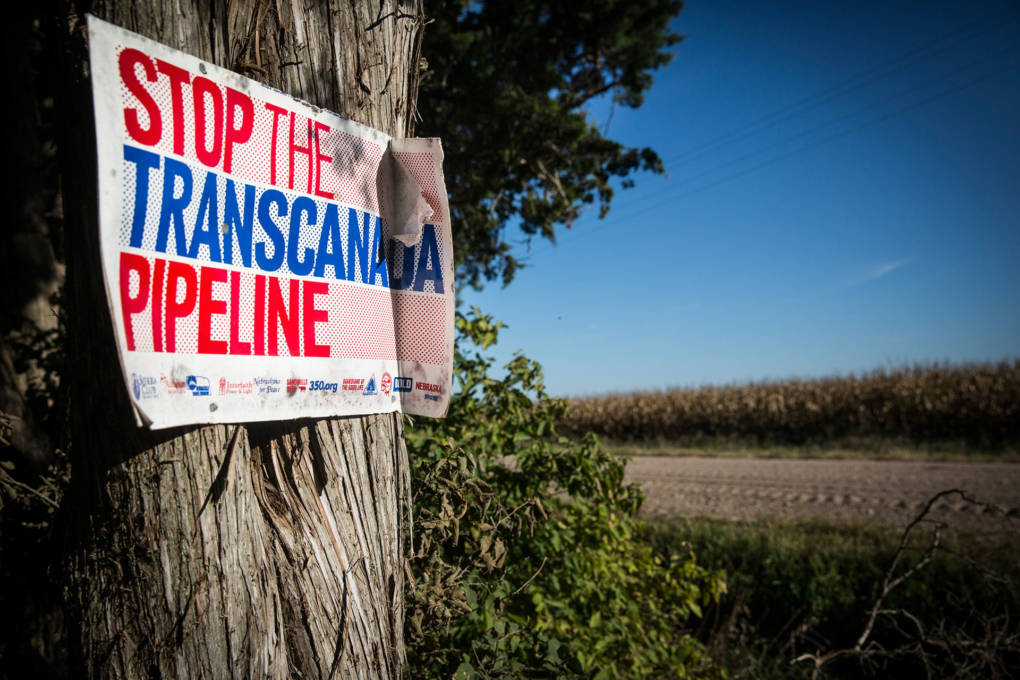
"caption": "A protest sign sits in the proposed path of the Keystone XL pipeline, in Polk, Nebraska.",
"description": "A protest sign sits in the proposed path of the Keystone XL pipeline, in Polk, Nebraska.",
"title": "TranscanadaStop",
"credit": "Andrew Burton/Getty Images",
"status": "inherit",
"isLoading": false,
"fetchFailed": false
},
"news_11625555": {
"type": "attachments",
"id": "news_11625555",
"meta": {
"index": "attachments_1716263798",
"site": "news",
"id": "11625555",
"found": true
},
"parent": 11625541,
"imgSizes": {
"small": {
"file": "https://ww2.kqed.org/app/uploads/sites/10/2017/10/DeLeon-520x346.jpg",
"width": 520,
"mimeType": "image/jpeg",
"height": 346
},
"twentyfourteen-full-width": {
"file": "https://ww2.kqed.org/app/uploads/sites/10/2017/10/DeLeon-1038x576.jpg",
"width": 1038,
"mimeType": "image/jpeg",
"height": 576
},
"thumbnail": {
"file": "https://ww2.kqed.org/app/uploads/sites/10/2017/10/DeLeon-160x106.jpg",
"width": 160,
"mimeType": "image/jpeg",
"height": 106
},
"fd-sm": {
"file": "https://ww2.kqed.org/app/uploads/sites/10/2017/10/DeLeon-960x638.jpg",
"width": 960,
"mimeType": "image/jpeg",
"height": 638
},
"post-thumbnail": {
"file": "https://ww2.kqed.org/app/uploads/sites/10/2017/10/DeLeon-672x372.jpg",
"width": 672,
"mimeType": "image/jpeg",
"height": 372
},
"xsmall": {
"file": "https://ww2.kqed.org/app/uploads/sites/10/2017/10/DeLeon-375x249.jpg",
"width": 375,
"mimeType": "image/jpeg",
"height": 249
},
"kqedFullSize": {
"file": "https://ww2.kqed.org/app/uploads/sites/10/2017/10/DeLeon.jpg",
"width": 1920,
"height": 1276
},
"large": {
"file": "https://ww2.kqed.org/app/uploads/sites/10/2017/10/DeLeon-1020x678.jpg",
"width": 1020,
"mimeType": "image/jpeg",
"height": 678
},
"xlarge": {
"file": "https://ww2.kqed.org/app/uploads/sites/10/2017/10/DeLeon-1180x784.jpg",
"width": 1180,
"mimeType": "image/jpeg",
"height": 784
},
"guest-author-50": {
"file": "https://ww2.kqed.org/app/uploads/sites/10/2017/10/DeLeon-50x50.jpg",
"width": 50,
"mimeType": "image/jpeg",
"height": 50
},
"guest-author-96": {
"file": "https://ww2.kqed.org/app/uploads/sites/10/2017/10/DeLeon-96x96.jpg",
"width": 96,
"mimeType": "image/jpeg",
"height": 96
},
"medium": {
"file": "https://ww2.kqed.org/app/uploads/sites/10/2017/10/DeLeon-800x532.jpg",
"width": 800,
"mimeType": "image/jpeg",
"height": 532
},
"guest-author-64": {
"file": "https://ww2.kqed.org/app/uploads/sites/10/2017/10/DeLeon-64x64.jpg",
"width": 64,
"mimeType": "image/jpeg",
"height": 64
},
"guest-author-32": {
"file": "https://ww2.kqed.org/app/uploads/sites/10/2017/10/DeLeon-32x32.jpg",
"width": 32,
"mimeType": "image/jpeg",
"height": 32
},
"fd-lrg": {
"file": "https://ww2.kqed.org/app/uploads/sites/10/2017/10/DeLeon-1920x1276.jpg",
"width": 1920,
"mimeType": "image/jpeg",
"height": 1276
},
"fd-med": {
"file": "https://ww2.kqed.org/app/uploads/sites/10/2017/10/DeLeon-1180x784.jpg",
"width": 1180,
"mimeType": "image/jpeg",
"height": 784
},
"full-width": {
"file": "https://ww2.kqed.org/app/uploads/sites/10/2017/10/DeLeon-1920x1276.jpg",
"width": 1920,
"mimeType": "image/jpeg",
"height": 1276
},
"detail": {
"file": "https://ww2.kqed.org/app/uploads/sites/10/2017/10/DeLeon-150x150.jpg",
"width": 150,
"mimeType": "image/jpeg",
"height": 150
},
"guest-author-128": {
"file": "https://ww2.kqed.org/app/uploads/sites/10/2017/10/DeLeon-128x128.jpg",
"width": 128,
"mimeType": "image/jpeg",
"height": 128
},
"xxsmall": {
"file": "https://ww2.kqed.org/app/uploads/sites/10/2017/10/DeLeon-240x160.jpg",
"width": 240,
"mimeType": "image/jpeg",
"height": 160
}
},
"publishDate": 1508803857,
"modified": 1508803927,
"caption": "State Senate leader Kevin de León says everyone deserves a workplace free of harassment and sexual misbehavior.",
"description": "State Senate leader Kevin de León says everyone deserves a workplace free of harassment and sexual misbehavior.",
"title": "DeLeon",
"credit": "Bert Johnson/KQED",
"status": "inherit",
"isLoading": false,
"fetchFailed": false
},
"news_11629358": {
"type": "attachments",
"id": "news_11629358",
"meta": {
"index": "attachments_1716263798",
"site": "news",
"id": "11629358",
"found": true
},
"parent": 11629209,
"imgSizes": {
"small": {
"file": "https://ww2.kqed.org/app/uploads/sites/10/2017/11/RS27927_Photo-Oct-27-5-53-44-PM-1-2-qut-520x358.jpg",
"width": 520,
"mimeType": "image/jpeg",
"height": 358
},
"twentyfourteen-full-width": {
"file": "https://ww2.kqed.org/app/uploads/sites/10/2017/11/RS27927_Photo-Oct-27-5-53-44-PM-1-2-qut-1038x576.jpg",
"width": 1038,
"mimeType": "image/jpeg",
"height": 576
},
"thumbnail": {
"file": "https://ww2.kqed.org/app/uploads/sites/10/2017/11/RS27927_Photo-Oct-27-5-53-44-PM-1-2-qut-160x110.jpg",
"width": 160,
"mimeType": "image/jpeg",
"height": 110
},
"fd-sm": {
"file": "https://ww2.kqed.org/app/uploads/sites/10/2017/11/RS27927_Photo-Oct-27-5-53-44-PM-1-2-qut-960x661.jpg",
"width": 960,
"mimeType": "image/jpeg",
"height": 661
},
"post-thumbnail": {
"file": "https://ww2.kqed.org/app/uploads/sites/10/2017/11/RS27927_Photo-Oct-27-5-53-44-PM-1-2-qut-672x372.jpg",
"width": 672,
"mimeType": "image/jpeg",
"height": 372
},
"xsmall": {
"file": "https://ww2.kqed.org/app/uploads/sites/10/2017/11/RS27927_Photo-Oct-27-5-53-44-PM-1-2-qut-375x258.jpg",
"width": 375,
"mimeType": "image/jpeg",
"height": 258
},
"kqedFullSize": {
"file": "https://ww2.kqed.org/app/uploads/sites/10/2017/11/RS27927_Photo-Oct-27-5-53-44-PM-1-2-qut.jpg",
"width": 1920,
"height": 1322
},
"large": {
"file": "https://ww2.kqed.org/app/uploads/sites/10/2017/11/RS27927_Photo-Oct-27-5-53-44-PM-1-2-qut-1020x702.jpg",
"width": 1020,
"mimeType": "image/jpeg",
"height": 702
},
"xlarge": {
"file": "https://ww2.kqed.org/app/uploads/sites/10/2017/11/RS27927_Photo-Oct-27-5-53-44-PM-1-2-qut-1180x812.jpg",
"width": 1180,
"mimeType": "image/jpeg",
"height": 812
},
"guest-author-50": {
"file": "https://ww2.kqed.org/app/uploads/sites/10/2017/11/RS27927_Photo-Oct-27-5-53-44-PM-1-2-qut-50x50.jpg",
"width": 50,
"mimeType": "image/jpeg",
"height": 50
},
"guest-author-96": {
"file": "https://ww2.kqed.org/app/uploads/sites/10/2017/11/RS27927_Photo-Oct-27-5-53-44-PM-1-2-qut-96x96.jpg",
"width": 96,
"mimeType": "image/jpeg",
"height": 96
},
"medium": {
"file": "https://ww2.kqed.org/app/uploads/sites/10/2017/11/RS27927_Photo-Oct-27-5-53-44-PM-1-2-qut-800x551.jpg",
"width": 800,
"mimeType": "image/jpeg",
"height": 551
},
"guest-author-64": {
"file": "https://ww2.kqed.org/app/uploads/sites/10/2017/11/RS27927_Photo-Oct-27-5-53-44-PM-1-2-qut-64x64.jpg",
"width": 64,
"mimeType": "image/jpeg",
"height": 64
},
"guest-author-32": {
"file": "https://ww2.kqed.org/app/uploads/sites/10/2017/11/RS27927_Photo-Oct-27-5-53-44-PM-1-2-qut-32x32.jpg",
"width": 32,
"mimeType": "image/jpeg",
"height": 32
},
"fd-lrg": {
"file": "https://ww2.kqed.org/app/uploads/sites/10/2017/11/RS27927_Photo-Oct-27-5-53-44-PM-1-2-qut-1920x1322.jpg",
"width": 1920,
"mimeType": "image/jpeg",
"height": 1322
},
"fd-med": {
"file": "https://ww2.kqed.org/app/uploads/sites/10/2017/11/RS27927_Photo-Oct-27-5-53-44-PM-1-2-qut-1180x812.jpg",
"width": 1180,
"mimeType": "image/jpeg",
"height": 812
},
"full-width": {
"file": "https://ww2.kqed.org/app/uploads/sites/10/2017/11/RS27927_Photo-Oct-27-5-53-44-PM-1-2-qut-1920x1322.jpg",
"width": 1920,
"mimeType": "image/jpeg",
"height": 1322
},
"detail": {
"file": "https://ww2.kqed.org/app/uploads/sites/10/2017/11/RS27927_Photo-Oct-27-5-53-44-PM-1-2-qut-150x150.jpg",
"width": 150,
"mimeType": "image/jpeg",
"height": 150
},
"guest-author-128": {
"file": "https://ww2.kqed.org/app/uploads/sites/10/2017/11/RS27927_Photo-Oct-27-5-53-44-PM-1-2-qut-128x128.jpg",
"width": 128,
"mimeType": "image/jpeg",
"height": 128
},
"xxsmall": {
"file": "https://ww2.kqed.org/app/uploads/sites/10/2017/11/RS27927_Photo-Oct-27-5-53-44-PM-1-2-qut-240x165.jpg",
"width": 240,
"mimeType": "image/jpeg",
"height": 165
}
},
"publishDate": 1510187001,
"modified": 1510877883,
"caption": "Amanda Jones (l) and Jennifer Chapin (r) co-founded Kikoko, a startup serving teas mildly laced with marijuana designed to appeal to women like themselves.",
"description": "Amanda Jones (l) and Jennifer Chapin (r) co-founded Kikoko, a start-up serving mildly marijuana-laced teas designed to appeal to women like themselves.",
"title": "RS27927_Photo Oct 27, 5 53 44 PM (1) 2-qut",
"credit": "Rachael Myrow/KQED",
"status": "inherit",
"isLoading": false,
"fetchFailed": false
},
"news_11631413": {
"type": "attachments",
"id": "news_11631413",
"meta": {
"index": "attachments_1716263798",
"site": "news",
"id": "11631413",
"found": true
},
"parent": 11631406,
"imgSizes": {
"small": {
"file": "https://ww2.kqed.org/app/uploads/sites/10/2017/11/CapSac-520x329.jpg",
"width": 520,
"mimeType": "image/jpeg",
"height": 329
},
"twentyfourteen-full-width": {
"file": "https://ww2.kqed.org/app/uploads/sites/10/2017/11/CapSac-1038x576.jpg",
"width": 1038,
"mimeType": "image/jpeg",
"height": 576
},
"thumbnail": {
"file": "https://ww2.kqed.org/app/uploads/sites/10/2017/11/CapSac-160x101.jpg",
"width": 160,
"mimeType": "image/jpeg",
"height": 101
},
"fd-sm": {
"file": "https://ww2.kqed.org/app/uploads/sites/10/2017/11/CapSac-960x608.jpg",
"width": 960,
"mimeType": "image/jpeg",
"height": 608
},
"post-thumbnail": {
"file": "https://ww2.kqed.org/app/uploads/sites/10/2017/11/CapSac-672x372.jpg",
"width": 672,
"mimeType": "image/jpeg",
"height": 372
},
"xsmall": {
"file": "https://ww2.kqed.org/app/uploads/sites/10/2017/11/CapSac-375x238.jpg",
"width": 375,
"mimeType": "image/jpeg",
"height": 238
},
"kqedFullSize": {
"file": "https://ww2.kqed.org/app/uploads/sites/10/2017/11/CapSac.jpg",
"width": 1920,
"height": 1216
},
"large": {
"file": "https://ww2.kqed.org/app/uploads/sites/10/2017/11/CapSac-1020x646.jpg",
"width": 1020,
"mimeType": "image/jpeg",
"height": 646
},
"xlarge": {
"file": "https://ww2.kqed.org/app/uploads/sites/10/2017/11/CapSac-1180x747.jpg",
"width": 1180,
"mimeType": "image/jpeg",
"height": 747
},
"guest-author-50": {
"file": "https://ww2.kqed.org/app/uploads/sites/10/2017/11/CapSac-50x50.jpg",
"width": 50,
"mimeType": "image/jpeg",
"height": 50
},
"guest-author-96": {
"file": "https://ww2.kqed.org/app/uploads/sites/10/2017/11/CapSac-96x96.jpg",
"width": 96,
"mimeType": "image/jpeg",
"height": 96
},
"medium": {
"file": "https://ww2.kqed.org/app/uploads/sites/10/2017/11/CapSac-800x507.jpg",
"width": 800,
"mimeType": "image/jpeg",
"height": 507
},
"guest-author-64": {
"file": "https://ww2.kqed.org/app/uploads/sites/10/2017/11/CapSac-64x64.jpg",
"width": 64,
"mimeType": "image/jpeg",
"height": 64
},
"guest-author-32": {
"file": "https://ww2.kqed.org/app/uploads/sites/10/2017/11/CapSac-32x32.jpg",
"width": 32,
"mimeType": "image/jpeg",
"height": 32
},
"fd-lrg": {
"file": "https://ww2.kqed.org/app/uploads/sites/10/2017/11/CapSac-1920x1216.jpg",
"width": 1920,
"mimeType": "image/jpeg",
"height": 1216
},
"fd-med": {
"file": "https://ww2.kqed.org/app/uploads/sites/10/2017/11/CapSac-1180x747.jpg",
"width": 1180,
"mimeType": "image/jpeg",
"height": 747
},
"full-width": {
"file": "https://ww2.kqed.org/app/uploads/sites/10/2017/11/CapSac-1920x1216.jpg",
"width": 1920,
"mimeType": "image/jpeg",
"height": 1216
},
"detail": {
"file": "https://ww2.kqed.org/app/uploads/sites/10/2017/11/CapSac-150x150.jpg",
"width": 150,
"mimeType": "image/jpeg",
"height": 150
},
"guest-author-128": {
"file": "https://ww2.kqed.org/app/uploads/sites/10/2017/11/CapSac-128x128.jpg",
"width": 128,
"mimeType": "image/jpeg",
"height": 128
},
"xxsmall": {
"file": "https://ww2.kqed.org/app/uploads/sites/10/2017/11/CapSac-240x152.jpg",
"width": 240,
"mimeType": "image/jpeg",
"height": 152
}
},
"publishDate": 1510864748,
"modified": 1510864798,
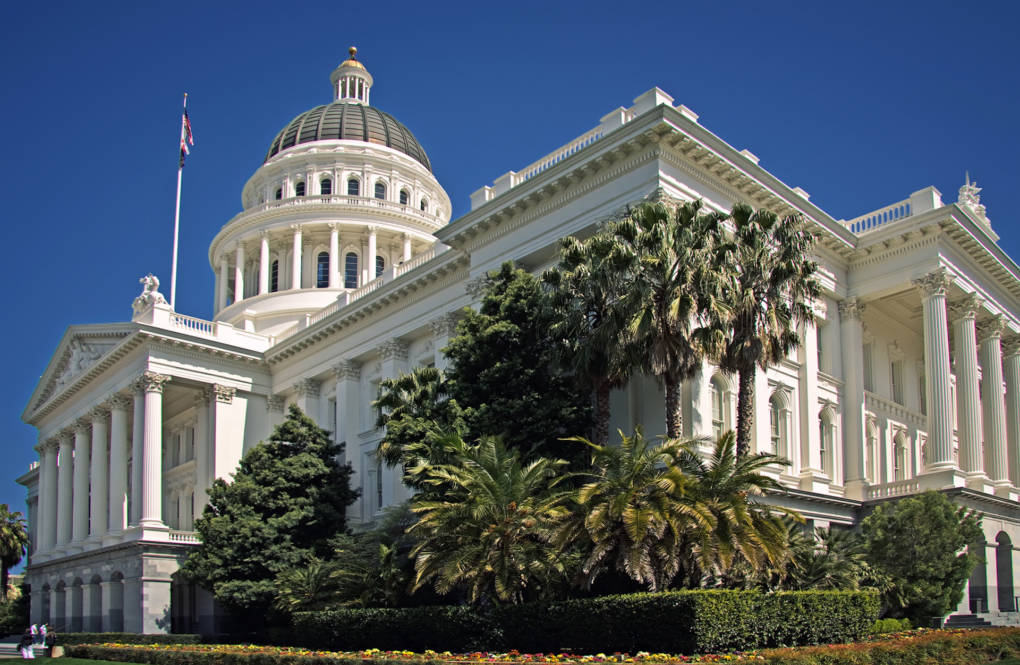
"caption": "One group of state workers has never had whistleblower protection: those who work for the lawmakers themselves.",
"description": "One group of state workers has never had whistleblower protection: those who work for the lawmakers themselves.",
"title": "CapSac",
"credit": "Justin Sullivan/Getty Images",
"status": "inherit",
"isLoading": false,
"fetchFailed": false
},
"news_11631001": {
"type": "attachments",
"id": "news_11631001",
"meta": {
"index": "attachments_1716263798",
"site": "news",
"id": "11631001",
"found": true
},
"parent": 11631000,
"imgSizes": {
"small": {
"file": "https://ww2.kqed.org/app/uploads/sites/10/2017/11/RS27969_Big-Game-qut-1-520x347.jpg",
"width": 520,
"mimeType": "image/jpeg",
"height": 347
},
"twentyfourteen-full-width": {
"file": "https://ww2.kqed.org/app/uploads/sites/10/2017/11/RS27969_Big-Game-qut-1-1038x576.jpg",
"width": 1038,
"mimeType": "image/jpeg",
"height": 576
},
"thumbnail": {
"file": "https://ww2.kqed.org/app/uploads/sites/10/2017/11/RS27969_Big-Game-qut-1-160x107.jpg",
"width": 160,
"mimeType": "image/jpeg",
"height": 107
},
"fd-sm": {
"file": "https://ww2.kqed.org/app/uploads/sites/10/2017/11/RS27969_Big-Game-qut-1-960x640.jpg",
"width": 960,
"mimeType": "image/jpeg",
"height": 640
},
"post-thumbnail": {
"file": "https://ww2.kqed.org/app/uploads/sites/10/2017/11/RS27969_Big-Game-qut-1-672x372.jpg",
"width": 672,
"mimeType": "image/jpeg",
"height": 372
},
"xsmall": {
"file": "https://ww2.kqed.org/app/uploads/sites/10/2017/11/RS27969_Big-Game-qut-1-375x250.jpg",
"width": 375,
"mimeType": "image/jpeg",
"height": 250
},
"kqedFullSize": {
"file": "https://ww2.kqed.org/app/uploads/sites/10/2017/11/RS27969_Big-Game-qut-1.jpg",
"width": 1500,
"height": 1000
},
"large": {
"file": "https://ww2.kqed.org/app/uploads/sites/10/2017/11/RS27969_Big-Game-qut-1-1020x680.jpg",
"width": 1020,
"mimeType": "image/jpeg",
"height": 680
},
"xlarge": {
"file": "https://ww2.kqed.org/app/uploads/sites/10/2017/11/RS27969_Big-Game-qut-1-1180x787.jpg",
"width": 1180,
"mimeType": "image/jpeg",
"height": 787
},
"guest-author-50": {
"file": "https://ww2.kqed.org/app/uploads/sites/10/2017/11/RS27969_Big-Game-qut-1-50x50.jpg",
"width": 50,
"mimeType": "image/jpeg",
"height": 50
},
"guest-author-96": {
"file": "https://ww2.kqed.org/app/uploads/sites/10/2017/11/RS27969_Big-Game-qut-1-96x96.jpg",
"width": 96,
"mimeType": "image/jpeg",
"height": 96
},
"medium": {
"file": "https://ww2.kqed.org/app/uploads/sites/10/2017/11/RS27969_Big-Game-qut-1-800x533.jpg",
"width": 800,
"mimeType": "image/jpeg",
"height": 533
},
"guest-author-64": {
"file": "https://ww2.kqed.org/app/uploads/sites/10/2017/11/RS27969_Big-Game-qut-1-64x64.jpg",
"width": 64,
"mimeType": "image/jpeg",
"height": 64
},
"guest-author-32": {
"file": "https://ww2.kqed.org/app/uploads/sites/10/2017/11/RS27969_Big-Game-qut-1-32x32.jpg",
"width": 32,
"mimeType": "image/jpeg",
"height": 32
},
"fd-med": {
"file": "https://ww2.kqed.org/app/uploads/sites/10/2017/11/RS27969_Big-Game-qut-1-1180x787.jpg",
"width": 1180,
"mimeType": "image/jpeg",
"height": 787
},
"detail": {
"file": "https://ww2.kqed.org/app/uploads/sites/10/2017/11/RS27969_Big-Game-qut-1-150x150.jpg",
"width": 150,
"mimeType": "image/jpeg",
"height": 150
},
"guest-author-128": {
"file": "https://ww2.kqed.org/app/uploads/sites/10/2017/11/RS27969_Big-Game-qut-1-128x128.jpg",
"width": 128,
"mimeType": "image/jpeg",
"height": 128
},
"xxsmall": {
"file": "https://ww2.kqed.org/app/uploads/sites/10/2017/11/RS27969_Big-Game-qut-1-240x160.jpg",
"width": 240,
"mimeType": "image/jpeg",
"height": 160
}
},
"publishDate": 1510713201,
"modified": 1510871211,
"caption": "This Saturday, Cal and Stanford will play in the 120th Big Game. Stanford has won every meeting this decade.",
"description": null,
"title": "RS27969_Big Game-qut (1)",
"credit": null,
"status": "inherit",
"isLoading": false,
"fetchFailed": false
},
"stateofhealth_17341": {
"type": "attachments",
"id": "stateofhealth_17341",
"meta": {
"index": "attachments_1716263798",
"site": "stateofhealth",
"id": "17341",
"found": true
},
"parent": 17339,
"imgSizes": {
"thumbnail": {
"file": "https://ww2.kqed.org/app/uploads/sites/27/2014/01/96525183-e1390846077644-400x266.jpg",
"width": 400,
"mimeType": "image/jpeg",
"height": 266
},
"fd-sm": {
"file": "https://ww2.kqed.org/app/uploads/sites/27/2014/01/96525183-e1390846077644-320x213.jpg",
"width": 320,
"mimeType": "image/jpeg",
"height": 213
},
"post-thumbnail": {
"file": "https://ww2.kqed.org/app/uploads/sites/27/2014/01/96525183-e1390846077644-641x372.jpg",
"width": 641,
"mimeType": "image/jpeg",
"height": 372
},
"kqedFullSize": {
"file": "https://ww2.kqed.org/app/uploads/sites/27/2014/01/96525183-e1390846077644.jpg",
"width": 641,
"height": 427
},
"guest-author-96": {
"file": "https://ww2.kqed.org/app/uploads/sites/27/2014/01/96525183-e1390846077644-96x96.jpg",
"width": 96,
"mimeType": "image/jpeg",
"height": 96
},
"guest-author-64": {
"file": "https://ww2.kqed.org/app/uploads/sites/27/2014/01/96525183-e1390846077644-64x64.jpg",
"width": 64,
"mimeType": "image/jpeg",
"height": 64
},
"detail": {
"file": "https://ww2.kqed.org/app/uploads/sites/27/2014/01/96525183-e1390846077644-75x75.jpg",
"width": 75,
"mimeType": "image/jpeg",
"height": 75
},
"guest-author-32": {
"file": "https://ww2.kqed.org/app/uploads/sites/27/2014/01/96525183-e1390846077644-32x32.jpg",
"width": 32,
"mimeType": "image/jpeg",
"height": 32
},
"guest-author-128": {
"file": "https://ww2.kqed.org/app/uploads/sites/27/2014/01/96525183-e1390846077644-128x128.jpg",
"width": 128,
"mimeType": "image/jpeg",
"height": 128
}
},
"publishDate": 1390846066,
"modified": 1510855532,
"caption": "The Anthem Blue Cross headquarters in Woodland Hills, California.",
"description": "The Anthem Blue Cross headquarters in Woodland Hills, California.",
"title": "96525183",
"credit": "David McNew/Getty Images",
"status": "inherit",
"isLoading": false,
"fetchFailed": false
},
"news_11631352": {
"type": "attachments",
"id": "news_11631352",
"meta": {
"index": "attachments_1716263798",
"site": "news",
"id": "11631352",
"found": true
},
"parent": 11631188,
"imgSizes": {
"small": {
"file": "https://ww2.kqed.org/app/uploads/sites/10/2017/11/23561454_803940413141661_7207618753733921236_n-520x390.jpg",
"width": 520,
"mimeType": "image/jpeg",
"height": 390
},
"twentyfourteen-full-width": {
"file": "https://ww2.kqed.org/app/uploads/sites/10/2017/11/23561454_803940413141661_7207618753733921236_n-960x576.jpg",
"width": 960,
"mimeType": "image/jpeg",
"height": 576
},
"thumbnail": {
"file": "https://ww2.kqed.org/app/uploads/sites/10/2017/11/23561454_803940413141661_7207618753733921236_n-160x120.jpg",
"width": 160,
"mimeType": "image/jpeg",
"height": 120
},
"fd-sm": {
"file": "https://ww2.kqed.org/app/uploads/sites/10/2017/11/23561454_803940413141661_7207618753733921236_n-960x720.jpg",
"width": 960,
"mimeType": "image/jpeg",
"height": 720
},
"post-thumbnail": {
"file": "https://ww2.kqed.org/app/uploads/sites/10/2017/11/23561454_803940413141661_7207618753733921236_n-672x372.jpg",
"width": 672,
"mimeType": "image/jpeg",
"height": 372
},
"xsmall": {
"file": "https://ww2.kqed.org/app/uploads/sites/10/2017/11/23561454_803940413141661_7207618753733921236_n-375x281.jpg",
"width": 375,
"mimeType": "image/jpeg",
"height": 281
},
"kqedFullSize": {
"file": "https://ww2.kqed.org/app/uploads/sites/10/2017/11/23561454_803940413141661_7207618753733921236_n.jpg",
"width": 960,
"height": 720
},
"guest-author-50": {
"file": "https://ww2.kqed.org/app/uploads/sites/10/2017/11/23561454_803940413141661_7207618753733921236_n-50x50.jpg",
"width": 50,
"mimeType": "image/jpeg",
"height": 50
},
"guest-author-96": {
"file": "https://ww2.kqed.org/app/uploads/sites/10/2017/11/23561454_803940413141661_7207618753733921236_n-96x96.jpg",
"width": 96,
"mimeType": "image/jpeg",
"height": 96
},
"medium": {
"file": "https://ww2.kqed.org/app/uploads/sites/10/2017/11/23561454_803940413141661_7207618753733921236_n-800x600.jpg",
"width": 800,
"mimeType": "image/jpeg",
"height": 600
},
"guest-author-64": {
"file": "https://ww2.kqed.org/app/uploads/sites/10/2017/11/23561454_803940413141661_7207618753733921236_n-64x64.jpg",
"width": 64,
"mimeType": "image/jpeg",
"height": 64
},
"guest-author-32": {
"file": "https://ww2.kqed.org/app/uploads/sites/10/2017/11/23561454_803940413141661_7207618753733921236_n-32x32.jpg",
"width": 32,
"mimeType": "image/jpeg",
"height": 32
},
"detail": {
"file": "https://ww2.kqed.org/app/uploads/sites/10/2017/11/23561454_803940413141661_7207618753733921236_n-150x150.jpg",
"width": 150,
"mimeType": "image/jpeg",
"height": 150
},
"guest-author-128": {
"file": "https://ww2.kqed.org/app/uploads/sites/10/2017/11/23561454_803940413141661_7207618753733921236_n-128x128.jpg",
"width": 128,
"mimeType": "image/jpeg",
"height": 128
},
"xxsmall": {
"file": "https://ww2.kqed.org/app/uploads/sites/10/2017/11/23561454_803940413141661_7207618753733921236_n-240x180.jpg",
"width": 240,
"mimeType": "image/jpeg",
"height": 180
}
},
"publishDate": 1510861018,
"modified": 1510875842,
"caption": "San Joaquin County sheriff’s deputies arrested Randall Saito, the Hawaii State Hospital escapee, in the area of Highway 99 and Waterloo Road in Stockton.",
"description": "San Joaquin County Sheriff’s deputies arrested Randall Saito, the Hawaii State Hospital escapee, in the area of Highway 99 and Waterloo Road in Stockton.",
"title": "San Joaquin County Sheriff’s deputies arrested Randall Saito, the Hawaii State Hospital escapee, in the area of Highway 99 and Waterloo Road in Stockton.",
"credit": "San Joaquin County Sheriff's Office via Facebook",
"status": "inherit",
"isLoading": false,
"fetchFailed": false
},
"news_11631344": {
"type": "attachments",
"id": "news_11631344",
"meta": {
"index": "attachments_1716263798",
"site": "news",
"id": "11631344",
"found": true
},
"parent": 11631340,
"imgSizes": {
"small": {
"file": "https://ww2.kqed.org/app/uploads/sites/10/2017/11/PaulRyan-520x350.jpg",
"width": 520,
"mimeType": "image/jpeg",
"height": 350
},
"twentyfourteen-full-width": {
"file": "https://ww2.kqed.org/app/uploads/sites/10/2017/11/PaulRyan-1038x576.jpg",
"width": 1038,
"mimeType": "image/jpeg",
"height": 576
},
"thumbnail": {
"file": "https://ww2.kqed.org/app/uploads/sites/10/2017/11/PaulRyan-160x108.jpg",
"width": 160,
"mimeType": "image/jpeg",
"height": 108
},
"fd-sm": {
"file": "https://ww2.kqed.org/app/uploads/sites/10/2017/11/PaulRyan-960x646.jpg",
"width": 960,
"mimeType": "image/jpeg",
"height": 646
},
"post-thumbnail": {
"file": "https://ww2.kqed.org/app/uploads/sites/10/2017/11/PaulRyan-672x372.jpg",
"width": 672,
"mimeType": "image/jpeg",
"height": 372
},
"xsmall": {
"file": "https://ww2.kqed.org/app/uploads/sites/10/2017/11/PaulRyan-375x252.jpg",
"width": 375,
"mimeType": "image/jpeg",
"height": 252
},
"kqedFullSize": {
"file": "https://ww2.kqed.org/app/uploads/sites/10/2017/11/PaulRyan.jpg",
"width": 1920,
"height": 1291
},
"large": {
"file": "https://ww2.kqed.org/app/uploads/sites/10/2017/11/PaulRyan-1020x686.jpg",
"width": 1020,
"mimeType": "image/jpeg",
"height": 686
},
"xlarge": {
"file": "https://ww2.kqed.org/app/uploads/sites/10/2017/11/PaulRyan-1180x793.jpg",
"width": 1180,
"mimeType": "image/jpeg",
"height": 793
},
"guest-author-50": {
"file": "https://ww2.kqed.org/app/uploads/sites/10/2017/11/PaulRyan-50x50.jpg",
"width": 50,
"mimeType": "image/jpeg",
"height": 50
},
"guest-author-96": {
"file": "https://ww2.kqed.org/app/uploads/sites/10/2017/11/PaulRyan-96x96.jpg",
"width": 96,
"mimeType": "image/jpeg",
"height": 96
},
"medium": {
"file": "https://ww2.kqed.org/app/uploads/sites/10/2017/11/PaulRyan-800x538.jpg",
"width": 800,
"mimeType": "image/jpeg",
"height": 538
},
"guest-author-64": {
"file": "https://ww2.kqed.org/app/uploads/sites/10/2017/11/PaulRyan-64x64.jpg",
"width": 64,
"mimeType": "image/jpeg",
"height": 64
},
"guest-author-32": {
"file": "https://ww2.kqed.org/app/uploads/sites/10/2017/11/PaulRyan-32x32.jpg",
"width": 32,
"mimeType": "image/jpeg",
"height": 32
},
"fd-lrg": {
"file": "https://ww2.kqed.org/app/uploads/sites/10/2017/11/PaulRyan-1920x1291.jpg",
"width": 1920,
"mimeType": "image/jpeg",
"height": 1291
},
"fd-med": {
"file": "https://ww2.kqed.org/app/uploads/sites/10/2017/11/PaulRyan-1180x793.jpg",
"width": 1180,
"mimeType": "image/jpeg",
"height": 793
},
"full-width": {
"file": "https://ww2.kqed.org/app/uploads/sites/10/2017/11/PaulRyan-1920x1291.jpg",
"width": 1920,
"mimeType": "image/jpeg",
"height": 1291
},
"detail": {
"file": "https://ww2.kqed.org/app/uploads/sites/10/2017/11/PaulRyan-150x150.jpg",
"width": 150,
"mimeType": "image/jpeg",
"height": 150
},
"guest-author-128": {
"file": "https://ww2.kqed.org/app/uploads/sites/10/2017/11/PaulRyan-128x128.jpg",
"width": 128,
"mimeType": "image/jpeg",
"height": 128
},
"xxsmall": {
"file": "https://ww2.kqed.org/app/uploads/sites/10/2017/11/PaulRyan-240x161.jpg",
"width": 240,
"mimeType": "image/jpeg",
"height": 161
}
},
"publishDate": 1510860706,
"modified": 1510860768,
"caption": "House Speaker Paul Ryan speaks after the House passed its version of the Republican tax overhaul at the U.S. Capitol on November 16, 2017.",
"description": "House Speaker Paul Ryan speaks after the House passed its version of the Republican tax overhaul at the U.S. Capitol on November 16, 2017.",
"title": "PaulRyan",
"credit": "MANDEL NGAN/AFP/Getty Images",
"status": "inherit",
"isLoading": false,
"fetchFailed": false
}
},
"audioPlayerReducer": {
"postId": "stream_live",
"isPaused": true,
"isPlaying": false,
"pfsActive": false,
"pledgeModalIsOpen": true,
"playerDrawerIsOpen": false,
"liveAudioPlayStartedAt": 0,
"liveAudioPlayContext": ""
},
"authorsReducer": {
"byline_news_11631849": {
"type": "authors",
"id": "byline_news_11631849",
"meta": {
"override": true
},
"slug": "byline_news_11631849",
"name": "\u003cstrong/>Joel Rose\u003c/strong>",
"isLoading": false
},
"byline_news_11631819": {
"type": "authors",
"id": "byline_news_11631819",
"meta": {
"override": true
},
"slug": "byline_news_11631819",
"name": "\u003cstrong/>Natalie Orenstein\u003c/strong>",
"isLoading": false
},
"byline_news_11631665": {
"type": "authors",
"id": "byline_news_11631665",
"meta": {
"override": true
},
"slug": "byline_news_11631665",
"name": "Richard Gonzales",
"isLoading": false
},
"byline_news_11631406": {
"type": "authors",
"id": "byline_news_11631406",
"meta": {
"override": true
},
"slug": "byline_news_11631406",
"name": "\u003cstrong>\u003ca href=\"https://calmatters.org/articles/author/laurel-rosenhall/\">Laurel Rosenhall\u003c/a>\u003c/strong>",
"isLoading": false
},
"byline_stateofhealth_362011": {
"type": "authors",
"id": "byline_stateofhealth_362011",
"meta": {
"override": true
},
"slug": "byline_stateofhealth_362011",
"name": "\u003ca href=\"https://khn.org/news/author/chad-terhune/\" target=\"_blank\" rel=\"noopener\">Chad Terhune\u003c/a>",
"isLoading": false
},
"byline_news_11631340": {
"type": "authors",
"id": "byline_news_11631340",
"meta": {
"override": true
},
"slug": "byline_news_11631340",
"name": "Brian Naylor",
"isLoading": false
},
"danbrekke": {
"type": "authors",
"id": "222",
"meta": {
"index": "authors_1716337520",
"id": "222",
"found": true
},
"name": "Dan Brekke",
"firstName": "Dan",
"lastName": "Brekke",
"slug": "danbrekke",
"email": "dbrekke@kqed.org",
"display_author_email": true,
"staff_mastheads": [
"news",
"science"
],
"title": "KQED Editor and Reporter",
"bio": "Dan Brekke is a reporter and editor for KQED News, responsible for coverage of topics ranging from California water issues to the Bay Area's transportation challenges. In a newsroom career that began in Chicago in 1972, Dan has worked for \u003cem>The San Francisco Examiner,\u003c/em> Wired and TechTV and has been published in The New York Times, The New York Times Magazine, Business 2.0, Salon and elsewhere.\r\n\r\nSince joining KQED in 2007, Dan has reported, edited and produced both radio and online features and breaking news pieces. He has shared as both editor and reporter in four Society of Professional Journalists Norcal Excellence in Journalism awards and one Edward R. Murrow regional award. He was chosen for a spring 2017 residency at the Mesa Refuge to advance his research on California salmon.\r\n\r\nEmail Dan at: \u003ca href=\"mailto:dbrekke@kqed.org\">dbrekke@kqed.org\u003c/a>\r\n\r\n\u003cstrong>Twitter:\u003c/strong> \u003ca href=\"https://twitter.com/danbrekke\" rel=\"noopener noreferrer\">twitter.com/danbrekke\u003c/a>\r\n\u003cstrong>Facebook:\u003c/strong> \u003ca href=\"https://www.facebook.com/danbrekke\" rel=\"noopener noreferrer\">www.facebook.com/danbrekke\u003c/a>\r\n\u003cstrong>LinkedIn:\u003c/strong> \u003ca href=\"https://www.linkedin.com/in/danbrekke\" rel=\"noopener noreferrer\">www.linkedin.com/in/danbrekke\u003c/a>",
"avatar": "https://secure.gravatar.com/avatar/8f1f0d2a978fb3b23426c922c7e2af558fa36905b49c4ce76a97dc3c72d27226?s=600&d=mm&r=g",
"twitter": "danbrekke",
"bluesky": null,
"facebook": null,
"instagram": "https://www.instagram.com/dan.brekke/",
"linkedin": "https://www.linkedin.com/in/danbrekke/",
"sites": [
{
"site": "news",
"roles": [
"administrator",
"create_posts"
]
},
{
"site": "stateofhealth",
"roles": [
"editor"
]
},
{
"site": "science",
"roles": [
"editor"
]
},
{
"site": "quest",
"roles": [
"contributor"
]
},
{
"site": "food",
"roles": [
"contributor"
]
},
{
"site": "forum",
"roles": [
"contributor"
]
},
{
"site": "elections",
"roles": [
"editor"
]
},
{
"site": "liveblog",
"roles": [
"editor"
]
}
],
"headData": {
"title": "Dan Brekke | KQED",
"description": "KQED Editor and Reporter",
"ogImgSrc": "https://secure.gravatar.com/avatar/8f1f0d2a978fb3b23426c922c7e2af558fa36905b49c4ce76a97dc3c72d27226?s=600&d=mm&r=g",
"twImgSrc": "https://secure.gravatar.com/avatar/8f1f0d2a978fb3b23426c922c7e2af558fa36905b49c4ce76a97dc3c72d27226?s=600&d=mm&r=g"
},
"isLoading": false,
"link": "/author/danbrekke"
},
"rachael-myrow": {
"type": "authors",
"id": "251",
"meta": {
"index": "authors_1716337520",
"id": "251",
"found": true
},
"name": "Rachael Myrow",
"firstName": "Rachael",
"lastName": "Myrow",
"slug": "rachael-myrow",
"email": "rmyrow@kqed.org",
"display_author_email": true,
"staff_mastheads": [
"news"
],
"title": "Senior Editor of KQED's Silicon Valley News Desk",
"bio": "• I write and edit stories about how Silicon Valley power and policies shape everyday life in California. I’m also passionate about making Bay Area history and culture more accessible to a broad public. • I’ve been a journalist for most of my life, starting in high school with The Franklin Press in Los Angeles, where I grew up. While earning my first degree in English at UC Berkeley, I got my start in public radio at KALX-FM. After completing a second degree in journalism at Cal, I landed my first professional job at Marketplace, then moved on to KPCC (now LAist), and then KQED, where I hosted The California Report for more than seven years. • My reporting has appeared on NPR, The World, WBUR’s \u003ci>Here & Now\u003c/i>, and the BBC. I also guest host for KQED’s \u003ci>Forum\u003c/i>, as well as the Commonwealth Club in San Francisco. • I speak periodically on media, democracy and technology issues, and do voiceover work for documentaries and educational video projects. • Outside of the studio, you'll find me hiking Bay Area trails and whipping up Insta-ready meals in my kitchen. • I do not accept gifts, money, or favors from anyone connected to my reporting, I don't pay people for information, and I do not support or donate to political causes. • I strive to treat the people I report on with fairness, honesty, and respect. I also recognize there are often multiple sides to a story and work to verify information through multiple sources and documentation. If I get something wrong, I correct it.",
"avatar": "https://secure.gravatar.com/avatar/3ed8a3c5f26025e4a805ba634cda8cd764906b97438a6d9ce216b044e340da4e?s=600&d=blank&r=g",
"twitter": "rachaelmyrow",
"bluesky": null,
"facebook": null,
"instagram": null,
"linkedin": "https://www.linkedin.com/in/rachaelmyrow/",
"sites": [
{
"site": "arts",
"roles": [
"administrator"
]
},
{
"site": "news",
"roles": [
"edit_others_posts",
"editor"
]
},
{
"site": "futureofyou",
"roles": [
"editor"
]
},
{
"site": "bayareabites",
"roles": [
"editor"
]
},
{
"site": "stateofhealth",
"roles": [
"editor"
]
},
{
"site": "science",
"roles": [
"editor"
]
},
{
"site": "food",
"roles": [
"editor"
]
},
{
"site": "forum",
"roles": [
"editor"
]
},
{
"site": "liveblog",
"roles": [
"author"
]
}
],
"headData": {
"title": "Rachael Myrow | KQED",
"description": "Senior Editor of KQED's Silicon Valley News Desk",
"ogImgSrc": "https://secure.gravatar.com/avatar/3ed8a3c5f26025e4a805ba634cda8cd764906b97438a6d9ce216b044e340da4e?s=600&d=blank&r=g",
"twImgSrc": "https://secure.gravatar.com/avatar/3ed8a3c5f26025e4a805ba634cda8cd764906b97438a6d9ce216b044e340da4e?s=600&d=blank&r=g"
},
"isLoading": false,
"link": "/author/rachael-myrow"
},
"scottshafer": {
"type": "authors",
"id": "255",
"meta": {
"index": "authors_1716337520",
"id": "255",
"found": true
},
"name": "Scott Shafer",
"firstName": "Scott",
"lastName": "Shafer",
"slug": "scottshafer",
"email": "sshafer@kqed.org",
"display_author_email": false,
"staff_mastheads": [
"news"
],
"title": "KQED Contributor",
"bio": "Scott Shafer is a senior editor with the KQED Politics and Government desk. He is co-host of Political Breakdown, the award-winning radio show and podcast with a personal take on the world of politics. Scott came to KQED in 1998 to host the statewide\u003cem> California Report\u003c/em>. Prior to that he had extended stints in politics and government\u003cem>.\u003c/em> He uses that inside experience at KQED in his, reporting, hosting and analysis for the politics desk. Scott collaborated \u003cem>Political Breakdown a\u003c/em>nd on \u003cem>The Political Mind of Jerry Brown, \u003c/em>an eight-part series about the life and extraordinary political career of the former governor. For fun, he plays water polo with the San Francisco Tsunami.",
"avatar": "https://secure.gravatar.com/avatar/a62ebae45b79d7aed1a39a0e3bf68104?s=600&d=blank&r=g",
"twitter": "scottshafer",
"bluesky": null,
"facebook": null,
"instagram": null,
"linkedin": null,
"sites": [
{
"site": "news",
"roles": [
"editor"
]
},
{
"site": "stateofhealth",
"roles": [
"author"
]
},
{
"site": "science",
"roles": [
"author"
]
},
{
"site": "forum",
"roles": [
"subscriber"
]
},
{
"site": "liveblog",
"roles": [
"author"
]
}
],
"headData": {
"title": "Scott Shafer | KQED",
"description": "KQED Contributor",
"ogImgSrc": "https://secure.gravatar.com/avatar/a62ebae45b79d7aed1a39a0e3bf68104?s=600&d=blank&r=g",
"twImgSrc": "https://secure.gravatar.com/avatar/a62ebae45b79d7aed1a39a0e3bf68104?s=600&d=blank&r=g"
},
"isLoading": false,
"link": "/author/scottshafer"
},
"shossaini": {
"type": "authors",
"id": "3214",
"meta": {
"index": "authors_1716337520",
"id": "3214",
"found": true
},
"name": "Sara Hossaini",
"firstName": "Sara",
"lastName": "Hossaini",
"slug": "shossaini",
"email": "shossaini@kqed.org",
"display_author_email": true,
"staff_mastheads": [
"news"
],
"title": "KQED Reporter",
"bio": "Sara Hossaini came to general assignment reporting at KQED in 2013 after two winters reporting at Wyoming Public Radio. She holds a bachelor's degree in broadcast journalism from the University of Nebraska-Lincoln. Her radio romance began after a bitter breakup with documentary film (Ok, maybe it's still complicated). Her first simultaneous jobs in San Francisco were as Associate Producer on a PBS film series through the Center for Asian American Media and as a butler. She likes to trot, plot and make things with her hands.",
"avatar": "https://secure.gravatar.com/avatar/060e9f56b9554e17942e89f413242774?s=600&d=blank&r=g",
"twitter": "mshossaini",
"facebook": null,
"instagram": null,
"linkedin": null,
"sites": [
{
"site": "news",
"roles": [
"author"
]
},
{
"site": "stateofhealth",
"roles": [
"author"
]
}
],
"headData": {
"title": "Sara Hossaini | KQED",
"description": "KQED Reporter",
"ogImgSrc": "https://secure.gravatar.com/avatar/060e9f56b9554e17942e89f413242774?s=600&d=blank&r=g",
"twImgSrc": "https://secure.gravatar.com/avatar/060e9f56b9554e17942e89f413242774?s=600&d=blank&r=g"
},
"isLoading": false,
"link": "/author/shossaini"
},
"korr": {
"type": "authors",
"id": "11200",
"meta": {
"index": "authors_1716337520",
"id": "11200",
"found": true
},
"name": "Katie Orr",
"firstName": "Katie",
"lastName": "Orr",
"slug": "korr",
"email": "korr@kqed.org",
"display_author_email": false,
"staff_mastheads": [],
"title": "KQED Contributor",
"bio": "Katie Orr was a Sacramento-based reporter for KQED's Politics and Government Desk, covering the state Capitol and a variety of issues including women in politics, voting and elections and legislation. Prior to joining KQED in 2016, Katie was state government reporter for Capital Public Radio in Sacramento. She's also worked for KPBS in San Diego, where she covered City Hall.\r\n\r\nKatie received her masters degree in political science from San Diego State University and holds a Bachelors degree in broadcast journalism from Arizona State University.\r\n\r\nIn 2015 Katie won a national Clarion Award for a series of stories she did on women in California politics. She's been honored by the Society for Professional Journalists and, in 2013, was named by \u003cem>The Washington Post\u003c/em> as one of the country's top state Capitol reporters. She's also reported for the award-winning documentary series \u003cem>The View from Here \u003c/em>and was part of the team that won national PRNDI and Gabriel Awards in 2015. She lives in Sacramento with her husband. Twitter: @1KatieOrr",
"avatar": "https://secure.gravatar.com/avatar/41a40b25845adc78f50808670860449e?s=600&d=blank&r=g",
"twitter": "1katieorr",
"facebook": null,
"instagram": null,
"linkedin": null,
"sites": [
{
"site": "news",
"roles": [
"subscriber"
]
},
{
"site": "stateofhealth",
"roles": [
"author"
]
},
{
"site": "forum",
"roles": [
"author"
]
}
],
"headData": {
"title": "Katie Orr | KQED",
"description": "KQED Contributor",
"ogImgSrc": "https://secure.gravatar.com/avatar/41a40b25845adc78f50808670860449e?s=600&d=blank&r=g",
"twImgSrc": "https://secure.gravatar.com/avatar/41a40b25845adc78f50808670860449e?s=600&d=blank&r=g"
},
"isLoading": false,
"link": "/author/korr"
},
"rlevi": {
"type": "authors",
"id": "11260",
"meta": {
"index": "authors_1716337520",
"id": "11260",
"found": true
},
"name": "Ryan Levi",
"firstName": "Ryan",
"lastName": "Levi",
"slug": "rlevi",
"email": "rlevi@KQED.org",
"display_author_email": false,
"staff_mastheads": [],
"title": "KQED Contributor",
"bio": "Ryan Levi was a reporter and podcast producer at KQED News from 2016-2019. He worked on \u003ca href=\"https://www.kqed.org/news/series/baycurious\">Bay Curious\u003c/a>, \u003ca href=\"https://www.kqed.org/news/tag/the-bay/\">The Bay, \u003c/a>and \u003ca href=\"https://podcasts.apple.com/us/podcast/the-california-report-magazine/id1314750545\">The California Report Magazine\u003c/a>, as well as hosting and producing the weekly \u003ca href=\"https://www.kqed.org/news/program/qedup/\">Q'ed Up podcast. \u003c/a>He also helped inaugurate KQED's weekend news coverage in 2017 as one of two original digital producers. Ryan holds degrees in multimedia journalism and Spanish from the University of Missouri.",
"avatar": "https://secure.gravatar.com/avatar/4cb2ddd028ac8807d1adf09609c5555d?s=600&d=blank&r=g",
"twitter": "ryan_levi",
"facebook": null,
"instagram": null,
"linkedin": null,
"sites": [
{
"site": "arts",
"roles": [
"editor"
]
},
{
"site": "news",
"roles": [
"subscriber"
]
},
{
"site": "stateofhealth",
"roles": [
"editor"
]
},
{
"site": "science",
"roles": [
"editor"
]
},
{
"site": "forum",
"roles": [
"administrator"
]
},
{
"site": "perspectives",
"roles": [
"administrator"
]
}
],
"headData": {
"title": "Ryan Levi | KQED",
"description": "KQED Contributor",
"ogImgSrc": "https://secure.gravatar.com/avatar/4cb2ddd028ac8807d1adf09609c5555d?s=600&d=blank&r=g",
"twImgSrc": "https://secure.gravatar.com/avatar/4cb2ddd028ac8807d1adf09609c5555d?s=600&d=blank&r=g"
},
"isLoading": false,
"link": "/author/rlevi"
}
},
"pagesReducer": {
"news_program_news-fix": {
"type": "terms",
"id": "news_6944",
"meta": {
"index": "terms_1716263798",
"site": "news",
"id": "6944",
"score": 16.377514
},
"featImg": "https://ww2.kqed.org/app/uploads/sites/10/2014/10/News-Fix-Logo-Web-Banners-04.png",
"name": "News Fix",
"description": null,
"taxonomy": "program",
"headData": {
"twImgId": null,
"twTitle": null,
"ogTitle": null,
"ogImgId": null,
"twDescription": null,
"description": "The News Fix is a daily news podcast from KQED that breaks down the latest headlines and provides in-depth analysis of the stories that matter to the Bay Area.",
"title": "News Fix - Daily Dose of Bay Area News | KQED",
"ogDescription": null
},
"ttid": 6968,
"slug": "news-fix",
"isLoading": false,
"title": "News Fix",
"pageMeta": {
"site": "news",
"WpPageTemplate": "page-topic-editorial",
"currentPage": 66
},
"blocks": [
{
"blockName": "kqed/post-list",
"attrs": {
"layout": "cardArticle2",
"query": "posts/news?program=news-fix",
"seeMore": false,
"paginated": true,
"page": 66
}
},
{
"blockName": "kqed/ad"
}
]
}
},
"pfsSessionReducer": {},
"postsReducer": {
"stream_live": {
"type": "live",
"id": "stream_live",
"audioUrl": "https://streams.kqed.org/kqedradio",
"title": "Live Stream",
"excerpt": "Live Stream information currently unavailable.",
"link": "/radio",
"featImg": "",
"label": {
"name": "KQED Live",
"link": "/"
}
},
"stream_kqedNewscast": {
"type": "posts",
"id": "stream_kqedNewscast",
"audioUrl": "https://www.kqed.org/.stream/anon/radio/RDnews/newscast.mp3?_=1",
"title": "KQED Newscast",
"featImg": "",
"label": {
"name": "88.5 FM",
"link": "/"
}
},
"news_11631849": {
"type": "posts",
"id": "news_11631849",
"meta": {
"index": "posts_1716263798",
"site": "news",
"id": "11631849",
"score": null,
"sort": [
1510948481000
]
},
"guestAuthors": [],
"slug": "oops-we-lost-your-daca-application",
"title": "Oops, We Lost Your DACA Application",
"publishDate": 1510948481,
"format": "standard",
"headTitle": "Oops, We Lost Your DACA Application | KQED",
"labelTerm": {},
"content": "\u003cp>Thousands of Dreamers thought they had met the final deadline to renew their DACA status last month. But some of those applications got stuck in the mail.\u003c/p>\n\u003cp>The Trump administration plans to end the program formally known as Deferred Action for Childhood Arrivals, which protects nearly 700,000 young immigrants in the country illegally from deportation, starting next year.\u003c/p>\n\u003cp>The administration now says it will reconsider some applications that incorrectly were rejected, even though they were mailed before the deadline.\u003c/p>\n\u003cp>According to U.S. Citizenship and Immigration Services — the agency that processes DACA renewals — at least 4,000 applications were rejected for barely missing the deadline, out of more than 130,000 renewal applications.\u003c/p>\n\u003cp>It’s not clear how many of those applications were rejected incorrectly. Immigrant rights advocates say they’ve encountered dozens of cases, but the real number could be in the thousands.\u003c/p>\n\u003cp>[ad fullwidth]\u003c/p>\n\u003cp>Varlene Cooper, a DACA recipient who came to the U.S. from Grenada 20 years ago, lives in Brooklyn with her two kids, who are U.S. citizens. Cooper says she mailed her DACA renewal and the application fee more than a week before the deadline of Oct. 5. And then she held her breath.\u003c/p>\n\u003cp>“To DACA recipients, it’s our lives — this is our entire lives, hanging in the balance,” she said.\u003c/p>\n\u003cp>Cooper’s application — and an unknown number of others — were sitting in a post office box on Oct. 5. Federal bureaucrats didn’t pick them up until the next day. The U.S. Postal Service failed to deliver another batch of applications until days after the deadline. All were rejected for being late.\u003c/p>\n\u003cp>At first, USCIS said the people whose applications were rejected were essentially out of luck. But in a \u003ca href=\"https://www.uscis.gov/news/alerts/uscis-guidance-daca-renewal-requests-affected-mail-service-issues\" target=\"_blank\" rel=\"noopener\">memo issued late Wednesday night\u003c/a>, the agency changed course.\u003c/p>\n\u003cp>USCIS now says it will reconsider renewal applications that were rejected — provided the applicant can show “individualized proof” that the application arrived late as “the result of USPS mail service error.”\u003c/p>\n\u003cp>In cases where the rejected application arrived at the post office box on time, USCIS says it will “proactively reach out” to the applicants to let them resubmit.\u003c/p>\n\u003cp>The memo from the agency came just hours before a court hearing in Brooklyn, in a case where a coalition of immigration and civil rights lawyers are challenging the Trump administration’s plan to end DACA. Lawyers in that case say the reported problems with rejected applications were predictable.\u003c/p>\n\u003cp>“The simplest way that this could’ve been avoided would’ve been for the government to apply the rule that it applies in many other circumstances, which is called the mailbox rule, which goes by the date of the postmark,” said Joshua Rosenthal, a staff attorney at the National Immigration Law Center. Instead, the Trump administration required that all renewal applications be received by the Oct. 5 deadline.\u003c/p>\n\u003cp>Lawyers representing DACA applicants say deadline snafus weren’t the only problem. They say there were clerical mistakes, too — including one application that was rejected because a bureaucrat thought the applicant wrote 2012 on her check instead of 2017.\u003c/p>\n\u003cp>At Thursday’s hearing, Judge Nicholas Garaufis urged lawyers for the government and the DACA applicants to resolve problems with rejected applications on their own. But if they can’t, Rosenthal said the plaintiffs would seek to add the wrongly rejected applicants to their lawsuit.\u003c/p>\n\u003cp>After the hearing, DACA recipient Varlene Cooper seemed hopeful.\u003c/p>\n\u003cp>\u003c/p>\n\u003cp>“I was really happy that they said they would reconsider,” Cooper said. “It’s not our fault — we did everything you asked of us. And to have that thrown in our face, that hurt.”\u003c/p>\n\u003cdiv class=\"fullattribution\">Copyright 2017 NPR. To see more, visit http://www.npr.org/.\u003cimg decoding=\"async\" src=\"https://www.google-analytics.com/__utm.gif?utmac=UA-5828686-4&utmdt=Oops%2C+We+Lost+Your+DACA+Application+&utme=8(APIKey)9(MDAxOTAwOTE4MDEyMTkxMDAzNjczZDljZA004)\">\u003c/div>\n\n",
"blocks": [],
"excerpt": "Immigrants rights groups say thousands of DACA renewal applications may have been wrongly rejected for being late.",
"status": "publish",
"parent": 0,
"modified": 1738180244,
"stats": {
"hasAudio": false,
"hasVideo": false,
"hasChartOrMap": false,
"iframeSrcs": [],
"hasGoogleForm": false,
"hasGallery": false,
"hasHearkenModule": false,
"hasPolis": false,
"paragraphCount": 19,
"wordCount": 648
},
"headData": {
"title": "Oops, We Lost Your DACA Application | KQED",
"description": "Immigrants rights groups say thousands of DACA renewal applications may have been wrongly rejected for being late.",
"ogTitle": "",
"ogDescription": "",
"ogImgId": "",
"twTitle": "",
"twDescription": "",
"twImgId": "",
"schema": {
"@context": "https://schema.org",
"@type": "NewsArticle",
"headline": "Oops, We Lost Your DACA Application",
"datePublished": "2017-11-17T11:54:41-08:00",
"dateModified": "2025-01-29T11:50:44-08:00",
"image": "https://cdn.kqed.org/wp-content/uploads/2020/02/KQED-OG-Image@1x.png",
"isAccessibleForFree": "True",
"publisher": {
"@type": "NewsMediaOrganization",
"@id": "https://www.kqed.org/#organization",
"name": "KQED",
"logo": "https://cdn.kqed.org/wp-content/uploads/2020/02/KQED-OG-Image@1x.png",
"url": "https://www.kqed.org",
"sameAs": [
"https://www.facebook.com/KQED",
"https://twitter.com/KQED",
"https://www.instagram.com/kqed/",
"https://www.tiktok.com/@kqedofficial",
"https://www.linkedin.com/company/kqed",
"https://www.youtube.com/channel/UCeC0IOo7i1P_61zVUWbJ4nw"
]
}
}
},
"source": "NPR",
"sourceUrl": "www.npr.org",
"sticky": false,
"nprImageCredit": "Kevork Djansezian",
"nprByline": "\u003cstrong/>Joel Rose\u003c/strong>",
"nprImageAgency": "Getty Images",
"nprStoryId": "564655140",
"nprApiLink": "http://api.npr.org/query?id=564655140&apiKey=MDAxOTAwOTE4MDEyMTkxMDAzNjczZDljZA004",
"nprHtmlLink": "https://www.npr.org/2017/11/16/564655140/oops-we-lost-your-daca-application?ft=nprml&f=564655140",
"nprRetrievedStory": "1",
"nprPubDate": "Fri, 17 Nov 2017 08:11:00 -0500",
"nprStoryDate": "Thu, 16 Nov 2017 22:19:00 -0500",
"nprLastModifiedDate": "Fri, 17 Nov 2017 10:58:24 -0500",
"nprAudio": "https://ondemand.npr.org/anon.npr-mp3/npr/me/2017/11/20171117_me_oops_we_lost_your_daca_application_.mp3?orgId=1&topicId=1003&d=140&p=3&story=564655140&ft=nprml&f=564655140",
"nprAudioM3u": "http://api.npr.org/m3u/1564752475-7bbd76.m3u?orgId=1&topicId=1003&d=140&p=3&story=564655140&ft=nprml&f=564655140",
"path": "/news/11631849/oops-we-lost-your-daca-application",
"audioUrl": "https://ondemand.npr.org/anon.npr-mp3/npr/me/2017/11/20171117_me_oops_we_lost_your_daca_application_.mp3?orgId=1&topicId=1003&d=140&p=3&story=564655140&ft=nprml&f=564655140",
"audioTrackLength": null,
"parsedContent": [
{
"type": "contentString",
"content": "\u003cdiv class=\"post-body\">\u003cp>\u003cp>Thousands of Dreamers thought they had met the final deadline to renew their DACA status last month. But some of those applications got stuck in the mail.\u003c/p>\n\u003cp>The Trump administration plans to end the program formally known as Deferred Action for Childhood Arrivals, which protects nearly 700,000 young immigrants in the country illegally from deportation, starting next year.\u003c/p>\n\u003cp>The administration now says it will reconsider some applications that incorrectly were rejected, even though they were mailed before the deadline.\u003c/p>\n\u003cp>According to U.S. Citizenship and Immigration Services — the agency that processes DACA renewals — at least 4,000 applications were rejected for barely missing the deadline, out of more than 130,000 renewal applications.\u003c/p>\n\u003cp>It’s not clear how many of those applications were rejected incorrectly. Immigrant rights advocates say they’ve encountered dozens of cases, but the real number could be in the thousands.\u003c/p>\n\u003cp>\u003c/p>\u003c/div>",
"attributes": {
"named": {},
"numeric": []
}
},
{
"type": "component",
"content": "",
"name": "ad",
"attributes": {
"named": {
"label": "fullwidth"
},
"numeric": [
"fullwidth"
]
}
},
{
"type": "contentString",
"content": "\u003cdiv class=\"post-body\">\u003cp>\u003c/p>\n\u003cp>Varlene Cooper, a DACA recipient who came to the U.S. from Grenada 20 years ago, lives in Brooklyn with her two kids, who are U.S. citizens. Cooper says she mailed her DACA renewal and the application fee more than a week before the deadline of Oct. 5. And then she held her breath.\u003c/p>\n\u003cp>“To DACA recipients, it’s our lives — this is our entire lives, hanging in the balance,” she said.\u003c/p>\n\u003cp>Cooper’s application — and an unknown number of others — were sitting in a post office box on Oct. 5. Federal bureaucrats didn’t pick them up until the next day. The U.S. Postal Service failed to deliver another batch of applications until days after the deadline. All were rejected for being late.\u003c/p>\n\u003cp>At first, USCIS said the people whose applications were rejected were essentially out of luck. But in a \u003ca href=\"https://www.uscis.gov/news/alerts/uscis-guidance-daca-renewal-requests-affected-mail-service-issues\" target=\"_blank\" rel=\"noopener\">memo issued late Wednesday night\u003c/a>, the agency changed course.\u003c/p>\n\u003cp>USCIS now says it will reconsider renewal applications that were rejected — provided the applicant can show “individualized proof” that the application arrived late as “the result of USPS mail service error.”\u003c/p>\n\u003cp>In cases where the rejected application arrived at the post office box on time, USCIS says it will “proactively reach out” to the applicants to let them resubmit.\u003c/p>\n\u003cp>The memo from the agency came just hours before a court hearing in Brooklyn, in a case where a coalition of immigration and civil rights lawyers are challenging the Trump administration’s plan to end DACA. Lawyers in that case say the reported problems with rejected applications were predictable.\u003c/p>\n\u003cp>“The simplest way that this could’ve been avoided would’ve been for the government to apply the rule that it applies in many other circumstances, which is called the mailbox rule, which goes by the date of the postmark,” said Joshua Rosenthal, a staff attorney at the National Immigration Law Center. Instead, the Trump administration required that all renewal applications be received by the Oct. 5 deadline.\u003c/p>\n\u003cp>Lawyers representing DACA applicants say deadline snafus weren’t the only problem. They say there were clerical mistakes, too — including one application that was rejected because a bureaucrat thought the applicant wrote 2012 on her check instead of 2017.\u003c/p>\n\u003cp>At Thursday’s hearing, Judge Nicholas Garaufis urged lawyers for the government and the DACA applicants to resolve problems with rejected applications on their own. But if they can’t, Rosenthal said the plaintiffs would seek to add the wrongly rejected applicants to their lawsuit.\u003c/p>\n\u003cp>After the hearing, DACA recipient Varlene Cooper seemed hopeful.\u003c/p>\n\u003cp>\u003c/p>\n\u003cp>“I was really happy that they said they would reconsider,” Cooper said. “It’s not our fault — we did everything you asked of us. And to have that thrown in our face, that hurt.”\u003c/p>\n\u003cdiv class=\"fullattribution\">Copyright 2017 NPR. To see more, visit http://www.npr.org/.\u003cimg decoding=\"async\" src=\"https://www.google-analytics.com/__utm.gif?utmac=UA-5828686-4&utmdt=Oops%2C+We+Lost+Your+DACA+Application+&utme=8(APIKey)9(MDAxOTAwOTE4MDEyMTkxMDAzNjczZDljZA004)\">\u003c/div>\n\n\u003c/div>\u003c/p>",
"attributes": {
"named": {},
"numeric": []
}
}
],
"link": "/news/11631849/oops-we-lost-your-daca-application",
"authors": [
"byline_news_11631849"
],
"programs": [
"news_6944",
"news_72"
],
"categories": [
"news_1169",
"news_6188",
"news_8",
"news_33520"
],
"tags": [
"news_20226",
"news_21021",
"news_1323",
"news_17286"
],
"affiliates": [
"news_253"
],
"featImg": "news_11631850",
"label": "source_news_11631849"
},
"news_11631819": {
"type": "posts",
"id": "news_11631819",
"meta": {
"index": "posts_1716263798",
"site": "news",
"id": "11631819",
"score": null,
"sort": [
1510944033000
]
},
"guestAuthors": [],
"slug": "berkeley-school-drops-name-of-outspoken-white-supremacist",
"title": "Berkeley School Drops Name of ‘Outspoken White Supremacist’",
"publishDate": 1510944033,
"format": "standard",
"headTitle": "Berkeley School Drops Name of ‘Outspoken White Supremacist’ | KQED",
"labelTerm": {},
"content": "\u003cp>The Berkeley School Board voted Wednesday to scrap the name of LeConte Elementary School, which was selected more than a century ago in honor of racist conservationist Joseph LeConte.\u003c/p>\n\u003cp>The unanimous vote sets in motion an effort to select a new name for the South Berkeley school, sometimes spelled “Le Conte,” by next summer.\u003c/p>\n\u003cp>Berkeleyside reported earlier this week on the parental and staff campaign to discontinue the name LeConte after it was discovered that the accomplished UC Berkeley geologist and conservationist not only owned slaves in Georgia, but continued speaking and writing about the inferiority of black people — and the “blood purity of the higher race” — for decades after the Civil War.\u003c/p>\n\u003cp>In a presentation to the board Wednesday, BUSD community relations director Natasha Beery noted that LeConte built explosives for the Confederacy during the war. When the war ended, he was an outspoken critic of the suffrage of emancipated slaves and later of women, out of step with many in Berkeley at the time, said Beery, who studied the namesake in preparation for the vote.\u003c/p>\n\u003cp>LeConte Elementary parents, many of whom signed a petition in favor of a name change, urged the School Board to act quickly.\u003c/p>\n\u003cp>[ad fullwidth]\u003c/p>\n\u003cp>“It’s clear Joseph LeConte was an outspoken white supremacist who likely would not have been in favor of educating many of the students — the majority of students — that walk the halls of our school, simply because they’re children of color,” said PTA president Leah Martens at the meeting.\u003c/p>\n\u003cp>School Board members also spoke passionately about their belief that LeConte was not an appropriate namesake for a school. The elementary school is in the process of becoming the district’s fully bilingual immersion campus, and parents and board members said the name was especially unreflective of the school’s new identity.\u003c/p>\n\u003cp>Board member Josh Daniels, a Berkeley native, said it is important to reckon with past decisions.\u003c/p>\n\u003cp>“It’s really interesting to learn about the history and the place I’ve called home my whole life, and for many reasons I’m very proud of, but also to not try to hide from the fact that there was redlining in Berkeley, for example,” he said. “We, like the rest of this country, have a history we cannot ignore and should not always be proud of.”\u003c/p>\n\u003cp>Board president Ty Alper read from passages of LeConte’s writings he had found to be egregious, as well as from an email sent to him Wednesday by a woman whose ancestors were enslaved on LeConte’s plantation. She wrote that she has documentation showing LeConte bought her relatives for $25-$500, and that his botanical garden in Georgia was built with their free labor.\u003c/p>\n\u003cp>“It has made me sick to my stomach to see his name on schools,” she wrote in the email Alper read aloud.\u003c/p>\n\u003cp>Nobody at the board meeting spoke in favor of maintaining the name, but some neighbors expressed their frustration with the process that led up to the vote. Some said that despite what the district has said, they were not notified about a community meeting on the issue that was held in October.\u003c/p>\n\u003cp>The board’s fairly new policy on renaming facilities does not require the district to involve the community outside of the school walls in the de-naming effort — which is a mistake, said Mark Coplan, former BUSD spokesman and LeConte neighbor. He said at the board meeting that he pleaded with the board to include mandatory input from neighbors in the policy when it was being drafted.\u003c/p>\n\u003cp>“Please let’s have a community process,” said Gianna Ranuzzi, president of the LeConte Neighborhood Association. “This is a very good educational opportunity. … I don’t see why we can’t wait.”\u003c/p>\n\u003cp>“I respectfully disagree with the assertion that the neighbors have an equal stake with the students, staff and families” of a school, Daniels said in response. If there were physical changes to the facility that affected neighboring households, that would be a different story, he said.\u003c/p>\n\u003cp>Board member Judy Appel said the district could do a better job of including the neighbors in the selection of a new name, as schools are “part of the fabric” of a neighborhood.\u003c/p>\n\u003cp>“This is a lesson that we need to make sure to really include the neighborhood in the recommendations that are going to come to this board for renaming the school,” she said. The board’s policy on renaming a school requires three community meetings.\u003c/p>\n\u003cp>In other forums, some residents have said they are concerned the name change will begin a trend wherein the many complex and problematic namesakes of institutions in Berkeley will all be questioned, leading to the methodic erasure of history. Columbus Elementary was already renamed Rosa Parks Elementary in 2000.\u003c/p>\n\u003cp>Board members said they think all de-naming proposals should be considered with skepticism and on their individual merits. The board policy prevents multiple renaming efforts from occurring simultaneously and calls for a review of the effectiveness of the policy before a new effort is initiated.\u003c/p>\n\u003cp>“We’ve built into this process a sort of moratorium,” Alper said at the meeting.\u003c/p>\n\u003cp>\u003c/p>\n\u003cp>But, he said of the LeConte decision, “this was an easy case.”\u003c/p>\n\n",
"blocks": [],
"excerpt": "The unanimous vote made by the Berkeley School Board sets in motion an effort to select a new name for LeConte Elementary School.",
"status": "publish",
"parent": 0,
"modified": 1721108203,
"stats": {
"hasAudio": false,
"hasVideo": false,
"hasChartOrMap": false,
"iframeSrcs": [],
"hasGoogleForm": false,
"hasGallery": false,
"hasHearkenModule": false,
"hasPolis": false,
"paragraphCount": 23,
"wordCount": 917
},
"headData": {
"title": "Berkeley School Drops Name of ‘Outspoken White Supremacist’ | KQED",
"description": "The unanimous vote made by the Berkeley School Board sets in motion an effort to select a new name for LeConte Elementary School.",
"ogTitle": "",
"ogDescription": "",
"ogImgId": "",
"twTitle": "",
"twDescription": "",
"twImgId": "",
"schema": {
"@context": "https://schema.org",
"@type": "NewsArticle",
"headline": "Berkeley School Drops Name of ‘Outspoken White Supremacist’",
"datePublished": "2017-11-17T10:40:33-08:00",
"dateModified": "2024-07-15T22:36:43-07:00",
"image": "https://cdn.kqed.org/wp-content/uploads/2020/02/KQED-OG-Image@1x.png",
"isAccessibleForFree": "True",
"publisher": {
"@type": "NewsMediaOrganization",
"@id": "https://www.kqed.org/#organization",
"name": "KQED",
"logo": "https://cdn.kqed.org/wp-content/uploads/2020/02/KQED-OG-Image@1x.png",
"url": "https://www.kqed.org",
"sameAs": [
"https://www.facebook.com/KQED",
"https://twitter.com/KQED",
"https://www.instagram.com/kqed/",
"https://www.tiktok.com/@kqedofficial",
"https://www.linkedin.com/company/kqed",
"https://www.youtube.com/channel/UCeC0IOo7i1P_61zVUWbJ4nw"
]
}
}
},
"source": "Berkeleyside",
"sourceUrl": "http://www.berkeleyside.com/",
"sticky": false,
"nprByline": "\u003cstrong/>Natalie Orenstein\u003c/strong>",
"path": "/news/11631819/berkeley-school-drops-name-of-outspoken-white-supremacist",
"audioTrackLength": null,
"parsedContent": [
{
"type": "contentString",
"content": "\u003cdiv class=\"post-body\">\u003cp>\u003cp>The Berkeley School Board voted Wednesday to scrap the name of LeConte Elementary School, which was selected more than a century ago in honor of racist conservationist Joseph LeConte.\u003c/p>\n\u003cp>The unanimous vote sets in motion an effort to select a new name for the South Berkeley school, sometimes spelled “Le Conte,” by next summer.\u003c/p>\n\u003cp>Berkeleyside reported earlier this week on the parental and staff campaign to discontinue the name LeConte after it was discovered that the accomplished UC Berkeley geologist and conservationist not only owned slaves in Georgia, but continued speaking and writing about the inferiority of black people — and the “blood purity of the higher race” — for decades after the Civil War.\u003c/p>\n\u003cp>In a presentation to the board Wednesday, BUSD community relations director Natasha Beery noted that LeConte built explosives for the Confederacy during the war. When the war ended, he was an outspoken critic of the suffrage of emancipated slaves and later of women, out of step with many in Berkeley at the time, said Beery, who studied the namesake in preparation for the vote.\u003c/p>\n\u003cp>LeConte Elementary parents, many of whom signed a petition in favor of a name change, urged the School Board to act quickly.\u003c/p>\n\u003cp>\u003c/p>\u003c/div>",
"attributes": {
"named": {},
"numeric": []
}
},
{
"type": "component",
"content": "",
"name": "ad",
"attributes": {
"named": {
"label": "fullwidth"
},
"numeric": [
"fullwidth"
]
}
},
{
"type": "contentString",
"content": "\u003cdiv class=\"post-body\">\u003cp>\u003c/p>\n\u003cp>“It’s clear Joseph LeConte was an outspoken white supremacist who likely would not have been in favor of educating many of the students — the majority of students — that walk the halls of our school, simply because they’re children of color,” said PTA president Leah Martens at the meeting.\u003c/p>\n\u003cp>School Board members also spoke passionately about their belief that LeConte was not an appropriate namesake for a school. The elementary school is in the process of becoming the district’s fully bilingual immersion campus, and parents and board members said the name was especially unreflective of the school’s new identity.\u003c/p>\n\u003cp>Board member Josh Daniels, a Berkeley native, said it is important to reckon with past decisions.\u003c/p>\n\u003cp>“It’s really interesting to learn about the history and the place I’ve called home my whole life, and for many reasons I’m very proud of, but also to not try to hide from the fact that there was redlining in Berkeley, for example,” he said. “We, like the rest of this country, have a history we cannot ignore and should not always be proud of.”\u003c/p>\n\u003cp>Board president Ty Alper read from passages of LeConte’s writings he had found to be egregious, as well as from an email sent to him Wednesday by a woman whose ancestors were enslaved on LeConte’s plantation. She wrote that she has documentation showing LeConte bought her relatives for $25-$500, and that his botanical garden in Georgia was built with their free labor.\u003c/p>\n\u003cp>“It has made me sick to my stomach to see his name on schools,” she wrote in the email Alper read aloud.\u003c/p>\n\u003cp>Nobody at the board meeting spoke in favor of maintaining the name, but some neighbors expressed their frustration with the process that led up to the vote. Some said that despite what the district has said, they were not notified about a community meeting on the issue that was held in October.\u003c/p>\n\u003cp>The board’s fairly new policy on renaming facilities does not require the district to involve the community outside of the school walls in the de-naming effort — which is a mistake, said Mark Coplan, former BUSD spokesman and LeConte neighbor. He said at the board meeting that he pleaded with the board to include mandatory input from neighbors in the policy when it was being drafted.\u003c/p>\n\u003cp>“Please let’s have a community process,” said Gianna Ranuzzi, president of the LeConte Neighborhood Association. “This is a very good educational opportunity. … I don’t see why we can’t wait.”\u003c/p>\n\u003cp>“I respectfully disagree with the assertion that the neighbors have an equal stake with the students, staff and families” of a school, Daniels said in response. If there were physical changes to the facility that affected neighboring households, that would be a different story, he said.\u003c/p>\n\u003cp>Board member Judy Appel said the district could do a better job of including the neighbors in the selection of a new name, as schools are “part of the fabric” of a neighborhood.\u003c/p>\n\u003cp>“This is a lesson that we need to make sure to really include the neighborhood in the recommendations that are going to come to this board for renaming the school,” she said. The board’s policy on renaming a school requires three community meetings.\u003c/p>\n\u003cp>In other forums, some residents have said they are concerned the name change will begin a trend wherein the many complex and problematic namesakes of institutions in Berkeley will all be questioned, leading to the methodic erasure of history. Columbus Elementary was already renamed Rosa Parks Elementary in 2000.\u003c/p>\n\u003cp>Board members said they think all de-naming proposals should be considered with skepticism and on their individual merits. The board policy prevents multiple renaming efforts from occurring simultaneously and calls for a review of the effectiveness of the policy before a new effort is initiated.\u003c/p>\n\u003cp>“We’ve built into this process a sort of moratorium,” Alper said at the meeting.\u003c/p>\n\u003cp>\u003c/p>\n\u003cp>But, he said of the LeConte decision, “this was an easy case.”\u003c/p>\n\n\u003c/div>\u003c/p>",
"attributes": {
"named": {},
"numeric": []
}
}
],
"link": "/news/11631819/berkeley-school-drops-name-of-outspoken-white-supremacist",
"authors": [
"byline_news_11631819"
],
"programs": [
"news_6944"
],
"categories": [
"news_8"
],
"tags": [
"news_20013",
"news_21025"
],
"featImg": "news_11631822",
"label": "source_news_11631819"
},
"news_11630696": {
"type": "posts",
"id": "news_11630696",
"meta": {
"index": "posts_1716263798",
"site": "news",
"id": "11630696",
"score": null,
"sort": [
1510937442000
]
},
"parent": 0,
"labelTerm": {
"site": "news",
"term": 6944
},
"blocks": [],
"publishDate": 1510937442,
"format": "aside",
"disqusTitle": "Season's First Big Storm: Your Rainfall Totals",
"title": "Season's First Big Storm: Your Rainfall Totals",
"headTitle": "News Fix | KQED News",
"content": "\u003cp>\u003c!-- iframe plugin v.4.3 wordpress.org/plugins/iframe/ -->\u003cbr>\n\u003ciframe width=\"100%\" height=\"800\" frameborder=\"0\" src=\"https://danbrekke.carto.com/builder/7669c174-798d-4b1d-8828-f61a7b3d36d6/embed\" scrolling=\"yes\" class=\"iframe-class\">\u003c/iframe>\u003c/p>\n\u003cp>\u003cstrong>Update, 8:50 a.m. Friday:\u003c/strong> Our rainfall map is updated with storm rainfall totals. The wettest spot -- not technically in our nine-county Bay Area, but close enough to count -- was Ben Lomond in the Santa Cruz Mountains, with 5.02 inches. Now: Enjoy two or three days of sunshine (or at least dry weather) before the next storm arrives.\u003c/p>\n\u003cp>\u003cstrong>Update, 9:35 a.m. Thursday:\u003c/strong> Above: a map showing 24-hour rainfall totals through 8 a.m. this morning.\u003c/p>\n\u003cp>The storm is still dumping plenty of rain across the region, mostly from the Golden Gate south to the Santa Cruz Mountains, and by all appearances will be slow to exit. The North Bay and central Bay Area should see an end to rainfall by early afternoon. The South Bay and adjacent mountains could stay wet until late afternoon or early evening. Dry weather is expected Friday and through the weekend, with rain returning late Sunday and Monday.\u003c/p>\n\u003cp>The highest rain amounts -- in northern Sonoma County, the East Bay Hills and Santa Cruz Mountains -- were around 3 inches over the past 24 hours. That's a little lower than expected -- though the wettest parts of the Santa Cruz range will pick up more during the day today.\u003c/p>\n\u003cp>[ad fullwidth]\u003c/p>\n\u003cp>The storm passed without triggering flash flooding or other problems in the extensive North Bay burn zones.\u003c/p>\n\u003cp>\u003cstrong>Update, 7:20 a.m. Wednesday: \u003c/strong>The possibility of prolonged heavy rain arriving with the Bay Area's first major storm of the season has prompted the National Weather Service to issue \u003ca href=\"http://forecast.weather.gov/wwamap/wwatxtget.php?cwa=mtr&wwa=flash%20flood%20watch\" target=\"_blank\" rel=\"noopener\">a flash flood watch\u003c/a> for the extensive swaths of the North Bay burned in last month's wildfires.\u003c/p>\n\u003cp>As expected, light rain began falling overnight in the North Bay, with totals generally under a tenth of an inch by dawn Wednesday. The exceptions: Dillon Beach with .13 of an inch and Bodega Bay with .11.\u003c/p>\n\u003cp>As the storm intensifies later in the day, rain could fall at a rate of half an inch per hour in some spots, the weather service says. Flash floods could occur in the burn scars left behind by the Atlas (Napa County), Tubbs (Napa and Sonoma counties), Nuns (Sonoma and Napa) and Pocket (Sonoma) fires. Forecasters singled out the devastated Fountaingrove neighborhood in northeast Santa Rosa as an area of special concern.\u003c/p>\n\u003cp>The watch is a notice that flash flooding could occur and touch off debris flows in the affected areas. The watch issued Tuesday night is in effect from 4 p.m. Wednesday through 3 a.m. Thursday.\u003c/p>\n\u003cp>Forecasters also issued a separate \u003ca href=\"http://forecast.weather.gov/wwamap/wwatxtget.php?cwa=mtr&wwa=flood%20watch\" target=\"_blank\" rel=\"noopener\">flood watch\u003c/a> for southeastern Mendocino County, again due to concern about the effect of heavy rain on areas that burned last month near the communities of Redwood Valley and Potter Valley.\u003c/p>\n\u003cp>In the Sierra Nevada, meantime, a winter storm warning is in effect through Friday morning. The current forecast calls for 5 to 11 inches of snow at elevations above 7,000 feet, with as much as 30 inches at 9,000 feet and above.\u003c/p>\n\u003cp>\u003cstrong>Original post:\u003c/strong> If \u003ca href=\"https://www.windy.com/?gfs,rain,37.992,-122.003,7\" target=\"_blank\" rel=\"noopener\">weather forecast models\u003c/a> are to be believed, the greater Bay Area is in for its first real regionwide soaking on Wednesday and Thursday. For bonus points, the storm is also forecast to bring high winds to hills and ridges around the bay.\u003c/p>\n\u003cp>The weather system, which will blend a cold storm moving south from the waters south of Alaska with a surge of warm, wet air flowing across the Pacific from the southwest, is also expected to bring a deluge to the Feather River watershed above Oroville Dam and unload heavy snow on the higher elevations of the Sierra Nevada.\u003c/p>\n\u003cp>The \u003ca href=\"http://www.wrh.noaa.gov/total_forecast/getprod.php?afos=xxxafdmtr&wfo=mtr&font=120&new=1&version=0\" target=\"_blank\" rel=\"noopener\">National Weather Service's reading\u003c/a> of the forecast models as of Tuesday morning is that rain will start along the northern Sonoma County coast early Wednesday morning and move slowly south toward the Golden Gate. The central Bay Area and South Bay aren't expected to see significant rainfall until after the evening rush hour, with the highest rain rates late in the evening and early Thursday morning.\u003c/p>\n\u003cp>Rainfall amounts are expected to range from 3 to 5 inches in the North Bay hills and the Santa Cruz Mountains, with anywhere from a half-inch to 1.5 inches at lower elevations.\u003c/p>\n\u003cp>The rain will be accompanied by strong southerly winds -- 20 to 30 mph, gusting to 50 mph -- at higher elevations throughout the region. Those winds should pick up in the North Bay hills early Wednesday afternoon and sweep south across higher ridges and peaks through early Thursday morning.\u003c/p>\n\u003cp>Outside the Bay Area, the storm is expected to bring as much as 3 feet of snow to the higher reaches of the Sierra and the state's northern mountains.\u003c/p>\n\u003cp>And forecast maps show a heavy precipitation bull's-eye in the Feather River, with as much as 6 inches of rain in the rugged county above Oroville Dam. That's of note because the level of Lake Oroville, the immense reservoir behind the dam, will be closely monitored during the coming wet season.\u003c/p>\n\u003cp>Construction crews recently \u003ca href=\"https://ww2.kqed.org/news/2017/11/01/water-agency-meets-key-oroville-deadline-but-faces-skepticism-about-its-future-role/\" target=\"_blank\" rel=\"noopener\">wrapped up the first season\u003c/a> of a massive project to rebuild the dam's main spillway, which failed dramatically last year, and are still working on strengthening an eroded hillside that serves as the facility's emergency spillway.\u003c/p>\n\u003cp>The California Department of Water Resources says the half-completed main spillway will be able to handle high flows this season, if necessary. At the insistence of federal regulators, DWR has also moved to lower the level of Lake Oroville to make plenty of room for any incoming runoff over the next seven months.\u003c/p>\n\u003cp>\u003c/p>\n\u003cp>On Tuesday morning, the agency reported the lake's surface level at 689 feet -- 124 feet below the spillway inlet and about 160 feet below the level at which the managers would be required to begin releasing water to make room for heavy runoff from Feather River tributaries above the reservoir.\u003c/p>\n\n",
"disqusIdentifier": "11630696 https://ww2.kqed.org/news/?p=11630696",
"disqusUrl": "https://ww2.kqed.org/news/2017/11/17/seasons-first-major-storm-heads-for-bay-area/",
"stats": {
"hasVideo": false,
"hasChartOrMap": false,
"hasAudio": false,
"hasPolis": false,
"wordCount": 987,
"hasGoogleForm": false,
"hasGallery": false,
"hasHearkenModule": false,
"iframeSrcs": [],
"paragraphCount": 24
},
"modified": 1510956512,
"excerpt": "The highest rainfall total from the slow-moving weather system: 5.02 inches, at Ben Lomond in the Santa Cruz Mountains. ",
"headData": {
"twImgId": "",
"twTitle": "",
"ogTitle": "",
"ogImgId": "",
"twDescription": "",
"description": "The highest rainfall total from the slow-moving weather system: 5.02 inches, at Ben Lomond in the Santa Cruz Mountains. ",
"title": "Season's First Big Storm: Your Rainfall Totals | KQED",
"ogDescription": "",
"schema": {
"@context": "https://schema.org",
"@type": "NewsArticle",
"headline": "Season's First Big Storm: Your Rainfall Totals",
"datePublished": "2017-11-17T08:50:42-08:00",
"dateModified": "2017-11-17T14:08:32-08:00",
"image": "https://cdn.kqed.org/wp-content/uploads/2020/02/KQED-OG-Image@1x.png",
"isAccessibleForFree": "True",
"publisher": {
"@type": "NewsMediaOrganization",
"@id": "https://www.kqed.org/#organization",
"name": "KQED",
"logo": "https://cdn.kqed.org/wp-content/uploads/2020/02/KQED-OG-Image@1x.png",
"url": "https://www.kqed.org",
"sameAs": [
"https://www.facebook.com/KQED",
"https://twitter.com/KQED",
"https://www.instagram.com/kqed/",
"https://www.tiktok.com/@kqedofficial",
"https://www.linkedin.com/company/kqed",
"https://www.youtube.com/channel/UCeC0IOo7i1P_61zVUWbJ4nw"
]
}
}
},
"guestAuthors": [],
"slug": "seasons-first-major-storm-heads-for-bay-area",
"status": "publish",
"path": "/news/11630696/seasons-first-major-storm-heads-for-bay-area",
"audioTrackLength": null,
"parsedContent": [
{
"type": "contentString",
"content": "\u003cdiv class=\"post-body\">\u003cp>\u003cp>\u003c!-- iframe plugin v.4.3 wordpress.org/plugins/iframe/ -->\u003cbr>\n\u003ciframe width=\"100%\" height=\"800\" frameborder=\"0\" src=\"https://danbrekke.carto.com/builder/7669c174-798d-4b1d-8828-f61a7b3d36d6/embed\" scrolling=\"yes\" class=\"iframe-class\">\u003c/iframe>\u003c/p>\n\u003cp>\u003cstrong>Update, 8:50 a.m. Friday:\u003c/strong> Our rainfall map is updated with storm rainfall totals. The wettest spot -- not technically in our nine-county Bay Area, but close enough to count -- was Ben Lomond in the Santa Cruz Mountains, with 5.02 inches. Now: Enjoy two or three days of sunshine (or at least dry weather) before the next storm arrives.\u003c/p>\n\u003cp>\u003cstrong>Update, 9:35 a.m. Thursday:\u003c/strong> Above: a map showing 24-hour rainfall totals through 8 a.m. this morning.\u003c/p>\n\u003cp>The storm is still dumping plenty of rain across the region, mostly from the Golden Gate south to the Santa Cruz Mountains, and by all appearances will be slow to exit. The North Bay and central Bay Area should see an end to rainfall by early afternoon. The South Bay and adjacent mountains could stay wet until late afternoon or early evening. Dry weather is expected Friday and through the weekend, with rain returning late Sunday and Monday.\u003c/p>\n\u003cp>The highest rain amounts -- in northern Sonoma County, the East Bay Hills and Santa Cruz Mountains -- were around 3 inches over the past 24 hours. That's a little lower than expected -- though the wettest parts of the Santa Cruz range will pick up more during the day today.\u003c/p>\n\u003cp>\u003c/p>\u003c/div>",
"attributes": {
"named": {},
"numeric": []
}
},
{
"type": "component",
"content": "",
"name": "ad",
"attributes": {
"named": {
"label": "fullwidth"
},
"numeric": [
"fullwidth"
]
}
},
{
"type": "contentString",
"content": "\u003cdiv class=\"post-body\">\u003cp>\u003c/p>\n\u003cp>The storm passed without triggering flash flooding or other problems in the extensive North Bay burn zones.\u003c/p>\n\u003cp>\u003cstrong>Update, 7:20 a.m. Wednesday: \u003c/strong>The possibility of prolonged heavy rain arriving with the Bay Area's first major storm of the season has prompted the National Weather Service to issue \u003ca href=\"http://forecast.weather.gov/wwamap/wwatxtget.php?cwa=mtr&wwa=flash%20flood%20watch\" target=\"_blank\" rel=\"noopener\">a flash flood watch\u003c/a> for the extensive swaths of the North Bay burned in last month's wildfires.\u003c/p>\n\u003cp>As expected, light rain began falling overnight in the North Bay, with totals generally under a tenth of an inch by dawn Wednesday. The exceptions: Dillon Beach with .13 of an inch and Bodega Bay with .11.\u003c/p>\n\u003cp>As the storm intensifies later in the day, rain could fall at a rate of half an inch per hour in some spots, the weather service says. Flash floods could occur in the burn scars left behind by the Atlas (Napa County), Tubbs (Napa and Sonoma counties), Nuns (Sonoma and Napa) and Pocket (Sonoma) fires. Forecasters singled out the devastated Fountaingrove neighborhood in northeast Santa Rosa as an area of special concern.\u003c/p>\n\u003cp>The watch is a notice that flash flooding could occur and touch off debris flows in the affected areas. The watch issued Tuesday night is in effect from 4 p.m. Wednesday through 3 a.m. Thursday.\u003c/p>\n\u003cp>Forecasters also issued a separate \u003ca href=\"http://forecast.weather.gov/wwamap/wwatxtget.php?cwa=mtr&wwa=flood%20watch\" target=\"_blank\" rel=\"noopener\">flood watch\u003c/a> for southeastern Mendocino County, again due to concern about the effect of heavy rain on areas that burned last month near the communities of Redwood Valley and Potter Valley.\u003c/p>\n\u003cp>In the Sierra Nevada, meantime, a winter storm warning is in effect through Friday morning. The current forecast calls for 5 to 11 inches of snow at elevations above 7,000 feet, with as much as 30 inches at 9,000 feet and above.\u003c/p>\n\u003cp>\u003cstrong>Original post:\u003c/strong> If \u003ca href=\"https://www.windy.com/?gfs,rain,37.992,-122.003,7\" target=\"_blank\" rel=\"noopener\">weather forecast models\u003c/a> are to be believed, the greater Bay Area is in for its first real regionwide soaking on Wednesday and Thursday. For bonus points, the storm is also forecast to bring high winds to hills and ridges around the bay.\u003c/p>\n\u003cp>The weather system, which will blend a cold storm moving south from the waters south of Alaska with a surge of warm, wet air flowing across the Pacific from the southwest, is also expected to bring a deluge to the Feather River watershed above Oroville Dam and unload heavy snow on the higher elevations of the Sierra Nevada.\u003c/p>\n\u003cp>The \u003ca href=\"http://www.wrh.noaa.gov/total_forecast/getprod.php?afos=xxxafdmtr&wfo=mtr&font=120&new=1&version=0\" target=\"_blank\" rel=\"noopener\">National Weather Service's reading\u003c/a> of the forecast models as of Tuesday morning is that rain will start along the northern Sonoma County coast early Wednesday morning and move slowly south toward the Golden Gate. The central Bay Area and South Bay aren't expected to see significant rainfall until after the evening rush hour, with the highest rain rates late in the evening and early Thursday morning.\u003c/p>\n\u003cp>Rainfall amounts are expected to range from 3 to 5 inches in the North Bay hills and the Santa Cruz Mountains, with anywhere from a half-inch to 1.5 inches at lower elevations.\u003c/p>\n\u003cp>The rain will be accompanied by strong southerly winds -- 20 to 30 mph, gusting to 50 mph -- at higher elevations throughout the region. Those winds should pick up in the North Bay hills early Wednesday afternoon and sweep south across higher ridges and peaks through early Thursday morning.\u003c/p>\n\u003cp>Outside the Bay Area, the storm is expected to bring as much as 3 feet of snow to the higher reaches of the Sierra and the state's northern mountains.\u003c/p>\n\u003cp>And forecast maps show a heavy precipitation bull's-eye in the Feather River, with as much as 6 inches of rain in the rugged county above Oroville Dam. That's of note because the level of Lake Oroville, the immense reservoir behind the dam, will be closely monitored during the coming wet season.\u003c/p>\n\u003cp>Construction crews recently \u003ca href=\"https://ww2.kqed.org/news/2017/11/01/water-agency-meets-key-oroville-deadline-but-faces-skepticism-about-its-future-role/\" target=\"_blank\" rel=\"noopener\">wrapped up the first season\u003c/a> of a massive project to rebuild the dam's main spillway, which failed dramatically last year, and are still working on strengthening an eroded hillside that serves as the facility's emergency spillway.\u003c/p>\n\u003cp>The California Department of Water Resources says the half-completed main spillway will be able to handle high flows this season, if necessary. At the insistence of federal regulators, DWR has also moved to lower the level of Lake Oroville to make plenty of room for any incoming runoff over the next seven months.\u003c/p>\n\u003cp>\u003c/p>\n\u003cp>On Tuesday morning, the agency reported the lake's surface level at 689 feet -- 124 feet below the spillway inlet and about 160 feet below the level at which the managers would be required to begin releasing water to make room for heavy runoff from Feather River tributaries above the reservoir.\u003c/p>\n\n\u003c/div>\u003c/p>",
"attributes": {
"named": {},
"numeric": []
}
}
],
"link": "/news/11630696/seasons-first-major-storm-heads-for-bay-area",
"authors": [
"222"
],
"programs": [
"news_6944"
],
"categories": [
"news_8",
"news_356"
],
"tags": [
"news_19542",
"news_461",
"news_19097",
"news_3"
],
"featImg": "news_11631144",
"label": "news_6944"
},
"news_11631597": {
"type": "posts",
"id": "news_11631597",
"meta": {
"index": "posts_1716263798",
"site": "news",
"id": "11631597",
"score": null,
"sort": [
1510927285000
]
},
"parent": 0,
"labelTerm": {
"site": "news",
"term": 72
},
"blocks": [],
"publishDate": 1510927285,
"format": "audio",
"disqusTitle": "Women Look to the Future as Sacramento Sexual Harassment Scandal Continues",
"title": "Women Look to the Future as Sacramento Sexual Harassment Scandal Continues",
"headTitle": "The California Report | KQED News",
"content": "\u003cp>California’s Capitol continues to be ensnared in a sexual harassment scandal.\u003c/p>\n\u003cp>This week saw \u003ca href=\"http://www.sacbee.com/news/politics-government/capitol-alert/article184168596.html\">fresh accusations\u003c/a> against Democratic state Sen. Tony Mendoza.\u003c/p>\n\u003cp>But even as complaints continue to emerge and evolve, the women who started the \u003ca href=\"https://www.wesaidenough.com/\">We Said Enough\u003c/a> campaign are starting to focus on the future.\u003c/p>\n\u003cp>Campaign organizer Samantha Corbin worries people will become desensitized as more alleged harassers are named. That’s why she says the group is beginning to work on developing tangible policy solutions.\u003c/p>\n\u003cp>[contextly_sidebar id=\"7D4v3RDfAYvv1WjOZWgQAKYYIvdlWYkS\"]\u003c/p>\n\u003cp>\"How do we improve and evolve as not only a political community,\" she says, \"but a national community, so that we’re not simply, constantly reliving and watching this sideshow of trauma.”\u003c/p>\n\u003cp>[ad fullwidth]\u003c/p>\n\u003cp>Corbin says there are actions the Legislature could take immediately, such as setting up an anonymous hotline for victims to call and providing counseling.\u003c/p>\n\u003cp>The state Senate says it will \u003ca href=\"https://ww2.kqed.org/news/2017/11/12/state-senate-announces-new-policy-for-sexual-misconduct-probes/\">now outsource\u003c/a> its sexual harassment investigations, which Corbin says is a step in the right direction. But she has some reservations.\u003c/p>\n\u003cp>\"Whoever the Senate hires is, of course, still hired by the Senate and therefore not an independent body but really an extension of them,\" she says. \"So it’s again a step in terms of an immediate improvement. But from the perspective of a long-term solution, I think it still leaves a lot to be desired.\"\u003c/p>\n\u003cp>The Assembly will \u003ca href=\"https://ww2.kqed.org/news/2017/10/24/state-assembly-hearings-will-address-sexual-harassment/\">hold hearings\u003c/a> on its sexual harassment policies later this month.\u003c/p>\n\u003cp>[contextly_sidebar id=\"jdrrTJ24EbHrmf3n2XAgB5B7GPgjOVmF\"]\u003c/p>\n\u003cp>Corbin says it’s not yet clear if they will help. But she says any solution has to include both political parties and both houses of the Legislature.\u003c/p>\n\u003cp>\u003c/p>\n\u003cp>The We Said Enough campaign is doing something, too. It has formed a nonprofit to work toward changing the culture and providing resources for victims.\u003c/p>\n\n",
"disqusIdentifier": "11631597 https://ww2.kqed.org/news/?p=11631597",
"disqusUrl": "https://ww2.kqed.org/news/2017/11/17/women-look-to-the-future-as-sacramento-sexual-harassment-scandal-continues/",
"stats": {
"hasVideo": false,
"hasChartOrMap": false,
"hasAudio": false,
"hasPolis": false,
"wordCount": 299,
"hasGoogleForm": false,
"hasGallery": false,
"hasHearkenModule": false,
"iframeSrcs": [],
"paragraphCount": 15
},
"modified": 1510967055,
"excerpt": "Wary of missing an opportunity, the women who started the sexual harassment conversation are looking to push forward with policy changes.",
"headData": {
"twImgId": "",
"twTitle": "",
"ogTitle": "",
"ogImgId": "",
"twDescription": "",
"description": "Wary of missing an opportunity, the women who started the sexual harassment conversation are looking to push forward with policy changes.",
"title": "Women Look to the Future as Sacramento Sexual Harassment Scandal Continues | KQED",
"ogDescription": "",
"schema": {
"@context": "https://schema.org",
"@type": "NewsArticle",
"headline": "Women Look to the Future as Sacramento Sexual Harassment Scandal Continues",
"datePublished": "2017-11-17T06:01:25-08:00",
"dateModified": "2017-11-17T17:04:15-08:00",
"image": "https://cdn.kqed.org/wp-content/uploads/2020/02/KQED-OG-Image@1x.png",
"isAccessibleForFree": "True",
"publisher": {
"@type": "NewsMediaOrganization",
"@id": "https://www.kqed.org/#organization",
"name": "KQED",
"logo": "https://cdn.kqed.org/wp-content/uploads/2020/02/KQED-OG-Image@1x.png",
"url": "https://www.kqed.org",
"sameAs": [
"https://www.facebook.com/KQED",
"https://twitter.com/KQED",
"https://www.instagram.com/kqed/",
"https://www.tiktok.com/@kqedofficial",
"https://www.linkedin.com/company/kqed",
"https://www.youtube.com/channel/UCeC0IOo7i1P_61zVUWbJ4nw"
]
}
}
},
"guestAuthors": [],
"slug": "women-look-to-the-future-as-sacramento-sexual-harassment-scandal-continues",
"status": "publish",
"audioUrl": "https://www.kqed.org/.stream/anon/radio/tcr/2017/11/SacSexualHarassOrr171117.mp3",
"path": "/news/11631597/women-look-to-the-future-as-sacramento-sexual-harassment-scandal-continues",
"audioDuration": 124000,
"audioTrackLength": null,
"parsedContent": [
{
"type": "contentString",
"content": "\u003cdiv class=\"post-body\">\u003cp>\u003cp>California’s Capitol continues to be ensnared in a sexual harassment scandal.\u003c/p>\n\u003cp>This week saw \u003ca href=\"http://www.sacbee.com/news/politics-government/capitol-alert/article184168596.html\">fresh accusations\u003c/a> against Democratic state Sen. Tony Mendoza.\u003c/p>\n\u003cp>But even as complaints continue to emerge and evolve, the women who started the \u003ca href=\"https://www.wesaidenough.com/\">We Said Enough\u003c/a> campaign are starting to focus on the future.\u003c/p>\n\u003cp>Campaign organizer Samantha Corbin worries people will become desensitized as more alleged harassers are named. That’s why she says the group is beginning to work on developing tangible policy solutions.\u003c/p>\n\u003cp>\u003c/p>\u003cp>\u003c/p>\u003cp>\u003c/p>\n\u003cp>\"How do we improve and evolve as not only a political community,\" she says, \"but a national community, so that we’re not simply, constantly reliving and watching this sideshow of trauma.”\u003c/p>\n\u003cp>\u003c/p>\u003c/div>",
"attributes": {
"named": {},
"numeric": []
}
},
{
"type": "component",
"content": "",
"name": "ad",
"attributes": {
"named": {
"label": "fullwidth"
},
"numeric": [
"fullwidth"
]
}
},
{
"type": "contentString",
"content": "\u003cdiv class=\"post-body\">\u003cp>\u003c/p>\n\u003cp>Corbin says there are actions the Legislature could take immediately, such as setting up an anonymous hotline for victims to call and providing counseling.\u003c/p>\n\u003cp>The state Senate says it will \u003ca href=\"https://ww2.kqed.org/news/2017/11/12/state-senate-announces-new-policy-for-sexual-misconduct-probes/\">now outsource\u003c/a> its sexual harassment investigations, which Corbin says is a step in the right direction. But she has some reservations.\u003c/p>\n\u003cp>\"Whoever the Senate hires is, of course, still hired by the Senate and therefore not an independent body but really an extension of them,\" she says. \"So it’s again a step in terms of an immediate improvement. But from the perspective of a long-term solution, I think it still leaves a lot to be desired.\"\u003c/p>\n\u003cp>The Assembly will \u003ca href=\"https://ww2.kqed.org/news/2017/10/24/state-assembly-hearings-will-address-sexual-harassment/\">hold hearings\u003c/a> on its sexual harassment policies later this month.\u003c/p>\n\u003cp>\u003c/p>\u003cp>\u003c/p>\u003cp>\u003c/p>\n\u003cp>Corbin says it’s not yet clear if they will help. But she says any solution has to include both political parties and both houses of the Legislature.\u003c/p>\n\u003cp>\u003c/p>\n\u003cp>The We Said Enough campaign is doing something, too. It has formed a nonprofit to work toward changing the culture and providing resources for victims.\u003c/p>\n\n\u003c/div>\u003c/p>",
"attributes": {
"named": {},
"numeric": []
}
}
],
"link": "/news/11631597/women-look-to-the-future-as-sacramento-sexual-harassment-scandal-continues",
"authors": [
"11200"
],
"programs": [
"news_6944",
"news_72"
],
"categories": [
"news_6188",
"news_8",
"news_13"
],
"tags": [
"news_2704",
"news_2838",
"news_17286",
"news_17041",
"news_22021"
],
"featImg": "news_11616472",
"label": "news_72"
},
"news_11631665": {
"type": "posts",
"id": "news_11631665",
"meta": {
"index": "posts_1716263798",
"site": "news",
"id": "11631665",
"score": null,
"sort": [
1510882140000
]
},
"guestAuthors": [],
"slug": "keystone-pipeline-oil-spill-reported-in-south-dakota",
"title": "Keystone Pipeline Oil Spill Reported In South Dakota",
"publishDate": 1510882140,
"format": "standard",
"headTitle": "Keystone Pipeline Oil Spill Reported In South Dakota | KQED",
"labelTerm": {},
"content": "\u003cp>\u003cstrong>Updated at 8 p.m. ET\u003c/strong>\u003c/p>\n\u003cp>TransCanada, the company that owns and operates the Keystone Pipeline, says that an estimated 210,000 gallons, or 5,000 barrels, of oil have spilled near the small town of Amherst, S.D.\u003c/p>\n\u003cp>The cause of the leak is under investigation, according to the company’s \u003ca href=\"https://www.transcanada.com/en/announcements/2017-11-16transcanada-responds-to-oil-leak-in-amherst-south-dakota/\">website\u003c/a>. TransCanada crews detected a drop in pressure at about 6 a.m. CT Thursday morning and shut down the pipeline, which runs from Hardesty, Alberta, to Cushing, Okla., and Wood River/Patoka, Ill.\u003c/p>\n\u003cp>Amherst is about 200 miles north of Sioux Falls, S.D., and about 25 miles from the state’s border with North Dakota.\u003c/p>\n\u003cp>The conduit is not the controversial and long-delayed Keystone XL Pipeline that TransCanada is still shepherding through the approval process.\u003c/p>\n\u003cp>[ad fullwidth]\u003c/p>\n\u003cp>But as NPR’s Jeff Brady reports, the spill comes at a sensitive time for TransCanada.\u003c/p>\n\u003cblockquote>\n\u003cp>“Regulators in the neighboring state of Nebraska are expected to announce a decision on the company’s proposed Keystone XL pipeline next week. The project and its route through Nebraska have been controversial. Some landowners are concerned about how an oil spill might harm their property and water supplies.”\u003c/p>\n\u003c/blockquote>\n\u003cp>The spill does nothing to enhance prospects for the XL Pipeline, which \u003ca href=\"https://www.npr.org/2017/08/11/542752986/nebraska-can-still-keep-the-keystone-xl-pipeline-from-being-built\">critics\u003c/a> argue should not be allowed to operate.\u003c/p>\n\u003cp>“TransCanada cannot be trusted,” said Jane Kleeb, head of the Nebraska Democratic Party and a longtime activist opposed to Keystone XL, as quoted by the \u003ca href=\"https://www.washingtonpost.com/news/energy-environment/wp/2017/11/16/keystone-pipeline-spills-210000-gallons-of-oil-on-eve-of-key-permitting-decision/?utm_term=.225ffa0eaaa9\">Washington Post\u003c/a>.\u003c/p>\n\u003cp>“I have full confidence that the Nebraska Public Service Commission is going to side with Nebraskans, not a foreign oil company,” she added.\u003c/p>\n\u003cp>Brian Walsh, an environmental scientist manager at the South Dakota Department of Environment and Natural Resources, said the company was aware of the spill at about 5:30 a.m. CT. But his agency wasn’t alerted until about 10:30 a.m. CT.\u003c/p>\n\u003cp>“There is a time lag there and I expect that that will be some of the questions we need to answer over the coming months,” he told Jeff. \u003c/p>\n\u003cp>https://twitter.com/TransCanada/status/931302782199615489\u003c/p>\n\u003cp>In its statement, TransCanada said, “The section of pipe along a right-of-way approximately 35 miles (56 kilometres) south of the Ludden pump station in Marshall County, South Dakota was completely isolated with 15 minutes and emergency procedures were activated.”\u003c/p>\n\u003cp>The spill occurred about 3 miles southeast of Amherst on private land, which Walsh described as a “flat, grassy area for grazing.” The company \u003ca href=\"https://twitter.com/TransCanada/status/931302782199615489\">tweeted a picture\u003c/a> of the site late Thursday.\u003c/p>\n\u003cp>\u003c/p>\n\u003cp>The company says that it is providing state and federal regulators “with accurate and confirmed information on an ongoing basis.” \u003c/p>\n\u003cdiv class=\"fullattribution\">Copyright 2017 NPR. To see more, visit http://www.npr.org/.\u003cimg decoding=\"async\" src=\"https://www.google-analytics.com/__utm.gif?utmac=UA-5828686-4&utmdt=Keystone+Pipeline+Oil+Spill+Reported+In+South+Dakota&utme=8(APIKey)9(MDAxOTAwOTE4MDEyMTkxMDAzNjczZDljZA004)\">\u003c/div>\n\n",
"blocks": [],
"excerpt": "The oil leak occurs just a few days before Nebraska state regulators will decide on the fate of TransCanada's controversial sister project, the Keystone XL Pipeline.",
"status": "publish",
"parent": 0,
"modified": 1721148572,
"stats": {
"hasAudio": false,
"hasVideo": false,
"hasChartOrMap": false,
"iframeSrcs": [],
"hasGoogleForm": false,
"hasGallery": false,
"hasHearkenModule": false,
"hasPolis": false,
"paragraphCount": 17,
"wordCount": 468
},
"headData": {
"title": "Keystone Pipeline Oil Spill Reported In South Dakota | KQED",
"description": "The oil leak occurs just a few days before Nebraska state regulators will decide on the fate of TransCanada's controversial sister project, the Keystone XL Pipeline.",
"ogTitle": "",
"ogDescription": "",
"ogImgId": "",
"twTitle": "",
"twDescription": "",
"twImgId": "",
"schema": {
"@context": "https://schema.org",
"@type": "NewsArticle",
"headline": "Keystone Pipeline Oil Spill Reported In South Dakota",
"datePublished": "2017-11-16T17:29:00-08:00",
"dateModified": "2024-07-16T09:49:32-07:00",
"image": "https://cdn.kqed.org/wp-content/uploads/2020/02/KQED-OG-Image@1x.png",
"isAccessibleForFree": "True",
"publisher": {
"@type": "NewsMediaOrganization",
"@id": "https://www.kqed.org/#organization",
"name": "KQED",
"logo": "https://cdn.kqed.org/wp-content/uploads/2020/02/KQED-OG-Image@1x.png",
"url": "https://www.kqed.org",
"sameAs": [
"https://www.facebook.com/KQED",
"https://twitter.com/KQED",
"https://www.instagram.com/kqed/",
"https://www.tiktok.com/@kqedofficial",
"https://www.linkedin.com/company/kqed",
"https://www.youtube.com/channel/UCeC0IOo7i1P_61zVUWbJ4nw"
]
}
}
},
"source": "NPR",
"sourceUrl": "https://www.npr.org/",
"sticky": false,
"nprImageCredit": "Nati Harnik",
"nprByline": "Richard Gonzales",
"nprImageAgency": "AP",
"nprStoryId": "564705368",
"nprApiLink": "http://api.npr.org/query?id=564705368&apiKey=MDAxOTAwOTE4MDEyMTkxMDAzNjczZDljZA004",
"nprHtmlLink": "https://www.npr.org/sections/thetwo-way/2017/11/16/564705368/keystone-pipeline-oil-spill-reported-in-south-dakota?ft=nprml&f=564705368",
"nprRetrievedStory": "1",
"nprPubDate": "Thu, 16 Nov 2017 20:20:00 -0500",
"nprStoryDate": "Thu, 16 Nov 2017 18:29:00 -0500",
"nprLastModifiedDate": "Thu, 16 Nov 2017 20:20:13 -0500",
"path": "/news/11631665/keystone-pipeline-oil-spill-reported-in-south-dakota",
"audioTrackLength": null,
"parsedContent": [
{
"type": "contentString",
"content": "\u003cdiv class=\"post-body\">\u003cp>\u003cp>\u003cstrong>Updated at 8 p.m. ET\u003c/strong>\u003c/p>\n\u003cp>TransCanada, the company that owns and operates the Keystone Pipeline, says that an estimated 210,000 gallons, or 5,000 barrels, of oil have spilled near the small town of Amherst, S.D.\u003c/p>\n\u003cp>The cause of the leak is under investigation, according to the company’s \u003ca href=\"https://www.transcanada.com/en/announcements/2017-11-16transcanada-responds-to-oil-leak-in-amherst-south-dakota/\">website\u003c/a>. TransCanada crews detected a drop in pressure at about 6 a.m. CT Thursday morning and shut down the pipeline, which runs from Hardesty, Alberta, to Cushing, Okla., and Wood River/Patoka, Ill.\u003c/p>\n\u003cp>Amherst is about 200 miles north of Sioux Falls, S.D., and about 25 miles from the state’s border with North Dakota.\u003c/p>\n\u003cp>The conduit is not the controversial and long-delayed Keystone XL Pipeline that TransCanada is still shepherding through the approval process.\u003c/p>\n\u003cp>\u003c/p>\u003c/div>",
"attributes": {
"named": {},
"numeric": []
}
},
{
"type": "component",
"content": "",
"name": "ad",
"attributes": {
"named": {
"label": "fullwidth"
},
"numeric": [
"fullwidth"
]
}
},
{
"type": "contentString",
"content": "\u003cdiv class=\"post-body\">\u003cp>\u003c/p>\n\u003cp>But as NPR’s Jeff Brady reports, the spill comes at a sensitive time for TransCanada.\u003c/p>\n\u003cblockquote>\n\u003cp>“Regulators in the neighboring state of Nebraska are expected to announce a decision on the company’s proposed Keystone XL pipeline next week. The project and its route through Nebraska have been controversial. Some landowners are concerned about how an oil spill might harm their property and water supplies.”\u003c/p>\n\u003c/blockquote>\n\u003cp>The spill does nothing to enhance prospects for the XL Pipeline, which \u003ca href=\"https://www.npr.org/2017/08/11/542752986/nebraska-can-still-keep-the-keystone-xl-pipeline-from-being-built\">critics\u003c/a> argue should not be allowed to operate.\u003c/p>\n\u003cp>“TransCanada cannot be trusted,” said Jane Kleeb, head of the Nebraska Democratic Party and a longtime activist opposed to Keystone XL, as quoted by the \u003ca href=\"https://www.washingtonpost.com/news/energy-environment/wp/2017/11/16/keystone-pipeline-spills-210000-gallons-of-oil-on-eve-of-key-permitting-decision/?utm_term=.225ffa0eaaa9\">Washington Post\u003c/a>.\u003c/p>\n\u003cp>“I have full confidence that the Nebraska Public Service Commission is going to side with Nebraskans, not a foreign oil company,” she added.\u003c/p>\n\u003cp>Brian Walsh, an environmental scientist manager at the South Dakota Department of Environment and Natural Resources, said the company was aware of the spill at about 5:30 a.m. CT. But his agency wasn’t alerted until about 10:30 a.m. CT.\u003c/p>\n\u003cp>“There is a time lag there and I expect that that will be some of the questions we need to answer over the coming months,” he told Jeff. \u003c/p>\u003c/p>\u003c/div>",
"attributes": {
"named": {},
"numeric": []
}
},
{
"type": "component",
"content": "",
"name": "singleTwitterStatus",
"attributes": {
"named": {
"id": "931302782199615489"
},
"numeric": []
}
},
{
"type": "contentString",
"content": "\u003cdiv class=\"post-body\">\u003cp>\n\u003cp>In its statement, TransCanada said, “The section of pipe along a right-of-way approximately 35 miles (56 kilometres) south of the Ludden pump station in Marshall County, South Dakota was completely isolated with 15 minutes and emergency procedures were activated.”\u003c/p>\n\u003cp>The spill occurred about 3 miles southeast of Amherst on private land, which Walsh described as a “flat, grassy area for grazing.” The company \u003ca href=\"https://twitter.com/TransCanada/status/931302782199615489\">tweeted a picture\u003c/a> of the site late Thursday.\u003c/p>\n\u003cp>\u003c/p>\n\u003cp>The company says that it is providing state and federal regulators “with accurate and confirmed information on an ongoing basis.” \u003c/p>\n\u003cdiv class=\"fullattribution\">Copyright 2017 NPR. To see more, visit http://www.npr.org/.\u003cimg decoding=\"async\" src=\"https://www.google-analytics.com/__utm.gif?utmac=UA-5828686-4&utmdt=Keystone+Pipeline+Oil+Spill+Reported+In+South+Dakota&utme=8(APIKey)9(MDAxOTAwOTE4MDEyMTkxMDAzNjczZDljZA004)\">\u003c/div>\n\n\u003c/div>\u003c/p>",
"attributes": {
"named": {},
"numeric": []
}
}
],
"link": "/news/11631665/keystone-pipeline-oil-spill-reported-in-south-dakota",
"authors": [
"byline_news_11631665"
],
"programs": [
"news_6944",
"news_72"
],
"categories": [
"news_19906",
"news_8",
"news_356"
],
"tags": [
"news_3111",
"news_18125"
],
"affiliates": [
"news_253"
],
"featImg": "news_11631696",
"label": "source_news_11631665"
},
"news_11631157": {
"type": "posts",
"id": "news_11631157",
"meta": {
"index": "posts_1716263798",
"site": "news",
"id": "11631157",
"score": null,
"sort": [
1510871230000
]
},
"parent": 0,
"labelTerm": {
"site": "news",
"term": 72
},
"blocks": [],
"publishDate": 1510871230,
"format": "standard",
"disqusTitle": "National Wave of Sexual Harassment Scandals Complicates de León Run Against Feinstein",
"title": "National Wave of Sexual Harassment Scandals Complicates de León Run Against Feinstein",
"headTitle": "The California Report | KQED News",
"content": "\u003cp>Timing is everything in politics as in life, and by that measure the moment of state Senate President Pro Tem Kevin de León's announced challenge of Sen. Dianne Feinstein was less than fortuitous.\u003c/p>\n\u003cp>Forty-eight hours after de León released a\u003ca href=\"https://www.kevindeleon.com/launch\" target=\"_blank\" rel=\"noopener\"> videotaped message\u003c/a> that he was running, some of the most powerful women in Sacramento politics released a \u003ca href=\"https://www.documentcloud.org/documents/4111753-Women-s-Letter-Final.html\" target=\"_blank\" rel=\"noopener\">letter \u003c/a>describing a long-standing climate of sexual harassment and worse at the state Capitol. Their message: \"Enough.\"\u003c/p>\n\u003cp>To be clear: Sen. de León has not been accused or implicated in the sexual harassment firestorm enveloping Sacramento. He didn't create the problem, but now he has to deal with it.\u003c/p>\n\u003cp>And there's little doubt the political terrain for his challenge of Feinstein has shifted -- broadly in politics, but also because he's the leader of the state Senate, where allegations have been made against at least one member of his caucus.\u003c/p>\n\u003cp>Democratic consultant Garry South says de León's situation is yet another example of how serving in Congress or the Legislature doesn't necessarily help politicians run for higher office.\u003c/p>\n\u003cp>[ad fullwidth]\u003c/p>\n\u003cp>\"Being a legislative leader doesn’t give you a lot of pop with voters,\" South says. \"On the downside, you fall heir to all the scandals and problems of Sacramento.\"\u003c/p>\n\u003cp>As a legislator, de León has a history of support for legislation aimed at protecting women from harassment. In 2015, for example, de León and Santa Barbara Sen. Hannah-Beth Jackson co-authored a bill, \u003ca href=\"https://leginfo.legislature.ca.gov/faces/billNavClient.xhtml?bill_id=201320140SB967\" target=\"_blank\" rel=\"noopener\">SB 967\u003c/a>, aimed at stemming the alarming incidence of sexual harassment and assault on college campuses.\u003c/p>\n\u003cp>Known as the \"yes means yes\" bill, it ties state funding for public colleges and universities to their creating policies of \"affirmative consent\" for sexual activity, along with student education and better access to counseling for victims of assault.\u003c/p>\n\u003cp>[contextly_sidebar id=\"Vzz0e5mIYZlmWTfzUery78rud4BnshOo\"]\u003c/p>\n\u003cp>On the other hand, for the past four years, an Assembly bill to give whistleblower protections to legislative staff quietly died in the Senate. That will likely change in the coming session.\u003c/p>\n\u003cp>\u003cspan style=\"font-weight: 400\">De León’s campaign declined to making anyone available for an interview. But in a recorded response to questions, campaign consultant Courtni Pugh criticized the U.S. Senate -- and by implication, Dianne Feinstein -- for only recently taking steps to address long-standing sexual harassment.\u003c/span>\u003c/p>\n\u003cp>\"Just last week, after 1,500 congressional aides signed a letter, the U.S. Senate finally passed a resolution to mandate sexual harassment training,\" Pugh says. \"It’s just decades too late, and this is the same Washington, D.C., full of institutional defenders of the status quo.\"\u003c/p>\n\u003cp>[contextly_sidebar id=\"LrWtZAaa6gp3dCJbxu4povguZKft2lv3\"]\u003c/p>\n\u003cp>Despite what many would call a solid record of supporting women's issues, de León may find himself constrained from attacking Feinstein or describing himself as the better advocate for women.\u003c/p>\n\u003cp>Feinstein is a political icon to many women, says Democratic strategist Mary Hughes, noting that Donald Trump's election has unleashed a \"fierceness\" among women voters that could help inoculate her from political attacks.\u003c/p>\n\u003cp>But Hughes says the harassment issue is also an opportunity for de León, who is still not well known outside his Los Angeles district. \"How do you comport yourself in a moment like this? If you’re the leader in the storm, what are you showing us? Are you fair, transparent and calm?\"\u003c/p>\n\u003cp>\"The upside could be great if you manage it in an aspirational way,\" Hughes adds. \"What’s the best that can come of it. Can I lead that?'\"\u003c/p>\n\u003cp>UC San Diego political science professor Thad Kousser agrees. On the one hand, Kousser says, the timing couldn't be worse for de León. \"On the other hand,\" he says, \"it gives him a strong podium to take a strong stand against [harassment] and to talk about what he’s doing to stop it in the California State Senate.\"\u003c/p>\n\u003cp>Complicating his task is the fact that until recently de León shared a Sacramento apartment with Sen. Tony Mendoza, who has been \u003ca href=\"http://www.sacbee.com/news/politics-government/capitol-alert/article184889968.html\" target=\"_blank\" rel=\"noopener\">accused \u003c/a>of inappropriate sexual behavior by a former intern. De León moved out of the apartment last weekend, but the situation surely puts him closer to the investigation than he'd like.\u003c/p>\n\u003cp>Not surprisingly, political operatives working on Feinstein's behalf like this turn of events. \"It takes Feinstein from a position of defense to a position of offense overnight,\" says Sean Clegg, whose firm SCN Strategies is coordinating an independent expenditure campaign to help Feinstein.\u003c/p>\n\u003cp>\"[It's] not about Kevin De León or anyone else,\" Clegg insists. \"It’s about the temperature gauge in our society right now among women being very, very high. And it represents an opportunity.\"\u003c/p>\n\u003cp>Feinstein's longtime consultant, Bill Carrick, declined to talk about how the current dynamics affect the race against de León, but he sees a parallel between today's political climate and 1992, the so-called Year of the Woman that helped Feinstein and Barbara Boxer win their first terms in the U.S. Senate.\u003c/p>\n\u003cp>Carrick, pointing to the recent election in Virginia, says \"women are just very anti-Trump and they’re expressing that by voting in dramatic numbers.\"\u003c/p>\n\u003cp>After the letter describing a \"pervasive\" culture of sexual harassment, de León announced he was hiring two independent law firms to investigate the allegations. But that didn't satisfy some of the women who organized the letter, who criticized the move as lacking transparency.\u003c/p>\n\u003cp>Adama Iwu, who helped spearhead the letter, told the Los Angeles Times that \"to find the truth and rebuild trust, we need a truly independent investigation, not a secretly hand-picked self-investigation.\"\u003c/p>\n\u003cp>Sunday night, the Senate Rules Committee and de León \u003ca href=\"http://sd24.senate.ca.gov/news/2017-11-12-statement-members-senate-rules-committee\" target=\"_blank\" rel=\"noopener\">announced\u003c/a> that the Senate would no longer handle complaints of sexual abuse, assault or harassment internally. Instead, they would be turned over to an \"outside legal team.\"\u003c/p>\n\u003cp>In a statement, de León said that \"this State Senate is a sacred place of public service and it must also be a safe place for everyone who works here. The people who work here and the public we serve must have complete confidence that no public official is above the law or our strict zero-tolerance harassment policies. Those who violate these policies will be held to account - swiftly and justly.\"\u003c/p>\n\u003cp>Meanwhile, over in the Assembly, the first in a series of public hearings is scheduled Nov. 28 at the state Capitol.\u003c/p>\n\u003cp>[ad floatright]\u003c/p>\n\u003cp>As consultant Mary Hughes notes, the election is still more than six months away, an eternity in politics. \"Who could predict whether this is long-lasting or a flash in the pan?\" says Hughes. \"We don’t know yet. And that matters. De León has a long race to run.\"\u003c/p>\n\n",
"disqusIdentifier": "11631157 https://ww2.kqed.org/news/?p=11631157",
"disqusUrl": "https://ww2.kqed.org/news/2017/11/16/harassment-issue-complicates-de-leon-run-against-feinstein/",
"stats": {
"hasVideo": false,
"hasChartOrMap": false,
"hasAudio": false,
"hasPolis": false,
"wordCount": 1161,
"hasGoogleForm": false,
"hasGallery": false,
"hasHearkenModule": false,
"iframeSrcs": [],
"paragraphCount": 31
},
"modified": 1526158056,
"excerpt": "A race that began with accusations by de León that Feinstein is too conservative may have shifted due to accusations of sexual harassment in politics.",
"headData": {
"twImgId": "",
"twTitle": "",
"ogTitle": "",
"ogImgId": "",
"twDescription": "",
"description": "A race that began with accusations by de León that Feinstein is too conservative may have shifted due to accusations of sexual harassment in politics.",
"title": "National Wave of Sexual Harassment Scandals Complicates de León Run Against Feinstein | KQED",
"ogDescription": "",
"schema": {
"@context": "https://schema.org",
"@type": "NewsArticle",
"headline": "National Wave of Sexual Harassment Scandals Complicates de León Run Against Feinstein",
"datePublished": "2017-11-16T14:27:10-08:00",
"dateModified": "2018-05-12T13:47:36-07:00",
"image": "https://cdn.kqed.org/wp-content/uploads/2020/02/KQED-OG-Image@1x.png",
"isAccessibleForFree": "True",
"publisher": {
"@type": "NewsMediaOrganization",
"@id": "https://www.kqed.org/#organization",
"name": "KQED",
"logo": "https://cdn.kqed.org/wp-content/uploads/2020/02/KQED-OG-Image@1x.png",
"url": "https://www.kqed.org",
"sameAs": [
"https://www.facebook.com/KQED",
"https://twitter.com/KQED",
"https://www.instagram.com/kqed/",
"https://www.tiktok.com/@kqedofficial",
"https://www.linkedin.com/company/kqed",
"https://www.youtube.com/channel/UCeC0IOo7i1P_61zVUWbJ4nw"
]
}
}
},
"guestAuthors": [],
"slug": "harassment-issue-complicates-de-leon-run-against-feinstein",
"status": "publish",
"path": "/news/11631157/harassment-issue-complicates-de-leon-run-against-feinstein",
"audioTrackLength": null,
"parsedContent": [
{
"type": "contentString",
"content": "\u003cdiv class=\"post-body\">\u003cp>\u003cp>Timing is everything in politics as in life, and by that measure the moment of state Senate President Pro Tem Kevin de León's announced challenge of Sen. Dianne Feinstein was less than fortuitous.\u003c/p>\n\u003cp>Forty-eight hours after de León released a\u003ca href=\"https://www.kevindeleon.com/launch\" target=\"_blank\" rel=\"noopener\"> videotaped message\u003c/a> that he was running, some of the most powerful women in Sacramento politics released a \u003ca href=\"https://www.documentcloud.org/documents/4111753-Women-s-Letter-Final.html\" target=\"_blank\" rel=\"noopener\">letter \u003c/a>describing a long-standing climate of sexual harassment and worse at the state Capitol. Their message: \"Enough.\"\u003c/p>\n\u003cp>To be clear: Sen. de León has not been accused or implicated in the sexual harassment firestorm enveloping Sacramento. He didn't create the problem, but now he has to deal with it.\u003c/p>\n\u003cp>And there's little doubt the political terrain for his challenge of Feinstein has shifted -- broadly in politics, but also because he's the leader of the state Senate, where allegations have been made against at least one member of his caucus.\u003c/p>\n\u003cp>Democratic consultant Garry South says de León's situation is yet another example of how serving in Congress or the Legislature doesn't necessarily help politicians run for higher office.\u003c/p>\n\u003cp>\u003c/p>\u003c/div>",
"attributes": {
"named": {},
"numeric": []
}
},
{
"type": "component",
"content": "",
"name": "ad",
"attributes": {
"named": {
"label": "fullwidth"
},
"numeric": [
"fullwidth"
]
}
},
{
"type": "contentString",
"content": "\u003cdiv class=\"post-body\">\u003cp>\u003c/p>\n\u003cp>\"Being a legislative leader doesn’t give you a lot of pop with voters,\" South says. \"On the downside, you fall heir to all the scandals and problems of Sacramento.\"\u003c/p>\n\u003cp>As a legislator, de León has a history of support for legislation aimed at protecting women from harassment. In 2015, for example, de León and Santa Barbara Sen. Hannah-Beth Jackson co-authored a bill, \u003ca href=\"https://leginfo.legislature.ca.gov/faces/billNavClient.xhtml?bill_id=201320140SB967\" target=\"_blank\" rel=\"noopener\">SB 967\u003c/a>, aimed at stemming the alarming incidence of sexual harassment and assault on college campuses.\u003c/p>\n\u003cp>Known as the \"yes means yes\" bill, it ties state funding for public colleges and universities to their creating policies of \"affirmative consent\" for sexual activity, along with student education and better access to counseling for victims of assault.\u003c/p>\n\u003cp>\u003c/p>\u003cp>\u003c/p>\u003cp>\u003c/p>\n\u003cp>On the other hand, for the past four years, an Assembly bill to give whistleblower protections to legislative staff quietly died in the Senate. That will likely change in the coming session.\u003c/p>\n\u003cp>\u003cspan style=\"font-weight: 400\">De León’s campaign declined to making anyone available for an interview. But in a recorded response to questions, campaign consultant Courtni Pugh criticized the U.S. Senate -- and by implication, Dianne Feinstein -- for only recently taking steps to address long-standing sexual harassment.\u003c/span>\u003c/p>\n\u003cp>\"Just last week, after 1,500 congressional aides signed a letter, the U.S. Senate finally passed a resolution to mandate sexual harassment training,\" Pugh says. \"It’s just decades too late, and this is the same Washington, D.C., full of institutional defenders of the status quo.\"\u003c/p>\n\u003cp>\u003c/p>\u003cp>\u003c/p>\u003cp>\u003c/p>\n\u003cp>Despite what many would call a solid record of supporting women's issues, de León may find himself constrained from attacking Feinstein or describing himself as the better advocate for women.\u003c/p>\n\u003cp>Feinstein is a political icon to many women, says Democratic strategist Mary Hughes, noting that Donald Trump's election has unleashed a \"fierceness\" among women voters that could help inoculate her from political attacks.\u003c/p>\n\u003cp>But Hughes says the harassment issue is also an opportunity for de León, who is still not well known outside his Los Angeles district. \"How do you comport yourself in a moment like this? If you’re the leader in the storm, what are you showing us? Are you fair, transparent and calm?\"\u003c/p>\n\u003cp>\"The upside could be great if you manage it in an aspirational way,\" Hughes adds. \"What’s the best that can come of it. Can I lead that?'\"\u003c/p>\n\u003cp>UC San Diego political science professor Thad Kousser agrees. On the one hand, Kousser says, the timing couldn't be worse for de León. \"On the other hand,\" he says, \"it gives him a strong podium to take a strong stand against [harassment] and to talk about what he’s doing to stop it in the California State Senate.\"\u003c/p>\n\u003cp>Complicating his task is the fact that until recently de León shared a Sacramento apartment with Sen. Tony Mendoza, who has been \u003ca href=\"http://www.sacbee.com/news/politics-government/capitol-alert/article184889968.html\" target=\"_blank\" rel=\"noopener\">accused \u003c/a>of inappropriate sexual behavior by a former intern. De León moved out of the apartment last weekend, but the situation surely puts him closer to the investigation than he'd like.\u003c/p>\n\u003cp>Not surprisingly, political operatives working on Feinstein's behalf like this turn of events. \"It takes Feinstein from a position of defense to a position of offense overnight,\" says Sean Clegg, whose firm SCN Strategies is coordinating an independent expenditure campaign to help Feinstein.\u003c/p>\n\u003cp>\"[It's] not about Kevin De León or anyone else,\" Clegg insists. \"It’s about the temperature gauge in our society right now among women being very, very high. And it represents an opportunity.\"\u003c/p>\n\u003cp>Feinstein's longtime consultant, Bill Carrick, declined to talk about how the current dynamics affect the race against de León, but he sees a parallel between today's political climate and 1992, the so-called Year of the Woman that helped Feinstein and Barbara Boxer win their first terms in the U.S. Senate.\u003c/p>\n\u003cp>Carrick, pointing to the recent election in Virginia, says \"women are just very anti-Trump and they’re expressing that by voting in dramatic numbers.\"\u003c/p>\n\u003cp>After the letter describing a \"pervasive\" culture of sexual harassment, de León announced he was hiring two independent law firms to investigate the allegations. But that didn't satisfy some of the women who organized the letter, who criticized the move as lacking transparency.\u003c/p>\n\u003cp>Adama Iwu, who helped spearhead the letter, told the Los Angeles Times that \"to find the truth and rebuild trust, we need a truly independent investigation, not a secretly hand-picked self-investigation.\"\u003c/p>\n\u003cp>Sunday night, the Senate Rules Committee and de León \u003ca href=\"http://sd24.senate.ca.gov/news/2017-11-12-statement-members-senate-rules-committee\" target=\"_blank\" rel=\"noopener\">announced\u003c/a> that the Senate would no longer handle complaints of sexual abuse, assault or harassment internally. Instead, they would be turned over to an \"outside legal team.\"\u003c/p>\n\u003cp>In a statement, de León said that \"this State Senate is a sacred place of public service and it must also be a safe place for everyone who works here. The people who work here and the public we serve must have complete confidence that no public official is above the law or our strict zero-tolerance harassment policies. Those who violate these policies will be held to account - swiftly and justly.\"\u003c/p>\n\u003cp>Meanwhile, over in the Assembly, the first in a series of public hearings is scheduled Nov. 28 at the state Capitol.\u003c/p>\n\u003cp>\u003c/p>\u003c/div>",
"attributes": {
"named": {},
"numeric": []
}
},
{
"type": "component",
"content": "",
"name": "ad",
"attributes": {
"named": {
"label": "floatright"
},
"numeric": [
"floatright"
]
}
},
{
"type": "contentString",
"content": "\u003cdiv class=\"post-body\">\u003cp>\u003c/p>\n\u003cp>As consultant Mary Hughes notes, the election is still more than six months away, an eternity in politics. \"Who could predict whether this is long-lasting or a flash in the pan?\" says Hughes. \"We don’t know yet. And that matters. De León has a long race to run.\"\u003c/p>\n\n\u003c/div>\u003c/p>",
"attributes": {
"named": {},
"numeric": []
}
}
],
"link": "/news/11631157/harassment-issue-complicates-de-leon-run-against-feinstein",
"authors": [
"255"
],
"programs": [
"news_6944",
"news_72"
],
"categories": [
"news_8",
"news_13"
],
"tags": [
"news_274",
"news_18391",
"news_23213",
"news_2838",
"news_17286",
"news_17041"
],
"featImg": "news_11625555",
"label": "news_72"
},
"news_11629209": {
"type": "posts",
"id": "news_11629209",
"meta": {
"index": "posts_1716263798",
"site": "news",
"id": "11629209",
"score": null,
"sort": [
1510867158000
]
},
"guestAuthors": [],
"slug": "tea-thc-lady-entrepreneurs-aim-to-micro-dose-your-happy-hour",
"title": "Tea & THC: Lady Entrepreneurs Aim to Take Your Happy Hour Higher",
"publishDate": 1510867158,
"format": "standard",
"headTitle": "Tea & THC: Lady Entrepreneurs Aim to Take Your Happy Hour Higher | KQED",
"labelTerm": {
"term": 6944,
"site": "news"
},
"content": "\u003cp>On a recent evening in Palo Alto, roughly 50 women arrived in a festive mood. For one thing, they were told to dress for a tea party, so they were all wearing gorgeous, 1950s-style dresses and great big hats. For another, they were expecting to get high.\u003c/p>\n\u003cp>With retail sales of recreational marijuana expected to go legal in California on Jan. 1, one small startup is building its client base with marijuana-laced tea parties around the Bay Area.\u003c/p>\n\u003cp>[audio src=\"https://www.kqed.org/.stream/anon/radio/RDnews/2017/11/MyrowHighTea1.mp3\" Image=\"https://ww2.kqed.org/news/wp-content/uploads/sites/10/2017/11/RS27928_IMG_6017-qut-800x450.jpg\" Title=\"Tea & THC: Lady Entrepreneurs Aim to Take Your Happy Hour Higher\" program=\"News Fix\"]\u003c/p>\n\u003cp>For the brainy, well-to-do set in Palo Alto, nothing goes over quite so well as cucumber sandwiches, macarons and a witty, educational talk about the history and science of marijuana.\u003c/p>\n\u003cp>“One hundred million of us [Americans] live with chronic pain. I’m one of them. I have back issues,” co-founder Amanda Jones tells the attentive crowd during a brief but comprehensive slideshow. “We have a huge problem with prescription medications.”\u003c/p>\n\u003cfigure id=\"attachment_11629361\" class=\"wp-caption aligncenter\" style=\"max-width: 800px\">\u003cimg loading=\"lazy\" decoding=\"async\" class=\"size-medium wp-image-11629361\" src=\"https://ww2.kqed.org/news/wp-content/uploads/sites/10/2017/11/RS27925_Photo-Oct-27-5-49-27-PM-2-qut-800x450.jpg\" alt=\"They look like any other line of teas at a gourmet grocery store, but these pack a punch, albeit a modest punch. Each contains a modest amount of marijuana, just enough to take the edge off of a range of ailments, including anxiety and sleeplessness.\" width=\"800\" height=\"450\" srcset=\"https://cdn.kqed.org/wp-content/uploads/sites/10/2017/11/RS27925_Photo-Oct-27-5-49-27-PM-2-qut-800x450.jpg 800w, https://cdn.kqed.org/wp-content/uploads/sites/10/2017/11/RS27925_Photo-Oct-27-5-49-27-PM-2-qut-160x90.jpg 160w, https://cdn.kqed.org/wp-content/uploads/sites/10/2017/11/RS27925_Photo-Oct-27-5-49-27-PM-2-qut-1020x574.jpg 1020w, https://cdn.kqed.org/wp-content/uploads/sites/10/2017/11/RS27925_Photo-Oct-27-5-49-27-PM-2-qut.jpg 1920w, https://cdn.kqed.org/wp-content/uploads/sites/10/2017/11/RS27925_Photo-Oct-27-5-49-27-PM-2-qut-1180x664.jpg 1180w, https://cdn.kqed.org/wp-content/uploads/sites/10/2017/11/RS27925_Photo-Oct-27-5-49-27-PM-2-qut-960x540.jpg 960w, https://cdn.kqed.org/wp-content/uploads/sites/10/2017/11/RS27925_Photo-Oct-27-5-49-27-PM-2-qut-240x135.jpg 240w, https://cdn.kqed.org/wp-content/uploads/sites/10/2017/11/RS27925_Photo-Oct-27-5-49-27-PM-2-qut-375x211.jpg 375w, https://cdn.kqed.org/wp-content/uploads/sites/10/2017/11/RS27925_Photo-Oct-27-5-49-27-PM-2-qut-520x293.jpg 520w\" sizes=\"(max-width: 800px) 100vw, 800px\">\u003cfigcaption class=\"wp-caption-text\">They look like any other line of teas at a gourmet grocery store, but these pack a punch, albeit a modest punch. Each contains a modest amount of marijuana, just enough to take the edge off a range of ailments, including anxiety and sleeplessness. \u003ccite>(Photo: Rachael Myrow/KQED)\u003c/cite>\u003c/figcaption>\u003c/figure>\n\u003cp>If this sounds a little sedate … well, that’s the idea. \u003ca href=\"https://kikoko.com\" target=\"_blank\" rel=\"noopener\">Kikoko\u003c/a>, the company sponsoring this tea party, is targeting women. That is to say, women looking to take the edge off before bedtime, not to get baked on the couch with a pizza, watching Netflix.\u003c/p>\n\u003cp>[ad fullwidth]\u003c/p>\n\u003cp>Kikoko co-founder Jennifer Chapin explains, “We realized we were on to something when we talked to so many women who were reliant on pharmaceuticals, and not necessarily happily. If we could come up with a reliably dosed product, we’d have a winner.”\u003c/p>\n\u003cp>It wasn’t as easy as you might think, says Jones. “We went through three, I think, science teams? Before …four? Before we actually cracked the nut.”\u003c/p>\n\u003cp>There was also quite a bit of — cough — personal research to fix on a product that would stand out from the crowd of options available now on the medical marijuana market: mints, gummy bears, tinctures, et cetera. Jones says, “Just put it this way: In the last three years, we’ve done a lot more weed than we ever, ever did before in our lives.”\u003c/p>\n\u003cfigure id=\"attachment_11629363\" class=\"wp-caption aligncenter\" style=\"max-width: 800px\">\u003cimg loading=\"lazy\" decoding=\"async\" class=\"wp-image-11629363 size-medium\" src=\"https://ww2.kqed.org/news/wp-content/uploads/sites/10/2017/11/RS27926_Photo-Oct-27-5-51-24-PM-2-qut-800x450.jpg\" alt=\"Pick a cup, any cup.\" width=\"800\" height=\"450\" srcset=\"https://cdn.kqed.org/wp-content/uploads/sites/10/2017/11/RS27926_Photo-Oct-27-5-51-24-PM-2-qut-800x450.jpg 800w, https://cdn.kqed.org/wp-content/uploads/sites/10/2017/11/RS27926_Photo-Oct-27-5-51-24-PM-2-qut-160x90.jpg 160w, https://cdn.kqed.org/wp-content/uploads/sites/10/2017/11/RS27926_Photo-Oct-27-5-51-24-PM-2-qut-1020x574.jpg 1020w, https://cdn.kqed.org/wp-content/uploads/sites/10/2017/11/RS27926_Photo-Oct-27-5-51-24-PM-2-qut.jpg 1920w, https://cdn.kqed.org/wp-content/uploads/sites/10/2017/11/RS27926_Photo-Oct-27-5-51-24-PM-2-qut-1180x664.jpg 1180w, https://cdn.kqed.org/wp-content/uploads/sites/10/2017/11/RS27926_Photo-Oct-27-5-51-24-PM-2-qut-960x540.jpg 960w, https://cdn.kqed.org/wp-content/uploads/sites/10/2017/11/RS27926_Photo-Oct-27-5-51-24-PM-2-qut-240x135.jpg 240w, https://cdn.kqed.org/wp-content/uploads/sites/10/2017/11/RS27926_Photo-Oct-27-5-51-24-PM-2-qut-375x211.jpg 375w, https://cdn.kqed.org/wp-content/uploads/sites/10/2017/11/RS27926_Photo-Oct-27-5-51-24-PM-2-qut-520x293.jpg 520w\" sizes=\"(max-width: 800px) 100vw, 800px\">\u003cfigcaption class=\"wp-caption-text\">Pick a cup, any cup. \u003ccite>(Photo: Rachael Myrow/KQED)\u003c/cite>\u003c/figcaption>\u003c/figure>\n\u003cp>They finally landed on water-soluble tea blends laced with a tiny bit of THC, the psychoactive ingredient in cannabis that gets you high: 3 to 10 milligrams, tops; “micro-dosing,” they call it.\u003c/p>\n\u003cp>Partygoer Lori — let’s just call her Lori, shall we? — says she is not looking for a new addiction.\u003c/p>\n\u003cp>“I am not a big, uh, marijuana person.”\u003c/p>\n\u003cp>I ask her what I ask everybody at the party who responds in this fashion: “Did you use it in college?”\u003c/p>\n\u003cp>“Yes,” she replies, before going on to assure me she’s not a regular user now. For some women, this is doubtlessly true. Others at the party are concerned about the judgment of their bosses or clients. After all, recreational marijuana is not legal yet.\u003c/p>\n\u003cfigure id=\"attachment_11629369\" class=\"wp-caption aligncenter\" style=\"max-width: 800px\">\u003cimg loading=\"lazy\" decoding=\"async\" class=\"wp-image-11629369 size-medium\" src=\"https://ww2.kqed.org/news/wp-content/uploads/sites/10/2017/11/RS27924_IMG_5990-qut-800x888.jpg\" alt=\"Kikoko's Chelsea McKrill explains the products' properties. Because it takes longer for the body to process the THC in edibles, some people will consume too much, thinking “Nothing is happening!” Then, all of a sudden, too much is happening. “Start low and go slow,” is the company mantra.\" width=\"800\" height=\"888\" srcset=\"https://cdn.kqed.org/wp-content/uploads/sites/10/2017/11/RS27924_IMG_5990-qut-800x888.jpg 800w, https://cdn.kqed.org/wp-content/uploads/sites/10/2017/11/RS27924_IMG_5990-qut-160x178.jpg 160w, https://cdn.kqed.org/wp-content/uploads/sites/10/2017/11/RS27924_IMG_5990-qut-1020x1132.jpg 1020w, https://cdn.kqed.org/wp-content/uploads/sites/10/2017/11/RS27924_IMG_5990-qut.jpg 1920w, https://cdn.kqed.org/wp-content/uploads/sites/10/2017/11/RS27924_IMG_5990-qut-1180x1310.jpg 1180w, https://cdn.kqed.org/wp-content/uploads/sites/10/2017/11/RS27924_IMG_5990-qut-960x1066.jpg 960w, https://cdn.kqed.org/wp-content/uploads/sites/10/2017/11/RS27924_IMG_5990-qut-240x266.jpg 240w, https://cdn.kqed.org/wp-content/uploads/sites/10/2017/11/RS27924_IMG_5990-qut-375x416.jpg 375w, https://cdn.kqed.org/wp-content/uploads/sites/10/2017/11/RS27924_IMG_5990-qut-520x577.jpg 520w\" sizes=\"(max-width: 800px) 100vw, 800px\">\u003cfigcaption class=\"wp-caption-text\">Kikoko’s Chelsey McKrill explains the products’ properties. Because it takes longer for the body to process the THC in edibles, some people will consume too much, thinking “nothing is happening!” Then, all of a sudden, too much is happening. “Start low and go slow” is the company mantra. \u003ccite>(Photo: Courtesy of Tara Kaplinksy)\u003c/cite>\u003c/figcaption>\u003c/figure>\n\u003cp>But Lori would like a little help getting better sleep and, sweeping her arm to include the rest of the room, Lori says she suspects others want the same. “We’re all looking for the magic pill, I guess.”\u003c/p>\n\u003cp>Kikoko’s teas run the gamut from herbaceous to fruity, and like its marijuana-free competitors, each promises to address a different issue; or should I say desire. Chelsey McKrill sizes up one guest and suggests she try a cup of Sensuali-Tea.\u003c/p>\n\u003cp>McKrill explains, “It’s 7 milligrams. It has rose petals, cardamon, hibiscus, cloves, lavender. It’s not caffeinated so it’s going to enable you to go to sleep later and have some fun in the meantime.”\u003c/p>\n\u003cp>This is not a product your teenager will want to steal from the cupboard, unless it’s for the flavor.\u003c/p>\n\u003cp>That’s not necessarily a bad thing. Chapin explains she and Jones were originally inspired by the difficulty they observed a friend experience trying to find a medical marijuana product that would address her physical suffering without wiping her out.\u003c/p>\n\u003cfigure id=\"attachment_11629372\" class=\"wp-caption aligncenter\" style=\"max-width: 800px\">\u003cimg loading=\"lazy\" decoding=\"async\" class=\"size-medium wp-image-11629372\" src=\"https://ww2.kqed.org/news/wp-content/uploads/sites/10/2017/11/RS27929_Photo-Oct-27-5-48-49-PM-2-qut-800x450.jpg\" alt=\"Got the munchies yet?\" width=\"800\" height=\"450\" srcset=\"https://cdn.kqed.org/wp-content/uploads/sites/10/2017/11/RS27929_Photo-Oct-27-5-48-49-PM-2-qut-800x450.jpg 800w, https://cdn.kqed.org/wp-content/uploads/sites/10/2017/11/RS27929_Photo-Oct-27-5-48-49-PM-2-qut-160x90.jpg 160w, https://cdn.kqed.org/wp-content/uploads/sites/10/2017/11/RS27929_Photo-Oct-27-5-48-49-PM-2-qut-1020x574.jpg 1020w, https://cdn.kqed.org/wp-content/uploads/sites/10/2017/11/RS27929_Photo-Oct-27-5-48-49-PM-2-qut.jpg 1920w, https://cdn.kqed.org/wp-content/uploads/sites/10/2017/11/RS27929_Photo-Oct-27-5-48-49-PM-2-qut-1180x664.jpg 1180w, https://cdn.kqed.org/wp-content/uploads/sites/10/2017/11/RS27929_Photo-Oct-27-5-48-49-PM-2-qut-960x540.jpg 960w, https://cdn.kqed.org/wp-content/uploads/sites/10/2017/11/RS27929_Photo-Oct-27-5-48-49-PM-2-qut-240x135.jpg 240w, https://cdn.kqed.org/wp-content/uploads/sites/10/2017/11/RS27929_Photo-Oct-27-5-48-49-PM-2-qut-375x211.jpg 375w, https://cdn.kqed.org/wp-content/uploads/sites/10/2017/11/RS27929_Photo-Oct-27-5-48-49-PM-2-qut-520x293.jpg 520w\" sizes=\"(max-width: 800px) 100vw, 800px\">\u003cfigcaption class=\"wp-caption-text\">Got the munchies yet? \u003ccite>(Photo: Rachael Myrow/KQED)\u003c/cite>\u003c/figcaption>\u003c/figure>\n\u003cp>“Our friend Jan had ovarian cancer and she was using cannabis to medicate for sleep, pain, appetite. On the one hand, she had great results with it. On the other, she’d be knocked on her butt and she’d be crawling on her hands and knees.”\u003c/p>\n\u003cp>Small dosages may also be a better fit for customers either just beginning to use recreational marijuana, or coming back to it for the first time in many years.\u003c/p>\n\u003cp>“We’re seeing cannabis consumers coming out of the closet, and they don’t look like the traditional 18-21-year-old male. They span every race, every ethnicity, both genders, as well as all income brackets,” says David Downs, cannabis editor at the San Francisco Chronicle.\u003c/p>\n\u003cp>He adds, “Prohibition drove up the potency of these products and legalization is going to drive them back down, as companies seek to reach bigger and bigger markets. Most of those markets have very low tolerance for cannabis.”\u003c/p>\n\u003cfigure id=\"attachment_11629383\" class=\"wp-caption aligncenter\" style=\"max-width: 800px\">\u003cimg loading=\"lazy\" decoding=\"async\" class=\"size-medium wp-image-11629383\" src=\"https://ww2.kqed.org/news/wp-content/uploads/sites/10/2017/11/RS27928_IMG_6017-qut-800x450.jpg\" alt='From left to right: Jacqueline Turner, Jennifer Chapin, Linda Jackson, and Amanda Jones. Jackson, aka \"Ganja Mamma,\" is a nurse who has spent the last 25 years specializing in helping seniors learn how to use medical marijuana.' width=\"800\" height=\"450\" srcset=\"https://cdn.kqed.org/wp-content/uploads/sites/10/2017/11/RS27928_IMG_6017-qut-800x450.jpg 800w, https://cdn.kqed.org/wp-content/uploads/sites/10/2017/11/RS27928_IMG_6017-qut-160x90.jpg 160w, https://cdn.kqed.org/wp-content/uploads/sites/10/2017/11/RS27928_IMG_6017-qut-1020x574.jpg 1020w, https://cdn.kqed.org/wp-content/uploads/sites/10/2017/11/RS27928_IMG_6017-qut.jpg 1920w, https://cdn.kqed.org/wp-content/uploads/sites/10/2017/11/RS27928_IMG_6017-qut-1180x664.jpg 1180w, https://cdn.kqed.org/wp-content/uploads/sites/10/2017/11/RS27928_IMG_6017-qut-960x540.jpg 960w, https://cdn.kqed.org/wp-content/uploads/sites/10/2017/11/RS27928_IMG_6017-qut-240x135.jpg 240w, https://cdn.kqed.org/wp-content/uploads/sites/10/2017/11/RS27928_IMG_6017-qut-375x211.jpg 375w, https://cdn.kqed.org/wp-content/uploads/sites/10/2017/11/RS27928_IMG_6017-qut-520x293.jpg 520w\" sizes=\"(max-width: 800px) 100vw, 800px\">\u003cfigcaption class=\"wp-caption-text\">From left to right: Jacqueline Turner, Jennifer Chapin, Linda Jackson and Amanda Jones. Jackson, aka “Ganja Mamma,” is a nurse who has spent the last 25 years specializing in helping seniors learn how to use medical marijuana. \u003ccite>(Photo: Rachael Myrow/KQED)\u003c/cite>\u003c/figcaption>\u003c/figure>\n\u003cp>To purchase Kikoko teas today, you do have to have a medical marijuana card. In January, the game changes, and Kikoko’s potential market expands. The question is: Are they ready for expanded competition?\u003c/p>\n\u003cp>Downs worries that all the new regulations and red tape coming down the pike in California will quickly drive out small players like Kikoko. “Cannabis is in a period of intense capitalization, and it goes without saying that the people with the most access to capital in America tend to be white males.”\u003c/p>\n\u003cp>[ad floatright]\u003c/p>\n\u003cp>Don’t tell that to Jones and Chapin. They have no illusions about gender bias in business, but they’ve managed to raise more than $3 million so far, from investors who trust they know best how to market to people like themselves.\u003c/p>\n\n",
"blocks": [],
"excerpt": "Amanda Jones and Jennifer Chapin co-founded Kikoko, a startup serving micro-dosed, marijuana-laced teas marketed to women like themselves.",
"status": "publish",
"parent": 0,
"modified": 1721151915,
"stats": {
"hasAudio": true,
"hasVideo": false,
"hasChartOrMap": false,
"iframeSrcs": [],
"hasGoogleForm": false,
"hasGallery": false,
"hasHearkenModule": false,
"hasPolis": false,
"paragraphCount": 27,
"wordCount": 1212
},
"headData": {
"title": "Tea & THC: Lady Entrepreneurs Aim to Take Your Happy Hour Higher | KQED",
"description": "Amanda Jones and Jennifer Chapin co-founded Kikoko, a startup serving micro-dosed, marijuana-laced teas marketed to women like themselves.",
"ogTitle": "",
"ogDescription": "",
"ogImgId": "",
"twTitle": "",
"twDescription": "",
"twImgId": "",
"schema": {
"@context": "https://schema.org",
"@type": "NewsArticle",
"headline": "Tea & THC: Lady Entrepreneurs Aim to Take Your Happy Hour Higher",
"datePublished": "2017-11-16T13:19:18-08:00",
"dateModified": "2024-07-16T10:45:15-07:00",
"image": "https://cdn.kqed.org/wp-content/uploads/2020/02/KQED-OG-Image@1x.png",
"isAccessibleForFree": "True",
"publisher": {
"@type": "NewsMediaOrganization",
"@id": "https://www.kqed.org/#organization",
"name": "KQED",
"logo": "https://cdn.kqed.org/wp-content/uploads/2020/02/KQED-OG-Image@1x.png",
"url": "https://www.kqed.org",
"sameAs": [
"https://www.facebook.com/KQED",
"https://twitter.com/KQED",
"https://www.instagram.com/kqed/",
"https://www.tiktok.com/@kqedofficial",
"https://www.linkedin.com/company/kqed",
"https://www.youtube.com/channel/UCeC0IOo7i1P_61zVUWbJ4nw"
]
}
}
},
"audioUrl": "https://www.kqed.org/.stream/anon/radio/RDnews/2017/11/MyrowHighTea1.mp3",
"sticky": false,
"path": "/news/11629209/tea-thc-lady-entrepreneurs-aim-to-micro-dose-your-happy-hour",
"audioDuration": 255000,
"audioTrackLength": null,
"parsedContent": [
{
"type": "contentString",
"content": "\u003cdiv class=\"post-body\">\u003cp>\u003cp>On a recent evening in Palo Alto, roughly 50 women arrived in a festive mood. For one thing, they were told to dress for a tea party, so they were all wearing gorgeous, 1950s-style dresses and great big hats. For another, they were expecting to get high.\u003c/p>\n\u003cp>With retail sales of recreational marijuana expected to go legal in California on Jan. 1, one small startup is building its client base with marijuana-laced tea parties around the Bay Area.\u003c/p>\n\u003cp>\u003c/p>\u003c/div>",
"attributes": {
"named": {},
"numeric": []
}
},
{
"type": "component",
"content": "",
"name": "audio",
"attributes": {
"named": {
"src": "https://www.kqed.org/.stream/anon/radio/RDnews/2017/11/MyrowHighTea1.mp3",
"image": "https://ww2.kqed.org/news/wp-content/uploads/sites/10/2017/11/RS27928_IMG_6017-qut-800x450.jpg",
"title": "Tea & THC: Lady Entrepreneurs Aim to Take Your Happy Hour Higher",
"program": "News Fix",
"label": ""
},
"numeric": []
}
},
{
"type": "contentString",
"content": "\u003cdiv class=\"post-body\">\u003cp>\u003c/p>\n\u003cp>For the brainy, well-to-do set in Palo Alto, nothing goes over quite so well as cucumber sandwiches, macarons and a witty, educational talk about the history and science of marijuana.\u003c/p>\n\u003cp>“One hundred million of us [Americans] live with chronic pain. I’m one of them. I have back issues,” co-founder Amanda Jones tells the attentive crowd during a brief but comprehensive slideshow. “We have a huge problem with prescription medications.”\u003c/p>\n\u003cfigure id=\"attachment_11629361\" class=\"wp-caption aligncenter\" style=\"max-width: 800px\">\u003cimg loading=\"lazy\" decoding=\"async\" class=\"size-medium wp-image-11629361\" src=\"https://ww2.kqed.org/news/wp-content/uploads/sites/10/2017/11/RS27925_Photo-Oct-27-5-49-27-PM-2-qut-800x450.jpg\" alt=\"They look like any other line of teas at a gourmet grocery store, but these pack a punch, albeit a modest punch. Each contains a modest amount of marijuana, just enough to take the edge off of a range of ailments, including anxiety and sleeplessness.\" width=\"800\" height=\"450\" srcset=\"https://cdn.kqed.org/wp-content/uploads/sites/10/2017/11/RS27925_Photo-Oct-27-5-49-27-PM-2-qut-800x450.jpg 800w, https://cdn.kqed.org/wp-content/uploads/sites/10/2017/11/RS27925_Photo-Oct-27-5-49-27-PM-2-qut-160x90.jpg 160w, https://cdn.kqed.org/wp-content/uploads/sites/10/2017/11/RS27925_Photo-Oct-27-5-49-27-PM-2-qut-1020x574.jpg 1020w, https://cdn.kqed.org/wp-content/uploads/sites/10/2017/11/RS27925_Photo-Oct-27-5-49-27-PM-2-qut.jpg 1920w, https://cdn.kqed.org/wp-content/uploads/sites/10/2017/11/RS27925_Photo-Oct-27-5-49-27-PM-2-qut-1180x664.jpg 1180w, https://cdn.kqed.org/wp-content/uploads/sites/10/2017/11/RS27925_Photo-Oct-27-5-49-27-PM-2-qut-960x540.jpg 960w, https://cdn.kqed.org/wp-content/uploads/sites/10/2017/11/RS27925_Photo-Oct-27-5-49-27-PM-2-qut-240x135.jpg 240w, https://cdn.kqed.org/wp-content/uploads/sites/10/2017/11/RS27925_Photo-Oct-27-5-49-27-PM-2-qut-375x211.jpg 375w, https://cdn.kqed.org/wp-content/uploads/sites/10/2017/11/RS27925_Photo-Oct-27-5-49-27-PM-2-qut-520x293.jpg 520w\" sizes=\"(max-width: 800px) 100vw, 800px\">\u003cfigcaption class=\"wp-caption-text\">They look like any other line of teas at a gourmet grocery store, but these pack a punch, albeit a modest punch. Each contains a modest amount of marijuana, just enough to take the edge off a range of ailments, including anxiety and sleeplessness. \u003ccite>(Photo: Rachael Myrow/KQED)\u003c/cite>\u003c/figcaption>\u003c/figure>\n\u003cp>If this sounds a little sedate … well, that’s the idea. \u003ca href=\"https://kikoko.com\" target=\"_blank\" rel=\"noopener\">Kikoko\u003c/a>, the company sponsoring this tea party, is targeting women. That is to say, women looking to take the edge off before bedtime, not to get baked on the couch with a pizza, watching Netflix.\u003c/p>\n\u003cp>\u003c/p>\u003c/div>",
"attributes": {
"named": {},
"numeric": []
}
},
{
"type": "component",
"content": "",
"name": "ad",
"attributes": {
"named": {
"label": "fullwidth"
},
"numeric": [
"fullwidth"
]
}
},
{
"type": "contentString",
"content": "\u003cdiv class=\"post-body\">\u003cp>\u003c/p>\n\u003cp>Kikoko co-founder Jennifer Chapin explains, “We realized we were on to something when we talked to so many women who were reliant on pharmaceuticals, and not necessarily happily. If we could come up with a reliably dosed product, we’d have a winner.”\u003c/p>\n\u003cp>It wasn’t as easy as you might think, says Jones. “We went through three, I think, science teams? Before …four? Before we actually cracked the nut.”\u003c/p>\n\u003cp>There was also quite a bit of — cough — personal research to fix on a product that would stand out from the crowd of options available now on the medical marijuana market: mints, gummy bears, tinctures, et cetera. Jones says, “Just put it this way: In the last three years, we’ve done a lot more weed than we ever, ever did before in our lives.”\u003c/p>\n\u003cfigure id=\"attachment_11629363\" class=\"wp-caption aligncenter\" style=\"max-width: 800px\">\u003cimg loading=\"lazy\" decoding=\"async\" class=\"wp-image-11629363 size-medium\" src=\"https://ww2.kqed.org/news/wp-content/uploads/sites/10/2017/11/RS27926_Photo-Oct-27-5-51-24-PM-2-qut-800x450.jpg\" alt=\"Pick a cup, any cup.\" width=\"800\" height=\"450\" srcset=\"https://cdn.kqed.org/wp-content/uploads/sites/10/2017/11/RS27926_Photo-Oct-27-5-51-24-PM-2-qut-800x450.jpg 800w, https://cdn.kqed.org/wp-content/uploads/sites/10/2017/11/RS27926_Photo-Oct-27-5-51-24-PM-2-qut-160x90.jpg 160w, https://cdn.kqed.org/wp-content/uploads/sites/10/2017/11/RS27926_Photo-Oct-27-5-51-24-PM-2-qut-1020x574.jpg 1020w, https://cdn.kqed.org/wp-content/uploads/sites/10/2017/11/RS27926_Photo-Oct-27-5-51-24-PM-2-qut.jpg 1920w, https://cdn.kqed.org/wp-content/uploads/sites/10/2017/11/RS27926_Photo-Oct-27-5-51-24-PM-2-qut-1180x664.jpg 1180w, https://cdn.kqed.org/wp-content/uploads/sites/10/2017/11/RS27926_Photo-Oct-27-5-51-24-PM-2-qut-960x540.jpg 960w, https://cdn.kqed.org/wp-content/uploads/sites/10/2017/11/RS27926_Photo-Oct-27-5-51-24-PM-2-qut-240x135.jpg 240w, https://cdn.kqed.org/wp-content/uploads/sites/10/2017/11/RS27926_Photo-Oct-27-5-51-24-PM-2-qut-375x211.jpg 375w, https://cdn.kqed.org/wp-content/uploads/sites/10/2017/11/RS27926_Photo-Oct-27-5-51-24-PM-2-qut-520x293.jpg 520w\" sizes=\"(max-width: 800px) 100vw, 800px\">\u003cfigcaption class=\"wp-caption-text\">Pick a cup, any cup. \u003ccite>(Photo: Rachael Myrow/KQED)\u003c/cite>\u003c/figcaption>\u003c/figure>\n\u003cp>They finally landed on water-soluble tea blends laced with a tiny bit of THC, the psychoactive ingredient in cannabis that gets you high: 3 to 10 milligrams, tops; “micro-dosing,” they call it.\u003c/p>\n\u003cp>Partygoer Lori — let’s just call her Lori, shall we? — says she is not looking for a new addiction.\u003c/p>\n\u003cp>“I am not a big, uh, marijuana person.”\u003c/p>\n\u003cp>I ask her what I ask everybody at the party who responds in this fashion: “Did you use it in college?”\u003c/p>\n\u003cp>“Yes,” she replies, before going on to assure me she’s not a regular user now. For some women, this is doubtlessly true. Others at the party are concerned about the judgment of their bosses or clients. After all, recreational marijuana is not legal yet.\u003c/p>\n\u003cfigure id=\"attachment_11629369\" class=\"wp-caption aligncenter\" style=\"max-width: 800px\">\u003cimg loading=\"lazy\" decoding=\"async\" class=\"wp-image-11629369 size-medium\" src=\"https://ww2.kqed.org/news/wp-content/uploads/sites/10/2017/11/RS27924_IMG_5990-qut-800x888.jpg\" alt=\"Kikoko's Chelsea McKrill explains the products' properties. Because it takes longer for the body to process the THC in edibles, some people will consume too much, thinking “Nothing is happening!” Then, all of a sudden, too much is happening. “Start low and go slow,” is the company mantra.\" width=\"800\" height=\"888\" srcset=\"https://cdn.kqed.org/wp-content/uploads/sites/10/2017/11/RS27924_IMG_5990-qut-800x888.jpg 800w, https://cdn.kqed.org/wp-content/uploads/sites/10/2017/11/RS27924_IMG_5990-qut-160x178.jpg 160w, https://cdn.kqed.org/wp-content/uploads/sites/10/2017/11/RS27924_IMG_5990-qut-1020x1132.jpg 1020w, https://cdn.kqed.org/wp-content/uploads/sites/10/2017/11/RS27924_IMG_5990-qut.jpg 1920w, https://cdn.kqed.org/wp-content/uploads/sites/10/2017/11/RS27924_IMG_5990-qut-1180x1310.jpg 1180w, https://cdn.kqed.org/wp-content/uploads/sites/10/2017/11/RS27924_IMG_5990-qut-960x1066.jpg 960w, https://cdn.kqed.org/wp-content/uploads/sites/10/2017/11/RS27924_IMG_5990-qut-240x266.jpg 240w, https://cdn.kqed.org/wp-content/uploads/sites/10/2017/11/RS27924_IMG_5990-qut-375x416.jpg 375w, https://cdn.kqed.org/wp-content/uploads/sites/10/2017/11/RS27924_IMG_5990-qut-520x577.jpg 520w\" sizes=\"(max-width: 800px) 100vw, 800px\">\u003cfigcaption class=\"wp-caption-text\">Kikoko’s Chelsey McKrill explains the products’ properties. Because it takes longer for the body to process the THC in edibles, some people will consume too much, thinking “nothing is happening!” Then, all of a sudden, too much is happening. “Start low and go slow” is the company mantra. \u003ccite>(Photo: Courtesy of Tara Kaplinksy)\u003c/cite>\u003c/figcaption>\u003c/figure>\n\u003cp>But Lori would like a little help getting better sleep and, sweeping her arm to include the rest of the room, Lori says she suspects others want the same. “We’re all looking for the magic pill, I guess.”\u003c/p>\n\u003cp>Kikoko’s teas run the gamut from herbaceous to fruity, and like its marijuana-free competitors, each promises to address a different issue; or should I say desire. Chelsey McKrill sizes up one guest and suggests she try a cup of Sensuali-Tea.\u003c/p>\n\u003cp>McKrill explains, “It’s 7 milligrams. It has rose petals, cardamon, hibiscus, cloves, lavender. It’s not caffeinated so it’s going to enable you to go to sleep later and have some fun in the meantime.”\u003c/p>\n\u003cp>This is not a product your teenager will want to steal from the cupboard, unless it’s for the flavor.\u003c/p>\n\u003cp>That’s not necessarily a bad thing. Chapin explains she and Jones were originally inspired by the difficulty they observed a friend experience trying to find a medical marijuana product that would address her physical suffering without wiping her out.\u003c/p>\n\u003cfigure id=\"attachment_11629372\" class=\"wp-caption aligncenter\" style=\"max-width: 800px\">\u003cimg loading=\"lazy\" decoding=\"async\" class=\"size-medium wp-image-11629372\" src=\"https://ww2.kqed.org/news/wp-content/uploads/sites/10/2017/11/RS27929_Photo-Oct-27-5-48-49-PM-2-qut-800x450.jpg\" alt=\"Got the munchies yet?\" width=\"800\" height=\"450\" srcset=\"https://cdn.kqed.org/wp-content/uploads/sites/10/2017/11/RS27929_Photo-Oct-27-5-48-49-PM-2-qut-800x450.jpg 800w, https://cdn.kqed.org/wp-content/uploads/sites/10/2017/11/RS27929_Photo-Oct-27-5-48-49-PM-2-qut-160x90.jpg 160w, https://cdn.kqed.org/wp-content/uploads/sites/10/2017/11/RS27929_Photo-Oct-27-5-48-49-PM-2-qut-1020x574.jpg 1020w, https://cdn.kqed.org/wp-content/uploads/sites/10/2017/11/RS27929_Photo-Oct-27-5-48-49-PM-2-qut.jpg 1920w, https://cdn.kqed.org/wp-content/uploads/sites/10/2017/11/RS27929_Photo-Oct-27-5-48-49-PM-2-qut-1180x664.jpg 1180w, https://cdn.kqed.org/wp-content/uploads/sites/10/2017/11/RS27929_Photo-Oct-27-5-48-49-PM-2-qut-960x540.jpg 960w, https://cdn.kqed.org/wp-content/uploads/sites/10/2017/11/RS27929_Photo-Oct-27-5-48-49-PM-2-qut-240x135.jpg 240w, https://cdn.kqed.org/wp-content/uploads/sites/10/2017/11/RS27929_Photo-Oct-27-5-48-49-PM-2-qut-375x211.jpg 375w, https://cdn.kqed.org/wp-content/uploads/sites/10/2017/11/RS27929_Photo-Oct-27-5-48-49-PM-2-qut-520x293.jpg 520w\" sizes=\"(max-width: 800px) 100vw, 800px\">\u003cfigcaption class=\"wp-caption-text\">Got the munchies yet? \u003ccite>(Photo: Rachael Myrow/KQED)\u003c/cite>\u003c/figcaption>\u003c/figure>\n\u003cp>“Our friend Jan had ovarian cancer and she was using cannabis to medicate for sleep, pain, appetite. On the one hand, she had great results with it. On the other, she’d be knocked on her butt and she’d be crawling on her hands and knees.”\u003c/p>\n\u003cp>Small dosages may also be a better fit for customers either just beginning to use recreational marijuana, or coming back to it for the first time in many years.\u003c/p>\n\u003cp>“We’re seeing cannabis consumers coming out of the closet, and they don’t look like the traditional 18-21-year-old male. They span every race, every ethnicity, both genders, as well as all income brackets,” says David Downs, cannabis editor at the San Francisco Chronicle.\u003c/p>\n\u003cp>He adds, “Prohibition drove up the potency of these products and legalization is going to drive them back down, as companies seek to reach bigger and bigger markets. Most of those markets have very low tolerance for cannabis.”\u003c/p>\n\u003cfigure id=\"attachment_11629383\" class=\"wp-caption aligncenter\" style=\"max-width: 800px\">\u003cimg loading=\"lazy\" decoding=\"async\" class=\"size-medium wp-image-11629383\" src=\"https://ww2.kqed.org/news/wp-content/uploads/sites/10/2017/11/RS27928_IMG_6017-qut-800x450.jpg\" alt='From left to right: Jacqueline Turner, Jennifer Chapin, Linda Jackson, and Amanda Jones. Jackson, aka \"Ganja Mamma,\" is a nurse who has spent the last 25 years specializing in helping seniors learn how to use medical marijuana.' width=\"800\" height=\"450\" srcset=\"https://cdn.kqed.org/wp-content/uploads/sites/10/2017/11/RS27928_IMG_6017-qut-800x450.jpg 800w, https://cdn.kqed.org/wp-content/uploads/sites/10/2017/11/RS27928_IMG_6017-qut-160x90.jpg 160w, https://cdn.kqed.org/wp-content/uploads/sites/10/2017/11/RS27928_IMG_6017-qut-1020x574.jpg 1020w, https://cdn.kqed.org/wp-content/uploads/sites/10/2017/11/RS27928_IMG_6017-qut.jpg 1920w, https://cdn.kqed.org/wp-content/uploads/sites/10/2017/11/RS27928_IMG_6017-qut-1180x664.jpg 1180w, https://cdn.kqed.org/wp-content/uploads/sites/10/2017/11/RS27928_IMG_6017-qut-960x540.jpg 960w, https://cdn.kqed.org/wp-content/uploads/sites/10/2017/11/RS27928_IMG_6017-qut-240x135.jpg 240w, https://cdn.kqed.org/wp-content/uploads/sites/10/2017/11/RS27928_IMG_6017-qut-375x211.jpg 375w, https://cdn.kqed.org/wp-content/uploads/sites/10/2017/11/RS27928_IMG_6017-qut-520x293.jpg 520w\" sizes=\"(max-width: 800px) 100vw, 800px\">\u003cfigcaption class=\"wp-caption-text\">From left to right: Jacqueline Turner, Jennifer Chapin, Linda Jackson and Amanda Jones. Jackson, aka “Ganja Mamma,” is a nurse who has spent the last 25 years specializing in helping seniors learn how to use medical marijuana. \u003ccite>(Photo: Rachael Myrow/KQED)\u003c/cite>\u003c/figcaption>\u003c/figure>\n\u003cp>To purchase Kikoko teas today, you do have to have a medical marijuana card. In January, the game changes, and Kikoko’s potential market expands. The question is: Are they ready for expanded competition?\u003c/p>\n\u003cp>Downs worries that all the new regulations and red tape coming down the pike in California will quickly drive out small players like Kikoko. “Cannabis is in a period of intense capitalization, and it goes without saying that the people with the most access to capital in America tend to be white males.”\u003c/p>\n\u003cp>\u003c/p>\u003c/div>",
"attributes": {
"named": {},
"numeric": []
}
},
{
"type": "component",
"content": "",
"name": "ad",
"attributes": {
"named": {
"label": "floatright"
},
"numeric": [
"floatright"
]
}
},
{
"type": "contentString",
"content": "\u003cdiv class=\"post-body\">\u003cp>\u003c/p>\n\u003cp>Don’t tell that to Jones and Chapin. They have no illusions about gender bias in business, but they’ve managed to raise more than $3 million so far, from investors who trust they know best how to market to people like themselves.\u003c/p>\n\n\u003c/div>\u003c/p>",
"attributes": {
"named": {},
"numeric": []
}
}
],
"link": "/news/11629209/tea-thc-lady-entrepreneurs-aim-to-micro-dose-your-happy-hour",
"authors": [
"251"
],
"programs": [
"news_6944"
],
"categories": [
"news_223",
"news_457",
"news_8"
],
"tags": [
"news_333",
"news_102",
"news_803",
"news_2833"
],
"featImg": "news_11629358",
"label": "news_6944"
},
"news_11631406": {
"type": "posts",
"id": "news_11631406",
"meta": {
"index": "posts_1716263798",
"site": "news",
"id": "11631406",
"score": null,
"sort": [
1510866869000
]
},
"parent": 0,
"labelTerm": {},
"blocks": [],
"publishDate": 1510866869,
"format": "image",
"disqusTitle": "Lawmakers to Californians: Do as We Say, Not as We Do",
"title": "Lawmakers to Californians: Do as We Say, Not as We Do",
"headTitle": "The California Report | KQED News",
"content": "\u003cp>With a declaration that “public servants best serve the citizenry when they can be candid and honest without reservation in conducting the people’s business,” lawmakers passed the California Whistleblower Protection Act in 1999.\u003c/p>\n\u003cp>The idea was to protect workers who report misconduct, so that they can blow the whistle on bad actors without losing their jobs. The bill at that time covered workers at state agencies and California’s two public university systems. Lawmakers expanded it in 2010 to cover employees of the state’s courts.\u003c/p>\n\u003cp>But one group of California government workers has never had whistleblower protection under the law: those who work for the lawmakers themselves. It’s an example of how the Legislature sometimes imposes laws on other people that it doesn’t adhere to itself.\u003c/p>\n\u003cp>“Lawmakers make laws that affect all of us, including them, and they are softening the blow of regulations for themselves,” said Jessica Levinson, a professor at Loyola Law School who chairs the Los Angeles Ethics Commission.\u003c/p>\n\u003cp>“It feels like double talk.”\u003c/p>\n\u003cp>[ad fullwidth]\u003c/p>\n\u003cp>The Legislature’s exemption from the Whistleblower Protection Act has garnered attention in recent weeks, as a groundswell of women complaining of \u003ca href=\"http://www.latimes.com/politics/la-pol-ca-women-harassment-capitol-20171017-story.html\">pervasive sexual harassment\u003c/a> in the state Capitol \u003ca href=\"https://www.cadem.org/news/press-releases/2017/california-democratic-party-statement-from-cdp-womens-caucus-chair-christine-pelosi-on-sexual-harassment-in-politics\">publicly call\u003c/a> for such protections for legislative employees.\u003c/p>\n\u003cp>[contextly_sidebar id=\"zfjSsmeCIZQYm8TpAkJoTZ3YH4zqc0FP\"]\u003c/p>\n\u003cp>But the whistleblower act isn’t the only area of the law in which the Legislature has demonstrated a “do as I say, not as I do” mentality:\u003c/p>\n\u003ch2>Public Records\u003c/h2>\n\u003cp>Want to know whom government officials are meeting with, talking to or emailing? Or how officials were disciplined after an investigation found them culpable of wrongdoing?\u003c/p>\n\u003cp>State agencies and local governments must release such information—calendars, emails and disciplinary records—under the California Public Records Act, which the Legislature created in 1968. But the same information is nearly impossible to get from state lawmakers because the Public Records Act does not apply to the Legislature.\u003c/p>\n\u003cp>Instead, lawmakers are covered by the Legislative Open Records Act, which they passed in 1975 in the wake of the Watergate scandal. The act that applies to them is riddled with exceptions, effectively keeping secret many documents that other branches of government must disclose.\u003c/p>\n\u003cp>“The Legislature has created, in many areas, a black box where the public can’t see records it would be entitled to see if the public officials at issue weren’t in the Legislature,” said David Snyder, executive director of the First Amendment Coalition, a nonprofit organization advocating government transparency.\u003c/p>\n\u003cp>The Legislature’s open-records law allows it to withhold investigations of wrongdoing, even when they led to disciplinary action. It also keeps secret correspondence by lawmakers and their staff, as well as officials’ calendars. The Legislature even refused to give reporters the calendars of two senators undergoing federal prosecution on corruption charges, until media companies sued and won \u003ca href=\"http://www.dailynews.com/2015/06/04/los-angeles-news-group-prevails-in-final-ruling-on-yee-calderon-calendars/\">a court order\u003c/a> compelling their release.\u003c/p>\n\u003cp>[contextly_sidebar id=\"FkQHv2bO0BXPQy9z38DegpxP2kImBdxq\"]\u003c/p>\n\u003cp>Another difference: As more government agencies began storing information electronically, the Legislature updated the Public Records Act in 2000 to compel disclosure of digital records. Now state agencies and local governments must provide public records in any format in which they exist. That gives the public access to electronic records, such as databases, in their original digital format.\u003c/p>\n\u003cp>But the Legislature has never made the same update to its own open-records act. \"It was a non-starter,\" former Assemblyman Kevin Shelley told \u003ca href=\"http://www.sacbee.com/news/investigations/the-public-eye/article14446568.html\">the Sacramento Bee\u003c/a> in 2015.\u003c/p>\n\u003ch2>Open Meetings\u003c/h2>\n\u003cp>The idea that government meetings should be open to the public, and designed to welcome public input, has been enshrined in California law for more than 60 years. In 1953, the Legislature passed the open-meeting law that applies to local governments, and in 1967 it passed a similar one for state agencies.\u003c/p>\n\u003cp>Yet the 1973 law it passed requiring open meetings of the Legislature \u003ca href=\"https://firstamendmentcoalition.org/2014/10/aa-open-meeting-law-covers-ca-legislature/\">does not follow\u003c/a> the same rules. One major difference: It allows legislators to gather secretly in partisan caucuses.\u003c/p>\n\u003cp>When contentious issues hit the floor of the Assembly or the Senate, it’s common for one political party or the other to pause proceedings and call for a caucus. Legislators file out of the chamber and into two private meeting rooms where Democrats and Republicans separately gather for conversations that exclude the public and the press. They can hash out disagreements or craft strategy behind closed doors, then return to the chamber to publicly cast their votes.\u003c/p>\n\u003cp>Local governments, such as city councils, cannot do this. With a few limited exceptions, state law forbids a majority of a local board from gathering privately precisely because it shuts the public out of the decision-making process.\u003c/p>\n\u003cp>“I always remember county supervisors being rankled,” said Peter Detwiler, a retired long-time staffer to the state Senate’s local government committee. “‘You guys put these rules on us and you don’t ever put rules like that on yourself.’”\u003c/p>\n\u003cfigure id=\"attachment_11631415\" class=\"wp-caption aligncenter\" style=\"max-width: 800px\">\u003cimg src=\"https://ww2.kqed.org/news/wp-content/uploads/sites/10/2017/11/StateSenatorsChambers-800x533.jpg\" alt=\"California state senators weigh a new state budget in June, 2015.\" width=\"800\" height=\"533\" class=\"size-medium wp-image-11631415\" srcset=\"https://ww2.kqed.org/app/uploads/sites/10/2017/11/StateSenatorsChambers-800x533.jpg 800w, https://ww2.kqed.org/app/uploads/sites/10/2017/11/StateSenatorsChambers-160x107.jpg 160w, https://ww2.kqed.org/app/uploads/sites/10/2017/11/StateSenatorsChambers-1020x680.jpg 1020w, https://ww2.kqed.org/app/uploads/sites/10/2017/11/StateSenatorsChambers.jpg 1920w, https://ww2.kqed.org/app/uploads/sites/10/2017/11/StateSenatorsChambers-1180x787.jpg 1180w, https://ww2.kqed.org/app/uploads/sites/10/2017/11/StateSenatorsChambers-960x640.jpg 960w, https://ww2.kqed.org/app/uploads/sites/10/2017/11/StateSenatorsChambers-240x160.jpg 240w, https://ww2.kqed.org/app/uploads/sites/10/2017/11/StateSenatorsChambers-375x250.jpg 375w, https://ww2.kqed.org/app/uploads/sites/10/2017/11/StateSenatorsChambers-520x347.jpg 520w\" sizes=\"(max-width: 800px) 100vw, 800px\">\u003cfigcaption class=\"wp-caption-text\">California state senators weigh a new state budget in June, 2015. \u003ccite>(Max Whittaker/KQED)\u003c/cite>\u003c/figcaption>\u003c/figure>\n\u003cp>The same laws also slow down decision-making by local governments and state agencies so that the public can weigh in. Local governments must give at least three days notice before taking action, while state agencies have to post agendas 10 days in advance.\u003c/p>\n\u003cp>Legislators, until this year, did not have the same constraints. Though most bills go through a months-long process of public deliberations, a handful of bills each session were written just hours before lawmakers cast votes on them, leaving the public no time to offer their input. Democrats who control the Legislature said the last-minute lawmaking allowed them to put together sensitive compromises that could have blown up with more public scrutiny.\u003c/p>\n\u003cp>But voters grew frustrated with the secrecy. A Republican donor worked with non-partisan good-government groups to put \u003ca href=\"https://calmatters.org/articles/proposition-54-last-minute-lawmaking/\">Proposition 54\u003c/a> on last year’s ballot, requiring that bills be written and posted online for at least three days before lawmakers can vote on them. The result: voters \u003ca href=\"https://calmatters.org/articles/difference-three-days-makes-voters-shook-californias-legislature/\">put a rule\u003c/a> on legislators that the politicians wouldn’t put on themselves.\u003c/p>\n\u003ch2>Out of State Travel\u003c/h2>\n\u003cp>With culture wars raging nationally over transgender rights, California’s liberal Legislature last year passed a law banning state-funded travel to states with laws that discriminate against gay or transgender people. Eight states are now on California’s no-go list. Some have laws that could forbid LGBT people from adopting children or exclude gay students from some school clubs; others have banned anti-discrimination policies that would allow transgender people to use the bathroom that matches their identity.\u003c/p>\n\u003cp>Yet while legislators have \u003ca href=\"https://www.oag.ca.gov/ab1887/faqs\">banned state-sponsored travel\u003c/a> to Alabama, Kansas, Kentucky, Mississippi, North Carolina, South Dakota, Tennessee and Texas, they haven’t stopped traveling to those places themselves. In June, Democratic Sen. Ricardo Lara \u003ca href=\"http://www.latimes.com/politics/essential/la-pol-ca-essential-politics-updates-california-politicians-are-in-dallas-1498254488-htmlstory.html\">traveled to Texas\u003c/a> for a conference of Latino government officials. Soon after, Democratic Sen. Bob Hertzberg \u003ca href=\"https://calmatters.org/articles/fix-unfair-bail-system-will-california-copy-kentucky/\">went to Kentucky\u003c/a> to study the state’s bail system.\u003c/p>\n\u003cp>Hertzberg was working on legislation to overhaul bail in California, and “felt it critical to observe first-hand the impact of bail reform in (Kentucky), which has a very well-established system of pretrial release,” his chief of staff Diane Griffiths wrote in an email.\u003c/p>\n\u003cfigure id=\"attachment_11631418\" class=\"wp-caption aligncenter\" style=\"max-width: 800px\">\u003cimg src=\"https://ww2.kqed.org/news/wp-content/uploads/sites/10/2017/11/Hertzberg-800x487.jpg\" alt=\"Sen. Bob Hertzberg went to Kentucky to study its bail system, a state the Legislature has barred state-funded travel to. Hertzberg had to use non-tax dollars to get there.\" width=\"800\" height=\"487\" class=\"size-medium wp-image-11631418\" srcset=\"https://ww2.kqed.org/app/uploads/sites/10/2017/11/Hertzberg-800x487.jpg 800w, https://ww2.kqed.org/app/uploads/sites/10/2017/11/Hertzberg-160x97.jpg 160w, https://ww2.kqed.org/app/uploads/sites/10/2017/11/Hertzberg-1020x621.jpg 1020w, https://ww2.kqed.org/app/uploads/sites/10/2017/11/Hertzberg.jpg 1920w, https://ww2.kqed.org/app/uploads/sites/10/2017/11/Hertzberg-1180x718.jpg 1180w, https://ww2.kqed.org/app/uploads/sites/10/2017/11/Hertzberg-960x585.jpg 960w, https://ww2.kqed.org/app/uploads/sites/10/2017/11/Hertzberg-240x146.jpg 240w, https://ww2.kqed.org/app/uploads/sites/10/2017/11/Hertzberg-375x228.jpg 375w, https://ww2.kqed.org/app/uploads/sites/10/2017/11/Hertzberg-520x317.jpg 520w\" sizes=\"(max-width: 800px) 100vw, 800px\">\u003cfigcaption class=\"wp-caption-text\">Sen. Bob Hertzberg went to Kentucky to study its bail system, a state the Legislature has barred state-funded travel to. Hertzberg had to use non-tax dollars to get there. \u003ccite>(Max Whittaker/KQED)\u003c/cite>\u003c/figcaption>\u003c/figure>\n\u003cp>The travel-ban bill does not exempt lawmakers—a late amendment actually specifies that it also applies to the Legislature—so how are these trips taking place? Lawmakers are getting around the law by using campaign funds (not tax-dollars) to pay for them.\u003c/p>\n\u003cp>The Legislature’s leaders declined to defend the exemptions, but in the past lawmakers have contended that they are justified because of the unique role of a law-making body and the need to protect legislators’ security. As far as critics are concerned, legislators get away with making exceptions for themselves because they know their hypocrisy won’t attract enough notice to generate mass outrage.\u003c/p>\n\u003cp>Right now there’s plenty of attention on the Legislature over its policies for dealing with sexual harassment—and some debate about whether extending the whistleblower act would help remedy the problem.\u003c/p>\n\u003cp>[contextly_sidebar id=\"jYSnVIq2Acje3CXFdEuHEJucP37OkXU8\"]\u003c/p>\n\u003cp>As is, the Legislature has internal personnel policies that forbid retaliation, and legislative employees are also covered by a different state law that prohibits retaliation for complaining about discrimination or harassment. But the whistleblower act goes even further, laying out a process for workers to \u003ca href=\"https://www.auditor.ca.gov/hotline\">confidentially file complaints\u003c/a> to the independent state auditor.\u003c/p>\n\u003cp>Lawmakers will yet again consider a bill giving whistleblower protection to legislative staff when they return to Sacramento next year. GOP Assemblywoman Melissa Melendez of Lake Elsinore plans to re-introduce a measure that has \u003ca href=\"https://calmatters.org/articles/capitol-hit-reports-sexual-harassment-assault-will-lawmakers-make-changes/\">stalled in the past\u003c/a>. And—in a nod to some who say her bill wouldn’t apply to employees reporting sexual harassment—she said she’ll add language explicitly stating that it does.\u003c/p>\n\u003cp>[ad floatright]\u003c/p>\n\u003cp>\u003ca href=\"http://calmatters.org\">\u003cem>CALmatters.org\u003c/em>\u003c/a>\u003cem> is a nonprofit, nonpartisan media venture explaining California policies and politics.\u003c/em>\u003c/p>\n\n",
"disqusIdentifier": "11631406 https://ww2.kqed.org/news/?p=11631406",
"disqusUrl": "https://ww2.kqed.org/news/2017/11/16/lawmakers-to-californians-do-as-we-say-not-as-we-do/",
"stats": {
"hasVideo": false,
"hasChartOrMap": false,
"hasAudio": false,
"hasPolis": false,
"wordCount": 1557,
"hasGoogleForm": false,
"hasGallery": false,
"hasHearkenModule": false,
"iframeSrcs": [],
"paragraphCount": 36
},
"modified": 1510866869,
"excerpt": "One group of state workers that's never had whistleblower protection? Those who work for the lawmakers. That's garnering attention as a groundswell of women complain of pervasive sexual harassment in Sacramento.",
"headData": {
"twImgId": "",
"twTitle": "",
"ogTitle": "",
"ogImgId": "",
"twDescription": "",
"description": "One group of state workers that's never had whistleblower protection? Those who work for the lawmakers. That's garnering attention as a groundswell of women complain of pervasive sexual harassment in Sacramento.",
"title": "Lawmakers to Californians: Do as We Say, Not as We Do | KQED",
"ogDescription": "",
"schema": {
"@context": "https://schema.org",
"@type": "NewsArticle",
"headline": "Lawmakers to Californians: Do as We Say, Not as We Do",
"datePublished": "2017-11-16T13:14:29-08:00",
"dateModified": "2017-11-16T13:14:29-08:00",
"image": "https://cdn.kqed.org/wp-content/uploads/2020/02/KQED-OG-Image@1x.png",
"isAccessibleForFree": "True",
"publisher": {
"@type": "NewsMediaOrganization",
"@id": "https://www.kqed.org/#organization",
"name": "KQED",
"logo": "https://cdn.kqed.org/wp-content/uploads/2020/02/KQED-OG-Image@1x.png",
"url": "https://www.kqed.org",
"sameAs": [
"https://www.facebook.com/KQED",
"https://twitter.com/KQED",
"https://www.instagram.com/kqed/",
"https://www.tiktok.com/@kqedofficial",
"https://www.linkedin.com/company/kqed",
"https://www.youtube.com/channel/UCeC0IOo7i1P_61zVUWbJ4nw"
]
}
}
},
"guestAuthors": [],
"slug": "lawmakers-to-californians-do-as-we-say-not-as-we-do",
"status": "publish",
"sourceUrl": "https://calmatters.org/",
"nprByline": "\u003cstrong>\u003ca href=\"https://calmatters.org/articles/author/laurel-rosenhall/\">Laurel Rosenhall\u003c/a>\u003c/strong>",
"source": "CALmatters",
"path": "/news/11631406/lawmakers-to-californians-do-as-we-say-not-as-we-do",
"audioTrackLength": null,
"parsedContent": [
{
"type": "contentString",
"content": "\u003cdiv class=\"post-body\">\u003cp>\u003cp>With a declaration that “public servants best serve the citizenry when they can be candid and honest without reservation in conducting the people’s business,” lawmakers passed the California Whistleblower Protection Act in 1999.\u003c/p>\n\u003cp>The idea was to protect workers who report misconduct, so that they can blow the whistle on bad actors without losing their jobs. The bill at that time covered workers at state agencies and California’s two public university systems. Lawmakers expanded it in 2010 to cover employees of the state’s courts.\u003c/p>\n\u003cp>But one group of California government workers has never had whistleblower protection under the law: those who work for the lawmakers themselves. It’s an example of how the Legislature sometimes imposes laws on other people that it doesn’t adhere to itself.\u003c/p>\n\u003cp>“Lawmakers make laws that affect all of us, including them, and they are softening the blow of regulations for themselves,” said Jessica Levinson, a professor at Loyola Law School who chairs the Los Angeles Ethics Commission.\u003c/p>\n\u003cp>“It feels like double talk.”\u003c/p>\n\u003cp>\u003c/p>\u003c/div>",
"attributes": {
"named": {},
"numeric": []
}
},
{
"type": "component",
"content": "",
"name": "ad",
"attributes": {
"named": {
"label": "fullwidth"
},
"numeric": [
"fullwidth"
]
}
},
{
"type": "contentString",
"content": "\u003cdiv class=\"post-body\">\u003cp>\u003c/p>\n\u003cp>The Legislature’s exemption from the Whistleblower Protection Act has garnered attention in recent weeks, as a groundswell of women complaining of \u003ca href=\"http://www.latimes.com/politics/la-pol-ca-women-harassment-capitol-20171017-story.html\">pervasive sexual harassment\u003c/a> in the state Capitol \u003ca href=\"https://www.cadem.org/news/press-releases/2017/california-democratic-party-statement-from-cdp-womens-caucus-chair-christine-pelosi-on-sexual-harassment-in-politics\">publicly call\u003c/a> for such protections for legislative employees.\u003c/p>\n\u003cp>\u003c/p>\u003cp>\u003c/p>\u003cp>\u003c/p>\n\u003cp>But the whistleblower act isn’t the only area of the law in which the Legislature has demonstrated a “do as I say, not as I do” mentality:\u003c/p>\n\u003ch2>Public Records\u003c/h2>\n\u003cp>Want to know whom government officials are meeting with, talking to or emailing? Or how officials were disciplined after an investigation found them culpable of wrongdoing?\u003c/p>\n\u003cp>State agencies and local governments must release such information—calendars, emails and disciplinary records—under the California Public Records Act, which the Legislature created in 1968. But the same information is nearly impossible to get from state lawmakers because the Public Records Act does not apply to the Legislature.\u003c/p>\n\u003cp>Instead, lawmakers are covered by the Legislative Open Records Act, which they passed in 1975 in the wake of the Watergate scandal. The act that applies to them is riddled with exceptions, effectively keeping secret many documents that other branches of government must disclose.\u003c/p>\n\u003cp>“The Legislature has created, in many areas, a black box where the public can’t see records it would be entitled to see if the public officials at issue weren’t in the Legislature,” said David Snyder, executive director of the First Amendment Coalition, a nonprofit organization advocating government transparency.\u003c/p>\n\u003cp>The Legislature’s open-records law allows it to withhold investigations of wrongdoing, even when they led to disciplinary action. It also keeps secret correspondence by lawmakers and their staff, as well as officials’ calendars. The Legislature even refused to give reporters the calendars of two senators undergoing federal prosecution on corruption charges, until media companies sued and won \u003ca href=\"http://www.dailynews.com/2015/06/04/los-angeles-news-group-prevails-in-final-ruling-on-yee-calderon-calendars/\">a court order\u003c/a> compelling their release.\u003c/p>\n\u003cp>\u003c/p>\u003cp>\u003c/p>\u003cp>\u003c/p>\n\u003cp>Another difference: As more government agencies began storing information electronically, the Legislature updated the Public Records Act in 2000 to compel disclosure of digital records. Now state agencies and local governments must provide public records in any format in which they exist. That gives the public access to electronic records, such as databases, in their original digital format.\u003c/p>\n\u003cp>But the Legislature has never made the same update to its own open-records act. \"It was a non-starter,\" former Assemblyman Kevin Shelley told \u003ca href=\"http://www.sacbee.com/news/investigations/the-public-eye/article14446568.html\">the Sacramento Bee\u003c/a> in 2015.\u003c/p>\n\u003ch2>Open Meetings\u003c/h2>\n\u003cp>The idea that government meetings should be open to the public, and designed to welcome public input, has been enshrined in California law for more than 60 years. In 1953, the Legislature passed the open-meeting law that applies to local governments, and in 1967 it passed a similar one for state agencies.\u003c/p>\n\u003cp>Yet the 1973 law it passed requiring open meetings of the Legislature \u003ca href=\"https://firstamendmentcoalition.org/2014/10/aa-open-meeting-law-covers-ca-legislature/\">does not follow\u003c/a> the same rules. One major difference: It allows legislators to gather secretly in partisan caucuses.\u003c/p>\n\u003cp>When contentious issues hit the floor of the Assembly or the Senate, it’s common for one political party or the other to pause proceedings and call for a caucus. Legislators file out of the chamber and into two private meeting rooms where Democrats and Republicans separately gather for conversations that exclude the public and the press. They can hash out disagreements or craft strategy behind closed doors, then return to the chamber to publicly cast their votes.\u003c/p>\n\u003cp>Local governments, such as city councils, cannot do this. With a few limited exceptions, state law forbids a majority of a local board from gathering privately precisely because it shuts the public out of the decision-making process.\u003c/p>\n\u003cp>“I always remember county supervisors being rankled,” said Peter Detwiler, a retired long-time staffer to the state Senate’s local government committee. “‘You guys put these rules on us and you don’t ever put rules like that on yourself.’”\u003c/p>\n\u003cfigure id=\"attachment_11631415\" class=\"wp-caption aligncenter\" style=\"max-width: 800px\">\u003cimg src=\"https://ww2.kqed.org/news/wp-content/uploads/sites/10/2017/11/StateSenatorsChambers-800x533.jpg\" alt=\"California state senators weigh a new state budget in June, 2015.\" width=\"800\" height=\"533\" class=\"size-medium wp-image-11631415\" srcset=\"https://ww2.kqed.org/app/uploads/sites/10/2017/11/StateSenatorsChambers-800x533.jpg 800w, https://ww2.kqed.org/app/uploads/sites/10/2017/11/StateSenatorsChambers-160x107.jpg 160w, https://ww2.kqed.org/app/uploads/sites/10/2017/11/StateSenatorsChambers-1020x680.jpg 1020w, https://ww2.kqed.org/app/uploads/sites/10/2017/11/StateSenatorsChambers.jpg 1920w, https://ww2.kqed.org/app/uploads/sites/10/2017/11/StateSenatorsChambers-1180x787.jpg 1180w, https://ww2.kqed.org/app/uploads/sites/10/2017/11/StateSenatorsChambers-960x640.jpg 960w, https://ww2.kqed.org/app/uploads/sites/10/2017/11/StateSenatorsChambers-240x160.jpg 240w, https://ww2.kqed.org/app/uploads/sites/10/2017/11/StateSenatorsChambers-375x250.jpg 375w, https://ww2.kqed.org/app/uploads/sites/10/2017/11/StateSenatorsChambers-520x347.jpg 520w\" sizes=\"(max-width: 800px) 100vw, 800px\">\u003cfigcaption class=\"wp-caption-text\">California state senators weigh a new state budget in June, 2015. \u003ccite>(Max Whittaker/KQED)\u003c/cite>\u003c/figcaption>\u003c/figure>\n\u003cp>The same laws also slow down decision-making by local governments and state agencies so that the public can weigh in. Local governments must give at least three days notice before taking action, while state agencies have to post agendas 10 days in advance.\u003c/p>\n\u003cp>Legislators, until this year, did not have the same constraints. Though most bills go through a months-long process of public deliberations, a handful of bills each session were written just hours before lawmakers cast votes on them, leaving the public no time to offer their input. Democrats who control the Legislature said the last-minute lawmaking allowed them to put together sensitive compromises that could have blown up with more public scrutiny.\u003c/p>\n\u003cp>But voters grew frustrated with the secrecy. A Republican donor worked with non-partisan good-government groups to put \u003ca href=\"https://calmatters.org/articles/proposition-54-last-minute-lawmaking/\">Proposition 54\u003c/a> on last year’s ballot, requiring that bills be written and posted online for at least three days before lawmakers can vote on them. The result: voters \u003ca href=\"https://calmatters.org/articles/difference-three-days-makes-voters-shook-californias-legislature/\">put a rule\u003c/a> on legislators that the politicians wouldn’t put on themselves.\u003c/p>\n\u003ch2>Out of State Travel\u003c/h2>\n\u003cp>With culture wars raging nationally over transgender rights, California’s liberal Legislature last year passed a law banning state-funded travel to states with laws that discriminate against gay or transgender people. Eight states are now on California’s no-go list. Some have laws that could forbid LGBT people from adopting children or exclude gay students from some school clubs; others have banned anti-discrimination policies that would allow transgender people to use the bathroom that matches their identity.\u003c/p>\n\u003cp>Yet while legislators have \u003ca href=\"https://www.oag.ca.gov/ab1887/faqs\">banned state-sponsored travel\u003c/a> to Alabama, Kansas, Kentucky, Mississippi, North Carolina, South Dakota, Tennessee and Texas, they haven’t stopped traveling to those places themselves. In June, Democratic Sen. Ricardo Lara \u003ca href=\"http://www.latimes.com/politics/essential/la-pol-ca-essential-politics-updates-california-politicians-are-in-dallas-1498254488-htmlstory.html\">traveled to Texas\u003c/a> for a conference of Latino government officials. Soon after, Democratic Sen. Bob Hertzberg \u003ca href=\"https://calmatters.org/articles/fix-unfair-bail-system-will-california-copy-kentucky/\">went to Kentucky\u003c/a> to study the state’s bail system.\u003c/p>\n\u003cp>Hertzberg was working on legislation to overhaul bail in California, and “felt it critical to observe first-hand the impact of bail reform in (Kentucky), which has a very well-established system of pretrial release,” his chief of staff Diane Griffiths wrote in an email.\u003c/p>\n\u003cfigure id=\"attachment_11631418\" class=\"wp-caption aligncenter\" style=\"max-width: 800px\">\u003cimg src=\"https://ww2.kqed.org/news/wp-content/uploads/sites/10/2017/11/Hertzberg-800x487.jpg\" alt=\"Sen. Bob Hertzberg went to Kentucky to study its bail system, a state the Legislature has barred state-funded travel to. Hertzberg had to use non-tax dollars to get there.\" width=\"800\" height=\"487\" class=\"size-medium wp-image-11631418\" srcset=\"https://ww2.kqed.org/app/uploads/sites/10/2017/11/Hertzberg-800x487.jpg 800w, https://ww2.kqed.org/app/uploads/sites/10/2017/11/Hertzberg-160x97.jpg 160w, https://ww2.kqed.org/app/uploads/sites/10/2017/11/Hertzberg-1020x621.jpg 1020w, https://ww2.kqed.org/app/uploads/sites/10/2017/11/Hertzberg.jpg 1920w, https://ww2.kqed.org/app/uploads/sites/10/2017/11/Hertzberg-1180x718.jpg 1180w, https://ww2.kqed.org/app/uploads/sites/10/2017/11/Hertzberg-960x585.jpg 960w, https://ww2.kqed.org/app/uploads/sites/10/2017/11/Hertzberg-240x146.jpg 240w, https://ww2.kqed.org/app/uploads/sites/10/2017/11/Hertzberg-375x228.jpg 375w, https://ww2.kqed.org/app/uploads/sites/10/2017/11/Hertzberg-520x317.jpg 520w\" sizes=\"(max-width: 800px) 100vw, 800px\">\u003cfigcaption class=\"wp-caption-text\">Sen. Bob Hertzberg went to Kentucky to study its bail system, a state the Legislature has barred state-funded travel to. Hertzberg had to use non-tax dollars to get there. \u003ccite>(Max Whittaker/KQED)\u003c/cite>\u003c/figcaption>\u003c/figure>\n\u003cp>The travel-ban bill does not exempt lawmakers—a late amendment actually specifies that it also applies to the Legislature—so how are these trips taking place? Lawmakers are getting around the law by using campaign funds (not tax-dollars) to pay for them.\u003c/p>\n\u003cp>The Legislature’s leaders declined to defend the exemptions, but in the past lawmakers have contended that they are justified because of the unique role of a law-making body and the need to protect legislators’ security. As far as critics are concerned, legislators get away with making exceptions for themselves because they know their hypocrisy won’t attract enough notice to generate mass outrage.\u003c/p>\n\u003cp>Right now there’s plenty of attention on the Legislature over its policies for dealing with sexual harassment—and some debate about whether extending the whistleblower act would help remedy the problem.\u003c/p>\n\u003cp>\u003c/p>\u003cp>\u003c/p>\u003cp>\u003c/p>\n\u003cp>As is, the Legislature has internal personnel policies that forbid retaliation, and legislative employees are also covered by a different state law that prohibits retaliation for complaining about discrimination or harassment. But the whistleblower act goes even further, laying out a process for workers to \u003ca href=\"https://www.auditor.ca.gov/hotline\">confidentially file complaints\u003c/a> to the independent state auditor.\u003c/p>\n\u003cp>Lawmakers will yet again consider a bill giving whistleblower protection to legislative staff when they return to Sacramento next year. GOP Assemblywoman Melissa Melendez of Lake Elsinore plans to re-introduce a measure that has \u003ca href=\"https://calmatters.org/articles/capitol-hit-reports-sexual-harassment-assault-will-lawmakers-make-changes/\">stalled in the past\u003c/a>. And—in a nod to some who say her bill wouldn’t apply to employees reporting sexual harassment—she said she’ll add language explicitly stating that it does.\u003c/p>\n\u003cp>\u003c/p>\u003c/div>",
"attributes": {
"named": {},
"numeric": []
}
},
{
"type": "component",
"content": "",
"name": "ad",
"attributes": {
"named": {
"label": "floatright"
},
"numeric": [
"floatright"
]
}
},
{
"type": "contentString",
"content": "\u003cdiv class=\"post-body\">\u003cp>\u003c/p>\n\u003cp>\u003ca href=\"http://calmatters.org\">\u003cem>CALmatters.org\u003c/em>\u003c/a>\u003cem> is a nonprofit, nonpartisan media venture explaining California policies and politics.\u003c/em>\u003c/p>\n\n\u003c/div>\u003c/p>",
"attributes": {
"named": {},
"numeric": []
}
}
],
"link": "/news/11631406/lawmakers-to-californians-do-as-we-say-not-as-we-do",
"authors": [
"byline_news_11631406"
],
"programs": [
"news_6944",
"news_72"
],
"categories": [
"news_8",
"news_13"
],
"tags": [
"news_2704",
"news_4540",
"news_2838",
"news_17286"
],
"affiliates": [
"news_18481"
],
"featImg": "news_11631413",
"label": "source_news_11631406"
},
"news_11631000": {
"type": "posts",
"id": "news_11631000",
"meta": {
"index": "posts_1716263798",
"site": "news",
"id": "11631000",
"score": null,
"sort": [
1510863127000
]
},
"guestAuthors": [],
"slug": "stanford-vs-cal-what-does-the-big-game-mean-to-you",
"title": "Stanford vs. Cal: What Does the Big Game Mean to You?",
"publishDate": 1510863127,
"format": "standard",
"headTitle": "Stanford vs. Cal: What Does the Big Game Mean to You? | KQED",
"labelTerm": {
"term": 72,
"site": "news"
},
"content": "\u003cp>KQED News is going to be reporting from the Big Game at Stanford this Saturday, and we want to know what this iconic event — in its 120th year — means to you.\u003c/p>\n\u003cp>Fill out our form, and look out for us walking around campus on Saturday (we’ll be carrying KQED microphones and signs).\u003c/p>\n\u003cp>https://goo.gl/forms/HexSRV8OrHGUCa3q2\u003c/p>\n\u003cp>[ad fullwidth]\u003c/p>\u003cp>\u003c/p>\n",
"blocks": [],
"excerpt": "KQED News is reporting from the 120th Big Game, and we want to hear from you.",
"status": "publish",
"parent": 0,
"modified": 1721102906,
"stats": {
"hasAudio": false,
"hasVideo": false,
"hasChartOrMap": false,
"iframeSrcs": [],
"hasGoogleForm": false,
"hasGallery": false,
"hasHearkenModule": false,
"hasPolis": false,
"paragraphCount": 4,
"wordCount": 63
},
"headData": {
"title": "Stanford vs. Cal: What Does the Big Game Mean to You? | KQED",
"description": "KQED News is reporting from the 120th Big Game, and we want to hear from you.",
"ogTitle": "",
"ogDescription": "",
"ogImgId": "",
"twTitle": "",
"twDescription": "",
"twImgId": "",
"schema": {
"@context": "https://schema.org",
"@type": "NewsArticle",
"headline": "Stanford vs. Cal: What Does the Big Game Mean to You?",
"datePublished": "2017-11-16T12:12:07-08:00",
"dateModified": "2024-07-15T21:08:26-07:00",
"image": "https://cdn.kqed.org/wp-content/uploads/2020/02/KQED-OG-Image@1x.png",
"isAccessibleForFree": "True",
"publisher": {
"@type": "NewsMediaOrganization",
"@id": "https://www.kqed.org/#organization",
"name": "KQED",
"logo": "https://cdn.kqed.org/wp-content/uploads/2020/02/KQED-OG-Image@1x.png",
"url": "https://www.kqed.org",
"sameAs": [
"https://www.facebook.com/KQED",
"https://twitter.com/KQED",
"https://www.instagram.com/kqed/",
"https://www.tiktok.com/@kqedofficial",
"https://www.linkedin.com/company/kqed",
"https://www.youtube.com/channel/UCeC0IOo7i1P_61zVUWbJ4nw"
]
}
}
},
"sticky": false,
"path": "/news/11631000/stanford-vs-cal-what-does-the-big-game-mean-to-you",
"audioTrackLength": null,
"parsedContent": [
{
"type": "contentString",
"content": "\u003cdiv class=\"post-body\">\u003cp>\u003cp>KQED News is going to be reporting from the Big Game at Stanford this Saturday, and we want to know what this iconic event — in its 120th year — means to you.\u003c/p>\n\u003cp>Fill out our form, and look out for us walking around campus on Saturday (we’ll be carrying KQED microphones and signs).\u003c/p>\n\u003cp>https://goo.gl/forms/HexSRV8OrHGUCa3q2\u003c/p>\n\u003cp>\u003c/p>\u003c/div>",
"attributes": {
"named": {},
"numeric": []
}
},
{
"type": "component",
"content": "",
"name": "ad",
"attributes": {
"named": {
"label": "fullwidth"
},
"numeric": [
"fullwidth"
]
}
},
{
"type": "contentString",
"content": "\u003cdiv class=\"post-body\">\u003cp>\u003c/p>\u003cp>\u003c/p>\n\u003c/div>\u003c/p>",
"attributes": {
"named": {},
"numeric": []
}
}
],
"link": "/news/11631000/stanford-vs-cal-what-does-the-big-game-mean-to-you",
"authors": [
"11260"
],
"programs": [
"news_6944",
"news_72"
],
"categories": [
"news_10"
],
"tags": [
"news_2085",
"news_2231"
],
"featImg": "news_11631001",
"label": "news_72"
},
"stateofhealth_362011": {
"type": "posts",
"id": "stateofhealth_362011",
"meta": {
"index": "posts_1716263798",
"site": "stateofhealth",
"id": "362011",
"score": null,
"sort": [
1510856053000
]
},
"parent": 0,
"labelTerm": {
"site": "stateofhealth",
"term": 3007
},
"blocks": [],
"publishDate": 1510856053,
"format": "standard",
"disqusTitle": "California Fines Anthem $5 Million For Failing to Address Consumer Grievances",
"title": "California Fines Anthem $5 Million For Failing to Address Consumer Grievances",
"headTitle": "Kaiser Health News | State of Health | KQED News",
"content": "\u003cp>California’s managed-care regulator announced Wednesday it has fined insurance giant Anthem Blue Cross $5 million for repeatedly failing to resolve consumer grievances in a timely manner.\u003c/p>\n\u003cp>The state Department of Managed Health Care criticized Anthem, the nation’s second-largest health insurer, for systemic violations and a long history of flouting the law in regard to consumer complaints.\u003c/p>\n\u003cp>“Anthem Blue Cross’ failures to comply with the law surrounding grievance and appeals rights are long-standing, ongoing and unacceptable,” said Shelley Rouillard, director of the Department of Managed Health Care. “Anthem knows this is a huge problem, but they haven’t addressed it.”\u003c/p>\n\u003cp>Before this latest action, California had already fined Anthem more than $6 million collectively for grievance-system violations since 2002.\u003c/p>\n\u003cp>The state said it identified 245 grievance-system violations during this latest investigation of consumer complaints at Anthem from 2013 to 2016.\u003c/p>\n\u003cp>[ad fullwidth]\u003c/p>\n\u003cp>Rouillard cited one example in which Anthem denied a submitted claim for an extensive surgical procedure, even though it had issued prior approval for the operation. Twenty-two calls contesting the denial — placed by the patient, the patient’s spouse, the couple’s insurance broker and the medical provider — failed to resolve the complaint. It was not until the patient sought help from the managed-care agency, more than six months after the treatment, that Anthem paid the claim.\u003c/p>\n\u003cp>In a statement, Anthem acknowledged there are some legitimate findings in the audit, but it strongly disagreed with the state’s assertion that the problems are “systemic and ongoing.” The company said it will contest the fine.\u003c/p>\n\u003cp>“Anthem has taken responsibility for errors in the past and has made significant changes in our grievance and appeals process, as well as investments in system improvements,” the company said. “We remain committed to putting the needs of our members first.”\u003c/p>\n\u003cp>Anthem Inc., based in Indianapolis, sells Blue Cross policies in California and 13 other states.\u003c/p>\n\u003cp>California is known for having tough consumer protection laws on health coverage and for assisting policyholders when they exhaust their appeals with insurers. In other actions, the state has fined insurers for overstating the extent of their doctor networks and for denying patients timely access to mental health treatment.\u003c/p>\n\u003cp>Jamie Court, president of Consumer Watchdog, an advocacy group in Santa Monica, Calif., said the regulatory response to these problems varies greatly by state. He singled out New York, Washington and Kansas as some of the states with good track records of holding health insurers accountable.\u003c/p>\n\u003cp>“The real problem is when states don’t act there is not a great avenue for the consumer. It’s very hard to bring legal action,” Court said. “Anthem definitely needed a wake-up call. But this will also send a message to other insurers.”\u003c/p>\n\u003cp>Nationally, consumers continue to express their displeasure with health insurers over a wide range of issues, including denials for treatment, billing disputes and the lack of in-network doctors.\u003c/p>\n\u003cp>Verified complaints related to health insurance and accident coverage rose 12 percent in 2016 compared to the previous year, totaling 53,680, according to data compiled by the National Association of Insurance Commissioners. The data only includes incidents in which state regulators confirmed there was a violation or error by the insurer involved.\u003c/p>\n\u003cp>Court and other advocates welcomed the significant fine in California and said this is just the latest example of Anthem’s failure to uphold basic consumer protections.\u003c/p>\n\u003cp>Overall, state officials said that calls to Anthem’s customer service department often led to repeated transfers and that the company failed to follow up with enrollees.\u003c/p>\n\u003cp>“If you look at the history of Anthem and the penalties assessed over the years, they are definitely an outlier compared to other health plans,” Rouillard said.\u003c/p>\n\u003cp>“All the plans have some issues with grievances, but nothing to the degree we are seeing with Anthem.”\u003c/p>\n\u003cp>The managed-care department said a health plan’s grievance program is critical, so that consumers know they have the right to pursue an \u003ca href=\"https://www.dmhc.ca.gov/FileaComplaint/IndependentMedicalReview(IMR).aspx#.Wgxw3mhSyUk\" target=\"_blank\" rel=\"noopener\">independent medical \u003c/a>review or file a complaint with regulators if they are dissatisfied with the insurer’s decision. The grievance system can also help insurers identify systemic problems and improve customer service, state officials said.\u003c/p>\n\u003cp>The state’s independent medical review program allows consumers to have their case heard by doctors who are not tied to their health plan. The cases often arise when an insurer denies a patient’s request for treatment or a prescription drug.\u003c/p>\n\u003cp>In 2016, insurance company denials were overturned in nearly 70 percent of medical review cases and patients received the requested treatment, according to state officials.\u003c/p>\n\u003cp>\u003cem>This post has been updated.\u003c/em>\u003c/p>\n\u003cp>\u003c/p>\n\u003cp>\u003cem>\u003ca href=\"http://www.kaiserhealthnews.org/\" target=\"_blank\" rel=\"noopener\">Kaiser Health News\u003c/a> (KHN) is a national health policy news service. It is an editorially independent program of the \u003ca href=\"http://www.kff.org/\" target=\"_blank\" rel=\"noopener\">Henry J. Kaiser Family Foundation\u003c/a>.\u003c/em>\u003c/p>\n\n",
"disqusIdentifier": "362011 https://ww2.kqed.org/stateofhealth/?p=362011",
"disqusUrl": "https://ww2.kqed.org/stateofhealth/2017/11/16/california-fines-anthem-5-million-for-failing-to-address-consumer-grievances/",
"stats": {
"hasVideo": false,
"hasChartOrMap": false,
"hasAudio": false,
"hasPolis": false,
"wordCount": 833,
"hasGoogleForm": false,
"hasGallery": false,
"hasHearkenModule": false,
"iframeSrcs": [],
"paragraphCount": 25
},
"modified": 1510856053,
"excerpt": "The state cited one example in which consumers called the insurer 22 times to contest a decision. The complaint was not resolved until the state got involved. ",
"headData": {
"twImgId": "",
"twTitle": "",
"ogTitle": "",
"ogImgId": "",
"twDescription": "",
"description": "The state cited one example in which consumers called the insurer 22 times to contest a decision. The complaint was not resolved until the state got involved. ",
"title": "California Fines Anthem $5 Million For Failing to Address Consumer Grievances | KQED",
"ogDescription": "",
"schema": {
"@context": "https://schema.org",
"@type": "Article",
"headline": "California Fines Anthem $5 Million For Failing to Address Consumer Grievances",
"datePublished": "2017-11-16T10:14:13-08:00",
"dateModified": "2017-11-16T10:14:13-08:00",
"image": "https://cdn.kqed.org/wp-content/uploads/2020/02/KQED-OG-Image@1x.png"
}
},
"guestAuthors": [],
"slug": "california-fines-anthem-5-million-for-failing-to-address-consumer-grievances",
"status": "publish",
"nprByline": "\u003ca href=\"https://khn.org/news/author/chad-terhune/\" target=\"_blank\" rel=\"noopener\">Chad Terhune\u003c/a>",
"path": "/stateofhealth/362011/california-fines-anthem-5-million-for-failing-to-address-consumer-grievances",
"audioTrackLength": null,
"parsedContent": [
{
"type": "contentString",
"content": "\u003cdiv class=\"post-body\">\u003cp>\u003cp>California’s managed-care regulator announced Wednesday it has fined insurance giant Anthem Blue Cross $5 million for repeatedly failing to resolve consumer grievances in a timely manner.\u003c/p>\n\u003cp>The state Department of Managed Health Care criticized Anthem, the nation’s second-largest health insurer, for systemic violations and a long history of flouting the law in regard to consumer complaints.\u003c/p>\n\u003cp>“Anthem Blue Cross’ failures to comply with the law surrounding grievance and appeals rights are long-standing, ongoing and unacceptable,” said Shelley Rouillard, director of the Department of Managed Health Care. “Anthem knows this is a huge problem, but they haven’t addressed it.”\u003c/p>\n\u003cp>Before this latest action, California had already fined Anthem more than $6 million collectively for grievance-system violations since 2002.\u003c/p>\n\u003cp>The state said it identified 245 grievance-system violations during this latest investigation of consumer complaints at Anthem from 2013 to 2016.\u003c/p>\n\u003cp>\u003c/p>\u003c/div>",
"attributes": {
"named": {},
"numeric": []
}
},
{
"type": "component",
"content": "",
"name": "ad",
"attributes": {
"named": {
"label": "fullwidth"
},
"numeric": [
"fullwidth"
]
}
},
{
"type": "contentString",
"content": "\u003cdiv class=\"post-body\">\u003cp>\u003c/p>\n\u003cp>Rouillard cited one example in which Anthem denied a submitted claim for an extensive surgical procedure, even though it had issued prior approval for the operation. Twenty-two calls contesting the denial — placed by the patient, the patient’s spouse, the couple’s insurance broker and the medical provider — failed to resolve the complaint. It was not until the patient sought help from the managed-care agency, more than six months after the treatment, that Anthem paid the claim.\u003c/p>\n\u003cp>In a statement, Anthem acknowledged there are some legitimate findings in the audit, but it strongly disagreed with the state’s assertion that the problems are “systemic and ongoing.” The company said it will contest the fine.\u003c/p>\n\u003cp>“Anthem has taken responsibility for errors in the past and has made significant changes in our grievance and appeals process, as well as investments in system improvements,” the company said. “We remain committed to putting the needs of our members first.”\u003c/p>\n\u003cp>Anthem Inc., based in Indianapolis, sells Blue Cross policies in California and 13 other states.\u003c/p>\n\u003cp>California is known for having tough consumer protection laws on health coverage and for assisting policyholders when they exhaust their appeals with insurers. In other actions, the state has fined insurers for overstating the extent of their doctor networks and for denying patients timely access to mental health treatment.\u003c/p>\n\u003cp>Jamie Court, president of Consumer Watchdog, an advocacy group in Santa Monica, Calif., said the regulatory response to these problems varies greatly by state. He singled out New York, Washington and Kansas as some of the states with good track records of holding health insurers accountable.\u003c/p>\n\u003cp>“The real problem is when states don’t act there is not a great avenue for the consumer. It’s very hard to bring legal action,” Court said. “Anthem definitely needed a wake-up call. But this will also send a message to other insurers.”\u003c/p>\n\u003cp>Nationally, consumers continue to express their displeasure with health insurers over a wide range of issues, including denials for treatment, billing disputes and the lack of in-network doctors.\u003c/p>\n\u003cp>Verified complaints related to health insurance and accident coverage rose 12 percent in 2016 compared to the previous year, totaling 53,680, according to data compiled by the National Association of Insurance Commissioners. The data only includes incidents in which state regulators confirmed there was a violation or error by the insurer involved.\u003c/p>\n\u003cp>Court and other advocates welcomed the significant fine in California and said this is just the latest example of Anthem’s failure to uphold basic consumer protections.\u003c/p>\n\u003cp>Overall, state officials said that calls to Anthem’s customer service department often led to repeated transfers and that the company failed to follow up with enrollees.\u003c/p>\n\u003cp>“If you look at the history of Anthem and the penalties assessed over the years, they are definitely an outlier compared to other health plans,” Rouillard said.\u003c/p>\n\u003cp>“All the plans have some issues with grievances, but nothing to the degree we are seeing with Anthem.”\u003c/p>\n\u003cp>The managed-care department said a health plan’s grievance program is critical, so that consumers know they have the right to pursue an \u003ca href=\"https://www.dmhc.ca.gov/FileaComplaint/IndependentMedicalReview(IMR).aspx#.Wgxw3mhSyUk\" target=\"_blank\" rel=\"noopener\">independent medical \u003c/a>review or file a complaint with regulators if they are dissatisfied with the insurer’s decision. The grievance system can also help insurers identify systemic problems and improve customer service, state officials said.\u003c/p>\n\u003cp>The state’s independent medical review program allows consumers to have their case heard by doctors who are not tied to their health plan. The cases often arise when an insurer denies a patient’s request for treatment or a prescription drug.\u003c/p>\n\u003cp>In 2016, insurance company denials were overturned in nearly 70 percent of medical review cases and patients received the requested treatment, according to state officials.\u003c/p>\n\u003cp>\u003cem>This post has been updated.\u003c/em>\u003c/p>\n\u003cp>\u003c/p>\n\u003cp>\u003cem>\u003ca href=\"http://www.kaiserhealthnews.org/\" target=\"_blank\" rel=\"noopener\">Kaiser Health News\u003c/a> (KHN) is a national health policy news service. It is an editorially independent program of the \u003ca href=\"http://www.kff.org/\" target=\"_blank\" rel=\"noopener\">Henry J. Kaiser Family Foundation\u003c/a>.\u003c/em>\u003c/p>\n\n\u003c/div>\u003c/p>",
"attributes": {
"named": {},
"numeric": []
}
}
],
"link": "/stateofhealth/362011/california-fines-anthem-5-million-for-failing-to-address-consumer-grievances",
"authors": [
"byline_stateofhealth_362011"
],
"categories": [
"stateofhealth_2442",
"stateofhealth_1"
],
"tags": [
"stateofhealth_116",
"stateofhealth_3198",
"stateofhealth_2808",
"stateofhealth_3199",
"stateofhealth_2519"
],
"affiliates": [
"stateofhealth_3007"
],
"featImg": "stateofhealth_17341",
"label": "stateofhealth_3007"
},
"news_11631188": {
"type": "posts",
"id": "news_11631188",
"meta": {
"index": "posts_1716263798",
"site": "news",
"id": "11631188",
"score": null,
"sort": [
1510861893000
]
},
"parent": 0,
"labelTerm": {
"site": "news",
"term": 72
},
"blocks": [],
"publishDate": 1510861893,
"format": "standard",
"disqusTitle": "Necrophiliac Killer Who Escaped From Hawaii Caught in Stockton",
"title": "Necrophiliac Killer Who Escaped From Hawaii Caught in Stockton",
"headTitle": "The California Report | KQED News",
"content": "\u003cp>A convicted killer who escaped from a mental hospital near Honolulu and flew to the Bay Area is in custody in San Joaquin County.\u003c/p>\n\u003cp>Randall Saito's arrest in Stockton ended a manhunt that began on Sunday.\u003c/p>\n\u003cp>Saito was acquitted of a 1979 murder by reason of insanity. Defense attorneys sought to have him released in 2000. But Jeff Albert, a deputy city prosecutor, objected, saying Saito \"fills all the criteria of a classic serial killer.\"\u003c/p>\n\u003cfigure id=\"attachment_11631351\" class=\"wp-caption alignright\" style=\"max-width: 160px\">\u003ca href=\"https://ww2.kqed.org/news/wp-content/uploads/sites/10/2017/11/23559926_804046043131098_711642951606154562_n.jpg\">\u003cimg class=\"size-thumbnail wp-image-11631351\" src=\"https://ww2.kqed.org/news/wp-content/uploads/sites/10/2017/11/23559926_804046043131098_711642951606154562_n-160x200.jpg\" alt=\"\" width=\"160\" height=\"200\" srcset=\"https://ww2.kqed.org/app/uploads/sites/10/2017/11/23559926_804046043131098_711642951606154562_n-160x200.jpg 160w, https://ww2.kqed.org/app/uploads/sites/10/2017/11/23559926_804046043131098_711642951606154562_n-240x300.jpg 240w, https://ww2.kqed.org/app/uploads/sites/10/2017/11/23559926_804046043131098_711642951606154562_n-375x469.jpg 375w, https://ww2.kqed.org/app/uploads/sites/10/2017/11/23559926_804046043131098_711642951606154562_n-520x650.jpg 520w, https://ww2.kqed.org/app/uploads/sites/10/2017/11/23559926_804046043131098_711642951606154562_n.jpg 768w\" sizes=\"(max-width: 160px) 100vw, 160px\">\u003c/a>\u003cfigcaption class=\"wp-caption-text\">The booking photo of escapee Randall Toshio Saito taken by the San Joaquin County Sheriff's Office. Saito was arrested in the area of Highway 99 and Waterloo Road in Stockton. Police say the arrest was made as the result of a tip received from an alert taxi cab driver. \u003ccite>(San Joaquin County Sheriff's Office via Facebook)\u003c/cite>\u003c/figcaption>\u003c/figure>\n\u003cp>In 1993, a court denied Saito's request for conditional release, saying he continued to suffer from sexual sadism and necrophilia.\u003c/p>\n\u003cp>Honolulu police say Saito left the state hospital in the Honolulu suburb of Kaneohe, chartered a plane to Maui and then flew to San Jose on a commercial airline. Hospital staff reported him missing on Sunday, two hours after he arrived in the Bay Area.\u003c/p>\n\u003cp>[ad fullwidth]\u003c/p>\n\u003cp>Deputy U.S. Marshal Frank Conroy said several anonymous hotline and investigative tips pointed law enforcement to the city of Stockton.\u003c/p>\n\u003cp>\"Any time that stuff gets put out in the news as heavily as this case has been put out in the news in a short period of time, you get a lot of information that comes in from citizens, from the public, and that's awesome because we can't be everywhere at once. And they see things that we might not see,\" said Conroy.\u003c/p>\n\u003cp>Saito was nabbed thanks to a tip from a cab company. San Joaquin County Sheriff's Office spokesman Dave Konecny said deputies caught Saito off guard as he was riding in a taxi and made the arrest on a $500,000 bench warrant.\u003c/p>\n\u003cp>\"It was a terrific job by the cab company giving us the information -- and/or the cabbie,\" said Konecny. \"It's great to get this escapee, as serious as it is, off the streets.\"\u003c/p>\n\u003cp>\u003c/p>\n\u003cp>Konecny said Saito will be extradited back to Hawaii.\u003c/p>\n\n",
"disqusIdentifier": "11631188 https://ww2.kqed.org/news/?p=11631188",
"disqusUrl": "https://ww2.kqed.org/news/2017/11/16/necrophiliac-killer-who-escaped-from-hawaii-caught-in-stockton/",
"stats": {
"hasVideo": false,
"hasChartOrMap": false,
"hasAudio": false,
"hasPolis": false,
"wordCount": 375,
"hasGoogleForm": false,
"hasGallery": false,
"hasHearkenModule": false,
"iframeSrcs": [],
"paragraphCount": 12
},
"modified": 1510876805,
"excerpt": "Escapee, held in a state hospital for decades, managed to flee confinement, charter a plane to Maui and catch a commercial flight to San Jose. ",
"headData": {
"twImgId": "",
"twTitle": "",
"ogTitle": "",
"ogImgId": "",
"twDescription": "",
"description": "Escapee, held in a state hospital for decades, managed to flee confinement, charter a plane to Maui and catch a commercial flight to San Jose. ",
"title": "Necrophiliac Killer Who Escaped From Hawaii Caught in Stockton | KQED",
"ogDescription": "",
"schema": {
"@context": "https://schema.org",
"@type": "NewsArticle",
"headline": "Necrophiliac Killer Who Escaped From Hawaii Caught in Stockton",
"datePublished": "2017-11-16T11:51:33-08:00",
"dateModified": "2017-11-16T16:00:05-08:00",
"image": "https://cdn.kqed.org/wp-content/uploads/2020/02/KQED-OG-Image@1x.png",
"isAccessibleForFree": "True",
"publisher": {
"@type": "NewsMediaOrganization",
"@id": "https://www.kqed.org/#organization",
"name": "KQED",
"logo": "https://cdn.kqed.org/wp-content/uploads/2020/02/KQED-OG-Image@1x.png",
"url": "https://www.kqed.org",
"sameAs": [
"https://www.facebook.com/KQED",
"https://twitter.com/KQED",
"https://www.instagram.com/kqed/",
"https://www.tiktok.com/@kqedofficial",
"https://www.linkedin.com/company/kqed",
"https://www.youtube.com/channel/UCeC0IOo7i1P_61zVUWbJ4nw"
]
}
}
},
"guestAuthors": [],
"slug": "necrophiliac-killer-who-escaped-from-hawaii-caught-in-stockton",
"status": "publish",
"path": "/news/11631188/necrophiliac-killer-who-escaped-from-hawaii-caught-in-stockton",
"audioTrackLength": null,
"parsedContent": [
{
"type": "contentString",
"content": "\u003cdiv class=\"post-body\">\u003cp>\u003cp>A convicted killer who escaped from a mental hospital near Honolulu and flew to the Bay Area is in custody in San Joaquin County.\u003c/p>\n\u003cp>Randall Saito's arrest in Stockton ended a manhunt that began on Sunday.\u003c/p>\n\u003cp>Saito was acquitted of a 1979 murder by reason of insanity. Defense attorneys sought to have him released in 2000. But Jeff Albert, a deputy city prosecutor, objected, saying Saito \"fills all the criteria of a classic serial killer.\"\u003c/p>\n\u003cfigure id=\"attachment_11631351\" class=\"wp-caption alignright\" style=\"max-width: 160px\">\u003ca href=\"https://ww2.kqed.org/news/wp-content/uploads/sites/10/2017/11/23559926_804046043131098_711642951606154562_n.jpg\">\u003cimg class=\"size-thumbnail wp-image-11631351\" src=\"https://ww2.kqed.org/news/wp-content/uploads/sites/10/2017/11/23559926_804046043131098_711642951606154562_n-160x200.jpg\" alt=\"\" width=\"160\" height=\"200\" srcset=\"https://ww2.kqed.org/app/uploads/sites/10/2017/11/23559926_804046043131098_711642951606154562_n-160x200.jpg 160w, https://ww2.kqed.org/app/uploads/sites/10/2017/11/23559926_804046043131098_711642951606154562_n-240x300.jpg 240w, https://ww2.kqed.org/app/uploads/sites/10/2017/11/23559926_804046043131098_711642951606154562_n-375x469.jpg 375w, https://ww2.kqed.org/app/uploads/sites/10/2017/11/23559926_804046043131098_711642951606154562_n-520x650.jpg 520w, https://ww2.kqed.org/app/uploads/sites/10/2017/11/23559926_804046043131098_711642951606154562_n.jpg 768w\" sizes=\"(max-width: 160px) 100vw, 160px\">\u003c/a>\u003cfigcaption class=\"wp-caption-text\">The booking photo of escapee Randall Toshio Saito taken by the San Joaquin County Sheriff's Office. Saito was arrested in the area of Highway 99 and Waterloo Road in Stockton. Police say the arrest was made as the result of a tip received from an alert taxi cab driver. \u003ccite>(San Joaquin County Sheriff's Office via Facebook)\u003c/cite>\u003c/figcaption>\u003c/figure>\n\u003cp>In 1993, a court denied Saito's request for conditional release, saying he continued to suffer from sexual sadism and necrophilia.\u003c/p>\n\u003cp>Honolulu police say Saito left the state hospital in the Honolulu suburb of Kaneohe, chartered a plane to Maui and then flew to San Jose on a commercial airline. Hospital staff reported him missing on Sunday, two hours after he arrived in the Bay Area.\u003c/p>\n\u003cp>\u003c/p>\u003c/div>",
"attributes": {
"named": {},
"numeric": []
}
},
{
"type": "component",
"content": "",
"name": "ad",
"attributes": {
"named": {
"label": "fullwidth"
},
"numeric": [
"fullwidth"
]
}
},
{
"type": "contentString",
"content": "\u003cdiv class=\"post-body\">\u003cp>\u003c/p>\n\u003cp>Deputy U.S. Marshal Frank Conroy said several anonymous hotline and investigative tips pointed law enforcement to the city of Stockton.\u003c/p>\n\u003cp>\"Any time that stuff gets put out in the news as heavily as this case has been put out in the news in a short period of time, you get a lot of information that comes in from citizens, from the public, and that's awesome because we can't be everywhere at once. And they see things that we might not see,\" said Conroy.\u003c/p>\n\u003cp>Saito was nabbed thanks to a tip from a cab company. San Joaquin County Sheriff's Office spokesman Dave Konecny said deputies caught Saito off guard as he was riding in a taxi and made the arrest on a $500,000 bench warrant.\u003c/p>\n\u003cp>\"It was a terrific job by the cab company giving us the information -- and/or the cabbie,\" said Konecny. \"It's great to get this escapee, as serious as it is, off the streets.\"\u003c/p>\n\u003cp>\u003c/p>\n\u003cp>Konecny said Saito will be extradited back to Hawaii.\u003c/p>\n\n\u003c/div>\u003c/p>",
"attributes": {
"named": {},
"numeric": []
}
}
],
"link": "/news/11631188/necrophiliac-killer-who-escaped-from-hawaii-caught-in-stockton",
"authors": [
"3214"
],
"programs": [
"news_6944",
"news_72"
],
"categories": [
"news_6188",
"news_8"
],
"tags": [
"news_19903",
"news_784"
],
"featImg": "news_11631352",
"label": "news_72"
},
"news_11631340": {
"type": "posts",
"id": "news_11631340",
"meta": {
"index": "posts_1716263798",
"site": "news",
"id": "11631340",
"score": null,
"sort": [
1510861031000
]
},
"parent": 0,
"labelTerm": {},
"blocks": [],
"publishDate": 1510861031,
"format": "standard",
"disqusTitle": "House Approves GOP Tax Overhaul, With Senate Outlook Uncertain",
"title": "House Approves GOP Tax Overhaul, With Senate Outlook Uncertain",
"headTitle": "The California Report | KQED News",
"content": "\u003cp>The House has narrowly approved a $1.4 trillion tax overhaul, clearing the first major hurdle in Republican attempts to cut taxes and rewrite the tax code.\u003c/p>\n\u003cp>The vote was almost along party lines, with no Democrats voting in support of the bill and some GOP defections over provisions in the measure that would eliminate important tax deductions taken by constituents in some high tax states.\u003c/p>\n\u003cp>[contextly_sidebar id=\"NBdGEQ5oaJ7cya8VNCS5BLDd3ECzov0t\"]\u003c/p>\n\u003cp>\"It has been 31 years since we last did this, and it is finally time that we get the general interest of this country to prevail over the special interests in Washington,\" House Speaker Paul Ryan said on the House floor, pledging that the bill would leader to faster economic growth and bigger paychecks for American workers. \u003c/p>\n\u003cp>The last major tax overhaul took place in 1986 under President Ronald Reagan, with a Republican-controlled Senate and Democratic-controlled House. \u003c/p>\n\u003cp>[ad fullwidth]\u003c/p>\n\u003cp>President Trump made a rare appearance at the Capitol to rally GOP lawmakers in advance of the vote. \"It was a good meeting. Taxes are going really well,\" Trump told reporters. \u003c/p>\n\u003cp>[contextly_sidebar id=\"kHOwXXT9xG0Eu86yygrllq5GfkjULZik\"]\u003c/p>\n\u003cp>The 440-page legislation would reduce the corporate tax rate from 35 percent to 20 percent, winning support from outside groups such as the U.S. Chamber of Commerce and the National Federation of Independent Businesses.\u003c/p>\n\u003cp>But it's effect on individuals is less dramatic. It reduces from seven to four the number of tax brackets, and doubles the standard deduction, while eliminating many other deductions and credits. \u003ca href=\"https://www.npr.org/2017/11/14/562884070/charts-heres-how-gop-s-tax-breaks-would-shift-money-to-rich-poor-americans\">NPR's Danielle Kurtzleben has an extensive breakdown of the of the measure here.\u003c/a>\u003c/p>\n\u003cp>The Senate is considering its own, different tax overhaul, which is still in committee. In recent days, \u003ca href=\"https://www.npr.org/2017/11/14/564154614/republican-senators-add-repeal-of-individual-health-care-mandate-to-tax-bill\">it has been altered\u003c/a> so that tax rates for individuals would be reduced only temporarily, while corporate tax rates would be cut permanently. Wisconsin Sen. Ron Johnson said \u003ca href=\"https://www.npr.org/2017/11/15/564323858/senate-plan-now-makes-individual-tax-cuts-temporary-keeps-corporate-cuts-permane\">he's against the bill in its current form\u003c/a> because the cuts that would be temporary would also impact small businesses that pay their taxes through individual rates. \u003c/p>\n\u003cp>[contextly_sidebar id=\"bnYiF7VFLqKCzQ54s33HT4MHyWUMTEQB\"]\u003c/p>\n\u003cp>The Senate bill would also now include a provision to zero-out the individual mandate penalty, one of the pillars of the Affordable Care Act. Sen. Susan Collins, R-Maine, expressed reservations over this move. She is one of the Republicans who blocked efforts to repeal Obamacare this year.\u003c/p>\n\u003cp>\u003c/p>\n\u003cp>GOP leaders, prodded by the president, hope to agree on and approve a final tax bill by the end of the year, and show voters a major accomplishment in the first year of their majority since they failed repeatedly on health care. \u003c/p>\n\u003cdiv class=\"fullattribution\">Copyright 2017 NPR. To see more, visit http://www.npr.org/.\u003cimg src=\"https://www.google-analytics.com/__utm.gif?utmac=UA-5828686-4&utmdt=House+Approves+GOP+Tax+Overhaul%2C+With+Senate+Outlook+Uncertain&utme=8(APIKey)9(MDAxOTAwOTE4MDEyMTkxMDAzNjczZDljZA004)\">\u003c/div>\n\n",
"disqusIdentifier": "11631340 https://ww2.kqed.org/news/?p=11631340",
"disqusUrl": "https://ww2.kqed.org/news/2017/11/16/house-approves-gop-tax-overhaul-with-senate-outlook-uncertain/",
"stats": {
"hasVideo": false,
"hasChartOrMap": false,
"hasAudio": false,
"hasPolis": false,
"wordCount": 444,
"hasGoogleForm": false,
"hasGallery": false,
"hasHearkenModule": false,
"iframeSrcs": [],
"paragraphCount": 15
},
"modified": 1510861057,
"excerpt": "The GOP measure would sharply reduce corporate tax rates and double the standard deduction many individuals take. Senate Republicans have their own bill, which could pass a committee vote on Friday.",
"headData": {
"twImgId": "",
"twTitle": "",
"ogTitle": "",
"ogImgId": "",
"twDescription": "",
"description": "The GOP measure would sharply reduce corporate tax rates and double the standard deduction many individuals take. Senate Republicans have their own bill, which could pass a committee vote on Friday.",
"title": "House Approves GOP Tax Overhaul, With Senate Outlook Uncertain | KQED",
"ogDescription": "",
"schema": {
"@context": "https://schema.org",
"@type": "NewsArticle",
"headline": "House Approves GOP Tax Overhaul, With Senate Outlook Uncertain",
"datePublished": "2017-11-16T11:37:11-08:00",
"dateModified": "2017-11-16T11:37:37-08:00",
"image": "https://cdn.kqed.org/wp-content/uploads/2020/02/KQED-OG-Image@1x.png",
"isAccessibleForFree": "True",
"publisher": {
"@type": "NewsMediaOrganization",
"@id": "https://www.kqed.org/#organization",
"name": "KQED",
"logo": "https://cdn.kqed.org/wp-content/uploads/2020/02/KQED-OG-Image@1x.png",
"url": "https://www.kqed.org",
"sameAs": [
"https://www.facebook.com/KQED",
"https://twitter.com/KQED",
"https://www.instagram.com/kqed/",
"https://www.tiktok.com/@kqedofficial",
"https://www.linkedin.com/company/kqed",
"https://www.youtube.com/channel/UCeC0IOo7i1P_61zVUWbJ4nw"
]
}
}
},
"guestAuthors": [],
"slug": "house-approves-gop-tax-overhaul-with-senate-outlook-uncertain",
"status": "publish",
"sourceUrl": "https://www.npr.org/",
"nprApiLink": "http://api.npr.org/query?id=564615897&apiKey=MDAxOTAwOTE4MDEyMTkxMDAzNjczZDljZA004",
"nprByline": "Brian Naylor",
"nprStoryDate": "Thu, 16 Nov 2017 13:49:55 -0500",
"nprLastModifiedDate": "Thu, 16 Nov 2017 14:05:07 -0500",
"nprHtmlLink": "https://www.npr.org/2017/11/16/564615897/house-approves-gop-tax-overhaul-with-senate-outlook-uncertain?ft=nprml&f=564615897",
"nprImageAgency": "AP",
"nprImageCredit": "Jacquelyn Martin",
"source": "NPR",
"nprStoryId": "564615897",
"nprRetrievedStory": "1",
"nprPubDate": "Thu, 16 Nov 2017 14:05:00 -0500",
"path": "/news/11631340/house-approves-gop-tax-overhaul-with-senate-outlook-uncertain",
"audioTrackLength": null,
"parsedContent": [
{
"type": "contentString",
"content": "\u003cdiv class=\"post-body\">\u003cp>\u003cp>The House has narrowly approved a $1.4 trillion tax overhaul, clearing the first major hurdle in Republican attempts to cut taxes and rewrite the tax code.\u003c/p>\n\u003cp>The vote was almost along party lines, with no Democrats voting in support of the bill and some GOP defections over provisions in the measure that would eliminate important tax deductions taken by constituents in some high tax states.\u003c/p>\n\u003cp>\u003c/p>\u003cp>\u003c/p>\u003cp>\u003c/p>\n\u003cp>\"It has been 31 years since we last did this, and it is finally time that we get the general interest of this country to prevail over the special interests in Washington,\" House Speaker Paul Ryan said on the House floor, pledging that the bill would leader to faster economic growth and bigger paychecks for American workers. \u003c/p>\n\u003cp>The last major tax overhaul took place in 1986 under President Ronald Reagan, with a Republican-controlled Senate and Democratic-controlled House. \u003c/p>\n\u003cp>\u003c/p>\u003c/div>",
"attributes": {
"named": {},
"numeric": []
}
},
{
"type": "component",
"content": "",
"name": "ad",
"attributes": {
"named": {
"label": "fullwidth"
},
"numeric": [
"fullwidth"
]
}
},
{
"type": "contentString",
"content": "\u003cdiv class=\"post-body\">\u003cp>\u003c/p>\n\u003cp>President Trump made a rare appearance at the Capitol to rally GOP lawmakers in advance of the vote. \"It was a good meeting. Taxes are going really well,\" Trump told reporters. \u003c/p>\n\u003cp>\u003c/p>\u003cp>\u003c/p>\u003cp>\u003c/p>\n\u003cp>The 440-page legislation would reduce the corporate tax rate from 35 percent to 20 percent, winning support from outside groups such as the U.S. Chamber of Commerce and the National Federation of Independent Businesses.\u003c/p>\n\u003cp>But it's effect on individuals is less dramatic. It reduces from seven to four the number of tax brackets, and doubles the standard deduction, while eliminating many other deductions and credits. \u003ca href=\"https://www.npr.org/2017/11/14/562884070/charts-heres-how-gop-s-tax-breaks-would-shift-money-to-rich-poor-americans\">NPR's Danielle Kurtzleben has an extensive breakdown of the of the measure here.\u003c/a>\u003c/p>\n\u003cp>The Senate is considering its own, different tax overhaul, which is still in committee. In recent days, \u003ca href=\"https://www.npr.org/2017/11/14/564154614/republican-senators-add-repeal-of-individual-health-care-mandate-to-tax-bill\">it has been altered\u003c/a> so that tax rates for individuals would be reduced only temporarily, while corporate tax rates would be cut permanently. Wisconsin Sen. Ron Johnson said \u003ca href=\"https://www.npr.org/2017/11/15/564323858/senate-plan-now-makes-individual-tax-cuts-temporary-keeps-corporate-cuts-permane\">he's against the bill in its current form\u003c/a> because the cuts that would be temporary would also impact small businesses that pay their taxes through individual rates. \u003c/p>\n\u003cp>\u003c/p>\u003cp>\u003c/p>\u003cp>\u003c/p>\n\u003cp>The Senate bill would also now include a provision to zero-out the individual mandate penalty, one of the pillars of the Affordable Care Act. Sen. Susan Collins, R-Maine, expressed reservations over this move. She is one of the Republicans who blocked efforts to repeal Obamacare this year.\u003c/p>\n\u003cp>\u003c/p>\n\u003cp>GOP leaders, prodded by the president, hope to agree on and approve a final tax bill by the end of the year, and show voters a major accomplishment in the first year of their majority since they failed repeatedly on health care. \u003c/p>\n\u003cdiv class=\"fullattribution\">Copyright 2017 NPR. To see more, visit http://www.npr.org/.\u003cimg src=\"https://www.google-analytics.com/__utm.gif?utmac=UA-5828686-4&utmdt=House+Approves+GOP+Tax+Overhaul%2C+With+Senate+Outlook+Uncertain&utme=8(APIKey)9(MDAxOTAwOTE4MDEyMTkxMDAzNjczZDljZA004)\">\u003c/div>\n\n\u003c/div>\u003c/p>",
"attributes": {
"named": {},
"numeric": []
}
}
],
"link": "/news/11631340/house-approves-gop-tax-overhaul-with-senate-outlook-uncertain",
"authors": [
"byline_news_11631340"
],
"programs": [
"news_6944",
"news_72"
],
"categories": [
"news_1758",
"news_8",
"news_13"
],
"tags": [
"news_19542",
"news_423",
"news_17041",
"news_387"
],
"featImg": "news_11631344",
"label": "source_news_11631340"
}
},
"podcastsReducer": {
"isFetching": false,
"fetchFailed": false,
"hasFetched": false,
"podcasts": {}
},
"radioProgramsReducer": {
"isFetching": false,
"fetchFailed": false,
"hasFetched": false,
"radioPrograms": {}
},
"radioSearchSegmentsReducer": {},
"programsReducer": {
"all-things-considered": {
"id": "all-things-considered",
"title": "All Things Considered",
"info": "Every weekday, \u003cem>All Things Considered\u003c/em> hosts Robert Siegel, Audie Cornish, Ari Shapiro, and Kelly McEvers present the program's trademark mix of news, interviews, commentaries, reviews, and offbeat features. Michel Martin hosts on the weekends.",
"airtime": "MON-FRI 1pm-2pm, 4:30pm-6:30pm\u003cbr />SAT-SUN 5pm-6pm",
"imageSrc": "https://cdn.kqed.org/wp-content/uploads/2024/04/All-Things-Considered-Podcast-Tile-360x360-1.jpg",
"officialWebsiteLink": "https://www.npr.org/programs/all-things-considered/",
"meta": {
"site": "news",
"source": "npr"
},
"link": "/radio/program/all-things-considered"
},
"american-suburb-podcast": {
"id": "american-suburb-podcast",
"title": "American Suburb: The Podcast",
"tagline": "The flip side of gentrification, told through one town",
"info": "Gentrification is changing cities across America, forcing people from neighborhoods they have long called home. Call them the displaced. Now those priced out of the Bay Area are looking for a better life in an unlikely place. American Suburb follows this migration to one California town along the Delta, 45 miles from San Francisco. But is this once sleepy suburb ready for them?",
"imageSrc": "https://cdn.kqed.org/wp-content/uploads/2024/04/American-Suburb-Podcast-Tile-703x703-1.jpg",
"officialWebsiteLink": "/news/series/american-suburb-podcast",
"meta": {
"site": "news",
"source": "kqed",
"order": 19
},
"link": "/news/series/american-suburb-podcast/",
"subscribe": {
"npr": "https://rpb3r.app.goo.gl/RBrW",
"apple": "https://itunes.apple.com/WebObjects/MZStore.woa/wa/viewPodcast?mt=2&id=1287748328",
"tuneIn": "https://tunein.com/radio/American-Suburb-p1086805/",
"rss": "https://ww2.kqed.org/news/series/american-suburb-podcast/feed/podcast",
"google": "https://podcasts.google.com/feed/aHR0cHM6Ly9mZWVkcy5tZWdhcGhvbmUuZm0vS1FJTkMzMDExODgxNjA5"
}
},
"baycurious": {
"id": "baycurious",
"title": "Bay Curious",
"tagline": "Exploring the Bay Area, one question at a time",
"info": "KQED’s new podcast, Bay Curious, gets to the bottom of the mysteries — both profound and peculiar — that give the Bay Area its unique identity. And we’ll do it with your help! You ask the questions. You decide what Bay Curious investigates. And you join us on the journey to find the answers.",
"imageSrc": "https://cdn.kqed.org/wp-content/uploads/2024/04/Bay-Curious-Podcast-Tile-703x703-1.jpg",
"imageAlt": "KQED Bay Curious",
"officialWebsiteLink": "/news/series/baycurious",
"meta": {
"site": "news",
"source": "kqed",
"order": 3
},
"link": "/podcasts/baycurious",
"subscribe": {
"apple": "https://podcasts.apple.com/us/podcast/bay-curious/id1172473406",
"npr": "https://www.npr.org/podcasts/500557090/bay-curious",
"rss": "https://ww2.kqed.org/news/category/bay-curious-podcast/feed/podcast",
"amazon": "https://music.amazon.com/podcasts/9a90d476-aa04-455d-9a4c-0871ed6216d4/bay-curious",
"stitcher": "https://www.stitcher.com/podcast/kqed/bay-curious",
"spotify": "https://open.spotify.com/show/6O76IdmhixfijmhTZLIJ8k"
}
},
"bbc-world-service": {
"id": "bbc-world-service",
"title": "BBC World Service",
"info": "The day's top stories from BBC News compiled twice daily in the week, once at weekends.",
"airtime": "MON-FRI 9pm-10pm, TUE-FRI 1am-2am",
"imageSrc": "https://cdn.kqed.org/wp-content/uploads/2024/04/BBC-World-Service-Podcast-Tile-360x360-1.jpg",
"officialWebsiteLink": "https://www.bbc.co.uk/sounds/play/live:bbc_world_service",
"meta": {
"site": "news",
"source": "BBC World Service"
},
"link": "/radio/program/bbc-world-service",
"subscribe": {
"apple": "https://itunes.apple.com/us/podcast/global-news-podcast/id135067274?mt=2",
"tuneIn": "https://tunein.com/radio/BBC-World-Service-p455581/",
"rss": "https://podcasts.files.bbci.co.uk/p02nq0gn.rss"
}
},
"californiareport": {
"id": "californiareport",
"title": "The California Report",
"tagline": "California, day by day",
"info": "KQED’s statewide radio news program providing daily coverage of issues, trends and public policy decisions.",
"imageSrc": "https://cdn.kqed.org/wp-content/uploads/2024/04/The-California-Report-Podcast-Tile-703x703-1.jpg",
"imageAlt": "KQED The California Report",
"officialWebsiteLink": "/californiareport",
"meta": {
"site": "news",
"source": "kqed",
"order": 8
},
"link": "/californiareport",
"subscribe": {
"apple": "https://podcasts.apple.com/us/podcast/kqeds-the-california-report/id79681292",
"amazon": "https://music.amazon.com/podcasts/26099305-72af-4542-9dde-ac1807fe36d5/kqed-s-the-california-report",
"npr": "https://www.npr.org/podcasts/432285393/the-california-report",
"stitcher": "https://www.stitcher.com/podcast/kqedfm-kqeds-the-california-report-podcast-8838",
"rss": "https://ww2.kqed.org/news/tag/tcram/feed/podcast"
}
},
"californiareportmagazine": {
"id": "californiareportmagazine",
"title": "The California Report Magazine",
"tagline": "Your state, your stories",
"info": "Every week, The California Report Magazine takes you on a road trip for the ears: to visit the places and meet the people who make California unique. The in-depth storytelling podcast from the California Report.",
"airtime": "FRI 4:30pm-5pm, 6:30pm-7pm, 11pm-11:30pm",
"imageSrc": "https://cdn.kqed.org/wp-content/uploads/2024/04/The-California-Report-Magazine-Podcast-Tile-703x703-1.jpg",
"imageAlt": "KQED The California Report Magazine",
"officialWebsiteLink": "/californiareportmagazine",
"meta": {
"site": "news",
"source": "kqed",
"order": 10
},
"link": "/californiareportmagazine",
"subscribe": {
"apple": "https://podcasts.apple.com/us/podcast/the-california-report-magazine/id1314750545",
"google": "https://podcasts.google.com/feed/aHR0cHM6Ly9mZWVkcy5tZWdhcGhvbmUuZm0vS1FJTkM3NjkwNjk1OTAz",
"npr": "https://www.npr.org/podcasts/564733126/the-california-report-magazine",
"stitcher": "https://www.stitcher.com/podcast/kqed/the-california-report-magazine",
"rss": "https://ww2.kqed.org/news/tag/tcrmag/feed/podcast"
}
},
"city-arts": {
"id": "city-arts",
"title": "City Arts & Lectures",
"info": "A one-hour radio program to hear celebrated writers, artists and thinkers address contemporary ideas and values, often discussing the creative process. Please note: tapes or transcripts are not available",
"imageSrc": "https://ww2.kqed.org/radio/wp-content/uploads/sites/50/2018/05/cityartsandlecture-300x300.jpg",
"officialWebsiteLink": "https://www.cityarts.net/",
"airtime": "SUN 1pm-2pm, TUE 10pm, WED 1am",
"meta": {
"site": "news",
"source": "City Arts & Lectures"
},
"link": "https://www.cityarts.net",
"subscribe": {
"tuneIn": "https://tunein.com/radio/City-Arts-and-Lectures-p692/",
"rss": "https://www.cityarts.net/feed/"
}
},
"closealltabs": {
"id": "closealltabs",
"title": "Close All Tabs",
"tagline": "Your irreverent guide to the trends redefining our world",
"info": "Close All Tabs breaks down how digital culture shapes our world through thoughtful insights and irreverent humor.",
"imageSrc": "https://cdn.kqed.org/wp-content/uploads/2025/02/CAT_2_Tile-scaled.jpg",
"imageAlt": "KQED Close All Tabs",
"officialWebsiteLink": "/podcasts/closealltabs",
"meta": {
"site": "news",
"source": "kqed",
"order": 1
},
"link": "/podcasts/closealltabs",
"subscribe": {
"apple": "https://podcasts.apple.com/us/podcast/close-all-tabs/id214663465",
"rss": "https://feeds.megaphone.fm/KQINC6993880386",
"amazon": "https://music.amazon.com/podcasts/92d9d4ac-67a3-4eed-b10a-fb45d45b1ef2/close-all-tabs",
"spotify": "https://open.spotify.com/show/6LAJFHnGK1pYXYzv6SIol6?si=deb0cae19813417c"
}
},
"code-switch-life-kit": {
"id": "code-switch-life-kit",
"title": "Code Switch / Life Kit",
"info": "\u003cem>Code Switch\u003c/em>, which listeners will hear in the first part of the hour, has fearless and much-needed conversations about race. Hosted by journalists of color, the show tackles the subject of race head-on, exploring how it impacts every part of society — from politics and pop culture to history, sports and more.\u003cbr />\u003cbr />\u003cem>Life Kit\u003c/em>, which will be in the second part of the hour, guides you through spaces and feelings no one prepares you for — from finances to mental health, from workplace microaggressions to imposter syndrome, from relationships to parenting. The show features experts with real world experience and shares their knowledge. Because everyone needs a little help being human.\u003cbr />\u003cbr />\u003ca href=\"https://www.npr.org/podcasts/510312/codeswitch\">\u003cem>Code Switch\u003c/em> offical site and podcast\u003c/a>\u003cbr />\u003ca href=\"https://www.npr.org/lifekit\">\u003cem>Life Kit\u003c/em> offical site and podcast\u003c/a>\u003cbr />",
"airtime": "SUN 9pm-10pm",
"imageSrc": "https://cdn.kqed.org/wp-content/uploads/2024/04/Code-Switch-Life-Kit-Podcast-Tile-360x360-1.jpg",
"meta": {
"site": "radio",
"source": "npr"
},
"link": "/radio/program/code-switch-life-kit",
"subscribe": {
"apple": "https://podcasts.apple.com/podcast/1112190608?mt=2&at=11l79Y&ct=nprdirectory",
"google": "https://podcasts.google.com/feed/aHR0cHM6Ly93d3cubnByLm9yZy9yc3MvcG9kY2FzdC5waHA_aWQ9NTEwMzEy",
"spotify": "https://open.spotify.com/show/3bExJ9JQpkwNhoHvaIIuyV",
"rss": "https://feeds.npr.org/510312/podcast.xml"
}
},
"commonwealth-club": {
"id": "commonwealth-club",
"title": "Commonwealth Club of California Podcast",
"info": "The Commonwealth Club of California is the nation's oldest and largest public affairs forum. As a non-partisan forum, The Club brings to the public airwaves diverse viewpoints on important topics. The Club's weekly radio broadcast - the oldest in the U.S., dating back to 1924 - is carried across the nation on public radio stations and is now podcasting. Our website archive features audio of our recent programs, as well as selected speeches from our long and distinguished history. This podcast feed is usually updated twice a week and is always un-edited.",
"airtime": "THU 10pm, FRI 1am",
"imageSrc": "https://cdn.kqed.org/wp-content/uploads/2024/04/Commonwealth-Club-Podcast-Tile-360x360-1.jpg",
"officialWebsiteLink": "https://www.commonwealthclub.org/podcasts",
"meta": {
"site": "news",
"source": "Commonwealth Club of California"
},
"link": "/radio/program/commonwealth-club",
"subscribe": {
"apple": "https://itunes.apple.com/us/podcast/commonwealth-club-of-california-podcast/id976334034?mt=2",
"google": "https://podcasts.google.com/feed/aHR0cDovL3d3dy5jb21tb253ZWFsdGhjbHViLm9yZy9hdWRpby9wb2RjYXN0L3dlZWtseS54bWw",
"tuneIn": "https://tunein.com/radio/Commonwealth-Club-of-California-p1060/"
}
},
"forum": {
"id": "forum",
"title": "Forum",
"tagline": "The conversation starts here",
"info": "KQED’s live call-in program discussing local, state, national and international issues, as well as in-depth interviews.",
"airtime": "MON-FRI 9am-11am, 10pm-11pm",
"imageSrc": "https://cdn.kqed.org/wp-content/uploads/2024/04/Forum-Podcast-Tile-703x703-1.jpg",
"imageAlt": "KQED Forum with Mina Kim and Alexis Madrigal",
"officialWebsiteLink": "/forum",
"meta": {
"site": "news",
"source": "kqed",
"order": 9
},
"link": "/forum",
"subscribe": {
"apple": "https://podcasts.apple.com/us/podcast/kqeds-forum/id73329719",
"google": "https://podcasts.google.com/feed/aHR0cHM6Ly9mZWVkcy5tZWdhcGhvbmUuZm0vS1FJTkM5NTU3MzgxNjMz",
"npr": "https://www.npr.org/podcasts/432307980/forum",
"stitcher": "https://www.stitcher.com/podcast/kqedfm-kqeds-forum-podcast",
"rss": "https://feeds.megaphone.fm/KQINC9557381633"
}
},
"freakonomics-radio": {
"id": "freakonomics-radio",
"title": "Freakonomics Radio",
"info": "Freakonomics Radio is a one-hour award-winning podcast and public-radio project hosted by Stephen Dubner, with co-author Steve Levitt as a regular guest. It is produced in partnership with WNYC.",
"imageSrc": "https://ww2.kqed.org/news/wp-content/uploads/sites/10/2018/05/freakonomicsRadio.png",
"officialWebsiteLink": "http://freakonomics.com/",
"airtime": "SUN 1am-2am, SAT 3pm-4pm",
"meta": {
"site": "radio",
"source": "WNYC"
},
"link": "/radio/program/freakonomics-radio",
"subscribe": {
"npr": "https://rpb3r.app.goo.gl/4s8b",
"apple": "https://itunes.apple.com/us/podcast/freakonomics-radio/id354668519",
"tuneIn": "https://tunein.com/podcasts/WNYC-Podcasts/Freakonomics-Radio-p272293/",
"rss": "https://feeds.feedburner.com/freakonomicsradio"
}
},
"fresh-air": {
"id": "fresh-air",
"title": "Fresh Air",
"info": "Hosted by Terry Gross, \u003cem>Fresh Air from WHYY\u003c/em> is the Peabody Award-winning weekday magazine of contemporary arts and issues. One of public radio's most popular programs, Fresh Air features intimate conversations with today's biggest luminaries.",
"airtime": "MON-FRI 7pm-8pm",
"imageSrc": "https://cdn.kqed.org/wp-content/uploads/2024/04/Fresh-Air-Podcast-Tile-360x360-1.jpg",
"officialWebsiteLink": "https://www.npr.org/programs/fresh-air/",
"meta": {
"site": "radio",
"source": "npr"
},
"link": "/radio/program/fresh-air",
"subscribe": {
"npr": "https://rpb3r.app.goo.gl/4s8b",
"apple": "https://itunes.apple.com/WebObjects/MZStore.woa/wa/viewPodcast?s=143441&mt=2&id=214089682&at=11l79Y&ct=nprdirectory",
"tuneIn": "https://tunein.com/radio/Fresh-Air-p17/",
"rss": "https://feeds.npr.org/381444908/podcast.xml"
}
},
"here-and-now": {
"id": "here-and-now",
"title": "Here & Now",
"info": "A live production of NPR and WBUR Boston, in collaboration with stations across the country, Here & Now reflects the fluid world of news as it's happening in the middle of the day, with timely, in-depth news, interviews and conversation. Hosted by Robin Young, Jeremy Hobson and Tonya Mosley.",
"airtime": "MON-THU 11am-12pm",
"imageSrc": "https://cdn.kqed.org/wp-content/uploads/2024/04/Here-And-Now-Podcast-Tile-360x360-1.jpg",
"officialWebsiteLink": "http://www.wbur.org/hereandnow",
"meta": {
"site": "news",
"source": "npr"
},
"link": "/radio/program/here-and-now",
"subsdcribe": {
"apple": "https://itunes.apple.com/WebObjects/MZStore.woa/wa/viewPodcast?mt=2&id=426698661",
"tuneIn": "https://tunein.com/radio/Here--Now-p211/",
"rss": "https://feeds.npr.org/510051/podcast.xml"
}
},
"hidden-brain": {
"id": "hidden-brain",
"title": "Hidden Brain",
"info": "Shankar Vedantam uses science and storytelling to reveal the unconscious patterns that drive human behavior, shape our choices and direct our relationships.",
"imageSrc": "https://ww2.kqed.org/radio/wp-content/uploads/sites/50/2018/05/hiddenbrain.jpg",
"officialWebsiteLink": "https://www.npr.org/series/423302056/hidden-brain",
"airtime": "SUN 7pm-8pm",
"meta": {
"site": "news",
"source": "NPR"
},
"link": "/radio/program/hidden-brain",
"subscribe": {
"apple": "https://itunes.apple.com/us/podcast/hidden-brain/id1028908750?mt=2",
"tuneIn": "https://tunein.com/podcasts/Science-Podcasts/Hidden-Brain-p787503/",
"rss": "https://feeds.npr.org/510308/podcast.xml"
}
},
"how-i-built-this": {
"id": "how-i-built-this",
"title": "How I Built This with Guy Raz",
"info": "Guy Raz dives into the stories behind some of the world's best known companies. How I Built This weaves a narrative journey about innovators, entrepreneurs and idealists—and the movements they built.",
"imageSrc": "https://ww2.kqed.org/news/wp-content/uploads/sites/10/2018/05/howIBuiltThis.png",
"officialWebsiteLink": "https://www.npr.org/podcasts/510313/how-i-built-this",
"airtime": "SUN 7:30pm-8pm",
"meta": {
"site": "news",
"source": "npr"
},
"link": "/radio/program/how-i-built-this",
"subscribe": {
"npr": "https://rpb3r.app.goo.gl/3zxy",
"apple": "https://itunes.apple.com/us/podcast/how-i-built-this-with-guy-raz/id1150510297?mt=2",
"tuneIn": "https://tunein.com/podcasts/Arts--Culture-Podcasts/How-I-Built-This-p910896/",
"rss": "https://feeds.npr.org/510313/podcast.xml"
}
},
"hyphenacion": {
"id": "hyphenacion",
"title": "Hyphenación",
"tagline": "Where conversation and cultura meet",
"info": "What kind of no sabo word is Hyphenación? For us, it’s about living within a hyphenation. Like being a third-gen Mexican-American from the Texas border now living that Bay Area Chicano life. Like Xorje! Each week we bring together a couple of hyphenated Latinos to talk all about personal life choices: family, careers, relationships, belonging … everything is on the table. ",
"imageSrc": "https://cdn.kqed.org/wp-content/uploads/2025/03/Hyphenacion_FinalAssets_PodcastTile.png",
"imageAlt": "KQED Hyphenación",
"officialWebsiteLink": "/podcasts/hyphenacion",
"meta": {
"site": "news",
"source": "kqed",
"order": 15
},
"link": "/podcasts/hyphenacion",
"subscribe": {
"apple": "https://podcasts.apple.com/us/podcast/hyphenaci%C3%B3n/id1191591838",
"spotify": "https://open.spotify.com/show/2p3Fifq96nw9BPcmFdIq0o?si=39209f7b25774f38",
"youtube": "https://www.youtube.com/c/kqedarts",
"amazon": "https://music.amazon.com/podcasts/6c3dd23c-93fb-4aab-97ba-1725fa6315f1/hyphenaci%C3%B3n",
"rss": "https://feeds.megaphone.fm/KQINC2275451163"
}
},
"jerrybrown": {
"id": "jerrybrown",
"title": "The Political Mind of Jerry Brown",
"tagline": "Lessons from a lifetime in politics",
"info": "The Political Mind of Jerry Brown brings listeners the wisdom of the former Governor, Mayor, and presidential candidate. Scott Shafer interviewed Brown for more than 40 hours, covering the former governor's life and half-century in the political game – and Brown has some lessons he'd like to share. ",
"imageSrc": "https://cdn.kqed.org/wp-content/uploads/2024/04/The-Political-Mind-of-Jerry-Brown-Podcast-Tile-703x703-1.jpg",
"imageAlt": "KQED The Political Mind of Jerry Brown",
"officialWebsiteLink": "/podcasts/jerrybrown",
"meta": {
"site": "news",
"source": "kqed",
"order": 18
},
"link": "/podcasts/jerrybrown",
"subscribe": {
"npr": "https://www.npr.org/podcasts/790253322/the-political-mind-of-jerry-brown",
"apple": "https://itunes.apple.com/us/podcast/id1492194549",
"rss": "https://ww2.kqed.org/news/series/jerrybrown/feed/podcast/",
"tuneIn": "http://tun.in/pjGcK",
"stitcher": "https://www.stitcher.com/podcast/kqed/the-political-mind-of-jerry-brown",
"spotify": "https://open.spotify.com/show/54C1dmuyFyKMFttY6X2j6r?si=K8SgRCoISNK6ZbjpXrX5-w",
"amazon": "https://music.amazon.com/podcasts/44420f75-3b0e-4301-ab3b-16da6b09e543/the-political-mind-of-jerry-brown"
}
},
"latino-usa": {
"id": "latino-usa",
"title": "Latino USA",
"airtime": "MON 1am-2am, SUN 6pm-7pm",
"info": "Latino USA, the radio journal of news and culture, is the only national, English-language radio program produced from a Latino perspective.",
"imageSrc": "https://ww2.kqed.org/radio/wp-content/uploads/sites/50/2018/04/latinoUsa.jpg",
"officialWebsiteLink": "http://latinousa.org/",
"meta": {
"site": "news",
"source": "npr"
},
"link": "/radio/program/latino-usa",
"subscribe": {
"npr": "https://rpb3r.app.goo.gl/xtTd",
"apple": "https://itunes.apple.com/WebObjects/MZStore.woa/wa/viewPodcast?s=143441&mt=2&id=79681317&at=11l79Y&ct=nprdirectory",
"tuneIn": "https://tunein.com/radio/Latino-USA-p621/",
"rss": "https://feeds.npr.org/510016/podcast.xml"
}
},
"marketplace": {
"id": "marketplace",
"title": "Marketplace",
"info": "Our flagship program, helmed by Kai Ryssdal, examines what the day in money delivered, through stories, conversations, newsworthy numbers and more. Updated Monday through Friday at about 3:30 p.m. PT.",
"airtime": "MON-FRI 4pm-4:30pm, MON-WED 6:30pm-7pm",
"imageSrc": "https://cdn.kqed.org/wp-content/uploads/2024/04/Marketplace-Podcast-Tile-360x360-1.jpg",
"officialWebsiteLink": "https://www.marketplace.org/",
"meta": {
"site": "news",
"source": "American Public Media"
},
"link": "/radio/program/marketplace",
"subscribe": {
"apple": "https://itunes.apple.com/WebObjects/MZStore.woa/wa/viewPodcast?s=143441&mt=2&id=201853034&at=11l79Y&ct=nprdirectory",
"tuneIn": "https://tunein.com/radio/APM-Marketplace-p88/",
"rss": "https://feeds.publicradio.org/public_feeds/marketplace-pm/rss/rss"
}
},
"masters-of-scale": {
"id": "masters-of-scale",
"title": "Masters of Scale",
"info": "Masters of Scale is an original podcast in which LinkedIn co-founder and Greylock Partner Reid Hoffman sets out to describe and prove theories that explain how great entrepreneurs take their companies from zero to a gazillion in ingenious fashion.",
"airtime": "Every other Wednesday June 12 through October 16 at 8pm (repeats Thursdays at 2am)",
"imageSrc": "https://cdn.kqed.org/wp-content/uploads/2024/04/Masters-of-Scale-Podcast-Tile-360x360-1.jpg",
"officialWebsiteLink": "https://mastersofscale.com/",
"meta": {
"site": "radio",
"source": "WaitWhat"
},
"link": "/radio/program/masters-of-scale",
"subscribe": {
"apple": "http://mastersofscale.app.link/",
"rss": "https://rss.art19.com/masters-of-scale"
}
},
"mindshift": {
"id": "mindshift",
"title": "MindShift",
"tagline": "A podcast about the future of learning and how we raise our kids",
"info": "The MindShift podcast explores the innovations in education that are shaping how kids learn. Hosts Ki Sung and Katrina Schwartz introduce listeners to educators, researchers, parents and students who are developing effective ways to improve how kids learn. We cover topics like how fed-up administrators are developing surprising tactics to deal with classroom disruptions; how listening to podcasts are helping kids develop reading skills; the consequences of overparenting; and why interdisciplinary learning can engage students on all ends of the traditional achievement spectrum. This podcast is part of the MindShift education site, a division of KQED News. KQED is an NPR/PBS member station based in San Francisco. You can also visit the MindShift website for episodes and supplemental blog posts or tweet us \u003ca href=\"https://twitter.com/MindShiftKQED\">@MindShiftKQED\u003c/a> or visit us at \u003ca href=\"/mindshift\">MindShift.KQED.org\u003c/a>",
"imageSrc": "https://cdn.kqed.org/wp-content/uploads/2024/04/Mindshift-Podcast-Tile-703x703-1.jpg",
"imageAlt": "KQED MindShift: How We Will Learn",
"officialWebsiteLink": "/mindshift/",
"meta": {
"site": "news",
"source": "kqed",
"order": 12
},
"link": "/podcasts/mindshift",
"subscribe": {
"apple": "https://podcasts.apple.com/us/podcast/mindshift-podcast/id1078765985",
"google": "https://podcasts.google.com/feed/aHR0cHM6Ly9mZWVkcy5tZWdhcGhvbmUuZm0vS1FJTkM1NzY0NjAwNDI5",
"npr": "https://www.npr.org/podcasts/464615685/mind-shift-podcast",
"stitcher": "https://www.stitcher.com/podcast/kqed/stories-teachers-share",
"spotify": "https://open.spotify.com/show/0MxSpNYZKNprFLCl7eEtyx"
}
},
"morning-edition": {
"id": "morning-edition",
"title": "Morning Edition",
"info": "\u003cem>Morning Edition\u003c/em> takes listeners around the country and the world with multi-faceted stories and commentaries every weekday. Hosts Steve Inskeep, David Greene and Rachel Martin bring you the latest breaking news and features to prepare you for the day.",
"airtime": "MON-FRI 3am-9am",
"imageSrc": "https://cdn.kqed.org/wp-content/uploads/2024/04/Morning-Edition-Podcast-Tile-360x360-1.jpg",
"officialWebsiteLink": "https://www.npr.org/programs/morning-edition/",
"meta": {
"site": "news",
"source": "npr"
},
"link": "/radio/program/morning-edition"
},
"onourwatch": {
"id": "onourwatch",
"title": "On Our Watch",
"tagline": "Deeply-reported investigative journalism",
"info": "For decades, the process for how police police themselves has been inconsistent – if not opaque. In some states, like California, these proceedings were completely hidden. After a new police transparency law unsealed scores of internal affairs files, our reporters set out to examine these cases and the shadow world of police discipline. On Our Watch brings listeners into the rooms where officers are questioned and witnesses are interrogated to find out who this system is really protecting. Is it the officers, or the public they've sworn to serve?",
"imageSrc": "https://cdn.kqed.org/wp-content/uploads/2024/04/On-Our-Watch-Podcast-Tile-703x703-1.jpg",
"imageAlt": "On Our Watch from NPR and KQED",
"officialWebsiteLink": "/podcasts/onourwatch",
"meta": {
"site": "news",
"source": "kqed",
"order": 11
},
"link": "/podcasts/onourwatch",
"subscribe": {
"apple": "https://podcasts.apple.com/podcast/id1567098962",
"google": "https://podcasts.google.com/feed/aHR0cHM6Ly9mZWVkcy5ucHIub3JnLzUxMDM2MC9wb2RjYXN0LnhtbD9zYz1nb29nbGVwb2RjYXN0cw",
"npr": "https://rpb3r.app.goo.gl/onourwatch",
"spotify": "https://open.spotify.com/show/0OLWoyizopu6tY1XiuX70x",
"tuneIn": "https://tunein.com/radio/On-Our-Watch-p1436229/",
"stitcher": "https://www.stitcher.com/show/on-our-watch",
"rss": "https://feeds.npr.org/510360/podcast.xml"
}
},
"on-the-media": {
"id": "on-the-media",
"title": "On The Media",
"info": "Our weekly podcast explores how the media 'sausage' is made, casts an incisive eye on fluctuations in the marketplace of ideas, and examines threats to the freedom of information and expression in America and abroad. For one hour a week, the show tries to lift the veil from the process of \"making media,\" especially news media, because it's through that lens that we see the world and the world sees us",
"airtime": "SUN 2pm-3pm, MON 12am-1am",
"imageSrc": "https://ww2.kqed.org/radio/wp-content/uploads/sites/50/2018/04/onTheMedia.png",
"officialWebsiteLink": "https://www.wnycstudios.org/shows/otm",
"meta": {
"site": "news",
"source": "wnyc"
},
"link": "/radio/program/on-the-media",
"subscribe": {
"apple": "https://itunes.apple.com/us/podcast/on-the-media/id73330715?mt=2",
"tuneIn": "https://tunein.com/radio/On-the-Media-p69/",
"rss": "http://feeds.wnyc.org/onthemedia"
}
},
"pbs-newshour": {
"id": "pbs-newshour",
"title": "PBS NewsHour",
"info": "Analysis, background reports and updates from the PBS NewsHour putting today's news in context.",
"airtime": "MON-FRI 3pm-4pm",
"imageSrc": "https://cdn.kqed.org/wp-content/uploads/2024/04/PBS-News-Hour-Podcast-Tile-360x360-1.jpg",
"officialWebsiteLink": "https://www.pbs.org/newshour/",
"meta": {
"site": "news",
"source": "pbs"
},
"link": "/radio/program/pbs-newshour",
"subscribe": {
"apple": "https://itunes.apple.com/us/podcast/pbs-newshour-full-show/id394432287?mt=2",
"tuneIn": "https://tunein.com/radio/PBS-NewsHour---Full-Show-p425698/",
"rss": "https://www.pbs.org/newshour/feeds/rss/podcasts/show"
}
},
"perspectives": {
"id": "perspectives",
"title": "Perspectives",
"tagline": "KQED's series of daily listener commentaries since 1991",
"info": "KQED's series of daily listener commentaries since 1991.",
"imageSrc": "https://cdn.kqed.org/wp-content/uploads/2025/01/Perspectives_Tile_Final.jpg",
"imageAlt": "KQED Perspectives",
"officialWebsiteLink": "/perspectives/",
"meta": {
"site": "radio",
"source": "kqed",
"order": 14
},
"link": "/perspectives",
"subscribe": {
"apple": "https://podcasts.apple.com/us/podcast/id73801135",
"npr": "https://www.npr.org/podcasts/432309616/perspectives",
"rss": "https://ww2.kqed.org/perspectives/category/perspectives/feed/",
"google": "https://podcasts.google.com/feed/aHR0cHM6Ly93dzIua3FlZC5vcmcvcGVyc3BlY3RpdmVzL2NhdGVnb3J5L3BlcnNwZWN0aXZlcy9mZWVkLw"
}
},
"planet-money": {
"id": "planet-money",
"title": "Planet Money",
"info": "The economy explained. Imagine you could call up a friend and say, Meet me at the bar and tell me what's going on with the economy. Now imagine that's actually a fun evening.",
"airtime": "SUN 3pm-4pm",
"imageSrc": "https://ww2.kqed.org/radio/wp-content/uploads/sites/50/2018/04/planetmoney.jpg",
"officialWebsiteLink": "https://www.npr.org/sections/money/",
"meta": {
"site": "news",
"source": "npr"
},
"link": "/radio/program/planet-money",
"subscribe": {
"npr": "https://rpb3r.app.goo.gl/M4f5",
"apple": "https://itunes.apple.com/us/podcast/planet-money/id290783428?mt=2",
"tuneIn": "https://tunein.com/podcasts/Business--Economics-Podcasts/Planet-Money-p164680/",
"rss": "https://feeds.npr.org/510289/podcast.xml"
}
},
"politicalbreakdown": {
"id": "politicalbreakdown",
"title": "Political Breakdown",
"tagline": "Politics from a personal perspective",
"info": "Political Breakdown is a new series that explores the political intersection of California and the nation. Each week hosts Scott Shafer and Marisa Lagos are joined with a new special guest to unpack politics -- with personality — and offer an insider’s glimpse at how politics happens.",
"airtime": "THU 6:30pm-7pm",
"imageSrc": "https://cdn.kqed.org/wp-content/uploads/2024/04/Political-Breakdown-2024-Podcast-Tile-703x703-1.jpg",
"imageAlt": "KQED Political Breakdown",
"officialWebsiteLink": "/podcasts/politicalbreakdown",
"meta": {
"site": "radio",
"source": "kqed",
"order": 5
},
"link": "/podcasts/politicalbreakdown",
"subscribe": {
"apple": "https://podcasts.apple.com/us/podcast/political-breakdown/id1327641087",
"amazon": "https://music.amazon.com/podcasts/e0c2d153-ad36-4c8d-901d-f1da6a724824/political-breakdown",
"npr": "https://www.npr.org/podcasts/572155894/political-breakdown",
"stitcher": "https://www.stitcher.com/podcast/kqed/political-breakdown",
"spotify": "https://open.spotify.com/show/07RVyIjIdk2WDuVehvBMoN",
"rss": "https://ww2.kqed.org/news/tag/political-breakdown/feed/podcast"
}
},
"possible": {
"id": "possible",
"title": "Possible",
"info": "Possible is hosted by entrepreneur Reid Hoffman and writer Aria Finger. Together in Possible, Hoffman and Finger lead enlightening discussions about building a brighter collective future. The show features interviews with visionary guests like Trevor Noah, Sam Altman and Janette Sadik-Khan. Possible paints an optimistic portrait of the world we can create through science, policy, business, art and our shared humanity. It asks: What if everything goes right for once? How can we get there? Each episode also includes a short fiction story generated by advanced AI GPT-4, serving as a thought-provoking springboard to speculate how humanity could leverage technology for good.",
"airtime": "SUN 2pm",
"imageSrc": "https://cdn.kqed.org/wp-content/uploads/2024/04/Possible-Podcast-Tile-360x360-1.jpg",
"officialWebsiteLink": "https://www.possible.fm/",
"meta": {
"site": "news",
"source": "Possible"
},
"link": "/radio/program/possible",
"subscribe": {
"apple": "https://podcasts.apple.com/us/podcast/possible/id1677184070",
"spotify": "https://open.spotify.com/show/730YpdUSNlMyPQwNnyjp4k"
}
},
"pri-the-world": {
"id": "pri-the-world",
"title": "PRI's The World: Latest Edition",
"info": "Each weekday, host Marco Werman and his team of producers bring you the world's most interesting stories in an hour of radio that reminds us just how small our planet really is.",
"airtime": "MON-FRI 2pm-3pm",
"imageSrc": "https://cdn.kqed.org/wp-content/uploads/2024/04/The-World-Podcast-Tile-360x360-1.jpg",
"officialWebsiteLink": "https://www.pri.org/programs/the-world",
"meta": {
"site": "news",
"source": "PRI"
},
"link": "/radio/program/pri-the-world",
"subscribe": {
"apple": "https://itunes.apple.com/us/podcast/pris-the-world-latest-edition/id278196007?mt=2",
"tuneIn": "https://tunein.com/podcasts/News--Politics-Podcasts/PRIs-The-World-p24/",
"rss": "http://feeds.feedburner.com/pri/theworld"
}
},
"radiolab": {
"id": "radiolab",
"title": "Radiolab",
"info": "A two-time Peabody Award-winner, Radiolab is an investigation told through sounds and stories, and centered around one big idea. In the Radiolab world, information sounds like music and science and culture collide. Hosted by Jad Abumrad and Robert Krulwich, the show is designed for listeners who demand skepticism, but appreciate wonder. WNYC Studios is the producer of other leading podcasts including Freakonomics Radio, Death, Sex & Money, On the Media and many more.",
"airtime": "SUN 12am-1am, SAT 2pm-3pm",
"imageSrc": "https://ww2.kqed.org/radio/wp-content/uploads/sites/50/2018/04/radiolab1400.png",
"officialWebsiteLink": "https://www.wnycstudios.org/shows/radiolab/",
"meta": {
"site": "science",
"source": "WNYC"
},
"link": "/radio/program/radiolab",
"subscribe": {
"apple": "https://itunes.apple.com/us/podcast/radiolab/id152249110?mt=2",
"tuneIn": "https://tunein.com/radio/RadioLab-p68032/",
"rss": "https://feeds.wnyc.org/radiolab"
}
},
"reveal": {
"id": "reveal",
"title": "Reveal",
"info": "Created by The Center for Investigative Reporting and PRX, Reveal is public radios first one-hour weekly radio show and podcast dedicated to investigative reporting. Credible, fact based and without a partisan agenda, Reveal combines the power and artistry of driveway moment storytelling with data-rich reporting on critically important issues. The result is stories that inform and inspire, arming our listeners with information to right injustices, hold the powerful accountable and improve lives.Reveal is hosted by Al Letson and showcases the award-winning work of CIR and newsrooms large and small across the nation. In a radio and podcast market crowded with choices, Reveal focuses on important and often surprising stories that illuminate the world for our listeners.",
"airtime": "SAT 4pm-5pm",
"imageSrc": "https://ww2.kqed.org/radio/wp-content/uploads/sites/50/2018/04/reveal300px.png",
"officialWebsiteLink": "https://www.revealnews.org/episodes/",
"meta": {
"site": "news",
"source": "npr"
},
"link": "/radio/program/reveal",
"subscribe": {
"apple": "https://itunes.apple.com/us/podcast/reveal/id886009669",
"tuneIn": "https://tunein.com/radio/Reveal-p679597/",
"rss": "http://feeds.revealradio.org/revealpodcast"
}
},
"rightnowish": {
"id": "rightnowish",
"title": "Rightnowish",
"tagline": "Art is where you find it",
"info": "Rightnowish digs into life in the Bay Area right now… ish. Journalist Pendarvis Harshaw takes us to galleries painted on the sides of liquor stores in West Oakland. We'll dance in warehouses in the Bayview, make smoothies with kids in South Berkeley, and listen to classical music in a 1984 Cutlass Supreme in Richmond. Every week, Pen talks to movers and shakers about how the Bay Area shapes what they create, and how they shape the place we call home.",
"imageSrc": "https://cdn.kqed.org/wp-content/uploads/2024/04/Rightnowish-Podcast-Tile-500x500-1.jpg",
"imageAlt": "KQED Rightnowish with Pendarvis Harshaw",
"officialWebsiteLink": "/podcasts/rightnowish",
"meta": {
"site": "arts",
"source": "kqed",
"order": 16
},
"link": "/podcasts/rightnowish",
"subscribe": {
"npr": "https://www.npr.org/podcasts/721590300/rightnowish",
"rss": "https://ww2.kqed.org/arts/programs/rightnowish/feed/podcast",
"apple": "https://podcasts.apple.com/us/podcast/rightnowish/id1482187648",
"stitcher": "https://www.stitcher.com/podcast/kqed/rightnowish",
"google": "https://podcasts.google.com/feed/aHR0cHM6Ly9mZWVkcy5tZWdhcGhvbmUuZm0vS1FJTkMxMjU5MTY3NDc4",
"spotify": "https://open.spotify.com/show/7kEJuafTzTVan7B78ttz1I"
}
},
"science-friday": {
"id": "science-friday",
"title": "Science Friday",
"info": "Science Friday is a weekly science talk show, broadcast live over public radio stations nationwide. Each week, the show focuses on science topics that are in the news and tries to bring an educated, balanced discussion to bear on the scientific issues at hand. Panels of expert guests join host Ira Flatow, a veteran science journalist, to discuss science and to take questions from listeners during the call-in portion of the program.",
"airtime": "FRI 11am-1pm",
"imageSrc": "https://cdn.kqed.org/wp-content/uploads/2024/04/Science-Friday-Podcast-Tile-360x360-1.jpg",
"officialWebsiteLink": "https://www.wnycstudios.org/shows/science-friday",
"meta": {
"site": "news",
"source": "npr"
},
"link": "/radio/program/science-friday",
"subscribe": {
"apple": "https://itunes.apple.com/WebObjects/MZStore.woa/wa/viewPodcast?s=143441&mt=2&id=73329284&at=11l79Y&ct=nprdirectory",
"tuneIn": "https://tunein.com/radio/Science-Friday-p394/",
"rss": "http://feeds.wnyc.org/science-friday"
}
},
"snap-judgment": {
"id": "snap-judgment",
"title": "Snap Judgment",
"tagline": "Real stories with killer beats",
"info": "The Snap Judgment radio show and podcast mixes real stories with killer beats to produce cinematic, dramatic radio. Snap's musical brand of storytelling dares listeners to see the world through the eyes of another. This is storytelling... with a BEAT!! Snap first aired on public radio stations nationwide in July 2010. Today, Snap Judgment airs on over 450 public radio stations and is brought to the airwaves by KQED & PRX.",
"airtime": "SAT 1pm-2pm, 9pm-10pm",
"imageSrc": "https://cdn.kqed.org/wp-content/uploads/2024/05/Snap-Judgment-Podcast-Tile-703x703-1.jpg",
"imageAlt": "KQED Snap Judgment",
"officialWebsiteLink": "https://snapjudgment.org",
"meta": {
"site": "arts",
"source": "kqed",
"order": 4
},
"link": "https://snapjudgment.org",
"subscribe": {
"apple": "https://podcasts.apple.com/us/podcast/snap-judgment/id283657561",
"npr": "https://www.npr.org/podcasts/449018144/snap-judgment",
"stitcher": "https://www.pandora.com/podcast/snap-judgment/PC:241?source=stitcher-sunset",
"spotify": "https://open.spotify.com/show/3Cct7ZWmxHNAtLgBTqjC5v",
"rss": "https://snap.feed.snapjudgment.org/"
}
},
"soldout": {
"id": "soldout",
"title": "SOLD OUT: Rethinking Housing in America",
"tagline": "A new future for housing",
"info": "Sold Out: Rethinking Housing in America",
"imageSrc": "https://cdn.kqed.org/wp-content/uploads/2024/04/Sold-Out-Podcast-Tile-703x703-1.jpg",
"imageAlt": "KQED Sold Out: Rethinking Housing in America",
"officialWebsiteLink": "/podcasts/soldout",
"meta": {
"site": "news",
"source": "kqed",
"order": 13
},
"link": "/podcasts/soldout",
"subscribe": {
"npr": "https://www.npr.org/podcasts/911586047/s-o-l-d-o-u-t-a-new-future-for-housing",
"apple": "https://podcasts.apple.com/us/podcast/introducing-sold-out-rethinking-housing-in-america/id1531354937",
"rss": "https://feeds.megaphone.fm/soldout",
"spotify": "https://open.spotify.com/show/38dTBSk2ISFoPiyYNoKn1X",
"stitcher": "https://www.stitcher.com/podcast/kqed/sold-out-rethinking-housing-in-america",
"tunein": "https://tunein.com/radio/SOLD-OUT-Rethinking-Housing-in-America-p1365871/"
}
},
"spooked": {
"id": "spooked",
"title": "Spooked",
"tagline": "True-life supernatural stories",
"info": "",
"imageSrc": "https://cdn.kqed.org/wp-content/uploads/2024/10/Spooked-Podcast-Tile-703x703-1.jpg",
"imageAlt": "KQED Spooked",
"officialWebsiteLink": "https://spookedpodcast.org/",
"meta": {
"site": "news",
"source": "kqed",
"order": 7
},
"link": "https://spookedpodcast.org/",
"subscribe": {
"apple": "https://podcasts.apple.com/us/podcast/spooked/id1279361017",
"npr": "https://www.npr.org/podcasts/549547848/snap-judgment-presents-spooked",
"spotify": "https://open.spotify.com/show/76571Rfl3m7PLJQZKQIGCT",
"rss": "https://feeds.simplecast.com/TBotaapn"
}
},
"tech-nation": {
"id": "tech-nation",
"title": "Tech Nation Radio Podcast",
"info": "Tech Nation is a weekly public radio program, hosted by Dr. Moira Gunn. Founded in 1993, it has grown from a simple interview show to a multi-faceted production, featuring conversations with noted technology and science leaders, and a weekly science and technology-related commentary.",
"airtime": "FRI 10pm",
"imageSrc": "https://cdn.kqed.org/wp-content/uploads/2024/04/Tech-Nation-Radio-Podcast-Tile-360x360-1.jpg",
"officialWebsiteLink": "http://technation.podomatic.com/",
"meta": {
"site": "science",
"source": "Tech Nation Media"
},
"link": "/radio/program/tech-nation",
"subscribe": {
"rss": "https://technation.podomatic.com/rss2.xml"
}
},
"ted-radio-hour": {
"id": "ted-radio-hour",
"title": "TED Radio Hour",
"info": "The TED Radio Hour is a journey through fascinating ideas, astonishing inventions, fresh approaches to old problems, and new ways to think and create.",
"airtime": "SUN 3pm-4pm, SAT 10pm-11pm",
"imageSrc": "https://ww2.kqed.org/radio/wp-content/uploads/sites/50/2018/04/tedRadioHour.jpg",
"officialWebsiteLink": "https://www.npr.org/programs/ted-radio-hour/?showDate=2018-06-22",
"meta": {
"site": "news",
"source": "npr"
},
"link": "/radio/program/ted-radio-hour",
"subscribe": {
"npr": "https://rpb3r.app.goo.gl/8vsS",
"apple": "https://itunes.apple.com/WebObjects/MZStore.woa/wa/viewPodcast?s=143441&mt=2&id=523121474&at=11l79Y&ct=nprdirectory",
"tuneIn": "https://tunein.com/radio/TED-Radio-Hour-p418021/",
"rss": "https://feeds.npr.org/510298/podcast.xml"
}
},
"thebay": {
"id": "thebay",
"title": "The Bay",
"tagline": "Local news to keep you rooted",
"info": "Host Devin Katayama walks you through the biggest story of the day with reporters and newsmakers.",
"imageSrc": "https://cdn.kqed.org/wp-content/uploads/2024/04/The-Bay-Podcast-Tile-703x703-1.jpg",
"imageAlt": "KQED The Bay",
"officialWebsiteLink": "/podcasts/thebay",
"meta": {
"site": "radio",
"source": "kqed",
"order": 2
},
"link": "/podcasts/thebay",
"subscribe": {
"apple": "https://podcasts.apple.com/us/podcast/the-bay/id1350043452",
"amazon": "https://music.amazon.com/podcasts/d800ea4c-7a2c-42f2-b861-edaf78a5db0b/the-bay",
"npr": "https://www.npr.org/podcasts/586725995/the-bay",
"stitcher": "https://www.stitcher.com/podcast/kqed/the-bay",
"spotify": "https://open.spotify.com/show/4BIKBKIujizLHlIlBNaAqQ",
"rss": "https://feeds.megaphone.fm/KQINC8259786327"
}
},
"thelatest": {
"id": "thelatest",
"title": "The Latest",
"tagline": "Trusted local news in real time",
"info": "",
"imageSrc": "https://cdn.kqed.org/wp-content/uploads/2025/05/The-Latest-2025-Podcast-Tile-703x703-1.jpg",
"imageAlt": "KQED The Latest",
"officialWebsiteLink": "/thelatest",
"meta": {
"site": "news",
"source": "kqed",
"order": 6
},
"link": "/thelatest",
"subscribe": {
"apple": "https://podcasts.apple.com/us/podcast/the-latest-from-kqed/id1197721799",
"npr": "https://www.npr.org/podcasts/1257949365/the-latest-from-k-q-e-d",
"spotify": "https://open.spotify.com/show/5KIIXMgM9GTi5AepwOYvIZ?si=bd3053fec7244dba",
"rss": "https://feeds.megaphone.fm/KQINC9137121918"
}
},
"theleap": {
"id": "theleap",
"title": "The Leap",
"tagline": "What if you closed your eyes, and jumped?",
"info": "Stories about people making dramatic, risky changes, told by award-winning public radio reporter Judy Campbell.",
"imageSrc": "https://cdn.kqed.org/wp-content/uploads/2024/04/The-Leap-Podcast-Tile-703x703-1.jpg",
"imageAlt": "KQED The Leap",
"officialWebsiteLink": "/podcasts/theleap",
"meta": {
"site": "news",
"source": "kqed",
"order": 17
},
"link": "/podcasts/theleap",
"subscribe": {
"apple": "https://podcasts.apple.com/us/podcast/the-leap/id1046668171",
"npr": "https://www.npr.org/podcasts/447248267/the-leap",
"stitcher": "https://www.stitcher.com/podcast/kqed/the-leap",
"spotify": "https://open.spotify.com/show/3sSlVHHzU0ytLwuGs1SD1U",
"rss": "https://ww2.kqed.org/news/programs/the-leap/feed/podcast"
}
},
"the-moth-radio-hour": {
"id": "the-moth-radio-hour",
"title": "The Moth Radio Hour",
"info": "Since its launch in 1997, The Moth has presented thousands of true stories, told live and without notes, to standing-room-only crowds worldwide. Moth storytellers stand alone, under a spotlight, with only a microphone and a roomful of strangers. The storyteller and the audience embark on a high-wire act of shared experience which is both terrifying and exhilarating. Since 2008, The Moth podcast has featured many of our favorite stories told live on Moth stages around the country. For information on all of our programs and live events, visit themoth.org.",
"airtime": "SAT 8pm-9pm and SUN 11am-12pm",
"imageSrc": "https://ww2.kqed.org/radio/wp-content/uploads/sites/50/2018/04/theMoth.jpg",
"officialWebsiteLink": "https://themoth.org/",
"meta": {
"site": "arts",
"source": "prx"
},
"link": "/radio/program/the-moth-radio-hour",
"subscribe": {
"apple": "https://itunes.apple.com/us/podcast/the-moth-podcast/id275699983?mt=2",
"tuneIn": "https://tunein.com/radio/The-Moth-p273888/",
"rss": "http://feeds.themoth.org/themothpodcast"
}
},
"the-new-yorker-radio-hour": {
"id": "the-new-yorker-radio-hour",
"title": "The New Yorker Radio Hour",
"info": "The New Yorker Radio Hour is a weekly program presented by the magazine's editor, David Remnick, and produced by WNYC Studios and The New Yorker. Each episode features a diverse mix of interviews, profiles, storytelling, and an occasional burst of humor inspired by the magazine, and shaped by its writers, artists, and editors. This isn't a radio version of a magazine, but something all its own, reflecting the rich possibilities of audio storytelling and conversation. Theme music for the show was composed and performed by Merrill Garbus of tUnE-YArDs.",
"airtime": "SAT 10am-11am",
"imageSrc": "https://cdn.kqed.org/wp-content/uploads/2024/04/The-New-Yorker-Podcast-Tile-360x360-1.jpg",
"officialWebsiteLink": "https://www.wnycstudios.org/shows/tnyradiohour",
"meta": {
"site": "arts",
"source": "WNYC"
},
"link": "/radio/program/the-new-yorker-radio-hour",
"subscribe": {
"apple": "https://itunes.apple.com/us/podcast/id1050430296",
"tuneIn": "https://tunein.com/podcasts/WNYC-Podcasts/New-Yorker-Radio-Hour-p803804/",
"rss": "https://feeds.feedburner.com/newyorkerradiohour"
}
},
"the-sam-sanders-show": {
"id": "the-sam-sanders-show",
"title": "The Sam Sanders Show",
"info": "One of public radio's most dynamic voices, Sam Sanders helped launch The NPR Politics Podcast and hosted NPR's hit show It's Been A Minute. Now, the award-winning host returns with something brand new, The Sam Sanders Show. Every week, Sam Sanders and friends dig into the culture that shapes our lives: what's driving the biggest trends, how artists really think, and even the memes you can't stop scrolling past. Sam is beloved for his way of unpacking the world and bringing you up close to fresh currents and engaging conversations. The Sam Sanders Show is smart, funny and always a good time.",
"airtime": "FRI 12-1pm AND SAT 11am-12pm",
"imageSrc": "https://cdn.kqed.org/wp-content/uploads/2025/11/The-Sam-Sanders-Show-Podcast-Tile-400x400-1.jpg",
"officialWebsiteLink": "https://www.kcrw.com/shows/the-sam-sanders-show/latest",
"meta": {
"site": "arts",
"source": "KCRW"
},
"link": "https://www.kcrw.com/shows/the-sam-sanders-show/latest",
"subscribe": {
"rss": "https://feed.cdnstream1.com/zjb/feed/download/ac/28/59/ac28594c-e1d0-4231-8728-61865cdc80e8.xml"
}
},
"the-splendid-table": {
"id": "the-splendid-table",
"title": "The Splendid Table",
"info": "\u003cem>The Splendid Table\u003c/em> hosts our nation's conversations about cooking, sustainability and food culture.",
"imageSrc": "https://cdn.kqed.org/wp-content/uploads/2024/04/The-Splendid-Table-Podcast-Tile-360x360-1.jpg",
"officialWebsiteLink": "https://www.splendidtable.org/",
"airtime": "SUN 10-11 pm",
"meta": {
"site": "radio",
"source": "npr"
},
"link": "/radio/program/the-splendid-table"
},
"this-american-life": {
"id": "this-american-life",
"title": "This American Life",
"info": "This American Life is a weekly public radio show, heard by 2.2 million people on more than 500 stations. Another 2.5 million people download the weekly podcast. It is hosted by Ira Glass, produced in collaboration with Chicago Public Media, delivered to stations by PRX The Public Radio Exchange, and has won all of the major broadcasting awards.",
"airtime": "SAT 12pm-1pm, 7pm-8pm",
"imageSrc": "https://ww2.kqed.org/radio/wp-content/uploads/sites/50/2018/04/thisAmericanLife.png",
"officialWebsiteLink": "https://www.thisamericanlife.org/",
"meta": {
"site": "news",
"source": "wbez"
},
"link": "/radio/program/this-american-life",
"subscribe": {
"apple": "https://itunes.apple.com/WebObjects/MZStore.woa/wa/viewPodcast?s=143441&mt=2&id=201671138&at=11l79Y&ct=nprdirectory",
"rss": "https://www.thisamericanlife.org/podcast/rss.xml"
}
},
"tinydeskradio": {
"id": "tinydeskradio",
"title": "Tiny Desk Radio",
"info": "We're bringing the best of Tiny Desk to the airwaves, only on public radio.",
"airtime": "SUN 8pm and SAT 9pm",
"imageSrc": "https://cdn.kqed.org/wp-content/uploads/2025/04/300x300-For-Member-Station-Logo-Tiny-Desk-Radio-@2x.png",
"officialWebsiteLink": "https://www.npr.org/series/g-s1-52030/tiny-desk-radio",
"meta": {
"site": "news",
"source": "npr"
},
"link": "/radio/program/tinydeskradio",
"subscribe": {
"rss": "https://feeds.npr.org/g-s1-52030/rss.xml"
}
},
"wait-wait-dont-tell-me": {
"id": "wait-wait-dont-tell-me",
"title": "Wait Wait... Don't Tell Me!",
"info": "Peter Sagal and Bill Kurtis host the weekly NPR News quiz show alongside some of the best and brightest news and entertainment personalities.",
"airtime": "SUN 10am-11am, SAT 11am-12pm, SAT 6pm-7pm",
"imageSrc": "https://cdn.kqed.org/wp-content/uploads/2024/04/Wait-Wait-Podcast-Tile-300x300-1.jpg",
"officialWebsiteLink": "https://www.npr.org/programs/wait-wait-dont-tell-me/",
"meta": {
"site": "news",
"source": "npr"
},
"link": "/radio/program/wait-wait-dont-tell-me",
"subscribe": {
"npr": "https://rpb3r.app.goo.gl/Xogv",
"apple": "https://itunes.apple.com/WebObjects/MZStore.woa/wa/viewPodcast?s=143441&mt=2&id=121493804&at=11l79Y&ct=nprdirectory",
"tuneIn": "https://tunein.com/radio/Wait-Wait-Dont-Tell-Me-p46/",
"rss": "https://feeds.npr.org/344098539/podcast.xml"
}
},
"weekend-edition-saturday": {
"id": "weekend-edition-saturday",
"title": "Weekend Edition Saturday",
"info": "Weekend Edition Saturday wraps up the week's news and offers a mix of analysis and features on a wide range of topics, including arts, sports, entertainment, and human interest stories. The two-hour program is hosted by NPR's Peabody Award-winning Scott Simon.",
"airtime": "SAT 5am-10am",
"imageSrc": "https://cdn.kqed.org/wp-content/uploads/2024/04/Weekend-Edition-Podcast-Tile-360x360-1.jpg",
"officialWebsiteLink": "https://www.npr.org/programs/weekend-edition-saturday/",
"meta": {
"site": "news",
"source": "npr"
},
"link": "/radio/program/weekend-edition-saturday"
},
"weekend-edition-sunday": {
"id": "weekend-edition-sunday",
"title": "Weekend Edition Sunday",
"info": "Weekend Edition Sunday features interviews with newsmakers, artists, scientists, politicians, musicians, writers, theologians and historians. The program has covered news events from Nelson Mandela's 1990 release from a South African prison to the capture of Saddam Hussein.",
"airtime": "SUN 5am-10am",
"imageSrc": "https://cdn.kqed.org/wp-content/uploads/2024/04/Weekend-Edition-Podcast-Tile-360x360-1.jpg",
"officialWebsiteLink": "https://www.npr.org/programs/weekend-edition-sunday/",
"meta": {
"site": "news",
"source": "npr"
},
"link": "/radio/program/weekend-edition-sunday"
}
},
"racesReducer": {},
"racesGenElectionReducer": {},
"racesGenElection2026Reducer": {},
"racesGenElection2026PresidentialReducer": {},
"radioSchedulesReducer": {},
"listsReducer": {
"posts/news?program=news-fix": {
"isFetching": false,
"latestQuery": {
"from": 780,
"size": 12
},
"vitalsOnly": false,
"totalRequested": 12,
"isLoading": false,
"isLoadingMore": true,
"total": {
"value": 10000,
"relation": "gte"
},
"items": [
"news_11631849",
"news_11631819",
"news_11630696",
"news_11631597",
"news_11631665",
"news_11631157",
"news_11629209",
"news_11631406",
"news_11631000",
"stateofhealth_362011",
"news_11631188",
"news_11631340"
],
"complete": true
}
},
"recallGuideReducer": {
"intros": {},
"policy": {},
"candidates": {}
},
"savedArticleReducer": {
"articles": [],
"status": {}
},
"newslettersReducer": {
"isFetching": false,
"fetchFailed": false,
"hasFetched": false,
"newsletters": {},
"isSubscribing": false,
"isUnsubscribing": false,
"subscribedNewsletters": {}
},
"termsReducer": {
"about": {
"name": "About",
"type": "terms",
"id": "about",
"slug": "about",
"link": "/about",
"taxonomy": "site"
},
"arts": {
"name": "Arts & Culture",
"grouping": [
"arts",
"pop",
"trulyca"
],
"description": "KQED Arts provides daily in-depth coverage of the Bay Area's music, art, film, performing arts, literature and arts news, as well as cultural commentary and criticism.",
"type": "terms",
"id": "arts",
"slug": "arts",
"link": "/arts",
"taxonomy": "site"
},
"artschool": {
"name": "Art School",
"parent": "arts",
"type": "terms",
"id": "artschool",
"slug": "artschool",
"link": "/artschool",
"taxonomy": "site"
},
"bayareabites": {
"name": "KQED food",
"grouping": [
"food",
"bayareabites",
"checkplease"
],
"parent": "food",
"type": "terms",
"id": "bayareabites",
"slug": "bayareabites",
"link": "/food",
"taxonomy": "site"
},
"bayareahiphop": {
"name": "Bay Area Hiphop",
"type": "terms",
"id": "bayareahiphop",
"slug": "bayareahiphop",
"link": "/bayareahiphop",
"taxonomy": "site"
},
"campaign21": {
"name": "Campaign 21",
"type": "terms",
"id": "campaign21",
"slug": "campaign21",
"link": "/campaign21",
"taxonomy": "site"
},
"careers": {
"name": "Careers",
"type": "terms",
"id": "careers",
"slug": "careers",
"link": "/careers",
"taxonomy": "site"
},
"checkplease": {
"name": "KQED food",
"grouping": [
"food",
"bayareabites",
"checkplease"
],
"parent": "food",
"type": "terms",
"id": "checkplease",
"slug": "checkplease",
"link": "/food",
"taxonomy": "site"
},
"education": {
"name": "Education",
"grouping": [
"education"
],
"type": "terms",
"id": "education",
"slug": "education",
"link": "/education",
"taxonomy": "site"
},
"elections": {
"name": "Elections",
"type": "terms",
"id": "elections",
"slug": "elections",
"link": "/elections",
"taxonomy": "site"
},
"events": {
"name": "Events",
"type": "terms",
"id": "events",
"slug": "events",
"link": "/events",
"taxonomy": "site"
},
"event": {
"name": "Event",
"alias": "events",
"type": "terms",
"id": "event",
"slug": "event",
"link": "/event",
"taxonomy": "site"
},
"filmschoolshorts": {
"name": "Film School Shorts",
"type": "terms",
"id": "filmschoolshorts",
"slug": "filmschoolshorts",
"link": "/filmschoolshorts",
"taxonomy": "site"
},
"food": {
"name": "KQED food",
"grouping": [
"food",
"bayareabites",
"checkplease"
],
"type": "terms",
"id": "food",
"slug": "food",
"link": "/food",
"taxonomy": "site"
},
"forum": {
"name": "Forum",
"relatedContentQuery": "posts/forum?",
"parent": "news",
"type": "terms",
"id": "forum",
"slug": "forum",
"link": "/forum",
"taxonomy": "site"
},
"futureofyou": {
"name": "Future of You",
"grouping": [
"science",
"futureofyou"
],
"parent": "science",
"type": "terms",
"id": "futureofyou",
"slug": "futureofyou",
"link": "/futureofyou",
"taxonomy": "site"
},
"jpepinheart": {
"name": "KQED food",
"relatedContentQuery": "posts/food,bayareabites,checkplease",
"parent": "food",
"type": "terms",
"id": "jpepinheart",
"slug": "jpepinheart",
"link": "/food",
"taxonomy": "site"
},
"liveblog": {
"name": "Live Blog",
"type": "terms",
"id": "liveblog",
"slug": "liveblog",
"link": "/liveblog",
"taxonomy": "site"
},
"livetv": {
"name": "Live TV",
"parent": "tv",
"type": "terms",
"id": "livetv",
"slug": "livetv",
"link": "/livetv",
"taxonomy": "site"
},
"lowdown": {
"name": "The Lowdown",
"relatedContentQuery": "posts/lowdown?",
"parent": "news",
"type": "terms",
"id": "lowdown",
"slug": "lowdown",
"link": "/lowdown",
"taxonomy": "site"
},
"mindshift": {
"name": "Mindshift",
"parent": "news",
"description": "MindShift explores the future of education by highlighting the innovative – and sometimes counterintuitive – ways educators and parents are helping all children succeed.",
"type": "terms",
"id": "mindshift",
"slug": "mindshift",
"link": "/mindshift",
"taxonomy": "site"
},
"news": {
"name": "News",
"grouping": [
"news",
"forum"
],
"type": "terms",
"id": "news",
"slug": "news",
"link": "/news",
"taxonomy": "site"
},
"newsletters": {
"name": "newsletters",
"type": "terms",
"id": "newsletters",
"slug": "newsletters",
"link": "/newsletters",
"taxonomy": "site"
},
"perspectives": {
"name": "Perspectives",
"parent": "radio",
"type": "terms",
"id": "perspectives",
"slug": "perspectives",
"link": "/perspectives",
"taxonomy": "site"
},
"podcasts": {
"name": "Podcasts",
"type": "terms",
"id": "podcasts",
"slug": "podcasts",
"link": "/podcasts",
"taxonomy": "site"
},
"pop": {
"name": "Pop",
"parent": "arts",
"type": "terms",
"id": "pop",
"slug": "pop",
"link": "/pop",
"taxonomy": "site"
},
"pressroom": {
"name": "Pressroom",
"type": "terms",
"id": "pressroom",
"slug": "pressroom",
"link": "/pressroom",
"taxonomy": "site"
},
"quest": {
"name": "Quest",
"parent": "science",
"type": "terms",
"id": "quest",
"slug": "quest",
"link": "/quest",
"taxonomy": "site"
},
"radio": {
"name": "Radio",
"grouping": [
"forum",
"perspectives"
],
"description": "Listen to KQED Public Radio – home of Forum and The California Report – on 88.5 FM in San Francisco, 89.3 FM in Sacramento, 88.3 FM in Santa Rosa and 88.1 FM in Martinez.",
"type": "terms",
"id": "radio",
"slug": "radio",
"link": "/radio",
"taxonomy": "site"
},
"root": {
"name": "KQED",
"image": "https://ww2.kqed.org/app/uploads/2020/02/KQED-OG-Image@1x.png",
"imageWidth": 1200,
"imageHeight": 630,
"headData": {
"title": "KQED | News, Radio, Podcasts, TV | Public Media for Northern California",
"description": "KQED provides public radio, television, and independent reporting on issues that matter to the Bay Area. We’re the NPR and PBS member station for Northern California."
},
"type": "terms",
"id": "root",
"slug": "root",
"link": "/root",
"taxonomy": "site"
},
"science": {
"name": "Science",
"grouping": [
"science",
"futureofyou"
],
"description": "KQED Science brings you award-winning science and environment coverage from the Bay Area and beyond.",
"type": "terms",
"id": "science",
"slug": "science",
"link": "/science",
"taxonomy": "site"
},
"stateofhealth": {
"name": "State of Health",
"parent": "science",
"type": "terms",
"id": "stateofhealth",
"slug": "stateofhealth",
"link": "/stateofhealth",
"taxonomy": "site"
},
"support": {
"name": "Support",
"type": "terms",
"id": "support",
"slug": "support",
"link": "/support",
"taxonomy": "site"
},
"thedolist": {
"name": "The Do List",
"parent": "arts",
"type": "terms",
"id": "thedolist",
"slug": "thedolist",
"link": "/thedolist",
"taxonomy": "site"
},
"trulyca": {
"name": "Truly CA",
"grouping": [
"arts",
"pop",
"trulyca"
],
"parent": "arts",
"type": "terms",
"id": "trulyca",
"slug": "trulyca",
"link": "/trulyca",
"taxonomy": "site"
},
"tv": {
"name": "TV",
"type": "terms",
"id": "tv",
"slug": "tv",
"link": "/tv",
"taxonomy": "site"
},
"voterguide": {
"name": "Voter Guide",
"parent": "elections",
"alias": "elections",
"type": "terms",
"id": "voterguide",
"slug": "voterguide",
"link": "/voterguide",
"taxonomy": "site"
},
"guiaelectoral": {
"name": "Guia Electoral",
"parent": "elections",
"alias": "elections",
"type": "terms",
"id": "guiaelectoral",
"slug": "guiaelectoral",
"link": "/guiaelectoral",
"taxonomy": "site"
},
"news_program_news-fix": {
"isLoading": true
},
"news_6944": {
"type": "terms",
"id": "news_6944",
"meta": {
"index": "terms_1716263798",
"site": "news",
"id": "6944",
"found": true
},
"relationships": {},
"featImg": "https://ww2.kqed.org/app/uploads/sites/10/2014/10/News-Fix-Logo-Web-Banners-04.png",
"name": "News Fix",
"description": null,
"taxonomy": "program",
"headData": {
"twImgId": null,
"twTitle": null,
"ogTitle": null,
"ogImgId": null,
"twDescription": null,
"description": "The News Fix is a daily news podcast from KQED that breaks down the latest headlines and provides in-depth analysis of the stories that matter to the Bay Area.",
"title": "News Fix - Daily Dose of Bay Area News | KQED",
"ogDescription": null
},
"ttid": 6968,
"slug": "news-fix",
"isLoading": false,
"link": "/news/program/news-fix"
},
"source_news_11631849": {
"type": "terms",
"id": "source_news_11631849",
"meta": {
"override": true
},
"name": "NPR",
"link": "www.npr.org",
"isLoading": false
},
"source_news_11631819": {
"type": "terms",
"id": "source_news_11631819",
"meta": {
"override": true
},
"name": "Berkeleyside",
"link": "http://www.berkeleyside.com/",
"isLoading": false
},
"source_news_11631665": {
"type": "terms",
"id": "source_news_11631665",
"meta": {
"override": true
},
"name": "NPR",
"link": "https://www.npr.org/",
"isLoading": false
},
"source_news_11631406": {
"type": "terms",
"id": "source_news_11631406",
"meta": {
"override": true
},
"name": "CALmatters",
"link": "https://calmatters.org/",
"isLoading": false
},
"source_news_11631340": {
"type": "terms",
"id": "source_news_11631340",
"meta": {
"override": true
},
"name": "NPR",
"link": "https://www.npr.org/",
"isLoading": false
},
"news_72": {
"type": "terms",
"id": "news_72",
"meta": {
"index": "terms_1716263798",
"site": "news",
"id": "72",
"found": true
},
"relationships": {},
"featImg": "https://ww2.kqed.org/app/uploads/sites/10/2014/10/TCR-2-Logo-Web-Banners-03.png",
"name": "The California Report",
"description": null,
"taxonomy": "program",
"headData": {
"twImgId": null,
"twTitle": null,
"ogTitle": null,
"ogImgId": null,
"twDescription": null,
"description": null,
"title": "The California Report Archives | KQED News",
"ogDescription": null
},
"ttid": 6969,
"slug": "the-california-report",
"isLoading": false,
"link": "/news/program/the-california-report"
},
"news_1169": {
"type": "terms",
"id": "news_1169",
"meta": {
"index": "terms_1716263798",
"site": "news",
"id": "1169",
"found": true
},
"relationships": {},
"featImg": null,
"name": "Immigration",
"description": null,
"taxonomy": "category",
"headData": {
"twImgId": null,
"twTitle": null,
"ogTitle": null,
"ogImgId": null,
"twDescription": null,
"description": null,
"title": "Immigration Archives | KQED News",
"ogDescription": null
},
"ttid": 1180,
"slug": "immigration",
"isLoading": false,
"link": "/news/category/immigration"
},
"news_6188": {
"type": "terms",
"id": "news_6188",
"meta": {
"index": "terms_1716263798",
"site": "news",
"id": "6188",
"found": true
},
"relationships": {},
"featImg": null,
"name": "Law and Justice",
"description": null,
"taxonomy": "category",
"headData": {
"twImgId": null,
"twTitle": null,
"ogTitle": null,
"ogImgId": null,
"twDescription": null,
"description": null,
"title": "Law and Justice Archives | KQED News",
"ogDescription": null
},
"ttid": 6212,
"slug": "law-and-justice",
"isLoading": false,
"link": "/news/category/law-and-justice"
},
"news_8": {
"type": "terms",
"id": "news_8",
"meta": {
"index": "terms_1716263798",
"site": "news",
"id": "8",
"found": true
},
"relationships": {},
"featImg": null,
"name": "News",
"description": null,
"taxonomy": "category",
"headData": {
"twImgId": null,
"twTitle": null,
"ogTitle": null,
"ogImgId": null,
"twDescription": null,
"description": null,
"title": "News Archives | KQED News",
"ogDescription": null
},
"ttid": 8,
"slug": "news",
"isLoading": false,
"link": "/news/category/news"
},
"news_33520": {
"type": "terms",
"id": "news_33520",
"meta": {
"index": "terms_1716263798",
"site": "news",
"id": "33520",
"found": true
},
"relationships": {},
"featImg": null,
"name": "Podcast",
"description": null,
"taxonomy": "category",
"headData": {
"twImgId": null,
"twTitle": null,
"ogTitle": null,
"ogImgId": null,
"twDescription": null,
"description": null,
"title": "Podcast Archives | KQED News",
"ogDescription": null
},
"ttid": 33537,
"slug": "podcast",
"isLoading": false,
"link": "/news/category/podcast"
},
"news_20226": {
"type": "terms",
"id": "news_20226",
"meta": {
"index": "terms_1716263798",
"site": "news",
"id": "20226",
"found": true
},
"relationships": {},
"featImg": null,
"name": "DACA",
"description": null,
"taxonomy": "tag",
"headData": {
"twImgId": null,
"twTitle": null,
"ogTitle": null,
"ogImgId": null,
"twDescription": null,
"description": null,
"title": "DACA Archives | KQED News",
"ogDescription": null
},
"ttid": 20243,
"slug": "daca",
"isLoading": false,
"link": "/news/tag/daca"
},
"news_21021": {
"type": "terms",
"id": "news_21021",
"meta": {
"index": "terms_1716263798",
"site": "news",
"id": "21021",
"found": true
},
"relationships": {},
"featImg": null,
"name": "Deferred Action for Childhood Arrivals",
"description": null,
"taxonomy": "tag",
"headData": {
"twImgId": null,
"twTitle": null,
"ogTitle": null,
"ogImgId": null,
"twDescription": null,
"description": null,
"title": "Deferred Action for Childhood Arrivals Archives | KQED News",
"ogDescription": null
},
"ttid": 21038,
"slug": "deferred-action-for-childhood-arrivals",
"isLoading": false,
"link": "/news/tag/deferred-action-for-childhood-arrivals"
},
"news_1323": {
"type": "terms",
"id": "news_1323",
"meta": {
"index": "terms_1716263798",
"site": "news",
"id": "1323",
"found": true
},
"relationships": {},
"featImg": null,
"name": "Donald Trump",
"description": null,
"taxonomy": "tag",
"headData": {
"twImgId": null,
"twTitle": null,
"ogTitle": null,
"ogImgId": null,
"twDescription": null,
"description": null,
"title": "Donald Trump Archives | KQED News",
"ogDescription": null
},
"ttid": 1335,
"slug": "donald-trump",
"isLoading": false,
"link": "/news/tag/donald-trump"
},
"news_17286": {
"type": "terms",
"id": "news_17286",
"meta": {
"index": "terms_1716263798",
"site": "news",
"id": "17286",
"found": true
},
"relationships": {},
"featImg": null,
"name": "tcr",
"description": null,
"taxonomy": "tag",
"headData": {
"twImgId": null,
"twTitle": null,
"ogTitle": null,
"ogImgId": null,
"twDescription": null,
"description": null,
"title": "tcr Archives | KQED News",
"ogDescription": null
},
"ttid": 17318,
"slug": "tcr",
"isLoading": false,
"link": "/news/tag/tcr"
},
"news_253": {
"type": "terms",
"id": "news_253",
"meta": {
"index": "terms_1716263798",
"site": "news",
"id": "253",
"found": true
},
"relationships": {},
"featImg": null,
"name": "NPR",
"description": null,
"taxonomy": "affiliate",
"headData": {
"twImgId": null,
"twTitle": null,
"ogTitle": null,
"ogImgId": null,
"twDescription": null,
"description": "KQED is the NPR station for the Bay Area, providing award-winning news, programming, and community engagement.",
"title": "NPR Archives - Get the Latest News and Reports from California | KQED",
"ogDescription": null
},
"ttid": 7083,
"slug": "npr",
"isLoading": false,
"link": "/news/affiliate/npr"
},
"news_20013": {
"type": "terms",
"id": "news_20013",
"meta": {
"index": "terms_1716263798",
"site": "news",
"id": "20013",
"found": true
},
"relationships": {},
"featImg": null,
"name": "education",
"description": null,
"taxonomy": "tag",
"headData": {
"twImgId": null,
"twTitle": null,
"ogTitle": null,
"ogImgId": null,
"twDescription": null,
"description": null,
"title": "education Archives | KQED News",
"ogDescription": null
},
"ttid": 20030,
"slug": "education",
"isLoading": false,
"link": "/news/tag/education"
},
"news_21025": {
"type": "terms",
"id": "news_21025",
"meta": {
"index": "terms_1716263798",
"site": "news",
"id": "21025",
"found": true
},
"relationships": {},
"featImg": null,
"name": "white supremacy",
"description": null,
"taxonomy": "tag",
"headData": {
"twImgId": null,
"twTitle": null,
"ogTitle": null,
"ogImgId": null,
"twDescription": null,
"description": null,
"title": "white supremacy Archives | KQED News",
"ogDescription": null
},
"ttid": 21042,
"slug": "white-supremacy",
"isLoading": false,
"link": "/news/tag/white-supremacy"
},
"news_356": {
"type": "terms",
"id": "news_356",
"meta": {
"index": "terms_1716263798",
"site": "news",
"id": "356",
"found": true
},
"relationships": {},
"featImg": null,
"name": "Science",
"description": null,
"taxonomy": "category",
"headData": {
"twImgId": null,
"twTitle": null,
"ogTitle": null,
"ogImgId": null,
"twDescription": null,
"description": null,
"title": "Science Archives | KQED News",
"ogDescription": null
},
"ttid": 364,
"slug": "science",
"isLoading": false,
"link": "/news/category/science"
},
"news_19542": {
"type": "terms",
"id": "news_19542",
"meta": {
"index": "terms_1716263798",
"site": "news",
"id": "19542",
"found": true
},
"relationships": {},
"featImg": null,
"name": "featured",
"description": null,
"taxonomy": "tag",
"headData": {
"twImgId": null,
"twTitle": null,
"ogTitle": null,
"ogImgId": null,
"twDescription": null,
"description": null,
"title": "featured Archives | KQED News",
"ogDescription": null
},
"ttid": 19559,
"slug": "featured",
"isLoading": false,
"link": "/news/tag/featured"
},
"news_461": {
"type": "terms",
"id": "news_461",
"meta": {
"index": "terms_1716263798",
"site": "news",
"id": "461",
"found": true
},
"relationships": {},
"featImg": null,
"name": "National Weather Service",
"description": null,
"taxonomy": "tag",
"headData": {
"twImgId": null,
"twTitle": null,
"ogTitle": null,
"ogImgId": null,
"twDescription": null,
"description": null,
"title": "National Weather Service Archives | KQED News",
"ogDescription": null
},
"ttid": 470,
"slug": "national-weather-service",
"isLoading": false,
"link": "/news/tag/national-weather-service"
},
"news_3": {
"type": "terms",
"id": "news_3",
"meta": {
"index": "terms_1716263798",
"site": "news",
"id": "3",
"found": true
},
"relationships": {},
"featImg": null,
"name": "weather",
"description": null,
"taxonomy": "tag",
"headData": {
"twImgId": null,
"twTitle": null,
"ogTitle": null,
"ogImgId": null,
"twDescription": null,
"description": null,
"title": "weather Archives | KQED News",
"ogDescription": null
},
"ttid": 3,
"slug": "weather",
"isLoading": false,
"link": "/news/tag/weather"
},
"news_13": {
"type": "terms",
"id": "news_13",
"meta": {
"index": "terms_1716263798",
"site": "news",
"id": "13",
"found": true
},
"relationships": {},
"name": "Politics",
"slug": "politics",
"taxonomy": "category",
"description": null,
"featImg": null,
"headData": {
"title": "Politics | KQED News",
"description": null,
"ogTitle": null,
"ogDescription": null,
"ogImgId": null,
"twTitle": null,
"twDescription": null,
"twImgId": null
},
"ttid": 13,
"isLoading": false,
"link": "/news/category/politics"
},
"news_2704": {
"type": "terms",
"id": "news_2704",
"meta": {
"index": "terms_1716263798",
"site": "news",
"id": "2704",
"found": true
},
"relationships": {},
"featImg": null,
"name": "California Legislature",
"description": null,
"taxonomy": "tag",
"headData": {
"twImgId": null,
"twTitle": null,
"ogTitle": null,
"ogImgId": null,
"twDescription": null,
"description": null,
"title": "California Legislature Archives | KQED News",
"ogDescription": null
},
"ttid": 2722,
"slug": "california-legislature",
"isLoading": false,
"link": "/news/tag/california-legislature"
},
"news_2838": {
"type": "terms",
"id": "news_2838",
"meta": {
"index": "terms_1716263798",
"site": "news",
"id": "2838",
"found": true
},
"relationships": {},
"featImg": null,
"name": "sexual harassment",
"description": null,
"taxonomy": "tag",
"headData": {
"twImgId": null,
"twTitle": null,
"ogTitle": null,
"ogImgId": null,
"twDescription": null,
"description": null,
"title": "sexual harassment Archives | KQED News",
"ogDescription": null
},
"ttid": 2856,
"slug": "sexual-harassment",
"isLoading": false,
"link": "/news/tag/sexual-harassment"
},
"news_17041": {
"type": "terms",
"id": "news_17041",
"meta": {
"index": "terms_1716263798",
"site": "news",
"id": "17041",
"found": true
},
"relationships": {},
"featImg": null,
"name": "the-california-report-featured",
"description": null,
"taxonomy": "tag",
"headData": {
"twImgId": null,
"twTitle": null,
"ogTitle": null,
"ogImgId": null,
"twDescription": null,
"description": null,
"title": "the-california-report-featured Archives | KQED News",
"ogDescription": null
},
"ttid": 17067,
"slug": "the-california-report-featured",
"isLoading": false,
"link": "/news/tag/the-california-report-featured"
},
"news_22021": {
"type": "terms",
"id": "news_22021",
"meta": {
"index": "terms_1716263798",
"site": "news",
"id": "22021",
"found": true
},
"relationships": {},
"featImg": null,
"name": "We Said Enough",
"description": null,
"taxonomy": "tag",
"headData": {
"twImgId": null,
"twTitle": null,
"ogTitle": null,
"ogImgId": null,
"twDescription": null,
"description": null,
"title": "We Said Enough Archives | KQED News",
"ogDescription": null
},
"ttid": 22038,
"slug": "we-said-enough",
"isLoading": false,
"link": "/news/tag/we-said-enough"
},
"news_19906": {
"type": "terms",
"id": "news_19906",
"meta": {
"index": "terms_1716263798",
"site": "news",
"id": "19906",
"found": true
},
"relationships": {},
"featImg": null,
"name": "Environment",
"description": null,
"taxonomy": "category",
"headData": {
"twImgId": null,
"twTitle": null,
"ogTitle": null,
"ogImgId": null,
"twDescription": null,
"description": null,
"title": "Environment Archives | KQED News",
"ogDescription": null
},
"ttid": 19923,
"slug": "environment",
"isLoading": false,
"link": "/news/category/environment"
},
"news_3111": {
"type": "terms",
"id": "news_3111",
"meta": {
"index": "terms_1716263798",
"site": "news",
"id": "3111",
"found": true
},
"relationships": {},
"featImg": null,
"name": "oil",
"description": null,
"taxonomy": "tag",
"headData": {
"twImgId": null,
"twTitle": null,
"ogTitle": null,
"ogImgId": null,
"twDescription": null,
"description": null,
"title": "oil Archives | KQED News",
"ogDescription": null
},
"ttid": 3129,
"slug": "oil",
"isLoading": false,
"link": "/news/tag/oil"
},
"news_18125": {
"type": "terms",
"id": "news_18125",
"meta": {
"index": "terms_1716263798",
"site": "news",
"id": "18125",
"found": true
},
"relationships": {},
"featImg": null,
"name": "oil spills",
"description": null,
"taxonomy": "tag",
"headData": {
"twImgId": null,
"twTitle": null,
"ogTitle": null,
"ogImgId": null,
"twDescription": null,
"description": null,
"title": "oil spills Archives | KQED News",
"ogDescription": null
},
"ttid": 18159,
"slug": "oil-spills",
"isLoading": false,
"link": "/news/tag/oil-spills"
},
"news_274": {
"type": "terms",
"id": "news_274",
"meta": {
"index": "terms_1716263798",
"site": "news",
"id": "274",
"found": true
},
"relationships": {},
"featImg": null,
"name": "Dianne Feinstein",
"description": null,
"taxonomy": "tag",
"headData": {
"twImgId": null,
"twTitle": null,
"ogTitle": null,
"ogImgId": null,
"twDescription": null,
"description": null,
"title": "Dianne Feinstein Archives | KQED News",
"ogDescription": null
},
"ttid": 282,
"slug": "dianne-feinstein",
"isLoading": false,
"link": "/news/tag/dianne-feinstein"
},
"news_18391": {
"type": "terms",
"id": "news_18391",
"meta": {
"index": "terms_1716263798",
"site": "news",
"id": "18391",
"found": true
},
"relationships": {},
"featImg": null,
"name": "Kevin de Leon",
"description": null,
"taxonomy": "tag",
"headData": {
"twImgId": null,
"twTitle": null,
"ogTitle": null,
"ogImgId": null,
"twDescription": null,
"description": null,
"title": "Kevin de Leon Archives | KQED News",
"ogDescription": null
},
"ttid": 18425,
"slug": "kevin-de-leon",
"isLoading": false,
"link": "/news/tag/kevin-de-leon"
},
"news_23213": {
"type": "terms",
"id": "news_23213",
"meta": {
"index": "terms_1716263798",
"site": "news",
"id": "23213",
"found": true
},
"relationships": {},
"featImg": null,
"name": "Senate 2018",
"description": null,
"taxonomy": "tag",
"headData": {
"twImgId": null,
"twTitle": null,
"ogTitle": null,
"ogImgId": null,
"twDescription": null,
"description": null,
"title": "Senate 2018 Archives | KQED News",
"ogDescription": null
},
"ttid": 23230,
"slug": "senate-2018",
"isLoading": false,
"link": "/news/tag/senate-2018"
},
"news_223": {
"type": "terms",
"id": "news_223",
"meta": {
"index": "terms_1716263798",
"site": "news",
"id": "223",
"found": true
},
"relationships": {},
"featImg": null,
"name": "Arts and Culture",
"description": null,
"taxonomy": "category",
"headData": {
"twImgId": null,
"twTitle": null,
"ogTitle": null,
"ogImgId": null,
"twDescription": null,
"description": null,
"title": "Arts and Culture Archives | KQED News",
"ogDescription": null
},
"ttid": 231,
"slug": "arts-and-culture",
"isLoading": false,
"link": "/news/category/arts-and-culture"
},
"news_457": {
"type": "terms",
"id": "news_457",
"meta": {
"index": "terms_1716263798",
"site": "news",
"id": "457",
"found": true
},
"relationships": {},
"featImg": null,
"name": "Health",
"description": null,
"taxonomy": "category",
"headData": {
"twImgId": null,
"twTitle": null,
"ogTitle": null,
"ogImgId": null,
"twDescription": null,
"description": null,
"title": "Health Archives | KQED News",
"ogDescription": null
},
"ttid": 16998,
"slug": "health",
"isLoading": false,
"link": "/news/category/health"
},
"news_333": {
"type": "terms",
"id": "news_333",
"meta": {
"index": "terms_1716263798",
"site": "news",
"id": "333",
"found": true
},
"relationships": {},
"featImg": null,
"name": "Food",
"description": null,
"taxonomy": "tag",
"headData": {
"twImgId": null,
"twTitle": null,
"ogTitle": null,
"ogImgId": null,
"twDescription": null,
"description": null,
"title": "Food Archives | KQED News",
"ogDescription": null
},
"ttid": 341,
"slug": "food",
"isLoading": false,
"link": "/news/tag/food"
},
"news_102": {
"type": "terms",
"id": "news_102",
"meta": {
"index": "terms_1716263798",
"site": "news",
"id": "102",
"found": true
},
"relationships": {},
"featImg": null,
"name": "marijuana",
"description": null,
"taxonomy": "tag",
"headData": {
"twImgId": null,
"twTitle": null,
"ogTitle": null,
"ogImgId": null,
"twDescription": null,
"description": null,
"title": "marijuana Archives | KQED News",
"ogDescription": null
},
"ttid": 106,
"slug": "marijuana",
"isLoading": false,
"link": "/news/tag/marijuana"
},
"news_803": {
"type": "terms",
"id": "news_803",
"meta": {
"index": "terms_1716263798",
"site": "news",
"id": "803",
"found": true
},
"relationships": {},
"featImg": null,
"name": "Palo Alto",
"description": null,
"taxonomy": "tag",
"headData": {
"twImgId": null,
"twTitle": null,
"ogTitle": null,
"ogImgId": null,
"twDescription": null,
"description": null,
"title": "Palo Alto Archives | KQED News",
"ogDescription": null
},
"ttid": 813,
"slug": "palo-alto",
"isLoading": false,
"link": "/news/tag/palo-alto"
},
"news_2833": {
"type": "terms",
"id": "news_2833",
"meta": {
"index": "terms_1716263798",
"site": "news",
"id": "2833",
"found": true
},
"relationships": {},
"featImg": null,
"name": "women",
"description": null,
"taxonomy": "tag",
"headData": {
"twImgId": null,
"twTitle": null,
"ogTitle": null,
"ogImgId": null,
"twDescription": null,
"description": null,
"title": "women Archives | KQED News",
"ogDescription": null
},
"ttid": 2851,
"slug": "women",
"isLoading": false,
"link": "/news/tag/women"
},
"news_4540": {
"type": "terms",
"id": "news_4540",
"meta": {
"index": "terms_1716263798",
"site": "news",
"id": "4540",
"found": true
},
"relationships": {},
"featImg": null,
"name": "California Public Records Act",
"description": null,
"taxonomy": "tag",
"headData": {
"twImgId": null,
"twTitle": null,
"ogTitle": null,
"ogImgId": null,
"twDescription": null,
"description": null,
"title": "California Public Records Act Archives | KQED News",
"ogDescription": null
},
"ttid": 4559,
"slug": "california-public-records-act",
"isLoading": false,
"link": "/news/tag/california-public-records-act"
},
"news_18481": {
"type": "terms",
"id": "news_18481",
"meta": {
"index": "terms_1716263798",
"site": "news",
"id": "18481",
"found": true
},
"relationships": {},
"featImg": null,
"name": "CALmatters",
"description": null,
"taxonomy": "affiliate",
"headData": {
"twImgId": null,
"twTitle": null,
"ogTitle": null,
"ogImgId": null,
"twDescription": null,
"description": null,
"title": "CALmatters Archives | KQED Arts",
"ogDescription": null
},
"ttid": 18515,
"slug": "calmatters",
"isLoading": false,
"link": "/news/affiliate/calmatters"
},
"news_10": {
"type": "terms",
"id": "news_10",
"meta": {
"index": "terms_1716263798",
"site": "news",
"id": "10",
"found": true
},
"relationships": {},
"featImg": null,
"name": "Sports",
"description": null,
"taxonomy": "category",
"headData": {
"twImgId": null,
"twTitle": null,
"ogTitle": null,
"ogImgId": null,
"twDescription": null,
"description": null,
"title": "Sports Archives | KQED News",
"ogDescription": null
},
"ttid": 10,
"slug": "sports",
"isLoading": false,
"link": "/news/category/sports"
},
"news_2085": {
"type": "terms",
"id": "news_2085",
"meta": {
"index": "terms_1716263798",
"site": "news",
"id": "2085",
"found": true
},
"relationships": {},
"name": "Big Game",
"slug": "big-game",
"taxonomy": "tag",
"description": null,
"featImg": null,
"headData": {
"title": "Big Game | KQED News",
"description": null,
"ogTitle": null,
"ogDescription": null,
"ogImgId": null,
"twTitle": null,
"twDescription": null,
"twImgId": null,
"metaRobotsNoIndex": "noindex"
},
"ttid": 2100,
"isLoading": false,
"link": "/news/tag/big-game"
},
"news_2231": {
"type": "terms",
"id": "news_2231",
"meta": {
"index": "terms_1716263798",
"site": "news",
"id": "2231",
"found": true
},
"relationships": {},
"featImg": null,
"name": "Football",
"description": null,
"taxonomy": "tag",
"headData": {
"twImgId": null,
"twTitle": null,
"ogTitle": null,
"ogImgId": null,
"twDescription": null,
"description": null,
"title": "Football Archives | KQED News",
"ogDescription": null
},
"ttid": 2246,
"slug": "football",
"isLoading": false,
"link": "/news/tag/football"
},
"stateofhealth_2442": {
"type": "terms",
"id": "stateofhealth_2442",
"meta": {
"index": "terms_1716263798",
"site": "stateofhealth",
"id": "2442",
"found": true
},
"relationships": {},
"featImg": null,
"name": "Health Insurance",
"description": null,
"taxonomy": "category",
"headData": {
"twImgId": null,
"twTitle": null,
"ogTitle": null,
"ogImgId": null,
"twDescription": null,
"description": null,
"title": "Health Insurance Archives | KQED Arts",
"ogDescription": null
},
"ttid": 2453,
"slug": "health-insurance",
"isLoading": false,
"link": "/stateofhealth/category/health-insurance"
},
"stateofhealth_1": {
"type": "terms",
"id": "stateofhealth_1",
"meta": {
"index": "terms_1716263798",
"site": "stateofhealth",
"id": "1",
"found": true
},
"relationships": {},
"featImg": null,
"name": "Uncategorized",
"description": null,
"taxonomy": "category",
"headData": {
"twImgId": null,
"twTitle": null,
"ogTitle": null,
"ogImgId": null,
"twDescription": null,
"description": null,
"title": "Uncategorized Archives | KQED Arts",
"ogDescription": null
},
"ttid": 1,
"slug": "uncategorized",
"isLoading": false,
"link": "/stateofhealth/category/uncategorized"
},
"stateofhealth_116": {
"type": "terms",
"id": "stateofhealth_116",
"meta": {
"index": "terms_1716263798",
"site": "stateofhealth",
"id": "116",
"found": true
},
"relationships": {},
"featImg": null,
"name": "Anthem Blue Cross",
"description": null,
"taxonomy": "tag",
"headData": {
"twImgId": null,
"twTitle": null,
"ogTitle": null,
"ogImgId": null,
"twDescription": null,
"description": null,
"title": "Anthem Blue Cross Archives | KQED Arts",
"ogDescription": null
},
"ttid": 116,
"slug": "anthem-blue-cross",
"isLoading": false,
"link": "/stateofhealth/tag/anthem-blue-cross"
},
"stateofhealth_3198": {
"type": "terms",
"id": "stateofhealth_3198",
"meta": {
"index": "terms_1716263798",
"site": "stateofhealth",
"id": "3198",
"found": true
},
"relationships": {},
"featImg": null,
"name": "Department of Managed Health Care",
"description": null,
"taxonomy": "tag",
"headData": {
"twImgId": null,
"twTitle": null,
"ogTitle": null,
"ogImgId": null,
"twDescription": null,
"description": null,
"title": "Department of Managed Health Care Archives | KQED Arts",
"ogDescription": null
},
"ttid": 3207,
"slug": "department-of-managed-health-care",
"isLoading": false,
"link": "/stateofhealth/tag/department-of-managed-health-care"
},
"stateofhealth_2808": {
"type": "terms",
"id": "stateofhealth_2808",
"meta": {
"index": "terms_1716263798",
"site": "stateofhealth",
"id": "2808",
"found": true
},
"relationships": {},
"featImg": null,
"name": "featured",
"description": null,
"taxonomy": "tag",
"headData": {
"twImgId": null,
"twTitle": null,
"ogTitle": null,
"ogImgId": null,
"twDescription": null,
"description": null,
"title": "featured Archives | KQED Arts",
"ogDescription": null
},
"ttid": 2817,
"slug": "featured",
"isLoading": false,
"link": "/stateofhealth/tag/featured"
},
"stateofhealth_3199": {
"type": "terms",
"id": "stateofhealth_3199",
"meta": {
"index": "terms_1716263798",
"site": "stateofhealth",
"id": "3199",
"found": true
},
"relationships": {},
"featImg": null,
"name": "grievance",
"description": null,
"taxonomy": "tag",
"headData": {
"twImgId": null,
"twTitle": null,
"ogTitle": null,
"ogImgId": null,
"twDescription": null,
"description": null,
"title": "grievance Archives | KQED Arts",
"ogDescription": null
},
"ttid": 3208,
"slug": "grievance",
"isLoading": false,
"link": "/stateofhealth/tag/grievance"
},
"stateofhealth_2519": {
"type": "terms",
"id": "stateofhealth_2519",
"meta": {
"index": "terms_1716263798",
"site": "stateofhealth",
"id": "2519",
"found": true
},
"relationships": {},
"featImg": null,
"name": "News",
"description": null,
"taxonomy": "tag",
"headData": {
"twImgId": null,
"twTitle": null,
"ogTitle": null,
"ogImgId": null,
"twDescription": null,
"description": null,
"title": "News Archives | KQED Arts",
"ogDescription": null
},
"ttid": 2528,
"slug": "news",
"isLoading": false,
"link": "/stateofhealth/tag/news"
},
"stateofhealth_3007": {
"type": "terms",
"id": "stateofhealth_3007",
"meta": {
"index": "terms_1716263798",
"site": "stateofhealth",
"id": "3007",
"found": true
},
"relationships": {},
"featImg": null,
"name": "Kaiser Health News",
"description": null,
"taxonomy": "affiliate",
"headData": {
"twImgId": null,
"twTitle": null,
"ogTitle": null,
"ogImgId": null,
"twDescription": null,
"description": null,
"title": "Kaiser Health News Archives | KQED Arts",
"ogDescription": null
},
"ttid": 3016,
"slug": "kaiser-health-news",
"isLoading": false,
"link": "/stateofhealth/affiliate/kaiser-health-news"
},
"news_19903": {
"type": "terms",
"id": "news_19903",
"meta": {
"index": "terms_1716263798",
"site": "news",
"id": "19903",
"found": true
},
"relationships": {},
"featImg": null,
"name": "law enforcement",
"description": null,
"taxonomy": "tag",
"headData": {
"twImgId": null,
"twTitle": null,
"ogTitle": null,
"ogImgId": null,
"twDescription": null,
"description": null,
"title": "law enforcement Archives | KQED News",
"ogDescription": null
},
"ttid": 19920,
"slug": "law-enforcement",
"isLoading": false,
"link": "/news/tag/law-enforcement"
},
"news_784": {
"type": "terms",
"id": "news_784",
"meta": {
"index": "terms_1716263798",
"site": "news",
"id": "784",
"found": true
},
"relationships": {},
"featImg": null,
"name": "Stockton",
"description": null,
"taxonomy": "tag",
"headData": {
"twImgId": null,
"twTitle": null,
"ogTitle": null,
"ogImgId": null,
"twDescription": null,
"description": null,
"title": "Stockton Archives | KQED News",
"ogDescription": null
},
"ttid": 794,
"slug": "stockton",
"isLoading": false,
"link": "/news/tag/stockton"
},
"news_1758": {
"type": "terms",
"id": "news_1758",
"meta": {
"index": "terms_1716263798",
"site": "news",
"id": "1758",
"found": true
},
"relationships": {},
"featImg": null,
"name": "Economy",
"description": null,
"taxonomy": "category",
"headData": {
"twImgId": null,
"twTitle": null,
"ogTitle": null,
"ogImgId": null,
"twDescription": null,
"description": "Full coverage of the economy",
"title": "Economy Archives | KQED News",
"ogDescription": null
},
"ttid": 2648,
"slug": "economy",
"isLoading": false,
"link": "/news/category/economy"
},
"news_423": {
"type": "terms",
"id": "news_423",
"meta": {
"index": "terms_1716263798",
"site": "news",
"id": "423",
"found": true
},
"relationships": {},
"featImg": null,
"name": "taxes",
"description": null,
"taxonomy": "tag",
"headData": {
"twImgId": null,
"twTitle": null,
"ogTitle": null,
"ogImgId": null,
"twDescription": null,
"description": null,
"title": "taxes Archives | KQED News",
"ogDescription": null
},
"ttid": 432,
"slug": "taxes",
"isLoading": false,
"link": "/news/tag/taxes"
},
"news_387": {
"type": "terms",
"id": "news_387",
"meta": {
"index": "terms_1716263798",
"site": "news",
"id": "387",
"found": true
},
"relationships": {},
"featImg": null,
"name": "U.S. House of Representatives",
"description": null,
"taxonomy": "tag",
"headData": {
"twImgId": null,
"twTitle": null,
"ogTitle": null,
"ogImgId": null,
"twDescription": null,
"description": null,
"title": "U.S. House of Representatives Archives | KQED News",
"ogDescription": null
},
"ttid": 395,
"slug": "u-s-house-of-representatives",
"isLoading": false,
"link": "/news/tag/u-s-house-of-representatives"
}
},
"userPermissionsReducer": {
"wpLoggedIn": false
},
"eventsReducer": {},
"fssReducer": {},
"tvDailyScheduleReducer": {},
"tvWeeklyScheduleReducer": {},
"tvPrimetimeScheduleReducer": {},
"tvMonthlyScheduleReducer": {},
"userAccountReducer": {
"user": {
"email": null,
"emailStatus": "EMAIL_UNVALIDATED",
"loggedStatus": "LOGGED_OUT",
"loggingChecked": false,
"articles": [],
"firstName": null,
"lastName": null,
"phoneNumber": null,
"fetchingMembership": false,
"membershipError": false,
"memberships": [
{
"id": null,
"startDate": null,
"firstName": null,
"lastName": null,
"familyNumber": null,
"memberNumber": null,
"memberSince": null,
"expirationDate": null,
"pfsEligible": false,
"isSustaining": false,
"membershipLevel": "Prospect",
"membershipStatus": "Non Member",
"lastGiftDate": null,
"renewalDate": null,
"lastDonationAmount": null
}
]
},
"authModal": {
"isOpen": false,
"view": "LANDING_VIEW"
},
"error": null
},
"youthMediaReducer": {},
"checkPleaseReducer": {
"filterData": {
"region": {
"key": "Restaurant Region",
"filters": [
"Any Region"
]
},
"cuisine": {
"key": "Restaurant Cuisine",
"filters": [
"Any Cuisine"
]
}
},
"restaurantDataById": {},
"restaurantIdsSorted": [],
"error": null
},
"userAgentReducer": {
"userAgent": "Mozilla/5.0 AppleWebKit/537.36 (KHTML, like Gecko; compatible; ClaudeBot/1.0; +claudebot@anthropic.com)",
"isBot": true
},
"requestOutcomesReducer": {
"notFound": []
}
}