window.__IS_SSR__=true
window.__INITIAL_STATE__={
"attachmentsReducer": {
"audio_0": {
"type": "attachments",
"id": "audio_0",
"imgSizes": {
"kqedFullSize": {
"file": "https://ww2.kqed.org/news/wp-content/themes/KQED-unified/img/audio_bgs/background0.jpg"
}
}
},
"audio_1": {
"type": "attachments",
"id": "audio_1",
"imgSizes": {
"kqedFullSize": {
"file": "https://ww2.kqed.org/news/wp-content/themes/KQED-unified/img/audio_bgs/background1.jpg"
}
}
},
"audio_2": {
"type": "attachments",
"id": "audio_2",
"imgSizes": {
"kqedFullSize": {
"file": "https://ww2.kqed.org/news/wp-content/themes/KQED-unified/img/audio_bgs/background2.jpg"
}
}
},
"audio_3": {
"type": "attachments",
"id": "audio_3",
"imgSizes": {
"kqedFullSize": {
"file": "https://ww2.kqed.org/news/wp-content/themes/KQED-unified/img/audio_bgs/background3.jpg"
}
}
},
"audio_4": {
"type": "attachments",
"id": "audio_4",
"imgSizes": {
"kqedFullSize": {
"file": "https://ww2.kqed.org/news/wp-content/themes/KQED-unified/img/audio_bgs/background4.jpg"
}
}
},
"placeholder": {
"type": "attachments",
"id": "placeholder",
"imgSizes": {
"thumbnail": {
"file": "https://cdn.kqed.org/wp-content/uploads/2024/12/KQED-Default-Image-816638274-2000x1333-1-160x107.jpg",
"width": 160,
"height": 107,
"mimeType": "image/jpeg"
},
"medium": {
"file": "https://cdn.kqed.org/wp-content/uploads/2024/12/KQED-Default-Image-816638274-2000x1333-1-800x533.jpg",
"width": 800,
"height": 533,
"mimeType": "image/jpeg"
},
"medium_large": {
"file": "https://cdn.kqed.org/wp-content/uploads/2024/12/KQED-Default-Image-816638274-2000x1333-1-768x512.jpg",
"width": 768,
"height": 512,
"mimeType": "image/jpeg"
},
"large": {
"file": "https://cdn.kqed.org/wp-content/uploads/2024/12/KQED-Default-Image-816638274-2000x1333-1-1020x680.jpg",
"width": 1020,
"height": 680,
"mimeType": "image/jpeg"
},
"1536x1536": {
"file": "https://cdn.kqed.org/wp-content/uploads/2024/12/KQED-Default-Image-816638274-2000x1333-1-1536x1024.jpg",
"width": 1536,
"height": 1024,
"mimeType": "image/jpeg"
},
"fd-lrg": {
"file": "https://cdn.kqed.org/wp-content/uploads/2024/12/KQED-Default-Image-816638274-2000x1333-1-1536x1024.jpg",
"width": 1536,
"height": 1024,
"mimeType": "image/jpeg"
},
"fd-med": {
"file": "https://cdn.kqed.org/wp-content/uploads/2024/12/KQED-Default-Image-816638274-2000x1333-1-1020x680.jpg",
"width": 1020,
"height": 680,
"mimeType": "image/jpeg"
},
"fd-sm": {
"file": "https://cdn.kqed.org/wp-content/uploads/2024/12/KQED-Default-Image-816638274-2000x1333-1-800x533.jpg",
"width": 800,
"height": 533,
"mimeType": "image/jpeg"
},
"post-thumbnail": {
"file": "https://cdn.kqed.org/wp-content/uploads/2024/12/KQED-Default-Image-816638274-2000x1333-1-672x372.jpg",
"width": 672,
"height": 372,
"mimeType": "image/jpeg"
},
"twentyfourteen-full-width": {
"file": "https://cdn.kqed.org/wp-content/uploads/2024/12/KQED-Default-Image-816638274-2000x1333-1-1038x576.jpg",
"width": 1038,
"height": 576,
"mimeType": "image/jpeg"
},
"xxsmall": {
"file": "https://cdn.kqed.org/wp-content/uploads/2024/12/KQED-Default-Image-816638274-2000x1333-1-160x107.jpg",
"width": 160,
"height": 107,
"mimeType": "image/jpeg"
},
"xsmall": {
"file": "https://cdn.kqed.org/wp-content/uploads/2024/12/KQED-Default-Image-816638274-2000x1333-1-672x372.jpg",
"width": 672,
"height": 372,
"mimeType": "image/jpeg"
},
"small": {
"file": "https://cdn.kqed.org/wp-content/uploads/2024/12/KQED-Default-Image-816638274-2000x1333-1-672x372.jpg",
"width": 672,
"height": 372,
"mimeType": "image/jpeg"
},
"xlarge": {
"file": "https://cdn.kqed.org/wp-content/uploads/2024/12/KQED-Default-Image-816638274-2000x1333-1-1020x680.jpg",
"width": 1020,
"height": 680,
"mimeType": "image/jpeg"
},
"full-width": {
"file": "https://cdn.kqed.org/wp-content/uploads/2024/12/KQED-Default-Image-816638274-2000x1333-1-1920x1280.jpg",
"width": 1920,
"height": 1280,
"mimeType": "image/jpeg"
},
"guest-author-32": {
"file": "https://cdn.kqed.org/wp-content/uploads/2025/01/KQED-Default-Image-816638274-1333x1333-1-160x160.jpg",
"width": 32,
"height": 32,
"mimeType": "image/jpeg"
},
"guest-author-50": {
"file": "https://cdn.kqed.org/wp-content/uploads/2025/01/KQED-Default-Image-816638274-1333x1333-1-160x160.jpg",
"width": 50,
"height": 50,
"mimeType": "image/jpeg"
},
"guest-author-64": {
"file": "https://cdn.kqed.org/wp-content/uploads/2025/01/KQED-Default-Image-816638274-1333x1333-1-160x160.jpg",
"width": 64,
"height": 64,
"mimeType": "image/jpeg"
},
"guest-author-96": {
"file": "https://cdn.kqed.org/wp-content/uploads/2025/01/KQED-Default-Image-816638274-1333x1333-1-160x160.jpg",
"width": 96,
"height": 96,
"mimeType": "image/jpeg"
},
"guest-author-128": {
"file": "https://cdn.kqed.org/wp-content/uploads/2025/01/KQED-Default-Image-816638274-1333x1333-1-160x160.jpg",
"width": 128,
"height": 128,
"mimeType": "image/jpeg"
},
"detail": {
"file": "https://cdn.kqed.org/wp-content/uploads/2025/01/KQED-Default-Image-816638274-1333x1333-1-160x160.jpg",
"width": 160,
"height": 160,
"mimeType": "image/jpeg"
},
"kqedFullSize": {
"file": "https://cdn.kqed.org/wp-content/uploads/2024/12/KQED-Default-Image-816638274-2000x1333-1.jpg",
"width": 2000,
"height": 1333
}
}
},
"news_11633404": {
"type": "attachments",
"id": "news_11633404",
"meta": {
"index": "attachments_1716263798",
"site": "news",
"id": "11633404",
"found": true
},
"parent": 11633394,
"imgSizes": {
"small": {
"file": "https://ww2.kqed.org/app/uploads/sites/10/2017/11/BandaidHeadKid-520x346.jpg",
"width": 520,
"mimeType": "image/jpeg",
"height": 346
},
"twentyfourteen-full-width": {
"file": "https://ww2.kqed.org/app/uploads/sites/10/2017/11/BandaidHeadKid-1038x576.jpg",
"width": 1038,
"mimeType": "image/jpeg",
"height": 576
},
"thumbnail": {
"file": "https://ww2.kqed.org/app/uploads/sites/10/2017/11/BandaidHeadKid-160x107.jpg",
"width": 160,
"mimeType": "image/jpeg",
"height": 107
},
"fd-sm": {
"file": "https://ww2.kqed.org/app/uploads/sites/10/2017/11/BandaidHeadKid-960x640.jpg",
"width": 960,
"mimeType": "image/jpeg",
"height": 640
},
"post-thumbnail": {
"file": "https://ww2.kqed.org/app/uploads/sites/10/2017/11/BandaidHeadKid-672x372.jpg",
"width": 672,
"mimeType": "image/jpeg",
"height": 372
},
"xsmall": {
"file": "https://ww2.kqed.org/app/uploads/sites/10/2017/11/BandaidHeadKid-375x250.jpg",
"width": 375,
"mimeType": "image/jpeg",
"height": 250
},
"kqedFullSize": {
"file": "https://ww2.kqed.org/app/uploads/sites/10/2017/11/BandaidHeadKid.jpg",
"width": 1920,
"height": 1279
},
"large": {
"file": "https://ww2.kqed.org/app/uploads/sites/10/2017/11/BandaidHeadKid-1020x679.jpg",
"width": 1020,
"mimeType": "image/jpeg",
"height": 679
},
"xlarge": {
"file": "https://ww2.kqed.org/app/uploads/sites/10/2017/11/BandaidHeadKid-1180x786.jpg",
"width": 1180,
"mimeType": "image/jpeg",
"height": 786
},
"guest-author-50": {
"file": "https://ww2.kqed.org/app/uploads/sites/10/2017/11/BandaidHeadKid-50x50.jpg",
"width": 50,
"mimeType": "image/jpeg",
"height": 50
},
"guest-author-96": {
"file": "https://ww2.kqed.org/app/uploads/sites/10/2017/11/BandaidHeadKid-96x96.jpg",
"width": 96,
"mimeType": "image/jpeg",
"height": 96
},
"medium": {
"file": "https://ww2.kqed.org/app/uploads/sites/10/2017/11/BandaidHeadKid-800x533.jpg",
"width": 800,
"mimeType": "image/jpeg",
"height": 533
},
"guest-author-64": {
"file": "https://ww2.kqed.org/app/uploads/sites/10/2017/11/BandaidHeadKid-64x64.jpg",
"width": 64,
"mimeType": "image/jpeg",
"height": 64
},
"guest-author-32": {
"file": "https://ww2.kqed.org/app/uploads/sites/10/2017/11/BandaidHeadKid-32x32.jpg",
"width": 32,
"mimeType": "image/jpeg",
"height": 32
},
"fd-lrg": {
"file": "https://ww2.kqed.org/app/uploads/sites/10/2017/11/BandaidHeadKid-1920x1279.jpg",
"width": 1920,
"mimeType": "image/jpeg",
"height": 1279
},
"fd-med": {
"file": "https://ww2.kqed.org/app/uploads/sites/10/2017/11/BandaidHeadKid-1180x786.jpg",
"width": 1180,
"mimeType": "image/jpeg",
"height": 786
},
"full-width": {
"file": "https://ww2.kqed.org/app/uploads/sites/10/2017/11/BandaidHeadKid-1920x1279.jpg",
"width": 1920,
"mimeType": "image/jpeg",
"height": 1279
},
"detail": {
"file": "https://ww2.kqed.org/app/uploads/sites/10/2017/11/BandaidHeadKid-150x150.jpg",
"width": 150,
"mimeType": "image/jpeg",
"height": 150
},
"guest-author-128": {
"file": "https://ww2.kqed.org/app/uploads/sites/10/2017/11/BandaidHeadKid-128x128.jpg",
"width": 128,
"mimeType": "image/jpeg",
"height": 128
},
"xxsmall": {
"file": "https://ww2.kqed.org/app/uploads/sites/10/2017/11/BandaidHeadKid-240x160.jpg",
"width": 240,
"mimeType": "image/jpeg",
"height": 160
}
},
"publishDate": 1511820745,
"modified": 1511820782,
"caption": null,
"description": null,
"title": "BandaidHeadKid",
"credit": "DAVID GALLAGHER/FLICKR",
"status": "inherit",
"isLoading": false,
"fetchFailed": false
},
"news_11633361": {
"type": "attachments",
"id": "news_11633361",
"meta": {
"index": "attachments_1716263798",
"site": "news",
"id": "11633361",
"found": true
},
"parent": 11633355,
"imgSizes": {
"small": {
"file": "https://ww2.kqed.org/app/uploads/sites/10/2017/11/DroneBears-520x291.jpg",
"width": 520,
"mimeType": "image/jpeg",
"height": 291
},
"twentyfourteen-full-width": {
"file": "https://ww2.kqed.org/app/uploads/sites/10/2017/11/DroneBears-1038x576.jpg",
"width": 1038,
"mimeType": "image/jpeg",
"height": 576
},
"thumbnail": {
"file": "https://ww2.kqed.org/app/uploads/sites/10/2017/11/DroneBears-160x90.jpg",
"width": 160,
"mimeType": "image/jpeg",
"height": 90
},
"fd-sm": {
"file": "https://ww2.kqed.org/app/uploads/sites/10/2017/11/DroneBears-960x538.jpg",
"width": 960,
"mimeType": "image/jpeg",
"height": 538
},
"post-thumbnail": {
"file": "https://ww2.kqed.org/app/uploads/sites/10/2017/11/DroneBears-672x372.jpg",
"width": 672,
"mimeType": "image/jpeg",
"height": 372
},
"xsmall": {
"file": "https://ww2.kqed.org/app/uploads/sites/10/2017/11/DroneBears-375x210.jpg",
"width": 375,
"mimeType": "image/jpeg",
"height": 210
},
"kqedFullSize": {
"file": "https://ww2.kqed.org/app/uploads/sites/10/2017/11/DroneBears.jpg",
"width": 1920,
"height": 1075
},
"large": {
"file": "https://ww2.kqed.org/app/uploads/sites/10/2017/11/DroneBears-1020x571.jpg",
"width": 1020,
"mimeType": "image/jpeg",
"height": 571
},
"xlarge": {
"file": "https://ww2.kqed.org/app/uploads/sites/10/2017/11/DroneBears-1180x661.jpg",
"width": 1180,
"mimeType": "image/jpeg",
"height": 661
},
"guest-author-50": {
"file": "https://ww2.kqed.org/app/uploads/sites/10/2017/11/DroneBears-50x50.jpg",
"width": 50,
"mimeType": "image/jpeg",
"height": 50
},
"guest-author-96": {
"file": "https://ww2.kqed.org/app/uploads/sites/10/2017/11/DroneBears-96x96.jpg",
"width": 96,
"mimeType": "image/jpeg",
"height": 96
},
"medium": {
"file": "https://ww2.kqed.org/app/uploads/sites/10/2017/11/DroneBears-800x448.jpg",
"width": 800,
"mimeType": "image/jpeg",
"height": 448
},
"guest-author-64": {
"file": "https://ww2.kqed.org/app/uploads/sites/10/2017/11/DroneBears-64x64.jpg",
"width": 64,
"mimeType": "image/jpeg",
"height": 64
},
"guest-author-32": {
"file": "https://ww2.kqed.org/app/uploads/sites/10/2017/11/DroneBears-32x32.jpg",
"width": 32,
"mimeType": "image/jpeg",
"height": 32
},
"fd-lrg": {
"file": "https://ww2.kqed.org/app/uploads/sites/10/2017/11/DroneBears-1920x1075.jpg",
"width": 1920,
"mimeType": "image/jpeg",
"height": 1075
},
"fd-med": {
"file": "https://ww2.kqed.org/app/uploads/sites/10/2017/11/DroneBears-1180x661.jpg",
"width": 1180,
"mimeType": "image/jpeg",
"height": 661
},
"full-width": {
"file": "https://ww2.kqed.org/app/uploads/sites/10/2017/11/DroneBears-1920x1075.jpg",
"width": 1920,
"mimeType": "image/jpeg",
"height": 1075
},
"detail": {
"file": "https://ww2.kqed.org/app/uploads/sites/10/2017/11/DroneBears-150x150.jpg",
"width": 150,
"mimeType": "image/jpeg",
"height": 150
},
"guest-author-128": {
"file": "https://ww2.kqed.org/app/uploads/sites/10/2017/11/DroneBears-128x128.jpg",
"width": 128,
"mimeType": "image/jpeg",
"height": 128
},
"xxsmall": {
"file": "https://ww2.kqed.org/app/uploads/sites/10/2017/11/DroneBears-240x134.jpg",
"width": 240,
"mimeType": "image/jpeg",
"height": 134
}
},
"publishDate": 1511816036,
"modified": 1511816116,
"caption": "San Diego Zoo Global’s science team (L-R): Dr. James Sheppard, Dr. Megan Owen, and Dr. Nicholas Pilfold work with the Northrop Grumman technical team in the field to refine their sensor suite to meet the needs of their Arctic conservation efforts.",
"description": "San Diego Zoo Global’s science team (L-R): Dr. James Sheppard, Dr. Megan Owen, and Dr. Nicholas Pilfold work with the Northrop Grumman technical team in the field to refine their sensor suite to meet the needs of their Arctic conservation efforts.",
"title": "DroneBears",
"credit": "Courtesy Northrop Grumman",
"status": "inherit",
"isLoading": false,
"fetchFailed": false
},
"news_11633343": {
"type": "attachments",
"id": "news_11633343",
"meta": {
"index": "attachments_1716263798",
"site": "news",
"id": "11633343",
"found": true
},
"parent": 11633326,
"imgSizes": {
"small": {
"file": "https://ww2.kqed.org/app/uploads/sites/10/2017/11/FarmworkerLettuce-1-520x319.jpg",
"width": 520,
"mimeType": "image/jpeg",
"height": 319
},
"twentyfourteen-full-width": {
"file": "https://ww2.kqed.org/app/uploads/sites/10/2017/11/FarmworkerLettuce-1-1038x576.jpg",
"width": 1038,
"mimeType": "image/jpeg",
"height": 576
},
"thumbnail": {
"file": "https://ww2.kqed.org/app/uploads/sites/10/2017/11/FarmworkerLettuce-1-160x98.jpg",
"width": 160,
"mimeType": "image/jpeg",
"height": 98
},
"fd-sm": {
"file": "https://ww2.kqed.org/app/uploads/sites/10/2017/11/FarmworkerLettuce-1-960x589.jpg",
"width": 960,
"mimeType": "image/jpeg",
"height": 589
},
"post-thumbnail": {
"file": "https://ww2.kqed.org/app/uploads/sites/10/2017/11/FarmworkerLettuce-1-672x372.jpg",
"width": 672,
"mimeType": "image/jpeg",
"height": 372
},
"xsmall": {
"file": "https://ww2.kqed.org/app/uploads/sites/10/2017/11/FarmworkerLettuce-1-375x230.jpg",
"width": 375,
"mimeType": "image/jpeg",
"height": 230
},
"kqedFullSize": {
"file": "https://ww2.kqed.org/app/uploads/sites/10/2017/11/FarmworkerLettuce-1.jpg",
"width": 1920,
"height": 1177
},
"large": {
"file": "https://ww2.kqed.org/app/uploads/sites/10/2017/11/FarmworkerLettuce-1-1020x625.jpg",
"width": 1020,
"mimeType": "image/jpeg",
"height": 625
},
"xlarge": {
"file": "https://ww2.kqed.org/app/uploads/sites/10/2017/11/FarmworkerLettuce-1-1180x723.jpg",
"width": 1180,
"mimeType": "image/jpeg",
"height": 723
},
"guest-author-50": {
"file": "https://ww2.kqed.org/app/uploads/sites/10/2017/11/FarmworkerLettuce-1-50x50.jpg",
"width": 50,
"mimeType": "image/jpeg",
"height": 50
},
"guest-author-96": {
"file": "https://ww2.kqed.org/app/uploads/sites/10/2017/11/FarmworkerLettuce-1-96x96.jpg",
"width": 96,
"mimeType": "image/jpeg",
"height": 96
},
"medium": {
"file": "https://ww2.kqed.org/app/uploads/sites/10/2017/11/FarmworkerLettuce-1-800x490.jpg",
"width": 800,
"mimeType": "image/jpeg",
"height": 490
},
"guest-author-64": {
"file": "https://ww2.kqed.org/app/uploads/sites/10/2017/11/FarmworkerLettuce-1-64x64.jpg",
"width": 64,
"mimeType": "image/jpeg",
"height": 64
},
"guest-author-32": {
"file": "https://ww2.kqed.org/app/uploads/sites/10/2017/11/FarmworkerLettuce-1-32x32.jpg",
"width": 32,
"mimeType": "image/jpeg",
"height": 32
},
"fd-lrg": {
"file": "https://ww2.kqed.org/app/uploads/sites/10/2017/11/FarmworkerLettuce-1-1920x1177.jpg",
"width": 1920,
"mimeType": "image/jpeg",
"height": 1177
},
"fd-med": {
"file": "https://ww2.kqed.org/app/uploads/sites/10/2017/11/FarmworkerLettuce-1-1180x723.jpg",
"width": 1180,
"mimeType": "image/jpeg",
"height": 723
},
"full-width": {
"file": "https://ww2.kqed.org/app/uploads/sites/10/2017/11/FarmworkerLettuce-1-1920x1177.jpg",
"width": 1920,
"mimeType": "image/jpeg",
"height": 1177
},
"detail": {
"file": "https://ww2.kqed.org/app/uploads/sites/10/2017/11/FarmworkerLettuce-1-150x150.jpg",
"width": 150,
"mimeType": "image/jpeg",
"height": 150
},
"guest-author-128": {
"file": "https://ww2.kqed.org/app/uploads/sites/10/2017/11/FarmworkerLettuce-1-128x128.jpg",
"width": 128,
"mimeType": "image/jpeg",
"height": 128
},
"xxsmall": {
"file": "https://ww2.kqed.org/app/uploads/sites/10/2017/11/FarmworkerLettuce-1-240x147.jpg",
"width": 240,
"mimeType": "image/jpeg",
"height": 147
}
},
"publishDate": 1511813794,
"modified": 1511813820,
"caption": "A farmworker harvests lettuce near Calexico.",
"description": "A farmworker harvests lettuce near Calexico.",
"title": "FarmworkerLettuce",
"credit": "HECTOR MATA/AFP/Getty Images",
"status": "inherit",
"isLoading": false,
"fetchFailed": false
},
"news_11633256": {
"type": "attachments",
"id": "news_11633256",
"meta": {
"index": "attachments_1716263798",
"site": "news",
"id": "11633256",
"found": true
},
"parent": 11632959,
"imgSizes": {
"small": {
"file": "https://ww2.kqed.org/app/uploads/sites/10/2017/11/diazedit-520x455.jpg",
"width": 520,
"mimeType": "image/jpeg",
"height": 455
},
"twentyfourteen-full-width": {
"file": "https://ww2.kqed.org/app/uploads/sites/10/2017/11/diazedit-797x576.jpg",
"width": 797,
"mimeType": "image/jpeg",
"height": 576
},
"thumbnail": {
"file": "https://ww2.kqed.org/app/uploads/sites/10/2017/11/diazedit-160x140.jpg",
"width": 160,
"mimeType": "image/jpeg",
"height": 140
},
"post-thumbnail": {
"file": "https://ww2.kqed.org/app/uploads/sites/10/2017/11/diazedit-672x372.jpg",
"width": 672,
"mimeType": "image/jpeg",
"height": 372
},
"xsmall": {
"file": "https://ww2.kqed.org/app/uploads/sites/10/2017/11/diazedit-375x328.jpg",
"width": 375,
"mimeType": "image/jpeg",
"height": 328
},
"kqedFullSize": {
"file": "https://ww2.kqed.org/app/uploads/sites/10/2017/11/diazedit.jpg",
"width": 797,
"height": 698
},
"guest-author-50": {
"file": "https://ww2.kqed.org/app/uploads/sites/10/2017/11/diazedit-50x50.jpg",
"width": 50,
"mimeType": "image/jpeg",
"height": 50
},
"guest-author-96": {
"file": "https://ww2.kqed.org/app/uploads/sites/10/2017/11/diazedit-96x96.jpg",
"width": 96,
"mimeType": "image/jpeg",
"height": 96
},
"guest-author-64": {
"file": "https://ww2.kqed.org/app/uploads/sites/10/2017/11/diazedit-64x64.jpg",
"width": 64,
"mimeType": "image/jpeg",
"height": 64
},
"guest-author-32": {
"file": "https://ww2.kqed.org/app/uploads/sites/10/2017/11/diazedit-32x32.jpg",
"width": 32,
"mimeType": "image/jpeg",
"height": 32
},
"detail": {
"file": "https://ww2.kqed.org/app/uploads/sites/10/2017/11/diazedit-150x150.jpg",
"width": 150,
"mimeType": "image/jpeg",
"height": 150
},
"guest-author-128": {
"file": "https://ww2.kqed.org/app/uploads/sites/10/2017/11/diazedit-128x128.jpg",
"width": 128,
"mimeType": "image/jpeg",
"height": 128
},
"xxsmall": {
"file": "https://ww2.kqed.org/app/uploads/sites/10/2017/11/diazedit-240x210.jpg",
"width": 240,
"mimeType": "image/jpeg",
"height": 210
}
},
"publishDate": 1511403553,
"modified": 1511825886,
"caption": "Adrian Diaz, his wife, Elly, and their three sons at Yosemite this summer before their home burned down in Mendocino County. ",
"description": null,
"title": "diazedit",
"credit": "Courtesy of Adrian Diaz",
"status": "inherit",
"isLoading": false,
"fetchFailed": false
},
"news_11632795": {
"type": "attachments",
"id": "news_11632795",
"meta": {
"index": "attachments_1716263798",
"site": "news",
"id": "11632795",
"found": true
},
"parent": 11632773,
"imgSizes": {
"small": {
"file": "https://ww2.kqed.org/app/uploads/sites/10/2017/11/IMG_0274-520x390.jpg",
"width": 520,
"mimeType": "image/jpeg",
"height": 390
},
"twentyfourteen-full-width": {
"file": "https://ww2.kqed.org/app/uploads/sites/10/2017/11/IMG_0274-1038x576.jpg",
"width": 1038,
"mimeType": "image/jpeg",
"height": 576
},
"thumbnail": {
"file": "https://ww2.kqed.org/app/uploads/sites/10/2017/11/IMG_0274-160x120.jpg",
"width": 160,
"mimeType": "image/jpeg",
"height": 120
},
"fd-sm": {
"file": "https://ww2.kqed.org/app/uploads/sites/10/2017/11/IMG_0274-960x720.jpg",
"width": 960,
"mimeType": "image/jpeg",
"height": 720
},
"post-thumbnail": {
"file": "https://ww2.kqed.org/app/uploads/sites/10/2017/11/IMG_0274-672x372.jpg",
"width": 672,
"mimeType": "image/jpeg",
"height": 372
},
"xsmall": {
"file": "https://ww2.kqed.org/app/uploads/sites/10/2017/11/IMG_0274-375x281.jpg",
"width": 375,
"mimeType": "image/jpeg",
"height": 281
},
"kqedFullSize": {
"file": "https://ww2.kqed.org/app/uploads/sites/10/2017/11/IMG_0274.jpg",
"width": 2048,
"height": 1536
},
"large": {
"file": "https://ww2.kqed.org/app/uploads/sites/10/2017/11/IMG_0274-1020x765.jpg",
"width": 1020,
"mimeType": "image/jpeg",
"height": 765
},
"xlarge": {
"file": "https://ww2.kqed.org/app/uploads/sites/10/2017/11/IMG_0274-1180x885.jpg",
"width": 1180,
"mimeType": "image/jpeg",
"height": 885
},
"guest-author-50": {
"file": "https://ww2.kqed.org/app/uploads/sites/10/2017/11/IMG_0274-50x50.jpg",
"width": 50,
"mimeType": "image/jpeg",
"height": 50
},
"guest-author-96": {
"file": "https://ww2.kqed.org/app/uploads/sites/10/2017/11/IMG_0274-96x96.jpg",
"width": 96,
"mimeType": "image/jpeg",
"height": 96
},
"medium": {
"file": "https://ww2.kqed.org/app/uploads/sites/10/2017/11/IMG_0274-800x600.jpg",
"width": 800,
"mimeType": "image/jpeg",
"height": 600
},
"guest-author-64": {
"file": "https://ww2.kqed.org/app/uploads/sites/10/2017/11/IMG_0274-64x64.jpg",
"width": 64,
"mimeType": "image/jpeg",
"height": 64
},
"guest-author-32": {
"file": "https://ww2.kqed.org/app/uploads/sites/10/2017/11/IMG_0274-32x32.jpg",
"width": 32,
"mimeType": "image/jpeg",
"height": 32
},
"fd-lrg": {
"file": "https://ww2.kqed.org/app/uploads/sites/10/2017/11/IMG_0274-1920x1440.jpg",
"width": 1920,
"mimeType": "image/jpeg",
"height": 1440
},
"fd-med": {
"file": "https://ww2.kqed.org/app/uploads/sites/10/2017/11/IMG_0274-1180x885.jpg",
"width": 1180,
"mimeType": "image/jpeg",
"height": 885
},
"full-width": {
"file": "https://ww2.kqed.org/app/uploads/sites/10/2017/11/IMG_0274-1920x1440.jpg",
"width": 1920,
"mimeType": "image/jpeg",
"height": 1440
},
"detail": {
"file": "https://ww2.kqed.org/app/uploads/sites/10/2017/11/IMG_0274-150x150.jpg",
"width": 150,
"mimeType": "image/jpeg",
"height": 150
},
"guest-author-128": {
"file": "https://ww2.kqed.org/app/uploads/sites/10/2017/11/IMG_0274-128x128.jpg",
"width": 128,
"mimeType": "image/jpeg",
"height": 128
},
"xxsmall": {
"file": "https://ww2.kqed.org/app/uploads/sites/10/2017/11/IMG_0274-240x180.jpg",
"width": 240,
"mimeType": "image/jpeg",
"height": 180
}
},
"publishDate": 1511310018,
"modified": 1511399399,
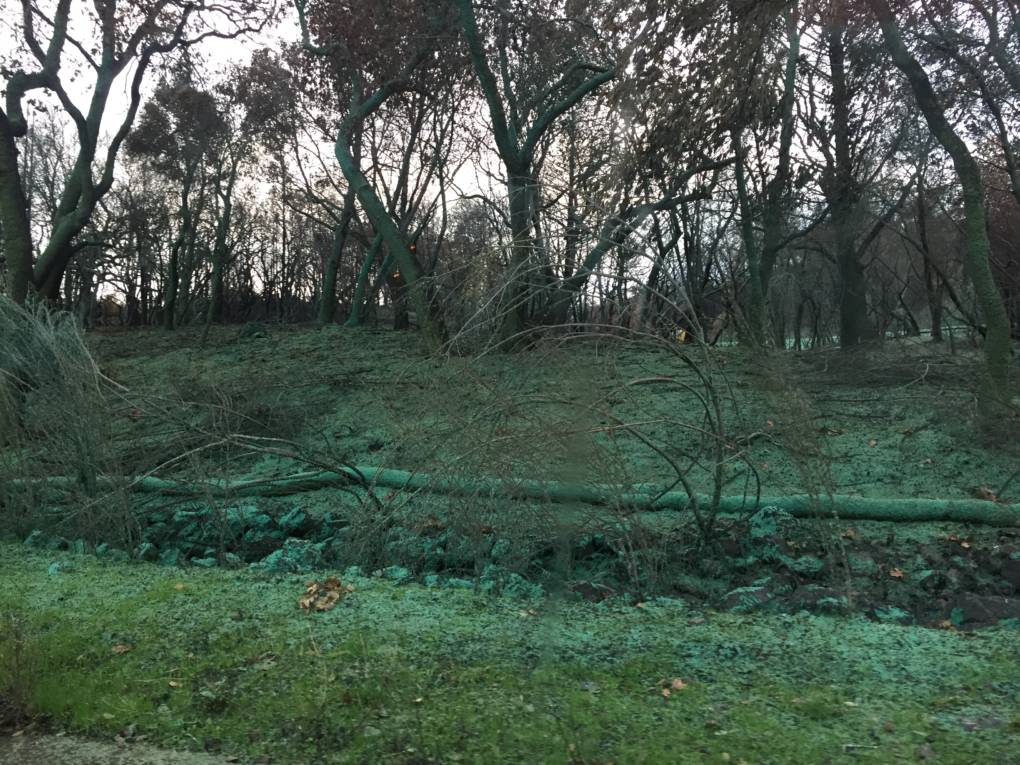
"caption": "Sonoma County has sprayed parts of the area with hydroseeding to quickly regrow vegetation on hillside slopes after the Tubbs Fire in October 2017. This is at the corner of Bridlewood Court and Greystone Court in Santa Rosa.",
"description": null,
"title": "IMG_0274",
"credit": "Erika Aguilar/KQED News",
"status": "inherit",
"isLoading": false,
"fetchFailed": false
},
"news_11633024": {
"type": "attachments",
"id": "news_11633024",
"meta": {
"index": "attachments_1716263798",
"site": "news",
"id": "11633024",
"found": true
},
"parent": 11633002,
"imgSizes": {
"small": {
"file": "https://ww2.kqed.org/app/uploads/sites/10/2017/11/22894393_1951293488487017_3348406902313881430_n-520x390.jpg",
"width": 520,
"mimeType": "image/jpeg",
"height": 390
},
"twentyfourteen-full-width": {
"file": "https://ww2.kqed.org/app/uploads/sites/10/2017/11/22894393_1951293488487017_3348406902313881430_n-800x576.jpg",
"width": 800,
"mimeType": "image/jpeg",
"height": 576
},
"thumbnail": {
"file": "https://ww2.kqed.org/app/uploads/sites/10/2017/11/22894393_1951293488487017_3348406902313881430_n-160x120.jpg",
"width": 160,
"mimeType": "image/jpeg",
"height": 120
},
"post-thumbnail": {
"file": "https://ww2.kqed.org/app/uploads/sites/10/2017/11/22894393_1951293488487017_3348406902313881430_n-672x372.jpg",
"width": 672,
"mimeType": "image/jpeg",
"height": 372
},
"xsmall": {
"file": "https://ww2.kqed.org/app/uploads/sites/10/2017/11/22894393_1951293488487017_3348406902313881430_n-375x281.jpg",
"width": 375,
"mimeType": "image/jpeg",
"height": 281
},
"kqedFullSize": {
"file": "https://ww2.kqed.org/app/uploads/sites/10/2017/11/22894393_1951293488487017_3348406902313881430_n.jpg",
"width": 800,
"height": 600
},
"guest-author-50": {
"file": "https://ww2.kqed.org/app/uploads/sites/10/2017/11/22894393_1951293488487017_3348406902313881430_n-50x50.jpg",
"width": 50,
"mimeType": "image/jpeg",
"height": 50
},
"guest-author-96": {
"file": "https://ww2.kqed.org/app/uploads/sites/10/2017/11/22894393_1951293488487017_3348406902313881430_n-96x96.jpg",
"width": 96,
"mimeType": "image/jpeg",
"height": 96
},
"medium": {
"file": "https://ww2.kqed.org/app/uploads/sites/10/2017/11/22894393_1951293488487017_3348406902313881430_n-800x600.jpg",
"width": 800,
"mimeType": "image/jpeg",
"height": 600
},
"guest-author-64": {
"file": "https://ww2.kqed.org/app/uploads/sites/10/2017/11/22894393_1951293488487017_3348406902313881430_n-64x64.jpg",
"width": 64,
"mimeType": "image/jpeg",
"height": 64
},
"guest-author-32": {
"file": "https://ww2.kqed.org/app/uploads/sites/10/2017/11/22894393_1951293488487017_3348406902313881430_n-32x32.jpg",
"width": 32,
"mimeType": "image/jpeg",
"height": 32
},
"detail": {
"file": "https://ww2.kqed.org/app/uploads/sites/10/2017/11/22894393_1951293488487017_3348406902313881430_n-150x150.jpg",
"width": 150,
"mimeType": "image/jpeg",
"height": 150
},
"guest-author-128": {
"file": "https://ww2.kqed.org/app/uploads/sites/10/2017/11/22894393_1951293488487017_3348406902313881430_n-128x128.jpg",
"width": 128,
"mimeType": "image/jpeg",
"height": 128
},
"xxsmall": {
"file": "https://ww2.kqed.org/app/uploads/sites/10/2017/11/22894393_1951293488487017_3348406902313881430_n-240x180.jpg",
"width": 240,
"mimeType": "image/jpeg",
"height": 180
}
},
"publishDate": 1511381007,
"modified": 1511393043,
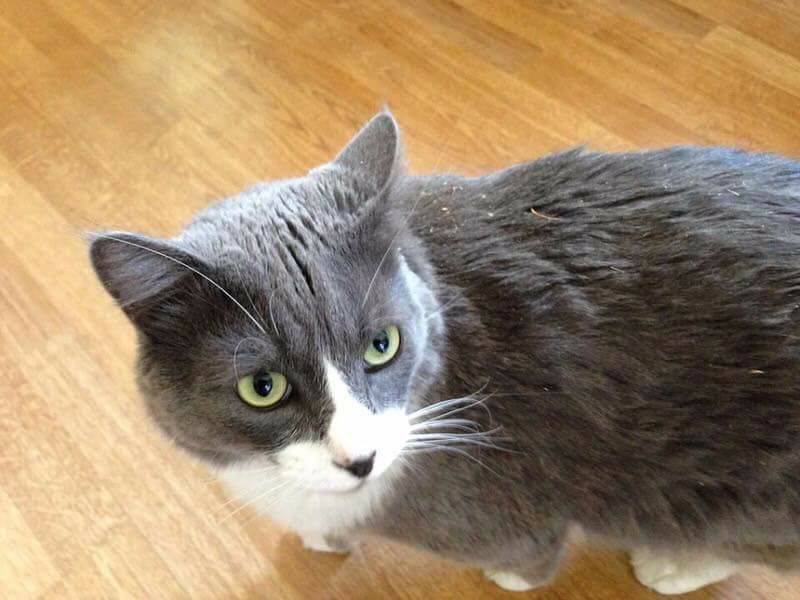
"caption": "Sashimi was lost after his family had to evacuate during the Tubbs Fire.",
"description": null,
"title": "22894393_1951293488487017_3348406902313881430_n",
"credit": "Courtesy of Greg Hessig",
"status": "inherit",
"isLoading": false,
"fetchFailed": false
},
"news_11632709": {
"type": "attachments",
"id": "news_11632709",
"meta": {
"index": "attachments_1716263798",
"site": "news",
"id": "11632709",
"found": true
},
"parent": 11632691,
"imgSizes": {
"small": {
"file": "https://ww2.kqed.org/app/uploads/sites/10/2017/11/jeanschulz-520x358.jpg",
"width": 520,
"mimeType": "image/jpeg",
"height": 358
},
"twentyfourteen-full-width": {
"file": "https://ww2.kqed.org/app/uploads/sites/10/2017/11/jeanschulz-1038x576.jpg",
"width": 1038,
"mimeType": "image/jpeg",
"height": 576
},
"thumbnail": {
"file": "https://ww2.kqed.org/app/uploads/sites/10/2017/11/jeanschulz-160x110.jpg",
"width": 160,
"mimeType": "image/jpeg",
"height": 110
},
"fd-sm": {
"file": "https://ww2.kqed.org/app/uploads/sites/10/2017/11/jeanschulz-960x660.jpg",
"width": 960,
"mimeType": "image/jpeg",
"height": 660
},
"post-thumbnail": {
"file": "https://ww2.kqed.org/app/uploads/sites/10/2017/11/jeanschulz-672x372.jpg",
"width": 672,
"mimeType": "image/jpeg",
"height": 372
},
"xsmall": {
"file": "https://ww2.kqed.org/app/uploads/sites/10/2017/11/jeanschulz-375x258.jpg",
"width": 375,
"mimeType": "image/jpeg",
"height": 258
},
"kqedFullSize": {
"file": "https://ww2.kqed.org/app/uploads/sites/10/2017/11/jeanschulz-e1511302530266.jpg",
"width": 1920,
"height": 1320
},
"large": {
"file": "https://ww2.kqed.org/app/uploads/sites/10/2017/11/jeanschulz-1020x701.jpg",
"width": 1020,
"mimeType": "image/jpeg",
"height": 701
},
"xlarge": {
"file": "https://ww2.kqed.org/app/uploads/sites/10/2017/11/jeanschulz-1180x811.jpg",
"width": 1180,
"mimeType": "image/jpeg",
"height": 811
},
"guest-author-50": {
"file": "https://ww2.kqed.org/app/uploads/sites/10/2017/11/jeanschulz-50x50.jpg",
"width": 50,
"mimeType": "image/jpeg",
"height": 50
},
"guest-author-96": {
"file": "https://ww2.kqed.org/app/uploads/sites/10/2017/11/jeanschulz-96x96.jpg",
"width": 96,
"mimeType": "image/jpeg",
"height": 96
},
"medium": {
"file": "https://ww2.kqed.org/app/uploads/sites/10/2017/11/jeanschulz-800x550.jpg",
"width": 800,
"mimeType": "image/jpeg",
"height": 550
},
"guest-author-64": {
"file": "https://ww2.kqed.org/app/uploads/sites/10/2017/11/jeanschulz-64x64.jpg",
"width": 64,
"mimeType": "image/jpeg",
"height": 64
},
"guest-author-32": {
"file": "https://ww2.kqed.org/app/uploads/sites/10/2017/11/jeanschulz-32x32.jpg",
"width": 32,
"mimeType": "image/jpeg",
"height": 32
},
"fd-lrg": {
"file": "https://ww2.kqed.org/app/uploads/sites/10/2017/11/jeanschulz-1920x1320.jpg",
"width": 1920,
"mimeType": "image/jpeg",
"height": 1320
},
"fd-med": {
"file": "https://ww2.kqed.org/app/uploads/sites/10/2017/11/jeanschulz-1180x811.jpg",
"width": 1180,
"mimeType": "image/jpeg",
"height": 811
},
"full-width": {
"file": "https://ww2.kqed.org/app/uploads/sites/10/2017/11/jeanschulz-1920x1320.jpg",
"width": 1920,
"mimeType": "image/jpeg",
"height": 1320
},
"detail": {
"file": "https://ww2.kqed.org/app/uploads/sites/10/2017/11/jeanschulz-150x150.jpg",
"width": 150,
"mimeType": "image/jpeg",
"height": 150
},
"guest-author-128": {
"file": "https://ww2.kqed.org/app/uploads/sites/10/2017/11/jeanschulz-128x128.jpg",
"width": 128,
"mimeType": "image/jpeg",
"height": 128
},
"xxsmall": {
"file": "https://ww2.kqed.org/app/uploads/sites/10/2017/11/jeanschulz-240x165.jpg",
"width": 240,
"mimeType": "image/jpeg",
"height": 165
}
},
"publishDate": 1511302491,
"modified": 1511302672,
"caption": "Jean Schulz -- pictured here at the Charles M. Schulz Museum in Santa Rosa -- is one of the thousands of North Bay residents who lost their homes in Wine Country fires of early October. ",
"description": null,
"title": "Jean Schulz",
"credit": "Dan Brekke/KQED",
"status": "inherit",
"isLoading": false,
"fetchFailed": false
},
"news_11632967": {
"type": "attachments",
"id": "news_11632967",
"meta": {
"index": "attachments_1716263798",
"site": "news",
"id": "11632967",
"found": true
},
"parent": 11632630,
"imgSizes": {
"small": {
"file": "https://ww2.kqed.org/app/uploads/sites/10/2017/11/sjfire-520x340.jpg",
"width": 520,
"mimeType": "image/jpeg",
"height": 340
},
"twentyfourteen-full-width": {
"file": "https://ww2.kqed.org/app/uploads/sites/10/2017/11/sjfire-1038x576.jpg",
"width": 1038,
"mimeType": "image/jpeg",
"height": 576
},
"thumbnail": {
"file": "https://ww2.kqed.org/app/uploads/sites/10/2017/11/sjfire-160x105.jpg",
"width": 160,
"mimeType": "image/jpeg",
"height": 105
},
"fd-sm": {
"file": "https://ww2.kqed.org/app/uploads/sites/10/2017/11/sjfire-960x628.jpg",
"width": 960,
"mimeType": "image/jpeg",
"height": 628
},
"post-thumbnail": {
"file": "https://ww2.kqed.org/app/uploads/sites/10/2017/11/sjfire-672x372.jpg",
"width": 672,
"mimeType": "image/jpeg",
"height": 372
},
"xsmall": {
"file": "https://ww2.kqed.org/app/uploads/sites/10/2017/11/sjfire-375x245.jpg",
"width": 375,
"mimeType": "image/jpeg",
"height": 245
},
"kqedFullSize": {
"file": "https://ww2.kqed.org/app/uploads/sites/10/2017/11/sjfire.jpg",
"width": 1920,
"height": 1256
},
"large": {
"file": "https://ww2.kqed.org/app/uploads/sites/10/2017/11/sjfire-1020x667.jpg",
"width": 1020,
"mimeType": "image/jpeg",
"height": 667
},
"xlarge": {
"file": "https://ww2.kqed.org/app/uploads/sites/10/2017/11/sjfire-1180x772.jpg",
"width": 1180,
"mimeType": "image/jpeg",
"height": 772
},
"guest-author-50": {
"file": "https://ww2.kqed.org/app/uploads/sites/10/2017/11/sjfire-50x50.jpg",
"width": 50,
"mimeType": "image/jpeg",
"height": 50
},
"guest-author-96": {
"file": "https://ww2.kqed.org/app/uploads/sites/10/2017/11/sjfire-96x96.jpg",
"width": 96,
"mimeType": "image/jpeg",
"height": 96
},
"medium": {
"file": "https://ww2.kqed.org/app/uploads/sites/10/2017/11/sjfire-800x523.jpg",
"width": 800,
"mimeType": "image/jpeg",
"height": 523
},
"guest-author-64": {
"file": "https://ww2.kqed.org/app/uploads/sites/10/2017/11/sjfire-64x64.jpg",
"width": 64,
"mimeType": "image/jpeg",
"height": 64
},
"guest-author-32": {
"file": "https://ww2.kqed.org/app/uploads/sites/10/2017/11/sjfire-32x32.jpg",
"width": 32,
"mimeType": "image/jpeg",
"height": 32
},
"fd-lrg": {
"file": "https://ww2.kqed.org/app/uploads/sites/10/2017/11/sjfire-1920x1256.jpg",
"width": 1920,
"mimeType": "image/jpeg",
"height": 1256
},
"fd-med": {
"file": "https://ww2.kqed.org/app/uploads/sites/10/2017/11/sjfire-1180x772.jpg",
"width": 1180,
"mimeType": "image/jpeg",
"height": 772
},
"full-width": {
"file": "https://ww2.kqed.org/app/uploads/sites/10/2017/11/sjfire-1920x1256.jpg",
"width": 1920,
"mimeType": "image/jpeg",
"height": 1256
},
"detail": {
"file": "https://ww2.kqed.org/app/uploads/sites/10/2017/11/sjfire-150x150.jpg",
"width": 150,
"mimeType": "image/jpeg",
"height": 150
},
"guest-author-128": {
"file": "https://ww2.kqed.org/app/uploads/sites/10/2017/11/sjfire-128x128.jpg",
"width": 128,
"mimeType": "image/jpeg",
"height": 128
},
"xxsmall": {
"file": "https://ww2.kqed.org/app/uploads/sites/10/2017/11/sjfire-240x157.jpg",
"width": 240,
"mimeType": "image/jpeg",
"height": 157
}
},
"publishDate": 1511372174,
"modified": 1511372247,
"caption": "San Jose firefighters at the scene of an apartment fire Saturday, Nov. 18, that killed three people.",
"description": null,
"title": "San Jose Apartment Fire",
"credit": "KNTV/NBC Bay Area via Twitter",
"status": "inherit",
"isLoading": false,
"fetchFailed": false
},
"news_11632768": {
"type": "attachments",
"id": "news_11632768",
"meta": {
"index": "attachments_1716263798",
"site": "news",
"id": "11632768",
"found": true
},
"parent": 11632750,
"imgSizes": {
"small": {
"file": "https://ww2.kqed.org/app/uploads/sites/10/2017/11/policefire-520x405.png",
"width": 520,
"mimeType": "image/png",
"height": 405
},
"twentyfourteen-full-width": {
"file": "https://ww2.kqed.org/app/uploads/sites/10/2017/11/policefire-1038x576.png",
"width": 1038,
"mimeType": "image/png",
"height": 576
},
"thumbnail": {
"file": "https://ww2.kqed.org/app/uploads/sites/10/2017/11/policefire-160x125.png",
"width": 160,
"mimeType": "image/png",
"height": 125
},
"fd-sm": {
"file": "https://ww2.kqed.org/app/uploads/sites/10/2017/11/policefire-960x748.png",
"width": 960,
"mimeType": "image/png",
"height": 748
},
"post-thumbnail": {
"file": "https://ww2.kqed.org/app/uploads/sites/10/2017/11/policefire-672x372.png",
"width": 672,
"mimeType": "image/png",
"height": 372
},
"xsmall": {
"file": "https://ww2.kqed.org/app/uploads/sites/10/2017/11/policefire-375x292.png",
"width": 375,
"mimeType": "image/png",
"height": 292
},
"kqedFullSize": {
"file": "https://ww2.kqed.org/app/uploads/sites/10/2017/11/policefire.png",
"width": 1987,
"height": 1549
},
"large": {
"file": "https://ww2.kqed.org/app/uploads/sites/10/2017/11/policefire-1020x795.png",
"width": 1020,
"mimeType": "image/png",
"height": 795
},
"xlarge": {
"file": "https://ww2.kqed.org/app/uploads/sites/10/2017/11/policefire-1180x920.png",
"width": 1180,
"mimeType": "image/png",
"height": 920
},
"guest-author-50": {
"file": "https://ww2.kqed.org/app/uploads/sites/10/2017/11/policefire-50x50.png",
"width": 50,
"mimeType": "image/png",
"height": 50
},
"guest-author-96": {
"file": "https://ww2.kqed.org/app/uploads/sites/10/2017/11/policefire-96x96.png",
"width": 96,
"mimeType": "image/png",
"height": 96
},
"medium": {
"file": "https://ww2.kqed.org/app/uploads/sites/10/2017/11/policefire-800x624.png",
"width": 800,
"mimeType": "image/png",
"height": 624
},
"guest-author-64": {
"file": "https://ww2.kqed.org/app/uploads/sites/10/2017/11/policefire-64x64.png",
"width": 64,
"mimeType": "image/png",
"height": 64
},
"guest-author-32": {
"file": "https://ww2.kqed.org/app/uploads/sites/10/2017/11/policefire-32x32.png",
"width": 32,
"mimeType": "image/png",
"height": 32
},
"fd-lrg": {
"file": "https://ww2.kqed.org/app/uploads/sites/10/2017/11/policefire-1920x1497.png",
"width": 1920,
"mimeType": "image/png",
"height": 1497
},
"fd-med": {
"file": "https://ww2.kqed.org/app/uploads/sites/10/2017/11/policefire-1180x920.png",
"width": 1180,
"mimeType": "image/png",
"height": 920
},
"full-width": {
"file": "https://ww2.kqed.org/app/uploads/sites/10/2017/11/policefire-1920x1497.png",
"width": 1920,
"mimeType": "image/png",
"height": 1497
},
"detail": {
"file": "https://ww2.kqed.org/app/uploads/sites/10/2017/11/policefire-150x150.png",
"width": 150,
"mimeType": "image/png",
"height": 150
},
"guest-author-128": {
"file": "https://ww2.kqed.org/app/uploads/sites/10/2017/11/policefire-128x128.png",
"width": 128,
"mimeType": "image/png",
"height": 128
},
"xxsmall": {
"file": "https://ww2.kqed.org/app/uploads/sites/10/2017/11/policefire-240x187.png",
"width": 240,
"mimeType": "image/png",
"height": 187
}
},
"publishDate": 1511308137,
"modified": 1511311882,
"caption": "The patrol car of two officers caught fire as they evacuated people. The sergeant snapped this photo with his phone after they jumped out of the car.",
"description": null,
"title": "policefire",
"credit": "Santa Rosa Police Department",
"status": "inherit",
"isLoading": false,
"fetchFailed": false
},
"news_11631919": {
"type": "attachments",
"id": "news_11631919",
"meta": {
"index": "attachments_1716263798",
"site": "news",
"id": "11631919",
"found": true
},
"parent": 11631909,
"imgSizes": {
"small": {
"file": "https://ww2.kqed.org/app/uploads/sites/10/2017/11/Katrina-Frey-520x373.jpg",
"width": 520,
"mimeType": "image/jpeg",
"height": 373
},
"twentyfourteen-full-width": {
"file": "https://ww2.kqed.org/app/uploads/sites/10/2017/11/Katrina-Frey-1038x576.jpg",
"width": 1038,
"mimeType": "image/jpeg",
"height": 576
},
"thumbnail": {
"file": "https://ww2.kqed.org/app/uploads/sites/10/2017/11/Katrina-Frey-160x115.jpg",
"width": 160,
"mimeType": "image/jpeg",
"height": 115
},
"fd-sm": {
"file": "https://ww2.kqed.org/app/uploads/sites/10/2017/11/Katrina-Frey-960x689.jpg",
"width": 960,
"mimeType": "image/jpeg",
"height": 689
},
"post-thumbnail": {
"file": "https://ww2.kqed.org/app/uploads/sites/10/2017/11/Katrina-Frey-672x372.jpg",
"width": 672,
"mimeType": "image/jpeg",
"height": 372
},
"xsmall": {
"file": "https://ww2.kqed.org/app/uploads/sites/10/2017/11/Katrina-Frey-375x269.jpg",
"width": 375,
"mimeType": "image/jpeg",
"height": 269
},
"kqedFullSize": {
"file": "https://ww2.kqed.org/app/uploads/sites/10/2017/11/Katrina-Frey-e1510962640430.jpg",
"width": 1920,
"height": 1379
},
"large": {
"file": "https://ww2.kqed.org/app/uploads/sites/10/2017/11/Katrina-Frey-1020x732.jpg",
"width": 1020,
"mimeType": "image/jpeg",
"height": 732
},
"xlarge": {
"file": "https://ww2.kqed.org/app/uploads/sites/10/2017/11/Katrina-Frey-1180x847.jpg",
"width": 1180,
"mimeType": "image/jpeg",
"height": 847
},
"guest-author-50": {
"file": "https://ww2.kqed.org/app/uploads/sites/10/2017/11/Katrina-Frey-50x50.jpg",
"width": 50,
"mimeType": "image/jpeg",
"height": 50
},
"guest-author-96": {
"file": "https://ww2.kqed.org/app/uploads/sites/10/2017/11/Katrina-Frey-96x96.jpg",
"width": 96,
"mimeType": "image/jpeg",
"height": 96
},
"medium": {
"file": "https://ww2.kqed.org/app/uploads/sites/10/2017/11/Katrina-Frey-800x574.jpg",
"width": 800,
"mimeType": "image/jpeg",
"height": 574
},
"guest-author-64": {
"file": "https://ww2.kqed.org/app/uploads/sites/10/2017/11/Katrina-Frey-64x64.jpg",
"width": 64,
"mimeType": "image/jpeg",
"height": 64
},
"guest-author-32": {
"file": "https://ww2.kqed.org/app/uploads/sites/10/2017/11/Katrina-Frey-32x32.jpg",
"width": 32,
"mimeType": "image/jpeg",
"height": 32
},
"fd-lrg": {
"file": "https://ww2.kqed.org/app/uploads/sites/10/2017/11/Katrina-Frey-1920x1379.jpg",
"width": 1920,
"mimeType": "image/jpeg",
"height": 1379
},
"fd-med": {
"file": "https://ww2.kqed.org/app/uploads/sites/10/2017/11/Katrina-Frey-1180x847.jpg",
"width": 1180,
"mimeType": "image/jpeg",
"height": 847
},
"full-width": {
"file": "https://ww2.kqed.org/app/uploads/sites/10/2017/11/Katrina-Frey-1920x1379.jpg",
"width": 1920,
"mimeType": "image/jpeg",
"height": 1379
},
"detail": {
"file": "https://ww2.kqed.org/app/uploads/sites/10/2017/11/Katrina-Frey-150x150.jpg",
"width": 150,
"mimeType": "image/jpeg",
"height": 150
},
"guest-author-128": {
"file": "https://ww2.kqed.org/app/uploads/sites/10/2017/11/Katrina-Frey-128x128.jpg",
"width": 128,
"mimeType": "image/jpeg",
"height": 128
},
"xxsmall": {
"file": "https://ww2.kqed.org/app/uploads/sites/10/2017/11/Katrina-Frey-240x172.jpg",
"width": 240,
"mimeType": "image/jpeg",
"height": 172
}
},
"publishDate": 1510956531,
"modified": 1511213938,
"caption": "Katrina Frey takes notes at a town meeting in Redwood Valley, where officials talk about debris clean up and housing needs after the wildfires.",
"description": "Katrina Frey takes notes at a town meeting in Redwood Valley, where officials talk about debris clean up and housing needs after the wildfires.",
"title": "Katrina Frey",
"credit": "April Dembosky",
"status": "inherit",
"isLoading": false,
"fetchFailed": false
},
"news_11632894": {
"type": "attachments",
"id": "news_11632894",
"meta": {
"index": "attachments_1716263798",
"site": "news",
"id": "11632894",
"found": true
},
"parent": 11632885,
"imgSizes": {
"small": {
"file": "https://ww2.kqed.org/app/uploads/sites/10/2017/11/RS13065_450502218-qut-520x366.jpg",
"width": 520,
"mimeType": "image/jpeg",
"height": 366
},
"twentyfourteen-full-width": {
"file": "https://ww2.kqed.org/app/uploads/sites/10/2017/11/RS13065_450502218-qut-1038x576.jpg",
"width": 1038,
"mimeType": "image/jpeg",
"height": 576
},
"thumbnail": {
"file": "https://ww2.kqed.org/app/uploads/sites/10/2017/11/RS13065_450502218-qut-160x113.jpg",
"width": 160,
"mimeType": "image/jpeg",
"height": 113
},
"fd-sm": {
"file": "https://ww2.kqed.org/app/uploads/sites/10/2017/11/RS13065_450502218-qut-960x675.jpg",
"width": 960,
"mimeType": "image/jpeg",
"height": 675
},
"post-thumbnail": {
"file": "https://ww2.kqed.org/app/uploads/sites/10/2017/11/RS13065_450502218-qut-672x372.jpg",
"width": 672,
"mimeType": "image/jpeg",
"height": 372
},
"xsmall": {
"file": "https://ww2.kqed.org/app/uploads/sites/10/2017/11/RS13065_450502218-qut-375x264.jpg",
"width": 375,
"mimeType": "image/jpeg",
"height": 264
},
"kqedFullSize": {
"file": "https://ww2.kqed.org/app/uploads/sites/10/2017/11/RS13065_450502218-qut.jpg",
"width": 1440,
"height": 1013
},
"large": {
"file": "https://ww2.kqed.org/app/uploads/sites/10/2017/11/RS13065_450502218-qut-1020x718.jpg",
"width": 1020,
"mimeType": "image/jpeg",
"height": 718
},
"xlarge": {
"file": "https://ww2.kqed.org/app/uploads/sites/10/2017/11/RS13065_450502218-qut-1180x830.jpg",
"width": 1180,
"mimeType": "image/jpeg",
"height": 830
},
"guest-author-50": {
"file": "https://ww2.kqed.org/app/uploads/sites/10/2017/11/RS13065_450502218-qut-50x50.jpg",
"width": 50,
"mimeType": "image/jpeg",
"height": 50
},
"guest-author-96": {
"file": "https://ww2.kqed.org/app/uploads/sites/10/2017/11/RS13065_450502218-qut-96x96.jpg",
"width": 96,
"mimeType": "image/jpeg",
"height": 96
},
"medium": {
"file": "https://ww2.kqed.org/app/uploads/sites/10/2017/11/RS13065_450502218-qut-800x563.jpg",
"width": 800,
"mimeType": "image/jpeg",
"height": 563
},
"guest-author-64": {
"file": "https://ww2.kqed.org/app/uploads/sites/10/2017/11/RS13065_450502218-qut-64x64.jpg",
"width": 64,
"mimeType": "image/jpeg",
"height": 64
},
"guest-author-32": {
"file": "https://ww2.kqed.org/app/uploads/sites/10/2017/11/RS13065_450502218-qut-32x32.jpg",
"width": 32,
"mimeType": "image/jpeg",
"height": 32
},
"fd-med": {
"file": "https://ww2.kqed.org/app/uploads/sites/10/2017/11/RS13065_450502218-qut-1180x830.jpg",
"width": 1180,
"mimeType": "image/jpeg",
"height": 830
},
"detail": {
"file": "https://ww2.kqed.org/app/uploads/sites/10/2017/11/RS13065_450502218-qut-150x150.jpg",
"width": 150,
"mimeType": "image/jpeg",
"height": 150
},
"guest-author-128": {
"file": "https://ww2.kqed.org/app/uploads/sites/10/2017/11/RS13065_450502218-qut-128x128.jpg",
"width": 128,
"mimeType": "image/jpeg",
"height": 128
},
"xxsmall": {
"file": "https://ww2.kqed.org/app/uploads/sites/10/2017/11/RS13065_450502218-qut-240x169.jpg",
"width": 240,
"mimeType": "image/jpeg",
"height": 169
}
},
"publishDate": 1511318833,
"modified": 1511318884,
"caption": "File Photo: A sticker with the Uber logo is displayed in the window of a car on June 12, 2014 in San Francisco, California.",
"description": null,
"title": "RS13065_450502218-qut",
"credit": "Justin Sullivan/Getty Images",
"status": "inherit",
"isLoading": false,
"fetchFailed": false
}
},
"audioPlayerReducer": {
"postId": "stream_live",
"isPaused": true,
"isPlaying": false,
"pfsActive": false,
"pledgeModalIsOpen": true,
"playerDrawerIsOpen": false,
"liveAudioPlayStartedAt": 0,
"liveAudioPlayContext": ""
},
"authorsReducer": {
"byline_news_11633394": {
"type": "authors",
"id": "byline_news_11633394",
"meta": {
"override": true
},
"slug": "byline_news_11633394",
"name": "\u003cstrong>\u003ca href=\"http://www.scpr.org/about/people/staff/michelle-faust\">Michelle Faust\u003c/a>\u003c/strong>",
"isLoading": false
},
"byline_news_11633355": {
"type": "authors",
"id": "byline_news_11633355",
"meta": {
"override": true
},
"slug": "byline_news_11633355",
"name": "\u003cstrong>\u003ca href=\"http://www.kpbs.org/staff/erik-anderson/\">Erik Anderson\u003c/a>\u003c/strong>",
"isLoading": false
},
"byline_news_11633326": {
"type": "authors",
"id": "byline_news_11633326",
"meta": {
"override": true
},
"slug": "byline_news_11633326",
"name": "Sudhin Thanawala \u003cbr> Associated Press",
"isLoading": false
},
"byline_news_11632750": {
"type": "authors",
"id": "byline_news_11632750",
"meta": {
"override": true
},
"slug": "byline_news_11632750",
"name": "Capt. Craig Schwartz \u003cbr>\u003cstrong>Santa Rosa Police Department\u003c/strong>",
"isLoading": false
},
"byline_news_11632885": {
"type": "authors",
"id": "byline_news_11632885",
"meta": {
"override": true
},
"slug": "byline_news_11632885",
"name": "\u003cstrong/>Michael Liedtke\u003c/strong>",
"isLoading": false
},
"danbrekke": {
"type": "authors",
"id": "222",
"meta": {
"index": "authors_1716337520",
"id": "222",
"found": true
},
"name": "Dan Brekke",
"firstName": "Dan",
"lastName": "Brekke",
"slug": "danbrekke",
"email": "dbrekke@kqed.org",
"display_author_email": true,
"staff_mastheads": [
"news",
"science"
],
"title": "KQED Editor and Reporter",
"bio": "Dan Brekke is a reporter and editor for KQED News, responsible for coverage of topics ranging from California water issues to the Bay Area's transportation challenges. In a newsroom career that began in Chicago in 1972, Dan has worked for \u003cem>The San Francisco Examiner,\u003c/em> Wired and TechTV and has been published in The New York Times, The New York Times Magazine, Business 2.0, Salon and elsewhere.\r\n\r\nSince joining KQED in 2007, Dan has reported, edited and produced both radio and online features and breaking news pieces. He has shared as both editor and reporter in four Society of Professional Journalists Norcal Excellence in Journalism awards and one Edward R. Murrow regional award. He was chosen for a spring 2017 residency at the Mesa Refuge to advance his research on California salmon.\r\n\r\nEmail Dan at: \u003ca href=\"mailto:dbrekke@kqed.org\">dbrekke@kqed.org\u003c/a>\r\n\r\n\u003cstrong>Twitter:\u003c/strong> \u003ca href=\"https://twitter.com/danbrekke\" rel=\"noopener noreferrer\">twitter.com/danbrekke\u003c/a>\r\n\u003cstrong>Facebook:\u003c/strong> \u003ca href=\"https://www.facebook.com/danbrekke\" rel=\"noopener noreferrer\">www.facebook.com/danbrekke\u003c/a>\r\n\u003cstrong>LinkedIn:\u003c/strong> \u003ca href=\"https://www.linkedin.com/in/danbrekke\" rel=\"noopener noreferrer\">www.linkedin.com/in/danbrekke\u003c/a>",
"avatar": "https://secure.gravatar.com/avatar/8f1f0d2a978fb3b23426c922c7e2af558fa36905b49c4ce76a97dc3c72d27226?s=600&d=mm&r=g",
"twitter": "danbrekke",
"bluesky": null,
"facebook": null,
"instagram": "https://www.instagram.com/dan.brekke/",
"linkedin": "https://www.linkedin.com/in/danbrekke/",
"sites": [
{
"site": "news",
"roles": [
"administrator",
"create_posts"
]
},
{
"site": "stateofhealth",
"roles": [
"editor"
]
},
{
"site": "science",
"roles": [
"editor"
]
},
{
"site": "quest",
"roles": [
"contributor"
]
},
{
"site": "food",
"roles": [
"contributor"
]
},
{
"site": "forum",
"roles": [
"contributor"
]
},
{
"site": "elections",
"roles": [
"editor"
]
},
{
"site": "liveblog",
"roles": [
"editor"
]
}
],
"headData": {
"title": "Dan Brekke | KQED",
"description": "KQED Editor and Reporter",
"ogImgSrc": "https://secure.gravatar.com/avatar/8f1f0d2a978fb3b23426c922c7e2af558fa36905b49c4ce76a97dc3c72d27226?s=600&d=mm&r=g",
"twImgSrc": "https://secure.gravatar.com/avatar/8f1f0d2a978fb3b23426c922c7e2af558fa36905b49c4ce76a97dc3c72d27226?s=600&d=mm&r=g"
},
"isLoading": false,
"link": "/author/danbrekke"
},
"tgoldberg": {
"type": "authors",
"id": "258",
"meta": {
"index": "authors_1716337520",
"id": "258",
"found": true
},
"name": "Ted Goldberg",
"firstName": "Ted",
"lastName": "Goldberg",
"slug": "tgoldberg",
"email": "tgoldberg@kqed.org",
"display_author_email": true,
"staff_mastheads": [
"news"
],
"title": "KQED Managing Editor, News and Newscasts",
"bio": "Ted Goldberg is Managing Editor of News and Newscasts at KQED. His main reporting beat is the Bay Area's oil refining industry.\r\n\r\nPrior to joining KQED in 2014, Ted worked at CBS News and WCBS AM in New York and Bay City News and KCBS Radio in San Francisco. He graduated from Oberlin College in Ohio in 1998.",
"avatar": "https://secure.gravatar.com/avatar/30ce2e4fe89135e104f89be2394d16225b9d36c121b5b3cb7651ce642978b96f?s=600&d=blank&r=g",
"twitter": "TedrickG",
"bluesky": null,
"facebook": null,
"instagram": null,
"linkedin": null,
"sites": [
{
"site": "news",
"roles": [
"editor"
]
},
{
"site": "science",
"roles": [
"editor"
]
}
],
"headData": {
"title": "Ted Goldberg | KQED",
"description": "KQED Managing Editor, News and Newscasts",
"ogImgSrc": "https://secure.gravatar.com/avatar/30ce2e4fe89135e104f89be2394d16225b9d36c121b5b3cb7651ce642978b96f?s=600&d=blank&r=g",
"twImgSrc": "https://secure.gravatar.com/avatar/30ce2e4fe89135e104f89be2394d16225b9d36c121b5b3cb7651ce642978b96f?s=600&d=blank&r=g"
},
"isLoading": false,
"link": "/author/tgoldberg"
},
"adembosky": {
"type": "authors",
"id": "3205",
"meta": {
"index": "authors_1716337520",
"id": "3205",
"found": true
},
"name": "April Dembosky",
"firstName": "April",
"lastName": "Dembosky",
"slug": "adembosky",
"email": "adembosky@kqed.org",
"display_author_email": false,
"staff_mastheads": [
"news",
"science"
],
"title": "KQED Health Correspondent",
"bio": "April Dembosky is the health correspondent for KQED News and a regular contributor to NPR. She specializes in covering altered states of mind, from postpartum depression to methamphetamine-induced psychosis to the insanity defense. Her investigative series on insurance companies sidestepping mental health laws won multiple awards, including first place in beat reporting from the national Association of Health Care Journalists. She is the recipient of numerous other prizes and fellowships, including a national Edward R. Murrow award for investigative reporting, a Society of Professional Journalists award for long-form storytelling, and a Carter Center Fellowship for Mental Health Journalism.\r\n\r\nDembosky reported and produced \u003cem>Soundtrack of Silence\u003c/em>, an audio documentary about music and memory that is currently being made into a feature film by Paramount Pictures.\r\n\r\nBefore joining KQED in 2013, Dembosky covered technology and Silicon Valley for \u003cem>The Financial Times of London,\u003c/em> and contributed business and arts stories to \u003cem>Marketplace \u003c/em>and \u003cem>The New York Times.\u003c/em> She got her undergraduate degree in philosophy from Smith College and her master's in journalism from the University of California, Berkeley. She is a classically trained violinist and proud alum of the first symphony orchestra at Burning Man.",
"avatar": "https://secure.gravatar.com/avatar/d6593cd737b732102fe0b6250b5351c2d3bc9b2987566514aa3c9a106494d684?s=600&d=blank&r=g",
"twitter": "adembosky",
"bluesky": null,
"facebook": null,
"instagram": null,
"linkedin": null,
"sites": [
{
"site": "arts",
"roles": [
"author"
]
},
{
"site": "news",
"roles": [
"editor"
]
},
{
"site": "futureofyou",
"roles": [
"author"
]
},
{
"site": "stateofhealth",
"roles": [
"editor"
]
},
{
"site": "science",
"roles": [
"editor"
]
},
{
"site": "forum",
"roles": [
"editor"
]
}
],
"headData": {
"title": "April Dembosky | KQED",
"description": "KQED Health Correspondent",
"ogImgSrc": "https://secure.gravatar.com/avatar/d6593cd737b732102fe0b6250b5351c2d3bc9b2987566514aa3c9a106494d684?s=600&d=blank&r=g",
"twImgSrc": "https://secure.gravatar.com/avatar/d6593cd737b732102fe0b6250b5351c2d3bc9b2987566514aa3c9a106494d684?s=600&d=blank&r=g"
},
"isLoading": false,
"link": "/author/adembosky"
},
"slewis": {
"type": "authors",
"id": "8676",
"meta": {
"index": "authors_1716337520",
"id": "8676",
"found": true
},
"name": "Sukey Lewis",
"firstName": "Sukey",
"lastName": "Lewis",
"slug": "slewis",
"email": "slewis@kqed.org",
"display_author_email": true,
"staff_mastheads": [
"news"
],
"title": "KQED Contributor",
"bio": "Sukey Lewis is a criminal justice reporter and host of \u003cem>On Our Watch\u003c/em>, a new podcast from NPR and KQED about the shadow world of police discipline. In 2018, she co-founded the California Reporting Project, a coalition of newsrooms across the state focused on obtaining previously sealed internal affairs records from law enforcement. In addition to her reporting on police accountability, Sukey has investigated the bail bonds industry, California's wildfires and the high cost of prison phone calls. Sukey earned a master's degree in journalism from the University of California at Berkeley. Send news tips to slewis@kqed.org.",
"avatar": "https://secure.gravatar.com/avatar/03fd6b21024f99d8b0a1966654586de7?s=600&d=blank&r=g",
"twitter": "SukeyLewis",
"facebook": null,
"instagram": null,
"linkedin": null,
"sites": [
{
"site": "news",
"roles": [
"author",
"edit_others_posts"
]
}
],
"headData": {
"title": "Sukey Lewis | KQED",
"description": "KQED Contributor",
"ogImgSrc": "https://secure.gravatar.com/avatar/03fd6b21024f99d8b0a1966654586de7?s=600&d=blank&r=g",
"twImgSrc": "https://secure.gravatar.com/avatar/03fd6b21024f99d8b0a1966654586de7?s=600&d=blank&r=g"
},
"isLoading": false,
"link": "/author/slewis"
},
"dcronin": {
"type": "authors",
"id": "11362",
"meta": {
"index": "authors_1716337520",
"id": "11362",
"found": true
},
"name": "Dana Cronin",
"firstName": "Dana",
"lastName": "Cronin",
"slug": "dcronin",
"email": "dcronin@KQED.org",
"display_author_email": true,
"staff_mastheads": [],
"title": "KQED Contributor",
"bio": "Dana Cronin is a reporter for KQED News. She loves writing stories about climate change, environmental issues, food and agriculture. She's reported across the country, from Colorado to Washington D.C. to Illinois, and has won numerous awards for her coverage. Her work is regularly featured on national broadcasts, including NPR’s Morning Edition, All Things Considered, PBS Newshour and Science Friday. She lives in Oakland and has an avocado tree in her back yard.",
"avatar": "https://secure.gravatar.com/avatar/bcf89e3455ff7235f96ab6fa7258dd95?s=600&d=blank&r=g",
"twitter": "DanaHCronin",
"facebook": null,
"instagram": null,
"linkedin": null,
"sites": [
{
"site": "arts",
"roles": [
"author"
]
},
{
"site": "news",
"roles": [
"editor"
]
},
{
"site": "science",
"roles": [
"author"
]
},
{
"site": "liveblog",
"roles": [
"author"
]
}
],
"headData": {
"title": "Dana Cronin | KQED",
"description": "KQED Contributor",
"ogImgSrc": "https://secure.gravatar.com/avatar/bcf89e3455ff7235f96ab6fa7258dd95?s=600&d=blank&r=g",
"twImgSrc": "https://secure.gravatar.com/avatar/bcf89e3455ff7235f96ab6fa7258dd95?s=600&d=blank&r=g"
},
"isLoading": false,
"link": "/author/dcronin"
},
"agarces": {
"type": "authors",
"id": "11367",
"meta": {
"index": "authors_1716337520",
"id": "11367",
"found": true
},
"name": "Audrey Garces",
"firstName": "Audrey",
"lastName": "Garces",
"slug": "agarces",
"email": "agarces@kqed.org",
"display_author_email": false,
"staff_mastheads": [
"news"
],
"title": "Digital Producer",
"bio": "Audrey is a former digital producer at KQED News. Previously, she was a KQED Raul Ramirez Diversity Fund intern where she developed stories that focused on highlighting diverse voices in journalism. Prior to her work at KQED, she worked as a news intern at the San Francisco Examiner. Audrey graduated from San Francisco State University with a B.A. in journalism and a minor in political science.",
"avatar": "https://secure.gravatar.com/avatar/5211bc2e6a809b9956da169e35ce63d5?s=600&d=blank&r=g",
"twitter": "audgar",
"facebook": null,
"instagram": null,
"linkedin": null,
"sites": [
{
"site": "arts",
"roles": []
},
{
"site": "news",
"roles": [
"subscriber"
]
},
{
"site": "science",
"roles": [
"editor"
]
},
{
"site": "forum",
"roles": [
"editor"
]
},
{
"site": "perspectives",
"roles": [
"administrator"
]
}
],
"headData": {
"title": "Audrey Garces | KQED",
"description": "Digital Producer",
"ogImgSrc": "https://secure.gravatar.com/avatar/5211bc2e6a809b9956da169e35ce63d5?s=600&d=blank&r=g",
"twImgSrc": "https://secure.gravatar.com/avatar/5211bc2e6a809b9956da169e35ce63d5?s=600&d=blank&r=g"
},
"isLoading": false,
"link": "/author/agarces"
},
"eaguilar": {
"type": "authors",
"id": "11382",
"meta": {
"index": "authors_1716337520",
"id": "11382",
"found": true
},
"name": "Erika Aguilar",
"firstName": "Erika",
"lastName": "Aguilar",
"slug": "eaguilar",
"email": "eaa712@gmail.com",
"display_author_email": false,
"staff_mastheads": [],
"title": "KQED Contributor",
"bio": "Erika Aguilar was the director of podcasts at KQED. She was in charge of KQED's portfolio of original podcasts and teams, and sets strategic plans for production and engagement.\r\n\r\nErika helped establish KQED's new housing affordability desk as senior editor. She was also a producer and editor for KQED's local news podcast called \u003cem>The Bay, \u003c/em>and wrote stories about housing in the Bay Area as a reporter for KQED News.\r\n\r\nErika joined KQED in 2017 after producing independent audio projects and podcasts in Southern California. She spent more than a dozen years reporting stories about law enforcement, breaking news, homelessness, government and the environment for KPCC in Los Angeles and KUT in Austin. She also volunteers as an editor and mentor for various journalism training programs.\r\n\r\nErika Aguilar is a proud Tejana from San Antonio. She believes in compromise, optimism and Selena.",
"avatar": "https://secure.gravatar.com/avatar/85bf7bb8dd9af4136525d94cef00f026?s=600&d=blank&r=g",
"twitter": "erikaaaguilar",
"facebook": null,
"instagram": null,
"linkedin": null,
"sites": [
{
"site": "",
"roles": [
"editor"
]
},
{
"site": "news",
"roles": [
"subscriber"
]
},
{
"site": "podcasts",
"roles": [
"editor"
]
}
],
"headData": {
"title": "Erika Aguilar | KQED",
"description": "KQED Contributor",
"ogImgSrc": "https://secure.gravatar.com/avatar/85bf7bb8dd9af4136525d94cef00f026?s=600&d=blank&r=g",
"twImgSrc": "https://secure.gravatar.com/avatar/85bf7bb8dd9af4136525d94cef00f026?s=600&d=blank&r=g"
},
"isLoading": false,
"link": "/author/eaguilar"
}
},
"pagesReducer": {
"news_program_news-fix": {
"type": "terms",
"id": "news_6944",
"meta": {
"index": "terms_1716263798",
"site": "news",
"id": "6944",
"score": 16.377514
},
"featImg": "https://ww2.kqed.org/app/uploads/sites/10/2014/10/News-Fix-Logo-Web-Banners-04.png",
"name": "News Fix",
"description": null,
"taxonomy": "program",
"headData": {
"twImgId": null,
"twTitle": null,
"ogTitle": null,
"ogImgId": null,
"twDescription": null,
"description": "The News Fix is a daily news podcast from KQED that breaks down the latest headlines and provides in-depth analysis of the stories that matter to the Bay Area.",
"title": "News Fix - Daily Dose of Bay Area News | KQED",
"ogDescription": null
},
"ttid": 6968,
"slug": "news-fix",
"isLoading": false,
"title": "News Fix",
"pageMeta": {
"site": "news",
"WpPageTemplate": "page-topic-editorial",
"currentPage": 63
},
"blocks": [
{
"blockName": "kqed/post-list",
"attrs": {
"layout": "cardArticle2",
"query": "posts/news?program=news-fix",
"seeMore": false,
"paginated": true,
"page": 63
}
},
{
"blockName": "kqed/ad"
}
]
}
},
"pfsSessionReducer": {},
"postsReducer": {
"stream_live": {
"type": "live",
"id": "stream_live",
"audioUrl": "https://streams.kqed.org/kqedradio",
"title": "Live Stream",
"excerpt": "Live Stream information currently unavailable.",
"link": "/radio",
"featImg": "",
"label": {
"name": "KQED Live",
"link": "/"
}
},
"stream_kqedNewscast": {
"type": "posts",
"id": "stream_kqedNewscast",
"audioUrl": "https://www.kqed.org/.stream/anon/radio/RDnews/newscast.mp3?_=1",
"title": "KQED Newscast",
"featImg": "",
"label": {
"name": "88.5 FM",
"link": "/"
}
},
"news_11633394": {
"type": "posts",
"id": "news_11633394",
"meta": {
"index": "posts_1716263798",
"site": "news",
"id": "11633394",
"score": null,
"sort": [
1511822000000
]
},
"guestAuthors": [],
"slug": "california-could-lose-2-7-billion-in-kids-health-funding-and-theres-no-backup-plan",
"title": "California Could Lose $2.7 Billion in Kids' Health Funding - and There's No Backup Plan",
"publishDate": 1511822000,
"format": "standard",
"headTitle": "California Could Lose $2.7 Billion in Kids’ Health Funding – and There’s No Backup Plan | KQED",
"labelTerm": {},
"content": "\u003cp>Nearly two months after Congress \u003ca href=\"https://ww2.kqed.org/stateofhealth/2017/10/04/california-frets-over-funding-after-congress-misses-health-care-deadlines/\" target=\"_blank\" rel=\"noopener\">missed its deadline\u003c/a> to renew funding for the Children’s Health Insurance Program (CHIP), California is just a few weeks away from exhausting its reserves, and doesn’t yet have a plan to replace the $2.7 billion in federal support it stands to lose.\u003c/p>\n\u003cp>“The reason that there’s no plan B is that there’s no good options,” said Anthony Wright, executive director of the advocacy group Health Access.\u003c/p>\n\u003cp>CHIP provides Medi-Cal coverage for children whose parents make too much to qualify for the program. The cutoff point is 266 percent of the federal poverty level, or about $65,000 for a family of four.\u003c/p>\n\u003cp>California officials project the state will run out of money for the program around the end of the year. Even if it does, California is legally obligated to continue providing coverage for almost all of the children who qualify. Pregnant women, who make up less than 2 percent of those in the program, would lose their coverage without a new infusion of federal dollars.\u003c/p>\n\u003cp>[contextly_sidebar id=”KktSpouU4WPkvQw6HMHZPmzyc9plkikj”]\u003c/p>\n\u003cp>Last year 2 million California children received health care through CHIP.\u003c/p>\n\u003cp>[ad fullwidth]\u003c/p>\n\u003cp>Since the federal government funds 90 percent of the $3 billion program, Gov. Jerry Brown and the state Legislature would have to find new sources for the money elsewhere in the budget.\u003c/p>\n\u003cp>The office of Assemblyman Jim Wood (D-Healdsburg), chairman of the Assembly Health Committee, acknowledged that the Legislature doesn’t have a backup plan at this point. Wood recently attended a Sacramento rally to urge Congress to renew both CHIP and a federal grant program for community health centers.\u003c/p>\n\u003cp>“We wait while health care for these children and adults hangs in the balance,” he said, adding that he came to the rally “to demand that Congress act now to reauthorize this critical funding and recognize that these people are not numbers — they are our family members, our neighbors and our friends.”\u003c/p>\n\u003caside class=\"pullquote alignright\">‘I really don’t see a way for the state to close a budget gap of that size without hurting kids and families.’\u003ccite>Kelly Hardy, Children Now\u003c/cite>\u003c/aside>\n\u003cp>Sen. Ed Hernandez (D-West Covina), chair of the Senate Health Committee, did not respond to requests for comment.\u003c/p>\n\u003cp>If Congress fails to renew the money before it runs out, “the state would be forced into a Sophie’s Choice,” said Wright.\u003c/p>\n\u003cp>Lawmakers would have to make cuts, “if not to children’s coverage then to other critical programs and services,” he said.\u003c/p>\n\u003cp>Kelly Hardy, senior managing director of health policy for the advocacy group Children Now, agreed.\u003c/p>\n\u003cp>“I really don’t see a way for the state to close a budget gap of that size without hurting kids and families,” she said.\u003c/p>\n\u003cp>\u003c/p>\n\u003cp>The state doesn’t have a backup plan because it’s counting on Congress — which has backed CHIP for years on a bipartisan basis — to ultimately renew the program, said Wright.\u003c/p>\n\n",
"blocks": [],
"excerpt": "The state is counting on Congress to renew the Children’s Health Insurance Program. If not, California will be forced to face some tough choices.",
"status": "publish",
"parent": 0,
"modified": 1738187015,
"stats": {
"hasAudio": false,
"hasVideo": false,
"hasChartOrMap": false,
"iframeSrcs": [],
"hasGoogleForm": false,
"hasGallery": false,
"hasHearkenModule": false,
"hasPolis": false,
"paragraphCount": 17,
"wordCount": 517
},
"headData": {
"title": "California Could Lose $2.7 Billion in Kids' Health Funding - and There's No Backup Plan | KQED",
"description": "The state is counting on Congress to renew the Children’s Health Insurance Program. If not, California will be forced to face some tough choices.",
"ogTitle": "",
"ogDescription": "",
"ogImgId": "",
"twTitle": "",
"twDescription": "",
"twImgId": "",
"schema": {
"@context": "https://schema.org",
"@type": "NewsArticle",
"headline": "California Could Lose $2.7 Billion in Kids' Health Funding - and There's No Backup Plan",
"datePublished": "2017-11-27T14:33:20-08:00",
"dateModified": "2025-01-29T13:43:35-08:00",
"image": "https://cdn.kqed.org/wp-content/uploads/2020/02/KQED-OG-Image@1x.png",
"isAccessibleForFree": "True",
"publisher": {
"@type": "NewsMediaOrganization",
"@id": "https://www.kqed.org/#organization",
"name": "KQED",
"logo": "https://cdn.kqed.org/wp-content/uploads/2020/02/KQED-OG-Image@1x.png",
"url": "https://www.kqed.org",
"sameAs": [
"https://www.facebook.com/KQED",
"https://twitter.com/KQED",
"https://www.instagram.com/kqed/",
"https://www.tiktok.com/@kqedofficial",
"https://www.linkedin.com/company/kqed",
"https://www.youtube.com/channel/UCeC0IOo7i1P_61zVUWbJ4nw"
]
}
}
},
"source": "KPCC",
"sourceUrl": "http://www.scpr.org/",
"sticky": false,
"nprByline": "\u003cstrong>\u003ca href=\"http://www.scpr.org/about/people/staff/michelle-faust\">Michelle Faust\u003c/a>\u003c/strong>",
"path": "/news/11633394/california-could-lose-2-7-billion-in-kids-health-funding-and-theres-no-backup-plan",
"audioTrackLength": null,
"parsedContent": [
{
"type": "contentString",
"content": "\u003cdiv class=\"post-body\">\u003cp>\u003cp>Nearly two months after Congress \u003ca href=\"https://ww2.kqed.org/stateofhealth/2017/10/04/california-frets-over-funding-after-congress-misses-health-care-deadlines/\" target=\"_blank\" rel=\"noopener\">missed its deadline\u003c/a> to renew funding for the Children’s Health Insurance Program (CHIP), California is just a few weeks away from exhausting its reserves, and doesn’t yet have a plan to replace the $2.7 billion in federal support it stands to lose.\u003c/p>\n\u003cp>“The reason that there’s no plan B is that there’s no good options,” said Anthony Wright, executive director of the advocacy group Health Access.\u003c/p>\n\u003cp>CHIP provides Medi-Cal coverage for children whose parents make too much to qualify for the program. The cutoff point is 266 percent of the federal poverty level, or about $65,000 for a family of four.\u003c/p>\n\u003cp>California officials project the state will run out of money for the program around the end of the year. Even if it does, California is legally obligated to continue providing coverage for almost all of the children who qualify. Pregnant women, who make up less than 2 percent of those in the program, would lose their coverage without a new infusion of federal dollars.\u003c/p>\n\u003cp>\u003c/p>\u003cp>\u003c/p>\u003cp>\u003c/p>\n\u003cp>Last year 2 million California children received health care through CHIP.\u003c/p>\n\u003cp>\u003c/p>\u003c/div>",
"attributes": {
"named": {},
"numeric": []
}
},
{
"type": "component",
"content": "",
"name": "ad",
"attributes": {
"named": {
"label": "fullwidth"
},
"numeric": [
"fullwidth"
]
}
},
{
"type": "contentString",
"content": "\u003cdiv class=\"post-body\">\u003cp>\u003c/p>\n\u003cp>Since the federal government funds 90 percent of the $3 billion program, Gov. Jerry Brown and the state Legislature would have to find new sources for the money elsewhere in the budget.\u003c/p>\n\u003cp>The office of Assemblyman Jim Wood (D-Healdsburg), chairman of the Assembly Health Committee, acknowledged that the Legislature doesn’t have a backup plan at this point. Wood recently attended a Sacramento rally to urge Congress to renew both CHIP and a federal grant program for community health centers.\u003c/p>\n\u003cp>“We wait while health care for these children and adults hangs in the balance,” he said, adding that he came to the rally “to demand that Congress act now to reauthorize this critical funding and recognize that these people are not numbers — they are our family members, our neighbors and our friends.”\u003c/p>\n\u003caside class=\"pullquote alignright\">‘I really don’t see a way for the state to close a budget gap of that size without hurting kids and families.’\u003ccite>Kelly Hardy, Children Now\u003c/cite>\u003c/aside>\n\u003cp>Sen. Ed Hernandez (D-West Covina), chair of the Senate Health Committee, did not respond to requests for comment.\u003c/p>\n\u003cp>If Congress fails to renew the money before it runs out, “the state would be forced into a Sophie’s Choice,” said Wright.\u003c/p>\n\u003cp>Lawmakers would have to make cuts, “if not to children’s coverage then to other critical programs and services,” he said.\u003c/p>\n\u003cp>Kelly Hardy, senior managing director of health policy for the advocacy group Children Now, agreed.\u003c/p>\n\u003cp>“I really don’t see a way for the state to close a budget gap of that size without hurting kids and families,” she said.\u003c/p>\n\u003cp>\u003c/p>\n\u003cp>The state doesn’t have a backup plan because it’s counting on Congress — which has backed CHIP for years on a bipartisan basis — to ultimately renew the program, said Wright.\u003c/p>\n\n\u003c/div>\u003c/p>",
"attributes": {
"named": {},
"numeric": []
}
}
],
"link": "/news/11633394/california-could-lose-2-7-billion-in-kids-health-funding-and-theres-no-backup-plan",
"authors": [
"byline_news_11633394"
],
"programs": [
"news_6944",
"news_72"
],
"categories": [
"news_457",
"news_8",
"news_33520",
"news_13"
],
"tags": [
"news_2043",
"news_20149",
"news_18543",
"news_17286"
],
"affiliates": [
"news_7055"
],
"featImg": "news_11633404",
"label": "source_news_11633394"
},
"news_11633355": {
"type": "posts",
"id": "news_11633355",
"meta": {
"index": "posts_1716263798",
"site": "news",
"id": "11633355",
"score": null,
"sort": [
1511819925000
]
},
"parent": 0,
"labelTerm": {},
"blocks": [],
"publishDate": 1511819925,
"format": "audio",
"disqusTitle": "California Scientists to Monitor Polar Bear Habitat With New Drone",
"title": "California Scientists to Monitor Polar Bear Habitat With New Drone",
"headTitle": "The California Report | KQED News",
"content": "\u003cp>Researchers with \u003ca href=\"http://www.sandiegozooglobal.org/\" target=\"_blank\" rel=\"noopener\">San Diego Zoo Global\u003c/a> will soon deploy a custom drone to monitor the impact of changing sea ice patterns on polar bears in the Canadian Arctic.\u003c/p>\n\u003cp>The six-rotor hexacopter platform manufactured by \u003ca href=\"https://news.northropgrumman.com/news/releases/northrop-grumman-and-san-diego-zoo-global-bring-next-generation-autonomous-flight-technology-to-arctic-conservation\">Northrop Grumman\u003c/a> will give scientists a closer look at the bears in their habitat and help them collect important data. Previous studies depended on satellite imagery.\u003c/p>\n\u003cp>\"There are few studies of polar bears based on direct observation,\" said Nicholas Pilfold, a population sustainability scientist at the San Diego Zoo Institute for Conservation Research.\u003c/p>\n\u003cp>\"With the development of this autonomous system, we are hoping to gain a perspective into polar bear lives rarely seen before\" Pilfold said. \"This data will ultimately help inform conservation strategies for the species.\"\u003c/p>\n\u003cp>https://www.youtube.com/watch?v=s7yxk3zPGQg\u003c/p>\n\u003cp>[ad fullwidth]\u003c/p>\n\u003cp>Northrop Grumman helped develop the autonomous drone that's capable of operating in extreme cold.\u003c/p>\n\u003cp>\"We built them a custom, leading-edge sensor fusion suite which takes a whole variety of different sensors and puts them all together and operates them simultaneously at an extremely high resolution so they can study sea ice at a very fine scale and how it changes really rapidly,\" said Charlie Welch, research coordinator at Northrop Grumman.\u003c/p>\n\u003cp>The device is a modified commercial drone that is packed full of high-tech sensor equipment. Those delicate scientific instruments are wrapped up in protective shielding that keeps the cold out and keeps the equipment warm enough to allow its batteries to work.\u003c/p>\n\u003cp>It gives scientists a tool they never had before as they study sea ice.\u003c/p>\n\u003cp>\"It is like a multi-spectral sensor that gives us different light wavelengths, a thermal sensor that'll map out the heat gradients, a radar to help us map out the terrain in 3-D, all these things, all this data that can be collected simultaneously, at once. So we don't have to re-fly over the same area over and over again,\" said James Sheppard, a researcher for San Diego Zoo Global.\u003c/p>\n\u003cp>https://www.youtube.com/watch?v=gghdXY9DfJs\u003c/p>\n\u003cp>Putting all that information together helps researchers understand the habitat and how that affects the polar bears that live there.\u003c/p>\n\u003cp>The drone was tested last year in the Arctic by a team of Northrop Grumman engineers from Florida to see how the system performed in remote areas with extreme weather conditions.\u003c/p>\n\u003cp>The autonomous system is expected to provide a more detailed, finer-scale view of sea ice habitat, and it offers the potential to observe polar bears without disturbing the animals or posing a risk to humans.\u003c/p>\n\u003cp>Next month's expedition, dubbed Operation #PolarEye, will operate from the Churchill Northern Studies Centre, located along the Hudson Bay coastline in Churchill, Manitoba and a remote research facility on the Knife Delta.\u003c/p>\n\u003cp>\u003c/p>\n\u003cp>During the mission the team will livestream video to the ground station so they can operate a developmental polar bear recognition algorithm, which they hope will notify scientists when a polar bear is spotted to allow for easier monitoring on the ice.\u003c/p>\n\n",
"disqusIdentifier": "11633355 https://ww2.kqed.org/news/?p=11633355",
"disqusUrl": "https://ww2.kqed.org/news/2017/11/27/calif-scientists-to-monitor-polar-bear-habitat-with-new-drone/",
"stats": {
"hasVideo": true,
"hasChartOrMap": false,
"hasAudio": false,
"hasPolis": false,
"wordCount": 505,
"hasGoogleForm": false,
"hasGallery": false,
"hasHearkenModule": false,
"iframeSrcs": [],
"paragraphCount": 16
},
"modified": 1511822341,
"excerpt": "‘We are hoping to gain a perspective into polar bear lives rarely seen before,’ said a scientist with San Diego Zoo Global.",
"headData": {
"twImgId": "",
"twTitle": "",
"ogTitle": "",
"ogImgId": "",
"twDescription": "",
"description": "‘We are hoping to gain a perspective into polar bear lives rarely seen before,’ said a scientist with San Diego Zoo Global.",
"title": "California Scientists to Monitor Polar Bear Habitat With New Drone | KQED",
"ogDescription": "",
"schema": {
"@context": "https://schema.org",
"@type": "NewsArticle",
"headline": "California Scientists to Monitor Polar Bear Habitat With New Drone",
"datePublished": "2017-11-27T13:58:45-08:00",
"dateModified": "2017-11-27T14:39:01-08:00",
"image": "https://cdn.kqed.org/wp-content/uploads/2020/02/KQED-OG-Image@1x.png",
"isAccessibleForFree": "True",
"publisher": {
"@type": "NewsMediaOrganization",
"@id": "https://www.kqed.org/#organization",
"name": "KQED",
"logo": "https://cdn.kqed.org/wp-content/uploads/2020/02/KQED-OG-Image@1x.png",
"url": "https://www.kqed.org",
"sameAs": [
"https://www.facebook.com/KQED",
"https://twitter.com/KQED",
"https://www.instagram.com/kqed/",
"https://www.tiktok.com/@kqedofficial",
"https://www.linkedin.com/company/kqed",
"https://www.youtube.com/channel/UCeC0IOo7i1P_61zVUWbJ4nw"
]
}
}
},
"guestAuthors": [],
"slug": "calif-scientists-to-monitor-polar-bear-habitat-with-new-drone",
"status": "publish",
"sourceUrl": "http://www.kpbs.org/",
"audioUrl": "https://www.kqed.org/.stream/anon/radio/tcr/2017/11/polardroneanderson171127.mp3",
"nprByline": "\u003cstrong>\u003ca href=\"http://www.kpbs.org/staff/erik-anderson/\">Erik Anderson\u003c/a>\u003c/strong>",
"source": "KPBS",
"path": "/news/11633355/calif-scientists-to-monitor-polar-bear-habitat-with-new-drone",
"audioDuration": 164000,
"audioTrackLength": null,
"parsedContent": [
{
"type": "contentString",
"content": "\u003cdiv class=\"post-body\">\u003cp>\u003cp>Researchers with \u003ca href=\"http://www.sandiegozooglobal.org/\" target=\"_blank\" rel=\"noopener\">San Diego Zoo Global\u003c/a> will soon deploy a custom drone to monitor the impact of changing sea ice patterns on polar bears in the Canadian Arctic.\u003c/p>\n\u003cp>The six-rotor hexacopter platform manufactured by \u003ca href=\"https://news.northropgrumman.com/news/releases/northrop-grumman-and-san-diego-zoo-global-bring-next-generation-autonomous-flight-technology-to-arctic-conservation\">Northrop Grumman\u003c/a> will give scientists a closer look at the bears in their habitat and help them collect important data. Previous studies depended on satellite imagery.\u003c/p>\n\u003cp>\"There are few studies of polar bears based on direct observation,\" said Nicholas Pilfold, a population sustainability scientist at the San Diego Zoo Institute for Conservation Research.\u003c/p>\n\u003cp>\"With the development of this autonomous system, we are hoping to gain a perspective into polar bear lives rarely seen before\" Pilfold said. \"This data will ultimately help inform conservation strategies for the species.\"\u003c/p>\u003c/p>\u003cp>\u003cspan class='utils-parseShortcode-shortcodes-__youtubeShortcode__embedYoutube'>\n \u003cspan class='utils-parseShortcode-shortcodes-__youtubeShortcode__embedYoutubeInside'>\n \u003ciframe\n loading='lazy'\n class='utils-parseShortcode-shortcodes-__youtubeShortcode__youtubePlayer'\n type='text/html'\n src='//www.youtube.com/embed/s7yxk3zPGQg'\n title='//www.youtube.com/embed/s7yxk3zPGQg'\n allowfullscreen='true'\n style='border:0;'>\u003c/iframe>\n \u003c/span>\n \u003c/span>\u003c/p>\u003cp>\u003cp>\u003c/p>\u003c/div>",
"attributes": {
"named": {},
"numeric": []
}
},
{
"type": "component",
"content": "",
"name": "ad",
"attributes": {
"named": {
"label": "fullwidth"
},
"numeric": [
"fullwidth"
]
}
},
{
"type": "contentString",
"content": "\u003cdiv class=\"post-body\">\u003cp>\u003c/p>\n\u003cp>Northrop Grumman helped develop the autonomous drone that's capable of operating in extreme cold.\u003c/p>\n\u003cp>\"We built them a custom, leading-edge sensor fusion suite which takes a whole variety of different sensors and puts them all together and operates them simultaneously at an extremely high resolution so they can study sea ice at a very fine scale and how it changes really rapidly,\" said Charlie Welch, research coordinator at Northrop Grumman.\u003c/p>\n\u003cp>The device is a modified commercial drone that is packed full of high-tech sensor equipment. Those delicate scientific instruments are wrapped up in protective shielding that keeps the cold out and keeps the equipment warm enough to allow its batteries to work.\u003c/p>\n\u003cp>It gives scientists a tool they never had before as they study sea ice.\u003c/p>\n\u003cp>\"It is like a multi-spectral sensor that gives us different light wavelengths, a thermal sensor that'll map out the heat gradients, a radar to help us map out the terrain in 3-D, all these things, all this data that can be collected simultaneously, at once. So we don't have to re-fly over the same area over and over again,\" said James Sheppard, a researcher for San Diego Zoo Global.\u003c/p>\u003c/p>\u003cp>\u003cspan class='utils-parseShortcode-shortcodes-__youtubeShortcode__embedYoutube'>\n \u003cspan class='utils-parseShortcode-shortcodes-__youtubeShortcode__embedYoutubeInside'>\n \u003ciframe\n loading='lazy'\n class='utils-parseShortcode-shortcodes-__youtubeShortcode__youtubePlayer'\n type='text/html'\n src='//www.youtube.com/embed/gghdXY9DfJs'\n title='//www.youtube.com/embed/gghdXY9DfJs'\n allowfullscreen='true'\n style='border:0;'>\u003c/iframe>\n \u003c/span>\n \u003c/span>\u003c/p>\u003cp>\u003cp>Putting all that information together helps researchers understand the habitat and how that affects the polar bears that live there.\u003c/p>\n\u003cp>The drone was tested last year in the Arctic by a team of Northrop Grumman engineers from Florida to see how the system performed in remote areas with extreme weather conditions.\u003c/p>\n\u003cp>The autonomous system is expected to provide a more detailed, finer-scale view of sea ice habitat, and it offers the potential to observe polar bears without disturbing the animals or posing a risk to humans.\u003c/p>\n\u003cp>Next month's expedition, dubbed Operation #PolarEye, will operate from the Churchill Northern Studies Centre, located along the Hudson Bay coastline in Churchill, Manitoba and a remote research facility on the Knife Delta.\u003c/p>\n\u003cp>\u003c/p>\n\u003cp>During the mission the team will livestream video to the ground station so they can operate a developmental polar bear recognition algorithm, which they hope will notify scientists when a polar bear is spotted to allow for easier monitoring on the ice.\u003c/p>\n\n\u003c/div>\u003c/p>",
"attributes": {
"named": {},
"numeric": []
}
}
],
"link": "/news/11633355/calif-scientists-to-monitor-polar-bear-habitat-with-new-drone",
"authors": [
"byline_news_11633355"
],
"programs": [
"news_6944",
"news_72"
],
"categories": [
"news_19906",
"news_8",
"news_356"
],
"tags": [
"news_18132",
"news_255",
"news_17286"
],
"affiliates": [
"news_7054"
],
"featImg": "news_11633361",
"label": "source_news_11633355"
},
"news_11633326": {
"type": "posts",
"id": "news_11633326",
"meta": {
"index": "posts_1716263798",
"site": "news",
"id": "11633326",
"score": null,
"sort": [
1511814547000
]
},
"parent": 0,
"labelTerm": {
"site": "news",
"term": 72
},
"blocks": [],
"publishDate": 1511814547,
"format": "image",
"disqusTitle": "California Farmworker Unions Win Battle to Ensure Contracts",
"title": "California Farmworker Unions Win Battle to Ensure Contracts",
"headTitle": "The California Report | KQED News",
"content": "\u003cp>The California Supreme Court handed a victory to organized farm labor Monday in a lawsuit that pitted the union launched by iconic labor leader Cesar Chavez against one of the largest U.S. fruit farms.\u003c/p>\n\u003cp>In a unanimous ruling in San Francisco, the court upheld a law that aims to get labor contracts for farmworkers whose unions and employers do not agree on wages and other working conditions.\u003c/p>\n\u003cp>The decision maintains the power of farmworker unions by ensuring contracts that guarantee wages, hours, vacation time and other terms that could otherwise be decided by employers. The California justices said the 2002 law did not violate the state Constitution.\u003c/p>\n\u003cp>Labor activists said the law is key to helping farmworkers improve working conditions by preventing employers from stalling contract talks with unions to avoid a deal. If there is an impasse, the mediator can impose a labor contract on the employer.\u003c/p>\n\u003cp>Opponents called the law government overreach that deprived agricultural employers and workers of any say over the terms of employment.\u003c/p>\n\u003cp>[ad fullwidth]\u003c/p>\n\u003cp>[contextly_sidebar id=\"uDjSGnwiUQUxC5WmsyUOb2r7BqU2Peku\"]\u003c/p>\n\u003cp>The law allows the California Agricultural Labor Relations Board to order mediation to achieve a contract and gives mediators the authority to set the terms of the agreement if there is a stalemate.\u003c/p>\n\u003cp>Unions can seek mediation 90 days after demanding to bargain on behalf of workers — even if the vote to unionize occurred decades earlier in some cases.\u003c/p>\n\u003cp>\"The argument when it was enacted was that workers would get all fired up about having a union to represent them, and they would vote for the union, but then the employer would delay, and the workers would lose their enthusiasm,\" said Philip Martin, a farm labor expert at UC Davis.\u003c/p>\n\u003cp>In court documents, the United Farm Workers of America, co-founded by Chavez, said a previous law had failed to achieve California's goal of providing millions of farmworkers the right to collective bargaining.\u003c/p>\n\u003cp>When the law was enacted in 2002, fewer than half of farm employers whose workers voted to join a union since 1975 had agreed to a labor contract, according to the UFW.\u003c/p>\n\u003cp>[contextly_sidebar id=\"eNLnCPHYEoEZSuXUOCgs4GXVq4fDzc7h\"]\u003c/p>\n\u003cp>The union won the right to represent workers of Gerawan Farming in 1990, but the sides did not agree to a contract. At UFW's request, the California agricultural relations board in 2013 ordered Gerawan and the union to enter mediation, and the mediator eventually crafted a contract that was approved by the board.\u003c/p>\n\u003cp>An appeals court ruled two years ago that the law was unconstitutional because it failed to provide mediators with any policy goals or standards and would result in a different set of rules for different employers.\u003c/p>\n\u003cp>\u003c/p>\n\u003cp>\"This is literally government stepping in and determining the wages and working conditions of a business and enforcing it on the employer and employees without any say whatsoever,\" Dan Gerawan, who runs Gerawan Farming in California's Central Valley, one of the nation's most productive farming regions, said before the high court overturned the lower court decision.\u003c/p>\n\n",
"disqusIdentifier": "11633326 https://ww2.kqed.org/news/?p=11633326",
"disqusUrl": "https://ww2.kqed.org/news/2017/11/27/california-farmworker-unions-win-battle-to-ensure-contracts/",
"stats": {
"hasVideo": false,
"hasChartOrMap": false,
"hasAudio": false,
"hasPolis": false,
"wordCount": 502,
"hasGoogleForm": false,
"hasGallery": false,
"hasHearkenModule": false,
"iframeSrcs": [],
"paragraphCount": 17
},
"modified": 1511822880,
"excerpt": "The state Supreme Court handed a victory to organized farm labor Monday in a lawsuit that pitted the union launched by Cesar Chavez against one of the largest U.S. fruit farms.",
"headData": {
"twImgId": "",
"twTitle": "",
"ogTitle": "",
"ogImgId": "",
"twDescription": "",
"description": "The state Supreme Court handed a victory to organized farm labor Monday in a lawsuit that pitted the union launched by Cesar Chavez against one of the largest U.S. fruit farms.",
"title": "California Farmworker Unions Win Battle to Ensure Contracts | KQED",
"ogDescription": "",
"schema": {
"@context": "https://schema.org",
"@type": "NewsArticle",
"headline": "California Farmworker Unions Win Battle to Ensure Contracts",
"datePublished": "2017-11-27T12:29:07-08:00",
"dateModified": "2017-11-27T14:48:00-08:00",
"image": "https://cdn.kqed.org/wp-content/uploads/2020/02/KQED-OG-Image@1x.png",
"isAccessibleForFree": "True",
"publisher": {
"@type": "NewsMediaOrganization",
"@id": "https://www.kqed.org/#organization",
"name": "KQED",
"logo": "https://cdn.kqed.org/wp-content/uploads/2020/02/KQED-OG-Image@1x.png",
"url": "https://www.kqed.org",
"sameAs": [
"https://www.facebook.com/KQED",
"https://twitter.com/KQED",
"https://www.instagram.com/kqed/",
"https://www.tiktok.com/@kqedofficial",
"https://www.linkedin.com/company/kqed",
"https://www.youtube.com/channel/UCeC0IOo7i1P_61zVUWbJ4nw"
]
}
}
},
"guestAuthors": [],
"slug": "california-farmworker-unions-win-battle-to-ensure-contracts",
"status": "publish",
"nprByline": "Sudhin Thanawala \u003cbr> Associated Press",
"path": "/news/11633326/california-farmworker-unions-win-battle-to-ensure-contracts",
"audioTrackLength": null,
"parsedContent": [
{
"type": "contentString",
"content": "\u003cdiv class=\"post-body\">\u003cp>\u003cp>The California Supreme Court handed a victory to organized farm labor Monday in a lawsuit that pitted the union launched by iconic labor leader Cesar Chavez against one of the largest U.S. fruit farms.\u003c/p>\n\u003cp>In a unanimous ruling in San Francisco, the court upheld a law that aims to get labor contracts for farmworkers whose unions and employers do not agree on wages and other working conditions.\u003c/p>\n\u003cp>The decision maintains the power of farmworker unions by ensuring contracts that guarantee wages, hours, vacation time and other terms that could otherwise be decided by employers. The California justices said the 2002 law did not violate the state Constitution.\u003c/p>\n\u003cp>Labor activists said the law is key to helping farmworkers improve working conditions by preventing employers from stalling contract talks with unions to avoid a deal. If there is an impasse, the mediator can impose a labor contract on the employer.\u003c/p>\n\u003cp>Opponents called the law government overreach that deprived agricultural employers and workers of any say over the terms of employment.\u003c/p>\n\u003cp>\u003c/p>\u003c/div>",
"attributes": {
"named": {},
"numeric": []
}
},
{
"type": "component",
"content": "",
"name": "ad",
"attributes": {
"named": {
"label": "fullwidth"
},
"numeric": [
"fullwidth"
]
}
},
{
"type": "contentString",
"content": "\u003cdiv class=\"post-body\">\u003cp>\u003c/p>\n\u003cp>\u003c/p>\u003cp>\u003c/p>\u003cp>\u003c/p>\n\u003cp>The law allows the California Agricultural Labor Relations Board to order mediation to achieve a contract and gives mediators the authority to set the terms of the agreement if there is a stalemate.\u003c/p>\n\u003cp>Unions can seek mediation 90 days after demanding to bargain on behalf of workers — even if the vote to unionize occurred decades earlier in some cases.\u003c/p>\n\u003cp>\"The argument when it was enacted was that workers would get all fired up about having a union to represent them, and they would vote for the union, but then the employer would delay, and the workers would lose their enthusiasm,\" said Philip Martin, a farm labor expert at UC Davis.\u003c/p>\n\u003cp>In court documents, the United Farm Workers of America, co-founded by Chavez, said a previous law had failed to achieve California's goal of providing millions of farmworkers the right to collective bargaining.\u003c/p>\n\u003cp>When the law was enacted in 2002, fewer than half of farm employers whose workers voted to join a union since 1975 had agreed to a labor contract, according to the UFW.\u003c/p>\n\u003cp>\u003c/p>\u003cp>\u003c/p>\u003cp>\u003c/p>\n\u003cp>The union won the right to represent workers of Gerawan Farming in 1990, but the sides did not agree to a contract. At UFW's request, the California agricultural relations board in 2013 ordered Gerawan and the union to enter mediation, and the mediator eventually crafted a contract that was approved by the board.\u003c/p>\n\u003cp>An appeals court ruled two years ago that the law was unconstitutional because it failed to provide mediators with any policy goals or standards and would result in a different set of rules for different employers.\u003c/p>\n\u003cp>\u003c/p>\n\u003cp>\"This is literally government stepping in and determining the wages and working conditions of a business and enforcing it on the employer and employees without any say whatsoever,\" Dan Gerawan, who runs Gerawan Farming in California's Central Valley, one of the nation's most productive farming regions, said before the high court overturned the lower court decision.\u003c/p>\n\n\u003c/div>\u003c/p>",
"attributes": {
"named": {},
"numeric": []
}
}
],
"link": "/news/11633326/california-farmworker-unions-win-battle-to-ensure-contracts",
"authors": [
"byline_news_11633326"
],
"programs": [
"news_6944",
"news_72"
],
"categories": [
"news_1169",
"news_6188",
"news_8"
],
"tags": [
"news_18269",
"news_333",
"news_19904",
"news_17286",
"news_794"
],
"featImg": "news_11633343",
"label": "news_72"
},
"news_11632959": {
"type": "posts",
"id": "news_11632959",
"meta": {
"index": "posts_1716263798",
"site": "news",
"id": "11632959",
"score": null,
"sort": [
1511528446000
]
},
"guestAuthors": [],
"slug": "for-some-wildfire-insurance-claims-are-the-disaster-after-the-disaster",
"title": "For Some, Wildfire Insurance Claims Are the Disaster After the Disaster",
"publishDate": 1511528446,
"format": "standard",
"headTitle": "For Some, Wildfire Insurance Claims Are the Disaster After the Disaster | KQED",
"labelTerm": {
"term": 72,
"site": "news"
},
"content": "\u003cp>Adrian Diaz woke up about 1:30 a.m. on Monday, Oct. 9, to a neighbor pounding on his door. A \u003ca href=\"https://ww2.kqed.org/news/2017/10/09/wind-whipped-wildfires-forcing-evacuations-in-napa-and-sonoma-counties/\" target=\"_blank\" rel=\"noopener\">firestorm\u003c/a> was sweeping toward his house on Tomki Road in Mendocino County’s Redwood Valley. Diaz and his wife had minutes to load their three kids and dog into their car and drive away.\u003c/p>\n\u003cp>“Everything in front, behind and around was a 20-30-foot wall of fire,” Diaz said. As they drove through flames his car’s bumper melted in the heat. “It was very, very scary making it out. Cars aren’t designed to drive through fire.”\u003c/p>\n\u003cp>Nine people died in the Redwood Valley blaze, all of them within a few square miles of the Diaz family home, which burned to the ground.\u003c/p>\n\u003cp>“Basically, we’re still homeless,” he said. “I mean we’re bouncing around with friends and family but, you know, it’s difficult.”\u003c/p>\n\u003cp>[audio src=\"https://www.kqed.org/.stream/anon/radio/tcr/2017/11/TCRam112417LewisFireInsurance.mp3\" Image=\"https://ww2.kqed.org/news/wp-content/uploads/sites/10/2017/10/ww2.kqed_.orgFires2-web-800x450-35153863c166389eaeddffb2230ef637684ed47d.jpg\" Title=\"For Some, Wildfire Insurance Claims Are the Disaster After the Disaster\" program=\"The California Report\"]\u003c/p>\n\u003cp>Diaz said the past month has been a roller coaster. First, he felt shock and adrenaline, then gratitude for his family’s survival, then guilt and sorrow, followed by anger.\u003c/p>\n\u003cp>[ad fullwidth]\u003c/p>\n\u003cp>“Now it’s a transition into the rebuild stage piece, like I’ve just got… we’ve just got to move on,” he said. “You know it’s like we’ve got to get back to a sense of normalcy.”\u003c/p>\n\u003cp>The first step in that rebuild stage, said Diaz, has been calling his insurance company to start the claims process.\u003c/p>\n\u003cp>That, he said, has been its own kind of hardship.\u003c/p>\n\u003ch2>State of emergency\u003c/h2>\n\u003cp>Just days after the wildfires ripped through Sonoma, Napa, Mendocino and Lake counties, California Department of Insurance Commissioner Dave Jones \u003ca href=\"https://www.insurance.ca.gov/0400-news/0100-press-releases/2017/upload/nr106EmergencyDeclaration.pdf\" target=\"_blank\" rel=\"noopener\">declared a state of emergency \u003c/a>to allow insurers to bring in out-of-state adjusters. Jones also asked insurers to sign on to an \u003ca href=\"http://www.insurance.ca.gov/0400-news/0100-press-releases/2017/upload/nr106NOTICE.pdf\" target=\"_blank\" rel=\"noopener\">expedited claims process\u003c/a> that allowed policyholders to get money upfront for four months of additional living expenses and 25 percent of their policy limits for personal property.\u003c/p>\n\u003cp>“People lost everything, including every piece of paper they had,” Jones said. “And we wanted to make sure insurers were cutting checks right away to help people get back on their feet.”\u003c/p>\n\u003cp>But Diaz said he didn’t get any money from his insurance company for weeks.\u003c/p>\n\u003cp>“Even though we had a total loss of everything, they expected us to live off of gift cards from the community,” he said. “For 25 days we got nothing.”\u003c/p>\n\u003cfigure id=\"attachment_11633203\" class=\"wp-caption aligncenter\" style=\"max-width: 800px\">\u003cimg loading=\"lazy\" decoding=\"async\" class=\"size-medium wp-image-11633203\" src=\"https://ww2.kqed.org/news/wp-content/uploads/sites/10/2017/11/23213118_10207839293498751_244685750143681301_o-800x450.jpg\" alt=\"Elly Diaz in front of the ashes that remain of their family home in Redwood Valley, Mendocino. \" width=\"800\" height=\"450\" srcset=\"https://cdn.kqed.org/wp-content/uploads/sites/10/2017/11/23213118_10207839293498751_244685750143681301_o-800x450.jpg 800w, https://cdn.kqed.org/wp-content/uploads/sites/10/2017/11/23213118_10207839293498751_244685750143681301_o-160x90.jpg 160w, https://cdn.kqed.org/wp-content/uploads/sites/10/2017/11/23213118_10207839293498751_244685750143681301_o-1020x574.jpg 1020w, https://cdn.kqed.org/wp-content/uploads/sites/10/2017/11/23213118_10207839293498751_244685750143681301_o.jpg 1920w, https://cdn.kqed.org/wp-content/uploads/sites/10/2017/11/23213118_10207839293498751_244685750143681301_o-1180x664.jpg 1180w, https://cdn.kqed.org/wp-content/uploads/sites/10/2017/11/23213118_10207839293498751_244685750143681301_o-960x540.jpg 960w, https://cdn.kqed.org/wp-content/uploads/sites/10/2017/11/23213118_10207839293498751_244685750143681301_o-240x135.jpg 240w, https://cdn.kqed.org/wp-content/uploads/sites/10/2017/11/23213118_10207839293498751_244685750143681301_o-375x211.jpg 375w, https://cdn.kqed.org/wp-content/uploads/sites/10/2017/11/23213118_10207839293498751_244685750143681301_o-520x293.jpg 520w\" sizes=\"(max-width: 800px) 100vw, 800px\">\u003cfigcaption class=\"wp-caption-text\">Elly Diaz in front of the ashes that remain of their family home in Redwood Valley, Mendocino. \u003ccite>(Courtesy of Adrian Diaz)\u003c/cite>\u003c/figcaption>\u003c/figure>\n\u003cp>Diaz said he found out about the expedited claims process, which his insurer had signed on to, only by calling the California Department of Insurance. Now he says his insurer has agreed to give him the four months of living expenses.\u003c/p>\n\u003cp>“If you call them on it, they’ll eventually bend,” he said. “But it’s like pulling teeth. It’s struggling for every dollar.”\u003c/p>\n\u003cp>Diaz’s experience isn’t unique.\u003c/p>\n\u003ch2>Disaster after the disaster\u003c/h2>\n\u003cp>This all sounds familiar to Lake County resident Carolynn Spezza, who is still trying to complete the process that thousands of wildfire survivors like Diaz are just beginning.\u003c/p>\n\u003cp>On Sept. 12, 2015, the \u003ca href=\"https://ww2.kqed.org/news/2015/10/01/the-valley-fire-what-it-burned-and-what-it-left-behind/\" target=\"_blank\" rel=\"noopener\">Valley Fire\u003c/a> swept through Lake County, burning through 70,000 acres of woodland, killing four people and torching 1,280 structures, including the Spezzas’ home in Middletown. Now, two years into the \u003ca href=\"https://ww2.kqed.org/news/2017/09/22/2-years-after-destructive-valley-fire-lake-county-rebuilds-and-readjusts/\" target=\"_blank\" rel=\"noopener\">recovery\u003c/a> process, 75-80 percent of the structures that burned have not been rebuilt.\u003c/p>\n\u003cp>After the fire, Spezza said, she and her husband were determined to rebuild. So, they started tackling the first step: detailing the home they’d lost for their insurance company.\u003c/p>\n\u003cp>Spezza flips through a navy-blue binder that includes about 100 pages of architectural drawings, photos of light fixtures and images of their custom cabinets, along with photos of their two young daughters playing in the garden.\u003c/p>\n\u003cp>“So we did this very professionally with all the details they would possibly need,” she said. “We were totally honest. Like page after page after page.”\u003c/p>\n\u003cp>But Spezza said that by May 2016 — eight months after the fire — her insurance adjuster still hadn’t done an estimate on what it would cost to rebuild the home. Even more frustrating, Spezza said, was when her insurance agent would simply not respond to her emails for months.\u003c/p>\n\u003cp>According to the California \u003ca href=\"https://www.insurance.ca.gov/01-consumers/130-laws-regs-hearings/05-CCR/fair-claims-regs.cfm#communications\" target=\"_blank\" rel=\"noopener\">insurance code\u003c/a>, insurers must respond to consumer requests within 15 days.\u003c/p>\n\u003cp>“I wonder how much of it is just them wearing you down,” she said. ” ‘Cause it’s maddening.”\u003c/p>\n\u003cfigure id=\"attachment_11633205\" class=\"wp-caption aligncenter\" style=\"max-width: 800px\">\u003cimg loading=\"lazy\" decoding=\"async\" class=\"wp-image-11633205 size-medium\" src=\"https://ww2.kqed.org/news/wp-content/uploads/sites/10/2017/11/spezzaashes-800x600.jpeg\" alt=\"Carolynn Spezza and her two daughters Lucia and Viena sifting through the ashes of their home in Middletown. \" width=\"800\" height=\"600\" srcset=\"https://cdn.kqed.org/wp-content/uploads/sites/10/2017/11/spezzaashes-800x600.jpeg 800w, https://cdn.kqed.org/wp-content/uploads/sites/10/2017/11/spezzaashes-160x120.jpeg 160w, https://cdn.kqed.org/wp-content/uploads/sites/10/2017/11/spezzaashes-1020x765.jpeg 1020w, https://cdn.kqed.org/wp-content/uploads/sites/10/2017/11/spezzaashes-1180x885.jpeg 1180w, https://cdn.kqed.org/wp-content/uploads/sites/10/2017/11/spezzaashes-960x720.jpeg 960w, https://cdn.kqed.org/wp-content/uploads/sites/10/2017/11/spezzaashes-240x180.jpeg 240w, https://cdn.kqed.org/wp-content/uploads/sites/10/2017/11/spezzaashes-375x281.jpeg 375w, https://cdn.kqed.org/wp-content/uploads/sites/10/2017/11/spezzaashes-520x390.jpeg 520w, https://cdn.kqed.org/wp-content/uploads/sites/10/2017/11/spezzaashes.jpeg 1280w\" sizes=\"(max-width: 800px) 100vw, 800px\">\u003cfigcaption class=\"wp-caption-text\">Carolynn Spezza and her two daughters, Lucia (L) and Viena (R), sifting through the ashes of their home in Middletown. \u003ccite>(Courtesy of Carolynn Spezza)\u003c/cite>\u003c/figcaption>\u003c/figure>\n\u003cp>Corresponding with her insurer and filling out paperwork became all-consuming. Spezza stopped working as a research associate to focus on the insurance claim full time.\u003c/p>\n\u003cp>“So, meanwhile, the backdrop of this is our girls are dying to move back home,” she said. “And our next-door neighbor, they’re the first in the county to rebuild, literally. So, they keep asking us, like, “Why is their house going up and not ours?’ ”\u003c/p>\n\u003cp>Finally, the family gave up the idea of rebuilding, hired lawyers to help them get a chunk of their policy and bought a replacement home. But she said they still haven’t gotten the money from their personal property that burned.\u003c/p>\n\u003cfigure id=\"attachment_11633214\" class=\"wp-caption aligncenter\" style=\"max-width: 800px\">\u003cimg loading=\"lazy\" decoding=\"async\" class=\"size-medium wp-image-11633214\" src=\"https://ww2.kqed.org/news/wp-content/uploads/sites/10/2017/11/IMG_9144-800x600.jpg\" alt=\"Carolynn Spezza sits at the kitchen table in her new home with her two daughters, a pile of insurance paperwork on the table in front of them.\" width=\"800\" height=\"600\" srcset=\"https://cdn.kqed.org/wp-content/uploads/sites/10/2017/11/IMG_9144-800x600.jpg 800w, https://cdn.kqed.org/wp-content/uploads/sites/10/2017/11/IMG_9144-160x120.jpg 160w, https://cdn.kqed.org/wp-content/uploads/sites/10/2017/11/IMG_9144-1020x765.jpg 1020w, https://cdn.kqed.org/wp-content/uploads/sites/10/2017/11/IMG_9144-1920x1440.jpg 1920w, https://cdn.kqed.org/wp-content/uploads/sites/10/2017/11/IMG_9144-1180x885.jpg 1180w, https://cdn.kqed.org/wp-content/uploads/sites/10/2017/11/IMG_9144-960x720.jpg 960w, https://cdn.kqed.org/wp-content/uploads/sites/10/2017/11/IMG_9144-240x180.jpg 240w, https://cdn.kqed.org/wp-content/uploads/sites/10/2017/11/IMG_9144-375x281.jpg 375w, https://cdn.kqed.org/wp-content/uploads/sites/10/2017/11/IMG_9144-520x390.jpg 520w, https://cdn.kqed.org/wp-content/uploads/sites/10/2017/11/IMG_9144.jpg 2048w\" sizes=\"(max-width: 800px) 100vw, 800px\">\u003cfigcaption class=\"wp-caption-text\">Carolynn Spezza sits at the kitchen table in her new home with her two daughters, a pile of insurance paperwork on the table in front of them. \u003ccite>(Sukey Lewis/KQED)\u003c/cite>\u003c/figcaption>\u003c/figure>\n\u003cp>“One of our concerns is if people like us that are really good at paperwork can’t get our policies, then what are other people that are vulnerable, that don’t even know what their rights are, how are they being taken advantage of?” she said.\u003c/p>\n\u003cp>Spezza said she is going into mediation with her insurance company next month. She also made a short \u003ca href=\"https://www.youtube.com/watch?v=TZfwaG7WjUg&feature=youtu.be\" target=\"_blank\" rel=\"noopener\">video\u003c/a> about their insurance ordeal, appealing to lawmakers to make the insurance process easier for survivors.\u003c/p>\n\u003ch2>Complicated claims after unprecedented disaster\u003c/h2>\n\u003cp>Many policyholders who lost homes to wildfire have no complaints about how their insurance company is handling post-disaster claims.\u003c/p>\n\u003cp>Brett Donnells, who lost his home in Santa Rosa’s Coffey Park, said his insurer has been great. The first day that residents were allowed back into their properties, his adjuster was there to start the claims process.\u003c/p>\n\u003cp>“So we actually have everything in motion now,” he said.\u003c/p>\n\u003cfigure id=\"attachment_11633210\" class=\"wp-caption aligncenter\" style=\"max-width: 800px\">\u003cimg loading=\"lazy\" decoding=\"async\" class=\"size-medium wp-image-11633210\" src=\"https://ww2.kqed.org/news/wp-content/uploads/sites/10/2017/11/IMG_8913-800x600.jpg\" alt=\"Brett Donnells in front of his burned homesite in Coffey Park the same day the insurance adjuster came to assess his losses. \" width=\"800\" height=\"600\" srcset=\"https://cdn.kqed.org/wp-content/uploads/sites/10/2017/11/IMG_8913-800x600.jpg 800w, https://cdn.kqed.org/wp-content/uploads/sites/10/2017/11/IMG_8913-160x120.jpg 160w, https://cdn.kqed.org/wp-content/uploads/sites/10/2017/11/IMG_8913-1020x765.jpg 1020w, https://cdn.kqed.org/wp-content/uploads/sites/10/2017/11/IMG_8913-1920x1440.jpg 1920w, https://cdn.kqed.org/wp-content/uploads/sites/10/2017/11/IMG_8913-1180x885.jpg 1180w, https://cdn.kqed.org/wp-content/uploads/sites/10/2017/11/IMG_8913-960x720.jpg 960w, https://cdn.kqed.org/wp-content/uploads/sites/10/2017/11/IMG_8913-240x180.jpg 240w, https://cdn.kqed.org/wp-content/uploads/sites/10/2017/11/IMG_8913-375x281.jpg 375w, https://cdn.kqed.org/wp-content/uploads/sites/10/2017/11/IMG_8913-520x390.jpg 520w, https://cdn.kqed.org/wp-content/uploads/sites/10/2017/11/IMG_8913.jpg 2048w\" sizes=\"(max-width: 800px) 100vw, 800px\">\u003cfigcaption class=\"wp-caption-text\">Brett Donnells in front of his burned home site in Coffey Park the same day the insurance adjuster came to assess his losses. \u003ccite>(Sukey Lewis/KQED)\u003c/cite>\u003c/figcaption>\u003c/figure>\n\u003cp>Tim Foster, a catastrophe claims specialist with State Farm, said part of the reason the process takes so long is because insurers are working with customers to get the full limits on their policies.\u003c/p>\n\u003cp>“It can be challenging,” he said. “And it really involves a lot of conversation with our customers and just making sure that we’re covering everything that you’d like.”\u003c/p>\n\u003cp>Foster said insurers will work with whatever resources their policyholders have — including photographs, blueprints or just talking to them — to make sure they are taking into account all the aspects of the claim that they are owed.\u003c/p>\n\u003cp>A spokesman for the insurance industry, Jeffrey Brewer, responded to KQED’s request for comment via email.\u003c/p>\n\u003cp>“Insurers recognize the urgent need to help people repair and replace damaged or lost property, and work hard to ensure the claims handling process is as smooth and easy as possible,” he said. “The rebuilding process after a disaster is complicated and requires some patience as all of the various parties involved work together to get residents back to normal.”\u003c/p>\n\u003cp>But some consumers, like Adrian Diaz of Mendocino, continue to have difficulties.\u003c/p>\n\u003cp>“I don’t want to be that guy who complains,” Diaz said, “I wanted to work with my insurance company, but basically I was left with no choice but to file a complaint.”\u003c/p>\n\u003cp>In the first month of the 2017 Northern California wildfires, 53 complaints were filed with the California Department of Insurance. The issues that consumers have with insurers can have a big impact on survivors’ ability to rebuild and recover.\u003c/p>\n\u003ch2>Insurers put on notice to obey the law\u003c/h2>\n\u003cp>“We’re here to say this needs to stop,” Insurance Commissioner Dave Jones said at a press conference this week. Jones put insurers on \u003ca href=\"///Users/sukeylewis/Downloads/nr%20129-2017%20Public%20adjuster%20notice%2011-20-17.pdf\" target=\"_blank\" rel=\"noopener\">notice\u003c/a> that they must abide by California state law following a disaster. The announcement came in the wake of multiple reports that some insurers were giving policyholders bad information.\u003c/p>\n\u003cp>Mendocino County resident Jon Kennedy did not lose his home in the wildfires, but a number of his friends did. Kennedy isn’t an insurance expert, but he is a public policy nerd and good at navigating complex legalese. So he reached out to his friends and asked if he could help by making insurance calls on their behalf.\u003c/p>\n\u003cp>“In all reality the insurance adjuster’s job is to, you know, not rip anyone off,” he said. “But to settle for as little as they possibly can, that’s the cynic in me and the mother bear in me to protect friends and family.”\u003c/p>\n\u003cp>The adjuster told Kennedy that the insurance company would pay for family living expenses only up until 30 days after a reasonable settlement, but California law says insurers have to pay this for two full years following a disaster. When Kennedy reminded him of this, the adjuster agreed to help the family out.\u003c/p>\n\u003cp>According to the \u003ca href=\"https://www.insurance.ca.gov/\">California Department of Insurance\u003c/a>, insurers also incorrectly told fire survivors they must rebuild in the same place to take advantage of the full amount of their policy and gave them unlawful deadlines to collect on their claims.\u003c/p>\n\u003cp>Jones said the problem may arise from out-of-state adjusters who are not familiar with California law, but he said it is vital that consumers get correct information so they can make decisions about how to rebuild.\u003c/p>\n\u003cp>“If this persists we would encourage consumers to contact us,” he said. “We will be opening up formal complaints against the insurance companies. Ultimately, the insurance code provides for sanctions, including penalties.”\u003c/p>\n\u003cp>[ad floatright]\u003c/p>\n\u003cp>Jones said his objective is to make sure that this is being done right at the front end.\u003c/p>\n\n",
"blocks": [],
"excerpt": "Adrian Diaz got his insurance policy seven years ago when he bought his house. Now he's becoming an expert. ",
"status": "publish",
"parent": 0,
"modified": 1722638622,
"stats": {
"hasAudio": true,
"hasVideo": false,
"hasChartOrMap": false,
"iframeSrcs": [],
"hasGoogleForm": false,
"hasGallery": false,
"hasHearkenModule": false,
"hasPolis": false,
"paragraphCount": 49,
"wordCount": 1873
},
"headData": {
"title": "For Some, Wildfire Insurance Claims Are the Disaster After the Disaster | KQED",
"description": "Adrian Diaz got his insurance policy seven years ago when he bought his house. Now he's becoming an expert. ",
"ogTitle": "",
"ogDescription": "",
"ogImgId": "",
"twTitle": "",
"twDescription": "",
"twImgId": "",
"schema": {
"@context": "https://schema.org",
"@type": "NewsArticle",
"headline": "For Some, Wildfire Insurance Claims Are the Disaster After the Disaster",
"datePublished": "2017-11-24T05:00:46-08:00",
"dateModified": "2024-08-02T15:43:42-07:00",
"image": "https://cdn.kqed.org/wp-content/uploads/2020/02/KQED-OG-Image@1x.png",
"isAccessibleForFree": "True",
"publisher": {
"@type": "NewsMediaOrganization",
"@id": "https://www.kqed.org/#organization",
"name": "KQED",
"logo": "https://cdn.kqed.org/wp-content/uploads/2020/02/KQED-OG-Image@1x.png",
"url": "https://www.kqed.org",
"sameAs": [
"https://www.facebook.com/KQED",
"https://twitter.com/KQED",
"https://www.instagram.com/kqed/",
"https://www.tiktok.com/@kqedofficial",
"https://www.linkedin.com/company/kqed",
"https://www.youtube.com/channel/UCeC0IOo7i1P_61zVUWbJ4nw"
]
}
}
},
"sticky": false,
"path": "/news/11632959/for-some-wildfire-insurance-claims-are-the-disaster-after-the-disaster",
"audioUrl": "https://www.kqed.org/.stream/anon/radio/tcr/2017/11/TCRam112417LewisFireInsurance.mp3",
"audioDuration": 273000,
"audioTrackLength": null,
"parsedContent": [
{
"type": "contentString",
"content": "\u003cdiv class=\"post-body\">\u003cp>\u003cp>Adrian Diaz woke up about 1:30 a.m. on Monday, Oct. 9, to a neighbor pounding on his door. A \u003ca href=\"https://ww2.kqed.org/news/2017/10/09/wind-whipped-wildfires-forcing-evacuations-in-napa-and-sonoma-counties/\" target=\"_blank\" rel=\"noopener\">firestorm\u003c/a> was sweeping toward his house on Tomki Road in Mendocino County’s Redwood Valley. Diaz and his wife had minutes to load their three kids and dog into their car and drive away.\u003c/p>\n\u003cp>“Everything in front, behind and around was a 20-30-foot wall of fire,” Diaz said. As they drove through flames his car’s bumper melted in the heat. “It was very, very scary making it out. Cars aren’t designed to drive through fire.”\u003c/p>\n\u003cp>Nine people died in the Redwood Valley blaze, all of them within a few square miles of the Diaz family home, which burned to the ground.\u003c/p>\n\u003cp>“Basically, we’re still homeless,” he said. “I mean we’re bouncing around with friends and family but, you know, it’s difficult.”\u003c/p>\n\u003cp>\u003c/p>\u003c/div>",
"attributes": {
"named": {},
"numeric": []
}
},
{
"type": "component",
"content": "",
"name": "audio",
"attributes": {
"named": {
"src": "https://www.kqed.org/.stream/anon/radio/tcr/2017/11/TCRam112417LewisFireInsurance.mp3",
"image": "https://ww2.kqed.org/news/wp-content/uploads/sites/10/2017/10/ww2.kqed_.orgFires2-web-800x450-35153863c166389eaeddffb2230ef637684ed47d.jpg",
"title": "For Some, Wildfire Insurance Claims Are the Disaster After the Disaster",
"program": "The California Report",
"label": ""
},
"numeric": []
}
},
{
"type": "contentString",
"content": "\u003cdiv class=\"post-body\">\u003cp>\u003c/p>\n\u003cp>Diaz said the past month has been a roller coaster. First, he felt shock and adrenaline, then gratitude for his family’s survival, then guilt and sorrow, followed by anger.\u003c/p>\n\u003cp>\u003c/p>\u003c/div>",
"attributes": {
"named": {},
"numeric": []
}
},
{
"type": "component",
"content": "",
"name": "ad",
"attributes": {
"named": {
"label": "fullwidth"
},
"numeric": [
"fullwidth"
]
}
},
{
"type": "contentString",
"content": "\u003cdiv class=\"post-body\">\u003cp>\u003c/p>\n\u003cp>“Now it’s a transition into the rebuild stage piece, like I’ve just got… we’ve just got to move on,” he said. “You know it’s like we’ve got to get back to a sense of normalcy.”\u003c/p>\n\u003cp>The first step in that rebuild stage, said Diaz, has been calling his insurance company to start the claims process.\u003c/p>\n\u003cp>That, he said, has been its own kind of hardship.\u003c/p>\n\u003ch2>State of emergency\u003c/h2>\n\u003cp>Just days after the wildfires ripped through Sonoma, Napa, Mendocino and Lake counties, California Department of Insurance Commissioner Dave Jones \u003ca href=\"https://www.insurance.ca.gov/0400-news/0100-press-releases/2017/upload/nr106EmergencyDeclaration.pdf\" target=\"_blank\" rel=\"noopener\">declared a state of emergency \u003c/a>to allow insurers to bring in out-of-state adjusters. Jones also asked insurers to sign on to an \u003ca href=\"http://www.insurance.ca.gov/0400-news/0100-press-releases/2017/upload/nr106NOTICE.pdf\" target=\"_blank\" rel=\"noopener\">expedited claims process\u003c/a> that allowed policyholders to get money upfront for four months of additional living expenses and 25 percent of their policy limits for personal property.\u003c/p>\n\u003cp>“People lost everything, including every piece of paper they had,” Jones said. “And we wanted to make sure insurers were cutting checks right away to help people get back on their feet.”\u003c/p>\n\u003cp>But Diaz said he didn’t get any money from his insurance company for weeks.\u003c/p>\n\u003cp>“Even though we had a total loss of everything, they expected us to live off of gift cards from the community,” he said. “For 25 days we got nothing.”\u003c/p>\n\u003cfigure id=\"attachment_11633203\" class=\"wp-caption aligncenter\" style=\"max-width: 800px\">\u003cimg loading=\"lazy\" decoding=\"async\" class=\"size-medium wp-image-11633203\" src=\"https://ww2.kqed.org/news/wp-content/uploads/sites/10/2017/11/23213118_10207839293498751_244685750143681301_o-800x450.jpg\" alt=\"Elly Diaz in front of the ashes that remain of their family home in Redwood Valley, Mendocino. \" width=\"800\" height=\"450\" srcset=\"https://cdn.kqed.org/wp-content/uploads/sites/10/2017/11/23213118_10207839293498751_244685750143681301_o-800x450.jpg 800w, https://cdn.kqed.org/wp-content/uploads/sites/10/2017/11/23213118_10207839293498751_244685750143681301_o-160x90.jpg 160w, https://cdn.kqed.org/wp-content/uploads/sites/10/2017/11/23213118_10207839293498751_244685750143681301_o-1020x574.jpg 1020w, https://cdn.kqed.org/wp-content/uploads/sites/10/2017/11/23213118_10207839293498751_244685750143681301_o.jpg 1920w, https://cdn.kqed.org/wp-content/uploads/sites/10/2017/11/23213118_10207839293498751_244685750143681301_o-1180x664.jpg 1180w, https://cdn.kqed.org/wp-content/uploads/sites/10/2017/11/23213118_10207839293498751_244685750143681301_o-960x540.jpg 960w, https://cdn.kqed.org/wp-content/uploads/sites/10/2017/11/23213118_10207839293498751_244685750143681301_o-240x135.jpg 240w, https://cdn.kqed.org/wp-content/uploads/sites/10/2017/11/23213118_10207839293498751_244685750143681301_o-375x211.jpg 375w, https://cdn.kqed.org/wp-content/uploads/sites/10/2017/11/23213118_10207839293498751_244685750143681301_o-520x293.jpg 520w\" sizes=\"(max-width: 800px) 100vw, 800px\">\u003cfigcaption class=\"wp-caption-text\">Elly Diaz in front of the ashes that remain of their family home in Redwood Valley, Mendocino. \u003ccite>(Courtesy of Adrian Diaz)\u003c/cite>\u003c/figcaption>\u003c/figure>\n\u003cp>Diaz said he found out about the expedited claims process, which his insurer had signed on to, only by calling the California Department of Insurance. Now he says his insurer has agreed to give him the four months of living expenses.\u003c/p>\n\u003cp>“If you call them on it, they’ll eventually bend,” he said. “But it’s like pulling teeth. It’s struggling for every dollar.”\u003c/p>\n\u003cp>Diaz’s experience isn’t unique.\u003c/p>\n\u003ch2>Disaster after the disaster\u003c/h2>\n\u003cp>This all sounds familiar to Lake County resident Carolynn Spezza, who is still trying to complete the process that thousands of wildfire survivors like Diaz are just beginning.\u003c/p>\n\u003cp>On Sept. 12, 2015, the \u003ca href=\"https://ww2.kqed.org/news/2015/10/01/the-valley-fire-what-it-burned-and-what-it-left-behind/\" target=\"_blank\" rel=\"noopener\">Valley Fire\u003c/a> swept through Lake County, burning through 70,000 acres of woodland, killing four people and torching 1,280 structures, including the Spezzas’ home in Middletown. Now, two years into the \u003ca href=\"https://ww2.kqed.org/news/2017/09/22/2-years-after-destructive-valley-fire-lake-county-rebuilds-and-readjusts/\" target=\"_blank\" rel=\"noopener\">recovery\u003c/a> process, 75-80 percent of the structures that burned have not been rebuilt.\u003c/p>\n\u003cp>After the fire, Spezza said, she and her husband were determined to rebuild. So, they started tackling the first step: detailing the home they’d lost for their insurance company.\u003c/p>\n\u003cp>Spezza flips through a navy-blue binder that includes about 100 pages of architectural drawings, photos of light fixtures and images of their custom cabinets, along with photos of their two young daughters playing in the garden.\u003c/p>\n\u003cp>“So we did this very professionally with all the details they would possibly need,” she said. “We were totally honest. Like page after page after page.”\u003c/p>\n\u003cp>But Spezza said that by May 2016 — eight months after the fire — her insurance adjuster still hadn’t done an estimate on what it would cost to rebuild the home. Even more frustrating, Spezza said, was when her insurance agent would simply not respond to her emails for months.\u003c/p>\n\u003cp>According to the California \u003ca href=\"https://www.insurance.ca.gov/01-consumers/130-laws-regs-hearings/05-CCR/fair-claims-regs.cfm#communications\" target=\"_blank\" rel=\"noopener\">insurance code\u003c/a>, insurers must respond to consumer requests within 15 days.\u003c/p>\n\u003cp>“I wonder how much of it is just them wearing you down,” she said. ” ‘Cause it’s maddening.”\u003c/p>\n\u003cfigure id=\"attachment_11633205\" class=\"wp-caption aligncenter\" style=\"max-width: 800px\">\u003cimg loading=\"lazy\" decoding=\"async\" class=\"wp-image-11633205 size-medium\" src=\"https://ww2.kqed.org/news/wp-content/uploads/sites/10/2017/11/spezzaashes-800x600.jpeg\" alt=\"Carolynn Spezza and her two daughters Lucia and Viena sifting through the ashes of their home in Middletown. \" width=\"800\" height=\"600\" srcset=\"https://cdn.kqed.org/wp-content/uploads/sites/10/2017/11/spezzaashes-800x600.jpeg 800w, https://cdn.kqed.org/wp-content/uploads/sites/10/2017/11/spezzaashes-160x120.jpeg 160w, https://cdn.kqed.org/wp-content/uploads/sites/10/2017/11/spezzaashes-1020x765.jpeg 1020w, https://cdn.kqed.org/wp-content/uploads/sites/10/2017/11/spezzaashes-1180x885.jpeg 1180w, https://cdn.kqed.org/wp-content/uploads/sites/10/2017/11/spezzaashes-960x720.jpeg 960w, https://cdn.kqed.org/wp-content/uploads/sites/10/2017/11/spezzaashes-240x180.jpeg 240w, https://cdn.kqed.org/wp-content/uploads/sites/10/2017/11/spezzaashes-375x281.jpeg 375w, https://cdn.kqed.org/wp-content/uploads/sites/10/2017/11/spezzaashes-520x390.jpeg 520w, https://cdn.kqed.org/wp-content/uploads/sites/10/2017/11/spezzaashes.jpeg 1280w\" sizes=\"(max-width: 800px) 100vw, 800px\">\u003cfigcaption class=\"wp-caption-text\">Carolynn Spezza and her two daughters, Lucia (L) and Viena (R), sifting through the ashes of their home in Middletown. \u003ccite>(Courtesy of Carolynn Spezza)\u003c/cite>\u003c/figcaption>\u003c/figure>\n\u003cp>Corresponding with her insurer and filling out paperwork became all-consuming. Spezza stopped working as a research associate to focus on the insurance claim full time.\u003c/p>\n\u003cp>“So, meanwhile, the backdrop of this is our girls are dying to move back home,” she said. “And our next-door neighbor, they’re the first in the county to rebuild, literally. So, they keep asking us, like, “Why is their house going up and not ours?’ ”\u003c/p>\n\u003cp>Finally, the family gave up the idea of rebuilding, hired lawyers to help them get a chunk of their policy and bought a replacement home. But she said they still haven’t gotten the money from their personal property that burned.\u003c/p>\n\u003cfigure id=\"attachment_11633214\" class=\"wp-caption aligncenter\" style=\"max-width: 800px\">\u003cimg loading=\"lazy\" decoding=\"async\" class=\"size-medium wp-image-11633214\" src=\"https://ww2.kqed.org/news/wp-content/uploads/sites/10/2017/11/IMG_9144-800x600.jpg\" alt=\"Carolynn Spezza sits at the kitchen table in her new home with her two daughters, a pile of insurance paperwork on the table in front of them.\" width=\"800\" height=\"600\" srcset=\"https://cdn.kqed.org/wp-content/uploads/sites/10/2017/11/IMG_9144-800x600.jpg 800w, https://cdn.kqed.org/wp-content/uploads/sites/10/2017/11/IMG_9144-160x120.jpg 160w, https://cdn.kqed.org/wp-content/uploads/sites/10/2017/11/IMG_9144-1020x765.jpg 1020w, https://cdn.kqed.org/wp-content/uploads/sites/10/2017/11/IMG_9144-1920x1440.jpg 1920w, https://cdn.kqed.org/wp-content/uploads/sites/10/2017/11/IMG_9144-1180x885.jpg 1180w, https://cdn.kqed.org/wp-content/uploads/sites/10/2017/11/IMG_9144-960x720.jpg 960w, https://cdn.kqed.org/wp-content/uploads/sites/10/2017/11/IMG_9144-240x180.jpg 240w, https://cdn.kqed.org/wp-content/uploads/sites/10/2017/11/IMG_9144-375x281.jpg 375w, https://cdn.kqed.org/wp-content/uploads/sites/10/2017/11/IMG_9144-520x390.jpg 520w, https://cdn.kqed.org/wp-content/uploads/sites/10/2017/11/IMG_9144.jpg 2048w\" sizes=\"(max-width: 800px) 100vw, 800px\">\u003cfigcaption class=\"wp-caption-text\">Carolynn Spezza sits at the kitchen table in her new home with her two daughters, a pile of insurance paperwork on the table in front of them. \u003ccite>(Sukey Lewis/KQED)\u003c/cite>\u003c/figcaption>\u003c/figure>\n\u003cp>“One of our concerns is if people like us that are really good at paperwork can’t get our policies, then what are other people that are vulnerable, that don’t even know what their rights are, how are they being taken advantage of?” she said.\u003c/p>\n\u003cp>Spezza said she is going into mediation with her insurance company next month. She also made a short \u003ca href=\"https://www.youtube.com/watch?v=TZfwaG7WjUg&feature=youtu.be\" target=\"_blank\" rel=\"noopener\">video\u003c/a> about their insurance ordeal, appealing to lawmakers to make the insurance process easier for survivors.\u003c/p>\n\u003ch2>Complicated claims after unprecedented disaster\u003c/h2>\n\u003cp>Many policyholders who lost homes to wildfire have no complaints about how their insurance company is handling post-disaster claims.\u003c/p>\n\u003cp>Brett Donnells, who lost his home in Santa Rosa’s Coffey Park, said his insurer has been great. The first day that residents were allowed back into their properties, his adjuster was there to start the claims process.\u003c/p>\n\u003cp>“So we actually have everything in motion now,” he said.\u003c/p>\n\u003cfigure id=\"attachment_11633210\" class=\"wp-caption aligncenter\" style=\"max-width: 800px\">\u003cimg loading=\"lazy\" decoding=\"async\" class=\"size-medium wp-image-11633210\" src=\"https://ww2.kqed.org/news/wp-content/uploads/sites/10/2017/11/IMG_8913-800x600.jpg\" alt=\"Brett Donnells in front of his burned homesite in Coffey Park the same day the insurance adjuster came to assess his losses. \" width=\"800\" height=\"600\" srcset=\"https://cdn.kqed.org/wp-content/uploads/sites/10/2017/11/IMG_8913-800x600.jpg 800w, https://cdn.kqed.org/wp-content/uploads/sites/10/2017/11/IMG_8913-160x120.jpg 160w, https://cdn.kqed.org/wp-content/uploads/sites/10/2017/11/IMG_8913-1020x765.jpg 1020w, https://cdn.kqed.org/wp-content/uploads/sites/10/2017/11/IMG_8913-1920x1440.jpg 1920w, https://cdn.kqed.org/wp-content/uploads/sites/10/2017/11/IMG_8913-1180x885.jpg 1180w, https://cdn.kqed.org/wp-content/uploads/sites/10/2017/11/IMG_8913-960x720.jpg 960w, https://cdn.kqed.org/wp-content/uploads/sites/10/2017/11/IMG_8913-240x180.jpg 240w, https://cdn.kqed.org/wp-content/uploads/sites/10/2017/11/IMG_8913-375x281.jpg 375w, https://cdn.kqed.org/wp-content/uploads/sites/10/2017/11/IMG_8913-520x390.jpg 520w, https://cdn.kqed.org/wp-content/uploads/sites/10/2017/11/IMG_8913.jpg 2048w\" sizes=\"(max-width: 800px) 100vw, 800px\">\u003cfigcaption class=\"wp-caption-text\">Brett Donnells in front of his burned home site in Coffey Park the same day the insurance adjuster came to assess his losses. \u003ccite>(Sukey Lewis/KQED)\u003c/cite>\u003c/figcaption>\u003c/figure>\n\u003cp>Tim Foster, a catastrophe claims specialist with State Farm, said part of the reason the process takes so long is because insurers are working with customers to get the full limits on their policies.\u003c/p>\n\u003cp>“It can be challenging,” he said. “And it really involves a lot of conversation with our customers and just making sure that we’re covering everything that you’d like.”\u003c/p>\n\u003cp>Foster said insurers will work with whatever resources their policyholders have — including photographs, blueprints or just talking to them — to make sure they are taking into account all the aspects of the claim that they are owed.\u003c/p>\n\u003cp>A spokesman for the insurance industry, Jeffrey Brewer, responded to KQED’s request for comment via email.\u003c/p>\n\u003cp>“Insurers recognize the urgent need to help people repair and replace damaged or lost property, and work hard to ensure the claims handling process is as smooth and easy as possible,” he said. “The rebuilding process after a disaster is complicated and requires some patience as all of the various parties involved work together to get residents back to normal.”\u003c/p>\n\u003cp>But some consumers, like Adrian Diaz of Mendocino, continue to have difficulties.\u003c/p>\n\u003cp>“I don’t want to be that guy who complains,” Diaz said, “I wanted to work with my insurance company, but basically I was left with no choice but to file a complaint.”\u003c/p>\n\u003cp>In the first month of the 2017 Northern California wildfires, 53 complaints were filed with the California Department of Insurance. The issues that consumers have with insurers can have a big impact on survivors’ ability to rebuild and recover.\u003c/p>\n\u003ch2>Insurers put on notice to obey the law\u003c/h2>\n\u003cp>“We’re here to say this needs to stop,” Insurance Commissioner Dave Jones said at a press conference this week. Jones put insurers on \u003ca href=\"///Users/sukeylewis/Downloads/nr%20129-2017%20Public%20adjuster%20notice%2011-20-17.pdf\" target=\"_blank\" rel=\"noopener\">notice\u003c/a> that they must abide by California state law following a disaster. The announcement came in the wake of multiple reports that some insurers were giving policyholders bad information.\u003c/p>\n\u003cp>Mendocino County resident Jon Kennedy did not lose his home in the wildfires, but a number of his friends did. Kennedy isn’t an insurance expert, but he is a public policy nerd and good at navigating complex legalese. So he reached out to his friends and asked if he could help by making insurance calls on their behalf.\u003c/p>\n\u003cp>“In all reality the insurance adjuster’s job is to, you know, not rip anyone off,” he said. “But to settle for as little as they possibly can, that’s the cynic in me and the mother bear in me to protect friends and family.”\u003c/p>\n\u003cp>The adjuster told Kennedy that the insurance company would pay for family living expenses only up until 30 days after a reasonable settlement, but California law says insurers have to pay this for two full years following a disaster. When Kennedy reminded him of this, the adjuster agreed to help the family out.\u003c/p>\n\u003cp>According to the \u003ca href=\"https://www.insurance.ca.gov/\">California Department of Insurance\u003c/a>, insurers also incorrectly told fire survivors they must rebuild in the same place to take advantage of the full amount of their policy and gave them unlawful deadlines to collect on their claims.\u003c/p>\n\u003cp>Jones said the problem may arise from out-of-state adjusters who are not familiar with California law, but he said it is vital that consumers get correct information so they can make decisions about how to rebuild.\u003c/p>\n\u003cp>“If this persists we would encourage consumers to contact us,” he said. “We will be opening up formal complaints against the insurance companies. Ultimately, the insurance code provides for sanctions, including penalties.”\u003c/p>\n\u003cp>\u003c/p>\u003c/div>",
"attributes": {
"named": {},
"numeric": []
}
},
{
"type": "component",
"content": "",
"name": "ad",
"attributes": {
"named": {
"label": "floatright"
},
"numeric": [
"floatright"
]
}
},
{
"type": "contentString",
"content": "\u003cdiv class=\"post-body\">\u003cp>\u003c/p>\n\u003cp>Jones said his objective is to make sure that this is being done right at the front end.\u003c/p>\n\n\u003c/div>\u003c/p>",
"attributes": {
"named": {},
"numeric": []
}
}
],
"link": "/news/11632959/for-some-wildfire-insurance-claims-are-the-disaster-after-the-disaster",
"authors": [
"8676"
],
"programs": [
"news_6944",
"news_72"
],
"categories": [
"news_6266",
"news_8"
],
"tags": [
"news_18159",
"news_17286",
"news_4463"
],
"featImg": "news_11633256",
"label": "news_72"
},
"news_11632773": {
"type": "posts",
"id": "news_11632773",
"meta": {
"index": "posts_1716263798",
"site": "news",
"id": "11632773",
"score": null,
"sort": [
1511399621000
]
},
"guestAuthors": [],
"slug": "sonoma-county-faces-heightened-risk-of-landslides-after-fires",
"title": "Sonoma County Faces Heightened Risk of Landslides After Fires",
"publishDate": 1511399621,
"format": "audio",
"headTitle": "Sonoma County Faces Heightened Risk of Landslides After Fires | KQED",
"labelTerm": {
"term": 6944,
"site": "news"
},
"content": "\u003cp>As winter approaches, and with it the rainy season, North Bay officials are concerned that hillsides scorched by wildfires could be vulnerable to mudslides and debris runoff.\u003c/p>\n\u003cp>\u003cspan style=\"font-weight: 400\">“The danger is that we are anticipating a second disaster, which is flooding and horrible landslides,” said Sonoma County Supervisor James Gore, whose 4th District covers parts of the burned areas. \u003c/span>\u003c/p>\n\u003cp>\u003cspan style=\"font-weight: 400\">The Tubbs Fire, which burned 36,807 acres, \u003c/span>\u003ca href=\"http://www.fire.ca.gov/communications/downloads/Watershed_reports/20171115_TubbsWERT.pdf\">\u003cspan style=\"font-weight: 400\">according to Cal Fire\u003c/span>\u003c/a>\u003cspan style=\"font-weight: 400\">, started in the upper Napa River watershed and reached watersheds that drain into the Russian River and Putah Creek. It burned through oak wood, chaparral, mixed hardwood forest and riparian flora, all the way from steep mountain ridges to the flatter city areas of Santa Rosa.\u003c/span>\u003c/p>\n\u003caside class=\"pullquote alignright\">The danger is that we are anticipating a second disaster.\u003ccite>Sonoma County Supervisor James Gore\u003c/cite>\u003c/aside>\n\u003cp>\u003cspan style=\"font-weight: 400\">Since then, the region has received enough rain that bits of green lawn are starting to sprout in front of destroyed houses and along street curbs, while some mountainsides are still scorched black with stick-figure trees. \u003c/span>\u003c/p>\n\u003cp>\u003cspan style=\"font-weight: 400\"> “It’s shocking to see this place transform, but at the same time it still has that eerie feeling,” said Gore.\u003c/span>\u003c/p>\n\u003cp>[ad fullwidth]\u003c/p>\n\u003cp>Mudslides often happen after wildfires, because the brush that slows rain runoff has burned away and the soil can be less porous, making it harder for the land to soak up the rain. Prolonged heavy rain could cause this soil to fail and trigger a landslide.\u003c/p>\n\u003cp>That’s what officials are now hoping to prevent. If you drive through parts of Santa Rosa and Sonoma County, you’ll see efforts underway to prevent erosion and mudslides. There are sand bags and straw logs along the roads. In some places, the ground all the way to the top of the trees is covered in a minty green spray. It’s called hydroseeding and it’s meant to help plants regrow quickly.\u003c/p>\n\u003cp>\u003cspan style=\"font-weight: 400\">Although debris flows can happen on any slope that is made up of weak or broken materials, the\u003c/span>\u003ca href=\"https://pubs.usgs.gov/fs/2005/3106/pdf/FS-3106.pdf\">\u003cspan style=\"font-weight: 400\"> U.S. Geological Survey reports\u003c/span>\u003c/a>\u003cspan style=\"font-weight: 400\"> the areas most at risk are those with sedimentary or metamorphic rock underneath a top layer where at least 65 percent of the land has been moderately to highly burned. \u003c/span>\u003c/p>\n\u003cp>\u003cspan style=\"font-weight: 400\">After the wildfires, the U.S. Geological Survey assessed the burned areas in the North Bay to produce\u003c/span>\u003ca href=\"https://landslides.usgs.gov/hazards/postfire_debrisflow/index.php\">\u003cspan style=\"font-weight: 400\"> maps that estimate the likelihood of a debris flow\u003c/span>\u003c/a>\u003cspan style=\"font-weight: 400\"> based on the soil, basin and rainfall characteristics. \u003c/span>\u003c/p>\n\u003cp>\u003ca href=\"https://landslides.usgs.gov/hazards/postfire_debrisflow/detail.php?objectid=163\">\u003cspan style=\"font-weight: 400\">According to the assessment map for the area burned by the Tubbs Fire\u003c/span>\u003c/a>\u003cspan style=\"font-weight: 400\">, parts of the Riebli-Wallace neighborhood have a 20-60 percent likelihood of a debris flow after an intense rainstorm. \u003c/span>\u003c/p>\n\u003cp>\u003cspan style=\"font-weight: 400\">Dennis Staley is a research geologist with the U.S. Geological Survey and helped produce the maps. He said mudslides can happen even with less intense rainstorms, if they occur over a long period of time. The landslides of the USGS models are based on very short duration with very high-intensity rainfalls, which produce debris flows that are like flash floods.\u003c/span>\u003c/p>\n\u003cp>[contextly_sidebar id=”Q2ycLBaXKCusaWA4cOP4nAX8MoncwUdV”]\u003cspan style=\"font-weight: 400\">“They’re a lot more dangerous. They’re a lot more destructive,” Staley said. “Whereas the longer-duration storms may result in the shallow landslides that are a lot more of what people think of when they think of landslides and debris flows.”\u003c/span>\u003c/p>\n\u003cp>\u003cspan style=\"font-weight: 400\">He said the USGS did its first assessment after the October 2003 Grand Prix fire in the San Bernardino Mountains. On Christmas Day that year, a storm led to \u003ca href=\"http://www.pe.com/2010/10/13/verdict-reached-in-2003-mudslide-deaths/\">a mudslide that killed 16 people at two campgrounds in San Bernardino County\u003c/a>. Rainfall in that storm was relatively moderate, about an inch of rain per hour, said Staley.\u003c/span>\u003c/p>\n\u003cp>\u003cspan style=\"font-weight: 400\">“That tragedy was a catalyst for the development of the tools and models that we use to predict debris flow hazards, as well as the post-fire debris flow early warning system,” he said.\u003c/span>\u003c/p>\n\u003cp>\u003cspan style=\"font-weight: 400\">Now, the \u003c/span>\u003ca href=\"https://landslides.usgs.gov/hazards/warningsys.php\">\u003cspan style=\"font-weight: 400\">USGS partners with the National Weather Service in Los Angeles and San Diego counties to provide early warnings\u003c/span>\u003c/a>\u003cspan style=\"font-weight: 400\"> to officials in those regions for the potential of landslides based on the basin models and rain forecasts. \u003c/span>\u003c/p>\n\u003cp>\u003c/p>\n\u003cp>\u003cspan style=\"font-weight: 400\">In Sonoma County, officials have advised residents to consider purchasing flood insurance and warned that there is a higher potential for mudslides and landslides.\u003c/span>\u003ca href=\"https://pubs.usgs.gov/fs/2005/3106/pdf/FS-3106.pdf\">\u003cspan style=\"font-weight: 400\"> According to a USGS report\u003c/span>\u003c/a>\u003cspan style=\"font-weight: 400\">, debris flows could be triggered by heavy rainfall for up to two years after a fire. First, though, residents have to get through this winter. \u003c/span>\u003c/p>\n\n",
"blocks": [],
"excerpt": "Mudslides often happen after wildfires, because the brush has burned away and the soil is less porous. ",
"status": "publish",
"parent": 0,
"modified": 1722634806,
"stats": {
"hasAudio": false,
"hasVideo": false,
"hasChartOrMap": false,
"iframeSrcs": [],
"hasGoogleForm": false,
"hasGallery": false,
"hasHearkenModule": false,
"hasPolis": false,
"paragraphCount": 18,
"wordCount": 745
},
"headData": {
"title": "Sonoma County Faces Heightened Risk of Landslides After Fires | KQED",
"description": "Mudslides often happen after wildfires, because the brush has burned away and the soil is less porous. ",
"ogTitle": "",
"ogDescription": "",
"ogImgId": "",
"twTitle": "",
"twDescription": "",
"twImgId": "",
"schema": {
"@context": "https://schema.org",
"@type": "NewsArticle",
"headline": "Sonoma County Faces Heightened Risk of Landslides After Fires",
"datePublished": "2017-11-22T17:13:41-08:00",
"dateModified": "2024-08-02T14:40:06-07:00",
"image": "https://cdn.kqed.org/wp-content/uploads/2020/02/KQED-OG-Image@1x.png",
"isAccessibleForFree": "True",
"publisher": {
"@type": "NewsMediaOrganization",
"@id": "https://www.kqed.org/#organization",
"name": "KQED",
"logo": "https://cdn.kqed.org/wp-content/uploads/2020/02/KQED-OG-Image@1x.png",
"url": "https://www.kqed.org",
"sameAs": [
"https://www.facebook.com/KQED",
"https://twitter.com/KQED",
"https://www.instagram.com/kqed/",
"https://www.tiktok.com/@kqedofficial",
"https://www.linkedin.com/company/kqed",
"https://www.youtube.com/channel/UCeC0IOo7i1P_61zVUWbJ4nw"
]
}
}
},
"audioUrl": "https://www.kqed.org/.stream/anon/radio/RDnews/2017/11/AguilarSonomaLandslides.mp3",
"sticky": false,
"path": "/news/11632773/sonoma-county-faces-heightened-risk-of-landslides-after-fires",
"audioTrackLength": null,
"parsedContent": [
{
"type": "contentString",
"content": "\u003cdiv class=\"post-body\">\u003cp>\u003cp>As winter approaches, and with it the rainy season, North Bay officials are concerned that hillsides scorched by wildfires could be vulnerable to mudslides and debris runoff.\u003c/p>\n\u003cp>\u003cspan style=\"font-weight: 400\">“The danger is that we are anticipating a second disaster, which is flooding and horrible landslides,” said Sonoma County Supervisor James Gore, whose 4th District covers parts of the burned areas. \u003c/span>\u003c/p>\n\u003cp>\u003cspan style=\"font-weight: 400\">The Tubbs Fire, which burned 36,807 acres, \u003c/span>\u003ca href=\"http://www.fire.ca.gov/communications/downloads/Watershed_reports/20171115_TubbsWERT.pdf\">\u003cspan style=\"font-weight: 400\">according to Cal Fire\u003c/span>\u003c/a>\u003cspan style=\"font-weight: 400\">, started in the upper Napa River watershed and reached watersheds that drain into the Russian River and Putah Creek. It burned through oak wood, chaparral, mixed hardwood forest and riparian flora, all the way from steep mountain ridges to the flatter city areas of Santa Rosa.\u003c/span>\u003c/p>\n\u003caside class=\"pullquote alignright\">The danger is that we are anticipating a second disaster.\u003ccite>Sonoma County Supervisor James Gore\u003c/cite>\u003c/aside>\n\u003cp>\u003cspan style=\"font-weight: 400\">Since then, the region has received enough rain that bits of green lawn are starting to sprout in front of destroyed houses and along street curbs, while some mountainsides are still scorched black with stick-figure trees. \u003c/span>\u003c/p>\n\u003cp>\u003cspan style=\"font-weight: 400\"> “It’s shocking to see this place transform, but at the same time it still has that eerie feeling,” said Gore.\u003c/span>\u003c/p>\n\u003cp>\u003c/p>\u003c/div>",
"attributes": {
"named": {},
"numeric": []
}
},
{
"type": "component",
"content": "",
"name": "ad",
"attributes": {
"named": {
"label": "fullwidth"
},
"numeric": [
"fullwidth"
]
}
},
{
"type": "contentString",
"content": "\u003cdiv class=\"post-body\">\u003cp>\u003c/p>\n\u003cp>Mudslides often happen after wildfires, because the brush that slows rain runoff has burned away and the soil can be less porous, making it harder for the land to soak up the rain. Prolonged heavy rain could cause this soil to fail and trigger a landslide.\u003c/p>\n\u003cp>That’s what officials are now hoping to prevent. If you drive through parts of Santa Rosa and Sonoma County, you’ll see efforts underway to prevent erosion and mudslides. There are sand bags and straw logs along the roads. In some places, the ground all the way to the top of the trees is covered in a minty green spray. It’s called hydroseeding and it’s meant to help plants regrow quickly.\u003c/p>\n\u003cp>\u003cspan style=\"font-weight: 400\">Although debris flows can happen on any slope that is made up of weak or broken materials, the\u003c/span>\u003ca href=\"https://pubs.usgs.gov/fs/2005/3106/pdf/FS-3106.pdf\">\u003cspan style=\"font-weight: 400\"> U.S. Geological Survey reports\u003c/span>\u003c/a>\u003cspan style=\"font-weight: 400\"> the areas most at risk are those with sedimentary or metamorphic rock underneath a top layer where at least 65 percent of the land has been moderately to highly burned. \u003c/span>\u003c/p>\n\u003cp>\u003cspan style=\"font-weight: 400\">After the wildfires, the U.S. Geological Survey assessed the burned areas in the North Bay to produce\u003c/span>\u003ca href=\"https://landslides.usgs.gov/hazards/postfire_debrisflow/index.php\">\u003cspan style=\"font-weight: 400\"> maps that estimate the likelihood of a debris flow\u003c/span>\u003c/a>\u003cspan style=\"font-weight: 400\"> based on the soil, basin and rainfall characteristics. \u003c/span>\u003c/p>\n\u003cp>\u003ca href=\"https://landslides.usgs.gov/hazards/postfire_debrisflow/detail.php?objectid=163\">\u003cspan style=\"font-weight: 400\">According to the assessment map for the area burned by the Tubbs Fire\u003c/span>\u003c/a>\u003cspan style=\"font-weight: 400\">, parts of the Riebli-Wallace neighborhood have a 20-60 percent likelihood of a debris flow after an intense rainstorm. \u003c/span>\u003c/p>\n\u003cp>\u003cspan style=\"font-weight: 400\">Dennis Staley is a research geologist with the U.S. Geological Survey and helped produce the maps. He said mudslides can happen even with less intense rainstorms, if they occur over a long period of time. The landslides of the USGS models are based on very short duration with very high-intensity rainfalls, which produce debris flows that are like flash floods.\u003c/span>\u003c/p>\n\u003cp>\u003c/p>\u003cp>\u003c/p>\u003cp>\u003cspan style=\"font-weight: 400\">“They’re a lot more dangerous. They’re a lot more destructive,” Staley said. “Whereas the longer-duration storms may result in the shallow landslides that are a lot more of what people think of when they think of landslides and debris flows.”\u003c/span>\u003c/p>\n\u003cp>\u003cspan style=\"font-weight: 400\">He said the USGS did its first assessment after the October 2003 Grand Prix fire in the San Bernardino Mountains. On Christmas Day that year, a storm led to \u003ca href=\"http://www.pe.com/2010/10/13/verdict-reached-in-2003-mudslide-deaths/\">a mudslide that killed 16 people at two campgrounds in San Bernardino County\u003c/a>. Rainfall in that storm was relatively moderate, about an inch of rain per hour, said Staley.\u003c/span>\u003c/p>\n\u003cp>\u003cspan style=\"font-weight: 400\">“That tragedy was a catalyst for the development of the tools and models that we use to predict debris flow hazards, as well as the post-fire debris flow early warning system,” he said.\u003c/span>\u003c/p>\n\u003cp>\u003cspan style=\"font-weight: 400\">Now, the \u003c/span>\u003ca href=\"https://landslides.usgs.gov/hazards/warningsys.php\">\u003cspan style=\"font-weight: 400\">USGS partners with the National Weather Service in Los Angeles and San Diego counties to provide early warnings\u003c/span>\u003c/a>\u003cspan style=\"font-weight: 400\"> to officials in those regions for the potential of landslides based on the basin models and rain forecasts. \u003c/span>\u003c/p>\n\u003cp>\u003c/p>\n\u003cp>\u003cspan style=\"font-weight: 400\">In Sonoma County, officials have advised residents to consider purchasing flood insurance and warned that there is a higher potential for mudslides and landslides.\u003c/span>\u003ca href=\"https://pubs.usgs.gov/fs/2005/3106/pdf/FS-3106.pdf\">\u003cspan style=\"font-weight: 400\"> According to a USGS report\u003c/span>\u003c/a>\u003cspan style=\"font-weight: 400\">, debris flows could be triggered by heavy rainfall for up to two years after a fire. First, though, residents have to get through this winter. \u003c/span>\u003c/p>\n\n\u003c/div>\u003c/p>",
"attributes": {
"named": {},
"numeric": []
}
}
],
"link": "/news/11632773/sonoma-county-faces-heightened-risk-of-landslides-after-fires",
"authors": [
"11382"
],
"programs": [
"news_6944"
],
"categories": [
"news_19906",
"news_8",
"news_356"
],
"tags": [
"news_1142",
"news_465",
"news_4463"
],
"featImg": "news_11632795",
"label": "news_6944"
},
"news_11633002": {
"type": "posts",
"id": "news_11633002",
"meta": {
"index": "posts_1716263798",
"site": "news",
"id": "11633002",
"score": null,
"sort": [
1511394816000
]
},
"guestAuthors": [],
"slug": "sashimi-the-cat-is-latest-pet-volunteers-have-reunited-with-fire-survivors",
"title": "Sashimi the Cat Is Latest Pet Volunteers Have Reunited With Fire Survivors",
"publishDate": 1511394816,
"format": "standard",
"headTitle": "Sashimi the Cat Is Latest Pet Volunteers Have Reunited With Fire Survivors | KQED",
"labelTerm": {
"term": 6944,
"site": "news"
},
"content": "\u003cp>\u003cspan style=\"font-weight: 400\">It was Thanksgiving Day nine years ago when Greg Hessig met Sashimi for the first time, after luring the kitten into his cousin’s house with leftover pieces of turkey. \u003c/span>\u003c/p>\n\u003cp>\u003cspan style=\"font-weight: 400\">The tiny domestic medium-haired kitten quickly became a part of his family. Since then, Sashimi has been a “survivor,” said Hessig. Whether it’s putting up with the energy of his 4-year-old twins or surviving the Valley Fire that burned down their home in Middletown two years ago, Sashimi has been through it all.\u003c/span>\u003c/p>\n\u003cp>\u003cspan style=\"font-weight: 400\">Last month, Sashimi proved his survival skills once again.\u003c/span>\u003c/p>\n\u003cp>\u003cspan style=\"font-weight: 400\">On the night of Oct. 8, Hessig saw Sashimi bouncing around outside his window. His cat was the first alarm for the fire that was making its way toward their house in Santa Rosa.\u003c/span>\u003c/p>\n\u003cp>As heavy smoke and embers surrounded their home, Hessig began evacuating his family, but Sashimi couldn’t be found. “I called him, but he was gone already,” he said.\u003c/p>\n\u003cfigure id=\"attachment_11633075\" class=\"wp-caption aligncenter\" style=\"max-width: 800px\">\u003ca href=\"https://ww2.kqed.org/news/wp-content/uploads/sites/10/2017/11/IMG_2071.jpg\">\u003cimg loading=\"lazy\" decoding=\"async\" class=\"size-medium wp-image-11633075\" src=\"https://ww2.kqed.org/news/wp-content/uploads/sites/10/2017/11/IMG_2071-800x606.jpg\" alt=\"\" width=\"800\" height=\"606\" srcset=\"https://cdn.kqed.org/wp-content/uploads/sites/10/2017/11/IMG_2071-800x606.jpg 800w, https://cdn.kqed.org/wp-content/uploads/sites/10/2017/11/IMG_2071-160x121.jpg 160w, https://cdn.kqed.org/wp-content/uploads/sites/10/2017/11/IMG_2071-1020x772.jpg 1020w, https://cdn.kqed.org/wp-content/uploads/sites/10/2017/11/IMG_2071-1180x893.jpg 1180w, https://cdn.kqed.org/wp-content/uploads/sites/10/2017/11/IMG_2071-960x727.jpg 960w, https://cdn.kqed.org/wp-content/uploads/sites/10/2017/11/IMG_2071-240x182.jpg 240w, https://cdn.kqed.org/wp-content/uploads/sites/10/2017/11/IMG_2071-375x284.jpg 375w, https://cdn.kqed.org/wp-content/uploads/sites/10/2017/11/IMG_2071-520x394.jpg 520w, https://cdn.kqed.org/wp-content/uploads/sites/10/2017/11/IMG_2071.jpg 1486w\" sizes=\"(max-width: 800px) 100vw, 800px\">\u003c/a>\u003cfigcaption class=\"wp-caption-text\">Sashimi’s scratching posts remain at the site of the Hessigs’ home. \u003ccite>(Courtesy of Greg Hessig)\u003c/cite>\u003c/figcaption>\u003c/figure>\n\u003cp>\u003cspan style=\"font-weight: 400\">When the Hessigs returned after the fires, they found their house burned to the ground, but Sashimi’s two scratching posts still stood tall.\u003c/span>\u003c/p>\n\u003cp>[ad fullwidth]\u003c/p>\n\u003cp>\u003cspan style=\"font-weight: 400\">Hessig posted photos to a Facebook group called \u003ca href=\"https://www.facebook.com/groups/SonomaNapaFiresMissingandFoundPets/\">Sonoma and Napa Missing and Found Pets\u003c/a> that works to reunite owners with their animals.\u003c/span>\u003c/p>\n\u003cp>\u003cspan style=\"font-weight: 400\">Dave Yarger Jr. is one of many volunteers who have been setting traps for missing felines after the fires. He first learned the technique three years ago, when he started volunteering for \u003ca href=\"http://www.forgottenfelines.com\">Forgotten Felines\u003c/a>.\u003c/span>\u003c/p>\n\u003cp>\u003cspan style=\"font-weight: 400\">“The day after the fire, pictures of the burned kitties started coming up,” said Yarger. “So a group of people started placing food around that perimeter, as close as they could get. I just immediately knew we had to get in there and help them.”\u003c/span>\u003c/p>\n\u003cfigure id=\"attachment_11633088\" class=\"wp-caption alignright\" style=\"max-width: 400px\">\u003ca href=\"https://ww2.kqed.org/news/wp-content/uploads/sites/10/2017/11/IMG_1279.jpeg\">\u003cimg loading=\"lazy\" decoding=\"async\" class=\"wp-image-11633088\" src=\"https://ww2.kqed.org/news/wp-content/uploads/sites/10/2017/11/IMG_1279-800x1424.jpeg\" alt=\"\" width=\"400\" height=\"712\" srcset=\"https://cdn.kqed.org/wp-content/uploads/sites/10/2017/11/IMG_1279-800x1424.jpeg 800w, https://cdn.kqed.org/wp-content/uploads/sites/10/2017/11/IMG_1279-160x285.jpeg 160w, https://cdn.kqed.org/wp-content/uploads/sites/10/2017/11/IMG_1279-240x427.jpeg 240w, https://cdn.kqed.org/wp-content/uploads/sites/10/2017/11/IMG_1279-375x667.jpeg 375w, https://cdn.kqed.org/wp-content/uploads/sites/10/2017/11/IMG_1279-520x925.jpeg 520w, https://cdn.kqed.org/wp-content/uploads/sites/10/2017/11/IMG_1279.jpeg 899w\" sizes=\"(max-width: 400px) 100vw, 400px\">\u003c/a>\u003cfigcaption class=\"wp-caption-text\">Sashimi before the fire. \u003ccite>(Courtesy of Greg Hessig)\u003c/cite>\u003c/figcaption>\u003c/figure>\n\u003cp>\u003cspan style=\"font-weight: 400\">In the last two weeks alone, Yarger has successfully trapped several cats on just the single corner that he is covering in Santa Rosa. He and other trappers share their success stories on the \u003ca href=\"https://www.facebook.com/groups/144808789588886/about/\">Sonoma and Napa Fires Reunited Pets Facebook page\u003c/a>. \u003c/span>\u003c/p>\n\u003cp>\u003cspan style=\"font-weight: 400\">“The way everyone has come together, unorganized, unconnected, no prior friendships or anything, just random strangers that have all just kind of fallen into the same little group,” said Yarger. “It’s amazing how everyone has just come together with a specific goal in mind.”\u003c/span>\u003c/p>\n\u003cp>\u003cspan style=\"font-weight: 400\">After coming home from 10-hour days working as a CNC machinist, Yarger spends any free time he has setting up and watching traps — most nights for hours on end.\u003c/span>\u003c/p>\n\u003cp>Yarger also had to evacuate during the fire, but luckily saved all six of his cats. And his Santa Rosa home was unharmed.\u003c/p>\n\u003cp>“With everything about this fire, the emotions are just nothing I’ve ever experienced,” he said. “This has given me something to focus on that’s positive, just to be able to get through it all.”\u003c/p>\n\u003cfigure id=\"attachment_11633083\" class=\"wp-caption aligncenter\" style=\"max-width: 800px\">\u003ca href=\"https://ww2.kqed.org/news/wp-content/uploads/sites/10/2017/11/IMG_2046.jpeg\">\u003cimg loading=\"lazy\" decoding=\"async\" class=\"size-medium wp-image-11633083\" src=\"https://ww2.kqed.org/news/wp-content/uploads/sites/10/2017/11/IMG_2046-800x600.jpeg\" alt=\"\" width=\"800\" height=\"600\" srcset=\"https://cdn.kqed.org/wp-content/uploads/sites/10/2017/11/IMG_2046-800x600.jpeg 800w, https://cdn.kqed.org/wp-content/uploads/sites/10/2017/11/IMG_2046-160x120.jpeg 160w, https://cdn.kqed.org/wp-content/uploads/sites/10/2017/11/IMG_2046-1020x765.jpeg 1020w, https://cdn.kqed.org/wp-content/uploads/sites/10/2017/11/IMG_2046-1920x1440.jpeg 1920w, https://cdn.kqed.org/wp-content/uploads/sites/10/2017/11/IMG_2046-1180x885.jpeg 1180w, https://cdn.kqed.org/wp-content/uploads/sites/10/2017/11/IMG_2046-960x720.jpeg 960w, https://cdn.kqed.org/wp-content/uploads/sites/10/2017/11/IMG_2046-240x180.jpeg 240w, https://cdn.kqed.org/wp-content/uploads/sites/10/2017/11/IMG_2046-375x281.jpeg 375w, https://cdn.kqed.org/wp-content/uploads/sites/10/2017/11/IMG_2046-520x390.jpeg 520w, https://cdn.kqed.org/wp-content/uploads/sites/10/2017/11/IMG_2046.jpeg 2048w\" sizes=\"(max-width: 800px) 100vw, 800px\">\u003c/a>\u003cfigcaption class=\"wp-caption-text\">Dave Yarger Jr. helped to trap Sashimi after he had been living on the streets for more than one month. \u003ccite>(Courtesy of Greg Hessig)\u003c/cite>\u003c/figcaption>\u003c/figure>\n\u003cp>\u003cspan style=\"font-weight: 400\">Two weeks ago, he saw Sashimi eating at a feeding station set up outside a fellow trapper’s house.\u003c/span>\u003c/p>\n\u003cp>\u003cspan style=\"font-weight: 400\">After spotting Sashimi several times in the area, Yarger went out on Nov. 20, after two days of heavy rain had washed away the food at the feeding stations. He set a trap, parked his car down the street and began waiting.\u003c/span>\u003c/p>\n\u003cp>\u003cspan style=\"font-weight: 400\">He watched Sashimi approach the trap. He got out of his car, and Sashimi took off.\u003c/span>\u003c/p>\n\u003cp>Sashimi came back again, but this time was scared away by people passing who called out to him. “At that point, I thought I was never going to get him,” Yarger said.\u003c/p>\n\u003cp>All the while, he was texting Jennifer Abbott-Scott, another volunteer trapper, to keep her updated on the mission.\u003c/p>\n\u003cp>\u003cspan style=\"font-weight: 400\">“Please kitty, just eat the chicken,” Abbott-Scott recalled Yarger texting her. \u003c/span>\u003c/p>\n\u003cfigure id=\"attachment_11633082\" class=\"wp-caption alignright\" style=\"max-width: 500px\">\u003ca href=\"https://ww2.kqed.org/news/wp-content/uploads/sites/10/2017/11/23669166_10159470669155167_9101412956911120257_o.jpg\">\u003cimg loading=\"lazy\" decoding=\"async\" class=\"wp-image-11633082\" src=\"https://ww2.kqed.org/news/wp-content/uploads/sites/10/2017/11/23669166_10159470669155167_9101412956911120257_o-800x1422.jpg\" alt=\"\" width=\"500\" height=\"889\" srcset=\"https://cdn.kqed.org/wp-content/uploads/sites/10/2017/11/23669166_10159470669155167_9101412956911120257_o-800x1422.jpg 800w, https://cdn.kqed.org/wp-content/uploads/sites/10/2017/11/23669166_10159470669155167_9101412956911120257_o-160x284.jpg 160w, https://cdn.kqed.org/wp-content/uploads/sites/10/2017/11/23669166_10159470669155167_9101412956911120257_o-1020x1813.jpg 1020w, https://cdn.kqed.org/wp-content/uploads/sites/10/2017/11/23669166_10159470669155167_9101412956911120257_o-960x1707.jpg 960w, https://cdn.kqed.org/wp-content/uploads/sites/10/2017/11/23669166_10159470669155167_9101412956911120257_o-240x427.jpg 240w, https://cdn.kqed.org/wp-content/uploads/sites/10/2017/11/23669166_10159470669155167_9101412956911120257_o-375x667.jpg 375w, https://cdn.kqed.org/wp-content/uploads/sites/10/2017/11/23669166_10159470669155167_9101412956911120257_o-520x924.jpg 520w, https://cdn.kqed.org/wp-content/uploads/sites/10/2017/11/23669166_10159470669155167_9101412956911120257_o.jpg 1152w\" sizes=\"(max-width: 500px) 100vw, 500px\">\u003c/a>\u003cfigcaption class=\"wp-caption-text\">Greg Hessig sent a photo to Jennifer Abbott-Scott to identify. \u003ccite>(Courtesy of Greg Hessig)\u003c/cite>\u003c/figcaption>\u003c/figure>\n\u003cp>\u003cspan style=\"font-weight: 400\">Ten minutes later, Sashimi came back for the chicken and s\u003c/span>\u003cspan style=\"font-weight: 400\">lowly but surely approached the cage. Yarger trapped him and quickly sent Abbott-Scott a photo.\u003c/span>\u003c/p>\n\u003cp>\u003cspan style=\"font-weight: 400\">“I thought he looked familiar, so I just hopped onto our Facebook page, which has an album of lost pets, and let Dave [Yarger] know there was a strong match,” said Abbott-Scott, via Facebook messenger.\u003c/span>\u003c/p>\n\u003cp>\u003cspan style=\"font-weight: 400\">Hessig, after getting the call, was reunited with his cat by midnight. Sashimi was very skinny, but luckily suffered no fire damage. “Once I got him in the car, he started eating some of the food I set in there,” said Hessig. “Then he calmed down and was purring and everything.”\u003c/span>\u003c/p>\n\u003cp>\u003cspan style=\"font-weight: 400\">“You trap them, and you look in their eyes and you know they’re scared, but you know that they have feelings and emotions,” said Yarger. “To see them reunited, and then they know things are going to be OK from that point, it’s a beautiful thing.”\u003c/span>\u003c/p>\n\u003cp>The Hessigs are looking forward to letting Sashimi explore his backyard in the new house in Santa Rosa they are in the process of finalizing paperwork for — on Wikiup Drive.\u003c/p>\n\u003cp>“It’s hard for us, because we barely have a place to live, and then trying to look for the pet and do all this other stuff going on. It’s just hard to do it by yourself,” said Hessig. “It’s a good thing people like Dave are actually on the case.”\u003c/p>\n\u003cp>\u003cspan style=\"font-weight: 400\">Nine years after first being lured into the Hessig family with bits of Thanksgiving turkey, it was Kentucky Fried Chicken that brought Sashimi back. \u003c/span>\u003cspan style=\"font-weight: 400\">This year for the holiday, he has earned an extra slice.\u003c/span>\u003c/p>\n\u003cfigure id=\"attachment_11633086\" class=\"wp-caption aligncenter\" style=\"max-width: 800px\">\u003ca href=\"https://ww2.kqed.org/news/wp-content/uploads/sites/10/2017/11/IMG_2067.jpeg\">\u003cimg loading=\"lazy\" decoding=\"async\" class=\"size-medium wp-image-11633086\" src=\"https://ww2.kqed.org/news/wp-content/uploads/sites/10/2017/11/IMG_2067-800x1424.jpeg\" alt=\"\" width=\"800\" height=\"1424\" srcset=\"https://cdn.kqed.org/wp-content/uploads/sites/10/2017/11/IMG_2067-800x1424.jpeg 800w, https://cdn.kqed.org/wp-content/uploads/sites/10/2017/11/IMG_2067-160x285.jpeg 160w, https://cdn.kqed.org/wp-content/uploads/sites/10/2017/11/IMG_2067-240x427.jpeg 240w, https://cdn.kqed.org/wp-content/uploads/sites/10/2017/11/IMG_2067-375x667.jpeg 375w, https://cdn.kqed.org/wp-content/uploads/sites/10/2017/11/IMG_2067-520x925.jpeg 520w, https://cdn.kqed.org/wp-content/uploads/sites/10/2017/11/IMG_2067.jpeg 899w\" sizes=\"(max-width: 800px) 100vw, 800px\">\u003c/a>\u003cfigcaption class=\"wp-caption-text\">Greg Hessig was reunited with Sashimi on Nov. 20, 2017. \u003ccite>(Courtesy of Greg Hessig)\u003c/cite>\u003c/figcaption>\u003c/figure>\n\u003cp>\u003c/p>\n\u003cp> \u003c/p>\n\n",
"blocks": [],
"excerpt": "A group has been working to find and trap felines missing since October's North Bay blazes, and return them to their families.",
"status": "publish",
"parent": 0,
"modified": 1722634813,
"stats": {
"hasAudio": false,
"hasVideo": false,
"hasChartOrMap": false,
"iframeSrcs": [],
"hasGoogleForm": false,
"hasGallery": false,
"hasHearkenModule": false,
"hasPolis": false,
"paragraphCount": 29,
"wordCount": 1015
},
"headData": {
"title": "Sashimi the Cat Is Latest Pet Volunteers Have Reunited With Fire Survivors | KQED",
"description": "A group has been working to find and trap felines missing since October's North Bay blazes, and return them to their families.",
"ogTitle": "",
"ogDescription": "",
"ogImgId": "",
"twTitle": "",
"twDescription": "",
"twImgId": "",
"schema": {
"@context": "https://schema.org",
"@type": "NewsArticle",
"headline": "Sashimi the Cat Is Latest Pet Volunteers Have Reunited With Fire Survivors",
"datePublished": "2017-11-22T15:53:36-08:00",
"dateModified": "2024-08-02T14:40:13-07:00",
"image": "https://cdn.kqed.org/wp-content/uploads/2020/02/KQED-OG-Image@1x.png",
"isAccessibleForFree": "True",
"publisher": {
"@type": "NewsMediaOrganization",
"@id": "https://www.kqed.org/#organization",
"name": "KQED",
"logo": "https://cdn.kqed.org/wp-content/uploads/2020/02/KQED-OG-Image@1x.png",
"url": "https://www.kqed.org",
"sameAs": [
"https://www.facebook.com/KQED",
"https://twitter.com/KQED",
"https://www.instagram.com/kqed/",
"https://www.tiktok.com/@kqedofficial",
"https://www.linkedin.com/company/kqed",
"https://www.youtube.com/channel/UCeC0IOo7i1P_61zVUWbJ4nw"
]
}
}
},
"sticky": false,
"path": "/news/11633002/sashimi-the-cat-is-latest-pet-volunteers-have-reunited-with-fire-survivors",
"audioTrackLength": null,
"parsedContent": [
{
"type": "contentString",
"content": "\u003cdiv class=\"post-body\">\u003cp>\u003cp>\u003cspan style=\"font-weight: 400\">It was Thanksgiving Day nine years ago when Greg Hessig met Sashimi for the first time, after luring the kitten into his cousin’s house with leftover pieces of turkey. \u003c/span>\u003c/p>\n\u003cp>\u003cspan style=\"font-weight: 400\">The tiny domestic medium-haired kitten quickly became a part of his family. Since then, Sashimi has been a “survivor,” said Hessig. Whether it’s putting up with the energy of his 4-year-old twins or surviving the Valley Fire that burned down their home in Middletown two years ago, Sashimi has been through it all.\u003c/span>\u003c/p>\n\u003cp>\u003cspan style=\"font-weight: 400\">Last month, Sashimi proved his survival skills once again.\u003c/span>\u003c/p>\n\u003cp>\u003cspan style=\"font-weight: 400\">On the night of Oct. 8, Hessig saw Sashimi bouncing around outside his window. His cat was the first alarm for the fire that was making its way toward their house in Santa Rosa.\u003c/span>\u003c/p>\n\u003cp>As heavy smoke and embers surrounded their home, Hessig began evacuating his family, but Sashimi couldn’t be found. “I called him, but he was gone already,” he said.\u003c/p>\n\u003cfigure id=\"attachment_11633075\" class=\"wp-caption aligncenter\" style=\"max-width: 800px\">\u003ca href=\"https://ww2.kqed.org/news/wp-content/uploads/sites/10/2017/11/IMG_2071.jpg\">\u003cimg loading=\"lazy\" decoding=\"async\" class=\"size-medium wp-image-11633075\" src=\"https://ww2.kqed.org/news/wp-content/uploads/sites/10/2017/11/IMG_2071-800x606.jpg\" alt=\"\" width=\"800\" height=\"606\" srcset=\"https://cdn.kqed.org/wp-content/uploads/sites/10/2017/11/IMG_2071-800x606.jpg 800w, https://cdn.kqed.org/wp-content/uploads/sites/10/2017/11/IMG_2071-160x121.jpg 160w, https://cdn.kqed.org/wp-content/uploads/sites/10/2017/11/IMG_2071-1020x772.jpg 1020w, https://cdn.kqed.org/wp-content/uploads/sites/10/2017/11/IMG_2071-1180x893.jpg 1180w, https://cdn.kqed.org/wp-content/uploads/sites/10/2017/11/IMG_2071-960x727.jpg 960w, https://cdn.kqed.org/wp-content/uploads/sites/10/2017/11/IMG_2071-240x182.jpg 240w, https://cdn.kqed.org/wp-content/uploads/sites/10/2017/11/IMG_2071-375x284.jpg 375w, https://cdn.kqed.org/wp-content/uploads/sites/10/2017/11/IMG_2071-520x394.jpg 520w, https://cdn.kqed.org/wp-content/uploads/sites/10/2017/11/IMG_2071.jpg 1486w\" sizes=\"(max-width: 800px) 100vw, 800px\">\u003c/a>\u003cfigcaption class=\"wp-caption-text\">Sashimi’s scratching posts remain at the site of the Hessigs’ home. \u003ccite>(Courtesy of Greg Hessig)\u003c/cite>\u003c/figcaption>\u003c/figure>\n\u003cp>\u003cspan style=\"font-weight: 400\">When the Hessigs returned after the fires, they found their house burned to the ground, but Sashimi’s two scratching posts still stood tall.\u003c/span>\u003c/p>\n\u003cp>\u003c/p>\u003c/div>",
"attributes": {
"named": {},
"numeric": []
}
},
{
"type": "component",
"content": "",
"name": "ad",
"attributes": {
"named": {
"label": "fullwidth"
},
"numeric": [
"fullwidth"
]
}
},
{
"type": "contentString",
"content": "\u003cdiv class=\"post-body\">\u003cp>\u003c/p>\n\u003cp>\u003cspan style=\"font-weight: 400\">Hessig posted photos to a Facebook group called \u003ca href=\"https://www.facebook.com/groups/SonomaNapaFiresMissingandFoundPets/\">Sonoma and Napa Missing and Found Pets\u003c/a> that works to reunite owners with their animals.\u003c/span>\u003c/p>\n\u003cp>\u003cspan style=\"font-weight: 400\">Dave Yarger Jr. is one of many volunteers who have been setting traps for missing felines after the fires. He first learned the technique three years ago, when he started volunteering for \u003ca href=\"http://www.forgottenfelines.com\">Forgotten Felines\u003c/a>.\u003c/span>\u003c/p>\n\u003cp>\u003cspan style=\"font-weight: 400\">“The day after the fire, pictures of the burned kitties started coming up,” said Yarger. “So a group of people started placing food around that perimeter, as close as they could get. I just immediately knew we had to get in there and help them.”\u003c/span>\u003c/p>\n\u003cfigure id=\"attachment_11633088\" class=\"wp-caption alignright\" style=\"max-width: 400px\">\u003ca href=\"https://ww2.kqed.org/news/wp-content/uploads/sites/10/2017/11/IMG_1279.jpeg\">\u003cimg loading=\"lazy\" decoding=\"async\" class=\"wp-image-11633088\" src=\"https://ww2.kqed.org/news/wp-content/uploads/sites/10/2017/11/IMG_1279-800x1424.jpeg\" alt=\"\" width=\"400\" height=\"712\" srcset=\"https://cdn.kqed.org/wp-content/uploads/sites/10/2017/11/IMG_1279-800x1424.jpeg 800w, https://cdn.kqed.org/wp-content/uploads/sites/10/2017/11/IMG_1279-160x285.jpeg 160w, https://cdn.kqed.org/wp-content/uploads/sites/10/2017/11/IMG_1279-240x427.jpeg 240w, https://cdn.kqed.org/wp-content/uploads/sites/10/2017/11/IMG_1279-375x667.jpeg 375w, https://cdn.kqed.org/wp-content/uploads/sites/10/2017/11/IMG_1279-520x925.jpeg 520w, https://cdn.kqed.org/wp-content/uploads/sites/10/2017/11/IMG_1279.jpeg 899w\" sizes=\"(max-width: 400px) 100vw, 400px\">\u003c/a>\u003cfigcaption class=\"wp-caption-text\">Sashimi before the fire. \u003ccite>(Courtesy of Greg Hessig)\u003c/cite>\u003c/figcaption>\u003c/figure>\n\u003cp>\u003cspan style=\"font-weight: 400\">In the last two weeks alone, Yarger has successfully trapped several cats on just the single corner that he is covering in Santa Rosa. He and other trappers share their success stories on the \u003ca href=\"https://www.facebook.com/groups/144808789588886/about/\">Sonoma and Napa Fires Reunited Pets Facebook page\u003c/a>. \u003c/span>\u003c/p>\n\u003cp>\u003cspan style=\"font-weight: 400\">“The way everyone has come together, unorganized, unconnected, no prior friendships or anything, just random strangers that have all just kind of fallen into the same little group,” said Yarger. “It’s amazing how everyone has just come together with a specific goal in mind.”\u003c/span>\u003c/p>\n\u003cp>\u003cspan style=\"font-weight: 400\">After coming home from 10-hour days working as a CNC machinist, Yarger spends any free time he has setting up and watching traps — most nights for hours on end.\u003c/span>\u003c/p>\n\u003cp>Yarger also had to evacuate during the fire, but luckily saved all six of his cats. And his Santa Rosa home was unharmed.\u003c/p>\n\u003cp>“With everything about this fire, the emotions are just nothing I’ve ever experienced,” he said. “This has given me something to focus on that’s positive, just to be able to get through it all.”\u003c/p>\n\u003cfigure id=\"attachment_11633083\" class=\"wp-caption aligncenter\" style=\"max-width: 800px\">\u003ca href=\"https://ww2.kqed.org/news/wp-content/uploads/sites/10/2017/11/IMG_2046.jpeg\">\u003cimg loading=\"lazy\" decoding=\"async\" class=\"size-medium wp-image-11633083\" src=\"https://ww2.kqed.org/news/wp-content/uploads/sites/10/2017/11/IMG_2046-800x600.jpeg\" alt=\"\" width=\"800\" height=\"600\" srcset=\"https://cdn.kqed.org/wp-content/uploads/sites/10/2017/11/IMG_2046-800x600.jpeg 800w, https://cdn.kqed.org/wp-content/uploads/sites/10/2017/11/IMG_2046-160x120.jpeg 160w, https://cdn.kqed.org/wp-content/uploads/sites/10/2017/11/IMG_2046-1020x765.jpeg 1020w, https://cdn.kqed.org/wp-content/uploads/sites/10/2017/11/IMG_2046-1920x1440.jpeg 1920w, https://cdn.kqed.org/wp-content/uploads/sites/10/2017/11/IMG_2046-1180x885.jpeg 1180w, https://cdn.kqed.org/wp-content/uploads/sites/10/2017/11/IMG_2046-960x720.jpeg 960w, https://cdn.kqed.org/wp-content/uploads/sites/10/2017/11/IMG_2046-240x180.jpeg 240w, https://cdn.kqed.org/wp-content/uploads/sites/10/2017/11/IMG_2046-375x281.jpeg 375w, https://cdn.kqed.org/wp-content/uploads/sites/10/2017/11/IMG_2046-520x390.jpeg 520w, https://cdn.kqed.org/wp-content/uploads/sites/10/2017/11/IMG_2046.jpeg 2048w\" sizes=\"(max-width: 800px) 100vw, 800px\">\u003c/a>\u003cfigcaption class=\"wp-caption-text\">Dave Yarger Jr. helped to trap Sashimi after he had been living on the streets for more than one month. \u003ccite>(Courtesy of Greg Hessig)\u003c/cite>\u003c/figcaption>\u003c/figure>\n\u003cp>\u003cspan style=\"font-weight: 400\">Two weeks ago, he saw Sashimi eating at a feeding station set up outside a fellow trapper’s house.\u003c/span>\u003c/p>\n\u003cp>\u003cspan style=\"font-weight: 400\">After spotting Sashimi several times in the area, Yarger went out on Nov. 20, after two days of heavy rain had washed away the food at the feeding stations. He set a trap, parked his car down the street and began waiting.\u003c/span>\u003c/p>\n\u003cp>\u003cspan style=\"font-weight: 400\">He watched Sashimi approach the trap. He got out of his car, and Sashimi took off.\u003c/span>\u003c/p>\n\u003cp>Sashimi came back again, but this time was scared away by people passing who called out to him. “At that point, I thought I was never going to get him,” Yarger said.\u003c/p>\n\u003cp>All the while, he was texting Jennifer Abbott-Scott, another volunteer trapper, to keep her updated on the mission.\u003c/p>\n\u003cp>\u003cspan style=\"font-weight: 400\">“Please kitty, just eat the chicken,” Abbott-Scott recalled Yarger texting her. \u003c/span>\u003c/p>\n\u003cfigure id=\"attachment_11633082\" class=\"wp-caption alignright\" style=\"max-width: 500px\">\u003ca href=\"https://ww2.kqed.org/news/wp-content/uploads/sites/10/2017/11/23669166_10159470669155167_9101412956911120257_o.jpg\">\u003cimg loading=\"lazy\" decoding=\"async\" class=\"wp-image-11633082\" src=\"https://ww2.kqed.org/news/wp-content/uploads/sites/10/2017/11/23669166_10159470669155167_9101412956911120257_o-800x1422.jpg\" alt=\"\" width=\"500\" height=\"889\" srcset=\"https://cdn.kqed.org/wp-content/uploads/sites/10/2017/11/23669166_10159470669155167_9101412956911120257_o-800x1422.jpg 800w, https://cdn.kqed.org/wp-content/uploads/sites/10/2017/11/23669166_10159470669155167_9101412956911120257_o-160x284.jpg 160w, https://cdn.kqed.org/wp-content/uploads/sites/10/2017/11/23669166_10159470669155167_9101412956911120257_o-1020x1813.jpg 1020w, https://cdn.kqed.org/wp-content/uploads/sites/10/2017/11/23669166_10159470669155167_9101412956911120257_o-960x1707.jpg 960w, https://cdn.kqed.org/wp-content/uploads/sites/10/2017/11/23669166_10159470669155167_9101412956911120257_o-240x427.jpg 240w, https://cdn.kqed.org/wp-content/uploads/sites/10/2017/11/23669166_10159470669155167_9101412956911120257_o-375x667.jpg 375w, https://cdn.kqed.org/wp-content/uploads/sites/10/2017/11/23669166_10159470669155167_9101412956911120257_o-520x924.jpg 520w, https://cdn.kqed.org/wp-content/uploads/sites/10/2017/11/23669166_10159470669155167_9101412956911120257_o.jpg 1152w\" sizes=\"(max-width: 500px) 100vw, 500px\">\u003c/a>\u003cfigcaption class=\"wp-caption-text\">Greg Hessig sent a photo to Jennifer Abbott-Scott to identify. \u003ccite>(Courtesy of Greg Hessig)\u003c/cite>\u003c/figcaption>\u003c/figure>\n\u003cp>\u003cspan style=\"font-weight: 400\">Ten minutes later, Sashimi came back for the chicken and s\u003c/span>\u003cspan style=\"font-weight: 400\">lowly but surely approached the cage. Yarger trapped him and quickly sent Abbott-Scott a photo.\u003c/span>\u003c/p>\n\u003cp>\u003cspan style=\"font-weight: 400\">“I thought he looked familiar, so I just hopped onto our Facebook page, which has an album of lost pets, and let Dave [Yarger] know there was a strong match,” said Abbott-Scott, via Facebook messenger.\u003c/span>\u003c/p>\n\u003cp>\u003cspan style=\"font-weight: 400\">Hessig, after getting the call, was reunited with his cat by midnight. Sashimi was very skinny, but luckily suffered no fire damage. “Once I got him in the car, he started eating some of the food I set in there,” said Hessig. “Then he calmed down and was purring and everything.”\u003c/span>\u003c/p>\n\u003cp>\u003cspan style=\"font-weight: 400\">“You trap them, and you look in their eyes and you know they’re scared, but you know that they have feelings and emotions,” said Yarger. “To see them reunited, and then they know things are going to be OK from that point, it’s a beautiful thing.”\u003c/span>\u003c/p>\n\u003cp>The Hessigs are looking forward to letting Sashimi explore his backyard in the new house in Santa Rosa they are in the process of finalizing paperwork for — on Wikiup Drive.\u003c/p>\n\u003cp>“It’s hard for us, because we barely have a place to live, and then trying to look for the pet and do all this other stuff going on. It’s just hard to do it by yourself,” said Hessig. “It’s a good thing people like Dave are actually on the case.”\u003c/p>\n\u003cp>\u003cspan style=\"font-weight: 400\">Nine years after first being lured into the Hessig family with bits of Thanksgiving turkey, it was Kentucky Fried Chicken that brought Sashimi back. \u003c/span>\u003cspan style=\"font-weight: 400\">This year for the holiday, he has earned an extra slice.\u003c/span>\u003c/p>\n\u003cfigure id=\"attachment_11633086\" class=\"wp-caption aligncenter\" style=\"max-width: 800px\">\u003ca href=\"https://ww2.kqed.org/news/wp-content/uploads/sites/10/2017/11/IMG_2067.jpeg\">\u003cimg loading=\"lazy\" decoding=\"async\" class=\"size-medium wp-image-11633086\" src=\"https://ww2.kqed.org/news/wp-content/uploads/sites/10/2017/11/IMG_2067-800x1424.jpeg\" alt=\"\" width=\"800\" height=\"1424\" srcset=\"https://cdn.kqed.org/wp-content/uploads/sites/10/2017/11/IMG_2067-800x1424.jpeg 800w, https://cdn.kqed.org/wp-content/uploads/sites/10/2017/11/IMG_2067-160x285.jpeg 160w, https://cdn.kqed.org/wp-content/uploads/sites/10/2017/11/IMG_2067-240x427.jpeg 240w, https://cdn.kqed.org/wp-content/uploads/sites/10/2017/11/IMG_2067-375x667.jpeg 375w, https://cdn.kqed.org/wp-content/uploads/sites/10/2017/11/IMG_2067-520x925.jpeg 520w, https://cdn.kqed.org/wp-content/uploads/sites/10/2017/11/IMG_2067.jpeg 899w\" sizes=\"(max-width: 800px) 100vw, 800px\">\u003c/a>\u003cfigcaption class=\"wp-caption-text\">Greg Hessig was reunited with Sashimi on Nov. 20, 2017. \u003ccite>(Courtesy of Greg Hessig)\u003c/cite>\u003c/figcaption>\u003c/figure>\n\u003cp>\u003c/p>\n\u003cp> \u003c/p>\n\n\u003c/div>\u003c/p>",
"attributes": {
"named": {},
"numeric": []
}
}
],
"link": "/news/11633002/sashimi-the-cat-is-latest-pet-volunteers-have-reunited-with-fire-survivors",
"authors": [
"11367"
],
"programs": [
"news_6944"
],
"categories": [
"news_8"
],
"tags": [
"news_20181",
"news_4463"
],
"featImg": "news_11633024",
"label": "news_6944"
},
"news_11632691": {
"type": "posts",
"id": "news_11632691",
"meta": {
"index": "posts_1716263798",
"site": "news",
"id": "11632691",
"score": null,
"sort": [
1511392928000
]
},
"guestAuthors": [],
"slug": "bringing-a-measure-of-peanuts-style-joy-to-a-community-devastated-by-wildfires",
"title": "Bringing a Measure of 'Peanuts'-Style Joy to a Community Devastated by Wildfires",
"publishDate": 1511392928,
"format": "standard",
"headTitle": "Bringing a Measure of ‘Peanuts’-Style Joy to a Community Devastated by Wildfires | KQED",
"labelTerm": {
"term": 6944,
"site": "news"
},
"content": "\u003cp>[dropcap]L[/dropcap]ate the night of Oct. 8, Jean Schulz got a call from a neighbor on the northeast outskirts of Santa Rosa.\u003c/p>\n\u003cp>“You need to leave,” the neighbor told the wife of the late “Peanuts” creator, Charles M. Schulz, because of a fire on Mark West Springs Road.\u003c/p>\n\u003cp>“And I thought, ‘Well, Mark West Springs Road is a long way away,’ ” Schulz said in an interview last week at the Charles M. Schulz Museum in Santa Rosa. She pulled on sweatpants, a sweatshirt and tennis shoes and got ready to depart. She didn’t think she’d be gone for long.\u003c/p>\n\u003cp>“I actually looked at my wedding rings and thought, ‘Oh, I’ll come back for them.’ I absolutely didn’t think anything was going to happen,” Schulz said. Though she didn’t see flames when she left, the gusting breeze from the northeast got her attention.\u003c/p>\n\u003cp>“I thought to myself, ‘That’s the sort of wind someone in Hollywood would create if they wanted to signal a disaster was about to take place,'” Schulz said.\u003c/p>\n\u003cp>[ad fullwidth]\u003c/p>\n\u003cp>[audio src=\"https://www.kqed.org/.stream/anon/radio/RDnews/2017/11/SchulzHome2way.mp3\" Image=\"https://ww2.kqed.org/news/wp-content/uploads/sites/10/2017/10/schulz_101317_final.jpg\" Title=\"Trying to Bring a Measure of Joy to Community Devastated by Wildfires\" program=\"News Fix\"]\u003c/p>\n\u003cp>Schulz spent the next few hours gathering with others who had been uprooted from their homes in the middle of the night — first in a church parking lot about a mile away, then relocating as the fire moved into Santa Rosa proper.\u003c/p>\n\u003cp>“I began to hear how much destruction there was, that the fire had leaped the freeway,” she said. “I thought that was impossible — six lanes of freeway? How can that happen? How can that be?”\u003c/p>\n\u003cp>Still, Schulz says, she maintained some hope — she refers to it as “a bubble of naïveté” — that her home had been spared. It hadn’t been, and “Peanuts” fans around the world expressed sadness at the home’s destruction.\u003c/p>\n\u003cp>“People’s concern has been touching — concern for Charlie Brown’s house,” Schulz said.\u003c/p>\n\u003cfigure id=\"attachment_11623195\" class=\"wp-caption aligncenter\" style=\"max-width: 800px\">\u003ca href=\"https://ww2.kqed.org/news/wp-content/uploads/sites/10/2017/10/schulz_101317_final.jpg\">\u003cimg loading=\"lazy\" decoding=\"async\" class=\"size-medium wp-image-11623195\" src=\"https://ww2.kqed.org/news/wp-content/uploads/sites/10/2017/10/schulz_101317_final-800x800.jpg\" alt=\"Good Grief by Mark Fiore\" width=\"800\" height=\"800\" srcset=\"https://cdn.kqed.org/wp-content/uploads/sites/10/2017/10/schulz_101317_final-800x800.jpg 800w, https://cdn.kqed.org/wp-content/uploads/sites/10/2017/10/schulz_101317_final-160x160.jpg 160w, https://cdn.kqed.org/wp-content/uploads/sites/10/2017/10/schulz_101317_final-1020x1020.jpg 1020w, https://cdn.kqed.org/wp-content/uploads/sites/10/2017/10/schulz_101317_final.jpg 1920w, https://cdn.kqed.org/wp-content/uploads/sites/10/2017/10/schulz_101317_final-1180x1180.jpg 1180w, https://cdn.kqed.org/wp-content/uploads/sites/10/2017/10/schulz_101317_final-960x960.jpg 960w, https://cdn.kqed.org/wp-content/uploads/sites/10/2017/10/schulz_101317_final-240x240.jpg 240w, https://cdn.kqed.org/wp-content/uploads/sites/10/2017/10/schulz_101317_final-375x375.jpg 375w, https://cdn.kqed.org/wp-content/uploads/sites/10/2017/10/schulz_101317_final-520x520.jpg 520w, https://cdn.kqed.org/wp-content/uploads/sites/10/2017/10/schulz_101317_final-32x32.jpg 32w, https://cdn.kqed.org/wp-content/uploads/sites/10/2017/10/schulz_101317_final-50x50.jpg 50w, https://cdn.kqed.org/wp-content/uploads/sites/10/2017/10/schulz_101317_final-64x64.jpg 64w, https://cdn.kqed.org/wp-content/uploads/sites/10/2017/10/schulz_101317_final-96x96.jpg 96w, https://cdn.kqed.org/wp-content/uploads/sites/10/2017/10/schulz_101317_final-128x128.jpg 128w, https://cdn.kqed.org/wp-content/uploads/sites/10/2017/10/schulz_101317_final-150x150.jpg 150w\" sizes=\"(max-width: 800px) 100vw, 800px\">\u003c/a>\u003cfigcaption class=\"wp-caption-text\">An October 2017 cartoon by KQED’s Mark Fiore reacted to news that the home of Jean Schulz and her late husband, ‘Peanuts’ cartoonist Charles M. Schulz, had been destroyed in North Bay fires.\u003c/figcaption>\u003c/figure>\n\u003cp>Even so, Schulz put off talking publicly about the fire and its aftermath until there was some sort of “good news” story to tell. That story, for her, revolves around the Schulz Museum.\u003c/p>\n\u003cp>The house fire destroyed some items associated with Schulz’s career, including a drawing table he occasionally used. But the bulk of the cartoonist’s artistic legacy was housed at the museum, which opened two years after his death in February 2000.\u003c/p>\n\u003cp>The blaze, which Cal Fire named the Tubbs Fire, burned more than 4,600 homes and about 100 commercial buildings in and around Santa Rosa. At one point, the fire burned to within a mile of the museum. The facility was closed, first because of evacuations in the area and then so workers could clean up the effects of smoke that had infiltrated the structure.\u003c/p>\n\u003cp>“They came in as soon as they could, took everything off the walls and put it in safe storage,” Schulz says. Air scrubbers were installed. The air-conditioning system needed to be cleaned. Every level surface — floors, rugs, furniture and upholstery — had to be vacuumed and washed. Finally, the facility reopened Nov. 4, with a free day for the community staged a week later.\u003c/p>\n\u003cp>Schulz, who serves as the president of the museum’s board of directors, says the free day was intended as a gesture to help her traumatized community recover. The museum hired professional photographers to take pictures of visitors in various “Peanuts” settings or with characters from the strip.\u003c/p>\n\u003cp>“Some people said, ‘This is our first family picture — we lost all our pictures, and this is our first fun day since the fires happened,'” Schulz said. “It makes me feel good that the museum can bring some happiness, even in a tragedy, with something as simple as a photograph.”\u003c/p>\n\u003cp>There was a more personal good news story for Schulz in the fire’s aftermath, too. Returning to the ruins of her home with someone experienced in searching burned buildings, she hunted for the wedding rings she’d left behind on a bathroom counter.\u003c/p>\n\u003cp>\u003c/p>\n\u003cp>“The funny thing was they were in a small, 5-inch ashtray or something from Paris — I think from Maxim’s,” Schulz said. “That survived. The rings were there, and I could actually put them on.”\u003c/p>\n\n",
"blocks": [],
"excerpt": "Widow of famed cartoonist Charles Schulz offers gesture to Santa Rosa after museum reopens.",
"status": "publish",
"parent": 0,
"modified": 1722634824,
"stats": {
"hasAudio": true,
"hasVideo": false,
"hasChartOrMap": false,
"iframeSrcs": [],
"hasGoogleForm": false,
"hasGallery": false,
"hasHearkenModule": false,
"hasPolis": false,
"paragraphCount": 19,
"wordCount": 842
},
"headData": {
"title": "Bringing a Measure of 'Peanuts'-Style Joy to a Community Devastated by Wildfires | KQED",
"description": "Widow of famed cartoonist Charles Schulz offers gesture to Santa Rosa after museum reopens.",
"ogTitle": "",
"ogDescription": "",
"ogImgId": "",
"twTitle": "",
"twDescription": "",
"twImgId": "",
"schema": {
"@context": "https://schema.org",
"@type": "NewsArticle",
"headline": "Bringing a Measure of 'Peanuts'-Style Joy to a Community Devastated by Wildfires",
"datePublished": "2017-11-22T15:22:08-08:00",
"dateModified": "2024-08-02T14:40:24-07:00",
"image": "https://cdn.kqed.org/wp-content/uploads/2020/02/KQED-OG-Image@1x.png",
"isAccessibleForFree": "True",
"publisher": {
"@type": "NewsMediaOrganization",
"@id": "https://www.kqed.org/#organization",
"name": "KQED",
"logo": "https://cdn.kqed.org/wp-content/uploads/2020/02/KQED-OG-Image@1x.png",
"url": "https://www.kqed.org",
"sameAs": [
"https://www.facebook.com/KQED",
"https://twitter.com/KQED",
"https://www.instagram.com/kqed/",
"https://www.tiktok.com/@kqedofficial",
"https://www.linkedin.com/company/kqed",
"https://www.youtube.com/channel/UCeC0IOo7i1P_61zVUWbJ4nw"
]
}
}
},
"sticky": false,
"path": "/news/11632691/bringing-a-measure-of-peanuts-style-joy-to-a-community-devastated-by-wildfires",
"audioTrackLength": null,
"parsedContent": [
{
"type": "contentString",
"content": "\u003cdiv class=\"post-body\">\u003cp>\u003cp>\u003c/p>\u003cp>\u003cspan class=\"utils-parseShortcode-shortcodes-__dropcapShortcode__dropcap\">L\u003c/span>\u003c/p>\u003cp>ate the night of Oct. 8, Jean Schulz got a call from a neighbor on the northeast outskirts of Santa Rosa.\u003c/p>\n\u003cp>“You need to leave,” the neighbor told the wife of the late “Peanuts” creator, Charles M. Schulz, because of a fire on Mark West Springs Road.\u003c/p>\n\u003cp>“And I thought, ‘Well, Mark West Springs Road is a long way away,’ ” Schulz said in an interview last week at the Charles M. Schulz Museum in Santa Rosa. She pulled on sweatpants, a sweatshirt and tennis shoes and got ready to depart. She didn’t think she’d be gone for long.\u003c/p>\n\u003cp>“I actually looked at my wedding rings and thought, ‘Oh, I’ll come back for them.’ I absolutely didn’t think anything was going to happen,” Schulz said. Though she didn’t see flames when she left, the gusting breeze from the northeast got her attention.\u003c/p>\n\u003cp>“I thought to myself, ‘That’s the sort of wind someone in Hollywood would create if they wanted to signal a disaster was about to take place,'” Schulz said.\u003c/p>\n\u003cp>\u003c/p>\u003c/div>",
"attributes": {
"named": {},
"numeric": []
}
},
{
"type": "component",
"content": "",
"name": "ad",
"attributes": {
"named": {
"label": "fullwidth"
},
"numeric": [
"fullwidth"
]
}
},
{
"type": "contentString",
"content": "\u003cdiv class=\"post-body\">\u003cp>\u003c/p>\n\u003cp>\u003c/p>\u003c/div>",
"attributes": {
"named": {},
"numeric": []
}
},
{
"type": "component",
"content": "",
"name": "audio",
"attributes": {
"named": {
"src": "https://www.kqed.org/.stream/anon/radio/RDnews/2017/11/SchulzHome2way.mp3",
"image": "https://ww2.kqed.org/news/wp-content/uploads/sites/10/2017/10/schulz_101317_final.jpg",
"title": "Trying to Bring a Measure of Joy to Community Devastated by Wildfires",
"program": "News Fix",
"label": ""
},
"numeric": []
}
},
{
"type": "contentString",
"content": "\u003cdiv class=\"post-body\">\u003cp>\u003c/p>\n\u003cp>Schulz spent the next few hours gathering with others who had been uprooted from their homes in the middle of the night — first in a church parking lot about a mile away, then relocating as the fire moved into Santa Rosa proper.\u003c/p>\n\u003cp>“I began to hear how much destruction there was, that the fire had leaped the freeway,” she said. “I thought that was impossible — six lanes of freeway? How can that happen? How can that be?”\u003c/p>\n\u003cp>Still, Schulz says, she maintained some hope — she refers to it as “a bubble of naïveté” — that her home had been spared. It hadn’t been, and “Peanuts” fans around the world expressed sadness at the home’s destruction.\u003c/p>\n\u003cp>“People’s concern has been touching — concern for Charlie Brown’s house,” Schulz said.\u003c/p>\n\u003cfigure id=\"attachment_11623195\" class=\"wp-caption aligncenter\" style=\"max-width: 800px\">\u003ca href=\"https://ww2.kqed.org/news/wp-content/uploads/sites/10/2017/10/schulz_101317_final.jpg\">\u003cimg loading=\"lazy\" decoding=\"async\" class=\"size-medium wp-image-11623195\" src=\"https://ww2.kqed.org/news/wp-content/uploads/sites/10/2017/10/schulz_101317_final-800x800.jpg\" alt=\"Good Grief by Mark Fiore\" width=\"800\" height=\"800\" srcset=\"https://cdn.kqed.org/wp-content/uploads/sites/10/2017/10/schulz_101317_final-800x800.jpg 800w, https://cdn.kqed.org/wp-content/uploads/sites/10/2017/10/schulz_101317_final-160x160.jpg 160w, https://cdn.kqed.org/wp-content/uploads/sites/10/2017/10/schulz_101317_final-1020x1020.jpg 1020w, https://cdn.kqed.org/wp-content/uploads/sites/10/2017/10/schulz_101317_final.jpg 1920w, https://cdn.kqed.org/wp-content/uploads/sites/10/2017/10/schulz_101317_final-1180x1180.jpg 1180w, https://cdn.kqed.org/wp-content/uploads/sites/10/2017/10/schulz_101317_final-960x960.jpg 960w, https://cdn.kqed.org/wp-content/uploads/sites/10/2017/10/schulz_101317_final-240x240.jpg 240w, https://cdn.kqed.org/wp-content/uploads/sites/10/2017/10/schulz_101317_final-375x375.jpg 375w, https://cdn.kqed.org/wp-content/uploads/sites/10/2017/10/schulz_101317_final-520x520.jpg 520w, https://cdn.kqed.org/wp-content/uploads/sites/10/2017/10/schulz_101317_final-32x32.jpg 32w, https://cdn.kqed.org/wp-content/uploads/sites/10/2017/10/schulz_101317_final-50x50.jpg 50w, https://cdn.kqed.org/wp-content/uploads/sites/10/2017/10/schulz_101317_final-64x64.jpg 64w, https://cdn.kqed.org/wp-content/uploads/sites/10/2017/10/schulz_101317_final-96x96.jpg 96w, https://cdn.kqed.org/wp-content/uploads/sites/10/2017/10/schulz_101317_final-128x128.jpg 128w, https://cdn.kqed.org/wp-content/uploads/sites/10/2017/10/schulz_101317_final-150x150.jpg 150w\" sizes=\"(max-width: 800px) 100vw, 800px\">\u003c/a>\u003cfigcaption class=\"wp-caption-text\">An October 2017 cartoon by KQED’s Mark Fiore reacted to news that the home of Jean Schulz and her late husband, ‘Peanuts’ cartoonist Charles M. Schulz, had been destroyed in North Bay fires.\u003c/figcaption>\u003c/figure>\n\u003cp>Even so, Schulz put off talking publicly about the fire and its aftermath until there was some sort of “good news” story to tell. That story, for her, revolves around the Schulz Museum.\u003c/p>\n\u003cp>The house fire destroyed some items associated with Schulz’s career, including a drawing table he occasionally used. But the bulk of the cartoonist’s artistic legacy was housed at the museum, which opened two years after his death in February 2000.\u003c/p>\n\u003cp>The blaze, which Cal Fire named the Tubbs Fire, burned more than 4,600 homes and about 100 commercial buildings in and around Santa Rosa. At one point, the fire burned to within a mile of the museum. The facility was closed, first because of evacuations in the area and then so workers could clean up the effects of smoke that had infiltrated the structure.\u003c/p>\n\u003cp>“They came in as soon as they could, took everything off the walls and put it in safe storage,” Schulz says. Air scrubbers were installed. The air-conditioning system needed to be cleaned. Every level surface — floors, rugs, furniture and upholstery — had to be vacuumed and washed. Finally, the facility reopened Nov. 4, with a free day for the community staged a week later.\u003c/p>\n\u003cp>Schulz, who serves as the president of the museum’s board of directors, says the free day was intended as a gesture to help her traumatized community recover. The museum hired professional photographers to take pictures of visitors in various “Peanuts” settings or with characters from the strip.\u003c/p>\n\u003cp>“Some people said, ‘This is our first family picture — we lost all our pictures, and this is our first fun day since the fires happened,'” Schulz said. “It makes me feel good that the museum can bring some happiness, even in a tragedy, with something as simple as a photograph.”\u003c/p>\n\u003cp>There was a more personal good news story for Schulz in the fire’s aftermath, too. Returning to the ruins of her home with someone experienced in searching burned buildings, she hunted for the wedding rings she’d left behind on a bathroom counter.\u003c/p>\n\u003cp>\u003c/p>\n\u003cp>“The funny thing was they were in a small, 5-inch ashtray or something from Paris — I think from Maxim’s,” Schulz said. “That survived. The rings were there, and I could actually put them on.”\u003c/p>\n\n\u003c/div>\u003c/p>",
"attributes": {
"named": {},
"numeric": []
}
}
],
"link": "/news/11632691/bringing-a-measure-of-peanuts-style-joy-to-a-community-devastated-by-wildfires",
"authors": [
"222"
],
"programs": [
"news_6944"
],
"categories": [
"news_8"
],
"tags": [
"news_19542",
"news_474",
"news_4463"
],
"featImg": "news_11632709",
"label": "news_6944"
},
"news_11633046": {
"type": "posts",
"id": "news_11633046",
"meta": {
"index": "posts_1716263798",
"site": "news",
"id": "11633046",
"score": null,
"sort": [
1511390915000
]
},
"guestAuthors": [],
"slug": "fires-leave-thousands-of-sonoma-napa-county-residents-unemployed",
"title": "Fires Leave Thousands of Sonoma, Napa County Residents Unemployed",
"publishDate": 1511390915,
"format": "standard",
"headTitle": "Fires Leave Thousands of Sonoma, Napa County Residents Unemployed | KQED",
"labelTerm": {
"term": 6944,
"site": "news"
},
"content": "\u003cp>Officials in Sonoma and Napa counties are beginning to get an idea of the impact the North Bay fires had on the job market.\u003c/p>\n\u003cp>Data released by the \u003ca href=\"http://www.edd.ca.gov/\" target=\"_blank\" rel=\"noopener\">Employment Development Department (EDD)\u003c/a>, which tracks jobs by county and industry, shows 4,487 Sonoma and 1,829 Napa county residents have filed unemployment claims as a result of last month’s wildfires. That number is expected to go up as the EDD has extended the deadline to apply for benefits until Dec. 18.\u003c/p>\n\u003cp>EDD spokeswoman Loree Levy says the benefits are for people who either lost their job or a significant amount of work hours as a result of the fires. She says the aid can equal up to $450 per week for 26 weeks.\u003c/p>\n\u003cp>“It’s valuable support that can help people at a time when there’s a huge upheaval in their lives,” she says.\u003c/p>\n\u003cp>Some industries in Sonoma County have experienced disproportionate job loss over the past month, \u003ca href=\"http://www.labormarketinfo.ca.gov/file/lfmonth/satr%24pds.pdf\" target=\"_blank\" rel=\"noopener\">EDD data show\u003c/a>. It’s normal for some sectors in the county, such as hospitality, to experience a slow season this time of year, but the data show this year is worse than usual.\u003c/p>\n\u003cp>[ad fullwidth]\u003c/p>\n\u003cp>[contextly_sidebar id=”lrRDpugnCJSgylUERvpGOhd8LEdkwuSN”]\u003c/p>\n\u003cp>“The leisure and hospitality sector typically goes down 200 jobs between September and October,” Jorge Villalobos with the regional EDD explains. “But for this year we saw a drop of twice that at minus 400 jobs.”\u003c/p>\n\u003cp>According to Villalobos, both the manufacturing and the farm industries also experienced unusual job loss over the last month compared with a 10-year average.\u003c/p>\n\u003cp>Jessica Taylor is a manager at \u003ca href=\"https://sonomawib.org/\" target=\"_blank\" rel=\"noopener\">JobLink\u003c/a> in Santa Rosa, which pairs job seekers with employers. She estimates the number of people coming into JobLink in search of work doubled from September to October.\u003c/p>\n\u003cp>Taylor says they went from their typical average of seeing about 20 people per day to about 90 people per day during the fires. “It was quite a spike,” she says.\u003c/p>\n\u003cp>Most of those people were facing unemployment as a result of the wildfires, according to Taylor. She says since those first few weeks after the fires broke out, the number of people in need of help has declined slightly. However, Taylor says the impacts of the wildfires on the job market will come in waves, and says her team is trying to prepare for every scenario.\u003c/p>\n\u003cp>\u003c/p>\n\u003cp>“Trying to anticipate what our customers are going to need, what our community’s going to need, does add another layer of pressure,” she says. “I think where everyone wants to be now is, ‘How can we be the most ready for what comes next?’ ”\u003c/p>\n\n",
"blocks": [],
"excerpt": "Data show that some industries are being hit harder by the wildfires than others.",
"status": "publish",
"parent": 0,
"modified": 1722634830,
"stats": {
"hasAudio": false,
"hasVideo": false,
"hasChartOrMap": false,
"iframeSrcs": [],
"hasGoogleForm": false,
"hasGallery": false,
"hasHearkenModule": false,
"hasPolis": false,
"paragraphCount": 14,
"wordCount": 457
},
"headData": {
"title": "Fires Leave Thousands of Sonoma, Napa County Residents Unemployed | KQED",
"description": "Data show that some industries are being hit harder by the wildfires than others.",
"ogTitle": "",
"ogDescription": "",
"ogImgId": "",
"twTitle": "",
"twDescription": "",
"twImgId": "",
"schema": {
"@context": "https://schema.org",
"@type": "NewsArticle",
"headline": "Fires Leave Thousands of Sonoma, Napa County Residents Unemployed",
"datePublished": "2017-11-22T14:48:35-08:00",
"dateModified": "2024-08-02T14:40:30-07:00",
"image": "https://cdn.kqed.org/wp-content/uploads/2020/02/KQED-OG-Image@1x.png",
"isAccessibleForFree": "True",
"publisher": {
"@type": "NewsMediaOrganization",
"@id": "https://www.kqed.org/#organization",
"name": "KQED",
"logo": "https://cdn.kqed.org/wp-content/uploads/2020/02/KQED-OG-Image@1x.png",
"url": "https://www.kqed.org",
"sameAs": [
"https://www.facebook.com/KQED",
"https://twitter.com/KQED",
"https://www.instagram.com/kqed/",
"https://www.tiktok.com/@kqedofficial",
"https://www.linkedin.com/company/kqed",
"https://www.youtube.com/channel/UCeC0IOo7i1P_61zVUWbJ4nw"
]
}
}
},
"sticky": false,
"path": "/news/11633046/fires-leave-thousands-of-sonoma-napa-county-residents-unemployed",
"audioTrackLength": null,
"parsedContent": [
{
"type": "contentString",
"content": "\u003cdiv class=\"post-body\">\u003cp>\u003cp>Officials in Sonoma and Napa counties are beginning to get an idea of the impact the North Bay fires had on the job market.\u003c/p>\n\u003cp>Data released by the \u003ca href=\"http://www.edd.ca.gov/\" target=\"_blank\" rel=\"noopener\">Employment Development Department (EDD)\u003c/a>, which tracks jobs by county and industry, shows 4,487 Sonoma and 1,829 Napa county residents have filed unemployment claims as a result of last month’s wildfires. That number is expected to go up as the EDD has extended the deadline to apply for benefits until Dec. 18.\u003c/p>\n\u003cp>EDD spokeswoman Loree Levy says the benefits are for people who either lost their job or a significant amount of work hours as a result of the fires. She says the aid can equal up to $450 per week for 26 weeks.\u003c/p>\n\u003cp>“It’s valuable support that can help people at a time when there’s a huge upheaval in their lives,” she says.\u003c/p>\n\u003cp>Some industries in Sonoma County have experienced disproportionate job loss over the past month, \u003ca href=\"http://www.labormarketinfo.ca.gov/file/lfmonth/satr%24pds.pdf\" target=\"_blank\" rel=\"noopener\">EDD data show\u003c/a>. It’s normal for some sectors in the county, such as hospitality, to experience a slow season this time of year, but the data show this year is worse than usual.\u003c/p>\n\u003cp>\u003c/p>\u003c/div>",
"attributes": {
"named": {},
"numeric": []
}
},
{
"type": "component",
"content": "",
"name": "ad",
"attributes": {
"named": {
"label": "fullwidth"
},
"numeric": [
"fullwidth"
]
}
},
{
"type": "contentString",
"content": "\u003cdiv class=\"post-body\">\u003cp>\u003c/p>\n\u003cp>\u003c/p>\u003cp>\u003c/p>\u003cp>\u003c/p>\n\u003cp>“The leisure and hospitality sector typically goes down 200 jobs between September and October,” Jorge Villalobos with the regional EDD explains. “But for this year we saw a drop of twice that at minus 400 jobs.”\u003c/p>\n\u003cp>According to Villalobos, both the manufacturing and the farm industries also experienced unusual job loss over the last month compared with a 10-year average.\u003c/p>\n\u003cp>Jessica Taylor is a manager at \u003ca href=\"https://sonomawib.org/\" target=\"_blank\" rel=\"noopener\">JobLink\u003c/a> in Santa Rosa, which pairs job seekers with employers. She estimates the number of people coming into JobLink in search of work doubled from September to October.\u003c/p>\n\u003cp>Taylor says they went from their typical average of seeing about 20 people per day to about 90 people per day during the fires. “It was quite a spike,” she says.\u003c/p>\n\u003cp>Most of those people were facing unemployment as a result of the wildfires, according to Taylor. She says since those first few weeks after the fires broke out, the number of people in need of help has declined slightly. However, Taylor says the impacts of the wildfires on the job market will come in waves, and says her team is trying to prepare for every scenario.\u003c/p>\n\u003cp>\u003c/p>\n\u003cp>“Trying to anticipate what our customers are going to need, what our community’s going to need, does add another layer of pressure,” she says. “I think where everyone wants to be now is, ‘How can we be the most ready for what comes next?’ ”\u003c/p>\n\n\u003c/div>\u003c/p>",
"attributes": {
"named": {},
"numeric": []
}
}
],
"link": "/news/11633046/fires-leave-thousands-of-sonoma-napa-county-residents-unemployed",
"authors": [
"11362"
],
"programs": [
"news_6944"
],
"categories": [
"news_1758",
"news_8"
],
"tags": [
"news_1760",
"news_631",
"news_4463"
],
"label": "news_6944"
},
"news_11632630": {
"type": "posts",
"id": "news_11632630",
"meta": {
"index": "posts_1716263798",
"site": "news",
"id": "11632630",
"score": null,
"sort": [
1511382325000
]
},
"parent": 0,
"labelTerm": {
"site": "news",
"term": 6944
},
"blocks": [],
"publishDate": 1511382325,
"format": "standard",
"disqusTitle": "No Smoke Alarms Found in San Jose Apartment Where Fire Killed Three",
"title": "No Smoke Alarms Found in San Jose Apartment Where Fire Killed Three",
"headTitle": "News Fix | KQED News",
"content": "\u003cp>Arson investigators have found no smoke alarms in a San Jose apartment where three people died in a fire early Saturday morning, city fire officials say.\u003c/p>\n\u003cp>San Jose Fire Department Capt. Dan Vega said an investigator who has gone through the duplex apartment on South Ninth Street has found a pair of melted mounting rings for smoke detectors at the site, but no alarms. State law \u003ca href=\"http://leginfo.legislature.ca.gov/faces/codes_displaySection.xhtml?lawCode=HSC§ionNum=13113.7\" target=\"_blank\" rel=\"noopener\">requires\u003c/a> smoke alarms -- or in some cases smoke detectors connected to a fire alarm system -- in all residential units.\u003c/p>\n\u003cp>People who live near the two-bedroom apartment that burned did not hear any alarms, Vega said. There were early reports of people trapped in the building, and firefighters made several rescues.\u003c/p>\n\u003cp>Vega said arson investigators believe the fire, reported just before 5 a.m. Saturday, may have begun in the apartment's kitchen. However, damage from the blaze is so extreme that investigators may never determine a cause, he said.\u003c/p>\n\u003cp>City Councilman Tam Nguyen identified those who died as My-linh Nguyen, 48; her son Thuong Le, 21, a student at San Jose State University; and daughter Yvonne Le, 14, a student at Gunderson High School.\u003c/p>\n\u003cp>[ad fullwidth]\u003c/p>\n\u003cp>Nguyen's husband, Khoa Le, 52, is in a medically induced coma at a local hospital. He reportedly suffered burns over 70 percent of his body.\u003c/p>\n\u003cp>Le, Nguyen and their son emigrated to the United States from Vietnam, according to Councilman Nguyen.\u003c/p>\n\u003cp>A representative for the manager and owner of the building says the family had lived in the duplex for at least 10 years and emphasized the apartment was safe and had been inspected frequently by city officials.\u003c/p>\n\u003cp>\"Everything was up to code,\" said Georgia Tsaboukos, the niece of Afroditi Andrews, who owns the building. All four units in the building had smoke alarms, Tsaboukos said.\u003c/p>\n\u003cp>\"I feel for the whole family,\" Tsaboukos said.\u003c/p>\n\u003cp>The San Jose Fire Department's Bureau of Fire Prevention has yet to release its inspection records of the South Ninth Street building but Capt. Vega said the last check of the property, in June 2017, gave it a clean bill of health.\u003c/p>\n\u003cp>However, it's unclear if the fire crew that inspected the building actually entered the unit where the blaze took place.\u003c/p>\n\u003cp>In San Jose, as in other California cities, firefighters are tasked with inspecting apartment buildings once a year. Those crews often check the common areas of the structures for fire safety violations.\u003c/p>\n\u003cp>It's common, though, for firefighters not to get inside individual units because residents may not be home at the time.\u003c/p>\n\u003cp>\"We're certainly not going to be breaking down any doors,\" Vega said. \"If ... everything looks good from the outside, we may not be overly suspicious that things won't look good on the inside.\"\u003c/p>\n\u003cp>Some areas of the city may get less attention than others, Vega said.\u003c/p>\n\u003cp>\"The busiest fire stations have the most apartments, so they have trouble keeping up with the workload or at least they can,\" he said.\u003c/p>\n\u003cp>The fire has prompted Councilman Nguyen to call for improvements in making San Jose's low-income and older housing stock more fire-safe.\u003c/p>\n\u003cp>\"In poor communities, especially immigrant folks, a lot more people, due to the shortage of housing, are staying in more cramped rooms,\" Nguyen said.\u003c/p>\n\u003cp>Saturday's blaze marks the second fatal residential fire in San Jose in the last three months.\u003c/p>\n\u003cp>\u003c/p>\n\u003cp>A fire Aug. 15 at the Golden Wheel Mobile Home Park, a largely Vietnamese-American community near the Berryessa neighborhood, killed three people.\u003c/p>\n\n",
"disqusIdentifier": "11632630 https://ww2.kqed.org/news/?p=11632630",
"disqusUrl": "https://ww2.kqed.org/news/2017/11/22/no-smoke-alarms-found-in-san-jose-apartment-where-fire-killed-three/",
"stats": {
"hasVideo": false,
"hasChartOrMap": false,
"hasAudio": false,
"hasPolis": false,
"wordCount": 591,
"hasGoogleForm": false,
"hasGallery": false,
"hasHearkenModule": false,
"iframeSrcs": [],
"paragraphCount": 23
},
"modified": 1511389754,
"excerpt": "Landlord's niece says 'everything was up to code' in building that burned early Saturday. ",
"headData": {
"twImgId": "",
"twTitle": "",
"ogTitle": "",
"ogImgId": "",
"twDescription": "",
"description": "Landlord's niece says 'everything was up to code' in building that burned early Saturday. ",
"title": "No Smoke Alarms Found in San Jose Apartment Where Fire Killed Three | KQED",
"ogDescription": "",
"schema": {
"@context": "https://schema.org",
"@type": "NewsArticle",
"headline": "No Smoke Alarms Found in San Jose Apartment Where Fire Killed Three",
"datePublished": "2017-11-22T12:25:25-08:00",
"dateModified": "2017-11-22T14:29:14-08:00",
"image": "https://cdn.kqed.org/wp-content/uploads/2020/02/KQED-OG-Image@1x.png",
"isAccessibleForFree": "True",
"publisher": {
"@type": "NewsMediaOrganization",
"@id": "https://www.kqed.org/#organization",
"name": "KQED",
"logo": "https://cdn.kqed.org/wp-content/uploads/2020/02/KQED-OG-Image@1x.png",
"url": "https://www.kqed.org",
"sameAs": [
"https://www.facebook.com/KQED",
"https://twitter.com/KQED",
"https://www.instagram.com/kqed/",
"https://www.tiktok.com/@kqedofficial",
"https://www.linkedin.com/company/kqed",
"https://www.youtube.com/channel/UCeC0IOo7i1P_61zVUWbJ4nw"
]
}
}
},
"guestAuthors": [],
"slug": "no-smoke-alarms-found-in-san-jose-apartment-where-fire-killed-three",
"status": "publish",
"path": "/news/11632630/no-smoke-alarms-found-in-san-jose-apartment-where-fire-killed-three",
"audioTrackLength": null,
"parsedContent": [
{
"type": "contentString",
"content": "\u003cdiv class=\"post-body\">\u003cp>\u003cp>Arson investigators have found no smoke alarms in a San Jose apartment where three people died in a fire early Saturday morning, city fire officials say.\u003c/p>\n\u003cp>San Jose Fire Department Capt. Dan Vega said an investigator who has gone through the duplex apartment on South Ninth Street has found a pair of melted mounting rings for smoke detectors at the site, but no alarms. State law \u003ca href=\"http://leginfo.legislature.ca.gov/faces/codes_displaySection.xhtml?lawCode=HSC§ionNum=13113.7\" target=\"_blank\" rel=\"noopener\">requires\u003c/a> smoke alarms -- or in some cases smoke detectors connected to a fire alarm system -- in all residential units.\u003c/p>\n\u003cp>People who live near the two-bedroom apartment that burned did not hear any alarms, Vega said. There were early reports of people trapped in the building, and firefighters made several rescues.\u003c/p>\n\u003cp>Vega said arson investigators believe the fire, reported just before 5 a.m. Saturday, may have begun in the apartment's kitchen. However, damage from the blaze is so extreme that investigators may never determine a cause, he said.\u003c/p>\n\u003cp>City Councilman Tam Nguyen identified those who died as My-linh Nguyen, 48; her son Thuong Le, 21, a student at San Jose State University; and daughter Yvonne Le, 14, a student at Gunderson High School.\u003c/p>\n\u003cp>\u003c/p>\u003c/div>",
"attributes": {
"named": {},
"numeric": []
}
},
{
"type": "component",
"content": "",
"name": "ad",
"attributes": {
"named": {
"label": "fullwidth"
},
"numeric": [
"fullwidth"
]
}
},
{
"type": "contentString",
"content": "\u003cdiv class=\"post-body\">\u003cp>\u003c/p>\n\u003cp>Nguyen's husband, Khoa Le, 52, is in a medically induced coma at a local hospital. He reportedly suffered burns over 70 percent of his body.\u003c/p>\n\u003cp>Le, Nguyen and their son emigrated to the United States from Vietnam, according to Councilman Nguyen.\u003c/p>\n\u003cp>A representative for the manager and owner of the building says the family had lived in the duplex for at least 10 years and emphasized the apartment was safe and had been inspected frequently by city officials.\u003c/p>\n\u003cp>\"Everything was up to code,\" said Georgia Tsaboukos, the niece of Afroditi Andrews, who owns the building. All four units in the building had smoke alarms, Tsaboukos said.\u003c/p>\n\u003cp>\"I feel for the whole family,\" Tsaboukos said.\u003c/p>\n\u003cp>The San Jose Fire Department's Bureau of Fire Prevention has yet to release its inspection records of the South Ninth Street building but Capt. Vega said the last check of the property, in June 2017, gave it a clean bill of health.\u003c/p>\n\u003cp>However, it's unclear if the fire crew that inspected the building actually entered the unit where the blaze took place.\u003c/p>\n\u003cp>In San Jose, as in other California cities, firefighters are tasked with inspecting apartment buildings once a year. Those crews often check the common areas of the structures for fire safety violations.\u003c/p>\n\u003cp>It's common, though, for firefighters not to get inside individual units because residents may not be home at the time.\u003c/p>\n\u003cp>\"We're certainly not going to be breaking down any doors,\" Vega said. \"If ... everything looks good from the outside, we may not be overly suspicious that things won't look good on the inside.\"\u003c/p>\n\u003cp>Some areas of the city may get less attention than others, Vega said.\u003c/p>\n\u003cp>\"The busiest fire stations have the most apartments, so they have trouble keeping up with the workload or at least they can,\" he said.\u003c/p>\n\u003cp>The fire has prompted Councilman Nguyen to call for improvements in making San Jose's low-income and older housing stock more fire-safe.\u003c/p>\n\u003cp>\"In poor communities, especially immigrant folks, a lot more people, due to the shortage of housing, are staying in more cramped rooms,\" Nguyen said.\u003c/p>\n\u003cp>Saturday's blaze marks the second fatal residential fire in San Jose in the last three months.\u003c/p>\n\u003cp>\u003c/p>\n\u003cp>A fire Aug. 15 at the Golden Wheel Mobile Home Park, a largely Vietnamese-American community near the Berryessa neighborhood, killed three people.\u003c/p>\n\n\u003c/div>\u003c/p>",
"attributes": {
"named": {},
"numeric": []
}
}
],
"link": "/news/11632630/no-smoke-alarms-found-in-san-jose-apartment-where-fire-killed-three",
"authors": [
"258"
],
"programs": [
"news_6944"
],
"categories": [
"news_6266",
"news_8"
],
"tags": [
"news_4462",
"news_18541"
],
"featImg": "news_11632967",
"label": "news_6944"
},
"news_11632750": {
"type": "posts",
"id": "news_11632750",
"meta": {
"index": "posts_1716263798",
"site": "news",
"id": "11632750",
"score": null,
"sort": [
1511373235000
]
},
"guestAuthors": [],
"slug": "one-police-officers-account-of-heroism-the-night-of-the-north-bay-fires",
"title": "One Police Officer's Account of Heroism the Night of the North Bay Fires",
"publishDate": 1511373235,
"format": "standard",
"headTitle": "One Police Officer’s Account of Heroism the Night of the North Bay Fires | KQED",
"labelTerm": {
"term": 72,
"site": "news"
},
"content": "\u003cp>\u003cem>The following was originally published as \u003ca href=\"https://www.facebook.com/SantaRosaPoliceDepartment/posts/1333721786750348:0\">a Facebook post on the Santa Rosa Police Department’s page\u003c/a>, and was expanded in \u003ca href=\"https://medium.com/homeland-security/the-fires-of-october-7798c6d3e299\" target=\"_blank\" rel=\"noopener\">a post on Medium\u003c/a>. It is republished here with permission from police Capt. Craig Schwartz.\u003c/em>\u003c/p>\n\u003cp>The evening of Sunday, Oct. 8, 2017, started off as a pretty normal night, with the exception of the wind. It was howling, making it hard to sleep with the noise of trees blowing and things banging into my house in northeast Santa Rosa. I would later learn that the record-setting winds that night were blowing at 50 mph, with gusts near 70 mph around my city. At the highest peaks north of town the sustained winds blew at a hurricane force of 84 mph, with gusts around 100 mph.\u003c/p>\n\u003cp>At about 15 minutes before 10 p.m. that night, a fire started near Tubbs Lane outside the town of Calistoga, 12 miles northeast of Santa Rosa. The strong, dry winds blew the fires at us with shocking speed, and within four hours much of the city was on fire. Before the night ended at least 19 people had died and over 5,100 structures were reduced to ash. Over 3,000 homes were lost in the city of Santa Rosa alone in a matter of hours.\u003c/p>\n\u003cfigure id=\"attachment_11632761\" class=\"wp-caption aligncenter\" style=\"max-width: 1600px\">\u003ca href=\"https://ww2.kqed.org/news/wp-content/uploads/sites/10/2017/11/1_HxT8w5SiQprTypX8gBHY_w.jpeg\">\u003cimg loading=\"lazy\" decoding=\"async\" class=\"wp-image-11632761 size-full\" src=\"https://ww2.kqed.org/news/wp-content/uploads/sites/10/2017/11/1_HxT8w5SiQprTypX8gBHY_w.jpeg\" alt=\"\" width=\"1600\" height=\"1066\" srcset=\"https://cdn.kqed.org/wp-content/uploads/sites/10/2017/11/1_HxT8w5SiQprTypX8gBHY_w.jpeg 1600w, https://cdn.kqed.org/wp-content/uploads/sites/10/2017/11/1_HxT8w5SiQprTypX8gBHY_w-160x107.jpeg 160w, https://cdn.kqed.org/wp-content/uploads/sites/10/2017/11/1_HxT8w5SiQprTypX8gBHY_w-800x533.jpeg 800w, https://cdn.kqed.org/wp-content/uploads/sites/10/2017/11/1_HxT8w5SiQprTypX8gBHY_w-1020x680.jpeg 1020w, https://cdn.kqed.org/wp-content/uploads/sites/10/2017/11/1_HxT8w5SiQprTypX8gBHY_w-1180x786.jpeg 1180w, https://cdn.kqed.org/wp-content/uploads/sites/10/2017/11/1_HxT8w5SiQprTypX8gBHY_w-960x640.jpeg 960w, https://cdn.kqed.org/wp-content/uploads/sites/10/2017/11/1_HxT8w5SiQprTypX8gBHY_w-240x160.jpeg 240w, https://cdn.kqed.org/wp-content/uploads/sites/10/2017/11/1_HxT8w5SiQprTypX8gBHY_w-375x250.jpeg 375w, https://cdn.kqed.org/wp-content/uploads/sites/10/2017/11/1_HxT8w5SiQprTypX8gBHY_w-520x346.jpeg 520w\" sizes=\"(max-width: 1600px) 100vw, 1600px\">\u003c/a>\u003cfigcaption class=\"wp-caption-text\">A view of Coffey Park looking to the northeast, from where the fire came. Over 1,000 homes were destroyed in this neighborhood alone. \u003ccite>(Santa Rosa Police Department)\u003c/cite>\u003c/figcaption>\u003c/figure>\n\u003cp>There are many stories to tell from the morning of Oct. 9. Tales of tragedy and heroism, lives lost and many more lives saved. I served as the Operations Section Chief in the city’s emergency operations center that night and in the days to come, and I can tell you that it was the most traumatic and terrifying night of my 25-year career, even though I was in no danger myself. Listening to my officers’ radio traffic about the rescues they were carrying out across wide swaths of northern Santa Rosa had me convinced that hundreds of people, including some of our officers, would not survive the night. The fire was just coming too fast in the middle of the night.\u003c/p>\n\u003cp>My wife had evacuated our house as the fire approached from nearby Calistoga Road, and for the first time in my career I was working an incident in which my own home and family were threatened. Many of our employees faced far worse and actually lost their homes that night. Even so, they showed up and went to work protecting others.\u003c/p>\n\u003cfigure id=\"attachment_11632760\" class=\"wp-caption alignright\" style=\"max-width: 720px\">\u003ca href=\"https://ww2.kqed.org/news/wp-content/uploads/sites/10/2017/11/1_68c-aK3bE9nieEWCyx0KWg.jpeg\">\u003cimg loading=\"lazy\" decoding=\"async\" class=\"wp-image-11632760 size-full\" src=\"https://ww2.kqed.org/news/wp-content/uploads/sites/10/2017/11/1_68c-aK3bE9nieEWCyx0KWg.jpeg\" alt=\"\" width=\"720\" height=\"960\" srcset=\"https://cdn.kqed.org/wp-content/uploads/sites/10/2017/11/1_68c-aK3bE9nieEWCyx0KWg.jpeg 720w, https://cdn.kqed.org/wp-content/uploads/sites/10/2017/11/1_68c-aK3bE9nieEWCyx0KWg-160x213.jpeg 160w, https://cdn.kqed.org/wp-content/uploads/sites/10/2017/11/1_68c-aK3bE9nieEWCyx0KWg-240x320.jpeg 240w, https://cdn.kqed.org/wp-content/uploads/sites/10/2017/11/1_68c-aK3bE9nieEWCyx0KWg-375x500.jpeg 375w, https://cdn.kqed.org/wp-content/uploads/sites/10/2017/11/1_68c-aK3bE9nieEWCyx0KWg-520x693.jpeg 520w\" sizes=\"(max-width: 720px) 100vw, 720px\">\u003c/a>\u003cfigcaption class=\"wp-caption-text\">The sky behind my house at 3 a.m. on Oct. 9, 2017. It survived, bringing feelings of gratitude and guilt. \u003ccite>(Craig Schwartz)\u003c/cite>\u003c/figcaption>\u003c/figure>\n\u003cp>The heroism on display from police officers, firefighters, sheriff’s deputies, bus drivers, residents and many others was amazing to witness. Every one was a first responder that night, and many of our citizens went above and beyond to protect their friends, family and neighbors. I believe it is because of these extraordinary efforts that so many were saved. The stories from that night deserve to be told, and this first recounting brings you just a small portion of the events of Oct. 8 and 9 by telling of the actions of a few of the Santa Rosa police officers who were on duty or came in to help.\u003c/p>\n\u003cp>[ad fullwidth]\u003c/p>\n\u003cp>Officer Andy Adams is a Santa Rosa patrol officer who was working the swing shift the night of the fires, and began evacuating people from the area of Skyfarm and St. Andrews drives about 11:30 p.m. As he tells it, the fire moved so quickly that it engulfed the area where he and Officer Eric St. Germain were driving. As they worked to evacuate residents, they found a woman, who lived in the 3900 block of St. Andrews Drive, trying to escape the firestorm. They told her to follow them out by driving her car between their patrol cars. The fire was blowing across the road in their path, however, and they had to turn around.\u003c/p>\n\u003cp>The smoke was so thick that it was nearly impossible to see, and the woman ran into the curb on one side of the road and then the other. Officer Adams passed her and led the way out by driving with the reflective center-line markers between his tires. Even then, a burning tree had fallen across the road and almost prevented their escape. The two officers got the woman out of harm’s way, then went back into the fire to rescue more people.\u003c/p>\n\u003caside class=\"pullquote alignleft\">They got to the bottom of the hill and jumped out, quickly grabbing the computer, rifle and shotgun, before the car was completely engulfed in flames.\u003c/aside>\n\u003cp>In the 3700 block of Skyfarm Drive, Officer Adams and Officer Dave Pedersen found several people at a house down a long driveway. The first man they encountered there said he couldn’t get out, so they told him to get in Officer Pedersen’s car. The man said his family was inside but they couldn’t get out because the power was out and the garage door wouldn’t open. Officer Adams ran into the house, popped the emergency release on the garage door and opened it so the family could escape in their own car. The officers continued their work and evacuated residents from the Hopper Lane Apartments and Coffey Park once the fire had jumped Highway 101.\u003c/p>\n\u003cp>At one home on Keoke Court, Officer Adams, Officer St. Germain and others carried a number of wheelchair-bound elderly residents to their patrol cars as “fire whirls,” or tornados of burning embers, blew around them. Near the end of what would have been Officer Adams’ 12½-hour shift his radio battery died and he had to go back to the police department for a replacement, where he met up with Sgt. Pehlke.\u003c/p>\n\u003cp>Sgt. Steve Pehlke was not supposed to work that night, but came in at about 3 a.m. when he got the call about the firestorm. He met Officer Adams at the Police Department and, since patrol cars were getting scarce, they paired up to rescue more people.\u003c/p>\n\u003cp>Their first call together was to the Varenna Senior Living Apartments. As they drove up Fountaingrove Parkway, the fire had burned many of the buildings in the area and was burning within feet of the road. They had to dodge burning trees that had blown down in the heavy winds and blocked the road. When they got to Varenna they found a woman trying to evacuate her mother from a building that was already on fire. They found dozens of elderly residents in the lobby of the smoke-filled building and, along with other officers, checked the building for any other people. The heroic woman they had encountered loaded four or five of the residents into her car, while Sgt. Pehlke and Officer Adams were able to get more officers and city buses there to evacuate the rest of the residents.\u003c/p>\n\u003cp>[contextly_sidebar id=”mTpXqhGUCYU5o1DAJNOULmsjfL8STbdR”]After completing those rescues, they had to help rescue an elderly woman who was trapped in a motel room near the bottom of Fountaingrove Parkway, and then were sent back to Varenna and eventually to an address on Tall Pine Circle. A woman had called 911 to say she had evacuated her house there, but her husband was trapped inside and the house was on fire. Sgt. Pehlke and Officer Adams found the whole neighborhood engulfed in flames, with fire a mere 3 to 4 feet from their patrol car as they drove in. They got to the house in question, and although all the houses around it were burning, it had not yet caught fire. They found the elderly man in his bedroom and walked him to their patrol car as burning embers blew all around them. Sgt. Pehlke saw the man had no clothes, so he ran back into the house and grabbed some clothing as well as several pictures hanging on the walls.\u003c/p>\n\u003cp>The three fled the house, driving through the blowing embers and fire, to deliver the man safely to the Veterans Memorial Building shelter before they drove back into Fountaingrove to conduct more rescues. As they drove up the hill from Brush Creek Road, though, they smelled the odor of burning rubber and saw smoke pouring through the air vents on their dashboard. Sgt. Pehlke made a quick U-turn to get out of the fire zone and then saw flames licking up at his feet from the floor of the car. They got to the bottom of the hill and jumped out, quickly grabbing the computer, rifle and shotgun, before the car was completely engulfed in flames.\u003c/p>\n\u003cp>Even though their car burned, their work continued and they were back out in a different vehicle to continue the evacuations. Sgt. Pehlke snapped the photo shown at the top of this story about 30 seconds after he and Andy Adams got out of the burning car. This is the kind of extraordinary work that we saw over and over during the fires of October. We look forward to sharing more of these stories with you, and invite you to share your stories with us. As I said, people looking out for their friends, family and neighbors showed incredible selflessness and heroism. Their stories should be told as well.\u003c/p>\n\u003cp>For an idea of what people in the path of the fire faced that night, you can see this video released by the Berkeley Fire Department:\u003c/p>\n\u003cp>[ad floatright]\u003c/p>\n\u003cp>https://www.youtube.com/watch?v=HCNSDk7fyYE&t=2s\u003c/p>\n\n",
"blocks": [],
"excerpt": "'It was the most traumatic and terrifying night of my 25-year career,' says Santa Rosa police Capt. Craig Schwartz.",
"status": "publish",
"parent": 0,
"modified": 1722634835,
"stats": {
"hasAudio": false,
"hasVideo": true,
"hasChartOrMap": false,
"iframeSrcs": [],
"hasGoogleForm": false,
"hasGallery": false,
"hasHearkenModule": false,
"hasPolis": false,
"paragraphCount": 18,
"wordCount": 1619
},
"headData": {
"title": "One Police Officer's Account of Heroism the Night of the North Bay Fires | KQED",
"description": "'It was the most traumatic and terrifying night of my 25-year career,' says Santa Rosa police Capt. Craig Schwartz.",
"ogTitle": "",
"ogDescription": "",
"ogImgId": "",
"twTitle": "",
"twDescription": "",
"twImgId": "",
"schema": {
"@context": "https://schema.org",
"@type": "NewsArticle",
"headline": "One Police Officer's Account of Heroism the Night of the North Bay Fires",
"datePublished": "2017-11-22T09:53:55-08:00",
"dateModified": "2024-08-02T14:40:35-07:00",
"image": "https://cdn.kqed.org/wp-content/uploads/2020/02/KQED-OG-Image@1x.png",
"isAccessibleForFree": "True",
"publisher": {
"@type": "NewsMediaOrganization",
"@id": "https://www.kqed.org/#organization",
"name": "KQED",
"logo": "https://cdn.kqed.org/wp-content/uploads/2020/02/KQED-OG-Image@1x.png",
"url": "https://www.kqed.org",
"sameAs": [
"https://www.facebook.com/KQED",
"https://twitter.com/KQED",
"https://www.instagram.com/kqed/",
"https://www.tiktok.com/@kqedofficial",
"https://www.linkedin.com/company/kqed",
"https://www.youtube.com/channel/UCeC0IOo7i1P_61zVUWbJ4nw"
]
}
}
},
"sticky": false,
"nprByline": "Capt. Craig Schwartz \u003cbr>\u003cstrong>Santa Rosa Police Department\u003c/strong>",
"path": "/news/11632750/one-police-officers-account-of-heroism-the-night-of-the-north-bay-fires",
"audioTrackLength": null,
"parsedContent": [
{
"type": "contentString",
"content": "\u003cdiv class=\"post-body\">\u003cp>\u003cp>\u003cem>The following was originally published as \u003ca href=\"https://www.facebook.com/SantaRosaPoliceDepartment/posts/1333721786750348:0\">a Facebook post on the Santa Rosa Police Department’s page\u003c/a>, and was expanded in \u003ca href=\"https://medium.com/homeland-security/the-fires-of-october-7798c6d3e299\" target=\"_blank\" rel=\"noopener\">a post on Medium\u003c/a>. It is republished here with permission from police Capt. Craig Schwartz.\u003c/em>\u003c/p>\n\u003cp>The evening of Sunday, Oct. 8, 2017, started off as a pretty normal night, with the exception of the wind. It was howling, making it hard to sleep with the noise of trees blowing and things banging into my house in northeast Santa Rosa. I would later learn that the record-setting winds that night were blowing at 50 mph, with gusts near 70 mph around my city. At the highest peaks north of town the sustained winds blew at a hurricane force of 84 mph, with gusts around 100 mph.\u003c/p>\n\u003cp>At about 15 minutes before 10 p.m. that night, a fire started near Tubbs Lane outside the town of Calistoga, 12 miles northeast of Santa Rosa. The strong, dry winds blew the fires at us with shocking speed, and within four hours much of the city was on fire. Before the night ended at least 19 people had died and over 5,100 structures were reduced to ash. Over 3,000 homes were lost in the city of Santa Rosa alone in a matter of hours.\u003c/p>\n\u003cfigure id=\"attachment_11632761\" class=\"wp-caption aligncenter\" style=\"max-width: 1600px\">\u003ca href=\"https://ww2.kqed.org/news/wp-content/uploads/sites/10/2017/11/1_HxT8w5SiQprTypX8gBHY_w.jpeg\">\u003cimg loading=\"lazy\" decoding=\"async\" class=\"wp-image-11632761 size-full\" src=\"https://ww2.kqed.org/news/wp-content/uploads/sites/10/2017/11/1_HxT8w5SiQprTypX8gBHY_w.jpeg\" alt=\"\" width=\"1600\" height=\"1066\" srcset=\"https://cdn.kqed.org/wp-content/uploads/sites/10/2017/11/1_HxT8w5SiQprTypX8gBHY_w.jpeg 1600w, https://cdn.kqed.org/wp-content/uploads/sites/10/2017/11/1_HxT8w5SiQprTypX8gBHY_w-160x107.jpeg 160w, https://cdn.kqed.org/wp-content/uploads/sites/10/2017/11/1_HxT8w5SiQprTypX8gBHY_w-800x533.jpeg 800w, https://cdn.kqed.org/wp-content/uploads/sites/10/2017/11/1_HxT8w5SiQprTypX8gBHY_w-1020x680.jpeg 1020w, https://cdn.kqed.org/wp-content/uploads/sites/10/2017/11/1_HxT8w5SiQprTypX8gBHY_w-1180x786.jpeg 1180w, https://cdn.kqed.org/wp-content/uploads/sites/10/2017/11/1_HxT8w5SiQprTypX8gBHY_w-960x640.jpeg 960w, https://cdn.kqed.org/wp-content/uploads/sites/10/2017/11/1_HxT8w5SiQprTypX8gBHY_w-240x160.jpeg 240w, https://cdn.kqed.org/wp-content/uploads/sites/10/2017/11/1_HxT8w5SiQprTypX8gBHY_w-375x250.jpeg 375w, https://cdn.kqed.org/wp-content/uploads/sites/10/2017/11/1_HxT8w5SiQprTypX8gBHY_w-520x346.jpeg 520w\" sizes=\"(max-width: 1600px) 100vw, 1600px\">\u003c/a>\u003cfigcaption class=\"wp-caption-text\">A view of Coffey Park looking to the northeast, from where the fire came. Over 1,000 homes were destroyed in this neighborhood alone. \u003ccite>(Santa Rosa Police Department)\u003c/cite>\u003c/figcaption>\u003c/figure>\n\u003cp>There are many stories to tell from the morning of Oct. 9. Tales of tragedy and heroism, lives lost and many more lives saved. I served as the Operations Section Chief in the city’s emergency operations center that night and in the days to come, and I can tell you that it was the most traumatic and terrifying night of my 25-year career, even though I was in no danger myself. Listening to my officers’ radio traffic about the rescues they were carrying out across wide swaths of northern Santa Rosa had me convinced that hundreds of people, including some of our officers, would not survive the night. The fire was just coming too fast in the middle of the night.\u003c/p>\n\u003cp>My wife had evacuated our house as the fire approached from nearby Calistoga Road, and for the first time in my career I was working an incident in which my own home and family were threatened. Many of our employees faced far worse and actually lost their homes that night. Even so, they showed up and went to work protecting others.\u003c/p>\n\u003cfigure id=\"attachment_11632760\" class=\"wp-caption alignright\" style=\"max-width: 720px\">\u003ca href=\"https://ww2.kqed.org/news/wp-content/uploads/sites/10/2017/11/1_68c-aK3bE9nieEWCyx0KWg.jpeg\">\u003cimg loading=\"lazy\" decoding=\"async\" class=\"wp-image-11632760 size-full\" src=\"https://ww2.kqed.org/news/wp-content/uploads/sites/10/2017/11/1_68c-aK3bE9nieEWCyx0KWg.jpeg\" alt=\"\" width=\"720\" height=\"960\" srcset=\"https://cdn.kqed.org/wp-content/uploads/sites/10/2017/11/1_68c-aK3bE9nieEWCyx0KWg.jpeg 720w, https://cdn.kqed.org/wp-content/uploads/sites/10/2017/11/1_68c-aK3bE9nieEWCyx0KWg-160x213.jpeg 160w, https://cdn.kqed.org/wp-content/uploads/sites/10/2017/11/1_68c-aK3bE9nieEWCyx0KWg-240x320.jpeg 240w, https://cdn.kqed.org/wp-content/uploads/sites/10/2017/11/1_68c-aK3bE9nieEWCyx0KWg-375x500.jpeg 375w, https://cdn.kqed.org/wp-content/uploads/sites/10/2017/11/1_68c-aK3bE9nieEWCyx0KWg-520x693.jpeg 520w\" sizes=\"(max-width: 720px) 100vw, 720px\">\u003c/a>\u003cfigcaption class=\"wp-caption-text\">The sky behind my house at 3 a.m. on Oct. 9, 2017. It survived, bringing feelings of gratitude and guilt. \u003ccite>(Craig Schwartz)\u003c/cite>\u003c/figcaption>\u003c/figure>\n\u003cp>The heroism on display from police officers, firefighters, sheriff’s deputies, bus drivers, residents and many others was amazing to witness. Every one was a first responder that night, and many of our citizens went above and beyond to protect their friends, family and neighbors. I believe it is because of these extraordinary efforts that so many were saved. The stories from that night deserve to be told, and this first recounting brings you just a small portion of the events of Oct. 8 and 9 by telling of the actions of a few of the Santa Rosa police officers who were on duty or came in to help.\u003c/p>\n\u003cp>\u003c/p>\u003c/div>",
"attributes": {
"named": {},
"numeric": []
}
},
{
"type": "component",
"content": "",
"name": "ad",
"attributes": {
"named": {
"label": "fullwidth"
},
"numeric": [
"fullwidth"
]
}
},
{
"type": "contentString",
"content": "\u003cdiv class=\"post-body\">\u003cp>\u003c/p>\n\u003cp>Officer Andy Adams is a Santa Rosa patrol officer who was working the swing shift the night of the fires, and began evacuating people from the area of Skyfarm and St. Andrews drives about 11:30 p.m. As he tells it, the fire moved so quickly that it engulfed the area where he and Officer Eric St. Germain were driving. As they worked to evacuate residents, they found a woman, who lived in the 3900 block of St. Andrews Drive, trying to escape the firestorm. They told her to follow them out by driving her car between their patrol cars. The fire was blowing across the road in their path, however, and they had to turn around.\u003c/p>\n\u003cp>The smoke was so thick that it was nearly impossible to see, and the woman ran into the curb on one side of the road and then the other. Officer Adams passed her and led the way out by driving with the reflective center-line markers between his tires. Even then, a burning tree had fallen across the road and almost prevented their escape. The two officers got the woman out of harm’s way, then went back into the fire to rescue more people.\u003c/p>\n\u003caside class=\"pullquote alignleft\">They got to the bottom of the hill and jumped out, quickly grabbing the computer, rifle and shotgun, before the car was completely engulfed in flames.\u003c/aside>\n\u003cp>In the 3700 block of Skyfarm Drive, Officer Adams and Officer Dave Pedersen found several people at a house down a long driveway. The first man they encountered there said he couldn’t get out, so they told him to get in Officer Pedersen’s car. The man said his family was inside but they couldn’t get out because the power was out and the garage door wouldn’t open. Officer Adams ran into the house, popped the emergency release on the garage door and opened it so the family could escape in their own car. The officers continued their work and evacuated residents from the Hopper Lane Apartments and Coffey Park once the fire had jumped Highway 101.\u003c/p>\n\u003cp>At one home on Keoke Court, Officer Adams, Officer St. Germain and others carried a number of wheelchair-bound elderly residents to their patrol cars as “fire whirls,” or tornados of burning embers, blew around them. Near the end of what would have been Officer Adams’ 12½-hour shift his radio battery died and he had to go back to the police department for a replacement, where he met up with Sgt. Pehlke.\u003c/p>\n\u003cp>Sgt. Steve Pehlke was not supposed to work that night, but came in at about 3 a.m. when he got the call about the firestorm. He met Officer Adams at the Police Department and, since patrol cars were getting scarce, they paired up to rescue more people.\u003c/p>\n\u003cp>Their first call together was to the Varenna Senior Living Apartments. As they drove up Fountaingrove Parkway, the fire had burned many of the buildings in the area and was burning within feet of the road. They had to dodge burning trees that had blown down in the heavy winds and blocked the road. When they got to Varenna they found a woman trying to evacuate her mother from a building that was already on fire. They found dozens of elderly residents in the lobby of the smoke-filled building and, along with other officers, checked the building for any other people. The heroic woman they had encountered loaded four or five of the residents into her car, while Sgt. Pehlke and Officer Adams were able to get more officers and city buses there to evacuate the rest of the residents.\u003c/p>\n\u003cp>\u003c/p>\u003cp>\u003c/p>\u003cp>After completing those rescues, they had to help rescue an elderly woman who was trapped in a motel room near the bottom of Fountaingrove Parkway, and then were sent back to Varenna and eventually to an address on Tall Pine Circle. A woman had called 911 to say she had evacuated her house there, but her husband was trapped inside and the house was on fire. Sgt. Pehlke and Officer Adams found the whole neighborhood engulfed in flames, with fire a mere 3 to 4 feet from their patrol car as they drove in. They got to the house in question, and although all the houses around it were burning, it had not yet caught fire. They found the elderly man in his bedroom and walked him to their patrol car as burning embers blew all around them. Sgt. Pehlke saw the man had no clothes, so he ran back into the house and grabbed some clothing as well as several pictures hanging on the walls.\u003c/p>\n\u003cp>The three fled the house, driving through the blowing embers and fire, to deliver the man safely to the Veterans Memorial Building shelter before they drove back into Fountaingrove to conduct more rescues. As they drove up the hill from Brush Creek Road, though, they smelled the odor of burning rubber and saw smoke pouring through the air vents on their dashboard. Sgt. Pehlke made a quick U-turn to get out of the fire zone and then saw flames licking up at his feet from the floor of the car. They got to the bottom of the hill and jumped out, quickly grabbing the computer, rifle and shotgun, before the car was completely engulfed in flames.\u003c/p>\n\u003cp>Even though their car burned, their work continued and they were back out in a different vehicle to continue the evacuations. Sgt. Pehlke snapped the photo shown at the top of this story about 30 seconds after he and Andy Adams got out of the burning car. This is the kind of extraordinary work that we saw over and over during the fires of October. We look forward to sharing more of these stories with you, and invite you to share your stories with us. As I said, people looking out for their friends, family and neighbors showed incredible selflessness and heroism. Their stories should be told as well.\u003c/p>\n\u003cp>For an idea of what people in the path of the fire faced that night, you can see this video released by the Berkeley Fire Department:\u003c/p>\n\u003cp>\u003c/p>\u003c/div>",
"attributes": {
"named": {},
"numeric": []
}
},
{
"type": "component",
"content": "",
"name": "ad",
"attributes": {
"named": {
"label": "floatright"
},
"numeric": [
"floatright"
]
}
},
{
"type": "contentString",
"content": "\u003cdiv class=\"post-body\">\u003cp>\u003c/p>\u003c/p>\u003cp>\u003cspan class='utils-parseShortcode-shortcodes-__youtubeShortcode__embedYoutube'>\n \u003cspan class='utils-parseShortcode-shortcodes-__youtubeShortcode__embedYoutubeInside'>\n \u003ciframe\n loading='lazy'\n class='utils-parseShortcode-shortcodes-__youtubeShortcode__youtubePlayer'\n type='text/html'\n src='//www.youtube.com/embed/HCNSDk7fyYE'\n title='//www.youtube.com/embed/HCNSDk7fyYE'\n allowfullscreen='true'\n style='border:0;'>\u003c/iframe>\n \u003c/span>\n \u003c/span>\u003c/p>\u003cp>\n\u003c/div>\u003c/p>",
"attributes": {
"named": {},
"numeric": []
}
}
],
"link": "/news/11632750/one-police-officers-account-of-heroism-the-night-of-the-north-bay-fires",
"authors": [
"byline_news_11632750"
],
"programs": [
"news_6944",
"news_72"
],
"categories": [
"news_6188",
"news_8"
],
"tags": [
"news_474",
"news_17286",
"news_4463"
],
"featImg": "news_11632768",
"label": "news_72"
},
"news_11631991": {
"type": "posts",
"id": "news_11631991",
"meta": {
"index": "posts_1716263798",
"site": "news",
"id": "11631991",
"score": null,
"sort": [
1511352049000
]
},
"parent": 0,
"labelTerm": {
"site": "news",
"term": 6944
},
"blocks": [],
"publishDate": 1511352049,
"format": "standard",
"disqusTitle": "Three Generations Cram Into Tight Quarters After Fires",
"title": "Three Generations Cram Into Tight Quarters After Fires",
"headTitle": "News Fix | KQED News",
"content": "\u003cp>Going to work these days is a relief. Crystal Espinoza is a secretary at the middle school in the Mendocino County community of Redwood Valley, and since the fire burned down her home, work has been a place of purpose and a refuge.\u003c/p>\n\u003cp>Right now she’s living with seven other people in a one-bedroom apartment.\u003c/p>\n\u003cp>“It’s either you’re sleeping on the floor or a bed we’ve brought in,” she said. “The rest of them are just on couches.”\u003c/p>\n\u003cp>It’s been six weeks since the Wine Country fires left thousands of people homeless. Some are still camped out in hotel rooms. Others, like Espinoza, have been bunking up with friends and extended family in tight quarters.\u003c/p>\n\u003cp>“We’re all crammed in there,” Espinoza said.\u003c/p>\n\u003cp>[ad fullwidth]\u003c/p>\n\u003cp>[audio src=\"https://www.kqed.org/.stream/anon/radio/RDnews/2017/11/DemboskyFireRoommates.mp3\" Image=\"https://ww2.kqed.org/news/wp-content/uploads/sites/10/2017/11/Frey-Vineyard-e1510957848754.jpg\" Title=\"Three Generations Cram into Tight Quarters After Fires\" program=\"News Fix\"]\u003c/p>\n\u003cp>Her parents’ home burned down, too. And when her dad’s boss offered them the one-bedroom for free, Espinoza, her fiance, her mom and dad, her two younger brothers, her sister and a family friend all moved in.\u003c/p>\n\u003cp>Overall they’re just glad to have \u003cem>someplace\u003c/em> to stay, Espinoza said. But at times the stress can wear on the gratitude.\u003c/p>\n\u003cp>“We all get up at different times because we work at different hours, and it’s just a struggle not to wake up everybody,” she said. “How we’re going to manage with food, how we’re all going to get dressed, I mean, there’s only one bathroom down there. It’s a big, big struggle right now.”\u003c/p>\n\u003cp>At one point, some plumbers in the fire zones were offering to unclog toilets for free. It hasn’t come to that yet for Espinoza’s family.\u003c/p>\n\u003cp>“It’s very, very difficult,” she said, with a little laugh.\u003c/p>\n\u003cp>But one thing was easy. Deciding who in the family would get to sleep in the bedroom.\u003c/p>\n\u003cp>“They ended up just giving it to us, just because of the fact that I am pregnant,” she said, adding that she’s seven months along. “So they wanted me to be comfortable.”\u003cem> \u003c/em>\u003c/p>\n\u003cp>In urban Sonoma County, the sheer number of homes destroyed in the fire is staggering: 4,723. In rural Redwood Valley, it’s 314. But the \u003cem>percentage\u003c/em> of people who have been displaced here worries locals.\u003c/p>\n\u003cp>“That means a third of our little hamlet’s population here is suddenly homeless,” said Katrina Frey, co-founder of the family winery, Frey Vineyards, in Redwood Valley.\u003c/p>\n\u003cp>She is concerned that if people can’t find more stable places to stay, they’ll move away. And that could really change the character of this small town. Families could be split.\u003c/p>\n\u003cp>“My son and his wife and their 5-year old son had been sitting in the basement of his brother-in-law’s house in Ukiah, and they’re desperately looking for a little place of their own that they can rent for the winter,” she said.\u003c/p>\n\u003cp>But the rental market is incredibly tight, with so many people looking and some of the housing stock burned in the fire.\u003c/p>\n\u003cp>FEMA has delivered a handful of RVs to Sonoma County, but none have arrived in Redwood Valley. Frey and her husband had hoped to live in one while they rebuild.\u003c/p>\n\u003cp>“We understand there are no FEMA trailers for three to four months,” she said.\u003c/p>\n\u003cp>In the long term, rebuilding isn’t an option for people like Crystal Espinoza. She was renting her home.\u003c/p>\n\u003cp>“My landlord lost her home as well, and she doesn’t want to rebuild,” she said.\u003c/p>\n\u003cp>Her dad does, though. And they’re hoping he can build an extra house on his property for them. But that could take two years. And her baby is coming in two months.\u003c/p>\n\u003cp>“Right now everything’s up in the air,” she said.\u003c/p>\n\u003cp>But she’s going to do all she can to stay in Redwood Valley.\u003c/p>\n\u003cp>\u003c/p>\n\u003cp>“I've lived here the majority of my life, I love it here,” she said. “It's my home.”\u003c/p>\n\n",
"disqusIdentifier": "11631991 https://ww2.kqed.org/news/?p=11631991",
"disqusUrl": "https://ww2.kqed.org/news/2017/11/22/gratitude-and-frayed-nerves-mix-in-crowded-housing-after-wildfires/",
"stats": {
"hasVideo": false,
"hasChartOrMap": false,
"hasAudio": true,
"hasPolis": false,
"wordCount": 763,
"hasGoogleForm": false,
"hasGallery": false,
"hasHearkenModule": false,
"iframeSrcs": [],
"paragraphCount": 27
},
"modified": 1511384360,
"excerpt": "It's been six weeks after the Wine Country fires left thousands homeless. Some are still camped out in hotel rooms or living in tight quarters.",
"headData": {
"twImgId": "",
"twTitle": "",
"ogTitle": "",
"ogImgId": "",
"twDescription": "",
"description": "It's been six weeks after the Wine Country fires left thousands homeless. Some are still camped out in hotel rooms or living in tight quarters.",
"title": "Three Generations Cram Into Tight Quarters After Fires | KQED",
"ogDescription": "",
"schema": {
"@context": "https://schema.org",
"@type": "NewsArticle",
"headline": "Three Generations Cram Into Tight Quarters After Fires",
"datePublished": "2017-11-22T04:00:49-08:00",
"dateModified": "2017-11-22T12:59:20-08:00",
"image": "https://cdn.kqed.org/wp-content/uploads/2020/02/KQED-OG-Image@1x.png",
"isAccessibleForFree": "True",
"publisher": {
"@type": "NewsMediaOrganization",
"@id": "https://www.kqed.org/#organization",
"name": "KQED",
"logo": "https://cdn.kqed.org/wp-content/uploads/2020/02/KQED-OG-Image@1x.png",
"url": "https://www.kqed.org",
"sameAs": [
"https://www.facebook.com/KQED",
"https://twitter.com/KQED",
"https://www.instagram.com/kqed/",
"https://www.tiktok.com/@kqedofficial",
"https://www.linkedin.com/company/kqed",
"https://www.youtube.com/channel/UCeC0IOo7i1P_61zVUWbJ4nw"
]
}
}
},
"guestAuthors": [],
"slug": "gratitude-and-frayed-nerves-mix-in-crowded-housing-after-wildfires",
"status": "publish",
"path": "/news/11631991/gratitude-and-frayed-nerves-mix-in-crowded-housing-after-wildfires",
"audioTrackLength": null,
"parsedContent": [
{
"type": "contentString",
"content": "\u003cdiv class=\"post-body\">\u003cp>\u003cp>Going to work these days is a relief. Crystal Espinoza is a secretary at the middle school in the Mendocino County community of Redwood Valley, and since the fire burned down her home, work has been a place of purpose and a refuge.\u003c/p>\n\u003cp>Right now she’s living with seven other people in a one-bedroom apartment.\u003c/p>\n\u003cp>“It’s either you’re sleeping on the floor or a bed we’ve brought in,” she said. “The rest of them are just on couches.”\u003c/p>\n\u003cp>It’s been six weeks since the Wine Country fires left thousands of people homeless. Some are still camped out in hotel rooms. Others, like Espinoza, have been bunking up with friends and extended family in tight quarters.\u003c/p>\n\u003cp>“We’re all crammed in there,” Espinoza said.\u003c/p>\n\u003cp>\u003c/p>\u003c/div>",
"attributes": {
"named": {},
"numeric": []
}
},
{
"type": "component",
"content": "",
"name": "ad",
"attributes": {
"named": {
"label": "fullwidth"
},
"numeric": [
"fullwidth"
]
}
},
{
"type": "contentString",
"content": "\u003cdiv class=\"post-body\">\u003cp>\u003c/p>\n\u003cp>\u003c/p>\u003c/div>",
"attributes": {
"named": {},
"numeric": []
}
},
{
"type": "component",
"content": "",
"name": "audio",
"attributes": {
"named": {
"src": "https://www.kqed.org/.stream/anon/radio/RDnews/2017/11/DemboskyFireRoommates.mp3",
"image": "https://ww2.kqed.org/news/wp-content/uploads/sites/10/2017/11/Frey-Vineyard-e1510957848754.jpg",
"title": "Three Generations Cram into Tight Quarters After Fires",
"program": "News Fix",
"label": ""
},
"numeric": []
}
},
{
"type": "contentString",
"content": "\u003cdiv class=\"post-body\">\u003cp>\u003c/p>\n\u003cp>Her parents’ home burned down, too. And when her dad’s boss offered them the one-bedroom for free, Espinoza, her fiance, her mom and dad, her two younger brothers, her sister and a family friend all moved in.\u003c/p>\n\u003cp>Overall they’re just glad to have \u003cem>someplace\u003c/em> to stay, Espinoza said. But at times the stress can wear on the gratitude.\u003c/p>\n\u003cp>“We all get up at different times because we work at different hours, and it’s just a struggle not to wake up everybody,” she said. “How we’re going to manage with food, how we’re all going to get dressed, I mean, there’s only one bathroom down there. It’s a big, big struggle right now.”\u003c/p>\n\u003cp>At one point, some plumbers in the fire zones were offering to unclog toilets for free. It hasn’t come to that yet for Espinoza’s family.\u003c/p>\n\u003cp>“It’s very, very difficult,” she said, with a little laugh.\u003c/p>\n\u003cp>But one thing was easy. Deciding who in the family would get to sleep in the bedroom.\u003c/p>\n\u003cp>“They ended up just giving it to us, just because of the fact that I am pregnant,” she said, adding that she’s seven months along. “So they wanted me to be comfortable.”\u003cem> \u003c/em>\u003c/p>\n\u003cp>In urban Sonoma County, the sheer number of homes destroyed in the fire is staggering: 4,723. In rural Redwood Valley, it’s 314. But the \u003cem>percentage\u003c/em> of people who have been displaced here worries locals.\u003c/p>\n\u003cp>“That means a third of our little hamlet’s population here is suddenly homeless,” said Katrina Frey, co-founder of the family winery, Frey Vineyards, in Redwood Valley.\u003c/p>\n\u003cp>She is concerned that if people can’t find more stable places to stay, they’ll move away. And that could really change the character of this small town. Families could be split.\u003c/p>\n\u003cp>“My son and his wife and their 5-year old son had been sitting in the basement of his brother-in-law’s house in Ukiah, and they’re desperately looking for a little place of their own that they can rent for the winter,” she said.\u003c/p>\n\u003cp>But the rental market is incredibly tight, with so many people looking and some of the housing stock burned in the fire.\u003c/p>\n\u003cp>FEMA has delivered a handful of RVs to Sonoma County, but none have arrived in Redwood Valley. Frey and her husband had hoped to live in one while they rebuild.\u003c/p>\n\u003cp>“We understand there are no FEMA trailers for three to four months,” she said.\u003c/p>\n\u003cp>In the long term, rebuilding isn’t an option for people like Crystal Espinoza. She was renting her home.\u003c/p>\n\u003cp>“My landlord lost her home as well, and she doesn’t want to rebuild,” she said.\u003c/p>\n\u003cp>Her dad does, though. And they’re hoping he can build an extra house on his property for them. But that could take two years. And her baby is coming in two months.\u003c/p>\n\u003cp>“Right now everything’s up in the air,” she said.\u003c/p>\n\u003cp>But she’s going to do all she can to stay in Redwood Valley.\u003c/p>\n\u003cp>\u003c/p>\n\u003cp>“I've lived here the majority of my life, I love it here,” she said. “It's my home.”\u003c/p>\n\n\u003c/div>\u003c/p>",
"attributes": {
"named": {},
"numeric": []
}
}
],
"link": "/news/11631991/gratitude-and-frayed-nerves-mix-in-crowded-housing-after-wildfires",
"authors": [
"3205"
],
"programs": [
"news_6944"
],
"categories": [
"news_6266",
"news_8"
],
"tags": [
"news_1775",
"news_17996",
"news_4463"
],
"featImg": "news_11631919",
"label": "news_6944"
},
"news_11632885": {
"type": "posts",
"id": "news_11632885",
"meta": {
"index": "posts_1716263798",
"site": "news",
"id": "11632885",
"score": null,
"sort": [
1511318887000
]
},
"parent": 0,
"labelTerm": {},
"blocks": [],
"publishDate": 1511318887,
"format": "standard",
"disqusTitle": "Uber Reveals Cover-Up of Hack Affecting 57 Million Riders, Drivers",
"title": "Uber Reveals Cover-Up of Hack Affecting 57 Million Riders, Drivers",
"headTitle": "News Fix | KQED News",
"content": "\u003cp>Uber is coming clean about its cover-up of a year-old hacking attack that stole personal information from more than 57 million of the beleaguered ride-hailing service's customers and drivers.\u003c/p>\n\u003cp>So far, there's no evidence that the data taken has been misused, according to \u003ca href=\"https://www.uber.com/newsroom/2016-data-incident/\" target=\"_blank\" rel=\"noopener\">a Tuesday blog post\u003c/a> by Uber's recently hired CEO, Dara Khosrowshahi. Part of the reason nothing malicious has happened is because Uber acknowledges paying the hackers $100,000 to destroy the stolen information.\u003c/p>\n\u003cp>The revelation marks the latest stain on Uber's reputation.\u003c/p>\n\u003cp>The San Francisco company \u003ca href=\"https://apnews.com/d394302ca6bf400b84ad41dc825a2fad\" target=\"_blank\" rel=\"noopener\">ousted Travis Kalanick as CEO\u003c/a> in June after an internal investigation concluded he had built a culture that allowed female workers to be sexually harassed and encouraged employees to push legal limits.\u003c/p>\n\u003cp>It's also the latest major breach involving a prominent company that didn't notify the people that could be potentially harmed for months or even years after the break-in occurred.\u003c/p>\n\u003cp>[ad fullwidth]\u003c/p>\n\u003cp>Yahoo didn't make its first disclosure about hacks that hit 3 billion user accounts during 2013 and 2014 until September 2016. Credit reporting service Equifax waited several months before revealing this past September that hackers had carted off the Social Security numbers of 145 million Americans.\u003c/p>\n\u003cp>Khosrowshahi criticized Uber's handling of its data theft in his blog post.\u003c/p>\n\u003cp>\"While I can't erase the past, I can commit on behalf of every Uber employee that we will learn from our mistakes,\" Khosrowshahi wrote. \"We are changing the way we do business, putting integrity at the core of every decision we make and working hard to earn the trust of our customers.\"\u003c/p>\n\u003cp>That pledge shouldn't excuse Uber's previous regime for its egregious behavior, said Sam Curry, chief security officer for the computer security firm, Cybereason.\u003c/p>\n\u003cp>\"The truly scary thing here is that Uber paid a bribe, essentially a ransom to make this breach go away, and they acted as if they were above the law,\" Curry said. \"Those people responsible for the integrity and confidentiality of the data in fact covered it up.\"\u003c/p>\n\u003cp>The heist took the names, email addresses and mobile phone numbers of 57 million riders around the world. The thieves also nabbed the driver's license numbers of 600,000 Uber drivers in the U.S.\u003c/p>\n\u003cp>Uber waited until Tuesday to begin notifying the drivers with compromised driver's licenses, which can be particularly useful for perpetrating identify theft. For that reason, Uber will now pay for free credit-report monitoring and identity theft protection services for the affected drivers.\u003c/p>\n\u003cp>Kalanick, who still sits on Uber's board of directors, declined to comment on the data breach that took place in October 2016. Uber says the response to the hack was handled by its chief security officer, Joe Sullivan, a former federal prosecutor whom Kalanick lured away from Facebook in 2015.\u003c/p>\n\u003cp>As part of his effort to set things right, Khosrowshahi extracted Sullivan's resignation from Uber and also jettisoned Craig Clark, a lawyer who reported to Sullivan.\u003c/p>\n\u003cp>Clark didn't immediately respond to a request for comment sent through his LinkedIn profile. Efforts to reach Sullivan were unsuccessful.\u003c/p>\n\u003cp>Uber's silence about its breach came while it was negotiating with the Federal Trade Commission about its handling of its riders' information.\u003c/p>\n\u003cp>\u003c/p>\n\u003cp>Earlier in 2016, the company \u003ca href=\"https://ag.ny.gov/press-release/ag-schneiderman-announces-settlement-uber-enhance-rider-privacy\" target=\"_blank\" rel=\"noopener\">reached a settlement\u003c/a> with the New York attorney general requiring it to take steps to be more vigilant about protecting the information that its app stores about its riders. As part of that settlement, Uber also paid a $20,000 fine for waiting to notify for five months about another data breach that it discovered in September 2014.\u003c/p>\n\n",
"disqusIdentifier": "11632885 https://ww2.kqed.org/news/?p=11632885",
"disqusUrl": "https://ww2.kqed.org/news/2017/11/21/uber-reveals-cover-up-of-hack-affecting-57m-riders-drivers/",
"stats": {
"hasVideo": false,
"hasChartOrMap": false,
"hasAudio": false,
"hasPolis": false,
"wordCount": 619,
"hasGoogleForm": false,
"hasGallery": false,
"hasHearkenModule": false,
"iframeSrcs": [],
"paragraphCount": 19
},
"modified": 1511382250,
"excerpt": "Company says execs paid perpetrators of 2016 breach -- which exposed detailed information on 600,000 drivers and less complete particulars on customers --\r\n to delete stolen data. ",
"headData": {
"twImgId": "",
"twTitle": "",
"ogTitle": "",
"ogImgId": "",
"twDescription": "",
"description": "Company says execs paid perpetrators of 2016 breach -- which exposed detailed information on 600,000 drivers and less complete particulars on customers --\r\n to delete stolen data. ",
"title": "Uber Reveals Cover-Up of Hack Affecting 57 Million Riders, Drivers | KQED",
"ogDescription": "",
"schema": {
"@context": "https://schema.org",
"@type": "NewsArticle",
"headline": "Uber Reveals Cover-Up of Hack Affecting 57 Million Riders, Drivers",
"datePublished": "2017-11-21T18:48:07-08:00",
"dateModified": "2017-11-22T12:24:10-08:00",
"image": "https://cdn.kqed.org/wp-content/uploads/2020/02/KQED-OG-Image@1x.png",
"isAccessibleForFree": "True",
"publisher": {
"@type": "NewsMediaOrganization",
"@id": "https://www.kqed.org/#organization",
"name": "KQED",
"logo": "https://cdn.kqed.org/wp-content/uploads/2020/02/KQED-OG-Image@1x.png",
"url": "https://www.kqed.org",
"sameAs": [
"https://www.facebook.com/KQED",
"https://twitter.com/KQED",
"https://www.instagram.com/kqed/",
"https://www.tiktok.com/@kqedofficial",
"https://www.linkedin.com/company/kqed",
"https://www.youtube.com/channel/UCeC0IOo7i1P_61zVUWbJ4nw"
]
}
}
},
"guestAuthors": [],
"slug": "uber-reveals-cover-up-of-hack-affecting-57m-riders-drivers",
"status": "publish",
"nprByline": "\u003cstrong/>Michael Liedtke\u003c/strong>",
"source": "Associated Press",
"path": "/news/11632885/uber-reveals-cover-up-of-hack-affecting-57m-riders-drivers",
"audioTrackLength": null,
"parsedContent": [
{
"type": "contentString",
"content": "\u003cdiv class=\"post-body\">\u003cp>\u003cp>Uber is coming clean about its cover-up of a year-old hacking attack that stole personal information from more than 57 million of the beleaguered ride-hailing service's customers and drivers.\u003c/p>\n\u003cp>So far, there's no evidence that the data taken has been misused, according to \u003ca href=\"https://www.uber.com/newsroom/2016-data-incident/\" target=\"_blank\" rel=\"noopener\">a Tuesday blog post\u003c/a> by Uber's recently hired CEO, Dara Khosrowshahi. Part of the reason nothing malicious has happened is because Uber acknowledges paying the hackers $100,000 to destroy the stolen information.\u003c/p>\n\u003cp>The revelation marks the latest stain on Uber's reputation.\u003c/p>\n\u003cp>The San Francisco company \u003ca href=\"https://apnews.com/d394302ca6bf400b84ad41dc825a2fad\" target=\"_blank\" rel=\"noopener\">ousted Travis Kalanick as CEO\u003c/a> in June after an internal investigation concluded he had built a culture that allowed female workers to be sexually harassed and encouraged employees to push legal limits.\u003c/p>\n\u003cp>It's also the latest major breach involving a prominent company that didn't notify the people that could be potentially harmed for months or even years after the break-in occurred.\u003c/p>\n\u003cp>\u003c/p>\u003c/div>",
"attributes": {
"named": {},
"numeric": []
}
},
{
"type": "component",
"content": "",
"name": "ad",
"attributes": {
"named": {
"label": "fullwidth"
},
"numeric": [
"fullwidth"
]
}
},
{
"type": "contentString",
"content": "\u003cdiv class=\"post-body\">\u003cp>\u003c/p>\n\u003cp>Yahoo didn't make its first disclosure about hacks that hit 3 billion user accounts during 2013 and 2014 until September 2016. Credit reporting service Equifax waited several months before revealing this past September that hackers had carted off the Social Security numbers of 145 million Americans.\u003c/p>\n\u003cp>Khosrowshahi criticized Uber's handling of its data theft in his blog post.\u003c/p>\n\u003cp>\"While I can't erase the past, I can commit on behalf of every Uber employee that we will learn from our mistakes,\" Khosrowshahi wrote. \"We are changing the way we do business, putting integrity at the core of every decision we make and working hard to earn the trust of our customers.\"\u003c/p>\n\u003cp>That pledge shouldn't excuse Uber's previous regime for its egregious behavior, said Sam Curry, chief security officer for the computer security firm, Cybereason.\u003c/p>\n\u003cp>\"The truly scary thing here is that Uber paid a bribe, essentially a ransom to make this breach go away, and they acted as if they were above the law,\" Curry said. \"Those people responsible for the integrity and confidentiality of the data in fact covered it up.\"\u003c/p>\n\u003cp>The heist took the names, email addresses and mobile phone numbers of 57 million riders around the world. The thieves also nabbed the driver's license numbers of 600,000 Uber drivers in the U.S.\u003c/p>\n\u003cp>Uber waited until Tuesday to begin notifying the drivers with compromised driver's licenses, which can be particularly useful for perpetrating identify theft. For that reason, Uber will now pay for free credit-report monitoring and identity theft protection services for the affected drivers.\u003c/p>\n\u003cp>Kalanick, who still sits on Uber's board of directors, declined to comment on the data breach that took place in October 2016. Uber says the response to the hack was handled by its chief security officer, Joe Sullivan, a former federal prosecutor whom Kalanick lured away from Facebook in 2015.\u003c/p>\n\u003cp>As part of his effort to set things right, Khosrowshahi extracted Sullivan's resignation from Uber and also jettisoned Craig Clark, a lawyer who reported to Sullivan.\u003c/p>\n\u003cp>Clark didn't immediately respond to a request for comment sent through his LinkedIn profile. Efforts to reach Sullivan were unsuccessful.\u003c/p>\n\u003cp>Uber's silence about its breach came while it was negotiating with the Federal Trade Commission about its handling of its riders' information.\u003c/p>\n\u003cp>\u003c/p>\n\u003cp>Earlier in 2016, the company \u003ca href=\"https://ag.ny.gov/press-release/ag-schneiderman-announces-settlement-uber-enhance-rider-privacy\" target=\"_blank\" rel=\"noopener\">reached a settlement\u003c/a> with the New York attorney general requiring it to take steps to be more vigilant about protecting the information that its app stores about its riders. As part of that settlement, Uber also paid a $20,000 fine for waiting to notify for five months about another data breach that it discovered in September 2014.\u003c/p>\n\n\u003c/div>\u003c/p>",
"attributes": {
"named": {},
"numeric": []
}
}
],
"link": "/news/11632885/uber-reveals-cover-up-of-hack-affecting-57m-riders-drivers",
"authors": [
"byline_news_11632885"
],
"programs": [
"news_6944"
],
"categories": [
"news_8",
"news_1397"
],
"tags": [
"news_2736",
"news_4523"
],
"featImg": "news_11632894",
"label": "source_news_11632885"
}
},
"podcastsReducer": {
"isFetching": false,
"fetchFailed": false,
"hasFetched": false,
"podcasts": {}
},
"radioProgramsReducer": {
"isFetching": false,
"fetchFailed": false,
"hasFetched": false,
"radioPrograms": {}
},
"radioSearchSegmentsReducer": {},
"programsReducer": {
"all-things-considered": {
"id": "all-things-considered",
"title": "All Things Considered",
"info": "Every weekday, \u003cem>All Things Considered\u003c/em> hosts Robert Siegel, Audie Cornish, Ari Shapiro, and Kelly McEvers present the program's trademark mix of news, interviews, commentaries, reviews, and offbeat features. Michel Martin hosts on the weekends.",
"airtime": "MON-FRI 1pm-2pm, 4:30pm-6:30pm\u003cbr />SAT-SUN 5pm-6pm",
"imageSrc": "https://cdn.kqed.org/wp-content/uploads/2024/04/All-Things-Considered-Podcast-Tile-360x360-1.jpg",
"officialWebsiteLink": "https://www.npr.org/programs/all-things-considered/",
"meta": {
"site": "news",
"source": "npr"
},
"link": "/radio/program/all-things-considered"
},
"american-suburb-podcast": {
"id": "american-suburb-podcast",
"title": "American Suburb: The Podcast",
"tagline": "The flip side of gentrification, told through one town",
"info": "Gentrification is changing cities across America, forcing people from neighborhoods they have long called home. Call them the displaced. Now those priced out of the Bay Area are looking for a better life in an unlikely place. American Suburb follows this migration to one California town along the Delta, 45 miles from San Francisco. But is this once sleepy suburb ready for them?",
"imageSrc": "https://cdn.kqed.org/wp-content/uploads/2024/04/American-Suburb-Podcast-Tile-703x703-1.jpg",
"officialWebsiteLink": "/news/series/american-suburb-podcast",
"meta": {
"site": "news",
"source": "kqed",
"order": 19
},
"link": "/news/series/american-suburb-podcast/",
"subscribe": {
"npr": "https://rpb3r.app.goo.gl/RBrW",
"apple": "https://itunes.apple.com/WebObjects/MZStore.woa/wa/viewPodcast?mt=2&id=1287748328",
"tuneIn": "https://tunein.com/radio/American-Suburb-p1086805/",
"rss": "https://ww2.kqed.org/news/series/american-suburb-podcast/feed/podcast",
"google": "https://podcasts.google.com/feed/aHR0cHM6Ly9mZWVkcy5tZWdhcGhvbmUuZm0vS1FJTkMzMDExODgxNjA5"
}
},
"baycurious": {
"id": "baycurious",
"title": "Bay Curious",
"tagline": "Exploring the Bay Area, one question at a time",
"info": "KQED’s new podcast, Bay Curious, gets to the bottom of the mysteries — both profound and peculiar — that give the Bay Area its unique identity. And we’ll do it with your help! You ask the questions. You decide what Bay Curious investigates. And you join us on the journey to find the answers.",
"imageSrc": "https://cdn.kqed.org/wp-content/uploads/2024/04/Bay-Curious-Podcast-Tile-703x703-1.jpg",
"imageAlt": "KQED Bay Curious",
"officialWebsiteLink": "/news/series/baycurious",
"meta": {
"site": "news",
"source": "kqed",
"order": 3
},
"link": "/podcasts/baycurious",
"subscribe": {
"apple": "https://podcasts.apple.com/us/podcast/bay-curious/id1172473406",
"npr": "https://www.npr.org/podcasts/500557090/bay-curious",
"rss": "https://ww2.kqed.org/news/category/bay-curious-podcast/feed/podcast",
"amazon": "https://music.amazon.com/podcasts/9a90d476-aa04-455d-9a4c-0871ed6216d4/bay-curious",
"stitcher": "https://www.stitcher.com/podcast/kqed/bay-curious",
"spotify": "https://open.spotify.com/show/6O76IdmhixfijmhTZLIJ8k"
}
},
"bbc-world-service": {
"id": "bbc-world-service",
"title": "BBC World Service",
"info": "The day's top stories from BBC News compiled twice daily in the week, once at weekends.",
"airtime": "MON-FRI 9pm-10pm, TUE-FRI 1am-2am",
"imageSrc": "https://cdn.kqed.org/wp-content/uploads/2024/04/BBC-World-Service-Podcast-Tile-360x360-1.jpg",
"officialWebsiteLink": "https://www.bbc.co.uk/sounds/play/live:bbc_world_service",
"meta": {
"site": "news",
"source": "BBC World Service"
},
"link": "/radio/program/bbc-world-service",
"subscribe": {
"apple": "https://itunes.apple.com/us/podcast/global-news-podcast/id135067274?mt=2",
"tuneIn": "https://tunein.com/radio/BBC-World-Service-p455581/",
"rss": "https://podcasts.files.bbci.co.uk/p02nq0gn.rss"
}
},
"californiareport": {
"id": "californiareport",
"title": "The California Report",
"tagline": "California, day by day",
"info": "KQED’s statewide radio news program providing daily coverage of issues, trends and public policy decisions.",
"imageSrc": "https://cdn.kqed.org/wp-content/uploads/2024/04/The-California-Report-Podcast-Tile-703x703-1.jpg",
"imageAlt": "KQED The California Report",
"officialWebsiteLink": "/californiareport",
"meta": {
"site": "news",
"source": "kqed",
"order": 8
},
"link": "/californiareport",
"subscribe": {
"apple": "https://podcasts.apple.com/us/podcast/kqeds-the-california-report/id79681292",
"amazon": "https://music.amazon.com/podcasts/26099305-72af-4542-9dde-ac1807fe36d5/kqed-s-the-california-report",
"npr": "https://www.npr.org/podcasts/432285393/the-california-report",
"stitcher": "https://www.stitcher.com/podcast/kqedfm-kqeds-the-california-report-podcast-8838",
"rss": "https://ww2.kqed.org/news/tag/tcram/feed/podcast"
}
},
"californiareportmagazine": {
"id": "californiareportmagazine",
"title": "The California Report Magazine",
"tagline": "Your state, your stories",
"info": "Every week, The California Report Magazine takes you on a road trip for the ears: to visit the places and meet the people who make California unique. The in-depth storytelling podcast from the California Report.",
"airtime": "FRI 4:30pm-5pm, 6:30pm-7pm, 11pm-11:30pm",
"imageSrc": "https://cdn.kqed.org/wp-content/uploads/2024/04/The-California-Report-Magazine-Podcast-Tile-703x703-1.jpg",
"imageAlt": "KQED The California Report Magazine",
"officialWebsiteLink": "/californiareportmagazine",
"meta": {
"site": "news",
"source": "kqed",
"order": 10
},
"link": "/californiareportmagazine",
"subscribe": {
"apple": "https://podcasts.apple.com/us/podcast/the-california-report-magazine/id1314750545",
"google": "https://podcasts.google.com/feed/aHR0cHM6Ly9mZWVkcy5tZWdhcGhvbmUuZm0vS1FJTkM3NjkwNjk1OTAz",
"npr": "https://www.npr.org/podcasts/564733126/the-california-report-magazine",
"stitcher": "https://www.stitcher.com/podcast/kqed/the-california-report-magazine",
"rss": "https://ww2.kqed.org/news/tag/tcrmag/feed/podcast"
}
},
"city-arts": {
"id": "city-arts",
"title": "City Arts & Lectures",
"info": "A one-hour radio program to hear celebrated writers, artists and thinkers address contemporary ideas and values, often discussing the creative process. Please note: tapes or transcripts are not available",
"imageSrc": "https://ww2.kqed.org/radio/wp-content/uploads/sites/50/2018/05/cityartsandlecture-300x300.jpg",
"officialWebsiteLink": "https://www.cityarts.net/",
"airtime": "SUN 1pm-2pm, TUE 10pm, WED 1am",
"meta": {
"site": "news",
"source": "City Arts & Lectures"
},
"link": "https://www.cityarts.net",
"subscribe": {
"tuneIn": "https://tunein.com/radio/City-Arts-and-Lectures-p692/",
"rss": "https://www.cityarts.net/feed/"
}
},
"closealltabs": {
"id": "closealltabs",
"title": "Close All Tabs",
"tagline": "Your irreverent guide to the trends redefining our world",
"info": "Close All Tabs breaks down how digital culture shapes our world through thoughtful insights and irreverent humor.",
"imageSrc": "https://cdn.kqed.org/wp-content/uploads/2025/02/CAT_2_Tile-scaled.jpg",
"imageAlt": "KQED Close All Tabs",
"officialWebsiteLink": "/podcasts/closealltabs",
"meta": {
"site": "news",
"source": "kqed",
"order": 1
},
"link": "/podcasts/closealltabs",
"subscribe": {
"apple": "https://podcasts.apple.com/us/podcast/close-all-tabs/id214663465",
"rss": "https://feeds.megaphone.fm/KQINC6993880386",
"amazon": "https://music.amazon.com/podcasts/92d9d4ac-67a3-4eed-b10a-fb45d45b1ef2/close-all-tabs",
"spotify": "https://open.spotify.com/show/6LAJFHnGK1pYXYzv6SIol6?si=deb0cae19813417c"
}
},
"code-switch-life-kit": {
"id": "code-switch-life-kit",
"title": "Code Switch / Life Kit",
"info": "\u003cem>Code Switch\u003c/em>, which listeners will hear in the first part of the hour, has fearless and much-needed conversations about race. Hosted by journalists of color, the show tackles the subject of race head-on, exploring how it impacts every part of society — from politics and pop culture to history, sports and more.\u003cbr />\u003cbr />\u003cem>Life Kit\u003c/em>, which will be in the second part of the hour, guides you through spaces and feelings no one prepares you for — from finances to mental health, from workplace microaggressions to imposter syndrome, from relationships to parenting. The show features experts with real world experience and shares their knowledge. Because everyone needs a little help being human.\u003cbr />\u003cbr />\u003ca href=\"https://www.npr.org/podcasts/510312/codeswitch\">\u003cem>Code Switch\u003c/em> offical site and podcast\u003c/a>\u003cbr />\u003ca href=\"https://www.npr.org/lifekit\">\u003cem>Life Kit\u003c/em> offical site and podcast\u003c/a>\u003cbr />",
"airtime": "SUN 9pm-10pm",
"imageSrc": "https://cdn.kqed.org/wp-content/uploads/2024/04/Code-Switch-Life-Kit-Podcast-Tile-360x360-1.jpg",
"meta": {
"site": "radio",
"source": "npr"
},
"link": "/radio/program/code-switch-life-kit",
"subscribe": {
"apple": "https://podcasts.apple.com/podcast/1112190608?mt=2&at=11l79Y&ct=nprdirectory",
"google": "https://podcasts.google.com/feed/aHR0cHM6Ly93d3cubnByLm9yZy9yc3MvcG9kY2FzdC5waHA_aWQ9NTEwMzEy",
"spotify": "https://open.spotify.com/show/3bExJ9JQpkwNhoHvaIIuyV",
"rss": "https://feeds.npr.org/510312/podcast.xml"
}
},
"commonwealth-club": {
"id": "commonwealth-club",
"title": "Commonwealth Club of California Podcast",
"info": "The Commonwealth Club of California is the nation's oldest and largest public affairs forum. As a non-partisan forum, The Club brings to the public airwaves diverse viewpoints on important topics. The Club's weekly radio broadcast - the oldest in the U.S., dating back to 1924 - is carried across the nation on public radio stations and is now podcasting. Our website archive features audio of our recent programs, as well as selected speeches from our long and distinguished history. This podcast feed is usually updated twice a week and is always un-edited.",
"airtime": "THU 10pm, FRI 1am",
"imageSrc": "https://cdn.kqed.org/wp-content/uploads/2024/04/Commonwealth-Club-Podcast-Tile-360x360-1.jpg",
"officialWebsiteLink": "https://www.commonwealthclub.org/podcasts",
"meta": {
"site": "news",
"source": "Commonwealth Club of California"
},
"link": "/radio/program/commonwealth-club",
"subscribe": {
"apple": "https://itunes.apple.com/us/podcast/commonwealth-club-of-california-podcast/id976334034?mt=2",
"google": "https://podcasts.google.com/feed/aHR0cDovL3d3dy5jb21tb253ZWFsdGhjbHViLm9yZy9hdWRpby9wb2RjYXN0L3dlZWtseS54bWw",
"tuneIn": "https://tunein.com/radio/Commonwealth-Club-of-California-p1060/"
}
},
"forum": {
"id": "forum",
"title": "Forum",
"tagline": "The conversation starts here",
"info": "KQED’s live call-in program discussing local, state, national and international issues, as well as in-depth interviews.",
"airtime": "MON-FRI 9am-11am, 10pm-11pm",
"imageSrc": "https://cdn.kqed.org/wp-content/uploads/2024/04/Forum-Podcast-Tile-703x703-1.jpg",
"imageAlt": "KQED Forum with Mina Kim and Alexis Madrigal",
"officialWebsiteLink": "/forum",
"meta": {
"site": "news",
"source": "kqed",
"order": 9
},
"link": "/forum",
"subscribe": {
"apple": "https://podcasts.apple.com/us/podcast/kqeds-forum/id73329719",
"google": "https://podcasts.google.com/feed/aHR0cHM6Ly9mZWVkcy5tZWdhcGhvbmUuZm0vS1FJTkM5NTU3MzgxNjMz",
"npr": "https://www.npr.org/podcasts/432307980/forum",
"stitcher": "https://www.stitcher.com/podcast/kqedfm-kqeds-forum-podcast",
"rss": "https://feeds.megaphone.fm/KQINC9557381633"
}
},
"freakonomics-radio": {
"id": "freakonomics-radio",
"title": "Freakonomics Radio",
"info": "Freakonomics Radio is a one-hour award-winning podcast and public-radio project hosted by Stephen Dubner, with co-author Steve Levitt as a regular guest. It is produced in partnership with WNYC.",
"imageSrc": "https://ww2.kqed.org/news/wp-content/uploads/sites/10/2018/05/freakonomicsRadio.png",
"officialWebsiteLink": "http://freakonomics.com/",
"airtime": "SUN 1am-2am, SAT 3pm-4pm",
"meta": {
"site": "radio",
"source": "WNYC"
},
"link": "/radio/program/freakonomics-radio",
"subscribe": {
"npr": "https://rpb3r.app.goo.gl/4s8b",
"apple": "https://itunes.apple.com/us/podcast/freakonomics-radio/id354668519",
"tuneIn": "https://tunein.com/podcasts/WNYC-Podcasts/Freakonomics-Radio-p272293/",
"rss": "https://feeds.feedburner.com/freakonomicsradio"
}
},
"fresh-air": {
"id": "fresh-air",
"title": "Fresh Air",
"info": "Hosted by Terry Gross, \u003cem>Fresh Air from WHYY\u003c/em> is the Peabody Award-winning weekday magazine of contemporary arts and issues. One of public radio's most popular programs, Fresh Air features intimate conversations with today's biggest luminaries.",
"airtime": "MON-FRI 7pm-8pm",
"imageSrc": "https://cdn.kqed.org/wp-content/uploads/2024/04/Fresh-Air-Podcast-Tile-360x360-1.jpg",
"officialWebsiteLink": "https://www.npr.org/programs/fresh-air/",
"meta": {
"site": "radio",
"source": "npr"
},
"link": "/radio/program/fresh-air",
"subscribe": {
"npr": "https://rpb3r.app.goo.gl/4s8b",
"apple": "https://itunes.apple.com/WebObjects/MZStore.woa/wa/viewPodcast?s=143441&mt=2&id=214089682&at=11l79Y&ct=nprdirectory",
"tuneIn": "https://tunein.com/radio/Fresh-Air-p17/",
"rss": "https://feeds.npr.org/381444908/podcast.xml"
}
},
"here-and-now": {
"id": "here-and-now",
"title": "Here & Now",
"info": "A live production of NPR and WBUR Boston, in collaboration with stations across the country, Here & Now reflects the fluid world of news as it's happening in the middle of the day, with timely, in-depth news, interviews and conversation. Hosted by Robin Young, Jeremy Hobson and Tonya Mosley.",
"airtime": "MON-THU 11am-12pm",
"imageSrc": "https://cdn.kqed.org/wp-content/uploads/2024/04/Here-And-Now-Podcast-Tile-360x360-1.jpg",
"officialWebsiteLink": "http://www.wbur.org/hereandnow",
"meta": {
"site": "news",
"source": "npr"
},
"link": "/radio/program/here-and-now",
"subsdcribe": {
"apple": "https://itunes.apple.com/WebObjects/MZStore.woa/wa/viewPodcast?mt=2&id=426698661",
"tuneIn": "https://tunein.com/radio/Here--Now-p211/",
"rss": "https://feeds.npr.org/510051/podcast.xml"
}
},
"hidden-brain": {
"id": "hidden-brain",
"title": "Hidden Brain",
"info": "Shankar Vedantam uses science and storytelling to reveal the unconscious patterns that drive human behavior, shape our choices and direct our relationships.",
"imageSrc": "https://ww2.kqed.org/radio/wp-content/uploads/sites/50/2018/05/hiddenbrain.jpg",
"officialWebsiteLink": "https://www.npr.org/series/423302056/hidden-brain",
"airtime": "SUN 7pm-8pm",
"meta": {
"site": "news",
"source": "NPR"
},
"link": "/radio/program/hidden-brain",
"subscribe": {
"apple": "https://itunes.apple.com/us/podcast/hidden-brain/id1028908750?mt=2",
"tuneIn": "https://tunein.com/podcasts/Science-Podcasts/Hidden-Brain-p787503/",
"rss": "https://feeds.npr.org/510308/podcast.xml"
}
},
"how-i-built-this": {
"id": "how-i-built-this",
"title": "How I Built This with Guy Raz",
"info": "Guy Raz dives into the stories behind some of the world's best known companies. How I Built This weaves a narrative journey about innovators, entrepreneurs and idealists—and the movements they built.",
"imageSrc": "https://ww2.kqed.org/news/wp-content/uploads/sites/10/2018/05/howIBuiltThis.png",
"officialWebsiteLink": "https://www.npr.org/podcasts/510313/how-i-built-this",
"airtime": "SUN 7:30pm-8pm",
"meta": {
"site": "news",
"source": "npr"
},
"link": "/radio/program/how-i-built-this",
"subscribe": {
"npr": "https://rpb3r.app.goo.gl/3zxy",
"apple": "https://itunes.apple.com/us/podcast/how-i-built-this-with-guy-raz/id1150510297?mt=2",
"tuneIn": "https://tunein.com/podcasts/Arts--Culture-Podcasts/How-I-Built-This-p910896/",
"rss": "https://feeds.npr.org/510313/podcast.xml"
}
},
"hyphenacion": {
"id": "hyphenacion",
"title": "Hyphenación",
"tagline": "Where conversation and cultura meet",
"info": "What kind of no sabo word is Hyphenación? For us, it’s about living within a hyphenation. Like being a third-gen Mexican-American from the Texas border now living that Bay Area Chicano life. Like Xorje! Each week we bring together a couple of hyphenated Latinos to talk all about personal life choices: family, careers, relationships, belonging … everything is on the table. ",
"imageSrc": "https://cdn.kqed.org/wp-content/uploads/2025/03/Hyphenacion_FinalAssets_PodcastTile.png",
"imageAlt": "KQED Hyphenación",
"officialWebsiteLink": "/podcasts/hyphenacion",
"meta": {
"site": "news",
"source": "kqed",
"order": 15
},
"link": "/podcasts/hyphenacion",
"subscribe": {
"apple": "https://podcasts.apple.com/us/podcast/hyphenaci%C3%B3n/id1191591838",
"spotify": "https://open.spotify.com/show/2p3Fifq96nw9BPcmFdIq0o?si=39209f7b25774f38",
"youtube": "https://www.youtube.com/c/kqedarts",
"amazon": "https://music.amazon.com/podcasts/6c3dd23c-93fb-4aab-97ba-1725fa6315f1/hyphenaci%C3%B3n",
"rss": "https://feeds.megaphone.fm/KQINC2275451163"
}
},
"jerrybrown": {
"id": "jerrybrown",
"title": "The Political Mind of Jerry Brown",
"tagline": "Lessons from a lifetime in politics",
"info": "The Political Mind of Jerry Brown brings listeners the wisdom of the former Governor, Mayor, and presidential candidate. Scott Shafer interviewed Brown for more than 40 hours, covering the former governor's life and half-century in the political game – and Brown has some lessons he'd like to share. ",
"imageSrc": "https://cdn.kqed.org/wp-content/uploads/2024/04/The-Political-Mind-of-Jerry-Brown-Podcast-Tile-703x703-1.jpg",
"imageAlt": "KQED The Political Mind of Jerry Brown",
"officialWebsiteLink": "/podcasts/jerrybrown",
"meta": {
"site": "news",
"source": "kqed",
"order": 18
},
"link": "/podcasts/jerrybrown",
"subscribe": {
"npr": "https://www.npr.org/podcasts/790253322/the-political-mind-of-jerry-brown",
"apple": "https://itunes.apple.com/us/podcast/id1492194549",
"rss": "https://ww2.kqed.org/news/series/jerrybrown/feed/podcast/",
"tuneIn": "http://tun.in/pjGcK",
"stitcher": "https://www.stitcher.com/podcast/kqed/the-political-mind-of-jerry-brown",
"spotify": "https://open.spotify.com/show/54C1dmuyFyKMFttY6X2j6r?si=K8SgRCoISNK6ZbjpXrX5-w",
"amazon": "https://music.amazon.com/podcasts/44420f75-3b0e-4301-ab3b-16da6b09e543/the-political-mind-of-jerry-brown"
}
},
"latino-usa": {
"id": "latino-usa",
"title": "Latino USA",
"airtime": "MON 1am-2am, SUN 6pm-7pm",
"info": "Latino USA, the radio journal of news and culture, is the only national, English-language radio program produced from a Latino perspective.",
"imageSrc": "https://ww2.kqed.org/radio/wp-content/uploads/sites/50/2018/04/latinoUsa.jpg",
"officialWebsiteLink": "http://latinousa.org/",
"meta": {
"site": "news",
"source": "npr"
},
"link": "/radio/program/latino-usa",
"subscribe": {
"npr": "https://rpb3r.app.goo.gl/xtTd",
"apple": "https://itunes.apple.com/WebObjects/MZStore.woa/wa/viewPodcast?s=143441&mt=2&id=79681317&at=11l79Y&ct=nprdirectory",
"tuneIn": "https://tunein.com/radio/Latino-USA-p621/",
"rss": "https://feeds.npr.org/510016/podcast.xml"
}
},
"marketplace": {
"id": "marketplace",
"title": "Marketplace",
"info": "Our flagship program, helmed by Kai Ryssdal, examines what the day in money delivered, through stories, conversations, newsworthy numbers and more. Updated Monday through Friday at about 3:30 p.m. PT.",
"airtime": "MON-FRI 4pm-4:30pm, MON-WED 6:30pm-7pm",
"imageSrc": "https://cdn.kqed.org/wp-content/uploads/2024/04/Marketplace-Podcast-Tile-360x360-1.jpg",
"officialWebsiteLink": "https://www.marketplace.org/",
"meta": {
"site": "news",
"source": "American Public Media"
},
"link": "/radio/program/marketplace",
"subscribe": {
"apple": "https://itunes.apple.com/WebObjects/MZStore.woa/wa/viewPodcast?s=143441&mt=2&id=201853034&at=11l79Y&ct=nprdirectory",
"tuneIn": "https://tunein.com/radio/APM-Marketplace-p88/",
"rss": "https://feeds.publicradio.org/public_feeds/marketplace-pm/rss/rss"
}
},
"masters-of-scale": {
"id": "masters-of-scale",
"title": "Masters of Scale",
"info": "Masters of Scale is an original podcast in which LinkedIn co-founder and Greylock Partner Reid Hoffman sets out to describe and prove theories that explain how great entrepreneurs take their companies from zero to a gazillion in ingenious fashion.",
"airtime": "Every other Wednesday June 12 through October 16 at 8pm (repeats Thursdays at 2am)",
"imageSrc": "https://cdn.kqed.org/wp-content/uploads/2024/04/Masters-of-Scale-Podcast-Tile-360x360-1.jpg",
"officialWebsiteLink": "https://mastersofscale.com/",
"meta": {
"site": "radio",
"source": "WaitWhat"
},
"link": "/radio/program/masters-of-scale",
"subscribe": {
"apple": "http://mastersofscale.app.link/",
"rss": "https://rss.art19.com/masters-of-scale"
}
},
"mindshift": {
"id": "mindshift",
"title": "MindShift",
"tagline": "A podcast about the future of learning and how we raise our kids",
"info": "The MindShift podcast explores the innovations in education that are shaping how kids learn. Hosts Ki Sung and Katrina Schwartz introduce listeners to educators, researchers, parents and students who are developing effective ways to improve how kids learn. We cover topics like how fed-up administrators are developing surprising tactics to deal with classroom disruptions; how listening to podcasts are helping kids develop reading skills; the consequences of overparenting; and why interdisciplinary learning can engage students on all ends of the traditional achievement spectrum. This podcast is part of the MindShift education site, a division of KQED News. KQED is an NPR/PBS member station based in San Francisco. You can also visit the MindShift website for episodes and supplemental blog posts or tweet us \u003ca href=\"https://twitter.com/MindShiftKQED\">@MindShiftKQED\u003c/a> or visit us at \u003ca href=\"/mindshift\">MindShift.KQED.org\u003c/a>",
"imageSrc": "https://cdn.kqed.org/wp-content/uploads/2024/04/Mindshift-Podcast-Tile-703x703-1.jpg",
"imageAlt": "KQED MindShift: How We Will Learn",
"officialWebsiteLink": "/mindshift/",
"meta": {
"site": "news",
"source": "kqed",
"order": 12
},
"link": "/podcasts/mindshift",
"subscribe": {
"apple": "https://podcasts.apple.com/us/podcast/mindshift-podcast/id1078765985",
"google": "https://podcasts.google.com/feed/aHR0cHM6Ly9mZWVkcy5tZWdhcGhvbmUuZm0vS1FJTkM1NzY0NjAwNDI5",
"npr": "https://www.npr.org/podcasts/464615685/mind-shift-podcast",
"stitcher": "https://www.stitcher.com/podcast/kqed/stories-teachers-share",
"spotify": "https://open.spotify.com/show/0MxSpNYZKNprFLCl7eEtyx"
}
},
"morning-edition": {
"id": "morning-edition",
"title": "Morning Edition",
"info": "\u003cem>Morning Edition\u003c/em> takes listeners around the country and the world with multi-faceted stories and commentaries every weekday. Hosts Steve Inskeep, David Greene and Rachel Martin bring you the latest breaking news and features to prepare you for the day.",
"airtime": "MON-FRI 3am-9am",
"imageSrc": "https://cdn.kqed.org/wp-content/uploads/2024/04/Morning-Edition-Podcast-Tile-360x360-1.jpg",
"officialWebsiteLink": "https://www.npr.org/programs/morning-edition/",
"meta": {
"site": "news",
"source": "npr"
},
"link": "/radio/program/morning-edition"
},
"onourwatch": {
"id": "onourwatch",
"title": "On Our Watch",
"tagline": "Deeply-reported investigative journalism",
"info": "For decades, the process for how police police themselves has been inconsistent – if not opaque. In some states, like California, these proceedings were completely hidden. After a new police transparency law unsealed scores of internal affairs files, our reporters set out to examine these cases and the shadow world of police discipline. On Our Watch brings listeners into the rooms where officers are questioned and witnesses are interrogated to find out who this system is really protecting. Is it the officers, or the public they've sworn to serve?",
"imageSrc": "https://cdn.kqed.org/wp-content/uploads/2024/04/On-Our-Watch-Podcast-Tile-703x703-1.jpg",
"imageAlt": "On Our Watch from NPR and KQED",
"officialWebsiteLink": "/podcasts/onourwatch",
"meta": {
"site": "news",
"source": "kqed",
"order": 11
},
"link": "/podcasts/onourwatch",
"subscribe": {
"apple": "https://podcasts.apple.com/podcast/id1567098962",
"google": "https://podcasts.google.com/feed/aHR0cHM6Ly9mZWVkcy5ucHIub3JnLzUxMDM2MC9wb2RjYXN0LnhtbD9zYz1nb29nbGVwb2RjYXN0cw",
"npr": "https://rpb3r.app.goo.gl/onourwatch",
"spotify": "https://open.spotify.com/show/0OLWoyizopu6tY1XiuX70x",
"tuneIn": "https://tunein.com/radio/On-Our-Watch-p1436229/",
"stitcher": "https://www.stitcher.com/show/on-our-watch",
"rss": "https://feeds.npr.org/510360/podcast.xml"
}
},
"on-the-media": {
"id": "on-the-media",
"title": "On The Media",
"info": "Our weekly podcast explores how the media 'sausage' is made, casts an incisive eye on fluctuations in the marketplace of ideas, and examines threats to the freedom of information and expression in America and abroad. For one hour a week, the show tries to lift the veil from the process of \"making media,\" especially news media, because it's through that lens that we see the world and the world sees us",
"airtime": "SUN 2pm-3pm, MON 12am-1am",
"imageSrc": "https://ww2.kqed.org/radio/wp-content/uploads/sites/50/2018/04/onTheMedia.png",
"officialWebsiteLink": "https://www.wnycstudios.org/shows/otm",
"meta": {
"site": "news",
"source": "wnyc"
},
"link": "/radio/program/on-the-media",
"subscribe": {
"apple": "https://itunes.apple.com/us/podcast/on-the-media/id73330715?mt=2",
"tuneIn": "https://tunein.com/radio/On-the-Media-p69/",
"rss": "http://feeds.wnyc.org/onthemedia"
}
},
"pbs-newshour": {
"id": "pbs-newshour",
"title": "PBS NewsHour",
"info": "Analysis, background reports and updates from the PBS NewsHour putting today's news in context.",
"airtime": "MON-FRI 3pm-4pm",
"imageSrc": "https://cdn.kqed.org/wp-content/uploads/2024/04/PBS-News-Hour-Podcast-Tile-360x360-1.jpg",
"officialWebsiteLink": "https://www.pbs.org/newshour/",
"meta": {
"site": "news",
"source": "pbs"
},
"link": "/radio/program/pbs-newshour",
"subscribe": {
"apple": "https://itunes.apple.com/us/podcast/pbs-newshour-full-show/id394432287?mt=2",
"tuneIn": "https://tunein.com/radio/PBS-NewsHour---Full-Show-p425698/",
"rss": "https://www.pbs.org/newshour/feeds/rss/podcasts/show"
}
},
"perspectives": {
"id": "perspectives",
"title": "Perspectives",
"tagline": "KQED's series of daily listener commentaries since 1991",
"info": "KQED's series of daily listener commentaries since 1991.",
"imageSrc": "https://cdn.kqed.org/wp-content/uploads/2025/01/Perspectives_Tile_Final.jpg",
"imageAlt": "KQED Perspectives",
"officialWebsiteLink": "/perspectives/",
"meta": {
"site": "radio",
"source": "kqed",
"order": 14
},
"link": "/perspectives",
"subscribe": {
"apple": "https://podcasts.apple.com/us/podcast/id73801135",
"npr": "https://www.npr.org/podcasts/432309616/perspectives",
"rss": "https://ww2.kqed.org/perspectives/category/perspectives/feed/",
"google": "https://podcasts.google.com/feed/aHR0cHM6Ly93dzIua3FlZC5vcmcvcGVyc3BlY3RpdmVzL2NhdGVnb3J5L3BlcnNwZWN0aXZlcy9mZWVkLw"
}
},
"planet-money": {
"id": "planet-money",
"title": "Planet Money",
"info": "The economy explained. Imagine you could call up a friend and say, Meet me at the bar and tell me what's going on with the economy. Now imagine that's actually a fun evening.",
"airtime": "SUN 3pm-4pm",
"imageSrc": "https://ww2.kqed.org/radio/wp-content/uploads/sites/50/2018/04/planetmoney.jpg",
"officialWebsiteLink": "https://www.npr.org/sections/money/",
"meta": {
"site": "news",
"source": "npr"
},
"link": "/radio/program/planet-money",
"subscribe": {
"npr": "https://rpb3r.app.goo.gl/M4f5",
"apple": "https://itunes.apple.com/us/podcast/planet-money/id290783428?mt=2",
"tuneIn": "https://tunein.com/podcasts/Business--Economics-Podcasts/Planet-Money-p164680/",
"rss": "https://feeds.npr.org/510289/podcast.xml"
}
},
"politicalbreakdown": {
"id": "politicalbreakdown",
"title": "Political Breakdown",
"tagline": "Politics from a personal perspective",
"info": "Political Breakdown is a new series that explores the political intersection of California and the nation. Each week hosts Scott Shafer and Marisa Lagos are joined with a new special guest to unpack politics -- with personality — and offer an insider’s glimpse at how politics happens.",
"airtime": "THU 6:30pm-7pm",
"imageSrc": "https://cdn.kqed.org/wp-content/uploads/2024/04/Political-Breakdown-2024-Podcast-Tile-703x703-1.jpg",
"imageAlt": "KQED Political Breakdown",
"officialWebsiteLink": "/podcasts/politicalbreakdown",
"meta": {
"site": "radio",
"source": "kqed",
"order": 5
},
"link": "/podcasts/politicalbreakdown",
"subscribe": {
"apple": "https://podcasts.apple.com/us/podcast/political-breakdown/id1327641087",
"amazon": "https://music.amazon.com/podcasts/e0c2d153-ad36-4c8d-901d-f1da6a724824/political-breakdown",
"npr": "https://www.npr.org/podcasts/572155894/political-breakdown",
"stitcher": "https://www.stitcher.com/podcast/kqed/political-breakdown",
"spotify": "https://open.spotify.com/show/07RVyIjIdk2WDuVehvBMoN",
"rss": "https://ww2.kqed.org/news/tag/political-breakdown/feed/podcast"
}
},
"possible": {
"id": "possible",
"title": "Possible",
"info": "Possible is hosted by entrepreneur Reid Hoffman and writer Aria Finger. Together in Possible, Hoffman and Finger lead enlightening discussions about building a brighter collective future. The show features interviews with visionary guests like Trevor Noah, Sam Altman and Janette Sadik-Khan. Possible paints an optimistic portrait of the world we can create through science, policy, business, art and our shared humanity. It asks: What if everything goes right for once? How can we get there? Each episode also includes a short fiction story generated by advanced AI GPT-4, serving as a thought-provoking springboard to speculate how humanity could leverage technology for good.",
"airtime": "SUN 2pm",
"imageSrc": "https://cdn.kqed.org/wp-content/uploads/2024/04/Possible-Podcast-Tile-360x360-1.jpg",
"officialWebsiteLink": "https://www.possible.fm/",
"meta": {
"site": "news",
"source": "Possible"
},
"link": "/radio/program/possible",
"subscribe": {
"apple": "https://podcasts.apple.com/us/podcast/possible/id1677184070",
"spotify": "https://open.spotify.com/show/730YpdUSNlMyPQwNnyjp4k"
}
},
"pri-the-world": {
"id": "pri-the-world",
"title": "PRI's The World: Latest Edition",
"info": "Each weekday, host Marco Werman and his team of producers bring you the world's most interesting stories in an hour of radio that reminds us just how small our planet really is.",
"airtime": "MON-FRI 2pm-3pm",
"imageSrc": "https://cdn.kqed.org/wp-content/uploads/2024/04/The-World-Podcast-Tile-360x360-1.jpg",
"officialWebsiteLink": "https://www.pri.org/programs/the-world",
"meta": {
"site": "news",
"source": "PRI"
},
"link": "/radio/program/pri-the-world",
"subscribe": {
"apple": "https://itunes.apple.com/us/podcast/pris-the-world-latest-edition/id278196007?mt=2",
"tuneIn": "https://tunein.com/podcasts/News--Politics-Podcasts/PRIs-The-World-p24/",
"rss": "http://feeds.feedburner.com/pri/theworld"
}
},
"radiolab": {
"id": "radiolab",
"title": "Radiolab",
"info": "A two-time Peabody Award-winner, Radiolab is an investigation told through sounds and stories, and centered around one big idea. In the Radiolab world, information sounds like music and science and culture collide. Hosted by Jad Abumrad and Robert Krulwich, the show is designed for listeners who demand skepticism, but appreciate wonder. WNYC Studios is the producer of other leading podcasts including Freakonomics Radio, Death, Sex & Money, On the Media and many more.",
"airtime": "SUN 12am-1am, SAT 2pm-3pm",
"imageSrc": "https://ww2.kqed.org/radio/wp-content/uploads/sites/50/2018/04/radiolab1400.png",
"officialWebsiteLink": "https://www.wnycstudios.org/shows/radiolab/",
"meta": {
"site": "science",
"source": "WNYC"
},
"link": "/radio/program/radiolab",
"subscribe": {
"apple": "https://itunes.apple.com/us/podcast/radiolab/id152249110?mt=2",
"tuneIn": "https://tunein.com/radio/RadioLab-p68032/",
"rss": "https://feeds.wnyc.org/radiolab"
}
},
"reveal": {
"id": "reveal",
"title": "Reveal",
"info": "Created by The Center for Investigative Reporting and PRX, Reveal is public radios first one-hour weekly radio show and podcast dedicated to investigative reporting. Credible, fact based and without a partisan agenda, Reveal combines the power and artistry of driveway moment storytelling with data-rich reporting on critically important issues. The result is stories that inform and inspire, arming our listeners with information to right injustices, hold the powerful accountable and improve lives.Reveal is hosted by Al Letson and showcases the award-winning work of CIR and newsrooms large and small across the nation. In a radio and podcast market crowded with choices, Reveal focuses on important and often surprising stories that illuminate the world for our listeners.",
"airtime": "SAT 4pm-5pm",
"imageSrc": "https://ww2.kqed.org/radio/wp-content/uploads/sites/50/2018/04/reveal300px.png",
"officialWebsiteLink": "https://www.revealnews.org/episodes/",
"meta": {
"site": "news",
"source": "npr"
},
"link": "/radio/program/reveal",
"subscribe": {
"apple": "https://itunes.apple.com/us/podcast/reveal/id886009669",
"tuneIn": "https://tunein.com/radio/Reveal-p679597/",
"rss": "http://feeds.revealradio.org/revealpodcast"
}
},
"rightnowish": {
"id": "rightnowish",
"title": "Rightnowish",
"tagline": "Art is where you find it",
"info": "Rightnowish digs into life in the Bay Area right now… ish. Journalist Pendarvis Harshaw takes us to galleries painted on the sides of liquor stores in West Oakland. We'll dance in warehouses in the Bayview, make smoothies with kids in South Berkeley, and listen to classical music in a 1984 Cutlass Supreme in Richmond. Every week, Pen talks to movers and shakers about how the Bay Area shapes what they create, and how they shape the place we call home.",
"imageSrc": "https://cdn.kqed.org/wp-content/uploads/2024/04/Rightnowish-Podcast-Tile-500x500-1.jpg",
"imageAlt": "KQED Rightnowish with Pendarvis Harshaw",
"officialWebsiteLink": "/podcasts/rightnowish",
"meta": {
"site": "arts",
"source": "kqed",
"order": 16
},
"link": "/podcasts/rightnowish",
"subscribe": {
"npr": "https://www.npr.org/podcasts/721590300/rightnowish",
"rss": "https://ww2.kqed.org/arts/programs/rightnowish/feed/podcast",
"apple": "https://podcasts.apple.com/us/podcast/rightnowish/id1482187648",
"stitcher": "https://www.stitcher.com/podcast/kqed/rightnowish",
"google": "https://podcasts.google.com/feed/aHR0cHM6Ly9mZWVkcy5tZWdhcGhvbmUuZm0vS1FJTkMxMjU5MTY3NDc4",
"spotify": "https://open.spotify.com/show/7kEJuafTzTVan7B78ttz1I"
}
},
"science-friday": {
"id": "science-friday",
"title": "Science Friday",
"info": "Science Friday is a weekly science talk show, broadcast live over public radio stations nationwide. Each week, the show focuses on science topics that are in the news and tries to bring an educated, balanced discussion to bear on the scientific issues at hand. Panels of expert guests join host Ira Flatow, a veteran science journalist, to discuss science and to take questions from listeners during the call-in portion of the program.",
"airtime": "FRI 11am-1pm",
"imageSrc": "https://cdn.kqed.org/wp-content/uploads/2024/04/Science-Friday-Podcast-Tile-360x360-1.jpg",
"officialWebsiteLink": "https://www.wnycstudios.org/shows/science-friday",
"meta": {
"site": "news",
"source": "npr"
},
"link": "/radio/program/science-friday",
"subscribe": {
"apple": "https://itunes.apple.com/WebObjects/MZStore.woa/wa/viewPodcast?s=143441&mt=2&id=73329284&at=11l79Y&ct=nprdirectory",
"tuneIn": "https://tunein.com/radio/Science-Friday-p394/",
"rss": "http://feeds.wnyc.org/science-friday"
}
},
"snap-judgment": {
"id": "snap-judgment",
"title": "Snap Judgment",
"tagline": "Real stories with killer beats",
"info": "The Snap Judgment radio show and podcast mixes real stories with killer beats to produce cinematic, dramatic radio. Snap's musical brand of storytelling dares listeners to see the world through the eyes of another. This is storytelling... with a BEAT!! Snap first aired on public radio stations nationwide in July 2010. Today, Snap Judgment airs on over 450 public radio stations and is brought to the airwaves by KQED & PRX.",
"airtime": "SAT 1pm-2pm, 9pm-10pm",
"imageSrc": "https://cdn.kqed.org/wp-content/uploads/2024/05/Snap-Judgment-Podcast-Tile-703x703-1.jpg",
"imageAlt": "KQED Snap Judgment",
"officialWebsiteLink": "https://snapjudgment.org",
"meta": {
"site": "arts",
"source": "kqed",
"order": 4
},
"link": "https://snapjudgment.org",
"subscribe": {
"apple": "https://podcasts.apple.com/us/podcast/snap-judgment/id283657561",
"npr": "https://www.npr.org/podcasts/449018144/snap-judgment",
"stitcher": "https://www.pandora.com/podcast/snap-judgment/PC:241?source=stitcher-sunset",
"spotify": "https://open.spotify.com/show/3Cct7ZWmxHNAtLgBTqjC5v",
"rss": "https://snap.feed.snapjudgment.org/"
}
},
"soldout": {
"id": "soldout",
"title": "SOLD OUT: Rethinking Housing in America",
"tagline": "A new future for housing",
"info": "Sold Out: Rethinking Housing in America",
"imageSrc": "https://cdn.kqed.org/wp-content/uploads/2024/04/Sold-Out-Podcast-Tile-703x703-1.jpg",
"imageAlt": "KQED Sold Out: Rethinking Housing in America",
"officialWebsiteLink": "/podcasts/soldout",
"meta": {
"site": "news",
"source": "kqed",
"order": 13
},
"link": "/podcasts/soldout",
"subscribe": {
"npr": "https://www.npr.org/podcasts/911586047/s-o-l-d-o-u-t-a-new-future-for-housing",
"apple": "https://podcasts.apple.com/us/podcast/introducing-sold-out-rethinking-housing-in-america/id1531354937",
"rss": "https://feeds.megaphone.fm/soldout",
"spotify": "https://open.spotify.com/show/38dTBSk2ISFoPiyYNoKn1X",
"stitcher": "https://www.stitcher.com/podcast/kqed/sold-out-rethinking-housing-in-america",
"tunein": "https://tunein.com/radio/SOLD-OUT-Rethinking-Housing-in-America-p1365871/"
}
},
"spooked": {
"id": "spooked",
"title": "Spooked",
"tagline": "True-life supernatural stories",
"info": "",
"imageSrc": "https://cdn.kqed.org/wp-content/uploads/2024/10/Spooked-Podcast-Tile-703x703-1.jpg",
"imageAlt": "KQED Spooked",
"officialWebsiteLink": "https://spookedpodcast.org/",
"meta": {
"site": "news",
"source": "kqed",
"order": 7
},
"link": "https://spookedpodcast.org/",
"subscribe": {
"apple": "https://podcasts.apple.com/us/podcast/spooked/id1279361017",
"npr": "https://www.npr.org/podcasts/549547848/snap-judgment-presents-spooked",
"spotify": "https://open.spotify.com/show/76571Rfl3m7PLJQZKQIGCT",
"rss": "https://feeds.simplecast.com/TBotaapn"
}
},
"tech-nation": {
"id": "tech-nation",
"title": "Tech Nation Radio Podcast",
"info": "Tech Nation is a weekly public radio program, hosted by Dr. Moira Gunn. Founded in 1993, it has grown from a simple interview show to a multi-faceted production, featuring conversations with noted technology and science leaders, and a weekly science and technology-related commentary.",
"airtime": "FRI 10pm",
"imageSrc": "https://cdn.kqed.org/wp-content/uploads/2024/04/Tech-Nation-Radio-Podcast-Tile-360x360-1.jpg",
"officialWebsiteLink": "http://technation.podomatic.com/",
"meta": {
"site": "science",
"source": "Tech Nation Media"
},
"link": "/radio/program/tech-nation",
"subscribe": {
"rss": "https://technation.podomatic.com/rss2.xml"
}
},
"ted-radio-hour": {
"id": "ted-radio-hour",
"title": "TED Radio Hour",
"info": "The TED Radio Hour is a journey through fascinating ideas, astonishing inventions, fresh approaches to old problems, and new ways to think and create.",
"airtime": "SUN 3pm-4pm, SAT 10pm-11pm",
"imageSrc": "https://ww2.kqed.org/radio/wp-content/uploads/sites/50/2018/04/tedRadioHour.jpg",
"officialWebsiteLink": "https://www.npr.org/programs/ted-radio-hour/?showDate=2018-06-22",
"meta": {
"site": "news",
"source": "npr"
},
"link": "/radio/program/ted-radio-hour",
"subscribe": {
"npr": "https://rpb3r.app.goo.gl/8vsS",
"apple": "https://itunes.apple.com/WebObjects/MZStore.woa/wa/viewPodcast?s=143441&mt=2&id=523121474&at=11l79Y&ct=nprdirectory",
"tuneIn": "https://tunein.com/radio/TED-Radio-Hour-p418021/",
"rss": "https://feeds.npr.org/510298/podcast.xml"
}
},
"thebay": {
"id": "thebay",
"title": "The Bay",
"tagline": "Local news to keep you rooted",
"info": "Host Devin Katayama walks you through the biggest story of the day with reporters and newsmakers.",
"imageSrc": "https://cdn.kqed.org/wp-content/uploads/2024/04/The-Bay-Podcast-Tile-703x703-1.jpg",
"imageAlt": "KQED The Bay",
"officialWebsiteLink": "/podcasts/thebay",
"meta": {
"site": "radio",
"source": "kqed",
"order": 2
},
"link": "/podcasts/thebay",
"subscribe": {
"apple": "https://podcasts.apple.com/us/podcast/the-bay/id1350043452",
"amazon": "https://music.amazon.com/podcasts/d800ea4c-7a2c-42f2-b861-edaf78a5db0b/the-bay",
"npr": "https://www.npr.org/podcasts/586725995/the-bay",
"stitcher": "https://www.stitcher.com/podcast/kqed/the-bay",
"spotify": "https://open.spotify.com/show/4BIKBKIujizLHlIlBNaAqQ",
"rss": "https://feeds.megaphone.fm/KQINC8259786327"
}
},
"thelatest": {
"id": "thelatest",
"title": "The Latest",
"tagline": "Trusted local news in real time",
"info": "",
"imageSrc": "https://cdn.kqed.org/wp-content/uploads/2025/05/The-Latest-2025-Podcast-Tile-703x703-1.jpg",
"imageAlt": "KQED The Latest",
"officialWebsiteLink": "/thelatest",
"meta": {
"site": "news",
"source": "kqed",
"order": 6
},
"link": "/thelatest",
"subscribe": {
"apple": "https://podcasts.apple.com/us/podcast/the-latest-from-kqed/id1197721799",
"npr": "https://www.npr.org/podcasts/1257949365/the-latest-from-k-q-e-d",
"spotify": "https://open.spotify.com/show/5KIIXMgM9GTi5AepwOYvIZ?si=bd3053fec7244dba",
"rss": "https://feeds.megaphone.fm/KQINC9137121918"
}
},
"theleap": {
"id": "theleap",
"title": "The Leap",
"tagline": "What if you closed your eyes, and jumped?",
"info": "Stories about people making dramatic, risky changes, told by award-winning public radio reporter Judy Campbell.",
"imageSrc": "https://cdn.kqed.org/wp-content/uploads/2024/04/The-Leap-Podcast-Tile-703x703-1.jpg",
"imageAlt": "KQED The Leap",
"officialWebsiteLink": "/podcasts/theleap",
"meta": {
"site": "news",
"source": "kqed",
"order": 17
},
"link": "/podcasts/theleap",
"subscribe": {
"apple": "https://podcasts.apple.com/us/podcast/the-leap/id1046668171",
"npr": "https://www.npr.org/podcasts/447248267/the-leap",
"stitcher": "https://www.stitcher.com/podcast/kqed/the-leap",
"spotify": "https://open.spotify.com/show/3sSlVHHzU0ytLwuGs1SD1U",
"rss": "https://ww2.kqed.org/news/programs/the-leap/feed/podcast"
}
},
"the-moth-radio-hour": {
"id": "the-moth-radio-hour",
"title": "The Moth Radio Hour",
"info": "Since its launch in 1997, The Moth has presented thousands of true stories, told live and without notes, to standing-room-only crowds worldwide. Moth storytellers stand alone, under a spotlight, with only a microphone and a roomful of strangers. The storyteller and the audience embark on a high-wire act of shared experience which is both terrifying and exhilarating. Since 2008, The Moth podcast has featured many of our favorite stories told live on Moth stages around the country. For information on all of our programs and live events, visit themoth.org.",
"airtime": "SAT 8pm-9pm and SUN 11am-12pm",
"imageSrc": "https://ww2.kqed.org/radio/wp-content/uploads/sites/50/2018/04/theMoth.jpg",
"officialWebsiteLink": "https://themoth.org/",
"meta": {
"site": "arts",
"source": "prx"
},
"link": "/radio/program/the-moth-radio-hour",
"subscribe": {
"apple": "https://itunes.apple.com/us/podcast/the-moth-podcast/id275699983?mt=2",
"tuneIn": "https://tunein.com/radio/The-Moth-p273888/",
"rss": "http://feeds.themoth.org/themothpodcast"
}
},
"the-new-yorker-radio-hour": {
"id": "the-new-yorker-radio-hour",
"title": "The New Yorker Radio Hour",
"info": "The New Yorker Radio Hour is a weekly program presented by the magazine's editor, David Remnick, and produced by WNYC Studios and The New Yorker. Each episode features a diverse mix of interviews, profiles, storytelling, and an occasional burst of humor inspired by the magazine, and shaped by its writers, artists, and editors. This isn't a radio version of a magazine, but something all its own, reflecting the rich possibilities of audio storytelling and conversation. Theme music for the show was composed and performed by Merrill Garbus of tUnE-YArDs.",
"airtime": "SAT 10am-11am",
"imageSrc": "https://cdn.kqed.org/wp-content/uploads/2024/04/The-New-Yorker-Podcast-Tile-360x360-1.jpg",
"officialWebsiteLink": "https://www.wnycstudios.org/shows/tnyradiohour",
"meta": {
"site": "arts",
"source": "WNYC"
},
"link": "/radio/program/the-new-yorker-radio-hour",
"subscribe": {
"apple": "https://itunes.apple.com/us/podcast/id1050430296",
"tuneIn": "https://tunein.com/podcasts/WNYC-Podcasts/New-Yorker-Radio-Hour-p803804/",
"rss": "https://feeds.feedburner.com/newyorkerradiohour"
}
},
"the-sam-sanders-show": {
"id": "the-sam-sanders-show",
"title": "The Sam Sanders Show",
"info": "One of public radio's most dynamic voices, Sam Sanders helped launch The NPR Politics Podcast and hosted NPR's hit show It's Been A Minute. Now, the award-winning host returns with something brand new, The Sam Sanders Show. Every week, Sam Sanders and friends dig into the culture that shapes our lives: what's driving the biggest trends, how artists really think, and even the memes you can't stop scrolling past. Sam is beloved for his way of unpacking the world and bringing you up close to fresh currents and engaging conversations. The Sam Sanders Show is smart, funny and always a good time.",
"airtime": "FRI 12-1pm AND SAT 11am-12pm",
"imageSrc": "https://cdn.kqed.org/wp-content/uploads/2025/11/The-Sam-Sanders-Show-Podcast-Tile-400x400-1.jpg",
"officialWebsiteLink": "https://www.kcrw.com/shows/the-sam-sanders-show/latest",
"meta": {
"site": "arts",
"source": "KCRW"
},
"link": "https://www.kcrw.com/shows/the-sam-sanders-show/latest",
"subscribe": {
"rss": "https://feed.cdnstream1.com/zjb/feed/download/ac/28/59/ac28594c-e1d0-4231-8728-61865cdc80e8.xml"
}
},
"the-splendid-table": {
"id": "the-splendid-table",
"title": "The Splendid Table",
"info": "\u003cem>The Splendid Table\u003c/em> hosts our nation's conversations about cooking, sustainability and food culture.",
"imageSrc": "https://cdn.kqed.org/wp-content/uploads/2024/04/The-Splendid-Table-Podcast-Tile-360x360-1.jpg",
"officialWebsiteLink": "https://www.splendidtable.org/",
"airtime": "SUN 10-11 pm",
"meta": {
"site": "radio",
"source": "npr"
},
"link": "/radio/program/the-splendid-table"
},
"this-american-life": {
"id": "this-american-life",
"title": "This American Life",
"info": "This American Life is a weekly public radio show, heard by 2.2 million people on more than 500 stations. Another 2.5 million people download the weekly podcast. It is hosted by Ira Glass, produced in collaboration with Chicago Public Media, delivered to stations by PRX The Public Radio Exchange, and has won all of the major broadcasting awards.",
"airtime": "SAT 12pm-1pm, 7pm-8pm",
"imageSrc": "https://ww2.kqed.org/radio/wp-content/uploads/sites/50/2018/04/thisAmericanLife.png",
"officialWebsiteLink": "https://www.thisamericanlife.org/",
"meta": {
"site": "news",
"source": "wbez"
},
"link": "/radio/program/this-american-life",
"subscribe": {
"apple": "https://itunes.apple.com/WebObjects/MZStore.woa/wa/viewPodcast?s=143441&mt=2&id=201671138&at=11l79Y&ct=nprdirectory",
"rss": "https://www.thisamericanlife.org/podcast/rss.xml"
}
},
"tinydeskradio": {
"id": "tinydeskradio",
"title": "Tiny Desk Radio",
"info": "We're bringing the best of Tiny Desk to the airwaves, only on public radio.",
"airtime": "SUN 8pm and SAT 9pm",
"imageSrc": "https://cdn.kqed.org/wp-content/uploads/2025/04/300x300-For-Member-Station-Logo-Tiny-Desk-Radio-@2x.png",
"officialWebsiteLink": "https://www.npr.org/series/g-s1-52030/tiny-desk-radio",
"meta": {
"site": "news",
"source": "npr"
},
"link": "/radio/program/tinydeskradio",
"subscribe": {
"rss": "https://feeds.npr.org/g-s1-52030/rss.xml"
}
},
"wait-wait-dont-tell-me": {
"id": "wait-wait-dont-tell-me",
"title": "Wait Wait... Don't Tell Me!",
"info": "Peter Sagal and Bill Kurtis host the weekly NPR News quiz show alongside some of the best and brightest news and entertainment personalities.",
"airtime": "SUN 10am-11am, SAT 11am-12pm, SAT 6pm-7pm",
"imageSrc": "https://cdn.kqed.org/wp-content/uploads/2024/04/Wait-Wait-Podcast-Tile-300x300-1.jpg",
"officialWebsiteLink": "https://www.npr.org/programs/wait-wait-dont-tell-me/",
"meta": {
"site": "news",
"source": "npr"
},
"link": "/radio/program/wait-wait-dont-tell-me",
"subscribe": {
"npr": "https://rpb3r.app.goo.gl/Xogv",
"apple": "https://itunes.apple.com/WebObjects/MZStore.woa/wa/viewPodcast?s=143441&mt=2&id=121493804&at=11l79Y&ct=nprdirectory",
"tuneIn": "https://tunein.com/radio/Wait-Wait-Dont-Tell-Me-p46/",
"rss": "https://feeds.npr.org/344098539/podcast.xml"
}
},
"weekend-edition-saturday": {
"id": "weekend-edition-saturday",
"title": "Weekend Edition Saturday",
"info": "Weekend Edition Saturday wraps up the week's news and offers a mix of analysis and features on a wide range of topics, including arts, sports, entertainment, and human interest stories. The two-hour program is hosted by NPR's Peabody Award-winning Scott Simon.",
"airtime": "SAT 5am-10am",
"imageSrc": "https://cdn.kqed.org/wp-content/uploads/2024/04/Weekend-Edition-Podcast-Tile-360x360-1.jpg",
"officialWebsiteLink": "https://www.npr.org/programs/weekend-edition-saturday/",
"meta": {
"site": "news",
"source": "npr"
},
"link": "/radio/program/weekend-edition-saturday"
},
"weekend-edition-sunday": {
"id": "weekend-edition-sunday",
"title": "Weekend Edition Sunday",
"info": "Weekend Edition Sunday features interviews with newsmakers, artists, scientists, politicians, musicians, writers, theologians and historians. The program has covered news events from Nelson Mandela's 1990 release from a South African prison to the capture of Saddam Hussein.",
"airtime": "SUN 5am-10am",
"imageSrc": "https://cdn.kqed.org/wp-content/uploads/2024/04/Weekend-Edition-Podcast-Tile-360x360-1.jpg",
"officialWebsiteLink": "https://www.npr.org/programs/weekend-edition-sunday/",
"meta": {
"site": "news",
"source": "npr"
},
"link": "/radio/program/weekend-edition-sunday"
}
},
"racesReducer": {},
"racesGenElectionReducer": {},
"racesGenElection2026Reducer": {},
"racesGenElection2026PresidentialReducer": {},
"radioSchedulesReducer": {},
"listsReducer": {
"posts/news?program=news-fix": {
"isFetching": false,
"latestQuery": {
"from": 744,
"size": 12
},
"vitalsOnly": false,
"totalRequested": 12,
"isLoading": false,
"isLoadingMore": true,
"total": {
"value": 10000,
"relation": "gte"
},
"items": [
"news_11633394",
"news_11633355",
"news_11633326",
"news_11632959",
"news_11632773",
"news_11633002",
"news_11632691",
"news_11633046",
"news_11632630",
"news_11632750",
"news_11631991",
"news_11632885"
],
"complete": true
}
},
"recallGuideReducer": {
"intros": {},
"policy": {},
"candidates": {}
},
"savedArticleReducer": {
"articles": [],
"status": {}
},
"newslettersReducer": {
"isFetching": false,
"fetchFailed": false,
"hasFetched": false,
"newsletters": {},
"isSubscribing": false,
"isUnsubscribing": false,
"subscribedNewsletters": {}
},
"termsReducer": {
"about": {
"name": "About",
"type": "terms",
"id": "about",
"slug": "about",
"link": "/about",
"taxonomy": "site"
},
"arts": {
"name": "Arts & Culture",
"grouping": [
"arts",
"pop",
"trulyca"
],
"description": "KQED Arts provides daily in-depth coverage of the Bay Area's music, art, film, performing arts, literature and arts news, as well as cultural commentary and criticism.",
"type": "terms",
"id": "arts",
"slug": "arts",
"link": "/arts",
"taxonomy": "site"
},
"artschool": {
"name": "Art School",
"parent": "arts",
"type": "terms",
"id": "artschool",
"slug": "artschool",
"link": "/artschool",
"taxonomy": "site"
},
"bayareabites": {
"name": "KQED food",
"grouping": [
"food",
"bayareabites",
"checkplease"
],
"parent": "food",
"type": "terms",
"id": "bayareabites",
"slug": "bayareabites",
"link": "/food",
"taxonomy": "site"
},
"bayareahiphop": {
"name": "Bay Area Hiphop",
"type": "terms",
"id": "bayareahiphop",
"slug": "bayareahiphop",
"link": "/bayareahiphop",
"taxonomy": "site"
},
"campaign21": {
"name": "Campaign 21",
"type": "terms",
"id": "campaign21",
"slug": "campaign21",
"link": "/campaign21",
"taxonomy": "site"
},
"careers": {
"name": "Careers",
"type": "terms",
"id": "careers",
"slug": "careers",
"link": "/careers",
"taxonomy": "site"
},
"checkplease": {
"name": "KQED food",
"grouping": [
"food",
"bayareabites",
"checkplease"
],
"parent": "food",
"type": "terms",
"id": "checkplease",
"slug": "checkplease",
"link": "/food",
"taxonomy": "site"
},
"education": {
"name": "Education",
"grouping": [
"education"
],
"type": "terms",
"id": "education",
"slug": "education",
"link": "/education",
"taxonomy": "site"
},
"elections": {
"name": "Elections",
"type": "terms",
"id": "elections",
"slug": "elections",
"link": "/elections",
"taxonomy": "site"
},
"events": {
"name": "Events",
"type": "terms",
"id": "events",
"slug": "events",
"link": "/events",
"taxonomy": "site"
},
"event": {
"name": "Event",
"alias": "events",
"type": "terms",
"id": "event",
"slug": "event",
"link": "/event",
"taxonomy": "site"
},
"filmschoolshorts": {
"name": "Film School Shorts",
"type": "terms",
"id": "filmschoolshorts",
"slug": "filmschoolshorts",
"link": "/filmschoolshorts",
"taxonomy": "site"
},
"food": {
"name": "KQED food",
"grouping": [
"food",
"bayareabites",
"checkplease"
],
"type": "terms",
"id": "food",
"slug": "food",
"link": "/food",
"taxonomy": "site"
},
"forum": {
"name": "Forum",
"relatedContentQuery": "posts/forum?",
"parent": "news",
"type": "terms",
"id": "forum",
"slug": "forum",
"link": "/forum",
"taxonomy": "site"
},
"futureofyou": {
"name": "Future of You",
"grouping": [
"science",
"futureofyou"
],
"parent": "science",
"type": "terms",
"id": "futureofyou",
"slug": "futureofyou",
"link": "/futureofyou",
"taxonomy": "site"
},
"jpepinheart": {
"name": "KQED food",
"relatedContentQuery": "posts/food,bayareabites,checkplease",
"parent": "food",
"type": "terms",
"id": "jpepinheart",
"slug": "jpepinheart",
"link": "/food",
"taxonomy": "site"
},
"liveblog": {
"name": "Live Blog",
"type": "terms",
"id": "liveblog",
"slug": "liveblog",
"link": "/liveblog",
"taxonomy": "site"
},
"livetv": {
"name": "Live TV",
"parent": "tv",
"type": "terms",
"id": "livetv",
"slug": "livetv",
"link": "/livetv",
"taxonomy": "site"
},
"lowdown": {
"name": "The Lowdown",
"relatedContentQuery": "posts/lowdown?",
"parent": "news",
"type": "terms",
"id": "lowdown",
"slug": "lowdown",
"link": "/lowdown",
"taxonomy": "site"
},
"mindshift": {
"name": "Mindshift",
"parent": "news",
"description": "MindShift explores the future of education by highlighting the innovative – and sometimes counterintuitive – ways educators and parents are helping all children succeed.",
"type": "terms",
"id": "mindshift",
"slug": "mindshift",
"link": "/mindshift",
"taxonomy": "site"
},
"news": {
"name": "News",
"grouping": [
"news",
"forum"
],
"type": "terms",
"id": "news",
"slug": "news",
"link": "/news",
"taxonomy": "site"
},
"newsletters": {
"name": "newsletters",
"type": "terms",
"id": "newsletters",
"slug": "newsletters",
"link": "/newsletters",
"taxonomy": "site"
},
"perspectives": {
"name": "Perspectives",
"parent": "radio",
"type": "terms",
"id": "perspectives",
"slug": "perspectives",
"link": "/perspectives",
"taxonomy": "site"
},
"podcasts": {
"name": "Podcasts",
"type": "terms",
"id": "podcasts",
"slug": "podcasts",
"link": "/podcasts",
"taxonomy": "site"
},
"pop": {
"name": "Pop",
"parent": "arts",
"type": "terms",
"id": "pop",
"slug": "pop",
"link": "/pop",
"taxonomy": "site"
},
"pressroom": {
"name": "Pressroom",
"type": "terms",
"id": "pressroom",
"slug": "pressroom",
"link": "/pressroom",
"taxonomy": "site"
},
"quest": {
"name": "Quest",
"parent": "science",
"type": "terms",
"id": "quest",
"slug": "quest",
"link": "/quest",
"taxonomy": "site"
},
"radio": {
"name": "Radio",
"grouping": [
"forum",
"perspectives"
],
"description": "Listen to KQED Public Radio – home of Forum and The California Report – on 88.5 FM in San Francisco, 89.3 FM in Sacramento, 88.3 FM in Santa Rosa and 88.1 FM in Martinez.",
"type": "terms",
"id": "radio",
"slug": "radio",
"link": "/radio",
"taxonomy": "site"
},
"root": {
"name": "KQED",
"image": "https://ww2.kqed.org/app/uploads/2020/02/KQED-OG-Image@1x.png",
"imageWidth": 1200,
"imageHeight": 630,
"headData": {
"title": "KQED | News, Radio, Podcasts, TV | Public Media for Northern California",
"description": "KQED provides public radio, television, and independent reporting on issues that matter to the Bay Area. We’re the NPR and PBS member station for Northern California."
},
"type": "terms",
"id": "root",
"slug": "root",
"link": "/root",
"taxonomy": "site"
},
"science": {
"name": "Science",
"grouping": [
"science",
"futureofyou"
],
"description": "KQED Science brings you award-winning science and environment coverage from the Bay Area and beyond.",
"type": "terms",
"id": "science",
"slug": "science",
"link": "/science",
"taxonomy": "site"
},
"stateofhealth": {
"name": "State of Health",
"parent": "science",
"type": "terms",
"id": "stateofhealth",
"slug": "stateofhealth",
"link": "/stateofhealth",
"taxonomy": "site"
},
"support": {
"name": "Support",
"type": "terms",
"id": "support",
"slug": "support",
"link": "/support",
"taxonomy": "site"
},
"thedolist": {
"name": "The Do List",
"parent": "arts",
"type": "terms",
"id": "thedolist",
"slug": "thedolist",
"link": "/thedolist",
"taxonomy": "site"
},
"trulyca": {
"name": "Truly CA",
"grouping": [
"arts",
"pop",
"trulyca"
],
"parent": "arts",
"type": "terms",
"id": "trulyca",
"slug": "trulyca",
"link": "/trulyca",
"taxonomy": "site"
},
"tv": {
"name": "TV",
"type": "terms",
"id": "tv",
"slug": "tv",
"link": "/tv",
"taxonomy": "site"
},
"voterguide": {
"name": "Voter Guide",
"parent": "elections",
"alias": "elections",
"type": "terms",
"id": "voterguide",
"slug": "voterguide",
"link": "/voterguide",
"taxonomy": "site"
},
"guiaelectoral": {
"name": "Guia Electoral",
"parent": "elections",
"alias": "elections",
"type": "terms",
"id": "guiaelectoral",
"slug": "guiaelectoral",
"link": "/guiaelectoral",
"taxonomy": "site"
},
"news_program_news-fix": {
"isLoading": true
},
"news_6944": {
"type": "terms",
"id": "news_6944",
"meta": {
"index": "terms_1716263798",
"site": "news",
"id": "6944",
"found": true
},
"relationships": {},
"featImg": "https://ww2.kqed.org/app/uploads/sites/10/2014/10/News-Fix-Logo-Web-Banners-04.png",
"name": "News Fix",
"description": null,
"taxonomy": "program",
"headData": {
"twImgId": null,
"twTitle": null,
"ogTitle": null,
"ogImgId": null,
"twDescription": null,
"description": "The News Fix is a daily news podcast from KQED that breaks down the latest headlines and provides in-depth analysis of the stories that matter to the Bay Area.",
"title": "News Fix - Daily Dose of Bay Area News | KQED",
"ogDescription": null
},
"ttid": 6968,
"slug": "news-fix",
"isLoading": false,
"link": "/news/program/news-fix"
},
"source_news_11633394": {
"type": "terms",
"id": "source_news_11633394",
"meta": {
"override": true
},
"name": "KPCC",
"link": "http://www.scpr.org/",
"isLoading": false
},
"source_news_11633355": {
"type": "terms",
"id": "source_news_11633355",
"meta": {
"override": true
},
"name": "KPBS",
"link": "http://www.kpbs.org/",
"isLoading": false
},
"source_news_11632885": {
"type": "terms",
"id": "source_news_11632885",
"meta": {
"override": true
},
"name": "Associated Press",
"isLoading": false
},
"news_72": {
"type": "terms",
"id": "news_72",
"meta": {
"index": "terms_1716263798",
"site": "news",
"id": "72",
"found": true
},
"relationships": {},
"featImg": "https://ww2.kqed.org/app/uploads/sites/10/2014/10/TCR-2-Logo-Web-Banners-03.png",
"name": "The California Report",
"description": null,
"taxonomy": "program",
"headData": {
"twImgId": null,
"twTitle": null,
"ogTitle": null,
"ogImgId": null,
"twDescription": null,
"description": null,
"title": "The California Report Archives | KQED News",
"ogDescription": null
},
"ttid": 6969,
"slug": "the-california-report",
"isLoading": false,
"link": "/news/program/the-california-report"
},
"news_457": {
"type": "terms",
"id": "news_457",
"meta": {
"index": "terms_1716263798",
"site": "news",
"id": "457",
"found": true
},
"relationships": {},
"featImg": null,
"name": "Health",
"description": null,
"taxonomy": "category",
"headData": {
"twImgId": null,
"twTitle": null,
"ogTitle": null,
"ogImgId": null,
"twDescription": null,
"description": null,
"title": "Health Archives | KQED News",
"ogDescription": null
},
"ttid": 16998,
"slug": "health",
"isLoading": false,
"link": "/news/category/health"
},
"news_8": {
"type": "terms",
"id": "news_8",
"meta": {
"index": "terms_1716263798",
"site": "news",
"id": "8",
"found": true
},
"relationships": {},
"featImg": null,
"name": "News",
"description": null,
"taxonomy": "category",
"headData": {
"twImgId": null,
"twTitle": null,
"ogTitle": null,
"ogImgId": null,
"twDescription": null,
"description": null,
"title": "News Archives | KQED News",
"ogDescription": null
},
"ttid": 8,
"slug": "news",
"isLoading": false,
"link": "/news/category/news"
},
"news_33520": {
"type": "terms",
"id": "news_33520",
"meta": {
"index": "terms_1716263798",
"site": "news",
"id": "33520",
"found": true
},
"relationships": {},
"featImg": null,
"name": "Podcast",
"description": null,
"taxonomy": "category",
"headData": {
"twImgId": null,
"twTitle": null,
"ogTitle": null,
"ogImgId": null,
"twDescription": null,
"description": null,
"title": "Podcast Archives | KQED News",
"ogDescription": null
},
"ttid": 33537,
"slug": "podcast",
"isLoading": false,
"link": "/news/category/podcast"
},
"news_13": {
"type": "terms",
"id": "news_13",
"meta": {
"index": "terms_1716263798",
"site": "news",
"id": "13",
"found": true
},
"relationships": {},
"name": "Politics",
"slug": "politics",
"taxonomy": "category",
"description": null,
"featImg": null,
"headData": {
"title": "Politics | KQED News",
"description": null,
"ogTitle": null,
"ogDescription": null,
"ogImgId": null,
"twTitle": null,
"twDescription": null,
"twImgId": null
},
"ttid": 13,
"isLoading": false,
"link": "/news/category/politics"
},
"news_2043": {
"type": "terms",
"id": "news_2043",
"meta": {
"index": "terms_1716263798",
"site": "news",
"id": "2043",
"found": true
},
"relationships": {},
"featImg": null,
"name": "children",
"description": null,
"taxonomy": "tag",
"headData": {
"twImgId": null,
"twTitle": null,
"ogTitle": null,
"ogImgId": null,
"twDescription": null,
"description": null,
"title": "children Archives | KQED News",
"ogDescription": null
},
"ttid": 2058,
"slug": "children",
"isLoading": false,
"link": "/news/tag/children"
},
"news_20149": {
"type": "terms",
"id": "news_20149",
"meta": {
"index": "terms_1716263798",
"site": "news",
"id": "20149",
"found": true
},
"relationships": {},
"featImg": null,
"name": "Congress",
"description": null,
"taxonomy": "tag",
"headData": {
"twImgId": null,
"twTitle": null,
"ogTitle": null,
"ogImgId": null,
"twDescription": null,
"description": null,
"title": "Congress Archives | KQED News",
"ogDescription": null
},
"ttid": 20166,
"slug": "congress",
"isLoading": false,
"link": "/news/tag/congress"
},
"news_18543": {
"type": "terms",
"id": "news_18543",
"meta": {
"index": "terms_1716263798",
"site": "news",
"id": "18543",
"found": true
},
"relationships": {},
"featImg": null,
"name": "Health",
"description": null,
"taxonomy": "tag",
"headData": {
"twImgId": null,
"twTitle": null,
"ogTitle": null,
"ogImgId": null,
"twDescription": null,
"description": null,
"title": "Health Archives | KQED News",
"ogDescription": null
},
"ttid": 466,
"slug": "health",
"isLoading": false,
"link": "/news/tag/health"
},
"news_17286": {
"type": "terms",
"id": "news_17286",
"meta": {
"index": "terms_1716263798",
"site": "news",
"id": "17286",
"found": true
},
"relationships": {},
"featImg": null,
"name": "tcr",
"description": null,
"taxonomy": "tag",
"headData": {
"twImgId": null,
"twTitle": null,
"ogTitle": null,
"ogImgId": null,
"twDescription": null,
"description": null,
"title": "tcr Archives | KQED News",
"ogDescription": null
},
"ttid": 17318,
"slug": "tcr",
"isLoading": false,
"link": "/news/tag/tcr"
},
"news_7055": {
"type": "terms",
"id": "news_7055",
"meta": {
"index": "terms_1716263798",
"site": "news",
"id": "7055",
"found": true
},
"relationships": {},
"featImg": null,
"name": "KPCC",
"description": null,
"taxonomy": "affiliate",
"headData": {
"twImgId": null,
"twTitle": null,
"ogTitle": null,
"ogImgId": null,
"twDescription": null,
"description": null,
"title": "KPCC Archives | KQED Arts",
"ogDescription": null
},
"ttid": 7082,
"slug": "kpcc",
"isLoading": false,
"link": "/news/affiliate/kpcc"
},
"news_19906": {
"type": "terms",
"id": "news_19906",
"meta": {
"index": "terms_1716263798",
"site": "news",
"id": "19906",
"found": true
},
"relationships": {},
"featImg": null,
"name": "Environment",
"description": null,
"taxonomy": "category",
"headData": {
"twImgId": null,
"twTitle": null,
"ogTitle": null,
"ogImgId": null,
"twDescription": null,
"description": null,
"title": "Environment Archives | KQED News",
"ogDescription": null
},
"ttid": 19923,
"slug": "environment",
"isLoading": false,
"link": "/news/category/environment"
},
"news_356": {
"type": "terms",
"id": "news_356",
"meta": {
"index": "terms_1716263798",
"site": "news",
"id": "356",
"found": true
},
"relationships": {},
"featImg": null,
"name": "Science",
"description": null,
"taxonomy": "category",
"headData": {
"twImgId": null,
"twTitle": null,
"ogTitle": null,
"ogImgId": null,
"twDescription": null,
"description": null,
"title": "Science Archives | KQED News",
"ogDescription": null
},
"ttid": 364,
"slug": "science",
"isLoading": false,
"link": "/news/category/science"
},
"news_18132": {
"type": "terms",
"id": "news_18132",
"meta": {
"index": "terms_1716263798",
"site": "news",
"id": "18132",
"found": true
},
"relationships": {},
"featImg": null,
"name": "animals",
"description": null,
"taxonomy": "tag",
"headData": {
"twImgId": null,
"twTitle": null,
"ogTitle": null,
"ogImgId": null,
"twDescription": null,
"description": null,
"title": "animals Archives | KQED News",
"ogDescription": null
},
"ttid": 18166,
"slug": "animals",
"isLoading": false,
"link": "/news/tag/animals"
},
"news_255": {
"type": "terms",
"id": "news_255",
"meta": {
"index": "terms_1716263798",
"site": "news",
"id": "255",
"found": true
},
"relationships": {},
"featImg": null,
"name": "climate change",
"description": null,
"taxonomy": "tag",
"headData": {
"twImgId": null,
"twTitle": null,
"ogTitle": null,
"ogImgId": null,
"twDescription": null,
"description": null,
"title": "climate change Archives | KQED News",
"ogDescription": null
},
"ttid": 263,
"slug": "climate-change",
"isLoading": false,
"link": "/news/tag/climate-change"
},
"news_7054": {
"type": "terms",
"id": "news_7054",
"meta": {
"index": "terms_1716263798",
"site": "news",
"id": "7054",
"found": true
},
"relationships": {},
"featImg": null,
"name": "KPBS",
"description": null,
"taxonomy": "affiliate",
"headData": {
"twImgId": null,
"twTitle": null,
"ogTitle": null,
"ogImgId": null,
"twDescription": null,
"description": null,
"title": "KPBS Archives | KQED Arts",
"ogDescription": null
},
"ttid": 7081,
"slug": "kpbs",
"isLoading": false,
"link": "/news/affiliate/kpbs"
},
"news_1169": {
"type": "terms",
"id": "news_1169",
"meta": {
"index": "terms_1716263798",
"site": "news",
"id": "1169",
"found": true
},
"relationships": {},
"featImg": null,
"name": "Immigration",
"description": null,
"taxonomy": "category",
"headData": {
"twImgId": null,
"twTitle": null,
"ogTitle": null,
"ogImgId": null,
"twDescription": null,
"description": null,
"title": "Immigration Archives | KQED News",
"ogDescription": null
},
"ttid": 1180,
"slug": "immigration",
"isLoading": false,
"link": "/news/category/immigration"
},
"news_6188": {
"type": "terms",
"id": "news_6188",
"meta": {
"index": "terms_1716263798",
"site": "news",
"id": "6188",
"found": true
},
"relationships": {},
"featImg": null,
"name": "Law and Justice",
"description": null,
"taxonomy": "category",
"headData": {
"twImgId": null,
"twTitle": null,
"ogTitle": null,
"ogImgId": null,
"twDescription": null,
"description": null,
"title": "Law and Justice Archives | KQED News",
"ogDescription": null
},
"ttid": 6212,
"slug": "law-and-justice",
"isLoading": false,
"link": "/news/category/law-and-justice"
},
"news_18269": {
"type": "terms",
"id": "news_18269",
"meta": {
"index": "terms_1716263798",
"site": "news",
"id": "18269",
"found": true
},
"relationships": {},
"featImg": null,
"name": "farmworkers",
"description": null,
"taxonomy": "tag",
"headData": {
"twImgId": null,
"twTitle": null,
"ogTitle": null,
"ogImgId": null,
"twDescription": null,
"description": null,
"title": "farmworkers Archives | KQED News",
"ogDescription": null
},
"ttid": 18303,
"slug": "farmworkers",
"isLoading": false,
"link": "/news/tag/farmworkers"
},
"news_333": {
"type": "terms",
"id": "news_333",
"meta": {
"index": "terms_1716263798",
"site": "news",
"id": "333",
"found": true
},
"relationships": {},
"featImg": null,
"name": "Food",
"description": null,
"taxonomy": "tag",
"headData": {
"twImgId": null,
"twTitle": null,
"ogTitle": null,
"ogImgId": null,
"twDescription": null,
"description": null,
"title": "Food Archives | KQED News",
"ogDescription": null
},
"ttid": 341,
"slug": "food",
"isLoading": false,
"link": "/news/tag/food"
},
"news_19904": {
"type": "terms",
"id": "news_19904",
"meta": {
"index": "terms_1716263798",
"site": "news",
"id": "19904",
"found": true
},
"relationships": {},
"name": "Labor",
"slug": "labor",
"taxonomy": "tag",
"description": null,
"featImg": null,
"headData": {
"title": "Labor | KQED News",
"description": null,
"ogTitle": null,
"ogDescription": null,
"ogImgId": null,
"twTitle": null,
"twDescription": null,
"twImgId": null
},
"ttid": 19921,
"isLoading": false,
"link": "/news/tag/labor"
},
"news_794": {
"type": "terms",
"id": "news_794",
"meta": {
"index": "terms_1716263798",
"site": "news",
"id": "794",
"found": true
},
"relationships": {},
"name": "Unions",
"slug": "unions",
"taxonomy": "tag",
"description": null,
"featImg": null,
"headData": {
"title": "Unions | KQED News",
"description": null,
"ogTitle": null,
"ogDescription": null,
"ogImgId": null,
"twTitle": null,
"twDescription": null,
"twImgId": null
},
"ttid": 804,
"isLoading": false,
"link": "/news/tag/unions"
},
"news_6266": {
"type": "terms",
"id": "news_6266",
"meta": {
"index": "terms_1716263798",
"site": "news",
"id": "6266",
"found": true
},
"relationships": {},
"featImg": null,
"name": "Housing",
"description": null,
"taxonomy": "category",
"headData": {
"twImgId": null,
"twTitle": null,
"ogTitle": null,
"ogImgId": null,
"twDescription": null,
"description": null,
"title": "Housing Archives | KQED News",
"ogDescription": null
},
"ttid": 6290,
"slug": "housing",
"isLoading": false,
"link": "/news/category/housing"
},
"news_18159": {
"type": "terms",
"id": "news_18159",
"meta": {
"index": "terms_1716263798",
"site": "news",
"id": "18159",
"found": true
},
"relationships": {},
"featImg": null,
"name": "insurance",
"description": null,
"taxonomy": "tag",
"headData": {
"twImgId": null,
"twTitle": null,
"ogTitle": null,
"ogImgId": null,
"twDescription": null,
"description": null,
"title": "insurance Archives | KQED News",
"ogDescription": null
},
"ttid": 18193,
"slug": "insurance",
"isLoading": false,
"link": "/news/tag/insurance"
},
"news_4463": {
"type": "terms",
"id": "news_4463",
"meta": {
"index": "terms_1716263798",
"site": "news",
"id": "4463",
"found": true
},
"relationships": {},
"featImg": null,
"name": "wildfires",
"description": null,
"taxonomy": "tag",
"headData": {
"twImgId": null,
"twTitle": null,
"ogTitle": null,
"ogImgId": null,
"twDescription": null,
"description": null,
"title": "wildfires Archives | KQED News",
"ogDescription": null
},
"ttid": 4482,
"slug": "wildfires",
"isLoading": false,
"link": "/news/tag/wildfires"
},
"news_1142": {
"type": "terms",
"id": "news_1142",
"meta": {
"index": "terms_1716263798",
"site": "news",
"id": "1142",
"found": true
},
"relationships": {},
"featImg": null,
"name": "landslides",
"description": null,
"taxonomy": "tag",
"headData": {
"twImgId": null,
"twTitle": null,
"ogTitle": null,
"ogImgId": null,
"twDescription": null,
"description": null,
"title": "landslides Archives | KQED News",
"ogDescription": null
},
"ttid": 1153,
"slug": "landslides",
"isLoading": false,
"link": "/news/tag/landslides"
},
"news_465": {
"type": "terms",
"id": "news_465",
"meta": {
"index": "terms_1716263798",
"site": "news",
"id": "465",
"found": true
},
"relationships": {},
"featImg": null,
"name": "rain",
"description": null,
"taxonomy": "tag",
"headData": {
"twImgId": null,
"twTitle": null,
"ogTitle": null,
"ogImgId": null,
"twDescription": null,
"description": null,
"title": "rain Archives | KQED News",
"ogDescription": null
},
"ttid": 474,
"slug": "rain",
"isLoading": false,
"link": "/news/tag/rain"
},
"news_20181": {
"type": "terms",
"id": "news_20181",
"meta": {
"index": "terms_1716263798",
"site": "news",
"id": "20181",
"found": true
},
"relationships": {},
"featImg": null,
"name": "cats",
"description": null,
"taxonomy": "tag",
"headData": {
"twImgId": null,
"twTitle": null,
"ogTitle": null,
"ogImgId": null,
"twDescription": null,
"description": null,
"title": "cats Archives | KQED News",
"ogDescription": null
},
"ttid": 20198,
"slug": "cats",
"isLoading": false,
"link": "/news/tag/cats"
},
"news_19542": {
"type": "terms",
"id": "news_19542",
"meta": {
"index": "terms_1716263798",
"site": "news",
"id": "19542",
"found": true
},
"relationships": {},
"featImg": null,
"name": "featured",
"description": null,
"taxonomy": "tag",
"headData": {
"twImgId": null,
"twTitle": null,
"ogTitle": null,
"ogImgId": null,
"twDescription": null,
"description": null,
"title": "featured Archives | KQED News",
"ogDescription": null
},
"ttid": 19559,
"slug": "featured",
"isLoading": false,
"link": "/news/tag/featured"
},
"news_474": {
"type": "terms",
"id": "news_474",
"meta": {
"index": "terms_1716263798",
"site": "news",
"id": "474",
"found": true
},
"relationships": {},
"featImg": null,
"name": "Santa Rosa",
"description": null,
"taxonomy": "tag",
"headData": {
"twImgId": null,
"twTitle": null,
"ogTitle": null,
"ogImgId": null,
"twDescription": null,
"description": null,
"title": "Santa Rosa Archives | KQED News",
"ogDescription": null
},
"ttid": 483,
"slug": "santa-rosa",
"isLoading": false,
"link": "/news/tag/santa-rosa"
},
"news_1758": {
"type": "terms",
"id": "news_1758",
"meta": {
"index": "terms_1716263798",
"site": "news",
"id": "1758",
"found": true
},
"relationships": {},
"featImg": null,
"name": "Economy",
"description": null,
"taxonomy": "category",
"headData": {
"twImgId": null,
"twTitle": null,
"ogTitle": null,
"ogImgId": null,
"twDescription": null,
"description": "Full coverage of the economy",
"title": "Economy Archives | KQED News",
"ogDescription": null
},
"ttid": 2648,
"slug": "economy",
"isLoading": false,
"link": "/news/category/economy"
},
"news_1760": {
"type": "terms",
"id": "news_1760",
"meta": {
"index": "terms_1716263798",
"site": "news",
"id": "1760",
"found": true
},
"relationships": {},
"featImg": null,
"name": "Jobs",
"description": null,
"taxonomy": "tag",
"headData": {
"twImgId": null,
"twTitle": null,
"ogTitle": null,
"ogImgId": null,
"twDescription": null,
"description": null,
"title": "Jobs Archives | KQED News",
"ogDescription": null
},
"ttid": 1773,
"slug": "jobs",
"isLoading": false,
"link": "/news/tag/jobs"
},
"news_631": {
"type": "terms",
"id": "news_631",
"meta": {
"index": "terms_1716263798",
"site": "news",
"id": "631",
"found": true
},
"relationships": {},
"featImg": null,
"name": "unemployment",
"description": null,
"taxonomy": "tag",
"headData": {
"twImgId": null,
"twTitle": null,
"ogTitle": null,
"ogImgId": null,
"twDescription": null,
"description": null,
"title": "unemployment Archives | KQED News",
"ogDescription": null
},
"ttid": 640,
"slug": "unemployment",
"isLoading": false,
"link": "/news/tag/unemployment"
},
"news_4462": {
"type": "terms",
"id": "news_4462",
"meta": {
"index": "terms_1716263798",
"site": "news",
"id": "4462",
"found": true
},
"relationships": {},
"featImg": null,
"name": "fires",
"description": null,
"taxonomy": "tag",
"headData": {
"twImgId": null,
"twTitle": null,
"ogTitle": null,
"ogImgId": null,
"twDescription": null,
"description": null,
"title": "fires Archives | KQED News",
"ogDescription": null
},
"ttid": 4481,
"slug": "fires",
"isLoading": false,
"link": "/news/tag/fires"
},
"news_18541": {
"type": "terms",
"id": "news_18541",
"meta": {
"index": "terms_1716263798",
"site": "news",
"id": "18541",
"found": true
},
"relationships": {},
"featImg": null,
"name": "San Jose",
"description": null,
"taxonomy": "tag",
"headData": {
"twImgId": null,
"twTitle": null,
"ogTitle": null,
"ogImgId": null,
"twDescription": null,
"description": null,
"title": "San Jose Archives | KQED News",
"ogDescription": null
},
"ttid": 91,
"slug": "san-jose",
"isLoading": false,
"link": "/news/tag/san-jose"
},
"news_1775": {
"type": "terms",
"id": "news_1775",
"meta": {
"index": "terms_1716263798",
"site": "news",
"id": "1775",
"found": true
},
"relationships": {},
"featImg": null,
"name": "housing",
"description": null,
"taxonomy": "tag",
"headData": {
"twImgId": null,
"twTitle": null,
"ogTitle": null,
"ogImgId": null,
"twDescription": null,
"description": null,
"title": "housing Archives | KQED News",
"ogDescription": null
},
"ttid": 1790,
"slug": "housing",
"isLoading": false,
"link": "/news/tag/housing"
},
"news_17996": {
"type": "terms",
"id": "news_17996",
"meta": {
"index": "terms_1716263798",
"site": "news",
"id": "17996",
"found": true
},
"relationships": {},
"featImg": null,
"name": "News",
"description": null,
"taxonomy": "tag",
"headData": {
"twImgId": null,
"twTitle": null,
"ogTitle": null,
"ogImgId": null,
"twDescription": null,
"description": null,
"title": "News Archives | KQED News",
"ogDescription": null
},
"ttid": 18030,
"slug": "news",
"isLoading": false,
"link": "/news/tag/news"
},
"news_1397": {
"type": "terms",
"id": "news_1397",
"meta": {
"index": "terms_1716263798",
"site": "news",
"id": "1397",
"found": true
},
"relationships": {},
"featImg": null,
"name": "Transportation",
"description": null,
"taxonomy": "category",
"headData": {
"twImgId": null,
"twTitle": null,
"ogTitle": null,
"ogImgId": null,
"twDescription": null,
"description": null,
"title": "Transportation Archives | KQED News",
"ogDescription": null
},
"ttid": 1409,
"slug": "transportation",
"isLoading": false,
"link": "/news/category/transportation"
},
"news_2736": {
"type": "terms",
"id": "news_2736",
"meta": {
"index": "terms_1716263798",
"site": "news",
"id": "2736",
"found": true
},
"relationships": {},
"featImg": null,
"name": "hackers",
"description": null,
"taxonomy": "tag",
"headData": {
"twImgId": null,
"twTitle": null,
"ogTitle": null,
"ogImgId": null,
"twDescription": null,
"description": null,
"title": "hackers Archives | KQED News",
"ogDescription": null
},
"ttid": 2754,
"slug": "hackers",
"isLoading": false,
"link": "/news/tag/hackers"
},
"news_4523": {
"type": "terms",
"id": "news_4523",
"meta": {
"index": "terms_1716263798",
"site": "news",
"id": "4523",
"found": true
},
"relationships": {},
"featImg": null,
"name": "Uber",
"description": null,
"taxonomy": "tag",
"headData": {
"twImgId": null,
"twTitle": null,
"ogTitle": null,
"ogImgId": null,
"twDescription": null,
"description": null,
"title": "Uber Archives | KQED News",
"ogDescription": null
},
"ttid": 4542,
"slug": "uber",
"isLoading": false,
"link": "/news/tag/uber"
}
},
"userPermissionsReducer": {
"wpLoggedIn": false
},
"eventsReducer": {},
"fssReducer": {},
"tvDailyScheduleReducer": {},
"tvWeeklyScheduleReducer": {},
"tvPrimetimeScheduleReducer": {},
"tvMonthlyScheduleReducer": {},
"userAccountReducer": {
"user": {
"email": null,
"emailStatus": "EMAIL_UNVALIDATED",
"loggedStatus": "LOGGED_OUT",
"loggingChecked": false,
"articles": [],
"firstName": null,
"lastName": null,
"phoneNumber": null,
"fetchingMembership": false,
"membershipError": false,
"memberships": [
{
"id": null,
"startDate": null,
"firstName": null,
"lastName": null,
"familyNumber": null,
"memberNumber": null,
"memberSince": null,
"expirationDate": null,
"pfsEligible": false,
"isSustaining": false,
"membershipLevel": "Prospect",
"membershipStatus": "Non Member",
"lastGiftDate": null,
"renewalDate": null,
"lastDonationAmount": null
}
]
},
"authModal": {
"isOpen": false,
"view": "LANDING_VIEW"
},
"error": null
},
"youthMediaReducer": {},
"checkPleaseReducer": {
"filterData": {
"region": {
"key": "Restaurant Region",
"filters": [
"Any Region"
]
},
"cuisine": {
"key": "Restaurant Cuisine",
"filters": [
"Any Cuisine"
]
}
},
"restaurantDataById": {},
"restaurantIdsSorted": [],
"error": null
},
"userAgentReducer": {
"userAgent": "Mozilla/5.0 AppleWebKit/537.36 (KHTML, like Gecko; compatible; ClaudeBot/1.0; +claudebot@anthropic.com)",
"isBot": true
},
"requestOutcomesReducer": {
"notFound": []
}
}