window.__IS_SSR__=true
window.__INITIAL_STATE__={
"attachmentsReducer": {
"audio_0": {
"type": "attachments",
"id": "audio_0",
"imgSizes": {
"kqedFullSize": {
"file": "https://ww2.kqed.org/news/wp-content/themes/KQED-unified/img/audio_bgs/background0.jpg"
}
}
},
"audio_1": {
"type": "attachments",
"id": "audio_1",
"imgSizes": {
"kqedFullSize": {
"file": "https://ww2.kqed.org/news/wp-content/themes/KQED-unified/img/audio_bgs/background1.jpg"
}
}
},
"audio_2": {
"type": "attachments",
"id": "audio_2",
"imgSizes": {
"kqedFullSize": {
"file": "https://ww2.kqed.org/news/wp-content/themes/KQED-unified/img/audio_bgs/background2.jpg"
}
}
},
"audio_3": {
"type": "attachments",
"id": "audio_3",
"imgSizes": {
"kqedFullSize": {
"file": "https://ww2.kqed.org/news/wp-content/themes/KQED-unified/img/audio_bgs/background3.jpg"
}
}
},
"audio_4": {
"type": "attachments",
"id": "audio_4",
"imgSizes": {
"kqedFullSize": {
"file": "https://ww2.kqed.org/news/wp-content/themes/KQED-unified/img/audio_bgs/background4.jpg"
}
}
},
"placeholder": {
"type": "attachments",
"id": "placeholder",
"imgSizes": {
"thumbnail": {
"file": "https://cdn.kqed.org/wp-content/uploads/2024/12/KQED-Default-Image-816638274-2000x1333-1-160x107.jpg",
"width": 160,
"height": 107,
"mimeType": "image/jpeg"
},
"medium": {
"file": "https://cdn.kqed.org/wp-content/uploads/2024/12/KQED-Default-Image-816638274-2000x1333-1-800x533.jpg",
"width": 800,
"height": 533,
"mimeType": "image/jpeg"
},
"medium_large": {
"file": "https://cdn.kqed.org/wp-content/uploads/2024/12/KQED-Default-Image-816638274-2000x1333-1-768x512.jpg",
"width": 768,
"height": 512,
"mimeType": "image/jpeg"
},
"large": {
"file": "https://cdn.kqed.org/wp-content/uploads/2024/12/KQED-Default-Image-816638274-2000x1333-1-1020x680.jpg",
"width": 1020,
"height": 680,
"mimeType": "image/jpeg"
},
"1536x1536": {
"file": "https://cdn.kqed.org/wp-content/uploads/2024/12/KQED-Default-Image-816638274-2000x1333-1-1536x1024.jpg",
"width": 1536,
"height": 1024,
"mimeType": "image/jpeg"
},
"fd-lrg": {
"file": "https://cdn.kqed.org/wp-content/uploads/2024/12/KQED-Default-Image-816638274-2000x1333-1-1536x1024.jpg",
"width": 1536,
"height": 1024,
"mimeType": "image/jpeg"
},
"fd-med": {
"file": "https://cdn.kqed.org/wp-content/uploads/2024/12/KQED-Default-Image-816638274-2000x1333-1-1020x680.jpg",
"width": 1020,
"height": 680,
"mimeType": "image/jpeg"
},
"fd-sm": {
"file": "https://cdn.kqed.org/wp-content/uploads/2024/12/KQED-Default-Image-816638274-2000x1333-1-800x533.jpg",
"width": 800,
"height": 533,
"mimeType": "image/jpeg"
},
"post-thumbnail": {
"file": "https://cdn.kqed.org/wp-content/uploads/2024/12/KQED-Default-Image-816638274-2000x1333-1-672x372.jpg",
"width": 672,
"height": 372,
"mimeType": "image/jpeg"
},
"twentyfourteen-full-width": {
"file": "https://cdn.kqed.org/wp-content/uploads/2024/12/KQED-Default-Image-816638274-2000x1333-1-1038x576.jpg",
"width": 1038,
"height": 576,
"mimeType": "image/jpeg"
},
"xxsmall": {
"file": "https://cdn.kqed.org/wp-content/uploads/2024/12/KQED-Default-Image-816638274-2000x1333-1-160x107.jpg",
"width": 160,
"height": 107,
"mimeType": "image/jpeg"
},
"xsmall": {
"file": "https://cdn.kqed.org/wp-content/uploads/2024/12/KQED-Default-Image-816638274-2000x1333-1-672x372.jpg",
"width": 672,
"height": 372,
"mimeType": "image/jpeg"
},
"small": {
"file": "https://cdn.kqed.org/wp-content/uploads/2024/12/KQED-Default-Image-816638274-2000x1333-1-672x372.jpg",
"width": 672,
"height": 372,
"mimeType": "image/jpeg"
},
"xlarge": {
"file": "https://cdn.kqed.org/wp-content/uploads/2024/12/KQED-Default-Image-816638274-2000x1333-1-1020x680.jpg",
"width": 1020,
"height": 680,
"mimeType": "image/jpeg"
},
"full-width": {
"file": "https://cdn.kqed.org/wp-content/uploads/2024/12/KQED-Default-Image-816638274-2000x1333-1-1920x1280.jpg",
"width": 1920,
"height": 1280,
"mimeType": "image/jpeg"
},
"guest-author-32": {
"file": "https://cdn.kqed.org/wp-content/uploads/2025/01/KQED-Default-Image-816638274-1333x1333-1-160x160.jpg",
"width": 32,
"height": 32,
"mimeType": "image/jpeg"
},
"guest-author-50": {
"file": "https://cdn.kqed.org/wp-content/uploads/2025/01/KQED-Default-Image-816638274-1333x1333-1-160x160.jpg",
"width": 50,
"height": 50,
"mimeType": "image/jpeg"
},
"guest-author-64": {
"file": "https://cdn.kqed.org/wp-content/uploads/2025/01/KQED-Default-Image-816638274-1333x1333-1-160x160.jpg",
"width": 64,
"height": 64,
"mimeType": "image/jpeg"
},
"guest-author-96": {
"file": "https://cdn.kqed.org/wp-content/uploads/2025/01/KQED-Default-Image-816638274-1333x1333-1-160x160.jpg",
"width": 96,
"height": 96,
"mimeType": "image/jpeg"
},
"guest-author-128": {
"file": "https://cdn.kqed.org/wp-content/uploads/2025/01/KQED-Default-Image-816638274-1333x1333-1-160x160.jpg",
"width": 128,
"height": 128,
"mimeType": "image/jpeg"
},
"detail": {
"file": "https://cdn.kqed.org/wp-content/uploads/2025/01/KQED-Default-Image-816638274-1333x1333-1-160x160.jpg",
"width": 160,
"height": 160,
"mimeType": "image/jpeg"
},
"kqedFullSize": {
"file": "https://cdn.kqed.org/wp-content/uploads/2024/12/KQED-Default-Image-816638274-2000x1333-1.jpg",
"width": 2000,
"height": 1333
}
}
},
"news_11638713": {
"type": "attachments",
"id": "news_11638713",
"meta": {
"index": "attachments_1716263798",
"site": "news",
"id": "11638713",
"found": true
},
"parent": 11638711,
"imgSizes": {
"small": {
"file": "https://ww2.kqed.org/app/uploads/sites/10/2017/12/Tesla-Factory-1-1280x800-520x325.jpg",
"width": 520,
"mimeType": "image/jpeg",
"height": 325
},
"twentyfourteen-full-width": {
"file": "https://ww2.kqed.org/app/uploads/sites/10/2017/12/Tesla-Factory-1-1280x800-1038x576.jpg",
"width": 1038,
"mimeType": "image/jpeg",
"height": 576
},
"thumbnail": {
"file": "https://ww2.kqed.org/app/uploads/sites/10/2017/12/Tesla-Factory-1-1280x800-160x100.jpg",
"width": 160,
"mimeType": "image/jpeg",
"height": 100
},
"fd-sm": {
"file": "https://ww2.kqed.org/app/uploads/sites/10/2017/12/Tesla-Factory-1-1280x800-960x600.jpg",
"width": 960,
"mimeType": "image/jpeg",
"height": 600
},
"post-thumbnail": {
"file": "https://ww2.kqed.org/app/uploads/sites/10/2017/12/Tesla-Factory-1-1280x800-672x372.jpg",
"width": 672,
"mimeType": "image/jpeg",
"height": 372
},
"xsmall": {
"file": "https://ww2.kqed.org/app/uploads/sites/10/2017/12/Tesla-Factory-1-1280x800-375x234.jpg",
"width": 375,
"mimeType": "image/jpeg",
"height": 234
},
"kqedFullSize": {
"file": "https://ww2.kqed.org/app/uploads/sites/10/2017/12/Tesla-Factory-1-1280x800.jpg",
"width": 1280,
"height": 800
},
"large": {
"file": "https://ww2.kqed.org/app/uploads/sites/10/2017/12/Tesla-Factory-1-1280x800-1020x638.jpg",
"width": 1020,
"mimeType": "image/jpeg",
"height": 638
},
"xlarge": {
"file": "https://ww2.kqed.org/app/uploads/sites/10/2017/12/Tesla-Factory-1-1280x800-1180x738.jpg",
"width": 1180,
"mimeType": "image/jpeg",
"height": 738
},
"guest-author-50": {
"file": "https://ww2.kqed.org/app/uploads/sites/10/2017/12/Tesla-Factory-1-1280x800-50x50.jpg",
"width": 50,
"mimeType": "image/jpeg",
"height": 50
},
"guest-author-96": {
"file": "https://ww2.kqed.org/app/uploads/sites/10/2017/12/Tesla-Factory-1-1280x800-96x96.jpg",
"width": 96,
"mimeType": "image/jpeg",
"height": 96
},
"medium": {
"file": "https://ww2.kqed.org/app/uploads/sites/10/2017/12/Tesla-Factory-1-1280x800-800x500.jpg",
"width": 800,
"mimeType": "image/jpeg",
"height": 500
},
"guest-author-64": {
"file": "https://ww2.kqed.org/app/uploads/sites/10/2017/12/Tesla-Factory-1-1280x800-64x64.jpg",
"width": 64,
"mimeType": "image/jpeg",
"height": 64
},
"guest-author-32": {
"file": "https://ww2.kqed.org/app/uploads/sites/10/2017/12/Tesla-Factory-1-1280x800-32x32.jpg",
"width": 32,
"mimeType": "image/jpeg",
"height": 32
},
"fd-med": {
"file": "https://ww2.kqed.org/app/uploads/sites/10/2017/12/Tesla-Factory-1-1280x800-1180x738.jpg",
"width": 1180,
"mimeType": "image/jpeg",
"height": 738
},
"detail": {
"file": "https://ww2.kqed.org/app/uploads/sites/10/2017/12/Tesla-Factory-1-1280x800-150x150.jpg",
"width": 150,
"mimeType": "image/jpeg",
"height": 150
},
"guest-author-128": {
"file": "https://ww2.kqed.org/app/uploads/sites/10/2017/12/Tesla-Factory-1-1280x800-128x128.jpg",
"width": 128,
"mimeType": "image/jpeg",
"height": 128
},
"xxsmall": {
"file": "https://ww2.kqed.org/app/uploads/sites/10/2017/12/Tesla-Factory-1-1280x800-240x150.jpg",
"width": 240,
"mimeType": "image/jpeg",
"height": 150
}
},
"publishDate": 1513887573,
"modified": 1513887627,
"caption": "Tesla factory in Fremont",
"description": null,
"title": "Tesla-Factory-1-1280x800",
"credit": "Courtesy of Tesla",
"status": "inherit",
"isLoading": false,
"fetchFailed": false
},
"news_11638658": {
"type": "attachments",
"id": "news_11638658",
"meta": {
"index": "attachments_1716263798",
"site": "news",
"id": "11638658",
"found": true
},
"parent": 11638657,
"imgSizes": {
"small": {
"file": "https://ww2.kqed.org/app/uploads/sites/10/2017/12/GettyImages-894002034-520x347.jpg",
"width": 520,
"mimeType": "image/jpeg",
"height": 347
},
"twentyfourteen-full-width": {
"file": "https://ww2.kqed.org/app/uploads/sites/10/2017/12/GettyImages-894002034-1038x576.jpg",
"width": 1038,
"mimeType": "image/jpeg",
"height": 576
},
"thumbnail": {
"file": "https://ww2.kqed.org/app/uploads/sites/10/2017/12/GettyImages-894002034-160x107.jpg",
"width": 160,
"mimeType": "image/jpeg",
"height": 107
},
"fd-sm": {
"file": "https://ww2.kqed.org/app/uploads/sites/10/2017/12/GettyImages-894002034-960x640.jpg",
"width": 960,
"mimeType": "image/jpeg",
"height": 640
},
"post-thumbnail": {
"file": "https://ww2.kqed.org/app/uploads/sites/10/2017/12/GettyImages-894002034-672x372.jpg",
"width": 672,
"mimeType": "image/jpeg",
"height": 372
},
"xsmall": {
"file": "https://ww2.kqed.org/app/uploads/sites/10/2017/12/GettyImages-894002034-375x250.jpg",
"width": 375,
"mimeType": "image/jpeg",
"height": 250
},
"kqedFullSize": {
"file": "https://ww2.kqed.org/app/uploads/sites/10/2017/12/GettyImages-894002034-e1513872229685.jpg",
"width": 1920,
"height": 1280
},
"large": {
"file": "https://ww2.kqed.org/app/uploads/sites/10/2017/12/GettyImages-894002034-1020x680.jpg",
"width": 1020,
"mimeType": "image/jpeg",
"height": 680
},
"xlarge": {
"file": "https://ww2.kqed.org/app/uploads/sites/10/2017/12/GettyImages-894002034-1180x787.jpg",
"width": 1180,
"mimeType": "image/jpeg",
"height": 787
},
"guest-author-50": {
"file": "https://ww2.kqed.org/app/uploads/sites/10/2017/12/GettyImages-894002034-50x50.jpg",
"width": 50,
"mimeType": "image/jpeg",
"height": 50
},
"guest-author-96": {
"file": "https://ww2.kqed.org/app/uploads/sites/10/2017/12/GettyImages-894002034-96x96.jpg",
"width": 96,
"mimeType": "image/jpeg",
"height": 96
},
"medium": {
"file": "https://ww2.kqed.org/app/uploads/sites/10/2017/12/GettyImages-894002034-800x533.jpg",
"width": 800,
"mimeType": "image/jpeg",
"height": 533
},
"guest-author-64": {
"file": "https://ww2.kqed.org/app/uploads/sites/10/2017/12/GettyImages-894002034-64x64.jpg",
"width": 64,
"mimeType": "image/jpeg",
"height": 64
},
"guest-author-32": {
"file": "https://ww2.kqed.org/app/uploads/sites/10/2017/12/GettyImages-894002034-32x32.jpg",
"width": 32,
"mimeType": "image/jpeg",
"height": 32
},
"fd-lrg": {
"file": "https://ww2.kqed.org/app/uploads/sites/10/2017/12/GettyImages-894002034-1920x1280.jpg",
"width": 1920,
"mimeType": "image/jpeg",
"height": 1280
},
"fd-med": {
"file": "https://ww2.kqed.org/app/uploads/sites/10/2017/12/GettyImages-894002034-1180x787.jpg",
"width": 1180,
"mimeType": "image/jpeg",
"height": 787
},
"full-width": {
"file": "https://ww2.kqed.org/app/uploads/sites/10/2017/12/GettyImages-894002034-1920x1280.jpg",
"width": 1920,
"mimeType": "image/jpeg",
"height": 1280
},
"detail": {
"file": "https://ww2.kqed.org/app/uploads/sites/10/2017/12/GettyImages-894002034-150x150.jpg",
"width": 150,
"mimeType": "image/jpeg",
"height": 150
},
"guest-author-128": {
"file": "https://ww2.kqed.org/app/uploads/sites/10/2017/12/GettyImages-894002034-128x128.jpg",
"width": 128,
"mimeType": "image/jpeg",
"height": 128
},
"xxsmall": {
"file": "https://ww2.kqed.org/app/uploads/sites/10/2017/12/GettyImages-894002034-240x160.jpg",
"width": 240,
"mimeType": "image/jpeg",
"height": 160
}
},
"publishDate": 1513872180,
"modified": 1513872220,
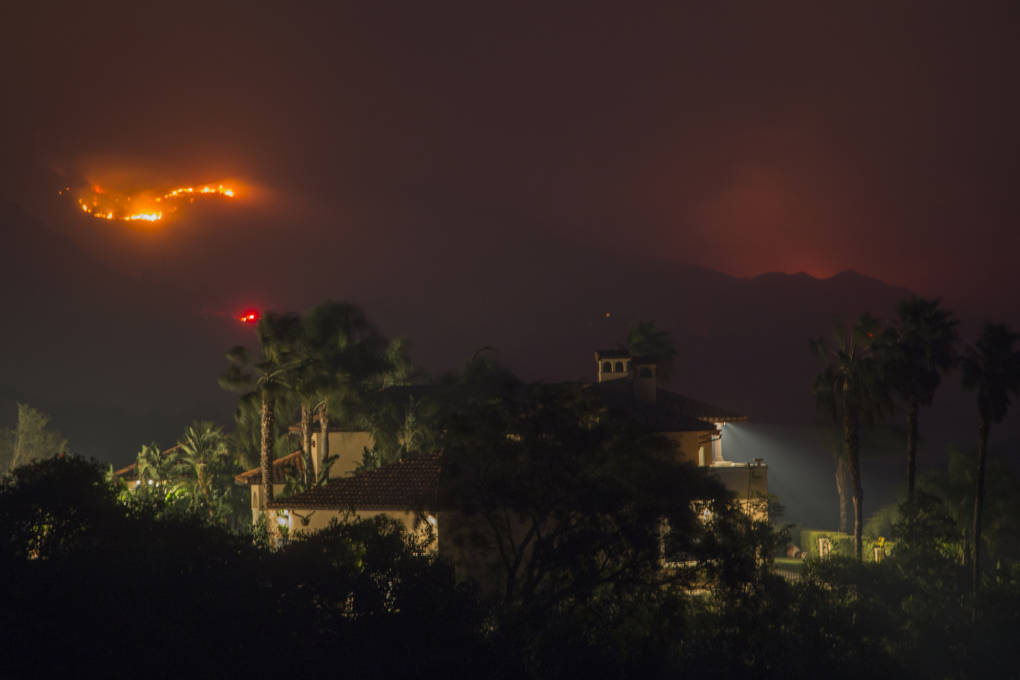
"caption": "Flames threaten homes at the Thomas Fire on Dec. 16, 2017 in Montecito.",
"description": null,
"title": "Santa Ana Winds Continue Thomas Fire Threat In Santa Barbara County",
"credit": "David McNew/Getty Images",
"status": "inherit",
"isLoading": false,
"fetchFailed": false
},
"news_11617220": {
"type": "attachments",
"id": "news_11617220",
"meta": {
"index": "attachments_1716263798",
"site": "news",
"id": "11617220",
"found": true
},
"parent": 11616485,
"imgSizes": {
"small": {
"file": "https://ww2.kqed.org/app/uploads/sites/10/2017/09/TollPlaza-520x299.jpg",
"width": 520,
"mimeType": "image/jpeg",
"height": 299
},
"twentyfourteen-full-width": {
"file": "https://ww2.kqed.org/app/uploads/sites/10/2017/09/TollPlaza-1038x576.jpg",
"width": 1038,
"mimeType": "image/jpeg",
"height": 576
},
"thumbnail": {
"file": "https://ww2.kqed.org/app/uploads/sites/10/2017/09/TollPlaza-160x92.jpg",
"width": 160,
"mimeType": "image/jpeg",
"height": 92
},
"fd-sm": {
"file": "https://ww2.kqed.org/app/uploads/sites/10/2017/09/TollPlaza-960x553.jpg",
"width": 960,
"mimeType": "image/jpeg",
"height": 553
},
"post-thumbnail": {
"file": "https://ww2.kqed.org/app/uploads/sites/10/2017/09/TollPlaza-672x372.jpg",
"width": 672,
"mimeType": "image/jpeg",
"height": 372
},
"xsmall": {
"file": "https://ww2.kqed.org/app/uploads/sites/10/2017/09/TollPlaza-375x216.jpg",
"width": 375,
"mimeType": "image/jpeg",
"height": 216
},
"kqedFullSize": {
"file": "https://ww2.kqed.org/app/uploads/sites/10/2017/09/TollPlaza.jpg",
"width": 1920,
"height": 1105
},
"large": {
"file": "https://ww2.kqed.org/app/uploads/sites/10/2017/09/TollPlaza-1020x587.jpg",
"width": 1020,
"mimeType": "image/jpeg",
"height": 587
},
"xlarge": {
"file": "https://ww2.kqed.org/app/uploads/sites/10/2017/09/TollPlaza-1180x679.jpg",
"width": 1180,
"mimeType": "image/jpeg",
"height": 679
},
"guest-author-50": {
"file": "https://ww2.kqed.org/app/uploads/sites/10/2017/09/TollPlaza-50x50.jpg",
"width": 50,
"mimeType": "image/jpeg",
"height": 50
},
"guest-author-96": {
"file": "https://ww2.kqed.org/app/uploads/sites/10/2017/09/TollPlaza-96x96.jpg",
"width": 96,
"mimeType": "image/jpeg",
"height": 96
},
"medium": {
"file": "https://ww2.kqed.org/app/uploads/sites/10/2017/09/TollPlaza-800x460.jpg",
"width": 800,
"mimeType": "image/jpeg",
"height": 460
},
"guest-author-64": {
"file": "https://ww2.kqed.org/app/uploads/sites/10/2017/09/TollPlaza-64x64.jpg",
"width": 64,
"mimeType": "image/jpeg",
"height": 64
},
"guest-author-32": {
"file": "https://ww2.kqed.org/app/uploads/sites/10/2017/09/TollPlaza-32x32.jpg",
"width": 32,
"mimeType": "image/jpeg",
"height": 32
},
"fd-lrg": {
"file": "https://ww2.kqed.org/app/uploads/sites/10/2017/09/TollPlaza-1920x1105.jpg",
"width": 1920,
"mimeType": "image/jpeg",
"height": 1105
},
"fd-med": {
"file": "https://ww2.kqed.org/app/uploads/sites/10/2017/09/TollPlaza-1180x679.jpg",
"width": 1180,
"mimeType": "image/jpeg",
"height": 679
},
"full-width": {
"file": "https://ww2.kqed.org/app/uploads/sites/10/2017/09/TollPlaza-1920x1105.jpg",
"width": 1920,
"mimeType": "image/jpeg",
"height": 1105
},
"detail": {
"file": "https://ww2.kqed.org/app/uploads/sites/10/2017/09/TollPlaza-150x150.jpg",
"width": 150,
"mimeType": "image/jpeg",
"height": 150
},
"guest-author-128": {
"file": "https://ww2.kqed.org/app/uploads/sites/10/2017/09/TollPlaza-128x128.jpg",
"width": 128,
"mimeType": "image/jpeg",
"height": 128
},
"xxsmall": {
"file": "https://ww2.kqed.org/app/uploads/sites/10/2017/09/TollPlaza-240x138.jpg",
"width": 240,
"mimeType": "image/jpeg",
"height": 138
}
},
"publishDate": 1505503189,
"modified": 1513896577,
"caption": "Traffic backs up at the Bay Bridge Toll Plaza.",
"description": "Traffic backs up at the Bay Bridge toll plaza.",
"title": "Toll Plaza",
"credit": "Justin Sullivan/Getty Images",
"status": "inherit",
"isLoading": false,
"fetchFailed": false
},
"news_11638141": {
"type": "attachments",
"id": "news_11638141",
"meta": {
"index": "attachments_1716263798",
"site": "news",
"id": "11638141",
"found": true
},
"parent": 11637989,
"imgSizes": {
"small": {
"file": "https://ww2.kqed.org/app/uploads/sites/10/2017/12/RS28661_Mike-Lynn-of-Hound-Labs-qut-520x294.jpg",
"width": 520,
"mimeType": "image/jpeg",
"height": 294
},
"twentyfourteen-full-width": {
"file": "https://ww2.kqed.org/app/uploads/sites/10/2017/12/RS28661_Mike-Lynn-of-Hound-Labs-qut-1038x576.jpg",
"width": 1038,
"mimeType": "image/jpeg",
"height": 576
},
"thumbnail": {
"file": "https://ww2.kqed.org/app/uploads/sites/10/2017/12/RS28661_Mike-Lynn-of-Hound-Labs-qut-160x91.jpg",
"width": 160,
"mimeType": "image/jpeg",
"height": 91
},
"fd-sm": {
"file": "https://ww2.kqed.org/app/uploads/sites/10/2017/12/RS28661_Mike-Lynn-of-Hound-Labs-qut-960x543.jpg",
"width": 960,
"mimeType": "image/jpeg",
"height": 543
},
"post-thumbnail": {
"file": "https://ww2.kqed.org/app/uploads/sites/10/2017/12/RS28661_Mike-Lynn-of-Hound-Labs-qut-672x372.jpg",
"width": 672,
"mimeType": "image/jpeg",
"height": 372
},
"xsmall": {
"file": "https://ww2.kqed.org/app/uploads/sites/10/2017/12/RS28661_Mike-Lynn-of-Hound-Labs-qut-375x212.jpg",
"width": 375,
"mimeType": "image/jpeg",
"height": 212
},
"kqedFullSize": {
"file": "https://ww2.kqed.org/app/uploads/sites/10/2017/12/RS28661_Mike-Lynn-of-Hound-Labs-qut.jpg",
"width": 1920,
"height": 1086
},
"large": {
"file": "https://ww2.kqed.org/app/uploads/sites/10/2017/12/RS28661_Mike-Lynn-of-Hound-Labs-qut-1020x577.jpg",
"width": 1020,
"mimeType": "image/jpeg",
"height": 577
},
"xlarge": {
"file": "https://ww2.kqed.org/app/uploads/sites/10/2017/12/RS28661_Mike-Lynn-of-Hound-Labs-qut-1180x667.jpg",
"width": 1180,
"mimeType": "image/jpeg",
"height": 667
},
"guest-author-50": {
"file": "https://ww2.kqed.org/app/uploads/sites/10/2017/12/RS28661_Mike-Lynn-of-Hound-Labs-qut-50x50.jpg",
"width": 50,
"mimeType": "image/jpeg",
"height": 50
},
"guest-author-96": {
"file": "https://ww2.kqed.org/app/uploads/sites/10/2017/12/RS28661_Mike-Lynn-of-Hound-Labs-qut-96x96.jpg",
"width": 96,
"mimeType": "image/jpeg",
"height": 96
},
"medium": {
"file": "https://ww2.kqed.org/app/uploads/sites/10/2017/12/RS28661_Mike-Lynn-of-Hound-Labs-qut-800x453.jpg",
"width": 800,
"mimeType": "image/jpeg",
"height": 453
},
"guest-author-64": {
"file": "https://ww2.kqed.org/app/uploads/sites/10/2017/12/RS28661_Mike-Lynn-of-Hound-Labs-qut-64x64.jpg",
"width": 64,
"mimeType": "image/jpeg",
"height": 64
},
"guest-author-32": {
"file": "https://ww2.kqed.org/app/uploads/sites/10/2017/12/RS28661_Mike-Lynn-of-Hound-Labs-qut-32x32.jpg",
"width": 32,
"mimeType": "image/jpeg",
"height": 32
},
"fd-lrg": {
"file": "https://ww2.kqed.org/app/uploads/sites/10/2017/12/RS28661_Mike-Lynn-of-Hound-Labs-qut-1920x1086.jpg",
"width": 1920,
"mimeType": "image/jpeg",
"height": 1086
},
"fd-med": {
"file": "https://ww2.kqed.org/app/uploads/sites/10/2017/12/RS28661_Mike-Lynn-of-Hound-Labs-qut-1180x667.jpg",
"width": 1180,
"mimeType": "image/jpeg",
"height": 667
},
"full-width": {
"file": "https://ww2.kqed.org/app/uploads/sites/10/2017/12/RS28661_Mike-Lynn-of-Hound-Labs-qut-1920x1086.jpg",
"width": 1920,
"mimeType": "image/jpeg",
"height": 1086
},
"detail": {
"file": "https://ww2.kqed.org/app/uploads/sites/10/2017/12/RS28661_Mike-Lynn-of-Hound-Labs-qut-150x150.jpg",
"width": 150,
"mimeType": "image/jpeg",
"height": 150
},
"guest-author-128": {
"file": "https://ww2.kqed.org/app/uploads/sites/10/2017/12/RS28661_Mike-Lynn-of-Hound-Labs-qut-128x128.jpg",
"width": 128,
"mimeType": "image/jpeg",
"height": 128
},
"xxsmall": {
"file": "https://ww2.kqed.org/app/uploads/sites/10/2017/12/RS28661_Mike-Lynn-of-Hound-Labs-qut-240x136.jpg",
"width": 240,
"mimeType": "image/jpeg",
"height": 136
}
},
"publishDate": 1513698859,
"modified": 1513698898,
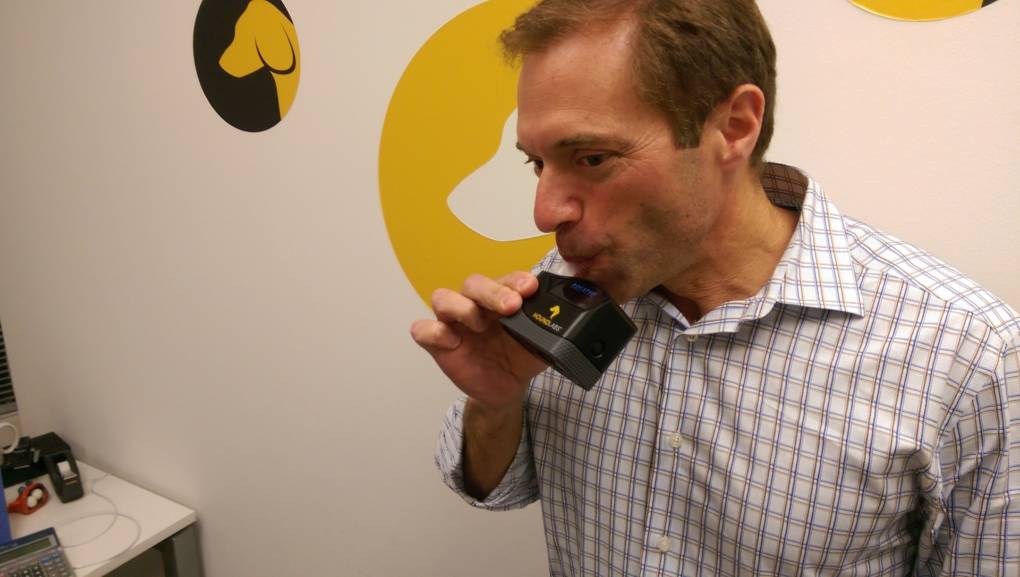
"caption": "Mike Lynn, CEO of Hound Labs in Oakland, which plans to sell a marijuana breathalyzer to law enforcement agencies next year.",
"description": "Mike Lynn, CEO of Hound Labs in Oakland, which plans to sell a marijuana breathalyzer to law enforcement agencies next year.",
"title": "RS28661_Mike Lynn of Hound Labs-qut",
"credit": "Eli Wirtschafter/KQED",
"status": "inherit",
"isLoading": false,
"fetchFailed": false
},
"news_11638104": {
"type": "attachments",
"id": "news_11638104",
"meta": {
"index": "attachments_1716263798",
"site": "news",
"id": "11638104",
"found": true
},
"parent": 11638056,
"imgSizes": {
"small": {
"file": "https://ww2.kqed.org/app/uploads/sites/10/2017/12/RS28657_GettyImages-91997121-qut-520x347.jpg",
"width": 520,
"mimeType": "image/jpeg",
"height": 347
},
"twentyfourteen-full-width": {
"file": "https://ww2.kqed.org/app/uploads/sites/10/2017/12/RS28657_GettyImages-91997121-qut-1038x576.jpg",
"width": 1038,
"mimeType": "image/jpeg",
"height": 576
},
"thumbnail": {
"file": "https://ww2.kqed.org/app/uploads/sites/10/2017/12/RS28657_GettyImages-91997121-qut-160x107.jpg",
"width": 160,
"mimeType": "image/jpeg",
"height": 107
},
"fd-sm": {
"file": "https://ww2.kqed.org/app/uploads/sites/10/2017/12/RS28657_GettyImages-91997121-qut-960x640.jpg",
"width": 960,
"mimeType": "image/jpeg",
"height": 640
},
"post-thumbnail": {
"file": "https://ww2.kqed.org/app/uploads/sites/10/2017/12/RS28657_GettyImages-91997121-qut-672x372.jpg",
"width": 672,
"mimeType": "image/jpeg",
"height": 372
},
"xsmall": {
"file": "https://ww2.kqed.org/app/uploads/sites/10/2017/12/RS28657_GettyImages-91997121-qut-375x250.jpg",
"width": 375,
"mimeType": "image/jpeg",
"height": 250
},
"kqedFullSize": {
"file": "https://ww2.kqed.org/app/uploads/sites/10/2017/12/RS28657_GettyImages-91997121-qut.jpg",
"width": 1920,
"height": 1280
},
"large": {
"file": "https://ww2.kqed.org/app/uploads/sites/10/2017/12/RS28657_GettyImages-91997121-qut-1020x680.jpg",
"width": 1020,
"mimeType": "image/jpeg",
"height": 680
},
"xlarge": {
"file": "https://ww2.kqed.org/app/uploads/sites/10/2017/12/RS28657_GettyImages-91997121-qut-1180x787.jpg",
"width": 1180,
"mimeType": "image/jpeg",
"height": 787
},
"guest-author-50": {
"file": "https://ww2.kqed.org/app/uploads/sites/10/2017/12/RS28657_GettyImages-91997121-qut-50x50.jpg",
"width": 50,
"mimeType": "image/jpeg",
"height": 50
},
"guest-author-96": {
"file": "https://ww2.kqed.org/app/uploads/sites/10/2017/12/RS28657_GettyImages-91997121-qut-96x96.jpg",
"width": 96,
"mimeType": "image/jpeg",
"height": 96
},
"medium": {
"file": "https://ww2.kqed.org/app/uploads/sites/10/2017/12/RS28657_GettyImages-91997121-qut-800x533.jpg",
"width": 800,
"mimeType": "image/jpeg",
"height": 533
},
"guest-author-64": {
"file": "https://ww2.kqed.org/app/uploads/sites/10/2017/12/RS28657_GettyImages-91997121-qut-64x64.jpg",
"width": 64,
"mimeType": "image/jpeg",
"height": 64
},
"guest-author-32": {
"file": "https://ww2.kqed.org/app/uploads/sites/10/2017/12/RS28657_GettyImages-91997121-qut-32x32.jpg",
"width": 32,
"mimeType": "image/jpeg",
"height": 32
},
"fd-lrg": {
"file": "https://ww2.kqed.org/app/uploads/sites/10/2017/12/RS28657_GettyImages-91997121-qut-1920x1280.jpg",
"width": 1920,
"mimeType": "image/jpeg",
"height": 1280
},
"fd-med": {
"file": "https://ww2.kqed.org/app/uploads/sites/10/2017/12/RS28657_GettyImages-91997121-qut-1180x787.jpg",
"width": 1180,
"mimeType": "image/jpeg",
"height": 787
},
"full-width": {
"file": "https://ww2.kqed.org/app/uploads/sites/10/2017/12/RS28657_GettyImages-91997121-qut-1920x1280.jpg",
"width": 1920,
"mimeType": "image/jpeg",
"height": 1280
},
"detail": {
"file": "https://ww2.kqed.org/app/uploads/sites/10/2017/12/RS28657_GettyImages-91997121-qut-150x150.jpg",
"width": 150,
"mimeType": "image/jpeg",
"height": 150
},
"guest-author-128": {
"file": "https://ww2.kqed.org/app/uploads/sites/10/2017/12/RS28657_GettyImages-91997121-qut-128x128.jpg",
"width": 128,
"mimeType": "image/jpeg",
"height": 128
},
"xxsmall": {
"file": "https://ww2.kqed.org/app/uploads/sites/10/2017/12/RS28657_GettyImages-91997121-qut-240x160.jpg",
"width": 240,
"mimeType": "image/jpeg",
"height": 160
}
},
"publishDate": 1513651061,
"modified": 1513651185,
"caption": "Starting on Jan. 1, 2018, adults 21 years and older will be able to buy and sell recreational marijuana in California.",
"description": "Starting on Jan. 1, 2018, adults 21 years and older will be able to buy and sell recreational marijuana in California.",
"title": "Obama Admin. Unveils New Policy Easing Medical Marijuana Prosecutions",
"credit": "David McNew/Getty Images",
"status": "inherit",
"isLoading": false,
"fetchFailed": false
},
"news_11638635": {
"type": "attachments",
"id": "news_11638635",
"meta": {
"index": "attachments_1716263798",
"site": "news",
"id": "11638635",
"found": true
},
"parent": 11638489,
"imgSizes": {
"small": {
"file": "https://ww2.kqed.org/app/uploads/sites/10/2017/12/NewsomFeinstein-520x219.jpg",
"width": 520,
"mimeType": "image/jpeg",
"height": 219
},
"twentyfourteen-full-width": {
"file": "https://ww2.kqed.org/app/uploads/sites/10/2017/12/NewsomFeinstein-1038x576.jpg",
"width": 1038,
"mimeType": "image/jpeg",
"height": 576
},
"thumbnail": {
"file": "https://ww2.kqed.org/app/uploads/sites/10/2017/12/NewsomFeinstein-160x67.jpg",
"width": 160,
"mimeType": "image/jpeg",
"height": 67
},
"fd-sm": {
"file": "https://ww2.kqed.org/app/uploads/sites/10/2017/12/NewsomFeinstein-960x405.jpg",
"width": 960,
"mimeType": "image/jpeg",
"height": 405
},
"post-thumbnail": {
"file": "https://ww2.kqed.org/app/uploads/sites/10/2017/12/NewsomFeinstein-672x372.jpg",
"width": 672,
"mimeType": "image/jpeg",
"height": 372
},
"xsmall": {
"file": "https://ww2.kqed.org/app/uploads/sites/10/2017/12/NewsomFeinstein-375x158.jpg",
"width": 375,
"mimeType": "image/jpeg",
"height": 158
},
"kqedFullSize": {
"file": "https://ww2.kqed.org/app/uploads/sites/10/2017/12/NewsomFeinstein.jpg",
"width": 1920,
"height": 809
},
"large": {
"file": "https://ww2.kqed.org/app/uploads/sites/10/2017/12/NewsomFeinstein-1020x430.jpg",
"width": 1020,
"mimeType": "image/jpeg",
"height": 430
},
"xlarge": {
"file": "https://ww2.kqed.org/app/uploads/sites/10/2017/12/NewsomFeinstein-1180x497.jpg",
"width": 1180,
"mimeType": "image/jpeg",
"height": 497
},
"guest-author-50": {
"file": "https://ww2.kqed.org/app/uploads/sites/10/2017/12/NewsomFeinstein-50x50.jpg",
"width": 50,
"mimeType": "image/jpeg",
"height": 50
},
"guest-author-96": {
"file": "https://ww2.kqed.org/app/uploads/sites/10/2017/12/NewsomFeinstein-96x96.jpg",
"width": 96,
"mimeType": "image/jpeg",
"height": 96
},
"medium": {
"file": "https://ww2.kqed.org/app/uploads/sites/10/2017/12/NewsomFeinstein-800x337.jpg",
"width": 800,
"mimeType": "image/jpeg",
"height": 337
},
"guest-author-64": {
"file": "https://ww2.kqed.org/app/uploads/sites/10/2017/12/NewsomFeinstein-64x64.jpg",
"width": 64,
"mimeType": "image/jpeg",
"height": 64
},
"guest-author-32": {
"file": "https://ww2.kqed.org/app/uploads/sites/10/2017/12/NewsomFeinstein-32x32.jpg",
"width": 32,
"mimeType": "image/jpeg",
"height": 32
},
"fd-lrg": {
"file": "https://ww2.kqed.org/app/uploads/sites/10/2017/12/NewsomFeinstein-1920x809.jpg",
"width": 1920,
"mimeType": "image/jpeg",
"height": 809
},
"fd-med": {
"file": "https://ww2.kqed.org/app/uploads/sites/10/2017/12/NewsomFeinstein-1180x497.jpg",
"width": 1180,
"mimeType": "image/jpeg",
"height": 497
},
"full-width": {
"file": "https://ww2.kqed.org/app/uploads/sites/10/2017/12/NewsomFeinstein-1920x809.jpg",
"width": 1920,
"mimeType": "image/jpeg",
"height": 809
},
"detail": {
"file": "https://ww2.kqed.org/app/uploads/sites/10/2017/12/NewsomFeinstein-150x150.jpg",
"width": 150,
"mimeType": "image/jpeg",
"height": 150
},
"guest-author-128": {
"file": "https://ww2.kqed.org/app/uploads/sites/10/2017/12/NewsomFeinstein-128x128.jpg",
"width": 128,
"mimeType": "image/jpeg",
"height": 128
},
"xxsmall": {
"file": "https://ww2.kqed.org/app/uploads/sites/10/2017/12/NewsomFeinstein-240x101.jpg",
"width": 240,
"mimeType": "image/jpeg",
"height": 101
}
},
"publishDate": 1513821750,
"modified": 1513895168,
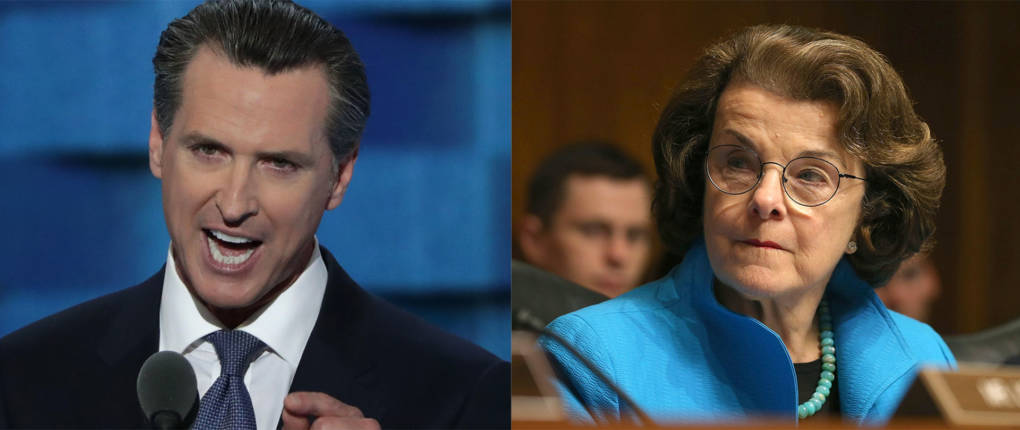
"caption": "Democrats Gavin Newsom and Dianne Feinstein are leading the polls in California's governor and U.S. Senate races, respectively. ",
"description": "Democrats Gavin Newsom and Dianne Feinstein are leading the polls in California's governor's and U.S. Senate races, respectively. ",
"title": "NewsomFeinstein",
"credit": "Alex Wong/Getty Images, Mark Wilson/Getty Images",
"status": "inherit",
"isLoading": false,
"fetchFailed": false
},
"news_11638443": {
"type": "attachments",
"id": "news_11638443",
"meta": {
"index": "attachments_1716263798",
"site": "news",
"id": "11638443",
"found": true
},
"parent": 11638442,
"imgSizes": {
"small": {
"file": "https://ww2.kqed.org/app/uploads/sites/10/2017/12/GettyImages-845424244-520x347.jpg",
"width": 520,
"mimeType": "image/jpeg",
"height": 347
},
"twentyfourteen-full-width": {
"file": "https://ww2.kqed.org/app/uploads/sites/10/2017/12/GettyImages-845424244-1038x576.jpg",
"width": 1038,
"mimeType": "image/jpeg",
"height": 576
},
"thumbnail": {
"file": "https://ww2.kqed.org/app/uploads/sites/10/2017/12/GettyImages-845424244-160x107.jpg",
"width": 160,
"mimeType": "image/jpeg",
"height": 107
},
"fd-sm": {
"file": "https://ww2.kqed.org/app/uploads/sites/10/2017/12/GettyImages-845424244-960x640.jpg",
"width": 960,
"mimeType": "image/jpeg",
"height": 640
},
"post-thumbnail": {
"file": "https://ww2.kqed.org/app/uploads/sites/10/2017/12/GettyImages-845424244-672x372.jpg",
"width": 672,
"mimeType": "image/jpeg",
"height": 372
},
"xsmall": {
"file": "https://ww2.kqed.org/app/uploads/sites/10/2017/12/GettyImages-845424244-375x250.jpg",
"width": 375,
"mimeType": "image/jpeg",
"height": 250
},
"kqedFullSize": {
"file": "https://ww2.kqed.org/app/uploads/sites/10/2017/12/GettyImages-845424244-e1513788804597.jpg",
"width": 1920,
"height": 1280
},
"large": {
"file": "https://ww2.kqed.org/app/uploads/sites/10/2017/12/GettyImages-845424244-1020x680.jpg",
"width": 1020,
"mimeType": "image/jpeg",
"height": 680
},
"xlarge": {
"file": "https://ww2.kqed.org/app/uploads/sites/10/2017/12/GettyImages-845424244-1180x787.jpg",
"width": 1180,
"mimeType": "image/jpeg",
"height": 787
},
"guest-author-50": {
"file": "https://ww2.kqed.org/app/uploads/sites/10/2017/12/GettyImages-845424244-50x50.jpg",
"width": 50,
"mimeType": "image/jpeg",
"height": 50
},
"guest-author-96": {
"file": "https://ww2.kqed.org/app/uploads/sites/10/2017/12/GettyImages-845424244-96x96.jpg",
"width": 96,
"mimeType": "image/jpeg",
"height": 96
},
"medium": {
"file": "https://ww2.kqed.org/app/uploads/sites/10/2017/12/GettyImages-845424244-800x533.jpg",
"width": 800,
"mimeType": "image/jpeg",
"height": 533
},
"guest-author-64": {
"file": "https://ww2.kqed.org/app/uploads/sites/10/2017/12/GettyImages-845424244-64x64.jpg",
"width": 64,
"mimeType": "image/jpeg",
"height": 64
},
"guest-author-32": {
"file": "https://ww2.kqed.org/app/uploads/sites/10/2017/12/GettyImages-845424244-32x32.jpg",
"width": 32,
"mimeType": "image/jpeg",
"height": 32
},
"fd-lrg": {
"file": "https://ww2.kqed.org/app/uploads/sites/10/2017/12/GettyImages-845424244-1920x1280.jpg",
"width": 1920,
"mimeType": "image/jpeg",
"height": 1280
},
"fd-med": {
"file": "https://ww2.kqed.org/app/uploads/sites/10/2017/12/GettyImages-845424244-1180x787.jpg",
"width": 1180,
"mimeType": "image/jpeg",
"height": 787
},
"full-width": {
"file": "https://ww2.kqed.org/app/uploads/sites/10/2017/12/GettyImages-845424244-1920x1280.jpg",
"width": 1920,
"mimeType": "image/jpeg",
"height": 1280
},
"detail": {
"file": "https://ww2.kqed.org/app/uploads/sites/10/2017/12/GettyImages-845424244-150x150.jpg",
"width": 150,
"mimeType": "image/jpeg",
"height": 150
},
"guest-author-128": {
"file": "https://ww2.kqed.org/app/uploads/sites/10/2017/12/GettyImages-845424244-128x128.jpg",
"width": 128,
"mimeType": "image/jpeg",
"height": 128
},
"xxsmall": {
"file": "https://ww2.kqed.org/app/uploads/sites/10/2017/12/GettyImages-845424244-240x160.jpg",
"width": 240,
"mimeType": "image/jpeg",
"height": 160
}
},
"publishDate": 1513788660,
"modified": 1513816879,
"caption": "Thousands of immigrants and supporters join the Defend DACA March in L.A. on Sept. 10, 2017, to oppose President Trump's order to end DACA. The order exposes about 800,000 so-called Dreamers who signed up for DACA to deportation. About a quarter of them live in California.",
"description": null,
"title": "Thousands Join \"Defend DACA\" March In Los Angeles",
"credit": "David McNew/Getty Images",
"status": "inherit",
"isLoading": false,
"fetchFailed": false
},
"news_11652478": {
"type": "attachments",
"id": "news_11652478",
"meta": {
"index": "attachments_1716263798",
"site": "news",
"id": "11652478",
"found": true
},
"parent": 11637875,
"imgSizes": {
"small": {
"file": "https://ww2.kqed.org/app/uploads/sites/10/2017/12/tiny_homes-520x293.jpg",
"width": 520,
"mimeType": "image/jpeg",
"height": 293
},
"twentyfourteen-full-width": {
"file": "https://ww2.kqed.org/app/uploads/sites/10/2017/12/tiny_homes-1038x576.jpg",
"width": 1038,
"mimeType": "image/jpeg",
"height": 576
},
"thumbnail": {
"file": "https://ww2.kqed.org/app/uploads/sites/10/2017/12/tiny_homes-160x90.jpg",
"width": 160,
"mimeType": "image/jpeg",
"height": 90
},
"fd-sm": {
"file": "https://ww2.kqed.org/app/uploads/sites/10/2017/12/tiny_homes-960x540.jpg",
"width": 960,
"mimeType": "image/jpeg",
"height": 540
},
"post-thumbnail": {
"file": "https://ww2.kqed.org/app/uploads/sites/10/2017/12/tiny_homes-672x372.jpg",
"width": 672,
"mimeType": "image/jpeg",
"height": 372
},
"xsmall": {
"file": "https://ww2.kqed.org/app/uploads/sites/10/2017/12/tiny_homes-375x211.jpg",
"width": 375,
"mimeType": "image/jpeg",
"height": 211
},
"kqedFullSize": {
"file": "https://ww2.kqed.org/app/uploads/sites/10/2017/12/tiny_homes.jpg",
"width": 1920,
"height": 1080
},
"large": {
"file": "https://ww2.kqed.org/app/uploads/sites/10/2017/12/tiny_homes-1020x574.jpg",
"width": 1020,
"mimeType": "image/jpeg",
"height": 574
},
"xlarge": {
"file": "https://ww2.kqed.org/app/uploads/sites/10/2017/12/tiny_homes-1180x664.jpg",
"width": 1180,
"mimeType": "image/jpeg",
"height": 664
},
"guest-author-50": {
"file": "https://ww2.kqed.org/app/uploads/sites/10/2017/12/tiny_homes-50x50.jpg",
"width": 50,
"mimeType": "image/jpeg",
"height": 50
},
"guest-author-96": {
"file": "https://ww2.kqed.org/app/uploads/sites/10/2017/12/tiny_homes-96x96.jpg",
"width": 96,
"mimeType": "image/jpeg",
"height": 96
},
"medium": {
"file": "https://ww2.kqed.org/app/uploads/sites/10/2017/12/tiny_homes-800x450.jpg",
"width": 800,
"mimeType": "image/jpeg",
"height": 450
},
"guest-author-64": {
"file": "https://ww2.kqed.org/app/uploads/sites/10/2017/12/tiny_homes-64x64.jpg",
"width": 64,
"mimeType": "image/jpeg",
"height": 64
},
"guest-author-32": {
"file": "https://ww2.kqed.org/app/uploads/sites/10/2017/12/tiny_homes-32x32.jpg",
"width": 32,
"mimeType": "image/jpeg",
"height": 32
},
"fd-lrg": {
"file": "https://ww2.kqed.org/app/uploads/sites/10/2017/12/tiny_homes-1920x1080.jpg",
"width": 1920,
"mimeType": "image/jpeg",
"height": 1080
},
"fd-med": {
"file": "https://ww2.kqed.org/app/uploads/sites/10/2017/12/tiny_homes-1180x664.jpg",
"width": 1180,
"mimeType": "image/jpeg",
"height": 664
},
"full-width": {
"file": "https://ww2.kqed.org/app/uploads/sites/10/2017/12/tiny_homes-1920x1080.jpg",
"width": 1920,
"mimeType": "image/jpeg",
"height": 1080
},
"detail": {
"file": "https://ww2.kqed.org/app/uploads/sites/10/2017/12/tiny_homes-150x150.jpg",
"width": 150,
"mimeType": "image/jpeg",
"height": 150
},
"guest-author-128": {
"file": "https://ww2.kqed.org/app/uploads/sites/10/2017/12/tiny_homes-128x128.jpg",
"width": 128,
"mimeType": "image/jpeg",
"height": 128
},
"xxsmall": {
"file": "https://ww2.kqed.org/app/uploads/sites/10/2017/12/tiny_homes-240x135.jpg",
"width": 240,
"mimeType": "image/jpeg",
"height": 135
}
},
"publishDate": 1519754534,
"modified": 1519754534,
"caption": null,
"description": null,
"title": "tiny_homes",
"credit": null,
"status": "inherit",
"isLoading": false,
"fetchFailed": false
},
"news_11638544": {
"type": "attachments",
"id": "news_11638544",
"meta": {
"index": "attachments_1716263798",
"site": "news",
"id": "11638544",
"found": true
},
"parent": 11638543,
"imgSizes": {
"small": {
"file": "https://ww2.kqed.org/app/uploads/sites/10/2017/12/gettyimages-881600144_wide-25dac23919038933209767e6bfe5abfd647f5f0d-520x293.jpg",
"width": 520,
"mimeType": "image/jpeg",
"height": 293
},
"twentyfourteen-full-width": {
"file": "https://ww2.kqed.org/app/uploads/sites/10/2017/12/gettyimages-881600144_wide-25dac23919038933209767e6bfe5abfd647f5f0d-1038x576.jpg",
"width": 1038,
"mimeType": "image/jpeg",
"height": 576
},
"thumbnail": {
"file": "https://ww2.kqed.org/app/uploads/sites/10/2017/12/gettyimages-881600144_wide-25dac23919038933209767e6bfe5abfd647f5f0d-160x90.jpg",
"width": 160,
"mimeType": "image/jpeg",
"height": 90
},
"fd-sm": {
"file": "https://ww2.kqed.org/app/uploads/sites/10/2017/12/gettyimages-881600144_wide-25dac23919038933209767e6bfe5abfd647f5f0d-960x540.jpg",
"width": 960,
"mimeType": "image/jpeg",
"height": 540
},
"post-thumbnail": {
"file": "https://ww2.kqed.org/app/uploads/sites/10/2017/12/gettyimages-881600144_wide-25dac23919038933209767e6bfe5abfd647f5f0d-672x372.jpg",
"width": 672,
"mimeType": "image/jpeg",
"height": 372
},
"xsmall": {
"file": "https://ww2.kqed.org/app/uploads/sites/10/2017/12/gettyimages-881600144_wide-25dac23919038933209767e6bfe5abfd647f5f0d-375x211.jpg",
"width": 375,
"mimeType": "image/jpeg",
"height": 211
},
"kqedFullSize": {
"file": "https://ww2.kqed.org/app/uploads/sites/10/2017/12/gettyimages-881600144_wide-25dac23919038933209767e6bfe5abfd647f5f0d-e1513809314998.jpg",
"width": 1920,
"height": 1080
},
"large": {
"file": "https://ww2.kqed.org/app/uploads/sites/10/2017/12/gettyimages-881600144_wide-25dac23919038933209767e6bfe5abfd647f5f0d-1020x574.jpg",
"width": 1020,
"mimeType": "image/jpeg",
"height": 574
},
"xlarge": {
"file": "https://ww2.kqed.org/app/uploads/sites/10/2017/12/gettyimages-881600144_wide-25dac23919038933209767e6bfe5abfd647f5f0d-1180x664.jpg",
"width": 1180,
"mimeType": "image/jpeg",
"height": 664
},
"guest-author-50": {
"file": "https://ww2.kqed.org/app/uploads/sites/10/2017/12/gettyimages-881600144_wide-25dac23919038933209767e6bfe5abfd647f5f0d-50x50.jpg",
"width": 50,
"mimeType": "image/jpeg",
"height": 50
},
"guest-author-96": {
"file": "https://ww2.kqed.org/app/uploads/sites/10/2017/12/gettyimages-881600144_wide-25dac23919038933209767e6bfe5abfd647f5f0d-96x96.jpg",
"width": 96,
"mimeType": "image/jpeg",
"height": 96
},
"medium": {
"file": "https://ww2.kqed.org/app/uploads/sites/10/2017/12/gettyimages-881600144_wide-25dac23919038933209767e6bfe5abfd647f5f0d-800x450.jpg",
"width": 800,
"mimeType": "image/jpeg",
"height": 450
},
"guest-author-64": {
"file": "https://ww2.kqed.org/app/uploads/sites/10/2017/12/gettyimages-881600144_wide-25dac23919038933209767e6bfe5abfd647f5f0d-64x64.jpg",
"width": 64,
"mimeType": "image/jpeg",
"height": 64
},
"guest-author-32": {
"file": "https://ww2.kqed.org/app/uploads/sites/10/2017/12/gettyimages-881600144_wide-25dac23919038933209767e6bfe5abfd647f5f0d-32x32.jpg",
"width": 32,
"mimeType": "image/jpeg",
"height": 32
},
"fd-lrg": {
"file": "https://ww2.kqed.org/app/uploads/sites/10/2017/12/gettyimages-881600144_wide-25dac23919038933209767e6bfe5abfd647f5f0d-1920x1080.jpg",
"width": 1920,
"mimeType": "image/jpeg",
"height": 1080
},
"fd-med": {
"file": "https://ww2.kqed.org/app/uploads/sites/10/2017/12/gettyimages-881600144_wide-25dac23919038933209767e6bfe5abfd647f5f0d-1180x664.jpg",
"width": 1180,
"mimeType": "image/jpeg",
"height": 664
},
"full-width": {
"file": "https://ww2.kqed.org/app/uploads/sites/10/2017/12/gettyimages-881600144_wide-25dac23919038933209767e6bfe5abfd647f5f0d-1920x1080.jpg",
"width": 1920,
"mimeType": "image/jpeg",
"height": 1080
},
"detail": {
"file": "https://ww2.kqed.org/app/uploads/sites/10/2017/12/gettyimages-881600144_wide-25dac23919038933209767e6bfe5abfd647f5f0d-150x150.jpg",
"width": 150,
"mimeType": "image/jpeg",
"height": 150
},
"guest-author-128": {
"file": "https://ww2.kqed.org/app/uploads/sites/10/2017/12/gettyimages-881600144_wide-25dac23919038933209767e6bfe5abfd647f5f0d-128x128.jpg",
"width": 128,
"mimeType": "image/jpeg",
"height": 128
},
"xxsmall": {
"file": "https://ww2.kqed.org/app/uploads/sites/10/2017/12/gettyimages-881600144_wide-25dac23919038933209767e6bfe5abfd647f5f0d-240x135.jpg",
"width": 240,
"mimeType": "image/jpeg",
"height": 135
}
},
"publishDate": 1513809046,
"modified": 1513809343,
"caption": "Europe's top court has ruled that Uber is a transportation company — not merely an e-commerce service. Here, a Spanish taxi driver is seen protesting against Uber and another service, Cabify, during cabdrivers' demonstration last month.",
"description": "Europe's top court has ruled that Uber is a transportation company — not merely an e-commerce service. Here, a Spanish taxi driver is seen protesting against Uber and another service, Cabify, during cabdrivers' demonstration last mont",
"title": "Europe's top court has ruled that Uber is a transportation company — not merely an e-commerce service. Here, a Spanish taxi driver is seen protesting against Uber and another service, Cabify, during cabdrivers' demonstration last month.",
"credit": "Gabriel Bouys/AFP/Getty Images",
"status": "inherit",
"isLoading": false,
"fetchFailed": false
},
"news_11638498": {
"type": "attachments",
"id": "news_11638498",
"meta": {
"index": "attachments_1716263798",
"site": "news",
"id": "11638498",
"found": true
},
"parent": 11638147,
"imgSizes": {
"small": {
"file": "https://ww2.kqed.org/app/uploads/sites/10/2017/12/Lilly-520x365.jpg",
"width": 520,
"mimeType": "image/jpeg",
"height": 365
},
"twentyfourteen-full-width": {
"file": "https://ww2.kqed.org/app/uploads/sites/10/2017/12/Lilly-1038x576.jpg",
"width": 1038,
"mimeType": "image/jpeg",
"height": 576
},
"thumbnail": {
"file": "https://ww2.kqed.org/app/uploads/sites/10/2017/12/Lilly-160x112.jpg",
"width": 160,
"mimeType": "image/jpeg",
"height": 112
},
"fd-sm": {
"file": "https://ww2.kqed.org/app/uploads/sites/10/2017/12/Lilly-960x675.jpg",
"width": 960,
"mimeType": "image/jpeg",
"height": 675
},
"post-thumbnail": {
"file": "https://ww2.kqed.org/app/uploads/sites/10/2017/12/Lilly-672x372.jpg",
"width": 672,
"mimeType": "image/jpeg",
"height": 372
},
"xsmall": {
"file": "https://ww2.kqed.org/app/uploads/sites/10/2017/12/Lilly-375x263.jpg",
"width": 375,
"mimeType": "image/jpeg",
"height": 263
},
"kqedFullSize": {
"file": "https://ww2.kqed.org/app/uploads/sites/10/2017/12/Lilly.jpg",
"width": 1920,
"height": 1349
},
"large": {
"file": "https://ww2.kqed.org/app/uploads/sites/10/2017/12/Lilly-1020x717.jpg",
"width": 1020,
"mimeType": "image/jpeg",
"height": 717
},
"xlarge": {
"file": "https://ww2.kqed.org/app/uploads/sites/10/2017/12/Lilly-1180x829.jpg",
"width": 1180,
"mimeType": "image/jpeg",
"height": 829
},
"guest-author-50": {
"file": "https://ww2.kqed.org/app/uploads/sites/10/2017/12/Lilly-50x50.jpg",
"width": 50,
"mimeType": "image/jpeg",
"height": 50
},
"guest-author-96": {
"file": "https://ww2.kqed.org/app/uploads/sites/10/2017/12/Lilly-96x96.jpg",
"width": 96,
"mimeType": "image/jpeg",
"height": 96
},
"medium": {
"file": "https://ww2.kqed.org/app/uploads/sites/10/2017/12/Lilly-800x562.jpg",
"width": 800,
"mimeType": "image/jpeg",
"height": 562
},
"guest-author-64": {
"file": "https://ww2.kqed.org/app/uploads/sites/10/2017/12/Lilly-64x64.jpg",
"width": 64,
"mimeType": "image/jpeg",
"height": 64
},
"guest-author-32": {
"file": "https://ww2.kqed.org/app/uploads/sites/10/2017/12/Lilly-32x32.jpg",
"width": 32,
"mimeType": "image/jpeg",
"height": 32
},
"fd-lrg": {
"file": "https://ww2.kqed.org/app/uploads/sites/10/2017/12/Lilly-1920x1349.jpg",
"width": 1920,
"mimeType": "image/jpeg",
"height": 1349
},
"fd-med": {
"file": "https://ww2.kqed.org/app/uploads/sites/10/2017/12/Lilly-1180x829.jpg",
"width": 1180,
"mimeType": "image/jpeg",
"height": 829
},
"full-width": {
"file": "https://ww2.kqed.org/app/uploads/sites/10/2017/12/Lilly-1920x1349.jpg",
"width": 1920,
"mimeType": "image/jpeg",
"height": 1349
},
"detail": {
"file": "https://ww2.kqed.org/app/uploads/sites/10/2017/12/Lilly-150x150.jpg",
"width": 150,
"mimeType": "image/jpeg",
"height": 150
},
"guest-author-128": {
"file": "https://ww2.kqed.org/app/uploads/sites/10/2017/12/Lilly-128x128.jpg",
"width": 128,
"mimeType": "image/jpeg",
"height": 128
},
"xxsmall": {
"file": "https://ww2.kqed.org/app/uploads/sites/10/2017/12/Lilly-240x169.jpg",
"width": 240,
"mimeType": "image/jpeg",
"height": 169
}
},
"publishDate": 1513803121,
"modified": 1513803147,
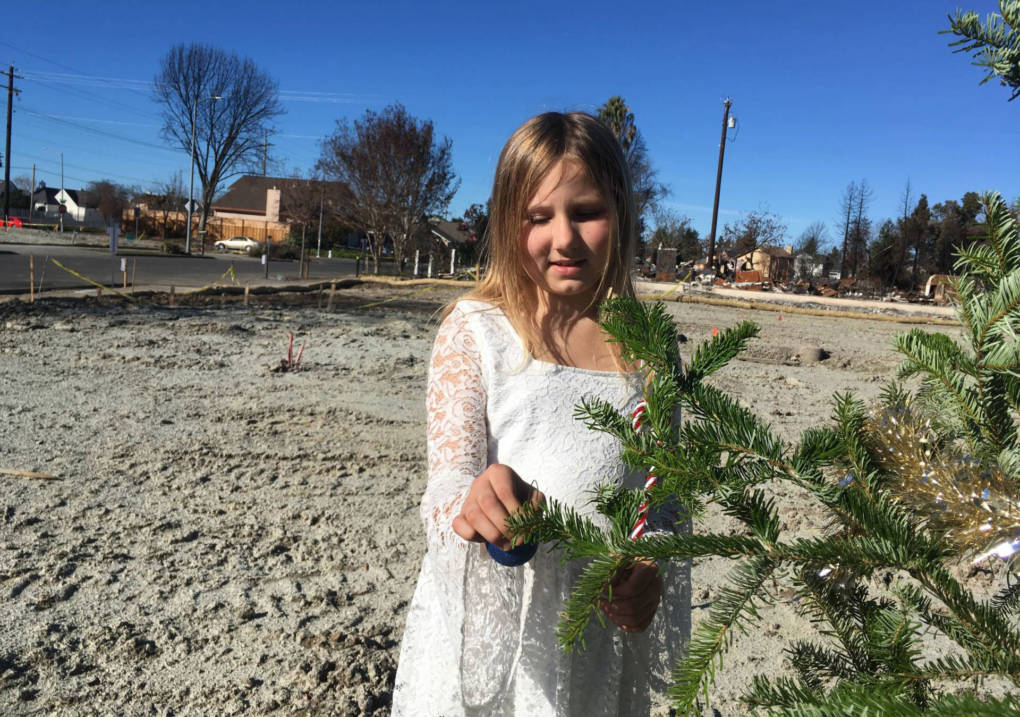
"caption": "Lilly Pell decorates a Christmas tree where the front door of her house used to be. It was destroyed in the North Bay wildfires.",
"description": "Lilly Pell decorates a Christmas tree where the front door of her house used to be. It was destroyed in the North Bay wildfires.",
"title": "Lilly",
"credit": "April Dembosky/KQED",
"status": "inherit",
"isLoading": false,
"fetchFailed": false
},
"news_11638495": {
"type": "attachments",
"id": "news_11638495",
"meta": {
"index": "attachments_1716263798",
"site": "news",
"id": "11638495",
"found": true
},
"parent": 11638450,
"imgSizes": {
"small": {
"file": "https://ww2.kqed.org/app/uploads/sites/10/2017/12/gettyimages-896192688_custom-c20e844efbfc57bd74bb51e96a7e50f81f6c320d-s800-c85-520x315.jpg",
"width": 520,
"mimeType": "image/jpeg",
"height": 315
},
"thumbnail": {
"file": "https://ww2.kqed.org/app/uploads/sites/10/2017/12/gettyimages-896192688_custom-c20e844efbfc57bd74bb51e96a7e50f81f6c320d-s800-c85-160x97.jpg",
"width": 160,
"mimeType": "image/jpeg",
"height": 97
},
"post-thumbnail": {
"file": "https://ww2.kqed.org/app/uploads/sites/10/2017/12/gettyimages-896192688_custom-c20e844efbfc57bd74bb51e96a7e50f81f6c320d-s800-c85-672x372.jpg",
"width": 672,
"mimeType": "image/jpeg",
"height": 372
},
"xsmall": {
"file": "https://ww2.kqed.org/app/uploads/sites/10/2017/12/gettyimages-896192688_custom-c20e844efbfc57bd74bb51e96a7e50f81f6c320d-s800-c85-375x227.jpg",
"width": 375,
"mimeType": "image/jpeg",
"height": 227
},
"kqedFullSize": {
"file": "https://ww2.kqed.org/app/uploads/sites/10/2017/12/gettyimages-896192688_custom-c20e844efbfc57bd74bb51e96a7e50f81f6c320d-s800-c85.jpg",
"width": 800,
"height": 485
},
"guest-author-50": {
"file": "https://ww2.kqed.org/app/uploads/sites/10/2017/12/gettyimages-896192688_custom-c20e844efbfc57bd74bb51e96a7e50f81f6c320d-s800-c85-50x50.jpg",
"width": 50,
"mimeType": "image/jpeg",
"height": 50
},
"guest-author-96": {
"file": "https://ww2.kqed.org/app/uploads/sites/10/2017/12/gettyimages-896192688_custom-c20e844efbfc57bd74bb51e96a7e50f81f6c320d-s800-c85-96x96.jpg",
"width": 96,
"mimeType": "image/jpeg",
"height": 96
},
"medium": {
"file": "https://ww2.kqed.org/app/uploads/sites/10/2017/12/gettyimages-896192688_custom-c20e844efbfc57bd74bb51e96a7e50f81f6c320d-s800-c85-800x485.jpg",
"width": 800,
"mimeType": "image/jpeg",
"height": 485
},
"guest-author-64": {
"file": "https://ww2.kqed.org/app/uploads/sites/10/2017/12/gettyimages-896192688_custom-c20e844efbfc57bd74bb51e96a7e50f81f6c320d-s800-c85-64x64.jpg",
"width": 64,
"mimeType": "image/jpeg",
"height": 64
},
"guest-author-32": {
"file": "https://ww2.kqed.org/app/uploads/sites/10/2017/12/gettyimages-896192688_custom-c20e844efbfc57bd74bb51e96a7e50f81f6c320d-s800-c85-32x32.jpg",
"width": 32,
"mimeType": "image/jpeg",
"height": 32
},
"detail": {
"file": "https://ww2.kqed.org/app/uploads/sites/10/2017/12/gettyimages-896192688_custom-c20e844efbfc57bd74bb51e96a7e50f81f6c320d-s800-c85-150x150.jpg",
"width": 150,
"mimeType": "image/jpeg",
"height": 150
},
"guest-author-128": {
"file": "https://ww2.kqed.org/app/uploads/sites/10/2017/12/gettyimages-896192688_custom-c20e844efbfc57bd74bb51e96a7e50f81f6c320d-s800-c85-128x128.jpg",
"width": 128,
"mimeType": "image/jpeg",
"height": 128
},
"xxsmall": {
"file": "https://ww2.kqed.org/app/uploads/sites/10/2017/12/gettyimages-896192688_custom-c20e844efbfc57bd74bb51e96a7e50f81f6c320d-s800-c85-240x146.jpg",
"width": 240,
"mimeType": "image/jpeg",
"height": 146
}
},
"publishDate": 1513802850,
"modified": 1513802901,
"caption": "President Trump speaks about the passage of tax legislation on the South Lawn of the White House on Wednesday, Dec. 20, 2017.\n",
"description": null,
"title": "gettyimages-896192688_custom-c20e844efbfc57bd74bb51e96a7e50f81f6c320d-s800-c85",
"credit": "Brendan Smialowski/AFP/Getty Images",
"status": "inherit",
"isLoading": false,
"fetchFailed": false
},
"news_11638408": {
"type": "attachments",
"id": "news_11638408",
"meta": {
"index": "attachments_1716263798",
"site": "news",
"id": "11638408",
"found": true
},
"parent": 11638240,
"imgSizes": {
"small": {
"file": "https://ww2.kqed.org/app/uploads/sites/10/2017/12/RS8639_IMG_1541-520x347.jpg",
"width": 520,
"mimeType": "image/jpeg",
"height": 347
},
"twentyfourteen-full-width": {
"file": "https://ww2.kqed.org/app/uploads/sites/10/2017/12/RS8639_IMG_1541-1038x576.jpg",
"width": 1038,
"mimeType": "image/jpeg",
"height": 576
},
"thumbnail": {
"file": "https://ww2.kqed.org/app/uploads/sites/10/2017/12/RS8639_IMG_1541-160x107.jpg",
"width": 160,
"mimeType": "image/jpeg",
"height": 107
},
"fd-sm": {
"file": "https://ww2.kqed.org/app/uploads/sites/10/2017/12/RS8639_IMG_1541-960x640.jpg",
"width": 960,
"mimeType": "image/jpeg",
"height": 640
},
"post-thumbnail": {
"file": "https://ww2.kqed.org/app/uploads/sites/10/2017/12/RS8639_IMG_1541-672x372.jpg",
"width": 672,
"mimeType": "image/jpeg",
"height": 372
},
"xsmall": {
"file": "https://ww2.kqed.org/app/uploads/sites/10/2017/12/RS8639_IMG_1541-375x250.jpg",
"width": 375,
"mimeType": "image/jpeg",
"height": 250
},
"kqedFullSize": {
"file": "https://ww2.kqed.org/app/uploads/sites/10/2017/12/RS8639_IMG_1541-e1513731322702.jpg",
"width": 1920,
"height": 1280
},
"large": {
"file": "https://ww2.kqed.org/app/uploads/sites/10/2017/12/RS8639_IMG_1541-1020x680.jpg",
"width": 1020,
"mimeType": "image/jpeg",
"height": 680
},
"xlarge": {
"file": "https://ww2.kqed.org/app/uploads/sites/10/2017/12/RS8639_IMG_1541-1180x786.jpg",
"width": 1180,
"mimeType": "image/jpeg",
"height": 786
},
"guest-author-50": {
"file": "https://ww2.kqed.org/app/uploads/sites/10/2017/12/RS8639_IMG_1541-50x50.jpg",
"width": 50,
"mimeType": "image/jpeg",
"height": 50
},
"guest-author-96": {
"file": "https://ww2.kqed.org/app/uploads/sites/10/2017/12/RS8639_IMG_1541-96x96.jpg",
"width": 96,
"mimeType": "image/jpeg",
"height": 96
},
"medium": {
"file": "https://ww2.kqed.org/app/uploads/sites/10/2017/12/RS8639_IMG_1541-800x533.jpg",
"width": 800,
"mimeType": "image/jpeg",
"height": 533
},
"guest-author-64": {
"file": "https://ww2.kqed.org/app/uploads/sites/10/2017/12/RS8639_IMG_1541-64x64.jpg",
"width": 64,
"mimeType": "image/jpeg",
"height": 64
},
"guest-author-32": {
"file": "https://ww2.kqed.org/app/uploads/sites/10/2017/12/RS8639_IMG_1541-32x32.jpg",
"width": 32,
"mimeType": "image/jpeg",
"height": 32
},
"fd-lrg": {
"file": "https://ww2.kqed.org/app/uploads/sites/10/2017/12/RS8639_IMG_1541-1920x1280.jpg",
"width": 1920,
"mimeType": "image/jpeg",
"height": 1280
},
"fd-med": {
"file": "https://ww2.kqed.org/app/uploads/sites/10/2017/12/RS8639_IMG_1541-1180x786.jpg",
"width": 1180,
"mimeType": "image/jpeg",
"height": 786
},
"full-width": {
"file": "https://ww2.kqed.org/app/uploads/sites/10/2017/12/RS8639_IMG_1541-1920x1280.jpg",
"width": 1920,
"mimeType": "image/jpeg",
"height": 1280
},
"detail": {
"file": "https://ww2.kqed.org/app/uploads/sites/10/2017/12/RS8639_IMG_1541-150x150.jpg",
"width": 150,
"mimeType": "image/jpeg",
"height": 150
},
"guest-author-128": {
"file": "https://ww2.kqed.org/app/uploads/sites/10/2017/12/RS8639_IMG_1541-128x128.jpg",
"width": 128,
"mimeType": "image/jpeg",
"height": 128
},
"xxsmall": {
"file": "https://ww2.kqed.org/app/uploads/sites/10/2017/12/RS8639_IMG_1541-240x160.jpg",
"width": 240,
"mimeType": "image/jpeg",
"height": 160
}
},
"publishDate": 1513731208,
"modified": 1513733198,
"caption": "San Francisco Mayor Ed Lee and former Mayor Willie Brown share a laugh at the dedication ceremony for the Willie L. Brown Jr. Bridge. on Feb. 11, 2014.",
"description": null,
"title": "RS8639_IMG_1541",
"credit": "Mark Andrew Boyer/KQED",
"status": "inherit",
"isLoading": false,
"fetchFailed": false
}
},
"audioPlayerReducer": {
"postId": "stream_live",
"isPaused": true,
"isPlaying": false,
"pfsActive": false,
"pledgeModalIsOpen": true,
"playerDrawerIsOpen": false,
"liveAudioPlayStartedAt": 0,
"liveAudioPlayContext": ""
},
"authorsReducer": {
"byline_news_11638711": {
"type": "authors",
"id": "byline_news_11638711",
"meta": {
"override": true
},
"slug": "byline_news_11638711",
"name": "\u003cstrong>Judy Lin\u003cbr />CALmatters\u003c/strong>",
"isLoading": false
},
"byline_news_11638657": {
"type": "authors",
"id": "byline_news_11638657",
"meta": {
"override": true
},
"slug": "byline_news_11638657",
"name": "\u003cstrong>Amanda Lee Myers\u003cbr />Associated Press\u003c/strong>",
"isLoading": false
},
"byline_news_11638543": {
"type": "authors",
"id": "byline_news_11638543",
"meta": {
"override": true
},
"slug": "byline_news_11638543",
"name": "Bill Chappell",
"isLoading": false
},
"byline_news_11638450": {
"type": "authors",
"id": "byline_news_11638450",
"meta": {
"override": true
},
"slug": "byline_news_11638450",
"name": "\u003cstrong>Arnie Seipel and Danielle Kurtzleben\u003cbr />NPR\u003c/strong>",
"isLoading": false
},
"danbrekke": {
"type": "authors",
"id": "222",
"meta": {
"index": "authors_1716337520",
"id": "222",
"found": true
},
"name": "Dan Brekke",
"firstName": "Dan",
"lastName": "Brekke",
"slug": "danbrekke",
"email": "dbrekke@kqed.org",
"display_author_email": true,
"staff_mastheads": [
"news",
"science"
],
"title": "KQED Editor and Reporter",
"bio": "Dan Brekke is a reporter and editor for KQED News, responsible for coverage of topics ranging from California water issues to the Bay Area's transportation challenges. In a newsroom career that began in Chicago in 1972, Dan has worked for \u003cem>The San Francisco Examiner,\u003c/em> Wired and TechTV and has been published in The New York Times, The New York Times Magazine, Business 2.0, Salon and elsewhere.\r\n\r\nSince joining KQED in 2007, Dan has reported, edited and produced both radio and online features and breaking news pieces. He has shared as both editor and reporter in four Society of Professional Journalists Norcal Excellence in Journalism awards and one Edward R. Murrow regional award. He was chosen for a spring 2017 residency at the Mesa Refuge to advance his research on California salmon.\r\n\r\nEmail Dan at: \u003ca href=\"mailto:dbrekke@kqed.org\">dbrekke@kqed.org\u003c/a>\r\n\r\n\u003cstrong>Twitter:\u003c/strong> \u003ca href=\"https://twitter.com/danbrekke\" rel=\"noopener noreferrer\">twitter.com/danbrekke\u003c/a>\r\n\u003cstrong>Facebook:\u003c/strong> \u003ca href=\"https://www.facebook.com/danbrekke\" rel=\"noopener noreferrer\">www.facebook.com/danbrekke\u003c/a>\r\n\u003cstrong>LinkedIn:\u003c/strong> \u003ca href=\"https://www.linkedin.com/in/danbrekke\" rel=\"noopener noreferrer\">www.linkedin.com/in/danbrekke\u003c/a>",
"avatar": "https://secure.gravatar.com/avatar/8f1f0d2a978fb3b23426c922c7e2af558fa36905b49c4ce76a97dc3c72d27226?s=600&d=mm&r=g",
"twitter": "danbrekke",
"bluesky": null,
"facebook": null,
"instagram": "https://www.instagram.com/dan.brekke/",
"linkedin": "https://www.linkedin.com/in/danbrekke/",
"sites": [
{
"site": "news",
"roles": [
"administrator",
"create_posts"
]
},
{
"site": "stateofhealth",
"roles": [
"editor"
]
},
{
"site": "science",
"roles": [
"editor"
]
},
{
"site": "quest",
"roles": [
"contributor"
]
},
{
"site": "food",
"roles": [
"contributor"
]
},
{
"site": "forum",
"roles": [
"contributor"
]
},
{
"site": "elections",
"roles": [
"editor"
]
},
{
"site": "liveblog",
"roles": [
"editor"
]
}
],
"headData": {
"title": "Dan Brekke | KQED",
"description": "KQED Editor and Reporter",
"ogImgSrc": "https://secure.gravatar.com/avatar/8f1f0d2a978fb3b23426c922c7e2af558fa36905b49c4ce76a97dc3c72d27226?s=600&d=mm&r=g",
"twImgSrc": "https://secure.gravatar.com/avatar/8f1f0d2a978fb3b23426c922c7e2af558fa36905b49c4ce76a97dc3c72d27226?s=600&d=mm&r=g"
},
"isLoading": false,
"link": "/author/danbrekke"
},
"kqednewsstaffandwires": {
"type": "authors",
"id": "237",
"meta": {
"index": "authors_1716337520",
"id": "237",
"found": true
},
"name": "KQED News Staff and Wires",
"firstName": "KQED News Staff and Wires",
"lastName": null,
"slug": "kqednewsstaffandwires",
"email": "onlinenewsstaff@kqed.org",
"display_author_email": false,
"staff_mastheads": [],
"title": null,
"bio": null,
"avatar": "https://secure.gravatar.com/avatar/72295af8ebbfbd19a4948f5271285664?s=600&d=blank&r=g",
"twitter": null,
"facebook": null,
"instagram": null,
"linkedin": null,
"sites": [
{
"site": "arts",
"roles": [
"contributor"
]
},
{
"site": "news",
"roles": [
"contributor"
]
},
{
"site": "lowdown",
"roles": [
"author"
]
},
{
"site": "stateofhealth",
"roles": [
"contributor"
]
},
{
"site": "food",
"roles": [
"author"
]
}
],
"headData": {
"title": "KQED News Staff and Wires | KQED",
"description": null,
"ogImgSrc": "https://secure.gravatar.com/avatar/72295af8ebbfbd19a4948f5271285664?s=600&d=blank&r=g",
"twImgSrc": "https://secure.gravatar.com/avatar/72295af8ebbfbd19a4948f5271285664?s=600&d=blank&r=g"
},
"isLoading": false,
"link": "/author/kqednewsstaffandwires"
},
"scottshafer": {
"type": "authors",
"id": "255",
"meta": {
"index": "authors_1716337520",
"id": "255",
"found": true
},
"name": "Scott Shafer",
"firstName": "Scott",
"lastName": "Shafer",
"slug": "scottshafer",
"email": "sshafer@kqed.org",
"display_author_email": false,
"staff_mastheads": [
"news"
],
"title": "KQED Contributor",
"bio": "Scott Shafer is a senior editor with the KQED Politics and Government desk. He is co-host of Political Breakdown, the award-winning radio show and podcast with a personal take on the world of politics. Scott came to KQED in 1998 to host the statewide\u003cem> California Report\u003c/em>. Prior to that he had extended stints in politics and government\u003cem>.\u003c/em> He uses that inside experience at KQED in his, reporting, hosting and analysis for the politics desk. Scott collaborated \u003cem>Political Breakdown a\u003c/em>nd on \u003cem>The Political Mind of Jerry Brown, \u003c/em>an eight-part series about the life and extraordinary political career of the former governor. For fun, he plays water polo with the San Francisco Tsunami.",
"avatar": "https://secure.gravatar.com/avatar/a62ebae45b79d7aed1a39a0e3bf68104?s=600&d=blank&r=g",
"twitter": "scottshafer",
"bluesky": null,
"facebook": null,
"instagram": null,
"linkedin": null,
"sites": [
{
"site": "news",
"roles": [
"editor"
]
},
{
"site": "stateofhealth",
"roles": [
"author"
]
},
{
"site": "science",
"roles": [
"author"
]
},
{
"site": "forum",
"roles": [
"subscriber"
]
},
{
"site": "liveblog",
"roles": [
"author"
]
}
],
"headData": {
"title": "Scott Shafer | KQED",
"description": "KQED Contributor",
"ogImgSrc": "https://secure.gravatar.com/avatar/a62ebae45b79d7aed1a39a0e3bf68104?s=600&d=blank&r=g",
"twImgSrc": "https://secure.gravatar.com/avatar/a62ebae45b79d7aed1a39a0e3bf68104?s=600&d=blank&r=g"
},
"isLoading": false,
"link": "/author/scottshafer"
},
"adembosky": {
"type": "authors",
"id": "3205",
"meta": {
"index": "authors_1716337520",
"id": "3205",
"found": true
},
"name": "April Dembosky",
"firstName": "April",
"lastName": "Dembosky",
"slug": "adembosky",
"email": "adembosky@kqed.org",
"display_author_email": false,
"staff_mastheads": [
"news",
"science"
],
"title": "KQED Health Correspondent",
"bio": "April Dembosky is the health correspondent for KQED News and a regular contributor to NPR. She specializes in covering altered states of mind, from postpartum depression to methamphetamine-induced psychosis to the insanity defense. Her investigative series on insurance companies sidestepping mental health laws won multiple awards, including first place in beat reporting from the national Association of Health Care Journalists. She is the recipient of numerous other prizes and fellowships, including a national Edward R. Murrow award for investigative reporting, a Society of Professional Journalists award for long-form storytelling, and a Carter Center Fellowship for Mental Health Journalism.\r\n\r\nDembosky reported and produced \u003cem>Soundtrack of Silence\u003c/em>, an audio documentary about music and memory that is currently being made into a feature film by Paramount Pictures.\r\n\r\nBefore joining KQED in 2013, Dembosky covered technology and Silicon Valley for \u003cem>The Financial Times of London,\u003c/em> and contributed business and arts stories to \u003cem>Marketplace \u003c/em>and \u003cem>The New York Times.\u003c/em> She got her undergraduate degree in philosophy from Smith College and her master's in journalism from the University of California, Berkeley. She is a classically trained violinist and proud alum of the first symphony orchestra at Burning Man.",
"avatar": "https://secure.gravatar.com/avatar/d6593cd737b732102fe0b6250b5351c2d3bc9b2987566514aa3c9a106494d684?s=600&d=blank&r=g",
"twitter": "adembosky",
"bluesky": null,
"facebook": null,
"instagram": null,
"linkedin": null,
"sites": [
{
"site": "arts",
"roles": [
"author"
]
},
{
"site": "news",
"roles": [
"editor"
]
},
{
"site": "futureofyou",
"roles": [
"author"
]
},
{
"site": "stateofhealth",
"roles": [
"editor"
]
},
{
"site": "science",
"roles": [
"editor"
]
},
{
"site": "forum",
"roles": [
"editor"
]
}
],
"headData": {
"title": "April Dembosky | KQED",
"description": "KQED Health Correspondent",
"ogImgSrc": "https://secure.gravatar.com/avatar/d6593cd737b732102fe0b6250b5351c2d3bc9b2987566514aa3c9a106494d684?s=600&d=blank&r=g",
"twImgSrc": "https://secure.gravatar.com/avatar/d6593cd737b732102fe0b6250b5351c2d3bc9b2987566514aa3c9a106494d684?s=600&d=blank&r=g"
},
"isLoading": false,
"link": "/author/adembosky"
},
"jplaczek": {
"type": "authors",
"id": "8606",
"meta": {
"index": "authors_1716337520",
"id": "8606",
"found": true
},
"name": "Jessica Placzek",
"firstName": "Jessica",
"lastName": "Placzek",
"slug": "jplaczek",
"email": "jessicalplaczek@gmail.com",
"display_author_email": false,
"staff_mastheads": [
"news"
],
"title": "KQED Contributor",
"bio": "Jessica Placzek is a former senior editor of podcasts at KQED where she served as the editorial lead of the podcast department. She worked with shows like MindShift, Rightnowish, Consider This, SOLD OUT, Bay Curious and The Bay. She’s also been a reporter and audio producer at KQED, KPFA, and KALW. She taught audio production to men incarcerated at California State Prison Solano and edited pieces they produced for the Uncuffed podcast through KALW. In 2018 she co-hosted and produced the third season of Raw Material for SFMOMA. In New Orleans she wrote for the Nola Defender. Her work has also appeared on Marketplace, All Things Considered, The California Report, and Vice. You can find more at jessicaplaczek.com",
"avatar": "https://secure.gravatar.com/avatar/5ead103b5880f672eceb84ce75eecd1b4b6f74a47edc457684a73ad5b8b158e9?s=600&d=blank&r=g",
"twitter": null,
"bluesky": null,
"facebook": null,
"instagram": null,
"linkedin": null,
"sites": [
{
"site": "arts",
"roles": [
"subscriber"
]
},
{
"site": "news",
"roles": [
"subscriber"
]
},
{
"site": "stateofhealth",
"roles": [
"editor"
]
},
{
"site": "forum",
"roles": [
"editor"
]
}
],
"headData": {
"title": "Jessica Placzek | KQED",
"description": "KQED Contributor",
"ogImgSrc": "https://secure.gravatar.com/avatar/5ead103b5880f672eceb84ce75eecd1b4b6f74a47edc457684a73ad5b8b158e9?s=600&d=blank&r=g",
"twImgSrc": "https://secure.gravatar.com/avatar/5ead103b5880f672eceb84ce75eecd1b4b6f74a47edc457684a73ad5b8b158e9?s=600&d=blank&r=g"
},
"isLoading": false,
"link": "/author/jplaczek"
},
"ewirtschafter": {
"type": "authors",
"id": "11259",
"meta": {
"index": "authors_1716337520",
"id": "11259",
"found": true
},
"name": "Eli Wirtschafter",
"firstName": "Eli",
"lastName": "Wirtschafter",
"slug": "ewirtschafter",
"email": "ewirtschafter@KQED.org",
"display_author_email": false,
"staff_mastheads": [],
"title": "KQED Contributor",
"bio": "Eli Wirtschafter is a freelance reporter and producer focusing on transportation, art, and activism. He previously interned with \u003cem>The California Report\u003c/em> and KQED Local News\u003cem>.\u003c/em> Eli is also KALW's transportation reporter, and a graduate of KALW's \u003ca href=\"http://kalw.org/post/enrollment-now-open-kalws-audio-academy#stream/0\" target=\"_blank\" rel=\"noopener noreferrer\">Audio Academy.\u003c/a> Eli's work has been heard on NPR, Here & Now, and BackStory. Find him on Twitter at \u003ca href=\"https://twitter.com/RadioEli\" target=\"_blank\" rel=\"noopener noreferrer\">@RadioEli\u003c/a>.",
"avatar": "https://secure.gravatar.com/avatar/dd6917a8f3309e9659ae1da5ffc10865559102003d58d9f077ca49c7f7ca792e?s=600&d=blank&r=g",
"twitter": "RadioEli",
"bluesky": null,
"facebook": null,
"instagram": null,
"linkedin": null,
"sites": [
{
"site": "arts",
"roles": [
"subscriber"
]
},
{
"site": "news",
"roles": [
"author"
]
},
{
"site": "science",
"roles": [
"author"
]
}
],
"headData": {
"title": "Eli Wirtschafter | KQED",
"description": "KQED Contributor",
"ogImgSrc": "https://secure.gravatar.com/avatar/dd6917a8f3309e9659ae1da5ffc10865559102003d58d9f077ca49c7f7ca792e?s=600&d=blank&r=g",
"twImgSrc": "https://secure.gravatar.com/avatar/dd6917a8f3309e9659ae1da5ffc10865559102003d58d9f077ca49c7f7ca792e?s=600&d=blank&r=g"
},
"isLoading": false,
"link": "/author/ewirtschafter"
},
"rlevi": {
"type": "authors",
"id": "11260",
"meta": {
"index": "authors_1716337520",
"id": "11260",
"found": true
},
"name": "Ryan Levi",
"firstName": "Ryan",
"lastName": "Levi",
"slug": "rlevi",
"email": "rlevi@KQED.org",
"display_author_email": false,
"staff_mastheads": [],
"title": "KQED Contributor",
"bio": "Ryan Levi was a reporter and podcast producer at KQED News from 2016-2019. He worked on \u003ca href=\"https://www.kqed.org/news/series/baycurious\">Bay Curious\u003c/a>, \u003ca href=\"https://www.kqed.org/news/tag/the-bay/\">The Bay, \u003c/a>and \u003ca href=\"https://podcasts.apple.com/us/podcast/the-california-report-magazine/id1314750545\">The California Report Magazine\u003c/a>, as well as hosting and producing the weekly \u003ca href=\"https://www.kqed.org/news/program/qedup/\">Q'ed Up podcast. \u003c/a>He also helped inaugurate KQED's weekend news coverage in 2017 as one of two original digital producers. Ryan holds degrees in multimedia journalism and Spanish from the University of Missouri.",
"avatar": "https://secure.gravatar.com/avatar/4cb2ddd028ac8807d1adf09609c5555d?s=600&d=blank&r=g",
"twitter": "ryan_levi",
"facebook": null,
"instagram": null,
"linkedin": null,
"sites": [
{
"site": "arts",
"roles": [
"editor"
]
},
{
"site": "news",
"roles": [
"subscriber"
]
},
{
"site": "stateofhealth",
"roles": [
"editor"
]
},
{
"site": "science",
"roles": [
"editor"
]
},
{
"site": "forum",
"roles": [
"administrator"
]
},
{
"site": "perspectives",
"roles": [
"administrator"
]
}
],
"headData": {
"title": "Ryan Levi | KQED",
"description": "KQED Contributor",
"ogImgSrc": "https://secure.gravatar.com/avatar/4cb2ddd028ac8807d1adf09609c5555d?s=600&d=blank&r=g",
"twImgSrc": "https://secure.gravatar.com/avatar/4cb2ddd028ac8807d1adf09609c5555d?s=600&d=blank&r=g"
},
"isLoading": false,
"link": "/author/rlevi"
},
"amalekzadeh": {
"type": "authors",
"id": "11366",
"meta": {
"index": "authors_1716337520",
"id": "11366",
"found": true
},
"name": "Arash Malekzadeh",
"firstName": "Arash",
"lastName": "Malekzadeh",
"slug": "amalekzadeh",
"email": "amalekzadeh@KQED.org",
"display_author_email": false,
"staff_mastheads": [],
"title": "KQED Contributor",
"bio": "Arash Malekzadeh is a former KQED News visual journalism intern. He majored in journalism at San Francisco State University with a minor in Race and Resistance Studies.",
"avatar": "https://secure.gravatar.com/avatar/2fc11096822ff9c12d035256a8ff0536?s=600&d=blank&r=g",
"twitter": null,
"facebook": null,
"instagram": null,
"linkedin": null,
"sites": [
{
"site": "news",
"roles": [
"edit_others_posts",
"subscriber"
]
}
],
"headData": {
"title": "Arash Malekzadeh | KQED",
"description": "KQED Contributor",
"ogImgSrc": "https://secure.gravatar.com/avatar/2fc11096822ff9c12d035256a8ff0536?s=600&d=blank&r=g",
"twImgSrc": "https://secure.gravatar.com/avatar/2fc11096822ff9c12d035256a8ff0536?s=600&d=blank&r=g"
},
"isLoading": false,
"link": "/author/amalekzadeh"
}
},
"pagesReducer": {
"news_program_news-fix": {
"type": "terms",
"id": "news_6944",
"meta": {
"index": "terms_1716263798",
"site": "news",
"id": "6944",
"score": 16.377554
},
"featImg": "https://ww2.kqed.org/app/uploads/sites/10/2014/10/News-Fix-Logo-Web-Banners-04.png",
"name": "News Fix",
"description": null,
"taxonomy": "program",
"headData": {
"twImgId": null,
"twTitle": null,
"ogTitle": null,
"ogImgId": null,
"twDescription": null,
"description": "The News Fix is a daily news podcast from KQED that breaks down the latest headlines and provides in-depth analysis of the stories that matter to the Bay Area.",
"title": "News Fix - Daily Dose of Bay Area News | KQED",
"ogDescription": null
},
"ttid": 6968,
"slug": "news-fix",
"isLoading": false,
"title": "News Fix",
"pageMeta": {
"site": "news",
"WpPageTemplate": "page-topic-editorial",
"currentPage": 49
},
"blocks": [
{
"blockName": "kqed/post-list",
"attrs": {
"layout": "cardArticle2",
"query": "posts/news?program=news-fix",
"seeMore": false,
"paginated": true,
"page": 49
}
},
{
"blockName": "kqed/ad"
}
]
}
},
"pfsSessionReducer": {},
"postsReducer": {
"stream_live": {
"type": "live",
"id": "stream_live",
"audioUrl": "https://streams.kqed.org/kqedradio",
"title": "Live Stream",
"excerpt": "Live Stream information currently unavailable.",
"link": "/radio",
"featImg": "",
"label": {
"name": "KQED Live",
"link": "/"
}
},
"stream_kqedNewscast": {
"type": "posts",
"id": "stream_kqedNewscast",
"audioUrl": "https://www.kqed.org/.stream/anon/radio/RDnews/newscast.mp3?_=1",
"title": "KQED Newscast",
"featImg": "",
"label": {
"name": "88.5 FM",
"link": "/"
}
},
"news_11638711": {
"type": "posts",
"id": "news_11638711",
"meta": {
"index": "posts_1716263798",
"site": "news",
"id": "11638711",
"score": null,
"sort": [
1513890126000
]
},
"parent": 0,
"labelTerm": {},
"blocks": [],
"publishDate": 1513890126,
"format": "standard",
"disqusTitle": "Tesla Troubles: Can California Impose Its Blue Values on the Green Economy?",
"title": "Tesla Troubles: Can California Impose Its Blue Values on the Green Economy?",
"headTitle": "The California Report | KQED News",
"content": "\u003cp>In the waning hours of the legislative session, Democrats pushed through new labor \u003ca href=\"https://leginfo.legislature.ca.gov/faces/billTextClient.xhtml?bill_id=201720180AB134\" rel=\"noopener\" target=\"_blank\">requirements\u003c/a> widely viewed as retaliation against \u003ca href=\"https://www.tesla.com/\" rel=\"noopener\" target=\"_blank\">Tesla\u003c/a>, the electric car maker embroiled in a union-organizing campaign at its Fremont plant.\u003c/p>\n\u003cp>Labor unions got lawmakers to insert two sentences into a \u003ca href=\"https://calmatters.org/articles/cap-and-trade-in-two-and-half-minutes-video/\" rel=\"noopener\" target=\"_blank\">cap-and-trade\u003c/a> funding \u003ca href=\"https://leginfo.legislature.ca.gov/faces/billTextClient.xhtml?bill_id=201720180AB134\" rel=\"noopener\" target=\"_blank\">bill\u003c/a> requiring automakers to be certified “as fair and responsible in the the treatment of their workers” before their customers can obtain up to $2,500 from California’s clean vehicle rebate program.\u003c/p>\n\u003cp>At the time, Democrats openly wrestled with the concern that the United Automobile Workers, which is trying to maintain its role as the auto industry makes big bets on electric vehicles -- was expanding its unionization campaign from the factory floor to the Senate floor. Sen. Steve Glazer of Orinda said the state should not “hold our environmental projects hostage to a fight with one progressive employer.” Sen. Connie Leyva of Chino countered that California shouldn’t want companies to succeed at the expense of workers.\u003c/p>\n\u003cp>Now, with regulators starting to draft the new rules, a lingering question remains. How far will California -- the first state in the nation to approve $15 minimum wage and a state that has set an ambitious goal to put 1.5 million zero emissions vehicles on the road by 2025 -- go in order to graft its blue values onto the green sector?\u003c/p>\n\u003cp>“In politics, your oldest friends are your best friends,” said Dan Schnur, former head of California’s campaign watchdog agency and now a professor at the University of Southern California. “The tech people may have come to Sacramento with a lot of money and with an agenda that dovetails with the governor and legislators’ policy priorities, but they’re still the new guys on the block. Labor’s been there for a long, long time.”\u003c/p>\n\u003cp>[ad fullwidth]\u003c/p>\n\u003cp>Now state regulators -- at both the state Air Resources Board and the Labor & Workforce Development Agency -- will hold public hearings and draft rules for certifying automakers who want their vehicles to qualify for California rebates. The Legislature will then need to approve those.\u003c/p>\n\u003cp>Among the points of contention:\u003c/p>\n\u003cul>\n\u003cli>What is “fair and responsible” to auto workers?\u003c/li>\n\u003cli>How will the state weigh wage and benefit standards, or training and safety requirements, against manufacturing costs?\u003c/li>\n\u003cli>How will the state certify vehicles made outside of California or even out of the country, such as in Mexico and China, where wages are lower and labor regulations are less stringent? Or will automakers self-police by adhering to a code of conduct?\u003c/li>\n\u003c/ul>\n\u003cp>Dean Florez, a former Democratic state lawmaker and a member of the air board, said California can have both labor protections and environmental leadership as the state charts new territory.\u003c/p>\n\u003cp>“We shouldn’t be using public money to fund or support companies that do not meet basic worker protections,” Florez said. “We shouldn’t undercut the labor protections that we have fought for, for so many years. And I think that there is a danger in doing so; I think we would lose the confidence of the public for environmental leadership in the end.”\u003c/p>\n\u003cp>California’s new requirement will apply to all automakers, but it couldn’t have come at a worse time for Tesla, a company that prides itself on innovation and disrupting the status quo. When plant workers went public with complaints about \u003ca href=\"https://medium.com/@moran2017j/time-for-tesla-to-listen-ab5c6259fc88\" rel=\"noopener\" target=\"_blank\">low pay, long hours and unsafe conditions\u003c/a>, Tesla co-founder and CEO Elon Musk labeled labor’s tactics “\u003ca href=\"https://electrek.co/2017/02/24/tesla-union-elon-musk-addresses-employees/\" rel=\"noopener\" target=\"_blank\">disingenuous or outright false\u003c/a>.”\u003c/p>\n\u003cp>While making $17 to $21 an hour is above minimum wage, Tesla employee Jose Moran noted that a living wage in the San Francisco Bay Area is a lot higher -- around $28. Musk responded that Tesla’s compensation package is higher than General Motors, Ford and Fiat when including Tesla’s employee stock program.\u003c/p>\n\u003cp>The company wouldn’t comment now, beyond referring back to what its policy director Sanjay Ranchod told lawmakers at a September hearing: “The company is committed to protecting the health and safety of its workers, and we are committed to continue and to make progress towards our goal of becoming the safest auto factory in the world.”\u003c/p>\n\u003cp>As the nation’s newest automaker, Tesla is also on track to be \u003ca href=\"https://www.bloomberg.com/news/articles/2017-11-02/evs-from-tesla-and-gm-may-start-losing-their-tax-credits\" rel=\"noopener\" target=\"_blank\">the first\u003c/a> to max out on a federal tax credit of up to $7,500 per vehicle. And with its Model 3 sedans pitched as its affordable electric car at $35,000, Tesla will need California’s rebate more than ever to compete against other electric cars such as the Nissan Leaf or Chevrolet Bolt.\u003c/p>\n\u003cp>Business boosters wonder why the state would single out clean-energy vehicles over gasoline cars for greater scrutiny when \u003ca href=\"https://www.arb.ca.gov/msprog/zevprog/zevprog.htm\" rel=\"noopener\" target=\"_blank\">40 percent\u003c/a> of the state’s greenhouse gases come from tailpipe emissions.\u003c/p>\n\u003cp>They worry Sacramento’s pro-labor stance will dissuade companies from locating or expanding in California. Already, Tesla located its first battery factory just outside the state line in Sparks, Nevada.\u003c/p>\n\u003cp>Politicians say they want good-paying jobs, and to grow manufacturing and reduce greenhouse gas emissions, “and yet, we’re in the ironic place where Tesla is being attacked by some elected officials relative to whether or not their workers are unionized,” said Carl Guardino, head of the Silicon Valley Leadership Group, a trade association representing nearly 400 Silicon Valley employers, including Tesla.\u003c/p>\n\u003cp>California is home to about 10,000 auto industry workers, virtually all from Tesla. That’s compared to 38,000 in Michigan, 24,000 in Kentucky and 20,000 in Ohio, according to the U.S. Labor Department’s \u003ca href=\"https://www.bls.gov/iag/tgs/iagauto.htm\" rel=\"noopener\" target=\"_blank\">Bureau of Labor Statistics\u003c/a>.\u003c/p>\n\u003cp>Union representatives say the goal is not to slow the production of clean energy vehicles. Rather, they maintain, if taxpayer money is being used to help sell cars, then it’s up to the state to make sure it results in good-paying jobs.\u003c/p>\n\u003cp>“This is all part of our work at the labor movement to make sure there’s accountability for public investments,” said Angie Wei, an influential lobbyist for the California Labor Federation, the umbrella group for unions including the UAW. “If we’re going to put taxpayer money into it, then we’d sure better be getting something out of it for jobs.”\u003c/p>\n\u003cp>The union also is trying to maintain its role as the auto industry makes big bets on electric vehicles. Just this year, \u003ca href=\"https://www.nytimes.com/2017/07/05/business/energy-environment/volvo-hybrid-electric-car.html\" rel=\"noopener\" target=\"_blank\">Volvo\u003c/a> and \u003ca href=\"https://www.washingtonpost.com/news/innovations/wp/2017/10/02/death-of-diesel-begins-as-gm-announces-plans-for-all-electric-future/?utm_term=.89c8dd93f339\" rel=\"noopener\" target=\"_blank\">GM\u003c/a> announced plans to phase out conventional engines. The union can also use a win in labor-friendly California after losing an organizing effort at a \u003ca href=\"https://www.nytimes.com/2017/08/05/business/nissan-united-auto-workers-union-mississippi.html\" rel=\"noopener\" target=\"_blank\">Nissan plant in Mississippi\u003c/a>, a right-to-work state.\u003c/p>\n\u003cp>It’s worth noting the Nummi plant that Tesla took over in Fremont was represented by the union before the joint venture between GM and Toyota closed in 2010.\u003c/p>\n\u003cp>“It is about Tesla and it isn’t about Tesla,” Wei said. “We had a gas-and-combustion industry that for decades created good middle-class jobs. They’re now being replaced by electric vehicles. This is our new economy, and with major public investment. The question is are we going to allow the auto industry to create and maintain middle class jobs? Or are they going to become the next Walmartization of the economy?”\u003c/p>\n\u003cp>Sacramento has placed itself at the forefront of cleaning up the environment. Gov. Jerry Brown and fellow Democratic lawmakers have \u003ca href=\"https://calmatters.org/articles/blog/leaving-europe-brown-says-hes-talked-enough-wants-get-something-done/\" rel=\"noopener\" target=\"_blank\">pitched California as a model to the world\u003c/a> for reducing air pollution and greenhouse gases that contribute to climate change in direct response to the Trump administration’s anti-regulatory philosophy.\u003c/p>\n\u003cp>But California has also had a longstanding relationship with labor unions, stepping up the minimum wage and offering access to paid sick and family leave. In recent years, the California Labor Federation has successfully pushed legislation to protect immigrant workers from threats of deportation and expanded authority for the state to go after employers who skirt overtime or minimum-wage laws. \u003c/p>\n\u003cp>Lobbying reports show Tesla spent $189,237 on lobbying in the 3-month cycle during which the bill was debated, compared to $103,351 for the labor federation. But labor’s might comes also from being able to mobilize its members on issues and during elections.\u003c/p>\n\u003cp>Democratic lawmakers who struggled to prioritize the interests of two political allies will have more to soul-searching to do next year.\u003c/p>\n\u003cfigure id=\"attachment_11638714\" class=\"wp-caption alignright\" style=\"max-width: 400px\">\u003cimg src=\"https://ww2.kqed.org/news/wp-content/uploads/sites/10/2017/12/TESLA_Catura_004-400x600.jpg\" alt=\"\" width=\"400\" height=\"600\" class=\"size-full wp-image-11638714\" srcset=\"https://ww2.kqed.org/app/uploads/sites/10/2017/12/TESLA_Catura_004-400x600.jpg 400w, https://ww2.kqed.org/app/uploads/sites/10/2017/12/TESLA_Catura_004-400x600-160x240.jpg 160w, https://ww2.kqed.org/app/uploads/sites/10/2017/12/TESLA_Catura_004-400x600-240x360.jpg 240w, https://ww2.kqed.org/app/uploads/sites/10/2017/12/TESLA_Catura_004-400x600-375x563.jpg 375w\" sizes=\"(max-width: 400px) 100vw, 400px\">\u003cfigcaption class=\"wp-caption-text\">Michael Catura, 33, a battery pack line worker at Tesla. \u003ccite>(Penni Gladstone for CALmatters)\u003c/cite>\u003c/figcaption>\u003c/figure>\n\u003cp>Democratic Sen. Scott Weiner of San Francisco, who has a record of advancing the green economy and supporting prevailing wage to maintain union pay on public works projects, said he was unhappy that the so called “Tesla rule” had been inserted at the last minute. “This is significant and important enough that it should be vetted through a normal legislative process with public scrutiny. That to me is the best way to come to the right solution,” he said.\u003c/p>\n\u003cp>His fellow Democratic lawmaker and San Franciscan Phil Ting, who chairs the Assembly Budget Committee and authored the measure, insisted it strikes “a good middle ground.”\u003c/p>\n\u003cp>“We could have said you’re not going to get any money unless your workforce is unionized. That could have been something we inserted. We didn’t,” Ting said in an interview. “Having said that, we also could have done nothing. So if you look at the two extremes where we could done nothing or we could have dictated the type of workforce, I think this is the middle of those extremes.”\u003c/p>\n\u003cp>Ultimately, the decision to unionize remains up to workers.\u003c/p>\n\u003cp>Michael Catura, 33, a battery pack line worker who has been at Tesla for nearly four years, said he supports joining the union because it would mean a higher wage and seniority for him. As the son of a postal worker, Catura said he has been disappointed that he has been passed over for promotions because supervisors can play favorites. He said he started at $17 an hour and now makes $21 an hour.\u003c/p>\n\u003cp>Catura has one message for Elon Musk: “I would tell him, ‘Hey man, scratch my back and I’ll scratch yours. Give us more than just a bone.”\u003c/p>\n\u003cp>[ad floatright]\u003c/p>\n\u003cp>\u003cem>CALmatters.org is a nonprofit, nonpartisan media venture explaining California policies and politics.\u003c/em>\u003c/p>\n\n",
"disqusIdentifier": "11638711 https://ww2.kqed.org/news/?p=11638711",
"disqusUrl": "https://ww2.kqed.org/news/2017/12/21/tesla-troubles-can-california-impose-its-blue-values-on-the-green-economy/",
"stats": {
"hasVideo": false,
"hasChartOrMap": false,
"hasAudio": false,
"hasPolis": false,
"wordCount": 1767,
"hasGoogleForm": false,
"hasGallery": false,
"hasHearkenModule": false,
"iframeSrcs": [],
"paragraphCount": 35
},
"modified": 1513890126,
"excerpt": "With regulators drafting new rules on electric car makers, a lingering question remains. How far will California -- the first state in the nation to approve $15 minimum wage and a state that has set an ambitious goal to put 1.5 million zero emissions vehicles on the road by 2025 -- go in order to graft its blue values onto the green sector?",
"headData": {
"twImgId": "",
"twTitle": "",
"ogTitle": "",
"ogImgId": "",
"twDescription": "",
"description": "With regulators drafting new rules on electric car makers, a lingering question remains. How far will California -- the first state in the nation to approve $15 minimum wage and a state that has set an ambitious goal to put 1.5 million zero emissions vehicles on the road by 2025 -- go in order to graft its blue values onto the green sector?",
"title": "Tesla Troubles: Can California Impose Its Blue Values on the Green Economy? | KQED",
"ogDescription": "",
"schema": {
"@context": "https://schema.org",
"@type": "NewsArticle",
"headline": "Tesla Troubles: Can California Impose Its Blue Values on the Green Economy?",
"datePublished": "2017-12-21T13:02:06-08:00",
"dateModified": "2017-12-21T13:02:06-08:00",
"image": "https://cdn.kqed.org/wp-content/uploads/2020/02/KQED-OG-Image@1x.png",
"isAccessibleForFree": "True",
"publisher": {
"@type": "NewsMediaOrganization",
"@id": "https://www.kqed.org/#organization",
"name": "KQED",
"logo": "https://cdn.kqed.org/wp-content/uploads/2020/02/KQED-OG-Image@1x.png",
"url": "https://www.kqed.org",
"sameAs": [
"https://www.facebook.com/KQED",
"https://twitter.com/KQED",
"https://www.instagram.com/kqed/",
"https://www.tiktok.com/@kqedofficial",
"https://www.linkedin.com/company/kqed",
"https://www.youtube.com/channel/UCeC0IOo7i1P_61zVUWbJ4nw"
]
}
}
},
"guestAuthors": [],
"slug": "tesla-troubles-can-california-impose-its-blue-values-on-the-green-economy",
"status": "publish",
"sourceUrl": "https://calmatters.org/",
"nprByline": "\u003cstrong>Judy Lin\u003cbr />CALmatters\u003c/strong>",
"source": "CALmatters",
"path": "/news/11638711/tesla-troubles-can-california-impose-its-blue-values-on-the-green-economy",
"audioTrackLength": null,
"parsedContent": [
{
"type": "contentString",
"content": "\u003cdiv class=\"post-body\">\u003cp>\u003cp>In the waning hours of the legislative session, Democrats pushed through new labor \u003ca href=\"https://leginfo.legislature.ca.gov/faces/billTextClient.xhtml?bill_id=201720180AB134\" rel=\"noopener\" target=\"_blank\">requirements\u003c/a> widely viewed as retaliation against \u003ca href=\"https://www.tesla.com/\" rel=\"noopener\" target=\"_blank\">Tesla\u003c/a>, the electric car maker embroiled in a union-organizing campaign at its Fremont plant.\u003c/p>\n\u003cp>Labor unions got lawmakers to insert two sentences into a \u003ca href=\"https://calmatters.org/articles/cap-and-trade-in-two-and-half-minutes-video/\" rel=\"noopener\" target=\"_blank\">cap-and-trade\u003c/a> funding \u003ca href=\"https://leginfo.legislature.ca.gov/faces/billTextClient.xhtml?bill_id=201720180AB134\" rel=\"noopener\" target=\"_blank\">bill\u003c/a> requiring automakers to be certified “as fair and responsible in the the treatment of their workers” before their customers can obtain up to $2,500 from California’s clean vehicle rebate program.\u003c/p>\n\u003cp>At the time, Democrats openly wrestled with the concern that the United Automobile Workers, which is trying to maintain its role as the auto industry makes big bets on electric vehicles -- was expanding its unionization campaign from the factory floor to the Senate floor. Sen. Steve Glazer of Orinda said the state should not “hold our environmental projects hostage to a fight with one progressive employer.” Sen. Connie Leyva of Chino countered that California shouldn’t want companies to succeed at the expense of workers.\u003c/p>\n\u003cp>Now, with regulators starting to draft the new rules, a lingering question remains. How far will California -- the first state in the nation to approve $15 minimum wage and a state that has set an ambitious goal to put 1.5 million zero emissions vehicles on the road by 2025 -- go in order to graft its blue values onto the green sector?\u003c/p>\n\u003cp>“In politics, your oldest friends are your best friends,” said Dan Schnur, former head of California’s campaign watchdog agency and now a professor at the University of Southern California. “The tech people may have come to Sacramento with a lot of money and with an agenda that dovetails with the governor and legislators’ policy priorities, but they’re still the new guys on the block. Labor’s been there for a long, long time.”\u003c/p>\n\u003cp>\u003c/p>\u003c/div>",
"attributes": {
"named": {},
"numeric": []
}
},
{
"type": "component",
"content": "",
"name": "ad",
"attributes": {
"named": {
"label": "fullwidth"
},
"numeric": [
"fullwidth"
]
}
},
{
"type": "contentString",
"content": "\u003cdiv class=\"post-body\">\u003cp>\u003c/p>\n\u003cp>Now state regulators -- at both the state Air Resources Board and the Labor & Workforce Development Agency -- will hold public hearings and draft rules for certifying automakers who want their vehicles to qualify for California rebates. The Legislature will then need to approve those.\u003c/p>\n\u003cp>Among the points of contention:\u003c/p>\n\u003cul>\n\u003cli>What is “fair and responsible” to auto workers?\u003c/li>\n\u003cli>How will the state weigh wage and benefit standards, or training and safety requirements, against manufacturing costs?\u003c/li>\n\u003cli>How will the state certify vehicles made outside of California or even out of the country, such as in Mexico and China, where wages are lower and labor regulations are less stringent? Or will automakers self-police by adhering to a code of conduct?\u003c/li>\n\u003c/ul>\n\u003cp>Dean Florez, a former Democratic state lawmaker and a member of the air board, said California can have both labor protections and environmental leadership as the state charts new territory.\u003c/p>\n\u003cp>“We shouldn’t be using public money to fund or support companies that do not meet basic worker protections,” Florez said. “We shouldn’t undercut the labor protections that we have fought for, for so many years. And I think that there is a danger in doing so; I think we would lose the confidence of the public for environmental leadership in the end.”\u003c/p>\n\u003cp>California’s new requirement will apply to all automakers, but it couldn’t have come at a worse time for Tesla, a company that prides itself on innovation and disrupting the status quo. When plant workers went public with complaints about \u003ca href=\"https://medium.com/@moran2017j/time-for-tesla-to-listen-ab5c6259fc88\" rel=\"noopener\" target=\"_blank\">low pay, long hours and unsafe conditions\u003c/a>, Tesla co-founder and CEO Elon Musk labeled labor’s tactics “\u003ca href=\"https://electrek.co/2017/02/24/tesla-union-elon-musk-addresses-employees/\" rel=\"noopener\" target=\"_blank\">disingenuous or outright false\u003c/a>.”\u003c/p>\n\u003cp>While making $17 to $21 an hour is above minimum wage, Tesla employee Jose Moran noted that a living wage in the San Francisco Bay Area is a lot higher -- around $28. Musk responded that Tesla’s compensation package is higher than General Motors, Ford and Fiat when including Tesla’s employee stock program.\u003c/p>\n\u003cp>The company wouldn’t comment now, beyond referring back to what its policy director Sanjay Ranchod told lawmakers at a September hearing: “The company is committed to protecting the health and safety of its workers, and we are committed to continue and to make progress towards our goal of becoming the safest auto factory in the world.”\u003c/p>\n\u003cp>As the nation’s newest automaker, Tesla is also on track to be \u003ca href=\"https://www.bloomberg.com/news/articles/2017-11-02/evs-from-tesla-and-gm-may-start-losing-their-tax-credits\" rel=\"noopener\" target=\"_blank\">the first\u003c/a> to max out on a federal tax credit of up to $7,500 per vehicle. And with its Model 3 sedans pitched as its affordable electric car at $35,000, Tesla will need California’s rebate more than ever to compete against other electric cars such as the Nissan Leaf or Chevrolet Bolt.\u003c/p>\n\u003cp>Business boosters wonder why the state would single out clean-energy vehicles over gasoline cars for greater scrutiny when \u003ca href=\"https://www.arb.ca.gov/msprog/zevprog/zevprog.htm\" rel=\"noopener\" target=\"_blank\">40 percent\u003c/a> of the state’s greenhouse gases come from tailpipe emissions.\u003c/p>\n\u003cp>They worry Sacramento’s pro-labor stance will dissuade companies from locating or expanding in California. Already, Tesla located its first battery factory just outside the state line in Sparks, Nevada.\u003c/p>\n\u003cp>Politicians say they want good-paying jobs, and to grow manufacturing and reduce greenhouse gas emissions, “and yet, we’re in the ironic place where Tesla is being attacked by some elected officials relative to whether or not their workers are unionized,” said Carl Guardino, head of the Silicon Valley Leadership Group, a trade association representing nearly 400 Silicon Valley employers, including Tesla.\u003c/p>\n\u003cp>California is home to about 10,000 auto industry workers, virtually all from Tesla. That’s compared to 38,000 in Michigan, 24,000 in Kentucky and 20,000 in Ohio, according to the U.S. Labor Department’s \u003ca href=\"https://www.bls.gov/iag/tgs/iagauto.htm\" rel=\"noopener\" target=\"_blank\">Bureau of Labor Statistics\u003c/a>.\u003c/p>\n\u003cp>Union representatives say the goal is not to slow the production of clean energy vehicles. Rather, they maintain, if taxpayer money is being used to help sell cars, then it’s up to the state to make sure it results in good-paying jobs.\u003c/p>\n\u003cp>“This is all part of our work at the labor movement to make sure there’s accountability for public investments,” said Angie Wei, an influential lobbyist for the California Labor Federation, the umbrella group for unions including the UAW. “If we’re going to put taxpayer money into it, then we’d sure better be getting something out of it for jobs.”\u003c/p>\n\u003cp>The union also is trying to maintain its role as the auto industry makes big bets on electric vehicles. Just this year, \u003ca href=\"https://www.nytimes.com/2017/07/05/business/energy-environment/volvo-hybrid-electric-car.html\" rel=\"noopener\" target=\"_blank\">Volvo\u003c/a> and \u003ca href=\"https://www.washingtonpost.com/news/innovations/wp/2017/10/02/death-of-diesel-begins-as-gm-announces-plans-for-all-electric-future/?utm_term=.89c8dd93f339\" rel=\"noopener\" target=\"_blank\">GM\u003c/a> announced plans to phase out conventional engines. The union can also use a win in labor-friendly California after losing an organizing effort at a \u003ca href=\"https://www.nytimes.com/2017/08/05/business/nissan-united-auto-workers-union-mississippi.html\" rel=\"noopener\" target=\"_blank\">Nissan plant in Mississippi\u003c/a>, a right-to-work state.\u003c/p>\n\u003cp>It’s worth noting the Nummi plant that Tesla took over in Fremont was represented by the union before the joint venture between GM and Toyota closed in 2010.\u003c/p>\n\u003cp>“It is about Tesla and it isn’t about Tesla,” Wei said. “We had a gas-and-combustion industry that for decades created good middle-class jobs. They’re now being replaced by electric vehicles. This is our new economy, and with major public investment. The question is are we going to allow the auto industry to create and maintain middle class jobs? Or are they going to become the next Walmartization of the economy?”\u003c/p>\n\u003cp>Sacramento has placed itself at the forefront of cleaning up the environment. Gov. Jerry Brown and fellow Democratic lawmakers have \u003ca href=\"https://calmatters.org/articles/blog/leaving-europe-brown-says-hes-talked-enough-wants-get-something-done/\" rel=\"noopener\" target=\"_blank\">pitched California as a model to the world\u003c/a> for reducing air pollution and greenhouse gases that contribute to climate change in direct response to the Trump administration’s anti-regulatory philosophy.\u003c/p>\n\u003cp>But California has also had a longstanding relationship with labor unions, stepping up the minimum wage and offering access to paid sick and family leave. In recent years, the California Labor Federation has successfully pushed legislation to protect immigrant workers from threats of deportation and expanded authority for the state to go after employers who skirt overtime or minimum-wage laws. \u003c/p>\n\u003cp>Lobbying reports show Tesla spent $189,237 on lobbying in the 3-month cycle during which the bill was debated, compared to $103,351 for the labor federation. But labor’s might comes also from being able to mobilize its members on issues and during elections.\u003c/p>\n\u003cp>Democratic lawmakers who struggled to prioritize the interests of two political allies will have more to soul-searching to do next year.\u003c/p>\n\u003cfigure id=\"attachment_11638714\" class=\"wp-caption alignright\" style=\"max-width: 400px\">\u003cimg src=\"https://ww2.kqed.org/news/wp-content/uploads/sites/10/2017/12/TESLA_Catura_004-400x600.jpg\" alt=\"\" width=\"400\" height=\"600\" class=\"size-full wp-image-11638714\" srcset=\"https://ww2.kqed.org/app/uploads/sites/10/2017/12/TESLA_Catura_004-400x600.jpg 400w, https://ww2.kqed.org/app/uploads/sites/10/2017/12/TESLA_Catura_004-400x600-160x240.jpg 160w, https://ww2.kqed.org/app/uploads/sites/10/2017/12/TESLA_Catura_004-400x600-240x360.jpg 240w, https://ww2.kqed.org/app/uploads/sites/10/2017/12/TESLA_Catura_004-400x600-375x563.jpg 375w\" sizes=\"(max-width: 400px) 100vw, 400px\">\u003cfigcaption class=\"wp-caption-text\">Michael Catura, 33, a battery pack line worker at Tesla. \u003ccite>(Penni Gladstone for CALmatters)\u003c/cite>\u003c/figcaption>\u003c/figure>\n\u003cp>Democratic Sen. Scott Weiner of San Francisco, who has a record of advancing the green economy and supporting prevailing wage to maintain union pay on public works projects, said he was unhappy that the so called “Tesla rule” had been inserted at the last minute. “This is significant and important enough that it should be vetted through a normal legislative process with public scrutiny. That to me is the best way to come to the right solution,” he said.\u003c/p>\n\u003cp>His fellow Democratic lawmaker and San Franciscan Phil Ting, who chairs the Assembly Budget Committee and authored the measure, insisted it strikes “a good middle ground.”\u003c/p>\n\u003cp>“We could have said you’re not going to get any money unless your workforce is unionized. That could have been something we inserted. We didn’t,” Ting said in an interview. “Having said that, we also could have done nothing. So if you look at the two extremes where we could done nothing or we could have dictated the type of workforce, I think this is the middle of those extremes.”\u003c/p>\n\u003cp>Ultimately, the decision to unionize remains up to workers.\u003c/p>\n\u003cp>Michael Catura, 33, a battery pack line worker who has been at Tesla for nearly four years, said he supports joining the union because it would mean a higher wage and seniority for him. As the son of a postal worker, Catura said he has been disappointed that he has been passed over for promotions because supervisors can play favorites. He said he started at $17 an hour and now makes $21 an hour.\u003c/p>\n\u003cp>Catura has one message for Elon Musk: “I would tell him, ‘Hey man, scratch my back and I’ll scratch yours. Give us more than just a bone.”\u003c/p>\n\u003cp>\u003c/p>\u003c/div>",
"attributes": {
"named": {},
"numeric": []
}
},
{
"type": "component",
"content": "",
"name": "ad",
"attributes": {
"named": {
"label": "floatright"
},
"numeric": [
"floatright"
]
}
},
{
"type": "contentString",
"content": "\u003cdiv class=\"post-body\">\u003cp>\u003c/p>\n\u003cp>\u003cem>CALmatters.org is a nonprofit, nonpartisan media venture explaining California policies and politics.\u003c/em>\u003c/p>\n\n\u003c/div>\u003c/p>",
"attributes": {
"named": {},
"numeric": []
}
}
],
"link": "/news/11638711/tesla-troubles-can-california-impose-its-blue-values-on-the-green-economy",
"authors": [
"byline_news_11638711"
],
"programs": [
"news_6944",
"news_72"
],
"categories": [
"news_1758",
"news_19906",
"news_8",
"news_248"
],
"tags": [
"news_19904",
"news_2141",
"news_17286",
"news_57"
],
"affiliates": [
"news_18481"
],
"featImg": "news_11638713",
"label": "source_news_11638711"
},
"news_11638657": {
"type": "posts",
"id": "news_11638657",
"meta": {
"index": "posts_1716263798",
"site": "news",
"id": "11638657",
"score": null,
"sort": [
1513890023000
]
},
"parent": 0,
"labelTerm": {},
"blocks": [],
"publishDate": 1513890023,
"format": "standard",
"disqusTitle": "All Significant Southern California Wildfire Evacuation Orders Lifted",
"title": "All Significant Southern California Wildfire Evacuation Orders Lifted",
"headTitle": "The California Report | KQED News",
"content": "\u003cp>LOS ANGELES -- All remaining significant evacuation orders for areas around the smoldering remnants of Southern California's huge wildfire were canceled Thursday after a new round of winds caused little fire activity.\u003c/p>\n\u003cp>The lifting of evacuation orders and warnings in Santa Barbara County left only remote and little developed Rose Valley in the wilderness of neighboring Ventura County under an order barring residents and visitors.\u003c/p>\n\u003cp>Warnings of high fire risk were canceled for Santa Barbara County, although they remained in effect elsewhere in Southern California due to Santa Ana winds, low humidity levels and very dry vegetation.\u003c/p>\n\u003cp>The only visible flame was on the northern side of the fire where controlled burns set by firefighters to clear combustible material were being conducted in wilderness, said fire information officer Brandon Vaccaro.\u003c/p>\n\u003cp>About 18,000 homes and other buildings were still listed as threatened. Even when there's no sign of flame or smoke, fires can rekindle.\u003c/p>\n\u003cp>[ad fullwidth]\u003c/p>\n\u003cp>The \u003ca href=\"http://www.fire.ca.gov/current_incidents/incidentdetails/Index/1922\" rel=\"noopener\" target=\"_blank\">Thomas fire\u003c/a>, which began Dec. 4, is responsible for two deaths, has destroyed at least 750 homes, and has burned about 272,200 acres (425 square miles), according to Cal Fire.\u003c/p>\n\u003cp>The blaze was 60 percent contained and is the second-largest in California's history.\u003c/p>\n\u003cp>The latest round of winds was caused by the passage of a cold front into the area overnight. But firefighters had used three days of calm conditions to bulldoze containment lines and set controlled fires to clear dry brush.\u003c/p>\n\u003cp>Some residents stayed away from their homes at hotels and evacuation centers, while others waited at home and hoped for the best.\u003c/p>\n\u003cp>Katy and Bob Zappala had stayed in their home in Santa Barbara, about 100 miles (160 kilometers) northwest of Los Angeles, despite an evacuation order in place since Saturday.\u003c/p>\n\u003cp>\"Our cars are packed, we have all our clothes and jewelry, so we're ready to leave at a moment's notice should we have to,\" Katy Zappala, 74, said Wednesday.\u003c/p>\n\u003cp>The Zappalas and their cat, Madeline, decided against leaving their home after the evacuation order was issued because they knew authorities would not allow them back in.\u003c/p>\n\u003cp>\"You're always nervous when the winds come up,\" Zappala said.\u003c/p>\n\u003cp>Days and days of fierce, often erratic gusts combined with extremely dry weather pushed the blaze with incredible speed as it moved through Ventura County's agricultural Santa Clara Valley, into the city of Ventura and then moved northwestward, threatening the coastal communities of Santa Barbara County.\u003c/p>\n\u003cp>\u003c/p>\n\u003cp>\u003cem>Christopher Weber in Los Angeles contributed to this report.\u003c/em>\u003c/p>\n\n",
"disqusIdentifier": "11638657 https://ww2.kqed.org/news/?p=11638657",
"disqusUrl": "https://ww2.kqed.org/news/2017/12/21/california-firefighters-douse-hot-spots-as-winds-whip-up/",
"stats": {
"hasVideo": false,
"hasChartOrMap": false,
"hasAudio": false,
"hasPolis": false,
"wordCount": 419,
"hasGoogleForm": false,
"hasGallery": false,
"hasHearkenModule": false,
"iframeSrcs": [],
"paragraphCount": 17
},
"modified": 1513892601,
"excerpt": "The blaze was 60 percent contained and now the second-largest in California history.",
"headData": {
"twImgId": "",
"twTitle": "",
"ogTitle": "",
"ogImgId": "",
"twDescription": "",
"description": "The blaze was 60 percent contained and now the second-largest in California history.",
"title": "All Significant Southern California Wildfire Evacuation Orders Lifted | KQED",
"ogDescription": "",
"schema": {
"@context": "https://schema.org",
"@type": "NewsArticle",
"headline": "All Significant Southern California Wildfire Evacuation Orders Lifted",
"datePublished": "2017-12-21T13:00:23-08:00",
"dateModified": "2017-12-21T13:43:21-08:00",
"image": "https://cdn.kqed.org/wp-content/uploads/2020/02/KQED-OG-Image@1x.png",
"isAccessibleForFree": "True",
"publisher": {
"@type": "NewsMediaOrganization",
"@id": "https://www.kqed.org/#organization",
"name": "KQED",
"logo": "https://cdn.kqed.org/wp-content/uploads/2020/02/KQED-OG-Image@1x.png",
"url": "https://www.kqed.org",
"sameAs": [
"https://www.facebook.com/KQED",
"https://twitter.com/KQED",
"https://www.instagram.com/kqed/",
"https://www.tiktok.com/@kqedofficial",
"https://www.linkedin.com/company/kqed",
"https://www.youtube.com/channel/UCeC0IOo7i1P_61zVUWbJ4nw"
]
}
}
},
"guestAuthors": [],
"slug": "california-firefighters-douse-hot-spots-as-winds-whip-up",
"status": "publish",
"nprByline": "\u003cstrong>Amanda Lee Myers\u003cbr />Associated Press\u003c/strong>",
"source": "Associated Press",
"path": "/news/11638657/california-firefighters-douse-hot-spots-as-winds-whip-up",
"audioTrackLength": null,
"parsedContent": [
{
"type": "contentString",
"content": "\u003cdiv class=\"post-body\">\u003cp>\u003cp>LOS ANGELES -- All remaining significant evacuation orders for areas around the smoldering remnants of Southern California's huge wildfire were canceled Thursday after a new round of winds caused little fire activity.\u003c/p>\n\u003cp>The lifting of evacuation orders and warnings in Santa Barbara County left only remote and little developed Rose Valley in the wilderness of neighboring Ventura County under an order barring residents and visitors.\u003c/p>\n\u003cp>Warnings of high fire risk were canceled for Santa Barbara County, although they remained in effect elsewhere in Southern California due to Santa Ana winds, low humidity levels and very dry vegetation.\u003c/p>\n\u003cp>The only visible flame was on the northern side of the fire where controlled burns set by firefighters to clear combustible material were being conducted in wilderness, said fire information officer Brandon Vaccaro.\u003c/p>\n\u003cp>About 18,000 homes and other buildings were still listed as threatened. Even when there's no sign of flame or smoke, fires can rekindle.\u003c/p>\n\u003cp>\u003c/p>\u003c/div>",
"attributes": {
"named": {},
"numeric": []
}
},
{
"type": "component",
"content": "",
"name": "ad",
"attributes": {
"named": {
"label": "fullwidth"
},
"numeric": [
"fullwidth"
]
}
},
{
"type": "contentString",
"content": "\u003cdiv class=\"post-body\">\u003cp>\u003c/p>\n\u003cp>The \u003ca href=\"http://www.fire.ca.gov/current_incidents/incidentdetails/Index/1922\" rel=\"noopener\" target=\"_blank\">Thomas fire\u003c/a>, which began Dec. 4, is responsible for two deaths, has destroyed at least 750 homes, and has burned about 272,200 acres (425 square miles), according to Cal Fire.\u003c/p>\n\u003cp>The blaze was 60 percent contained and is the second-largest in California's history.\u003c/p>\n\u003cp>The latest round of winds was caused by the passage of a cold front into the area overnight. But firefighters had used three days of calm conditions to bulldoze containment lines and set controlled fires to clear dry brush.\u003c/p>\n\u003cp>Some residents stayed away from their homes at hotels and evacuation centers, while others waited at home and hoped for the best.\u003c/p>\n\u003cp>Katy and Bob Zappala had stayed in their home in Santa Barbara, about 100 miles (160 kilometers) northwest of Los Angeles, despite an evacuation order in place since Saturday.\u003c/p>\n\u003cp>\"Our cars are packed, we have all our clothes and jewelry, so we're ready to leave at a moment's notice should we have to,\" Katy Zappala, 74, said Wednesday.\u003c/p>\n\u003cp>The Zappalas and their cat, Madeline, decided against leaving their home after the evacuation order was issued because they knew authorities would not allow them back in.\u003c/p>\n\u003cp>\"You're always nervous when the winds come up,\" Zappala said.\u003c/p>\n\u003cp>Days and days of fierce, often erratic gusts combined with extremely dry weather pushed the blaze with incredible speed as it moved through Ventura County's agricultural Santa Clara Valley, into the city of Ventura and then moved northwestward, threatening the coastal communities of Santa Barbara County.\u003c/p>\n\u003cp>\u003c/p>\n\u003cp>\u003cem>Christopher Weber in Los Angeles contributed to this report.\u003c/em>\u003c/p>\n\n\u003c/div>\u003c/p>",
"attributes": {
"named": {},
"numeric": []
}
}
],
"link": "/news/11638657/california-firefighters-douse-hot-spots-as-winds-whip-up",
"authors": [
"byline_news_11638657"
],
"programs": [
"news_6944",
"news_72"
],
"categories": [
"news_8"
],
"tags": [
"news_21169",
"news_17286",
"news_22132",
"news_22153"
],
"featImg": "news_11638658",
"label": "source_news_11638657"
},
"news_11638648": {
"type": "posts",
"id": "news_11638648",
"meta": {
"index": "posts_1716263798",
"site": "news",
"id": "11638648",
"score": null,
"sort": [
1513885296000
]
},
"parent": 0,
"labelTerm": {
"site": "news",
"term": 6944
},
"blocks": [],
"publishDate": 1513885296,
"format": "standard",
"disqusTitle": "Poll Finds Backing for Toll Hikes on Bay Area Bridges, Even From Those Who'd Be Paying More",
"title": "Poll Finds Backing for Toll Hikes on Bay Area Bridges, Even From Those Who'd Be Paying More",
"headTitle": "News Fix | KQED News",
"content": "\u003cp>It's hard to get 85 percent of people to agree on anything -- even whether \u003ca href=\"https://www.npr.org/sections/thetwo-way/2014/02/14/277058739/1-in-4-americans-think-the-sun-goes-around-the-earth-survey-says\" target=\"_blank\" rel=\"noopener noreferrer\">the Earth goes around the sun\u003c/a>.\u003c/p>\n\u003cp>But 85 is the percentage of people in a new Metropolitan Transportation Commission poll who agree traffic has gotten worse here in the past year.\u003c/p>\n\u003cp>That widely shared perception of traffic congestion misery probably explains the main finding of the MTC poll: Regional Measure 3, a toll increase proposal likely headed for the June ballot in the nine Bay Area counties, enjoys solid majority support.\u003c/p>\n\u003cp>RM3 would authorize toll hikes of up to $3 on the region's seven state-owned bridges (the Antioch, Bay, Benicia, Carquinez, Dumbarton, Richmond-San Rafael and San Mateo spans). The expected $4.45 billion in new revenue over the next 25 years would help pay for about three dozen transit and highway projects throughout the Bay Area.\u003c/p>\n\u003cp>The poll released Wednesday, conducted by Oakland-based EMC Research between Nov. 27 and Dec. 11, asked respondents about three different scenarios: a $1 toll increase that would take effect in 2019; a $2 hike, with the second dollar taking effect in 2023 ; and a $3 rise, with the third dollar taking effect in 2027. (See EMC's \u003ca href=\"#rm3poll\">poll presentation\u003c/a> and \u003ca href=\"#rm3questions\">questions\u003c/a> at end of post.)\u003c/p>\n\u003cp>[ad fullwidth]\u003c/p>\n\u003cp>By the way, that last option already has what might turn out to be a campaign nickname: \"One plus one plus one.\"\u003c/p>\n\u003cp>The survey found regional support for all three options, with 56 percent saying they'd support the $1 hike, 57 percent supporting the $2 increase and 52 percent backing the $3 rise. Those numbers were higher when respondents had heard more about what the tolls would pay for: 60 percent said they'd vote for a $1 or $3 increase, with 64 percent backing the $2 increase. \u003c/p>\n\u003cp>The toll increases also appear to enjoy substantial support among those who would be paying them every day.\u003c/p>\n\u003cp>The poll found that frequent toll payers -- those who use the bridges at least once a week -- back all three increase scenarios with at least 55 percent backing. The same held true for occasional toll payers and those who rarely or never cross the bridges.\u003c/p>\n\u003cp>\"I think it's fair to say we were pleasantly surprised by the degree of support,\" Jake Mackenzie, a Rohnert Park City Council member who represents Sonoma County and serves as MTC chair, said after a public workshop on Regional Measure 3 on Wednesday.\u003c/p>\n\u003cp>He said he felt that the apparent backing of the toll increases reflects public understanding that the Bay Area will need to pay its own way for transportation improvements.\u003c/p>\n\u003cp>\"I’m not sure what help we’re going to continue to get from the federal government -- they talk about an infrastructure bill,\" Mackenzie said. \"But this is basically self-help Bay Area, self-help California.\"\u003c/p>\n\u003cp>RM3 would require a simple regional majority to pass -- 50 percent plus one vote among all ballots cast in the nine-county region.\u003c/p>\n\u003cp>The toll plan was most popular in Alameda, San Francisco and San Mateo counties, with 60 percent or more saying yes to the $1 and $2 scenarios and between 52 and 59 percent supporting a $3 increase.\u003c/p>\n\u003cp>There's substantially less enthusiasm for the increases in three counties: Contra Costa, Napa and Solano.\u003c/p>\n\u003cp>Some elected officials in Contra Costa, including Rep. Mark DeSaulnier and Assemblyman Tim Grayson, have argued that East Bay residents will pay significantly more in increased tolls than their communities will get back in benefits.\u003c/p>\n\u003cp>The MTC poll found that just 44 percent of Contra Costa respondents would support a $3 toll increase, while 46 percent would back a $1 bump and 47 percent a $2 hike.\u003c/p>\n\u003cp>Napa/Solano respondents were similarly cool to the toll increases, with support for the increases in the 42 percent to 46 percent range.\u003c/p>\n\u003cp>The hybrid telephone-web poll included responses from 4,151 people who identified themselves as likely to vote in the June 2018 primary. The sample was weighted to reflect the expected June nine-county electorate. The margin of error for the overall sample was plus or minus 2.6 percentage points; the error margin for each county or subregion was plus or minus 4 percentage points. \u003c/p>\n\u003cp>Other key poll findings:\u003c/p>\n\u003cul>\n\u003cli>Respondents were evenly split -- at 42 percent -- on the question of whether the region is \"generally going in the right direction ... or pretty seriously on the wrong track.\u003c/li>\n\u003cli>Respondents' top three regional concerns: Affordable housing (21 percent), traffic congestion (14 percent), homelessness (9 percent).\u003c/li>\n\u003cli>Sixty percent of respondents said their primary mode of commuting is driving alone; 12 percent said they commute most often by public transportation; 1 percent named Uber or Lyft as their primary mode.\u003c/li>\n\u003cli>Top transportation priorities: 79 percent of respondents ranked reducing truck congestion and improving air quality as very important or somewhat important; 76 percent said purchasing new BART cars and extending BART to Silicon Valley was very or somewhat important.\u003c/li>\n\u003c/ul>\n\u003cp>The MTC commissioners -- acting in their role as the \u003ca href=\"https://mtc.ca.gov/about-mtc/what-mtc/bay-area-toll-authority-bata\" target=\"_blank\" rel=\"noopener noreferrer\">Bay Area Toll Authority\u003c/a> -- are expected to decide next month on the amount of the Regional Measure 3 toll increase and how it will be phased in. The deadline is in March for the Bay Area's nine county boards of supervisors to place the measure on the ballot.\u003c/p>\n\u003cp>\u003ca id=\"rm3poll\">\u003c/a>\u003cbr>\n[documentcloud url=\"https://www.documentcloud.org/documents/4335355-EMC-Research-Regional-Measure-3-Bridge-Toll-Survey\" notes=\"true\" text=\"true\" search=\"true\" sidebar=\"true\" pdf=\"true\" responsive=\"true\" page=\"1\"]\u003c/p>\n\u003cp>\u003c/p>\n\u003cp>\u003ca id=\"rm3questions\">\u003c/a>\u003cbr>\n[documentcloud url=\"https://www.documentcloud.org/documents/4335356-EMC-Research-Measure-3-Poll-Questions-and\" notes=\"true\" text=\"true\" search=\"true\" sidebar=\"true\" pdf=\"true\" responsive=\"true\" page=\"1\"]\u003c/p>\n\n",
"disqusIdentifier": "11638648 https://ww2.kqed.org/news/?p=11638648",
"disqusUrl": "https://ww2.kqed.org/news/2017/12/21/mtc-poll-regional-measure-3-bay-area-bridge-toll-increase/",
"stats": {
"hasVideo": false,
"hasChartOrMap": false,
"hasAudio": false,
"hasPolis": false,
"wordCount": 944,
"hasGoogleForm": false,
"hasGallery": false,
"hasHearkenModule": false,
"iframeSrcs": [],
"paragraphCount": 25
},
"modified": 1618877730,
"excerpt": "A survey conducted to test support for an increase of as much as $3 on Bay Area bridges finds voters ready to pay for measures to reduce congestion. ",
"headData": {
"twImgId": "",
"twTitle": "",
"ogTitle": "",
"ogImgId": "",
"twDescription": "",
"description": "A survey conducted to test support for an increase of as much as $3 on Bay Area bridges finds voters ready to pay for measures to reduce congestion. ",
"title": "Poll Finds Backing for Toll Hikes on Bay Area Bridges, Even From Those Who'd Be Paying More | KQED",
"ogDescription": "",
"schema": {
"@context": "https://schema.org",
"@type": "NewsArticle",
"headline": "Poll Finds Backing for Toll Hikes on Bay Area Bridges, Even From Those Who'd Be Paying More",
"datePublished": "2017-12-21T11:41:36-08:00",
"dateModified": "2021-04-19T17:15:30-07:00",
"image": "https://cdn.kqed.org/wp-content/uploads/2020/02/KQED-OG-Image@1x.png",
"isAccessibleForFree": "True",
"publisher": {
"@type": "NewsMediaOrganization",
"@id": "https://www.kqed.org/#organization",
"name": "KQED",
"logo": "https://cdn.kqed.org/wp-content/uploads/2020/02/KQED-OG-Image@1x.png",
"url": "https://www.kqed.org",
"sameAs": [
"https://www.facebook.com/KQED",
"https://twitter.com/KQED",
"https://www.instagram.com/kqed/",
"https://www.tiktok.com/@kqedofficial",
"https://www.linkedin.com/company/kqed",
"https://www.youtube.com/channel/UCeC0IOo7i1P_61zVUWbJ4nw"
]
}
}
},
"guestAuthors": [],
"slug": "mtc-poll-regional-measure-3-bay-area-bridge-toll-increase",
"status": "publish",
"templateType": "standard",
"featuredImageType": "standard",
"path": "/news/11638648/mtc-poll-regional-measure-3-bay-area-bridge-toll-increase",
"audioTrackLength": null,
"parsedContent": [
{
"type": "contentString",
"content": "\u003cdiv class=\"post-body\">\u003cp>\u003cp>It's hard to get 85 percent of people to agree on anything -- even whether \u003ca href=\"https://www.npr.org/sections/thetwo-way/2014/02/14/277058739/1-in-4-americans-think-the-sun-goes-around-the-earth-survey-says\" target=\"_blank\" rel=\"noopener noreferrer\">the Earth goes around the sun\u003c/a>.\u003c/p>\n\u003cp>But 85 is the percentage of people in a new Metropolitan Transportation Commission poll who agree traffic has gotten worse here in the past year.\u003c/p>\n\u003cp>That widely shared perception of traffic congestion misery probably explains the main finding of the MTC poll: Regional Measure 3, a toll increase proposal likely headed for the June ballot in the nine Bay Area counties, enjoys solid majority support.\u003c/p>\n\u003cp>RM3 would authorize toll hikes of up to $3 on the region's seven state-owned bridges (the Antioch, Bay, Benicia, Carquinez, Dumbarton, Richmond-San Rafael and San Mateo spans). The expected $4.45 billion in new revenue over the next 25 years would help pay for about three dozen transit and highway projects throughout the Bay Area.\u003c/p>\n\u003cp>The poll released Wednesday, conducted by Oakland-based EMC Research between Nov. 27 and Dec. 11, asked respondents about three different scenarios: a $1 toll increase that would take effect in 2019; a $2 hike, with the second dollar taking effect in 2023 ; and a $3 rise, with the third dollar taking effect in 2027. (See EMC's \u003ca href=\"#rm3poll\">poll presentation\u003c/a> and \u003ca href=\"#rm3questions\">questions\u003c/a> at end of post.)\u003c/p>\n\u003cp>\u003c/p>\u003c/div>",
"attributes": {
"named": {},
"numeric": []
}
},
{
"type": "component",
"content": "",
"name": "ad",
"attributes": {
"named": {
"label": "fullwidth"
},
"numeric": [
"fullwidth"
]
}
},
{
"type": "contentString",
"content": "\u003cdiv class=\"post-body\">\u003cp>\u003c/p>\n\u003cp>By the way, that last option already has what might turn out to be a campaign nickname: \"One plus one plus one.\"\u003c/p>\n\u003cp>The survey found regional support for all three options, with 56 percent saying they'd support the $1 hike, 57 percent supporting the $2 increase and 52 percent backing the $3 rise. Those numbers were higher when respondents had heard more about what the tolls would pay for: 60 percent said they'd vote for a $1 or $3 increase, with 64 percent backing the $2 increase. \u003c/p>\n\u003cp>The toll increases also appear to enjoy substantial support among those who would be paying them every day.\u003c/p>\n\u003cp>The poll found that frequent toll payers -- those who use the bridges at least once a week -- back all three increase scenarios with at least 55 percent backing. The same held true for occasional toll payers and those who rarely or never cross the bridges.\u003c/p>\n\u003cp>\"I think it's fair to say we were pleasantly surprised by the degree of support,\" Jake Mackenzie, a Rohnert Park City Council member who represents Sonoma County and serves as MTC chair, said after a public workshop on Regional Measure 3 on Wednesday.\u003c/p>\n\u003cp>He said he felt that the apparent backing of the toll increases reflects public understanding that the Bay Area will need to pay its own way for transportation improvements.\u003c/p>\n\u003cp>\"I’m not sure what help we’re going to continue to get from the federal government -- they talk about an infrastructure bill,\" Mackenzie said. \"But this is basically self-help Bay Area, self-help California.\"\u003c/p>\n\u003cp>RM3 would require a simple regional majority to pass -- 50 percent plus one vote among all ballots cast in the nine-county region.\u003c/p>\n\u003cp>The toll plan was most popular in Alameda, San Francisco and San Mateo counties, with 60 percent or more saying yes to the $1 and $2 scenarios and between 52 and 59 percent supporting a $3 increase.\u003c/p>\n\u003cp>There's substantially less enthusiasm for the increases in three counties: Contra Costa, Napa and Solano.\u003c/p>\n\u003cp>Some elected officials in Contra Costa, including Rep. Mark DeSaulnier and Assemblyman Tim Grayson, have argued that East Bay residents will pay significantly more in increased tolls than their communities will get back in benefits.\u003c/p>\n\u003cp>The MTC poll found that just 44 percent of Contra Costa respondents would support a $3 toll increase, while 46 percent would back a $1 bump and 47 percent a $2 hike.\u003c/p>\n\u003cp>Napa/Solano respondents were similarly cool to the toll increases, with support for the increases in the 42 percent to 46 percent range.\u003c/p>\n\u003cp>The hybrid telephone-web poll included responses from 4,151 people who identified themselves as likely to vote in the June 2018 primary. The sample was weighted to reflect the expected June nine-county electorate. The margin of error for the overall sample was plus or minus 2.6 percentage points; the error margin for each county or subregion was plus or minus 4 percentage points. \u003c/p>\n\u003cp>Other key poll findings:\u003c/p>\n\u003cul>\n\u003cli>Respondents were evenly split -- at 42 percent -- on the question of whether the region is \"generally going in the right direction ... or pretty seriously on the wrong track.\u003c/li>\n\u003cli>Respondents' top three regional concerns: Affordable housing (21 percent), traffic congestion (14 percent), homelessness (9 percent).\u003c/li>\n\u003cli>Sixty percent of respondents said their primary mode of commuting is driving alone; 12 percent said they commute most often by public transportation; 1 percent named Uber or Lyft as their primary mode.\u003c/li>\n\u003cli>Top transportation priorities: 79 percent of respondents ranked reducing truck congestion and improving air quality as very important or somewhat important; 76 percent said purchasing new BART cars and extending BART to Silicon Valley was very or somewhat important.\u003c/li>\n\u003c/ul>\n\u003cp>The MTC commissioners -- acting in their role as the \u003ca href=\"https://mtc.ca.gov/about-mtc/what-mtc/bay-area-toll-authority-bata\" target=\"_blank\" rel=\"noopener noreferrer\">Bay Area Toll Authority\u003c/a> -- are expected to decide next month on the amount of the Regional Measure 3 toll increase and how it will be phased in. The deadline is in March for the Bay Area's nine county boards of supervisors to place the measure on the ballot.\u003c/p>\n\u003cp>\u003ca id=\"rm3poll\">\u003c/a>\u003cbr>\n\u003c/p>\u003c/div>",
"attributes": {
"named": {},
"numeric": []
}
},
{
"type": "component",
"content": "",
"name": "documentcloud",
"attributes": {
"named": {
"url": "https://www.documentcloud.org/documents/4335355-EMC-Research-Regional-Measure-3-Bridge-Toll-Survey",
"notes": "true",
"text": "true",
"search": "true",
"sidebar": "true",
"pdf": "true",
"responsive": "true",
"page": "1",
"label": ""
},
"numeric": []
}
},
{
"type": "contentString",
"content": "\u003cdiv class=\"post-body\">\u003cp>\u003c/p>\n\u003cp>\u003c/p>\n\u003cp>\u003ca id=\"rm3questions\">\u003c/a>\u003cbr>\n\u003c/p>\u003c/div>",
"attributes": {
"named": {},
"numeric": []
}
},
{
"type": "component",
"content": "",
"name": "documentcloud",
"attributes": {
"named": {
"url": "https://www.documentcloud.org/documents/4335356-EMC-Research-Measure-3-Poll-Questions-and",
"notes": "true",
"text": "true",
"search": "true",
"sidebar": "true",
"pdf": "true",
"responsive": "true",
"page": "1",
"label": ""
},
"numeric": []
}
},
{
"type": "contentString",
"content": "\u003cdiv class=\"post-body\">\u003cp>\u003c/p>\n\n\u003c/div>\u003c/p>",
"attributes": {
"named": {},
"numeric": []
}
}
],
"link": "/news/11638648/mtc-poll-regional-measure-3-bay-area-bridge-toll-increase",
"authors": [
"222"
],
"programs": [
"news_6944"
],
"categories": [
"news_8",
"news_1397"
],
"tags": [
"news_20008",
"news_22246",
"news_4520"
],
"featImg": "news_11617220",
"label": "news_6944"
},
"news_11637989": {
"type": "posts",
"id": "news_11637989",
"meta": {
"index": "posts_1716263798",
"site": "news",
"id": "11637989",
"score": null,
"sort": [
1513845010000
]
},
"guestAuthors": [],
"slug": "how-much-marijuana-is-too-much-to-drive",
"title": "How Much Marijuana Is Too Much to Drive?",
"publishDate": 1513845010,
"format": "audio",
"headTitle": "How Much Marijuana Is Too Much to Drive? | KQED",
"labelTerm": {},
"content": "\u003cp>\u003cem>Adults can now legally buy recreational cannabis in California, but there’s no standard for how much marijuana you can have in your system and get behind the wheel. The law simply says you can’t drive while impaired. So is it possible to test if someone is too high to drive?\u003c/em>\u003c/p>\n\u003cp>Meg Schwarzman used to bike through the intersection of Bancroft and Fulton in Berkeley almost every day. Then last February, she was in a crash that almost killed her.\u003c/p>\n\u003cp>She had an 11-month-old baby at home, and she was being an especially careful biker. She was wearing a dayglo green jacket and a new helmet over her curly hair.\u003c/p>\n\u003cp>[baycuriouspodcastinfo]\u003c/p>\n\u003cp>Schwarzman says she reached the intersection, when a driver “ran over me from behind, trapping me under the car, and dragging me 60 feet across the intersection.”\u003c/p>\n\u003cp>[ad fullwidth]\u003c/p>\n\u003cp>The driver was a medical cannabis user. He told police he had smoked shortly before getting in the car.\u003c/p>\n\u003cp>“He actually was high enough he didn’t know he’d hit me,” says Schwarzman.\u003c/p>\n\u003cfigure id=\"attachment_11638140\" class=\"wp-caption aligncenter\" style=\"max-width: 800px\">\u003ca href=\"https://ww2.kqed.org/news/wp-content/uploads/sites/10/2017/12/RS28662_imag3038-qut.jpg\">\u003cimg loading=\"lazy\" decoding=\"async\" class=\"size-medium wp-image-11638140\" src=\"https://ww2.kqed.org/news/wp-content/uploads/sites/10/2017/12/RS28662_imag3038-qut-800x453.jpg\" alt=\"\" width=\"800\" height=\"453\" srcset=\"https://cdn.kqed.org/wp-content/uploads/sites/10/2017/12/RS28662_imag3038-qut-800x453.jpg 800w, https://cdn.kqed.org/wp-content/uploads/sites/10/2017/12/RS28662_imag3038-qut-160x91.jpg 160w, https://cdn.kqed.org/wp-content/uploads/sites/10/2017/12/RS28662_imag3038-qut-1020x577.jpg 1020w, https://cdn.kqed.org/wp-content/uploads/sites/10/2017/12/RS28662_imag3038-qut.jpg 1920w, https://cdn.kqed.org/wp-content/uploads/sites/10/2017/12/RS28662_imag3038-qut-1180x667.jpg 1180w, https://cdn.kqed.org/wp-content/uploads/sites/10/2017/12/RS28662_imag3038-qut-960x543.jpg 960w, https://cdn.kqed.org/wp-content/uploads/sites/10/2017/12/RS28662_imag3038-qut-240x136.jpg 240w, https://cdn.kqed.org/wp-content/uploads/sites/10/2017/12/RS28662_imag3038-qut-375x212.jpg 375w, https://cdn.kqed.org/wp-content/uploads/sites/10/2017/12/RS28662_imag3038-qut-520x294.jpg 520w\" sizes=\"(max-width: 800px) 100vw, 800px\">\u003c/a>\u003cfigcaption class=\"wp-caption-text\">Meg Schwarzman stands at the Berkeley intersection where she was hit by a medical cannabis user, which now features more protections for bikers. \u003ccite>(Eli Wirtschafter/KQED)\u003c/cite>\u003c/figcaption>\u003c/figure>\n\u003cp>Firefighters pulled her out from under the car just in time to save her life. She had 20 broken ribs, two collapsed lungs, a lacerated liver, and fractures in her pelvis and her skull.\u003c/p>\n\u003cp>“They’d called in the fatal accident investigation team,” she recounts. “They didn’t expect me to survive.”\u003c/p>\n\u003cp>Schwarzman recovered completely, apart from some serious scars. But she’s worried that as marijuana is legalized, there will be more stoned drivers on the road.\u003c/p>\n\u003cp>“We have some deterrence with alcohol in that we have breathalyzer tests and legal consequences,” says Schwarzman. “There are legal consequences for driving high also, but there aren’t good tests for it.”\u003c/p>\n\u003ch2>Why a Blood Test for Marijuana Isn’t so Simple\u003c/h2>\n\u003caside class=\"alignright\">\n\u003ch3>More Answers About Legal Weed\u003c/h3>\n\u003cp>\u003ca href=\"https://ww2.kqed.org/news/wp-content/uploads/sites/10/2017/12/RS28657_GettyImages-91997121-qut-1.jpg\">\u003cimg loading=\"lazy\" decoding=\"async\" class=\"aligncenter size-medium wp-image-11638148\" src=\"https://ww2.kqed.org/news/wp-content/uploads/sites/10/2017/12/RS28657_GettyImages-91997121-qut-1-800x533.jpg\" alt=\"\" width=\"800\" height=\"533\" srcset=\"https://cdn.kqed.org/wp-content/uploads/sites/10/2017/12/RS28657_GettyImages-91997121-qut-1-800x533.jpg 800w, https://cdn.kqed.org/wp-content/uploads/sites/10/2017/12/RS28657_GettyImages-91997121-qut-1-160x107.jpg 160w, https://cdn.kqed.org/wp-content/uploads/sites/10/2017/12/RS28657_GettyImages-91997121-qut-1-1020x680.jpg 1020w, https://cdn.kqed.org/wp-content/uploads/sites/10/2017/12/RS28657_GettyImages-91997121-qut-1.jpg 1920w, https://cdn.kqed.org/wp-content/uploads/sites/10/2017/12/RS28657_GettyImages-91997121-qut-1-1180x787.jpg 1180w, https://cdn.kqed.org/wp-content/uploads/sites/10/2017/12/RS28657_GettyImages-91997121-qut-1-960x640.jpg 960w, https://cdn.kqed.org/wp-content/uploads/sites/10/2017/12/RS28657_GettyImages-91997121-qut-1-240x160.jpg 240w, https://cdn.kqed.org/wp-content/uploads/sites/10/2017/12/RS28657_GettyImages-91997121-qut-1-375x250.jpg 375w, https://cdn.kqed.org/wp-content/uploads/sites/10/2017/12/RS28657_GettyImages-91997121-qut-1-520x347.jpg 520w\" sizes=\"(max-width: 800px) 100vw, 800px\">\u003c/a>\u003cbr>\n\u003cstrong>Where will recreational marijuana be available on Jan. 1?\u003c/strong> Not all cities have decided to allow adult-use marijuana in their backyard, and even those that have may not have all the necessary licensing and permitting ready on Jan. 1. See where and when you’ll be able to buy in our \u003ca href=\"https://ww2.kqed.org/news/2017/12/21/everything-you-want-to-know-about-legal-weed-in-california-2/#Jan1\" target=\"_blank\" rel=\"noopener\">special pot show.\u003c/a>\u003c/p>\n\u003c/aside>\n\u003cp>In California, the consequences for driving drunk and driving high are the same. But while there’s a clear blood limit for alcohol, there’s no such standard for marijuana.\u003c/p>\n\u003cp>“Marijuana is very different than alcohol,” says Jolene Forman, a lawyer with the Drug Policy Alliance. With alcohol, impairment links strongly with the amount you’ve had to drink, depending on your weight and gender.\u003c/p>\n\u003cp>When you drink a glass of wine, the alcohol shows up in your blood and your brain at the same time. As its effects wear off, alcohol disappears from your brain, and your blood, too.\u003c/p>\n\u003cp>“Marijuana works totally differently, where it can stay in your blood for days, and even weeks, after you’ve consumed it,” says Forman.\u003c/p>\n\u003cp>In addition, THC, the psychoactive chemical in marijuana, can affect people very differently. So measuring THC has not been proved to be a reliable measurement of someone’s driving ability.\u003c/p>\n\u003ch2>California’s Subjective DUI Laws\u003c/h2>\n\u003cp>On average, marijuana does impair driving skills for most people, especially 20 to 40 minutes after smoking. But measuring THC isn’t a good way to tell how much worse.\u003c/p>\n\u003cp>The lack of scientific evidence didn’t stop Washington and Colorado from setting a THC limit for drivers. But California went the other way. Here, there’s no numerical limit on THC.\u003c/p>\n\u003cp>Instead, the law says you can’t drive under the influence of any drug — period. It’s also illegal to consume cannabis while driving or riding in a vehicle.\u003c/p>\n\u003caside class=\"alignleft\">\n\u003ch3>More Answers About Legal Weed\u003c/h3>\n\u003cp>\u003ca href=\"https://ww2.kqed.org/news/wp-content/uploads/sites/10/2017/12/RS28659_GettyImages-53228593-qut.jpg\">\u003cimg loading=\"lazy\" decoding=\"async\" class=\"size-medium wp-image-11638102\" src=\"https://ww2.kqed.org/news/wp-content/uploads/sites/10/2017/12/RS28659_GettyImages-53228593-qut-800x522.jpg\" alt=\"\" width=\"800\" height=\"522\" srcset=\"https://cdn.kqed.org/wp-content/uploads/sites/10/2017/12/RS28659_GettyImages-53228593-qut-800x522.jpg 800w, https://cdn.kqed.org/wp-content/uploads/sites/10/2017/12/RS28659_GettyImages-53228593-qut-160x104.jpg 160w, https://cdn.kqed.org/wp-content/uploads/sites/10/2017/12/RS28659_GettyImages-53228593-qut-1020x666.jpg 1020w, https://cdn.kqed.org/wp-content/uploads/sites/10/2017/12/RS28659_GettyImages-53228593-qut.jpg 1920w, https://cdn.kqed.org/wp-content/uploads/sites/10/2017/12/RS28659_GettyImages-53228593-qut-1180x770.jpg 1180w, https://cdn.kqed.org/wp-content/uploads/sites/10/2017/12/RS28659_GettyImages-53228593-qut-960x627.jpg 960w, https://cdn.kqed.org/wp-content/uploads/sites/10/2017/12/RS28659_GettyImages-53228593-qut-240x157.jpg 240w, https://cdn.kqed.org/wp-content/uploads/sites/10/2017/12/RS28659_GettyImages-53228593-qut-375x245.jpg 375w, https://cdn.kqed.org/wp-content/uploads/sites/10/2017/12/RS28659_GettyImages-53228593-qut-520x339.jpg 520w\" sizes=\"(max-width: 800px) 100vw, 800px\">\u003c/a>\u003cbr>\n\u003cstrong>What changes for people with medical marijuana cards?\u003c/strong> Will these cards become obsolete now that legal marijuana sales aren’t just for medicinal use? Short answer: No. Learn more in our \u003ca href=\"https://ww2.kqed.org/news/2017/12/21/everything-you-want-to-know-about-legal-weed-in-california-2/#MedicalCard\" target=\"_blank\" rel=\"noopener\">special pot show.\u003c/a>\u003c/p>\n\u003c/aside>\n\u003cp>In California, a marijuana DUI conviction depends on things an officer observes, such as the smell of marijuana in the car, or a physical sobriety test like those given to drivers who may be drunk.\u003c/p>\n\u003cp>Some officers are trained to identify specific signs of marijuana use, like dilated pupils. Sgt. Jennifer Tate, a drug recognition expert with the Berkeley Police Department, says the physical tests have gotten better over the years.\u003c/p>\n\u003cp>“We don’t need a better test,” says Tate. “If people are impaired, we can tell.”\u003c/p>\n\u003cp>But Andrea Roth, a law professor at UC Berkeley, says those physical tests are relatively subjective, relying on the judgment of the officer. Because of that, she says there’s potential for racial bias in how they’re enforced. Cops already pull over black and Latino drivers at higher rates. Roth says an objective test could help prevent innocent drivers from getting DUIs.\u003c/p>\n\u003cp>“There’s less risk of racial bias at the point of determining if someone is intoxicated if there’s a machine measurable result,” says Roth.\u003c/p>\n\u003cp>As marijuana becomes legal, there’s growing demand for an objective test that really works.\u003c/p>\n\u003cp>“The holy grail will be to find … some scientifically robust way to determine level of intoxication,” says Roth.\u003c/p>\n\u003caside class=\"alignright\">\n\u003ch3>More Answers About Legal Weed\u003c/h3>\n\u003cp>\u003ca href=\"https://ww2.kqed.org/news/wp-content/uploads/sites/10/2017/12/RS28261_GettyImages-805212194-qut.jpg\">\u003cimg loading=\"lazy\" decoding=\"async\" class=\"size-medium wp-image-11634659\" src=\"https://ww2.kqed.org/news/wp-content/uploads/sites/10/2017/12/RS28261_GettyImages-805212194-qut-800x438.jpg\" width=\"800\" height=\"438\">\u003c/a>\u003cbr>\n\u003cstrong>Where will the taxes go?\u003c/strong> Money was a big incentive for the state to legalize recreational marijuana, with state analysts saying it could add up to $1 billion annually to state coffers. Find out where that money will go in our \u003ca href=\"https://ww2.kqed.org/news/2017/12/21/everything-you-want-to-know-about-legal-weed-in-california-2/#Taxes\" target=\"_blank\" rel=\"noopener\">special pot show.\u003c/a>\u003c/p>\n\u003c/aside>\n\u003ch2>An Oakland-Grown Marijuana Breathalyzer\u003c/h2>\n\u003cp>Several companies are chasing after that holy grail. One of them, called Hound Labs, is headquartered in downtown Oakland, right in the heart of the new cannabis economy.\u003c/p>\n\u003cp>Mike Lynn is a trained ER doctor turned entrepreneur. But his company, unlike some of its neighbors, doesn’t make cannabis chocolates or THC lollipops. Lynn is co-founder and CEO of Hound Labs, which makes a breathalyzer for marijuana.\u003c/p>\n\u003cp>Lynn says the breathalyzer actually measures both THC and alcohol. The two substances together have a stronger effect on drivers than either one alone.\u003cbr>\n[baycuriousbug]\u003cbr>\nThe device looks a bit like a black plastic tape dispenser, with a tube sticking out. If you blow through it at the right rate, it beeps.\u003c/p>\n\u003cp>Although THC lingers in blood for days or weeks, Lynn says THC disappears from breath after a few hours. Even in those hours right after smoking, THC in breath comes in tiny concentrations. It’s hard to detect, and there isn’t much research on it published yet. But Lynn says the Hound Labs device can measure it.\u003c/p>\n\u003cp>Lynn says “nobody really knows” why THC stays in breath only a few hours. But because of this short time span, users with THC in their breath “have used pot very, very recently and [are] much more likely to be impaired.”\u003c/p>\n\u003caside class=\"alignright\">\n\u003ch3>More Answers About Legal Weed\u003c/h3>\n\u003cp>\u003ca href=\"https://ww2.kqed.org/news/wp-content/uploads/sites/10/2017/12/RS28656_GettyImages-91997107-qut.jpg\">\u003cimg loading=\"lazy\" decoding=\"async\" class=\"size-medium wp-image-11638103\" src=\"https://ww2.kqed.org/news/wp-content/uploads/sites/10/2017/12/RS28656_GettyImages-91997107-qut-800x533.jpg\" alt=\"\" width=\"800\" height=\"533\" srcset=\"https://cdn.kqed.org/wp-content/uploads/sites/10/2017/12/RS28656_GettyImages-91997107-qut-800x533.jpg 800w, https://cdn.kqed.org/wp-content/uploads/sites/10/2017/12/RS28656_GettyImages-91997107-qut-160x107.jpg 160w, https://cdn.kqed.org/wp-content/uploads/sites/10/2017/12/RS28656_GettyImages-91997107-qut-1020x680.jpg 1020w, https://cdn.kqed.org/wp-content/uploads/sites/10/2017/12/RS28656_GettyImages-91997107-qut.jpg 1920w, https://cdn.kqed.org/wp-content/uploads/sites/10/2017/12/RS28656_GettyImages-91997107-qut-1180x787.jpg 1180w, https://cdn.kqed.org/wp-content/uploads/sites/10/2017/12/RS28656_GettyImages-91997107-qut-960x640.jpg 960w, https://cdn.kqed.org/wp-content/uploads/sites/10/2017/12/RS28656_GettyImages-91997107-qut-240x160.jpg 240w, https://cdn.kqed.org/wp-content/uploads/sites/10/2017/12/RS28656_GettyImages-91997107-qut-375x250.jpg 375w, https://cdn.kqed.org/wp-content/uploads/sites/10/2017/12/RS28656_GettyImages-91997107-qut-520x347.jpg 520w\" sizes=\"(max-width: 800px) 100vw, 800px\">\u003c/a>\u003cbr>\n\u003cstrong>Will companies still drug test for marijuana?\u003c/strong> You might think that with recreational marijuana now legal, it would be treated like alcohol or nicotine by employers. Not quite. Learn how legal weed could affect your job in our \u003ca href=\"https://ww2.kqed.org/news/2017/12/21/everything-you-want-to-know-about-legal-weed-in-california-2/#Jobs\" target=\"_blank\" rel=\"noopener\">special pot show.\u003c/a>\u003c/p>\n\u003c/aside>\n\u003cp>So although the Hound Labs test doesn’t prove someone is truly impaired, Lynn says it could serve as evidence someone used cannabis recently.\u003c/p>\n\u003cp>Hound Labs hopes to sell the breathalyzer to police departments starting this year, including to some in the Bay Area and elsewhere in California. The company would not disclose which departments, citing confidentiality agreements. Lynn says his company is contacted by agencies from all over the world.\u003c/p>\n\u003cp>“Everybody’s dealing with the same issue,” he says.\u003c/p>\n\u003cp>A marijuana breathalyzer could mean big business.\u003c/p>\n\u003cp>Hound Labs says it has raised about $14 million, including $8.1 million from the elite Silicon Valley fund Benchmark.\u003c/p>\n\u003ch2>Yes, There’s an App For That\u003c/h2>\n\u003cp>Not everyone buys into the breathalyzer idea.\u003c/p>\n\u003cp>Dale Gieringer, director of California NORML, says a breath test “will be no more effective than the ineffectual blood tests and urine tests and oral swab tests that they’ve got now.”\u003c/p>\n\u003caside class=\"alignleft\">\n\u003ch3>More Answers About Legal Weed\u003c/h3>\n\u003cp>\u003ca href=\"https://ww2.kqed.org/news/wp-content/uploads/sites/10/2017/12/RS28660_271028312_7615dd2224_b-qut.jpg\">\u003cimg loading=\"lazy\" decoding=\"async\" class=\"size-medium wp-image-11638108\" src=\"https://ww2.kqed.org/news/wp-content/uploads/sites/10/2017/12/RS28660_271028312_7615dd2224_b-qut-800x600.jpg\" alt=\"\" width=\"800\" height=\"600\" srcset=\"https://cdn.kqed.org/wp-content/uploads/sites/10/2017/12/RS28660_271028312_7615dd2224_b-qut-800x600.jpg 800w, https://cdn.kqed.org/wp-content/uploads/sites/10/2017/12/RS28660_271028312_7615dd2224_b-qut-160x120.jpg 160w, https://cdn.kqed.org/wp-content/uploads/sites/10/2017/12/RS28660_271028312_7615dd2224_b-qut-1020x765.jpg 1020w, https://cdn.kqed.org/wp-content/uploads/sites/10/2017/12/RS28660_271028312_7615dd2224_b-qut-960x720.jpg 960w, https://cdn.kqed.org/wp-content/uploads/sites/10/2017/12/RS28660_271028312_7615dd2224_b-qut-240x180.jpg 240w, https://cdn.kqed.org/wp-content/uploads/sites/10/2017/12/RS28660_271028312_7615dd2224_b-qut-375x281.jpg 375w, https://cdn.kqed.org/wp-content/uploads/sites/10/2017/12/RS28660_271028312_7615dd2224_b-qut-520x390.jpg 520w, https://cdn.kqed.org/wp-content/uploads/sites/10/2017/12/RS28660_271028312_7615dd2224_b-qut.jpg 1024w\" sizes=\"(max-width: 800px) 100vw, 800px\">\u003c/a>\u003cbr>\n\u003cstrong>Why does the law prohibit marijuana products with seafood?\u003c/strong> Cannabis-infused edibles might soon be legal, but you won’t be able to find weed in everything. Learn what foods can and can’t include cannabis in our \u003ca href=\"https://ww2.kqed.org/news/2017/12/21/everything-you-want-to-know-about-legal-weed-in-california-2/#Seafood\" target=\"_blank\" rel=\"noopener\">special pot show.\u003c/a>\u003c/p>\n\u003c/aside>\n\u003cp>Gieringer says the important thing in setting a DUI law is how risky someone’s behavior is. And marijuana, he says, just isn’t that big an increased risk — “less than the risk of having two other people in the car with you, not to mention the risk of being a driver under 25 or being a male driver.”\u003c/p>\n\u003cp>Exactly how marijuana stacks up against those other risks is disputed by different studies. But most research shows marijuana having only a small effect on driving.\u003c/p>\n\u003cp>Gieringer says for marijuana — or any drug — we need a way to measure if you’re really safe to drive, not just if there’s a chemical in your system.\u003c/p>\n\u003cp>Gieringer has an app in his pocket designed to do just that. It’s called “My Canary.” It asks him to remember a series of numbers, and then do a balancing test.\u003c/p>\n\u003cfigure id=\"attachment_11638139\" class=\"wp-caption aligncenter\" style=\"max-width: 800px\">\u003ca href=\"https://ww2.kqed.org/news/wp-content/uploads/sites/10/2017/12/RS28664_imag3008-qut.jpg\">\u003cimg loading=\"lazy\" decoding=\"async\" class=\"size-medium wp-image-11638139\" src=\"https://ww2.kqed.org/news/wp-content/uploads/sites/10/2017/12/RS28664_imag3008-qut-800x453.jpg\" alt=\"\" width=\"800\" height=\"453\" srcset=\"https://cdn.kqed.org/wp-content/uploads/sites/10/2017/12/RS28664_imag3008-qut-800x453.jpg 800w, https://cdn.kqed.org/wp-content/uploads/sites/10/2017/12/RS28664_imag3008-qut-160x91.jpg 160w, https://cdn.kqed.org/wp-content/uploads/sites/10/2017/12/RS28664_imag3008-qut-1020x577.jpg 1020w, https://cdn.kqed.org/wp-content/uploads/sites/10/2017/12/RS28664_imag3008-qut.jpg 1920w, https://cdn.kqed.org/wp-content/uploads/sites/10/2017/12/RS28664_imag3008-qut-1180x667.jpg 1180w, https://cdn.kqed.org/wp-content/uploads/sites/10/2017/12/RS28664_imag3008-qut-960x543.jpg 960w, https://cdn.kqed.org/wp-content/uploads/sites/10/2017/12/RS28664_imag3008-qut-240x136.jpg 240w, https://cdn.kqed.org/wp-content/uploads/sites/10/2017/12/RS28664_imag3008-qut-375x212.jpg 375w, https://cdn.kqed.org/wp-content/uploads/sites/10/2017/12/RS28664_imag3008-qut-520x294.jpg 520w\" sizes=\"(max-width: 800px) 100vw, 800px\">\u003c/a>\u003cfigcaption class=\"wp-caption-text\">Dale Gieringer, the head of California NORML, uses a sobriety-testing app called My Canary. \u003ccite>(Eli Wirtschafter/KQED)\u003c/cite>\u003c/figcaption>\u003c/figure>\n\u003cp>Gieringer is on a statewide Highway Patrol task force that will suggest policies for drug DUIs. He says apps like this one could give a more fair assessment of whether someone is impaired, no matter what they’ve used. Apps could help people measure their own impairment before they get on the road.\u003c/p>\n\u003cp>Meg Schwarzman, who was hit by a stoned driver, says we need not just better testing, but also better public awareness.\u003c/p>\n\u003cp>She says there has been such a “cultural shift” because of our growing acceptance of the benefits of medical marijuana, that we now “may be losing sight of some of the places that we actually have to be really cautious about it.”\u003c/p>\n\u003cp>\u003cem>A version of this story originally aired on KALW’s “\u003ca href=\"http://kalw.org/post/no-uniform-test-marijuana-duis-legalization-nears#stream/0\" target=\"_blank\" rel=\"noopener\">Crosscurrents\u003c/a>.”\u003c/em>\u003c/p>\n\u003cp>[ad floatright]\u003c/p>\n\u003cp>[baycuriousquestion]\u003c/p>\n\n",
"blocks": [],
"excerpt": "Measuring impairment from marijuana is more complicated than testing alcohol intoxication.",
"status": "publish",
"parent": 0,
"modified": 1721113287,
"stats": {
"hasAudio": false,
"hasVideo": false,
"hasChartOrMap": false,
"iframeSrcs": [],
"hasGoogleForm": false,
"hasGallery": false,
"hasHearkenModule": true,
"hasPolis": false,
"paragraphCount": 54,
"wordCount": 1785
},
"headData": {
"title": "How Much Marijuana Is Too Much to Drive? | KQED",
"description": "Measuring impairment from marijuana is more complicated than testing alcohol intoxication.",
"ogTitle": "",
"ogDescription": "",
"ogImgId": "",
"twTitle": "",
"twDescription": "",
"twImgId": "",
"schema": {
"@context": "https://schema.org",
"@type": "NewsArticle",
"headline": "How Much Marijuana Is Too Much to Drive?",
"datePublished": "2017-12-21T00:30:10-08:00",
"dateModified": "2024-07-16T00:01:27-07:00",
"image": "https://cdn.kqed.org/wp-content/uploads/2020/02/KQED-OG-Image@1x.png",
"isAccessibleForFree": "True",
"publisher": {
"@type": "NewsMediaOrganization",
"@id": "https://www.kqed.org/#organization",
"name": "KQED",
"logo": "https://cdn.kqed.org/wp-content/uploads/2020/02/KQED-OG-Image@1x.png",
"url": "https://www.kqed.org",
"sameAs": [
"https://www.facebook.com/KQED",
"https://twitter.com/KQED",
"https://www.instagram.com/kqed/",
"https://www.tiktok.com/@kqedofficial",
"https://www.linkedin.com/company/kqed",
"https://www.youtube.com/channel/UCeC0IOo7i1P_61zVUWbJ4nw"
]
}
}
},
"source": "Bay Curious",
"audioUrl": "https://www.kqed.org/.stream/anon/radio/bay-curious/2017/12/WeedShow.mp3",
"sticky": false,
"path": "/news/11637989/how-much-marijuana-is-too-much-to-drive",
"audioTrackLength": null,
"parsedContent": [
{
"type": "contentString",
"content": "\u003cdiv class=\"post-body\">\u003cp>\u003cp>\u003cem>Adults can now legally buy recreational cannabis in California, but there’s no standard for how much marijuana you can have in your system and get behind the wheel. The law simply says you can’t drive while impaired. So is it possible to test if someone is too high to drive?\u003c/em>\u003c/p>\n\u003cp>Meg Schwarzman used to bike through the intersection of Bancroft and Fulton in Berkeley almost every day. Then last February, she was in a crash that almost killed her.\u003c/p>\n\u003cp>She had an 11-month-old baby at home, and she was being an especially careful biker. She was wearing a dayglo green jacket and a new helmet over her curly hair.\u003c/p>\n\u003cp>\u003c/p>\u003cp>\u003caside class=\"alignleft utils-parseShortcode-shortcodes-__bayCuriousPodcastShortcode__bayCurious\">\u003cimg src=https://cdn.kqed.org/wp-content/uploads/2023/02/bayCuriousLogo.png alt=\"Bay Curious Podcast\" loading=\"lazy\" />\n \u003ca href=\"/news/series/baycurious\">Bay Curious\u003c/a> is a podcast that answers your questions about the Bay Area.\n Subscribe on \u003ca href=\"https://itunes.apple.com/us/podcast/bay-curious/id1172473406\" target=\"_blank\" rel=\"noopener noreferrer\">Apple Podcasts\u003c/a>,\n \u003ca href=\"http://www.npr.org/podcasts/500557090/bay-curious\" target=\"_blank\" rel=\"noopener noreferrer\">NPR One\u003c/a> or your favorite podcast platform.\u003c/aside>\u003c/p>\u003cp>\u003c/p>\n\u003cp>Schwarzman says she reached the intersection, when a driver “ran over me from behind, trapping me under the car, and dragging me 60 feet across the intersection.”\u003c/p>\n\u003cp>\u003c/p>\u003c/div>",
"attributes": {
"named": {},
"numeric": []
}
},
{
"type": "component",
"content": "",
"name": "ad",
"attributes": {
"named": {
"label": "fullwidth"
},
"numeric": [
"fullwidth"
]
}
},
{
"type": "contentString",
"content": "\u003cdiv class=\"post-body\">\u003cp>\u003c/p>\n\u003cp>The driver was a medical cannabis user. He told police he had smoked shortly before getting in the car.\u003c/p>\n\u003cp>“He actually was high enough he didn’t know he’d hit me,” says Schwarzman.\u003c/p>\n\u003cfigure id=\"attachment_11638140\" class=\"wp-caption aligncenter\" style=\"max-width: 800px\">\u003ca href=\"https://ww2.kqed.org/news/wp-content/uploads/sites/10/2017/12/RS28662_imag3038-qut.jpg\">\u003cimg loading=\"lazy\" decoding=\"async\" class=\"size-medium wp-image-11638140\" src=\"https://ww2.kqed.org/news/wp-content/uploads/sites/10/2017/12/RS28662_imag3038-qut-800x453.jpg\" alt=\"\" width=\"800\" height=\"453\" srcset=\"https://cdn.kqed.org/wp-content/uploads/sites/10/2017/12/RS28662_imag3038-qut-800x453.jpg 800w, https://cdn.kqed.org/wp-content/uploads/sites/10/2017/12/RS28662_imag3038-qut-160x91.jpg 160w, https://cdn.kqed.org/wp-content/uploads/sites/10/2017/12/RS28662_imag3038-qut-1020x577.jpg 1020w, https://cdn.kqed.org/wp-content/uploads/sites/10/2017/12/RS28662_imag3038-qut.jpg 1920w, https://cdn.kqed.org/wp-content/uploads/sites/10/2017/12/RS28662_imag3038-qut-1180x667.jpg 1180w, https://cdn.kqed.org/wp-content/uploads/sites/10/2017/12/RS28662_imag3038-qut-960x543.jpg 960w, https://cdn.kqed.org/wp-content/uploads/sites/10/2017/12/RS28662_imag3038-qut-240x136.jpg 240w, https://cdn.kqed.org/wp-content/uploads/sites/10/2017/12/RS28662_imag3038-qut-375x212.jpg 375w, https://cdn.kqed.org/wp-content/uploads/sites/10/2017/12/RS28662_imag3038-qut-520x294.jpg 520w\" sizes=\"(max-width: 800px) 100vw, 800px\">\u003c/a>\u003cfigcaption class=\"wp-caption-text\">Meg Schwarzman stands at the Berkeley intersection where she was hit by a medical cannabis user, which now features more protections for bikers. \u003ccite>(Eli Wirtschafter/KQED)\u003c/cite>\u003c/figcaption>\u003c/figure>\n\u003cp>Firefighters pulled her out from under the car just in time to save her life. She had 20 broken ribs, two collapsed lungs, a lacerated liver, and fractures in her pelvis and her skull.\u003c/p>\n\u003cp>“They’d called in the fatal accident investigation team,” she recounts. “They didn’t expect me to survive.”\u003c/p>\n\u003cp>Schwarzman recovered completely, apart from some serious scars. But she’s worried that as marijuana is legalized, there will be more stoned drivers on the road.\u003c/p>\n\u003cp>“We have some deterrence with alcohol in that we have breathalyzer tests and legal consequences,” says Schwarzman. “There are legal consequences for driving high also, but there aren’t good tests for it.”\u003c/p>\n\u003ch2>Why a Blood Test for Marijuana Isn’t so Simple\u003c/h2>\n\u003caside class=\"alignright\">\n\u003ch3>More Answers About Legal Weed\u003c/h3>\n\u003cp>\u003ca href=\"https://ww2.kqed.org/news/wp-content/uploads/sites/10/2017/12/RS28657_GettyImages-91997121-qut-1.jpg\">\u003cimg loading=\"lazy\" decoding=\"async\" class=\"aligncenter size-medium wp-image-11638148\" src=\"https://ww2.kqed.org/news/wp-content/uploads/sites/10/2017/12/RS28657_GettyImages-91997121-qut-1-800x533.jpg\" alt=\"\" width=\"800\" height=\"533\" srcset=\"https://cdn.kqed.org/wp-content/uploads/sites/10/2017/12/RS28657_GettyImages-91997121-qut-1-800x533.jpg 800w, https://cdn.kqed.org/wp-content/uploads/sites/10/2017/12/RS28657_GettyImages-91997121-qut-1-160x107.jpg 160w, https://cdn.kqed.org/wp-content/uploads/sites/10/2017/12/RS28657_GettyImages-91997121-qut-1-1020x680.jpg 1020w, https://cdn.kqed.org/wp-content/uploads/sites/10/2017/12/RS28657_GettyImages-91997121-qut-1.jpg 1920w, https://cdn.kqed.org/wp-content/uploads/sites/10/2017/12/RS28657_GettyImages-91997121-qut-1-1180x787.jpg 1180w, https://cdn.kqed.org/wp-content/uploads/sites/10/2017/12/RS28657_GettyImages-91997121-qut-1-960x640.jpg 960w, https://cdn.kqed.org/wp-content/uploads/sites/10/2017/12/RS28657_GettyImages-91997121-qut-1-240x160.jpg 240w, https://cdn.kqed.org/wp-content/uploads/sites/10/2017/12/RS28657_GettyImages-91997121-qut-1-375x250.jpg 375w, https://cdn.kqed.org/wp-content/uploads/sites/10/2017/12/RS28657_GettyImages-91997121-qut-1-520x347.jpg 520w\" sizes=\"(max-width: 800px) 100vw, 800px\">\u003c/a>\u003cbr>\n\u003cstrong>Where will recreational marijuana be available on Jan. 1?\u003c/strong> Not all cities have decided to allow adult-use marijuana in their backyard, and even those that have may not have all the necessary licensing and permitting ready on Jan. 1. See where and when you’ll be able to buy in our \u003ca href=\"https://ww2.kqed.org/news/2017/12/21/everything-you-want-to-know-about-legal-weed-in-california-2/#Jan1\" target=\"_blank\" rel=\"noopener\">special pot show.\u003c/a>\u003c/p>\n\u003c/aside>\n\u003cp>In California, the consequences for driving drunk and driving high are the same. But while there’s a clear blood limit for alcohol, there’s no such standard for marijuana.\u003c/p>\n\u003cp>“Marijuana is very different than alcohol,” says Jolene Forman, a lawyer with the Drug Policy Alliance. With alcohol, impairment links strongly with the amount you’ve had to drink, depending on your weight and gender.\u003c/p>\n\u003cp>When you drink a glass of wine, the alcohol shows up in your blood and your brain at the same time. As its effects wear off, alcohol disappears from your brain, and your blood, too.\u003c/p>\n\u003cp>“Marijuana works totally differently, where it can stay in your blood for days, and even weeks, after you’ve consumed it,” says Forman.\u003c/p>\n\u003cp>In addition, THC, the psychoactive chemical in marijuana, can affect people very differently. So measuring THC has not been proved to be a reliable measurement of someone’s driving ability.\u003c/p>\n\u003ch2>California’s Subjective DUI Laws\u003c/h2>\n\u003cp>On average, marijuana does impair driving skills for most people, especially 20 to 40 minutes after smoking. But measuring THC isn’t a good way to tell how much worse.\u003c/p>\n\u003cp>The lack of scientific evidence didn’t stop Washington and Colorado from setting a THC limit for drivers. But California went the other way. Here, there’s no numerical limit on THC.\u003c/p>\n\u003cp>Instead, the law says you can’t drive under the influence of any drug — period. It’s also illegal to consume cannabis while driving or riding in a vehicle.\u003c/p>\n\u003caside class=\"alignleft\">\n\u003ch3>More Answers About Legal Weed\u003c/h3>\n\u003cp>\u003ca href=\"https://ww2.kqed.org/news/wp-content/uploads/sites/10/2017/12/RS28659_GettyImages-53228593-qut.jpg\">\u003cimg loading=\"lazy\" decoding=\"async\" class=\"size-medium wp-image-11638102\" src=\"https://ww2.kqed.org/news/wp-content/uploads/sites/10/2017/12/RS28659_GettyImages-53228593-qut-800x522.jpg\" alt=\"\" width=\"800\" height=\"522\" srcset=\"https://cdn.kqed.org/wp-content/uploads/sites/10/2017/12/RS28659_GettyImages-53228593-qut-800x522.jpg 800w, https://cdn.kqed.org/wp-content/uploads/sites/10/2017/12/RS28659_GettyImages-53228593-qut-160x104.jpg 160w, https://cdn.kqed.org/wp-content/uploads/sites/10/2017/12/RS28659_GettyImages-53228593-qut-1020x666.jpg 1020w, https://cdn.kqed.org/wp-content/uploads/sites/10/2017/12/RS28659_GettyImages-53228593-qut.jpg 1920w, https://cdn.kqed.org/wp-content/uploads/sites/10/2017/12/RS28659_GettyImages-53228593-qut-1180x770.jpg 1180w, https://cdn.kqed.org/wp-content/uploads/sites/10/2017/12/RS28659_GettyImages-53228593-qut-960x627.jpg 960w, https://cdn.kqed.org/wp-content/uploads/sites/10/2017/12/RS28659_GettyImages-53228593-qut-240x157.jpg 240w, https://cdn.kqed.org/wp-content/uploads/sites/10/2017/12/RS28659_GettyImages-53228593-qut-375x245.jpg 375w, https://cdn.kqed.org/wp-content/uploads/sites/10/2017/12/RS28659_GettyImages-53228593-qut-520x339.jpg 520w\" sizes=\"(max-width: 800px) 100vw, 800px\">\u003c/a>\u003cbr>\n\u003cstrong>What changes for people with medical marijuana cards?\u003c/strong> Will these cards become obsolete now that legal marijuana sales aren’t just for medicinal use? Short answer: No. Learn more in our \u003ca href=\"https://ww2.kqed.org/news/2017/12/21/everything-you-want-to-know-about-legal-weed-in-california-2/#MedicalCard\" target=\"_blank\" rel=\"noopener\">special pot show.\u003c/a>\u003c/p>\n\u003c/aside>\n\u003cp>In California, a marijuana DUI conviction depends on things an officer observes, such as the smell of marijuana in the car, or a physical sobriety test like those given to drivers who may be drunk.\u003c/p>\n\u003cp>Some officers are trained to identify specific signs of marijuana use, like dilated pupils. Sgt. Jennifer Tate, a drug recognition expert with the Berkeley Police Department, says the physical tests have gotten better over the years.\u003c/p>\n\u003cp>“We don’t need a better test,” says Tate. “If people are impaired, we can tell.”\u003c/p>\n\u003cp>But Andrea Roth, a law professor at UC Berkeley, says those physical tests are relatively subjective, relying on the judgment of the officer. Because of that, she says there’s potential for racial bias in how they’re enforced. Cops already pull over black and Latino drivers at higher rates. Roth says an objective test could help prevent innocent drivers from getting DUIs.\u003c/p>\n\u003cp>“There’s less risk of racial bias at the point of determining if someone is intoxicated if there’s a machine measurable result,” says Roth.\u003c/p>\n\u003cp>As marijuana becomes legal, there’s growing demand for an objective test that really works.\u003c/p>\n\u003cp>“The holy grail will be to find … some scientifically robust way to determine level of intoxication,” says Roth.\u003c/p>\n\u003caside class=\"alignright\">\n\u003ch3>More Answers About Legal Weed\u003c/h3>\n\u003cp>\u003ca href=\"https://ww2.kqed.org/news/wp-content/uploads/sites/10/2017/12/RS28261_GettyImages-805212194-qut.jpg\">\u003cimg loading=\"lazy\" decoding=\"async\" class=\"size-medium wp-image-11634659\" src=\"https://ww2.kqed.org/news/wp-content/uploads/sites/10/2017/12/RS28261_GettyImages-805212194-qut-800x438.jpg\" width=\"800\" height=\"438\">\u003c/a>\u003cbr>\n\u003cstrong>Where will the taxes go?\u003c/strong> Money was a big incentive for the state to legalize recreational marijuana, with state analysts saying it could add up to $1 billion annually to state coffers. Find out where that money will go in our \u003ca href=\"https://ww2.kqed.org/news/2017/12/21/everything-you-want-to-know-about-legal-weed-in-california-2/#Taxes\" target=\"_blank\" rel=\"noopener\">special pot show.\u003c/a>\u003c/p>\n\u003c/aside>\n\u003ch2>An Oakland-Grown Marijuana Breathalyzer\u003c/h2>\n\u003cp>Several companies are chasing after that holy grail. One of them, called Hound Labs, is headquartered in downtown Oakland, right in the heart of the new cannabis economy.\u003c/p>\n\u003cp>Mike Lynn is a trained ER doctor turned entrepreneur. But his company, unlike some of its neighbors, doesn’t make cannabis chocolates or THC lollipops. Lynn is co-founder and CEO of Hound Labs, which makes a breathalyzer for marijuana.\u003c/p>\n\u003cp>Lynn says the breathalyzer actually measures both THC and alcohol. The two substances together have a stronger effect on drivers than either one alone.\u003cbr>\n\u003c/p>\u003cp>\u003caside class=\"alignleft utils-parseShortcode-shortcodes-__bayCuriousPodcastShortcode__bayCurious\">\u003cimg src=https://cdn.kqed.org/wp-content/uploads/2023/02/bayCuriousLogo.png alt=\"Bay Curious Podcast\" loading=\"lazy\" />\n What do you wonder about the Bay Area, its culture or people that you want KQED to investigate?\n \u003ca href=\"/news/series/baycurious\">Ask Bay Curious.\u003c/a>\u003c/aside>\u003c/p>\u003cp>\u003cbr>\nThe device looks a bit like a black plastic tape dispenser, with a tube sticking out. If you blow through it at the right rate, it beeps.\u003c/p>\n\u003cp>Although THC lingers in blood for days or weeks, Lynn says THC disappears from breath after a few hours. Even in those hours right after smoking, THC in breath comes in tiny concentrations. It’s hard to detect, and there isn’t much research on it published yet. But Lynn says the Hound Labs device can measure it.\u003c/p>\n\u003cp>Lynn says “nobody really knows” why THC stays in breath only a few hours. But because of this short time span, users with THC in their breath “have used pot very, very recently and [are] much more likely to be impaired.”\u003c/p>\n\u003caside class=\"alignright\">\n\u003ch3>More Answers About Legal Weed\u003c/h3>\n\u003cp>\u003ca href=\"https://ww2.kqed.org/news/wp-content/uploads/sites/10/2017/12/RS28656_GettyImages-91997107-qut.jpg\">\u003cimg loading=\"lazy\" decoding=\"async\" class=\"size-medium wp-image-11638103\" src=\"https://ww2.kqed.org/news/wp-content/uploads/sites/10/2017/12/RS28656_GettyImages-91997107-qut-800x533.jpg\" alt=\"\" width=\"800\" height=\"533\" srcset=\"https://cdn.kqed.org/wp-content/uploads/sites/10/2017/12/RS28656_GettyImages-91997107-qut-800x533.jpg 800w, https://cdn.kqed.org/wp-content/uploads/sites/10/2017/12/RS28656_GettyImages-91997107-qut-160x107.jpg 160w, https://cdn.kqed.org/wp-content/uploads/sites/10/2017/12/RS28656_GettyImages-91997107-qut-1020x680.jpg 1020w, https://cdn.kqed.org/wp-content/uploads/sites/10/2017/12/RS28656_GettyImages-91997107-qut.jpg 1920w, https://cdn.kqed.org/wp-content/uploads/sites/10/2017/12/RS28656_GettyImages-91997107-qut-1180x787.jpg 1180w, https://cdn.kqed.org/wp-content/uploads/sites/10/2017/12/RS28656_GettyImages-91997107-qut-960x640.jpg 960w, https://cdn.kqed.org/wp-content/uploads/sites/10/2017/12/RS28656_GettyImages-91997107-qut-240x160.jpg 240w, https://cdn.kqed.org/wp-content/uploads/sites/10/2017/12/RS28656_GettyImages-91997107-qut-375x250.jpg 375w, https://cdn.kqed.org/wp-content/uploads/sites/10/2017/12/RS28656_GettyImages-91997107-qut-520x347.jpg 520w\" sizes=\"(max-width: 800px) 100vw, 800px\">\u003c/a>\u003cbr>\n\u003cstrong>Will companies still drug test for marijuana?\u003c/strong> You might think that with recreational marijuana now legal, it would be treated like alcohol or nicotine by employers. Not quite. Learn how legal weed could affect your job in our \u003ca href=\"https://ww2.kqed.org/news/2017/12/21/everything-you-want-to-know-about-legal-weed-in-california-2/#Jobs\" target=\"_blank\" rel=\"noopener\">special pot show.\u003c/a>\u003c/p>\n\u003c/aside>\n\u003cp>So although the Hound Labs test doesn’t prove someone is truly impaired, Lynn says it could serve as evidence someone used cannabis recently.\u003c/p>\n\u003cp>Hound Labs hopes to sell the breathalyzer to police departments starting this year, including to some in the Bay Area and elsewhere in California. The company would not disclose which departments, citing confidentiality agreements. Lynn says his company is contacted by agencies from all over the world.\u003c/p>\n\u003cp>“Everybody’s dealing with the same issue,” he says.\u003c/p>\n\u003cp>A marijuana breathalyzer could mean big business.\u003c/p>\n\u003cp>Hound Labs says it has raised about $14 million, including $8.1 million from the elite Silicon Valley fund Benchmark.\u003c/p>\n\u003ch2>Yes, There’s an App For That\u003c/h2>\n\u003cp>Not everyone buys into the breathalyzer idea.\u003c/p>\n\u003cp>Dale Gieringer, director of California NORML, says a breath test “will be no more effective than the ineffectual blood tests and urine tests and oral swab tests that they’ve got now.”\u003c/p>\n\u003caside class=\"alignleft\">\n\u003ch3>More Answers About Legal Weed\u003c/h3>\n\u003cp>\u003ca href=\"https://ww2.kqed.org/news/wp-content/uploads/sites/10/2017/12/RS28660_271028312_7615dd2224_b-qut.jpg\">\u003cimg loading=\"lazy\" decoding=\"async\" class=\"size-medium wp-image-11638108\" src=\"https://ww2.kqed.org/news/wp-content/uploads/sites/10/2017/12/RS28660_271028312_7615dd2224_b-qut-800x600.jpg\" alt=\"\" width=\"800\" height=\"600\" srcset=\"https://cdn.kqed.org/wp-content/uploads/sites/10/2017/12/RS28660_271028312_7615dd2224_b-qut-800x600.jpg 800w, https://cdn.kqed.org/wp-content/uploads/sites/10/2017/12/RS28660_271028312_7615dd2224_b-qut-160x120.jpg 160w, https://cdn.kqed.org/wp-content/uploads/sites/10/2017/12/RS28660_271028312_7615dd2224_b-qut-1020x765.jpg 1020w, https://cdn.kqed.org/wp-content/uploads/sites/10/2017/12/RS28660_271028312_7615dd2224_b-qut-960x720.jpg 960w, https://cdn.kqed.org/wp-content/uploads/sites/10/2017/12/RS28660_271028312_7615dd2224_b-qut-240x180.jpg 240w, https://cdn.kqed.org/wp-content/uploads/sites/10/2017/12/RS28660_271028312_7615dd2224_b-qut-375x281.jpg 375w, https://cdn.kqed.org/wp-content/uploads/sites/10/2017/12/RS28660_271028312_7615dd2224_b-qut-520x390.jpg 520w, https://cdn.kqed.org/wp-content/uploads/sites/10/2017/12/RS28660_271028312_7615dd2224_b-qut.jpg 1024w\" sizes=\"(max-width: 800px) 100vw, 800px\">\u003c/a>\u003cbr>\n\u003cstrong>Why does the law prohibit marijuana products with seafood?\u003c/strong> Cannabis-infused edibles might soon be legal, but you won’t be able to find weed in everything. Learn what foods can and can’t include cannabis in our \u003ca href=\"https://ww2.kqed.org/news/2017/12/21/everything-you-want-to-know-about-legal-weed-in-california-2/#Seafood\" target=\"_blank\" rel=\"noopener\">special pot show.\u003c/a>\u003c/p>\n\u003c/aside>\n\u003cp>Gieringer says the important thing in setting a DUI law is how risky someone’s behavior is. And marijuana, he says, just isn’t that big an increased risk — “less than the risk of having two other people in the car with you, not to mention the risk of being a driver under 25 or being a male driver.”\u003c/p>\n\u003cp>Exactly how marijuana stacks up against those other risks is disputed by different studies. But most research shows marijuana having only a small effect on driving.\u003c/p>\n\u003cp>Gieringer says for marijuana — or any drug — we need a way to measure if you’re really safe to drive, not just if there’s a chemical in your system.\u003c/p>\n\u003cp>Gieringer has an app in his pocket designed to do just that. It’s called “My Canary.” It asks him to remember a series of numbers, and then do a balancing test.\u003c/p>\n\u003cfigure id=\"attachment_11638139\" class=\"wp-caption aligncenter\" style=\"max-width: 800px\">\u003ca href=\"https://ww2.kqed.org/news/wp-content/uploads/sites/10/2017/12/RS28664_imag3008-qut.jpg\">\u003cimg loading=\"lazy\" decoding=\"async\" class=\"size-medium wp-image-11638139\" src=\"https://ww2.kqed.org/news/wp-content/uploads/sites/10/2017/12/RS28664_imag3008-qut-800x453.jpg\" alt=\"\" width=\"800\" height=\"453\" srcset=\"https://cdn.kqed.org/wp-content/uploads/sites/10/2017/12/RS28664_imag3008-qut-800x453.jpg 800w, https://cdn.kqed.org/wp-content/uploads/sites/10/2017/12/RS28664_imag3008-qut-160x91.jpg 160w, https://cdn.kqed.org/wp-content/uploads/sites/10/2017/12/RS28664_imag3008-qut-1020x577.jpg 1020w, https://cdn.kqed.org/wp-content/uploads/sites/10/2017/12/RS28664_imag3008-qut.jpg 1920w, https://cdn.kqed.org/wp-content/uploads/sites/10/2017/12/RS28664_imag3008-qut-1180x667.jpg 1180w, https://cdn.kqed.org/wp-content/uploads/sites/10/2017/12/RS28664_imag3008-qut-960x543.jpg 960w, https://cdn.kqed.org/wp-content/uploads/sites/10/2017/12/RS28664_imag3008-qut-240x136.jpg 240w, https://cdn.kqed.org/wp-content/uploads/sites/10/2017/12/RS28664_imag3008-qut-375x212.jpg 375w, https://cdn.kqed.org/wp-content/uploads/sites/10/2017/12/RS28664_imag3008-qut-520x294.jpg 520w\" sizes=\"(max-width: 800px) 100vw, 800px\">\u003c/a>\u003cfigcaption class=\"wp-caption-text\">Dale Gieringer, the head of California NORML, uses a sobriety-testing app called My Canary. \u003ccite>(Eli Wirtschafter/KQED)\u003c/cite>\u003c/figcaption>\u003c/figure>\n\u003cp>Gieringer is on a statewide Highway Patrol task force that will suggest policies for drug DUIs. He says apps like this one could give a more fair assessment of whether someone is impaired, no matter what they’ve used. Apps could help people measure their own impairment before they get on the road.\u003c/p>\n\u003cp>Meg Schwarzman, who was hit by a stoned driver, says we need not just better testing, but also better public awareness.\u003c/p>\n\u003cp>She says there has been such a “cultural shift” because of our growing acceptance of the benefits of medical marijuana, that we now “may be losing sight of some of the places that we actually have to be really cautious about it.”\u003c/p>\n\u003cp>\u003cem>A version of this story originally aired on KALW’s “\u003ca href=\"http://kalw.org/post/no-uniform-test-marijuana-duis-legalization-nears#stream/0\" target=\"_blank\" rel=\"noopener\">Crosscurrents\u003c/a>.”\u003c/em>\u003c/p>\n\u003cp>\u003c/p>\u003c/div>",
"attributes": {
"named": {},
"numeric": []
}
},
{
"type": "component",
"content": "",
"name": "ad",
"attributes": {
"named": {
"label": "floatright"
},
"numeric": [
"floatright"
]
}
},
{
"type": "contentString",
"content": "\u003cdiv class=\"post-body\">\u003cp>\u003c/p>\n\u003cp>\u003c/p>\u003c/div>",
"attributes": {
"named": {},
"numeric": []
}
},
{
"type": "component",
"content": "",
"name": "baycuriousquestion",
"attributes": {
"named": {
"label": ""
},
"numeric": []
}
},
{
"type": "contentString",
"content": "\u003cdiv class=\"post-body\">\u003cp>\u003c/p>\n\n\u003c/div>\u003c/p>",
"attributes": {
"named": {},
"numeric": []
}
}
],
"link": "/news/11637989/how-much-marijuana-is-too-much-to-drive",
"authors": [
"11259"
],
"programs": [
"news_6944",
"news_33523"
],
"series": [
"news_17986"
],
"categories": [
"news_8",
"news_33520"
],
"tags": [
"news_19963",
"news_102",
"news_18584",
"news_20089"
],
"featImg": "news_11638141",
"label": "source_news_11637989"
},
"news_11638056": {
"type": "posts",
"id": "news_11638056",
"meta": {
"index": "posts_1716263798",
"site": "news",
"id": "11638056",
"score": null,
"sort": [
1513843296000
]
},
"parent": 0,
"labelTerm": {},
"blocks": [],
"publishDate": 1513843296,
"format": "audio",
"title": "Everything You Want to Know About Legal Weed in California",
"headTitle": "Everything You Want to Know About Legal Weed in California | KQED",
"content": "\u003cp>\u003cem>On Jan. 1, it will become legal for adults 21 and older to buy and sell recreational marijuana in California. In anticipation, Bay Curious is answering a bunch of your questions about commercially available marijuana.\u003c/em>\u003cbr>\n\u003ca id=\"Jan1\">\u003c/a>\u003c/p>\n\u003ch2>Where will I be able to buy recreational marijuana on Jan. 1?\u003c/h2>\n\u003cp>[baycuriouspodcastinfo]\u003cbr>\nProposition 64, the ballot initiative that legalized recreational marijuana in 2016, gave cities and counties the power to decide whether adult-use marijuana could be available in their areas. A number of municipalities have banned recreational sales. For those who have approved it, they still need to work out their own regulations and licensing processes — meaning that some places won’t be ready to roll out right away.\u003c/p>\n\u003cp>Here’s what you can expect in the state’s 10 biggest cities:\u003c/p>\n\u003cp>\u003cstrong>Green light:\u003c/strong>\u003c/p>\n\u003cul>\n\u003cli>San Jose: 16 currently registered medical dispensaries will be allowed to sell recreationally on Jan. 1.\u003c/li>\n\u003cli>Oakland: Any of the city’s licensed medical dispensaries will be able to sell recreationally on Jan. 1 with the proper state license.\u003c/li>\n\u003cli>San Diego: 15 existing medical dispensaries and two new businesses are approved to sell recreationally on Jan. 1 with the proper state license.\u003c/li>\n\u003cli>Sacramento: Any of the 30 existing medical dispensaries that complete permitting requirements will be able to sell recreationally on Jan. 1.\u003c/li>\n\u003c/ul>\n\u003cp>\u003cstrong>Yellow light:\u003c/strong>\u003c/p>\n\u003cul>\n\u003cli>San Francisco: Businesses with necessary licenses can start operating on Jan. 6.\u003c/li>\n\u003cli>Santa Rosa: The City Council passed final regulations this week, and businesses are expected to be able to start operating on Jan. 19.\u003c/li>\n\u003cli>Los Angeles: Existing medical dispensaries will be able to start applying for adult use licenses on Jan. 1.\u003c/li>\n\u003c/ul>\n\u003cp>\u003cstrong>Red light:\u003c/strong>\u003c/p>\n\u003cul>\n\u003cli>Long Beach: A 180-day temporary ban on adult-use sales went into effect on Nov. 14. City officials are working on legislation that would allow for recreational sales by June 2018.\u003c/li>\n\u003cli>Bakersfield: The City Council banned all commercial cannabis activities.\u003c/li>\n\u003cli>Anaheim: The City Council banned all commercial cannabis activities.\u003c/li>\n\u003c/ul>\n\u003cp> \u003c/p>\n\u003ch2>Will jobs that drug-test employees still screen for marijuana after it’s been legalized?\u003c/h2>\n\u003cfigure id=\"attachment_11638103\" class=\"wp-caption aligncenter\" style=\"max-width: 800px\">\u003ca href=\"https://ww2.kqed.org/news/wp-content/uploads/sites/10/2017/12/RS28656_GettyImages-91997107-qut.jpg\">\u003cimg decoding=\"async\" loading=\"lazy\" class=\"size-medium wp-image-11638103\" src=\"https://ww2.kqed.org/news/wp-content/uploads/sites/10/2017/12/RS28656_GettyImages-91997107-qut-800x533.jpg\" alt=\"\" width=\"800\" height=\"533\" srcset=\"https://ww2.kqed.org/app/uploads/sites/10/2017/12/RS28656_GettyImages-91997107-qut-800x533.jpg 800w, https://ww2.kqed.org/app/uploads/sites/10/2017/12/RS28656_GettyImages-91997107-qut-160x107.jpg 160w, https://ww2.kqed.org/app/uploads/sites/10/2017/12/RS28656_GettyImages-91997107-qut-1020x680.jpg 1020w, https://ww2.kqed.org/app/uploads/sites/10/2017/12/RS28656_GettyImages-91997107-qut.jpg 1920w, https://ww2.kqed.org/app/uploads/sites/10/2017/12/RS28656_GettyImages-91997107-qut-1180x787.jpg 1180w, https://ww2.kqed.org/app/uploads/sites/10/2017/12/RS28656_GettyImages-91997107-qut-960x640.jpg 960w, https://ww2.kqed.org/app/uploads/sites/10/2017/12/RS28656_GettyImages-91997107-qut-240x160.jpg 240w, https://ww2.kqed.org/app/uploads/sites/10/2017/12/RS28656_GettyImages-91997107-qut-375x250.jpg 375w, https://ww2.kqed.org/app/uploads/sites/10/2017/12/RS28656_GettyImages-91997107-qut-520x347.jpg 520w\" sizes=\"(max-width: 800px) 100vw, 800px\">\u003c/a>\u003cfigcaption class=\"wp-caption-text\">Even though it is legal for adults 21 and older to use marijuana, that doesn’t mean employers can’t ban their employees from doing so. \u003ccite>(David McNew/Getty Images)\u003c/cite>\u003c/figcaption>\u003c/figure>\n\u003cp>Yes. Part of Proposition 64 specifically amends the state’s health and safety code, making it clear that employers can still ban their employees from using marijuana:\u003c/p>\n\u003cblockquote>\u003cp>The rights and obligations of public and private employers to maintain a drug and alcohol free workplace or require an employer to permit or accommodate the use, consumption, possession, transfer, display, transportation, sale, or growth of cannabis in the workplace, or affect the ability of employers to have policies prohibiting the use of cannabis by employees and prospective employees, or prevent employers from complying with state or federal law.\u003c/p>\u003c/blockquote>\n\u003cp>Before Proposition 64, the \u003ca href=\"http://www.latimes.com/local/la-me-marijuana25jan25-story.html\">California Supreme Court upheld\u003c/a> the right of companies to fire employees for using physician-recommended marijuana even when they are not working, so recreational users aren’t likely to get any better treatment.\u003c/p>\n\u003cp>[ad fullwidth]\u003c/p>\n\u003cp>But there’s nothing that says companies have to drug-test, and many in California don’t. So check with your employer.\u003cbr>\n\u003ca id=\"MedicalCard\">\u003c/a>\u003c/p>\n\u003ch2>I have a medical card from the department of public health. What changes for me?\u003c/h2>\n\u003cfigure id=\"attachment_11638102\" class=\"wp-caption alignright\" style=\"max-width: 800px\">\u003ca href=\"https://ww2.kqed.org/news/wp-content/uploads/sites/10/2017/12/RS28659_GettyImages-53228593-qut.jpg\">\u003cimg decoding=\"async\" loading=\"lazy\" class=\"size-medium wp-image-11638102\" src=\"https://ww2.kqed.org/news/wp-content/uploads/sites/10/2017/12/RS28659_GettyImages-53228593-qut-800x522.jpg\" alt=\"\" width=\"800\" height=\"522\" srcset=\"https://ww2.kqed.org/app/uploads/sites/10/2017/12/RS28659_GettyImages-53228593-qut-800x522.jpg 800w, https://ww2.kqed.org/app/uploads/sites/10/2017/12/RS28659_GettyImages-53228593-qut-160x104.jpg 160w, https://ww2.kqed.org/app/uploads/sites/10/2017/12/RS28659_GettyImages-53228593-qut-1020x666.jpg 1020w, https://ww2.kqed.org/app/uploads/sites/10/2017/12/RS28659_GettyImages-53228593-qut.jpg 1920w, https://ww2.kqed.org/app/uploads/sites/10/2017/12/RS28659_GettyImages-53228593-qut-1180x770.jpg 1180w, https://ww2.kqed.org/app/uploads/sites/10/2017/12/RS28659_GettyImages-53228593-qut-960x627.jpg 960w, https://ww2.kqed.org/app/uploads/sites/10/2017/12/RS28659_GettyImages-53228593-qut-240x157.jpg 240w, https://ww2.kqed.org/app/uploads/sites/10/2017/12/RS28659_GettyImages-53228593-qut-375x245.jpg 375w, https://ww2.kqed.org/app/uploads/sites/10/2017/12/RS28659_GettyImages-53228593-qut-520x339.jpg 520w\" sizes=\"(max-width: 800px) 100vw, 800px\">\u003c/a>\u003cfigcaption class=\"wp-caption-text\">You don’t need a medical marijuana card to buy weed anymore, but it could save you some money. \u003ccite>(Justin Sullivan/Getty Images)\u003c/cite>\u003c/figcaption>\u003c/figure>\n\u003cp>If you walk into a dispensary, you’ll notice some changes. Cannabis products will have to go through much more testing to ensure there are no harmful pesticides and that the edibles have an even distribution of THC. After Jan. 1, there will be a grace period where untested products can still be sold, but they must be labeled.\u003c/p>\n\u003cp>The potency levels of edibles will also be capped, according to Greg Zeman, an associate editor at Cannabis Now Magazine. Some edibles currently contain as much as 1,000 milligrams per bar, but edibles sold in adult-use dispensaries will have to be capped at total strength of no more than 100 milligrams of THC and divided into clearly identifiable servings of no more than 10 milligrams in strength each.\u003c/p>\n\u003cp>However, state-approved medical cards will give patients a break from paying some state taxes, and while recreational users have a possession limit of 1 ounce of dried flowers or 8 grams of concentrate, card holders can exceed that limit. For weed neophytes, an ounce could make roughly 30 joints.\u003cbr>\n\u003ca id=\"Taxes\">\u003c/a>\u003c/p>\n\u003ch2>Where will the taxes go?\u003c/h2>\n\u003cp>Money was a big incentive for the state to legalize recreational marijuana. State analysts have said legalization could add up to $1 billion annually to the state coffers.\u003c/p>\n\u003cp>Taxes from recreational marijuana sales will primarily go toward law enforcement programs, youth education programs and environmental causes, according to Alex Traverso, spokesman for the state’s Bureau of Cannabis Control.\u003c/p>\n\u003cp>Traverso says the enforcement funds are necessary because, “if the goal of regulation is to diminish the black market, you have to take a percentage of those tax revenues and put them into enforcement and get people to come online.”\u003c/p>\n\u003cp>The state has set aside funds for the scientific study of marijuana and to see how regulations are working.\u003cbr>\n[baycuriousbug]\u003cbr>\nAnother fund has been set up that will collect $50 million a year by 2023 to fund a suite of social and medical programs with an emphasis on mental health and job placement for at-risk individuals. Zeman says that this fund could help communities that have been hurt by the war on drugs.\u003c/p>\n\u003ch2>Is there any scientific standard for how much marijuana is too much to drive on?\u003c/h2>\n\u003cp>No. In California, the consequences for driving drunk and driving high are the same. But while there’s a clear blood limit for alcohol, there’s no such standard for marijuana.\u003c/p>\n\u003cp>“Marijuana is very different than alcohol,” says Jolene Forman, a lawyer with the Drug Policy Alliance. With alcohol, impairment links strongly with the amount you’ve had to drink, depending on your weight and gender, and disappears from your blood. But, according to Forman, marijuana can stay in your blood for weeks sometimes after you’ve consumed it, and THC can affect people very differently, making measuring THC not a very reliable measurement of someone’s driving ability.\u003c/p>\n\u003cfigure id=\"attachment_11638141\" class=\"wp-caption aligncenter\" style=\"max-width: 800px\">\u003ca href=\"https://ww2.kqed.org/news/wp-content/uploads/sites/10/2017/12/RS28661_Mike-Lynn-of-Hound-Labs-qut.jpg\">\u003cimg decoding=\"async\" loading=\"lazy\" class=\"size-medium wp-image-11638141\" src=\"https://ww2.kqed.org/news/wp-content/uploads/sites/10/2017/12/RS28661_Mike-Lynn-of-Hound-Labs-qut-800x453.jpg\" alt=\"\" width=\"800\" height=\"453\" srcset=\"https://ww2.kqed.org/app/uploads/sites/10/2017/12/RS28661_Mike-Lynn-of-Hound-Labs-qut-800x453.jpg 800w, https://ww2.kqed.org/app/uploads/sites/10/2017/12/RS28661_Mike-Lynn-of-Hound-Labs-qut-160x91.jpg 160w, https://ww2.kqed.org/app/uploads/sites/10/2017/12/RS28661_Mike-Lynn-of-Hound-Labs-qut-1020x577.jpg 1020w, https://ww2.kqed.org/app/uploads/sites/10/2017/12/RS28661_Mike-Lynn-of-Hound-Labs-qut.jpg 1920w, https://ww2.kqed.org/app/uploads/sites/10/2017/12/RS28661_Mike-Lynn-of-Hound-Labs-qut-1180x667.jpg 1180w, https://ww2.kqed.org/app/uploads/sites/10/2017/12/RS28661_Mike-Lynn-of-Hound-Labs-qut-960x543.jpg 960w, https://ww2.kqed.org/app/uploads/sites/10/2017/12/RS28661_Mike-Lynn-of-Hound-Labs-qut-240x136.jpg 240w, https://ww2.kqed.org/app/uploads/sites/10/2017/12/RS28661_Mike-Lynn-of-Hound-Labs-qut-375x212.jpg 375w, https://ww2.kqed.org/app/uploads/sites/10/2017/12/RS28661_Mike-Lynn-of-Hound-Labs-qut-520x294.jpg 520w\" sizes=\"(max-width: 800px) 100vw, 800px\">\u003c/a>\u003cfigcaption class=\"wp-caption-text\">Mike Lynn, CEO of Hound Labs in Oakland, which plans to sell a marijuana breathalyzer to law enforcement agencies next year. \u003ccite>(Eli Wirtschafter/KQED)\u003c/cite>\u003c/figcaption>\u003c/figure>\n\u003cp>On average, marijuana does impair driving skills for most people, especially 20 to 40 minutes after smoking, but measuring THC isn’t a good indicator of impairment.\u003c/p>\n\u003cp>This didn’t stop Washington and Colorado from setting a THC limit for drivers, but California doesn’t set a numerical limit on THC. Instead, the law says you can’t drive under the influence of any drug — period. It’s also illegal to consume cannabis while driving or riding in a vehicle.\u003c/p>\n\u003cp>Since a THC blood test won’t work, a marijuana DUI conviction in California depends on things an officer observes, such as the smell of marijuana in the car or a physical sobriety test like those given to drivers who may be drunk.\u003c/p>\n\u003cp>To learn more about California’s marijuana driving laws, including an Oakland-developed breathalyzer for marijuana, \u003ca href=\"https://ww2.kqed.org/news/2017/12/21/how-much-marijuana-is-too-much-to-drive\" target=\"_blank\" rel=\"noopener\">click here\u003c/a>.\u003c/p>\n\u003ch2>What about equity programs?\u003c/h2>\n\u003cp>The war on drugs disproportionately affected people of color. While black people and white people smoke weed at similar rates, black people have been almost four times as likely to be arrested for marijuana-related charges.\u003c/p>\n\u003cp>With the “green rush” knocking at California’s door, cities such as Oakland, San Francisco and Los Angeles are looking at ways to help affected communities by creating cannabis equity programs.\u003c/p>\n\u003cp>To learn more about those programs and if they will work, check out \u003ca href=\"https://ww2.kqed.org/news/2017/11/21/as-weed-is-legalized-are-marijuana-reparations-possible/\" target=\"_blank\" rel=\"noopener\">this episode\u003c/a> of the KQED podcast “Q’ed Up.”\u003cbr>\n\u003ca id=\"Seafood\">\u003c/a>\u003c/p>\n\u003ch2>Why does the law prohibit marijuana products with seafood?\u003c/h2>\n\u003cfigure id=\"attachment_11638108\" class=\"wp-caption aligncenter\" style=\"max-width: 800px\">\u003ca href=\"https://ww2.kqed.org/news/wp-content/uploads/sites/10/2017/12/RS28660_271028312_7615dd2224_b-qut.jpg\">\u003cimg decoding=\"async\" loading=\"lazy\" class=\"size-medium wp-image-11638108\" src=\"https://ww2.kqed.org/news/wp-content/uploads/sites/10/2017/12/RS28660_271028312_7615dd2224_b-qut-800x600.jpg\" alt=\"\" width=\"800\" height=\"600\" srcset=\"https://ww2.kqed.org/app/uploads/sites/10/2017/12/RS28660_271028312_7615dd2224_b-qut-800x600.jpg 800w, https://ww2.kqed.org/app/uploads/sites/10/2017/12/RS28660_271028312_7615dd2224_b-qut-160x120.jpg 160w, https://ww2.kqed.org/app/uploads/sites/10/2017/12/RS28660_271028312_7615dd2224_b-qut-1020x765.jpg 1020w, https://ww2.kqed.org/app/uploads/sites/10/2017/12/RS28660_271028312_7615dd2224_b-qut-960x720.jpg 960w, https://ww2.kqed.org/app/uploads/sites/10/2017/12/RS28660_271028312_7615dd2224_b-qut-240x180.jpg 240w, https://ww2.kqed.org/app/uploads/sites/10/2017/12/RS28660_271028312_7615dd2224_b-qut-375x281.jpg 375w, https://ww2.kqed.org/app/uploads/sites/10/2017/12/RS28660_271028312_7615dd2224_b-qut-520x390.jpg 520w, https://ww2.kqed.org/app/uploads/sites/10/2017/12/RS28660_271028312_7615dd2224_b-qut.jpg 1024w\" sizes=\"(max-width: 800px) 100vw, 800px\">\u003c/a>\u003cfigcaption class=\"wp-caption-text\">This crab can hold a joint, but don’t expect to find any cannabis-infused seafood. \u003ccite>(Alexandr Kurbanov/Flickr)\u003c/cite>\u003c/figcaption>\u003c/figure>\n\u003cp>There are several types of products that cannot be manufactured with cannabis, including:\u003c/p>\n\u003cul>\n\u003cli>Alcoholic beverages\u003c/li>\n\u003cli>“Any cannabis product that must be held at or below 41 degrees Fahrenheit to keep it safe for human consumption, including, but not limited to, cream or custard-filled pies; pies or pastries which consist in whole or in part of milk or milk products, eggs, or synthetic fillings; or meat-filled pies or pastries.”\u003c/li>\n\u003cli>Dairy products of any kind, except butter\u003c/li>\n\u003cli>Seafood products of any kind\u003c/li>\n\u003cli>“Any cannabis product in the shape of a human being, either realistic or caricature, animal, insect, or fruit”\u003c/li>\n\u003c/ul>\n\u003cp>Seafood in particular is banned because officials in the Department of Public Health are worried about food poisoning. This means no weed shrimp, no weed tilapia and no weed crab. Sorry.\u003c/p>\n\u003cp>[ad floatright]\u003c/p>\n\u003cp>[baycuriousquestion]\u003c/p>\n\n",
"stats": {
"hasVideo": false,
"hasChartOrMap": false,
"hasAudio": false,
"hasPolis": false,
"wordCount": 1509,
"hasGoogleForm": false,
"hasGallery": false,
"hasHearkenModule": true,
"iframeSrcs": [],
"paragraphCount": 31
},
"modified": 1700597319,
"excerpt": "Bay Curious answers your questions about legal weed in California.",
"headData": {
"twImgId": "",
"twTitle": "",
"ogTitle": "",
"ogImgId": "",
"twDescription": "",
"description": "Bay Curious answers your questions about legal weed in California.",
"title": "Everything You Want to Know About Legal Weed in California | KQED",
"ogDescription": "",
"schema": {
"@context": "https://schema.org",
"@type": "NewsArticle",
"headline": "Everything You Want to Know About Legal Weed in California",
"datePublished": "2017-12-21T00:01:36-08:00",
"dateModified": "2023-11-21T12:08:39-08:00",
"image": "https://cdn.kqed.org/wp-content/uploads/2020/02/KQED-OG-Image@1x.png",
"isAccessibleForFree": "True",
"publisher": {
"@type": "NewsMediaOrganization",
"@id": "https://www.kqed.org/#organization",
"name": "KQED",
"logo": "https://cdn.kqed.org/wp-content/uploads/2020/02/KQED-OG-Image@1x.png",
"url": "https://www.kqed.org",
"sameAs": [
"https://www.facebook.com/KQED",
"https://twitter.com/KQED",
"https://www.instagram.com/kqed/",
"https://www.tiktok.com/@kqedofficial",
"https://www.linkedin.com/company/kqed",
"https://www.youtube.com/channel/UCeC0IOo7i1P_61zVUWbJ4nw"
]
}
}
},
"guestAuthors": [],
"slug": "everything-you-want-to-know-about-legal-weed-in-california-2",
"status": "publish",
"audioUrl": "https://www.kqed.org/.stream/anon/radio/bay-curious/2017/12/WeedShow.mp3",
"source": "Bay Curious",
"path": "/news/11638056/everything-you-want-to-know-about-legal-weed-in-california-2",
"audioDuration": 874000,
"audioTrackLength": null,
"parsedContent": [
{
"type": "contentString",
"content": "\u003cdiv class=\"post-body\">\u003cp>\u003cp>\u003cem>On Jan. 1, it will become legal for adults 21 and older to buy and sell recreational marijuana in California. In anticipation, Bay Curious is answering a bunch of your questions about commercially available marijuana.\u003c/em>\u003cbr>\n\u003ca id=\"Jan1\">\u003c/a>\u003c/p>\n\u003ch2>Where will I be able to buy recreational marijuana on Jan. 1?\u003c/h2>\n\u003cp>\u003c/p>\u003cp>\u003caside class=\"alignleft utils-parseShortcode-shortcodes-__bayCuriousPodcastShortcode__bayCurious\">\u003cimg src=https://cdn.kqed.org/wp-content/uploads/2023/02/bayCuriousLogo.png alt=\"Bay Curious Podcast\" loading=\"lazy\" />\n \u003ca href=\"/news/series/baycurious\">Bay Curious\u003c/a> is a podcast that answers your questions about the Bay Area.\n Subscribe on \u003ca href=\"https://itunes.apple.com/us/podcast/bay-curious/id1172473406\" target=\"_blank\" rel=\"noopener noreferrer\">Apple Podcasts\u003c/a>,\n \u003ca href=\"http://www.npr.org/podcasts/500557090/bay-curious\" target=\"_blank\" rel=\"noopener noreferrer\">NPR One\u003c/a> or your favorite podcast platform.\u003c/aside>\u003c/p>\u003cp>\u003cbr>\nProposition 64, the ballot initiative that legalized recreational marijuana in 2016, gave cities and counties the power to decide whether adult-use marijuana could be available in their areas. A number of municipalities have banned recreational sales. For those who have approved it, they still need to work out their own regulations and licensing processes — meaning that some places won’t be ready to roll out right away.\u003c/p>\n\u003cp>Here’s what you can expect in the state’s 10 biggest cities:\u003c/p>\n\u003cp>\u003cstrong>Green light:\u003c/strong>\u003c/p>\n\u003cul>\n\u003cli>San Jose: 16 currently registered medical dispensaries will be allowed to sell recreationally on Jan. 1.\u003c/li>\n\u003cli>Oakland: Any of the city’s licensed medical dispensaries will be able to sell recreationally on Jan. 1 with the proper state license.\u003c/li>\n\u003cli>San Diego: 15 existing medical dispensaries and two new businesses are approved to sell recreationally on Jan. 1 with the proper state license.\u003c/li>\n\u003cli>Sacramento: Any of the 30 existing medical dispensaries that complete permitting requirements will be able to sell recreationally on Jan. 1.\u003c/li>\n\u003c/ul>\n\u003cp>\u003cstrong>Yellow light:\u003c/strong>\u003c/p>\n\u003cul>\n\u003cli>San Francisco: Businesses with necessary licenses can start operating on Jan. 6.\u003c/li>\n\u003cli>Santa Rosa: The City Council passed final regulations this week, and businesses are expected to be able to start operating on Jan. 19.\u003c/li>\n\u003cli>Los Angeles: Existing medical dispensaries will be able to start applying for adult use licenses on Jan. 1.\u003c/li>\n\u003c/ul>\n\u003cp>\u003cstrong>Red light:\u003c/strong>\u003c/p>\n\u003cul>\n\u003cli>Long Beach: A 180-day temporary ban on adult-use sales went into effect on Nov. 14. City officials are working on legislation that would allow for recreational sales by June 2018.\u003c/li>\n\u003cli>Bakersfield: The City Council banned all commercial cannabis activities.\u003c/li>\n\u003cli>Anaheim: The City Council banned all commercial cannabis activities.\u003c/li>\n\u003c/ul>\n\u003cp> \u003c/p>\n\u003ch2>Will jobs that drug-test employees still screen for marijuana after it’s been legalized?\u003c/h2>\n\u003cfigure id=\"attachment_11638103\" class=\"wp-caption aligncenter\" style=\"max-width: 800px\">\u003ca href=\"https://ww2.kqed.org/news/wp-content/uploads/sites/10/2017/12/RS28656_GettyImages-91997107-qut.jpg\">\u003cimg decoding=\"async\" loading=\"lazy\" class=\"size-medium wp-image-11638103\" src=\"https://ww2.kqed.org/news/wp-content/uploads/sites/10/2017/12/RS28656_GettyImages-91997107-qut-800x533.jpg\" alt=\"\" width=\"800\" height=\"533\" srcset=\"https://ww2.kqed.org/app/uploads/sites/10/2017/12/RS28656_GettyImages-91997107-qut-800x533.jpg 800w, https://ww2.kqed.org/app/uploads/sites/10/2017/12/RS28656_GettyImages-91997107-qut-160x107.jpg 160w, https://ww2.kqed.org/app/uploads/sites/10/2017/12/RS28656_GettyImages-91997107-qut-1020x680.jpg 1020w, https://ww2.kqed.org/app/uploads/sites/10/2017/12/RS28656_GettyImages-91997107-qut.jpg 1920w, https://ww2.kqed.org/app/uploads/sites/10/2017/12/RS28656_GettyImages-91997107-qut-1180x787.jpg 1180w, https://ww2.kqed.org/app/uploads/sites/10/2017/12/RS28656_GettyImages-91997107-qut-960x640.jpg 960w, https://ww2.kqed.org/app/uploads/sites/10/2017/12/RS28656_GettyImages-91997107-qut-240x160.jpg 240w, https://ww2.kqed.org/app/uploads/sites/10/2017/12/RS28656_GettyImages-91997107-qut-375x250.jpg 375w, https://ww2.kqed.org/app/uploads/sites/10/2017/12/RS28656_GettyImages-91997107-qut-520x347.jpg 520w\" sizes=\"(max-width: 800px) 100vw, 800px\">\u003c/a>\u003cfigcaption class=\"wp-caption-text\">Even though it is legal for adults 21 and older to use marijuana, that doesn’t mean employers can’t ban their employees from doing so. \u003ccite>(David McNew/Getty Images)\u003c/cite>\u003c/figcaption>\u003c/figure>\n\u003cp>Yes. Part of Proposition 64 specifically amends the state’s health and safety code, making it clear that employers can still ban their employees from using marijuana:\u003c/p>\n\u003cblockquote>\u003cp>The rights and obligations of public and private employers to maintain a drug and alcohol free workplace or require an employer to permit or accommodate the use, consumption, possession, transfer, display, transportation, sale, or growth of cannabis in the workplace, or affect the ability of employers to have policies prohibiting the use of cannabis by employees and prospective employees, or prevent employers from complying with state or federal law.\u003c/p>\u003c/blockquote>\n\u003cp>Before Proposition 64, the \u003ca href=\"http://www.latimes.com/local/la-me-marijuana25jan25-story.html\">California Supreme Court upheld\u003c/a> the right of companies to fire employees for using physician-recommended marijuana even when they are not working, so recreational users aren’t likely to get any better treatment.\u003c/p>\n\u003cp>\u003c/p>\u003c/div>",
"attributes": {
"named": {},
"numeric": []
}
},
{
"type": "component",
"content": "",
"name": "ad",
"attributes": {
"named": {
"label": "fullwidth"
},
"numeric": [
"fullwidth"
]
}
},
{
"type": "contentString",
"content": "\u003cdiv class=\"post-body\">\u003cp>\u003c/p>\n\u003cp>But there’s nothing that says companies have to drug-test, and many in California don’t. So check with your employer.\u003cbr>\n\u003ca id=\"MedicalCard\">\u003c/a>\u003c/p>\n\u003ch2>I have a medical card from the department of public health. What changes for me?\u003c/h2>\n\u003cfigure id=\"attachment_11638102\" class=\"wp-caption alignright\" style=\"max-width: 800px\">\u003ca href=\"https://ww2.kqed.org/news/wp-content/uploads/sites/10/2017/12/RS28659_GettyImages-53228593-qut.jpg\">\u003cimg decoding=\"async\" loading=\"lazy\" class=\"size-medium wp-image-11638102\" src=\"https://ww2.kqed.org/news/wp-content/uploads/sites/10/2017/12/RS28659_GettyImages-53228593-qut-800x522.jpg\" alt=\"\" width=\"800\" height=\"522\" srcset=\"https://ww2.kqed.org/app/uploads/sites/10/2017/12/RS28659_GettyImages-53228593-qut-800x522.jpg 800w, https://ww2.kqed.org/app/uploads/sites/10/2017/12/RS28659_GettyImages-53228593-qut-160x104.jpg 160w, https://ww2.kqed.org/app/uploads/sites/10/2017/12/RS28659_GettyImages-53228593-qut-1020x666.jpg 1020w, https://ww2.kqed.org/app/uploads/sites/10/2017/12/RS28659_GettyImages-53228593-qut.jpg 1920w, https://ww2.kqed.org/app/uploads/sites/10/2017/12/RS28659_GettyImages-53228593-qut-1180x770.jpg 1180w, https://ww2.kqed.org/app/uploads/sites/10/2017/12/RS28659_GettyImages-53228593-qut-960x627.jpg 960w, https://ww2.kqed.org/app/uploads/sites/10/2017/12/RS28659_GettyImages-53228593-qut-240x157.jpg 240w, https://ww2.kqed.org/app/uploads/sites/10/2017/12/RS28659_GettyImages-53228593-qut-375x245.jpg 375w, https://ww2.kqed.org/app/uploads/sites/10/2017/12/RS28659_GettyImages-53228593-qut-520x339.jpg 520w\" sizes=\"(max-width: 800px) 100vw, 800px\">\u003c/a>\u003cfigcaption class=\"wp-caption-text\">You don’t need a medical marijuana card to buy weed anymore, but it could save you some money. \u003ccite>(Justin Sullivan/Getty Images)\u003c/cite>\u003c/figcaption>\u003c/figure>\n\u003cp>If you walk into a dispensary, you’ll notice some changes. Cannabis products will have to go through much more testing to ensure there are no harmful pesticides and that the edibles have an even distribution of THC. After Jan. 1, there will be a grace period where untested products can still be sold, but they must be labeled.\u003c/p>\n\u003cp>The potency levels of edibles will also be capped, according to Greg Zeman, an associate editor at Cannabis Now Magazine. Some edibles currently contain as much as 1,000 milligrams per bar, but edibles sold in adult-use dispensaries will have to be capped at total strength of no more than 100 milligrams of THC and divided into clearly identifiable servings of no more than 10 milligrams in strength each.\u003c/p>\n\u003cp>However, state-approved medical cards will give patients a break from paying some state taxes, and while recreational users have a possession limit of 1 ounce of dried flowers or 8 grams of concentrate, card holders can exceed that limit. For weed neophytes, an ounce could make roughly 30 joints.\u003cbr>\n\u003ca id=\"Taxes\">\u003c/a>\u003c/p>\n\u003ch2>Where will the taxes go?\u003c/h2>\n\u003cp>Money was a big incentive for the state to legalize recreational marijuana. State analysts have said legalization could add up to $1 billion annually to the state coffers.\u003c/p>\n\u003cp>Taxes from recreational marijuana sales will primarily go toward law enforcement programs, youth education programs and environmental causes, according to Alex Traverso, spokesman for the state’s Bureau of Cannabis Control.\u003c/p>\n\u003cp>Traverso says the enforcement funds are necessary because, “if the goal of regulation is to diminish the black market, you have to take a percentage of those tax revenues and put them into enforcement and get people to come online.”\u003c/p>\n\u003cp>The state has set aside funds for the scientific study of marijuana and to see how regulations are working.\u003cbr>\n\u003c/p>\u003cp>\u003caside class=\"alignleft utils-parseShortcode-shortcodes-__bayCuriousPodcastShortcode__bayCurious\">\u003cimg src=https://cdn.kqed.org/wp-content/uploads/2023/02/bayCuriousLogo.png alt=\"Bay Curious Podcast\" loading=\"lazy\" />\n What do you wonder about the Bay Area, its culture or people that you want KQED to investigate?\n \u003ca href=\"/news/series/baycurious\">Ask Bay Curious.\u003c/a>\u003c/aside>\u003c/p>\u003cp>\u003cbr>\nAnother fund has been set up that will collect $50 million a year by 2023 to fund a suite of social and medical programs with an emphasis on mental health and job placement for at-risk individuals. Zeman says that this fund could help communities that have been hurt by the war on drugs.\u003c/p>\n\u003ch2>Is there any scientific standard for how much marijuana is too much to drive on?\u003c/h2>\n\u003cp>No. In California, the consequences for driving drunk and driving high are the same. But while there’s a clear blood limit for alcohol, there’s no such standard for marijuana.\u003c/p>\n\u003cp>“Marijuana is very different than alcohol,” says Jolene Forman, a lawyer with the Drug Policy Alliance. With alcohol, impairment links strongly with the amount you’ve had to drink, depending on your weight and gender, and disappears from your blood. But, according to Forman, marijuana can stay in your blood for weeks sometimes after you’ve consumed it, and THC can affect people very differently, making measuring THC not a very reliable measurement of someone’s driving ability.\u003c/p>\n\u003cfigure id=\"attachment_11638141\" class=\"wp-caption aligncenter\" style=\"max-width: 800px\">\u003ca href=\"https://ww2.kqed.org/news/wp-content/uploads/sites/10/2017/12/RS28661_Mike-Lynn-of-Hound-Labs-qut.jpg\">\u003cimg decoding=\"async\" loading=\"lazy\" class=\"size-medium wp-image-11638141\" src=\"https://ww2.kqed.org/news/wp-content/uploads/sites/10/2017/12/RS28661_Mike-Lynn-of-Hound-Labs-qut-800x453.jpg\" alt=\"\" width=\"800\" height=\"453\" srcset=\"https://ww2.kqed.org/app/uploads/sites/10/2017/12/RS28661_Mike-Lynn-of-Hound-Labs-qut-800x453.jpg 800w, https://ww2.kqed.org/app/uploads/sites/10/2017/12/RS28661_Mike-Lynn-of-Hound-Labs-qut-160x91.jpg 160w, https://ww2.kqed.org/app/uploads/sites/10/2017/12/RS28661_Mike-Lynn-of-Hound-Labs-qut-1020x577.jpg 1020w, https://ww2.kqed.org/app/uploads/sites/10/2017/12/RS28661_Mike-Lynn-of-Hound-Labs-qut.jpg 1920w, https://ww2.kqed.org/app/uploads/sites/10/2017/12/RS28661_Mike-Lynn-of-Hound-Labs-qut-1180x667.jpg 1180w, https://ww2.kqed.org/app/uploads/sites/10/2017/12/RS28661_Mike-Lynn-of-Hound-Labs-qut-960x543.jpg 960w, https://ww2.kqed.org/app/uploads/sites/10/2017/12/RS28661_Mike-Lynn-of-Hound-Labs-qut-240x136.jpg 240w, https://ww2.kqed.org/app/uploads/sites/10/2017/12/RS28661_Mike-Lynn-of-Hound-Labs-qut-375x212.jpg 375w, https://ww2.kqed.org/app/uploads/sites/10/2017/12/RS28661_Mike-Lynn-of-Hound-Labs-qut-520x294.jpg 520w\" sizes=\"(max-width: 800px) 100vw, 800px\">\u003c/a>\u003cfigcaption class=\"wp-caption-text\">Mike Lynn, CEO of Hound Labs in Oakland, which plans to sell a marijuana breathalyzer to law enforcement agencies next year. \u003ccite>(Eli Wirtschafter/KQED)\u003c/cite>\u003c/figcaption>\u003c/figure>\n\u003cp>On average, marijuana does impair driving skills for most people, especially 20 to 40 minutes after smoking, but measuring THC isn’t a good indicator of impairment.\u003c/p>\n\u003cp>This didn’t stop Washington and Colorado from setting a THC limit for drivers, but California doesn’t set a numerical limit on THC. Instead, the law says you can’t drive under the influence of any drug — period. It’s also illegal to consume cannabis while driving or riding in a vehicle.\u003c/p>\n\u003cp>Since a THC blood test won’t work, a marijuana DUI conviction in California depends on things an officer observes, such as the smell of marijuana in the car or a physical sobriety test like those given to drivers who may be drunk.\u003c/p>\n\u003cp>To learn more about California’s marijuana driving laws, including an Oakland-developed breathalyzer for marijuana, \u003ca href=\"https://ww2.kqed.org/news/2017/12/21/how-much-marijuana-is-too-much-to-drive\" target=\"_blank\" rel=\"noopener\">click here\u003c/a>.\u003c/p>\n\u003ch2>What about equity programs?\u003c/h2>\n\u003cp>The war on drugs disproportionately affected people of color. While black people and white people smoke weed at similar rates, black people have been almost four times as likely to be arrested for marijuana-related charges.\u003c/p>\n\u003cp>With the “green rush” knocking at California’s door, cities such as Oakland, San Francisco and Los Angeles are looking at ways to help affected communities by creating cannabis equity programs.\u003c/p>\n\u003cp>To learn more about those programs and if they will work, check out \u003ca href=\"https://ww2.kqed.org/news/2017/11/21/as-weed-is-legalized-are-marijuana-reparations-possible/\" target=\"_blank\" rel=\"noopener\">this episode\u003c/a> of the KQED podcast “Q’ed Up.”\u003cbr>\n\u003ca id=\"Seafood\">\u003c/a>\u003c/p>\n\u003ch2>Why does the law prohibit marijuana products with seafood?\u003c/h2>\n\u003cfigure id=\"attachment_11638108\" class=\"wp-caption aligncenter\" style=\"max-width: 800px\">\u003ca href=\"https://ww2.kqed.org/news/wp-content/uploads/sites/10/2017/12/RS28660_271028312_7615dd2224_b-qut.jpg\">\u003cimg decoding=\"async\" loading=\"lazy\" class=\"size-medium wp-image-11638108\" src=\"https://ww2.kqed.org/news/wp-content/uploads/sites/10/2017/12/RS28660_271028312_7615dd2224_b-qut-800x600.jpg\" alt=\"\" width=\"800\" height=\"600\" srcset=\"https://ww2.kqed.org/app/uploads/sites/10/2017/12/RS28660_271028312_7615dd2224_b-qut-800x600.jpg 800w, https://ww2.kqed.org/app/uploads/sites/10/2017/12/RS28660_271028312_7615dd2224_b-qut-160x120.jpg 160w, https://ww2.kqed.org/app/uploads/sites/10/2017/12/RS28660_271028312_7615dd2224_b-qut-1020x765.jpg 1020w, https://ww2.kqed.org/app/uploads/sites/10/2017/12/RS28660_271028312_7615dd2224_b-qut-960x720.jpg 960w, https://ww2.kqed.org/app/uploads/sites/10/2017/12/RS28660_271028312_7615dd2224_b-qut-240x180.jpg 240w, https://ww2.kqed.org/app/uploads/sites/10/2017/12/RS28660_271028312_7615dd2224_b-qut-375x281.jpg 375w, https://ww2.kqed.org/app/uploads/sites/10/2017/12/RS28660_271028312_7615dd2224_b-qut-520x390.jpg 520w, https://ww2.kqed.org/app/uploads/sites/10/2017/12/RS28660_271028312_7615dd2224_b-qut.jpg 1024w\" sizes=\"(max-width: 800px) 100vw, 800px\">\u003c/a>\u003cfigcaption class=\"wp-caption-text\">This crab can hold a joint, but don’t expect to find any cannabis-infused seafood. \u003ccite>(Alexandr Kurbanov/Flickr)\u003c/cite>\u003c/figcaption>\u003c/figure>\n\u003cp>There are several types of products that cannot be manufactured with cannabis, including:\u003c/p>\n\u003cul>\n\u003cli>Alcoholic beverages\u003c/li>\n\u003cli>“Any cannabis product that must be held at or below 41 degrees Fahrenheit to keep it safe for human consumption, including, but not limited to, cream or custard-filled pies; pies or pastries which consist in whole or in part of milk or milk products, eggs, or synthetic fillings; or meat-filled pies or pastries.”\u003c/li>\n\u003cli>Dairy products of any kind, except butter\u003c/li>\n\u003cli>Seafood products of any kind\u003c/li>\n\u003cli>“Any cannabis product in the shape of a human being, either realistic or caricature, animal, insect, or fruit”\u003c/li>\n\u003c/ul>\n\u003cp>Seafood in particular is banned because officials in the Department of Public Health are worried about food poisoning. This means no weed shrimp, no weed tilapia and no weed crab. Sorry.\u003c/p>\n\u003cp>\u003c/p>\u003c/div>",
"attributes": {
"named": {},
"numeric": []
}
},
{
"type": "component",
"content": "",
"name": "ad",
"attributes": {
"named": {
"label": "floatright"
},
"numeric": [
"floatright"
]
}
},
{
"type": "contentString",
"content": "\u003cdiv class=\"post-body\">\u003cp>\u003c/p>\n\u003cp>\u003c/p>\u003c/div>",
"attributes": {
"named": {},
"numeric": []
}
},
{
"type": "component",
"content": "",
"name": "baycuriousquestion",
"attributes": {
"named": {
"label": ""
},
"numeric": []
}
},
{
"type": "contentString",
"content": "\u003cdiv class=\"post-body\">\u003cp>\u003c/p>\n\n\u003c/div>\u003c/p>",
"attributes": {
"named": {},
"numeric": []
}
}
],
"link": "/news/11638056/everything-you-want-to-know-about-legal-weed-in-california-2",
"authors": [
"8606",
"11260",
"11259"
],
"programs": [
"news_6944",
"news_72",
"news_33523"
],
"series": [
"news_17986"
],
"categories": [
"news_8",
"news_33520"
],
"tags": [
"news_19963",
"news_102",
"news_17041"
],
"featImg": "news_11638104",
"label": "source_news_11638056"
},
"news_11638489": {
"type": "posts",
"id": "news_11638489",
"meta": {
"index": "posts_1716263798",
"site": "news",
"id": "11638489",
"score": null,
"sort": [
1513843295000
]
},
"parent": 0,
"labelTerm": {
"site": "news",
"term": 72
},
"blocks": [],
"publishDate": 1513843295,
"format": "audio",
"disqusTitle": "In Races for Governor and U.S. Senate, It's the Incredible Shrinking Republicans",
"title": "In Races for Governor and U.S. Senate, It's the Incredible Shrinking Republicans",
"headTitle": "The California Report | KQED News",
"content": "\u003cp>If trends in the new \u003ca href=\"https://www.documentcloud.org/documents/4334092-2017-20-Governor-Senate-Races.html\" target=\"_blank\" rel=\"noopener\">Berkeley/IGS survey\u003c/a> hold, California voters will have to choose between two Democrats running for governor in the November 2018 election.\u003c/p>\n\u003ch2>North vs. South in Governor's Race\u003c/h2>\n\u003cp>The poll of likely voters shows Lt. Gov. Gavin Newsom and former Los Angeles Mayor Antonio Villaraigosa pulling away from the rest of the pack in the June top-two primary.\u003c/p>\n\u003cp>Newsom leads Villaraigosa by 26 percent to 17 percent among likely voters. Everyone else is in single digits, including two Republicans. Two other Democrats, state Treasurer John Chiang and former Schools Superintendent Delaine Eastin, each have support from just 5 percent of voters. Twenty-eight percent are undecided.\u003c/p>\n\u003cp>Survey director Mark DiCamillo says the poll finds wide differences in voter support between the two leading Democrats running for governor.\u003c/p>\n\u003cp>\"Newsom's base of support is largely in Northern California, particularly in the Bay Area, where he has a huge lead,\" DiCamillo said. \"Whereas Villaraigosa is more popular than Newsom in Southern California, especially L.A. County. So you'd have a battle of the two regions.\"\u003c/p>\n\u003cfigure id=\"attachment_11499010\" class=\"wp-caption aligncenter\" style=\"max-width: 800px\">\u003cimg class=\"size-medium wp-image-11499010\" src=\"https://ww2.kqed.org/news/wp-content/uploads/sites/10/2017/06/villaraigosa-newsom-1920-800x450.jpg\" alt=\"Former Los Angeles Mayor Antonio Villaraigosa (L) and Lt. Gov. Gavin Newsom speak at the Democratic National Convention at the Wells Fargo Center in July 2016 in Philadelphia, Pennsylvania.\" width=\"800\" height=\"450\" srcset=\"https://ww2.kqed.org/app/uploads/sites/10/2017/06/villaraigosa-newsom-1920-800x450.jpg 800w, https://ww2.kqed.org/app/uploads/sites/10/2017/06/villaraigosa-newsom-1920-160x90.jpg 160w, https://ww2.kqed.org/app/uploads/sites/10/2017/06/villaraigosa-newsom-1920-1020x574.jpg 1020w, https://ww2.kqed.org/app/uploads/sites/10/2017/06/villaraigosa-newsom-1920.jpg 1920w, https://ww2.kqed.org/app/uploads/sites/10/2017/06/villaraigosa-newsom-1920-1180x664.jpg 1180w, https://ww2.kqed.org/app/uploads/sites/10/2017/06/villaraigosa-newsom-1920-960x540.jpg 960w, https://ww2.kqed.org/app/uploads/sites/10/2017/06/villaraigosa-newsom-1920-240x135.jpg 240w, https://ww2.kqed.org/app/uploads/sites/10/2017/06/villaraigosa-newsom-1920-375x211.jpg 375w, https://ww2.kqed.org/app/uploads/sites/10/2017/06/villaraigosa-newsom-1920-520x293.jpg 520w\" sizes=\"(max-width: 800px) 100vw, 800px\">\u003cfigcaption class=\"wp-caption-text\">Former Los Angeles Mayor Antonio Villaraigosa (L) and Lt. Gov. Gavin Newsom speak at the Democratic National Convention at the Wells Fargo Center in July 2016 in Philadelphia, Pennsylvania. \u003ccite>(Alex Wong and Saul Loeb/AFP/Getty Images)\u003c/cite>\u003c/figcaption>\u003c/figure>\n\u003cp>Villaraigosa is strongest among conservatives, Latinos and voters with household incomes less than $40,000 a year. Among voters born outside the U.S., Villaraigosa leads Newsom by 32 to 15 percent, while Newsom is carrying U.S.-born voters 29 to 13 percent.\u003c/p>\n\u003cp>[ad fullwidth]\u003c/p>\n\u003cp>\"And what all of that means is that the turnout and the composition of the electorate really would make a difference to their levels of support in the primary,\" DiCamillo said.\u003c/p>\n\u003cp>\"The smaller the turnout the more likely the white, upper-income, better-educated voter would dominate the electorate,\" although he noted that the results reflect the preferences of people who are likely to vote.\u003c/p>\n\u003ch2>Feinstein Has 'Modest' Lead in Senate Contest\u003c/h2>\n\u003cp>In the U.S. Senate race, incumbent Democrat Dianne Feinstein leads state Senate President Kevin de León from Los Angeles by 41 percent to 27 percent, a margin DiCamillo describes as \"modest.\" A third of voters are undecided.\u003c/p>\n\u003cfigure id=\"attachment_11634205\" class=\"wp-caption aligncenter\" style=\"max-width: 800px\">\u003cimg class=\"size-medium wp-image-11634205\" src=\"https://ww2.kqed.org/news/wp-content/uploads/sites/10/2017/11/FeinsteinDeLeon-800x354.jpg\" alt=\"Sen. Dianne Feinstein and her main Democratic rival, Senate President Pro Tem Kevin de León.\" width=\"800\" height=\"354\" srcset=\"https://ww2.kqed.org/app/uploads/sites/10/2017/11/FeinsteinDeLeon-800x354.jpg 800w, https://ww2.kqed.org/app/uploads/sites/10/2017/11/FeinsteinDeLeon-160x71.jpg 160w, https://ww2.kqed.org/app/uploads/sites/10/2017/11/FeinsteinDeLeon-1020x451.jpg 1020w, https://ww2.kqed.org/app/uploads/sites/10/2017/11/FeinsteinDeLeon-1180x522.jpg 1180w, https://ww2.kqed.org/app/uploads/sites/10/2017/11/FeinsteinDeLeon-960x425.jpg 960w, https://ww2.kqed.org/app/uploads/sites/10/2017/11/FeinsteinDeLeon-240x106.jpg 240w, https://ww2.kqed.org/app/uploads/sites/10/2017/11/FeinsteinDeLeon-375x166.jpg 375w, https://ww2.kqed.org/app/uploads/sites/10/2017/11/FeinsteinDeLeon-520x230.jpg 520w, https://ww2.kqed.org/app/uploads/sites/10/2017/11/FeinsteinDeLeon.jpg 1668w\" sizes=\"(max-width: 800px) 100vw, 800px\">\u003cfigcaption class=\"wp-caption-text\">Sen. Dianne Feinstein and her main Democratic rival, Senate President Pro Tem Kevin de León. \u003ccite>(Mark Wilson/Getty Images and Bert Johnson/KQED)\u003c/cite>\u003c/figcaption>\u003c/figure>\n\u003cp>\"For her to be only polling 41 against someone unknown to most voters is a little surprising, and I think weaker than I would have expected,\" DiCamillo said.\u003c/p>\n\u003cp>De León is currently drawing strong support from conservatives and Republicans, even though he's running to the left of Feinstein.\u003c/p>\n\u003cp>Because of that, DiCamillo suggests \"de León's support might be a little bit inflated because they’re mostly voting yes or no about Feinstein. But I think as he becomes better known and his campaign kicks in, I don’t think that would likely hold.\"\u003c/p>\n\u003cp>And DiCamillo said Feinstein's weakness could draw others into the fray.\u003c/p>\n\u003cp>\u003c/p>\n\u003cp>So far, no major Republican has entered the U.S. Senate race.\u003c/p>\n\n",
"disqusIdentifier": "11638489 https://ww2.kqed.org/news/?p=11638489",
"disqusUrl": "https://ww2.kqed.org/news/2017/12/21/in-races-for-governor-and-u-s-senate-its-the-incredible-shrinking-republicans/",
"stats": {
"hasVideo": false,
"hasChartOrMap": false,
"hasAudio": false,
"hasPolis": false,
"wordCount": 529,
"hasGoogleForm": false,
"hasGallery": false,
"hasHearkenModule": false,
"iframeSrcs": [],
"paragraphCount": 16
},
"modified": 1526158536,
"excerpt": "If polling trends continue, California could have the first 'all Democrat' November governor's election ever.",
"headData": {
"twImgId": "",
"twTitle": "",
"ogTitle": "",
"ogImgId": "",
"twDescription": "",
"description": "If polling trends continue, California could have the first 'all Democrat' November governor's election ever.",
"title": "In Races for Governor and U.S. Senate, It's the Incredible Shrinking Republicans | KQED",
"ogDescription": "",
"schema": {
"@context": "https://schema.org",
"@type": "NewsArticle",
"headline": "In Races for Governor and U.S. Senate, It's the Incredible Shrinking Republicans",
"datePublished": "2017-12-21T00:01:35-08:00",
"dateModified": "2018-05-12T13:55:36-07:00",
"image": "https://cdn.kqed.org/wp-content/uploads/2020/02/KQED-OG-Image@1x.png",
"isAccessibleForFree": "True",
"publisher": {
"@type": "NewsMediaOrganization",
"@id": "https://www.kqed.org/#organization",
"name": "KQED",
"logo": "https://cdn.kqed.org/wp-content/uploads/2020/02/KQED-OG-Image@1x.png",
"url": "https://www.kqed.org",
"sameAs": [
"https://www.facebook.com/KQED",
"https://twitter.com/KQED",
"https://www.instagram.com/kqed/",
"https://www.tiktok.com/@kqedofficial",
"https://www.linkedin.com/company/kqed",
"https://www.youtube.com/channel/UCeC0IOo7i1P_61zVUWbJ4nw"
]
}
}
},
"guestAuthors": [],
"slug": "in-races-for-governor-and-u-s-senate-its-the-incredible-shrinking-republicans",
"status": "publish",
"audioUrl": "https://www.kqed.org/.stream/anon/radio/tcr/2017/12/IGSPollShafer171221.mp3",
"path": "/news/11638489/in-races-for-governor-and-u-s-senate-its-the-incredible-shrinking-republicans",
"audioDuration": 92000,
"audioTrackLength": null,
"parsedContent": [
{
"type": "contentString",
"content": "\u003cdiv class=\"post-body\">\u003cp>\u003cp>If trends in the new \u003ca href=\"https://www.documentcloud.org/documents/4334092-2017-20-Governor-Senate-Races.html\" target=\"_blank\" rel=\"noopener\">Berkeley/IGS survey\u003c/a> hold, California voters will have to choose between two Democrats running for governor in the November 2018 election.\u003c/p>\n\u003ch2>North vs. South in Governor's Race\u003c/h2>\n\u003cp>The poll of likely voters shows Lt. Gov. Gavin Newsom and former Los Angeles Mayor Antonio Villaraigosa pulling away from the rest of the pack in the June top-two primary.\u003c/p>\n\u003cp>Newsom leads Villaraigosa by 26 percent to 17 percent among likely voters. Everyone else is in single digits, including two Republicans. Two other Democrats, state Treasurer John Chiang and former Schools Superintendent Delaine Eastin, each have support from just 5 percent of voters. Twenty-eight percent are undecided.\u003c/p>\n\u003cp>Survey director Mark DiCamillo says the poll finds wide differences in voter support between the two leading Democrats running for governor.\u003c/p>\n\u003cp>\"Newsom's base of support is largely in Northern California, particularly in the Bay Area, where he has a huge lead,\" DiCamillo said. \"Whereas Villaraigosa is more popular than Newsom in Southern California, especially L.A. County. So you'd have a battle of the two regions.\"\u003c/p>\n\u003cfigure id=\"attachment_11499010\" class=\"wp-caption aligncenter\" style=\"max-width: 800px\">\u003cimg class=\"size-medium wp-image-11499010\" src=\"https://ww2.kqed.org/news/wp-content/uploads/sites/10/2017/06/villaraigosa-newsom-1920-800x450.jpg\" alt=\"Former Los Angeles Mayor Antonio Villaraigosa (L) and Lt. Gov. Gavin Newsom speak at the Democratic National Convention at the Wells Fargo Center in July 2016 in Philadelphia, Pennsylvania.\" width=\"800\" height=\"450\" srcset=\"https://ww2.kqed.org/app/uploads/sites/10/2017/06/villaraigosa-newsom-1920-800x450.jpg 800w, https://ww2.kqed.org/app/uploads/sites/10/2017/06/villaraigosa-newsom-1920-160x90.jpg 160w, https://ww2.kqed.org/app/uploads/sites/10/2017/06/villaraigosa-newsom-1920-1020x574.jpg 1020w, https://ww2.kqed.org/app/uploads/sites/10/2017/06/villaraigosa-newsom-1920.jpg 1920w, https://ww2.kqed.org/app/uploads/sites/10/2017/06/villaraigosa-newsom-1920-1180x664.jpg 1180w, https://ww2.kqed.org/app/uploads/sites/10/2017/06/villaraigosa-newsom-1920-960x540.jpg 960w, https://ww2.kqed.org/app/uploads/sites/10/2017/06/villaraigosa-newsom-1920-240x135.jpg 240w, https://ww2.kqed.org/app/uploads/sites/10/2017/06/villaraigosa-newsom-1920-375x211.jpg 375w, https://ww2.kqed.org/app/uploads/sites/10/2017/06/villaraigosa-newsom-1920-520x293.jpg 520w\" sizes=\"(max-width: 800px) 100vw, 800px\">\u003cfigcaption class=\"wp-caption-text\">Former Los Angeles Mayor Antonio Villaraigosa (L) and Lt. Gov. Gavin Newsom speak at the Democratic National Convention at the Wells Fargo Center in July 2016 in Philadelphia, Pennsylvania. \u003ccite>(Alex Wong and Saul Loeb/AFP/Getty Images)\u003c/cite>\u003c/figcaption>\u003c/figure>\n\u003cp>Villaraigosa is strongest among conservatives, Latinos and voters with household incomes less than $40,000 a year. Among voters born outside the U.S., Villaraigosa leads Newsom by 32 to 15 percent, while Newsom is carrying U.S.-born voters 29 to 13 percent.\u003c/p>\n\u003cp>\u003c/p>\u003c/div>",
"attributes": {
"named": {},
"numeric": []
}
},
{
"type": "component",
"content": "",
"name": "ad",
"attributes": {
"named": {
"label": "fullwidth"
},
"numeric": [
"fullwidth"
]
}
},
{
"type": "contentString",
"content": "\u003cdiv class=\"post-body\">\u003cp>\u003c/p>\n\u003cp>\"And what all of that means is that the turnout and the composition of the electorate really would make a difference to their levels of support in the primary,\" DiCamillo said.\u003c/p>\n\u003cp>\"The smaller the turnout the more likely the white, upper-income, better-educated voter would dominate the electorate,\" although he noted that the results reflect the preferences of people who are likely to vote.\u003c/p>\n\u003ch2>Feinstein Has 'Modest' Lead in Senate Contest\u003c/h2>\n\u003cp>In the U.S. Senate race, incumbent Democrat Dianne Feinstein leads state Senate President Kevin de León from Los Angeles by 41 percent to 27 percent, a margin DiCamillo describes as \"modest.\" A third of voters are undecided.\u003c/p>\n\u003cfigure id=\"attachment_11634205\" class=\"wp-caption aligncenter\" style=\"max-width: 800px\">\u003cimg class=\"size-medium wp-image-11634205\" src=\"https://ww2.kqed.org/news/wp-content/uploads/sites/10/2017/11/FeinsteinDeLeon-800x354.jpg\" alt=\"Sen. Dianne Feinstein and her main Democratic rival, Senate President Pro Tem Kevin de León.\" width=\"800\" height=\"354\" srcset=\"https://ww2.kqed.org/app/uploads/sites/10/2017/11/FeinsteinDeLeon-800x354.jpg 800w, https://ww2.kqed.org/app/uploads/sites/10/2017/11/FeinsteinDeLeon-160x71.jpg 160w, https://ww2.kqed.org/app/uploads/sites/10/2017/11/FeinsteinDeLeon-1020x451.jpg 1020w, https://ww2.kqed.org/app/uploads/sites/10/2017/11/FeinsteinDeLeon-1180x522.jpg 1180w, https://ww2.kqed.org/app/uploads/sites/10/2017/11/FeinsteinDeLeon-960x425.jpg 960w, https://ww2.kqed.org/app/uploads/sites/10/2017/11/FeinsteinDeLeon-240x106.jpg 240w, https://ww2.kqed.org/app/uploads/sites/10/2017/11/FeinsteinDeLeon-375x166.jpg 375w, https://ww2.kqed.org/app/uploads/sites/10/2017/11/FeinsteinDeLeon-520x230.jpg 520w, https://ww2.kqed.org/app/uploads/sites/10/2017/11/FeinsteinDeLeon.jpg 1668w\" sizes=\"(max-width: 800px) 100vw, 800px\">\u003cfigcaption class=\"wp-caption-text\">Sen. Dianne Feinstein and her main Democratic rival, Senate President Pro Tem Kevin de León. \u003ccite>(Mark Wilson/Getty Images and Bert Johnson/KQED)\u003c/cite>\u003c/figcaption>\u003c/figure>\n\u003cp>\"For her to be only polling 41 against someone unknown to most voters is a little surprising, and I think weaker than I would have expected,\" DiCamillo said.\u003c/p>\n\u003cp>De León is currently drawing strong support from conservatives and Republicans, even though he's running to the left of Feinstein.\u003c/p>\n\u003cp>Because of that, DiCamillo suggests \"de León's support might be a little bit inflated because they’re mostly voting yes or no about Feinstein. But I think as he becomes better known and his campaign kicks in, I don’t think that would likely hold.\"\u003c/p>\n\u003cp>And DiCamillo said Feinstein's weakness could draw others into the fray.\u003c/p>\n\u003cp>\u003c/p>\n\u003cp>So far, no major Republican has entered the U.S. Senate race.\u003c/p>\n\n\u003c/div>\u003c/p>",
"attributes": {
"named": {},
"numeric": []
}
}
],
"link": "/news/11638489/in-races-for-governor-and-u-s-senate-its-the-incredible-shrinking-republicans",
"authors": [
"255"
],
"programs": [
"news_6944",
"news_72"
],
"categories": [
"news_8",
"news_13"
],
"tags": [
"news_17627",
"news_21109",
"news_274",
"news_20191",
"news_19542",
"news_16",
"news_23202",
"news_592",
"news_18391",
"news_23213",
"news_17286",
"news_17041",
"news_17628",
"news_19379"
],
"featImg": "news_11638635",
"label": "news_72"
},
"news_11638442": {
"type": "posts",
"id": "news_11638442",
"meta": {
"index": "posts_1716263798",
"site": "news",
"id": "11638442",
"score": null,
"sort": [
1513814458000
]
},
"parent": 0,
"labelTerm": {
"site": "news",
"term": 72
},
"blocks": [],
"publishDate": 1513814458,
"format": "standard",
"disqusTitle": "Federal Judge Weighs Hardships of Ending Program Protecting Young Immigrants",
"title": "Federal Judge Weighs Hardships of Ending Program Protecting Young Immigrants",
"headTitle": "The California Report | KQED News",
"content": "\u003cp>\u003cem>Updated Wednesday, 4:35 p.m.\u003c/em>\u003c/p>\n\u003cp>A federal judge grilled an attorney for the U.S. Department of Justice on Wednesday over the Trump administration's justification for ending a program protecting some young immigrants from deportation, saying many people had come to rely on it and faced a \"real\" and \"palpable\" hardship from its loss.\u003c/p>\n\u003cp>U.S. District Judge William Alsup said former President Barack Obama's Deferred Action for Childhood Arrivals policy gave people the chance to work and made them \"contributing, taxpaying members of the economy.\"\u003c/p>\n\u003cp>\"Isn't that a huge thing to have so many people being a legitimate part of the economy?\" the judge said at a court hearing in San Francisco.\u003c/p>\n\u003cp>Alsup is considering five lawsuits seeking to block President Trump from rescinding DACA, which has protected about 800,000 people who were brought to the U.S. illegally as children or came with families who overstayed visas. Plaintiffs -- including the state of California -- have asked the judge to halt changes to the program while the case proceeds. Alsup is also considering a government request to dismiss the suits. He did not immediately issue a ruling Wednesday.\u003c/p>\n\u003cp>[ad fullwidth]\u003c/p>\n\u003cp>Jeffrey Davidson, an attorney representing the governing board of the University of California school system, said people took out loans, enrolled in school and even made decisions about whether to get married and start families on the basis of DACA and now face \"horrific\" consequences from the loss of the program.\u003c/p>\n\u003cp>\"The government considered none of this at all when they decided to rescind DACA,\" he said.\u003c/p>\n\u003cp>Alsup also had tough questions for Davidson.\u003c/p>\n\u003cp>\"Isn't it true that in our country -- a democracy -- that elections have consequences?\" Alsup asked. Davidson acknowledged that the Trump administration could end the program, but, he said, it must be done in a more methodical way, with documentation showing that results of the change and alternatives had been considered.\u003c/p>\n\u003cp>Alsup questioned whether the administration had conducted a thorough review before ending the program.\u003c/p>\n\u003cp>Brad Rosenberg, a Justice Department attorney, said the administration considered the effects of ending DACA and decided to phase it out over time instead of cutting it immediately.\u003c/p>\n\u003cp>DACA recipients will be allowed to stay in the U.S. for the remainder of their two-year authorizations. Any recipient whose status was due to expire within six months also got a month to apply for another two-year term.\u003c/p>\n\u003cp>Rosenberg said DACA was always a temporary measure and never extended any guarantees about the benefits it conferred.\u003c/p>\n\u003cp>\"Perhaps it is worthwhile for Congress to consider the benefits of providing some form of relief to these individuals,\" he said.\u003c/p>\n\u003cp>The department said in court documents that DACA was facing the possibility of an abrupt end by court order, but Alsup was critical of that argument.\u003c/p>\n\u003cp>The program includes hundreds of thousands of college-age students commonly referred to as \"Dreamers,\" based on never-passed proposals in Congress called the DREAM Act that would have provided similar protections for young immigrants.\u003c/p>\n\u003cp>Fresno resident Deidi Sanchez identified herself as a Dreamer outside the hearing Wednesday. She and other self-identified dreamers who attended the hearing said they felt they were being used as leverage in a congressional debate over immigration enforcement.\u003c/p>\n\u003cp>\"I think it's just a political game that they're playing and putting our lives and our futures at risk,\" Sanchez said.\u003c/p>\n\u003cp>She said she had earned bachelor's and master's degrees, started a business and recently bought a home. She works for the Fresno County superintendent of schools.\u003c/p>\n\u003cp>\"I feel like I haven't done anything but contribute positive things to the economy,\" she said.\u003c/p>\n\u003cp>Alsup asked several times about the loss of work authorization for DACA recipients if the program ends.\u003c/p>\n\u003cp>\"Those work authorizations are an important thing,\" he told Department of Justice attorneys. \"You're going to throw hundreds of thousands of people into the unemployment line, and they can't even get in the unemployment line.\"\u003c/p>\n\u003cp>U.S. Attorney General Jeff Sessions announced in September that DACA would be phased out, saying Obama had exceeded his authority when he implemented it in 2012.\u003c/p>\n\u003cp>The move sparked a flurry of lawsuits in different federal courts across the country, including one in New York filed by 15 states and the District of Columbia.\u003c/p>\n\u003cp>Alsup is considering five different lawsuits, including one brought by California and three other states and another by the governing board of the University of California school system.\u003c/p>\n\u003cp>\"Today we continued our work in court to make sure Dreamers can continue to contribute to America,\" California Attorney General Xavier Becerra said in a statement after the hearing. \"We will fight for them with every tool we have.\"\u003c/p>\n\u003cp>Alsup had ordered the Trump administration to turn over all emails, letters and other documents it considered in its decision to end DACA, but the U.S. Supreme Court put that order on hold earlier in December.\u003c/p>\n\u003cp>\u003c/p>\n\u003cp>\u003cem>This post contains reporting from the Associated Press.\u003c/em>\u003c/p>\n\n",
"disqusIdentifier": "11638442 https://ww2.kqed.org/news/?p=11638442",
"disqusUrl": "https://ww2.kqed.org/news/2017/12/20/judge-to-weigh-suits-on-program-protecting-young-immigrants/",
"stats": {
"hasVideo": false,
"hasChartOrMap": false,
"hasAudio": false,
"hasPolis": false,
"wordCount": 831,
"hasGoogleForm": false,
"hasGallery": false,
"hasHearkenModule": false,
"iframeSrcs": [],
"paragraphCount": 30
},
"modified": 1513880508,
"excerpt": "A U.S. district judge will determine whether to block President Trump from rescinding the Obama-era Deferred Action for Childhood Arrivals program while the lawsuits by California and other plaintiffs play out in court.",
"headData": {
"twImgId": "",
"twTitle": "",
"ogTitle": "",
"ogImgId": "",
"twDescription": "",
"description": "A U.S. district judge will determine whether to block President Trump from rescinding the Obama-era Deferred Action for Childhood Arrivals program while the lawsuits by California and other plaintiffs play out in court.",
"title": "Federal Judge Weighs Hardships of Ending Program Protecting Young Immigrants | KQED",
"ogDescription": "",
"schema": {
"@context": "https://schema.org",
"@type": "NewsArticle",
"headline": "Federal Judge Weighs Hardships of Ending Program Protecting Young Immigrants",
"datePublished": "2017-12-20T16:00:58-08:00",
"dateModified": "2017-12-21T10:21:48-08:00",
"image": "https://cdn.kqed.org/wp-content/uploads/2020/02/KQED-OG-Image@1x.png",
"isAccessibleForFree": "True",
"publisher": {
"@type": "NewsMediaOrganization",
"@id": "https://www.kqed.org/#organization",
"name": "KQED",
"logo": "https://cdn.kqed.org/wp-content/uploads/2020/02/KQED-OG-Image@1x.png",
"url": "https://www.kqed.org",
"sameAs": [
"https://www.facebook.com/KQED",
"https://twitter.com/KQED",
"https://www.instagram.com/kqed/",
"https://www.tiktok.com/@kqedofficial",
"https://www.linkedin.com/company/kqed",
"https://www.youtube.com/channel/UCeC0IOo7i1P_61zVUWbJ4nw"
]
}
}
},
"guestAuthors": [],
"slug": "judge-to-weigh-suits-on-program-protecting-young-immigrants",
"status": "publish",
"path": "/news/11638442/judge-to-weigh-suits-on-program-protecting-young-immigrants",
"audioTrackLength": null,
"parsedContent": [
{
"type": "contentString",
"content": "\u003cdiv class=\"post-body\">\u003cp>\u003cp>\u003cem>Updated Wednesday, 4:35 p.m.\u003c/em>\u003c/p>\n\u003cp>A federal judge grilled an attorney for the U.S. Department of Justice on Wednesday over the Trump administration's justification for ending a program protecting some young immigrants from deportation, saying many people had come to rely on it and faced a \"real\" and \"palpable\" hardship from its loss.\u003c/p>\n\u003cp>U.S. District Judge William Alsup said former President Barack Obama's Deferred Action for Childhood Arrivals policy gave people the chance to work and made them \"contributing, taxpaying members of the economy.\"\u003c/p>\n\u003cp>\"Isn't that a huge thing to have so many people being a legitimate part of the economy?\" the judge said at a court hearing in San Francisco.\u003c/p>\n\u003cp>Alsup is considering five lawsuits seeking to block President Trump from rescinding DACA, which has protected about 800,000 people who were brought to the U.S. illegally as children or came with families who overstayed visas. Plaintiffs -- including the state of California -- have asked the judge to halt changes to the program while the case proceeds. Alsup is also considering a government request to dismiss the suits. He did not immediately issue a ruling Wednesday.\u003c/p>\n\u003cp>\u003c/p>\u003c/div>",
"attributes": {
"named": {},
"numeric": []
}
},
{
"type": "component",
"content": "",
"name": "ad",
"attributes": {
"named": {
"label": "fullwidth"
},
"numeric": [
"fullwidth"
]
}
},
{
"type": "contentString",
"content": "\u003cdiv class=\"post-body\">\u003cp>\u003c/p>\n\u003cp>Jeffrey Davidson, an attorney representing the governing board of the University of California school system, said people took out loans, enrolled in school and even made decisions about whether to get married and start families on the basis of DACA and now face \"horrific\" consequences from the loss of the program.\u003c/p>\n\u003cp>\"The government considered none of this at all when they decided to rescind DACA,\" he said.\u003c/p>\n\u003cp>Alsup also had tough questions for Davidson.\u003c/p>\n\u003cp>\"Isn't it true that in our country -- a democracy -- that elections have consequences?\" Alsup asked. Davidson acknowledged that the Trump administration could end the program, but, he said, it must be done in a more methodical way, with documentation showing that results of the change and alternatives had been considered.\u003c/p>\n\u003cp>Alsup questioned whether the administration had conducted a thorough review before ending the program.\u003c/p>\n\u003cp>Brad Rosenberg, a Justice Department attorney, said the administration considered the effects of ending DACA and decided to phase it out over time instead of cutting it immediately.\u003c/p>\n\u003cp>DACA recipients will be allowed to stay in the U.S. for the remainder of their two-year authorizations. Any recipient whose status was due to expire within six months also got a month to apply for another two-year term.\u003c/p>\n\u003cp>Rosenberg said DACA was always a temporary measure and never extended any guarantees about the benefits it conferred.\u003c/p>\n\u003cp>\"Perhaps it is worthwhile for Congress to consider the benefits of providing some form of relief to these individuals,\" he said.\u003c/p>\n\u003cp>The department said in court documents that DACA was facing the possibility of an abrupt end by court order, but Alsup was critical of that argument.\u003c/p>\n\u003cp>The program includes hundreds of thousands of college-age students commonly referred to as \"Dreamers,\" based on never-passed proposals in Congress called the DREAM Act that would have provided similar protections for young immigrants.\u003c/p>\n\u003cp>Fresno resident Deidi Sanchez identified herself as a Dreamer outside the hearing Wednesday. She and other self-identified dreamers who attended the hearing said they felt they were being used as leverage in a congressional debate over immigration enforcement.\u003c/p>\n\u003cp>\"I think it's just a political game that they're playing and putting our lives and our futures at risk,\" Sanchez said.\u003c/p>\n\u003cp>She said she had earned bachelor's and master's degrees, started a business and recently bought a home. She works for the Fresno County superintendent of schools.\u003c/p>\n\u003cp>\"I feel like I haven't done anything but contribute positive things to the economy,\" she said.\u003c/p>\n\u003cp>Alsup asked several times about the loss of work authorization for DACA recipients if the program ends.\u003c/p>\n\u003cp>\"Those work authorizations are an important thing,\" he told Department of Justice attorneys. \"You're going to throw hundreds of thousands of people into the unemployment line, and they can't even get in the unemployment line.\"\u003c/p>\n\u003cp>U.S. Attorney General Jeff Sessions announced in September that DACA would be phased out, saying Obama had exceeded his authority when he implemented it in 2012.\u003c/p>\n\u003cp>The move sparked a flurry of lawsuits in different federal courts across the country, including one in New York filed by 15 states and the District of Columbia.\u003c/p>\n\u003cp>Alsup is considering five different lawsuits, including one brought by California and three other states and another by the governing board of the University of California school system.\u003c/p>\n\u003cp>\"Today we continued our work in court to make sure Dreamers can continue to contribute to America,\" California Attorney General Xavier Becerra said in a statement after the hearing. \"We will fight for them with every tool we have.\"\u003c/p>\n\u003cp>Alsup had ordered the Trump administration to turn over all emails, letters and other documents it considered in its decision to end DACA, but the U.S. Supreme Court put that order on hold earlier in December.\u003c/p>\n\u003cp>\u003c/p>\n\u003cp>\u003cem>This post contains reporting from the Associated Press.\u003c/em>\u003c/p>\n\n\u003c/div>\u003c/p>",
"attributes": {
"named": {},
"numeric": []
}
}
],
"link": "/news/11638442/judge-to-weigh-suits-on-program-protecting-young-immigrants",
"authors": [
"237"
],
"programs": [
"news_6944",
"news_72"
],
"categories": [
"news_1169",
"news_8"
],
"tags": [
"news_20226",
"news_21021",
"news_1323"
],
"featImg": "news_11638443",
"label": "news_72"
},
"news_11637875": {
"type": "posts",
"id": "news_11637875",
"meta": {
"index": "posts_1716263798",
"site": "news",
"id": "11637875",
"score": null,
"sort": [
1513812207000
]
},
"guestAuthors": [],
"slug": "new-program-pitches-tiny-homes-as-solution-to-s-f-homelessness",
"title": "New Program Pitches Tiny Homes as Solution to S.F. Homelessness",
"publishDate": 1513812207,
"format": "video",
"headTitle": "New Program Pitches Tiny Homes as Solution to S.F. Homelessness | KQED",
"labelTerm": {
"term": 6944,
"site": "news"
},
"content": "\u003cp>In San Francisco’s Mission District, there is a dirt lot that stands out from the many vacant properties scattered throughout the city. In the gated parking lot behind \u003ca href=\"https://sanfrancisco.impacthub.net/\">Impact Hub SF\u003c/a>, a co-working and event space at 15th and Mission streets, two colorful 5-by-8-foot structures fill the otherwise empty space.\u003c/p>\n\u003cp>These tiny homes are “transitional shelters,” the start of a program aimed at helping to house the city’s growing homeless population.\u003c/p>\n\u003cfigure id=\"attachment_11638198\" class=\"wp-caption aligncenter\" style=\"max-width: 640px\">\u003cimg loading=\"lazy\" decoding=\"async\" class=\"wp-image-11638198 size-large\" src=\"https://ww2.kqed.org/news/wp-content/uploads/sites/10/2017/12/Tiny-homes-1020x574.jpg\" alt=\"\" width=\"640\" height=\"360\" srcset=\"https://cdn.kqed.org/wp-content/uploads/sites/10/2017/12/Tiny-homes-1020x574.jpg 1020w, https://cdn.kqed.org/wp-content/uploads/sites/10/2017/12/Tiny-homes-160x90.jpg 160w, https://cdn.kqed.org/wp-content/uploads/sites/10/2017/12/Tiny-homes-800x450.jpg 800w, https://cdn.kqed.org/wp-content/uploads/sites/10/2017/12/Tiny-homes.jpg 1920w, https://cdn.kqed.org/wp-content/uploads/sites/10/2017/12/Tiny-homes-1180x664.jpg 1180w, https://cdn.kqed.org/wp-content/uploads/sites/10/2017/12/Tiny-homes-960x540.jpg 960w, https://cdn.kqed.org/wp-content/uploads/sites/10/2017/12/Tiny-homes-240x135.jpg 240w, https://cdn.kqed.org/wp-content/uploads/sites/10/2017/12/Tiny-homes-375x211.jpg 375w, https://cdn.kqed.org/wp-content/uploads/sites/10/2017/12/Tiny-homes-520x293.jpg 520w\" sizes=\"auto, (max-width: 640px) 100vw, 640px\">\u003cfigcaption class=\"wp-caption-text\">Two of Saint Francis Homelessness Challenge’s “transitional shelters,” hosted in the parking lot behind Impact Hub SF in the Mission District. \u003ccite>(Arash Malakzadeh/KQED)\u003c/cite>\u003c/figcaption>\u003c/figure>\n\u003cp>For the past four months, Couper Orona, a 44-year-old retired firefighter, has taken refuge in one of the small wooden dwellings as part of the Saint Francis Homelessness Challenge’s (SFHC) \u003ca href=\"http://www.saintfrancischallenge.org/transitionalsleepandstorage/\">Transitional Sleep and Storage Shelter pilot program\u003c/a>. Orona moved into the unit after living in tent encampments and leaving the city’s \u003ca href=\"http://www.ecs-sf.org/programs/navcenter.html\">Navigation Center\u003c/a>, which limited her stay to 60 days.\u003c/p>\n\u003cp>“This is sturdy and strong,” Orona says. “It gives me stability, it gives me security.”\u003c/p>\n\u003cp>This new program affords her basic housing — a roof over her head, a bed to sleep in and a secure place to keep her possessions — allowing her to work and stay indefinitely while pursuing more permanent housing options.\u003c/p>\n\u003cp>[ad fullwidth]\u003c/p>\n\u003cp>According to the 2017 \u003ca href=\"http://hsh.sfgov.org/wp-content/uploads/2017/06/2017SanFrancisco-PIT-FINAL.pdf\">Homeless Count and Survey\u003c/a>, 3,134 people currently live outdoors in San Francisco. The city spends nearly $30 million responding to encampments. Amy Farah Weiss founded the nonprofit SFHC in response to the city’s growing number of tent encampments.\u003c/p>\n\u003cp>“There wasn’t enough being done to treat the encampment crisis like a true crisis,” Weiss says. “So we’re addressing those real needs of people needing a place to sleep and store their belongings. People need a place to go to the bathroom and collect trash, today.”\u003c/p>\n\u003cp>Weiss imagines a future where tiny villages of transitional shelters, like this first one, will be integrated into San Francisco neighborhoods with the most encampments.\u003c/p>\n\u003cp>According to Weiss, the current pilot program is a community effort involving a neighborhood integration team and a site-specific agreement with Impact Hub SF, which agreed to have transitional homes on their property and offered Orona free use of their entire facility — including a kitchen, shower and restrooms inside the building.\u003c/p>\n\u003cp>“The neighbors accepted me wholeheartedly,” Orona says. “It felt good to belong to normal society again.”\u003c/p>\n\u003cfigure id=\"attachment_11638197\" class=\"wp-caption aligncenter\" style=\"max-width: 640px\">\u003cimg loading=\"lazy\" decoding=\"async\" class=\"wp-image-11638197 size-large\" src=\"https://ww2.kqed.org/news/wp-content/uploads/sites/10/2017/12/Couper-1020x574.jpg\" alt=\"\" width=\"640\" height=\"360\" srcset=\"https://cdn.kqed.org/wp-content/uploads/sites/10/2017/12/Couper-1020x574.jpg 1020w, https://cdn.kqed.org/wp-content/uploads/sites/10/2017/12/Couper-160x90.jpg 160w, https://cdn.kqed.org/wp-content/uploads/sites/10/2017/12/Couper-800x450.jpg 800w, https://cdn.kqed.org/wp-content/uploads/sites/10/2017/12/Couper.jpg 1920w, https://cdn.kqed.org/wp-content/uploads/sites/10/2017/12/Couper-1180x664.jpg 1180w, https://cdn.kqed.org/wp-content/uploads/sites/10/2017/12/Couper-960x540.jpg 960w, https://cdn.kqed.org/wp-content/uploads/sites/10/2017/12/Couper-240x135.jpg 240w, https://cdn.kqed.org/wp-content/uploads/sites/10/2017/12/Couper-375x211.jpg 375w, https://cdn.kqed.org/wp-content/uploads/sites/10/2017/12/Couper-520x293.jpg 520w\" sizes=\"auto, (max-width: 640px) 100vw, 640px\">\u003cfigcaption class=\"wp-caption-text\">Couper Orona sits on her bed in her 5-by-8-foot transitional shelter. \u003ccite>(Arash Malakzadeh/KQED)\u003c/cite>\u003c/figcaption>\u003c/figure>\n\u003cp>Lisa Haut lives in a condo overlooking the transitional shelters. She joined SFHC as part of Orona’s neighborhood integration team, providing such things as emotional support and accompaniment to appointments around the city.\u003c/p>\n\u003cp>Haut was initially involved with a separate initiative to help clean up the neighborhood and remove nearby encampments, but shifted her mission when joining the SFHC.\u003c/p>\n\u003cp>“It’s one thing to want to enhance the neighborhood. It’s another thing to kick people out that have no place to go,” Haut says. “So I ended up joining Saint Francis Homelessness Challenge to try to provide a sense of community.”\u003c/p>\n\u003cp>The transitional shelter pilot program is the beginning of a larger model that Weiss envisions scaling up to 50 transitional villages. If the program receives enough political support, she believes the project could house 1,000 people in transitional shelters complete with support services at an estimated cost of $8.7 million. However, the program depends on the participation of residents, local businesses and the city to host the shelters on their land.\u003c/p>\n\u003cp>“We have a backyard that’s underutilized. We can give the space,” says Impact Hub community experience manager Brandon Harrell Roybal about his arrangement with the SFHC. “It takes the willingness to see someone else’s struggle and want to help them along that journey, given the resources that you have.”\u003c/p>\n\u003cp>San Francisco has yet to sanction any homeless camp proposals or microshelter projects, but for now, Orona hopes her involvement is a step in solving the city’s homelessness crisis as the program’s first “resident-in-transition.”\u003c/p>\n\u003cp>\u003c/p>\n\u003cp>“Whatever I do … is going to be nothing but positive and something that is going to be amazing,” Orona says. “All I know is that I am smiling now because I’ll be smiling then.”\u003c/p>\n\n",
"blocks": [],
"excerpt": "A San Francisco nonprofit is creating tiny transitional shelters with the hope of building \"box cities\" to house the city's homeless population. ",
"status": "publish",
"parent": 0,
"modified": 1740517712,
"stats": {
"hasAudio": false,
"hasVideo": false,
"hasChartOrMap": false,
"iframeSrcs": [],
"hasGoogleForm": false,
"hasGallery": false,
"hasHearkenModule": false,
"hasPolis": false,
"paragraphCount": 19,
"wordCount": 779
},
"headData": {
"title": "New Program Pitches Tiny Homes as Solution to S.F. Homelessness | KQED",
"description": "A San Francisco nonprofit is creating tiny transitional shelters with the hope of building "box cities" to house the city's homeless population. ",
"ogTitle": "",
"ogDescription": "",
"ogImgId": "",
"twTitle": "",
"twDescription": "",
"twImgId": "",
"schema": {
"@context": "https://schema.org",
"@type": "NewsArticle",
"headline": "New Program Pitches Tiny Homes as Solution to S.F. Homelessness",
"datePublished": "2017-12-20T15:23:27-08:00",
"dateModified": "2025-02-25T13:08:32-08:00",
"image": "https://cdn.kqed.org/wp-content/uploads/2020/02/KQED-OG-Image@1x.png",
"isAccessibleForFree": "True",
"publisher": {
"@type": "NewsMediaOrganization",
"@id": "https://www.kqed.org/#organization",
"name": "KQED",
"logo": "https://cdn.kqed.org/wp-content/uploads/2020/02/KQED-OG-Image@1x.png",
"url": "https://www.kqed.org",
"sameAs": [
"https://www.facebook.com/KQED",
"https://twitter.com/KQED",
"https://www.instagram.com/kqed/",
"https://www.tiktok.com/@kqedofficial",
"https://www.linkedin.com/company/kqed",
"https://www.youtube.com/channel/UCeC0IOo7i1P_61zVUWbJ4nw"
]
}
}
},
"videoEmbed": "https://youtu.be/smFMopA-JSI",
"sticky": false,
"path": "/news/11637875/new-program-pitches-tiny-homes-as-solution-to-s-f-homelessness",
"audioTrackLength": null,
"parsedContent": [
{
"type": "contentString",
"content": "\u003cdiv class=\"post-body\">\u003cp>\u003cp>In San Francisco’s Mission District, there is a dirt lot that stands out from the many vacant properties scattered throughout the city. In the gated parking lot behind \u003ca href=\"https://sanfrancisco.impacthub.net/\">Impact Hub SF\u003c/a>, a co-working and event space at 15th and Mission streets, two colorful 5-by-8-foot structures fill the otherwise empty space.\u003c/p>\n\u003cp>These tiny homes are “transitional shelters,” the start of a program aimed at helping to house the city’s growing homeless population.\u003c/p>\n\u003cfigure id=\"attachment_11638198\" class=\"wp-caption aligncenter\" style=\"max-width: 640px\">\u003cimg loading=\"lazy\" decoding=\"async\" class=\"wp-image-11638198 size-large\" src=\"https://ww2.kqed.org/news/wp-content/uploads/sites/10/2017/12/Tiny-homes-1020x574.jpg\" alt=\"\" width=\"640\" height=\"360\" srcset=\"https://cdn.kqed.org/wp-content/uploads/sites/10/2017/12/Tiny-homes-1020x574.jpg 1020w, https://cdn.kqed.org/wp-content/uploads/sites/10/2017/12/Tiny-homes-160x90.jpg 160w, https://cdn.kqed.org/wp-content/uploads/sites/10/2017/12/Tiny-homes-800x450.jpg 800w, https://cdn.kqed.org/wp-content/uploads/sites/10/2017/12/Tiny-homes.jpg 1920w, https://cdn.kqed.org/wp-content/uploads/sites/10/2017/12/Tiny-homes-1180x664.jpg 1180w, https://cdn.kqed.org/wp-content/uploads/sites/10/2017/12/Tiny-homes-960x540.jpg 960w, https://cdn.kqed.org/wp-content/uploads/sites/10/2017/12/Tiny-homes-240x135.jpg 240w, https://cdn.kqed.org/wp-content/uploads/sites/10/2017/12/Tiny-homes-375x211.jpg 375w, https://cdn.kqed.org/wp-content/uploads/sites/10/2017/12/Tiny-homes-520x293.jpg 520w\" sizes=\"auto, (max-width: 640px) 100vw, 640px\">\u003cfigcaption class=\"wp-caption-text\">Two of Saint Francis Homelessness Challenge’s “transitional shelters,” hosted in the parking lot behind Impact Hub SF in the Mission District. \u003ccite>(Arash Malakzadeh/KQED)\u003c/cite>\u003c/figcaption>\u003c/figure>\n\u003cp>For the past four months, Couper Orona, a 44-year-old retired firefighter, has taken refuge in one of the small wooden dwellings as part of the Saint Francis Homelessness Challenge’s (SFHC) \u003ca href=\"http://www.saintfrancischallenge.org/transitionalsleepandstorage/\">Transitional Sleep and Storage Shelter pilot program\u003c/a>. Orona moved into the unit after living in tent encampments and leaving the city’s \u003ca href=\"http://www.ecs-sf.org/programs/navcenter.html\">Navigation Center\u003c/a>, which limited her stay to 60 days.\u003c/p>\n\u003cp>“This is sturdy and strong,” Orona says. “It gives me stability, it gives me security.”\u003c/p>\n\u003cp>This new program affords her basic housing — a roof over her head, a bed to sleep in and a secure place to keep her possessions — allowing her to work and stay indefinitely while pursuing more permanent housing options.\u003c/p>\n\u003cp>\u003c/p>\u003c/div>",
"attributes": {
"named": {},
"numeric": []
}
},
{
"type": "component",
"content": "",
"name": "ad",
"attributes": {
"named": {
"label": "fullwidth"
},
"numeric": [
"fullwidth"
]
}
},
{
"type": "contentString",
"content": "\u003cdiv class=\"post-body\">\u003cp>\u003c/p>\n\u003cp>According to the 2017 \u003ca href=\"http://hsh.sfgov.org/wp-content/uploads/2017/06/2017SanFrancisco-PIT-FINAL.pdf\">Homeless Count and Survey\u003c/a>, 3,134 people currently live outdoors in San Francisco. The city spends nearly $30 million responding to encampments. Amy Farah Weiss founded the nonprofit SFHC in response to the city’s growing number of tent encampments.\u003c/p>\n\u003cp>“There wasn’t enough being done to treat the encampment crisis like a true crisis,” Weiss says. “So we’re addressing those real needs of people needing a place to sleep and store their belongings. People need a place to go to the bathroom and collect trash, today.”\u003c/p>\n\u003cp>Weiss imagines a future where tiny villages of transitional shelters, like this first one, will be integrated into San Francisco neighborhoods with the most encampments.\u003c/p>\n\u003cp>According to Weiss, the current pilot program is a community effort involving a neighborhood integration team and a site-specific agreement with Impact Hub SF, which agreed to have transitional homes on their property and offered Orona free use of their entire facility — including a kitchen, shower and restrooms inside the building.\u003c/p>\n\u003cp>“The neighbors accepted me wholeheartedly,” Orona says. “It felt good to belong to normal society again.”\u003c/p>\n\u003cfigure id=\"attachment_11638197\" class=\"wp-caption aligncenter\" style=\"max-width: 640px\">\u003cimg loading=\"lazy\" decoding=\"async\" class=\"wp-image-11638197 size-large\" src=\"https://ww2.kqed.org/news/wp-content/uploads/sites/10/2017/12/Couper-1020x574.jpg\" alt=\"\" width=\"640\" height=\"360\" srcset=\"https://cdn.kqed.org/wp-content/uploads/sites/10/2017/12/Couper-1020x574.jpg 1020w, https://cdn.kqed.org/wp-content/uploads/sites/10/2017/12/Couper-160x90.jpg 160w, https://cdn.kqed.org/wp-content/uploads/sites/10/2017/12/Couper-800x450.jpg 800w, https://cdn.kqed.org/wp-content/uploads/sites/10/2017/12/Couper.jpg 1920w, https://cdn.kqed.org/wp-content/uploads/sites/10/2017/12/Couper-1180x664.jpg 1180w, https://cdn.kqed.org/wp-content/uploads/sites/10/2017/12/Couper-960x540.jpg 960w, https://cdn.kqed.org/wp-content/uploads/sites/10/2017/12/Couper-240x135.jpg 240w, https://cdn.kqed.org/wp-content/uploads/sites/10/2017/12/Couper-375x211.jpg 375w, https://cdn.kqed.org/wp-content/uploads/sites/10/2017/12/Couper-520x293.jpg 520w\" sizes=\"auto, (max-width: 640px) 100vw, 640px\">\u003cfigcaption class=\"wp-caption-text\">Couper Orona sits on her bed in her 5-by-8-foot transitional shelter. \u003ccite>(Arash Malakzadeh/KQED)\u003c/cite>\u003c/figcaption>\u003c/figure>\n\u003cp>Lisa Haut lives in a condo overlooking the transitional shelters. She joined SFHC as part of Orona’s neighborhood integration team, providing such things as emotional support and accompaniment to appointments around the city.\u003c/p>\n\u003cp>Haut was initially involved with a separate initiative to help clean up the neighborhood and remove nearby encampments, but shifted her mission when joining the SFHC.\u003c/p>\n\u003cp>“It’s one thing to want to enhance the neighborhood. It’s another thing to kick people out that have no place to go,” Haut says. “So I ended up joining Saint Francis Homelessness Challenge to try to provide a sense of community.”\u003c/p>\n\u003cp>The transitional shelter pilot program is the beginning of a larger model that Weiss envisions scaling up to 50 transitional villages. If the program receives enough political support, she believes the project could house 1,000 people in transitional shelters complete with support services at an estimated cost of $8.7 million. However, the program depends on the participation of residents, local businesses and the city to host the shelters on their land.\u003c/p>\n\u003cp>“We have a backyard that’s underutilized. We can give the space,” says Impact Hub community experience manager Brandon Harrell Roybal about his arrangement with the SFHC. “It takes the willingness to see someone else’s struggle and want to help them along that journey, given the resources that you have.”\u003c/p>\n\u003cp>San Francisco has yet to sanction any homeless camp proposals or microshelter projects, but for now, Orona hopes her involvement is a step in solving the city’s homelessness crisis as the program’s first “resident-in-transition.”\u003c/p>\n\u003cp>\u003c/p>\n\u003cp>“Whatever I do … is going to be nothing but positive and something that is going to be amazing,” Orona says. “All I know is that I am smiling now because I’ll be smiling then.”\u003c/p>\n\n\u003c/div>\u003c/p>",
"attributes": {
"named": {},
"numeric": []
}
}
],
"link": "/news/11637875/new-program-pitches-tiny-homes-as-solution-to-s-f-homelessness",
"authors": [
"11366"
],
"programs": [
"news_6944"
],
"categories": [
"news_6266",
"news_8"
],
"tags": [
"news_4020",
"news_150"
],
"featImg": "news_11652478",
"label": "news_6944"
},
"news_11638543": {
"type": "posts",
"id": "news_11638543",
"meta": {
"index": "posts_1716263798",
"site": "news",
"id": "11638543",
"score": null,
"sort": [
1513809567000
]
},
"parent": 0,
"labelTerm": {},
"blocks": [],
"publishDate": 1513809567,
"format": "standard",
"disqusTitle": "European Court Says Uber Is a Transport Company, in Win for Taxi Drivers",
"title": "European Court Says Uber Is a Transport Company, in Win for Taxi Drivers",
"headTitle": "The California Report | KQED News",
"content": "\u003cp>The Court of Justice of the European Union has ruled that Uber is a transport service, not merely a tech platform, citing the \"indispensable\" link the company creates between drivers and passengers.\u003c/p>\n\u003cp>Siding with taxi drivers in Spain, the court said Uber should be regulated in the EU.\u003c/p>\n\u003cp>A taxi drivers association in Barcelona had complained that Uber was guilty of unfair competition and misleading business practices, seeking to overturn the status quo that has allowed Uber to avoid licensing and regulation under transportation service laws. Wednesday's ruling resolves much of that years-old case.\u003c/p>\n\u003cp>With \u003ca href=\"https://g8fip1kplyr33r3krz5b97d1-wpengine.netdna-ssl.com/wp-content/uploads/2017/12/uber-ecj-press-release.pdf\">the ruling by Europe's highest court\u003c/a>, Uber can now be regulated as a transport service at the national level within the EU's member states.\u003c/p>\n\u003cp>[contextly_sidebar id=\"XxdaETr3NNvnz6mDG05ZESLWvfTOERMN\"]\u003c/p>\n\u003cp>While acknowledging Uber's status as an intermediary service between drivers and riders, the court ruled that because Uber's purpose \"is to connect, by means of a smartphone application and for remuneration, non-professional drivers using their own vehicle with persons who wish to make urban journeys, [Uber] must be regarded as being inherently linked to a transport service and, accordingly, must be classified as 'a service in the field of transport' within the meaning of EU law.\"\u003c/p>\n\u003cp>[ad fullwidth]\u003c/p>\n\u003cp>Uber has maintained that in Europe and beyond, it merely provides an e-commerce platform that facilitates rides.\u003c/p>\n\u003cp>But on Wednesday, the European court ruled: \"The Court notes in that regard that the application provided by Uber is indispensable for both the drivers and the persons who wish to make an urban journey. It also points out that Uber exercises decisive influence over the conditions under which the drivers provide their service.\"\u003c/p>\n\u003cp>The ruling comes one month after tax drivers in Spain held the latest in a series of strikes and large protests against Uber and Cabify, a rival service.\u003c/p>\n\u003cp>\u003c/p>\n\u003cp>Based in San Francisco, Uber has grown rapidly since its founding in 2009 to operate in 77 countries and more than 600 cities around the world. It has major offices in both London and Amsterdam.\u003c/p>\n\u003cdiv class=\"fullattribution\">Copyright 2017 NPR. To see more, visit http://www.npr.org/.\u003cimg src=\"https://www.google-analytics.com/__utm.gif?utmac=UA-5828686-4&utmdt=European+Court+Says+Uber+Is+A+Transport+Company%2C+In+A+Win+For+Taxi+Drivers&utme=8(APIKey)9(MDAxOTAwOTE4MDEyMTkxMDAzNjczZDljZA004)\">\u003c/div>\n\n",
"disqusIdentifier": "11638543 https://ww2.kqed.org/news/?p=11638543",
"disqusUrl": "https://ww2.kqed.org/news/2017/12/20/european-court-says-uber-is-a-transport-company-in-win-for-taxi-drivers/",
"stats": {
"hasVideo": false,
"hasChartOrMap": false,
"hasAudio": false,
"hasPolis": false,
"wordCount": 353,
"hasGoogleForm": false,
"hasGallery": false,
"hasHearkenModule": false,
"iframeSrcs": [],
"paragraphCount": 12
},
"modified": 1513814890,
"excerpt": "A taxi drivers association in Barcelona had complained that Uber was guilty of unfair competition and misleading business practices.",
"headData": {
"twImgId": "",
"twTitle": "",
"ogTitle": "",
"ogImgId": "",
"twDescription": "",
"description": "A taxi drivers association in Barcelona had complained that Uber was guilty of unfair competition and misleading business practices.",
"title": "European Court Says Uber Is a Transport Company, in Win for Taxi Drivers | KQED",
"ogDescription": "",
"schema": {
"@context": "https://schema.org",
"@type": "NewsArticle",
"headline": "European Court Says Uber Is a Transport Company, in Win for Taxi Drivers",
"datePublished": "2017-12-20T14:39:27-08:00",
"dateModified": "2017-12-20T16:08:10-08:00",
"image": "https://cdn.kqed.org/wp-content/uploads/2020/02/KQED-OG-Image@1x.png",
"isAccessibleForFree": "True",
"publisher": {
"@type": "NewsMediaOrganization",
"@id": "https://www.kqed.org/#organization",
"name": "KQED",
"logo": "https://cdn.kqed.org/wp-content/uploads/2020/02/KQED-OG-Image@1x.png",
"url": "https://www.kqed.org",
"sameAs": [
"https://www.facebook.com/KQED",
"https://twitter.com/KQED",
"https://www.instagram.com/kqed/",
"https://www.tiktok.com/@kqedofficial",
"https://www.linkedin.com/company/kqed",
"https://www.youtube.com/channel/UCeC0IOo7i1P_61zVUWbJ4nw"
]
}
}
},
"guestAuthors": [],
"slug": "european-court-says-uber-is-a-transport-company-in-win-for-taxi-drivers",
"status": "publish",
"sourceUrl": "https://www.npr.org/",
"nprApiLink": "http://api.npr.org/query?id=572214229&apiKey=MDAxOTAwOTE4MDEyMTkxMDAzNjczZDljZA004",
"nprByline": "Bill Chappell",
"nprStoryDate": "Wed, 20 Dec 2017 07:32:00 -0500",
"nprLastModifiedDate": "Wed, 20 Dec 2017 13:14:06 -0500",
"nprHtmlLink": "https://www.npr.org/sections/thetwo-way/2017/12/20/572214229/european-court-says-uber-is-a-transport-company-in-a-win-for-taxi-drivers?ft=nprml&f=572214229",
"nprImageAgency": "AFP/Getty Images",
"nprImageCredit": "Gabriel Bouys",
"source": "NPR",
"nprStoryId": "572214229",
"nprRetrievedStory": "1",
"nprPubDate": "Wed, 20 Dec 2017 13:14:00 -0500",
"path": "/news/11638543/european-court-says-uber-is-a-transport-company-in-win-for-taxi-drivers",
"audioTrackLength": null,
"parsedContent": [
{
"type": "contentString",
"content": "\u003cdiv class=\"post-body\">\u003cp>\u003cp>The Court of Justice of the European Union has ruled that Uber is a transport service, not merely a tech platform, citing the \"indispensable\" link the company creates between drivers and passengers.\u003c/p>\n\u003cp>Siding with taxi drivers in Spain, the court said Uber should be regulated in the EU.\u003c/p>\n\u003cp>A taxi drivers association in Barcelona had complained that Uber was guilty of unfair competition and misleading business practices, seeking to overturn the status quo that has allowed Uber to avoid licensing and regulation under transportation service laws. Wednesday's ruling resolves much of that years-old case.\u003c/p>\n\u003cp>With \u003ca href=\"https://g8fip1kplyr33r3krz5b97d1-wpengine.netdna-ssl.com/wp-content/uploads/2017/12/uber-ecj-press-release.pdf\">the ruling by Europe's highest court\u003c/a>, Uber can now be regulated as a transport service at the national level within the EU's member states.\u003c/p>\n\u003cp>\u003c/p>\u003cp>\u003c/p>\u003cp>\u003c/p>\n\u003cp>While acknowledging Uber's status as an intermediary service between drivers and riders, the court ruled that because Uber's purpose \"is to connect, by means of a smartphone application and for remuneration, non-professional drivers using their own vehicle with persons who wish to make urban journeys, [Uber] must be regarded as being inherently linked to a transport service and, accordingly, must be classified as 'a service in the field of transport' within the meaning of EU law.\"\u003c/p>\n\u003cp>\u003c/p>\u003c/div>",
"attributes": {
"named": {},
"numeric": []
}
},
{
"type": "component",
"content": "",
"name": "ad",
"attributes": {
"named": {
"label": "fullwidth"
},
"numeric": [
"fullwidth"
]
}
},
{
"type": "contentString",
"content": "\u003cdiv class=\"post-body\">\u003cp>\u003c/p>\n\u003cp>Uber has maintained that in Europe and beyond, it merely provides an e-commerce platform that facilitates rides.\u003c/p>\n\u003cp>But on Wednesday, the European court ruled: \"The Court notes in that regard that the application provided by Uber is indispensable for both the drivers and the persons who wish to make an urban journey. It also points out that Uber exercises decisive influence over the conditions under which the drivers provide their service.\"\u003c/p>\n\u003cp>The ruling comes one month after tax drivers in Spain held the latest in a series of strikes and large protests against Uber and Cabify, a rival service.\u003c/p>\n\u003cp>\u003c/p>\n\u003cp>Based in San Francisco, Uber has grown rapidly since its founding in 2009 to operate in 77 countries and more than 600 cities around the world. It has major offices in both London and Amsterdam.\u003c/p>\n\u003cdiv class=\"fullattribution\">Copyright 2017 NPR. To see more, visit http://www.npr.org/.\u003cimg src=\"https://www.google-analytics.com/__utm.gif?utmac=UA-5828686-4&utmdt=European+Court+Says+Uber+Is+A+Transport+Company%2C+In+A+Win+For+Taxi+Drivers&utme=8(APIKey)9(MDAxOTAwOTE4MDEyMTkxMDAzNjczZDljZA004)\">\u003c/div>\n\n\u003c/div>\u003c/p>",
"attributes": {
"named": {},
"numeric": []
}
}
],
"link": "/news/11638543/european-court-says-uber-is-a-transport-company-in-win-for-taxi-drivers",
"authors": [
"byline_news_11638543"
],
"programs": [
"news_6944",
"news_72"
],
"categories": [
"news_1758",
"news_6188",
"news_8",
"news_1397"
],
"tags": [
"news_4523"
],
"affiliates": [
"news_253"
],
"featImg": "news_11638544",
"label": "source_news_11638543"
},
"news_11638147": {
"type": "posts",
"id": "news_11638147",
"meta": {
"index": "posts_1716263798",
"site": "news",
"id": "11638147",
"score": null,
"sort": [
1513808349000
]
},
"guestAuthors": [],
"slug": "a-tree-where-our-house-once-stood-christmas-spirit-survives-in-santa-rosa",
"title": "A Tree Where Our House Once Stood: Christmas Spirit Survives in Santa Rosa",
"publishDate": 1513808349,
"format": "image",
"headTitle": "A Tree Where Our House Once Stood: Christmas Spirit Survives in Santa Rosa | KQED",
"labelTerm": {
"term": 72,
"site": "news"
},
"content": "\u003cp>What was once a crowded row of houses along Hopper Avenue in Santa Rosa is now a vast dirt plain.\u003c/p>\n\u003cp>But in empty lot after empty lot, people have put up Christmas trees. Red ribbons and shimmering silver tinsel defy the apocalyptic landscape.\u003c/p>\n\u003cp>“The spirit of Christmas isn’t gone, even though the rest of my neighborhood is gone,” said Louis Pell, as he and his 8-year-old daughter, Lilly, staked a 10-foot noble fir in the spot where their front door used to be.\u003c/p>\n\u003cp>“I think everybody here is the happiest they’ve been in months, doing this.”\u003c/p>\n\u003cp>The working-class neighborhood of Coffey Park was razed by October’s deadly \u003ca href=\"https://ww2.kqed.org/news/tag/north-bay-fires/\" target=\"_blank\" rel=\"noopener\">North Bay fires\u003c/a>. Pell was born in the house that stood here, and he’s been coming back regularly to visit the ruins.\u003c/p>\n\u003cp>[ad fullwidth]\u003c/p>\n\u003cp>[audio src=\"https://www.kqed.org/.stream/anon/radio/tcr/2017/12/XmasTreeDembosky.mp3\" Image=\"https://u.s.kqed.net/2017/12/20/LillyAUd.jpg\" Title=\"A Tree Where Our House Once Stood: Christmas Spirit Survives in Santa Rosa\" program=\"The California Report\"]\u003c/p>\n\u003cp>This time, a local disaster response team was in the neighborhood handing out free trees and decorations. Community groups have also hung battery-powered Christmas lights, and organized neighborhood Christmas parties, with sleigh rides and Santa visits. They even hauled in a pile of snow.\u003c/p>\n\u003cp>“The kids were having snowball fights,” said Kadyn Schumann, director for the community and disaster response team. “It was really magical.”\u003c/p>\n\u003caside class=\"pullquote alignright\">‘It’s not like we can’t ever see our house again. It will always be there. You just can’t see it, but I can feel it.’\u003ccite>8-year-old Lilly Pell\u003c/cite>\u003c/aside>\n\u003cp>The night the fires broke out in October, flames closed in on Pell’s house from both sides. Lilly and her dad’s girlfriend fled, but her dad stayed behind to help rescue their neighbors.\u003c/p>\n\u003cp>“It was scary because my dad’s phone was dead,” Lilly remembers. “We didn’t know if he was dead or if he was alive, or if he was hurt or if he wasn’t.”\u003c/p>\n\u003cp>Pell and Lilly have been staying with friends in south Santa Rosa since the fire. Their host put up a tree a couple of weeks ago.\u003c/p>\n\u003cp>“But this one will be ours,” Pell said, “and she gets to decorate it, which is going to be the fun part.”\u003c/p>\n\u003cfigure id=\"attachment_11638151\" class=\"wp-caption aligncenter\" style=\"max-width: 800px\">\u003cimg loading=\"lazy\" decoding=\"async\" class=\"size-medium wp-image-11638151\" src=\"https://ww2.kqed.org/news/wp-content/uploads/sites/10/2017/12/Xmas-tree-truck-800x600.jpg\" alt=\"\" width=\"800\" height=\"600\">\u003cfigcaption class=\"wp-caption-text\">Local disaster response groups gave free Christmas trees and decorations to fire victims in Coffey Park. \u003ccite>(April Dembosky/KQED)\u003c/cite>\u003c/figcaption>\u003c/figure>\n\u003cp>Pell’s neighbor, Wayne Sims from across the street, comes over with a sledgehammer to help secure the tree. Sims’ house and a few next to his survived the fire. But everything he once saw from his front window is gone. Until now, at night, it was pitch black.\u003c/p>\n\u003cp>“It was pretty eerie for a while because it was just light enough that you could see all these dead trees. It’s like watching a scary movie,” he said.\u003c/p>\n\u003cp>“So, for us to have some light here makes a huge difference. You can feel that energy. I love it.”\u003c/p>\n\u003cp>Lilly hangs one of the glittery blue Christmas balls on a low branch.\u003c/p>\n\u003cp>“It gives me happy feelings. I feel like we’re at the staircase again,” she said. “This is where we usually would put our tree.”\u003c/p>\n\u003cp>Pell didn’t have insurance, and he can’t afford to rebuild right now. He’s not sure what they’ll do for Christmas. But at some point, he says, they’ll definitely stop by here to visit the tree.\u003c/p>\n\u003cp>\u003c/p>\n\u003cp>“It makes me feel like our house is still standing,” Lilly said. “It’s not like we can’t ever see our house again. It will always be there. You just can’t see it but I can feel it.”\u003c/p>\n\u003cfigure id=\"attachment_11638530\" class=\"wp-caption aligncenter\" style=\"max-width: 800px\">\u003cimg loading=\"lazy\" decoding=\"async\" class=\"size-medium wp-image-11638530\" src=\"https://ww2.kqed.org/news/wp-content/uploads/sites/10/2017/12/SantaRosaTree-800x600.jpg\" alt=\"A Christmas tree stands in front of a home destroyed by October's fires in Santa Rosa. \" width=\"800\" height=\"600\" srcset=\"https://cdn.kqed.org/wp-content/uploads/sites/10/2017/12/SantaRosaTree-800x600.jpg 800w, https://cdn.kqed.org/wp-content/uploads/sites/10/2017/12/SantaRosaTree-160x120.jpg 160w, https://cdn.kqed.org/wp-content/uploads/sites/10/2017/12/SantaRosaTree-1020x765.jpg 1020w, https://cdn.kqed.org/wp-content/uploads/sites/10/2017/12/SantaRosaTree.jpg 1920w, https://cdn.kqed.org/wp-content/uploads/sites/10/2017/12/SantaRosaTree-1180x885.jpg 1180w, https://cdn.kqed.org/wp-content/uploads/sites/10/2017/12/SantaRosaTree-960x720.jpg 960w, https://cdn.kqed.org/wp-content/uploads/sites/10/2017/12/SantaRosaTree-240x180.jpg 240w, https://cdn.kqed.org/wp-content/uploads/sites/10/2017/12/SantaRosaTree-375x281.jpg 375w, https://cdn.kqed.org/wp-content/uploads/sites/10/2017/12/SantaRosaTree-520x390.jpg 520w\" sizes=\"(max-width: 800px) 100vw, 800px\">\u003cfigcaption class=\"wp-caption-text\">A Christmas tree stands in front of a home destroyed by October’s fires in Santa Rosa. \u003ccite>(April Dembosky/KQED)\u003c/cite>\u003c/figcaption>\u003c/figure>\n\n",
"blocks": [],
"excerpt": "Residents of the devastated Coffey Park neighborhood put up decorated trees in the barren lots where their homes burned in October’s deadly fires.",
"status": "publish",
"parent": 0,
"modified": 1722634756,
"stats": {
"hasAudio": true,
"hasVideo": false,
"hasChartOrMap": false,
"iframeSrcs": [],
"hasGoogleForm": false,
"hasGallery": false,
"hasHearkenModule": false,
"hasPolis": false,
"paragraphCount": 20,
"wordCount": 710
},
"headData": {
"title": "A Tree Where Our House Once Stood: Christmas Spirit Survives in Santa Rosa | KQED",
"description": "Residents of the devastated Coffey Park neighborhood put up decorated trees in the barren lots where their homes burned in October’s deadly fires.",
"ogTitle": "",
"ogDescription": "",
"ogImgId": "",
"twTitle": "",
"twDescription": "",
"twImgId": "",
"schema": {
"@context": "https://schema.org",
"@type": "NewsArticle",
"headline": "A Tree Where Our House Once Stood: Christmas Spirit Survives in Santa Rosa",
"datePublished": "2017-12-20T14:19:09-08:00",
"dateModified": "2024-08-02T14:39:16-07:00",
"image": "https://cdn.kqed.org/wp-content/uploads/2020/02/KQED-OG-Image@1x.png",
"isAccessibleForFree": "True",
"publisher": {
"@type": "NewsMediaOrganization",
"@id": "https://www.kqed.org/#organization",
"name": "KQED",
"logo": "https://cdn.kqed.org/wp-content/uploads/2020/02/KQED-OG-Image@1x.png",
"url": "https://www.kqed.org",
"sameAs": [
"https://www.facebook.com/KQED",
"https://twitter.com/KQED",
"https://www.instagram.com/kqed/",
"https://www.tiktok.com/@kqedofficial",
"https://www.linkedin.com/company/kqed",
"https://www.youtube.com/channel/UCeC0IOo7i1P_61zVUWbJ4nw"
]
}
}
},
"sticky": false,
"path": "/news/11638147/a-tree-where-our-house-once-stood-christmas-spirit-survives-in-santa-rosa",
"audioUrl": "https://www.kqed.org/.stream/anon/radio/tcr/2017/12/XmasTreeDembosky.mp3",
"audioDuration": 143000,
"audioTrackLength": null,
"parsedContent": [
{
"type": "contentString",
"content": "\u003cdiv class=\"post-body\">\u003cp>\u003cp>What was once a crowded row of houses along Hopper Avenue in Santa Rosa is now a vast dirt plain.\u003c/p>\n\u003cp>But in empty lot after empty lot, people have put up Christmas trees. Red ribbons and shimmering silver tinsel defy the apocalyptic landscape.\u003c/p>\n\u003cp>“The spirit of Christmas isn’t gone, even though the rest of my neighborhood is gone,” said Louis Pell, as he and his 8-year-old daughter, Lilly, staked a 10-foot noble fir in the spot where their front door used to be.\u003c/p>\n\u003cp>“I think everybody here is the happiest they’ve been in months, doing this.”\u003c/p>\n\u003cp>The working-class neighborhood of Coffey Park was razed by October’s deadly \u003ca href=\"https://ww2.kqed.org/news/tag/north-bay-fires/\" target=\"_blank\" rel=\"noopener\">North Bay fires\u003c/a>. Pell was born in the house that stood here, and he’s been coming back regularly to visit the ruins.\u003c/p>\n\u003cp>\u003c/p>\u003c/div>",
"attributes": {
"named": {},
"numeric": []
}
},
{
"type": "component",
"content": "",
"name": "ad",
"attributes": {
"named": {
"label": "fullwidth"
},
"numeric": [
"fullwidth"
]
}
},
{
"type": "contentString",
"content": "\u003cdiv class=\"post-body\">\u003cp>\u003c/p>\n\u003cp>\u003c/p>\u003c/div>",
"attributes": {
"named": {},
"numeric": []
}
},
{
"type": "component",
"content": "",
"name": "audio",
"attributes": {
"named": {
"src": "https://www.kqed.org/.stream/anon/radio/tcr/2017/12/XmasTreeDembosky.mp3",
"image": "https://u.s.kqed.net/2017/12/20/LillyAUd.jpg",
"title": "A Tree Where Our House Once Stood: Christmas Spirit Survives in Santa Rosa",
"program": "The California Report",
"label": ""
},
"numeric": []
}
},
{
"type": "contentString",
"content": "\u003cdiv class=\"post-body\">\u003cp>\u003c/p>\n\u003cp>This time, a local disaster response team was in the neighborhood handing out free trees and decorations. Community groups have also hung battery-powered Christmas lights, and organized neighborhood Christmas parties, with sleigh rides and Santa visits. They even hauled in a pile of snow.\u003c/p>\n\u003cp>“The kids were having snowball fights,” said Kadyn Schumann, director for the community and disaster response team. “It was really magical.”\u003c/p>\n\u003caside class=\"pullquote alignright\">‘It’s not like we can’t ever see our house again. It will always be there. You just can’t see it, but I can feel it.’\u003ccite>8-year-old Lilly Pell\u003c/cite>\u003c/aside>\n\u003cp>The night the fires broke out in October, flames closed in on Pell’s house from both sides. Lilly and her dad’s girlfriend fled, but her dad stayed behind to help rescue their neighbors.\u003c/p>\n\u003cp>“It was scary because my dad’s phone was dead,” Lilly remembers. “We didn’t know if he was dead or if he was alive, or if he was hurt or if he wasn’t.”\u003c/p>\n\u003cp>Pell and Lilly have been staying with friends in south Santa Rosa since the fire. Their host put up a tree a couple of weeks ago.\u003c/p>\n\u003cp>“But this one will be ours,” Pell said, “and she gets to decorate it, which is going to be the fun part.”\u003c/p>\n\u003cfigure id=\"attachment_11638151\" class=\"wp-caption aligncenter\" style=\"max-width: 800px\">\u003cimg loading=\"lazy\" decoding=\"async\" class=\"size-medium wp-image-11638151\" src=\"https://ww2.kqed.org/news/wp-content/uploads/sites/10/2017/12/Xmas-tree-truck-800x600.jpg\" alt=\"\" width=\"800\" height=\"600\">\u003cfigcaption class=\"wp-caption-text\">Local disaster response groups gave free Christmas trees and decorations to fire victims in Coffey Park. \u003ccite>(April Dembosky/KQED)\u003c/cite>\u003c/figcaption>\u003c/figure>\n\u003cp>Pell’s neighbor, Wayne Sims from across the street, comes over with a sledgehammer to help secure the tree. Sims’ house and a few next to his survived the fire. But everything he once saw from his front window is gone. Until now, at night, it was pitch black.\u003c/p>\n\u003cp>“It was pretty eerie for a while because it was just light enough that you could see all these dead trees. It’s like watching a scary movie,” he said.\u003c/p>\n\u003cp>“So, for us to have some light here makes a huge difference. You can feel that energy. I love it.”\u003c/p>\n\u003cp>Lilly hangs one of the glittery blue Christmas balls on a low branch.\u003c/p>\n\u003cp>“It gives me happy feelings. I feel like we’re at the staircase again,” she said. “This is where we usually would put our tree.”\u003c/p>\n\u003cp>Pell didn’t have insurance, and he can’t afford to rebuild right now. He’s not sure what they’ll do for Christmas. But at some point, he says, they’ll definitely stop by here to visit the tree.\u003c/p>\n\u003cp>\u003c/p>\n\u003cp>“It makes me feel like our house is still standing,” Lilly said. “It’s not like we can’t ever see our house again. It will always be there. You just can’t see it but I can feel it.”\u003c/p>\n\u003cfigure id=\"attachment_11638530\" class=\"wp-caption aligncenter\" style=\"max-width: 800px\">\u003cimg loading=\"lazy\" decoding=\"async\" class=\"size-medium wp-image-11638530\" src=\"https://ww2.kqed.org/news/wp-content/uploads/sites/10/2017/12/SantaRosaTree-800x600.jpg\" alt=\"A Christmas tree stands in front of a home destroyed by October's fires in Santa Rosa. \" width=\"800\" height=\"600\" srcset=\"https://cdn.kqed.org/wp-content/uploads/sites/10/2017/12/SantaRosaTree-800x600.jpg 800w, https://cdn.kqed.org/wp-content/uploads/sites/10/2017/12/SantaRosaTree-160x120.jpg 160w, https://cdn.kqed.org/wp-content/uploads/sites/10/2017/12/SantaRosaTree-1020x765.jpg 1020w, https://cdn.kqed.org/wp-content/uploads/sites/10/2017/12/SantaRosaTree.jpg 1920w, https://cdn.kqed.org/wp-content/uploads/sites/10/2017/12/SantaRosaTree-1180x885.jpg 1180w, https://cdn.kqed.org/wp-content/uploads/sites/10/2017/12/SantaRosaTree-960x720.jpg 960w, https://cdn.kqed.org/wp-content/uploads/sites/10/2017/12/SantaRosaTree-240x180.jpg 240w, https://cdn.kqed.org/wp-content/uploads/sites/10/2017/12/SantaRosaTree-375x281.jpg 375w, https://cdn.kqed.org/wp-content/uploads/sites/10/2017/12/SantaRosaTree-520x390.jpg 520w\" sizes=\"(max-width: 800px) 100vw, 800px\">\u003cfigcaption class=\"wp-caption-text\">A Christmas tree stands in front of a home destroyed by October’s fires in Santa Rosa. \u003ccite>(April Dembosky/KQED)\u003c/cite>\u003c/figcaption>\u003c/figure>\n\n\u003c/div>\u003c/p>",
"attributes": {
"named": {},
"numeric": []
}
}
],
"link": "/news/11638147/a-tree-where-our-house-once-stood-christmas-spirit-survives-in-santa-rosa",
"authors": [
"3205"
],
"programs": [
"news_6944",
"news_72"
],
"categories": [
"news_6266",
"news_8"
],
"tags": [
"news_18909",
"news_474",
"news_17286",
"news_4463"
],
"featImg": "news_11638498",
"label": "news_72"
},
"news_11638450": {
"type": "posts",
"id": "news_11638450",
"meta": {
"index": "posts_1716263798",
"site": "news",
"id": "11638450",
"score": null,
"sort": [
1513802702000
]
},
"guestAuthors": [],
"slug": "congress-passes-1-5-trillion-tax-cut-bill-a-legislative-win-for-trump",
"title": "Congress Passes $1.5 Trillion Tax Cut Bill, a Legislative Win for Trump",
"publishDate": 1513802702,
"format": "standard",
"headTitle": "Congress Passes $1.5 Trillion Tax Cut Bill, a Legislative Win for Trump | KQED",
"labelTerm": {},
"content": "\u003cp>\u003cstrong>Updated at 3:37 p.m. ET \u003c/strong>\u003c/p>\n\u003cp>Congressional Republicans delivered on their first major legislative accomplishment of the Trump era on Wednesday, when the House voted 224-201 to pass a $1.5 trillion tax package. The bill cuts individual rates for eight years and slashes the top corporate tax rate to 21 percent permanently.\u003c/p>\n\u003cp>The bill now goes to Trump for his signature, though it’s not clear when he will sign it. The president, Vice President Mike Pence and lawmakers hailed the victory and thanked each other for their work on the bill’s passage at the White House Wednesday afternoon.\u003c/p>\n\u003cp>\u003c!-- iframe plugin v.4.3 wordpress.org/plugins/iframe/ -->\u003cbr>\n\u003ciframe loading=\"lazy\" width=\"600\" height=\"338\" src=\"https://www.npr.org/templates/event/embeddedVideo.php?storyId=572157392&mediaId=572315226\" frameborder=\"0\" scrolling=\"no\" class=\"iframe-class\">\u003c/iframe>\u003c/p>\n\u003cp>Republican lawmakers hoped to put the bill over the goal line a day earlier, after the House claimed victory in a 227-203 vote Tuesday afternoon, but hit a procedural hurdle. The Senate passed the bill with some slight tweaks in the early hours of Wednesday morning on a party-line vote, 51-48.\u003c/p>\n\u003cp>[ad fullwidth]\u003c/p>\n\u003cp>“This is a historic night,” Senate Finance Committee Chairman Orrin Hatch, R-Utah, said after the vote.\u003c/p>\n\u003cp>The bill has been in the works for months. Republican leaders put a marker down at the beginning of the year to pass a tax bill by the end of the summer, though that had depended on passing a repeal and replacement of the Affordable Care Act in the spring, an effort that dragged out but ultimately did not materialize. The tax bill accomplishes part of that goal by eliminating the penalty for individuals who don’t get health insurance.\u003c/p>\n\u003cp>[contextly_sidebar id=”v9DQefAMRsG5xkhtP23jK9ClTMhwzlNC”]\u003c/p>\n\u003cp>Republicans say that public opinion of the bill, which has been very low, will turn around as people start to feel the effect of tax cuts.\u003c/p>\n\u003cp>“When people see their withholding improving, when they see the jobs occurring, when they see bigger paychecks, a fairer tax system, a simpler tax code, that’s what’s going to produce the results,” House Speaker Paul Ryan said Tuesday. “Results are going to make this popular.”\u003c/p>\n\u003cp>https://twitter.com/realDonaldTrump/status/943489378462130176\u003c/p>\n\u003cp>People\u003ca href=\"https://www.npr.org/2017/12/19/571754894/charts-see-how-much-of-gop-tax-cuts-will-go-to-the-middle-class\" target=\"_blank\" rel=\"noopener\"> across income levels will see a tax cut of some sort\u003c/a> under the bill, though most of the benefits will go to top earners. By February, federal income tax withholding is expected to be adjusted in paychecks, but for most people the changes may not be apparent until April 2019, when 2018 taxes will be due for annual filers.\u003c/p>\n\u003cp>The GOP has long sought a big overhaul of the tax code to simplify it by eliminating complex tax breaks and lowering rates, but in the end, the tax bill did not do much to actually simplify the code.\u003c/p>\n\u003cp>https://youtu.be/ZHs4WiaKDFc\u003c/p>\n\u003cp>Individual tax rates are cut for eight years, though a future Congress could choose to extend them instead of allowing an effective tax increase to take place at the end of 2025. “We have no intention of allowing that to happen,” Ryan, R-Wis., said to \u003cem>CBS This Morning \u003c/em>on Wednesday.\u003c/p>\n\u003cp>The projection that the bill would add $1.5 trillion to the deficit over 10 years grows to $2 trillion if those individual tax cuts are made permanent, according to the nonpartisan Tax Policy Center.\u003c/p>\n\u003cp>House Minority Leader Nancy Pelosi, D-Calif., referred in a floor speech to “the ludicrous Republican insistence — their claim — that these giveaways to the wealthiest will pay for themselves.” GOP leaders have insisted that reducing taxes on the corporate side of the ledger will result in higher wages and more money being brought back to the U.S. from overseas business operations, but \u003ca href=\"https://www.npr.org/2017/11/23/566034204/poll-economists-unanimous-that-debt-would-balloon-under-gop-tax-plan\" target=\"_blank\" rel=\"noopener\">many economists doubt \u003c/a>that the bill will spur significant economic growth or avoid adding to the national debt.\u003c/p>\n\u003cp>[contextly_sidebar id=”6zgTXlR1RhCSpzooWcxvt8OjC3SH9kxF”]\u003c/p>\n\u003cp>Republican leaders have spoken of reducing entitlement spending as a priority for next year. “We need to keep focused on the spending side of the ledger as well,” Ryan told ABC’s \u003cem>Good Morning America\u003c/em>, when he mentioned revisiting health care spending and welfare reform, which President Trump has also focused on.\u003c/p>\n\u003cp>Democrats have been unable to break GOP unity to stop the tax bill as they were able to over health care, though they have said they look forward to how it will play in the 2018 midterm elections as they argue it’s a boon for the wealthy.\u003c/p>\n\u003cp>Senate Minority Leader Chuck Schumer predicted that Republicans will “rue the day” they voted for the tax bill.\u003c/p>\n\u003cp>https://twitter.com/SenSchumer/status/943359148447715333\u003c/p>\n\u003cp>That day was \u003ca href=\"https://www.npr.org/2017/12/19/571982251/republicans-set-to-pass-tax-overhaul-as-early-as-tuesday-night\" target=\"_blank\" rel=\"noopener\">delayed because of Senate rules\u003c/a>, which prevent the bill from including any measures considered “extraneous” to budget matters. After the House passed what was believed to be the final version of the bill on Tuesday, Democratic senators challenged provisions relating to education and a technical issue over the naming of the bill. The Senate parliamentarian ruled that they did not fit inside the budget rules that the bill is being passed under, which allow it to be approved by a simple 51-vote majority, bypassing any risk of a Democratic filibuster.\u003c/p>\n\u003cp>\u003c/p>\n\u003cp>Copyright 2017 NPR. To see more, visit http://www.npr.org/.\u003c/p>\n\n",
"blocks": [],
"excerpt": "Congressional Republicans delivered on their first major legislative accomplishment of the Trump era on Wednesday, when the House voted 224-201 to pass the tax package.",
"status": "publish",
"parent": 0,
"modified": 1721113522,
"stats": {
"hasAudio": false,
"hasVideo": false,
"hasChartOrMap": true,
"iframeSrcs": [
"https://www.npr.org/templates/event/embeddedVideo.php"
],
"hasGoogleForm": false,
"hasGallery": false,
"hasHearkenModule": false,
"hasPolis": false,
"paragraphCount": 23,
"wordCount": 869
},
"headData": {
"title": "Congress Passes $1.5 Trillion Tax Cut Bill, a Legislative Win for Trump | KQED",
"description": "Congressional Republicans delivered on their first major legislative accomplishment of the Trump era on Wednesday, when the House voted 224-201 to pass the tax package.",
"ogTitle": "",
"ogDescription": "",
"ogImgId": "",
"twTitle": "",
"twDescription": "",
"twImgId": "",
"schema": {
"@context": "https://schema.org",
"@type": "NewsArticle",
"headline": "Congress Passes $1.5 Trillion Tax Cut Bill, a Legislative Win for Trump",
"datePublished": "2017-12-20T12:45:02-08:00",
"dateModified": "2024-07-16T00:05:22-07:00",
"image": "https://cdn.kqed.org/wp-content/uploads/2020/02/KQED-OG-Image@1x.png",
"isAccessibleForFree": "True",
"publisher": {
"@type": "NewsMediaOrganization",
"@id": "https://www.kqed.org/#organization",
"name": "KQED",
"logo": "https://cdn.kqed.org/wp-content/uploads/2020/02/KQED-OG-Image@1x.png",
"url": "https://www.kqed.org",
"sameAs": [
"https://www.facebook.com/KQED",
"https://twitter.com/KQED",
"https://www.instagram.com/kqed/",
"https://www.tiktok.com/@kqedofficial",
"https://www.linkedin.com/company/kqed",
"https://www.youtube.com/channel/UCeC0IOo7i1P_61zVUWbJ4nw"
]
}
}
},
"source": "NPR",
"sourceUrl": "https://www.npr.org/",
"sticky": false,
"nprImageCredit": "Tasos Katopodis",
"nprByline": "\u003cstrong>Arnie Seipel and Danielle Kurtzleben\u003cbr />NPR\u003c/strong>",
"nprImageAgency": "Getty Images",
"nprStoryId": "572157392",
"nprApiLink": "http://api.npr.org/query?id=572157392&apiKey=MDAxOTAwOTE4MDEyMTkxMDAzNjczZDljZA004",
"nprHtmlLink": "https://www.npr.org/2017/12/20/572157392/gop-poised-for-tax-victory-after-a-brief-delay?ft=nprml&f=572157392",
"nprRetrievedStory": "1",
"nprPubDate": "Wed, 20 Dec 2017 15:41:00 -0500",
"nprStoryDate": "Wed, 20 Dec 2017 10:53:02 -0500",
"nprLastModifiedDate": "Wed, 20 Dec 2017 15:41:57 -0500",
"path": "/news/11638450/congress-passes-1-5-trillion-tax-cut-bill-a-legislative-win-for-trump",
"audioTrackLength": null,
"parsedContent": [
{
"type": "contentString",
"content": "\u003cdiv class=\"post-body\">\u003cp>\u003cp>\u003cstrong>Updated at 3:37 p.m. ET \u003c/strong>\u003c/p>\n\u003cp>Congressional Republicans delivered on their first major legislative accomplishment of the Trump era on Wednesday, when the House voted 224-201 to pass a $1.5 trillion tax package. The bill cuts individual rates for eight years and slashes the top corporate tax rate to 21 percent permanently.\u003c/p>\n\u003cp>The bill now goes to Trump for his signature, though it’s not clear when he will sign it. The president, Vice President Mike Pence and lawmakers hailed the victory and thanked each other for their work on the bill’s passage at the White House Wednesday afternoon.\u003c/p>\n\u003cp>\u003c!-- iframe plugin v.4.3 wordpress.org/plugins/iframe/ -->\u003cbr>\n\u003ciframe loading=\"lazy\" width=\"600\" height=\"338\" src=\"https://www.npr.org/templates/event/embeddedVideo.php?storyId=572157392&mediaId=572315226\" frameborder=\"0\" scrolling=\"no\" class=\"iframe-class\">\u003c/iframe>\u003c/p>\n\u003cp>Republican lawmakers hoped to put the bill over the goal line a day earlier, after the House claimed victory in a 227-203 vote Tuesday afternoon, but hit a procedural hurdle. The Senate passed the bill with some slight tweaks in the early hours of Wednesday morning on a party-line vote, 51-48.\u003c/p>\n\u003cp>\u003c/p>\u003c/div>",
"attributes": {
"named": {},
"numeric": []
}
},
{
"type": "component",
"content": "",
"name": "ad",
"attributes": {
"named": {
"label": "fullwidth"
},
"numeric": [
"fullwidth"
]
}
},
{
"type": "contentString",
"content": "\u003cdiv class=\"post-body\">\u003cp>\u003c/p>\n\u003cp>“This is a historic night,” Senate Finance Committee Chairman Orrin Hatch, R-Utah, said after the vote.\u003c/p>\n\u003cp>The bill has been in the works for months. Republican leaders put a marker down at the beginning of the year to pass a tax bill by the end of the summer, though that had depended on passing a repeal and replacement of the Affordable Care Act in the spring, an effort that dragged out but ultimately did not materialize. The tax bill accomplishes part of that goal by eliminating the penalty for individuals who don’t get health insurance.\u003c/p>\n\u003cp>\u003c/p>\u003cp>\u003c/p>\u003cp>\u003c/p>\n\u003cp>Republicans say that public opinion of the bill, which has been very low, will turn around as people start to feel the effect of tax cuts.\u003c/p>\n\u003cp>“When people see their withholding improving, when they see the jobs occurring, when they see bigger paychecks, a fairer tax system, a simpler tax code, that’s what’s going to produce the results,” House Speaker Paul Ryan said Tuesday. “Results are going to make this popular.”\u003c/p>\u003c/p>\u003c/div>",
"attributes": {
"named": {},
"numeric": []
}
},
{
"type": "component",
"content": "",
"name": "singleTwitterStatus",
"attributes": {
"named": {
"id": "943489378462130176"
},
"numeric": []
}
},
{
"type": "contentString",
"content": "\u003cdiv class=\"post-body\">\u003cp>\n\u003cp>People\u003ca href=\"https://www.npr.org/2017/12/19/571754894/charts-see-how-much-of-gop-tax-cuts-will-go-to-the-middle-class\" target=\"_blank\" rel=\"noopener\"> across income levels will see a tax cut of some sort\u003c/a> under the bill, though most of the benefits will go to top earners. By February, federal income tax withholding is expected to be adjusted in paychecks, but for most people the changes may not be apparent until April 2019, when 2018 taxes will be due for annual filers.\u003c/p>\n\u003cp>The GOP has long sought a big overhaul of the tax code to simplify it by eliminating complex tax breaks and lowering rates, but in the end, the tax bill did not do much to actually simplify the code.\u003c/p>\u003c/p>\u003cp>\u003cspan class='utils-parseShortcode-shortcodes-__youtubeShortcode__embedYoutube'>\n \u003cspan class='utils-parseShortcode-shortcodes-__youtubeShortcode__embedYoutubeInside'>\n \u003ciframe\n loading='lazy'\n class='utils-parseShortcode-shortcodes-__youtubeShortcode__youtubePlayer'\n type='text/html'\n src='//www.youtube.com/embed/ZHs4WiaKDFc'\n title='//www.youtube.com/embed/ZHs4WiaKDFc'\n allowfullscreen='true'\n style='border:0;'>\u003c/iframe>\n \u003c/span>\n \u003c/span>\u003c/p>\u003cp>\u003cp>Individual tax rates are cut for eight years, though a future Congress could choose to extend them instead of allowing an effective tax increase to take place at the end of 2025. “We have no intention of allowing that to happen,” Ryan, R-Wis., said to \u003cem>CBS This Morning \u003c/em>on Wednesday.\u003c/p>\n\u003cp>The projection that the bill would add $1.5 trillion to the deficit over 10 years grows to $2 trillion if those individual tax cuts are made permanent, according to the nonpartisan Tax Policy Center.\u003c/p>\n\u003cp>House Minority Leader Nancy Pelosi, D-Calif., referred in a floor speech to “the ludicrous Republican insistence — their claim — that these giveaways to the wealthiest will pay for themselves.” GOP leaders have insisted that reducing taxes on the corporate side of the ledger will result in higher wages and more money being brought back to the U.S. from overseas business operations, but \u003ca href=\"https://www.npr.org/2017/11/23/566034204/poll-economists-unanimous-that-debt-would-balloon-under-gop-tax-plan\" target=\"_blank\" rel=\"noopener\">many economists doubt \u003c/a>that the bill will spur significant economic growth or avoid adding to the national debt.\u003c/p>\n\u003cp>\u003c/p>\u003cp>\u003c/p>\u003cp>\u003c/p>\n\u003cp>Republican leaders have spoken of reducing entitlement spending as a priority for next year. “We need to keep focused on the spending side of the ledger as well,” Ryan told ABC’s \u003cem>Good Morning America\u003c/em>, when he mentioned revisiting health care spending and welfare reform, which President Trump has also focused on.\u003c/p>\n\u003cp>Democrats have been unable to break GOP unity to stop the tax bill as they were able to over health care, though they have said they look forward to how it will play in the 2018 midterm elections as they argue it’s a boon for the wealthy.\u003c/p>\n\u003cp>Senate Minority Leader Chuck Schumer predicted that Republicans will “rue the day” they voted for the tax bill.\u003c/p>\u003c/p>\u003c/div>",
"attributes": {
"named": {},
"numeric": []
}
},
{
"type": "component",
"content": "",
"name": "singleTwitterStatus",
"attributes": {
"named": {
"id": "943359148447715333"
},
"numeric": []
}
},
{
"type": "contentString",
"content": "\u003cdiv class=\"post-body\">\u003cp>\n\u003cp>That day was \u003ca href=\"https://www.npr.org/2017/12/19/571982251/republicans-set-to-pass-tax-overhaul-as-early-as-tuesday-night\" target=\"_blank\" rel=\"noopener\">delayed because of Senate rules\u003c/a>, which prevent the bill from including any measures considered “extraneous” to budget matters. After the House passed what was believed to be the final version of the bill on Tuesday, Democratic senators challenged provisions relating to education and a technical issue over the naming of the bill. The Senate parliamentarian ruled that they did not fit inside the budget rules that the bill is being passed under, which allow it to be approved by a simple 51-vote majority, bypassing any risk of a Democratic filibuster.\u003c/p>\n\u003cp>\u003c/p>\n\u003cp>Copyright 2017 NPR. To see more, visit http://www.npr.org/.\u003c/p>\n\n\u003c/div>\u003c/p>",
"attributes": {
"named": {},
"numeric": []
}
}
],
"link": "/news/11638450/congress-passes-1-5-trillion-tax-cut-bill-a-legislative-win-for-trump",
"authors": [
"byline_news_11638450"
],
"programs": [
"news_6944",
"news_72"
],
"categories": [
"news_1758",
"news_8",
"news_13"
],
"tags": [
"news_1323",
"news_19542",
"news_21171",
"news_1889",
"news_423",
"news_17041"
],
"featImg": "news_11638495",
"label": "source_news_11638450"
},
"news_11638240": {
"type": "posts",
"id": "news_11638240",
"meta": {
"index": "posts_1716263798",
"site": "news",
"id": "11638240",
"score": null,
"sort": [
1513757406000
]
},
"parent": 0,
"labelTerm": {
"site": "news",
"term": 6944
},
"blocks": [],
"publishDate": 1513757406,
"format": "standard",
"disqusTitle": "Willie Brown Looms Large Over the Race to Replace Ed Lee",
"title": "Willie Brown Looms Large Over the Race to Replace Ed Lee",
"headTitle": "News Fix | KQED News",
"content": "\u003cp>Between the singing, the prayers and the tears at Sunday's memorial service for San Francisco Mayor Ed Lee, political luminaries like Gov. Jerry Brown, Sen. Dianne Feinstein and Rep. Nancy Pelosi all spoke about Lee's life and the sacrifice he made for the city.\u003c/p>\n\u003cp>But perhaps the person with the most at stake was a relatively unknown member of the Board of Supervisors, the first politician to address the gathered crowd at City Hall.\u003c/p>\n\u003cp>\"Good afternoon, everyone,\" she said modestly. \"My name is London Breed, and I'm the acting mayor for the city and county of San Francisco.\"\u003c/p>\n\u003cp>[contextly_sidebar id=\"fYDsDRc06BLfgcvFVGp11Gd2tiCck5jV\"]\u003c/p>\n\u003cp>By virtue of her position as board president, Breed was thrust into a job she had not prepared for, but was rumored to be eyeing. She used her speech Sunday -- her first major public remarks as acting mayor -- to honor the man she replaced.\u003c/p>\n\u003cp>[ad fullwidth]\u003c/p>\n\u003cp>\"He was honest. He cared deeply. Working for him was all 'Parks and Rec,' no 'House of Cards,' \" Breed said, implying that Lee was not a typical Machiavellian politician.\u003c/p>\n\u003cp>Another politician who would make Machiavelli blush reminded the crowd how Lee became mayor when then-Mayor Gavin Newsom was elected lieutenant governor.\u003c/p>\n\u003cp>\"I had been part of the conspiracy to get him to take the mayor's job,\" former Mayor Willie Brown joked. \"He didn't want the mayor's job.\"\u003c/p>\n\u003cp>In early 2011, Brown, along with the late Chinatown power broker Rose Pak, pushed for Lee, who at that time was the city's chief administrative officer. The Board of Supervisors, unable to get six votes for a liberal successor, agreed to appoint Lee interim mayor with the understanding he wouldn't run for the job later that year. Lee broke that promise, upending the field of politicians lined up to seek the mayor's office later that year.\u003c/p>\n\u003cfigure id=\"attachment_11636597\" class=\"wp-caption alignright\" style=\"max-width: 800px\">\u003cimg class=\"size-medium wp-image-11636597\" src=\"https://ww2.kqed.org/news/wp-content/uploads/sites/10/2017/12/BreedSpeaks-800x530.jpg\" alt=\"London Breed, president of the Board of Supervisors and acting mayor, speaks at City Hall following the death of Mayor Ed Lee.\" width=\"800\" height=\"530\" srcset=\"https://ww2.kqed.org/app/uploads/sites/10/2017/12/BreedSpeaks-800x530.jpg 800w, https://ww2.kqed.org/app/uploads/sites/10/2017/12/BreedSpeaks-160x106.jpg 160w, https://ww2.kqed.org/app/uploads/sites/10/2017/12/BreedSpeaks-1020x676.jpg 1020w, https://ww2.kqed.org/app/uploads/sites/10/2017/12/BreedSpeaks.jpg 1920w, https://ww2.kqed.org/app/uploads/sites/10/2017/12/BreedSpeaks-1180x782.jpg 1180w, https://ww2.kqed.org/app/uploads/sites/10/2017/12/BreedSpeaks-960x637.jpg 960w, https://ww2.kqed.org/app/uploads/sites/10/2017/12/BreedSpeaks-240x159.jpg 240w, https://ww2.kqed.org/app/uploads/sites/10/2017/12/BreedSpeaks-375x249.jpg 375w, https://ww2.kqed.org/app/uploads/sites/10/2017/12/BreedSpeaks-520x345.jpg 520w\" sizes=\"(max-width: 800px) 100vw, 800px\">\u003cfigcaption class=\"wp-caption-text\">London Breed, president of the Board of Supervisors and acting mayor, speaks at City Hall following the death of Mayor Ed Lee. \u003ccite>(Adam Grossberg/KQED)\u003c/cite>\u003c/figcaption>\u003c/figure>\n\u003cp>Nearly seven years later, some liberals are still smarting from that episode, and are privately determined not to let it happen again. Many see Breed as too moderate -- a continuation of what's left of the Willie Brown machine.\u003c/p>\n\u003cp>Former San Francisco Mayor Art Agnos, whose name is mentioned as a potential interim mayor, hopes the supervisors can agree on an alternative to Breed, someone who will not turn around and run for mayor.\u003c/p>\n\u003cp>\"I have faith that the Board of Supervisors will create that kind of level playing field so that the people ultimately can make a sound decision with the best candidates next June,\" Agnos said after Lee's memorial service.\u003c/p>\n\u003cp>\"But if the power brokers of the city try to manipulate the process in a way that promotes one candidate, I think it's going to do some damage to our democracy and our city,\" Agnos said, apparently referring to Brown and others.\u003c/p>\n\u003cp>But Breed has her supporters, some of whom are determined to keep her right where she is in Room 200 with the accompanying electoral advantages that come with the title.\u003c/p>\n\u003cp>One of them is Christine Pelosi, who chairs the California Democratic Party's women's caucus. She fired a warning shot toward those who might be plotting against the acting mayor.\u003c/p>\n\u003cp>\"It will be very, very difficult for the Board of Supervisor members to come explain to the women of San Francisco, particularly to the black women and their allies, why it is they want to take away the mayorship from a very strong, capable, talented woman like London Breed,\" Pelosi said the morning of Lee's death.\u003c/p>\n\u003cp>Pelosi said the recent U.S. Senate election in Alabama was a reminder that African-Americans, especially women, are the backbone of the so-called resistance to President Trump's agenda.\u003c/p>\n\u003cp>But with the Jan. 9 deadline for filing papers to run for mayor fast approaching, political consultant Nathan Ballard says anyone who's ever thought about running for mayor is doing so right now.\u003c/p>\n\u003cp>\"You can run for mayor on a compressed time frame -- it's a sprint,\" Ballard said. \"And there's nobody that's an overwhelming favorite. There's no heir apparent.\"\u003c/p>\n\u003cp>But as acting mayor, London Breed would definitely have a leg up. Some members of the Board of Supervisors may try to change that, if they can cobble together six votes to install someone else as interim mayor -- after the filing deadline so that person can't run in June.\u003c/p>\n\u003cp>Speaking after the service for Lee, Gavin Newsom, whose election as lieutenant governor set off the last scramble to find an interim mayor, said he hoped the coming campaign won't become a referendum on Lee's record as mayor.\u003c/p>\n\u003cp>\"The city and elected family owe Ed Lee and his legacy the respect to continue at least through the election, without being disrupted\" Newsom said. \"You know, without personalizing his tenure, without jumping over each other to try and elbow his legacy out.\"\u003c/p>\n\u003cp>Newsom, who seemed reflective after Lee's sudden death, noted that the day after the mayor died he saw \"people already positioning and jockeying.\"\u003c/p>\n\u003cp>\"I'm not naive and Pollyannaish. I get it. On another level, it's profoundly unbecoming. And I hope people really pause and take a deep breath.,\" Newsom said.\u003c/p>\n\u003cp>But it seems inevitable that Lee's record on courting high-tech companies, the cost of living and the entrenched homeless problem will become part of the campaign conversation next year. Do voters want more of the same, or a change of direction?\u003c/p>\n\u003cp>Among those planning a race is former state Sen. Mark Leno, who announced his candidacy in May. Former county Supervisor Angela Alioto also pulled papers at the Department of Elections this week. And progressive Supervisor Jane Kim also announced her intentions to run Wednesday.\u003c/p>\n\u003cp>“It is time for fundamental change,\" Kim said in a statement. \"If we stay on the path we are on, things will get even better for the wealthiest among us, but worse for the rest of us.\"\u003c/p>\n\u003cp>In other words -- I am not Ed Lee.\u003c/p>\n\u003cp>They will surely not be alone. Others said to be weighing their options include Supervisor Mark Farrell, City Attorney Dennis Herrera and state Assemblyman David Chiu.\u003c/p>\n\u003cp>[ad floatright]\u003c/p>\n\u003cp>\u003cem>Note: This story was updated at 2:50 pm Wednesday to include the candidacy of Jane Kim.\u003c/em>\u003c/p>\n\n",
"disqusIdentifier": "11638240 https://ww2.kqed.org/news/?p=11638240",
"disqusUrl": "https://ww2.kqed.org/news/2017/12/20/willie-brown-looms-large-over-the-race-to-replace-ed-lee/",
"stats": {
"hasVideo": false,
"hasChartOrMap": false,
"hasAudio": false,
"hasPolis": false,
"wordCount": 1072,
"hasGoogleForm": false,
"hasGallery": false,
"hasHearkenModule": false,
"iframeSrcs": [],
"paragraphCount": 32
},
"modified": 1526158435,
"excerpt": "Days after the mayor's death, potential candidates to replace him are emerging in what's likely to be a wild election.",
"headData": {
"twImgId": "",
"twTitle": "",
"ogTitle": "",
"ogImgId": "",
"twDescription": "",
"description": "Days after the mayor's death, potential candidates to replace him are emerging in what's likely to be a wild election.",
"title": "Willie Brown Looms Large Over the Race to Replace Ed Lee | KQED",
"ogDescription": "",
"schema": {
"@context": "https://schema.org",
"@type": "NewsArticle",
"headline": "Willie Brown Looms Large Over the Race to Replace Ed Lee",
"datePublished": "2017-12-20T00:10:06-08:00",
"dateModified": "2018-05-12T13:53:55-07:00",
"image": "https://cdn.kqed.org/wp-content/uploads/2020/02/KQED-OG-Image@1x.png",
"isAccessibleForFree": "True",
"publisher": {
"@type": "NewsMediaOrganization",
"@id": "https://www.kqed.org/#organization",
"name": "KQED",
"logo": "https://cdn.kqed.org/wp-content/uploads/2020/02/KQED-OG-Image@1x.png",
"url": "https://www.kqed.org",
"sameAs": [
"https://www.facebook.com/KQED",
"https://twitter.com/KQED",
"https://www.instagram.com/kqed/",
"https://www.tiktok.com/@kqedofficial",
"https://www.linkedin.com/company/kqed",
"https://www.youtube.com/channel/UCeC0IOo7i1P_61zVUWbJ4nw"
]
}
}
},
"guestAuthors": [],
"slug": "willie-brown-looms-large-over-the-race-to-replace-ed-lee",
"status": "publish",
"path": "/news/11638240/willie-brown-looms-large-over-the-race-to-replace-ed-lee",
"audioTrackLength": null,
"parsedContent": [
{
"type": "contentString",
"content": "\u003cdiv class=\"post-body\">\u003cp>\u003cp>Between the singing, the prayers and the tears at Sunday's memorial service for San Francisco Mayor Ed Lee, political luminaries like Gov. Jerry Brown, Sen. Dianne Feinstein and Rep. Nancy Pelosi all spoke about Lee's life and the sacrifice he made for the city.\u003c/p>\n\u003cp>But perhaps the person with the most at stake was a relatively unknown member of the Board of Supervisors, the first politician to address the gathered crowd at City Hall.\u003c/p>\n\u003cp>\"Good afternoon, everyone,\" she said modestly. \"My name is London Breed, and I'm the acting mayor for the city and county of San Francisco.\"\u003c/p>\n\u003cp>\u003c/p>\u003cp>\u003c/p>\u003cp>\u003c/p>\n\u003cp>By virtue of her position as board president, Breed was thrust into a job she had not prepared for, but was rumored to be eyeing. She used her speech Sunday -- her first major public remarks as acting mayor -- to honor the man she replaced.\u003c/p>\n\u003cp>\u003c/p>\u003c/div>",
"attributes": {
"named": {},
"numeric": []
}
},
{
"type": "component",
"content": "",
"name": "ad",
"attributes": {
"named": {
"label": "fullwidth"
},
"numeric": [
"fullwidth"
]
}
},
{
"type": "contentString",
"content": "\u003cdiv class=\"post-body\">\u003cp>\u003c/p>\n\u003cp>\"He was honest. He cared deeply. Working for him was all 'Parks and Rec,' no 'House of Cards,' \" Breed said, implying that Lee was not a typical Machiavellian politician.\u003c/p>\n\u003cp>Another politician who would make Machiavelli blush reminded the crowd how Lee became mayor when then-Mayor Gavin Newsom was elected lieutenant governor.\u003c/p>\n\u003cp>\"I had been part of the conspiracy to get him to take the mayor's job,\" former Mayor Willie Brown joked. \"He didn't want the mayor's job.\"\u003c/p>\n\u003cp>In early 2011, Brown, along with the late Chinatown power broker Rose Pak, pushed for Lee, who at that time was the city's chief administrative officer. The Board of Supervisors, unable to get six votes for a liberal successor, agreed to appoint Lee interim mayor with the understanding he wouldn't run for the job later that year. Lee broke that promise, upending the field of politicians lined up to seek the mayor's office later that year.\u003c/p>\n\u003cfigure id=\"attachment_11636597\" class=\"wp-caption alignright\" style=\"max-width: 800px\">\u003cimg class=\"size-medium wp-image-11636597\" src=\"https://ww2.kqed.org/news/wp-content/uploads/sites/10/2017/12/BreedSpeaks-800x530.jpg\" alt=\"London Breed, president of the Board of Supervisors and acting mayor, speaks at City Hall following the death of Mayor Ed Lee.\" width=\"800\" height=\"530\" srcset=\"https://ww2.kqed.org/app/uploads/sites/10/2017/12/BreedSpeaks-800x530.jpg 800w, https://ww2.kqed.org/app/uploads/sites/10/2017/12/BreedSpeaks-160x106.jpg 160w, https://ww2.kqed.org/app/uploads/sites/10/2017/12/BreedSpeaks-1020x676.jpg 1020w, https://ww2.kqed.org/app/uploads/sites/10/2017/12/BreedSpeaks.jpg 1920w, https://ww2.kqed.org/app/uploads/sites/10/2017/12/BreedSpeaks-1180x782.jpg 1180w, https://ww2.kqed.org/app/uploads/sites/10/2017/12/BreedSpeaks-960x637.jpg 960w, https://ww2.kqed.org/app/uploads/sites/10/2017/12/BreedSpeaks-240x159.jpg 240w, https://ww2.kqed.org/app/uploads/sites/10/2017/12/BreedSpeaks-375x249.jpg 375w, https://ww2.kqed.org/app/uploads/sites/10/2017/12/BreedSpeaks-520x345.jpg 520w\" sizes=\"(max-width: 800px) 100vw, 800px\">\u003cfigcaption class=\"wp-caption-text\">London Breed, president of the Board of Supervisors and acting mayor, speaks at City Hall following the death of Mayor Ed Lee. \u003ccite>(Adam Grossberg/KQED)\u003c/cite>\u003c/figcaption>\u003c/figure>\n\u003cp>Nearly seven years later, some liberals are still smarting from that episode, and are privately determined not to let it happen again. Many see Breed as too moderate -- a continuation of what's left of the Willie Brown machine.\u003c/p>\n\u003cp>Former San Francisco Mayor Art Agnos, whose name is mentioned as a potential interim mayor, hopes the supervisors can agree on an alternative to Breed, someone who will not turn around and run for mayor.\u003c/p>\n\u003cp>\"I have faith that the Board of Supervisors will create that kind of level playing field so that the people ultimately can make a sound decision with the best candidates next June,\" Agnos said after Lee's memorial service.\u003c/p>\n\u003cp>\"But if the power brokers of the city try to manipulate the process in a way that promotes one candidate, I think it's going to do some damage to our democracy and our city,\" Agnos said, apparently referring to Brown and others.\u003c/p>\n\u003cp>But Breed has her supporters, some of whom are determined to keep her right where she is in Room 200 with the accompanying electoral advantages that come with the title.\u003c/p>\n\u003cp>One of them is Christine Pelosi, who chairs the California Democratic Party's women's caucus. She fired a warning shot toward those who might be plotting against the acting mayor.\u003c/p>\n\u003cp>\"It will be very, very difficult for the Board of Supervisor members to come explain to the women of San Francisco, particularly to the black women and their allies, why it is they want to take away the mayorship from a very strong, capable, talented woman like London Breed,\" Pelosi said the morning of Lee's death.\u003c/p>\n\u003cp>Pelosi said the recent U.S. Senate election in Alabama was a reminder that African-Americans, especially women, are the backbone of the so-called resistance to President Trump's agenda.\u003c/p>\n\u003cp>But with the Jan. 9 deadline for filing papers to run for mayor fast approaching, political consultant Nathan Ballard says anyone who's ever thought about running for mayor is doing so right now.\u003c/p>\n\u003cp>\"You can run for mayor on a compressed time frame -- it's a sprint,\" Ballard said. \"And there's nobody that's an overwhelming favorite. There's no heir apparent.\"\u003c/p>\n\u003cp>But as acting mayor, London Breed would definitely have a leg up. Some members of the Board of Supervisors may try to change that, if they can cobble together six votes to install someone else as interim mayor -- after the filing deadline so that person can't run in June.\u003c/p>\n\u003cp>Speaking after the service for Lee, Gavin Newsom, whose election as lieutenant governor set off the last scramble to find an interim mayor, said he hoped the coming campaign won't become a referendum on Lee's record as mayor.\u003c/p>\n\u003cp>\"The city and elected family owe Ed Lee and his legacy the respect to continue at least through the election, without being disrupted\" Newsom said. \"You know, without personalizing his tenure, without jumping over each other to try and elbow his legacy out.\"\u003c/p>\n\u003cp>Newsom, who seemed reflective after Lee's sudden death, noted that the day after the mayor died he saw \"people already positioning and jockeying.\"\u003c/p>\n\u003cp>\"I'm not naive and Pollyannaish. I get it. On another level, it's profoundly unbecoming. And I hope people really pause and take a deep breath.,\" Newsom said.\u003c/p>\n\u003cp>But it seems inevitable that Lee's record on courting high-tech companies, the cost of living and the entrenched homeless problem will become part of the campaign conversation next year. Do voters want more of the same, or a change of direction?\u003c/p>\n\u003cp>Among those planning a race is former state Sen. Mark Leno, who announced his candidacy in May. Former county Supervisor Angela Alioto also pulled papers at the Department of Elections this week. And progressive Supervisor Jane Kim also announced her intentions to run Wednesday.\u003c/p>\n\u003cp>“It is time for fundamental change,\" Kim said in a statement. \"If we stay on the path we are on, things will get even better for the wealthiest among us, but worse for the rest of us.\"\u003c/p>\n\u003cp>In other words -- I am not Ed Lee.\u003c/p>\n\u003cp>They will surely not be alone. Others said to be weighing their options include Supervisor Mark Farrell, City Attorney Dennis Herrera and state Assemblyman David Chiu.\u003c/p>\n\u003cp>\u003c/p>\u003c/div>",
"attributes": {
"named": {},
"numeric": []
}
},
{
"type": "component",
"content": "",
"name": "ad",
"attributes": {
"named": {
"label": "floatright"
},
"numeric": [
"floatright"
]
}
},
{
"type": "contentString",
"content": "\u003cdiv class=\"post-body\">\u003cp>\u003c/p>\n\u003cp>\u003cem>Note: This story was updated at 2:50 pm Wednesday to include the candidacy of Jane Kim.\u003c/em>\u003c/p>\n\n\u003c/div>\u003c/p>",
"attributes": {
"named": {},
"numeric": []
}
}
],
"link": "/news/11638240/willie-brown-looms-large-over-the-race-to-replace-ed-lee",
"authors": [
"255"
],
"programs": [
"news_6944"
],
"categories": [
"news_8",
"news_13"
],
"tags": [
"news_543",
"news_20191",
"news_19542",
"news_6931",
"news_38",
"news_23213",
"news_125"
],
"featImg": "news_11638408",
"label": "news_6944"
}
},
"podcastsReducer": {
"isFetching": false,
"fetchFailed": false,
"hasFetched": false,
"podcasts": {}
},
"radioProgramsReducer": {
"isFetching": false,
"fetchFailed": false,
"hasFetched": false,
"radioPrograms": {}
},
"radioSearchSegmentsReducer": {},
"programsReducer": {
"all-things-considered": {
"id": "all-things-considered",
"title": "All Things Considered",
"info": "Every weekday, \u003cem>All Things Considered\u003c/em> hosts Robert Siegel, Audie Cornish, Ari Shapiro, and Kelly McEvers present the program's trademark mix of news, interviews, commentaries, reviews, and offbeat features. Michel Martin hosts on the weekends.",
"airtime": "MON-FRI 1pm-2pm, 4:30pm-6:30pm\u003cbr />SAT-SUN 5pm-6pm",
"imageSrc": "https://cdn.kqed.org/wp-content/uploads/2024/04/All-Things-Considered-Podcast-Tile-360x360-1.jpg",
"officialWebsiteLink": "https://www.npr.org/programs/all-things-considered/",
"meta": {
"site": "news",
"source": "npr"
},
"link": "/radio/program/all-things-considered"
},
"american-suburb-podcast": {
"id": "american-suburb-podcast",
"title": "American Suburb: The Podcast",
"tagline": "The flip side of gentrification, told through one town",
"info": "Gentrification is changing cities across America, forcing people from neighborhoods they have long called home. Call them the displaced. Now those priced out of the Bay Area are looking for a better life in an unlikely place. American Suburb follows this migration to one California town along the Delta, 45 miles from San Francisco. But is this once sleepy suburb ready for them?",
"imageSrc": "https://cdn.kqed.org/wp-content/uploads/2024/04/American-Suburb-Podcast-Tile-703x703-1.jpg",
"officialWebsiteLink": "/news/series/american-suburb-podcast",
"meta": {
"site": "news",
"source": "kqed",
"order": 19
},
"link": "/news/series/american-suburb-podcast/",
"subscribe": {
"npr": "https://rpb3r.app.goo.gl/RBrW",
"apple": "https://itunes.apple.com/WebObjects/MZStore.woa/wa/viewPodcast?mt=2&id=1287748328",
"tuneIn": "https://tunein.com/radio/American-Suburb-p1086805/",
"rss": "https://ww2.kqed.org/news/series/american-suburb-podcast/feed/podcast",
"google": "https://podcasts.google.com/feed/aHR0cHM6Ly9mZWVkcy5tZWdhcGhvbmUuZm0vS1FJTkMzMDExODgxNjA5"
}
},
"baycurious": {
"id": "baycurious",
"title": "Bay Curious",
"tagline": "Exploring the Bay Area, one question at a time",
"info": "KQED’s new podcast, Bay Curious, gets to the bottom of the mysteries — both profound and peculiar — that give the Bay Area its unique identity. And we’ll do it with your help! You ask the questions. You decide what Bay Curious investigates. And you join us on the journey to find the answers.",
"imageSrc": "https://cdn.kqed.org/wp-content/uploads/2024/04/Bay-Curious-Podcast-Tile-703x703-1.jpg",
"imageAlt": "KQED Bay Curious",
"officialWebsiteLink": "/news/series/baycurious",
"meta": {
"site": "news",
"source": "kqed",
"order": 3
},
"link": "/podcasts/baycurious",
"subscribe": {
"apple": "https://podcasts.apple.com/us/podcast/bay-curious/id1172473406",
"npr": "https://www.npr.org/podcasts/500557090/bay-curious",
"rss": "https://ww2.kqed.org/news/category/bay-curious-podcast/feed/podcast",
"amazon": "https://music.amazon.com/podcasts/9a90d476-aa04-455d-9a4c-0871ed6216d4/bay-curious",
"stitcher": "https://www.stitcher.com/podcast/kqed/bay-curious",
"spotify": "https://open.spotify.com/show/6O76IdmhixfijmhTZLIJ8k"
}
},
"bbc-world-service": {
"id": "bbc-world-service",
"title": "BBC World Service",
"info": "The day's top stories from BBC News compiled twice daily in the week, once at weekends.",
"airtime": "MON-FRI 9pm-10pm, TUE-FRI 1am-2am",
"imageSrc": "https://cdn.kqed.org/wp-content/uploads/2024/04/BBC-World-Service-Podcast-Tile-360x360-1.jpg",
"officialWebsiteLink": "https://www.bbc.co.uk/sounds/play/live:bbc_world_service",
"meta": {
"site": "news",
"source": "BBC World Service"
},
"link": "/radio/program/bbc-world-service",
"subscribe": {
"apple": "https://itunes.apple.com/us/podcast/global-news-podcast/id135067274?mt=2",
"tuneIn": "https://tunein.com/radio/BBC-World-Service-p455581/",
"rss": "https://podcasts.files.bbci.co.uk/p02nq0gn.rss"
}
},
"californiareport": {
"id": "californiareport",
"title": "The California Report",
"tagline": "California, day by day",
"info": "KQED’s statewide radio news program providing daily coverage of issues, trends and public policy decisions.",
"imageSrc": "https://cdn.kqed.org/wp-content/uploads/2024/04/The-California-Report-Podcast-Tile-703x703-1.jpg",
"imageAlt": "KQED The California Report",
"officialWebsiteLink": "/californiareport",
"meta": {
"site": "news",
"source": "kqed",
"order": 8
},
"link": "/californiareport",
"subscribe": {
"apple": "https://podcasts.apple.com/us/podcast/kqeds-the-california-report/id79681292",
"amazon": "https://music.amazon.com/podcasts/26099305-72af-4542-9dde-ac1807fe36d5/kqed-s-the-california-report",
"npr": "https://www.npr.org/podcasts/432285393/the-california-report",
"stitcher": "https://www.stitcher.com/podcast/kqedfm-kqeds-the-california-report-podcast-8838",
"rss": "https://ww2.kqed.org/news/tag/tcram/feed/podcast"
}
},
"californiareportmagazine": {
"id": "californiareportmagazine",
"title": "The California Report Magazine",
"tagline": "Your state, your stories",
"info": "Every week, The California Report Magazine takes you on a road trip for the ears: to visit the places and meet the people who make California unique. The in-depth storytelling podcast from the California Report.",
"airtime": "FRI 4:30pm-5pm, 6:30pm-7pm, 11pm-11:30pm",
"imageSrc": "https://cdn.kqed.org/wp-content/uploads/2024/04/The-California-Report-Magazine-Podcast-Tile-703x703-1.jpg",
"imageAlt": "KQED The California Report Magazine",
"officialWebsiteLink": "/californiareportmagazine",
"meta": {
"site": "news",
"source": "kqed",
"order": 10
},
"link": "/californiareportmagazine",
"subscribe": {
"apple": "https://podcasts.apple.com/us/podcast/the-california-report-magazine/id1314750545",
"google": "https://podcasts.google.com/feed/aHR0cHM6Ly9mZWVkcy5tZWdhcGhvbmUuZm0vS1FJTkM3NjkwNjk1OTAz",
"npr": "https://www.npr.org/podcasts/564733126/the-california-report-magazine",
"stitcher": "https://www.stitcher.com/podcast/kqed/the-california-report-magazine",
"rss": "https://ww2.kqed.org/news/tag/tcrmag/feed/podcast"
}
},
"city-arts": {
"id": "city-arts",
"title": "City Arts & Lectures",
"info": "A one-hour radio program to hear celebrated writers, artists and thinkers address contemporary ideas and values, often discussing the creative process. Please note: tapes or transcripts are not available",
"imageSrc": "https://ww2.kqed.org/radio/wp-content/uploads/sites/50/2018/05/cityartsandlecture-300x300.jpg",
"officialWebsiteLink": "https://www.cityarts.net/",
"airtime": "SUN 1pm-2pm, TUE 10pm, WED 1am",
"meta": {
"site": "news",
"source": "City Arts & Lectures"
},
"link": "https://www.cityarts.net",
"subscribe": {
"tuneIn": "https://tunein.com/radio/City-Arts-and-Lectures-p692/",
"rss": "https://www.cityarts.net/feed/"
}
},
"closealltabs": {
"id": "closealltabs",
"title": "Close All Tabs",
"tagline": "Your irreverent guide to the trends redefining our world",
"info": "Close All Tabs breaks down how digital culture shapes our world through thoughtful insights and irreverent humor.",
"imageSrc": "https://cdn.kqed.org/wp-content/uploads/2025/02/CAT_2_Tile-scaled.jpg",
"imageAlt": "KQED Close All Tabs",
"officialWebsiteLink": "/podcasts/closealltabs",
"meta": {
"site": "news",
"source": "kqed",
"order": 1
},
"link": "/podcasts/closealltabs",
"subscribe": {
"apple": "https://podcasts.apple.com/us/podcast/close-all-tabs/id214663465",
"rss": "https://feeds.megaphone.fm/KQINC6993880386",
"amazon": "https://music.amazon.com/podcasts/92d9d4ac-67a3-4eed-b10a-fb45d45b1ef2/close-all-tabs",
"spotify": "https://open.spotify.com/show/6LAJFHnGK1pYXYzv6SIol6?si=deb0cae19813417c"
}
},
"code-switch-life-kit": {
"id": "code-switch-life-kit",
"title": "Code Switch / Life Kit",
"info": "\u003cem>Code Switch\u003c/em>, which listeners will hear in the first part of the hour, has fearless and much-needed conversations about race. Hosted by journalists of color, the show tackles the subject of race head-on, exploring how it impacts every part of society — from politics and pop culture to history, sports and more.\u003cbr />\u003cbr />\u003cem>Life Kit\u003c/em>, which will be in the second part of the hour, guides you through spaces and feelings no one prepares you for — from finances to mental health, from workplace microaggressions to imposter syndrome, from relationships to parenting. The show features experts with real world experience and shares their knowledge. Because everyone needs a little help being human.\u003cbr />\u003cbr />\u003ca href=\"https://www.npr.org/podcasts/510312/codeswitch\">\u003cem>Code Switch\u003c/em> offical site and podcast\u003c/a>\u003cbr />\u003ca href=\"https://www.npr.org/lifekit\">\u003cem>Life Kit\u003c/em> offical site and podcast\u003c/a>\u003cbr />",
"airtime": "SUN 9pm-10pm",
"imageSrc": "https://cdn.kqed.org/wp-content/uploads/2024/04/Code-Switch-Life-Kit-Podcast-Tile-360x360-1.jpg",
"meta": {
"site": "radio",
"source": "npr"
},
"link": "/radio/program/code-switch-life-kit",
"subscribe": {
"apple": "https://podcasts.apple.com/podcast/1112190608?mt=2&at=11l79Y&ct=nprdirectory",
"google": "https://podcasts.google.com/feed/aHR0cHM6Ly93d3cubnByLm9yZy9yc3MvcG9kY2FzdC5waHA_aWQ9NTEwMzEy",
"spotify": "https://open.spotify.com/show/3bExJ9JQpkwNhoHvaIIuyV",
"rss": "https://feeds.npr.org/510312/podcast.xml"
}
},
"commonwealth-club": {
"id": "commonwealth-club",
"title": "Commonwealth Club of California Podcast",
"info": "The Commonwealth Club of California is the nation's oldest and largest public affairs forum. As a non-partisan forum, The Club brings to the public airwaves diverse viewpoints on important topics. The Club's weekly radio broadcast - the oldest in the U.S., dating back to 1924 - is carried across the nation on public radio stations and is now podcasting. Our website archive features audio of our recent programs, as well as selected speeches from our long and distinguished history. This podcast feed is usually updated twice a week and is always un-edited.",
"airtime": "THU 10pm, FRI 1am",
"imageSrc": "https://cdn.kqed.org/wp-content/uploads/2024/04/Commonwealth-Club-Podcast-Tile-360x360-1.jpg",
"officialWebsiteLink": "https://www.commonwealthclub.org/podcasts",
"meta": {
"site": "news",
"source": "Commonwealth Club of California"
},
"link": "/radio/program/commonwealth-club",
"subscribe": {
"apple": "https://itunes.apple.com/us/podcast/commonwealth-club-of-california-podcast/id976334034?mt=2",
"google": "https://podcasts.google.com/feed/aHR0cDovL3d3dy5jb21tb253ZWFsdGhjbHViLm9yZy9hdWRpby9wb2RjYXN0L3dlZWtseS54bWw",
"tuneIn": "https://tunein.com/radio/Commonwealth-Club-of-California-p1060/"
}
},
"forum": {
"id": "forum",
"title": "Forum",
"tagline": "The conversation starts here",
"info": "KQED’s live call-in program discussing local, state, national and international issues, as well as in-depth interviews.",
"airtime": "MON-FRI 9am-11am, 10pm-11pm",
"imageSrc": "https://cdn.kqed.org/wp-content/uploads/2024/04/Forum-Podcast-Tile-703x703-1.jpg",
"imageAlt": "KQED Forum with Mina Kim and Alexis Madrigal",
"officialWebsiteLink": "/forum",
"meta": {
"site": "news",
"source": "kqed",
"order": 9
},
"link": "/forum",
"subscribe": {
"apple": "https://podcasts.apple.com/us/podcast/kqeds-forum/id73329719",
"google": "https://podcasts.google.com/feed/aHR0cHM6Ly9mZWVkcy5tZWdhcGhvbmUuZm0vS1FJTkM5NTU3MzgxNjMz",
"npr": "https://www.npr.org/podcasts/432307980/forum",
"stitcher": "https://www.stitcher.com/podcast/kqedfm-kqeds-forum-podcast",
"rss": "https://feeds.megaphone.fm/KQINC9557381633"
}
},
"freakonomics-radio": {
"id": "freakonomics-radio",
"title": "Freakonomics Radio",
"info": "Freakonomics Radio is a one-hour award-winning podcast and public-radio project hosted by Stephen Dubner, with co-author Steve Levitt as a regular guest. It is produced in partnership with WNYC.",
"imageSrc": "https://ww2.kqed.org/news/wp-content/uploads/sites/10/2018/05/freakonomicsRadio.png",
"officialWebsiteLink": "http://freakonomics.com/",
"airtime": "SUN 1am-2am, SAT 3pm-4pm",
"meta": {
"site": "radio",
"source": "WNYC"
},
"link": "/radio/program/freakonomics-radio",
"subscribe": {
"npr": "https://rpb3r.app.goo.gl/4s8b",
"apple": "https://itunes.apple.com/us/podcast/freakonomics-radio/id354668519",
"tuneIn": "https://tunein.com/podcasts/WNYC-Podcasts/Freakonomics-Radio-p272293/",
"rss": "https://feeds.feedburner.com/freakonomicsradio"
}
},
"fresh-air": {
"id": "fresh-air",
"title": "Fresh Air",
"info": "Hosted by Terry Gross, \u003cem>Fresh Air from WHYY\u003c/em> is the Peabody Award-winning weekday magazine of contemporary arts and issues. One of public radio's most popular programs, Fresh Air features intimate conversations with today's biggest luminaries.",
"airtime": "MON-FRI 7pm-8pm",
"imageSrc": "https://cdn.kqed.org/wp-content/uploads/2024/04/Fresh-Air-Podcast-Tile-360x360-1.jpg",
"officialWebsiteLink": "https://www.npr.org/programs/fresh-air/",
"meta": {
"site": "radio",
"source": "npr"
},
"link": "/radio/program/fresh-air",
"subscribe": {
"npr": "https://rpb3r.app.goo.gl/4s8b",
"apple": "https://itunes.apple.com/WebObjects/MZStore.woa/wa/viewPodcast?s=143441&mt=2&id=214089682&at=11l79Y&ct=nprdirectory",
"tuneIn": "https://tunein.com/radio/Fresh-Air-p17/",
"rss": "https://feeds.npr.org/381444908/podcast.xml"
}
},
"here-and-now": {
"id": "here-and-now",
"title": "Here & Now",
"info": "A live production of NPR and WBUR Boston, in collaboration with stations across the country, Here & Now reflects the fluid world of news as it's happening in the middle of the day, with timely, in-depth news, interviews and conversation. Hosted by Robin Young, Jeremy Hobson and Tonya Mosley.",
"airtime": "MON-THU 11am-12pm",
"imageSrc": "https://cdn.kqed.org/wp-content/uploads/2024/04/Here-And-Now-Podcast-Tile-360x360-1.jpg",
"officialWebsiteLink": "http://www.wbur.org/hereandnow",
"meta": {
"site": "news",
"source": "npr"
},
"link": "/radio/program/here-and-now",
"subsdcribe": {
"apple": "https://itunes.apple.com/WebObjects/MZStore.woa/wa/viewPodcast?mt=2&id=426698661",
"tuneIn": "https://tunein.com/radio/Here--Now-p211/",
"rss": "https://feeds.npr.org/510051/podcast.xml"
}
},
"hidden-brain": {
"id": "hidden-brain",
"title": "Hidden Brain",
"info": "Shankar Vedantam uses science and storytelling to reveal the unconscious patterns that drive human behavior, shape our choices and direct our relationships.",
"imageSrc": "https://ww2.kqed.org/radio/wp-content/uploads/sites/50/2018/05/hiddenbrain.jpg",
"officialWebsiteLink": "https://www.npr.org/series/423302056/hidden-brain",
"airtime": "SUN 7pm-8pm",
"meta": {
"site": "news",
"source": "NPR"
},
"link": "/radio/program/hidden-brain",
"subscribe": {
"apple": "https://itunes.apple.com/us/podcast/hidden-brain/id1028908750?mt=2",
"tuneIn": "https://tunein.com/podcasts/Science-Podcasts/Hidden-Brain-p787503/",
"rss": "https://feeds.npr.org/510308/podcast.xml"
}
},
"how-i-built-this": {
"id": "how-i-built-this",
"title": "How I Built This with Guy Raz",
"info": "Guy Raz dives into the stories behind some of the world's best known companies. How I Built This weaves a narrative journey about innovators, entrepreneurs and idealists—and the movements they built.",
"imageSrc": "https://ww2.kqed.org/news/wp-content/uploads/sites/10/2018/05/howIBuiltThis.png",
"officialWebsiteLink": "https://www.npr.org/podcasts/510313/how-i-built-this",
"airtime": "SUN 7:30pm-8pm",
"meta": {
"site": "news",
"source": "npr"
},
"link": "/radio/program/how-i-built-this",
"subscribe": {
"npr": "https://rpb3r.app.goo.gl/3zxy",
"apple": "https://itunes.apple.com/us/podcast/how-i-built-this-with-guy-raz/id1150510297?mt=2",
"tuneIn": "https://tunein.com/podcasts/Arts--Culture-Podcasts/How-I-Built-This-p910896/",
"rss": "https://feeds.npr.org/510313/podcast.xml"
}
},
"hyphenacion": {
"id": "hyphenacion",
"title": "Hyphenación",
"tagline": "Where conversation and cultura meet",
"info": "What kind of no sabo word is Hyphenación? For us, it’s about living within a hyphenation. Like being a third-gen Mexican-American from the Texas border now living that Bay Area Chicano life. Like Xorje! Each week we bring together a couple of hyphenated Latinos to talk all about personal life choices: family, careers, relationships, belonging … everything is on the table. ",
"imageSrc": "https://cdn.kqed.org/wp-content/uploads/2025/03/Hyphenacion_FinalAssets_PodcastTile.png",
"imageAlt": "KQED Hyphenación",
"officialWebsiteLink": "/podcasts/hyphenacion",
"meta": {
"site": "news",
"source": "kqed",
"order": 15
},
"link": "/podcasts/hyphenacion",
"subscribe": {
"apple": "https://podcasts.apple.com/us/podcast/hyphenaci%C3%B3n/id1191591838",
"spotify": "https://open.spotify.com/show/2p3Fifq96nw9BPcmFdIq0o?si=39209f7b25774f38",
"youtube": "https://www.youtube.com/c/kqedarts",
"amazon": "https://music.amazon.com/podcasts/6c3dd23c-93fb-4aab-97ba-1725fa6315f1/hyphenaci%C3%B3n",
"rss": "https://feeds.megaphone.fm/KQINC2275451163"
}
},
"jerrybrown": {
"id": "jerrybrown",
"title": "The Political Mind of Jerry Brown",
"tagline": "Lessons from a lifetime in politics",
"info": "The Political Mind of Jerry Brown brings listeners the wisdom of the former Governor, Mayor, and presidential candidate. Scott Shafer interviewed Brown for more than 40 hours, covering the former governor's life and half-century in the political game – and Brown has some lessons he'd like to share. ",
"imageSrc": "https://cdn.kqed.org/wp-content/uploads/2024/04/The-Political-Mind-of-Jerry-Brown-Podcast-Tile-703x703-1.jpg",
"imageAlt": "KQED The Political Mind of Jerry Brown",
"officialWebsiteLink": "/podcasts/jerrybrown",
"meta": {
"site": "news",
"source": "kqed",
"order": 18
},
"link": "/podcasts/jerrybrown",
"subscribe": {
"npr": "https://www.npr.org/podcasts/790253322/the-political-mind-of-jerry-brown",
"apple": "https://itunes.apple.com/us/podcast/id1492194549",
"rss": "https://ww2.kqed.org/news/series/jerrybrown/feed/podcast/",
"tuneIn": "http://tun.in/pjGcK",
"stitcher": "https://www.stitcher.com/podcast/kqed/the-political-mind-of-jerry-brown",
"spotify": "https://open.spotify.com/show/54C1dmuyFyKMFttY6X2j6r?si=K8SgRCoISNK6ZbjpXrX5-w",
"amazon": "https://music.amazon.com/podcasts/44420f75-3b0e-4301-ab3b-16da6b09e543/the-political-mind-of-jerry-brown"
}
},
"latino-usa": {
"id": "latino-usa",
"title": "Latino USA",
"airtime": "MON 1am-2am, SUN 6pm-7pm",
"info": "Latino USA, the radio journal of news and culture, is the only national, English-language radio program produced from a Latino perspective.",
"imageSrc": "https://ww2.kqed.org/radio/wp-content/uploads/sites/50/2018/04/latinoUsa.jpg",
"officialWebsiteLink": "http://latinousa.org/",
"meta": {
"site": "news",
"source": "npr"
},
"link": "/radio/program/latino-usa",
"subscribe": {
"npr": "https://rpb3r.app.goo.gl/xtTd",
"apple": "https://itunes.apple.com/WebObjects/MZStore.woa/wa/viewPodcast?s=143441&mt=2&id=79681317&at=11l79Y&ct=nprdirectory",
"tuneIn": "https://tunein.com/radio/Latino-USA-p621/",
"rss": "https://feeds.npr.org/510016/podcast.xml"
}
},
"marketplace": {
"id": "marketplace",
"title": "Marketplace",
"info": "Our flagship program, helmed by Kai Ryssdal, examines what the day in money delivered, through stories, conversations, newsworthy numbers and more. Updated Monday through Friday at about 3:30 p.m. PT.",
"airtime": "MON-FRI 4pm-4:30pm, MON-WED 6:30pm-7pm",
"imageSrc": "https://cdn.kqed.org/wp-content/uploads/2024/04/Marketplace-Podcast-Tile-360x360-1.jpg",
"officialWebsiteLink": "https://www.marketplace.org/",
"meta": {
"site": "news",
"source": "American Public Media"
},
"link": "/radio/program/marketplace",
"subscribe": {
"apple": "https://itunes.apple.com/WebObjects/MZStore.woa/wa/viewPodcast?s=143441&mt=2&id=201853034&at=11l79Y&ct=nprdirectory",
"tuneIn": "https://tunein.com/radio/APM-Marketplace-p88/",
"rss": "https://feeds.publicradio.org/public_feeds/marketplace-pm/rss/rss"
}
},
"masters-of-scale": {
"id": "masters-of-scale",
"title": "Masters of Scale",
"info": "Masters of Scale is an original podcast in which LinkedIn co-founder and Greylock Partner Reid Hoffman sets out to describe and prove theories that explain how great entrepreneurs take their companies from zero to a gazillion in ingenious fashion.",
"airtime": "Every other Wednesday June 12 through October 16 at 8pm (repeats Thursdays at 2am)",
"imageSrc": "https://cdn.kqed.org/wp-content/uploads/2024/04/Masters-of-Scale-Podcast-Tile-360x360-1.jpg",
"officialWebsiteLink": "https://mastersofscale.com/",
"meta": {
"site": "radio",
"source": "WaitWhat"
},
"link": "/radio/program/masters-of-scale",
"subscribe": {
"apple": "http://mastersofscale.app.link/",
"rss": "https://rss.art19.com/masters-of-scale"
}
},
"mindshift": {
"id": "mindshift",
"title": "MindShift",
"tagline": "A podcast about the future of learning and how we raise our kids",
"info": "The MindShift podcast explores the innovations in education that are shaping how kids learn. Hosts Ki Sung and Katrina Schwartz introduce listeners to educators, researchers, parents and students who are developing effective ways to improve how kids learn. We cover topics like how fed-up administrators are developing surprising tactics to deal with classroom disruptions; how listening to podcasts are helping kids develop reading skills; the consequences of overparenting; and why interdisciplinary learning can engage students on all ends of the traditional achievement spectrum. This podcast is part of the MindShift education site, a division of KQED News. KQED is an NPR/PBS member station based in San Francisco. You can also visit the MindShift website for episodes and supplemental blog posts or tweet us \u003ca href=\"https://twitter.com/MindShiftKQED\">@MindShiftKQED\u003c/a> or visit us at \u003ca href=\"/mindshift\">MindShift.KQED.org\u003c/a>",
"imageSrc": "https://cdn.kqed.org/wp-content/uploads/2024/04/Mindshift-Podcast-Tile-703x703-1.jpg",
"imageAlt": "KQED MindShift: How We Will Learn",
"officialWebsiteLink": "/mindshift/",
"meta": {
"site": "news",
"source": "kqed",
"order": 12
},
"link": "/podcasts/mindshift",
"subscribe": {
"apple": "https://podcasts.apple.com/us/podcast/mindshift-podcast/id1078765985",
"google": "https://podcasts.google.com/feed/aHR0cHM6Ly9mZWVkcy5tZWdhcGhvbmUuZm0vS1FJTkM1NzY0NjAwNDI5",
"npr": "https://www.npr.org/podcasts/464615685/mind-shift-podcast",
"stitcher": "https://www.stitcher.com/podcast/kqed/stories-teachers-share",
"spotify": "https://open.spotify.com/show/0MxSpNYZKNprFLCl7eEtyx"
}
},
"morning-edition": {
"id": "morning-edition",
"title": "Morning Edition",
"info": "\u003cem>Morning Edition\u003c/em> takes listeners around the country and the world with multi-faceted stories and commentaries every weekday. Hosts Steve Inskeep, David Greene and Rachel Martin bring you the latest breaking news and features to prepare you for the day.",
"airtime": "MON-FRI 3am-9am",
"imageSrc": "https://cdn.kqed.org/wp-content/uploads/2024/04/Morning-Edition-Podcast-Tile-360x360-1.jpg",
"officialWebsiteLink": "https://www.npr.org/programs/morning-edition/",
"meta": {
"site": "news",
"source": "npr"
},
"link": "/radio/program/morning-edition"
},
"onourwatch": {
"id": "onourwatch",
"title": "On Our Watch",
"tagline": "Deeply-reported investigative journalism",
"info": "For decades, the process for how police police themselves has been inconsistent – if not opaque. In some states, like California, these proceedings were completely hidden. After a new police transparency law unsealed scores of internal affairs files, our reporters set out to examine these cases and the shadow world of police discipline. On Our Watch brings listeners into the rooms where officers are questioned and witnesses are interrogated to find out who this system is really protecting. Is it the officers, or the public they've sworn to serve?",
"imageSrc": "https://cdn.kqed.org/wp-content/uploads/2024/04/On-Our-Watch-Podcast-Tile-703x703-1.jpg",
"imageAlt": "On Our Watch from NPR and KQED",
"officialWebsiteLink": "/podcasts/onourwatch",
"meta": {
"site": "news",
"source": "kqed",
"order": 11
},
"link": "/podcasts/onourwatch",
"subscribe": {
"apple": "https://podcasts.apple.com/podcast/id1567098962",
"google": "https://podcasts.google.com/feed/aHR0cHM6Ly9mZWVkcy5ucHIub3JnLzUxMDM2MC9wb2RjYXN0LnhtbD9zYz1nb29nbGVwb2RjYXN0cw",
"npr": "https://rpb3r.app.goo.gl/onourwatch",
"spotify": "https://open.spotify.com/show/0OLWoyizopu6tY1XiuX70x",
"tuneIn": "https://tunein.com/radio/On-Our-Watch-p1436229/",
"stitcher": "https://www.stitcher.com/show/on-our-watch",
"rss": "https://feeds.npr.org/510360/podcast.xml"
}
},
"on-the-media": {
"id": "on-the-media",
"title": "On The Media",
"info": "Our weekly podcast explores how the media 'sausage' is made, casts an incisive eye on fluctuations in the marketplace of ideas, and examines threats to the freedom of information and expression in America and abroad. For one hour a week, the show tries to lift the veil from the process of \"making media,\" especially news media, because it's through that lens that we see the world and the world sees us",
"airtime": "SUN 2pm-3pm, MON 12am-1am",
"imageSrc": "https://ww2.kqed.org/radio/wp-content/uploads/sites/50/2018/04/onTheMedia.png",
"officialWebsiteLink": "https://www.wnycstudios.org/shows/otm",
"meta": {
"site": "news",
"source": "wnyc"
},
"link": "/radio/program/on-the-media",
"subscribe": {
"apple": "https://itunes.apple.com/us/podcast/on-the-media/id73330715?mt=2",
"tuneIn": "https://tunein.com/radio/On-the-Media-p69/",
"rss": "http://feeds.wnyc.org/onthemedia"
}
},
"pbs-newshour": {
"id": "pbs-newshour",
"title": "PBS NewsHour",
"info": "Analysis, background reports and updates from the PBS NewsHour putting today's news in context.",
"airtime": "MON-FRI 3pm-4pm",
"imageSrc": "https://cdn.kqed.org/wp-content/uploads/2024/04/PBS-News-Hour-Podcast-Tile-360x360-1.jpg",
"officialWebsiteLink": "https://www.pbs.org/newshour/",
"meta": {
"site": "news",
"source": "pbs"
},
"link": "/radio/program/pbs-newshour",
"subscribe": {
"apple": "https://itunes.apple.com/us/podcast/pbs-newshour-full-show/id394432287?mt=2",
"tuneIn": "https://tunein.com/radio/PBS-NewsHour---Full-Show-p425698/",
"rss": "https://www.pbs.org/newshour/feeds/rss/podcasts/show"
}
},
"perspectives": {
"id": "perspectives",
"title": "Perspectives",
"tagline": "KQED's series of daily listener commentaries since 1991",
"info": "KQED's series of daily listener commentaries since 1991.",
"imageSrc": "https://cdn.kqed.org/wp-content/uploads/2025/01/Perspectives_Tile_Final.jpg",
"imageAlt": "KQED Perspectives",
"officialWebsiteLink": "/perspectives/",
"meta": {
"site": "radio",
"source": "kqed",
"order": 14
},
"link": "/perspectives",
"subscribe": {
"apple": "https://podcasts.apple.com/us/podcast/id73801135",
"npr": "https://www.npr.org/podcasts/432309616/perspectives",
"rss": "https://ww2.kqed.org/perspectives/category/perspectives/feed/",
"google": "https://podcasts.google.com/feed/aHR0cHM6Ly93dzIua3FlZC5vcmcvcGVyc3BlY3RpdmVzL2NhdGVnb3J5L3BlcnNwZWN0aXZlcy9mZWVkLw"
}
},
"planet-money": {
"id": "planet-money",
"title": "Planet Money",
"info": "The economy explained. Imagine you could call up a friend and say, Meet me at the bar and tell me what's going on with the economy. Now imagine that's actually a fun evening.",
"airtime": "SUN 3pm-4pm",
"imageSrc": "https://ww2.kqed.org/radio/wp-content/uploads/sites/50/2018/04/planetmoney.jpg",
"officialWebsiteLink": "https://www.npr.org/sections/money/",
"meta": {
"site": "news",
"source": "npr"
},
"link": "/radio/program/planet-money",
"subscribe": {
"npr": "https://rpb3r.app.goo.gl/M4f5",
"apple": "https://itunes.apple.com/us/podcast/planet-money/id290783428?mt=2",
"tuneIn": "https://tunein.com/podcasts/Business--Economics-Podcasts/Planet-Money-p164680/",
"rss": "https://feeds.npr.org/510289/podcast.xml"
}
},
"politicalbreakdown": {
"id": "politicalbreakdown",
"title": "Political Breakdown",
"tagline": "Politics from a personal perspective",
"info": "Political Breakdown is a new series that explores the political intersection of California and the nation. Each week hosts Scott Shafer and Marisa Lagos are joined with a new special guest to unpack politics -- with personality — and offer an insider’s glimpse at how politics happens.",
"airtime": "THU 6:30pm-7pm",
"imageSrc": "https://cdn.kqed.org/wp-content/uploads/2024/04/Political-Breakdown-2024-Podcast-Tile-703x703-1.jpg",
"imageAlt": "KQED Political Breakdown",
"officialWebsiteLink": "/podcasts/politicalbreakdown",
"meta": {
"site": "radio",
"source": "kqed",
"order": 5
},
"link": "/podcasts/politicalbreakdown",
"subscribe": {
"apple": "https://podcasts.apple.com/us/podcast/political-breakdown/id1327641087",
"amazon": "https://music.amazon.com/podcasts/e0c2d153-ad36-4c8d-901d-f1da6a724824/political-breakdown",
"npr": "https://www.npr.org/podcasts/572155894/political-breakdown",
"stitcher": "https://www.stitcher.com/podcast/kqed/political-breakdown",
"spotify": "https://open.spotify.com/show/07RVyIjIdk2WDuVehvBMoN",
"rss": "https://ww2.kqed.org/news/tag/political-breakdown/feed/podcast"
}
},
"possible": {
"id": "possible",
"title": "Possible",
"info": "Possible is hosted by entrepreneur Reid Hoffman and writer Aria Finger. Together in Possible, Hoffman and Finger lead enlightening discussions about building a brighter collective future. The show features interviews with visionary guests like Trevor Noah, Sam Altman and Janette Sadik-Khan. Possible paints an optimistic portrait of the world we can create through science, policy, business, art and our shared humanity. It asks: What if everything goes right for once? How can we get there? Each episode also includes a short fiction story generated by advanced AI GPT-4, serving as a thought-provoking springboard to speculate how humanity could leverage technology for good.",
"airtime": "SUN 2pm",
"imageSrc": "https://cdn.kqed.org/wp-content/uploads/2024/04/Possible-Podcast-Tile-360x360-1.jpg",
"officialWebsiteLink": "https://www.possible.fm/",
"meta": {
"site": "news",
"source": "Possible"
},
"link": "/radio/program/possible",
"subscribe": {
"apple": "https://podcasts.apple.com/us/podcast/possible/id1677184070",
"spotify": "https://open.spotify.com/show/730YpdUSNlMyPQwNnyjp4k"
}
},
"pri-the-world": {
"id": "pri-the-world",
"title": "PRI's The World: Latest Edition",
"info": "Each weekday, host Marco Werman and his team of producers bring you the world's most interesting stories in an hour of radio that reminds us just how small our planet really is.",
"airtime": "MON-FRI 2pm-3pm",
"imageSrc": "https://cdn.kqed.org/wp-content/uploads/2024/04/The-World-Podcast-Tile-360x360-1.jpg",
"officialWebsiteLink": "https://www.pri.org/programs/the-world",
"meta": {
"site": "news",
"source": "PRI"
},
"link": "/radio/program/pri-the-world",
"subscribe": {
"apple": "https://itunes.apple.com/us/podcast/pris-the-world-latest-edition/id278196007?mt=2",
"tuneIn": "https://tunein.com/podcasts/News--Politics-Podcasts/PRIs-The-World-p24/",
"rss": "http://feeds.feedburner.com/pri/theworld"
}
},
"radiolab": {
"id": "radiolab",
"title": "Radiolab",
"info": "A two-time Peabody Award-winner, Radiolab is an investigation told through sounds and stories, and centered around one big idea. In the Radiolab world, information sounds like music and science and culture collide. Hosted by Jad Abumrad and Robert Krulwich, the show is designed for listeners who demand skepticism, but appreciate wonder. WNYC Studios is the producer of other leading podcasts including Freakonomics Radio, Death, Sex & Money, On the Media and many more.",
"airtime": "SUN 12am-1am, SAT 2pm-3pm",
"imageSrc": "https://ww2.kqed.org/radio/wp-content/uploads/sites/50/2018/04/radiolab1400.png",
"officialWebsiteLink": "https://www.wnycstudios.org/shows/radiolab/",
"meta": {
"site": "science",
"source": "WNYC"
},
"link": "/radio/program/radiolab",
"subscribe": {
"apple": "https://itunes.apple.com/us/podcast/radiolab/id152249110?mt=2",
"tuneIn": "https://tunein.com/radio/RadioLab-p68032/",
"rss": "https://feeds.wnyc.org/radiolab"
}
},
"reveal": {
"id": "reveal",
"title": "Reveal",
"info": "Created by The Center for Investigative Reporting and PRX, Reveal is public radios first one-hour weekly radio show and podcast dedicated to investigative reporting. Credible, fact based and without a partisan agenda, Reveal combines the power and artistry of driveway moment storytelling with data-rich reporting on critically important issues. The result is stories that inform and inspire, arming our listeners with information to right injustices, hold the powerful accountable and improve lives.Reveal is hosted by Al Letson and showcases the award-winning work of CIR and newsrooms large and small across the nation. In a radio and podcast market crowded with choices, Reveal focuses on important and often surprising stories that illuminate the world for our listeners.",
"airtime": "SAT 4pm-5pm",
"imageSrc": "https://ww2.kqed.org/radio/wp-content/uploads/sites/50/2018/04/reveal300px.png",
"officialWebsiteLink": "https://www.revealnews.org/episodes/",
"meta": {
"site": "news",
"source": "npr"
},
"link": "/radio/program/reveal",
"subscribe": {
"apple": "https://itunes.apple.com/us/podcast/reveal/id886009669",
"tuneIn": "https://tunein.com/radio/Reveal-p679597/",
"rss": "http://feeds.revealradio.org/revealpodcast"
}
},
"rightnowish": {
"id": "rightnowish",
"title": "Rightnowish",
"tagline": "Art is where you find it",
"info": "Rightnowish digs into life in the Bay Area right now… ish. Journalist Pendarvis Harshaw takes us to galleries painted on the sides of liquor stores in West Oakland. We'll dance in warehouses in the Bayview, make smoothies with kids in South Berkeley, and listen to classical music in a 1984 Cutlass Supreme in Richmond. Every week, Pen talks to movers and shakers about how the Bay Area shapes what they create, and how they shape the place we call home.",
"imageSrc": "https://cdn.kqed.org/wp-content/uploads/2024/04/Rightnowish-Podcast-Tile-500x500-1.jpg",
"imageAlt": "KQED Rightnowish with Pendarvis Harshaw",
"officialWebsiteLink": "/podcasts/rightnowish",
"meta": {
"site": "arts",
"source": "kqed",
"order": 16
},
"link": "/podcasts/rightnowish",
"subscribe": {
"npr": "https://www.npr.org/podcasts/721590300/rightnowish",
"rss": "https://ww2.kqed.org/arts/programs/rightnowish/feed/podcast",
"apple": "https://podcasts.apple.com/us/podcast/rightnowish/id1482187648",
"stitcher": "https://www.stitcher.com/podcast/kqed/rightnowish",
"google": "https://podcasts.google.com/feed/aHR0cHM6Ly9mZWVkcy5tZWdhcGhvbmUuZm0vS1FJTkMxMjU5MTY3NDc4",
"spotify": "https://open.spotify.com/show/7kEJuafTzTVan7B78ttz1I"
}
},
"science-friday": {
"id": "science-friday",
"title": "Science Friday",
"info": "Science Friday is a weekly science talk show, broadcast live over public radio stations nationwide. Each week, the show focuses on science topics that are in the news and tries to bring an educated, balanced discussion to bear on the scientific issues at hand. Panels of expert guests join host Ira Flatow, a veteran science journalist, to discuss science and to take questions from listeners during the call-in portion of the program.",
"airtime": "FRI 11am-1pm",
"imageSrc": "https://cdn.kqed.org/wp-content/uploads/2024/04/Science-Friday-Podcast-Tile-360x360-1.jpg",
"officialWebsiteLink": "https://www.wnycstudios.org/shows/science-friday",
"meta": {
"site": "news",
"source": "npr"
},
"link": "/radio/program/science-friday",
"subscribe": {
"apple": "https://itunes.apple.com/WebObjects/MZStore.woa/wa/viewPodcast?s=143441&mt=2&id=73329284&at=11l79Y&ct=nprdirectory",
"tuneIn": "https://tunein.com/radio/Science-Friday-p394/",
"rss": "http://feeds.wnyc.org/science-friday"
}
},
"snap-judgment": {
"id": "snap-judgment",
"title": "Snap Judgment",
"tagline": "Real stories with killer beats",
"info": "The Snap Judgment radio show and podcast mixes real stories with killer beats to produce cinematic, dramatic radio. Snap's musical brand of storytelling dares listeners to see the world through the eyes of another. This is storytelling... with a BEAT!! Snap first aired on public radio stations nationwide in July 2010. Today, Snap Judgment airs on over 450 public radio stations and is brought to the airwaves by KQED & PRX.",
"airtime": "SAT 1pm-2pm, 9pm-10pm",
"imageSrc": "https://cdn.kqed.org/wp-content/uploads/2024/05/Snap-Judgment-Podcast-Tile-703x703-1.jpg",
"imageAlt": "KQED Snap Judgment",
"officialWebsiteLink": "https://snapjudgment.org",
"meta": {
"site": "arts",
"source": "kqed",
"order": 4
},
"link": "https://snapjudgment.org",
"subscribe": {
"apple": "https://podcasts.apple.com/us/podcast/snap-judgment/id283657561",
"npr": "https://www.npr.org/podcasts/449018144/snap-judgment",
"stitcher": "https://www.pandora.com/podcast/snap-judgment/PC:241?source=stitcher-sunset",
"spotify": "https://open.spotify.com/show/3Cct7ZWmxHNAtLgBTqjC5v",
"rss": "https://snap.feed.snapjudgment.org/"
}
},
"soldout": {
"id": "soldout",
"title": "SOLD OUT: Rethinking Housing in America",
"tagline": "A new future for housing",
"info": "Sold Out: Rethinking Housing in America",
"imageSrc": "https://cdn.kqed.org/wp-content/uploads/2024/04/Sold-Out-Podcast-Tile-703x703-1.jpg",
"imageAlt": "KQED Sold Out: Rethinking Housing in America",
"officialWebsiteLink": "/podcasts/soldout",
"meta": {
"site": "news",
"source": "kqed",
"order": 13
},
"link": "/podcasts/soldout",
"subscribe": {
"npr": "https://www.npr.org/podcasts/911586047/s-o-l-d-o-u-t-a-new-future-for-housing",
"apple": "https://podcasts.apple.com/us/podcast/introducing-sold-out-rethinking-housing-in-america/id1531354937",
"rss": "https://feeds.megaphone.fm/soldout",
"spotify": "https://open.spotify.com/show/38dTBSk2ISFoPiyYNoKn1X",
"stitcher": "https://www.stitcher.com/podcast/kqed/sold-out-rethinking-housing-in-america",
"tunein": "https://tunein.com/radio/SOLD-OUT-Rethinking-Housing-in-America-p1365871/"
}
},
"spooked": {
"id": "spooked",
"title": "Spooked",
"tagline": "True-life supernatural stories",
"info": "",
"imageSrc": "https://cdn.kqed.org/wp-content/uploads/2024/10/Spooked-Podcast-Tile-703x703-1.jpg",
"imageAlt": "KQED Spooked",
"officialWebsiteLink": "https://spookedpodcast.org/",
"meta": {
"site": "news",
"source": "kqed",
"order": 7
},
"link": "https://spookedpodcast.org/",
"subscribe": {
"apple": "https://podcasts.apple.com/us/podcast/spooked/id1279361017",
"npr": "https://www.npr.org/podcasts/549547848/snap-judgment-presents-spooked",
"spotify": "https://open.spotify.com/show/76571Rfl3m7PLJQZKQIGCT",
"rss": "https://feeds.simplecast.com/TBotaapn"
}
},
"tech-nation": {
"id": "tech-nation",
"title": "Tech Nation Radio Podcast",
"info": "Tech Nation is a weekly public radio program, hosted by Dr. Moira Gunn. Founded in 1993, it has grown from a simple interview show to a multi-faceted production, featuring conversations with noted technology and science leaders, and a weekly science and technology-related commentary.",
"airtime": "FRI 10pm",
"imageSrc": "https://cdn.kqed.org/wp-content/uploads/2024/04/Tech-Nation-Radio-Podcast-Tile-360x360-1.jpg",
"officialWebsiteLink": "http://technation.podomatic.com/",
"meta": {
"site": "science",
"source": "Tech Nation Media"
},
"link": "/radio/program/tech-nation",
"subscribe": {
"rss": "https://technation.podomatic.com/rss2.xml"
}
},
"ted-radio-hour": {
"id": "ted-radio-hour",
"title": "TED Radio Hour",
"info": "The TED Radio Hour is a journey through fascinating ideas, astonishing inventions, fresh approaches to old problems, and new ways to think and create.",
"airtime": "SUN 3pm-4pm, SAT 10pm-11pm",
"imageSrc": "https://ww2.kqed.org/radio/wp-content/uploads/sites/50/2018/04/tedRadioHour.jpg",
"officialWebsiteLink": "https://www.npr.org/programs/ted-radio-hour/?showDate=2018-06-22",
"meta": {
"site": "news",
"source": "npr"
},
"link": "/radio/program/ted-radio-hour",
"subscribe": {
"npr": "https://rpb3r.app.goo.gl/8vsS",
"apple": "https://itunes.apple.com/WebObjects/MZStore.woa/wa/viewPodcast?s=143441&mt=2&id=523121474&at=11l79Y&ct=nprdirectory",
"tuneIn": "https://tunein.com/radio/TED-Radio-Hour-p418021/",
"rss": "https://feeds.npr.org/510298/podcast.xml"
}
},
"thebay": {
"id": "thebay",
"title": "The Bay",
"tagline": "Local news to keep you rooted",
"info": "Host Devin Katayama walks you through the biggest story of the day with reporters and newsmakers.",
"imageSrc": "https://cdn.kqed.org/wp-content/uploads/2024/04/The-Bay-Podcast-Tile-703x703-1.jpg",
"imageAlt": "KQED The Bay",
"officialWebsiteLink": "/podcasts/thebay",
"meta": {
"site": "radio",
"source": "kqed",
"order": 2
},
"link": "/podcasts/thebay",
"subscribe": {
"apple": "https://podcasts.apple.com/us/podcast/the-bay/id1350043452",
"amazon": "https://music.amazon.com/podcasts/d800ea4c-7a2c-42f2-b861-edaf78a5db0b/the-bay",
"npr": "https://www.npr.org/podcasts/586725995/the-bay",
"stitcher": "https://www.stitcher.com/podcast/kqed/the-bay",
"spotify": "https://open.spotify.com/show/4BIKBKIujizLHlIlBNaAqQ",
"rss": "https://feeds.megaphone.fm/KQINC8259786327"
}
},
"thelatest": {
"id": "thelatest",
"title": "The Latest",
"tagline": "Trusted local news in real time",
"info": "",
"imageSrc": "https://cdn.kqed.org/wp-content/uploads/2025/05/The-Latest-2025-Podcast-Tile-703x703-1.jpg",
"imageAlt": "KQED The Latest",
"officialWebsiteLink": "/thelatest",
"meta": {
"site": "news",
"source": "kqed",
"order": 6
},
"link": "/thelatest",
"subscribe": {
"apple": "https://podcasts.apple.com/us/podcast/the-latest-from-kqed/id1197721799",
"npr": "https://www.npr.org/podcasts/1257949365/the-latest-from-k-q-e-d",
"spotify": "https://open.spotify.com/show/5KIIXMgM9GTi5AepwOYvIZ?si=bd3053fec7244dba",
"rss": "https://feeds.megaphone.fm/KQINC9137121918"
}
},
"theleap": {
"id": "theleap",
"title": "The Leap",
"tagline": "What if you closed your eyes, and jumped?",
"info": "Stories about people making dramatic, risky changes, told by award-winning public radio reporter Judy Campbell.",
"imageSrc": "https://cdn.kqed.org/wp-content/uploads/2024/04/The-Leap-Podcast-Tile-703x703-1.jpg",
"imageAlt": "KQED The Leap",
"officialWebsiteLink": "/podcasts/theleap",
"meta": {
"site": "news",
"source": "kqed",
"order": 17
},
"link": "/podcasts/theleap",
"subscribe": {
"apple": "https://podcasts.apple.com/us/podcast/the-leap/id1046668171",
"npr": "https://www.npr.org/podcasts/447248267/the-leap",
"stitcher": "https://www.stitcher.com/podcast/kqed/the-leap",
"spotify": "https://open.spotify.com/show/3sSlVHHzU0ytLwuGs1SD1U",
"rss": "https://ww2.kqed.org/news/programs/the-leap/feed/podcast"
}
},
"the-moth-radio-hour": {
"id": "the-moth-radio-hour",
"title": "The Moth Radio Hour",
"info": "Since its launch in 1997, The Moth has presented thousands of true stories, told live and without notes, to standing-room-only crowds worldwide. Moth storytellers stand alone, under a spotlight, with only a microphone and a roomful of strangers. The storyteller and the audience embark on a high-wire act of shared experience which is both terrifying and exhilarating. Since 2008, The Moth podcast has featured many of our favorite stories told live on Moth stages around the country. For information on all of our programs and live events, visit themoth.org.",
"airtime": "SAT 8pm-9pm and SUN 11am-12pm",
"imageSrc": "https://ww2.kqed.org/radio/wp-content/uploads/sites/50/2018/04/theMoth.jpg",
"officialWebsiteLink": "https://themoth.org/",
"meta": {
"site": "arts",
"source": "prx"
},
"link": "/radio/program/the-moth-radio-hour",
"subscribe": {
"apple": "https://itunes.apple.com/us/podcast/the-moth-podcast/id275699983?mt=2",
"tuneIn": "https://tunein.com/radio/The-Moth-p273888/",
"rss": "http://feeds.themoth.org/themothpodcast"
}
},
"the-new-yorker-radio-hour": {
"id": "the-new-yorker-radio-hour",
"title": "The New Yorker Radio Hour",
"info": "The New Yorker Radio Hour is a weekly program presented by the magazine's editor, David Remnick, and produced by WNYC Studios and The New Yorker. Each episode features a diverse mix of interviews, profiles, storytelling, and an occasional burst of humor inspired by the magazine, and shaped by its writers, artists, and editors. This isn't a radio version of a magazine, but something all its own, reflecting the rich possibilities of audio storytelling and conversation. Theme music for the show was composed and performed by Merrill Garbus of tUnE-YArDs.",
"airtime": "SAT 10am-11am",
"imageSrc": "https://cdn.kqed.org/wp-content/uploads/2024/04/The-New-Yorker-Podcast-Tile-360x360-1.jpg",
"officialWebsiteLink": "https://www.wnycstudios.org/shows/tnyradiohour",
"meta": {
"site": "arts",
"source": "WNYC"
},
"link": "/radio/program/the-new-yorker-radio-hour",
"subscribe": {
"apple": "https://itunes.apple.com/us/podcast/id1050430296",
"tuneIn": "https://tunein.com/podcasts/WNYC-Podcasts/New-Yorker-Radio-Hour-p803804/",
"rss": "https://feeds.feedburner.com/newyorkerradiohour"
}
},
"the-sam-sanders-show": {
"id": "the-sam-sanders-show",
"title": "The Sam Sanders Show",
"info": "One of public radio's most dynamic voices, Sam Sanders helped launch The NPR Politics Podcast and hosted NPR's hit show It's Been A Minute. Now, the award-winning host returns with something brand new, The Sam Sanders Show. Every week, Sam Sanders and friends dig into the culture that shapes our lives: what's driving the biggest trends, how artists really think, and even the memes you can't stop scrolling past. Sam is beloved for his way of unpacking the world and bringing you up close to fresh currents and engaging conversations. The Sam Sanders Show is smart, funny and always a good time.",
"airtime": "FRI 12-1pm AND SAT 11am-12pm",
"imageSrc": "https://cdn.kqed.org/wp-content/uploads/2025/11/The-Sam-Sanders-Show-Podcast-Tile-400x400-1.jpg",
"officialWebsiteLink": "https://www.kcrw.com/shows/the-sam-sanders-show/latest",
"meta": {
"site": "arts",
"source": "KCRW"
},
"link": "https://www.kcrw.com/shows/the-sam-sanders-show/latest",
"subscribe": {
"rss": "https://feed.cdnstream1.com/zjb/feed/download/ac/28/59/ac28594c-e1d0-4231-8728-61865cdc80e8.xml"
}
},
"the-splendid-table": {
"id": "the-splendid-table",
"title": "The Splendid Table",
"info": "\u003cem>The Splendid Table\u003c/em> hosts our nation's conversations about cooking, sustainability and food culture.",
"imageSrc": "https://cdn.kqed.org/wp-content/uploads/2024/04/The-Splendid-Table-Podcast-Tile-360x360-1.jpg",
"officialWebsiteLink": "https://www.splendidtable.org/",
"airtime": "SUN 10-11 pm",
"meta": {
"site": "radio",
"source": "npr"
},
"link": "/radio/program/the-splendid-table"
},
"this-american-life": {
"id": "this-american-life",
"title": "This American Life",
"info": "This American Life is a weekly public radio show, heard by 2.2 million people on more than 500 stations. Another 2.5 million people download the weekly podcast. It is hosted by Ira Glass, produced in collaboration with Chicago Public Media, delivered to stations by PRX The Public Radio Exchange, and has won all of the major broadcasting awards.",
"airtime": "SAT 12pm-1pm, 7pm-8pm",
"imageSrc": "https://ww2.kqed.org/radio/wp-content/uploads/sites/50/2018/04/thisAmericanLife.png",
"officialWebsiteLink": "https://www.thisamericanlife.org/",
"meta": {
"site": "news",
"source": "wbez"
},
"link": "/radio/program/this-american-life",
"subscribe": {
"apple": "https://itunes.apple.com/WebObjects/MZStore.woa/wa/viewPodcast?s=143441&mt=2&id=201671138&at=11l79Y&ct=nprdirectory",
"rss": "https://www.thisamericanlife.org/podcast/rss.xml"
}
},
"tinydeskradio": {
"id": "tinydeskradio",
"title": "Tiny Desk Radio",
"info": "We're bringing the best of Tiny Desk to the airwaves, only on public radio.",
"airtime": "SUN 8pm and SAT 9pm",
"imageSrc": "https://cdn.kqed.org/wp-content/uploads/2025/04/300x300-For-Member-Station-Logo-Tiny-Desk-Radio-@2x.png",
"officialWebsiteLink": "https://www.npr.org/series/g-s1-52030/tiny-desk-radio",
"meta": {
"site": "news",
"source": "npr"
},
"link": "/radio/program/tinydeskradio",
"subscribe": {
"rss": "https://feeds.npr.org/g-s1-52030/rss.xml"
}
},
"wait-wait-dont-tell-me": {
"id": "wait-wait-dont-tell-me",
"title": "Wait Wait... Don't Tell Me!",
"info": "Peter Sagal and Bill Kurtis host the weekly NPR News quiz show alongside some of the best and brightest news and entertainment personalities.",
"airtime": "SUN 10am-11am, SAT 11am-12pm, SAT 6pm-7pm",
"imageSrc": "https://cdn.kqed.org/wp-content/uploads/2024/04/Wait-Wait-Podcast-Tile-300x300-1.jpg",
"officialWebsiteLink": "https://www.npr.org/programs/wait-wait-dont-tell-me/",
"meta": {
"site": "news",
"source": "npr"
},
"link": "/radio/program/wait-wait-dont-tell-me",
"subscribe": {
"npr": "https://rpb3r.app.goo.gl/Xogv",
"apple": "https://itunes.apple.com/WebObjects/MZStore.woa/wa/viewPodcast?s=143441&mt=2&id=121493804&at=11l79Y&ct=nprdirectory",
"tuneIn": "https://tunein.com/radio/Wait-Wait-Dont-Tell-Me-p46/",
"rss": "https://feeds.npr.org/344098539/podcast.xml"
}
},
"weekend-edition-saturday": {
"id": "weekend-edition-saturday",
"title": "Weekend Edition Saturday",
"info": "Weekend Edition Saturday wraps up the week's news and offers a mix of analysis and features on a wide range of topics, including arts, sports, entertainment, and human interest stories. The two-hour program is hosted by NPR's Peabody Award-winning Scott Simon.",
"airtime": "SAT 5am-10am",
"imageSrc": "https://cdn.kqed.org/wp-content/uploads/2024/04/Weekend-Edition-Podcast-Tile-360x360-1.jpg",
"officialWebsiteLink": "https://www.npr.org/programs/weekend-edition-saturday/",
"meta": {
"site": "news",
"source": "npr"
},
"link": "/radio/program/weekend-edition-saturday"
},
"weekend-edition-sunday": {
"id": "weekend-edition-sunday",
"title": "Weekend Edition Sunday",
"info": "Weekend Edition Sunday features interviews with newsmakers, artists, scientists, politicians, musicians, writers, theologians and historians. The program has covered news events from Nelson Mandela's 1990 release from a South African prison to the capture of Saddam Hussein.",
"airtime": "SUN 5am-10am",
"imageSrc": "https://cdn.kqed.org/wp-content/uploads/2024/04/Weekend-Edition-Podcast-Tile-360x360-1.jpg",
"officialWebsiteLink": "https://www.npr.org/programs/weekend-edition-sunday/",
"meta": {
"site": "news",
"source": "npr"
},
"link": "/radio/program/weekend-edition-sunday"
}
},
"racesReducer": {},
"racesGenElectionReducer": {},
"racesGenElection2026Reducer": {},
"racesGenElection2026PresidentialReducer": {},
"radioSchedulesReducer": {},
"listsReducer": {
"posts/news?program=news-fix": {
"isFetching": false,
"latestQuery": {
"from": 576,
"size": 12
},
"vitalsOnly": false,
"totalRequested": 12,
"isLoading": false,
"isLoadingMore": true,
"total": {
"value": 10000,
"relation": "gte"
},
"items": [
"news_11638711",
"news_11638657",
"news_11638648",
"news_11637989",
"news_11638056",
"news_11638489",
"news_11638442",
"news_11637875",
"news_11638543",
"news_11638147",
"news_11638450",
"news_11638240"
],
"complete": true
}
},
"recallGuideReducer": {
"intros": {},
"policy": {},
"candidates": {}
},
"savedArticleReducer": {
"articles": [],
"status": {}
},
"newslettersReducer": {
"isFetching": false,
"fetchFailed": false,
"hasFetched": false,
"newsletters": {},
"isSubscribing": false,
"isUnsubscribing": false,
"subscribedNewsletters": {}
},
"termsReducer": {
"about": {
"name": "About",
"type": "terms",
"id": "about",
"slug": "about",
"link": "/about",
"taxonomy": "site"
},
"arts": {
"name": "Arts & Culture",
"grouping": [
"arts",
"pop",
"trulyca"
],
"description": "KQED Arts provides daily in-depth coverage of the Bay Area's music, art, film, performing arts, literature and arts news, as well as cultural commentary and criticism.",
"type": "terms",
"id": "arts",
"slug": "arts",
"link": "/arts",
"taxonomy": "site"
},
"artschool": {
"name": "Art School",
"parent": "arts",
"type": "terms",
"id": "artschool",
"slug": "artschool",
"link": "/artschool",
"taxonomy": "site"
},
"bayareabites": {
"name": "KQED food",
"grouping": [
"food",
"bayareabites",
"checkplease"
],
"parent": "food",
"type": "terms",
"id": "bayareabites",
"slug": "bayareabites",
"link": "/food",
"taxonomy": "site"
},
"bayareahiphop": {
"name": "Bay Area Hiphop",
"type": "terms",
"id": "bayareahiphop",
"slug": "bayareahiphop",
"link": "/bayareahiphop",
"taxonomy": "site"
},
"campaign21": {
"name": "Campaign 21",
"type": "terms",
"id": "campaign21",
"slug": "campaign21",
"link": "/campaign21",
"taxonomy": "site"
},
"careers": {
"name": "Careers",
"type": "terms",
"id": "careers",
"slug": "careers",
"link": "/careers",
"taxonomy": "site"
},
"checkplease": {
"name": "KQED food",
"grouping": [
"food",
"bayareabites",
"checkplease"
],
"parent": "food",
"type": "terms",
"id": "checkplease",
"slug": "checkplease",
"link": "/food",
"taxonomy": "site"
},
"education": {
"name": "Education",
"grouping": [
"education"
],
"type": "terms",
"id": "education",
"slug": "education",
"link": "/education",
"taxonomy": "site"
},
"elections": {
"name": "Elections",
"type": "terms",
"id": "elections",
"slug": "elections",
"link": "/elections",
"taxonomy": "site"
},
"events": {
"name": "Events",
"type": "terms",
"id": "events",
"slug": "events",
"link": "/events",
"taxonomy": "site"
},
"event": {
"name": "Event",
"alias": "events",
"type": "terms",
"id": "event",
"slug": "event",
"link": "/event",
"taxonomy": "site"
},
"filmschoolshorts": {
"name": "Film School Shorts",
"type": "terms",
"id": "filmschoolshorts",
"slug": "filmschoolshorts",
"link": "/filmschoolshorts",
"taxonomy": "site"
},
"food": {
"name": "KQED food",
"grouping": [
"food",
"bayareabites",
"checkplease"
],
"type": "terms",
"id": "food",
"slug": "food",
"link": "/food",
"taxonomy": "site"
},
"forum": {
"name": "Forum",
"relatedContentQuery": "posts/forum?",
"parent": "news",
"type": "terms",
"id": "forum",
"slug": "forum",
"link": "/forum",
"taxonomy": "site"
},
"futureofyou": {
"name": "Future of You",
"grouping": [
"science",
"futureofyou"
],
"parent": "science",
"type": "terms",
"id": "futureofyou",
"slug": "futureofyou",
"link": "/futureofyou",
"taxonomy": "site"
},
"jpepinheart": {
"name": "KQED food",
"relatedContentQuery": "posts/food,bayareabites,checkplease",
"parent": "food",
"type": "terms",
"id": "jpepinheart",
"slug": "jpepinheart",
"link": "/food",
"taxonomy": "site"
},
"liveblog": {
"name": "Live Blog",
"type": "terms",
"id": "liveblog",
"slug": "liveblog",
"link": "/liveblog",
"taxonomy": "site"
},
"livetv": {
"name": "Live TV",
"parent": "tv",
"type": "terms",
"id": "livetv",
"slug": "livetv",
"link": "/livetv",
"taxonomy": "site"
},
"lowdown": {
"name": "The Lowdown",
"relatedContentQuery": "posts/lowdown?",
"parent": "news",
"type": "terms",
"id": "lowdown",
"slug": "lowdown",
"link": "/lowdown",
"taxonomy": "site"
},
"mindshift": {
"name": "Mindshift",
"parent": "news",
"description": "MindShift explores the future of education by highlighting the innovative – and sometimes counterintuitive – ways educators and parents are helping all children succeed.",
"type": "terms",
"id": "mindshift",
"slug": "mindshift",
"link": "/mindshift",
"taxonomy": "site"
},
"news": {
"name": "News",
"grouping": [
"news",
"forum"
],
"type": "terms",
"id": "news",
"slug": "news",
"link": "/news",
"taxonomy": "site"
},
"newsletters": {
"name": "newsletters",
"type": "terms",
"id": "newsletters",
"slug": "newsletters",
"link": "/newsletters",
"taxonomy": "site"
},
"perspectives": {
"name": "Perspectives",
"parent": "radio",
"type": "terms",
"id": "perspectives",
"slug": "perspectives",
"link": "/perspectives",
"taxonomy": "site"
},
"podcasts": {
"name": "Podcasts",
"type": "terms",
"id": "podcasts",
"slug": "podcasts",
"link": "/podcasts",
"taxonomy": "site"
},
"pop": {
"name": "Pop",
"parent": "arts",
"type": "terms",
"id": "pop",
"slug": "pop",
"link": "/pop",
"taxonomy": "site"
},
"pressroom": {
"name": "Pressroom",
"type": "terms",
"id": "pressroom",
"slug": "pressroom",
"link": "/pressroom",
"taxonomy": "site"
},
"quest": {
"name": "Quest",
"parent": "science",
"type": "terms",
"id": "quest",
"slug": "quest",
"link": "/quest",
"taxonomy": "site"
},
"radio": {
"name": "Radio",
"grouping": [
"forum",
"perspectives"
],
"description": "Listen to KQED Public Radio – home of Forum and The California Report – on 88.5 FM in San Francisco, 89.3 FM in Sacramento, 88.3 FM in Santa Rosa and 88.1 FM in Martinez.",
"type": "terms",
"id": "radio",
"slug": "radio",
"link": "/radio",
"taxonomy": "site"
},
"root": {
"name": "KQED",
"image": "https://ww2.kqed.org/app/uploads/2020/02/KQED-OG-Image@1x.png",
"imageWidth": 1200,
"imageHeight": 630,
"headData": {
"title": "KQED | News, Radio, Podcasts, TV | Public Media for Northern California",
"description": "KQED provides public radio, television, and independent reporting on issues that matter to the Bay Area. We’re the NPR and PBS member station for Northern California."
},
"type": "terms",
"id": "root",
"slug": "root",
"link": "/root",
"taxonomy": "site"
},
"science": {
"name": "Science",
"grouping": [
"science",
"futureofyou"
],
"description": "KQED Science brings you award-winning science and environment coverage from the Bay Area and beyond.",
"type": "terms",
"id": "science",
"slug": "science",
"link": "/science",
"taxonomy": "site"
},
"stateofhealth": {
"name": "State of Health",
"parent": "science",
"type": "terms",
"id": "stateofhealth",
"slug": "stateofhealth",
"link": "/stateofhealth",
"taxonomy": "site"
},
"support": {
"name": "Support",
"type": "terms",
"id": "support",
"slug": "support",
"link": "/support",
"taxonomy": "site"
},
"thedolist": {
"name": "The Do List",
"parent": "arts",
"type": "terms",
"id": "thedolist",
"slug": "thedolist",
"link": "/thedolist",
"taxonomy": "site"
},
"trulyca": {
"name": "Truly CA",
"grouping": [
"arts",
"pop",
"trulyca"
],
"parent": "arts",
"type": "terms",
"id": "trulyca",
"slug": "trulyca",
"link": "/trulyca",
"taxonomy": "site"
},
"tv": {
"name": "TV",
"type": "terms",
"id": "tv",
"slug": "tv",
"link": "/tv",
"taxonomy": "site"
},
"voterguide": {
"name": "Voter Guide",
"parent": "elections",
"alias": "elections",
"type": "terms",
"id": "voterguide",
"slug": "voterguide",
"link": "/voterguide",
"taxonomy": "site"
},
"guiaelectoral": {
"name": "Guia Electoral",
"parent": "elections",
"alias": "elections",
"type": "terms",
"id": "guiaelectoral",
"slug": "guiaelectoral",
"link": "/guiaelectoral",
"taxonomy": "site"
},
"news_program_news-fix": {
"isLoading": true
},
"news_6944": {
"type": "terms",
"id": "news_6944",
"meta": {
"index": "terms_1716263798",
"site": "news",
"id": "6944",
"found": true
},
"relationships": {},
"featImg": "https://ww2.kqed.org/app/uploads/sites/10/2014/10/News-Fix-Logo-Web-Banners-04.png",
"name": "News Fix",
"description": null,
"taxonomy": "program",
"headData": {
"twImgId": null,
"twTitle": null,
"ogTitle": null,
"ogImgId": null,
"twDescription": null,
"description": "The News Fix is a daily news podcast from KQED that breaks down the latest headlines and provides in-depth analysis of the stories that matter to the Bay Area.",
"title": "News Fix - Daily Dose of Bay Area News | KQED",
"ogDescription": null
},
"ttid": 6968,
"slug": "news-fix",
"isLoading": false,
"link": "/news/program/news-fix"
},
"source_news_11638711": {
"type": "terms",
"id": "source_news_11638711",
"meta": {
"override": true
},
"name": "CALmatters",
"link": "https://calmatters.org/",
"isLoading": false
},
"source_news_11638657": {
"type": "terms",
"id": "source_news_11638657",
"meta": {
"override": true
},
"name": "Associated Press",
"isLoading": false
},
"source_news_11637989": {
"type": "terms",
"id": "source_news_11637989",
"meta": {
"override": true
},
"name": "Bay Curious",
"isLoading": false
},
"source_news_11638056": {
"type": "terms",
"id": "source_news_11638056",
"meta": {
"override": true
},
"name": "Bay Curious",
"isLoading": false
},
"source_news_11638543": {
"type": "terms",
"id": "source_news_11638543",
"meta": {
"override": true
},
"name": "NPR",
"link": "https://www.npr.org/",
"isLoading": false
},
"source_news_11638450": {
"type": "terms",
"id": "source_news_11638450",
"meta": {
"override": true
},
"name": "NPR",
"link": "https://www.npr.org/",
"isLoading": false
},
"news_72": {
"type": "terms",
"id": "news_72",
"meta": {
"index": "terms_1716263798",
"site": "news",
"id": "72",
"found": true
},
"relationships": {},
"featImg": "https://ww2.kqed.org/app/uploads/sites/10/2014/10/TCR-2-Logo-Web-Banners-03.png",
"name": "The California Report",
"description": null,
"taxonomy": "program",
"headData": {
"twImgId": null,
"twTitle": null,
"ogTitle": null,
"ogImgId": null,
"twDescription": null,
"description": null,
"title": "The California Report Archives | KQED News",
"ogDescription": null
},
"ttid": 6969,
"slug": "the-california-report",
"isLoading": false,
"link": "/news/program/the-california-report"
},
"news_1758": {
"type": "terms",
"id": "news_1758",
"meta": {
"index": "terms_1716263798",
"site": "news",
"id": "1758",
"found": true
},
"relationships": {},
"featImg": null,
"name": "Economy",
"description": null,
"taxonomy": "category",
"headData": {
"twImgId": null,
"twTitle": null,
"ogTitle": null,
"ogImgId": null,
"twDescription": null,
"description": "Full coverage of the economy",
"title": "Economy Archives | KQED News",
"ogDescription": null
},
"ttid": 2648,
"slug": "economy",
"isLoading": false,
"link": "/news/category/economy"
},
"news_19906": {
"type": "terms",
"id": "news_19906",
"meta": {
"index": "terms_1716263798",
"site": "news",
"id": "19906",
"found": true
},
"relationships": {},
"featImg": null,
"name": "Environment",
"description": null,
"taxonomy": "category",
"headData": {
"twImgId": null,
"twTitle": null,
"ogTitle": null,
"ogImgId": null,
"twDescription": null,
"description": null,
"title": "Environment Archives | KQED News",
"ogDescription": null
},
"ttid": 19923,
"slug": "environment",
"isLoading": false,
"link": "/news/category/environment"
},
"news_8": {
"type": "terms",
"id": "news_8",
"meta": {
"index": "terms_1716263798",
"site": "news",
"id": "8",
"found": true
},
"relationships": {},
"featImg": null,
"name": "News",
"description": null,
"taxonomy": "category",
"headData": {
"twImgId": null,
"twTitle": null,
"ogTitle": null,
"ogImgId": null,
"twDescription": null,
"description": null,
"title": "News Archives | KQED News",
"ogDescription": null
},
"ttid": 8,
"slug": "news",
"isLoading": false,
"link": "/news/category/news"
},
"news_248": {
"type": "terms",
"id": "news_248",
"meta": {
"index": "terms_1716263798",
"site": "news",
"id": "248",
"found": true
},
"relationships": {},
"featImg": null,
"name": "Technology",
"description": null,
"taxonomy": "category",
"headData": {
"twImgId": null,
"twTitle": null,
"ogTitle": null,
"ogImgId": null,
"twDescription": null,
"description": null,
"title": "Technology Archives | KQED News",
"ogDescription": null
},
"ttid": 256,
"slug": "technology",
"isLoading": false,
"link": "/news/category/technology"
},
"news_19904": {
"type": "terms",
"id": "news_19904",
"meta": {
"index": "terms_1716263798",
"site": "news",
"id": "19904",
"found": true
},
"relationships": {},
"name": "Labor",
"slug": "labor",
"taxonomy": "tag",
"description": null,
"featImg": null,
"headData": {
"title": "Labor | KQED News",
"description": null,
"ogTitle": null,
"ogDescription": null,
"ogImgId": null,
"twTitle": null,
"twDescription": null,
"twImgId": null
},
"ttid": 19921,
"isLoading": false,
"link": "/news/tag/labor"
},
"news_2141": {
"type": "terms",
"id": "news_2141",
"meta": {
"index": "terms_1716263798",
"site": "news",
"id": "2141",
"found": true
},
"relationships": {},
"featImg": null,
"name": "minimum wage",
"description": null,
"taxonomy": "tag",
"headData": {
"twImgId": null,
"twTitle": null,
"ogTitle": null,
"ogImgId": null,
"twDescription": null,
"description": null,
"title": "minimum wage Archives | KQED News",
"ogDescription": null
},
"ttid": 2156,
"slug": "minimum-wage",
"isLoading": false,
"link": "/news/tag/minimum-wage"
},
"news_17286": {
"type": "terms",
"id": "news_17286",
"meta": {
"index": "terms_1716263798",
"site": "news",
"id": "17286",
"found": true
},
"relationships": {},
"featImg": null,
"name": "tcr",
"description": null,
"taxonomy": "tag",
"headData": {
"twImgId": null,
"twTitle": null,
"ogTitle": null,
"ogImgId": null,
"twDescription": null,
"description": null,
"title": "tcr Archives | KQED News",
"ogDescription": null
},
"ttid": 17318,
"slug": "tcr",
"isLoading": false,
"link": "/news/tag/tcr"
},
"news_57": {
"type": "terms",
"id": "news_57",
"meta": {
"index": "terms_1716263798",
"site": "news",
"id": "57",
"found": true
},
"relationships": {},
"featImg": null,
"name": "Tesla",
"description": null,
"taxonomy": "tag",
"headData": {
"twImgId": null,
"twTitle": null,
"ogTitle": null,
"ogImgId": null,
"twDescription": null,
"description": null,
"title": "Tesla Archives | KQED News",
"ogDescription": null
},
"ttid": 57,
"slug": "tesla",
"isLoading": false,
"link": "/news/tag/tesla"
},
"news_18481": {
"type": "terms",
"id": "news_18481",
"meta": {
"index": "terms_1716263798",
"site": "news",
"id": "18481",
"found": true
},
"relationships": {},
"featImg": null,
"name": "CALmatters",
"description": null,
"taxonomy": "affiliate",
"headData": {
"twImgId": null,
"twTitle": null,
"ogTitle": null,
"ogImgId": null,
"twDescription": null,
"description": null,
"title": "CALmatters Archives | KQED Arts",
"ogDescription": null
},
"ttid": 18515,
"slug": "calmatters",
"isLoading": false,
"link": "/news/affiliate/calmatters"
},
"news_21169": {
"type": "terms",
"id": "news_21169",
"meta": {
"index": "terms_1716263798",
"site": "news",
"id": "21169",
"found": true
},
"relationships": {},
"featImg": null,
"name": "Santa Barbara County",
"description": null,
"taxonomy": "tag",
"headData": {
"twImgId": null,
"twTitle": null,
"ogTitle": null,
"ogImgId": null,
"twDescription": null,
"description": null,
"title": "Santa Barbara County Archives | KQED News",
"ogDescription": null
},
"ttid": 21186,
"slug": "santa-barbara-county",
"isLoading": false,
"link": "/news/tag/santa-barbara-county"
},
"news_22132": {
"type": "terms",
"id": "news_22132",
"meta": {
"index": "terms_1716263798",
"site": "news",
"id": "22132",
"found": true
},
"relationships": {},
"featImg": null,
"name": "Thomas Fire",
"description": null,
"taxonomy": "tag",
"headData": {
"twImgId": null,
"twTitle": null,
"ogTitle": null,
"ogImgId": null,
"twDescription": null,
"description": null,
"title": "Thomas Fire Archives | KQED News",
"ogDescription": null
},
"ttid": 22149,
"slug": "thomas-fire",
"isLoading": false,
"link": "/news/tag/thomas-fire"
},
"news_22153": {
"type": "terms",
"id": "news_22153",
"meta": {
"index": "terms_1716263798",
"site": "news",
"id": "22153",
"found": true
},
"relationships": {},
"featImg": null,
"name": "Ventura County",
"description": null,
"taxonomy": "tag",
"headData": {
"twImgId": null,
"twTitle": null,
"ogTitle": null,
"ogImgId": null,
"twDescription": null,
"description": null,
"title": "Ventura County Archives | KQED News",
"ogDescription": null
},
"ttid": 22170,
"slug": "ventura-county",
"isLoading": false,
"link": "/news/tag/ventura-county"
},
"news_1397": {
"type": "terms",
"id": "news_1397",
"meta": {
"index": "terms_1716263798",
"site": "news",
"id": "1397",
"found": true
},
"relationships": {},
"featImg": null,
"name": "Transportation",
"description": null,
"taxonomy": "category",
"headData": {
"twImgId": null,
"twTitle": null,
"ogTitle": null,
"ogImgId": null,
"twDescription": null,
"description": null,
"title": "Transportation Archives | KQED News",
"ogDescription": null
},
"ttid": 1409,
"slug": "transportation",
"isLoading": false,
"link": "/news/category/transportation"
},
"news_20008": {
"type": "terms",
"id": "news_20008",
"meta": {
"index": "terms_1716263798",
"site": "news",
"id": "20008",
"found": true
},
"relationships": {},
"featImg": null,
"name": "Metropolitan Transportation Commission",
"description": null,
"taxonomy": "tag",
"headData": {
"twImgId": null,
"twTitle": null,
"ogTitle": null,
"ogImgId": null,
"twDescription": null,
"description": null,
"title": "Metropolitan Transportation Commission Archives | KQED News",
"ogDescription": null
},
"ttid": 20025,
"slug": "metropolitan-transportation-commission",
"isLoading": false,
"link": "/news/tag/metropolitan-transportation-commission"
},
"news_22246": {
"type": "terms",
"id": "news_22246",
"meta": {
"index": "terms_1716263798",
"site": "news",
"id": "22246",
"found": true
},
"relationships": {},
"featImg": null,
"name": "Regional Measure 3",
"description": null,
"taxonomy": "tag",
"headData": {
"twImgId": null,
"twTitle": null,
"ogTitle": null,
"ogImgId": null,
"twDescription": null,
"description": null,
"title": "Regional Measure 3 Archives | KQED News",
"ogDescription": null
},
"ttid": 22263,
"slug": "regional-measure-3",
"isLoading": false,
"link": "/news/tag/regional-measure-3"
},
"news_4520": {
"type": "terms",
"id": "news_4520",
"meta": {
"index": "terms_1716263798",
"site": "news",
"id": "4520",
"found": true
},
"relationships": {},
"featImg": null,
"name": "traffic congestion",
"description": null,
"taxonomy": "tag",
"headData": {
"twImgId": null,
"twTitle": null,
"ogTitle": null,
"ogImgId": null,
"twDescription": null,
"description": null,
"title": "traffic congestion Archives | KQED News",
"ogDescription": null
},
"ttid": 4539,
"slug": "traffic-congestion",
"isLoading": false,
"link": "/news/tag/traffic-congestion"
},
"news_33523": {
"type": "terms",
"id": "news_33523",
"meta": {
"index": "terms_1716263798",
"site": "news",
"id": "33523",
"found": true
},
"relationships": {},
"featImg": null,
"name": "Bay Curious",
"description": null,
"taxonomy": "program",
"headData": {
"twImgId": null,
"twTitle": null,
"ogTitle": null,
"ogImgId": null,
"twDescription": null,
"description": null,
"title": "Bay Curious Archives | KQED News",
"ogDescription": null
},
"ttid": 33540,
"slug": "bay-curious",
"isLoading": false,
"link": "/news/program/bay-curious"
},
"news_17986": {
"type": "terms",
"id": "news_17986",
"meta": {
"index": "terms_1716263798",
"site": "news",
"id": "17986",
"found": true
},
"relationships": {},
"featImg": "https://ww2.kqed.org/app/uploads/sites/10/2016/11/BayCuriousLogoFinal01-e1493662037229.png",
"name": "Bay Curious",
"description": "\u003ch2>A podcast exploring the Bay Area one question at a time\u003c/h2>\r\n\r\n\u003caside>\r\n\u003cdiv style=\"width: 100%; padding-right: 20px;\">\r\n\r\nKQED’s \u003cstrong>Bay Curious\u003c/strong> gets to the bottom of the mysteries — both profound and peculiar — that give the Bay Area its unique identity. And we’ll do it with your help! You ask the questions. You decide what Bay Curious investigates. And you join us on the journey to find the answers.\r\n\u003cbr />\r\n\u003cspan class=\"alignleft\">\u003ca href=\"https://itunes.apple.com/us/podcast/id1172473406\">\u003cimg width=\"75px\" src=\"https://ww2.kqed.org/news/wp-content/uploads/sites/10/2016/11/DownloadOniTunes_100x100.png\">\u003c/a> \u003ca href=\"https://goo.gl/app/playmusic?ibi=com.google.PlayMusic&isi=691797987&ius=googleplaymusic&link=https://play.google.com/music/m/Ipi2mc5aqfen4nr2daayiziiyuy?t%3DBay_Curious\">\u003cimg width=\"75px\" src=\"https://ww2.kqed.org/news/wp-content/uploads/sites/10/2016/11/Google_Play_100x100.png\">\u003c/a>\u003c/span>\u003c/div>\r\n\u003c/aside> \r\n\u003ch2>What's your question?\u003c/h2>\r\n\u003cdiv id=\"huxq6\" class=\"curiosity-module\" data-pym-src=\"//modules.wearehearken.com/kqed/curiosity_modules/133\">\u003c/div>\r\n\u003cscript src=\"//assets.wearehearken.com/production/thirdparty/p.m.js\">\u003c/script>\r\n\u003ch2>Bay Curious monthly newsletter\u003c/h2>\r\nWe're launching it soon! \u003ca href=\"https://docs.google.com/forms/d/e/1FAIpQLSdEtzbyNbSQkRHCCAkKhoGiAl3Bd0zWxhk0ZseJ1KH_o_ZDjQ/viewform\" target=\"_blank\">Sign up\u003c/a> so you don't miss it when it drops.\r\n",
"taxonomy": "series",
"headData": {
"twImgId": null,
"twTitle": null,
"ogTitle": null,
"ogImgId": null,
"twDescription": null,
"description": "A podcast exploring the Bay Area one question at a time KQED’s Bay Curious gets to the bottom of the mysteries — both profound and peculiar — that give the Bay Area its unique identity. And we’ll do it with your help! You ask the questions. You decide what Bay Curious investigates. And you join us on the journey to find the answers. What's your question? Bay Curious monthly newsletter We're launching it soon! Sign up so you don't miss it when it drops.",
"title": "Bay Curious Archives | KQED News",
"ogDescription": null
},
"ttid": 18020,
"slug": "baycurious",
"isLoading": false,
"link": "/news/series/baycurious"
},
"news_33520": {
"type": "terms",
"id": "news_33520",
"meta": {
"index": "terms_1716263798",
"site": "news",
"id": "33520",
"found": true
},
"relationships": {},
"featImg": null,
"name": "Podcast",
"description": null,
"taxonomy": "category",
"headData": {
"twImgId": null,
"twTitle": null,
"ogTitle": null,
"ogImgId": null,
"twDescription": null,
"description": null,
"title": "Podcast Archives | KQED News",
"ogDescription": null
},
"ttid": 33537,
"slug": "podcast",
"isLoading": false,
"link": "/news/category/podcast"
},
"news_19963": {
"type": "terms",
"id": "news_19963",
"meta": {
"index": "terms_1716263798",
"site": "news",
"id": "19963",
"found": true
},
"relationships": {},
"featImg": null,
"name": "Cannabis",
"description": null,
"taxonomy": "tag",
"headData": {
"twImgId": null,
"twTitle": null,
"ogTitle": null,
"ogImgId": null,
"twDescription": null,
"description": null,
"title": "Cannabis Archives | KQED News",
"ogDescription": null
},
"ttid": 19980,
"slug": "cannabis",
"isLoading": false,
"link": "/news/tag/cannabis"
},
"news_102": {
"type": "terms",
"id": "news_102",
"meta": {
"index": "terms_1716263798",
"site": "news",
"id": "102",
"found": true
},
"relationships": {},
"featImg": null,
"name": "marijuana",
"description": null,
"taxonomy": "tag",
"headData": {
"twImgId": null,
"twTitle": null,
"ogTitle": null,
"ogImgId": null,
"twDescription": null,
"description": null,
"title": "marijuana Archives | KQED News",
"ogDescription": null
},
"ttid": 106,
"slug": "marijuana",
"isLoading": false,
"link": "/news/tag/marijuana"
},
"news_18584": {
"type": "terms",
"id": "news_18584",
"meta": {
"index": "terms_1716263798",
"site": "news",
"id": "18584",
"found": true
},
"relationships": {},
"featImg": null,
"name": "marijuana legalization",
"description": null,
"taxonomy": "tag",
"headData": {
"twImgId": null,
"twTitle": null,
"ogTitle": null,
"ogImgId": null,
"twDescription": null,
"description": null,
"title": "marijuana legalization Archives | KQED News",
"ogDescription": null
},
"ttid": 18601,
"slug": "marijuana-legalization",
"isLoading": false,
"link": "/news/tag/marijuana-legalization"
},
"news_20089": {
"type": "terms",
"id": "news_20089",
"meta": {
"index": "terms_1716263798",
"site": "news",
"id": "20089",
"found": true
},
"relationships": {},
"featImg": null,
"name": "recreational marijuana",
"description": null,
"taxonomy": "tag",
"headData": {
"twImgId": null,
"twTitle": null,
"ogTitle": null,
"ogImgId": null,
"twDescription": null,
"description": null,
"title": "recreational marijuana Archives | KQED News",
"ogDescription": null
},
"ttid": 20106,
"slug": "recreational-marijuana",
"isLoading": false,
"link": "/news/tag/recreational-marijuana"
},
"news_17041": {
"type": "terms",
"id": "news_17041",
"meta": {
"index": "terms_1716263798",
"site": "news",
"id": "17041",
"found": true
},
"relationships": {},
"featImg": null,
"name": "the-california-report-featured",
"description": null,
"taxonomy": "tag",
"headData": {
"twImgId": null,
"twTitle": null,
"ogTitle": null,
"ogImgId": null,
"twDescription": null,
"description": null,
"title": "the-california-report-featured Archives | KQED News",
"ogDescription": null
},
"ttid": 17067,
"slug": "the-california-report-featured",
"isLoading": false,
"link": "/news/tag/the-california-report-featured"
},
"news_13": {
"type": "terms",
"id": "news_13",
"meta": {
"index": "terms_1716263798",
"site": "news",
"id": "13",
"found": true
},
"relationships": {},
"name": "Politics",
"slug": "politics",
"taxonomy": "category",
"description": null,
"featImg": null,
"headData": {
"title": "Politics | KQED News",
"description": null,
"ogTitle": null,
"ogDescription": null,
"ogImgId": null,
"twTitle": null,
"twDescription": null,
"twImgId": null
},
"ttid": 13,
"isLoading": false,
"link": "/news/category/politics"
},
"news_17627": {
"type": "terms",
"id": "news_17627",
"meta": {
"index": "terms_1716263798",
"site": "news",
"id": "17627",
"found": true
},
"relationships": {},
"featImg": null,
"name": "Antonio Villaraigosa",
"description": null,
"taxonomy": "tag",
"headData": {
"twImgId": null,
"twTitle": null,
"ogTitle": null,
"ogImgId": null,
"twDescription": null,
"description": null,
"title": "Antonio Villaraigosa Archives | KQED News",
"ogDescription": null
},
"ttid": 17661,
"slug": "antonio-villaraigosa",
"isLoading": false,
"link": "/news/tag/antonio-villaraigosa"
},
"news_21109": {
"type": "terms",
"id": "news_21109",
"meta": {
"index": "terms_1716263798",
"site": "news",
"id": "21109",
"found": true
},
"relationships": {},
"featImg": null,
"name": "delaine eastin",
"description": null,
"taxonomy": "tag",
"headData": {
"twImgId": null,
"twTitle": null,
"ogTitle": null,
"ogImgId": null,
"twDescription": null,
"description": null,
"title": "delaine eastin Archives | KQED News",
"ogDescription": null
},
"ttid": 21126,
"slug": "delaine-eastin",
"isLoading": false,
"link": "/news/tag/delaine-eastin"
},
"news_274": {
"type": "terms",
"id": "news_274",
"meta": {
"index": "terms_1716263798",
"site": "news",
"id": "274",
"found": true
},
"relationships": {},
"featImg": null,
"name": "Dianne Feinstein",
"description": null,
"taxonomy": "tag",
"headData": {
"twImgId": null,
"twTitle": null,
"ogTitle": null,
"ogImgId": null,
"twDescription": null,
"description": null,
"title": "Dianne Feinstein Archives | KQED News",
"ogDescription": null
},
"ttid": 282,
"slug": "dianne-feinstein",
"isLoading": false,
"link": "/news/tag/dianne-feinstein"
},
"news_20191": {
"type": "terms",
"id": "news_20191",
"meta": {
"index": "terms_1716263798",
"site": "news",
"id": "20191",
"found": true
},
"relationships": {},
"featImg": null,
"name": "election 2018",
"description": null,
"taxonomy": "tag",
"headData": {
"twImgId": null,
"twTitle": null,
"ogTitle": null,
"ogImgId": null,
"twDescription": null,
"description": null,
"title": "election 2018 Archives | KQED News",
"ogDescription": null
},
"ttid": 20208,
"slug": "election-2018",
"isLoading": false,
"link": "/news/tag/election-2018"
},
"news_19542": {
"type": "terms",
"id": "news_19542",
"meta": {
"index": "terms_1716263798",
"site": "news",
"id": "19542",
"found": true
},
"relationships": {},
"featImg": null,
"name": "featured",
"description": null,
"taxonomy": "tag",
"headData": {
"twImgId": null,
"twTitle": null,
"ogTitle": null,
"ogImgId": null,
"twDescription": null,
"description": null,
"title": "featured Archives | KQED News",
"ogDescription": null
},
"ttid": 19559,
"slug": "featured",
"isLoading": false,
"link": "/news/tag/featured"
},
"news_16": {
"type": "terms",
"id": "news_16",
"meta": {
"index": "terms_1716263798",
"site": "news",
"id": "16",
"found": true
},
"relationships": {},
"featImg": null,
"name": "Gavin Newsom",
"description": null,
"taxonomy": "tag",
"headData": {
"twImgId": null,
"twTitle": null,
"ogTitle": null,
"ogImgId": null,
"twDescription": null,
"description": null,
"title": "Gavin Newsom Archives | KQED News",
"ogDescription": null
},
"ttid": 16,
"slug": "gavin-newsom",
"isLoading": false,
"link": "/news/tag/gavin-newsom"
},
"news_23202": {
"type": "terms",
"id": "news_23202",
"meta": {
"index": "terms_1716263798",
"site": "news",
"id": "23202",
"found": true
},
"relationships": {},
"featImg": null,
"name": "Governor 2018",
"description": null,
"taxonomy": "tag",
"headData": {
"twImgId": null,
"twTitle": null,
"ogTitle": null,
"ogImgId": null,
"twDescription": null,
"description": null,
"title": "Governor 2018 Archives | KQED News",
"ogDescription": null
},
"ttid": 23219,
"slug": "governor-2018",
"isLoading": false,
"link": "/news/tag/governor-2018"
},
"news_592": {
"type": "terms",
"id": "news_592",
"meta": {
"index": "terms_1716263798",
"site": "news",
"id": "592",
"found": true
},
"relationships": {},
"featImg": null,
"name": "John Chiang",
"description": null,
"taxonomy": "tag",
"headData": {
"twImgId": null,
"twTitle": null,
"ogTitle": null,
"ogImgId": null,
"twDescription": null,
"description": null,
"title": "John Chiang Archives | KQED News",
"ogDescription": null
},
"ttid": 601,
"slug": "john-chiang",
"isLoading": false,
"link": "/news/tag/john-chiang"
},
"news_18391": {
"type": "terms",
"id": "news_18391",
"meta": {
"index": "terms_1716263798",
"site": "news",
"id": "18391",
"found": true
},
"relationships": {},
"featImg": null,
"name": "Kevin de Leon",
"description": null,
"taxonomy": "tag",
"headData": {
"twImgId": null,
"twTitle": null,
"ogTitle": null,
"ogImgId": null,
"twDescription": null,
"description": null,
"title": "Kevin de Leon Archives | KQED News",
"ogDescription": null
},
"ttid": 18425,
"slug": "kevin-de-leon",
"isLoading": false,
"link": "/news/tag/kevin-de-leon"
},
"news_23213": {
"type": "terms",
"id": "news_23213",
"meta": {
"index": "terms_1716263798",
"site": "news",
"id": "23213",
"found": true
},
"relationships": {},
"featImg": null,
"name": "Senate 2018",
"description": null,
"taxonomy": "tag",
"headData": {
"twImgId": null,
"twTitle": null,
"ogTitle": null,
"ogImgId": null,
"twDescription": null,
"description": null,
"title": "Senate 2018 Archives | KQED News",
"ogDescription": null
},
"ttid": 23230,
"slug": "senate-2018",
"isLoading": false,
"link": "/news/tag/senate-2018"
},
"news_17628": {
"type": "terms",
"id": "news_17628",
"meta": {
"index": "terms_1716263798",
"site": "news",
"id": "17628",
"found": true
},
"relationships": {},
"featImg": null,
"name": "U.S. Senate",
"description": null,
"taxonomy": "tag",
"headData": {
"twImgId": null,
"twTitle": null,
"ogTitle": null,
"ogImgId": null,
"twDescription": null,
"description": null,
"title": "U.S. Senate Archives | KQED News",
"ogDescription": null
},
"ttid": 17662,
"slug": "u-s-senate",
"isLoading": false,
"link": "/news/tag/u-s-senate"
},
"news_19379": {
"type": "terms",
"id": "news_19379",
"meta": {
"index": "terms_1716263798",
"site": "news",
"id": "19379",
"found": true
},
"relationships": {},
"featImg": null,
"name": "U.S. Senate race",
"description": null,
"taxonomy": "tag",
"headData": {
"twImgId": null,
"twTitle": null,
"ogTitle": null,
"ogImgId": null,
"twDescription": null,
"description": null,
"title": "U.S. Senate race Archives | KQED News",
"ogDescription": null
},
"ttid": 19396,
"slug": "u-s-senate-race",
"isLoading": false,
"link": "/news/tag/u-s-senate-race"
},
"news_1169": {
"type": "terms",
"id": "news_1169",
"meta": {
"index": "terms_1716263798",
"site": "news",
"id": "1169",
"found": true
},
"relationships": {},
"featImg": null,
"name": "Immigration",
"description": null,
"taxonomy": "category",
"headData": {
"twImgId": null,
"twTitle": null,
"ogTitle": null,
"ogImgId": null,
"twDescription": null,
"description": null,
"title": "Immigration Archives | KQED News",
"ogDescription": null
},
"ttid": 1180,
"slug": "immigration",
"isLoading": false,
"link": "/news/category/immigration"
},
"news_20226": {
"type": "terms",
"id": "news_20226",
"meta": {
"index": "terms_1716263798",
"site": "news",
"id": "20226",
"found": true
},
"relationships": {},
"featImg": null,
"name": "DACA",
"description": null,
"taxonomy": "tag",
"headData": {
"twImgId": null,
"twTitle": null,
"ogTitle": null,
"ogImgId": null,
"twDescription": null,
"description": null,
"title": "DACA Archives | KQED News",
"ogDescription": null
},
"ttid": 20243,
"slug": "daca",
"isLoading": false,
"link": "/news/tag/daca"
},
"news_21021": {
"type": "terms",
"id": "news_21021",
"meta": {
"index": "terms_1716263798",
"site": "news",
"id": "21021",
"found": true
},
"relationships": {},
"featImg": null,
"name": "Deferred Action for Childhood Arrivals",
"description": null,
"taxonomy": "tag",
"headData": {
"twImgId": null,
"twTitle": null,
"ogTitle": null,
"ogImgId": null,
"twDescription": null,
"description": null,
"title": "Deferred Action for Childhood Arrivals Archives | KQED News",
"ogDescription": null
},
"ttid": 21038,
"slug": "deferred-action-for-childhood-arrivals",
"isLoading": false,
"link": "/news/tag/deferred-action-for-childhood-arrivals"
},
"news_1323": {
"type": "terms",
"id": "news_1323",
"meta": {
"index": "terms_1716263798",
"site": "news",
"id": "1323",
"found": true
},
"relationships": {},
"featImg": null,
"name": "Donald Trump",
"description": null,
"taxonomy": "tag",
"headData": {
"twImgId": null,
"twTitle": null,
"ogTitle": null,
"ogImgId": null,
"twDescription": null,
"description": null,
"title": "Donald Trump Archives | KQED News",
"ogDescription": null
},
"ttid": 1335,
"slug": "donald-trump",
"isLoading": false,
"link": "/news/tag/donald-trump"
},
"news_6266": {
"type": "terms",
"id": "news_6266",
"meta": {
"index": "terms_1716263798",
"site": "news",
"id": "6266",
"found": true
},
"relationships": {},
"featImg": null,
"name": "Housing",
"description": null,
"taxonomy": "category",
"headData": {
"twImgId": null,
"twTitle": null,
"ogTitle": null,
"ogImgId": null,
"twDescription": null,
"description": null,
"title": "Housing Archives | KQED News",
"ogDescription": null
},
"ttid": 6290,
"slug": "housing",
"isLoading": false,
"link": "/news/category/housing"
},
"news_4020": {
"type": "terms",
"id": "news_4020",
"meta": {
"index": "terms_1716263798",
"site": "news",
"id": "4020",
"found": true
},
"relationships": {},
"name": "Homelessness",
"slug": "homelessness",
"taxonomy": "tag",
"description": null,
"featImg": null,
"headData": {
"title": "Homelessness | KQED News",
"description": null,
"ogTitle": null,
"ogDescription": null,
"ogImgId": null,
"twTitle": null,
"twDescription": null,
"twImgId": null,
"metaRobotsNoIndex": "index"
},
"ttid": 4039,
"isLoading": false,
"link": "/news/tag/homelessness"
},
"news_150": {
"type": "terms",
"id": "news_150",
"meta": {
"index": "terms_1716263798",
"site": "news",
"id": "150",
"found": true
},
"relationships": {},
"featImg": null,
"name": "video",
"description": null,
"taxonomy": "tag",
"headData": {
"twImgId": null,
"twTitle": null,
"ogTitle": null,
"ogImgId": null,
"twDescription": null,
"description": null,
"title": "video Archives | KQED News",
"ogDescription": null
},
"ttid": 157,
"slug": "video",
"isLoading": false,
"link": "/news/tag/video"
},
"news_6188": {
"type": "terms",
"id": "news_6188",
"meta": {
"index": "terms_1716263798",
"site": "news",
"id": "6188",
"found": true
},
"relationships": {},
"featImg": null,
"name": "Law and Justice",
"description": null,
"taxonomy": "category",
"headData": {
"twImgId": null,
"twTitle": null,
"ogTitle": null,
"ogImgId": null,
"twDescription": null,
"description": null,
"title": "Law and Justice Archives | KQED News",
"ogDescription": null
},
"ttid": 6212,
"slug": "law-and-justice",
"isLoading": false,
"link": "/news/category/law-and-justice"
},
"news_4523": {
"type": "terms",
"id": "news_4523",
"meta": {
"index": "terms_1716263798",
"site": "news",
"id": "4523",
"found": true
},
"relationships": {},
"featImg": null,
"name": "Uber",
"description": null,
"taxonomy": "tag",
"headData": {
"twImgId": null,
"twTitle": null,
"ogTitle": null,
"ogImgId": null,
"twDescription": null,
"description": null,
"title": "Uber Archives | KQED News",
"ogDescription": null
},
"ttid": 4542,
"slug": "uber",
"isLoading": false,
"link": "/news/tag/uber"
},
"news_253": {
"type": "terms",
"id": "news_253",
"meta": {
"index": "terms_1716263798",
"site": "news",
"id": "253",
"found": true
},
"relationships": {},
"featImg": null,
"name": "NPR",
"description": null,
"taxonomy": "affiliate",
"headData": {
"twImgId": null,
"twTitle": null,
"ogTitle": null,
"ogImgId": null,
"twDescription": null,
"description": "KQED is the NPR station for the Bay Area, providing award-winning news, programming, and community engagement.",
"title": "NPR Archives - Get the Latest News and Reports from California | KQED",
"ogDescription": null
},
"ttid": 7083,
"slug": "npr",
"isLoading": false,
"link": "/news/affiliate/npr"
},
"news_18909": {
"type": "terms",
"id": "news_18909",
"meta": {
"index": "terms_1716263798",
"site": "news",
"id": "18909",
"found": true
},
"relationships": {},
"featImg": null,
"name": "Christmas",
"description": null,
"taxonomy": "tag",
"headData": {
"twImgId": null,
"twTitle": null,
"ogTitle": null,
"ogImgId": null,
"twDescription": null,
"description": null,
"title": "Christmas Archives | KQED News",
"ogDescription": null
},
"ttid": 18926,
"slug": "christmas",
"isLoading": false,
"link": "/news/tag/christmas"
},
"news_474": {
"type": "terms",
"id": "news_474",
"meta": {
"index": "terms_1716263798",
"site": "news",
"id": "474",
"found": true
},
"relationships": {},
"featImg": null,
"name": "Santa Rosa",
"description": null,
"taxonomy": "tag",
"headData": {
"twImgId": null,
"twTitle": null,
"ogTitle": null,
"ogImgId": null,
"twDescription": null,
"description": null,
"title": "Santa Rosa Archives | KQED News",
"ogDescription": null
},
"ttid": 483,
"slug": "santa-rosa",
"isLoading": false,
"link": "/news/tag/santa-rosa"
},
"news_4463": {
"type": "terms",
"id": "news_4463",
"meta": {
"index": "terms_1716263798",
"site": "news",
"id": "4463",
"found": true
},
"relationships": {},
"featImg": null,
"name": "wildfires",
"description": null,
"taxonomy": "tag",
"headData": {
"twImgId": null,
"twTitle": null,
"ogTitle": null,
"ogImgId": null,
"twDescription": null,
"description": null,
"title": "wildfires Archives | KQED News",
"ogDescription": null
},
"ttid": 4482,
"slug": "wildfires",
"isLoading": false,
"link": "/news/tag/wildfires"
},
"news_21171": {
"type": "terms",
"id": "news_21171",
"meta": {
"index": "terms_1716263798",
"site": "news",
"id": "21171",
"found": true
},
"relationships": {},
"featImg": null,
"name": "Mitch McConnell",
"description": null,
"taxonomy": "tag",
"headData": {
"twImgId": null,
"twTitle": null,
"ogTitle": null,
"ogImgId": null,
"twDescription": null,
"description": null,
"title": "Mitch McConnell Archives | KQED News",
"ogDescription": null
},
"ttid": 21188,
"slug": "mitch-mcconnell",
"isLoading": false,
"link": "/news/tag/mitch-mcconnell"
},
"news_1889": {
"type": "terms",
"id": "news_1889",
"meta": {
"index": "terms_1716263798",
"site": "news",
"id": "1889",
"found": true
},
"relationships": {},
"featImg": null,
"name": "Paul Ryan",
"description": null,
"taxonomy": "tag",
"headData": {
"twImgId": null,
"twTitle": null,
"ogTitle": null,
"ogImgId": null,
"twDescription": null,
"description": null,
"title": "Paul Ryan Archives | KQED News",
"ogDescription": null
},
"ttid": 1904,
"slug": "paul-ryan",
"isLoading": false,
"link": "/news/tag/paul-ryan"
},
"news_423": {
"type": "terms",
"id": "news_423",
"meta": {
"index": "terms_1716263798",
"site": "news",
"id": "423",
"found": true
},
"relationships": {},
"featImg": null,
"name": "taxes",
"description": null,
"taxonomy": "tag",
"headData": {
"twImgId": null,
"twTitle": null,
"ogTitle": null,
"ogImgId": null,
"twDescription": null,
"description": null,
"title": "taxes Archives | KQED News",
"ogDescription": null
},
"ttid": 432,
"slug": "taxes",
"isLoading": false,
"link": "/news/tag/taxes"
},
"news_543": {
"type": "terms",
"id": "news_543",
"meta": {
"index": "terms_1716263798",
"site": "news",
"id": "543",
"found": true
},
"relationships": {},
"featImg": null,
"name": "Ed Lee",
"description": null,
"taxonomy": "tag",
"headData": {
"twImgId": null,
"twTitle": null,
"ogTitle": null,
"ogImgId": null,
"twDescription": null,
"description": null,
"title": "Ed Lee Archives | KQED News",
"ogDescription": null
},
"ttid": 552,
"slug": "ed-lee",
"isLoading": false,
"link": "/news/tag/ed-lee"
},
"news_6931": {
"type": "terms",
"id": "news_6931",
"meta": {
"index": "terms_1716263798",
"site": "news",
"id": "6931",
"found": true
},
"relationships": {},
"featImg": null,
"name": "London Breed",
"description": null,
"taxonomy": "tag",
"headData": {
"twImgId": null,
"twTitle": null,
"ogTitle": null,
"ogImgId": null,
"twDescription": null,
"description": null,
"title": "London Breed Archives | KQED News",
"ogDescription": null
},
"ttid": 6955,
"slug": "london-breed",
"isLoading": false,
"link": "/news/tag/london-breed"
},
"news_38": {
"type": "terms",
"id": "news_38",
"meta": {
"index": "terms_1716263798",
"site": "news",
"id": "38",
"found": true
},
"relationships": {},
"featImg": null,
"name": "San Francisco",
"description": null,
"taxonomy": "tag",
"headData": {
"twImgId": null,
"twTitle": null,
"ogTitle": null,
"ogImgId": null,
"twDescription": null,
"description": null,
"title": "San Francisco Archives | KQED News",
"ogDescription": null
},
"ttid": 58,
"slug": "san-francisco",
"isLoading": false,
"link": "/news/tag/san-francisco"
},
"news_125": {
"type": "terms",
"id": "news_125",
"meta": {
"index": "terms_1716263798",
"site": "news",
"id": "125",
"found": true
},
"relationships": {},
"featImg": null,
"name": "Willie Brown",
"description": null,
"taxonomy": "tag",
"headData": {
"twImgId": null,
"twTitle": null,
"ogTitle": null,
"ogImgId": null,
"twDescription": null,
"description": null,
"title": "Willie Brown Archives | KQED News",
"ogDescription": null
},
"ttid": 129,
"slug": "willie-brown",
"isLoading": false,
"link": "/news/tag/willie-brown"
}
},
"userPermissionsReducer": {
"wpLoggedIn": false
},
"eventsReducer": {},
"fssReducer": {},
"tvDailyScheduleReducer": {},
"tvWeeklyScheduleReducer": {},
"tvPrimetimeScheduleReducer": {},
"tvMonthlyScheduleReducer": {},
"userAccountReducer": {
"user": {
"email": null,
"emailStatus": "EMAIL_UNVALIDATED",
"loggedStatus": "LOGGED_OUT",
"loggingChecked": false,
"articles": [],
"firstName": null,
"lastName": null,
"phoneNumber": null,
"fetchingMembership": false,
"membershipError": false,
"memberships": [
{
"id": null,
"startDate": null,
"firstName": null,
"lastName": null,
"familyNumber": null,
"memberNumber": null,
"memberSince": null,
"expirationDate": null,
"pfsEligible": false,
"isSustaining": false,
"membershipLevel": "Prospect",
"membershipStatus": "Non Member",
"lastGiftDate": null,
"renewalDate": null,
"lastDonationAmount": null
}
]
},
"authModal": {
"isOpen": false,
"view": "LANDING_VIEW"
},
"error": null
},
"youthMediaReducer": {},
"checkPleaseReducer": {
"filterData": {
"region": {
"key": "Restaurant Region",
"filters": [
"Any Region"
]
},
"cuisine": {
"key": "Restaurant Cuisine",
"filters": [
"Any Cuisine"
]
}
},
"restaurantDataById": {},
"restaurantIdsSorted": [],
"error": null
},
"userAgentReducer": {
"userAgent": "Mozilla/5.0 AppleWebKit/537.36 (KHTML, like Gecko; compatible; ClaudeBot/1.0; +claudebot@anthropic.com)",
"isBot": true
},
"requestOutcomesReducer": {
"notFound": []
}
}