window.__IS_SSR__=true
window.__INITIAL_STATE__={
"attachmentsReducer": {
"audio_0": {
"type": "attachments",
"id": "audio_0",
"imgSizes": {
"kqedFullSize": {
"file": "https://ww2.kqed.org/news/wp-content/themes/KQED-unified/img/audio_bgs/background0.jpg"
}
}
},
"audio_1": {
"type": "attachments",
"id": "audio_1",
"imgSizes": {
"kqedFullSize": {
"file": "https://ww2.kqed.org/news/wp-content/themes/KQED-unified/img/audio_bgs/background1.jpg"
}
}
},
"audio_2": {
"type": "attachments",
"id": "audio_2",
"imgSizes": {
"kqedFullSize": {
"file": "https://ww2.kqed.org/news/wp-content/themes/KQED-unified/img/audio_bgs/background2.jpg"
}
}
},
"audio_3": {
"type": "attachments",
"id": "audio_3",
"imgSizes": {
"kqedFullSize": {
"file": "https://ww2.kqed.org/news/wp-content/themes/KQED-unified/img/audio_bgs/background3.jpg"
}
}
},
"audio_4": {
"type": "attachments",
"id": "audio_4",
"imgSizes": {
"kqedFullSize": {
"file": "https://ww2.kqed.org/news/wp-content/themes/KQED-unified/img/audio_bgs/background4.jpg"
}
}
},
"placeholder": {
"type": "attachments",
"id": "placeholder",
"imgSizes": {
"thumbnail": {
"file": "https://cdn.kqed.org/wp-content/uploads/2024/12/KQED-Default-Image-816638274-2000x1333-1-160x107.jpg",
"width": 160,
"height": 107,
"mimeType": "image/jpeg"
},
"medium": {
"file": "https://cdn.kqed.org/wp-content/uploads/2024/12/KQED-Default-Image-816638274-2000x1333-1-800x533.jpg",
"width": 800,
"height": 533,
"mimeType": "image/jpeg"
},
"medium_large": {
"file": "https://cdn.kqed.org/wp-content/uploads/2024/12/KQED-Default-Image-816638274-2000x1333-1-768x512.jpg",
"width": 768,
"height": 512,
"mimeType": "image/jpeg"
},
"large": {
"file": "https://cdn.kqed.org/wp-content/uploads/2024/12/KQED-Default-Image-816638274-2000x1333-1-1020x680.jpg",
"width": 1020,
"height": 680,
"mimeType": "image/jpeg"
},
"1536x1536": {
"file": "https://cdn.kqed.org/wp-content/uploads/2024/12/KQED-Default-Image-816638274-2000x1333-1-1536x1024.jpg",
"width": 1536,
"height": 1024,
"mimeType": "image/jpeg"
},
"fd-lrg": {
"file": "https://cdn.kqed.org/wp-content/uploads/2024/12/KQED-Default-Image-816638274-2000x1333-1-1536x1024.jpg",
"width": 1536,
"height": 1024,
"mimeType": "image/jpeg"
},
"fd-med": {
"file": "https://cdn.kqed.org/wp-content/uploads/2024/12/KQED-Default-Image-816638274-2000x1333-1-1020x680.jpg",
"width": 1020,
"height": 680,
"mimeType": "image/jpeg"
},
"fd-sm": {
"file": "https://cdn.kqed.org/wp-content/uploads/2024/12/KQED-Default-Image-816638274-2000x1333-1-800x533.jpg",
"width": 800,
"height": 533,
"mimeType": "image/jpeg"
},
"post-thumbnail": {
"file": "https://cdn.kqed.org/wp-content/uploads/2024/12/KQED-Default-Image-816638274-2000x1333-1-672x372.jpg",
"width": 672,
"height": 372,
"mimeType": "image/jpeg"
},
"twentyfourteen-full-width": {
"file": "https://cdn.kqed.org/wp-content/uploads/2024/12/KQED-Default-Image-816638274-2000x1333-1-1038x576.jpg",
"width": 1038,
"height": 576,
"mimeType": "image/jpeg"
},
"xxsmall": {
"file": "https://cdn.kqed.org/wp-content/uploads/2024/12/KQED-Default-Image-816638274-2000x1333-1-160x107.jpg",
"width": 160,
"height": 107,
"mimeType": "image/jpeg"
},
"xsmall": {
"file": "https://cdn.kqed.org/wp-content/uploads/2024/12/KQED-Default-Image-816638274-2000x1333-1-672x372.jpg",
"width": 672,
"height": 372,
"mimeType": "image/jpeg"
},
"small": {
"file": "https://cdn.kqed.org/wp-content/uploads/2024/12/KQED-Default-Image-816638274-2000x1333-1-672x372.jpg",
"width": 672,
"height": 372,
"mimeType": "image/jpeg"
},
"xlarge": {
"file": "https://cdn.kqed.org/wp-content/uploads/2024/12/KQED-Default-Image-816638274-2000x1333-1-1020x680.jpg",
"width": 1020,
"height": 680,
"mimeType": "image/jpeg"
},
"full-width": {
"file": "https://cdn.kqed.org/wp-content/uploads/2024/12/KQED-Default-Image-816638274-2000x1333-1-1920x1280.jpg",
"width": 1920,
"height": 1280,
"mimeType": "image/jpeg"
},
"guest-author-32": {
"file": "https://cdn.kqed.org/wp-content/uploads/2025/01/KQED-Default-Image-816638274-1333x1333-1-160x160.jpg",
"width": 32,
"height": 32,
"mimeType": "image/jpeg"
},
"guest-author-50": {
"file": "https://cdn.kqed.org/wp-content/uploads/2025/01/KQED-Default-Image-816638274-1333x1333-1-160x160.jpg",
"width": 50,
"height": 50,
"mimeType": "image/jpeg"
},
"guest-author-64": {
"file": "https://cdn.kqed.org/wp-content/uploads/2025/01/KQED-Default-Image-816638274-1333x1333-1-160x160.jpg",
"width": 64,
"height": 64,
"mimeType": "image/jpeg"
},
"guest-author-96": {
"file": "https://cdn.kqed.org/wp-content/uploads/2025/01/KQED-Default-Image-816638274-1333x1333-1-160x160.jpg",
"width": 96,
"height": 96,
"mimeType": "image/jpeg"
},
"guest-author-128": {
"file": "https://cdn.kqed.org/wp-content/uploads/2025/01/KQED-Default-Image-816638274-1333x1333-1-160x160.jpg",
"width": 128,
"height": 128,
"mimeType": "image/jpeg"
},
"detail": {
"file": "https://cdn.kqed.org/wp-content/uploads/2025/01/KQED-Default-Image-816638274-1333x1333-1-160x160.jpg",
"width": 160,
"height": 160,
"mimeType": "image/jpeg"
},
"kqedFullSize": {
"file": "https://cdn.kqed.org/wp-content/uploads/2024/12/KQED-Default-Image-816638274-2000x1333-1.jpg",
"width": 2000,
"height": 1333
}
}
},
"futureofyou_437990": {
"type": "attachments",
"id": "futureofyou_437990",
"meta": {
"index": "attachments_1716263798",
"site": "futureofyou",
"id": "437990",
"found": true
},
"parent": 437981,
"imgSizes": {
"small": {
"file": "https://ww2.kqed.org/app/uploads/sites/13/2017/12/gnc-1-520x269.jpg",
"width": 520,
"mimeType": "image/jpeg",
"height": 269
},
"twentyfourteen-full-width": {
"file": "https://ww2.kqed.org/app/uploads/sites/13/2017/12/gnc-1-1038x576.jpg",
"width": 1038,
"mimeType": "image/jpeg",
"height": 576
},
"thumbnail": {
"file": "https://ww2.kqed.org/app/uploads/sites/13/2017/12/gnc-1-160x83.jpg",
"width": 160,
"mimeType": "image/jpeg",
"height": 83
},
"fd-sm": {
"file": "https://ww2.kqed.org/app/uploads/sites/13/2017/12/gnc-1-960x496.jpg",
"width": 960,
"mimeType": "image/jpeg",
"height": 496
},
"post-thumbnail": {
"file": "https://ww2.kqed.org/app/uploads/sites/13/2017/12/gnc-1-672x372.jpg",
"width": 672,
"mimeType": "image/jpeg",
"height": 372
},
"xsmall": {
"file": "https://ww2.kqed.org/app/uploads/sites/13/2017/12/gnc-1-375x194.jpg",
"width": 375,
"mimeType": "image/jpeg",
"height": 194
},
"kqedFullSize": {
"file": "https://ww2.kqed.org/app/uploads/sites/13/2017/12/gnc-1-e1513995503895.jpg",
"width": 1920,
"height": 992
},
"large": {
"file": "https://ww2.kqed.org/app/uploads/sites/13/2017/12/gnc-1-1020x527.jpg",
"width": 1020,
"mimeType": "image/jpeg",
"height": 527
},
"xlarge": {
"file": "https://ww2.kqed.org/app/uploads/sites/13/2017/12/gnc-1-1180x609.jpg",
"width": 1180,
"mimeType": "image/jpeg",
"height": 609
},
"guest-author-50": {
"file": "https://ww2.kqed.org/app/uploads/sites/13/2017/12/gnc-1-50x50.jpg",
"width": 50,
"mimeType": "image/jpeg",
"height": 50
},
"guest-author-96": {
"file": "https://ww2.kqed.org/app/uploads/sites/13/2017/12/gnc-1-96x96.jpg",
"width": 96,
"mimeType": "image/jpeg",
"height": 96
},
"medium": {
"file": "https://ww2.kqed.org/app/uploads/sites/13/2017/12/gnc-1-800x413.jpg",
"width": 800,
"mimeType": "image/jpeg",
"height": 413
},
"guest-author-64": {
"file": "https://ww2.kqed.org/app/uploads/sites/13/2017/12/gnc-1-64x64.jpg",
"width": 64,
"mimeType": "image/jpeg",
"height": 64
},
"guest-author-32": {
"file": "https://ww2.kqed.org/app/uploads/sites/13/2017/12/gnc-1-32x32.jpg",
"width": 32,
"mimeType": "image/jpeg",
"height": 32
},
"fd-lrg": {
"file": "https://ww2.kqed.org/app/uploads/sites/13/2017/12/gnc-1-1920x992.jpg",
"width": 1920,
"mimeType": "image/jpeg",
"height": 992
},
"fd-med": {
"file": "https://ww2.kqed.org/app/uploads/sites/13/2017/12/gnc-1-1180x609.jpg",
"width": 1180,
"mimeType": "image/jpeg",
"height": 609
},
"full-width": {
"file": "https://ww2.kqed.org/app/uploads/sites/13/2017/12/gnc-1-1920x992.jpg",
"width": 1920,
"mimeType": "image/jpeg",
"height": 992
},
"detail": {
"file": "https://ww2.kqed.org/app/uploads/sites/13/2017/12/gnc-1-150x150.jpg",
"width": 150,
"mimeType": "image/jpeg",
"height": 150
},
"medium_large": {
"file": "https://ww2.kqed.org/app/uploads/sites/13/2017/12/gnc-1-768x397.jpg",
"width": 768,
"mimeType": "image/jpeg",
"height": 397
},
"guest-author-128": {
"file": "https://ww2.kqed.org/app/uploads/sites/13/2017/12/gnc-1-128x128.jpg",
"width": 128,
"mimeType": "image/jpeg",
"height": 128
},
"xxsmall": {
"file": "https://ww2.kqed.org/app/uploads/sites/13/2017/12/gnc-1-240x124.jpg",
"width": 240,
"mimeType": "image/jpeg",
"height": 124
}
},
"publishDate": 1513995282,
"modified": 1513998628,
"caption": "Researchers are starting to gather data on gender nonconforming youth, adolescents whose gender expression resists conventional expectations.",
"description": null,
"title": "gnc",
"credit": "Photo by \u003ca href=\"https://www.flickr.com/photos/ericparker/34737900644/in/photolist-UVEPBs-VTvGzm-UYvWZn-VyYZ8E-UULLGH-JLzeSt-WUv7gQ-HRVf9M-XyHwBs-HQj7cR-DUoMxE-VEUFZJ-V2AAyV-XxEcyj-WVdfEF-YaJUJg-DSbefE-VCGfCh-22e9xB2-DUoPaN-JFnHXX-JA8JDy-JCBws3-UY6XvR-JPzMBn-JENTFa-JkMSoq-JpygsA-ZK5yjx-UVEMao-VCGbVh-HQiDAp-JNdKbZ-HRV9P8-JFnhpn-JLznhZ-JFnenk-JFnoqa-JHAcKu-JnsXZ1-JLzSGS-JENtrt-JENpcg-JkMKwj-JnshrJ-VUnLzL-JBxcKs-HTZfWP-JmT7vC-JBwFFQ\">Eric Parker/Flickr\u003c/a>",
"status": "inherit",
"isLoading": false,
"fetchFailed": false
},
"news_11638837": {
"type": "attachments",
"id": "news_11638837",
"meta": {
"index": "attachments_1716263798",
"site": "news",
"id": "11638837",
"found": true
},
"parent": 11638836,
"imgSizes": {
"small": {
"file": "https://ww2.kqed.org/app/uploads/sites/10/2017/12/gettyimages-890041820_slide-5783161c294fbf6a2bceb7ab95d93e8932bf33c2-520x347.jpg",
"width": 520,
"mimeType": "image/jpeg",
"height": 347
},
"twentyfourteen-full-width": {
"file": "https://ww2.kqed.org/app/uploads/sites/10/2017/12/gettyimages-890041820_slide-5783161c294fbf6a2bceb7ab95d93e8932bf33c2-1038x576.jpg",
"width": 1038,
"mimeType": "image/jpeg",
"height": 576
},
"thumbnail": {
"file": "https://ww2.kqed.org/app/uploads/sites/10/2017/12/gettyimages-890041820_slide-5783161c294fbf6a2bceb7ab95d93e8932bf33c2-160x107.jpg",
"width": 160,
"mimeType": "image/jpeg",
"height": 107
},
"fd-sm": {
"file": "https://ww2.kqed.org/app/uploads/sites/10/2017/12/gettyimages-890041820_slide-5783161c294fbf6a2bceb7ab95d93e8932bf33c2-960x640.jpg",
"width": 960,
"mimeType": "image/jpeg",
"height": 640
},
"post-thumbnail": {
"file": "https://ww2.kqed.org/app/uploads/sites/10/2017/12/gettyimages-890041820_slide-5783161c294fbf6a2bceb7ab95d93e8932bf33c2-672x372.jpg",
"width": 672,
"mimeType": "image/jpeg",
"height": 372
},
"xsmall": {
"file": "https://ww2.kqed.org/app/uploads/sites/10/2017/12/gettyimages-890041820_slide-5783161c294fbf6a2bceb7ab95d93e8932bf33c2-375x250.jpg",
"width": 375,
"mimeType": "image/jpeg",
"height": 250
},
"kqedFullSize": {
"file": "https://ww2.kqed.org/app/uploads/sites/10/2017/12/gettyimages-890041820_slide-5783161c294fbf6a2bceb7ab95d93e8932bf33c2-e1513898466161.jpg",
"width": 1920,
"height": 1280
},
"large": {
"file": "https://ww2.kqed.org/app/uploads/sites/10/2017/12/gettyimages-890041820_slide-5783161c294fbf6a2bceb7ab95d93e8932bf33c2-1020x680.jpg",
"width": 1020,
"mimeType": "image/jpeg",
"height": 680
},
"xlarge": {
"file": "https://ww2.kqed.org/app/uploads/sites/10/2017/12/gettyimages-890041820_slide-5783161c294fbf6a2bceb7ab95d93e8932bf33c2-1180x787.jpg",
"width": 1180,
"mimeType": "image/jpeg",
"height": 787
},
"guest-author-50": {
"file": "https://ww2.kqed.org/app/uploads/sites/10/2017/12/gettyimages-890041820_slide-5783161c294fbf6a2bceb7ab95d93e8932bf33c2-50x50.jpg",
"width": 50,
"mimeType": "image/jpeg",
"height": 50
},
"guest-author-96": {
"file": "https://ww2.kqed.org/app/uploads/sites/10/2017/12/gettyimages-890041820_slide-5783161c294fbf6a2bceb7ab95d93e8932bf33c2-96x96.jpg",
"width": 96,
"mimeType": "image/jpeg",
"height": 96
},
"medium": {
"file": "https://ww2.kqed.org/app/uploads/sites/10/2017/12/gettyimages-890041820_slide-5783161c294fbf6a2bceb7ab95d93e8932bf33c2-800x533.jpg",
"width": 800,
"mimeType": "image/jpeg",
"height": 533
},
"guest-author-64": {
"file": "https://ww2.kqed.org/app/uploads/sites/10/2017/12/gettyimages-890041820_slide-5783161c294fbf6a2bceb7ab95d93e8932bf33c2-64x64.jpg",
"width": 64,
"mimeType": "image/jpeg",
"height": 64
},
"guest-author-32": {
"file": "https://ww2.kqed.org/app/uploads/sites/10/2017/12/gettyimages-890041820_slide-5783161c294fbf6a2bceb7ab95d93e8932bf33c2-32x32.jpg",
"width": 32,
"mimeType": "image/jpeg",
"height": 32
},
"fd-lrg": {
"file": "https://ww2.kqed.org/app/uploads/sites/10/2017/12/gettyimages-890041820_slide-5783161c294fbf6a2bceb7ab95d93e8932bf33c2-1920x1280.jpg",
"width": 1920,
"mimeType": "image/jpeg",
"height": 1280
},
"fd-med": {
"file": "https://ww2.kqed.org/app/uploads/sites/10/2017/12/gettyimages-890041820_slide-5783161c294fbf6a2bceb7ab95d93e8932bf33c2-1180x787.jpg",
"width": 1180,
"mimeType": "image/jpeg",
"height": 787
},
"full-width": {
"file": "https://ww2.kqed.org/app/uploads/sites/10/2017/12/gettyimages-890041820_slide-5783161c294fbf6a2bceb7ab95d93e8932bf33c2-1920x1280.jpg",
"width": 1920,
"mimeType": "image/jpeg",
"height": 1280
},
"detail": {
"file": "https://ww2.kqed.org/app/uploads/sites/10/2017/12/gettyimages-890041820_slide-5783161c294fbf6a2bceb7ab95d93e8932bf33c2-150x150.jpg",
"width": 150,
"mimeType": "image/jpeg",
"height": 150
},
"guest-author-128": {
"file": "https://ww2.kqed.org/app/uploads/sites/10/2017/12/gettyimages-890041820_slide-5783161c294fbf6a2bceb7ab95d93e8932bf33c2-128x128.jpg",
"width": 128,
"mimeType": "image/jpeg",
"height": 128
},
"xxsmall": {
"file": "https://ww2.kqed.org/app/uploads/sites/10/2017/12/gettyimages-890041820_slide-5783161c294fbf6a2bceb7ab95d93e8932bf33c2-240x160.jpg",
"width": 240,
"mimeType": "image/jpeg",
"height": 160
}
},
"publishDate": 1513898371,
"modified": 1513898484,
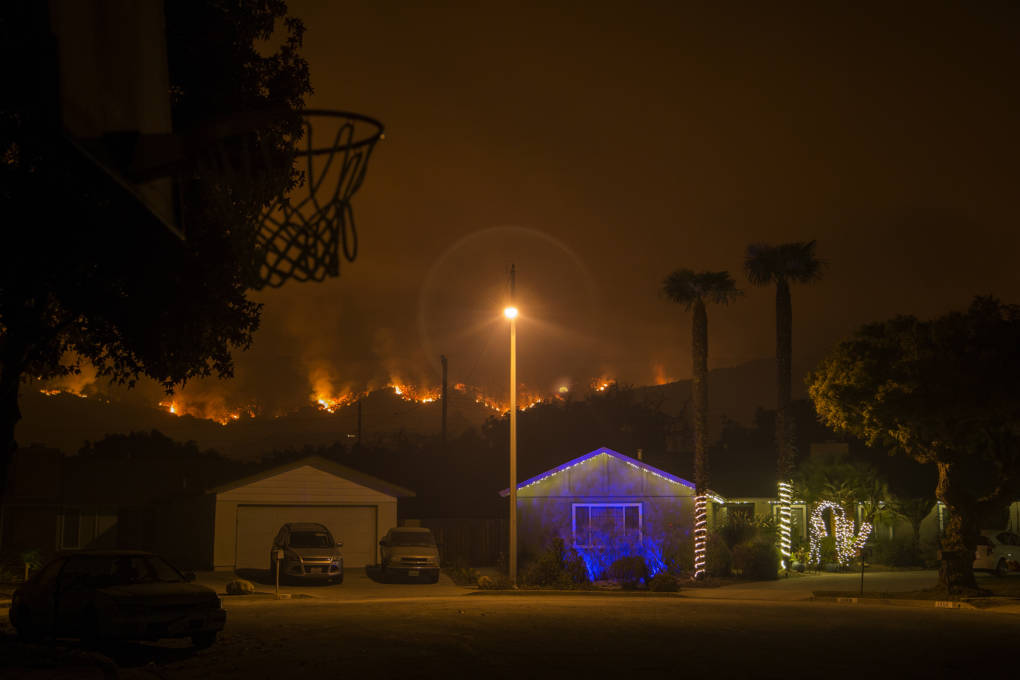
"caption": "Christmas decorations illuminate a house as the growing Thomas Fire advances toward Santa Barbara County seaside communities.",
"description": "Christmas decorations illuminate a house as the growing Thomas Fire advances toward Santa Barbara County seaside communities.",
"title": "Christmas decorations illuminate a house as the growing Thomas Fire advances toward Santa Barbara County seaside communities.",
"credit": "David McNew/Getty Images",
"status": "inherit",
"isLoading": false,
"fetchFailed": false
},
"news_11639176": {
"type": "attachments",
"id": "news_11639176",
"meta": {
"index": "attachments_1716263798",
"site": "news",
"id": "11639176",
"found": true
},
"parent": 11639077,
"imgSizes": {
"small": {
"file": "https://ww2.kqed.org/app/uploads/sites/10/2017/12/MFE-later-years-e1514063921512-520x537.jpg",
"width": 520,
"mimeType": "image/jpeg",
"height": 537
},
"twentyfourteen-full-width": {
"file": "https://ww2.kqed.org/app/uploads/sites/10/2017/12/MFE-later-years-544x576.jpg",
"width": 544,
"mimeType": "image/jpeg",
"height": 576
},
"thumbnail": {
"file": "https://ww2.kqed.org/app/uploads/sites/10/2017/12/MFE-later-years-e1514063921512-160x165.jpg",
"width": 160,
"mimeType": "image/jpeg",
"height": 165
},
"post-thumbnail": {
"file": "https://ww2.kqed.org/app/uploads/sites/10/2017/12/MFE-later-years-e1514063921512-544x372.jpg",
"width": 544,
"mimeType": "image/jpeg",
"height": 372
},
"xsmall": {
"file": "https://ww2.kqed.org/app/uploads/sites/10/2017/12/MFE-later-years-e1514063921512-375x387.jpg",
"width": 375,
"mimeType": "image/jpeg",
"height": 387
},
"kqedFullSize": {
"file": "https://ww2.kqed.org/app/uploads/sites/10/2017/12/MFE-later-years-e1514063921512.jpg",
"width": 544,
"height": 562
},
"guest-author-50": {
"file": "https://ww2.kqed.org/app/uploads/sites/10/2017/12/MFE-later-years-e1514063921512-50x50.jpg",
"width": 50,
"mimeType": "image/jpeg",
"height": 50
},
"guest-author-96": {
"file": "https://ww2.kqed.org/app/uploads/sites/10/2017/12/MFE-later-years-e1514063921512-96x96.jpg",
"width": 96,
"mimeType": "image/jpeg",
"height": 96
},
"guest-author-64": {
"file": "https://ww2.kqed.org/app/uploads/sites/10/2017/12/MFE-later-years-e1514063921512-64x64.jpg",
"width": 64,
"mimeType": "image/jpeg",
"height": 64
},
"guest-author-32": {
"file": "https://ww2.kqed.org/app/uploads/sites/10/2017/12/MFE-later-years-e1514063921512-32x32.jpg",
"width": 32,
"mimeType": "image/jpeg",
"height": 32
},
"detail": {
"file": "https://ww2.kqed.org/app/uploads/sites/10/2017/12/MFE-later-years-e1514063921512-150x150.jpg",
"width": 150,
"mimeType": "image/jpeg",
"height": 150
},
"guest-author-128": {
"file": "https://ww2.kqed.org/app/uploads/sites/10/2017/12/MFE-later-years-e1514063921512-128x128.jpg",
"width": 128,
"mimeType": "image/jpeg",
"height": 128
},
"xxsmall": {
"file": "https://ww2.kqed.org/app/uploads/sites/10/2017/12/MFE-later-years-e1514063921512-240x248.jpg",
"width": 240,
"mimeType": "image/jpeg",
"height": 248
}
},
"publishDate": 1514063845,
"modified": 1514063989,
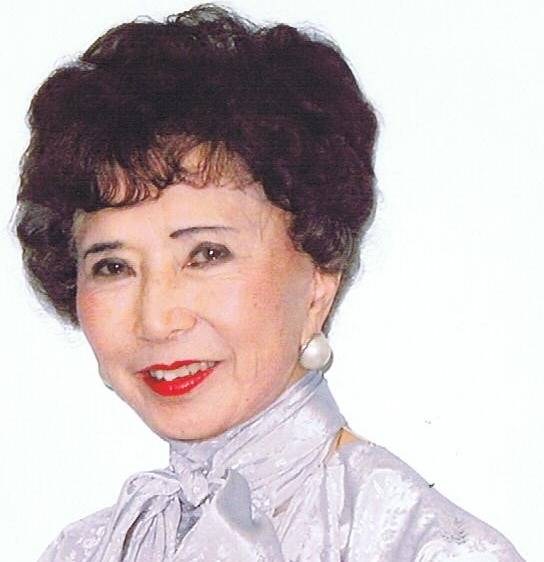
"caption": "Former Secretary of State March Fong Eu, pictured around 2002.",
"description": null,
"title": "March Fong Eu",
"credit": "Courtesy of Caren Lagomarsino",
"status": "inherit",
"isLoading": false,
"fetchFailed": false
},
"news_11639055": {
"type": "attachments",
"id": "news_11639055",
"meta": {
"index": "attachments_1716263798",
"site": "news",
"id": "11639055",
"found": true
},
"parent": 11639025,
"imgSizes": {
"small": {
"file": "https://ww2.kqed.org/app/uploads/sites/10/2017/12/SB-Zoo-Chadwich-Credit-SheriHoriszny-1-520x416.jpg",
"width": 520,
"mimeType": "image/jpeg",
"height": 416
},
"twentyfourteen-full-width": {
"file": "https://ww2.kqed.org/app/uploads/sites/10/2017/12/SB-Zoo-Chadwich-Credit-SheriHoriszny-1-1038x576.jpg",
"width": 1038,
"mimeType": "image/jpeg",
"height": 576
},
"thumbnail": {
"file": "https://ww2.kqed.org/app/uploads/sites/10/2017/12/SB-Zoo-Chadwich-Credit-SheriHoriszny-1-160x128.jpg",
"width": 160,
"mimeType": "image/jpeg",
"height": 128
},
"fd-sm": {
"file": "https://ww2.kqed.org/app/uploads/sites/10/2017/12/SB-Zoo-Chadwich-Credit-SheriHoriszny-1-960x768.jpg",
"width": 960,
"mimeType": "image/jpeg",
"height": 768
},
"post-thumbnail": {
"file": "https://ww2.kqed.org/app/uploads/sites/10/2017/12/SB-Zoo-Chadwich-Credit-SheriHoriszny-1-672x372.jpg",
"width": 672,
"mimeType": "image/jpeg",
"height": 372
},
"xsmall": {
"file": "https://ww2.kqed.org/app/uploads/sites/10/2017/12/SB-Zoo-Chadwich-Credit-SheriHoriszny-1-375x300.jpg",
"width": 375,
"mimeType": "image/jpeg",
"height": 300
},
"kqedFullSize": {
"file": "https://ww2.kqed.org/app/uploads/sites/10/2017/12/SB-Zoo-Chadwich-Credit-SheriHoriszny-1-e1513977223284.jpg",
"width": 1920,
"height": 1536
},
"large": {
"file": "https://ww2.kqed.org/app/uploads/sites/10/2017/12/SB-Zoo-Chadwich-Credit-SheriHoriszny-1-1020x816.jpg",
"width": 1020,
"mimeType": "image/jpeg",
"height": 816
},
"xlarge": {
"file": "https://ww2.kqed.org/app/uploads/sites/10/2017/12/SB-Zoo-Chadwich-Credit-SheriHoriszny-1-1180x944.jpg",
"width": 1180,
"mimeType": "image/jpeg",
"height": 944
},
"guest-author-50": {
"file": "https://ww2.kqed.org/app/uploads/sites/10/2017/12/SB-Zoo-Chadwich-Credit-SheriHoriszny-1-50x50.jpg",
"width": 50,
"mimeType": "image/jpeg",
"height": 50
},
"guest-author-96": {
"file": "https://ww2.kqed.org/app/uploads/sites/10/2017/12/SB-Zoo-Chadwich-Credit-SheriHoriszny-1-96x96.jpg",
"width": 96,
"mimeType": "image/jpeg",
"height": 96
},
"medium": {
"file": "https://ww2.kqed.org/app/uploads/sites/10/2017/12/SB-Zoo-Chadwich-Credit-SheriHoriszny-1-800x640.jpg",
"width": 800,
"mimeType": "image/jpeg",
"height": 640
},
"guest-author-64": {
"file": "https://ww2.kqed.org/app/uploads/sites/10/2017/12/SB-Zoo-Chadwich-Credit-SheriHoriszny-1-64x64.jpg",
"width": 64,
"mimeType": "image/jpeg",
"height": 64
},
"guest-author-32": {
"file": "https://ww2.kqed.org/app/uploads/sites/10/2017/12/SB-Zoo-Chadwich-Credit-SheriHoriszny-1-32x32.jpg",
"width": 32,
"mimeType": "image/jpeg",
"height": 32
},
"fd-lrg": {
"file": "https://ww2.kqed.org/app/uploads/sites/10/2017/12/SB-Zoo-Chadwich-Credit-SheriHoriszny-1-1920x1536.jpg",
"width": 1920,
"mimeType": "image/jpeg",
"height": 1536
},
"fd-med": {
"file": "https://ww2.kqed.org/app/uploads/sites/10/2017/12/SB-Zoo-Chadwich-Credit-SheriHoriszny-1-1180x944.jpg",
"width": 1180,
"mimeType": "image/jpeg",
"height": 944
},
"full-width": {
"file": "https://ww2.kqed.org/app/uploads/sites/10/2017/12/SB-Zoo-Chadwich-Credit-SheriHoriszny-1-1920x1536.jpg",
"width": 1920,
"mimeType": "image/jpeg",
"height": 1536
},
"detail": {
"file": "https://ww2.kqed.org/app/uploads/sites/10/2017/12/SB-Zoo-Chadwich-Credit-SheriHoriszny-1-150x150.jpg",
"width": 150,
"mimeType": "image/jpeg",
"height": 150
},
"guest-author-128": {
"file": "https://ww2.kqed.org/app/uploads/sites/10/2017/12/SB-Zoo-Chadwich-Credit-SheriHoriszny-1-128x128.jpg",
"width": 128,
"mimeType": "image/jpeg",
"height": 128
},
"xxsmall": {
"file": "https://ww2.kqed.org/app/uploads/sites/10/2017/12/SB-Zoo-Chadwich-Credit-SheriHoriszny-1-240x192.jpg",
"width": 240,
"mimeType": "image/jpeg",
"height": 192
}
},
"publishDate": 1513975728,
"modified": 1513977247,
"caption": "Chadwick the African lion at the Santa Barbara Zoo",
"description": "Chadwick the African lion. ",
"title": "Chadwick the African lion.",
"credit": "Sheri Horiszny/KQED",
"status": "inherit",
"isLoading": false,
"fetchFailed": false
},
"news_11639072": {
"type": "attachments",
"id": "news_11639072",
"meta": {
"index": "attachments_1716263798",
"site": "news",
"id": "11639072",
"found": true
},
"parent": 11639071,
"imgSizes": {
"small": {
"file": "https://ww2.kqed.org/app/uploads/sites/10/2017/12/GettyImages-864056040-520x390.jpg",
"width": 520,
"mimeType": "image/jpeg",
"height": 390
},
"twentyfourteen-full-width": {
"file": "https://ww2.kqed.org/app/uploads/sites/10/2017/12/GettyImages-864056040-1038x576.jpg",
"width": 1038,
"mimeType": "image/jpeg",
"height": 576
},
"thumbnail": {
"file": "https://ww2.kqed.org/app/uploads/sites/10/2017/12/GettyImages-864056040-160x120.jpg",
"width": 160,
"mimeType": "image/jpeg",
"height": 120
},
"fd-sm": {
"file": "https://ww2.kqed.org/app/uploads/sites/10/2017/12/GettyImages-864056040-960x720.jpg",
"width": 960,
"mimeType": "image/jpeg",
"height": 720
},
"post-thumbnail": {
"file": "https://ww2.kqed.org/app/uploads/sites/10/2017/12/GettyImages-864056040-672x372.jpg",
"width": 672,
"mimeType": "image/jpeg",
"height": 372
},
"xsmall": {
"file": "https://ww2.kqed.org/app/uploads/sites/10/2017/12/GettyImages-864056040-375x281.jpg",
"width": 375,
"mimeType": "image/jpeg",
"height": 281
},
"kqedFullSize": {
"file": "https://ww2.kqed.org/app/uploads/sites/10/2017/12/GettyImages-864056040-e1513980409323.jpg",
"width": 1920,
"height": 1440
},
"large": {
"file": "https://ww2.kqed.org/app/uploads/sites/10/2017/12/GettyImages-864056040-1020x765.jpg",
"width": 1020,
"mimeType": "image/jpeg",
"height": 765
},
"xlarge": {
"file": "https://ww2.kqed.org/app/uploads/sites/10/2017/12/GettyImages-864056040-1180x885.jpg",
"width": 1180,
"mimeType": "image/jpeg",
"height": 885
},
"guest-author-50": {
"file": "https://ww2.kqed.org/app/uploads/sites/10/2017/12/GettyImages-864056040-50x50.jpg",
"width": 50,
"mimeType": "image/jpeg",
"height": 50
},
"guest-author-96": {
"file": "https://ww2.kqed.org/app/uploads/sites/10/2017/12/GettyImages-864056040-96x96.jpg",
"width": 96,
"mimeType": "image/jpeg",
"height": 96
},
"medium": {
"file": "https://ww2.kqed.org/app/uploads/sites/10/2017/12/GettyImages-864056040-800x600.jpg",
"width": 800,
"mimeType": "image/jpeg",
"height": 600
},
"guest-author-64": {
"file": "https://ww2.kqed.org/app/uploads/sites/10/2017/12/GettyImages-864056040-64x64.jpg",
"width": 64,
"mimeType": "image/jpeg",
"height": 64
},
"guest-author-32": {
"file": "https://ww2.kqed.org/app/uploads/sites/10/2017/12/GettyImages-864056040-32x32.jpg",
"width": 32,
"mimeType": "image/jpeg",
"height": 32
},
"fd-lrg": {
"file": "https://ww2.kqed.org/app/uploads/sites/10/2017/12/GettyImages-864056040-1920x1440.jpg",
"width": 1920,
"mimeType": "image/jpeg",
"height": 1440
},
"fd-med": {
"file": "https://ww2.kqed.org/app/uploads/sites/10/2017/12/GettyImages-864056040-1180x885.jpg",
"width": 1180,
"mimeType": "image/jpeg",
"height": 885
},
"full-width": {
"file": "https://ww2.kqed.org/app/uploads/sites/10/2017/12/GettyImages-864056040-1920x1440.jpg",
"width": 1920,
"mimeType": "image/jpeg",
"height": 1440
},
"detail": {
"file": "https://ww2.kqed.org/app/uploads/sites/10/2017/12/GettyImages-864056040-150x150.jpg",
"width": 150,
"mimeType": "image/jpeg",
"height": 150
},
"guest-author-128": {
"file": "https://ww2.kqed.org/app/uploads/sites/10/2017/12/GettyImages-864056040-128x128.jpg",
"width": 128,
"mimeType": "image/jpeg",
"height": 128
},
"xxsmall": {
"file": "https://ww2.kqed.org/app/uploads/sites/10/2017/12/GettyImages-864056040-240x180.jpg",
"width": 240,
"mimeType": "image/jpeg",
"height": 180
}
},
"publishDate": 1513980310,
"modified": 1513988476,
"caption": "Coit Tower and the Transamerica Pyramid are seen from Pier 39 in San Francisco on Oct. 18, 2017.",
"description": null,
"title": "US-SAN FRANCISCO-PIER39",
"credit": "Daniel Slim/AFP/Getty Images",
"status": "inherit",
"isLoading": false,
"fetchFailed": false
},
"news_11633434": {
"type": "attachments",
"id": "news_11633434",
"meta": {
"index": "attachments_1716263798",
"site": "news",
"id": "11633434",
"found": true
},
"parent": 11634689,
"imgSizes": {
"small": {
"file": "https://ww2.kqed.org/app/uploads/sites/10/2017/11/RS28170_IMG_6103-qut-520x390.jpg",
"width": 520,
"mimeType": "image/jpeg",
"height": 390
},
"twentyfourteen-full-width": {
"file": "https://ww2.kqed.org/app/uploads/sites/10/2017/11/RS28170_IMG_6103-qut-1038x576.jpg",
"width": 1038,
"mimeType": "image/jpeg",
"height": 576
},
"thumbnail": {
"file": "https://ww2.kqed.org/app/uploads/sites/10/2017/11/RS28170_IMG_6103-qut-160x120.jpg",
"width": 160,
"mimeType": "image/jpeg",
"height": 120
},
"fd-sm": {
"file": "https://ww2.kqed.org/app/uploads/sites/10/2017/11/RS28170_IMG_6103-qut-960x720.jpg",
"width": 960,
"mimeType": "image/jpeg",
"height": 720
},
"post-thumbnail": {
"file": "https://ww2.kqed.org/app/uploads/sites/10/2017/11/RS28170_IMG_6103-qut-672x372.jpg",
"width": 672,
"mimeType": "image/jpeg",
"height": 372
},
"xsmall": {
"file": "https://ww2.kqed.org/app/uploads/sites/10/2017/11/RS28170_IMG_6103-qut-375x281.jpg",
"width": 375,
"mimeType": "image/jpeg",
"height": 281
},
"kqedFullSize": {
"file": "https://ww2.kqed.org/app/uploads/sites/10/2017/11/RS28170_IMG_6103-qut.jpg",
"width": 1920,
"height": 1440
},
"large": {
"file": "https://ww2.kqed.org/app/uploads/sites/10/2017/11/RS28170_IMG_6103-qut-1020x765.jpg",
"width": 1020,
"mimeType": "image/jpeg",
"height": 765
},
"xlarge": {
"file": "https://ww2.kqed.org/app/uploads/sites/10/2017/11/RS28170_IMG_6103-qut-1180x885.jpg",
"width": 1180,
"mimeType": "image/jpeg",
"height": 885
},
"guest-author-50": {
"file": "https://ww2.kqed.org/app/uploads/sites/10/2017/11/RS28170_IMG_6103-qut-50x50.jpg",
"width": 50,
"mimeType": "image/jpeg",
"height": 50
},
"guest-author-96": {
"file": "https://ww2.kqed.org/app/uploads/sites/10/2017/11/RS28170_IMG_6103-qut-96x96.jpg",
"width": 96,
"mimeType": "image/jpeg",
"height": 96
},
"medium": {
"file": "https://ww2.kqed.org/app/uploads/sites/10/2017/11/RS28170_IMG_6103-qut-800x600.jpg",
"width": 800,
"mimeType": "image/jpeg",
"height": 600
},
"guest-author-64": {
"file": "https://ww2.kqed.org/app/uploads/sites/10/2017/11/RS28170_IMG_6103-qut-64x64.jpg",
"width": 64,
"mimeType": "image/jpeg",
"height": 64
},
"guest-author-32": {
"file": "https://ww2.kqed.org/app/uploads/sites/10/2017/11/RS28170_IMG_6103-qut-32x32.jpg",
"width": 32,
"mimeType": "image/jpeg",
"height": 32
},
"fd-lrg": {
"file": "https://ww2.kqed.org/app/uploads/sites/10/2017/11/RS28170_IMG_6103-qut-1920x1440.jpg",
"width": 1920,
"mimeType": "image/jpeg",
"height": 1440
},
"fd-med": {
"file": "https://ww2.kqed.org/app/uploads/sites/10/2017/11/RS28170_IMG_6103-qut-1180x885.jpg",
"width": 1180,
"mimeType": "image/jpeg",
"height": 885
},
"full-width": {
"file": "https://ww2.kqed.org/app/uploads/sites/10/2017/11/RS28170_IMG_6103-qut-1920x1440.jpg",
"width": 1920,
"mimeType": "image/jpeg",
"height": 1440
},
"detail": {
"file": "https://ww2.kqed.org/app/uploads/sites/10/2017/11/RS28170_IMG_6103-qut-150x150.jpg",
"width": 150,
"mimeType": "image/jpeg",
"height": 150
},
"guest-author-128": {
"file": "https://ww2.kqed.org/app/uploads/sites/10/2017/11/RS28170_IMG_6103-qut-128x128.jpg",
"width": 128,
"mimeType": "image/jpeg",
"height": 128
},
"xxsmall": {
"file": "https://ww2.kqed.org/app/uploads/sites/10/2017/11/RS28170_IMG_6103-qut-240x180.jpg",
"width": 240,
"mimeType": "image/jpeg",
"height": 180
}
},
"publishDate": 1511822197,
"modified": 1576884650,
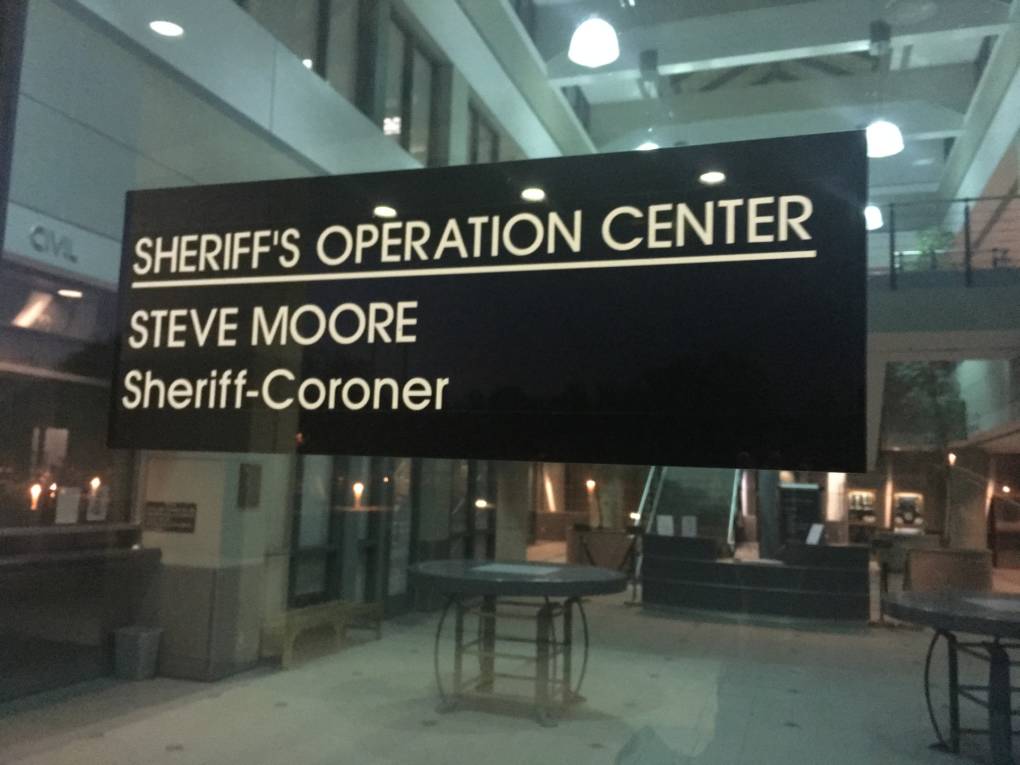
"caption": "San Joaquin County Sheriff-Coroner's Office",
"description": null,
"title": "San Joaquin County Sheriff Steve Moore",
"credit": "Julie Small/KQED",
"status": "inherit",
"isLoading": false,
"fetchFailed": false
},
"news_11638984": {
"type": "attachments",
"id": "news_11638984",
"meta": {
"index": "attachments_1716263798",
"site": "news",
"id": "11638984",
"found": true
},
"parent": 11638983,
"imgSizes": {
"small": {
"file": "https://ww2.kqed.org/app/uploads/sites/10/2017/12/gettyimages-893690068_custom-47dec34cdbdccf9e5576cf8cfa13a56656da32b5-520x344.jpg",
"width": 520,
"mimeType": "image/jpeg",
"height": 344
},
"twentyfourteen-full-width": {
"file": "https://ww2.kqed.org/app/uploads/sites/10/2017/12/gettyimages-893690068_custom-47dec34cdbdccf9e5576cf8cfa13a56656da32b5-1024x576.jpg",
"width": 1024,
"mimeType": "image/jpeg",
"height": 576
},
"thumbnail": {
"file": "https://ww2.kqed.org/app/uploads/sites/10/2017/12/gettyimages-893690068_custom-47dec34cdbdccf9e5576cf8cfa13a56656da32b5-160x106.jpg",
"width": 160,
"mimeType": "image/jpeg",
"height": 106
},
"fd-sm": {
"file": "https://ww2.kqed.org/app/uploads/sites/10/2017/12/gettyimages-893690068_custom-47dec34cdbdccf9e5576cf8cfa13a56656da32b5-960x636.jpg",
"width": 960,
"mimeType": "image/jpeg",
"height": 636
},
"post-thumbnail": {
"file": "https://ww2.kqed.org/app/uploads/sites/10/2017/12/gettyimages-893690068_custom-47dec34cdbdccf9e5576cf8cfa13a56656da32b5-672x372.jpg",
"width": 672,
"mimeType": "image/jpeg",
"height": 372
},
"xsmall": {
"file": "https://ww2.kqed.org/app/uploads/sites/10/2017/12/gettyimages-893690068_custom-47dec34cdbdccf9e5576cf8cfa13a56656da32b5-375x248.jpg",
"width": 375,
"mimeType": "image/jpeg",
"height": 248
},
"kqedFullSize": {
"file": "https://ww2.kqed.org/app/uploads/sites/10/2017/12/gettyimages-893690068_custom-47dec34cdbdccf9e5576cf8cfa13a56656da32b5-e1513962168800.jpg",
"width": 1024,
"height": 678
},
"large": {
"file": "https://ww2.kqed.org/app/uploads/sites/10/2017/12/gettyimages-893690068_custom-47dec34cdbdccf9e5576cf8cfa13a56656da32b5-1020x675.jpg",
"width": 1020,
"mimeType": "image/jpeg",
"height": 675
},
"guest-author-50": {
"file": "https://ww2.kqed.org/app/uploads/sites/10/2017/12/gettyimages-893690068_custom-47dec34cdbdccf9e5576cf8cfa13a56656da32b5-50x50.jpg",
"width": 50,
"mimeType": "image/jpeg",
"height": 50
},
"guest-author-96": {
"file": "https://ww2.kqed.org/app/uploads/sites/10/2017/12/gettyimages-893690068_custom-47dec34cdbdccf9e5576cf8cfa13a56656da32b5-96x96.jpg",
"width": 96,
"mimeType": "image/jpeg",
"height": 96
},
"medium": {
"file": "https://ww2.kqed.org/app/uploads/sites/10/2017/12/gettyimages-893690068_custom-47dec34cdbdccf9e5576cf8cfa13a56656da32b5-800x530.jpg",
"width": 800,
"mimeType": "image/jpeg",
"height": 530
},
"guest-author-64": {
"file": "https://ww2.kqed.org/app/uploads/sites/10/2017/12/gettyimages-893690068_custom-47dec34cdbdccf9e5576cf8cfa13a56656da32b5-64x64.jpg",
"width": 64,
"mimeType": "image/jpeg",
"height": 64
},
"guest-author-32": {
"file": "https://ww2.kqed.org/app/uploads/sites/10/2017/12/gettyimages-893690068_custom-47dec34cdbdccf9e5576cf8cfa13a56656da32b5-32x32.jpg",
"width": 32,
"mimeType": "image/jpeg",
"height": 32
},
"detail": {
"file": "https://ww2.kqed.org/app/uploads/sites/10/2017/12/gettyimages-893690068_custom-47dec34cdbdccf9e5576cf8cfa13a56656da32b5-150x150.jpg",
"width": 150,
"mimeType": "image/jpeg",
"height": 150
},
"guest-author-128": {
"file": "https://ww2.kqed.org/app/uploads/sites/10/2017/12/gettyimages-893690068_custom-47dec34cdbdccf9e5576cf8cfa13a56656da32b5-128x128.jpg",
"width": 128,
"mimeType": "image/jpeg",
"height": 128
},
"xxsmall": {
"file": "https://ww2.kqed.org/app/uploads/sites/10/2017/12/gettyimages-893690068_custom-47dec34cdbdccf9e5576cf8cfa13a56656da32b5-240x159.jpg",
"width": 240,
"mimeType": "image/jpeg",
"height": 159
}
},
"publishDate": 1513962044,
"modified": 1513962397,
"caption": "Kelley Mui helps a client sign up for health insurance through the Affordable Care Act on Dec. 15, 2013, at the Midwest Asian Health Association in Chicago.",
"description": "Kelley Mui helps a client sign up for health insurance through the Affordable Care Act on Dec. 15 at the Midwest Asian Health Association in Chicago.",
"title": "Kelley Mui helps a client sign up for health insurance through the Affordable Care Act on Dec. 15 at the Midwest Asian Health Association in Chicago.",
"credit": "David McNew/Getty Images",
"status": "inherit",
"isLoading": false,
"fetchFailed": false
},
"news_11638945": {
"type": "attachments",
"id": "news_11638945",
"meta": {
"index": "attachments_1716263798",
"site": "news",
"id": "11638945",
"found": true
},
"parent": 11638849,
"imgSizes": {
"small": {
"file": "https://ww2.kqed.org/app/uploads/sites/10/2017/12/GettyImages-681579534-520x348.jpg",
"width": 520,
"mimeType": "image/jpeg",
"height": 348
},
"twentyfourteen-full-width": {
"file": "https://ww2.kqed.org/app/uploads/sites/10/2017/12/GettyImages-681579534-1038x576.jpg",
"width": 1038,
"mimeType": "image/jpeg",
"height": 576
},
"thumbnail": {
"file": "https://ww2.kqed.org/app/uploads/sites/10/2017/12/GettyImages-681579534-160x107.jpg",
"width": 160,
"mimeType": "image/jpeg",
"height": 107
},
"fd-sm": {
"file": "https://ww2.kqed.org/app/uploads/sites/10/2017/12/GettyImages-681579534-960x642.jpg",
"width": 960,
"mimeType": "image/jpeg",
"height": 642
},
"post-thumbnail": {
"file": "https://ww2.kqed.org/app/uploads/sites/10/2017/12/GettyImages-681579534-672x372.jpg",
"width": 672,
"mimeType": "image/jpeg",
"height": 372
},
"xsmall": {
"file": "https://ww2.kqed.org/app/uploads/sites/10/2017/12/GettyImages-681579534-375x251.jpg",
"width": 375,
"mimeType": "image/jpeg",
"height": 251
},
"kqedFullSize": {
"file": "https://ww2.kqed.org/app/uploads/sites/10/2017/12/GettyImages-681579534-e1539034382604.jpg",
"width": 1920,
"height": 1284
},
"large": {
"file": "https://ww2.kqed.org/app/uploads/sites/10/2017/12/GettyImages-681579534-1020x682.jpg",
"width": 1020,
"mimeType": "image/jpeg",
"height": 682
},
"xlarge": {
"file": "https://ww2.kqed.org/app/uploads/sites/10/2017/12/GettyImages-681579534-1180x789.jpg",
"width": 1180,
"mimeType": "image/jpeg",
"height": 789
},
"guest-author-50": {
"file": "https://ww2.kqed.org/app/uploads/sites/10/2017/12/GettyImages-681579534-50x50.jpg",
"width": 50,
"mimeType": "image/jpeg",
"height": 50
},
"guest-author-96": {
"file": "https://ww2.kqed.org/app/uploads/sites/10/2017/12/GettyImages-681579534-96x96.jpg",
"width": 96,
"mimeType": "image/jpeg",
"height": 96
},
"medium": {
"file": "https://ww2.kqed.org/app/uploads/sites/10/2017/12/GettyImages-681579534-800x535.jpg",
"width": 800,
"mimeType": "image/jpeg",
"height": 535
},
"guest-author-64": {
"file": "https://ww2.kqed.org/app/uploads/sites/10/2017/12/GettyImages-681579534-64x64.jpg",
"width": 64,
"mimeType": "image/jpeg",
"height": 64
},
"guest-author-32": {
"file": "https://ww2.kqed.org/app/uploads/sites/10/2017/12/GettyImages-681579534-32x32.jpg",
"width": 32,
"mimeType": "image/jpeg",
"height": 32
},
"fd-lrg": {
"file": "https://ww2.kqed.org/app/uploads/sites/10/2017/12/GettyImages-681579534-1920x1284.jpg",
"width": 1920,
"mimeType": "image/jpeg",
"height": 1284
},
"fd-med": {
"file": "https://ww2.kqed.org/app/uploads/sites/10/2017/12/GettyImages-681579534-1180x789.jpg",
"width": 1180,
"mimeType": "image/jpeg",
"height": 789
},
"full-width": {
"file": "https://ww2.kqed.org/app/uploads/sites/10/2017/12/GettyImages-681579534-1920x1284.jpg",
"width": 1920,
"mimeType": "image/jpeg",
"height": 1284
},
"detail": {
"file": "https://ww2.kqed.org/app/uploads/sites/10/2017/12/GettyImages-681579534-150x150.jpg",
"width": 150,
"mimeType": "image/jpeg",
"height": 150
},
"guest-author-128": {
"file": "https://ww2.kqed.org/app/uploads/sites/10/2017/12/GettyImages-681579534-128x128.jpg",
"width": 128,
"mimeType": "image/jpeg",
"height": 128
},
"xxsmall": {
"file": "https://ww2.kqed.org/app/uploads/sites/10/2017/12/GettyImages-681579534-240x160.jpg",
"width": 240,
"mimeType": "image/jpeg",
"height": 160
}
},
"publishDate": 1513915717,
"modified": 1539042806,
"caption": "A gas pump fills a car with fuel at a gas station on May 10, 2017, in San Rafael.",
"description": "A gas pump fills a car with fuel at a gas station on May 10, 2017, in San Rafael.",
"title": "SB 1 Gas Tax Increase",
"credit": "Justin Sullivan/Getty Images",
"status": "inherit",
"isLoading": false,
"fetchFailed": false
},
"news_11288925": {
"type": "attachments",
"id": "news_11288925",
"meta": {
"index": "attachments_1716263798",
"site": "news",
"id": "11288925",
"found": true
},
"parent": 11288861,
"imgSizes": {
"small": {
"file": "https://ww2.kqed.org/app/uploads/sites/10/2017/01/RS9671_2631101-520x488.jpg",
"width": 520,
"mimeType": "image/jpeg",
"height": 488
},
"twentyfourteen-full-width": {
"file": "https://ww2.kqed.org/app/uploads/sites/10/2017/01/RS9671_2631101-1038x576.jpg",
"width": 1038,
"mimeType": "image/jpeg",
"height": 576
},
"thumbnail": {
"file": "https://ww2.kqed.org/app/uploads/sites/10/2017/01/RS9671_2631101-160x150.jpg",
"width": 160,
"mimeType": "image/jpeg",
"height": 150
},
"fd-sm": {
"file": "https://ww2.kqed.org/app/uploads/sites/10/2017/01/RS9671_2631101-960x901.jpg",
"width": 960,
"mimeType": "image/jpeg",
"height": 901
},
"post-thumbnail": {
"file": "https://ww2.kqed.org/app/uploads/sites/10/2017/01/RS9671_2631101-672x372.jpg",
"width": 672,
"mimeType": "image/jpeg",
"height": 372
},
"xsmall": {
"file": "https://ww2.kqed.org/app/uploads/sites/10/2017/01/RS9671_2631101-375x352.jpg",
"width": 375,
"mimeType": "image/jpeg",
"height": 352
},
"kqedFullSize": {
"file": "https://ww2.kqed.org/app/uploads/sites/10/2017/01/RS9671_2631101.jpg",
"width": 1756,
"height": 1648
},
"large": {
"file": "https://ww2.kqed.org/app/uploads/sites/10/2017/01/RS9671_2631101-1020x957.jpg",
"width": 1020,
"mimeType": "image/jpeg",
"height": 957
},
"xlarge": {
"file": "https://ww2.kqed.org/app/uploads/sites/10/2017/01/RS9671_2631101-1180x1107.jpg",
"width": 1180,
"mimeType": "image/jpeg",
"height": 1107
},
"guest-author-50": {
"file": "https://ww2.kqed.org/app/uploads/sites/10/2017/01/RS9671_2631101-50x50.jpg",
"width": 50,
"mimeType": "image/jpeg",
"height": 50
},
"guest-author-96": {
"file": "https://ww2.kqed.org/app/uploads/sites/10/2017/01/RS9671_2631101-96x96.jpg",
"width": 96,
"mimeType": "image/jpeg",
"height": 96
},
"medium": {
"file": "https://ww2.kqed.org/app/uploads/sites/10/2017/01/RS9671_2631101-800x751.jpg",
"width": 800,
"mimeType": "image/jpeg",
"height": 751
},
"guest-author-64": {
"file": "https://ww2.kqed.org/app/uploads/sites/10/2017/01/RS9671_2631101-64x64.jpg",
"width": 64,
"mimeType": "image/jpeg",
"height": 64
},
"guest-author-32": {
"file": "https://ww2.kqed.org/app/uploads/sites/10/2017/01/RS9671_2631101-32x32.jpg",
"width": 32,
"mimeType": "image/jpeg",
"height": 32
},
"jmtc-small-thumb": {
"file": "https://ww2.kqed.org/app/uploads/sites/10/2017/01/RS9671_2631101-280x150.jpg",
"width": 280,
"mimeType": "image/jpeg",
"height": 150
},
"fd-med": {
"file": "https://ww2.kqed.org/app/uploads/sites/10/2017/01/RS9671_2631101-1180x1107.jpg",
"width": 1180,
"mimeType": "image/jpeg",
"height": 1107
},
"detail": {
"file": "https://ww2.kqed.org/app/uploads/sites/10/2017/01/RS9671_2631101-150x150.jpg",
"width": 150,
"mimeType": "image/jpeg",
"height": 150
},
"guest-author-128": {
"file": "https://ww2.kqed.org/app/uploads/sites/10/2017/01/RS9671_2631101-128x128.jpg",
"width": 128,
"mimeType": "image/jpeg",
"height": 128
},
"xxsmall": {
"file": "https://ww2.kqed.org/app/uploads/sites/10/2017/01/RS9671_2631101-240x225.jpg",
"width": 240,
"mimeType": "image/jpeg",
"height": 225
}
},
"publishDate": 1485537706,
"modified": 1513901139,
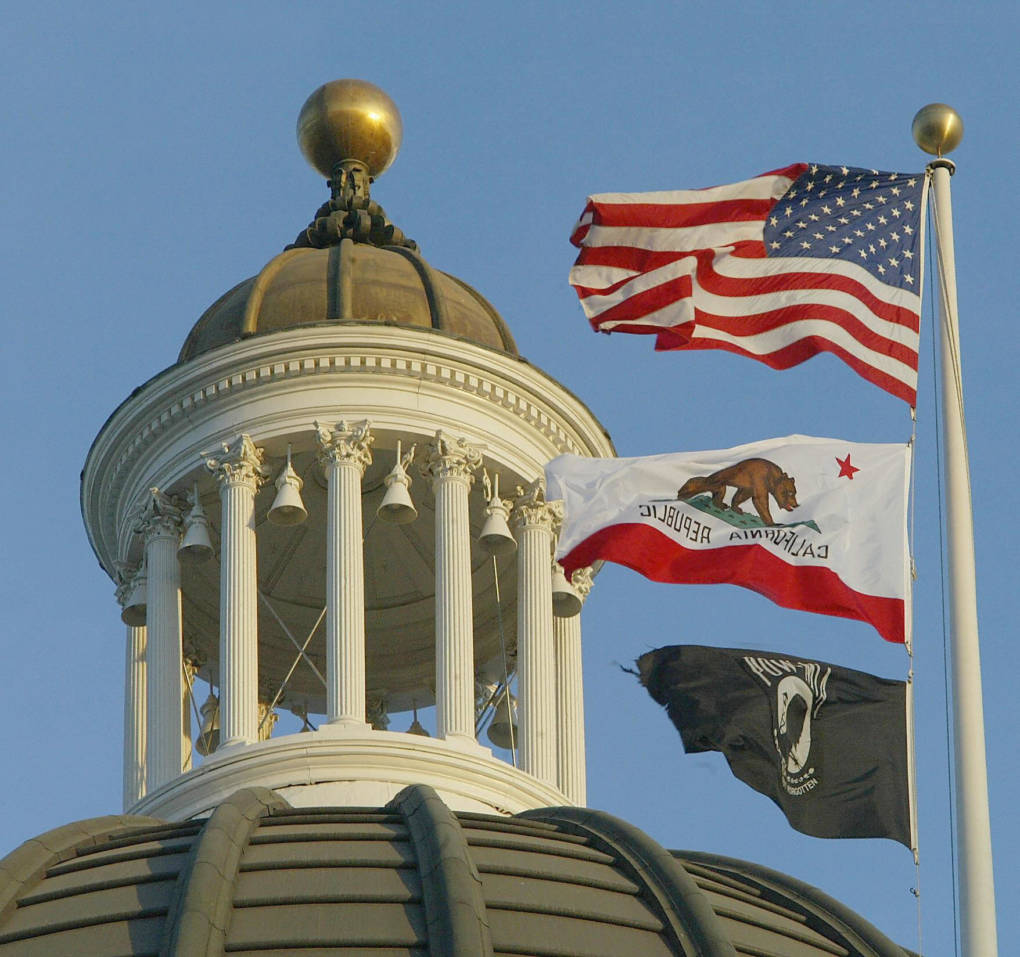
"caption": "A detail of the top of the dome of the California Capitol building in Sacramento.",
"description": "A detail of the top of the dome of the California Capitol building in Sacramento.",
"title": "A detail of the top of the dome of the C",
"credit": "Robyn Beck/AFP/Getty Images",
"status": "inherit",
"isLoading": false,
"fetchFailed": false
},
"news_11638865": {
"type": "attachments",
"id": "news_11638865",
"meta": {
"index": "attachments_1716263798",
"site": "news",
"id": "11638865",
"found": true
},
"parent": 11638862,
"imgSizes": {
"small": {
"file": "https://ww2.kqed.org/app/uploads/sites/10/2017/12/KidWThermometer-520x347.jpg",
"width": 520,
"mimeType": "image/jpeg",
"height": 347
},
"twentyfourteen-full-width": {
"file": "https://ww2.kqed.org/app/uploads/sites/10/2017/12/KidWThermometer-1038x576.jpg",
"width": 1038,
"mimeType": "image/jpeg",
"height": 576
},
"thumbnail": {
"file": "https://ww2.kqed.org/app/uploads/sites/10/2017/12/KidWThermometer-160x107.jpg",
"width": 160,
"mimeType": "image/jpeg",
"height": 107
},
"fd-sm": {
"file": "https://ww2.kqed.org/app/uploads/sites/10/2017/12/KidWThermometer-960x640.jpg",
"width": 960,
"mimeType": "image/jpeg",
"height": 640
},
"post-thumbnail": {
"file": "https://ww2.kqed.org/app/uploads/sites/10/2017/12/KidWThermometer-672x372.jpg",
"width": 672,
"mimeType": "image/jpeg",
"height": 372
},
"xsmall": {
"file": "https://ww2.kqed.org/app/uploads/sites/10/2017/12/KidWThermometer-375x250.jpg",
"width": 375,
"mimeType": "image/jpeg",
"height": 250
},
"kqedFullSize": {
"file": "https://ww2.kqed.org/app/uploads/sites/10/2017/12/KidWThermometer.jpg",
"width": 1920,
"height": 1280
},
"large": {
"file": "https://ww2.kqed.org/app/uploads/sites/10/2017/12/KidWThermometer-1020x680.jpg",
"width": 1020,
"mimeType": "image/jpeg",
"height": 680
},
"xlarge": {
"file": "https://ww2.kqed.org/app/uploads/sites/10/2017/12/KidWThermometer-1180x787.jpg",
"width": 1180,
"mimeType": "image/jpeg",
"height": 787
},
"guest-author-50": {
"file": "https://ww2.kqed.org/app/uploads/sites/10/2017/12/KidWThermometer-50x50.jpg",
"width": 50,
"mimeType": "image/jpeg",
"height": 50
},
"guest-author-96": {
"file": "https://ww2.kqed.org/app/uploads/sites/10/2017/12/KidWThermometer-96x96.jpg",
"width": 96,
"mimeType": "image/jpeg",
"height": 96
},
"medium": {
"file": "https://ww2.kqed.org/app/uploads/sites/10/2017/12/KidWThermometer-800x533.jpg",
"width": 800,
"mimeType": "image/jpeg",
"height": 533
},
"guest-author-64": {
"file": "https://ww2.kqed.org/app/uploads/sites/10/2017/12/KidWThermometer-64x64.jpg",
"width": 64,
"mimeType": "image/jpeg",
"height": 64
},
"guest-author-32": {
"file": "https://ww2.kqed.org/app/uploads/sites/10/2017/12/KidWThermometer-32x32.jpg",
"width": 32,
"mimeType": "image/jpeg",
"height": 32
},
"fd-lrg": {
"file": "https://ww2.kqed.org/app/uploads/sites/10/2017/12/KidWThermometer-1920x1280.jpg",
"width": 1920,
"mimeType": "image/jpeg",
"height": 1280
},
"fd-med": {
"file": "https://ww2.kqed.org/app/uploads/sites/10/2017/12/KidWThermometer-1180x787.jpg",
"width": 1180,
"mimeType": "image/jpeg",
"height": 787
},
"full-width": {
"file": "https://ww2.kqed.org/app/uploads/sites/10/2017/12/KidWThermometer-1920x1280.jpg",
"width": 1920,
"mimeType": "image/jpeg",
"height": 1280
},
"detail": {
"file": "https://ww2.kqed.org/app/uploads/sites/10/2017/12/KidWThermometer-150x150.jpg",
"width": 150,
"mimeType": "image/jpeg",
"height": 150
},
"guest-author-128": {
"file": "https://ww2.kqed.org/app/uploads/sites/10/2017/12/KidWThermometer-128x128.jpg",
"width": 128,
"mimeType": "image/jpeg",
"height": 128
},
"xxsmall": {
"file": "https://ww2.kqed.org/app/uploads/sites/10/2017/12/KidWThermometer-240x160.jpg",
"width": 240,
"mimeType": "image/jpeg",
"height": 160
}
},
"publishDate": 1513899576,
"modified": 1513900309,
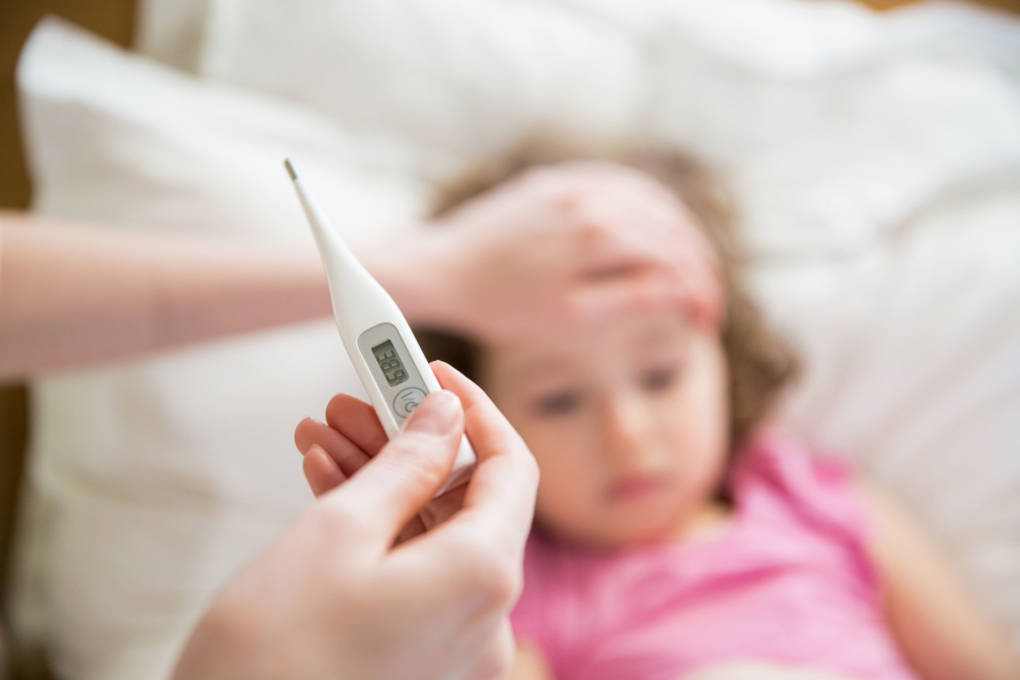
"caption": "Without congressional action, California expects its federal funds for CHIP to run out by early January.",
"description": "Without congressional action, California expects its federal funds for CHIP to run out by early January.",
"title": "KidWThermometer",
"credit": "Getty Images",
"status": "inherit",
"isLoading": false,
"fetchFailed": false
},
"news_11638260": {
"type": "attachments",
"id": "news_11638260",
"meta": {
"index": "attachments_1716263798",
"site": "news",
"id": "11638260",
"found": true
},
"parent": 11638236,
"imgSizes": {
"small": {
"file": "https://ww2.kqed.org/app/uploads/sites/10/2017/12/IMG_9173-e1513722430606-520x440.jpg",
"width": 520,
"mimeType": "image/jpeg",
"height": 440
},
"twentyfourteen-full-width": {
"file": "https://ww2.kqed.org/app/uploads/sites/10/2017/12/IMG_9173-e1513722430606-1038x576.jpg",
"width": 1038,
"mimeType": "image/jpeg",
"height": 576
},
"thumbnail": {
"file": "https://ww2.kqed.org/app/uploads/sites/10/2017/12/IMG_9173-e1513722430606-160x136.jpg",
"width": 160,
"mimeType": "image/jpeg",
"height": 136
},
"fd-sm": {
"file": "https://ww2.kqed.org/app/uploads/sites/10/2017/12/IMG_9173-e1513722430606-960x813.jpg",
"width": 960,
"mimeType": "image/jpeg",
"height": 813
},
"post-thumbnail": {
"file": "https://ww2.kqed.org/app/uploads/sites/10/2017/12/IMG_9173-e1513722430606-672x372.jpg",
"width": 672,
"mimeType": "image/jpeg",
"height": 372
},
"xsmall": {
"file": "https://ww2.kqed.org/app/uploads/sites/10/2017/12/IMG_9173-e1513722430606-375x318.jpg",
"width": 375,
"mimeType": "image/jpeg",
"height": 318
},
"kqedFullSize": {
"file": "https://ww2.kqed.org/app/uploads/sites/10/2017/12/IMG_9173-e1513722602100.jpg",
"width": 1920,
"height": 1626
},
"large": {
"file": "https://ww2.kqed.org/app/uploads/sites/10/2017/12/IMG_9173-e1513722430606-1020x864.jpg",
"width": 1020,
"mimeType": "image/jpeg",
"height": 864
},
"xlarge": {
"file": "https://ww2.kqed.org/app/uploads/sites/10/2017/12/IMG_9173-e1513722430606-1180x1000.jpg",
"width": 1180,
"mimeType": "image/jpeg",
"height": 1000
},
"guest-author-50": {
"file": "https://ww2.kqed.org/app/uploads/sites/10/2017/12/IMG_9173-e1513722430606-50x50.jpg",
"width": 50,
"mimeType": "image/jpeg",
"height": 50
},
"guest-author-96": {
"file": "https://ww2.kqed.org/app/uploads/sites/10/2017/12/IMG_9173-e1513722430606-96x96.jpg",
"width": 96,
"mimeType": "image/jpeg",
"height": 96
},
"medium": {
"file": "https://ww2.kqed.org/app/uploads/sites/10/2017/12/IMG_9173-e1513722430606-800x678.jpg",
"width": 800,
"mimeType": "image/jpeg",
"height": 678
},
"guest-author-64": {
"file": "https://ww2.kqed.org/app/uploads/sites/10/2017/12/IMG_9173-e1513722430606-64x64.jpg",
"width": 64,
"mimeType": "image/jpeg",
"height": 64
},
"guest-author-32": {
"file": "https://ww2.kqed.org/app/uploads/sites/10/2017/12/IMG_9173-e1513722430606-32x32.jpg",
"width": 32,
"mimeType": "image/jpeg",
"height": 32
},
"fd-lrg": {
"file": "https://ww2.kqed.org/app/uploads/sites/10/2017/12/IMG_9173-e1513722430606-1920x1626.jpg",
"width": 1920,
"mimeType": "image/jpeg",
"height": 1626
},
"fd-med": {
"file": "https://ww2.kqed.org/app/uploads/sites/10/2017/12/IMG_9173-e1513722430606-1180x1000.jpg",
"width": 1180,
"mimeType": "image/jpeg",
"height": 1000
},
"full-width": {
"file": "https://ww2.kqed.org/app/uploads/sites/10/2017/12/IMG_9173-e1513722430606-1920x1626.jpg",
"width": 1920,
"mimeType": "image/jpeg",
"height": 1626
},
"detail": {
"file": "https://ww2.kqed.org/app/uploads/sites/10/2017/12/IMG_9173-e1513722430606-150x150.jpg",
"width": 150,
"mimeType": "image/jpeg",
"height": 150
},
"guest-author-128": {
"file": "https://ww2.kqed.org/app/uploads/sites/10/2017/12/IMG_9173-e1513722430606-128x128.jpg",
"width": 128,
"mimeType": "image/jpeg",
"height": 128
},
"xxsmall": {
"file": "https://ww2.kqed.org/app/uploads/sites/10/2017/12/IMG_9173-e1513722430606-240x203.jpg",
"width": 240,
"mimeType": "image/jpeg",
"height": 203
}
},
"publishDate": 1513722309,
"modified": 1513893026,
"caption": "Steve DeAngelo, executive director of Harborside and president of The ArcView Group, a cannabis investor network. \n\n",
"description": null,
"title": "Steve DeAngelo-Harborside",
"credit": "Brian Watt/KQED",
"status": "inherit",
"isLoading": false,
"fetchFailed": false
},
"news_11636907": {
"type": "attachments",
"id": "news_11636907",
"meta": {
"index": "attachments_1716263798",
"site": "news",
"id": "11636907",
"found": true
},
"parent": 11636798,
"imgSizes": {
"small": {
"file": "https://ww2.kqed.org/app/uploads/sites/10/2017/12/cheese-file-20171211-9396-2ppeyd-520x256.jpg",
"width": 520,
"mimeType": "image/jpeg",
"height": 256
},
"twentyfourteen-full-width": {
"file": "https://ww2.kqed.org/app/uploads/sites/10/2017/12/cheese-file-20171211-9396-2ppeyd-1038x576.jpg",
"width": 1038,
"mimeType": "image/jpeg",
"height": 576
},
"thumbnail": {
"file": "https://ww2.kqed.org/app/uploads/sites/10/2017/12/cheese-file-20171211-9396-2ppeyd-160x79.jpg",
"width": 160,
"mimeType": "image/jpeg",
"height": 79
},
"fd-sm": {
"file": "https://ww2.kqed.org/app/uploads/sites/10/2017/12/cheese-file-20171211-9396-2ppeyd-960x473.jpg",
"width": 960,
"mimeType": "image/jpeg",
"height": 473
},
"post-thumbnail": {
"file": "https://ww2.kqed.org/app/uploads/sites/10/2017/12/cheese-file-20171211-9396-2ppeyd-672x372.jpg",
"width": 672,
"mimeType": "image/jpeg",
"height": 372
},
"xsmall": {
"file": "https://ww2.kqed.org/app/uploads/sites/10/2017/12/cheese-file-20171211-9396-2ppeyd-375x185.jpg",
"width": 375,
"mimeType": "image/jpeg",
"height": 185
},
"kqedFullSize": {
"file": "https://ww2.kqed.org/app/uploads/sites/10/2017/12/cheese-file-20171211-9396-2ppeyd.jpg",
"width": 1356,
"height": 668
},
"large": {
"file": "https://ww2.kqed.org/app/uploads/sites/10/2017/12/cheese-file-20171211-9396-2ppeyd-1020x502.jpg",
"width": 1020,
"mimeType": "image/jpeg",
"height": 502
},
"xlarge": {
"file": "https://ww2.kqed.org/app/uploads/sites/10/2017/12/cheese-file-20171211-9396-2ppeyd-1180x581.jpg",
"width": 1180,
"mimeType": "image/jpeg",
"height": 581
},
"guest-author-50": {
"file": "https://ww2.kqed.org/app/uploads/sites/10/2017/12/cheese-file-20171211-9396-2ppeyd-50x50.jpg",
"width": 50,
"mimeType": "image/jpeg",
"height": 50
},
"guest-author-96": {
"file": "https://ww2.kqed.org/app/uploads/sites/10/2017/12/cheese-file-20171211-9396-2ppeyd-96x96.jpg",
"width": 96,
"mimeType": "image/jpeg",
"height": 96
},
"medium": {
"file": "https://ww2.kqed.org/app/uploads/sites/10/2017/12/cheese-file-20171211-9396-2ppeyd-800x394.jpg",
"width": 800,
"mimeType": "image/jpeg",
"height": 394
},
"guest-author-64": {
"file": "https://ww2.kqed.org/app/uploads/sites/10/2017/12/cheese-file-20171211-9396-2ppeyd-64x64.jpg",
"width": 64,
"mimeType": "image/jpeg",
"height": 64
},
"guest-author-32": {
"file": "https://ww2.kqed.org/app/uploads/sites/10/2017/12/cheese-file-20171211-9396-2ppeyd-32x32.jpg",
"width": 32,
"mimeType": "image/jpeg",
"height": 32
},
"fd-med": {
"file": "https://ww2.kqed.org/app/uploads/sites/10/2017/12/cheese-file-20171211-9396-2ppeyd-1180x581.jpg",
"width": 1180,
"mimeType": "image/jpeg",
"height": 581
},
"detail": {
"file": "https://ww2.kqed.org/app/uploads/sites/10/2017/12/cheese-file-20171211-9396-2ppeyd-150x150.jpg",
"width": 150,
"mimeType": "image/jpeg",
"height": 150
},
"guest-author-128": {
"file": "https://ww2.kqed.org/app/uploads/sites/10/2017/12/cheese-file-20171211-9396-2ppeyd-128x128.jpg",
"width": 128,
"mimeType": "image/jpeg",
"height": 128
},
"xxsmall": {
"file": "https://ww2.kqed.org/app/uploads/sites/10/2017/12/cheese-file-20171211-9396-2ppeyd-240x118.jpg",
"width": 240,
"mimeType": "image/jpeg",
"height": 118
}
},
"publishDate": 1513215012,
"modified": 1513891973,
"caption": "Humboldt Fog chèvre, born in a dream.",
"description": "Humboldt Fog chèvre, born in a dream.",
"title": "cheese-file-20171211-9396-2ppeyd",
"credit": "\u003ca class=\"source\" href=\"http://www.cypressgrovecheese.com/resources/press-kit.html\">T.Depaepe\u003c/a>, \u003ca class=\"license\" href=\"http://creativecommons.org/licenses/by-nd/4.0/\">CC BY-ND\u003c/a>",
"status": "inherit",
"isLoading": false,
"fetchFailed": false
}
},
"audioPlayerReducer": {
"postId": "stream_live",
"isPaused": true,
"isPlaying": false,
"pfsActive": false,
"pledgeModalIsOpen": true,
"playerDrawerIsOpen": false,
"liveAudioPlayStartedAt": 0,
"liveAudioPlayContext": ""
},
"authorsReducer": {
"byline_news_11638836": {
"type": "authors",
"id": "byline_news_11638836",
"meta": {
"override": true
},
"slug": "byline_news_11638836",
"name": "Leila Fadel",
"isLoading": false
},
"byline_news_11639025": {
"type": "authors",
"id": "byline_news_11639025",
"meta": {
"override": true
},
"slug": "byline_news_11639025",
"name": "\u003cstrong>Stephanie O’Neill\u003c/strong>",
"isLoading": false
},
"byline_news_11638983": {
"type": "authors",
"id": "byline_news_11638983",
"meta": {
"override": true
},
"slug": "byline_news_11638983",
"name": "Julie Rovner",
"isLoading": false
},
"byline_news_11638862": {
"type": "authors",
"id": "byline_news_11638862",
"meta": {
"override": true
},
"slug": "byline_news_11638862",
"name": "\u003cstrong>\u003ca href=\"https://calmatters.org/articles/author/elizabeth-aguilera/\">Elizabeth Aguilera\u003c/a>\u003c/strong>",
"isLoading": false
},
"byline_news_11636798": {
"type": "authors",
"id": "byline_news_11636798",
"meta": {
"override": true
},
"slug": "byline_news_11636798",
"name": "\u003cstrong>\u003ca href=\"https://theconversation.com/profiles/heather-paxson-384090\">Heather Paxson\u003c/a>\u003c/strong>\u003cbr />\u003cem>MIT, for \u003ca href=\"https://theconversation.com\">The Conversation\u003c/a>\u003c/em>",
"isLoading": false
},
"jbrooks": {
"type": "authors",
"id": "80",
"meta": {
"index": "authors_1716337520",
"id": "80",
"found": true
},
"name": "Jon Brooks",
"firstName": "Jon",
"lastName": "Brooks",
"slug": "jbrooks",
"email": "jbrooks@kqed.org",
"display_author_email": true,
"staff_mastheads": [
"science"
],
"title": "Digital Editor",
"bio": "Jon Brooks is a former Digital Editor for KQED Science. He is the former editor of KQED’s daily news blog, News Fix. In 2014, he won a California Journalism Award for his coverage of ride services like Uber and Lyft and the taxi industry. A veteran blogger, he previously worked for Yahoo! in various news writing and editing roles. Jon is also a playwright whose work has been produced in San Francisco, New York, Italy, and around the U.S. He has written about film for his own blog and studied film at Boston University.",
"avatar": "https://secure.gravatar.com/avatar/98887f7ed1c876ed414d4c915e969584?s=600&d=blank&r=g",
"twitter": "jbrooksfoy",
"facebook": null,
"instagram": null,
"linkedin": null,
"sites": [
{
"site": "arts",
"roles": [
"Contributor",
"editor"
]
},
{
"site": "news",
"roles": [
"author"
]
},
{
"site": "futureofyou",
"roles": [
"administrator"
]
},
{
"site": "mindshift",
"roles": [
"editor"
]
},
{
"site": "stateofhealth",
"roles": [
"editor"
]
},
{
"site": "science",
"roles": [
"administrator"
]
},
{
"site": "quest",
"roles": [
"editor"
]
}
],
"headData": {
"title": "Jon Brooks | KQED",
"description": "Digital Editor",
"ogImgSrc": "https://secure.gravatar.com/avatar/98887f7ed1c876ed414d4c915e969584?s=600&d=blank&r=g",
"twImgSrc": "https://secure.gravatar.com/avatar/98887f7ed1c876ed414d4c915e969584?s=600&d=blank&r=g"
},
"isLoading": false,
"link": "/author/jbrooks"
},
"danbrekke": {
"type": "authors",
"id": "222",
"meta": {
"index": "authors_1716337520",
"id": "222",
"found": true
},
"name": "Dan Brekke",
"firstName": "Dan",
"lastName": "Brekke",
"slug": "danbrekke",
"email": "dbrekke@kqed.org",
"display_author_email": true,
"staff_mastheads": [
"news",
"science"
],
"title": "KQED Editor and Reporter",
"bio": "Dan Brekke is a reporter and editor for KQED News, responsible for coverage of topics ranging from California water issues to the Bay Area's transportation challenges. In a newsroom career that began in Chicago in 1972, Dan has worked for \u003cem>The San Francisco Examiner,\u003c/em> Wired and TechTV and has been published in The New York Times, The New York Times Magazine, Business 2.0, Salon and elsewhere.\r\n\r\nSince joining KQED in 2007, Dan has reported, edited and produced both radio and online features and breaking news pieces. He has shared as both editor and reporter in four Society of Professional Journalists Norcal Excellence in Journalism awards and one Edward R. Murrow regional award. He was chosen for a spring 2017 residency at the Mesa Refuge to advance his research on California salmon.\r\n\r\nEmail Dan at: \u003ca href=\"mailto:dbrekke@kqed.org\">dbrekke@kqed.org\u003c/a>\r\n\r\n\u003cstrong>Twitter:\u003c/strong> \u003ca href=\"https://twitter.com/danbrekke\" rel=\"noopener noreferrer\">twitter.com/danbrekke\u003c/a>\r\n\u003cstrong>Facebook:\u003c/strong> \u003ca href=\"https://www.facebook.com/danbrekke\" rel=\"noopener noreferrer\">www.facebook.com/danbrekke\u003c/a>\r\n\u003cstrong>LinkedIn:\u003c/strong> \u003ca href=\"https://www.linkedin.com/in/danbrekke\" rel=\"noopener noreferrer\">www.linkedin.com/in/danbrekke\u003c/a>",
"avatar": "https://secure.gravatar.com/avatar/8f1f0d2a978fb3b23426c922c7e2af558fa36905b49c4ce76a97dc3c72d27226?s=600&d=mm&r=g",
"twitter": "danbrekke",
"bluesky": null,
"facebook": null,
"instagram": "https://www.instagram.com/dan.brekke/",
"linkedin": "https://www.linkedin.com/in/danbrekke/",
"sites": [
{
"site": "news",
"roles": [
"administrator",
"create_posts"
]
},
{
"site": "stateofhealth",
"roles": [
"editor"
]
},
{
"site": "science",
"roles": [
"editor"
]
},
{
"site": "quest",
"roles": [
"contributor"
]
},
{
"site": "food",
"roles": [
"contributor"
]
},
{
"site": "forum",
"roles": [
"contributor"
]
},
{
"site": "elections",
"roles": [
"editor"
]
},
{
"site": "liveblog",
"roles": [
"editor"
]
}
],
"headData": {
"title": "Dan Brekke | KQED",
"description": "KQED Editor and Reporter",
"ogImgSrc": "https://secure.gravatar.com/avatar/8f1f0d2a978fb3b23426c922c7e2af558fa36905b49c4ce76a97dc3c72d27226?s=600&d=mm&r=g",
"twImgSrc": "https://secure.gravatar.com/avatar/8f1f0d2a978fb3b23426c922c7e2af558fa36905b49c4ce76a97dc3c72d27226?s=600&d=mm&r=g"
},
"isLoading": false,
"link": "/author/danbrekke"
},
"gmarzorati": {
"type": "authors",
"id": "227",
"meta": {
"index": "authors_1716337520",
"id": "227",
"found": true
},
"name": "Guy Marzorati",
"firstName": "Guy",
"lastName": "Marzorati",
"slug": "gmarzorati",
"email": "gmarzorati@KQED.org",
"display_author_email": true,
"staff_mastheads": [
"news"
],
"title": "Correspondent",
"bio": "Guy Marzorati is a correspondent on KQED's California Politics and Government Desk, based in San Jose. A graduate of Santa Clara University, Guy joined KQED in 2013. He reports on state and local politics and produces KQED's digital voter guide.",
"avatar": "https://secure.gravatar.com/avatar/e7038b8dbfd55b104369b76b1cd0b9de?s=600&d=blank&r=g",
"twitter": "guymarzorati",
"facebook": null,
"instagram": null,
"linkedin": null,
"sites": [
{
"site": "",
"roles": [
"editor"
]
},
{
"site": "news",
"roles": [
"editor"
]
},
{
"site": "science",
"roles": [
"editor"
]
},
{
"site": "forum",
"roles": [
"editor"
]
},
{
"site": "elections",
"roles": [
"editor"
]
},
{
"site": "liveblog",
"roles": [
"editor"
]
}
],
"headData": {
"title": "Guy Marzorati | KQED",
"description": "Correspondent",
"ogImgSrc": "https://secure.gravatar.com/avatar/e7038b8dbfd55b104369b76b1cd0b9de?s=600&d=blank&r=g",
"twImgSrc": "https://secure.gravatar.com/avatar/e7038b8dbfd55b104369b76b1cd0b9de?s=600&d=blank&r=g"
},
"isLoading": false,
"link": "/author/gmarzorati"
},
"aemslie": {
"type": "authors",
"id": "3206",
"meta": {
"index": "authors_1716337520",
"id": "3206",
"found": true
},
"name": "Alex Emslie",
"firstName": "Alex",
"lastName": "Emslie",
"slug": "aemslie",
"email": "aemslie@kqed.org",
"display_author_email": true,
"staff_mastheads": [
"news"
],
"title": "KQED Senior Editor",
"bio": "Alex Emslie is senior editor of talent and development at KQED, where he manages dozens of early career journalists and oversees news department internships.\r\n\r\nHe is a former carpenter and proud graduate of City College of San Francisco and San Francisco State University, where he studied journalism and criminal justice before joining KQED in 2013.\r\n\r\nAlex produced investigative journalism focused on \u003ca href=\"https://www.kqed.org/news/11667594/the-trials-of-marvin-mutch-video\">criminal justice\u003c/a> and policing for most of a decade. He has broken major stories about \u003ca href=\"https://www.kqed.org/news/135682/amid-a-series-of-vallejo-police-shootings-one-officers-name-stands-out\">police use of deadly force\u003c/a>, \u003ca href=\"https://www.kqed.org/news/10454955/racist-texts-prompt-sfpd-internal-investigation\">officer misconduct\u003c/a> and \u003ca href=\"https://www.kqed.org/news/11712239/terrorist-or-troll-judge-to-weigh-whether-oakland-man-really-intended-to-attack-bay-area\">other\u003c/a> \u003ca href=\"https://www.kqed.org/news/11221414/hayward-paid-159000-to-husband-of-retired-police-chief-documents-show\">high\u003c/a>-\u003ca href=\"https://www.kqed.org/news/10622762/the-forgotten-tracking-two-homicides-in-san-francisco-public-housing\">profile\u003c/a> \u003ca href=\"https://www.kqed.org/news/11624516/federal-agency-promoted-ranger-just-months-after-his-gun-was-stolen-and-used-in-steinle-killing\">cases\u003c/a>. He co-founded the \u003ca href=\"https://projects.scpr.org/california-reporting-project/\">California Reporting Project\u003c/a> in 2019 to obtain and report on previously confidential police internal investigations. The effort produced well over 100 original stories and changed the course of multiple criminal cases.\r\n\r\nHis work has been recognized with numerous journalism awards, including a national Edward R. Murrow award for several years of \u003ca href=\"https://www.kqed.org/news/11688481/sfpd-officers-in-mario-woods-case-recount-shooting-in-newly-filed-depositions\">reporting\u003c/a> on the San Francisco Police shooting of Mario Woods. His \u003ca href=\"https://www.kqed.org/news/147854/half-of-those-killed-by-san-francisco-police-are-mentally-ill\">reporting\u003c/a> on police killings of people in psychiatric crisis was cited in amicus briefs before the U.S. Supreme Court.\r\n\r\nAlex now enjoys mentoring the next generation of journalists at KQED.",
"avatar": "https://secure.gravatar.com/avatar/e691e65209f20e9da202bd730ead5663?s=600&d=blank&r=g",
"twitter": "SFNewsReporter",
"facebook": null,
"instagram": null,
"linkedin": null,
"sites": [
{
"site": "arts",
"roles": [
"editor"
]
},
{
"site": "news",
"roles": [
"editor"
]
},
{
"site": "mindshift",
"roles": [
"editor"
]
},
{
"site": "stateofhealth",
"roles": [
"editor"
]
},
{
"site": "science",
"roles": [
"administrator"
]
}
],
"headData": {
"title": "Alex Emslie | KQED",
"description": "KQED Senior Editor",
"ogImgSrc": "https://secure.gravatar.com/avatar/e691e65209f20e9da202bd730ead5663?s=600&d=blank&r=g",
"twImgSrc": "https://secure.gravatar.com/avatar/e691e65209f20e9da202bd730ead5663?s=600&d=blank&r=g"
},
"isLoading": false,
"link": "/author/aemslie"
},
"jsmall": {
"type": "authors",
"id": "6625",
"meta": {
"index": "authors_1716337520",
"id": "6625",
"found": true
},
"name": "Julie Small",
"firstName": "Julie",
"lastName": "Small",
"slug": "jsmall",
"email": "jsmall@kqed.org",
"display_author_email": true,
"staff_mastheads": [
"news"
],
"title": "KQED Contributor",
"bio": "Julie Small reports on criminal justice and immigration.\r\n\r\nShe was part of a team at KQED awarded a regional 2019 Edward R. Murrow award for continuing coverage of the Trump Administration's family separation policy.\r\n\r\nThe Society for Professional Journalists recognized Julie's 2018 \u003ca href=\"https://www.kqed.org/news/11636262/the-officer-tased-him-31-times-the-sheriff-called-his-death-an-accident\">reporting\u003c/a> on the San Joaquin County Sheriff's \u003ca href=\"https://www.kqed.org/news/11634689/autopsy-doctors-sheriff-overrode-death-findings-to-protect-law-enforcement\">interference\u003c/a> in death investigations with an Excellence in Journalism Award for Ongoing Coverage.\r\n\r\nJulie's\u003ca href=\"https://www.kqed.org/news/11039666/two-mentally-ill-inmates-died-one-month-in-santa-clara\"> reporting\u003c/a> with Lisa Pickoff-White on the treatment of mentally ill offenders in California jails earned a 2017 regional Edward R. Murrow Award for news reporting and an investigative reporting award from the SPJ of Northern California.\r\n\r\nBefore joining KQED, Julie covered government and politics in Sacramento for Southern California Public Radio (SCPR). Her 2010 \u003ca href=\"https://www.scpr.org/specials/prisonmedical/\">series\u003c/a> on lapses in California’s prison medical care also won a regional Edward R. Murrow Award for investigative reporting and a Golden Mic Award from the RTNDA of Southern California.\r\n\r\nJulie began her career in journalism in 2000 as the deputy foreign editor for public radio's \u003cem>Marketplace, \u003c/em>while earning her master's degree in journalism from USC’s Annenberg School of Communication.",
"avatar": "https://secure.gravatar.com/avatar/4baedf201468df97be97c2a9dd7585d0?s=600&d=blank&r=g",
"twitter": "@SmallRadio2",
"facebook": null,
"instagram": null,
"linkedin": null,
"sites": [
{
"site": "news",
"roles": [
"editor"
]
},
{
"site": "stateofhealth",
"roles": [
"author"
]
},
{
"site": "science",
"roles": [
"author"
]
}
],
"headData": {
"title": "Julie Small | KQED",
"description": "KQED Contributor",
"ogImgSrc": "https://secure.gravatar.com/avatar/4baedf201468df97be97c2a9dd7585d0?s=600&d=blank&r=g",
"twImgSrc": "https://secure.gravatar.com/avatar/4baedf201468df97be97c2a9dd7585d0?s=600&d=blank&r=g"
},
"isLoading": false,
"link": "/author/jsmall"
},
"korr": {
"type": "authors",
"id": "11200",
"meta": {
"index": "authors_1716337520",
"id": "11200",
"found": true
},
"name": "Katie Orr",
"firstName": "Katie",
"lastName": "Orr",
"slug": "korr",
"email": "korr@kqed.org",
"display_author_email": false,
"staff_mastheads": [],
"title": "KQED Contributor",
"bio": "Katie Orr was a Sacramento-based reporter for KQED's Politics and Government Desk, covering the state Capitol and a variety of issues including women in politics, voting and elections and legislation. Prior to joining KQED in 2016, Katie was state government reporter for Capital Public Radio in Sacramento. She's also worked for KPBS in San Diego, where she covered City Hall.\r\n\r\nKatie received her masters degree in political science from San Diego State University and holds a Bachelors degree in broadcast journalism from Arizona State University.\r\n\r\nIn 2015 Katie won a national Clarion Award for a series of stories she did on women in California politics. She's been honored by the Society for Professional Journalists and, in 2013, was named by \u003cem>The Washington Post\u003c/em> as one of the country's top state Capitol reporters. She's also reported for the award-winning documentary series \u003cem>The View from Here \u003c/em>and was part of the team that won national PRNDI and Gabriel Awards in 2015. She lives in Sacramento with her husband. Twitter: @1KatieOrr",
"avatar": "https://secure.gravatar.com/avatar/41a40b25845adc78f50808670860449e?s=600&d=blank&r=g",
"twitter": "1katieorr",
"facebook": null,
"instagram": null,
"linkedin": null,
"sites": [
{
"site": "news",
"roles": [
"subscriber"
]
},
{
"site": "stateofhealth",
"roles": [
"author"
]
},
{
"site": "forum",
"roles": [
"author"
]
}
],
"headData": {
"title": "Katie Orr | KQED",
"description": "KQED Contributor",
"ogImgSrc": "https://secure.gravatar.com/avatar/41a40b25845adc78f50808670860449e?s=600&d=blank&r=g",
"twImgSrc": "https://secure.gravatar.com/avatar/41a40b25845adc78f50808670860449e?s=600&d=blank&r=g"
},
"isLoading": false,
"link": "/author/korr"
},
"bwatt": {
"type": "authors",
"id": "11238",
"meta": {
"index": "authors_1716337520",
"id": "11238",
"found": true
},
"name": "Brian Watt",
"firstName": "Brian",
"lastName": "Watt",
"slug": "bwatt",
"email": "bwatt@KQED.org",
"display_author_email": false,
"staff_mastheads": [
"news"
],
"title": "Morning News Anchor",
"bio": "Brian Watt is KQED's morning radio news anchor. He joined the KQED News team in April of 2016. Prior to that, he worked as a Reporter for KPCC in Los Angeles and a producer at \u003cem>Marketplace.\u003c/em>\r\n\r\nDuring eight years at KPCC, Brian covered business and economics, and his work won several awards. In 2008, he won the Los Angeles Press Club’s first-place award for Business and Financial Reporting, Broadcast. He’s also received honorable mention and been first runner up for the Press Club’s Radio Journalist of the Year. He won two Golden Mike awards from the Radio and TV News Association of Southern California.\r\n\r\nBrian holds degrees in theater from Yale University and the Sorbonne, and has worked as an actor in France, Italy, Brazil, Hungary and . . . Hollywood. He appeared in a few television shows, including \u003cem>The West Wing, Judging Amy\u003c/em> and \u003cem>The District.\u003c/em>\r\n\r\nEmail: bwatt@KQED.org Twitter: @RadioBWatt",
"avatar": "https://secure.gravatar.com/avatar/55393ff57ed34e2be773ba4789dd6a19?s=600&d=blank&r=g",
"twitter": "@RadioBWatt",
"facebook": null,
"instagram": null,
"linkedin": null,
"sites": [
{
"site": "arts",
"roles": [
"contributor"
]
},
{
"site": "news",
"roles": [
"editor"
]
}
],
"headData": {
"title": "Brian Watt | KQED",
"description": "Morning News Anchor",
"ogImgSrc": "https://secure.gravatar.com/avatar/55393ff57ed34e2be773ba4789dd6a19?s=600&d=blank&r=g",
"twImgSrc": "https://secure.gravatar.com/avatar/55393ff57ed34e2be773ba4789dd6a19?s=600&d=blank&r=g"
},
"isLoading": false,
"link": "/author/bwatt"
}
},
"pagesReducer": {
"news_program_news-fix": {
"type": "terms",
"id": "news_6944",
"meta": {
"index": "terms_1716263798",
"site": "news",
"id": "6944",
"score": 16.377554
},
"featImg": "https://ww2.kqed.org/app/uploads/sites/10/2014/10/News-Fix-Logo-Web-Banners-04.png",
"name": "News Fix",
"description": null,
"taxonomy": "program",
"headData": {
"twImgId": null,
"twTitle": null,
"ogTitle": null,
"ogImgId": null,
"twDescription": null,
"description": "The News Fix is a daily news podcast from KQED that breaks down the latest headlines and provides in-depth analysis of the stories that matter to the Bay Area.",
"title": "News Fix - Daily Dose of Bay Area News | KQED",
"ogDescription": null
},
"ttid": 6968,
"slug": "news-fix",
"isLoading": false,
"title": "News Fix",
"pageMeta": {
"site": "news",
"WpPageTemplate": "page-topic-editorial",
"currentPage": 48
},
"blocks": [
{
"blockName": "kqed/post-list",
"attrs": {
"layout": "cardArticle2",
"query": "posts/news?program=news-fix",
"seeMore": false,
"paginated": true,
"page": 48
}
},
{
"blockName": "kqed/ad"
}
]
}
},
"pfsSessionReducer": {},
"postsReducer": {
"stream_live": {
"type": "live",
"id": "stream_live",
"audioUrl": "https://streams.kqed.org/kqedradio",
"title": "Live Stream",
"excerpt": "Live Stream information currently unavailable.",
"link": "/radio",
"featImg": "",
"label": {
"name": "KQED Live",
"link": "/"
}
},
"stream_kqedNewscast": {
"type": "posts",
"id": "stream_kqedNewscast",
"audioUrl": "https://www.kqed.org/.stream/anon/radio/RDnews/newscast.mp3?_=1",
"title": "KQED Newscast",
"featImg": "",
"label": {
"name": "88.5 FM",
"link": "/"
}
},
"futureofyou_437981": {
"type": "posts",
"id": "futureofyou_437981",
"meta": {
"index": "posts_1716263798",
"site": "futureofyou",
"id": "437981",
"score": null,
"sort": [
1514052354000
]
},
"parent": 0,
"labelTerm": {},
"blocks": [],
"publishDate": 1514052354,
"format": "standard",
"disqusTitle": "A Quarter of California Adolescents May Be 'Gender Nonconforming.' So What Does That Mean?",
"title": "A Quarter of California Adolescents May Be 'Gender Nonconforming.' So What Does That Mean?",
"headTitle": "KQED Future of You | KQED Science",
"content": "\u003cp>You may have seen recent news of a survey finding that 27 percent of California youth ages 12 to 17 are \"gender nonconforming.\"\u003c/p>\n\u003caside class=\"pullquote alignright\">'Gender nonconforming is not a synonym for transgender. Rather it typically refers to a much greater number of people who defy stereotypes of their sex. This term can include tomboys, for example.'\u003ccite>Kristina Olson, University of Washington.\u003c/cite>\u003c/aside>\n\u003cp>That sounds pretty high. I might even put the word \"whopping\" before \"27 percent.\"\u003c/p>\n\u003cp>But I have to say, I've been covering the \u003ca href=\"https://ww2.kqed.org/futureofyou/2017/04/24/boy-girl-both-neither-a-new-generation-overthrows-gender/\" target=\"_blank\" rel=\"noopener\">gender story\u003c/a> for more than a year, and when I saw the headlines, I wasn't \u003cem>quite\u003c/em> sure what gender nonconforming meant. Gender terminology, like gender itself these days, can be fairly fluid.\u003c/p>\n\u003cp>So here is the exact question that was asked of California adolescents:\u003c/p>\n\u003cblockquote>\u003cp>\u003cspan style=\"font-weight: 400\">A person’s appearance, style, dress, or the way they walk or talk may affect how people describe them. How do you think other people at school would describe you? \u003c/span>\u003c/p>\n\u003cp>Very feminine\u003c/p>\n\u003cp>Mostly feminine\u003c/p>\n\u003cp>Equally feminine and masculine\u003c/p>\n\u003cp>Mostly masculine\u003c/p>\n\u003cp>Very masculine\u003c/p>\u003c/blockquote>\n\u003cp>This is a measure of what gender researchers call \"gender expression,\" or the way individuals manifest what you might call the trappings of masculinity and femininity: clothes, hair, makeup, posture. As some of the UCLA researchers involved in the survey put it, those who are \"seen as resisting dominant expectations around gender expression\" are considered gender nonconforming.\u003c/p>\n\u003caside class=\"pullquote alignright\">'There’s been an assumption that gender nonconforming people are gay or lesbian, but that’s not the case. It’s a stereotype.”\u003ccite>Alison Gill, Advocates for Youth\u003c/cite>\u003c/aside>\n\u003cp>You might think that someone who is gender nonconforming is necessarily transgender. But that is not the case.\u003c/p>\n\u003cp>[ad fullwidth]\u003c/p>\n\u003cp>\u003cspan style=\"font-weight: 400\">“ ‘Gender nonconforming' \" is not a synonym for transgender,” says Kristina Olson, d\u003c/span>\u003cspan style=\"font-weight: 400\">irector of the TransYouth Project at the University of Washington. \u003c/span>\u003cspan style=\"font-weight: 400\">“R\u003c/span>\u003cspan style=\"font-weight: 400\">ather it typically refers to a much greater number of people who defy stereotypes of their sex. This term can include tomboys, for example\u003c/span>\u003cspan style=\"font-weight: 400\">.\"\u003c/span>\u003c/p>\n\u003cp>Many people may also confound gender nonconformity with being lesbian, gay or bisexual. But Alison Gill, a consultant on gender for the nonprofit Advocates for Youth, says \u003ca href=\"http://advocatesforyouth.org/storage/advfy/documents/YRBSS.pdf\" target=\"_blank\" rel=\"noopener\">research\u003c/a> shows most gender nonconforming kids are actually heterosexual.\u003c/p>\n\u003cp>\"There’s been an assumption that gender nonconforming people are gay or lesbian, but that’s not the case. It’s a stereotype,” she said.\u003c/p>\n\u003cp>In other words, you can be gender nonconforming without being L, G, B or T.\u003c/p>\n\u003cp>\u003cstrong>Study Results\u003c/strong>\u003c/p>\n\u003cp>The gender expression question was included on the recent \u003ca href=\"http://healthpolicy.ucla.edu/chis/Pages/default.aspx\" target=\"_blank\" rel=\"noopener\">California Health Interview Survey\u003c/a>, conducted by UCLA on a continuous basis. The telephone survey covers dozens of health topics.\u003c/p>\n\u003cp>The CHIS has been going strong since 2001, but this was the first time a question on either youth gender identity or gender expression had been included.\u003c/p>\n\u003cp>Why now?\u003c/p>\n\u003caside class=\"pullquote alignright\">'A lot of bullying is around expression and not sexuality. A gay boy who is considered totally masculine is considered fine by his peers. But nonconforming people are getting bullied.' \u003ccite>Phil Hammack, University of California, Santa Cruz\u003c/cite>\u003c/aside>\n\u003cp>Researchers at UCLA's Center for Health Policy Research and The Williams Institute, which conducts research on sexual orientation and gender identity law, said in a health policy \u003ca href=\"http://healthpolicy.ucla.edu/publications/Documents/PDF/2017/gncadolescents-factsheet-dec2017.pdf\" target=\"_blank\" rel=\"noopener\">fact sheet\u003c/a> that levels of gender conformity are \"known to be a particularly salient factor in the safety and well-being of youth. Yet, data about gender nonconforming youth remain rare.\"\u003c/p>\n\u003cp>The question was asked of 1,594 adolescents, ages 12 to 17, across California.\u003c/p>\n\u003cp>There were two categories for respondents coded as gender nonconforming. One was \"highly gender nonconforming\" and the other was \"androgynous.\"\u003c/p>\n\u003cp>Male respondents who answered \"very feminine\" or \"mostly feminine,\" and female respondents who answered \"very masculine\" or \"mostly masculine,\" were categorized as \"highly gender nonconforming.\"\u003c/p>\n\u003cp>Those who answered \"equally feminine and masculine\" were coded as “androgynous.”\u003c/p>\n\u003cp>The androgynous outnumbered those who were highly gender nonconforming by more than 3 to 1.\u003c/p>\n\u003cp>Total nonconforming youth came out to 27 percent of all the adolescents queried. That \u003cspan style=\"font-weight: 400\">would equate to 796,000 gender nonconforming youth in the state of California today.\u003c/span>\u003c/p>\n\u003cp>The margin of error was about 6 percent, so that number could be substantially greater or fewer.\u003c/p>\n\u003cp>\u003cstrong>California and Gender\u003c/strong>\u003c/p>\n\u003cp>Combined surveys asking the same question in L.A., San Diego, Chicago and Florida’s Broward County provide a larger population of 9,265 youth, and that data shows high health risks associated with gender nonconformity. For example, GNC males were between two and three times more likely to attempt suicide than conforming males, and for females the rate was 1 1/2 times greater for those who were GNC.\u003c/p>\n\u003cp>While the California survey showed nonconforming youth reporting more than twice the level of severe psychological distress as their conforming peers, it showed no statistically significant difference when it came to suicidal ideation and suicide attempts.\u003c/p>\n\u003cp>Why the big difference related to suicide between nonconforming and conforming youth in the larger sample, and hardly any in the Californian-only data?\u003c/p>\n\u003cp>The California researchers speculated that the state's social environment may be contributing to better mental health outcomes.\u003c/p>\n\u003cp>“(H)igher levels of social acceptance and the presence of protective policies in California may impact rates of victimization and bullying, which, in turn, may confer some protection for gender minority youth in the state,\" reads the fact sheet.\u003c/p>\n\u003cp>\u003cstrong>The Next Frontier\u003c/strong>\u003c/p>\n\u003cp>Phil Hammack is a professor of psychology and researcher at the University of California, Santa Cruz, who specializes in sexual and gender identity. He thinks that when it comes to bullying, gender expression is the new sexual orientation.\u003c/p>\n\u003cp>“A lot of bullying is around expression and not sexuality,” he said. “A gay boy who is considered totally masculine is considered fine by his peers. But nonconforming people are getting bullied.”\u003c/p>\n\u003cp>Even though there is much greater visibility for gender nonconforming youth, Hammack said, “the culture is in a state of anxiety around this revolution.”\u003c/p>\n\u003cp>\"This is the next frontier for us to address among people who care about young people’s well-being.”\u003c/p>\n\u003cp>The gender researchers I spoke to agreed that gender nonconformity often causes bullying and mental health distress independent of sexual orientation and gender identities.\u003c/p>\n\u003cp>\u003cstrong>A Quarrel With the Question\u003c/strong>\u003c/p>\n\u003cp>One gender researcher who doesn’t think the question resulted in precise enough data is Charlotte Tate, from San Francisco State. Tate said that because there was no question about sexual orientation on the survey, it's impossible to tease apart how much of the mental distress exhibited by GNC youth stems from being lesbian, gay or bisexual and how much from an unconventional gender expression.\u003c/p>\n\u003cp>\"So [the researchers] haven’t sufficiently demonstrated that the stress is linked to gender; it could be about sexual orientation,\" Tate said.\u003c/p>\n\u003cp>Bianca Wilson, \u003cspan style=\"font-weight: 400\">a senior public policy scholar at The Williams Institute, \u003c/span>agrees inserting a sexual orientation question would be useful to understand the \"unique and compounding levels of distress\" by non-heterosexual youth who also do differ in their gender expression.\u003c/p>\n\u003cp>In any event, there will be more data. Gill says the number of sites that have now asked the gender nonconforming question has increased to 16, and that the results will start coming in during the first half of 2018.\u003c/p>\n\u003cp>Hammack, the researcher from UC Santa Cruz, says it's obvious that gender nonconformity is booming. He recently completed a study of teen LGBT youth in the Central Valley and the Bay Area, and he was surprised to find how easy it was to sign up those who were nonconforming.\u003c/p>\n\u003cp>[ad floatright]\u003c/p>\n\u003cp>\"We had to cap the number of gender nonconforming youth who participated to make sure we got enough gender conforming youth,\" he said.\u003c/p>\n\n",
"disqusIdentifier": "437981 https://ww2.kqed.org/futureofyou/?p=437981",
"disqusUrl": "https://ww2.kqed.org/futureofyou/2017/12/23/a-quarter-of-california-adolescents-may-be-gender-nonconforming-so-what-does-that-mean/",
"stats": {
"hasVideo": false,
"hasChartOrMap": false,
"hasAudio": false,
"hasPolis": false,
"wordCount": 1292,
"hasGoogleForm": false,
"hasGallery": false,
"hasHearkenModule": false,
"iframeSrcs": [],
"paragraphCount": 49
},
"modified": 1514511502,
"excerpt": "A recent survey shows 27 percent of 12- to 17-year-olds in California thought they were perceived as more or equally like the opposite sex.",
"headData": {
"twImgId": "",
"twTitle": "",
"ogTitle": "",
"ogImgId": "",
"twDescription": "",
"description": "A recent survey shows 27 percent of 12- to 17-year-olds in California thought they were perceived as more or equally like the opposite sex.",
"title": "A Quarter of California Adolescents May Be 'Gender Nonconforming.' So What Does That Mean? | KQED",
"ogDescription": "",
"schema": {
"@context": "https://schema.org",
"@type": "Article",
"headline": "A Quarter of California Adolescents May Be 'Gender Nonconforming.' So What Does That Mean?",
"datePublished": "2017-12-23T10:05:54-08:00",
"dateModified": "2017-12-28T17:38:22-08:00",
"image": "https://cdn.kqed.org/wp-content/uploads/2020/02/KQED-OG-Image@1x.png"
}
},
"guestAuthors": [],
"slug": "a-quarter-of-california-adolescents-may-be-gender-nonconforming-so-what-does-that-mean",
"status": "publish",
"source": "KQED Future of You",
"path": "/futureofyou/437981/a-quarter-of-california-adolescents-may-be-gender-nonconforming-so-what-does-that-mean",
"audioTrackLength": null,
"parsedContent": [
{
"type": "contentString",
"content": "\u003cdiv class=\"post-body\">\u003cp>\u003cp>You may have seen recent news of a survey finding that 27 percent of California youth ages 12 to 17 are \"gender nonconforming.\"\u003c/p>\n\u003caside class=\"pullquote alignright\">'Gender nonconforming is not a synonym for transgender. Rather it typically refers to a much greater number of people who defy stereotypes of their sex. This term can include tomboys, for example.'\u003ccite>Kristina Olson, University of Washington.\u003c/cite>\u003c/aside>\n\u003cp>That sounds pretty high. I might even put the word \"whopping\" before \"27 percent.\"\u003c/p>\n\u003cp>But I have to say, I've been covering the \u003ca href=\"https://ww2.kqed.org/futureofyou/2017/04/24/boy-girl-both-neither-a-new-generation-overthrows-gender/\" target=\"_blank\" rel=\"noopener\">gender story\u003c/a> for more than a year, and when I saw the headlines, I wasn't \u003cem>quite\u003c/em> sure what gender nonconforming meant. Gender terminology, like gender itself these days, can be fairly fluid.\u003c/p>\n\u003cp>So here is the exact question that was asked of California adolescents:\u003c/p>\n\u003cblockquote>\u003cp>\u003cspan style=\"font-weight: 400\">A person’s appearance, style, dress, or the way they walk or talk may affect how people describe them. How do you think other people at school would describe you? \u003c/span>\u003c/p>\n\u003cp>Very feminine\u003c/p>\n\u003cp>Mostly feminine\u003c/p>\n\u003cp>Equally feminine and masculine\u003c/p>\n\u003cp>Mostly masculine\u003c/p>\n\u003cp>Very masculine\u003c/p>\u003c/blockquote>\n\u003cp>This is a measure of what gender researchers call \"gender expression,\" or the way individuals manifest what you might call the trappings of masculinity and femininity: clothes, hair, makeup, posture. As some of the UCLA researchers involved in the survey put it, those who are \"seen as resisting dominant expectations around gender expression\" are considered gender nonconforming.\u003c/p>\n\u003caside class=\"pullquote alignright\">'There’s been an assumption that gender nonconforming people are gay or lesbian, but that’s not the case. It’s a stereotype.”\u003ccite>Alison Gill, Advocates for Youth\u003c/cite>\u003c/aside>\n\u003cp>You might think that someone who is gender nonconforming is necessarily transgender. But that is not the case.\u003c/p>\n\u003cp>\u003c/p>\u003c/div>",
"attributes": {
"named": {},
"numeric": []
}
},
{
"type": "component",
"content": "",
"name": "ad",
"attributes": {
"named": {
"label": "fullwidth"
},
"numeric": [
"fullwidth"
]
}
},
{
"type": "contentString",
"content": "\u003cdiv class=\"post-body\">\u003cp>\u003c/p>\n\u003cp>\u003cspan style=\"font-weight: 400\">“ ‘Gender nonconforming' \" is not a synonym for transgender,” says Kristina Olson, d\u003c/span>\u003cspan style=\"font-weight: 400\">irector of the TransYouth Project at the University of Washington. \u003c/span>\u003cspan style=\"font-weight: 400\">“R\u003c/span>\u003cspan style=\"font-weight: 400\">ather it typically refers to a much greater number of people who defy stereotypes of their sex. This term can include tomboys, for example\u003c/span>\u003cspan style=\"font-weight: 400\">.\"\u003c/span>\u003c/p>\n\u003cp>Many people may also confound gender nonconformity with being lesbian, gay or bisexual. But Alison Gill, a consultant on gender for the nonprofit Advocates for Youth, says \u003ca href=\"http://advocatesforyouth.org/storage/advfy/documents/YRBSS.pdf\" target=\"_blank\" rel=\"noopener\">research\u003c/a> shows most gender nonconforming kids are actually heterosexual.\u003c/p>\n\u003cp>\"There’s been an assumption that gender nonconforming people are gay or lesbian, but that’s not the case. It’s a stereotype,” she said.\u003c/p>\n\u003cp>In other words, you can be gender nonconforming without being L, G, B or T.\u003c/p>\n\u003cp>\u003cstrong>Study Results\u003c/strong>\u003c/p>\n\u003cp>The gender expression question was included on the recent \u003ca href=\"http://healthpolicy.ucla.edu/chis/Pages/default.aspx\" target=\"_blank\" rel=\"noopener\">California Health Interview Survey\u003c/a>, conducted by UCLA on a continuous basis. The telephone survey covers dozens of health topics.\u003c/p>\n\u003cp>The CHIS has been going strong since 2001, but this was the first time a question on either youth gender identity or gender expression had been included.\u003c/p>\n\u003cp>Why now?\u003c/p>\n\u003caside class=\"pullquote alignright\">'A lot of bullying is around expression and not sexuality. A gay boy who is considered totally masculine is considered fine by his peers. But nonconforming people are getting bullied.' \u003ccite>Phil Hammack, University of California, Santa Cruz\u003c/cite>\u003c/aside>\n\u003cp>Researchers at UCLA's Center for Health Policy Research and The Williams Institute, which conducts research on sexual orientation and gender identity law, said in a health policy \u003ca href=\"http://healthpolicy.ucla.edu/publications/Documents/PDF/2017/gncadolescents-factsheet-dec2017.pdf\" target=\"_blank\" rel=\"noopener\">fact sheet\u003c/a> that levels of gender conformity are \"known to be a particularly salient factor in the safety and well-being of youth. Yet, data about gender nonconforming youth remain rare.\"\u003c/p>\n\u003cp>The question was asked of 1,594 adolescents, ages 12 to 17, across California.\u003c/p>\n\u003cp>There were two categories for respondents coded as gender nonconforming. One was \"highly gender nonconforming\" and the other was \"androgynous.\"\u003c/p>\n\u003cp>Male respondents who answered \"very feminine\" or \"mostly feminine,\" and female respondents who answered \"very masculine\" or \"mostly masculine,\" were categorized as \"highly gender nonconforming.\"\u003c/p>\n\u003cp>Those who answered \"equally feminine and masculine\" were coded as “androgynous.”\u003c/p>\n\u003cp>The androgynous outnumbered those who were highly gender nonconforming by more than 3 to 1.\u003c/p>\n\u003cp>Total nonconforming youth came out to 27 percent of all the adolescents queried. That \u003cspan style=\"font-weight: 400\">would equate to 796,000 gender nonconforming youth in the state of California today.\u003c/span>\u003c/p>\n\u003cp>The margin of error was about 6 percent, so that number could be substantially greater or fewer.\u003c/p>\n\u003cp>\u003cstrong>California and Gender\u003c/strong>\u003c/p>\n\u003cp>Combined surveys asking the same question in L.A., San Diego, Chicago and Florida’s Broward County provide a larger population of 9,265 youth, and that data shows high health risks associated with gender nonconformity. For example, GNC males were between two and three times more likely to attempt suicide than conforming males, and for females the rate was 1 1/2 times greater for those who were GNC.\u003c/p>\n\u003cp>While the California survey showed nonconforming youth reporting more than twice the level of severe psychological distress as their conforming peers, it showed no statistically significant difference when it came to suicidal ideation and suicide attempts.\u003c/p>\n\u003cp>Why the big difference related to suicide between nonconforming and conforming youth in the larger sample, and hardly any in the Californian-only data?\u003c/p>\n\u003cp>The California researchers speculated that the state's social environment may be contributing to better mental health outcomes.\u003c/p>\n\u003cp>“(H)igher levels of social acceptance and the presence of protective policies in California may impact rates of victimization and bullying, which, in turn, may confer some protection for gender minority youth in the state,\" reads the fact sheet.\u003c/p>\n\u003cp>\u003cstrong>The Next Frontier\u003c/strong>\u003c/p>\n\u003cp>Phil Hammack is a professor of psychology and researcher at the University of California, Santa Cruz, who specializes in sexual and gender identity. He thinks that when it comes to bullying, gender expression is the new sexual orientation.\u003c/p>\n\u003cp>“A lot of bullying is around expression and not sexuality,” he said. “A gay boy who is considered totally masculine is considered fine by his peers. But nonconforming people are getting bullied.”\u003c/p>\n\u003cp>Even though there is much greater visibility for gender nonconforming youth, Hammack said, “the culture is in a state of anxiety around this revolution.”\u003c/p>\n\u003cp>\"This is the next frontier for us to address among people who care about young people’s well-being.”\u003c/p>\n\u003cp>The gender researchers I spoke to agreed that gender nonconformity often causes bullying and mental health distress independent of sexual orientation and gender identities.\u003c/p>\n\u003cp>\u003cstrong>A Quarrel With the Question\u003c/strong>\u003c/p>\n\u003cp>One gender researcher who doesn’t think the question resulted in precise enough data is Charlotte Tate, from San Francisco State. Tate said that because there was no question about sexual orientation on the survey, it's impossible to tease apart how much of the mental distress exhibited by GNC youth stems from being lesbian, gay or bisexual and how much from an unconventional gender expression.\u003c/p>\n\u003cp>\"So [the researchers] haven’t sufficiently demonstrated that the stress is linked to gender; it could be about sexual orientation,\" Tate said.\u003c/p>\n\u003cp>Bianca Wilson, \u003cspan style=\"font-weight: 400\">a senior public policy scholar at The Williams Institute, \u003c/span>agrees inserting a sexual orientation question would be useful to understand the \"unique and compounding levels of distress\" by non-heterosexual youth who also do differ in their gender expression.\u003c/p>\n\u003cp>In any event, there will be more data. Gill says the number of sites that have now asked the gender nonconforming question has increased to 16, and that the results will start coming in during the first half of 2018.\u003c/p>\n\u003cp>Hammack, the researcher from UC Santa Cruz, says it's obvious that gender nonconformity is booming. He recently completed a study of teen LGBT youth in the Central Valley and the Bay Area, and he was surprised to find how easy it was to sign up those who were nonconforming.\u003c/p>\n\u003cp>\u003c/p>\u003c/div>",
"attributes": {
"named": {},
"numeric": []
}
},
{
"type": "component",
"content": "",
"name": "ad",
"attributes": {
"named": {
"label": "floatright"
},
"numeric": [
"floatright"
]
}
},
{
"type": "contentString",
"content": "\u003cdiv class=\"post-body\">\u003cp>\u003c/p>\n\u003cp>\"We had to cap the number of gender nonconforming youth who participated to make sure we got enough gender conforming youth,\" he said.\u003c/p>\n\n\u003c/div>\u003c/p>",
"attributes": {
"named": {},
"numeric": []
}
}
],
"link": "/futureofyou/437981/a-quarter-of-california-adolescents-may-be-gender-nonconforming-so-what-does-that-mean",
"authors": [
"80"
],
"categories": [
"futureofyou_452",
"futureofyou_1",
"futureofyou_73"
],
"tags": [
"futureofyou_1275",
"futureofyou_1182",
"futureofyou_1433",
"futureofyou_1018",
"futureofyou_1434"
],
"featImg": "futureofyou_437990",
"label": "source_futureofyou_437981"
},
"news_11638836": {
"type": "posts",
"id": "news_11638836",
"meta": {
"index": "posts_1716263798",
"site": "news",
"id": "11638836",
"score": null,
"sort": [
1514037627000
]
},
"parent": 0,
"labelTerm": {},
"blocks": [],
"publishDate": 1514037627,
"format": "image",
"disqusTitle": "After a Wildfire, Making a Holiday Among the Ashes",
"title": "After a Wildfire, Making a Holiday Among the Ashes",
"headTitle": "The California Report | KQED News",
"content": "\u003cp>This was supposed to be the Ekblad family's first Christmas in their new home, a four-bedroom near a park in Ventura, that they stretched their budget to buy. \u003c/p>\n\u003cp>Allie Ekblad, 32, says she was ready for the holiday: For once, she had finished Christmas shopping early for her husband, Matt, 2-year-old Jace and 8-month-old Ava.\u003c/p>\n\u003cp>\"The one year I'm ahead of everything,\" she says, sighing. \"I had everyone done, including the kids, stockings, the extended family. All done.\"\u003c/p>\n\u003cp>Now the Ekblads are scrambling to re-create this year's Christmas preparations — and everything else in their lives — from scratch. Like hundreds of other families in Southern California, their house burned in the \u003ca href=\"https://ww2.kqed.org/news/tag/thomas-fire/\" rel=\"noopener\" target=\"_blank\">Thomas Fire\u003c/a>, which has scorched an area larger than New York City and is on the verge of becoming the largest fire in California history.\u003c/p>\n\u003ch2>I'll Never Get That Back\u003c/h2>\n\u003cp>When the family evacuated to Allie's father's house about 20 miles away, they thought they'd be coming right back.\u003c/p>\n\u003cp>[ad fullwidth]\u003c/p>\n\u003cp>\"We lost everything,\" Allie says. \"We had an overnight bag, we had the monitors, my son's teddy bear that he's attached at the hip to, thank God.\"\u003c/p>\n\u003cp>Her husband, Matt, would usually be working right now — he's been a firefighter for over a decade, battling wildfires like the one that took their house. Instead, Matt's colleagues are picking up his shifts while he and Allie scramble to mail insurance paperwork, find temporary housing, make calls about rebuilding and try to find their footing. \u003cstrong> \u003c/strong>\u003c/p>\n\u003cp>The Ekblads have seen a flood of support from strangers and friends as they try to figure out their next steps. A \u003ca href=\"https://www.gofundme.com/ekbladfamilythomasfire\">GoFundMe page\u003c/a> set up by a friend has raised more than $50,000 — and the company where Allie works in marketing is matching the donations.\u003c/p>\n\u003cp>[contextly_sidebar id=\"jziIZapSjGNgrZYzaTDOwyajvmRA1kYz\"]\u003c/p>\n\u003cp>Allie is grateful and a bit embarrassed by all the help, she says. Even though the kids' Christmas gifts are gone, they will get presents from donated toys. But she says the magnitude of the loss makes it hard to crack a smile.\u003c/p>\n\u003cp>\"I wish this happened when we didn't have kids,\" she says. \"Because there is stuff I can never replace for [Jace]. Little things like his first curl, his first piece of hair, his baby footprints. Stuff like that. I'll never get that back.\"\u003c/p>\n\u003cp>One piece of Christmas magic amid the rubble: Allie found the family safe, burned to a crisp. But a container inside it survived. Allie was just 18 when her mother died, leaving behind her jewelry, with a letter for each piece representing a milestone that they would not be able to celebrate together. Allie still has that precious jewelry container, and in it her mother's pearls that she opened on her wedding day, seven years after her mother's death.\u003c/p>\n\u003cfigure id=\"attachment_11638838\" class=\"wp-caption aligncenter\" style=\"max-width: 800px\">\u003cimg src=\"https://ww2.kqed.org/news/wp-content/uploads/sites/10/2017/12/leila-1-edit_custom-59b04020ccff842dd2b47d6f61e8f6704c1793a1-800x599.jpg\" alt=\"Nancy and Jay Blomquist stand outside the Local Assistance Center in Ventura, with their twins, Alexander and Olivia. The family wears masks to protect themselves from the ash and smoke in the air from the Thomas Fire.\" width=\"800\" height=\"599\" class=\"size-medium wp-image-11638838\">\u003cfigcaption class=\"wp-caption-text\">Nancy and Jay Blomquist stand outside the Local Assistance Center in Ventura, with their twins, Alexander and Olivia. The family wears masks to protect themselves from the ash and smoke in the air from the Thomas Fire. \u003ccite>(Leila Fadel/NPR)\u003c/cite>\u003c/figcaption>\u003c/figure>\n\u003ch2>The Necessities\u003c/h2>\n\u003cp>The city of Ventura has set up a range of services to help families displaced by the Thomas Fire. There's a \u003ca href=\"https://www.cityofventura.ca.gov/1254/Thomas-Fire-Information\">website \u003c/a>with information about evacuations, boil water orders and air quality. A Local Assistance Center is open seven days a week to help fire victims who have lost everything get their affairs in order. The recent disaster looms over the assistance center; the hillside behind the building is scorched. Inside, fire victims move from table to table, replacing burned licenses and asking about insurance, aid and when their neighborhood might be open again.\u003c/p>\n\u003cp>Single mom Wendy Hellstrom heads inside, feeling nervous.\u003c/p>\n\u003cp>[contextly_sidebar id=\"whUY7LwG6YioppOdroZM63ZjzMPDFUpk\"]\u003c/p>\n\u003cp>\"I asked my family for Christmas gifts of food and gas cards, so we can afford food,\" she says.\u003c/p>\n\u003cp>Hellstrom is out of work for the next month because of the haze of smoke in the air. She's an athletic coach and her work is outside. Without a paycheck, she can't afford her rent this month, let alone buy Christmas presents for her two kids.\u003c/p>\n\u003cp>\"I had a meeting with my kids two days ago, I sat down and met with them,\" she says. \"I told them, just understand that I'm not going to be able to get you anything but you're going to get some gifts from our family members. And be patient and be a little bit more non-complaining and whining because mom's stressed.\"\u003c/p>\n\u003ch2>Making a New Plan\u003c/h2>\n\u003cp>In the Local Assistance Center's parking lot, the Blomquist family gets out of their truck. They're all wearing pink gas masks to protect from the smoke and ash in the air. The night before the fire, the family was making Christmas cookies. The gifts were nestled under the tree. Since they evacuated, they've changed hotels four times.\u003c/p>\n\u003cp>\"We left with nothing — the dogs, the kids,\" says Nancy Blomquist, motioning to her 10-year-old twins. \"They grabbed a few things and my daughter was like, 'Can we grab the Christmas presents?' My husband said, 'Come on, we're going to be right back.'\"\u003c/p>\n\u003cp>[contextly_sidebar id=\"H1qIugJkdBjyJGZeBaxkbEYetQsJKiOm\"]\u003c/p>\n\u003cp>That night, the alarm system started going haywire and she and her husband, Jay, knew the house was lost.\u003c/p>\n\u003cp>\"It's just a stairway to nowhere now. It's gone,\" Nancy Blomquist says. \"We haven't been able to go see it so we can't make peace with it. So we've been buying the toiletries, essentials.\"\u003c/p>\n\u003cp>The twins, Alexander and Olivia, are very clear about the new Christmas plan.\u003c/p>\n\u003cp>\"We're going to buy everything again,\" Alexander says.\u003c/p>\n\u003cp>\"Yeah, we're going to re-buy the gifts,\" Olivia adds.\u003c/p>\n\u003cp>Their mother nods.\u003c/p>\n\u003cp>\"This is the first year they bought for each other with their own money. We went back and rebought everything to make it look exactly the same,\" Nancy Blomquist says.\u003c/p>\n\u003cp>\"We went and bought a little tree for the hotel and we're sprucing it up,\" she says.\u003c/p>\n\u003cp>[ad floatright]\u003c/p>\n\u003cp>It's not the Christmas they had planned, but it's the best they can do this year. \u003c/p>\n\u003cdiv class=\"fullattribution\">Copyright 2017 NPR. To see more, visit http://www.npr.org/.\u003cimg src=\"https://www.google-analytics.com/__utm.gif?utmac=UA-5828686-4&utmdt=After+A+Wildfire%2C+Making+A+Holiday+Among+The+Ashes&utme=8(APIKey)9(MDAxOTAwOTE4MDEyMTkxMDAzNjczZDljZA004)\">\u003c/div>\n\n",
"disqusIdentifier": "11638836 https://ww2.kqed.org/news/?p=11638836",
"disqusUrl": "https://ww2.kqed.org/news/2017/12/23/after-a-wildfire-making-a-holiday-among-the-ashes/",
"stats": {
"hasVideo": false,
"hasChartOrMap": false,
"hasAudio": false,
"hasPolis": false,
"wordCount": 1051,
"hasGoogleForm": false,
"hasGallery": false,
"hasHearkenModule": false,
"iframeSrcs": [],
"paragraphCount": 32
},
"modified": 1513898992,
"excerpt": "Hundreds of families in Southern California who have lost their homes to the Thomas Fire are trying to find a way to celebrate Christmas.",
"headData": {
"twImgId": "",
"twTitle": "",
"ogTitle": "",
"ogImgId": "",
"twDescription": "",
"description": "Hundreds of families in Southern California who have lost their homes to the Thomas Fire are trying to find a way to celebrate Christmas.",
"title": "After a Wildfire, Making a Holiday Among the Ashes | KQED",
"ogDescription": "",
"schema": {
"@context": "https://schema.org",
"@type": "NewsArticle",
"headline": "After a Wildfire, Making a Holiday Among the Ashes",
"datePublished": "2017-12-23T06:00:27-08:00",
"dateModified": "2017-12-21T15:29:52-08:00",
"image": "https://cdn.kqed.org/wp-content/uploads/2020/02/KQED-OG-Image@1x.png",
"isAccessibleForFree": "True",
"publisher": {
"@type": "NewsMediaOrganization",
"@id": "https://www.kqed.org/#organization",
"name": "KQED",
"logo": "https://cdn.kqed.org/wp-content/uploads/2020/02/KQED-OG-Image@1x.png",
"url": "https://www.kqed.org",
"sameAs": [
"https://www.facebook.com/KQED",
"https://twitter.com/KQED",
"https://www.instagram.com/kqed/",
"https://www.tiktok.com/@kqedofficial",
"https://www.linkedin.com/company/kqed",
"https://www.youtube.com/channel/UCeC0IOo7i1P_61zVUWbJ4nw"
]
}
}
},
"guestAuthors": [],
"slug": "after-a-wildfire-making-a-holiday-among-the-ashes",
"status": "publish",
"sourceUrl": "https://www.npr.org/",
"nprApiLink": "http://api.npr.org/query?id=571982874&apiKey=MDAxOTAwOTE4MDEyMTkxMDAzNjczZDljZA004",
"nprByline": "Leila Fadel",
"nprStoryDate": "Wed, 20 Dec 2017 06:01:00 -0500",
"nprLastModifiedDate": "Wed, 20 Dec 2017 13:52:49 -0500",
"nprHtmlLink": "https://www.npr.org/2017/12/20/571982874/after-a-wildfire-making-a-holiday-among-the-ashes?ft=nprml&f=571982874",
"nprImageAgency": "Getty Images",
"nprImageCredit": "David McNew",
"source": "NPR",
"nprStoryId": "571982874",
"nprRetrievedStory": "1",
"nprPubDate": "Wed, 20 Dec 2017 13:52:00 -0500",
"path": "/news/11638836/after-a-wildfire-making-a-holiday-among-the-ashes",
"audioTrackLength": null,
"parsedContent": [
{
"type": "contentString",
"content": "\u003cdiv class=\"post-body\">\u003cp>\u003cp>This was supposed to be the Ekblad family's first Christmas in their new home, a four-bedroom near a park in Ventura, that they stretched their budget to buy. \u003c/p>\n\u003cp>Allie Ekblad, 32, says she was ready for the holiday: For once, she had finished Christmas shopping early for her husband, Matt, 2-year-old Jace and 8-month-old Ava.\u003c/p>\n\u003cp>\"The one year I'm ahead of everything,\" she says, sighing. \"I had everyone done, including the kids, stockings, the extended family. All done.\"\u003c/p>\n\u003cp>Now the Ekblads are scrambling to re-create this year's Christmas preparations — and everything else in their lives — from scratch. Like hundreds of other families in Southern California, their house burned in the \u003ca href=\"https://ww2.kqed.org/news/tag/thomas-fire/\" rel=\"noopener\" target=\"_blank\">Thomas Fire\u003c/a>, which has scorched an area larger than New York City and is on the verge of becoming the largest fire in California history.\u003c/p>\n\u003ch2>I'll Never Get That Back\u003c/h2>\n\u003cp>When the family evacuated to Allie's father's house about 20 miles away, they thought they'd be coming right back.\u003c/p>\n\u003cp>\u003c/p>\u003c/div>",
"attributes": {
"named": {},
"numeric": []
}
},
{
"type": "component",
"content": "",
"name": "ad",
"attributes": {
"named": {
"label": "fullwidth"
},
"numeric": [
"fullwidth"
]
}
},
{
"type": "contentString",
"content": "\u003cdiv class=\"post-body\">\u003cp>\u003c/p>\n\u003cp>\"We lost everything,\" Allie says. \"We had an overnight bag, we had the monitors, my son's teddy bear that he's attached at the hip to, thank God.\"\u003c/p>\n\u003cp>Her husband, Matt, would usually be working right now — he's been a firefighter for over a decade, battling wildfires like the one that took their house. Instead, Matt's colleagues are picking up his shifts while he and Allie scramble to mail insurance paperwork, find temporary housing, make calls about rebuilding and try to find their footing. \u003cstrong> \u003c/strong>\u003c/p>\n\u003cp>The Ekblads have seen a flood of support from strangers and friends as they try to figure out their next steps. A \u003ca href=\"https://www.gofundme.com/ekbladfamilythomasfire\">GoFundMe page\u003c/a> set up by a friend has raised more than $50,000 — and the company where Allie works in marketing is matching the donations.\u003c/p>\n\u003cp>\u003c/p>\u003cp>\u003c/p>\u003cp>\u003c/p>\n\u003cp>Allie is grateful and a bit embarrassed by all the help, she says. Even though the kids' Christmas gifts are gone, they will get presents from donated toys. But she says the magnitude of the loss makes it hard to crack a smile.\u003c/p>\n\u003cp>\"I wish this happened when we didn't have kids,\" she says. \"Because there is stuff I can never replace for [Jace]. Little things like his first curl, his first piece of hair, his baby footprints. Stuff like that. I'll never get that back.\"\u003c/p>\n\u003cp>One piece of Christmas magic amid the rubble: Allie found the family safe, burned to a crisp. But a container inside it survived. Allie was just 18 when her mother died, leaving behind her jewelry, with a letter for each piece representing a milestone that they would not be able to celebrate together. Allie still has that precious jewelry container, and in it her mother's pearls that she opened on her wedding day, seven years after her mother's death.\u003c/p>\n\u003cfigure id=\"attachment_11638838\" class=\"wp-caption aligncenter\" style=\"max-width: 800px\">\u003cimg src=\"https://ww2.kqed.org/news/wp-content/uploads/sites/10/2017/12/leila-1-edit_custom-59b04020ccff842dd2b47d6f61e8f6704c1793a1-800x599.jpg\" alt=\"Nancy and Jay Blomquist stand outside the Local Assistance Center in Ventura, with their twins, Alexander and Olivia. The family wears masks to protect themselves from the ash and smoke in the air from the Thomas Fire.\" width=\"800\" height=\"599\" class=\"size-medium wp-image-11638838\">\u003cfigcaption class=\"wp-caption-text\">Nancy and Jay Blomquist stand outside the Local Assistance Center in Ventura, with their twins, Alexander and Olivia. The family wears masks to protect themselves from the ash and smoke in the air from the Thomas Fire. \u003ccite>(Leila Fadel/NPR)\u003c/cite>\u003c/figcaption>\u003c/figure>\n\u003ch2>The Necessities\u003c/h2>\n\u003cp>The city of Ventura has set up a range of services to help families displaced by the Thomas Fire. There's a \u003ca href=\"https://www.cityofventura.ca.gov/1254/Thomas-Fire-Information\">website \u003c/a>with information about evacuations, boil water orders and air quality. A Local Assistance Center is open seven days a week to help fire victims who have lost everything get their affairs in order. The recent disaster looms over the assistance center; the hillside behind the building is scorched. Inside, fire victims move from table to table, replacing burned licenses and asking about insurance, aid and when their neighborhood might be open again.\u003c/p>\n\u003cp>Single mom Wendy Hellstrom heads inside, feeling nervous.\u003c/p>\n\u003cp>\u003c/p>\u003cp>\u003c/p>\u003cp>\u003c/p>\n\u003cp>\"I asked my family for Christmas gifts of food and gas cards, so we can afford food,\" she says.\u003c/p>\n\u003cp>Hellstrom is out of work for the next month because of the haze of smoke in the air. She's an athletic coach and her work is outside. Without a paycheck, she can't afford her rent this month, let alone buy Christmas presents for her two kids.\u003c/p>\n\u003cp>\"I had a meeting with my kids two days ago, I sat down and met with them,\" she says. \"I told them, just understand that I'm not going to be able to get you anything but you're going to get some gifts from our family members. And be patient and be a little bit more non-complaining and whining because mom's stressed.\"\u003c/p>\n\u003ch2>Making a New Plan\u003c/h2>\n\u003cp>In the Local Assistance Center's parking lot, the Blomquist family gets out of their truck. They're all wearing pink gas masks to protect from the smoke and ash in the air. The night before the fire, the family was making Christmas cookies. The gifts were nestled under the tree. Since they evacuated, they've changed hotels four times.\u003c/p>\n\u003cp>\"We left with nothing — the dogs, the kids,\" says Nancy Blomquist, motioning to her 10-year-old twins. \"They grabbed a few things and my daughter was like, 'Can we grab the Christmas presents?' My husband said, 'Come on, we're going to be right back.'\"\u003c/p>\n\u003cp>\u003c/p>\u003cp>\u003c/p>\u003cp>\u003c/p>\n\u003cp>That night, the alarm system started going haywire and she and her husband, Jay, knew the house was lost.\u003c/p>\n\u003cp>\"It's just a stairway to nowhere now. It's gone,\" Nancy Blomquist says. \"We haven't been able to go see it so we can't make peace with it. So we've been buying the toiletries, essentials.\"\u003c/p>\n\u003cp>The twins, Alexander and Olivia, are very clear about the new Christmas plan.\u003c/p>\n\u003cp>\"We're going to buy everything again,\" Alexander says.\u003c/p>\n\u003cp>\"Yeah, we're going to re-buy the gifts,\" Olivia adds.\u003c/p>\n\u003cp>Their mother nods.\u003c/p>\n\u003cp>\"This is the first year they bought for each other with their own money. We went back and rebought everything to make it look exactly the same,\" Nancy Blomquist says.\u003c/p>\n\u003cp>\"We went and bought a little tree for the hotel and we're sprucing it up,\" she says.\u003c/p>\n\u003cp>\u003c/p>\u003c/div>",
"attributes": {
"named": {},
"numeric": []
}
},
{
"type": "component",
"content": "",
"name": "ad",
"attributes": {
"named": {
"label": "floatright"
},
"numeric": [
"floatright"
]
}
},
{
"type": "contentString",
"content": "\u003cdiv class=\"post-body\">\u003cp>\u003c/p>\n\u003cp>It's not the Christmas they had planned, but it's the best they can do this year. \u003c/p>\n\u003cdiv class=\"fullattribution\">Copyright 2017 NPR. To see more, visit http://www.npr.org/.\u003cimg src=\"https://www.google-analytics.com/__utm.gif?utmac=UA-5828686-4&utmdt=After+A+Wildfire%2C+Making+A+Holiday+Among+The+Ashes&utme=8(APIKey)9(MDAxOTAwOTE4MDEyMTkxMDAzNjczZDljZA004)\">\u003c/div>\n\n\u003c/div>\u003c/p>",
"attributes": {
"named": {},
"numeric": []
}
}
],
"link": "/news/11638836/after-a-wildfire-making-a-holiday-among-the-ashes",
"authors": [
"byline_news_11638836"
],
"programs": [
"news_6944",
"news_72"
],
"categories": [
"news_19906",
"news_8"
],
"tags": [
"news_17286",
"news_17041",
"news_22132",
"news_22153"
],
"affiliates": [
"news_253"
],
"featImg": "news_11638837",
"label": "source_news_11638836"
},
"news_11639077": {
"type": "posts",
"id": "news_11639077",
"meta": {
"index": "posts_1716263798",
"site": "news",
"id": "11639077",
"score": null,
"sort": [
1513990810000
]
},
"guestAuthors": [],
"slug": "march-fong-eu-political-trailblazer-for-women-and-asian-americans-dies-at-age-95",
"title": "March Fong Eu, Political Trailblazer for Women and Asian-Americans, Dies at Age 95",
"publishDate": 1513990810,
"format": "standard",
"headTitle": "March Fong Eu, Political Trailblazer for Women and Asian-Americans, Dies at Age 95 | KQED",
"labelTerm": {
"term": 72,
"site": "news"
},
"content": "\u003cp>\u003cem>Updated 1:30 p.m. Saturday\u003c/em>\u003c/p>\n\u003cp>March Fong Eu, who broke barriers as a Chinese-American and woman in Bay Area and California politics, has died at the age of 95.\u003c/p>\n\u003cp>The Los Angeles Times was \u003ca href=\"http://beta.latimes.com/local/obituaries/la-me-march-fong-eu-20171222-story.html\" rel=\"noopener\" target=\"_blank\">first with the news\u003c/a> Friday.\u003c/p>\n\u003cp>The Times notes in the lede of its obituary that Eu came “to voter attention … with her populist campaign to ban pay toilets from public buildings.” After being elected in 1966 to represent the East Bay in the state Assembly, the Times said:\u003c/p>\n\u003cblockquote>\u003cp>Eu quickly made a name for herself by taking up the issue of coin-locked toilets, saying that forcing women to fumble for pocket change was discriminatory.\u003c/p>\n\u003cp>To make her point, she staged a publicity stunt in 1969 in which she bashed a toilet lock with a sledgehammer (and accidentally smashed the toilet also).\u003c/p>\n\u003cp>Though Eu was ridiculed by her male colleagues in the Legislature over the pay-toilet issue, in 1974, the same year that Gov. Ronald Reagan signed a bill banning pay toilets in public buildings, she used the issue in her bid to become secretary of state and collected a record 3.4 million votes. Four years later, she topped that by 600,000 votes.\u003c/p>\n\u003cp>“Not too bad for a lady born behind a Chinese laundry,” she told a Times reporter in 1979.\u003c/p>\u003c/blockquote>\n\u003cp>https://twitter.com/Steve_Glazer/status/944343631606956032\u003c/p>\n\u003cp>[ad fullwidth]\u003c/p>\n\u003cp>Eu was born March 29, 1922, in the back of a laundry in the Stanislaus County town of Oakdale, northeast of Modesto. Eu — originally March Kong — was the youngest of four children born to Yuen Kong and Shiu Shee.\u003c/p>\n\u003cp>Her parents moved the family to Richmond, where they established another hand laundry. Eu recalled the family continued to live behind the laundry and that the family’s relative poverty gave her “a very strong drive to succeed and also to do some good and help others who may find\u003cbr>\nthemselves in the same situation that I found myself in.”\u003c/p>\n\u003cp>“That’s not to say that my childhood was unhappy,” she told \u003ca href=\"https://archive.org/details/marchfongachiev00eueurich\" rel=\"noopener\" target=\"_blank\">an oral history interviewer in the 1970s\u003c/a>. “It was was just that I had wished that the circumstances were different so that my parents would have a better life than to have to work seven days a week, morning, noon, and night, washing and ironing clothes.”\u003c/p>\n\u003cp>Eu attended attended elementary and high school in Richmond, where she earned nearly straight A’s, then moved with her family to Gilroy. She attended Salinas Junior College for a year before going on to UC Berkeley, where in 1943 she earned a bachelor’s of science degree in dentistry. She went on to earn a master’s degree in education from Mills College and a doctorate in education from Stanford. \u003c/p>\n\u003cp>Two of her three siblings also went on to graduate from college — one with a chemistry degree, another with a degree in pharmacy.\u003c/p>\n\u003cp>Eu, who married a fellow dentistry student and was known at the start of her political career as March K. Fong, won three terms on the Alameda County Board of Education before running for the Assembly in 1966. In \u003ca href=\"http://news.lib.berkeley.edu/2016/06/08/from-the-archives-march-fong-eu-pioneering-woman-in-california-politics/\" rel=\"noopener\" target=\"_blank\">a 1978 oral history interview\u003c/a> with UC Berkeley, she recalled that Nicholas Petris, a state senator and veteran of East Bay Democratic politics, endorsed someone else in the party primary: \u003c/p>\n\u003cblockquote>\u003cp>“When you’re pressed to endorse candidates, sometimes you ultimately make a decision as to the one that?s going to win, more than the person you prefer. Maybe he just felt that it couldn’t happen that I would win: There was only one woman in the legislature; women just did not get elected. And a Chinese woman at that.”\u003c/p>\u003c/blockquote>\n\u003cp>Eu won the primary without Petris’ endorsement, then went on to win the first of her four Assembly terms. She was only the second woman elected to the Legislature and also the state’s first Asian-American lawmaker. \u003c/p>\n\u003cp>Eu, by this time divorced and remarried to \u003ca href=\"http://articles.chicagotribune.com/1987-08-02/news/8702260221_1_henry-eu-state-march-fong-eu-california-secretary\" rel=\"noopener\" target=\"_blank\">businessman Henry Eu\u003c/a>, was elected secretary of state in 1974, the first woman elected to the office and the first Chinese-American to hold a constitutional office in California. Among the accomplishments she later cited were introduction of mail-in voter registration, internet reporting of election results and consolidation of the secretary of state’s divisions in one complex in Sacramento. She won election a record five times before resigning when President Bill Clinton named her ambassador to the Pacific nation of Micronesia.\u003c/p>\n\u003cp>She ran again for secretary of state in 2002, but lost in the Democratic primary to San Franciscan Kevin Shelley. Eu’s adopted son, Matt Fong, was elected state treasurer in 1994. Fong, a Republican, lost his 1998 bid to unseat Democratic U.S. Sen. Barbara Boxer. He died in 2011. \u003c/p>\n\u003cp>In a statement, Gov. Jerry Brown called March Fong Eu “a pioneering woman who helped open doors to public service for more women and Asian Americans. On behalf of all Californians, Anne and I express our deep condolences to March’s family.”\u003c/p>\n\u003cp>Secretary of State Alex Padilla called Eu “a true trailblazer … a champion of transparency and the ballot box.” Padilla’s office said Saturday that the agency’s headquarters in Sacramento will be renamed for Eu. \u003c/p>\n\u003cp>In a 1973 speech titled “\u003ca href=\"https://ww2.kqed.org/news/2017/12/23/march-fong-eu-the-self-sufficient-woman/\" rel=\"noopener\" target=\"_blank\">The Self-Sufficient Woman\u003c/a>,” then-Assemblymember Eu reflected on her place in the Legislature and what the future might hold for women in politics and society. A brief excerpt:\u003c/p>\n\u003cblockquote>\u003cp>Maybe if some men had to bear and rear unwanted babies themselves, they would understand better our resentment of laws relating to our reproductive systems. Maybe if some men let their wives involuntarily control their income, they would understand better our resentment of present discriminatory statutes directed toward women as a class. And maybe if some men were raped, and, in pursuit of justice, they found that they had to reveal humiliating information about their past lives — maybe then they would understand the anger of women who feel they are doubly wronged by rapists and the laws concerning rape.\u003c/p>\n\u003cp>I guess what I am saying is that I believe it is about time that some men need to do some honest rethinking about their perspective and prejudices.\u003c/p>\u003c/blockquote>\n\u003cp>Eu is survived by her daughter Suyin Stein of Sebastopol (husband Jim), four grandchildren (Alaric and Melody Stein and Jade Fong and Matthew Fong, Jr.) as well as numerous nieces and nephews. Her late son, Matthew “Kip” Fong was a former State Treasurer.\u003c/p>\n\u003cp>[ad floatright]\u003c/p>\n\u003cp>Details of services have yet to be announced. Eu will be interred at Oakland’s Mountain View Cemetery, where she had \u003ca href=\"https://goo.gl/images/WxVyM5\" rel=\"noopener\" target=\"_blank\">a crypt\u003c/a> installed some years ago. \u003c/p>\n\n",
"blocks": [],
"excerpt": "Eu was born in the back of a hand laundry and rose to become one of the state's most influential politicians.",
"status": "publish",
"parent": 0,
"modified": 1721113547,
"stats": {
"hasAudio": false,
"hasVideo": false,
"hasChartOrMap": false,
"iframeSrcs": [],
"hasGoogleForm": false,
"hasGallery": false,
"hasHearkenModule": false,
"hasPolis": false,
"paragraphCount": 27,
"wordCount": 1140
},
"headData": {
"title": "March Fong Eu, Political Trailblazer for Women and Asian-Americans, Dies at Age 95 | KQED",
"description": "Eu was born in the back of a hand laundry and rose to become one of the state's most influential politicians.",
"ogTitle": "",
"ogDescription": "",
"ogImgId": "",
"twTitle": "",
"twDescription": "",
"twImgId": "",
"schema": {
"@context": "https://schema.org",
"@type": "NewsArticle",
"headline": "March Fong Eu, Political Trailblazer for Women and Asian-Americans, Dies at Age 95",
"datePublished": "2017-12-22T17:00:10-08:00",
"dateModified": "2024-07-16T00:05:47-07:00",
"image": "https://cdn.kqed.org/wp-content/uploads/2020/02/KQED-OG-Image@1x.png",
"isAccessibleForFree": "True",
"publisher": {
"@type": "NewsMediaOrganization",
"@id": "https://www.kqed.org/#organization",
"name": "KQED",
"logo": "https://cdn.kqed.org/wp-content/uploads/2020/02/KQED-OG-Image@1x.png",
"url": "https://www.kqed.org",
"sameAs": [
"https://www.facebook.com/KQED",
"https://twitter.com/KQED",
"https://www.instagram.com/kqed/",
"https://www.tiktok.com/@kqedofficial",
"https://www.linkedin.com/company/kqed",
"https://www.youtube.com/channel/UCeC0IOo7i1P_61zVUWbJ4nw"
]
}
}
},
"sticky": false,
"path": "/news/11639077/march-fong-eu-political-trailblazer-for-women-and-asian-americans-dies-at-age-95",
"audioTrackLength": null,
"parsedContent": [
{
"type": "contentString",
"content": "\u003cdiv class=\"post-body\">\u003cp>\u003cp>\u003cem>Updated 1:30 p.m. Saturday\u003c/em>\u003c/p>\n\u003cp>March Fong Eu, who broke barriers as a Chinese-American and woman in Bay Area and California politics, has died at the age of 95.\u003c/p>\n\u003cp>The Los Angeles Times was \u003ca href=\"http://beta.latimes.com/local/obituaries/la-me-march-fong-eu-20171222-story.html\" rel=\"noopener\" target=\"_blank\">first with the news\u003c/a> Friday.\u003c/p>\n\u003cp>The Times notes in the lede of its obituary that Eu came “to voter attention … with her populist campaign to ban pay toilets from public buildings.” After being elected in 1966 to represent the East Bay in the state Assembly, the Times said:\u003c/p>\n\u003cblockquote>\u003cp>Eu quickly made a name for herself by taking up the issue of coin-locked toilets, saying that forcing women to fumble for pocket change was discriminatory.\u003c/p>\n\u003cp>To make her point, she staged a publicity stunt in 1969 in which she bashed a toilet lock with a sledgehammer (and accidentally smashed the toilet also).\u003c/p>\n\u003cp>Though Eu was ridiculed by her male colleagues in the Legislature over the pay-toilet issue, in 1974, the same year that Gov. Ronald Reagan signed a bill banning pay toilets in public buildings, she used the issue in her bid to become secretary of state and collected a record 3.4 million votes. Four years later, she topped that by 600,000 votes.\u003c/p>\n\u003cp>“Not too bad for a lady born behind a Chinese laundry,” she told a Times reporter in 1979.\u003c/p>\u003c/blockquote>\u003c/p>\u003c/div>",
"attributes": {
"named": {},
"numeric": []
}
},
{
"type": "component",
"content": "",
"name": "singleTwitterStatus",
"attributes": {
"named": {
"id": "944343631606956032"
},
"numeric": []
}
},
{
"type": "contentString",
"content": "\u003cdiv class=\"post-body\">\u003cp>\n\u003cp>\u003c/p>\u003c/div>",
"attributes": {
"named": {},
"numeric": []
}
},
{
"type": "component",
"content": "",
"name": "ad",
"attributes": {
"named": {
"label": "fullwidth"
},
"numeric": [
"fullwidth"
]
}
},
{
"type": "contentString",
"content": "\u003cdiv class=\"post-body\">\u003cp>\u003c/p>\n\u003cp>Eu was born March 29, 1922, in the back of a laundry in the Stanislaus County town of Oakdale, northeast of Modesto. Eu — originally March Kong — was the youngest of four children born to Yuen Kong and Shiu Shee.\u003c/p>\n\u003cp>Her parents moved the family to Richmond, where they established another hand laundry. Eu recalled the family continued to live behind the laundry and that the family’s relative poverty gave her “a very strong drive to succeed and also to do some good and help others who may find\u003cbr>\nthemselves in the same situation that I found myself in.”\u003c/p>\n\u003cp>“That’s not to say that my childhood was unhappy,” she told \u003ca href=\"https://archive.org/details/marchfongachiev00eueurich\" rel=\"noopener\" target=\"_blank\">an oral history interviewer in the 1970s\u003c/a>. “It was was just that I had wished that the circumstances were different so that my parents would have a better life than to have to work seven days a week, morning, noon, and night, washing and ironing clothes.”\u003c/p>\n\u003cp>Eu attended attended elementary and high school in Richmond, where she earned nearly straight A’s, then moved with her family to Gilroy. She attended Salinas Junior College for a year before going on to UC Berkeley, where in 1943 she earned a bachelor’s of science degree in dentistry. She went on to earn a master’s degree in education from Mills College and a doctorate in education from Stanford. \u003c/p>\n\u003cp>Two of her three siblings also went on to graduate from college — one with a chemistry degree, another with a degree in pharmacy.\u003c/p>\n\u003cp>Eu, who married a fellow dentistry student and was known at the start of her political career as March K. Fong, won three terms on the Alameda County Board of Education before running for the Assembly in 1966. In \u003ca href=\"http://news.lib.berkeley.edu/2016/06/08/from-the-archives-march-fong-eu-pioneering-woman-in-california-politics/\" rel=\"noopener\" target=\"_blank\">a 1978 oral history interview\u003c/a> with UC Berkeley, she recalled that Nicholas Petris, a state senator and veteran of East Bay Democratic politics, endorsed someone else in the party primary: \u003c/p>\n\u003cblockquote>\u003cp>“When you’re pressed to endorse candidates, sometimes you ultimately make a decision as to the one that?s going to win, more than the person you prefer. Maybe he just felt that it couldn’t happen that I would win: There was only one woman in the legislature; women just did not get elected. And a Chinese woman at that.”\u003c/p>\u003c/blockquote>\n\u003cp>Eu won the primary without Petris’ endorsement, then went on to win the first of her four Assembly terms. She was only the second woman elected to the Legislature and also the state’s first Asian-American lawmaker. \u003c/p>\n\u003cp>Eu, by this time divorced and remarried to \u003ca href=\"http://articles.chicagotribune.com/1987-08-02/news/8702260221_1_henry-eu-state-march-fong-eu-california-secretary\" rel=\"noopener\" target=\"_blank\">businessman Henry Eu\u003c/a>, was elected secretary of state in 1974, the first woman elected to the office and the first Chinese-American to hold a constitutional office in California. Among the accomplishments she later cited were introduction of mail-in voter registration, internet reporting of election results and consolidation of the secretary of state’s divisions in one complex in Sacramento. She won election a record five times before resigning when President Bill Clinton named her ambassador to the Pacific nation of Micronesia.\u003c/p>\n\u003cp>She ran again for secretary of state in 2002, but lost in the Democratic primary to San Franciscan Kevin Shelley. Eu’s adopted son, Matt Fong, was elected state treasurer in 1994. Fong, a Republican, lost his 1998 bid to unseat Democratic U.S. Sen. Barbara Boxer. He died in 2011. \u003c/p>\n\u003cp>In a statement, Gov. Jerry Brown called March Fong Eu “a pioneering woman who helped open doors to public service for more women and Asian Americans. On behalf of all Californians, Anne and I express our deep condolences to March’s family.”\u003c/p>\n\u003cp>Secretary of State Alex Padilla called Eu “a true trailblazer … a champion of transparency and the ballot box.” Padilla’s office said Saturday that the agency’s headquarters in Sacramento will be renamed for Eu. \u003c/p>\n\u003cp>In a 1973 speech titled “\u003ca href=\"https://ww2.kqed.org/news/2017/12/23/march-fong-eu-the-self-sufficient-woman/\" rel=\"noopener\" target=\"_blank\">The Self-Sufficient Woman\u003c/a>,” then-Assemblymember Eu reflected on her place in the Legislature and what the future might hold for women in politics and society. A brief excerpt:\u003c/p>\n\u003cblockquote>\u003cp>Maybe if some men had to bear and rear unwanted babies themselves, they would understand better our resentment of laws relating to our reproductive systems. Maybe if some men let their wives involuntarily control their income, they would understand better our resentment of present discriminatory statutes directed toward women as a class. And maybe if some men were raped, and, in pursuit of justice, they found that they had to reveal humiliating information about their past lives — maybe then they would understand the anger of women who feel they are doubly wronged by rapists and the laws concerning rape.\u003c/p>\n\u003cp>I guess what I am saying is that I believe it is about time that some men need to do some honest rethinking about their perspective and prejudices.\u003c/p>\u003c/blockquote>\n\u003cp>Eu is survived by her daughter Suyin Stein of Sebastopol (husband Jim), four grandchildren (Alaric and Melody Stein and Jade Fong and Matthew Fong, Jr.) as well as numerous nieces and nephews. Her late son, Matthew “Kip” Fong was a former State Treasurer.\u003c/p>\n\u003cp>\u003c/p>\u003c/div>",
"attributes": {
"named": {},
"numeric": []
}
},
{
"type": "component",
"content": "",
"name": "ad",
"attributes": {
"named": {
"label": "floatright"
},
"numeric": [
"floatright"
]
}
},
{
"type": "contentString",
"content": "\u003cdiv class=\"post-body\">\u003cp>\u003c/p>\n\u003cp>Details of services have yet to be announced. Eu will be interred at Oakland’s Mountain View Cemetery, where she had \u003ca href=\"https://goo.gl/images/WxVyM5\" rel=\"noopener\" target=\"_blank\">a crypt\u003c/a> installed some years ago. \u003c/p>\n\n\u003c/div>\u003c/p>",
"attributes": {
"named": {},
"numeric": []
}
}
],
"link": "/news/11639077/march-fong-eu-political-trailblazer-for-women-and-asian-americans-dies-at-age-95",
"authors": [
"222"
],
"programs": [
"news_6944",
"news_72"
],
"categories": [
"news_8",
"news_13"
],
"tags": [
"news_1773",
"news_17968",
"news_17286",
"news_20851"
],
"featImg": "news_11639176",
"label": "news_72"
},
"news_11639025": {
"type": "posts",
"id": "news_11639025",
"meta": {
"index": "posts_1716263798",
"site": "news",
"id": "11639025",
"score": null,
"sort": [
1513987681000
]
},
"parent": 0,
"labelTerm": {
"site": "news",
"term": 72
},
"blocks": [],
"publishDate": 1513987681,
"format": "standard",
"disqusTitle": "When Fire Threatens the Animals: Keeping the Santa Barbara Zoo Safe",
"title": "When Fire Threatens the Animals: Keeping the Santa Barbara Zoo Safe",
"headTitle": "The California Report | KQED News",
"content": "\u003cp>Chadwick the African Lion gets up slowly from a late-morning nap in a spot of warm sunshine that has become somewhat of a rarity in these often smoke-filled days here at the \u003ca href=\"https://www.sbzoo.org/\" target=\"_blank\" rel=\"noopener\">Santa Barbara Zoo.\u003c/a>\u003c/p>\n\u003cp>“He’s a very majestic older lion,” Dr. Julie Barnes, director of animal care and health at the Santa Barbara Zoo, tells a visitor. “He’s 19 years old, so he is definitely geriatric at this time. But he is very beloved here by the people who work at the zoo and by our visitors.”\u003c/p>\n\u003cp>[audio src=\"https://www.kqed.org/.stream/anon/radio/tcr/2017/12/SBZooEvacsOneill171222.mp3\" title=\"Keeping the Santa Barbara Zoo Safe From Fire\" program=\"KQED News\" image=\"https://ww2.kqed.org/news/wp-content/uploads/sites/10/2017/12/SB-Zoo-Chadwich-Credit-SheriHoriszny-1-e1513977223284.jpg\"]\u003c/p>\n\u003cp>The thick-maned lion is among 500 residents of the zoo. Officials have been on standby for their evacuation, should flames from the massive \u003ca href=\"http://www.fire.ca.gov/current_incidents/incidentdetails/Index/1922\" target=\"_blank\" rel=\"noopener\">Thomas Fire\u003c/a> get close to the zoo, which happened once already since the fire began on Dec. 4. Zoo officials have had their hands full, keeping the animals safe, even as evacuations have been lifted for the massive Thomas Fire still burning in Ventura and Santa Barbara counties.\u003c/p>\n\u003cp>“Good job, buddy,” Chadwick’s handler, Kristen Wieners, says as she lures the big cat up to the fence with a toot of a training whistle and the promise of a meaty reward.\u003c/p>\n\u003cp>[ad fullwidth]\u003c/p>\n\u003cp>Chadwick shakes off sleep and slowly approaches the fence.\u003c/p>\n\u003cp>“This is how a 19-year-old lion moves,” she says as she hands him a reward of raw meat stuffed into a cardboard paper towel tube. The lion grabs it and chews it between his giant paws, like a dog gnawing rawhide.\u003c/p>\n\u003cfigure id=\"attachment_11639051\" class=\"wp-caption alignright\" style=\"max-width: 800px\">\u003cimg class=\"size-medium wp-image-11639051\" src=\"https://ww2.kqed.org/news/wp-content/uploads/sites/10/2017/12/SB-Zoo-giraffe-calf-800x533.jpg\" alt=\"\" width=\"800\" height=\"533\">\u003cfigcaption class=\"wp-caption-text\">A giraffe calf at the Santa Barbara Zoo. \u003ccite>(Courtesy of the Santa Barbara Zoo)\u003c/cite>\u003c/figcaption>\u003c/figure>\n\u003cp>The cardboard tube acts like “an extra source of fiber,” in Chadwick’s diet, says Wieners: “Every time they come over (to the fence) we want to reinforce the cats and tell them it’s a really good thing to come over.”\u003c/p>\n\u003cp>The threat of wildfire has made that especially true. Chadwick and the zoo’s leopards, including a breeding pair of Amur leopards -- the rarest big cats in the world -- must be tranquilized before handlers can load them into sturdy steel evacuation crates lined up along the back side of the zoo.\u003c/p>\n\u003cp>Barnes says attracting big cats to the cage mesh allows keepers to inject them by hand rather than by dart gun.\u003c/p>\n\u003cp>“It makes the process very calm, very quick,” Barnes says. “Very low stress on the animals and then they just go to sleep, within about 10 to 15 minutes.”\u003c/p>\n\u003cp>That kind of efficiency is needed for a successful evacuation, especially at a zoo like this with about 150 species that would need capturing before they can be crated and carted to safety.\u003c/p>\n\u003cp>Barnes says you can’t wait until the flames are in your backyard to prepare for something like this. And so, during this fire, they took quick action, focusing first on evacuating their endangered California condors.\u003c/p>\n\u003cp>“We moved our condors down to the Los Angeles Zoo,” Barnes says. \"They’re one of our priority species -- they’re highly endangered.”\u003c/p>\n\u003cp>And along for the ride were a few other vultures who Barnes says can be \"tricky to trap.\"\u003c/p>\n\u003cp>“So once we actually got our hands on them, we just decided to move them out as well,” Barnes says.\u003c/p>\n\u003cp>Handlers also led two visiting reindeer -- Lightning and Holiday -- into horse trailers. They’ve headed home for the holidays. An infant anteater who needs round-the-clock bottle feeding is now bunking at the Fresno Zoo, about four hours north of here.\u003c/p>\n\u003cp>Some of the evacuees-in-waiting: several fennec foxes, a rambunctious baby gibbon and her foster mother, two silverback Western lowland gorillas, Asian small-clawed otters, golden lion tamarins and a rather petite Chinese alligator who, it turns out, is pretty easy to capture.\u003c/p>\n\u003cp>“They usually just throw a towel over her head so she can’t see them, and they just jump on her,” Barnes says.\u003c/p>\n\u003cfigure id=\"attachment_11639049\" class=\"wp-caption alignright\" style=\"max-width: 800px\">\u003cimg class=\"size-medium wp-image-11639049\" src=\"https://ww2.kqed.org/news/wp-content/uploads/sites/10/2017/12/SB-Zoo-Elephants-credit-Sheri-Horiszny-800x1000.jpg\" alt=\"\" width=\"800\" height=\"1000\" srcset=\"https://ww2.kqed.org/app/uploads/sites/10/2017/12/SB-Zoo-Elephants-credit-Sheri-Horiszny-800x1000.jpg 800w, https://ww2.kqed.org/app/uploads/sites/10/2017/12/SB-Zoo-Elephants-credit-Sheri-Horiszny-160x200.jpg 160w, https://ww2.kqed.org/app/uploads/sites/10/2017/12/SB-Zoo-Elephants-credit-Sheri-Horiszny-1020x1275.jpg 1020w, https://ww2.kqed.org/app/uploads/sites/10/2017/12/SB-Zoo-Elephants-credit-Sheri-Horiszny-1180x1475.jpg 1180w, https://ww2.kqed.org/app/uploads/sites/10/2017/12/SB-Zoo-Elephants-credit-Sheri-Horiszny-960x1200.jpg 960w, https://ww2.kqed.org/app/uploads/sites/10/2017/12/SB-Zoo-Elephants-credit-Sheri-Horiszny-240x300.jpg 240w, https://ww2.kqed.org/app/uploads/sites/10/2017/12/SB-Zoo-Elephants-credit-Sheri-Horiszny-375x469.jpg 375w, https://ww2.kqed.org/app/uploads/sites/10/2017/12/SB-Zoo-Elephants-credit-Sheri-Horiszny-520x650.jpg 520w, https://ww2.kqed.org/app/uploads/sites/10/2017/12/SB-Zoo-Elephants-credit-Sheri-Horiszny.jpg 1440w\" sizes=\"(max-width: 800px) 100vw, 800px\">\u003cfigcaption class=\"wp-caption-text\">Santa Barbara Zoo elephants \u003ccite>(Sheri Horiszny/KQED)\u003c/cite>\u003c/figcaption>\u003c/figure>\n\u003cp>It’s a different story, however, for the zoo’s two 46-year-old Asian elephants. Barnes says they suffer from age-related joint disease, and unlike circus elephants who routinely travel the country, these elderly pachyderms are not crate-trained.\u003c/p>\n\u003cp>“To move them into crates is very stressful for them,” Barnes says.\u003c/p>\n\u003cp>Their best chance of survival, she says, is to leave them in place. Their exhibit includes concrete housing that would provide protection. What’s more, she says, firefighters have staged vehicles around the zoo to defend it if necessary.\u003c/p>\n\u003cp>Same goes for the zoo’s five giraffes. Evacuating them would be a tall order, requiring a special truck and a carefully mapped out getaway route as giraffes can’t fit under freeway overpasses or under low-hanging power lines.\u003c/p>\n\u003cp>And, Barnes says, the zoo’s flock of 50 fragile flamingos would probably stay put as they’re easily injured and catching them can be a bit like herding cats.\u003c/p>\n\u003cp>As the fire burned in the hills above Santa Barbara, Barnes considered it safest to keep most of the animals in their nighttime holding pens for easy evacuation.\u003c/p>\n\u003cp>Well-behaved Chadwick being among the exceptions.\u003c/p>\n\u003cp>\u003c/p>\n\u003cp>But now, with evacuation orders lifted for humans in the county, zoo officials have proclaimed all their animal residents free to again roam their outdoor exhibits -- much to the pleasure of zoo visitors.\u003c/p>\n\n",
"disqusIdentifier": "11639025 https://ww2.kqed.org/news/?p=11639025",
"disqusUrl": "https://ww2.kqed.org/news/2017/12/22/when-fire-threatens-the-animals-keeping-the-santa-barbara-zoo-safe/",
"stats": {
"hasVideo": false,
"hasChartOrMap": false,
"hasAudio": true,
"hasPolis": false,
"wordCount": 978,
"hasGoogleForm": false,
"hasGallery": false,
"hasHearkenModule": false,
"iframeSrcs": [],
"paragraphCount": 28
},
"modified": 1513987681,
"excerpt": "Evacuating the zoo's five giraffes would be a tall order, requiring a special truck and a carefully mapped out route to fit under freeway overpasses or under low-hanging power lines.",
"headData": {
"twImgId": "",
"twTitle": "",
"ogTitle": "",
"ogImgId": "",
"twDescription": "",
"description": "Evacuating the zoo's five giraffes would be a tall order, requiring a special truck and a carefully mapped out route to fit under freeway overpasses or under low-hanging power lines.",
"title": "When Fire Threatens the Animals: Keeping the Santa Barbara Zoo Safe | KQED",
"ogDescription": "",
"schema": {
"@context": "https://schema.org",
"@type": "NewsArticle",
"headline": "When Fire Threatens the Animals: Keeping the Santa Barbara Zoo Safe",
"datePublished": "2017-12-22T16:08:01-08:00",
"dateModified": "2017-12-22T16:08:01-08:00",
"image": "https://cdn.kqed.org/wp-content/uploads/2020/02/KQED-OG-Image@1x.png",
"isAccessibleForFree": "True",
"publisher": {
"@type": "NewsMediaOrganization",
"@id": "https://www.kqed.org/#organization",
"name": "KQED",
"logo": "https://cdn.kqed.org/wp-content/uploads/2020/02/KQED-OG-Image@1x.png",
"url": "https://www.kqed.org",
"sameAs": [
"https://www.facebook.com/KQED",
"https://twitter.com/KQED",
"https://www.instagram.com/kqed/",
"https://www.tiktok.com/@kqedofficial",
"https://www.linkedin.com/company/kqed",
"https://www.youtube.com/channel/UCeC0IOo7i1P_61zVUWbJ4nw"
]
}
}
},
"guestAuthors": [],
"slug": "when-fire-threatens-the-animals-keeping-the-santa-barbara-zoo-safe",
"status": "publish",
"nprByline": "\u003cstrong>Stephanie O’Neill\u003c/strong>",
"path": "/news/11639025/when-fire-threatens-the-animals-keeping-the-santa-barbara-zoo-safe",
"audioTrackLength": null,
"parsedContent": [
{
"type": "contentString",
"content": "\u003cdiv class=\"post-body\">\u003cp>\u003cp>Chadwick the African Lion gets up slowly from a late-morning nap in a spot of warm sunshine that has become somewhat of a rarity in these often smoke-filled days here at the \u003ca href=\"https://www.sbzoo.org/\" target=\"_blank\" rel=\"noopener\">Santa Barbara Zoo.\u003c/a>\u003c/p>\n\u003cp>“He’s a very majestic older lion,” Dr. Julie Barnes, director of animal care and health at the Santa Barbara Zoo, tells a visitor. “He’s 19 years old, so he is definitely geriatric at this time. But he is very beloved here by the people who work at the zoo and by our visitors.”\u003c/p>\n\u003cp>\u003c/p>\u003c/div>",
"attributes": {
"named": {},
"numeric": []
}
},
{
"type": "component",
"content": "",
"name": "audio",
"attributes": {
"named": {
"src": "https://www.kqed.org/.stream/anon/radio/tcr/2017/12/SBZooEvacsOneill171222.mp3",
"title": "Keeping the Santa Barbara Zoo Safe From Fire",
"program": "KQED News",
"image": "https://ww2.kqed.org/news/wp-content/uploads/sites/10/2017/12/SB-Zoo-Chadwich-Credit-SheriHoriszny-1-e1513977223284.jpg",
"label": ""
},
"numeric": []
}
},
{
"type": "contentString",
"content": "\u003cdiv class=\"post-body\">\u003cp>\u003c/p>\n\u003cp>The thick-maned lion is among 500 residents of the zoo. Officials have been on standby for their evacuation, should flames from the massive \u003ca href=\"http://www.fire.ca.gov/current_incidents/incidentdetails/Index/1922\" target=\"_blank\" rel=\"noopener\">Thomas Fire\u003c/a> get close to the zoo, which happened once already since the fire began on Dec. 4. Zoo officials have had their hands full, keeping the animals safe, even as evacuations have been lifted for the massive Thomas Fire still burning in Ventura and Santa Barbara counties.\u003c/p>\n\u003cp>“Good job, buddy,” Chadwick’s handler, Kristen Wieners, says as she lures the big cat up to the fence with a toot of a training whistle and the promise of a meaty reward.\u003c/p>\n\u003cp>\u003c/p>\u003c/div>",
"attributes": {
"named": {},
"numeric": []
}
},
{
"type": "component",
"content": "",
"name": "ad",
"attributes": {
"named": {
"label": "fullwidth"
},
"numeric": [
"fullwidth"
]
}
},
{
"type": "contentString",
"content": "\u003cdiv class=\"post-body\">\u003cp>\u003c/p>\n\u003cp>Chadwick shakes off sleep and slowly approaches the fence.\u003c/p>\n\u003cp>“This is how a 19-year-old lion moves,” she says as she hands him a reward of raw meat stuffed into a cardboard paper towel tube. The lion grabs it and chews it between his giant paws, like a dog gnawing rawhide.\u003c/p>\n\u003cfigure id=\"attachment_11639051\" class=\"wp-caption alignright\" style=\"max-width: 800px\">\u003cimg class=\"size-medium wp-image-11639051\" src=\"https://ww2.kqed.org/news/wp-content/uploads/sites/10/2017/12/SB-Zoo-giraffe-calf-800x533.jpg\" alt=\"\" width=\"800\" height=\"533\">\u003cfigcaption class=\"wp-caption-text\">A giraffe calf at the Santa Barbara Zoo. \u003ccite>(Courtesy of the Santa Barbara Zoo)\u003c/cite>\u003c/figcaption>\u003c/figure>\n\u003cp>The cardboard tube acts like “an extra source of fiber,” in Chadwick’s diet, says Wieners: “Every time they come over (to the fence) we want to reinforce the cats and tell them it’s a really good thing to come over.”\u003c/p>\n\u003cp>The threat of wildfire has made that especially true. Chadwick and the zoo’s leopards, including a breeding pair of Amur leopards -- the rarest big cats in the world -- must be tranquilized before handlers can load them into sturdy steel evacuation crates lined up along the back side of the zoo.\u003c/p>\n\u003cp>Barnes says attracting big cats to the cage mesh allows keepers to inject them by hand rather than by dart gun.\u003c/p>\n\u003cp>“It makes the process very calm, very quick,” Barnes says. “Very low stress on the animals and then they just go to sleep, within about 10 to 15 minutes.”\u003c/p>\n\u003cp>That kind of efficiency is needed for a successful evacuation, especially at a zoo like this with about 150 species that would need capturing before they can be crated and carted to safety.\u003c/p>\n\u003cp>Barnes says you can’t wait until the flames are in your backyard to prepare for something like this. And so, during this fire, they took quick action, focusing first on evacuating their endangered California condors.\u003c/p>\n\u003cp>“We moved our condors down to the Los Angeles Zoo,” Barnes says. \"They’re one of our priority species -- they’re highly endangered.”\u003c/p>\n\u003cp>And along for the ride were a few other vultures who Barnes says can be \"tricky to trap.\"\u003c/p>\n\u003cp>“So once we actually got our hands on them, we just decided to move them out as well,” Barnes says.\u003c/p>\n\u003cp>Handlers also led two visiting reindeer -- Lightning and Holiday -- into horse trailers. They’ve headed home for the holidays. An infant anteater who needs round-the-clock bottle feeding is now bunking at the Fresno Zoo, about four hours north of here.\u003c/p>\n\u003cp>Some of the evacuees-in-waiting: several fennec foxes, a rambunctious baby gibbon and her foster mother, two silverback Western lowland gorillas, Asian small-clawed otters, golden lion tamarins and a rather petite Chinese alligator who, it turns out, is pretty easy to capture.\u003c/p>\n\u003cp>“They usually just throw a towel over her head so she can’t see them, and they just jump on her,” Barnes says.\u003c/p>\n\u003cfigure id=\"attachment_11639049\" class=\"wp-caption alignright\" style=\"max-width: 800px\">\u003cimg class=\"size-medium wp-image-11639049\" src=\"https://ww2.kqed.org/news/wp-content/uploads/sites/10/2017/12/SB-Zoo-Elephants-credit-Sheri-Horiszny-800x1000.jpg\" alt=\"\" width=\"800\" height=\"1000\" srcset=\"https://ww2.kqed.org/app/uploads/sites/10/2017/12/SB-Zoo-Elephants-credit-Sheri-Horiszny-800x1000.jpg 800w, https://ww2.kqed.org/app/uploads/sites/10/2017/12/SB-Zoo-Elephants-credit-Sheri-Horiszny-160x200.jpg 160w, https://ww2.kqed.org/app/uploads/sites/10/2017/12/SB-Zoo-Elephants-credit-Sheri-Horiszny-1020x1275.jpg 1020w, https://ww2.kqed.org/app/uploads/sites/10/2017/12/SB-Zoo-Elephants-credit-Sheri-Horiszny-1180x1475.jpg 1180w, https://ww2.kqed.org/app/uploads/sites/10/2017/12/SB-Zoo-Elephants-credit-Sheri-Horiszny-960x1200.jpg 960w, https://ww2.kqed.org/app/uploads/sites/10/2017/12/SB-Zoo-Elephants-credit-Sheri-Horiszny-240x300.jpg 240w, https://ww2.kqed.org/app/uploads/sites/10/2017/12/SB-Zoo-Elephants-credit-Sheri-Horiszny-375x469.jpg 375w, https://ww2.kqed.org/app/uploads/sites/10/2017/12/SB-Zoo-Elephants-credit-Sheri-Horiszny-520x650.jpg 520w, https://ww2.kqed.org/app/uploads/sites/10/2017/12/SB-Zoo-Elephants-credit-Sheri-Horiszny.jpg 1440w\" sizes=\"(max-width: 800px) 100vw, 800px\">\u003cfigcaption class=\"wp-caption-text\">Santa Barbara Zoo elephants \u003ccite>(Sheri Horiszny/KQED)\u003c/cite>\u003c/figcaption>\u003c/figure>\n\u003cp>It’s a different story, however, for the zoo’s two 46-year-old Asian elephants. Barnes says they suffer from age-related joint disease, and unlike circus elephants who routinely travel the country, these elderly pachyderms are not crate-trained.\u003c/p>\n\u003cp>“To move them into crates is very stressful for them,” Barnes says.\u003c/p>\n\u003cp>Their best chance of survival, she says, is to leave them in place. Their exhibit includes concrete housing that would provide protection. What’s more, she says, firefighters have staged vehicles around the zoo to defend it if necessary.\u003c/p>\n\u003cp>Same goes for the zoo’s five giraffes. Evacuating them would be a tall order, requiring a special truck and a carefully mapped out getaway route as giraffes can’t fit under freeway overpasses or under low-hanging power lines.\u003c/p>\n\u003cp>And, Barnes says, the zoo’s flock of 50 fragile flamingos would probably stay put as they’re easily injured and catching them can be a bit like herding cats.\u003c/p>\n\u003cp>As the fire burned in the hills above Santa Barbara, Barnes considered it safest to keep most of the animals in their nighttime holding pens for easy evacuation.\u003c/p>\n\u003cp>Well-behaved Chadwick being among the exceptions.\u003c/p>\n\u003cp>\u003c/p>\n\u003cp>But now, with evacuation orders lifted for humans in the county, zoo officials have proclaimed all their animal residents free to again roam their outdoor exhibits -- much to the pleasure of zoo visitors.\u003c/p>\n\n\u003c/div>\u003c/p>",
"attributes": {
"named": {},
"numeric": []
}
}
],
"link": "/news/11639025/when-fire-threatens-the-animals-keeping-the-santa-barbara-zoo-safe",
"authors": [
"byline_news_11639025"
],
"programs": [
"news_6944",
"news_72"
],
"categories": [
"news_8"
],
"tags": [
"news_17286",
"news_22132"
],
"featImg": "news_11639055",
"label": "news_72"
},
"news_11639071": {
"type": "posts",
"id": "news_11639071",
"meta": {
"index": "posts_1716263798",
"site": "news",
"id": "11639071",
"score": null,
"sort": [
1513980499000
]
},
"parent": 0,
"labelTerm": {
"site": "news",
"term": 6944
},
"blocks": [],
"publishDate": 1513980499,
"format": "standard",
"disqusTitle": "Modesto Man Charged in Alleged S.F. Christmas Terror Plot at Pier 39",
"title": "Modesto Man Charged in Alleged S.F. Christmas Terror Plot at Pier 39",
"headTitle": "News Fix | KQED News",
"content": "\u003cp>A Modesto man was arraigned in federal court Friday afternoon on charges that he attempted to support a terrorist organization by discussing a plan with undercover FBI agents to attack crowds at San Francisco's Pier 39 on Christmas Day.\u003c/p>\n\u003cp>Everitt Jameson, 26, came to the FBI's attention in mid-September, when a confidential source alerted special agents to Jameson's activity on Facebook, according to a federal criminal complaint and affidavit unsealed Friday.\u003c/p>\n\u003cp>\"The [confidential human source] reported Jameson was 'Liking' and 'Loving' posts that were pro-ISIS and pro terrorism,\" the affidavit by FBI Special Agent Christopher McKinney says.\u003c/p>\n\u003cp>The unnamed source made contact with Jameson, a tow truck driver, in late October. They allegedly discussed \"the cause\" and Jameson's conversion to Islam two years prior.\u003cbr>\n[contextly_sidebar id=\"XBINjq9h61PFV3ITAxhFm4Zo9isxxIDI\"]\u003cbr>\nJameson allegedly wrote social media posts praising the Oct. 31 vehicle attack in New York City that killed eight people.\u003c/p>\n\u003cp>An undercover FBI agent contacted Jameson via social media on Dec. 11.\u003c/p>\n\u003cp>[ad fullwidth]\u003c/p>\n\u003cp>Jameson allegedly told the agent he had been a soldier, and \"I have been trained in combat and things of war.\"\u003c/p>\n\u003cp>He appears to have graduated from U.S. Marine Corps recruit training in late 2009, earning a \"sharpshooter\" rifle qualification, according to the affidavit. He was ultimately discharged from the Marine Corps, however, for failing to disclose a history of asthma.\u003c/p>\n\u003cp>Another undercover agent arranged a meeting with Jameson last weekend and intimated that he was a high-level operative for the Islamic State.\u003c/p>\n\u003cp>\"Jameson provided a positive response and appeared pleased\" the person he was meeting was affiliated with the Islamic State group, according to the affidavit.\u003c/p>\n\u003cp>During the conversation, he allegedly offered to donate $400 per month and said he was willing to travel to Syria.\u003c/p>\n\u003cp>\"On four separate occasions, the [undercover agent] encouraged Jameson to go home and think about what he was saying,\" the affidavit says. \"But Jameson rebuffed the [agent's] requests, maintaining that he was ready and prepared to proceed.\"\u003c/p>\n\u003cp>He allegedly suggested another attack like the one in New York and in San Bernardino in 2015.\u003c/p>\n\u003cp>\"Jameson specifically named Pier 39 in San Francisco as a target location because he had been there before and knew that it was a heavily crowded area,\" the affidavit says. \"Jameson explained that he also desired to use explosives, and described a plan in which explosives could 'tunnel' or 'funnel' people into a location where Jameson could inflict casualties.\"\u003c/p>\n\u003cp>It continues: \"Jameson also stated that Christmas was the perfect day to commit the attack.\"\u003c/p>\n\u003cp>He allegedly asked the agent to provide assault weapons and timers or remote detonators. But he offered to get additional items to craft homemade bombs.\u003c/p>\n\u003cp>The agent asked Jameson to make a video or written statement \"for the brothers,\" according to the affidavit, and Jameson responded later that day, \"It is written.\"\u003c/p>\n\u003cp>On Monday, Jameson allegedly sent the agent photographs and a map of the Pier 39 area.\u003c/p>\n\u003cp>The affidavit says an FBI employee mistakenly called Jameson's cellphone later that day from an identifiable, Washington, D.C., phone number.\u003c/p>\n\u003cp>\"After Jameson answered in apparent Arabic language, the FBI employee immediately terminated the call,\" the affidavit says. \"Shortly afterwards, Jameson called the 202 telephone number, which resolves to a voice mail identifying the name (but not employing agency) of [the] user of the 202 telephone.\"\u003c/p>\n\u003cp>Later on Monday, Jameson appeared to try to back out of the plot.\u003c/p>\n\u003cp>\"Jameson told [the undercover agent], 'I also don't think I can do this after all. I've reconsidered,' \" according to the affidavit. \"'In Sha Allah one day I can. But I can't.' \"\u003c/p>\n\u003cp>The FBI served a search warrant at Jameson's Modesto home on Wednesday, where agents recovered two rifles, a handgun and ammunition, as well as a will allegedly executed by Jameson in November and the letter an undercover agent asked him to write.\u003c/p>\n\u003cp>\"You all have brought this upon yourselves,\" the letter allegedly states. \"We have penetrated and infiltrated your disgusting country. These Acts will continue until the Lions of Islam overtake you.\"\u003c/p>\n\u003cp>The charge of attempting to provide material support to a terrorist organization carries a maximum 20-year prison sentence, according to the U.S. Attorney's Office for California's Eastern District, which is prosecuting the case.\u003c/p>\n\u003cp>Attempts to reach someone at Jameson's home were unsuccessful. It's unclear if he is represented by an attorney.\u003c/p>\n\u003cp>\"Today, our incredible law enforcement officers have once again helped thwart an alleged plot to kill Americans,\" U.S. Attorney General Jeff Sessions said in a written statement.\u003c/p>\n\u003cp>Acting San Francisco Mayor London Breed said in a statement that there are no additional known threats to the city, and local police officers will increase their presence.\u003c/p>\n\u003cp>\"Thanks to the diligent efforts of the FBI and local law enforcement agencies, a planned attack has been prevented from occurring in our city,\" Breed said. \"We will not allow the thwarted attempts of one dangerous individual to disrupt our way of life. We will remain vigilant and continue to protect our city from any threat.\"\u003c/p>\n\u003cp>\u003c/p>\n\u003cp>\u003cem>Read the criminal complaint and affidavit below.\u003c/em>\u003cbr>\n[documentcloud url=\"https://www.documentcloud.org/documents/4335967-Jameson-Complaint-171222\" notes=\"true\" text=\"true\" search=\"true\" sidebar=\"true\" pdf=\"true\" responsive=\"true\" page=\"1\"]\u003c/p>\n\n",
"disqusIdentifier": "11639071 https://ww2.kqed.org/news/?p=11639071",
"disqusUrl": "https://ww2.kqed.org/news/2017/12/22/man-arrested-after-san-francisco-christmas-terror-threat/",
"stats": {
"hasVideo": false,
"hasChartOrMap": false,
"hasAudio": false,
"hasPolis": false,
"wordCount": 881,
"hasGoogleForm": false,
"hasGallery": false,
"hasHearkenModule": false,
"iframeSrcs": [],
"paragraphCount": 31
},
"modified": 1618877626,
"excerpt": "Everitt Aaron Jameson was charged Friday with attempting to provide material support to a foreign terrorist organization.",
"headData": {
"twImgId": "",
"twTitle": "",
"ogTitle": "",
"ogImgId": "",
"twDescription": "",
"description": "Everitt Aaron Jameson was charged Friday with attempting to provide material support to a foreign terrorist organization.",
"title": "Modesto Man Charged in Alleged S.F. Christmas Terror Plot at Pier 39 | KQED",
"ogDescription": "",
"schema": {
"@context": "https://schema.org",
"@type": "NewsArticle",
"headline": "Modesto Man Charged in Alleged S.F. Christmas Terror Plot at Pier 39",
"datePublished": "2017-12-22T14:08:19-08:00",
"dateModified": "2021-04-19T17:13:46-07:00",
"image": "https://cdn.kqed.org/wp-content/uploads/2020/02/KQED-OG-Image@1x.png",
"isAccessibleForFree": "True",
"publisher": {
"@type": "NewsMediaOrganization",
"@id": "https://www.kqed.org/#organization",
"name": "KQED",
"logo": "https://cdn.kqed.org/wp-content/uploads/2020/02/KQED-OG-Image@1x.png",
"url": "https://www.kqed.org",
"sameAs": [
"https://www.facebook.com/KQED",
"https://twitter.com/KQED",
"https://www.instagram.com/kqed/",
"https://www.tiktok.com/@kqedofficial",
"https://www.linkedin.com/company/kqed",
"https://www.youtube.com/channel/UCeC0IOo7i1P_61zVUWbJ4nw"
]
}
}
},
"guestAuthors": [],
"slug": "man-arrested-after-san-francisco-christmas-terror-threat",
"status": "publish",
"templateType": "standard",
"featuredImageType": "standard",
"path": "/news/11639071/man-arrested-after-san-francisco-christmas-terror-threat",
"audioTrackLength": null,
"parsedContent": [
{
"type": "contentString",
"content": "\u003cdiv class=\"post-body\">\u003cp>\u003cp>A Modesto man was arraigned in federal court Friday afternoon on charges that he attempted to support a terrorist organization by discussing a plan with undercover FBI agents to attack crowds at San Francisco's Pier 39 on Christmas Day.\u003c/p>\n\u003cp>Everitt Jameson, 26, came to the FBI's attention in mid-September, when a confidential source alerted special agents to Jameson's activity on Facebook, according to a federal criminal complaint and affidavit unsealed Friday.\u003c/p>\n\u003cp>\"The [confidential human source] reported Jameson was 'Liking' and 'Loving' posts that were pro-ISIS and pro terrorism,\" the affidavit by FBI Special Agent Christopher McKinney says.\u003c/p>\n\u003cp>The unnamed source made contact with Jameson, a tow truck driver, in late October. They allegedly discussed \"the cause\" and Jameson's conversion to Islam two years prior.\u003cbr>\n\u003c/p>\u003cp>\u003c/p>\u003cp>\u003cbr>\nJameson allegedly wrote social media posts praising the Oct. 31 vehicle attack in New York City that killed eight people.\u003c/p>\n\u003cp>An undercover FBI agent contacted Jameson via social media on Dec. 11.\u003c/p>\n\u003cp>\u003c/p>\u003c/div>",
"attributes": {
"named": {},
"numeric": []
}
},
{
"type": "component",
"content": "",
"name": "ad",
"attributes": {
"named": {
"label": "fullwidth"
},
"numeric": [
"fullwidth"
]
}
},
{
"type": "contentString",
"content": "\u003cdiv class=\"post-body\">\u003cp>\u003c/p>\n\u003cp>Jameson allegedly told the agent he had been a soldier, and \"I have been trained in combat and things of war.\"\u003c/p>\n\u003cp>He appears to have graduated from U.S. Marine Corps recruit training in late 2009, earning a \"sharpshooter\" rifle qualification, according to the affidavit. He was ultimately discharged from the Marine Corps, however, for failing to disclose a history of asthma.\u003c/p>\n\u003cp>Another undercover agent arranged a meeting with Jameson last weekend and intimated that he was a high-level operative for the Islamic State.\u003c/p>\n\u003cp>\"Jameson provided a positive response and appeared pleased\" the person he was meeting was affiliated with the Islamic State group, according to the affidavit.\u003c/p>\n\u003cp>During the conversation, he allegedly offered to donate $400 per month and said he was willing to travel to Syria.\u003c/p>\n\u003cp>\"On four separate occasions, the [undercover agent] encouraged Jameson to go home and think about what he was saying,\" the affidavit says. \"But Jameson rebuffed the [agent's] requests, maintaining that he was ready and prepared to proceed.\"\u003c/p>\n\u003cp>He allegedly suggested another attack like the one in New York and in San Bernardino in 2015.\u003c/p>\n\u003cp>\"Jameson specifically named Pier 39 in San Francisco as a target location because he had been there before and knew that it was a heavily crowded area,\" the affidavit says. \"Jameson explained that he also desired to use explosives, and described a plan in which explosives could 'tunnel' or 'funnel' people into a location where Jameson could inflict casualties.\"\u003c/p>\n\u003cp>It continues: \"Jameson also stated that Christmas was the perfect day to commit the attack.\"\u003c/p>\n\u003cp>He allegedly asked the agent to provide assault weapons and timers or remote detonators. But he offered to get additional items to craft homemade bombs.\u003c/p>\n\u003cp>The agent asked Jameson to make a video or written statement \"for the brothers,\" according to the affidavit, and Jameson responded later that day, \"It is written.\"\u003c/p>\n\u003cp>On Monday, Jameson allegedly sent the agent photographs and a map of the Pier 39 area.\u003c/p>\n\u003cp>The affidavit says an FBI employee mistakenly called Jameson's cellphone later that day from an identifiable, Washington, D.C., phone number.\u003c/p>\n\u003cp>\"After Jameson answered in apparent Arabic language, the FBI employee immediately terminated the call,\" the affidavit says. \"Shortly afterwards, Jameson called the 202 telephone number, which resolves to a voice mail identifying the name (but not employing agency) of [the] user of the 202 telephone.\"\u003c/p>\n\u003cp>Later on Monday, Jameson appeared to try to back out of the plot.\u003c/p>\n\u003cp>\"Jameson told [the undercover agent], 'I also don't think I can do this after all. I've reconsidered,' \" according to the affidavit. \"'In Sha Allah one day I can. But I can't.' \"\u003c/p>\n\u003cp>The FBI served a search warrant at Jameson's Modesto home on Wednesday, where agents recovered two rifles, a handgun and ammunition, as well as a will allegedly executed by Jameson in November and the letter an undercover agent asked him to write.\u003c/p>\n\u003cp>\"You all have brought this upon yourselves,\" the letter allegedly states. \"We have penetrated and infiltrated your disgusting country. These Acts will continue until the Lions of Islam overtake you.\"\u003c/p>\n\u003cp>The charge of attempting to provide material support to a terrorist organization carries a maximum 20-year prison sentence, according to the U.S. Attorney's Office for California's Eastern District, which is prosecuting the case.\u003c/p>\n\u003cp>Attempts to reach someone at Jameson's home were unsuccessful. It's unclear if he is represented by an attorney.\u003c/p>\n\u003cp>\"Today, our incredible law enforcement officers have once again helped thwart an alleged plot to kill Americans,\" U.S. Attorney General Jeff Sessions said in a written statement.\u003c/p>\n\u003cp>Acting San Francisco Mayor London Breed said in a statement that there are no additional known threats to the city, and local police officers will increase their presence.\u003c/p>\n\u003cp>\"Thanks to the diligent efforts of the FBI and local law enforcement agencies, a planned attack has been prevented from occurring in our city,\" Breed said. \"We will not allow the thwarted attempts of one dangerous individual to disrupt our way of life. We will remain vigilant and continue to protect our city from any threat.\"\u003c/p>\n\u003cp>\u003c/p>\n\u003cp>\u003cem>Read the criminal complaint and affidavit below.\u003c/em>\u003cbr>\n\u003c/p>\u003c/div>",
"attributes": {
"named": {},
"numeric": []
}
},
{
"type": "component",
"content": "",
"name": "documentcloud",
"attributes": {
"named": {
"url": "https://www.documentcloud.org/documents/4335967-Jameson-Complaint-171222",
"notes": "true",
"text": "true",
"search": "true",
"sidebar": "true",
"pdf": "true",
"responsive": "true",
"page": "1",
"label": ""
},
"numeric": []
}
},
{
"type": "contentString",
"content": "\u003cdiv class=\"post-body\">\u003cp>\u003c/p>\n\n\u003c/div>\u003c/p>",
"attributes": {
"named": {},
"numeric": []
}
}
],
"link": "/news/11639071/man-arrested-after-san-francisco-christmas-terror-threat",
"authors": [
"3206"
],
"programs": [
"news_6944"
],
"categories": [
"news_6188",
"news_8"
],
"tags": [
"news_38",
"news_18878"
],
"featImg": "news_11639072",
"label": "news_6944"
},
"news_11638866": {
"type": "posts",
"id": "news_11638866",
"meta": {
"index": "posts_1716263798",
"site": "news",
"id": "11638866",
"score": null,
"sort": [
1513971567000
]
},
"guestAuthors": [],
"slug": "pathologists-say-san-joaquin-sheriffs-meddling-could-have-compromised-murder-cases",
"title": "Pathologists Say San Joaquin Sheriff's Meddling Could Have Compromised Murder Cases",
"publishDate": 1513971567,
"format": "standard",
"headTitle": "Pathologists Say San Joaquin Sheriff’s Meddling Could Have Compromised Murder Cases | KQED",
"labelTerm": {
"term": 72,
"site": "news"
},
"content": "\u003cp>Two forensic pathologists who \u003ca href=\"https://ww2.kqed.org/news/2017/12/04/autopsy-doctors-sheriff-overrode-death-findings-to-protect-law-enforcement/\" target=\"_blank\" rel=\"noopener\">have accused\u003c/a> the San Joaquin County sheriff of interfering with death investigations to protect law enforcement officers are also alleging Sheriff Steve Moore meddled with their work on high-profile homicides and suspicious deaths, potentially compromising murder cases.\u003c/p>\n\u003cp>The county’s chief forensic pathologist, Dr. Bennet Omalu, \u003ca href=\"https://www.documentcloud.org/documents/4322057-Letter-of-Resignation-Bennet-Omalu-MD-2017-12-05.html\" target=\"_blank\" rel=\"noopener\">announced his resignation\u003c/a> Dec. 5, a little over a week after his colleague Dr. Susan Parson \u003ca href=\"https://ww2.kqed.org/news/2017/11/27/autopsy-doctor-quits-alleges-sheriff-interfered-in-death-probes/\" target=\"_blank\" rel=\"noopener\">gave similar notice\u003c/a>. Both doctors accused the sheriff of trying to influence their investigations and their findings.\u003cbr>\n[contextly_sidebar id=”bOdZUxQlMlohk29U0cR9RThS81lBRF45″]\u003cbr>\nIn over 100 pages of memos, email and letters obtained by KQED, the doctors detailed dozens of incidents they say support those claims.\u003c/p>\n\u003cp>Earlier this month, \u003ca href=\"https://ww2.kqed.org/news/2017/12/04/autopsy-doctors-sheriff-overrode-death-findings-to-protect-law-enforcement/\" target=\"_blank\" rel=\"noopener\">KQED reported\u003c/a> the allegations that the sheriff “routinely” interfered in investigations of people who died at the hands of officers.\u003c/p>\n\u003cp>In memos attached to an Oct. 1 letter to the medical director of San Joaquin General Hospital, the doctors wrote that Moore also prevented them from visiting crime scenes, failed to notify them of other cases they were legally obligated to investigate and canceled forensic tests without their knowledge or consent.\u003c/p>\n\u003cp>“A person who does not have a license to practice medicine in the State of California should not be involved in the medical evaluation of a case and provision of a medical opinion,” Parson and Omalu wrote.\u003c/p>\n\u003cp>[ad fullwidth]\u003c/p>\n\u003cp>Sheriff Moore denied the allegations in a written statement on Dec. 5.\u003c/p>\n\u003cp>“There have been questions recently about whether I have interfered with forensic investigations. That has never happened,” Moore wrote. “I would never try to influence or change the opinions of Dr Omalu or any pathologist working on a case.”\u003c/p>\n\u003cp>Omalu — whose discovery of a deadly brain disease in professional football players was depicted in the 2015 movie “Concussion” — said he accepted a job with San Joaquin County a decade ago to raise the standards of death investigations in a medically underserved community. But in his \u003ca href=\"https://www.documentcloud.org/documents/4322057-Letter-of-Resignation-Bennet-Omalu-MD-2017-12-05.html\" target=\"_blank\" rel=\"noopener\">resignation letter\u003c/a>, Omalu wrote that he was met with resistance from the start.\u003c/p>\n\u003cfigure id=\"attachment_11638942\" class=\"wp-caption alignnone\" style=\"max-width: 800px\">\u003cimg loading=\"lazy\" decoding=\"async\" class=\"wp-image-11638942 size-medium\" src=\"https://ww2.kqed.org/news/wp-content/uploads/sites/10/2017/12/RS19022_GettyImages-504713740-qut-800x533.jpg\" alt=\"Forensic pathologist and neuropathologist Dr. Bennet Omalu participates in a briefing sponsored by Rep. Jackie Speier (D-CA) on Capitol Hill on January 12, 2016 in Washington, DC.\" width=\"800\" height=\"533\" srcset=\"https://cdn.kqed.org/wp-content/uploads/sites/10/2017/12/RS19022_GettyImages-504713740-qut-800x533.jpg 800w, https://cdn.kqed.org/wp-content/uploads/sites/10/2017/12/RS19022_GettyImages-504713740-qut-160x107.jpg 160w, https://cdn.kqed.org/wp-content/uploads/sites/10/2017/12/RS19022_GettyImages-504713740-qut-1020x680.jpg 1020w, https://cdn.kqed.org/wp-content/uploads/sites/10/2017/12/RS19022_GettyImages-504713740-qut.jpg 1920w, https://cdn.kqed.org/wp-content/uploads/sites/10/2017/12/RS19022_GettyImages-504713740-qut-1180x787.jpg 1180w, https://cdn.kqed.org/wp-content/uploads/sites/10/2017/12/RS19022_GettyImages-504713740-qut-960x640.jpg 960w, https://cdn.kqed.org/wp-content/uploads/sites/10/2017/12/RS19022_GettyImages-504713740-qut-240x160.jpg 240w, https://cdn.kqed.org/wp-content/uploads/sites/10/2017/12/RS19022_GettyImages-504713740-qut-375x250.jpg 375w, https://cdn.kqed.org/wp-content/uploads/sites/10/2017/12/RS19022_GettyImages-504713740-qut-520x347.jpg 520w\" sizes=\"(max-width: 800px) 100vw, 800px\">\u003cfigcaption class=\"wp-caption-text\">Forensic pathologist and neuropathologist Dr. Bennet Omalu participates in a briefing sponsored by Rep. Jackie Speier (D-CA) on Capitol Hill on Jan, 12, 2016, in Washington, D.C. \u003ccite>(Pete Marovich/Getty Images)\u003c/cite>\u003c/figcaption>\u003c/figure>\n\u003cp>“I first experienced this with Sheriff Steve Moore when he prevented me from attending crime scenes which detectives from police departments of other cities may have wanted me to attend, or scenes I wanted to attend, especially on complicated and/or unusual cases,” Omalu wrote. “I believed this interference would stop the longer I stayed in the office and exhibited the highest and exemplary standards of practice. Unfortunately, it did not stop.”\u003c/p>\n\u003cp>\u003cstrong>Preventing Forensic Pathologists From Examining Crime Scenes\u003c/strong>\u003c/p>\n\u003cp>Concerns over the lack of participation of a forensic pathologist prompted a San Joaquin County prosecutor to \u003ca href=\"https://www.documentcloud.org/documents/4335112-2013-Deputy-DA-Letter-Re-People-v-Dawson-McGehee.html\" target=\"_blank\" rel=\"noopener\">write a letter\u003c/a> to the sheriff in 2013.\u003c/p>\n\u003cp>“I hope that in writing this letter it brings to your attention how the failure to have the Forensic Pathologist come to the scene can have an affect (sic) on the prosecution of some cases,” Deputy District Attorney Sherri Adams wrote, referencing the Oct. 30, 2011, \u003ca href=\"http://caselaw.findlaw.com/ca-court-of-appeal/1733295.html\" target=\"_blank\" rel=\"noopener\">murder of Kathleen McGehee\u003c/a>.\u003c/p>\n\u003cp>McGehee was discovered stabbed to death in her Manteca home on Oct. 31 of that year, a day when both her son Dawson McGehee and a daughter were in and out of the house.\u003c/p>\n\u003caside class=\"pullquote alignright\">‘Dr. Omalu’s ability to perform forensic pathological analysis to ascertain the time of death was significantly impaired.’\u003ccite>Sherri Adams,\u003cbr>\nSan Joaquin County Deputy District Attorney\u003c/cite>\u003c/aside>\n\u003cp>The lead investigator asked for Omalu to examine the body at the house. The sheriff’s office refused to send Omalu, and never told him about the request, according to Adams’ letter.\u003c/p>\n\u003cp>A day later, Omalu performed an autopsy on McGehee in the morgue, but because of the delay and the refrigeration of the body, “Dr. Omalu’s ability to perform forensic pathological analysis to ascertain the time of death was significantly impaired,” Adams wrote.\u003c/p>\n\u003cp>The district attorney charged Dawson McGehee with murder. During the trial, Adams wrote, the defense argued that the victim was alive on Oct. 31 and that someone other than her son could have killed her.\u003c/p>\n\u003cp>“There were members of the jury that entertained this theory as a reasonable possibility based on the evidence,” Adams wrote to Moore. “Thankfully the jury in this case was able to render a verdict of guilt; however, the date and time of death was a real source of debate during the five days of jury deliberations.”\u003c/p>\n\u003cp>Adams said she never received a response to her letter and doesn’t know why the sheriff denied the request for Omalu to visit the crime scene. But, she said, she believes changes were made after that. In 2013, Adams prosecuted another homicide — and in that case, Omalu went to the crime scene, she said.\u003c/p>\n\u003cp>Moore said in a \u003ca href=\"https://www.documentcloud.org/documents/4335341-Sheriff-Moore-17-12-21-response-to-DA-Letter.html\" target=\"_blank\" rel=\"noopener\">written statement\u003c/a> Thursday that his office is “in the process of reviewing” Adams’ 2013 letter, and that the general practice is to send pathologists to crime scenes once they’ve been requested by the investigating agency.\u003c/p>\n\u003cp>“This case is more than six years old,” Moore wrote, “and staff assigned to the Coroner’s Office at that time have either retired, rotated out, or are no longer working at the Sheriff’s Office.”\u003c/p>\n\u003cp>\u003cstrong>Canceling Doctors’ Orders for Tests\u003c/strong>\u003c/p>\n\u003cp>Forensic pathologists Omalu and Parson also documented a number of times when they say the sheriff overrode their requests for additional tests.\u003c/p>\n\u003cp>Omalu cited a case where the decomposed remains of Lisa Ann Valdez, who had been missing for months, were found on June 8, 2016, also in Manteca.\u003c/p>\n\u003cp>Valdez’s body showed evidence of toxic levels of amphetamine, but Omalu could not rule out other causes because the head and neck of her body were missing.\u003c/p>\n\u003caside class=\"pullquote alignright\">‘A person who does not have a license to practice medicine in the State of California should not be involved in the medical evaluation of a case and provision of a medical opinion.’\u003ccite>Dr. Bennet Omalu,\u003cbr>\nSan Joaquin County Chief Forensic Pathologist (Resigned)\u003c/cite>\u003c/aside>\n\u003cp>“I had to determine if she had been killed by someone or if she died as a result of some type of accident,” Omalu wrote in a memo sent to the county medical director on Oct. 1.\u003c/p>\n\u003cp>Omalu recounted that he ordered an anthropological autopsy that might provide further evidence. But months later, when he asked for that report, a sheriff’s deputy told him that his request for laboratory analysis was “overruled” and “the skeleton was released to the family and cremated,” according to the memo.\u003c/p>\n\u003cp>“An incomplete autopsy undermines, and does not pass the reasonable degree of medical certainty threshold and standard,” Omalu wrote on his autopsy report. “I cannot provide an opinion in regard to the mechanisms of death and causes of death in this case.”\u003c/p>\n\u003cp>In his letter to the medical director of San Joaquin General Hospital, Omalu wrote, “A person who does not have a license to practice medicine in the State of California should not be involved in the medical evaluation of a case and provision of a medical opinion.”\u003c/p>\n\u003cp>Both doctors wrote that the sheriff’s decision to cancel lab work amounted to the illegal practice of medicine.\u003c/p>\n\u003cp>\u003cstrong>Calls for Independent Investigation\u003c/strong>\u003c/p>\n\u003cp>San Joaquin County District Attorney Tori Verber Salazar said she was aware of the allegations before the doctors resigned and had launched an investigation “several weeks” ago.\u003c/p>\n\u003cp>A \u003ca href=\"https://www.facebook.com/SJCDA/posts/1702461886467144\" target=\"_blank\" rel=\"noopener\">Dec. 12 post\u003c/a> on the DA’s Facebook page stated: “San Joaquin County Pathologists Dr. Bennet Omalu and Susan Parson have made our office aware of concerns in the operations of their office, and requested the District Attorney to investigate. The investigation has been initiated and is ongoing. When the investigation is complete, this office will review the facts as presented and make the appropriate decisions at that time.”\u003c/p>\n\u003cfigure id=\"attachment_11633436\" class=\"wp-caption alignright\" style=\"max-width: 800px\">\u003cimg loading=\"lazy\" decoding=\"async\" class=\"size-medium wp-image-11633436\" src=\"https://ww2.kqed.org/news/wp-content/uploads/sites/10/2017/11/RS28086_IMG_6088-qut-1-800x600.jpg\" alt=\"\" width=\"800\" height=\"600\" srcset=\"https://cdn.kqed.org/wp-content/uploads/sites/10/2017/11/RS28086_IMG_6088-qut-1-800x600.jpg 800w, https://cdn.kqed.org/wp-content/uploads/sites/10/2017/11/RS28086_IMG_6088-qut-1-160x120.jpg 160w, https://cdn.kqed.org/wp-content/uploads/sites/10/2017/11/RS28086_IMG_6088-qut-1-1020x765.jpg 1020w, https://cdn.kqed.org/wp-content/uploads/sites/10/2017/11/RS28086_IMG_6088-qut-1.jpg 1920w, https://cdn.kqed.org/wp-content/uploads/sites/10/2017/11/RS28086_IMG_6088-qut-1-1180x885.jpg 1180w, https://cdn.kqed.org/wp-content/uploads/sites/10/2017/11/RS28086_IMG_6088-qut-1-960x720.jpg 960w, https://cdn.kqed.org/wp-content/uploads/sites/10/2017/11/RS28086_IMG_6088-qut-1-240x180.jpg 240w, https://cdn.kqed.org/wp-content/uploads/sites/10/2017/11/RS28086_IMG_6088-qut-1-375x281.jpg 375w, https://cdn.kqed.org/wp-content/uploads/sites/10/2017/11/RS28086_IMG_6088-qut-1-520x390.jpg 520w\" sizes=\"(max-width: 800px) 100vw, 800px\">\u003cfigcaption class=\"wp-caption-text\">San Joaquin County District Attorney Tori Verber Salazar with investigation files for the 2008 death of Daniel Lee Humprheys, who was tased to death by a CHP officer. \u003ccite>(Julie Small/KQED)\u003c/cite>\u003c/figcaption>\u003c/figure>\n\u003cp>Some residents want an independent agency outside the county to investigate the allegations against Moore.\u003c/p>\n\u003cp>“I don’t know how they could possibly investigate the sheriff’s office regarding these cases because they’re the ones that also handled all of the officer-involved cases” said Barbara Steward, a Stockton resident whose ex-husband, Daniel Humphreys, died in 2008 after being \u003ca href=\"https://ww2.kqed.org/news/2017/12/11/the-officer-tased-him-31-times-the-sheriff-called-his-death-an-accident/\" target=\"_blank\" rel=\"noopener\">tased 31 times\u003c/a> by a California Highway Patrol officer. “I’m not sure how they can be impartial.”\u003c/p>\n\u003cp>In notes sent to county officials this month, Omalu accused the sheriff of withholding a report generated by the Taser weapon the officer used. When DA Verber Salazar — then a deputy prosecutor — shared the Taser report with Omalu two years later, showing Humphreys was shocked for 2½ minutes, Omalu changed his findings in the case from accidental death to a homicide.\u003c/p>\n\u003cp>Steward, who was married to Humphreys for 13 years and had two daughters with him, was working for the sheriff when he died. She and Humphreys had divorced and she had remarried. Steward retired this year.\u003cbr>\n[contextly_sidebar id=”2oHRBJZiMQWzdSwmcHquN077ZRk3oV9q”]\u003cbr>\nShe said that after the doctors’ allegations surfaced, she felt free to finally reveal what she knew about the night her ex-husband died.\u003c/p>\n\u003cp>“He (Moore) was aware of that case very early on when it was unfolding on scene,” Steward said. “As soon as that information (from the Taser) was downloaded — which is a pretty instant thing — I’m sure he was made aware of what that was.”\u003c/p>\n\u003cp>She said an apparent lack of follow-up on that case by the district attorney’s office still bothers her.\u003c/p>\n\u003cp>Now Steward wants the attorney general of California or some other independent agency to investigate the allegations against Moore.\u003c/p>\n\u003cp>“I think it needs to be handled by someone higher up,” Steward said.\u003c/p>\n\u003cp>In a statement this week, a spokesperson for Attorney General Xavier Becerra wrote, “To protect its integrity, we can’t comment on, even to confirm or deny, a potential or ongoing investigation.”\u003c/p>\n\u003cp>\u003cstrong>Allegations Fuel Calls For Independent Medical Examiner\u003c/strong>\u003c/p>\n\u003cp>In response to the allegations against the sheriff, a growing number of physicians — including the California Medical Association — have urged the county Board of Supervisors to create a medical examiner’s office run by physicians, who would determine both the cause and manner of suspicious deaths.\u003c/p>\n\u003cp>San Joaquin County, like the majority of counties in California, established a sheriff-coroner system for investigating sudden, violent or suspicious deaths, and all deaths involving law enforcement. Typically the coroner, who is also the elected sheriff, hires a forensic pathologist to conduct autopsies and determine the medical causes of death, such as a heart attack or blunt-force trauma. Then the sheriff determines the manner of death: accidental, suicide, homicide, natural or undetermined — based on the autopsy findings and the investigatory findings of law enforcement.\u003c/p>\n\u003cp>Critics of the system say having an elected official determine the manner of death presents a conflict of interest, and creates a perception, real or not, that political pressure affected the outcome.\u003c/p>\n\u003cp>During the public comment period at a Dec. 12 county Board of Supervisors meeting, Dr. Grant Mellor of the San Joaquin County Medical Society urged supervisors to take immediate action to protect the independence of forensic pathologists performing autopsies.\u003c/p>\n\u003cp>“This is gaining national — as well as international — attention,” said Dr. Kwabena Adubofour at the same meeting, referring to reports and editorials in The Washington Post and texts he said he’d received from colleagues in London asking, “What’s going on in San Joaquin County?”\u003c/p>\n\u003cp>DA Verber Salazar also urged the board to create a separate medical examiner’s office.\u003c/p>\n\u003cp>Board of Supervisors Chair Chuck Winn said he’s waiting for the county counsel to investigate the allegations and determine if any laws were violated.\u003c/p>\n\u003cp>Winn said it would be “irresponsible” to make decisions until the board has all the facts gathered.\u003c/p>\n\u003cp>“Certainly we want to make sure that everybody has an opportunity to provide their input or side as to as to what’s occurred and maybe what needs to be done in the future,” he said. “I think it’s a little early to make any decisions as to what we’re going to do until we have a chance to evaluate what the costs or the consequences the reorganization would entail.”\u003c/p>\n\u003cp>The Santa Clara County Board of Supervisors, for example, voted last year to restore the independence of medical examiners following allegations that the sheriff had interfered with death investigations by withholding evidence and pressuring forensic pathologists to change their findings. The shift resulted in an annual $800,000 increase to the county budget.\u003c/p>\n\u003cp>[ad floatright]\u003c/p>\n\u003cp>Moore said he “would fully support separation” if the Board of Supervisors and the people of San Joaquin County want it.\u003c/p>\n\n",
"blocks": [],
"excerpt": "Two forensic pathologists say Sheriff Steve Moore prevented them from visiting crime scenes, failed to notify them of other cases they were legally obligated to investigate and canceled forensic tests without their knowledge.",
"status": "publish",
"parent": 0,
"modified": 1721113413,
"stats": {
"hasAudio": false,
"hasVideo": false,
"hasChartOrMap": false,
"iframeSrcs": [],
"hasGoogleForm": false,
"hasGallery": false,
"hasHearkenModule": false,
"hasPolis": false,
"paragraphCount": 55,
"wordCount": 2242
},
"headData": {
"title": "Pathologists Say San Joaquin Sheriff's Meddling Could Have Compromised Murder Cases | KQED",
"description": "Two forensic pathologists say Sheriff Steve Moore prevented them from visiting crime scenes, failed to notify them of other cases they were legally obligated to investigate and canceled forensic tests without their knowledge.",
"ogTitle": "",
"ogDescription": "",
"ogImgId": "",
"twTitle": "",
"twDescription": "",
"twImgId": "",
"schema": {
"@context": "https://schema.org",
"@type": "NewsArticle",
"headline": "Pathologists Say San Joaquin Sheriff's Meddling Could Have Compromised Murder Cases",
"datePublished": "2017-12-22T11:39:27-08:00",
"dateModified": "2024-07-16T00:03:33-07:00",
"image": "https://cdn.kqed.org/wp-content/uploads/2020/02/KQED-OG-Image@1x.png",
"isAccessibleForFree": "True",
"publisher": {
"@type": "NewsMediaOrganization",
"@id": "https://www.kqed.org/#organization",
"name": "KQED",
"logo": "https://cdn.kqed.org/wp-content/uploads/2020/02/KQED-OG-Image@1x.png",
"url": "https://www.kqed.org",
"sameAs": [
"https://www.facebook.com/KQED",
"https://twitter.com/KQED",
"https://www.instagram.com/kqed/",
"https://www.tiktok.com/@kqedofficial",
"https://www.linkedin.com/company/kqed",
"https://www.youtube.com/channel/UCeC0IOo7i1P_61zVUWbJ4nw"
]
}
}
},
"sticky": false,
"path": "/news/11638866/pathologists-say-san-joaquin-sheriffs-meddling-could-have-compromised-murder-cases",
"audioTrackLength": null,
"parsedContent": [
{
"type": "contentString",
"content": "\u003cdiv class=\"post-body\">\u003cp>\u003cp>Two forensic pathologists who \u003ca href=\"https://ww2.kqed.org/news/2017/12/04/autopsy-doctors-sheriff-overrode-death-findings-to-protect-law-enforcement/\" target=\"_blank\" rel=\"noopener\">have accused\u003c/a> the San Joaquin County sheriff of interfering with death investigations to protect law enforcement officers are also alleging Sheriff Steve Moore meddled with their work on high-profile homicides and suspicious deaths, potentially compromising murder cases.\u003c/p>\n\u003cp>The county’s chief forensic pathologist, Dr. Bennet Omalu, \u003ca href=\"https://www.documentcloud.org/documents/4322057-Letter-of-Resignation-Bennet-Omalu-MD-2017-12-05.html\" target=\"_blank\" rel=\"noopener\">announced his resignation\u003c/a> Dec. 5, a little over a week after his colleague Dr. Susan Parson \u003ca href=\"https://ww2.kqed.org/news/2017/11/27/autopsy-doctor-quits-alleges-sheriff-interfered-in-death-probes/\" target=\"_blank\" rel=\"noopener\">gave similar notice\u003c/a>. Both doctors accused the sheriff of trying to influence their investigations and their findings.\u003cbr>\n\u003c/p>\u003cp>\u003c/p>\u003cp>\u003cbr>\nIn over 100 pages of memos, email and letters obtained by KQED, the doctors detailed dozens of incidents they say support those claims.\u003c/p>\n\u003cp>Earlier this month, \u003ca href=\"https://ww2.kqed.org/news/2017/12/04/autopsy-doctors-sheriff-overrode-death-findings-to-protect-law-enforcement/\" target=\"_blank\" rel=\"noopener\">KQED reported\u003c/a> the allegations that the sheriff “routinely” interfered in investigations of people who died at the hands of officers.\u003c/p>\n\u003cp>In memos attached to an Oct. 1 letter to the medical director of San Joaquin General Hospital, the doctors wrote that Moore also prevented them from visiting crime scenes, failed to notify them of other cases they were legally obligated to investigate and canceled forensic tests without their knowledge or consent.\u003c/p>\n\u003cp>“A person who does not have a license to practice medicine in the State of California should not be involved in the medical evaluation of a case and provision of a medical opinion,” Parson and Omalu wrote.\u003c/p>\n\u003cp>\u003c/p>\u003c/div>",
"attributes": {
"named": {},
"numeric": []
}
},
{
"type": "component",
"content": "",
"name": "ad",
"attributes": {
"named": {
"label": "fullwidth"
},
"numeric": [
"fullwidth"
]
}
},
{
"type": "contentString",
"content": "\u003cdiv class=\"post-body\">\u003cp>\u003c/p>\n\u003cp>Sheriff Moore denied the allegations in a written statement on Dec. 5.\u003c/p>\n\u003cp>“There have been questions recently about whether I have interfered with forensic investigations. That has never happened,” Moore wrote. “I would never try to influence or change the opinions of Dr Omalu or any pathologist working on a case.”\u003c/p>\n\u003cp>Omalu — whose discovery of a deadly brain disease in professional football players was depicted in the 2015 movie “Concussion” — said he accepted a job with San Joaquin County a decade ago to raise the standards of death investigations in a medically underserved community. But in his \u003ca href=\"https://www.documentcloud.org/documents/4322057-Letter-of-Resignation-Bennet-Omalu-MD-2017-12-05.html\" target=\"_blank\" rel=\"noopener\">resignation letter\u003c/a>, Omalu wrote that he was met with resistance from the start.\u003c/p>\n\u003cfigure id=\"attachment_11638942\" class=\"wp-caption alignnone\" style=\"max-width: 800px\">\u003cimg loading=\"lazy\" decoding=\"async\" class=\"wp-image-11638942 size-medium\" src=\"https://ww2.kqed.org/news/wp-content/uploads/sites/10/2017/12/RS19022_GettyImages-504713740-qut-800x533.jpg\" alt=\"Forensic pathologist and neuropathologist Dr. Bennet Omalu participates in a briefing sponsored by Rep. Jackie Speier (D-CA) on Capitol Hill on January 12, 2016 in Washington, DC.\" width=\"800\" height=\"533\" srcset=\"https://cdn.kqed.org/wp-content/uploads/sites/10/2017/12/RS19022_GettyImages-504713740-qut-800x533.jpg 800w, https://cdn.kqed.org/wp-content/uploads/sites/10/2017/12/RS19022_GettyImages-504713740-qut-160x107.jpg 160w, https://cdn.kqed.org/wp-content/uploads/sites/10/2017/12/RS19022_GettyImages-504713740-qut-1020x680.jpg 1020w, https://cdn.kqed.org/wp-content/uploads/sites/10/2017/12/RS19022_GettyImages-504713740-qut.jpg 1920w, https://cdn.kqed.org/wp-content/uploads/sites/10/2017/12/RS19022_GettyImages-504713740-qut-1180x787.jpg 1180w, https://cdn.kqed.org/wp-content/uploads/sites/10/2017/12/RS19022_GettyImages-504713740-qut-960x640.jpg 960w, https://cdn.kqed.org/wp-content/uploads/sites/10/2017/12/RS19022_GettyImages-504713740-qut-240x160.jpg 240w, https://cdn.kqed.org/wp-content/uploads/sites/10/2017/12/RS19022_GettyImages-504713740-qut-375x250.jpg 375w, https://cdn.kqed.org/wp-content/uploads/sites/10/2017/12/RS19022_GettyImages-504713740-qut-520x347.jpg 520w\" sizes=\"(max-width: 800px) 100vw, 800px\">\u003cfigcaption class=\"wp-caption-text\">Forensic pathologist and neuropathologist Dr. Bennet Omalu participates in a briefing sponsored by Rep. Jackie Speier (D-CA) on Capitol Hill on Jan, 12, 2016, in Washington, D.C. \u003ccite>(Pete Marovich/Getty Images)\u003c/cite>\u003c/figcaption>\u003c/figure>\n\u003cp>“I first experienced this with Sheriff Steve Moore when he prevented me from attending crime scenes which detectives from police departments of other cities may have wanted me to attend, or scenes I wanted to attend, especially on complicated and/or unusual cases,” Omalu wrote. “I believed this interference would stop the longer I stayed in the office and exhibited the highest and exemplary standards of practice. Unfortunately, it did not stop.”\u003c/p>\n\u003cp>\u003cstrong>Preventing Forensic Pathologists From Examining Crime Scenes\u003c/strong>\u003c/p>\n\u003cp>Concerns over the lack of participation of a forensic pathologist prompted a San Joaquin County prosecutor to \u003ca href=\"https://www.documentcloud.org/documents/4335112-2013-Deputy-DA-Letter-Re-People-v-Dawson-McGehee.html\" target=\"_blank\" rel=\"noopener\">write a letter\u003c/a> to the sheriff in 2013.\u003c/p>\n\u003cp>“I hope that in writing this letter it brings to your attention how the failure to have the Forensic Pathologist come to the scene can have an affect (sic) on the prosecution of some cases,” Deputy District Attorney Sherri Adams wrote, referencing the Oct. 30, 2011, \u003ca href=\"http://caselaw.findlaw.com/ca-court-of-appeal/1733295.html\" target=\"_blank\" rel=\"noopener\">murder of Kathleen McGehee\u003c/a>.\u003c/p>\n\u003cp>McGehee was discovered stabbed to death in her Manteca home on Oct. 31 of that year, a day when both her son Dawson McGehee and a daughter were in and out of the house.\u003c/p>\n\u003caside class=\"pullquote alignright\">‘Dr. Omalu’s ability to perform forensic pathological analysis to ascertain the time of death was significantly impaired.’\u003ccite>Sherri Adams,\u003cbr>\nSan Joaquin County Deputy District Attorney\u003c/cite>\u003c/aside>\n\u003cp>The lead investigator asked for Omalu to examine the body at the house. The sheriff’s office refused to send Omalu, and never told him about the request, according to Adams’ letter.\u003c/p>\n\u003cp>A day later, Omalu performed an autopsy on McGehee in the morgue, but because of the delay and the refrigeration of the body, “Dr. Omalu’s ability to perform forensic pathological analysis to ascertain the time of death was significantly impaired,” Adams wrote.\u003c/p>\n\u003cp>The district attorney charged Dawson McGehee with murder. During the trial, Adams wrote, the defense argued that the victim was alive on Oct. 31 and that someone other than her son could have killed her.\u003c/p>\n\u003cp>“There were members of the jury that entertained this theory as a reasonable possibility based on the evidence,” Adams wrote to Moore. “Thankfully the jury in this case was able to render a verdict of guilt; however, the date and time of death was a real source of debate during the five days of jury deliberations.”\u003c/p>\n\u003cp>Adams said she never received a response to her letter and doesn’t know why the sheriff denied the request for Omalu to visit the crime scene. But, she said, she believes changes were made after that. In 2013, Adams prosecuted another homicide — and in that case, Omalu went to the crime scene, she said.\u003c/p>\n\u003cp>Moore said in a \u003ca href=\"https://www.documentcloud.org/documents/4335341-Sheriff-Moore-17-12-21-response-to-DA-Letter.html\" target=\"_blank\" rel=\"noopener\">written statement\u003c/a> Thursday that his office is “in the process of reviewing” Adams’ 2013 letter, and that the general practice is to send pathologists to crime scenes once they’ve been requested by the investigating agency.\u003c/p>\n\u003cp>“This case is more than six years old,” Moore wrote, “and staff assigned to the Coroner’s Office at that time have either retired, rotated out, or are no longer working at the Sheriff’s Office.”\u003c/p>\n\u003cp>\u003cstrong>Canceling Doctors’ Orders for Tests\u003c/strong>\u003c/p>\n\u003cp>Forensic pathologists Omalu and Parson also documented a number of times when they say the sheriff overrode their requests for additional tests.\u003c/p>\n\u003cp>Omalu cited a case where the decomposed remains of Lisa Ann Valdez, who had been missing for months, were found on June 8, 2016, also in Manteca.\u003c/p>\n\u003cp>Valdez’s body showed evidence of toxic levels of amphetamine, but Omalu could not rule out other causes because the head and neck of her body were missing.\u003c/p>\n\u003caside class=\"pullquote alignright\">‘A person who does not have a license to practice medicine in the State of California should not be involved in the medical evaluation of a case and provision of a medical opinion.’\u003ccite>Dr. Bennet Omalu,\u003cbr>\nSan Joaquin County Chief Forensic Pathologist (Resigned)\u003c/cite>\u003c/aside>\n\u003cp>“I had to determine if she had been killed by someone or if she died as a result of some type of accident,” Omalu wrote in a memo sent to the county medical director on Oct. 1.\u003c/p>\n\u003cp>Omalu recounted that he ordered an anthropological autopsy that might provide further evidence. But months later, when he asked for that report, a sheriff’s deputy told him that his request for laboratory analysis was “overruled” and “the skeleton was released to the family and cremated,” according to the memo.\u003c/p>\n\u003cp>“An incomplete autopsy undermines, and does not pass the reasonable degree of medical certainty threshold and standard,” Omalu wrote on his autopsy report. “I cannot provide an opinion in regard to the mechanisms of death and causes of death in this case.”\u003c/p>\n\u003cp>In his letter to the medical director of San Joaquin General Hospital, Omalu wrote, “A person who does not have a license to practice medicine in the State of California should not be involved in the medical evaluation of a case and provision of a medical opinion.”\u003c/p>\n\u003cp>Both doctors wrote that the sheriff’s decision to cancel lab work amounted to the illegal practice of medicine.\u003c/p>\n\u003cp>\u003cstrong>Calls for Independent Investigation\u003c/strong>\u003c/p>\n\u003cp>San Joaquin County District Attorney Tori Verber Salazar said she was aware of the allegations before the doctors resigned and had launched an investigation “several weeks” ago.\u003c/p>\n\u003cp>A \u003ca href=\"https://www.facebook.com/SJCDA/posts/1702461886467144\" target=\"_blank\" rel=\"noopener\">Dec. 12 post\u003c/a> on the DA’s Facebook page stated: “San Joaquin County Pathologists Dr. Bennet Omalu and Susan Parson have made our office aware of concerns in the operations of their office, and requested the District Attorney to investigate. The investigation has been initiated and is ongoing. When the investigation is complete, this office will review the facts as presented and make the appropriate decisions at that time.”\u003c/p>\n\u003cfigure id=\"attachment_11633436\" class=\"wp-caption alignright\" style=\"max-width: 800px\">\u003cimg loading=\"lazy\" decoding=\"async\" class=\"size-medium wp-image-11633436\" src=\"https://ww2.kqed.org/news/wp-content/uploads/sites/10/2017/11/RS28086_IMG_6088-qut-1-800x600.jpg\" alt=\"\" width=\"800\" height=\"600\" srcset=\"https://cdn.kqed.org/wp-content/uploads/sites/10/2017/11/RS28086_IMG_6088-qut-1-800x600.jpg 800w, https://cdn.kqed.org/wp-content/uploads/sites/10/2017/11/RS28086_IMG_6088-qut-1-160x120.jpg 160w, https://cdn.kqed.org/wp-content/uploads/sites/10/2017/11/RS28086_IMG_6088-qut-1-1020x765.jpg 1020w, https://cdn.kqed.org/wp-content/uploads/sites/10/2017/11/RS28086_IMG_6088-qut-1.jpg 1920w, https://cdn.kqed.org/wp-content/uploads/sites/10/2017/11/RS28086_IMG_6088-qut-1-1180x885.jpg 1180w, https://cdn.kqed.org/wp-content/uploads/sites/10/2017/11/RS28086_IMG_6088-qut-1-960x720.jpg 960w, https://cdn.kqed.org/wp-content/uploads/sites/10/2017/11/RS28086_IMG_6088-qut-1-240x180.jpg 240w, https://cdn.kqed.org/wp-content/uploads/sites/10/2017/11/RS28086_IMG_6088-qut-1-375x281.jpg 375w, https://cdn.kqed.org/wp-content/uploads/sites/10/2017/11/RS28086_IMG_6088-qut-1-520x390.jpg 520w\" sizes=\"(max-width: 800px) 100vw, 800px\">\u003cfigcaption class=\"wp-caption-text\">San Joaquin County District Attorney Tori Verber Salazar with investigation files for the 2008 death of Daniel Lee Humprheys, who was tased to death by a CHP officer. \u003ccite>(Julie Small/KQED)\u003c/cite>\u003c/figcaption>\u003c/figure>\n\u003cp>Some residents want an independent agency outside the county to investigate the allegations against Moore.\u003c/p>\n\u003cp>“I don’t know how they could possibly investigate the sheriff’s office regarding these cases because they’re the ones that also handled all of the officer-involved cases” said Barbara Steward, a Stockton resident whose ex-husband, Daniel Humphreys, died in 2008 after being \u003ca href=\"https://ww2.kqed.org/news/2017/12/11/the-officer-tased-him-31-times-the-sheriff-called-his-death-an-accident/\" target=\"_blank\" rel=\"noopener\">tased 31 times\u003c/a> by a California Highway Patrol officer. “I’m not sure how they can be impartial.”\u003c/p>\n\u003cp>In notes sent to county officials this month, Omalu accused the sheriff of withholding a report generated by the Taser weapon the officer used. When DA Verber Salazar — then a deputy prosecutor — shared the Taser report with Omalu two years later, showing Humphreys was shocked for 2½ minutes, Omalu changed his findings in the case from accidental death to a homicide.\u003c/p>\n\u003cp>Steward, who was married to Humphreys for 13 years and had two daughters with him, was working for the sheriff when he died. She and Humphreys had divorced and she had remarried. Steward retired this year.\u003cbr>\n\u003c/p>\u003cp>\u003c/p>\u003cp>\u003cbr>\nShe said that after the doctors’ allegations surfaced, she felt free to finally reveal what she knew about the night her ex-husband died.\u003c/p>\n\u003cp>“He (Moore) was aware of that case very early on when it was unfolding on scene,” Steward said. “As soon as that information (from the Taser) was downloaded — which is a pretty instant thing — I’m sure he was made aware of what that was.”\u003c/p>\n\u003cp>She said an apparent lack of follow-up on that case by the district attorney’s office still bothers her.\u003c/p>\n\u003cp>Now Steward wants the attorney general of California or some other independent agency to investigate the allegations against Moore.\u003c/p>\n\u003cp>“I think it needs to be handled by someone higher up,” Steward said.\u003c/p>\n\u003cp>In a statement this week, a spokesperson for Attorney General Xavier Becerra wrote, “To protect its integrity, we can’t comment on, even to confirm or deny, a potential or ongoing investigation.”\u003c/p>\n\u003cp>\u003cstrong>Allegations Fuel Calls For Independent Medical Examiner\u003c/strong>\u003c/p>\n\u003cp>In response to the allegations against the sheriff, a growing number of physicians — including the California Medical Association — have urged the county Board of Supervisors to create a medical examiner’s office run by physicians, who would determine both the cause and manner of suspicious deaths.\u003c/p>\n\u003cp>San Joaquin County, like the majority of counties in California, established a sheriff-coroner system for investigating sudden, violent or suspicious deaths, and all deaths involving law enforcement. Typically the coroner, who is also the elected sheriff, hires a forensic pathologist to conduct autopsies and determine the medical causes of death, such as a heart attack or blunt-force trauma. Then the sheriff determines the manner of death: accidental, suicide, homicide, natural or undetermined — based on the autopsy findings and the investigatory findings of law enforcement.\u003c/p>\n\u003cp>Critics of the system say having an elected official determine the manner of death presents a conflict of interest, and creates a perception, real or not, that political pressure affected the outcome.\u003c/p>\n\u003cp>During the public comment period at a Dec. 12 county Board of Supervisors meeting, Dr. Grant Mellor of the San Joaquin County Medical Society urged supervisors to take immediate action to protect the independence of forensic pathologists performing autopsies.\u003c/p>\n\u003cp>“This is gaining national — as well as international — attention,” said Dr. Kwabena Adubofour at the same meeting, referring to reports and editorials in The Washington Post and texts he said he’d received from colleagues in London asking, “What’s going on in San Joaquin County?”\u003c/p>\n\u003cp>DA Verber Salazar also urged the board to create a separate medical examiner’s office.\u003c/p>\n\u003cp>Board of Supervisors Chair Chuck Winn said he’s waiting for the county counsel to investigate the allegations and determine if any laws were violated.\u003c/p>\n\u003cp>Winn said it would be “irresponsible” to make decisions until the board has all the facts gathered.\u003c/p>\n\u003cp>“Certainly we want to make sure that everybody has an opportunity to provide their input or side as to as to what’s occurred and maybe what needs to be done in the future,” he said. “I think it’s a little early to make any decisions as to what we’re going to do until we have a chance to evaluate what the costs or the consequences the reorganization would entail.”\u003c/p>\n\u003cp>The Santa Clara County Board of Supervisors, for example, voted last year to restore the independence of medical examiners following allegations that the sheriff had interfered with death investigations by withholding evidence and pressuring forensic pathologists to change their findings. The shift resulted in an annual $800,000 increase to the county budget.\u003c/p>\n\u003cp>\u003c/p>\u003c/div>",
"attributes": {
"named": {},
"numeric": []
}
},
{
"type": "component",
"content": "",
"name": "ad",
"attributes": {
"named": {
"label": "floatright"
},
"numeric": [
"floatright"
]
}
},
{
"type": "contentString",
"content": "\u003cdiv class=\"post-body\">\u003cp>\u003c/p>\n\u003cp>Moore said he “would fully support separation” if the Board of Supervisors and the people of San Joaquin County want it.\u003c/p>\n\n\u003c/div>\u003c/p>",
"attributes": {
"named": {},
"numeric": []
}
}
],
"link": "/news/11638866/pathologists-say-san-joaquin-sheriffs-meddling-could-have-compromised-murder-cases",
"authors": [
"6625"
],
"programs": [
"news_6944",
"news_72"
],
"categories": [
"news_6188",
"news_8"
],
"tags": [
"news_22173",
"news_19542",
"news_116",
"news_22171",
"news_22846",
"news_22172",
"news_17286"
],
"featImg": "news_11633434",
"label": "news_72"
},
"news_11638983": {
"type": "posts",
"id": "news_11638983",
"meta": {
"index": "posts_1716263798",
"site": "news",
"id": "11638983",
"score": null,
"sort": [
1513962532000
]
},
"guestAuthors": [],
"slug": "robust-affordable-care-act-sign-ups-surprise-supporters-and-opponents",
"title": "Robust Affordable Care Act Sign-Ups Surprise Supporters and Opponents",
"publishDate": 1513962532,
"format": "standard",
"headTitle": "Robust Affordable Care Act Sign-Ups Surprise Supporters and Opponents | KQED",
"labelTerm": {},
"content": "\u003cp>A day after President Trump said the Affordable Care Act “has been repealed,” officials reported that 8.8 million Americans have signed up for coverage on the federal insurance exchange in 2018 — nearly reaching 2017’s number in half the sign-up time.\u003c/p>\n\u003cp>That total is far from complete. Enrollment is still open in parts of seven states, including Florida and Texas, that use the federal healthcare.gov exchange but were affected by hurricanes earlier this year.\u003c/p>\n\u003cp>The \u003ca href=\"https://www.cms.gov/Newsroom/MediaReleaseDatabase/Fact-sheets/2017-Fact-Sheet-items/2017-12-21.html\">numbers released Thursday\u003c/a> by the Department of Health and Human Services also did not include those who signed up between midnight Dec. 15 and 3 a.m. ET on Dec. 16, the final deadline for 2018 coverage, as well as those who could not finish enrolling before the deadline and left their phone number for a call back.\u003c/p>\n\u003cp>And enrollment has not yet closed in 11 states, including California and New York, as well as Washington, D.C., that run their own insurance exchanges. Those states are expected to add several million more enrollees.\u003c/p>\n\u003cp>The robust numbers for sign-ups on the federal exchange — 96 percent of last year’s total — surprised both supporters and opponents of the health law, who almost universally thought the numbers would be lower. Not only was the sign-up period reduced by half, but the Trump administration dramatically cut \u003ca href=\"https://www.politico.com/story/2017/10/29/obamacare-enrollment-confusion-republicans-trump-244267\">funding for advertising and enrollment aid\u003c/a>. Republicans in Congress spent much of the year trying to repeal and replace the law, while Trump repeatedly declared the health law dead, leading to widespread confusion.\u003c/p>\n\u003cp>[ad fullwidth]\u003c/p>\n\u003cp>On the other hand, a Trump decision aimed at hurting the exchanges may have backfired. When he canceled federal subsidies to help insurers offer discounts to their lowest-income customers, it produced some \u003ca href=\"https://www.apnews.com/9fc1b9c7854e499c837718a636fde988\">surprising bargains\u003c/a> for those who qualify for federal premium help. That may have boosted enrollment.\u003c/p>\n\u003cp>“Enrollment defied expectations, and the Trump administration’s efforts to undermine it,” says Lori Lodes, a former Obama administration health official who joined with other Obama alumni to try to promote enrollment in the absence of federal outreach efforts. “The demand for affordable coverage speaks volumes — proving yet again the staying power of the marketplaces.”\u003c/p>\n\u003cp>“The ACA is not repealed and not going away,” tweeted Andy Slavitt, who oversaw the ACA under President Barack Obama.\u003c/p>\n\u003cp>The tax bill passed by Congress this week repeals the fines for those who fail to obtain health coverage, but those fines do not go away until 2019. Still, that has added to the confusion surrounding 2018 coverage.\u003c/p>\n\u003cp>And it remains unclear whether Congress will make another attempt to repeal the law in 2018.\u003c/p>\n\u003cp>“I think we’ll probably move on to other issues,” Senate Majority Leader Mitch McConnell, R-Ky., said in an \u003ca href=\"https://www.npr.org/2017/12/21/572588692/mcconnell-wants-bipartisanship-in-2018-on-entitlements-immigration-and-more?utm_content=buffer70b7a&utm_medium=social&utm_source=twitter.com&utm_campaign=buffer\">interview Thursday with NPR\u003c/a>.\u003c/p>\n\u003cp>\u003c/p>\n\u003cp>\u003ca href=\"http://www.kaiserhealthnews.org/\">\u003cem>Kaiser Health News\u003c/em>\u003c/a>\u003cem> (KHN) is a national health policy news service. It is an editorially independent program of the \u003c/em>\u003ca href=\"http://www.kff.org/\">\u003cem>Henry J. Kaiser Family Foundation\u003c/em>\u003c/a>\u003cem>.\u003c/em>\u003c/p>\n\n",
"blocks": [],
"excerpt": "Nearly 9 million people have signed up for Obamacare so far in 2018 -- about the same as last year -- despite an enrollment period that was half as long.",
"status": "publish",
"parent": 0,
"modified": 1738187002,
"stats": {
"hasAudio": false,
"hasVideo": false,
"hasChartOrMap": false,
"iframeSrcs": [],
"hasGoogleForm": false,
"hasGallery": false,
"hasHearkenModule": false,
"hasPolis": false,
"paragraphCount": 14,
"wordCount": 501
},
"headData": {
"title": "Robust Affordable Care Act Sign-Ups Surprise Supporters and Opponents | KQED",
"description": "Nearly 9 million people have signed up for Obamacare so far in 2018 -- about the same as last year -- despite an enrollment period that was half as long.",
"ogTitle": "",
"ogDescription": "",
"ogImgId": "",
"twTitle": "",
"twDescription": "",
"twImgId": "",
"schema": {
"@context": "https://schema.org",
"@type": "NewsArticle",
"headline": "Robust Affordable Care Act Sign-Ups Surprise Supporters and Opponents",
"datePublished": "2017-12-22T09:08:52-08:00",
"dateModified": "2025-01-29T13:43:22-08:00",
"image": "https://cdn.kqed.org/wp-content/uploads/2020/02/KQED-OG-Image@1x.png",
"isAccessibleForFree": "True",
"publisher": {
"@type": "NewsMediaOrganization",
"@id": "https://www.kqed.org/#organization",
"name": "KQED",
"logo": "https://cdn.kqed.org/wp-content/uploads/2020/02/KQED-OG-Image@1x.png",
"url": "https://www.kqed.org",
"sameAs": [
"https://www.facebook.com/KQED",
"https://twitter.com/KQED",
"https://www.instagram.com/kqed/",
"https://www.tiktok.com/@kqedofficial",
"https://www.linkedin.com/company/kqed",
"https://www.youtube.com/channel/UCeC0IOo7i1P_61zVUWbJ4nw"
]
}
}
},
"source": "NPR",
"sourceUrl": "http://www.npr.org/",
"sticky": false,
"nprImageCredit": "Scott Olson",
"nprByline": "Julie Rovner",
"nprImageAgency": "Getty Images",
"nprStoryId": "572825803",
"nprApiLink": "http://api.npr.org/query?id=572825803&apiKey=MDAxOTAwOTE4MDEyMTkxMDAzNjczZDljZA004",
"nprHtmlLink": "https://www.npr.org/sections/health-shots/2017/12/22/572825803/robust-health-insurance-sign-ups-surprise-supporters-and-opponents?ft=nprml&f=572825803",
"nprRetrievedStory": "1",
"nprPubDate": "Fri, 22 Dec 2017 09:22:00 -0500",
"nprStoryDate": "Fri, 22 Dec 2017 09:09:00 -0500",
"nprLastModifiedDate": "Fri, 22 Dec 2017 09:23:13 -0500",
"path": "/news/11638983/robust-affordable-care-act-sign-ups-surprise-supporters-and-opponents",
"audioTrackLength": null,
"parsedContent": [
{
"type": "contentString",
"content": "\u003cdiv class=\"post-body\">\u003cp>\u003cp>A day after President Trump said the Affordable Care Act “has been repealed,” officials reported that 8.8 million Americans have signed up for coverage on the federal insurance exchange in 2018 — nearly reaching 2017’s number in half the sign-up time.\u003c/p>\n\u003cp>That total is far from complete. Enrollment is still open in parts of seven states, including Florida and Texas, that use the federal healthcare.gov exchange but were affected by hurricanes earlier this year.\u003c/p>\n\u003cp>The \u003ca href=\"https://www.cms.gov/Newsroom/MediaReleaseDatabase/Fact-sheets/2017-Fact-Sheet-items/2017-12-21.html\">numbers released Thursday\u003c/a> by the Department of Health and Human Services also did not include those who signed up between midnight Dec. 15 and 3 a.m. ET on Dec. 16, the final deadline for 2018 coverage, as well as those who could not finish enrolling before the deadline and left their phone number for a call back.\u003c/p>\n\u003cp>And enrollment has not yet closed in 11 states, including California and New York, as well as Washington, D.C., that run their own insurance exchanges. Those states are expected to add several million more enrollees.\u003c/p>\n\u003cp>The robust numbers for sign-ups on the federal exchange — 96 percent of last year’s total — surprised both supporters and opponents of the health law, who almost universally thought the numbers would be lower. Not only was the sign-up period reduced by half, but the Trump administration dramatically cut \u003ca href=\"https://www.politico.com/story/2017/10/29/obamacare-enrollment-confusion-republicans-trump-244267\">funding for advertising and enrollment aid\u003c/a>. Republicans in Congress spent much of the year trying to repeal and replace the law, while Trump repeatedly declared the health law dead, leading to widespread confusion.\u003c/p>\n\u003cp>\u003c/p>\u003c/div>",
"attributes": {
"named": {},
"numeric": []
}
},
{
"type": "component",
"content": "",
"name": "ad",
"attributes": {
"named": {
"label": "fullwidth"
},
"numeric": [
"fullwidth"
]
}
},
{
"type": "contentString",
"content": "\u003cdiv class=\"post-body\">\u003cp>\u003c/p>\n\u003cp>On the other hand, a Trump decision aimed at hurting the exchanges may have backfired. When he canceled federal subsidies to help insurers offer discounts to their lowest-income customers, it produced some \u003ca href=\"https://www.apnews.com/9fc1b9c7854e499c837718a636fde988\">surprising bargains\u003c/a> for those who qualify for federal premium help. That may have boosted enrollment.\u003c/p>\n\u003cp>“Enrollment defied expectations, and the Trump administration’s efforts to undermine it,” says Lori Lodes, a former Obama administration health official who joined with other Obama alumni to try to promote enrollment in the absence of federal outreach efforts. “The demand for affordable coverage speaks volumes — proving yet again the staying power of the marketplaces.”\u003c/p>\n\u003cp>“The ACA is not repealed and not going away,” tweeted Andy Slavitt, who oversaw the ACA under President Barack Obama.\u003c/p>\n\u003cp>The tax bill passed by Congress this week repeals the fines for those who fail to obtain health coverage, but those fines do not go away until 2019. Still, that has added to the confusion surrounding 2018 coverage.\u003c/p>\n\u003cp>And it remains unclear whether Congress will make another attempt to repeal the law in 2018.\u003c/p>\n\u003cp>“I think we’ll probably move on to other issues,” Senate Majority Leader Mitch McConnell, R-Ky., said in an \u003ca href=\"https://www.npr.org/2017/12/21/572588692/mcconnell-wants-bipartisanship-in-2018-on-entitlements-immigration-and-more?utm_content=buffer70b7a&utm_medium=social&utm_source=twitter.com&utm_campaign=buffer\">interview Thursday with NPR\u003c/a>.\u003c/p>\n\u003cp>\u003c/p>\n\u003cp>\u003ca href=\"http://www.kaiserhealthnews.org/\">\u003cem>Kaiser Health News\u003c/em>\u003c/a>\u003cem> (KHN) is a national health policy news service. It is an editorially independent program of the \u003c/em>\u003ca href=\"http://www.kff.org/\">\u003cem>Henry J. Kaiser Family Foundation\u003c/em>\u003c/a>\u003cem>.\u003c/em>\u003c/p>\n\n\u003c/div>\u003c/p>",
"attributes": {
"named": {},
"numeric": []
}
}
],
"link": "/news/11638983/robust-affordable-care-act-sign-ups-surprise-supporters-and-opponents",
"authors": [
"byline_news_11638983"
],
"programs": [
"news_6944",
"news_72"
],
"categories": [
"news_8",
"news_33520"
],
"tags": [
"news_2409",
"news_5164",
"news_18543",
"news_1054",
"news_3890"
],
"featImg": "news_11638984",
"label": "source_news_11638983"
},
"news_11638849": {
"type": "posts",
"id": "news_11638849",
"meta": {
"index": "posts_1716263798",
"site": "news",
"id": "11638849",
"score": null,
"sort": [
1513929683000
]
},
"guestAuthors": [],
"slug": "poll-a-hardline-majority-favors-repealing-gas-tax-hike",
"title": "Poll: Small But Hard-Line Majority Favors Repealing Gas Tax Hike",
"publishDate": 1513929683,
"format": "standard",
"headTitle": "Poll: Small But Hard-Line Majority Favors Repealing Gas Tax Hike | KQED",
"labelTerm": {
"term": 72,
"site": "news"
},
"content": "\u003cp>California’s \u003ca href=\"https://ww2.kqed.org/news/2017/03/29/brown-democrats-unveil-revenue-plan-for-roads-bridges-transit/\" target=\"_blank\" rel=\"noopener noreferrer\">SB 1\u003c/a> — which most of you might know, shorthand form, as our brand-new gasoline tax increase — was promoted earlier this year by \u003ca href=\"https://ww2.kqed.org/news/2017/03/29/brown-democrats-unveil-revenue-plan-for-roads-bridges-transit/\" target=\"_blank\" rel=\"noopener noreferrer\">Gov. Jerry Brown and its Democratic backers\u003c/a> as a key to restoring the state’s transportation infrastructure.\u003c/p>\n\u003cp>The bill — now law — includes a 12-cent-a-gallon increase in the state’s levy on gasoline, a 20-cent-a-gallon increase on diesel fuel, a new fee for electric vehicles and other levies designed to generate about $5 billion a year for the next decade. That revenue, something like $52 billion over 10 years, would go to fixing streets, highways and bridges and to supporting transit.\u003c/p>\n\u003cp>But just one Republican in the Legislature voted for SB 1, and the tax hikes were nearly instantly targeted by a pair of repeal campaigns.\u003c/p>\n\u003cp>One of those two efforts, \u003ca href=\"https://www.prnewswire.com/news-releases/california-assemblyman-travis-allen-files-ballot-initiative-to-repeal-california-gas-tax-increase-300452235.html\" target=\"_blank\" rel=\"noopener noreferrer\">launched by\u003c/a> GOP Assemblyman Travis Allen of Huntington Beach, would kill SB 1.\u003c/p>\n\u003cp>\u003ca href=\"https://www.oag.ca.gov/system/files/initiatives/pdfs/17-0033%20%28Gas%20and%20Car%20Tax%29_1.pdf\" target=\"_blank\" rel=\"noopener noreferrer\">The second\u003c/a>, by Sacramento attorney \u003ca href=\"http://www.mcgeorge.edu/Thomas_Hiltachk.htm\" target=\"_blank\" rel=\"noopener noreferrer\">Thomas Hiltachk\u003c/a>, would repeal SB 1 and amend the California Constitution to require a statewide vote on any future fuel tax or vehicle fee increases.\u003c/p>\n\u003cp>[ad fullwidth]\u003c/p>\n\u003cp>Given Californians’ historic resentment of gas and car taxes — Gov. Gray Davis was \u003ca href=\"https://www.ocregister.com/2017/04/18/car-tax-zapped-gray-davis-but-new-ones-wont-touch-brown/\" target=\"_blank\" rel=\"noopener noreferrer\">recalled in 2003\u003c/a> in part because of a sharp increase in vehicle fees — it’s not hard to imagine a call for repeal finding a receptive audience.\u003c/p>\n\u003cp>And \u003ca href=\"https://assets.documentcloud.org/documents/4335375/UC-Berkeley-IGS-Poll-Gas-Tax-Repeal.pdf\" target=\"_blank\" rel=\"noopener noreferrer\">a poll\u003c/a> released Friday by UC Berkeley’s Institute of Governmental Studies confirms that suspicion. (The full survey is \u003ca href=\"#igsrepealpoll\">embedded below\u003c/a>.)\u003c/p>\n\u003cp>The poll conducted earlier this month found 52 percent of likely voters contacted in the survey favor the repeal effort, while 43 percent oppose the repeal. The undecideds are an unusually low 5 percent. The poll contacted 1,000 registered voters, of whom 672 were deemed likely voters.\u003c/p>\n\u003cp>That gap may not sound like a lot, but UC Berkeley IGS pollster Mark DiCamillo said both sides appear to be entrenched.\u003c/p>\n\u003cp>“Sentiments are pretty hard, and I think that would make it a little more difficult to change voters’ minds in a campaign,” DiCamillo said.\u003c/p>\n\u003cp>He said the poll results suggest that the biggest factor in voters’ support for SB 1 repeal is the perception that gas prices in California are just too high.\u003c/p>\n\u003cp>“So you’re basically adding a tax onto something that voters already believe is high compared to other places,” he said.\u003c/p>\n\u003cp>The survey found a typically big split between Republican and Democratic voters. Some 81 percent of GOP voters in the survey said they supported repeal, while 60 percent of Democrats said they were against it.\u003c/p>\n\u003cp>But DiCamillo said the position of independent voters is telling.\u003c/p>\n\u003cp>“You can always tell which way the wind is blowing in California politics by looking at the nonpartisan or ‘no party preference’ voters,” he said. “And on this particular issue, nonpartisans favor repeal, 56 percent to 39 percent.”\u003c/p>\n\u003cp>An overwhelming majority of survey participants appeared to agree with SB 1’s central rationale — that California’s transportation infrastructure is in lousy shape. Forty-one percent of respondents said the state’s roads and highway are in fair condition, with another 37 percent calling their condition poor.\u003c/p>\n\u003cp>But those voters also were strongly in favor of repeal: 53 percent who think the roads are just in fair shape support killing the new taxes and fees, along with 52 percent of those who say the roads are in poor condition.\u003c/p>\n\u003cp>Among the state’s regions, only the Bay Area appears to oppose a repeal, with 60 percent of poll respondents saying they’d vote against it and 34 percent supporting the idea. DiCamillo said that’s a reflection of widely held progressive or liberal views here.\u003c/p>\n\u003cp>“So people understand you’d be paying a little more for gas, but there’s this higher importance attached to ‘the greater good,’ ” DiCamillo said.\u003c/p>\n\u003cp>DiCamillo said the overall results suggest that, with Gov. Brown, the Legislature and labor unions strongly supporting SB 1, the stage is set for “a huge campaign” to head off the repeal.\u003c/p>\n\u003cp>Neither repeal proposal is close yet to getting enough petition signatures to qualify for the November 2018 ballot.\u003c/p>\n\u003cp>The state Supreme Court this week declined to hear Allen’s challenge to Attorney General Xavier Becerra’s ballot description of the measure, which needs 365,880 valid signatures by Jan. 8 to qualify for the ballot. As of this week, the campaign had not yet gathered 25 percent of the required signatures.\u003c/p>\n\u003cp>The constitutional amendment by Hiltachk, whose law firm represents the state Republican Party, needs 585,407 valid signatures to get on the ballot. Hiltachk filed a notice with the Secretary of State on Dec. 13 that it had gathered 25 percent of the required signatures — a threshold that requires the Legislature to hold hearings on the proposal.\u003c/p>\n\u003cp>The poll contacted 1,000 registered voters, of whom 672 were deemed likely voters. The sampling error in the likely voter group was plus or minus 3.8 percent at the 95 percent confidence level. Details of the poll questions, findings and methodology are in the document below.\u003c/p>\n\u003cp>\u003c/p>\n\u003cp>\u003ca id=\"igsrepealpoll\">\u003c/a>\u003cbr>\n[documentcloud url=\"https://www.documentcloud.org/documents/4335375-UC-Berkeley-IGS-Poll-Gas-Tax-Repeal\" notes=\"true\" text=\"true\" search=\"true\" sidebar=\"true\" pdf=\"true\" responsive=\"true\" page=\"1\"]\u003c/p>\n\n",
"blocks": [],
"excerpt": "Survey finds 52 percent of likely voters would like to get rid of new gas taxes -- even if they think the state's roads are in poor shape. ",
"status": "publish",
"parent": 0,
"modified": 1721110018,
"stats": {
"hasAudio": false,
"hasVideo": false,
"hasChartOrMap": false,
"iframeSrcs": [],
"hasGoogleForm": false,
"hasGallery": false,
"hasHearkenModule": false,
"hasPolis": false,
"paragraphCount": 27,
"wordCount": 916
},
"headData": {
"title": "Poll: Small But Hard-Line Majority Favors Repealing Gas Tax Hike | KQED",
"description": "Survey finds 52 percent of likely voters would like to get rid of new gas taxes -- even if they think the state's roads are in poor shape. ",
"ogTitle": "",
"ogDescription": "",
"ogImgId": "",
"twTitle": "",
"twDescription": "",
"twImgId": "",
"schema": {
"@context": "https://schema.org",
"@type": "NewsArticle",
"headline": "Poll: Small But Hard-Line Majority Favors Repealing Gas Tax Hike",
"datePublished": "2017-12-22T00:01:23-08:00",
"dateModified": "2024-07-15T23:06:58-07:00",
"image": "https://cdn.kqed.org/wp-content/uploads/2020/02/KQED-OG-Image@1x.png",
"isAccessibleForFree": "True",
"publisher": {
"@type": "NewsMediaOrganization",
"@id": "https://www.kqed.org/#organization",
"name": "KQED",
"logo": "https://cdn.kqed.org/wp-content/uploads/2020/02/KQED-OG-Image@1x.png",
"url": "https://www.kqed.org",
"sameAs": [
"https://www.facebook.com/KQED",
"https://twitter.com/KQED",
"https://www.instagram.com/kqed/",
"https://www.tiktok.com/@kqedofficial",
"https://www.linkedin.com/company/kqed",
"https://www.youtube.com/channel/UCeC0IOo7i1P_61zVUWbJ4nw"
]
}
}
},
"sticky": false,
"templateType": "standard",
"featuredImageType": "standard",
"path": "/news/11638849/poll-a-hardline-majority-favors-repealing-gas-tax-hike",
"audioTrackLength": null,
"parsedContent": [
{
"type": "contentString",
"content": "\u003cdiv class=\"post-body\">\u003cp>\u003cp>California’s \u003ca href=\"https://ww2.kqed.org/news/2017/03/29/brown-democrats-unveil-revenue-plan-for-roads-bridges-transit/\" target=\"_blank\" rel=\"noopener noreferrer\">SB 1\u003c/a> — which most of you might know, shorthand form, as our brand-new gasoline tax increase — was promoted earlier this year by \u003ca href=\"https://ww2.kqed.org/news/2017/03/29/brown-democrats-unveil-revenue-plan-for-roads-bridges-transit/\" target=\"_blank\" rel=\"noopener noreferrer\">Gov. Jerry Brown and its Democratic backers\u003c/a> as a key to restoring the state’s transportation infrastructure.\u003c/p>\n\u003cp>The bill — now law — includes a 12-cent-a-gallon increase in the state’s levy on gasoline, a 20-cent-a-gallon increase on diesel fuel, a new fee for electric vehicles and other levies designed to generate about $5 billion a year for the next decade. That revenue, something like $52 billion over 10 years, would go to fixing streets, highways and bridges and to supporting transit.\u003c/p>\n\u003cp>But just one Republican in the Legislature voted for SB 1, and the tax hikes were nearly instantly targeted by a pair of repeal campaigns.\u003c/p>\n\u003cp>One of those two efforts, \u003ca href=\"https://www.prnewswire.com/news-releases/california-assemblyman-travis-allen-files-ballot-initiative-to-repeal-california-gas-tax-increase-300452235.html\" target=\"_blank\" rel=\"noopener noreferrer\">launched by\u003c/a> GOP Assemblyman Travis Allen of Huntington Beach, would kill SB 1.\u003c/p>\n\u003cp>\u003ca href=\"https://www.oag.ca.gov/system/files/initiatives/pdfs/17-0033%20%28Gas%20and%20Car%20Tax%29_1.pdf\" target=\"_blank\" rel=\"noopener noreferrer\">The second\u003c/a>, by Sacramento attorney \u003ca href=\"http://www.mcgeorge.edu/Thomas_Hiltachk.htm\" target=\"_blank\" rel=\"noopener noreferrer\">Thomas Hiltachk\u003c/a>, would repeal SB 1 and amend the California Constitution to require a statewide vote on any future fuel tax or vehicle fee increases.\u003c/p>\n\u003cp>\u003c/p>\u003c/div>",
"attributes": {
"named": {},
"numeric": []
}
},
{
"type": "component",
"content": "",
"name": "ad",
"attributes": {
"named": {
"label": "fullwidth"
},
"numeric": [
"fullwidth"
]
}
},
{
"type": "contentString",
"content": "\u003cdiv class=\"post-body\">\u003cp>\u003c/p>\n\u003cp>Given Californians’ historic resentment of gas and car taxes — Gov. Gray Davis was \u003ca href=\"https://www.ocregister.com/2017/04/18/car-tax-zapped-gray-davis-but-new-ones-wont-touch-brown/\" target=\"_blank\" rel=\"noopener noreferrer\">recalled in 2003\u003c/a> in part because of a sharp increase in vehicle fees — it’s not hard to imagine a call for repeal finding a receptive audience.\u003c/p>\n\u003cp>And \u003ca href=\"https://assets.documentcloud.org/documents/4335375/UC-Berkeley-IGS-Poll-Gas-Tax-Repeal.pdf\" target=\"_blank\" rel=\"noopener noreferrer\">a poll\u003c/a> released Friday by UC Berkeley’s Institute of Governmental Studies confirms that suspicion. (The full survey is \u003ca href=\"#igsrepealpoll\">embedded below\u003c/a>.)\u003c/p>\n\u003cp>The poll conducted earlier this month found 52 percent of likely voters contacted in the survey favor the repeal effort, while 43 percent oppose the repeal. The undecideds are an unusually low 5 percent. The poll contacted 1,000 registered voters, of whom 672 were deemed likely voters.\u003c/p>\n\u003cp>That gap may not sound like a lot, but UC Berkeley IGS pollster Mark DiCamillo said both sides appear to be entrenched.\u003c/p>\n\u003cp>“Sentiments are pretty hard, and I think that would make it a little more difficult to change voters’ minds in a campaign,” DiCamillo said.\u003c/p>\n\u003cp>He said the poll results suggest that the biggest factor in voters’ support for SB 1 repeal is the perception that gas prices in California are just too high.\u003c/p>\n\u003cp>“So you’re basically adding a tax onto something that voters already believe is high compared to other places,” he said.\u003c/p>\n\u003cp>The survey found a typically big split between Republican and Democratic voters. Some 81 percent of GOP voters in the survey said they supported repeal, while 60 percent of Democrats said they were against it.\u003c/p>\n\u003cp>But DiCamillo said the position of independent voters is telling.\u003c/p>\n\u003cp>“You can always tell which way the wind is blowing in California politics by looking at the nonpartisan or ‘no party preference’ voters,” he said. “And on this particular issue, nonpartisans favor repeal, 56 percent to 39 percent.”\u003c/p>\n\u003cp>An overwhelming majority of survey participants appeared to agree with SB 1’s central rationale — that California’s transportation infrastructure is in lousy shape. Forty-one percent of respondents said the state’s roads and highway are in fair condition, with another 37 percent calling their condition poor.\u003c/p>\n\u003cp>But those voters also were strongly in favor of repeal: 53 percent who think the roads are just in fair shape support killing the new taxes and fees, along with 52 percent of those who say the roads are in poor condition.\u003c/p>\n\u003cp>Among the state’s regions, only the Bay Area appears to oppose a repeal, with 60 percent of poll respondents saying they’d vote against it and 34 percent supporting the idea. DiCamillo said that’s a reflection of widely held progressive or liberal views here.\u003c/p>\n\u003cp>“So people understand you’d be paying a little more for gas, but there’s this higher importance attached to ‘the greater good,’ ” DiCamillo said.\u003c/p>\n\u003cp>DiCamillo said the overall results suggest that, with Gov. Brown, the Legislature and labor unions strongly supporting SB 1, the stage is set for “a huge campaign” to head off the repeal.\u003c/p>\n\u003cp>Neither repeal proposal is close yet to getting enough petition signatures to qualify for the November 2018 ballot.\u003c/p>\n\u003cp>The state Supreme Court this week declined to hear Allen’s challenge to Attorney General Xavier Becerra’s ballot description of the measure, which needs 365,880 valid signatures by Jan. 8 to qualify for the ballot. As of this week, the campaign had not yet gathered 25 percent of the required signatures.\u003c/p>\n\u003cp>The constitutional amendment by Hiltachk, whose law firm represents the state Republican Party, needs 585,407 valid signatures to get on the ballot. Hiltachk filed a notice with the Secretary of State on Dec. 13 that it had gathered 25 percent of the required signatures — a threshold that requires the Legislature to hold hearings on the proposal.\u003c/p>\n\u003cp>The poll contacted 1,000 registered voters, of whom 672 were deemed likely voters. The sampling error in the likely voter group was plus or minus 3.8 percent at the 95 percent confidence level. Details of the poll questions, findings and methodology are in the document below.\u003c/p>\n\u003cp>\u003c/p>\n\u003cp>\u003ca id=\"igsrepealpoll\">\u003c/a>\u003cbr>\n\u003c/p>\u003c/div>",
"attributes": {
"named": {},
"numeric": []
}
},
{
"type": "component",
"content": "",
"name": "documentcloud",
"attributes": {
"named": {
"url": "https://www.documentcloud.org/documents/4335375-UC-Berkeley-IGS-Poll-Gas-Tax-Repeal",
"notes": "true",
"text": "true",
"search": "true",
"sidebar": "true",
"pdf": "true",
"responsive": "true",
"page": "1",
"label": ""
},
"numeric": []
}
},
{
"type": "contentString",
"content": "\u003cdiv class=\"post-body\">\u003cp>\u003c/p>\n\n\u003c/div>\u003c/p>",
"attributes": {
"named": {},
"numeric": []
}
}
],
"link": "/news/11638849/poll-a-hardline-majority-favors-repealing-gas-tax-hike",
"authors": [
"222"
],
"programs": [
"news_6944",
"news_72"
],
"categories": [
"news_8",
"news_13",
"news_1397"
],
"tags": [
"news_19542",
"news_30",
"news_17968",
"news_17286",
"news_17041"
],
"featImg": "news_11638945",
"label": "news_72"
},
"news_11638457": {
"type": "posts",
"id": "news_11638457",
"meta": {
"index": "posts_1716263798",
"site": "news",
"id": "11638457",
"score": null,
"sort": [
1513902104000
]
},
"guestAuthors": [],
"slug": "labor-housing-immigration-and-gun-laws-to-take-effect-jan-1",
"title": "Labor, Housing, Immigration, and Gun Laws to Take Effect Jan. 1",
"publishDate": 1513902104,
"format": "standard",
"headTitle": "Labor, Housing, Immigration, and Gun Laws to Take Effect Jan. 1 | KQED",
"labelTerm": {
"term": 72,
"site": "news"
},
"content": "\u003cp>It’s not just recreational marijuana. Hundreds of new laws are set to take effect in California in January. Here are some of the most important measures.\u003c/p>\n\u003ch4>\u003cstrong>Housing\u003c/strong>\u003c/h4>\n\u003cp>\u003ca href=\"http://leginfo.legislature.ca.gov/faces/billNavClient.xhtml?bill_id=201720180SB2\" target=\"_blank\" rel=\"noopener\">\u003cstrong>Fee to fund affordable housing\u003c/strong>\u003c/a>: California homeowners will pay a new $75 fee on each document of a real estate transaction, such as a mortgage refinance or the redemption of a foreclosed home. The total fee is capped at $225 and does not include home purchases. In 2018, half of the funds (estimated at $200 to $300 million annually) will be used to address homelessness, with the other half going to local governments for the purpose of updating zoning and environmental reviews to streamline housing production.\u003c/p>\n\u003cp>\u003ca href=\"http://leginfo.legislature.ca.gov/faces/billNavClient.xhtml?bill_id=201720180SB35\" target=\"_blank\" rel=\"noopener\">\u003cstrong>Rules to boost housing construction\u003c/strong>\u003c/a>: Developments in cities that have not kept up with their benchmarks for approving new housing will be able to bypass certain local reviews. Other measures require cities to \u003ca href=\"http://leginfo.legislature.ca.gov/faces/billNavClient.xhtml?bill_id=201720180SB166\" target=\"_blank\" rel=\"noopener\">replace lost housing units\u003c/a>, and punish municipalities if they deny certain projects.\u003c/p>\n\u003ch4>Criminal Justice\u003c/h4>\n\u003cp>\u003ca href=\"http://leginfo.legislature.ca.gov/faces/billNavClient.xhtml?bill_id=201720180SB190\">\u003cstrong>No more juvenile fees\u003c/strong>\u003c/a>: Counties are barred from collecting administrative fees from families with kids in the juvenile justice system.\u003c/p>\n\u003cp>\u003ca href=\"http://leginfo.legislature.ca.gov/faces/billNavClient.xhtml?bill_id=201720180SB395\" target=\"_blank\" rel=\"noopener\">\u003cstrong>Miranda rights protections for youth\u003c/strong>\u003c/a>: Kids 15 and younger must consult with legal counsel before they choose to waive their right to silence during interrogation.\u003c/p>\n\u003cp>[ad fullwidth]\u003c/p>\n\u003cp>\u003ca href=\"http://leginfo.legislature.ca.gov/faces/billNavClient.xhtml?bill_id=201720180SB180\" target=\"_blank\" rel=\"noopener\">\u003cstrong>Reduction of drug sentence enhancements\u003c/strong>\u003c/a>: Eliminates a three-year sentencing enhancement that was previously tacked onto nonviolent drug crimes for repeat offenders.\u003c/p>\n\u003cp>\u003ca href=\"http://leginfo.legislature.ca.gov/faces/billNavClient.xhtml?bill_id=201720180AB1312\">\u003cstrong>Preserving rape kits\u003c/strong>\u003c/a>: Prohibits law enforcement agencies from destroying rape kits or other evidence from unsolved sexual assault cases for at least 20 years. If the victim was under 18 at the time of the crime, the evidence must be preserved until the victim’s 40th birthday.\u003c/p>\n\u003ch4>Immigration\u003c/h4>\n\u003cp>\u003ca href=\"http://leginfo.legislature.ca.gov/faces/billNavClient.xhtml?bill_id=201720180SB54\" target=\"_blank\" rel=\"noopener\">\u003cstrong>‘Sanctuary State’\u003c/strong>\u003c/a> : Local law enforcement will be limited in its ability to cooperate with federal immigration. Sheriffs can’t hold immigrants past their release date on behalf of U.S. Immigration and Customs Enforcement and can communicate with ICE only regarding certain criminals.\u003c/p>\n\u003cp>\u003ca href=\"http://leginfo.legislature.ca.gov/faces/billNavClient.xhtml?bill_id=201720180SB29\" target=\"_blank\" rel=\"noopener\">\u003cstrong>Local detention of immigrants\u003c/strong>\u003c/a>: Local governments will be blocked from entering into or expanding existing contracts with the federal government to hold immigrant detainees.\u003c/p>\n\u003ch4>Guns\u003c/h4>\n\u003cp>\u003cstrong>\u003ca href=\"http://leginfo.legislature.ca.gov/faces/billNavClient.xhtml?bill_id=201720180AB424\" target=\"_blank\" rel=\"noopener\">No guns on campus\u003c/a>\u003c/strong>: Bars public or private K-12 schools from allowing visitors to bring a gun into a school zone.\u003c/p>\n\u003cp>\u003ca href=\"https://ballotpedia.org/California_Proposition_63,_Background_Checks_for_Ammunition_Purchases_and_Large-Capacity_Ammunition_Magazine_Ban_(2016)\" target=\"_blank\" rel=\"noopener\">\u003cstrong>Gun relinquishment procedures\u003c/strong>\u003c/a>: A result of the passage of Proposition 63 in 2016, a system taking effect Jan. 1 establishes a timeline for certain criminals to give up their weapons.\u003c/p>\n\u003ch4>Labor\u003c/h4>\n\u003cp>\u003ca href=\"http://leginfo.legislature.ca.gov/faces/billNavClient.xhtml?bill_id=201720180SB63\">\u003cstrong>Expanded job-protected maternity and paternity\u003c/strong> \u003cstrong>leave\u003c/strong>\u003c/a>\u003cstrong>:\u003c/strong> Companies with 20 to 49 employees must now provide 12 weeks of unpaid job-protected leave for new parents. Previously the law applied only to companies with 50 or more employees.\u003c/p>\n\u003cp>\u003ca href=\"http://leginfo.legislature.ca.gov/faces/billTextClient.xhtml?bill_id=201720180AB168\">\u003cstrong>Limits use of previous salary information\u003c/strong>\u003c/a>: Prohibits all employers from seeking a salary history for job applicants and requires employers to provide applicants with the position’s pay scale if they ask for it.\u003c/p>\n\u003cp>\u003ca href=\"http://leginfo.legislature.ca.gov/faces/billNavClient.xhtml?bill_id=201720180AB1008\">\u003cstrong>Ban the box\u003c/strong>\u003c/a>: Bans most companies from asking about a prospective employee’s criminal history on their initial application. The measure has an exemption for small businesses.\u003c/p>\n\u003ch4>Health\u003c/h4>\n\u003cp>\u003ca href=\"http://leginfo.legislature.ca.gov/faces/billTextClient.xhtml?bill_id=201720180SB17\">\u003cstrong>Providing information on prescription drug costs\u003c/strong>\u003c/a>: This bill takes effect in several stages. Beginning Jan. 1, 2018, pharmaceutical companies are required to give advance notice before raising the price of drugs more than 16 percent. Drug companies have filed a lawsuit over the legislation.\u003c/p>\n\u003cp>\u003c/p>\n\u003cp>\u003ca href=\"http://leginfo.legislature.ca.gov/faces/billNavClient.xhtml?bill_id=201720180AB10\">\u003cstrong>Providing free tampons and pads to school students\u003c/strong>\u003c/a>: Middle and high schools with low-income student populations must provide free tampons and menstrual pads in their restrooms.\u003c/p>\n\n",
"blocks": [],
"excerpt": "Hundreds of new laws are about to take effect in California. Here’s a roundup of some of the most important measures.",
"status": "publish",
"parent": 0,
"modified": 1738187007,
"stats": {
"hasAudio": false,
"hasVideo": false,
"hasChartOrMap": false,
"iframeSrcs": [],
"hasGoogleForm": false,
"hasGallery": false,
"hasHearkenModule": false,
"hasPolis": false,
"paragraphCount": 18,
"wordCount": 583
},
"headData": {
"title": "Labor, Housing, Immigration, and Gun Laws to Take Effect Jan. 1 | KQED",
"description": "Hundreds of new laws are about to take effect in California. Here’s a roundup of some of the most important measures.",
"ogTitle": "",
"ogDescription": "",
"ogImgId": "",
"twTitle": "",
"twDescription": "",
"twImgId": "",
"schema": {
"@context": "https://schema.org",
"@type": "NewsArticle",
"headline": "Labor, Housing, Immigration, and Gun Laws to Take Effect Jan. 1",
"datePublished": "2017-12-21T16:21:44-08:00",
"dateModified": "2025-01-29T13:43:27-08:00",
"image": "https://cdn.kqed.org/wp-content/uploads/2020/02/KQED-OG-Image@1x.png",
"isAccessibleForFree": "True",
"publisher": {
"@type": "NewsMediaOrganization",
"@id": "https://www.kqed.org/#organization",
"name": "KQED",
"logo": "https://cdn.kqed.org/wp-content/uploads/2020/02/KQED-OG-Image@1x.png",
"url": "https://www.kqed.org",
"sameAs": [
"https://www.facebook.com/KQED",
"https://twitter.com/KQED",
"https://www.instagram.com/kqed/",
"https://www.tiktok.com/@kqedofficial",
"https://www.linkedin.com/company/kqed",
"https://www.youtube.com/channel/UCeC0IOo7i1P_61zVUWbJ4nw"
]
}
}
},
"sticky": false,
"path": "/news/11638457/labor-housing-immigration-and-gun-laws-to-take-effect-jan-1",
"audioTrackLength": null,
"parsedContent": [
{
"type": "contentString",
"content": "\u003cdiv class=\"post-body\">\u003cp>\u003cp>It’s not just recreational marijuana. Hundreds of new laws are set to take effect in California in January. Here are some of the most important measures.\u003c/p>\n\u003ch4>\u003cstrong>Housing\u003c/strong>\u003c/h4>\n\u003cp>\u003ca href=\"http://leginfo.legislature.ca.gov/faces/billNavClient.xhtml?bill_id=201720180SB2\" target=\"_blank\" rel=\"noopener\">\u003cstrong>Fee to fund affordable housing\u003c/strong>\u003c/a>: California homeowners will pay a new $75 fee on each document of a real estate transaction, such as a mortgage refinance or the redemption of a foreclosed home. The total fee is capped at $225 and does not include home purchases. In 2018, half of the funds (estimated at $200 to $300 million annually) will be used to address homelessness, with the other half going to local governments for the purpose of updating zoning and environmental reviews to streamline housing production.\u003c/p>\n\u003cp>\u003ca href=\"http://leginfo.legislature.ca.gov/faces/billNavClient.xhtml?bill_id=201720180SB35\" target=\"_blank\" rel=\"noopener\">\u003cstrong>Rules to boost housing construction\u003c/strong>\u003c/a>: Developments in cities that have not kept up with their benchmarks for approving new housing will be able to bypass certain local reviews. Other measures require cities to \u003ca href=\"http://leginfo.legislature.ca.gov/faces/billNavClient.xhtml?bill_id=201720180SB166\" target=\"_blank\" rel=\"noopener\">replace lost housing units\u003c/a>, and punish municipalities if they deny certain projects.\u003c/p>\n\u003ch4>Criminal Justice\u003c/h4>\n\u003cp>\u003ca href=\"http://leginfo.legislature.ca.gov/faces/billNavClient.xhtml?bill_id=201720180SB190\">\u003cstrong>No more juvenile fees\u003c/strong>\u003c/a>: Counties are barred from collecting administrative fees from families with kids in the juvenile justice system.\u003c/p>\n\u003cp>\u003ca href=\"http://leginfo.legislature.ca.gov/faces/billNavClient.xhtml?bill_id=201720180SB395\" target=\"_blank\" rel=\"noopener\">\u003cstrong>Miranda rights protections for youth\u003c/strong>\u003c/a>: Kids 15 and younger must consult with legal counsel before they choose to waive their right to silence during interrogation.\u003c/p>\n\u003cp>\u003c/p>\u003c/div>",
"attributes": {
"named": {},
"numeric": []
}
},
{
"type": "component",
"content": "",
"name": "ad",
"attributes": {
"named": {
"label": "fullwidth"
},
"numeric": [
"fullwidth"
]
}
},
{
"type": "contentString",
"content": "\u003cdiv class=\"post-body\">\u003cp>\u003c/p>\n\u003cp>\u003ca href=\"http://leginfo.legislature.ca.gov/faces/billNavClient.xhtml?bill_id=201720180SB180\" target=\"_blank\" rel=\"noopener\">\u003cstrong>Reduction of drug sentence enhancements\u003c/strong>\u003c/a>: Eliminates a three-year sentencing enhancement that was previously tacked onto nonviolent drug crimes for repeat offenders.\u003c/p>\n\u003cp>\u003ca href=\"http://leginfo.legislature.ca.gov/faces/billNavClient.xhtml?bill_id=201720180AB1312\">\u003cstrong>Preserving rape kits\u003c/strong>\u003c/a>: Prohibits law enforcement agencies from destroying rape kits or other evidence from unsolved sexual assault cases for at least 20 years. If the victim was under 18 at the time of the crime, the evidence must be preserved until the victim’s 40th birthday.\u003c/p>\n\u003ch4>Immigration\u003c/h4>\n\u003cp>\u003ca href=\"http://leginfo.legislature.ca.gov/faces/billNavClient.xhtml?bill_id=201720180SB54\" target=\"_blank\" rel=\"noopener\">\u003cstrong>‘Sanctuary State’\u003c/strong>\u003c/a> : Local law enforcement will be limited in its ability to cooperate with federal immigration. Sheriffs can’t hold immigrants past their release date on behalf of U.S. Immigration and Customs Enforcement and can communicate with ICE only regarding certain criminals.\u003c/p>\n\u003cp>\u003ca href=\"http://leginfo.legislature.ca.gov/faces/billNavClient.xhtml?bill_id=201720180SB29\" target=\"_blank\" rel=\"noopener\">\u003cstrong>Local detention of immigrants\u003c/strong>\u003c/a>: Local governments will be blocked from entering into or expanding existing contracts with the federal government to hold immigrant detainees.\u003c/p>\n\u003ch4>Guns\u003c/h4>\n\u003cp>\u003cstrong>\u003ca href=\"http://leginfo.legislature.ca.gov/faces/billNavClient.xhtml?bill_id=201720180AB424\" target=\"_blank\" rel=\"noopener\">No guns on campus\u003c/a>\u003c/strong>: Bars public or private K-12 schools from allowing visitors to bring a gun into a school zone.\u003c/p>\n\u003cp>\u003ca href=\"https://ballotpedia.org/California_Proposition_63,_Background_Checks_for_Ammunition_Purchases_and_Large-Capacity_Ammunition_Magazine_Ban_(2016)\" target=\"_blank\" rel=\"noopener\">\u003cstrong>Gun relinquishment procedures\u003c/strong>\u003c/a>: A result of the passage of Proposition 63 in 2016, a system taking effect Jan. 1 establishes a timeline for certain criminals to give up their weapons.\u003c/p>\n\u003ch4>Labor\u003c/h4>\n\u003cp>\u003ca href=\"http://leginfo.legislature.ca.gov/faces/billNavClient.xhtml?bill_id=201720180SB63\">\u003cstrong>Expanded job-protected maternity and paternity\u003c/strong> \u003cstrong>leave\u003c/strong>\u003c/a>\u003cstrong>:\u003c/strong> Companies with 20 to 49 employees must now provide 12 weeks of unpaid job-protected leave for new parents. Previously the law applied only to companies with 50 or more employees.\u003c/p>\n\u003cp>\u003ca href=\"http://leginfo.legislature.ca.gov/faces/billTextClient.xhtml?bill_id=201720180AB168\">\u003cstrong>Limits use of previous salary information\u003c/strong>\u003c/a>: Prohibits all employers from seeking a salary history for job applicants and requires employers to provide applicants with the position’s pay scale if they ask for it.\u003c/p>\n\u003cp>\u003ca href=\"http://leginfo.legislature.ca.gov/faces/billNavClient.xhtml?bill_id=201720180AB1008\">\u003cstrong>Ban the box\u003c/strong>\u003c/a>: Bans most companies from asking about a prospective employee’s criminal history on their initial application. The measure has an exemption for small businesses.\u003c/p>\n\u003ch4>Health\u003c/h4>\n\u003cp>\u003ca href=\"http://leginfo.legislature.ca.gov/faces/billTextClient.xhtml?bill_id=201720180SB17\">\u003cstrong>Providing information on prescription drug costs\u003c/strong>\u003c/a>: This bill takes effect in several stages. Beginning Jan. 1, 2018, pharmaceutical companies are required to give advance notice before raising the price of drugs more than 16 percent. Drug companies have filed a lawsuit over the legislation.\u003c/p>\n\u003cp>\u003c/p>\n\u003cp>\u003ca href=\"http://leginfo.legislature.ca.gov/faces/billNavClient.xhtml?bill_id=201720180AB10\">\u003cstrong>Providing free tampons and pads to school students\u003c/strong>\u003c/a>: Middle and high schools with low-income student populations must provide free tampons and menstrual pads in their restrooms.\u003c/p>\n\n\u003c/div>\u003c/p>",
"attributes": {
"named": {},
"numeric": []
}
}
],
"link": "/news/11638457/labor-housing-immigration-and-gun-laws-to-take-effect-jan-1",
"authors": [
"227",
"11200"
],
"programs": [
"news_6944",
"news_72"
],
"categories": [
"news_1758",
"news_6266",
"news_34551",
"news_6188",
"news_8",
"news_33520",
"news_13"
],
"tags": [
"news_3921",
"news_2704",
"news_17725",
"news_1103",
"news_18543",
"news_19904"
],
"featImg": "news_11288925",
"label": "news_72"
},
"news_11638862": {
"type": "posts",
"id": "news_11638862",
"meta": {
"index": "posts_1716263798",
"site": "news",
"id": "11638862",
"score": null,
"sort": [
1513900788000
]
},
"guestAuthors": [],
"slug": "are-tens-of-thousands-of-california-kids-about-to-lose-their-health-care",
"title": "Are Tens of Thousands of California Kids About to Lose Their Health Care?",
"publishDate": 1513900788,
"format": "image",
"headTitle": "Are Tens of Thousands of California Kids About to Lose Their Health Care? | KQED",
"labelTerm": {},
"content": "\u003cp>When Alice Mayall rushed her daughter Hannah to the hospital for a head injury after a water polo tournament a few years ago, she didn’t think twice about whether she could afford it. Her daughter was covered by the Children’s Health Insurance Program.\u003c/p>\n\u003cp>Mayall is a self-employed psychologist in Livermore, in the Bay Area, and the mostly federally funded program has helped her get through tough economic times over the years by insuring her twins. It has kept her kids healthy when she needed to give up work hours to be at home with her son Owen, who is autistic.\u003c/p>\n\u003cp>“What ends up being an ongoing issue with any of these publicly funded programs is the uncertainty, especially with what is going on right now,” she said.\u003c/p>\n\u003cp>She was referring to the question of whether Congress will reauthorize funding for \u003ca href=\"https://www.medicaid.gov/chip/index.html\">CHIP\u003c/a>, a program that covers more than 1.3 million California children, including hers, but now hangs in the balance. Federal funding expired in September, and state officials are considering what to do if Congress doesn’t act soon—perhaps this week. Coverage for about 32,000 residents is at risk most immediately.\u003c/p>\n\u003cp>CHIP has benefited from bipartisan support since its inception in 1997, and lawmakers from both sides of the aisle in Washington say they want to renew it. But there’s been disagreement over where the money should come from, and Congress has lately been focused on the tax overhaul.\u003c/p>\n\u003cp>[ad fullwidth]\u003c/p>\n\u003cp>\u003c!-- iframe plugin v.4.3 wordpress.org/plugins/iframe/ -->\u003cbr>\n\u003ciframe loading=\"lazy\" src=\"https://e.infogram.com/07c11dda-cfbe-4978-82e2-54cf61d85939?src=embed\" title=\"CHIP children age\" width=\"800\" height=\"700\" scrolling=\"no\" frameborder=\"0\" style=\"border:none;\" allowfullscreen=\"allowfullscreen\" class=\"iframe-class\">\u003c/iframe>\u003c/p>\n\u003cp>CHIP covers children and pregnant women in families that earn too much to qualify for Medi-Cal, the federal and state health care program for California’s lowest-income residents, but not enough to afford private insurance. These families earn between 108 percent and 266 percent of the \u003ca href=\"http://www.dhcs.ca.gov/services/medi-cal/eligibility/Documents/ACWDL2017/ACWDL17-10.pdf\">federal poverty level\u003c/a>, up to about $65,000 for a family of four, depending on the children’s ages.\u003c/p>\n\u003cp>Without congressional action, California expects its federal funds to run out by early January, if not sooner, leaving state officials to figure out how to make up the difference, which could involve taking money from other programs.\u003c/p>\n\u003cp>“It’s a Sophie’s choice we shouldn’t have to make,” said Anthony Wright, executive director of \u003ca href=\"http://health-access.org/\">Health Access California\u003c/a>, which advocates for consumers. “Part of the evil genius of this is that the cuts show up at the state level and forces state lawmakers to make tough choices.”\u003c/p>\n\u003caside class=\"pullquote alignright\">‘I believe we need to make sure these children are insured. I can’t imagine that we would not make up the difference.’\u003ccite>Ed Hernandez, Calif. Senate Committee on Health chairman\u003c/cite>\u003c/aside>\n\u003cp>California received $3.1 billion from the federal government for the program for the last federal fiscal year, which ended Sept. 30. Those funds make up 88 percent of the costs, said H.D. Palmer, spokesman for the Department of Finance. The state picks up the rest, about $734 million.\u003c/p>\n\u003cp>Families in some other states have begun receiving notices that their insurance is going to end. But not in California.\u003c/p>\n\u003cp>When California expanded Medi-Cal under the Affordable Care Act in 2014, it \u003ca href=\"https://www.medicaid.gov/CHIP/Downloads/CA/CACurrentStatePlan.pdf\">rolled\u003c/a> in nearly all CHIP recipients for administrative purposes. The state \u003ca href=\"https://ccf.georgetown.edu/wp-content/uploads/2017/05/MOE-fact-sheet-FINAL.pdf\">agreed\u003c/a> with the federal government to keep them enrolled through September 2019.\u003c/p>\n\u003cp>The remaining 32,000 are in families with slightly higher incomes—up to $79,000 for four—and would no longer be eligible for any publicly funded coverage if CHIP, which in California used to be called Healthy Families, were eliminated. This group includes recipients in three county programs, in San Francisco, Santa Clara and San Mateo Counties, said Anthony Cava, spokesman for California’s Department of Health Care Services.\u003c/p>\n\u003cp>If the state decides to continue covering them, its options include absorbing all of the costs or helping the families pay for insurance on the Obamacare exchange, according to Wright.\u003c/p>\n\u003cp>What it would cost to cover the majority of the 1.3 million recipients if Congress demurs is unclear. Palmer noted that the state could be on the hook for the entire $3.1 billion that Washington had been providing if California is required to maintain most of its current coverage, or the federal government could agree to pay half, as it does for regular Medi-Cal patients.\u003c/p>\n\u003cp>\u003c!-- iframe plugin v.4.3 wordpress.org/plugins/iframe/ -->\u003cbr>\n\u003ciframe loading=\"lazy\" src=\"https://e.infogram.com/f50abe23-4352-450a-84a0-68027585a343?src=embed\" title=\"Chidren's Health Insurance\" width=\"800\" height=\"700\" scrolling=\"no\" frameborder=\"0\" style=\"border:none;\" allowfullscreen=\"allowfullscreen\" class=\"iframe-class\">\u003c/iframe>\u003c/p>\n\u003cp>“The worst-case scenario is that the kids still stay in Medi-Cal and we do the 50/50 match,” said Democratic state Sen. Ed Hernandez of Azusa, chairman of the Senate \u003ca href=\"http://shea.senate.ca.gov/\">Committee\u003c/a> on Health. “I believe we need to make sure these children are insured. I can’t imagine that we would not make up the difference.”\u003c/p>\n\u003cp>The Legislature anticipated a cut in the federal funding and budgeted an extra $396 million for CHIP through June 30, which could allow the program to limp along until the next budget is worked out in mid-2018, Hernandez said. Gov. Jerry Brown will give the Legislature his proposal for that budget by January 10. It is likely to contain possibilities for CHIP funding, especially if Congress’ intentions remain murky, Palmer said.\u003c/p>\n\u003cp>Hernandez said that if the state has to fund the program, “then something else has to suffer.”\u003c/p>\n\u003cp>The state could reduce the cost by altering eligibility requirements for adults, lowering payments to doctors, hospitals and other health care providers or changing the menu of benefits, said Kelly Hardy, senior managing director of health policy at Children Now, a research and advocacy organization. She said none of those are great options.\u003c/p>\n\u003cp>However, she said, “the state has made a commitment toward a culture of coverage. I would be really surprised if the state went back on that promise.”\u003c/p>\n\u003cp>\u003c/p>\n\u003cp>\u003cem>CALmatters.org is a nonprofit, nonpartisan media venture explaining California policies and politics\u003c/em>\u003c/p>\n\n",
"blocks": [],
"excerpt": "Federal funding for CHIP, which covers more than 1.3 million California kids, expired in Sept. State officials are considering what to do if Congress doesn’t act soon.",
"status": "publish",
"parent": 0,
"modified": 1738187010,
"stats": {
"hasAudio": false,
"hasVideo": false,
"hasChartOrMap": true,
"iframeSrcs": [
"https://e.infogram.com/07c11dda-cfbe-4978-82e2-54cf61d85939",
"https://e.infogram.com/f50abe23-4352-450a-84a0-68027585a343"
],
"hasGoogleForm": false,
"hasGallery": false,
"hasHearkenModule": false,
"hasPolis": false,
"paragraphCount": 24,
"wordCount": 979
},
"headData": {
"title": "Are Tens of Thousands of California Kids About to Lose Their Health Care? | KQED",
"description": "Federal funding for CHIP, which covers more than 1.3 million California kids, expired in Sept. State officials are considering what to do if Congress doesn’t act soon.",
"ogTitle": "",
"ogDescription": "",
"ogImgId": "",
"twTitle": "",
"twDescription": "",
"twImgId": "",
"schema": {
"@context": "https://schema.org",
"@type": "NewsArticle",
"headline": "Are Tens of Thousands of California Kids About to Lose Their Health Care?",
"datePublished": "2017-12-21T15:59:48-08:00",
"dateModified": "2025-01-29T13:43:30-08:00",
"image": "https://cdn.kqed.org/wp-content/uploads/2020/02/KQED-OG-Image@1x.png",
"isAccessibleForFree": "True",
"publisher": {
"@type": "NewsMediaOrganization",
"@id": "https://www.kqed.org/#organization",
"name": "KQED",
"logo": "https://cdn.kqed.org/wp-content/uploads/2020/02/KQED-OG-Image@1x.png",
"url": "https://www.kqed.org",
"sameAs": [
"https://www.facebook.com/KQED",
"https://twitter.com/KQED",
"https://www.instagram.com/kqed/",
"https://www.tiktok.com/@kqedofficial",
"https://www.linkedin.com/company/kqed",
"https://www.youtube.com/channel/UCeC0IOo7i1P_61zVUWbJ4nw"
]
}
}
},
"source": "CALmatters",
"sourceUrl": "https://calmatters.org/",
"sticky": false,
"nprByline": "\u003cstrong>\u003ca href=\"https://calmatters.org/articles/author/elizabeth-aguilera/\">Elizabeth Aguilera\u003c/a>\u003c/strong>",
"path": "/news/11638862/are-tens-of-thousands-of-california-kids-about-to-lose-their-health-care",
"audioTrackLength": null,
"parsedContent": [
{
"type": "contentString",
"content": "\u003cdiv class=\"post-body\">\u003cp>\u003cp>When Alice Mayall rushed her daughter Hannah to the hospital for a head injury after a water polo tournament a few years ago, she didn’t think twice about whether she could afford it. Her daughter was covered by the Children’s Health Insurance Program.\u003c/p>\n\u003cp>Mayall is a self-employed psychologist in Livermore, in the Bay Area, and the mostly federally funded program has helped her get through tough economic times over the years by insuring her twins. It has kept her kids healthy when she needed to give up work hours to be at home with her son Owen, who is autistic.\u003c/p>\n\u003cp>“What ends up being an ongoing issue with any of these publicly funded programs is the uncertainty, especially with what is going on right now,” she said.\u003c/p>\n\u003cp>She was referring to the question of whether Congress will reauthorize funding for \u003ca href=\"https://www.medicaid.gov/chip/index.html\">CHIP\u003c/a>, a program that covers more than 1.3 million California children, including hers, but now hangs in the balance. Federal funding expired in September, and state officials are considering what to do if Congress doesn’t act soon—perhaps this week. Coverage for about 32,000 residents is at risk most immediately.\u003c/p>\n\u003cp>CHIP has benefited from bipartisan support since its inception in 1997, and lawmakers from both sides of the aisle in Washington say they want to renew it. But there’s been disagreement over where the money should come from, and Congress has lately been focused on the tax overhaul.\u003c/p>\n\u003cp>\u003c/p>\u003c/div>",
"attributes": {
"named": {},
"numeric": []
}
},
{
"type": "component",
"content": "",
"name": "ad",
"attributes": {
"named": {
"label": "fullwidth"
},
"numeric": [
"fullwidth"
]
}
},
{
"type": "contentString",
"content": "\u003cdiv class=\"post-body\">\u003cp>\u003c/p>\n\u003cp>\u003c!-- iframe plugin v.4.3 wordpress.org/plugins/iframe/ -->\u003cbr>\n\u003ciframe loading=\"lazy\" src=\"https://e.infogram.com/07c11dda-cfbe-4978-82e2-54cf61d85939?src=embed\" title=\"CHIP children age\" width=\"800\" height=\"700\" scrolling=\"no\" frameborder=\"0\" style=\"border:none;\" allowfullscreen=\"allowfullscreen\" class=\"iframe-class\">\u003c/iframe>\u003c/p>\n\u003cp>CHIP covers children and pregnant women in families that earn too much to qualify for Medi-Cal, the federal and state health care program for California’s lowest-income residents, but not enough to afford private insurance. These families earn between 108 percent and 266 percent of the \u003ca href=\"http://www.dhcs.ca.gov/services/medi-cal/eligibility/Documents/ACWDL2017/ACWDL17-10.pdf\">federal poverty level\u003c/a>, up to about $65,000 for a family of four, depending on the children’s ages.\u003c/p>\n\u003cp>Without congressional action, California expects its federal funds to run out by early January, if not sooner, leaving state officials to figure out how to make up the difference, which could involve taking money from other programs.\u003c/p>\n\u003cp>“It’s a Sophie’s choice we shouldn’t have to make,” said Anthony Wright, executive director of \u003ca href=\"http://health-access.org/\">Health Access California\u003c/a>, which advocates for consumers. “Part of the evil genius of this is that the cuts show up at the state level and forces state lawmakers to make tough choices.”\u003c/p>\n\u003caside class=\"pullquote alignright\">‘I believe we need to make sure these children are insured. I can’t imagine that we would not make up the difference.’\u003ccite>Ed Hernandez, Calif. Senate Committee on Health chairman\u003c/cite>\u003c/aside>\n\u003cp>California received $3.1 billion from the federal government for the program for the last federal fiscal year, which ended Sept. 30. Those funds make up 88 percent of the costs, said H.D. Palmer, spokesman for the Department of Finance. The state picks up the rest, about $734 million.\u003c/p>\n\u003cp>Families in some other states have begun receiving notices that their insurance is going to end. But not in California.\u003c/p>\n\u003cp>When California expanded Medi-Cal under the Affordable Care Act in 2014, it \u003ca href=\"https://www.medicaid.gov/CHIP/Downloads/CA/CACurrentStatePlan.pdf\">rolled\u003c/a> in nearly all CHIP recipients for administrative purposes. The state \u003ca href=\"https://ccf.georgetown.edu/wp-content/uploads/2017/05/MOE-fact-sheet-FINAL.pdf\">agreed\u003c/a> with the federal government to keep them enrolled through September 2019.\u003c/p>\n\u003cp>The remaining 32,000 are in families with slightly higher incomes—up to $79,000 for four—and would no longer be eligible for any publicly funded coverage if CHIP, which in California used to be called Healthy Families, were eliminated. This group includes recipients in three county programs, in San Francisco, Santa Clara and San Mateo Counties, said Anthony Cava, spokesman for California’s Department of Health Care Services.\u003c/p>\n\u003cp>If the state decides to continue covering them, its options include absorbing all of the costs or helping the families pay for insurance on the Obamacare exchange, according to Wright.\u003c/p>\n\u003cp>What it would cost to cover the majority of the 1.3 million recipients if Congress demurs is unclear. Palmer noted that the state could be on the hook for the entire $3.1 billion that Washington had been providing if California is required to maintain most of its current coverage, or the federal government could agree to pay half, as it does for regular Medi-Cal patients.\u003c/p>\n\u003cp>\u003c!-- iframe plugin v.4.3 wordpress.org/plugins/iframe/ -->\u003cbr>\n\u003ciframe loading=\"lazy\" src=\"https://e.infogram.com/f50abe23-4352-450a-84a0-68027585a343?src=embed\" title=\"Chidren's Health Insurance\" width=\"800\" height=\"700\" scrolling=\"no\" frameborder=\"0\" style=\"border:none;\" allowfullscreen=\"allowfullscreen\" class=\"iframe-class\">\u003c/iframe>\u003c/p>\n\u003cp>“The worst-case scenario is that the kids still stay in Medi-Cal and we do the 50/50 match,” said Democratic state Sen. Ed Hernandez of Azusa, chairman of the Senate \u003ca href=\"http://shea.senate.ca.gov/\">Committee\u003c/a> on Health. “I believe we need to make sure these children are insured. I can’t imagine that we would not make up the difference.”\u003c/p>\n\u003cp>The Legislature anticipated a cut in the federal funding and budgeted an extra $396 million for CHIP through June 30, which could allow the program to limp along until the next budget is worked out in mid-2018, Hernandez said. Gov. Jerry Brown will give the Legislature his proposal for that budget by January 10. It is likely to contain possibilities for CHIP funding, especially if Congress’ intentions remain murky, Palmer said.\u003c/p>\n\u003cp>Hernandez said that if the state has to fund the program, “then something else has to suffer.”\u003c/p>\n\u003cp>The state could reduce the cost by altering eligibility requirements for adults, lowering payments to doctors, hospitals and other health care providers or changing the menu of benefits, said Kelly Hardy, senior managing director of health policy at Children Now, a research and advocacy organization. She said none of those are great options.\u003c/p>\n\u003cp>However, she said, “the state has made a commitment toward a culture of coverage. I would be really surprised if the state went back on that promise.”\u003c/p>\n\u003cp>\u003c/p>\n\u003cp>\u003cem>CALmatters.org is a nonprofit, nonpartisan media venture explaining California policies and politics\u003c/em>\u003c/p>\n\n\u003c/div>\u003c/p>",
"attributes": {
"named": {},
"numeric": []
}
}
],
"link": "/news/11638862/are-tens-of-thousands-of-california-kids-about-to-lose-their-health-care",
"authors": [
"byline_news_11638862"
],
"programs": [
"news_6944",
"news_72"
],
"categories": [
"news_34167",
"news_457",
"news_8",
"news_33520",
"news_13"
],
"tags": [
"news_2043",
"news_17725",
"news_18543",
"news_17286"
],
"affiliates": [
"news_18481"
],
"featImg": "news_11638865",
"label": "source_news_11638862"
},
"news_11638236": {
"type": "posts",
"id": "news_11638236",
"meta": {
"index": "posts_1716263798",
"site": "news",
"id": "11638236",
"score": null,
"sort": [
1513898790000
]
},
"guestAuthors": [],
"slug": "harborsides-cannabis-pioneer-primed-for-new-customers",
"title": "Harborside's Cannabis Pioneer Primed for New Customers",
"publishDate": 1513898790,
"format": "standard",
"headTitle": "Harborside’s Cannabis Pioneer Primed for New Customers | KQED",
"labelTerm": {
"term": 72,
"site": "news"
},
"content": "\u003cp>Proponents of legal cannabis are definitely ready to celebrate this New Year’s. Starting Jan. 1, adult lovers of the plant will be able to start buying it in licensed retail outlets.\u003c/p>\n\u003cp>You can count among them Steve DeAngelo. He has long been a pioneer in the cannabis industry, though he couldn’t have guessed how things would turn out when he bought his first “nickel bag” of weed at age 14.\u003c/p>\n\u003cp>“I rolled it into six joints. I sold each joint for a dollar,” he recalled. “I made $1 profit, a 20 percent margin on that transaction. I did it again until I could buy a whole ounce of cannabis. The ounces turned into pounds and the pounds turned into … well … lots bigger quantities than that.”\u003c/p>\n\u003cp>[audio src=\"https://www.kqed.org/.stream/anon/radio/RDnews/2017/12/WattHarborside2way.mp3\" title=\"Harborside's Cannabis Pioneer Primed for New Customers\" program=\"KQED News\" image=\"https://ww2.kqed.org/news/wp-content/uploads/sites/10/2017/12/RS25526_GettyImages-542220918-qut.jpg\"]\u003c/p>\n\u003cp>DeAngelo is now the executive director of \u003ca href=\"https://www.shopharborside.com/\" target=\"_blank\" rel=\"noopener\">Harborside\u003c/a> — one of the Bay Area’s largest medical cannabis dispensaries, with facilities in Oakland and San Jose. He’s also co-founder and president of \u003ca href=\"https://arcviewgroup.com/\" target=\"_blank\" rel=\"noopener\">The ArcView Group\u003c/a>, a cannabis investment network. A year ago, shortly after California voters passed \u003ca href=\"https://ballotpedia.org/California_Proposition_64,_Marijuana_Legalization_(2016)\" target=\"_blank\" rel=\"noopener\">Proposition 64\u003c/a> and legalized recreational marijuana use for adults, ArcView and \u003ca href=\"https://newfrontierdata.com/annualreport2017/\" target=\"_blank\" rel=\"noopener\">New Frontier Data\u003c/a> estimated California’s legal marijuana market would reach $7.6 billion by 2020.\u003c/p>\n\u003cp>[ad fullwidth]\u003c/p>\n\u003cp>The vibe at Harborside’s facility on Oakland’s Embarcadero is a cross between nature museum and Apple Store. Its storeroom is big and open, with lots of light, lots of wood and lots of plants.\u003c/p>\n\u003cp>With his signature braided ponytails, DeAngelo chats up what he calls “my phenomenal, super knowledgeable, ultra-friendly, smiling staff,” as well as the security crew outside that makes sure nobody enters without a medical marijuana card.\u003c/p>\n\u003cp>“We’ve been open for 11 years and not one incident,” DeAngelo said. He explained that security has been important because marijuana has been a cash business. Cannabis is still illegal under federal law and there are restrictions on the use of credit cards. “We have a high-value product. We have a lot of people coming in and out.”\u003c/p>\n\u003cp>Come Jan. 1, that medical marijuana card won’t really be necessary for entry here. Only an ID proving you’re 21 years old will be required.\u003c/p>\n\u003cp>“It will be a day of joy and celebration for millions and millions of people,” DeAngelo said. “Every single dispensary in the state of California that is able to serve adults is going to have lines around the block because there is a huge pent-up desire among people to be able to purchase cannabis legally.”\u003c/p>\n\u003cp>Harborside is preparing for this significant change. An \u003ca href=\"https://www.shopharborside.com/adult-use-regs.html\">FAQ page\u003c/a> tells visitors to its site that on Jan. 1, the Oakland location will be open at 6 a.m., with the first 100 in line receiving gifts and prizes. DeAngelo talked about a “try-it-before-you-buy-it” offer he’s ready to make to “customers,” whom until now he has called “patients.”\u003c/p>\n\u003cp>But as an industry insider, DeAngelo knows of other oncoming changes he believes many people — and local governments — aren’t ready for.\u003c/p>\n\u003cp>“This change is going to be pretty traumatic and disruptive for the existing cannabis industry,” he warned. “There are a lot of new requirements that many people, especially small growers, aren’t really even aware of.”\u003c/p>\n\u003cp>The most \u003ca href=\"https://ww2.kqed.org/news/2017/10/29/confusion-coming-with-state-marijuana-regulations/\">confusion\u003c/a> will surround licenses for growers, distributors and sellers, he said. DeAngelo pointed out that before sellers or dispensaries can apply for a state license to serve adult users, they must have a license issued from their local jurisdiction, and many local jurisdictions haven’t issued those licenses yet.\u003c/p>\n\u003cp>“We estimate that only 30 percent of jurisdictions are going to be ready to allow adults to come into dispensaries legally on Jan. 1,” he said.\u003c/p>\n\u003cp>A significant change the cannabis consumer should brace for: taxes. Since California is legalizing marijuana, it’s natural the state will take its cut. The state levy will be 15 percent, but local governments are piling on, too. Medical cannabis patients will be able to get some \u003ca href=\"https://www.boe.ca.gov/news/2016/92-16-G.htm\" target=\"_blank\" rel=\"noopener\">exemptions\u003c/a> from sales taxes, but they will need a medical marijuana identification card issued by the California Department of Public Health, not just a doctor’s note.\u003c/p>\n\u003cp>\u003c/p>\n\u003cp>Harborside is currently offering discounts on products and doesn’t fail to point this out. One of the first banners on its website admonishes customers to “STOCK UP BEFORE TAXES GO UP.”\u003c/p>\n\n",
"blocks": [],
"excerpt": "The sale of recreational marijuana is set to become legal on Jan. 1.",
"status": "publish",
"parent": 0,
"modified": 1726009279,
"stats": {
"hasAudio": true,
"hasVideo": false,
"hasChartOrMap": false,
"iframeSrcs": [],
"hasGoogleForm": false,
"hasGallery": false,
"hasHearkenModule": false,
"hasPolis": false,
"paragraphCount": 18,
"wordCount": 829
},
"headData": {
"title": "Harborside's Cannabis Pioneer Primed for New Customers | KQED",
"description": "The sale of recreational marijuana is set to become legal on Jan. 1.",
"ogTitle": "",
"ogDescription": "",
"ogImgId": "",
"twTitle": "",
"twDescription": "",
"twImgId": "",
"schema": {
"@context": "https://schema.org",
"@type": "NewsArticle",
"headline": "Harborside's Cannabis Pioneer Primed for New Customers",
"datePublished": "2017-12-21T15:26:30-08:00",
"dateModified": "2024-09-10T16:01:19-07:00",
"image": "https://cdn.kqed.org/wp-content/uploads/2020/02/KQED-OG-Image@1x.png",
"isAccessibleForFree": "True",
"publisher": {
"@type": "NewsMediaOrganization",
"@id": "https://www.kqed.org/#organization",
"name": "KQED",
"logo": "https://cdn.kqed.org/wp-content/uploads/2020/02/KQED-OG-Image@1x.png",
"url": "https://www.kqed.org",
"sameAs": [
"https://www.facebook.com/KQED",
"https://twitter.com/KQED",
"https://www.instagram.com/kqed/",
"https://www.tiktok.com/@kqedofficial",
"https://www.linkedin.com/company/kqed",
"https://www.youtube.com/channel/UCeC0IOo7i1P_61zVUWbJ4nw"
]
}
}
},
"sticky": false,
"path": "/news/11638236/harborsides-cannabis-pioneer-primed-for-new-customers",
"audioUrl": "https://www.kqed.org/.stream/anon/radio/RDnews/2017/12/WattHarborside2way.mp3",
"audioDuration": null,
"audioTrackLength": null,
"parsedContent": [
{
"type": "contentString",
"content": "\u003cdiv class=\"post-body\">\u003cp>\u003cp>Proponents of legal cannabis are definitely ready to celebrate this New Year’s. Starting Jan. 1, adult lovers of the plant will be able to start buying it in licensed retail outlets.\u003c/p>\n\u003cp>You can count among them Steve DeAngelo. He has long been a pioneer in the cannabis industry, though he couldn’t have guessed how things would turn out when he bought his first “nickel bag” of weed at age 14.\u003c/p>\n\u003cp>“I rolled it into six joints. I sold each joint for a dollar,” he recalled. “I made $1 profit, a 20 percent margin on that transaction. I did it again until I could buy a whole ounce of cannabis. The ounces turned into pounds and the pounds turned into … well … lots bigger quantities than that.”\u003c/p>\n\u003cp>\u003c/p>\u003c/div>",
"attributes": {
"named": {},
"numeric": []
}
},
{
"type": "component",
"content": "",
"name": "audio",
"attributes": {
"named": {
"src": "https://www.kqed.org/.stream/anon/radio/RDnews/2017/12/WattHarborside2way.mp3",
"title": "Harborside's Cannabis Pioneer Primed for New Customers",
"program": "KQED News",
"image": "https://ww2.kqed.org/news/wp-content/uploads/sites/10/2017/12/RS25526_GettyImages-542220918-qut.jpg",
"label": ""
},
"numeric": []
}
},
{
"type": "contentString",
"content": "\u003cdiv class=\"post-body\">\u003cp>\u003c/p>\n\u003cp>DeAngelo is now the executive director of \u003ca href=\"https://www.shopharborside.com/\" target=\"_blank\" rel=\"noopener\">Harborside\u003c/a> — one of the Bay Area’s largest medical cannabis dispensaries, with facilities in Oakland and San Jose. He’s also co-founder and president of \u003ca href=\"https://arcviewgroup.com/\" target=\"_blank\" rel=\"noopener\">The ArcView Group\u003c/a>, a cannabis investment network. A year ago, shortly after California voters passed \u003ca href=\"https://ballotpedia.org/California_Proposition_64,_Marijuana_Legalization_(2016)\" target=\"_blank\" rel=\"noopener\">Proposition 64\u003c/a> and legalized recreational marijuana use for adults, ArcView and \u003ca href=\"https://newfrontierdata.com/annualreport2017/\" target=\"_blank\" rel=\"noopener\">New Frontier Data\u003c/a> estimated California’s legal marijuana market would reach $7.6 billion by 2020.\u003c/p>\n\u003cp>\u003c/p>\u003c/div>",
"attributes": {
"named": {},
"numeric": []
}
},
{
"type": "component",
"content": "",
"name": "ad",
"attributes": {
"named": {
"label": "fullwidth"
},
"numeric": [
"fullwidth"
]
}
},
{
"type": "contentString",
"content": "\u003cdiv class=\"post-body\">\u003cp>\u003c/p>\n\u003cp>The vibe at Harborside’s facility on Oakland’s Embarcadero is a cross between nature museum and Apple Store. Its storeroom is big and open, with lots of light, lots of wood and lots of plants.\u003c/p>\n\u003cp>With his signature braided ponytails, DeAngelo chats up what he calls “my phenomenal, super knowledgeable, ultra-friendly, smiling staff,” as well as the security crew outside that makes sure nobody enters without a medical marijuana card.\u003c/p>\n\u003cp>“We’ve been open for 11 years and not one incident,” DeAngelo said. He explained that security has been important because marijuana has been a cash business. Cannabis is still illegal under federal law and there are restrictions on the use of credit cards. “We have a high-value product. We have a lot of people coming in and out.”\u003c/p>\n\u003cp>Come Jan. 1, that medical marijuana card won’t really be necessary for entry here. Only an ID proving you’re 21 years old will be required.\u003c/p>\n\u003cp>“It will be a day of joy and celebration for millions and millions of people,” DeAngelo said. “Every single dispensary in the state of California that is able to serve adults is going to have lines around the block because there is a huge pent-up desire among people to be able to purchase cannabis legally.”\u003c/p>\n\u003cp>Harborside is preparing for this significant change. An \u003ca href=\"https://www.shopharborside.com/adult-use-regs.html\">FAQ page\u003c/a> tells visitors to its site that on Jan. 1, the Oakland location will be open at 6 a.m., with the first 100 in line receiving gifts and prizes. DeAngelo talked about a “try-it-before-you-buy-it” offer he’s ready to make to “customers,” whom until now he has called “patients.”\u003c/p>\n\u003cp>But as an industry insider, DeAngelo knows of other oncoming changes he believes many people — and local governments — aren’t ready for.\u003c/p>\n\u003cp>“This change is going to be pretty traumatic and disruptive for the existing cannabis industry,” he warned. “There are a lot of new requirements that many people, especially small growers, aren’t really even aware of.”\u003c/p>\n\u003cp>The most \u003ca href=\"https://ww2.kqed.org/news/2017/10/29/confusion-coming-with-state-marijuana-regulations/\">confusion\u003c/a> will surround licenses for growers, distributors and sellers, he said. DeAngelo pointed out that before sellers or dispensaries can apply for a state license to serve adult users, they must have a license issued from their local jurisdiction, and many local jurisdictions haven’t issued those licenses yet.\u003c/p>\n\u003cp>“We estimate that only 30 percent of jurisdictions are going to be ready to allow adults to come into dispensaries legally on Jan. 1,” he said.\u003c/p>\n\u003cp>A significant change the cannabis consumer should brace for: taxes. Since California is legalizing marijuana, it’s natural the state will take its cut. The state levy will be 15 percent, but local governments are piling on, too. Medical cannabis patients will be able to get some \u003ca href=\"https://www.boe.ca.gov/news/2016/92-16-G.htm\" target=\"_blank\" rel=\"noopener\">exemptions\u003c/a> from sales taxes, but they will need a medical marijuana identification card issued by the California Department of Public Health, not just a doctor’s note.\u003c/p>\n\u003cp>\u003c/p>\n\u003cp>Harborside is currently offering discounts on products and doesn’t fail to point this out. One of the first banners on its website admonishes customers to “STOCK UP BEFORE TAXES GO UP.”\u003c/p>\n\n\u003c/div>\u003c/p>",
"attributes": {
"named": {},
"numeric": []
}
}
],
"link": "/news/11638236/harborsides-cannabis-pioneer-primed-for-new-customers",
"authors": [
"11238"
],
"programs": [
"news_6944",
"news_72"
],
"categories": [
"news_457",
"news_8"
],
"tags": [
"news_19963",
"news_18543",
"news_102",
"news_5279",
"news_431"
],
"featImg": "news_11638260",
"label": "news_72"
},
"news_11636798": {
"type": "posts",
"id": "news_11636798",
"meta": {
"index": "posts_1716263798",
"site": "news",
"id": "11636798",
"score": null,
"sort": [
1513894418000
]
},
"guestAuthors": [],
"slug": "from-the-gold-rush-to-humboldt-fog-california-entrepreneurs-dream-of-cheese",
"title": "From the Gold Rush to Humboldt Fog, California Entrepreneurs Dream of Cheese",
"publishDate": 1513894418,
"format": "standard",
"headTitle": "From the Gold Rush to Humboldt Fog, California Entrepreneurs Dream of Cheese | KQED",
"labelTerm": {
"term": 72,
"site": "news"
},
"content": "\u003cp>\u003cem>\u003ca href=\"https://theconversation.com/profiles/heather-paxson-384090\">Heather Paxson\u003c/a> is professor of anthropology at the \u003ca href=\"http://theconversation.com/institutions/massachusetts-institute-of-technology-1193\">Massachusetts Institute of Technology\u003c/a>\u003c/em>\u003c/p>\n\u003cp>The idea for Humboldt Fog goat’s milk cheese first came to Mary Keehn in a dream.\u003c/p>\n\u003cp>She fell asleep on an airplane and awoke with a vivid picture in her mind of how the cheese looked. And then she set out to realize her vision — in the process, she helped launch a late-20th-century American renaissance in artisan cheese-making.\u003c/p>\n\u003cp>But the dream didn’t come from nowhere. In Keehn’s telling, the revelation occurred on a transatlantic flight home from France, where she’d gone in 1992 as a young cheese-maker looking for new inspiration by tasting traditional French cheeses and visiting their makers. Indeed, a wheel of Humboldt Fog melds elements of two iconic French cheeses, with a Morbier-like ribbon of ash running through chalky paste more reminiscent of a soft-ripened Valançay. The result is thoroughly distinct.\u003c/p>\n\u003cp>The \u003ca href=\"http://www.cypressgrovecheese.com/about-us/our-story.html\">story of Keehn’s Cypress Grove Cheese\u003c/a> is a quintessential telling of the California dream. Not merely an entrepreneurial success story, it is a narrative of self-reinvention.\u003c/p>\n\u003cp>[ad fullwidth]\u003c/p>\n\u003cp>\u003ca href=\"https://ww2.kqed.org/news/series/californiadream/\" target=\"_blank\" rel=\"noopener\">The California dream\u003c/a> is about moving west (or, as in Keehn’s case, farther north, to Humboldt County from Sonoma) to start anew, seeking not so much to get rich quick as to envision and inhabit a new identity. Cypress Grove’s heroine embodies characteristics that could describe the American artisan cheese industry as a whole: scrappy, innovative and unapologetically indebted to European tastes and know-how — condensing themes that emerged through anthropological research I conducted across the United States for my book, “\u003ca href=\"https://www.ucpress.edu/book.php?isbn=9780520270183\">The Life of Cheese\u003c/a>.”\u003c/p>\n\u003cp>https://www.youtube.com/watch?v=vWqH0SXhEEM\u003c/p>\n\u003ch2>Back to the Land, Making Cheese\u003c/h2>\n\u003cp>Mary Keehn acquired her first goats in 1970, wanting to feed fresh goat’s milk to her first daughter, whom she was herself then weaning. For years, Keehn and her family lived as self-sufficiently as possible. Overwhelmed with more goat’s milk than her human companions could or were willing to drink, she began experimenting in her kitchen and learned to make fresh cheese, or chèvre.\u003c/p>\n\u003cp>A friend who was opening a restaurant told Keehn, now a divorced mother of four, “If you start a [licensed] cheese factory, I’ll buy your cheese.” And in 1983 – without any official training, apprenticeship or business experience beyond selling her goats’ breed stock – Keehn launched \u003ca href=\"http://www.cypressgrovecheese.com/cheese/\">Cypress Grove\u003c/a>. For nine years, prior to the trip to France and subsequent introduction of Humboldt Fog, Cypress Grove sold fresh chèvre and fromage blanc, cheeses more wholesome than gourmet.\u003c/p>\n\u003cfigure id=\"attachment_11636911\" class=\"wp-caption alignright\" style=\"max-width: 800px\">\u003cimg loading=\"lazy\" decoding=\"async\" class=\"size-medium wp-image-11636911\" src=\"https://ww2.kqed.org/news/wp-content/uploads/sites/10/2017/12/cheese-lady-file-20171211-9383-5vvabh-800x1205.jpg\" alt=\"Cheesemaker Mary Keehn with displays a new wheel of Humboldt Fog\" width=\"800\" height=\"1205\" srcset=\"https://cdn.kqed.org/wp-content/uploads/sites/10/2017/12/cheese-lady-file-20171211-9383-5vvabh-800x1205.jpg 800w, https://cdn.kqed.org/wp-content/uploads/sites/10/2017/12/cheese-lady-file-20171211-9383-5vvabh-160x241.jpg 160w, https://cdn.kqed.org/wp-content/uploads/sites/10/2017/12/cheese-lady-file-20171211-9383-5vvabh-960x1446.jpg 960w, https://cdn.kqed.org/wp-content/uploads/sites/10/2017/12/cheese-lady-file-20171211-9383-5vvabh-240x361.jpg 240w, https://cdn.kqed.org/wp-content/uploads/sites/10/2017/12/cheese-lady-file-20171211-9383-5vvabh-375x565.jpg 375w, https://cdn.kqed.org/wp-content/uploads/sites/10/2017/12/cheese-lady-file-20171211-9383-5vvabh-520x783.jpg 520w, https://cdn.kqed.org/wp-content/uploads/sites/10/2017/12/cheese-lady-file-20171211-9383-5vvabh.jpg 1000w\" sizes=\"(max-width: 800px) 100vw, 800px\">\u003cfigcaption class=\"wp-caption-text\">Mary Keehn with a new wheel of Humboldt Fog. \u003ccite>(\u003ca class=\"source\" href=\"http://www.cypressgrovecheese.com/resources/press-kit.html\">Cyprus Grove\u003c/a>, \u003ca class=\"license\" href=\"http://creativecommons.org/licenses/by-nd/4.0/\">CC BY-ND\u003c/a>)\u003c/cite>\u003c/figcaption>\u003c/figure>\n\u003cp>Indeed, Keehn was one of a number of Americans involved in the back-to-the-land movement who, in the early ‘80s, began making cheese by hand for commercial sale. Located in the Northern California coastal town of Arcata, Keehn grew Cypress Grove into a successful business with national distribution and name recognition that employs over 40 workers — a far cry from its modest origins. In 2010, Keehn sold the company to the Swiss corporation Emmi, although her daily involvement continues.\u003c/p>\n\u003cp>Today’s cheese lovers can drive (or internet browse) along the \u003ca href=\"http://cheesetrail.org/trail-map/\">California Cheese Trail\u003c/a>, stretching from Crescent City near the Oregon border south to Los Angeles. It leads to artisan micro-dairies as well as Kraft Foods subsidiaries. Created in 2010 by a Marin County dairy farmer’s daughter on the model of wine-tasting maps, the California Cheese Trail today features 72 cheese-making operations. Nationwide, the \u003ca href=\"http://www.cheesesociety.org/events-education/state-of-the-industry/\">American Cheese Society\u003c/a> counts more than 900 artisan and specialty cheese operations.\u003c/p>\n\u003cp>Reflective of the state’s cultural diversity, the variety in California cheese-making is neither new nor unique to the state. But it is indicative of how \u003ca href=\"https://www.crcpress.com/Edible-Identities-Food-as-Cultural-Heritage/Brulotte-Giovine/p/book/9781138634947\">food-making traditions\u003c/a> in the United States are often animated by personal narratives of innovation rather than, as in Europe, adherence to customary tradition.\u003c/p>\n\u003cp>Since 2000, the number of California’s artisan cheese producers has grown exponentially. But while hippie goat ladies have been celebrated as cheese-making pioneers, they are not without precedent. The California dream of a century earlier saw a similar flourishing of cheese-making activity in port cities up and down the Pacific Coast.\u003c/p>\n\u003cfigure id=\"attachment_11636909\" class=\"wp-caption aligncenter\" style=\"max-width: 800px\">\u003cimg loading=\"lazy\" decoding=\"async\" class=\"size-medium wp-image-11636909\" src=\"https://ww2.kqed.org/news/wp-content/uploads/sites/10/2017/12/cheese-harbor-file-20171211-9451-okw1jj-800x537.jpg\" alt=\"Wooden ships in Yerba Buena Cove during the Gold Rush\" width=\"800\" height=\"537\" srcset=\"https://cdn.kqed.org/wp-content/uploads/sites/10/2017/12/cheese-harbor-file-20171211-9451-okw1jj-800x537.jpg 800w, https://cdn.kqed.org/wp-content/uploads/sites/10/2017/12/cheese-harbor-file-20171211-9451-okw1jj-160x107.jpg 160w, https://cdn.kqed.org/wp-content/uploads/sites/10/2017/12/cheese-harbor-file-20171211-9451-okw1jj-960x644.jpg 960w, https://cdn.kqed.org/wp-content/uploads/sites/10/2017/12/cheese-harbor-file-20171211-9451-okw1jj-240x161.jpg 240w, https://cdn.kqed.org/wp-content/uploads/sites/10/2017/12/cheese-harbor-file-20171211-9451-okw1jj-375x252.jpg 375w, https://cdn.kqed.org/wp-content/uploads/sites/10/2017/12/cheese-harbor-file-20171211-9451-okw1jj-520x349.jpg 520w, https://cdn.kqed.org/wp-content/uploads/sites/10/2017/12/cheese-harbor-file-20171211-9451-okw1jj.jpg 1000w\" sizes=\"(max-width: 800px) 100vw, 800px\">\u003cfigcaption class=\"wp-caption-text\">San Francisco harbor at Yerba Buena Cove was so busy during the Gold Rush that ships could wait days to unload. \u003ccite>(\u003ca class=\"source\" href=\"http://www.loc.gov/pictures/item/2004664511/\">Sterling C. McIntyre, Library of Congress Prints and Photographs Division\u003c/a>, \u003ca class=\"license\" href=\"http://creativecommons.org/licenses/by/4.0/\">CC BY\u003c/a>)\u003c/cite>\u003c/figcaption>\u003c/figure>\n\u003ch2>Gold Rush Roots for New Cheese Markets\u003c/h2>\n\u003cp>The \u003ca href=\"http://www.marinfrenchcheese.com/\">Marin French Cheese Company\u003c/a>, in Petaluma, claims to be the oldest continuously operating cheese factory in the United States. In 1865, with Lincoln in the White House and the Civil War coming to an end, Marin French (originally Thompson Brothers Cheese Co.) got its start when Jefferson Thompson, a dairy farmer, recognized an emergent market niche in the nearby port town of San Francisco.\u003c/p>\n\u003cp>The now late Jim Boyce, who purchased Marin French in 1998 from Thompson’s descendants, related the company’s history to me in the course of my \u003ca href=\"https://www.ucpress.edu/book.php?isbn=9780520270183\">own research\u003c/a>. During the California Gold Rush between 1849 and 1855, European stevedores who sailed into what’s now called San Francisco Bay delivering goods to support the mining enterprises got “caught up in the fever” themselves. Many abandoned ship to seek their own fortunes mining.\u003c/p>\n\u003cp>[contextly_sidebar id=”pLoLFtwm5fsrIYlBEcX55QktUsEQitJ7″]\u003c/p>\n\u003cp>After the gold rush went bust, workers returned to the bay to make a living at the dockyards. As Boyce said to me, “Now, in any workman’s bar or inn… the beer gives them hydration and carbohydrate but no protein,” so “typically in a workman’s bar there’s a jar of pickled eggs or something like that – pig knuckles, sausage.” But in the Bay Area at that time agriculture had yet to be fully developed. “There weren’t any eggs,” Boyce explained, as there were no commercial hen farms. So according to Boyce, enterprising dairy farmer Jefferson Thompson said to himself:\u003c/p>\n\u003cblockquote>\u003cp>In a moment of marketing brilliance, ‘I wonder if they’d eat cheese, instead?’ So he starts making these little cheeses, three-ounce cheeses, more or less. And he hauls them off to the docks, and they put them on the table in a bowl, and they were an immediate hit! Why? Because these are European stevedores: They knew cheese! They ate it breakfast, lunch and dinner. And that was the origin of the company.\u003c/p>\u003c/blockquote>\n\u003cp>https://www.instagram.com/p/_Te1OHOtLk\u003c/p>\n\u003ch2>With New Migrants Come New Tastes\u003c/h2>\n\u003cp>If Mary Keehn’s Humboldt Fog exemplifies personal insight and passion, Jefferson Thompson’s Breakfast Cheese (now Marin French’s \u003ca href=\"http://www.marinfrenchcheese.com/history/petite-breakfast/\">Petite Breakfast\u003c/a>) celebrates the generation of new markets. It’s a reminder that the California dream of entrepreneurial reinvention requires not only creative genius but also the appreciative taste of willing consumers.\u003c/p>\n\u003cp>The Gold Rush brought European deckhands eager to eat soft-ripened cheeses. Marin French was at the ready, hand-ladling Camembert. In the late-20th century, hippie eaters of “health foods” gave way to American Europhiles who valued a diversity of distinctive tastes.\u003c/p>\n\u003cp>Here it is worth remembering that California, nearly all the up way to present-day Arcata, was until 1848 part of Mexico. Cross-cutting immigrant histories have long underwritten the California dream – and they still do.\u003c/p>\n\u003cp>[contextly_sidebar id=”d3blJDeOmYFfOdRITs15FBp2XS67fV77″]\u003c/p>\n\u003cp>The California Cheese Trail declares \u003ca href=\"http://ariza-cheese.com/\">Ariza Cheese\u003c/a>, established in 1970, to be “the oldest artisan Mexican cheese-maker in Southern California.” It specializes in Salvadoran cheeses in addition to crumbly Mexican Cotija. You will find Ariza just off Alondra Blvd. in the city of Paramont, east of Compton in L.A. County.\u003c/p>\n\u003cp>In 2015, four of the company’s long-term employees — immigrants from Mexico and El Salvador — \u003ca href=\"https://laopinion.com/2015/02/01/ariza-la-adquisicion-de-un-sueno/\">purchased\u003c/a> the company with the aid of \u003ca href=\"http://www.concernedcapital.org/\">Concerned Capital\u003c/a>, a social benefit corporation that invests in low- to moderate-income communities by helping to transfer business ownership to workers.\u003c/p>\n\u003cp>\u003cimg loading=\"lazy\" decoding=\"async\" src=\"https://counter.theconversation.com/content/79469/count.gif?distributor=republish-lightbox-basic\" alt=\"The Conversation\" width=\"1\" height=\"1\">In 21st-century narratives of new beginnings are echoes of earlier immigrant worlds. Dreams upon dreams – while consumers continue to savor California cheeses with wide-ranging inspirations.\u003c/p>\n\u003cp>\u003cem>This article originally appeared in \u003ca href=\"http://theconversation.com\" target=\"_blank\" rel=\"noopener\">The Conversation\u003c/a>, an online publication that features academics writing about their research and ideas for the public. KQED and The Conversation are partners in the \u003ca href=\"https://ww2.kqed.org/news/series/californiadream/\" target=\"_blank\" rel=\"noopener\">California Dream\u003c/a> project, a collaboration looking at the Golden State’s promise, whether we are achieving it, and the future of California.\u003c/em>\u003c/p>\n\u003cp>\u003cem>\u003ca href=\"https://www.kqed.org/news/series/californiadream/\" target=\"_blank\" rel=\"noopener\">The California Dream series\u003c/a> is a statewide media collaboration of CALmatters, KPBS, KPCC, KQED and Capital Public Radio with support from the Corporation for Public Broadcasting, the James Irvine Foundation and the College Futures Foundation.\u003c/em>\u003c/p>\n\u003cp>[ad floatright]\u003c/p>\n\u003cp>\u003cimg loading=\"lazy\" decoding=\"async\" class=\"aligncenter size-medium wp-image-11660142\" src=\"https://ww2.kqed.org/news/wp-content/uploads/sites/10/2018/04/CADreamBanner-800x219.jpg\" alt=\"\" width=\"800\" height=\"219\" srcset=\"https://cdn.kqed.org/wp-content/uploads/sites/10/2018/04/CADreamBanner-800x219.jpg 800w, https://cdn.kqed.org/wp-content/uploads/sites/10/2018/04/CADreamBanner-160x44.jpg 160w, https://cdn.kqed.org/wp-content/uploads/sites/10/2018/04/CADreamBanner-1020x280.jpg 1020w, https://cdn.kqed.org/wp-content/uploads/sites/10/2018/04/CADreamBanner-1180x324.jpg 1180w, https://cdn.kqed.org/wp-content/uploads/sites/10/2018/04/CADreamBanner-960x263.jpg 960w, https://cdn.kqed.org/wp-content/uploads/sites/10/2018/04/CADreamBanner-240x66.jpg 240w, https://cdn.kqed.org/wp-content/uploads/sites/10/2018/04/CADreamBanner-375x103.jpg 375w, https://cdn.kqed.org/wp-content/uploads/sites/10/2018/04/CADreamBanner-520x143.jpg 520w, https://cdn.kqed.org/wp-content/uploads/sites/10/2018/04/CADreamBanner.jpg 1867w\" sizes=\"(max-width: 800px) 100vw, 800px\">\u003c/p>\n\n",
"blocks": [],
"excerpt": "The story of the invention of Humboldt Fog is a quintessential telling of the California dream -- it's a narrative of self-reinvention.",
"status": "publish",
"parent": 0,
"modified": 1721151911,
"stats": {
"hasAudio": false,
"hasVideo": true,
"hasChartOrMap": false,
"iframeSrcs": [],
"hasGoogleForm": false,
"hasGallery": false,
"hasHearkenModule": false,
"hasPolis": false,
"paragraphCount": 29,
"wordCount": 1497
},
"headData": {
"title": "From the Gold Rush to Humboldt Fog, California Entrepreneurs Dream of Cheese | KQED",
"description": "The story of the invention of Humboldt Fog is a quintessential telling of the California dream -- it's a narrative of self-reinvention.",
"ogTitle": "",
"ogDescription": "",
"ogImgId": "",
"twTitle": "",
"twDescription": "",
"twImgId": "",
"schema": {
"@context": "https://schema.org",
"@type": "NewsArticle",
"headline": "From the Gold Rush to Humboldt Fog, California Entrepreneurs Dream of Cheese",
"datePublished": "2017-12-21T14:13:38-08:00",
"dateModified": "2024-07-16T10:45:11-07:00",
"image": "https://cdn.kqed.org/wp-content/uploads/2020/02/KQED-OG-Image@1x.png",
"isAccessibleForFree": "True",
"publisher": {
"@type": "NewsMediaOrganization",
"@id": "https://www.kqed.org/#organization",
"name": "KQED",
"logo": "https://cdn.kqed.org/wp-content/uploads/2020/02/KQED-OG-Image@1x.png",
"url": "https://www.kqed.org",
"sameAs": [
"https://www.facebook.com/KQED",
"https://twitter.com/KQED",
"https://www.instagram.com/kqed/",
"https://www.tiktok.com/@kqedofficial",
"https://www.linkedin.com/company/kqed",
"https://www.youtube.com/channel/UCeC0IOo7i1P_61zVUWbJ4nw"
]
}
}
},
"sticky": false,
"nprByline": "\u003cstrong>\u003ca href=\"https://theconversation.com/profiles/heather-paxson-384090\">Heather Paxson\u003c/a>\u003c/strong>\u003cbr />\u003cem>MIT, for \u003ca href=\"https://theconversation.com\">The Conversation\u003c/a>\u003c/em>",
"path": "/news/11636798/from-the-gold-rush-to-humboldt-fog-california-entrepreneurs-dream-of-cheese",
"audioTrackLength": null,
"parsedContent": [
{
"type": "contentString",
"content": "\u003cdiv class=\"post-body\">\u003cp>\u003cp>\u003cem>\u003ca href=\"https://theconversation.com/profiles/heather-paxson-384090\">Heather Paxson\u003c/a> is professor of anthropology at the \u003ca href=\"http://theconversation.com/institutions/massachusetts-institute-of-technology-1193\">Massachusetts Institute of Technology\u003c/a>\u003c/em>\u003c/p>\n\u003cp>The idea for Humboldt Fog goat’s milk cheese first came to Mary Keehn in a dream.\u003c/p>\n\u003cp>She fell asleep on an airplane and awoke with a vivid picture in her mind of how the cheese looked. And then she set out to realize her vision — in the process, she helped launch a late-20th-century American renaissance in artisan cheese-making.\u003c/p>\n\u003cp>But the dream didn’t come from nowhere. In Keehn’s telling, the revelation occurred on a transatlantic flight home from France, where she’d gone in 1992 as a young cheese-maker looking for new inspiration by tasting traditional French cheeses and visiting their makers. Indeed, a wheel of Humboldt Fog melds elements of two iconic French cheeses, with a Morbier-like ribbon of ash running through chalky paste more reminiscent of a soft-ripened Valançay. The result is thoroughly distinct.\u003c/p>\n\u003cp>The \u003ca href=\"http://www.cypressgrovecheese.com/about-us/our-story.html\">story of Keehn’s Cypress Grove Cheese\u003c/a> is a quintessential telling of the California dream. Not merely an entrepreneurial success story, it is a narrative of self-reinvention.\u003c/p>\n\u003cp>\u003c/p>\u003c/div>",
"attributes": {
"named": {},
"numeric": []
}
},
{
"type": "component",
"content": "",
"name": "ad",
"attributes": {
"named": {
"label": "fullwidth"
},
"numeric": [
"fullwidth"
]
}
},
{
"type": "contentString",
"content": "\u003cdiv class=\"post-body\">\u003cp>\u003c/p>\n\u003cp>\u003ca href=\"https://ww2.kqed.org/news/series/californiadream/\" target=\"_blank\" rel=\"noopener\">The California dream\u003c/a> is about moving west (or, as in Keehn’s case, farther north, to Humboldt County from Sonoma) to start anew, seeking not so much to get rich quick as to envision and inhabit a new identity. Cypress Grove’s heroine embodies characteristics that could describe the American artisan cheese industry as a whole: scrappy, innovative and unapologetically indebted to European tastes and know-how — condensing themes that emerged through anthropological research I conducted across the United States for my book, “\u003ca href=\"https://www.ucpress.edu/book.php?isbn=9780520270183\">The Life of Cheese\u003c/a>.”\u003c/p>\u003c/p>\u003cp>\u003cspan class='utils-parseShortcode-shortcodes-__youtubeShortcode__embedYoutube'>\n \u003cspan class='utils-parseShortcode-shortcodes-__youtubeShortcode__embedYoutubeInside'>\n \u003ciframe\n loading='lazy'\n class='utils-parseShortcode-shortcodes-__youtubeShortcode__youtubePlayer'\n type='text/html'\n src='//www.youtube.com/embed/vWqH0SXhEEM'\n title='//www.youtube.com/embed/vWqH0SXhEEM'\n allowfullscreen='true'\n style='border:0;'>\u003c/iframe>\n \u003c/span>\n \u003c/span>\u003c/p>\u003cp>\u003ch2>Back to the Land, Making Cheese\u003c/h2>\n\u003cp>Mary Keehn acquired her first goats in 1970, wanting to feed fresh goat’s milk to her first daughter, whom she was herself then weaning. For years, Keehn and her family lived as self-sufficiently as possible. Overwhelmed with more goat’s milk than her human companions could or were willing to drink, she began experimenting in her kitchen and learned to make fresh cheese, or chèvre.\u003c/p>\n\u003cp>A friend who was opening a restaurant told Keehn, now a divorced mother of four, “If you start a [licensed] cheese factory, I’ll buy your cheese.” And in 1983 – without any official training, apprenticeship or business experience beyond selling her goats’ breed stock – Keehn launched \u003ca href=\"http://www.cypressgrovecheese.com/cheese/\">Cypress Grove\u003c/a>. For nine years, prior to the trip to France and subsequent introduction of Humboldt Fog, Cypress Grove sold fresh chèvre and fromage blanc, cheeses more wholesome than gourmet.\u003c/p>\n\u003cfigure id=\"attachment_11636911\" class=\"wp-caption alignright\" style=\"max-width: 800px\">\u003cimg loading=\"lazy\" decoding=\"async\" class=\"size-medium wp-image-11636911\" src=\"https://ww2.kqed.org/news/wp-content/uploads/sites/10/2017/12/cheese-lady-file-20171211-9383-5vvabh-800x1205.jpg\" alt=\"Cheesemaker Mary Keehn with displays a new wheel of Humboldt Fog\" width=\"800\" height=\"1205\" srcset=\"https://cdn.kqed.org/wp-content/uploads/sites/10/2017/12/cheese-lady-file-20171211-9383-5vvabh-800x1205.jpg 800w, https://cdn.kqed.org/wp-content/uploads/sites/10/2017/12/cheese-lady-file-20171211-9383-5vvabh-160x241.jpg 160w, https://cdn.kqed.org/wp-content/uploads/sites/10/2017/12/cheese-lady-file-20171211-9383-5vvabh-960x1446.jpg 960w, https://cdn.kqed.org/wp-content/uploads/sites/10/2017/12/cheese-lady-file-20171211-9383-5vvabh-240x361.jpg 240w, https://cdn.kqed.org/wp-content/uploads/sites/10/2017/12/cheese-lady-file-20171211-9383-5vvabh-375x565.jpg 375w, https://cdn.kqed.org/wp-content/uploads/sites/10/2017/12/cheese-lady-file-20171211-9383-5vvabh-520x783.jpg 520w, https://cdn.kqed.org/wp-content/uploads/sites/10/2017/12/cheese-lady-file-20171211-9383-5vvabh.jpg 1000w\" sizes=\"(max-width: 800px) 100vw, 800px\">\u003cfigcaption class=\"wp-caption-text\">Mary Keehn with a new wheel of Humboldt Fog. \u003ccite>(\u003ca class=\"source\" href=\"http://www.cypressgrovecheese.com/resources/press-kit.html\">Cyprus Grove\u003c/a>, \u003ca class=\"license\" href=\"http://creativecommons.org/licenses/by-nd/4.0/\">CC BY-ND\u003c/a>)\u003c/cite>\u003c/figcaption>\u003c/figure>\n\u003cp>Indeed, Keehn was one of a number of Americans involved in the back-to-the-land movement who, in the early ‘80s, began making cheese by hand for commercial sale. Located in the Northern California coastal town of Arcata, Keehn grew Cypress Grove into a successful business with national distribution and name recognition that employs over 40 workers — a far cry from its modest origins. In 2010, Keehn sold the company to the Swiss corporation Emmi, although her daily involvement continues.\u003c/p>\n\u003cp>Today’s cheese lovers can drive (or internet browse) along the \u003ca href=\"http://cheesetrail.org/trail-map/\">California Cheese Trail\u003c/a>, stretching from Crescent City near the Oregon border south to Los Angeles. It leads to artisan micro-dairies as well as Kraft Foods subsidiaries. Created in 2010 by a Marin County dairy farmer’s daughter on the model of wine-tasting maps, the California Cheese Trail today features 72 cheese-making operations. Nationwide, the \u003ca href=\"http://www.cheesesociety.org/events-education/state-of-the-industry/\">American Cheese Society\u003c/a> counts more than 900 artisan and specialty cheese operations.\u003c/p>\n\u003cp>Reflective of the state’s cultural diversity, the variety in California cheese-making is neither new nor unique to the state. But it is indicative of how \u003ca href=\"https://www.crcpress.com/Edible-Identities-Food-as-Cultural-Heritage/Brulotte-Giovine/p/book/9781138634947\">food-making traditions\u003c/a> in the United States are often animated by personal narratives of innovation rather than, as in Europe, adherence to customary tradition.\u003c/p>\n\u003cp>Since 2000, the number of California’s artisan cheese producers has grown exponentially. But while hippie goat ladies have been celebrated as cheese-making pioneers, they are not without precedent. The California dream of a century earlier saw a similar flourishing of cheese-making activity in port cities up and down the Pacific Coast.\u003c/p>\n\u003cfigure id=\"attachment_11636909\" class=\"wp-caption aligncenter\" style=\"max-width: 800px\">\u003cimg loading=\"lazy\" decoding=\"async\" class=\"size-medium wp-image-11636909\" src=\"https://ww2.kqed.org/news/wp-content/uploads/sites/10/2017/12/cheese-harbor-file-20171211-9451-okw1jj-800x537.jpg\" alt=\"Wooden ships in Yerba Buena Cove during the Gold Rush\" width=\"800\" height=\"537\" srcset=\"https://cdn.kqed.org/wp-content/uploads/sites/10/2017/12/cheese-harbor-file-20171211-9451-okw1jj-800x537.jpg 800w, https://cdn.kqed.org/wp-content/uploads/sites/10/2017/12/cheese-harbor-file-20171211-9451-okw1jj-160x107.jpg 160w, https://cdn.kqed.org/wp-content/uploads/sites/10/2017/12/cheese-harbor-file-20171211-9451-okw1jj-960x644.jpg 960w, https://cdn.kqed.org/wp-content/uploads/sites/10/2017/12/cheese-harbor-file-20171211-9451-okw1jj-240x161.jpg 240w, https://cdn.kqed.org/wp-content/uploads/sites/10/2017/12/cheese-harbor-file-20171211-9451-okw1jj-375x252.jpg 375w, https://cdn.kqed.org/wp-content/uploads/sites/10/2017/12/cheese-harbor-file-20171211-9451-okw1jj-520x349.jpg 520w, https://cdn.kqed.org/wp-content/uploads/sites/10/2017/12/cheese-harbor-file-20171211-9451-okw1jj.jpg 1000w\" sizes=\"(max-width: 800px) 100vw, 800px\">\u003cfigcaption class=\"wp-caption-text\">San Francisco harbor at Yerba Buena Cove was so busy during the Gold Rush that ships could wait days to unload. \u003ccite>(\u003ca class=\"source\" href=\"http://www.loc.gov/pictures/item/2004664511/\">Sterling C. McIntyre, Library of Congress Prints and Photographs Division\u003c/a>, \u003ca class=\"license\" href=\"http://creativecommons.org/licenses/by/4.0/\">CC BY\u003c/a>)\u003c/cite>\u003c/figcaption>\u003c/figure>\n\u003ch2>Gold Rush Roots for New Cheese Markets\u003c/h2>\n\u003cp>The \u003ca href=\"http://www.marinfrenchcheese.com/\">Marin French Cheese Company\u003c/a>, in Petaluma, claims to be the oldest continuously operating cheese factory in the United States. In 1865, with Lincoln in the White House and the Civil War coming to an end, Marin French (originally Thompson Brothers Cheese Co.) got its start when Jefferson Thompson, a dairy farmer, recognized an emergent market niche in the nearby port town of San Francisco.\u003c/p>\n\u003cp>The now late Jim Boyce, who purchased Marin French in 1998 from Thompson’s descendants, related the company’s history to me in the course of my \u003ca href=\"https://www.ucpress.edu/book.php?isbn=9780520270183\">own research\u003c/a>. During the California Gold Rush between 1849 and 1855, European stevedores who sailed into what’s now called San Francisco Bay delivering goods to support the mining enterprises got “caught up in the fever” themselves. Many abandoned ship to seek their own fortunes mining.\u003c/p>\n\u003cp>\u003c/p>\u003cp>\u003c/p>\u003cp>\u003c/p>\n\u003cp>After the gold rush went bust, workers returned to the bay to make a living at the dockyards. As Boyce said to me, “Now, in any workman’s bar or inn… the beer gives them hydration and carbohydrate but no protein,” so “typically in a workman’s bar there’s a jar of pickled eggs or something like that – pig knuckles, sausage.” But in the Bay Area at that time agriculture had yet to be fully developed. “There weren’t any eggs,” Boyce explained, as there were no commercial hen farms. So according to Boyce, enterprising dairy farmer Jefferson Thompson said to himself:\u003c/p>\n\u003cblockquote>\u003cp>In a moment of marketing brilliance, ‘I wonder if they’d eat cheese, instead?’ So he starts making these little cheeses, three-ounce cheeses, more or less. And he hauls them off to the docks, and they put them on the table in a bowl, and they were an immediate hit! Why? Because these are European stevedores: They knew cheese! They ate it breakfast, lunch and dinner. And that was the origin of the company.\u003c/p>\u003c/blockquote>\u003c/p>\u003c/div>",
"attributes": {
"named": {},
"numeric": []
}
},
{
"type": "component",
"content": "",
"name": "instagramLink",
"attributes": {
"named": {
"instagramUrl": "https://www.instagram.com/p/_Te1OHOtLk"
},
"numeric": []
}
},
{
"type": "contentString",
"content": "\u003cdiv class=\"post-body\">\u003cp>\u003ch2>With New Migrants Come New Tastes\u003c/h2>\n\u003cp>If Mary Keehn’s Humboldt Fog exemplifies personal insight and passion, Jefferson Thompson’s Breakfast Cheese (now Marin French’s \u003ca href=\"http://www.marinfrenchcheese.com/history/petite-breakfast/\">Petite Breakfast\u003c/a>) celebrates the generation of new markets. It’s a reminder that the California dream of entrepreneurial reinvention requires not only creative genius but also the appreciative taste of willing consumers.\u003c/p>\n\u003cp>The Gold Rush brought European deckhands eager to eat soft-ripened cheeses. Marin French was at the ready, hand-ladling Camembert. In the late-20th century, hippie eaters of “health foods” gave way to American Europhiles who valued a diversity of distinctive tastes.\u003c/p>\n\u003cp>Here it is worth remembering that California, nearly all the up way to present-day Arcata, was until 1848 part of Mexico. Cross-cutting immigrant histories have long underwritten the California dream – and they still do.\u003c/p>\n\u003cp>\u003c/p>\u003cp>\u003c/p>\u003cp>\u003c/p>\n\u003cp>The California Cheese Trail declares \u003ca href=\"http://ariza-cheese.com/\">Ariza Cheese\u003c/a>, established in 1970, to be “the oldest artisan Mexican cheese-maker in Southern California.” It specializes in Salvadoran cheeses in addition to crumbly Mexican Cotija. You will find Ariza just off Alondra Blvd. in the city of Paramont, east of Compton in L.A. County.\u003c/p>\n\u003cp>In 2015, four of the company’s long-term employees — immigrants from Mexico and El Salvador — \u003ca href=\"https://laopinion.com/2015/02/01/ariza-la-adquisicion-de-un-sueno/\">purchased\u003c/a> the company with the aid of \u003ca href=\"http://www.concernedcapital.org/\">Concerned Capital\u003c/a>, a social benefit corporation that invests in low- to moderate-income communities by helping to transfer business ownership to workers.\u003c/p>\n\u003cp>\u003cimg loading=\"lazy\" decoding=\"async\" src=\"https://counter.theconversation.com/content/79469/count.gif?distributor=republish-lightbox-basic\" alt=\"The Conversation\" width=\"1\" height=\"1\">In 21st-century narratives of new beginnings are echoes of earlier immigrant worlds. Dreams upon dreams – while consumers continue to savor California cheeses with wide-ranging inspirations.\u003c/p>\n\u003cp>\u003cem>This article originally appeared in \u003ca href=\"http://theconversation.com\" target=\"_blank\" rel=\"noopener\">The Conversation\u003c/a>, an online publication that features academics writing about their research and ideas for the public. KQED and The Conversation are partners in the \u003ca href=\"https://ww2.kqed.org/news/series/californiadream/\" target=\"_blank\" rel=\"noopener\">California Dream\u003c/a> project, a collaboration looking at the Golden State’s promise, whether we are achieving it, and the future of California.\u003c/em>\u003c/p>\n\u003cp>\u003cem>\u003ca href=\"https://www.kqed.org/news/series/californiadream/\" target=\"_blank\" rel=\"noopener\">The California Dream series\u003c/a> is a statewide media collaboration of CALmatters, KPBS, KPCC, KQED and Capital Public Radio with support from the Corporation for Public Broadcasting, the James Irvine Foundation and the College Futures Foundation.\u003c/em>\u003c/p>\n\u003cp>\u003c/p>\u003c/div>",
"attributes": {
"named": {},
"numeric": []
}
},
{
"type": "component",
"content": "",
"name": "ad",
"attributes": {
"named": {
"label": "floatright"
},
"numeric": [
"floatright"
]
}
},
{
"type": "contentString",
"content": "\u003cdiv class=\"post-body\">\u003cp>\u003c/p>\n\u003cp>\u003cimg loading=\"lazy\" decoding=\"async\" class=\"aligncenter size-medium wp-image-11660142\" src=\"https://ww2.kqed.org/news/wp-content/uploads/sites/10/2018/04/CADreamBanner-800x219.jpg\" alt=\"\" width=\"800\" height=\"219\" srcset=\"https://cdn.kqed.org/wp-content/uploads/sites/10/2018/04/CADreamBanner-800x219.jpg 800w, https://cdn.kqed.org/wp-content/uploads/sites/10/2018/04/CADreamBanner-160x44.jpg 160w, https://cdn.kqed.org/wp-content/uploads/sites/10/2018/04/CADreamBanner-1020x280.jpg 1020w, https://cdn.kqed.org/wp-content/uploads/sites/10/2018/04/CADreamBanner-1180x324.jpg 1180w, https://cdn.kqed.org/wp-content/uploads/sites/10/2018/04/CADreamBanner-960x263.jpg 960w, https://cdn.kqed.org/wp-content/uploads/sites/10/2018/04/CADreamBanner-240x66.jpg 240w, https://cdn.kqed.org/wp-content/uploads/sites/10/2018/04/CADreamBanner-375x103.jpg 375w, https://cdn.kqed.org/wp-content/uploads/sites/10/2018/04/CADreamBanner-520x143.jpg 520w, https://cdn.kqed.org/wp-content/uploads/sites/10/2018/04/CADreamBanner.jpg 1867w\" sizes=\"(max-width: 800px) 100vw, 800px\">\u003c/p>\n\n\u003c/div>\u003c/p>",
"attributes": {
"named": {},
"numeric": []
}
}
],
"link": "/news/11636798/from-the-gold-rush-to-humboldt-fog-california-entrepreneurs-dream-of-cheese",
"authors": [
"byline_news_11636798"
],
"programs": [
"news_6944",
"news_72"
],
"series": [
"news_21879"
],
"categories": [
"news_1758",
"news_8"
],
"tags": [
"news_20397",
"news_333",
"news_17286"
],
"featImg": "news_11636907",
"label": "news_72"
}
},
"podcastsReducer": {
"isFetching": false,
"fetchFailed": false,
"hasFetched": false,
"podcasts": {}
},
"radioProgramsReducer": {
"isFetching": false,
"fetchFailed": false,
"hasFetched": false,
"radioPrograms": {}
},
"radioSearchSegmentsReducer": {},
"programsReducer": {
"all-things-considered": {
"id": "all-things-considered",
"title": "All Things Considered",
"info": "Every weekday, \u003cem>All Things Considered\u003c/em> hosts Robert Siegel, Audie Cornish, Ari Shapiro, and Kelly McEvers present the program's trademark mix of news, interviews, commentaries, reviews, and offbeat features. Michel Martin hosts on the weekends.",
"airtime": "MON-FRI 1pm-2pm, 4:30pm-6:30pm\u003cbr />SAT-SUN 5pm-6pm",
"imageSrc": "https://cdn.kqed.org/wp-content/uploads/2024/04/All-Things-Considered-Podcast-Tile-360x360-1.jpg",
"officialWebsiteLink": "https://www.npr.org/programs/all-things-considered/",
"meta": {
"site": "news",
"source": "npr"
},
"link": "/radio/program/all-things-considered"
},
"american-suburb-podcast": {
"id": "american-suburb-podcast",
"title": "American Suburb: The Podcast",
"tagline": "The flip side of gentrification, told through one town",
"info": "Gentrification is changing cities across America, forcing people from neighborhoods they have long called home. Call them the displaced. Now those priced out of the Bay Area are looking for a better life in an unlikely place. American Suburb follows this migration to one California town along the Delta, 45 miles from San Francisco. But is this once sleepy suburb ready for them?",
"imageSrc": "https://cdn.kqed.org/wp-content/uploads/2024/04/American-Suburb-Podcast-Tile-703x703-1.jpg",
"officialWebsiteLink": "/news/series/american-suburb-podcast",
"meta": {
"site": "news",
"source": "kqed",
"order": 19
},
"link": "/news/series/american-suburb-podcast/",
"subscribe": {
"npr": "https://rpb3r.app.goo.gl/RBrW",
"apple": "https://itunes.apple.com/WebObjects/MZStore.woa/wa/viewPodcast?mt=2&id=1287748328",
"tuneIn": "https://tunein.com/radio/American-Suburb-p1086805/",
"rss": "https://ww2.kqed.org/news/series/american-suburb-podcast/feed/podcast",
"google": "https://podcasts.google.com/feed/aHR0cHM6Ly9mZWVkcy5tZWdhcGhvbmUuZm0vS1FJTkMzMDExODgxNjA5"
}
},
"baycurious": {
"id": "baycurious",
"title": "Bay Curious",
"tagline": "Exploring the Bay Area, one question at a time",
"info": "KQED’s new podcast, Bay Curious, gets to the bottom of the mysteries — both profound and peculiar — that give the Bay Area its unique identity. And we’ll do it with your help! You ask the questions. You decide what Bay Curious investigates. And you join us on the journey to find the answers.",
"imageSrc": "https://cdn.kqed.org/wp-content/uploads/2024/04/Bay-Curious-Podcast-Tile-703x703-1.jpg",
"imageAlt": "KQED Bay Curious",
"officialWebsiteLink": "/news/series/baycurious",
"meta": {
"site": "news",
"source": "kqed",
"order": 3
},
"link": "/podcasts/baycurious",
"subscribe": {
"apple": "https://podcasts.apple.com/us/podcast/bay-curious/id1172473406",
"npr": "https://www.npr.org/podcasts/500557090/bay-curious",
"rss": "https://ww2.kqed.org/news/category/bay-curious-podcast/feed/podcast",
"amazon": "https://music.amazon.com/podcasts/9a90d476-aa04-455d-9a4c-0871ed6216d4/bay-curious",
"stitcher": "https://www.stitcher.com/podcast/kqed/bay-curious",
"spotify": "https://open.spotify.com/show/6O76IdmhixfijmhTZLIJ8k"
}
},
"bbc-world-service": {
"id": "bbc-world-service",
"title": "BBC World Service",
"info": "The day's top stories from BBC News compiled twice daily in the week, once at weekends.",
"airtime": "MON-FRI 9pm-10pm, TUE-FRI 1am-2am",
"imageSrc": "https://cdn.kqed.org/wp-content/uploads/2024/04/BBC-World-Service-Podcast-Tile-360x360-1.jpg",
"officialWebsiteLink": "https://www.bbc.co.uk/sounds/play/live:bbc_world_service",
"meta": {
"site": "news",
"source": "BBC World Service"
},
"link": "/radio/program/bbc-world-service",
"subscribe": {
"apple": "https://itunes.apple.com/us/podcast/global-news-podcast/id135067274?mt=2",
"tuneIn": "https://tunein.com/radio/BBC-World-Service-p455581/",
"rss": "https://podcasts.files.bbci.co.uk/p02nq0gn.rss"
}
},
"californiareport": {
"id": "californiareport",
"title": "The California Report",
"tagline": "California, day by day",
"info": "KQED’s statewide radio news program providing daily coverage of issues, trends and public policy decisions.",
"imageSrc": "https://cdn.kqed.org/wp-content/uploads/2024/04/The-California-Report-Podcast-Tile-703x703-1.jpg",
"imageAlt": "KQED The California Report",
"officialWebsiteLink": "/californiareport",
"meta": {
"site": "news",
"source": "kqed",
"order": 8
},
"link": "/californiareport",
"subscribe": {
"apple": "https://podcasts.apple.com/us/podcast/kqeds-the-california-report/id79681292",
"amazon": "https://music.amazon.com/podcasts/26099305-72af-4542-9dde-ac1807fe36d5/kqed-s-the-california-report",
"npr": "https://www.npr.org/podcasts/432285393/the-california-report",
"stitcher": "https://www.stitcher.com/podcast/kqedfm-kqeds-the-california-report-podcast-8838",
"rss": "https://ww2.kqed.org/news/tag/tcram/feed/podcast"
}
},
"californiareportmagazine": {
"id": "californiareportmagazine",
"title": "The California Report Magazine",
"tagline": "Your state, your stories",
"info": "Every week, The California Report Magazine takes you on a road trip for the ears: to visit the places and meet the people who make California unique. The in-depth storytelling podcast from the California Report.",
"airtime": "FRI 4:30pm-5pm, 6:30pm-7pm, 11pm-11:30pm",
"imageSrc": "https://cdn.kqed.org/wp-content/uploads/2024/04/The-California-Report-Magazine-Podcast-Tile-703x703-1.jpg",
"imageAlt": "KQED The California Report Magazine",
"officialWebsiteLink": "/californiareportmagazine",
"meta": {
"site": "news",
"source": "kqed",
"order": 10
},
"link": "/californiareportmagazine",
"subscribe": {
"apple": "https://podcasts.apple.com/us/podcast/the-california-report-magazine/id1314750545",
"google": "https://podcasts.google.com/feed/aHR0cHM6Ly9mZWVkcy5tZWdhcGhvbmUuZm0vS1FJTkM3NjkwNjk1OTAz",
"npr": "https://www.npr.org/podcasts/564733126/the-california-report-magazine",
"stitcher": "https://www.stitcher.com/podcast/kqed/the-california-report-magazine",
"rss": "https://ww2.kqed.org/news/tag/tcrmag/feed/podcast"
}
},
"city-arts": {
"id": "city-arts",
"title": "City Arts & Lectures",
"info": "A one-hour radio program to hear celebrated writers, artists and thinkers address contemporary ideas and values, often discussing the creative process. Please note: tapes or transcripts are not available",
"imageSrc": "https://ww2.kqed.org/radio/wp-content/uploads/sites/50/2018/05/cityartsandlecture-300x300.jpg",
"officialWebsiteLink": "https://www.cityarts.net/",
"airtime": "SUN 1pm-2pm, TUE 10pm, WED 1am",
"meta": {
"site": "news",
"source": "City Arts & Lectures"
},
"link": "https://www.cityarts.net",
"subscribe": {
"tuneIn": "https://tunein.com/radio/City-Arts-and-Lectures-p692/",
"rss": "https://www.cityarts.net/feed/"
}
},
"closealltabs": {
"id": "closealltabs",
"title": "Close All Tabs",
"tagline": "Your irreverent guide to the trends redefining our world",
"info": "Close All Tabs breaks down how digital culture shapes our world through thoughtful insights and irreverent humor.",
"imageSrc": "https://cdn.kqed.org/wp-content/uploads/2025/02/CAT_2_Tile-scaled.jpg",
"imageAlt": "KQED Close All Tabs",
"officialWebsiteLink": "/podcasts/closealltabs",
"meta": {
"site": "news",
"source": "kqed",
"order": 1
},
"link": "/podcasts/closealltabs",
"subscribe": {
"apple": "https://podcasts.apple.com/us/podcast/close-all-tabs/id214663465",
"rss": "https://feeds.megaphone.fm/KQINC6993880386",
"amazon": "https://music.amazon.com/podcasts/92d9d4ac-67a3-4eed-b10a-fb45d45b1ef2/close-all-tabs",
"spotify": "https://open.spotify.com/show/6LAJFHnGK1pYXYzv6SIol6?si=deb0cae19813417c"
}
},
"code-switch-life-kit": {
"id": "code-switch-life-kit",
"title": "Code Switch / Life Kit",
"info": "\u003cem>Code Switch\u003c/em>, which listeners will hear in the first part of the hour, has fearless and much-needed conversations about race. Hosted by journalists of color, the show tackles the subject of race head-on, exploring how it impacts every part of society — from politics and pop culture to history, sports and more.\u003cbr />\u003cbr />\u003cem>Life Kit\u003c/em>, which will be in the second part of the hour, guides you through spaces and feelings no one prepares you for — from finances to mental health, from workplace microaggressions to imposter syndrome, from relationships to parenting. The show features experts with real world experience and shares their knowledge. Because everyone needs a little help being human.\u003cbr />\u003cbr />\u003ca href=\"https://www.npr.org/podcasts/510312/codeswitch\">\u003cem>Code Switch\u003c/em> offical site and podcast\u003c/a>\u003cbr />\u003ca href=\"https://www.npr.org/lifekit\">\u003cem>Life Kit\u003c/em> offical site and podcast\u003c/a>\u003cbr />",
"airtime": "SUN 9pm-10pm",
"imageSrc": "https://cdn.kqed.org/wp-content/uploads/2024/04/Code-Switch-Life-Kit-Podcast-Tile-360x360-1.jpg",
"meta": {
"site": "radio",
"source": "npr"
},
"link": "/radio/program/code-switch-life-kit",
"subscribe": {
"apple": "https://podcasts.apple.com/podcast/1112190608?mt=2&at=11l79Y&ct=nprdirectory",
"google": "https://podcasts.google.com/feed/aHR0cHM6Ly93d3cubnByLm9yZy9yc3MvcG9kY2FzdC5waHA_aWQ9NTEwMzEy",
"spotify": "https://open.spotify.com/show/3bExJ9JQpkwNhoHvaIIuyV",
"rss": "https://feeds.npr.org/510312/podcast.xml"
}
},
"commonwealth-club": {
"id": "commonwealth-club",
"title": "Commonwealth Club of California Podcast",
"info": "The Commonwealth Club of California is the nation's oldest and largest public affairs forum. As a non-partisan forum, The Club brings to the public airwaves diverse viewpoints on important topics. The Club's weekly radio broadcast - the oldest in the U.S., dating back to 1924 - is carried across the nation on public radio stations and is now podcasting. Our website archive features audio of our recent programs, as well as selected speeches from our long and distinguished history. This podcast feed is usually updated twice a week and is always un-edited.",
"airtime": "THU 10pm, FRI 1am",
"imageSrc": "https://cdn.kqed.org/wp-content/uploads/2024/04/Commonwealth-Club-Podcast-Tile-360x360-1.jpg",
"officialWebsiteLink": "https://www.commonwealthclub.org/podcasts",
"meta": {
"site": "news",
"source": "Commonwealth Club of California"
},
"link": "/radio/program/commonwealth-club",
"subscribe": {
"apple": "https://itunes.apple.com/us/podcast/commonwealth-club-of-california-podcast/id976334034?mt=2",
"google": "https://podcasts.google.com/feed/aHR0cDovL3d3dy5jb21tb253ZWFsdGhjbHViLm9yZy9hdWRpby9wb2RjYXN0L3dlZWtseS54bWw",
"tuneIn": "https://tunein.com/radio/Commonwealth-Club-of-California-p1060/"
}
},
"forum": {
"id": "forum",
"title": "Forum",
"tagline": "The conversation starts here",
"info": "KQED’s live call-in program discussing local, state, national and international issues, as well as in-depth interviews.",
"airtime": "MON-FRI 9am-11am, 10pm-11pm",
"imageSrc": "https://cdn.kqed.org/wp-content/uploads/2024/04/Forum-Podcast-Tile-703x703-1.jpg",
"imageAlt": "KQED Forum with Mina Kim and Alexis Madrigal",
"officialWebsiteLink": "/forum",
"meta": {
"site": "news",
"source": "kqed",
"order": 9
},
"link": "/forum",
"subscribe": {
"apple": "https://podcasts.apple.com/us/podcast/kqeds-forum/id73329719",
"google": "https://podcasts.google.com/feed/aHR0cHM6Ly9mZWVkcy5tZWdhcGhvbmUuZm0vS1FJTkM5NTU3MzgxNjMz",
"npr": "https://www.npr.org/podcasts/432307980/forum",
"stitcher": "https://www.stitcher.com/podcast/kqedfm-kqeds-forum-podcast",
"rss": "https://feeds.megaphone.fm/KQINC9557381633"
}
},
"freakonomics-radio": {
"id": "freakonomics-radio",
"title": "Freakonomics Radio",
"info": "Freakonomics Radio is a one-hour award-winning podcast and public-radio project hosted by Stephen Dubner, with co-author Steve Levitt as a regular guest. It is produced in partnership with WNYC.",
"imageSrc": "https://ww2.kqed.org/news/wp-content/uploads/sites/10/2018/05/freakonomicsRadio.png",
"officialWebsiteLink": "http://freakonomics.com/",
"airtime": "SUN 1am-2am, SAT 3pm-4pm",
"meta": {
"site": "radio",
"source": "WNYC"
},
"link": "/radio/program/freakonomics-radio",
"subscribe": {
"npr": "https://rpb3r.app.goo.gl/4s8b",
"apple": "https://itunes.apple.com/us/podcast/freakonomics-radio/id354668519",
"tuneIn": "https://tunein.com/podcasts/WNYC-Podcasts/Freakonomics-Radio-p272293/",
"rss": "https://feeds.feedburner.com/freakonomicsradio"
}
},
"fresh-air": {
"id": "fresh-air",
"title": "Fresh Air",
"info": "Hosted by Terry Gross, \u003cem>Fresh Air from WHYY\u003c/em> is the Peabody Award-winning weekday magazine of contemporary arts and issues. One of public radio's most popular programs, Fresh Air features intimate conversations with today's biggest luminaries.",
"airtime": "MON-FRI 7pm-8pm",
"imageSrc": "https://cdn.kqed.org/wp-content/uploads/2024/04/Fresh-Air-Podcast-Tile-360x360-1.jpg",
"officialWebsiteLink": "https://www.npr.org/programs/fresh-air/",
"meta": {
"site": "radio",
"source": "npr"
},
"link": "/radio/program/fresh-air",
"subscribe": {
"npr": "https://rpb3r.app.goo.gl/4s8b",
"apple": "https://itunes.apple.com/WebObjects/MZStore.woa/wa/viewPodcast?s=143441&mt=2&id=214089682&at=11l79Y&ct=nprdirectory",
"tuneIn": "https://tunein.com/radio/Fresh-Air-p17/",
"rss": "https://feeds.npr.org/381444908/podcast.xml"
}
},
"here-and-now": {
"id": "here-and-now",
"title": "Here & Now",
"info": "A live production of NPR and WBUR Boston, in collaboration with stations across the country, Here & Now reflects the fluid world of news as it's happening in the middle of the day, with timely, in-depth news, interviews and conversation. Hosted by Robin Young, Jeremy Hobson and Tonya Mosley.",
"airtime": "MON-THU 11am-12pm",
"imageSrc": "https://cdn.kqed.org/wp-content/uploads/2024/04/Here-And-Now-Podcast-Tile-360x360-1.jpg",
"officialWebsiteLink": "http://www.wbur.org/hereandnow",
"meta": {
"site": "news",
"source": "npr"
},
"link": "/radio/program/here-and-now",
"subsdcribe": {
"apple": "https://itunes.apple.com/WebObjects/MZStore.woa/wa/viewPodcast?mt=2&id=426698661",
"tuneIn": "https://tunein.com/radio/Here--Now-p211/",
"rss": "https://feeds.npr.org/510051/podcast.xml"
}
},
"hidden-brain": {
"id": "hidden-brain",
"title": "Hidden Brain",
"info": "Shankar Vedantam uses science and storytelling to reveal the unconscious patterns that drive human behavior, shape our choices and direct our relationships.",
"imageSrc": "https://ww2.kqed.org/radio/wp-content/uploads/sites/50/2018/05/hiddenbrain.jpg",
"officialWebsiteLink": "https://www.npr.org/series/423302056/hidden-brain",
"airtime": "SUN 7pm-8pm",
"meta": {
"site": "news",
"source": "NPR"
},
"link": "/radio/program/hidden-brain",
"subscribe": {
"apple": "https://itunes.apple.com/us/podcast/hidden-brain/id1028908750?mt=2",
"tuneIn": "https://tunein.com/podcasts/Science-Podcasts/Hidden-Brain-p787503/",
"rss": "https://feeds.npr.org/510308/podcast.xml"
}
},
"how-i-built-this": {
"id": "how-i-built-this",
"title": "How I Built This with Guy Raz",
"info": "Guy Raz dives into the stories behind some of the world's best known companies. How I Built This weaves a narrative journey about innovators, entrepreneurs and idealists—and the movements they built.",
"imageSrc": "https://ww2.kqed.org/news/wp-content/uploads/sites/10/2018/05/howIBuiltThis.png",
"officialWebsiteLink": "https://www.npr.org/podcasts/510313/how-i-built-this",
"airtime": "SUN 7:30pm-8pm",
"meta": {
"site": "news",
"source": "npr"
},
"link": "/radio/program/how-i-built-this",
"subscribe": {
"npr": "https://rpb3r.app.goo.gl/3zxy",
"apple": "https://itunes.apple.com/us/podcast/how-i-built-this-with-guy-raz/id1150510297?mt=2",
"tuneIn": "https://tunein.com/podcasts/Arts--Culture-Podcasts/How-I-Built-This-p910896/",
"rss": "https://feeds.npr.org/510313/podcast.xml"
}
},
"hyphenacion": {
"id": "hyphenacion",
"title": "Hyphenación",
"tagline": "Where conversation and cultura meet",
"info": "What kind of no sabo word is Hyphenación? For us, it’s about living within a hyphenation. Like being a third-gen Mexican-American from the Texas border now living that Bay Area Chicano life. Like Xorje! Each week we bring together a couple of hyphenated Latinos to talk all about personal life choices: family, careers, relationships, belonging … everything is on the table. ",
"imageSrc": "https://cdn.kqed.org/wp-content/uploads/2025/03/Hyphenacion_FinalAssets_PodcastTile.png",
"imageAlt": "KQED Hyphenación",
"officialWebsiteLink": "/podcasts/hyphenacion",
"meta": {
"site": "news",
"source": "kqed",
"order": 15
},
"link": "/podcasts/hyphenacion",
"subscribe": {
"apple": "https://podcasts.apple.com/us/podcast/hyphenaci%C3%B3n/id1191591838",
"spotify": "https://open.spotify.com/show/2p3Fifq96nw9BPcmFdIq0o?si=39209f7b25774f38",
"youtube": "https://www.youtube.com/c/kqedarts",
"amazon": "https://music.amazon.com/podcasts/6c3dd23c-93fb-4aab-97ba-1725fa6315f1/hyphenaci%C3%B3n",
"rss": "https://feeds.megaphone.fm/KQINC2275451163"
}
},
"jerrybrown": {
"id": "jerrybrown",
"title": "The Political Mind of Jerry Brown",
"tagline": "Lessons from a lifetime in politics",
"info": "The Political Mind of Jerry Brown brings listeners the wisdom of the former Governor, Mayor, and presidential candidate. Scott Shafer interviewed Brown for more than 40 hours, covering the former governor's life and half-century in the political game – and Brown has some lessons he'd like to share. ",
"imageSrc": "https://cdn.kqed.org/wp-content/uploads/2024/04/The-Political-Mind-of-Jerry-Brown-Podcast-Tile-703x703-1.jpg",
"imageAlt": "KQED The Political Mind of Jerry Brown",
"officialWebsiteLink": "/podcasts/jerrybrown",
"meta": {
"site": "news",
"source": "kqed",
"order": 18
},
"link": "/podcasts/jerrybrown",
"subscribe": {
"npr": "https://www.npr.org/podcasts/790253322/the-political-mind-of-jerry-brown",
"apple": "https://itunes.apple.com/us/podcast/id1492194549",
"rss": "https://ww2.kqed.org/news/series/jerrybrown/feed/podcast/",
"tuneIn": "http://tun.in/pjGcK",
"stitcher": "https://www.stitcher.com/podcast/kqed/the-political-mind-of-jerry-brown",
"spotify": "https://open.spotify.com/show/54C1dmuyFyKMFttY6X2j6r?si=K8SgRCoISNK6ZbjpXrX5-w",
"amazon": "https://music.amazon.com/podcasts/44420f75-3b0e-4301-ab3b-16da6b09e543/the-political-mind-of-jerry-brown"
}
},
"latino-usa": {
"id": "latino-usa",
"title": "Latino USA",
"airtime": "MON 1am-2am, SUN 6pm-7pm",
"info": "Latino USA, the radio journal of news and culture, is the only national, English-language radio program produced from a Latino perspective.",
"imageSrc": "https://ww2.kqed.org/radio/wp-content/uploads/sites/50/2018/04/latinoUsa.jpg",
"officialWebsiteLink": "http://latinousa.org/",
"meta": {
"site": "news",
"source": "npr"
},
"link": "/radio/program/latino-usa",
"subscribe": {
"npr": "https://rpb3r.app.goo.gl/xtTd",
"apple": "https://itunes.apple.com/WebObjects/MZStore.woa/wa/viewPodcast?s=143441&mt=2&id=79681317&at=11l79Y&ct=nprdirectory",
"tuneIn": "https://tunein.com/radio/Latino-USA-p621/",
"rss": "https://feeds.npr.org/510016/podcast.xml"
}
},
"marketplace": {
"id": "marketplace",
"title": "Marketplace",
"info": "Our flagship program, helmed by Kai Ryssdal, examines what the day in money delivered, through stories, conversations, newsworthy numbers and more. Updated Monday through Friday at about 3:30 p.m. PT.",
"airtime": "MON-FRI 4pm-4:30pm, MON-WED 6:30pm-7pm",
"imageSrc": "https://cdn.kqed.org/wp-content/uploads/2024/04/Marketplace-Podcast-Tile-360x360-1.jpg",
"officialWebsiteLink": "https://www.marketplace.org/",
"meta": {
"site": "news",
"source": "American Public Media"
},
"link": "/radio/program/marketplace",
"subscribe": {
"apple": "https://itunes.apple.com/WebObjects/MZStore.woa/wa/viewPodcast?s=143441&mt=2&id=201853034&at=11l79Y&ct=nprdirectory",
"tuneIn": "https://tunein.com/radio/APM-Marketplace-p88/",
"rss": "https://feeds.publicradio.org/public_feeds/marketplace-pm/rss/rss"
}
},
"masters-of-scale": {
"id": "masters-of-scale",
"title": "Masters of Scale",
"info": "Masters of Scale is an original podcast in which LinkedIn co-founder and Greylock Partner Reid Hoffman sets out to describe and prove theories that explain how great entrepreneurs take their companies from zero to a gazillion in ingenious fashion.",
"airtime": "Every other Wednesday June 12 through October 16 at 8pm (repeats Thursdays at 2am)",
"imageSrc": "https://cdn.kqed.org/wp-content/uploads/2024/04/Masters-of-Scale-Podcast-Tile-360x360-1.jpg",
"officialWebsiteLink": "https://mastersofscale.com/",
"meta": {
"site": "radio",
"source": "WaitWhat"
},
"link": "/radio/program/masters-of-scale",
"subscribe": {
"apple": "http://mastersofscale.app.link/",
"rss": "https://rss.art19.com/masters-of-scale"
}
},
"mindshift": {
"id": "mindshift",
"title": "MindShift",
"tagline": "A podcast about the future of learning and how we raise our kids",
"info": "The MindShift podcast explores the innovations in education that are shaping how kids learn. Hosts Ki Sung and Katrina Schwartz introduce listeners to educators, researchers, parents and students who are developing effective ways to improve how kids learn. We cover topics like how fed-up administrators are developing surprising tactics to deal with classroom disruptions; how listening to podcasts are helping kids develop reading skills; the consequences of overparenting; and why interdisciplinary learning can engage students on all ends of the traditional achievement spectrum. This podcast is part of the MindShift education site, a division of KQED News. KQED is an NPR/PBS member station based in San Francisco. You can also visit the MindShift website for episodes and supplemental blog posts or tweet us \u003ca href=\"https://twitter.com/MindShiftKQED\">@MindShiftKQED\u003c/a> or visit us at \u003ca href=\"/mindshift\">MindShift.KQED.org\u003c/a>",
"imageSrc": "https://cdn.kqed.org/wp-content/uploads/2024/04/Mindshift-Podcast-Tile-703x703-1.jpg",
"imageAlt": "KQED MindShift: How We Will Learn",
"officialWebsiteLink": "/mindshift/",
"meta": {
"site": "news",
"source": "kqed",
"order": 12
},
"link": "/podcasts/mindshift",
"subscribe": {
"apple": "https://podcasts.apple.com/us/podcast/mindshift-podcast/id1078765985",
"google": "https://podcasts.google.com/feed/aHR0cHM6Ly9mZWVkcy5tZWdhcGhvbmUuZm0vS1FJTkM1NzY0NjAwNDI5",
"npr": "https://www.npr.org/podcasts/464615685/mind-shift-podcast",
"stitcher": "https://www.stitcher.com/podcast/kqed/stories-teachers-share",
"spotify": "https://open.spotify.com/show/0MxSpNYZKNprFLCl7eEtyx"
}
},
"morning-edition": {
"id": "morning-edition",
"title": "Morning Edition",
"info": "\u003cem>Morning Edition\u003c/em> takes listeners around the country and the world with multi-faceted stories and commentaries every weekday. Hosts Steve Inskeep, David Greene and Rachel Martin bring you the latest breaking news and features to prepare you for the day.",
"airtime": "MON-FRI 3am-9am",
"imageSrc": "https://cdn.kqed.org/wp-content/uploads/2024/04/Morning-Edition-Podcast-Tile-360x360-1.jpg",
"officialWebsiteLink": "https://www.npr.org/programs/morning-edition/",
"meta": {
"site": "news",
"source": "npr"
},
"link": "/radio/program/morning-edition"
},
"onourwatch": {
"id": "onourwatch",
"title": "On Our Watch",
"tagline": "Deeply-reported investigative journalism",
"info": "For decades, the process for how police police themselves has been inconsistent – if not opaque. In some states, like California, these proceedings were completely hidden. After a new police transparency law unsealed scores of internal affairs files, our reporters set out to examine these cases and the shadow world of police discipline. On Our Watch brings listeners into the rooms where officers are questioned and witnesses are interrogated to find out who this system is really protecting. Is it the officers, or the public they've sworn to serve?",
"imageSrc": "https://cdn.kqed.org/wp-content/uploads/2024/04/On-Our-Watch-Podcast-Tile-703x703-1.jpg",
"imageAlt": "On Our Watch from NPR and KQED",
"officialWebsiteLink": "/podcasts/onourwatch",
"meta": {
"site": "news",
"source": "kqed",
"order": 11
},
"link": "/podcasts/onourwatch",
"subscribe": {
"apple": "https://podcasts.apple.com/podcast/id1567098962",
"google": "https://podcasts.google.com/feed/aHR0cHM6Ly9mZWVkcy5ucHIub3JnLzUxMDM2MC9wb2RjYXN0LnhtbD9zYz1nb29nbGVwb2RjYXN0cw",
"npr": "https://rpb3r.app.goo.gl/onourwatch",
"spotify": "https://open.spotify.com/show/0OLWoyizopu6tY1XiuX70x",
"tuneIn": "https://tunein.com/radio/On-Our-Watch-p1436229/",
"stitcher": "https://www.stitcher.com/show/on-our-watch",
"rss": "https://feeds.npr.org/510360/podcast.xml"
}
},
"on-the-media": {
"id": "on-the-media",
"title": "On The Media",
"info": "Our weekly podcast explores how the media 'sausage' is made, casts an incisive eye on fluctuations in the marketplace of ideas, and examines threats to the freedom of information and expression in America and abroad. For one hour a week, the show tries to lift the veil from the process of \"making media,\" especially news media, because it's through that lens that we see the world and the world sees us",
"airtime": "SUN 2pm-3pm, MON 12am-1am",
"imageSrc": "https://ww2.kqed.org/radio/wp-content/uploads/sites/50/2018/04/onTheMedia.png",
"officialWebsiteLink": "https://www.wnycstudios.org/shows/otm",
"meta": {
"site": "news",
"source": "wnyc"
},
"link": "/radio/program/on-the-media",
"subscribe": {
"apple": "https://itunes.apple.com/us/podcast/on-the-media/id73330715?mt=2",
"tuneIn": "https://tunein.com/radio/On-the-Media-p69/",
"rss": "http://feeds.wnyc.org/onthemedia"
}
},
"pbs-newshour": {
"id": "pbs-newshour",
"title": "PBS NewsHour",
"info": "Analysis, background reports and updates from the PBS NewsHour putting today's news in context.",
"airtime": "MON-FRI 3pm-4pm",
"imageSrc": "https://cdn.kqed.org/wp-content/uploads/2024/04/PBS-News-Hour-Podcast-Tile-360x360-1.jpg",
"officialWebsiteLink": "https://www.pbs.org/newshour/",
"meta": {
"site": "news",
"source": "pbs"
},
"link": "/radio/program/pbs-newshour",
"subscribe": {
"apple": "https://itunes.apple.com/us/podcast/pbs-newshour-full-show/id394432287?mt=2",
"tuneIn": "https://tunein.com/radio/PBS-NewsHour---Full-Show-p425698/",
"rss": "https://www.pbs.org/newshour/feeds/rss/podcasts/show"
}
},
"perspectives": {
"id": "perspectives",
"title": "Perspectives",
"tagline": "KQED's series of daily listener commentaries since 1991",
"info": "KQED's series of daily listener commentaries since 1991.",
"imageSrc": "https://cdn.kqed.org/wp-content/uploads/2025/01/Perspectives_Tile_Final.jpg",
"imageAlt": "KQED Perspectives",
"officialWebsiteLink": "/perspectives/",
"meta": {
"site": "radio",
"source": "kqed",
"order": 14
},
"link": "/perspectives",
"subscribe": {
"apple": "https://podcasts.apple.com/us/podcast/id73801135",
"npr": "https://www.npr.org/podcasts/432309616/perspectives",
"rss": "https://ww2.kqed.org/perspectives/category/perspectives/feed/",
"google": "https://podcasts.google.com/feed/aHR0cHM6Ly93dzIua3FlZC5vcmcvcGVyc3BlY3RpdmVzL2NhdGVnb3J5L3BlcnNwZWN0aXZlcy9mZWVkLw"
}
},
"planet-money": {
"id": "planet-money",
"title": "Planet Money",
"info": "The economy explained. Imagine you could call up a friend and say, Meet me at the bar and tell me what's going on with the economy. Now imagine that's actually a fun evening.",
"airtime": "SUN 3pm-4pm",
"imageSrc": "https://ww2.kqed.org/radio/wp-content/uploads/sites/50/2018/04/planetmoney.jpg",
"officialWebsiteLink": "https://www.npr.org/sections/money/",
"meta": {
"site": "news",
"source": "npr"
},
"link": "/radio/program/planet-money",
"subscribe": {
"npr": "https://rpb3r.app.goo.gl/M4f5",
"apple": "https://itunes.apple.com/us/podcast/planet-money/id290783428?mt=2",
"tuneIn": "https://tunein.com/podcasts/Business--Economics-Podcasts/Planet-Money-p164680/",
"rss": "https://feeds.npr.org/510289/podcast.xml"
}
},
"politicalbreakdown": {
"id": "politicalbreakdown",
"title": "Political Breakdown",
"tagline": "Politics from a personal perspective",
"info": "Political Breakdown is a new series that explores the political intersection of California and the nation. Each week hosts Scott Shafer and Marisa Lagos are joined with a new special guest to unpack politics -- with personality — and offer an insider’s glimpse at how politics happens.",
"airtime": "THU 6:30pm-7pm",
"imageSrc": "https://cdn.kqed.org/wp-content/uploads/2024/04/Political-Breakdown-2024-Podcast-Tile-703x703-1.jpg",
"imageAlt": "KQED Political Breakdown",
"officialWebsiteLink": "/podcasts/politicalbreakdown",
"meta": {
"site": "radio",
"source": "kqed",
"order": 5
},
"link": "/podcasts/politicalbreakdown",
"subscribe": {
"apple": "https://podcasts.apple.com/us/podcast/political-breakdown/id1327641087",
"amazon": "https://music.amazon.com/podcasts/e0c2d153-ad36-4c8d-901d-f1da6a724824/political-breakdown",
"npr": "https://www.npr.org/podcasts/572155894/political-breakdown",
"stitcher": "https://www.stitcher.com/podcast/kqed/political-breakdown",
"spotify": "https://open.spotify.com/show/07RVyIjIdk2WDuVehvBMoN",
"rss": "https://ww2.kqed.org/news/tag/political-breakdown/feed/podcast"
}
},
"possible": {
"id": "possible",
"title": "Possible",
"info": "Possible is hosted by entrepreneur Reid Hoffman and writer Aria Finger. Together in Possible, Hoffman and Finger lead enlightening discussions about building a brighter collective future. The show features interviews with visionary guests like Trevor Noah, Sam Altman and Janette Sadik-Khan. Possible paints an optimistic portrait of the world we can create through science, policy, business, art and our shared humanity. It asks: What if everything goes right for once? How can we get there? Each episode also includes a short fiction story generated by advanced AI GPT-4, serving as a thought-provoking springboard to speculate how humanity could leverage technology for good.",
"airtime": "SUN 2pm",
"imageSrc": "https://cdn.kqed.org/wp-content/uploads/2024/04/Possible-Podcast-Tile-360x360-1.jpg",
"officialWebsiteLink": "https://www.possible.fm/",
"meta": {
"site": "news",
"source": "Possible"
},
"link": "/radio/program/possible",
"subscribe": {
"apple": "https://podcasts.apple.com/us/podcast/possible/id1677184070",
"spotify": "https://open.spotify.com/show/730YpdUSNlMyPQwNnyjp4k"
}
},
"pri-the-world": {
"id": "pri-the-world",
"title": "PRI's The World: Latest Edition",
"info": "Each weekday, host Marco Werman and his team of producers bring you the world's most interesting stories in an hour of radio that reminds us just how small our planet really is.",
"airtime": "MON-FRI 2pm-3pm",
"imageSrc": "https://cdn.kqed.org/wp-content/uploads/2024/04/The-World-Podcast-Tile-360x360-1.jpg",
"officialWebsiteLink": "https://www.pri.org/programs/the-world",
"meta": {
"site": "news",
"source": "PRI"
},
"link": "/radio/program/pri-the-world",
"subscribe": {
"apple": "https://itunes.apple.com/us/podcast/pris-the-world-latest-edition/id278196007?mt=2",
"tuneIn": "https://tunein.com/podcasts/News--Politics-Podcasts/PRIs-The-World-p24/",
"rss": "http://feeds.feedburner.com/pri/theworld"
}
},
"radiolab": {
"id": "radiolab",
"title": "Radiolab",
"info": "A two-time Peabody Award-winner, Radiolab is an investigation told through sounds and stories, and centered around one big idea. In the Radiolab world, information sounds like music and science and culture collide. Hosted by Jad Abumrad and Robert Krulwich, the show is designed for listeners who demand skepticism, but appreciate wonder. WNYC Studios is the producer of other leading podcasts including Freakonomics Radio, Death, Sex & Money, On the Media and many more.",
"airtime": "SUN 12am-1am, SAT 2pm-3pm",
"imageSrc": "https://ww2.kqed.org/radio/wp-content/uploads/sites/50/2018/04/radiolab1400.png",
"officialWebsiteLink": "https://www.wnycstudios.org/shows/radiolab/",
"meta": {
"site": "science",
"source": "WNYC"
},
"link": "/radio/program/radiolab",
"subscribe": {
"apple": "https://itunes.apple.com/us/podcast/radiolab/id152249110?mt=2",
"tuneIn": "https://tunein.com/radio/RadioLab-p68032/",
"rss": "https://feeds.wnyc.org/radiolab"
}
},
"reveal": {
"id": "reveal",
"title": "Reveal",
"info": "Created by The Center for Investigative Reporting and PRX, Reveal is public radios first one-hour weekly radio show and podcast dedicated to investigative reporting. Credible, fact based and without a partisan agenda, Reveal combines the power and artistry of driveway moment storytelling with data-rich reporting on critically important issues. The result is stories that inform and inspire, arming our listeners with information to right injustices, hold the powerful accountable and improve lives.Reveal is hosted by Al Letson and showcases the award-winning work of CIR and newsrooms large and small across the nation. In a radio and podcast market crowded with choices, Reveal focuses on important and often surprising stories that illuminate the world for our listeners.",
"airtime": "SAT 4pm-5pm",
"imageSrc": "https://ww2.kqed.org/radio/wp-content/uploads/sites/50/2018/04/reveal300px.png",
"officialWebsiteLink": "https://www.revealnews.org/episodes/",
"meta": {
"site": "news",
"source": "npr"
},
"link": "/radio/program/reveal",
"subscribe": {
"apple": "https://itunes.apple.com/us/podcast/reveal/id886009669",
"tuneIn": "https://tunein.com/radio/Reveal-p679597/",
"rss": "http://feeds.revealradio.org/revealpodcast"
}
},
"rightnowish": {
"id": "rightnowish",
"title": "Rightnowish",
"tagline": "Art is where you find it",
"info": "Rightnowish digs into life in the Bay Area right now… ish. Journalist Pendarvis Harshaw takes us to galleries painted on the sides of liquor stores in West Oakland. We'll dance in warehouses in the Bayview, make smoothies with kids in South Berkeley, and listen to classical music in a 1984 Cutlass Supreme in Richmond. Every week, Pen talks to movers and shakers about how the Bay Area shapes what they create, and how they shape the place we call home.",
"imageSrc": "https://cdn.kqed.org/wp-content/uploads/2024/04/Rightnowish-Podcast-Tile-500x500-1.jpg",
"imageAlt": "KQED Rightnowish with Pendarvis Harshaw",
"officialWebsiteLink": "/podcasts/rightnowish",
"meta": {
"site": "arts",
"source": "kqed",
"order": 16
},
"link": "/podcasts/rightnowish",
"subscribe": {
"npr": "https://www.npr.org/podcasts/721590300/rightnowish",
"rss": "https://ww2.kqed.org/arts/programs/rightnowish/feed/podcast",
"apple": "https://podcasts.apple.com/us/podcast/rightnowish/id1482187648",
"stitcher": "https://www.stitcher.com/podcast/kqed/rightnowish",
"google": "https://podcasts.google.com/feed/aHR0cHM6Ly9mZWVkcy5tZWdhcGhvbmUuZm0vS1FJTkMxMjU5MTY3NDc4",
"spotify": "https://open.spotify.com/show/7kEJuafTzTVan7B78ttz1I"
}
},
"science-friday": {
"id": "science-friday",
"title": "Science Friday",
"info": "Science Friday is a weekly science talk show, broadcast live over public radio stations nationwide. Each week, the show focuses on science topics that are in the news and tries to bring an educated, balanced discussion to bear on the scientific issues at hand. Panels of expert guests join host Ira Flatow, a veteran science journalist, to discuss science and to take questions from listeners during the call-in portion of the program.",
"airtime": "FRI 11am-1pm",
"imageSrc": "https://cdn.kqed.org/wp-content/uploads/2024/04/Science-Friday-Podcast-Tile-360x360-1.jpg",
"officialWebsiteLink": "https://www.wnycstudios.org/shows/science-friday",
"meta": {
"site": "news",
"source": "npr"
},
"link": "/radio/program/science-friday",
"subscribe": {
"apple": "https://itunes.apple.com/WebObjects/MZStore.woa/wa/viewPodcast?s=143441&mt=2&id=73329284&at=11l79Y&ct=nprdirectory",
"tuneIn": "https://tunein.com/radio/Science-Friday-p394/",
"rss": "http://feeds.wnyc.org/science-friday"
}
},
"snap-judgment": {
"id": "snap-judgment",
"title": "Snap Judgment",
"tagline": "Real stories with killer beats",
"info": "The Snap Judgment radio show and podcast mixes real stories with killer beats to produce cinematic, dramatic radio. Snap's musical brand of storytelling dares listeners to see the world through the eyes of another. This is storytelling... with a BEAT!! Snap first aired on public radio stations nationwide in July 2010. Today, Snap Judgment airs on over 450 public radio stations and is brought to the airwaves by KQED & PRX.",
"airtime": "SAT 1pm-2pm, 9pm-10pm",
"imageSrc": "https://cdn.kqed.org/wp-content/uploads/2024/05/Snap-Judgment-Podcast-Tile-703x703-1.jpg",
"imageAlt": "KQED Snap Judgment",
"officialWebsiteLink": "https://snapjudgment.org",
"meta": {
"site": "arts",
"source": "kqed",
"order": 4
},
"link": "https://snapjudgment.org",
"subscribe": {
"apple": "https://podcasts.apple.com/us/podcast/snap-judgment/id283657561",
"npr": "https://www.npr.org/podcasts/449018144/snap-judgment",
"stitcher": "https://www.pandora.com/podcast/snap-judgment/PC:241?source=stitcher-sunset",
"spotify": "https://open.spotify.com/show/3Cct7ZWmxHNAtLgBTqjC5v",
"rss": "https://snap.feed.snapjudgment.org/"
}
},
"soldout": {
"id": "soldout",
"title": "SOLD OUT: Rethinking Housing in America",
"tagline": "A new future for housing",
"info": "Sold Out: Rethinking Housing in America",
"imageSrc": "https://cdn.kqed.org/wp-content/uploads/2024/04/Sold-Out-Podcast-Tile-703x703-1.jpg",
"imageAlt": "KQED Sold Out: Rethinking Housing in America",
"officialWebsiteLink": "/podcasts/soldout",
"meta": {
"site": "news",
"source": "kqed",
"order": 13
},
"link": "/podcasts/soldout",
"subscribe": {
"npr": "https://www.npr.org/podcasts/911586047/s-o-l-d-o-u-t-a-new-future-for-housing",
"apple": "https://podcasts.apple.com/us/podcast/introducing-sold-out-rethinking-housing-in-america/id1531354937",
"rss": "https://feeds.megaphone.fm/soldout",
"spotify": "https://open.spotify.com/show/38dTBSk2ISFoPiyYNoKn1X",
"stitcher": "https://www.stitcher.com/podcast/kqed/sold-out-rethinking-housing-in-america",
"tunein": "https://tunein.com/radio/SOLD-OUT-Rethinking-Housing-in-America-p1365871/"
}
},
"spooked": {
"id": "spooked",
"title": "Spooked",
"tagline": "True-life supernatural stories",
"info": "",
"imageSrc": "https://cdn.kqed.org/wp-content/uploads/2024/10/Spooked-Podcast-Tile-703x703-1.jpg",
"imageAlt": "KQED Spooked",
"officialWebsiteLink": "https://spookedpodcast.org/",
"meta": {
"site": "news",
"source": "kqed",
"order": 7
},
"link": "https://spookedpodcast.org/",
"subscribe": {
"apple": "https://podcasts.apple.com/us/podcast/spooked/id1279361017",
"npr": "https://www.npr.org/podcasts/549547848/snap-judgment-presents-spooked",
"spotify": "https://open.spotify.com/show/76571Rfl3m7PLJQZKQIGCT",
"rss": "https://feeds.simplecast.com/TBotaapn"
}
},
"tech-nation": {
"id": "tech-nation",
"title": "Tech Nation Radio Podcast",
"info": "Tech Nation is a weekly public radio program, hosted by Dr. Moira Gunn. Founded in 1993, it has grown from a simple interview show to a multi-faceted production, featuring conversations with noted technology and science leaders, and a weekly science and technology-related commentary.",
"airtime": "FRI 10pm",
"imageSrc": "https://cdn.kqed.org/wp-content/uploads/2024/04/Tech-Nation-Radio-Podcast-Tile-360x360-1.jpg",
"officialWebsiteLink": "http://technation.podomatic.com/",
"meta": {
"site": "science",
"source": "Tech Nation Media"
},
"link": "/radio/program/tech-nation",
"subscribe": {
"rss": "https://technation.podomatic.com/rss2.xml"
}
},
"ted-radio-hour": {
"id": "ted-radio-hour",
"title": "TED Radio Hour",
"info": "The TED Radio Hour is a journey through fascinating ideas, astonishing inventions, fresh approaches to old problems, and new ways to think and create.",
"airtime": "SUN 3pm-4pm, SAT 10pm-11pm",
"imageSrc": "https://ww2.kqed.org/radio/wp-content/uploads/sites/50/2018/04/tedRadioHour.jpg",
"officialWebsiteLink": "https://www.npr.org/programs/ted-radio-hour/?showDate=2018-06-22",
"meta": {
"site": "news",
"source": "npr"
},
"link": "/radio/program/ted-radio-hour",
"subscribe": {
"npr": "https://rpb3r.app.goo.gl/8vsS",
"apple": "https://itunes.apple.com/WebObjects/MZStore.woa/wa/viewPodcast?s=143441&mt=2&id=523121474&at=11l79Y&ct=nprdirectory",
"tuneIn": "https://tunein.com/radio/TED-Radio-Hour-p418021/",
"rss": "https://feeds.npr.org/510298/podcast.xml"
}
},
"thebay": {
"id": "thebay",
"title": "The Bay",
"tagline": "Local news to keep you rooted",
"info": "Host Devin Katayama walks you through the biggest story of the day with reporters and newsmakers.",
"imageSrc": "https://cdn.kqed.org/wp-content/uploads/2024/04/The-Bay-Podcast-Tile-703x703-1.jpg",
"imageAlt": "KQED The Bay",
"officialWebsiteLink": "/podcasts/thebay",
"meta": {
"site": "radio",
"source": "kqed",
"order": 2
},
"link": "/podcasts/thebay",
"subscribe": {
"apple": "https://podcasts.apple.com/us/podcast/the-bay/id1350043452",
"amazon": "https://music.amazon.com/podcasts/d800ea4c-7a2c-42f2-b861-edaf78a5db0b/the-bay",
"npr": "https://www.npr.org/podcasts/586725995/the-bay",
"stitcher": "https://www.stitcher.com/podcast/kqed/the-bay",
"spotify": "https://open.spotify.com/show/4BIKBKIujizLHlIlBNaAqQ",
"rss": "https://feeds.megaphone.fm/KQINC8259786327"
}
},
"thelatest": {
"id": "thelatest",
"title": "The Latest",
"tagline": "Trusted local news in real time",
"info": "",
"imageSrc": "https://cdn.kqed.org/wp-content/uploads/2025/05/The-Latest-2025-Podcast-Tile-703x703-1.jpg",
"imageAlt": "KQED The Latest",
"officialWebsiteLink": "/thelatest",
"meta": {
"site": "news",
"source": "kqed",
"order": 6
},
"link": "/thelatest",
"subscribe": {
"apple": "https://podcasts.apple.com/us/podcast/the-latest-from-kqed/id1197721799",
"npr": "https://www.npr.org/podcasts/1257949365/the-latest-from-k-q-e-d",
"spotify": "https://open.spotify.com/show/5KIIXMgM9GTi5AepwOYvIZ?si=bd3053fec7244dba",
"rss": "https://feeds.megaphone.fm/KQINC9137121918"
}
},
"theleap": {
"id": "theleap",
"title": "The Leap",
"tagline": "What if you closed your eyes, and jumped?",
"info": "Stories about people making dramatic, risky changes, told by award-winning public radio reporter Judy Campbell.",
"imageSrc": "https://cdn.kqed.org/wp-content/uploads/2024/04/The-Leap-Podcast-Tile-703x703-1.jpg",
"imageAlt": "KQED The Leap",
"officialWebsiteLink": "/podcasts/theleap",
"meta": {
"site": "news",
"source": "kqed",
"order": 17
},
"link": "/podcasts/theleap",
"subscribe": {
"apple": "https://podcasts.apple.com/us/podcast/the-leap/id1046668171",
"npr": "https://www.npr.org/podcasts/447248267/the-leap",
"stitcher": "https://www.stitcher.com/podcast/kqed/the-leap",
"spotify": "https://open.spotify.com/show/3sSlVHHzU0ytLwuGs1SD1U",
"rss": "https://ww2.kqed.org/news/programs/the-leap/feed/podcast"
}
},
"the-moth-radio-hour": {
"id": "the-moth-radio-hour",
"title": "The Moth Radio Hour",
"info": "Since its launch in 1997, The Moth has presented thousands of true stories, told live and without notes, to standing-room-only crowds worldwide. Moth storytellers stand alone, under a spotlight, with only a microphone and a roomful of strangers. The storyteller and the audience embark on a high-wire act of shared experience which is both terrifying and exhilarating. Since 2008, The Moth podcast has featured many of our favorite stories told live on Moth stages around the country. For information on all of our programs and live events, visit themoth.org.",
"airtime": "SAT 8pm-9pm and SUN 11am-12pm",
"imageSrc": "https://ww2.kqed.org/radio/wp-content/uploads/sites/50/2018/04/theMoth.jpg",
"officialWebsiteLink": "https://themoth.org/",
"meta": {
"site": "arts",
"source": "prx"
},
"link": "/radio/program/the-moth-radio-hour",
"subscribe": {
"apple": "https://itunes.apple.com/us/podcast/the-moth-podcast/id275699983?mt=2",
"tuneIn": "https://tunein.com/radio/The-Moth-p273888/",
"rss": "http://feeds.themoth.org/themothpodcast"
}
},
"the-new-yorker-radio-hour": {
"id": "the-new-yorker-radio-hour",
"title": "The New Yorker Radio Hour",
"info": "The New Yorker Radio Hour is a weekly program presented by the magazine's editor, David Remnick, and produced by WNYC Studios and The New Yorker. Each episode features a diverse mix of interviews, profiles, storytelling, and an occasional burst of humor inspired by the magazine, and shaped by its writers, artists, and editors. This isn't a radio version of a magazine, but something all its own, reflecting the rich possibilities of audio storytelling and conversation. Theme music for the show was composed and performed by Merrill Garbus of tUnE-YArDs.",
"airtime": "SAT 10am-11am",
"imageSrc": "https://cdn.kqed.org/wp-content/uploads/2024/04/The-New-Yorker-Podcast-Tile-360x360-1.jpg",
"officialWebsiteLink": "https://www.wnycstudios.org/shows/tnyradiohour",
"meta": {
"site": "arts",
"source": "WNYC"
},
"link": "/radio/program/the-new-yorker-radio-hour",
"subscribe": {
"apple": "https://itunes.apple.com/us/podcast/id1050430296",
"tuneIn": "https://tunein.com/podcasts/WNYC-Podcasts/New-Yorker-Radio-Hour-p803804/",
"rss": "https://feeds.feedburner.com/newyorkerradiohour"
}
},
"the-sam-sanders-show": {
"id": "the-sam-sanders-show",
"title": "The Sam Sanders Show",
"info": "One of public radio's most dynamic voices, Sam Sanders helped launch The NPR Politics Podcast and hosted NPR's hit show It's Been A Minute. Now, the award-winning host returns with something brand new, The Sam Sanders Show. Every week, Sam Sanders and friends dig into the culture that shapes our lives: what's driving the biggest trends, how artists really think, and even the memes you can't stop scrolling past. Sam is beloved for his way of unpacking the world and bringing you up close to fresh currents and engaging conversations. The Sam Sanders Show is smart, funny and always a good time.",
"airtime": "FRI 12-1pm AND SAT 11am-12pm",
"imageSrc": "https://cdn.kqed.org/wp-content/uploads/2025/11/The-Sam-Sanders-Show-Podcast-Tile-400x400-1.jpg",
"officialWebsiteLink": "https://www.kcrw.com/shows/the-sam-sanders-show/latest",
"meta": {
"site": "arts",
"source": "KCRW"
},
"link": "https://www.kcrw.com/shows/the-sam-sanders-show/latest",
"subscribe": {
"rss": "https://feed.cdnstream1.com/zjb/feed/download/ac/28/59/ac28594c-e1d0-4231-8728-61865cdc80e8.xml"
}
},
"the-splendid-table": {
"id": "the-splendid-table",
"title": "The Splendid Table",
"info": "\u003cem>The Splendid Table\u003c/em> hosts our nation's conversations about cooking, sustainability and food culture.",
"imageSrc": "https://cdn.kqed.org/wp-content/uploads/2024/04/The-Splendid-Table-Podcast-Tile-360x360-1.jpg",
"officialWebsiteLink": "https://www.splendidtable.org/",
"airtime": "SUN 10-11 pm",
"meta": {
"site": "radio",
"source": "npr"
},
"link": "/radio/program/the-splendid-table"
},
"this-american-life": {
"id": "this-american-life",
"title": "This American Life",
"info": "This American Life is a weekly public radio show, heard by 2.2 million people on more than 500 stations. Another 2.5 million people download the weekly podcast. It is hosted by Ira Glass, produced in collaboration with Chicago Public Media, delivered to stations by PRX The Public Radio Exchange, and has won all of the major broadcasting awards.",
"airtime": "SAT 12pm-1pm, 7pm-8pm",
"imageSrc": "https://ww2.kqed.org/radio/wp-content/uploads/sites/50/2018/04/thisAmericanLife.png",
"officialWebsiteLink": "https://www.thisamericanlife.org/",
"meta": {
"site": "news",
"source": "wbez"
},
"link": "/radio/program/this-american-life",
"subscribe": {
"apple": "https://itunes.apple.com/WebObjects/MZStore.woa/wa/viewPodcast?s=143441&mt=2&id=201671138&at=11l79Y&ct=nprdirectory",
"rss": "https://www.thisamericanlife.org/podcast/rss.xml"
}
},
"tinydeskradio": {
"id": "tinydeskradio",
"title": "Tiny Desk Radio",
"info": "We're bringing the best of Tiny Desk to the airwaves, only on public radio.",
"airtime": "SUN 8pm and SAT 9pm",
"imageSrc": "https://cdn.kqed.org/wp-content/uploads/2025/04/300x300-For-Member-Station-Logo-Tiny-Desk-Radio-@2x.png",
"officialWebsiteLink": "https://www.npr.org/series/g-s1-52030/tiny-desk-radio",
"meta": {
"site": "news",
"source": "npr"
},
"link": "/radio/program/tinydeskradio",
"subscribe": {
"rss": "https://feeds.npr.org/g-s1-52030/rss.xml"
}
},
"wait-wait-dont-tell-me": {
"id": "wait-wait-dont-tell-me",
"title": "Wait Wait... Don't Tell Me!",
"info": "Peter Sagal and Bill Kurtis host the weekly NPR News quiz show alongside some of the best and brightest news and entertainment personalities.",
"airtime": "SUN 10am-11am, SAT 11am-12pm, SAT 6pm-7pm",
"imageSrc": "https://cdn.kqed.org/wp-content/uploads/2024/04/Wait-Wait-Podcast-Tile-300x300-1.jpg",
"officialWebsiteLink": "https://www.npr.org/programs/wait-wait-dont-tell-me/",
"meta": {
"site": "news",
"source": "npr"
},
"link": "/radio/program/wait-wait-dont-tell-me",
"subscribe": {
"npr": "https://rpb3r.app.goo.gl/Xogv",
"apple": "https://itunes.apple.com/WebObjects/MZStore.woa/wa/viewPodcast?s=143441&mt=2&id=121493804&at=11l79Y&ct=nprdirectory",
"tuneIn": "https://tunein.com/radio/Wait-Wait-Dont-Tell-Me-p46/",
"rss": "https://feeds.npr.org/344098539/podcast.xml"
}
},
"weekend-edition-saturday": {
"id": "weekend-edition-saturday",
"title": "Weekend Edition Saturday",
"info": "Weekend Edition Saturday wraps up the week's news and offers a mix of analysis and features on a wide range of topics, including arts, sports, entertainment, and human interest stories. The two-hour program is hosted by NPR's Peabody Award-winning Scott Simon.",
"airtime": "SAT 5am-10am",
"imageSrc": "https://cdn.kqed.org/wp-content/uploads/2024/04/Weekend-Edition-Podcast-Tile-360x360-1.jpg",
"officialWebsiteLink": "https://www.npr.org/programs/weekend-edition-saturday/",
"meta": {
"site": "news",
"source": "npr"
},
"link": "/radio/program/weekend-edition-saturday"
},
"weekend-edition-sunday": {
"id": "weekend-edition-sunday",
"title": "Weekend Edition Sunday",
"info": "Weekend Edition Sunday features interviews with newsmakers, artists, scientists, politicians, musicians, writers, theologians and historians. The program has covered news events from Nelson Mandela's 1990 release from a South African prison to the capture of Saddam Hussein.",
"airtime": "SUN 5am-10am",
"imageSrc": "https://cdn.kqed.org/wp-content/uploads/2024/04/Weekend-Edition-Podcast-Tile-360x360-1.jpg",
"officialWebsiteLink": "https://www.npr.org/programs/weekend-edition-sunday/",
"meta": {
"site": "news",
"source": "npr"
},
"link": "/radio/program/weekend-edition-sunday"
}
},
"racesReducer": {},
"racesGenElectionReducer": {},
"racesGenElection2026Reducer": {},
"racesGenElection2026PresidentialReducer": {},
"radioSchedulesReducer": {},
"listsReducer": {
"posts/news?program=news-fix": {
"isFetching": false,
"latestQuery": {
"from": 564,
"size": 12
},
"vitalsOnly": false,
"totalRequested": 12,
"isLoading": false,
"isLoadingMore": true,
"total": {
"value": 10000,
"relation": "gte"
},
"items": [
"futureofyou_437981",
"news_11638836",
"news_11639077",
"news_11639025",
"news_11639071",
"news_11638866",
"news_11638983",
"news_11638849",
"news_11638457",
"news_11638862",
"news_11638236",
"news_11636798"
],
"complete": true
}
},
"recallGuideReducer": {
"intros": {},
"policy": {},
"candidates": {}
},
"savedArticleReducer": {
"articles": [],
"status": {}
},
"newslettersReducer": {
"isFetching": false,
"fetchFailed": false,
"hasFetched": false,
"newsletters": {},
"isSubscribing": false,
"isUnsubscribing": false,
"subscribedNewsletters": {}
},
"termsReducer": {
"about": {
"name": "About",
"type": "terms",
"id": "about",
"slug": "about",
"link": "/about",
"taxonomy": "site"
},
"arts": {
"name": "Arts & Culture",
"grouping": [
"arts",
"pop",
"trulyca"
],
"description": "KQED Arts provides daily in-depth coverage of the Bay Area's music, art, film, performing arts, literature and arts news, as well as cultural commentary and criticism.",
"type": "terms",
"id": "arts",
"slug": "arts",
"link": "/arts",
"taxonomy": "site"
},
"artschool": {
"name": "Art School",
"parent": "arts",
"type": "terms",
"id": "artschool",
"slug": "artschool",
"link": "/artschool",
"taxonomy": "site"
},
"bayareabites": {
"name": "KQED food",
"grouping": [
"food",
"bayareabites",
"checkplease"
],
"parent": "food",
"type": "terms",
"id": "bayareabites",
"slug": "bayareabites",
"link": "/food",
"taxonomy": "site"
},
"bayareahiphop": {
"name": "Bay Area Hiphop",
"type": "terms",
"id": "bayareahiphop",
"slug": "bayareahiphop",
"link": "/bayareahiphop",
"taxonomy": "site"
},
"campaign21": {
"name": "Campaign 21",
"type": "terms",
"id": "campaign21",
"slug": "campaign21",
"link": "/campaign21",
"taxonomy": "site"
},
"careers": {
"name": "Careers",
"type": "terms",
"id": "careers",
"slug": "careers",
"link": "/careers",
"taxonomy": "site"
},
"checkplease": {
"name": "KQED food",
"grouping": [
"food",
"bayareabites",
"checkplease"
],
"parent": "food",
"type": "terms",
"id": "checkplease",
"slug": "checkplease",
"link": "/food",
"taxonomy": "site"
},
"education": {
"name": "Education",
"grouping": [
"education"
],
"type": "terms",
"id": "education",
"slug": "education",
"link": "/education",
"taxonomy": "site"
},
"elections": {
"name": "Elections",
"type": "terms",
"id": "elections",
"slug": "elections",
"link": "/elections",
"taxonomy": "site"
},
"events": {
"name": "Events",
"type": "terms",
"id": "events",
"slug": "events",
"link": "/events",
"taxonomy": "site"
},
"event": {
"name": "Event",
"alias": "events",
"type": "terms",
"id": "event",
"slug": "event",
"link": "/event",
"taxonomy": "site"
},
"filmschoolshorts": {
"name": "Film School Shorts",
"type": "terms",
"id": "filmschoolshorts",
"slug": "filmschoolshorts",
"link": "/filmschoolshorts",
"taxonomy": "site"
},
"food": {
"name": "KQED food",
"grouping": [
"food",
"bayareabites",
"checkplease"
],
"type": "terms",
"id": "food",
"slug": "food",
"link": "/food",
"taxonomy": "site"
},
"forum": {
"name": "Forum",
"relatedContentQuery": "posts/forum?",
"parent": "news",
"type": "terms",
"id": "forum",
"slug": "forum",
"link": "/forum",
"taxonomy": "site"
},
"futureofyou": {
"name": "Future of You",
"grouping": [
"science",
"futureofyou"
],
"parent": "science",
"type": "terms",
"id": "futureofyou",
"slug": "futureofyou",
"link": "/futureofyou",
"taxonomy": "site"
},
"jpepinheart": {
"name": "KQED food",
"relatedContentQuery": "posts/food,bayareabites,checkplease",
"parent": "food",
"type": "terms",
"id": "jpepinheart",
"slug": "jpepinheart",
"link": "/food",
"taxonomy": "site"
},
"liveblog": {
"name": "Live Blog",
"type": "terms",
"id": "liveblog",
"slug": "liveblog",
"link": "/liveblog",
"taxonomy": "site"
},
"livetv": {
"name": "Live TV",
"parent": "tv",
"type": "terms",
"id": "livetv",
"slug": "livetv",
"link": "/livetv",
"taxonomy": "site"
},
"lowdown": {
"name": "The Lowdown",
"relatedContentQuery": "posts/lowdown?",
"parent": "news",
"type": "terms",
"id": "lowdown",
"slug": "lowdown",
"link": "/lowdown",
"taxonomy": "site"
},
"mindshift": {
"name": "Mindshift",
"parent": "news",
"description": "MindShift explores the future of education by highlighting the innovative – and sometimes counterintuitive – ways educators and parents are helping all children succeed.",
"type": "terms",
"id": "mindshift",
"slug": "mindshift",
"link": "/mindshift",
"taxonomy": "site"
},
"news": {
"name": "News",
"grouping": [
"news",
"forum"
],
"type": "terms",
"id": "news",
"slug": "news",
"link": "/news",
"taxonomy": "site"
},
"newsletters": {
"name": "newsletters",
"type": "terms",
"id": "newsletters",
"slug": "newsletters",
"link": "/newsletters",
"taxonomy": "site"
},
"perspectives": {
"name": "Perspectives",
"parent": "radio",
"type": "terms",
"id": "perspectives",
"slug": "perspectives",
"link": "/perspectives",
"taxonomy": "site"
},
"podcasts": {
"name": "Podcasts",
"type": "terms",
"id": "podcasts",
"slug": "podcasts",
"link": "/podcasts",
"taxonomy": "site"
},
"pop": {
"name": "Pop",
"parent": "arts",
"type": "terms",
"id": "pop",
"slug": "pop",
"link": "/pop",
"taxonomy": "site"
},
"pressroom": {
"name": "Pressroom",
"type": "terms",
"id": "pressroom",
"slug": "pressroom",
"link": "/pressroom",
"taxonomy": "site"
},
"quest": {
"name": "Quest",
"parent": "science",
"type": "terms",
"id": "quest",
"slug": "quest",
"link": "/quest",
"taxonomy": "site"
},
"radio": {
"name": "Radio",
"grouping": [
"forum",
"perspectives"
],
"description": "Listen to KQED Public Radio – home of Forum and The California Report – on 88.5 FM in San Francisco, 89.3 FM in Sacramento, 88.3 FM in Santa Rosa and 88.1 FM in Martinez.",
"type": "terms",
"id": "radio",
"slug": "radio",
"link": "/radio",
"taxonomy": "site"
},
"root": {
"name": "KQED",
"image": "https://ww2.kqed.org/app/uploads/2020/02/KQED-OG-Image@1x.png",
"imageWidth": 1200,
"imageHeight": 630,
"headData": {
"title": "KQED | News, Radio, Podcasts, TV | Public Media for Northern California",
"description": "KQED provides public radio, television, and independent reporting on issues that matter to the Bay Area. We’re the NPR and PBS member station for Northern California."
},
"type": "terms",
"id": "root",
"slug": "root",
"link": "/root",
"taxonomy": "site"
},
"science": {
"name": "Science",
"grouping": [
"science",
"futureofyou"
],
"description": "KQED Science brings you award-winning science and environment coverage from the Bay Area and beyond.",
"type": "terms",
"id": "science",
"slug": "science",
"link": "/science",
"taxonomy": "site"
},
"stateofhealth": {
"name": "State of Health",
"parent": "science",
"type": "terms",
"id": "stateofhealth",
"slug": "stateofhealth",
"link": "/stateofhealth",
"taxonomy": "site"
},
"support": {
"name": "Support",
"type": "terms",
"id": "support",
"slug": "support",
"link": "/support",
"taxonomy": "site"
},
"thedolist": {
"name": "The Do List",
"parent": "arts",
"type": "terms",
"id": "thedolist",
"slug": "thedolist",
"link": "/thedolist",
"taxonomy": "site"
},
"trulyca": {
"name": "Truly CA",
"grouping": [
"arts",
"pop",
"trulyca"
],
"parent": "arts",
"type": "terms",
"id": "trulyca",
"slug": "trulyca",
"link": "/trulyca",
"taxonomy": "site"
},
"tv": {
"name": "TV",
"type": "terms",
"id": "tv",
"slug": "tv",
"link": "/tv",
"taxonomy": "site"
},
"voterguide": {
"name": "Voter Guide",
"parent": "elections",
"alias": "elections",
"type": "terms",
"id": "voterguide",
"slug": "voterguide",
"link": "/voterguide",
"taxonomy": "site"
},
"guiaelectoral": {
"name": "Guia Electoral",
"parent": "elections",
"alias": "elections",
"type": "terms",
"id": "guiaelectoral",
"slug": "guiaelectoral",
"link": "/guiaelectoral",
"taxonomy": "site"
},
"news_program_news-fix": {
"isLoading": true
},
"news_6944": {
"type": "terms",
"id": "news_6944",
"meta": {
"index": "terms_1716263798",
"site": "news",
"id": "6944",
"found": true
},
"relationships": {},
"featImg": "https://ww2.kqed.org/app/uploads/sites/10/2014/10/News-Fix-Logo-Web-Banners-04.png",
"name": "News Fix",
"description": null,
"taxonomy": "program",
"headData": {
"twImgId": null,
"twTitle": null,
"ogTitle": null,
"ogImgId": null,
"twDescription": null,
"description": "The News Fix is a daily news podcast from KQED that breaks down the latest headlines and provides in-depth analysis of the stories that matter to the Bay Area.",
"title": "News Fix - Daily Dose of Bay Area News | KQED",
"ogDescription": null
},
"ttid": 6968,
"slug": "news-fix",
"isLoading": false,
"link": "/news/program/news-fix"
},
"source_futureofyou_437981": {
"type": "terms",
"id": "source_futureofyou_437981",
"meta": {
"override": true
},
"name": "KQED Future of You",
"isLoading": false
},
"source_news_11638836": {
"type": "terms",
"id": "source_news_11638836",
"meta": {
"override": true
},
"name": "NPR",
"link": "https://www.npr.org/",
"isLoading": false
},
"source_news_11638983": {
"type": "terms",
"id": "source_news_11638983",
"meta": {
"override": true
},
"name": "NPR",
"link": "http://www.npr.org/",
"isLoading": false
},
"source_news_11638862": {
"type": "terms",
"id": "source_news_11638862",
"meta": {
"override": true
},
"name": "CALmatters",
"link": "https://calmatters.org/",
"isLoading": false
},
"futureofyou_452": {
"type": "terms",
"id": "futureofyou_452",
"meta": {
"index": "terms_1716263798",
"site": "futureofyou",
"id": "452",
"found": true
},
"relationships": {},
"featImg": null,
"name": "Health Policy",
"description": null,
"taxonomy": "category",
"headData": {
"twImgId": null,
"twTitle": null,
"ogTitle": null,
"ogImgId": null,
"twDescription": null,
"description": null,
"title": "Health Policy Archives | KQED Arts",
"ogDescription": null
},
"ttid": 452,
"slug": "health-policy",
"isLoading": false,
"link": "/futureofyou/category/health-policy"
},
"futureofyou_1": {
"type": "terms",
"id": "futureofyou_1",
"meta": {
"index": "terms_1716263798",
"site": "futureofyou",
"id": "1",
"found": true
},
"relationships": {},
"featImg": null,
"name": "KQED Future Of You",
"description": null,
"taxonomy": "category",
"headData": {
"twImgId": null,
"twTitle": null,
"ogTitle": null,
"ogImgId": null,
"twDescription": null,
"description": null,
"title": "KQED Future Of You Archives | KQED Arts",
"ogDescription": null
},
"ttid": 1,
"slug": "future-of-you",
"isLoading": false,
"link": "/futureofyou/category/future-of-you"
},
"futureofyou_73": {
"type": "terms",
"id": "futureofyou_73",
"meta": {
"index": "terms_1716263798",
"site": "futureofyou",
"id": "73",
"found": true
},
"relationships": {},
"featImg": null,
"name": "KQED News",
"description": null,
"taxonomy": "category",
"headData": {
"twImgId": null,
"twTitle": null,
"ogTitle": null,
"ogImgId": null,
"twDescription": null,
"description": null,
"title": "KQED News Archives | KQED Arts",
"ogDescription": null
},
"ttid": 73,
"slug": "kqed-news",
"isLoading": false,
"link": "/futureofyou/category/kqed-news"
},
"futureofyou_1275": {
"type": "terms",
"id": "futureofyou_1275",
"meta": {
"index": "terms_1716263798",
"site": "futureofyou",
"id": "1275",
"found": true
},
"relationships": {},
"featImg": null,
"name": "featured",
"description": null,
"taxonomy": "tag",
"headData": {
"twImgId": null,
"twTitle": null,
"ogTitle": null,
"ogImgId": null,
"twDescription": null,
"description": null,
"title": "featured Archives | KQED Arts",
"ogDescription": null
},
"ttid": 1275,
"slug": "featured",
"isLoading": false,
"link": "/futureofyou/tag/featured"
},
"futureofyou_1182": {
"type": "terms",
"id": "futureofyou_1182",
"meta": {
"index": "terms_1716263798",
"site": "futureofyou",
"id": "1182",
"found": true
},
"relationships": {},
"featImg": null,
"name": "gender",
"description": null,
"taxonomy": "tag",
"headData": {
"twImgId": null,
"twTitle": null,
"ogTitle": null,
"ogImgId": null,
"twDescription": null,
"description": null,
"title": "gender Archives | KQED Arts",
"ogDescription": null
},
"ttid": 1182,
"slug": "gender",
"isLoading": false,
"link": "/futureofyou/tag/gender"
},
"futureofyou_1433": {
"type": "terms",
"id": "futureofyou_1433",
"meta": {
"index": "terms_1716263798",
"site": "futureofyou",
"id": "1433",
"found": true
},
"relationships": {},
"featImg": null,
"name": "gender nonconforming",
"description": null,
"taxonomy": "tag",
"headData": {
"twImgId": null,
"twTitle": null,
"ogTitle": null,
"ogImgId": null,
"twDescription": null,
"description": null,
"title": "gender nonconforming Archives | KQED Arts",
"ogDescription": null
},
"ttid": 1433,
"slug": "gender-nonconforming",
"isLoading": false,
"link": "/futureofyou/tag/gender-nonconforming"
},
"futureofyou_1018": {
"type": "terms",
"id": "futureofyou_1018",
"meta": {
"index": "terms_1716263798",
"site": "futureofyou",
"id": "1018",
"found": true
},
"relationships": {},
"featImg": null,
"name": "transgender",
"description": null,
"taxonomy": "tag",
"headData": {
"twImgId": null,
"twTitle": null,
"ogTitle": null,
"ogImgId": null,
"twDescription": null,
"description": null,
"title": "transgender Archives | KQED Arts",
"ogDescription": null
},
"ttid": 1018,
"slug": "transgender",
"isLoading": false,
"link": "/futureofyou/tag/transgender"
},
"futureofyou_1434": {
"type": "terms",
"id": "futureofyou_1434",
"meta": {
"index": "terms_1716263798",
"site": "futureofyou",
"id": "1434",
"found": true
},
"relationships": {},
"featImg": null,
"name": "youth",
"description": null,
"taxonomy": "tag",
"headData": {
"twImgId": null,
"twTitle": null,
"ogTitle": null,
"ogImgId": null,
"twDescription": null,
"description": null,
"title": "youth Archives | KQED Arts",
"ogDescription": null
},
"ttid": 1434,
"slug": "youth",
"isLoading": false,
"link": "/futureofyou/tag/youth"
},
"news_72": {
"type": "terms",
"id": "news_72",
"meta": {
"index": "terms_1716263798",
"site": "news",
"id": "72",
"found": true
},
"relationships": {},
"featImg": "https://ww2.kqed.org/app/uploads/sites/10/2014/10/TCR-2-Logo-Web-Banners-03.png",
"name": "The California Report",
"description": null,
"taxonomy": "program",
"headData": {
"twImgId": null,
"twTitle": null,
"ogTitle": null,
"ogImgId": null,
"twDescription": null,
"description": null,
"title": "The California Report Archives | KQED News",
"ogDescription": null
},
"ttid": 6969,
"slug": "the-california-report",
"isLoading": false,
"link": "/news/program/the-california-report"
},
"news_19906": {
"type": "terms",
"id": "news_19906",
"meta": {
"index": "terms_1716263798",
"site": "news",
"id": "19906",
"found": true
},
"relationships": {},
"featImg": null,
"name": "Environment",
"description": null,
"taxonomy": "category",
"headData": {
"twImgId": null,
"twTitle": null,
"ogTitle": null,
"ogImgId": null,
"twDescription": null,
"description": null,
"title": "Environment Archives | KQED News",
"ogDescription": null
},
"ttid": 19923,
"slug": "environment",
"isLoading": false,
"link": "/news/category/environment"
},
"news_8": {
"type": "terms",
"id": "news_8",
"meta": {
"index": "terms_1716263798",
"site": "news",
"id": "8",
"found": true
},
"relationships": {},
"featImg": null,
"name": "News",
"description": null,
"taxonomy": "category",
"headData": {
"twImgId": null,
"twTitle": null,
"ogTitle": null,
"ogImgId": null,
"twDescription": null,
"description": null,
"title": "News Archives | KQED News",
"ogDescription": null
},
"ttid": 8,
"slug": "news",
"isLoading": false,
"link": "/news/category/news"
},
"news_17286": {
"type": "terms",
"id": "news_17286",
"meta": {
"index": "terms_1716263798",
"site": "news",
"id": "17286",
"found": true
},
"relationships": {},
"featImg": null,
"name": "tcr",
"description": null,
"taxonomy": "tag",
"headData": {
"twImgId": null,
"twTitle": null,
"ogTitle": null,
"ogImgId": null,
"twDescription": null,
"description": null,
"title": "tcr Archives | KQED News",
"ogDescription": null
},
"ttid": 17318,
"slug": "tcr",
"isLoading": false,
"link": "/news/tag/tcr"
},
"news_17041": {
"type": "terms",
"id": "news_17041",
"meta": {
"index": "terms_1716263798",
"site": "news",
"id": "17041",
"found": true
},
"relationships": {},
"featImg": null,
"name": "the-california-report-featured",
"description": null,
"taxonomy": "tag",
"headData": {
"twImgId": null,
"twTitle": null,
"ogTitle": null,
"ogImgId": null,
"twDescription": null,
"description": null,
"title": "the-california-report-featured Archives | KQED News",
"ogDescription": null
},
"ttid": 17067,
"slug": "the-california-report-featured",
"isLoading": false,
"link": "/news/tag/the-california-report-featured"
},
"news_22132": {
"type": "terms",
"id": "news_22132",
"meta": {
"index": "terms_1716263798",
"site": "news",
"id": "22132",
"found": true
},
"relationships": {},
"featImg": null,
"name": "Thomas Fire",
"description": null,
"taxonomy": "tag",
"headData": {
"twImgId": null,
"twTitle": null,
"ogTitle": null,
"ogImgId": null,
"twDescription": null,
"description": null,
"title": "Thomas Fire Archives | KQED News",
"ogDescription": null
},
"ttid": 22149,
"slug": "thomas-fire",
"isLoading": false,
"link": "/news/tag/thomas-fire"
},
"news_22153": {
"type": "terms",
"id": "news_22153",
"meta": {
"index": "terms_1716263798",
"site": "news",
"id": "22153",
"found": true
},
"relationships": {},
"featImg": null,
"name": "Ventura County",
"description": null,
"taxonomy": "tag",
"headData": {
"twImgId": null,
"twTitle": null,
"ogTitle": null,
"ogImgId": null,
"twDescription": null,
"description": null,
"title": "Ventura County Archives | KQED News",
"ogDescription": null
},
"ttid": 22170,
"slug": "ventura-county",
"isLoading": false,
"link": "/news/tag/ventura-county"
},
"news_253": {
"type": "terms",
"id": "news_253",
"meta": {
"index": "terms_1716263798",
"site": "news",
"id": "253",
"found": true
},
"relationships": {},
"featImg": null,
"name": "NPR",
"description": null,
"taxonomy": "affiliate",
"headData": {
"twImgId": null,
"twTitle": null,
"ogTitle": null,
"ogImgId": null,
"twDescription": null,
"description": "KQED is the NPR station for the Bay Area, providing award-winning news, programming, and community engagement.",
"title": "NPR Archives - Get the Latest News and Reports from California | KQED",
"ogDescription": null
},
"ttid": 7083,
"slug": "npr",
"isLoading": false,
"link": "/news/affiliate/npr"
},
"news_13": {
"type": "terms",
"id": "news_13",
"meta": {
"index": "terms_1716263798",
"site": "news",
"id": "13",
"found": true
},
"relationships": {},
"name": "Politics",
"slug": "politics",
"taxonomy": "category",
"description": null,
"featImg": null,
"headData": {
"title": "Politics | KQED News",
"description": null,
"ogTitle": null,
"ogDescription": null,
"ogImgId": null,
"twTitle": null,
"twDescription": null,
"twImgId": null
},
"ttid": 13,
"isLoading": false,
"link": "/news/category/politics"
},
"news_1773": {
"type": "terms",
"id": "news_1773",
"meta": {
"index": "terms_1716263798",
"site": "news",
"id": "1773",
"found": true
},
"relationships": {},
"featImg": null,
"name": "obituary",
"description": null,
"taxonomy": "tag",
"headData": {
"twImgId": null,
"twTitle": null,
"ogTitle": null,
"ogImgId": null,
"twDescription": null,
"description": null,
"title": "obituary Archives | KQED News",
"ogDescription": null
},
"ttid": 1788,
"slug": "obituary",
"isLoading": false,
"link": "/news/tag/obituary"
},
"news_17968": {
"type": "terms",
"id": "news_17968",
"meta": {
"index": "terms_1716263798",
"site": "news",
"id": "17968",
"found": true
},
"relationships": {},
"name": "Politics",
"slug": "politics",
"taxonomy": "tag",
"description": null,
"featImg": null,
"headData": {
"title": "Politics | KQED News",
"description": null,
"ogTitle": null,
"ogDescription": null,
"ogImgId": null,
"twTitle": null,
"twDescription": null,
"twImgId": null
},
"ttid": 18002,
"isLoading": false,
"link": "/news/tag/politics"
},
"news_20851": {
"type": "terms",
"id": "news_20851",
"meta": {
"index": "terms_1716263798",
"site": "news",
"id": "20851",
"found": true
},
"relationships": {},
"featImg": null,
"name": "The California Report",
"description": null,
"taxonomy": "tag",
"headData": {
"twImgId": null,
"twTitle": null,
"ogTitle": null,
"ogImgId": null,
"twDescription": null,
"description": null,
"title": "The California Report Archives | KQED News",
"ogDescription": null
},
"ttid": 20868,
"slug": "the-california-report",
"isLoading": false,
"link": "/news/tag/the-california-report"
},
"news_6188": {
"type": "terms",
"id": "news_6188",
"meta": {
"index": "terms_1716263798",
"site": "news",
"id": "6188",
"found": true
},
"relationships": {},
"featImg": null,
"name": "Law and Justice",
"description": null,
"taxonomy": "category",
"headData": {
"twImgId": null,
"twTitle": null,
"ogTitle": null,
"ogImgId": null,
"twDescription": null,
"description": null,
"title": "Law and Justice Archives | KQED News",
"ogDescription": null
},
"ttid": 6212,
"slug": "law-and-justice",
"isLoading": false,
"link": "/news/category/law-and-justice"
},
"news_38": {
"type": "terms",
"id": "news_38",
"meta": {
"index": "terms_1716263798",
"site": "news",
"id": "38",
"found": true
},
"relationships": {},
"featImg": null,
"name": "San Francisco",
"description": null,
"taxonomy": "tag",
"headData": {
"twImgId": null,
"twTitle": null,
"ogTitle": null,
"ogImgId": null,
"twDescription": null,
"description": null,
"title": "San Francisco Archives | KQED News",
"ogDescription": null
},
"ttid": 58,
"slug": "san-francisco",
"isLoading": false,
"link": "/news/tag/san-francisco"
},
"news_18878": {
"type": "terms",
"id": "news_18878",
"meta": {
"index": "terms_1716263798",
"site": "news",
"id": "18878",
"found": true
},
"relationships": {},
"featImg": null,
"name": "terrorism",
"description": null,
"taxonomy": "tag",
"headData": {
"twImgId": null,
"twTitle": null,
"ogTitle": null,
"ogImgId": null,
"twDescription": null,
"description": null,
"title": "terrorism Archives | KQED News",
"ogDescription": null
},
"ttid": 18895,
"slug": "terrorism",
"isLoading": false,
"link": "/news/tag/terrorism"
},
"news_22173": {
"type": "terms",
"id": "news_22173",
"meta": {
"index": "terms_1716263798",
"site": "news",
"id": "22173",
"found": true
},
"relationships": {},
"featImg": null,
"name": "Bennet Omalu",
"description": null,
"taxonomy": "tag",
"headData": {
"twImgId": null,
"twTitle": null,
"ogTitle": null,
"ogImgId": null,
"twDescription": null,
"description": null,
"title": "Bennet Omalu Archives | KQED News",
"ogDescription": null
},
"ttid": 22190,
"slug": "bennet-omalu",
"isLoading": false,
"link": "/news/tag/bennet-omalu"
},
"news_19542": {
"type": "terms",
"id": "news_19542",
"meta": {
"index": "terms_1716263798",
"site": "news",
"id": "19542",
"found": true
},
"relationships": {},
"featImg": null,
"name": "featured",
"description": null,
"taxonomy": "tag",
"headData": {
"twImgId": null,
"twTitle": null,
"ogTitle": null,
"ogImgId": null,
"twDescription": null,
"description": null,
"title": "featured Archives | KQED News",
"ogDescription": null
},
"ttid": 19559,
"slug": "featured",
"isLoading": false,
"link": "/news/tag/featured"
},
"news_116": {
"type": "terms",
"id": "news_116",
"meta": {
"index": "terms_1716263798",
"site": "news",
"id": "116",
"found": true
},
"relationships": {},
"featImg": null,
"name": "police",
"description": null,
"taxonomy": "tag",
"headData": {
"twImgId": null,
"twTitle": null,
"ogTitle": null,
"ogImgId": null,
"twDescription": null,
"description": null,
"title": "police Archives | KQED News",
"ogDescription": null
},
"ttid": 120,
"slug": "police",
"isLoading": false,
"link": "/news/tag/police"
},
"news_22171": {
"type": "terms",
"id": "news_22171",
"meta": {
"index": "terms_1716263798",
"site": "news",
"id": "22171",
"found": true
},
"relationships": {},
"featImg": null,
"name": "San Joaquin County Sheriff",
"description": null,
"taxonomy": "tag",
"headData": {
"twImgId": null,
"twTitle": null,
"ogTitle": null,
"ogImgId": null,
"twDescription": null,
"description": null,
"title": "San Joaquin County Sheriff Archives | KQED News",
"ogDescription": null
},
"ttid": 22188,
"slug": "san-joaquin-county-sheriff",
"isLoading": false,
"link": "/news/tag/san-joaquin-county-sheriff"
},
"news_22846": {
"type": "terms",
"id": "news_22846",
"meta": {
"index": "terms_1716263798",
"site": "news",
"id": "22846",
"found": true
},
"relationships": {},
"featImg": null,
"name": "sheriff-coroner",
"description": null,
"taxonomy": "tag",
"headData": {
"twImgId": null,
"twTitle": null,
"ogTitle": null,
"ogImgId": null,
"twDescription": null,
"description": null,
"title": "sheriff-coroner Archives | KQED News",
"ogDescription": null
},
"ttid": 22863,
"slug": "sheriff-coroner",
"isLoading": false,
"link": "/news/tag/sheriff-coroner"
},
"news_22172": {
"type": "terms",
"id": "news_22172",
"meta": {
"index": "terms_1716263798",
"site": "news",
"id": "22172",
"found": true
},
"relationships": {},
"featImg": null,
"name": "Steve Moore",
"description": null,
"taxonomy": "tag",
"headData": {
"twImgId": null,
"twTitle": null,
"ogTitle": null,
"ogImgId": null,
"twDescription": null,
"description": null,
"title": "Steve Moore Archives | KQED News",
"ogDescription": null
},
"ttid": 22189,
"slug": "steve-moore",
"isLoading": false,
"link": "/news/tag/steve-moore"
},
"news_33520": {
"type": "terms",
"id": "news_33520",
"meta": {
"index": "terms_1716263798",
"site": "news",
"id": "33520",
"found": true
},
"relationships": {},
"featImg": null,
"name": "Podcast",
"description": null,
"taxonomy": "category",
"headData": {
"twImgId": null,
"twTitle": null,
"ogTitle": null,
"ogImgId": null,
"twDescription": null,
"description": null,
"title": "Podcast Archives | KQED News",
"ogDescription": null
},
"ttid": 33537,
"slug": "podcast",
"isLoading": false,
"link": "/news/category/podcast"
},
"news_2409": {
"type": "terms",
"id": "news_2409",
"meta": {
"index": "terms_1716263798",
"site": "news",
"id": "2409",
"found": true
},
"relationships": {},
"featImg": null,
"name": "Affordable Care Act",
"description": null,
"taxonomy": "tag",
"headData": {
"twImgId": null,
"twTitle": null,
"ogTitle": null,
"ogImgId": null,
"twDescription": null,
"description": null,
"title": "Affordable Care Act Archives | KQED News",
"ogDescription": null
},
"ttid": 2424,
"slug": "affordable-care-act",
"isLoading": false,
"link": "/news/tag/affordable-care-act"
},
"news_5164": {
"type": "terms",
"id": "news_5164",
"meta": {
"index": "terms_1716263798",
"site": "news",
"id": "5164",
"found": true
},
"relationships": {},
"featImg": null,
"name": "Covered California",
"description": null,
"taxonomy": "tag",
"headData": {
"twImgId": null,
"twTitle": null,
"ogTitle": null,
"ogImgId": null,
"twDescription": null,
"description": null,
"title": "Covered California Archives | KQED News",
"ogDescription": null
},
"ttid": 5185,
"slug": "covered-california",
"isLoading": false,
"link": "/news/tag/covered-california"
},
"news_18543": {
"type": "terms",
"id": "news_18543",
"meta": {
"index": "terms_1716263798",
"site": "news",
"id": "18543",
"found": true
},
"relationships": {},
"featImg": null,
"name": "Health",
"description": null,
"taxonomy": "tag",
"headData": {
"twImgId": null,
"twTitle": null,
"ogTitle": null,
"ogImgId": null,
"twDescription": null,
"description": null,
"title": "Health Archives | KQED News",
"ogDescription": null
},
"ttid": 466,
"slug": "health",
"isLoading": false,
"link": "/news/tag/health"
},
"news_1054": {
"type": "terms",
"id": "news_1054",
"meta": {
"index": "terms_1716263798",
"site": "news",
"id": "1054",
"found": true
},
"relationships": {},
"featImg": null,
"name": "health insurance",
"description": null,
"taxonomy": "tag",
"headData": {
"twImgId": null,
"twTitle": null,
"ogTitle": null,
"ogImgId": null,
"twDescription": null,
"description": null,
"title": "health insurance Archives | KQED News",
"ogDescription": null
},
"ttid": 1065,
"slug": "health-insurance",
"isLoading": false,
"link": "/news/tag/health-insurance"
},
"news_3890": {
"type": "terms",
"id": "news_3890",
"meta": {
"index": "terms_1716263798",
"site": "news",
"id": "3890",
"found": true
},
"relationships": {},
"featImg": null,
"name": "Obamacare",
"description": null,
"taxonomy": "tag",
"headData": {
"twImgId": null,
"twTitle": null,
"ogTitle": null,
"ogImgId": null,
"twDescription": null,
"description": null,
"title": "Obamacare Archives | KQED News",
"ogDescription": null
},
"ttid": 3909,
"slug": "obamacare",
"isLoading": false,
"link": "/news/tag/obamacare"
},
"news_1397": {
"type": "terms",
"id": "news_1397",
"meta": {
"index": "terms_1716263798",
"site": "news",
"id": "1397",
"found": true
},
"relationships": {},
"featImg": null,
"name": "Transportation",
"description": null,
"taxonomy": "category",
"headData": {
"twImgId": null,
"twTitle": null,
"ogTitle": null,
"ogImgId": null,
"twDescription": null,
"description": null,
"title": "Transportation Archives | KQED News",
"ogDescription": null
},
"ttid": 1409,
"slug": "transportation",
"isLoading": false,
"link": "/news/category/transportation"
},
"news_30": {
"type": "terms",
"id": "news_30",
"meta": {
"index": "terms_1716263798",
"site": "news",
"id": "30",
"found": true
},
"relationships": {},
"featImg": null,
"name": "Jerry Brown",
"description": null,
"taxonomy": "tag",
"headData": {
"twImgId": null,
"twTitle": null,
"ogTitle": null,
"ogImgId": null,
"twDescription": null,
"description": null,
"title": "Jerry Brown Archives | KQED News",
"ogDescription": null
},
"ttid": 30,
"slug": "jerry-brown",
"isLoading": false,
"link": "/news/tag/jerry-brown"
},
"news_1758": {
"type": "terms",
"id": "news_1758",
"meta": {
"index": "terms_1716263798",
"site": "news",
"id": "1758",
"found": true
},
"relationships": {},
"featImg": null,
"name": "Economy",
"description": null,
"taxonomy": "category",
"headData": {
"twImgId": null,
"twTitle": null,
"ogTitle": null,
"ogImgId": null,
"twDescription": null,
"description": "Full coverage of the economy",
"title": "Economy Archives | KQED News",
"ogDescription": null
},
"ttid": 2648,
"slug": "economy",
"isLoading": false,
"link": "/news/category/economy"
},
"news_6266": {
"type": "terms",
"id": "news_6266",
"meta": {
"index": "terms_1716263798",
"site": "news",
"id": "6266",
"found": true
},
"relationships": {},
"featImg": null,
"name": "Housing",
"description": null,
"taxonomy": "category",
"headData": {
"twImgId": null,
"twTitle": null,
"ogTitle": null,
"ogImgId": null,
"twDescription": null,
"description": null,
"title": "Housing Archives | KQED News",
"ogDescription": null
},
"ttid": 6290,
"slug": "housing",
"isLoading": false,
"link": "/news/category/housing"
},
"news_34551": {
"type": "terms",
"id": "news_34551",
"meta": {
"index": "terms_1716263798",
"site": "news",
"id": "34551",
"found": true
},
"relationships": {},
"name": "Labor",
"slug": "labor",
"taxonomy": "category",
"description": "We examine worker safety, workplace regulation, employment trends and union organizing.",
"featImg": null,
"headData": {
"title": "Labor | KQED News",
"description": "We examine worker safety, workplace regulation, employment trends and union organizing.",
"ogTitle": null,
"ogDescription": null,
"ogImgId": null,
"twTitle": null,
"twDescription": null,
"twImgId": null
},
"ttid": 34568,
"isLoading": false,
"link": "/news/category/labor"
},
"news_3921": {
"type": "terms",
"id": "news_3921",
"meta": {
"index": "terms_1716263798",
"site": "news",
"id": "3921",
"found": true
},
"relationships": {},
"featImg": null,
"name": "affordable housing",
"description": null,
"taxonomy": "tag",
"headData": {
"twImgId": null,
"twTitle": null,
"ogTitle": null,
"ogImgId": null,
"twDescription": null,
"description": null,
"title": "affordable housing Archives | KQED News",
"ogDescription": null
},
"ttid": 3940,
"slug": "affordable-housing",
"isLoading": false,
"link": "/news/tag/affordable-housing"
},
"news_2704": {
"type": "terms",
"id": "news_2704",
"meta": {
"index": "terms_1716263798",
"site": "news",
"id": "2704",
"found": true
},
"relationships": {},
"featImg": null,
"name": "California Legislature",
"description": null,
"taxonomy": "tag",
"headData": {
"twImgId": null,
"twTitle": null,
"ogTitle": null,
"ogImgId": null,
"twDescription": null,
"description": null,
"title": "California Legislature Archives | KQED News",
"ogDescription": null
},
"ttid": 2722,
"slug": "california-legislature",
"isLoading": false,
"link": "/news/tag/california-legislature"
},
"news_17725": {
"type": "terms",
"id": "news_17725",
"meta": {
"index": "terms_1716263798",
"site": "news",
"id": "17725",
"found": true
},
"relationships": {},
"featImg": null,
"name": "criminal justice",
"description": null,
"taxonomy": "tag",
"headData": {
"twImgId": null,
"twTitle": null,
"ogTitle": null,
"ogImgId": null,
"twDescription": null,
"description": null,
"title": "criminal justice Archives | KQED News",
"ogDescription": null
},
"ttid": 17759,
"slug": "criminal-justice",
"isLoading": false,
"link": "/news/tag/criminal-justice"
},
"news_1103": {
"type": "terms",
"id": "news_1103",
"meta": {
"index": "terms_1716263798",
"site": "news",
"id": "1103",
"found": true
},
"relationships": {},
"featImg": null,
"name": "guns",
"description": null,
"taxonomy": "tag",
"headData": {
"twImgId": null,
"twTitle": null,
"ogTitle": null,
"ogImgId": null,
"twDescription": null,
"description": null,
"title": "guns Archives | KQED News",
"ogDescription": null
},
"ttid": 1114,
"slug": "guns",
"isLoading": false,
"link": "/news/tag/guns"
},
"news_19904": {
"type": "terms",
"id": "news_19904",
"meta": {
"index": "terms_1716263798",
"site": "news",
"id": "19904",
"found": true
},
"relationships": {},
"name": "Labor",
"slug": "labor",
"taxonomy": "tag",
"description": null,
"featImg": null,
"headData": {
"title": "Labor | KQED News",
"description": null,
"ogTitle": null,
"ogDescription": null,
"ogImgId": null,
"twTitle": null,
"twDescription": null,
"twImgId": null
},
"ttid": 19921,
"isLoading": false,
"link": "/news/tag/labor"
},
"news_34167": {
"type": "terms",
"id": "news_34167",
"meta": {
"index": "terms_1716263798",
"site": "news",
"id": "34167",
"found": true
},
"relationships": {},
"name": "Criminal Justice",
"slug": "criminal-justice",
"taxonomy": "category",
"description": null,
"featImg": null,
"headData": {
"title": "Criminal Justice Archives | KQED News",
"description": null,
"ogTitle": null,
"ogDescription": null,
"ogImgId": null,
"twTitle": null,
"twDescription": null,
"twImgId": null
},
"ttid": 34184,
"isLoading": false,
"link": "/news/category/criminal-justice"
},
"news_457": {
"type": "terms",
"id": "news_457",
"meta": {
"index": "terms_1716263798",
"site": "news",
"id": "457",
"found": true
},
"relationships": {},
"featImg": null,
"name": "Health",
"description": null,
"taxonomy": "category",
"headData": {
"twImgId": null,
"twTitle": null,
"ogTitle": null,
"ogImgId": null,
"twDescription": null,
"description": null,
"title": "Health Archives | KQED News",
"ogDescription": null
},
"ttid": 16998,
"slug": "health",
"isLoading": false,
"link": "/news/category/health"
},
"news_2043": {
"type": "terms",
"id": "news_2043",
"meta": {
"index": "terms_1716263798",
"site": "news",
"id": "2043",
"found": true
},
"relationships": {},
"featImg": null,
"name": "children",
"description": null,
"taxonomy": "tag",
"headData": {
"twImgId": null,
"twTitle": null,
"ogTitle": null,
"ogImgId": null,
"twDescription": null,
"description": null,
"title": "children Archives | KQED News",
"ogDescription": null
},
"ttid": 2058,
"slug": "children",
"isLoading": false,
"link": "/news/tag/children"
},
"news_18481": {
"type": "terms",
"id": "news_18481",
"meta": {
"index": "terms_1716263798",
"site": "news",
"id": "18481",
"found": true
},
"relationships": {},
"featImg": null,
"name": "CALmatters",
"description": null,
"taxonomy": "affiliate",
"headData": {
"twImgId": null,
"twTitle": null,
"ogTitle": null,
"ogImgId": null,
"twDescription": null,
"description": null,
"title": "CALmatters Archives | KQED Arts",
"ogDescription": null
},
"ttid": 18515,
"slug": "calmatters",
"isLoading": false,
"link": "/news/affiliate/calmatters"
},
"news_19963": {
"type": "terms",
"id": "news_19963",
"meta": {
"index": "terms_1716263798",
"site": "news",
"id": "19963",
"found": true
},
"relationships": {},
"featImg": null,
"name": "Cannabis",
"description": null,
"taxonomy": "tag",
"headData": {
"twImgId": null,
"twTitle": null,
"ogTitle": null,
"ogImgId": null,
"twDescription": null,
"description": null,
"title": "Cannabis Archives | KQED News",
"ogDescription": null
},
"ttid": 19980,
"slug": "cannabis",
"isLoading": false,
"link": "/news/tag/cannabis"
},
"news_102": {
"type": "terms",
"id": "news_102",
"meta": {
"index": "terms_1716263798",
"site": "news",
"id": "102",
"found": true
},
"relationships": {},
"featImg": null,
"name": "marijuana",
"description": null,
"taxonomy": "tag",
"headData": {
"twImgId": null,
"twTitle": null,
"ogTitle": null,
"ogImgId": null,
"twDescription": null,
"description": null,
"title": "marijuana Archives | KQED News",
"ogDescription": null
},
"ttid": 106,
"slug": "marijuana",
"isLoading": false,
"link": "/news/tag/marijuana"
},
"news_5279": {
"type": "terms",
"id": "news_5279",
"meta": {
"index": "terms_1716263798",
"site": "news",
"id": "5279",
"found": true
},
"relationships": {},
"featImg": null,
"name": "marijuana dispensaries",
"description": null,
"taxonomy": "tag",
"headData": {
"twImgId": null,
"twTitle": null,
"ogTitle": null,
"ogImgId": null,
"twDescription": null,
"description": null,
"title": "marijuana dispensaries Archives | KQED News",
"ogDescription": null
},
"ttid": 5301,
"slug": "marijuana-dispensaries",
"isLoading": false,
"link": "/news/tag/marijuana-dispensaries"
},
"news_431": {
"type": "terms",
"id": "news_431",
"meta": {
"index": "terms_1716263798",
"site": "news",
"id": "431",
"found": true
},
"relationships": {},
"featImg": null,
"name": "medical marijuana",
"description": null,
"taxonomy": "tag",
"headData": {
"twImgId": null,
"twTitle": null,
"ogTitle": null,
"ogImgId": null,
"twDescription": null,
"description": null,
"title": "medical marijuana Archives | KQED News",
"ogDescription": null
},
"ttid": 440,
"slug": "medical-marijuana",
"isLoading": false,
"link": "/news/tag/medical-marijuana"
},
"news_21879": {
"type": "terms",
"id": "news_21879",
"meta": {
"index": "terms_1716263798",
"site": "news",
"id": "21879",
"found": true
},
"relationships": {},
"featImg": "https://ww2.kqed.org/app/uploads/sites/10/2017/10/interstate-1920x1080-tight-crop.jpg",
"name": "The California Dream",
"description": "\u003ch1>The California Dream\u003c/h1>\r\nYou became a Californian because someone in your family believed in a dream. A strong public education. The promise of a job. The weather. (Ahhh, the weather.) In its long history, the California Dream has meant different things to different people. Today, the state’s identity is in marked contrast to the rest of the country. The dream may still be alive, but it’s challenged at every corner.\r\n\r\nWhat does it mean today?\r\n\r\nKQED and mission-driven media organizations around the state will explore the California Dream starting this year. Reporters and producers will tell the personal stories and discuss the ideas that make up the history, future and current state of the California Dream.\r\n\r\nIs the dream still attainable for most people who live here? \u003ca href=\"https://www.kqed.org/news/11671006/what-was-your-familys-california-dream\">\u003cstrong>Tell us your California Dream story\u003c/strong>\u003c/a>.\r\n\r\n\u003ca href=\"https://www.kqed.org/news/11671006/what-was-your-familys-california-dream\">\u003cimg class=\"aligncenter size-medium wp-image-11660152\" src=\"https://ww2.kqed.org/news/wp-content/uploads/sites/10/2018/04/CADreamBanner-1-800x219.jpg\" alt=\"\" width=\"800\" height=\"219\" />\u003c/a>",
"taxonomy": "series",
"headData": {
"twImgId": null,
"twTitle": null,
"ogTitle": null,
"ogImgId": null,
"twDescription": null,
"description": "The California Dream You became a Californian because someone in your family believed in a dream. A strong public education. The promise of a job. The weather. (Ahhh, the weather.) In its long history, the California Dream has meant different things to different people. Today, the state’s identity is in marked contrast to the rest of the country. The dream may still be alive, but it’s challenged at every corner. What does it mean today? KQED and mission-driven media organizations around the state will explore the California Dream starting this year. Reporters and producers will tell the personal stories and discuss the ideas that make up the history, future and current state of the California Dream. Is the dream still attainable for most people who live here? Tell us your California Dream story.",
"title": "The California Dream Archives | KQED News",
"ogDescription": null
},
"ttid": 21896,
"slug": "californiadream",
"isLoading": false,
"link": "/news/series/californiadream"
},
"news_20397": {
"type": "terms",
"id": "news_20397",
"meta": {
"index": "terms_1716263798",
"site": "news",
"id": "20397",
"found": true
},
"relationships": {},
"featImg": null,
"name": "California history",
"description": null,
"taxonomy": "tag",
"headData": {
"twImgId": null,
"twTitle": null,
"ogTitle": null,
"ogImgId": null,
"twDescription": null,
"description": null,
"title": "California history Archives | KQED News",
"ogDescription": null
},
"ttid": 20414,
"slug": "california-history",
"isLoading": false,
"link": "/news/tag/california-history"
},
"news_333": {
"type": "terms",
"id": "news_333",
"meta": {
"index": "terms_1716263798",
"site": "news",
"id": "333",
"found": true
},
"relationships": {},
"featImg": null,
"name": "Food",
"description": null,
"taxonomy": "tag",
"headData": {
"twImgId": null,
"twTitle": null,
"ogTitle": null,
"ogImgId": null,
"twDescription": null,
"description": null,
"title": "Food Archives | KQED News",
"ogDescription": null
},
"ttid": 341,
"slug": "food",
"isLoading": false,
"link": "/news/tag/food"
}
},
"userPermissionsReducer": {
"wpLoggedIn": false
},
"eventsReducer": {},
"fssReducer": {},
"tvDailyScheduleReducer": {},
"tvWeeklyScheduleReducer": {},
"tvPrimetimeScheduleReducer": {},
"tvMonthlyScheduleReducer": {},
"userAccountReducer": {
"user": {
"email": null,
"emailStatus": "EMAIL_UNVALIDATED",
"loggedStatus": "LOGGED_OUT",
"loggingChecked": false,
"articles": [],
"firstName": null,
"lastName": null,
"phoneNumber": null,
"fetchingMembership": false,
"membershipError": false,
"memberships": [
{
"id": null,
"startDate": null,
"firstName": null,
"lastName": null,
"familyNumber": null,
"memberNumber": null,
"memberSince": null,
"expirationDate": null,
"pfsEligible": false,
"isSustaining": false,
"membershipLevel": "Prospect",
"membershipStatus": "Non Member",
"lastGiftDate": null,
"renewalDate": null,
"lastDonationAmount": null
}
]
},
"authModal": {
"isOpen": false,
"view": "LANDING_VIEW"
},
"error": null
},
"youthMediaReducer": {},
"checkPleaseReducer": {
"filterData": {
"region": {
"key": "Restaurant Region",
"filters": [
"Any Region"
]
},
"cuisine": {
"key": "Restaurant Cuisine",
"filters": [
"Any Cuisine"
]
}
},
"restaurantDataById": {},
"restaurantIdsSorted": [],
"error": null
},
"userAgentReducer": {
"userAgent": "Mozilla/5.0 AppleWebKit/537.36 (KHTML, like Gecko; compatible; ClaudeBot/1.0; +claudebot@anthropic.com)",
"isBot": true
},
"requestOutcomesReducer": {
"notFound": []
}
}