window.__IS_SSR__=true
window.__INITIAL_STATE__={
"attachmentsReducer": {
"audio_0": {
"type": "attachments",
"id": "audio_0",
"imgSizes": {
"kqedFullSize": {
"file": "https://ww2.kqed.org/news/wp-content/themes/KQED-unified/img/audio_bgs/background0.jpg"
}
}
},
"audio_1": {
"type": "attachments",
"id": "audio_1",
"imgSizes": {
"kqedFullSize": {
"file": "https://ww2.kqed.org/news/wp-content/themes/KQED-unified/img/audio_bgs/background1.jpg"
}
}
},
"audio_2": {
"type": "attachments",
"id": "audio_2",
"imgSizes": {
"kqedFullSize": {
"file": "https://ww2.kqed.org/news/wp-content/themes/KQED-unified/img/audio_bgs/background2.jpg"
}
}
},
"audio_3": {
"type": "attachments",
"id": "audio_3",
"imgSizes": {
"kqedFullSize": {
"file": "https://ww2.kqed.org/news/wp-content/themes/KQED-unified/img/audio_bgs/background3.jpg"
}
}
},
"audio_4": {
"type": "attachments",
"id": "audio_4",
"imgSizes": {
"kqedFullSize": {
"file": "https://ww2.kqed.org/news/wp-content/themes/KQED-unified/img/audio_bgs/background4.jpg"
}
}
},
"placeholder": {
"type": "attachments",
"id": "placeholder",
"imgSizes": {
"thumbnail": {
"file": "https://cdn.kqed.org/wp-content/uploads/2024/12/KQED-Default-Image-816638274-2000x1333-1-160x107.jpg",
"width": 160,
"height": 107,
"mimeType": "image/jpeg"
},
"medium": {
"file": "https://cdn.kqed.org/wp-content/uploads/2024/12/KQED-Default-Image-816638274-2000x1333-1-800x533.jpg",
"width": 800,
"height": 533,
"mimeType": "image/jpeg"
},
"medium_large": {
"file": "https://cdn.kqed.org/wp-content/uploads/2024/12/KQED-Default-Image-816638274-2000x1333-1-768x512.jpg",
"width": 768,
"height": 512,
"mimeType": "image/jpeg"
},
"large": {
"file": "https://cdn.kqed.org/wp-content/uploads/2024/12/KQED-Default-Image-816638274-2000x1333-1-1020x680.jpg",
"width": 1020,
"height": 680,
"mimeType": "image/jpeg"
},
"1536x1536": {
"file": "https://cdn.kqed.org/wp-content/uploads/2024/12/KQED-Default-Image-816638274-2000x1333-1-1536x1024.jpg",
"width": 1536,
"height": 1024,
"mimeType": "image/jpeg"
},
"fd-lrg": {
"file": "https://cdn.kqed.org/wp-content/uploads/2024/12/KQED-Default-Image-816638274-2000x1333-1-1536x1024.jpg",
"width": 1536,
"height": 1024,
"mimeType": "image/jpeg"
},
"fd-med": {
"file": "https://cdn.kqed.org/wp-content/uploads/2024/12/KQED-Default-Image-816638274-2000x1333-1-1020x680.jpg",
"width": 1020,
"height": 680,
"mimeType": "image/jpeg"
},
"fd-sm": {
"file": "https://cdn.kqed.org/wp-content/uploads/2024/12/KQED-Default-Image-816638274-2000x1333-1-800x533.jpg",
"width": 800,
"height": 533,
"mimeType": "image/jpeg"
},
"post-thumbnail": {
"file": "https://cdn.kqed.org/wp-content/uploads/2024/12/KQED-Default-Image-816638274-2000x1333-1-672x372.jpg",
"width": 672,
"height": 372,
"mimeType": "image/jpeg"
},
"twentyfourteen-full-width": {
"file": "https://cdn.kqed.org/wp-content/uploads/2024/12/KQED-Default-Image-816638274-2000x1333-1-1038x576.jpg",
"width": 1038,
"height": 576,
"mimeType": "image/jpeg"
},
"xxsmall": {
"file": "https://cdn.kqed.org/wp-content/uploads/2024/12/KQED-Default-Image-816638274-2000x1333-1-160x107.jpg",
"width": 160,
"height": 107,
"mimeType": "image/jpeg"
},
"xsmall": {
"file": "https://cdn.kqed.org/wp-content/uploads/2024/12/KQED-Default-Image-816638274-2000x1333-1-672x372.jpg",
"width": 672,
"height": 372,
"mimeType": "image/jpeg"
},
"small": {
"file": "https://cdn.kqed.org/wp-content/uploads/2024/12/KQED-Default-Image-816638274-2000x1333-1-672x372.jpg",
"width": 672,
"height": 372,
"mimeType": "image/jpeg"
},
"xlarge": {
"file": "https://cdn.kqed.org/wp-content/uploads/2024/12/KQED-Default-Image-816638274-2000x1333-1-1020x680.jpg",
"width": 1020,
"height": 680,
"mimeType": "image/jpeg"
},
"full-width": {
"file": "https://cdn.kqed.org/wp-content/uploads/2024/12/KQED-Default-Image-816638274-2000x1333-1-1920x1280.jpg",
"width": 1920,
"height": 1280,
"mimeType": "image/jpeg"
},
"guest-author-32": {
"file": "https://cdn.kqed.org/wp-content/uploads/2025/01/KQED-Default-Image-816638274-1333x1333-1-160x160.jpg",
"width": 32,
"height": 32,
"mimeType": "image/jpeg"
},
"guest-author-50": {
"file": "https://cdn.kqed.org/wp-content/uploads/2025/01/KQED-Default-Image-816638274-1333x1333-1-160x160.jpg",
"width": 50,
"height": 50,
"mimeType": "image/jpeg"
},
"guest-author-64": {
"file": "https://cdn.kqed.org/wp-content/uploads/2025/01/KQED-Default-Image-816638274-1333x1333-1-160x160.jpg",
"width": 64,
"height": 64,
"mimeType": "image/jpeg"
},
"guest-author-96": {
"file": "https://cdn.kqed.org/wp-content/uploads/2025/01/KQED-Default-Image-816638274-1333x1333-1-160x160.jpg",
"width": 96,
"height": 96,
"mimeType": "image/jpeg"
},
"guest-author-128": {
"file": "https://cdn.kqed.org/wp-content/uploads/2025/01/KQED-Default-Image-816638274-1333x1333-1-160x160.jpg",
"width": 128,
"height": 128,
"mimeType": "image/jpeg"
},
"detail": {
"file": "https://cdn.kqed.org/wp-content/uploads/2025/01/KQED-Default-Image-816638274-1333x1333-1-160x160.jpg",
"width": 160,
"height": 160,
"mimeType": "image/jpeg"
},
"kqedFullSize": {
"file": "https://cdn.kqed.org/wp-content/uploads/2024/12/KQED-Default-Image-816638274-2000x1333-1.jpg",
"width": 2000,
"height": 1333
}
}
},
"news_11639557": {
"type": "attachments",
"id": "news_11639557",
"meta": {
"index": "attachments_1716263798",
"site": "news",
"id": "11639557",
"found": true
},
"parent": 11639554,
"imgSizes": {
"small": {
"file": "https://ww2.kqed.org/app/uploads/sites/10/2017/12/RS24921_GettyImages-606021900-qut-520x347.jpg",
"width": 520,
"mimeType": "image/jpeg",
"height": 347
},
"twentyfourteen-full-width": {
"file": "https://ww2.kqed.org/app/uploads/sites/10/2017/12/RS24921_GettyImages-606021900-qut-1038x576.jpg",
"width": 1038,
"mimeType": "image/jpeg",
"height": 576
},
"thumbnail": {
"file": "https://ww2.kqed.org/app/uploads/sites/10/2017/12/RS24921_GettyImages-606021900-qut-160x107.jpg",
"width": 160,
"mimeType": "image/jpeg",
"height": 107
},
"fd-sm": {
"file": "https://ww2.kqed.org/app/uploads/sites/10/2017/12/RS24921_GettyImages-606021900-qut-960x640.jpg",
"width": 960,
"mimeType": "image/jpeg",
"height": 640
},
"post-thumbnail": {
"file": "https://ww2.kqed.org/app/uploads/sites/10/2017/12/RS24921_GettyImages-606021900-qut-672x372.jpg",
"width": 672,
"mimeType": "image/jpeg",
"height": 372
},
"xsmall": {
"file": "https://ww2.kqed.org/app/uploads/sites/10/2017/12/RS24921_GettyImages-606021900-qut-375x250.jpg",
"width": 375,
"mimeType": "image/jpeg",
"height": 250
},
"kqedFullSize": {
"file": "https://ww2.kqed.org/app/uploads/sites/10/2017/12/RS24921_GettyImages-606021900-qut.jpg",
"width": 1920,
"height": 1280
},
"large": {
"file": "https://ww2.kqed.org/app/uploads/sites/10/2017/12/RS24921_GettyImages-606021900-qut-1020x680.jpg",
"width": 1020,
"mimeType": "image/jpeg",
"height": 680
},
"xlarge": {
"file": "https://ww2.kqed.org/app/uploads/sites/10/2017/12/RS24921_GettyImages-606021900-qut-1180x787.jpg",
"width": 1180,
"mimeType": "image/jpeg",
"height": 787
},
"guest-author-50": {
"file": "https://ww2.kqed.org/app/uploads/sites/10/2017/12/RS24921_GettyImages-606021900-qut-50x50.jpg",
"width": 50,
"mimeType": "image/jpeg",
"height": 50
},
"guest-author-96": {
"file": "https://ww2.kqed.org/app/uploads/sites/10/2017/12/RS24921_GettyImages-606021900-qut-96x96.jpg",
"width": 96,
"mimeType": "image/jpeg",
"height": 96
},
"medium": {
"file": "https://ww2.kqed.org/app/uploads/sites/10/2017/12/RS24921_GettyImages-606021900-qut-800x533.jpg",
"width": 800,
"mimeType": "image/jpeg",
"height": 533
},
"guest-author-64": {
"file": "https://ww2.kqed.org/app/uploads/sites/10/2017/12/RS24921_GettyImages-606021900-qut-64x64.jpg",
"width": 64,
"mimeType": "image/jpeg",
"height": 64
},
"guest-author-32": {
"file": "https://ww2.kqed.org/app/uploads/sites/10/2017/12/RS24921_GettyImages-606021900-qut-32x32.jpg",
"width": 32,
"mimeType": "image/jpeg",
"height": 32
},
"fd-lrg": {
"file": "https://ww2.kqed.org/app/uploads/sites/10/2017/12/RS24921_GettyImages-606021900-qut-1920x1280.jpg",
"width": 1920,
"mimeType": "image/jpeg",
"height": 1280
},
"fd-med": {
"file": "https://ww2.kqed.org/app/uploads/sites/10/2017/12/RS24921_GettyImages-606021900-qut-1180x787.jpg",
"width": 1180,
"mimeType": "image/jpeg",
"height": 787
},
"full-width": {
"file": "https://ww2.kqed.org/app/uploads/sites/10/2017/12/RS24921_GettyImages-606021900-qut-1920x1280.jpg",
"width": 1920,
"mimeType": "image/jpeg",
"height": 1280
},
"detail": {
"file": "https://ww2.kqed.org/app/uploads/sites/10/2017/12/RS24921_GettyImages-606021900-qut-150x150.jpg",
"width": 150,
"mimeType": "image/jpeg",
"height": 150
},
"guest-author-128": {
"file": "https://ww2.kqed.org/app/uploads/sites/10/2017/12/RS24921_GettyImages-606021900-qut-128x128.jpg",
"width": 128,
"mimeType": "image/jpeg",
"height": 128
},
"xxsmall": {
"file": "https://ww2.kqed.org/app/uploads/sites/10/2017/12/RS24921_GettyImages-606021900-qut-240x160.jpg",
"width": 240,
"mimeType": "image/jpeg",
"height": 160
}
},
"publishDate": 1514650504,
"modified": 1514650535,
"caption": "Replacing batteries will speed up phones, Apple says. ",
"description": "Replacing batteries will speed up phones, Apple says. ",
"title": "RS24921_GettyImages-606021900-qut",
"credit": "Sean Gallup/Getty Images",
"status": "inherit",
"isLoading": false,
"fetchFailed": false
},
"news_11300087": {
"type": "attachments",
"id": "news_11300087",
"meta": {
"index": "attachments_1716263798",
"site": "news",
"id": "11300087",
"found": true
},
"parent": 11299596,
"imgSizes": {
"small": {
"file": "https://ww2.kqed.org/app/uploads/sites/10/2017/02/3Refugees-520x293.jpg",
"width": 520,
"mimeType": "image/jpeg",
"height": 293
},
"twentyfourteen-full-width": {
"file": "https://ww2.kqed.org/app/uploads/sites/10/2017/02/3Refugees-1038x576.jpg",
"width": 1038,
"mimeType": "image/jpeg",
"height": 576
},
"thumbnail": {
"file": "https://ww2.kqed.org/app/uploads/sites/10/2017/02/3Refugees-160x90.jpg",
"width": 160,
"mimeType": "image/jpeg",
"height": 90
},
"fd-sm": {
"file": "https://ww2.kqed.org/app/uploads/sites/10/2017/02/3Refugees-960x540.jpg",
"width": 960,
"mimeType": "image/jpeg",
"height": 540
},
"post-thumbnail": {
"file": "https://ww2.kqed.org/app/uploads/sites/10/2017/02/3Refugees-672x372.jpg",
"width": 672,
"mimeType": "image/jpeg",
"height": 372
},
"xsmall": {
"file": "https://ww2.kqed.org/app/uploads/sites/10/2017/02/3Refugees-375x211.jpg",
"width": 375,
"mimeType": "image/jpeg",
"height": 211
},
"kqedFullSize": {
"file": "https://ww2.kqed.org/app/uploads/sites/10/2017/02/3Refugees.jpg",
"width": 1920,
"height": 1080
},
"large": {
"file": "https://ww2.kqed.org/app/uploads/sites/10/2017/02/3Refugees-1020x574.jpg",
"width": 1020,
"mimeType": "image/jpeg",
"height": 574
},
"xlarge": {
"file": "https://ww2.kqed.org/app/uploads/sites/10/2017/02/3Refugees-1180x664.jpg",
"width": 1180,
"mimeType": "image/jpeg",
"height": 664
},
"guest-author-50": {
"file": "https://ww2.kqed.org/app/uploads/sites/10/2017/02/3Refugees-50x50.jpg",
"width": 50,
"mimeType": "image/jpeg",
"height": 50
},
"guest-author-96": {
"file": "https://ww2.kqed.org/app/uploads/sites/10/2017/02/3Refugees-96x96.jpg",
"width": 96,
"mimeType": "image/jpeg",
"height": 96
},
"medium": {
"file": "https://ww2.kqed.org/app/uploads/sites/10/2017/02/3Refugees-800x450.jpg",
"width": 800,
"mimeType": "image/jpeg",
"height": 450
},
"guest-author-64": {
"file": "https://ww2.kqed.org/app/uploads/sites/10/2017/02/3Refugees-64x64.jpg",
"width": 64,
"mimeType": "image/jpeg",
"height": 64
},
"guest-author-32": {
"file": "https://ww2.kqed.org/app/uploads/sites/10/2017/02/3Refugees-32x32.jpg",
"width": 32,
"mimeType": "image/jpeg",
"height": 32
},
"jmtc-small-thumb": {
"file": "https://ww2.kqed.org/app/uploads/sites/10/2017/02/3Refugees-280x150.jpg",
"width": 280,
"mimeType": "image/jpeg",
"height": 150
},
"fd-lrg": {
"file": "https://ww2.kqed.org/app/uploads/sites/10/2017/02/3Refugees-1920x1080.jpg",
"width": 1920,
"mimeType": "image/jpeg",
"height": 1080
},
"fd-med": {
"file": "https://ww2.kqed.org/app/uploads/sites/10/2017/02/3Refugees-1180x664.jpg",
"width": 1180,
"mimeType": "image/jpeg",
"height": 664
},
"full-width": {
"file": "https://ww2.kqed.org/app/uploads/sites/10/2017/02/3Refugees-1920x1080.jpg",
"width": 1920,
"mimeType": "image/jpeg",
"height": 1080
},
"detail": {
"file": "https://ww2.kqed.org/app/uploads/sites/10/2017/02/3Refugees-150x150.jpg",
"width": 150,
"mimeType": "image/jpeg",
"height": 150
},
"guest-author-128": {
"file": "https://ww2.kqed.org/app/uploads/sites/10/2017/02/3Refugees-128x128.jpg",
"width": 128,
"mimeType": "image/jpeg",
"height": 128
},
"xxsmall": {
"file": "https://ww2.kqed.org/app/uploads/sites/10/2017/02/3Refugees-240x135.jpg",
"width": 240,
"mimeType": "image/jpeg",
"height": 135
}
},
"publishDate": 1486166711,
"modified": 1486421830,
"caption": "Syrian refugee Mohammad Aref Rawoas, Vietnamese refugee Viet Thanh Nguyen and Holocaust survivor Ben Stern (L-R).",
"description": "Syrian refugee Mohammad Aref Rawoas, Vietnamese refugee Viet Thanh Nguyen and Holocaust survivor Ben Stern (L-R).",
"title": "3Refugees",
"credit": "Laura Klivans and Sasha Khokha/KQED",
"status": "inherit",
"isLoading": false,
"fetchFailed": false
},
"news_10524585": {
"type": "attachments",
"id": "news_10524585",
"meta": {
"index": "attachments_1716263798",
"site": "news",
"id": "10524585",
"found": true
},
"parent": 10524510,
"imgSizes": {
"twentyfourteen-full-width": {
"file": "https://ww2.kqed.org/app/uploads/sites/10/2015/05/16997953945_f1c99c04bc_o-1038x576.jpg",
"width": 1038,
"mimeType": "image/jpeg",
"height": 576
},
"thumbnail": {
"file": "https://ww2.kqed.org/app/uploads/sites/10/2015/05/16997953945_f1c99c04bc_o-400x267.jpg",
"width": 400,
"mimeType": "image/jpeg",
"height": 267
},
"fd-sm": {
"file": "https://ww2.kqed.org/app/uploads/sites/10/2015/05/16997953945_f1c99c04bc_o-960x640.jpg",
"width": 960,
"mimeType": "image/jpeg",
"height": 640
},
"post-thumbnail": {
"file": "https://ww2.kqed.org/app/uploads/sites/10/2015/05/16997953945_f1c99c04bc_o-672x372.jpg",
"width": 672,
"mimeType": "image/jpeg",
"height": 372
},
"kqedFullSize": {
"file": "https://ww2.kqed.org/app/uploads/sites/10/2015/05/16997953945_f1c99c04bc_o-e1514588019683.jpg",
"width": 1920,
"height": 1280
},
"large": {
"file": "https://ww2.kqed.org/app/uploads/sites/10/2015/05/16997953945_f1c99c04bc_o-1440x960.jpg",
"width": 1440,
"mimeType": "image/jpeg",
"height": 960
},
"guest-author-96": {
"file": "https://ww2.kqed.org/app/uploads/sites/10/2015/05/16997953945_f1c99c04bc_o-96x96.jpg",
"width": 96,
"mimeType": "image/jpeg",
"height": 96
},
"medium": {
"file": "https://ww2.kqed.org/app/uploads/sites/10/2015/05/16997953945_f1c99c04bc_o-800x533.jpg",
"width": 800,
"mimeType": "image/jpeg",
"height": 533
},
"guest-author-64": {
"file": "https://ww2.kqed.org/app/uploads/sites/10/2015/05/16997953945_f1c99c04bc_o-64x64.jpg",
"width": 64,
"mimeType": "image/jpeg",
"height": 64
},
"guest-author-32": {
"file": "https://ww2.kqed.org/app/uploads/sites/10/2015/05/16997953945_f1c99c04bc_o-32x32.jpg",
"width": 32,
"mimeType": "image/jpeg",
"height": 32
},
"fd-med": {
"file": "https://ww2.kqed.org/app/uploads/sites/10/2015/05/16997953945_f1c99c04bc_o-1180x787.jpg",
"width": 1180,
"mimeType": "image/jpeg",
"height": 787
},
"detail": {
"file": "https://ww2.kqed.org/app/uploads/sites/10/2015/05/16997953945_f1c99c04bc_o-75x75.jpg",
"width": 75,
"mimeType": "image/jpeg",
"height": 75
},
"guest-author-128": {
"file": "https://ww2.kqed.org/app/uploads/sites/10/2015/05/16997953945_f1c99c04bc_o-128x128.jpg",
"width": 128,
"mimeType": "image/jpeg",
"height": 128
}
},
"publishDate": 1431548680,
"modified": 1431551882,
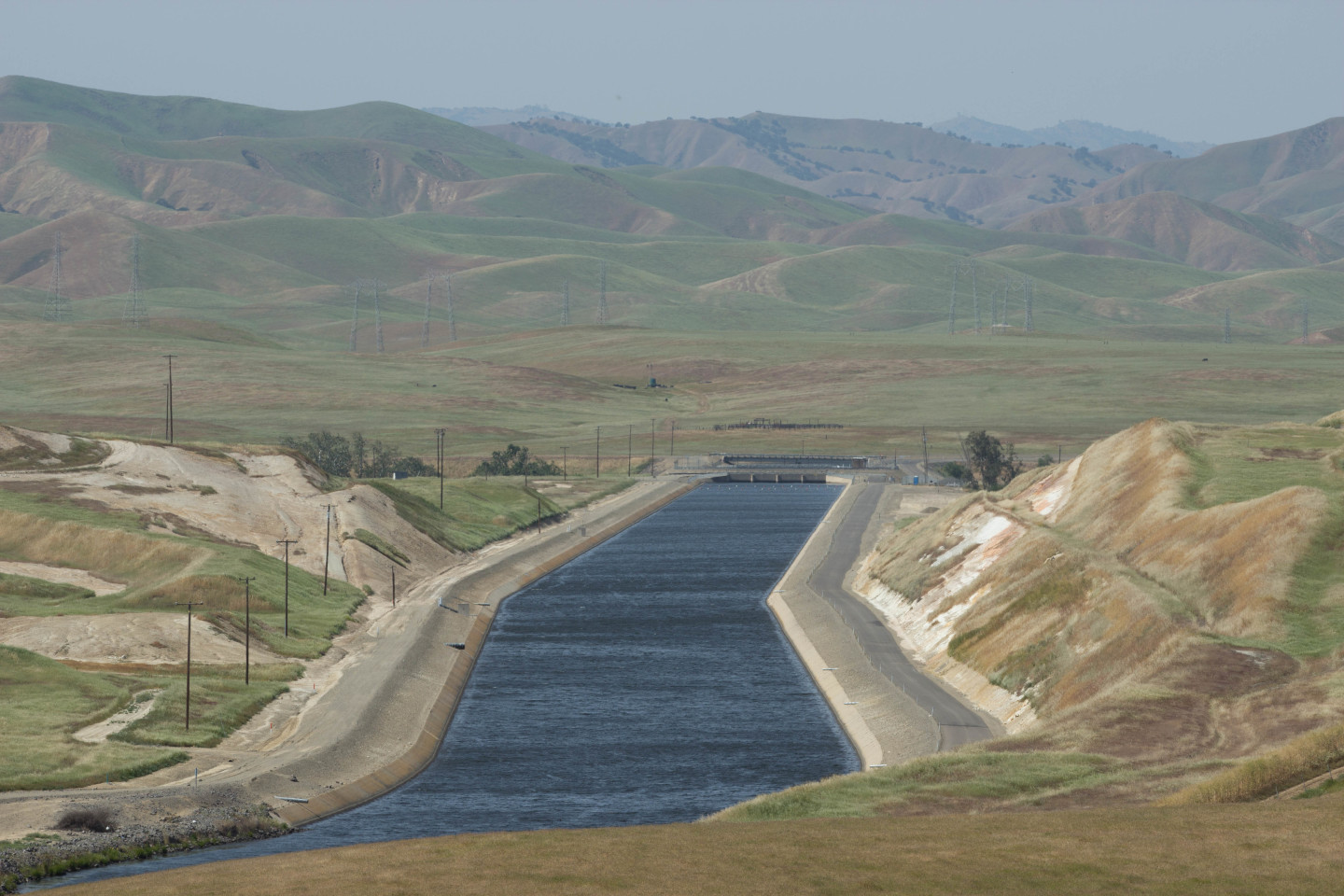
"caption": "The California Aqueduct on the west side of the San Joaquin Valley north of Los Banos. March 2015. ",
"description": null,
"title": "Drought-California Aqueduct",
"credit": "Dan Brekke/KQED",
"status": "inherit",
"isLoading": false,
"fetchFailed": false
},
"news_11639497": {
"type": "attachments",
"id": "news_11639497",
"meta": {
"index": "attachments_1716263798",
"site": "news",
"id": "11639497",
"found": true
},
"parent": 11639496,
"imgSizes": {
"small": {
"file": "https://ww2.kqed.org/app/uploads/sites/10/2017/12/gettyimages-887978040_wide-c5937d02e81fe313880486b9011b324b625d4fca-520x292.jpg",
"width": 520,
"mimeType": "image/jpeg",
"height": 292
},
"twentyfourteen-full-width": {
"file": "https://ww2.kqed.org/app/uploads/sites/10/2017/12/gettyimages-887978040_wide-c5937d02e81fe313880486b9011b324b625d4fca-1038x576.jpg",
"width": 1038,
"mimeType": "image/jpeg",
"height": 576
},
"thumbnail": {
"file": "https://ww2.kqed.org/app/uploads/sites/10/2017/12/gettyimages-887978040_wide-c5937d02e81fe313880486b9011b324b625d4fca-160x90.jpg",
"width": 160,
"mimeType": "image/jpeg",
"height": 90
},
"fd-sm": {
"file": "https://ww2.kqed.org/app/uploads/sites/10/2017/12/gettyimages-887978040_wide-c5937d02e81fe313880486b9011b324b625d4fca-960x540.jpg",
"width": 960,
"mimeType": "image/jpeg",
"height": 540
},
"post-thumbnail": {
"file": "https://ww2.kqed.org/app/uploads/sites/10/2017/12/gettyimages-887978040_wide-c5937d02e81fe313880486b9011b324b625d4fca-672x372.jpg",
"width": 672,
"mimeType": "image/jpeg",
"height": 372
},
"xsmall": {
"file": "https://ww2.kqed.org/app/uploads/sites/10/2017/12/gettyimages-887978040_wide-c5937d02e81fe313880486b9011b324b625d4fca-375x211.jpg",
"width": 375,
"mimeType": "image/jpeg",
"height": 211
},
"kqedFullSize": {
"file": "https://ww2.kqed.org/app/uploads/sites/10/2017/12/gettyimages-887978040_wide-c5937d02e81fe313880486b9011b324b625d4fca-e1514577484217.jpg",
"width": 1920,
"height": 1080
},
"large": {
"file": "https://ww2.kqed.org/app/uploads/sites/10/2017/12/gettyimages-887978040_wide-c5937d02e81fe313880486b9011b324b625d4fca-1020x574.jpg",
"width": 1020,
"mimeType": "image/jpeg",
"height": 574
},
"xlarge": {
"file": "https://ww2.kqed.org/app/uploads/sites/10/2017/12/gettyimages-887978040_wide-c5937d02e81fe313880486b9011b324b625d4fca-1180x664.jpg",
"width": 1180,
"mimeType": "image/jpeg",
"height": 664
},
"guest-author-50": {
"file": "https://ww2.kqed.org/app/uploads/sites/10/2017/12/gettyimages-887978040_wide-c5937d02e81fe313880486b9011b324b625d4fca-50x50.jpg",
"width": 50,
"mimeType": "image/jpeg",
"height": 50
},
"guest-author-96": {
"file": "https://ww2.kqed.org/app/uploads/sites/10/2017/12/gettyimages-887978040_wide-c5937d02e81fe313880486b9011b324b625d4fca-96x96.jpg",
"width": 96,
"mimeType": "image/jpeg",
"height": 96
},
"medium": {
"file": "https://ww2.kqed.org/app/uploads/sites/10/2017/12/gettyimages-887978040_wide-c5937d02e81fe313880486b9011b324b625d4fca-800x450.jpg",
"width": 800,
"mimeType": "image/jpeg",
"height": 450
},
"guest-author-64": {
"file": "https://ww2.kqed.org/app/uploads/sites/10/2017/12/gettyimages-887978040_wide-c5937d02e81fe313880486b9011b324b625d4fca-64x64.jpg",
"width": 64,
"mimeType": "image/jpeg",
"height": 64
},
"guest-author-32": {
"file": "https://ww2.kqed.org/app/uploads/sites/10/2017/12/gettyimages-887978040_wide-c5937d02e81fe313880486b9011b324b625d4fca-32x32.jpg",
"width": 32,
"mimeType": "image/jpeg",
"height": 32
},
"fd-lrg": {
"file": "https://ww2.kqed.org/app/uploads/sites/10/2017/12/gettyimages-887978040_wide-c5937d02e81fe313880486b9011b324b625d4fca-1920x1080.jpg",
"width": 1920,
"mimeType": "image/jpeg",
"height": 1080
},
"fd-med": {
"file": "https://ww2.kqed.org/app/uploads/sites/10/2017/12/gettyimages-887978040_wide-c5937d02e81fe313880486b9011b324b625d4fca-1180x664.jpg",
"width": 1180,
"mimeType": "image/jpeg",
"height": 664
},
"full-width": {
"file": "https://ww2.kqed.org/app/uploads/sites/10/2017/12/gettyimages-887978040_wide-c5937d02e81fe313880486b9011b324b625d4fca-1920x1080.jpg",
"width": 1920,
"mimeType": "image/jpeg",
"height": 1080
},
"detail": {
"file": "https://ww2.kqed.org/app/uploads/sites/10/2017/12/gettyimages-887978040_wide-c5937d02e81fe313880486b9011b324b625d4fca-150x150.jpg",
"width": 150,
"mimeType": "image/jpeg",
"height": 150
},
"guest-author-128": {
"file": "https://ww2.kqed.org/app/uploads/sites/10/2017/12/gettyimages-887978040_wide-c5937d02e81fe313880486b9011b324b625d4fca-128x128.jpg",
"width": 128,
"mimeType": "image/jpeg",
"height": 128
},
"xxsmall": {
"file": "https://ww2.kqed.org/app/uploads/sites/10/2017/12/gettyimages-887978040_wide-c5937d02e81fe313880486b9011b324b625d4fca-240x135.jpg",
"width": 240,
"mimeType": "image/jpeg",
"height": 135
}
},
"publishDate": 1514577410,
"modified": 1514577546,
"caption": "Opponents of President Trump's travel ban protest outside the U.S. Supreme Court earlier this month. Legal challenges to the ban are likely to eventually reach the high court.",
"description": "Opponents of President Trump's travel ban protest outside the U.S. Supreme Court earlier this month. Legal challenges to the ban are likely to eventually reach the high court.",
"title": "Opponents of President Trump's travel ban protest outside the U.S. Supreme Court earlier this month. Legal challenges to the ban are likely to eventually reach the high court.",
"credit": "Brendan Smialowski/AFP/Getty Images",
"status": "inherit",
"isLoading": false,
"fetchFailed": false
},
"news_10392550": {
"type": "attachments",
"id": "news_10392550",
"meta": {
"index": "attachments_1716263798",
"site": "news",
"id": "10392550",
"found": true
},
"parent": 10392239,
"imgSizes": {
"twentyfourteen-full-width": {
"file": "https://ww2.kqed.org/app/uploads/sites/10/2014/12/RS13846_1706712-scr-1038x576.jpg",
"width": 1038,
"mimeType": "image/jpeg",
"height": 576
},
"thumbnail": {
"file": "https://ww2.kqed.org/app/uploads/sites/10/2014/12/RS13846_1706712-scr-400x267.jpg",
"width": 400,
"mimeType": "image/jpeg",
"height": 267
},
"post-thumbnail": {
"file": "https://ww2.kqed.org/app/uploads/sites/10/2014/12/RS13846_1706712-scr-672x372.jpg",
"width": 672,
"mimeType": "image/jpeg",
"height": 372
},
"kqedFullSize": {
"file": "https://ww2.kqed.org/app/uploads/sites/10/2014/12/RS13846_1706712-scr.jpg",
"width": 1440,
"height": 963
},
"guest-author-96": {
"file": "https://ww2.kqed.org/app/uploads/sites/10/2014/12/RS13846_1706712-scr-96x96.jpg",
"width": 96,
"mimeType": "image/jpeg",
"height": 96
},
"medium": {
"file": "https://ww2.kqed.org/app/uploads/sites/10/2014/12/RS13846_1706712-scr-800x535.jpg",
"width": 800,
"mimeType": "image/jpeg",
"height": 535
},
"guest-author-64": {
"file": "https://ww2.kqed.org/app/uploads/sites/10/2014/12/RS13846_1706712-scr-64x64.jpg",
"width": 64,
"mimeType": "image/jpeg",
"height": 64
},
"detail": {
"file": "https://ww2.kqed.org/app/uploads/sites/10/2014/12/RS13846_1706712-scr-75x75.jpg",
"width": 75,
"mimeType": "image/jpeg",
"height": 75
},
"guest-author-32": {
"file": "https://ww2.kqed.org/app/uploads/sites/10/2014/12/RS13846_1706712-scr-32x32.jpg",
"width": 32,
"mimeType": "image/jpeg",
"height": 32
},
"guest-author-128": {
"file": "https://ww2.kqed.org/app/uploads/sites/10/2014/12/RS13846_1706712-scr-128x128.jpg",
"width": 128,
"mimeType": "image/jpeg",
"height": 128
}
},
"publishDate": 1419905384,
"modified": 1419905411,
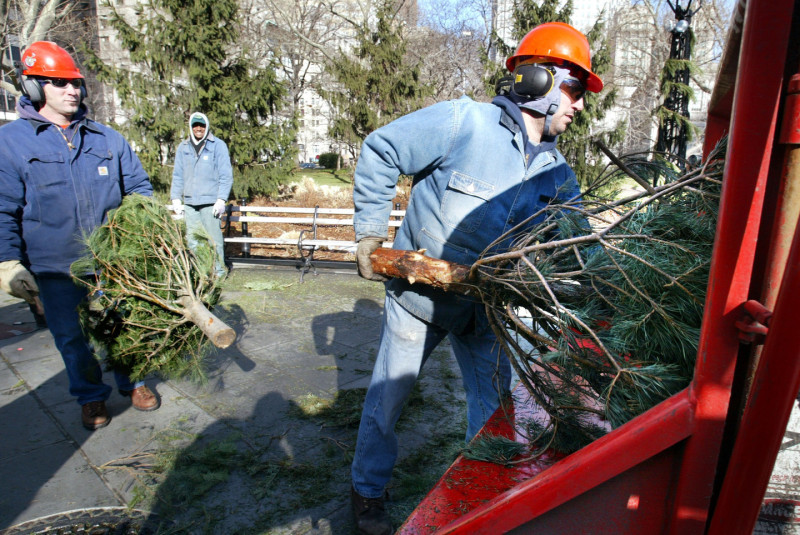
"caption": "Workers compost Christmas trees.",
"description": "Workers compost Christmas trees.",
"title": "RS13846_1706712-scr",
"credit": "Mario Tama/Getty Images",
"status": "inherit",
"isLoading": false,
"fetchFailed": false
},
"news_11639148": {
"type": "attachments",
"id": "news_11639148",
"meta": {
"index": "attachments_1716263798",
"site": "news",
"id": "11639148",
"found": true
},
"parent": 11639147,
"imgSizes": {
"small": {
"file": "https://ww2.kqed.org/app/uploads/sites/10/2017/12/IMG_0318-1-520x390.jpg",
"width": 520,
"mimeType": "image/jpeg",
"height": 390
},
"twentyfourteen-full-width": {
"file": "https://ww2.kqed.org/app/uploads/sites/10/2017/12/IMG_0318-1-1038x576.jpg",
"width": 1038,
"mimeType": "image/jpeg",
"height": 576
},
"thumbnail": {
"file": "https://ww2.kqed.org/app/uploads/sites/10/2017/12/IMG_0318-1-160x120.jpg",
"width": 160,
"mimeType": "image/jpeg",
"height": 120
},
"fd-sm": {
"file": "https://ww2.kqed.org/app/uploads/sites/10/2017/12/IMG_0318-1-960x720.jpg",
"width": 960,
"mimeType": "image/jpeg",
"height": 720
},
"post-thumbnail": {
"file": "https://ww2.kqed.org/app/uploads/sites/10/2017/12/IMG_0318-1-672x372.jpg",
"width": 672,
"mimeType": "image/jpeg",
"height": 372
},
"xsmall": {
"file": "https://ww2.kqed.org/app/uploads/sites/10/2017/12/IMG_0318-1-375x281.jpg",
"width": 375,
"mimeType": "image/jpeg",
"height": 281
},
"kqedFullSize": {
"file": "https://ww2.kqed.org/app/uploads/sites/10/2017/12/IMG_0318-1-e1514491972199.jpg",
"width": 1920,
"height": 1440
},
"large": {
"file": "https://ww2.kqed.org/app/uploads/sites/10/2017/12/IMG_0318-1-1020x765.jpg",
"width": 1020,
"mimeType": "image/jpeg",
"height": 765
},
"xlarge": {
"file": "https://ww2.kqed.org/app/uploads/sites/10/2017/12/IMG_0318-1-1180x885.jpg",
"width": 1180,
"mimeType": "image/jpeg",
"height": 885
},
"guest-author-50": {
"file": "https://ww2.kqed.org/app/uploads/sites/10/2017/12/IMG_0318-1-50x50.jpg",
"width": 50,
"mimeType": "image/jpeg",
"height": 50
},
"guest-author-96": {
"file": "https://ww2.kqed.org/app/uploads/sites/10/2017/12/IMG_0318-1-96x96.jpg",
"width": 96,
"mimeType": "image/jpeg",
"height": 96
},
"medium": {
"file": "https://ww2.kqed.org/app/uploads/sites/10/2017/12/IMG_0318-1-800x600.jpg",
"width": 800,
"mimeType": "image/jpeg",
"height": 600
},
"guest-author-64": {
"file": "https://ww2.kqed.org/app/uploads/sites/10/2017/12/IMG_0318-1-64x64.jpg",
"width": 64,
"mimeType": "image/jpeg",
"height": 64
},
"guest-author-32": {
"file": "https://ww2.kqed.org/app/uploads/sites/10/2017/12/IMG_0318-1-32x32.jpg",
"width": 32,
"mimeType": "image/jpeg",
"height": 32
},
"fd-lrg": {
"file": "https://ww2.kqed.org/app/uploads/sites/10/2017/12/IMG_0318-1-1920x1440.jpg",
"width": 1920,
"mimeType": "image/jpeg",
"height": 1440
},
"fd-med": {
"file": "https://ww2.kqed.org/app/uploads/sites/10/2017/12/IMG_0318-1-1180x885.jpg",
"width": 1180,
"mimeType": "image/jpeg",
"height": 885
},
"full-width": {
"file": "https://ww2.kqed.org/app/uploads/sites/10/2017/12/IMG_0318-1-1920x1440.jpg",
"width": 1920,
"mimeType": "image/jpeg",
"height": 1440
},
"detail": {
"file": "https://ww2.kqed.org/app/uploads/sites/10/2017/12/IMG_0318-1-150x150.jpg",
"width": 150,
"mimeType": "image/jpeg",
"height": 150
},
"guest-author-128": {
"file": "https://ww2.kqed.org/app/uploads/sites/10/2017/12/IMG_0318-1-128x128.jpg",
"width": 128,
"mimeType": "image/jpeg",
"height": 128
},
"xxsmall": {
"file": "https://ww2.kqed.org/app/uploads/sites/10/2017/12/IMG_0318-1-240x180.jpg",
"width": 240,
"mimeType": "image/jpeg",
"height": 180
}
},
"publishDate": 1513998508,
"modified": 1514505443,
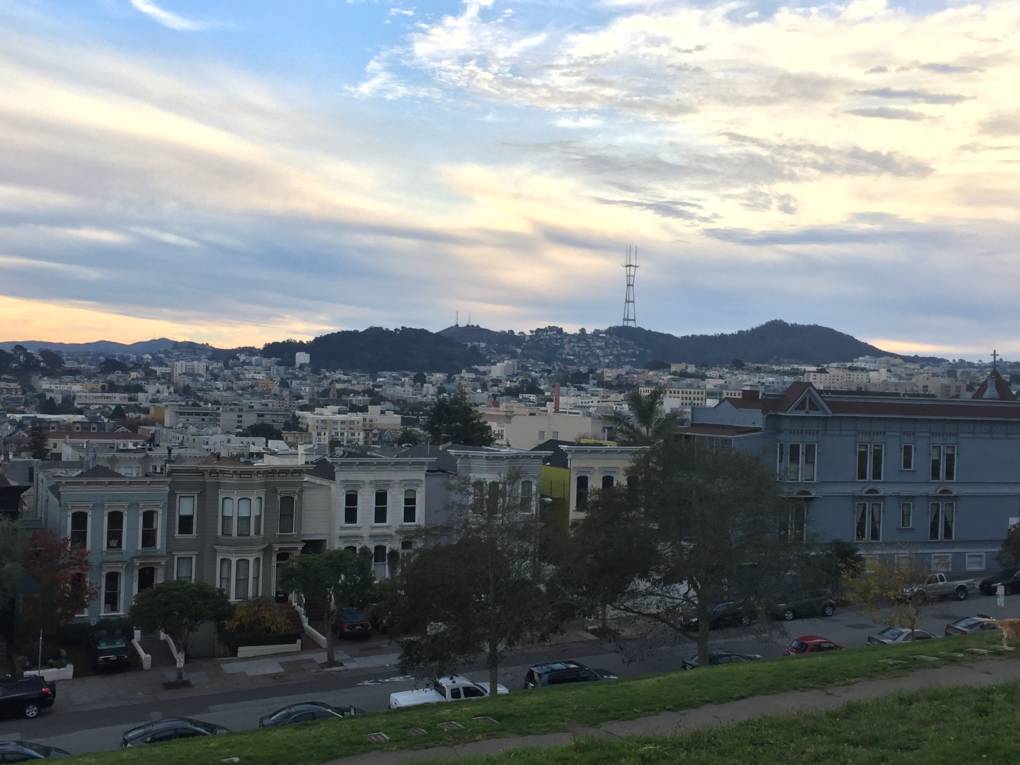
"caption": "The new Republican-backed tax law passed in December could threaten homeownership in San Francisco and other expensive parts of the Bay Area. ",
"description": null,
"title": "IMG_0318 (1)",
"credit": "Erika Aguilar/KQED",
"status": "inherit",
"isLoading": false,
"fetchFailed": false
},
"news_11638148": {
"type": "attachments",
"id": "news_11638148",
"meta": {
"index": "attachments_1716263798",
"site": "news",
"id": "11638148",
"found": true
},
"parent": 11637989,
"imgSizes": {
"small": {
"file": "https://ww2.kqed.org/app/uploads/sites/10/2017/12/RS28657_GettyImages-91997121-qut-1-520x347.jpg",
"width": 520,
"mimeType": "image/jpeg",
"height": 347
},
"twentyfourteen-full-width": {
"file": "https://ww2.kqed.org/app/uploads/sites/10/2017/12/RS28657_GettyImages-91997121-qut-1-1038x576.jpg",
"width": 1038,
"mimeType": "image/jpeg",
"height": 576
},
"thumbnail": {
"file": "https://ww2.kqed.org/app/uploads/sites/10/2017/12/RS28657_GettyImages-91997121-qut-1-160x107.jpg",
"width": 160,
"mimeType": "image/jpeg",
"height": 107
},
"fd-sm": {
"file": "https://ww2.kqed.org/app/uploads/sites/10/2017/12/RS28657_GettyImages-91997121-qut-1-960x640.jpg",
"width": 960,
"mimeType": "image/jpeg",
"height": 640
},
"post-thumbnail": {
"file": "https://ww2.kqed.org/app/uploads/sites/10/2017/12/RS28657_GettyImages-91997121-qut-1-672x372.jpg",
"width": 672,
"mimeType": "image/jpeg",
"height": 372
},
"xsmall": {
"file": "https://ww2.kqed.org/app/uploads/sites/10/2017/12/RS28657_GettyImages-91997121-qut-1-375x250.jpg",
"width": 375,
"mimeType": "image/jpeg",
"height": 250
},
"kqedFullSize": {
"file": "https://ww2.kqed.org/app/uploads/sites/10/2017/12/RS28657_GettyImages-91997121-qut-1.jpg",
"width": 1920,
"height": 1280
},
"large": {
"file": "https://ww2.kqed.org/app/uploads/sites/10/2017/12/RS28657_GettyImages-91997121-qut-1-1020x680.jpg",
"width": 1020,
"mimeType": "image/jpeg",
"height": 680
},
"xlarge": {
"file": "https://ww2.kqed.org/app/uploads/sites/10/2017/12/RS28657_GettyImages-91997121-qut-1-1180x787.jpg",
"width": 1180,
"mimeType": "image/jpeg",
"height": 787
},
"guest-author-50": {
"file": "https://ww2.kqed.org/app/uploads/sites/10/2017/12/RS28657_GettyImages-91997121-qut-1-50x50.jpg",
"width": 50,
"mimeType": "image/jpeg",
"height": 50
},
"guest-author-96": {
"file": "https://ww2.kqed.org/app/uploads/sites/10/2017/12/RS28657_GettyImages-91997121-qut-1-96x96.jpg",
"width": 96,
"mimeType": "image/jpeg",
"height": 96
},
"medium": {
"file": "https://ww2.kqed.org/app/uploads/sites/10/2017/12/RS28657_GettyImages-91997121-qut-1-800x533.jpg",
"width": 800,
"mimeType": "image/jpeg",
"height": 533
},
"guest-author-64": {
"file": "https://ww2.kqed.org/app/uploads/sites/10/2017/12/RS28657_GettyImages-91997121-qut-1-64x64.jpg",
"width": 64,
"mimeType": "image/jpeg",
"height": 64
},
"guest-author-32": {
"file": "https://ww2.kqed.org/app/uploads/sites/10/2017/12/RS28657_GettyImages-91997121-qut-1-32x32.jpg",
"width": 32,
"mimeType": "image/jpeg",
"height": 32
},
"fd-lrg": {
"file": "https://ww2.kqed.org/app/uploads/sites/10/2017/12/RS28657_GettyImages-91997121-qut-1-1920x1280.jpg",
"width": 1920,
"mimeType": "image/jpeg",
"height": 1280
},
"fd-med": {
"file": "https://ww2.kqed.org/app/uploads/sites/10/2017/12/RS28657_GettyImages-91997121-qut-1-1180x787.jpg",
"width": 1180,
"mimeType": "image/jpeg",
"height": 787
},
"full-width": {
"file": "https://ww2.kqed.org/app/uploads/sites/10/2017/12/RS28657_GettyImages-91997121-qut-1-1920x1280.jpg",
"width": 1920,
"mimeType": "image/jpeg",
"height": 1280
},
"detail": {
"file": "https://ww2.kqed.org/app/uploads/sites/10/2017/12/RS28657_GettyImages-91997121-qut-1-150x150.jpg",
"width": 150,
"mimeType": "image/jpeg",
"height": 150
},
"guest-author-128": {
"file": "https://ww2.kqed.org/app/uploads/sites/10/2017/12/RS28657_GettyImages-91997121-qut-1-128x128.jpg",
"width": 128,
"mimeType": "image/jpeg",
"height": 128
},
"xxsmall": {
"file": "https://ww2.kqed.org/app/uploads/sites/10/2017/12/RS28657_GettyImages-91997121-qut-1-240x160.jpg",
"width": 240,
"mimeType": "image/jpeg",
"height": 160
}
},
"publishDate": 1513699686,
"modified": 1515197536,
"caption": "On Jan. 1 California will become the largest state to allow adults 21 and older to buy cannabis at licensed retailers.",
"description": "On Jan. 1 California will become the largest state to allow adults 21 and older to buy cannabis at licensed retailers.",
"title": "Obama Admin. Unveils New Policy Easing Medical Marijuana Prosecutions",
"credit": "David McNew/Getty Images",
"status": "inherit",
"isLoading": false,
"fetchFailed": false
},
"news_11639324": {
"type": "attachments",
"id": "news_11639324",
"meta": {
"index": "attachments_1716263798",
"site": "news",
"id": "11639324",
"found": true
},
"parent": 11639317,
"imgSizes": {
"small": {
"file": "https://ww2.kqed.org/app/uploads/sites/10/2017/12/38212450505_7924cbf220_o-520x534.jpg",
"width": 520,
"mimeType": "image/jpeg",
"height": 534
},
"twentyfourteen-full-width": {
"file": "https://ww2.kqed.org/app/uploads/sites/10/2017/12/38212450505_7924cbf220_o-1038x576.jpg",
"width": 1038,
"mimeType": "image/jpeg",
"height": 576
},
"thumbnail": {
"file": "https://ww2.kqed.org/app/uploads/sites/10/2017/12/38212450505_7924cbf220_o-160x164.jpg",
"width": 160,
"mimeType": "image/jpeg",
"height": 164
},
"fd-sm": {
"file": "https://ww2.kqed.org/app/uploads/sites/10/2017/12/38212450505_7924cbf220_o-960x987.jpg",
"width": 960,
"mimeType": "image/jpeg",
"height": 987
},
"post-thumbnail": {
"file": "https://ww2.kqed.org/app/uploads/sites/10/2017/12/38212450505_7924cbf220_o-672x372.jpg",
"width": 672,
"mimeType": "image/jpeg",
"height": 372
},
"xsmall": {
"file": "https://ww2.kqed.org/app/uploads/sites/10/2017/12/38212450505_7924cbf220_o-375x385.jpg",
"width": 375,
"mimeType": "image/jpeg",
"height": 385
},
"kqedFullSize": {
"file": "https://ww2.kqed.org/app/uploads/sites/10/2017/12/38212450505_7924cbf220_o-e1514420892867.jpg",
"width": 1920,
"height": 1973
},
"large": {
"file": "https://ww2.kqed.org/app/uploads/sites/10/2017/12/38212450505_7924cbf220_o-1020x1048.jpg",
"width": 1020,
"mimeType": "image/jpeg",
"height": 1048
},
"xlarge": {
"file": "https://ww2.kqed.org/app/uploads/sites/10/2017/12/38212450505_7924cbf220_o-1180x1213.jpg",
"width": 1180,
"mimeType": "image/jpeg",
"height": 1213
},
"guest-author-50": {
"file": "https://ww2.kqed.org/app/uploads/sites/10/2017/12/38212450505_7924cbf220_o-50x50.jpg",
"width": 50,
"mimeType": "image/jpeg",
"height": 50
},
"guest-author-96": {
"file": "https://ww2.kqed.org/app/uploads/sites/10/2017/12/38212450505_7924cbf220_o-96x96.jpg",
"width": 96,
"mimeType": "image/jpeg",
"height": 96
},
"medium": {
"file": "https://ww2.kqed.org/app/uploads/sites/10/2017/12/38212450505_7924cbf220_o-800x822.jpg",
"width": 800,
"mimeType": "image/jpeg",
"height": 822
},
"guest-author-64": {
"file": "https://ww2.kqed.org/app/uploads/sites/10/2017/12/38212450505_7924cbf220_o-64x64.jpg",
"width": 64,
"mimeType": "image/jpeg",
"height": 64
},
"guest-author-32": {
"file": "https://ww2.kqed.org/app/uploads/sites/10/2017/12/38212450505_7924cbf220_o-32x32.jpg",
"width": 32,
"mimeType": "image/jpeg",
"height": 32
},
"fd-lrg": {
"file": "https://ww2.kqed.org/app/uploads/sites/10/2017/12/38212450505_7924cbf220_o-1920x1973.jpg",
"width": 1920,
"mimeType": "image/jpeg",
"height": 1973
},
"fd-med": {
"file": "https://ww2.kqed.org/app/uploads/sites/10/2017/12/38212450505_7924cbf220_o-1180x1213.jpg",
"width": 1180,
"mimeType": "image/jpeg",
"height": 1213
},
"full-width": {
"file": "https://ww2.kqed.org/app/uploads/sites/10/2017/12/38212450505_7924cbf220_o-1920x1973.jpg",
"width": 1920,
"mimeType": "image/jpeg",
"height": 1973
},
"detail": {
"file": "https://ww2.kqed.org/app/uploads/sites/10/2017/12/38212450505_7924cbf220_o-150x150.jpg",
"width": 150,
"mimeType": "image/jpeg",
"height": 150
},
"guest-author-128": {
"file": "https://ww2.kqed.org/app/uploads/sites/10/2017/12/38212450505_7924cbf220_o-128x128.jpg",
"width": 128,
"mimeType": "image/jpeg",
"height": 128
},
"xxsmall": {
"file": "https://ww2.kqed.org/app/uploads/sites/10/2017/12/38212450505_7924cbf220_o-240x247.jpg",
"width": 240,
"mimeType": "image/jpeg",
"height": 247
}
},
"publishDate": 1514420346,
"modified": 1514500438,
"caption": "A BART patron leaving San Francisco's 16th Street/Mission Station through a side gate -- a popular route for fare evaders. BART is launching a proof of payment system to try to discourage rampant fare cheating on the system. ",
"description": null,
"title": "BART-Fare Cheats",
"credit": "Dan Brekke/KQED",
"status": "inherit",
"isLoading": false,
"fetchFailed": false
},
"news_11637506": {
"type": "attachments",
"id": "news_11637506",
"meta": {
"index": "attachments_1716263798",
"site": "news",
"id": "11637506",
"found": true
},
"parent": 11637291,
"imgSizes": {
"small": {
"file": "https://ww2.kqed.org/app/uploads/sites/10/2018/12/CA_ThirdBaptist_04-520x347.jpg",
"width": 520,
"mimeType": "image/jpeg",
"height": 347
},
"twentyfourteen-full-width": {
"file": "https://ww2.kqed.org/app/uploads/sites/10/2018/12/CA_ThirdBaptist_04-1038x576.jpg",
"width": 1038,
"mimeType": "image/jpeg",
"height": 576
},
"thumbnail": {
"file": "https://ww2.kqed.org/app/uploads/sites/10/2018/12/CA_ThirdBaptist_04-160x107.jpg",
"width": 160,
"mimeType": "image/jpeg",
"height": 107
},
"fd-sm": {
"file": "https://ww2.kqed.org/app/uploads/sites/10/2018/12/CA_ThirdBaptist_04-960x640.jpg",
"width": 960,
"mimeType": "image/jpeg",
"height": 640
},
"post-thumbnail": {
"file": "https://ww2.kqed.org/app/uploads/sites/10/2018/12/CA_ThirdBaptist_04-672x372.jpg",
"width": 672,
"mimeType": "image/jpeg",
"height": 372
},
"xsmall": {
"file": "https://ww2.kqed.org/app/uploads/sites/10/2018/12/CA_ThirdBaptist_04-375x250.jpg",
"width": 375,
"mimeType": "image/jpeg",
"height": 250
},
"kqedFullSize": {
"file": "https://ww2.kqed.org/app/uploads/sites/10/2018/12/CA_ThirdBaptist_04-e1513385182365.jpg",
"width": 1920,
"height": 1280
},
"large": {
"file": "https://ww2.kqed.org/app/uploads/sites/10/2018/12/CA_ThirdBaptist_04-1020x680.jpg",
"width": 1020,
"mimeType": "image/jpeg",
"height": 680
},
"xlarge": {
"file": "https://ww2.kqed.org/app/uploads/sites/10/2018/12/CA_ThirdBaptist_04-1180x787.jpg",
"width": 1180,
"mimeType": "image/jpeg",
"height": 787
},
"guest-author-50": {
"file": "https://ww2.kqed.org/app/uploads/sites/10/2018/12/CA_ThirdBaptist_04-50x50.jpg",
"width": 50,
"mimeType": "image/jpeg",
"height": 50
},
"guest-author-96": {
"file": "https://ww2.kqed.org/app/uploads/sites/10/2018/12/CA_ThirdBaptist_04-96x96.jpg",
"width": 96,
"mimeType": "image/jpeg",
"height": 96
},
"medium": {
"file": "https://ww2.kqed.org/app/uploads/sites/10/2018/12/CA_ThirdBaptist_04-800x533.jpg",
"width": 800,
"mimeType": "image/jpeg",
"height": 533
},
"guest-author-64": {
"file": "https://ww2.kqed.org/app/uploads/sites/10/2018/12/CA_ThirdBaptist_04-64x64.jpg",
"width": 64,
"mimeType": "image/jpeg",
"height": 64
},
"guest-author-32": {
"file": "https://ww2.kqed.org/app/uploads/sites/10/2018/12/CA_ThirdBaptist_04-32x32.jpg",
"width": 32,
"mimeType": "image/jpeg",
"height": 32
},
"fd-lrg": {
"file": "https://ww2.kqed.org/app/uploads/sites/10/2018/12/CA_ThirdBaptist_04-1920x1280.jpg",
"width": 1920,
"mimeType": "image/jpeg",
"height": 1280
},
"fd-med": {
"file": "https://ww2.kqed.org/app/uploads/sites/10/2018/12/CA_ThirdBaptist_04-1180x787.jpg",
"width": 1180,
"mimeType": "image/jpeg",
"height": 787
},
"full-width": {
"file": "https://ww2.kqed.org/app/uploads/sites/10/2018/12/CA_ThirdBaptist_04-1920x1280.jpg",
"width": 1920,
"mimeType": "image/jpeg",
"height": 1280
},
"detail": {
"file": "https://ww2.kqed.org/app/uploads/sites/10/2018/12/CA_ThirdBaptist_04-150x150.jpg",
"width": 150,
"mimeType": "image/jpeg",
"height": 150
},
"guest-author-128": {
"file": "https://ww2.kqed.org/app/uploads/sites/10/2018/12/CA_ThirdBaptist_04-128x128.jpg",
"width": 128,
"mimeType": "image/jpeg",
"height": 128
},
"xxsmall": {
"file": "https://ww2.kqed.org/app/uploads/sites/10/2018/12/CA_ThirdBaptist_04-240x160.jpg",
"width": 240,
"mimeType": "image/jpeg",
"height": 160
}
},
"publishDate": 1513385157,
"modified": 1513732616,
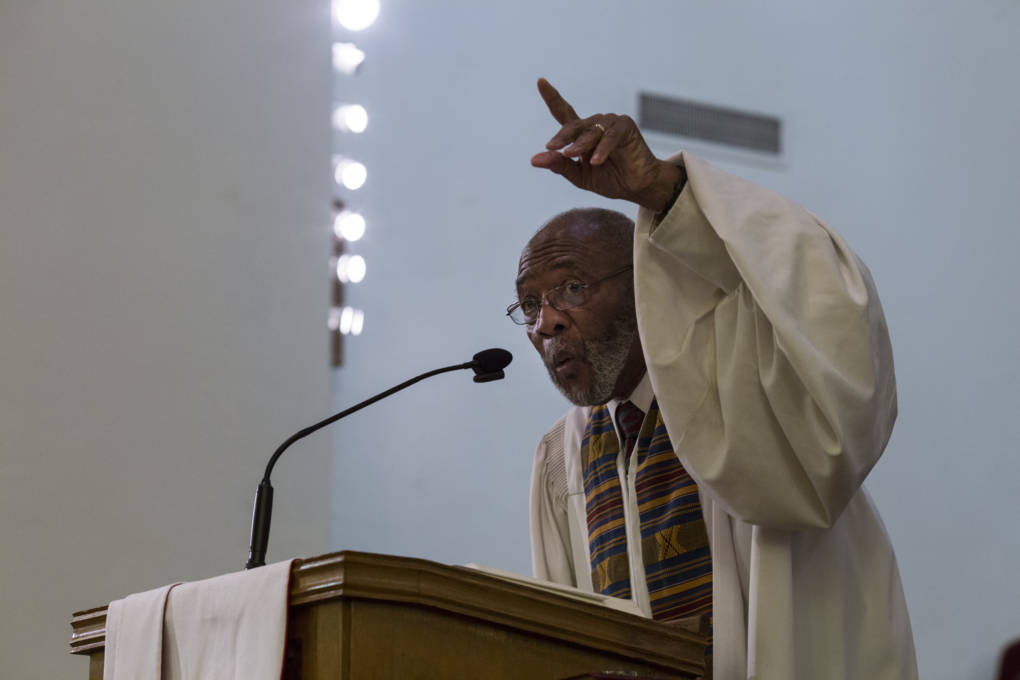
"caption": "The Rev. Amos C. Brown gives a sermon at Third Baptist Church, where he is the pastor, in San Francisco on Nov. 5, 2017.",
"description": "The Rev. Amos C. Brown gives a sermon at the Third Baptist Church, where he is the pastor, in San Francisco on Nov. 5, 2017.",
"title": "CA_ThirdBaptist_04",
"credit": "Brittany Greeson/WGBH and The GroundTruth Project",
"status": "inherit",
"isLoading": false,
"fetchFailed": false
},
"news_11636967": {
"type": "attachments",
"id": "news_11636967",
"meta": {
"index": "attachments_1716263798",
"site": "news",
"id": "11636967",
"found": true
},
"parent": 11636966,
"imgSizes": {
"small": {
"file": "https://ww2.kqed.org/app/uploads/sites/10/2017/12/IMG_0984-520x390.jpg",
"width": 520,
"mimeType": "image/jpeg",
"height": 390
},
"twentyfourteen-full-width": {
"file": "https://ww2.kqed.org/app/uploads/sites/10/2017/12/IMG_0984-1038x576.jpg",
"width": 1038,
"mimeType": "image/jpeg",
"height": 576
},
"thumbnail": {
"file": "https://ww2.kqed.org/app/uploads/sites/10/2017/12/IMG_0984-160x120.jpg",
"width": 160,
"mimeType": "image/jpeg",
"height": 120
},
"fd-sm": {
"file": "https://ww2.kqed.org/app/uploads/sites/10/2017/12/IMG_0984-960x720.jpg",
"width": 960,
"mimeType": "image/jpeg",
"height": 720
},
"post-thumbnail": {
"file": "https://ww2.kqed.org/app/uploads/sites/10/2017/12/IMG_0984-672x372.jpg",
"width": 672,
"mimeType": "image/jpeg",
"height": 372
},
"xsmall": {
"file": "https://ww2.kqed.org/app/uploads/sites/10/2017/12/IMG_0984-375x281.jpg",
"width": 375,
"mimeType": "image/jpeg",
"height": 281
},
"kqedFullSize": {
"file": "https://ww2.kqed.org/app/uploads/sites/10/2017/12/IMG_0984-e1514420689679.jpg",
"width": 1920,
"height": 1440
},
"large": {
"file": "https://ww2.kqed.org/app/uploads/sites/10/2017/12/IMG_0984-1020x765.jpg",
"width": 1020,
"mimeType": "image/jpeg",
"height": 765
},
"xlarge": {
"file": "https://ww2.kqed.org/app/uploads/sites/10/2017/12/IMG_0984-1180x885.jpg",
"width": 1180,
"mimeType": "image/jpeg",
"height": 885
},
"guest-author-50": {
"file": "https://ww2.kqed.org/app/uploads/sites/10/2017/12/IMG_0984-50x50.jpg",
"width": 50,
"mimeType": "image/jpeg",
"height": 50
},
"guest-author-96": {
"file": "https://ww2.kqed.org/app/uploads/sites/10/2017/12/IMG_0984-96x96.jpg",
"width": 96,
"mimeType": "image/jpeg",
"height": 96
},
"medium": {
"file": "https://ww2.kqed.org/app/uploads/sites/10/2017/12/IMG_0984-800x600.jpg",
"width": 800,
"mimeType": "image/jpeg",
"height": 600
},
"guest-author-64": {
"file": "https://ww2.kqed.org/app/uploads/sites/10/2017/12/IMG_0984-64x64.jpg",
"width": 64,
"mimeType": "image/jpeg",
"height": 64
},
"guest-author-32": {
"file": "https://ww2.kqed.org/app/uploads/sites/10/2017/12/IMG_0984-32x32.jpg",
"width": 32,
"mimeType": "image/jpeg",
"height": 32
},
"fd-lrg": {
"file": "https://ww2.kqed.org/app/uploads/sites/10/2017/12/IMG_0984-1920x1440.jpg",
"width": 1920,
"mimeType": "image/jpeg",
"height": 1440
},
"fd-med": {
"file": "https://ww2.kqed.org/app/uploads/sites/10/2017/12/IMG_0984-1180x885.jpg",
"width": 1180,
"mimeType": "image/jpeg",
"height": 885
},
"full-width": {
"file": "https://ww2.kqed.org/app/uploads/sites/10/2017/12/IMG_0984-1920x1440.jpg",
"width": 1920,
"mimeType": "image/jpeg",
"height": 1440
},
"detail": {
"file": "https://ww2.kqed.org/app/uploads/sites/10/2017/12/IMG_0984-150x150.jpg",
"width": 150,
"mimeType": "image/jpeg",
"height": 150
},
"guest-author-128": {
"file": "https://ww2.kqed.org/app/uploads/sites/10/2017/12/IMG_0984-128x128.jpg",
"width": 128,
"mimeType": "image/jpeg",
"height": 128
},
"xxsmall": {
"file": "https://ww2.kqed.org/app/uploads/sites/10/2017/12/IMG_0984-240x180.jpg",
"width": 240,
"mimeType": "image/jpeg",
"height": 180
}
},
"publishDate": 1513277561,
"modified": 1513277852,
"caption": "A house goes up for sale in the city of Brisbane's relatively new Northeast Ridge neighborhood. ",
"description": null,
"title": "House for sale in Brisbane, CA",
"credit": "Erika Aguilar/KQED News",
"status": "inherit",
"isLoading": false,
"fetchFailed": false
},
"news_11159935": {
"type": "attachments",
"id": "news_11159935",
"meta": {
"index": "attachments_1716263798",
"site": "news",
"id": "11159935",
"found": true
},
"parent": 11159792,
"imgSizes": {
"small": {
"file": "https://ww2.kqed.org/app/uploads/sites/10/2016/11/RS21786_GettyImages-615470738-qut-520x347.jpg",
"width": 520,
"mimeType": "image/jpeg",
"height": 347
},
"twentyfourteen-full-width": {
"file": "https://ww2.kqed.org/app/uploads/sites/10/2016/11/RS21786_GettyImages-615470738-qut-1038x576.jpg",
"width": 1038,
"mimeType": "image/jpeg",
"height": 576
},
"thumbnail": {
"file": "https://ww2.kqed.org/app/uploads/sites/10/2016/11/RS21786_GettyImages-615470738-qut-160x107.jpg",
"width": 160,
"mimeType": "image/jpeg",
"height": 107
},
"fd-sm": {
"file": "https://ww2.kqed.org/app/uploads/sites/10/2016/11/RS21786_GettyImages-615470738-qut-960x640.jpg",
"width": 960,
"mimeType": "image/jpeg",
"height": 640
},
"post-thumbnail": {
"file": "https://ww2.kqed.org/app/uploads/sites/10/2016/11/RS21786_GettyImages-615470738-qut-672x372.jpg",
"width": 672,
"mimeType": "image/jpeg",
"height": 372
},
"xsmall": {
"file": "https://ww2.kqed.org/app/uploads/sites/10/2016/11/RS21786_GettyImages-615470738-qut-375x250.jpg",
"width": 375,
"mimeType": "image/jpeg",
"height": 250
},
"kqedFullSize": {
"file": "https://ww2.kqed.org/app/uploads/sites/10/2016/11/RS21786_GettyImages-615470738-qut.jpg",
"width": 1920,
"height": 1280
},
"large": {
"file": "https://ww2.kqed.org/app/uploads/sites/10/2016/11/RS21786_GettyImages-615470738-qut-1020x680.jpg",
"width": 1020,
"mimeType": "image/jpeg",
"height": 680
},
"xlarge": {
"file": "https://ww2.kqed.org/app/uploads/sites/10/2016/11/RS21786_GettyImages-615470738-qut-1180x787.jpg",
"width": 1180,
"mimeType": "image/jpeg",
"height": 787
},
"guest-author-50": {
"file": "https://ww2.kqed.org/app/uploads/sites/10/2016/11/RS21786_GettyImages-615470738-qut-50x50.jpg",
"width": 50,
"mimeType": "image/jpeg",
"height": 50
},
"guest-author-96": {
"file": "https://ww2.kqed.org/app/uploads/sites/10/2016/11/RS21786_GettyImages-615470738-qut-96x96.jpg",
"width": 96,
"mimeType": "image/jpeg",
"height": 96
},
"medium": {
"file": "https://ww2.kqed.org/app/uploads/sites/10/2016/11/RS21786_GettyImages-615470738-qut-800x533.jpg",
"width": 800,
"mimeType": "image/jpeg",
"height": 533
},
"guest-author-64": {
"file": "https://ww2.kqed.org/app/uploads/sites/10/2016/11/RS21786_GettyImages-615470738-qut-64x64.jpg",
"width": 64,
"mimeType": "image/jpeg",
"height": 64
},
"guest-author-32": {
"file": "https://ww2.kqed.org/app/uploads/sites/10/2016/11/RS21786_GettyImages-615470738-qut-32x32.jpg",
"width": 32,
"mimeType": "image/jpeg",
"height": 32
},
"jmtc-small-thumb": {
"file": "https://ww2.kqed.org/app/uploads/sites/10/2016/11/RS21786_GettyImages-615470738-qut-280x150.jpg",
"width": 280,
"mimeType": "image/jpeg",
"height": 150
},
"fd-lrg": {
"file": "https://ww2.kqed.org/app/uploads/sites/10/2016/11/RS21786_GettyImages-615470738-qut-1920x1280.jpg",
"width": 1920,
"mimeType": "image/jpeg",
"height": 1280
},
"fd-med": {
"file": "https://ww2.kqed.org/app/uploads/sites/10/2016/11/RS21786_GettyImages-615470738-qut-1180x787.jpg",
"width": 1180,
"mimeType": "image/jpeg",
"height": 787
},
"full-width": {
"file": "https://ww2.kqed.org/app/uploads/sites/10/2016/11/RS21786_GettyImages-615470738-qut-1920x1280.jpg",
"width": 1920,
"mimeType": "image/jpeg",
"height": 1280
},
"detail": {
"file": "https://ww2.kqed.org/app/uploads/sites/10/2016/11/RS21786_GettyImages-615470738-qut-150x150.jpg",
"width": 150,
"mimeType": "image/jpeg",
"height": 150
},
"guest-author-128": {
"file": "https://ww2.kqed.org/app/uploads/sites/10/2016/11/RS21786_GettyImages-615470738-qut-128x128.jpg",
"width": 128,
"mimeType": "image/jpeg",
"height": 128
},
"xxsmall": {
"file": "https://ww2.kqed.org/app/uploads/sites/10/2016/11/RS21786_GettyImages-615470738-qut-240x160.jpg",
"width": 240,
"mimeType": "image/jpeg",
"height": 160
}
},
"publishDate": 1478305433,
"modified": 1478305560,
"caption": "Early voting is becoming more popular throughout the country.",
"description": null,
"title": "rs21786_gettyimages-615470738-qut",
"credit": "Scott Olson/Getty Images",
"status": "inherit",
"isLoading": false,
"fetchFailed": false
},
"news_11639251": {
"type": "attachments",
"id": "news_11639251",
"meta": {
"index": "attachments_1716263798",
"site": "news",
"id": "11639251",
"found": true
},
"parent": 11639250,
"imgSizes": {
"small": {
"file": "https://ww2.kqed.org/app/uploads/sites/10/2017/12/san-bern-valley_wide-ae12441223478c2757842f495a1d5642d69b59e2-520x293.jpg",
"width": 520,
"mimeType": "image/jpeg",
"height": 293
},
"thumbnail": {
"file": "https://ww2.kqed.org/app/uploads/sites/10/2017/12/san-bern-valley_wide-ae12441223478c2757842f495a1d5642d69b59e2-160x90.jpg",
"width": 160,
"mimeType": "image/jpeg",
"height": 90
},
"post-thumbnail": {
"file": "https://ww2.kqed.org/app/uploads/sites/10/2017/12/san-bern-valley_wide-ae12441223478c2757842f495a1d5642d69b59e2-672x372.jpg",
"width": 672,
"mimeType": "image/jpeg",
"height": 372
},
"xsmall": {
"file": "https://ww2.kqed.org/app/uploads/sites/10/2017/12/san-bern-valley_wide-ae12441223478c2757842f495a1d5642d69b59e2-375x211.jpg",
"width": 375,
"mimeType": "image/jpeg",
"height": 211
},
"kqedFullSize": {
"file": "https://ww2.kqed.org/app/uploads/sites/10/2017/12/san-bern-valley_wide-ae12441223478c2757842f495a1d5642d69b59e2.jpg",
"width": 864,
"height": 486
},
"guest-author-50": {
"file": "https://ww2.kqed.org/app/uploads/sites/10/2017/12/san-bern-valley_wide-ae12441223478c2757842f495a1d5642d69b59e2-50x50.jpg",
"width": 50,
"mimeType": "image/jpeg",
"height": 50
},
"guest-author-96": {
"file": "https://ww2.kqed.org/app/uploads/sites/10/2017/12/san-bern-valley_wide-ae12441223478c2757842f495a1d5642d69b59e2-96x96.jpg",
"width": 96,
"mimeType": "image/jpeg",
"height": 96
},
"medium": {
"file": "https://ww2.kqed.org/app/uploads/sites/10/2017/12/san-bern-valley_wide-ae12441223478c2757842f495a1d5642d69b59e2-800x450.jpg",
"width": 800,
"mimeType": "image/jpeg",
"height": 450
},
"guest-author-64": {
"file": "https://ww2.kqed.org/app/uploads/sites/10/2017/12/san-bern-valley_wide-ae12441223478c2757842f495a1d5642d69b59e2-64x64.jpg",
"width": 64,
"mimeType": "image/jpeg",
"height": 64
},
"guest-author-32": {
"file": "https://ww2.kqed.org/app/uploads/sites/10/2017/12/san-bern-valley_wide-ae12441223478c2757842f495a1d5642d69b59e2-32x32.jpg",
"width": 32,
"mimeType": "image/jpeg",
"height": 32
},
"detail": {
"file": "https://ww2.kqed.org/app/uploads/sites/10/2017/12/san-bern-valley_wide-ae12441223478c2757842f495a1d5642d69b59e2-150x150.jpg",
"width": 150,
"mimeType": "image/jpeg",
"height": 150
},
"guest-author-128": {
"file": "https://ww2.kqed.org/app/uploads/sites/10/2017/12/san-bern-valley_wide-ae12441223478c2757842f495a1d5642d69b59e2-128x128.jpg",
"width": 128,
"mimeType": "image/jpeg",
"height": 128
},
"xxsmall": {
"file": "https://ww2.kqed.org/app/uploads/sites/10/2017/12/san-bern-valley_wide-ae12441223478c2757842f495a1d5642d69b59e2-240x135.jpg",
"width": 240,
"mimeType": "image/jpeg",
"height": 135
}
},
"publishDate": 1514403471,
"modified": 1514404247,
"caption": "An image from a report by the State Water Board shows the area of the headwaters of Strawberry Creek in the San Bernardino National Forest. The board says Nestle lacks the permits it needs to extract all of the water it's been taking from the area",
"description": "An image from a report by the State Water Board shows the area of the headwaters of Strawberry Creek in the San Bernardino National Forest. The board says Nestle lacks the permits it needs to extract all of the water it's been taking from the area",
"title": "An image from a report by the State Water Board shows the area of the headwaters of Strawberry Creek in the San Bernardino National Forest. The board says Nestle lacks the permits it needs to extract all of the water it's been taking from the area.",
"credit": "California State Water Board ",
"status": "inherit",
"isLoading": false,
"fetchFailed": false
}
},
"audioPlayerReducer": {
"postId": "stream_live",
"isPaused": true,
"isPlaying": false,
"pfsActive": false,
"pledgeModalIsOpen": true,
"playerDrawerIsOpen": false,
"liveAudioPlayStartedAt": 0,
"liveAudioPlayContext": ""
},
"authorsReducer": {
"byline_news_11639554": {
"type": "authors",
"id": "byline_news_11639554",
"meta": {
"override": true
},
"slug": "byline_news_11639554",
"name": "\u003cstrong>Bill Chappell\u003c/strong>",
"isLoading": false
},
"byline_news_11639526": {
"type": "authors",
"id": "byline_news_11639526",
"meta": {
"override": true
},
"slug": "byline_news_11639526",
"name": "\u003cstrong>Associated Press\u003c/strong>",
"isLoading": false
},
"byline_news_11639496": {
"type": "authors",
"id": "byline_news_11639496",
"meta": {
"override": true
},
"slug": "byline_news_11639496",
"name": "\u003cstrong>Joel Rose\u003cbr />NPR\u003c/strong>",
"isLoading": false
},
"byline_news_11637291": {
"type": "authors",
"id": "byline_news_11637291",
"meta": {
"override": true
},
"slug": "byline_news_11637291",
"name": "\u003cstrong>\u003ca href=\"http://thegroundtruthproject.org/team/eric_bosco/\">Eric Bosco\u003c/a>, \u003ca href=\"http://thegroundtruthproject.org/team/rachel_cramer/\">Rachel Cramer\u003c/a>, \u003ca href=\"http://xthedivide.org/journalists/brittany-greeson\">Brittany Greeson\u003c/a>, \u003ca href=\"http://thegroundtruthproject.org/team/mahlia_posey/\">Mahlia Posey\u003c/a>\u003c/strong> and \u003cstrong>\u003ca href=\"http://thegroundtruthproject.org/team/gabriel_sanchez/\">Gabriel Sanchez\u003c/a>\u003c/strong>\u003cbr />\u003cstrong>\u003ca href=\"http://www.wgbh.org/\">WGBH\u003c/a>\u003c/strong> and \u003ca href=\"http://thegroundtruthproject.org/\">The GroundTruth Project\u003c/a>\u003c/strong>",
"isLoading": false
},
"byline_news_11639250": {
"type": "authors",
"id": "byline_news_11639250",
"meta": {
"override": true
},
"slug": "byline_news_11639250",
"name": "\u003cstrong>Bill Chappell\u003cbr />NPR\u003c/strong>",
"isLoading": false
},
"vmauleon": {
"type": "authors",
"id": "98",
"meta": {
"index": "authors_1716337520",
"id": "98",
"found": true
},
"name": "Victoria Mauleón",
"firstName": "Victoria",
"lastName": "Victoria Mauleón",
"slug": "vmauleon",
"email": "vmauleon@KQED.org",
"display_author_email": false,
"staff_mastheads": [
"news"
],
"title": "KQED Contributor",
"bio": "Victoria Mauleón is \u003cem>The California Report'\u003c/em>s senior editor, overseeing the production and editorial direction of the weekly, statewide news magazine program. She is the show's primary content editor, working with KQED reporters, member station reporters and freelancers.\r\n\r\nVictoria has taught advanced radio and podcasting at the University of California at Berkeley’s Graduate School of Journalism. Before her work in radio, Victoria worked as a television producer, and her work aired on PBS, MSNBC, HBO, VH1, and AMC. Her work has earned her a Northern California Emmy Award, a John Swett Award, an Excellence in Journalism Award from the Society of Professional Journalists, two San Francisco Peninsula Press Club awards and a Casey Medal for Meritorious Journalism.",
"avatar": "https://secure.gravatar.com/avatar/5b7264c4575a5883de085c44e6133687d62ae5221cd881880b52c044d1a74543?s=600&d=blank&r=g",
"twitter": null,
"bluesky": null,
"facebook": null,
"instagram": null,
"linkedin": null,
"sites": [
{
"site": "arts",
"roles": [
"administrator"
]
},
{
"site": "news",
"roles": [
"editor"
]
},
{
"site": "stateofhealth",
"roles": [
"editor"
]
}
],
"headData": {
"title": "Victoria Mauleón | KQED",
"description": "KQED Contributor",
"ogImgSrc": "https://secure.gravatar.com/avatar/5b7264c4575a5883de085c44e6133687d62ae5221cd881880b52c044d1a74543?s=600&d=blank&r=g",
"twImgSrc": "https://secure.gravatar.com/avatar/5b7264c4575a5883de085c44e6133687d62ae5221cd881880b52c044d1a74543?s=600&d=blank&r=g"
},
"isLoading": false,
"link": "/author/vmauleon"
},
"sracho": {
"type": "authors",
"id": "107",
"meta": {
"index": "authors_1716337520",
"id": "107",
"found": true
},
"name": "Suzie Racho",
"firstName": "Suzie",
"lastName": "Racho",
"slug": "sracho",
"email": "SRacho@KQED.org",
"display_author_email": false,
"staff_mastheads": [
"news"
],
"title": "KQED Contributor",
"bio": "Suzie Racho is a correspondent-producer with \u003cem>The California Report Magazine\u003c/em>\u003cem>. S\u003c/em>he has also worked with several other KQED productions, including Bay Curious, Truth Be Told, The Do List and KQED News.\r\n\r\nSuzie came to KQED in 1996 after receiving a BA in journalism from San Francisco State University and spending several years working in the music industry. As part of \u003cem>The California Report\u003c/em> team, her work has been recognized by the Society for Professional Journalists, National Federation of Community Broadcasters and Public Radio News Directors Incorporated, among others. She was recognized with a national Gracie Award in 2019. She spends her free time baking, listening to K-pop and rooting for the Giants and Valkyries.",
"avatar": "https://secure.gravatar.com/avatar/842e457a9830b0f3c1ce3ab70ed3518d616d1e25e315c6292eab8cd611d98601?s=600&d=blank&r=g",
"twitter": null,
"bluesky": null,
"facebook": null,
"instagram": null,
"linkedin": null,
"sites": [
{
"site": "arts",
"roles": [
"editor"
]
},
{
"site": "news",
"roles": [
"editor"
]
}
],
"headData": {
"title": "Suzie Racho | KQED",
"description": "KQED Contributor",
"ogImgSrc": "https://secure.gravatar.com/avatar/842e457a9830b0f3c1ce3ab70ed3518d616d1e25e315c6292eab8cd611d98601?s=600&d=blank&r=g",
"twImgSrc": "https://secure.gravatar.com/avatar/842e457a9830b0f3c1ce3ab70ed3518d616d1e25e315c6292eab8cd611d98601?s=600&d=blank&r=g"
},
"isLoading": false,
"link": "/author/sracho"
},
"danbrekke": {
"type": "authors",
"id": "222",
"meta": {
"index": "authors_1716337520",
"id": "222",
"found": true
},
"name": "Dan Brekke",
"firstName": "Dan",
"lastName": "Brekke",
"slug": "danbrekke",
"email": "dbrekke@kqed.org",
"display_author_email": true,
"staff_mastheads": [
"news",
"science"
],
"title": "KQED Editor and Reporter",
"bio": "Dan Brekke is a reporter and editor for KQED News, responsible for coverage of topics ranging from California water issues to the Bay Area's transportation challenges. In a newsroom career that began in Chicago in 1972, Dan has worked for \u003cem>The San Francisco Examiner,\u003c/em> Wired and TechTV and has been published in The New York Times, The New York Times Magazine, Business 2.0, Salon and elsewhere.\r\n\r\nSince joining KQED in 2007, Dan has reported, edited and produced both radio and online features and breaking news pieces. He has shared as both editor and reporter in four Society of Professional Journalists Norcal Excellence in Journalism awards and one Edward R. Murrow regional award. He was chosen for a spring 2017 residency at the Mesa Refuge to advance his research on California salmon.\r\n\r\nEmail Dan at: \u003ca href=\"mailto:dbrekke@kqed.org\">dbrekke@kqed.org\u003c/a>\r\n\r\n\u003cstrong>Twitter:\u003c/strong> \u003ca href=\"https://twitter.com/danbrekke\" rel=\"noopener noreferrer\">twitter.com/danbrekke\u003c/a>\r\n\u003cstrong>Facebook:\u003c/strong> \u003ca href=\"https://www.facebook.com/danbrekke\" rel=\"noopener noreferrer\">www.facebook.com/danbrekke\u003c/a>\r\n\u003cstrong>LinkedIn:\u003c/strong> \u003ca href=\"https://www.linkedin.com/in/danbrekke\" rel=\"noopener noreferrer\">www.linkedin.com/in/danbrekke\u003c/a>",
"avatar": "https://secure.gravatar.com/avatar/8f1f0d2a978fb3b23426c922c7e2af558fa36905b49c4ce76a97dc3c72d27226?s=600&d=mm&r=g",
"twitter": "danbrekke",
"bluesky": null,
"facebook": null,
"instagram": "https://www.instagram.com/dan.brekke/",
"linkedin": "https://www.linkedin.com/in/danbrekke/",
"sites": [
{
"site": "news",
"roles": [
"administrator",
"create_posts"
]
},
{
"site": "stateofhealth",
"roles": [
"editor"
]
},
{
"site": "science",
"roles": [
"editor"
]
},
{
"site": "quest",
"roles": [
"contributor"
]
},
{
"site": "food",
"roles": [
"contributor"
]
},
{
"site": "forum",
"roles": [
"contributor"
]
},
{
"site": "elections",
"roles": [
"editor"
]
},
{
"site": "liveblog",
"roles": [
"editor"
]
}
],
"headData": {
"title": "Dan Brekke | KQED",
"description": "KQED Editor and Reporter",
"ogImgSrc": "https://secure.gravatar.com/avatar/8f1f0d2a978fb3b23426c922c7e2af558fa36905b49c4ce76a97dc3c72d27226?s=600&d=mm&r=g",
"twImgSrc": "https://secure.gravatar.com/avatar/8f1f0d2a978fb3b23426c922c7e2af558fa36905b49c4ce76a97dc3c72d27226?s=600&d=mm&r=g"
},
"isLoading": false,
"link": "/author/danbrekke"
},
"sasha-khokha": {
"type": "authors",
"id": "254",
"meta": {
"index": "authors_1716337520",
"id": "254",
"found": true
},
"name": "Sasha Khokha",
"firstName": "Sasha",
"lastName": "Khokha",
"slug": "sasha-khokha",
"email": "skhokha@kqed.org",
"display_author_email": true,
"staff_mastheads": [
"news"
],
"title": "Host, The California Report Magazine",
"bio": "Sasha Khokha is the host of \u003cem>The California Report's \u003c/em> weekly magazine program, which takes listeners on sound-rich excursions to meet the people that make the Golden State unique -- through audio documentaries and long-form stories. As \u003cem>The California Report's\u003c/em> Central Valley Bureau Chief based in Fresno for nearly a dozen years, Sasha brought the lives and concerns of rural Californians to listeners around the state. Her reporting helped expose the hidden price immigrant women janitors and farmworkers may pay to keep their jobs: sexual assault at work. It inspired two new California laws to protect them from sexual harassment. She was a key member of the reporting team for the Frontline film \u003cem>Rape on the Night Shift, \u003c/em>which was nominated for two national Emmys. Sasha has also won a national Edward R. Murrow and a national PRNDI award for investigative reporting, as well as multiple prizes from the Society for Professional Journalists. Sasha is a proud alum of the UC Berkeley Graduate School of Journalism and Brown University and a member of the South Asian Journalists Association.",
"avatar": "https://secure.gravatar.com/avatar/e4b5e1541aaeea2aa356aa1fb2a68950?s=600&d=blank&r=g",
"twitter": "KQEDSashaKhokha",
"facebook": null,
"instagram": null,
"linkedin": null,
"sites": [
{
"site": "news",
"roles": [
"editor"
]
},
{
"site": "stateofhealth",
"roles": [
"author"
]
},
{
"site": "science",
"roles": [
"author"
]
},
{
"site": "quest",
"roles": [
"subscriber"
]
}
],
"headData": {
"title": "Sasha Khokha | KQED",
"description": "Host, The California Report Magazine",
"ogImgSrc": "https://secure.gravatar.com/avatar/e4b5e1541aaeea2aa356aa1fb2a68950?s=600&d=blank&r=g",
"twImgSrc": "https://secure.gravatar.com/avatar/e4b5e1541aaeea2aa356aa1fb2a68950?s=600&d=blank&r=g"
},
"isLoading": false,
"link": "/author/sasha-khokha"
},
"scottshafer": {
"type": "authors",
"id": "255",
"meta": {
"index": "authors_1716337520",
"id": "255",
"found": true
},
"name": "Scott Shafer",
"firstName": "Scott",
"lastName": "Shafer",
"slug": "scottshafer",
"email": "sshafer@kqed.org",
"display_author_email": false,
"staff_mastheads": [
"news"
],
"title": "KQED Contributor",
"bio": "Scott Shafer is a senior editor with the KQED Politics and Government desk. He is co-host of Political Breakdown, the award-winning radio show and podcast with a personal take on the world of politics. Scott came to KQED in 1998 to host the statewide\u003cem> California Report\u003c/em>. Prior to that he had extended stints in politics and government\u003cem>.\u003c/em> He uses that inside experience at KQED in his, reporting, hosting and analysis for the politics desk. Scott collaborated \u003cem>Political Breakdown a\u003c/em>nd on \u003cem>The Political Mind of Jerry Brown, \u003c/em>an eight-part series about the life and extraordinary political career of the former governor. For fun, he plays water polo with the San Francisco Tsunami.",
"avatar": "https://secure.gravatar.com/avatar/a62ebae45b79d7aed1a39a0e3bf68104?s=600&d=blank&r=g",
"twitter": "scottshafer",
"bluesky": null,
"facebook": null,
"instagram": null,
"linkedin": null,
"sites": [
{
"site": "news",
"roles": [
"editor"
]
},
{
"site": "stateofhealth",
"roles": [
"author"
]
},
{
"site": "science",
"roles": [
"author"
]
},
{
"site": "forum",
"roles": [
"subscriber"
]
},
{
"site": "liveblog",
"roles": [
"author"
]
}
],
"headData": {
"title": "Scott Shafer | KQED",
"description": "KQED Contributor",
"ogImgSrc": "https://secure.gravatar.com/avatar/a62ebae45b79d7aed1a39a0e3bf68104?s=600&d=blank&r=g",
"twImgSrc": "https://secure.gravatar.com/avatar/a62ebae45b79d7aed1a39a0e3bf68104?s=600&d=blank&r=g"
},
"isLoading": false,
"link": "/author/scottshafer"
},
"shossaini": {
"type": "authors",
"id": "3214",
"meta": {
"index": "authors_1716337520",
"id": "3214",
"found": true
},
"name": "Sara Hossaini",
"firstName": "Sara",
"lastName": "Hossaini",
"slug": "shossaini",
"email": "shossaini@kqed.org",
"display_author_email": true,
"staff_mastheads": [
"news"
],
"title": "KQED Reporter",
"bio": "Sara Hossaini came to general assignment reporting at KQED in 2013 after two winters reporting at Wyoming Public Radio. She holds a bachelor's degree in broadcast journalism from the University of Nebraska-Lincoln. Her radio romance began after a bitter breakup with documentary film (Ok, maybe it's still complicated). Her first simultaneous jobs in San Francisco were as Associate Producer on a PBS film series through the Center for Asian American Media and as a butler. She likes to trot, plot and make things with her hands.",
"avatar": "https://secure.gravatar.com/avatar/060e9f56b9554e17942e89f413242774?s=600&d=blank&r=g",
"twitter": "mshossaini",
"facebook": null,
"instagram": null,
"linkedin": null,
"sites": [
{
"site": "news",
"roles": [
"author"
]
},
{
"site": "stateofhealth",
"roles": [
"author"
]
}
],
"headData": {
"title": "Sara Hossaini | KQED",
"description": "KQED Reporter",
"ogImgSrc": "https://secure.gravatar.com/avatar/060e9f56b9554e17942e89f413242774?s=600&d=blank&r=g",
"twImgSrc": "https://secure.gravatar.com/avatar/060e9f56b9554e17942e89f413242774?s=600&d=blank&r=g"
},
"isLoading": false,
"link": "/author/shossaini"
},
"lklivans": {
"type": "authors",
"id": "8648",
"meta": {
"index": "authors_1716337520",
"id": "8648",
"found": true
},
"name": "Laura Klivans",
"firstName": "Laura",
"lastName": "Klivans",
"slug": "lklivans",
"email": "lklivans@kqed.org",
"display_author_email": true,
"staff_mastheads": [
"news",
"science"
],
"title": "Reporter",
"bio": "Laura Klivans is an award-winning science reporter for KQED News, where she covers climate change with an eye on both groundbreaking progress and gaps in action. She is the former host of KQED's blockbuster video series about tiny, amazing animals, \u003cem>Deep Look\u003c/em>. Her work reaches national audiences through NPR, \u003cem>Here & Now, \u003c/em>PRI, and other major outlets. \r\n\r\nLaura’s won five Northern California Area Emmy Awards for Deep Look and First Place in the Greater Bay Area Journalism Awards for a podcast exploring how one Oakland neighborhood teamed up to reduce planet-heating pollution.\r\n\r\nBeyond her reporting, she hosts and moderates events. In the past, she taught audio storytelling at the UC Berkeley Graduate School of Journalism, led international education programs, worked with immigrants and refugees along the Thai-Burmese border, taught high schoolers sex ed, and was an actress. \r\n\r\nShe's a former UC Berkeley Human Rights Fellow, USC Center for Health Journalism's California Fellow and Coro Fellow in Public Affairs. Laura has a master’s in journalism from UC Berkeley, a master’s in education from Harvard, and an undergraduate degree from Northwestern University.\r\n\r\nShe loves trying to riddle the meaning out of vanity license plates.",
"avatar": "https://secure.gravatar.com/avatar/2d2ecd1550a494cc10ad4a503406965585902124739e775a9b3817eebf1d88be?s=600&d=blank&r=g",
"twitter": "lauraklivans",
"bluesky": null,
"facebook": null,
"instagram": null,
"linkedin": null,
"sites": [
{
"site": "news",
"roles": [
"editor"
]
},
{
"site": "stateofhealth",
"roles": [
"contributor",
"editor"
]
},
{
"site": "science",
"roles": [
"editor"
]
},
{
"site": "forum",
"roles": [
"editor"
]
}
],
"headData": {
"title": "Laura Klivans | KQED",
"description": "Reporter",
"ogImgSrc": "https://secure.gravatar.com/avatar/2d2ecd1550a494cc10ad4a503406965585902124739e775a9b3817eebf1d88be?s=600&d=blank&r=g",
"twImgSrc": "https://secure.gravatar.com/avatar/2d2ecd1550a494cc10ad4a503406965585902124739e775a9b3817eebf1d88be?s=600&d=blank&r=g"
},
"isLoading": false,
"link": "/author/lklivans"
},
"korr": {
"type": "authors",
"id": "11200",
"meta": {
"index": "authors_1716337520",
"id": "11200",
"found": true
},
"name": "Katie Orr",
"firstName": "Katie",
"lastName": "Orr",
"slug": "korr",
"email": "korr@kqed.org",
"display_author_email": false,
"staff_mastheads": [],
"title": "KQED Contributor",
"bio": "Katie Orr was a Sacramento-based reporter for KQED's Politics and Government Desk, covering the state Capitol and a variety of issues including women in politics, voting and elections and legislation. Prior to joining KQED in 2016, Katie was state government reporter for Capital Public Radio in Sacramento. She's also worked for KPBS in San Diego, where she covered City Hall.\r\n\r\nKatie received her masters degree in political science from San Diego State University and holds a Bachelors degree in broadcast journalism from Arizona State University.\r\n\r\nIn 2015 Katie won a national Clarion Award for a series of stories she did on women in California politics. She's been honored by the Society for Professional Journalists and, in 2013, was named by \u003cem>The Washington Post\u003c/em> as one of the country's top state Capitol reporters. She's also reported for the award-winning documentary series \u003cem>The View from Here \u003c/em>and was part of the team that won national PRNDI and Gabriel Awards in 2015. She lives in Sacramento with her husband. Twitter: @1KatieOrr",
"avatar": "https://secure.gravatar.com/avatar/41a40b25845adc78f50808670860449e?s=600&d=blank&r=g",
"twitter": "1katieorr",
"facebook": null,
"instagram": null,
"linkedin": null,
"sites": [
{
"site": "news",
"roles": [
"subscriber"
]
},
{
"site": "stateofhealth",
"roles": [
"author"
]
},
{
"site": "forum",
"roles": [
"author"
]
}
],
"headData": {
"title": "Katie Orr | KQED",
"description": "KQED Contributor",
"ogImgSrc": "https://secure.gravatar.com/avatar/41a40b25845adc78f50808670860449e?s=600&d=blank&r=g",
"twImgSrc": "https://secure.gravatar.com/avatar/41a40b25845adc78f50808670860449e?s=600&d=blank&r=g"
},
"isLoading": false,
"link": "/author/korr"
},
"rlevi": {
"type": "authors",
"id": "11260",
"meta": {
"index": "authors_1716337520",
"id": "11260",
"found": true
},
"name": "Ryan Levi",
"firstName": "Ryan",
"lastName": "Levi",
"slug": "rlevi",
"email": "rlevi@KQED.org",
"display_author_email": false,
"staff_mastheads": [],
"title": "KQED Contributor",
"bio": "Ryan Levi was a reporter and podcast producer at KQED News from 2016-2019. He worked on \u003ca href=\"https://www.kqed.org/news/series/baycurious\">Bay Curious\u003c/a>, \u003ca href=\"https://www.kqed.org/news/tag/the-bay/\">The Bay, \u003c/a>and \u003ca href=\"https://podcasts.apple.com/us/podcast/the-california-report-magazine/id1314750545\">The California Report Magazine\u003c/a>, as well as hosting and producing the weekly \u003ca href=\"https://www.kqed.org/news/program/qedup/\">Q'ed Up podcast. \u003c/a>He also helped inaugurate KQED's weekend news coverage in 2017 as one of two original digital producers. Ryan holds degrees in multimedia journalism and Spanish from the University of Missouri.",
"avatar": "https://secure.gravatar.com/avatar/4cb2ddd028ac8807d1adf09609c5555d?s=600&d=blank&r=g",
"twitter": "ryan_levi",
"facebook": null,
"instagram": null,
"linkedin": null,
"sites": [
{
"site": "arts",
"roles": [
"editor"
]
},
{
"site": "news",
"roles": [
"subscriber"
]
},
{
"site": "stateofhealth",
"roles": [
"editor"
]
},
{
"site": "science",
"roles": [
"editor"
]
},
{
"site": "forum",
"roles": [
"administrator"
]
},
{
"site": "perspectives",
"roles": [
"administrator"
]
}
],
"headData": {
"title": "Ryan Levi | KQED",
"description": "KQED Contributor",
"ogImgSrc": "https://secure.gravatar.com/avatar/4cb2ddd028ac8807d1adf09609c5555d?s=600&d=blank&r=g",
"twImgSrc": "https://secure.gravatar.com/avatar/4cb2ddd028ac8807d1adf09609c5555d?s=600&d=blank&r=g"
},
"isLoading": false,
"link": "/author/rlevi"
},
"cfeibel": {
"type": "authors",
"id": "11314",
"meta": {
"index": "authors_1716337520",
"id": "11314",
"found": true
},
"name": "Carrie Feibel",
"firstName": "Carrie",
"lastName": "Feibel",
"slug": "cfeibel",
"email": "cfeibel@KQED.org",
"display_author_email": false,
"staff_mastheads": [],
"title": "KQED Contributor",
"bio": "Carrie Feibel is a former health editor at KQED, where she has also reported for radio and online. Her stories have appeared on the national NPR shows \u003cem>Morning Edition\u003c/em>, \u003cem>All Things Considered\u003c/em>, and \u003cem>Here & Now\u003c/em>, and on the national website, Kaiser Health News. Her print career included stints at the \u003cem>Houston Chronicle\u003c/em>, \u003cem>The (Bergen) Record,\u003c/em> and the Associated Press in New York City. A native of St. Louis, Feibel attended Cornell University, and earned a master's in journalism from Columbia University.",
"avatar": "https://secure.gravatar.com/avatar/c64a7e3c9a910e1bffd4ad32a5264aa9?s=600&d=blank&r=g",
"twitter": "KQEDHealth",
"facebook": null,
"instagram": null,
"linkedin": null,
"sites": [
{
"site": "news",
"roles": [
"subscriber"
]
},
{
"site": "stateofhealth",
"roles": [
"administrator"
]
}
],
"headData": {
"title": "Carrie Feibel | KQED",
"description": "KQED Contributor",
"ogImgSrc": "https://secure.gravatar.com/avatar/c64a7e3c9a910e1bffd4ad32a5264aa9?s=600&d=blank&r=g",
"twImgSrc": "https://secure.gravatar.com/avatar/c64a7e3c9a910e1bffd4ad32a5264aa9?s=600&d=blank&r=g"
},
"isLoading": false,
"link": "/author/cfeibel"
},
"eaguilar": {
"type": "authors",
"id": "11382",
"meta": {
"index": "authors_1716337520",
"id": "11382",
"found": true
},
"name": "Erika Aguilar",
"firstName": "Erika",
"lastName": "Aguilar",
"slug": "eaguilar",
"email": "eaa712@gmail.com",
"display_author_email": false,
"staff_mastheads": [],
"title": "KQED Contributor",
"bio": "Erika Aguilar was the director of podcasts at KQED. She was in charge of KQED's portfolio of original podcasts and teams, and sets strategic plans for production and engagement.\r\n\r\nErika helped establish KQED's new housing affordability desk as senior editor. She was also a producer and editor for KQED's local news podcast called \u003cem>The Bay, \u003c/em>and wrote stories about housing in the Bay Area as a reporter for KQED News.\r\n\r\nErika joined KQED in 2017 after producing independent audio projects and podcasts in Southern California. She spent more than a dozen years reporting stories about law enforcement, breaking news, homelessness, government and the environment for KPCC in Los Angeles and KUT in Austin. She also volunteers as an editor and mentor for various journalism training programs.\r\n\r\nErika Aguilar is a proud Tejana from San Antonio. She believes in compromise, optimism and Selena.",
"avatar": "https://secure.gravatar.com/avatar/85bf7bb8dd9af4136525d94cef00f026?s=600&d=blank&r=g",
"twitter": "erikaaaguilar",
"facebook": null,
"instagram": null,
"linkedin": null,
"sites": [
{
"site": "",
"roles": [
"editor"
]
},
{
"site": "news",
"roles": [
"subscriber"
]
},
{
"site": "podcasts",
"roles": [
"editor"
]
}
],
"headData": {
"title": "Erika Aguilar | KQED",
"description": "KQED Contributor",
"ogImgSrc": "https://secure.gravatar.com/avatar/85bf7bb8dd9af4136525d94cef00f026?s=600&d=blank&r=g",
"twImgSrc": "https://secure.gravatar.com/avatar/85bf7bb8dd9af4136525d94cef00f026?s=600&d=blank&r=g"
},
"isLoading": false,
"link": "/author/eaguilar"
}
},
"pagesReducer": {
"news_program_news-fix": {
"type": "terms",
"id": "news_6944",
"meta": {
"index": "terms_1716263798",
"site": "news",
"id": "6944",
"score": 16.377514
},
"featImg": "https://ww2.kqed.org/app/uploads/sites/10/2014/10/News-Fix-Logo-Web-Banners-04.png",
"name": "News Fix",
"description": null,
"taxonomy": "program",
"headData": {
"twImgId": null,
"twTitle": null,
"ogTitle": null,
"ogImgId": null,
"twDescription": null,
"description": "The News Fix is a daily news podcast from KQED that breaks down the latest headlines and provides in-depth analysis of the stories that matter to the Bay Area.",
"title": "News Fix - Daily Dose of Bay Area News | KQED",
"ogDescription": null
},
"ttid": 6968,
"slug": "news-fix",
"isLoading": false,
"title": "News Fix",
"pageMeta": {
"site": "news",
"WpPageTemplate": "page-topic-editorial",
"currentPage": 47
},
"blocks": [
{
"blockName": "kqed/post-list",
"attrs": {
"layout": "cardArticle2",
"query": "posts/news?program=news-fix",
"seeMore": false,
"paginated": true,
"page": 47
}
},
{
"blockName": "kqed/ad"
}
]
}
},
"pfsSessionReducer": {},
"postsReducer": {
"stream_live": {
"type": "live",
"id": "stream_live",
"audioUrl": "https://streams.kqed.org/kqedradio",
"title": "Live Stream",
"excerpt": "Live Stream information currently unavailable.",
"link": "/radio",
"featImg": "",
"label": {
"name": "KQED Live",
"link": "/"
}
},
"stream_kqedNewscast": {
"type": "posts",
"id": "stream_kqedNewscast",
"audioUrl": "https://www.kqed.org/.stream/anon/radio/RDnews/newscast.mp3?_=1",
"title": "KQED Newscast",
"featImg": "",
"label": {
"name": "88.5 FM",
"link": "/"
}
},
"news_11639554": {
"type": "posts",
"id": "news_11639554",
"meta": {
"index": "posts_1716263798",
"site": "news",
"id": "11639554",
"score": null,
"sort": [
1514656854000
]
},
"parent": 0,
"labelTerm": {},
"blocks": [],
"publishDate": 1514656854,
"format": "standard",
"disqusTitle": "Apple Apologizes For Slowdowns, Lops $50 Off Battery Replacement Cost",
"title": "Apple Apologizes For Slowdowns, Lops $50 Off Battery Replacement Cost",
"headTitle": "News Fix | KQED News",
"content": "\u003cp>A week after admitting to intentionally slowing down older iPhones without telling customers, Apple is apologizing and slashing $50 off its normal $79 price to put a new battery into old phones.\u003c/p>\n\u003cp>\"We know that some of you feel Apple has let you down. We apologize,\" the company said in announcing the change. It added that there has been \"a lot of misunderstanding about this issue.\"\u003c/p>\n\u003cp>The $29 battery replacement price will apply to any out-of-warranty iPhone 6 or later and will begin to be available in late January, Apple says. The worldwide program will continue through December 2018.\u003c/p>\n\u003cp>Apple is responding to criticisms that followed its confirmation last week of independent tests that showed processors in several models of iPhone 6 and 7 were slowed down if their owners had updated their devices' operating system, or iOS.\u003c/p>\n\u003cp>Apple said it took the step to ease demands on older batteries to prevent the phones from shutting down suddenly. But many users aired their frustrations that the company would tinker with how their phones operate, saying that the admission confirmed long-held suspicions that new software was slowing down phones that were only one or two years old.\u003c/p>\n\u003cp>[ad fullwidth]\u003c/p>\n\u003cp>And because the biggest changes to Apple's iOS usually come in tandem with a new iPhone model, the timing fed accusations that the approach also allowed Apple to use \"planned obsolescence\" to push customers to buy new phones.\u003c/p>\n\u003cp>It was \u003ca href=\"https://www.reddit.com/r/iphone/comments/7inu45/psa_iphone_slow_try_replacing_your_battery/\" rel=\"noopener\" target=\"_blank\">a Reddit post by a user named TeckFire\u003c/a> that drove intense interest in Apple's battery strategy earlier this month, after the Redditor noticed that different versions of the iPhone 6 series were running at vastly different speeds — and that processor speeds picked up again if the battery was replaced.\u003c/p>\n\u003cp>Confirming that dynamic, Apple says that \"when a chemically aged battery is replaced with a new one, iPhone performance returns to normal when operated in standard conditions.\"\u003c/p>\n\u003cp>Apple has said that its phone batteries are meant to keep up to 80 percent of their capacity for 500 complete charges. But if a user was able to deplete and charge the phone every day, that would equal less than 18 months.\u003c/p>\n\u003cp>\u003c/p>\n\u003cp>The tech giant also says it will issue a new iOS update sometime in early 2018, \"with new features that give users more visibility into the health of their iPhone's battery, so they can see for themselves if its condition is affecting performance.\" \u003c/p>\n\u003cdiv class=\"fullattribution\">Copyright 2017 NPR. To see more, visit http://www.npr.org/.\u003cimg src=\"https://www.google-analytics.com/__utm.gif?utmac=UA-5828686-4&utmdt=Apple+Apologizes+For+Slowdowns%2C+Lops+%2450+Off+Battery+Replacement+Cost&utme=8(APIKey)9(MDAxOTAwOTE4MDEyMTkxMDAzNjczZDljZA004)\">\u003c/div>\n\n",
"disqusIdentifier": "11639554 https://ww2.kqed.org/news/?p=11639554",
"disqusUrl": "https://ww2.kqed.org/news/2017/12/30/apple-apologizes-for-slowdowns-lops-50-off-battery-replacement-cost/",
"stats": {
"hasVideo": false,
"hasChartOrMap": false,
"hasAudio": false,
"hasPolis": false,
"wordCount": 418,
"hasGoogleForm": false,
"hasGallery": false,
"hasHearkenModule": false,
"iframeSrcs": [],
"paragraphCount": 12
},
"modified": 1514651448,
"excerpt": "\"We know that some of you feel Apple has let you down. We apologize,\" the company said in announcing a plan to help customers speed up their older iPhones.",
"headData": {
"twImgId": "",
"twTitle": "",
"ogTitle": "",
"ogImgId": "",
"twDescription": "",
"description": ""We know that some of you feel Apple has let you down. We apologize," the company said in announcing a plan to help customers speed up their older iPhones.",
"title": "Apple Apologizes For Slowdowns, Lops $50 Off Battery Replacement Cost | KQED",
"ogDescription": "",
"schema": {
"@context": "https://schema.org",
"@type": "NewsArticle",
"headline": "Apple Apologizes For Slowdowns, Lops $50 Off Battery Replacement Cost",
"datePublished": "2017-12-30T10:00:54-08:00",
"dateModified": "2017-12-30T08:30:48-08:00",
"image": "https://cdn.kqed.org/wp-content/uploads/2020/02/KQED-OG-Image@1x.png",
"isAccessibleForFree": "True",
"publisher": {
"@type": "NewsMediaOrganization",
"@id": "https://www.kqed.org/#organization",
"name": "KQED",
"logo": "https://cdn.kqed.org/wp-content/uploads/2020/02/KQED-OG-Image@1x.png",
"url": "https://www.kqed.org",
"sameAs": [
"https://www.facebook.com/KQED",
"https://twitter.com/KQED",
"https://www.instagram.com/kqed/",
"https://www.tiktok.com/@kqedofficial",
"https://www.linkedin.com/company/kqed",
"https://www.youtube.com/channel/UCeC0IOo7i1P_61zVUWbJ4nw"
]
}
}
},
"guestAuthors": [],
"slug": "apple-apologizes-for-slowdowns-lops-50-off-battery-replacement-cost",
"status": "publish",
"sourceUrl": "http://www.npr.org/",
"nprApiLink": "http://api.npr.org/query?id=574575797&apiKey=MDAxOTAwOTE4MDEyMTkxMDAzNjczZDljZA004",
"nprByline": "\u003cstrong>Bill Chappell\u003c/strong>",
"nprStoryDate": "Fri, 29 Dec 2017 13:16:00 -0500",
"nprLastModifiedDate": "Fri, 29 Dec 2017 13:27:07 -0500",
"nprHtmlLink": "https://www.npr.org/sections/thetwo-way/2017/12/29/574575797/apple-apologizes-for-slowdowns-lops-50-off-battery-replacement-cost?ft=nprml&f=574575797",
"nprImageAgency": "Reuters",
"nprImageCredit": "Eduardo Munoz",
"source": "NPR",
"nprStoryId": "574575797",
"nprRetrievedStory": "1",
"nprPubDate": "Fri, 29 Dec 2017 13:27:00 -0500",
"path": "/news/11639554/apple-apologizes-for-slowdowns-lops-50-off-battery-replacement-cost",
"audioTrackLength": null,
"parsedContent": [
{
"type": "contentString",
"content": "\u003cdiv class=\"post-body\">\u003cp>\u003cp>A week after admitting to intentionally slowing down older iPhones without telling customers, Apple is apologizing and slashing $50 off its normal $79 price to put a new battery into old phones.\u003c/p>\n\u003cp>\"We know that some of you feel Apple has let you down. We apologize,\" the company said in announcing the change. It added that there has been \"a lot of misunderstanding about this issue.\"\u003c/p>\n\u003cp>The $29 battery replacement price will apply to any out-of-warranty iPhone 6 or later and will begin to be available in late January, Apple says. The worldwide program will continue through December 2018.\u003c/p>\n\u003cp>Apple is responding to criticisms that followed its confirmation last week of independent tests that showed processors in several models of iPhone 6 and 7 were slowed down if their owners had updated their devices' operating system, or iOS.\u003c/p>\n\u003cp>Apple said it took the step to ease demands on older batteries to prevent the phones from shutting down suddenly. But many users aired their frustrations that the company would tinker with how their phones operate, saying that the admission confirmed long-held suspicions that new software was slowing down phones that were only one or two years old.\u003c/p>\n\u003cp>\u003c/p>\u003c/div>",
"attributes": {
"named": {},
"numeric": []
}
},
{
"type": "component",
"content": "",
"name": "ad",
"attributes": {
"named": {
"label": "fullwidth"
},
"numeric": [
"fullwidth"
]
}
},
{
"type": "contentString",
"content": "\u003cdiv class=\"post-body\">\u003cp>\u003c/p>\n\u003cp>And because the biggest changes to Apple's iOS usually come in tandem with a new iPhone model, the timing fed accusations that the approach also allowed Apple to use \"planned obsolescence\" to push customers to buy new phones.\u003c/p>\n\u003cp>It was \u003ca href=\"https://www.reddit.com/r/iphone/comments/7inu45/psa_iphone_slow_try_replacing_your_battery/\" rel=\"noopener\" target=\"_blank\">a Reddit post by a user named TeckFire\u003c/a> that drove intense interest in Apple's battery strategy earlier this month, after the Redditor noticed that different versions of the iPhone 6 series were running at vastly different speeds — and that processor speeds picked up again if the battery was replaced.\u003c/p>\n\u003cp>Confirming that dynamic, Apple says that \"when a chemically aged battery is replaced with a new one, iPhone performance returns to normal when operated in standard conditions.\"\u003c/p>\n\u003cp>Apple has said that its phone batteries are meant to keep up to 80 percent of their capacity for 500 complete charges. But if a user was able to deplete and charge the phone every day, that would equal less than 18 months.\u003c/p>\n\u003cp>\u003c/p>\n\u003cp>The tech giant also says it will issue a new iOS update sometime in early 2018, \"with new features that give users more visibility into the health of their iPhone's battery, so they can see for themselves if its condition is affecting performance.\" \u003c/p>\n\u003cdiv class=\"fullattribution\">Copyright 2017 NPR. To see more, visit http://www.npr.org/.\u003cimg src=\"https://www.google-analytics.com/__utm.gif?utmac=UA-5828686-4&utmdt=Apple+Apologizes+For+Slowdowns%2C+Lops+%2450+Off+Battery+Replacement+Cost&utme=8(APIKey)9(MDAxOTAwOTE4MDEyMTkxMDAzNjczZDljZA004)\">\u003c/div>\n\n\u003c/div>\u003c/p>",
"attributes": {
"named": {},
"numeric": []
}
}
],
"link": "/news/11639554/apple-apologizes-for-slowdowns-lops-50-off-battery-replacement-cost",
"authors": [
"byline_news_11639554"
],
"programs": [
"news_6944"
],
"categories": [
"news_8",
"news_248"
],
"tags": [
"news_19182",
"news_610",
"news_1631"
],
"featImg": "news_11639557",
"label": "source_news_11639554"
},
"news_11299596": {
"type": "posts",
"id": "news_11299596",
"meta": {
"index": "posts_1716263798",
"site": "news",
"id": "11299596",
"score": null,
"sort": [
1514593827000
]
},
"guestAuthors": [],
"slug": "three-refugees-three-journeys-to-california",
"title": "Three Refugees, Three Journeys to California",
"publishDate": 1514593827,
"format": "standard",
"headTitle": "Three Refugees, Three Journeys to California | KQED",
"labelTerm": {
"term": 72,
"site": "news"
},
"content": "\u003cp>[contextly_sidebar id=”76LLRzBU4RDjQbdeeFOERfHTYtZztlW2″]\u003c/p>\n\u003cp>\u003cem>The California Report Magazine recently won an \u003ca href=\"http://www.spjnorcal.org/new/2017/10/23/2017-excellence-in-journalism-award-winners/\">award\u003c/a> from the Society of Professional Journalists for a show highlighting the stories of three Californians who have journeyed to the U.S. as refugees at different points in history. It originally aired in February 2017 after President Donald Trump announced his initial travel ban and plans to stop admission of certain refugees. We re-aired the show, with updates, in December. Listen to the full show:\u003c/em>\u003c/p>\n\u003cp>[soundcloud url=”https://api.soundcloud.com/tracks/306438245″ params=”color=ff5500&auto_play=false&hide_related=false&show_comments=true&show_user=true&show_reposts=false” width=”100%” height=”166″ iframe=”true” /]\u003c/p>\n\u003cp>One man we profiled fled the Syrian civil war with his family, and recently settled in East Oakland. Another fled Vietnam in the wake of the Vietnam War in 1975, and settled in Los Angeles. A third fled the Holocaust in 1945, and settled in Berkeley after surviving nine Nazi concentration camps.\u003c/p>\n\u003ch2>\u003ca href=\"https://ww2.kqed.org/news/2017/02/06/uprooted-by-war-syrian-family-grows-new-community-in-california/\" target=\"_blank\" rel=\"noopener\">Mohammad Aref Rawoas\u003c/a>\u003c/h2>\n\u003cfigure id=\"attachment_11299887\" class=\"wp-caption alignnone\" style=\"max-width: 800px\">\u003cimg loading=\"lazy\" decoding=\"async\" class=\"wp-image-11299887 size-medium\" src=\"https://ww2.kqed.org/news/wp-content/uploads/sites/10/2017/02/Mohammed-Aref-Rawoas-800x600.jpg\" alt=\"Mohammad Aref Rawoas shows off his garden in East Oakland. He stands among young figs, lemons, grapes, peas, and loquats. The small side yard pales in comparison to the nearly ten-acre farm the family had in Syria.\" width=\"800\" height=\"600\" srcset=\"https://cdn.kqed.org/wp-content/uploads/sites/10/2017/02/Mohammed-Aref-Rawoas-800x600.jpg 800w, https://cdn.kqed.org/wp-content/uploads/sites/10/2017/02/Mohammed-Aref-Rawoas-160x120.jpg 160w, https://cdn.kqed.org/wp-content/uploads/sites/10/2017/02/Mohammed-Aref-Rawoas-1020x765.jpg 1020w, https://cdn.kqed.org/wp-content/uploads/sites/10/2017/02/Mohammed-Aref-Rawoas.jpg 1920w, https://cdn.kqed.org/wp-content/uploads/sites/10/2017/02/Mohammed-Aref-Rawoas-1180x885.jpg 1180w, https://cdn.kqed.org/wp-content/uploads/sites/10/2017/02/Mohammed-Aref-Rawoas-960x720.jpg 960w, https://cdn.kqed.org/wp-content/uploads/sites/10/2017/02/Mohammed-Aref-Rawoas-240x180.jpg 240w, https://cdn.kqed.org/wp-content/uploads/sites/10/2017/02/Mohammed-Aref-Rawoas-375x281.jpg 375w, https://cdn.kqed.org/wp-content/uploads/sites/10/2017/02/Mohammed-Aref-Rawoas-520x390.jpg 520w\" sizes=\"(max-width: 800px) 100vw, 800px\">\u003cfigcaption class=\"wp-caption-text\">Mohammad Aref Rawoas shows off his garden in East Oakland. He stands among young figs, lemons, grapes, peas and loquats. The small side yard pales in comparison to the nearly 10-acre farm the family had in Syria. \u003ccite>(Laura Klivans/KQED)\u003c/cite>\u003c/figcaption>\u003c/figure>\n\u003cp>\u003cstrong>Name: \u003c/strong>Mohammad Aref Rawoas\u003c/p>\n\u003cp>[ad fullwidth]\u003c/p>\n\u003cp>\u003cstrong>Home Country: \u003c/strong>Syria\u003c/p>\n\u003cp>\u003cstrong>California Home:\u003c/strong> Oakland\u003c/p>\n\u003cp>\u003cstrong>Year immigrated: \u003c/strong>2015\u003c/p>\n\u003cp>\u003cstrong>Why he fled: \u003c/strong>Syrian civil war\u003c/p>\n\u003cp>\u003cstrong>What he \u003ca href=\"https://obamawhitehouse.archives.gov/blog/2015/11/20/infographic-screening-process-refugee-entry-united-states\" target=\"_blank\" rel=\"noopener\">had to show\u003c/a> to get in: \u003c/strong>fingerprints, identification cards, photos, iris scans, medical exams, five background checks, dozens of interviews\u003c/p>\n\u003cp>[contextly_sidebar id=”8utHQyS5IDbNF2igAjZJPIROylu0i6Nz”]\u003c/p>\n\u003cp>\u003cstrong>What he thinks of President Trump’s efforts to limit refugees: \u003c/strong>“We think the world is closed now to refugees because every country has reached its capacity or is closed. Where are people supposed to go? They will either stay inside [Syria] and die in the war, or they will try to get out and flee. If they don’t die inside, they’ll die at sea. We were joyful that doors opened for us, but now, for many people, life has become dark.”\u003c/p>\n\u003cp>\u003cem>Update, December 2017: The family has started a Bay Area catering business called Old Damascus Fare, making mostly Syrian dishes. “We are hoping that the catering business will help us to build a good life in this country,” says his daughter Batool. “We want to move past the struggles that come along with being a refugee, and hope to have an easier life.”\u003c/em>\u003c/p>\n\u003ch2>\u003ca href=\"https://ww2.kqed.org/news/2017/02/04/viet-thanh-nguyen-on-his-timely-collection-the-refugees/\" target=\"_blank\" rel=\"noopener\">Viet Thanh Nguyen\u003c/a>\u003c/h2>\n\u003cfigure id=\"attachment_11299999\" class=\"wp-caption alignnone\" style=\"max-width: 800px\">\u003cimg loading=\"lazy\" decoding=\"async\" class=\"wp-image-11299999 size-medium\" src=\"https://ww2.kqed.org/news/wp-content/uploads/sites/10/2017/02/Viet-Thanh-Nguyen-1-800x533.jpg\" alt='Pulitzer Prize-winning author Viet Thanh Nguyen signs copies of his new collection of short stories, \"The Refugees.\" Nguyen came to the United States with his family as a refugee from Vietnam after the end of the Vietnam War in 1975.' width=\"800\" height=\"533\" srcset=\"https://cdn.kqed.org/wp-content/uploads/sites/10/2017/02/Viet-Thanh-Nguyen-1-800x533.jpg 800w, https://cdn.kqed.org/wp-content/uploads/sites/10/2017/02/Viet-Thanh-Nguyen-1-160x107.jpg 160w, https://cdn.kqed.org/wp-content/uploads/sites/10/2017/02/Viet-Thanh-Nguyen-1-1020x680.jpg 1020w, https://cdn.kqed.org/wp-content/uploads/sites/10/2017/02/Viet-Thanh-Nguyen-1.jpg 1920w, https://cdn.kqed.org/wp-content/uploads/sites/10/2017/02/Viet-Thanh-Nguyen-1-1180x787.jpg 1180w, https://cdn.kqed.org/wp-content/uploads/sites/10/2017/02/Viet-Thanh-Nguyen-1-960x640.jpg 960w, https://cdn.kqed.org/wp-content/uploads/sites/10/2017/02/Viet-Thanh-Nguyen-1-240x160.jpg 240w, https://cdn.kqed.org/wp-content/uploads/sites/10/2017/02/Viet-Thanh-Nguyen-1-375x250.jpg 375w, https://cdn.kqed.org/wp-content/uploads/sites/10/2017/02/Viet-Thanh-Nguyen-1-520x347.jpg 520w\" sizes=\"(max-width: 800px) 100vw, 800px\">\u003cfigcaption class=\"wp-caption-text\">Pulitzer Prize-winning author Viet Thanh Nguyen signs copies of his new collection of short stories, “The Refugees.” Nguyen came to the United States with his family as a refugee from Vietnam after the end of the Vietnam War in 1975. \u003ccite>(Sasha Khokha/KQED)\u003c/cite>\u003c/figcaption>\u003c/figure>\n\u003cp>\u003cstrong>Name: \u003c/strong>Viet Thanh Nguyen\u003c/p>\n\u003cp>\u003cstrong>Home Country: \u003c/strong>Vietnam\u003c/p>\n\u003cp>\u003cstrong>California Home: \u003c/strong>Los Angeles\u003c/p>\n\u003cp>\u003cstrong>Year Immigrated: \u003c/strong>1975\u003c/p>\n\u003cp>\u003cstrong>Why he fled: \u003c/strong>Communist victory in the Vietnam War\u003c/p>\n\u003cp>\u003cstrong>What he had to show to get in: “\u003cspan style=\"font-weight: 400\">Obviously we didn’t have the kinds of documents we would have needed because we were war refugees. People who left in a more organized fashion before the final day of the invasion did have to present passports and visas. But people who were just literally jumping on boats to get out, we didn’t have those kinds of documents.”\u003c/span>\u003c/strong>\u003c/p>\n\u003cp>[contextly_sidebar id=”7GpYy7v8pcQtpXZN4ETEmFYdCZKObo1C”]\u003c/p>\n\u003cp>\u003cstrong>What he thinks of President Trump’s efforts to restrict refugees: \u003cspan style=\"font-weight: 400\">“I wouldn’t want to be in that situation. It’s happening to people that their lives have suddenly been utterly disrupted. The Trump administration has said this is simply a temporary disruption, but obviously if it’s your life and you’ve been cut off from your home, your family, your children, your spouse, it’s devastating.”\u003c/span>\u003c/strong>\u003c/p>\n\u003cp>\u003cem>Update, December 2017: Since we first braodcast this interview, Viet Nguyen was awarded a \u003ca href=\"http://www.latimes.com/books/la-et-jc-macarthur-fellows-nguyen-20171010-story.html\">Macarthur “Genius” award\u003c/a> for his fiction and cultural criticism. \u003c/em>\u003c/p>\n\u003ch2>\u003ca href=\"https://ww2.kqed.org/news/2017/02/05/unlikely-roomates-holocaust-survivor-and-granddaughter-of-nazis-share-a-home-in-berkeley/\" target=\"_blank\" rel=\"noopener\">Ben Stern\u003c/a>\u003c/h2>\n\u003cfigure id=\"attachment_11299998\" class=\"wp-caption alignnone\" style=\"max-width: 800px\">\u003cimg loading=\"lazy\" decoding=\"async\" class=\"wp-image-11299998 size-medium\" src=\"https://ww2.kqed.org/news/wp-content/uploads/sites/10/2017/02/Ben-Stern-1-800x533.jpg\" alt=\"Ben Stern holds up a copy of a newspaper clipping show him and his wife after they came to the United States as Jewish refugees after World War II. Stern survived two ghettos, nine concentration camps and two death marches.\" width=\"800\" height=\"533\" srcset=\"https://cdn.kqed.org/wp-content/uploads/sites/10/2017/02/Ben-Stern-1-800x533.jpg 800w, https://cdn.kqed.org/wp-content/uploads/sites/10/2017/02/Ben-Stern-1-160x107.jpg 160w, https://cdn.kqed.org/wp-content/uploads/sites/10/2017/02/Ben-Stern-1-1020x680.jpg 1020w, https://cdn.kqed.org/wp-content/uploads/sites/10/2017/02/Ben-Stern-1.jpg 1920w, https://cdn.kqed.org/wp-content/uploads/sites/10/2017/02/Ben-Stern-1-1180x787.jpg 1180w, https://cdn.kqed.org/wp-content/uploads/sites/10/2017/02/Ben-Stern-1-960x640.jpg 960w, https://cdn.kqed.org/wp-content/uploads/sites/10/2017/02/Ben-Stern-1-240x160.jpg 240w, https://cdn.kqed.org/wp-content/uploads/sites/10/2017/02/Ben-Stern-1-375x250.jpg 375w, https://cdn.kqed.org/wp-content/uploads/sites/10/2017/02/Ben-Stern-1-520x347.jpg 520w\" sizes=\"(max-width: 800px) 100vw, 800px\">\u003cfigcaption class=\"wp-caption-text\">Ben Stern holds up a copy of a newspaper clipping show him and his wife after they came to the United States as Jewish refugees after World War II. Stern survived two ghettos, nine concentration camps and two death marches. \u003ccite>(Sasha Khokha/KQED)\u003c/cite>\u003c/figcaption>\u003c/figure>\n\u003cp>\u003cstrong>Name: \u003c/strong>Ben Stern\u003c/p>\n\u003cp>\u003cstrong>Home Country: \u003c/strong>Poland\u003c/p>\n\u003cp>\u003cstrong>California Home: \u003c/strong>Berkeley\u003c/p>\n\u003cp>\u003cstrong>Year Immigrated: \u003c/strong>1945\u003c/p>\n\u003cp>\u003cstrong>Why he fled: \u003c/strong>Holocaust\u003c/p>\n\u003cp>\u003cstrong>What he had to show to get in: \u003c/strong>His tattoo from a Nazi concentration camp\u003c/p>\n\u003cp>[contextly_sidebar id=”StxmuMbOy1v903ubZ02BuyhRwNmem4mw”]\u003c/p>\n\u003cp>\u003cstrong>What he thinks of President Trump’s executive orders: “\u003cspan style=\"font-weight: 400\">We as American people must say not now, not here. The Constitution offers the freedom of speech and religion. We need to help the people when they reach for a handout.”\u003c/span>\u003c/strong>\u003c/p>\n\u003cp>\u003c/p>\n\u003cp>\u003cem>Update, December 2017: In August, Ben Stern\u003ca href=\"https://ww2.kqed.org/news/2017/08/27/holocaust-survivor-leads-march-in-berkeley/\"> led an anti-racism march\u003c/a> in downtown Berkeley. He’ll be speaking at a \u003ca href=\"https://bampfa.org/event/free-speech-and-its-limits-unfinished-conversation\">screening\u003c/a> of “Near Normal Man,” a documentary about his life, on January 25 in Berkeley.\u003c/em>\u003c/p>\n\n",
"blocks": [],
"excerpt": "With U.S. refugee policy in the global eye, we hear the stories of three Californians who came here as refugees at three very different points in history.",
"status": "publish",
"parent": 0,
"modified": 1721150932,
"stats": {
"hasAudio": false,
"hasVideo": false,
"hasChartOrMap": false,
"iframeSrcs": [],
"hasGoogleForm": false,
"hasGallery": false,
"hasHearkenModule": false,
"hasPolis": false,
"paragraphCount": 33,
"wordCount": 859
},
"headData": {
"title": "Three Refugees, Three Journeys to California | KQED",
"description": "With U.S. refugee policy in the global eye, we hear the stories of three Californians who came here as refugees at three very different points in history.",
"ogTitle": "",
"ogDescription": "",
"ogImgId": "",
"twTitle": "",
"twDescription": "",
"twImgId": "",
"schema": {
"@context": "https://schema.org",
"@type": "NewsArticle",
"headline": "Three Refugees, Three Journeys to California",
"datePublished": "2017-12-29T16:30:27-08:00",
"dateModified": "2024-07-16T10:28:52-07:00",
"image": "https://cdn.kqed.org/wp-content/uploads/2020/02/KQED-OG-Image@1x.png",
"isAccessibleForFree": "True",
"publisher": {
"@type": "NewsMediaOrganization",
"@id": "https://www.kqed.org/#organization",
"name": "KQED",
"logo": "https://cdn.kqed.org/wp-content/uploads/2020/02/KQED-OG-Image@1x.png",
"url": "https://www.kqed.org",
"sameAs": [
"https://www.facebook.com/KQED",
"https://twitter.com/KQED",
"https://www.instagram.com/kqed/",
"https://www.tiktok.com/@kqedofficial",
"https://www.linkedin.com/company/kqed",
"https://www.youtube.com/channel/UCeC0IOo7i1P_61zVUWbJ4nw"
]
}
}
},
"audioUrl": "http://www.kqed.org/.stream/anon/radio/tcrmag/2017/02/2017-02-03-tcrmag.mp3",
"guestFields": "0",
"sticky": false,
"path": "/news/11299596/three-refugees-three-journeys-to-california",
"audioTrackLength": null,
"parsedContent": [
{
"type": "contentString",
"content": "\u003cdiv class=\"post-body\">\u003cp>\u003cp>\u003c/p>\u003cp>\u003c/p>\u003cp>\u003c/p>\n\u003cp>\u003cem>The California Report Magazine recently won an \u003ca href=\"http://www.spjnorcal.org/new/2017/10/23/2017-excellence-in-journalism-award-winners/\">award\u003c/a> from the Society of Professional Journalists for a show highlighting the stories of three Californians who have journeyed to the U.S. as refugees at different points in history. It originally aired in February 2017 after President Donald Trump announced his initial travel ban and plans to stop admission of certain refugees. We re-aired the show, with updates, in December. Listen to the full show:\u003c/em>\u003c/p>\n\u003cp>\u003c/p>\u003cp>\u003cdiv class='utils-parseShortcode-shortcodes-__shortcodes__shortcodeWrapper'>\n \u003ciframe width='”100%”' height='”166″'\n scrolling='no' frameborder='no'\n src='https://w.soundcloud.com/player/?url=”https://api.soundcloud.com/tracks/306438245″&visual=true&”color=ff5500&auto_play=false&hide_related=false&show_comments=true&show_user=true&show_reposts=false”'\n title='”https://api.soundcloud.com/tracks/306438245″'>\n \u003c/iframe>\n \u003c/div>\u003c/p>\u003cp>\u003c/p>\n\u003cp>One man we profiled fled the Syrian civil war with his family, and recently settled in East Oakland. Another fled Vietnam in the wake of the Vietnam War in 1975, and settled in Los Angeles. A third fled the Holocaust in 1945, and settled in Berkeley after surviving nine Nazi concentration camps.\u003c/p>\n\u003ch2>\u003ca href=\"https://ww2.kqed.org/news/2017/02/06/uprooted-by-war-syrian-family-grows-new-community-in-california/\" target=\"_blank\" rel=\"noopener\">Mohammad Aref Rawoas\u003c/a>\u003c/h2>\n\u003cfigure id=\"attachment_11299887\" class=\"wp-caption alignnone\" style=\"max-width: 800px\">\u003cimg loading=\"lazy\" decoding=\"async\" class=\"wp-image-11299887 size-medium\" src=\"https://ww2.kqed.org/news/wp-content/uploads/sites/10/2017/02/Mohammed-Aref-Rawoas-800x600.jpg\" alt=\"Mohammad Aref Rawoas shows off his garden in East Oakland. He stands among young figs, lemons, grapes, peas, and loquats. The small side yard pales in comparison to the nearly ten-acre farm the family had in Syria.\" width=\"800\" height=\"600\" srcset=\"https://cdn.kqed.org/wp-content/uploads/sites/10/2017/02/Mohammed-Aref-Rawoas-800x600.jpg 800w, https://cdn.kqed.org/wp-content/uploads/sites/10/2017/02/Mohammed-Aref-Rawoas-160x120.jpg 160w, https://cdn.kqed.org/wp-content/uploads/sites/10/2017/02/Mohammed-Aref-Rawoas-1020x765.jpg 1020w, https://cdn.kqed.org/wp-content/uploads/sites/10/2017/02/Mohammed-Aref-Rawoas.jpg 1920w, https://cdn.kqed.org/wp-content/uploads/sites/10/2017/02/Mohammed-Aref-Rawoas-1180x885.jpg 1180w, https://cdn.kqed.org/wp-content/uploads/sites/10/2017/02/Mohammed-Aref-Rawoas-960x720.jpg 960w, https://cdn.kqed.org/wp-content/uploads/sites/10/2017/02/Mohammed-Aref-Rawoas-240x180.jpg 240w, https://cdn.kqed.org/wp-content/uploads/sites/10/2017/02/Mohammed-Aref-Rawoas-375x281.jpg 375w, https://cdn.kqed.org/wp-content/uploads/sites/10/2017/02/Mohammed-Aref-Rawoas-520x390.jpg 520w\" sizes=\"(max-width: 800px) 100vw, 800px\">\u003cfigcaption class=\"wp-caption-text\">Mohammad Aref Rawoas shows off his garden in East Oakland. He stands among young figs, lemons, grapes, peas and loquats. The small side yard pales in comparison to the nearly 10-acre farm the family had in Syria. \u003ccite>(Laura Klivans/KQED)\u003c/cite>\u003c/figcaption>\u003c/figure>\n\u003cp>\u003cstrong>Name: \u003c/strong>Mohammad Aref Rawoas\u003c/p>\n\u003cp>\u003c/p>\u003c/div>",
"attributes": {
"named": {},
"numeric": []
}
},
{
"type": "component",
"content": "",
"name": "ad",
"attributes": {
"named": {
"label": "fullwidth"
},
"numeric": [
"fullwidth"
]
}
},
{
"type": "contentString",
"content": "\u003cdiv class=\"post-body\">\u003cp>\u003c/p>\n\u003cp>\u003cstrong>Home Country: \u003c/strong>Syria\u003c/p>\n\u003cp>\u003cstrong>California Home:\u003c/strong> Oakland\u003c/p>\n\u003cp>\u003cstrong>Year immigrated: \u003c/strong>2015\u003c/p>\n\u003cp>\u003cstrong>Why he fled: \u003c/strong>Syrian civil war\u003c/p>\n\u003cp>\u003cstrong>What he \u003ca href=\"https://obamawhitehouse.archives.gov/blog/2015/11/20/infographic-screening-process-refugee-entry-united-states\" target=\"_blank\" rel=\"noopener\">had to show\u003c/a> to get in: \u003c/strong>fingerprints, identification cards, photos, iris scans, medical exams, five background checks, dozens of interviews\u003c/p>\n\u003cp>\u003c/p>\u003cp>\u003c/p>\u003cp>\u003c/p>\n\u003cp>\u003cstrong>What he thinks of President Trump’s efforts to limit refugees: \u003c/strong>“We think the world is closed now to refugees because every country has reached its capacity or is closed. Where are people supposed to go? They will either stay inside [Syria] and die in the war, or they will try to get out and flee. If they don’t die inside, they’ll die at sea. We were joyful that doors opened for us, but now, for many people, life has become dark.”\u003c/p>\n\u003cp>\u003cem>Update, December 2017: The family has started a Bay Area catering business called Old Damascus Fare, making mostly Syrian dishes. “We are hoping that the catering business will help us to build a good life in this country,” says his daughter Batool. “We want to move past the struggles that come along with being a refugee, and hope to have an easier life.”\u003c/em>\u003c/p>\n\u003ch2>\u003ca href=\"https://ww2.kqed.org/news/2017/02/04/viet-thanh-nguyen-on-his-timely-collection-the-refugees/\" target=\"_blank\" rel=\"noopener\">Viet Thanh Nguyen\u003c/a>\u003c/h2>\n\u003cfigure id=\"attachment_11299999\" class=\"wp-caption alignnone\" style=\"max-width: 800px\">\u003cimg loading=\"lazy\" decoding=\"async\" class=\"wp-image-11299999 size-medium\" src=\"https://ww2.kqed.org/news/wp-content/uploads/sites/10/2017/02/Viet-Thanh-Nguyen-1-800x533.jpg\" alt='Pulitzer Prize-winning author Viet Thanh Nguyen signs copies of his new collection of short stories, \"The Refugees.\" Nguyen came to the United States with his family as a refugee from Vietnam after the end of the Vietnam War in 1975.' width=\"800\" height=\"533\" srcset=\"https://cdn.kqed.org/wp-content/uploads/sites/10/2017/02/Viet-Thanh-Nguyen-1-800x533.jpg 800w, https://cdn.kqed.org/wp-content/uploads/sites/10/2017/02/Viet-Thanh-Nguyen-1-160x107.jpg 160w, https://cdn.kqed.org/wp-content/uploads/sites/10/2017/02/Viet-Thanh-Nguyen-1-1020x680.jpg 1020w, https://cdn.kqed.org/wp-content/uploads/sites/10/2017/02/Viet-Thanh-Nguyen-1.jpg 1920w, https://cdn.kqed.org/wp-content/uploads/sites/10/2017/02/Viet-Thanh-Nguyen-1-1180x787.jpg 1180w, https://cdn.kqed.org/wp-content/uploads/sites/10/2017/02/Viet-Thanh-Nguyen-1-960x640.jpg 960w, https://cdn.kqed.org/wp-content/uploads/sites/10/2017/02/Viet-Thanh-Nguyen-1-240x160.jpg 240w, https://cdn.kqed.org/wp-content/uploads/sites/10/2017/02/Viet-Thanh-Nguyen-1-375x250.jpg 375w, https://cdn.kqed.org/wp-content/uploads/sites/10/2017/02/Viet-Thanh-Nguyen-1-520x347.jpg 520w\" sizes=\"(max-width: 800px) 100vw, 800px\">\u003cfigcaption class=\"wp-caption-text\">Pulitzer Prize-winning author Viet Thanh Nguyen signs copies of his new collection of short stories, “The Refugees.” Nguyen came to the United States with his family as a refugee from Vietnam after the end of the Vietnam War in 1975. \u003ccite>(Sasha Khokha/KQED)\u003c/cite>\u003c/figcaption>\u003c/figure>\n\u003cp>\u003cstrong>Name: \u003c/strong>Viet Thanh Nguyen\u003c/p>\n\u003cp>\u003cstrong>Home Country: \u003c/strong>Vietnam\u003c/p>\n\u003cp>\u003cstrong>California Home: \u003c/strong>Los Angeles\u003c/p>\n\u003cp>\u003cstrong>Year Immigrated: \u003c/strong>1975\u003c/p>\n\u003cp>\u003cstrong>Why he fled: \u003c/strong>Communist victory in the Vietnam War\u003c/p>\n\u003cp>\u003cstrong>What he had to show to get in: “\u003cspan style=\"font-weight: 400\">Obviously we didn’t have the kinds of documents we would have needed because we were war refugees. People who left in a more organized fashion before the final day of the invasion did have to present passports and visas. But people who were just literally jumping on boats to get out, we didn’t have those kinds of documents.”\u003c/span>\u003c/strong>\u003c/p>\n\u003cp>\u003c/p>\u003cp>\u003c/p>\u003cp>\u003c/p>\n\u003cp>\u003cstrong>What he thinks of President Trump’s efforts to restrict refugees: \u003cspan style=\"font-weight: 400\">“I wouldn’t want to be in that situation. It’s happening to people that their lives have suddenly been utterly disrupted. The Trump administration has said this is simply a temporary disruption, but obviously if it’s your life and you’ve been cut off from your home, your family, your children, your spouse, it’s devastating.”\u003c/span>\u003c/strong>\u003c/p>\n\u003cp>\u003cem>Update, December 2017: Since we first braodcast this interview, Viet Nguyen was awarded a \u003ca href=\"http://www.latimes.com/books/la-et-jc-macarthur-fellows-nguyen-20171010-story.html\">Macarthur “Genius” award\u003c/a> for his fiction and cultural criticism. \u003c/em>\u003c/p>\n\u003ch2>\u003ca href=\"https://ww2.kqed.org/news/2017/02/05/unlikely-roomates-holocaust-survivor-and-granddaughter-of-nazis-share-a-home-in-berkeley/\" target=\"_blank\" rel=\"noopener\">Ben Stern\u003c/a>\u003c/h2>\n\u003cfigure id=\"attachment_11299998\" class=\"wp-caption alignnone\" style=\"max-width: 800px\">\u003cimg loading=\"lazy\" decoding=\"async\" class=\"wp-image-11299998 size-medium\" src=\"https://ww2.kqed.org/news/wp-content/uploads/sites/10/2017/02/Ben-Stern-1-800x533.jpg\" alt=\"Ben Stern holds up a copy of a newspaper clipping show him and his wife after they came to the United States as Jewish refugees after World War II. Stern survived two ghettos, nine concentration camps and two death marches.\" width=\"800\" height=\"533\" srcset=\"https://cdn.kqed.org/wp-content/uploads/sites/10/2017/02/Ben-Stern-1-800x533.jpg 800w, https://cdn.kqed.org/wp-content/uploads/sites/10/2017/02/Ben-Stern-1-160x107.jpg 160w, https://cdn.kqed.org/wp-content/uploads/sites/10/2017/02/Ben-Stern-1-1020x680.jpg 1020w, https://cdn.kqed.org/wp-content/uploads/sites/10/2017/02/Ben-Stern-1.jpg 1920w, https://cdn.kqed.org/wp-content/uploads/sites/10/2017/02/Ben-Stern-1-1180x787.jpg 1180w, https://cdn.kqed.org/wp-content/uploads/sites/10/2017/02/Ben-Stern-1-960x640.jpg 960w, https://cdn.kqed.org/wp-content/uploads/sites/10/2017/02/Ben-Stern-1-240x160.jpg 240w, https://cdn.kqed.org/wp-content/uploads/sites/10/2017/02/Ben-Stern-1-375x250.jpg 375w, https://cdn.kqed.org/wp-content/uploads/sites/10/2017/02/Ben-Stern-1-520x347.jpg 520w\" sizes=\"(max-width: 800px) 100vw, 800px\">\u003cfigcaption class=\"wp-caption-text\">Ben Stern holds up a copy of a newspaper clipping show him and his wife after they came to the United States as Jewish refugees after World War II. Stern survived two ghettos, nine concentration camps and two death marches. \u003ccite>(Sasha Khokha/KQED)\u003c/cite>\u003c/figcaption>\u003c/figure>\n\u003cp>\u003cstrong>Name: \u003c/strong>Ben Stern\u003c/p>\n\u003cp>\u003cstrong>Home Country: \u003c/strong>Poland\u003c/p>\n\u003cp>\u003cstrong>California Home: \u003c/strong>Berkeley\u003c/p>\n\u003cp>\u003cstrong>Year Immigrated: \u003c/strong>1945\u003c/p>\n\u003cp>\u003cstrong>Why he fled: \u003c/strong>Holocaust\u003c/p>\n\u003cp>\u003cstrong>What he had to show to get in: \u003c/strong>His tattoo from a Nazi concentration camp\u003c/p>\n\u003cp>\u003c/p>\u003cp>\u003c/p>\u003cp>\u003c/p>\n\u003cp>\u003cstrong>What he thinks of President Trump’s executive orders: “\u003cspan style=\"font-weight: 400\">We as American people must say not now, not here. The Constitution offers the freedom of speech and religion. We need to help the people when they reach for a handout.”\u003c/span>\u003c/strong>\u003c/p>\n\u003cp>\u003c/p>\n\u003cp>\u003cem>Update, December 2017: In August, Ben Stern\u003ca href=\"https://ww2.kqed.org/news/2017/08/27/holocaust-survivor-leads-march-in-berkeley/\"> led an anti-racism march\u003c/a> in downtown Berkeley. He’ll be speaking at a \u003ca href=\"https://bampfa.org/event/free-speech-and-its-limits-unfinished-conversation\">screening\u003c/a> of “Near Normal Man,” a documentary about his life, on January 25 in Berkeley.\u003c/em>\u003c/p>\n\n\u003c/div>\u003c/p>",
"attributes": {
"named": {},
"numeric": []
}
}
],
"link": "/news/11299596/three-refugees-three-journeys-to-california",
"authors": [
"254",
"8648",
"107",
"11260",
"98",
"11314"
],
"programs": [
"news_6944",
"news_72"
],
"categories": [
"news_1169",
"news_8",
"news_13"
],
"tags": [
"news_20484",
"news_19006",
"news_17286",
"news_235"
],
"featImg": "news_11300087",
"label": "news_72"
},
"news_11639526": {
"type": "posts",
"id": "news_11639526",
"meta": {
"index": "posts_1716263798",
"site": "news",
"id": "11639526",
"score": null,
"sort": [
1514589106000
]
},
"guestAuthors": [],
"slug": "u-s-eyes-increased-pumping-from-central-valley-project",
"title": "U.S. Eyes Increased Pumping From Central Valley Project",
"publishDate": 1514589106,
"format": "standard",
"headTitle": "U.S. Eyes Increased Pumping From Central Valley Project | KQED",
"labelTerm": {},
"content": "\u003cp>The Trump administration said Friday it will look at revving up water deliveries to farmers from California’s Central Valley Project, the largest federal water project in the United States, in what environmental groups called a threat to protections for struggling native salmon and other endangered species.\u003c/p>\n\u003cp>The U.S. Bureau of Reclamation formally served notice it would begin looking at changing the operation of the massive California water project to maximize water deliveries. Spokeswoman Erin Curtis called it the first step in what would likely be an 18-month analysis.\u003c/p>\n\u003cp>The water project is a network of 18 dams and reservoirs and 500 miles of canals and aqueducts that draw water from the delta of the Sacramento and San Joaquin rivers, which are part of the largest estuary on the West Coast of the Americas.\u003c/p>\n\u003cp>Launched in the 1930s, the water project has helped make California’s Central Valley the United States’ richest farm region. It also has contributed to driving several once-plentiful species of smelt, salmon and other native animals toward extinction, biologists and environmental groups say.\u003c/p>\n\u003cp>Doug Obegi, a senior attorney for the Natural Resources Defense Council environmental group, contended in an email Friday the move represented “the latest attempt by the Trump administration to roll back protections for salmon and other endangered native fisheries … in order to increase water supplies” for the state’s agricultural water agencies.\u003c/p>\n\u003cp>[ad fullwidth]\u003c/p>\n\u003cp>Curtis, the Reclamation spokeswoman, called the effort a priority for the current administration.\u003c/p>\n\u003cp>Cutbacks of water deliveries for the project’s customers during the recently ended five-year California drought — including cutbacks prompted by rules protecting endangered native species also struggling in the drought — helped prompt the decision to look at possibly redoing the rules for operating the water project, Curtis said.\u003c/p>\n\u003cp>So did new U.S. legislation last year that encouraged more big water construction projects and water deliveries for Western farmers, Curtis said.\u003c/p>\n\u003cp>\u003c/p>\n\u003cp>Federal authorities will seek public comment through Feb. 1.\u003c/p>\n\n",
"blocks": [],
"excerpt": "Launched in the 1930s, the water project has helped make California's Central Valley the United States' richest farm region.",
"status": "publish",
"parent": 0,
"modified": 1721149805,
"stats": {
"hasAudio": false,
"hasVideo": false,
"hasChartOrMap": false,
"iframeSrcs": [],
"hasGoogleForm": false,
"hasGallery": false,
"hasHearkenModule": false,
"hasPolis": false,
"paragraphCount": 11,
"wordCount": 338
},
"headData": {
"title": "U.S. Eyes Increased Pumping From Central Valley Project | KQED",
"description": "Launched in the 1930s, the water project has helped make California's Central Valley the United States' richest farm region.",
"ogTitle": "",
"ogDescription": "",
"ogImgId": "",
"twTitle": "",
"twDescription": "",
"twImgId": "",
"schema": {
"@context": "https://schema.org",
"@type": "NewsArticle",
"headline": "U.S. Eyes Increased Pumping From Central Valley Project",
"datePublished": "2017-12-29T15:11:46-08:00",
"dateModified": "2024-07-16T10:10:05-07:00",
"image": "https://cdn.kqed.org/wp-content/uploads/2020/02/KQED-OG-Image@1x.png",
"isAccessibleForFree": "True",
"publisher": {
"@type": "NewsMediaOrganization",
"@id": "https://www.kqed.org/#organization",
"name": "KQED",
"logo": "https://cdn.kqed.org/wp-content/uploads/2020/02/KQED-OG-Image@1x.png",
"url": "https://www.kqed.org",
"sameAs": [
"https://www.facebook.com/KQED",
"https://twitter.com/KQED",
"https://www.instagram.com/kqed/",
"https://www.tiktok.com/@kqedofficial",
"https://www.linkedin.com/company/kqed",
"https://www.youtube.com/channel/UCeC0IOo7i1P_61zVUWbJ4nw"
]
}
}
},
"source": "Associated Press",
"sticky": false,
"nprByline": "\u003cstrong>Associated Press\u003c/strong>",
"path": "/news/11639526/u-s-eyes-increased-pumping-from-central-valley-project",
"audioTrackLength": null,
"parsedContent": [
{
"type": "contentString",
"content": "\u003cdiv class=\"post-body\">\u003cp>\u003cp>The Trump administration said Friday it will look at revving up water deliveries to farmers from California’s Central Valley Project, the largest federal water project in the United States, in what environmental groups called a threat to protections for struggling native salmon and other endangered species.\u003c/p>\n\u003cp>The U.S. Bureau of Reclamation formally served notice it would begin looking at changing the operation of the massive California water project to maximize water deliveries. Spokeswoman Erin Curtis called it the first step in what would likely be an 18-month analysis.\u003c/p>\n\u003cp>The water project is a network of 18 dams and reservoirs and 500 miles of canals and aqueducts that draw water from the delta of the Sacramento and San Joaquin rivers, which are part of the largest estuary on the West Coast of the Americas.\u003c/p>\n\u003cp>Launched in the 1930s, the water project has helped make California’s Central Valley the United States’ richest farm region. It also has contributed to driving several once-plentiful species of smelt, salmon and other native animals toward extinction, biologists and environmental groups say.\u003c/p>\n\u003cp>Doug Obegi, a senior attorney for the Natural Resources Defense Council environmental group, contended in an email Friday the move represented “the latest attempt by the Trump administration to roll back protections for salmon and other endangered native fisheries … in order to increase water supplies” for the state’s agricultural water agencies.\u003c/p>\n\u003cp>\u003c/p>\u003c/div>",
"attributes": {
"named": {},
"numeric": []
}
},
{
"type": "component",
"content": "",
"name": "ad",
"attributes": {
"named": {
"label": "fullwidth"
},
"numeric": [
"fullwidth"
]
}
},
{
"type": "contentString",
"content": "\u003cdiv class=\"post-body\">\u003cp>\u003c/p>\n\u003cp>Curtis, the Reclamation spokeswoman, called the effort a priority for the current administration.\u003c/p>\n\u003cp>Cutbacks of water deliveries for the project’s customers during the recently ended five-year California drought — including cutbacks prompted by rules protecting endangered native species also struggling in the drought — helped prompt the decision to look at possibly redoing the rules for operating the water project, Curtis said.\u003c/p>\n\u003cp>So did new U.S. legislation last year that encouraged more big water construction projects and water deliveries for Western farmers, Curtis said.\u003c/p>\n\u003cp>\u003c/p>\n\u003cp>Federal authorities will seek public comment through Feb. 1.\u003c/p>\n\n\u003c/div>\u003c/p>",
"attributes": {
"named": {},
"numeric": []
}
}
],
"link": "/news/11639526/u-s-eyes-increased-pumping-from-central-valley-project",
"authors": [
"byline_news_11639526"
],
"programs": [
"news_6944",
"news_72"
],
"categories": [
"news_1758",
"news_19906",
"news_8",
"news_356"
],
"featImg": "news_10524585",
"label": "source_news_11639526"
},
"news_11639496": {
"type": "posts",
"id": "news_11639496",
"meta": {
"index": "posts_1716263798",
"site": "news",
"id": "11639496",
"score": null,
"sort": [
1514577921000
]
},
"parent": 0,
"labelTerm": {},
"blocks": [],
"publishDate": 1514577921,
"format": "standard",
"disqusTitle": "Five Immigration Stories To Watch In 2018",
"title": "Five Immigration Stories To Watch In 2018",
"headTitle": "The California Report | KQED News",
"content": "\u003cp>During his first year in office, President Trump has taken a strikingly different approach to immigration policy than his predecessors. \u003c/p>\n\u003cp>\"We haven't had an administration that saw immigration primarily as a burden and a threat to the country,\" said Andrew Selee, president of the Migration Policy Institute in Washington. He thinks most Americans disagree with the White House about that. Still, Selee thinks the administration is \"driving the conversation in new ways we hadn't seen under Republicans or Democrats before.\"\u003c/p>\n\u003cp>In its first year, the Trump administration delivered a broad crackdown on illegal immigration, and new limits on legal migration. Arrests by U.S. Immigration and Customs Enforcement are up more than 40 percent since January, while fewer immigrants are trying to cross illegally at the southern border. Refugee resettlement is at its lowest level since Congress created the current framework in 1980. \u003c/p>\n\u003cp>\"It's a 180 degree turn from the policies of the Obama administration,\" says Jessica Vaughan, director of policy studies at the Center for Immigration Studies, which favors lower levels of immigration. \"It's sending a message that the U.S. is taking its immigration laws seriously.\"\u003c/p>\n\u003cp>Some of the administration's most ambitious goals, however, have been blocked by the courts, or stymied by Congress. \u003c/p>\n\u003cp>[ad fullwidth]\u003c/p>\n\u003cp>Here's a look at five major immigration stories to watch in 2018.\u003c/p>\n\u003cp>\u003cstrong>1. DACA\u003c/strong>\u003c/p>\n\u003cp>The Trump administration is moving to end the Deferred Action for Childhood Arrivals program, better known as DACA, leaving thousands of so-called DREAMers in limbo. \u003c/p>\n\u003cp>The Obama-era program protects about 700,000 young people who were brought illegally to the U.S. as children, shielding them from deportation and allowing them to work legally. Those protections have already begun to expire for some, with thousands of DREAMers potentially at risk of deportation starting in March. \u003c/p>\n\u003cp>Polls show widespread support for allowing DREAMers to stay in the country, but a permanent fix has been elusive as Congress and the White House try to hammer out the details. \u003c/p>\n\u003cp>\u003cstrong>2. Travel ban\u003c/strong>\u003c/p>\n\u003cp>The administration scored a long-sought victory when the Supreme Court allowed the latest version of the president's travel ban to take effect pending the outcome of several legal challenges. \u003c/p>\n\u003cp>Lower courts had blocked much of this travel ban, as well as earlier versions, partly because of concerns that they discriminate against Muslims. The latest travel ban covers many (though not all) travelers from six majority-Muslim countries, plus North Koreans and government officials from Venezuela.\u003c/p>\n\u003cp>One appeals court has already found that the president exceeded his legal authority; a second appeals court will rule soon. An appeal to the Supreme Court is all but certain to follow. \u003c/p>\n\u003cp>\u003cstrong>3. Border wall \u003c/strong>\u003c/p>\n\u003cp>This was arguably Trump's signature issue on the campaign trail, and a reliable applause line at his big public rallies this year. \u003c/p>\n\u003cp>But progress has been slow. \u003c/p>\n\u003cp>The administration has commissioned prototypes near the southern border outside San Diego. But Congress has yet to appropriate any money for construction. On the campaign trail, Trump promised to make Mexico pay for the wall, but officials there have said several times they will not do so.\u003c/p>\n\u003cp>Critics have questioned the need for the wall in the first place, especially since the number of immigrants trying to cross the border illegally has fallen to the lowest level in decades. \u003c/p>\n\u003cp>\u003cstrong>4. Sanctuary cities\u003c/strong>\u003c/p>\n\u003cp>President Trump signed an executive order intended to punish so-called \"sanctuary cities\" that limit their cooperation with immigration authorities. Several of those cities pushed back, arguing that the administration can't withhold federal money to coerce them into changing their immigration policies. \u003c/p>\n\u003cp>So far, courts have ruled against the Trump administration. A federal judge in California issued an injunction partially blocking the executive order in a case brought by San Francisco and Santa Clara County. Judges in Chicago and Philadelphia also ruled against the administration. \u003c/p>\n\u003cp>This is a battle that's likely headed to appeals courts in the new year. \u003c/p>\n\u003cp>\u003cstrong>5. Employer crackdown\u003c/strong>\u003c/p>\n\u003cp>So far, the administration's enforcement efforts have focused mostly on immigrants themselves, not on employers who hire undocumented workers. \u003c/p>\n\u003cp>Trump administration officials say that will change next year. But past administrations found that workplace raids carried a high political price. The new year may reveal whether the White House has the stomach for a fight with the pro-business wing of the Republican Party. \u003c/p>\n\u003cp>\u003c/p>\n\u003cp>Copyright 2017 NPR. To see more, visit http://www.npr.org/.\u003c/p>\n\n",
"disqusIdentifier": "11639496 https://ww2.kqed.org/news/?p=11639496",
"disqusUrl": "https://ww2.kqed.org/news/2017/12/29/5-immigration-stories-to-watch-in-2018/",
"stats": {
"hasVideo": false,
"hasChartOrMap": false,
"hasAudio": false,
"hasPolis": false,
"wordCount": 741,
"hasGoogleForm": false,
"hasGallery": false,
"hasHearkenModule": false,
"iframeSrcs": [],
"paragraphCount": 29
},
"modified": 1514577960,
"excerpt": "Some of President Trump's most ambitious immigration policies have been blocked by the courts or stymied by Congress. Here are five immigration stories to watch in 2018. ",
"headData": {
"twImgId": "",
"twTitle": "",
"ogTitle": "",
"ogImgId": "",
"twDescription": "",
"description": "Some of President Trump's most ambitious immigration policies have been blocked by the courts or stymied by Congress. Here are five immigration stories to watch in 2018. ",
"title": "Five Immigration Stories To Watch In 2018 | KQED",
"ogDescription": "",
"schema": {
"@context": "https://schema.org",
"@type": "NewsArticle",
"headline": "Five Immigration Stories To Watch In 2018",
"datePublished": "2017-12-29T12:05:21-08:00",
"dateModified": "2017-12-29T12:06:00-08:00",
"image": "https://cdn.kqed.org/wp-content/uploads/2020/02/KQED-OG-Image@1x.png",
"isAccessibleForFree": "True",
"publisher": {
"@type": "NewsMediaOrganization",
"@id": "https://www.kqed.org/#organization",
"name": "KQED",
"logo": "https://cdn.kqed.org/wp-content/uploads/2020/02/KQED-OG-Image@1x.png",
"url": "https://www.kqed.org",
"sameAs": [
"https://www.facebook.com/KQED",
"https://twitter.com/KQED",
"https://www.instagram.com/kqed/",
"https://www.tiktok.com/@kqedofficial",
"https://www.linkedin.com/company/kqed",
"https://www.youtube.com/channel/UCeC0IOo7i1P_61zVUWbJ4nw"
]
}
}
},
"guestAuthors": [],
"slug": "5-immigration-stories-to-watch-in-2018",
"status": "publish",
"nprApiLink": "http://api.npr.org/query?id=574173181&apiKey=MDAxOTAwOTE4MDEyMTkxMDAzNjczZDljZA004",
"nprStoryDate": "Fri, 29 Dec 2017 05:00:00 -0500",
"nprLastModifiedDate": "Fri, 29 Dec 2017 12:59:03 -0500",
"nprHtmlLink": "https://www.npr.org/2017/12/29/574173181/5-immigration-stories-to-watch-in-2018?ft=nprml&f=574173181",
"nprAudio": "https://ondemand.npr.org/anon.npr-mp3/npr/me/2017/12/20171229_me_5_immigration_stories_to_watch_in_2018_.mp3?orgId=1&topicId=1003&d=304&p=3&story=574173181&ft=nprml&f=574173181",
"nprImageAgency": "AFP/Getty Images",
"source": "NPR",
"nprAudioM3u": "http://api.npr.org/m3u/1574479400-6690b3.m3u?orgId=1&topicId=1003&d=304&p=3&story=574173181&ft=nprml&f=574173181",
"nprStoryId": "574173181",
"sourceUrl": "https://www.npr.org/",
"nprByline": "\u003cstrong>Joel Rose\u003cbr />NPR\u003c/strong>",
"nprImageCredit": "Brendan Smialowski",
"nprRetrievedStory": "1",
"nprPubDate": "Fri, 29 Dec 2017 12:59:00 -0500",
"path": "/news/11639496/5-immigration-stories-to-watch-in-2018",
"audioUrl": "https://ondemand.npr.org/anon.npr-mp3/npr/me/2017/12/20171229_me_5_immigration_stories_to_watch_in_2018_.mp3?orgId=1&topicId=1003&d=304&p=3&story=574173181&ft=nprml&f=574173181",
"audioTrackLength": null,
"parsedContent": [
{
"type": "contentString",
"content": "\u003cdiv class=\"post-body\">\u003cp>\u003cp>During his first year in office, President Trump has taken a strikingly different approach to immigration policy than his predecessors. \u003c/p>\n\u003cp>\"We haven't had an administration that saw immigration primarily as a burden and a threat to the country,\" said Andrew Selee, president of the Migration Policy Institute in Washington. He thinks most Americans disagree with the White House about that. Still, Selee thinks the administration is \"driving the conversation in new ways we hadn't seen under Republicans or Democrats before.\"\u003c/p>\n\u003cp>In its first year, the Trump administration delivered a broad crackdown on illegal immigration, and new limits on legal migration. Arrests by U.S. Immigration and Customs Enforcement are up more than 40 percent since January, while fewer immigrants are trying to cross illegally at the southern border. Refugee resettlement is at its lowest level since Congress created the current framework in 1980. \u003c/p>\n\u003cp>\"It's a 180 degree turn from the policies of the Obama administration,\" says Jessica Vaughan, director of policy studies at the Center for Immigration Studies, which favors lower levels of immigration. \"It's sending a message that the U.S. is taking its immigration laws seriously.\"\u003c/p>\n\u003cp>Some of the administration's most ambitious goals, however, have been blocked by the courts, or stymied by Congress. \u003c/p>\n\u003cp>\u003c/p>\u003c/div>",
"attributes": {
"named": {},
"numeric": []
}
},
{
"type": "component",
"content": "",
"name": "ad",
"attributes": {
"named": {
"label": "fullwidth"
},
"numeric": [
"fullwidth"
]
}
},
{
"type": "contentString",
"content": "\u003cdiv class=\"post-body\">\u003cp>\u003c/p>\n\u003cp>Here's a look at five major immigration stories to watch in 2018.\u003c/p>\n\u003cp>\u003cstrong>1. DACA\u003c/strong>\u003c/p>\n\u003cp>The Trump administration is moving to end the Deferred Action for Childhood Arrivals program, better known as DACA, leaving thousands of so-called DREAMers in limbo. \u003c/p>\n\u003cp>The Obama-era program protects about 700,000 young people who were brought illegally to the U.S. as children, shielding them from deportation and allowing them to work legally. Those protections have already begun to expire for some, with thousands of DREAMers potentially at risk of deportation starting in March. \u003c/p>\n\u003cp>Polls show widespread support for allowing DREAMers to stay in the country, but a permanent fix has been elusive as Congress and the White House try to hammer out the details. \u003c/p>\n\u003cp>\u003cstrong>2. Travel ban\u003c/strong>\u003c/p>\n\u003cp>The administration scored a long-sought victory when the Supreme Court allowed the latest version of the president's travel ban to take effect pending the outcome of several legal challenges. \u003c/p>\n\u003cp>Lower courts had blocked much of this travel ban, as well as earlier versions, partly because of concerns that they discriminate against Muslims. The latest travel ban covers many (though not all) travelers from six majority-Muslim countries, plus North Koreans and government officials from Venezuela.\u003c/p>\n\u003cp>One appeals court has already found that the president exceeded his legal authority; a second appeals court will rule soon. An appeal to the Supreme Court is all but certain to follow. \u003c/p>\n\u003cp>\u003cstrong>3. Border wall \u003c/strong>\u003c/p>\n\u003cp>This was arguably Trump's signature issue on the campaign trail, and a reliable applause line at his big public rallies this year. \u003c/p>\n\u003cp>But progress has been slow. \u003c/p>\n\u003cp>The administration has commissioned prototypes near the southern border outside San Diego. But Congress has yet to appropriate any money for construction. On the campaign trail, Trump promised to make Mexico pay for the wall, but officials there have said several times they will not do so.\u003c/p>\n\u003cp>Critics have questioned the need for the wall in the first place, especially since the number of immigrants trying to cross the border illegally has fallen to the lowest level in decades. \u003c/p>\n\u003cp>\u003cstrong>4. Sanctuary cities\u003c/strong>\u003c/p>\n\u003cp>President Trump signed an executive order intended to punish so-called \"sanctuary cities\" that limit their cooperation with immigration authorities. Several of those cities pushed back, arguing that the administration can't withhold federal money to coerce them into changing their immigration policies. \u003c/p>\n\u003cp>So far, courts have ruled against the Trump administration. A federal judge in California issued an injunction partially blocking the executive order in a case brought by San Francisco and Santa Clara County. Judges in Chicago and Philadelphia also ruled against the administration. \u003c/p>\n\u003cp>This is a battle that's likely headed to appeals courts in the new year. \u003c/p>\n\u003cp>\u003cstrong>5. Employer crackdown\u003c/strong>\u003c/p>\n\u003cp>So far, the administration's enforcement efforts have focused mostly on immigrants themselves, not on employers who hire undocumented workers. \u003c/p>\n\u003cp>Trump administration officials say that will change next year. But past administrations found that workplace raids carried a high political price. The new year may reveal whether the White House has the stomach for a fight with the pro-business wing of the Republican Party. \u003c/p>\n\u003cp>\u003c/p>\n\u003cp>Copyright 2017 NPR. To see more, visit http://www.npr.org/.\u003c/p>\n\n\u003c/div>\u003c/p>",
"attributes": {
"named": {},
"numeric": []
}
}
],
"link": "/news/11639496/5-immigration-stories-to-watch-in-2018",
"authors": [
"byline_news_11639496"
],
"programs": [
"news_6944",
"news_72"
],
"categories": [
"news_1169",
"news_8"
],
"tags": [
"news_20446",
"news_20226",
"news_1323",
"news_20467",
"news_20529"
],
"featImg": "news_11639497",
"label": "source_news_11639496"
},
"news_11639451": {
"type": "posts",
"id": "news_11639451",
"meta": {
"index": "posts_1716263798",
"site": "news",
"id": "11639451",
"score": null,
"sort": [
1514573318000
]
},
"parent": 0,
"labelTerm": {
"site": "news",
"term": 6944
},
"blocks": [],
"publishDate": 1514573318,
"format": "standard",
"disqusTitle": "Where to Recycle or Compost Your Christmas Tree in the Bay Area",
"title": "Where to Recycle or Compost Your Christmas Tree in the Bay Area",
"headTitle": "News Fix | KQED News",
"content": "\u003cp>Want to honor that trusty Christmas tree by making sure it has a landfill-free legacy? Here are some composting options in the Bay Area.\u003c/p>\n\u003cp>Most services will only accept trees free of decorations, stands and artificial snow. (Trees with artificial snow are known as flocked trees.) Even if flocked trees are accepted, they can not be composted and will be trashed.\u003c/p>\n\u003cp>If you don't see your town listed, contact your local green waste or waste management company.\u003c/p>\n\u003ch3>Alameda County\u003c/h3>\n\u003cp>\u003cstrong>\u003ca href=\"http://www.alamedacountyindustries.com/alameda/holiday/\">Alameda\u003c/a>\u003c/strong>\u003c/p>\n\u003cp>There is no charge for tree collection for town residents. On regular service days from Dec. 26 through the end of the third week in January, residents should leave their trees on the curb. Collection will be done using a special truck that may service your block much earlier or later than the regular trucks.\u003c/p>\n\u003cp>[ad fullwidth]\u003c/p>\n\u003cp>Remove all lights, decorations, tinsel and the tree stand before placing your tree next to your carts. Trees over six-feet tall should be cut in half. Do not place the tree in any type of plastic wrap or bag. Small trees may be placed inside your organic cart if you prefer; just be sure to cut it into small pieces that won’t get stuck in the cart, and close the lid fully.\u003c/p>\n\u003cp>Fake and flocked trees cannot be collected and composted through this free program.\u003c/p>\n\u003cp>Boy Scout Troop 11 is also hosting its own annual Christmas tree \u003ca href=\"http://www.troop11alameda.com/tree-pickup.html\" target=\"_blank\" rel=\"noopener\">pick-up\u003c/a>.\u003c/p>\n\u003cp>\u003cstrong>Albany\u003c/strong>\u003c/p>\n\u003cp>Trees are collected throughout the month of January every year. Set your unflocked trees at the curb with your regular trash pick-up. Trees over six feet must be cut to six feet or smaller. Remove nails, tinsel, ornaments and tree stands.\u003c/p>\n\u003cp>\u003cstrong>\u003ca href=\"https://www.cityofberkeley.info/City_Manager/Press_Releases/2017/2017-12-21_Waste_Pickup_Schedule_Pushed_Back_During_Holidays.aspx\" target=\"_blank\" rel=\"noopener\">Berkeley\u003c/a>\u003c/strong>\u003c/p>\n\u003cp>You can place your holiday tree at the curb on your normal collection day through the month of January. Trees must be cut to a maximum of four-feet tall. You may also choose to drop off your holiday tree at the Berkeley Transfer Station at no charge during the month of January. Businesses and residents of multi-family buildings who don’t normally have plant debris service can call 311 (or (510) 981-7270) to schedule the service.\u003c/p>\n\u003cp>After January, you can still cut up your tree to fit in your plant debris cart, or bring it to the transfer station for the minimum compost fee of $23. Remove all lights, decorations, tinsel, bags and tree stands. Flocked trees will be collected, but they are not compostable.\u003c/p>\n\u003cp>\u003cstrong>\u003ca href=\"http://www.amadorvalleyindustries.com/cs_holidaycollection.html\" target=\"_blank\" rel=\"noopener\">Dublin\u003c/a>\u003c/strong>\u003c/p>\n\u003cp>For a $5.00 donation per tree, local Boy Scouts will pick up holiday trees from Dublin residents on Saturday, Jan. 7 as part of their annual fundraiser. Reservations are required and will be taken until 3 p.m. on Jan. 6. Send your email request to xmastreepickup@dublintroop905.org or call (925) 967-2141. Only clean trees will be accepted. No flocking or tinsel allowed. Remove the tree base or stand.\u003c/p>\n\u003cp>You may also place your tree at the curb by 5:30 a.m. on your regular service day through Dec. 30. A truck exclusively for recycling holiday trees will collect the trees. Only clean trees will be taken (no flocking or tinsel). Cut trees down to four feet or less. Remove bases or stand.\u003c/p>\n\u003cp>Or your tree can go into your organics cart along with acceptable yard trimmings anytime after the holiday. Your cart will be emptied on your regular service day. Only clean trees are accepted (no flocking or tinsel). Tree branches and stumps must be cut into lengths that will allow the lid to securely close.\u003c/p>\n\u003cp>Non-recyclable flocked trees or trees with tinsel can be picked up by Amador Valley Industries. Call (925) 479-9545 to arrange for disposal of your flocked or tinseled tree. An additional fee may apply, unless you use one of the three large item collections available to residents per year at no cost.\u003c/p>\n\u003cp>\u003cstrong>\u003ca href=\"https://fremont.gov/2194/Holiday-Collection\" target=\"_blank\" rel=\"noopener\">Fremont\u003c/a>\u003c/strong>\u003c/p>\n\u003cp>Republic Services will service holiday trees curbside at no charge for single-family residents that have weekly green cart service from Jan. 2 to Jan. 12. Multi-family residents should contact their property management for disposal options.\u003c/p>\n\u003cp>The Boy Scouts will also collect Christmas trees on Jan. 6. There is a $5 fee for compostable trees and $10 fee for non-compostable trees. All pick-up orders must be made by Dec. 28. To schedule a Boy Scout pick-up, fill out \u003ca href=\"https://fremont.gov/DocumentCenter/View/25663\" target=\"_blank\" rel=\"noopener\">the coupon here\u003c/a> and mail it to BSA Holiday Trees at the address provided.\u003c/p>\n\u003cfigure id=\"attachment_10341\" class=\"wp-caption alignright\" style=\"max-width: 298px\">\u003ca href=\"https://ww2.kqed.org/news/wp-content/uploads/sites/10/2010/12/christmastree1227.jpg\">\u003cimg class=\"size-full wp-image-10341\" src=\"https://ww2.kqed.org/news/wp-content/uploads/sites/10/2010/12/christmastree1227.jpg\" alt=\"Curbside tree\" width=\"298\" height=\"198\">\u003c/a>\u003cfigcaption class=\"wp-caption-text\">A Christmas tree on the curb. Julio Garciah/Flickr\u003c/figcaption>\u003c/figure>\n\u003cp>\u003cstrong>Oakland\u003c/strong>\u003c/p>\n\u003cp>Flocked trees cannot be recycled and must be put inside your garbage container.\u003c/p>\n\u003cp>For free pick-up at one- to four-unit residences: Until Jan. 13, place your clean, green holiday tree at the curb, next to your green yard trimmings cart on your regularly scheduled yard trimmings collection day. Remove all tinsel, ornaments, nails and tree stands (metal or wood). Place trees curbside by 6 a.m. on collection day and no earlier than one day before. Trees must be no more than four-feet tall. Cut taller trees in half.\u003c/p>\n\u003cp>For five-unit residences or larger: Tenants may take clean, green holiday trees to the Davis Street Transfer Station for recycling at no charge. There is a limit of one tree per household. Property owners/managers may call Waste Management of Alameda County (510-613-8700) to schedule free pick-up.\u003c/p>\n\u003cp>After the first two weeks of January, recycle your clean, green holiday tree in your green yard trimmings cart at any time. The car lid must close. Or take clean, green holiday trees to the Davis Street Transfer Station for recycling at no charge.\u003c/p>\n\u003cp>\u003cstrong>\u003ca href=\"http://www.alamedacountyindustries.com/sanleandro/holiday/\" target=\"_blank\" rel=\"noopener\">San Leandro\u003c/a>\u003c/strong>\u003c/p>\n\u003cp>During the first two weeks of January, place your once-live tree curbside on your scheduled collection day. Remove all lights, decorations, tinsel and the stand before placing your tree next to your carts. Trees over six-feet tall should be cut in half. Do not place the tree in any type of plastic wrap or bag.\u003c/p>\n\u003cp>Tree collection will be done using a special truck that may service your block earlier or later than the regular trucks. Small trees may be placed inside your organics cart if you prefer. Cut it into small pieces that won’t get stuck in the cart, and make sure the lid will fully close. Fake and flocked trees cannot be collected and composted through this free program. Please contact waste service to arrange for a special collection.\u003c/p>\n\u003cp>\u003cstrong>Union City\u003c/strong>\u003c/p>\n\u003cp>Tri-CED will be collecting trees until the end of January. On your regular collection day, simply set your undecorated green tree at the curb or place inside the green yard waste cart. Trees will be hauled to the compost facility. Flocked trees will be accepted but not composted. Remove tree stands, metal or wood.\u003c/p>\n\u003cp>If it fits, place the tree inside the green yard waste cart for collection on your service day. If your tree does not fit inside your yard waste cart, cut it in half, and place half inside the yard waste container and the other half in the gutter next to your cart. You can also drop off trees at Tri-CED Recycling Center, Monday through Saturday 9 a.m. to 4:30 p.m.\u003c/p>\n\u003ch3>Contra Costa County\u003c/h3>\n\u003cp>\u003cstrong>\u003ca href=\"http://www.garaventaent-ccr.com/Community-Info/Holiday-Schedule\" target=\"_blank\" rel=\"noopener\">Concord\u003c/a>\u003c/strong>\u003c/p>\n\u003cp>Place your Christmas tree at the curb on your yard waste day for free pick-up. If your tree is five feet or longer, cut it into lengths of no longer than three feet. Trucks cannot pick up anything longer than three feet in length.\u003c/p>\n\u003cp>You can also take your tree to the Recycling Center and Transfer Station (RCTS) located at 1300 Loveridge Rd. in Pittsburg. RCTS is open daily, except New Year's Day, from 7 a.m. to 6 p.m.. Christmas trees will be taken at no charge with a limit of one tree per vehicle.\u003c/p>\n\u003ch3>\u003ca href=\"http://zerowastemarin.org/wp-content/uploads/2017/12/ZWM_ChristmasTreeRecycling_2017-18.pdf\">Marin County\u003c/a>\u003c/h3>\n\u003cp>Remove all trim, ornaments, lights, tinsel and the tree stand. Curbside collection is available from Marin Sanitary Service Jan. 2 through Jan. 12, from Mill Valley Refuse starting the week after Christmas, from Novato Disposal Jan. 2 to Jan. 6, from Redwood Empire Disposal and Bay Cities Refuse on regular yard waste days, and from Tamalpais CSD from Jan. 8 to Jan. 12. There are also drop-off locations throughout the county. \u003ca href=\"http://zerowastemarin.org/wp-content/uploads/2017/12/ZWM_ChristmasTreeRecycling_2017-18.pdf\" target=\"_blank\" rel=\"noopener\">Zero Waste Marin has a comprehensive list\u003c/a> of the town's various Christmas tree recycling options and requirements.\u003c/p>\n\u003cfigure id=\"attachment_10799715\" class=\"wp-caption alignright\" style=\"max-width: 800px\">\u003ca href=\"https://ww2.kqed.org/news/wp-content/uploads/sites/10/2015/12/Recology_christmas-tree.jpg\">\u003cimg class=\"size-medium wp-image-10799715\" src=\"https://ww2.kqed.org/news/wp-content/uploads/sites/10/2015/12/Recology_christmas-tree-800x1067.jpg\" alt=\"\" width=\"800\" height=\"1067\" srcset=\"https://ww2.kqed.org/app/uploads/sites/10/2015/12/Recology_christmas-tree-800x1067.jpg 800w, https://ww2.kqed.org/app/uploads/sites/10/2015/12/Recology_christmas-tree-400x533.jpg 400w, https://ww2.kqed.org/app/uploads/sites/10/2015/12/Recology_christmas-tree-768x1024.jpg 768w, https://ww2.kqed.org/app/uploads/sites/10/2015/12/Recology_christmas-tree-1180x1573.jpg 1180w, https://ww2.kqed.org/app/uploads/sites/10/2015/12/Recology_christmas-tree-960x1280.jpg 960w, https://ww2.kqed.org/app/uploads/sites/10/2015/12/Recology_christmas-tree.jpg 1224w\" sizes=\"(max-width: 800px) 100vw, 800px\">\u003c/a>\u003cfigcaption class=\"wp-caption-text\">Real Christmas trees should be composted, fake ones typically go to the landfill. \u003ccite>(Lindsey Hoshaw/KQED)\u003c/cite>\u003c/figcaption>\u003c/figure>\n\u003ch3>\u003ca href=\"http://naparecycling.com/christmas-tree-recycling/\" target=\"_blank\" rel=\"noopener\">Napa County\u003c/a>\u003c/h3>\n\u003cp>The annual Napa Valley Boy Scouts' Christmas tree pickup will comes to Napa on Jan. 6th.\u003c/p>\n\u003cp>Have your tree on the curb by 9 a.m. on Saturday morning. Do not set out your tree earlier in the week. Remove ornaments, nails, tinsel, stands and metal spikes. A voluntary donation of $10 per tree is suggested and appreciated. Do not leave money on the tree; Boy Scouts will come to your door. Leave a check made out to “Boy Scouts of America” in an envelope at your door.\u003c/p>\n\u003cp>Customers in Napa County who miss the January Boy Scout tree pick-up may place their tree out for collection on their normal service day beginning the following Monday. Follow the above guidelines and cut trees over eight feet in half. Flocked trees are accepted, but will not be recycled. Wreaths, pumpkins and other holiday greenery can go in the compost cart. You can also recycle your old Christmas lights at \u003ca href=\"http://naparecycling.com/contact/\" target=\"_blank\" rel=\"noopener\">the Napa office\u003c/a> in December and January.\u003c/p>\n\u003ch3>\u003ca href=\"https://www.recology.com/recology_news/holiday-tree-recycling-10/\" target=\"_blank\" rel=\"noopener\">San Francisco County\u003c/a>\u003c/h3>\n\u003cp>Place clean, unflocked trees next to your bins on your regular service day between Jan. 2 and Jan. 12. Be sure to remove all tinsel, decorations, plastic bags, stands and lights. If your tree measures more than six feet, please cut it in half before putting it on the curb.\u003c/p>\n\u003cp>Please note that a separate Recology truck will pick up trees and may not pick up your Christmas trees at the same time as the compost bin. Please contact Recology if your tree is not picked up by the end of the day on your regular service day. You can dispose of trees after Jan. 12 at a transfer station.\u003c/p>\n\u003ch3>San Mateo County\u003c/h3>\n\u003cp>Place trees curbside on normal yard waste pick-up days during the month of January. All decorations and stands must be removed before they can be collected. (Flocked trees are accepted, but won’t be composted.) Place trees next to your compost cart. Trees over eight feet must be cut down to shorter lengths.\u003c/p>\n\u003cp>After January, trees must be cut down to fit in the compost bin with the lid closed for collection.\u003c/p>\n\u003ch3>Santa Clara County\u003c/h3>\n\u003cp>\u003cstrong>Campbell, Los Gatos, Monte Sereno, and Saratoga\u003c/strong>\u003c/p>\n\u003cp>\u003ca href=\"http://westvalleyrecycles.com/serviceareas/schedules.html\" target=\"_blank\" rel=\"noopener\">West Valley Collection and Recycling\u003c/a> will pick up trees from single-family residences on the curb during regular service through Jan. 19. Trees must be less than five-feet tall and placed at least one foot from carts. Trees exceeding 5 feet in length, flocked and decorated trees will not be collected.\u003c/p>\n\u003cp>For multi-family buildings, holiday tree dumpsters are available for rent. Owners and/or property managers should contact (408) 283-9250.\u003c/p>\n\u003cp>\u003cstrong>\u003ca href=\"http://www.greenwasteofpaloalto.com/sites/greenwasteofpaloalto.com/files/GW_Nwsltr_Res_Winter2016_0.pdf\">Palo Alto\u003c/a>\u003c/strong>\u003c/p>\n\u003cp>The city will provide curbside collection service through Jan. 20\u003c/p>\n\u003cp>\u003cstrong>Santa Clara\u003c/strong>\u003c/p>\n\u003cp>Trees will be collected from Jan. 8 to Jan. 12. Strip the tree of ornaments and decorations and set it out on your regular collection day. The city does not collect trees on private streets. Residents of multi-family dwellings may set out their trees on the nearest public street. Call (408) 615-3080 to find out what day trucks will be servicing your area. You can also bring in your tree (no larger than nine feet) to the Corp Yard at 1700 Walsh Ave. during the week of Jan. 8. After Jan. 12, you will need to cut your tree and place the pieces in the green cart. Flocked trees should be placed in your garbage cart.\u003c/p>\n\u003cp>\u003cstrong>San Jose\u003c/strong>\u003c/p>\n\u003cp>Trees must be five feet or smaller. Place them next to your recycling bin or trash throughout January. Remove metal stands, lights, ornaments and tinsel. Flocked trees and wooden stands are accepted, but will be considered trash.\u003c/p>\n\u003ch3>Solano County\u003c/h3>\n\u003cp>Curbside, drop-off and special pick-up services are available for Christmas trees throughout the county. Programs take place during the end of December and early January each year. Often trees must be cut down to five feet or into three-foot sections, depending on the city. Several Boy Scout troops will also be picking up trees. Contact \u003ca href=\"https://www.recology.com/recology-vacaville-solano/\" target=\"_blank\" rel=\"noopener\">Recology Vacaville Solano\u003c/a> for more details.\u003c/p>\n\u003ch3>\u003ca href=\"http://www.recyclenow.org/recycling/tree.asp\" target=\"_blank\" rel=\"noopener\">Sonoma County\u003c/a>\u003c/h3>\n\u003cp>Residents may take up to two trees to \u003ca href=\"http://www.recyclenow.org/recycling/tree.asp\" target=\"_blank\" rel=\"noopener\">drop-off locations\u003c/a> at the hyperlink above at no charge.\u003c/p>\n\u003cp>You can also cut the tree to fit into your yard waste container or have your whole tree picked up at the curb in select areas. Put your tree in your yard waste container and place at the curb on your regular yard waste collection day. Cut to fit into your bin. Trees sticking out of the container can interfere with the lifting arm on the truck.\u003c/p>\n\u003cp>[ad floatright]\u003c/p>\n\u003cp>Call (707) 565-3333 for an appointment to have a non-profit organization in your area pick-up your tree. There are also special tree collections for Rohnert Park multi-family complexes.\u003c/p>\n\n",
"disqusIdentifier": "11639451 https://ww2.kqed.org/news/?p=11639451",
"disqusUrl": "https://ww2.kqed.org/news/2017/12/29/where-to-recycle-or-compost-your-christmas-tree-in-the-bay-area/",
"stats": {
"hasVideo": false,
"hasChartOrMap": false,
"hasAudio": false,
"hasPolis": false,
"wordCount": 2236,
"hasGoogleForm": false,
"hasGallery": false,
"hasHearkenModule": false,
"iframeSrcs": [],
"paragraphCount": 58
},
"modified": 1514576218,
"excerpt": "Recycle or compost your Christmas tree following these guidelines.",
"headData": {
"twImgId": "",
"twTitle": "",
"ogTitle": "",
"ogImgId": "",
"twDescription": "",
"description": "Recycle or compost your Christmas tree following these guidelines.",
"title": "Where to Recycle or Compost Your Christmas Tree in the Bay Area | KQED",
"ogDescription": "",
"schema": {
"@context": "https://schema.org",
"@type": "NewsArticle",
"headline": "Where to Recycle or Compost Your Christmas Tree in the Bay Area",
"datePublished": "2017-12-29T10:48:38-08:00",
"dateModified": "2017-12-29T11:36:58-08:00",
"image": "https://cdn.kqed.org/wp-content/uploads/2020/02/KQED-OG-Image@1x.png",
"isAccessibleForFree": "True",
"publisher": {
"@type": "NewsMediaOrganization",
"@id": "https://www.kqed.org/#organization",
"name": "KQED",
"logo": "https://cdn.kqed.org/wp-content/uploads/2020/02/KQED-OG-Image@1x.png",
"url": "https://www.kqed.org",
"sameAs": [
"https://www.facebook.com/KQED",
"https://twitter.com/KQED",
"https://www.instagram.com/kqed/",
"https://www.tiktok.com/@kqedofficial",
"https://www.linkedin.com/company/kqed",
"https://www.youtube.com/channel/UCeC0IOo7i1P_61zVUWbJ4nw"
]
}
}
},
"guestAuthors": [],
"slug": "where-to-recycle-or-compost-your-christmas-tree-in-the-bay-area",
"status": "publish",
"path": "/news/11639451/where-to-recycle-or-compost-your-christmas-tree-in-the-bay-area",
"audioTrackLength": null,
"parsedContent": [
{
"type": "contentString",
"content": "\u003cdiv class=\"post-body\">\u003cp>\u003cp>Want to honor that trusty Christmas tree by making sure it has a landfill-free legacy? Here are some composting options in the Bay Area.\u003c/p>\n\u003cp>Most services will only accept trees free of decorations, stands and artificial snow. (Trees with artificial snow are known as flocked trees.) Even if flocked trees are accepted, they can not be composted and will be trashed.\u003c/p>\n\u003cp>If you don't see your town listed, contact your local green waste or waste management company.\u003c/p>\n\u003ch3>Alameda County\u003c/h3>\n\u003cp>\u003cstrong>\u003ca href=\"http://www.alamedacountyindustries.com/alameda/holiday/\">Alameda\u003c/a>\u003c/strong>\u003c/p>\n\u003cp>There is no charge for tree collection for town residents. On regular service days from Dec. 26 through the end of the third week in January, residents should leave their trees on the curb. Collection will be done using a special truck that may service your block much earlier or later than the regular trucks.\u003c/p>\n\u003cp>\u003c/p>\u003c/div>",
"attributes": {
"named": {},
"numeric": []
}
},
{
"type": "component",
"content": "",
"name": "ad",
"attributes": {
"named": {
"label": "fullwidth"
},
"numeric": [
"fullwidth"
]
}
},
{
"type": "contentString",
"content": "\u003cdiv class=\"post-body\">\u003cp>\u003c/p>\n\u003cp>Remove all lights, decorations, tinsel and the tree stand before placing your tree next to your carts. Trees over six-feet tall should be cut in half. Do not place the tree in any type of plastic wrap or bag. Small trees may be placed inside your organic cart if you prefer; just be sure to cut it into small pieces that won’t get stuck in the cart, and close the lid fully.\u003c/p>\n\u003cp>Fake and flocked trees cannot be collected and composted through this free program.\u003c/p>\n\u003cp>Boy Scout Troop 11 is also hosting its own annual Christmas tree \u003ca href=\"http://www.troop11alameda.com/tree-pickup.html\" target=\"_blank\" rel=\"noopener\">pick-up\u003c/a>.\u003c/p>\n\u003cp>\u003cstrong>Albany\u003c/strong>\u003c/p>\n\u003cp>Trees are collected throughout the month of January every year. Set your unflocked trees at the curb with your regular trash pick-up. Trees over six feet must be cut to six feet or smaller. Remove nails, tinsel, ornaments and tree stands.\u003c/p>\n\u003cp>\u003cstrong>\u003ca href=\"https://www.cityofberkeley.info/City_Manager/Press_Releases/2017/2017-12-21_Waste_Pickup_Schedule_Pushed_Back_During_Holidays.aspx\" target=\"_blank\" rel=\"noopener\">Berkeley\u003c/a>\u003c/strong>\u003c/p>\n\u003cp>You can place your holiday tree at the curb on your normal collection day through the month of January. Trees must be cut to a maximum of four-feet tall. You may also choose to drop off your holiday tree at the Berkeley Transfer Station at no charge during the month of January. Businesses and residents of multi-family buildings who don’t normally have plant debris service can call 311 (or (510) 981-7270) to schedule the service.\u003c/p>\n\u003cp>After January, you can still cut up your tree to fit in your plant debris cart, or bring it to the transfer station for the minimum compost fee of $23. Remove all lights, decorations, tinsel, bags and tree stands. Flocked trees will be collected, but they are not compostable.\u003c/p>\n\u003cp>\u003cstrong>\u003ca href=\"http://www.amadorvalleyindustries.com/cs_holidaycollection.html\" target=\"_blank\" rel=\"noopener\">Dublin\u003c/a>\u003c/strong>\u003c/p>\n\u003cp>For a $5.00 donation per tree, local Boy Scouts will pick up holiday trees from Dublin residents on Saturday, Jan. 7 as part of their annual fundraiser. Reservations are required and will be taken until 3 p.m. on Jan. 6. Send your email request to xmastreepickup@dublintroop905.org or call (925) 967-2141. Only clean trees will be accepted. No flocking or tinsel allowed. Remove the tree base or stand.\u003c/p>\n\u003cp>You may also place your tree at the curb by 5:30 a.m. on your regular service day through Dec. 30. A truck exclusively for recycling holiday trees will collect the trees. Only clean trees will be taken (no flocking or tinsel). Cut trees down to four feet or less. Remove bases or stand.\u003c/p>\n\u003cp>Or your tree can go into your organics cart along with acceptable yard trimmings anytime after the holiday. Your cart will be emptied on your regular service day. Only clean trees are accepted (no flocking or tinsel). Tree branches and stumps must be cut into lengths that will allow the lid to securely close.\u003c/p>\n\u003cp>Non-recyclable flocked trees or trees with tinsel can be picked up by Amador Valley Industries. Call (925) 479-9545 to arrange for disposal of your flocked or tinseled tree. An additional fee may apply, unless you use one of the three large item collections available to residents per year at no cost.\u003c/p>\n\u003cp>\u003cstrong>\u003ca href=\"https://fremont.gov/2194/Holiday-Collection\" target=\"_blank\" rel=\"noopener\">Fremont\u003c/a>\u003c/strong>\u003c/p>\n\u003cp>Republic Services will service holiday trees curbside at no charge for single-family residents that have weekly green cart service from Jan. 2 to Jan. 12. Multi-family residents should contact their property management for disposal options.\u003c/p>\n\u003cp>The Boy Scouts will also collect Christmas trees on Jan. 6. There is a $5 fee for compostable trees and $10 fee for non-compostable trees. All pick-up orders must be made by Dec. 28. To schedule a Boy Scout pick-up, fill out \u003ca href=\"https://fremont.gov/DocumentCenter/View/25663\" target=\"_blank\" rel=\"noopener\">the coupon here\u003c/a> and mail it to BSA Holiday Trees at the address provided.\u003c/p>\n\u003cfigure id=\"attachment_10341\" class=\"wp-caption alignright\" style=\"max-width: 298px\">\u003ca href=\"https://ww2.kqed.org/news/wp-content/uploads/sites/10/2010/12/christmastree1227.jpg\">\u003cimg class=\"size-full wp-image-10341\" src=\"https://ww2.kqed.org/news/wp-content/uploads/sites/10/2010/12/christmastree1227.jpg\" alt=\"Curbside tree\" width=\"298\" height=\"198\">\u003c/a>\u003cfigcaption class=\"wp-caption-text\">A Christmas tree on the curb. Julio Garciah/Flickr\u003c/figcaption>\u003c/figure>\n\u003cp>\u003cstrong>Oakland\u003c/strong>\u003c/p>\n\u003cp>Flocked trees cannot be recycled and must be put inside your garbage container.\u003c/p>\n\u003cp>For free pick-up at one- to four-unit residences: Until Jan. 13, place your clean, green holiday tree at the curb, next to your green yard trimmings cart on your regularly scheduled yard trimmings collection day. Remove all tinsel, ornaments, nails and tree stands (metal or wood). Place trees curbside by 6 a.m. on collection day and no earlier than one day before. Trees must be no more than four-feet tall. Cut taller trees in half.\u003c/p>\n\u003cp>For five-unit residences or larger: Tenants may take clean, green holiday trees to the Davis Street Transfer Station for recycling at no charge. There is a limit of one tree per household. Property owners/managers may call Waste Management of Alameda County (510-613-8700) to schedule free pick-up.\u003c/p>\n\u003cp>After the first two weeks of January, recycle your clean, green holiday tree in your green yard trimmings cart at any time. The car lid must close. Or take clean, green holiday trees to the Davis Street Transfer Station for recycling at no charge.\u003c/p>\n\u003cp>\u003cstrong>\u003ca href=\"http://www.alamedacountyindustries.com/sanleandro/holiday/\" target=\"_blank\" rel=\"noopener\">San Leandro\u003c/a>\u003c/strong>\u003c/p>\n\u003cp>During the first two weeks of January, place your once-live tree curbside on your scheduled collection day. Remove all lights, decorations, tinsel and the stand before placing your tree next to your carts. Trees over six-feet tall should be cut in half. Do not place the tree in any type of plastic wrap or bag.\u003c/p>\n\u003cp>Tree collection will be done using a special truck that may service your block earlier or later than the regular trucks. Small trees may be placed inside your organics cart if you prefer. Cut it into small pieces that won’t get stuck in the cart, and make sure the lid will fully close. Fake and flocked trees cannot be collected and composted through this free program. Please contact waste service to arrange for a special collection.\u003c/p>\n\u003cp>\u003cstrong>Union City\u003c/strong>\u003c/p>\n\u003cp>Tri-CED will be collecting trees until the end of January. On your regular collection day, simply set your undecorated green tree at the curb or place inside the green yard waste cart. Trees will be hauled to the compost facility. Flocked trees will be accepted but not composted. Remove tree stands, metal or wood.\u003c/p>\n\u003cp>If it fits, place the tree inside the green yard waste cart for collection on your service day. If your tree does not fit inside your yard waste cart, cut it in half, and place half inside the yard waste container and the other half in the gutter next to your cart. You can also drop off trees at Tri-CED Recycling Center, Monday through Saturday 9 a.m. to 4:30 p.m.\u003c/p>\n\u003ch3>Contra Costa County\u003c/h3>\n\u003cp>\u003cstrong>\u003ca href=\"http://www.garaventaent-ccr.com/Community-Info/Holiday-Schedule\" target=\"_blank\" rel=\"noopener\">Concord\u003c/a>\u003c/strong>\u003c/p>\n\u003cp>Place your Christmas tree at the curb on your yard waste day for free pick-up. If your tree is five feet or longer, cut it into lengths of no longer than three feet. Trucks cannot pick up anything longer than three feet in length.\u003c/p>\n\u003cp>You can also take your tree to the Recycling Center and Transfer Station (RCTS) located at 1300 Loveridge Rd. in Pittsburg. RCTS is open daily, except New Year's Day, from 7 a.m. to 6 p.m.. Christmas trees will be taken at no charge with a limit of one tree per vehicle.\u003c/p>\n\u003ch3>\u003ca href=\"http://zerowastemarin.org/wp-content/uploads/2017/12/ZWM_ChristmasTreeRecycling_2017-18.pdf\">Marin County\u003c/a>\u003c/h3>\n\u003cp>Remove all trim, ornaments, lights, tinsel and the tree stand. Curbside collection is available from Marin Sanitary Service Jan. 2 through Jan. 12, from Mill Valley Refuse starting the week after Christmas, from Novato Disposal Jan. 2 to Jan. 6, from Redwood Empire Disposal and Bay Cities Refuse on regular yard waste days, and from Tamalpais CSD from Jan. 8 to Jan. 12. There are also drop-off locations throughout the county. \u003ca href=\"http://zerowastemarin.org/wp-content/uploads/2017/12/ZWM_ChristmasTreeRecycling_2017-18.pdf\" target=\"_blank\" rel=\"noopener\">Zero Waste Marin has a comprehensive list\u003c/a> of the town's various Christmas tree recycling options and requirements.\u003c/p>\n\u003cfigure id=\"attachment_10799715\" class=\"wp-caption alignright\" style=\"max-width: 800px\">\u003ca href=\"https://ww2.kqed.org/news/wp-content/uploads/sites/10/2015/12/Recology_christmas-tree.jpg\">\u003cimg class=\"size-medium wp-image-10799715\" src=\"https://ww2.kqed.org/news/wp-content/uploads/sites/10/2015/12/Recology_christmas-tree-800x1067.jpg\" alt=\"\" width=\"800\" height=\"1067\" srcset=\"https://ww2.kqed.org/app/uploads/sites/10/2015/12/Recology_christmas-tree-800x1067.jpg 800w, https://ww2.kqed.org/app/uploads/sites/10/2015/12/Recology_christmas-tree-400x533.jpg 400w, https://ww2.kqed.org/app/uploads/sites/10/2015/12/Recology_christmas-tree-768x1024.jpg 768w, https://ww2.kqed.org/app/uploads/sites/10/2015/12/Recology_christmas-tree-1180x1573.jpg 1180w, https://ww2.kqed.org/app/uploads/sites/10/2015/12/Recology_christmas-tree-960x1280.jpg 960w, https://ww2.kqed.org/app/uploads/sites/10/2015/12/Recology_christmas-tree.jpg 1224w\" sizes=\"(max-width: 800px) 100vw, 800px\">\u003c/a>\u003cfigcaption class=\"wp-caption-text\">Real Christmas trees should be composted, fake ones typically go to the landfill. \u003ccite>(Lindsey Hoshaw/KQED)\u003c/cite>\u003c/figcaption>\u003c/figure>\n\u003ch3>\u003ca href=\"http://naparecycling.com/christmas-tree-recycling/\" target=\"_blank\" rel=\"noopener\">Napa County\u003c/a>\u003c/h3>\n\u003cp>The annual Napa Valley Boy Scouts' Christmas tree pickup will comes to Napa on Jan. 6th.\u003c/p>\n\u003cp>Have your tree on the curb by 9 a.m. on Saturday morning. Do not set out your tree earlier in the week. Remove ornaments, nails, tinsel, stands and metal spikes. A voluntary donation of $10 per tree is suggested and appreciated. Do not leave money on the tree; Boy Scouts will come to your door. Leave a check made out to “Boy Scouts of America” in an envelope at your door.\u003c/p>\n\u003cp>Customers in Napa County who miss the January Boy Scout tree pick-up may place their tree out for collection on their normal service day beginning the following Monday. Follow the above guidelines and cut trees over eight feet in half. Flocked trees are accepted, but will not be recycled. Wreaths, pumpkins and other holiday greenery can go in the compost cart. You can also recycle your old Christmas lights at \u003ca href=\"http://naparecycling.com/contact/\" target=\"_blank\" rel=\"noopener\">the Napa office\u003c/a> in December and January.\u003c/p>\n\u003ch3>\u003ca href=\"https://www.recology.com/recology_news/holiday-tree-recycling-10/\" target=\"_blank\" rel=\"noopener\">San Francisco County\u003c/a>\u003c/h3>\n\u003cp>Place clean, unflocked trees next to your bins on your regular service day between Jan. 2 and Jan. 12. Be sure to remove all tinsel, decorations, plastic bags, stands and lights. If your tree measures more than six feet, please cut it in half before putting it on the curb.\u003c/p>\n\u003cp>Please note that a separate Recology truck will pick up trees and may not pick up your Christmas trees at the same time as the compost bin. Please contact Recology if your tree is not picked up by the end of the day on your regular service day. You can dispose of trees after Jan. 12 at a transfer station.\u003c/p>\n\u003ch3>San Mateo County\u003c/h3>\n\u003cp>Place trees curbside on normal yard waste pick-up days during the month of January. All decorations and stands must be removed before they can be collected. (Flocked trees are accepted, but won’t be composted.) Place trees next to your compost cart. Trees over eight feet must be cut down to shorter lengths.\u003c/p>\n\u003cp>After January, trees must be cut down to fit in the compost bin with the lid closed for collection.\u003c/p>\n\u003ch3>Santa Clara County\u003c/h3>\n\u003cp>\u003cstrong>Campbell, Los Gatos, Monte Sereno, and Saratoga\u003c/strong>\u003c/p>\n\u003cp>\u003ca href=\"http://westvalleyrecycles.com/serviceareas/schedules.html\" target=\"_blank\" rel=\"noopener\">West Valley Collection and Recycling\u003c/a> will pick up trees from single-family residences on the curb during regular service through Jan. 19. Trees must be less than five-feet tall and placed at least one foot from carts. Trees exceeding 5 feet in length, flocked and decorated trees will not be collected.\u003c/p>\n\u003cp>For multi-family buildings, holiday tree dumpsters are available for rent. Owners and/or property managers should contact (408) 283-9250.\u003c/p>\n\u003cp>\u003cstrong>\u003ca href=\"http://www.greenwasteofpaloalto.com/sites/greenwasteofpaloalto.com/files/GW_Nwsltr_Res_Winter2016_0.pdf\">Palo Alto\u003c/a>\u003c/strong>\u003c/p>\n\u003cp>The city will provide curbside collection service through Jan. 20\u003c/p>\n\u003cp>\u003cstrong>Santa Clara\u003c/strong>\u003c/p>\n\u003cp>Trees will be collected from Jan. 8 to Jan. 12. Strip the tree of ornaments and decorations and set it out on your regular collection day. The city does not collect trees on private streets. Residents of multi-family dwellings may set out their trees on the nearest public street. Call (408) 615-3080 to find out what day trucks will be servicing your area. You can also bring in your tree (no larger than nine feet) to the Corp Yard at 1700 Walsh Ave. during the week of Jan. 8. After Jan. 12, you will need to cut your tree and place the pieces in the green cart. Flocked trees should be placed in your garbage cart.\u003c/p>\n\u003cp>\u003cstrong>San Jose\u003c/strong>\u003c/p>\n\u003cp>Trees must be five feet or smaller. Place them next to your recycling bin or trash throughout January. Remove metal stands, lights, ornaments and tinsel. Flocked trees and wooden stands are accepted, but will be considered trash.\u003c/p>\n\u003ch3>Solano County\u003c/h3>\n\u003cp>Curbside, drop-off and special pick-up services are available for Christmas trees throughout the county. Programs take place during the end of December and early January each year. Often trees must be cut down to five feet or into three-foot sections, depending on the city. Several Boy Scout troops will also be picking up trees. Contact \u003ca href=\"https://www.recology.com/recology-vacaville-solano/\" target=\"_blank\" rel=\"noopener\">Recology Vacaville Solano\u003c/a> for more details.\u003c/p>\n\u003ch3>\u003ca href=\"http://www.recyclenow.org/recycling/tree.asp\" target=\"_blank\" rel=\"noopener\">Sonoma County\u003c/a>\u003c/h3>\n\u003cp>Residents may take up to two trees to \u003ca href=\"http://www.recyclenow.org/recycling/tree.asp\" target=\"_blank\" rel=\"noopener\">drop-off locations\u003c/a> at the hyperlink above at no charge.\u003c/p>\n\u003cp>You can also cut the tree to fit into your yard waste container or have your whole tree picked up at the curb in select areas. Put your tree in your yard waste container and place at the curb on your regular yard waste collection day. Cut to fit into your bin. Trees sticking out of the container can interfere with the lifting arm on the truck.\u003c/p>\n\u003cp>\u003c/p>\u003c/div>",
"attributes": {
"named": {},
"numeric": []
}
},
{
"type": "component",
"content": "",
"name": "ad",
"attributes": {
"named": {
"label": "floatright"
},
"numeric": [
"floatright"
]
}
},
{
"type": "contentString",
"content": "\u003cdiv class=\"post-body\">\u003cp>\u003c/p>\n\u003cp>Call (707) 565-3333 for an appointment to have a non-profit organization in your area pick-up your tree. There are also special tree collections for Rohnert Park multi-family complexes.\u003c/p>\n\n\u003c/div>\u003c/p>",
"attributes": {
"named": {},
"numeric": []
}
}
],
"link": "/news/11639451/where-to-recycle-or-compost-your-christmas-tree-in-the-bay-area",
"authors": [
"3214"
],
"programs": [
"news_6944"
],
"categories": [
"news_19906",
"news_8"
],
"tags": [
"news_18909",
"news_382"
],
"featImg": "news_10392550",
"label": "news_6944"
},
"news_11639147": {
"type": "posts",
"id": "news_11639147",
"meta": {
"index": "posts_1716263798",
"site": "news",
"id": "11639147",
"score": null,
"sort": [
1514507597000
]
},
"parent": 0,
"labelTerm": {
"site": "news",
"term": 72
},
"blocks": [],
"publishDate": 1514507597,
"format": "audio",
"disqusTitle": "New Tax Law Could Hurt New and Middle-Class Homebuyers",
"title": "New Tax Law Could Hurt New and Middle-Class Homebuyers",
"headTitle": "The California Report | KQED News",
"content": "\u003cp>Homeowners and future buyers in the Bay Area, where real estate prices are astronomical, could be hit the hardest by the new Republican tax law that limits how much mortgage interest, as well as local and state taxes, residents can deduct from their federal taxes.\u003c/p>\n\u003cp>The new tax law signed by President Trump on Friday limits the mortgage interest deduction to $750,000 for new home purchase loans made after Dec. 15. Current mortgage holders are grandfathered in and allowed to continue to take the previous $1 million deduction.\u003c/p>\n\u003cp>The state and local tax deduction is capped at $10,000, which in California -- where property taxes are less than the national average but state income taxes are high -- could cost wealthy and middle-class taxpayers and homeowners.\u003c/p>\n\u003cp>About a third of Californians in 2015 used the state and local tax deduction, which had no limit. The average amount claimed was $18,438, \u003ca href=\"http://www.taxpolicycenter.org/statistics/state-and-local-tax-deduction\" target=\"_blank\" rel=\"noopener\">according to the Tax Policy Center\u003c/a>.\u003c/p>\n\u003cp>“When you get into the higher incomes, there is a big impact,” said Walter Zhovreboff, administrative director with \u003ca href=\"http://www.myhomegateway.org/about-us.html\" target=\"_blank\" rel=\"noopener\">Bay Area Affordable Homeownership Alliance\u003c/a>. “The lower incomes, I don’t think the deduction of interest and taxes is that detrimental.”\u003c/p>\n\u003cp>[ad fullwidth]\u003c/p>\n\u003cp>That’s because low-income people aren’t buying million-dollar homes. And although the median home price for the Bay Area in November was $910,350, \u003ca href=\"https://www.car.org/en/aboutus/mediacenter/newsreleases/2017releases/Nov-2017-sales\" target=\"_blank\" rel=\"noopener\">according to the California Association of Realtors\u003c/a>, it’s much lower in the inland parts of the state.\u003c/p>\n\u003cp>In Contra Costa County, only 17.5 percent of home purchase loans this year were over $750,000, \u003ca href=\"https://www.attomdata.com/news/home-prices-and-values/which-county-housing-markets-could-be-most-impacted-by-gop-tax-proposal/\" target=\"_blank\" rel=\"noopener\">according to ATTOM Data Solutions\u003c/a>. In Solano County this year, just 26 new home loans were over that amount. But in San Francisco, San Mateo and Marin counties, at least half of the new home loans this year were over $750,000.\u003c/p>\n\u003cp>Where the new tax law could hurt homeownership in California is in the homebuyers market of young, middle-class Bay Area residents.\u003c/p>\n\u003cp>When Rebecca Gomez, 38, moved to San Francisco about a year and a half ago from Philadelphia, she and her husband hoped they could become homeowners again. She knew it would take time to buy in the Bay Area’s high-priced real estate market, but Gomez was hoping the tax deductions could help.\u003c/p>\n\u003cp>“It definitely played into the equation for us,” she said.\u003c/p>\n\u003cp>Now, with the Republican-backed tax overhaul bill that President Trump signed into law Friday, that savings plan for buying a home in San Francisco will likely be delayed for Gomez.\u003c/p>\n\u003cp>The mortgage interest deduction will be capped at $750,000 for new home purchases, making it tough in the Bay Area to fully recoup interest paid on home loans because of high home prices.\u003c/p>\n\u003cp>“The person really has to start thinking about: Do I want homeownership for all the other reasons outside of taxes,” Zhovreboff said.\u003c/p>\n\u003cp>Gomez said she was already aiming to buy a home under $750,000 because that’s what she could afford, but the new cap on mortgage interest deductions could force her to search for even lower prices.\u003c/p>\n\u003cp>“It's a pretty big investment to buy a house here,” she said. “I would want to benefit from that investment, so I think we would look for a cheaper house.”\u003c/p>\n\u003cp>\u003c/p>\n\u003cp>Some local real estate agents say caps on state and local tax deductions, combined with the mortgage interest deduction, could cool the Bay Area’s hot housing market a bit because future homebuyers may look for less expensive houses.\u003c/p>\n\n",
"disqusIdentifier": "11639147 https://ww2.kqed.org/news/?p=11639147",
"disqusUrl": "https://ww2.kqed.org/news/2017/12/28/new-tax-law-could-hurt-new-and-middle-class-homebuyers/",
"stats": {
"hasVideo": false,
"hasChartOrMap": false,
"hasAudio": false,
"hasPolis": false,
"wordCount": 603,
"hasGoogleForm": false,
"hasGallery": false,
"hasHearkenModule": false,
"iframeSrcs": [],
"paragraphCount": 18
},
"modified": 1515015353,
"excerpt": "The new housing-related tax deductions will impact people living in high-priced coastal cities, like those in the Bay Area.",
"headData": {
"twImgId": "",
"twTitle": "",
"ogTitle": "",
"ogImgId": "",
"twDescription": "",
"description": "The new housing-related tax deductions will impact people living in high-priced coastal cities, like those in the Bay Area.",
"title": "New Tax Law Could Hurt New and Middle-Class Homebuyers | KQED",
"ogDescription": "",
"schema": {
"@context": "https://schema.org",
"@type": "NewsArticle",
"headline": "New Tax Law Could Hurt New and Middle-Class Homebuyers",
"datePublished": "2017-12-28T16:33:17-08:00",
"dateModified": "2018-01-03T13:35:53-08:00",
"image": "https://cdn.kqed.org/wp-content/uploads/2020/02/KQED-OG-Image@1x.png",
"isAccessibleForFree": "True",
"publisher": {
"@type": "NewsMediaOrganization",
"@id": "https://www.kqed.org/#organization",
"name": "KQED",
"logo": "https://cdn.kqed.org/wp-content/uploads/2020/02/KQED-OG-Image@1x.png",
"url": "https://www.kqed.org",
"sameAs": [
"https://www.facebook.com/KQED",
"https://twitter.com/KQED",
"https://www.instagram.com/kqed/",
"https://www.tiktok.com/@kqedofficial",
"https://www.linkedin.com/company/kqed",
"https://www.youtube.com/channel/UCeC0IOo7i1P_61zVUWbJ4nw"
]
}
}
},
"guestAuthors": [],
"slug": "new-tax-law-could-hurt-new-and-middle-class-homebuyers",
"status": "publish",
"audioUrl": "https://www.kqed.org/.stream/anon/radio/RDnews/2017/12/TaxPlanHousing2wayAguilar.mp3",
"path": "/news/11639147/new-tax-law-could-hurt-new-and-middle-class-homebuyers",
"audioTrackLength": null,
"parsedContent": [
{
"type": "contentString",
"content": "\u003cdiv class=\"post-body\">\u003cp>\u003cp>Homeowners and future buyers in the Bay Area, where real estate prices are astronomical, could be hit the hardest by the new Republican tax law that limits how much mortgage interest, as well as local and state taxes, residents can deduct from their federal taxes.\u003c/p>\n\u003cp>The new tax law signed by President Trump on Friday limits the mortgage interest deduction to $750,000 for new home purchase loans made after Dec. 15. Current mortgage holders are grandfathered in and allowed to continue to take the previous $1 million deduction.\u003c/p>\n\u003cp>The state and local tax deduction is capped at $10,000, which in California -- where property taxes are less than the national average but state income taxes are high -- could cost wealthy and middle-class taxpayers and homeowners.\u003c/p>\n\u003cp>About a third of Californians in 2015 used the state and local tax deduction, which had no limit. The average amount claimed was $18,438, \u003ca href=\"http://www.taxpolicycenter.org/statistics/state-and-local-tax-deduction\" target=\"_blank\" rel=\"noopener\">according to the Tax Policy Center\u003c/a>.\u003c/p>\n\u003cp>“When you get into the higher incomes, there is a big impact,” said Walter Zhovreboff, administrative director with \u003ca href=\"http://www.myhomegateway.org/about-us.html\" target=\"_blank\" rel=\"noopener\">Bay Area Affordable Homeownership Alliance\u003c/a>. “The lower incomes, I don’t think the deduction of interest and taxes is that detrimental.”\u003c/p>\n\u003cp>\u003c/p>\u003c/div>",
"attributes": {
"named": {},
"numeric": []
}
},
{
"type": "component",
"content": "",
"name": "ad",
"attributes": {
"named": {
"label": "fullwidth"
},
"numeric": [
"fullwidth"
]
}
},
{
"type": "contentString",
"content": "\u003cdiv class=\"post-body\">\u003cp>\u003c/p>\n\u003cp>That’s because low-income people aren’t buying million-dollar homes. And although the median home price for the Bay Area in November was $910,350, \u003ca href=\"https://www.car.org/en/aboutus/mediacenter/newsreleases/2017releases/Nov-2017-sales\" target=\"_blank\" rel=\"noopener\">according to the California Association of Realtors\u003c/a>, it’s much lower in the inland parts of the state.\u003c/p>\n\u003cp>In Contra Costa County, only 17.5 percent of home purchase loans this year were over $750,000, \u003ca href=\"https://www.attomdata.com/news/home-prices-and-values/which-county-housing-markets-could-be-most-impacted-by-gop-tax-proposal/\" target=\"_blank\" rel=\"noopener\">according to ATTOM Data Solutions\u003c/a>. In Solano County this year, just 26 new home loans were over that amount. But in San Francisco, San Mateo and Marin counties, at least half of the new home loans this year were over $750,000.\u003c/p>\n\u003cp>Where the new tax law could hurt homeownership in California is in the homebuyers market of young, middle-class Bay Area residents.\u003c/p>\n\u003cp>When Rebecca Gomez, 38, moved to San Francisco about a year and a half ago from Philadelphia, she and her husband hoped they could become homeowners again. She knew it would take time to buy in the Bay Area’s high-priced real estate market, but Gomez was hoping the tax deductions could help.\u003c/p>\n\u003cp>“It definitely played into the equation for us,” she said.\u003c/p>\n\u003cp>Now, with the Republican-backed tax overhaul bill that President Trump signed into law Friday, that savings plan for buying a home in San Francisco will likely be delayed for Gomez.\u003c/p>\n\u003cp>The mortgage interest deduction will be capped at $750,000 for new home purchases, making it tough in the Bay Area to fully recoup interest paid on home loans because of high home prices.\u003c/p>\n\u003cp>“The person really has to start thinking about: Do I want homeownership for all the other reasons outside of taxes,” Zhovreboff said.\u003c/p>\n\u003cp>Gomez said she was already aiming to buy a home under $750,000 because that’s what she could afford, but the new cap on mortgage interest deductions could force her to search for even lower prices.\u003c/p>\n\u003cp>“It's a pretty big investment to buy a house here,” she said. “I would want to benefit from that investment, so I think we would look for a cheaper house.”\u003c/p>\n\u003cp>\u003c/p>\n\u003cp>Some local real estate agents say caps on state and local tax deductions, combined with the mortgage interest deduction, could cool the Bay Area’s hot housing market a bit because future homebuyers may look for less expensive houses.\u003c/p>\n\n\u003c/div>\u003c/p>",
"attributes": {
"named": {},
"numeric": []
}
}
],
"link": "/news/11639147/new-tax-law-could-hurt-new-and-middle-class-homebuyers",
"authors": [
"11382"
],
"programs": [
"news_6944",
"news_72"
],
"categories": [
"news_6266",
"news_8",
"news_13"
],
"tags": [
"news_19542",
"news_22036",
"news_423"
],
"featImg": "news_11639148",
"label": "news_72"
},
"news_11639042": {
"type": "posts",
"id": "news_11639042",
"meta": {
"index": "posts_1716263798",
"site": "news",
"id": "11639042",
"score": null,
"sort": [
1514500141000
]
},
"parent": 0,
"labelTerm": {
"site": "news",
"term": 72
},
"blocks": [],
"publishDate": 1514500141,
"format": "standard",
"disqusTitle": "State's Top Marijuana Regulator Has a Big Job in Runup to Legal Sales",
"title": "State's Top Marijuana Regulator Has a Big Job in Runup to Legal Sales",
"headTitle": "The California Report | KQED News",
"content": "\u003cp>On Jan. 1 California will become the sixth state, and the largest, to allow adults 21 and older to \u003ca href=\"https://ballotpedia.org/California_Proposition_64,_Marijuana_Legalization_(2016)\" target=\"_blank\" rel=\"noopener\">buy cannabis\u003c/a> at licensed retailers.\u003c/p>\n\u003cp>\u003ca href=\"http://www.latimes.com/nation/politics/trailguide/la-na-election-day-2016-proposition-64-marijuana-1478281845-htmlstory.html\" target=\"_blank\" rel=\"noopener\">Voters passed Proposition 64\u003c/a> in November 2016, and the state has been rushing to get regulations in place. State licensing started in December.\u003c/p>\n\u003cp>\u003ca href=\"http://www.latimes.com/business/la-fi-marijuana-qa-20171225-story.html\" target=\"_blank\" rel=\"noopener\">Lori Ajax\u003c/a> is chief of California’s \u003ca href=\"http://www.bcc.ca.gov/\" target=\"_blank\" rel=\"noopener\">Bureau of Cannabis Control\u003c/a>, which is taking the lead on developing marijuana regulations. The state has the final say on who is licensed to grow, manufacture, sell, test and distribute cannabis products. While California isn’t the first state to legalize marijuana, Ajax says it presents unique challenges.\u003c/p>\n\u003cp>“Just the sheer size and geographics of this state makes it a little bit more complicated,\" she says. \"And also having to deal with so many different cities and counties.”\u003c/p>\n\u003cp>At least one astute observer of California's cannabis industry thinks the state is doing pretty well so far. David Downs runs \u003ca href=\"http://www.greenstate.com/\" target=\"_blank\" rel=\"noopener\">Greenstate.com\u003c/a> for the San Francisco Chronicle. He’s also the newspaper’s cannabis editor.\u003c/p>\n\u003cp>[ad fullwidth]\u003c/p>\n\u003cp>\"I gotta say the state is kind of slaying it right now,\" he says. \"They’re doing an amazing job.\"\u003c/p>\n\u003cp>Downs says the state wasn’t obligated to begin issuing licenses until January.\u003c/p>\n\u003cp>“The Bureau of Cannabis Control started issuing those licenses mid-December,\" he says. \"And that kind of took everybody by surprise.\"\u003c/p>\n\u003cp>Where you live in California will determine how big a change you'll see come New Year’s Day. That’s because the law allows individual municipalities to either license or ban cannabis businesses, and a number of California cities are taking a wait-and-see approach.\u003c/p>\n\u003cp>Tim Cromartie is with the \u003ca href=\"https://www.cacities.org/\" target=\"_blank\" rel=\"noopener\">League of California Cities\u003c/a>. He says communities are all over the map. Some allow cultivation, but not retail. Others will allow cannabis delivery operations, but not storefronts.\u003c/p>\n\u003cp>“Generally I think it’s true that the coastal cities are more inclined to allow some form of at least one or two of the licensed activities,\" he says. \"And as you get further inland, folks are more likely to embrace bans.”\u003c/p>\n\u003cp>Some of those bans might disappear if tax revenue starts coming in as projected. The industry is expected to bring in billions in tax dollars every year.\u003c/p>\n\u003cp>The profit potential is drawing a lot of new entrepreneurs as well. Chris Russell is with a financial management firm that caters specifically to pot businesses. It’s called \u003ca href=\"https://www.californiacannabiscpa.com/\" target=\"_blank\" rel=\"noopener\">California Cannabis CPA\u003c/a>. He says that since marijuana is still against federal law, most banks won’t work with businesses. That means the industry largely runs on cash.\u003c/p>\n\u003cp>“If you understand as an operator that you brought in $10,000 in sales on a given day, and you’re only showing $9,000 of it cash, well, you better figure out where that is and who’s got their hands on it,” Russell says.\u003c/p>\n\u003cp>Under the Obama administration, the U.S. Department of Justice generally took a hands-off approach to states legalizing marijuana. It’s not yet clear whether President Trump’s DOJ will step up enforcement. Still, Russell says rather than being worried about federal pot shop raids, business owners should be more concerned about the IRS.\u003c/p>\n\u003cp>“Staying current on tax compliance and tax law is going to be very important for our operators,\" Russell says. \"Since we’re already in a gray area, if you will, with the federal government, the last thing you want to do is run afoul of some tax law.”\u003c/p>\n\u003cp>And there will be a lot of taxes to consider. There’s a state excise tax, a cultivation tax, sales and business taxes. That could add up to \u003ca href=\"https://www.washingtonpost.com/news/post-nation/wp/2017/10/30/high-taxes-could-drive-up-marijuana-prices-and-bolster-the-black-market-in-california-analysis-says/?utm_term=.b7d059cbd313\" target=\"_blank\" rel=\"noopener\">45 percent in some parts of the state\u003c/a>. The tax rates are so high there’s some concern customers will just stick with the black market. Hezekiah Allen of the \u003ca href=\"http://www.calgrowersassociation.org/\" target=\"_blank\" rel=\"noopener\">California Growers Association\u003c/a> says that means the vitality of legal recreational pot isn’t guaranteed.\u003c/p>\n\u003cp>“There’s tens of thousands of businesses currently operating,\" Allen says. \"And the success of the program is really going to depend on how well the state can either attract those businesses to participate and comply with the regulations or enforce and get rid of the folks who aren’t complying.”\u003c/p>\n\u003cp>\u003c/p>\n\u003cp>State officials don’t expect illegal pot sales to go away overnight, but say that eventually the regulated market will become the norm.\u003c/p>\n\n",
"disqusIdentifier": "11639042 https://ww2.kqed.org/news/?p=11639042",
"disqusUrl": "https://ww2.kqed.org/news/2017/12/28/states-top-marijuana-regulator-has-a-big-job-in-runup-to-legal-sales/",
"stats": {
"hasVideo": false,
"hasChartOrMap": false,
"hasAudio": false,
"hasPolis": false,
"wordCount": 762,
"hasGoogleForm": false,
"hasGallery": false,
"hasHearkenModule": false,
"iframeSrcs": [],
"paragraphCount": 21
},
"modified": 1515200106,
"excerpt": "Now that California has embraced recreational adult use of marijuana, the state has to figure out how to regulate it.",
"headData": {
"twImgId": "",
"twTitle": "",
"ogTitle": "",
"ogImgId": "",
"twDescription": "",
"description": "Now that California has embraced recreational adult use of marijuana, the state has to figure out how to regulate it.",
"title": "State's Top Marijuana Regulator Has a Big Job in Runup to Legal Sales | KQED",
"ogDescription": "",
"schema": {
"@context": "https://schema.org",
"@type": "NewsArticle",
"headline": "State's Top Marijuana Regulator Has a Big Job in Runup to Legal Sales",
"datePublished": "2017-12-28T14:29:01-08:00",
"dateModified": "2018-01-05T16:55:06-08:00",
"image": "https://cdn.kqed.org/wp-content/uploads/2020/02/KQED-OG-Image@1x.png",
"isAccessibleForFree": "True",
"publisher": {
"@type": "NewsMediaOrganization",
"@id": "https://www.kqed.org/#organization",
"name": "KQED",
"logo": "https://cdn.kqed.org/wp-content/uploads/2020/02/KQED-OG-Image@1x.png",
"url": "https://www.kqed.org",
"sameAs": [
"https://www.facebook.com/KQED",
"https://twitter.com/KQED",
"https://www.instagram.com/kqed/",
"https://www.tiktok.com/@kqedofficial",
"https://www.linkedin.com/company/kqed",
"https://www.youtube.com/channel/UCeC0IOo7i1P_61zVUWbJ4nw"
]
}
}
},
"guestAuthors": [],
"slug": "states-top-marijuana-regulator-has-a-big-job-in-runup-to-legal-sales",
"status": "publish",
"path": "/news/11639042/states-top-marijuana-regulator-has-a-big-job-in-runup-to-legal-sales",
"audioTrackLength": null,
"parsedContent": [
{
"type": "contentString",
"content": "\u003cdiv class=\"post-body\">\u003cp>\u003cp>On Jan. 1 California will become the sixth state, and the largest, to allow adults 21 and older to \u003ca href=\"https://ballotpedia.org/California_Proposition_64,_Marijuana_Legalization_(2016)\" target=\"_blank\" rel=\"noopener\">buy cannabis\u003c/a> at licensed retailers.\u003c/p>\n\u003cp>\u003ca href=\"http://www.latimes.com/nation/politics/trailguide/la-na-election-day-2016-proposition-64-marijuana-1478281845-htmlstory.html\" target=\"_blank\" rel=\"noopener\">Voters passed Proposition 64\u003c/a> in November 2016, and the state has been rushing to get regulations in place. State licensing started in December.\u003c/p>\n\u003cp>\u003ca href=\"http://www.latimes.com/business/la-fi-marijuana-qa-20171225-story.html\" target=\"_blank\" rel=\"noopener\">Lori Ajax\u003c/a> is chief of California’s \u003ca href=\"http://www.bcc.ca.gov/\" target=\"_blank\" rel=\"noopener\">Bureau of Cannabis Control\u003c/a>, which is taking the lead on developing marijuana regulations. The state has the final say on who is licensed to grow, manufacture, sell, test and distribute cannabis products. While California isn’t the first state to legalize marijuana, Ajax says it presents unique challenges.\u003c/p>\n\u003cp>“Just the sheer size and geographics of this state makes it a little bit more complicated,\" she says. \"And also having to deal with so many different cities and counties.”\u003c/p>\n\u003cp>At least one astute observer of California's cannabis industry thinks the state is doing pretty well so far. David Downs runs \u003ca href=\"http://www.greenstate.com/\" target=\"_blank\" rel=\"noopener\">Greenstate.com\u003c/a> for the San Francisco Chronicle. He’s also the newspaper’s cannabis editor.\u003c/p>\n\u003cp>\u003c/p>\u003c/div>",
"attributes": {
"named": {},
"numeric": []
}
},
{
"type": "component",
"content": "",
"name": "ad",
"attributes": {
"named": {
"label": "fullwidth"
},
"numeric": [
"fullwidth"
]
}
},
{
"type": "contentString",
"content": "\u003cdiv class=\"post-body\">\u003cp>\u003c/p>\n\u003cp>\"I gotta say the state is kind of slaying it right now,\" he says. \"They’re doing an amazing job.\"\u003c/p>\n\u003cp>Downs says the state wasn’t obligated to begin issuing licenses until January.\u003c/p>\n\u003cp>“The Bureau of Cannabis Control started issuing those licenses mid-December,\" he says. \"And that kind of took everybody by surprise.\"\u003c/p>\n\u003cp>Where you live in California will determine how big a change you'll see come New Year’s Day. That’s because the law allows individual municipalities to either license or ban cannabis businesses, and a number of California cities are taking a wait-and-see approach.\u003c/p>\n\u003cp>Tim Cromartie is with the \u003ca href=\"https://www.cacities.org/\" target=\"_blank\" rel=\"noopener\">League of California Cities\u003c/a>. He says communities are all over the map. Some allow cultivation, but not retail. Others will allow cannabis delivery operations, but not storefronts.\u003c/p>\n\u003cp>“Generally I think it’s true that the coastal cities are more inclined to allow some form of at least one or two of the licensed activities,\" he says. \"And as you get further inland, folks are more likely to embrace bans.”\u003c/p>\n\u003cp>Some of those bans might disappear if tax revenue starts coming in as projected. The industry is expected to bring in billions in tax dollars every year.\u003c/p>\n\u003cp>The profit potential is drawing a lot of new entrepreneurs as well. Chris Russell is with a financial management firm that caters specifically to pot businesses. It’s called \u003ca href=\"https://www.californiacannabiscpa.com/\" target=\"_blank\" rel=\"noopener\">California Cannabis CPA\u003c/a>. He says that since marijuana is still against federal law, most banks won’t work with businesses. That means the industry largely runs on cash.\u003c/p>\n\u003cp>“If you understand as an operator that you brought in $10,000 in sales on a given day, and you’re only showing $9,000 of it cash, well, you better figure out where that is and who’s got their hands on it,” Russell says.\u003c/p>\n\u003cp>Under the Obama administration, the U.S. Department of Justice generally took a hands-off approach to states legalizing marijuana. It’s not yet clear whether President Trump’s DOJ will step up enforcement. Still, Russell says rather than being worried about federal pot shop raids, business owners should be more concerned about the IRS.\u003c/p>\n\u003cp>“Staying current on tax compliance and tax law is going to be very important for our operators,\" Russell says. \"Since we’re already in a gray area, if you will, with the federal government, the last thing you want to do is run afoul of some tax law.”\u003c/p>\n\u003cp>And there will be a lot of taxes to consider. There’s a state excise tax, a cultivation tax, sales and business taxes. That could add up to \u003ca href=\"https://www.washingtonpost.com/news/post-nation/wp/2017/10/30/high-taxes-could-drive-up-marijuana-prices-and-bolster-the-black-market-in-california-analysis-says/?utm_term=.b7d059cbd313\" target=\"_blank\" rel=\"noopener\">45 percent in some parts of the state\u003c/a>. The tax rates are so high there’s some concern customers will just stick with the black market. Hezekiah Allen of the \u003ca href=\"http://www.calgrowersassociation.org/\" target=\"_blank\" rel=\"noopener\">California Growers Association\u003c/a> says that means the vitality of legal recreational pot isn’t guaranteed.\u003c/p>\n\u003cp>“There’s tens of thousands of businesses currently operating,\" Allen says. \"And the success of the program is really going to depend on how well the state can either attract those businesses to participate and comply with the regulations or enforce and get rid of the folks who aren’t complying.”\u003c/p>\n\u003cp>\u003c/p>\n\u003cp>State officials don’t expect illegal pot sales to go away overnight, but say that eventually the regulated market will become the norm.\u003c/p>\n\n\u003c/div>\u003c/p>",
"attributes": {
"named": {},
"numeric": []
}
}
],
"link": "/news/11639042/states-top-marijuana-regulator-has-a-big-job-in-runup-to-legal-sales",
"authors": [
"11200"
],
"programs": [
"news_6944",
"news_72"
],
"categories": [
"news_1758",
"news_6188",
"news_8",
"news_13"
],
"tags": [
"news_19963",
"news_102",
"news_19895",
"news_17286"
],
"featImg": "news_11638148",
"label": "news_72"
},
"news_11639317": {
"type": "posts",
"id": "news_11639317",
"meta": {
"index": "posts_1716263798",
"site": "news",
"id": "11639317",
"score": null,
"sort": [
1514492558000
]
},
"parent": 0,
"labelTerm": {
"site": "news",
"term": 6944
},
"blocks": [],
"publishDate": 1514492558,
"format": "standard",
"disqusTitle": "BART Launching Effort to Get Tough on Fare Cheaters",
"title": "BART Launching Effort to Get Tough on Fare Cheaters",
"headTitle": "News Fix | KQED News",
"content": "\u003cp>\u003cem>\u003ca href=\"#update\">Updated Jan 1, 2018\u003c/a>\u003c/em>\u003c/p>\n\u003cp>A lot of paying BART patrons at a lot of stations have this gripe, but I'll go first.\u003c/p>\n\u003cp>My regular San Francisco station is \u003ca href=\"https://ww2.kqed.org/news/2016/05/27/at-barts-16th-mission-station-the-rapture-is-nigh/\" target=\"_blank\" rel=\"noopener\">16th and Mission\u003c/a>. The concourse features a side gate that swings open to stairs leading out of the station.\u003c/p>\n\u003cp>Every time I'm headed to or from a train there, I see people waltzing right through that \"emergency\" exit, thus avoiding paying for their ride. Folks of all descriptions do that with little apparent fear of being challenged (the station agent's booth is a good 100 feet from the gate), concern about their fellow patrons' opinions or any legal consequences.\u003c/p>\n\u003cp>[audio src=\"https://www.kqed.org/.stream/anon/radio/RDnews/2017/12/BrekkeBARTFareChecks.mp3\" title=\"BART Launching Effort to Get Tough on Fare Cheaters\" program=KQED News\" image=\"https://ww2.kqed.org/news/wp-content/uploads/sites/10/2017/04/BartColiseum.jpg\"]\u003c/p>\n\u003cp>This scene is repeated often enough -- perhaps as many as 15,000 or 20,000 times every weekday, at an annual cost BART has estimated at $15 million to $25 million -- that the agency has decided to try to do a better job of persuading riders that they should pay for the sometimes questionable privilege of boarding its trains.\u003c/p>\n\u003cp>[ad fullwidth]\u003c/p>\n\u003cp>BART is taking steps like erecting higher barriers at some station concourses, making them harder to jump. The district is also installing signage and floor decals informing riders they may have to provide proof of payment and warning them against fare evasion\u003c/p>\n\u003cp>Those are peripheral measures. The heart of the anti-fare-cheating effort is a proof-of-payment system that will require passengers to show a valid Clipper Card or ticket, on demand, when they're inside a station's fare gates or on a train.\u003c/p>\n\u003cp>The system, similar to those already in place on Muni and Caltrain and many other systems, will rely on a half-dozen inspectors, working in teams of at least two, to check fares.\u003c/p>\n\u003cp>The proof-of-payment rules require a non-biased approach to enforcement: Inspectors carrying card readers will be required to move through an entire car or down an entire platform, moving person to person without skipping anyone, to check fares. That protocol is designed to prevent targeting of individuals based on appearance, age or behavior. To ensure the protocol is followed, fare inspectors will wear body cameras to record their enforcement efforts.\u003c/p>\n\u003cp>The inspectors will be BART Police Department employees, but not sworn officers. BART police are also empowered to demand proof of payment if officers have \"reasonable suspicion\" that someone has entered a station's paid area without paying or any time they approach an individual patron on suspicion of some other criminal act.\u003c/p>\n\u003cp>What will happen if you can't prove you've paid to get on a train?\u003c/p>\n\u003cp>The first two offenses in any 12-month period will result in a non-criminal citation and fine of $75 for adults and $55 for minors. Adults who rack up a third offense in that 12-month period will face a possible criminal citation and a fine of as much as $250. Minors, who under state law \u003ca href=\"https://usa.streetsblog.org/2017/03/08/why-cities-are-starting-to-decriminalize-fare-evasion/\" target=\"_blank\" rel=\"noopener\">may not be given\u003c/a> a criminal citation for fare evasion, would face continued lower-level fines.\u003c/p>\n\u003cp>The district's fare-evasion ordinance, which formally takes effect Jan., 1, also allows all minors and low-income adults to perform community service in lieu of paying the fines.\u003c/p>\n\u003cp>While BART police may start enforcing the ordinance on New Year's Day, agency spokesman Jim Allison said last week that the new inspectors were still undergoing training and \"are expected to begin their patrols in mid-January.\" \u003c/p>\n\u003cp>He added there will be a grace period of at least two weeks during which inspectors will hand out warnings to those who can't produce proof of payment. \u003c/p>\n\u003cp>One final note: How much difference will six fare inspectors make in a system that includes 45 stations and carries hundreds of thousands of people each weekday?\u003c/p>\n\u003cp>It's too early to say, clearly. A BART board presentation suggested that fare inspections, along with measures like higher barriers and better video monitoring, could recover $8 million to $11 million a year -- a substantial and welcome sum to an agency that considered eliminating service hours this fiscal year because of an expected deficit.\u003c/p>\n\u003cp>We'll have a better answer about how the system works in six months or so, when BART police are required to report on the program's initial results.\u003c/p>\n\u003cfigure id=\"attachment_11639371\" class=\"wp-caption aligncenter\" style=\"max-width: 800px\">\u003ca href=\"https://ww2.kqed.org/news/wp-content/uploads/sites/10/2017/12/38353978754_43f2ef5860_o.jpg\">\u003cimg class=\"size-medium wp-image-11639371\" src=\"https://ww2.kqed.org/news/wp-content/uploads/sites/10/2017/12/38353978754_43f2ef5860_o-800x600.jpg\" alt=\"\" width=\"800\" height=\"600\" srcset=\"https://ww2.kqed.org/app/uploads/sites/10/2017/12/38353978754_43f2ef5860_o-800x600.jpg 800w, https://ww2.kqed.org/app/uploads/sites/10/2017/12/38353978754_43f2ef5860_o-160x120.jpg 160w, https://ww2.kqed.org/app/uploads/sites/10/2017/12/38353978754_43f2ef5860_o-1020x765.jpg 1020w, https://ww2.kqed.org/app/uploads/sites/10/2017/12/38353978754_43f2ef5860_o-1920x1440.jpg 1920w, https://ww2.kqed.org/app/uploads/sites/10/2017/12/38353978754_43f2ef5860_o-1180x885.jpg 1180w, https://ww2.kqed.org/app/uploads/sites/10/2017/12/38353978754_43f2ef5860_o-960x720.jpg 960w, https://ww2.kqed.org/app/uploads/sites/10/2017/12/38353978754_43f2ef5860_o-240x180.jpg 240w, https://ww2.kqed.org/app/uploads/sites/10/2017/12/38353978754_43f2ef5860_o-375x281.jpg 375w, https://ww2.kqed.org/app/uploads/sites/10/2017/12/38353978754_43f2ef5860_o-520x390.jpg 520w\" sizes=\"(max-width: 800px) 100vw, 800px\">\u003c/a>\u003cfigcaption class=\"wp-caption-text\">Proof-of-payment decals at BART's North Berkeley station. \u003ccite>(Dan Brekke/KQED)\u003c/cite>\u003c/figcaption>\u003c/figure>\n\u003cp>\u003ca id=\"update\">\u003c/a>\u003c/p>\n\u003cp>\u003c/p>\n\u003cp>\u003cem>Updated Jan. 1, 2018, with BART statement that proof of payment inspections would begin in mid-January.\u003c/em>\u003c/p>\n\n",
"disqusIdentifier": "11639317 https://ww2.kqed.org/news/?p=11639317",
"disqusUrl": "https://ww2.kqed.org/news/2017/12/28/bart-launches-effort-to-get-tough-on-fare-cheaters/",
"stats": {
"hasVideo": false,
"hasChartOrMap": false,
"hasAudio": true,
"hasPolis": false,
"wordCount": 785,
"hasGoogleForm": false,
"hasGallery": false,
"hasHearkenModule": false,
"iframeSrcs": [],
"paragraphCount": 22
},
"modified": 1514876020,
"excerpt": "Agency, losing as much as $25 million a year to fare evasion, will deploy inspectors to check that passengers have paid to ride. ",
"headData": {
"twImgId": "",
"twTitle": "",
"ogTitle": "",
"ogImgId": "",
"twDescription": "",
"description": "Agency, losing as much as $25 million a year to fare evasion, will deploy inspectors to check that passengers have paid to ride. ",
"title": "BART Launching Effort to Get Tough on Fare Cheaters | KQED",
"ogDescription": "",
"schema": {
"@context": "https://schema.org",
"@type": "NewsArticle",
"headline": "BART Launching Effort to Get Tough on Fare Cheaters",
"datePublished": "2017-12-28T12:22:38-08:00",
"dateModified": "2018-01-01T22:53:40-08:00",
"image": "https://cdn.kqed.org/wp-content/uploads/2020/02/KQED-OG-Image@1x.png",
"isAccessibleForFree": "True",
"publisher": {
"@type": "NewsMediaOrganization",
"@id": "https://www.kqed.org/#organization",
"name": "KQED",
"logo": "https://cdn.kqed.org/wp-content/uploads/2020/02/KQED-OG-Image@1x.png",
"url": "https://www.kqed.org",
"sameAs": [
"https://www.facebook.com/KQED",
"https://twitter.com/KQED",
"https://www.instagram.com/kqed/",
"https://www.tiktok.com/@kqedofficial",
"https://www.linkedin.com/company/kqed",
"https://www.youtube.com/channel/UCeC0IOo7i1P_61zVUWbJ4nw"
]
}
}
},
"guestAuthors": [],
"slug": "bart-launches-effort-to-get-tough-on-fare-cheaters",
"status": "publish",
"path": "/news/11639317/bart-launches-effort-to-get-tough-on-fare-cheaters",
"audioUrl": "https://www.kqed.org/.stream/anon/radio/RDnews/2017/12/BrekkeBARTFareChecks.mp3",
"audioDuration": 177000,
"audioTrackLength": null,
"parsedContent": [
{
"type": "contentString",
"content": "\u003cdiv class=\"post-body\">\u003cp>\u003cp>\u003cem>\u003ca href=\"#update\">Updated Jan 1, 2018\u003c/a>\u003c/em>\u003c/p>\n\u003cp>A lot of paying BART patrons at a lot of stations have this gripe, but I'll go first.\u003c/p>\n\u003cp>My regular San Francisco station is \u003ca href=\"https://ww2.kqed.org/news/2016/05/27/at-barts-16th-mission-station-the-rapture-is-nigh/\" target=\"_blank\" rel=\"noopener\">16th and Mission\u003c/a>. The concourse features a side gate that swings open to stairs leading out of the station.\u003c/p>\n\u003cp>Every time I'm headed to or from a train there, I see people waltzing right through that \"emergency\" exit, thus avoiding paying for their ride. Folks of all descriptions do that with little apparent fear of being challenged (the station agent's booth is a good 100 feet from the gate), concern about their fellow patrons' opinions or any legal consequences.\u003c/p>\n\u003cp>\u003c/p>\u003c/div>",
"attributes": {
"named": {},
"numeric": []
}
},
{
"type": "component",
"content": "",
"name": "audio",
"attributes": {
"named": {
"src": "https://www.kqed.org/.stream/anon/radio/RDnews/2017/12/BrekkeBARTFareChecks.mp3",
"title": "BART Launching Effort to Get Tough on Fare Cheaters",
"program": "KQED",
"image": "https://ww2.kqed.org/news/wp-content/uploads/sites/10/2017/04/BartColiseum.jpg",
"label": "News\""
},
"numeric": [
"News\""
]
}
},
{
"type": "contentString",
"content": "\u003cdiv class=\"post-body\">\u003cp>\u003c/p>\n\u003cp>This scene is repeated often enough -- perhaps as many as 15,000 or 20,000 times every weekday, at an annual cost BART has estimated at $15 million to $25 million -- that the agency has decided to try to do a better job of persuading riders that they should pay for the sometimes questionable privilege of boarding its trains.\u003c/p>\n\u003cp>\u003c/p>\u003c/div>",
"attributes": {
"named": {},
"numeric": []
}
},
{
"type": "component",
"content": "",
"name": "ad",
"attributes": {
"named": {
"label": "fullwidth"
},
"numeric": [
"fullwidth"
]
}
},
{
"type": "contentString",
"content": "\u003cdiv class=\"post-body\">\u003cp>\u003c/p>\n\u003cp>BART is taking steps like erecting higher barriers at some station concourses, making them harder to jump. The district is also installing signage and floor decals informing riders they may have to provide proof of payment and warning them against fare evasion\u003c/p>\n\u003cp>Those are peripheral measures. The heart of the anti-fare-cheating effort is a proof-of-payment system that will require passengers to show a valid Clipper Card or ticket, on demand, when they're inside a station's fare gates or on a train.\u003c/p>\n\u003cp>The system, similar to those already in place on Muni and Caltrain and many other systems, will rely on a half-dozen inspectors, working in teams of at least two, to check fares.\u003c/p>\n\u003cp>The proof-of-payment rules require a non-biased approach to enforcement: Inspectors carrying card readers will be required to move through an entire car or down an entire platform, moving person to person without skipping anyone, to check fares. That protocol is designed to prevent targeting of individuals based on appearance, age or behavior. To ensure the protocol is followed, fare inspectors will wear body cameras to record their enforcement efforts.\u003c/p>\n\u003cp>The inspectors will be BART Police Department employees, but not sworn officers. BART police are also empowered to demand proof of payment if officers have \"reasonable suspicion\" that someone has entered a station's paid area without paying or any time they approach an individual patron on suspicion of some other criminal act.\u003c/p>\n\u003cp>What will happen if you can't prove you've paid to get on a train?\u003c/p>\n\u003cp>The first two offenses in any 12-month period will result in a non-criminal citation and fine of $75 for adults and $55 for minors. Adults who rack up a third offense in that 12-month period will face a possible criminal citation and a fine of as much as $250. Minors, who under state law \u003ca href=\"https://usa.streetsblog.org/2017/03/08/why-cities-are-starting-to-decriminalize-fare-evasion/\" target=\"_blank\" rel=\"noopener\">may not be given\u003c/a> a criminal citation for fare evasion, would face continued lower-level fines.\u003c/p>\n\u003cp>The district's fare-evasion ordinance, which formally takes effect Jan., 1, also allows all minors and low-income adults to perform community service in lieu of paying the fines.\u003c/p>\n\u003cp>While BART police may start enforcing the ordinance on New Year's Day, agency spokesman Jim Allison said last week that the new inspectors were still undergoing training and \"are expected to begin their patrols in mid-January.\" \u003c/p>\n\u003cp>He added there will be a grace period of at least two weeks during which inspectors will hand out warnings to those who can't produce proof of payment. \u003c/p>\n\u003cp>One final note: How much difference will six fare inspectors make in a system that includes 45 stations and carries hundreds of thousands of people each weekday?\u003c/p>\n\u003cp>It's too early to say, clearly. A BART board presentation suggested that fare inspections, along with measures like higher barriers and better video monitoring, could recover $8 million to $11 million a year -- a substantial and welcome sum to an agency that considered eliminating service hours this fiscal year because of an expected deficit.\u003c/p>\n\u003cp>We'll have a better answer about how the system works in six months or so, when BART police are required to report on the program's initial results.\u003c/p>\n\u003cfigure id=\"attachment_11639371\" class=\"wp-caption aligncenter\" style=\"max-width: 800px\">\u003ca href=\"https://ww2.kqed.org/news/wp-content/uploads/sites/10/2017/12/38353978754_43f2ef5860_o.jpg\">\u003cimg class=\"size-medium wp-image-11639371\" src=\"https://ww2.kqed.org/news/wp-content/uploads/sites/10/2017/12/38353978754_43f2ef5860_o-800x600.jpg\" alt=\"\" width=\"800\" height=\"600\" srcset=\"https://ww2.kqed.org/app/uploads/sites/10/2017/12/38353978754_43f2ef5860_o-800x600.jpg 800w, https://ww2.kqed.org/app/uploads/sites/10/2017/12/38353978754_43f2ef5860_o-160x120.jpg 160w, https://ww2.kqed.org/app/uploads/sites/10/2017/12/38353978754_43f2ef5860_o-1020x765.jpg 1020w, https://ww2.kqed.org/app/uploads/sites/10/2017/12/38353978754_43f2ef5860_o-1920x1440.jpg 1920w, https://ww2.kqed.org/app/uploads/sites/10/2017/12/38353978754_43f2ef5860_o-1180x885.jpg 1180w, https://ww2.kqed.org/app/uploads/sites/10/2017/12/38353978754_43f2ef5860_o-960x720.jpg 960w, https://ww2.kqed.org/app/uploads/sites/10/2017/12/38353978754_43f2ef5860_o-240x180.jpg 240w, https://ww2.kqed.org/app/uploads/sites/10/2017/12/38353978754_43f2ef5860_o-375x281.jpg 375w, https://ww2.kqed.org/app/uploads/sites/10/2017/12/38353978754_43f2ef5860_o-520x390.jpg 520w\" sizes=\"(max-width: 800px) 100vw, 800px\">\u003c/a>\u003cfigcaption class=\"wp-caption-text\">Proof-of-payment decals at BART's North Berkeley station. \u003ccite>(Dan Brekke/KQED)\u003c/cite>\u003c/figcaption>\u003c/figure>\n\u003cp>\u003ca id=\"update\">\u003c/a>\u003c/p>\n\u003cp>\u003c/p>\n\u003cp>\u003cem>Updated Jan. 1, 2018, with BART statement that proof of payment inspections would begin in mid-January.\u003c/em>\u003c/p>\n\n\u003c/div>\u003c/p>",
"attributes": {
"named": {},
"numeric": []
}
}
],
"link": "/news/11639317/bart-launches-effort-to-get-tough-on-fare-cheaters",
"authors": [
"222"
],
"programs": [
"news_6944"
],
"categories": [
"news_8",
"news_1397"
],
"tags": [
"news_269",
"news_2684"
],
"featImg": "news_11639324",
"label": "news_6944"
},
"news_11637291": {
"type": "posts",
"id": "news_11637291",
"meta": {
"index": "posts_1716263798",
"site": "news",
"id": "11637291",
"score": null,
"sort": [
1514469617000
]
},
"parent": 0,
"labelTerm": {
"site": "news",
"term": 72
},
"blocks": [],
"publishDate": 1514469617,
"format": "audio",
"disqusTitle": "Amid Displacement, a Historic S.F. Church Endures",
"title": "Amid Displacement, a Historic S.F. Church Endures",
"headTitle": "The California Report | KQED News",
"content": "\u003cp>In a neighborhood that once boomed with black-owned venues and hotels, and hosted musical greats like Ella Fitzgerald and Louis Armstrong, a struggle to survive is underway. African-American residents and business owners in the Fillmore District are trying to preserve this historically black neighborhood.\u003c/p>\n\u003cp>It probably sounds like a common story in San Francisco, as the tech industry fuels the most expensive rental market in the United States and an extraordinary concentration of wealth. But in the Fillmore District, known in the 1940s and ‘50s as the “Harlem of the West,” this upheaval goes back decades and steeps the current debate in a bitter history.\u003c/p>\n\u003cp>https://youtu.be/wbwOnwI_iXw\u003c/p>\n\u003cp>“African-American ownership [of] stores and restaurants and hair salons and barbershops, shoeshine shops ... you watched it all disappear,” said 76-year-old Alexander T. Williams, who has lived within walking distance of the Fillmore since 1965. “As a matter of fact, my last barbershop just closed. ... I’m not sure I’ll be able to find a new barbershop.”\u003c/p>\n\u003cp>One part of the Fillmore District may now be protected from these changes: \u003ca href=\"https://thirdbaptist.org/\" target=\"_blank\" rel=\"noopener\">Third Baptist Church\u003c/a>, the predominantly black church where Williams has attended services since 1968, won protected status on Nov. 15 when Mayor Ed Lee -- who died a month later -- signed legislation designating it as a landmark. The church is on the corner of McAllister and Pierce streets, just a couple of blocks from San Francisco’s iconic row of houses known as the “Painted Ladies.”\u003c/p>\n\u003cp>[ad fullwidth]\u003c/p>\n\u003cp>Williams calls the church “a beacon,” and recalls the days when there were no empty pews. “I joined in ’68. If you were not in this sanctuary by 11:30, there were chairs put down the center aisle and the crowd loft was completely full. This was every Sunday,” he said.\u003c/p>\n\u003cfigure id=\"attachment_11637863\" class=\"wp-caption aligncenter\" style=\"max-width: 800px\">\u003cimg class=\"size-medium wp-image-11637863\" src=\"https://ww2.kqed.org/news/wp-content/uploads/sites/10/2018/12/CA_ThirdBaptist_01-800x550.jpg\" alt=\"\" width=\"800\" height=\"550\">\u003cfigcaption class=\"wp-caption-text\">Alexander Williams, 76, takes communion at the Third Baptist Church in the Fillmore District of San Francisco on Nov. 5, 2017. \u003ccite>(Brittany Greeson/WGBH and The GroundTruth Project)\u003c/cite>\u003c/figcaption>\u003c/figure>\n\u003cp>The landmark designation is a victory for the congregation, but saving the building is not synonymous with saving the church. Membership at Third Baptist Church has fallen from more than 2,000 to around 600, according to churchgoers, and the congregation continues to shrink, as people move out of the neighborhood. A couple of hundred people attended services on a recent Sunday, with many trekking into the city from the East Bay and beyond.\u003c/p>\n\u003cp>“Had not Third Baptist had its historicity, it would have been gone 10 years ago. It’s because of the respect, the loyalty and the appreciation for this institution that we have members as far away as Sacramento and Vallejo,” said the Rev. Amos C. Brown, 76, who has been the pastor for four decades.\u003c/p>\n\u003cp>Founded in 1852 as the “First Colored Baptist Church,” Third Baptist was the first African-American Baptist church west of the Rockies.\u003c/p>\n\u003cp>“It began out of struggle, unlike an ordinary, regular church,” said Brown, who is also president of the San Francisco branch of the NAACP. “It was not just about personal salvation. It was about the salvation of the people. Third Baptist was founded in response to the racism in white First Baptist of San Francisco, which was founded in 1849.”\u003c/p>\n\u003cp>After moving several times around the city, Third Baptist Church found a home in the Fillmore District in 1952 -- a hundred years after it was founded.\u003c/p>\n\u003cfigure id=\"attachment_11637866\" class=\"wp-caption aligncenter\" style=\"max-width: 800px\">\u003cimg class=\"size-medium wp-image-11637866\" src=\"https://ww2.kqed.org/news/wp-content/uploads/sites/10/2018/12/CA_ThirdBaptist_13-800x533.jpg\" alt=\"\" width=\"800\" height=\"533\">\u003cfigcaption class=\"wp-caption-text\">Members of the congregation sit for a luncheon following the service at the Third Baptist Church in the Fillmore District of San Francisco on Nov. 5, 2017. \u003ccite>(Brittany Greeson/WGBH and The GroundTruth Project)\u003c/cite>\u003c/figcaption>\u003c/figure>\n\u003cp>“Really, African-Americans didn’t come here for spiritual needs; they came here for social betterment,” Brown said. “In a nonprofessional, strictly therapeutic way, the black faith community has always provided mental health, for it was in the church that there was their ability to gain a sense of somebodiness, of belonging.”\u003c/p>\n\u003cp>Throughout its history, Third Baptist Church played a role in civil rights and social justice, and Brown was well suited to carry on that legacy. He grew up in Jackson, Mississippi, and was 14 when Emmett Till -- another 14-year-old African-American boy -- was abducted and brutally killed for allegedly whistling at a white woman in 1955. Brown was so affected by the news that he reached out to civil rights activist Medgar Evers.\u003c/p>\n\u003cp>“Mr. Evers said to me, ‘Amos, don’t just be mad. Be smart,' ” Brown recalled. So Brown organized the first youth chapter of the NAACP in Mississippi. He became a Freedom Rider, and at Morehouse College he was one of eight students in the only college class Martin Luther King, Jr. ever taught.\u003c/p>\n\u003cp>When Brown became pastor of Third Baptist Church in 1976, the Western Addition, which is the larger neighborhood that includes the Fillmore District, was undergoing rapid changes as part of a federal policy of urban renewal. Starting in the 1950s, the city used eminent domain to displace thousands of families, mostly African-American, to rebuild large portions of the neighborhood.\u003c/p>\n\u003cfigure id=\"attachment_11637869\" class=\"wp-caption aligncenter\" style=\"max-width: 800px\">\u003cimg class=\"wp-image-11637869 size-medium\" src=\"https://ww2.kqed.org/news/wp-content/uploads/sites/10/2018/12/CA_ThirdBaptist_17-800x533.jpg\" alt=\"\" width=\"800\" height=\"533\">\u003cfigcaption class=\"wp-caption-text\">Elaine Buchanan raises her hands in praise during the service at Third Baptist Church in the Fillmore District of San Francisco on Nov. 5, 2017. \u003ccite>(Brittany Greeson/WGBH and The GroundTruth Project)\u003c/cite>\u003c/figcaption>\u003c/figure>\n\u003cp>“They called it urban renewal; we call it urban removal,” said church member Williams.\u003c/p>\n\u003cp>Brown said it more plainly: “They had to find a scheme of public policy to get rid of us, and that was when redevelopment emerged, which was actually black removal.”\u003c/p>\n\u003cp>Census data show the African-American population in San Francisco beginning to grow in the 1940s, when war-related jobs drew many from the South, and peaking in 1970 at 13 percent. From 1970 to 2010, the city’s African-American population dropped by half.\u003c/p>\n\u003cp>Church member Lois Carmack-Winder declined to give her age but said Third Baptist had not yet moved to its current location when she started attending at age 4 or 5, after her family moved to San Francisco from Louisiana.\u003c/p>\n\u003cp>“Now there’s nowhere else to move because we can’t afford it,” said Carmack-Winder, who now lives in East Bay, but commutes in every Sunday for church. “African-Americans can no longer live in San Francisco. Families with children can no longer live in the city. ... We’ll be like the dinosaur. We’re going to become extinct.”\u003c/p>\n\u003cp>\u003cimg class=\"aligncenter size-medium wp-image-11637871\" src=\"https://ww2.kqed.org/news/wp-content/uploads/sites/10/2018/12/black-residents-graph-800x450.jpg\" alt=\"\" width=\"800\" height=\"450\" srcset=\"https://ww2.kqed.org/app/uploads/sites/10/2018/12/black-residents-graph-800x450.jpg 800w, https://ww2.kqed.org/app/uploads/sites/10/2018/12/black-residents-graph-160x90.jpg 160w, https://ww2.kqed.org/app/uploads/sites/10/2018/12/black-residents-graph-1020x574.jpg 1020w, https://ww2.kqed.org/app/uploads/sites/10/2018/12/black-residents-graph.jpg 1920w, https://ww2.kqed.org/app/uploads/sites/10/2018/12/black-residents-graph-1180x664.jpg 1180w, https://ww2.kqed.org/app/uploads/sites/10/2018/12/black-residents-graph-960x540.jpg 960w, https://ww2.kqed.org/app/uploads/sites/10/2018/12/black-residents-graph-240x135.jpg 240w, https://ww2.kqed.org/app/uploads/sites/10/2018/12/black-residents-graph-375x211.jpg 375w, https://ww2.kqed.org/app/uploads/sites/10/2018/12/black-residents-graph-520x293.jpg 520w\" sizes=\"(max-width: 800px) 100vw, 800px\">\u003c/p>\n\u003cp>Nowadays, the forces working against the Fillmore District’s longtime residents are the same seen across San Francisco, now the most expensive rental market in the United States. The median rent for a one-bedroom unit is $3,390, according to a recent report by the rental site Zumper. San Francisco saw the biggest increase in income inequality of any U.S. city from 2010 to 2015.\u003c/p>\n\u003cp>“San Francisco is not the city of love anymore,” said Paulet Gaines, a salon owner in the Fillmore District who plans to close up shop. “The demographics has changed. It’s no longer African-American or black-owned businesses, black-owned residing.”\u003c/p>\n\u003cp>Gaines says she lived in the neighborhood 13 years ago. At that time, her rent was $800 a month. That apartment now rents for $5,000 a month, which is still well under market, she said.\u003c/p>\n\u003cp>Her father’s apartment nearby saw a more dramatic jump. When he died in 2016, he had been paying $872. Two weeks later, the apartment was rented out at $10,500 a month, she said. “No new amenities, no parking, no anything.”\u003c/p>\n\u003cp>https://youtu.be/LkXjH5YcKlc\u003c/p>\n\u003cp>“I am going to close because I don’t have the traffic,” she said, noting that most of her African-American customers have left the neighborhood. “I'm here every day, and people just walk by, and it's -- nothing.”\u003c/p>\n\u003cp>Brown sees a literal sign of gentrification in the banners that hang down Fillmore Street, installed by a local merchants association.\u003c/p>\n\u003cp>“Now they have the superficial cotton-candy sign up there, ‘Feel more in the Fillmore,’ but black people have nothing to feel,” he said. “Public policymakers, they have broken up the cultural enclaves in the African-American community.”\u003c/p>\n\u003cp>As neighborhoods become less recognizable to longtime residents, it’s not only high rent that encourages people to leave, says Malo Andre Hutson, an associate professor of city and regional planning at the University of California.\u003c/p>\n\u003cp>https://www.youtube.com/watch?v=1jFinxJ9sog&feature=youtu.be\u003c/p>\n\u003cp>“People start to say, 'Well, my barbershop is now gone’ or ‘The place I used to go eat at is gone,' and then people start to move,” Hutson said. “People not having the same institutions that they used to go to, the cultural institutions, the faith-based institutions ... that has a big impact on people's social relationships, the overall fabric of the community.”\u003c/p>\n\u003cp>The landmark designation of Third Baptist Church is part of a trend Malo is seeing across the U.S., as a way for neighborhoods to resist gentrification and preserve their culture and history. But saving buildings isn’t enough, he says.\u003c/p>\n\u003cp>“The congregation may still be moving away, and then they commute in, and so you need a multi-prong strategy,” he said, including economic opportunities, affordable housing and preserving local institutions and businesses.\u003c/p>\n\u003cp>The Rev. Brown says the landmark status helps cement the church’s role in a neighborhood that has changed drastically. At the signing ceremony, he said, “Because of this designation it will forever be known that Third Baptist was here, was reckoned with and made a difference in the lives of people for the better.”\u003c/p>\n\u003cp>[ad floatright]\u003c/p>\n\u003cp>\u003cem>This story is part of \u003ca href=\"http://thegroundtruthproject.org/projects/crossing-the-divide/\" target=\"_blank\" rel=\"noopener\">Crossing the Divide\u003c/a>, a cross-country reporting road trip from WGBH and The GroundTruth Project, exploring issues that divide us and stories that unite us.\u003c/em>\u003c/p>\n\n",
"disqusIdentifier": "11637291 https://ww2.kqed.org/news/?p=11637291",
"disqusUrl": "https://ww2.kqed.org/news/2017/12/28/amid-displacement-a-historic-s-f-church-endures/",
"stats": {
"hasVideo": true,
"hasChartOrMap": false,
"hasAudio": false,
"hasPolis": false,
"wordCount": 1706,
"hasGoogleForm": false,
"hasGallery": false,
"hasHearkenModule": false,
"iframeSrcs": [],
"paragraphCount": 35
},
"modified": 1514491373,
"excerpt": "Third Baptist Church, a predominantly black church in the Fillmore District, won protected status last month when then-Mayor Ed Lee signed legislation designating it as a landmark.",
"headData": {
"twImgId": "",
"twTitle": "",
"ogTitle": "",
"ogImgId": "",
"twDescription": "",
"description": "Third Baptist Church, a predominantly black church in the Fillmore District, won protected status last month when then-Mayor Ed Lee signed legislation designating it as a landmark.",
"title": "Amid Displacement, a Historic S.F. Church Endures | KQED",
"ogDescription": "",
"schema": {
"@context": "https://schema.org",
"@type": "NewsArticle",
"headline": "Amid Displacement, a Historic S.F. Church Endures",
"datePublished": "2017-12-28T06:00:17-08:00",
"dateModified": "2017-12-28T12:02:53-08:00",
"image": "https://cdn.kqed.org/wp-content/uploads/2020/02/KQED-OG-Image@1x.png",
"isAccessibleForFree": "True",
"publisher": {
"@type": "NewsMediaOrganization",
"@id": "https://www.kqed.org/#organization",
"name": "KQED",
"logo": "https://cdn.kqed.org/wp-content/uploads/2020/02/KQED-OG-Image@1x.png",
"url": "https://www.kqed.org",
"sameAs": [
"https://www.facebook.com/KQED",
"https://twitter.com/KQED",
"https://www.instagram.com/kqed/",
"https://www.tiktok.com/@kqedofficial",
"https://www.linkedin.com/company/kqed",
"https://www.youtube.com/channel/UCeC0IOo7i1P_61zVUWbJ4nw"
]
}
}
},
"guestAuthors": [],
"slug": "amid-displacement-a-historic-s-f-church-endures",
"status": "publish",
"videoEmbed": "https://youtu.be/wbwOnwI_iXw",
"audioUrl": "https://www.kqed.org/.stream/anon/radio/RDnews/2017/12/CramerThirdBaptistChurch.mp3",
"nprByline": "\u003cstrong>\u003ca href=\"http://thegroundtruthproject.org/team/eric_bosco/\">Eric Bosco\u003c/a>, \u003ca href=\"http://thegroundtruthproject.org/team/rachel_cramer/\">Rachel Cramer\u003c/a>, \u003ca href=\"http://xthedivide.org/journalists/brittany-greeson\">Brittany Greeson\u003c/a>, \u003ca href=\"http://thegroundtruthproject.org/team/mahlia_posey/\">Mahlia Posey\u003c/a>\u003c/strong> and \u003cstrong>\u003ca href=\"http://thegroundtruthproject.org/team/gabriel_sanchez/\">Gabriel Sanchez\u003c/a>\u003c/strong>\u003cbr />\u003cstrong>\u003ca href=\"http://www.wgbh.org/\">WGBH\u003c/a>\u003c/strong> and \u003ca href=\"http://thegroundtruthproject.org/\">The GroundTruth Project\u003c/a>\u003c/strong>",
"path": "/news/11637291/amid-displacement-a-historic-s-f-church-endures",
"audioDuration": 249000,
"audioTrackLength": null,
"parsedContent": [
{
"type": "contentString",
"content": "\u003cdiv class=\"post-body\">\u003cp>\u003cp>In a neighborhood that once boomed with black-owned venues and hotels, and hosted musical greats like Ella Fitzgerald and Louis Armstrong, a struggle to survive is underway. African-American residents and business owners in the Fillmore District are trying to preserve this historically black neighborhood.\u003c/p>\n\u003cp>It probably sounds like a common story in San Francisco, as the tech industry fuels the most expensive rental market in the United States and an extraordinary concentration of wealth. But in the Fillmore District, known in the 1940s and ‘50s as the “Harlem of the West,” this upheaval goes back decades and steeps the current debate in a bitter history.\u003c/p>\u003c/p>\u003cp>\u003cspan class='utils-parseShortcode-shortcodes-__youtubeShortcode__embedYoutube'>\n \u003cspan class='utils-parseShortcode-shortcodes-__youtubeShortcode__embedYoutubeInside'>\n \u003ciframe\n loading='lazy'\n class='utils-parseShortcode-shortcodes-__youtubeShortcode__youtubePlayer'\n type='text/html'\n src='//www.youtube.com/embed/wbwOnwI_iXw'\n title='//www.youtube.com/embed/wbwOnwI_iXw'\n allowfullscreen='true'\n style='border:0;'>\u003c/iframe>\n \u003c/span>\n \u003c/span>\u003c/p>\u003cp>\u003cp>“African-American ownership [of] stores and restaurants and hair salons and barbershops, shoeshine shops ... you watched it all disappear,” said 76-year-old Alexander T. Williams, who has lived within walking distance of the Fillmore since 1965. “As a matter of fact, my last barbershop just closed. ... I’m not sure I’ll be able to find a new barbershop.”\u003c/p>\n\u003cp>One part of the Fillmore District may now be protected from these changes: \u003ca href=\"https://thirdbaptist.org/\" target=\"_blank\" rel=\"noopener\">Third Baptist Church\u003c/a>, the predominantly black church where Williams has attended services since 1968, won protected status on Nov. 15 when Mayor Ed Lee -- who died a month later -- signed legislation designating it as a landmark. The church is on the corner of McAllister and Pierce streets, just a couple of blocks from San Francisco’s iconic row of houses known as the “Painted Ladies.”\u003c/p>\n\u003cp>\u003c/p>\u003c/div>",
"attributes": {
"named": {},
"numeric": []
}
},
{
"type": "component",
"content": "",
"name": "ad",
"attributes": {
"named": {
"label": "fullwidth"
},
"numeric": [
"fullwidth"
]
}
},
{
"type": "contentString",
"content": "\u003cdiv class=\"post-body\">\u003cp>\u003c/p>\n\u003cp>Williams calls the church “a beacon,” and recalls the days when there were no empty pews. “I joined in ’68. If you were not in this sanctuary by 11:30, there were chairs put down the center aisle and the crowd loft was completely full. This was every Sunday,” he said.\u003c/p>\n\u003cfigure id=\"attachment_11637863\" class=\"wp-caption aligncenter\" style=\"max-width: 800px\">\u003cimg class=\"size-medium wp-image-11637863\" src=\"https://ww2.kqed.org/news/wp-content/uploads/sites/10/2018/12/CA_ThirdBaptist_01-800x550.jpg\" alt=\"\" width=\"800\" height=\"550\">\u003cfigcaption class=\"wp-caption-text\">Alexander Williams, 76, takes communion at the Third Baptist Church in the Fillmore District of San Francisco on Nov. 5, 2017. \u003ccite>(Brittany Greeson/WGBH and The GroundTruth Project)\u003c/cite>\u003c/figcaption>\u003c/figure>\n\u003cp>The landmark designation is a victory for the congregation, but saving the building is not synonymous with saving the church. Membership at Third Baptist Church has fallen from more than 2,000 to around 600, according to churchgoers, and the congregation continues to shrink, as people move out of the neighborhood. A couple of hundred people attended services on a recent Sunday, with many trekking into the city from the East Bay and beyond.\u003c/p>\n\u003cp>“Had not Third Baptist had its historicity, it would have been gone 10 years ago. It’s because of the respect, the loyalty and the appreciation for this institution that we have members as far away as Sacramento and Vallejo,” said the Rev. Amos C. Brown, 76, who has been the pastor for four decades.\u003c/p>\n\u003cp>Founded in 1852 as the “First Colored Baptist Church,” Third Baptist was the first African-American Baptist church west of the Rockies.\u003c/p>\n\u003cp>“It began out of struggle, unlike an ordinary, regular church,” said Brown, who is also president of the San Francisco branch of the NAACP. “It was not just about personal salvation. It was about the salvation of the people. Third Baptist was founded in response to the racism in white First Baptist of San Francisco, which was founded in 1849.”\u003c/p>\n\u003cp>After moving several times around the city, Third Baptist Church found a home in the Fillmore District in 1952 -- a hundred years after it was founded.\u003c/p>\n\u003cfigure id=\"attachment_11637866\" class=\"wp-caption aligncenter\" style=\"max-width: 800px\">\u003cimg class=\"size-medium wp-image-11637866\" src=\"https://ww2.kqed.org/news/wp-content/uploads/sites/10/2018/12/CA_ThirdBaptist_13-800x533.jpg\" alt=\"\" width=\"800\" height=\"533\">\u003cfigcaption class=\"wp-caption-text\">Members of the congregation sit for a luncheon following the service at the Third Baptist Church in the Fillmore District of San Francisco on Nov. 5, 2017. \u003ccite>(Brittany Greeson/WGBH and The GroundTruth Project)\u003c/cite>\u003c/figcaption>\u003c/figure>\n\u003cp>“Really, African-Americans didn’t come here for spiritual needs; they came here for social betterment,” Brown said. “In a nonprofessional, strictly therapeutic way, the black faith community has always provided mental health, for it was in the church that there was their ability to gain a sense of somebodiness, of belonging.”\u003c/p>\n\u003cp>Throughout its history, Third Baptist Church played a role in civil rights and social justice, and Brown was well suited to carry on that legacy. He grew up in Jackson, Mississippi, and was 14 when Emmett Till -- another 14-year-old African-American boy -- was abducted and brutally killed for allegedly whistling at a white woman in 1955. Brown was so affected by the news that he reached out to civil rights activist Medgar Evers.\u003c/p>\n\u003cp>“Mr. Evers said to me, ‘Amos, don’t just be mad. Be smart,' ” Brown recalled. So Brown organized the first youth chapter of the NAACP in Mississippi. He became a Freedom Rider, and at Morehouse College he was one of eight students in the only college class Martin Luther King, Jr. ever taught.\u003c/p>\n\u003cp>When Brown became pastor of Third Baptist Church in 1976, the Western Addition, which is the larger neighborhood that includes the Fillmore District, was undergoing rapid changes as part of a federal policy of urban renewal. Starting in the 1950s, the city used eminent domain to displace thousands of families, mostly African-American, to rebuild large portions of the neighborhood.\u003c/p>\n\u003cfigure id=\"attachment_11637869\" class=\"wp-caption aligncenter\" style=\"max-width: 800px\">\u003cimg class=\"wp-image-11637869 size-medium\" src=\"https://ww2.kqed.org/news/wp-content/uploads/sites/10/2018/12/CA_ThirdBaptist_17-800x533.jpg\" alt=\"\" width=\"800\" height=\"533\">\u003cfigcaption class=\"wp-caption-text\">Elaine Buchanan raises her hands in praise during the service at Third Baptist Church in the Fillmore District of San Francisco on Nov. 5, 2017. \u003ccite>(Brittany Greeson/WGBH and The GroundTruth Project)\u003c/cite>\u003c/figcaption>\u003c/figure>\n\u003cp>“They called it urban renewal; we call it urban removal,” said church member Williams.\u003c/p>\n\u003cp>Brown said it more plainly: “They had to find a scheme of public policy to get rid of us, and that was when redevelopment emerged, which was actually black removal.”\u003c/p>\n\u003cp>Census data show the African-American population in San Francisco beginning to grow in the 1940s, when war-related jobs drew many from the South, and peaking in 1970 at 13 percent. From 1970 to 2010, the city’s African-American population dropped by half.\u003c/p>\n\u003cp>Church member Lois Carmack-Winder declined to give her age but said Third Baptist had not yet moved to its current location when she started attending at age 4 or 5, after her family moved to San Francisco from Louisiana.\u003c/p>\n\u003cp>“Now there’s nowhere else to move because we can’t afford it,” said Carmack-Winder, who now lives in East Bay, but commutes in every Sunday for church. “African-Americans can no longer live in San Francisco. Families with children can no longer live in the city. ... We’ll be like the dinosaur. We’re going to become extinct.”\u003c/p>\n\u003cp>\u003cimg class=\"aligncenter size-medium wp-image-11637871\" src=\"https://ww2.kqed.org/news/wp-content/uploads/sites/10/2018/12/black-residents-graph-800x450.jpg\" alt=\"\" width=\"800\" height=\"450\" srcset=\"https://ww2.kqed.org/app/uploads/sites/10/2018/12/black-residents-graph-800x450.jpg 800w, https://ww2.kqed.org/app/uploads/sites/10/2018/12/black-residents-graph-160x90.jpg 160w, https://ww2.kqed.org/app/uploads/sites/10/2018/12/black-residents-graph-1020x574.jpg 1020w, https://ww2.kqed.org/app/uploads/sites/10/2018/12/black-residents-graph.jpg 1920w, https://ww2.kqed.org/app/uploads/sites/10/2018/12/black-residents-graph-1180x664.jpg 1180w, https://ww2.kqed.org/app/uploads/sites/10/2018/12/black-residents-graph-960x540.jpg 960w, https://ww2.kqed.org/app/uploads/sites/10/2018/12/black-residents-graph-240x135.jpg 240w, https://ww2.kqed.org/app/uploads/sites/10/2018/12/black-residents-graph-375x211.jpg 375w, https://ww2.kqed.org/app/uploads/sites/10/2018/12/black-residents-graph-520x293.jpg 520w\" sizes=\"(max-width: 800px) 100vw, 800px\">\u003c/p>\n\u003cp>Nowadays, the forces working against the Fillmore District’s longtime residents are the same seen across San Francisco, now the most expensive rental market in the United States. The median rent for a one-bedroom unit is $3,390, according to a recent report by the rental site Zumper. San Francisco saw the biggest increase in income inequality of any U.S. city from 2010 to 2015.\u003c/p>\n\u003cp>“San Francisco is not the city of love anymore,” said Paulet Gaines, a salon owner in the Fillmore District who plans to close up shop. “The demographics has changed. It’s no longer African-American or black-owned businesses, black-owned residing.”\u003c/p>\n\u003cp>Gaines says she lived in the neighborhood 13 years ago. At that time, her rent was $800 a month. That apartment now rents for $5,000 a month, which is still well under market, she said.\u003c/p>\n\u003cp>Her father’s apartment nearby saw a more dramatic jump. When he died in 2016, he had been paying $872. Two weeks later, the apartment was rented out at $10,500 a month, she said. “No new amenities, no parking, no anything.”\u003c/p>\u003c/p>\u003cp>\u003cspan class='utils-parseShortcode-shortcodes-__youtubeShortcode__embedYoutube'>\n \u003cspan class='utils-parseShortcode-shortcodes-__youtubeShortcode__embedYoutubeInside'>\n \u003ciframe\n loading='lazy'\n class='utils-parseShortcode-shortcodes-__youtubeShortcode__youtubePlayer'\n type='text/html'\n src='//www.youtube.com/embed/LkXjH5YcKlc'\n title='//www.youtube.com/embed/LkXjH5YcKlc'\n allowfullscreen='true'\n style='border:0;'>\u003c/iframe>\n \u003c/span>\n \u003c/span>\u003c/p>\u003cp>\u003cp>“I am going to close because I don’t have the traffic,” she said, noting that most of her African-American customers have left the neighborhood. “I'm here every day, and people just walk by, and it's -- nothing.”\u003c/p>\n\u003cp>Brown sees a literal sign of gentrification in the banners that hang down Fillmore Street, installed by a local merchants association.\u003c/p>\n\u003cp>“Now they have the superficial cotton-candy sign up there, ‘Feel more in the Fillmore,’ but black people have nothing to feel,” he said. “Public policymakers, they have broken up the cultural enclaves in the African-American community.”\u003c/p>\n\u003cp>As neighborhoods become less recognizable to longtime residents, it’s not only high rent that encourages people to leave, says Malo Andre Hutson, an associate professor of city and regional planning at the University of California.\u003c/p>\u003c/p>\u003cp>\u003cspan class='utils-parseShortcode-shortcodes-__youtubeShortcode__embedYoutube'>\n \u003cspan class='utils-parseShortcode-shortcodes-__youtubeShortcode__embedYoutubeInside'>\n \u003ciframe\n loading='lazy'\n class='utils-parseShortcode-shortcodes-__youtubeShortcode__youtubePlayer'\n type='text/html'\n src='//www.youtube.com/embed/1jFinxJ9sog'\n title='//www.youtube.com/embed/1jFinxJ9sog'\n allowfullscreen='true'\n style='border:0;'>\u003c/iframe>\n \u003c/span>\n \u003c/span>\u003c/p>\u003cp>\u003cp>“People start to say, 'Well, my barbershop is now gone’ or ‘The place I used to go eat at is gone,' and then people start to move,” Hutson said. “People not having the same institutions that they used to go to, the cultural institutions, the faith-based institutions ... that has a big impact on people's social relationships, the overall fabric of the community.”\u003c/p>\n\u003cp>The landmark designation of Third Baptist Church is part of a trend Malo is seeing across the U.S., as a way for neighborhoods to resist gentrification and preserve their culture and history. But saving buildings isn’t enough, he says.\u003c/p>\n\u003cp>“The congregation may still be moving away, and then they commute in, and so you need a multi-prong strategy,” he said, including economic opportunities, affordable housing and preserving local institutions and businesses.\u003c/p>\n\u003cp>The Rev. Brown says the landmark status helps cement the church’s role in a neighborhood that has changed drastically. At the signing ceremony, he said, “Because of this designation it will forever be known that Third Baptist was here, was reckoned with and made a difference in the lives of people for the better.”\u003c/p>\n\u003cp>\u003c/p>\u003c/div>",
"attributes": {
"named": {},
"numeric": []
}
},
{
"type": "component",
"content": "",
"name": "ad",
"attributes": {
"named": {
"label": "floatright"
},
"numeric": [
"floatright"
]
}
},
{
"type": "contentString",
"content": "\u003cdiv class=\"post-body\">\u003cp>\u003c/p>\n\u003cp>\u003cem>This story is part of \u003ca href=\"http://thegroundtruthproject.org/projects/crossing-the-divide/\" target=\"_blank\" rel=\"noopener\">Crossing the Divide\u003c/a>, a cross-country reporting road trip from WGBH and The GroundTruth Project, exploring issues that divide us and stories that unite us.\u003c/em>\u003c/p>\n\n\u003c/div>\u003c/p>",
"attributes": {
"named": {},
"numeric": []
}
}
],
"link": "/news/11637291/amid-displacement-a-historic-s-f-church-endures",
"authors": [
"byline_news_11637291"
],
"programs": [
"news_6944",
"news_72"
],
"categories": [
"news_1758",
"news_6266",
"news_8"
],
"tags": [
"news_19542",
"news_22210",
"news_38"
],
"featImg": "news_11637506",
"label": "news_72"
},
"news_11636966": {
"type": "posts",
"id": "news_11636966",
"meta": {
"index": "posts_1716263798",
"site": "news",
"id": "11636966",
"score": null,
"sort": [
1514423938000
]
},
"parent": 0,
"labelTerm": {
"site": "news",
"term": 72
},
"blocks": [],
"publishDate": 1514423938,
"format": "audio",
"disqusTitle": "Home Loans Harder to Get for Blacks and Latinos in California",
"title": "Home Loans Harder to Get for Blacks and Latinos in California",
"headTitle": "The California Report | KQED News",
"content": "\u003cp>Nearly half of more than 296,000 home loans issued in California in 2015 went to white homebuyers, while African-Americans secured just 3 percent, according to federal mortgage data analyzed by a Bay Area policy group focused on diversity and equity.\u003c/p>\n\u003cp>The\u003ca href=\"http://greenlining.org/publications/2017/state-of-gentrification-lending-to-people-of-color-in-california/\" target=\"_blank\" rel=\"noopener\"> report by The Greenlining Institute, based in Oakland, \u003c/a>and National Community Reinvestment Coalition studied mortgages issued statewide and found communities of color in California, such as Latinos and African-Americans, don’t get home loans at the rates that whites do.\u003c/p>\n\u003cp>“Homeownership continues to be the most powerful way for families to build intergenerational wealth, and we see it as crucial to closing the racial wealth gap,” said Vedika Ahuja, lead author of the report.\u003c/p>\n\u003cp>Of the 296,757 home purchase loans issued in California, 48.5 percent went to white homebuyers, according to the report. Latinos got 21.2 percent of the home loans issued, and African-Americans secured just 3 percent despite making up about 6 percent of the state’s population. Asians were able to get 15 percent of the home loans in 2015, slightly more than their total state population.\u003c/p>\n\u003cp>The report looked specifically at home lending in Oakland, Fresno and Long Beach, ethnically diverse cities with low-income residents -- and cities that are undergoing gentrification.\u003c/p>\n\u003cp>[ad fullwidth]\u003c/p>\n\u003cp>In Oakland, only 7 percent of the home loans in 2015 went to black households despite African-Americans making up 28 percent of the city’s population.\u003c/p>\n\u003cp>“It starts to reflect, what is kind of stirring but the words are not really said, which is that there is still institutional and systemic racism,” said Nikki Beasley, executive director of \u003ca href=\"http://www.richmondchamber.info/\" target=\"_blank\" rel=\"noopener\">Richmond Neighborhood Housing Services\u003c/a>, a group that helps low-income families get into home ownership.\u003c/p>\n\u003cp>Low rates of home ownership among African-Americans date back to the\u003ca href=\"https://ww2.kqed.org/lowdown/2016/04/27/redlining/\" target=\"_blank\" rel=\"noopener\"> “redlining” racial discriminatory mortgage lending practices of the 1930s\u003c/a> that denied black homebuyers financing tools based on race. The Federal Housing Administration, created in 1934, \u003ca href=\"http://www.bostonfairhousing.org/timeline/1934-FHA.html\" target=\"_blank\" rel=\"noopener\">refused to federally insure mortgages to black people, and even to homebuyers living near black neighborhoods, thereby excluding African-Americans from home ownership and the opportunity to generate personal wealth through real estate.\u003c/a>\u003c/p>\n\u003cp>\u003ca href=\"https://www.federalreserve.gov/boarddocs/supmanual/cch/fair_lend_fhact.pdf\" target=\"_blank\" rel=\"noopener\">Redlining was outlawed in 1968\u003c/a>, but the effects still linger. \u003ca href=\"https://www.reuters.com/article/us-usa-foreclosures-race/racial-predatory-loans-fueled-u-s-housing-crisis-study-idUSTRE6930K520101004\" target=\"_blank\" rel=\"noopener\">Predatory lending targeting African-Americans\u003c/a> with ballooning mortgages helped cause the 2008 housing market crash.\u003c/p>\n\u003cp>The city of \u003ca href=\"https://ww2.kqed.org/news/2015/09/28/oakland-accuses-wells-fargo-of-steering-blacks-and-latinos-toward-bad-loans/\" target=\"_blank\" rel=\"noopener\">Oakland sued Wells Fargo in 2015\u003c/a>, accusing the Bay Area-based bank of targeting African-American and Latino residents with more expensive loans that caused many to lose their homes.\u003c/p>\n\u003cp>“The predatory practice of targeting people of color with subprime and unaffordable mortgages leading up to the Great Recession -- we term that reverse redlining,” Ahuja said.\u003c/p>\n\u003cp>The report shows that five of the top 10 home loan lenders in California were non-banks. In Fresno, where Latinos were 47 percent of the population in 2015, nine out of the top 10 home loan lenders were non-traditional bank institutions. Beasley said online lenders are a great second resource for homebuyers, but their mortgage packages can come with hefty fees.\u003c/p>\n\u003cp>“They do a great job, but it’s an expensive loan to get, and we really need to make sure we have leveraged all other possibilities before taking them there because it’s expensive,” she said.\u003c/p>\n\u003cp>Stephanie Wiggins, 54, lost her home in the 2008 crash and has been renting in the Bay Area since then. She’s now living in Alameda. About four years ago, Wiggins was financially ready to get back into the housing market but couldn’t qualify for a loan.\u003c/p>\n\u003cp>“I was always getting ruled out or put in some sort of lottery,\" Wiggins said. “It just felt very iffy -- very chancy.”\u003c/p>\n\u003cp>Wiggins, a single mother who is African-American, said there were many barriers. She was told her student debt-to-income ratio was too high or that she didn’t live in the right area to qualify for a certain program. She had almost given up on trying to get a home loan until she and her sister attended a housing fair and met Beasley in November.\u003c/p>\n\u003cp>Wiggins was pre-approved for a loan and has her eye on a house in Solano County. It’s far from where she lives now and is about an hour commute to her job in Contra Costa County. But Wiggins said it’s spacious, new and in a safe community.\u003c/p>\n\u003cp>\u003c/p>\n\u003cp>“Having the opportunity to own a home and build personal wealth is still helping my community,” she said. “I’m far but not that far, and I could still commute in an hour, and still go see people and participate in an event.”\u003c/p>\n\n",
"disqusIdentifier": "11636966 https://ww2.kqed.org/news/?p=11636966",
"disqusUrl": "https://ww2.kqed.org/news/2017/12/27/home-loans-harder-to-get-for-blacks-and-latinos-in-california/",
"stats": {
"hasVideo": false,
"hasChartOrMap": false,
"hasAudio": false,
"hasPolis": false,
"wordCount": 802,
"hasGoogleForm": false,
"hasGallery": false,
"hasHearkenModule": false,
"iframeSrcs": [],
"paragraphCount": 20
},
"modified": 1514423938,
"excerpt": "A report shows mortgages issued in California in 2015 reveal racial disparities among homebuyers. ",
"headData": {
"twImgId": "",
"twTitle": "",
"ogTitle": "",
"ogImgId": "",
"twDescription": "",
"description": "A report shows mortgages issued in California in 2015 reveal racial disparities among homebuyers. ",
"title": "Home Loans Harder to Get for Blacks and Latinos in California | KQED",
"ogDescription": "",
"schema": {
"@context": "https://schema.org",
"@type": "NewsArticle",
"headline": "Home Loans Harder to Get for Blacks and Latinos in California",
"datePublished": "2017-12-27T17:18:58-08:00",
"dateModified": "2017-12-27T17:18:58-08:00",
"image": "https://cdn.kqed.org/wp-content/uploads/2020/02/KQED-OG-Image@1x.png",
"isAccessibleForFree": "True",
"publisher": {
"@type": "NewsMediaOrganization",
"@id": "https://www.kqed.org/#organization",
"name": "KQED",
"logo": "https://cdn.kqed.org/wp-content/uploads/2020/02/KQED-OG-Image@1x.png",
"url": "https://www.kqed.org",
"sameAs": [
"https://www.facebook.com/KQED",
"https://twitter.com/KQED",
"https://www.instagram.com/kqed/",
"https://www.tiktok.com/@kqedofficial",
"https://www.linkedin.com/company/kqed",
"https://www.youtube.com/channel/UCeC0IOo7i1P_61zVUWbJ4nw"
]
}
}
},
"guestAuthors": [],
"slug": "home-loans-harder-to-get-for-blacks-and-latinos-in-california",
"status": "publish",
"audioUrl": "https://www.kqed.org/.stream/anon/radio/RDnews/2017/12/AguilarMortgageGentrification.mp3",
"path": "/news/11636966/home-loans-harder-to-get-for-blacks-and-latinos-in-california",
"audioTrackLength": null,
"parsedContent": [
{
"type": "contentString",
"content": "\u003cdiv class=\"post-body\">\u003cp>\u003cp>Nearly half of more than 296,000 home loans issued in California in 2015 went to white homebuyers, while African-Americans secured just 3 percent, according to federal mortgage data analyzed by a Bay Area policy group focused on diversity and equity.\u003c/p>\n\u003cp>The\u003ca href=\"http://greenlining.org/publications/2017/state-of-gentrification-lending-to-people-of-color-in-california/\" target=\"_blank\" rel=\"noopener\"> report by The Greenlining Institute, based in Oakland, \u003c/a>and National Community Reinvestment Coalition studied mortgages issued statewide and found communities of color in California, such as Latinos and African-Americans, don’t get home loans at the rates that whites do.\u003c/p>\n\u003cp>“Homeownership continues to be the most powerful way for families to build intergenerational wealth, and we see it as crucial to closing the racial wealth gap,” said Vedika Ahuja, lead author of the report.\u003c/p>\n\u003cp>Of the 296,757 home purchase loans issued in California, 48.5 percent went to white homebuyers, according to the report. Latinos got 21.2 percent of the home loans issued, and African-Americans secured just 3 percent despite making up about 6 percent of the state’s population. Asians were able to get 15 percent of the home loans in 2015, slightly more than their total state population.\u003c/p>\n\u003cp>The report looked specifically at home lending in Oakland, Fresno and Long Beach, ethnically diverse cities with low-income residents -- and cities that are undergoing gentrification.\u003c/p>\n\u003cp>\u003c/p>\u003c/div>",
"attributes": {
"named": {},
"numeric": []
}
},
{
"type": "component",
"content": "",
"name": "ad",
"attributes": {
"named": {
"label": "fullwidth"
},
"numeric": [
"fullwidth"
]
}
},
{
"type": "contentString",
"content": "\u003cdiv class=\"post-body\">\u003cp>\u003c/p>\n\u003cp>In Oakland, only 7 percent of the home loans in 2015 went to black households despite African-Americans making up 28 percent of the city’s population.\u003c/p>\n\u003cp>“It starts to reflect, what is kind of stirring but the words are not really said, which is that there is still institutional and systemic racism,” said Nikki Beasley, executive director of \u003ca href=\"http://www.richmondchamber.info/\" target=\"_blank\" rel=\"noopener\">Richmond Neighborhood Housing Services\u003c/a>, a group that helps low-income families get into home ownership.\u003c/p>\n\u003cp>Low rates of home ownership among African-Americans date back to the\u003ca href=\"https://ww2.kqed.org/lowdown/2016/04/27/redlining/\" target=\"_blank\" rel=\"noopener\"> “redlining” racial discriminatory mortgage lending practices of the 1930s\u003c/a> that denied black homebuyers financing tools based on race. The Federal Housing Administration, created in 1934, \u003ca href=\"http://www.bostonfairhousing.org/timeline/1934-FHA.html\" target=\"_blank\" rel=\"noopener\">refused to federally insure mortgages to black people, and even to homebuyers living near black neighborhoods, thereby excluding African-Americans from home ownership and the opportunity to generate personal wealth through real estate.\u003c/a>\u003c/p>\n\u003cp>\u003ca href=\"https://www.federalreserve.gov/boarddocs/supmanual/cch/fair_lend_fhact.pdf\" target=\"_blank\" rel=\"noopener\">Redlining was outlawed in 1968\u003c/a>, but the effects still linger. \u003ca href=\"https://www.reuters.com/article/us-usa-foreclosures-race/racial-predatory-loans-fueled-u-s-housing-crisis-study-idUSTRE6930K520101004\" target=\"_blank\" rel=\"noopener\">Predatory lending targeting African-Americans\u003c/a> with ballooning mortgages helped cause the 2008 housing market crash.\u003c/p>\n\u003cp>The city of \u003ca href=\"https://ww2.kqed.org/news/2015/09/28/oakland-accuses-wells-fargo-of-steering-blacks-and-latinos-toward-bad-loans/\" target=\"_blank\" rel=\"noopener\">Oakland sued Wells Fargo in 2015\u003c/a>, accusing the Bay Area-based bank of targeting African-American and Latino residents with more expensive loans that caused many to lose their homes.\u003c/p>\n\u003cp>“The predatory practice of targeting people of color with subprime and unaffordable mortgages leading up to the Great Recession -- we term that reverse redlining,” Ahuja said.\u003c/p>\n\u003cp>The report shows that five of the top 10 home loan lenders in California were non-banks. In Fresno, where Latinos were 47 percent of the population in 2015, nine out of the top 10 home loan lenders were non-traditional bank institutions. Beasley said online lenders are a great second resource for homebuyers, but their mortgage packages can come with hefty fees.\u003c/p>\n\u003cp>“They do a great job, but it’s an expensive loan to get, and we really need to make sure we have leveraged all other possibilities before taking them there because it’s expensive,” she said.\u003c/p>\n\u003cp>Stephanie Wiggins, 54, lost her home in the 2008 crash and has been renting in the Bay Area since then. She’s now living in Alameda. About four years ago, Wiggins was financially ready to get back into the housing market but couldn’t qualify for a loan.\u003c/p>\n\u003cp>“I was always getting ruled out or put in some sort of lottery,\" Wiggins said. “It just felt very iffy -- very chancy.”\u003c/p>\n\u003cp>Wiggins, a single mother who is African-American, said there were many barriers. She was told her student debt-to-income ratio was too high or that she didn’t live in the right area to qualify for a certain program. She had almost given up on trying to get a home loan until she and her sister attended a housing fair and met Beasley in November.\u003c/p>\n\u003cp>Wiggins was pre-approved for a loan and has her eye on a house in Solano County. It’s far from where she lives now and is about an hour commute to her job in Contra Costa County. But Wiggins said it’s spacious, new and in a safe community.\u003c/p>\n\u003cp>\u003c/p>\n\u003cp>“Having the opportunity to own a home and build personal wealth is still helping my community,” she said. “I’m far but not that far, and I could still commute in an hour, and still go see people and participate in an event.”\u003c/p>\n\n\u003c/div>\u003c/p>",
"attributes": {
"named": {},
"numeric": []
}
}
],
"link": "/news/11636966/home-loans-harder-to-get-for-blacks-and-latinos-in-california",
"authors": [
"11382"
],
"programs": [
"news_6944",
"news_72"
],
"categories": [
"news_6266",
"news_8"
],
"featImg": "news_11636967",
"label": "news_72"
},
"news_11639221": {
"type": "posts",
"id": "news_11639221",
"meta": {
"index": "posts_1716263798",
"site": "news",
"id": "11639221",
"score": null,
"sort": [
1514421944000
]
},
"guestAuthors": [],
"slug": "a-hidden-cost-of-sexual-harassment-in-sacramento-expensive-special-elections",
"title": "A Hidden Cost of Sexual Harassment in Sacramento: Expensive Special Elections",
"publishDate": 1514421944,
"format": "standard",
"headTitle": "A Hidden Cost of Sexual Harassment in Sacramento: Expensive Special Elections | KQED",
"labelTerm": {
"term": 72,
"site": "news"
},
"content": "\u003cp>The sexual harassment scandal that began enveloping the state Capitol two months ago has cost two state lawmakers their jobs. And now their resignations mean more work, and unanticipated costs, for local governments that must hold special elections to fill those vacant seats.\u003c/p>\n\u003cp>An April 3 election is scheduled to fill the seat left open when Assemblyman Raul Bocanegra (D-Pacoima) \u003ca href=\"https://ww2.kqed.org/news/2017/11/27/l-a-assemblyman-quits-but-denies-sexual-harassment-claims/\" target=\"_blank\" rel=\"noopener\">resigned\u003c/a> in November.\u003c/p>\n\u003cp>Fellow Los Angeles-area Democrat Matt Dababneh \u003ca href=\"https://ww2.kqed.org/news/2017/12/08/assemblyman-matt-dababneh-resigns-following-sexual-assault-allegations/\" target=\"_blank\" rel=\"noopener\">resigned\u003c/a> effective the end of December, and Gov. Jerry Brown will soon announce a date for that special election.\u003c/p>\n\u003cp>And now added to the bumper crop of Southland special elections: the unexpected resignation of yet another L.A. assemblyman, Sebastian Ridley-Thomas, who said Wednesday he was stepping down for health reasons.\u003c/p>\n\u003cp>Los Angeles County will have to bear the costs of all three special elections to fill those seats.\u003c/p>\n\u003cp>[ad fullwidth]\u003c/p>\n\u003cp>In fact, in the past 10 years, Los Angeles County alone has held 20 special elections to fill seats left vacant by resignation or death. The total price tag: tens of millions of dollars for polling places, voter guides — all the machinery of an election has to be cranked up even if there’s just one thing on the ballot.\u003c/p>\n\u003cp>“It makes things more complex, that’s for sure,” said L.A, County’s elections chief, Dean Logan. He’s hoping the three elections can all be held on the same date, April 3, when the election to fill Bocanegra’s seat is already scheduled.\u003c/p>\n\u003cp>“That would help with overhead,” Logan said, saying it costs “on average $1 million-$1.2 million to hold voting to fill each vacancy.” While all three seats are in Los Angeles County, Logan notes the districts do not overlap, so each will require its own voting procedures, ballots and equipment.\u003c/p>\n\u003cp>Speaking diplomatically, Logan said the growing number of special elections “takes time away from new projects and voting innovations,” such as a brand-new voting system the county is developing for the 2020 election. “It pulls resources away from that,” Logan said.\u003c/p>\n\u003cp>And one resignation often sets off a series of others. For example, when Attorney General Kamala Harris was elected to the U.S. Senate, Gov. Brown picked Los Angeles congressman Xavier Becerra to replace her. A special election was called to fill Becerra’s seat, and after a special primary and general election, the winner was Assemblyman Jimmy Gomez. He in turn had to resign to fill out the remainder of Becerra’s term.\u003c/p>\n\u003cp>That required yet another special election (primary and general) to fill Gomez’s seat in L.A. County. The primary was held Oct. 3, followed by a Dec. 5 runoff.\u003c/p>\n\u003cp>Kim Alexander, president of the \u003ca href=\"http://www.calvoter.org\" target=\"_blank\" rel=\"noopener\">California Voter Foundation\u003c/a>, said it’s an unexpected cost that local government has to eat.\u003c/p>\n\u003cp>“There had been a law in place in the past that would have reimbursed counties for special election costs, but it sunset,” Alexander said, adding the law was never renewed by the Legislature.\u003c/p>\n\u003cp>In addition to the high cost, Alexander said, voters don’t like to be bothered.\u003c/p>\n\u003cp>“A lot of times people feel like there’s too many elections going on,” she said.\u003c/p>\n\u003cp>The result of these oddly timed elections is often lack of interest, with turnout as low as just 8 percent of registered voters. The turnout for that Dec. 5 runoff in L.A. was just over 9 percent.\u003c/p>\n\u003cp>Election officials have tried and failed to get the state to cover the cost of unexpected special elections. But Santa Cruz County election chief Gail Pellerin isn’t optimistic.\u003c/p>\n\u003cp>“There’s just no money,” Pellerin noted. “And especially now that the state budget is impacted with all the emergency fires. Who knows when elections will ever get paid?”\u003c/p>\n\u003cp>A constitutional amendment that would have avoided special elections by giving the governor the authority to appoint a successor to fill out the remainder of a term died two years ago — it needed a two-thirds vote to put it on the ballot, and Republicans worried that a Democratic governor would name people who were too liberal. There’s talk that it could come up again in the new year.\u003c/p>\n\u003cp>\u003c/p>\n\u003cp>And Dean Logan said L.A. County will try once again to get state reimbursement for all the unanticipated elections. “This may draw more attention,” Logan said, “given the nature of what’s behind those vacancies” created by the sexual harassment scandal.\u003c/p>\n\n",
"blocks": [],
"excerpt": "In the past 10 years, L.A. County alone has racked up tens of millions of dollars in election costs for special elections.",
"status": "publish",
"parent": 0,
"modified": 1721113187,
"stats": {
"hasAudio": false,
"hasVideo": false,
"hasChartOrMap": false,
"iframeSrcs": [],
"hasGoogleForm": false,
"hasGallery": false,
"hasHearkenModule": false,
"hasPolis": false,
"paragraphCount": 22,
"wordCount": 780
},
"headData": {
"title": "A Hidden Cost of Sexual Harassment in Sacramento: Expensive Special Elections | KQED",
"description": "In the past 10 years, L.A. County alone has racked up tens of millions of dollars in election costs for special elections.",
"ogTitle": "",
"ogDescription": "",
"ogImgId": "",
"twTitle": "",
"twDescription": "",
"twImgId": "",
"schema": {
"@context": "https://schema.org",
"@type": "NewsArticle",
"headline": "A Hidden Cost of Sexual Harassment in Sacramento: Expensive Special Elections",
"datePublished": "2017-12-27T16:45:44-08:00",
"dateModified": "2024-07-15T23:59:47-07:00",
"image": "https://cdn.kqed.org/wp-content/uploads/2020/02/KQED-OG-Image@1x.png",
"isAccessibleForFree": "True",
"publisher": {
"@type": "NewsMediaOrganization",
"@id": "https://www.kqed.org/#organization",
"name": "KQED",
"logo": "https://cdn.kqed.org/wp-content/uploads/2020/02/KQED-OG-Image@1x.png",
"url": "https://www.kqed.org",
"sameAs": [
"https://www.facebook.com/KQED",
"https://twitter.com/KQED",
"https://www.instagram.com/kqed/",
"https://www.tiktok.com/@kqedofficial",
"https://www.linkedin.com/company/kqed",
"https://www.youtube.com/channel/UCeC0IOo7i1P_61zVUWbJ4nw"
]
}
}
},
"sticky": false,
"path": "/news/11639221/a-hidden-cost-of-sexual-harassment-in-sacramento-expensive-special-elections",
"audioTrackLength": null,
"parsedContent": [
{
"type": "contentString",
"content": "\u003cdiv class=\"post-body\">\u003cp>\u003cp>The sexual harassment scandal that began enveloping the state Capitol two months ago has cost two state lawmakers their jobs. And now their resignations mean more work, and unanticipated costs, for local governments that must hold special elections to fill those vacant seats.\u003c/p>\n\u003cp>An April 3 election is scheduled to fill the seat left open when Assemblyman Raul Bocanegra (D-Pacoima) \u003ca href=\"https://ww2.kqed.org/news/2017/11/27/l-a-assemblyman-quits-but-denies-sexual-harassment-claims/\" target=\"_blank\" rel=\"noopener\">resigned\u003c/a> in November.\u003c/p>\n\u003cp>Fellow Los Angeles-area Democrat Matt Dababneh \u003ca href=\"https://ww2.kqed.org/news/2017/12/08/assemblyman-matt-dababneh-resigns-following-sexual-assault-allegations/\" target=\"_blank\" rel=\"noopener\">resigned\u003c/a> effective the end of December, and Gov. Jerry Brown will soon announce a date for that special election.\u003c/p>\n\u003cp>And now added to the bumper crop of Southland special elections: the unexpected resignation of yet another L.A. assemblyman, Sebastian Ridley-Thomas, who said Wednesday he was stepping down for health reasons.\u003c/p>\n\u003cp>Los Angeles County will have to bear the costs of all three special elections to fill those seats.\u003c/p>\n\u003cp>\u003c/p>\u003c/div>",
"attributes": {
"named": {},
"numeric": []
}
},
{
"type": "component",
"content": "",
"name": "ad",
"attributes": {
"named": {
"label": "fullwidth"
},
"numeric": [
"fullwidth"
]
}
},
{
"type": "contentString",
"content": "\u003cdiv class=\"post-body\">\u003cp>\u003c/p>\n\u003cp>In fact, in the past 10 years, Los Angeles County alone has held 20 special elections to fill seats left vacant by resignation or death. The total price tag: tens of millions of dollars for polling places, voter guides — all the machinery of an election has to be cranked up even if there’s just one thing on the ballot.\u003c/p>\n\u003cp>“It makes things more complex, that’s for sure,” said L.A, County’s elections chief, Dean Logan. He’s hoping the three elections can all be held on the same date, April 3, when the election to fill Bocanegra’s seat is already scheduled.\u003c/p>\n\u003cp>“That would help with overhead,” Logan said, saying it costs “on average $1 million-$1.2 million to hold voting to fill each vacancy.” While all three seats are in Los Angeles County, Logan notes the districts do not overlap, so each will require its own voting procedures, ballots and equipment.\u003c/p>\n\u003cp>Speaking diplomatically, Logan said the growing number of special elections “takes time away from new projects and voting innovations,” such as a brand-new voting system the county is developing for the 2020 election. “It pulls resources away from that,” Logan said.\u003c/p>\n\u003cp>And one resignation often sets off a series of others. For example, when Attorney General Kamala Harris was elected to the U.S. Senate, Gov. Brown picked Los Angeles congressman Xavier Becerra to replace her. A special election was called to fill Becerra’s seat, and after a special primary and general election, the winner was Assemblyman Jimmy Gomez. He in turn had to resign to fill out the remainder of Becerra’s term.\u003c/p>\n\u003cp>That required yet another special election (primary and general) to fill Gomez’s seat in L.A. County. The primary was held Oct. 3, followed by a Dec. 5 runoff.\u003c/p>\n\u003cp>Kim Alexander, president of the \u003ca href=\"http://www.calvoter.org\" target=\"_blank\" rel=\"noopener\">California Voter Foundation\u003c/a>, said it’s an unexpected cost that local government has to eat.\u003c/p>\n\u003cp>“There had been a law in place in the past that would have reimbursed counties for special election costs, but it sunset,” Alexander said, adding the law was never renewed by the Legislature.\u003c/p>\n\u003cp>In addition to the high cost, Alexander said, voters don’t like to be bothered.\u003c/p>\n\u003cp>“A lot of times people feel like there’s too many elections going on,” she said.\u003c/p>\n\u003cp>The result of these oddly timed elections is often lack of interest, with turnout as low as just 8 percent of registered voters. The turnout for that Dec. 5 runoff in L.A. was just over 9 percent.\u003c/p>\n\u003cp>Election officials have tried and failed to get the state to cover the cost of unexpected special elections. But Santa Cruz County election chief Gail Pellerin isn’t optimistic.\u003c/p>\n\u003cp>“There’s just no money,” Pellerin noted. “And especially now that the state budget is impacted with all the emergency fires. Who knows when elections will ever get paid?”\u003c/p>\n\u003cp>A constitutional amendment that would have avoided special elections by giving the governor the authority to appoint a successor to fill out the remainder of a term died two years ago — it needed a two-thirds vote to put it on the ballot, and Republicans worried that a Democratic governor would name people who were too liberal. There’s talk that it could come up again in the new year.\u003c/p>\n\u003cp>\u003c/p>\n\u003cp>And Dean Logan said L.A. County will try once again to get state reimbursement for all the unanticipated elections. “This may draw more attention,” Logan said, “given the nature of what’s behind those vacancies” created by the sexual harassment scandal.\u003c/p>\n\n\u003c/div>\u003c/p>",
"attributes": {
"named": {},
"numeric": []
}
}
],
"link": "/news/11639221/a-hidden-cost-of-sexual-harassment-in-sacramento-expensive-special-elections",
"authors": [
"255"
],
"programs": [
"news_6944",
"news_72"
],
"categories": [
"news_8",
"news_13"
],
"tags": [
"news_17725",
"news_17286"
],
"featImg": "news_11159935",
"label": "news_72"
},
"news_11639250": {
"type": "posts",
"id": "news_11639250",
"meta": {
"index": "posts_1716263798",
"site": "news",
"id": "11639250",
"score": null,
"sort": [
1514404270000
]
},
"parent": 0,
"labelTerm": {},
"blocks": [],
"publishDate": 1514404270,
"format": "standard",
"disqusTitle": "California Says Nestle Lacks Permits to Extract Millions of Gallons of Water",
"title": "California Says Nestle Lacks Permits to Extract Millions of Gallons of Water",
"headTitle": "The California Report | KQED News",
"content": "\u003cp>California regulators say Nestle may have to stop collecting a large portion of the water it bottles from the San Bernardino National Forest, because it lacks the legal permits for millions of gallons of water. Nestle sells the water under the Arrowhead label.\u003c/p>\n\u003cp>The State Water Board says that of the 62.6 million gallons of water that Nestle says it extracted from the San Bernardino spring each year on average from 1947 to 2015, the company may only have a right to some 8.5 million gallons. Those numbers come from a nearly two-year investigation.\u003c/p>\n\u003cp>The state says Nestle should apply for a new permit and ensure that all of its water diversions comply with California regulations, laying out a timeline for the company to respond.\u003c/p>\n\u003cp>The Water Board began investigating after several complaints were made against Nestle during California's recent drought. Spurred by a 2015 report in \u003ca href=\"http://www.desertsun.com/story/news/2015/03/05/bottling-water-california-drought/24389417/\" target=\"_blank\" rel=\"noopener noreferrer\">the Desert Sun newspaper\u003c/a>, the allegations against Nestle ranged from accusation that the giant company lacked full rights to the water it was selling to claims that its actions were harming the natural environment and its inhabitants.\u003c/p>\n\u003cp>Nestle has said it monitors its spring sites to be sure they don't cause problems, and the Water Board's report was less conclusive on those points. But Nestle wasn't able to satisfy Water Board investigators who wanted to clarify how much water the company could lawfully extract.\u003c/p>\n\u003cp>[ad fullwidth]\u003c/p>\n\u003cp>\"While Nestlé may be able to claim a valid basis of right to some water in Strawberry Canyon,\" the board says in its report, \"a significant portion of the water currently diverted by Nestlé appears to be diverted without a valid basis of right.\"\u003c/p>\n\u003cp>When the Desert Sun published its story about Nestle's Arrowhead operation back in 2015, \u003ca href=\"https://www.npr.org/2015/05/14/406633717/calif-bottled-water-plants-are-scrutinized-during-severe-drought\" target=\"_blank\" rel=\"noopener noreferrer\">the newspaper's Ian James told NPR\u003c/a>, \"Nestle has 11 spring sources that it uses in California as well as five bottling plants. And the water that's bottled comes both from springs as well as from other supplies pumped directly from groundwater or from municipal supplies.\"\u003c/p>\n\u003cp>In that 2015 story, James said that he found California lacked reliable statewide oversight data on the bottled-water industry.\u003c/p>\n\u003cp>California's State Water Board recently sent Nestle a letter summarizing its report. As for what the company must do now, the board issued a string of recommendations, giving Nestle 60 days to submit a compliance plan and 90 days to submit an investigation and monitoring plan.\u003c/p>\n\u003cp>\u003ca href=\"https://www.scpr.org/news/2017/12/26/79172/nestle-warned-it-lacks-rights-to-socal-forest-spri/\" target=\"_blank\" rel=\"noopener noreferrer\">Member station KPCC reports\u003c/a>:\u003c/p>\n\u003cp>\"Nestle said it was too soon to say what impact, if any, the letter would have on Arrowhead bottled water. A spokeswoman said she was pleased that the report reaffirms Nestle holds valid rights to 'a significant amount' of water.\"\u003c/p>\n\u003cp>Water from the headwaters of Strawberry Creek in the San Bernardino National Forest has been bottled since the late 1800s -- and Nestle had told California regulators that the claim to the water by the original owner of the Arrowhead Springs Hotel had extended through the years to the Swiss multinational.\u003c/p>\n\u003cp>Water Board officials did not agree, saying that while the hotel's use was riparian -- taking place at the water's origin -- Nestle couldn't convert that to an \"appropriative use.\"\u003c/p>\n\u003cp>The board left open the possibility that Nestle could make a valid claim to extract more water from the forest land. \u003c/p>\n\u003cp>Copyright 2017 NPR. To see more, visit http://www.npr.org/.\u003c/p>\n\u003cp>\u003c/p>\n\u003cp>[documentcloud url=\"https://www.documentcloud.org/documents/4336951-California-State-Water-Board-ROI-Final\" notes=\"true\" text=\"true\" search=\"true\" sidebar=\"true\" pdf=\"true\" responsive=\"true\" page=\"1\"]\u003c/p>\n\n",
"disqusIdentifier": "11639250 https://ww2.kqed.org/news/?p=11639250",
"disqusUrl": "https://ww2.kqed.org/news/2017/12/27/california-says-nestle-lacks-permits-to-extract-millions-of-gallons-of-water/",
"stats": {
"hasVideo": false,
"hasChartOrMap": false,
"hasAudio": false,
"hasPolis": false,
"wordCount": 600,
"hasGoogleForm": false,
"hasGallery": false,
"hasHearkenModule": false,
"iframeSrcs": [],
"paragraphCount": 18
},
"modified": 1618877591,
"excerpt": "California regulators say Nestle lacks the legal permits for millions of gallons of water it extracts from the San Bernardino National Forest and sells under the Arrowhead brand.",
"headData": {
"twImgId": "",
"twTitle": "",
"ogTitle": "",
"ogImgId": "",
"twDescription": "",
"description": "California regulators say Nestle lacks the legal permits for millions of gallons of water it extracts from the San Bernardino National Forest and sells under the Arrowhead brand.",
"title": "California Says Nestle Lacks Permits to Extract Millions of Gallons of Water | KQED",
"ogDescription": "",
"schema": {
"@context": "https://schema.org",
"@type": "NewsArticle",
"headline": "California Says Nestle Lacks Permits to Extract Millions of Gallons of Water",
"datePublished": "2017-12-27T11:51:10-08:00",
"dateModified": "2021-04-19T17:13:11-07:00",
"image": "https://cdn.kqed.org/wp-content/uploads/2020/02/KQED-OG-Image@1x.png",
"isAccessibleForFree": "True",
"publisher": {
"@type": "NewsMediaOrganization",
"@id": "https://www.kqed.org/#organization",
"name": "KQED",
"logo": "https://cdn.kqed.org/wp-content/uploads/2020/02/KQED-OG-Image@1x.png",
"url": "https://www.kqed.org",
"sameAs": [
"https://www.facebook.com/KQED",
"https://twitter.com/KQED",
"https://www.instagram.com/kqed/",
"https://www.tiktok.com/@kqedofficial",
"https://www.linkedin.com/company/kqed",
"https://www.youtube.com/channel/UCeC0IOo7i1P_61zVUWbJ4nw"
]
}
}
},
"guestAuthors": [],
"slug": "california-says-nestle-lacks-permits-to-extract-millions-of-gallons-of-water",
"status": "publish",
"nprApiLink": "http://api.npr.org/query?id=573774328&apiKey=MDAxOTAwOTE4MDEyMTkxMDAzNjczZDljZA004",
"templateType": "standard",
"nprStoryDate": "Wed, 27 Dec 2017 12:14:00 -0500",
"nprLastModifiedDate": "Wed, 27 Dec 2017 12:14:19 -0500",
"featuredImageType": "standard",
"nprHtmlLink": "https://www.npr.org/sections/thetwo-way/2017/12/27/573774328/california-says-nestle-lacks-permits-to-extract-millions-of-gallons-of-water?ft=nprml&f=573774328",
"nprImageAgency": "California State Water Board",
"source": "NPR",
"nprStoryId": "573774328",
"sourceUrl": "https://www.npr.org/",
"nprByline": "\u003cstrong>Bill Chappell\u003cbr />NPR\u003c/strong>",
"nprRetrievedStory": "1",
"nprPubDate": "Wed, 27 Dec 2017 12:14:00 -0500",
"path": "/news/11639250/california-says-nestle-lacks-permits-to-extract-millions-of-gallons-of-water",
"audioTrackLength": null,
"parsedContent": [
{
"type": "contentString",
"content": "\u003cdiv class=\"post-body\">\u003cp>\u003cp>California regulators say Nestle may have to stop collecting a large portion of the water it bottles from the San Bernardino National Forest, because it lacks the legal permits for millions of gallons of water. Nestle sells the water under the Arrowhead label.\u003c/p>\n\u003cp>The State Water Board says that of the 62.6 million gallons of water that Nestle says it extracted from the San Bernardino spring each year on average from 1947 to 2015, the company may only have a right to some 8.5 million gallons. Those numbers come from a nearly two-year investigation.\u003c/p>\n\u003cp>The state says Nestle should apply for a new permit and ensure that all of its water diversions comply with California regulations, laying out a timeline for the company to respond.\u003c/p>\n\u003cp>The Water Board began investigating after several complaints were made against Nestle during California's recent drought. Spurred by a 2015 report in \u003ca href=\"http://www.desertsun.com/story/news/2015/03/05/bottling-water-california-drought/24389417/\" target=\"_blank\" rel=\"noopener noreferrer\">the Desert Sun newspaper\u003c/a>, the allegations against Nestle ranged from accusation that the giant company lacked full rights to the water it was selling to claims that its actions were harming the natural environment and its inhabitants.\u003c/p>\n\u003cp>Nestle has said it monitors its spring sites to be sure they don't cause problems, and the Water Board's report was less conclusive on those points. But Nestle wasn't able to satisfy Water Board investigators who wanted to clarify how much water the company could lawfully extract.\u003c/p>\n\u003cp>\u003c/p>\u003c/div>",
"attributes": {
"named": {},
"numeric": []
}
},
{
"type": "component",
"content": "",
"name": "ad",
"attributes": {
"named": {
"label": "fullwidth"
},
"numeric": [
"fullwidth"
]
}
},
{
"type": "contentString",
"content": "\u003cdiv class=\"post-body\">\u003cp>\u003c/p>\n\u003cp>\"While Nestlé may be able to claim a valid basis of right to some water in Strawberry Canyon,\" the board says in its report, \"a significant portion of the water currently diverted by Nestlé appears to be diverted without a valid basis of right.\"\u003c/p>\n\u003cp>When the Desert Sun published its story about Nestle's Arrowhead operation back in 2015, \u003ca href=\"https://www.npr.org/2015/05/14/406633717/calif-bottled-water-plants-are-scrutinized-during-severe-drought\" target=\"_blank\" rel=\"noopener noreferrer\">the newspaper's Ian James told NPR\u003c/a>, \"Nestle has 11 spring sources that it uses in California as well as five bottling plants. And the water that's bottled comes both from springs as well as from other supplies pumped directly from groundwater or from municipal supplies.\"\u003c/p>\n\u003cp>In that 2015 story, James said that he found California lacked reliable statewide oversight data on the bottled-water industry.\u003c/p>\n\u003cp>California's State Water Board recently sent Nestle a letter summarizing its report. As for what the company must do now, the board issued a string of recommendations, giving Nestle 60 days to submit a compliance plan and 90 days to submit an investigation and monitoring plan.\u003c/p>\n\u003cp>\u003ca href=\"https://www.scpr.org/news/2017/12/26/79172/nestle-warned-it-lacks-rights-to-socal-forest-spri/\" target=\"_blank\" rel=\"noopener noreferrer\">Member station KPCC reports\u003c/a>:\u003c/p>\n\u003cp>\"Nestle said it was too soon to say what impact, if any, the letter would have on Arrowhead bottled water. A spokeswoman said she was pleased that the report reaffirms Nestle holds valid rights to 'a significant amount' of water.\"\u003c/p>\n\u003cp>Water from the headwaters of Strawberry Creek in the San Bernardino National Forest has been bottled since the late 1800s -- and Nestle had told California regulators that the claim to the water by the original owner of the Arrowhead Springs Hotel had extended through the years to the Swiss multinational.\u003c/p>\n\u003cp>Water Board officials did not agree, saying that while the hotel's use was riparian -- taking place at the water's origin -- Nestle couldn't convert that to an \"appropriative use.\"\u003c/p>\n\u003cp>The board left open the possibility that Nestle could make a valid claim to extract more water from the forest land. \u003c/p>\n\u003cp>Copyright 2017 NPR. To see more, visit http://www.npr.org/.\u003c/p>\n\u003cp>\u003c/p>\n\u003cp>\u003c/p>\u003c/div>",
"attributes": {
"named": {},
"numeric": []
}
},
{
"type": "component",
"content": "",
"name": "documentcloud",
"attributes": {
"named": {
"url": "https://www.documentcloud.org/documents/4336951-California-State-Water-Board-ROI-Final",
"notes": "true",
"text": "true",
"search": "true",
"sidebar": "true",
"pdf": "true",
"responsive": "true",
"page": "1",
"label": ""
},
"numeric": []
}
},
{
"type": "contentString",
"content": "\u003cdiv class=\"post-body\">\u003cp>\u003c/p>\n\n\u003c/div>\u003c/p>",
"attributes": {
"named": {},
"numeric": []
}
}
],
"link": "/news/11639250/california-says-nestle-lacks-permits-to-extract-millions-of-gallons-of-water",
"authors": [
"byline_news_11639250"
],
"programs": [
"news_6944",
"news_72"
],
"categories": [
"news_19906",
"news_8",
"news_356"
],
"tags": [
"news_17286",
"news_483"
],
"affiliates": [
"news_253"
],
"featImg": "news_11639251",
"label": "source_news_11639250"
}
},
"podcastsReducer": {
"isFetching": false,
"fetchFailed": false,
"hasFetched": false,
"podcasts": {}
},
"radioProgramsReducer": {
"isFetching": false,
"fetchFailed": false,
"hasFetched": false,
"radioPrograms": {}
},
"radioSearchSegmentsReducer": {},
"programsReducer": {
"all-things-considered": {
"id": "all-things-considered",
"title": "All Things Considered",
"info": "Every weekday, \u003cem>All Things Considered\u003c/em> hosts Robert Siegel, Audie Cornish, Ari Shapiro, and Kelly McEvers present the program's trademark mix of news, interviews, commentaries, reviews, and offbeat features. Michel Martin hosts on the weekends.",
"airtime": "MON-FRI 1pm-2pm, 4:30pm-6:30pm\u003cbr />SAT-SUN 5pm-6pm",
"imageSrc": "https://cdn.kqed.org/wp-content/uploads/2024/04/All-Things-Considered-Podcast-Tile-360x360-1.jpg",
"officialWebsiteLink": "https://www.npr.org/programs/all-things-considered/",
"meta": {
"site": "news",
"source": "npr"
},
"link": "/radio/program/all-things-considered"
},
"american-suburb-podcast": {
"id": "american-suburb-podcast",
"title": "American Suburb: The Podcast",
"tagline": "The flip side of gentrification, told through one town",
"info": "Gentrification is changing cities across America, forcing people from neighborhoods they have long called home. Call them the displaced. Now those priced out of the Bay Area are looking for a better life in an unlikely place. American Suburb follows this migration to one California town along the Delta, 45 miles from San Francisco. But is this once sleepy suburb ready for them?",
"imageSrc": "https://cdn.kqed.org/wp-content/uploads/2024/04/American-Suburb-Podcast-Tile-703x703-1.jpg",
"officialWebsiteLink": "/news/series/american-suburb-podcast",
"meta": {
"site": "news",
"source": "kqed",
"order": 19
},
"link": "/news/series/american-suburb-podcast/",
"subscribe": {
"npr": "https://rpb3r.app.goo.gl/RBrW",
"apple": "https://itunes.apple.com/WebObjects/MZStore.woa/wa/viewPodcast?mt=2&id=1287748328",
"tuneIn": "https://tunein.com/radio/American-Suburb-p1086805/",
"rss": "https://ww2.kqed.org/news/series/american-suburb-podcast/feed/podcast",
"google": "https://podcasts.google.com/feed/aHR0cHM6Ly9mZWVkcy5tZWdhcGhvbmUuZm0vS1FJTkMzMDExODgxNjA5"
}
},
"baycurious": {
"id": "baycurious",
"title": "Bay Curious",
"tagline": "Exploring the Bay Area, one question at a time",
"info": "KQED’s new podcast, Bay Curious, gets to the bottom of the mysteries — both profound and peculiar — that give the Bay Area its unique identity. And we’ll do it with your help! You ask the questions. You decide what Bay Curious investigates. And you join us on the journey to find the answers.",
"imageSrc": "https://cdn.kqed.org/wp-content/uploads/2024/04/Bay-Curious-Podcast-Tile-703x703-1.jpg",
"imageAlt": "KQED Bay Curious",
"officialWebsiteLink": "/news/series/baycurious",
"meta": {
"site": "news",
"source": "kqed",
"order": 3
},
"link": "/podcasts/baycurious",
"subscribe": {
"apple": "https://podcasts.apple.com/us/podcast/bay-curious/id1172473406",
"npr": "https://www.npr.org/podcasts/500557090/bay-curious",
"rss": "https://ww2.kqed.org/news/category/bay-curious-podcast/feed/podcast",
"amazon": "https://music.amazon.com/podcasts/9a90d476-aa04-455d-9a4c-0871ed6216d4/bay-curious",
"stitcher": "https://www.stitcher.com/podcast/kqed/bay-curious",
"spotify": "https://open.spotify.com/show/6O76IdmhixfijmhTZLIJ8k"
}
},
"bbc-world-service": {
"id": "bbc-world-service",
"title": "BBC World Service",
"info": "The day's top stories from BBC News compiled twice daily in the week, once at weekends.",
"airtime": "MON-FRI 9pm-10pm, TUE-FRI 1am-2am",
"imageSrc": "https://cdn.kqed.org/wp-content/uploads/2024/04/BBC-World-Service-Podcast-Tile-360x360-1.jpg",
"officialWebsiteLink": "https://www.bbc.co.uk/sounds/play/live:bbc_world_service",
"meta": {
"site": "news",
"source": "BBC World Service"
},
"link": "/radio/program/bbc-world-service",
"subscribe": {
"apple": "https://itunes.apple.com/us/podcast/global-news-podcast/id135067274?mt=2",
"tuneIn": "https://tunein.com/radio/BBC-World-Service-p455581/",
"rss": "https://podcasts.files.bbci.co.uk/p02nq0gn.rss"
}
},
"californiareport": {
"id": "californiareport",
"title": "The California Report",
"tagline": "California, day by day",
"info": "KQED’s statewide radio news program providing daily coverage of issues, trends and public policy decisions.",
"imageSrc": "https://cdn.kqed.org/wp-content/uploads/2024/04/The-California-Report-Podcast-Tile-703x703-1.jpg",
"imageAlt": "KQED The California Report",
"officialWebsiteLink": "/californiareport",
"meta": {
"site": "news",
"source": "kqed",
"order": 8
},
"link": "/californiareport",
"subscribe": {
"apple": "https://podcasts.apple.com/us/podcast/kqeds-the-california-report/id79681292",
"amazon": "https://music.amazon.com/podcasts/26099305-72af-4542-9dde-ac1807fe36d5/kqed-s-the-california-report",
"npr": "https://www.npr.org/podcasts/432285393/the-california-report",
"stitcher": "https://www.stitcher.com/podcast/kqedfm-kqeds-the-california-report-podcast-8838",
"rss": "https://ww2.kqed.org/news/tag/tcram/feed/podcast"
}
},
"californiareportmagazine": {
"id": "californiareportmagazine",
"title": "The California Report Magazine",
"tagline": "Your state, your stories",
"info": "Every week, The California Report Magazine takes you on a road trip for the ears: to visit the places and meet the people who make California unique. The in-depth storytelling podcast from the California Report.",
"airtime": "FRI 4:30pm-5pm, 6:30pm-7pm, 11pm-11:30pm",
"imageSrc": "https://cdn.kqed.org/wp-content/uploads/2024/04/The-California-Report-Magazine-Podcast-Tile-703x703-1.jpg",
"imageAlt": "KQED The California Report Magazine",
"officialWebsiteLink": "/californiareportmagazine",
"meta": {
"site": "news",
"source": "kqed",
"order": 10
},
"link": "/californiareportmagazine",
"subscribe": {
"apple": "https://podcasts.apple.com/us/podcast/the-california-report-magazine/id1314750545",
"google": "https://podcasts.google.com/feed/aHR0cHM6Ly9mZWVkcy5tZWdhcGhvbmUuZm0vS1FJTkM3NjkwNjk1OTAz",
"npr": "https://www.npr.org/podcasts/564733126/the-california-report-magazine",
"stitcher": "https://www.stitcher.com/podcast/kqed/the-california-report-magazine",
"rss": "https://ww2.kqed.org/news/tag/tcrmag/feed/podcast"
}
},
"city-arts": {
"id": "city-arts",
"title": "City Arts & Lectures",
"info": "A one-hour radio program to hear celebrated writers, artists and thinkers address contemporary ideas and values, often discussing the creative process. Please note: tapes or transcripts are not available",
"imageSrc": "https://ww2.kqed.org/radio/wp-content/uploads/sites/50/2018/05/cityartsandlecture-300x300.jpg",
"officialWebsiteLink": "https://www.cityarts.net/",
"airtime": "SUN 1pm-2pm, TUE 10pm, WED 1am",
"meta": {
"site": "news",
"source": "City Arts & Lectures"
},
"link": "https://www.cityarts.net",
"subscribe": {
"tuneIn": "https://tunein.com/radio/City-Arts-and-Lectures-p692/",
"rss": "https://www.cityarts.net/feed/"
}
},
"closealltabs": {
"id": "closealltabs",
"title": "Close All Tabs",
"tagline": "Your irreverent guide to the trends redefining our world",
"info": "Close All Tabs breaks down how digital culture shapes our world through thoughtful insights and irreverent humor.",
"imageSrc": "https://cdn.kqed.org/wp-content/uploads/2025/02/CAT_2_Tile-scaled.jpg",
"imageAlt": "KQED Close All Tabs",
"officialWebsiteLink": "/podcasts/closealltabs",
"meta": {
"site": "news",
"source": "kqed",
"order": 1
},
"link": "/podcasts/closealltabs",
"subscribe": {
"apple": "https://podcasts.apple.com/us/podcast/close-all-tabs/id214663465",
"rss": "https://feeds.megaphone.fm/KQINC6993880386",
"amazon": "https://music.amazon.com/podcasts/92d9d4ac-67a3-4eed-b10a-fb45d45b1ef2/close-all-tabs",
"spotify": "https://open.spotify.com/show/6LAJFHnGK1pYXYzv6SIol6?si=deb0cae19813417c"
}
},
"code-switch-life-kit": {
"id": "code-switch-life-kit",
"title": "Code Switch / Life Kit",
"info": "\u003cem>Code Switch\u003c/em>, which listeners will hear in the first part of the hour, has fearless and much-needed conversations about race. Hosted by journalists of color, the show tackles the subject of race head-on, exploring how it impacts every part of society — from politics and pop culture to history, sports and more.\u003cbr />\u003cbr />\u003cem>Life Kit\u003c/em>, which will be in the second part of the hour, guides you through spaces and feelings no one prepares you for — from finances to mental health, from workplace microaggressions to imposter syndrome, from relationships to parenting. The show features experts with real world experience and shares their knowledge. Because everyone needs a little help being human.\u003cbr />\u003cbr />\u003ca href=\"https://www.npr.org/podcasts/510312/codeswitch\">\u003cem>Code Switch\u003c/em> offical site and podcast\u003c/a>\u003cbr />\u003ca href=\"https://www.npr.org/lifekit\">\u003cem>Life Kit\u003c/em> offical site and podcast\u003c/a>\u003cbr />",
"airtime": "SUN 9pm-10pm",
"imageSrc": "https://cdn.kqed.org/wp-content/uploads/2024/04/Code-Switch-Life-Kit-Podcast-Tile-360x360-1.jpg",
"meta": {
"site": "radio",
"source": "npr"
},
"link": "/radio/program/code-switch-life-kit",
"subscribe": {
"apple": "https://podcasts.apple.com/podcast/1112190608?mt=2&at=11l79Y&ct=nprdirectory",
"google": "https://podcasts.google.com/feed/aHR0cHM6Ly93d3cubnByLm9yZy9yc3MvcG9kY2FzdC5waHA_aWQ9NTEwMzEy",
"spotify": "https://open.spotify.com/show/3bExJ9JQpkwNhoHvaIIuyV",
"rss": "https://feeds.npr.org/510312/podcast.xml"
}
},
"commonwealth-club": {
"id": "commonwealth-club",
"title": "Commonwealth Club of California Podcast",
"info": "The Commonwealth Club of California is the nation's oldest and largest public affairs forum. As a non-partisan forum, The Club brings to the public airwaves diverse viewpoints on important topics. The Club's weekly radio broadcast - the oldest in the U.S., dating back to 1924 - is carried across the nation on public radio stations and is now podcasting. Our website archive features audio of our recent programs, as well as selected speeches from our long and distinguished history. This podcast feed is usually updated twice a week and is always un-edited.",
"airtime": "THU 10pm, FRI 1am",
"imageSrc": "https://cdn.kqed.org/wp-content/uploads/2024/04/Commonwealth-Club-Podcast-Tile-360x360-1.jpg",
"officialWebsiteLink": "https://www.commonwealthclub.org/podcasts",
"meta": {
"site": "news",
"source": "Commonwealth Club of California"
},
"link": "/radio/program/commonwealth-club",
"subscribe": {
"apple": "https://itunes.apple.com/us/podcast/commonwealth-club-of-california-podcast/id976334034?mt=2",
"google": "https://podcasts.google.com/feed/aHR0cDovL3d3dy5jb21tb253ZWFsdGhjbHViLm9yZy9hdWRpby9wb2RjYXN0L3dlZWtseS54bWw",
"tuneIn": "https://tunein.com/radio/Commonwealth-Club-of-California-p1060/"
}
},
"forum": {
"id": "forum",
"title": "Forum",
"tagline": "The conversation starts here",
"info": "KQED’s live call-in program discussing local, state, national and international issues, as well as in-depth interviews.",
"airtime": "MON-FRI 9am-11am, 10pm-11pm",
"imageSrc": "https://cdn.kqed.org/wp-content/uploads/2024/04/Forum-Podcast-Tile-703x703-1.jpg",
"imageAlt": "KQED Forum with Mina Kim and Alexis Madrigal",
"officialWebsiteLink": "/forum",
"meta": {
"site": "news",
"source": "kqed",
"order": 9
},
"link": "/forum",
"subscribe": {
"apple": "https://podcasts.apple.com/us/podcast/kqeds-forum/id73329719",
"google": "https://podcasts.google.com/feed/aHR0cHM6Ly9mZWVkcy5tZWdhcGhvbmUuZm0vS1FJTkM5NTU3MzgxNjMz",
"npr": "https://www.npr.org/podcasts/432307980/forum",
"stitcher": "https://www.stitcher.com/podcast/kqedfm-kqeds-forum-podcast",
"rss": "https://feeds.megaphone.fm/KQINC9557381633"
}
},
"freakonomics-radio": {
"id": "freakonomics-radio",
"title": "Freakonomics Radio",
"info": "Freakonomics Radio is a one-hour award-winning podcast and public-radio project hosted by Stephen Dubner, with co-author Steve Levitt as a regular guest. It is produced in partnership with WNYC.",
"imageSrc": "https://ww2.kqed.org/news/wp-content/uploads/sites/10/2018/05/freakonomicsRadio.png",
"officialWebsiteLink": "http://freakonomics.com/",
"airtime": "SUN 1am-2am, SAT 3pm-4pm",
"meta": {
"site": "radio",
"source": "WNYC"
},
"link": "/radio/program/freakonomics-radio",
"subscribe": {
"npr": "https://rpb3r.app.goo.gl/4s8b",
"apple": "https://itunes.apple.com/us/podcast/freakonomics-radio/id354668519",
"tuneIn": "https://tunein.com/podcasts/WNYC-Podcasts/Freakonomics-Radio-p272293/",
"rss": "https://feeds.feedburner.com/freakonomicsradio"
}
},
"fresh-air": {
"id": "fresh-air",
"title": "Fresh Air",
"info": "Hosted by Terry Gross, \u003cem>Fresh Air from WHYY\u003c/em> is the Peabody Award-winning weekday magazine of contemporary arts and issues. One of public radio's most popular programs, Fresh Air features intimate conversations with today's biggest luminaries.",
"airtime": "MON-FRI 7pm-8pm",
"imageSrc": "https://cdn.kqed.org/wp-content/uploads/2024/04/Fresh-Air-Podcast-Tile-360x360-1.jpg",
"officialWebsiteLink": "https://www.npr.org/programs/fresh-air/",
"meta": {
"site": "radio",
"source": "npr"
},
"link": "/radio/program/fresh-air",
"subscribe": {
"npr": "https://rpb3r.app.goo.gl/4s8b",
"apple": "https://itunes.apple.com/WebObjects/MZStore.woa/wa/viewPodcast?s=143441&mt=2&id=214089682&at=11l79Y&ct=nprdirectory",
"tuneIn": "https://tunein.com/radio/Fresh-Air-p17/",
"rss": "https://feeds.npr.org/381444908/podcast.xml"
}
},
"here-and-now": {
"id": "here-and-now",
"title": "Here & Now",
"info": "A live production of NPR and WBUR Boston, in collaboration with stations across the country, Here & Now reflects the fluid world of news as it's happening in the middle of the day, with timely, in-depth news, interviews and conversation. Hosted by Robin Young, Jeremy Hobson and Tonya Mosley.",
"airtime": "MON-THU 11am-12pm",
"imageSrc": "https://cdn.kqed.org/wp-content/uploads/2024/04/Here-And-Now-Podcast-Tile-360x360-1.jpg",
"officialWebsiteLink": "http://www.wbur.org/hereandnow",
"meta": {
"site": "news",
"source": "npr"
},
"link": "/radio/program/here-and-now",
"subsdcribe": {
"apple": "https://itunes.apple.com/WebObjects/MZStore.woa/wa/viewPodcast?mt=2&id=426698661",
"tuneIn": "https://tunein.com/radio/Here--Now-p211/",
"rss": "https://feeds.npr.org/510051/podcast.xml"
}
},
"hidden-brain": {
"id": "hidden-brain",
"title": "Hidden Brain",
"info": "Shankar Vedantam uses science and storytelling to reveal the unconscious patterns that drive human behavior, shape our choices and direct our relationships.",
"imageSrc": "https://ww2.kqed.org/radio/wp-content/uploads/sites/50/2018/05/hiddenbrain.jpg",
"officialWebsiteLink": "https://www.npr.org/series/423302056/hidden-brain",
"airtime": "SUN 7pm-8pm",
"meta": {
"site": "news",
"source": "NPR"
},
"link": "/radio/program/hidden-brain",
"subscribe": {
"apple": "https://itunes.apple.com/us/podcast/hidden-brain/id1028908750?mt=2",
"tuneIn": "https://tunein.com/podcasts/Science-Podcasts/Hidden-Brain-p787503/",
"rss": "https://feeds.npr.org/510308/podcast.xml"
}
},
"how-i-built-this": {
"id": "how-i-built-this",
"title": "How I Built This with Guy Raz",
"info": "Guy Raz dives into the stories behind some of the world's best known companies. How I Built This weaves a narrative journey about innovators, entrepreneurs and idealists—and the movements they built.",
"imageSrc": "https://ww2.kqed.org/news/wp-content/uploads/sites/10/2018/05/howIBuiltThis.png",
"officialWebsiteLink": "https://www.npr.org/podcasts/510313/how-i-built-this",
"airtime": "SUN 7:30pm-8pm",
"meta": {
"site": "news",
"source": "npr"
},
"link": "/radio/program/how-i-built-this",
"subscribe": {
"npr": "https://rpb3r.app.goo.gl/3zxy",
"apple": "https://itunes.apple.com/us/podcast/how-i-built-this-with-guy-raz/id1150510297?mt=2",
"tuneIn": "https://tunein.com/podcasts/Arts--Culture-Podcasts/How-I-Built-This-p910896/",
"rss": "https://feeds.npr.org/510313/podcast.xml"
}
},
"hyphenacion": {
"id": "hyphenacion",
"title": "Hyphenación",
"tagline": "Where conversation and cultura meet",
"info": "What kind of no sabo word is Hyphenación? For us, it’s about living within a hyphenation. Like being a third-gen Mexican-American from the Texas border now living that Bay Area Chicano life. Like Xorje! Each week we bring together a couple of hyphenated Latinos to talk all about personal life choices: family, careers, relationships, belonging … everything is on the table. ",
"imageSrc": "https://cdn.kqed.org/wp-content/uploads/2025/03/Hyphenacion_FinalAssets_PodcastTile.png",
"imageAlt": "KQED Hyphenación",
"officialWebsiteLink": "/podcasts/hyphenacion",
"meta": {
"site": "news",
"source": "kqed",
"order": 15
},
"link": "/podcasts/hyphenacion",
"subscribe": {
"apple": "https://podcasts.apple.com/us/podcast/hyphenaci%C3%B3n/id1191591838",
"spotify": "https://open.spotify.com/show/2p3Fifq96nw9BPcmFdIq0o?si=39209f7b25774f38",
"youtube": "https://www.youtube.com/c/kqedarts",
"amazon": "https://music.amazon.com/podcasts/6c3dd23c-93fb-4aab-97ba-1725fa6315f1/hyphenaci%C3%B3n",
"rss": "https://feeds.megaphone.fm/KQINC2275451163"
}
},
"jerrybrown": {
"id": "jerrybrown",
"title": "The Political Mind of Jerry Brown",
"tagline": "Lessons from a lifetime in politics",
"info": "The Political Mind of Jerry Brown brings listeners the wisdom of the former Governor, Mayor, and presidential candidate. Scott Shafer interviewed Brown for more than 40 hours, covering the former governor's life and half-century in the political game – and Brown has some lessons he'd like to share. ",
"imageSrc": "https://cdn.kqed.org/wp-content/uploads/2024/04/The-Political-Mind-of-Jerry-Brown-Podcast-Tile-703x703-1.jpg",
"imageAlt": "KQED The Political Mind of Jerry Brown",
"officialWebsiteLink": "/podcasts/jerrybrown",
"meta": {
"site": "news",
"source": "kqed",
"order": 18
},
"link": "/podcasts/jerrybrown",
"subscribe": {
"npr": "https://www.npr.org/podcasts/790253322/the-political-mind-of-jerry-brown",
"apple": "https://itunes.apple.com/us/podcast/id1492194549",
"rss": "https://ww2.kqed.org/news/series/jerrybrown/feed/podcast/",
"tuneIn": "http://tun.in/pjGcK",
"stitcher": "https://www.stitcher.com/podcast/kqed/the-political-mind-of-jerry-brown",
"spotify": "https://open.spotify.com/show/54C1dmuyFyKMFttY6X2j6r?si=K8SgRCoISNK6ZbjpXrX5-w",
"amazon": "https://music.amazon.com/podcasts/44420f75-3b0e-4301-ab3b-16da6b09e543/the-political-mind-of-jerry-brown"
}
},
"latino-usa": {
"id": "latino-usa",
"title": "Latino USA",
"airtime": "MON 1am-2am, SUN 6pm-7pm",
"info": "Latino USA, the radio journal of news and culture, is the only national, English-language radio program produced from a Latino perspective.",
"imageSrc": "https://ww2.kqed.org/radio/wp-content/uploads/sites/50/2018/04/latinoUsa.jpg",
"officialWebsiteLink": "http://latinousa.org/",
"meta": {
"site": "news",
"source": "npr"
},
"link": "/radio/program/latino-usa",
"subscribe": {
"npr": "https://rpb3r.app.goo.gl/xtTd",
"apple": "https://itunes.apple.com/WebObjects/MZStore.woa/wa/viewPodcast?s=143441&mt=2&id=79681317&at=11l79Y&ct=nprdirectory",
"tuneIn": "https://tunein.com/radio/Latino-USA-p621/",
"rss": "https://feeds.npr.org/510016/podcast.xml"
}
},
"marketplace": {
"id": "marketplace",
"title": "Marketplace",
"info": "Our flagship program, helmed by Kai Ryssdal, examines what the day in money delivered, through stories, conversations, newsworthy numbers and more. Updated Monday through Friday at about 3:30 p.m. PT.",
"airtime": "MON-FRI 4pm-4:30pm, MON-WED 6:30pm-7pm",
"imageSrc": "https://cdn.kqed.org/wp-content/uploads/2024/04/Marketplace-Podcast-Tile-360x360-1.jpg",
"officialWebsiteLink": "https://www.marketplace.org/",
"meta": {
"site": "news",
"source": "American Public Media"
},
"link": "/radio/program/marketplace",
"subscribe": {
"apple": "https://itunes.apple.com/WebObjects/MZStore.woa/wa/viewPodcast?s=143441&mt=2&id=201853034&at=11l79Y&ct=nprdirectory",
"tuneIn": "https://tunein.com/radio/APM-Marketplace-p88/",
"rss": "https://feeds.publicradio.org/public_feeds/marketplace-pm/rss/rss"
}
},
"masters-of-scale": {
"id": "masters-of-scale",
"title": "Masters of Scale",
"info": "Masters of Scale is an original podcast in which LinkedIn co-founder and Greylock Partner Reid Hoffman sets out to describe and prove theories that explain how great entrepreneurs take their companies from zero to a gazillion in ingenious fashion.",
"airtime": "Every other Wednesday June 12 through October 16 at 8pm (repeats Thursdays at 2am)",
"imageSrc": "https://cdn.kqed.org/wp-content/uploads/2024/04/Masters-of-Scale-Podcast-Tile-360x360-1.jpg",
"officialWebsiteLink": "https://mastersofscale.com/",
"meta": {
"site": "radio",
"source": "WaitWhat"
},
"link": "/radio/program/masters-of-scale",
"subscribe": {
"apple": "http://mastersofscale.app.link/",
"rss": "https://rss.art19.com/masters-of-scale"
}
},
"mindshift": {
"id": "mindshift",
"title": "MindShift",
"tagline": "A podcast about the future of learning and how we raise our kids",
"info": "The MindShift podcast explores the innovations in education that are shaping how kids learn. Hosts Ki Sung and Katrina Schwartz introduce listeners to educators, researchers, parents and students who are developing effective ways to improve how kids learn. We cover topics like how fed-up administrators are developing surprising tactics to deal with classroom disruptions; how listening to podcasts are helping kids develop reading skills; the consequences of overparenting; and why interdisciplinary learning can engage students on all ends of the traditional achievement spectrum. This podcast is part of the MindShift education site, a division of KQED News. KQED is an NPR/PBS member station based in San Francisco. You can also visit the MindShift website for episodes and supplemental blog posts or tweet us \u003ca href=\"https://twitter.com/MindShiftKQED\">@MindShiftKQED\u003c/a> or visit us at \u003ca href=\"/mindshift\">MindShift.KQED.org\u003c/a>",
"imageSrc": "https://cdn.kqed.org/wp-content/uploads/2024/04/Mindshift-Podcast-Tile-703x703-1.jpg",
"imageAlt": "KQED MindShift: How We Will Learn",
"officialWebsiteLink": "/mindshift/",
"meta": {
"site": "news",
"source": "kqed",
"order": 12
},
"link": "/podcasts/mindshift",
"subscribe": {
"apple": "https://podcasts.apple.com/us/podcast/mindshift-podcast/id1078765985",
"google": "https://podcasts.google.com/feed/aHR0cHM6Ly9mZWVkcy5tZWdhcGhvbmUuZm0vS1FJTkM1NzY0NjAwNDI5",
"npr": "https://www.npr.org/podcasts/464615685/mind-shift-podcast",
"stitcher": "https://www.stitcher.com/podcast/kqed/stories-teachers-share",
"spotify": "https://open.spotify.com/show/0MxSpNYZKNprFLCl7eEtyx"
}
},
"morning-edition": {
"id": "morning-edition",
"title": "Morning Edition",
"info": "\u003cem>Morning Edition\u003c/em> takes listeners around the country and the world with multi-faceted stories and commentaries every weekday. Hosts Steve Inskeep, David Greene and Rachel Martin bring you the latest breaking news and features to prepare you for the day.",
"airtime": "MON-FRI 3am-9am",
"imageSrc": "https://cdn.kqed.org/wp-content/uploads/2024/04/Morning-Edition-Podcast-Tile-360x360-1.jpg",
"officialWebsiteLink": "https://www.npr.org/programs/morning-edition/",
"meta": {
"site": "news",
"source": "npr"
},
"link": "/radio/program/morning-edition"
},
"onourwatch": {
"id": "onourwatch",
"title": "On Our Watch",
"tagline": "Deeply-reported investigative journalism",
"info": "For decades, the process for how police police themselves has been inconsistent – if not opaque. In some states, like California, these proceedings were completely hidden. After a new police transparency law unsealed scores of internal affairs files, our reporters set out to examine these cases and the shadow world of police discipline. On Our Watch brings listeners into the rooms where officers are questioned and witnesses are interrogated to find out who this system is really protecting. Is it the officers, or the public they've sworn to serve?",
"imageSrc": "https://cdn.kqed.org/wp-content/uploads/2024/04/On-Our-Watch-Podcast-Tile-703x703-1.jpg",
"imageAlt": "On Our Watch from NPR and KQED",
"officialWebsiteLink": "/podcasts/onourwatch",
"meta": {
"site": "news",
"source": "kqed",
"order": 11
},
"link": "/podcasts/onourwatch",
"subscribe": {
"apple": "https://podcasts.apple.com/podcast/id1567098962",
"google": "https://podcasts.google.com/feed/aHR0cHM6Ly9mZWVkcy5ucHIub3JnLzUxMDM2MC9wb2RjYXN0LnhtbD9zYz1nb29nbGVwb2RjYXN0cw",
"npr": "https://rpb3r.app.goo.gl/onourwatch",
"spotify": "https://open.spotify.com/show/0OLWoyizopu6tY1XiuX70x",
"tuneIn": "https://tunein.com/radio/On-Our-Watch-p1436229/",
"stitcher": "https://www.stitcher.com/show/on-our-watch",
"rss": "https://feeds.npr.org/510360/podcast.xml"
}
},
"on-the-media": {
"id": "on-the-media",
"title": "On The Media",
"info": "Our weekly podcast explores how the media 'sausage' is made, casts an incisive eye on fluctuations in the marketplace of ideas, and examines threats to the freedom of information and expression in America and abroad. For one hour a week, the show tries to lift the veil from the process of \"making media,\" especially news media, because it's through that lens that we see the world and the world sees us",
"airtime": "SUN 2pm-3pm, MON 12am-1am",
"imageSrc": "https://ww2.kqed.org/radio/wp-content/uploads/sites/50/2018/04/onTheMedia.png",
"officialWebsiteLink": "https://www.wnycstudios.org/shows/otm",
"meta": {
"site": "news",
"source": "wnyc"
},
"link": "/radio/program/on-the-media",
"subscribe": {
"apple": "https://itunes.apple.com/us/podcast/on-the-media/id73330715?mt=2",
"tuneIn": "https://tunein.com/radio/On-the-Media-p69/",
"rss": "http://feeds.wnyc.org/onthemedia"
}
},
"pbs-newshour": {
"id": "pbs-newshour",
"title": "PBS NewsHour",
"info": "Analysis, background reports and updates from the PBS NewsHour putting today's news in context.",
"airtime": "MON-FRI 3pm-4pm",
"imageSrc": "https://cdn.kqed.org/wp-content/uploads/2024/04/PBS-News-Hour-Podcast-Tile-360x360-1.jpg",
"officialWebsiteLink": "https://www.pbs.org/newshour/",
"meta": {
"site": "news",
"source": "pbs"
},
"link": "/radio/program/pbs-newshour",
"subscribe": {
"apple": "https://itunes.apple.com/us/podcast/pbs-newshour-full-show/id394432287?mt=2",
"tuneIn": "https://tunein.com/radio/PBS-NewsHour---Full-Show-p425698/",
"rss": "https://www.pbs.org/newshour/feeds/rss/podcasts/show"
}
},
"perspectives": {
"id": "perspectives",
"title": "Perspectives",
"tagline": "KQED's series of daily listener commentaries since 1991",
"info": "KQED's series of daily listener commentaries since 1991.",
"imageSrc": "https://cdn.kqed.org/wp-content/uploads/2025/01/Perspectives_Tile_Final.jpg",
"imageAlt": "KQED Perspectives",
"officialWebsiteLink": "/perspectives/",
"meta": {
"site": "radio",
"source": "kqed",
"order": 14
},
"link": "/perspectives",
"subscribe": {
"apple": "https://podcasts.apple.com/us/podcast/id73801135",
"npr": "https://www.npr.org/podcasts/432309616/perspectives",
"rss": "https://ww2.kqed.org/perspectives/category/perspectives/feed/",
"google": "https://podcasts.google.com/feed/aHR0cHM6Ly93dzIua3FlZC5vcmcvcGVyc3BlY3RpdmVzL2NhdGVnb3J5L3BlcnNwZWN0aXZlcy9mZWVkLw"
}
},
"planet-money": {
"id": "planet-money",
"title": "Planet Money",
"info": "The economy explained. Imagine you could call up a friend and say, Meet me at the bar and tell me what's going on with the economy. Now imagine that's actually a fun evening.",
"airtime": "SUN 3pm-4pm",
"imageSrc": "https://ww2.kqed.org/radio/wp-content/uploads/sites/50/2018/04/planetmoney.jpg",
"officialWebsiteLink": "https://www.npr.org/sections/money/",
"meta": {
"site": "news",
"source": "npr"
},
"link": "/radio/program/planet-money",
"subscribe": {
"npr": "https://rpb3r.app.goo.gl/M4f5",
"apple": "https://itunes.apple.com/us/podcast/planet-money/id290783428?mt=2",
"tuneIn": "https://tunein.com/podcasts/Business--Economics-Podcasts/Planet-Money-p164680/",
"rss": "https://feeds.npr.org/510289/podcast.xml"
}
},
"politicalbreakdown": {
"id": "politicalbreakdown",
"title": "Political Breakdown",
"tagline": "Politics from a personal perspective",
"info": "Political Breakdown is a new series that explores the political intersection of California and the nation. Each week hosts Scott Shafer and Marisa Lagos are joined with a new special guest to unpack politics -- with personality — and offer an insider’s glimpse at how politics happens.",
"airtime": "THU 6:30pm-7pm",
"imageSrc": "https://cdn.kqed.org/wp-content/uploads/2024/04/Political-Breakdown-2024-Podcast-Tile-703x703-1.jpg",
"imageAlt": "KQED Political Breakdown",
"officialWebsiteLink": "/podcasts/politicalbreakdown",
"meta": {
"site": "radio",
"source": "kqed",
"order": 5
},
"link": "/podcasts/politicalbreakdown",
"subscribe": {
"apple": "https://podcasts.apple.com/us/podcast/political-breakdown/id1327641087",
"amazon": "https://music.amazon.com/podcasts/e0c2d153-ad36-4c8d-901d-f1da6a724824/political-breakdown",
"npr": "https://www.npr.org/podcasts/572155894/political-breakdown",
"stitcher": "https://www.stitcher.com/podcast/kqed/political-breakdown",
"spotify": "https://open.spotify.com/show/07RVyIjIdk2WDuVehvBMoN",
"rss": "https://ww2.kqed.org/news/tag/political-breakdown/feed/podcast"
}
},
"possible": {
"id": "possible",
"title": "Possible",
"info": "Possible is hosted by entrepreneur Reid Hoffman and writer Aria Finger. Together in Possible, Hoffman and Finger lead enlightening discussions about building a brighter collective future. The show features interviews with visionary guests like Trevor Noah, Sam Altman and Janette Sadik-Khan. Possible paints an optimistic portrait of the world we can create through science, policy, business, art and our shared humanity. It asks: What if everything goes right for once? How can we get there? Each episode also includes a short fiction story generated by advanced AI GPT-4, serving as a thought-provoking springboard to speculate how humanity could leverage technology for good.",
"airtime": "SUN 2pm",
"imageSrc": "https://cdn.kqed.org/wp-content/uploads/2024/04/Possible-Podcast-Tile-360x360-1.jpg",
"officialWebsiteLink": "https://www.possible.fm/",
"meta": {
"site": "news",
"source": "Possible"
},
"link": "/radio/program/possible",
"subscribe": {
"apple": "https://podcasts.apple.com/us/podcast/possible/id1677184070",
"spotify": "https://open.spotify.com/show/730YpdUSNlMyPQwNnyjp4k"
}
},
"pri-the-world": {
"id": "pri-the-world",
"title": "PRI's The World: Latest Edition",
"info": "Each weekday, host Marco Werman and his team of producers bring you the world's most interesting stories in an hour of radio that reminds us just how small our planet really is.",
"airtime": "MON-FRI 2pm-3pm",
"imageSrc": "https://cdn.kqed.org/wp-content/uploads/2024/04/The-World-Podcast-Tile-360x360-1.jpg",
"officialWebsiteLink": "https://www.pri.org/programs/the-world",
"meta": {
"site": "news",
"source": "PRI"
},
"link": "/radio/program/pri-the-world",
"subscribe": {
"apple": "https://itunes.apple.com/us/podcast/pris-the-world-latest-edition/id278196007?mt=2",
"tuneIn": "https://tunein.com/podcasts/News--Politics-Podcasts/PRIs-The-World-p24/",
"rss": "http://feeds.feedburner.com/pri/theworld"
}
},
"radiolab": {
"id": "radiolab",
"title": "Radiolab",
"info": "A two-time Peabody Award-winner, Radiolab is an investigation told through sounds and stories, and centered around one big idea. In the Radiolab world, information sounds like music and science and culture collide. Hosted by Jad Abumrad and Robert Krulwich, the show is designed for listeners who demand skepticism, but appreciate wonder. WNYC Studios is the producer of other leading podcasts including Freakonomics Radio, Death, Sex & Money, On the Media and many more.",
"airtime": "SUN 12am-1am, SAT 2pm-3pm",
"imageSrc": "https://ww2.kqed.org/radio/wp-content/uploads/sites/50/2018/04/radiolab1400.png",
"officialWebsiteLink": "https://www.wnycstudios.org/shows/radiolab/",
"meta": {
"site": "science",
"source": "WNYC"
},
"link": "/radio/program/radiolab",
"subscribe": {
"apple": "https://itunes.apple.com/us/podcast/radiolab/id152249110?mt=2",
"tuneIn": "https://tunein.com/radio/RadioLab-p68032/",
"rss": "https://feeds.wnyc.org/radiolab"
}
},
"reveal": {
"id": "reveal",
"title": "Reveal",
"info": "Created by The Center for Investigative Reporting and PRX, Reveal is public radios first one-hour weekly radio show and podcast dedicated to investigative reporting. Credible, fact based and without a partisan agenda, Reveal combines the power and artistry of driveway moment storytelling with data-rich reporting on critically important issues. The result is stories that inform and inspire, arming our listeners with information to right injustices, hold the powerful accountable and improve lives.Reveal is hosted by Al Letson and showcases the award-winning work of CIR and newsrooms large and small across the nation. In a radio and podcast market crowded with choices, Reveal focuses on important and often surprising stories that illuminate the world for our listeners.",
"airtime": "SAT 4pm-5pm",
"imageSrc": "https://ww2.kqed.org/radio/wp-content/uploads/sites/50/2018/04/reveal300px.png",
"officialWebsiteLink": "https://www.revealnews.org/episodes/",
"meta": {
"site": "news",
"source": "npr"
},
"link": "/radio/program/reveal",
"subscribe": {
"apple": "https://itunes.apple.com/us/podcast/reveal/id886009669",
"tuneIn": "https://tunein.com/radio/Reveal-p679597/",
"rss": "http://feeds.revealradio.org/revealpodcast"
}
},
"rightnowish": {
"id": "rightnowish",
"title": "Rightnowish",
"tagline": "Art is where you find it",
"info": "Rightnowish digs into life in the Bay Area right now… ish. Journalist Pendarvis Harshaw takes us to galleries painted on the sides of liquor stores in West Oakland. We'll dance in warehouses in the Bayview, make smoothies with kids in South Berkeley, and listen to classical music in a 1984 Cutlass Supreme in Richmond. Every week, Pen talks to movers and shakers about how the Bay Area shapes what they create, and how they shape the place we call home.",
"imageSrc": "https://cdn.kqed.org/wp-content/uploads/2024/04/Rightnowish-Podcast-Tile-500x500-1.jpg",
"imageAlt": "KQED Rightnowish with Pendarvis Harshaw",
"officialWebsiteLink": "/podcasts/rightnowish",
"meta": {
"site": "arts",
"source": "kqed",
"order": 16
},
"link": "/podcasts/rightnowish",
"subscribe": {
"npr": "https://www.npr.org/podcasts/721590300/rightnowish",
"rss": "https://ww2.kqed.org/arts/programs/rightnowish/feed/podcast",
"apple": "https://podcasts.apple.com/us/podcast/rightnowish/id1482187648",
"stitcher": "https://www.stitcher.com/podcast/kqed/rightnowish",
"google": "https://podcasts.google.com/feed/aHR0cHM6Ly9mZWVkcy5tZWdhcGhvbmUuZm0vS1FJTkMxMjU5MTY3NDc4",
"spotify": "https://open.spotify.com/show/7kEJuafTzTVan7B78ttz1I"
}
},
"science-friday": {
"id": "science-friday",
"title": "Science Friday",
"info": "Science Friday is a weekly science talk show, broadcast live over public radio stations nationwide. Each week, the show focuses on science topics that are in the news and tries to bring an educated, balanced discussion to bear on the scientific issues at hand. Panels of expert guests join host Ira Flatow, a veteran science journalist, to discuss science and to take questions from listeners during the call-in portion of the program.",
"airtime": "FRI 11am-1pm",
"imageSrc": "https://cdn.kqed.org/wp-content/uploads/2024/04/Science-Friday-Podcast-Tile-360x360-1.jpg",
"officialWebsiteLink": "https://www.wnycstudios.org/shows/science-friday",
"meta": {
"site": "news",
"source": "npr"
},
"link": "/radio/program/science-friday",
"subscribe": {
"apple": "https://itunes.apple.com/WebObjects/MZStore.woa/wa/viewPodcast?s=143441&mt=2&id=73329284&at=11l79Y&ct=nprdirectory",
"tuneIn": "https://tunein.com/radio/Science-Friday-p394/",
"rss": "http://feeds.wnyc.org/science-friday"
}
},
"snap-judgment": {
"id": "snap-judgment",
"title": "Snap Judgment",
"tagline": "Real stories with killer beats",
"info": "The Snap Judgment radio show and podcast mixes real stories with killer beats to produce cinematic, dramatic radio. Snap's musical brand of storytelling dares listeners to see the world through the eyes of another. This is storytelling... with a BEAT!! Snap first aired on public radio stations nationwide in July 2010. Today, Snap Judgment airs on over 450 public radio stations and is brought to the airwaves by KQED & PRX.",
"airtime": "SAT 1pm-2pm, 9pm-10pm",
"imageSrc": "https://cdn.kqed.org/wp-content/uploads/2024/05/Snap-Judgment-Podcast-Tile-703x703-1.jpg",
"imageAlt": "KQED Snap Judgment",
"officialWebsiteLink": "https://snapjudgment.org",
"meta": {
"site": "arts",
"source": "kqed",
"order": 4
},
"link": "https://snapjudgment.org",
"subscribe": {
"apple": "https://podcasts.apple.com/us/podcast/snap-judgment/id283657561",
"npr": "https://www.npr.org/podcasts/449018144/snap-judgment",
"stitcher": "https://www.pandora.com/podcast/snap-judgment/PC:241?source=stitcher-sunset",
"spotify": "https://open.spotify.com/show/3Cct7ZWmxHNAtLgBTqjC5v",
"rss": "https://snap.feed.snapjudgment.org/"
}
},
"soldout": {
"id": "soldout",
"title": "SOLD OUT: Rethinking Housing in America",
"tagline": "A new future for housing",
"info": "Sold Out: Rethinking Housing in America",
"imageSrc": "https://cdn.kqed.org/wp-content/uploads/2024/04/Sold-Out-Podcast-Tile-703x703-1.jpg",
"imageAlt": "KQED Sold Out: Rethinking Housing in America",
"officialWebsiteLink": "/podcasts/soldout",
"meta": {
"site": "news",
"source": "kqed",
"order": 13
},
"link": "/podcasts/soldout",
"subscribe": {
"npr": "https://www.npr.org/podcasts/911586047/s-o-l-d-o-u-t-a-new-future-for-housing",
"apple": "https://podcasts.apple.com/us/podcast/introducing-sold-out-rethinking-housing-in-america/id1531354937",
"rss": "https://feeds.megaphone.fm/soldout",
"spotify": "https://open.spotify.com/show/38dTBSk2ISFoPiyYNoKn1X",
"stitcher": "https://www.stitcher.com/podcast/kqed/sold-out-rethinking-housing-in-america",
"tunein": "https://tunein.com/radio/SOLD-OUT-Rethinking-Housing-in-America-p1365871/"
}
},
"spooked": {
"id": "spooked",
"title": "Spooked",
"tagline": "True-life supernatural stories",
"info": "",
"imageSrc": "https://cdn.kqed.org/wp-content/uploads/2024/10/Spooked-Podcast-Tile-703x703-1.jpg",
"imageAlt": "KQED Spooked",
"officialWebsiteLink": "https://spookedpodcast.org/",
"meta": {
"site": "news",
"source": "kqed",
"order": 7
},
"link": "https://spookedpodcast.org/",
"subscribe": {
"apple": "https://podcasts.apple.com/us/podcast/spooked/id1279361017",
"npr": "https://www.npr.org/podcasts/549547848/snap-judgment-presents-spooked",
"spotify": "https://open.spotify.com/show/76571Rfl3m7PLJQZKQIGCT",
"rss": "https://feeds.simplecast.com/TBotaapn"
}
},
"tech-nation": {
"id": "tech-nation",
"title": "Tech Nation Radio Podcast",
"info": "Tech Nation is a weekly public radio program, hosted by Dr. Moira Gunn. Founded in 1993, it has grown from a simple interview show to a multi-faceted production, featuring conversations with noted technology and science leaders, and a weekly science and technology-related commentary.",
"airtime": "FRI 10pm",
"imageSrc": "https://cdn.kqed.org/wp-content/uploads/2024/04/Tech-Nation-Radio-Podcast-Tile-360x360-1.jpg",
"officialWebsiteLink": "http://technation.podomatic.com/",
"meta": {
"site": "science",
"source": "Tech Nation Media"
},
"link": "/radio/program/tech-nation",
"subscribe": {
"rss": "https://technation.podomatic.com/rss2.xml"
}
},
"ted-radio-hour": {
"id": "ted-radio-hour",
"title": "TED Radio Hour",
"info": "The TED Radio Hour is a journey through fascinating ideas, astonishing inventions, fresh approaches to old problems, and new ways to think and create.",
"airtime": "SUN 3pm-4pm, SAT 10pm-11pm",
"imageSrc": "https://ww2.kqed.org/radio/wp-content/uploads/sites/50/2018/04/tedRadioHour.jpg",
"officialWebsiteLink": "https://www.npr.org/programs/ted-radio-hour/?showDate=2018-06-22",
"meta": {
"site": "news",
"source": "npr"
},
"link": "/radio/program/ted-radio-hour",
"subscribe": {
"npr": "https://rpb3r.app.goo.gl/8vsS",
"apple": "https://itunes.apple.com/WebObjects/MZStore.woa/wa/viewPodcast?s=143441&mt=2&id=523121474&at=11l79Y&ct=nprdirectory",
"tuneIn": "https://tunein.com/radio/TED-Radio-Hour-p418021/",
"rss": "https://feeds.npr.org/510298/podcast.xml"
}
},
"thebay": {
"id": "thebay",
"title": "The Bay",
"tagline": "Local news to keep you rooted",
"info": "Host Devin Katayama walks you through the biggest story of the day with reporters and newsmakers.",
"imageSrc": "https://cdn.kqed.org/wp-content/uploads/2024/04/The-Bay-Podcast-Tile-703x703-1.jpg",
"imageAlt": "KQED The Bay",
"officialWebsiteLink": "/podcasts/thebay",
"meta": {
"site": "radio",
"source": "kqed",
"order": 2
},
"link": "/podcasts/thebay",
"subscribe": {
"apple": "https://podcasts.apple.com/us/podcast/the-bay/id1350043452",
"amazon": "https://music.amazon.com/podcasts/d800ea4c-7a2c-42f2-b861-edaf78a5db0b/the-bay",
"npr": "https://www.npr.org/podcasts/586725995/the-bay",
"stitcher": "https://www.stitcher.com/podcast/kqed/the-bay",
"spotify": "https://open.spotify.com/show/4BIKBKIujizLHlIlBNaAqQ",
"rss": "https://feeds.megaphone.fm/KQINC8259786327"
}
},
"thelatest": {
"id": "thelatest",
"title": "The Latest",
"tagline": "Trusted local news in real time",
"info": "",
"imageSrc": "https://cdn.kqed.org/wp-content/uploads/2025/05/The-Latest-2025-Podcast-Tile-703x703-1.jpg",
"imageAlt": "KQED The Latest",
"officialWebsiteLink": "/thelatest",
"meta": {
"site": "news",
"source": "kqed",
"order": 6
},
"link": "/thelatest",
"subscribe": {
"apple": "https://podcasts.apple.com/us/podcast/the-latest-from-kqed/id1197721799",
"npr": "https://www.npr.org/podcasts/1257949365/the-latest-from-k-q-e-d",
"spotify": "https://open.spotify.com/show/5KIIXMgM9GTi5AepwOYvIZ?si=bd3053fec7244dba",
"rss": "https://feeds.megaphone.fm/KQINC9137121918"
}
},
"theleap": {
"id": "theleap",
"title": "The Leap",
"tagline": "What if you closed your eyes, and jumped?",
"info": "Stories about people making dramatic, risky changes, told by award-winning public radio reporter Judy Campbell.",
"imageSrc": "https://cdn.kqed.org/wp-content/uploads/2024/04/The-Leap-Podcast-Tile-703x703-1.jpg",
"imageAlt": "KQED The Leap",
"officialWebsiteLink": "/podcasts/theleap",
"meta": {
"site": "news",
"source": "kqed",
"order": 17
},
"link": "/podcasts/theleap",
"subscribe": {
"apple": "https://podcasts.apple.com/us/podcast/the-leap/id1046668171",
"npr": "https://www.npr.org/podcasts/447248267/the-leap",
"stitcher": "https://www.stitcher.com/podcast/kqed/the-leap",
"spotify": "https://open.spotify.com/show/3sSlVHHzU0ytLwuGs1SD1U",
"rss": "https://ww2.kqed.org/news/programs/the-leap/feed/podcast"
}
},
"the-moth-radio-hour": {
"id": "the-moth-radio-hour",
"title": "The Moth Radio Hour",
"info": "Since its launch in 1997, The Moth has presented thousands of true stories, told live and without notes, to standing-room-only crowds worldwide. Moth storytellers stand alone, under a spotlight, with only a microphone and a roomful of strangers. The storyteller and the audience embark on a high-wire act of shared experience which is both terrifying and exhilarating. Since 2008, The Moth podcast has featured many of our favorite stories told live on Moth stages around the country. For information on all of our programs and live events, visit themoth.org.",
"airtime": "SAT 8pm-9pm and SUN 11am-12pm",
"imageSrc": "https://ww2.kqed.org/radio/wp-content/uploads/sites/50/2018/04/theMoth.jpg",
"officialWebsiteLink": "https://themoth.org/",
"meta": {
"site": "arts",
"source": "prx"
},
"link": "/radio/program/the-moth-radio-hour",
"subscribe": {
"apple": "https://itunes.apple.com/us/podcast/the-moth-podcast/id275699983?mt=2",
"tuneIn": "https://tunein.com/radio/The-Moth-p273888/",
"rss": "http://feeds.themoth.org/themothpodcast"
}
},
"the-new-yorker-radio-hour": {
"id": "the-new-yorker-radio-hour",
"title": "The New Yorker Radio Hour",
"info": "The New Yorker Radio Hour is a weekly program presented by the magazine's editor, David Remnick, and produced by WNYC Studios and The New Yorker. Each episode features a diverse mix of interviews, profiles, storytelling, and an occasional burst of humor inspired by the magazine, and shaped by its writers, artists, and editors. This isn't a radio version of a magazine, but something all its own, reflecting the rich possibilities of audio storytelling and conversation. Theme music for the show was composed and performed by Merrill Garbus of tUnE-YArDs.",
"airtime": "SAT 10am-11am",
"imageSrc": "https://cdn.kqed.org/wp-content/uploads/2024/04/The-New-Yorker-Podcast-Tile-360x360-1.jpg",
"officialWebsiteLink": "https://www.wnycstudios.org/shows/tnyradiohour",
"meta": {
"site": "arts",
"source": "WNYC"
},
"link": "/radio/program/the-new-yorker-radio-hour",
"subscribe": {
"apple": "https://itunes.apple.com/us/podcast/id1050430296",
"tuneIn": "https://tunein.com/podcasts/WNYC-Podcasts/New-Yorker-Radio-Hour-p803804/",
"rss": "https://feeds.feedburner.com/newyorkerradiohour"
}
},
"the-sam-sanders-show": {
"id": "the-sam-sanders-show",
"title": "The Sam Sanders Show",
"info": "One of public radio's most dynamic voices, Sam Sanders helped launch The NPR Politics Podcast and hosted NPR's hit show It's Been A Minute. Now, the award-winning host returns with something brand new, The Sam Sanders Show. Every week, Sam Sanders and friends dig into the culture that shapes our lives: what's driving the biggest trends, how artists really think, and even the memes you can't stop scrolling past. Sam is beloved for his way of unpacking the world and bringing you up close to fresh currents and engaging conversations. The Sam Sanders Show is smart, funny and always a good time.",
"airtime": "FRI 12-1pm AND SAT 11am-12pm",
"imageSrc": "https://cdn.kqed.org/wp-content/uploads/2025/11/The-Sam-Sanders-Show-Podcast-Tile-400x400-1.jpg",
"officialWebsiteLink": "https://www.kcrw.com/shows/the-sam-sanders-show/latest",
"meta": {
"site": "arts",
"source": "KCRW"
},
"link": "https://www.kcrw.com/shows/the-sam-sanders-show/latest",
"subscribe": {
"rss": "https://feed.cdnstream1.com/zjb/feed/download/ac/28/59/ac28594c-e1d0-4231-8728-61865cdc80e8.xml"
}
},
"the-splendid-table": {
"id": "the-splendid-table",
"title": "The Splendid Table",
"info": "\u003cem>The Splendid Table\u003c/em> hosts our nation's conversations about cooking, sustainability and food culture.",
"imageSrc": "https://cdn.kqed.org/wp-content/uploads/2024/04/The-Splendid-Table-Podcast-Tile-360x360-1.jpg",
"officialWebsiteLink": "https://www.splendidtable.org/",
"airtime": "SUN 10-11 pm",
"meta": {
"site": "radio",
"source": "npr"
},
"link": "/radio/program/the-splendid-table"
},
"this-american-life": {
"id": "this-american-life",
"title": "This American Life",
"info": "This American Life is a weekly public radio show, heard by 2.2 million people on more than 500 stations. Another 2.5 million people download the weekly podcast. It is hosted by Ira Glass, produced in collaboration with Chicago Public Media, delivered to stations by PRX The Public Radio Exchange, and has won all of the major broadcasting awards.",
"airtime": "SAT 12pm-1pm, 7pm-8pm",
"imageSrc": "https://ww2.kqed.org/radio/wp-content/uploads/sites/50/2018/04/thisAmericanLife.png",
"officialWebsiteLink": "https://www.thisamericanlife.org/",
"meta": {
"site": "news",
"source": "wbez"
},
"link": "/radio/program/this-american-life",
"subscribe": {
"apple": "https://itunes.apple.com/WebObjects/MZStore.woa/wa/viewPodcast?s=143441&mt=2&id=201671138&at=11l79Y&ct=nprdirectory",
"rss": "https://www.thisamericanlife.org/podcast/rss.xml"
}
},
"tinydeskradio": {
"id": "tinydeskradio",
"title": "Tiny Desk Radio",
"info": "We're bringing the best of Tiny Desk to the airwaves, only on public radio.",
"airtime": "SUN 8pm and SAT 9pm",
"imageSrc": "https://cdn.kqed.org/wp-content/uploads/2025/04/300x300-For-Member-Station-Logo-Tiny-Desk-Radio-@2x.png",
"officialWebsiteLink": "https://www.npr.org/series/g-s1-52030/tiny-desk-radio",
"meta": {
"site": "news",
"source": "npr"
},
"link": "/radio/program/tinydeskradio",
"subscribe": {
"rss": "https://feeds.npr.org/g-s1-52030/rss.xml"
}
},
"wait-wait-dont-tell-me": {
"id": "wait-wait-dont-tell-me",
"title": "Wait Wait... Don't Tell Me!",
"info": "Peter Sagal and Bill Kurtis host the weekly NPR News quiz show alongside some of the best and brightest news and entertainment personalities.",
"airtime": "SUN 10am-11am, SAT 11am-12pm, SAT 6pm-7pm",
"imageSrc": "https://cdn.kqed.org/wp-content/uploads/2024/04/Wait-Wait-Podcast-Tile-300x300-1.jpg",
"officialWebsiteLink": "https://www.npr.org/programs/wait-wait-dont-tell-me/",
"meta": {
"site": "news",
"source": "npr"
},
"link": "/radio/program/wait-wait-dont-tell-me",
"subscribe": {
"npr": "https://rpb3r.app.goo.gl/Xogv",
"apple": "https://itunes.apple.com/WebObjects/MZStore.woa/wa/viewPodcast?s=143441&mt=2&id=121493804&at=11l79Y&ct=nprdirectory",
"tuneIn": "https://tunein.com/radio/Wait-Wait-Dont-Tell-Me-p46/",
"rss": "https://feeds.npr.org/344098539/podcast.xml"
}
},
"weekend-edition-saturday": {
"id": "weekend-edition-saturday",
"title": "Weekend Edition Saturday",
"info": "Weekend Edition Saturday wraps up the week's news and offers a mix of analysis and features on a wide range of topics, including arts, sports, entertainment, and human interest stories. The two-hour program is hosted by NPR's Peabody Award-winning Scott Simon.",
"airtime": "SAT 5am-10am",
"imageSrc": "https://cdn.kqed.org/wp-content/uploads/2024/04/Weekend-Edition-Podcast-Tile-360x360-1.jpg",
"officialWebsiteLink": "https://www.npr.org/programs/weekend-edition-saturday/",
"meta": {
"site": "news",
"source": "npr"
},
"link": "/radio/program/weekend-edition-saturday"
},
"weekend-edition-sunday": {
"id": "weekend-edition-sunday",
"title": "Weekend Edition Sunday",
"info": "Weekend Edition Sunday features interviews with newsmakers, artists, scientists, politicians, musicians, writers, theologians and historians. The program has covered news events from Nelson Mandela's 1990 release from a South African prison to the capture of Saddam Hussein.",
"airtime": "SUN 5am-10am",
"imageSrc": "https://cdn.kqed.org/wp-content/uploads/2024/04/Weekend-Edition-Podcast-Tile-360x360-1.jpg",
"officialWebsiteLink": "https://www.npr.org/programs/weekend-edition-sunday/",
"meta": {
"site": "news",
"source": "npr"
},
"link": "/radio/program/weekend-edition-sunday"
}
},
"racesReducer": {},
"racesGenElectionReducer": {},
"racesGenElection2026Reducer": {},
"racesGenElection2026PresidentialReducer": {},
"radioSchedulesReducer": {},
"listsReducer": {
"posts/news?program=news-fix": {
"isFetching": false,
"latestQuery": {
"from": 552,
"size": 12
},
"vitalsOnly": false,
"totalRequested": 12,
"isLoading": false,
"isLoadingMore": true,
"total": {
"value": 10000,
"relation": "gte"
},
"items": [
"news_11639554",
"news_11299596",
"news_11639526",
"news_11639496",
"news_11639451",
"news_11639147",
"news_11639042",
"news_11639317",
"news_11637291",
"news_11636966",
"news_11639221",
"news_11639250"
],
"complete": true
}
},
"recallGuideReducer": {
"intros": {},
"policy": {},
"candidates": {}
},
"savedArticleReducer": {
"articles": [],
"status": {}
},
"newslettersReducer": {
"isFetching": false,
"fetchFailed": false,
"hasFetched": false,
"newsletters": {},
"isSubscribing": false,
"isUnsubscribing": false,
"subscribedNewsletters": {}
},
"termsReducer": {
"about": {
"name": "About",
"type": "terms",
"id": "about",
"slug": "about",
"link": "/about",
"taxonomy": "site"
},
"arts": {
"name": "Arts & Culture",
"grouping": [
"arts",
"pop",
"trulyca"
],
"description": "KQED Arts provides daily in-depth coverage of the Bay Area's music, art, film, performing arts, literature and arts news, as well as cultural commentary and criticism.",
"type": "terms",
"id": "arts",
"slug": "arts",
"link": "/arts",
"taxonomy": "site"
},
"artschool": {
"name": "Art School",
"parent": "arts",
"type": "terms",
"id": "artschool",
"slug": "artschool",
"link": "/artschool",
"taxonomy": "site"
},
"bayareabites": {
"name": "KQED food",
"grouping": [
"food",
"bayareabites",
"checkplease"
],
"parent": "food",
"type": "terms",
"id": "bayareabites",
"slug": "bayareabites",
"link": "/food",
"taxonomy": "site"
},
"bayareahiphop": {
"name": "Bay Area Hiphop",
"type": "terms",
"id": "bayareahiphop",
"slug": "bayareahiphop",
"link": "/bayareahiphop",
"taxonomy": "site"
},
"campaign21": {
"name": "Campaign 21",
"type": "terms",
"id": "campaign21",
"slug": "campaign21",
"link": "/campaign21",
"taxonomy": "site"
},
"careers": {
"name": "Careers",
"type": "terms",
"id": "careers",
"slug": "careers",
"link": "/careers",
"taxonomy": "site"
},
"checkplease": {
"name": "KQED food",
"grouping": [
"food",
"bayareabites",
"checkplease"
],
"parent": "food",
"type": "terms",
"id": "checkplease",
"slug": "checkplease",
"link": "/food",
"taxonomy": "site"
},
"education": {
"name": "Education",
"grouping": [
"education"
],
"type": "terms",
"id": "education",
"slug": "education",
"link": "/education",
"taxonomy": "site"
},
"elections": {
"name": "Elections",
"type": "terms",
"id": "elections",
"slug": "elections",
"link": "/elections",
"taxonomy": "site"
},
"events": {
"name": "Events",
"type": "terms",
"id": "events",
"slug": "events",
"link": "/events",
"taxonomy": "site"
},
"event": {
"name": "Event",
"alias": "events",
"type": "terms",
"id": "event",
"slug": "event",
"link": "/event",
"taxonomy": "site"
},
"filmschoolshorts": {
"name": "Film School Shorts",
"type": "terms",
"id": "filmschoolshorts",
"slug": "filmschoolshorts",
"link": "/filmschoolshorts",
"taxonomy": "site"
},
"food": {
"name": "KQED food",
"grouping": [
"food",
"bayareabites",
"checkplease"
],
"type": "terms",
"id": "food",
"slug": "food",
"link": "/food",
"taxonomy": "site"
},
"forum": {
"name": "Forum",
"relatedContentQuery": "posts/forum?",
"parent": "news",
"type": "terms",
"id": "forum",
"slug": "forum",
"link": "/forum",
"taxonomy": "site"
},
"futureofyou": {
"name": "Future of You",
"grouping": [
"science",
"futureofyou"
],
"parent": "science",
"type": "terms",
"id": "futureofyou",
"slug": "futureofyou",
"link": "/futureofyou",
"taxonomy": "site"
},
"jpepinheart": {
"name": "KQED food",
"relatedContentQuery": "posts/food,bayareabites,checkplease",
"parent": "food",
"type": "terms",
"id": "jpepinheart",
"slug": "jpepinheart",
"link": "/food",
"taxonomy": "site"
},
"liveblog": {
"name": "Live Blog",
"type": "terms",
"id": "liveblog",
"slug": "liveblog",
"link": "/liveblog",
"taxonomy": "site"
},
"livetv": {
"name": "Live TV",
"parent": "tv",
"type": "terms",
"id": "livetv",
"slug": "livetv",
"link": "/livetv",
"taxonomy": "site"
},
"lowdown": {
"name": "The Lowdown",
"relatedContentQuery": "posts/lowdown?",
"parent": "news",
"type": "terms",
"id": "lowdown",
"slug": "lowdown",
"link": "/lowdown",
"taxonomy": "site"
},
"mindshift": {
"name": "Mindshift",
"parent": "news",
"description": "MindShift explores the future of education by highlighting the innovative – and sometimes counterintuitive – ways educators and parents are helping all children succeed.",
"type": "terms",
"id": "mindshift",
"slug": "mindshift",
"link": "/mindshift",
"taxonomy": "site"
},
"news": {
"name": "News",
"grouping": [
"news",
"forum"
],
"type": "terms",
"id": "news",
"slug": "news",
"link": "/news",
"taxonomy": "site"
},
"newsletters": {
"name": "newsletters",
"type": "terms",
"id": "newsletters",
"slug": "newsletters",
"link": "/newsletters",
"taxonomy": "site"
},
"perspectives": {
"name": "Perspectives",
"parent": "radio",
"type": "terms",
"id": "perspectives",
"slug": "perspectives",
"link": "/perspectives",
"taxonomy": "site"
},
"podcasts": {
"name": "Podcasts",
"type": "terms",
"id": "podcasts",
"slug": "podcasts",
"link": "/podcasts",
"taxonomy": "site"
},
"pop": {
"name": "Pop",
"parent": "arts",
"type": "terms",
"id": "pop",
"slug": "pop",
"link": "/pop",
"taxonomy": "site"
},
"pressroom": {
"name": "Pressroom",
"type": "terms",
"id": "pressroom",
"slug": "pressroom",
"link": "/pressroom",
"taxonomy": "site"
},
"quest": {
"name": "Quest",
"parent": "science",
"type": "terms",
"id": "quest",
"slug": "quest",
"link": "/quest",
"taxonomy": "site"
},
"radio": {
"name": "Radio",
"grouping": [
"forum",
"perspectives"
],
"description": "Listen to KQED Public Radio – home of Forum and The California Report – on 88.5 FM in San Francisco, 89.3 FM in Sacramento, 88.3 FM in Santa Rosa and 88.1 FM in Martinez.",
"type": "terms",
"id": "radio",
"slug": "radio",
"link": "/radio",
"taxonomy": "site"
},
"root": {
"name": "KQED",
"image": "https://ww2.kqed.org/app/uploads/2020/02/KQED-OG-Image@1x.png",
"imageWidth": 1200,
"imageHeight": 630,
"headData": {
"title": "KQED | News, Radio, Podcasts, TV | Public Media for Northern California",
"description": "KQED provides public radio, television, and independent reporting on issues that matter to the Bay Area. We’re the NPR and PBS member station for Northern California."
},
"type": "terms",
"id": "root",
"slug": "root",
"link": "/root",
"taxonomy": "site"
},
"science": {
"name": "Science",
"grouping": [
"science",
"futureofyou"
],
"description": "KQED Science brings you award-winning science and environment coverage from the Bay Area and beyond.",
"type": "terms",
"id": "science",
"slug": "science",
"link": "/science",
"taxonomy": "site"
},
"stateofhealth": {
"name": "State of Health",
"parent": "science",
"type": "terms",
"id": "stateofhealth",
"slug": "stateofhealth",
"link": "/stateofhealth",
"taxonomy": "site"
},
"support": {
"name": "Support",
"type": "terms",
"id": "support",
"slug": "support",
"link": "/support",
"taxonomy": "site"
},
"thedolist": {
"name": "The Do List",
"parent": "arts",
"type": "terms",
"id": "thedolist",
"slug": "thedolist",
"link": "/thedolist",
"taxonomy": "site"
},
"trulyca": {
"name": "Truly CA",
"grouping": [
"arts",
"pop",
"trulyca"
],
"parent": "arts",
"type": "terms",
"id": "trulyca",
"slug": "trulyca",
"link": "/trulyca",
"taxonomy": "site"
},
"tv": {
"name": "TV",
"type": "terms",
"id": "tv",
"slug": "tv",
"link": "/tv",
"taxonomy": "site"
},
"voterguide": {
"name": "Voter Guide",
"parent": "elections",
"alias": "elections",
"type": "terms",
"id": "voterguide",
"slug": "voterguide",
"link": "/voterguide",
"taxonomy": "site"
},
"guiaelectoral": {
"name": "Guia Electoral",
"parent": "elections",
"alias": "elections",
"type": "terms",
"id": "guiaelectoral",
"slug": "guiaelectoral",
"link": "/guiaelectoral",
"taxonomy": "site"
},
"news_program_news-fix": {
"isLoading": true
},
"news_6944": {
"type": "terms",
"id": "news_6944",
"meta": {
"index": "terms_1716263798",
"site": "news",
"id": "6944",
"found": true
},
"relationships": {},
"featImg": "https://ww2.kqed.org/app/uploads/sites/10/2014/10/News-Fix-Logo-Web-Banners-04.png",
"name": "News Fix",
"description": null,
"taxonomy": "program",
"headData": {
"twImgId": null,
"twTitle": null,
"ogTitle": null,
"ogImgId": null,
"twDescription": null,
"description": "The News Fix is a daily news podcast from KQED that breaks down the latest headlines and provides in-depth analysis of the stories that matter to the Bay Area.",
"title": "News Fix - Daily Dose of Bay Area News | KQED",
"ogDescription": null
},
"ttid": 6968,
"slug": "news-fix",
"isLoading": false,
"link": "/news/program/news-fix"
},
"source_news_11639554": {
"type": "terms",
"id": "source_news_11639554",
"meta": {
"override": true
},
"name": "NPR",
"link": "http://www.npr.org/",
"isLoading": false
},
"source_news_11639526": {
"type": "terms",
"id": "source_news_11639526",
"meta": {
"override": true
},
"name": "Associated Press",
"isLoading": false
},
"source_news_11639496": {
"type": "terms",
"id": "source_news_11639496",
"meta": {
"override": true
},
"name": "NPR",
"link": "https://www.npr.org/",
"isLoading": false
},
"source_news_11639250": {
"type": "terms",
"id": "source_news_11639250",
"meta": {
"override": true
},
"name": "NPR",
"link": "https://www.npr.org/",
"isLoading": false
},
"news_8": {
"type": "terms",
"id": "news_8",
"meta": {
"index": "terms_1716263798",
"site": "news",
"id": "8",
"found": true
},
"relationships": {},
"featImg": null,
"name": "News",
"description": null,
"taxonomy": "category",
"headData": {
"twImgId": null,
"twTitle": null,
"ogTitle": null,
"ogImgId": null,
"twDescription": null,
"description": null,
"title": "News Archives | KQED News",
"ogDescription": null
},
"ttid": 8,
"slug": "news",
"isLoading": false,
"link": "/news/category/news"
},
"news_248": {
"type": "terms",
"id": "news_248",
"meta": {
"index": "terms_1716263798",
"site": "news",
"id": "248",
"found": true
},
"relationships": {},
"featImg": null,
"name": "Technology",
"description": null,
"taxonomy": "category",
"headData": {
"twImgId": null,
"twTitle": null,
"ogTitle": null,
"ogImgId": null,
"twDescription": null,
"description": null,
"title": "Technology Archives | KQED News",
"ogDescription": null
},
"ttid": 256,
"slug": "technology",
"isLoading": false,
"link": "/news/category/technology"
},
"news_19182": {
"type": "terms",
"id": "news_19182",
"meta": {
"index": "terms_1716263798",
"site": "news",
"id": "19182",
"found": true
},
"relationships": {},
"featImg": null,
"name": "Apple",
"description": null,
"taxonomy": "tag",
"headData": {
"twImgId": null,
"twTitle": null,
"ogTitle": null,
"ogImgId": null,
"twDescription": null,
"description": null,
"title": "Apple Archives | KQED News",
"ogDescription": null
},
"ttid": 19199,
"slug": "apple",
"isLoading": false,
"link": "/news/tag/apple"
},
"news_610": {
"type": "terms",
"id": "news_610",
"meta": {
"index": "terms_1716263798",
"site": "news",
"id": "610",
"found": true
},
"relationships": {},
"featImg": null,
"name": "iPhone",
"description": null,
"taxonomy": "tag",
"headData": {
"twImgId": null,
"twTitle": null,
"ogTitle": null,
"ogImgId": null,
"twDescription": null,
"description": null,
"title": "iPhone Archives | KQED News",
"ogDescription": null
},
"ttid": 619,
"slug": "iphone",
"isLoading": false,
"link": "/news/tag/iphone"
},
"news_1631": {
"type": "terms",
"id": "news_1631",
"meta": {
"index": "terms_1716263798",
"site": "news",
"id": "1631",
"found": true
},
"relationships": {},
"name": "Technology",
"slug": "technology",
"taxonomy": "tag",
"description": null,
"featImg": null,
"headData": {
"title": "Technology | KQED News",
"description": null,
"ogTitle": null,
"ogDescription": null,
"ogImgId": null,
"twTitle": null,
"twDescription": null,
"twImgId": null
},
"ttid": 1643,
"isLoading": false,
"link": "/news/tag/technology"
},
"news_72": {
"type": "terms",
"id": "news_72",
"meta": {
"index": "terms_1716263798",
"site": "news",
"id": "72",
"found": true
},
"relationships": {},
"featImg": "https://ww2.kqed.org/app/uploads/sites/10/2014/10/TCR-2-Logo-Web-Banners-03.png",
"name": "The California Report",
"description": null,
"taxonomy": "program",
"headData": {
"twImgId": null,
"twTitle": null,
"ogTitle": null,
"ogImgId": null,
"twDescription": null,
"description": null,
"title": "The California Report Archives | KQED News",
"ogDescription": null
},
"ttid": 6969,
"slug": "the-california-report",
"isLoading": false,
"link": "/news/program/the-california-report"
},
"news_1169": {
"type": "terms",
"id": "news_1169",
"meta": {
"index": "terms_1716263798",
"site": "news",
"id": "1169",
"found": true
},
"relationships": {},
"featImg": null,
"name": "Immigration",
"description": null,
"taxonomy": "category",
"headData": {
"twImgId": null,
"twTitle": null,
"ogTitle": null,
"ogImgId": null,
"twDescription": null,
"description": null,
"title": "Immigration Archives | KQED News",
"ogDescription": null
},
"ttid": 1180,
"slug": "immigration",
"isLoading": false,
"link": "/news/category/immigration"
},
"news_13": {
"type": "terms",
"id": "news_13",
"meta": {
"index": "terms_1716263798",
"site": "news",
"id": "13",
"found": true
},
"relationships": {},
"name": "Politics",
"slug": "politics",
"taxonomy": "category",
"description": null,
"featImg": null,
"headData": {
"title": "Politics | KQED News",
"description": null,
"ogTitle": null,
"ogDescription": null,
"ogImgId": null,
"twTitle": null,
"twDescription": null,
"twImgId": null
},
"ttid": 13,
"isLoading": false,
"link": "/news/category/politics"
},
"news_20484": {
"type": "terms",
"id": "news_20484",
"meta": {
"index": "terms_1716263798",
"site": "news",
"id": "20484",
"found": true
},
"relationships": {},
"featImg": null,
"name": "Holocaust",
"description": null,
"taxonomy": "tag",
"headData": {
"twImgId": null,
"twTitle": null,
"ogTitle": null,
"ogImgId": null,
"twDescription": null,
"description": null,
"title": "Holocaust Archives | KQED News",
"ogDescription": null
},
"ttid": 20501,
"slug": "holocaust",
"isLoading": false,
"link": "/news/tag/holocaust"
},
"news_19006": {
"type": "terms",
"id": "news_19006",
"meta": {
"index": "terms_1716263798",
"site": "news",
"id": "19006",
"found": true
},
"relationships": {},
"featImg": null,
"name": "refugees",
"description": null,
"taxonomy": "tag",
"headData": {
"twImgId": null,
"twTitle": null,
"ogTitle": null,
"ogImgId": null,
"twDescription": null,
"description": null,
"title": "refugees Archives | KQED News",
"ogDescription": null
},
"ttid": 19023,
"slug": "refugees",
"isLoading": false,
"link": "/news/tag/refugees"
},
"news_17286": {
"type": "terms",
"id": "news_17286",
"meta": {
"index": "terms_1716263798",
"site": "news",
"id": "17286",
"found": true
},
"relationships": {},
"featImg": null,
"name": "tcr",
"description": null,
"taxonomy": "tag",
"headData": {
"twImgId": null,
"twTitle": null,
"ogTitle": null,
"ogImgId": null,
"twDescription": null,
"description": null,
"title": "tcr Archives | KQED News",
"ogDescription": null
},
"ttid": 17318,
"slug": "tcr",
"isLoading": false,
"link": "/news/tag/tcr"
},
"news_235": {
"type": "terms",
"id": "news_235",
"meta": {
"index": "terms_1716263798",
"site": "news",
"id": "235",
"found": true
},
"relationships": {},
"featImg": null,
"name": "Vietnam",
"description": null,
"taxonomy": "tag",
"headData": {
"twImgId": null,
"twTitle": null,
"ogTitle": null,
"ogImgId": null,
"twDescription": null,
"description": null,
"title": "Vietnam Archives | KQED News",
"ogDescription": null
},
"ttid": 243,
"slug": "vietnam",
"isLoading": false,
"link": "/news/tag/vietnam"
},
"news_1758": {
"type": "terms",
"id": "news_1758",
"meta": {
"index": "terms_1716263798",
"site": "news",
"id": "1758",
"found": true
},
"relationships": {},
"featImg": null,
"name": "Economy",
"description": null,
"taxonomy": "category",
"headData": {
"twImgId": null,
"twTitle": null,
"ogTitle": null,
"ogImgId": null,
"twDescription": null,
"description": "Full coverage of the economy",
"title": "Economy Archives | KQED News",
"ogDescription": null
},
"ttid": 2648,
"slug": "economy",
"isLoading": false,
"link": "/news/category/economy"
},
"news_19906": {
"type": "terms",
"id": "news_19906",
"meta": {
"index": "terms_1716263798",
"site": "news",
"id": "19906",
"found": true
},
"relationships": {},
"featImg": null,
"name": "Environment",
"description": null,
"taxonomy": "category",
"headData": {
"twImgId": null,
"twTitle": null,
"ogTitle": null,
"ogImgId": null,
"twDescription": null,
"description": null,
"title": "Environment Archives | KQED News",
"ogDescription": null
},
"ttid": 19923,
"slug": "environment",
"isLoading": false,
"link": "/news/category/environment"
},
"news_356": {
"type": "terms",
"id": "news_356",
"meta": {
"index": "terms_1716263798",
"site": "news",
"id": "356",
"found": true
},
"relationships": {},
"featImg": null,
"name": "Science",
"description": null,
"taxonomy": "category",
"headData": {
"twImgId": null,
"twTitle": null,
"ogTitle": null,
"ogImgId": null,
"twDescription": null,
"description": null,
"title": "Science Archives | KQED News",
"ogDescription": null
},
"ttid": 364,
"slug": "science",
"isLoading": false,
"link": "/news/category/science"
},
"news_20446": {
"type": "terms",
"id": "news_20446",
"meta": {
"index": "terms_1716263798",
"site": "news",
"id": "20446",
"found": true
},
"relationships": {},
"featImg": null,
"name": "Border Wall",
"description": null,
"taxonomy": "tag",
"headData": {
"twImgId": null,
"twTitle": null,
"ogTitle": null,
"ogImgId": null,
"twDescription": null,
"description": null,
"title": "Border Wall Archives | KQED News",
"ogDescription": null
},
"ttid": 20463,
"slug": "border-wall",
"isLoading": false,
"link": "/news/tag/border-wall"
},
"news_20226": {
"type": "terms",
"id": "news_20226",
"meta": {
"index": "terms_1716263798",
"site": "news",
"id": "20226",
"found": true
},
"relationships": {},
"featImg": null,
"name": "DACA",
"description": null,
"taxonomy": "tag",
"headData": {
"twImgId": null,
"twTitle": null,
"ogTitle": null,
"ogImgId": null,
"twDescription": null,
"description": null,
"title": "DACA Archives | KQED News",
"ogDescription": null
},
"ttid": 20243,
"slug": "daca",
"isLoading": false,
"link": "/news/tag/daca"
},
"news_1323": {
"type": "terms",
"id": "news_1323",
"meta": {
"index": "terms_1716263798",
"site": "news",
"id": "1323",
"found": true
},
"relationships": {},
"featImg": null,
"name": "Donald Trump",
"description": null,
"taxonomy": "tag",
"headData": {
"twImgId": null,
"twTitle": null,
"ogTitle": null,
"ogImgId": null,
"twDescription": null,
"description": null,
"title": "Donald Trump Archives | KQED News",
"ogDescription": null
},
"ttid": 1335,
"slug": "donald-trump",
"isLoading": false,
"link": "/news/tag/donald-trump"
},
"news_20467": {
"type": "terms",
"id": "news_20467",
"meta": {
"index": "terms_1716263798",
"site": "news",
"id": "20467",
"found": true
},
"relationships": {},
"featImg": null,
"name": "Travel Ban",
"description": null,
"taxonomy": "tag",
"headData": {
"twImgId": null,
"twTitle": null,
"ogTitle": null,
"ogImgId": null,
"twDescription": null,
"description": null,
"title": "Travel Ban Archives | KQED News",
"ogDescription": null
},
"ttid": 20484,
"slug": "travel-ban",
"isLoading": false,
"link": "/news/tag/travel-ban"
},
"news_20529": {
"type": "terms",
"id": "news_20529",
"meta": {
"index": "terms_1716263798",
"site": "news",
"id": "20529",
"found": true
},
"relationships": {},
"featImg": null,
"name": "U.S. Immigration and Customs Enforcement",
"description": null,
"taxonomy": "tag",
"headData": {
"twImgId": null,
"twTitle": null,
"ogTitle": null,
"ogImgId": null,
"twDescription": null,
"description": null,
"title": "U.S. Immigration and Customs Enforcement Archives | KQED News",
"ogDescription": null
},
"ttid": 20546,
"slug": "u-s-immigration-and-customs-enforcement",
"isLoading": false,
"link": "/news/tag/u-s-immigration-and-customs-enforcement"
},
"news_18909": {
"type": "terms",
"id": "news_18909",
"meta": {
"index": "terms_1716263798",
"site": "news",
"id": "18909",
"found": true
},
"relationships": {},
"featImg": null,
"name": "Christmas",
"description": null,
"taxonomy": "tag",
"headData": {
"twImgId": null,
"twTitle": null,
"ogTitle": null,
"ogImgId": null,
"twDescription": null,
"description": null,
"title": "Christmas Archives | KQED News",
"ogDescription": null
},
"ttid": 18926,
"slug": "christmas",
"isLoading": false,
"link": "/news/tag/christmas"
},
"news_382": {
"type": "terms",
"id": "news_382",
"meta": {
"index": "terms_1716263798",
"site": "news",
"id": "382",
"found": true
},
"relationships": {},
"featImg": null,
"name": "recycling",
"description": null,
"taxonomy": "tag",
"headData": {
"twImgId": null,
"twTitle": null,
"ogTitle": null,
"ogImgId": null,
"twDescription": null,
"description": null,
"title": "recycling Archives | KQED News",
"ogDescription": null
},
"ttid": 390,
"slug": "recycling",
"isLoading": false,
"link": "/news/tag/recycling"
},
"news_6266": {
"type": "terms",
"id": "news_6266",
"meta": {
"index": "terms_1716263798",
"site": "news",
"id": "6266",
"found": true
},
"relationships": {},
"featImg": null,
"name": "Housing",
"description": null,
"taxonomy": "category",
"headData": {
"twImgId": null,
"twTitle": null,
"ogTitle": null,
"ogImgId": null,
"twDescription": null,
"description": null,
"title": "Housing Archives | KQED News",
"ogDescription": null
},
"ttid": 6290,
"slug": "housing",
"isLoading": false,
"link": "/news/category/housing"
},
"news_19542": {
"type": "terms",
"id": "news_19542",
"meta": {
"index": "terms_1716263798",
"site": "news",
"id": "19542",
"found": true
},
"relationships": {},
"featImg": null,
"name": "featured",
"description": null,
"taxonomy": "tag",
"headData": {
"twImgId": null,
"twTitle": null,
"ogTitle": null,
"ogImgId": null,
"twDescription": null,
"description": null,
"title": "featured Archives | KQED News",
"ogDescription": null
},
"ttid": 19559,
"slug": "featured",
"isLoading": false,
"link": "/news/tag/featured"
},
"news_22036": {
"type": "terms",
"id": "news_22036",
"meta": {
"index": "terms_1716263798",
"site": "news",
"id": "22036",
"found": true
},
"relationships": {},
"featImg": null,
"name": "GOP tax bill",
"description": null,
"taxonomy": "tag",
"headData": {
"twImgId": null,
"twTitle": null,
"ogTitle": null,
"ogImgId": null,
"twDescription": null,
"description": null,
"title": "GOP tax bill Archives | KQED News",
"ogDescription": null
},
"ttid": 22053,
"slug": "gop-tax-bill",
"isLoading": false,
"link": "/news/tag/gop-tax-bill"
},
"news_423": {
"type": "terms",
"id": "news_423",
"meta": {
"index": "terms_1716263798",
"site": "news",
"id": "423",
"found": true
},
"relationships": {},
"featImg": null,
"name": "taxes",
"description": null,
"taxonomy": "tag",
"headData": {
"twImgId": null,
"twTitle": null,
"ogTitle": null,
"ogImgId": null,
"twDescription": null,
"description": null,
"title": "taxes Archives | KQED News",
"ogDescription": null
},
"ttid": 432,
"slug": "taxes",
"isLoading": false,
"link": "/news/tag/taxes"
},
"news_6188": {
"type": "terms",
"id": "news_6188",
"meta": {
"index": "terms_1716263798",
"site": "news",
"id": "6188",
"found": true
},
"relationships": {},
"featImg": null,
"name": "Law and Justice",
"description": null,
"taxonomy": "category",
"headData": {
"twImgId": null,
"twTitle": null,
"ogTitle": null,
"ogImgId": null,
"twDescription": null,
"description": null,
"title": "Law and Justice Archives | KQED News",
"ogDescription": null
},
"ttid": 6212,
"slug": "law-and-justice",
"isLoading": false,
"link": "/news/category/law-and-justice"
},
"news_19963": {
"type": "terms",
"id": "news_19963",
"meta": {
"index": "terms_1716263798",
"site": "news",
"id": "19963",
"found": true
},
"relationships": {},
"featImg": null,
"name": "Cannabis",
"description": null,
"taxonomy": "tag",
"headData": {
"twImgId": null,
"twTitle": null,
"ogTitle": null,
"ogImgId": null,
"twDescription": null,
"description": null,
"title": "Cannabis Archives | KQED News",
"ogDescription": null
},
"ttid": 19980,
"slug": "cannabis",
"isLoading": false,
"link": "/news/tag/cannabis"
},
"news_102": {
"type": "terms",
"id": "news_102",
"meta": {
"index": "terms_1716263798",
"site": "news",
"id": "102",
"found": true
},
"relationships": {},
"featImg": null,
"name": "marijuana",
"description": null,
"taxonomy": "tag",
"headData": {
"twImgId": null,
"twTitle": null,
"ogTitle": null,
"ogImgId": null,
"twDescription": null,
"description": null,
"title": "marijuana Archives | KQED News",
"ogDescription": null
},
"ttid": 106,
"slug": "marijuana",
"isLoading": false,
"link": "/news/tag/marijuana"
},
"news_19895": {
"type": "terms",
"id": "news_19895",
"meta": {
"index": "terms_1716263798",
"site": "news",
"id": "19895",
"found": true
},
"relationships": {},
"featImg": null,
"name": "Proposition 64",
"description": null,
"taxonomy": "tag",
"headData": {
"twImgId": null,
"twTitle": null,
"ogTitle": null,
"ogImgId": null,
"twDescription": null,
"description": null,
"title": "Proposition 64 Archives | KQED News",
"ogDescription": null
},
"ttid": 19912,
"slug": "proposition-64",
"isLoading": false,
"link": "/news/tag/proposition-64"
},
"news_1397": {
"type": "terms",
"id": "news_1397",
"meta": {
"index": "terms_1716263798",
"site": "news",
"id": "1397",
"found": true
},
"relationships": {},
"featImg": null,
"name": "Transportation",
"description": null,
"taxonomy": "category",
"headData": {
"twImgId": null,
"twTitle": null,
"ogTitle": null,
"ogImgId": null,
"twDescription": null,
"description": null,
"title": "Transportation Archives | KQED News",
"ogDescription": null
},
"ttid": 1409,
"slug": "transportation",
"isLoading": false,
"link": "/news/category/transportation"
},
"news_269": {
"type": "terms",
"id": "news_269",
"meta": {
"index": "terms_1716263798",
"site": "news",
"id": "269",
"found": true
},
"relationships": {},
"featImg": null,
"name": "BART",
"description": null,
"taxonomy": "tag",
"headData": {
"twImgId": null,
"twTitle": null,
"ogTitle": null,
"ogImgId": null,
"twDescription": null,
"description": null,
"title": "BART Archives | KQED News",
"ogDescription": null
},
"ttid": 277,
"slug": "bart",
"isLoading": false,
"link": "/news/tag/bart"
},
"news_2684": {
"type": "terms",
"id": "news_2684",
"meta": {
"index": "terms_1716263798",
"site": "news",
"id": "2684",
"found": true
},
"relationships": {},
"featImg": null,
"name": "transit",
"description": null,
"taxonomy": "tag",
"headData": {
"twImgId": null,
"twTitle": null,
"ogTitle": null,
"ogImgId": null,
"twDescription": null,
"description": null,
"title": "transit Archives | KQED News",
"ogDescription": null
},
"ttid": 2701,
"slug": "transit",
"isLoading": false,
"link": "/news/tag/transit"
},
"news_22210": {
"type": "terms",
"id": "news_22210",
"meta": {
"index": "terms_1716263798",
"site": "news",
"id": "22210",
"found": true
},
"relationships": {},
"featImg": null,
"name": "Fillmore District",
"description": null,
"taxonomy": "tag",
"headData": {
"twImgId": null,
"twTitle": null,
"ogTitle": null,
"ogImgId": null,
"twDescription": null,
"description": null,
"title": "Fillmore District Archives | KQED News",
"ogDescription": null
},
"ttid": 22227,
"slug": "fillmore-district",
"isLoading": false,
"link": "/news/tag/fillmore-district"
},
"news_38": {
"type": "terms",
"id": "news_38",
"meta": {
"index": "terms_1716263798",
"site": "news",
"id": "38",
"found": true
},
"relationships": {},
"featImg": null,
"name": "San Francisco",
"description": null,
"taxonomy": "tag",
"headData": {
"twImgId": null,
"twTitle": null,
"ogTitle": null,
"ogImgId": null,
"twDescription": null,
"description": null,
"title": "San Francisco Archives | KQED News",
"ogDescription": null
},
"ttid": 58,
"slug": "san-francisco",
"isLoading": false,
"link": "/news/tag/san-francisco"
},
"news_17725": {
"type": "terms",
"id": "news_17725",
"meta": {
"index": "terms_1716263798",
"site": "news",
"id": "17725",
"found": true
},
"relationships": {},
"featImg": null,
"name": "criminal justice",
"description": null,
"taxonomy": "tag",
"headData": {
"twImgId": null,
"twTitle": null,
"ogTitle": null,
"ogImgId": null,
"twDescription": null,
"description": null,
"title": "criminal justice Archives | KQED News",
"ogDescription": null
},
"ttid": 17759,
"slug": "criminal-justice",
"isLoading": false,
"link": "/news/tag/criminal-justice"
},
"news_483": {
"type": "terms",
"id": "news_483",
"meta": {
"index": "terms_1716263798",
"site": "news",
"id": "483",
"found": true
},
"relationships": {},
"featImg": null,
"name": "water",
"description": null,
"taxonomy": "tag",
"headData": {
"twImgId": null,
"twTitle": null,
"ogTitle": null,
"ogImgId": null,
"twDescription": null,
"description": null,
"title": "water Archives | KQED News",
"ogDescription": null
},
"ttid": 492,
"slug": "water-2",
"isLoading": false,
"link": "/news/tag/water-2"
},
"news_253": {
"type": "terms",
"id": "news_253",
"meta": {
"index": "terms_1716263798",
"site": "news",
"id": "253",
"found": true
},
"relationships": {},
"featImg": null,
"name": "NPR",
"description": null,
"taxonomy": "affiliate",
"headData": {
"twImgId": null,
"twTitle": null,
"ogTitle": null,
"ogImgId": null,
"twDescription": null,
"description": "KQED is the NPR station for the Bay Area, providing award-winning news, programming, and community engagement.",
"title": "NPR Archives - Get the Latest News and Reports from California | KQED",
"ogDescription": null
},
"ttid": 7083,
"slug": "npr",
"isLoading": false,
"link": "/news/affiliate/npr"
}
},
"userPermissionsReducer": {
"wpLoggedIn": false
},
"eventsReducer": {},
"fssReducer": {},
"tvDailyScheduleReducer": {},
"tvWeeklyScheduleReducer": {},
"tvPrimetimeScheduleReducer": {},
"tvMonthlyScheduleReducer": {},
"userAccountReducer": {
"user": {
"email": null,
"emailStatus": "EMAIL_UNVALIDATED",
"loggedStatus": "LOGGED_OUT",
"loggingChecked": false,
"articles": [],
"firstName": null,
"lastName": null,
"phoneNumber": null,
"fetchingMembership": false,
"membershipError": false,
"memberships": [
{
"id": null,
"startDate": null,
"firstName": null,
"lastName": null,
"familyNumber": null,
"memberNumber": null,
"memberSince": null,
"expirationDate": null,
"pfsEligible": false,
"isSustaining": false,
"membershipLevel": "Prospect",
"membershipStatus": "Non Member",
"lastGiftDate": null,
"renewalDate": null,
"lastDonationAmount": null
}
]
},
"authModal": {
"isOpen": false,
"view": "LANDING_VIEW"
},
"error": null
},
"youthMediaReducer": {},
"checkPleaseReducer": {
"filterData": {
"region": {
"key": "Restaurant Region",
"filters": [
"Any Region"
]
},
"cuisine": {
"key": "Restaurant Cuisine",
"filters": [
"Any Cuisine"
]
}
},
"restaurantDataById": {},
"restaurantIdsSorted": [],
"error": null
},
"userAgentReducer": {
"userAgent": "Mozilla/5.0 AppleWebKit/537.36 (KHTML, like Gecko; compatible; ClaudeBot/1.0; +claudebot@anthropic.com)",
"isBot": true
},
"requestOutcomesReducer": {
"notFound": []
}
}