window.__IS_SSR__=true
window.__INITIAL_STATE__={
"attachmentsReducer": {
"audio_0": {
"type": "attachments",
"id": "audio_0",
"imgSizes": {
"kqedFullSize": {
"file": "https://ww2.kqed.org/news/wp-content/themes/KQED-unified/img/audio_bgs/background0.jpg"
}
}
},
"audio_1": {
"type": "attachments",
"id": "audio_1",
"imgSizes": {
"kqedFullSize": {
"file": "https://ww2.kqed.org/news/wp-content/themes/KQED-unified/img/audio_bgs/background1.jpg"
}
}
},
"audio_2": {
"type": "attachments",
"id": "audio_2",
"imgSizes": {
"kqedFullSize": {
"file": "https://ww2.kqed.org/news/wp-content/themes/KQED-unified/img/audio_bgs/background2.jpg"
}
}
},
"audio_3": {
"type": "attachments",
"id": "audio_3",
"imgSizes": {
"kqedFullSize": {
"file": "https://ww2.kqed.org/news/wp-content/themes/KQED-unified/img/audio_bgs/background3.jpg"
}
}
},
"audio_4": {
"type": "attachments",
"id": "audio_4",
"imgSizes": {
"kqedFullSize": {
"file": "https://ww2.kqed.org/news/wp-content/themes/KQED-unified/img/audio_bgs/background4.jpg"
}
}
},
"placeholder": {
"type": "attachments",
"id": "placeholder",
"imgSizes": {
"thumbnail": {
"file": "https://cdn.kqed.org/wp-content/uploads/2024/12/KQED-Default-Image-816638274-2000x1333-1-160x107.jpg",
"width": 160,
"height": 107,
"mimeType": "image/jpeg"
},
"medium": {
"file": "https://cdn.kqed.org/wp-content/uploads/2024/12/KQED-Default-Image-816638274-2000x1333-1-800x533.jpg",
"width": 800,
"height": 533,
"mimeType": "image/jpeg"
},
"medium_large": {
"file": "https://cdn.kqed.org/wp-content/uploads/2024/12/KQED-Default-Image-816638274-2000x1333-1-768x512.jpg",
"width": 768,
"height": 512,
"mimeType": "image/jpeg"
},
"large": {
"file": "https://cdn.kqed.org/wp-content/uploads/2024/12/KQED-Default-Image-816638274-2000x1333-1-1020x680.jpg",
"width": 1020,
"height": 680,
"mimeType": "image/jpeg"
},
"1536x1536": {
"file": "https://cdn.kqed.org/wp-content/uploads/2024/12/KQED-Default-Image-816638274-2000x1333-1-1536x1024.jpg",
"width": 1536,
"height": 1024,
"mimeType": "image/jpeg"
},
"fd-lrg": {
"file": "https://cdn.kqed.org/wp-content/uploads/2024/12/KQED-Default-Image-816638274-2000x1333-1-1536x1024.jpg",
"width": 1536,
"height": 1024,
"mimeType": "image/jpeg"
},
"fd-med": {
"file": "https://cdn.kqed.org/wp-content/uploads/2024/12/KQED-Default-Image-816638274-2000x1333-1-1020x680.jpg",
"width": 1020,
"height": 680,
"mimeType": "image/jpeg"
},
"fd-sm": {
"file": "https://cdn.kqed.org/wp-content/uploads/2024/12/KQED-Default-Image-816638274-2000x1333-1-800x533.jpg",
"width": 800,
"height": 533,
"mimeType": "image/jpeg"
},
"post-thumbnail": {
"file": "https://cdn.kqed.org/wp-content/uploads/2024/12/KQED-Default-Image-816638274-2000x1333-1-672x372.jpg",
"width": 672,
"height": 372,
"mimeType": "image/jpeg"
},
"twentyfourteen-full-width": {
"file": "https://cdn.kqed.org/wp-content/uploads/2024/12/KQED-Default-Image-816638274-2000x1333-1-1038x576.jpg",
"width": 1038,
"height": 576,
"mimeType": "image/jpeg"
},
"xxsmall": {
"file": "https://cdn.kqed.org/wp-content/uploads/2024/12/KQED-Default-Image-816638274-2000x1333-1-160x107.jpg",
"width": 160,
"height": 107,
"mimeType": "image/jpeg"
},
"xsmall": {
"file": "https://cdn.kqed.org/wp-content/uploads/2024/12/KQED-Default-Image-816638274-2000x1333-1-672x372.jpg",
"width": 672,
"height": 372,
"mimeType": "image/jpeg"
},
"small": {
"file": "https://cdn.kqed.org/wp-content/uploads/2024/12/KQED-Default-Image-816638274-2000x1333-1-672x372.jpg",
"width": 672,
"height": 372,
"mimeType": "image/jpeg"
},
"xlarge": {
"file": "https://cdn.kqed.org/wp-content/uploads/2024/12/KQED-Default-Image-816638274-2000x1333-1-1020x680.jpg",
"width": 1020,
"height": 680,
"mimeType": "image/jpeg"
},
"full-width": {
"file": "https://cdn.kqed.org/wp-content/uploads/2024/12/KQED-Default-Image-816638274-2000x1333-1-1920x1280.jpg",
"width": 1920,
"height": 1280,
"mimeType": "image/jpeg"
},
"guest-author-32": {
"file": "https://cdn.kqed.org/wp-content/uploads/2025/01/KQED-Default-Image-816638274-1333x1333-1-160x160.jpg",
"width": 32,
"height": 32,
"mimeType": "image/jpeg"
},
"guest-author-50": {
"file": "https://cdn.kqed.org/wp-content/uploads/2025/01/KQED-Default-Image-816638274-1333x1333-1-160x160.jpg",
"width": 50,
"height": 50,
"mimeType": "image/jpeg"
},
"guest-author-64": {
"file": "https://cdn.kqed.org/wp-content/uploads/2025/01/KQED-Default-Image-816638274-1333x1333-1-160x160.jpg",
"width": 64,
"height": 64,
"mimeType": "image/jpeg"
},
"guest-author-96": {
"file": "https://cdn.kqed.org/wp-content/uploads/2025/01/KQED-Default-Image-816638274-1333x1333-1-160x160.jpg",
"width": 96,
"height": 96,
"mimeType": "image/jpeg"
},
"guest-author-128": {
"file": "https://cdn.kqed.org/wp-content/uploads/2025/01/KQED-Default-Image-816638274-1333x1333-1-160x160.jpg",
"width": 128,
"height": 128,
"mimeType": "image/jpeg"
},
"detail": {
"file": "https://cdn.kqed.org/wp-content/uploads/2025/01/KQED-Default-Image-816638274-1333x1333-1-160x160.jpg",
"width": 160,
"height": 160,
"mimeType": "image/jpeg"
},
"kqedFullSize": {
"file": "https://cdn.kqed.org/wp-content/uploads/2024/12/KQED-Default-Image-816638274-2000x1333-1.jpg",
"width": 2000,
"height": 1333
}
}
},
"news_11644534": {
"type": "attachments",
"id": "news_11644534",
"meta": {
"index": "attachments_1716263798",
"site": "news",
"id": "11644534",
"found": true
},
"parent": 11644530,
"imgSizes": {
"small": {
"file": "https://ww2.kqed.org/app/uploads/sites/10/2018/01/Mueller-520x365.jpg",
"width": 520,
"mimeType": "image/jpeg",
"height": 365
},
"twentyfourteen-full-width": {
"file": "https://ww2.kqed.org/app/uploads/sites/10/2018/01/Mueller-1038x576.jpg",
"width": 1038,
"mimeType": "image/jpeg",
"height": 576
},
"thumbnail": {
"file": "https://ww2.kqed.org/app/uploads/sites/10/2018/01/Mueller-160x112.jpg",
"width": 160,
"mimeType": "image/jpeg",
"height": 112
},
"fd-sm": {
"file": "https://ww2.kqed.org/app/uploads/sites/10/2018/01/Mueller-960x674.jpg",
"width": 960,
"mimeType": "image/jpeg",
"height": 674
},
"post-thumbnail": {
"file": "https://ww2.kqed.org/app/uploads/sites/10/2018/01/Mueller-672x372.jpg",
"width": 672,
"mimeType": "image/jpeg",
"height": 372
},
"xsmall": {
"file": "https://ww2.kqed.org/app/uploads/sites/10/2018/01/Mueller-375x263.jpg",
"width": 375,
"mimeType": "image/jpeg",
"height": 263
},
"kqedFullSize": {
"file": "https://ww2.kqed.org/app/uploads/sites/10/2018/01/Mueller.jpg",
"width": 1920,
"height": 1348
},
"large": {
"file": "https://ww2.kqed.org/app/uploads/sites/10/2018/01/Mueller-1020x716.jpg",
"width": 1020,
"mimeType": "image/jpeg",
"height": 716
},
"xlarge": {
"file": "https://ww2.kqed.org/app/uploads/sites/10/2018/01/Mueller-1180x828.jpg",
"width": 1180,
"mimeType": "image/jpeg",
"height": 828
},
"guest-author-50": {
"file": "https://ww2.kqed.org/app/uploads/sites/10/2018/01/Mueller-50x50.jpg",
"width": 50,
"mimeType": "image/jpeg",
"height": 50
},
"guest-author-96": {
"file": "https://ww2.kqed.org/app/uploads/sites/10/2018/01/Mueller-96x96.jpg",
"width": 96,
"mimeType": "image/jpeg",
"height": 96
},
"medium": {
"file": "https://ww2.kqed.org/app/uploads/sites/10/2018/01/Mueller-800x562.jpg",
"width": 800,
"mimeType": "image/jpeg",
"height": 562
},
"guest-author-64": {
"file": "https://ww2.kqed.org/app/uploads/sites/10/2018/01/Mueller-64x64.jpg",
"width": 64,
"mimeType": "image/jpeg",
"height": 64
},
"guest-author-32": {
"file": "https://ww2.kqed.org/app/uploads/sites/10/2018/01/Mueller-32x32.jpg",
"width": 32,
"mimeType": "image/jpeg",
"height": 32
},
"fd-lrg": {
"file": "https://ww2.kqed.org/app/uploads/sites/10/2018/01/Mueller-1920x1348.jpg",
"width": 1920,
"mimeType": "image/jpeg",
"height": 1348
},
"fd-med": {
"file": "https://ww2.kqed.org/app/uploads/sites/10/2018/01/Mueller-1180x828.jpg",
"width": 1180,
"mimeType": "image/jpeg",
"height": 828
},
"full-width": {
"file": "https://ww2.kqed.org/app/uploads/sites/10/2018/01/Mueller-1920x1348.jpg",
"width": 1920,
"mimeType": "image/jpeg",
"height": 1348
},
"detail": {
"file": "https://ww2.kqed.org/app/uploads/sites/10/2018/01/Mueller-150x150.jpg",
"width": 150,
"mimeType": "image/jpeg",
"height": 150
},
"guest-author-128": {
"file": "https://ww2.kqed.org/app/uploads/sites/10/2018/01/Mueller-128x128.jpg",
"width": 128,
"mimeType": "image/jpeg",
"height": 128
},
"xxsmall": {
"file": "https://ww2.kqed.org/app/uploads/sites/10/2018/01/Mueller-240x169.jpg",
"width": 240,
"mimeType": "image/jpeg",
"height": 169
}
},
"publishDate": 1516934096,
"modified": 1517006236,
"caption": "Former FBI Director Robert Mueller, special counsel on the Russian investigation, leaves a meeting with members of the U.S. Senate Judiciary Committee at the Capitol in Washington, D.C., on June 21, 2017. ",
"description": "Former FBI Director Robert Mueller, special counsel on the Russian investigation, leaves a meeting with members of the U.S. Senate Judiciary Committee at the Capitol in Washington, DC on June 21, 2017. ",
"title": "Mueller",
"credit": "SAUL LOEB/AFP/Getty Images",
"status": "inherit",
"isLoading": false,
"fetchFailed": false
},
"news_11644357": {
"type": "attachments",
"id": "news_11644357",
"meta": {
"index": "attachments_1716263798",
"site": "news",
"id": "11644357",
"found": true
},
"parent": 11644356,
"imgSizes": {
"small": {
"file": "https://ww2.kqed.org/app/uploads/sites/10/2018/01/gettyimages-869110684wall_wide-a2c7ecc2a7b4eb523989054d21052323cdf09357-520x293.jpg",
"width": 520,
"mimeType": "image/jpeg",
"height": 293
},
"twentyfourteen-full-width": {
"file": "https://ww2.kqed.org/app/uploads/sites/10/2018/01/gettyimages-869110684wall_wide-a2c7ecc2a7b4eb523989054d21052323cdf09357-1038x576.jpg",
"width": 1038,
"mimeType": "image/jpeg",
"height": 576
},
"thumbnail": {
"file": "https://ww2.kqed.org/app/uploads/sites/10/2018/01/gettyimages-869110684wall_wide-a2c7ecc2a7b4eb523989054d21052323cdf09357-160x90.jpg",
"width": 160,
"mimeType": "image/jpeg",
"height": 90
},
"fd-sm": {
"file": "https://ww2.kqed.org/app/uploads/sites/10/2018/01/gettyimages-869110684wall_wide-a2c7ecc2a7b4eb523989054d21052323cdf09357-960x540.jpg",
"width": 960,
"mimeType": "image/jpeg",
"height": 540
},
"post-thumbnail": {
"file": "https://ww2.kqed.org/app/uploads/sites/10/2018/01/gettyimages-869110684wall_wide-a2c7ecc2a7b4eb523989054d21052323cdf09357-672x372.jpg",
"width": 672,
"mimeType": "image/jpeg",
"height": 372
},
"xsmall": {
"file": "https://ww2.kqed.org/app/uploads/sites/10/2018/01/gettyimages-869110684wall_wide-a2c7ecc2a7b4eb523989054d21052323cdf09357-375x211.jpg",
"width": 375,
"mimeType": "image/jpeg",
"height": 211
},
"kqedFullSize": {
"file": "https://ww2.kqed.org/app/uploads/sites/10/2018/01/gettyimages-869110684wall_wide-a2c7ecc2a7b4eb523989054d21052323cdf09357-e1516920977406.jpg",
"width": 1920,
"height": 1080
},
"large": {
"file": "https://ww2.kqed.org/app/uploads/sites/10/2018/01/gettyimages-869110684wall_wide-a2c7ecc2a7b4eb523989054d21052323cdf09357-1020x574.jpg",
"width": 1020,
"mimeType": "image/jpeg",
"height": 574
},
"xlarge": {
"file": "https://ww2.kqed.org/app/uploads/sites/10/2018/01/gettyimages-869110684wall_wide-a2c7ecc2a7b4eb523989054d21052323cdf09357-1180x664.jpg",
"width": 1180,
"mimeType": "image/jpeg",
"height": 664
},
"guest-author-50": {
"file": "https://ww2.kqed.org/app/uploads/sites/10/2018/01/gettyimages-869110684wall_wide-a2c7ecc2a7b4eb523989054d21052323cdf09357-50x50.jpg",
"width": 50,
"mimeType": "image/jpeg",
"height": 50
},
"guest-author-96": {
"file": "https://ww2.kqed.org/app/uploads/sites/10/2018/01/gettyimages-869110684wall_wide-a2c7ecc2a7b4eb523989054d21052323cdf09357-96x96.jpg",
"width": 96,
"mimeType": "image/jpeg",
"height": 96
},
"medium": {
"file": "https://ww2.kqed.org/app/uploads/sites/10/2018/01/gettyimages-869110684wall_wide-a2c7ecc2a7b4eb523989054d21052323cdf09357-800x450.jpg",
"width": 800,
"mimeType": "image/jpeg",
"height": 450
},
"guest-author-64": {
"file": "https://ww2.kqed.org/app/uploads/sites/10/2018/01/gettyimages-869110684wall_wide-a2c7ecc2a7b4eb523989054d21052323cdf09357-64x64.jpg",
"width": 64,
"mimeType": "image/jpeg",
"height": 64
},
"guest-author-32": {
"file": "https://ww2.kqed.org/app/uploads/sites/10/2018/01/gettyimages-869110684wall_wide-a2c7ecc2a7b4eb523989054d21052323cdf09357-32x32.jpg",
"width": 32,
"mimeType": "image/jpeg",
"height": 32
},
"fd-lrg": {
"file": "https://ww2.kqed.org/app/uploads/sites/10/2018/01/gettyimages-869110684wall_wide-a2c7ecc2a7b4eb523989054d21052323cdf09357-1920x1080.jpg",
"width": 1920,
"mimeType": "image/jpeg",
"height": 1080
},
"fd-med": {
"file": "https://ww2.kqed.org/app/uploads/sites/10/2018/01/gettyimages-869110684wall_wide-a2c7ecc2a7b4eb523989054d21052323cdf09357-1180x664.jpg",
"width": 1180,
"mimeType": "image/jpeg",
"height": 664
},
"full-width": {
"file": "https://ww2.kqed.org/app/uploads/sites/10/2018/01/gettyimages-869110684wall_wide-a2c7ecc2a7b4eb523989054d21052323cdf09357-1920x1080.jpg",
"width": 1920,
"mimeType": "image/jpeg",
"height": 1080
},
"detail": {
"file": "https://ww2.kqed.org/app/uploads/sites/10/2018/01/gettyimages-869110684wall_wide-a2c7ecc2a7b4eb523989054d21052323cdf09357-150x150.jpg",
"width": 150,
"mimeType": "image/jpeg",
"height": 150
},
"guest-author-128": {
"file": "https://ww2.kqed.org/app/uploads/sites/10/2018/01/gettyimages-869110684wall_wide-a2c7ecc2a7b4eb523989054d21052323cdf09357-128x128.jpg",
"width": 128,
"mimeType": "image/jpeg",
"height": 128
},
"xxsmall": {
"file": "https://ww2.kqed.org/app/uploads/sites/10/2018/01/gettyimages-869110684wall_wide-a2c7ecc2a7b4eb523989054d21052323cdf09357-240x135.jpg",
"width": 240,
"mimeType": "image/jpeg",
"height": 135
}
},
"publishDate": 1516920821,
"modified": 1516920964,
"caption": "A U.S. Border Patrol officer stands near prototypes of President Trump's proposed border wall on Nov. 1, 2017, in San Diego.",
"description": "A U.S. Border Patrol officer stands near prototypes of President Donald Trump's proposed border wall on November 1, 2017, in San Diego, Calif.",
"title": "A U.S. Border Patrol officer stands near prototypes of President Donald Trump's proposed border wall on November 1, 2017, in San Diego, Calif.",
"credit": "Frederic J. Brown /AFP/Getty Images",
"status": "inherit",
"isLoading": false,
"fetchFailed": false
},
"news_11644282": {
"type": "attachments",
"id": "news_11644282",
"meta": {
"index": "attachments_1716263798",
"site": "news",
"id": "11644282",
"found": true
},
"parent": 11644244,
"imgSizes": {
"small": {
"file": "https://ww2.kqed.org/app/uploads/sites/10/2018/01/IMG_0199-520x393.jpg",
"width": 520,
"mimeType": "image/jpeg",
"height": 393
},
"twentyfourteen-full-width": {
"file": "https://ww2.kqed.org/app/uploads/sites/10/2018/01/IMG_0199-1038x576.jpg",
"width": 1038,
"mimeType": "image/jpeg",
"height": 576
},
"thumbnail": {
"file": "https://ww2.kqed.org/app/uploads/sites/10/2018/01/IMG_0199-160x121.jpg",
"width": 160,
"mimeType": "image/jpeg",
"height": 121
},
"fd-sm": {
"file": "https://ww2.kqed.org/app/uploads/sites/10/2018/01/IMG_0199-960x726.jpg",
"width": 960,
"mimeType": "image/jpeg",
"height": 726
},
"post-thumbnail": {
"file": "https://ww2.kqed.org/app/uploads/sites/10/2018/01/IMG_0199-672x372.jpg",
"width": 672,
"mimeType": "image/jpeg",
"height": 372
},
"xsmall": {
"file": "https://ww2.kqed.org/app/uploads/sites/10/2018/01/IMG_0199-375x284.jpg",
"width": 375,
"mimeType": "image/jpeg",
"height": 284
},
"kqedFullSize": {
"file": "https://ww2.kqed.org/app/uploads/sites/10/2018/01/IMG_0199-e1516916232423.jpg",
"width": 1920,
"height": 1452
},
"large": {
"file": "https://ww2.kqed.org/app/uploads/sites/10/2018/01/IMG_0199-1020x771.jpg",
"width": 1020,
"mimeType": "image/jpeg",
"height": 771
},
"xlarge": {
"file": "https://ww2.kqed.org/app/uploads/sites/10/2018/01/IMG_0199-1180x892.jpg",
"width": 1180,
"mimeType": "image/jpeg",
"height": 892
},
"guest-author-50": {
"file": "https://ww2.kqed.org/app/uploads/sites/10/2018/01/IMG_0199-50x50.jpg",
"width": 50,
"mimeType": "image/jpeg",
"height": 50
},
"guest-author-96": {
"file": "https://ww2.kqed.org/app/uploads/sites/10/2018/01/IMG_0199-96x96.jpg",
"width": 96,
"mimeType": "image/jpeg",
"height": 96
},
"medium": {
"file": "https://ww2.kqed.org/app/uploads/sites/10/2018/01/IMG_0199-800x605.jpg",
"width": 800,
"mimeType": "image/jpeg",
"height": 605
},
"guest-author-64": {
"file": "https://ww2.kqed.org/app/uploads/sites/10/2018/01/IMG_0199-64x64.jpg",
"width": 64,
"mimeType": "image/jpeg",
"height": 64
},
"guest-author-32": {
"file": "https://ww2.kqed.org/app/uploads/sites/10/2018/01/IMG_0199-32x32.jpg",
"width": 32,
"mimeType": "image/jpeg",
"height": 32
},
"fd-lrg": {
"file": "https://ww2.kqed.org/app/uploads/sites/10/2018/01/IMG_0199-1920x1452.jpg",
"width": 1920,
"mimeType": "image/jpeg",
"height": 1452
},
"fd-med": {
"file": "https://ww2.kqed.org/app/uploads/sites/10/2018/01/IMG_0199-1180x892.jpg",
"width": 1180,
"mimeType": "image/jpeg",
"height": 892
},
"full-width": {
"file": "https://ww2.kqed.org/app/uploads/sites/10/2018/01/IMG_0199-1920x1452.jpg",
"width": 1920,
"mimeType": "image/jpeg",
"height": 1452
},
"detail": {
"file": "https://ww2.kqed.org/app/uploads/sites/10/2018/01/IMG_0199-150x150.jpg",
"width": 150,
"mimeType": "image/jpeg",
"height": 150
},
"guest-author-128": {
"file": "https://ww2.kqed.org/app/uploads/sites/10/2018/01/IMG_0199-128x128.jpg",
"width": 128,
"mimeType": "image/jpeg",
"height": 128
},
"xxsmall": {
"file": "https://ww2.kqed.org/app/uploads/sites/10/2018/01/IMG_0199-240x182.jpg",
"width": 240,
"mimeType": "image/jpeg",
"height": 182
}
},
"publishDate": 1516913661,
"modified": 1516916273,
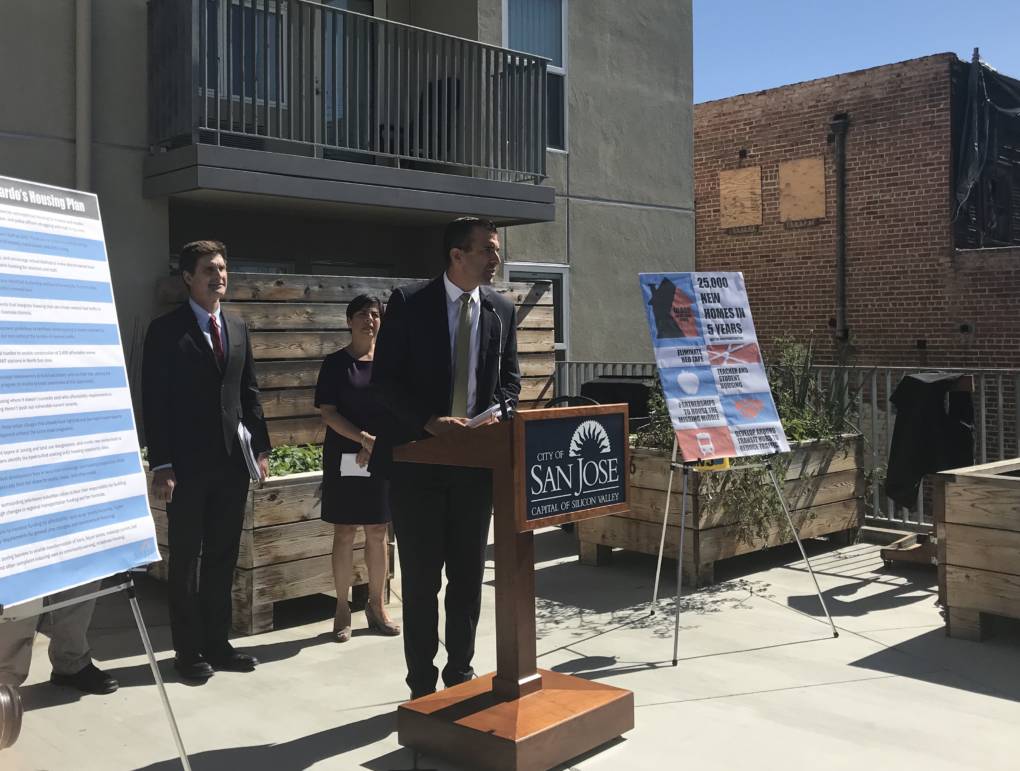
"caption": "San Jose Mayor Sam Liccardo speaks in September 2017.",
"description": null,
"title": "IMG_0199",
"credit": "Tonya Mosley/KQED",
"status": "inherit",
"isLoading": false,
"fetchFailed": false
},
"news_11644315": {
"type": "attachments",
"id": "news_11644315",
"meta": {
"index": "attachments_1716263798",
"site": "news",
"id": "11644315",
"found": true
},
"parent": 11644304,
"imgSizes": {
"small": {
"file": "https://ww2.kqed.org/app/uploads/sites/10/2018/01/TahoeTrees-520x390.jpg",
"width": 520,
"mimeType": "image/jpeg",
"height": 390
},
"twentyfourteen-full-width": {
"file": "https://ww2.kqed.org/app/uploads/sites/10/2018/01/TahoeTrees-1038x576.jpg",
"width": 1038,
"mimeType": "image/jpeg",
"height": 576
},
"thumbnail": {
"file": "https://ww2.kqed.org/app/uploads/sites/10/2018/01/TahoeTrees-160x120.jpg",
"width": 160,
"mimeType": "image/jpeg",
"height": 120
},
"fd-sm": {
"file": "https://ww2.kqed.org/app/uploads/sites/10/2018/01/TahoeTrees-960x720.jpg",
"width": 960,
"mimeType": "image/jpeg",
"height": 720
},
"post-thumbnail": {
"file": "https://ww2.kqed.org/app/uploads/sites/10/2018/01/TahoeTrees-672x372.jpg",
"width": 672,
"mimeType": "image/jpeg",
"height": 372
},
"xsmall": {
"file": "https://ww2.kqed.org/app/uploads/sites/10/2018/01/TahoeTrees-375x281.jpg",
"width": 375,
"mimeType": "image/jpeg",
"height": 281
},
"kqedFullSize": {
"file": "https://ww2.kqed.org/app/uploads/sites/10/2018/01/TahoeTrees.jpg",
"width": 1920,
"height": 1440
},
"large": {
"file": "https://ww2.kqed.org/app/uploads/sites/10/2018/01/TahoeTrees-1020x765.jpg",
"width": 1020,
"mimeType": "image/jpeg",
"height": 765
},
"xlarge": {
"file": "https://ww2.kqed.org/app/uploads/sites/10/2018/01/TahoeTrees-1180x885.jpg",
"width": 1180,
"mimeType": "image/jpeg",
"height": 885
},
"guest-author-50": {
"file": "https://ww2.kqed.org/app/uploads/sites/10/2018/01/TahoeTrees-50x50.jpg",
"width": 50,
"mimeType": "image/jpeg",
"height": 50
},
"guest-author-96": {
"file": "https://ww2.kqed.org/app/uploads/sites/10/2018/01/TahoeTrees-96x96.jpg",
"width": 96,
"mimeType": "image/jpeg",
"height": 96
},
"medium": {
"file": "https://ww2.kqed.org/app/uploads/sites/10/2018/01/TahoeTrees-800x600.jpg",
"width": 800,
"mimeType": "image/jpeg",
"height": 600
},
"guest-author-64": {
"file": "https://ww2.kqed.org/app/uploads/sites/10/2018/01/TahoeTrees-64x64.jpg",
"width": 64,
"mimeType": "image/jpeg",
"height": 64
},
"guest-author-32": {
"file": "https://ww2.kqed.org/app/uploads/sites/10/2018/01/TahoeTrees-32x32.jpg",
"width": 32,
"mimeType": "image/jpeg",
"height": 32
},
"fd-lrg": {
"file": "https://ww2.kqed.org/app/uploads/sites/10/2018/01/TahoeTrees-1920x1440.jpg",
"width": 1920,
"mimeType": "image/jpeg",
"height": 1440
},
"fd-med": {
"file": "https://ww2.kqed.org/app/uploads/sites/10/2018/01/TahoeTrees-1180x885.jpg",
"width": 1180,
"mimeType": "image/jpeg",
"height": 885
},
"full-width": {
"file": "https://ww2.kqed.org/app/uploads/sites/10/2018/01/TahoeTrees-1920x1440.jpg",
"width": 1920,
"mimeType": "image/jpeg",
"height": 1440
},
"detail": {
"file": "https://ww2.kqed.org/app/uploads/sites/10/2018/01/TahoeTrees-150x150.jpg",
"width": 150,
"mimeType": "image/jpeg",
"height": 150
},
"guest-author-128": {
"file": "https://ww2.kqed.org/app/uploads/sites/10/2018/01/TahoeTrees-128x128.jpg",
"width": 128,
"mimeType": "image/jpeg",
"height": 128
},
"xxsmall": {
"file": "https://ww2.kqed.org/app/uploads/sites/10/2018/01/TahoeTrees-240x180.jpg",
"width": 240,
"mimeType": "image/jpeg",
"height": 180
}
},
"publishDate": 1516916794,
"modified": 1516916868,
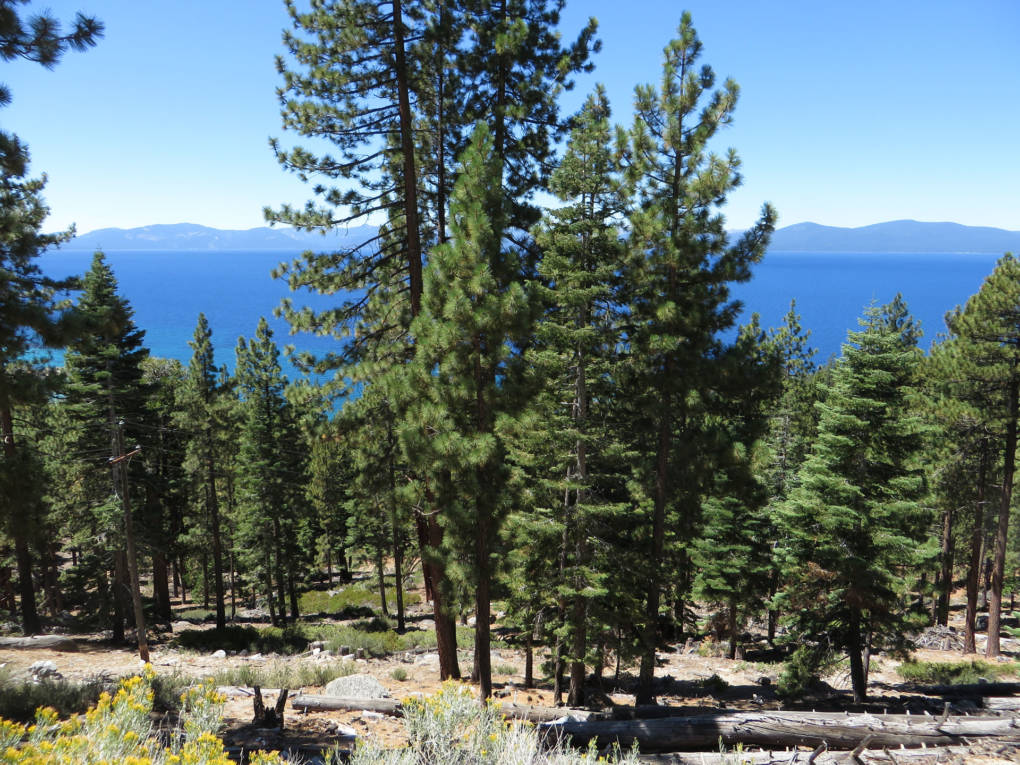
"caption": "Some cap-and-trade proceeds are going to forest and watershed restoration around Lake Tahoe, which is expected to create multiple benefits: Clearing crowded forests allows more healthy trees to grow, take in and store carbon in the ground and stabilize soils that hold water.",
"description": "Some cap-and-trade proceeds are going to forest and watershed restoration around Lake Tahoe, which is expected to create multiple benefits: Clearing crowded forests allows more healthy trees to grow, take in and store carbon in the ground and stabilize soils that hold water.",
"title": "TahoeTrees",
"credit": "Ken Lund/Flickr",
"status": "inherit",
"isLoading": false,
"fetchFailed": false
},
"news_11644219": {
"type": "attachments",
"id": "news_11644219",
"meta": {
"index": "attachments_1716263798",
"site": "news",
"id": "11644219",
"found": true
},
"parent": 11644218,
"imgSizes": {
"small": {
"file": "https://ww2.kqed.org/app/uploads/sites/10/2018/01/RS27602_GettyImages-681988798-qut-520x359.jpg",
"width": 520,
"mimeType": "image/jpeg",
"height": 359
},
"twentyfourteen-full-width": {
"file": "https://ww2.kqed.org/app/uploads/sites/10/2018/01/RS27602_GettyImages-681988798-qut-1038x576.jpg",
"width": 1038,
"mimeType": "image/jpeg",
"height": 576
},
"thumbnail": {
"file": "https://ww2.kqed.org/app/uploads/sites/10/2018/01/RS27602_GettyImages-681988798-qut-160x110.jpg",
"width": 160,
"mimeType": "image/jpeg",
"height": 110
},
"fd-sm": {
"file": "https://ww2.kqed.org/app/uploads/sites/10/2018/01/RS27602_GettyImages-681988798-qut-960x663.jpg",
"width": 960,
"mimeType": "image/jpeg",
"height": 663
},
"post-thumbnail": {
"file": "https://ww2.kqed.org/app/uploads/sites/10/2018/01/RS27602_GettyImages-681988798-qut-672x372.jpg",
"width": 672,
"mimeType": "image/jpeg",
"height": 372
},
"xsmall": {
"file": "https://ww2.kqed.org/app/uploads/sites/10/2018/01/RS27602_GettyImages-681988798-qut-375x259.jpg",
"width": 375,
"mimeType": "image/jpeg",
"height": 259
},
"kqedFullSize": {
"file": "https://ww2.kqed.org/app/uploads/sites/10/2018/01/RS27602_GettyImages-681988798-qut.jpg",
"width": 1920,
"height": 1325
},
"large": {
"file": "https://ww2.kqed.org/app/uploads/sites/10/2018/01/RS27602_GettyImages-681988798-qut-1020x704.jpg",
"width": 1020,
"mimeType": "image/jpeg",
"height": 704
},
"xlarge": {
"file": "https://ww2.kqed.org/app/uploads/sites/10/2018/01/RS27602_GettyImages-681988798-qut-1180x814.jpg",
"width": 1180,
"mimeType": "image/jpeg",
"height": 814
},
"guest-author-50": {
"file": "https://ww2.kqed.org/app/uploads/sites/10/2018/01/RS27602_GettyImages-681988798-qut-50x50.jpg",
"width": 50,
"mimeType": "image/jpeg",
"height": 50
},
"guest-author-96": {
"file": "https://ww2.kqed.org/app/uploads/sites/10/2018/01/RS27602_GettyImages-681988798-qut-96x96.jpg",
"width": 96,
"mimeType": "image/jpeg",
"height": 96
},
"medium": {
"file": "https://ww2.kqed.org/app/uploads/sites/10/2018/01/RS27602_GettyImages-681988798-qut-800x552.jpg",
"width": 800,
"mimeType": "image/jpeg",
"height": 552
},
"guest-author-64": {
"file": "https://ww2.kqed.org/app/uploads/sites/10/2018/01/RS27602_GettyImages-681988798-qut-64x64.jpg",
"width": 64,
"mimeType": "image/jpeg",
"height": 64
},
"guest-author-32": {
"file": "https://ww2.kqed.org/app/uploads/sites/10/2018/01/RS27602_GettyImages-681988798-qut-32x32.jpg",
"width": 32,
"mimeType": "image/jpeg",
"height": 32
},
"fd-lrg": {
"file": "https://ww2.kqed.org/app/uploads/sites/10/2018/01/RS27602_GettyImages-681988798-qut-1920x1325.jpg",
"width": 1920,
"mimeType": "image/jpeg",
"height": 1325
},
"fd-med": {
"file": "https://ww2.kqed.org/app/uploads/sites/10/2018/01/RS27602_GettyImages-681988798-qut-1180x814.jpg",
"width": 1180,
"mimeType": "image/jpeg",
"height": 814
},
"full-width": {
"file": "https://ww2.kqed.org/app/uploads/sites/10/2018/01/RS27602_GettyImages-681988798-qut-1920x1325.jpg",
"width": 1920,
"mimeType": "image/jpeg",
"height": 1325
},
"detail": {
"file": "https://ww2.kqed.org/app/uploads/sites/10/2018/01/RS27602_GettyImages-681988798-qut-150x150.jpg",
"width": 150,
"mimeType": "image/jpeg",
"height": 150
},
"guest-author-128": {
"file": "https://ww2.kqed.org/app/uploads/sites/10/2018/01/RS27602_GettyImages-681988798-qut-128x128.jpg",
"width": 128,
"mimeType": "image/jpeg",
"height": 128
},
"xxsmall": {
"file": "https://ww2.kqed.org/app/uploads/sites/10/2018/01/RS27602_GettyImages-681988798-qut-240x166.jpg",
"width": 240,
"mimeType": "image/jpeg",
"height": 166
}
},
"publishDate": 1516902165,
"modified": 1516906679,
"caption": "Gov. Jerry Brown delivered his 16th and final State of the State speech on Jan. 25, 2017.",
"description": null,
"title": "Gov. Jerry Brown Reveals Revised California State Budget",
"credit": "Justin Sullivan/Getty Images",
"status": "inherit",
"isLoading": false,
"fetchFailed": false
},
"news_11643813": {
"type": "attachments",
"id": "news_11643813",
"meta": {
"index": "attachments_1716263798",
"site": "news",
"id": "11643813",
"found": true
},
"parent": 11643768,
"imgSizes": {
"small": {
"file": "https://ww2.kqed.org/app/uploads/sites/10/2018/01/GettyImages-906665872-520x333.jpg",
"width": 520,
"mimeType": "image/jpeg",
"height": 333
},
"twentyfourteen-full-width": {
"file": "https://ww2.kqed.org/app/uploads/sites/10/2018/01/GettyImages-906665872-1038x576.jpg",
"width": 1038,
"mimeType": "image/jpeg",
"height": 576
},
"thumbnail": {
"file": "https://ww2.kqed.org/app/uploads/sites/10/2018/01/GettyImages-906665872-160x102.jpg",
"width": 160,
"mimeType": "image/jpeg",
"height": 102
},
"fd-sm": {
"file": "https://ww2.kqed.org/app/uploads/sites/10/2018/01/GettyImages-906665872-960x614.jpg",
"width": 960,
"mimeType": "image/jpeg",
"height": 614
},
"post-thumbnail": {
"file": "https://ww2.kqed.org/app/uploads/sites/10/2018/01/GettyImages-906665872-672x372.jpg",
"width": 672,
"mimeType": "image/jpeg",
"height": 372
},
"xsmall": {
"file": "https://ww2.kqed.org/app/uploads/sites/10/2018/01/GettyImages-906665872-375x240.jpg",
"width": 375,
"mimeType": "image/jpeg",
"height": 240
},
"kqedFullSize": {
"file": "https://ww2.kqed.org/app/uploads/sites/10/2018/01/GettyImages-906665872-e1516747706693.jpg",
"width": 1920,
"height": 1228
},
"large": {
"file": "https://ww2.kqed.org/app/uploads/sites/10/2018/01/GettyImages-906665872-1020x652.jpg",
"width": 1020,
"mimeType": "image/jpeg",
"height": 652
},
"xlarge": {
"file": "https://ww2.kqed.org/app/uploads/sites/10/2018/01/GettyImages-906665872-1180x755.jpg",
"width": 1180,
"mimeType": "image/jpeg",
"height": 755
},
"guest-author-50": {
"file": "https://ww2.kqed.org/app/uploads/sites/10/2018/01/GettyImages-906665872-50x50.jpg",
"width": 50,
"mimeType": "image/jpeg",
"height": 50
},
"guest-author-96": {
"file": "https://ww2.kqed.org/app/uploads/sites/10/2018/01/GettyImages-906665872-96x96.jpg",
"width": 96,
"mimeType": "image/jpeg",
"height": 96
},
"medium": {
"file": "https://ww2.kqed.org/app/uploads/sites/10/2018/01/GettyImages-906665872-800x512.jpg",
"width": 800,
"mimeType": "image/jpeg",
"height": 512
},
"guest-author-64": {
"file": "https://ww2.kqed.org/app/uploads/sites/10/2018/01/GettyImages-906665872-64x64.jpg",
"width": 64,
"mimeType": "image/jpeg",
"height": 64
},
"guest-author-32": {
"file": "https://ww2.kqed.org/app/uploads/sites/10/2018/01/GettyImages-906665872-32x32.jpg",
"width": 32,
"mimeType": "image/jpeg",
"height": 32
},
"fd-lrg": {
"file": "https://ww2.kqed.org/app/uploads/sites/10/2018/01/GettyImages-906665872-1920x1228.jpg",
"width": 1920,
"mimeType": "image/jpeg",
"height": 1228
},
"fd-med": {
"file": "https://ww2.kqed.org/app/uploads/sites/10/2018/01/GettyImages-906665872-1180x755.jpg",
"width": 1180,
"mimeType": "image/jpeg",
"height": 755
},
"full-width": {
"file": "https://ww2.kqed.org/app/uploads/sites/10/2018/01/GettyImages-906665872-1920x1228.jpg",
"width": 1920,
"mimeType": "image/jpeg",
"height": 1228
},
"detail": {
"file": "https://ww2.kqed.org/app/uploads/sites/10/2018/01/GettyImages-906665872-150x150.jpg",
"width": 150,
"mimeType": "image/jpeg",
"height": 150
},
"guest-author-128": {
"file": "https://ww2.kqed.org/app/uploads/sites/10/2018/01/GettyImages-906665872-128x128.jpg",
"width": 128,
"mimeType": "image/jpeg",
"height": 128
},
"xxsmall": {
"file": "https://ww2.kqed.org/app/uploads/sites/10/2018/01/GettyImages-906665872-240x153.jpg",
"width": 240,
"mimeType": "image/jpeg",
"height": 153
}
},
"publishDate": 1516747625,
"modified": 1516898901,
"caption": "President Trump makes his way to board Air Force One before departing from Andrews Air Force Base in Maryland on Jan. 18, 2018.",
"description": "President Trump makes his way to board Air Force One before departing from Andrews Air Force Base in Maryland on Jan. 18, 2018.",
"title": "US-POLITICS-TRUMP",
"credit": "Mandel Ngan/AFP/Getty Images",
"status": "inherit",
"isLoading": false,
"fetchFailed": false
},
"news_11643735": {
"type": "attachments",
"id": "news_11643735",
"meta": {
"index": "attachments_1716263798",
"site": "news",
"id": "11643735",
"found": true
},
"parent": 11643734,
"imgSizes": {
"small": {
"file": "https://ww2.kqed.org/app/uploads/sites/10/2018/01/strawberries-growing-520x390.jpeg",
"width": 520,
"mimeType": "image/jpeg",
"height": 390
},
"twentyfourteen-full-width": {
"file": "https://ww2.kqed.org/app/uploads/sites/10/2018/01/strawberries-growing-1038x576.jpeg",
"width": 1038,
"mimeType": "image/jpeg",
"height": 576
},
"thumbnail": {
"file": "https://ww2.kqed.org/app/uploads/sites/10/2018/01/strawberries-growing-160x120.jpeg",
"width": 160,
"mimeType": "image/jpeg",
"height": 120
},
"fd-sm": {
"file": "https://ww2.kqed.org/app/uploads/sites/10/2018/01/strawberries-growing-960x720.jpeg",
"width": 960,
"mimeType": "image/jpeg",
"height": 720
},
"post-thumbnail": {
"file": "https://ww2.kqed.org/app/uploads/sites/10/2018/01/strawberries-growing-672x372.jpeg",
"width": 672,
"mimeType": "image/jpeg",
"height": 372
},
"xsmall": {
"file": "https://ww2.kqed.org/app/uploads/sites/10/2018/01/strawberries-growing-375x281.jpeg",
"width": 375,
"mimeType": "image/jpeg",
"height": 281
},
"kqedFullSize": {
"file": "https://ww2.kqed.org/app/uploads/sites/10/2018/01/strawberries-growing.jpeg",
"width": 1600,
"height": 1200
},
"large": {
"file": "https://ww2.kqed.org/app/uploads/sites/10/2018/01/strawberries-growing-1020x765.jpeg",
"width": 1020,
"mimeType": "image/jpeg",
"height": 765
},
"xlarge": {
"file": "https://ww2.kqed.org/app/uploads/sites/10/2018/01/strawberries-growing-1180x885.jpeg",
"width": 1180,
"mimeType": "image/jpeg",
"height": 885
},
"guest-author-50": {
"file": "https://ww2.kqed.org/app/uploads/sites/10/2018/01/strawberries-growing-50x50.jpeg",
"width": 50,
"mimeType": "image/jpeg",
"height": 50
},
"guest-author-96": {
"file": "https://ww2.kqed.org/app/uploads/sites/10/2018/01/strawberries-growing-96x96.jpeg",
"width": 96,
"mimeType": "image/jpeg",
"height": 96
},
"medium": {
"file": "https://ww2.kqed.org/app/uploads/sites/10/2018/01/strawberries-growing-800x600.jpeg",
"width": 800,
"mimeType": "image/jpeg",
"height": 600
},
"guest-author-64": {
"file": "https://ww2.kqed.org/app/uploads/sites/10/2018/01/strawberries-growing-64x64.jpeg",
"width": 64,
"mimeType": "image/jpeg",
"height": 64
},
"guest-author-32": {
"file": "https://ww2.kqed.org/app/uploads/sites/10/2018/01/strawberries-growing-32x32.jpeg",
"width": 32,
"mimeType": "image/jpeg",
"height": 32
},
"fd-med": {
"file": "https://ww2.kqed.org/app/uploads/sites/10/2018/01/strawberries-growing-1180x885.jpeg",
"width": 1180,
"mimeType": "image/jpeg",
"height": 885
},
"detail": {
"file": "https://ww2.kqed.org/app/uploads/sites/10/2018/01/strawberries-growing-150x150.jpeg",
"width": 150,
"mimeType": "image/jpeg",
"height": 150
},
"guest-author-128": {
"file": "https://ww2.kqed.org/app/uploads/sites/10/2018/01/strawberries-growing-128x128.jpeg",
"width": 128,
"mimeType": "image/jpeg",
"height": 128
},
"xxsmall": {
"file": "https://ww2.kqed.org/app/uploads/sites/10/2018/01/strawberries-growing-240x180.jpeg",
"width": 240,
"mimeType": "image/jpeg",
"height": 180
}
},
"publishDate": 1516734281,
"modified": 1516745508,
"caption": "Suspected infestation of Macrophomina phaseolina, a “novel” soil pathogen, in the non-fumigated buffer zone of a strawberry field.",
"description": null,
"title": "strawberries-growing",
"credit": "Julie Guthman/UC Santa Cruz",
"status": "inherit",
"isLoading": false,
"fetchFailed": false
},
"news_11644176": {
"type": "attachments",
"id": "news_11644176",
"meta": {
"index": "attachments_1716263798",
"site": "news",
"id": "11644176",
"found": true
},
"parent": 11644154,
"imgSizes": {
"small": {
"file": "https://ww2.kqed.org/app/uploads/sites/10/2018/01/RS27213_GettyImages-859290782-qut-520x328.jpg",
"width": 520,
"mimeType": "image/jpeg",
"height": 328
},
"twentyfourteen-full-width": {
"file": "https://ww2.kqed.org/app/uploads/sites/10/2018/01/RS27213_GettyImages-859290782-qut-1038x576.jpg",
"width": 1038,
"mimeType": "image/jpeg",
"height": 576
},
"thumbnail": {
"file": "https://ww2.kqed.org/app/uploads/sites/10/2018/01/RS27213_GettyImages-859290782-qut-160x101.jpg",
"width": 160,
"mimeType": "image/jpeg",
"height": 101
},
"fd-sm": {
"file": "https://ww2.kqed.org/app/uploads/sites/10/2018/01/RS27213_GettyImages-859290782-qut-960x606.jpg",
"width": 960,
"mimeType": "image/jpeg",
"height": 606
},
"post-thumbnail": {
"file": "https://ww2.kqed.org/app/uploads/sites/10/2018/01/RS27213_GettyImages-859290782-qut-672x372.jpg",
"width": 672,
"mimeType": "image/jpeg",
"height": 372
},
"xsmall": {
"file": "https://ww2.kqed.org/app/uploads/sites/10/2018/01/RS27213_GettyImages-859290782-qut-375x237.jpg",
"width": 375,
"mimeType": "image/jpeg",
"height": 237
},
"kqedFullSize": {
"file": "https://ww2.kqed.org/app/uploads/sites/10/2018/01/RS27213_GettyImages-859290782-qut.jpg",
"width": 1920,
"height": 1211
},
"large": {
"file": "https://ww2.kqed.org/app/uploads/sites/10/2018/01/RS27213_GettyImages-859290782-qut-1020x643.jpg",
"width": 1020,
"mimeType": "image/jpeg",
"height": 643
},
"xlarge": {
"file": "https://ww2.kqed.org/app/uploads/sites/10/2018/01/RS27213_GettyImages-859290782-qut-1180x744.jpg",
"width": 1180,
"mimeType": "image/jpeg",
"height": 744
},
"guest-author-50": {
"file": "https://ww2.kqed.org/app/uploads/sites/10/2018/01/RS27213_GettyImages-859290782-qut-50x50.jpg",
"width": 50,
"mimeType": "image/jpeg",
"height": 50
},
"guest-author-96": {
"file": "https://ww2.kqed.org/app/uploads/sites/10/2018/01/RS27213_GettyImages-859290782-qut-96x96.jpg",
"width": 96,
"mimeType": "image/jpeg",
"height": 96
},
"medium": {
"file": "https://ww2.kqed.org/app/uploads/sites/10/2018/01/RS27213_GettyImages-859290782-qut-800x505.jpg",
"width": 800,
"mimeType": "image/jpeg",
"height": 505
},
"guest-author-64": {
"file": "https://ww2.kqed.org/app/uploads/sites/10/2018/01/RS27213_GettyImages-859290782-qut-64x64.jpg",
"width": 64,
"mimeType": "image/jpeg",
"height": 64
},
"guest-author-32": {
"file": "https://ww2.kqed.org/app/uploads/sites/10/2018/01/RS27213_GettyImages-859290782-qut-32x32.jpg",
"width": 32,
"mimeType": "image/jpeg",
"height": 32
},
"fd-lrg": {
"file": "https://ww2.kqed.org/app/uploads/sites/10/2018/01/RS27213_GettyImages-859290782-qut-1920x1211.jpg",
"width": 1920,
"mimeType": "image/jpeg",
"height": 1211
},
"fd-med": {
"file": "https://ww2.kqed.org/app/uploads/sites/10/2018/01/RS27213_GettyImages-859290782-qut-1180x744.jpg",
"width": 1180,
"mimeType": "image/jpeg",
"height": 744
},
"full-width": {
"file": "https://ww2.kqed.org/app/uploads/sites/10/2018/01/RS27213_GettyImages-859290782-qut-1920x1211.jpg",
"width": 1920,
"mimeType": "image/jpeg",
"height": 1211
},
"detail": {
"file": "https://ww2.kqed.org/app/uploads/sites/10/2018/01/RS27213_GettyImages-859290782-qut-150x150.jpg",
"width": 150,
"mimeType": "image/jpeg",
"height": 150
},
"guest-author-128": {
"file": "https://ww2.kqed.org/app/uploads/sites/10/2018/01/RS27213_GettyImages-859290782-qut-128x128.jpg",
"width": 128,
"mimeType": "image/jpeg",
"height": 128
},
"xxsmall": {
"file": "https://ww2.kqed.org/app/uploads/sites/10/2018/01/RS27213_GettyImages-859290782-qut-240x151.jpg",
"width": 240,
"mimeType": "image/jpeg",
"height": 151
}
},
"publishDate": 1516848097,
"modified": 1523976897,
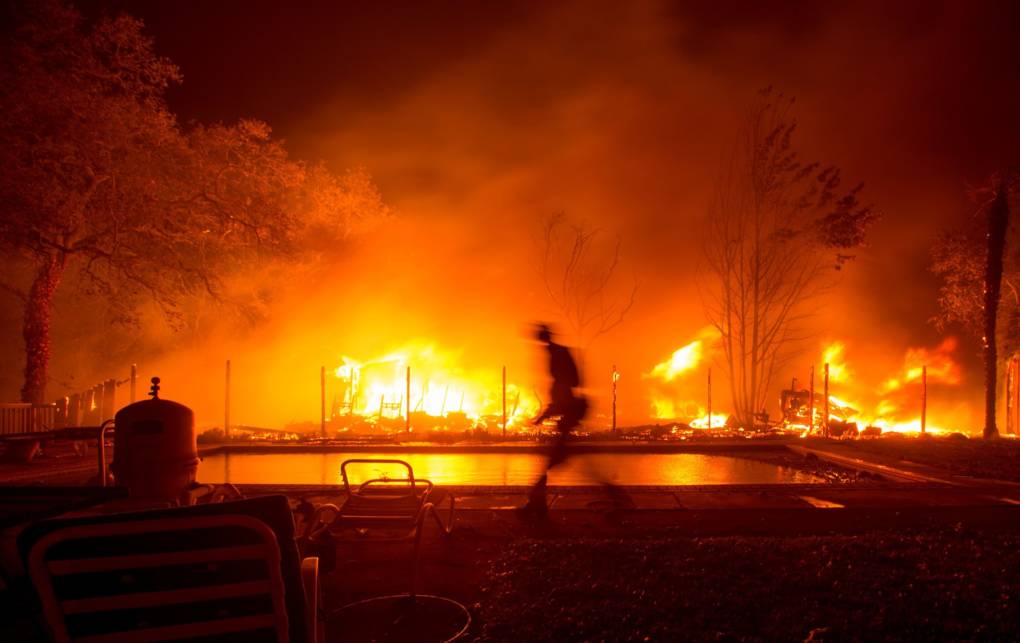
"caption": "On Oct. 8, wildfires ripping through the North Bay challenged emergency response systems. ",
"description": "On Oct. 8, wildfires ripping through the North Bay challenged emergency response systems. ",
"title": "North Bay Fires",
"credit": "Josh Edelson/AFP-Getty Images",
"status": "inherit",
"isLoading": false,
"fetchFailed": false
},
"news_11644056": {
"type": "attachments",
"id": "news_11644056",
"meta": {
"index": "attachments_1716263798",
"site": "news",
"id": "11644056",
"found": true
},
"parent": 11644055,
"imgSizes": {
"small": {
"file": "https://ww2.kqed.org/app/uploads/sites/10/2018/01/gettyimages-649336066-cc0b802550b9d1a6a1c1b081de60e1ffebbbfe74-520x390.jpg",
"width": 520,
"mimeType": "image/jpeg",
"height": 390
},
"twentyfourteen-full-width": {
"file": "https://ww2.kqed.org/app/uploads/sites/10/2018/01/gettyimages-649336066-cc0b802550b9d1a6a1c1b081de60e1ffebbbfe74-1038x576.jpg",
"width": 1038,
"mimeType": "image/jpeg",
"height": 576
},
"thumbnail": {
"file": "https://ww2.kqed.org/app/uploads/sites/10/2018/01/gettyimages-649336066-cc0b802550b9d1a6a1c1b081de60e1ffebbbfe74-160x120.jpg",
"width": 160,
"mimeType": "image/jpeg",
"height": 120
},
"fd-sm": {
"file": "https://ww2.kqed.org/app/uploads/sites/10/2018/01/gettyimages-649336066-cc0b802550b9d1a6a1c1b081de60e1ffebbbfe74-960x720.jpg",
"width": 960,
"mimeType": "image/jpeg",
"height": 720
},
"post-thumbnail": {
"file": "https://ww2.kqed.org/app/uploads/sites/10/2018/01/gettyimages-649336066-cc0b802550b9d1a6a1c1b081de60e1ffebbbfe74-672x372.jpg",
"width": 672,
"mimeType": "image/jpeg",
"height": 372
},
"xsmall": {
"file": "https://ww2.kqed.org/app/uploads/sites/10/2018/01/gettyimages-649336066-cc0b802550b9d1a6a1c1b081de60e1ffebbbfe74-375x281.jpg",
"width": 375,
"mimeType": "image/jpeg",
"height": 281
},
"kqedFullSize": {
"file": "https://ww2.kqed.org/app/uploads/sites/10/2018/01/gettyimages-649336066-cc0b802550b9d1a6a1c1b081de60e1ffebbbfe74.jpg",
"width": 1497,
"height": 1123
},
"large": {
"file": "https://ww2.kqed.org/app/uploads/sites/10/2018/01/gettyimages-649336066-cc0b802550b9d1a6a1c1b081de60e1ffebbbfe74-1020x765.jpg",
"width": 1020,
"mimeType": "image/jpeg",
"height": 765
},
"xlarge": {
"file": "https://ww2.kqed.org/app/uploads/sites/10/2018/01/gettyimages-649336066-cc0b802550b9d1a6a1c1b081de60e1ffebbbfe74-1180x885.jpg",
"width": 1180,
"mimeType": "image/jpeg",
"height": 885
},
"guest-author-50": {
"file": "https://ww2.kqed.org/app/uploads/sites/10/2018/01/gettyimages-649336066-cc0b802550b9d1a6a1c1b081de60e1ffebbbfe74-50x50.jpg",
"width": 50,
"mimeType": "image/jpeg",
"height": 50
},
"guest-author-96": {
"file": "https://ww2.kqed.org/app/uploads/sites/10/2018/01/gettyimages-649336066-cc0b802550b9d1a6a1c1b081de60e1ffebbbfe74-96x96.jpg",
"width": 96,
"mimeType": "image/jpeg",
"height": 96
},
"medium": {
"file": "https://ww2.kqed.org/app/uploads/sites/10/2018/01/gettyimages-649336066-cc0b802550b9d1a6a1c1b081de60e1ffebbbfe74-800x600.jpg",
"width": 800,
"mimeType": "image/jpeg",
"height": 600
},
"guest-author-64": {
"file": "https://ww2.kqed.org/app/uploads/sites/10/2018/01/gettyimages-649336066-cc0b802550b9d1a6a1c1b081de60e1ffebbbfe74-64x64.jpg",
"width": 64,
"mimeType": "image/jpeg",
"height": 64
},
"guest-author-32": {
"file": "https://ww2.kqed.org/app/uploads/sites/10/2018/01/gettyimages-649336066-cc0b802550b9d1a6a1c1b081de60e1ffebbbfe74-32x32.jpg",
"width": 32,
"mimeType": "image/jpeg",
"height": 32
},
"fd-med": {
"file": "https://ww2.kqed.org/app/uploads/sites/10/2018/01/gettyimages-649336066-cc0b802550b9d1a6a1c1b081de60e1ffebbbfe74-1180x885.jpg",
"width": 1180,
"mimeType": "image/jpeg",
"height": 885
},
"detail": {
"file": "https://ww2.kqed.org/app/uploads/sites/10/2018/01/gettyimages-649336066-cc0b802550b9d1a6a1c1b081de60e1ffebbbfe74-150x150.jpg",
"width": 150,
"mimeType": "image/jpeg",
"height": 150
},
"guest-author-128": {
"file": "https://ww2.kqed.org/app/uploads/sites/10/2018/01/gettyimages-649336066-cc0b802550b9d1a6a1c1b081de60e1ffebbbfe74-128x128.jpg",
"width": 128,
"mimeType": "image/jpeg",
"height": 128
},
"xxsmall": {
"file": "https://ww2.kqed.org/app/uploads/sites/10/2018/01/gettyimages-649336066-cc0b802550b9d1a6a1c1b081de60e1ffebbbfe74-240x180.jpg",
"width": 240,
"mimeType": "image/jpeg",
"height": 180
}
},
"publishDate": 1516833724,
"modified": 1540064355,
"caption": "As House Intelligence Committee Chairman, San Joaquin Valley Republican Congressman Devin Nunes as emerged as a key ally for President Trump during special counsel Robert Mueller’s probe into Russian interference in the 2016 election.",
"description": "As House Intelligence Committee Chairman, San Joaquin Valley Republican Congressman Devin Nunes as emerged as a key ally for President Trump during special counsel Robert Mueller’s probe into Russian interference in the 2016 election.",
"title": "Republicans have lots to say publicly about a secret memo by Rep. Devin Nunes, R-Calif., that they say exposes abuse of power by the Obama administration.",
"credit": "Win McNamee/Getty Images",
"status": "inherit",
"isLoading": false,
"fetchFailed": false
},
"news_11396215": {
"type": "attachments",
"id": "news_11396215",
"meta": {
"index": "attachments_1716263798",
"site": "news",
"id": "11396215",
"found": true
},
"parent": 11395314,
"imgSizes": {
"small": {
"file": "https://ww2.kqed.org/app/uploads/sites/10/2017/04/8298_transform-800x534-520x347.jpg",
"width": 520,
"mimeType": "image/jpeg",
"height": 347
},
"thumbnail": {
"file": "https://ww2.kqed.org/app/uploads/sites/10/2017/04/8298_transform-800x534-160x107.jpg",
"width": 160,
"mimeType": "image/jpeg",
"height": 107
},
"post-thumbnail": {
"file": "https://ww2.kqed.org/app/uploads/sites/10/2017/04/8298_transform-800x534-672x372.jpg",
"width": 672,
"mimeType": "image/jpeg",
"height": 372
},
"xsmall": {
"file": "https://ww2.kqed.org/app/uploads/sites/10/2017/04/8298_transform-800x534-375x250.jpg",
"width": 375,
"mimeType": "image/jpeg",
"height": 250
},
"kqedFullSize": {
"file": "https://ww2.kqed.org/app/uploads/sites/10/2017/04/8298_transform-800x534.jpg",
"width": 800,
"height": 534
},
"guest-author-50": {
"file": "https://ww2.kqed.org/app/uploads/sites/10/2017/04/8298_transform-800x534-50x50.jpg",
"width": 50,
"mimeType": "image/jpeg",
"height": 50
},
"guest-author-96": {
"file": "https://ww2.kqed.org/app/uploads/sites/10/2017/04/8298_transform-800x534-96x96.jpg",
"width": 96,
"mimeType": "image/jpeg",
"height": 96
},
"medium": {
"file": "https://ww2.kqed.org/app/uploads/sites/10/2017/04/8298_transform-800x534-800x534.jpg",
"width": 800,
"mimeType": "image/jpeg",
"height": 534
},
"guest-author-64": {
"file": "https://ww2.kqed.org/app/uploads/sites/10/2017/04/8298_transform-800x534-64x64.jpg",
"width": 64,
"mimeType": "image/jpeg",
"height": 64
},
"guest-author-32": {
"file": "https://ww2.kqed.org/app/uploads/sites/10/2017/04/8298_transform-800x534-32x32.jpg",
"width": 32,
"mimeType": "image/jpeg",
"height": 32
},
"detail": {
"file": "https://ww2.kqed.org/app/uploads/sites/10/2017/04/8298_transform-800x534-150x150.jpg",
"width": 150,
"mimeType": "image/jpeg",
"height": 150
},
"guest-author-128": {
"file": "https://ww2.kqed.org/app/uploads/sites/10/2017/04/8298_transform-800x534-128x128.jpg",
"width": 128,
"mimeType": "image/jpeg",
"height": 128
},
"xxsmall": {
"file": "https://ww2.kqed.org/app/uploads/sites/10/2017/04/8298_transform-800x534-240x160.jpg",
"width": 240,
"mimeType": "image/jpeg",
"height": 160
}
},
"publishDate": 1491552854,
"modified": 1491577418,
"caption": "Gov. Jerry Brown",
"description": "Gov. Jerry Brown",
"title": "Governor Brown Declares Statewide Drought Emergency",
"credit": "Justin Sullivan/Getty Images",
"status": "inherit",
"isLoading": false,
"fetchFailed": false
},
"news_11644014": {
"type": "attachments",
"id": "news_11644014",
"meta": {
"index": "attachments_1716263798",
"site": "news",
"id": "11644014",
"found": true
},
"parent": 11644011,
"imgSizes": {
"small": {
"file": "https://ww2.kqed.org/app/uploads/sites/10/2018/01/RS23849_20170125_135146-qut-520x390.jpg",
"width": 520,
"mimeType": "image/jpeg",
"height": 390
},
"twentyfourteen-full-width": {
"file": "https://ww2.kqed.org/app/uploads/sites/10/2018/01/RS23849_20170125_135146-qut-1038x576.jpg",
"width": 1038,
"mimeType": "image/jpeg",
"height": 576
},
"thumbnail": {
"file": "https://ww2.kqed.org/app/uploads/sites/10/2018/01/RS23849_20170125_135146-qut-160x120.jpg",
"width": 160,
"mimeType": "image/jpeg",
"height": 120
},
"fd-sm": {
"file": "https://ww2.kqed.org/app/uploads/sites/10/2018/01/RS23849_20170125_135146-qut-960x720.jpg",
"width": 960,
"mimeType": "image/jpeg",
"height": 720
},
"post-thumbnail": {
"file": "https://ww2.kqed.org/app/uploads/sites/10/2018/01/RS23849_20170125_135146-qut-672x372.jpg",
"width": 672,
"mimeType": "image/jpeg",
"height": 372
},
"xsmall": {
"file": "https://ww2.kqed.org/app/uploads/sites/10/2018/01/RS23849_20170125_135146-qut-375x281.jpg",
"width": 375,
"mimeType": "image/jpeg",
"height": 281
},
"kqedFullSize": {
"file": "https://ww2.kqed.org/app/uploads/sites/10/2018/01/RS23849_20170125_135146-qut.jpg",
"width": 1920,
"height": 1440
},
"large": {
"file": "https://ww2.kqed.org/app/uploads/sites/10/2018/01/RS23849_20170125_135146-qut-1020x765.jpg",
"width": 1020,
"mimeType": "image/jpeg",
"height": 765
},
"xlarge": {
"file": "https://ww2.kqed.org/app/uploads/sites/10/2018/01/RS23849_20170125_135146-qut-1180x885.jpg",
"width": 1180,
"mimeType": "image/jpeg",
"height": 885
},
"guest-author-50": {
"file": "https://ww2.kqed.org/app/uploads/sites/10/2018/01/RS23849_20170125_135146-qut-50x50.jpg",
"width": 50,
"mimeType": "image/jpeg",
"height": 50
},
"guest-author-96": {
"file": "https://ww2.kqed.org/app/uploads/sites/10/2018/01/RS23849_20170125_135146-qut-96x96.jpg",
"width": 96,
"mimeType": "image/jpeg",
"height": 96
},
"medium": {
"file": "https://ww2.kqed.org/app/uploads/sites/10/2018/01/RS23849_20170125_135146-qut-800x600.jpg",
"width": 800,
"mimeType": "image/jpeg",
"height": 600
},
"guest-author-64": {
"file": "https://ww2.kqed.org/app/uploads/sites/10/2018/01/RS23849_20170125_135146-qut-64x64.jpg",
"width": 64,
"mimeType": "image/jpeg",
"height": 64
},
"guest-author-32": {
"file": "https://ww2.kqed.org/app/uploads/sites/10/2018/01/RS23849_20170125_135146-qut-32x32.jpg",
"width": 32,
"mimeType": "image/jpeg",
"height": 32
},
"fd-lrg": {
"file": "https://ww2.kqed.org/app/uploads/sites/10/2018/01/RS23849_20170125_135146-qut-1920x1440.jpg",
"width": 1920,
"mimeType": "image/jpeg",
"height": 1440
},
"fd-med": {
"file": "https://ww2.kqed.org/app/uploads/sites/10/2018/01/RS23849_20170125_135146-qut-1180x885.jpg",
"width": 1180,
"mimeType": "image/jpeg",
"height": 885
},
"full-width": {
"file": "https://ww2.kqed.org/app/uploads/sites/10/2018/01/RS23849_20170125_135146-qut-1920x1440.jpg",
"width": 1920,
"mimeType": "image/jpeg",
"height": 1440
},
"detail": {
"file": "https://ww2.kqed.org/app/uploads/sites/10/2018/01/RS23849_20170125_135146-qut-150x150.jpg",
"width": 150,
"mimeType": "image/jpeg",
"height": 150
},
"guest-author-128": {
"file": "https://ww2.kqed.org/app/uploads/sites/10/2018/01/RS23849_20170125_135146-qut-128x128.jpg",
"width": 128,
"mimeType": "image/jpeg",
"height": 128
},
"xxsmall": {
"file": "https://ww2.kqed.org/app/uploads/sites/10/2018/01/RS23849_20170125_135146-qut-240x180.jpg",
"width": 240,
"mimeType": "image/jpeg",
"height": 180
}
},
"publishDate": 1516825485,
"modified": 1516836672,
"caption": "San Francisco groups rallied outside City Hall on Jan. 25, 2017, in protest of President Trump's executive orders regarding immigration enforcement.",
"description": "San Francisco groups rallied outside City Hall on Jan. 25, 2017, in protest of President Donald Trump's executive orders regarding immigration enforcement.",
"title": "RS23849_20170125_135146-qut",
"credit": "Alex Emslie/KQED",
"status": "inherit",
"isLoading": false,
"fetchFailed": false
},
"news_11644022": {
"type": "attachments",
"id": "news_11644022",
"meta": {
"index": "attachments_1716263798",
"site": "news",
"id": "11644022",
"found": true
},
"parent": 11643774,
"imgSizes": {
"small": {
"file": "https://ww2.kqed.org/app/uploads/sites/10/2018/01/IMG_0017-520x390.jpg",
"width": 520,
"mimeType": "image/jpeg",
"height": 390
},
"twentyfourteen-full-width": {
"file": "https://ww2.kqed.org/app/uploads/sites/10/2018/01/IMG_0017-1038x576.jpg",
"width": 1038,
"mimeType": "image/jpeg",
"height": 576
},
"thumbnail": {
"file": "https://ww2.kqed.org/app/uploads/sites/10/2018/01/IMG_0017-160x120.jpg",
"width": 160,
"mimeType": "image/jpeg",
"height": 120
},
"fd-sm": {
"file": "https://ww2.kqed.org/app/uploads/sites/10/2018/01/IMG_0017-960x720.jpg",
"width": 960,
"mimeType": "image/jpeg",
"height": 720
},
"post-thumbnail": {
"file": "https://ww2.kqed.org/app/uploads/sites/10/2018/01/IMG_0017-672x372.jpg",
"width": 672,
"mimeType": "image/jpeg",
"height": 372
},
"xsmall": {
"file": "https://ww2.kqed.org/app/uploads/sites/10/2018/01/IMG_0017-375x281.jpg",
"width": 375,
"mimeType": "image/jpeg",
"height": 281
},
"kqedFullSize": {
"file": "https://ww2.kqed.org/app/uploads/sites/10/2018/01/IMG_0017-e1516826136515.jpg",
"width": 1920,
"height": 1440
},
"large": {
"file": "https://ww2.kqed.org/app/uploads/sites/10/2018/01/IMG_0017-1020x765.jpg",
"width": 1020,
"mimeType": "image/jpeg",
"height": 765
},
"xlarge": {
"file": "https://ww2.kqed.org/app/uploads/sites/10/2018/01/IMG_0017-1180x885.jpg",
"width": 1180,
"mimeType": "image/jpeg",
"height": 885
},
"guest-author-50": {
"file": "https://ww2.kqed.org/app/uploads/sites/10/2018/01/IMG_0017-50x50.jpg",
"width": 50,
"mimeType": "image/jpeg",
"height": 50
},
"guest-author-96": {
"file": "https://ww2.kqed.org/app/uploads/sites/10/2018/01/IMG_0017-96x96.jpg",
"width": 96,
"mimeType": "image/jpeg",
"height": 96
},
"medium": {
"file": "https://ww2.kqed.org/app/uploads/sites/10/2018/01/IMG_0017-800x600.jpg",
"width": 800,
"mimeType": "image/jpeg",
"height": 600
},
"guest-author-64": {
"file": "https://ww2.kqed.org/app/uploads/sites/10/2018/01/IMG_0017-64x64.jpg",
"width": 64,
"mimeType": "image/jpeg",
"height": 64
},
"guest-author-32": {
"file": "https://ww2.kqed.org/app/uploads/sites/10/2018/01/IMG_0017-32x32.jpg",
"width": 32,
"mimeType": "image/jpeg",
"height": 32
},
"fd-lrg": {
"file": "https://ww2.kqed.org/app/uploads/sites/10/2018/01/IMG_0017-1920x1440.jpg",
"width": 1920,
"mimeType": "image/jpeg",
"height": 1440
},
"fd-med": {
"file": "https://ww2.kqed.org/app/uploads/sites/10/2018/01/IMG_0017-1180x885.jpg",
"width": 1180,
"mimeType": "image/jpeg",
"height": 885
},
"full-width": {
"file": "https://ww2.kqed.org/app/uploads/sites/10/2018/01/IMG_0017-1920x1440.jpg",
"width": 1920,
"mimeType": "image/jpeg",
"height": 1440
},
"detail": {
"file": "https://ww2.kqed.org/app/uploads/sites/10/2018/01/IMG_0017-150x150.jpg",
"width": 150,
"mimeType": "image/jpeg",
"height": 150
},
"guest-author-128": {
"file": "https://ww2.kqed.org/app/uploads/sites/10/2018/01/IMG_0017-128x128.jpg",
"width": 128,
"mimeType": "image/jpeg",
"height": 128
},
"xxsmall": {
"file": "https://ww2.kqed.org/app/uploads/sites/10/2018/01/IMG_0017-240x180.jpg",
"width": 240,
"mimeType": "image/jpeg",
"height": 180
}
},
"publishDate": 1516825964,
"modified": 1516835658,
"caption": "A dockless Jump rental bike outside the San Francisco Ferry Building. The city has granted New York-based Jump Bikes an 18-month permit for a pilot deployment of as many as 500 of the electric-assist bikes. ",
"description": null,
"title": "Dockless Bikes",
"credit": "Mark Fiore/KQED",
"status": "inherit",
"isLoading": false,
"fetchFailed": false
}
},
"audioPlayerReducer": {
"postId": "stream_live",
"isPaused": true,
"isPlaying": false,
"pfsActive": false,
"pledgeModalIsOpen": true,
"playerDrawerIsOpen": false,
"liveAudioPlayStartedAt": 0,
"liveAudioPlayContext": ""
},
"authorsReducer": {
"byline_news_11644530": {
"type": "authors",
"id": "byline_news_11644530",
"meta": {
"override": true
},
"slug": "byline_news_11644530",
"name": "Philip Ewing",
"isLoading": false
},
"byline_news_11644356": {
"type": "authors",
"id": "byline_news_11644356",
"meta": {
"override": true
},
"slug": "byline_news_11644356",
"name": "\u003cstrong>Susan Davis and Scott Detrow\u003cbr />NPR\u003c/strong>",
"isLoading": false
},
"byline_news_11644304": {
"type": "authors",
"id": "byline_news_11644304",
"meta": {
"override": true
},
"slug": "byline_news_11644304",
"name": "\u003cstrong>\u003ca href=\"https://calmatters.org/articles/author/julie-cart/\">Julie Cart\u003c/a>\u003c/strong>",
"isLoading": false
},
"byline_news_11643734": {
"type": "authors",
"id": "byline_news_11643734",
"meta": {
"override": true
},
"slug": "byline_news_11643734",
"name": "\u003cstrong>\u003ca href=\"https://theconversation.com/profiles/julie-guthman-420662\">Julie Guthman\u003c/a>\u003c/strong>\u003cbr />\u003cem>UC Santa Cruz, for \u003ca href=\"https://theconversation.com\">The Conversation\u003c/a>\u003c/em>",
"isLoading": false
},
"byline_news_11644055": {
"type": "authors",
"id": "byline_news_11644055",
"meta": {
"override": true
},
"slug": "byline_news_11644055",
"name": "Ryan Lucas",
"isLoading": false
},
"lisapickoffwhite-2": {
"type": "authors",
"id": "199",
"meta": {
"index": "authors_1716337520",
"id": "199",
"found": true
},
"name": "Lisa Pickoff-White",
"firstName": "Lisa",
"lastName": "Pickoff-White",
"slug": "lisapickoffwhite-2",
"email": "lpickoffwhite@kqed.org",
"display_author_email": false,
"staff_mastheads": [
"news"
],
"title": "Data Journalist, Senior Producer",
"bio": "Lisa Pickoff-White is KQED's data reporter. Lisa specializes in simplifying complex topics and bringing them to life through compelling visuals, including photography and data visualizations. She previously has worked at the Center for Investigative Reporting and other national outlets. Her work has been honored with awards from the Online News Association, Investigative Reporters and Editors, the Society of Professional Journalists and SXSW Interactive. \u003cstrong> \u003c/strong>",
"avatar": "https://secure.gravatar.com/avatar/5513c5f3967df792aa65bee2501e84d6?s=600&d=blank&r=g",
"twitter": "pickoffwhite",
"facebook": null,
"instagram": null,
"linkedin": null,
"sites": [
{
"site": "",
"roles": [
"editor"
]
},
{
"site": "arts",
"roles": []
},
{
"site": "news",
"roles": [
"administrator"
]
},
{
"site": "about",
"roles": [
"editor"
]
},
{
"site": "stateofhealth",
"roles": [
"administrator"
]
},
{
"site": "science",
"roles": [
"editor"
]
},
{
"site": "quest",
"roles": [
"editor"
]
},
{
"site": "forum",
"roles": [
"editor"
]
}
],
"headData": {
"title": "Lisa Pickoff-White | KQED",
"description": "Data Journalist, Senior Producer",
"ogImgSrc": "https://secure.gravatar.com/avatar/5513c5f3967df792aa65bee2501e84d6?s=600&d=blank&r=g",
"twImgSrc": "https://secure.gravatar.com/avatar/5513c5f3967df792aa65bee2501e84d6?s=600&d=blank&r=g"
},
"isLoading": false,
"link": "/author/lisapickoffwhite-2"
},
"cmiller": {
"type": "authors",
"id": "221",
"meta": {
"index": "authors_1716337520",
"id": "221",
"found": true
},
"name": "Craig Miller",
"firstName": "Craig",
"lastName": "Miller",
"slug": "cmiller",
"email": "craig@voxterra.net",
"display_author_email": false,
"staff_mastheads": [
"science"
],
"title": "Editor Emeritus, Science",
"bio": "Craig is a former KQED Science editor, specializing in weather, climate, water & energy issues, with a little seismology thrown in just to shake things up. Prior to that, he launched and led the station's award-winning multimedia project, Climate Watch. Craig is also an accomplished writer/producer of television documentaries, with a focus on natural resource issues.",
"avatar": "https://secure.gravatar.com/avatar/b91661df645e001a9cafe0861fa685f9?s=600&d=blank&r=g",
"twitter": "voxterra",
"facebook": null,
"instagram": null,
"linkedin": null,
"sites": [
{
"site": "news",
"roles": [
"author"
]
},
{
"site": "futureofyou",
"roles": [
"editor"
]
},
{
"site": "stateofhealth",
"roles": [
"author"
]
},
{
"site": "science",
"roles": [
"editor"
]
},
{
"site": "quest",
"roles": [
"editor"
]
}
],
"headData": {
"title": "Craig Miller | KQED",
"description": "Editor Emeritus, Science",
"ogImgSrc": "https://secure.gravatar.com/avatar/b91661df645e001a9cafe0861fa685f9?s=600&d=blank&r=g",
"twImgSrc": "https://secure.gravatar.com/avatar/b91661df645e001a9cafe0861fa685f9?s=600&d=blank&r=g"
},
"isLoading": false,
"link": "/author/cmiller"
},
"danbrekke": {
"type": "authors",
"id": "222",
"meta": {
"index": "authors_1716337520",
"id": "222",
"found": true
},
"name": "Dan Brekke",
"firstName": "Dan",
"lastName": "Brekke",
"slug": "danbrekke",
"email": "dbrekke@kqed.org",
"display_author_email": true,
"staff_mastheads": [
"news",
"science"
],
"title": "KQED Editor and Reporter",
"bio": "Dan Brekke is a reporter and editor for KQED News, responsible for coverage of topics ranging from California water issues to the Bay Area's transportation challenges. In a newsroom career that began in Chicago in 1972, Dan has worked for \u003cem>The San Francisco Examiner,\u003c/em> Wired and TechTV and has been published in The New York Times, The New York Times Magazine, Business 2.0, Salon and elsewhere.\r\n\r\nSince joining KQED in 2007, Dan has reported, edited and produced both radio and online features and breaking news pieces. He has shared as both editor and reporter in four Society of Professional Journalists Norcal Excellence in Journalism awards and one Edward R. Murrow regional award. He was chosen for a spring 2017 residency at the Mesa Refuge to advance his research on California salmon.\r\n\r\nEmail Dan at: \u003ca href=\"mailto:dbrekke@kqed.org\">dbrekke@kqed.org\u003c/a>\r\n\r\n\u003cstrong>Twitter:\u003c/strong> \u003ca href=\"https://twitter.com/danbrekke\" rel=\"noopener noreferrer\">twitter.com/danbrekke\u003c/a>\r\n\u003cstrong>Facebook:\u003c/strong> \u003ca href=\"https://www.facebook.com/danbrekke\" rel=\"noopener noreferrer\">www.facebook.com/danbrekke\u003c/a>\r\n\u003cstrong>LinkedIn:\u003c/strong> \u003ca href=\"https://www.linkedin.com/in/danbrekke\" rel=\"noopener noreferrer\">www.linkedin.com/in/danbrekke\u003c/a>",
"avatar": "https://secure.gravatar.com/avatar/8f1f0d2a978fb3b23426c922c7e2af558fa36905b49c4ce76a97dc3c72d27226?s=600&d=mm&r=g",
"twitter": "danbrekke",
"bluesky": null,
"facebook": null,
"instagram": "https://www.instagram.com/dan.brekke/",
"linkedin": "https://www.linkedin.com/in/danbrekke/",
"sites": [
{
"site": "news",
"roles": [
"administrator",
"create_posts"
]
},
{
"site": "stateofhealth",
"roles": [
"editor"
]
},
{
"site": "science",
"roles": [
"editor"
]
},
{
"site": "quest",
"roles": [
"contributor"
]
},
{
"site": "food",
"roles": [
"contributor"
]
},
{
"site": "forum",
"roles": [
"contributor"
]
},
{
"site": "elections",
"roles": [
"editor"
]
},
{
"site": "liveblog",
"roles": [
"editor"
]
}
],
"headData": {
"title": "Dan Brekke | KQED",
"description": "KQED Editor and Reporter",
"ogImgSrc": "https://secure.gravatar.com/avatar/8f1f0d2a978fb3b23426c922c7e2af558fa36905b49c4ce76a97dc3c72d27226?s=600&d=mm&r=g",
"twImgSrc": "https://secure.gravatar.com/avatar/8f1f0d2a978fb3b23426c922c7e2af558fa36905b49c4ce76a97dc3c72d27226?s=600&d=mm&r=g"
},
"isLoading": false,
"link": "/author/danbrekke"
},
"scottshafer": {
"type": "authors",
"id": "255",
"meta": {
"index": "authors_1716337520",
"id": "255",
"found": true
},
"name": "Scott Shafer",
"firstName": "Scott",
"lastName": "Shafer",
"slug": "scottshafer",
"email": "sshafer@kqed.org",
"display_author_email": false,
"staff_mastheads": [
"news"
],
"title": "KQED Contributor",
"bio": "Scott Shafer is a senior editor with the KQED Politics and Government desk. He is co-host of Political Breakdown, the award-winning radio show and podcast with a personal take on the world of politics. Scott came to KQED in 1998 to host the statewide\u003cem> California Report\u003c/em>. Prior to that he had extended stints in politics and government\u003cem>.\u003c/em> He uses that inside experience at KQED in his, reporting, hosting and analysis for the politics desk. Scott collaborated \u003cem>Political Breakdown a\u003c/em>nd on \u003cem>The Political Mind of Jerry Brown, \u003c/em>an eight-part series about the life and extraordinary political career of the former governor. For fun, he plays water polo with the San Francisco Tsunami.",
"avatar": "https://secure.gravatar.com/avatar/a62ebae45b79d7aed1a39a0e3bf68104?s=600&d=blank&r=g",
"twitter": "scottshafer",
"bluesky": null,
"facebook": null,
"instagram": null,
"linkedin": null,
"sites": [
{
"site": "news",
"roles": [
"editor"
]
},
{
"site": "stateofhealth",
"roles": [
"author"
]
},
{
"site": "science",
"roles": [
"author"
]
},
{
"site": "forum",
"roles": [
"subscriber"
]
},
{
"site": "liveblog",
"roles": [
"author"
]
}
],
"headData": {
"title": "Scott Shafer | KQED",
"description": "KQED Contributor",
"ogImgSrc": "https://secure.gravatar.com/avatar/a62ebae45b79d7aed1a39a0e3bf68104?s=600&d=blank&r=g",
"twImgSrc": "https://secure.gravatar.com/avatar/a62ebae45b79d7aed1a39a0e3bf68104?s=600&d=blank&r=g"
},
"isLoading": false,
"link": "/author/scottshafer"
},
"tgoldberg": {
"type": "authors",
"id": "258",
"meta": {
"index": "authors_1716337520",
"id": "258",
"found": true
},
"name": "Ted Goldberg",
"firstName": "Ted",
"lastName": "Goldberg",
"slug": "tgoldberg",
"email": "tgoldberg@kqed.org",
"display_author_email": true,
"staff_mastheads": [
"news"
],
"title": "KQED Managing Editor, News and Newscasts",
"bio": "Ted Goldberg is Managing Editor of News and Newscasts at KQED. His main reporting beat is the Bay Area's oil refining industry.\r\n\r\nPrior to joining KQED in 2014, Ted worked at CBS News and WCBS AM in New York and Bay City News and KCBS Radio in San Francisco. He graduated from Oberlin College in Ohio in 1998.",
"avatar": "https://secure.gravatar.com/avatar/30ce2e4fe89135e104f89be2394d16225b9d36c121b5b3cb7651ce642978b96f?s=600&d=blank&r=g",
"twitter": "TedrickG",
"bluesky": null,
"facebook": null,
"instagram": null,
"linkedin": null,
"sites": [
{
"site": "news",
"roles": [
"editor"
]
},
{
"site": "science",
"roles": [
"editor"
]
}
],
"headData": {
"title": "Ted Goldberg | KQED",
"description": "KQED Managing Editor, News and Newscasts",
"ogImgSrc": "https://secure.gravatar.com/avatar/30ce2e4fe89135e104f89be2394d16225b9d36c121b5b3cb7651ce642978b96f?s=600&d=blank&r=g",
"twImgSrc": "https://secure.gravatar.com/avatar/30ce2e4fe89135e104f89be2394d16225b9d36c121b5b3cb7651ce642978b96f?s=600&d=blank&r=g"
},
"isLoading": false,
"link": "/author/tgoldberg"
},
"aemslie": {
"type": "authors",
"id": "3206",
"meta": {
"index": "authors_1716337520",
"id": "3206",
"found": true
},
"name": "Alex Emslie",
"firstName": "Alex",
"lastName": "Emslie",
"slug": "aemslie",
"email": "aemslie@kqed.org",
"display_author_email": true,
"staff_mastheads": [
"news"
],
"title": "KQED Senior Editor",
"bio": "Alex Emslie is senior editor of talent and development at KQED, where he manages dozens of early career journalists and oversees news department internships.\r\n\r\nHe is a former carpenter and proud graduate of City College of San Francisco and San Francisco State University, where he studied journalism and criminal justice before joining KQED in 2013.\r\n\r\nAlex produced investigative journalism focused on \u003ca href=\"https://www.kqed.org/news/11667594/the-trials-of-marvin-mutch-video\">criminal justice\u003c/a> and policing for most of a decade. He has broken major stories about \u003ca href=\"https://www.kqed.org/news/135682/amid-a-series-of-vallejo-police-shootings-one-officers-name-stands-out\">police use of deadly force\u003c/a>, \u003ca href=\"https://www.kqed.org/news/10454955/racist-texts-prompt-sfpd-internal-investigation\">officer misconduct\u003c/a> and \u003ca href=\"https://www.kqed.org/news/11712239/terrorist-or-troll-judge-to-weigh-whether-oakland-man-really-intended-to-attack-bay-area\">other\u003c/a> \u003ca href=\"https://www.kqed.org/news/11221414/hayward-paid-159000-to-husband-of-retired-police-chief-documents-show\">high\u003c/a>-\u003ca href=\"https://www.kqed.org/news/10622762/the-forgotten-tracking-two-homicides-in-san-francisco-public-housing\">profile\u003c/a> \u003ca href=\"https://www.kqed.org/news/11624516/federal-agency-promoted-ranger-just-months-after-his-gun-was-stolen-and-used-in-steinle-killing\">cases\u003c/a>. He co-founded the \u003ca href=\"https://projects.scpr.org/california-reporting-project/\">California Reporting Project\u003c/a> in 2019 to obtain and report on previously confidential police internal investigations. The effort produced well over 100 original stories and changed the course of multiple criminal cases.\r\n\r\nHis work has been recognized with numerous journalism awards, including a national Edward R. Murrow award for several years of \u003ca href=\"https://www.kqed.org/news/11688481/sfpd-officers-in-mario-woods-case-recount-shooting-in-newly-filed-depositions\">reporting\u003c/a> on the San Francisco Police shooting of Mario Woods. His \u003ca href=\"https://www.kqed.org/news/147854/half-of-those-killed-by-san-francisco-police-are-mentally-ill\">reporting\u003c/a> on police killings of people in psychiatric crisis was cited in amicus briefs before the U.S. Supreme Court.\r\n\r\nAlex now enjoys mentoring the next generation of journalists at KQED.",
"avatar": "https://secure.gravatar.com/avatar/e691e65209f20e9da202bd730ead5663?s=600&d=blank&r=g",
"twitter": "SFNewsReporter",
"facebook": null,
"instagram": null,
"linkedin": null,
"sites": [
{
"site": "arts",
"roles": [
"editor"
]
},
{
"site": "news",
"roles": [
"editor"
]
},
{
"site": "mindshift",
"roles": [
"editor"
]
},
{
"site": "stateofhealth",
"roles": [
"editor"
]
},
{
"site": "science",
"roles": [
"administrator"
]
}
],
"headData": {
"title": "Alex Emslie | KQED",
"description": "KQED Senior Editor",
"ogImgSrc": "https://secure.gravatar.com/avatar/e691e65209f20e9da202bd730ead5663?s=600&d=blank&r=g",
"twImgSrc": "https://secure.gravatar.com/avatar/e691e65209f20e9da202bd730ead5663?s=600&d=blank&r=g"
},
"isLoading": false,
"link": "/author/aemslie"
},
"mlagos": {
"type": "authors",
"id": "3239",
"meta": {
"index": "authors_1716337520",
"id": "3239",
"found": true
},
"name": "Marisa Lagos",
"firstName": "Marisa",
"lastName": "Lagos",
"slug": "mlagos",
"email": "mlagos@kqed.org",
"display_author_email": false,
"staff_mastheads": [
"news"
],
"title": "KQED Contributor",
"bio": "Marisa Lagos is a correspondent for KQED’s California Politics and Government Desk and co-hosts the award-winning show and podcast, Political Breakdown. At KQED, Lagos also conducts reporting, analysis and investigations into state, local and national politics for radio, TV, online and onstage. In 2022, she and co-host, Scott Shafer, moderated the only gubernatorial debate in California. In 2020, the \u003ci>Washington Post\u003c/i> named her one of the top political journalists in California; she was nominated for a Peabody and won several other awards for her work investigating the 2017 California wildfires. She has worked at the \u003ci>San Francisco Chronicle\u003c/i>, \u003ci>San Francisco Examiner\u003c/i> and \u003ci>Los Angeles Times\u003c/i>. A UC Santa Barbara graduate, she lives in San Francisco with her two sons and husband.",
"avatar": "https://secure.gravatar.com/avatar/a261a0d3696fc066871ef96b85b5e7d2?s=600&d=blank&r=g",
"twitter": "@mlagos",
"facebook": null,
"instagram": null,
"linkedin": null,
"sites": [
{
"site": "arts",
"roles": [
"author"
]
},
{
"site": "news",
"roles": [
"editor"
]
},
{
"site": "science",
"roles": [
"editor"
]
},
{
"site": "forum",
"roles": [
"author"
]
},
{
"site": "liveblog",
"roles": [
"author"
]
}
],
"headData": {
"title": "Marisa Lagos | KQED",
"description": "KQED Contributor",
"ogImgSrc": "https://secure.gravatar.com/avatar/a261a0d3696fc066871ef96b85b5e7d2?s=600&d=blank&r=g",
"twImgSrc": "https://secure.gravatar.com/avatar/a261a0d3696fc066871ef96b85b5e7d2?s=600&d=blank&r=g"
},
"isLoading": false,
"link": "/author/mlagos"
},
"slewis": {
"type": "authors",
"id": "8676",
"meta": {
"index": "authors_1716337520",
"id": "8676",
"found": true
},
"name": "Sukey Lewis",
"firstName": "Sukey",
"lastName": "Lewis",
"slug": "slewis",
"email": "slewis@kqed.org",
"display_author_email": true,
"staff_mastheads": [
"news"
],
"title": "KQED Contributor",
"bio": "Sukey Lewis is a criminal justice reporter and host of \u003cem>On Our Watch\u003c/em>, a new podcast from NPR and KQED about the shadow world of police discipline. In 2018, she co-founded the California Reporting Project, a coalition of newsrooms across the state focused on obtaining previously sealed internal affairs records from law enforcement. In addition to her reporting on police accountability, Sukey has investigated the bail bonds industry, California's wildfires and the high cost of prison phone calls. Sukey earned a master's degree in journalism from the University of California at Berkeley. Send news tips to slewis@kqed.org.",
"avatar": "https://secure.gravatar.com/avatar/03fd6b21024f99d8b0a1966654586de7?s=600&d=blank&r=g",
"twitter": "SukeyLewis",
"facebook": null,
"instagram": null,
"linkedin": null,
"sites": [
{
"site": "news",
"roles": [
"author",
"edit_others_posts"
]
}
],
"headData": {
"title": "Sukey Lewis | KQED",
"description": "KQED Contributor",
"ogImgSrc": "https://secure.gravatar.com/avatar/03fd6b21024f99d8b0a1966654586de7?s=600&d=blank&r=g",
"twImgSrc": "https://secure.gravatar.com/avatar/03fd6b21024f99d8b0a1966654586de7?s=600&d=blank&r=g"
},
"isLoading": false,
"link": "/author/slewis"
},
"korr": {
"type": "authors",
"id": "11200",
"meta": {
"index": "authors_1716337520",
"id": "11200",
"found": true
},
"name": "Katie Orr",
"firstName": "Katie",
"lastName": "Orr",
"slug": "korr",
"email": "korr@kqed.org",
"display_author_email": false,
"staff_mastheads": [],
"title": "KQED Contributor",
"bio": "Katie Orr was a Sacramento-based reporter for KQED's Politics and Government Desk, covering the state Capitol and a variety of issues including women in politics, voting and elections and legislation. Prior to joining KQED in 2016, Katie was state government reporter for Capital Public Radio in Sacramento. She's also worked for KPBS in San Diego, where she covered City Hall.\r\n\r\nKatie received her masters degree in political science from San Diego State University and holds a Bachelors degree in broadcast journalism from Arizona State University.\r\n\r\nIn 2015 Katie won a national Clarion Award for a series of stories she did on women in California politics. She's been honored by the Society for Professional Journalists and, in 2013, was named by \u003cem>The Washington Post\u003c/em> as one of the country's top state Capitol reporters. She's also reported for the award-winning documentary series \u003cem>The View from Here \u003c/em>and was part of the team that won national PRNDI and Gabriel Awards in 2015. She lives in Sacramento with her husband. Twitter: @1KatieOrr",
"avatar": "https://secure.gravatar.com/avatar/41a40b25845adc78f50808670860449e?s=600&d=blank&r=g",
"twitter": "1katieorr",
"facebook": null,
"instagram": null,
"linkedin": null,
"sites": [
{
"site": "news",
"roles": [
"subscriber"
]
},
{
"site": "stateofhealth",
"roles": [
"author"
]
},
{
"site": "forum",
"roles": [
"author"
]
}
],
"headData": {
"title": "Katie Orr | KQED",
"description": "KQED Contributor",
"ogImgSrc": "https://secure.gravatar.com/avatar/41a40b25845adc78f50808670860449e?s=600&d=blank&r=g",
"twImgSrc": "https://secure.gravatar.com/avatar/41a40b25845adc78f50808670860449e?s=600&d=blank&r=g"
},
"isLoading": false,
"link": "/author/korr"
},
"tmosley": {
"type": "authors",
"id": "11373",
"meta": {
"index": "authors_1716337520",
"id": "11373",
"found": true
},
"name": "Tonya Mosley",
"firstName": "Tonya",
"lastName": "Mosley",
"slug": "tmosley",
"email": "tmosley@kqed.org",
"display_author_email": false,
"staff_mastheads": [],
"title": "KQED Contributor",
"bio": "Tonya Mosley is a former Silicon Valley bureau chief for KQED. She served as the senior editor, leading a team of journalists covering the impacts of technology companies on the South Bay and society. Tonya is also a former host and reporter for KQED.\r\n\r\nPrior to KQED, Tonya served as a television reporter & anchor for several media outlets, including Al Jazeera America.\r\n\r\nIn 2015, Tonya was awarded a John S. Knight Journalism Fellowship at Stanford University where she co-created a workshop for journalists on the impacts of implicit bias, and co-wrote a Belgian/American experimental study on the effects of protest coverage.\r\n\r\nTonya has won several national awards for her work, most recently an Emmy Award in 2016 for her televised piece \"Beyond Ferguson,\" and a national Edward R. Murrow award for her public radio series \"Black in Seattle.\"\r\n\r\nYou can reach Tonya at: tmosley@kqed.org.",
"avatar": "https://secure.gravatar.com/avatar/0b2ea2bbfed6bafaacd21e9398c68e5e?s=600&d=blank&r=g",
"twitter": "tonyamosley",
"facebook": null,
"instagram": null,
"linkedin": null,
"sites": [
{
"site": "arts",
"roles": [
"editor"
]
},
{
"site": "news",
"roles": [
"subscriber"
]
},
{
"site": "about",
"roles": [
"author"
]
},
{
"site": "forum",
"roles": [
"author"
]
}
],
"headData": {
"title": "Tonya Mosley | KQED",
"description": "KQED Contributor",
"ogImgSrc": "https://secure.gravatar.com/avatar/0b2ea2bbfed6bafaacd21e9398c68e5e?s=600&d=blank&r=g",
"twImgSrc": "https://secure.gravatar.com/avatar/0b2ea2bbfed6bafaacd21e9398c68e5e?s=600&d=blank&r=g"
},
"isLoading": false,
"link": "/author/tmosley"
}
},
"pagesReducer": {
"news_program_news-fix": {
"type": "terms",
"id": "news_6944",
"meta": {
"index": "terms_1716263798",
"site": "news",
"id": "6944",
"score": 16.377554
},
"featImg": "https://ww2.kqed.org/app/uploads/sites/10/2014/10/News-Fix-Logo-Web-Banners-04.png",
"name": "News Fix",
"description": null,
"taxonomy": "program",
"headData": {
"twImgId": null,
"twTitle": null,
"ogTitle": null,
"ogImgId": null,
"twDescription": null,
"description": "The News Fix is a daily news podcast from KQED that breaks down the latest headlines and provides in-depth analysis of the stories that matter to the Bay Area.",
"title": "News Fix - Daily Dose of Bay Area News | KQED",
"ogDescription": null
},
"ttid": 6968,
"slug": "news-fix",
"isLoading": false,
"title": "News Fix",
"pageMeta": {
"site": "news",
"WpPageTemplate": "page-topic-editorial",
"currentPage": 33
},
"blocks": [
{
"blockName": "kqed/post-list",
"attrs": {
"layout": "cardArticle2",
"query": "posts/news?program=news-fix",
"seeMore": false,
"paginated": true,
"page": 33
}
},
{
"blockName": "kqed/ad"
}
]
}
},
"pfsSessionReducer": {},
"postsReducer": {
"stream_live": {
"type": "live",
"id": "stream_live",
"audioUrl": "https://streams.kqed.org/kqedradio",
"title": "Live Stream",
"excerpt": "Live Stream information currently unavailable.",
"link": "/radio",
"featImg": "",
"label": {
"name": "KQED Live",
"link": "/"
}
},
"stream_kqedNewscast": {
"type": "posts",
"id": "stream_kqedNewscast",
"audioUrl": "https://www.kqed.org/.stream/anon/radio/RDnews/newscast.mp3?_=1",
"title": "KQED Newscast",
"featImg": "",
"label": {
"name": "88.5 FM",
"link": "/"
}
},
"news_11644530": {
"type": "posts",
"id": "news_11644530",
"meta": {
"index": "posts_1716263798",
"site": "news",
"id": "11644530",
"score": null,
"sort": [
1516934302000
]
},
"parent": 0,
"labelTerm": {},
"blocks": [],
"publishDate": 1516934302,
"format": "standard",
"disqusTitle": "Trump Intended to Fire Special Counsel Mueller in June, New York Times Says",
"title": "Trump Intended to Fire Special Counsel Mueller in June, New York Times Says",
"headTitle": "The California Report | KQED News",
"content": "\u003cp>\u003cstrong>Updated at 9:15 p.m. ET\u003c/strong>\u003c/p>\n\u003cp>President Trump ordered White House counsel Don McGahn to fire Justice Department special counsel Robert Mueller last summer — but McGahn refused and threatened to quit himself if the president went ahead, according to an explosive report in \u003cem>The New York Times\u003c/em>.\u003c/p>\n\u003cp>Attorneys for Trump did not immediately respond to requests for comment on the story. The Justice Department did not immediately comment either.\u003c/p>\n\u003cp>\u003ca href=\"https://www.nytimes.com/2018/01/25/us/politics/trump-mueller-special-counsel-russia.html?hp&action=click&pgtype=Homepage&clickSource=story-heading&module=span-ab-top-region®ion=top-news&WT.nav=top-news\">The Times story\u003c/a> described Trump formulating a case against Mueller as someone who could investigate possible Trump campaign involvement with Russia's attack on the 2016 election.\u003c/p>\n\u003cp>Trump argued Mueller had conflicts of interest: over Mueller's onetime membership at one of Trump's golf courses; over his connection to a law firm that represented Trump's son-in-law; and over the interview he had done with Trump to possibly take over the FBI after Trump had just fired then-Director James Comey.\u003c/p>\n\u003cp>[ad fullwidth]\u003c/p>\n\u003cp>[contextly_sidebar id=\"XE57fnK5miF67dDTJkivakvsc8WDWsaL\"]\u003c/p>\n\u003cp>Mueller had served as a longtime director of the bureau and was Comey's predecessor; \u003ca href=\"https://www.npr.org/2017/06/09/532286723/special-counsel-robert-mueller-had-been-on-white-house-short-list-to-run-fbi?live=1\">NPR reported last June\u003c/a> that Trump had placed him on the short list to take over after Comey's dismissal.\u003c/p>\n\u003cp>But even though McGahn did not go along with Trump's desire to get rid of Mueller, the White House's top lawyer had reportedly been part of an earlier pressure campaign on the Justice Department. McGahn has been described as the conduit for requests by Trump that Attorney General Jeff Sessions not recuse himself from the Russia matter — although he ultimately did — and that FBI Director Christopher Wray get rid of Deputy Director Andrew McCabe. Wray has not agreed.\u003c/p>\n\u003cp>And the complaint about Mueller's \"conflicts\" has become a leitmotif of Republican criticism of the special counsel's office, the Justice Department and the FBI. Trump allies, particularly in the House, have zeroed in on what they said was Mueller's failure to investigate the sale of a uranium company and what's been described as his withholding of information from Congress as reasons he must step down or Sessions must appoint a second special counsel.\u003c/p>\n\u003cp>The Justice Department's inspector general is looking into its handling of recent high-profile political cases, including the private email server used by Hillary Clinton while she was secretary of state. Mueller has removed at least one investigator from the Russia unit whom the inspector general discovered had criticized Trump in text messages on his FBI-issued phone.\u003c/p>\n\u003cp>[contextly_sidebar id=\"Np64vqlGSmMC3GV8vPMCZ00XBRe7bptQ\"]\u003c/p>\n\u003cp>At the same time, the White House has sought to keep its allies' attacks on Mueller at arm's length. Lawyers for the president emphasized on Thursday how much they have cooperated with special counsel and congressional investigators — they released a sheet documenting the number of witnesses and documents they have made available.\u003c/p>\n\u003cp>Trump said himself in a surprise appearance on Wednesday that he is looking forward to giving a personal interview to Mueller, under oath. His legal team said the president's comments took place as he \"hurried\" to leave for his trip for Switzerland and they have made clear that negotiations for an interview with Mueller are still ongoing.\u003c/p>\n\u003cp>\u003c/p>\n\u003cp>Mueller has conducted interviews with several top insiders, working his way closer in the administration to the president. Mueller talked with Sessions last week and with McGahn and Comey last year.\u003c/p>\n\u003cdiv class=\"fullattribution\">Copyright 2018 NPR. To see more, visit http://www.npr.org/.\u003cimg src=\"https://www.google-analytics.com/__utm.gif?utmac=UA-5828686-4&utmdt=Trump+Intended+To+Fire+Special+Counsel+Mueller+In+June%2C+%27New+York+Times%27+Says&utme=8(APIKey)9(MDAxOTAwOTE4MDEyMTkxMDAzNjczZDljZA004)\">\u003c/div>\n\n",
"disqusIdentifier": "11644530 https://ww2.kqed.org/news/?p=11644530",
"disqusUrl": "https://ww2.kqed.org/news/2018/01/25/trump-intended-to-fire-special-counsel-mueller-in-june-new-york-times-says/",
"stats": {
"hasVideo": false,
"hasChartOrMap": false,
"hasAudio": false,
"hasPolis": false,
"wordCount": 570,
"hasGoogleForm": false,
"hasGallery": false,
"hasHearkenModule": false,
"iframeSrcs": [],
"paragraphCount": 16
},
"modified": 1517006268,
"excerpt": "The paper reports that the president backed off when his chief lawyer threatened to quit if the plan went ahead.",
"headData": {
"twImgId": "",
"twTitle": "",
"ogTitle": "",
"ogImgId": "",
"twDescription": "",
"description": "The paper reports that the president backed off when his chief lawyer threatened to quit if the plan went ahead.",
"title": "Trump Intended to Fire Special Counsel Mueller in June, New York Times Says | KQED",
"ogDescription": "",
"schema": {
"@context": "https://schema.org",
"@type": "NewsArticle",
"headline": "Trump Intended to Fire Special Counsel Mueller in June, New York Times Says",
"datePublished": "2018-01-25T18:38:22-08:00",
"dateModified": "2018-01-26T14:37:48-08:00",
"image": "https://cdn.kqed.org/wp-content/uploads/2020/02/KQED-OG-Image@1x.png",
"isAccessibleForFree": "True",
"publisher": {
"@type": "NewsMediaOrganization",
"@id": "https://www.kqed.org/#organization",
"name": "KQED",
"logo": "https://cdn.kqed.org/wp-content/uploads/2020/02/KQED-OG-Image@1x.png",
"url": "https://www.kqed.org",
"sameAs": [
"https://www.facebook.com/KQED",
"https://twitter.com/KQED",
"https://www.instagram.com/kqed/",
"https://www.tiktok.com/@kqedofficial",
"https://www.linkedin.com/company/kqed",
"https://www.youtube.com/channel/UCeC0IOo7i1P_61zVUWbJ4nw"
]
}
}
},
"guestAuthors": [],
"slug": "trump-intended-to-fire-special-counsel-mueller-in-june-new-york-times-says",
"status": "publish",
"sourceUrl": "https://www.npr.org/",
"nprApiLink": "http://api.npr.org/query?id=580902462&apiKey=MDAxOTAwOTE4MDEyMTkxMDAzNjczZDljZA004",
"nprByline": "Philip Ewing",
"nprStoryDate": "Thu, 25 Jan 2018 21:01:57 -0500",
"nprLastModifiedDate": "Thu, 25 Jan 2018 21:29:16 -0500",
"nprHtmlLink": "https://www.npr.org/2018/01/25/580902462/trump-intended-to-fire-special-counsel-mueller-in-june-says-new-york-times?ft=nprml&f=580902462",
"nprImageAgency": "AP",
"nprImageCredit": "J. Scott Applewhite",
"source": "NPR",
"nprStoryId": "580902462",
"nprRetrievedStory": "1",
"nprPubDate": "Thu, 25 Jan 2018 21:29:00 -0500",
"path": "/news/11644530/trump-intended-to-fire-special-counsel-mueller-in-june-new-york-times-says",
"audioTrackLength": null,
"parsedContent": [
{
"type": "contentString",
"content": "\u003cdiv class=\"post-body\">\u003cp>\u003cp>\u003cstrong>Updated at 9:15 p.m. ET\u003c/strong>\u003c/p>\n\u003cp>President Trump ordered White House counsel Don McGahn to fire Justice Department special counsel Robert Mueller last summer — but McGahn refused and threatened to quit himself if the president went ahead, according to an explosive report in \u003cem>The New York Times\u003c/em>.\u003c/p>\n\u003cp>Attorneys for Trump did not immediately respond to requests for comment on the story. The Justice Department did not immediately comment either.\u003c/p>\n\u003cp>\u003ca href=\"https://www.nytimes.com/2018/01/25/us/politics/trump-mueller-special-counsel-russia.html?hp&action=click&pgtype=Homepage&clickSource=story-heading&module=span-ab-top-region®ion=top-news&WT.nav=top-news\">The Times story\u003c/a> described Trump formulating a case against Mueller as someone who could investigate possible Trump campaign involvement with Russia's attack on the 2016 election.\u003c/p>\n\u003cp>Trump argued Mueller had conflicts of interest: over Mueller's onetime membership at one of Trump's golf courses; over his connection to a law firm that represented Trump's son-in-law; and over the interview he had done with Trump to possibly take over the FBI after Trump had just fired then-Director James Comey.\u003c/p>\n\u003cp>\u003c/p>\u003c/div>",
"attributes": {
"named": {},
"numeric": []
}
},
{
"type": "component",
"content": "",
"name": "ad",
"attributes": {
"named": {
"label": "fullwidth"
},
"numeric": [
"fullwidth"
]
}
},
{
"type": "contentString",
"content": "\u003cdiv class=\"post-body\">\u003cp>\u003c/p>\n\u003cp>\u003c/p>\u003cp>\u003c/p>\u003cp>\u003c/p>\n\u003cp>Mueller had served as a longtime director of the bureau and was Comey's predecessor; \u003ca href=\"https://www.npr.org/2017/06/09/532286723/special-counsel-robert-mueller-had-been-on-white-house-short-list-to-run-fbi?live=1\">NPR reported last June\u003c/a> that Trump had placed him on the short list to take over after Comey's dismissal.\u003c/p>\n\u003cp>But even though McGahn did not go along with Trump's desire to get rid of Mueller, the White House's top lawyer had reportedly been part of an earlier pressure campaign on the Justice Department. McGahn has been described as the conduit for requests by Trump that Attorney General Jeff Sessions not recuse himself from the Russia matter — although he ultimately did — and that FBI Director Christopher Wray get rid of Deputy Director Andrew McCabe. Wray has not agreed.\u003c/p>\n\u003cp>And the complaint about Mueller's \"conflicts\" has become a leitmotif of Republican criticism of the special counsel's office, the Justice Department and the FBI. Trump allies, particularly in the House, have zeroed in on what they said was Mueller's failure to investigate the sale of a uranium company and what's been described as his withholding of information from Congress as reasons he must step down or Sessions must appoint a second special counsel.\u003c/p>\n\u003cp>The Justice Department's inspector general is looking into its handling of recent high-profile political cases, including the private email server used by Hillary Clinton while she was secretary of state. Mueller has removed at least one investigator from the Russia unit whom the inspector general discovered had criticized Trump in text messages on his FBI-issued phone.\u003c/p>\n\u003cp>\u003c/p>\u003cp>\u003c/p>\u003cp>\u003c/p>\n\u003cp>At the same time, the White House has sought to keep its allies' attacks on Mueller at arm's length. Lawyers for the president emphasized on Thursday how much they have cooperated with special counsel and congressional investigators — they released a sheet documenting the number of witnesses and documents they have made available.\u003c/p>\n\u003cp>Trump said himself in a surprise appearance on Wednesday that he is looking forward to giving a personal interview to Mueller, under oath. His legal team said the president's comments took place as he \"hurried\" to leave for his trip for Switzerland and they have made clear that negotiations for an interview with Mueller are still ongoing.\u003c/p>\n\u003cp>\u003c/p>\n\u003cp>Mueller has conducted interviews with several top insiders, working his way closer in the administration to the president. Mueller talked with Sessions last week and with McGahn and Comey last year.\u003c/p>\n\u003cdiv class=\"fullattribution\">Copyright 2018 NPR. To see more, visit http://www.npr.org/.\u003cimg src=\"https://www.google-analytics.com/__utm.gif?utmac=UA-5828686-4&utmdt=Trump+Intended+To+Fire+Special+Counsel+Mueller+In+June%2C+%27New+York+Times%27+Says&utme=8(APIKey)9(MDAxOTAwOTE4MDEyMTkxMDAzNjczZDljZA004)\">\u003c/div>\n\n\u003c/div>\u003c/p>",
"attributes": {
"named": {},
"numeric": []
}
}
],
"link": "/news/11644530/trump-intended-to-fire-special-counsel-mueller-in-june-new-york-times-says",
"authors": [
"byline_news_11644530"
],
"programs": [
"news_6944",
"news_72"
],
"categories": [
"news_6188",
"news_8",
"news_13"
],
"tags": [
"news_1323",
"news_19542",
"news_20963",
"news_20279",
"news_21120",
"news_21254",
"news_17286"
],
"affiliates": [
"news_253"
],
"featImg": "news_11644534",
"label": "source_news_11644530"
},
"news_11644356": {
"type": "posts",
"id": "news_11644356",
"meta": {
"index": "posts_1716263798",
"site": "news",
"id": "11644356",
"score": null,
"sort": [
1516922400000
]
},
"parent": 0,
"labelTerm": {},
"blocks": [],
"publishDate": 1516922400,
"format": "standard",
"disqusTitle": "White House Outlines Trump's Immigration Proposal",
"title": "White House Outlines Trump's Immigration Proposal",
"headTitle": "The California Report | KQED News",
"content": "\u003cp>In recent weeks, President Trump has told lawmakers he would sign any immigration measure that Congress sent him but also flatly rejected a draft of a deal negotiated by six senators.\u003c/p>\n\u003cp>Now, the White House is laying out the specific elements it wants to see from a bill offering permanent protection for people in the expiring Deferred Action for Childhood Arrivals program.\u003c/p>\n\u003cp>A one-page memo sent to congressional Republicans Thursday afternoon backs a 10- to 12-year path to citizenship for not just the roughly 700,000 enrolled in the expiring DACA program but for other \"DACA-eligible illegal immigrants\" who were brought to the U.S. as children. The White House estimates that could cover up to 1.8 million people.\u003c/p>\n\u003cp>In exchange, the White House wants an immigration measure to include $25 billion for a border wall, though the memo concedes that border security \"takes a combination of physical infrastructure, technology, personnel, [and] resources.\" In other words, not necessarily the coast-to-coast physical structure on the southern border that Trump promised at campaign rallies.\u003c/p>\n\u003cp>The White House also wants changes to the legal immigration system, including policies that prioritize family members \"to spouses and minor children only.\" The administration also wants to completely eliminate the visa lottery system, which the memo says \"is riddled with fraud and abuse and does not serve the national interest.\"\u003c/p>\n\u003cp>[ad fullwidth]\u003c/p>\n\u003cp>The memo mirrors the broad priorities that White House legislative affairs director Marc Short, Press Secretary Sarah Huckabee Sanders and other Trump administration officials have been outlining for weeks. But as President Trump has repeatedly shifted his public statements on any immigration measure, congressional leaders have been increasingly anxious for more clarification on what the White House wants from an eventual bill.\u003c/p>\n\u003cp>Copyright 2018 NPR. To see more, visit http://www.npr.org/.\u003c/p>\n\u003cp>\u003c/p>\n\u003cp>[documentcloud url=\"https://www.documentcloud.org/documents/4360050-White-House-Framework-on-Immigration-Jan-25-2017\" notes=\"true\" text=\"true\" search=\"true\" sidebar=\"true\" pdf=\"true\" responsive=\"true\" page=\"1\"]\u003c/p>\n\n",
"disqusIdentifier": "11644356 https://ww2.kqed.org/news/?p=11644356",
"disqusUrl": "https://ww2.kqed.org/news/2018/01/25/white-house-outlines-trumps-immigration-demands/",
"stats": {
"hasVideo": false,
"hasChartOrMap": false,
"hasAudio": false,
"hasPolis": false,
"wordCount": 334,
"hasGoogleForm": false,
"hasGallery": false,
"hasHearkenModule": false,
"iframeSrcs": [],
"paragraphCount": 10
},
"modified": 1618877268,
"excerpt": "On the table: a path to citizenship for up to 1.8 million people who are in the country illegally if lawmakers will spend $25 billion on a border wall and make changes to the legal immigration system.",
"headData": {
"twImgId": "",
"twTitle": "",
"ogTitle": "",
"ogImgId": "",
"twDescription": "",
"description": "On the table: a path to citizenship for up to 1.8 million people who are in the country illegally if lawmakers will spend $25 billion on a border wall and make changes to the legal immigration system.",
"title": "White House Outlines Trump's Immigration Proposal | KQED",
"ogDescription": "",
"schema": {
"@context": "https://schema.org",
"@type": "NewsArticle",
"headline": "White House Outlines Trump's Immigration Proposal",
"datePublished": "2018-01-25T15:20:00-08:00",
"dateModified": "2021-04-19T17:07:48-07:00",
"image": "https://cdn.kqed.org/wp-content/uploads/2020/02/KQED-OG-Image@1x.png",
"isAccessibleForFree": "True",
"publisher": {
"@type": "NewsMediaOrganization",
"@id": "https://www.kqed.org/#organization",
"name": "KQED",
"logo": "https://cdn.kqed.org/wp-content/uploads/2020/02/KQED-OG-Image@1x.png",
"url": "https://www.kqed.org",
"sameAs": [
"https://www.facebook.com/KQED",
"https://twitter.com/KQED",
"https://www.instagram.com/kqed/",
"https://www.tiktok.com/@kqedofficial",
"https://www.linkedin.com/company/kqed",
"https://www.youtube.com/channel/UCeC0IOo7i1P_61zVUWbJ4nw"
]
}
}
},
"guestAuthors": [],
"slug": "white-house-outlines-trumps-immigration-demands",
"status": "publish",
"nprApiLink": "http://api.npr.org/query?id=580858256&apiKey=MDAxOTAwOTE4MDEyMTkxMDAzNjczZDljZA004",
"templateType": "standard",
"nprStoryDate": "Thu, 25 Jan 2018 17:41:00 -0500",
"nprLastModifiedDate": "Thu, 25 Jan 2018 18:14:40 -0500",
"featuredImageType": "standard",
"nprHtmlLink": "https://www.npr.org/2018/01/25/580858256/white-house-releases-draft-immigration-plan?ft=nprml&f=580858256",
"nprImageAgency": "AFP/Getty Images",
"source": "NPR",
"nprStoryId": "580858256",
"sourceUrl": "https://www.npr.org/",
"nprByline": "\u003cstrong>Susan Davis and Scott Detrow\u003cbr />NPR\u003c/strong>",
"nprImageCredit": "Frederic J. Brown ",
"nprRetrievedStory": "1",
"nprPubDate": "Thu, 25 Jan 2018 18:14:00 -0500",
"path": "/news/11644356/white-house-outlines-trumps-immigration-demands",
"audioTrackLength": null,
"parsedContent": [
{
"type": "contentString",
"content": "\u003cdiv class=\"post-body\">\u003cp>\u003cp>In recent weeks, President Trump has told lawmakers he would sign any immigration measure that Congress sent him but also flatly rejected a draft of a deal negotiated by six senators.\u003c/p>\n\u003cp>Now, the White House is laying out the specific elements it wants to see from a bill offering permanent protection for people in the expiring Deferred Action for Childhood Arrivals program.\u003c/p>\n\u003cp>A one-page memo sent to congressional Republicans Thursday afternoon backs a 10- to 12-year path to citizenship for not just the roughly 700,000 enrolled in the expiring DACA program but for other \"DACA-eligible illegal immigrants\" who were brought to the U.S. as children. The White House estimates that could cover up to 1.8 million people.\u003c/p>\n\u003cp>In exchange, the White House wants an immigration measure to include $25 billion for a border wall, though the memo concedes that border security \"takes a combination of physical infrastructure, technology, personnel, [and] resources.\" In other words, not necessarily the coast-to-coast physical structure on the southern border that Trump promised at campaign rallies.\u003c/p>\n\u003cp>The White House also wants changes to the legal immigration system, including policies that prioritize family members \"to spouses and minor children only.\" The administration also wants to completely eliminate the visa lottery system, which the memo says \"is riddled with fraud and abuse and does not serve the national interest.\"\u003c/p>\n\u003cp>\u003c/p>\u003c/div>",
"attributes": {
"named": {},
"numeric": []
}
},
{
"type": "component",
"content": "",
"name": "ad",
"attributes": {
"named": {
"label": "fullwidth"
},
"numeric": [
"fullwidth"
]
}
},
{
"type": "contentString",
"content": "\u003cdiv class=\"post-body\">\u003cp>\u003c/p>\n\u003cp>The memo mirrors the broad priorities that White House legislative affairs director Marc Short, Press Secretary Sarah Huckabee Sanders and other Trump administration officials have been outlining for weeks. But as President Trump has repeatedly shifted his public statements on any immigration measure, congressional leaders have been increasingly anxious for more clarification on what the White House wants from an eventual bill.\u003c/p>\n\u003cp>Copyright 2018 NPR. To see more, visit http://www.npr.org/.\u003c/p>\n\u003cp>\u003c/p>\n\u003cp>\u003c/p>\u003c/div>",
"attributes": {
"named": {},
"numeric": []
}
},
{
"type": "component",
"content": "",
"name": "documentcloud",
"attributes": {
"named": {
"url": "https://www.documentcloud.org/documents/4360050-White-House-Framework-on-Immigration-Jan-25-2017",
"notes": "true",
"text": "true",
"search": "true",
"sidebar": "true",
"pdf": "true",
"responsive": "true",
"page": "1",
"label": ""
},
"numeric": []
}
},
{
"type": "contentString",
"content": "\u003cdiv class=\"post-body\">\u003cp>\u003c/p>\n\n\u003c/div>\u003c/p>",
"attributes": {
"named": {},
"numeric": []
}
}
],
"link": "/news/11644356/white-house-outlines-trumps-immigration-demands",
"authors": [
"byline_news_11644356"
],
"programs": [
"news_6944",
"news_72"
],
"categories": [
"news_1169",
"news_6188",
"news_8",
"news_13"
],
"tags": [
"news_20226",
"news_21021",
"news_1323"
],
"featImg": "news_11644357",
"label": "source_news_11644356"
},
"news_11644244": {
"type": "posts",
"id": "news_11644244",
"meta": {
"index": "posts_1716263798",
"site": "news",
"id": "11644244",
"score": null,
"sort": [
1516920583000
]
},
"guestAuthors": [],
"slug": "san-jose-mayor-liccardo-resigns-from-fcc-broadband-advisory-board",
"title": "San Jose Mayor Liccardo Resigns From FCC Broadband Advisory Board",
"publishDate": 1516920583,
"format": "standard",
"headTitle": "San Jose Mayor Liccardo Resigns From FCC Broadband Advisory Board | KQED",
"labelTerm": {
"term": 72,
"site": "news"
},
"content": "\u003cp>San Jose Mayor Sam Liccardo has resigned from a Federal Communications Commission committee tasked with expanding access to broadband. In a \u003ca href=\"http://www.sanjoseca.gov/DocumentCenter/View/74464\" target=\"_blank\" rel=\"noopener noreferrer\"> letter\u003c/a> addressed to FCC Chairman Ajit Pai, Liccardo said the focus of the group “plainly prioritized industry interests.”\u003c/p>\n\u003cp>In the letter, Liccardo wrote, “I hoped to develop balanced, common-sense recommendations that will advance our goal of expanding broadband access across the country, particularly for the 34 million low-income and rural Americans who lack that access. Instead, after nine months of deliberation, the committee has made no progress toward a single proposal. Not a single one of the draft recommendations attempts to meaningfully identify any new or significant resources to promote digital inclusion.”\u003c/p>\n\u003cp>Liccardo said in an interview with KQED that he is still committed to establishing broadband access to everyone in San Jose, particularly among poor and minority communities.\u003c/p>\n\u003cp>“Certainly net neutrality was a fight worth fighting, and will continue to be here in Silicon Valley,” Liccardo said. “But this is even a bigger issue because this is about who gets access at all.”\u003c/p>\n\u003cp>According to a city of San Jose\u003ca href=\"https://ww2.kqed.org/news/wp-content/uploads/sites/10/2018/01/Digital20Inclusion20Report.pdf\" target=\"_blank\" rel=\"noopener noreferrer\"> Digital Inclusion Report\u003c/a> produced in partnership with Stanford University last fall, 28 percent of San Jose residents don’t have access to broadband at home. The majority of those without access cite cost as a major prohibitive factor.\u003c/p>\n\u003cfigure id=\"attachment_11644269\" class=\"wp-caption alignnone\" style=\"max-width: 800px\">\u003cimg loading=\"lazy\" decoding=\"async\" class=\"size-medium wp-image-11644269\" src=\"https://ww2.kqed.org/news/wp-content/uploads/sites/10/2018/01/Screen-Shot-2018-01-25-at-12.11.55-PM-800x410.png\" alt=\"\" width=\"800\" height=\"410\" srcset=\"https://cdn.kqed.org/wp-content/uploads/sites/10/2018/01/Screen-Shot-2018-01-25-at-12.11.55-PM-800x410.png 800w, https://cdn.kqed.org/wp-content/uploads/sites/10/2018/01/Screen-Shot-2018-01-25-at-12.11.55-PM-160x82.png 160w, https://cdn.kqed.org/wp-content/uploads/sites/10/2018/01/Screen-Shot-2018-01-25-at-12.11.55-PM-1020x523.png 1020w, https://cdn.kqed.org/wp-content/uploads/sites/10/2018/01/Screen-Shot-2018-01-25-at-12.11.55-PM-1180x605.png 1180w, https://cdn.kqed.org/wp-content/uploads/sites/10/2018/01/Screen-Shot-2018-01-25-at-12.11.55-PM-960x492.png 960w, https://cdn.kqed.org/wp-content/uploads/sites/10/2018/01/Screen-Shot-2018-01-25-at-12.11.55-PM-240x123.png 240w, https://cdn.kqed.org/wp-content/uploads/sites/10/2018/01/Screen-Shot-2018-01-25-at-12.11.55-PM-375x192.png 375w, https://cdn.kqed.org/wp-content/uploads/sites/10/2018/01/Screen-Shot-2018-01-25-at-12.11.55-PM-520x266.png 520w, https://cdn.kqed.org/wp-content/uploads/sites/10/2018/01/Screen-Shot-2018-01-25-at-12.11.55-PM.png 1259w\" sizes=\"(max-width: 800px) 100vw, 800px\">\u003cfigcaption class=\"wp-caption-text\">This map takes a look where wireline access is widespread. \u003ccite>(City of San Jose)\u003c/cite>\u003c/figcaption>\u003c/figure>\n\u003cp>“We are in the heart of Silicon Valley and it’s really a shame to see so many people who are not connected,” said Shireen Santosham, chief innovation officer for Liccardo’s office. “We have about 95,000 residents in San Jose that don’t have access to high-quality broadband. The majority of those are low-income folks, and a very high proportion of that is the Latino Hispanic community.”\u003c/p>\n\u003cp>[ad fullwidth]\u003c/p>\n\u003cp>San Jose is currently adopting what it calls a “collective impact” approach to providing affordable broadband access. One of the ideas involves negotiating with broadband providers to invest in wireline infrastructure throughout the city. According to a \u003ca href=\"https://www.sanjoseca.gov/DocumentCenter/View/71929\" target=\"_blank\" rel=\"noopener noreferrer\">report\u003c/a> by the city of San Jose in September 2017, high-quality fiber access was confined to just 2.7 percent of the city’s census tracts.\u003c/p>\n\u003cp>“Most cities are actually duopolies, so you have two dominant players providing broadband, and that is the case here in San Jose,” says Santosham. “Getting more competition, building the right incentives for the private sector to come in and lower prices and compete against each other, will result in bringing down the costs and getting more people on the services.”\u003c/p>\n\u003cp>In a\u003ca href=\"https://twitter.com/MClyburnFCC/status/956548287363977216\" target=\"_blank\" rel=\"noopener noreferrer\"> tweet,\u003c/a> FCC Commissioner Mignon Clyburn expressed disappointment about Liccardo’s resignation. “Disregarding an elected official representing one of the largest U.S. cities in the nation is unconscionable,” Clyburn wrote.\u003c/p>\n\u003cp>https://twitter.com/MClyburnFCC/status/956548287363977216\u003c/p>\n\u003cp>\u003c/p>\n\u003cp>\u003cem>Read San Jose Mayor Sam Liccardo’s letter below.\u003c/em>\u003cbr>\n[documentcloud url=\"https://www.documentcloud.org/documents/4360018-Liccardo-FCC-Committee-Resignation-Letter\" notes=\"true\" text=\"true\" search=\"true\" sidebar=\"true\" pdf=\"true\" responsive=\"true\" page=\"1\"]\u003c/p>\n\n",
"blocks": [],
"excerpt": "In a letter addressed to FCC Chairman Ajit Pai, Liccardo says the focus of the group \"plainly prioritized industry interests.\"\r\n",
"status": "publish",
"parent": 0,
"modified": 1729029379,
"stats": {
"hasAudio": false,
"hasVideo": false,
"hasChartOrMap": false,
"iframeSrcs": [],
"hasGoogleForm": false,
"hasGallery": false,
"hasHearkenModule": false,
"hasPolis": false,
"paragraphCount": 12,
"wordCount": 535
},
"headData": {
"title": "San Jose Mayor Liccardo Resigns From FCC Broadband Advisory Board | KQED",
"description": "In a letter addressed to FCC Chairman Ajit Pai, Liccardo says the focus of the group "plainly prioritized industry interests."\r\n",
"ogTitle": "",
"ogDescription": "",
"ogImgId": "",
"twTitle": "",
"twDescription": "",
"twImgId": "",
"schema": {
"@context": "https://schema.org",
"@type": "NewsArticle",
"headline": "San Jose Mayor Liccardo Resigns From FCC Broadband Advisory Board",
"datePublished": "2018-01-25T14:49:43-08:00",
"dateModified": "2024-10-15T14:56:19-07:00",
"image": "https://cdn.kqed.org/wp-content/uploads/2020/02/KQED-OG-Image@1x.png",
"isAccessibleForFree": "True",
"publisher": {
"@type": "NewsMediaOrganization",
"@id": "https://www.kqed.org/#organization",
"name": "KQED",
"logo": "https://cdn.kqed.org/wp-content/uploads/2020/02/KQED-OG-Image@1x.png",
"url": "https://www.kqed.org",
"sameAs": [
"https://www.facebook.com/KQED",
"https://twitter.com/KQED",
"https://www.instagram.com/kqed/",
"https://www.tiktok.com/@kqedofficial",
"https://www.linkedin.com/company/kqed",
"https://www.youtube.com/channel/UCeC0IOo7i1P_61zVUWbJ4nw"
]
}
}
},
"sticky": false,
"templateType": "standard",
"featuredImageType": "standard",
"path": "/news/11644244/san-jose-mayor-liccardo-resigns-from-fcc-broadband-advisory-board",
"audioTrackLength": null,
"parsedContent": [
{
"type": "contentString",
"content": "\u003cdiv class=\"post-body\">\u003cp>\u003cp>San Jose Mayor Sam Liccardo has resigned from a Federal Communications Commission committee tasked with expanding access to broadband. In a \u003ca href=\"http://www.sanjoseca.gov/DocumentCenter/View/74464\" target=\"_blank\" rel=\"noopener noreferrer\"> letter\u003c/a> addressed to FCC Chairman Ajit Pai, Liccardo said the focus of the group “plainly prioritized industry interests.”\u003c/p>\n\u003cp>In the letter, Liccardo wrote, “I hoped to develop balanced, common-sense recommendations that will advance our goal of expanding broadband access across the country, particularly for the 34 million low-income and rural Americans who lack that access. Instead, after nine months of deliberation, the committee has made no progress toward a single proposal. Not a single one of the draft recommendations attempts to meaningfully identify any new or significant resources to promote digital inclusion.”\u003c/p>\n\u003cp>Liccardo said in an interview with KQED that he is still committed to establishing broadband access to everyone in San Jose, particularly among poor and minority communities.\u003c/p>\n\u003cp>“Certainly net neutrality was a fight worth fighting, and will continue to be here in Silicon Valley,” Liccardo said. “But this is even a bigger issue because this is about who gets access at all.”\u003c/p>\n\u003cp>According to a city of San Jose\u003ca href=\"https://ww2.kqed.org/news/wp-content/uploads/sites/10/2018/01/Digital20Inclusion20Report.pdf\" target=\"_blank\" rel=\"noopener noreferrer\"> Digital Inclusion Report\u003c/a> produced in partnership with Stanford University last fall, 28 percent of San Jose residents don’t have access to broadband at home. The majority of those without access cite cost as a major prohibitive factor.\u003c/p>\n\u003cfigure id=\"attachment_11644269\" class=\"wp-caption alignnone\" style=\"max-width: 800px\">\u003cimg loading=\"lazy\" decoding=\"async\" class=\"size-medium wp-image-11644269\" src=\"https://ww2.kqed.org/news/wp-content/uploads/sites/10/2018/01/Screen-Shot-2018-01-25-at-12.11.55-PM-800x410.png\" alt=\"\" width=\"800\" height=\"410\" srcset=\"https://cdn.kqed.org/wp-content/uploads/sites/10/2018/01/Screen-Shot-2018-01-25-at-12.11.55-PM-800x410.png 800w, https://cdn.kqed.org/wp-content/uploads/sites/10/2018/01/Screen-Shot-2018-01-25-at-12.11.55-PM-160x82.png 160w, https://cdn.kqed.org/wp-content/uploads/sites/10/2018/01/Screen-Shot-2018-01-25-at-12.11.55-PM-1020x523.png 1020w, https://cdn.kqed.org/wp-content/uploads/sites/10/2018/01/Screen-Shot-2018-01-25-at-12.11.55-PM-1180x605.png 1180w, https://cdn.kqed.org/wp-content/uploads/sites/10/2018/01/Screen-Shot-2018-01-25-at-12.11.55-PM-960x492.png 960w, https://cdn.kqed.org/wp-content/uploads/sites/10/2018/01/Screen-Shot-2018-01-25-at-12.11.55-PM-240x123.png 240w, https://cdn.kqed.org/wp-content/uploads/sites/10/2018/01/Screen-Shot-2018-01-25-at-12.11.55-PM-375x192.png 375w, https://cdn.kqed.org/wp-content/uploads/sites/10/2018/01/Screen-Shot-2018-01-25-at-12.11.55-PM-520x266.png 520w, https://cdn.kqed.org/wp-content/uploads/sites/10/2018/01/Screen-Shot-2018-01-25-at-12.11.55-PM.png 1259w\" sizes=\"(max-width: 800px) 100vw, 800px\">\u003cfigcaption class=\"wp-caption-text\">This map takes a look where wireline access is widespread. \u003ccite>(City of San Jose)\u003c/cite>\u003c/figcaption>\u003c/figure>\n\u003cp>“We are in the heart of Silicon Valley and it’s really a shame to see so many people who are not connected,” said Shireen Santosham, chief innovation officer for Liccardo’s office. “We have about 95,000 residents in San Jose that don’t have access to high-quality broadband. The majority of those are low-income folks, and a very high proportion of that is the Latino Hispanic community.”\u003c/p>\n\u003cp>\u003c/p>\u003c/div>",
"attributes": {
"named": {},
"numeric": []
}
},
{
"type": "component",
"content": "",
"name": "ad",
"attributes": {
"named": {
"label": "fullwidth"
},
"numeric": [
"fullwidth"
]
}
},
{
"type": "contentString",
"content": "\u003cdiv class=\"post-body\">\u003cp>\u003c/p>\n\u003cp>San Jose is currently adopting what it calls a “collective impact” approach to providing affordable broadband access. One of the ideas involves negotiating with broadband providers to invest in wireline infrastructure throughout the city. According to a \u003ca href=\"https://www.sanjoseca.gov/DocumentCenter/View/71929\" target=\"_blank\" rel=\"noopener noreferrer\">report\u003c/a> by the city of San Jose in September 2017, high-quality fiber access was confined to just 2.7 percent of the city’s census tracts.\u003c/p>\n\u003cp>“Most cities are actually duopolies, so you have two dominant players providing broadband, and that is the case here in San Jose,” says Santosham. “Getting more competition, building the right incentives for the private sector to come in and lower prices and compete against each other, will result in bringing down the costs and getting more people on the services.”\u003c/p>\n\u003cp>In a\u003ca href=\"https://twitter.com/MClyburnFCC/status/956548287363977216\" target=\"_blank\" rel=\"noopener noreferrer\"> tweet,\u003c/a> FCC Commissioner Mignon Clyburn expressed disappointment about Liccardo’s resignation. “Disregarding an elected official representing one of the largest U.S. cities in the nation is unconscionable,” Clyburn wrote.\u003c/p>\u003c/p>\u003c/div>",
"attributes": {
"named": {},
"numeric": []
}
},
{
"type": "component",
"content": "",
"name": "singleTwitterStatus",
"attributes": {
"named": {
"id": "956548287363977216"
},
"numeric": []
}
},
{
"type": "contentString",
"content": "\u003cdiv class=\"post-body\">\u003cp>\n\u003cp>\u003c/p>\n\u003cp>\u003cem>Read San Jose Mayor Sam Liccardo’s letter below.\u003c/em>\u003cbr>\n\u003c/p>\u003c/div>",
"attributes": {
"named": {},
"numeric": []
}
},
{
"type": "component",
"content": "",
"name": "documentcloud",
"attributes": {
"named": {
"url": "https://www.documentcloud.org/documents/4360018-Liccardo-FCC-Committee-Resignation-Letter",
"notes": "true",
"text": "true",
"search": "true",
"sidebar": "true",
"pdf": "true",
"responsive": "true",
"page": "1",
"label": ""
},
"numeric": []
}
},
{
"type": "contentString",
"content": "\u003cdiv class=\"post-body\">\u003cp>\u003c/p>\n\n\u003c/div>\u003c/p>",
"attributes": {
"named": {},
"numeric": []
}
}
],
"link": "/news/11644244/san-jose-mayor-liccardo-resigns-from-fcc-broadband-advisory-board",
"authors": [
"11373"
],
"programs": [
"news_6944",
"news_72"
],
"categories": [
"news_8",
"news_33520",
"news_13",
"news_248"
],
"tags": [
"news_22447",
"news_17748",
"news_18541",
"news_23372",
"news_1631",
"news_22396"
],
"featImg": "news_11644282",
"label": "news_72"
},
"news_11644304": {
"type": "posts",
"id": "news_11644304",
"meta": {
"index": "posts_1716263798",
"site": "news",
"id": "11644304",
"score": null,
"sort": [
1516917867000
]
},
"parent": 0,
"labelTerm": {},
"blocks": [],
"publishDate": 1516917867,
"format": "image",
"disqusTitle": "In California's Sierra Nevada, Putting the Trees to Work",
"title": "In California's Sierra Nevada, Putting the Trees to Work",
"headTitle": "The California Report | KQED News",
"content": "\u003cp>This is going to be a big year for one of the state’s smallest agencies.\u003c/p>\n\u003cp>As California redoubles its efforts to reduce greenhouse gases, officials are rooting around for new ways to meet the state’s goals. Included in their plan: recruiting billions of redwood, oak and pine trees to help diminish planet-warming gases by pulling carbon dioxide from the atmosphere.\u003c/p>\n\u003cp>It’s a major pivot, from regulating harmful emissions solely from factories and cars to calling on nature to pitch in. Officials say 2018 is the moment for the state to harness -- and fully measure -- the role forests can play in addressing the pressing problems of wildfires and the dangerous releases of carbon that occur when millions of forested acres burn. Both issues are accelerating in alarming, parallel lines.\u003c/p>\n\u003cp>A good bit of the work will fall to the \u003ca href=\"http://www.sierranevadaconservancy.ca.gov/\" rel=\"noopener\" target=\"_blank\">Sierra Nevada Conservancy\u003c/a>, one of 10 conservancies within the state’s Natural Resources Agency.\u003c/p>\n\u003cp>The group -- two dozen multitasking scientists, biologists and planners in a nondescript office park in Auburn, an old gold-rush town in the Sierra foothills -- was born in 2004 with a mandate nearly as vast as the region. Like the state’s iconic coastline, the Sierra Nevada mountains are a defining feature of California, rising sharply to dizzying elevations, topping out at Mount Whitney’s 14,500 feet, the highest peak in the lower 48 states.\u003c/p>\n\u003cp>[ad fullwidth]\u003c/p>\n\u003cp>The range, tracing the spine of the state across 22 counties from the Oregon border to deep inside the Mojave Desert south of Bakersfield, holds most of California’s forested land and is the source of 60 percent of the state’s drinking water.\u003c/p>\n\u003cp>The conservancy is charged with restoring the Sierra’s environmental and economic health, on a modest $4.5 million annual operating budget derived entirely from the environmental license-plate fund. The bulk of its work, such as facilitating research and making grants for forest and watershed restoration projects, is paid for with state bond money.\u003c/p>\n\u003cp>[contextly_sidebar id=\"QBUTED6Xau5cVVjZhg7GZ45Hexkkj63k\"]\u003c/p>\n\u003cp>The group has no bulldozers or chain saws; it’s largely a clearinghouse and planning entity. But its casual work space lacks the stuffiness of Capitol offices: jeans and hiking boots substitute for Sacramento’s skinny suits and wing-tip shoes. Even with an already full to-do list, executive director Jim Branham says, the organization is ready to take on an expanded role policing carbon in the region’s forests.\u003c/p>\n\u003cp>“There is a sense of urgency,” Branham said.\u003c/p>\n\u003cp>The Sierra forests are overgrown and susceptible to both fire and pests, Branham noted. Last year was the most destructive fire year on record, and the state and national forests within California’s boundaries are strewn with 129 million dead trees, felled by flames, disease and insects. Years of drought, disease and dead wood fed the infernos. The extent of forest loss could not have been foreseen, Branham said.\u003c/p>\n\u003cp>“Some of the best scientists in the world have looked at this and didn’t come close to predicting what happened,” he said. “Our worst fears were nowhere near what actually happened. It’s been far worse.”\u003c/p>\n\u003cp>\u003c!-- iframe plugin v.4.3 wordpress.org/plugins/iframe/ -->\u003cbr>\n\u003ciframe src=\"https://player.vimeo.com/video/252242317\" width=\"800\" height=\"450\" frameborder=\"0\" scrolling=\"yes\" class=\"iframe-class\">\u003c/iframe>\u003c/p>\n\u003cp>It’s the conservancy’s unique job to fashion a response appealing to a mosaic of land owners -- including the federal government, whose land is included in the conservancy’s brief. The federal component alone is a contentious issue for some of the three-quarter-million Sierra residents.\u003c/p>\n\u003cp>The sprawling Sierra, its deep forests studded with icy blue lakes, is not just a geological divide but also a political one. Towns tucked into these foothills and mountains are often deeply conservative and proudly self-sufficient.\u003c/p>\n\u003cp>Some residents are of the opinion that government -- Sacramento and Washington alike -- is already too present in their lives and businesses. The California Farm Bureau was on record opposing the establishment of the conservancy. When the Legislature created it, some locals looked askance at what they anticipated would be yet another bureaucratic agency bossing them around.\u003c/p>\n\u003cp>Doug Teeter was among those residents. Teeter, who is on the Butte County Board of Supervisors, said increasing limits on the use of off-road vehicles and other recreation on federal lands had caused him to harbor anti-government views. When it became his turn to sit on the conservancy’s 16-member board, he was skeptical.\u003c/p>\n\u003cp>“I was hesitant,” he said, fearing the influence of outside environmentalists would impose their will on the region.\u003c/p>\n\u003cp>But while the agency often conceives of and oversees projects, it does not have the staff to undertake them, instead funding local, state or federal agencies and groups. When it became clear that the conservancy’s focus was clearing out forests and shoring up watersheds, Teeter was won over. The agency has doled out $60 million in grants since its inception, rather than hand down edicts, and that has gone a long way to win over locals, he said.\u003c/p>\n\u003cp>[contextly_sidebar id=\"GSqHFJw4R7ViGNwU81guw9YsR3emxzhM\"]\u003c/p>\n\u003cp>“My community has been a big recipient of SNC grants,” Teeter said. Grants to Butte County have gone to restoration of natural streams, the thinning of forests for fire safety and a wastewater project in the town of Paradise, near Chico. “I see the on-the-ground effort that the conservancy has made in our community. Money talks, and people listen when they want that money.”\u003c/p>\n\u003cp>The Sierra had a once-booming economy as the center of the gold rush and timber cutting, but those industries are in the rearview mirror. Today, people are hurting. Branham, who has been running the conservancy since its inception and is sensitive to local sentiment, found a way to marry the needs of the forest to the economy. He made a strategic decision to achieve results by bringing together groups historically indisposed to sitting at the same table: county officials, timber companies, environmental groups and federal land managers.\u003c/p>\n\u003cp>Lacking the regulatory teeth to force landowners or counties to act, the conservancy took a soft-power approach, acting as a broker to champion projects that either employed local businesses or boosted the region’s economy through forest clearing or watershed projects.\u003c/p>\n\u003cp>Restoring forests is “a tremendous economic driver” Branham said. “That’s the other part of our mission. It puts people to work and produces material from, the forest. It was a pretty nice fit to say this ecological restoration initiative across the region serves to make the environment healthier, but it can also serve to make the economy work better.”\u003c/p>\n\u003cp>The scope of the conservancy’s mission narrowed after the devastating 2013 \u003ca href=\"https://ww2.kqed.org/science/tag/rim-fire/\" rel=\"noopener\" target=\"_blank\">Rim Fire\u003c/a>, which raged for more than a year, burning a quarter-million acres of forest in the central Sierra. That fire made it clear the conservancy could not mend every broken place in its portfolio.\u003c/p>\n\u003cfigure id=\"attachment_11644323\" class=\"wp-caption aligncenter\" style=\"max-width: 800px\">\u003cimg src=\"https://ww2.kqed.org/news/wp-content/uploads/sites/10/2018/01/RimFire-800x534.jpg\" alt=\"Flames from the Rim Fire consume trees on August 25, 2013 near Groveland.\" width=\"800\" height=\"534\" class=\"size-medium wp-image-11644323\" srcset=\"https://ww2.kqed.org/app/uploads/sites/10/2018/01/RimFire-800x534.jpg 800w, https://ww2.kqed.org/app/uploads/sites/10/2018/01/RimFire-160x107.jpg 160w, https://ww2.kqed.org/app/uploads/sites/10/2018/01/RimFire-1020x681.jpg 1020w, https://ww2.kqed.org/app/uploads/sites/10/2018/01/RimFire.jpg 1920w, https://ww2.kqed.org/app/uploads/sites/10/2018/01/RimFire-1180x787.jpg 1180w, https://ww2.kqed.org/app/uploads/sites/10/2018/01/RimFire-960x641.jpg 960w, https://ww2.kqed.org/app/uploads/sites/10/2018/01/RimFire-240x160.jpg 240w, https://ww2.kqed.org/app/uploads/sites/10/2018/01/RimFire-375x250.jpg 375w, https://ww2.kqed.org/app/uploads/sites/10/2018/01/RimFire-520x347.jpg 520w\" sizes=\"(max-width: 800px) 100vw, 800px\">\u003cfigcaption class=\"wp-caption-text\">Flames from the Rim Fire consume trees on August 25, 2013 near Groveland. \u003ccite>(Justin Sullivan/Getty Images)\u003c/cite>\u003c/figcaption>\u003c/figure>\n\u003cp>Since then, Branham said, the agency’s work has focused more on forest thinning to minimize fire threats and sustain healthier trees, which stabilize slopes that store valuable water underground. That work clearly dovetails with the state’s interest in using forests to capture carbon emissions and finding ways to reduce the significant carbon release that accompanies massive wildfires.\u003c/p>\n\u003cp>The conservancy has recently partnered with Cal Fire, which is turning over $5 million in proceeds from the state’s cap-and-trade system for reducing harmful emissions. The money will pay for forest and watershed restoration around Lake Tahoe that is expected to create multiple benefits: Clearing crowded forests allows more healthy trees to grow, take in and store carbon in the ground and stabilize soils that hold water.\u003c/p>\n\u003cp>“I applaud the Sierra Nevada Conservancy’s work to increase the amount of carbon captured by our forests,” said state Sen. Bob Wieckowski, a Democrat from Fremont who chairs the Senate Environmental Quality Committee. “The more we can rely on our green infrastructure and let nature help us to mitigate climate change... The better off we will be.”\u003c/p>\n\u003cp>But even the most generous of grants, welcome as they are, don’t go a long way across a vast landscape. A $25 million grant from a state water bond was greeted with excitement but tempered by the enormity of the Sierra itself.\u003c/p>\n\u003cp>“We thought, ‘Awesome, that’s, uh, … one … dollar …. per… acre,’“ said Brittany Covich, the agency’s outreach manager.\u003c/p>\n\u003cp>More money and political will may be available this year, from more cap-and-trade revenue and funding directed by the state Air Resources Board to manage greenhouse gases. Projects those funds could pay for are in the planning stages.\u003c/p>\n\u003cp>Branham has been around long enough to know that the political spotlight seldom lingers, and the important thing is to act quickly.\u003c/p>\n\u003cp>“My experience with these issues is sometimes those opportunities close quicker than you would expect,” he said. “It’s a matter of how much can we do.”\u003c/p>\n\u003cp>[ad floatright]\u003c/p>\n\u003cp>\u003cem>CALmatters.org is a nonprofit, nonpartisan media venture explaining California policies and politics.\u003c/em>\u003c/p>\n\n",
"disqusIdentifier": "11644304 https://ww2.kqed.org/news/?p=11644304",
"disqusUrl": "https://ww2.kqed.org/news/2018/01/25/in-californias-sierra-nevada-putting-the-trees-to-work/",
"stats": {
"hasVideo": true,
"hasChartOrMap": false,
"hasAudio": false,
"hasPolis": false,
"wordCount": 1555,
"hasGoogleForm": false,
"hasGallery": false,
"hasHearkenModule": false,
"iframeSrcs": [],
"paragraphCount": 36
},
"modified": 1516917960,
"excerpt": "Efforts to restore the Sierra’s environmental health focus on forest thinning to minimize fire threat and sustain healthier trees, which stabilize slopes that store valuable water underground.",
"headData": {
"twImgId": "",
"twTitle": "",
"ogTitle": "",
"ogImgId": "",
"twDescription": "",
"description": "Efforts to restore the Sierra’s environmental health focus on forest thinning to minimize fire threat and sustain healthier trees, which stabilize slopes that store valuable water underground.",
"title": "In California's Sierra Nevada, Putting the Trees to Work | KQED",
"ogDescription": "",
"schema": {
"@context": "https://schema.org",
"@type": "NewsArticle",
"headline": "In California's Sierra Nevada, Putting the Trees to Work",
"datePublished": "2018-01-25T14:04:27-08:00",
"dateModified": "2018-01-25T14:06:00-08:00",
"image": "https://cdn.kqed.org/wp-content/uploads/2020/02/KQED-OG-Image@1x.png",
"isAccessibleForFree": "True",
"publisher": {
"@type": "NewsMediaOrganization",
"@id": "https://www.kqed.org/#organization",
"name": "KQED",
"logo": "https://cdn.kqed.org/wp-content/uploads/2020/02/KQED-OG-Image@1x.png",
"url": "https://www.kqed.org",
"sameAs": [
"https://www.facebook.com/KQED",
"https://twitter.com/KQED",
"https://www.instagram.com/kqed/",
"https://www.tiktok.com/@kqedofficial",
"https://www.linkedin.com/company/kqed",
"https://www.youtube.com/channel/UCeC0IOo7i1P_61zVUWbJ4nw"
]
}
}
},
"guestAuthors": [],
"slug": "in-californias-sierra-nevada-putting-the-trees-to-work",
"status": "publish",
"sourceUrl": "https://calmatters.org/",
"nprByline": "\u003cstrong>\u003ca href=\"https://calmatters.org/articles/author/julie-cart/\">Julie Cart\u003c/a>\u003c/strong>",
"source": "CALmatters",
"path": "/news/11644304/in-californias-sierra-nevada-putting-the-trees-to-work",
"audioTrackLength": null,
"parsedContent": [
{
"type": "contentString",
"content": "\u003cdiv class=\"post-body\">\u003cp>\u003cp>This is going to be a big year for one of the state’s smallest agencies.\u003c/p>\n\u003cp>As California redoubles its efforts to reduce greenhouse gases, officials are rooting around for new ways to meet the state’s goals. Included in their plan: recruiting billions of redwood, oak and pine trees to help diminish planet-warming gases by pulling carbon dioxide from the atmosphere.\u003c/p>\n\u003cp>It’s a major pivot, from regulating harmful emissions solely from factories and cars to calling on nature to pitch in. Officials say 2018 is the moment for the state to harness -- and fully measure -- the role forests can play in addressing the pressing problems of wildfires and the dangerous releases of carbon that occur when millions of forested acres burn. Both issues are accelerating in alarming, parallel lines.\u003c/p>\n\u003cp>A good bit of the work will fall to the \u003ca href=\"http://www.sierranevadaconservancy.ca.gov/\" rel=\"noopener\" target=\"_blank\">Sierra Nevada Conservancy\u003c/a>, one of 10 conservancies within the state’s Natural Resources Agency.\u003c/p>\n\u003cp>The group -- two dozen multitasking scientists, biologists and planners in a nondescript office park in Auburn, an old gold-rush town in the Sierra foothills -- was born in 2004 with a mandate nearly as vast as the region. Like the state’s iconic coastline, the Sierra Nevada mountains are a defining feature of California, rising sharply to dizzying elevations, topping out at Mount Whitney’s 14,500 feet, the highest peak in the lower 48 states.\u003c/p>\n\u003cp>\u003c/p>\u003c/div>",
"attributes": {
"named": {},
"numeric": []
}
},
{
"type": "component",
"content": "",
"name": "ad",
"attributes": {
"named": {
"label": "fullwidth"
},
"numeric": [
"fullwidth"
]
}
},
{
"type": "contentString",
"content": "\u003cdiv class=\"post-body\">\u003cp>\u003c/p>\n\u003cp>The range, tracing the spine of the state across 22 counties from the Oregon border to deep inside the Mojave Desert south of Bakersfield, holds most of California’s forested land and is the source of 60 percent of the state’s drinking water.\u003c/p>\n\u003cp>The conservancy is charged with restoring the Sierra’s environmental and economic health, on a modest $4.5 million annual operating budget derived entirely from the environmental license-plate fund. The bulk of its work, such as facilitating research and making grants for forest and watershed restoration projects, is paid for with state bond money.\u003c/p>\n\u003cp>\u003c/p>\u003cp>\u003c/p>\u003cp>\u003c/p>\n\u003cp>The group has no bulldozers or chain saws; it’s largely a clearinghouse and planning entity. But its casual work space lacks the stuffiness of Capitol offices: jeans and hiking boots substitute for Sacramento’s skinny suits and wing-tip shoes. Even with an already full to-do list, executive director Jim Branham says, the organization is ready to take on an expanded role policing carbon in the region’s forests.\u003c/p>\n\u003cp>“There is a sense of urgency,” Branham said.\u003c/p>\n\u003cp>The Sierra forests are overgrown and susceptible to both fire and pests, Branham noted. Last year was the most destructive fire year on record, and the state and national forests within California’s boundaries are strewn with 129 million dead trees, felled by flames, disease and insects. Years of drought, disease and dead wood fed the infernos. The extent of forest loss could not have been foreseen, Branham said.\u003c/p>\n\u003cp>“Some of the best scientists in the world have looked at this and didn’t come close to predicting what happened,” he said. “Our worst fears were nowhere near what actually happened. It’s been far worse.”\u003c/p>\n\u003cp>\u003c!-- iframe plugin v.4.3 wordpress.org/plugins/iframe/ -->\u003cbr>\n\u003ciframe src=\"https://player.vimeo.com/video/252242317\" width=\"800\" height=\"450\" frameborder=\"0\" scrolling=\"yes\" class=\"iframe-class\">\u003c/iframe>\u003c/p>\n\u003cp>It’s the conservancy’s unique job to fashion a response appealing to a mosaic of land owners -- including the federal government, whose land is included in the conservancy’s brief. The federal component alone is a contentious issue for some of the three-quarter-million Sierra residents.\u003c/p>\n\u003cp>The sprawling Sierra, its deep forests studded with icy blue lakes, is not just a geological divide but also a political one. Towns tucked into these foothills and mountains are often deeply conservative and proudly self-sufficient.\u003c/p>\n\u003cp>Some residents are of the opinion that government -- Sacramento and Washington alike -- is already too present in their lives and businesses. The California Farm Bureau was on record opposing the establishment of the conservancy. When the Legislature created it, some locals looked askance at what they anticipated would be yet another bureaucratic agency bossing them around.\u003c/p>\n\u003cp>Doug Teeter was among those residents. Teeter, who is on the Butte County Board of Supervisors, said increasing limits on the use of off-road vehicles and other recreation on federal lands had caused him to harbor anti-government views. When it became his turn to sit on the conservancy’s 16-member board, he was skeptical.\u003c/p>\n\u003cp>“I was hesitant,” he said, fearing the influence of outside environmentalists would impose their will on the region.\u003c/p>\n\u003cp>But while the agency often conceives of and oversees projects, it does not have the staff to undertake them, instead funding local, state or federal agencies and groups. When it became clear that the conservancy’s focus was clearing out forests and shoring up watersheds, Teeter was won over. The agency has doled out $60 million in grants since its inception, rather than hand down edicts, and that has gone a long way to win over locals, he said.\u003c/p>\n\u003cp>\u003c/p>\u003cp>\u003c/p>\u003cp>\u003c/p>\n\u003cp>“My community has been a big recipient of SNC grants,” Teeter said. Grants to Butte County have gone to restoration of natural streams, the thinning of forests for fire safety and a wastewater project in the town of Paradise, near Chico. “I see the on-the-ground effort that the conservancy has made in our community. Money talks, and people listen when they want that money.”\u003c/p>\n\u003cp>The Sierra had a once-booming economy as the center of the gold rush and timber cutting, but those industries are in the rearview mirror. Today, people are hurting. Branham, who has been running the conservancy since its inception and is sensitive to local sentiment, found a way to marry the needs of the forest to the economy. He made a strategic decision to achieve results by bringing together groups historically indisposed to sitting at the same table: county officials, timber companies, environmental groups and federal land managers.\u003c/p>\n\u003cp>Lacking the regulatory teeth to force landowners or counties to act, the conservancy took a soft-power approach, acting as a broker to champion projects that either employed local businesses or boosted the region’s economy through forest clearing or watershed projects.\u003c/p>\n\u003cp>Restoring forests is “a tremendous economic driver” Branham said. “That’s the other part of our mission. It puts people to work and produces material from, the forest. It was a pretty nice fit to say this ecological restoration initiative across the region serves to make the environment healthier, but it can also serve to make the economy work better.”\u003c/p>\n\u003cp>The scope of the conservancy’s mission narrowed after the devastating 2013 \u003ca href=\"https://ww2.kqed.org/science/tag/rim-fire/\" rel=\"noopener\" target=\"_blank\">Rim Fire\u003c/a>, which raged for more than a year, burning a quarter-million acres of forest in the central Sierra. That fire made it clear the conservancy could not mend every broken place in its portfolio.\u003c/p>\n\u003cfigure id=\"attachment_11644323\" class=\"wp-caption aligncenter\" style=\"max-width: 800px\">\u003cimg src=\"https://ww2.kqed.org/news/wp-content/uploads/sites/10/2018/01/RimFire-800x534.jpg\" alt=\"Flames from the Rim Fire consume trees on August 25, 2013 near Groveland.\" width=\"800\" height=\"534\" class=\"size-medium wp-image-11644323\" srcset=\"https://ww2.kqed.org/app/uploads/sites/10/2018/01/RimFire-800x534.jpg 800w, https://ww2.kqed.org/app/uploads/sites/10/2018/01/RimFire-160x107.jpg 160w, https://ww2.kqed.org/app/uploads/sites/10/2018/01/RimFire-1020x681.jpg 1020w, https://ww2.kqed.org/app/uploads/sites/10/2018/01/RimFire.jpg 1920w, https://ww2.kqed.org/app/uploads/sites/10/2018/01/RimFire-1180x787.jpg 1180w, https://ww2.kqed.org/app/uploads/sites/10/2018/01/RimFire-960x641.jpg 960w, https://ww2.kqed.org/app/uploads/sites/10/2018/01/RimFire-240x160.jpg 240w, https://ww2.kqed.org/app/uploads/sites/10/2018/01/RimFire-375x250.jpg 375w, https://ww2.kqed.org/app/uploads/sites/10/2018/01/RimFire-520x347.jpg 520w\" sizes=\"(max-width: 800px) 100vw, 800px\">\u003cfigcaption class=\"wp-caption-text\">Flames from the Rim Fire consume trees on August 25, 2013 near Groveland. \u003ccite>(Justin Sullivan/Getty Images)\u003c/cite>\u003c/figcaption>\u003c/figure>\n\u003cp>Since then, Branham said, the agency’s work has focused more on forest thinning to minimize fire threats and sustain healthier trees, which stabilize slopes that store valuable water underground. That work clearly dovetails with the state’s interest in using forests to capture carbon emissions and finding ways to reduce the significant carbon release that accompanies massive wildfires.\u003c/p>\n\u003cp>The conservancy has recently partnered with Cal Fire, which is turning over $5 million in proceeds from the state’s cap-and-trade system for reducing harmful emissions. The money will pay for forest and watershed restoration around Lake Tahoe that is expected to create multiple benefits: Clearing crowded forests allows more healthy trees to grow, take in and store carbon in the ground and stabilize soils that hold water.\u003c/p>\n\u003cp>“I applaud the Sierra Nevada Conservancy’s work to increase the amount of carbon captured by our forests,” said state Sen. Bob Wieckowski, a Democrat from Fremont who chairs the Senate Environmental Quality Committee. “The more we can rely on our green infrastructure and let nature help us to mitigate climate change... The better off we will be.”\u003c/p>\n\u003cp>But even the most generous of grants, welcome as they are, don’t go a long way across a vast landscape. A $25 million grant from a state water bond was greeted with excitement but tempered by the enormity of the Sierra itself.\u003c/p>\n\u003cp>“We thought, ‘Awesome, that’s, uh, … one … dollar …. per… acre,’“ said Brittany Covich, the agency’s outreach manager.\u003c/p>\n\u003cp>More money and political will may be available this year, from more cap-and-trade revenue and funding directed by the state Air Resources Board to manage greenhouse gases. Projects those funds could pay for are in the planning stages.\u003c/p>\n\u003cp>Branham has been around long enough to know that the political spotlight seldom lingers, and the important thing is to act quickly.\u003c/p>\n\u003cp>“My experience with these issues is sometimes those opportunities close quicker than you would expect,” he said. “It’s a matter of how much can we do.”\u003c/p>\n\u003cp>\u003c/p>\u003c/div>",
"attributes": {
"named": {},
"numeric": []
}
},
{
"type": "component",
"content": "",
"name": "ad",
"attributes": {
"named": {
"label": "floatright"
},
"numeric": [
"floatright"
]
}
},
{
"type": "contentString",
"content": "\u003cdiv class=\"post-body\">\u003cp>\u003c/p>\n\u003cp>\u003cem>CALmatters.org is a nonprofit, nonpartisan media venture explaining California policies and politics.\u003c/em>\u003c/p>\n\n\u003c/div>\u003c/p>",
"attributes": {
"named": {},
"numeric": []
}
}
],
"link": "/news/11644304/in-californias-sierra-nevada-putting-the-trees-to-work",
"authors": [
"byline_news_11644304"
],
"programs": [
"news_6944",
"news_72"
],
"categories": [
"news_19906",
"news_8",
"news_356"
],
"tags": [
"news_255",
"news_4747",
"news_17286",
"news_2595"
],
"affiliates": [
"news_18481"
],
"featImg": "news_11644315",
"label": "source_news_11644304"
},
"news_11644218": {
"type": "posts",
"id": "news_11644218",
"meta": {
"index": "posts_1716263798",
"site": "news",
"id": "11644218",
"score": null,
"sort": [
1516908055000
]
},
"parent": 0,
"labelTerm": {
"site": "news",
"term": 72
},
"blocks": [],
"publishDate": 1516908055,
"format": "audio",
"disqusTitle": "Gov. Jerry Brown Celebrates Victories in Final State of the State Address",
"title": "Gov. Jerry Brown Celebrates Victories in Final State of the State Address",
"headTitle": "The California Report | KQED News",
"content": "\u003cp>Gov. Jerry Brown took a victory lap of sorts as he gave his 16th and final State of the State address to a packed chamber Thursday morning, crowing that despite predictions of California's demise, the state is thriving as he looks forward to his last year in office.\u003c/p>\n\u003cp>\"Simply put, California is prospering. While it faces its share of difficulties, we should never forget the bounty and endless opportunities bestowed on this special place -- or the distance we have all traveled together these last few years,\" he said as he opened the speech.\u003c/p>\n\u003cp>Brown noted that when he entered office in 2011, the state was facing a $27 billion deficit, unemployment was at 12 percent and bankruptcies and foreclosures were sweeping the state. And national media were predicting that the California Dream was dead.\u003c/p>\n\u003cp>https://youtu.be/fe491gIlI3o\u003c/p>\n\u003cp>\"The New York Times called us '\u003ca href=\"http://www.nytimes.com/2010/01/17/magazine/17fob-wwln-t.html\" target=\"_blank\" rel=\"noopener\">The Coast of Dystopia\u003c/a>.' The Wall Street Journal saw '\u003ca href=\"https://www.wsj.com/articles/SB10001424052702304444604577340531861056966\" target=\"_blank\" rel=\"noopener\">The Great California Exodus\u003c/a>.' The Economist of London pronounced us '\u003ca href=\"http://www.economist.com/node/13649050\" target=\"_blank\" rel=\"noopener\">The Ungovernable State\u003c/a>.' And the Business Insider simply said '\u003ca href=\"http://www.businessinsider.com/california-is-doomed-2010-3\" target=\"_blank\" rel=\"noopener\">California is Doomed\u003c/a>',\" Brown said. \"Even today, you will find critics who claim that the California Dream is dead. But I am used to that.\"\u003c/p>\n\u003cp>[ad fullwidth]\u003c/p>\n\u003cp>He listed some legislative accomplishments of recent years, including pension and workers' compensation reform, a water bond, a rainy day fund and cap-and-trade program. Brown noted that those passed with bipartisan support -- though he took some swipes at the minority party, joking there was only one Republican in the chamber who supported his gas tax bill.\u003c/p>\n\u003cp>Over the course of the 30-minute speech, Brown hit on a wide range of issues -- the recent wildfires and mudslides, climate change, education, high-speed rail, water infrastructure, the gas tax and criminal justice reform.\u003c/p>\n\u003cp>Assemblywoman Catharine Baker, a Republican from the East Bay city of Dublin, said she feels there are opportunities for GOP lawmakers to work with Brown during his final year in office\u003c/p>\n\u003cp>\"I liked the little line he had about the possibility for pension reform, and I hope what we will do is take this year not to go on a spending spree,\" she said. \"Since he became governor the second time around, (there's been a) 43 percent increase in state spending -- twice the rate of inflation. Instead, we need to focus on how we are going to spend those dollars better. So that's opportunity for us, areas where we can agree.\"\u003c/p>\n\u003cp class=\"p1\">\u003cspan class=\"s1\">One area Baker said that Democrats and Republicans in California have common ground: Concern about climate change. And the governor wasted no time in getting to the multiple challenges posed by a threat that has become his signature issue, turning to those just four minutes into the speech.\u003c/span>\u003c/p>\n\u003cp>He spoke about the recent devastating wildfires and mudslides, calling them \"a profound and growing challenge.\" \u003cspan class=\"s1\">Noting that the California fire season has grown by 78 days in recent years, Brown promised to convene a task force to attack the threat of wildfires, and explore how to maximize carbon storage in the state’s forests, keeping the greenhouse gas out of the atmosphere where it promotes warming.\u003c/span>\u003c/p>\n\u003cp>\"They will also consider how California can increase resiliency and carbon storage capacity,\" he said. \"Trees in California should absorb CO2, not generate huge amounts of black carbon and greenhouse gases as they do today when forest fires rage across the land.\"\u003c/p>\n\u003cp>He also thanked the first responders and volunteers that responded to those disasters -- gratitude met by a standing ovation in the Assembly chamber.\u003c/p>\n\u003cp class=\"p1\">\u003cspan class=\"s1\">\"We can’t fight nature,” he said. “We have to learn how to get along with her. And that’s not so easy.”\u003c/span>\u003c/p>\n\u003cp>Assemblywoman Monique Limon, D-Santa Barbara -- whose district includes the sites of the devastating Thomas Fire and subsequent deadly mudslides -- said she was gratified to hear Brown announce the new task force.\u003c/p>\n\u003cp>\"I\u003cspan style=\"font-weight: 400\"> think this is the time where we have a conversation, about what natural disasters mean to the state of California -- this is no longer a county-by-county issue,\" Limon said. \"I am very appreciative of the time he took today to really call out the importance of addressing natural disasters, our response, preparation, communication systems -- all related to how we are going to move forward as a state.\"\u003c/span>\u003c/p>\n\u003cp class=\"p1\">\u003cspan class=\"s1\">Brown laid the lack of climate progress at the federal level squarely at the feet of “our current president,” stopping just short of referring to Donald Trump by name.\u003c/span>\u003c/p>\n\u003cp>\"Despite what is widely believed by some of the most powerful people in Washington, the science of climate change is not in doubt,\" Brown said. \"All nations agree, except one, and that is solely because of one man: our current president.\"\u003c/p>\n\u003cp class=\"p1\">\u003cspan class=\"s1\">The governor went on to extol California’s resume as a leader in climate policy, citing the nation’s most comprehensive market for trading greenhouse gas pollution permits, and evidently setting a new, ambitious goal of getting 5 million zero-emission vehicles on the road by 2030. Noting that there are currently only 350,000 in circulation, he allowed that, “We’ve all got a lot of work.\"\u003c/span>\u003c/p>\n\u003cp class=\"p1\">\u003cspan class=\"s1\">That would be an understatement, as the state's officially established goal has been 1.5 million ZEVs by 2025.\u003cbr>\n\u003c/span>\u003c/p>\n\u003cp>Brown also launched an impassioned defense of the gas tax, Senate Bill 1, passed last year, which Republicans want to ask voters to repeal. He said the funds from that bond -- $5.2 billion a year -- will pay for road, highway and bridge maintenance. He promised to do \"everything in my power to defeat any repeal effort that may make it to the ballot\" -- a serious threat, given that Brown still has millions of dollars in a campaign account.\u003c/p>\n\u003cp>\"The funds that SB 1 makes available are absolutely necessary if we are going to maintain our roads and transit systems in good repair,\" he said. \"Twenty-five other states have raised gas taxes. Even the U.S. Chamber of Commerce has called for a federal gas tax because the Highway Trust Fund is nearly broke. Government does what individuals can't do ... fighting a gas tax may appear to be good politics but it isn't.\"\u003c/p>\n\u003cp class=\"p1\">\u003cspan class=\"s1\">Brown remained bullish on two huge infrastructure projects — high-speed rail and the Delta water tunnels — making only veiled references to recent setbacks in both.\u003c/span>\u003c/p>\n\u003cp class=\"p1\">\u003cspan class=\"s1\">The highly contentious $17 billion tunnel plan would complete a legacy begun by his father, who in the 1960s presided over construction of the California Aqueduct. \u003c/span>\u003c/p>\n\u003cp class=\"p1\">\u003cspan class=\"s1\">The younger Brown, who once famously invited critics of the tunnel plan to “shut up,” did not acknowledge recent reports that his administration is looking at scaling back the plan from building two giant tunnels to one, which would shuttle water from the Sacramento River, under the Delta, to the San Joaquin Valley and Southern California. Those reports have not mollified opponents, who say it would harm the Delta’s already-beleaguered ecosystem and possibly also the quality of drinking water for consumers in the region.\u003c/span>\u003c/p>\n\u003cp class=\"p1\">\u003cspan class=\"s1\">Meanwhile, his favored high-speed rail project continues to suffer from increasing cost estimates and resistance from residents in the planned corridor through the Central Valley. The estimate for one 119-mile section of the planned bullet train line was recently revised upward by $2.8 billion, driven by land acquisition costs and new safety requirements.\u003c/span>\u003c/p>\n\u003cp class=\"p1\">\u003cspan class=\"s1\">“Yes, it costs a lot of money,” Brown allowed, “but it’s still cheaper and more convenient than expanding airports or freeways.” \u003c/span>\u003c/p>\n\u003cp class=\"p1\">\u003cspan class=\"s1\">Brown declared that California is “setting the pace for the entire nation,” and will not be deterred, “whether it’s roads, trains, dams or zero-emission cars.\"\u003c/span>\u003c/p>\n\u003cp>Brown also touched on schools and universities, garnering a standing ovation from Democratic lawmakers with this line: \"Learning takes place in the classroom, and that's why our first job is to support teachers and give them the training and the freedom to teach as they know best.\"\u003c/p>\n\u003cp>And one day after the UC Regents delayed a vote on tuition and fee hikes -- at the governor's behest -- he noted that since 2011, the state has increased higher education spending by $5.8 billion. And he talked about the online community college that he first proposed in his 2018-19 budget two weeks ago.\u003c/p>\n\u003cp>Brown also defended the criminal justice reforms he has championed, which some want to repeal.\u003c/p>\n\u003cp>After spelling out how much the state's prison system grew since his first two terms as governor more than 30 years ago, Brown pleaded with lawmakers to \"take time to understand how our system of crime and punishment has evolved.\"\u003c/p>\n\u003cp>\"I urge that instead of enacting new laws because of horrible crimes and lurid headlines, you consider the overall system, and what it might need and what truly protects public safety,\" he said.\u003c/p>\n\u003cp>Brown finished the speech on a mixed note. After warning that the Doomsday Clock was moved 30 seconds closer to catastrophe just this morning -- and that \"our world, our way of life, our system of governance are all at immediate and genuine risk\" -- he ended on a more optimistic tone.\u003c/p>\n\u003cp>\"All of this calls out for courage, for imagination and for generous dialogue,\" he said, citing the hundreds of thousands of people who took part in the Women's March last weekend and the activism of Dreamers in recent weeks.\u003c/p>\n\u003cp>[ad floatright]\u003c/p>\n\u003cp>\"In all this, California was at the forefront, showing the way. But there is much more to do,\" he said. \"The spirit of democracy never dies. It's alive in this chamber, in the hearts of Californians and in people throughout the land. Let this be a great year -- for California, for our nation and for our future.\"\u003c/p>\n\n",
"disqusIdentifier": "11644218 https://ww2.kqed.org/news/?p=11644218",
"disqusUrl": "https://ww2.kqed.org/news/2018/01/25/gov-jerry-brown-celebrates-victories-in-final-state-of-the-state-address/",
"stats": {
"hasVideo": false,
"hasChartOrMap": false,
"hasAudio": false,
"hasPolis": false,
"wordCount": 1655,
"hasGoogleForm": false,
"hasGallery": false,
"hasHearkenModule": false,
"iframeSrcs": [],
"paragraphCount": 26
},
"modified": 1516929564,
"excerpt": "Gov. Jerry Brown gave his 16th and final State of the State address Thursday.",
"headData": {
"twImgId": "",
"twTitle": "",
"ogTitle": "",
"ogImgId": "",
"twDescription": "",
"description": "Gov. Jerry Brown gave his 16th and final State of the State address Thursday.",
"title": "Gov. Jerry Brown Celebrates Victories in Final State of the State Address | KQED",
"ogDescription": "",
"schema": {
"@context": "https://schema.org",
"@type": "NewsArticle",
"headline": "Gov. Jerry Brown Celebrates Victories in Final State of the State Address",
"datePublished": "2018-01-25T11:20:55-08:00",
"dateModified": "2018-01-25T17:19:24-08:00",
"image": "https://cdn.kqed.org/wp-content/uploads/2020/02/KQED-OG-Image@1x.png",
"isAccessibleForFree": "True",
"publisher": {
"@type": "NewsMediaOrganization",
"@id": "https://www.kqed.org/#organization",
"name": "KQED",
"logo": "https://cdn.kqed.org/wp-content/uploads/2020/02/KQED-OG-Image@1x.png",
"url": "https://www.kqed.org",
"sameAs": [
"https://www.facebook.com/KQED",
"https://twitter.com/KQED",
"https://www.instagram.com/kqed/",
"https://www.tiktok.com/@kqedofficial",
"https://www.linkedin.com/company/kqed",
"https://www.youtube.com/channel/UCeC0IOo7i1P_61zVUWbJ4nw"
]
}
}
},
"guestAuthors": [],
"slug": "gov-jerry-brown-celebrates-victories-in-final-state-of-the-state-address",
"status": "publish",
"audioUrl": "https://www.kqed.org/.stream/anon/radio/tcr/2018/01/StateOfTheStateTCRSpecial.mp3",
"path": "/news/11644218/gov-jerry-brown-celebrates-victories-in-final-state-of-the-state-address",
"audioDuration": 3539000,
"audioTrackLength": null,
"parsedContent": [
{
"type": "contentString",
"content": "\u003cdiv class=\"post-body\">\u003cp>\u003cp>Gov. Jerry Brown took a victory lap of sorts as he gave his 16th and final State of the State address to a packed chamber Thursday morning, crowing that despite predictions of California's demise, the state is thriving as he looks forward to his last year in office.\u003c/p>\n\u003cp>\"Simply put, California is prospering. While it faces its share of difficulties, we should never forget the bounty and endless opportunities bestowed on this special place -- or the distance we have all traveled together these last few years,\" he said as he opened the speech.\u003c/p>\n\u003cp>Brown noted that when he entered office in 2011, the state was facing a $27 billion deficit, unemployment was at 12 percent and bankruptcies and foreclosures were sweeping the state. And national media were predicting that the California Dream was dead.\u003c/p>\u003c/p>\u003cp>\u003cspan class='utils-parseShortcode-shortcodes-__youtubeShortcode__embedYoutube'>\n \u003cspan class='utils-parseShortcode-shortcodes-__youtubeShortcode__embedYoutubeInside'>\n \u003ciframe\n loading='lazy'\n class='utils-parseShortcode-shortcodes-__youtubeShortcode__youtubePlayer'\n type='text/html'\n src='//www.youtube.com/embed/fe491gIlI3o'\n title='//www.youtube.com/embed/fe491gIlI3o'\n allowfullscreen='true'\n style='border:0;'>\u003c/iframe>\n \u003c/span>\n \u003c/span>\u003c/p>\u003cp>\u003cp>\"The New York Times called us '\u003ca href=\"http://www.nytimes.com/2010/01/17/magazine/17fob-wwln-t.html\" target=\"_blank\" rel=\"noopener\">The Coast of Dystopia\u003c/a>.' The Wall Street Journal saw '\u003ca href=\"https://www.wsj.com/articles/SB10001424052702304444604577340531861056966\" target=\"_blank\" rel=\"noopener\">The Great California Exodus\u003c/a>.' The Economist of London pronounced us '\u003ca href=\"http://www.economist.com/node/13649050\" target=\"_blank\" rel=\"noopener\">The Ungovernable State\u003c/a>.' And the Business Insider simply said '\u003ca href=\"http://www.businessinsider.com/california-is-doomed-2010-3\" target=\"_blank\" rel=\"noopener\">California is Doomed\u003c/a>',\" Brown said. \"Even today, you will find critics who claim that the California Dream is dead. But I am used to that.\"\u003c/p>\n\u003cp>\u003c/p>\u003c/div>",
"attributes": {
"named": {},
"numeric": []
}
},
{
"type": "component",
"content": "",
"name": "ad",
"attributes": {
"named": {
"label": "fullwidth"
},
"numeric": [
"fullwidth"
]
}
},
{
"type": "contentString",
"content": "\u003cdiv class=\"post-body\">\u003cp>\u003c/p>\n\u003cp>He listed some legislative accomplishments of recent years, including pension and workers' compensation reform, a water bond, a rainy day fund and cap-and-trade program. Brown noted that those passed with bipartisan support -- though he took some swipes at the minority party, joking there was only one Republican in the chamber who supported his gas tax bill.\u003c/p>\n\u003cp>Over the course of the 30-minute speech, Brown hit on a wide range of issues -- the recent wildfires and mudslides, climate change, education, high-speed rail, water infrastructure, the gas tax and criminal justice reform.\u003c/p>\n\u003cp>Assemblywoman Catharine Baker, a Republican from the East Bay city of Dublin, said she feels there are opportunities for GOP lawmakers to work with Brown during his final year in office\u003c/p>\n\u003cp>\"I liked the little line he had about the possibility for pension reform, and I hope what we will do is take this year not to go on a spending spree,\" she said. \"Since he became governor the second time around, (there's been a) 43 percent increase in state spending -- twice the rate of inflation. Instead, we need to focus on how we are going to spend those dollars better. So that's opportunity for us, areas where we can agree.\"\u003c/p>\n\u003cp class=\"p1\">\u003cspan class=\"s1\">One area Baker said that Democrats and Republicans in California have common ground: Concern about climate change. And the governor wasted no time in getting to the multiple challenges posed by a threat that has become his signature issue, turning to those just four minutes into the speech.\u003c/span>\u003c/p>\n\u003cp>He spoke about the recent devastating wildfires and mudslides, calling them \"a profound and growing challenge.\" \u003cspan class=\"s1\">Noting that the California fire season has grown by 78 days in recent years, Brown promised to convene a task force to attack the threat of wildfires, and explore how to maximize carbon storage in the state’s forests, keeping the greenhouse gas out of the atmosphere where it promotes warming.\u003c/span>\u003c/p>\n\u003cp>\"They will also consider how California can increase resiliency and carbon storage capacity,\" he said. \"Trees in California should absorb CO2, not generate huge amounts of black carbon and greenhouse gases as they do today when forest fires rage across the land.\"\u003c/p>\n\u003cp>He also thanked the first responders and volunteers that responded to those disasters -- gratitude met by a standing ovation in the Assembly chamber.\u003c/p>\n\u003cp class=\"p1\">\u003cspan class=\"s1\">\"We can’t fight nature,” he said. “We have to learn how to get along with her. And that’s not so easy.”\u003c/span>\u003c/p>\n\u003cp>Assemblywoman Monique Limon, D-Santa Barbara -- whose district includes the sites of the devastating Thomas Fire and subsequent deadly mudslides -- said she was gratified to hear Brown announce the new task force.\u003c/p>\n\u003cp>\"I\u003cspan style=\"font-weight: 400\"> think this is the time where we have a conversation, about what natural disasters mean to the state of California -- this is no longer a county-by-county issue,\" Limon said. \"I am very appreciative of the time he took today to really call out the importance of addressing natural disasters, our response, preparation, communication systems -- all related to how we are going to move forward as a state.\"\u003c/span>\u003c/p>\n\u003cp class=\"p1\">\u003cspan class=\"s1\">Brown laid the lack of climate progress at the federal level squarely at the feet of “our current president,” stopping just short of referring to Donald Trump by name.\u003c/span>\u003c/p>\n\u003cp>\"Despite what is widely believed by some of the most powerful people in Washington, the science of climate change is not in doubt,\" Brown said. \"All nations agree, except one, and that is solely because of one man: our current president.\"\u003c/p>\n\u003cp class=\"p1\">\u003cspan class=\"s1\">The governor went on to extol California’s resume as a leader in climate policy, citing the nation’s most comprehensive market for trading greenhouse gas pollution permits, and evidently setting a new, ambitious goal of getting 5 million zero-emission vehicles on the road by 2030. Noting that there are currently only 350,000 in circulation, he allowed that, “We’ve all got a lot of work.\"\u003c/span>\u003c/p>\n\u003cp class=\"p1\">\u003cspan class=\"s1\">That would be an understatement, as the state's officially established goal has been 1.5 million ZEVs by 2025.\u003cbr>\n\u003c/span>\u003c/p>\n\u003cp>Brown also launched an impassioned defense of the gas tax, Senate Bill 1, passed last year, which Republicans want to ask voters to repeal. He said the funds from that bond -- $5.2 billion a year -- will pay for road, highway and bridge maintenance. He promised to do \"everything in my power to defeat any repeal effort that may make it to the ballot\" -- a serious threat, given that Brown still has millions of dollars in a campaign account.\u003c/p>\n\u003cp>\"The funds that SB 1 makes available are absolutely necessary if we are going to maintain our roads and transit systems in good repair,\" he said. \"Twenty-five other states have raised gas taxes. Even the U.S. Chamber of Commerce has called for a federal gas tax because the Highway Trust Fund is nearly broke. Government does what individuals can't do ... fighting a gas tax may appear to be good politics but it isn't.\"\u003c/p>\n\u003cp class=\"p1\">\u003cspan class=\"s1\">Brown remained bullish on two huge infrastructure projects — high-speed rail and the Delta water tunnels — making only veiled references to recent setbacks in both.\u003c/span>\u003c/p>\n\u003cp class=\"p1\">\u003cspan class=\"s1\">The highly contentious $17 billion tunnel plan would complete a legacy begun by his father, who in the 1960s presided over construction of the California Aqueduct. \u003c/span>\u003c/p>\n\u003cp class=\"p1\">\u003cspan class=\"s1\">The younger Brown, who once famously invited critics of the tunnel plan to “shut up,” did not acknowledge recent reports that his administration is looking at scaling back the plan from building two giant tunnels to one, which would shuttle water from the Sacramento River, under the Delta, to the San Joaquin Valley and Southern California. Those reports have not mollified opponents, who say it would harm the Delta’s already-beleaguered ecosystem and possibly also the quality of drinking water for consumers in the region.\u003c/span>\u003c/p>\n\u003cp class=\"p1\">\u003cspan class=\"s1\">Meanwhile, his favored high-speed rail project continues to suffer from increasing cost estimates and resistance from residents in the planned corridor through the Central Valley. The estimate for one 119-mile section of the planned bullet train line was recently revised upward by $2.8 billion, driven by land acquisition costs and new safety requirements.\u003c/span>\u003c/p>\n\u003cp class=\"p1\">\u003cspan class=\"s1\">“Yes, it costs a lot of money,” Brown allowed, “but it’s still cheaper and more convenient than expanding airports or freeways.” \u003c/span>\u003c/p>\n\u003cp class=\"p1\">\u003cspan class=\"s1\">Brown declared that California is “setting the pace for the entire nation,” and will not be deterred, “whether it’s roads, trains, dams or zero-emission cars.\"\u003c/span>\u003c/p>\n\u003cp>Brown also touched on schools and universities, garnering a standing ovation from Democratic lawmakers with this line: \"Learning takes place in the classroom, and that's why our first job is to support teachers and give them the training and the freedom to teach as they know best.\"\u003c/p>\n\u003cp>And one day after the UC Regents delayed a vote on tuition and fee hikes -- at the governor's behest -- he noted that since 2011, the state has increased higher education spending by $5.8 billion. And he talked about the online community college that he first proposed in his 2018-19 budget two weeks ago.\u003c/p>\n\u003cp>Brown also defended the criminal justice reforms he has championed, which some want to repeal.\u003c/p>\n\u003cp>After spelling out how much the state's prison system grew since his first two terms as governor more than 30 years ago, Brown pleaded with lawmakers to \"take time to understand how our system of crime and punishment has evolved.\"\u003c/p>\n\u003cp>\"I urge that instead of enacting new laws because of horrible crimes and lurid headlines, you consider the overall system, and what it might need and what truly protects public safety,\" he said.\u003c/p>\n\u003cp>Brown finished the speech on a mixed note. After warning that the Doomsday Clock was moved 30 seconds closer to catastrophe just this morning -- and that \"our world, our way of life, our system of governance are all at immediate and genuine risk\" -- he ended on a more optimistic tone.\u003c/p>\n\u003cp>\"All of this calls out for courage, for imagination and for generous dialogue,\" he said, citing the hundreds of thousands of people who took part in the Women's March last weekend and the activism of Dreamers in recent weeks.\u003c/p>\n\u003cp>\u003c/p>\u003c/div>",
"attributes": {
"named": {},
"numeric": []
}
},
{
"type": "component",
"content": "",
"name": "ad",
"attributes": {
"named": {
"label": "floatright"
},
"numeric": [
"floatright"
]
}
},
{
"type": "contentString",
"content": "\u003cdiv class=\"post-body\">\u003cp>\u003c/p>\n\u003cp>\"In all this, California was at the forefront, showing the way. But there is much more to do,\" he said. \"The spirit of democracy never dies. It's alive in this chamber, in the hearts of Californians and in people throughout the land. Let this be a great year -- for California, for our nation and for our future.\"\u003c/p>\n\n\u003c/div>\u003c/p>",
"attributes": {
"named": {},
"numeric": []
}
}
],
"link": "/news/11644218/gov-jerry-brown-celebrates-victories-in-final-state-of-the-state-address",
"authors": [
"3239",
"221"
],
"programs": [
"news_6944",
"news_72"
],
"categories": [
"news_13"
],
"tags": [
"news_30",
"news_720"
],
"featImg": "news_11644219",
"label": "news_72"
},
"news_11643768": {
"type": "posts",
"id": "news_11643768",
"meta": {
"index": "posts_1716263798",
"site": "news",
"id": "11643768",
"score": null,
"sort": [
1516900766000
]
},
"parent": 0,
"labelTerm": {
"site": "news",
"term": 72
},
"blocks": [],
"publishDate": 1516900766,
"format": "standard",
"disqusTitle": "Rep. Barbara Lee to Skip State of the Union; Others in Bay Area Delegation Protesting",
"title": "Rep. Barbara Lee to Skip State of the Union; Others in Bay Area Delegation Protesting",
"headTitle": "The California Report | KQED News",
"content": "\u003cp>The Bay Area's House delegation, a group of mainly liberal Democrats, is split over how to respond to the first State of the Union address by a president they find extremely objectionable.\u003c/p>\n\u003cp>One member is skipping next Tuesday's speech, another has yet to announce whether she will attend the address and several plan to show up, but engage in a form of protest.\u003c/p>\n\u003cp>East Bay congresswoman Barbara Lee will not attend the speech, deciding even before President Trump's recently reported remarks disparaging African nations as \"shithole countries\" that she would protest it, according to her press secretary, Tasion Kwamilele.\u003c/p>\n\u003cp>Earlier this month Lee said Trump's disparaging comments were just the \u003ca href=\"https://ww2.kqed.org/news/2018/01/12/rep-barbara-lee-president-trumps-shithole-remarks-part-of-racist-agenda/\" target=\"_blank\" rel=\"noopener\">latest proof\u003c/a> that the White House espouses racist attitudes and ideologies.\u003c/p>\n\u003cp>\u003ca href=\"https://www.usnews.com/news/ken-walshs-washington/articles/2018-01-16/some-house-democrats-to-boycott-state-of-the-union\" target=\"_blank\" rel=\"noopener\">Several other members\u003c/a> of the House outside of the region plan to boycott the State of the Union because of those reported offensive remarks.\u003c/p>\n\u003cp>[ad fullwidth]\u003c/p>\n\u003cp>With the event just a day away, South Bay Rep. Zoe Lofgren still has not decided announced whether she'll sit in House chambers during the president's speech, according to one of her aides.\u003c/p>\n\u003cp>Lofgren, a top Democrat on immigration issues, is one of the local members of Congress who was \u003ca href=\"https://lofgren.house.gov/news/documentsingle.aspx?DocumentID=398192\" target=\"_blank\" rel=\"noopener\">outraged\u003c/a> over the Trump administration's decision to end the Deferred Action for Childhood Arrivals (DACA) program.\u003c/p>\n\u003cp>Lofgren and almost every other member of the Bay Area's House delegation voted against the \u003ca href=\"https://www.sfchronicle.com/politics/article/Senate-votes-to-reopen-government-after-deal-made-12515320.php\" target=\"_blank\" rel=\"noopener\">spending bill\u003c/a> that ended the partial federal government shutdown because it did not include a resolution on the status of DACA recipients.\u003c/p>\n\u003cp>By last week East Bay Rep. Mark DeSaulnier had yet to decide if he would attend. But on Monday he announced that he would bring a sexual assault survivor to the address but walk out of the House chambers before the speech begins as a protest of the president.\u003c/p>\n\u003cp>\"His actions, his behavior toward the rule of law, towards government, towards the democratic process is just the opposite of what I aspire to,\" DeSaulnier said.\u003c/p>\n\u003cp>DeSaulnier invited Master Sergeant Linda Ray, retired U.S. Army Reserves, to the speech. Decades ago Ray was sexually assaulted by a superior in her unit, according to the Congressman's office.\u003c/p>\n\u003cp>Last year DeSaulnier has expressed concerns that the \u003ca href=\"https://ww2.kqed.org/news/2017/10/04/desaulnier-trump-white-house-may-have-lied-about-use-of-personal-emails/\" target=\"_blank\" rel=\"noopener\">White House may have lied\u003c/a> to Congress about whether several of Trump's advisers used their private email addresses to conduct government business.\u003c/p>\n\u003cp>North Bay congressman Jared Huffman, an outspoken critic of the president, plans to attend the address, but is bringing a guest aimed at protesting Trump's effort to ban transgender people from the military.\u003c/p>\n\u003cp>That guest will be Lynda Bengtsson-Davis, a transgender Marine Corps veteran, Huffman's office announced Thursday.\u003c/p>\n\u003cp>\"I hope to show her the gratitude and respect she should have received from our Commander-in-Chief and to send the message to President Trump that we will never back down in the face of his hateful, divisive actions,\" Huffman said in a statement.\u003c/p>\n\u003cp>Peninsula and San Francisco congresswoman Jackie Speier, Silicon Valley Rep. Anna Eshoo and North Bay Rep. John Garamendi plan on attending the State of the Union, but \u003ca href=\"https://www.washingtonpost.com/powerpost/state-of-the-union-guests-to-highlight-sexual-harassment-assault-debate/2018/01/11/c8f43310-f6e2-11e7-beb6-c8d48830c54d_story.html?utm_term=.9ac9dc1612b6\" target=\"_blank\" rel=\"noopener\">like several other lawmakers\u003c/a>, they plan to use the event to bring attention to the recent national reckoning on sexual misconduct.\u003c/p>\n\u003cp>Speier, a member of the House Intelligence Committee investigating the Trump presidential campaign's ties to Russia, is a longtime advocate for victims of sexual harassment and assault in the workplace, military and, most recently, in Congress. She plans to bring a guest who is a survivor and/or advocate for the #TimesUp and #MeToo movements, according to her communication director, Tracy Manzer.\u003c/p>\n\u003cp>Eshoo and Garamendi plan to wear black in solidarity with victims of sexual assault and harassment.\u003c/p>\n\u003cp>\"The appropriate attire is black, and I'll certainly be properly dressed,\" Garamendi said.\u003c/p>\n\u003cp>Eshoo has fought the Federal Communications Commission's efforts to repeal net neutrality, and Garamendi has \u003ca href=\"https://ww2.kqed.org/news/2017/02/03/north-bay-congressman-outraged-over-trumps-first-military-raid/\" target=\"_blank\" rel=\"noopener\">questioned\u003c/a> some of the administration's military policies.\u003c/p>\n\u003cp>Garamendi was, however, the only Bay Area member of Congress to vote in favor of the spending bill that ended the partial federal government shutdown.\u003c/p>\n\u003cp>San Jose congressman Ro Khanna will attend, but don't expect him to cheer.\u003c/p>\n\u003cp>\"I don't plan to clap for the things the president says with which I disagree, or welcome him warmly,\" Khanna said in an emailed statement.\u003c/p>\n\u003cp>\"But my job is to be present and also to respond to what he says. I think that's part of the constitutional duty, and we should make it about vehement opposition to what he says. We shouldn't give him a platform without response in my view,\" Khanna said.\u003c/p>\n\u003cp>Khanna is one of several local members of Congress critical of the Trump administration's reported plan for a \u003ca href=\"https://www.sfchronicle.com/bayarea/article/Feds-planning-massive-Northern-California-12502689.php\" target=\"_blank\" rel=\"noopener\">major immigration enforcement action\u003c/a> in Northern California.\u003c/p>\n\u003cp>House Minority Leader and San Francisco congresswoman Nancy Pelosi and East Bay Reps. Eric Swalwell and Jerry McNerney plan to attend the speech and have not outlined any plans to protest the president at it, according to their aides.\u003c/p>\n\u003cp>North Bay Congressman Mike Thompson will not be at the address, according to his staff. That's because Pelosi designated Thompson to be a designated survivor in case of a catastrophic event, his aide, TJ Adams-Falconer, said in an email.\u003c/p>\n\u003cp>David McCuan, a Sonoma State political science professor, said House members who skip the address as a protest could end up missing out.\u003c/p>\n\u003cp>\"The State of the Union is that really historic moment, and given this president and what's happened over the last year since he's been elected, if you're a member of Congress, you want to be in the room to make history,\" McCuan said in an interview.\u003c/p>\n\u003cp>It's unclear if the address will include the kind of outburst that took place during President Barack Obama's speech before a joint session of Congress in 2009, when South Carolina Republican congressman Joe Wilson yelled, \"You lie\".\u003c/p>\n\u003cp>\"Democrats have a challenge, that is to be on the other side and be protesting with one common message or a common theme,\" McCuan said.\u003c/p>\n\u003cp>\"They also want to have a made-for-television moment. They want to capture history. That is not a shoutout. It's disagreeing with class but making the point ... that you have a strong will to move against this president and his policies,\" McCuan said.\u003c/p>\n\u003cp>Word that some Bay Area members of Congress were engaging in some sort of protest at the address was dismissed by Shawn Steel, a Republican National Committee member for California.\u003c/p>\n\u003cp>\"They're irrelevant. Nobody cares,\" Steel said, calling most of the local House members \"backbenchers.\"\u003c/p>\n\u003cp>\"I see them as insurgency,\" he said.\u003c/p>\n\u003cp>Steel said there were other people who would enjoy attending the address \"for one of the most amazing years that we've seen in recent presidential history.\"\u003c/p>\n\u003cp>[ad floatright]\u003c/p>\n\u003cp>\u003cem>This post includes new information from the offices of Representatives Jared Huffman and Mark DeSalunier about the guests they are bringing to the State of the Union.\u003c/em>\u003c/p>\n\n",
"disqusIdentifier": "11643768 https://ww2.kqed.org/news/?p=11643768",
"disqusUrl": "https://ww2.kqed.org/news/2018/01/25/rep-barbara-lee-to-skip-state-of-the-union-others-in-bay-area-delegation-protesting/",
"stats": {
"hasVideo": false,
"hasChartOrMap": false,
"hasAudio": false,
"hasPolis": false,
"wordCount": 1170,
"hasGoogleForm": false,
"hasGallery": false,
"hasHearkenModule": false,
"iframeSrcs": [],
"paragraphCount": 39
},
"modified": 1517358145,
"excerpt": "'We should make it about vehement opposition to what he says,' South Bay congressman Ro Khanna said.",
"headData": {
"twImgId": "",
"twTitle": "",
"ogTitle": "",
"ogImgId": "",
"twDescription": "",
"description": "'We should make it about vehement opposition to what he says,' South Bay congressman Ro Khanna said.",
"title": "Rep. Barbara Lee to Skip State of the Union; Others in Bay Area Delegation Protesting | KQED",
"ogDescription": "",
"schema": {
"@context": "https://schema.org",
"@type": "NewsArticle",
"headline": "Rep. Barbara Lee to Skip State of the Union; Others in Bay Area Delegation Protesting",
"datePublished": "2018-01-25T09:19:26-08:00",
"dateModified": "2018-01-30T16:22:25-08:00",
"image": "https://cdn.kqed.org/wp-content/uploads/2020/02/KQED-OG-Image@1x.png",
"isAccessibleForFree": "True",
"publisher": {
"@type": "NewsMediaOrganization",
"@id": "https://www.kqed.org/#organization",
"name": "KQED",
"logo": "https://cdn.kqed.org/wp-content/uploads/2020/02/KQED-OG-Image@1x.png",
"url": "https://www.kqed.org",
"sameAs": [
"https://www.facebook.com/KQED",
"https://twitter.com/KQED",
"https://www.instagram.com/kqed/",
"https://www.tiktok.com/@kqedofficial",
"https://www.linkedin.com/company/kqed",
"https://www.youtube.com/channel/UCeC0IOo7i1P_61zVUWbJ4nw"
]
}
}
},
"guestAuthors": [],
"slug": "rep-barbara-lee-to-skip-state-of-the-union-others-in-bay-area-delegation-protesting",
"status": "publish",
"path": "/news/11643768/rep-barbara-lee-to-skip-state-of-the-union-others-in-bay-area-delegation-protesting",
"audioTrackLength": null,
"parsedContent": [
{
"type": "contentString",
"content": "\u003cdiv class=\"post-body\">\u003cp>\u003cp>The Bay Area's House delegation, a group of mainly liberal Democrats, is split over how to respond to the first State of the Union address by a president they find extremely objectionable.\u003c/p>\n\u003cp>One member is skipping next Tuesday's speech, another has yet to announce whether she will attend the address and several plan to show up, but engage in a form of protest.\u003c/p>\n\u003cp>East Bay congresswoman Barbara Lee will not attend the speech, deciding even before President Trump's recently reported remarks disparaging African nations as \"shithole countries\" that she would protest it, according to her press secretary, Tasion Kwamilele.\u003c/p>\n\u003cp>Earlier this month Lee said Trump's disparaging comments were just the \u003ca href=\"https://ww2.kqed.org/news/2018/01/12/rep-barbara-lee-president-trumps-shithole-remarks-part-of-racist-agenda/\" target=\"_blank\" rel=\"noopener\">latest proof\u003c/a> that the White House espouses racist attitudes and ideologies.\u003c/p>\n\u003cp>\u003ca href=\"https://www.usnews.com/news/ken-walshs-washington/articles/2018-01-16/some-house-democrats-to-boycott-state-of-the-union\" target=\"_blank\" rel=\"noopener\">Several other members\u003c/a> of the House outside of the region plan to boycott the State of the Union because of those reported offensive remarks.\u003c/p>\n\u003cp>\u003c/p>\u003c/div>",
"attributes": {
"named": {},
"numeric": []
}
},
{
"type": "component",
"content": "",
"name": "ad",
"attributes": {
"named": {
"label": "fullwidth"
},
"numeric": [
"fullwidth"
]
}
},
{
"type": "contentString",
"content": "\u003cdiv class=\"post-body\">\u003cp>\u003c/p>\n\u003cp>With the event just a day away, South Bay Rep. Zoe Lofgren still has not decided announced whether she'll sit in House chambers during the president's speech, according to one of her aides.\u003c/p>\n\u003cp>Lofgren, a top Democrat on immigration issues, is one of the local members of Congress who was \u003ca href=\"https://lofgren.house.gov/news/documentsingle.aspx?DocumentID=398192\" target=\"_blank\" rel=\"noopener\">outraged\u003c/a> over the Trump administration's decision to end the Deferred Action for Childhood Arrivals (DACA) program.\u003c/p>\n\u003cp>Lofgren and almost every other member of the Bay Area's House delegation voted against the \u003ca href=\"https://www.sfchronicle.com/politics/article/Senate-votes-to-reopen-government-after-deal-made-12515320.php\" target=\"_blank\" rel=\"noopener\">spending bill\u003c/a> that ended the partial federal government shutdown because it did not include a resolution on the status of DACA recipients.\u003c/p>\n\u003cp>By last week East Bay Rep. Mark DeSaulnier had yet to decide if he would attend. But on Monday he announced that he would bring a sexual assault survivor to the address but walk out of the House chambers before the speech begins as a protest of the president.\u003c/p>\n\u003cp>\"His actions, his behavior toward the rule of law, towards government, towards the democratic process is just the opposite of what I aspire to,\" DeSaulnier said.\u003c/p>\n\u003cp>DeSaulnier invited Master Sergeant Linda Ray, retired U.S. Army Reserves, to the speech. Decades ago Ray was sexually assaulted by a superior in her unit, according to the Congressman's office.\u003c/p>\n\u003cp>Last year DeSaulnier has expressed concerns that the \u003ca href=\"https://ww2.kqed.org/news/2017/10/04/desaulnier-trump-white-house-may-have-lied-about-use-of-personal-emails/\" target=\"_blank\" rel=\"noopener\">White House may have lied\u003c/a> to Congress about whether several of Trump's advisers used their private email addresses to conduct government business.\u003c/p>\n\u003cp>North Bay congressman Jared Huffman, an outspoken critic of the president, plans to attend the address, but is bringing a guest aimed at protesting Trump's effort to ban transgender people from the military.\u003c/p>\n\u003cp>That guest will be Lynda Bengtsson-Davis, a transgender Marine Corps veteran, Huffman's office announced Thursday.\u003c/p>\n\u003cp>\"I hope to show her the gratitude and respect she should have received from our Commander-in-Chief and to send the message to President Trump that we will never back down in the face of his hateful, divisive actions,\" Huffman said in a statement.\u003c/p>\n\u003cp>Peninsula and San Francisco congresswoman Jackie Speier, Silicon Valley Rep. Anna Eshoo and North Bay Rep. John Garamendi plan on attending the State of the Union, but \u003ca href=\"https://www.washingtonpost.com/powerpost/state-of-the-union-guests-to-highlight-sexual-harassment-assault-debate/2018/01/11/c8f43310-f6e2-11e7-beb6-c8d48830c54d_story.html?utm_term=.9ac9dc1612b6\" target=\"_blank\" rel=\"noopener\">like several other lawmakers\u003c/a>, they plan to use the event to bring attention to the recent national reckoning on sexual misconduct.\u003c/p>\n\u003cp>Speier, a member of the House Intelligence Committee investigating the Trump presidential campaign's ties to Russia, is a longtime advocate for victims of sexual harassment and assault in the workplace, military and, most recently, in Congress. She plans to bring a guest who is a survivor and/or advocate for the #TimesUp and #MeToo movements, according to her communication director, Tracy Manzer.\u003c/p>\n\u003cp>Eshoo and Garamendi plan to wear black in solidarity with victims of sexual assault and harassment.\u003c/p>\n\u003cp>\"The appropriate attire is black, and I'll certainly be properly dressed,\" Garamendi said.\u003c/p>\n\u003cp>Eshoo has fought the Federal Communications Commission's efforts to repeal net neutrality, and Garamendi has \u003ca href=\"https://ww2.kqed.org/news/2017/02/03/north-bay-congressman-outraged-over-trumps-first-military-raid/\" target=\"_blank\" rel=\"noopener\">questioned\u003c/a> some of the administration's military policies.\u003c/p>\n\u003cp>Garamendi was, however, the only Bay Area member of Congress to vote in favor of the spending bill that ended the partial federal government shutdown.\u003c/p>\n\u003cp>San Jose congressman Ro Khanna will attend, but don't expect him to cheer.\u003c/p>\n\u003cp>\"I don't plan to clap for the things the president says with which I disagree, or welcome him warmly,\" Khanna said in an emailed statement.\u003c/p>\n\u003cp>\"But my job is to be present and also to respond to what he says. I think that's part of the constitutional duty, and we should make it about vehement opposition to what he says. We shouldn't give him a platform without response in my view,\" Khanna said.\u003c/p>\n\u003cp>Khanna is one of several local members of Congress critical of the Trump administration's reported plan for a \u003ca href=\"https://www.sfchronicle.com/bayarea/article/Feds-planning-massive-Northern-California-12502689.php\" target=\"_blank\" rel=\"noopener\">major immigration enforcement action\u003c/a> in Northern California.\u003c/p>\n\u003cp>House Minority Leader and San Francisco congresswoman Nancy Pelosi and East Bay Reps. Eric Swalwell and Jerry McNerney plan to attend the speech and have not outlined any plans to protest the president at it, according to their aides.\u003c/p>\n\u003cp>North Bay Congressman Mike Thompson will not be at the address, according to his staff. That's because Pelosi designated Thompson to be a designated survivor in case of a catastrophic event, his aide, TJ Adams-Falconer, said in an email.\u003c/p>\n\u003cp>David McCuan, a Sonoma State political science professor, said House members who skip the address as a protest could end up missing out.\u003c/p>\n\u003cp>\"The State of the Union is that really historic moment, and given this president and what's happened over the last year since he's been elected, if you're a member of Congress, you want to be in the room to make history,\" McCuan said in an interview.\u003c/p>\n\u003cp>It's unclear if the address will include the kind of outburst that took place during President Barack Obama's speech before a joint session of Congress in 2009, when South Carolina Republican congressman Joe Wilson yelled, \"You lie\".\u003c/p>\n\u003cp>\"Democrats have a challenge, that is to be on the other side and be protesting with one common message or a common theme,\" McCuan said.\u003c/p>\n\u003cp>\"They also want to have a made-for-television moment. They want to capture history. That is not a shoutout. It's disagreeing with class but making the point ... that you have a strong will to move against this president and his policies,\" McCuan said.\u003c/p>\n\u003cp>Word that some Bay Area members of Congress were engaging in some sort of protest at the address was dismissed by Shawn Steel, a Republican National Committee member for California.\u003c/p>\n\u003cp>\"They're irrelevant. Nobody cares,\" Steel said, calling most of the local House members \"backbenchers.\"\u003c/p>\n\u003cp>\"I see them as insurgency,\" he said.\u003c/p>\n\u003cp>Steel said there were other people who would enjoy attending the address \"for one of the most amazing years that we've seen in recent presidential history.\"\u003c/p>\n\u003cp>\u003c/p>\u003c/div>",
"attributes": {
"named": {},
"numeric": []
}
},
{
"type": "component",
"content": "",
"name": "ad",
"attributes": {
"named": {
"label": "floatright"
},
"numeric": [
"floatright"
]
}
},
{
"type": "contentString",
"content": "\u003cdiv class=\"post-body\">\u003cp>\u003c/p>\n\u003cp>\u003cem>This post includes new information from the offices of Representatives Jared Huffman and Mark DeSalunier about the guests they are bringing to the State of the Union.\u003c/em>\u003c/p>\n\n\u003c/div>\u003c/p>",
"attributes": {
"named": {},
"numeric": []
}
}
],
"link": "/news/11643768/rep-barbara-lee-to-skip-state-of-the-union-others-in-bay-area-delegation-protesting",
"authors": [
"258"
],
"programs": [
"news_6944",
"news_72"
],
"categories": [
"news_8",
"news_13"
],
"tags": [
"news_1323",
"news_716"
],
"featImg": "news_11643813",
"label": "news_72"
},
"news_11643734": {
"type": "posts",
"id": "news_11643734",
"meta": {
"index": "posts_1716263798",
"site": "news",
"id": "11643734",
"score": null,
"sort": [
1516896051000
]
},
"parent": 0,
"labelTerm": {
"site": "news",
"term": 72
},
"blocks": [],
"publishDate": 1516896051,
"format": "standard",
"disqusTitle": "Healthy to Eat, Unhealthy to Grow: Strawberries Embody the Contradictions of California Agriculture",
"title": "Healthy to Eat, Unhealthy to Grow: Strawberries Embody the Contradictions of California Agriculture",
"headTitle": "The California Dream | The California Report | KQED News",
"content": "\u003cp>\u003cem>\u003ca href=\"https://theconversation.com/profiles/julie-guthman-420662\" target=\"_blank\" rel=\"noopener\">Julie Guthman\u003c/a> is professor of social sciences at \u003ca href=\"http://theconversation.com/institutions/university-of-california-santa-cruz-1451\" target=\"_blank\" rel=\"noopener\">UC Santa Cruz.\u003c/a>\u003c/em>\u003c/p>\n\u003cp>Agricultural abundance is a pillar of the California Dream. In 2016, the state turned out \u003ca href=\"https://www.cdfa.ca.gov/statistics/\" target=\"_blank\" rel=\"noopener\">more than $45 billion worth\u003c/a> of meat, milk and crops. Long before nutritionists agreed that fresh fruits and vegetables should be the center of American diets, California farmers had planted much of their land with these products, and today they produce \u003ca href=\"https://www.cdfa.ca.gov/farm_bill/\" target=\"_blank\" rel=\"noopener\">half of the nation’s fruits, vegetables and nuts\u003c/a>.\u003c/p>\n\u003cp>But although fruits and vegetables are vaunted as healthy foods, their impact as crops is quite different. On many California produce farms, wages are low, working conditions are poor and farmers use enormous quantities of pesticides and precious water. This is the central contradiction of California agriculture.\u003c/p>\n\u003cp>For the past five years I have been studying California’s strawberry industry, which currently is the state’s \u003ca href=\"https://www.cdfa.ca.gov/statistics/\" target=\"_blank\" rel=\"noopener\">sixth-\u003c/a>most-important commodity in terms of the value of crops sold. Strawberries are attractive, reasonably nutritious and occasionally tasty fruits, and can be grown and eaten within California nearly year-round. But the industry’s growth has relied on the heavy use of toxic chemicals, and now growers face heightened restrictions on some of their most favored chemicals: soil fumigants. Unfortunately, less toxic or non-chemical strategies that would allow strawberries to be grown for a mass market, maintaining affordable prices, are elusive and likely to remain so.\u003c/p>\n\u003cfigure id=\"attachment_11643736\" class=\"wp-caption aligncenter\" style=\"max-width: 800px\">\u003cimg class=\"size-medium wp-image-11643736\" src=\"https://ww2.kqed.org/news/wp-content/uploads/sites/10/2018/01/strawberry-pickers-800x518.jpg\" alt=\"Line of strawberry pickers in a field\" width=\"800\" height=\"518\" srcset=\"https://ww2.kqed.org/app/uploads/sites/10/2018/01/strawberry-pickers-800x518.jpg 800w, https://ww2.kqed.org/app/uploads/sites/10/2018/01/strawberry-pickers-160x104.jpg 160w, https://ww2.kqed.org/app/uploads/sites/10/2018/01/strawberry-pickers-960x621.jpg 960w, https://ww2.kqed.org/app/uploads/sites/10/2018/01/strawberry-pickers-240x155.jpg 240w, https://ww2.kqed.org/app/uploads/sites/10/2018/01/strawberry-pickers-375x243.jpg 375w, https://ww2.kqed.org/app/uploads/sites/10/2018/01/strawberry-pickers-520x336.jpg 520w, https://ww2.kqed.org/app/uploads/sites/10/2018/01/strawberry-pickers.jpg 1000w\" sizes=\"(max-width: 800px) 100vw, 800px\">\u003cfigcaption class=\"wp-caption-text\">Strawberry pickers in Salinas, California, photographed April 27, 2009. \u003ccite>(\u003ca href=\"https://upload.wikimedia.org/wikipedia/commons/1/10/Xp3-dot-us_DSC8991.jpg\">Holgerhubbs\u003c/a>, \u003ca href=\"http://creativecommons.org/licenses/by/4.0/\">Wikimedia Commons\u003c/a>)\u003c/cite>\u003c/figcaption>\u003c/figure>\n\u003ch2>Chemical Dependence\u003c/h2>\n\u003cp>Although strawberry production once was scattered throughout the state, by the 1960s it had concentrated in coastal zones to take advantage of sandy soils and mild temperatures. Thereafter, the industry saw tremendous growth in productivity. In Monterey and Santa Cruz counties alone, \u003ca href=\"https://doi.org/10.3733/ca.2016a0001\" target=\"_blank\" rel=\"noopener\">acreage more than tripled and production increased tenfold\u003c/a> from 1960 to 2014. Much of this growth was enabled by advances in plant breeding and use of plastic tarps to absorb heat, allowing growers to increase the length of strawberry seasons.\u003c/p>\n\u003cp>[ad fullwidth]\u003c/p>\n\u003cp>But the main driver of growth has been the use of pre-plant chemical fumigants. Growers hire pest control companies to fumigate soils before planting strawberries in order to kill soil-borne pests -- most importantly, plant pathogens such as \u003cem>Verticillium dahliae\u003c/em> and \u003cem>Macrophomina phaseolina\u003c/em>. Without such treatment, these pathogens cause strawberry plants to wilt and die.\u003c/p>\n\u003cp>Now, however, the industry’s fumigant of choice -- methyl bromide -- can no longer be used in strawberry fruit production. In 1991, methyl bromide was banned under the \u003ca href=\"http://ozone.unep.org/en/treaties-and-decisions/montreal-protocol-substances-deplete-ozone-layer\" target=\"_blank\" rel=\"noopener\">Montreal Protocol on Substances that Deplete the Ozone Layer\u003c/a>. The United States was supposed to phase out use by 2005, a deadline that was extended to 2015 and didn’t really take effect until two years later. Even so, this toxic chemical can still be used in nursery production to ensure that starter plants are virus- and pathogen-free.\u003c/p>\n\u003cfigure id=\"attachment_11643737\" class=\"wp-caption aligncenter\" style=\"max-width: 800px\">\u003cimg class=\"size-medium wp-image-11643737\" src=\"https://ww2.kqed.org/news/wp-content/uploads/sites/10/2018/01/strawberry-danger-file-20180119-110103-1x1y52i-800x534.jpg\" alt=\"Danger sign in front of strawberry field\" width=\"800\" height=\"534\" srcset=\"https://ww2.kqed.org/app/uploads/sites/10/2018/01/strawberry-danger-file-20180119-110103-1x1y52i-800x534.jpg 800w, https://ww2.kqed.org/app/uploads/sites/10/2018/01/strawberry-danger-file-20180119-110103-1x1y52i-160x107.jpg 160w, https://ww2.kqed.org/app/uploads/sites/10/2018/01/strawberry-danger-file-20180119-110103-1x1y52i-960x640.jpg 960w, https://ww2.kqed.org/app/uploads/sites/10/2018/01/strawberry-danger-file-20180119-110103-1x1y52i-240x160.jpg 240w, https://ww2.kqed.org/app/uploads/sites/10/2018/01/strawberry-danger-file-20180119-110103-1x1y52i-375x250.jpg 375w, https://ww2.kqed.org/app/uploads/sites/10/2018/01/strawberry-danger-file-20180119-110103-1x1y52i-520x347.jpg 520w, https://ww2.kqed.org/app/uploads/sites/10/2018/01/strawberry-danger-file-20180119-110103-1x1y52i.jpg 1000w\" sizes=\"(max-width: 800px) 100vw, 800px\">\u003cfigcaption class=\"wp-caption-text\">Recently fumigated field in Watsonville, California, on Oct. 11, 2009. \u003ccite>(\u003ca class=\"source\" href=\"https://flic.kr/p/791REj\">Benketaro\u003c/a>, \u003ca class=\"license\" href=\"http://creativecommons.org/licenses/by/4.0/\">CC BY\u003c/a>)\u003c/cite>\u003c/figcaption>\u003c/figure>\n\u003cp>One potential replacement, methyl iodide, was approved for use in late 2010. But it was \u003ca href=\"http://calag.ucanr.edu/Archive/?article=ca.2016a0003\" target=\"_blank\" rel=\"noopener\">withdrawn from the market in 2012\u003c/a> following an activist campaign and lawsuit that accused California regulators of performing an inadequate review of potential health risks to workers and the general public. Among other things, the chemical is a known \u003ca href=\"http://www.stpp.ucla.edu/sites/default/files/Final%20Report%20SRC.pdf\" target=\"_blank\" rel=\"noopener\">neurotoxin and carcinogen\u003c/a>.\u003c/p>\n\u003cp>Other fumigants are still allowed, but their use is increasingly restricted by buffer zones and township quotas. Consequently, growers are contending with \u003ca href=\"https://doi.org/10.1080/15538362.2012.697000\" target=\"_blank\" rel=\"noopener\">heightened levels of plant disease\u003c/a>, some from pathogens that had never before been evident in California strawberry fields.\u003c/p>\n\u003ch2>An Embedded System\u003c/h2>\n\u003cp>Can California find a less toxic way to raise \u003ca href=\"http://edis.ifas.ufl.edu/LyraEDISServlet?command=getImageDetail&image_soid=FIGURE%207&document_soid=FE971&document_version=1\" target=\"_blank\" rel=\"noopener\">90 percent of the nation’s fresh strawberries\u003c/a>? Although the strawberry industry is \u003ca href=\"http://www.calstrawberry.com/Portals/0/images/2013-CSC_enviroreport_web.pdf\" target=\"_blank\" rel=\"noopener\">investing significant resources into non-chemical alternatives to manage soil-borne disease\u003c/a>, the obstacles are formidable. The entire production system, including reliance on fumigants, is \u003ca href=\"https://doi.org/10.3733/ca.2017a0017\" target=\"_blank\" rel=\"noopener\">embedded into the cost of land\u003c/a>.\u003c/p>\n\u003cp>Fumigation has allowed growers to plant on the same blocks of land, year after year, and not worry about soil disease. With fumigation available to control pathogens, strawberry breeders have emphasized productivity, beauty and durability rather than pathogen resistance. Meanwhile, nursery production has shifted away from prime fruit-growing regions along the coast to take advantage of different environments for plant propagation, enabling coastal land to be used solely for growing fruit.\u003c/p>\n\u003cp>Together these innovations have allowed growers to keep prime strawberry land in production every year for much of the year, yielding exceptional amounts of fruit. High land prices reflect these expectations and make it unprofitable to grow strawberries using less intensive methods. The Pacific Ocean’s natural summer air conditioning is attractive to suburbanites as well as strawberries, so coastal development is putting additional pressure on the cost of strawberry land while at the same time increasing public pressure to control use of fumigants.\u003c/p>\n\u003cfigure id=\"attachment_11643738\" class=\"wp-caption alignleft\" style=\"max-width: 160px\">\u003cimg class=\"size-thumbnail wp-image-11643738\" src=\"https://ww2.kqed.org/news/wp-content/uploads/sites/10/2018/01/strawberry4-file-20180119-110106-1rcwmmh-160x84.jpg\" alt=\"\" width=\"160\" height=\"84\" srcset=\"https://ww2.kqed.org/app/uploads/sites/10/2018/01/strawberry4-file-20180119-110106-1rcwmmh-160x84.jpg 160w, https://ww2.kqed.org/app/uploads/sites/10/2018/01/strawberry4-file-20180119-110106-1rcwmmh-800x421.jpg 800w, https://ww2.kqed.org/app/uploads/sites/10/2018/01/strawberry4-file-20180119-110106-1rcwmmh-960x505.jpg 960w, https://ww2.kqed.org/app/uploads/sites/10/2018/01/strawberry4-file-20180119-110106-1rcwmmh-240x126.jpg 240w, https://ww2.kqed.org/app/uploads/sites/10/2018/01/strawberry4-file-20180119-110106-1rcwmmh-375x197.jpg 375w, https://ww2.kqed.org/app/uploads/sites/10/2018/01/strawberry4-file-20180119-110106-1rcwmmh-520x274.jpg 520w, https://ww2.kqed.org/app/uploads/sites/10/2018/01/strawberry4-file-20180119-110106-1rcwmmh.jpg 1000w\" sizes=\"(max-width: 160px) 100vw, 160px\">\u003cfigcaption class=\"wp-caption-text\">Official logo of the California Strawberry Commission \u003ccite>(\u003ca class=\"source\" href=\"https://upload.wikimedia.org/wikipedia/commons/f/fe/California_Strawberry_Commission_Logo_-_Color.jpg\">CA Strawberry Commission\u003c/a>, \u003ca class=\"license\" href=\"http://creativecommons.org/licenses/by-sa/4.0/\">CC BY-SA\u003c/a>)\u003c/cite>\u003c/figcaption>\u003c/figure>\n\u003ch2>Chemical-free Strawberries For the Few\u003c/h2>\n\u003cp>Informed and concerned consumers ingrained with California’s deep culture of environmentalism have turned to organic strawberries, which they see as a more sustainable option. As conventional growers took note of this vibrant market, \u003ca href=\"https://doi.org/10.3733/ca.2016a0001\" target=\"_blank\" rel=\"noopener\">organic strawberry production rose fivefold between 2000 and 2012\u003c/a>, to reach about \u003ca href=\"http://www.organicproducenetwork.com/article/351/organic-strawberries-in-short-supply\" target=\"_blank\" rel=\"noopener\">3,300 acres planted in 2017\u003c/a>, which represents 12 percent of all strawberry acreage.\u003c/p>\n\u003cp>But although organic growers use non-chemical soil fumigation methods or rotate strawberries with crops that have a mild disease-suppressing effect, such as broccoli, few of them fundamentally alter the production system in other ways. In my research, I have observed that some growers are finding land away from prime areas that can be quickly certified for organic production, but have no long-term plans to manage soil diseases when they inevitably arise -- a practice that is not in the spirit of organic production.\u003c/p>\n\u003cp>A small but dedicated set of growers have learned how to raise strawberries for the long haul without fumigants. However, even they use starter plants produced on fumigated soil, since no nurseries produce organic plants. Crucially, for these growers strawberries are a minor crop in what are otherwise highly diversified systems. And most of these producers are located outside of prime strawberry-growing regions, where land is cheaper. Their approach therefore is not nearly replicable for growers producing for the mass market.\u003c/p>\n\u003cp>\u003cimg src=\"https://counter.theconversation.com/content/86907/count.gif?distributor=republish-lightbox-basic\" alt=\"The Conversation\" width=\"1\" height=\"1\">These exceptions tell us as much about the limits of California strawberry production as does mainstream production. Consumers who want organic strawberries must be willing to live with compromises, pay premium prices -- and eat their broccoli. For others, the dream of affordable year-round strawberries grown without toxic chemicals is already an impossible one.\u003c/p>\n\u003cp>\u003cem>This article originally appeared in \u003ca href=\"http://theconversation.com\" target=\"_blank\" rel=\"noopener\">The Conversation\u003c/a>, an online publication that features academics writing about their research and ideas for the public. KQED and The Conversation are partners in the \u003ca href=\"https://ww2.kqed.org/news/series/californiadream/\" target=\"_blank\" rel=\"noopener\">California Dream\u003c/a> project, a collaboration looking at the Golden State's promise, whether we are achieving it, and the future of California.\u003c/em>\u003c/p>\n\u003cp>\u003cem>\u003ca href=\"https://www.kqed.org/news/series/californiadream/\" target=\"_blank\" rel=\"noopener\">The California Dream series\u003c/a> is a statewide media collaboration of CALmatters, KPBS, KPCC, KQED and Capital Public Radio with support from the Corporation for Public Broadcasting, the James Irvine Foundation and the College Futures Foundation.\u003c/em>\u003c/p>\n\u003cp>[ad floatright]\u003c/p>\n\u003cp>\u003cimg class=\"aligncenter size-medium wp-image-11660142\" src=\"https://ww2.kqed.org/news/wp-content/uploads/sites/10/2018/04/CADreamBanner-800x219.jpg\" alt=\"\" width=\"800\" height=\"219\" srcset=\"https://ww2.kqed.org/app/uploads/sites/10/2018/04/CADreamBanner-800x219.jpg 800w, https://ww2.kqed.org/app/uploads/sites/10/2018/04/CADreamBanner-160x44.jpg 160w, https://ww2.kqed.org/app/uploads/sites/10/2018/04/CADreamBanner-1020x280.jpg 1020w, https://ww2.kqed.org/app/uploads/sites/10/2018/04/CADreamBanner-1180x324.jpg 1180w, https://ww2.kqed.org/app/uploads/sites/10/2018/04/CADreamBanner-960x263.jpg 960w, https://ww2.kqed.org/app/uploads/sites/10/2018/04/CADreamBanner-240x66.jpg 240w, https://ww2.kqed.org/app/uploads/sites/10/2018/04/CADreamBanner-375x103.jpg 375w, https://ww2.kqed.org/app/uploads/sites/10/2018/04/CADreamBanner-520x143.jpg 520w, https://ww2.kqed.org/app/uploads/sites/10/2018/04/CADreamBanner.jpg 1867w\" sizes=\"(max-width: 800px) 100vw, 800px\">\u003c/p>\n\n",
"disqusIdentifier": "11643734 https://ww2.kqed.org/news/?p=11643734",
"disqusUrl": "https://ww2.kqed.org/news/2018/01/25/healthy-to-eat-unhealthy-to-grow-strawberries-embody-the-contradictions-of-california-agriculture/",
"stats": {
"hasVideo": false,
"hasChartOrMap": false,
"hasAudio": false,
"hasPolis": false,
"wordCount": 1191,
"hasGoogleForm": false,
"hasGallery": false,
"hasHearkenModule": false,
"iframeSrcs": [],
"paragraphCount": 21
},
"modified": 1523646883,
"excerpt": "In Monterey and Santa Cruz counties alone, strawberry acreage more than tripled and production increased tenfold from 1960 to 2014.",
"headData": {
"twImgId": "",
"twTitle": "",
"ogTitle": "",
"ogImgId": "",
"twDescription": "",
"description": "In Monterey and Santa Cruz counties alone, strawberry acreage more than tripled and production increased tenfold from 1960 to 2014.",
"title": "Healthy to Eat, Unhealthy to Grow: Strawberries Embody the Contradictions of California Agriculture | KQED",
"ogDescription": "",
"schema": {
"@context": "https://schema.org",
"@type": "NewsArticle",
"headline": "Healthy to Eat, Unhealthy to Grow: Strawberries Embody the Contradictions of California Agriculture",
"datePublished": "2018-01-25T08:00:51-08:00",
"dateModified": "2018-04-13T12:14:43-07:00",
"image": "https://cdn.kqed.org/wp-content/uploads/2020/02/KQED-OG-Image@1x.png",
"isAccessibleForFree": "True",
"publisher": {
"@type": "NewsMediaOrganization",
"@id": "https://www.kqed.org/#organization",
"name": "KQED",
"logo": "https://cdn.kqed.org/wp-content/uploads/2020/02/KQED-OG-Image@1x.png",
"url": "https://www.kqed.org",
"sameAs": [
"https://www.facebook.com/KQED",
"https://twitter.com/KQED",
"https://www.instagram.com/kqed/",
"https://www.tiktok.com/@kqedofficial",
"https://www.linkedin.com/company/kqed",
"https://www.youtube.com/channel/UCeC0IOo7i1P_61zVUWbJ4nw"
]
}
}
},
"guestAuthors": [],
"slug": "healthy-to-eat-unhealthy-to-grow-strawberries-embody-the-contradictions-of-california-agriculture",
"status": "publish",
"nprByline": "\u003cstrong>\u003ca href=\"https://theconversation.com/profiles/julie-guthman-420662\">Julie Guthman\u003c/a>\u003c/strong>\u003cbr />\u003cem>UC Santa Cruz, for \u003ca href=\"https://theconversation.com\">The Conversation\u003c/a>\u003c/em>",
"path": "/news/11643734/healthy-to-eat-unhealthy-to-grow-strawberries-embody-the-contradictions-of-california-agriculture",
"audioTrackLength": null,
"parsedContent": [
{
"type": "contentString",
"content": "\u003cdiv class=\"post-body\">\u003cp>\u003cp>\u003cem>\u003ca href=\"https://theconversation.com/profiles/julie-guthman-420662\" target=\"_blank\" rel=\"noopener\">Julie Guthman\u003c/a> is professor of social sciences at \u003ca href=\"http://theconversation.com/institutions/university-of-california-santa-cruz-1451\" target=\"_blank\" rel=\"noopener\">UC Santa Cruz.\u003c/a>\u003c/em>\u003c/p>\n\u003cp>Agricultural abundance is a pillar of the California Dream. In 2016, the state turned out \u003ca href=\"https://www.cdfa.ca.gov/statistics/\" target=\"_blank\" rel=\"noopener\">more than $45 billion worth\u003c/a> of meat, milk and crops. Long before nutritionists agreed that fresh fruits and vegetables should be the center of American diets, California farmers had planted much of their land with these products, and today they produce \u003ca href=\"https://www.cdfa.ca.gov/farm_bill/\" target=\"_blank\" rel=\"noopener\">half of the nation’s fruits, vegetables and nuts\u003c/a>.\u003c/p>\n\u003cp>But although fruits and vegetables are vaunted as healthy foods, their impact as crops is quite different. On many California produce farms, wages are low, working conditions are poor and farmers use enormous quantities of pesticides and precious water. This is the central contradiction of California agriculture.\u003c/p>\n\u003cp>For the past five years I have been studying California’s strawberry industry, which currently is the state’s \u003ca href=\"https://www.cdfa.ca.gov/statistics/\" target=\"_blank\" rel=\"noopener\">sixth-\u003c/a>most-important commodity in terms of the value of crops sold. Strawberries are attractive, reasonably nutritious and occasionally tasty fruits, and can be grown and eaten within California nearly year-round. But the industry’s growth has relied on the heavy use of toxic chemicals, and now growers face heightened restrictions on some of their most favored chemicals: soil fumigants. Unfortunately, less toxic or non-chemical strategies that would allow strawberries to be grown for a mass market, maintaining affordable prices, are elusive and likely to remain so.\u003c/p>\n\u003cfigure id=\"attachment_11643736\" class=\"wp-caption aligncenter\" style=\"max-width: 800px\">\u003cimg class=\"size-medium wp-image-11643736\" src=\"https://ww2.kqed.org/news/wp-content/uploads/sites/10/2018/01/strawberry-pickers-800x518.jpg\" alt=\"Line of strawberry pickers in a field\" width=\"800\" height=\"518\" srcset=\"https://ww2.kqed.org/app/uploads/sites/10/2018/01/strawberry-pickers-800x518.jpg 800w, https://ww2.kqed.org/app/uploads/sites/10/2018/01/strawberry-pickers-160x104.jpg 160w, https://ww2.kqed.org/app/uploads/sites/10/2018/01/strawberry-pickers-960x621.jpg 960w, https://ww2.kqed.org/app/uploads/sites/10/2018/01/strawberry-pickers-240x155.jpg 240w, https://ww2.kqed.org/app/uploads/sites/10/2018/01/strawberry-pickers-375x243.jpg 375w, https://ww2.kqed.org/app/uploads/sites/10/2018/01/strawberry-pickers-520x336.jpg 520w, https://ww2.kqed.org/app/uploads/sites/10/2018/01/strawberry-pickers.jpg 1000w\" sizes=\"(max-width: 800px) 100vw, 800px\">\u003cfigcaption class=\"wp-caption-text\">Strawberry pickers in Salinas, California, photographed April 27, 2009. \u003ccite>(\u003ca href=\"https://upload.wikimedia.org/wikipedia/commons/1/10/Xp3-dot-us_DSC8991.jpg\">Holgerhubbs\u003c/a>, \u003ca href=\"http://creativecommons.org/licenses/by/4.0/\">Wikimedia Commons\u003c/a>)\u003c/cite>\u003c/figcaption>\u003c/figure>\n\u003ch2>Chemical Dependence\u003c/h2>\n\u003cp>Although strawberry production once was scattered throughout the state, by the 1960s it had concentrated in coastal zones to take advantage of sandy soils and mild temperatures. Thereafter, the industry saw tremendous growth in productivity. In Monterey and Santa Cruz counties alone, \u003ca href=\"https://doi.org/10.3733/ca.2016a0001\" target=\"_blank\" rel=\"noopener\">acreage more than tripled and production increased tenfold\u003c/a> from 1960 to 2014. Much of this growth was enabled by advances in plant breeding and use of plastic tarps to absorb heat, allowing growers to increase the length of strawberry seasons.\u003c/p>\n\u003cp>\u003c/p>\u003c/div>",
"attributes": {
"named": {},
"numeric": []
}
},
{
"type": "component",
"content": "",
"name": "ad",
"attributes": {
"named": {
"label": "fullwidth"
},
"numeric": [
"fullwidth"
]
}
},
{
"type": "contentString",
"content": "\u003cdiv class=\"post-body\">\u003cp>\u003c/p>\n\u003cp>But the main driver of growth has been the use of pre-plant chemical fumigants. Growers hire pest control companies to fumigate soils before planting strawberries in order to kill soil-borne pests -- most importantly, plant pathogens such as \u003cem>Verticillium dahliae\u003c/em> and \u003cem>Macrophomina phaseolina\u003c/em>. Without such treatment, these pathogens cause strawberry plants to wilt and die.\u003c/p>\n\u003cp>Now, however, the industry’s fumigant of choice -- methyl bromide -- can no longer be used in strawberry fruit production. In 1991, methyl bromide was banned under the \u003ca href=\"http://ozone.unep.org/en/treaties-and-decisions/montreal-protocol-substances-deplete-ozone-layer\" target=\"_blank\" rel=\"noopener\">Montreal Protocol on Substances that Deplete the Ozone Layer\u003c/a>. The United States was supposed to phase out use by 2005, a deadline that was extended to 2015 and didn’t really take effect until two years later. Even so, this toxic chemical can still be used in nursery production to ensure that starter plants are virus- and pathogen-free.\u003c/p>\n\u003cfigure id=\"attachment_11643737\" class=\"wp-caption aligncenter\" style=\"max-width: 800px\">\u003cimg class=\"size-medium wp-image-11643737\" src=\"https://ww2.kqed.org/news/wp-content/uploads/sites/10/2018/01/strawberry-danger-file-20180119-110103-1x1y52i-800x534.jpg\" alt=\"Danger sign in front of strawberry field\" width=\"800\" height=\"534\" srcset=\"https://ww2.kqed.org/app/uploads/sites/10/2018/01/strawberry-danger-file-20180119-110103-1x1y52i-800x534.jpg 800w, https://ww2.kqed.org/app/uploads/sites/10/2018/01/strawberry-danger-file-20180119-110103-1x1y52i-160x107.jpg 160w, https://ww2.kqed.org/app/uploads/sites/10/2018/01/strawberry-danger-file-20180119-110103-1x1y52i-960x640.jpg 960w, https://ww2.kqed.org/app/uploads/sites/10/2018/01/strawberry-danger-file-20180119-110103-1x1y52i-240x160.jpg 240w, https://ww2.kqed.org/app/uploads/sites/10/2018/01/strawberry-danger-file-20180119-110103-1x1y52i-375x250.jpg 375w, https://ww2.kqed.org/app/uploads/sites/10/2018/01/strawberry-danger-file-20180119-110103-1x1y52i-520x347.jpg 520w, https://ww2.kqed.org/app/uploads/sites/10/2018/01/strawberry-danger-file-20180119-110103-1x1y52i.jpg 1000w\" sizes=\"(max-width: 800px) 100vw, 800px\">\u003cfigcaption class=\"wp-caption-text\">Recently fumigated field in Watsonville, California, on Oct. 11, 2009. \u003ccite>(\u003ca class=\"source\" href=\"https://flic.kr/p/791REj\">Benketaro\u003c/a>, \u003ca class=\"license\" href=\"http://creativecommons.org/licenses/by/4.0/\">CC BY\u003c/a>)\u003c/cite>\u003c/figcaption>\u003c/figure>\n\u003cp>One potential replacement, methyl iodide, was approved for use in late 2010. But it was \u003ca href=\"http://calag.ucanr.edu/Archive/?article=ca.2016a0003\" target=\"_blank\" rel=\"noopener\">withdrawn from the market in 2012\u003c/a> following an activist campaign and lawsuit that accused California regulators of performing an inadequate review of potential health risks to workers and the general public. Among other things, the chemical is a known \u003ca href=\"http://www.stpp.ucla.edu/sites/default/files/Final%20Report%20SRC.pdf\" target=\"_blank\" rel=\"noopener\">neurotoxin and carcinogen\u003c/a>.\u003c/p>\n\u003cp>Other fumigants are still allowed, but their use is increasingly restricted by buffer zones and township quotas. Consequently, growers are contending with \u003ca href=\"https://doi.org/10.1080/15538362.2012.697000\" target=\"_blank\" rel=\"noopener\">heightened levels of plant disease\u003c/a>, some from pathogens that had never before been evident in California strawberry fields.\u003c/p>\n\u003ch2>An Embedded System\u003c/h2>\n\u003cp>Can California find a less toxic way to raise \u003ca href=\"http://edis.ifas.ufl.edu/LyraEDISServlet?command=getImageDetail&image_soid=FIGURE%207&document_soid=FE971&document_version=1\" target=\"_blank\" rel=\"noopener\">90 percent of the nation’s fresh strawberries\u003c/a>? Although the strawberry industry is \u003ca href=\"http://www.calstrawberry.com/Portals/0/images/2013-CSC_enviroreport_web.pdf\" target=\"_blank\" rel=\"noopener\">investing significant resources into non-chemical alternatives to manage soil-borne disease\u003c/a>, the obstacles are formidable. The entire production system, including reliance on fumigants, is \u003ca href=\"https://doi.org/10.3733/ca.2017a0017\" target=\"_blank\" rel=\"noopener\">embedded into the cost of land\u003c/a>.\u003c/p>\n\u003cp>Fumigation has allowed growers to plant on the same blocks of land, year after year, and not worry about soil disease. With fumigation available to control pathogens, strawberry breeders have emphasized productivity, beauty and durability rather than pathogen resistance. Meanwhile, nursery production has shifted away from prime fruit-growing regions along the coast to take advantage of different environments for plant propagation, enabling coastal land to be used solely for growing fruit.\u003c/p>\n\u003cp>Together these innovations have allowed growers to keep prime strawberry land in production every year for much of the year, yielding exceptional amounts of fruit. High land prices reflect these expectations and make it unprofitable to grow strawberries using less intensive methods. The Pacific Ocean’s natural summer air conditioning is attractive to suburbanites as well as strawberries, so coastal development is putting additional pressure on the cost of strawberry land while at the same time increasing public pressure to control use of fumigants.\u003c/p>\n\u003cfigure id=\"attachment_11643738\" class=\"wp-caption alignleft\" style=\"max-width: 160px\">\u003cimg class=\"size-thumbnail wp-image-11643738\" src=\"https://ww2.kqed.org/news/wp-content/uploads/sites/10/2018/01/strawberry4-file-20180119-110106-1rcwmmh-160x84.jpg\" alt=\"\" width=\"160\" height=\"84\" srcset=\"https://ww2.kqed.org/app/uploads/sites/10/2018/01/strawberry4-file-20180119-110106-1rcwmmh-160x84.jpg 160w, https://ww2.kqed.org/app/uploads/sites/10/2018/01/strawberry4-file-20180119-110106-1rcwmmh-800x421.jpg 800w, https://ww2.kqed.org/app/uploads/sites/10/2018/01/strawberry4-file-20180119-110106-1rcwmmh-960x505.jpg 960w, https://ww2.kqed.org/app/uploads/sites/10/2018/01/strawberry4-file-20180119-110106-1rcwmmh-240x126.jpg 240w, https://ww2.kqed.org/app/uploads/sites/10/2018/01/strawberry4-file-20180119-110106-1rcwmmh-375x197.jpg 375w, https://ww2.kqed.org/app/uploads/sites/10/2018/01/strawberry4-file-20180119-110106-1rcwmmh-520x274.jpg 520w, https://ww2.kqed.org/app/uploads/sites/10/2018/01/strawberry4-file-20180119-110106-1rcwmmh.jpg 1000w\" sizes=\"(max-width: 160px) 100vw, 160px\">\u003cfigcaption class=\"wp-caption-text\">Official logo of the California Strawberry Commission \u003ccite>(\u003ca class=\"source\" href=\"https://upload.wikimedia.org/wikipedia/commons/f/fe/California_Strawberry_Commission_Logo_-_Color.jpg\">CA Strawberry Commission\u003c/a>, \u003ca class=\"license\" href=\"http://creativecommons.org/licenses/by-sa/4.0/\">CC BY-SA\u003c/a>)\u003c/cite>\u003c/figcaption>\u003c/figure>\n\u003ch2>Chemical-free Strawberries For the Few\u003c/h2>\n\u003cp>Informed and concerned consumers ingrained with California’s deep culture of environmentalism have turned to organic strawberries, which they see as a more sustainable option. As conventional growers took note of this vibrant market, \u003ca href=\"https://doi.org/10.3733/ca.2016a0001\" target=\"_blank\" rel=\"noopener\">organic strawberry production rose fivefold between 2000 and 2012\u003c/a>, to reach about \u003ca href=\"http://www.organicproducenetwork.com/article/351/organic-strawberries-in-short-supply\" target=\"_blank\" rel=\"noopener\">3,300 acres planted in 2017\u003c/a>, which represents 12 percent of all strawberry acreage.\u003c/p>\n\u003cp>But although organic growers use non-chemical soil fumigation methods or rotate strawberries with crops that have a mild disease-suppressing effect, such as broccoli, few of them fundamentally alter the production system in other ways. In my research, I have observed that some growers are finding land away from prime areas that can be quickly certified for organic production, but have no long-term plans to manage soil diseases when they inevitably arise -- a practice that is not in the spirit of organic production.\u003c/p>\n\u003cp>A small but dedicated set of growers have learned how to raise strawberries for the long haul without fumigants. However, even they use starter plants produced on fumigated soil, since no nurseries produce organic plants. Crucially, for these growers strawberries are a minor crop in what are otherwise highly diversified systems. And most of these producers are located outside of prime strawberry-growing regions, where land is cheaper. Their approach therefore is not nearly replicable for growers producing for the mass market.\u003c/p>\n\u003cp>\u003cimg src=\"https://counter.theconversation.com/content/86907/count.gif?distributor=republish-lightbox-basic\" alt=\"The Conversation\" width=\"1\" height=\"1\">These exceptions tell us as much about the limits of California strawberry production as does mainstream production. Consumers who want organic strawberries must be willing to live with compromises, pay premium prices -- and eat their broccoli. For others, the dream of affordable year-round strawberries grown without toxic chemicals is already an impossible one.\u003c/p>\n\u003cp>\u003cem>This article originally appeared in \u003ca href=\"http://theconversation.com\" target=\"_blank\" rel=\"noopener\">The Conversation\u003c/a>, an online publication that features academics writing about their research and ideas for the public. KQED and The Conversation are partners in the \u003ca href=\"https://ww2.kqed.org/news/series/californiadream/\" target=\"_blank\" rel=\"noopener\">California Dream\u003c/a> project, a collaboration looking at the Golden State's promise, whether we are achieving it, and the future of California.\u003c/em>\u003c/p>\n\u003cp>\u003cem>\u003ca href=\"https://www.kqed.org/news/series/californiadream/\" target=\"_blank\" rel=\"noopener\">The California Dream series\u003c/a> is a statewide media collaboration of CALmatters, KPBS, KPCC, KQED and Capital Public Radio with support from the Corporation for Public Broadcasting, the James Irvine Foundation and the College Futures Foundation.\u003c/em>\u003c/p>\n\u003cp>\u003c/p>\u003c/div>",
"attributes": {
"named": {},
"numeric": []
}
},
{
"type": "component",
"content": "",
"name": "ad",
"attributes": {
"named": {
"label": "floatright"
},
"numeric": [
"floatright"
]
}
},
{
"type": "contentString",
"content": "\u003cdiv class=\"post-body\">\u003cp>\u003c/p>\n\u003cp>\u003cimg class=\"aligncenter size-medium wp-image-11660142\" src=\"https://ww2.kqed.org/news/wp-content/uploads/sites/10/2018/04/CADreamBanner-800x219.jpg\" alt=\"\" width=\"800\" height=\"219\" srcset=\"https://ww2.kqed.org/app/uploads/sites/10/2018/04/CADreamBanner-800x219.jpg 800w, https://ww2.kqed.org/app/uploads/sites/10/2018/04/CADreamBanner-160x44.jpg 160w, https://ww2.kqed.org/app/uploads/sites/10/2018/04/CADreamBanner-1020x280.jpg 1020w, https://ww2.kqed.org/app/uploads/sites/10/2018/04/CADreamBanner-1180x324.jpg 1180w, https://ww2.kqed.org/app/uploads/sites/10/2018/04/CADreamBanner-960x263.jpg 960w, https://ww2.kqed.org/app/uploads/sites/10/2018/04/CADreamBanner-240x66.jpg 240w, https://ww2.kqed.org/app/uploads/sites/10/2018/04/CADreamBanner-375x103.jpg 375w, https://ww2.kqed.org/app/uploads/sites/10/2018/04/CADreamBanner-520x143.jpg 520w, https://ww2.kqed.org/app/uploads/sites/10/2018/04/CADreamBanner.jpg 1867w\" sizes=\"(max-width: 800px) 100vw, 800px\">\u003c/p>\n\n\u003c/div>\u003c/p>",
"attributes": {
"named": {},
"numeric": []
}
}
],
"link": "/news/11643734/healthy-to-eat-unhealthy-to-grow-strawberries-embody-the-contradictions-of-california-agriculture",
"authors": [
"byline_news_11643734"
],
"programs": [
"news_6944",
"news_72"
],
"series": [
"news_21879"
],
"categories": [
"news_19906",
"news_8"
],
"tags": [
"news_4092",
"news_311",
"news_22225",
"news_17286"
],
"featImg": "news_11643735",
"label": "news_72"
},
"news_11644154": {
"type": "posts",
"id": "news_11644154",
"meta": {
"index": "posts_1716263798",
"site": "news",
"id": "11644154",
"score": null,
"sort": [
1516867811000
]
},
"guestAuthors": [],
"slug": "north-bay-fires-what-took-authorities-so-long-to-warn-people",
"title": "North Bay Fires: What Took Authorities So Long to Warn People?",
"publishDate": 1516867811,
"format": "image",
"headTitle": "North Bay Fires: What Took Authorities So Long to Warn People? | KQED",
"labelTerm": {},
"content": "\u003cp>[dropcap]A[/dropcap]round 10 p.m. on the night of Oct. 8, 2017, an unidentified woman frantically called 911.\u003c/p>\n\u003cp>“We are blocked, and we can’t get out of here,” she said.\u003c/p>\n\u003cp>It was her second call of the night, and her voice sounded shaky. She was trapped behind a tree in the Franz Valley area northwest of Calistoga as a neighboring house went up in flames.\u003c/p>\n\u003cp>The 911 operator said she would send help, but no evacuations had been ordered for that area yet. As Cal Fire crews saw the quickly moving flames burn through the hills around Calistoga, they realized people needed to evacuate.\u003c/p>\n\u003cp>By 10:30 p.m. state fire officials tried to get law enforcement to call and warn people on their home phones.\u003c/p>\n\u003cp>[ad fullwidth]\u003c/p>\n\u003cp>Those calls did not go out until 11:35 p.m.\u003c/p>\n\u003cp>https://www.youtube.com/watch?v=S06shHLLLjk&feature=youtu.be\u003c/p>\n\u003cp>By 11:59 p.m., Cal Fire expanded its request for evacuations to include the entire area from Calistoga west to the city of Santa Rosa.\u003c/p>\n\u003cp>But residents did not receive another alert, of any kind, until 1:05 a.m.\u003c/p>\n\u003cp>Hundreds of hours of 911 calls and dispatch recordings reviewed by KQED expose gaps in the emergency response system. These problems go beyond North Bay communities and touch on the limitations of current evacuation procedures, the challenge of communicating across jurisdictional boundaries and the difficulties in notifying hundreds of thousands of people when disaster strikes.\u003c/p>\n\u003cp>On the night of Oct. 8, those problems led to overwhelmed emergency operators giving 911 callers conflicting information about whether to evacuate. In some instances, operators told residents to stay put until law enforcement officers knocked on their doors. Others told callers to use their judgment and evacuate if they felt unsafe. In more than one case, dispatchers who were asked to send out evacuation calls didn’t know what they needed to do.\u003c/p>\n\u003cp>The Tubbs Fire would ultimately kill 22 people and destroy thousands of homes.\u003c/p>\n\u003cp>[audio src=\"https://www.kqed.org/.stream/anon/radio/RDnews/2018/01/FireCommsLewisPickoffWhite.mp3\" title=\"Cal Fire Asked Sonoma Officials to Call Residents to Evacuate\" program=\"KQED News\" image=\"https://ww2.kqed.org/news/wp-content/uploads/sites/10/2018/01/29025_transform.jpg\"]\u003c/p>\n\u003cp>[dropcap]A[/dropcap]aron Abbott, who runs Sonoma County’s fire and medical dispatch center, Redcom, acknowledged that authorities were overwhelmed in the early hours of the fire as they fielded hundreds of calls. The Redcom center, where 911 operators are located, was itself impacted by the fires. The dispatch center lost power — causing the room to fill with smoke. Flames burned within a few hundred feet of the building, nearly forcing Abbott to evacuate his staff.\u003c/p>\n\u003cp>“This was not the wall of fire coming down the mountain like I think a lot of people have this concept in their head,” Abbott said. “What we experienced in the dispatch center were hundreds of disparate fire locations throughout the entire county … and when you have that many fire locations and that many responders being dispatched to disparate locations, it’s going to take some time to understand what the nature of this fire was.”\u003c/p>\n\u003cp>[contextly_sidebar id=”PyTgw4wvAbUnq8c2hRXYQrhEiHItWOJv”]\u003c/p>\n\u003cp>Firefighters and law enforcement officers also faced logistical challenges as they attempted to save lives and evacuate people: Power lines knocked down by high winds sprawled across roads, blocking access; landlines went dead as the fire chewed through telephone lines; and even mobile phones were rendered useless after the fires took out more than 70 cellphone towers.\u003c/p>\n\u003cp>Jonathan Cox, a Northern California battalion chief for Cal Fire, said the fire’s speed made it hard to get people out.\u003c/p>\n\u003cp>“The Tubbs Fire was moving at a football-field-a-minute from the Calistoga side of this area,” Cox said. “It was one of those instances where the disaster was moving faster than literally people could communicate.”\u003c/p>\n\u003cp>[dropcap]B[/dropcap]ut evacuation procedures also contributed to some of the delays in getting people out of harm’s way. As blazes bore down on Sonoma County homes, Cal Fire wasn’t authorized to order evacuations. Neither were dispatchers. Only law enforcement could tell people they had to leave their homes.\u003c/p>\n\u003cp>That means in the first hours of the October fire, Cal Fire recommended evacuations to Redcom dispatchers, who then had to get approval from the Sheriff’s Department before they could order people to leave.\u003c/p>\n\u003cp>“You have a state agency in another county who asked to call us in this county because something going on in their county is now crossing jurisdictional lines and they need the authorities in this county to be able to send the alerts out locally here because they’re not going to have, in another county, the infrastructure or even the capability … or the authority to send an alert in this county,” Redcom’s Abbott said.\u003c/p>\n\u003cp>Also complicating matters are the different types of alerts that exist and how they are sent out:\u003c/p>\n\u003cul>\n\u003cli>\u003ca href=\"https://www.fcc.gov/consumers/guides/wireless-emergency-alerts-wea\" target=\"_blank\" rel=\"noopener\">Wireless Emergency Alert, or WEA\u003c/a>: When phone companies override private cellphones in a specific geographic area on behalf of government agencies and send you an alert you cannot ignore — for instance, these are commonly used for Amber Alerts\u003c/li>\n\u003cli>\u003ca href=\"http://safetyinformed.org/\" target=\"_blank\" rel=\"noopener\">Reverse 911\u003c/a>: When 911 operators call you, often on a landline\u003c/li>\n\u003cli>\u003ca href=\"http://sonomacounty.ca.gov/FES/Emergency-Management/SoCoAlert/\" target=\"_blank\" rel=\"noopener\">SoCo Alert\u003c/a>: An opt-in system that is similar to Reverse 911 that can send alerts to phone lines, emails and texts\u003c/li>\n\u003cli>\u003ca href=\"http://www.nixle.com/\" target=\"_blank\" rel=\"noopener\">Nixle\u003c/a>: An opt-in system that many county agencies, including Sonoma and Napa, use to contact residents via text and email alerts\u003c/li>\n\u003c/ul>\n\u003cp>Even with these various technologies available, many residents in the path of the fire never received a single evacuation notification. Between the time the fires broke out and 2 a.m., Sonoma County officials sent out four alerts through SoCo. The city of Santa Rosa sent out three alerts, but not until 1:53 a.m., after the fire had jumped over Highway 101, a six-lane freeway, and was already in the city’s residential subdivisions.\u003c/p>\n\u003cp>Sonoma County officials also sent out four alerts about evacuations and the fires through the opt-in system Nixle between 11 p.m. and 2 a.m. That included a Nixle alert sent at 11:03 p.m. warning people to evacuate around Porter Creek and Petrified Forest Road.\u003c/p>\n\u003cp>Chris Helgren, emergency manager for Sonoma County Fire and Emergency Services, faced questions about his decision not to send wireless emergency alerts even as the Tubbs Fire still burned.\u003c/p>\n\u003cp>“I think that our decisions saved lives,” he said. “And I can’t imagine having a wider alert for people that were not in the immediate danger area. I can’t imagine what that would have added to the already overly congested situation, where literally the roads were locked and there was no movement.”\u003c/p>\n\u003cp>Sonoma County Sheriff Robert Giordano declined KQED’s request for an interview.\u003c/p>\n\u003cp>“It has been well documented that we had 29 deputies on duty when the fire broke out and over 170 deputies responded within the first 12 hours,” sheriff’s spokesman Spencer Crum wrote in an email. “We went door to door notifying residents of the fire, along with sending Nixles and a SoCo Alert reverse 911 call to residents to evacuate. At this time we are focused on rebuilding our community here in Sonoma County.”\u003c/p>\n\u003cp>[audio src=\"https://www.kqed.org/.stream/anon/radio/tcr/2018/01/NBFiresInvestigation180125.mp3\" title=\"North Bay Fires Show Gaps in California's Emergency Alert Systems\" program=\"The California Report\" image=\"https://ww2.kqed.org/news/wp-content/uploads/sites/10/2018/01/27212_transform.jpg\"]\u003c/p>\n\u003cp>[dropcap]C[/dropcap]ounty officials say they’re examining their communications system in the wake of what happened in October and weighing whether changes should be made. Abbott, who runs the dispatch center, said giving more people the authority to make evacuation calls could make alerts go out faster.\u003c/p>\n\u003cp>“But if you’re going to do that, you also have to indemnify those folks, too, from liability, right?” he said. “Because if you’re not a law enforcement entity and you’re telling people to leave their homes, and then somebody gets hurt in the process, you’re going to be on the hook.”\u003c/p>\n\u003cfigure id=\"attachment_11644178\" class=\"wp-caption alignright\" style=\"max-width: 800px\">\u003cimg loading=\"lazy\" decoding=\"async\" class=\"size-medium wp-image-11644178\" src=\"https://ww2.kqed.org/news/wp-content/uploads/sites/10/2018/01/dispatch4-800x533.jpg\" alt=\"Cal Fire dispatcher Eric Pastrama came in on the night of Oct. 8. One of his first jobs that night was to call in more staff as the fires spread.\" width=\"800\" height=\"533\" srcset=\"https://cdn.kqed.org/wp-content/uploads/sites/10/2018/01/dispatch4-800x533.jpg 800w, https://cdn.kqed.org/wp-content/uploads/sites/10/2018/01/dispatch4-160x107.jpg 160w, https://cdn.kqed.org/wp-content/uploads/sites/10/2018/01/dispatch4-1020x680.jpg 1020w, https://cdn.kqed.org/wp-content/uploads/sites/10/2018/01/dispatch4-1920x1280.jpg 1920w, https://cdn.kqed.org/wp-content/uploads/sites/10/2018/01/dispatch4-1180x787.jpg 1180w, https://cdn.kqed.org/wp-content/uploads/sites/10/2018/01/dispatch4-960x640.jpg 960w, https://cdn.kqed.org/wp-content/uploads/sites/10/2018/01/dispatch4-240x160.jpg 240w, https://cdn.kqed.org/wp-content/uploads/sites/10/2018/01/dispatch4-375x250.jpg 375w, https://cdn.kqed.org/wp-content/uploads/sites/10/2018/01/dispatch4-520x347.jpg 520w\" sizes=\"(max-width: 800px) 100vw, 800px\">\u003cfigcaption class=\"wp-caption-text\">Cal Fire dispatcher Eric Pastrama came in on the night of Oct. 8. One of his first jobs that night was to call in more staff as the fires spread. \u003ccite>(Lisa Pickoff-White/KQED)\u003c/cite>\u003c/figcaption>\u003c/figure>\n\u003cp>New laws could also impact how the public is notified of emergencies. Earlier this month, state Sen. Mike McGuire (D-Healdsburg) \u003ca href=\"https://leginfo.legislature.ca.gov/faces/billStatusClient.xhtml?bill_id=201720180SB833\" target=\"_blank\" rel=\"noopener\">introduced legislation\u003c/a> that could create a statewide notification system through Wireless Emergency Alerts. The bill would require counties to send alerts to cellphones and landlines as well as broadcasting those messages through radio, television and on state-controlled highway billboards.\u003c/p>\n\u003cp>The Federal Communications Commission is also \u003ca href=\"https://www.fcc.gov/fcc-takes-action-strengthen-wireless-emergency-alerts-public-safety-tool\" target=\"_blank\" rel=\"noopener\">considering regulations\u003c/a> that would strengthen the Wireless Emergency Alert system and make it more effective. For instance, it is looking at expanding the length of alerts from 90 to 360 characters and allowing the system to target smaller geographic areas. Sonoma County officials said these limitations were part of the reason why they did not want to use the system during the fires.\u003c/p>\n\u003cp>But Abbott said the disaster has already changed the way he does his job.\u003c/p>\n\u003cp>“I don’t care if you’re a dispatcher or you’re fire department or you’re a police officer, or whatever,” Abbott said. “If you were involved in this incident, you’re doing things differently today than you were on the 7th [of October].”\u003c/p>\n\u003cp>[ad floatright]\u003c/p>\n\u003cp>\u003cem>Sonja Hutson and Peter Arcuni contributed to this report.\u003c/em>\u003c/p>\n\n",
"blocks": [],
"excerpt": "911 calls and dispatch recordings from the night of Oct. 8, 2017, reveal delays, miscommunication and chaos.",
"status": "publish",
"parent": 0,
"modified": 1722634710,
"stats": {
"hasAudio": true,
"hasVideo": true,
"hasChartOrMap": false,
"iframeSrcs": [],
"hasGoogleForm": false,
"hasGallery": false,
"hasHearkenModule": false,
"hasPolis": false,
"paragraphCount": 36,
"wordCount": 1662
},
"headData": {
"title": "North Bay Fires: What Took Authorities So Long to Warn People? | KQED",
"description": "911 calls and dispatch recordings from the night of Oct. 8, 2017, reveal delays, miscommunication and chaos.",
"ogTitle": "",
"ogDescription": "",
"ogImgId": "",
"twTitle": "",
"twDescription": "",
"twImgId": "",
"schema": {
"@context": "https://schema.org",
"@type": "NewsArticle",
"headline": "North Bay Fires: What Took Authorities So Long to Warn People?",
"datePublished": "2018-01-25T00:10:11-08:00",
"dateModified": "2024-08-02T14:38:30-07:00",
"image": "https://cdn.kqed.org/wp-content/uploads/2020/02/KQED-OG-Image@1x.png",
"isAccessibleForFree": "True",
"publisher": {
"@type": "NewsMediaOrganization",
"@id": "https://www.kqed.org/#organization",
"name": "KQED",
"logo": "https://cdn.kqed.org/wp-content/uploads/2020/02/KQED-OG-Image@1x.png",
"url": "https://www.kqed.org",
"sameAs": [
"https://www.facebook.com/KQED",
"https://twitter.com/KQED",
"https://www.instagram.com/kqed/",
"https://www.tiktok.com/@kqedofficial",
"https://www.linkedin.com/company/kqed",
"https://www.youtube.com/channel/UCeC0IOo7i1P_61zVUWbJ4nw"
]
}
}
},
"source": "North Bay Fire Investigation",
"sourceUrl": "https://www.kqed.org/news/tag/fire-investigation",
"sticky": false,
"path": "/news/11644154/north-bay-fires-what-took-authorities-so-long-to-warn-people",
"audioUrl": "https://www.kqed.org/.stream/anon/radio/RDnews/2018/01/FireCommsLewisPickoffWhite.mp3",
"audioDuration": 397000,
"audioTrackLength": null,
"parsedContent": [
{
"type": "contentString",
"content": "\u003cdiv class=\"post-body\">\u003cp>\u003cp>\u003c/p>\u003cp>\u003cspan class=\"utils-parseShortcode-shortcodes-__dropcapShortcode__dropcap\">A\u003c/span>\u003c/p>\u003cp>round 10 p.m. on the night of Oct. 8, 2017, an unidentified woman frantically called 911.\u003c/p>\n\u003cp>“We are blocked, and we can’t get out of here,” she said.\u003c/p>\n\u003cp>It was her second call of the night, and her voice sounded shaky. She was trapped behind a tree in the Franz Valley area northwest of Calistoga as a neighboring house went up in flames.\u003c/p>\n\u003cp>The 911 operator said she would send help, but no evacuations had been ordered for that area yet. As Cal Fire crews saw the quickly moving flames burn through the hills around Calistoga, they realized people needed to evacuate.\u003c/p>\n\u003cp>By 10:30 p.m. state fire officials tried to get law enforcement to call and warn people on their home phones.\u003c/p>\n\u003cp>\u003c/p>\u003c/div>",
"attributes": {
"named": {},
"numeric": []
}
},
{
"type": "component",
"content": "",
"name": "ad",
"attributes": {
"named": {
"label": "fullwidth"
},
"numeric": [
"fullwidth"
]
}
},
{
"type": "contentString",
"content": "\u003cdiv class=\"post-body\">\u003cp>\u003c/p>\n\u003cp>Those calls did not go out until 11:35 p.m.\u003c/p>\u003c/p>\u003cp>\u003cspan class='utils-parseShortcode-shortcodes-__youtubeShortcode__embedYoutube'>\n \u003cspan class='utils-parseShortcode-shortcodes-__youtubeShortcode__embedYoutubeInside'>\n \u003ciframe\n loading='lazy'\n class='utils-parseShortcode-shortcodes-__youtubeShortcode__youtubePlayer'\n type='text/html'\n src='//www.youtube.com/embed/S06shHLLLjk'\n title='//www.youtube.com/embed/S06shHLLLjk'\n allowfullscreen='true'\n style='border:0;'>\u003c/iframe>\n \u003c/span>\n \u003c/span>\u003c/p>\u003cp>\u003cp>By 11:59 p.m., Cal Fire expanded its request for evacuations to include the entire area from Calistoga west to the city of Santa Rosa.\u003c/p>\n\u003cp>But residents did not receive another alert, of any kind, until 1:05 a.m.\u003c/p>\n\u003cp>Hundreds of hours of 911 calls and dispatch recordings reviewed by KQED expose gaps in the emergency response system. These problems go beyond North Bay communities and touch on the limitations of current evacuation procedures, the challenge of communicating across jurisdictional boundaries and the difficulties in notifying hundreds of thousands of people when disaster strikes.\u003c/p>\n\u003cp>On the night of Oct. 8, those problems led to overwhelmed emergency operators giving 911 callers conflicting information about whether to evacuate. In some instances, operators told residents to stay put until law enforcement officers knocked on their doors. Others told callers to use their judgment and evacuate if they felt unsafe. In more than one case, dispatchers who were asked to send out evacuation calls didn’t know what they needed to do.\u003c/p>\n\u003cp>The Tubbs Fire would ultimately kill 22 people and destroy thousands of homes.\u003c/p>\n\u003cp>\u003c/p>\u003c/div>",
"attributes": {
"named": {},
"numeric": []
}
},
{
"type": "component",
"content": "",
"name": "audio",
"attributes": {
"named": {
"src": "https://www.kqed.org/.stream/anon/radio/RDnews/2018/01/FireCommsLewisPickoffWhite.mp3",
"title": "Cal Fire Asked Sonoma Officials to Call Residents to Evacuate",
"program": "KQED News",
"image": "https://ww2.kqed.org/news/wp-content/uploads/sites/10/2018/01/29025_transform.jpg",
"label": ""
},
"numeric": []
}
},
{
"type": "contentString",
"content": "\u003cdiv class=\"post-body\">\u003cp>\u003c/p>\n\u003cp>\u003c/p>\u003cp>\u003cspan class=\"utils-parseShortcode-shortcodes-__dropcapShortcode__dropcap\">A\u003c/span>\u003c/p>\u003cp>aron Abbott, who runs Sonoma County’s fire and medical dispatch center, Redcom, acknowledged that authorities were overwhelmed in the early hours of the fire as they fielded hundreds of calls. The Redcom center, where 911 operators are located, was itself impacted by the fires. The dispatch center lost power — causing the room to fill with smoke. Flames burned within a few hundred feet of the building, nearly forcing Abbott to evacuate his staff.\u003c/p>\n\u003cp>“This was not the wall of fire coming down the mountain like I think a lot of people have this concept in their head,” Abbott said. “What we experienced in the dispatch center were hundreds of disparate fire locations throughout the entire county … and when you have that many fire locations and that many responders being dispatched to disparate locations, it’s going to take some time to understand what the nature of this fire was.”\u003c/p>\n\u003cp>\u003c/p>\u003cp>\u003c/p>\u003cp>\u003c/p>\n\u003cp>Firefighters and law enforcement officers also faced logistical challenges as they attempted to save lives and evacuate people: Power lines knocked down by high winds sprawled across roads, blocking access; landlines went dead as the fire chewed through telephone lines; and even mobile phones were rendered useless after the fires took out more than 70 cellphone towers.\u003c/p>\n\u003cp>Jonathan Cox, a Northern California battalion chief for Cal Fire, said the fire’s speed made it hard to get people out.\u003c/p>\n\u003cp>“The Tubbs Fire was moving at a football-field-a-minute from the Calistoga side of this area,” Cox said. “It was one of those instances where the disaster was moving faster than literally people could communicate.”\u003c/p>\n\u003cp>\u003c/p>\u003cp>\u003cspan class=\"utils-parseShortcode-shortcodes-__dropcapShortcode__dropcap\">B\u003c/span>\u003c/p>\u003cp>ut evacuation procedures also contributed to some of the delays in getting people out of harm’s way. As blazes bore down on Sonoma County homes, Cal Fire wasn’t authorized to order evacuations. Neither were dispatchers. Only law enforcement could tell people they had to leave their homes.\u003c/p>\n\u003cp>That means in the first hours of the October fire, Cal Fire recommended evacuations to Redcom dispatchers, who then had to get approval from the Sheriff’s Department before they could order people to leave.\u003c/p>\n\u003cp>“You have a state agency in another county who asked to call us in this county because something going on in their county is now crossing jurisdictional lines and they need the authorities in this county to be able to send the alerts out locally here because they’re not going to have, in another county, the infrastructure or even the capability … or the authority to send an alert in this county,” Redcom’s Abbott said.\u003c/p>\n\u003cp>Also complicating matters are the different types of alerts that exist and how they are sent out:\u003c/p>\n\u003cul>\n\u003cli>\u003ca href=\"https://www.fcc.gov/consumers/guides/wireless-emergency-alerts-wea\" target=\"_blank\" rel=\"noopener\">Wireless Emergency Alert, or WEA\u003c/a>: When phone companies override private cellphones in a specific geographic area on behalf of government agencies and send you an alert you cannot ignore — for instance, these are commonly used for Amber Alerts\u003c/li>\n\u003cli>\u003ca href=\"http://safetyinformed.org/\" target=\"_blank\" rel=\"noopener\">Reverse 911\u003c/a>: When 911 operators call you, often on a landline\u003c/li>\n\u003cli>\u003ca href=\"http://sonomacounty.ca.gov/FES/Emergency-Management/SoCoAlert/\" target=\"_blank\" rel=\"noopener\">SoCo Alert\u003c/a>: An opt-in system that is similar to Reverse 911 that can send alerts to phone lines, emails and texts\u003c/li>\n\u003cli>\u003ca href=\"http://www.nixle.com/\" target=\"_blank\" rel=\"noopener\">Nixle\u003c/a>: An opt-in system that many county agencies, including Sonoma and Napa, use to contact residents via text and email alerts\u003c/li>\n\u003c/ul>\n\u003cp>Even with these various technologies available, many residents in the path of the fire never received a single evacuation notification. Between the time the fires broke out and 2 a.m., Sonoma County officials sent out four alerts through SoCo. The city of Santa Rosa sent out three alerts, but not until 1:53 a.m., after the fire had jumped over Highway 101, a six-lane freeway, and was already in the city’s residential subdivisions.\u003c/p>\n\u003cp>Sonoma County officials also sent out four alerts about evacuations and the fires through the opt-in system Nixle between 11 p.m. and 2 a.m. That included a Nixle alert sent at 11:03 p.m. warning people to evacuate around Porter Creek and Petrified Forest Road.\u003c/p>\n\u003cp>Chris Helgren, emergency manager for Sonoma County Fire and Emergency Services, faced questions about his decision not to send wireless emergency alerts even as the Tubbs Fire still burned.\u003c/p>\n\u003cp>“I think that our decisions saved lives,” he said. “And I can’t imagine having a wider alert for people that were not in the immediate danger area. I can’t imagine what that would have added to the already overly congested situation, where literally the roads were locked and there was no movement.”\u003c/p>\n\u003cp>Sonoma County Sheriff Robert Giordano declined KQED’s request for an interview.\u003c/p>\n\u003cp>“It has been well documented that we had 29 deputies on duty when the fire broke out and over 170 deputies responded within the first 12 hours,” sheriff’s spokesman Spencer Crum wrote in an email. “We went door to door notifying residents of the fire, along with sending Nixles and a SoCo Alert reverse 911 call to residents to evacuate. At this time we are focused on rebuilding our community here in Sonoma County.”\u003c/p>\n\u003cp>\u003c/p>\u003c/div>",
"attributes": {
"named": {},
"numeric": []
}
},
{
"type": "component",
"content": "",
"name": "audio",
"attributes": {
"named": {
"src": "https://www.kqed.org/.stream/anon/radio/tcr/2018/01/NBFiresInvestigation180125.mp3",
"title": "North Bay Fires Show Gaps in California's Emergency Alert Systems",
"program": "The California Report",
"image": "https://ww2.kqed.org/news/wp-content/uploads/sites/10/2018/01/27212_transform.jpg",
"label": ""
},
"numeric": []
}
},
{
"type": "contentString",
"content": "\u003cdiv class=\"post-body\">\u003cp>\u003c/p>\n\u003cp>\u003c/p>\u003cp>\u003cspan class=\"utils-parseShortcode-shortcodes-__dropcapShortcode__dropcap\">C\u003c/span>\u003c/p>\u003cp>ounty officials say they’re examining their communications system in the wake of what happened in October and weighing whether changes should be made. Abbott, who runs the dispatch center, said giving more people the authority to make evacuation calls could make alerts go out faster.\u003c/p>\n\u003cp>“But if you’re going to do that, you also have to indemnify those folks, too, from liability, right?” he said. “Because if you’re not a law enforcement entity and you’re telling people to leave their homes, and then somebody gets hurt in the process, you’re going to be on the hook.”\u003c/p>\n\u003cfigure id=\"attachment_11644178\" class=\"wp-caption alignright\" style=\"max-width: 800px\">\u003cimg loading=\"lazy\" decoding=\"async\" class=\"size-medium wp-image-11644178\" src=\"https://ww2.kqed.org/news/wp-content/uploads/sites/10/2018/01/dispatch4-800x533.jpg\" alt=\"Cal Fire dispatcher Eric Pastrama came in on the night of Oct. 8. One of his first jobs that night was to call in more staff as the fires spread.\" width=\"800\" height=\"533\" srcset=\"https://cdn.kqed.org/wp-content/uploads/sites/10/2018/01/dispatch4-800x533.jpg 800w, https://cdn.kqed.org/wp-content/uploads/sites/10/2018/01/dispatch4-160x107.jpg 160w, https://cdn.kqed.org/wp-content/uploads/sites/10/2018/01/dispatch4-1020x680.jpg 1020w, https://cdn.kqed.org/wp-content/uploads/sites/10/2018/01/dispatch4-1920x1280.jpg 1920w, https://cdn.kqed.org/wp-content/uploads/sites/10/2018/01/dispatch4-1180x787.jpg 1180w, https://cdn.kqed.org/wp-content/uploads/sites/10/2018/01/dispatch4-960x640.jpg 960w, https://cdn.kqed.org/wp-content/uploads/sites/10/2018/01/dispatch4-240x160.jpg 240w, https://cdn.kqed.org/wp-content/uploads/sites/10/2018/01/dispatch4-375x250.jpg 375w, https://cdn.kqed.org/wp-content/uploads/sites/10/2018/01/dispatch4-520x347.jpg 520w\" sizes=\"(max-width: 800px) 100vw, 800px\">\u003cfigcaption class=\"wp-caption-text\">Cal Fire dispatcher Eric Pastrama came in on the night of Oct. 8. One of his first jobs that night was to call in more staff as the fires spread. \u003ccite>(Lisa Pickoff-White/KQED)\u003c/cite>\u003c/figcaption>\u003c/figure>\n\u003cp>New laws could also impact how the public is notified of emergencies. Earlier this month, state Sen. Mike McGuire (D-Healdsburg) \u003ca href=\"https://leginfo.legislature.ca.gov/faces/billStatusClient.xhtml?bill_id=201720180SB833\" target=\"_blank\" rel=\"noopener\">introduced legislation\u003c/a> that could create a statewide notification system through Wireless Emergency Alerts. The bill would require counties to send alerts to cellphones and landlines as well as broadcasting those messages through radio, television and on state-controlled highway billboards.\u003c/p>\n\u003cp>The Federal Communications Commission is also \u003ca href=\"https://www.fcc.gov/fcc-takes-action-strengthen-wireless-emergency-alerts-public-safety-tool\" target=\"_blank\" rel=\"noopener\">considering regulations\u003c/a> that would strengthen the Wireless Emergency Alert system and make it more effective. For instance, it is looking at expanding the length of alerts from 90 to 360 characters and allowing the system to target smaller geographic areas. Sonoma County officials said these limitations were part of the reason why they did not want to use the system during the fires.\u003c/p>\n\u003cp>But Abbott said the disaster has already changed the way he does his job.\u003c/p>\n\u003cp>“I don’t care if you’re a dispatcher or you’re fire department or you’re a police officer, or whatever,” Abbott said. “If you were involved in this incident, you’re doing things differently today than you were on the 7th [of October].”\u003c/p>\n\u003cp>\u003c/p>\u003c/div>",
"attributes": {
"named": {},
"numeric": []
}
},
{
"type": "component",
"content": "",
"name": "ad",
"attributes": {
"named": {
"label": "floatright"
},
"numeric": [
"floatright"
]
}
},
{
"type": "contentString",
"content": "\u003cdiv class=\"post-body\">\u003cp>\u003c/p>\n\u003cp>\u003cem>Sonja Hutson and Peter Arcuni contributed to this report.\u003c/em>\u003c/p>\n\n\u003c/div>\u003c/p>",
"attributes": {
"named": {},
"numeric": []
}
}
],
"link": "/news/11644154/north-bay-fires-what-took-authorities-so-long-to-warn-people",
"authors": [
"3239",
"8676",
"199"
],
"programs": [
"news_6944",
"news_72"
],
"categories": [
"news_8",
"news_13"
],
"tags": [
"news_6383",
"news_19542",
"news_22673",
"news_21774",
"news_4981",
"news_17041",
"news_4463"
],
"featImg": "news_11644176",
"label": "source_news_11644154"
},
"news_11644055": {
"type": "posts",
"id": "news_11644055",
"meta": {
"index": "posts_1716263798",
"site": "news",
"id": "11644055",
"score": null,
"sort": [
1516838439000
]
},
"parent": 0,
"labelTerm": {},
"blocks": [],
"publishDate": 1516838439,
"format": "standard",
"disqusTitle": "The Memo, The Bureau and The Missing Texts: Get Caught Up on the War Over the FBI",
"title": "The Memo, The Bureau and The Missing Texts: Get Caught Up on the War Over the FBI",
"headTitle": "The California Report | KQED News",
"content": "\u003cp>The hottest thing on Capitol Hill this week is a document that no one in the outside world is allowed to see.\u003c/p>\n\u003cp>A secret four-page memorandum prepared by the chairman of the House Intelligence Committee has become a rallying cry for Republicans waging a sustained campaign against the FBI and the Justice Department.\u003c/p>\n\u003cp>The document, pulled together by Republican California Rep. Devin Nunes, alleges that the Obama administration abused the Foreign Intelligence Surveillance Act (FISA) in targeting the Trump campaign.\u003c/p>\n\u003cp>The specifics aren't clear because it is classified and available only to members of Congress.\u003c/p>\n\u003cp>What is clear is that Nunes' colleagues who have read the memo say it must be public. But the process by which Congress could release a document involving classified information from the executive branch is fraught -- and Nunes has so far not taken the step of sharing it with the FBI.\u003c/p>\n\u003cp>[ad fullwidth]\u003c/p>\n\u003cp>But the secrecy has not stopped Republicans from sounding an alarm about what they say is a scandal of epic proportions: a huge alleged abuse of surveillance power by the previous administration.\u003c/p>\n\u003cp>[contextly_sidebar id=\"4v6tLg4BKPIy8zFXGgXxbPATBbiA1Wxx\"]\u003c/p>\n\u003cp>Democrats, meanwhile, dismiss the memo as a new partisan attack on the FBI. They say it's part of a broader GOP campaign to undermine the bureau and, by extension, special counsel Robert Mueller's investigation into possible coordination between the Trump campaign and Russia.\u003c/p>\n\u003cp>Here is a quick explanation of the memo and other developments in the churning politics surrounding the Russia probe.\u003c/p>\n\u003ch2>The Nunes Memo\u003c/h2>\n\u003cp>As the House Intelligence Committee sputtered into partisan mudslinging over Russian interference in the 2016 election, Nunes has conducted a parallel probe of his own into what he alleges was the Obama administration's abuse of the surveillance authority known as FISA.\u003c/p>\n\u003cp>The memo is the outcome of Nunes' efforts.\u003c/p>\n\u003cp>Some 200 House Republicans have made a trip to a secure facility in the Capitol to read the document. Many have then taken to Twitter or cable news shows to warn of what they say are gross violations by the FBI.\u003c/p>\n\u003cp>Rep. Steve King, R-Iowa, described the memo's conclusions as \"worse than Watergate,\" while Rep. Jim Jordan, R-Ohio, said the document \"is so alarming the American people have to see this.\"\u003c/p>\n\u003cp>The baseline allegation appears to be that the Obama administration used surveillance tools to target the Trump campaign and that the Russia probe is at root a politically motivated investigation.\u003c/p>\n\u003cp>It's about \"the activities of the last administration, the crimes that, I believe, were committed and the total sham that this Mueller investigation is built on a false premise and rotten to the core,\" said Rep. Matt Gaetz, R-Fla.\u003c/p>\n\u003cp>Gaetz, the freshman from Florida's 1st District, \u003ca href=\"https://www.npr.org/2017/11/11/563049577/as-white-house-makes-nice-with-mueller-gop-allies-sharpen-knives-for-special-cou\">has been out front in building the public case against Mueller\u003c/a>, threading together the 2010 sale of a uranium mining company to the Clinton Foundation and the need for the Justice Department to appoint another special counsel.\u003c/p>\n\u003cp>[contextly_sidebar id=\"aZDvzX0992uTNqQK5zG0PTBiyyinC4W5\"]\u003c/p>\n\u003cp>As for Nunes' memo, it's unclear whether it will ever see the light of day. Republicans say they are searching for a way to declassify the document so it can be released to the public.\u003c/p>\n\u003cp>The standard declassification process would involve sharing the document with the government agencies that own the classified information contained in the memo. Those agencies would review the material before its release.\u003c/p>\n\u003cp>So far, at least, the FBI says it has not been allowed to see the document.\u003c/p>\n\u003cp>\"The FBI has requested to receive a copy of the memo in order to evaluate the information and take appropriate steps,\" said FBI spokesman Andrew Ames. \"To date, the request has been declined.\"\u003c/p>\n\u003cp>A Nunes spokesman did not respond to a question about whether the committee had requested an FBI classification review of the document.\u003c/p>\n\u003cp>Under House rules, the intelligence committee can vote to disclose information that it determines is in the public interest. If the vote passes, it would kick the matter to the executive branch for a review. The president can authorize or reject the material's release. The full House could vote to override a presidential objection.\u003c/p>\n\u003cp>White House Press Secretary Sarah Huckabee Sanders told reporters on Tuesday that President Trump might have to be involved with the declassification if the process reaches that point.\u003c/p>\n\u003cp>But there is no requirement in law or other forcing function that would mandate the memo be released. And Republicans could calculate that their political hand is stronger if they can discuss the cards they're holding without revealing them.\u003c/p>\n\u003ch2>Democrats: It's a Smoke Screen\u003c/h2>\n\u003cp>House Democrats have dismissed the memo and its conclusions as a hit job with the aim of discrediting the Russia investigation.\u003c/p>\n\u003cp>Moreover, they argue, Russian-linked social media accounts have picked up the cause as part of the ongoing campaign of what intelligence officers call \"active measures\" aimed at the United States.\u003c/p>\n\u003cp>Fake online accounts began amplifying controversy and divisions among Americans since 2016 and have never stopped.\u003c/p>\n\u003cp>House Intelligence Committee ranking Democrat Rep. Adam Schiff and Senate Judiciary Committee ranking Democrat Sen. Dianne Feinstein, both of California, called on Facebook and Twitter to investigate the accounts.\u003c/p>\n\u003cp>[contextly_sidebar id=\"l0efbUdWNNJ4d7vyRkSMttxeHTSJK1Hd\"]\u003c/p>\n\u003cp>\"If these reports are accurate, we are witnessing an ongoing attack by the Russian government through Kremlin-linked social media actors directly acting to intervene and influence our democratic process,\" they wrote. \"This should be disconcerting to all Americans, but especially your companies as, once again, it appears the vast majority of their efforts are concentrated on your platforms.\"\u003c/p>\n\u003cp>Separately, the nine Democrats on the House Intelligence Committee called the memo a \"misleading set of talking points attacking the FBI.\" They said Republicans want to release it for the \"political purpose of spreading a false narrative and undermining legitimate investigations.\"\u003c/p>\n\u003cp>Rep. Jerrold Nadler, D-N.Y., the ranking member of the House Judiciary Committee, joined in with a condemnation of his own.\u003c/p>\n\u003cp>\"The Judiciary Committee can no longer be silent while President Trump and his allies attempt to protect themselves by smearing career officials with lies and innuendo,\" he said.\u003c/p>\n\u003cp>[contextly_sidebar id=\"1jQXD2aSiANXUhIFpGGV2I5YnxUeBjfo\"]\u003c/p>\n\u003cp>By Wednesday afternoon, Schiff said Democrats were preparing their own classified memo that rebutted the Republicans' memo, one that also would be available to all the members of the House.\u003c/p>\n\u003cp>Current and former FBI officials complain the nonstop political battles in Washington \u003ca href=\"https://www.npr.org/2018/01/22/579209787/criminal-cabal-fbi-fears-political-attacks-may-imperil-work-of-field-agents\">are taking a toll on the bureau's reputation\u003c/a> and could hurt the work of special agents doing their jobs in the field.\u003c/p>\n\u003ch2>The Text Messages\u003c/h2>\n\u003cp>The Nunes memo is not the only chum in the political waters.\u003c/p>\n\u003cp>Republicans also have seized on anti-Trump text messages between senior FBI agent Peter Strzok and FBI lawyer Lisa Page to support their allegations of political bias within the bureau.\u003c/p>\n\u003cp>Strzok worked on the Hillary Clinton email investigation and the Russia probe, although Mueller removed him after the text messages came to light.\u003c/p>\n\u003cp>[contextly_sidebar id=\"uFz7324W0xeNc7r731C9HkKAK2AMPePu\"]\u003c/p>\n\u003cp>The Justice Department provided lawmakers on Capitol Hill with an initial tranche of nearly 400 text messages in December. It recently delivered thousands more.\u003c/p>\n\u003cp>But the Justice Department also said that it cannot find texts that Strzok and Page sent between Dec. 14, 2016, and approximately May 17, 2017. It blamed a technical glitch.\u003c/p>\n\u003cp>The department said in a letter to Nunes that the FBI upgraded its phones to Samsung 7s at the time and that the phones \"did not capture or store text messages due to misconfiguration issues related to rollouts, provisioning, and software upgrades that conflicted with the FBI's collection capabilities.\"\u003c/p>\n\u003cp>The FBI's failure to retain the messages over that critical period — during part of the presidential transition up to Mueller's appointment — has added fuel to the political fire and allegations of a \"deep state\" cover-up at the FBI.\u003c/p>\n\u003cp>Republicans have vowed to get to the bottom of the missing texts. Trump, meanwhile, took to Twitter to call the missing texts \"one of the biggest stories in a long time.\"\u003c/p>\n\u003cp>[ad floatright]\u003c/p>\n\u003cp>\"The FBI now says it is missing five months worth of lovers Strzok-Page texts,\" \u003ca href=\"https://twitter.com/realDonaldTrump/status/955771016319590400\">he wrote\u003c/a>, \"perhaps 50,000, and all in prime time. Wow!\"\u003c/p>\n\u003cdiv class=\"fullattribution\">Copyright 2018 NPR. To see more, visit http://www.npr.org/.\u003cimg src=\"https://www.google-analytics.com/__utm.gif?utmac=UA-5828686-4&utmdt=The+Memo%2C+The+Bureau+And+The+Missing+Texts%3A+Get+Caught+Up+On+The+War+Over+The+FBI&utme=8(APIKey)9(MDAxOTAwOTE4MDEyMTkxMDAzNjczZDljZA004)\">\u003c/div>\n\n",
"disqusIdentifier": "11644055 https://ww2.kqed.org/news/?p=11644055",
"disqusUrl": "https://ww2.kqed.org/news/2018/01/24/the-memo-the-bureau-and-the-missing-texts-get-caught-up-on-the-war-over-the-fbi/",
"stats": {
"hasVideo": false,
"hasChartOrMap": false,
"hasAudio": false,
"hasPolis": false,
"wordCount": 1368,
"hasGoogleForm": false,
"hasGallery": false,
"hasHearkenModule": false,
"iframeSrcs": [],
"paragraphCount": 49
},
"modified": 1516840471,
"excerpt": "Republicans are waging a multifront campaign against the FBI and the Justice Department over what they call bias. Democrats call the whole thing a smoke screen.",
"headData": {
"twImgId": "",
"twTitle": "",
"ogTitle": "",
"ogImgId": "",
"twDescription": "",
"description": "Republicans are waging a multifront campaign against the FBI and the Justice Department over what they call bias. Democrats call the whole thing a smoke screen.",
"title": "The Memo, The Bureau and The Missing Texts: Get Caught Up on the War Over the FBI | KQED",
"ogDescription": "",
"schema": {
"@context": "https://schema.org",
"@type": "NewsArticle",
"headline": "The Memo, The Bureau and The Missing Texts: Get Caught Up on the War Over the FBI",
"datePublished": "2018-01-24T16:00:39-08:00",
"dateModified": "2018-01-24T16:34:31-08:00",
"image": "https://cdn.kqed.org/wp-content/uploads/2020/02/KQED-OG-Image@1x.png",
"isAccessibleForFree": "True",
"publisher": {
"@type": "NewsMediaOrganization",
"@id": "https://www.kqed.org/#organization",
"name": "KQED",
"logo": "https://cdn.kqed.org/wp-content/uploads/2020/02/KQED-OG-Image@1x.png",
"url": "https://www.kqed.org",
"sameAs": [
"https://www.facebook.com/KQED",
"https://twitter.com/KQED",
"https://www.instagram.com/kqed/",
"https://www.tiktok.com/@kqedofficial",
"https://www.linkedin.com/company/kqed",
"https://www.youtube.com/channel/UCeC0IOo7i1P_61zVUWbJ4nw"
]
}
}
},
"guestAuthors": [],
"slug": "the-memo-the-bureau-and-the-missing-texts-get-caught-up-on-the-war-over-the-fbi",
"status": "publish",
"sourceUrl": "https://www.npr.org/",
"nprApiLink": "http://api.npr.org/query?id=580068641&apiKey=MDAxOTAwOTE4MDEyMTkxMDAzNjczZDljZA004",
"nprByline": "Ryan Lucas",
"nprStoryDate": "Wed, 24 Jan 2018 05:01:15 -0500",
"nprLastModifiedDate": "Wed, 24 Jan 2018 15:40:00 -0500",
"nprHtmlLink": "https://www.npr.org/2018/01/24/580068641/the-memo-the-bureau-and-the-missing-texts-get-caught-up-on-the-war-over-the-fbi?ft=nprml&f=580068641",
"nprImageAgency": "Getty Images",
"nprImageCredit": "Win McNamee",
"source": "NPR",
"nprStoryId": "580068641",
"nprRetrievedStory": "1",
"nprPubDate": "Wed, 24 Jan 2018 15:39:00 -0500",
"path": "/news/11644055/the-memo-the-bureau-and-the-missing-texts-get-caught-up-on-the-war-over-the-fbi",
"audioTrackLength": null,
"parsedContent": [
{
"type": "contentString",
"content": "\u003cdiv class=\"post-body\">\u003cp>\u003cp>The hottest thing on Capitol Hill this week is a document that no one in the outside world is allowed to see.\u003c/p>\n\u003cp>A secret four-page memorandum prepared by the chairman of the House Intelligence Committee has become a rallying cry for Republicans waging a sustained campaign against the FBI and the Justice Department.\u003c/p>\n\u003cp>The document, pulled together by Republican California Rep. Devin Nunes, alleges that the Obama administration abused the Foreign Intelligence Surveillance Act (FISA) in targeting the Trump campaign.\u003c/p>\n\u003cp>The specifics aren't clear because it is classified and available only to members of Congress.\u003c/p>\n\u003cp>What is clear is that Nunes' colleagues who have read the memo say it must be public. But the process by which Congress could release a document involving classified information from the executive branch is fraught -- and Nunes has so far not taken the step of sharing it with the FBI.\u003c/p>\n\u003cp>\u003c/p>\u003c/div>",
"attributes": {
"named": {},
"numeric": []
}
},
{
"type": "component",
"content": "",
"name": "ad",
"attributes": {
"named": {
"label": "fullwidth"
},
"numeric": [
"fullwidth"
]
}
},
{
"type": "contentString",
"content": "\u003cdiv class=\"post-body\">\u003cp>\u003c/p>\n\u003cp>But the secrecy has not stopped Republicans from sounding an alarm about what they say is a scandal of epic proportions: a huge alleged abuse of surveillance power by the previous administration.\u003c/p>\n\u003cp>\u003c/p>\u003cp>\u003c/p>\u003cp>\u003c/p>\n\u003cp>Democrats, meanwhile, dismiss the memo as a new partisan attack on the FBI. They say it's part of a broader GOP campaign to undermine the bureau and, by extension, special counsel Robert Mueller's investigation into possible coordination between the Trump campaign and Russia.\u003c/p>\n\u003cp>Here is a quick explanation of the memo and other developments in the churning politics surrounding the Russia probe.\u003c/p>\n\u003ch2>The Nunes Memo\u003c/h2>\n\u003cp>As the House Intelligence Committee sputtered into partisan mudslinging over Russian interference in the 2016 election, Nunes has conducted a parallel probe of his own into what he alleges was the Obama administration's abuse of the surveillance authority known as FISA.\u003c/p>\n\u003cp>The memo is the outcome of Nunes' efforts.\u003c/p>\n\u003cp>Some 200 House Republicans have made a trip to a secure facility in the Capitol to read the document. Many have then taken to Twitter or cable news shows to warn of what they say are gross violations by the FBI.\u003c/p>\n\u003cp>Rep. Steve King, R-Iowa, described the memo's conclusions as \"worse than Watergate,\" while Rep. Jim Jordan, R-Ohio, said the document \"is so alarming the American people have to see this.\"\u003c/p>\n\u003cp>The baseline allegation appears to be that the Obama administration used surveillance tools to target the Trump campaign and that the Russia probe is at root a politically motivated investigation.\u003c/p>\n\u003cp>It's about \"the activities of the last administration, the crimes that, I believe, were committed and the total sham that this Mueller investigation is built on a false premise and rotten to the core,\" said Rep. Matt Gaetz, R-Fla.\u003c/p>\n\u003cp>Gaetz, the freshman from Florida's 1st District, \u003ca href=\"https://www.npr.org/2017/11/11/563049577/as-white-house-makes-nice-with-mueller-gop-allies-sharpen-knives-for-special-cou\">has been out front in building the public case against Mueller\u003c/a>, threading together the 2010 sale of a uranium mining company to the Clinton Foundation and the need for the Justice Department to appoint another special counsel.\u003c/p>\n\u003cp>\u003c/p>\u003cp>\u003c/p>\u003cp>\u003c/p>\n\u003cp>As for Nunes' memo, it's unclear whether it will ever see the light of day. Republicans say they are searching for a way to declassify the document so it can be released to the public.\u003c/p>\n\u003cp>The standard declassification process would involve sharing the document with the government agencies that own the classified information contained in the memo. Those agencies would review the material before its release.\u003c/p>\n\u003cp>So far, at least, the FBI says it has not been allowed to see the document.\u003c/p>\n\u003cp>\"The FBI has requested to receive a copy of the memo in order to evaluate the information and take appropriate steps,\" said FBI spokesman Andrew Ames. \"To date, the request has been declined.\"\u003c/p>\n\u003cp>A Nunes spokesman did not respond to a question about whether the committee had requested an FBI classification review of the document.\u003c/p>\n\u003cp>Under House rules, the intelligence committee can vote to disclose information that it determines is in the public interest. If the vote passes, it would kick the matter to the executive branch for a review. The president can authorize or reject the material's release. The full House could vote to override a presidential objection.\u003c/p>\n\u003cp>White House Press Secretary Sarah Huckabee Sanders told reporters on Tuesday that President Trump might have to be involved with the declassification if the process reaches that point.\u003c/p>\n\u003cp>But there is no requirement in law or other forcing function that would mandate the memo be released. And Republicans could calculate that their political hand is stronger if they can discuss the cards they're holding without revealing them.\u003c/p>\n\u003ch2>Democrats: It's a Smoke Screen\u003c/h2>\n\u003cp>House Democrats have dismissed the memo and its conclusions as a hit job with the aim of discrediting the Russia investigation.\u003c/p>\n\u003cp>Moreover, they argue, Russian-linked social media accounts have picked up the cause as part of the ongoing campaign of what intelligence officers call \"active measures\" aimed at the United States.\u003c/p>\n\u003cp>Fake online accounts began amplifying controversy and divisions among Americans since 2016 and have never stopped.\u003c/p>\n\u003cp>House Intelligence Committee ranking Democrat Rep. Adam Schiff and Senate Judiciary Committee ranking Democrat Sen. Dianne Feinstein, both of California, called on Facebook and Twitter to investigate the accounts.\u003c/p>\n\u003cp>\u003c/p>\u003cp>\u003c/p>\u003cp>\u003c/p>\n\u003cp>\"If these reports are accurate, we are witnessing an ongoing attack by the Russian government through Kremlin-linked social media actors directly acting to intervene and influence our democratic process,\" they wrote. \"This should be disconcerting to all Americans, but especially your companies as, once again, it appears the vast majority of their efforts are concentrated on your platforms.\"\u003c/p>\n\u003cp>Separately, the nine Democrats on the House Intelligence Committee called the memo a \"misleading set of talking points attacking the FBI.\" They said Republicans want to release it for the \"political purpose of spreading a false narrative and undermining legitimate investigations.\"\u003c/p>\n\u003cp>Rep. Jerrold Nadler, D-N.Y., the ranking member of the House Judiciary Committee, joined in with a condemnation of his own.\u003c/p>\n\u003cp>\"The Judiciary Committee can no longer be silent while President Trump and his allies attempt to protect themselves by smearing career officials with lies and innuendo,\" he said.\u003c/p>\n\u003cp>\u003c/p>\u003cp>\u003c/p>\u003cp>\u003c/p>\n\u003cp>By Wednesday afternoon, Schiff said Democrats were preparing their own classified memo that rebutted the Republicans' memo, one that also would be available to all the members of the House.\u003c/p>\n\u003cp>Current and former FBI officials complain the nonstop political battles in Washington \u003ca href=\"https://www.npr.org/2018/01/22/579209787/criminal-cabal-fbi-fears-political-attacks-may-imperil-work-of-field-agents\">are taking a toll on the bureau's reputation\u003c/a> and could hurt the work of special agents doing their jobs in the field.\u003c/p>\n\u003ch2>The Text Messages\u003c/h2>\n\u003cp>The Nunes memo is not the only chum in the political waters.\u003c/p>\n\u003cp>Republicans also have seized on anti-Trump text messages between senior FBI agent Peter Strzok and FBI lawyer Lisa Page to support their allegations of political bias within the bureau.\u003c/p>\n\u003cp>Strzok worked on the Hillary Clinton email investigation and the Russia probe, although Mueller removed him after the text messages came to light.\u003c/p>\n\u003cp>\u003c/p>\u003cp>\u003c/p>\u003cp>\u003c/p>\n\u003cp>The Justice Department provided lawmakers on Capitol Hill with an initial tranche of nearly 400 text messages in December. It recently delivered thousands more.\u003c/p>\n\u003cp>But the Justice Department also said that it cannot find texts that Strzok and Page sent between Dec. 14, 2016, and approximately May 17, 2017. It blamed a technical glitch.\u003c/p>\n\u003cp>The department said in a letter to Nunes that the FBI upgraded its phones to Samsung 7s at the time and that the phones \"did not capture or store text messages due to misconfiguration issues related to rollouts, provisioning, and software upgrades that conflicted with the FBI's collection capabilities.\"\u003c/p>\n\u003cp>The FBI's failure to retain the messages over that critical period — during part of the presidential transition up to Mueller's appointment — has added fuel to the political fire and allegations of a \"deep state\" cover-up at the FBI.\u003c/p>\n\u003cp>Republicans have vowed to get to the bottom of the missing texts. Trump, meanwhile, took to Twitter to call the missing texts \"one of the biggest stories in a long time.\"\u003c/p>\n\u003cp>\u003c/p>\u003c/div>",
"attributes": {
"named": {},
"numeric": []
}
},
{
"type": "component",
"content": "",
"name": "ad",
"attributes": {
"named": {
"label": "floatright"
},
"numeric": [
"floatright"
]
}
},
{
"type": "contentString",
"content": "\u003cdiv class=\"post-body\">\u003cp>\u003c/p>\n\u003cp>\"The FBI now says it is missing five months worth of lovers Strzok-Page texts,\" \u003ca href=\"https://twitter.com/realDonaldTrump/status/955771016319590400\">he wrote\u003c/a>, \"perhaps 50,000, and all in prime time. Wow!\"\u003c/p>\n\u003cdiv class=\"fullattribution\">Copyright 2018 NPR. To see more, visit http://www.npr.org/.\u003cimg src=\"https://www.google-analytics.com/__utm.gif?utmac=UA-5828686-4&utmdt=The+Memo%2C+The+Bureau+And+The+Missing+Texts%3A+Get+Caught+Up+On+The+War+Over+The+FBI&utme=8(APIKey)9(MDAxOTAwOTE4MDEyMTkxMDAzNjczZDljZA004)\">\u003c/div>\n\n\u003c/div>\u003c/p>",
"attributes": {
"named": {},
"numeric": []
}
}
],
"link": "/news/11644055/the-memo-the-bureau-and-the-missing-texts-get-caught-up-on-the-war-over-the-fbi",
"authors": [
"byline_news_11644055"
],
"programs": [
"news_6944",
"news_72"
],
"categories": [
"news_6188",
"news_8",
"news_13"
],
"tags": [
"news_20597",
"news_1323",
"news_425",
"news_20963",
"news_20279",
"news_21120",
"news_21254",
"news_17286"
],
"affiliates": [
"news_253"
],
"featImg": "news_11644056",
"label": "source_news_11644055"
},
"news_11643617": {
"type": "posts",
"id": "news_11643617",
"meta": {
"index": "posts_1716263798",
"site": "news",
"id": "11643617",
"score": null,
"sort": [
1516836536000
]
},
"parent": 0,
"labelTerm": {
"site": "news",
"term": 72
},
"blocks": [],
"publishDate": 1516836536,
"format": "standard",
"disqusTitle": "State of the State? Lots Better Than Jerry Brown Found It",
"title": "State of the State? Lots Better Than Jerry Brown Found It",
"headTitle": "The California Report | KQED News",
"content": "\u003cp>No matter what Gov. Jerry Brown says in his final State of the State speech Thursday at the state Capitol, there can be little disagreement that he is leaving his successor a much healthier California than the one he inherited from Arnold Schwarzenegger in 2011.\u003c/p>\n\u003cp>In his \u003cem>first\u003c/em> statewide address as governor that year, Brown didn't minimize the challenges ahead. He described the coming legislative session, which he predicted would be \"extraordinarily difficult and wrenching\" as the state grappled with a huge budget deficit.\u003c/p>\n\u003cp>\"California faces a crisis that is real and unprecedented,\" Brown told assembled legislators and guests, adding that \"kicking the can down the road by not owning an honest budget is simply out of the question.\"\u003c/p>\n\u003cp>Indeed, the \u003ca href=\"https://www.documents.dgs.ca.gov/osp/GovernorsBudget/pdf/Governors_Budget_2011-2012.pdf\" target=\"_blank\" rel=\"noopener\">first budget\u003c/a> he signed in June 2011 cut state spending by $15 billion, making changes that helped pave the way for California's economic recovery.\u003c/p>\n\u003cp>[contextly_sidebar id=\"GThLHF5jxub7xsNJcOUXNroeRt7HWgVP\"]\u003c/p>\n\u003cp>To be sure, the old investment advice \"buy low, sell high\" applies to politics as well. And Jerry Brown did just that, becoming governor when California and the rest of the nation were mired in economic misery. Unless something dramatically changes in the next year, he will have the benefits of a strong economy for pretty much his entire two terms.\u003c/p>\n\u003cp>[ad fullwidth]\u003c/p>\n\u003cp>H.D. Palmer with the state Department of Finance points out that Brown faced a budget deficit of more than $27 billion when he took office for the second time in 2011, having first served as governor from 1975 to '83. His administration will end with a state budget surplus of more than $6 billion.\u003c/p>\n\u003cp>\"Absent an economic crisis or a natural disaster, the one thing that his successor will be able to enjoy,\" Palmer said, \"is the fact that the budget will be in good shape and that he or she will not have to immediately deal with the kind of budget crisis that Gov. Brown and many of his predecessors had to deal with as their first order of business after swearing their oath.\"\u003c/p>\n\u003cfigure id=\"attachment_11644069\" class=\"wp-caption aligncenter\" style=\"max-width: 800px\">\u003cimg class=\"size-medium wp-image-11644069\" src=\"https://ww2.kqed.org/news/wp-content/uploads/sites/10/2018/01/BrownBudget2011-800x576.jpg\" alt=\"Gov. Brown points to a chart showing dollar amounts in the billions that were cut from the state budget following a bill signing on March 24, 2011.\" width=\"800\" height=\"576\" srcset=\"https://ww2.kqed.org/app/uploads/sites/10/2018/01/BrownBudget2011-800x576.jpg 800w, https://ww2.kqed.org/app/uploads/sites/10/2018/01/BrownBudget2011-160x115.jpg 160w, https://ww2.kqed.org/app/uploads/sites/10/2018/01/BrownBudget2011-1020x734.jpg 1020w, https://ww2.kqed.org/app/uploads/sites/10/2018/01/BrownBudget2011.jpg 1920w, https://ww2.kqed.org/app/uploads/sites/10/2018/01/BrownBudget2011-1180x849.jpg 1180w, https://ww2.kqed.org/app/uploads/sites/10/2018/01/BrownBudget2011-960x691.jpg 960w, https://ww2.kqed.org/app/uploads/sites/10/2018/01/BrownBudget2011-240x173.jpg 240w, https://ww2.kqed.org/app/uploads/sites/10/2018/01/BrownBudget2011-375x270.jpg 375w, https://ww2.kqed.org/app/uploads/sites/10/2018/01/BrownBudget2011-520x374.jpg 520w\" sizes=\"(max-width: 800px) 100vw, 800px\">\u003cfigcaption class=\"wp-caption-text\">Gov. Brown points to a chart showing dollar amounts in the billions that were cut from the state budget following a bill signing on March 24, 2011. \u003ccite>(Justin Sullivan/Getty Images)\u003c/cite>\u003c/figcaption>\u003c/figure>\n\u003cp>Palmer acknowledges the budget surplus isn't entirely Brown's doing. The state's economy has been strong. According to the Department of Finance, non-farm jobs have increased by more than 18 percent during Brown's most recent time in office. Voters also signed off on several tax increases, \u003ca href=\"https://ballotpedia.org/California_Proposition_30,_Sales_and_Income_Tax_Increase_(2012)\">Proposition 30 in 2012\u003c/a> and \u003ca href=\"https://ballotpedia.org/California_Proposition_55,_Extension_of_the_Proposition_30_Income_Tax_Increase_(2016)\">Proposition 55 in 2016\u003c/a>. But, Palmer notes, Brown has learned from the past, when one-time revenues were often committed to ongoing spending, only to be cut when a recession hit.\u003c/p>\n\u003cp>\"The governor doesn't want to make the mistake again,\" Palmer said. \"And so he has been very insistent on making sure that one-time revenues are put aside for things like rainy days and reserves and spending that is not higher and ongoing in nature that would have to be cut back dramatically in the event of an economic downturn.\"\u003c/p>\n\u003cp>Brown's tendency toward fiscal restraint is appreciated by Assemblyman Jay Obernolte (R-Hesperia). He serves as vice chair of the Assembly Budget Committee and said Brown has done a good job of reining in the majority-Democrat Legislature.\u003c/p>\n\u003cp>[contextly_sidebar id=\"CzzAk3IxqNbPHFBfSMmyq1wjUU8muWlV\"]\u003c/p>\n\u003cp>\"He is usually one of the few adult voices in the room when it comes to fiscal restraint in spending,\" Obernolte said. \"Although state spending has grown more than I would have liked to have seen it grow in recent years, it is true that he has restrained that level of spending.\"\u003c/p>\n\u003cp>Still, Obernolte says Brown's restraint doesn't extend to tax increases. He points to the governor's support for Proposition 30 and the recent hike in the gas tax, for which Brown campaigned hard.\u003c/p>\n\u003cp>\"When you look at the fact that California has such a large budget surplus right now, it's evidence that taxes were raised too much,\" Obernolte said.\u003c/p>\n\u003cp>But Republican consultant Sean Walsh, who worked for Governors Pete Wilson and Arnold Schwarzenegger, says while the state coffers are in better shape, fundamental reforms to stabilize the budget long-term have not happened.\u003c/p>\n\u003cp>\"One percent of the state’s taxpayers pay nearly 50 percent of the state’s taxes,\" Walsh said. \"That is a very mobile class of individuals,\" suggesting the state's high tax rate could push wealthy residents to leave or stay away from California.\u003c/p>\n\u003cp>Nonetheless, Brown's legacy -- a concept he resists -- will include a wide range of areas, including:\u003c/p>\n\u003ch2>Criminal Justice\u003c/h2>\n\u003cp>Brown inherited a state prison system that was bulging at the seams and under court order to reduce the population.\u003c/p>\n\u003cp>Starting with AB 109, commonly known as \"realignment,\" Brown started shifting responsibility for many non-serious, nonviolent criminals from the state to counties. Realignment \u003ca href=\"https://ww2.kqed.org/news/2016/09/29/five-years-later-many-see-criminal-justice-realignment-as-success/\" target=\"_blank\" rel=\"noopener\">has worked better than many of its opponents feared it would\u003c/a>, but the jury is still out.\u003c/p>\n\u003cp>He also embraced the idea of \"second chances\" for convicted criminals, rejecting the policies of past governors, who regularly reversed parole recommendations for lifers and others who met the criteria for release.\u003c/p>\n\u003cp>[contextly_sidebar id=\"zjmf8EnXPOv68OOojiCYV97pPcMLmHy1\"]\u003c/p>\n\u003cp>It's now \u003ca href=\"https://ww2.kqed.org/news/2014/05/16/record-numbers-of-states-lifer-inmates-granted-parole/\" target=\"_blank\" rel=\"noopener\">relatively rare\u003c/a> for Brown to reverse the Parole Board's decision, although he still does \u003ca href=\"http://www.latimes.com/local/lanow/la-me-ln-van-houten-parole-reversed-20180119-story.html\" target=\"_blank\" rel=\"noopener\">on occasion\u003c/a>.\u003c/p>\n\u003cp>The in-state prison population has fallen from about 150,000 when Brown took office to just over 130,000 last month. Other reforms were embraced by Brown, including his \u003ca href=\"https://www.cdcr.ca.gov/proposition57/\" target=\"_blank\" rel=\"noopener\">Proposition 57\u003c/a> to reduce prison time for some offenses, which voters passed with 64 percent approval in 2016.\u003c/p>\n\u003cp>The full impact of all these changes will take years to determine, and there are already efforts to rein in some of the changes, which critics say are too lenient for some crimes, such as vehicle break-ins.\u003c/p>\n\u003ch2>Courts\u003c/h2>\n\u003cp>Since taking office, Brown has appointed more than 450 judges, including three of the Supreme Court's seven members. That's about one-quarter of the sitting judges in California. He still has one more vacancy to fill and says he's taking longer than usual while he \"assesses exactly what the court needs.\" His fourth appointment to the Supreme Court will give him a majority of the justices.\u003c/p>\n\u003cp>His appointments are slowly remaking the courts, which have lagged far behind the diversification of California as a whole. As governor, Brown has broken many glass ceilings with his appointments, including the first Hmong-American judge in the United States, the first Latina judge ever in Riverside County and the first openly gay appeals court judge in California history.\u003c/p>\n\u003cp>He also has appointed far more public defenders and defense attorneys to the bench than his predecessors, adding a different kind of diversity to the bench.\u003c/p>\n\u003ch2>Climate Change\u003c/h2>\n\u003cp>Brown was green the first time he was governor in the 1970s and '80s. And in his second eight years, he has once again championed renewable energy.\u003c/p>\n\u003cp>He successfully enacted an \u003ca href=\"http://www.latimes.com/politics/la-pol-ca-jerry-brown-climate-change-law-20170725-story.html\" target=\"_blank\" rel=\"noopener\">extension\u003c/a> of the state's \u003ca href=\"https://www.arb.ca.gov/cc/capandtrade/capandtrade.htm\" target=\"_blank\" rel=\"noopener\">cap-and-trade program\u003c/a> to reduce greenhouse gas emissions. It also generates billions of dollars for things like the governor's beloved but troubled high-speed-rail project and other initiatives related to the environment. Brown managed to extend cap and trade until 2030, with two-thirds majorities in the Senate and Assembly, including an impressive number of Republicans.\u003c/p>\n\u003cp>[contextly_sidebar id=\"taEzI01lv6zrRJsXYcT86VQMht71NR5B\"]\u003c/p>\n\u003cp>And of course the unexpected election of Donald Trump has vaulted Gov. Brown into something of an international celebrity, preaching the imperative of addressing climate change.\u003c/p>\n\u003cp>The one area of Brown's legacy that environmentalists object to is his support of fracking. Activists have dogged him at events from time to time, unsuccessfully pushing him to change his position.\u003c/p>\n\u003ch2>Poverty\u003c/h2>\n\u003cp>Brown is often criticized for not doing enough about the state's high poverty levels. But Jessica Bartholow, with the Western Center on Law and Poverty, said he's done more than he gets credit for.\u003c/p>\n\u003cp>\"While he's been governor the second time, we've seen profound movement in programs serving low-income families, specifically the CalWORKS program,\" Bartholow said. She cites the repeal of the Maximum Family Grant program, which limited aid to babies born while their mothers were on welfare. Bartholow said Brown doesn't come to the table with ideas himself, but dares advocates to bring him proposals he must support.\u003c/p>\n\u003cp>Assemblyman Chad Mayes (R-Yucca Valley) gives Brown more mixed reviews. He notes that, \u003ca href=\"http://www.politifact.com/california/statements/2017/jan/20/chad-mayes/true-california-has-nations-highest-poverty-rate-w/\">by some measures\u003c/a>, California has the highest poverty rate in the nation. He cites high housing, food and energy costs as contributors. But he also points to the decline in low-skill, high-paying jobs in California.\u003c/p>\n\u003cp>[contextly_sidebar id=\"Xg9xGMS8mezYGHQxMje7yiynO9Ljynd5\"]\u003c/p>\n\u003cp>\"While it's true that we have a low unemployment rate here in California currently,\" Mayes said, \"we've got a bunch of folks that are barely able to make ends meet because there's just not enough high-paying jobs here.\"\u003c/p>\n\u003cp>Brown's administration points to California's earned income tax credit and the local control funding formula for schools as attempts to target spending and tax credits to help the poor.\u003c/p>\n\u003cp>There is still plenty for the next governor to tackle, not the least of which is the ultimate \"kick the can\" issue: Pension liabilities.\u003c/p>\n\u003cp>On that score, \"Governor Brown has tinkered around the edges and added some patches but no systemic and meaningful reform was enacted,\" says Sean Walsh.\u003c/p>\n\u003cp>Brown always resists assessing what his legacy will be, even saying at a recent press conference that \"governors don't have legacies.\"\u003c/p>\n\u003cp>But like it or not, Brown's legacy is extensive -- for better or worse, depending on your point of view -- and it will be much discussed and debated for years to come.\u003c/p>\n\u003cp>[ad floatright]\u003c/p>\n\u003cp>\u003ci>Scott Shafer is the co-host of \u003c/i>\u003ca href=\"https://ww2.kqed.org/news/tag/political-breakdown/\">Political Breakdown\u003c/a>\u003ci>, a new weekly podcast and radio program on California politics. Subscribe on \u003ca href=\"https://itunes.apple.com/us/podcast/political-breakdown/id1327641087?mt=2\">Apple Podcasts\u003c/a>. \u003c/i>\u003c/p>\n\n",
"disqusIdentifier": "11643617 https://ww2.kqed.org/news/?p=11643617",
"disqusUrl": "https://ww2.kqed.org/news/2018/01/24/state-of-the-state-lots-better-than-jerry-brown-found-it/",
"stats": {
"hasVideo": false,
"hasChartOrMap": false,
"hasAudio": false,
"hasPolis": false,
"wordCount": 1656,
"hasGoogleForm": false,
"hasGallery": false,
"hasHearkenModule": false,
"iframeSrcs": [],
"paragraphCount": 46
},
"modified": 1516892782,
"excerpt": "By most measures, California is far better off today than it was when the governor took office in 2011.",
"headData": {
"twImgId": "",
"twTitle": "",
"ogTitle": "",
"ogImgId": "",
"twDescription": "",
"description": "By most measures, California is far better off today than it was when the governor took office in 2011.",
"title": "State of the State? Lots Better Than Jerry Brown Found It | KQED",
"ogDescription": "",
"schema": {
"@context": "https://schema.org",
"@type": "NewsArticle",
"headline": "State of the State? Lots Better Than Jerry Brown Found It",
"datePublished": "2018-01-24T15:28:56-08:00",
"dateModified": "2018-01-25T07:06:22-08:00",
"image": "https://cdn.kqed.org/wp-content/uploads/2020/02/KQED-OG-Image@1x.png",
"isAccessibleForFree": "True",
"publisher": {
"@type": "NewsMediaOrganization",
"@id": "https://www.kqed.org/#organization",
"name": "KQED",
"logo": "https://cdn.kqed.org/wp-content/uploads/2020/02/KQED-OG-Image@1x.png",
"url": "https://www.kqed.org",
"sameAs": [
"https://www.facebook.com/KQED",
"https://twitter.com/KQED",
"https://www.instagram.com/kqed/",
"https://www.tiktok.com/@kqedofficial",
"https://www.linkedin.com/company/kqed",
"https://www.youtube.com/channel/UCeC0IOo7i1P_61zVUWbJ4nw"
]
}
}
},
"guestAuthors": [],
"slug": "state-of-the-state-lots-better-than-jerry-brown-found-it",
"status": "publish",
"path": "/news/11643617/state-of-the-state-lots-better-than-jerry-brown-found-it",
"audioTrackLength": null,
"parsedContent": [
{
"type": "contentString",
"content": "\u003cdiv class=\"post-body\">\u003cp>\u003cp>No matter what Gov. Jerry Brown says in his final State of the State speech Thursday at the state Capitol, there can be little disagreement that he is leaving his successor a much healthier California than the one he inherited from Arnold Schwarzenegger in 2011.\u003c/p>\n\u003cp>In his \u003cem>first\u003c/em> statewide address as governor that year, Brown didn't minimize the challenges ahead. He described the coming legislative session, which he predicted would be \"extraordinarily difficult and wrenching\" as the state grappled with a huge budget deficit.\u003c/p>\n\u003cp>\"California faces a crisis that is real and unprecedented,\" Brown told assembled legislators and guests, adding that \"kicking the can down the road by not owning an honest budget is simply out of the question.\"\u003c/p>\n\u003cp>Indeed, the \u003ca href=\"https://www.documents.dgs.ca.gov/osp/GovernorsBudget/pdf/Governors_Budget_2011-2012.pdf\" target=\"_blank\" rel=\"noopener\">first budget\u003c/a> he signed in June 2011 cut state spending by $15 billion, making changes that helped pave the way for California's economic recovery.\u003c/p>\n\u003cp>\u003c/p>\u003cp>\u003c/p>\u003cp>\u003c/p>\n\u003cp>To be sure, the old investment advice \"buy low, sell high\" applies to politics as well. And Jerry Brown did just that, becoming governor when California and the rest of the nation were mired in economic misery. Unless something dramatically changes in the next year, he will have the benefits of a strong economy for pretty much his entire two terms.\u003c/p>\n\u003cp>\u003c/p>\u003c/div>",
"attributes": {
"named": {},
"numeric": []
}
},
{
"type": "component",
"content": "",
"name": "ad",
"attributes": {
"named": {
"label": "fullwidth"
},
"numeric": [
"fullwidth"
]
}
},
{
"type": "contentString",
"content": "\u003cdiv class=\"post-body\">\u003cp>\u003c/p>\n\u003cp>H.D. Palmer with the state Department of Finance points out that Brown faced a budget deficit of more than $27 billion when he took office for the second time in 2011, having first served as governor from 1975 to '83. His administration will end with a state budget surplus of more than $6 billion.\u003c/p>\n\u003cp>\"Absent an economic crisis or a natural disaster, the one thing that his successor will be able to enjoy,\" Palmer said, \"is the fact that the budget will be in good shape and that he or she will not have to immediately deal with the kind of budget crisis that Gov. Brown and many of his predecessors had to deal with as their first order of business after swearing their oath.\"\u003c/p>\n\u003cfigure id=\"attachment_11644069\" class=\"wp-caption aligncenter\" style=\"max-width: 800px\">\u003cimg class=\"size-medium wp-image-11644069\" src=\"https://ww2.kqed.org/news/wp-content/uploads/sites/10/2018/01/BrownBudget2011-800x576.jpg\" alt=\"Gov. Brown points to a chart showing dollar amounts in the billions that were cut from the state budget following a bill signing on March 24, 2011.\" width=\"800\" height=\"576\" srcset=\"https://ww2.kqed.org/app/uploads/sites/10/2018/01/BrownBudget2011-800x576.jpg 800w, https://ww2.kqed.org/app/uploads/sites/10/2018/01/BrownBudget2011-160x115.jpg 160w, https://ww2.kqed.org/app/uploads/sites/10/2018/01/BrownBudget2011-1020x734.jpg 1020w, https://ww2.kqed.org/app/uploads/sites/10/2018/01/BrownBudget2011.jpg 1920w, https://ww2.kqed.org/app/uploads/sites/10/2018/01/BrownBudget2011-1180x849.jpg 1180w, https://ww2.kqed.org/app/uploads/sites/10/2018/01/BrownBudget2011-960x691.jpg 960w, https://ww2.kqed.org/app/uploads/sites/10/2018/01/BrownBudget2011-240x173.jpg 240w, https://ww2.kqed.org/app/uploads/sites/10/2018/01/BrownBudget2011-375x270.jpg 375w, https://ww2.kqed.org/app/uploads/sites/10/2018/01/BrownBudget2011-520x374.jpg 520w\" sizes=\"(max-width: 800px) 100vw, 800px\">\u003cfigcaption class=\"wp-caption-text\">Gov. Brown points to a chart showing dollar amounts in the billions that were cut from the state budget following a bill signing on March 24, 2011. \u003ccite>(Justin Sullivan/Getty Images)\u003c/cite>\u003c/figcaption>\u003c/figure>\n\u003cp>Palmer acknowledges the budget surplus isn't entirely Brown's doing. The state's economy has been strong. According to the Department of Finance, non-farm jobs have increased by more than 18 percent during Brown's most recent time in office. Voters also signed off on several tax increases, \u003ca href=\"https://ballotpedia.org/California_Proposition_30,_Sales_and_Income_Tax_Increase_(2012)\">Proposition 30 in 2012\u003c/a> and \u003ca href=\"https://ballotpedia.org/California_Proposition_55,_Extension_of_the_Proposition_30_Income_Tax_Increase_(2016)\">Proposition 55 in 2016\u003c/a>. But, Palmer notes, Brown has learned from the past, when one-time revenues were often committed to ongoing spending, only to be cut when a recession hit.\u003c/p>\n\u003cp>\"The governor doesn't want to make the mistake again,\" Palmer said. \"And so he has been very insistent on making sure that one-time revenues are put aside for things like rainy days and reserves and spending that is not higher and ongoing in nature that would have to be cut back dramatically in the event of an economic downturn.\"\u003c/p>\n\u003cp>Brown's tendency toward fiscal restraint is appreciated by Assemblyman Jay Obernolte (R-Hesperia). He serves as vice chair of the Assembly Budget Committee and said Brown has done a good job of reining in the majority-Democrat Legislature.\u003c/p>\n\u003cp>\u003c/p>\u003cp>\u003c/p>\u003cp>\u003c/p>\n\u003cp>\"He is usually one of the few adult voices in the room when it comes to fiscal restraint in spending,\" Obernolte said. \"Although state spending has grown more than I would have liked to have seen it grow in recent years, it is true that he has restrained that level of spending.\"\u003c/p>\n\u003cp>Still, Obernolte says Brown's restraint doesn't extend to tax increases. He points to the governor's support for Proposition 30 and the recent hike in the gas tax, for which Brown campaigned hard.\u003c/p>\n\u003cp>\"When you look at the fact that California has such a large budget surplus right now, it's evidence that taxes were raised too much,\" Obernolte said.\u003c/p>\n\u003cp>But Republican consultant Sean Walsh, who worked for Governors Pete Wilson and Arnold Schwarzenegger, says while the state coffers are in better shape, fundamental reforms to stabilize the budget long-term have not happened.\u003c/p>\n\u003cp>\"One percent of the state’s taxpayers pay nearly 50 percent of the state’s taxes,\" Walsh said. \"That is a very mobile class of individuals,\" suggesting the state's high tax rate could push wealthy residents to leave or stay away from California.\u003c/p>\n\u003cp>Nonetheless, Brown's legacy -- a concept he resists -- will include a wide range of areas, including:\u003c/p>\n\u003ch2>Criminal Justice\u003c/h2>\n\u003cp>Brown inherited a state prison system that was bulging at the seams and under court order to reduce the population.\u003c/p>\n\u003cp>Starting with AB 109, commonly known as \"realignment,\" Brown started shifting responsibility for many non-serious, nonviolent criminals from the state to counties. Realignment \u003ca href=\"https://ww2.kqed.org/news/2016/09/29/five-years-later-many-see-criminal-justice-realignment-as-success/\" target=\"_blank\" rel=\"noopener\">has worked better than many of its opponents feared it would\u003c/a>, but the jury is still out.\u003c/p>\n\u003cp>He also embraced the idea of \"second chances\" for convicted criminals, rejecting the policies of past governors, who regularly reversed parole recommendations for lifers and others who met the criteria for release.\u003c/p>\n\u003cp>\u003c/p>\u003cp>\u003c/p>\u003cp>\u003c/p>\n\u003cp>It's now \u003ca href=\"https://ww2.kqed.org/news/2014/05/16/record-numbers-of-states-lifer-inmates-granted-parole/\" target=\"_blank\" rel=\"noopener\">relatively rare\u003c/a> for Brown to reverse the Parole Board's decision, although he still does \u003ca href=\"http://www.latimes.com/local/lanow/la-me-ln-van-houten-parole-reversed-20180119-story.html\" target=\"_blank\" rel=\"noopener\">on occasion\u003c/a>.\u003c/p>\n\u003cp>The in-state prison population has fallen from about 150,000 when Brown took office to just over 130,000 last month. Other reforms were embraced by Brown, including his \u003ca href=\"https://www.cdcr.ca.gov/proposition57/\" target=\"_blank\" rel=\"noopener\">Proposition 57\u003c/a> to reduce prison time for some offenses, which voters passed with 64 percent approval in 2016.\u003c/p>\n\u003cp>The full impact of all these changes will take years to determine, and there are already efforts to rein in some of the changes, which critics say are too lenient for some crimes, such as vehicle break-ins.\u003c/p>\n\u003ch2>Courts\u003c/h2>\n\u003cp>Since taking office, Brown has appointed more than 450 judges, including three of the Supreme Court's seven members. That's about one-quarter of the sitting judges in California. He still has one more vacancy to fill and says he's taking longer than usual while he \"assesses exactly what the court needs.\" His fourth appointment to the Supreme Court will give him a majority of the justices.\u003c/p>\n\u003cp>His appointments are slowly remaking the courts, which have lagged far behind the diversification of California as a whole. As governor, Brown has broken many glass ceilings with his appointments, including the first Hmong-American judge in the United States, the first Latina judge ever in Riverside County and the first openly gay appeals court judge in California history.\u003c/p>\n\u003cp>He also has appointed far more public defenders and defense attorneys to the bench than his predecessors, adding a different kind of diversity to the bench.\u003c/p>\n\u003ch2>Climate Change\u003c/h2>\n\u003cp>Brown was green the first time he was governor in the 1970s and '80s. And in his second eight years, he has once again championed renewable energy.\u003c/p>\n\u003cp>He successfully enacted an \u003ca href=\"http://www.latimes.com/politics/la-pol-ca-jerry-brown-climate-change-law-20170725-story.html\" target=\"_blank\" rel=\"noopener\">extension\u003c/a> of the state's \u003ca href=\"https://www.arb.ca.gov/cc/capandtrade/capandtrade.htm\" target=\"_blank\" rel=\"noopener\">cap-and-trade program\u003c/a> to reduce greenhouse gas emissions. It also generates billions of dollars for things like the governor's beloved but troubled high-speed-rail project and other initiatives related to the environment. Brown managed to extend cap and trade until 2030, with two-thirds majorities in the Senate and Assembly, including an impressive number of Republicans.\u003c/p>\n\u003cp>\u003c/p>\u003cp>\u003c/p>\u003cp>\u003c/p>\n\u003cp>And of course the unexpected election of Donald Trump has vaulted Gov. Brown into something of an international celebrity, preaching the imperative of addressing climate change.\u003c/p>\n\u003cp>The one area of Brown's legacy that environmentalists object to is his support of fracking. Activists have dogged him at events from time to time, unsuccessfully pushing him to change his position.\u003c/p>\n\u003ch2>Poverty\u003c/h2>\n\u003cp>Brown is often criticized for not doing enough about the state's high poverty levels. But Jessica Bartholow, with the Western Center on Law and Poverty, said he's done more than he gets credit for.\u003c/p>\n\u003cp>\"While he's been governor the second time, we've seen profound movement in programs serving low-income families, specifically the CalWORKS program,\" Bartholow said. She cites the repeal of the Maximum Family Grant program, which limited aid to babies born while their mothers were on welfare. Bartholow said Brown doesn't come to the table with ideas himself, but dares advocates to bring him proposals he must support.\u003c/p>\n\u003cp>Assemblyman Chad Mayes (R-Yucca Valley) gives Brown more mixed reviews. He notes that, \u003ca href=\"http://www.politifact.com/california/statements/2017/jan/20/chad-mayes/true-california-has-nations-highest-poverty-rate-w/\">by some measures\u003c/a>, California has the highest poverty rate in the nation. He cites high housing, food and energy costs as contributors. But he also points to the decline in low-skill, high-paying jobs in California.\u003c/p>\n\u003cp>\u003c/p>\u003cp>\u003c/p>\u003cp>\u003c/p>\n\u003cp>\"While it's true that we have a low unemployment rate here in California currently,\" Mayes said, \"we've got a bunch of folks that are barely able to make ends meet because there's just not enough high-paying jobs here.\"\u003c/p>\n\u003cp>Brown's administration points to California's earned income tax credit and the local control funding formula for schools as attempts to target spending and tax credits to help the poor.\u003c/p>\n\u003cp>There is still plenty for the next governor to tackle, not the least of which is the ultimate \"kick the can\" issue: Pension liabilities.\u003c/p>\n\u003cp>On that score, \"Governor Brown has tinkered around the edges and added some patches but no systemic and meaningful reform was enacted,\" says Sean Walsh.\u003c/p>\n\u003cp>Brown always resists assessing what his legacy will be, even saying at a recent press conference that \"governors don't have legacies.\"\u003c/p>\n\u003cp>But like it or not, Brown's legacy is extensive -- for better or worse, depending on your point of view -- and it will be much discussed and debated for years to come.\u003c/p>\n\u003cp>\u003c/p>\u003c/div>",
"attributes": {
"named": {},
"numeric": []
}
},
{
"type": "component",
"content": "",
"name": "ad",
"attributes": {
"named": {
"label": "floatright"
},
"numeric": [
"floatright"
]
}
},
{
"type": "contentString",
"content": "\u003cdiv class=\"post-body\">\u003cp>\u003c/p>\n\u003cp>\u003ci>Scott Shafer is the co-host of \u003c/i>\u003ca href=\"https://ww2.kqed.org/news/tag/political-breakdown/\">Political Breakdown\u003c/a>\u003ci>, a new weekly podcast and radio program on California politics. Subscribe on \u003ca href=\"https://itunes.apple.com/us/podcast/political-breakdown/id1327641087?mt=2\">Apple Podcasts\u003c/a>. \u003c/i>\u003c/p>\n\n\u003c/div>\u003c/p>",
"attributes": {
"named": {},
"numeric": []
}
}
],
"link": "/news/11643617/state-of-the-state-lots-better-than-jerry-brown-found-it",
"authors": [
"255",
"11200"
],
"programs": [
"news_6944",
"news_72"
],
"categories": [
"news_1758",
"news_19906",
"news_6266",
"news_6188",
"news_8",
"news_13"
],
"tags": [
"news_30",
"news_720",
"news_17286",
"news_17041"
],
"featImg": "news_11396215",
"label": "news_72"
},
"news_11644011": {
"type": "posts",
"id": "news_11644011",
"meta": {
"index": "posts_1716263798",
"site": "news",
"id": "11644011",
"score": null,
"sort": [
1516832421000
]
},
"parent": 0,
"labelTerm": {
"site": "news",
"term": 72
},
"blocks": [],
"publishDate": 1516832421,
"format": "standard",
"disqusTitle": "U.S. Justice Department Threatens to Subpoena So-Called Sanctuary Cities, Many in California",
"title": "U.S. Justice Department Threatens to Subpoena So-Called Sanctuary Cities, Many in California",
"headTitle": "The California Report | KQED News",
"content": "\u003cp>Officials at the state, county and city level in California -- along with others around the country -- received letters from the U.S. Department of Justice Wednesday requesting documentation of policies about local law enforcement communication with federal immigration enforcement agencies.\u003c/p>\n\u003cp>The letters request \"any orders, directives, instructions, or guidance to your law enforcement employees ... regarding whether and how these employees may, or may not, communicate with the Department of Justice, the Department of Homeland Security, and/or Immigration and Customs Enforcement, or their agents, whether directly or indirectly.” The federal government is not seeking information on the immigration status of individuals.\u003c/p>\n\u003cp>The Justice Department wrote to cities and counties -- and state-level offices in California, Illinois and Oregon -- that have general policies limiting law enforcement cooperation with federal immigration enforcement: so-called sanctuary jurisdictions. Officials in California received nine of the 23 letters, the largest proportion, followed by Illinois, which received three.\u003c/p>\n\u003caside class=\"alignright\">\n\u003cfigure>\u003c/figure>\n\u003cfigure>\u003cimg class=\"aligncenter wp-image-10533302\" src=\"https://ww2.kqed.org/news/wp-content/uploads/sites/10/2018/01/iStock-638511130.jpg\" alt=\"RS6677_115011610-sfi\" width=\"284\" height=\"266\">\u003c/figure>\n\u003ch2 style=\"text-align: center\">Who Received the Letters\u003c/h2>\n\u003ch3>California:\u003c/h3>\n\u003cul>\n\u003cli>California Board of State and Community Corrections\u003c/li>\n\u003cli>Los Angeles\u003c/li>\n\u003cli>San Francisco\u003c/li>\n\u003cli>Berkeley\u003c/li>\n\u003cli>Watsonville\u003c/li>\n\u003cli>Fremont\u003c/li>\n\u003cli>Monterey County\u003c/li>\n\u003cli>Sacramento County\u003c/li>\n\u003cli>Sonoma County\u003c/li>\n\u003c/ul>\n\u003ch3>Illinois:\u003c/h3>\n\u003cul>\n\u003cli>Illinois Criminal Justice Information Authority\u003c/li>\n\u003cli>Chicago\u003c/li>\n\u003cli>Cook County\u003c/li>\n\u003c/ul>\n\u003ch3>New York:\u003c/h3>\n\u003cul>\n\u003cli>New York City\u003c/li>\n\u003cli>Albany\u003c/li>\n\u003c/ul>\n\u003ch3>Other:\u003c/h3>\n\u003cul>\n\u003cli>Oregon Criminal Justice Commission\u003c/li>\n\u003cli>Albuquerque, New Mexico\u003c/li>\n\u003cli>Denver, Colorado\u003c/li>\n\u003cli>Burlington, Vermont\u003c/li>\n\u003cli>Jackson, Mississippi\u003c/li>\n\u003cli>Lawrence, Massachusetts\u003c/li>\n\u003cli>Louisville, Kentucky\u003c/li>\n\u003cli>West Palm Beach, Florida\u003c/li>\n\u003cli>King County, Washington\u003c/li>\n\u003cli>\n\u003c/ul>\n\u003c/aside>\n\u003cp>The correspondence seeks documents from public offices that applied for federal Edward Byrne Memorial Justice Assistance Grant funding in 2017. The Justice Department maintains that compliance with federal immigration law is a requirement for receiving the grants, which typically fund improvements for local criminal justice systems.\u003c/p>\n\u003cp>\"Should the department determine your jurisdiction is out of compliance with [8 U.S.C. § 1373], the Department may, as detailed in your award documents, seek return of your FY 2016 grant funds, require additional conditions for receipt of any FY 2017 Byrne JAG funding for which you have applied, and/or deem you ineligible for FY 2017 Byrne JAG funds,\" the letters say.\u003c/p>\n\u003cp>[ad fullwidth]\u003c/p>\n\u003cp>Public entities that applied for the grants could also face legal action if they refuse to provide the requested documents, the letters say.\u003c/p>\n\u003cp>\"[R]ecipient jurisdictions that fail to respond, fail to respond completely, or fail to respond in a timely manner will be subject to a Department of Justice subpoena,\" according to a U.S. Department of Justice \u003ca href=\"https://www.justice.gov/opa/pr/justice-department-demands-documents-and-threatens-subpoena-23-jurisdictions-part-8-usc-1373\" target=\"_blank\" rel=\"noopener noreferrer\">press release\u003c/a>.\u003c/p>\n\u003cp>“I continue to urge all jurisdictions under review to reconsider policies that place the safety of their communities and their residents at risk,” U.S. Attorney General Jeff Sessions said in a written statement. “Protecting criminal aliens from federal immigration authorities defies common sense and undermines the rule of law. We have seen too many examples of the threat to public safety represented by jurisdictions that actively thwart the federal government’s immigration enforcement -- enough is enough.”\u003c/p>\n\u003cp>The Board of State and Community Corrections received a letter -- the only California statewide agency on the list. The BSCC was awarded the most state-level Byrne JAG funding in 2016 -- $18,244,126, according to U.S. \u003ca href=\"https://www.bja.gov/jag/archives.html\" target=\"_blank\" rel=\"noopener noreferrer\">Bureau of Justice Assistance data\u003c/a>, which oversees the grant program.\u003c/p>\n\u003cp>\"The Board of State and Community Corrections will be responding to the letter, but California is in full compliance with the law that was cited,\" a spokeswoman for the California Department of Justice said. \"The [California] Attorney General fully expects to prevail in our pending litigation over the federal government’s overbroad interpretation of the law.\"\u003c/p>\n\u003cp>San Francisco, whose recently appointed Mayor Mark Farrell also received a letter, was awarded $522,943 in 2016.\u003c/p>\n\u003cp>\"San Francisco prioritizes using our limited law enforcement resources to actually fight crime, not break up hardworking families,\" City Attorney Dennis Herrera said in a written statement. \"We leave it to the federal government to enforce immigration law, and we are going to continue to apply for federal grants that we are eligible for.\"\u003c/p>\n\u003cp>San Francisco officials maintains that they are in compliance with federal law.\u003c/p>\n\u003cp>\"San Francisco is proud to be a sanctuary city,\" Herrera said. \"We’re also in full compliance with federal immigration law. What the law requires is narrow, and San Francisco follows the law. It’s that simple.\"\u003c/p>\n\u003cp>He said the city plans to provide the requested policies to the Bureau of Justice Assistance \"in a timely fashion,\" without a subpoena.\u003c/p>\n\u003cp>The Associated Press reports that mayors from across the U.S. boycotted a White House meeting on infrastructure Wednesday in response to the letters. President Trump said the mayors who left the meeting are placing the needs of immigrants in the country without authorization above U.S. citizens.\u003c/p>\n\u003cp>\"The Trump administration's decision to threaten mayors and demonize immigrants yet again -- and use cities as political props in the process -- has made this meeting untenable,\" New Orleans Mayor Mitch Landrieu said in a written statement.\u003c/p>\n\u003cp>\u003cem>Read the letter to San Francisco Mayor Mark Farrell below. See all 23 letters \u003ca href=\"https://www.justice.gov/opa/press-release/file/1028311/download\" target=\"_blank\" rel=\"noopener noreferrer\">here\u003c/a>.\u003c/em>\u003c/p>\n\u003cp>\u003c/p>\n\u003cp>[documentcloud url=\"https://www.documentcloud.org/documents/4359074-1373-Cover-Letter-City-and-County-of-San-Francisco\" notes=\"true\" text=\"true\" search=\"true\" sidebar=\"true\" pdf=\"true\" responsive=\"true\" page=\"1\"]\u003c/p>\n\n",
"disqusIdentifier": "11644011 https://ww2.kqed.org/news/?p=11644011",
"disqusUrl": "https://ww2.kqed.org/news/2018/01/24/u-s-justice-department-threatens-to-subpoena-so-called-sanctuary-cities-many-in-california/",
"stats": {
"hasVideo": false,
"hasChartOrMap": false,
"hasAudio": false,
"hasPolis": false,
"wordCount": 861,
"hasGoogleForm": false,
"hasGallery": false,
"hasHearkenModule": false,
"iframeSrcs": [],
"paragraphCount": 21
},
"modified": 1618877345,
"excerpt": "Feds want documents from communities seeking federal grant funds for local law enforcement.",
"headData": {
"twImgId": "",
"twTitle": "",
"ogTitle": "",
"ogImgId": "",
"twDescription": "",
"description": "Feds want documents from communities seeking federal grant funds for local law enforcement.",
"title": "U.S. Justice Department Threatens to Subpoena So-Called Sanctuary Cities, Many in California | KQED",
"ogDescription": "",
"schema": {
"@context": "https://schema.org",
"@type": "NewsArticle",
"headline": "U.S. Justice Department Threatens to Subpoena So-Called Sanctuary Cities, Many in California",
"datePublished": "2018-01-24T14:20:21-08:00",
"dateModified": "2021-04-19T17:09:05-07:00",
"image": "https://cdn.kqed.org/wp-content/uploads/2020/02/KQED-OG-Image@1x.png",
"isAccessibleForFree": "True",
"publisher": {
"@type": "NewsMediaOrganization",
"@id": "https://www.kqed.org/#organization",
"name": "KQED",
"logo": "https://cdn.kqed.org/wp-content/uploads/2020/02/KQED-OG-Image@1x.png",
"url": "https://www.kqed.org",
"sameAs": [
"https://www.facebook.com/KQED",
"https://twitter.com/KQED",
"https://www.instagram.com/kqed/",
"https://www.tiktok.com/@kqedofficial",
"https://www.linkedin.com/company/kqed",
"https://www.youtube.com/channel/UCeC0IOo7i1P_61zVUWbJ4nw"
]
}
}
},
"guestAuthors": [],
"slug": "u-s-justice-department-threatens-to-subpoena-so-called-sanctuary-cities-many-in-california",
"status": "publish",
"templateType": "standard",
"featuredImageType": "standard",
"path": "/news/11644011/u-s-justice-department-threatens-to-subpoena-so-called-sanctuary-cities-many-in-california",
"audioTrackLength": null,
"parsedContent": [
{
"type": "contentString",
"content": "\u003cdiv class=\"post-body\">\u003cp>\u003cp>Officials at the state, county and city level in California -- along with others around the country -- received letters from the U.S. Department of Justice Wednesday requesting documentation of policies about local law enforcement communication with federal immigration enforcement agencies.\u003c/p>\n\u003cp>The letters request \"any orders, directives, instructions, or guidance to your law enforcement employees ... regarding whether and how these employees may, or may not, communicate with the Department of Justice, the Department of Homeland Security, and/or Immigration and Customs Enforcement, or their agents, whether directly or indirectly.” The federal government is not seeking information on the immigration status of individuals.\u003c/p>\n\u003cp>The Justice Department wrote to cities and counties -- and state-level offices in California, Illinois and Oregon -- that have general policies limiting law enforcement cooperation with federal immigration enforcement: so-called sanctuary jurisdictions. Officials in California received nine of the 23 letters, the largest proportion, followed by Illinois, which received three.\u003c/p>\n\u003caside class=\"alignright\">\n\u003cfigure>\u003c/figure>\n\u003cfigure>\u003cimg class=\"aligncenter wp-image-10533302\" src=\"https://ww2.kqed.org/news/wp-content/uploads/sites/10/2018/01/iStock-638511130.jpg\" alt=\"RS6677_115011610-sfi\" width=\"284\" height=\"266\">\u003c/figure>\n\u003ch2 style=\"text-align: center\">Who Received the Letters\u003c/h2>\n\u003ch3>California:\u003c/h3>\n\u003cul>\n\u003cli>California Board of State and Community Corrections\u003c/li>\n\u003cli>Los Angeles\u003c/li>\n\u003cli>San Francisco\u003c/li>\n\u003cli>Berkeley\u003c/li>\n\u003cli>Watsonville\u003c/li>\n\u003cli>Fremont\u003c/li>\n\u003cli>Monterey County\u003c/li>\n\u003cli>Sacramento County\u003c/li>\n\u003cli>Sonoma County\u003c/li>\n\u003c/ul>\n\u003ch3>Illinois:\u003c/h3>\n\u003cul>\n\u003cli>Illinois Criminal Justice Information Authority\u003c/li>\n\u003cli>Chicago\u003c/li>\n\u003cli>Cook County\u003c/li>\n\u003c/ul>\n\u003ch3>New York:\u003c/h3>\n\u003cul>\n\u003cli>New York City\u003c/li>\n\u003cli>Albany\u003c/li>\n\u003c/ul>\n\u003ch3>Other:\u003c/h3>\n\u003cul>\n\u003cli>Oregon Criminal Justice Commission\u003c/li>\n\u003cli>Albuquerque, New Mexico\u003c/li>\n\u003cli>Denver, Colorado\u003c/li>\n\u003cli>Burlington, Vermont\u003c/li>\n\u003cli>Jackson, Mississippi\u003c/li>\n\u003cli>Lawrence, Massachusetts\u003c/li>\n\u003cli>Louisville, Kentucky\u003c/li>\n\u003cli>West Palm Beach, Florida\u003c/li>\n\u003cli>King County, Washington\u003c/li>\n\u003cli>\n\u003c/ul>\n\u003c/aside>\n\u003cp>The correspondence seeks documents from public offices that applied for federal Edward Byrne Memorial Justice Assistance Grant funding in 2017. The Justice Department maintains that compliance with federal immigration law is a requirement for receiving the grants, which typically fund improvements for local criminal justice systems.\u003c/p>\n\u003cp>\"Should the department determine your jurisdiction is out of compliance with [8 U.S.C. § 1373], the Department may, as detailed in your award documents, seek return of your FY 2016 grant funds, require additional conditions for receipt of any FY 2017 Byrne JAG funding for which you have applied, and/or deem you ineligible for FY 2017 Byrne JAG funds,\" the letters say.\u003c/p>\n\u003cp>\u003c/p>\u003c/div>",
"attributes": {
"named": {},
"numeric": []
}
},
{
"type": "component",
"content": "",
"name": "ad",
"attributes": {
"named": {
"label": "fullwidth"
},
"numeric": [
"fullwidth"
]
}
},
{
"type": "contentString",
"content": "\u003cdiv class=\"post-body\">\u003cp>\u003c/p>\n\u003cp>Public entities that applied for the grants could also face legal action if they refuse to provide the requested documents, the letters say.\u003c/p>\n\u003cp>\"[R]ecipient jurisdictions that fail to respond, fail to respond completely, or fail to respond in a timely manner will be subject to a Department of Justice subpoena,\" according to a U.S. Department of Justice \u003ca href=\"https://www.justice.gov/opa/pr/justice-department-demands-documents-and-threatens-subpoena-23-jurisdictions-part-8-usc-1373\" target=\"_blank\" rel=\"noopener noreferrer\">press release\u003c/a>.\u003c/p>\n\u003cp>“I continue to urge all jurisdictions under review to reconsider policies that place the safety of their communities and their residents at risk,” U.S. Attorney General Jeff Sessions said in a written statement. “Protecting criminal aliens from federal immigration authorities defies common sense and undermines the rule of law. We have seen too many examples of the threat to public safety represented by jurisdictions that actively thwart the federal government’s immigration enforcement -- enough is enough.”\u003c/p>\n\u003cp>The Board of State and Community Corrections received a letter -- the only California statewide agency on the list. The BSCC was awarded the most state-level Byrne JAG funding in 2016 -- $18,244,126, according to U.S. \u003ca href=\"https://www.bja.gov/jag/archives.html\" target=\"_blank\" rel=\"noopener noreferrer\">Bureau of Justice Assistance data\u003c/a>, which oversees the grant program.\u003c/p>\n\u003cp>\"The Board of State and Community Corrections will be responding to the letter, but California is in full compliance with the law that was cited,\" a spokeswoman for the California Department of Justice said. \"The [California] Attorney General fully expects to prevail in our pending litigation over the federal government’s overbroad interpretation of the law.\"\u003c/p>\n\u003cp>San Francisco, whose recently appointed Mayor Mark Farrell also received a letter, was awarded $522,943 in 2016.\u003c/p>\n\u003cp>\"San Francisco prioritizes using our limited law enforcement resources to actually fight crime, not break up hardworking families,\" City Attorney Dennis Herrera said in a written statement. \"We leave it to the federal government to enforce immigration law, and we are going to continue to apply for federal grants that we are eligible for.\"\u003c/p>\n\u003cp>San Francisco officials maintains that they are in compliance with federal law.\u003c/p>\n\u003cp>\"San Francisco is proud to be a sanctuary city,\" Herrera said. \"We’re also in full compliance with federal immigration law. What the law requires is narrow, and San Francisco follows the law. It’s that simple.\"\u003c/p>\n\u003cp>He said the city plans to provide the requested policies to the Bureau of Justice Assistance \"in a timely fashion,\" without a subpoena.\u003c/p>\n\u003cp>The Associated Press reports that mayors from across the U.S. boycotted a White House meeting on infrastructure Wednesday in response to the letters. President Trump said the mayors who left the meeting are placing the needs of immigrants in the country without authorization above U.S. citizens.\u003c/p>\n\u003cp>\"The Trump administration's decision to threaten mayors and demonize immigrants yet again -- and use cities as political props in the process -- has made this meeting untenable,\" New Orleans Mayor Mitch Landrieu said in a written statement.\u003c/p>\n\u003cp>\u003cem>Read the letter to San Francisco Mayor Mark Farrell below. See all 23 letters \u003ca href=\"https://www.justice.gov/opa/press-release/file/1028311/download\" target=\"_blank\" rel=\"noopener noreferrer\">here\u003c/a>.\u003c/em>\u003c/p>\n\u003cp>\u003c/p>\n\u003cp>\u003c/p>\u003c/div>",
"attributes": {
"named": {},
"numeric": []
}
},
{
"type": "component",
"content": "",
"name": "documentcloud",
"attributes": {
"named": {
"url": "https://www.documentcloud.org/documents/4359074-1373-Cover-Letter-City-and-County-of-San-Francisco",
"notes": "true",
"text": "true",
"search": "true",
"sidebar": "true",
"pdf": "true",
"responsive": "true",
"page": "1",
"label": ""
},
"numeric": []
}
},
{
"type": "contentString",
"content": "\u003cdiv class=\"post-body\">\u003cp>\u003c/p>\n\n\u003c/div>\u003c/p>",
"attributes": {
"named": {},
"numeric": []
}
}
],
"link": "/news/11644011/u-s-justice-department-threatens-to-subpoena-so-called-sanctuary-cities-many-in-california",
"authors": [
"3206"
],
"programs": [
"news_6944",
"news_72"
],
"categories": [
"news_1169",
"news_6188",
"news_8"
],
"tags": [
"news_20377",
"news_20445",
"news_17286"
],
"featImg": "news_11644014",
"label": "news_72"
},
"news_11643774": {
"type": "posts",
"id": "news_11643774",
"meta": {
"index": "posts_1716263798",
"site": "news",
"id": "11643774",
"score": null,
"sort": [
1516827472000
]
},
"guestAuthors": [],
"slug": "dockless-bike-firms-cry-foul-after-s-f-agency-denies-permits",
"title": "Dockless Bike Firms Cry Foul After S.F. Agency Denies Permits",
"publishDate": 1516827472,
"format": "standard",
"headTitle": "Dockless Bike Firms Cry Foul After S.F. Agency Denies Permits | KQED",
"labelTerm": {
"term": 6944,
"site": "news"
},
"content": "\u003cp>A pair of dockless bike rental companies denied permission to operate in the city are blasting the San Francisco Municipal Transportation Agency for “an unnecessarily opaque” permit process they say has been unfair, anti-competitive and works against the interest of city residents.\u003c/p>\n\u003cp>The issue has led Supervisor Malia Cohen, who represents the Bayview-Hunters Point area on the Board of Supervisors, to call for a hearing on the dockless bike permit process next week.\u003c/p>\n\u003cp>The companies, San Mateo-based LimeBike and Beijing-based Ofo, are among a handful of firms that hoped to expand into the city after the SFMTA began taking permit applications last July.\u003c/p>\n\u003cp>But the firms were barred from doing business in San Francisco until at least mid-2019 when \u003ca href=\"https://www.sfmta.com/blog/sfmta-creates-pilot-study-electric-stationless-bike-sharing\" target=\"_blank\" rel=\"noopener\">the SFMTA announced\u003c/a> earlier this month it was granting an exclusive permit to New York-based Jump Bikes to place 250 dockless electric bikes on city streets for an 18-month pilot project.\u003c/p>\n\u003cp>Unlike conventional “bike-share” systems like Ford GoBike, which require users to check out and return bicycles at fixed curbside stations, dockless bikes can be picked up and left anywhere. The dockless bike firms typically charge $1 to $2 for a 30-minute ride.\u003c/p>\n\u003cp>[ad fullwidth]\u003c/p>\n\u003cp>The transportation agency says it plans to use the pilot to see how stationless bike rentals work in the city and to map future policy for such systems.\u003c/p>\n\u003cp>Agency spokesman Paul Rose said in an email Tuesday that with the ongoing expansion of Ford GoBike in the city, “the SFMTA is taking a thoughtful approach to stationless bike sharing.”\u003c/p>\n\u003cp>The permit approval also came after \u003ca href=\"http://www.sfexaminer.com/brewing-bikeshare-battle-may-threaten-sfs-ford-gobike-contract/\" target=\"_blank\" rel=\"noopener\">a dispute\u003c/a> between the transportation agency and Motivate, the firm that operates Ford GoBike. Motivate last year reportedly challenged the city’s intention to grant permits to dockless companies, saying it had an exclusive contract to provide short-term bike-sharing operations in the city.\u003c/p>\n\u003cp>One of the SFMTA’s chief concerns, Rose said, is ensuring “there will not be an over-concentration of shared bikes in the public right-of-way or an imbalance in their geographical distribution.”\u003c/p>\n\u003cp>Rose and the SFMTA have also said that Jump was the only applicant to have completed the application process. But Ofo and LimeBike say the agency never told them during several months of discussions that the process would result in an exclusive permit for one provider nor that there was an application deadline.\u003c/p>\n\u003cp>“Were we expecting to get a permit? You know, it’s a competitive process,” David London, Ofo’s head of North American government affairs, said in an interview. “But at the end of the day, what we did expect was for a process to be clean and transparent and open to everybody.”\u003c/p>\n\u003cp>Both London and Andrew Savage, LimeBike’s vice president for strategic development, said they believe the transportation agency gave preferential treatment to Jump.\u003c/p>\n\u003cp>“What’s very clear is that there was a preferred provider that received expedited review — and therefore received feedback in four weeks while we waited three months for any kind of final review of our permit,” Savage said.\u003c/p>\n\u003cp>Savage said the SFMTA’s decision amounted to changing the rules in the middle of the process and that parts of the city — like Supervisor Cohen’s District 10, which won’t see a planned Ford GoBike deployment until later this year — are being hurt by blocking Jump competitors from deploying bikes for the next year and a half.\u003c/p>\n\u003cp>“Our view is that the public isn’t being well served by selecting a single operator and closing [the process] to any other operator for 18 months and leaving many parts of the community underserved,” Savage said.\u003c/p>\n\u003cp>Both LimeBike and Ofo said they’d like to see the SFMTA reopen the permit process.\u003c/p>\n\u003cp>The prospect of dockless bike rentals in the city \u003ca href=\"https://ww2.kqed.org/news/2017/01/19/chinese-companys-plan-to-disrupt-bike-share-in-san-francisco-faces-pushback/\" target=\"_blank\" rel=\"noopener\">gained attention\u003c/a> a year ago when a Chinese firm, Bluegogo, distributed its two-wheelers around the city without having gained official approval.\u003c/p>\n\u003cp>That move drew a swift, negative response from city officials who expressed concern both about the aggressive, Uber-style business move and the prospect of rental bikes being dumped haphazardly on sidewalks. The \u003ca href=\"https://www.theguardian.com/uk-news/2017/nov/25/chinas-bike-share-graveyard-a-monument-to-industrys-arrogance\" target=\"_blank\" rel=\"noopener\">rental-bike dumping problem\u003c/a> is huge in China, which is in the middle of a rental bike craze.\u003c/p>\n\u003cp>To try to head off bike-dumping in San Francisco, SFMTA devised \u003ca href=\"https://www.sfmta.com/sites/default/files/projects/2017/Bike%20Share%20Permit_v1.1_FINAL.pdf\" target=\"_blank\" rel=\"noopener\">a nine-page permit application\u003c/a> that, among many other provisions, sets rules for where and how dockless bikes can be parked and requires dockless bike companies to pay for removing improperly parked bicycles and to repair any damage their bikes cause to public infrastructure.\u003c/p>\n\u003cp>Ofo and its leading competitor in the Chinese market, Mobike, are each reported to have won more than $1 billion in venture capital funding. The two companies alone have deployed 15 million bicycles in more than 100 Chinese cities.\u003c/p>\n\u003cp>Both firms have begun rollouts in the United States, along with homegrown startups LimeBike and San Francisco-based spin. The companies point to Seattle, which saw a conventional docked-bike system fail and then launched a pilot featuring more than 9,000 bikes from several dockless firms, as an example of how cities might embrace their offerings.\u003c/p>\n\u003cp>But Seattle and other cities have experienced some of the dumping problem that has plagued Chinese cities.\u003c/p>\n\u003cp>\u003c/p>\n\u003cp>In Dallas, which has about 20,000 dockless bikes on the street, frustration with two-wheelers strewn across sidewalks and trails has led to some \u003ca href=\"http://www.star-telegram.com/news/local/community/dallas/article195787284.html\" target=\"_blank\" rel=\"noopener\">imaginative vandalism\u003c/a> and \u003ca href=\"https://www.dallasnews.com/news/dallas-city-council/2018/01/18/dallasto-bike-share-companies-clean-mess-will\" target=\"_blank\" rel=\"noopener\">an ultimatum\u003c/a> from city officials to the companies to clean up their act.\u003c/p>\n\n",
"blocks": [],
"excerpt": "San Mateo-based LimeBike and Beijing-based Ofo say city's process in awarding an exclusive permit was unfair and anti-competitive. ",
"status": "publish",
"parent": 0,
"modified": 1721113901,
"stats": {
"hasAudio": false,
"hasVideo": false,
"hasChartOrMap": false,
"iframeSrcs": [],
"hasGoogleForm": false,
"hasGallery": false,
"hasHearkenModule": false,
"hasPolis": false,
"paragraphCount": 25,
"wordCount": 947
},
"headData": {
"title": "Dockless Bike Firms Cry Foul After S.F. Agency Denies Permits | KQED",
"description": "San Mateo-based LimeBike and Beijing-based Ofo say city's process in awarding an exclusive permit was unfair and anti-competitive. ",
"ogTitle": "",
"ogDescription": "",
"ogImgId": "",
"twTitle": "",
"twDescription": "",
"twImgId": "",
"schema": {
"@context": "https://schema.org",
"@type": "NewsArticle",
"headline": "Dockless Bike Firms Cry Foul After S.F. Agency Denies Permits",
"datePublished": "2018-01-24T12:57:52-08:00",
"dateModified": "2024-07-16T00:11:41-07:00",
"image": "https://cdn.kqed.org/wp-content/uploads/2020/02/KQED-OG-Image@1x.png",
"isAccessibleForFree": "True",
"publisher": {
"@type": "NewsMediaOrganization",
"@id": "https://www.kqed.org/#organization",
"name": "KQED",
"logo": "https://cdn.kqed.org/wp-content/uploads/2020/02/KQED-OG-Image@1x.png",
"url": "https://www.kqed.org",
"sameAs": [
"https://www.facebook.com/KQED",
"https://twitter.com/KQED",
"https://www.instagram.com/kqed/",
"https://www.tiktok.com/@kqedofficial",
"https://www.linkedin.com/company/kqed",
"https://www.youtube.com/channel/UCeC0IOo7i1P_61zVUWbJ4nw"
]
}
}
},
"sticky": false,
"path": "/news/11643774/dockless-bike-firms-cry-foul-after-s-f-agency-denies-permits",
"audioTrackLength": null,
"parsedContent": [
{
"type": "contentString",
"content": "\u003cdiv class=\"post-body\">\u003cp>\u003cp>A pair of dockless bike rental companies denied permission to operate in the city are blasting the San Francisco Municipal Transportation Agency for “an unnecessarily opaque” permit process they say has been unfair, anti-competitive and works against the interest of city residents.\u003c/p>\n\u003cp>The issue has led Supervisor Malia Cohen, who represents the Bayview-Hunters Point area on the Board of Supervisors, to call for a hearing on the dockless bike permit process next week.\u003c/p>\n\u003cp>The companies, San Mateo-based LimeBike and Beijing-based Ofo, are among a handful of firms that hoped to expand into the city after the SFMTA began taking permit applications last July.\u003c/p>\n\u003cp>But the firms were barred from doing business in San Francisco until at least mid-2019 when \u003ca href=\"https://www.sfmta.com/blog/sfmta-creates-pilot-study-electric-stationless-bike-sharing\" target=\"_blank\" rel=\"noopener\">the SFMTA announced\u003c/a> earlier this month it was granting an exclusive permit to New York-based Jump Bikes to place 250 dockless electric bikes on city streets for an 18-month pilot project.\u003c/p>\n\u003cp>Unlike conventional “bike-share” systems like Ford GoBike, which require users to check out and return bicycles at fixed curbside stations, dockless bikes can be picked up and left anywhere. The dockless bike firms typically charge $1 to $2 for a 30-minute ride.\u003c/p>\n\u003cp>\u003c/p>\u003c/div>",
"attributes": {
"named": {},
"numeric": []
}
},
{
"type": "component",
"content": "",
"name": "ad",
"attributes": {
"named": {
"label": "fullwidth"
},
"numeric": [
"fullwidth"
]
}
},
{
"type": "contentString",
"content": "\u003cdiv class=\"post-body\">\u003cp>\u003c/p>\n\u003cp>The transportation agency says it plans to use the pilot to see how stationless bike rentals work in the city and to map future policy for such systems.\u003c/p>\n\u003cp>Agency spokesman Paul Rose said in an email Tuesday that with the ongoing expansion of Ford GoBike in the city, “the SFMTA is taking a thoughtful approach to stationless bike sharing.”\u003c/p>\n\u003cp>The permit approval also came after \u003ca href=\"http://www.sfexaminer.com/brewing-bikeshare-battle-may-threaten-sfs-ford-gobike-contract/\" target=\"_blank\" rel=\"noopener\">a dispute\u003c/a> between the transportation agency and Motivate, the firm that operates Ford GoBike. Motivate last year reportedly challenged the city’s intention to grant permits to dockless companies, saying it had an exclusive contract to provide short-term bike-sharing operations in the city.\u003c/p>\n\u003cp>One of the SFMTA’s chief concerns, Rose said, is ensuring “there will not be an over-concentration of shared bikes in the public right-of-way or an imbalance in their geographical distribution.”\u003c/p>\n\u003cp>Rose and the SFMTA have also said that Jump was the only applicant to have completed the application process. But Ofo and LimeBike say the agency never told them during several months of discussions that the process would result in an exclusive permit for one provider nor that there was an application deadline.\u003c/p>\n\u003cp>“Were we expecting to get a permit? You know, it’s a competitive process,” David London, Ofo’s head of North American government affairs, said in an interview. “But at the end of the day, what we did expect was for a process to be clean and transparent and open to everybody.”\u003c/p>\n\u003cp>Both London and Andrew Savage, LimeBike’s vice president for strategic development, said they believe the transportation agency gave preferential treatment to Jump.\u003c/p>\n\u003cp>“What’s very clear is that there was a preferred provider that received expedited review — and therefore received feedback in four weeks while we waited three months for any kind of final review of our permit,” Savage said.\u003c/p>\n\u003cp>Savage said the SFMTA’s decision amounted to changing the rules in the middle of the process and that parts of the city — like Supervisor Cohen’s District 10, which won’t see a planned Ford GoBike deployment until later this year — are being hurt by blocking Jump competitors from deploying bikes for the next year and a half.\u003c/p>\n\u003cp>“Our view is that the public isn’t being well served by selecting a single operator and closing [the process] to any other operator for 18 months and leaving many parts of the community underserved,” Savage said.\u003c/p>\n\u003cp>Both LimeBike and Ofo said they’d like to see the SFMTA reopen the permit process.\u003c/p>\n\u003cp>The prospect of dockless bike rentals in the city \u003ca href=\"https://ww2.kqed.org/news/2017/01/19/chinese-companys-plan-to-disrupt-bike-share-in-san-francisco-faces-pushback/\" target=\"_blank\" rel=\"noopener\">gained attention\u003c/a> a year ago when a Chinese firm, Bluegogo, distributed its two-wheelers around the city without having gained official approval.\u003c/p>\n\u003cp>That move drew a swift, negative response from city officials who expressed concern both about the aggressive, Uber-style business move and the prospect of rental bikes being dumped haphazardly on sidewalks. The \u003ca href=\"https://www.theguardian.com/uk-news/2017/nov/25/chinas-bike-share-graveyard-a-monument-to-industrys-arrogance\" target=\"_blank\" rel=\"noopener\">rental-bike dumping problem\u003c/a> is huge in China, which is in the middle of a rental bike craze.\u003c/p>\n\u003cp>To try to head off bike-dumping in San Francisco, SFMTA devised \u003ca href=\"https://www.sfmta.com/sites/default/files/projects/2017/Bike%20Share%20Permit_v1.1_FINAL.pdf\" target=\"_blank\" rel=\"noopener\">a nine-page permit application\u003c/a> that, among many other provisions, sets rules for where and how dockless bikes can be parked and requires dockless bike companies to pay for removing improperly parked bicycles and to repair any damage their bikes cause to public infrastructure.\u003c/p>\n\u003cp>Ofo and its leading competitor in the Chinese market, Mobike, are each reported to have won more than $1 billion in venture capital funding. The two companies alone have deployed 15 million bicycles in more than 100 Chinese cities.\u003c/p>\n\u003cp>Both firms have begun rollouts in the United States, along with homegrown startups LimeBike and San Francisco-based spin. The companies point to Seattle, which saw a conventional docked-bike system fail and then launched a pilot featuring more than 9,000 bikes from several dockless firms, as an example of how cities might embrace their offerings.\u003c/p>\n\u003cp>But Seattle and other cities have experienced some of the dumping problem that has plagued Chinese cities.\u003c/p>\n\u003cp>\u003c/p>\n\u003cp>In Dallas, which has about 20,000 dockless bikes on the street, frustration with two-wheelers strewn across sidewalks and trails has led to some \u003ca href=\"http://www.star-telegram.com/news/local/community/dallas/article195787284.html\" target=\"_blank\" rel=\"noopener\">imaginative vandalism\u003c/a> and \u003ca href=\"https://www.dallasnews.com/news/dallas-city-council/2018/01/18/dallasto-bike-share-companies-clean-mess-will\" target=\"_blank\" rel=\"noopener\">an ultimatum\u003c/a> from city officials to the companies to clean up their act.\u003c/p>\n\n\u003c/div>\u003c/p>",
"attributes": {
"named": {},
"numeric": []
}
}
],
"link": "/news/11643774/dockless-bike-firms-cry-foul-after-s-f-agency-denies-permits",
"authors": [
"222"
],
"programs": [
"news_6944"
],
"categories": [
"news_8",
"news_1397"
],
"tags": [
"news_4096",
"news_20517"
],
"featImg": "news_11644022",
"label": "news_6944"
}
},
"podcastsReducer": {
"isFetching": false,
"fetchFailed": false,
"hasFetched": false,
"podcasts": {}
},
"radioProgramsReducer": {
"isFetching": false,
"fetchFailed": false,
"hasFetched": false,
"radioPrograms": {}
},
"radioSearchSegmentsReducer": {},
"programsReducer": {
"all-things-considered": {
"id": "all-things-considered",
"title": "All Things Considered",
"info": "Every weekday, \u003cem>All Things Considered\u003c/em> hosts Robert Siegel, Audie Cornish, Ari Shapiro, and Kelly McEvers present the program's trademark mix of news, interviews, commentaries, reviews, and offbeat features. Michel Martin hosts on the weekends.",
"airtime": "MON-FRI 1pm-2pm, 4:30pm-6:30pm\u003cbr />SAT-SUN 5pm-6pm",
"imageSrc": "https://cdn.kqed.org/wp-content/uploads/2024/04/All-Things-Considered-Podcast-Tile-360x360-1.jpg",
"officialWebsiteLink": "https://www.npr.org/programs/all-things-considered/",
"meta": {
"site": "news",
"source": "npr"
},
"link": "/radio/program/all-things-considered"
},
"american-suburb-podcast": {
"id": "american-suburb-podcast",
"title": "American Suburb: The Podcast",
"tagline": "The flip side of gentrification, told through one town",
"info": "Gentrification is changing cities across America, forcing people from neighborhoods they have long called home. Call them the displaced. Now those priced out of the Bay Area are looking for a better life in an unlikely place. American Suburb follows this migration to one California town along the Delta, 45 miles from San Francisco. But is this once sleepy suburb ready for them?",
"imageSrc": "https://cdn.kqed.org/wp-content/uploads/2024/04/American-Suburb-Podcast-Tile-703x703-1.jpg",
"officialWebsiteLink": "/news/series/american-suburb-podcast",
"meta": {
"site": "news",
"source": "kqed",
"order": 19
},
"link": "/news/series/american-suburb-podcast/",
"subscribe": {
"npr": "https://rpb3r.app.goo.gl/RBrW",
"apple": "https://itunes.apple.com/WebObjects/MZStore.woa/wa/viewPodcast?mt=2&id=1287748328",
"tuneIn": "https://tunein.com/radio/American-Suburb-p1086805/",
"rss": "https://ww2.kqed.org/news/series/american-suburb-podcast/feed/podcast",
"google": "https://podcasts.google.com/feed/aHR0cHM6Ly9mZWVkcy5tZWdhcGhvbmUuZm0vS1FJTkMzMDExODgxNjA5"
}
},
"baycurious": {
"id": "baycurious",
"title": "Bay Curious",
"tagline": "Exploring the Bay Area, one question at a time",
"info": "KQED’s new podcast, Bay Curious, gets to the bottom of the mysteries — both profound and peculiar — that give the Bay Area its unique identity. And we’ll do it with your help! You ask the questions. You decide what Bay Curious investigates. And you join us on the journey to find the answers.",
"imageSrc": "https://cdn.kqed.org/wp-content/uploads/2024/04/Bay-Curious-Podcast-Tile-703x703-1.jpg",
"imageAlt": "KQED Bay Curious",
"officialWebsiteLink": "/news/series/baycurious",
"meta": {
"site": "news",
"source": "kqed",
"order": 3
},
"link": "/podcasts/baycurious",
"subscribe": {
"apple": "https://podcasts.apple.com/us/podcast/bay-curious/id1172473406",
"npr": "https://www.npr.org/podcasts/500557090/bay-curious",
"rss": "https://ww2.kqed.org/news/category/bay-curious-podcast/feed/podcast",
"amazon": "https://music.amazon.com/podcasts/9a90d476-aa04-455d-9a4c-0871ed6216d4/bay-curious",
"stitcher": "https://www.stitcher.com/podcast/kqed/bay-curious",
"spotify": "https://open.spotify.com/show/6O76IdmhixfijmhTZLIJ8k"
}
},
"bbc-world-service": {
"id": "bbc-world-service",
"title": "BBC World Service",
"info": "The day's top stories from BBC News compiled twice daily in the week, once at weekends.",
"airtime": "MON-FRI 9pm-10pm, TUE-FRI 1am-2am",
"imageSrc": "https://cdn.kqed.org/wp-content/uploads/2024/04/BBC-World-Service-Podcast-Tile-360x360-1.jpg",
"officialWebsiteLink": "https://www.bbc.co.uk/sounds/play/live:bbc_world_service",
"meta": {
"site": "news",
"source": "BBC World Service"
},
"link": "/radio/program/bbc-world-service",
"subscribe": {
"apple": "https://itunes.apple.com/us/podcast/global-news-podcast/id135067274?mt=2",
"tuneIn": "https://tunein.com/radio/BBC-World-Service-p455581/",
"rss": "https://podcasts.files.bbci.co.uk/p02nq0gn.rss"
}
},
"californiareport": {
"id": "californiareport",
"title": "The California Report",
"tagline": "California, day by day",
"info": "KQED’s statewide radio news program providing daily coverage of issues, trends and public policy decisions.",
"imageSrc": "https://cdn.kqed.org/wp-content/uploads/2024/04/The-California-Report-Podcast-Tile-703x703-1.jpg",
"imageAlt": "KQED The California Report",
"officialWebsiteLink": "/californiareport",
"meta": {
"site": "news",
"source": "kqed",
"order": 8
},
"link": "/californiareport",
"subscribe": {
"apple": "https://podcasts.apple.com/us/podcast/kqeds-the-california-report/id79681292",
"amazon": "https://music.amazon.com/podcasts/26099305-72af-4542-9dde-ac1807fe36d5/kqed-s-the-california-report",
"npr": "https://www.npr.org/podcasts/432285393/the-california-report",
"stitcher": "https://www.stitcher.com/podcast/kqedfm-kqeds-the-california-report-podcast-8838",
"rss": "https://ww2.kqed.org/news/tag/tcram/feed/podcast"
}
},
"californiareportmagazine": {
"id": "californiareportmagazine",
"title": "The California Report Magazine",
"tagline": "Your state, your stories",
"info": "Every week, The California Report Magazine takes you on a road trip for the ears: to visit the places and meet the people who make California unique. The in-depth storytelling podcast from the California Report.",
"airtime": "FRI 4:30pm-5pm, 6:30pm-7pm, 11pm-11:30pm",
"imageSrc": "https://cdn.kqed.org/wp-content/uploads/2024/04/The-California-Report-Magazine-Podcast-Tile-703x703-1.jpg",
"imageAlt": "KQED The California Report Magazine",
"officialWebsiteLink": "/californiareportmagazine",
"meta": {
"site": "news",
"source": "kqed",
"order": 10
},
"link": "/californiareportmagazine",
"subscribe": {
"apple": "https://podcasts.apple.com/us/podcast/the-california-report-magazine/id1314750545",
"google": "https://podcasts.google.com/feed/aHR0cHM6Ly9mZWVkcy5tZWdhcGhvbmUuZm0vS1FJTkM3NjkwNjk1OTAz",
"npr": "https://www.npr.org/podcasts/564733126/the-california-report-magazine",
"stitcher": "https://www.stitcher.com/podcast/kqed/the-california-report-magazine",
"rss": "https://ww2.kqed.org/news/tag/tcrmag/feed/podcast"
}
},
"city-arts": {
"id": "city-arts",
"title": "City Arts & Lectures",
"info": "A one-hour radio program to hear celebrated writers, artists and thinkers address contemporary ideas and values, often discussing the creative process. Please note: tapes or transcripts are not available",
"imageSrc": "https://ww2.kqed.org/radio/wp-content/uploads/sites/50/2018/05/cityartsandlecture-300x300.jpg",
"officialWebsiteLink": "https://www.cityarts.net/",
"airtime": "SUN 1pm-2pm, TUE 10pm, WED 1am",
"meta": {
"site": "news",
"source": "City Arts & Lectures"
},
"link": "https://www.cityarts.net",
"subscribe": {
"tuneIn": "https://tunein.com/radio/City-Arts-and-Lectures-p692/",
"rss": "https://www.cityarts.net/feed/"
}
},
"closealltabs": {
"id": "closealltabs",
"title": "Close All Tabs",
"tagline": "Your irreverent guide to the trends redefining our world",
"info": "Close All Tabs breaks down how digital culture shapes our world through thoughtful insights and irreverent humor.",
"imageSrc": "https://cdn.kqed.org/wp-content/uploads/2025/02/CAT_2_Tile-scaled.jpg",
"imageAlt": "KQED Close All Tabs",
"officialWebsiteLink": "/podcasts/closealltabs",
"meta": {
"site": "news",
"source": "kqed",
"order": 1
},
"link": "/podcasts/closealltabs",
"subscribe": {
"apple": "https://podcasts.apple.com/us/podcast/close-all-tabs/id214663465",
"rss": "https://feeds.megaphone.fm/KQINC6993880386",
"amazon": "https://music.amazon.com/podcasts/92d9d4ac-67a3-4eed-b10a-fb45d45b1ef2/close-all-tabs",
"spotify": "https://open.spotify.com/show/6LAJFHnGK1pYXYzv6SIol6?si=deb0cae19813417c"
}
},
"code-switch-life-kit": {
"id": "code-switch-life-kit",
"title": "Code Switch / Life Kit",
"info": "\u003cem>Code Switch\u003c/em>, which listeners will hear in the first part of the hour, has fearless and much-needed conversations about race. Hosted by journalists of color, the show tackles the subject of race head-on, exploring how it impacts every part of society — from politics and pop culture to history, sports and more.\u003cbr />\u003cbr />\u003cem>Life Kit\u003c/em>, which will be in the second part of the hour, guides you through spaces and feelings no one prepares you for — from finances to mental health, from workplace microaggressions to imposter syndrome, from relationships to parenting. The show features experts with real world experience and shares their knowledge. Because everyone needs a little help being human.\u003cbr />\u003cbr />\u003ca href=\"https://www.npr.org/podcasts/510312/codeswitch\">\u003cem>Code Switch\u003c/em> offical site and podcast\u003c/a>\u003cbr />\u003ca href=\"https://www.npr.org/lifekit\">\u003cem>Life Kit\u003c/em> offical site and podcast\u003c/a>\u003cbr />",
"airtime": "SUN 9pm-10pm",
"imageSrc": "https://cdn.kqed.org/wp-content/uploads/2024/04/Code-Switch-Life-Kit-Podcast-Tile-360x360-1.jpg",
"meta": {
"site": "radio",
"source": "npr"
},
"link": "/radio/program/code-switch-life-kit",
"subscribe": {
"apple": "https://podcasts.apple.com/podcast/1112190608?mt=2&at=11l79Y&ct=nprdirectory",
"google": "https://podcasts.google.com/feed/aHR0cHM6Ly93d3cubnByLm9yZy9yc3MvcG9kY2FzdC5waHA_aWQ9NTEwMzEy",
"spotify": "https://open.spotify.com/show/3bExJ9JQpkwNhoHvaIIuyV",
"rss": "https://feeds.npr.org/510312/podcast.xml"
}
},
"commonwealth-club": {
"id": "commonwealth-club",
"title": "Commonwealth Club of California Podcast",
"info": "The Commonwealth Club of California is the nation's oldest and largest public affairs forum. As a non-partisan forum, The Club brings to the public airwaves diverse viewpoints on important topics. The Club's weekly radio broadcast - the oldest in the U.S., dating back to 1924 - is carried across the nation on public radio stations and is now podcasting. Our website archive features audio of our recent programs, as well as selected speeches from our long and distinguished history. This podcast feed is usually updated twice a week and is always un-edited.",
"airtime": "THU 10pm, FRI 1am",
"imageSrc": "https://cdn.kqed.org/wp-content/uploads/2024/04/Commonwealth-Club-Podcast-Tile-360x360-1.jpg",
"officialWebsiteLink": "https://www.commonwealthclub.org/podcasts",
"meta": {
"site": "news",
"source": "Commonwealth Club of California"
},
"link": "/radio/program/commonwealth-club",
"subscribe": {
"apple": "https://itunes.apple.com/us/podcast/commonwealth-club-of-california-podcast/id976334034?mt=2",
"google": "https://podcasts.google.com/feed/aHR0cDovL3d3dy5jb21tb253ZWFsdGhjbHViLm9yZy9hdWRpby9wb2RjYXN0L3dlZWtseS54bWw",
"tuneIn": "https://tunein.com/radio/Commonwealth-Club-of-California-p1060/"
}
},
"forum": {
"id": "forum",
"title": "Forum",
"tagline": "The conversation starts here",
"info": "KQED’s live call-in program discussing local, state, national and international issues, as well as in-depth interviews.",
"airtime": "MON-FRI 9am-11am, 10pm-11pm",
"imageSrc": "https://cdn.kqed.org/wp-content/uploads/2024/04/Forum-Podcast-Tile-703x703-1.jpg",
"imageAlt": "KQED Forum with Mina Kim and Alexis Madrigal",
"officialWebsiteLink": "/forum",
"meta": {
"site": "news",
"source": "kqed",
"order": 9
},
"link": "/forum",
"subscribe": {
"apple": "https://podcasts.apple.com/us/podcast/kqeds-forum/id73329719",
"google": "https://podcasts.google.com/feed/aHR0cHM6Ly9mZWVkcy5tZWdhcGhvbmUuZm0vS1FJTkM5NTU3MzgxNjMz",
"npr": "https://www.npr.org/podcasts/432307980/forum",
"stitcher": "https://www.stitcher.com/podcast/kqedfm-kqeds-forum-podcast",
"rss": "https://feeds.megaphone.fm/KQINC9557381633"
}
},
"freakonomics-radio": {
"id": "freakonomics-radio",
"title": "Freakonomics Radio",
"info": "Freakonomics Radio is a one-hour award-winning podcast and public-radio project hosted by Stephen Dubner, with co-author Steve Levitt as a regular guest. It is produced in partnership with WNYC.",
"imageSrc": "https://ww2.kqed.org/news/wp-content/uploads/sites/10/2018/05/freakonomicsRadio.png",
"officialWebsiteLink": "http://freakonomics.com/",
"airtime": "SUN 1am-2am, SAT 3pm-4pm",
"meta": {
"site": "radio",
"source": "WNYC"
},
"link": "/radio/program/freakonomics-radio",
"subscribe": {
"npr": "https://rpb3r.app.goo.gl/4s8b",
"apple": "https://itunes.apple.com/us/podcast/freakonomics-radio/id354668519",
"tuneIn": "https://tunein.com/podcasts/WNYC-Podcasts/Freakonomics-Radio-p272293/",
"rss": "https://feeds.feedburner.com/freakonomicsradio"
}
},
"fresh-air": {
"id": "fresh-air",
"title": "Fresh Air",
"info": "Hosted by Terry Gross, \u003cem>Fresh Air from WHYY\u003c/em> is the Peabody Award-winning weekday magazine of contemporary arts and issues. One of public radio's most popular programs, Fresh Air features intimate conversations with today's biggest luminaries.",
"airtime": "MON-FRI 7pm-8pm",
"imageSrc": "https://cdn.kqed.org/wp-content/uploads/2024/04/Fresh-Air-Podcast-Tile-360x360-1.jpg",
"officialWebsiteLink": "https://www.npr.org/programs/fresh-air/",
"meta": {
"site": "radio",
"source": "npr"
},
"link": "/radio/program/fresh-air",
"subscribe": {
"npr": "https://rpb3r.app.goo.gl/4s8b",
"apple": "https://itunes.apple.com/WebObjects/MZStore.woa/wa/viewPodcast?s=143441&mt=2&id=214089682&at=11l79Y&ct=nprdirectory",
"tuneIn": "https://tunein.com/radio/Fresh-Air-p17/",
"rss": "https://feeds.npr.org/381444908/podcast.xml"
}
},
"here-and-now": {
"id": "here-and-now",
"title": "Here & Now",
"info": "A live production of NPR and WBUR Boston, in collaboration with stations across the country, Here & Now reflects the fluid world of news as it's happening in the middle of the day, with timely, in-depth news, interviews and conversation. Hosted by Robin Young, Jeremy Hobson and Tonya Mosley.",
"airtime": "MON-THU 11am-12pm",
"imageSrc": "https://cdn.kqed.org/wp-content/uploads/2024/04/Here-And-Now-Podcast-Tile-360x360-1.jpg",
"officialWebsiteLink": "http://www.wbur.org/hereandnow",
"meta": {
"site": "news",
"source": "npr"
},
"link": "/radio/program/here-and-now",
"subsdcribe": {
"apple": "https://itunes.apple.com/WebObjects/MZStore.woa/wa/viewPodcast?mt=2&id=426698661",
"tuneIn": "https://tunein.com/radio/Here--Now-p211/",
"rss": "https://feeds.npr.org/510051/podcast.xml"
}
},
"hidden-brain": {
"id": "hidden-brain",
"title": "Hidden Brain",
"info": "Shankar Vedantam uses science and storytelling to reveal the unconscious patterns that drive human behavior, shape our choices and direct our relationships.",
"imageSrc": "https://ww2.kqed.org/radio/wp-content/uploads/sites/50/2018/05/hiddenbrain.jpg",
"officialWebsiteLink": "https://www.npr.org/series/423302056/hidden-brain",
"airtime": "SUN 7pm-8pm",
"meta": {
"site": "news",
"source": "NPR"
},
"link": "/radio/program/hidden-brain",
"subscribe": {
"apple": "https://itunes.apple.com/us/podcast/hidden-brain/id1028908750?mt=2",
"tuneIn": "https://tunein.com/podcasts/Science-Podcasts/Hidden-Brain-p787503/",
"rss": "https://feeds.npr.org/510308/podcast.xml"
}
},
"how-i-built-this": {
"id": "how-i-built-this",
"title": "How I Built This with Guy Raz",
"info": "Guy Raz dives into the stories behind some of the world's best known companies. How I Built This weaves a narrative journey about innovators, entrepreneurs and idealists—and the movements they built.",
"imageSrc": "https://ww2.kqed.org/news/wp-content/uploads/sites/10/2018/05/howIBuiltThis.png",
"officialWebsiteLink": "https://www.npr.org/podcasts/510313/how-i-built-this",
"airtime": "SUN 7:30pm-8pm",
"meta": {
"site": "news",
"source": "npr"
},
"link": "/radio/program/how-i-built-this",
"subscribe": {
"npr": "https://rpb3r.app.goo.gl/3zxy",
"apple": "https://itunes.apple.com/us/podcast/how-i-built-this-with-guy-raz/id1150510297?mt=2",
"tuneIn": "https://tunein.com/podcasts/Arts--Culture-Podcasts/How-I-Built-This-p910896/",
"rss": "https://feeds.npr.org/510313/podcast.xml"
}
},
"hyphenacion": {
"id": "hyphenacion",
"title": "Hyphenación",
"tagline": "Where conversation and cultura meet",
"info": "What kind of no sabo word is Hyphenación? For us, it’s about living within a hyphenation. Like being a third-gen Mexican-American from the Texas border now living that Bay Area Chicano life. Like Xorje! Each week we bring together a couple of hyphenated Latinos to talk all about personal life choices: family, careers, relationships, belonging … everything is on the table. ",
"imageSrc": "https://cdn.kqed.org/wp-content/uploads/2025/03/Hyphenacion_FinalAssets_PodcastTile.png",
"imageAlt": "KQED Hyphenación",
"officialWebsiteLink": "/podcasts/hyphenacion",
"meta": {
"site": "news",
"source": "kqed",
"order": 15
},
"link": "/podcasts/hyphenacion",
"subscribe": {
"apple": "https://podcasts.apple.com/us/podcast/hyphenaci%C3%B3n/id1191591838",
"spotify": "https://open.spotify.com/show/2p3Fifq96nw9BPcmFdIq0o?si=39209f7b25774f38",
"youtube": "https://www.youtube.com/c/kqedarts",
"amazon": "https://music.amazon.com/podcasts/6c3dd23c-93fb-4aab-97ba-1725fa6315f1/hyphenaci%C3%B3n",
"rss": "https://feeds.megaphone.fm/KQINC2275451163"
}
},
"jerrybrown": {
"id": "jerrybrown",
"title": "The Political Mind of Jerry Brown",
"tagline": "Lessons from a lifetime in politics",
"info": "The Political Mind of Jerry Brown brings listeners the wisdom of the former Governor, Mayor, and presidential candidate. Scott Shafer interviewed Brown for more than 40 hours, covering the former governor's life and half-century in the political game – and Brown has some lessons he'd like to share. ",
"imageSrc": "https://cdn.kqed.org/wp-content/uploads/2024/04/The-Political-Mind-of-Jerry-Brown-Podcast-Tile-703x703-1.jpg",
"imageAlt": "KQED The Political Mind of Jerry Brown",
"officialWebsiteLink": "/podcasts/jerrybrown",
"meta": {
"site": "news",
"source": "kqed",
"order": 18
},
"link": "/podcasts/jerrybrown",
"subscribe": {
"npr": "https://www.npr.org/podcasts/790253322/the-political-mind-of-jerry-brown",
"apple": "https://itunes.apple.com/us/podcast/id1492194549",
"rss": "https://ww2.kqed.org/news/series/jerrybrown/feed/podcast/",
"tuneIn": "http://tun.in/pjGcK",
"stitcher": "https://www.stitcher.com/podcast/kqed/the-political-mind-of-jerry-brown",
"spotify": "https://open.spotify.com/show/54C1dmuyFyKMFttY6X2j6r?si=K8SgRCoISNK6ZbjpXrX5-w",
"amazon": "https://music.amazon.com/podcasts/44420f75-3b0e-4301-ab3b-16da6b09e543/the-political-mind-of-jerry-brown"
}
},
"latino-usa": {
"id": "latino-usa",
"title": "Latino USA",
"airtime": "MON 1am-2am, SUN 6pm-7pm",
"info": "Latino USA, the radio journal of news and culture, is the only national, English-language radio program produced from a Latino perspective.",
"imageSrc": "https://ww2.kqed.org/radio/wp-content/uploads/sites/50/2018/04/latinoUsa.jpg",
"officialWebsiteLink": "http://latinousa.org/",
"meta": {
"site": "news",
"source": "npr"
},
"link": "/radio/program/latino-usa",
"subscribe": {
"npr": "https://rpb3r.app.goo.gl/xtTd",
"apple": "https://itunes.apple.com/WebObjects/MZStore.woa/wa/viewPodcast?s=143441&mt=2&id=79681317&at=11l79Y&ct=nprdirectory",
"tuneIn": "https://tunein.com/radio/Latino-USA-p621/",
"rss": "https://feeds.npr.org/510016/podcast.xml"
}
},
"marketplace": {
"id": "marketplace",
"title": "Marketplace",
"info": "Our flagship program, helmed by Kai Ryssdal, examines what the day in money delivered, through stories, conversations, newsworthy numbers and more. Updated Monday through Friday at about 3:30 p.m. PT.",
"airtime": "MON-FRI 4pm-4:30pm, MON-WED 6:30pm-7pm",
"imageSrc": "https://cdn.kqed.org/wp-content/uploads/2024/04/Marketplace-Podcast-Tile-360x360-1.jpg",
"officialWebsiteLink": "https://www.marketplace.org/",
"meta": {
"site": "news",
"source": "American Public Media"
},
"link": "/radio/program/marketplace",
"subscribe": {
"apple": "https://itunes.apple.com/WebObjects/MZStore.woa/wa/viewPodcast?s=143441&mt=2&id=201853034&at=11l79Y&ct=nprdirectory",
"tuneIn": "https://tunein.com/radio/APM-Marketplace-p88/",
"rss": "https://feeds.publicradio.org/public_feeds/marketplace-pm/rss/rss"
}
},
"masters-of-scale": {
"id": "masters-of-scale",
"title": "Masters of Scale",
"info": "Masters of Scale is an original podcast in which LinkedIn co-founder and Greylock Partner Reid Hoffman sets out to describe and prove theories that explain how great entrepreneurs take their companies from zero to a gazillion in ingenious fashion.",
"airtime": "Every other Wednesday June 12 through October 16 at 8pm (repeats Thursdays at 2am)",
"imageSrc": "https://cdn.kqed.org/wp-content/uploads/2024/04/Masters-of-Scale-Podcast-Tile-360x360-1.jpg",
"officialWebsiteLink": "https://mastersofscale.com/",
"meta": {
"site": "radio",
"source": "WaitWhat"
},
"link": "/radio/program/masters-of-scale",
"subscribe": {
"apple": "http://mastersofscale.app.link/",
"rss": "https://rss.art19.com/masters-of-scale"
}
},
"mindshift": {
"id": "mindshift",
"title": "MindShift",
"tagline": "A podcast about the future of learning and how we raise our kids",
"info": "The MindShift podcast explores the innovations in education that are shaping how kids learn. Hosts Ki Sung and Katrina Schwartz introduce listeners to educators, researchers, parents and students who are developing effective ways to improve how kids learn. We cover topics like how fed-up administrators are developing surprising tactics to deal with classroom disruptions; how listening to podcasts are helping kids develop reading skills; the consequences of overparenting; and why interdisciplinary learning can engage students on all ends of the traditional achievement spectrum. This podcast is part of the MindShift education site, a division of KQED News. KQED is an NPR/PBS member station based in San Francisco. You can also visit the MindShift website for episodes and supplemental blog posts or tweet us \u003ca href=\"https://twitter.com/MindShiftKQED\">@MindShiftKQED\u003c/a> or visit us at \u003ca href=\"/mindshift\">MindShift.KQED.org\u003c/a>",
"imageSrc": "https://cdn.kqed.org/wp-content/uploads/2024/04/Mindshift-Podcast-Tile-703x703-1.jpg",
"imageAlt": "KQED MindShift: How We Will Learn",
"officialWebsiteLink": "/mindshift/",
"meta": {
"site": "news",
"source": "kqed",
"order": 12
},
"link": "/podcasts/mindshift",
"subscribe": {
"apple": "https://podcasts.apple.com/us/podcast/mindshift-podcast/id1078765985",
"google": "https://podcasts.google.com/feed/aHR0cHM6Ly9mZWVkcy5tZWdhcGhvbmUuZm0vS1FJTkM1NzY0NjAwNDI5",
"npr": "https://www.npr.org/podcasts/464615685/mind-shift-podcast",
"stitcher": "https://www.stitcher.com/podcast/kqed/stories-teachers-share",
"spotify": "https://open.spotify.com/show/0MxSpNYZKNprFLCl7eEtyx"
}
},
"morning-edition": {
"id": "morning-edition",
"title": "Morning Edition",
"info": "\u003cem>Morning Edition\u003c/em> takes listeners around the country and the world with multi-faceted stories and commentaries every weekday. Hosts Steve Inskeep, David Greene and Rachel Martin bring you the latest breaking news and features to prepare you for the day.",
"airtime": "MON-FRI 3am-9am",
"imageSrc": "https://cdn.kqed.org/wp-content/uploads/2024/04/Morning-Edition-Podcast-Tile-360x360-1.jpg",
"officialWebsiteLink": "https://www.npr.org/programs/morning-edition/",
"meta": {
"site": "news",
"source": "npr"
},
"link": "/radio/program/morning-edition"
},
"onourwatch": {
"id": "onourwatch",
"title": "On Our Watch",
"tagline": "Deeply-reported investigative journalism",
"info": "For decades, the process for how police police themselves has been inconsistent – if not opaque. In some states, like California, these proceedings were completely hidden. After a new police transparency law unsealed scores of internal affairs files, our reporters set out to examine these cases and the shadow world of police discipline. On Our Watch brings listeners into the rooms where officers are questioned and witnesses are interrogated to find out who this system is really protecting. Is it the officers, or the public they've sworn to serve?",
"imageSrc": "https://cdn.kqed.org/wp-content/uploads/2024/04/On-Our-Watch-Podcast-Tile-703x703-1.jpg",
"imageAlt": "On Our Watch from NPR and KQED",
"officialWebsiteLink": "/podcasts/onourwatch",
"meta": {
"site": "news",
"source": "kqed",
"order": 11
},
"link": "/podcasts/onourwatch",
"subscribe": {
"apple": "https://podcasts.apple.com/podcast/id1567098962",
"google": "https://podcasts.google.com/feed/aHR0cHM6Ly9mZWVkcy5ucHIub3JnLzUxMDM2MC9wb2RjYXN0LnhtbD9zYz1nb29nbGVwb2RjYXN0cw",
"npr": "https://rpb3r.app.goo.gl/onourwatch",
"spotify": "https://open.spotify.com/show/0OLWoyizopu6tY1XiuX70x",
"tuneIn": "https://tunein.com/radio/On-Our-Watch-p1436229/",
"stitcher": "https://www.stitcher.com/show/on-our-watch",
"rss": "https://feeds.npr.org/510360/podcast.xml"
}
},
"on-the-media": {
"id": "on-the-media",
"title": "On The Media",
"info": "Our weekly podcast explores how the media 'sausage' is made, casts an incisive eye on fluctuations in the marketplace of ideas, and examines threats to the freedom of information and expression in America and abroad. For one hour a week, the show tries to lift the veil from the process of \"making media,\" especially news media, because it's through that lens that we see the world and the world sees us",
"airtime": "SUN 2pm-3pm, MON 12am-1am",
"imageSrc": "https://ww2.kqed.org/radio/wp-content/uploads/sites/50/2018/04/onTheMedia.png",
"officialWebsiteLink": "https://www.wnycstudios.org/shows/otm",
"meta": {
"site": "news",
"source": "wnyc"
},
"link": "/radio/program/on-the-media",
"subscribe": {
"apple": "https://itunes.apple.com/us/podcast/on-the-media/id73330715?mt=2",
"tuneIn": "https://tunein.com/radio/On-the-Media-p69/",
"rss": "http://feeds.wnyc.org/onthemedia"
}
},
"pbs-newshour": {
"id": "pbs-newshour",
"title": "PBS NewsHour",
"info": "Analysis, background reports and updates from the PBS NewsHour putting today's news in context.",
"airtime": "MON-FRI 3pm-4pm",
"imageSrc": "https://cdn.kqed.org/wp-content/uploads/2024/04/PBS-News-Hour-Podcast-Tile-360x360-1.jpg",
"officialWebsiteLink": "https://www.pbs.org/newshour/",
"meta": {
"site": "news",
"source": "pbs"
},
"link": "/radio/program/pbs-newshour",
"subscribe": {
"apple": "https://itunes.apple.com/us/podcast/pbs-newshour-full-show/id394432287?mt=2",
"tuneIn": "https://tunein.com/radio/PBS-NewsHour---Full-Show-p425698/",
"rss": "https://www.pbs.org/newshour/feeds/rss/podcasts/show"
}
},
"perspectives": {
"id": "perspectives",
"title": "Perspectives",
"tagline": "KQED's series of daily listener commentaries since 1991",
"info": "KQED's series of daily listener commentaries since 1991.",
"imageSrc": "https://cdn.kqed.org/wp-content/uploads/2025/01/Perspectives_Tile_Final.jpg",
"imageAlt": "KQED Perspectives",
"officialWebsiteLink": "/perspectives/",
"meta": {
"site": "radio",
"source": "kqed",
"order": 14
},
"link": "/perspectives",
"subscribe": {
"apple": "https://podcasts.apple.com/us/podcast/id73801135",
"npr": "https://www.npr.org/podcasts/432309616/perspectives",
"rss": "https://ww2.kqed.org/perspectives/category/perspectives/feed/",
"google": "https://podcasts.google.com/feed/aHR0cHM6Ly93dzIua3FlZC5vcmcvcGVyc3BlY3RpdmVzL2NhdGVnb3J5L3BlcnNwZWN0aXZlcy9mZWVkLw"
}
},
"planet-money": {
"id": "planet-money",
"title": "Planet Money",
"info": "The economy explained. Imagine you could call up a friend and say, Meet me at the bar and tell me what's going on with the economy. Now imagine that's actually a fun evening.",
"airtime": "SUN 3pm-4pm",
"imageSrc": "https://ww2.kqed.org/radio/wp-content/uploads/sites/50/2018/04/planetmoney.jpg",
"officialWebsiteLink": "https://www.npr.org/sections/money/",
"meta": {
"site": "news",
"source": "npr"
},
"link": "/radio/program/planet-money",
"subscribe": {
"npr": "https://rpb3r.app.goo.gl/M4f5",
"apple": "https://itunes.apple.com/us/podcast/planet-money/id290783428?mt=2",
"tuneIn": "https://tunein.com/podcasts/Business--Economics-Podcasts/Planet-Money-p164680/",
"rss": "https://feeds.npr.org/510289/podcast.xml"
}
},
"politicalbreakdown": {
"id": "politicalbreakdown",
"title": "Political Breakdown",
"tagline": "Politics from a personal perspective",
"info": "Political Breakdown is a new series that explores the political intersection of California and the nation. Each week hosts Scott Shafer and Marisa Lagos are joined with a new special guest to unpack politics -- with personality — and offer an insider’s glimpse at how politics happens.",
"airtime": "THU 6:30pm-7pm",
"imageSrc": "https://cdn.kqed.org/wp-content/uploads/2024/04/Political-Breakdown-2024-Podcast-Tile-703x703-1.jpg",
"imageAlt": "KQED Political Breakdown",
"officialWebsiteLink": "/podcasts/politicalbreakdown",
"meta": {
"site": "radio",
"source": "kqed",
"order": 5
},
"link": "/podcasts/politicalbreakdown",
"subscribe": {
"apple": "https://podcasts.apple.com/us/podcast/political-breakdown/id1327641087",
"amazon": "https://music.amazon.com/podcasts/e0c2d153-ad36-4c8d-901d-f1da6a724824/political-breakdown",
"npr": "https://www.npr.org/podcasts/572155894/political-breakdown",
"stitcher": "https://www.stitcher.com/podcast/kqed/political-breakdown",
"spotify": "https://open.spotify.com/show/07RVyIjIdk2WDuVehvBMoN",
"rss": "https://ww2.kqed.org/news/tag/political-breakdown/feed/podcast"
}
},
"possible": {
"id": "possible",
"title": "Possible",
"info": "Possible is hosted by entrepreneur Reid Hoffman and writer Aria Finger. Together in Possible, Hoffman and Finger lead enlightening discussions about building a brighter collective future. The show features interviews with visionary guests like Trevor Noah, Sam Altman and Janette Sadik-Khan. Possible paints an optimistic portrait of the world we can create through science, policy, business, art and our shared humanity. It asks: What if everything goes right for once? How can we get there? Each episode also includes a short fiction story generated by advanced AI GPT-4, serving as a thought-provoking springboard to speculate how humanity could leverage technology for good.",
"airtime": "SUN 2pm",
"imageSrc": "https://cdn.kqed.org/wp-content/uploads/2024/04/Possible-Podcast-Tile-360x360-1.jpg",
"officialWebsiteLink": "https://www.possible.fm/",
"meta": {
"site": "news",
"source": "Possible"
},
"link": "/radio/program/possible",
"subscribe": {
"apple": "https://podcasts.apple.com/us/podcast/possible/id1677184070",
"spotify": "https://open.spotify.com/show/730YpdUSNlMyPQwNnyjp4k"
}
},
"pri-the-world": {
"id": "pri-the-world",
"title": "PRI's The World: Latest Edition",
"info": "Each weekday, host Marco Werman and his team of producers bring you the world's most interesting stories in an hour of radio that reminds us just how small our planet really is.",
"airtime": "MON-FRI 2pm-3pm",
"imageSrc": "https://cdn.kqed.org/wp-content/uploads/2024/04/The-World-Podcast-Tile-360x360-1.jpg",
"officialWebsiteLink": "https://www.pri.org/programs/the-world",
"meta": {
"site": "news",
"source": "PRI"
},
"link": "/radio/program/pri-the-world",
"subscribe": {
"apple": "https://itunes.apple.com/us/podcast/pris-the-world-latest-edition/id278196007?mt=2",
"tuneIn": "https://tunein.com/podcasts/News--Politics-Podcasts/PRIs-The-World-p24/",
"rss": "http://feeds.feedburner.com/pri/theworld"
}
},
"radiolab": {
"id": "radiolab",
"title": "Radiolab",
"info": "A two-time Peabody Award-winner, Radiolab is an investigation told through sounds and stories, and centered around one big idea. In the Radiolab world, information sounds like music and science and culture collide. Hosted by Jad Abumrad and Robert Krulwich, the show is designed for listeners who demand skepticism, but appreciate wonder. WNYC Studios is the producer of other leading podcasts including Freakonomics Radio, Death, Sex & Money, On the Media and many more.",
"airtime": "SUN 12am-1am, SAT 2pm-3pm",
"imageSrc": "https://ww2.kqed.org/radio/wp-content/uploads/sites/50/2018/04/radiolab1400.png",
"officialWebsiteLink": "https://www.wnycstudios.org/shows/radiolab/",
"meta": {
"site": "science",
"source": "WNYC"
},
"link": "/radio/program/radiolab",
"subscribe": {
"apple": "https://itunes.apple.com/us/podcast/radiolab/id152249110?mt=2",
"tuneIn": "https://tunein.com/radio/RadioLab-p68032/",
"rss": "https://feeds.wnyc.org/radiolab"
}
},
"reveal": {
"id": "reveal",
"title": "Reveal",
"info": "Created by The Center for Investigative Reporting and PRX, Reveal is public radios first one-hour weekly radio show and podcast dedicated to investigative reporting. Credible, fact based and without a partisan agenda, Reveal combines the power and artistry of driveway moment storytelling with data-rich reporting on critically important issues. The result is stories that inform and inspire, arming our listeners with information to right injustices, hold the powerful accountable and improve lives.Reveal is hosted by Al Letson and showcases the award-winning work of CIR and newsrooms large and small across the nation. In a radio and podcast market crowded with choices, Reveal focuses on important and often surprising stories that illuminate the world for our listeners.",
"airtime": "SAT 4pm-5pm",
"imageSrc": "https://ww2.kqed.org/radio/wp-content/uploads/sites/50/2018/04/reveal300px.png",
"officialWebsiteLink": "https://www.revealnews.org/episodes/",
"meta": {
"site": "news",
"source": "npr"
},
"link": "/radio/program/reveal",
"subscribe": {
"apple": "https://itunes.apple.com/us/podcast/reveal/id886009669",
"tuneIn": "https://tunein.com/radio/Reveal-p679597/",
"rss": "http://feeds.revealradio.org/revealpodcast"
}
},
"rightnowish": {
"id": "rightnowish",
"title": "Rightnowish",
"tagline": "Art is where you find it",
"info": "Rightnowish digs into life in the Bay Area right now… ish. Journalist Pendarvis Harshaw takes us to galleries painted on the sides of liquor stores in West Oakland. We'll dance in warehouses in the Bayview, make smoothies with kids in South Berkeley, and listen to classical music in a 1984 Cutlass Supreme in Richmond. Every week, Pen talks to movers and shakers about how the Bay Area shapes what they create, and how they shape the place we call home.",
"imageSrc": "https://cdn.kqed.org/wp-content/uploads/2024/04/Rightnowish-Podcast-Tile-500x500-1.jpg",
"imageAlt": "KQED Rightnowish with Pendarvis Harshaw",
"officialWebsiteLink": "/podcasts/rightnowish",
"meta": {
"site": "arts",
"source": "kqed",
"order": 16
},
"link": "/podcasts/rightnowish",
"subscribe": {
"npr": "https://www.npr.org/podcasts/721590300/rightnowish",
"rss": "https://ww2.kqed.org/arts/programs/rightnowish/feed/podcast",
"apple": "https://podcasts.apple.com/us/podcast/rightnowish/id1482187648",
"stitcher": "https://www.stitcher.com/podcast/kqed/rightnowish",
"google": "https://podcasts.google.com/feed/aHR0cHM6Ly9mZWVkcy5tZWdhcGhvbmUuZm0vS1FJTkMxMjU5MTY3NDc4",
"spotify": "https://open.spotify.com/show/7kEJuafTzTVan7B78ttz1I"
}
},
"science-friday": {
"id": "science-friday",
"title": "Science Friday",
"info": "Science Friday is a weekly science talk show, broadcast live over public radio stations nationwide. Each week, the show focuses on science topics that are in the news and tries to bring an educated, balanced discussion to bear on the scientific issues at hand. Panels of expert guests join host Ira Flatow, a veteran science journalist, to discuss science and to take questions from listeners during the call-in portion of the program.",
"airtime": "FRI 11am-1pm",
"imageSrc": "https://cdn.kqed.org/wp-content/uploads/2024/04/Science-Friday-Podcast-Tile-360x360-1.jpg",
"officialWebsiteLink": "https://www.wnycstudios.org/shows/science-friday",
"meta": {
"site": "news",
"source": "npr"
},
"link": "/radio/program/science-friday",
"subscribe": {
"apple": "https://itunes.apple.com/WebObjects/MZStore.woa/wa/viewPodcast?s=143441&mt=2&id=73329284&at=11l79Y&ct=nprdirectory",
"tuneIn": "https://tunein.com/radio/Science-Friday-p394/",
"rss": "http://feeds.wnyc.org/science-friday"
}
},
"snap-judgment": {
"id": "snap-judgment",
"title": "Snap Judgment",
"tagline": "Real stories with killer beats",
"info": "The Snap Judgment radio show and podcast mixes real stories with killer beats to produce cinematic, dramatic radio. Snap's musical brand of storytelling dares listeners to see the world through the eyes of another. This is storytelling... with a BEAT!! Snap first aired on public radio stations nationwide in July 2010. Today, Snap Judgment airs on over 450 public radio stations and is brought to the airwaves by KQED & PRX.",
"airtime": "SAT 1pm-2pm, 9pm-10pm",
"imageSrc": "https://cdn.kqed.org/wp-content/uploads/2024/05/Snap-Judgment-Podcast-Tile-703x703-1.jpg",
"imageAlt": "KQED Snap Judgment",
"officialWebsiteLink": "https://snapjudgment.org",
"meta": {
"site": "arts",
"source": "kqed",
"order": 4
},
"link": "https://snapjudgment.org",
"subscribe": {
"apple": "https://podcasts.apple.com/us/podcast/snap-judgment/id283657561",
"npr": "https://www.npr.org/podcasts/449018144/snap-judgment",
"stitcher": "https://www.pandora.com/podcast/snap-judgment/PC:241?source=stitcher-sunset",
"spotify": "https://open.spotify.com/show/3Cct7ZWmxHNAtLgBTqjC5v",
"rss": "https://snap.feed.snapjudgment.org/"
}
},
"soldout": {
"id": "soldout",
"title": "SOLD OUT: Rethinking Housing in America",
"tagline": "A new future for housing",
"info": "Sold Out: Rethinking Housing in America",
"imageSrc": "https://cdn.kqed.org/wp-content/uploads/2024/04/Sold-Out-Podcast-Tile-703x703-1.jpg",
"imageAlt": "KQED Sold Out: Rethinking Housing in America",
"officialWebsiteLink": "/podcasts/soldout",
"meta": {
"site": "news",
"source": "kqed",
"order": 13
},
"link": "/podcasts/soldout",
"subscribe": {
"npr": "https://www.npr.org/podcasts/911586047/s-o-l-d-o-u-t-a-new-future-for-housing",
"apple": "https://podcasts.apple.com/us/podcast/introducing-sold-out-rethinking-housing-in-america/id1531354937",
"rss": "https://feeds.megaphone.fm/soldout",
"spotify": "https://open.spotify.com/show/38dTBSk2ISFoPiyYNoKn1X",
"stitcher": "https://www.stitcher.com/podcast/kqed/sold-out-rethinking-housing-in-america",
"tunein": "https://tunein.com/radio/SOLD-OUT-Rethinking-Housing-in-America-p1365871/"
}
},
"spooked": {
"id": "spooked",
"title": "Spooked",
"tagline": "True-life supernatural stories",
"info": "",
"imageSrc": "https://cdn.kqed.org/wp-content/uploads/2024/10/Spooked-Podcast-Tile-703x703-1.jpg",
"imageAlt": "KQED Spooked",
"officialWebsiteLink": "https://spookedpodcast.org/",
"meta": {
"site": "news",
"source": "kqed",
"order": 7
},
"link": "https://spookedpodcast.org/",
"subscribe": {
"apple": "https://podcasts.apple.com/us/podcast/spooked/id1279361017",
"npr": "https://www.npr.org/podcasts/549547848/snap-judgment-presents-spooked",
"spotify": "https://open.spotify.com/show/76571Rfl3m7PLJQZKQIGCT",
"rss": "https://feeds.simplecast.com/TBotaapn"
}
},
"tech-nation": {
"id": "tech-nation",
"title": "Tech Nation Radio Podcast",
"info": "Tech Nation is a weekly public radio program, hosted by Dr. Moira Gunn. Founded in 1993, it has grown from a simple interview show to a multi-faceted production, featuring conversations with noted technology and science leaders, and a weekly science and technology-related commentary.",
"airtime": "FRI 10pm",
"imageSrc": "https://cdn.kqed.org/wp-content/uploads/2024/04/Tech-Nation-Radio-Podcast-Tile-360x360-1.jpg",
"officialWebsiteLink": "http://technation.podomatic.com/",
"meta": {
"site": "science",
"source": "Tech Nation Media"
},
"link": "/radio/program/tech-nation",
"subscribe": {
"rss": "https://technation.podomatic.com/rss2.xml"
}
},
"ted-radio-hour": {
"id": "ted-radio-hour",
"title": "TED Radio Hour",
"info": "The TED Radio Hour is a journey through fascinating ideas, astonishing inventions, fresh approaches to old problems, and new ways to think and create.",
"airtime": "SUN 3pm-4pm, SAT 10pm-11pm",
"imageSrc": "https://ww2.kqed.org/radio/wp-content/uploads/sites/50/2018/04/tedRadioHour.jpg",
"officialWebsiteLink": "https://www.npr.org/programs/ted-radio-hour/?showDate=2018-06-22",
"meta": {
"site": "news",
"source": "npr"
},
"link": "/radio/program/ted-radio-hour",
"subscribe": {
"npr": "https://rpb3r.app.goo.gl/8vsS",
"apple": "https://itunes.apple.com/WebObjects/MZStore.woa/wa/viewPodcast?s=143441&mt=2&id=523121474&at=11l79Y&ct=nprdirectory",
"tuneIn": "https://tunein.com/radio/TED-Radio-Hour-p418021/",
"rss": "https://feeds.npr.org/510298/podcast.xml"
}
},
"thebay": {
"id": "thebay",
"title": "The Bay",
"tagline": "Local news to keep you rooted",
"info": "Host Devin Katayama walks you through the biggest story of the day with reporters and newsmakers.",
"imageSrc": "https://cdn.kqed.org/wp-content/uploads/2024/04/The-Bay-Podcast-Tile-703x703-1.jpg",
"imageAlt": "KQED The Bay",
"officialWebsiteLink": "/podcasts/thebay",
"meta": {
"site": "radio",
"source": "kqed",
"order": 2
},
"link": "/podcasts/thebay",
"subscribe": {
"apple": "https://podcasts.apple.com/us/podcast/the-bay/id1350043452",
"amazon": "https://music.amazon.com/podcasts/d800ea4c-7a2c-42f2-b861-edaf78a5db0b/the-bay",
"npr": "https://www.npr.org/podcasts/586725995/the-bay",
"stitcher": "https://www.stitcher.com/podcast/kqed/the-bay",
"spotify": "https://open.spotify.com/show/4BIKBKIujizLHlIlBNaAqQ",
"rss": "https://feeds.megaphone.fm/KQINC8259786327"
}
},
"thelatest": {
"id": "thelatest",
"title": "The Latest",
"tagline": "Trusted local news in real time",
"info": "",
"imageSrc": "https://cdn.kqed.org/wp-content/uploads/2025/05/The-Latest-2025-Podcast-Tile-703x703-1.jpg",
"imageAlt": "KQED The Latest",
"officialWebsiteLink": "/thelatest",
"meta": {
"site": "news",
"source": "kqed",
"order": 6
},
"link": "/thelatest",
"subscribe": {
"apple": "https://podcasts.apple.com/us/podcast/the-latest-from-kqed/id1197721799",
"npr": "https://www.npr.org/podcasts/1257949365/the-latest-from-k-q-e-d",
"spotify": "https://open.spotify.com/show/5KIIXMgM9GTi5AepwOYvIZ?si=bd3053fec7244dba",
"rss": "https://feeds.megaphone.fm/KQINC9137121918"
}
},
"theleap": {
"id": "theleap",
"title": "The Leap",
"tagline": "What if you closed your eyes, and jumped?",
"info": "Stories about people making dramatic, risky changes, told by award-winning public radio reporter Judy Campbell.",
"imageSrc": "https://cdn.kqed.org/wp-content/uploads/2024/04/The-Leap-Podcast-Tile-703x703-1.jpg",
"imageAlt": "KQED The Leap",
"officialWebsiteLink": "/podcasts/theleap",
"meta": {
"site": "news",
"source": "kqed",
"order": 17
},
"link": "/podcasts/theleap",
"subscribe": {
"apple": "https://podcasts.apple.com/us/podcast/the-leap/id1046668171",
"npr": "https://www.npr.org/podcasts/447248267/the-leap",
"stitcher": "https://www.stitcher.com/podcast/kqed/the-leap",
"spotify": "https://open.spotify.com/show/3sSlVHHzU0ytLwuGs1SD1U",
"rss": "https://ww2.kqed.org/news/programs/the-leap/feed/podcast"
}
},
"the-moth-radio-hour": {
"id": "the-moth-radio-hour",
"title": "The Moth Radio Hour",
"info": "Since its launch in 1997, The Moth has presented thousands of true stories, told live and without notes, to standing-room-only crowds worldwide. Moth storytellers stand alone, under a spotlight, with only a microphone and a roomful of strangers. The storyteller and the audience embark on a high-wire act of shared experience which is both terrifying and exhilarating. Since 2008, The Moth podcast has featured many of our favorite stories told live on Moth stages around the country. For information on all of our programs and live events, visit themoth.org.",
"airtime": "SAT 8pm-9pm and SUN 11am-12pm",
"imageSrc": "https://ww2.kqed.org/radio/wp-content/uploads/sites/50/2018/04/theMoth.jpg",
"officialWebsiteLink": "https://themoth.org/",
"meta": {
"site": "arts",
"source": "prx"
},
"link": "/radio/program/the-moth-radio-hour",
"subscribe": {
"apple": "https://itunes.apple.com/us/podcast/the-moth-podcast/id275699983?mt=2",
"tuneIn": "https://tunein.com/radio/The-Moth-p273888/",
"rss": "http://feeds.themoth.org/themothpodcast"
}
},
"the-new-yorker-radio-hour": {
"id": "the-new-yorker-radio-hour",
"title": "The New Yorker Radio Hour",
"info": "The New Yorker Radio Hour is a weekly program presented by the magazine's editor, David Remnick, and produced by WNYC Studios and The New Yorker. Each episode features a diverse mix of interviews, profiles, storytelling, and an occasional burst of humor inspired by the magazine, and shaped by its writers, artists, and editors. This isn't a radio version of a magazine, but something all its own, reflecting the rich possibilities of audio storytelling and conversation. Theme music for the show was composed and performed by Merrill Garbus of tUnE-YArDs.",
"airtime": "SAT 10am-11am",
"imageSrc": "https://cdn.kqed.org/wp-content/uploads/2024/04/The-New-Yorker-Podcast-Tile-360x360-1.jpg",
"officialWebsiteLink": "https://www.wnycstudios.org/shows/tnyradiohour",
"meta": {
"site": "arts",
"source": "WNYC"
},
"link": "/radio/program/the-new-yorker-radio-hour",
"subscribe": {
"apple": "https://itunes.apple.com/us/podcast/id1050430296",
"tuneIn": "https://tunein.com/podcasts/WNYC-Podcasts/New-Yorker-Radio-Hour-p803804/",
"rss": "https://feeds.feedburner.com/newyorkerradiohour"
}
},
"the-sam-sanders-show": {
"id": "the-sam-sanders-show",
"title": "The Sam Sanders Show",
"info": "One of public radio's most dynamic voices, Sam Sanders helped launch The NPR Politics Podcast and hosted NPR's hit show It's Been A Minute. Now, the award-winning host returns with something brand new, The Sam Sanders Show. Every week, Sam Sanders and friends dig into the culture that shapes our lives: what's driving the biggest trends, how artists really think, and even the memes you can't stop scrolling past. Sam is beloved for his way of unpacking the world and bringing you up close to fresh currents and engaging conversations. The Sam Sanders Show is smart, funny and always a good time.",
"airtime": "FRI 12-1pm AND SAT 11am-12pm",
"imageSrc": "https://cdn.kqed.org/wp-content/uploads/2025/11/The-Sam-Sanders-Show-Podcast-Tile-400x400-1.jpg",
"officialWebsiteLink": "https://www.kcrw.com/shows/the-sam-sanders-show/latest",
"meta": {
"site": "arts",
"source": "KCRW"
},
"link": "https://www.kcrw.com/shows/the-sam-sanders-show/latest",
"subscribe": {
"rss": "https://feed.cdnstream1.com/zjb/feed/download/ac/28/59/ac28594c-e1d0-4231-8728-61865cdc80e8.xml"
}
},
"the-splendid-table": {
"id": "the-splendid-table",
"title": "The Splendid Table",
"info": "\u003cem>The Splendid Table\u003c/em> hosts our nation's conversations about cooking, sustainability and food culture.",
"imageSrc": "https://cdn.kqed.org/wp-content/uploads/2024/04/The-Splendid-Table-Podcast-Tile-360x360-1.jpg",
"officialWebsiteLink": "https://www.splendidtable.org/",
"airtime": "SUN 10-11 pm",
"meta": {
"site": "radio",
"source": "npr"
},
"link": "/radio/program/the-splendid-table"
},
"this-american-life": {
"id": "this-american-life",
"title": "This American Life",
"info": "This American Life is a weekly public radio show, heard by 2.2 million people on more than 500 stations. Another 2.5 million people download the weekly podcast. It is hosted by Ira Glass, produced in collaboration with Chicago Public Media, delivered to stations by PRX The Public Radio Exchange, and has won all of the major broadcasting awards.",
"airtime": "SAT 12pm-1pm, 7pm-8pm",
"imageSrc": "https://ww2.kqed.org/radio/wp-content/uploads/sites/50/2018/04/thisAmericanLife.png",
"officialWebsiteLink": "https://www.thisamericanlife.org/",
"meta": {
"site": "news",
"source": "wbez"
},
"link": "/radio/program/this-american-life",
"subscribe": {
"apple": "https://itunes.apple.com/WebObjects/MZStore.woa/wa/viewPodcast?s=143441&mt=2&id=201671138&at=11l79Y&ct=nprdirectory",
"rss": "https://www.thisamericanlife.org/podcast/rss.xml"
}
},
"tinydeskradio": {
"id": "tinydeskradio",
"title": "Tiny Desk Radio",
"info": "We're bringing the best of Tiny Desk to the airwaves, only on public radio.",
"airtime": "SUN 8pm and SAT 9pm",
"imageSrc": "https://cdn.kqed.org/wp-content/uploads/2025/04/300x300-For-Member-Station-Logo-Tiny-Desk-Radio-@2x.png",
"officialWebsiteLink": "https://www.npr.org/series/g-s1-52030/tiny-desk-radio",
"meta": {
"site": "news",
"source": "npr"
},
"link": "/radio/program/tinydeskradio",
"subscribe": {
"rss": "https://feeds.npr.org/g-s1-52030/rss.xml"
}
},
"wait-wait-dont-tell-me": {
"id": "wait-wait-dont-tell-me",
"title": "Wait Wait... Don't Tell Me!",
"info": "Peter Sagal and Bill Kurtis host the weekly NPR News quiz show alongside some of the best and brightest news and entertainment personalities.",
"airtime": "SUN 10am-11am, SAT 11am-12pm, SAT 6pm-7pm",
"imageSrc": "https://cdn.kqed.org/wp-content/uploads/2024/04/Wait-Wait-Podcast-Tile-300x300-1.jpg",
"officialWebsiteLink": "https://www.npr.org/programs/wait-wait-dont-tell-me/",
"meta": {
"site": "news",
"source": "npr"
},
"link": "/radio/program/wait-wait-dont-tell-me",
"subscribe": {
"npr": "https://rpb3r.app.goo.gl/Xogv",
"apple": "https://itunes.apple.com/WebObjects/MZStore.woa/wa/viewPodcast?s=143441&mt=2&id=121493804&at=11l79Y&ct=nprdirectory",
"tuneIn": "https://tunein.com/radio/Wait-Wait-Dont-Tell-Me-p46/",
"rss": "https://feeds.npr.org/344098539/podcast.xml"
}
},
"weekend-edition-saturday": {
"id": "weekend-edition-saturday",
"title": "Weekend Edition Saturday",
"info": "Weekend Edition Saturday wraps up the week's news and offers a mix of analysis and features on a wide range of topics, including arts, sports, entertainment, and human interest stories. The two-hour program is hosted by NPR's Peabody Award-winning Scott Simon.",
"airtime": "SAT 5am-10am",
"imageSrc": "https://cdn.kqed.org/wp-content/uploads/2024/04/Weekend-Edition-Podcast-Tile-360x360-1.jpg",
"officialWebsiteLink": "https://www.npr.org/programs/weekend-edition-saturday/",
"meta": {
"site": "news",
"source": "npr"
},
"link": "/radio/program/weekend-edition-saturday"
},
"weekend-edition-sunday": {
"id": "weekend-edition-sunday",
"title": "Weekend Edition Sunday",
"info": "Weekend Edition Sunday features interviews with newsmakers, artists, scientists, politicians, musicians, writers, theologians and historians. The program has covered news events from Nelson Mandela's 1990 release from a South African prison to the capture of Saddam Hussein.",
"airtime": "SUN 5am-10am",
"imageSrc": "https://cdn.kqed.org/wp-content/uploads/2024/04/Weekend-Edition-Podcast-Tile-360x360-1.jpg",
"officialWebsiteLink": "https://www.npr.org/programs/weekend-edition-sunday/",
"meta": {
"site": "news",
"source": "npr"
},
"link": "/radio/program/weekend-edition-sunday"
}
},
"racesReducer": {},
"racesGenElectionReducer": {},
"racesGenElection2026Reducer": {},
"racesGenElection2026PresidentialReducer": {},
"radioSchedulesReducer": {},
"listsReducer": {
"posts/news?program=news-fix": {
"isFetching": false,
"latestQuery": {
"from": 384,
"size": 12
},
"vitalsOnly": false,
"totalRequested": 12,
"isLoading": false,
"isLoadingMore": true,
"total": {
"value": 10000,
"relation": "gte"
},
"items": [
"news_11644530",
"news_11644356",
"news_11644244",
"news_11644304",
"news_11644218",
"news_11643768",
"news_11643734",
"news_11644154",
"news_11644055",
"news_11643617",
"news_11644011",
"news_11643774"
],
"complete": true
}
},
"recallGuideReducer": {
"intros": {},
"policy": {},
"candidates": {}
},
"savedArticleReducer": {
"articles": [],
"status": {}
},
"newslettersReducer": {
"isFetching": false,
"fetchFailed": false,
"hasFetched": false,
"newsletters": {},
"isSubscribing": false,
"isUnsubscribing": false,
"subscribedNewsletters": {}
},
"termsReducer": {
"about": {
"name": "About",
"type": "terms",
"id": "about",
"slug": "about",
"link": "/about",
"taxonomy": "site"
},
"arts": {
"name": "Arts & Culture",
"grouping": [
"arts",
"pop",
"trulyca"
],
"description": "KQED Arts provides daily in-depth coverage of the Bay Area's music, art, film, performing arts, literature and arts news, as well as cultural commentary and criticism.",
"type": "terms",
"id": "arts",
"slug": "arts",
"link": "/arts",
"taxonomy": "site"
},
"artschool": {
"name": "Art School",
"parent": "arts",
"type": "terms",
"id": "artschool",
"slug": "artschool",
"link": "/artschool",
"taxonomy": "site"
},
"bayareabites": {
"name": "KQED food",
"grouping": [
"food",
"bayareabites",
"checkplease"
],
"parent": "food",
"type": "terms",
"id": "bayareabites",
"slug": "bayareabites",
"link": "/food",
"taxonomy": "site"
},
"bayareahiphop": {
"name": "Bay Area Hiphop",
"type": "terms",
"id": "bayareahiphop",
"slug": "bayareahiphop",
"link": "/bayareahiphop",
"taxonomy": "site"
},
"campaign21": {
"name": "Campaign 21",
"type": "terms",
"id": "campaign21",
"slug": "campaign21",
"link": "/campaign21",
"taxonomy": "site"
},
"careers": {
"name": "Careers",
"type": "terms",
"id": "careers",
"slug": "careers",
"link": "/careers",
"taxonomy": "site"
},
"checkplease": {
"name": "KQED food",
"grouping": [
"food",
"bayareabites",
"checkplease"
],
"parent": "food",
"type": "terms",
"id": "checkplease",
"slug": "checkplease",
"link": "/food",
"taxonomy": "site"
},
"education": {
"name": "Education",
"grouping": [
"education"
],
"type": "terms",
"id": "education",
"slug": "education",
"link": "/education",
"taxonomy": "site"
},
"elections": {
"name": "Elections",
"type": "terms",
"id": "elections",
"slug": "elections",
"link": "/elections",
"taxonomy": "site"
},
"events": {
"name": "Events",
"type": "terms",
"id": "events",
"slug": "events",
"link": "/events",
"taxonomy": "site"
},
"event": {
"name": "Event",
"alias": "events",
"type": "terms",
"id": "event",
"slug": "event",
"link": "/event",
"taxonomy": "site"
},
"filmschoolshorts": {
"name": "Film School Shorts",
"type": "terms",
"id": "filmschoolshorts",
"slug": "filmschoolshorts",
"link": "/filmschoolshorts",
"taxonomy": "site"
},
"food": {
"name": "KQED food",
"grouping": [
"food",
"bayareabites",
"checkplease"
],
"type": "terms",
"id": "food",
"slug": "food",
"link": "/food",
"taxonomy": "site"
},
"forum": {
"name": "Forum",
"relatedContentQuery": "posts/forum?",
"parent": "news",
"type": "terms",
"id": "forum",
"slug": "forum",
"link": "/forum",
"taxonomy": "site"
},
"futureofyou": {
"name": "Future of You",
"grouping": [
"science",
"futureofyou"
],
"parent": "science",
"type": "terms",
"id": "futureofyou",
"slug": "futureofyou",
"link": "/futureofyou",
"taxonomy": "site"
},
"jpepinheart": {
"name": "KQED food",
"relatedContentQuery": "posts/food,bayareabites,checkplease",
"parent": "food",
"type": "terms",
"id": "jpepinheart",
"slug": "jpepinheart",
"link": "/food",
"taxonomy": "site"
},
"liveblog": {
"name": "Live Blog",
"type": "terms",
"id": "liveblog",
"slug": "liveblog",
"link": "/liveblog",
"taxonomy": "site"
},
"livetv": {
"name": "Live TV",
"parent": "tv",
"type": "terms",
"id": "livetv",
"slug": "livetv",
"link": "/livetv",
"taxonomy": "site"
},
"lowdown": {
"name": "The Lowdown",
"relatedContentQuery": "posts/lowdown?",
"parent": "news",
"type": "terms",
"id": "lowdown",
"slug": "lowdown",
"link": "/lowdown",
"taxonomy": "site"
},
"mindshift": {
"name": "Mindshift",
"parent": "news",
"description": "MindShift explores the future of education by highlighting the innovative – and sometimes counterintuitive – ways educators and parents are helping all children succeed.",
"type": "terms",
"id": "mindshift",
"slug": "mindshift",
"link": "/mindshift",
"taxonomy": "site"
},
"news": {
"name": "News",
"grouping": [
"news",
"forum"
],
"type": "terms",
"id": "news",
"slug": "news",
"link": "/news",
"taxonomy": "site"
},
"newsletters": {
"name": "newsletters",
"type": "terms",
"id": "newsletters",
"slug": "newsletters",
"link": "/newsletters",
"taxonomy": "site"
},
"perspectives": {
"name": "Perspectives",
"parent": "radio",
"type": "terms",
"id": "perspectives",
"slug": "perspectives",
"link": "/perspectives",
"taxonomy": "site"
},
"podcasts": {
"name": "Podcasts",
"type": "terms",
"id": "podcasts",
"slug": "podcasts",
"link": "/podcasts",
"taxonomy": "site"
},
"pop": {
"name": "Pop",
"parent": "arts",
"type": "terms",
"id": "pop",
"slug": "pop",
"link": "/pop",
"taxonomy": "site"
},
"pressroom": {
"name": "Pressroom",
"type": "terms",
"id": "pressroom",
"slug": "pressroom",
"link": "/pressroom",
"taxonomy": "site"
},
"quest": {
"name": "Quest",
"parent": "science",
"type": "terms",
"id": "quest",
"slug": "quest",
"link": "/quest",
"taxonomy": "site"
},
"radio": {
"name": "Radio",
"grouping": [
"forum",
"perspectives"
],
"description": "Listen to KQED Public Radio – home of Forum and The California Report – on 88.5 FM in San Francisco, 89.3 FM in Sacramento, 88.3 FM in Santa Rosa and 88.1 FM in Martinez.",
"type": "terms",
"id": "radio",
"slug": "radio",
"link": "/radio",
"taxonomy": "site"
},
"root": {
"name": "KQED",
"image": "https://ww2.kqed.org/app/uploads/2020/02/KQED-OG-Image@1x.png",
"imageWidth": 1200,
"imageHeight": 630,
"headData": {
"title": "KQED | News, Radio, Podcasts, TV | Public Media for Northern California",
"description": "KQED provides public radio, television, and independent reporting on issues that matter to the Bay Area. We’re the NPR and PBS member station for Northern California."
},
"type": "terms",
"id": "root",
"slug": "root",
"link": "/root",
"taxonomy": "site"
},
"science": {
"name": "Science",
"grouping": [
"science",
"futureofyou"
],
"description": "KQED Science brings you award-winning science and environment coverage from the Bay Area and beyond.",
"type": "terms",
"id": "science",
"slug": "science",
"link": "/science",
"taxonomy": "site"
},
"stateofhealth": {
"name": "State of Health",
"parent": "science",
"type": "terms",
"id": "stateofhealth",
"slug": "stateofhealth",
"link": "/stateofhealth",
"taxonomy": "site"
},
"support": {
"name": "Support",
"type": "terms",
"id": "support",
"slug": "support",
"link": "/support",
"taxonomy": "site"
},
"thedolist": {
"name": "The Do List",
"parent": "arts",
"type": "terms",
"id": "thedolist",
"slug": "thedolist",
"link": "/thedolist",
"taxonomy": "site"
},
"trulyca": {
"name": "Truly CA",
"grouping": [
"arts",
"pop",
"trulyca"
],
"parent": "arts",
"type": "terms",
"id": "trulyca",
"slug": "trulyca",
"link": "/trulyca",
"taxonomy": "site"
},
"tv": {
"name": "TV",
"type": "terms",
"id": "tv",
"slug": "tv",
"link": "/tv",
"taxonomy": "site"
},
"voterguide": {
"name": "Voter Guide",
"parent": "elections",
"alias": "elections",
"type": "terms",
"id": "voterguide",
"slug": "voterguide",
"link": "/voterguide",
"taxonomy": "site"
},
"guiaelectoral": {
"name": "Guia Electoral",
"parent": "elections",
"alias": "elections",
"type": "terms",
"id": "guiaelectoral",
"slug": "guiaelectoral",
"link": "/guiaelectoral",
"taxonomy": "site"
},
"news_program_news-fix": {
"isLoading": true
},
"news_6944": {
"type": "terms",
"id": "news_6944",
"meta": {
"index": "terms_1716263798",
"site": "news",
"id": "6944",
"found": true
},
"relationships": {},
"featImg": "https://ww2.kqed.org/app/uploads/sites/10/2014/10/News-Fix-Logo-Web-Banners-04.png",
"name": "News Fix",
"description": null,
"taxonomy": "program",
"headData": {
"twImgId": null,
"twTitle": null,
"ogTitle": null,
"ogImgId": null,
"twDescription": null,
"description": "The News Fix is a daily news podcast from KQED that breaks down the latest headlines and provides in-depth analysis of the stories that matter to the Bay Area.",
"title": "News Fix - Daily Dose of Bay Area News | KQED",
"ogDescription": null
},
"ttid": 6968,
"slug": "news-fix",
"isLoading": false,
"link": "/news/program/news-fix"
},
"source_news_11644530": {
"type": "terms",
"id": "source_news_11644530",
"meta": {
"override": true
},
"name": "NPR",
"link": "https://www.npr.org/",
"isLoading": false
},
"source_news_11644356": {
"type": "terms",
"id": "source_news_11644356",
"meta": {
"override": true
},
"name": "NPR",
"link": "https://www.npr.org/",
"isLoading": false
},
"source_news_11644304": {
"type": "terms",
"id": "source_news_11644304",
"meta": {
"override": true
},
"name": "CALmatters",
"link": "https://calmatters.org/",
"isLoading": false
},
"source_news_11644154": {
"type": "terms",
"id": "source_news_11644154",
"meta": {
"override": true
},
"name": "North Bay Fire Investigation",
"link": "https://www.kqed.org/news/tag/fire-investigation",
"isLoading": false
},
"source_news_11644055": {
"type": "terms",
"id": "source_news_11644055",
"meta": {
"override": true
},
"name": "NPR",
"link": "https://www.npr.org/",
"isLoading": false
},
"news_72": {
"type": "terms",
"id": "news_72",
"meta": {
"index": "terms_1716263798",
"site": "news",
"id": "72",
"found": true
},
"relationships": {},
"featImg": "https://ww2.kqed.org/app/uploads/sites/10/2014/10/TCR-2-Logo-Web-Banners-03.png",
"name": "The California Report",
"description": null,
"taxonomy": "program",
"headData": {
"twImgId": null,
"twTitle": null,
"ogTitle": null,
"ogImgId": null,
"twDescription": null,
"description": null,
"title": "The California Report Archives | KQED News",
"ogDescription": null
},
"ttid": 6969,
"slug": "the-california-report",
"isLoading": false,
"link": "/news/program/the-california-report"
},
"news_6188": {
"type": "terms",
"id": "news_6188",
"meta": {
"index": "terms_1716263798",
"site": "news",
"id": "6188",
"found": true
},
"relationships": {},
"featImg": null,
"name": "Law and Justice",
"description": null,
"taxonomy": "category",
"headData": {
"twImgId": null,
"twTitle": null,
"ogTitle": null,
"ogImgId": null,
"twDescription": null,
"description": null,
"title": "Law and Justice Archives | KQED News",
"ogDescription": null
},
"ttid": 6212,
"slug": "law-and-justice",
"isLoading": false,
"link": "/news/category/law-and-justice"
},
"news_8": {
"type": "terms",
"id": "news_8",
"meta": {
"index": "terms_1716263798",
"site": "news",
"id": "8",
"found": true
},
"relationships": {},
"featImg": null,
"name": "News",
"description": null,
"taxonomy": "category",
"headData": {
"twImgId": null,
"twTitle": null,
"ogTitle": null,
"ogImgId": null,
"twDescription": null,
"description": null,
"title": "News Archives | KQED News",
"ogDescription": null
},
"ttid": 8,
"slug": "news",
"isLoading": false,
"link": "/news/category/news"
},
"news_13": {
"type": "terms",
"id": "news_13",
"meta": {
"index": "terms_1716263798",
"site": "news",
"id": "13",
"found": true
},
"relationships": {},
"name": "Politics",
"slug": "politics",
"taxonomy": "category",
"description": null,
"featImg": null,
"headData": {
"title": "Politics | KQED News",
"description": null,
"ogTitle": null,
"ogDescription": null,
"ogImgId": null,
"twTitle": null,
"twDescription": null,
"twImgId": null
},
"ttid": 13,
"isLoading": false,
"link": "/news/category/politics"
},
"news_1323": {
"type": "terms",
"id": "news_1323",
"meta": {
"index": "terms_1716263798",
"site": "news",
"id": "1323",
"found": true
},
"relationships": {},
"featImg": null,
"name": "Donald Trump",
"description": null,
"taxonomy": "tag",
"headData": {
"twImgId": null,
"twTitle": null,
"ogTitle": null,
"ogImgId": null,
"twDescription": null,
"description": null,
"title": "Donald Trump Archives | KQED News",
"ogDescription": null
},
"ttid": 1335,
"slug": "donald-trump",
"isLoading": false,
"link": "/news/tag/donald-trump"
},
"news_19542": {
"type": "terms",
"id": "news_19542",
"meta": {
"index": "terms_1716263798",
"site": "news",
"id": "19542",
"found": true
},
"relationships": {},
"featImg": null,
"name": "featured",
"description": null,
"taxonomy": "tag",
"headData": {
"twImgId": null,
"twTitle": null,
"ogTitle": null,
"ogImgId": null,
"twDescription": null,
"description": null,
"title": "featured Archives | KQED News",
"ogDescription": null
},
"ttid": 19559,
"slug": "featured",
"isLoading": false,
"link": "/news/tag/featured"
},
"news_20963": {
"type": "terms",
"id": "news_20963",
"meta": {
"index": "terms_1716263798",
"site": "news",
"id": "20963",
"found": true
},
"relationships": {},
"featImg": null,
"name": "Robert Mueller",
"description": null,
"taxonomy": "tag",
"headData": {
"twImgId": null,
"twTitle": null,
"ogTitle": null,
"ogImgId": null,
"twDescription": null,
"description": null,
"title": "Robert Mueller Archives | KQED News",
"ogDescription": null
},
"ttid": 20980,
"slug": "robert-mueller",
"isLoading": false,
"link": "/news/tag/robert-mueller"
},
"news_20279": {
"type": "terms",
"id": "news_20279",
"meta": {
"index": "terms_1716263798",
"site": "news",
"id": "20279",
"found": true
},
"relationships": {},
"featImg": null,
"name": "Russia",
"description": null,
"taxonomy": "tag",
"headData": {
"twImgId": null,
"twTitle": null,
"ogTitle": null,
"ogImgId": null,
"twDescription": null,
"description": null,
"title": "Russia Archives | KQED News",
"ogDescription": null
},
"ttid": 20296,
"slug": "russia",
"isLoading": false,
"link": "/news/tag/russia"
},
"news_21120": {
"type": "terms",
"id": "news_21120",
"meta": {
"index": "terms_1716263798",
"site": "news",
"id": "21120",
"found": true
},
"relationships": {},
"featImg": null,
"name": "Russia investigation",
"description": null,
"taxonomy": "tag",
"headData": {
"twImgId": null,
"twTitle": null,
"ogTitle": null,
"ogImgId": null,
"twDescription": null,
"description": null,
"title": "Russia investigation Archives | KQED News",
"ogDescription": null
},
"ttid": 21137,
"slug": "russia-investigation",
"isLoading": false,
"link": "/news/tag/russia-investigation"
},
"news_21254": {
"type": "terms",
"id": "news_21254",
"meta": {
"index": "terms_1716263798",
"site": "news",
"id": "21254",
"found": true
},
"relationships": {},
"featImg": null,
"name": "Russian meddling",
"description": null,
"taxonomy": "tag",
"headData": {
"twImgId": null,
"twTitle": null,
"ogTitle": null,
"ogImgId": null,
"twDescription": null,
"description": null,
"title": "Russian meddling Archives | KQED News",
"ogDescription": null
},
"ttid": 21271,
"slug": "russian-meddling",
"isLoading": false,
"link": "/news/tag/russian-meddling"
},
"news_17286": {
"type": "terms",
"id": "news_17286",
"meta": {
"index": "terms_1716263798",
"site": "news",
"id": "17286",
"found": true
},
"relationships": {},
"featImg": null,
"name": "tcr",
"description": null,
"taxonomy": "tag",
"headData": {
"twImgId": null,
"twTitle": null,
"ogTitle": null,
"ogImgId": null,
"twDescription": null,
"description": null,
"title": "tcr Archives | KQED News",
"ogDescription": null
},
"ttid": 17318,
"slug": "tcr",
"isLoading": false,
"link": "/news/tag/tcr"
},
"news_253": {
"type": "terms",
"id": "news_253",
"meta": {
"index": "terms_1716263798",
"site": "news",
"id": "253",
"found": true
},
"relationships": {},
"featImg": null,
"name": "NPR",
"description": null,
"taxonomy": "affiliate",
"headData": {
"twImgId": null,
"twTitle": null,
"ogTitle": null,
"ogImgId": null,
"twDescription": null,
"description": "KQED is the NPR station for the Bay Area, providing award-winning news, programming, and community engagement.",
"title": "NPR Archives - Get the Latest News and Reports from California | KQED",
"ogDescription": null
},
"ttid": 7083,
"slug": "npr",
"isLoading": false,
"link": "/news/affiliate/npr"
},
"news_1169": {
"type": "terms",
"id": "news_1169",
"meta": {
"index": "terms_1716263798",
"site": "news",
"id": "1169",
"found": true
},
"relationships": {},
"featImg": null,
"name": "Immigration",
"description": null,
"taxonomy": "category",
"headData": {
"twImgId": null,
"twTitle": null,
"ogTitle": null,
"ogImgId": null,
"twDescription": null,
"description": null,
"title": "Immigration Archives | KQED News",
"ogDescription": null
},
"ttid": 1180,
"slug": "immigration",
"isLoading": false,
"link": "/news/category/immigration"
},
"news_20226": {
"type": "terms",
"id": "news_20226",
"meta": {
"index": "terms_1716263798",
"site": "news",
"id": "20226",
"found": true
},
"relationships": {},
"featImg": null,
"name": "DACA",
"description": null,
"taxonomy": "tag",
"headData": {
"twImgId": null,
"twTitle": null,
"ogTitle": null,
"ogImgId": null,
"twDescription": null,
"description": null,
"title": "DACA Archives | KQED News",
"ogDescription": null
},
"ttid": 20243,
"slug": "daca",
"isLoading": false,
"link": "/news/tag/daca"
},
"news_21021": {
"type": "terms",
"id": "news_21021",
"meta": {
"index": "terms_1716263798",
"site": "news",
"id": "21021",
"found": true
},
"relationships": {},
"featImg": null,
"name": "Deferred Action for Childhood Arrivals",
"description": null,
"taxonomy": "tag",
"headData": {
"twImgId": null,
"twTitle": null,
"ogTitle": null,
"ogImgId": null,
"twDescription": null,
"description": null,
"title": "Deferred Action for Childhood Arrivals Archives | KQED News",
"ogDescription": null
},
"ttid": 21038,
"slug": "deferred-action-for-childhood-arrivals",
"isLoading": false,
"link": "/news/tag/deferred-action-for-childhood-arrivals"
},
"news_33520": {
"type": "terms",
"id": "news_33520",
"meta": {
"index": "terms_1716263798",
"site": "news",
"id": "33520",
"found": true
},
"relationships": {},
"featImg": null,
"name": "Podcast",
"description": null,
"taxonomy": "category",
"headData": {
"twImgId": null,
"twTitle": null,
"ogTitle": null,
"ogImgId": null,
"twDescription": null,
"description": null,
"title": "Podcast Archives | KQED News",
"ogDescription": null
},
"ttid": 33537,
"slug": "podcast",
"isLoading": false,
"link": "/news/category/podcast"
},
"news_248": {
"type": "terms",
"id": "news_248",
"meta": {
"index": "terms_1716263798",
"site": "news",
"id": "248",
"found": true
},
"relationships": {},
"featImg": null,
"name": "Technology",
"description": null,
"taxonomy": "category",
"headData": {
"twImgId": null,
"twTitle": null,
"ogTitle": null,
"ogImgId": null,
"twDescription": null,
"description": null,
"title": "Technology Archives | KQED News",
"ogDescription": null
},
"ttid": 256,
"slug": "technology",
"isLoading": false,
"link": "/news/category/technology"
},
"news_22447": {
"type": "terms",
"id": "news_22447",
"meta": {
"index": "terms_1716263798",
"site": "news",
"id": "22447",
"found": true
},
"relationships": {},
"featImg": null,
"name": "digital divide",
"description": null,
"taxonomy": "tag",
"headData": {
"twImgId": null,
"twTitle": null,
"ogTitle": null,
"ogImgId": null,
"twDescription": null,
"description": null,
"title": "digital divide Archives | KQED News",
"ogDescription": null
},
"ttid": 22464,
"slug": "digital-divide",
"isLoading": false,
"link": "/news/tag/digital-divide"
},
"news_17748": {
"type": "terms",
"id": "news_17748",
"meta": {
"index": "terms_1716263798",
"site": "news",
"id": "17748",
"found": true
},
"relationships": {},
"featImg": null,
"name": "net neutrality",
"description": null,
"taxonomy": "tag",
"headData": {
"twImgId": null,
"twTitle": null,
"ogTitle": null,
"ogImgId": null,
"twDescription": null,
"description": null,
"title": "net neutrality Archives | KQED News",
"ogDescription": null
},
"ttid": 17782,
"slug": "net-neutrality",
"isLoading": false,
"link": "/news/tag/net-neutrality"
},
"news_18541": {
"type": "terms",
"id": "news_18541",
"meta": {
"index": "terms_1716263798",
"site": "news",
"id": "18541",
"found": true
},
"relationships": {},
"featImg": null,
"name": "San Jose",
"description": null,
"taxonomy": "tag",
"headData": {
"twImgId": null,
"twTitle": null,
"ogTitle": null,
"ogImgId": null,
"twDescription": null,
"description": null,
"title": "San Jose Archives | KQED News",
"ogDescription": null
},
"ttid": 91,
"slug": "san-jose",
"isLoading": false,
"link": "/news/tag/san-jose"
},
"news_23372": {
"type": "terms",
"id": "news_23372",
"meta": {
"index": "terms_1716263798",
"site": "news",
"id": "23372",
"found": true
},
"relationships": {},
"featImg": null,
"name": "SVaccountability",
"description": null,
"taxonomy": "tag",
"headData": {
"twImgId": null,
"twTitle": null,
"ogTitle": null,
"ogImgId": null,
"twDescription": null,
"description": null,
"title": "SVaccountability Archives | KQED News",
"ogDescription": null
},
"ttid": 23389,
"slug": "svaccountability",
"isLoading": false,
"link": "/news/tag/svaccountability"
},
"news_1631": {
"type": "terms",
"id": "news_1631",
"meta": {
"index": "terms_1716263798",
"site": "news",
"id": "1631",
"found": true
},
"relationships": {},
"name": "Technology",
"slug": "technology",
"taxonomy": "tag",
"description": null,
"featImg": null,
"headData": {
"title": "Technology | KQED News",
"description": null,
"ogTitle": null,
"ogDescription": null,
"ogImgId": null,
"twTitle": null,
"twDescription": null,
"twImgId": null
},
"ttid": 1643,
"isLoading": false,
"link": "/news/tag/technology"
},
"news_22396": {
"type": "terms",
"id": "news_22396",
"meta": {
"index": "terms_1716263798",
"site": "news",
"id": "22396",
"found": true
},
"relationships": {},
"featImg": null,
"name": "Tonya Mosley",
"description": null,
"taxonomy": "tag",
"headData": {
"twImgId": null,
"twTitle": null,
"ogTitle": null,
"ogImgId": null,
"twDescription": null,
"description": null,
"title": "Tonya Mosley Archives | KQED News",
"ogDescription": null
},
"ttid": 22413,
"slug": "tonya-mosley",
"isLoading": false,
"link": "/news/tag/tonya-mosley"
},
"news_19906": {
"type": "terms",
"id": "news_19906",
"meta": {
"index": "terms_1716263798",
"site": "news",
"id": "19906",
"found": true
},
"relationships": {},
"featImg": null,
"name": "Environment",
"description": null,
"taxonomy": "category",
"headData": {
"twImgId": null,
"twTitle": null,
"ogTitle": null,
"ogImgId": null,
"twDescription": null,
"description": null,
"title": "Environment Archives | KQED News",
"ogDescription": null
},
"ttid": 19923,
"slug": "environment",
"isLoading": false,
"link": "/news/category/environment"
},
"news_356": {
"type": "terms",
"id": "news_356",
"meta": {
"index": "terms_1716263798",
"site": "news",
"id": "356",
"found": true
},
"relationships": {},
"featImg": null,
"name": "Science",
"description": null,
"taxonomy": "category",
"headData": {
"twImgId": null,
"twTitle": null,
"ogTitle": null,
"ogImgId": null,
"twDescription": null,
"description": null,
"title": "Science Archives | KQED News",
"ogDescription": null
},
"ttid": 364,
"slug": "science",
"isLoading": false,
"link": "/news/category/science"
},
"news_255": {
"type": "terms",
"id": "news_255",
"meta": {
"index": "terms_1716263798",
"site": "news",
"id": "255",
"found": true
},
"relationships": {},
"featImg": null,
"name": "climate change",
"description": null,
"taxonomy": "tag",
"headData": {
"twImgId": null,
"twTitle": null,
"ogTitle": null,
"ogImgId": null,
"twDescription": null,
"description": null,
"title": "climate change Archives | KQED News",
"ogDescription": null
},
"ttid": 263,
"slug": "climate-change",
"isLoading": false,
"link": "/news/tag/climate-change"
},
"news_4747": {
"type": "terms",
"id": "news_4747",
"meta": {
"index": "terms_1716263798",
"site": "news",
"id": "4747",
"found": true
},
"relationships": {},
"featImg": null,
"name": "Sierra Nevada",
"description": null,
"taxonomy": "tag",
"headData": {
"twImgId": null,
"twTitle": null,
"ogTitle": null,
"ogImgId": null,
"twDescription": null,
"description": null,
"title": "Sierra Nevada Archives | KQED News",
"ogDescription": null
},
"ttid": 4766,
"slug": "sierra-nevada",
"isLoading": false,
"link": "/news/tag/sierra-nevada"
},
"news_2595": {
"type": "terms",
"id": "news_2595",
"meta": {
"index": "terms_1716263798",
"site": "news",
"id": "2595",
"found": true
},
"relationships": {},
"featImg": null,
"name": "trees",
"description": null,
"taxonomy": "tag",
"headData": {
"twImgId": null,
"twTitle": null,
"ogTitle": null,
"ogImgId": null,
"twDescription": null,
"description": null,
"title": "trees Archives | KQED News",
"ogDescription": null
},
"ttid": 2611,
"slug": "trees",
"isLoading": false,
"link": "/news/tag/trees"
},
"news_18481": {
"type": "terms",
"id": "news_18481",
"meta": {
"index": "terms_1716263798",
"site": "news",
"id": "18481",
"found": true
},
"relationships": {},
"featImg": null,
"name": "CALmatters",
"description": null,
"taxonomy": "affiliate",
"headData": {
"twImgId": null,
"twTitle": null,
"ogTitle": null,
"ogImgId": null,
"twDescription": null,
"description": null,
"title": "CALmatters Archives | KQED Arts",
"ogDescription": null
},
"ttid": 18515,
"slug": "calmatters",
"isLoading": false,
"link": "/news/affiliate/calmatters"
},
"news_30": {
"type": "terms",
"id": "news_30",
"meta": {
"index": "terms_1716263798",
"site": "news",
"id": "30",
"found": true
},
"relationships": {},
"featImg": null,
"name": "Jerry Brown",
"description": null,
"taxonomy": "tag",
"headData": {
"twImgId": null,
"twTitle": null,
"ogTitle": null,
"ogImgId": null,
"twDescription": null,
"description": null,
"title": "Jerry Brown Archives | KQED News",
"ogDescription": null
},
"ttid": 30,
"slug": "jerry-brown",
"isLoading": false,
"link": "/news/tag/jerry-brown"
},
"news_720": {
"type": "terms",
"id": "news_720",
"meta": {
"index": "terms_1716263798",
"site": "news",
"id": "720",
"found": true
},
"relationships": {},
"featImg": null,
"name": "State of the State",
"description": null,
"taxonomy": "tag",
"headData": {
"twImgId": null,
"twTitle": null,
"ogTitle": null,
"ogImgId": null,
"twDescription": null,
"description": null,
"title": "State of the State Archives | KQED News",
"ogDescription": null
},
"ttid": 729,
"slug": "state-of-the-state",
"isLoading": false,
"link": "/news/tag/state-of-the-state"
},
"news_716": {
"type": "terms",
"id": "news_716",
"meta": {
"index": "terms_1716263798",
"site": "news",
"id": "716",
"found": true
},
"relationships": {},
"featImg": null,
"name": "State of the Union",
"description": null,
"taxonomy": "tag",
"headData": {
"twImgId": null,
"twTitle": null,
"ogTitle": null,
"ogImgId": null,
"twDescription": null,
"description": null,
"title": "State of the Union Archives | KQED News",
"ogDescription": null
},
"ttid": 725,
"slug": "state-of-the-union",
"isLoading": false,
"link": "/news/tag/state-of-the-union"
},
"news_21879": {
"type": "terms",
"id": "news_21879",
"meta": {
"index": "terms_1716263798",
"site": "news",
"id": "21879",
"found": true
},
"relationships": {},
"featImg": "https://ww2.kqed.org/app/uploads/sites/10/2017/10/interstate-1920x1080-tight-crop.jpg",
"name": "The California Dream",
"description": "\u003ch1>The California Dream\u003c/h1>\r\nYou became a Californian because someone in your family believed in a dream. A strong public education. The promise of a job. The weather. (Ahhh, the weather.) In its long history, the California Dream has meant different things to different people. Today, the state’s identity is in marked contrast to the rest of the country. The dream may still be alive, but it’s challenged at every corner.\r\n\r\nWhat does it mean today?\r\n\r\nKQED and mission-driven media organizations around the state will explore the California Dream starting this year. Reporters and producers will tell the personal stories and discuss the ideas that make up the history, future and current state of the California Dream.\r\n\r\nIs the dream still attainable for most people who live here? \u003ca href=\"https://www.kqed.org/news/11671006/what-was-your-familys-california-dream\">\u003cstrong>Tell us your California Dream story\u003c/strong>\u003c/a>.\r\n\r\n\u003ca href=\"https://www.kqed.org/news/11671006/what-was-your-familys-california-dream\">\u003cimg class=\"aligncenter size-medium wp-image-11660152\" src=\"https://ww2.kqed.org/news/wp-content/uploads/sites/10/2018/04/CADreamBanner-1-800x219.jpg\" alt=\"\" width=\"800\" height=\"219\" />\u003c/a>",
"taxonomy": "series",
"headData": {
"twImgId": null,
"twTitle": null,
"ogTitle": null,
"ogImgId": null,
"twDescription": null,
"description": "The California Dream You became a Californian because someone in your family believed in a dream. A strong public education. The promise of a job. The weather. (Ahhh, the weather.) In its long history, the California Dream has meant different things to different people. Today, the state’s identity is in marked contrast to the rest of the country. The dream may still be alive, but it’s challenged at every corner. What does it mean today? KQED and mission-driven media organizations around the state will explore the California Dream starting this year. Reporters and producers will tell the personal stories and discuss the ideas that make up the history, future and current state of the California Dream. Is the dream still attainable for most people who live here? Tell us your California Dream story.",
"title": "The California Dream Archives | KQED News",
"ogDescription": null
},
"ttid": 21896,
"slug": "californiadream",
"isLoading": false,
"link": "/news/series/californiadream"
},
"news_4092": {
"type": "terms",
"id": "news_4092",
"meta": {
"index": "terms_1716263798",
"site": "news",
"id": "4092",
"found": true
},
"relationships": {},
"featImg": null,
"name": "agriculture",
"description": null,
"taxonomy": "tag",
"headData": {
"twImgId": null,
"twTitle": null,
"ogTitle": null,
"ogImgId": null,
"twDescription": null,
"description": null,
"title": "agriculture Archives | KQED News",
"ogDescription": null
},
"ttid": 4111,
"slug": "agriculture-2",
"isLoading": false,
"link": "/news/tag/agriculture-2"
},
"news_311": {
"type": "terms",
"id": "news_311",
"meta": {
"index": "terms_1716263798",
"site": "news",
"id": "311",
"found": true
},
"relationships": {},
"featImg": null,
"name": "Central Valley",
"description": null,
"taxonomy": "tag",
"headData": {
"twImgId": null,
"twTitle": null,
"ogTitle": null,
"ogImgId": null,
"twDescription": null,
"description": null,
"title": "Central Valley Archives | KQED News",
"ogDescription": null
},
"ttid": 319,
"slug": "central-valley",
"isLoading": false,
"link": "/news/tag/central-valley"
},
"news_22225": {
"type": "terms",
"id": "news_22225",
"meta": {
"index": "terms_1716263798",
"site": "news",
"id": "22225",
"found": true
},
"relationships": {},
"featImg": null,
"name": "pesticides",
"description": null,
"taxonomy": "tag",
"headData": {
"twImgId": null,
"twTitle": null,
"ogTitle": null,
"ogImgId": null,
"twDescription": null,
"description": null,
"title": "pesticides Archives | KQED News",
"ogDescription": null
},
"ttid": 22242,
"slug": "pesticides",
"isLoading": false,
"link": "/news/tag/pesticides"
},
"news_6383": {
"type": "terms",
"id": "news_6383",
"meta": {
"index": "terms_1716263798",
"site": "news",
"id": "6383",
"found": true
},
"relationships": {},
"featImg": null,
"name": "Cal Fire",
"description": null,
"taxonomy": "tag",
"headData": {
"twImgId": null,
"twTitle": null,
"ogTitle": null,
"ogImgId": null,
"twDescription": null,
"description": null,
"title": "Cal Fire Archives | KQED News",
"ogDescription": null
},
"ttid": 6407,
"slug": "cal-fire",
"isLoading": false,
"link": "/news/tag/cal-fire"
},
"news_22673": {
"type": "terms",
"id": "news_22673",
"meta": {
"index": "terms_1716263798",
"site": "news",
"id": "22673",
"found": true
},
"relationships": {},
"featImg": null,
"name": "North Bay Fire Investigation",
"description": "A five-month KQED investigation into what happened that first night of the fires in October reveals communication failures, system breakdowns and delays in evacuation orders.",
"taxonomy": "tag",
"headData": {
"twImgId": null,
"twTitle": null,
"ogTitle": null,
"ogImgId": null,
"twDescription": null,
"description": "A five-month KQED investigation into what happened that first night of the fires in October reveals communication failures, system breakdowns and delays in evacuation orders.",
"title": "North Bay Fire Investigation Archives | KQED News",
"ogDescription": null
},
"ttid": 22690,
"slug": "fire-investigation",
"isLoading": false,
"link": "/news/tag/fire-investigation"
},
"news_21774": {
"type": "terms",
"id": "news_21774",
"meta": {
"index": "terms_1716263798",
"site": "news",
"id": "21774",
"found": true
},
"relationships": {},
"featImg": null,
"name": "North Bay Fires Information",
"description": "Follow the below articles to find shelters, track the fires, official updates, how to protect your health and how to donate.",
"taxonomy": "tag",
"headData": {
"twImgId": null,
"twTitle": null,
"ogTitle": null,
"ogImgId": null,
"twDescription": null,
"description": "Follow the below articles to find shelters, track the fires, official updates, how to protect your health and how to donate.",
"title": "North Bay Fires Information Archives | KQED News",
"ogDescription": null
},
"ttid": 21791,
"slug": "north-bay-fires-information",
"isLoading": false,
"link": "/news/tag/north-bay-fires-information"
},
"news_4981": {
"type": "terms",
"id": "news_4981",
"meta": {
"index": "terms_1716263798",
"site": "news",
"id": "4981",
"found": true
},
"relationships": {},
"featImg": null,
"name": "Sonoma County",
"description": null,
"taxonomy": "tag",
"headData": {
"twImgId": null,
"twTitle": null,
"ogTitle": null,
"ogImgId": null,
"twDescription": null,
"description": null,
"title": "Sonoma County Archives | KQED News",
"ogDescription": null
},
"ttid": 5000,
"slug": "sonoma-county",
"isLoading": false,
"link": "/news/tag/sonoma-county"
},
"news_17041": {
"type": "terms",
"id": "news_17041",
"meta": {
"index": "terms_1716263798",
"site": "news",
"id": "17041",
"found": true
},
"relationships": {},
"featImg": null,
"name": "the-california-report-featured",
"description": null,
"taxonomy": "tag",
"headData": {
"twImgId": null,
"twTitle": null,
"ogTitle": null,
"ogImgId": null,
"twDescription": null,
"description": null,
"title": "the-california-report-featured Archives | KQED News",
"ogDescription": null
},
"ttid": 17067,
"slug": "the-california-report-featured",
"isLoading": false,
"link": "/news/tag/the-california-report-featured"
},
"news_4463": {
"type": "terms",
"id": "news_4463",
"meta": {
"index": "terms_1716263798",
"site": "news",
"id": "4463",
"found": true
},
"relationships": {},
"featImg": null,
"name": "wildfires",
"description": null,
"taxonomy": "tag",
"headData": {
"twImgId": null,
"twTitle": null,
"ogTitle": null,
"ogImgId": null,
"twDescription": null,
"description": null,
"title": "wildfires Archives | KQED News",
"ogDescription": null
},
"ttid": 4482,
"slug": "wildfires",
"isLoading": false,
"link": "/news/tag/wildfires"
},
"news_20597": {
"type": "terms",
"id": "news_20597",
"meta": {
"index": "terms_1716263798",
"site": "news",
"id": "20597",
"found": true
},
"relationships": {},
"featImg": null,
"name": "Devin Nunes",
"description": null,
"taxonomy": "tag",
"headData": {
"twImgId": null,
"twTitle": null,
"ogTitle": null,
"ogImgId": null,
"twDescription": null,
"description": null,
"title": "Devin Nunes Archives | KQED News",
"ogDescription": null
},
"ttid": 20614,
"slug": "devin-nunes",
"isLoading": false,
"link": "/news/tag/devin-nunes"
},
"news_425": {
"type": "terms",
"id": "news_425",
"meta": {
"index": "terms_1716263798",
"site": "news",
"id": "425",
"found": true
},
"relationships": {},
"featImg": null,
"name": "FBI",
"description": null,
"taxonomy": "tag",
"headData": {
"twImgId": null,
"twTitle": null,
"ogTitle": null,
"ogImgId": null,
"twDescription": null,
"description": null,
"title": "FBI Archives | KQED News",
"ogDescription": null
},
"ttid": 434,
"slug": "fbi",
"isLoading": false,
"link": "/news/tag/fbi"
},
"news_1758": {
"type": "terms",
"id": "news_1758",
"meta": {
"index": "terms_1716263798",
"site": "news",
"id": "1758",
"found": true
},
"relationships": {},
"featImg": null,
"name": "Economy",
"description": null,
"taxonomy": "category",
"headData": {
"twImgId": null,
"twTitle": null,
"ogTitle": null,
"ogImgId": null,
"twDescription": null,
"description": "Full coverage of the economy",
"title": "Economy Archives | KQED News",
"ogDescription": null
},
"ttid": 2648,
"slug": "economy",
"isLoading": false,
"link": "/news/category/economy"
},
"news_6266": {
"type": "terms",
"id": "news_6266",
"meta": {
"index": "terms_1716263798",
"site": "news",
"id": "6266",
"found": true
},
"relationships": {},
"featImg": null,
"name": "Housing",
"description": null,
"taxonomy": "category",
"headData": {
"twImgId": null,
"twTitle": null,
"ogTitle": null,
"ogImgId": null,
"twDescription": null,
"description": null,
"title": "Housing Archives | KQED News",
"ogDescription": null
},
"ttid": 6290,
"slug": "housing",
"isLoading": false,
"link": "/news/category/housing"
},
"news_20377": {
"type": "terms",
"id": "news_20377",
"meta": {
"index": "terms_1716263798",
"site": "news",
"id": "20377",
"found": true
},
"relationships": {},
"featImg": null,
"name": "jeff sessions",
"description": null,
"taxonomy": "tag",
"headData": {
"twImgId": null,
"twTitle": null,
"ogTitle": null,
"ogImgId": null,
"twDescription": null,
"description": null,
"title": "jeff sessions Archives | KQED News",
"ogDescription": null
},
"ttid": 20394,
"slug": "jeff-sessions",
"isLoading": false,
"link": "/news/tag/jeff-sessions"
},
"news_20445": {
"type": "terms",
"id": "news_20445",
"meta": {
"index": "terms_1716263798",
"site": "news",
"id": "20445",
"found": true
},
"relationships": {},
"featImg": null,
"name": "Sanctuary Cities",
"description": null,
"taxonomy": "tag",
"headData": {
"twImgId": null,
"twTitle": null,
"ogTitle": null,
"ogImgId": null,
"twDescription": null,
"description": null,
"title": "Sanctuary Cities Archives | KQED News",
"ogDescription": null
},
"ttid": 20462,
"slug": "sanctuary-cities",
"isLoading": false,
"link": "/news/tag/sanctuary-cities"
},
"news_1397": {
"type": "terms",
"id": "news_1397",
"meta": {
"index": "terms_1716263798",
"site": "news",
"id": "1397",
"found": true
},
"relationships": {},
"featImg": null,
"name": "Transportation",
"description": null,
"taxonomy": "category",
"headData": {
"twImgId": null,
"twTitle": null,
"ogTitle": null,
"ogImgId": null,
"twDescription": null,
"description": null,
"title": "Transportation Archives | KQED News",
"ogDescription": null
},
"ttid": 1409,
"slug": "transportation",
"isLoading": false,
"link": "/news/category/transportation"
},
"news_4096": {
"type": "terms",
"id": "news_4096",
"meta": {
"index": "terms_1716263798",
"site": "news",
"id": "4096",
"found": true
},
"relationships": {},
"featImg": null,
"name": "San Francisco Municipal Transportation Agency",
"description": null,
"taxonomy": "tag",
"headData": {
"twImgId": null,
"twTitle": null,
"ogTitle": null,
"ogImgId": null,
"twDescription": null,
"description": null,
"title": "San Francisco Municipal Transportation Agency Archives | KQED News",
"ogDescription": null
},
"ttid": 4115,
"slug": "san-francisco-municipal-transportation-agency",
"isLoading": false,
"link": "/news/tag/san-francisco-municipal-transportation-agency"
},
"news_20517": {
"type": "terms",
"id": "news_20517",
"meta": {
"index": "terms_1716263798",
"site": "news",
"id": "20517",
"found": true
},
"relationships": {},
"featImg": null,
"name": "transportation",
"description": null,
"taxonomy": "tag",
"headData": {
"twImgId": null,
"twTitle": null,
"ogTitle": null,
"ogImgId": null,
"twDescription": null,
"description": null,
"title": "transportation Archives | KQED News",
"ogDescription": null
},
"ttid": 20534,
"slug": "transportation",
"isLoading": false,
"link": "/news/tag/transportation"
}
},
"userPermissionsReducer": {
"wpLoggedIn": false
},
"eventsReducer": {},
"fssReducer": {},
"tvDailyScheduleReducer": {},
"tvWeeklyScheduleReducer": {},
"tvPrimetimeScheduleReducer": {},
"tvMonthlyScheduleReducer": {},
"userAccountReducer": {
"user": {
"email": null,
"emailStatus": "EMAIL_UNVALIDATED",
"loggedStatus": "LOGGED_OUT",
"loggingChecked": false,
"articles": [],
"firstName": null,
"lastName": null,
"phoneNumber": null,
"fetchingMembership": false,
"membershipError": false,
"memberships": [
{
"id": null,
"startDate": null,
"firstName": null,
"lastName": null,
"familyNumber": null,
"memberNumber": null,
"memberSince": null,
"expirationDate": null,
"pfsEligible": false,
"isSustaining": false,
"membershipLevel": "Prospect",
"membershipStatus": "Non Member",
"lastGiftDate": null,
"renewalDate": null,
"lastDonationAmount": null
}
]
},
"authModal": {
"isOpen": false,
"view": "LANDING_VIEW"
},
"error": null
},
"youthMediaReducer": {},
"checkPleaseReducer": {
"filterData": {
"region": {
"key": "Restaurant Region",
"filters": [
"Any Region"
]
},
"cuisine": {
"key": "Restaurant Cuisine",
"filters": [
"Any Cuisine"
]
}
},
"restaurantDataById": {},
"restaurantIdsSorted": [],
"error": null
},
"userAgentReducer": {
"userAgent": "Mozilla/5.0 AppleWebKit/537.36 (KHTML, like Gecko; compatible; ClaudeBot/1.0; +claudebot@anthropic.com)",
"isBot": true
},
"requestOutcomesReducer": {
"notFound": []
}
}