window.__IS_SSR__=true
window.__INITIAL_STATE__={
"attachmentsReducer": {
"audio_0": {
"type": "attachments",
"id": "audio_0",
"imgSizes": {
"kqedFullSize": {
"file": "https://ww2.kqed.org/news/wp-content/themes/KQED-unified/img/audio_bgs/background0.jpg"
}
}
},
"audio_1": {
"type": "attachments",
"id": "audio_1",
"imgSizes": {
"kqedFullSize": {
"file": "https://ww2.kqed.org/news/wp-content/themes/KQED-unified/img/audio_bgs/background1.jpg"
}
}
},
"audio_2": {
"type": "attachments",
"id": "audio_2",
"imgSizes": {
"kqedFullSize": {
"file": "https://ww2.kqed.org/news/wp-content/themes/KQED-unified/img/audio_bgs/background2.jpg"
}
}
},
"audio_3": {
"type": "attachments",
"id": "audio_3",
"imgSizes": {
"kqedFullSize": {
"file": "https://ww2.kqed.org/news/wp-content/themes/KQED-unified/img/audio_bgs/background3.jpg"
}
}
},
"audio_4": {
"type": "attachments",
"id": "audio_4",
"imgSizes": {
"kqedFullSize": {
"file": "https://ww2.kqed.org/news/wp-content/themes/KQED-unified/img/audio_bgs/background4.jpg"
}
}
},
"placeholder": {
"type": "attachments",
"id": "placeholder",
"imgSizes": {
"thumbnail": {
"file": "https://cdn.kqed.org/wp-content/uploads/2024/12/KQED-Default-Image-816638274-2000x1333-1-160x107.jpg",
"width": 160,
"height": 107,
"mimeType": "image/jpeg"
},
"medium": {
"file": "https://cdn.kqed.org/wp-content/uploads/2024/12/KQED-Default-Image-816638274-2000x1333-1-800x533.jpg",
"width": 800,
"height": 533,
"mimeType": "image/jpeg"
},
"medium_large": {
"file": "https://cdn.kqed.org/wp-content/uploads/2024/12/KQED-Default-Image-816638274-2000x1333-1-768x512.jpg",
"width": 768,
"height": 512,
"mimeType": "image/jpeg"
},
"large": {
"file": "https://cdn.kqed.org/wp-content/uploads/2024/12/KQED-Default-Image-816638274-2000x1333-1-1020x680.jpg",
"width": 1020,
"height": 680,
"mimeType": "image/jpeg"
},
"1536x1536": {
"file": "https://cdn.kqed.org/wp-content/uploads/2024/12/KQED-Default-Image-816638274-2000x1333-1-1536x1024.jpg",
"width": 1536,
"height": 1024,
"mimeType": "image/jpeg"
},
"fd-lrg": {
"file": "https://cdn.kqed.org/wp-content/uploads/2024/12/KQED-Default-Image-816638274-2000x1333-1-1536x1024.jpg",
"width": 1536,
"height": 1024,
"mimeType": "image/jpeg"
},
"fd-med": {
"file": "https://cdn.kqed.org/wp-content/uploads/2024/12/KQED-Default-Image-816638274-2000x1333-1-1020x680.jpg",
"width": 1020,
"height": 680,
"mimeType": "image/jpeg"
},
"fd-sm": {
"file": "https://cdn.kqed.org/wp-content/uploads/2024/12/KQED-Default-Image-816638274-2000x1333-1-800x533.jpg",
"width": 800,
"height": 533,
"mimeType": "image/jpeg"
},
"post-thumbnail": {
"file": "https://cdn.kqed.org/wp-content/uploads/2024/12/KQED-Default-Image-816638274-2000x1333-1-672x372.jpg",
"width": 672,
"height": 372,
"mimeType": "image/jpeg"
},
"twentyfourteen-full-width": {
"file": "https://cdn.kqed.org/wp-content/uploads/2024/12/KQED-Default-Image-816638274-2000x1333-1-1038x576.jpg",
"width": 1038,
"height": 576,
"mimeType": "image/jpeg"
},
"xxsmall": {
"file": "https://cdn.kqed.org/wp-content/uploads/2024/12/KQED-Default-Image-816638274-2000x1333-1-160x107.jpg",
"width": 160,
"height": 107,
"mimeType": "image/jpeg"
},
"xsmall": {
"file": "https://cdn.kqed.org/wp-content/uploads/2024/12/KQED-Default-Image-816638274-2000x1333-1-672x372.jpg",
"width": 672,
"height": 372,
"mimeType": "image/jpeg"
},
"small": {
"file": "https://cdn.kqed.org/wp-content/uploads/2024/12/KQED-Default-Image-816638274-2000x1333-1-672x372.jpg",
"width": 672,
"height": 372,
"mimeType": "image/jpeg"
},
"xlarge": {
"file": "https://cdn.kqed.org/wp-content/uploads/2024/12/KQED-Default-Image-816638274-2000x1333-1-1020x680.jpg",
"width": 1020,
"height": 680,
"mimeType": "image/jpeg"
},
"full-width": {
"file": "https://cdn.kqed.org/wp-content/uploads/2024/12/KQED-Default-Image-816638274-2000x1333-1-1920x1280.jpg",
"width": 1920,
"height": 1280,
"mimeType": "image/jpeg"
},
"guest-author-32": {
"file": "https://cdn.kqed.org/wp-content/uploads/2025/01/KQED-Default-Image-816638274-1333x1333-1-160x160.jpg",
"width": 32,
"height": 32,
"mimeType": "image/jpeg"
},
"guest-author-50": {
"file": "https://cdn.kqed.org/wp-content/uploads/2025/01/KQED-Default-Image-816638274-1333x1333-1-160x160.jpg",
"width": 50,
"height": 50,
"mimeType": "image/jpeg"
},
"guest-author-64": {
"file": "https://cdn.kqed.org/wp-content/uploads/2025/01/KQED-Default-Image-816638274-1333x1333-1-160x160.jpg",
"width": 64,
"height": 64,
"mimeType": "image/jpeg"
},
"guest-author-96": {
"file": "https://cdn.kqed.org/wp-content/uploads/2025/01/KQED-Default-Image-816638274-1333x1333-1-160x160.jpg",
"width": 96,
"height": 96,
"mimeType": "image/jpeg"
},
"guest-author-128": {
"file": "https://cdn.kqed.org/wp-content/uploads/2025/01/KQED-Default-Image-816638274-1333x1333-1-160x160.jpg",
"width": 128,
"height": 128,
"mimeType": "image/jpeg"
},
"detail": {
"file": "https://cdn.kqed.org/wp-content/uploads/2025/01/KQED-Default-Image-816638274-1333x1333-1-160x160.jpg",
"width": 160,
"height": 160,
"mimeType": "image/jpeg"
},
"kqedFullSize": {
"file": "https://cdn.kqed.org/wp-content/uploads/2024/12/KQED-Default-Image-816638274-2000x1333-1.jpg",
"width": 2000,
"height": 1333
}
}
},
"news_11591820": {
"type": "attachments",
"id": "news_11591820",
"meta": {
"index": "attachments_1716263798",
"site": "news",
"id": "11591820",
"found": true
},
"parent": 11591770,
"imgSizes": {
"small": {
"file": "https://ww2.kqed.org/app/uploads/sites/10/2017/07/RefugeeMom-520x347.jpg",
"width": 520,
"mimeType": "image/jpeg",
"height": 347
},
"twentyfourteen-full-width": {
"file": "https://ww2.kqed.org/app/uploads/sites/10/2017/07/RefugeeMom-1038x576.jpg",
"width": 1038,
"mimeType": "image/jpeg",
"height": 576
},
"thumbnail": {
"file": "https://ww2.kqed.org/app/uploads/sites/10/2017/07/RefugeeMom-160x107.jpg",
"width": 160,
"mimeType": "image/jpeg",
"height": 107
},
"fd-sm": {
"file": "https://ww2.kqed.org/app/uploads/sites/10/2017/07/RefugeeMom-960x640.jpg",
"width": 960,
"mimeType": "image/jpeg",
"height": 640
},
"post-thumbnail": {
"file": "https://ww2.kqed.org/app/uploads/sites/10/2017/07/RefugeeMom-672x372.jpg",
"width": 672,
"mimeType": "image/jpeg",
"height": 372
},
"xsmall": {
"file": "https://ww2.kqed.org/app/uploads/sites/10/2017/07/RefugeeMom-375x250.jpg",
"width": 375,
"mimeType": "image/jpeg",
"height": 250
},
"kqedFullSize": {
"file": "https://ww2.kqed.org/app/uploads/sites/10/2017/07/RefugeeMom.jpg",
"width": 1920,
"height": 1280
},
"large": {
"file": "https://ww2.kqed.org/app/uploads/sites/10/2017/07/RefugeeMom-1020x680.jpg",
"width": 1020,
"mimeType": "image/jpeg",
"height": 680
},
"xlarge": {
"file": "https://ww2.kqed.org/app/uploads/sites/10/2017/07/RefugeeMom-1180x787.jpg",
"width": 1180,
"mimeType": "image/jpeg",
"height": 787
},
"guest-author-50": {
"file": "https://ww2.kqed.org/app/uploads/sites/10/2017/07/RefugeeMom-50x50.jpg",
"width": 50,
"mimeType": "image/jpeg",
"height": 50
},
"guest-author-96": {
"file": "https://ww2.kqed.org/app/uploads/sites/10/2017/07/RefugeeMom-96x96.jpg",
"width": 96,
"mimeType": "image/jpeg",
"height": 96
},
"medium": {
"file": "https://ww2.kqed.org/app/uploads/sites/10/2017/07/RefugeeMom-800x533.jpg",
"width": 800,
"mimeType": "image/jpeg",
"height": 533
},
"guest-author-64": {
"file": "https://ww2.kqed.org/app/uploads/sites/10/2017/07/RefugeeMom-64x64.jpg",
"width": 64,
"mimeType": "image/jpeg",
"height": 64
},
"guest-author-32": {
"file": "https://ww2.kqed.org/app/uploads/sites/10/2017/07/RefugeeMom-32x32.jpg",
"width": 32,
"mimeType": "image/jpeg",
"height": 32
},
"fd-lrg": {
"file": "https://ww2.kqed.org/app/uploads/sites/10/2017/07/RefugeeMom-1920x1280.jpg",
"width": 1920,
"mimeType": "image/jpeg",
"height": 1280
},
"fd-med": {
"file": "https://ww2.kqed.org/app/uploads/sites/10/2017/07/RefugeeMom-1180x787.jpg",
"width": 1180,
"mimeType": "image/jpeg",
"height": 787
},
"full-width": {
"file": "https://ww2.kqed.org/app/uploads/sites/10/2017/07/RefugeeMom-1920x1280.jpg",
"width": 1920,
"mimeType": "image/jpeg",
"height": 1280
},
"detail": {
"file": "https://ww2.kqed.org/app/uploads/sites/10/2017/07/RefugeeMom-150x150.jpg",
"width": 150,
"mimeType": "image/jpeg",
"height": 150
},
"guest-author-128": {
"file": "https://ww2.kqed.org/app/uploads/sites/10/2017/07/RefugeeMom-128x128.jpg",
"width": 128,
"mimeType": "image/jpeg",
"height": 128
},
"xxsmall": {
"file": "https://ww2.kqed.org/app/uploads/sites/10/2017/07/RefugeeMom-240x160.jpg",
"width": 240,
"mimeType": "image/jpeg",
"height": 160
}
},
"publishDate": 1500929851,
"modified": 1500929897,
"caption": "Anisa Omar holds her friend's son while his mother dances at a picnic where primarily Congolese refugees celebrate completion of English classes.",
"description": "Anisa Omar holds her friend's son while his mother dances at a picnic where primarily Congolese refugees celebrate completion of English classes.",
"title": "RefugeeMom",
"credit": "Peggy Peattie/CALmatters",
"status": "inherit",
"isLoading": false,
"fetchFailed": false
},
"science_1881437": {
"type": "attachments",
"id": "science_1881437",
"meta": {
"index": "attachments_1716263798",
"site": "science",
"id": "1881437",
"found": true
},
"parent": 0,
"imgSizes": {
"small": {
"file": "https://ww2.kqed.org/app/uploads/sites/35/2017/07/Al_Gore-e1500935517339-520x382.jpg",
"width": 520,
"mimeType": "image/jpeg",
"height": 382
},
"twentyfourteen-full-width": {
"file": "https://ww2.kqed.org/app/uploads/sites/35/2017/07/Al_Gore-e1500935517339-1038x576.jpg",
"width": 1038,
"mimeType": "image/jpeg",
"height": 576
},
"thumbnail": {
"file": "https://ww2.kqed.org/app/uploads/sites/35/2017/07/Al_Gore-e1500935517339-160x117.jpg",
"width": 160,
"mimeType": "image/jpeg",
"height": 117
},
"fd-sm": {
"file": "https://ww2.kqed.org/app/uploads/sites/35/2017/07/Al_Gore-e1500935517339-960x704.jpg",
"width": 960,
"mimeType": "image/jpeg",
"height": 704
},
"post-thumbnail": {
"file": "https://ww2.kqed.org/app/uploads/sites/35/2017/07/Al_Gore-e1500935517339-672x372.jpg",
"width": 672,
"mimeType": "image/jpeg",
"height": 372
},
"xsmall": {
"file": "https://ww2.kqed.org/app/uploads/sites/35/2017/07/Al_Gore-e1500935517339-375x275.jpg",
"width": 375,
"mimeType": "image/jpeg",
"height": 275
},
"kqedFullSize": {
"file": "https://ww2.kqed.org/app/uploads/sites/35/2017/07/Al_Gore-e1500935517339.jpg",
"width": 3017,
"height": 2214
},
"large": {
"file": "https://ww2.kqed.org/app/uploads/sites/35/2017/07/Al_Gore-e1500935517339-1020x749.jpg",
"width": 1020,
"mimeType": "image/jpeg",
"height": 749
},
"xlarge": {
"file": "https://ww2.kqed.org/app/uploads/sites/35/2017/07/Al_Gore-e1500935517339-1180x866.jpg",
"width": 1180,
"mimeType": "image/jpeg",
"height": 866
},
"guest-author-50": {
"file": "https://ww2.kqed.org/app/uploads/sites/35/2017/07/Al_Gore-e1500935517339-50x50.jpg",
"width": 50,
"mimeType": "image/jpeg",
"height": 50
},
"guest-author-96": {
"file": "https://ww2.kqed.org/app/uploads/sites/35/2017/07/Al_Gore-e1500935517339-96x96.jpg",
"width": 96,
"mimeType": "image/jpeg",
"height": 96
},
"medium": {
"file": "https://ww2.kqed.org/app/uploads/sites/35/2017/07/Al_Gore-e1500935517339-800x587.jpg",
"width": 800,
"mimeType": "image/jpeg",
"height": 587
},
"guest-author-64": {
"file": "https://ww2.kqed.org/app/uploads/sites/35/2017/07/Al_Gore-e1500935517339-64x64.jpg",
"width": 64,
"mimeType": "image/jpeg",
"height": 64
},
"guest-author-32": {
"file": "https://ww2.kqed.org/app/uploads/sites/35/2017/07/Al_Gore-e1500935517339-32x32.jpg",
"width": 32,
"mimeType": "image/jpeg",
"height": 32
},
"fd-lrg": {
"file": "https://ww2.kqed.org/app/uploads/sites/35/2017/07/Al_Gore-e1500935517339-1920x1409.jpg",
"width": 1920,
"mimeType": "image/jpeg",
"height": 1409
},
"fd-med": {
"file": "https://ww2.kqed.org/app/uploads/sites/35/2017/07/Al_Gore-e1500935517339-1180x866.jpg",
"width": 1180,
"mimeType": "image/jpeg",
"height": 866
},
"full-width": {
"file": "https://ww2.kqed.org/app/uploads/sites/35/2017/07/Al_Gore-e1500935517339-1920x1409.jpg",
"width": 1920,
"mimeType": "image/jpeg",
"height": 1409
},
"detail": {
"file": "https://ww2.kqed.org/app/uploads/sites/35/2017/07/Al_Gore-e1500935517339-150x150.jpg",
"width": 150,
"mimeType": "image/jpeg",
"height": 150
},
"medium_large": {
"file": "https://ww2.kqed.org/app/uploads/sites/35/2017/07/Al_Gore-e1500935517339-768x564.jpg",
"width": 768,
"mimeType": "image/jpeg",
"height": 564
},
"guest-author-128": {
"file": "https://ww2.kqed.org/app/uploads/sites/35/2017/07/Al_Gore-e1500935517339-128x128.jpg",
"width": 128,
"mimeType": "image/jpeg",
"height": 128
},
"xxsmall": {
"file": "https://ww2.kqed.org/app/uploads/sites/35/2017/07/Al_Gore-e1500935517339-240x176.jpg",
"width": 240,
"mimeType": "image/jpeg",
"height": 176
}
},
"publishDate": 1500926291,
"modified": 1500926381,
"caption": "Al Gore promotes his new film 'An Inconvenient Sequel' during a sold out performance at San Francisco's Commonwealth Club.",
"description": null,
"title": "Al_Gore",
"credit": null,
"status": "inherit",
"isLoading": false,
"fetchFailed": false
},
"science_561926": {
"type": "attachments",
"id": "science_561926",
"meta": {
"index": "attachments_1716263798",
"site": "science",
"id": "561926",
"found": true
},
"parent": 560344,
"imgSizes": {
"twentyfourteen-full-width": {
"file": "https://ww2.kqed.org/app/uploads/sites/35/2016/03/Sasha-testing-water-2-a-pose-before-I-realized-I-had-to-take-aerator-off-my-sink-1038x576.jpg",
"width": 1038,
"mimeType": "image/jpeg",
"height": 576
},
"thumbnail": {
"file": "https://ww2.kqed.org/app/uploads/sites/35/2016/03/Sasha-testing-water-2-a-pose-before-I-realized-I-had-to-take-aerator-off-my-sink-400x300.jpg",
"width": 400,
"mimeType": "image/jpeg",
"height": 300
},
"fd-sm": {
"file": "https://ww2.kqed.org/app/uploads/sites/35/2016/03/Sasha-testing-water-2-a-pose-before-I-realized-I-had-to-take-aerator-off-my-sink-960x720.jpg",
"width": 960,
"mimeType": "image/jpeg",
"height": 720
},
"post-thumbnail": {
"file": "https://ww2.kqed.org/app/uploads/sites/35/2016/03/Sasha-testing-water-2-a-pose-before-I-realized-I-had-to-take-aerator-off-my-sink-672x372.jpg",
"width": 672,
"mimeType": "image/jpeg",
"height": 372
},
"kqedFullSize": {
"file": "https://ww2.kqed.org/app/uploads/sites/35/2016/03/Sasha-testing-water-2-a-pose-before-I-realized-I-had-to-take-aerator-off-my-sink-e1457379142951.jpg",
"width": 1920,
"height": 1440
},
"large": {
"file": "https://ww2.kqed.org/app/uploads/sites/35/2016/03/Sasha-testing-water-2-a-pose-before-I-realized-I-had-to-take-aerator-off-my-sink-1440x1080.jpg",
"width": 1440,
"mimeType": "image/jpeg",
"height": 1080
},
"guest-author-96": {
"file": "https://ww2.kqed.org/app/uploads/sites/35/2016/03/Sasha-testing-water-2-a-pose-before-I-realized-I-had-to-take-aerator-off-my-sink-96x96.jpg",
"width": 96,
"mimeType": "image/jpeg",
"height": 96
},
"medium": {
"file": "https://ww2.kqed.org/app/uploads/sites/35/2016/03/Sasha-testing-water-2-a-pose-before-I-realized-I-had-to-take-aerator-off-my-sink-800x600.jpg",
"width": 800,
"mimeType": "image/jpeg",
"height": 600
},
"guest-author-64": {
"file": "https://ww2.kqed.org/app/uploads/sites/35/2016/03/Sasha-testing-water-2-a-pose-before-I-realized-I-had-to-take-aerator-off-my-sink-64x64.jpg",
"width": 64,
"mimeType": "image/jpeg",
"height": 64
},
"guest-author-32": {
"file": "https://ww2.kqed.org/app/uploads/sites/35/2016/03/Sasha-testing-water-2-a-pose-before-I-realized-I-had-to-take-aerator-off-my-sink-32x32.jpg",
"width": 32,
"mimeType": "image/jpeg",
"height": 32
},
"fd-lrg": {
"file": "https://ww2.kqed.org/app/uploads/sites/35/2016/03/Sasha-testing-water-2-a-pose-before-I-realized-I-had-to-take-aerator-off-my-sink-1920x1440.jpg",
"width": 1920,
"mimeType": "image/jpeg",
"height": 1440
},
"fd-med": {
"file": "https://ww2.kqed.org/app/uploads/sites/35/2016/03/Sasha-testing-water-2-a-pose-before-I-realized-I-had-to-take-aerator-off-my-sink-1180x885.jpg",
"width": 1180,
"mimeType": "image/jpeg",
"height": 885
},
"detail": {
"file": "https://ww2.kqed.org/app/uploads/sites/35/2016/03/Sasha-testing-water-2-a-pose-before-I-realized-I-had-to-take-aerator-off-my-sink-75x75.jpg",
"width": 75,
"mimeType": "image/jpeg",
"height": 75
},
"medium_large": {
"file": "https://ww2.kqed.org/app/uploads/sites/35/2016/03/Sasha-testing-water-2-a-pose-before-I-realized-I-had-to-take-aerator-off-my-sink-768x576.jpg",
"width": 768,
"mimeType": "image/jpeg",
"height": 576
},
"guest-author-128": {
"file": "https://ww2.kqed.org/app/uploads/sites/35/2016/03/Sasha-testing-water-2-a-pose-before-I-realized-I-had-to-take-aerator-off-my-sink-128x128.jpg",
"width": 128,
"mimeType": "image/jpeg",
"height": 128
}
},
"publishDate": 1457129880,
"modified": 1457130662,
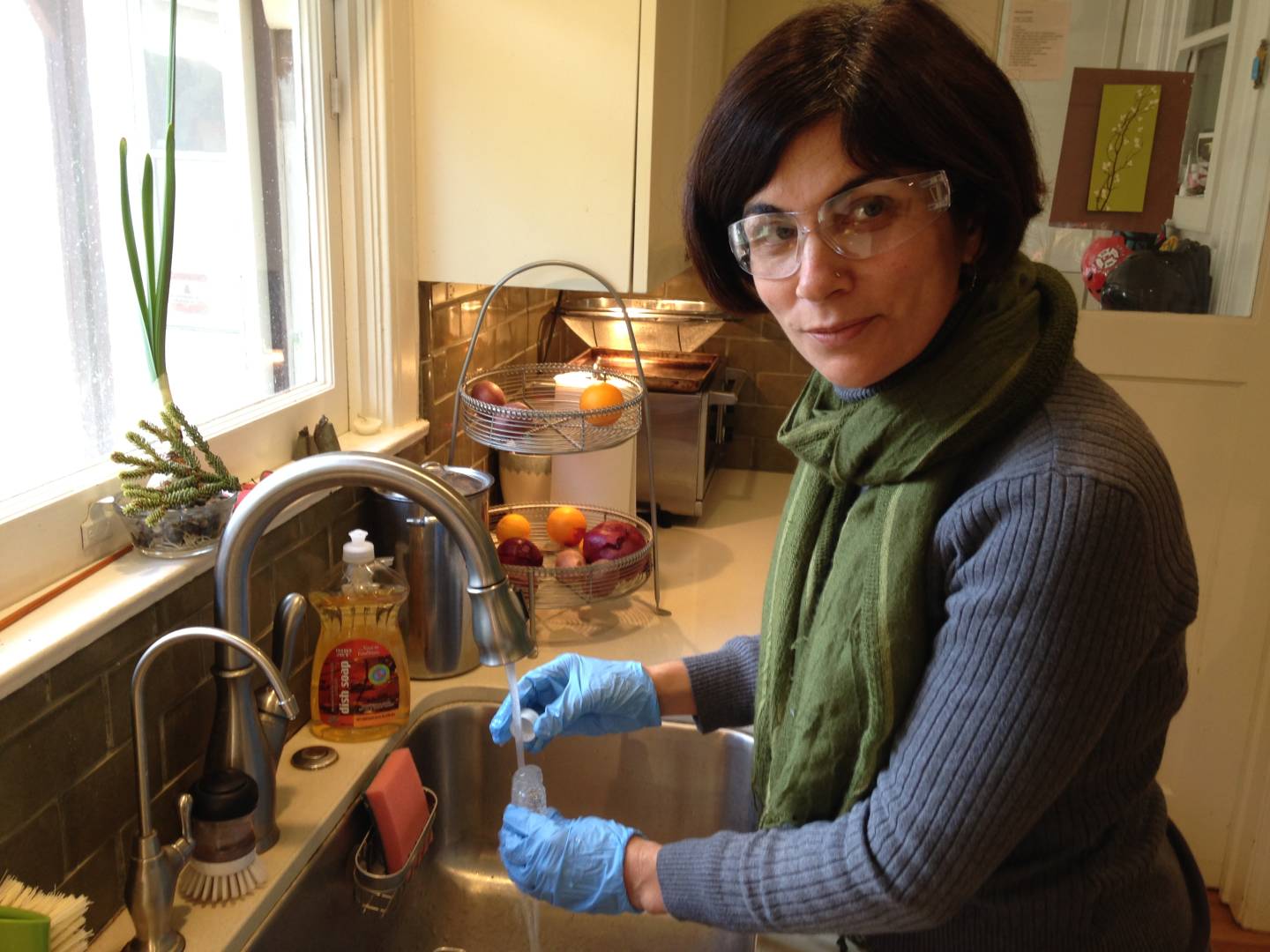
"caption": "Sasha Khokha prepares to test the water in her Fresno home for the presence of 1,2,3-TCP.",
"description": null,
"title": "Sasha testing water",
"credit": "Lisa Morehouse",
"status": "inherit",
"isLoading": false,
"fetchFailed": false
},
"news_11590032": {
"type": "attachments",
"id": "news_11590032",
"meta": {
"index": "attachments_1716263798",
"site": "news",
"id": "11590032",
"found": true
},
"parent": 11590030,
"imgSizes": {
"small": {
"file": "https://ww2.kqed.org/app/uploads/sites/10/2017/07/detwiler-airtanker-1920-520x343.jpg",
"width": 520,
"mimeType": "image/jpeg",
"height": 343
},
"twentyfourteen-full-width": {
"file": "https://ww2.kqed.org/app/uploads/sites/10/2017/07/detwiler-airtanker-1920-1038x576.jpg",
"width": 1038,
"mimeType": "image/jpeg",
"height": 576
},
"thumbnail": {
"file": "https://ww2.kqed.org/app/uploads/sites/10/2017/07/detwiler-airtanker-1920-160x106.jpg",
"width": 160,
"mimeType": "image/jpeg",
"height": 106
},
"fd-sm": {
"file": "https://ww2.kqed.org/app/uploads/sites/10/2017/07/detwiler-airtanker-1920-960x633.jpg",
"width": 960,
"mimeType": "image/jpeg",
"height": 633
},
"post-thumbnail": {
"file": "https://ww2.kqed.org/app/uploads/sites/10/2017/07/detwiler-airtanker-1920-672x372.jpg",
"width": 672,
"mimeType": "image/jpeg",
"height": 372
},
"xsmall": {
"file": "https://ww2.kqed.org/app/uploads/sites/10/2017/07/detwiler-airtanker-1920-375x247.jpg",
"width": 375,
"mimeType": "image/jpeg",
"height": 247
},
"kqedFullSize": {
"file": "https://ww2.kqed.org/app/uploads/sites/10/2017/07/detwiler-airtanker-1920.jpg",
"width": 1920,
"height": 1266
},
"large": {
"file": "https://ww2.kqed.org/app/uploads/sites/10/2017/07/detwiler-airtanker-1920-1020x673.jpg",
"width": 1020,
"mimeType": "image/jpeg",
"height": 673
},
"xlarge": {
"file": "https://ww2.kqed.org/app/uploads/sites/10/2017/07/detwiler-airtanker-1920-1180x778.jpg",
"width": 1180,
"mimeType": "image/jpeg",
"height": 778
},
"guest-author-50": {
"file": "https://ww2.kqed.org/app/uploads/sites/10/2017/07/detwiler-airtanker-1920-50x50.jpg",
"width": 50,
"mimeType": "image/jpeg",
"height": 50
},
"guest-author-96": {
"file": "https://ww2.kqed.org/app/uploads/sites/10/2017/07/detwiler-airtanker-1920-96x96.jpg",
"width": 96,
"mimeType": "image/jpeg",
"height": 96
},
"medium": {
"file": "https://ww2.kqed.org/app/uploads/sites/10/2017/07/detwiler-airtanker-1920-800x528.jpg",
"width": 800,
"mimeType": "image/jpeg",
"height": 528
},
"guest-author-64": {
"file": "https://ww2.kqed.org/app/uploads/sites/10/2017/07/detwiler-airtanker-1920-64x64.jpg",
"width": 64,
"mimeType": "image/jpeg",
"height": 64
},
"guest-author-32": {
"file": "https://ww2.kqed.org/app/uploads/sites/10/2017/07/detwiler-airtanker-1920-32x32.jpg",
"width": 32,
"mimeType": "image/jpeg",
"height": 32
},
"fd-lrg": {
"file": "https://ww2.kqed.org/app/uploads/sites/10/2017/07/detwiler-airtanker-1920-1920x1266.jpg",
"width": 1920,
"mimeType": "image/jpeg",
"height": 1266
},
"fd-med": {
"file": "https://ww2.kqed.org/app/uploads/sites/10/2017/07/detwiler-airtanker-1920-1180x778.jpg",
"width": 1180,
"mimeType": "image/jpeg",
"height": 778
},
"full-width": {
"file": "https://ww2.kqed.org/app/uploads/sites/10/2017/07/detwiler-airtanker-1920-1920x1266.jpg",
"width": 1920,
"mimeType": "image/jpeg",
"height": 1266
},
"detail": {
"file": "https://ww2.kqed.org/app/uploads/sites/10/2017/07/detwiler-airtanker-1920-150x150.jpg",
"width": 150,
"mimeType": "image/jpeg",
"height": 150
},
"guest-author-128": {
"file": "https://ww2.kqed.org/app/uploads/sites/10/2017/07/detwiler-airtanker-1920-128x128.jpg",
"width": 128,
"mimeType": "image/jpeg",
"height": 128
},
"xxsmall": {
"file": "https://ww2.kqed.org/app/uploads/sites/10/2017/07/detwiler-airtanker-1920-240x158.jpg",
"width": 240,
"mimeType": "image/jpeg",
"height": 158
}
},
"publishDate": 1500918071,
"modified": 1500931848,
"caption": "An air tanker drops fire retardant on flames as firefighters continue to battle against the Detwiler fire in Mariposa, California, on July 19, 2017.",
"description": null,
"title": "detwiler-airtanker-1920",
"credit": "Josh Edelson/AFP/Getty Images)",
"status": "inherit",
"isLoading": false,
"fetchFailed": false
},
"science_1866945": {
"type": "attachments",
"id": "science_1866945",
"meta": {
"index": "attachments_1716263798",
"site": "science",
"id": "1866945",
"found": true
},
"parent": 1866788,
"imgSizes": {
"small": {
"file": "https://ww2.kqed.org/app/uploads/sites/35/2017/07/IMG_0436-520x293.jpg",
"width": 520,
"mimeType": "image/jpeg",
"height": 293
},
"twentyfourteen-full-width": {
"file": "https://ww2.kqed.org/app/uploads/sites/35/2017/07/IMG_0436-1038x576.jpg",
"width": 1038,
"mimeType": "image/jpeg",
"height": 576
},
"thumbnail": {
"file": "https://ww2.kqed.org/app/uploads/sites/35/2017/07/IMG_0436-160x90.jpg",
"width": 160,
"mimeType": "image/jpeg",
"height": 90
},
"fd-sm": {
"file": "https://ww2.kqed.org/app/uploads/sites/35/2017/07/IMG_0436-960x540.jpg",
"width": 960,
"mimeType": "image/jpeg",
"height": 540
},
"post-thumbnail": {
"file": "https://ww2.kqed.org/app/uploads/sites/35/2017/07/IMG_0436-672x372.jpg",
"width": 672,
"mimeType": "image/jpeg",
"height": 372
},
"xsmall": {
"file": "https://ww2.kqed.org/app/uploads/sites/35/2017/07/IMG_0436-375x211.jpg",
"width": 375,
"mimeType": "image/jpeg",
"height": 211
},
"kqedFullSize": {
"file": "https://ww2.kqed.org/app/uploads/sites/35/2017/07/IMG_0436.jpg",
"width": 2000,
"height": 1125
},
"large": {
"file": "https://ww2.kqed.org/app/uploads/sites/35/2017/07/IMG_0436-1020x574.jpg",
"width": 1020,
"mimeType": "image/jpeg",
"height": 574
},
"xlarge": {
"file": "https://ww2.kqed.org/app/uploads/sites/35/2017/07/IMG_0436-1180x664.jpg",
"width": 1180,
"mimeType": "image/jpeg",
"height": 664
},
"guest-author-50": {
"file": "https://ww2.kqed.org/app/uploads/sites/35/2017/07/IMG_0436-50x50.jpg",
"width": 50,
"mimeType": "image/jpeg",
"height": 50
},
"guest-author-96": {
"file": "https://ww2.kqed.org/app/uploads/sites/35/2017/07/IMG_0436-96x96.jpg",
"width": 96,
"mimeType": "image/jpeg",
"height": 96
},
"medium": {
"file": "https://ww2.kqed.org/app/uploads/sites/35/2017/07/IMG_0436-800x450.jpg",
"width": 800,
"mimeType": "image/jpeg",
"height": 450
},
"guest-author-64": {
"file": "https://ww2.kqed.org/app/uploads/sites/35/2017/07/IMG_0436-64x64.jpg",
"width": 64,
"mimeType": "image/jpeg",
"height": 64
},
"guest-author-32": {
"file": "https://ww2.kqed.org/app/uploads/sites/35/2017/07/IMG_0436-32x32.jpg",
"width": 32,
"mimeType": "image/jpeg",
"height": 32
},
"fd-lrg": {
"file": "https://ww2.kqed.org/app/uploads/sites/35/2017/07/IMG_0436-1920x1080.jpg",
"width": 1920,
"mimeType": "image/jpeg",
"height": 1080
},
"fd-med": {
"file": "https://ww2.kqed.org/app/uploads/sites/35/2017/07/IMG_0436-1180x664.jpg",
"width": 1180,
"mimeType": "image/jpeg",
"height": 664
},
"full-width": {
"file": "https://ww2.kqed.org/app/uploads/sites/35/2017/07/IMG_0436-1920x1080.jpg",
"width": 1920,
"mimeType": "image/jpeg",
"height": 1080
},
"detail": {
"file": "https://ww2.kqed.org/app/uploads/sites/35/2017/07/IMG_0436-150x150.jpg",
"width": 150,
"mimeType": "image/jpeg",
"height": 150
},
"medium_large": {
"file": "https://ww2.kqed.org/app/uploads/sites/35/2017/07/IMG_0436-768x432.jpg",
"width": 768,
"mimeType": "image/jpeg",
"height": 432
},
"guest-author-128": {
"file": "https://ww2.kqed.org/app/uploads/sites/35/2017/07/IMG_0436-128x128.jpg",
"width": 128,
"mimeType": "image/jpeg",
"height": 128
},
"xxsmall": {
"file": "https://ww2.kqed.org/app/uploads/sites/35/2017/07/IMG_0436-240x135.jpg",
"width": 240,
"mimeType": "image/jpeg",
"height": 135
}
},
"publishDate": 1500593688,
"modified": 1562344841,
"caption": "David Perlman at his desk at the San Francisco Chronicle, where he spent 77 years in the news business.",
"description": "In his six decades of science writing, David Perlman has seen newsrooms go from manual typewriters to social media.",
"title": "IMG_0436",
"credit": "Craig Miller/KQED",
"status": "inherit",
"isLoading": false,
"fetchFailed": false
},
"science_1866428": {
"type": "attachments",
"id": "science_1866428",
"meta": {
"index": "attachments_1716263798",
"site": "science",
"id": "1866428",
"found": true
},
"parent": 1866137,
"imgSizes": {
"small": {
"file": "https://ww2.kqed.org/app/uploads/sites/35/2017/07/IMG_5131-e1500584883367-520x416.jpg",
"width": 520,
"mimeType": "image/jpeg",
"height": 416
},
"twentyfourteen-full-width": {
"file": "https://ww2.kqed.org/app/uploads/sites/35/2017/07/IMG_5131-e1500584883367-1038x576.jpg",
"width": 1038,
"mimeType": "image/jpeg",
"height": 576
},
"thumbnail": {
"file": "https://ww2.kqed.org/app/uploads/sites/35/2017/07/IMG_5131-e1500584883367-160x128.jpg",
"width": 160,
"mimeType": "image/jpeg",
"height": 128
},
"fd-sm": {
"file": "https://ww2.kqed.org/app/uploads/sites/35/2017/07/IMG_5131-e1500584883367-960x768.jpg",
"width": 960,
"mimeType": "image/jpeg",
"height": 768
},
"post-thumbnail": {
"file": "https://ww2.kqed.org/app/uploads/sites/35/2017/07/IMG_5131-e1500584883367-672x372.jpg",
"width": 672,
"mimeType": "image/jpeg",
"height": 372
},
"xsmall": {
"file": "https://ww2.kqed.org/app/uploads/sites/35/2017/07/IMG_5131-e1500584883367-375x300.jpg",
"width": 375,
"mimeType": "image/jpeg",
"height": 300
},
"kqedFullSize": {
"file": "https://ww2.kqed.org/app/uploads/sites/35/2017/07/IMG_5131-e1500584883367.jpg",
"width": 2626,
"height": 2100
},
"large": {
"file": "https://ww2.kqed.org/app/uploads/sites/35/2017/07/IMG_5131-e1500584883367-1020x816.jpg",
"width": 1020,
"mimeType": "image/jpeg",
"height": 816
},
"xlarge": {
"file": "https://ww2.kqed.org/app/uploads/sites/35/2017/07/IMG_5131-e1500584883367-1180x944.jpg",
"width": 1180,
"mimeType": "image/jpeg",
"height": 944
},
"guest-author-50": {
"file": "https://ww2.kqed.org/app/uploads/sites/35/2017/07/IMG_5131-e1500584883367-50x50.jpg",
"width": 50,
"mimeType": "image/jpeg",
"height": 50
},
"guest-author-96": {
"file": "https://ww2.kqed.org/app/uploads/sites/35/2017/07/IMG_5131-e1500584883367-96x96.jpg",
"width": 96,
"mimeType": "image/jpeg",
"height": 96
},
"medium": {
"file": "https://ww2.kqed.org/app/uploads/sites/35/2017/07/IMG_5131-e1500584883367-800x640.jpg",
"width": 800,
"mimeType": "image/jpeg",
"height": 640
},
"guest-author-64": {
"file": "https://ww2.kqed.org/app/uploads/sites/35/2017/07/IMG_5131-e1500584883367-64x64.jpg",
"width": 64,
"mimeType": "image/jpeg",
"height": 64
},
"guest-author-32": {
"file": "https://ww2.kqed.org/app/uploads/sites/35/2017/07/IMG_5131-e1500584883367-32x32.jpg",
"width": 32,
"mimeType": "image/jpeg",
"height": 32
},
"fd-lrg": {
"file": "https://ww2.kqed.org/app/uploads/sites/35/2017/07/IMG_5131-e1500584883367-1920x1535.jpg",
"width": 1920,
"mimeType": "image/jpeg",
"height": 1535
},
"fd-med": {
"file": "https://ww2.kqed.org/app/uploads/sites/35/2017/07/IMG_5131-e1500584883367-1180x944.jpg",
"width": 1180,
"mimeType": "image/jpeg",
"height": 944
},
"full-width": {
"file": "https://ww2.kqed.org/app/uploads/sites/35/2017/07/IMG_5131-e1500584883367-1920x1535.jpg",
"width": 1920,
"mimeType": "image/jpeg",
"height": 1535
},
"detail": {
"file": "https://ww2.kqed.org/app/uploads/sites/35/2017/07/IMG_5131-e1500584883367-150x150.jpg",
"width": 150,
"mimeType": "image/jpeg",
"height": 150
},
"medium_large": {
"file": "https://ww2.kqed.org/app/uploads/sites/35/2017/07/IMG_5131-e1500584883367-768x614.jpg",
"width": 768,
"mimeType": "image/jpeg",
"height": 614
},
"guest-author-128": {
"file": "https://ww2.kqed.org/app/uploads/sites/35/2017/07/IMG_5131-e1500584883367-128x128.jpg",
"width": 128,
"mimeType": "image/jpeg",
"height": 128
},
"xxsmall": {
"file": "https://ww2.kqed.org/app/uploads/sites/35/2017/07/IMG_5131-e1500584883367-240x192.jpg",
"width": 240,
"mimeType": "image/jpeg",
"height": 192
}
},
"publishDate": 1500584383,
"modified": 1500584948,
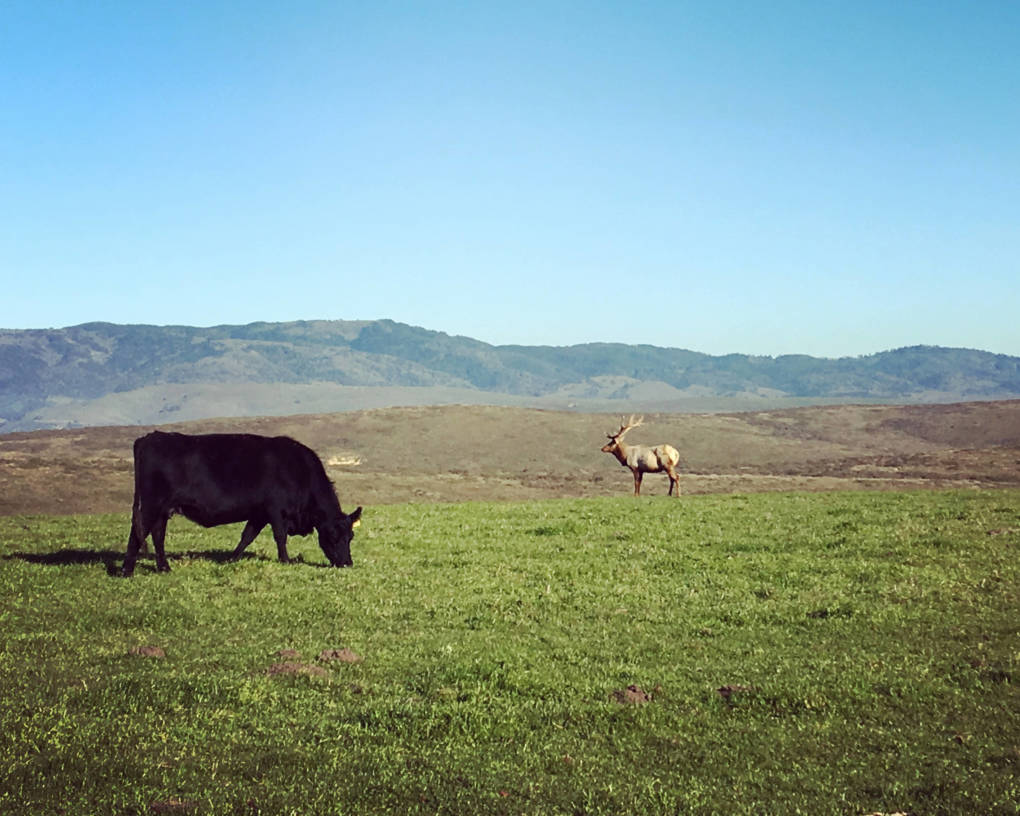
"caption": "Cattle and the Tule elk make unlikely and often problematic neighbors at Pt. Reyes National Seashore.",
"description": null,
"title": "Tule Elk and Cow",
"credit": "Laura Watt / Sonoma State University",
"status": "inherit",
"isLoading": false,
"fetchFailed": false
},
"news_11583630": {
"type": "attachments",
"id": "news_11583630",
"meta": {
"index": "attachments_1716263798",
"site": "news",
"id": "11583630",
"found": true
},
"parent": 11582750,
"imgSizes": {
"small": {
"file": "https://ww2.kqed.org/app/uploads/sites/10/2017/07/RS26056_Willie-B-Kennedy-Apartments-qut-520x390.jpg",
"width": 520,
"mimeType": "image/jpeg",
"height": 390
},
"twentyfourteen-full-width": {
"file": "https://ww2.kqed.org/app/uploads/sites/10/2017/07/RS26056_Willie-B-Kennedy-Apartments-qut-1038x576.jpg",
"width": 1038,
"mimeType": "image/jpeg",
"height": 576
},
"thumbnail": {
"file": "https://ww2.kqed.org/app/uploads/sites/10/2017/07/RS26056_Willie-B-Kennedy-Apartments-qut-160x120.jpg",
"width": 160,
"mimeType": "image/jpeg",
"height": 120
},
"fd-sm": {
"file": "https://ww2.kqed.org/app/uploads/sites/10/2017/07/RS26056_Willie-B-Kennedy-Apartments-qut-960x720.jpg",
"width": 960,
"mimeType": "image/jpeg",
"height": 720
},
"post-thumbnail": {
"file": "https://ww2.kqed.org/app/uploads/sites/10/2017/07/RS26056_Willie-B-Kennedy-Apartments-qut-672x372.jpg",
"width": 672,
"mimeType": "image/jpeg",
"height": 372
},
"xsmall": {
"file": "https://ww2.kqed.org/app/uploads/sites/10/2017/07/RS26056_Willie-B-Kennedy-Apartments-qut-375x281.jpg",
"width": 375,
"mimeType": "image/jpeg",
"height": 281
},
"kqedFullSize": {
"file": "https://ww2.kqed.org/app/uploads/sites/10/2017/07/RS26056_Willie-B-Kennedy-Apartments-qut.jpg",
"width": 1920,
"height": 1440
},
"large": {
"file": "https://ww2.kqed.org/app/uploads/sites/10/2017/07/RS26056_Willie-B-Kennedy-Apartments-qut-1020x765.jpg",
"width": 1020,
"mimeType": "image/jpeg",
"height": 765
},
"xlarge": {
"file": "https://ww2.kqed.org/app/uploads/sites/10/2017/07/RS26056_Willie-B-Kennedy-Apartments-qut-1180x885.jpg",
"width": 1180,
"mimeType": "image/jpeg",
"height": 885
},
"guest-author-50": {
"file": "https://ww2.kqed.org/app/uploads/sites/10/2017/07/RS26056_Willie-B-Kennedy-Apartments-qut-50x50.jpg",
"width": 50,
"mimeType": "image/jpeg",
"height": 50
},
"guest-author-96": {
"file": "https://ww2.kqed.org/app/uploads/sites/10/2017/07/RS26056_Willie-B-Kennedy-Apartments-qut-96x96.jpg",
"width": 96,
"mimeType": "image/jpeg",
"height": 96
},
"medium": {
"file": "https://ww2.kqed.org/app/uploads/sites/10/2017/07/RS26056_Willie-B-Kennedy-Apartments-qut-800x600.jpg",
"width": 800,
"mimeType": "image/jpeg",
"height": 600
},
"guest-author-64": {
"file": "https://ww2.kqed.org/app/uploads/sites/10/2017/07/RS26056_Willie-B-Kennedy-Apartments-qut-64x64.jpg",
"width": 64,
"mimeType": "image/jpeg",
"height": 64
},
"guest-author-32": {
"file": "https://ww2.kqed.org/app/uploads/sites/10/2017/07/RS26056_Willie-B-Kennedy-Apartments-qut-32x32.jpg",
"width": 32,
"mimeType": "image/jpeg",
"height": 32
},
"fd-lrg": {
"file": "https://ww2.kqed.org/app/uploads/sites/10/2017/07/RS26056_Willie-B-Kennedy-Apartments-qut-1920x1440.jpg",
"width": 1920,
"mimeType": "image/jpeg",
"height": 1440
},
"fd-med": {
"file": "https://ww2.kqed.org/app/uploads/sites/10/2017/07/RS26056_Willie-B-Kennedy-Apartments-qut-1180x885.jpg",
"width": 1180,
"mimeType": "image/jpeg",
"height": 885
},
"full-width": {
"file": "https://ww2.kqed.org/app/uploads/sites/10/2017/07/RS26056_Willie-B-Kennedy-Apartments-qut-1920x1440.jpg",
"width": 1920,
"mimeType": "image/jpeg",
"height": 1440
},
"detail": {
"file": "https://ww2.kqed.org/app/uploads/sites/10/2017/07/RS26056_Willie-B-Kennedy-Apartments-qut-150x150.jpg",
"width": 150,
"mimeType": "image/jpeg",
"height": 150
},
"guest-author-128": {
"file": "https://ww2.kqed.org/app/uploads/sites/10/2017/07/RS26056_Willie-B-Kennedy-Apartments-qut-128x128.jpg",
"width": 128,
"mimeType": "image/jpeg",
"height": 128
},
"xxsmall": {
"file": "https://ww2.kqed.org/app/uploads/sites/10/2017/07/RS26056_Willie-B-Kennedy-Apartments-qut-240x180.jpg",
"width": 240,
"mimeType": "image/jpeg",
"height": 180
}
},
"publishDate": 1500686851,
"modified": 1500934211,
"caption": "Willie B. Kennedy Apartments at 1239 Turk St. in San Francisco.",
"description": "Willie B. Kennedy Apartments at 1239 Turk Street in San Francisco.",
"title": "RS26056_Willie B Kennedy Apartments-qut",
"credit": "Cesar Saldaña/KQED",
"status": "inherit",
"isLoading": false,
"fetchFailed": false
},
"news_11580549": {
"type": "attachments",
"id": "news_11580549",
"meta": {
"index": "attachments_1716263798",
"site": "news",
"id": "11580549",
"found": true
},
"parent": 11579605,
"imgSizes": {
"small": {
"file": "https://ww2.kqed.org/app/uploads/sites/10/2017/07/RS26049_20170721_093551-qut-520x390.jpg",
"width": 520,
"mimeType": "image/jpeg",
"height": 390
},
"twentyfourteen-full-width": {
"file": "https://ww2.kqed.org/app/uploads/sites/10/2017/07/RS26049_20170721_093551-qut-1038x576.jpg",
"width": 1038,
"mimeType": "image/jpeg",
"height": 576
},
"thumbnail": {
"file": "https://ww2.kqed.org/app/uploads/sites/10/2017/07/RS26049_20170721_093551-qut-160x120.jpg",
"width": 160,
"mimeType": "image/jpeg",
"height": 120
},
"fd-sm": {
"file": "https://ww2.kqed.org/app/uploads/sites/10/2017/07/RS26049_20170721_093551-qut-960x720.jpg",
"width": 960,
"mimeType": "image/jpeg",
"height": 720
},
"post-thumbnail": {
"file": "https://ww2.kqed.org/app/uploads/sites/10/2017/07/RS26049_20170721_093551-qut-672x372.jpg",
"width": 672,
"mimeType": "image/jpeg",
"height": 372
},
"xsmall": {
"file": "https://ww2.kqed.org/app/uploads/sites/10/2017/07/RS26049_20170721_093551-qut-375x281.jpg",
"width": 375,
"mimeType": "image/jpeg",
"height": 281
},
"kqedFullSize": {
"file": "https://ww2.kqed.org/app/uploads/sites/10/2017/07/RS26049_20170721_093551-qut.jpg",
"width": 1920,
"height": 1440
},
"large": {
"file": "https://ww2.kqed.org/app/uploads/sites/10/2017/07/RS26049_20170721_093551-qut-1020x765.jpg",
"width": 1020,
"mimeType": "image/jpeg",
"height": 765
},
"xlarge": {
"file": "https://ww2.kqed.org/app/uploads/sites/10/2017/07/RS26049_20170721_093551-qut-1180x885.jpg",
"width": 1180,
"mimeType": "image/jpeg",
"height": 885
},
"guest-author-50": {
"file": "https://ww2.kqed.org/app/uploads/sites/10/2017/07/RS26049_20170721_093551-qut-50x50.jpg",
"width": 50,
"mimeType": "image/jpeg",
"height": 50
},
"guest-author-96": {
"file": "https://ww2.kqed.org/app/uploads/sites/10/2017/07/RS26049_20170721_093551-qut-96x96.jpg",
"width": 96,
"mimeType": "image/jpeg",
"height": 96
},
"medium": {
"file": "https://ww2.kqed.org/app/uploads/sites/10/2017/07/RS26049_20170721_093551-qut-800x600.jpg",
"width": 800,
"mimeType": "image/jpeg",
"height": 600
},
"guest-author-64": {
"file": "https://ww2.kqed.org/app/uploads/sites/10/2017/07/RS26049_20170721_093551-qut-64x64.jpg",
"width": 64,
"mimeType": "image/jpeg",
"height": 64
},
"guest-author-32": {
"file": "https://ww2.kqed.org/app/uploads/sites/10/2017/07/RS26049_20170721_093551-qut-32x32.jpg",
"width": 32,
"mimeType": "image/jpeg",
"height": 32
},
"fd-lrg": {
"file": "https://ww2.kqed.org/app/uploads/sites/10/2017/07/RS26049_20170721_093551-qut-1920x1440.jpg",
"width": 1920,
"mimeType": "image/jpeg",
"height": 1440
},
"fd-med": {
"file": "https://ww2.kqed.org/app/uploads/sites/10/2017/07/RS26049_20170721_093551-qut-1180x885.jpg",
"width": 1180,
"mimeType": "image/jpeg",
"height": 885
},
"full-width": {
"file": "https://ww2.kqed.org/app/uploads/sites/10/2017/07/RS26049_20170721_093551-qut-1920x1440.jpg",
"width": 1920,
"mimeType": "image/jpeg",
"height": 1440
},
"detail": {
"file": "https://ww2.kqed.org/app/uploads/sites/10/2017/07/RS26049_20170721_093551-qut-150x150.jpg",
"width": 150,
"mimeType": "image/jpeg",
"height": 150
},
"guest-author-128": {
"file": "https://ww2.kqed.org/app/uploads/sites/10/2017/07/RS26049_20170721_093551-qut-128x128.jpg",
"width": 128,
"mimeType": "image/jpeg",
"height": 128
},
"xxsmall": {
"file": "https://ww2.kqed.org/app/uploads/sites/10/2017/07/RS26049_20170721_093551-qut-240x180.jpg",
"width": 240,
"mimeType": "image/jpeg",
"height": 180
}
},
"publishDate": 1500680171,
"modified": 1500682547,
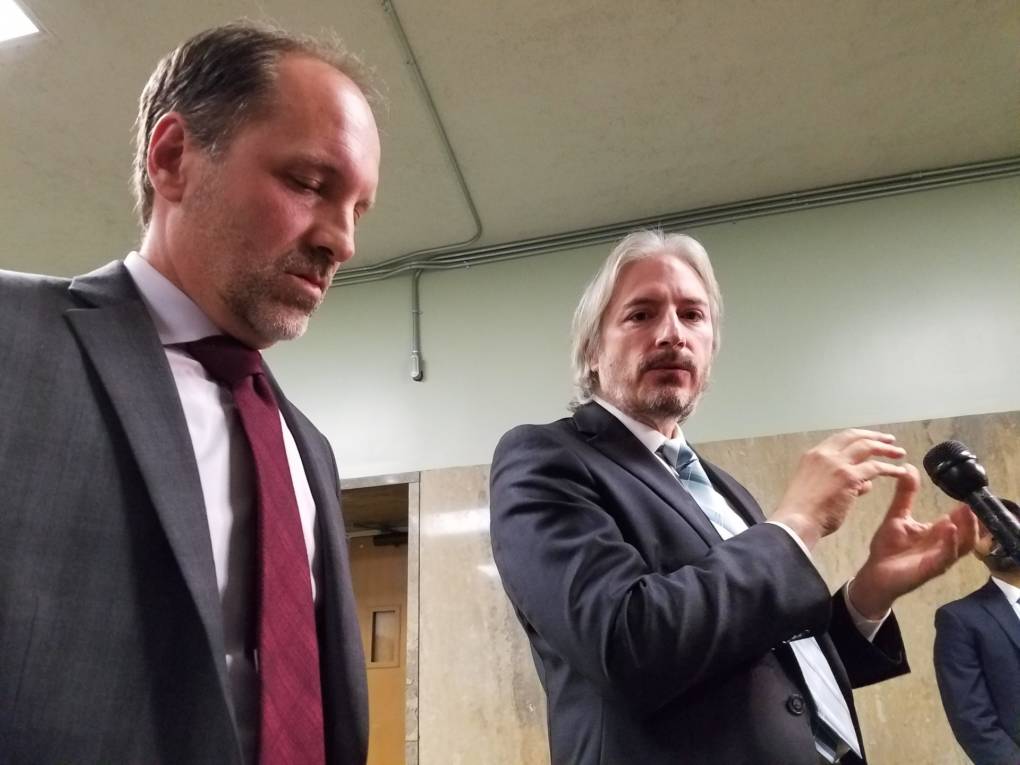
"caption": "Juan Francisco Lopez Sanchez's defense attorneys Francisco Ugarte and Matt Gonzalez on July 21, 2017, at the San Francisco Hall of Justice.\n",
"description": "Juan Francisco Lopez Sanchez's defense attorneys Fracisco Ugarte and Matt Gonzales on July 21, 2017 at the San Francisco Hall of Justice.\n",
"title": "RS26049_20170721_093551-qut",
"credit": "Alex Emslie/KQED",
"status": "inherit",
"isLoading": false,
"fetchFailed": false
},
"news_11581115": {
"type": "attachments",
"id": "news_11581115",
"meta": {
"index": "attachments_1716263798",
"site": "news",
"id": "11581115",
"found": true
},
"parent": 11580221,
"imgSizes": {
"small": {
"file": "https://ww2.kqed.org/app/uploads/sites/10/2017/07/Detwiler_RS26055_GettyImages-818631974-qut-520x341.jpg",
"width": 520,
"mimeType": "image/jpeg",
"height": 341
},
"twentyfourteen-full-width": {
"file": "https://ww2.kqed.org/app/uploads/sites/10/2017/07/Detwiler_RS26055_GettyImages-818631974-qut-1038x576.jpg",
"width": 1038,
"mimeType": "image/jpeg",
"height": 576
},
"thumbnail": {
"file": "https://ww2.kqed.org/app/uploads/sites/10/2017/07/Detwiler_RS26055_GettyImages-818631974-qut-160x105.jpg",
"width": 160,
"mimeType": "image/jpeg",
"height": 105
},
"fd-sm": {
"file": "https://ww2.kqed.org/app/uploads/sites/10/2017/07/Detwiler_RS26055_GettyImages-818631974-qut-960x630.jpg",
"width": 960,
"mimeType": "image/jpeg",
"height": 630
},
"post-thumbnail": {
"file": "https://ww2.kqed.org/app/uploads/sites/10/2017/07/Detwiler_RS26055_GettyImages-818631974-qut-672x372.jpg",
"width": 672,
"mimeType": "image/jpeg",
"height": 372
},
"xsmall": {
"file": "https://ww2.kqed.org/app/uploads/sites/10/2017/07/Detwiler_RS26055_GettyImages-818631974-qut-375x246.jpg",
"width": 375,
"mimeType": "image/jpeg",
"height": 246
},
"kqedFullSize": {
"file": "https://ww2.kqed.org/app/uploads/sites/10/2017/07/Detwiler_RS26055_GettyImages-818631974-qut.jpg",
"width": 1920,
"height": 1260
},
"large": {
"file": "https://ww2.kqed.org/app/uploads/sites/10/2017/07/Detwiler_RS26055_GettyImages-818631974-qut-1020x669.jpg",
"width": 1020,
"mimeType": "image/jpeg",
"height": 669
},
"xlarge": {
"file": "https://ww2.kqed.org/app/uploads/sites/10/2017/07/Detwiler_RS26055_GettyImages-818631974-qut-1180x774.jpg",
"width": 1180,
"mimeType": "image/jpeg",
"height": 774
},
"guest-author-50": {
"file": "https://ww2.kqed.org/app/uploads/sites/10/2017/07/Detwiler_RS26055_GettyImages-818631974-qut-50x50.jpg",
"width": 50,
"mimeType": "image/jpeg",
"height": 50
},
"guest-author-96": {
"file": "https://ww2.kqed.org/app/uploads/sites/10/2017/07/Detwiler_RS26055_GettyImages-818631974-qut-96x96.jpg",
"width": 96,
"mimeType": "image/jpeg",
"height": 96
},
"medium": {
"file": "https://ww2.kqed.org/app/uploads/sites/10/2017/07/Detwiler_RS26055_GettyImages-818631974-qut-800x525.jpg",
"width": 800,
"mimeType": "image/jpeg",
"height": 525
},
"guest-author-64": {
"file": "https://ww2.kqed.org/app/uploads/sites/10/2017/07/Detwiler_RS26055_GettyImages-818631974-qut-64x64.jpg",
"width": 64,
"mimeType": "image/jpeg",
"height": 64
},
"guest-author-32": {
"file": "https://ww2.kqed.org/app/uploads/sites/10/2017/07/Detwiler_RS26055_GettyImages-818631974-qut-32x32.jpg",
"width": 32,
"mimeType": "image/jpeg",
"height": 32
},
"fd-lrg": {
"file": "https://ww2.kqed.org/app/uploads/sites/10/2017/07/Detwiler_RS26055_GettyImages-818631974-qut-1920x1260.jpg",
"width": 1920,
"mimeType": "image/jpeg",
"height": 1260
},
"fd-med": {
"file": "https://ww2.kqed.org/app/uploads/sites/10/2017/07/Detwiler_RS26055_GettyImages-818631974-qut-1180x774.jpg",
"width": 1180,
"mimeType": "image/jpeg",
"height": 774
},
"full-width": {
"file": "https://ww2.kqed.org/app/uploads/sites/10/2017/07/Detwiler_RS26055_GettyImages-818631974-qut-1920x1260.jpg",
"width": 1920,
"mimeType": "image/jpeg",
"height": 1260
},
"detail": {
"file": "https://ww2.kqed.org/app/uploads/sites/10/2017/07/Detwiler_RS26055_GettyImages-818631974-qut-150x150.jpg",
"width": 150,
"mimeType": "image/jpeg",
"height": 150
},
"guest-author-128": {
"file": "https://ww2.kqed.org/app/uploads/sites/10/2017/07/Detwiler_RS26055_GettyImages-818631974-qut-128x128.jpg",
"width": 128,
"mimeType": "image/jpeg",
"height": 128
},
"xxsmall": {
"file": "https://ww2.kqed.org/app/uploads/sites/10/2017/07/Detwiler_RS26055_GettyImages-818631974-qut-240x158.jpg",
"width": 240,
"mimeType": "image/jpeg",
"height": 158
}
},
"publishDate": 1500681490,
"modified": 1500934594,
"caption": "The Detwiler Fire burns in the hills above town on July 18, 2017, in Mariposa, California. ",
"description": null,
"title": "Detwiler Fire Spreading Rapidly Threatens Historic Town Mariposa",
"credit": "Justin Sullivan/Getty Images",
"status": "inherit",
"isLoading": false,
"fetchFailed": false
},
"news_11578271": {
"type": "attachments",
"id": "news_11578271",
"meta": {
"index": "attachments_1716263798",
"site": "news",
"id": "11578271",
"found": true
},
"parent": 11578267,
"imgSizes": {
"small": {
"file": "https://ww2.kqed.org/app/uploads/sites/10/2017/07/RS26047_DSC_1214-qut-520x345.jpg",
"width": 520,
"mimeType": "image/jpeg",
"height": 345
},
"twentyfourteen-full-width": {
"file": "https://ww2.kqed.org/app/uploads/sites/10/2017/07/RS26047_DSC_1214-qut-1038x576.jpg",
"width": 1038,
"mimeType": "image/jpeg",
"height": 576
},
"thumbnail": {
"file": "https://ww2.kqed.org/app/uploads/sites/10/2017/07/RS26047_DSC_1214-qut-160x106.jpg",
"width": 160,
"mimeType": "image/jpeg",
"height": 106
},
"fd-sm": {
"file": "https://ww2.kqed.org/app/uploads/sites/10/2017/07/RS26047_DSC_1214-qut-960x636.jpg",
"width": 960,
"mimeType": "image/jpeg",
"height": 636
},
"post-thumbnail": {
"file": "https://ww2.kqed.org/app/uploads/sites/10/2017/07/RS26047_DSC_1214-qut-672x372.jpg",
"width": 672,
"mimeType": "image/jpeg",
"height": 372
},
"xsmall": {
"file": "https://ww2.kqed.org/app/uploads/sites/10/2017/07/RS26047_DSC_1214-qut-375x248.jpg",
"width": 375,
"mimeType": "image/jpeg",
"height": 248
},
"kqedFullSize": {
"file": "https://ww2.kqed.org/app/uploads/sites/10/2017/07/RS26047_DSC_1214-qut.jpg",
"width": 1920,
"height": 1272
},
"large": {
"file": "https://ww2.kqed.org/app/uploads/sites/10/2017/07/RS26047_DSC_1214-qut-1020x676.jpg",
"width": 1020,
"mimeType": "image/jpeg",
"height": 676
},
"xlarge": {
"file": "https://ww2.kqed.org/app/uploads/sites/10/2017/07/RS26047_DSC_1214-qut-1180x782.jpg",
"width": 1180,
"mimeType": "image/jpeg",
"height": 782
},
"guest-author-50": {
"file": "https://ww2.kqed.org/app/uploads/sites/10/2017/07/RS26047_DSC_1214-qut-50x50.jpg",
"width": 50,
"mimeType": "image/jpeg",
"height": 50
},
"guest-author-96": {
"file": "https://ww2.kqed.org/app/uploads/sites/10/2017/07/RS26047_DSC_1214-qut-96x96.jpg",
"width": 96,
"mimeType": "image/jpeg",
"height": 96
},
"medium": {
"file": "https://ww2.kqed.org/app/uploads/sites/10/2017/07/RS26047_DSC_1214-qut-800x530.jpg",
"width": 800,
"mimeType": "image/jpeg",
"height": 530
},
"guest-author-64": {
"file": "https://ww2.kqed.org/app/uploads/sites/10/2017/07/RS26047_DSC_1214-qut-64x64.jpg",
"width": 64,
"mimeType": "image/jpeg",
"height": 64
},
"guest-author-32": {
"file": "https://ww2.kqed.org/app/uploads/sites/10/2017/07/RS26047_DSC_1214-qut-32x32.jpg",
"width": 32,
"mimeType": "image/jpeg",
"height": 32
},
"fd-lrg": {
"file": "https://ww2.kqed.org/app/uploads/sites/10/2017/07/RS26047_DSC_1214-qut-1920x1272.jpg",
"width": 1920,
"mimeType": "image/jpeg",
"height": 1272
},
"fd-med": {
"file": "https://ww2.kqed.org/app/uploads/sites/10/2017/07/RS26047_DSC_1214-qut-1180x782.jpg",
"width": 1180,
"mimeType": "image/jpeg",
"height": 782
},
"full-width": {
"file": "https://ww2.kqed.org/app/uploads/sites/10/2017/07/RS26047_DSC_1214-qut-1920x1272.jpg",
"width": 1920,
"mimeType": "image/jpeg",
"height": 1272
},
"detail": {
"file": "https://ww2.kqed.org/app/uploads/sites/10/2017/07/RS26047_DSC_1214-qut-150x150.jpg",
"width": 150,
"mimeType": "image/jpeg",
"height": 150
},
"guest-author-128": {
"file": "https://ww2.kqed.org/app/uploads/sites/10/2017/07/RS26047_DSC_1214-qut-128x128.jpg",
"width": 128,
"mimeType": "image/jpeg",
"height": 128
},
"xxsmall": {
"file": "https://ww2.kqed.org/app/uploads/sites/10/2017/07/RS26047_DSC_1214-qut-240x159.jpg",
"width": 240,
"mimeType": "image/jpeg",
"height": 159
}
},
"publishDate": 1500601811,
"modified": 1500602184,
"caption": "Hobee's famous blueberry coffee cake was invented by Peter Taber in the restaurant's early years.",
"description": null,
"title": "RS26047_DSC_1214-qut",
"credit": "Ryan Levi/KQED",
"status": "inherit",
"isLoading": false,
"fetchFailed": false
},
"news_11579644": {
"type": "attachments",
"id": "news_11579644",
"meta": {
"index": "attachments_1716263798",
"site": "news",
"id": "11579644",
"found": true
},
"parent": 11579625,
"imgSizes": {
"small": {
"file": "https://ww2.kqed.org/app/uploads/sites/10/2017/07/GettyImages-819003266-520x347.jpg",
"width": 520,
"mimeType": "image/jpeg",
"height": 347
},
"twentyfourteen-full-width": {
"file": "https://ww2.kqed.org/app/uploads/sites/10/2017/07/GettyImages-819003266-1038x576.jpg",
"width": 1038,
"mimeType": "image/jpeg",
"height": 576
},
"thumbnail": {
"file": "https://ww2.kqed.org/app/uploads/sites/10/2017/07/GettyImages-819003266-160x107.jpg",
"width": 160,
"mimeType": "image/jpeg",
"height": 107
},
"fd-sm": {
"file": "https://ww2.kqed.org/app/uploads/sites/10/2017/07/GettyImages-819003266-960x640.jpg",
"width": 960,
"mimeType": "image/jpeg",
"height": 640
},
"post-thumbnail": {
"file": "https://ww2.kqed.org/app/uploads/sites/10/2017/07/GettyImages-819003266-672x372.jpg",
"width": 672,
"mimeType": "image/jpeg",
"height": 372
},
"xsmall": {
"file": "https://ww2.kqed.org/app/uploads/sites/10/2017/07/GettyImages-819003266-375x250.jpg",
"width": 375,
"mimeType": "image/jpeg",
"height": 250
},
"kqedFullSize": {
"file": "https://ww2.kqed.org/app/uploads/sites/10/2017/07/GettyImages-819003266-e1500670369774.jpg",
"width": 1920,
"height": 1280
},
"large": {
"file": "https://ww2.kqed.org/app/uploads/sites/10/2017/07/GettyImages-819003266-1020x680.jpg",
"width": 1020,
"mimeType": "image/jpeg",
"height": 680
},
"xlarge": {
"file": "https://ww2.kqed.org/app/uploads/sites/10/2017/07/GettyImages-819003266-1180x787.jpg",
"width": 1180,
"mimeType": "image/jpeg",
"height": 787
},
"guest-author-50": {
"file": "https://ww2.kqed.org/app/uploads/sites/10/2017/07/GettyImages-819003266-50x50.jpg",
"width": 50,
"mimeType": "image/jpeg",
"height": 50
},
"guest-author-96": {
"file": "https://ww2.kqed.org/app/uploads/sites/10/2017/07/GettyImages-819003266-96x96.jpg",
"width": 96,
"mimeType": "image/jpeg",
"height": 96
},
"medium": {
"file": "https://ww2.kqed.org/app/uploads/sites/10/2017/07/GettyImages-819003266-800x533.jpg",
"width": 800,
"mimeType": "image/jpeg",
"height": 533
},
"guest-author-64": {
"file": "https://ww2.kqed.org/app/uploads/sites/10/2017/07/GettyImages-819003266-64x64.jpg",
"width": 64,
"mimeType": "image/jpeg",
"height": 64
},
"guest-author-32": {
"file": "https://ww2.kqed.org/app/uploads/sites/10/2017/07/GettyImages-819003266-32x32.jpg",
"width": 32,
"mimeType": "image/jpeg",
"height": 32
},
"fd-lrg": {
"file": "https://ww2.kqed.org/app/uploads/sites/10/2017/07/GettyImages-819003266-1920x1280.jpg",
"width": 1920,
"mimeType": "image/jpeg",
"height": 1280
},
"fd-med": {
"file": "https://ww2.kqed.org/app/uploads/sites/10/2017/07/GettyImages-819003266-1180x787.jpg",
"width": 1180,
"mimeType": "image/jpeg",
"height": 787
},
"full-width": {
"file": "https://ww2.kqed.org/app/uploads/sites/10/2017/07/GettyImages-819003266-1920x1280.jpg",
"width": 1920,
"mimeType": "image/jpeg",
"height": 1280
},
"detail": {
"file": "https://ww2.kqed.org/app/uploads/sites/10/2017/07/GettyImages-819003266-150x150.jpg",
"width": 150,
"mimeType": "image/jpeg",
"height": 150
},
"guest-author-128": {
"file": "https://ww2.kqed.org/app/uploads/sites/10/2017/07/GettyImages-819003266-128x128.jpg",
"width": 128,
"mimeType": "image/jpeg",
"height": 128
},
"xxsmall": {
"file": "https://ww2.kqed.org/app/uploads/sites/10/2017/07/GettyImages-819003266-240x160.jpg",
"width": 240,
"mimeType": "image/jpeg",
"height": 160
}
},
"publishDate": 1500670309,
"modified": 1500680718,
"caption": " A chimney stands in the remains of a home burned by the Detwiler Fire on July 19, 2017, in Mariposa, California.",
"description": null,
"title": "Detwiler Fire Spreading Rapidly Threatens Historic Town Mariposa",
"credit": "Justin Sullivan/Getty Images",
"status": "inherit",
"isLoading": false,
"fetchFailed": false
},
"news_11512743": {
"type": "attachments",
"id": "news_11512743",
"meta": {
"index": "attachments_1716263798",
"site": "news",
"id": "11512743",
"found": true
},
"parent": 11512735,
"imgSizes": {
"small": {
"file": "https://ww2.kqed.org/app/uploads/sites/10/2017/06/RS24264_GettyImages-635173108-qut-520x347.jpg",
"width": 520,
"mimeType": "image/jpeg",
"height": 347
},
"twentyfourteen-full-width": {
"file": "https://ww2.kqed.org/app/uploads/sites/10/2017/06/RS24264_GettyImages-635173108-qut-1038x576.jpg",
"width": 1038,
"mimeType": "image/jpeg",
"height": 576
},
"thumbnail": {
"file": "https://ww2.kqed.org/app/uploads/sites/10/2017/06/RS24264_GettyImages-635173108-qut-160x107.jpg",
"width": 160,
"mimeType": "image/jpeg",
"height": 107
},
"fd-sm": {
"file": "https://ww2.kqed.org/app/uploads/sites/10/2017/06/RS24264_GettyImages-635173108-qut-960x640.jpg",
"width": 960,
"mimeType": "image/jpeg",
"height": 640
},
"post-thumbnail": {
"file": "https://ww2.kqed.org/app/uploads/sites/10/2017/06/RS24264_GettyImages-635173108-qut-672x372.jpg",
"width": 672,
"mimeType": "image/jpeg",
"height": 372
},
"xsmall": {
"file": "https://ww2.kqed.org/app/uploads/sites/10/2017/06/RS24264_GettyImages-635173108-qut-375x250.jpg",
"width": 375,
"mimeType": "image/jpeg",
"height": 250
},
"kqedFullSize": {
"file": "https://ww2.kqed.org/app/uploads/sites/10/2017/06/RS24264_GettyImages-635173108-qut.jpg",
"width": 1920,
"height": 1280
},
"large": {
"file": "https://ww2.kqed.org/app/uploads/sites/10/2017/06/RS24264_GettyImages-635173108-qut-1020x680.jpg",
"width": 1020,
"mimeType": "image/jpeg",
"height": 680
},
"xlarge": {
"file": "https://ww2.kqed.org/app/uploads/sites/10/2017/06/RS24264_GettyImages-635173108-qut-1180x787.jpg",
"width": 1180,
"mimeType": "image/jpeg",
"height": 787
},
"guest-author-50": {
"file": "https://ww2.kqed.org/app/uploads/sites/10/2017/06/RS24264_GettyImages-635173108-qut-50x50.jpg",
"width": 50,
"mimeType": "image/jpeg",
"height": 50
},
"guest-author-96": {
"file": "https://ww2.kqed.org/app/uploads/sites/10/2017/06/RS24264_GettyImages-635173108-qut-96x96.jpg",
"width": 96,
"mimeType": "image/jpeg",
"height": 96
},
"medium": {
"file": "https://ww2.kqed.org/app/uploads/sites/10/2017/06/RS24264_GettyImages-635173108-qut-800x533.jpg",
"width": 800,
"mimeType": "image/jpeg",
"height": 533
},
"guest-author-64": {
"file": "https://ww2.kqed.org/app/uploads/sites/10/2017/06/RS24264_GettyImages-635173108-qut-64x64.jpg",
"width": 64,
"mimeType": "image/jpeg",
"height": 64
},
"guest-author-32": {
"file": "https://ww2.kqed.org/app/uploads/sites/10/2017/06/RS24264_GettyImages-635173108-qut-32x32.jpg",
"width": 32,
"mimeType": "image/jpeg",
"height": 32
},
"fd-lrg": {
"file": "https://ww2.kqed.org/app/uploads/sites/10/2017/06/RS24264_GettyImages-635173108-qut-1920x1280.jpg",
"width": 1920,
"mimeType": "image/jpeg",
"height": 1280
},
"fd-med": {
"file": "https://ww2.kqed.org/app/uploads/sites/10/2017/06/RS24264_GettyImages-635173108-qut-1180x787.jpg",
"width": 1180,
"mimeType": "image/jpeg",
"height": 787
},
"full-width": {
"file": "https://ww2.kqed.org/app/uploads/sites/10/2017/06/RS24264_GettyImages-635173108-qut-1920x1280.jpg",
"width": 1920,
"mimeType": "image/jpeg",
"height": 1280
},
"detail": {
"file": "https://ww2.kqed.org/app/uploads/sites/10/2017/06/RS24264_GettyImages-635173108-qut-150x150.jpg",
"width": 150,
"mimeType": "image/jpeg",
"height": 150
},
"guest-author-128": {
"file": "https://ww2.kqed.org/app/uploads/sites/10/2017/06/RS24264_GettyImages-635173108-qut-128x128.jpg",
"width": 128,
"mimeType": "image/jpeg",
"height": 128
},
"xxsmall": {
"file": "https://ww2.kqed.org/app/uploads/sites/10/2017/06/RS24264_GettyImages-635173108-qut-240x160.jpg",
"width": 240,
"mimeType": "image/jpeg",
"height": 160
}
},
"publishDate": 1497562384,
"modified": 1500672856,
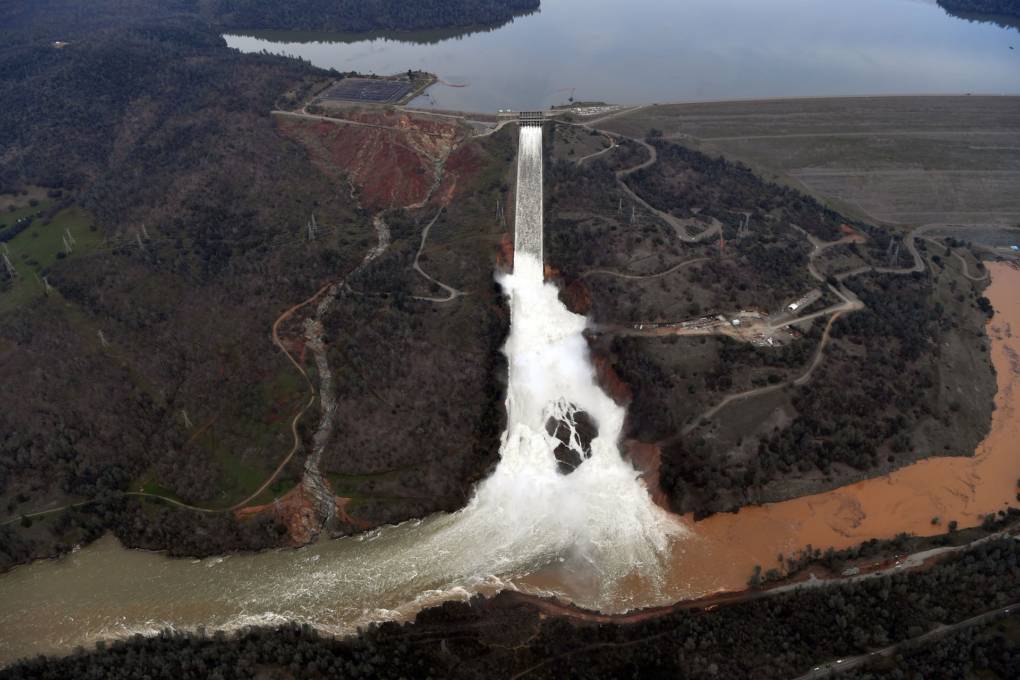
"caption": "Oroville Dam's main spillway pictured on Feb. 13, 2017, the day after officials ordered the emergency evacuation of 180,000 people living along the Feather River.",
"description": null,
"title": "Oroville Dam Spillway",
"credit": "Josh Edelson/AFP-Getty Images",
"status": "inherit",
"isLoading": false,
"fetchFailed": false
}
},
"audioPlayerReducer": {
"postId": "stream_live",
"isPaused": true,
"isPlaying": false,
"pfsActive": false,
"pledgeModalIsOpen": true,
"playerDrawerIsOpen": false,
"liveAudioPlayStartedAt": 0,
"liveAudioPlayContext": ""
},
"authorsReducer": {
"byline_news_11591770": {
"type": "authors",
"id": "byline_news_11591770",
"meta": {
"override": true
},
"slug": "byline_news_11591770",
"name": "\u003cstrong>\u003ca href=\"https://calmatters.org/articles/author/elizabeth-aguilera/\">Elizabeth Aguilera\u003c/a>\u003c/strong>",
"isLoading": false
},
"byline_news_11590030": {
"type": "authors",
"id": "byline_news_11590030",
"meta": {
"override": true
},
"slug": "byline_news_11590030",
"name": "Associated Press",
"isLoading": false
},
"byline_news_11580221": {
"type": "authors",
"id": "byline_news_11580221",
"meta": {
"override": true
},
"slug": "byline_news_11580221",
"name": "\u003cstrong>Serginho Roosblad\u003c/strong>",
"isLoading": false
},
"byline_news_11579625": {
"type": "authors",
"id": "byline_news_11579625",
"meta": {
"override": true
},
"slug": "byline_news_11579625",
"name": "\u003cstrong>Scott Smith and Olga R. Rodriguez\u003cbr />Associated Press\u003c/strong>",
"isLoading": false
},
"cmiller": {
"type": "authors",
"id": "221",
"meta": {
"index": "authors_1716337520",
"id": "221",
"found": true
},
"name": "Craig Miller",
"firstName": "Craig",
"lastName": "Miller",
"slug": "cmiller",
"email": "craig@voxterra.net",
"display_author_email": false,
"staff_mastheads": [
"science"
],
"title": "Editor Emeritus, Science",
"bio": "Craig is a former KQED Science editor, specializing in weather, climate, water & energy issues, with a little seismology thrown in just to shake things up. Prior to that, he launched and led the station's award-winning multimedia project, Climate Watch. Craig is also an accomplished writer/producer of television documentaries, with a focus on natural resource issues.",
"avatar": "https://secure.gravatar.com/avatar/b91661df645e001a9cafe0861fa685f9?s=600&d=blank&r=g",
"twitter": "voxterra",
"facebook": null,
"instagram": null,
"linkedin": null,
"sites": [
{
"site": "news",
"roles": [
"author"
]
},
{
"site": "futureofyou",
"roles": [
"editor"
]
},
{
"site": "stateofhealth",
"roles": [
"author"
]
},
{
"site": "science",
"roles": [
"editor"
]
},
{
"site": "quest",
"roles": [
"editor"
]
}
],
"headData": {
"title": "Craig Miller | KQED",
"description": "Editor Emeritus, Science",
"ogImgSrc": "https://secure.gravatar.com/avatar/b91661df645e001a9cafe0861fa685f9?s=600&d=blank&r=g",
"twImgSrc": "https://secure.gravatar.com/avatar/b91661df645e001a9cafe0861fa685f9?s=600&d=blank&r=g"
},
"isLoading": false,
"link": "/author/cmiller"
},
"danbrekke": {
"type": "authors",
"id": "222",
"meta": {
"index": "authors_1716337520",
"id": "222",
"found": true
},
"name": "Dan Brekke",
"firstName": "Dan",
"lastName": "Brekke",
"slug": "danbrekke",
"email": "dbrekke@kqed.org",
"display_author_email": true,
"staff_mastheads": [
"news",
"science"
],
"title": "KQED Editor and Reporter",
"bio": "Dan Brekke is a reporter and editor for KQED News, responsible for coverage of topics ranging from California water issues to the Bay Area's transportation challenges. In a newsroom career that began in Chicago in 1972, Dan has worked for \u003cem>The San Francisco Examiner,\u003c/em> Wired and TechTV and has been published in The New York Times, The New York Times Magazine, Business 2.0, Salon and elsewhere.\r\n\r\nSince joining KQED in 2007, Dan has reported, edited and produced both radio and online features and breaking news pieces. He has shared as both editor and reporter in four Society of Professional Journalists Norcal Excellence in Journalism awards and one Edward R. Murrow regional award. He was chosen for a spring 2017 residency at the Mesa Refuge to advance his research on California salmon.\r\n\r\nEmail Dan at: \u003ca href=\"mailto:dbrekke@kqed.org\">dbrekke@kqed.org\u003c/a>\r\n\r\n\u003cstrong>Twitter:\u003c/strong> \u003ca href=\"https://twitter.com/danbrekke\" rel=\"noopener noreferrer\">twitter.com/danbrekke\u003c/a>\r\n\u003cstrong>Facebook:\u003c/strong> \u003ca href=\"https://www.facebook.com/danbrekke\" rel=\"noopener noreferrer\">www.facebook.com/danbrekke\u003c/a>\r\n\u003cstrong>LinkedIn:\u003c/strong> \u003ca href=\"https://www.linkedin.com/in/danbrekke\" rel=\"noopener noreferrer\">www.linkedin.com/in/danbrekke\u003c/a>",
"avatar": "https://secure.gravatar.com/avatar/8f1f0d2a978fb3b23426c922c7e2af558fa36905b49c4ce76a97dc3c72d27226?s=600&d=mm&r=g",
"twitter": "danbrekke",
"bluesky": null,
"facebook": null,
"instagram": "https://www.instagram.com/dan.brekke/",
"linkedin": "https://www.linkedin.com/in/danbrekke/",
"sites": [
{
"site": "news",
"roles": [
"administrator",
"create_posts"
]
},
{
"site": "stateofhealth",
"roles": [
"editor"
]
},
{
"site": "science",
"roles": [
"editor"
]
},
{
"site": "quest",
"roles": [
"contributor"
]
},
{
"site": "food",
"roles": [
"contributor"
]
},
{
"site": "forum",
"roles": [
"contributor"
]
},
{
"site": "elections",
"roles": [
"editor"
]
},
{
"site": "liveblog",
"roles": [
"editor"
]
}
],
"headData": {
"title": "Dan Brekke | KQED",
"description": "KQED Editor and Reporter",
"ogImgSrc": "https://secure.gravatar.com/avatar/8f1f0d2a978fb3b23426c922c7e2af558fa36905b49c4ce76a97dc3c72d27226?s=600&d=mm&r=g",
"twImgSrc": "https://secure.gravatar.com/avatar/8f1f0d2a978fb3b23426c922c7e2af558fa36905b49c4ce76a97dc3c72d27226?s=600&d=mm&r=g"
},
"isLoading": false,
"link": "/author/danbrekke"
},
"sasha-khokha": {
"type": "authors",
"id": "254",
"meta": {
"index": "authors_1716337520",
"id": "254",
"found": true
},
"name": "Sasha Khokha",
"firstName": "Sasha",
"lastName": "Khokha",
"slug": "sasha-khokha",
"email": "skhokha@kqed.org",
"display_author_email": true,
"staff_mastheads": [
"news"
],
"title": "Host, The California Report Magazine",
"bio": "Sasha Khokha is the host of \u003cem>The California Report's \u003c/em> weekly magazine program, which takes listeners on sound-rich excursions to meet the people that make the Golden State unique -- through audio documentaries and long-form stories. As \u003cem>The California Report's\u003c/em> Central Valley Bureau Chief based in Fresno for nearly a dozen years, Sasha brought the lives and concerns of rural Californians to listeners around the state. Her reporting helped expose the hidden price immigrant women janitors and farmworkers may pay to keep their jobs: sexual assault at work. It inspired two new California laws to protect them from sexual harassment. She was a key member of the reporting team for the Frontline film \u003cem>Rape on the Night Shift, \u003c/em>which was nominated for two national Emmys. Sasha has also won a national Edward R. Murrow and a national PRNDI award for investigative reporting, as well as multiple prizes from the Society for Professional Journalists. Sasha is a proud alum of the UC Berkeley Graduate School of Journalism and Brown University and a member of the South Asian Journalists Association.",
"avatar": "https://secure.gravatar.com/avatar/e4b5e1541aaeea2aa356aa1fb2a68950?s=600&d=blank&r=g",
"twitter": "KQEDSashaKhokha",
"facebook": null,
"instagram": null,
"linkedin": null,
"sites": [
{
"site": "news",
"roles": [
"editor"
]
},
{
"site": "stateofhealth",
"roles": [
"author"
]
},
{
"site": "science",
"roles": [
"author"
]
},
{
"site": "quest",
"roles": [
"subscriber"
]
}
],
"headData": {
"title": "Sasha Khokha | KQED",
"description": "Host, The California Report Magazine",
"ogImgSrc": "https://secure.gravatar.com/avatar/e4b5e1541aaeea2aa356aa1fb2a68950?s=600&d=blank&r=g",
"twImgSrc": "https://secure.gravatar.com/avatar/e4b5e1541aaeea2aa356aa1fb2a68950?s=600&d=blank&r=g"
},
"isLoading": false,
"link": "/author/sasha-khokha"
},
"aemslie": {
"type": "authors",
"id": "3206",
"meta": {
"index": "authors_1716337520",
"id": "3206",
"found": true
},
"name": "Alex Emslie",
"firstName": "Alex",
"lastName": "Emslie",
"slug": "aemslie",
"email": "aemslie@kqed.org",
"display_author_email": true,
"staff_mastheads": [
"news"
],
"title": "KQED Senior Editor",
"bio": "Alex Emslie is senior editor of talent and development at KQED, where he manages dozens of early career journalists and oversees news department internships.\r\n\r\nHe is a former carpenter and proud graduate of City College of San Francisco and San Francisco State University, where he studied journalism and criminal justice before joining KQED in 2013.\r\n\r\nAlex produced investigative journalism focused on \u003ca href=\"https://www.kqed.org/news/11667594/the-trials-of-marvin-mutch-video\">criminal justice\u003c/a> and policing for most of a decade. He has broken major stories about \u003ca href=\"https://www.kqed.org/news/135682/amid-a-series-of-vallejo-police-shootings-one-officers-name-stands-out\">police use of deadly force\u003c/a>, \u003ca href=\"https://www.kqed.org/news/10454955/racist-texts-prompt-sfpd-internal-investigation\">officer misconduct\u003c/a> and \u003ca href=\"https://www.kqed.org/news/11712239/terrorist-or-troll-judge-to-weigh-whether-oakland-man-really-intended-to-attack-bay-area\">other\u003c/a> \u003ca href=\"https://www.kqed.org/news/11221414/hayward-paid-159000-to-husband-of-retired-police-chief-documents-show\">high\u003c/a>-\u003ca href=\"https://www.kqed.org/news/10622762/the-forgotten-tracking-two-homicides-in-san-francisco-public-housing\">profile\u003c/a> \u003ca href=\"https://www.kqed.org/news/11624516/federal-agency-promoted-ranger-just-months-after-his-gun-was-stolen-and-used-in-steinle-killing\">cases\u003c/a>. He co-founded the \u003ca href=\"https://projects.scpr.org/california-reporting-project/\">California Reporting Project\u003c/a> in 2019 to obtain and report on previously confidential police internal investigations. The effort produced well over 100 original stories and changed the course of multiple criminal cases.\r\n\r\nHis work has been recognized with numerous journalism awards, including a national Edward R. Murrow award for several years of \u003ca href=\"https://www.kqed.org/news/11688481/sfpd-officers-in-mario-woods-case-recount-shooting-in-newly-filed-depositions\">reporting\u003c/a> on the San Francisco Police shooting of Mario Woods. His \u003ca href=\"https://www.kqed.org/news/147854/half-of-those-killed-by-san-francisco-police-are-mentally-ill\">reporting\u003c/a> on police killings of people in psychiatric crisis was cited in amicus briefs before the U.S. Supreme Court.\r\n\r\nAlex now enjoys mentoring the next generation of journalists at KQED.",
"avatar": "https://secure.gravatar.com/avatar/e691e65209f20e9da202bd730ead5663?s=600&d=blank&r=g",
"twitter": "SFNewsReporter",
"facebook": null,
"instagram": null,
"linkedin": null,
"sites": [
{
"site": "arts",
"roles": [
"editor"
]
},
{
"site": "news",
"roles": [
"editor"
]
},
{
"site": "mindshift",
"roles": [
"editor"
]
},
{
"site": "stateofhealth",
"roles": [
"editor"
]
},
{
"site": "science",
"roles": [
"administrator"
]
}
],
"headData": {
"title": "Alex Emslie | KQED",
"description": "KQED Senior Editor",
"ogImgSrc": "https://secure.gravatar.com/avatar/e691e65209f20e9da202bd730ead5663?s=600&d=blank&r=g",
"twImgSrc": "https://secure.gravatar.com/avatar/e691e65209f20e9da202bd730ead5663?s=600&d=blank&r=g"
},
"isLoading": false,
"link": "/author/aemslie"
},
"lindseyhoshaw": {
"type": "authors",
"id": "5432",
"meta": {
"index": "authors_1716337520",
"id": "5432",
"found": true
},
"name": "Lindsey Hoshaw",
"firstName": "Lindsey",
"lastName": "Hoshaw",
"slug": "lindseyhoshaw",
"email": "lhoshaw@kqed.org",
"display_author_email": false,
"staff_mastheads": [],
"title": "KQED Contributor",
"bio": "Lindsey Hoshaw is a former interactive producer for KQED Science. Before joining KQED, Lindsey was a science correspondent for The New York Times, The Boston Globe, Forbes and Scientific American. On Twitter @lindseyhoshaw",
"avatar": "https://secure.gravatar.com/avatar/274b07694c998eaa8f26cfabaa941186?s=600&d=mm&r=g",
"twitter": "lindseyhoshaw",
"facebook": "lindsey.hoshaw.9",
"instagram": null,
"linkedin": null,
"sites": [
{
"site": "arts",
"roles": [
"author"
]
},
{
"site": "news",
"roles": [
"subscriber"
]
},
{
"site": "futureofyou",
"roles": [
"editor"
]
},
{
"site": "bayareabites",
"roles": [
"contributor"
]
},
{
"site": "stateofhealth",
"roles": [
"author"
]
},
{
"site": "science",
"roles": [
"edit_theme_options",
"subscriber"
]
},
{
"site": "quest",
"roles": [
"edit_post_subscriptions",
"edit_usergroups",
"unfiltered_html",
"unfiltered_upload",
"leadcoordinator",
"editor"
]
},
{
"site": "food",
"roles": []
}
],
"headData": {
"title": "Lindsey Hoshaw | KQED",
"description": "KQED Contributor",
"ogImgSrc": "https://secure.gravatar.com/avatar/274b07694c998eaa8f26cfabaa941186?s=600&d=mm&r=g",
"twImgSrc": "https://secure.gravatar.com/avatar/274b07694c998eaa8f26cfabaa941186?s=600&d=mm&r=g"
},
"isLoading": false,
"link": "/author/lindseyhoshaw"
},
"rlevi": {
"type": "authors",
"id": "11260",
"meta": {
"index": "authors_1716337520",
"id": "11260",
"found": true
},
"name": "Ryan Levi",
"firstName": "Ryan",
"lastName": "Levi",
"slug": "rlevi",
"email": "rlevi@KQED.org",
"display_author_email": false,
"staff_mastheads": [],
"title": "KQED Contributor",
"bio": "Ryan Levi was a reporter and podcast producer at KQED News from 2016-2019. He worked on \u003ca href=\"https://www.kqed.org/news/series/baycurious\">Bay Curious\u003c/a>, \u003ca href=\"https://www.kqed.org/news/tag/the-bay/\">The Bay, \u003c/a>and \u003ca href=\"https://podcasts.apple.com/us/podcast/the-california-report-magazine/id1314750545\">The California Report Magazine\u003c/a>, as well as hosting and producing the weekly \u003ca href=\"https://www.kqed.org/news/program/qedup/\">Q'ed Up podcast. \u003c/a>He also helped inaugurate KQED's weekend news coverage in 2017 as one of two original digital producers. Ryan holds degrees in multimedia journalism and Spanish from the University of Missouri.",
"avatar": "https://secure.gravatar.com/avatar/4cb2ddd028ac8807d1adf09609c5555d?s=600&d=blank&r=g",
"twitter": "ryan_levi",
"facebook": null,
"instagram": null,
"linkedin": null,
"sites": [
{
"site": "arts",
"roles": [
"editor"
]
},
{
"site": "news",
"roles": [
"subscriber"
]
},
{
"site": "stateofhealth",
"roles": [
"editor"
]
},
{
"site": "science",
"roles": [
"editor"
]
},
{
"site": "forum",
"roles": [
"administrator"
]
},
{
"site": "perspectives",
"roles": [
"administrator"
]
}
],
"headData": {
"title": "Ryan Levi | KQED",
"description": "KQED Contributor",
"ogImgSrc": "https://secure.gravatar.com/avatar/4cb2ddd028ac8807d1adf09609c5555d?s=600&d=blank&r=g",
"twImgSrc": "https://secure.gravatar.com/avatar/4cb2ddd028ac8807d1adf09609c5555d?s=600&d=blank&r=g"
},
"isLoading": false,
"link": "/author/rlevi"
},
"csaldana": {
"type": "authors",
"id": "11301",
"meta": {
"index": "authors_1716337520",
"id": "11301",
"found": true
},
"name": "Cesar Saldaña",
"firstName": "Cesar",
"lastName": "Saldaña",
"slug": "csaldana",
"email": "csaldana@kqed.org",
"display_author_email": false,
"staff_mastheads": [
"news"
],
"title": "KQED Contributor",
"bio": null,
"avatar": "https://secure.gravatar.com/avatar/04e89425007fe7102f750c79e76274bc?s=600&d=mm&r=g",
"twitter": null,
"facebook": null,
"instagram": null,
"linkedin": null,
"sites": [
{
"site": "news",
"roles": []
},
{
"site": "perspectives",
"roles": []
}
],
"headData": {
"title": "Cesar Saldaña | KQED",
"description": "KQED Contributor",
"ogImgSrc": "https://secure.gravatar.com/avatar/04e89425007fe7102f750c79e76274bc?s=600&d=mm&r=g",
"twImgSrc": "https://secure.gravatar.com/avatar/04e89425007fe7102f750c79e76274bc?s=600&d=mm&r=g"
},
"isLoading": false,
"link": "/author/csaldana"
},
"akusmer": {
"type": "authors",
"id": "11361",
"meta": {
"index": "authors_1716337520",
"id": "11361",
"found": true
},
"name": "Anna Kusmer",
"firstName": "Anna",
"lastName": "Kusmer",
"slug": "akusmer",
"email": "akusmer@kqed.org",
"display_author_email": false,
"staff_mastheads": [],
"title": "News Intern",
"bio": "Anna Kusmer was a 2018 KQED News intern. She has worked as an ecologist and a hamburger flipper. She is also a freelance writer with stories appearing in NPR and PBS.",
"avatar": "https://secure.gravatar.com/avatar/307ee2fc39d2a9dffeaad0482e616c80?s=600&d=blank&r=g",
"twitter": "askusmer",
"facebook": null,
"instagram": null,
"linkedin": null,
"sites": [
{
"site": "news",
"roles": [
"subscriber"
]
},
{
"site": "futureofyou",
"roles": [
"editor"
]
},
{
"site": "science",
"roles": []
}
],
"headData": {
"title": "Anna Kusmer | KQED",
"description": "News Intern",
"ogImgSrc": "https://secure.gravatar.com/avatar/307ee2fc39d2a9dffeaad0482e616c80?s=600&d=blank&r=g",
"twImgSrc": "https://secure.gravatar.com/avatar/307ee2fc39d2a9dffeaad0482e616c80?s=600&d=blank&r=g"
},
"isLoading": false,
"link": "/author/akusmer"
}
},
"pagesReducer": {
"news_program_news-fix": {
"type": "terms",
"id": "news_6944",
"meta": {
"index": "terms_1716263798",
"site": "news",
"id": "6944",
"score": 16.378273
},
"featImg": "https://ww2.kqed.org/app/uploads/sites/10/2014/10/News-Fix-Logo-Web-Banners-04.png",
"name": "News Fix",
"description": null,
"taxonomy": "program",
"headData": {
"twImgId": null,
"twTitle": null,
"ogTitle": null,
"ogImgId": null,
"twDescription": null,
"description": "The News Fix is a daily news podcast from KQED that breaks down the latest headlines and provides in-depth analysis of the stories that matter to the Bay Area.",
"title": "News Fix - Daily Dose of Bay Area News | KQED",
"ogDescription": null
},
"ttid": 6968,
"slug": "news-fix",
"isLoading": false,
"title": "News Fix",
"pageMeta": {
"site": "news",
"WpPageTemplate": "page-topic-editorial",
"currentPage": 126
},
"blocks": [
{
"blockName": "kqed/post-list",
"attrs": {
"layout": "cardArticle2",
"query": "posts/news?program=news-fix",
"seeMore": false,
"paginated": true,
"page": 126
}
},
{
"blockName": "kqed/ad"
}
]
}
},
"pfsSessionReducer": {},
"postsReducer": {
"stream_live": {
"type": "live",
"id": "stream_live",
"audioUrl": "https://streams.kqed.org/kqedradio",
"title": "Live Stream",
"excerpt": "Live Stream information currently unavailable.",
"link": "/radio",
"featImg": "",
"label": {
"name": "KQED Live",
"link": "/"
}
},
"stream_kqedNewscast": {
"type": "posts",
"id": "stream_kqedNewscast",
"audioUrl": "https://www.kqed.org/.stream/anon/radio/RDnews/newscast.mp3?_=1",
"title": "KQED Newscast",
"featImg": "",
"label": {
"name": "88.5 FM",
"link": "/"
}
},
"news_11591770": {
"type": "posts",
"id": "news_11591770",
"meta": {
"index": "posts_1716263798",
"site": "news",
"id": "11591770",
"score": null,
"sort": [
1500934198000
]
},
"parent": 0,
"labelTerm": {},
"blocks": [],
"publishDate": 1500934198,
"format": "image",
"disqusTitle": "San Diego Welcomes More Refugees Than Any Other California County",
"title": "San Diego Welcomes More Refugees Than Any Other California County",
"headTitle": "The California Report | KQED News",
"content": "\u003cp>Zawadi Namagazuzyo was about 12 when she was forced to flee her native Congo. Her mother and many family members were dead. Her father wanted her to live.\u003c/p>\n\u003cp>“There was fighting, a lot of fighting,” she said, recalling how the two of them ended up at a refugee camp in Zambia. She grew up there for 13 years -- getting married, giving birth and always waiting to be resettled somewhere else in the world.\u003c/p>\n\u003cp>Then 10 months ago, Namagazuzyo and her family were resettled in San Diego County, where her father had been living for a few months. And under a brilliant sun on a recent Friday, she joined other refugees at a picnic to celebrate their graduation from a 12-week English intensive class. Drumming reverberated through the park, Congolese and Somali dishes were spread out alongside pizza -- and a red, white and blue cake anchored the dessert section.\u003c/p>\n\u003cp>\"I ask questions about the life in San Diego, about the rent, bills, electricity,” said Namagazuzyo, who was surprised to find so many fellow African immigrants in her new home. “We speak together the language, we are many in San Diego. I feel good.\"\u003c/p>\n\u003caside class=\"pullquote alignright\">'They've had to flee some of the most horrific things human beings have to offer.'\u003ccite>David Murphy, International Rescue Committee\u003c/cite>\u003c/aside>\n\u003cp>For nearly a decade, no California county has received more refugees than San Diego County, followed by Los Angeles and Sacramento, according to state and federal data. A large number of refugees are assigned to San Diego because of its concentration of four resettlement agencies and the existence of several rooted immigrant communities already in the area. The trend dates back to the Vietnam War, when hundreds of thousands of Southeast Asians landed at Camp Pendleton for U.S. resettlement. Many stayed, helping make the area a beacon for people fleeing from violence, hunger and instability.\u003c/p>\n\u003cp>[ad fullwidth]\u003c/p>\n\u003cp>“San Diego historically has been a very welcoming county,” said David Murphy, executive director of the International Rescue Committee there that resettled Namagazuzyo’s family and hosted the English class. “There is now a vibrant multicultural population living in San Diego.”\u003c/p>\n\u003cp>At a time when President Trump cites terrorism as justification to crack down on immigration -- the U.S. Supreme Court on Wednesday \u003ca href=\"https://www.nytimes.com/2017/07/19/us/politics/trump-travel-ban-supreme-court.html\">upheld\u003c/a>, for now, key provisions of his ban on refugees -- California lawmakers are working to extend the Golden State’s welcome to the world’s displaced people. Democratic legislators from counties with significant refugee populations are pushing bills to help with education and employment, and secured a $10 million budget \u003ca href=\"https://leginfo.legislature.ca.gov/faces/billTextClient.xhtml?bill_id=201720180AB99\">allocation\u003c/a> to help refugee children.\u003c/p>\n\u003cp>“We are a warm place and not just the weather but our hearts, and the legacy of that continues,” said Democratic Assemblyman Kevin McCarty of Sacramento, lead author of the refugee bills. “We welcome refugees who are escaping war and persecution.”\u003c/p>\n\u003cfigure id=\"attachment_11591864\" class=\"wp-caption aligncenter\" style=\"max-width: 800px\">\u003cimg class=\"size-medium wp-image-11591864\" src=\"https://ww2.kqed.org/news/wp-content/uploads/sites/10/2017/07/RefugeesDance-800x613.jpg\" alt=\"Ramazani Ali leads refugees in a graduation dance at a San Diego park. His wife, Zawadi, is behind him in a yellow headscarf.\" width=\"800\" height=\"613\" srcset=\"https://ww2.kqed.org/app/uploads/sites/10/2017/07/RefugeesDance-800x613.jpg 800w, https://ww2.kqed.org/app/uploads/sites/10/2017/07/RefugeesDance-160x123.jpg 160w, https://ww2.kqed.org/app/uploads/sites/10/2017/07/RefugeesDance-1020x781.jpg 1020w, https://ww2.kqed.org/app/uploads/sites/10/2017/07/RefugeesDance.jpg 1920w, https://ww2.kqed.org/app/uploads/sites/10/2017/07/RefugeesDance-1180x904.jpg 1180w, https://ww2.kqed.org/app/uploads/sites/10/2017/07/RefugeesDance-960x736.jpg 960w, https://ww2.kqed.org/app/uploads/sites/10/2017/07/RefugeesDance-240x184.jpg 240w, https://ww2.kqed.org/app/uploads/sites/10/2017/07/RefugeesDance-375x287.jpg 375w, https://ww2.kqed.org/app/uploads/sites/10/2017/07/RefugeesDance-520x398.jpg 520w\" sizes=\"(max-width: 800px) 100vw, 800px\">\u003cfigcaption class=\"wp-caption-text\">Ramazani Ali leads refugees in a graduation dance at a San Diego park. His wife, Zawadi, is behind him in a yellow headscarf. \u003ccite>(Peggy Peattie/CALmatters)\u003c/cite>\u003c/figcaption>\u003c/figure>\n\u003cp>Trump’s current \u003ca href=\"https://www.whitehouse.gov/the-press-office/2017/03/06/executive-order-protecting-nation-foreign-terrorist-entry-united-states\">executive order\u003c/a> states that more than 300 people who entered the United States as refugees are currently under FBI counterterrorism investigation, and cites two examples of convictions -- including a Somali man brought to the U.S. as a child refugee and sentenced to 30 years in prison for his role in the plot to bomb a Christmas tree lighting ceremony in Portland, Oregon. It also would cut the number of refugees admitted this fiscal year from 110,000 to no more than 50,000, saying any more would be “detrimental” to the country.\u003c/p>\n\u003cp>It’s unclear what that means for refugees from countries that the order singled out for a broader ban: Iran, Syria, Libya, Sudan, Yemen and Somalia. The U.S. Supreme Court will hear challenges to the order this fall.\u003c/p>\n\u003cp>“They’ve had to flee some of the most horrific things human beings have to offer, they are escaping war, they are escaping terrorists, they are escaping ISIS, they have been vetted and now we are putting them through another merry-go-round of uncertainty,” Murphy said.\u003c/p>\n\u003cp>[contextly_sidebar id=\"ZG3UCstOqgnLGmQ6OQ4oNOa9X0feli30\"]\u003c/p>\n\u003cp>Last year the U.S. admitted nearly 85,000 refugees. More than half went to just 10 states, including Texas and New York, but the largest group, \u003ca href=\"http://www.cdss.ca.gov/Portals/9/Refugee/Arrivals/Arrivals2016_by_county.pdf?ver=2017-03-08-154727-590\">7,908 refugees\u003c/a>, settled in California, according to a Pew Research \u003ca href=\"http://www.pewresearch.org/fact-tank/2016/12/06/just-10-states-resettled-more-than-half-of-recent-refugees-to-u-s/\">study\u003c/a>.\u003c/p>\n\u003cp>And 3,100 of those landed in San Diego County, along with another 520 military interpreters on special immigrant visas, who are also classified as refugees.\u003c/p>\n\u003cp>Since the end of the Vietnam War, California has \u003ca href=\"http://www.cdss.ca.gov/Portals/9/Refugee/Arrivals/arrivals_by_county_and_year_since_1975.pdf?ver=2017-03-08-144555-390\">welcomed\u003c/a> 732,000 refugees, according to state data. During that time, San Diego resettled more than 85,000 refugees -- roughly equal to the entire population of cities such as Chico or Newport Beach.\u003c/p>\n\u003cfigure id=\"attachment_11591866\" class=\"wp-caption aligncenter\" style=\"max-width: 800px\">\u003cimg class=\"size-medium wp-image-11591866\" src=\"https://ww2.kqed.org/news/wp-content/uploads/sites/10/2017/07/BoyDrum-800x524.jpg\" alt=\"Mazani Ali, age 2, takes to the drums at a picnic in San Diego, home to the state’s largest cluster of refugees.\" width=\"800\" height=\"524\" srcset=\"https://ww2.kqed.org/app/uploads/sites/10/2017/07/BoyDrum-800x524.jpg 800w, https://ww2.kqed.org/app/uploads/sites/10/2017/07/BoyDrum-160x105.jpg 160w, https://ww2.kqed.org/app/uploads/sites/10/2017/07/BoyDrum-1020x668.jpg 1020w, https://ww2.kqed.org/app/uploads/sites/10/2017/07/BoyDrum.jpg 1920w, https://ww2.kqed.org/app/uploads/sites/10/2017/07/BoyDrum-1180x773.jpg 1180w, https://ww2.kqed.org/app/uploads/sites/10/2017/07/BoyDrum-960x629.jpg 960w, https://ww2.kqed.org/app/uploads/sites/10/2017/07/BoyDrum-240x157.jpg 240w, https://ww2.kqed.org/app/uploads/sites/10/2017/07/BoyDrum-375x246.jpg 375w, https://ww2.kqed.org/app/uploads/sites/10/2017/07/BoyDrum-520x340.jpg 520w\" sizes=\"(max-width: 800px) 100vw, 800px\">\u003cfigcaption class=\"wp-caption-text\">Mazani Ali, age 2, takes to the drums at a picnic in San Diego, home to the state’s largest cluster of refugees. \u003ccite>(Peggy Peattie/CALmatters)\u003c/cite>\u003c/figcaption>\u003c/figure>\n\u003cp>You see it, hear it and feel it as you walk the streets of the City Heights neighborhood east of downtown San Diego, where shoppers throng Somali, Ethiopian and assorted Asian restaurants and a cacophony of languages ricochets in the air. In the nearby city of El Cajon, where Arabic speakers do a brisk business in shops along Main Street, Iraqi Christians known as Chaldeans number an estimated 60,000. Many arrived as refugees.\u003c/p>\n\u003cp>“San Diego has the fault of having the best weather in the world,” said Bishop Bawai Soro of St. Peter Chaldean Catholic Church, which is now looking for a third location in which to hold its overflow services. Soro himself arrived in Chicago as a refugee 40 years ago, and today he ministers to the infusion of Iraqi refugees in San Diego.\u003c/p>\n\u003cp>“The wars that took place in Iraq didn’t just destroy buildings and bridges and infrastructure -- they destroyed the human soul as well,” he said. “These Iraqis are the luckiest people in the world because they came to America.”\u003c/p>\n\u003cp>The office of the \u003ca href=\"http://www.unhcr.org/en-us/history-of-unhcr.html\">United Nations High Commission\u003c/a>\u003ca href=\"http://www.unhcr.org/en-us/history-of-unhcr.html\">er\u003c/a> \u003ca href=\"http://www.unhcr.org/en-us/history-of-unhcr.html\">for \u003c/a>\u003ca href=\"http://www.unhcr.org/en-us/history-of-unhcr.html\">Refugees\u003c/a> defines a refugee as someone who has “been forced to flee his or her country because of persecution, war, or violence.” The U.S. government further defines a refugee as someone who may “face persecution based on religion, political opinion, race, nationality or membership in a particular social group.” As a result, waves of refugees tend to reflect global conflict zones.\u003c/p>\n\u003cp>Once refugees have \u003ca href=\"https://www.state.gov/j/prm/releases/factsheets/2017/266447.htm\">applied\u003c/a> for refugee status from the U.N., the agency, the U.S. Embassy or other nongovernmental agencies may refer refugees for resettlement in the U.S. That referral kicks off an application process that can take years.\u003c/p>\n\u003cp>The average wait time in a refugee camp is 17 years.\u003c/p>\n\u003cp>https://infogram.com/top_10_refugee_receiving_states\u003c/p>\n\u003cp>When considering a refugee, the U.S. conducts one of the most \u003ca href=\"https://www.state.gov/j/prm/releases/factsheets/2017/266447.htm\">rigorous\u003c/a> vetting processes of any person allowed into the country, according to the U.S. Department of State. Accepted refugees have little say about to which state or county they will be sent. Two factors play a role: if a refugee has family members in a certain locale, and if a large community of refugees from the same country has already settled in a given area. The idea, Murphy said, is to provide a home where refugees will find support and a network to help them settle in.\u003c/p>\n\u003cp>More than two-thirds of refugees, he said, do have some sort of family connection in the States.\u003c/p>\n\u003cp>Refugees enter the U.S. on refugee status and after a year they must apply to become a legal permanent resident, which grants them a green card. After five years in the U.S. they can apply for citizenship.\u003c/p>\n\u003cp>In San Diego, the majority of recent refugees are from Iraq and Afghanistan, according to the \u003ca href=\"http://www.sdrefugeeforum.org/\">San Diego Refugee Forum\u003c/a>, a collaboration between the four resettlement agencies in the county -- IRC, Catholic Charities, Jewish Family Services, and the Alliance for African Assistance.\u003c/p>\n\u003cp>“We want California to put out the welcome mat for refugees, many of whom assisted our military as interpreters overseas, to help them normalize their lives and be more productive members of our communities,” said Assemblywoman Lorena Gonzalez Fletcher, a Democrat from San Diego and co-author of the refugee bills currently being considered in the state Capitol.\u003c/p>\n\u003cp>https://infogram.com/refugees_resettled_in_california\u003c/p>\n\u003cp>The legislators have claimed one victory already -- the final state budget approved in June allocates $10 million to be used over three years for high-refugee-population school districts to help support and integrate refugee children.\u003c/p>\n\u003cp>“Many of these kids come from heartbreaking and extreme trauma-filled circumstances,” said McCarty, the assemblyman from Sacramento. “Certainly counseling and mental health support is critical, and most school districts need extra translation services.”\u003c/p>\n\u003cp>The federal government funds the bulk of refugee costs, funneled through resettlement agencies. This year $37 million of that came to California. The funds pay for initial housing costs and then provide cash aid for the refugees for about 90 days, until refugees must begin paying their own expenses. Refugees are required to pay back the organization that transports them for the travel expenses incurred in getting them to the U.S.\u003c/p>\n\u003cp>[contextly_sidebar id=\"JmdlcvLRQllU5KDDnJV9jw1oap43B23x\"]\u003c/p>\n\u003cp>In addition, refugees may receive help from programs such as CalWORKs (cash and food assistance) and Medi-Cal (health care) that are funded by both the state and the federal government, according to the state Social Services Department. The agency does not keep data specifically on what those costs are for this group.\u003c/p>\n\u003cp>One of the \u003ca href=\"http://leginfo.legislature.ca.gov/faces/billTextClient.xhtml?bill_id=201720180AB343\">bills\u003c/a> would allow refugees and special immigrant visa holders to pay in-state tuition rates upon arrival at public colleges. No one voted against it in the Assembly, although 15 members skipped the vote, and it’s now before the Senate Appropriations Committee.\u003c/p>\n\u003cp>Another \u003ca href=\"http://leginfo.legislature.ca.gov/faces/billNavClient.xhtml?bill_id=201720180AB349\">proposal\u003c/a> would allow special immigrant visa holders who pass certain tests to move to the top of hiring lists for particular government jobs. It’s on hold until next year, McCarty says, while sponsors work out details. Among opponents: the Service Employees International Union Local 1000, which complained that it went too far by offering refugees special consideration otherwise reserved exclusively for U.S. veterans.\u003c/p>\n\u003cp>Critics, such as the organization \u003ca href=\"https://refugeeresettlementwatch.wordpress.com/\">Refugee Resettlement Watch\u003c/a>, insist the program disregards the impact refugees have on U.S. natural resources. They also contend that it’s wrong for the U.S. to welcome refugees that will provide cheap labor for certain industries and end up receiving welfare and other taxpayer-funded aid.\u003c/p>\n\u003cfigure id=\"attachment_11591879\" class=\"wp-caption aligncenter\" style=\"max-width: 800px\">\u003cimg class=\"size-medium wp-image-11591879\" src=\"https://ww2.kqed.org/news/wp-content/uploads/sites/10/2017/07/PickingGreesRefugees-800x516.jpg\" alt=\"In the community garden down the street from the International Rescue Committee, Idzai Mubaiwa, originally from Zimbabwe, harvests collard greens, batching them for sale the following day at a street market. \" width=\"800\" height=\"516\" srcset=\"https://ww2.kqed.org/app/uploads/sites/10/2017/07/PickingGreesRefugees-800x516.jpg 800w, https://ww2.kqed.org/app/uploads/sites/10/2017/07/PickingGreesRefugees-160x103.jpg 160w, https://ww2.kqed.org/app/uploads/sites/10/2017/07/PickingGreesRefugees-1020x658.jpg 1020w, https://ww2.kqed.org/app/uploads/sites/10/2017/07/PickingGreesRefugees.jpg 1920w, https://ww2.kqed.org/app/uploads/sites/10/2017/07/PickingGreesRefugees-1180x761.jpg 1180w, https://ww2.kqed.org/app/uploads/sites/10/2017/07/PickingGreesRefugees-960x619.jpg 960w, https://ww2.kqed.org/app/uploads/sites/10/2017/07/PickingGreesRefugees-240x155.jpg 240w, https://ww2.kqed.org/app/uploads/sites/10/2017/07/PickingGreesRefugees-375x242.jpg 375w, https://ww2.kqed.org/app/uploads/sites/10/2017/07/PickingGreesRefugees-520x335.jpg 520w\" sizes=\"(max-width: 800px) 100vw, 800px\">\u003cfigcaption class=\"wp-caption-text\">In the community garden down the street from the International Rescue Committee, Idzai Mubaiwa, originally from Zimbabwe, harvests collard greens, batching them for sale the following day at a street market. \u003ccite>(Peggy Peattie/CALmatters)\u003c/cite>\u003c/figcaption>\u003c/figure>\n\u003cp>When refugees arrive in the U.S., resettlement agencies work with them for an intense 90 days to help them find jobs, open bank accounts, register their children for school and set up their lives. After that, the agencies offer other services that refugees can apply for, such as auto and business loans.\u003c/p>\n\u003cp>Back in City Heights at IRC’s New Roots Community Garden, where mainly refugees tend some 95 plots, the greenhouses are filled with edibles rustling in the breeze.\u003c/p>\n\u003cp>Idzai Mubaiwa, 51, stretches her arms out over her three lush plots, bursting with kale, collard greens and sugar cane stalks. She arrived in San Diego 15 years ago from Zimbabwe, and remembers being the newbie absorbing the cultural shocks of American life, such as how children don’t have to wear school uniforms. Now her daughters are graduates of or are in college -- one on a scholarship at Vassar.\u003c/p>\n\u003cp>“The moment I got this garden it was gold for me. It just brings me close to home,” she said. “It made a huge difference because this is part of my income, it helps me sustain my family.”\u003c/p>\n\u003cp>She grows corn as her family’s chief food source, but the rest of the rows she plants to sell at local farmers markets under the name African Sisters Produce. She picked up on what people are looking for. Kale has been hot. And that’s why this year she’s finally trying her green thumb on a California staple: strawberries.\u003c/p>\n\u003cp>[ad floatright]\u003c/p>\n\u003cp>\u003cem>CALmatters.org is a nonprofit, nonpartisan media venture explaining California policies and politics.\u003c/em>\u003c/p>\n\n",
"disqusIdentifier": "11591770 https://ww2.kqed.org/news/?p=11591770",
"disqusUrl": "https://ww2.kqed.org/news/2017/07/24/san-diego-welcomes-more-refugees-than-any-other-california-county/",
"stats": {
"hasVideo": false,
"hasChartOrMap": false,
"hasAudio": false,
"hasPolis": false,
"wordCount": 2116,
"hasGoogleForm": false,
"hasGallery": false,
"hasHearkenModule": false,
"iframeSrcs": [],
"paragraphCount": 42
},
"modified": 1500945144,
"excerpt": "Since the Vietnam War, the city has resettled over 85,000 refugees -- roughly equal to the entire population of cities such as Chico or Newport Beach.",
"headData": {
"twImgId": "",
"twTitle": "",
"ogTitle": "",
"ogImgId": "",
"twDescription": "",
"description": "Since the Vietnam War, the city has resettled over 85,000 refugees -- roughly equal to the entire population of cities such as Chico or Newport Beach.",
"title": "San Diego Welcomes More Refugees Than Any Other California County | KQED",
"ogDescription": "",
"schema": {
"@context": "https://schema.org",
"@type": "NewsArticle",
"headline": "San Diego Welcomes More Refugees Than Any Other California County",
"datePublished": "2017-07-24T15:09:58-07:00",
"dateModified": "2017-07-24T18:12:24-07:00",
"image": "https://cdn.kqed.org/wp-content/uploads/2020/02/KQED-OG-Image@1x.png",
"isAccessibleForFree": "True",
"publisher": {
"@type": "NewsMediaOrganization",
"@id": "https://www.kqed.org/#organization",
"name": "KQED",
"logo": "https://cdn.kqed.org/wp-content/uploads/2020/02/KQED-OG-Image@1x.png",
"url": "https://www.kqed.org",
"sameAs": [
"https://www.facebook.com/KQED",
"https://twitter.com/KQED",
"https://www.instagram.com/kqed/",
"https://www.tiktok.com/@kqedofficial",
"https://www.linkedin.com/company/kqed",
"https://www.youtube.com/channel/UCeC0IOo7i1P_61zVUWbJ4nw"
]
}
}
},
"guestAuthors": [],
"slug": "san-diego-welcomes-more-refugees-than-any-other-california-county",
"status": "publish",
"sourceUrl": "https://calmatters.org/",
"nprByline": "\u003cstrong>\u003ca href=\"https://calmatters.org/articles/author/elizabeth-aguilera/\">Elizabeth Aguilera\u003c/a>\u003c/strong>",
"source": "CALmatters",
"path": "/news/11591770/san-diego-welcomes-more-refugees-than-any-other-california-county",
"audioTrackLength": null,
"parsedContent": [
{
"type": "contentString",
"content": "\u003cdiv class=\"post-body\">\u003cp>\u003cp>Zawadi Namagazuzyo was about 12 when she was forced to flee her native Congo. Her mother and many family members were dead. Her father wanted her to live.\u003c/p>\n\u003cp>“There was fighting, a lot of fighting,” she said, recalling how the two of them ended up at a refugee camp in Zambia. She grew up there for 13 years -- getting married, giving birth and always waiting to be resettled somewhere else in the world.\u003c/p>\n\u003cp>Then 10 months ago, Namagazuzyo and her family were resettled in San Diego County, where her father had been living for a few months. And under a brilliant sun on a recent Friday, she joined other refugees at a picnic to celebrate their graduation from a 12-week English intensive class. Drumming reverberated through the park, Congolese and Somali dishes were spread out alongside pizza -- and a red, white and blue cake anchored the dessert section.\u003c/p>\n\u003cp>\"I ask questions about the life in San Diego, about the rent, bills, electricity,” said Namagazuzyo, who was surprised to find so many fellow African immigrants in her new home. “We speak together the language, we are many in San Diego. I feel good.\"\u003c/p>\n\u003caside class=\"pullquote alignright\">'They've had to flee some of the most horrific things human beings have to offer.'\u003ccite>David Murphy, International Rescue Committee\u003c/cite>\u003c/aside>\n\u003cp>For nearly a decade, no California county has received more refugees than San Diego County, followed by Los Angeles and Sacramento, according to state and federal data. A large number of refugees are assigned to San Diego because of its concentration of four resettlement agencies and the existence of several rooted immigrant communities already in the area. The trend dates back to the Vietnam War, when hundreds of thousands of Southeast Asians landed at Camp Pendleton for U.S. resettlement. Many stayed, helping make the area a beacon for people fleeing from violence, hunger and instability.\u003c/p>\n\u003cp>\u003c/p>\u003c/div>",
"attributes": {
"named": {},
"numeric": []
}
},
{
"type": "component",
"content": "",
"name": "ad",
"attributes": {
"named": {
"label": "fullwidth"
},
"numeric": [
"fullwidth"
]
}
},
{
"type": "contentString",
"content": "\u003cdiv class=\"post-body\">\u003cp>\u003c/p>\n\u003cp>“San Diego historically has been a very welcoming county,” said David Murphy, executive director of the International Rescue Committee there that resettled Namagazuzyo’s family and hosted the English class. “There is now a vibrant multicultural population living in San Diego.”\u003c/p>\n\u003cp>At a time when President Trump cites terrorism as justification to crack down on immigration -- the U.S. Supreme Court on Wednesday \u003ca href=\"https://www.nytimes.com/2017/07/19/us/politics/trump-travel-ban-supreme-court.html\">upheld\u003c/a>, for now, key provisions of his ban on refugees -- California lawmakers are working to extend the Golden State’s welcome to the world’s displaced people. Democratic legislators from counties with significant refugee populations are pushing bills to help with education and employment, and secured a $10 million budget \u003ca href=\"https://leginfo.legislature.ca.gov/faces/billTextClient.xhtml?bill_id=201720180AB99\">allocation\u003c/a> to help refugee children.\u003c/p>\n\u003cp>“We are a warm place and not just the weather but our hearts, and the legacy of that continues,” said Democratic Assemblyman Kevin McCarty of Sacramento, lead author of the refugee bills. “We welcome refugees who are escaping war and persecution.”\u003c/p>\n\u003cfigure id=\"attachment_11591864\" class=\"wp-caption aligncenter\" style=\"max-width: 800px\">\u003cimg class=\"size-medium wp-image-11591864\" src=\"https://ww2.kqed.org/news/wp-content/uploads/sites/10/2017/07/RefugeesDance-800x613.jpg\" alt=\"Ramazani Ali leads refugees in a graduation dance at a San Diego park. His wife, Zawadi, is behind him in a yellow headscarf.\" width=\"800\" height=\"613\" srcset=\"https://ww2.kqed.org/app/uploads/sites/10/2017/07/RefugeesDance-800x613.jpg 800w, https://ww2.kqed.org/app/uploads/sites/10/2017/07/RefugeesDance-160x123.jpg 160w, https://ww2.kqed.org/app/uploads/sites/10/2017/07/RefugeesDance-1020x781.jpg 1020w, https://ww2.kqed.org/app/uploads/sites/10/2017/07/RefugeesDance.jpg 1920w, https://ww2.kqed.org/app/uploads/sites/10/2017/07/RefugeesDance-1180x904.jpg 1180w, https://ww2.kqed.org/app/uploads/sites/10/2017/07/RefugeesDance-960x736.jpg 960w, https://ww2.kqed.org/app/uploads/sites/10/2017/07/RefugeesDance-240x184.jpg 240w, https://ww2.kqed.org/app/uploads/sites/10/2017/07/RefugeesDance-375x287.jpg 375w, https://ww2.kqed.org/app/uploads/sites/10/2017/07/RefugeesDance-520x398.jpg 520w\" sizes=\"(max-width: 800px) 100vw, 800px\">\u003cfigcaption class=\"wp-caption-text\">Ramazani Ali leads refugees in a graduation dance at a San Diego park. His wife, Zawadi, is behind him in a yellow headscarf. \u003ccite>(Peggy Peattie/CALmatters)\u003c/cite>\u003c/figcaption>\u003c/figure>\n\u003cp>Trump’s current \u003ca href=\"https://www.whitehouse.gov/the-press-office/2017/03/06/executive-order-protecting-nation-foreign-terrorist-entry-united-states\">executive order\u003c/a> states that more than 300 people who entered the United States as refugees are currently under FBI counterterrorism investigation, and cites two examples of convictions -- including a Somali man brought to the U.S. as a child refugee and sentenced to 30 years in prison for his role in the plot to bomb a Christmas tree lighting ceremony in Portland, Oregon. It also would cut the number of refugees admitted this fiscal year from 110,000 to no more than 50,000, saying any more would be “detrimental” to the country.\u003c/p>\n\u003cp>It’s unclear what that means for refugees from countries that the order singled out for a broader ban: Iran, Syria, Libya, Sudan, Yemen and Somalia. The U.S. Supreme Court will hear challenges to the order this fall.\u003c/p>\n\u003cp>“They’ve had to flee some of the most horrific things human beings have to offer, they are escaping war, they are escaping terrorists, they are escaping ISIS, they have been vetted and now we are putting them through another merry-go-round of uncertainty,” Murphy said.\u003c/p>\n\u003cp>\u003c/p>\u003cp>\u003c/p>\u003cp>\u003c/p>\n\u003cp>Last year the U.S. admitted nearly 85,000 refugees. More than half went to just 10 states, including Texas and New York, but the largest group, \u003ca href=\"http://www.cdss.ca.gov/Portals/9/Refugee/Arrivals/Arrivals2016_by_county.pdf?ver=2017-03-08-154727-590\">7,908 refugees\u003c/a>, settled in California, according to a Pew Research \u003ca href=\"http://www.pewresearch.org/fact-tank/2016/12/06/just-10-states-resettled-more-than-half-of-recent-refugees-to-u-s/\">study\u003c/a>.\u003c/p>\n\u003cp>And 3,100 of those landed in San Diego County, along with another 520 military interpreters on special immigrant visas, who are also classified as refugees.\u003c/p>\n\u003cp>Since the end of the Vietnam War, California has \u003ca href=\"http://www.cdss.ca.gov/Portals/9/Refugee/Arrivals/arrivals_by_county_and_year_since_1975.pdf?ver=2017-03-08-144555-390\">welcomed\u003c/a> 732,000 refugees, according to state data. During that time, San Diego resettled more than 85,000 refugees -- roughly equal to the entire population of cities such as Chico or Newport Beach.\u003c/p>\n\u003cfigure id=\"attachment_11591866\" class=\"wp-caption aligncenter\" style=\"max-width: 800px\">\u003cimg class=\"size-medium wp-image-11591866\" src=\"https://ww2.kqed.org/news/wp-content/uploads/sites/10/2017/07/BoyDrum-800x524.jpg\" alt=\"Mazani Ali, age 2, takes to the drums at a picnic in San Diego, home to the state’s largest cluster of refugees.\" width=\"800\" height=\"524\" srcset=\"https://ww2.kqed.org/app/uploads/sites/10/2017/07/BoyDrum-800x524.jpg 800w, https://ww2.kqed.org/app/uploads/sites/10/2017/07/BoyDrum-160x105.jpg 160w, https://ww2.kqed.org/app/uploads/sites/10/2017/07/BoyDrum-1020x668.jpg 1020w, https://ww2.kqed.org/app/uploads/sites/10/2017/07/BoyDrum.jpg 1920w, https://ww2.kqed.org/app/uploads/sites/10/2017/07/BoyDrum-1180x773.jpg 1180w, https://ww2.kqed.org/app/uploads/sites/10/2017/07/BoyDrum-960x629.jpg 960w, https://ww2.kqed.org/app/uploads/sites/10/2017/07/BoyDrum-240x157.jpg 240w, https://ww2.kqed.org/app/uploads/sites/10/2017/07/BoyDrum-375x246.jpg 375w, https://ww2.kqed.org/app/uploads/sites/10/2017/07/BoyDrum-520x340.jpg 520w\" sizes=\"(max-width: 800px) 100vw, 800px\">\u003cfigcaption class=\"wp-caption-text\">Mazani Ali, age 2, takes to the drums at a picnic in San Diego, home to the state’s largest cluster of refugees. \u003ccite>(Peggy Peattie/CALmatters)\u003c/cite>\u003c/figcaption>\u003c/figure>\n\u003cp>You see it, hear it and feel it as you walk the streets of the City Heights neighborhood east of downtown San Diego, where shoppers throng Somali, Ethiopian and assorted Asian restaurants and a cacophony of languages ricochets in the air. In the nearby city of El Cajon, where Arabic speakers do a brisk business in shops along Main Street, Iraqi Christians known as Chaldeans number an estimated 60,000. Many arrived as refugees.\u003c/p>\n\u003cp>“San Diego has the fault of having the best weather in the world,” said Bishop Bawai Soro of St. Peter Chaldean Catholic Church, which is now looking for a third location in which to hold its overflow services. Soro himself arrived in Chicago as a refugee 40 years ago, and today he ministers to the infusion of Iraqi refugees in San Diego.\u003c/p>\n\u003cp>“The wars that took place in Iraq didn’t just destroy buildings and bridges and infrastructure -- they destroyed the human soul as well,” he said. “These Iraqis are the luckiest people in the world because they came to America.”\u003c/p>\n\u003cp>The office of the \u003ca href=\"http://www.unhcr.org/en-us/history-of-unhcr.html\">United Nations High Commission\u003c/a>\u003ca href=\"http://www.unhcr.org/en-us/history-of-unhcr.html\">er\u003c/a> \u003ca href=\"http://www.unhcr.org/en-us/history-of-unhcr.html\">for \u003c/a>\u003ca href=\"http://www.unhcr.org/en-us/history-of-unhcr.html\">Refugees\u003c/a> defines a refugee as someone who has “been forced to flee his or her country because of persecution, war, or violence.” The U.S. government further defines a refugee as someone who may “face persecution based on religion, political opinion, race, nationality or membership in a particular social group.” As a result, waves of refugees tend to reflect global conflict zones.\u003c/p>\n\u003cp>Once refugees have \u003ca href=\"https://www.state.gov/j/prm/releases/factsheets/2017/266447.htm\">applied\u003c/a> for refugee status from the U.N., the agency, the U.S. Embassy or other nongovernmental agencies may refer refugees for resettlement in the U.S. That referral kicks off an application process that can take years.\u003c/p>\n\u003cp>The average wait time in a refugee camp is 17 years.\u003c/p>\n\u003cp>https://infogram.com/top_10_refugee_receiving_states\u003c/p>\n\u003cp>When considering a refugee, the U.S. conducts one of the most \u003ca href=\"https://www.state.gov/j/prm/releases/factsheets/2017/266447.htm\">rigorous\u003c/a> vetting processes of any person allowed into the country, according to the U.S. Department of State. Accepted refugees have little say about to which state or county they will be sent. Two factors play a role: if a refugee has family members in a certain locale, and if a large community of refugees from the same country has already settled in a given area. The idea, Murphy said, is to provide a home where refugees will find support and a network to help them settle in.\u003c/p>\n\u003cp>More than two-thirds of refugees, he said, do have some sort of family connection in the States.\u003c/p>\n\u003cp>Refugees enter the U.S. on refugee status and after a year they must apply to become a legal permanent resident, which grants them a green card. After five years in the U.S. they can apply for citizenship.\u003c/p>\n\u003cp>In San Diego, the majority of recent refugees are from Iraq and Afghanistan, according to the \u003ca href=\"http://www.sdrefugeeforum.org/\">San Diego Refugee Forum\u003c/a>, a collaboration between the four resettlement agencies in the county -- IRC, Catholic Charities, Jewish Family Services, and the Alliance for African Assistance.\u003c/p>\n\u003cp>“We want California to put out the welcome mat for refugees, many of whom assisted our military as interpreters overseas, to help them normalize their lives and be more productive members of our communities,” said Assemblywoman Lorena Gonzalez Fletcher, a Democrat from San Diego and co-author of the refugee bills currently being considered in the state Capitol.\u003c/p>\n\u003cp>https://infogram.com/refugees_resettled_in_california\u003c/p>\n\u003cp>The legislators have claimed one victory already -- the final state budget approved in June allocates $10 million to be used over three years for high-refugee-population school districts to help support and integrate refugee children.\u003c/p>\n\u003cp>“Many of these kids come from heartbreaking and extreme trauma-filled circumstances,” said McCarty, the assemblyman from Sacramento. “Certainly counseling and mental health support is critical, and most school districts need extra translation services.”\u003c/p>\n\u003cp>The federal government funds the bulk of refugee costs, funneled through resettlement agencies. This year $37 million of that came to California. The funds pay for initial housing costs and then provide cash aid for the refugees for about 90 days, until refugees must begin paying their own expenses. Refugees are required to pay back the organization that transports them for the travel expenses incurred in getting them to the U.S.\u003c/p>\n\u003cp>\u003c/p>\u003cp>\u003c/p>\u003cp>\u003c/p>\n\u003cp>In addition, refugees may receive help from programs such as CalWORKs (cash and food assistance) and Medi-Cal (health care) that are funded by both the state and the federal government, according to the state Social Services Department. The agency does not keep data specifically on what those costs are for this group.\u003c/p>\n\u003cp>One of the \u003ca href=\"http://leginfo.legislature.ca.gov/faces/billTextClient.xhtml?bill_id=201720180AB343\">bills\u003c/a> would allow refugees and special immigrant visa holders to pay in-state tuition rates upon arrival at public colleges. No one voted against it in the Assembly, although 15 members skipped the vote, and it’s now before the Senate Appropriations Committee.\u003c/p>\n\u003cp>Another \u003ca href=\"http://leginfo.legislature.ca.gov/faces/billNavClient.xhtml?bill_id=201720180AB349\">proposal\u003c/a> would allow special immigrant visa holders who pass certain tests to move to the top of hiring lists for particular government jobs. It’s on hold until next year, McCarty says, while sponsors work out details. Among opponents: the Service Employees International Union Local 1000, which complained that it went too far by offering refugees special consideration otherwise reserved exclusively for U.S. veterans.\u003c/p>\n\u003cp>Critics, such as the organization \u003ca href=\"https://refugeeresettlementwatch.wordpress.com/\">Refugee Resettlement Watch\u003c/a>, insist the program disregards the impact refugees have on U.S. natural resources. They also contend that it’s wrong for the U.S. to welcome refugees that will provide cheap labor for certain industries and end up receiving welfare and other taxpayer-funded aid.\u003c/p>\n\u003cfigure id=\"attachment_11591879\" class=\"wp-caption aligncenter\" style=\"max-width: 800px\">\u003cimg class=\"size-medium wp-image-11591879\" src=\"https://ww2.kqed.org/news/wp-content/uploads/sites/10/2017/07/PickingGreesRefugees-800x516.jpg\" alt=\"In the community garden down the street from the International Rescue Committee, Idzai Mubaiwa, originally from Zimbabwe, harvests collard greens, batching them for sale the following day at a street market. \" width=\"800\" height=\"516\" srcset=\"https://ww2.kqed.org/app/uploads/sites/10/2017/07/PickingGreesRefugees-800x516.jpg 800w, https://ww2.kqed.org/app/uploads/sites/10/2017/07/PickingGreesRefugees-160x103.jpg 160w, https://ww2.kqed.org/app/uploads/sites/10/2017/07/PickingGreesRefugees-1020x658.jpg 1020w, https://ww2.kqed.org/app/uploads/sites/10/2017/07/PickingGreesRefugees.jpg 1920w, https://ww2.kqed.org/app/uploads/sites/10/2017/07/PickingGreesRefugees-1180x761.jpg 1180w, https://ww2.kqed.org/app/uploads/sites/10/2017/07/PickingGreesRefugees-960x619.jpg 960w, https://ww2.kqed.org/app/uploads/sites/10/2017/07/PickingGreesRefugees-240x155.jpg 240w, https://ww2.kqed.org/app/uploads/sites/10/2017/07/PickingGreesRefugees-375x242.jpg 375w, https://ww2.kqed.org/app/uploads/sites/10/2017/07/PickingGreesRefugees-520x335.jpg 520w\" sizes=\"(max-width: 800px) 100vw, 800px\">\u003cfigcaption class=\"wp-caption-text\">In the community garden down the street from the International Rescue Committee, Idzai Mubaiwa, originally from Zimbabwe, harvests collard greens, batching them for sale the following day at a street market. \u003ccite>(Peggy Peattie/CALmatters)\u003c/cite>\u003c/figcaption>\u003c/figure>\n\u003cp>When refugees arrive in the U.S., resettlement agencies work with them for an intense 90 days to help them find jobs, open bank accounts, register their children for school and set up their lives. After that, the agencies offer other services that refugees can apply for, such as auto and business loans.\u003c/p>\n\u003cp>Back in City Heights at IRC’s New Roots Community Garden, where mainly refugees tend some 95 plots, the greenhouses are filled with edibles rustling in the breeze.\u003c/p>\n\u003cp>Idzai Mubaiwa, 51, stretches her arms out over her three lush plots, bursting with kale, collard greens and sugar cane stalks. She arrived in San Diego 15 years ago from Zimbabwe, and remembers being the newbie absorbing the cultural shocks of American life, such as how children don’t have to wear school uniforms. Now her daughters are graduates of or are in college -- one on a scholarship at Vassar.\u003c/p>\n\u003cp>“The moment I got this garden it was gold for me. It just brings me close to home,” she said. “It made a huge difference because this is part of my income, it helps me sustain my family.”\u003c/p>\n\u003cp>She grows corn as her family’s chief food source, but the rest of the rows she plants to sell at local farmers markets under the name African Sisters Produce. She picked up on what people are looking for. Kale has been hot. And that’s why this year she’s finally trying her green thumb on a California staple: strawberries.\u003c/p>\n\u003cp>\u003c/p>\u003c/div>",
"attributes": {
"named": {},
"numeric": []
}
},
{
"type": "component",
"content": "",
"name": "ad",
"attributes": {
"named": {
"label": "floatright"
},
"numeric": [
"floatright"
]
}
},
{
"type": "contentString",
"content": "\u003cdiv class=\"post-body\">\u003cp>\u003c/p>\n\u003cp>\u003cem>CALmatters.org is a nonprofit, nonpartisan media venture explaining California policies and politics.\u003c/em>\u003c/p>\n\n\u003c/div>\u003c/p>",
"attributes": {
"named": {},
"numeric": []
}
}
],
"link": "/news/11591770/san-diego-welcomes-more-refugees-than-any-other-california-county",
"authors": [
"byline_news_11591770"
],
"programs": [
"news_6944",
"news_72"
],
"categories": [
"news_1169",
"news_8",
"news_13"
],
"tags": [
"news_19006",
"news_4486",
"news_17286",
"news_17041"
],
"affiliates": [
"news_18481"
],
"featImg": "news_11591820",
"label": "source_news_11591770"
},
"science_1867146": {
"type": "posts",
"id": "science_1867146",
"meta": {
"index": "posts_1716263798",
"site": "science",
"id": "1867146",
"score": null,
"sort": [
1500930491000
]
},
"parent": 0,
"labelTerm": {
"site": "science"
},
"blocks": [],
"publishDate": 1500930491,
"format": "standard",
"title": "Al Gore Lauds State's Climate Policies During S.F. Visit",
"headTitle": "Al Gore Lauds State’s Climate Policies During S.F. Visit | KQED",
"content": "\u003cp>The former vice president and \u003ca href=\"http://www.nobelprize.org/nobel_prizes/peace/laureates/2007/\">Nobel Peace Prize recipient\u003c/a> Al Gore greeted a boisterous San Francisco audience around midday today at the Commonwealth Club. Gore is in town to promote his new documentary “\u003ca href=\"http://www.imdb.com/title/tt6322922/\">An Inconvenient Sequel: Truth to Power.\u003c/a>”\u003c/p>\n\u003cp>The film highlights what he calls, the real energy revolution. He’s optimistic sustainable trends can help fend off the dark warnings he made a decade ago in his first film “\u003ca href=\"https://www.algore.com/library/an-inconvenient-truth-dvd\" target=\"_blank\" rel=\"noopener noreferrer\">An Inconvenient Truth\u003c/a>.”\u003c/p>\n\u003cp>As the lights dimmed on a packed crowd, the new films’ trailer opened with Gore thundering, “It is right to save humanity! It is wrong to pollute planet Earth. It is right to give hope to future generations.”\u003c/p>\n\u003caside class=\"pullquote alignright\">‘California has shown that when you show leadership on climate, it helps the economy.’\u003ccite>Former Vice President Al Gore\u003c/cite>\u003c/aside>\n\u003cp>The film follows Gore around the globe while he reports on the calamities of climate change but also illustrates places where renewable energy is taking hold. A key moment illustrates his role in convincing India to sign onto the \u003ca href=\"http://unfccc.int/paris_agreement/items/9485.php\" target=\"_blank\" rel=\"noopener noreferrer\">2016 Paris Climate Agreement\u003c/a>.\u003c/p>\n\u003cp>The film is interspersed with clips from President Donald Trump actively questioning the existence of global warming. There’s a cut of Trump on the campaign trail bellowing, “Our plan will end the EPA.”\u003c/p>\n\u003cp>[ad fullwidth]\u003c/p>\n\u003cp>The sold out crowd was delighted when Commonwealth Club emcee \u003ca href=\"https://climateone.org/people/greg-dalton\" target=\"_blank\" rel=\"noopener noreferrer\">Greg Dalton\u003c/a> stumbled over Trump’s name, Gore joked, “you almost choked on that”. The room filled with snickers.\u003c/p>\n\u003cp>When Dalton asked Gore about Trump pulling out of the Paris agreement, the former vice president lowered his eyes, “I was very worried,” Gore said. “I thought there was a chance he would come to his senses, but I was wrong. When he made his speech I was deeply concerned that other countries might use it as an excuse to pull out of the agreement.”\u003c/p>\n\u003cp>Gore said he was surprised and relieved that wasn’t the case. “It’s almost as if they [other countries] were saying ‘We’ll show you Donald Trump.'”\u003c/p>\n\u003cp>Gore praised California’s environmental efforts both at the event and this morning while speaking on KQED’s morning talk show “\u003ca href=\"https://ww2.kqed.org/forum/2017/07/21/al-gore-spotlights-new-climate-challenges-with-an-inconvenient-sequel/\" target=\"_blank\" rel=\"noopener noreferrer\">Forum\u003c/a>.” He commended California’s ‘political defiance’ under the Trump administration.\u003c/p>\n\u003cp>“California has shown that when you show leadership on climate, it helps the economy,” adding, “we’re going to win this in spite of Donald Trump.”\u003c/p>\n\u003cp>He highlighted several local examples like Jerry Brown’s extension last week on the state’s \u003ca href=\"https://www.arb.ca.gov/cc/capandtrade/capandtrade.htm\" target=\"_blank\" rel=\"noopener noreferrer\">Cap-and-Trade Program\u003c/a>, and the commitment from both Apple and Google to honor the tenets of the Paris climate agreement regardless of what’s happening at the White House.\u003c/p>\n\u003cp>“All over the world we are seeing that the sustainability revolution and the renewable energy and efficiency actually represents the brightest potential for creating tens of millions of new jobs and restoring some dynamism for sustainable growth,” said Gore.\u003c/p>\n\u003cp>The former vice president ended on a note of optimism. “We’re gonna win this,” Gore said about fighting climate change. “The question is whether we win this in time.”\u003c/p>\n\u003cp>The crowd stood and cheered as they clutched copies of the film’s companion book ‘\u003ca href=\"https://www.amazon.com/Inconvenient-Sequel-Truth-Power/dp/1635651085/ref=sr_1_1?ie=UTF8&qid=1500929325&sr=8-1&keywords=truth+to+power\" target=\"_blank\" rel=\"noopener noreferrer\">Truth to Power\u003c/a>‘ as Gore waved and walked off stage.\u003c/p>\n\u003cp>\u003c/p>\n\u003cp>\u003cem>“An Inconvenient Sequel” is showing at \u003ca href=\"https://sfjff.org/films/film-guide/an-inconvenient-sequel-truth-to-power\">7:30 tonight at the Castro theater\u003c/a> as part of the Jewish Film Festival.\u003c/em>\u003c/p>\n\n",
"stats": {
"hasVideo": false,
"hasChartOrMap": false,
"hasAudio": false,
"hasPolis": false,
"wordCount": 609,
"hasGoogleForm": false,
"hasGallery": false,
"hasHearkenModule": false,
"iframeSrcs": [],
"paragraphCount": 17
},
"modified": 1704928483,
"excerpt": "Al Gore greeted a packed house at San Francisco's Commonwealth Club Monday to promote his new documentary “An Inconvenient Sequel,” about the threats climate change poses to humanity.\r\n\r\n\r\n\r\n",
"headData": {
"twImgId": "",
"twTitle": "",
"ogTitle": "",
"ogImgId": "",
"twDescription": "",
"description": "Al Gore greeted a packed house at San Francisco's Commonwealth Club Monday to promote his new documentary “An Inconvenient Sequel,” about the threats climate change poses to humanity.\r\n\r\n\r\n\r\n",
"title": "Al Gore Lauds State's Climate Policies During S.F. Visit | KQED",
"ogDescription": "",
"schema": {
"@context": "https://schema.org",
"@type": "Article",
"headline": "Al Gore Lauds State's Climate Policies During S.F. Visit",
"datePublished": "2017-07-24T14:08:11-07:00",
"dateModified": "2024-01-10T15:14:43-08:00",
"image": "https://cdn.kqed.org/wp-content/uploads/2020/02/KQED-OG-Image@1x.png"
}
},
"guestAuthors": [],
"slug": "al-gore-lauds-states-climate-policies-during-s-f-visit",
"status": "publish",
"sticky": false,
"path": "/science/1867146/al-gore-lauds-states-climate-policies-during-s-f-visit",
"audioTrackLength": null,
"parsedContent": [
{
"type": "contentString",
"content": "\u003cdiv class=\"post-body\">\u003cp>\u003cp>The former vice president and \u003ca href=\"http://www.nobelprize.org/nobel_prizes/peace/laureates/2007/\">Nobel Peace Prize recipient\u003c/a> Al Gore greeted a boisterous San Francisco audience around midday today at the Commonwealth Club. Gore is in town to promote his new documentary “\u003ca href=\"http://www.imdb.com/title/tt6322922/\">An Inconvenient Sequel: Truth to Power.\u003c/a>”\u003c/p>\n\u003cp>The film highlights what he calls, the real energy revolution. He’s optimistic sustainable trends can help fend off the dark warnings he made a decade ago in his first film “\u003ca href=\"https://www.algore.com/library/an-inconvenient-truth-dvd\" target=\"_blank\" rel=\"noopener noreferrer\">An Inconvenient Truth\u003c/a>.”\u003c/p>\n\u003cp>As the lights dimmed on a packed crowd, the new films’ trailer opened with Gore thundering, “It is right to save humanity! It is wrong to pollute planet Earth. It is right to give hope to future generations.”\u003c/p>\n\u003caside class=\"pullquote alignright\">‘California has shown that when you show leadership on climate, it helps the economy.’\u003ccite>Former Vice President Al Gore\u003c/cite>\u003c/aside>\n\u003cp>The film follows Gore around the globe while he reports on the calamities of climate change but also illustrates places where renewable energy is taking hold. A key moment illustrates his role in convincing India to sign onto the \u003ca href=\"http://unfccc.int/paris_agreement/items/9485.php\" target=\"_blank\" rel=\"noopener noreferrer\">2016 Paris Climate Agreement\u003c/a>.\u003c/p>\n\u003cp>The film is interspersed with clips from President Donald Trump actively questioning the existence of global warming. There’s a cut of Trump on the campaign trail bellowing, “Our plan will end the EPA.”\u003c/p>\n\u003cp>\u003c/p>\u003c/div>",
"attributes": {
"named": {},
"numeric": []
}
},
{
"type": "component",
"content": "",
"name": "ad",
"attributes": {
"named": {
"label": "fullwidth"
},
"numeric": [
"fullwidth"
]
}
},
{
"type": "contentString",
"content": "\u003cdiv class=\"post-body\">\u003cp>\u003c/p>\n\u003cp>The sold out crowd was delighted when Commonwealth Club emcee \u003ca href=\"https://climateone.org/people/greg-dalton\" target=\"_blank\" rel=\"noopener noreferrer\">Greg Dalton\u003c/a> stumbled over Trump’s name, Gore joked, “you almost choked on that”. The room filled with snickers.\u003c/p>\n\u003cp>When Dalton asked Gore about Trump pulling out of the Paris agreement, the former vice president lowered his eyes, “I was very worried,” Gore said. “I thought there was a chance he would come to his senses, but I was wrong. When he made his speech I was deeply concerned that other countries might use it as an excuse to pull out of the agreement.”\u003c/p>\n\u003cp>Gore said he was surprised and relieved that wasn’t the case. “It’s almost as if they [other countries] were saying ‘We’ll show you Donald Trump.'”\u003c/p>\n\u003cp>Gore praised California’s environmental efforts both at the event and this morning while speaking on KQED’s morning talk show “\u003ca href=\"https://ww2.kqed.org/forum/2017/07/21/al-gore-spotlights-new-climate-challenges-with-an-inconvenient-sequel/\" target=\"_blank\" rel=\"noopener noreferrer\">Forum\u003c/a>.” He commended California’s ‘political defiance’ under the Trump administration.\u003c/p>\n\u003cp>“California has shown that when you show leadership on climate, it helps the economy,” adding, “we’re going to win this in spite of Donald Trump.”\u003c/p>\n\u003cp>He highlighted several local examples like Jerry Brown’s extension last week on the state’s \u003ca href=\"https://www.arb.ca.gov/cc/capandtrade/capandtrade.htm\" target=\"_blank\" rel=\"noopener noreferrer\">Cap-and-Trade Program\u003c/a>, and the commitment from both Apple and Google to honor the tenets of the Paris climate agreement regardless of what’s happening at the White House.\u003c/p>\n\u003cp>“All over the world we are seeing that the sustainability revolution and the renewable energy and efficiency actually represents the brightest potential for creating tens of millions of new jobs and restoring some dynamism for sustainable growth,” said Gore.\u003c/p>\n\u003cp>The former vice president ended on a note of optimism. “We’re gonna win this,” Gore said about fighting climate change. “The question is whether we win this in time.”\u003c/p>\n\u003cp>The crowd stood and cheered as they clutched copies of the film’s companion book ‘\u003ca href=\"https://www.amazon.com/Inconvenient-Sequel-Truth-Power/dp/1635651085/ref=sr_1_1?ie=UTF8&qid=1500929325&sr=8-1&keywords=truth+to+power\" target=\"_blank\" rel=\"noopener noreferrer\">Truth to Power\u003c/a>‘ as Gore waved and walked off stage.\u003c/p>\n\u003cp>\u003c/p>\n\u003cp>\u003cem>“An Inconvenient Sequel” is showing at \u003ca href=\"https://sfjff.org/films/film-guide/an-inconvenient-sequel-truth-to-power\">7:30 tonight at the Castro theater\u003c/a> as part of the Jewish Film Festival.\u003c/em>\u003c/p>\n\n\u003c/div>\u003c/p>",
"attributes": {
"named": {},
"numeric": []
}
}
],
"link": "/science/1867146/al-gore-lauds-states-climate-policies-during-s-f-visit",
"authors": [
"5432"
],
"categories": [
"science_31",
"science_33",
"science_35",
"science_37",
"science_40"
],
"tags": [
"science_194",
"science_134"
],
"featImg": "science_1881437",
"label": "science"
},
"science_560344": {
"type": "posts",
"id": "science_560344",
"meta": {
"index": "posts_1716263798",
"site": "science",
"id": "560344",
"score": null,
"sort": [
1500676229000
]
},
"parent": 0,
"labelTerm": {
"site": "science"
},
"blocks": [],
"publishDate": 1500676229,
"format": "audio",
"title": "California Finally Begins Regulating Cancer-Causing Chemical Found in Drinking Water",
"headTitle": "California Finally Begins Regulating Cancer-Causing Chemical Found in Drinking Water | KQED",
"content": "\u003cp class=\"p1\">\u003cspan class=\"s1\">\u003cb>Update, July 18, 2017:\u003c/b>\u003c/span>\u003c/p>\n\u003cp class=\"p1\">\u003cem>\u003cspan class=\"s1\">More than 25 years after the state determined that 1,2,3-TCP causes cancer, the State Water Resources Control Board voted to approve a standard for the chemical in drinking water. They set the limit at 5 parts per trillion, a level supported by clean water and pesticide reform advocates. \u003c/span>\u003cspan class=\"s2\">The state will now start water systems to test all of their wells every month starting in January. \u003c/span>\u003c/em>\u003c/p>\n\u003cp class=\"p1\">\u003cem>\u003cspan class=\"s1\">Board chair Felicia Marcus called the vote, “a very important day for public health.” \u003c/span>\u003c/em>\u003c/p>\n\u003cp class=\"p1\">\u003cem>\u003cspan class=\"s1\">“It’s a very serious public health threat,” agreed board Vice-Chair Steven Moore. “California officially determined that this is a carcinogen. And when you look at the science and the experiments and all that was done to show it, it is disquieting how serious and insidious this chemical is.” \u003c/span>\u003c/em>\u003c/p>\n\u003cp>\u003cstrong>Update, June 20, 2017:\u003c/strong>\u003c/p>\n\u003cp>[ad fullwidth]\u003c/p>\n\u003cp>\u003cem>The state water board has proposed a standard for 1,2,3-TCP and held a \u003ca href=\"http://www.waterboards.ca.gov/drinking_water/certlic/drinkingwater/documents/123-tcp/phtcp.pdf\" target=\"_blank\" rel=\"noopener noreferrer\">hearing\u003c/a> to receive public comment. The state is proposing that the maximum contamination for 1,2,3-TCP in drinking water be set at 5 parts per trillion. The nonprofit \u003ca href=\"http://www.communitywatercenter.org/\" target=\"_blank\" rel=\"noopener noreferrer\">Community Water Center\u003c/a>, which advocates for safe, clean drinking water in the San Joaquin Valley, testified in support of the proposed standard.\u003c/em>\u003c/p>\n\u003cp>\u003cem>State water officials have not yet formally implemented the standard, but they have issued an \u003ca href=\"http://www.waterboards.ca.gov/drinking_water/certlic/drinkingwater/documents/123-tcp/123tcp_map_5ppt.pdf\" target=\"_blank\" rel=\"noopener noreferrer\">updated map\u003c/a> showing contaminated wells.\u003c/em>\u003c/p>\n\u003cp>\u003cem>The Fresno City Council \u003ca href=\"http://kvpr.org/post/fresno-takes-first-step-toward-ridding-water-toxic-123-tcp#stream/0\" target=\"_blank\" rel=\"noopener noreferrer\">has authorized\u003c/a> a study to find out how to remove 12,3-TCP from the city’s water supply. \u003c/em>\u003c/p>\n\u003cp>\u003cstrong>Update, January 2, 2017:\u003c/strong>\u003c/p>\n\u003cp>\u003cem>In January, The State Water Resources Control Board is expected to roll out the draft of a first-ever enforceable standard for 1,2,3-TCP in California drinking water.\u003c/em>\u003c/p>\n\u003cp>\u003cem>In December, the city of Clovis, in Fresno County, \u003ca href=\"http://www.fresnobee.com/news/local/article122257349.html\">won a $22 million court judgment\u003c/a> against Shell Oil Co., for TCP contamination in wells. More than 40 other cases remain open.\u003c/em>\u003c/p>\n\u003cp>\u003cstrong>Original Story, March 7, 2016:\u003c/strong>\u003c/p>\n\u003cp>I have to admit, after the water crisis in Flint, Michigan, I’m a little freaked out about what’s in my tap water. So when I opened my water bill from the city of Fresno recently, I decided to actually read the “consumer confidence report” for drinking water. And I found this footnote in tiny print:\u003c/p>\n\u003caside class=\"aligncenter\">\n\u003ch2>Consumer Confidence Report Footnote\u003c/h2>\n\u003cp>123 Trichloropropane has been detected in 29 wells in Fresno…. Some people who use water containing it over many years may have an increased risk of getting cancer, based on studies in laboratory animals.\u003c/p>\n\u003c/aside>\n\u003cp>Wait…what? I have two little kids, and my family drinks the tap water. And it might cause cancer? I decided to fork out $200 to get mine tested. And to start digging into how 1,2,3-TCP got into the water.\u003c/p>\n\u003cp>Turns out, it’s not just Fresno. According to the \u003ca href=\"http://www.waterboards.ca.gov/drinking_water/certlic/drinkingwater/123TCP.shtml\" target=\"_blank\" rel=\"noopener noreferrer\">State Water Resources Control Board\u003c/a>, 1,2,3-TCP has been found in about a hundred public water systems across California, mostly in the Central Valley but also in counties like Santa Cruz, Monterey, Sacramento, and Los Angeles.\u003c/p>\n\u003cp>But many Californians don’t know whether this stuff is in their water, because neither the state nor the federal EPA regulates 1,2,3-TCP in drinking water. So that means public utilities don’t have to test for it, filter it out, or advise their customers if it’s in the water.\u003c/p>\n\u003ch2>123-TCP IN ACTIVE COMMUNITY WELLS\u003c/h2>\n\u003ch4>Water systems where significant levels of contaminant 123-TCP have been detected.\u003c/h4>\n\u003cfigure id=\"attachment_561928\" class=\"wp-caption aligncenter\" style=\"max-width: 700px\">\u003cimg loading=\"lazy\" decoding=\"async\" class=\"wp-image-561928 size-full\" src=\"http://ww2.kqed.org/science/wp-content/uploads/sites/35/2016/03/TCP_FinalGraphic.jpg\" alt=\"TCP_FinalGraphic\" width=\"700\" height=\"780\" srcset=\"https://cdn.kqed.org/wp-content/uploads/sites/35/2016/03/TCP_FinalGraphic.jpg 700w, https://cdn.kqed.org/wp-content/uploads/sites/35/2016/03/TCP_FinalGraphic-400x446.jpg 400w\" sizes=\"(max-width: 700px) 100vw, 700px\">\u003cfigcaption class=\"wp-caption-text\">SOURCE: CALIFORNIA STATE WATER RESOURCES CONTROL BOARD, MAP: Teodros Hailye, KQED Science\u003c/figcaption>\u003c/figure>\n\u003cp>That’s even though the state determined it was a carcinogen back in 1992. And the California Office of Environmental Health Hazard Assessment (OEHHA) set a very low \u003ca href=\"http://oehha.ca.gov/water/phg/pdf/082009TCP_phg.pdf\" target=\"_blank\" rel=\"noopener noreferrer\">public health goal \u003c/a>for 1,2,3-TCP in 2009.\u003c/p>\n\u003cp>“There is no absolutely no question that is a genotoxic carcinogen,” says Robert Howd, a toxicologist who led the scientific review for OEHHA.\u003c/p>\n\u003cp>There have been no studies of 1,2,3-TCP’s effect on humans, but animal studies showed multiple tumors at multiple sites in both rats and mice.\u003c/p>\n\u003cp>“The data are very clear,” Howd says. “Virtually nobody is disputing that. There’s just no controversy about this being a DNA reactive carcinogen.”\u003c/p>\n\u003cp>Howd’s team set the public health goal at .7 parts per trillion (.0007 parts per billion) The only carcinogen with a lower state public health goal for drinking water is dioxin.\u003c/p>\n\u003cp style=\"text-align: left\">\u003cstrong>How Did It Get Into the Water? \u003c/strong>\u003c/p>\n\u003cp style=\"text-align: left\">“This whole story begins in the 1930s, the dawn of the age of chemical agriculture” says San Francisco attorney \u003ca href=\"http://rbwaterlaw.com/wp-content/uploads/2015/10/Daily-Journal-Article_8.20.12.pdf\" target=\"_blank\" rel=\"noopener noreferrer\">Todd Robins\u003c/a>. He represents about 30 communities around the state who are suing over 1,2,3-TCP contamination, and he’s spent the last decade trying to track how it leached into groundwater.\u003c/p>\n\u003caside class=\"pullquote alignright\">“Shell saw a huge opportunity to take a hazardous waste stream from their chemical plants…and start putting it in barrels, and selling it to farmers.”\u003ccite>San Francisco attorney Todd Robins\u003c/cite>\u003c/aside>\n\u003cp>“Somebody at the Pineapple Research Institute in Honolulu got ahold of this sample of what was essentially hazardous waste from a chemical production process at Shell,” he says, “and he used it in some experiments.”\u003c/p>\n\u003cp>The experiments, Robins says, were to figure out how to control nematodes, tiny microscopic worms in the soil that attack a plant’s roots.\u003c/p>\n\u003cp>“Shell saw a huge opportunity to take a hazardous waste stream from their chemical plants … and start putting it in barrels, and selling it to farmers,” says Robins. “Then Dow soon followed suit.”\u003c/p>\n\u003cp>The companies sold the product to farmers as a fumigant, which is injected into the soil.\u003c/p>\n\u003cp>Robins has compiled a huge stack of documents that show neither Dow Chemical nor Shell \u003ca href=\"https://www3.epa.gov/pesticides/chem_search/ppls/000464-00240-19741121.pdf\" target=\"_blank\" rel=\"noopener noreferrer\">listed 1,2,3-TCP\u003c/a> on their \u003ca href=\"http://www3.epa.gov/pesticides/chem_search/ppls/000201-00253-19690414.pdf\" target=\"_blank\" rel=\"noopener noreferrer\">product labels\u003c/a>, even though it was one of several ingredients. One of Dow’s own scientists \u003ca href=\"http://ww2.kqed.org/science/wp-content/uploads/sites/35/2016/03/TCP_memo.pdf\" target=\"_blank\" rel=\"noopener noreferrer\">admitted\u003c/a> that the compound had served no function killing nematodes.\u003c/p>\n\u003cp>Robins shows me a 1974 memo where Dow describes some of the fumigant components as “garbage.”\u003c/p>\n\u003cfigure id=\"attachment_562003\" class=\"wp-caption aligncenter\" style=\"max-width: 4272px\">\u003cimg loading=\"lazy\" decoding=\"async\" class=\"size-full wp-image-562003\" src=\"http://ww2.kqed.org/science/wp-content/uploads/sites/35/2016/03/ralph-gutierrez.jpg\" alt=\"Ralph Gutierrez says Shell and Dow should pay to clean 1,2,3-TCP out of Woodville's water.\" width=\"4272\" height=\"2848\" srcset=\"https://cdn.kqed.org/wp-content/uploads/sites/35/2016/03/ralph-gutierrez.jpg 4272w, https://cdn.kqed.org/wp-content/uploads/sites/35/2016/03/ralph-gutierrez-400x267.jpg 400w, https://cdn.kqed.org/wp-content/uploads/sites/35/2016/03/ralph-gutierrez-800x533.jpg 800w, https://cdn.kqed.org/wp-content/uploads/sites/35/2016/03/ralph-gutierrez-768x512.jpg 768w, https://cdn.kqed.org/wp-content/uploads/sites/35/2016/03/ralph-gutierrez-1440x960.jpg 1440w, https://cdn.kqed.org/wp-content/uploads/sites/35/2016/03/ralph-gutierrez-1920x1280.jpg 1920w, https://cdn.kqed.org/wp-content/uploads/sites/35/2016/03/ralph-gutierrez-1180x787.jpg 1180w, https://cdn.kqed.org/wp-content/uploads/sites/35/2016/03/ralph-gutierrez-960x640.jpg 960w\" sizes=\"(max-width: 4272px) 100vw, 4272px\">\u003cfigcaption class=\"wp-caption-text\">Ralph Gutierrez says Shell and Dow should pay to clean 1,2,3-TCP out of Woodville’s water. \u003ccite>(Sasha Khokha)\u003c/cite>\u003c/figcaption>\u003c/figure>\n\u003cp>“Some of the most startling information is how clearly the companies understood from a scientific perspective the amount of garbage they were putting into these products,” says Robins, “and knowingly having farmers essentially dispose of their hazardous waste for them on farm fields throughout our state.”\u003c/p>\n\u003cp>In a few cases, Dow and Shell have paid to clean up groundwater with 1,2,3-TCP. But in the more than 3 dozen cases filed against the companies over the contamination, they’ve never admitted any wrongdoing.\u003c/p>\n\u003cp>Both Dow and Shell declined my request for a taped interview. They sent me emails saying they couldn’t comment on active litigation.\u003c/p>\n\u003cp>Dow spokesman Randy Fishback wrote that fumigants with 1,2,3-TCP were part of what he called “historical, highly beneficial agricultural products” that “controlled agricultural pests that otherwise would have caused millions of dollars in annual crop losses.” He added those products have been off the market for several decades, and that “TCP is also associated with certain industrial processes in which Dow had no involvement.”\u003c/p>\n\u003cp>\u003cstrong>Tiny Communities Can’t Afford Cleanup\u003c/strong>\u003c/p>\n\u003cfigure id=\"attachment_562005\" class=\"wp-caption alignright\" style=\"max-width: 4272px\">\u003cimg loading=\"lazy\" decoding=\"async\" class=\"size-full wp-image-562005\" src=\"http://ww2.kqed.org/science/wp-content/uploads/sites/35/2016/03/woodville-3-1.jpg\" alt=\"Woodville is a small farming community in Tulare County, where the 1,2,3-TCP in the drinking water is ten times the state's public health goal. \" width=\"4272\" height=\"2848\" srcset=\"https://cdn.kqed.org/wp-content/uploads/sites/35/2016/03/woodville-3-1.jpg 4272w, https://cdn.kqed.org/wp-content/uploads/sites/35/2016/03/woodville-3-1-400x267.jpg 400w, https://cdn.kqed.org/wp-content/uploads/sites/35/2016/03/woodville-3-1-800x533.jpg 800w, https://cdn.kqed.org/wp-content/uploads/sites/35/2016/03/woodville-3-1-768x512.jpg 768w, https://cdn.kqed.org/wp-content/uploads/sites/35/2016/03/woodville-3-1-1440x960.jpg 1440w, https://cdn.kqed.org/wp-content/uploads/sites/35/2016/03/woodville-3-1-1920x1280.jpg 1920w, https://cdn.kqed.org/wp-content/uploads/sites/35/2016/03/woodville-3-1-1180x787.jpg 1180w, https://cdn.kqed.org/wp-content/uploads/sites/35/2016/03/woodville-3-1-960x640.jpg 960w\" sizes=\"(max-width: 4272px) 100vw, 4272px\">\u003cfigcaption class=\"wp-caption-text\">Woodville is a small farming community in Tulare County, where the 1,2,3-TCP in the drinking water is ten times the state’s public health goal. \u003ccite>(Sasha Khokha/KQED)\u003c/cite>\u003c/figcaption>\u003c/figure>\n\u003cp>Some of the communities suing Dow and Shell have only a few hundred households, like Woodville in rural Tulare County. Ralph Gutierrez runs the water system here.\u003c/p>\n\u003cp>“I’m the meter reader, I’m the sewer line cleaner, I do the budget,” says Gutierrez, grinning in his cowboy boots and Dodger hat.\u003c/p>\n\u003cp>He unlocks the gate to show me one of the town’s two drinking water wells, surrounded by orchards and cow pastures. These wells serve a total of 467 households, and 1,2,3-TCP has been detected in the water at 7 parts per trillion, ten times the public health goal.\u003c/p>\n\u003cp>“Dow and Shell are the ones that put this into the system,” Gutierrez says. “Obviously, they have money to attack their problems, but when you come to communities like this, they’re all farmworkers.”\u003c/p>\n\u003cp>Gutierrez says there’s no way he can raise water rates high enough to pay for expensive carbon filtration to keep the carcinogen from reaching people’s taps.\u003c/p>\n\u003cp>“I wouldn’t want my kids drinking it,” he says. “Would Dow Chemical or Shell like their people to be drinking this water? I don’t think so.”\u003c/p>\n\u003cp>\u003cstrong>Results From My Tap\u003c/strong>\u003c/p>\n\u003cp>Turns out the sample from my kitchen tap comes in at 2.2 parts per trillion. That’s three times the state public health goal for 1,2,3-TCP.\u003c/p>\n\u003caside class=\"pullquote alignright\">“It’s been a high priority for us to develop regulations.”\u003ccite>Cindy Forbes, State Water Resources Control Board \u003c/cite>\u003c/aside>\n\u003cp>OEHHA sets its goal to try to reduce the lifetime cancer risk to less than one in 1 million. So my risk is three in 1 million, over a lifetime drinking my tap water.\u003c/p>\n\u003cp>Of course, my overall risk of getting cancer from any source is much higher; it’s more like one in three. Truth is, I should probably be more worried about secondhand smoke, or Fresno’s notoriously dirty air.\u003c/p>\n\u003cp>But I’m not taking any chances with my kids. I’ve installed an undersink filter that says it takes out Volatile Organic Compounds (VOCs). But there’s no guarantee it takes out 1,2,3-TCP, because without a government standard, it’s not rated for that.\u003c/p>\n\u003cp>\u003cstrong>State Regulation On Its Way\u003c/strong>\u003c/p>\n\u003cp>Some water systems in the Central Valley have levels of 1,2,3-TCP that push the potential cancer risk to roughly one in 6,000. And a grassroots group called \u003ca href=\"http://www.communitywatercenter.org/cwc_kicks_off_2016_123tcp_campaign\" target=\"_blank\" rel=\"noopener noreferrer\">Community Water Center\u003c/a> is pressuring the state to set a maximum contaminant level for the compound. That’s an enforceable standard, unlike the public health goal.\u003c/p>\n\u003cp>Nearly 25 years after California declared 1,2,3-TCP to be a carcinogen, drinking water regulators are planning to set that level by next spring.\u003c/p>\n\u003cp>“It’s been a high priority for us to develop regulations, but we have had so many other regulations with limited resources to work on, that we haven’t been able to get it over the finish line,” says Cindy Forbes, deputy director for the water board’s drinking water program. “There are a lot of pieces to setting a new maximum contaminant level.”\u003c/p>\n\u003cp>Like conducting their own peer-reviewed science, taking public comment, and evaluating the cost of detection and cleanup — not just the health risks.\u003c/p>\n\u003cp>“It’s our number one priority,” says Forbes. “It’s my priority, it’s the board’s priority.”\u003c/p>\n\u003cp>[ad floatright]\u003c/p>\n\u003cp>\u003cem>Sasha Khokha has since moved from Fresno to the Bay Area, where she hosts KQED’s weekly edition of \u003ca href=\"http://audio.californiareport.org/\">The California Report\u003c/a>.\u003c/em>\u003c/p>\n\n",
"stats": {
"hasVideo": false,
"hasChartOrMap": false,
"hasAudio": false,
"hasPolis": false,
"wordCount": 1939,
"hasGoogleForm": false,
"hasGallery": false,
"hasHearkenModule": false,
"iframeSrcs": [],
"paragraphCount": 49
},
"modified": 1704928497,
"excerpt": "The state water board proposes a limit for a dangerous chemical affecting drinking water across California.",
"headData": {
"twImgId": "",
"twTitle": "",
"ogTitle": "",
"ogImgId": "",
"twDescription": "",
"description": "The state water board proposes a limit for a dangerous chemical affecting drinking water across California.",
"title": "California Finally Begins Regulating Cancer-Causing Chemical Found in Drinking Water | KQED",
"ogDescription": "",
"schema": {
"@context": "https://schema.org",
"@type": "Article",
"headline": "California Finally Begins Regulating Cancer-Causing Chemical Found in Drinking Water",
"datePublished": "2017-07-21T15:30:29-07:00",
"dateModified": "2024-01-10T15:14:57-08:00",
"image": "https://cdn.kqed.org/wp-content/uploads/2020/02/KQED-OG-Image@1x.png"
}
},
"guestAuthors": [],
"slug": "theres-a-cancer-causing-chemical-in-my-drinking-water-but-california-isnt-regulating-it",
"status": "publish",
"audioUrl": "http://www.kqed.org/.stream/anon/radio/science/2016/12/WEBTCPWellsKhohka170102.mp3",
"sticky": false,
"path": "/science/560344/theres-a-cancer-causing-chemical-in-my-drinking-water-but-california-isnt-regulating-it",
"audioTrackLength": null,
"parsedContent": [
{
"type": "contentString",
"content": "\u003cdiv class=\"post-body\">\u003cp>\u003cp class=\"p1\">\u003cspan class=\"s1\">\u003cb>Update, July 18, 2017:\u003c/b>\u003c/span>\u003c/p>\n\u003cp class=\"p1\">\u003cem>\u003cspan class=\"s1\">More than 25 years after the state determined that 1,2,3-TCP causes cancer, the State Water Resources Control Board voted to approve a standard for the chemical in drinking water. They set the limit at 5 parts per trillion, a level supported by clean water and pesticide reform advocates. \u003c/span>\u003cspan class=\"s2\">The state will now start water systems to test all of their wells every month starting in January. \u003c/span>\u003c/em>\u003c/p>\n\u003cp class=\"p1\">\u003cem>\u003cspan class=\"s1\">Board chair Felicia Marcus called the vote, “a very important day for public health.” \u003c/span>\u003c/em>\u003c/p>\n\u003cp class=\"p1\">\u003cem>\u003cspan class=\"s1\">“It’s a very serious public health threat,” agreed board Vice-Chair Steven Moore. “California officially determined that this is a carcinogen. And when you look at the science and the experiments and all that was done to show it, it is disquieting how serious and insidious this chemical is.” \u003c/span>\u003c/em>\u003c/p>\n\u003cp>\u003cstrong>Update, June 20, 2017:\u003c/strong>\u003c/p>\n\u003cp>\u003c/p>\u003c/div>",
"attributes": {
"named": {},
"numeric": []
}
},
{
"type": "component",
"content": "",
"name": "ad",
"attributes": {
"named": {
"label": "fullwidth"
},
"numeric": [
"fullwidth"
]
}
},
{
"type": "contentString",
"content": "\u003cdiv class=\"post-body\">\u003cp>\u003c/p>\n\u003cp>\u003cem>The state water board has proposed a standard for 1,2,3-TCP and held a \u003ca href=\"http://www.waterboards.ca.gov/drinking_water/certlic/drinkingwater/documents/123-tcp/phtcp.pdf\" target=\"_blank\" rel=\"noopener noreferrer\">hearing\u003c/a> to receive public comment. The state is proposing that the maximum contamination for 1,2,3-TCP in drinking water be set at 5 parts per trillion. The nonprofit \u003ca href=\"http://www.communitywatercenter.org/\" target=\"_blank\" rel=\"noopener noreferrer\">Community Water Center\u003c/a>, which advocates for safe, clean drinking water in the San Joaquin Valley, testified in support of the proposed standard.\u003c/em>\u003c/p>\n\u003cp>\u003cem>State water officials have not yet formally implemented the standard, but they have issued an \u003ca href=\"http://www.waterboards.ca.gov/drinking_water/certlic/drinkingwater/documents/123-tcp/123tcp_map_5ppt.pdf\" target=\"_blank\" rel=\"noopener noreferrer\">updated map\u003c/a> showing contaminated wells.\u003c/em>\u003c/p>\n\u003cp>\u003cem>The Fresno City Council \u003ca href=\"http://kvpr.org/post/fresno-takes-first-step-toward-ridding-water-toxic-123-tcp#stream/0\" target=\"_blank\" rel=\"noopener noreferrer\">has authorized\u003c/a> a study to find out how to remove 12,3-TCP from the city’s water supply. \u003c/em>\u003c/p>\n\u003cp>\u003cstrong>Update, January 2, 2017:\u003c/strong>\u003c/p>\n\u003cp>\u003cem>In January, The State Water Resources Control Board is expected to roll out the draft of a first-ever enforceable standard for 1,2,3-TCP in California drinking water.\u003c/em>\u003c/p>\n\u003cp>\u003cem>In December, the city of Clovis, in Fresno County, \u003ca href=\"http://www.fresnobee.com/news/local/article122257349.html\">won a $22 million court judgment\u003c/a> against Shell Oil Co., for TCP contamination in wells. More than 40 other cases remain open.\u003c/em>\u003c/p>\n\u003cp>\u003cstrong>Original Story, March 7, 2016:\u003c/strong>\u003c/p>\n\u003cp>I have to admit, after the water crisis in Flint, Michigan, I’m a little freaked out about what’s in my tap water. So when I opened my water bill from the city of Fresno recently, I decided to actually read the “consumer confidence report” for drinking water. And I found this footnote in tiny print:\u003c/p>\n\u003caside class=\"aligncenter\">\n\u003ch2>Consumer Confidence Report Footnote\u003c/h2>\n\u003cp>123 Trichloropropane has been detected in 29 wells in Fresno…. Some people who use water containing it over many years may have an increased risk of getting cancer, based on studies in laboratory animals.\u003c/p>\n\u003c/aside>\n\u003cp>Wait…what? I have two little kids, and my family drinks the tap water. And it might cause cancer? I decided to fork out $200 to get mine tested. And to start digging into how 1,2,3-TCP got into the water.\u003c/p>\n\u003cp>Turns out, it’s not just Fresno. According to the \u003ca href=\"http://www.waterboards.ca.gov/drinking_water/certlic/drinkingwater/123TCP.shtml\" target=\"_blank\" rel=\"noopener noreferrer\">State Water Resources Control Board\u003c/a>, 1,2,3-TCP has been found in about a hundred public water systems across California, mostly in the Central Valley but also in counties like Santa Cruz, Monterey, Sacramento, and Los Angeles.\u003c/p>\n\u003cp>But many Californians don’t know whether this stuff is in their water, because neither the state nor the federal EPA regulates 1,2,3-TCP in drinking water. So that means public utilities don’t have to test for it, filter it out, or advise their customers if it’s in the water.\u003c/p>\n\u003ch2>123-TCP IN ACTIVE COMMUNITY WELLS\u003c/h2>\n\u003ch4>Water systems where significant levels of contaminant 123-TCP have been detected.\u003c/h4>\n\u003cfigure id=\"attachment_561928\" class=\"wp-caption aligncenter\" style=\"max-width: 700px\">\u003cimg loading=\"lazy\" decoding=\"async\" class=\"wp-image-561928 size-full\" src=\"http://ww2.kqed.org/science/wp-content/uploads/sites/35/2016/03/TCP_FinalGraphic.jpg\" alt=\"TCP_FinalGraphic\" width=\"700\" height=\"780\" srcset=\"https://cdn.kqed.org/wp-content/uploads/sites/35/2016/03/TCP_FinalGraphic.jpg 700w, https://cdn.kqed.org/wp-content/uploads/sites/35/2016/03/TCP_FinalGraphic-400x446.jpg 400w\" sizes=\"(max-width: 700px) 100vw, 700px\">\u003cfigcaption class=\"wp-caption-text\">SOURCE: CALIFORNIA STATE WATER RESOURCES CONTROL BOARD, MAP: Teodros Hailye, KQED Science\u003c/figcaption>\u003c/figure>\n\u003cp>That’s even though the state determined it was a carcinogen back in 1992. And the California Office of Environmental Health Hazard Assessment (OEHHA) set a very low \u003ca href=\"http://oehha.ca.gov/water/phg/pdf/082009TCP_phg.pdf\" target=\"_blank\" rel=\"noopener noreferrer\">public health goal \u003c/a>for 1,2,3-TCP in 2009.\u003c/p>\n\u003cp>“There is no absolutely no question that is a genotoxic carcinogen,” says Robert Howd, a toxicologist who led the scientific review for OEHHA.\u003c/p>\n\u003cp>There have been no studies of 1,2,3-TCP’s effect on humans, but animal studies showed multiple tumors at multiple sites in both rats and mice.\u003c/p>\n\u003cp>“The data are very clear,” Howd says. “Virtually nobody is disputing that. There’s just no controversy about this being a DNA reactive carcinogen.”\u003c/p>\n\u003cp>Howd’s team set the public health goal at .7 parts per trillion (.0007 parts per billion) The only carcinogen with a lower state public health goal for drinking water is dioxin.\u003c/p>\n\u003cp style=\"text-align: left\">\u003cstrong>How Did It Get Into the Water? \u003c/strong>\u003c/p>\n\u003cp style=\"text-align: left\">“This whole story begins in the 1930s, the dawn of the age of chemical agriculture” says San Francisco attorney \u003ca href=\"http://rbwaterlaw.com/wp-content/uploads/2015/10/Daily-Journal-Article_8.20.12.pdf\" target=\"_blank\" rel=\"noopener noreferrer\">Todd Robins\u003c/a>. He represents about 30 communities around the state who are suing over 1,2,3-TCP contamination, and he’s spent the last decade trying to track how it leached into groundwater.\u003c/p>\n\u003caside class=\"pullquote alignright\">“Shell saw a huge opportunity to take a hazardous waste stream from their chemical plants…and start putting it in barrels, and selling it to farmers.”\u003ccite>San Francisco attorney Todd Robins\u003c/cite>\u003c/aside>\n\u003cp>“Somebody at the Pineapple Research Institute in Honolulu got ahold of this sample of what was essentially hazardous waste from a chemical production process at Shell,” he says, “and he used it in some experiments.”\u003c/p>\n\u003cp>The experiments, Robins says, were to figure out how to control nematodes, tiny microscopic worms in the soil that attack a plant’s roots.\u003c/p>\n\u003cp>“Shell saw a huge opportunity to take a hazardous waste stream from their chemical plants … and start putting it in barrels, and selling it to farmers,” says Robins. “Then Dow soon followed suit.”\u003c/p>\n\u003cp>The companies sold the product to farmers as a fumigant, which is injected into the soil.\u003c/p>\n\u003cp>Robins has compiled a huge stack of documents that show neither Dow Chemical nor Shell \u003ca href=\"https://www3.epa.gov/pesticides/chem_search/ppls/000464-00240-19741121.pdf\" target=\"_blank\" rel=\"noopener noreferrer\">listed 1,2,3-TCP\u003c/a> on their \u003ca href=\"http://www3.epa.gov/pesticides/chem_search/ppls/000201-00253-19690414.pdf\" target=\"_blank\" rel=\"noopener noreferrer\">product labels\u003c/a>, even though it was one of several ingredients. One of Dow’s own scientists \u003ca href=\"http://ww2.kqed.org/science/wp-content/uploads/sites/35/2016/03/TCP_memo.pdf\" target=\"_blank\" rel=\"noopener noreferrer\">admitted\u003c/a> that the compound had served no function killing nematodes.\u003c/p>\n\u003cp>Robins shows me a 1974 memo where Dow describes some of the fumigant components as “garbage.”\u003c/p>\n\u003cfigure id=\"attachment_562003\" class=\"wp-caption aligncenter\" style=\"max-width: 4272px\">\u003cimg loading=\"lazy\" decoding=\"async\" class=\"size-full wp-image-562003\" src=\"http://ww2.kqed.org/science/wp-content/uploads/sites/35/2016/03/ralph-gutierrez.jpg\" alt=\"Ralph Gutierrez says Shell and Dow should pay to clean 1,2,3-TCP out of Woodville's water.\" width=\"4272\" height=\"2848\" srcset=\"https://cdn.kqed.org/wp-content/uploads/sites/35/2016/03/ralph-gutierrez.jpg 4272w, https://cdn.kqed.org/wp-content/uploads/sites/35/2016/03/ralph-gutierrez-400x267.jpg 400w, https://cdn.kqed.org/wp-content/uploads/sites/35/2016/03/ralph-gutierrez-800x533.jpg 800w, https://cdn.kqed.org/wp-content/uploads/sites/35/2016/03/ralph-gutierrez-768x512.jpg 768w, https://cdn.kqed.org/wp-content/uploads/sites/35/2016/03/ralph-gutierrez-1440x960.jpg 1440w, https://cdn.kqed.org/wp-content/uploads/sites/35/2016/03/ralph-gutierrez-1920x1280.jpg 1920w, https://cdn.kqed.org/wp-content/uploads/sites/35/2016/03/ralph-gutierrez-1180x787.jpg 1180w, https://cdn.kqed.org/wp-content/uploads/sites/35/2016/03/ralph-gutierrez-960x640.jpg 960w\" sizes=\"(max-width: 4272px) 100vw, 4272px\">\u003cfigcaption class=\"wp-caption-text\">Ralph Gutierrez says Shell and Dow should pay to clean 1,2,3-TCP out of Woodville’s water. \u003ccite>(Sasha Khokha)\u003c/cite>\u003c/figcaption>\u003c/figure>\n\u003cp>“Some of the most startling information is how clearly the companies understood from a scientific perspective the amount of garbage they were putting into these products,” says Robins, “and knowingly having farmers essentially dispose of their hazardous waste for them on farm fields throughout our state.”\u003c/p>\n\u003cp>In a few cases, Dow and Shell have paid to clean up groundwater with 1,2,3-TCP. But in the more than 3 dozen cases filed against the companies over the contamination, they’ve never admitted any wrongdoing.\u003c/p>\n\u003cp>Both Dow and Shell declined my request for a taped interview. They sent me emails saying they couldn’t comment on active litigation.\u003c/p>\n\u003cp>Dow spokesman Randy Fishback wrote that fumigants with 1,2,3-TCP were part of what he called “historical, highly beneficial agricultural products” that “controlled agricultural pests that otherwise would have caused millions of dollars in annual crop losses.” He added those products have been off the market for several decades, and that “TCP is also associated with certain industrial processes in which Dow had no involvement.”\u003c/p>\n\u003cp>\u003cstrong>Tiny Communities Can’t Afford Cleanup\u003c/strong>\u003c/p>\n\u003cfigure id=\"attachment_562005\" class=\"wp-caption alignright\" style=\"max-width: 4272px\">\u003cimg loading=\"lazy\" decoding=\"async\" class=\"size-full wp-image-562005\" src=\"http://ww2.kqed.org/science/wp-content/uploads/sites/35/2016/03/woodville-3-1.jpg\" alt=\"Woodville is a small farming community in Tulare County, where the 1,2,3-TCP in the drinking water is ten times the state's public health goal. \" width=\"4272\" height=\"2848\" srcset=\"https://cdn.kqed.org/wp-content/uploads/sites/35/2016/03/woodville-3-1.jpg 4272w, https://cdn.kqed.org/wp-content/uploads/sites/35/2016/03/woodville-3-1-400x267.jpg 400w, https://cdn.kqed.org/wp-content/uploads/sites/35/2016/03/woodville-3-1-800x533.jpg 800w, https://cdn.kqed.org/wp-content/uploads/sites/35/2016/03/woodville-3-1-768x512.jpg 768w, https://cdn.kqed.org/wp-content/uploads/sites/35/2016/03/woodville-3-1-1440x960.jpg 1440w, https://cdn.kqed.org/wp-content/uploads/sites/35/2016/03/woodville-3-1-1920x1280.jpg 1920w, https://cdn.kqed.org/wp-content/uploads/sites/35/2016/03/woodville-3-1-1180x787.jpg 1180w, https://cdn.kqed.org/wp-content/uploads/sites/35/2016/03/woodville-3-1-960x640.jpg 960w\" sizes=\"(max-width: 4272px) 100vw, 4272px\">\u003cfigcaption class=\"wp-caption-text\">Woodville is a small farming community in Tulare County, where the 1,2,3-TCP in the drinking water is ten times the state’s public health goal. \u003ccite>(Sasha Khokha/KQED)\u003c/cite>\u003c/figcaption>\u003c/figure>\n\u003cp>Some of the communities suing Dow and Shell have only a few hundred households, like Woodville in rural Tulare County. Ralph Gutierrez runs the water system here.\u003c/p>\n\u003cp>“I’m the meter reader, I’m the sewer line cleaner, I do the budget,” says Gutierrez, grinning in his cowboy boots and Dodger hat.\u003c/p>\n\u003cp>He unlocks the gate to show me one of the town’s two drinking water wells, surrounded by orchards and cow pastures. These wells serve a total of 467 households, and 1,2,3-TCP has been detected in the water at 7 parts per trillion, ten times the public health goal.\u003c/p>\n\u003cp>“Dow and Shell are the ones that put this into the system,” Gutierrez says. “Obviously, they have money to attack their problems, but when you come to communities like this, they’re all farmworkers.”\u003c/p>\n\u003cp>Gutierrez says there’s no way he can raise water rates high enough to pay for expensive carbon filtration to keep the carcinogen from reaching people’s taps.\u003c/p>\n\u003cp>“I wouldn’t want my kids drinking it,” he says. “Would Dow Chemical or Shell like their people to be drinking this water? I don’t think so.”\u003c/p>\n\u003cp>\u003cstrong>Results From My Tap\u003c/strong>\u003c/p>\n\u003cp>Turns out the sample from my kitchen tap comes in at 2.2 parts per trillion. That’s three times the state public health goal for 1,2,3-TCP.\u003c/p>\n\u003caside class=\"pullquote alignright\">“It’s been a high priority for us to develop regulations.”\u003ccite>Cindy Forbes, State Water Resources Control Board \u003c/cite>\u003c/aside>\n\u003cp>OEHHA sets its goal to try to reduce the lifetime cancer risk to less than one in 1 million. So my risk is three in 1 million, over a lifetime drinking my tap water.\u003c/p>\n\u003cp>Of course, my overall risk of getting cancer from any source is much higher; it’s more like one in three. Truth is, I should probably be more worried about secondhand smoke, or Fresno’s notoriously dirty air.\u003c/p>\n\u003cp>But I’m not taking any chances with my kids. I’ve installed an undersink filter that says it takes out Volatile Organic Compounds (VOCs). But there’s no guarantee it takes out 1,2,3-TCP, because without a government standard, it’s not rated for that.\u003c/p>\n\u003cp>\u003cstrong>State Regulation On Its Way\u003c/strong>\u003c/p>\n\u003cp>Some water systems in the Central Valley have levels of 1,2,3-TCP that push the potential cancer risk to roughly one in 6,000. And a grassroots group called \u003ca href=\"http://www.communitywatercenter.org/cwc_kicks_off_2016_123tcp_campaign\" target=\"_blank\" rel=\"noopener noreferrer\">Community Water Center\u003c/a> is pressuring the state to set a maximum contaminant level for the compound. That’s an enforceable standard, unlike the public health goal.\u003c/p>\n\u003cp>Nearly 25 years after California declared 1,2,3-TCP to be a carcinogen, drinking water regulators are planning to set that level by next spring.\u003c/p>\n\u003cp>“It’s been a high priority for us to develop regulations, but we have had so many other regulations with limited resources to work on, that we haven’t been able to get it over the finish line,” says Cindy Forbes, deputy director for the water board’s drinking water program. “There are a lot of pieces to setting a new maximum contaminant level.”\u003c/p>\n\u003cp>Like conducting their own peer-reviewed science, taking public comment, and evaluating the cost of detection and cleanup — not just the health risks.\u003c/p>\n\u003cp>“It’s our number one priority,” says Forbes. “It’s my priority, it’s the board’s priority.”\u003c/p>\n\u003cp>\u003c/p>\u003c/div>",
"attributes": {
"named": {},
"numeric": []
}
},
{
"type": "component",
"content": "",
"name": "ad",
"attributes": {
"named": {
"label": "floatright"
},
"numeric": [
"floatright"
]
}
},
{
"type": "contentString",
"content": "\u003cdiv class=\"post-body\">\u003cp>\u003c/p>\n\u003cp>\u003cem>Sasha Khokha has since moved from Fresno to the Bay Area, where she hosts KQED’s weekly edition of \u003ca href=\"http://audio.californiareport.org/\">The California Report\u003c/a>.\u003c/em>\u003c/p>\n\n\u003c/div>\u003c/p>",
"attributes": {
"named": {},
"numeric": []
}
}
],
"link": "/science/560344/theres-a-cancer-causing-chemical-in-my-drinking-water-but-california-isnt-regulating-it",
"authors": [
"254"
],
"categories": [
"science_35",
"science_39",
"science_40",
"science_98"
],
"tags": [
"science_374",
"science_686"
],
"featImg": "science_561926",
"label": "science"
},
"news_11590030": {
"type": "posts",
"id": "news_11590030",
"meta": {
"index": "posts_1716263798",
"site": "news",
"id": "11590030",
"score": null,
"sort": [
1500918385000
]
},
"guestAuthors": [],
"slug": "crews-stop-spread-of-huge-california-wildfire-near-yosemite",
"title": "Crews Stop Spread of Huge California Wildfire Near Yosemite",
"publishDate": 1500918385,
"format": "standard",
"headTitle": "Crews Stop Spread of Huge California Wildfire Near Yosemite | KQED",
"labelTerm": {
"term": 72,
"site": "news"
},
"content": "\u003cp>LOS ANGELES — Crews contending with triple-digit temperatures slowed the spread of an aggressive wildfire that destroyed dozens of homes in a rural area of California near Yosemite National Park, officials said Sunday.\u003c/p>\n\u003cp>The blaze burning for a week has scorched just over 119 square miles (308 square kilometers) of dense brush and dead trees in the Sierra Nevada foothills. Many evacuated residents were allowed to return, but flames continue to threaten about 1,500 homes in Mariposa County.\u003c/p>\n\u003cp>The fire was 50 percent contained, but officials said it could take crews another two weeks to fully surround it.\u003c/p>\n\u003cp>“They are still out in front of an uncontrolled fire, but the fire isn’t moving at 30 mph (48 kph). The fire is crawling along,” fire spokesman Brandon Vaccaro said Saturday. Flames spared Mariposa, a historic Gold Rush-era town, but more than 130 buildings, including 63 homes, were destroyed.\u003c/p>\n\u003cp>More than 5,000 firefighters fought the blaze using air tankers and fleets of helicopters and bulldozers.\u003c/p>\n\u003cp>[ad fullwidth]\u003c/p>\n\u003cp>The fire grew by up to 47 square miles (122 square kilometers) a day at its peak. But by the weekend, the growth rate was slowed despite dry, blistering weather, Vaccaro said.\u003c/p>\n\u003cfigure id=\"attachment_11590091\" class=\"wp-caption aligncenter\" style=\"max-width: 800px\">\u003cimg loading=\"lazy\" decoding=\"async\" class=\"size-medium wp-image-11590091\" src=\"https://ww2.kqed.org/news/wp-content/uploads/sites/10/2017/07/DetwilerHome-800x527.jpg\" alt=\"Flames approach a home as the Detwiler Fire burns through brush on July 19, 2017 in Mariposa.\" width=\"800\" height=\"527\" srcset=\"https://cdn.kqed.org/wp-content/uploads/sites/10/2017/07/DetwilerHome-800x527.jpg 800w, https://cdn.kqed.org/wp-content/uploads/sites/10/2017/07/DetwilerHome-160x105.jpg 160w, https://cdn.kqed.org/wp-content/uploads/sites/10/2017/07/DetwilerHome-1020x672.jpg 1020w, https://cdn.kqed.org/wp-content/uploads/sites/10/2017/07/DetwilerHome.jpg 1920w, https://cdn.kqed.org/wp-content/uploads/sites/10/2017/07/DetwilerHome-1180x777.jpg 1180w, https://cdn.kqed.org/wp-content/uploads/sites/10/2017/07/DetwilerHome-960x632.jpg 960w, https://cdn.kqed.org/wp-content/uploads/sites/10/2017/07/DetwilerHome-240x158.jpg 240w, https://cdn.kqed.org/wp-content/uploads/sites/10/2017/07/DetwilerHome-375x247.jpg 375w, https://cdn.kqed.org/wp-content/uploads/sites/10/2017/07/DetwilerHome-520x342.jpg 520w\" sizes=\"(max-width: 800px) 100vw, 800px\">\u003cfigcaption class=\"wp-caption-text\">Flames approach a home as the Detwiler Fire burns through brush on July 19, 2017, in Mariposa. \u003ccite>(Justin Sullivan/Getty Images)\u003c/cite>\u003c/figcaption>\u003c/figure>\n\u003cp>The smoke blurred the scenic vistas of Yosemite National Park, about 35 miles (56 kilometers) west of the fire. Tourists expecting the grandeur of falls and granite peaks instead saw hazy gray silhouettes.\u003c/p>\n\u003cp>Some roads remained closed. But Mariposa, with a population of about 2,000, was coming back to life.\u003c/p>\n\u003cp>Steve Valdez was back at work Saturday at a hardware store despite losing his home of 17 years to the fire.\u003c/p>\n\u003cp>“There are people out there who depend upon us to get power, to get water, to get their equipment fixed,” he said.\u003c/p>\n\u003cp>Valdez, 60, and his wife had 20 minutes to grab a few photographs, bills and some family Bibles before they fled the encroaching flames. When they returned, only the home’s chimney was still standing. They plan to rebuild.\u003c/p>\n\u003cp>The fire was one of more than a dozen that have ravaged California in recent weeks.\u003c/p>\n\u003cp>\u003c/p>\n\u003cp>To the south, officials have finally lifted all remaining evacuations in a stubborn fire burning for more than two weeks in the mountains of Santa Barbara County. The blaze, which destroyed 16 homes, is 87 percent and hasn’t grown in size for several days.\u003c/p>\n\n",
"blocks": [],
"excerpt": "The blaze burning for a week has scorched just over 119 square miles of dense brush and dead trees in the Sierra Nevada foothills.",
"status": "publish",
"parent": 0,
"modified": 1721153040,
"stats": {
"hasAudio": false,
"hasVideo": false,
"hasChartOrMap": false,
"iframeSrcs": [],
"hasGoogleForm": false,
"hasGallery": false,
"hasHearkenModule": false,
"hasPolis": false,
"paragraphCount": 15,
"wordCount": 424
},
"headData": {
"title": "Crews Stop Spread of Huge California Wildfire Near Yosemite | KQED",
"description": "The blaze burning for a week has scorched just over 119 square miles of dense brush and dead trees in the Sierra Nevada foothills.",
"ogTitle": "",
"ogDescription": "",
"ogImgId": "",
"twTitle": "",
"twDescription": "",
"twImgId": "",
"schema": {
"@context": "https://schema.org",
"@type": "NewsArticle",
"headline": "Crews Stop Spread of Huge California Wildfire Near Yosemite",
"datePublished": "2017-07-24T10:46:25-07:00",
"dateModified": "2024-07-16T11:04:00-07:00",
"image": "https://cdn.kqed.org/wp-content/uploads/2020/02/KQED-OG-Image@1x.png",
"isAccessibleForFree": "True",
"publisher": {
"@type": "NewsMediaOrganization",
"@id": "https://www.kqed.org/#organization",
"name": "KQED",
"logo": "https://cdn.kqed.org/wp-content/uploads/2020/02/KQED-OG-Image@1x.png",
"url": "https://www.kqed.org",
"sameAs": [
"https://www.facebook.com/KQED",
"https://twitter.com/KQED",
"https://www.instagram.com/kqed/",
"https://www.tiktok.com/@kqedofficial",
"https://www.linkedin.com/company/kqed",
"https://www.youtube.com/channel/UCeC0IOo7i1P_61zVUWbJ4nw"
]
}
}
},
"sticky": false,
"nprByline": "Associated Press",
"path": "/news/11590030/crews-stop-spread-of-huge-california-wildfire-near-yosemite",
"audioTrackLength": null,
"parsedContent": [
{
"type": "contentString",
"content": "\u003cdiv class=\"post-body\">\u003cp>\u003cp>LOS ANGELES — Crews contending with triple-digit temperatures slowed the spread of an aggressive wildfire that destroyed dozens of homes in a rural area of California near Yosemite National Park, officials said Sunday.\u003c/p>\n\u003cp>The blaze burning for a week has scorched just over 119 square miles (308 square kilometers) of dense brush and dead trees in the Sierra Nevada foothills. Many evacuated residents were allowed to return, but flames continue to threaten about 1,500 homes in Mariposa County.\u003c/p>\n\u003cp>The fire was 50 percent contained, but officials said it could take crews another two weeks to fully surround it.\u003c/p>\n\u003cp>“They are still out in front of an uncontrolled fire, but the fire isn’t moving at 30 mph (48 kph). The fire is crawling along,” fire spokesman Brandon Vaccaro said Saturday. Flames spared Mariposa, a historic Gold Rush-era town, but more than 130 buildings, including 63 homes, were destroyed.\u003c/p>\n\u003cp>More than 5,000 firefighters fought the blaze using air tankers and fleets of helicopters and bulldozers.\u003c/p>\n\u003cp>\u003c/p>\u003c/div>",
"attributes": {
"named": {},
"numeric": []
}
},
{
"type": "component",
"content": "",
"name": "ad",
"attributes": {
"named": {
"label": "fullwidth"
},
"numeric": [
"fullwidth"
]
}
},
{
"type": "contentString",
"content": "\u003cdiv class=\"post-body\">\u003cp>\u003c/p>\n\u003cp>The fire grew by up to 47 square miles (122 square kilometers) a day at its peak. But by the weekend, the growth rate was slowed despite dry, blistering weather, Vaccaro said.\u003c/p>\n\u003cfigure id=\"attachment_11590091\" class=\"wp-caption aligncenter\" style=\"max-width: 800px\">\u003cimg loading=\"lazy\" decoding=\"async\" class=\"size-medium wp-image-11590091\" src=\"https://ww2.kqed.org/news/wp-content/uploads/sites/10/2017/07/DetwilerHome-800x527.jpg\" alt=\"Flames approach a home as the Detwiler Fire burns through brush on July 19, 2017 in Mariposa.\" width=\"800\" height=\"527\" srcset=\"https://cdn.kqed.org/wp-content/uploads/sites/10/2017/07/DetwilerHome-800x527.jpg 800w, https://cdn.kqed.org/wp-content/uploads/sites/10/2017/07/DetwilerHome-160x105.jpg 160w, https://cdn.kqed.org/wp-content/uploads/sites/10/2017/07/DetwilerHome-1020x672.jpg 1020w, https://cdn.kqed.org/wp-content/uploads/sites/10/2017/07/DetwilerHome.jpg 1920w, https://cdn.kqed.org/wp-content/uploads/sites/10/2017/07/DetwilerHome-1180x777.jpg 1180w, https://cdn.kqed.org/wp-content/uploads/sites/10/2017/07/DetwilerHome-960x632.jpg 960w, https://cdn.kqed.org/wp-content/uploads/sites/10/2017/07/DetwilerHome-240x158.jpg 240w, https://cdn.kqed.org/wp-content/uploads/sites/10/2017/07/DetwilerHome-375x247.jpg 375w, https://cdn.kqed.org/wp-content/uploads/sites/10/2017/07/DetwilerHome-520x342.jpg 520w\" sizes=\"(max-width: 800px) 100vw, 800px\">\u003cfigcaption class=\"wp-caption-text\">Flames approach a home as the Detwiler Fire burns through brush on July 19, 2017, in Mariposa. \u003ccite>(Justin Sullivan/Getty Images)\u003c/cite>\u003c/figcaption>\u003c/figure>\n\u003cp>The smoke blurred the scenic vistas of Yosemite National Park, about 35 miles (56 kilometers) west of the fire. Tourists expecting the grandeur of falls and granite peaks instead saw hazy gray silhouettes.\u003c/p>\n\u003cp>Some roads remained closed. But Mariposa, with a population of about 2,000, was coming back to life.\u003c/p>\n\u003cp>Steve Valdez was back at work Saturday at a hardware store despite losing his home of 17 years to the fire.\u003c/p>\n\u003cp>“There are people out there who depend upon us to get power, to get water, to get their equipment fixed,” he said.\u003c/p>\n\u003cp>Valdez, 60, and his wife had 20 minutes to grab a few photographs, bills and some family Bibles before they fled the encroaching flames. When they returned, only the home’s chimney was still standing. They plan to rebuild.\u003c/p>\n\u003cp>The fire was one of more than a dozen that have ravaged California in recent weeks.\u003c/p>\n\u003cp>\u003c/p>\n\u003cp>To the south, officials have finally lifted all remaining evacuations in a stubborn fire burning for more than two weeks in the mountains of Santa Barbara County. The blaze, which destroyed 16 homes, is 87 percent and hasn’t grown in size for several days.\u003c/p>\n\n\u003c/div>\u003c/p>",
"attributes": {
"named": {},
"numeric": []
}
}
],
"link": "/news/11590030/crews-stop-spread-of-huge-california-wildfire-near-yosemite",
"authors": [
"byline_news_11590030"
],
"programs": [
"news_6944",
"news_72"
],
"categories": [
"news_19906",
"news_8"
],
"tags": [
"news_21272",
"news_19542",
"news_17041",
"news_4463"
],
"featImg": "news_11590032",
"label": "news_72"
},
"science_1866788": {
"type": "posts",
"id": "science_1866788",
"meta": {
"index": "posts_1716263798",
"site": "science",
"id": "1866788",
"score": null,
"sort": [
1500663652000
]
},
"parent": 0,
"labelTerm": {
"site": "science"
},
"blocks": [],
"publishDate": 1500663652,
"format": "standard",
"title": "At 98, Legendary Science Writer David Perlman Takes 'Early Retirement'",
"headTitle": "At 98, Legendary Science Writer David Perlman Takes ‘Early Retirement’ | KQED",
"content": "\u003cp>\u003cem>No one thought David Perlman would ever leave his post at the San Francisco Chronicle. Or at least, that’s what we hoped. But this week word filtered out of the newsroom that Perlman had decided that 60 years or so was enough. The Chronicle says he plans to retire in early August, “around his 99th birthday.”\u003c/em>\u003c/p>\n\u003cp>\u003cem>KQED produced this profile of the ultra-marathon writer in 2014, when he was a mere pup of 95.\u003c/em>\u003c/p>\n\u003cdiv class=\"audio-wrap\">\n\u003ch2>Listen:\u003c/h2>\n\u003cp>http://www.kqed.org/.stream/anon/radio/science/2014/01/20140120science.mp3\u003c/p>\n\u003c/div>\n\u003cp>The long view is in short supply these days and the media is often found wanting in that respect. But there’s no shortage of historical perspective from one Bay Area journalist. The San Francisco Chronicle’s science editor has been on the job for more than a half-century.\u003c/p>\n\u003cp>Last month, \u003ca href=\"http://www.sfchronicle.com/author/david-perlman/\">David Perlman\u003c/a> turned 95. We’ll do the math for you. That means Perlman was born in 1918, right at the tail end of a world war — the first one. Perlman says today, young people have trouble enough envisioning the second one.\u003c/p>\n\u003cp>“When I say World War II, ‘When was that?’ That’s the kind of reaction I get.” He laughs ironically. “It’s sad because it just means that nobody’s teaching history properly.”\u003c/p>\n\u003cfigure id=\"attachment_1866944\" class=\"wp-caption aligncenter\" style=\"max-width: 2000px\">\u003cimg loading=\"lazy\" decoding=\"async\" class=\"size-full wp-image-1866944\" src=\"https://ww2.kqed.org/science/wp-content/uploads/sites/35/2017/07/IMG_0427.jpg\" alt=\"There was no mistaking Perlman's work space, piled high with research.\" width=\"2000\" height=\"1265\" srcset=\"https://cdn.kqed.org/wp-content/uploads/sites/35/2017/07/IMG_0427.jpg 2000w, https://cdn.kqed.org/wp-content/uploads/sites/35/2017/07/IMG_0427-160x101.jpg 160w, https://cdn.kqed.org/wp-content/uploads/sites/35/2017/07/IMG_0427-800x506.jpg 800w, https://cdn.kqed.org/wp-content/uploads/sites/35/2017/07/IMG_0427-768x486.jpg 768w, https://cdn.kqed.org/wp-content/uploads/sites/35/2017/07/IMG_0427-1020x645.jpg 1020w, https://cdn.kqed.org/wp-content/uploads/sites/35/2017/07/IMG_0427-1920x1214.jpg 1920w, https://cdn.kqed.org/wp-content/uploads/sites/35/2017/07/IMG_0427-1180x746.jpg 1180w, https://cdn.kqed.org/wp-content/uploads/sites/35/2017/07/IMG_0427-960x607.jpg 960w, https://cdn.kqed.org/wp-content/uploads/sites/35/2017/07/IMG_0427-240x152.jpg 240w, https://cdn.kqed.org/wp-content/uploads/sites/35/2017/07/IMG_0427-375x237.jpg 375w, https://cdn.kqed.org/wp-content/uploads/sites/35/2017/07/IMG_0427-520x329.jpg 520w\" sizes=\"(max-width: 2000px) 100vw, 2000px\">\u003cfigcaption class=\"wp-caption-text\">There was no mistaking Perlman’s work space, piled high with research. \u003ccite>(Craig Miller/KQED)\u003c/cite>\u003c/figcaption>\u003c/figure>\n\u003cp>\u003cstrong>First-Hand History\u003c/strong>\u003c/p>\n\u003cp>[ad fullwidth]\u003c/p>\n\u003cp>Perlman got some of his own history lessons first-hand. The New York native was a copy boy at the Chronicle when reports came in of an attack on Pearl Harbor. But he admits that his early inspiration to be a journalist came from a screwball comedy: a play about fast-talking, hard-nosed newspaper reporters called \u003ca href=\"http://www.youtube.com/watch?v=M9XnfQuzu7g\">The Front Page\u003c/a>. The 1931 film adaptation was loaded with rapid-fire lines like, “Hey, listen you crazy baboon, get a pencil and paper and take this down because it’s important!” Perlman can’t quote the film but he can still quote the playwright’s description of this odd breed.\u003c/p>\n\u003cfigure id=\"attachment_13317\" class=\"wp-caption alignright\" style=\"max-width: 343px\">\u003ca href=\"http://ww2.kqed.org/science/wp-content/uploads/sites/35/2014/01/Perlman_6.jpg\">\u003cimg loading=\"lazy\" decoding=\"async\" class=\" wp-image-13317 \" src=\"http://ww2.kqed.org/science/wp-content/uploads/sites/35/2014/01/Perlman_6.jpg\" alt=\"Perlman in the field in 1955. (Art Frisch/San Francisco Chronicle)\" width=\"343\" height=\"437\">\u003c/a>\u003cfigcaption class=\"wp-caption-text\">Perlman in the field in 1955. (Art Frisch/San Francisco Chronicle)\u003c/figcaption>\u003c/figure>\n\u003cp>“He called them, ‘seedy, catatonic Paul Reveres, full of strange oaths and a touch of childhood.’ I wanted to be like that,” Perlman recalls. “And as a matter of fact, I got to be like that. I think I got more than a touch of childhood.”\u003c/p>\n\u003cp>Perlman’s always retained a childlike wonder, covering the frontiers of science through five decades.\u003c/p>\n\u003cp>“Human evolution, let’s say — that’s a great topic,” Perlman offered, recalling the 1974 \u003ca title=\"Nat Geo - post\" href=\"http://news.nationalgeographic.com/news/2006/09/060920-lucy.html\">discovery of “Lucy,”\u003c/a> the skeletal remains of a female hominid from more than three million years ago. Perlman seems to have mastered the art of evolution himself, deftly negotiating the long path from manual typewriters to Twitter. (Yes, he does on occasion, tweet from \u003ca href=\"https://twitter.com/daveperlman\">@daveperlman\u003c/a>.)\u003c/p>\n\u003cp>\u003cstrong>The Final Frontier\u003c/strong>\u003c/p>\n\u003cp>Space is clearly one of his passions. “The universe and planets and stars and galaxies, and all the nature of the universe into which we are born.” It was space that launched Perlman’s career as a science writer, in the late 1950s. Hobbled by a skiing mishap, he found himself surprisingly engrossed in a book by British astronomer \u003ca title=\"Wiki - Fred Hoyle\" href=\"http://en.wikipedia.org/wiki/Fred_Hoyle\">Sir Fred Hoyle\u003c/a>, “The Nature of the Universe.”\u003c/p>\n\u003cp>“And I got kind of curious about what-all astronomers do — what’s all that about?” he wondered. That led him to \u003ca title=\"Lick Observatory - main\" href=\"http://www.ucolick.org/\">Lick Observatory\u003c/a>, outside San Jose, and the first of his own science writing, an article on the birth of stars.\u003c/p>\n\u003cp>“We didn’t have a science writer at the time, so I got to be one,” Perlman said, matter-of-factly. “And it’s been a learning experience for me ever since.”\u003c/p>\n\u003cfigure id=\"attachment_13175\" class=\"wp-caption alignleft\" style=\"max-width: 320px\">\u003ca href=\"http://ww2.kqed.org/science/wp-content/uploads/sites/35/2014/01/PerlmanScan_PCBs_1969_crop-e1389835829286.jpg\">\u003cimg loading=\"lazy\" decoding=\"async\" class=\"size-full wp-image-13175 \" src=\"http://ww2.kqed.org/science/wp-content/uploads/sites/35/2014/01/PerlmanScan_PCBs_1969_crop-e1389835829286.jpg\" alt=\"Perlman had already been covering science for a decade when he filed this 1969 piece about the newly-discovered family of toxic chemicals: PCBs. (San Francisco Chronicle)\" width=\"320\" height=\"377\">\u003c/a>\u003cfigcaption class=\"wp-caption-text\">Perlman had already been covering science for a decade when he filed this 1969 piece about an emerging family of toxic chemicals: PCBs. (San Francisco Chronicle)\u003c/figcaption>\u003c/figure>\n\u003cp>That’s a bit of an understatement. Perlman has churned out thousands of articles over the years. Not only has he won numerous science journalism awards, there are two named \u003cem>for\u003c/em> him.\u003c/p>\n\u003cp>Perlman’s life has spanned whole epochs in science: the launch of the space age, the entire unfolding of the computer age and, as the Los Angeles Times \u003ca title=\"LAT - post\" href=\"http://articles.latimes.com/2013/feb/21/local/la-me-perlman-20130222\">noted in a profile\u003c/a>, Pluto’s entire life as a planet, from its discovery in 1930, to its recent demotion to subplanet. Now he finds himself at the dawn of the “Anthropocene,” in which this planet starts to convulse from effects of the human presence.\u003c/p>\n\u003cp>“Everything that I see in scientific journals or talking to scientists, I have to say that climate change—global warming, whatever you call it—is real and dangerous and is going to deprive us of our sources of what we eat.”\u003c/p>\n\u003cp>How times have changed. He remembers the Apollo days, when it seemed like science-driven optimism had infected the whole nation.\u003c/p>\n\u003cp>“I do remember those days, and they were gripping. Everybody got excited about it,” he recalls. “And of course the President’s call for a space race, in a sense, and we were trying to beat the Soviets to the Moon.”\u003c/p>\n\u003cp>\u003cstrong>Changing Times\u003c/strong>\u003c/p>\n\u003cp>It disturbs him that some of that excitement has waned, as we’ve passed into a new era of scientific pragmatism. As we spoke, budget cuts \u003ca title=\"Merc - post\" href=\"http://www.mercurynews.com/science/ci_24734951/lick-observatorys-astronomy-research-could-end\">threatened to close Lick Observatory\u003c/a>, the birthplace of Perlman’s own science career.\u003c/p>\n\u003cp>“It is kind of absurd,” he opined. “I mean there’s a new telescope that has just been installed or developed at Lick Observatory, and it’s looking for planets far out in the Milky Way galaxy. I think it’s an extremely important telescope and why they would close the observatory just as they got a new telescope, it defeats me.”\u003c/p>\n\u003cp>Perlman’s been following closely the adventures of a remote-controlled \u003ca title=\"Quest - post\" href=\"http://science.kqed.org/quest/2012/08/24/nasas-new-mars-rover-armed-and-curious/\">rover called Curiosity\u003c/a>, which recently found a spot on Mars where conditions once could have nurtured life.\u003c/p>\n\u003cp>“That’s a great discovery.” Perlman thinks it might be a step toward the ultimate discovery. “Sooner or later on that planet or elsewhere, somebody’s gonna discover some micro-organisms: microbes that are actually alive. Just think of that. That turns me on. I hope it turns other people on.”\u003c/p>\n\u003cp>He’d like to be around to write that story. “Oh, yeah! I’d love it.”\u003c/p>\n\u003cp>As he navigates the Chronicle city room from his corner cubicle (which, itself, resembles an archeological dig), Perlman has only one job complaint: it’s too quiet. Reared on the incessant clacking of typewriters and teletypes, he says the silence drives him nuts.\u003c/p>\n\u003cp>[ad floatright]\u003c/p>\n\u003cp>So Perlman returns to his cube, and fills the silence with his signature two-fingered typing. He has no plans to stop.\u003c/p>\n\n",
"stats": {
"hasVideo": false,
"hasChartOrMap": false,
"hasAudio": true,
"hasPolis": false,
"wordCount": 1205,
"hasGoogleForm": false,
"hasGallery": false,
"hasHearkenModule": false,
"iframeSrcs": [],
"paragraphCount": 29
},
"modified": 1704928500,
"excerpt": "Perlman hasn't merely won awards for his work, he has one named for him.",
"headData": {
"twImgId": "",
"twTitle": "",
"ogTitle": "",
"ogImgId": "",
"twDescription": "",
"description": "Perlman hasn't merely won awards for his work, he has one named for him.",
"title": "At 98, Legendary Science Writer David Perlman Takes 'Early Retirement' | KQED",
"ogDescription": "",
"schema": {
"@context": "https://schema.org",
"@type": "Article",
"headline": "At 98, Legendary Science Writer David Perlman Takes 'Early Retirement'",
"datePublished": "2017-07-21T12:00:52-07:00",
"dateModified": "2024-01-10T15:15:00-08:00",
"image": "https://cdn.kqed.org/wp-content/uploads/2020/02/KQED-OG-Image@1x.png"
}
},
"guestAuthors": [],
"slug": "at-98-legendary-science-writer-david-perlman-takes-early-retirement",
"status": "publish",
"sticky": false,
"path": "/science/1866788/at-98-legendary-science-writer-david-perlman-takes-early-retirement",
"audioTrackLength": null,
"parsedContent": [
{
"type": "contentString",
"content": "\u003cdiv class=\"post-body\">\u003cp>\u003cp>\u003cem>No one thought David Perlman would ever leave his post at the San Francisco Chronicle. Or at least, that’s what we hoped. But this week word filtered out of the newsroom that Perlman had decided that 60 years or so was enough. The Chronicle says he plans to retire in early August, “around his 99th birthday.”\u003c/em>\u003c/p>\n\u003cp>\u003cem>KQED produced this profile of the ultra-marathon writer in 2014, when he was a mere pup of 95.\u003c/em>\u003c/p>\n\u003cdiv class=\"audio-wrap\">\n\u003ch2>Listen:\u003c/h2>\u003c/p>\u003c/div>",
"attributes": {
"named": {},
"numeric": []
}
},
{
"type": "component",
"content": "",
"name": "audioLink",
"attributes": {
"named": {
"src": "http://www.kqed.org/.stream/anon/radio/science/2014/01/20140120science.mp3"
},
"numeric": []
}
},
{
"type": "contentString",
"content": "\u003cdiv class=\"post-body\">\u003cp>\u003c/div>\n\u003cp>The long view is in short supply these days and the media is often found wanting in that respect. But there’s no shortage of historical perspective from one Bay Area journalist. The San Francisco Chronicle’s science editor has been on the job for more than a half-century.\u003c/p>\n\u003cp>Last month, \u003ca href=\"http://www.sfchronicle.com/author/david-perlman/\">David Perlman\u003c/a> turned 95. We’ll do the math for you. That means Perlman was born in 1918, right at the tail end of a world war — the first one. Perlman says today, young people have trouble enough envisioning the second one.\u003c/p>\n\u003cp>“When I say World War II, ‘When was that?’ That’s the kind of reaction I get.” He laughs ironically. “It’s sad because it just means that nobody’s teaching history properly.”\u003c/p>\n\u003cfigure id=\"attachment_1866944\" class=\"wp-caption aligncenter\" style=\"max-width: 2000px\">\u003cimg loading=\"lazy\" decoding=\"async\" class=\"size-full wp-image-1866944\" src=\"https://ww2.kqed.org/science/wp-content/uploads/sites/35/2017/07/IMG_0427.jpg\" alt=\"There was no mistaking Perlman's work space, piled high with research.\" width=\"2000\" height=\"1265\" srcset=\"https://cdn.kqed.org/wp-content/uploads/sites/35/2017/07/IMG_0427.jpg 2000w, https://cdn.kqed.org/wp-content/uploads/sites/35/2017/07/IMG_0427-160x101.jpg 160w, https://cdn.kqed.org/wp-content/uploads/sites/35/2017/07/IMG_0427-800x506.jpg 800w, https://cdn.kqed.org/wp-content/uploads/sites/35/2017/07/IMG_0427-768x486.jpg 768w, https://cdn.kqed.org/wp-content/uploads/sites/35/2017/07/IMG_0427-1020x645.jpg 1020w, https://cdn.kqed.org/wp-content/uploads/sites/35/2017/07/IMG_0427-1920x1214.jpg 1920w, https://cdn.kqed.org/wp-content/uploads/sites/35/2017/07/IMG_0427-1180x746.jpg 1180w, https://cdn.kqed.org/wp-content/uploads/sites/35/2017/07/IMG_0427-960x607.jpg 960w, https://cdn.kqed.org/wp-content/uploads/sites/35/2017/07/IMG_0427-240x152.jpg 240w, https://cdn.kqed.org/wp-content/uploads/sites/35/2017/07/IMG_0427-375x237.jpg 375w, https://cdn.kqed.org/wp-content/uploads/sites/35/2017/07/IMG_0427-520x329.jpg 520w\" sizes=\"(max-width: 2000px) 100vw, 2000px\">\u003cfigcaption class=\"wp-caption-text\">There was no mistaking Perlman’s work space, piled high with research. \u003ccite>(Craig Miller/KQED)\u003c/cite>\u003c/figcaption>\u003c/figure>\n\u003cp>\u003cstrong>First-Hand History\u003c/strong>\u003c/p>\n\u003cp>\u003c/p>\u003c/div>",
"attributes": {
"named": {},
"numeric": []
}
},
{
"type": "component",
"content": "",
"name": "ad",
"attributes": {
"named": {
"label": "fullwidth"
},
"numeric": [
"fullwidth"
]
}
},
{
"type": "contentString",
"content": "\u003cdiv class=\"post-body\">\u003cp>\u003c/p>\n\u003cp>Perlman got some of his own history lessons first-hand. The New York native was a copy boy at the Chronicle when reports came in of an attack on Pearl Harbor. But he admits that his early inspiration to be a journalist came from a screwball comedy: a play about fast-talking, hard-nosed newspaper reporters called \u003ca href=\"http://www.youtube.com/watch?v=M9XnfQuzu7g\">The Front Page\u003c/a>. The 1931 film adaptation was loaded with rapid-fire lines like, “Hey, listen you crazy baboon, get a pencil and paper and take this down because it’s important!” Perlman can’t quote the film but he can still quote the playwright’s description of this odd breed.\u003c/p>\n\u003cfigure id=\"attachment_13317\" class=\"wp-caption alignright\" style=\"max-width: 343px\">\u003ca href=\"http://ww2.kqed.org/science/wp-content/uploads/sites/35/2014/01/Perlman_6.jpg\">\u003cimg loading=\"lazy\" decoding=\"async\" class=\" wp-image-13317 \" src=\"http://ww2.kqed.org/science/wp-content/uploads/sites/35/2014/01/Perlman_6.jpg\" alt=\"Perlman in the field in 1955. (Art Frisch/San Francisco Chronicle)\" width=\"343\" height=\"437\">\u003c/a>\u003cfigcaption class=\"wp-caption-text\">Perlman in the field in 1955. (Art Frisch/San Francisco Chronicle)\u003c/figcaption>\u003c/figure>\n\u003cp>“He called them, ‘seedy, catatonic Paul Reveres, full of strange oaths and a touch of childhood.’ I wanted to be like that,” Perlman recalls. “And as a matter of fact, I got to be like that. I think I got more than a touch of childhood.”\u003c/p>\n\u003cp>Perlman’s always retained a childlike wonder, covering the frontiers of science through five decades.\u003c/p>\n\u003cp>“Human evolution, let’s say — that’s a great topic,” Perlman offered, recalling the 1974 \u003ca title=\"Nat Geo - post\" href=\"http://news.nationalgeographic.com/news/2006/09/060920-lucy.html\">discovery of “Lucy,”\u003c/a> the skeletal remains of a female hominid from more than three million years ago. Perlman seems to have mastered the art of evolution himself, deftly negotiating the long path from manual typewriters to Twitter. (Yes, he does on occasion, tweet from \u003ca href=\"https://twitter.com/daveperlman\">@daveperlman\u003c/a>.)\u003c/p>\n\u003cp>\u003cstrong>The Final Frontier\u003c/strong>\u003c/p>\n\u003cp>Space is clearly one of his passions. “The universe and planets and stars and galaxies, and all the nature of the universe into which we are born.” It was space that launched Perlman’s career as a science writer, in the late 1950s. Hobbled by a skiing mishap, he found himself surprisingly engrossed in a book by British astronomer \u003ca title=\"Wiki - Fred Hoyle\" href=\"http://en.wikipedia.org/wiki/Fred_Hoyle\">Sir Fred Hoyle\u003c/a>, “The Nature of the Universe.”\u003c/p>\n\u003cp>“And I got kind of curious about what-all astronomers do — what’s all that about?” he wondered. That led him to \u003ca title=\"Lick Observatory - main\" href=\"http://www.ucolick.org/\">Lick Observatory\u003c/a>, outside San Jose, and the first of his own science writing, an article on the birth of stars.\u003c/p>\n\u003cp>“We didn’t have a science writer at the time, so I got to be one,” Perlman said, matter-of-factly. “And it’s been a learning experience for me ever since.”\u003c/p>\n\u003cfigure id=\"attachment_13175\" class=\"wp-caption alignleft\" style=\"max-width: 320px\">\u003ca href=\"http://ww2.kqed.org/science/wp-content/uploads/sites/35/2014/01/PerlmanScan_PCBs_1969_crop-e1389835829286.jpg\">\u003cimg loading=\"lazy\" decoding=\"async\" class=\"size-full wp-image-13175 \" src=\"http://ww2.kqed.org/science/wp-content/uploads/sites/35/2014/01/PerlmanScan_PCBs_1969_crop-e1389835829286.jpg\" alt=\"Perlman had already been covering science for a decade when he filed this 1969 piece about the newly-discovered family of toxic chemicals: PCBs. (San Francisco Chronicle)\" width=\"320\" height=\"377\">\u003c/a>\u003cfigcaption class=\"wp-caption-text\">Perlman had already been covering science for a decade when he filed this 1969 piece about an emerging family of toxic chemicals: PCBs. (San Francisco Chronicle)\u003c/figcaption>\u003c/figure>\n\u003cp>That’s a bit of an understatement. Perlman has churned out thousands of articles over the years. Not only has he won numerous science journalism awards, there are two named \u003cem>for\u003c/em> him.\u003c/p>\n\u003cp>Perlman’s life has spanned whole epochs in science: the launch of the space age, the entire unfolding of the computer age and, as the Los Angeles Times \u003ca title=\"LAT - post\" href=\"http://articles.latimes.com/2013/feb/21/local/la-me-perlman-20130222\">noted in a profile\u003c/a>, Pluto’s entire life as a planet, from its discovery in 1930, to its recent demotion to subplanet. Now he finds himself at the dawn of the “Anthropocene,” in which this planet starts to convulse from effects of the human presence.\u003c/p>\n\u003cp>“Everything that I see in scientific journals or talking to scientists, I have to say that climate change—global warming, whatever you call it—is real and dangerous and is going to deprive us of our sources of what we eat.”\u003c/p>\n\u003cp>How times have changed. He remembers the Apollo days, when it seemed like science-driven optimism had infected the whole nation.\u003c/p>\n\u003cp>“I do remember those days, and they were gripping. Everybody got excited about it,” he recalls. “And of course the President’s call for a space race, in a sense, and we were trying to beat the Soviets to the Moon.”\u003c/p>\n\u003cp>\u003cstrong>Changing Times\u003c/strong>\u003c/p>\n\u003cp>It disturbs him that some of that excitement has waned, as we’ve passed into a new era of scientific pragmatism. As we spoke, budget cuts \u003ca title=\"Merc - post\" href=\"http://www.mercurynews.com/science/ci_24734951/lick-observatorys-astronomy-research-could-end\">threatened to close Lick Observatory\u003c/a>, the birthplace of Perlman’s own science career.\u003c/p>\n\u003cp>“It is kind of absurd,” he opined. “I mean there’s a new telescope that has just been installed or developed at Lick Observatory, and it’s looking for planets far out in the Milky Way galaxy. I think it’s an extremely important telescope and why they would close the observatory just as they got a new telescope, it defeats me.”\u003c/p>\n\u003cp>Perlman’s been following closely the adventures of a remote-controlled \u003ca title=\"Quest - post\" href=\"http://science.kqed.org/quest/2012/08/24/nasas-new-mars-rover-armed-and-curious/\">rover called Curiosity\u003c/a>, which recently found a spot on Mars where conditions once could have nurtured life.\u003c/p>\n\u003cp>“That’s a great discovery.” Perlman thinks it might be a step toward the ultimate discovery. “Sooner or later on that planet or elsewhere, somebody’s gonna discover some micro-organisms: microbes that are actually alive. Just think of that. That turns me on. I hope it turns other people on.”\u003c/p>\n\u003cp>He’d like to be around to write that story. “Oh, yeah! I’d love it.”\u003c/p>\n\u003cp>As he navigates the Chronicle city room from his corner cubicle (which, itself, resembles an archeological dig), Perlman has only one job complaint: it’s too quiet. Reared on the incessant clacking of typewriters and teletypes, he says the silence drives him nuts.\u003c/p>\n\u003cp>\u003c/p>\u003c/div>",
"attributes": {
"named": {},
"numeric": []
}
},
{
"type": "component",
"content": "",
"name": "ad",
"attributes": {
"named": {
"label": "floatright"
},
"numeric": [
"floatright"
]
}
},
{
"type": "contentString",
"content": "\u003cdiv class=\"post-body\">\u003cp>\u003c/p>\n\u003cp>So Perlman returns to his cube, and fills the silence with his signature two-fingered typing. He has no plans to stop.\u003c/p>\n\n\u003c/div>\u003c/p>",
"attributes": {
"named": {},
"numeric": []
}
}
],
"link": "/science/1866788/at-98-legendary-science-writer-david-perlman-takes-early-retirement",
"authors": [
"221"
],
"categories": [
"science_40"
],
"featImg": "science_1866945",
"label": "science"
},
"science_1866137": {
"type": "posts",
"id": "science_1866137",
"meta": {
"index": "posts_1716263798",
"site": "science",
"id": "1866137",
"score": null,
"sort": [
1500656442000
]
},
"parent": 0,
"labelTerm": {
"site": "science"
},
"blocks": [],
"publishDate": 1500656442,
"format": "standard",
"title": "A Fight for the Future of Point Reyes",
"headTitle": "A Fight for the Future of Point Reyes | KQED",
"content": "\u003cp>An uncertain future faces the beloved landscape of the Point Reyes National Seashore. Here, amid rolling hills, a quarter of the seashore’s land is used for ranching and some environmental groups want cattle erased from the picture.\u003c/p>\n\u003cp>A \u003ca href=\"https://www.westernwatersheds.org/wp-content/uploads/2017/07/Pt-Reyes-settlement-FILED.pdf\">settlement\u003c/a> reached July 12, between the National Park Service and environmental groups, requires the park to assess the impact of cattle grazing on the park’s ecosystems and halt the process of issuing long-term leases to the ranchers. Some worry it may set the gears in motion for a complete phase-out of ranching in the park.\u003c/p>\n\u003cp>The conflict highlights fundamentally opposing views over the question of the purpose of protected land: native wildlife and recreation, or should it also preserve iconic human landscapes?\u003c/p>\n\u003cfigure id=\"attachment_1866426\" class=\"wp-caption alignright\" style=\"max-width: 800px\">\u003cimg loading=\"lazy\" decoding=\"async\" class=\"size-medium wp-image-1866426\" src=\"https://ww2.kqed.org/science/wp-content/uploads/sites/35/2017/07/cowsgoinghome-Kranch-800x529.jpg\" alt=\"\" width=\"800\" height=\"529\" srcset=\"https://cdn.kqed.org/wp-content/uploads/sites/35/2017/07/cowsgoinghome-Kranch-800x529.jpg 800w, https://cdn.kqed.org/wp-content/uploads/sites/35/2017/07/cowsgoinghome-Kranch-160x106.jpg 160w, https://cdn.kqed.org/wp-content/uploads/sites/35/2017/07/cowsgoinghome-Kranch-768x508.jpg 768w, https://cdn.kqed.org/wp-content/uploads/sites/35/2017/07/cowsgoinghome-Kranch-1020x674.jpg 1020w, https://cdn.kqed.org/wp-content/uploads/sites/35/2017/07/cowsgoinghome-Kranch-1180x780.jpg 1180w, https://cdn.kqed.org/wp-content/uploads/sites/35/2017/07/cowsgoinghome-Kranch-960x634.jpg 960w, https://cdn.kqed.org/wp-content/uploads/sites/35/2017/07/cowsgoinghome-Kranch-240x159.jpg 240w, https://cdn.kqed.org/wp-content/uploads/sites/35/2017/07/cowsgoinghome-Kranch-375x248.jpg 375w, https://cdn.kqed.org/wp-content/uploads/sites/35/2017/07/cowsgoinghome-Kranch-520x344.jpg 520w, https://cdn.kqed.org/wp-content/uploads/sites/35/2017/07/cowsgoinghome-Kranch.jpg 1604w\" sizes=\"(max-width: 800px) 100vw, 800px\">\u003cfigcaption class=\"wp-caption-text\">Cows going home to J Ranch \u003ccite>(Laura Watt / Sonoma State University)\u003c/cite>\u003c/figcaption>\u003c/figure>\n\u003cp>\u003cstrong>What\u003c/strong>\u003cstrong>’s Worth Saving? \u003c/strong>\u003c/p>\n\u003cp>Erik Molvar, the Executive Director of the Western Watersheds Project, thinks the natural elements of the park should be the priority.\u003c/p>\n\u003cp>[ad fullwidth]\u003c/p>\n\u003cp>“We’d like to see the Pt. Reyes National Seashore return to the point where you have native plants and wildflowers,” he says. “Where you have the rare Tule elk thriving across the entire length and breadth of the national seashore.”\u003c/p>\n\u003cp>Others believe that the historic character of the park should also have a role and the mix of ranches and wild land is what makes Pt. Reyes so special.\u003c/p>\n\u003cp>“This is land that was being used for agricultural purposes for a long time at the time of the creation of this park,” says Nicolette Hahn Niman of BN Ranch, who raises cattle in Pt. Reyes and was a co-defendant with the National Park Service in the lawsuit, along with other ranchers. “It’s very much part of the human history of this area.”\u003c/p>\n\u003cfigure id=\"attachment_1866425\" class=\"wp-caption aligncenter\" style=\"max-width: 800px\">\u003cimg loading=\"lazy\" decoding=\"async\" class=\"size-medium wp-image-1866425\" src=\"https://ww2.kqed.org/science/wp-content/uploads/sites/35/2017/07/IMG_9818-800x800.jpg\" alt=\"\" width=\"800\" height=\"800\" srcset=\"https://cdn.kqed.org/wp-content/uploads/sites/35/2017/07/IMG_9818-800x800.jpg 800w, https://cdn.kqed.org/wp-content/uploads/sites/35/2017/07/IMG_9818-160x160.jpg 160w, https://cdn.kqed.org/wp-content/uploads/sites/35/2017/07/IMG_9818-768x768.jpg 768w, https://cdn.kqed.org/wp-content/uploads/sites/35/2017/07/IMG_9818-1020x1020.jpg 1020w, https://cdn.kqed.org/wp-content/uploads/sites/35/2017/07/IMG_9818-1920x1920.jpg 1920w, https://cdn.kqed.org/wp-content/uploads/sites/35/2017/07/IMG_9818-1180x1180.jpg 1180w, https://cdn.kqed.org/wp-content/uploads/sites/35/2017/07/IMG_9818-960x960.jpg 960w, https://cdn.kqed.org/wp-content/uploads/sites/35/2017/07/IMG_9818-240x240.jpg 240w, https://cdn.kqed.org/wp-content/uploads/sites/35/2017/07/IMG_9818-375x375.jpg 375w, https://cdn.kqed.org/wp-content/uploads/sites/35/2017/07/IMG_9818-520x520.jpg 520w, https://cdn.kqed.org/wp-content/uploads/sites/35/2017/07/IMG_9818-32x32.jpg 32w, https://cdn.kqed.org/wp-content/uploads/sites/35/2017/07/IMG_9818-50x50.jpg 50w, https://cdn.kqed.org/wp-content/uploads/sites/35/2017/07/IMG_9818-64x64.jpg 64w, https://cdn.kqed.org/wp-content/uploads/sites/35/2017/07/IMG_9818-96x96.jpg 96w, https://cdn.kqed.org/wp-content/uploads/sites/35/2017/07/IMG_9818-128x128.jpg 128w, https://cdn.kqed.org/wp-content/uploads/sites/35/2017/07/IMG_9818-150x150.jpg 150w\" sizes=\"(max-width: 800px) 100vw, 800px\">\u003cfigcaption class=\"wp-caption-text\">Looking down at Home Bay \u003ccite>(Laura Watt / Sonoma State University)\u003c/cite>\u003c/figcaption>\u003c/figure>\n\u003cp>\u003cstrong>Conflict Over the Future\u003c/strong>\u003c/p>\n\u003cp>Ranchers have grazed cattle in the area since the mid-1800s. Early European settlers found prime grazing land abundant with grasses and forbs. These coastal grasslands were most likely maintained by indigenous people, such as the Coast Miwok and their ancestors, who managed the land for thousands of years by burning, pruning and harvesting.\u003c/p>\n\u003cp>By the 1960s, a combination of unfavorable economics, competition, labor costs, environmental regulation, taxes and land values threatened to put ranchers out of business. The NPS petitioned Congress for the creation of a federally protected area, after arrangements were made to keep existing ranches in place.\u003c/p>\n\u003caside class=\"“pullquote alignright\">‘If done right, it’s going to be a huge public service — it’s going to resolve controversies.‘ \u003ccite>Jeff Miller, Center for Biological Diversity\u003c/cite>\u003c/aside>\n\u003cp>“Farming in the park takes a lot of water during drought years, which means less for wildlife, which are then producing polluted water which gets into estuaries, wetlands, and streams” says Jeff Miller, Conservation Advocate at the Center for Biological Diversity, one of the plaintiffs for the case. “There are too many animals out there and it’s having an impact.”\u003c/p>\n\u003cp>Molvar would like to see the removal of cattle from the landscape; he refers to them as an ‘invasive species.’\u003c/p>\n\u003cp>“If we take the grazing pressure down a notch, the native grasses, forbs and wildflowers have some time to recover,” he says.\u003c/p>\n\u003cp>However, it is not universally accepted that removing the cattle would be better for the land.\u003c/p>\n\u003cp>“Sometimes farming can be helpful to an ecosystem and sometimes it can be harmful,” says Laura Watt, professor of environmental history and planning at Sonoma State University and author of \u003cem>The Paradox of Preservation: Wilderness and Working Landscapes at Point Reyes National Seashore\u003c/em>. She cites ecological benefits such as keeping down tall grasses that pose a fire hazard. “To say blanketly that is it good or bad is always going to be wrong.”\u003c/p>\n\u003cfigure id=\"attachment_1866424\" class=\"wp-caption aligncenter\" style=\"max-width: 800px\">\u003cimg loading=\"lazy\" decoding=\"async\" class=\"size-medium wp-image-1866424\" src=\"https://ww2.kqed.org/science/wp-content/uploads/sites/35/2017/07/IMG_9795-e1500585369180-800x630.jpg\" alt=\"\" width=\"800\" height=\"630\" srcset=\"https://cdn.kqed.org/wp-content/uploads/sites/35/2017/07/IMG_9795-e1500585369180-800x630.jpg 800w, https://cdn.kqed.org/wp-content/uploads/sites/35/2017/07/IMG_9795-e1500585369180-160x126.jpg 160w, https://cdn.kqed.org/wp-content/uploads/sites/35/2017/07/IMG_9795-e1500585369180-768x605.jpg 768w, https://cdn.kqed.org/wp-content/uploads/sites/35/2017/07/IMG_9795-e1500585369180-1020x803.jpg 1020w, https://cdn.kqed.org/wp-content/uploads/sites/35/2017/07/IMG_9795-e1500585369180-1180x929.jpg 1180w, https://cdn.kqed.org/wp-content/uploads/sites/35/2017/07/IMG_9795-e1500585369180-960x756.jpg 960w, https://cdn.kqed.org/wp-content/uploads/sites/35/2017/07/IMG_9795-e1500585369180-240x189.jpg 240w, https://cdn.kqed.org/wp-content/uploads/sites/35/2017/07/IMG_9795-e1500585369180-375x295.jpg 375w, https://cdn.kqed.org/wp-content/uploads/sites/35/2017/07/IMG_9795-e1500585369180-520x410.jpg 520w, https://cdn.kqed.org/wp-content/uploads/sites/35/2017/07/IMG_9795-e1500585369180.jpg 1450w\" sizes=\"(max-width: 800px) 100vw, 800px\">\u003cfigcaption class=\"wp-caption-text\">Tule elk wander into a cattle pasture on the Home Ranch \u003ccite>(Laura Watt / Sonoma State University)\u003c/cite>\u003c/figcaption>\u003c/figure>\n\u003cp>There is also an aesthetic value to ranching as a hallmark aspect of the Pt. Reyes landscape, Watt says.\u003c/p>\n\u003cp>If cattle grazing were to stop all-together, the primary grazer left on the land would be the \u003ca href=\"https://www.google.com/url?sa=t&rct=j&q=&esrc=s&source=web&cd=1&cad=rja&uact=8&ved=0ahUKEwj2sMXwm5TVAhUCwFQKHfIhBrAQFggoMAA&url=https%253A%252F%252Fwww.nps.gov%252Fpore%252Flearn%252Fnature%252Ftule_elk.htm&usg=AFQjCNHpkFi0ynggHEJOlpvs9NZm37Dcpw\">Tule elk\u003c/a>. This native species went extinct from the area in the 1850s (largely because of uncontrolled hunting) and were reintroduced to the park multiple times in the past decades, once in 1978 and again in 1998. However, Tule elk compete with cattle for forage and are susceptible to the same diseases.\u003c/p>\n\u003cp>Since the latest reintroduction, the elk have made a remarkable recovery, even becoming a victim of their own success. The park’s management of the elk has been a \u003ca href=\"https://ww2.kqed.org/forum/2015/06/16/tule-elk-breed-problems-for-national-park-management/\">flashpoint\u003c/a> for controversy in recent years, sprouting much debate about how to control population size and disease.\u003c/p>\n\u003cp>\u003cstrong>Everybody Wins?\u003c/strong>\u003c/p>\n\u003cp>Both sides are hesitantly declaring the settlement a victory.\u003c/p>\n\u003cp>“Settlements by their nature are compromises, which means nobody gets what they really want,” says Molvar, “but I think that it is certainly a step forward…from an openness and public process perspective. Now everyone will get a chance to provide their input.”\u003c/p>\n\u003cp>The park has five years to conduct impact statements and create a general management plan to articulate their plan, and how ranching either fits or conflicts with those goals. The \u003ca href=\"http://www.sfnps.org/files/pdf/Mgmt_Docs/Park_Specific_Pages/PORE/PORE_1980_GMP.pdf\">previous\u003c/a> plan was created in 1980 and, according to all parties, is in desperate need of an update.\u003c/p>\n\u003cfigure id=\"attachment_1866427\" class=\"wp-caption alignright\" style=\"max-width: 800px\">\u003cimg loading=\"lazy\" decoding=\"async\" class=\"size-medium wp-image-1866427\" src=\"https://ww2.kqed.org/science/wp-content/uploads/sites/35/2017/07/drakesbeach-800x538.jpg\" alt=\"\" width=\"800\" height=\"538\" srcset=\"https://cdn.kqed.org/wp-content/uploads/sites/35/2017/07/drakesbeach-800x538.jpg 800w, https://cdn.kqed.org/wp-content/uploads/sites/35/2017/07/drakesbeach-160x108.jpg 160w, https://cdn.kqed.org/wp-content/uploads/sites/35/2017/07/drakesbeach-768x516.jpg 768w, https://cdn.kqed.org/wp-content/uploads/sites/35/2017/07/drakesbeach-1020x686.jpg 1020w, https://cdn.kqed.org/wp-content/uploads/sites/35/2017/07/drakesbeach-1180x794.jpg 1180w, https://cdn.kqed.org/wp-content/uploads/sites/35/2017/07/drakesbeach-960x646.jpg 960w, https://cdn.kqed.org/wp-content/uploads/sites/35/2017/07/drakesbeach-240x161.jpg 240w, https://cdn.kqed.org/wp-content/uploads/sites/35/2017/07/drakesbeach-375x252.jpg 375w, https://cdn.kqed.org/wp-content/uploads/sites/35/2017/07/drakesbeach-520x350.jpg 520w, https://cdn.kqed.org/wp-content/uploads/sites/35/2017/07/drakesbeach.jpg 1597w\" sizes=\"(max-width: 800px) 100vw, 800px\">\u003cfigcaption class=\"wp-caption-text\">Drake’s Beach. The National Seashore was originally founded in part to provide public beach access to urban people in the Bay Area \u003ccite>(Laura Watt / Sonoma State University)\u003c/cite>\u003c/figcaption>\u003c/figure>\n\u003cp>“It’s a good deal all around,” says Miller. “It focuses on the issues that are most contentious right now, everyone can weigh in, and the park service can decide appropriate uses under what conditions moving forward.\u003c/p>\n\u003cp>“The end goal is certainly not to maximize commercial endeavors for private parties. That’s not the highest use of National Park public land. Our end goal is to have a plan amendment that looks at these issues that is based on good science and information.”\u003c/p>\n\u003cp>Niman agrees that there are upsides to the settlement. “These are the conversations about management that are taking place more now because of this legal action,” she says. “To me that’s the silver lining of this whole process.”\u003c/p>\n\u003cp>An unusual aspect of the settlement is that it requires the NPS to assess the impact of different ranching scenarios in the park, including ending ranching completely. Some worry this could be the first steps towards phasing it out. This would follow a trend of commercial operations being booted from the seashore, such as Drakes Bay Oyster Co., which was required to \u003ca href=\"https://ww2.kqed.org/science/2014/07/31/commercial-operations-close-at-drakes-bay-oyster-company/\">end its operations\u003c/a> after legal action in 2014.\u003c/p>\n\u003cp>\u003cstrong>Looking forward\u003c/strong>\u003c/p>\n\u003cp>In the meantime, everything is going to stay the same. \u003cstrong> \u003c/strong>That was one of the things that everyone could agree to in the settlement. During this time, ranches can receive short-term five-year leases. In the next four years the park will hold numerous public hearings, in addition to a public comment period.\u003c/p>\n\u003cp>[ad floatright]\u003c/p>\n\u003cp>“If done right, it’s going to be a huge public service,” says Miller, “it’s going to resolve controversies.”\u003c/p>\n\n",
"stats": {
"hasVideo": false,
"hasChartOrMap": false,
"hasAudio": false,
"hasPolis": false,
"wordCount": 1248,
"hasGoogleForm": false,
"hasGallery": false,
"hasHearkenModule": false,
"iframeSrcs": [],
"paragraphCount": 32
},
"modified": 1704928503,
"excerpt": "Ranching has existed in Point Reyes since its creation in 1963, but a new court settlement may threaten its future.",
"headData": {
"twImgId": "",
"twTitle": "",
"ogTitle": "",
"ogImgId": "",
"twDescription": "",
"description": "Ranching has existed in Point Reyes since its creation in 1963, but a new court settlement may threaten its future.",
"title": "A Fight for the Future of Point Reyes | KQED",
"ogDescription": "",
"schema": {
"@context": "https://schema.org",
"@type": "Article",
"headline": "A Fight for the Future of Point Reyes",
"datePublished": "2017-07-21T10:00:42-07:00",
"dateModified": "2024-01-10T15:15:03-08:00",
"image": "https://cdn.kqed.org/wp-content/uploads/2020/02/KQED-OG-Image@1x.png"
}
},
"guestAuthors": [],
"slug": "a-fight-for-the-future-of-point-reyes",
"status": "publish",
"sticky": false,
"path": "/science/1866137/a-fight-for-the-future-of-point-reyes",
"audioTrackLength": null,
"parsedContent": [
{
"type": "contentString",
"content": "\u003cdiv class=\"post-body\">\u003cp>\u003cp>An uncertain future faces the beloved landscape of the Point Reyes National Seashore. Here, amid rolling hills, a quarter of the seashore’s land is used for ranching and some environmental groups want cattle erased from the picture.\u003c/p>\n\u003cp>A \u003ca href=\"https://www.westernwatersheds.org/wp-content/uploads/2017/07/Pt-Reyes-settlement-FILED.pdf\">settlement\u003c/a> reached July 12, between the National Park Service and environmental groups, requires the park to assess the impact of cattle grazing on the park’s ecosystems and halt the process of issuing long-term leases to the ranchers. Some worry it may set the gears in motion for a complete phase-out of ranching in the park.\u003c/p>\n\u003cp>The conflict highlights fundamentally opposing views over the question of the purpose of protected land: native wildlife and recreation, or should it also preserve iconic human landscapes?\u003c/p>\n\u003cfigure id=\"attachment_1866426\" class=\"wp-caption alignright\" style=\"max-width: 800px\">\u003cimg loading=\"lazy\" decoding=\"async\" class=\"size-medium wp-image-1866426\" src=\"https://ww2.kqed.org/science/wp-content/uploads/sites/35/2017/07/cowsgoinghome-Kranch-800x529.jpg\" alt=\"\" width=\"800\" height=\"529\" srcset=\"https://cdn.kqed.org/wp-content/uploads/sites/35/2017/07/cowsgoinghome-Kranch-800x529.jpg 800w, https://cdn.kqed.org/wp-content/uploads/sites/35/2017/07/cowsgoinghome-Kranch-160x106.jpg 160w, https://cdn.kqed.org/wp-content/uploads/sites/35/2017/07/cowsgoinghome-Kranch-768x508.jpg 768w, https://cdn.kqed.org/wp-content/uploads/sites/35/2017/07/cowsgoinghome-Kranch-1020x674.jpg 1020w, https://cdn.kqed.org/wp-content/uploads/sites/35/2017/07/cowsgoinghome-Kranch-1180x780.jpg 1180w, https://cdn.kqed.org/wp-content/uploads/sites/35/2017/07/cowsgoinghome-Kranch-960x634.jpg 960w, https://cdn.kqed.org/wp-content/uploads/sites/35/2017/07/cowsgoinghome-Kranch-240x159.jpg 240w, https://cdn.kqed.org/wp-content/uploads/sites/35/2017/07/cowsgoinghome-Kranch-375x248.jpg 375w, https://cdn.kqed.org/wp-content/uploads/sites/35/2017/07/cowsgoinghome-Kranch-520x344.jpg 520w, https://cdn.kqed.org/wp-content/uploads/sites/35/2017/07/cowsgoinghome-Kranch.jpg 1604w\" sizes=\"(max-width: 800px) 100vw, 800px\">\u003cfigcaption class=\"wp-caption-text\">Cows going home to J Ranch \u003ccite>(Laura Watt / Sonoma State University)\u003c/cite>\u003c/figcaption>\u003c/figure>\n\u003cp>\u003cstrong>What\u003c/strong>\u003cstrong>’s Worth Saving? \u003c/strong>\u003c/p>\n\u003cp>Erik Molvar, the Executive Director of the Western Watersheds Project, thinks the natural elements of the park should be the priority.\u003c/p>\n\u003cp>\u003c/p>\u003c/div>",
"attributes": {
"named": {},
"numeric": []
}
},
{
"type": "component",
"content": "",
"name": "ad",
"attributes": {
"named": {
"label": "fullwidth"
},
"numeric": [
"fullwidth"
]
}
},
{
"type": "contentString",
"content": "\u003cdiv class=\"post-body\">\u003cp>\u003c/p>\n\u003cp>“We’d like to see the Pt. Reyes National Seashore return to the point where you have native plants and wildflowers,” he says. “Where you have the rare Tule elk thriving across the entire length and breadth of the national seashore.”\u003c/p>\n\u003cp>Others believe that the historic character of the park should also have a role and the mix of ranches and wild land is what makes Pt. Reyes so special.\u003c/p>\n\u003cp>“This is land that was being used for agricultural purposes for a long time at the time of the creation of this park,” says Nicolette Hahn Niman of BN Ranch, who raises cattle in Pt. Reyes and was a co-defendant with the National Park Service in the lawsuit, along with other ranchers. “It’s very much part of the human history of this area.”\u003c/p>\n\u003cfigure id=\"attachment_1866425\" class=\"wp-caption aligncenter\" style=\"max-width: 800px\">\u003cimg loading=\"lazy\" decoding=\"async\" class=\"size-medium wp-image-1866425\" src=\"https://ww2.kqed.org/science/wp-content/uploads/sites/35/2017/07/IMG_9818-800x800.jpg\" alt=\"\" width=\"800\" height=\"800\" srcset=\"https://cdn.kqed.org/wp-content/uploads/sites/35/2017/07/IMG_9818-800x800.jpg 800w, https://cdn.kqed.org/wp-content/uploads/sites/35/2017/07/IMG_9818-160x160.jpg 160w, https://cdn.kqed.org/wp-content/uploads/sites/35/2017/07/IMG_9818-768x768.jpg 768w, https://cdn.kqed.org/wp-content/uploads/sites/35/2017/07/IMG_9818-1020x1020.jpg 1020w, https://cdn.kqed.org/wp-content/uploads/sites/35/2017/07/IMG_9818-1920x1920.jpg 1920w, https://cdn.kqed.org/wp-content/uploads/sites/35/2017/07/IMG_9818-1180x1180.jpg 1180w, https://cdn.kqed.org/wp-content/uploads/sites/35/2017/07/IMG_9818-960x960.jpg 960w, https://cdn.kqed.org/wp-content/uploads/sites/35/2017/07/IMG_9818-240x240.jpg 240w, https://cdn.kqed.org/wp-content/uploads/sites/35/2017/07/IMG_9818-375x375.jpg 375w, https://cdn.kqed.org/wp-content/uploads/sites/35/2017/07/IMG_9818-520x520.jpg 520w, https://cdn.kqed.org/wp-content/uploads/sites/35/2017/07/IMG_9818-32x32.jpg 32w, https://cdn.kqed.org/wp-content/uploads/sites/35/2017/07/IMG_9818-50x50.jpg 50w, https://cdn.kqed.org/wp-content/uploads/sites/35/2017/07/IMG_9818-64x64.jpg 64w, https://cdn.kqed.org/wp-content/uploads/sites/35/2017/07/IMG_9818-96x96.jpg 96w, https://cdn.kqed.org/wp-content/uploads/sites/35/2017/07/IMG_9818-128x128.jpg 128w, https://cdn.kqed.org/wp-content/uploads/sites/35/2017/07/IMG_9818-150x150.jpg 150w\" sizes=\"(max-width: 800px) 100vw, 800px\">\u003cfigcaption class=\"wp-caption-text\">Looking down at Home Bay \u003ccite>(Laura Watt / Sonoma State University)\u003c/cite>\u003c/figcaption>\u003c/figure>\n\u003cp>\u003cstrong>Conflict Over the Future\u003c/strong>\u003c/p>\n\u003cp>Ranchers have grazed cattle in the area since the mid-1800s. Early European settlers found prime grazing land abundant with grasses and forbs. These coastal grasslands were most likely maintained by indigenous people, such as the Coast Miwok and their ancestors, who managed the land for thousands of years by burning, pruning and harvesting.\u003c/p>\n\u003cp>By the 1960s, a combination of unfavorable economics, competition, labor costs, environmental regulation, taxes and land values threatened to put ranchers out of business. The NPS petitioned Congress for the creation of a federally protected area, after arrangements were made to keep existing ranches in place.\u003c/p>\n\u003caside class=\"“pullquote alignright\">‘If done right, it’s going to be a huge public service — it’s going to resolve controversies.‘ \u003ccite>Jeff Miller, Center for Biological Diversity\u003c/cite>\u003c/aside>\n\u003cp>“Farming in the park takes a lot of water during drought years, which means less for wildlife, which are then producing polluted water which gets into estuaries, wetlands, and streams” says Jeff Miller, Conservation Advocate at the Center for Biological Diversity, one of the plaintiffs for the case. “There are too many animals out there and it’s having an impact.”\u003c/p>\n\u003cp>Molvar would like to see the removal of cattle from the landscape; he refers to them as an ‘invasive species.’\u003c/p>\n\u003cp>“If we take the grazing pressure down a notch, the native grasses, forbs and wildflowers have some time to recover,” he says.\u003c/p>\n\u003cp>However, it is not universally accepted that removing the cattle would be better for the land.\u003c/p>\n\u003cp>“Sometimes farming can be helpful to an ecosystem and sometimes it can be harmful,” says Laura Watt, professor of environmental history and planning at Sonoma State University and author of \u003cem>The Paradox of Preservation: Wilderness and Working Landscapes at Point Reyes National Seashore\u003c/em>. She cites ecological benefits such as keeping down tall grasses that pose a fire hazard. “To say blanketly that is it good or bad is always going to be wrong.”\u003c/p>\n\u003cfigure id=\"attachment_1866424\" class=\"wp-caption aligncenter\" style=\"max-width: 800px\">\u003cimg loading=\"lazy\" decoding=\"async\" class=\"size-medium wp-image-1866424\" src=\"https://ww2.kqed.org/science/wp-content/uploads/sites/35/2017/07/IMG_9795-e1500585369180-800x630.jpg\" alt=\"\" width=\"800\" height=\"630\" srcset=\"https://cdn.kqed.org/wp-content/uploads/sites/35/2017/07/IMG_9795-e1500585369180-800x630.jpg 800w, https://cdn.kqed.org/wp-content/uploads/sites/35/2017/07/IMG_9795-e1500585369180-160x126.jpg 160w, https://cdn.kqed.org/wp-content/uploads/sites/35/2017/07/IMG_9795-e1500585369180-768x605.jpg 768w, https://cdn.kqed.org/wp-content/uploads/sites/35/2017/07/IMG_9795-e1500585369180-1020x803.jpg 1020w, https://cdn.kqed.org/wp-content/uploads/sites/35/2017/07/IMG_9795-e1500585369180-1180x929.jpg 1180w, https://cdn.kqed.org/wp-content/uploads/sites/35/2017/07/IMG_9795-e1500585369180-960x756.jpg 960w, https://cdn.kqed.org/wp-content/uploads/sites/35/2017/07/IMG_9795-e1500585369180-240x189.jpg 240w, https://cdn.kqed.org/wp-content/uploads/sites/35/2017/07/IMG_9795-e1500585369180-375x295.jpg 375w, https://cdn.kqed.org/wp-content/uploads/sites/35/2017/07/IMG_9795-e1500585369180-520x410.jpg 520w, https://cdn.kqed.org/wp-content/uploads/sites/35/2017/07/IMG_9795-e1500585369180.jpg 1450w\" sizes=\"(max-width: 800px) 100vw, 800px\">\u003cfigcaption class=\"wp-caption-text\">Tule elk wander into a cattle pasture on the Home Ranch \u003ccite>(Laura Watt / Sonoma State University)\u003c/cite>\u003c/figcaption>\u003c/figure>\n\u003cp>There is also an aesthetic value to ranching as a hallmark aspect of the Pt. Reyes landscape, Watt says.\u003c/p>\n\u003cp>If cattle grazing were to stop all-together, the primary grazer left on the land would be the \u003ca href=\"https://www.google.com/url?sa=t&rct=j&q=&esrc=s&source=web&cd=1&cad=rja&uact=8&ved=0ahUKEwj2sMXwm5TVAhUCwFQKHfIhBrAQFggoMAA&url=https%253A%252F%252Fwww.nps.gov%252Fpore%252Flearn%252Fnature%252Ftule_elk.htm&usg=AFQjCNHpkFi0ynggHEJOlpvs9NZm37Dcpw\">Tule elk\u003c/a>. This native species went extinct from the area in the 1850s (largely because of uncontrolled hunting) and were reintroduced to the park multiple times in the past decades, once in 1978 and again in 1998. However, Tule elk compete with cattle for forage and are susceptible to the same diseases.\u003c/p>\n\u003cp>Since the latest reintroduction, the elk have made a remarkable recovery, even becoming a victim of their own success. The park’s management of the elk has been a \u003ca href=\"https://ww2.kqed.org/forum/2015/06/16/tule-elk-breed-problems-for-national-park-management/\">flashpoint\u003c/a> for controversy in recent years, sprouting much debate about how to control population size and disease.\u003c/p>\n\u003cp>\u003cstrong>Everybody Wins?\u003c/strong>\u003c/p>\n\u003cp>Both sides are hesitantly declaring the settlement a victory.\u003c/p>\n\u003cp>“Settlements by their nature are compromises, which means nobody gets what they really want,” says Molvar, “but I think that it is certainly a step forward…from an openness and public process perspective. Now everyone will get a chance to provide their input.”\u003c/p>\n\u003cp>The park has five years to conduct impact statements and create a general management plan to articulate their plan, and how ranching either fits or conflicts with those goals. The \u003ca href=\"http://www.sfnps.org/files/pdf/Mgmt_Docs/Park_Specific_Pages/PORE/PORE_1980_GMP.pdf\">previous\u003c/a> plan was created in 1980 and, according to all parties, is in desperate need of an update.\u003c/p>\n\u003cfigure id=\"attachment_1866427\" class=\"wp-caption alignright\" style=\"max-width: 800px\">\u003cimg loading=\"lazy\" decoding=\"async\" class=\"size-medium wp-image-1866427\" src=\"https://ww2.kqed.org/science/wp-content/uploads/sites/35/2017/07/drakesbeach-800x538.jpg\" alt=\"\" width=\"800\" height=\"538\" srcset=\"https://cdn.kqed.org/wp-content/uploads/sites/35/2017/07/drakesbeach-800x538.jpg 800w, https://cdn.kqed.org/wp-content/uploads/sites/35/2017/07/drakesbeach-160x108.jpg 160w, https://cdn.kqed.org/wp-content/uploads/sites/35/2017/07/drakesbeach-768x516.jpg 768w, https://cdn.kqed.org/wp-content/uploads/sites/35/2017/07/drakesbeach-1020x686.jpg 1020w, https://cdn.kqed.org/wp-content/uploads/sites/35/2017/07/drakesbeach-1180x794.jpg 1180w, https://cdn.kqed.org/wp-content/uploads/sites/35/2017/07/drakesbeach-960x646.jpg 960w, https://cdn.kqed.org/wp-content/uploads/sites/35/2017/07/drakesbeach-240x161.jpg 240w, https://cdn.kqed.org/wp-content/uploads/sites/35/2017/07/drakesbeach-375x252.jpg 375w, https://cdn.kqed.org/wp-content/uploads/sites/35/2017/07/drakesbeach-520x350.jpg 520w, https://cdn.kqed.org/wp-content/uploads/sites/35/2017/07/drakesbeach.jpg 1597w\" sizes=\"(max-width: 800px) 100vw, 800px\">\u003cfigcaption class=\"wp-caption-text\">Drake’s Beach. The National Seashore was originally founded in part to provide public beach access to urban people in the Bay Area \u003ccite>(Laura Watt / Sonoma State University)\u003c/cite>\u003c/figcaption>\u003c/figure>\n\u003cp>“It’s a good deal all around,” says Miller. “It focuses on the issues that are most contentious right now, everyone can weigh in, and the park service can decide appropriate uses under what conditions moving forward.\u003c/p>\n\u003cp>“The end goal is certainly not to maximize commercial endeavors for private parties. That’s not the highest use of National Park public land. Our end goal is to have a plan amendment that looks at these issues that is based on good science and information.”\u003c/p>\n\u003cp>Niman agrees that there are upsides to the settlement. “These are the conversations about management that are taking place more now because of this legal action,” she says. “To me that’s the silver lining of this whole process.”\u003c/p>\n\u003cp>An unusual aspect of the settlement is that it requires the NPS to assess the impact of different ranching scenarios in the park, including ending ranching completely. Some worry this could be the first steps towards phasing it out. This would follow a trend of commercial operations being booted from the seashore, such as Drakes Bay Oyster Co., which was required to \u003ca href=\"https://ww2.kqed.org/science/2014/07/31/commercial-operations-close-at-drakes-bay-oyster-company/\">end its operations\u003c/a> after legal action in 2014.\u003c/p>\n\u003cp>\u003cstrong>Looking forward\u003c/strong>\u003c/p>\n\u003cp>In the meantime, everything is going to stay the same. \u003cstrong> \u003c/strong>That was one of the things that everyone could agree to in the settlement. During this time, ranches can receive short-term five-year leases. In the next four years the park will hold numerous public hearings, in addition to a public comment period.\u003c/p>\n\u003cp>\u003c/p>\u003c/div>",
"attributes": {
"named": {},
"numeric": []
}
},
{
"type": "component",
"content": "",
"name": "ad",
"attributes": {
"named": {
"label": "floatright"
},
"numeric": [
"floatright"
]
}
},
{
"type": "contentString",
"content": "\u003cdiv class=\"post-body\">\u003cp>\u003c/p>\n\u003cp>“If done right, it’s going to be a huge public service,” says Miller, “it’s going to resolve controversies.”\u003c/p>\n\n\u003c/div>\u003c/p>",
"attributes": {
"named": {},
"numeric": []
}
}
],
"link": "/science/1866137/a-fight-for-the-future-of-point-reyes",
"authors": [
"11361"
],
"categories": [
"science_2874",
"science_35",
"science_40"
],
"tags": [
"science_205",
"science_3370",
"science_956"
],
"featImg": "science_1866428",
"label": "science"
},
"news_11582750": {
"type": "posts",
"id": "news_11582750",
"meta": {
"index": "posts_1716263798",
"site": "news",
"id": "11582750",
"score": null,
"sort": [
1500687506000
]
},
"parent": 0,
"labelTerm": {
"site": "news",
"term": 6944
},
"blocks": [],
"publishDate": 1500687506,
"format": "standard",
"disqusTitle": "Part of S.F. Housing Complex Reserved for Seniors at Risk of Displacement",
"title": "Part of S.F. Housing Complex Reserved for Seniors at Risk of Displacement",
"headTitle": "News Fix | KQED News",
"content": "\u003cp>A housing complex for low-income seniors, which was at the center of controversy between San Francisco and the U.S. Department of Housing and Urban Development during the Obama administration, celebrated its grand opening Friday.\u003c/p>\n\u003cp>The Willie B. Kennedy Apartments -- named after the late San Francisco supervisor -- prioritizes 40 percent of its 98 units for low-income seniors in the city who are most at risk of displacement. It also designates 20 percent of the units for formerly homeless seniors.\u003c/p>\n\u003cp>Last fall, HUD told Mayor Ed Lee that his initial preference, which would prioritize Western Addition residents, violated the Fair Housing Act. So city officials proved that the areas surrounding the housing project, which have a large Latino and black population, are being hit hardest by San Francisco’s rising rent crisis.\u003c/p>\n\u003cp>The Willie B. Kennedy Apartments is the first development in San Francisco to test the city's \"anti-displacement housing preference,\" according to the mayor's office.\u003cbr>\n[contextly_sidebar id=\"pXUzR5fQeAMnjWKuVsMLAR2X4tZEVVi9\"]\u003cbr>\nCalvin Johnson, one of the first residents in the building, is a retired real estate broker who has lived in San Francisco 55 years.\u003c/p>\n\u003cp>“Thank you all for coming out to see this wonderful complex,” Johnson said at the grand opening. “I enjoy it immensely, and I want to be here for a while.”\u003c/p>\n\u003cp>[ad fullwidth]\u003c/p>\n\u003cp>A HUD spokesman at the opening said the federal agency gave $15 million to the project and vowed to support it for 40 years.\u003c/p>\n\u003cp>San Francisco Board of Supervisors President London Breed grew up in the Western Addition and said she was happy to see that residents of the community were able to find housing.\u003c/p>\n\u003cp>\u003c/p>\n\u003cp>“People live here who actually knew Ms. Kennedy,” Breed said. “This was a community effort to make sure that when we built this housing and it opened, people in this neighborhood knew people in this building that are from this neighborhood.”\u003c/p>\n\n",
"disqusIdentifier": "11582750 https://ww2.kqed.org/news/?p=11582750",
"disqusUrl": "https://ww2.kqed.org/news/2017/07/21/part-of-s-f-housing-complex-reserved-for-seniors-at-risk-of-displacement/",
"stats": {
"hasVideo": false,
"hasChartOrMap": false,
"hasAudio": false,
"hasPolis": false,
"wordCount": 324,
"hasGoogleForm": false,
"hasGallery": false,
"hasHearkenModule": false,
"iframeSrcs": [],
"paragraphCount": 10
},
"modified": 1500934367,
"excerpt": "A housing complex for low-income seniors in San Francisco's Western Addition neighborhood aims to help residents most likely to be displaced. ",
"headData": {
"twImgId": "",
"twTitle": "",
"ogTitle": "",
"ogImgId": "",
"twDescription": "",
"description": "A housing complex for low-income seniors in San Francisco's Western Addition neighborhood aims to help residents most likely to be displaced. ",
"title": "Part of S.F. Housing Complex Reserved for Seniors at Risk of Displacement | KQED",
"ogDescription": "",
"schema": {
"@context": "https://schema.org",
"@type": "NewsArticle",
"headline": "Part of S.F. Housing Complex Reserved for Seniors at Risk of Displacement",
"datePublished": "2017-07-21T18:38:26-07:00",
"dateModified": "2017-07-24T15:12:47-07:00",
"image": "https://cdn.kqed.org/wp-content/uploads/2020/02/KQED-OG-Image@1x.png",
"isAccessibleForFree": "True",
"publisher": {
"@type": "NewsMediaOrganization",
"@id": "https://www.kqed.org/#organization",
"name": "KQED",
"logo": "https://cdn.kqed.org/wp-content/uploads/2020/02/KQED-OG-Image@1x.png",
"url": "https://www.kqed.org",
"sameAs": [
"https://www.facebook.com/KQED",
"https://twitter.com/KQED",
"https://www.instagram.com/kqed/",
"https://www.tiktok.com/@kqedofficial",
"https://www.linkedin.com/company/kqed",
"https://www.youtube.com/channel/UCeC0IOo7i1P_61zVUWbJ4nw"
]
}
}
},
"guestAuthors": [],
"slug": "part-of-s-f-housing-complex-reserved-for-seniors-at-risk-of-displacement",
"status": "publish",
"path": "/news/11582750/part-of-s-f-housing-complex-reserved-for-seniors-at-risk-of-displacement",
"audioTrackLength": null,
"parsedContent": [
{
"type": "contentString",
"content": "\u003cdiv class=\"post-body\">\u003cp>\u003cp>A housing complex for low-income seniors, which was at the center of controversy between San Francisco and the U.S. Department of Housing and Urban Development during the Obama administration, celebrated its grand opening Friday.\u003c/p>\n\u003cp>The Willie B. Kennedy Apartments -- named after the late San Francisco supervisor -- prioritizes 40 percent of its 98 units for low-income seniors in the city who are most at risk of displacement. It also designates 20 percent of the units for formerly homeless seniors.\u003c/p>\n\u003cp>Last fall, HUD told Mayor Ed Lee that his initial preference, which would prioritize Western Addition residents, violated the Fair Housing Act. So city officials proved that the areas surrounding the housing project, which have a large Latino and black population, are being hit hardest by San Francisco’s rising rent crisis.\u003c/p>\n\u003cp>The Willie B. Kennedy Apartments is the first development in San Francisco to test the city's \"anti-displacement housing preference,\" according to the mayor's office.\u003cbr>\n\u003c/p>\u003cp>\u003c/p>\u003cp>\u003cbr>\nCalvin Johnson, one of the first residents in the building, is a retired real estate broker who has lived in San Francisco 55 years.\u003c/p>\n\u003cp>“Thank you all for coming out to see this wonderful complex,” Johnson said at the grand opening. “I enjoy it immensely, and I want to be here for a while.”\u003c/p>\n\u003cp>\u003c/p>\u003c/div>",
"attributes": {
"named": {},
"numeric": []
}
},
{
"type": "component",
"content": "",
"name": "ad",
"attributes": {
"named": {
"label": "fullwidth"
},
"numeric": [
"fullwidth"
]
}
},
{
"type": "contentString",
"content": "\u003cdiv class=\"post-body\">\u003cp>\u003c/p>\n\u003cp>A HUD spokesman at the opening said the federal agency gave $15 million to the project and vowed to support it for 40 years.\u003c/p>\n\u003cp>San Francisco Board of Supervisors President London Breed grew up in the Western Addition and said she was happy to see that residents of the community were able to find housing.\u003c/p>\n\u003cp>\u003c/p>\n\u003cp>“People live here who actually knew Ms. Kennedy,” Breed said. “This was a community effort to make sure that when we built this housing and it opened, people in this neighborhood knew people in this building that are from this neighborhood.”\u003c/p>\n\n\u003c/div>\u003c/p>",
"attributes": {
"named": {},
"numeric": []
}
}
],
"link": "/news/11582750/part-of-s-f-housing-complex-reserved-for-seniors-at-risk-of-displacement",
"authors": [
"11301"
],
"programs": [
"news_6944"
],
"categories": [
"news_6266",
"news_8"
],
"tags": [
"news_21308",
"news_2081"
],
"featImg": "news_11583630",
"label": "news_6944"
},
"news_11579605": {
"type": "posts",
"id": "news_11579605",
"meta": {
"index": "posts_1716263798",
"site": "news",
"id": "11579605",
"score": null,
"sort": [
1500682863000
]
},
"guestAuthors": [],
"slug": "prosecution-seeks-to-seal-witness-list-in-steinle-murder-trial-after-kqeds-publication-of-rangers-name",
"title": "Prosecution Seeks to Seal Witness List in Steinle Murder Trial After KQED's Publication of Ranger's Name",
"publishDate": 1500682863,
"format": "standard",
"headTitle": "Prosecution Seeks to Seal Witness List in Steinle Murder Trial After KQED’s Publication of Ranger’s Name | KQED",
"labelTerm": {
"term": 6944,
"site": "news"
},
"content": "\u003cp>The lead prosecuting attorney in the murder trial of Juan Francisco Lopez Sanchez for allegedly killing Kathryn Steinle is arguing that the identity of additional witnesses in the case should be kept secret after \u003ca href=\"https://ww2.kqed.org/news/2017/07/07/court-filing-ids-fed-whose-stolen-gun-was-used-in-kate-steinle-killing/\" target=\"_blank\" rel=\"noopener noreferrer\">KQED published the name of a federal ranger\u003c/a> whose stolen gun was used in the slaying.\u003c/p>\n\u003cp>The \u003ca href=\"https://www.documentcloud.org/documents/3899015-People-s-Notice-of-Motion-and-Motion-for-a.html\" target=\"_blank\" rel=\"noopener noreferrer\">prosecution’s motion\u003c/a> filed Thursday and obtained Friday by KQED accuses Lopez Sanchez’s defense of abusing subpoena power and publicizing Bureau of Land Management ranger John Woychowski’s name “merely to further his obvious agenda: to precondition potential jurors by casting blame on a federal officer whose stolen firearm was the murder weapon,” according to the filing.\u003c/p>\n\u003cp>The gun was reportedly stolen from Woychowski’s parked car four days before Juan Francisco Lopez Sanchez, a Mexican national with a long record of entering the United States illegally, allegedly fired the weapon on July 1, 2015, while handling it near Pier 14, close to the Ferry Building in San Francisco.\u003c/p>\n\u003cp>[audio src=\"http://www.kqed.org/.stream/anon/radio/RDnews/2017/07/Steinle5302way170721.mp3\" title=\"Prosecution Seeks to Seal Witness List in Steinle Murder Trial After KQED’s Publication of Ranger’s Name\" program=\"KQED News\" image=\"https://ww2.kqed.org/news/wp-content/uploads/sites/10/2015/07/steinle.jpg\"]\u003c/p>\n\u003cp>The bullet appears to have ricocheted before striking Steinle in the back, according to testimony at a preliminary hearing in the case, and Lopez Sanchez’s defense attorneys are arguing that it went off accidentally before their client knew what he was holding.\u003cbr>\n[contextly_sidebar id=”KdBU1ovrOto03OrdselvOoy1DRaBqSvG”]\u003cbr>\n“The people do not want other witnesses to be subject to this gamesmanship and harassment,” Assistant District Attorney Diana Garcia’s motion says. “It is potentially compromising to the People’s prosecution of Defendant for murder because defense counsel’s tactics may discourage witnesses from cooperating and voluntarily testifying.”\u003c/p>\n\u003cp>[ad fullwidth]\u003c/p>\n\u003cp>Whether or not Woychowski will testify is still being litigated, and two federal attorneys were present at a hearing in San Francisco Superior Court on Friday, though they did not address the court and declined to comment after. The matter may be heard in open court next Friday.\u003c/p>\n\u003cp>The attorneys for the U.S. Department of Justice and the Department of the Interior \u003ca href=\"https://ww2.kqed.org/news/2017/07/14/feds-balk-at-subpoena-for-rangers-testimony-in-kathryn-steinle-murder-case/\" target=\"_blank\" rel=\"noopener noreferrer\">argued in a July 13 letter\u003c/a> that, in seeking to subpoena Woychowski’s testimony, the defense skirted procedure and case law that requires federal permission for an employee to testify in a state court case.\u003c/p>\n\u003cp>“[I]t is the Department’s general policy not to allow its employees to testify or to produce Department records either upon request or by subpoena,” the letter says, citing Department of the Interior regulations.\u003c/p>\n\u003cp>State and federal attorneys speaking on the condition of anonymity said the procedure the U.S. government is requiring is routine and in place to ensure federal employees are authorized to testify about whatever they’re subpoenaed for.\u003c/p>\n\u003cp>“Even assuming the BLM officer’s testimony is relevant to the murder charge here, there was no need for defense counsel’s underhanded tactics that caused public humiliation of an officer who happened to be the victim of an auto burglary that is still an open police investigation,” Garcia’s motion says. “Defense counsel disregarded a long-established procedure for the appearance in state court of federal agents, and then as if by fiat, sought the arrest of a federal law enforcement officer anyway.”\u003c/p>\n\u003cp>After the federal government indicated Woychowski would not comply with the state court subpoena, Lopez Sanchez’s defense filed a “body attachment,” which could result in arrest to produce a witness for trial.\u003c/p>\n\u003cp>They say the law in question contains an exception for criminal cases, like the murder trial, and the federal government should comply with the court’s order.\u003c/p>\n\u003cp>“The federal government often articulates things that are wrong,” said Chief Deputy Public Defender Matt Gonzalez, one of Lopez Sanchez’s defense attorneys. “They have an attitude about the state courts and their [federal] supremacy that is in effect ignoring the fact that one of their employees not only violated their own agency rules but what is now state law, and clearly played a role in the outcome.”\u003c/p>\n\u003cp>Last year a state law passed — a year after Steinle was killed– that makes it an infraction carrying a $1,000 fine when law enforcement officers leave their guns unsecured.\u003c/p>\n\u003cp>A defense declaration filed Friday in response to the prosecution’s request to seal its witness list says defense attorneys repeatedly asked prosecutors if the subpoena for Woychowski’s testimony should be kept secret.\u003c/p>\n\u003cp>“Garcia expressly stated she did not want to file motions under seal,” Gonzalez’s declaration says. “Garcia actually said she did not believe the media would follow the case very closely, as it was an old story. This surprised me, and I told her I did not agree with that assessment.”\u003c/p>\n\u003cp>The declaration continues: “Garcia said she did not want motions done under seal and expressed no concern as to whether the BLM officer was publicly named.”\u003c/p>\n\u003cp>Nevertheless, the defense did not publicize Woychowski’s name, and requested the court keep the subpoena under seal. The defense’s motion and judge’s order for the subpoena were discovered in a routine check on the case by KQED.\u003c/p>\n\u003cp>“Up to that time the defense had not released his name, despite numerous media requests, until the press discovered it on their own,” Gonzalez’s declaration says. “I understand that the reporter who broke the story learned of the subpoena, four days after it was filed, by reviewing the case file.”\u003c/p>\n\u003cp>Read the \u003ca href=\"https://www.documentcloud.org/documents/3899015-People-s-Notice-of-Motion-and-Motion-for-a.html\" target=\"_blank\" rel=\"noopener noreferrer\">prosecution’s motion\u003c/a>, followed by the \u003ca href=\"https://www.documentcloud.org/documents/3899013-170720-Reply-to-People-s-Motion-for-a-Protective.html\" target=\"_blank\" rel=\"noopener noreferrer\">defense’s response\u003c/a>, below.\u003c/p>\n\u003cp>[documentcloud url=\"https://www.documentcloud.org/documents/3899015-People-s-Notice-of-Motion-and-Motion-for-a\" notes=\"true\" text=\"true\" search=\"true\" sidebar=\"true\" pdf=\"true\" responsive=\"true\" page=\"1\"]\u003c/p>\n\u003cp>\u003c/p>\n\u003cp>[documentcloud url=\"https://www.documentcloud.org/documents/3899013-170720-Reply-to-People-s-Motion-for-a-Protective\" notes=\"true\" text=\"true\" search=\"true\" sidebar=\"true\" pdf=\"true\" responsive=\"true\" page=\"1\"]\u003c/p>\n\n",
"blocks": [],
"excerpt": "Prosecutors argue defense abused subpoena power 'in his zeal to seek press coverage,' but defense tried to keep ranger's identity under seal, and KQED discovered it without help.",
"status": "publish",
"parent": 0,
"modified": 1721147198,
"stats": {
"hasAudio": true,
"hasVideo": false,
"hasChartOrMap": false,
"iframeSrcs": [],
"hasGoogleForm": false,
"hasGallery": false,
"hasHearkenModule": false,
"hasPolis": false,
"paragraphCount": 23,
"wordCount": 1058
},
"headData": {
"title": "Prosecution Seeks to Seal Witness List in Steinle Murder Trial After KQED's Publication of Ranger's Name | KQED",
"description": "Prosecutors argue defense abused subpoena power 'in his zeal to seek press coverage,' but defense tried to keep ranger's identity under seal, and KQED discovered it without help.",
"ogTitle": "",
"ogDescription": "",
"ogImgId": "",
"twTitle": "",
"twDescription": "",
"twImgId": "",
"schema": {
"@context": "https://schema.org",
"@type": "NewsArticle",
"headline": "Prosecution Seeks to Seal Witness List in Steinle Murder Trial After KQED's Publication of Ranger's Name",
"datePublished": "2017-07-21T17:21:03-07:00",
"dateModified": "2024-07-16T09:26:38-07:00",
"image": "https://cdn.kqed.org/wp-content/uploads/2020/02/KQED-OG-Image@1x.png",
"isAccessibleForFree": "True",
"publisher": {
"@type": "NewsMediaOrganization",
"@id": "https://www.kqed.org/#organization",
"name": "KQED",
"logo": "https://cdn.kqed.org/wp-content/uploads/2020/02/KQED-OG-Image@1x.png",
"url": "https://www.kqed.org",
"sameAs": [
"https://www.facebook.com/KQED",
"https://twitter.com/KQED",
"https://www.instagram.com/kqed/",
"https://www.tiktok.com/@kqedofficial",
"https://www.linkedin.com/company/kqed",
"https://www.youtube.com/channel/UCeC0IOo7i1P_61zVUWbJ4nw"
]
}
}
},
"sticky": false,
"templateType": "standard",
"featuredImageType": "standard",
"path": "/news/11579605/prosecution-seeks-to-seal-witness-list-in-steinle-murder-trial-after-kqeds-publication-of-rangers-name",
"audioTrackLength": null,
"parsedContent": [
{
"type": "contentString",
"content": "\u003cdiv class=\"post-body\">\u003cp>\u003cp>The lead prosecuting attorney in the murder trial of Juan Francisco Lopez Sanchez for allegedly killing Kathryn Steinle is arguing that the identity of additional witnesses in the case should be kept secret after \u003ca href=\"https://ww2.kqed.org/news/2017/07/07/court-filing-ids-fed-whose-stolen-gun-was-used-in-kate-steinle-killing/\" target=\"_blank\" rel=\"noopener noreferrer\">KQED published the name of a federal ranger\u003c/a> whose stolen gun was used in the slaying.\u003c/p>\n\u003cp>The \u003ca href=\"https://www.documentcloud.org/documents/3899015-People-s-Notice-of-Motion-and-Motion-for-a.html\" target=\"_blank\" rel=\"noopener noreferrer\">prosecution’s motion\u003c/a> filed Thursday and obtained Friday by KQED accuses Lopez Sanchez’s defense of abusing subpoena power and publicizing Bureau of Land Management ranger John Woychowski’s name “merely to further his obvious agenda: to precondition potential jurors by casting blame on a federal officer whose stolen firearm was the murder weapon,” according to the filing.\u003c/p>\n\u003cp>The gun was reportedly stolen from Woychowski’s parked car four days before Juan Francisco Lopez Sanchez, a Mexican national with a long record of entering the United States illegally, allegedly fired the weapon on July 1, 2015, while handling it near Pier 14, close to the Ferry Building in San Francisco.\u003c/p>\n\u003cp>\u003c/p>\u003c/div>",
"attributes": {
"named": {},
"numeric": []
}
},
{
"type": "component",
"content": "",
"name": "audio",
"attributes": {
"named": {
"src": "http://www.kqed.org/.stream/anon/radio/RDnews/2017/07/Steinle5302way170721.mp3",
"title": "Prosecution Seeks to Seal Witness List in Steinle Murder Trial After KQED’s Publication of Ranger’s Name",
"program": "KQED News",
"image": "https://ww2.kqed.org/news/wp-content/uploads/sites/10/2015/07/steinle.jpg",
"label": ""
},
"numeric": []
}
},
{
"type": "contentString",
"content": "\u003cdiv class=\"post-body\">\u003cp>\u003c/p>\n\u003cp>The bullet appears to have ricocheted before striking Steinle in the back, according to testimony at a preliminary hearing in the case, and Lopez Sanchez’s defense attorneys are arguing that it went off accidentally before their client knew what he was holding.\u003cbr>\n\u003c/p>\u003cp>\u003c/p>\u003cp>\u003cbr>\n“The people do not want other witnesses to be subject to this gamesmanship and harassment,” Assistant District Attorney Diana Garcia’s motion says. “It is potentially compromising to the People’s prosecution of Defendant for murder because defense counsel’s tactics may discourage witnesses from cooperating and voluntarily testifying.”\u003c/p>\n\u003cp>\u003c/p>\u003c/div>",
"attributes": {
"named": {},
"numeric": []
}
},
{
"type": "component",
"content": "",
"name": "ad",
"attributes": {
"named": {
"label": "fullwidth"
},
"numeric": [
"fullwidth"
]
}
},
{
"type": "contentString",
"content": "\u003cdiv class=\"post-body\">\u003cp>\u003c/p>\n\u003cp>Whether or not Woychowski will testify is still being litigated, and two federal attorneys were present at a hearing in San Francisco Superior Court on Friday, though they did not address the court and declined to comment after. The matter may be heard in open court next Friday.\u003c/p>\n\u003cp>The attorneys for the U.S. Department of Justice and the Department of the Interior \u003ca href=\"https://ww2.kqed.org/news/2017/07/14/feds-balk-at-subpoena-for-rangers-testimony-in-kathryn-steinle-murder-case/\" target=\"_blank\" rel=\"noopener noreferrer\">argued in a July 13 letter\u003c/a> that, in seeking to subpoena Woychowski’s testimony, the defense skirted procedure and case law that requires federal permission for an employee to testify in a state court case.\u003c/p>\n\u003cp>“[I]t is the Department’s general policy not to allow its employees to testify or to produce Department records either upon request or by subpoena,” the letter says, citing Department of the Interior regulations.\u003c/p>\n\u003cp>State and federal attorneys speaking on the condition of anonymity said the procedure the U.S. government is requiring is routine and in place to ensure federal employees are authorized to testify about whatever they’re subpoenaed for.\u003c/p>\n\u003cp>“Even assuming the BLM officer’s testimony is relevant to the murder charge here, there was no need for defense counsel’s underhanded tactics that caused public humiliation of an officer who happened to be the victim of an auto burglary that is still an open police investigation,” Garcia’s motion says. “Defense counsel disregarded a long-established procedure for the appearance in state court of federal agents, and then as if by fiat, sought the arrest of a federal law enforcement officer anyway.”\u003c/p>\n\u003cp>After the federal government indicated Woychowski would not comply with the state court subpoena, Lopez Sanchez’s defense filed a “body attachment,” which could result in arrest to produce a witness for trial.\u003c/p>\n\u003cp>They say the law in question contains an exception for criminal cases, like the murder trial, and the federal government should comply with the court’s order.\u003c/p>\n\u003cp>“The federal government often articulates things that are wrong,” said Chief Deputy Public Defender Matt Gonzalez, one of Lopez Sanchez’s defense attorneys. “They have an attitude about the state courts and their [federal] supremacy that is in effect ignoring the fact that one of their employees not only violated their own agency rules but what is now state law, and clearly played a role in the outcome.”\u003c/p>\n\u003cp>Last year a state law passed — a year after Steinle was killed– that makes it an infraction carrying a $1,000 fine when law enforcement officers leave their guns unsecured.\u003c/p>\n\u003cp>A defense declaration filed Friday in response to the prosecution’s request to seal its witness list says defense attorneys repeatedly asked prosecutors if the subpoena for Woychowski’s testimony should be kept secret.\u003c/p>\n\u003cp>“Garcia expressly stated she did not want to file motions under seal,” Gonzalez’s declaration says. “Garcia actually said she did not believe the media would follow the case very closely, as it was an old story. This surprised me, and I told her I did not agree with that assessment.”\u003c/p>\n\u003cp>The declaration continues: “Garcia said she did not want motions done under seal and expressed no concern as to whether the BLM officer was publicly named.”\u003c/p>\n\u003cp>Nevertheless, the defense did not publicize Woychowski’s name, and requested the court keep the subpoena under seal. The defense’s motion and judge’s order for the subpoena were discovered in a routine check on the case by KQED.\u003c/p>\n\u003cp>“Up to that time the defense had not released his name, despite numerous media requests, until the press discovered it on their own,” Gonzalez’s declaration says. “I understand that the reporter who broke the story learned of the subpoena, four days after it was filed, by reviewing the case file.”\u003c/p>\n\u003cp>Read the \u003ca href=\"https://www.documentcloud.org/documents/3899015-People-s-Notice-of-Motion-and-Motion-for-a.html\" target=\"_blank\" rel=\"noopener noreferrer\">prosecution’s motion\u003c/a>, followed by the \u003ca href=\"https://www.documentcloud.org/documents/3899013-170720-Reply-to-People-s-Motion-for-a-Protective.html\" target=\"_blank\" rel=\"noopener noreferrer\">defense’s response\u003c/a>, below.\u003c/p>\n\u003cp>\u003c/p>\u003c/div>",
"attributes": {
"named": {},
"numeric": []
}
},
{
"type": "component",
"content": "",
"name": "documentcloud",
"attributes": {
"named": {
"url": "https://www.documentcloud.org/documents/3899015-People-s-Notice-of-Motion-and-Motion-for-a",
"notes": "true",
"text": "true",
"search": "true",
"sidebar": "true",
"pdf": "true",
"responsive": "true",
"page": "1",
"label": ""
},
"numeric": []
}
},
{
"type": "contentString",
"content": "\u003cdiv class=\"post-body\">\u003cp>\u003c/p>\n\u003cp>\u003c/p>\n\u003cp>\u003c/p>\u003c/div>",
"attributes": {
"named": {},
"numeric": []
}
},
{
"type": "component",
"content": "",
"name": "documentcloud",
"attributes": {
"named": {
"url": "https://www.documentcloud.org/documents/3899013-170720-Reply-to-People-s-Motion-for-a-Protective",
"notes": "true",
"text": "true",
"search": "true",
"sidebar": "true",
"pdf": "true",
"responsive": "true",
"page": "1",
"label": ""
},
"numeric": []
}
},
{
"type": "contentString",
"content": "\u003cdiv class=\"post-body\">\u003cp>\u003c/p>\n\n\u003c/div>\u003c/p>",
"attributes": {
"named": {},
"numeric": []
}
}
],
"link": "/news/11579605/prosecution-seeks-to-seal-witness-list-in-steinle-murder-trial-after-kqeds-publication-of-rangers-name",
"authors": [
"3206"
],
"programs": [
"news_6944"
],
"categories": [
"news_6188",
"news_8"
],
"tags": [
"news_18310",
"news_18308"
],
"featImg": "news_11580549",
"label": "news_6944"
},
"news_11580221": {
"type": "posts",
"id": "news_11580221",
"meta": {
"index": "posts_1716263798",
"site": "news",
"id": "11580221",
"score": null,
"sort": [
1500681802000
]
},
"guestAuthors": [],
"slug": "this-mariposa-family-stayed-while-the-detwiler-fire-burned-heres-what-it-was-like",
"title": "This Mariposa Family Stayed While the Detwiler Fire Burned. Here's What It Was Like.",
"publishDate": 1500681802,
"format": "standard",
"headTitle": "This Mariposa Family Stayed While the Detwiler Fire Burned. Here’s What It Was Like. | KQED",
"labelTerm": {
"term": 72,
"site": "news"
},
"content": "\u003cp>Nearly 5,000 people were evacuated from Mariposa County this week after a massive wildfire swept through the area. But Jason Hawley, a resident of the historic mining town of Mariposa, wasn’t one of them: He rejected the evacuation order, saying he wanted to stay in an effort to save his home.\u003c/p>\n\u003cp>Hawley used his 3,000-gallon water tank to wet his house and a tractor to cut a line around it. “And we literally saved it by inches,” he said.\u003c/p>\n\u003cp>He tried to save his neighbor’s house, too. A lifelong Mariposa resident, Hawley went to high school with the people who used to live there and the families are still close.\u003c/p>\n\u003cp>“Oh, this is so sad. This is everything — I mean literally this is all of his work stuff, his home. This is everything he had,” he said.\u003c/p>\n\u003cp>While trying to save his neighbor’s property, Hawley filmed his efforts. In the video, which he shared with KQED, Hawley can be heard saying: “People leave and they don’t realize they can fight fire. People just let their house burn down. They can save their houses. Now I have to!”\u003c/p>\n\u003cp>[ad fullwidth]\u003c/p>\n\u003cp>Hawley, who barely saved his own house, said it fell to him to let his friends know everything was gone.\u003c/p>\n\u003cp>According to officials, 58 homes and 60 other buildings were destroyed by the wildfire that burned 115 square miles and threatened 1.500 homes.\u003c/p>\n\u003cp>As of Friday morning, firefighters have lifted the evacuation orders for Mariposa County. The cause of the fire remains under investigation.\u003c/p>\n\u003cp>https://www.facebook.com/KQEDnews/videos/1538313679576357/\u003c/p>\n\u003cp>\u003c/p>\n\u003cp>\u003cem>KQED’s Vanessa Rancano contributed to this report.\u003c/em>\u003c/p>\n\n",
"blocks": [],
"excerpt": "Officials say 58 homes and 60 other buildings were destroyed by the wildfire that burned 115 square miles.",
"status": "publish",
"parent": 0,
"modified": 1722633222,
"stats": {
"hasAudio": false,
"hasVideo": false,
"hasChartOrMap": false,
"iframeSrcs": [],
"hasGoogleForm": false,
"hasGallery": false,
"hasHearkenModule": false,
"hasPolis": false,
"paragraphCount": 11,
"wordCount": 292
},
"headData": {
"title": "This Mariposa Family Stayed While the Detwiler Fire Burned. Here's What It Was Like. | KQED",
"description": "Officials say 58 homes and 60 other buildings were destroyed by the wildfire that burned 115 square miles.",
"ogTitle": "",
"ogDescription": "",
"ogImgId": "",
"twTitle": "",
"twDescription": "",
"twImgId": "",
"schema": {
"@context": "https://schema.org",
"@type": "NewsArticle",
"headline": "This Mariposa Family Stayed While the Detwiler Fire Burned. Here's What It Was Like.",
"datePublished": "2017-07-21T17:03:22-07:00",
"dateModified": "2024-08-02T14:13:42-07:00",
"image": "https://cdn.kqed.org/wp-content/uploads/2020/02/KQED-OG-Image@1x.png",
"isAccessibleForFree": "True",
"publisher": {
"@type": "NewsMediaOrganization",
"@id": "https://www.kqed.org/#organization",
"name": "KQED",
"logo": "https://cdn.kqed.org/wp-content/uploads/2020/02/KQED-OG-Image@1x.png",
"url": "https://www.kqed.org",
"sameAs": [
"https://www.facebook.com/KQED",
"https://twitter.com/KQED",
"https://www.instagram.com/kqed/",
"https://www.tiktok.com/@kqedofficial",
"https://www.linkedin.com/company/kqed",
"https://www.youtube.com/channel/UCeC0IOo7i1P_61zVUWbJ4nw"
]
}
}
},
"sticky": false,
"nprByline": "\u003cstrong>Serginho Roosblad\u003c/strong>",
"path": "/news/11580221/this-mariposa-family-stayed-while-the-detwiler-fire-burned-heres-what-it-was-like",
"audioTrackLength": null,
"parsedContent": [
{
"type": "contentString",
"content": "\u003cdiv class=\"post-body\">\u003cp>\u003cp>Nearly 5,000 people were evacuated from Mariposa County this week after a massive wildfire swept through the area. But Jason Hawley, a resident of the historic mining town of Mariposa, wasn’t one of them: He rejected the evacuation order, saying he wanted to stay in an effort to save his home.\u003c/p>\n\u003cp>Hawley used his 3,000-gallon water tank to wet his house and a tractor to cut a line around it. “And we literally saved it by inches,” he said.\u003c/p>\n\u003cp>He tried to save his neighbor’s house, too. A lifelong Mariposa resident, Hawley went to high school with the people who used to live there and the families are still close.\u003c/p>\n\u003cp>“Oh, this is so sad. This is everything — I mean literally this is all of his work stuff, his home. This is everything he had,” he said.\u003c/p>\n\u003cp>While trying to save his neighbor’s property, Hawley filmed his efforts. In the video, which he shared with KQED, Hawley can be heard saying: “People leave and they don’t realize they can fight fire. People just let their house burn down. They can save their houses. Now I have to!”\u003c/p>\n\u003cp>\u003c/p>\u003c/div>",
"attributes": {
"named": {},
"numeric": []
}
},
{
"type": "component",
"content": "",
"name": "ad",
"attributes": {
"named": {
"label": "fullwidth"
},
"numeric": [
"fullwidth"
]
}
},
{
"type": "contentString",
"content": "\u003cdiv class=\"post-body\">\u003cp>\u003c/p>\n\u003cp>Hawley, who barely saved his own house, said it fell to him to let his friends know everything was gone.\u003c/p>\n\u003cp>According to officials, 58 homes and 60 other buildings were destroyed by the wildfire that burned 115 square miles and threatened 1.500 homes.\u003c/p>\n\u003cp>As of Friday morning, firefighters have lifted the evacuation orders for Mariposa County. The cause of the fire remains under investigation.\u003c/p>\n\u003cp>https://www.facebook.com/KQEDnews/videos/1538313679576357/\u003c/p>\n\u003cp>\u003c/p>\n\u003cp>\u003cem>KQED’s Vanessa Rancano contributed to this report.\u003c/em>\u003c/p>\n\n\u003c/div>\u003c/p>",
"attributes": {
"named": {},
"numeric": []
}
}
],
"link": "/news/11580221/this-mariposa-family-stayed-while-the-detwiler-fire-burned-heres-what-it-was-like",
"authors": [
"byline_news_11580221"
],
"programs": [
"news_6944",
"news_72"
],
"categories": [
"news_8",
"news_356"
],
"tags": [
"news_21272",
"news_212",
"news_4463"
],
"featImg": "news_11581115",
"label": "news_72"
},
"news_11578267": {
"type": "posts",
"id": "news_11578267",
"meta": {
"index": "posts_1716263798",
"site": "news",
"id": "11578267",
"score": null,
"sort": [
1500681445000
]
},
"guestAuthors": [],
"slug": "in-a-startup-and-cash-out-world-one-silicon-valley-restaurant-keeps-it-homespun",
"title": "In a Startup and Cash-Out World, One Silicon Valley Restaurant Keeps It Homespun",
"publishDate": 1500681445,
"format": "image",
"headTitle": "In a Startup and Cash-Out World, One Silicon Valley Restaurant Keeps It Homespun | KQED",
"labelTerm": {
"term": 72,
"site": "news"
},
"content": "\u003cp>Tim Diebert has been a regular at Hobee’s Restaurant in Palo Alto for the past 30 years.\u003c/p>\n\u003cp>“I believe in good food. They have great food here,” Diebert says.\u003c/p>\n\u003cp>He’s especially partial to the chorizo scramble with onions, garlic and runny scrambled eggs.\u003c/p>\n\u003cp>And it’s not just the food that’s kept him coming back to the restaurant for breakfast every day since he retired two years ago. The staff at Hobee’s know Diebert, and he says it’s one of the few places in the area that still has that old familiar feel.\u003c/p>\n\u003cp>Hobee’s has been owned and operated by the same family since opening in 1974. So he was understandably concerned when he saw a big yellow sign go up in the restaurant’s window in mid-June announcing a change in ownership.\u003c/p>\n\u003cfigure id=\"attachment_11578276\" class=\"wp-caption aligncenter\" style=\"max-width: 800px\">\u003cimg loading=\"lazy\" decoding=\"async\" class=\"size-medium wp-image-11578276\" src=\"https://ww2.kqed.org/news/wp-content/uploads/sites/10/2017/07/RS26043_DSC_1231-qut-800x530.jpg\" alt=\"\" width=\"800\" height=\"530\" srcset=\"https://cdn.kqed.org/wp-content/uploads/sites/10/2017/07/RS26043_DSC_1231-qut-800x530.jpg 800w, https://cdn.kqed.org/wp-content/uploads/sites/10/2017/07/RS26043_DSC_1231-qut-160x106.jpg 160w, https://cdn.kqed.org/wp-content/uploads/sites/10/2017/07/RS26043_DSC_1231-qut-1020x676.jpg 1020w, https://cdn.kqed.org/wp-content/uploads/sites/10/2017/07/RS26043_DSC_1231-qut.jpg 1920w, https://cdn.kqed.org/wp-content/uploads/sites/10/2017/07/RS26043_DSC_1231-qut-1180x782.jpg 1180w, https://cdn.kqed.org/wp-content/uploads/sites/10/2017/07/RS26043_DSC_1231-qut-960x636.jpg 960w, https://cdn.kqed.org/wp-content/uploads/sites/10/2017/07/RS26043_DSC_1231-qut-240x159.jpg 240w, https://cdn.kqed.org/wp-content/uploads/sites/10/2017/07/RS26043_DSC_1231-qut-375x248.jpg 375w, https://cdn.kqed.org/wp-content/uploads/sites/10/2017/07/RS26043_DSC_1231-qut-520x345.jpg 520w\" sizes=\"(max-width: 800px) 100vw, 800px\">\u003cfigcaption class=\"wp-caption-text\">Tim Diebert sits at his favorite table at Hobee’s Restaurant in Palo Alto. Diebert has been a Hobee’s regular for 30 years, and he’s been coming almost every day since he retired two years ago. \u003ccite>(Ryan Levi/KQED)\u003c/cite>\u003c/figcaption>\u003c/figure>\n\u003cp>“Then I learned that it was Danny and Camille, and when I learned that they were going to acquire the place, I knew things weren’t going to change,” Diebert says.\u003c/p>\n\u003cp>[ad fullwidth]\u003c/p>\n\u003cp>Danny and Camille Chijate aren’t part of a big private equity firm or venture capitalists trying to make it big in Silicon Valley. They’ve been working at Hobee’s — Danny in the kitchen and Camille as a waitress and manager — for the past 28 years.\u003c/p>\n\u003cp>Camille and Danny met while working at a Hobee’s in San Jose, married and grew with the restaurant chain, which has five locations across the Peninsula and South Bay. They were tapped to open a new San Jose location in the late 1990s, and Camille was eventually promoted to the corporate office, while Danny runs the kitchen in Palo Alto.\u003c/p>\n\u003cp>“This opportunity was amazing for us because it was our lifelong dream to be able to do this,” Camille said.\u003c/p>\n\u003cp>[audio src=\"http://www.kqed.org/.stream/anon/radio/tcrmag/2017/07/HobeesFIX.mp3\" Image=\"https://ww2.kqed.org/news/wp-content/uploads/sites/10/2017/07/RS26047_DSC_1214-qut-1920x1272.jpg\" Title=\"In a Startup and Cash-Out World, One Silicon Valley Restaurant Keeps It Homespun\" program=\"The California Report\"]\u003c/p>\n\u003ch3>Keeping it in the Family\u003c/h3>\n\u003cp>Hobee’s was founded by a Hawaii transplant named Paul Taber in 1974. It started as a single hamburger shop in Mountain View but quickly morphed and grew into a popular, quirky, family-run chain.\u003c/p>\n\u003cp>“Before you knew it, we were throughout Silicon Valley serving the best breakfasts in the area,” says Ed Fike, Paul’s son-in-law and one of the current owners.\u003c/p>\n\u003cp>Peter Taber — Ed’s husband and Paul’s son — helped his dad run the family business for years. In 2005, Peter passed daily operating duties over to Ed, and this year, after running the restaurant for decades, the family decided they were ready for a change and started preparing to sell the restaurant.\u003c/p>\n\u003cp>The family looked at a few buyers, but nobody felt right. They didn’t want the new owners to just see Hobee’s as a balance sheet.\u003c/p>\n\u003cp>“We’ve never wanted to be slick,” Ed said. “It’s just not a slick operation. It’s very homespun.”\u003c/p>\n\u003cp>Eventually, they turned to Danny and Camille.\u003c/p>\n\u003cfigure id=\"attachment_11578268\" class=\"wp-caption aligncenter\" style=\"max-width: 800px\">\u003cimg loading=\"lazy\" decoding=\"async\" class=\"size-medium wp-image-11578268\" src=\"https://ww2.kqed.org/news/wp-content/uploads/sites/10/2017/07/RS26048_DSC_1218-qut-800x530.jpg\" alt=\"\" width=\"800\" height=\"530\" srcset=\"https://cdn.kqed.org/wp-content/uploads/sites/10/2017/07/RS26048_DSC_1218-qut-800x530.jpg 800w, https://cdn.kqed.org/wp-content/uploads/sites/10/2017/07/RS26048_DSC_1218-qut-160x106.jpg 160w, https://cdn.kqed.org/wp-content/uploads/sites/10/2017/07/RS26048_DSC_1218-qut-1020x676.jpg 1020w, https://cdn.kqed.org/wp-content/uploads/sites/10/2017/07/RS26048_DSC_1218-qut.jpg 1920w, https://cdn.kqed.org/wp-content/uploads/sites/10/2017/07/RS26048_DSC_1218-qut-1180x782.jpg 1180w, https://cdn.kqed.org/wp-content/uploads/sites/10/2017/07/RS26048_DSC_1218-qut-960x636.jpg 960w, https://cdn.kqed.org/wp-content/uploads/sites/10/2017/07/RS26048_DSC_1218-qut-240x159.jpg 240w, https://cdn.kqed.org/wp-content/uploads/sites/10/2017/07/RS26048_DSC_1218-qut-375x248.jpg 375w, https://cdn.kqed.org/wp-content/uploads/sites/10/2017/07/RS26048_DSC_1218-qut-520x345.jpg 520w\" sizes=\"(max-width: 800px) 100vw, 800px\">\u003cfigcaption class=\"wp-caption-text\">Ed Fike (R) and his family sold Hobee’s Restaurants to Camille Chijate (L) this summer. Hobee’s has been owned by the same family since it opened in 1974, and the Chijates have worked for the chain for almost 30 years. \u003ccite>(Ryan Levi/KQED)\u003c/cite>\u003c/figcaption>\u003c/figure>\n\u003cp>“We don’t have heirs, and it couldn’t have gone to our family,” Ed says. “But certainly Camille and Daniel are like our family.”\u003c/p>\n\u003cp>It wasn’t easy for two restaurant workers to come up with the cash to buy a Silicon Valley restaurant chain. The Chijates used up their life savings, took a loan out against their house and borrowed from friends and family.\u003c/p>\n\u003cp>They have some plans to modernize the restaurant’s technology and increase the number of locally sourced ingredients it uses, but Camille says the homey vibe that’s defined Hobee’s for decades won’t change.\u003c/p>\n\u003cp>“We kind of keep one foot really firmly planted in sort of the legacy and the concept of the Hobee’s that people are comfortable with, and that other foot sort of testing the waters of what new things people might be interested in,” Camille said.\u003c/p>\n\u003ch3>‘Mile-High Coffee Cake’\u003c/h3>\n\u003cfigure id=\"attachment_11578274\" class=\"wp-caption alignright\" style=\"max-width: 800px\">\u003cimg loading=\"lazy\" decoding=\"async\" class=\"size-medium wp-image-11578274\" src=\"https://ww2.kqed.org/news/wp-content/uploads/sites/10/2017/07/RS26045_DSC_1230-qut-e1500602589485-800x1208.jpg\" alt=\"\" width=\"800\" height=\"1208\" srcset=\"https://cdn.kqed.org/wp-content/uploads/sites/10/2017/07/RS26045_DSC_1230-qut-e1500602589485-800x1208.jpg 800w, https://cdn.kqed.org/wp-content/uploads/sites/10/2017/07/RS26045_DSC_1230-qut-e1500602589485-160x242.jpg 160w, https://cdn.kqed.org/wp-content/uploads/sites/10/2017/07/RS26045_DSC_1230-qut-e1500602589485-1020x1540.jpg 1020w, https://cdn.kqed.org/wp-content/uploads/sites/10/2017/07/RS26045_DSC_1230-qut-e1500602589485-1180x1781.jpg 1180w, https://cdn.kqed.org/wp-content/uploads/sites/10/2017/07/RS26045_DSC_1230-qut-e1500602589485-960x1449.jpg 960w, https://cdn.kqed.org/wp-content/uploads/sites/10/2017/07/RS26045_DSC_1230-qut-e1500602589485-240x362.jpg 240w, https://cdn.kqed.org/wp-content/uploads/sites/10/2017/07/RS26045_DSC_1230-qut-e1500602589485-375x566.jpg 375w, https://cdn.kqed.org/wp-content/uploads/sites/10/2017/07/RS26045_DSC_1230-qut-e1500602589485-520x785.jpg 520w, https://cdn.kqed.org/wp-content/uploads/sites/10/2017/07/RS26045_DSC_1230-qut-e1500602589485.jpg 1272w\" sizes=\"(max-width: 800px) 100vw, 800px\">\u003cfigcaption class=\"wp-caption-text\">Pans of Hobee’s famous blueberry coffee cake cool in the kitchen in the Palo Alto location. \u003ccite>(Ryan Levi/KQED )\u003c/cite>\u003c/figcaption>\u003c/figure>\n\u003cp>In addition to helping his dad run the restaurant, Peter Taber also created Hobee’s signature item: its blueberry coffee cake.\u003c/p>\n\u003cp>“Basically it is a mile-high piece of coffee cake with blueberries on the inside,” Camille says, “and our famous streusel topping on top, which our customers always want more of because that’s the best part.”\u003c/p>\n\u003cp>Part of Camille’s corporate office job is going to the different locations to make sure everything tastes how it’s supposed to, including the coffee cake. She estimates she’s eaten around 2,500 pieces of coffee cake in her time at Hobee’s.\u003c/p>\n\u003cp>“When I’m at the kids’ high school or soccer games, people are like, ‘Oh, you’re the coffee cake lady.’ This is what we’re known for,” Camille says.\u003c/p>\n\u003cp>A lot of that coffee cake has been made by Juan Carlos Zaragosa. He’s been working at Hobee’s for 25 years.\u003c/p>\n\u003cp>He uses a small metal bowl to scoop frozen blueberries out of a box and sprinkles them on the cake batter. Then he takes handfuls of streusel topping and carefully adds it on top, gently spreading it out with a flat hand.\u003c/p>\n\u003cp>It’s like watching an artist at work. And it makes him happy knowing that people come in just for his coffee cake.\u003c/p>\n\u003cfigure id=\"attachment_11578272\" class=\"wp-caption aligncenter\" style=\"max-width: 800px\">\u003cimg loading=\"lazy\" decoding=\"async\" class=\"size-medium wp-image-11578272\" src=\"https://ww2.kqed.org/news/wp-content/uploads/sites/10/2017/07/RS26046_DSC_1226-qut-800x530.jpg\" alt=\"\" width=\"800\" height=\"530\" srcset=\"https://cdn.kqed.org/wp-content/uploads/sites/10/2017/07/RS26046_DSC_1226-qut-800x530.jpg 800w, https://cdn.kqed.org/wp-content/uploads/sites/10/2017/07/RS26046_DSC_1226-qut-160x106.jpg 160w, https://cdn.kqed.org/wp-content/uploads/sites/10/2017/07/RS26046_DSC_1226-qut-1020x676.jpg 1020w, https://cdn.kqed.org/wp-content/uploads/sites/10/2017/07/RS26046_DSC_1226-qut.jpg 1920w, https://cdn.kqed.org/wp-content/uploads/sites/10/2017/07/RS26046_DSC_1226-qut-1180x782.jpg 1180w, https://cdn.kqed.org/wp-content/uploads/sites/10/2017/07/RS26046_DSC_1226-qut-960x636.jpg 960w, https://cdn.kqed.org/wp-content/uploads/sites/10/2017/07/RS26046_DSC_1226-qut-240x159.jpg 240w, https://cdn.kqed.org/wp-content/uploads/sites/10/2017/07/RS26046_DSC_1226-qut-375x248.jpg 375w, https://cdn.kqed.org/wp-content/uploads/sites/10/2017/07/RS26046_DSC_1226-qut-520x345.jpg 520w\" sizes=\"(max-width: 800px) 100vw, 800px\">\u003cfigcaption class=\"wp-caption-text\">Juan Carlos Zaragosa sprinkles cinnamon streusel topping on Hobee’s famous blueberry coffee cake. Zaragosa has been making coffee cake at Hobee’s for 25 years. \u003ccite>(Ryan Levi/KQED)\u003c/cite>\u003c/figcaption>\u003c/figure>\n\u003cp>“People come in and they ask, ‘Who’s in the kitchen? Oh Juan Carlos!’ ” he says, a big smile plastered on his face.\u003c/p>\n\u003cp>Hobee’s is filled with people like Zaragosa who have worked there for decades, and people like Tim Diebert who have been eating there just as long.\u003c/p>\n\u003cp>“The reason that we’re still successful is because people want a place that’s familiar,” Camille says. “It’s kind of like the old ‘Cheers’ thing. They want to be recognized. They want you know to know their name. They want to know the employees. You know people come in here, and they hug employees.”\u003c/p>\n\u003cp>[ad floatright]\u003c/p>\n\u003cp>And as if on cue, Diebert gets up from his favorite table and gives Camille a hug.\u003c/p>\n\n",
"blocks": [],
"excerpt": "The same family has owned the restaurant since 1974. Now they're selling it to two longtime employees.",
"status": "publish",
"parent": 0,
"modified": 1729029577,
"stats": {
"hasAudio": true,
"hasVideo": false,
"hasChartOrMap": false,
"iframeSrcs": [],
"hasGoogleForm": false,
"hasGallery": false,
"hasHearkenModule": false,
"hasPolis": false,
"paragraphCount": 32,
"wordCount": 1260
},
"headData": {
"title": "In a Startup and Cash-Out World, One Silicon Valley Restaurant Keeps It Homespun | KQED",
"description": "The same family has owned the restaurant since 1974. Now they're selling it to two longtime employees.",
"ogTitle": "",
"ogDescription": "",
"ogImgId": "",
"twTitle": "",
"twDescription": "",
"twImgId": "",
"schema": {
"@context": "https://schema.org",
"@type": "NewsArticle",
"headline": "In a Startup and Cash-Out World, One Silicon Valley Restaurant Keeps It Homespun",
"datePublished": "2017-07-21T16:57:25-07:00",
"dateModified": "2024-10-15T14:59:37-07:00",
"image": "https://cdn.kqed.org/wp-content/uploads/2020/02/KQED-OG-Image@1x.png",
"isAccessibleForFree": "True",
"publisher": {
"@type": "NewsMediaOrganization",
"@id": "https://www.kqed.org/#organization",
"name": "KQED",
"logo": "https://cdn.kqed.org/wp-content/uploads/2020/02/KQED-OG-Image@1x.png",
"url": "https://www.kqed.org",
"sameAs": [
"https://www.facebook.com/KQED",
"https://twitter.com/KQED",
"https://www.instagram.com/kqed/",
"https://www.tiktok.com/@kqedofficial",
"https://www.linkedin.com/company/kqed",
"https://www.youtube.com/channel/UCeC0IOo7i1P_61zVUWbJ4nw"
]
}
}
},
"audioUrl": "http://www.kqed.org/.stream/anon/radio/tcrmag/2017/07/HobeesFIX.mp3",
"guestFields": "0",
"sticky": false,
"path": "/news/11578267/in-a-startup-and-cash-out-world-one-silicon-valley-restaurant-keeps-it-homespun",
"audioDuration": null,
"audioTrackLength": null,
"parsedContent": [
{
"type": "contentString",
"content": "\u003cdiv class=\"post-body\">\u003cp>\u003cp>Tim Diebert has been a regular at Hobee’s Restaurant in Palo Alto for the past 30 years.\u003c/p>\n\u003cp>“I believe in good food. They have great food here,” Diebert says.\u003c/p>\n\u003cp>He’s especially partial to the chorizo scramble with onions, garlic and runny scrambled eggs.\u003c/p>\n\u003cp>And it’s not just the food that’s kept him coming back to the restaurant for breakfast every day since he retired two years ago. The staff at Hobee’s know Diebert, and he says it’s one of the few places in the area that still has that old familiar feel.\u003c/p>\n\u003cp>Hobee’s has been owned and operated by the same family since opening in 1974. So he was understandably concerned when he saw a big yellow sign go up in the restaurant’s window in mid-June announcing a change in ownership.\u003c/p>\n\u003cfigure id=\"attachment_11578276\" class=\"wp-caption aligncenter\" style=\"max-width: 800px\">\u003cimg loading=\"lazy\" decoding=\"async\" class=\"size-medium wp-image-11578276\" src=\"https://ww2.kqed.org/news/wp-content/uploads/sites/10/2017/07/RS26043_DSC_1231-qut-800x530.jpg\" alt=\"\" width=\"800\" height=\"530\" srcset=\"https://cdn.kqed.org/wp-content/uploads/sites/10/2017/07/RS26043_DSC_1231-qut-800x530.jpg 800w, https://cdn.kqed.org/wp-content/uploads/sites/10/2017/07/RS26043_DSC_1231-qut-160x106.jpg 160w, https://cdn.kqed.org/wp-content/uploads/sites/10/2017/07/RS26043_DSC_1231-qut-1020x676.jpg 1020w, https://cdn.kqed.org/wp-content/uploads/sites/10/2017/07/RS26043_DSC_1231-qut.jpg 1920w, https://cdn.kqed.org/wp-content/uploads/sites/10/2017/07/RS26043_DSC_1231-qut-1180x782.jpg 1180w, https://cdn.kqed.org/wp-content/uploads/sites/10/2017/07/RS26043_DSC_1231-qut-960x636.jpg 960w, https://cdn.kqed.org/wp-content/uploads/sites/10/2017/07/RS26043_DSC_1231-qut-240x159.jpg 240w, https://cdn.kqed.org/wp-content/uploads/sites/10/2017/07/RS26043_DSC_1231-qut-375x248.jpg 375w, https://cdn.kqed.org/wp-content/uploads/sites/10/2017/07/RS26043_DSC_1231-qut-520x345.jpg 520w\" sizes=\"(max-width: 800px) 100vw, 800px\">\u003cfigcaption class=\"wp-caption-text\">Tim Diebert sits at his favorite table at Hobee’s Restaurant in Palo Alto. Diebert has been a Hobee’s regular for 30 years, and he’s been coming almost every day since he retired two years ago. \u003ccite>(Ryan Levi/KQED)\u003c/cite>\u003c/figcaption>\u003c/figure>\n\u003cp>“Then I learned that it was Danny and Camille, and when I learned that they were going to acquire the place, I knew things weren’t going to change,” Diebert says.\u003c/p>\n\u003cp>\u003c/p>\u003c/div>",
"attributes": {
"named": {},
"numeric": []
}
},
{
"type": "component",
"content": "",
"name": "ad",
"attributes": {
"named": {
"label": "fullwidth"
},
"numeric": [
"fullwidth"
]
}
},
{
"type": "contentString",
"content": "\u003cdiv class=\"post-body\">\u003cp>\u003c/p>\n\u003cp>Danny and Camille Chijate aren’t part of a big private equity firm or venture capitalists trying to make it big in Silicon Valley. They’ve been working at Hobee’s — Danny in the kitchen and Camille as a waitress and manager — for the past 28 years.\u003c/p>\n\u003cp>Camille and Danny met while working at a Hobee’s in San Jose, married and grew with the restaurant chain, which has five locations across the Peninsula and South Bay. They were tapped to open a new San Jose location in the late 1990s, and Camille was eventually promoted to the corporate office, while Danny runs the kitchen in Palo Alto.\u003c/p>\n\u003cp>“This opportunity was amazing for us because it was our lifelong dream to be able to do this,” Camille said.\u003c/p>\n\u003cp>\u003c/p>\u003c/div>",
"attributes": {
"named": {},
"numeric": []
}
},
{
"type": "component",
"content": "",
"name": "audio",
"attributes": {
"named": {
"src": "http://www.kqed.org/.stream/anon/radio/tcrmag/2017/07/HobeesFIX.mp3",
"image": "https://ww2.kqed.org/news/wp-content/uploads/sites/10/2017/07/RS26047_DSC_1214-qut-1920x1272.jpg",
"title": "In a Startup and Cash-Out World, One Silicon Valley Restaurant Keeps It Homespun",
"program": "The California Report",
"label": ""
},
"numeric": []
}
},
{
"type": "contentString",
"content": "\u003cdiv class=\"post-body\">\u003cp>\u003c/p>\n\u003ch3>Keeping it in the Family\u003c/h3>\n\u003cp>Hobee’s was founded by a Hawaii transplant named Paul Taber in 1974. It started as a single hamburger shop in Mountain View but quickly morphed and grew into a popular, quirky, family-run chain.\u003c/p>\n\u003cp>“Before you knew it, we were throughout Silicon Valley serving the best breakfasts in the area,” says Ed Fike, Paul’s son-in-law and one of the current owners.\u003c/p>\n\u003cp>Peter Taber — Ed’s husband and Paul’s son — helped his dad run the family business for years. In 2005, Peter passed daily operating duties over to Ed, and this year, after running the restaurant for decades, the family decided they were ready for a change and started preparing to sell the restaurant.\u003c/p>\n\u003cp>The family looked at a few buyers, but nobody felt right. They didn’t want the new owners to just see Hobee’s as a balance sheet.\u003c/p>\n\u003cp>“We’ve never wanted to be slick,” Ed said. “It’s just not a slick operation. It’s very homespun.”\u003c/p>\n\u003cp>Eventually, they turned to Danny and Camille.\u003c/p>\n\u003cfigure id=\"attachment_11578268\" class=\"wp-caption aligncenter\" style=\"max-width: 800px\">\u003cimg loading=\"lazy\" decoding=\"async\" class=\"size-medium wp-image-11578268\" src=\"https://ww2.kqed.org/news/wp-content/uploads/sites/10/2017/07/RS26048_DSC_1218-qut-800x530.jpg\" alt=\"\" width=\"800\" height=\"530\" srcset=\"https://cdn.kqed.org/wp-content/uploads/sites/10/2017/07/RS26048_DSC_1218-qut-800x530.jpg 800w, https://cdn.kqed.org/wp-content/uploads/sites/10/2017/07/RS26048_DSC_1218-qut-160x106.jpg 160w, https://cdn.kqed.org/wp-content/uploads/sites/10/2017/07/RS26048_DSC_1218-qut-1020x676.jpg 1020w, https://cdn.kqed.org/wp-content/uploads/sites/10/2017/07/RS26048_DSC_1218-qut.jpg 1920w, https://cdn.kqed.org/wp-content/uploads/sites/10/2017/07/RS26048_DSC_1218-qut-1180x782.jpg 1180w, https://cdn.kqed.org/wp-content/uploads/sites/10/2017/07/RS26048_DSC_1218-qut-960x636.jpg 960w, https://cdn.kqed.org/wp-content/uploads/sites/10/2017/07/RS26048_DSC_1218-qut-240x159.jpg 240w, https://cdn.kqed.org/wp-content/uploads/sites/10/2017/07/RS26048_DSC_1218-qut-375x248.jpg 375w, https://cdn.kqed.org/wp-content/uploads/sites/10/2017/07/RS26048_DSC_1218-qut-520x345.jpg 520w\" sizes=\"(max-width: 800px) 100vw, 800px\">\u003cfigcaption class=\"wp-caption-text\">Ed Fike (R) and his family sold Hobee’s Restaurants to Camille Chijate (L) this summer. Hobee’s has been owned by the same family since it opened in 1974, and the Chijates have worked for the chain for almost 30 years. \u003ccite>(Ryan Levi/KQED)\u003c/cite>\u003c/figcaption>\u003c/figure>\n\u003cp>“We don’t have heirs, and it couldn’t have gone to our family,” Ed says. “But certainly Camille and Daniel are like our family.”\u003c/p>\n\u003cp>It wasn’t easy for two restaurant workers to come up with the cash to buy a Silicon Valley restaurant chain. The Chijates used up their life savings, took a loan out against their house and borrowed from friends and family.\u003c/p>\n\u003cp>They have some plans to modernize the restaurant’s technology and increase the number of locally sourced ingredients it uses, but Camille says the homey vibe that’s defined Hobee’s for decades won’t change.\u003c/p>\n\u003cp>“We kind of keep one foot really firmly planted in sort of the legacy and the concept of the Hobee’s that people are comfortable with, and that other foot sort of testing the waters of what new things people might be interested in,” Camille said.\u003c/p>\n\u003ch3>‘Mile-High Coffee Cake’\u003c/h3>\n\u003cfigure id=\"attachment_11578274\" class=\"wp-caption alignright\" style=\"max-width: 800px\">\u003cimg loading=\"lazy\" decoding=\"async\" class=\"size-medium wp-image-11578274\" src=\"https://ww2.kqed.org/news/wp-content/uploads/sites/10/2017/07/RS26045_DSC_1230-qut-e1500602589485-800x1208.jpg\" alt=\"\" width=\"800\" height=\"1208\" srcset=\"https://cdn.kqed.org/wp-content/uploads/sites/10/2017/07/RS26045_DSC_1230-qut-e1500602589485-800x1208.jpg 800w, https://cdn.kqed.org/wp-content/uploads/sites/10/2017/07/RS26045_DSC_1230-qut-e1500602589485-160x242.jpg 160w, https://cdn.kqed.org/wp-content/uploads/sites/10/2017/07/RS26045_DSC_1230-qut-e1500602589485-1020x1540.jpg 1020w, https://cdn.kqed.org/wp-content/uploads/sites/10/2017/07/RS26045_DSC_1230-qut-e1500602589485-1180x1781.jpg 1180w, https://cdn.kqed.org/wp-content/uploads/sites/10/2017/07/RS26045_DSC_1230-qut-e1500602589485-960x1449.jpg 960w, https://cdn.kqed.org/wp-content/uploads/sites/10/2017/07/RS26045_DSC_1230-qut-e1500602589485-240x362.jpg 240w, https://cdn.kqed.org/wp-content/uploads/sites/10/2017/07/RS26045_DSC_1230-qut-e1500602589485-375x566.jpg 375w, https://cdn.kqed.org/wp-content/uploads/sites/10/2017/07/RS26045_DSC_1230-qut-e1500602589485-520x785.jpg 520w, https://cdn.kqed.org/wp-content/uploads/sites/10/2017/07/RS26045_DSC_1230-qut-e1500602589485.jpg 1272w\" sizes=\"(max-width: 800px) 100vw, 800px\">\u003cfigcaption class=\"wp-caption-text\">Pans of Hobee’s famous blueberry coffee cake cool in the kitchen in the Palo Alto location. \u003ccite>(Ryan Levi/KQED )\u003c/cite>\u003c/figcaption>\u003c/figure>\n\u003cp>In addition to helping his dad run the restaurant, Peter Taber also created Hobee’s signature item: its blueberry coffee cake.\u003c/p>\n\u003cp>“Basically it is a mile-high piece of coffee cake with blueberries on the inside,” Camille says, “and our famous streusel topping on top, which our customers always want more of because that’s the best part.”\u003c/p>\n\u003cp>Part of Camille’s corporate office job is going to the different locations to make sure everything tastes how it’s supposed to, including the coffee cake. She estimates she’s eaten around 2,500 pieces of coffee cake in her time at Hobee’s.\u003c/p>\n\u003cp>“When I’m at the kids’ high school or soccer games, people are like, ‘Oh, you’re the coffee cake lady.’ This is what we’re known for,” Camille says.\u003c/p>\n\u003cp>A lot of that coffee cake has been made by Juan Carlos Zaragosa. He’s been working at Hobee’s for 25 years.\u003c/p>\n\u003cp>He uses a small metal bowl to scoop frozen blueberries out of a box and sprinkles them on the cake batter. Then he takes handfuls of streusel topping and carefully adds it on top, gently spreading it out with a flat hand.\u003c/p>\n\u003cp>It’s like watching an artist at work. And it makes him happy knowing that people come in just for his coffee cake.\u003c/p>\n\u003cfigure id=\"attachment_11578272\" class=\"wp-caption aligncenter\" style=\"max-width: 800px\">\u003cimg loading=\"lazy\" decoding=\"async\" class=\"size-medium wp-image-11578272\" src=\"https://ww2.kqed.org/news/wp-content/uploads/sites/10/2017/07/RS26046_DSC_1226-qut-800x530.jpg\" alt=\"\" width=\"800\" height=\"530\" srcset=\"https://cdn.kqed.org/wp-content/uploads/sites/10/2017/07/RS26046_DSC_1226-qut-800x530.jpg 800w, https://cdn.kqed.org/wp-content/uploads/sites/10/2017/07/RS26046_DSC_1226-qut-160x106.jpg 160w, https://cdn.kqed.org/wp-content/uploads/sites/10/2017/07/RS26046_DSC_1226-qut-1020x676.jpg 1020w, https://cdn.kqed.org/wp-content/uploads/sites/10/2017/07/RS26046_DSC_1226-qut.jpg 1920w, https://cdn.kqed.org/wp-content/uploads/sites/10/2017/07/RS26046_DSC_1226-qut-1180x782.jpg 1180w, https://cdn.kqed.org/wp-content/uploads/sites/10/2017/07/RS26046_DSC_1226-qut-960x636.jpg 960w, https://cdn.kqed.org/wp-content/uploads/sites/10/2017/07/RS26046_DSC_1226-qut-240x159.jpg 240w, https://cdn.kqed.org/wp-content/uploads/sites/10/2017/07/RS26046_DSC_1226-qut-375x248.jpg 375w, https://cdn.kqed.org/wp-content/uploads/sites/10/2017/07/RS26046_DSC_1226-qut-520x345.jpg 520w\" sizes=\"(max-width: 800px) 100vw, 800px\">\u003cfigcaption class=\"wp-caption-text\">Juan Carlos Zaragosa sprinkles cinnamon streusel topping on Hobee’s famous blueberry coffee cake. Zaragosa has been making coffee cake at Hobee’s for 25 years. \u003ccite>(Ryan Levi/KQED)\u003c/cite>\u003c/figcaption>\u003c/figure>\n\u003cp>“People come in and they ask, ‘Who’s in the kitchen? Oh Juan Carlos!’ ” he says, a big smile plastered on his face.\u003c/p>\n\u003cp>Hobee’s is filled with people like Zaragosa who have worked there for decades, and people like Tim Diebert who have been eating there just as long.\u003c/p>\n\u003cp>“The reason that we’re still successful is because people want a place that’s familiar,” Camille says. “It’s kind of like the old ‘Cheers’ thing. They want to be recognized. They want you know to know their name. They want to know the employees. You know people come in here, and they hug employees.”\u003c/p>\n\u003cp>\u003c/p>\u003c/div>",
"attributes": {
"named": {},
"numeric": []
}
},
{
"type": "component",
"content": "",
"name": "ad",
"attributes": {
"named": {
"label": "floatright"
},
"numeric": [
"floatright"
]
}
},
{
"type": "contentString",
"content": "\u003cdiv class=\"post-body\">\u003cp>\u003c/p>\n\u003cp>And as if on cue, Diebert gets up from his favorite table and gives Camille a hug.\u003c/p>\n\n\u003c/div>\u003c/p>",
"attributes": {
"named": {},
"numeric": []
}
}
],
"link": "/news/11578267/in-a-startup-and-cash-out-world-one-silicon-valley-restaurant-keeps-it-homespun",
"authors": [
"11260"
],
"programs": [
"news_6944",
"news_72"
],
"categories": [
"news_223",
"news_1758",
"news_8",
"news_33520",
"news_248"
],
"tags": [
"news_333",
"news_803",
"news_1259",
"news_21285",
"news_17286",
"news_1631"
],
"featImg": "news_11578271",
"label": "news_72"
},
"news_11579625": {
"type": "posts",
"id": "news_11579625",
"meta": {
"index": "posts_1716263798",
"site": "news",
"id": "11579625",
"score": null,
"sort": [
1500680924000
]
},
"parent": 0,
"labelTerm": {},
"blocks": [],
"publishDate": 1500680924,
"format": "standard",
"disqusTitle": "Wildfire Leaves 'Complete Devastation' in Rural Community",
"title": "Wildfire Leaves 'Complete Devastation' in Rural Community",
"headTitle": "The California Report | KQED News",
"content": "\u003cp>FRESNO -- A chimney and a cinderblock wall are all that's left standing among rubble that was a house Miki Crawford and her family called home for 22 years after a wildfire raced through her Northern California rural community, the former nurses' aide said Friday.\u003c/p>\n\u003cp>\"Everything else is obliterated,\" Crawford said. \"It's just a feeling of complete devastation and loss.\"\u003c/p>\n\u003cp>Crawford said she and her husband, Jai Crawford, packed two cars with clothes, photographs, family heirlooms, their four pugs and one hound dog and fled Tuesday after the blaze burning in the hills near Yosemite National Park doubled in size.\u003c/p>\n\u003cp>Their son hiked to the area in Mount Bullion the following day and took photographs revealing a nightmare — their three-bedroom home and at least five other nearby houses destroyed in their neighborhood.\u003c/p>\n\u003cp>The aggressive wildfire sweeping through the Sierra Nevada foothills covered with dense brush and dead trees destroyed 58 homes and 60 other buildings. But it spared Mariposa, a historic Gold Rush-era town popular with tourists bound for Yosemite.\u003c/p>\n\u003cp>[ad fullwidth]\u003c/p>\n\u003cp>Firefighters lifted an evacuation order for residents of Mariposa and reopened Highway 140 between the town and Yosemite, Cal Fire spokesman Andy Isolano said.\u003c/p>\n\u003cp>[contextly_sidebar id=\"xavCxvywqh8gdn4ybymeI4d7LteD3tgJ\"]\u003c/p>\n\u003cp>The wildfire that has scorched 115 square miles (298 square kilometers) threatened at least 1,500 homes and forced almost 5,000 people to evacuate.\u003c/p>\n\u003cp>Roughly a dozen of the destroyed homes had dotted hills 10 miles west of Mariposa. Residents a few miles to the north also saw damage, including Mount Bullion.\u003c/p>\n\u003cp>Crawford, 56, said there have been wildfires near her community in Mariposa County. But this was the first time they had to flee.\u003c/p>\n\u003cp>\"We saw a video that showed the blaze coming from two different directions at one time, and it just looked like a firestorm,\" she said. \"It was such an erratic fire coming from all directions that there wasn't anything firefighters could do.\"\u003c/p>\n\u003cp>She said she hopes to clean up the area and buy a modular home to put on their land. Relatives have started a GoFundMe page to help the couple rebuild.\u003c/p>\n\u003cp>Firefighters were battling 17 blazes across California.\u003c/p>\n\u003cp>Outside Sacramento on Thursday, authorities say they arrested a boy suspected of sparking a small wildfire while smoking marijuana. The 12-acre fire near Auburn did not damage any homes.\u003c/p>\n\u003cp>In the fire near Mariposa, officials were investigating an injury accident involving a single fire engine that sent one firefighter to the hospital. No further details were available.\u003c/p>\n\u003cp>The fire was 15 percent contained after nearly $11 million was spent to battle the blaze, officials said. The cause remained under investigation.\u003c/p>\n\u003cp>The blaze had crept within a half-mile of Mariposa, but crews were able to stop it by dropping red fire retardant and using bulldozers and hand crews to build fire brakes, said Cal Fire spokesman Jason Motta.\u003c/p>\n\u003cp>Retiree Suzie Ummels, 61, who lives in Mariposa, said she learned through a friend that her home was spared. She said before the evacuation order had been lifted that she was going stir-crazy in an evacuation away from the comforts of home.\u003c/p>\n\u003cp>\"I don't know whether I'm blessed or lucky or a combination of both,\" she said. \"I just want to go home.\"\u003c/p>\n\u003cp>Located about 35 miles southwest of Yosemite National Park, Mariposa features a charming main street with covered sidewalks and historic wood and brick buildings that house antique shops, restaurants, pizza parlors and art galleries.\u003c/p>\n\u003cp>Carol Dewey, who owns a downtown bed and breakfast, was one of several business owners allowed in Thursday to check on their shops.\u003c/p>\n\u003cp>\"The place is like a ghost town,\" Dewey said. \"This fire has really devastated the area. Business is just flat.\"\u003c/p>\n\u003cp>Dewey, 64, said people in their 30s have opened several new businesses and wine bars, attracting lots of young tourists. However, the businesses stood empty as firefighters worked to keep the flames away from the town with 2,000 residents.\u003c/p>\n\u003cp>The blaze came within 35 miles (56 kilometers) of Yosemite, where campgrounds were open, park spokesman Scott Gediman said.\u003c/p>\n\u003cp>Rangers warned visitors with respiratory problems to be mindful of the smoky haze over the park's landmark Half Dome rock face.\u003c/p>\n\u003cp>Yosemite does not appear at risk from the fire, which was moving south, away from the park.\u003c/p>\n\u003cp>\u003c/p>\n\u003cp>\u003cem>Olga Rodriguez reported from San Francisco.\u003c/em>\u003c/p>\n\n",
"disqusIdentifier": "11579625 https://ww2.kqed.org/news/?p=11579625",
"disqusUrl": "https://ww2.kqed.org/news/2017/07/21/wildfire-leaves-complete-devastation-in-rural-community/",
"stats": {
"hasVideo": false,
"hasChartOrMap": false,
"hasAudio": false,
"hasPolis": false,
"wordCount": 725,
"hasGoogleForm": false,
"hasGallery": false,
"hasHearkenModule": false,
"iframeSrcs": [],
"paragraphCount": 29
},
"modified": 1500680924,
"excerpt": "Firefighters lifted an evacuation order for residents of Mariposa and reopened Highway 140 between the town and Yosemite, a Cal Fire spokesman said.",
"headData": {
"twImgId": "",
"twTitle": "",
"ogTitle": "",
"ogImgId": "",
"twDescription": "",
"description": "Firefighters lifted an evacuation order for residents of Mariposa and reopened Highway 140 between the town and Yosemite, a Cal Fire spokesman said.",
"title": "Wildfire Leaves 'Complete Devastation' in Rural Community | KQED",
"ogDescription": "",
"schema": {
"@context": "https://schema.org",
"@type": "NewsArticle",
"headline": "Wildfire Leaves 'Complete Devastation' in Rural Community",
"datePublished": "2017-07-21T16:48:44-07:00",
"dateModified": "2017-07-21T16:48:44-07:00",
"image": "https://cdn.kqed.org/wp-content/uploads/2020/02/KQED-OG-Image@1x.png",
"isAccessibleForFree": "True",
"publisher": {
"@type": "NewsMediaOrganization",
"@id": "https://www.kqed.org/#organization",
"name": "KQED",
"logo": "https://cdn.kqed.org/wp-content/uploads/2020/02/KQED-OG-Image@1x.png",
"url": "https://www.kqed.org",
"sameAs": [
"https://www.facebook.com/KQED",
"https://twitter.com/KQED",
"https://www.instagram.com/kqed/",
"https://www.tiktok.com/@kqedofficial",
"https://www.linkedin.com/company/kqed",
"https://www.youtube.com/channel/UCeC0IOo7i1P_61zVUWbJ4nw"
]
}
}
},
"guestAuthors": [],
"slug": "wildfire-leaves-complete-devastation-in-rural-community",
"status": "publish",
"nprByline": "\u003cstrong>Scott Smith and Olga R. Rodriguez\u003cbr />Associated Press\u003c/strong>",
"source": "Associated Press",
"path": "/news/11579625/wildfire-leaves-complete-devastation-in-rural-community",
"audioTrackLength": null,
"parsedContent": [
{
"type": "contentString",
"content": "\u003cdiv class=\"post-body\">\u003cp>\u003cp>FRESNO -- A chimney and a cinderblock wall are all that's left standing among rubble that was a house Miki Crawford and her family called home for 22 years after a wildfire raced through her Northern California rural community, the former nurses' aide said Friday.\u003c/p>\n\u003cp>\"Everything else is obliterated,\" Crawford said. \"It's just a feeling of complete devastation and loss.\"\u003c/p>\n\u003cp>Crawford said she and her husband, Jai Crawford, packed two cars with clothes, photographs, family heirlooms, their four pugs and one hound dog and fled Tuesday after the blaze burning in the hills near Yosemite National Park doubled in size.\u003c/p>\n\u003cp>Their son hiked to the area in Mount Bullion the following day and took photographs revealing a nightmare — their three-bedroom home and at least five other nearby houses destroyed in their neighborhood.\u003c/p>\n\u003cp>The aggressive wildfire sweeping through the Sierra Nevada foothills covered with dense brush and dead trees destroyed 58 homes and 60 other buildings. But it spared Mariposa, a historic Gold Rush-era town popular with tourists bound for Yosemite.\u003c/p>\n\u003cp>\u003c/p>\u003c/div>",
"attributes": {
"named": {},
"numeric": []
}
},
{
"type": "component",
"content": "",
"name": "ad",
"attributes": {
"named": {
"label": "fullwidth"
},
"numeric": [
"fullwidth"
]
}
},
{
"type": "contentString",
"content": "\u003cdiv class=\"post-body\">\u003cp>\u003c/p>\n\u003cp>Firefighters lifted an evacuation order for residents of Mariposa and reopened Highway 140 between the town and Yosemite, Cal Fire spokesman Andy Isolano said.\u003c/p>\n\u003cp>\u003c/p>\u003cp>\u003c/p>\u003cp>\u003c/p>\n\u003cp>The wildfire that has scorched 115 square miles (298 square kilometers) threatened at least 1,500 homes and forced almost 5,000 people to evacuate.\u003c/p>\n\u003cp>Roughly a dozen of the destroyed homes had dotted hills 10 miles west of Mariposa. Residents a few miles to the north also saw damage, including Mount Bullion.\u003c/p>\n\u003cp>Crawford, 56, said there have been wildfires near her community in Mariposa County. But this was the first time they had to flee.\u003c/p>\n\u003cp>\"We saw a video that showed the blaze coming from two different directions at one time, and it just looked like a firestorm,\" she said. \"It was such an erratic fire coming from all directions that there wasn't anything firefighters could do.\"\u003c/p>\n\u003cp>She said she hopes to clean up the area and buy a modular home to put on their land. Relatives have started a GoFundMe page to help the couple rebuild.\u003c/p>\n\u003cp>Firefighters were battling 17 blazes across California.\u003c/p>\n\u003cp>Outside Sacramento on Thursday, authorities say they arrested a boy suspected of sparking a small wildfire while smoking marijuana. The 12-acre fire near Auburn did not damage any homes.\u003c/p>\n\u003cp>In the fire near Mariposa, officials were investigating an injury accident involving a single fire engine that sent one firefighter to the hospital. No further details were available.\u003c/p>\n\u003cp>The fire was 15 percent contained after nearly $11 million was spent to battle the blaze, officials said. The cause remained under investigation.\u003c/p>\n\u003cp>The blaze had crept within a half-mile of Mariposa, but crews were able to stop it by dropping red fire retardant and using bulldozers and hand crews to build fire brakes, said Cal Fire spokesman Jason Motta.\u003c/p>\n\u003cp>Retiree Suzie Ummels, 61, who lives in Mariposa, said she learned through a friend that her home was spared. She said before the evacuation order had been lifted that she was going stir-crazy in an evacuation away from the comforts of home.\u003c/p>\n\u003cp>\"I don't know whether I'm blessed or lucky or a combination of both,\" she said. \"I just want to go home.\"\u003c/p>\n\u003cp>Located about 35 miles southwest of Yosemite National Park, Mariposa features a charming main street with covered sidewalks and historic wood and brick buildings that house antique shops, restaurants, pizza parlors and art galleries.\u003c/p>\n\u003cp>Carol Dewey, who owns a downtown bed and breakfast, was one of several business owners allowed in Thursday to check on their shops.\u003c/p>\n\u003cp>\"The place is like a ghost town,\" Dewey said. \"This fire has really devastated the area. Business is just flat.\"\u003c/p>\n\u003cp>Dewey, 64, said people in their 30s have opened several new businesses and wine bars, attracting lots of young tourists. However, the businesses stood empty as firefighters worked to keep the flames away from the town with 2,000 residents.\u003c/p>\n\u003cp>The blaze came within 35 miles (56 kilometers) of Yosemite, where campgrounds were open, park spokesman Scott Gediman said.\u003c/p>\n\u003cp>Rangers warned visitors with respiratory problems to be mindful of the smoky haze over the park's landmark Half Dome rock face.\u003c/p>\n\u003cp>Yosemite does not appear at risk from the fire, which was moving south, away from the park.\u003c/p>\n\u003cp>\u003c/p>\n\u003cp>\u003cem>Olga Rodriguez reported from San Francisco.\u003c/em>\u003c/p>\n\n\u003c/div>\u003c/p>",
"attributes": {
"named": {},
"numeric": []
}
}
],
"link": "/news/11579625/wildfire-leaves-complete-devastation-in-rural-community",
"authors": [
"byline_news_11579625"
],
"programs": [
"news_6944",
"news_72"
],
"categories": [
"news_19906",
"news_8",
"news_356"
],
"tags": [
"news_21272"
],
"featImg": "news_11579644",
"label": "source_news_11579625"
},
"news_11579545": {
"type": "posts",
"id": "news_11579545",
"meta": {
"index": "posts_1716263798",
"site": "news",
"id": "11579545",
"score": null,
"sort": [
1500674128000
]
},
"parent": 0,
"labelTerm": {
"site": "news",
"term": 72
},
"blocks": [],
"publishDate": 1500674128,
"format": "standard",
"disqusTitle": "Report: State, Feds 'Negligent' in Oversight of Oroville Dam",
"title": "Report: State, Feds 'Negligent' in Oversight of Oroville Dam",
"headTitle": "The California Report | KQED News",
"content": "\u003cp>\u003cem>Updated, 3:45 p.m.\u003c/em>\u003c/p>\n\u003cp>A new report by a group of independent engineering analysts investigating the failure of the Oroville Dam's spillways earlier this year says state and federal agencies were guilty of negligence in their management of the facility, pointing to a long series of alleged failures they say led not only to February's near-disaster but could also pose threats to the immense dam itself.\u003c/p>\n\u003cp>\u003ca href=\"https://www.documentcloud.org/documents/3898834-Bea-and-Johnson-ROOT-CAUSES-REPORT.html\" target=\"_blank\" rel=\"noopener noreferrer\">The report\u003c/a>, the third in a series of analyses exploring root causes of the spillway failure undertaken by Robert Bea, a retired UC Berkeley civil engineering professor, says the Federal Energy Regulatory Commission, the California Department of Water Resources and its associated Division of Safety of Dams all failed to act on evidence that dam's massive concrete spillway was seriously compromised prior to a massive breach that appeared on Feb. 7.\u003c/p>\n\u003cp>The break in the structure set off a chain of events, including the dam's first-ever use of an unpaved hillside as an emergency spillway, that led to the evacuation of 180,000 people living along the Feather River.\u003c/p>\n\u003cp>\"The Oroville Dam Gated Spillway failure/self-destruction was preventable,\" the new analysis says. \"Over decades, there were many opportunities for DWR, DSOD, and FERC to recognize and investigate serious issues that could have led to effective remedial measures.\"\u003c/p>\n\u003cp>[ad fullwidth]\u003c/p>\n\u003cp>The report calls the agencies \"negligent\" in failing to identify and correct the spillway problems -- flaws the study says dated back to its construction and resulted in repeated cycles of serious damage and extensive repairs.\u003c/p>\n\u003cp>\"We have concluded DWR and DSOD should have taken the steps to update the design, construction, operations and maintenance facilities so as to satisfy its documented statutory, regulatory and management responsibilities,\" the report says. \"A superficial ‘patch and pray’ approach is not an acceptable safety and risk management process for important public infrastructure systems.\"\u003c/p>\n\u003cp>Bea's \u003ca href=\"https://ww2.kqed.org/news/2017/04/18/report-design-building-and-upkeep-flaws-led-to-oroville-spillway-failure/\" target=\"_blank\" rel=\"noopener noreferrer\">first report\u003c/a>, released in April, concluded that substandard design, construction and maintenance of the spillway led to the Feb. 7 breach. A \u003ca href=\"https://www.documentcloud.org/documents/3898846-Oroville-Forensic-Board.html\" target=\"_blank\" rel=\"noopener noreferrer\">preliminary list\u003c/a> of \"possible physical factors\" from an expert forensics panel appointed to investigate the spillway failure later cited many of the same potential causes discussed in Bea's initial analysis.\u003c/p>\n\u003cp>Asked for comment, DWR spokeswoman Erin Mellon said in an email: \"The forensic team, a collection of internationally respected scientists with dam safety and engineering expertise, continues its comprehensive assessment of the cause of the failure and we expect their report to be completed this fall. In the meantime, we welcome additional analyses and studies and will ensure this report is shared with the forensic team.\"\u003c/p>\n\u003cp>FERC did not respond immediately to a request for comment.\u003c/p>\n\u003cp>Bea's second report, delivered in \u003ca href=\"https://www.documentcloud.org/documents/3898955-Bea-May-11-Testimony-Report-Rev-1-1.html\" target=\"_blank\" rel=\"noopener noreferrer\">testimony\u003c/a> to the Legislature in May, included a series of recommendations to overhaul the DWR's project management, inspection and maintenance practices.\u003c/p>\n\u003cp>All three reports were produced under the auspices of UC Berkeley's \u003ca href=\"http://ccrm.berkeley.edu/\" target=\"_blank\" rel=\"noopener noreferrer\">Center for Catastrophic Risk Management\u003c/a>. Each of the studies has included analyses performed by a wide array of independent researchers -- some of whom first posted their findings and speculations in the \u003ca href=\"http://www.freerepublic.com/tag/*/index\" target=\"_blank\" rel=\"noopener noreferrer\">Free Republic\u003c/a> and \u003ca href=\"https://www.metabunk.org/\" target=\"_blank\" rel=\"noopener noreferrer\">Metabunk\u003c/a> online communities -- and reviewed by Bea.\u003c/p>\n\u003cp>The report released Thursday also delves into ongoing maintenance issues at the dam, citing years of DWR inspection reports that have documented possible problems with the massive concrete structure that supports the spillway gates and with an area of persistent moisture -- which has come to be known in official documents as \"the green spot\" -- on the downstream face of the dam.\u003c/p>\n\u003cp>The study suggests those issues put the entire dam complex at risk of failure. The Department of Water Resources has not commented on the spillway gate issue.\u003c/p>\n\u003cp>DWR has said -- for instance, in a page of \u003ca href=\"http://www.water.ca.gov/oroville-spillway/faqs.cfm\" target=\"_blank\" rel=\"noopener noreferrer\">frequently asked questions\u003c/a> -- that the dam is sound and has never been at risk.\u003c/p>\n\u003cp>The department has also attributed green areas on the dam to rainfall and noted green areas first appeared on the structure before the reservoir behind it, Lake Oroville, filled in 1968.\u003c/p>\n\u003cp>On Friday, DWR spokeswoman Mellon said the department is \"working on a preliminary report explaining the green spot. ... There has also been an on-going evaluation and there will be a subsequent final report on this longstanding issue.\"\u003c/p>\n\u003cp>The agency is in the midst of a crash construction program to replace parts of the shattered spillway before autumn rains begin. Omaha-based Kiewit Infrastructure West is working to replace the lower part of the structure this year, then demolish and replace the upper section in 2018.\u003c/p>\n\u003cp>\u003c/p>\n\u003cp>The work this year also involves installing a 1,700-foot-long wall to protect the dam's emergency weir. Severe erosion occurred when water began flowing over that structure in February, threatening to undermine it and release a catastrophic torrent of water downstream. Concern about the weir's apparently imminent failure led to mass evacuations in Butte, Yuba and Sutter counties on Feb. 12.\u003c/p>\n\n",
"disqusIdentifier": "11579545 https://ww2.kqed.org/news/?p=11579545",
"disqusUrl": "https://ww2.kqed.org/news/2017/07/21/oroville-dam-spillway-report-alleges-dwr-ferc-negligence/",
"stats": {
"hasVideo": false,
"hasChartOrMap": false,
"hasAudio": false,
"hasPolis": false,
"wordCount": 819,
"hasGoogleForm": false,
"hasGallery": false,
"hasHearkenModule": false,
"iframeSrcs": [],
"paragraphCount": 21
},
"modified": 1500684547,
"excerpt": "Analysis accuses agencies of relying on a 'patch and pray' approach that led to spillway crisis in February. ",
"headData": {
"twImgId": "",
"twTitle": "",
"ogTitle": "",
"ogImgId": "",
"twDescription": "",
"description": "Analysis accuses agencies of relying on a 'patch and pray' approach that led to spillway crisis in February. ",
"title": "Report: State, Feds 'Negligent' in Oversight of Oroville Dam | KQED",
"ogDescription": "",
"schema": {
"@context": "https://schema.org",
"@type": "NewsArticle",
"headline": "Report: State, Feds 'Negligent' in Oversight of Oroville Dam",
"datePublished": "2017-07-21T14:55:28-07:00",
"dateModified": "2017-07-21T17:49:07-07:00",
"image": "https://cdn.kqed.org/wp-content/uploads/2020/02/KQED-OG-Image@1x.png",
"isAccessibleForFree": "True",
"publisher": {
"@type": "NewsMediaOrganization",
"@id": "https://www.kqed.org/#organization",
"name": "KQED",
"logo": "https://cdn.kqed.org/wp-content/uploads/2020/02/KQED-OG-Image@1x.png",
"url": "https://www.kqed.org",
"sameAs": [
"https://www.facebook.com/KQED",
"https://twitter.com/KQED",
"https://www.instagram.com/kqed/",
"https://www.tiktok.com/@kqedofficial",
"https://www.linkedin.com/company/kqed",
"https://www.youtube.com/channel/UCeC0IOo7i1P_61zVUWbJ4nw"
]
}
}
},
"guestAuthors": [],
"slug": "oroville-dam-spillway-report-alleges-dwr-ferc-negligence",
"status": "publish",
"path": "/news/11579545/oroville-dam-spillway-report-alleges-dwr-ferc-negligence",
"audioTrackLength": null,
"parsedContent": [
{
"type": "contentString",
"content": "\u003cdiv class=\"post-body\">\u003cp>\u003cp>\u003cem>Updated, 3:45 p.m.\u003c/em>\u003c/p>\n\u003cp>A new report by a group of independent engineering analysts investigating the failure of the Oroville Dam's spillways earlier this year says state and federal agencies were guilty of negligence in their management of the facility, pointing to a long series of alleged failures they say led not only to February's near-disaster but could also pose threats to the immense dam itself.\u003c/p>\n\u003cp>\u003ca href=\"https://www.documentcloud.org/documents/3898834-Bea-and-Johnson-ROOT-CAUSES-REPORT.html\" target=\"_blank\" rel=\"noopener noreferrer\">The report\u003c/a>, the third in a series of analyses exploring root causes of the spillway failure undertaken by Robert Bea, a retired UC Berkeley civil engineering professor, says the Federal Energy Regulatory Commission, the California Department of Water Resources and its associated Division of Safety of Dams all failed to act on evidence that dam's massive concrete spillway was seriously compromised prior to a massive breach that appeared on Feb. 7.\u003c/p>\n\u003cp>The break in the structure set off a chain of events, including the dam's first-ever use of an unpaved hillside as an emergency spillway, that led to the evacuation of 180,000 people living along the Feather River.\u003c/p>\n\u003cp>\"The Oroville Dam Gated Spillway failure/self-destruction was preventable,\" the new analysis says. \"Over decades, there were many opportunities for DWR, DSOD, and FERC to recognize and investigate serious issues that could have led to effective remedial measures.\"\u003c/p>\n\u003cp>\u003c/p>\u003c/div>",
"attributes": {
"named": {},
"numeric": []
}
},
{
"type": "component",
"content": "",
"name": "ad",
"attributes": {
"named": {
"label": "fullwidth"
},
"numeric": [
"fullwidth"
]
}
},
{
"type": "contentString",
"content": "\u003cdiv class=\"post-body\">\u003cp>\u003c/p>\n\u003cp>The report calls the agencies \"negligent\" in failing to identify and correct the spillway problems -- flaws the study says dated back to its construction and resulted in repeated cycles of serious damage and extensive repairs.\u003c/p>\n\u003cp>\"We have concluded DWR and DSOD should have taken the steps to update the design, construction, operations and maintenance facilities so as to satisfy its documented statutory, regulatory and management responsibilities,\" the report says. \"A superficial ‘patch and pray’ approach is not an acceptable safety and risk management process for important public infrastructure systems.\"\u003c/p>\n\u003cp>Bea's \u003ca href=\"https://ww2.kqed.org/news/2017/04/18/report-design-building-and-upkeep-flaws-led-to-oroville-spillway-failure/\" target=\"_blank\" rel=\"noopener noreferrer\">first report\u003c/a>, released in April, concluded that substandard design, construction and maintenance of the spillway led to the Feb. 7 breach. A \u003ca href=\"https://www.documentcloud.org/documents/3898846-Oroville-Forensic-Board.html\" target=\"_blank\" rel=\"noopener noreferrer\">preliminary list\u003c/a> of \"possible physical factors\" from an expert forensics panel appointed to investigate the spillway failure later cited many of the same potential causes discussed in Bea's initial analysis.\u003c/p>\n\u003cp>Asked for comment, DWR spokeswoman Erin Mellon said in an email: \"The forensic team, a collection of internationally respected scientists with dam safety and engineering expertise, continues its comprehensive assessment of the cause of the failure and we expect their report to be completed this fall. In the meantime, we welcome additional analyses and studies and will ensure this report is shared with the forensic team.\"\u003c/p>\n\u003cp>FERC did not respond immediately to a request for comment.\u003c/p>\n\u003cp>Bea's second report, delivered in \u003ca href=\"https://www.documentcloud.org/documents/3898955-Bea-May-11-Testimony-Report-Rev-1-1.html\" target=\"_blank\" rel=\"noopener noreferrer\">testimony\u003c/a> to the Legislature in May, included a series of recommendations to overhaul the DWR's project management, inspection and maintenance practices.\u003c/p>\n\u003cp>All three reports were produced under the auspices of UC Berkeley's \u003ca href=\"http://ccrm.berkeley.edu/\" target=\"_blank\" rel=\"noopener noreferrer\">Center for Catastrophic Risk Management\u003c/a>. Each of the studies has included analyses performed by a wide array of independent researchers -- some of whom first posted their findings and speculations in the \u003ca href=\"http://www.freerepublic.com/tag/*/index\" target=\"_blank\" rel=\"noopener noreferrer\">Free Republic\u003c/a> and \u003ca href=\"https://www.metabunk.org/\" target=\"_blank\" rel=\"noopener noreferrer\">Metabunk\u003c/a> online communities -- and reviewed by Bea.\u003c/p>\n\u003cp>The report released Thursday also delves into ongoing maintenance issues at the dam, citing years of DWR inspection reports that have documented possible problems with the massive concrete structure that supports the spillway gates and with an area of persistent moisture -- which has come to be known in official documents as \"the green spot\" -- on the downstream face of the dam.\u003c/p>\n\u003cp>The study suggests those issues put the entire dam complex at risk of failure. The Department of Water Resources has not commented on the spillway gate issue.\u003c/p>\n\u003cp>DWR has said -- for instance, in a page of \u003ca href=\"http://www.water.ca.gov/oroville-spillway/faqs.cfm\" target=\"_blank\" rel=\"noopener noreferrer\">frequently asked questions\u003c/a> -- that the dam is sound and has never been at risk.\u003c/p>\n\u003cp>The department has also attributed green areas on the dam to rainfall and noted green areas first appeared on the structure before the reservoir behind it, Lake Oroville, filled in 1968.\u003c/p>\n\u003cp>On Friday, DWR spokeswoman Mellon said the department is \"working on a preliminary report explaining the green spot. ... There has also been an on-going evaluation and there will be a subsequent final report on this longstanding issue.\"\u003c/p>\n\u003cp>The agency is in the midst of a crash construction program to replace parts of the shattered spillway before autumn rains begin. Omaha-based Kiewit Infrastructure West is working to replace the lower part of the structure this year, then demolish and replace the upper section in 2018.\u003c/p>\n\u003cp>\u003c/p>\n\u003cp>The work this year also involves installing a 1,700-foot-long wall to protect the dam's emergency weir. Severe erosion occurred when water began flowing over that structure in February, threatening to undermine it and release a catastrophic torrent of water downstream. Concern about the weir's apparently imminent failure led to mass evacuations in Butte, Yuba and Sutter counties on Feb. 12.\u003c/p>\n\n\u003c/div>\u003c/p>",
"attributes": {
"named": {},
"numeric": []
}
}
],
"link": "/news/11579545/oroville-dam-spillway-report-alleges-dwr-ferc-negligence",
"authors": [
"222"
],
"programs": [
"news_6944",
"news_72"
],
"categories": [
"news_8",
"news_356"
],
"tags": [
"news_20699",
"news_20536",
"news_17286"
],
"featImg": "news_11512743",
"label": "news_72"
}
},
"podcastsReducer": {
"isFetching": false,
"fetchFailed": false,
"hasFetched": false,
"podcasts": {}
},
"radioProgramsReducer": {
"isFetching": false,
"fetchFailed": false,
"hasFetched": false,
"radioPrograms": {}
},
"radioSearchSegmentsReducer": {},
"programsReducer": {
"all-things-considered": {
"id": "all-things-considered",
"title": "All Things Considered",
"info": "Every weekday, \u003cem>All Things Considered\u003c/em> hosts Robert Siegel, Audie Cornish, Ari Shapiro, and Kelly McEvers present the program's trademark mix of news, interviews, commentaries, reviews, and offbeat features. Michel Martin hosts on the weekends.",
"airtime": "MON-FRI 1pm-2pm, 4:30pm-6:30pm\u003cbr />SAT-SUN 5pm-6pm",
"imageSrc": "https://cdn.kqed.org/wp-content/uploads/2024/04/All-Things-Considered-Podcast-Tile-360x360-1.jpg",
"officialWebsiteLink": "https://www.npr.org/programs/all-things-considered/",
"meta": {
"site": "news",
"source": "npr"
},
"link": "/radio/program/all-things-considered"
},
"american-suburb-podcast": {
"id": "american-suburb-podcast",
"title": "American Suburb: The Podcast",
"tagline": "The flip side of gentrification, told through one town",
"info": "Gentrification is changing cities across America, forcing people from neighborhoods they have long called home. Call them the displaced. Now those priced out of the Bay Area are looking for a better life in an unlikely place. American Suburb follows this migration to one California town along the Delta, 45 miles from San Francisco. But is this once sleepy suburb ready for them?",
"imageSrc": "https://cdn.kqed.org/wp-content/uploads/2024/04/American-Suburb-Podcast-Tile-703x703-1.jpg",
"officialWebsiteLink": "/news/series/american-suburb-podcast",
"meta": {
"site": "news",
"source": "kqed",
"order": 19
},
"link": "/news/series/american-suburb-podcast/",
"subscribe": {
"npr": "https://rpb3r.app.goo.gl/RBrW",
"apple": "https://itunes.apple.com/WebObjects/MZStore.woa/wa/viewPodcast?mt=2&id=1287748328",
"tuneIn": "https://tunein.com/radio/American-Suburb-p1086805/",
"rss": "https://ww2.kqed.org/news/series/american-suburb-podcast/feed/podcast",
"google": "https://podcasts.google.com/feed/aHR0cHM6Ly9mZWVkcy5tZWdhcGhvbmUuZm0vS1FJTkMzMDExODgxNjA5"
}
},
"baycurious": {
"id": "baycurious",
"title": "Bay Curious",
"tagline": "Exploring the Bay Area, one question at a time",
"info": "KQED’s new podcast, Bay Curious, gets to the bottom of the mysteries — both profound and peculiar — that give the Bay Area its unique identity. And we’ll do it with your help! You ask the questions. You decide what Bay Curious investigates. And you join us on the journey to find the answers.",
"imageSrc": "https://cdn.kqed.org/wp-content/uploads/2024/04/Bay-Curious-Podcast-Tile-703x703-1.jpg",
"imageAlt": "KQED Bay Curious",
"officialWebsiteLink": "/news/series/baycurious",
"meta": {
"site": "news",
"source": "kqed",
"order": 3
},
"link": "/podcasts/baycurious",
"subscribe": {
"apple": "https://podcasts.apple.com/us/podcast/bay-curious/id1172473406",
"npr": "https://www.npr.org/podcasts/500557090/bay-curious",
"rss": "https://ww2.kqed.org/news/category/bay-curious-podcast/feed/podcast",
"amazon": "https://music.amazon.com/podcasts/9a90d476-aa04-455d-9a4c-0871ed6216d4/bay-curious",
"stitcher": "https://www.stitcher.com/podcast/kqed/bay-curious",
"spotify": "https://open.spotify.com/show/6O76IdmhixfijmhTZLIJ8k"
}
},
"bbc-world-service": {
"id": "bbc-world-service",
"title": "BBC World Service",
"info": "The day's top stories from BBC News compiled twice daily in the week, once at weekends.",
"airtime": "MON-FRI 9pm-10pm, TUE-FRI 1am-2am",
"imageSrc": "https://cdn.kqed.org/wp-content/uploads/2024/04/BBC-World-Service-Podcast-Tile-360x360-1.jpg",
"officialWebsiteLink": "https://www.bbc.co.uk/sounds/play/live:bbc_world_service",
"meta": {
"site": "news",
"source": "BBC World Service"
},
"link": "/radio/program/bbc-world-service",
"subscribe": {
"apple": "https://itunes.apple.com/us/podcast/global-news-podcast/id135067274?mt=2",
"tuneIn": "https://tunein.com/radio/BBC-World-Service-p455581/",
"rss": "https://podcasts.files.bbci.co.uk/p02nq0gn.rss"
}
},
"californiareport": {
"id": "californiareport",
"title": "The California Report",
"tagline": "California, day by day",
"info": "KQED’s statewide radio news program providing daily coverage of issues, trends and public policy decisions.",
"imageSrc": "https://cdn.kqed.org/wp-content/uploads/2024/04/The-California-Report-Podcast-Tile-703x703-1.jpg",
"imageAlt": "KQED The California Report",
"officialWebsiteLink": "/californiareport",
"meta": {
"site": "news",
"source": "kqed",
"order": 8
},
"link": "/californiareport",
"subscribe": {
"apple": "https://podcasts.apple.com/us/podcast/kqeds-the-california-report/id79681292",
"amazon": "https://music.amazon.com/podcasts/26099305-72af-4542-9dde-ac1807fe36d5/kqed-s-the-california-report",
"npr": "https://www.npr.org/podcasts/432285393/the-california-report",
"stitcher": "https://www.stitcher.com/podcast/kqedfm-kqeds-the-california-report-podcast-8838",
"rss": "https://ww2.kqed.org/news/tag/tcram/feed/podcast"
}
},
"californiareportmagazine": {
"id": "californiareportmagazine",
"title": "The California Report Magazine",
"tagline": "Your state, your stories",
"info": "Every week, The California Report Magazine takes you on a road trip for the ears: to visit the places and meet the people who make California unique. The in-depth storytelling podcast from the California Report.",
"airtime": "FRI 4:30pm-5pm, 6:30pm-7pm, 11pm-11:30pm",
"imageSrc": "https://cdn.kqed.org/wp-content/uploads/2024/04/The-California-Report-Magazine-Podcast-Tile-703x703-1.jpg",
"imageAlt": "KQED The California Report Magazine",
"officialWebsiteLink": "/californiareportmagazine",
"meta": {
"site": "news",
"source": "kqed",
"order": 10
},
"link": "/californiareportmagazine",
"subscribe": {
"apple": "https://podcasts.apple.com/us/podcast/the-california-report-magazine/id1314750545",
"google": "https://podcasts.google.com/feed/aHR0cHM6Ly9mZWVkcy5tZWdhcGhvbmUuZm0vS1FJTkM3NjkwNjk1OTAz",
"npr": "https://www.npr.org/podcasts/564733126/the-california-report-magazine",
"stitcher": "https://www.stitcher.com/podcast/kqed/the-california-report-magazine",
"rss": "https://ww2.kqed.org/news/tag/tcrmag/feed/podcast"
}
},
"city-arts": {
"id": "city-arts",
"title": "City Arts & Lectures",
"info": "A one-hour radio program to hear celebrated writers, artists and thinkers address contemporary ideas and values, often discussing the creative process. Please note: tapes or transcripts are not available",
"imageSrc": "https://ww2.kqed.org/radio/wp-content/uploads/sites/50/2018/05/cityartsandlecture-300x300.jpg",
"officialWebsiteLink": "https://www.cityarts.net/",
"airtime": "SUN 1pm-2pm, TUE 10pm, WED 1am",
"meta": {
"site": "news",
"source": "City Arts & Lectures"
},
"link": "https://www.cityarts.net",
"subscribe": {
"tuneIn": "https://tunein.com/radio/City-Arts-and-Lectures-p692/",
"rss": "https://www.cityarts.net/feed/"
}
},
"closealltabs": {
"id": "closealltabs",
"title": "Close All Tabs",
"tagline": "Your irreverent guide to the trends redefining our world",
"info": "Close All Tabs breaks down how digital culture shapes our world through thoughtful insights and irreverent humor.",
"imageSrc": "https://cdn.kqed.org/wp-content/uploads/2025/02/CAT_2_Tile-scaled.jpg",
"imageAlt": "KQED Close All Tabs",
"officialWebsiteLink": "/podcasts/closealltabs",
"meta": {
"site": "news",
"source": "kqed",
"order": 1
},
"link": "/podcasts/closealltabs",
"subscribe": {
"apple": "https://podcasts.apple.com/us/podcast/close-all-tabs/id214663465",
"rss": "https://feeds.megaphone.fm/KQINC6993880386",
"amazon": "https://music.amazon.com/podcasts/92d9d4ac-67a3-4eed-b10a-fb45d45b1ef2/close-all-tabs",
"spotify": "https://open.spotify.com/show/6LAJFHnGK1pYXYzv6SIol6?si=deb0cae19813417c"
}
},
"code-switch-life-kit": {
"id": "code-switch-life-kit",
"title": "Code Switch / Life Kit",
"info": "\u003cem>Code Switch\u003c/em>, which listeners will hear in the first part of the hour, has fearless and much-needed conversations about race. Hosted by journalists of color, the show tackles the subject of race head-on, exploring how it impacts every part of society — from politics and pop culture to history, sports and more.\u003cbr />\u003cbr />\u003cem>Life Kit\u003c/em>, which will be in the second part of the hour, guides you through spaces and feelings no one prepares you for — from finances to mental health, from workplace microaggressions to imposter syndrome, from relationships to parenting. The show features experts with real world experience and shares their knowledge. Because everyone needs a little help being human.\u003cbr />\u003cbr />\u003ca href=\"https://www.npr.org/podcasts/510312/codeswitch\">\u003cem>Code Switch\u003c/em> offical site and podcast\u003c/a>\u003cbr />\u003ca href=\"https://www.npr.org/lifekit\">\u003cem>Life Kit\u003c/em> offical site and podcast\u003c/a>\u003cbr />",
"airtime": "SUN 9pm-10pm",
"imageSrc": "https://cdn.kqed.org/wp-content/uploads/2024/04/Code-Switch-Life-Kit-Podcast-Tile-360x360-1.jpg",
"meta": {
"site": "radio",
"source": "npr"
},
"link": "/radio/program/code-switch-life-kit",
"subscribe": {
"apple": "https://podcasts.apple.com/podcast/1112190608?mt=2&at=11l79Y&ct=nprdirectory",
"google": "https://podcasts.google.com/feed/aHR0cHM6Ly93d3cubnByLm9yZy9yc3MvcG9kY2FzdC5waHA_aWQ9NTEwMzEy",
"spotify": "https://open.spotify.com/show/3bExJ9JQpkwNhoHvaIIuyV",
"rss": "https://feeds.npr.org/510312/podcast.xml"
}
},
"commonwealth-club": {
"id": "commonwealth-club",
"title": "Commonwealth Club of California Podcast",
"info": "The Commonwealth Club of California is the nation's oldest and largest public affairs forum. As a non-partisan forum, The Club brings to the public airwaves diverse viewpoints on important topics. The Club's weekly radio broadcast - the oldest in the U.S., dating back to 1924 - is carried across the nation on public radio stations and is now podcasting. Our website archive features audio of our recent programs, as well as selected speeches from our long and distinguished history. This podcast feed is usually updated twice a week and is always un-edited.",
"airtime": "THU 10pm, FRI 1am",
"imageSrc": "https://cdn.kqed.org/wp-content/uploads/2024/04/Commonwealth-Club-Podcast-Tile-360x360-1.jpg",
"officialWebsiteLink": "https://www.commonwealthclub.org/podcasts",
"meta": {
"site": "news",
"source": "Commonwealth Club of California"
},
"link": "/radio/program/commonwealth-club",
"subscribe": {
"apple": "https://itunes.apple.com/us/podcast/commonwealth-club-of-california-podcast/id976334034?mt=2",
"google": "https://podcasts.google.com/feed/aHR0cDovL3d3dy5jb21tb253ZWFsdGhjbHViLm9yZy9hdWRpby9wb2RjYXN0L3dlZWtseS54bWw",
"tuneIn": "https://tunein.com/radio/Commonwealth-Club-of-California-p1060/"
}
},
"forum": {
"id": "forum",
"title": "Forum",
"tagline": "The conversation starts here",
"info": "KQED’s live call-in program discussing local, state, national and international issues, as well as in-depth interviews.",
"airtime": "MON-FRI 9am-11am, 10pm-11pm",
"imageSrc": "https://cdn.kqed.org/wp-content/uploads/2024/04/Forum-Podcast-Tile-703x703-1.jpg",
"imageAlt": "KQED Forum with Mina Kim and Alexis Madrigal",
"officialWebsiteLink": "/forum",
"meta": {
"site": "news",
"source": "kqed",
"order": 9
},
"link": "/forum",
"subscribe": {
"apple": "https://podcasts.apple.com/us/podcast/kqeds-forum/id73329719",
"google": "https://podcasts.google.com/feed/aHR0cHM6Ly9mZWVkcy5tZWdhcGhvbmUuZm0vS1FJTkM5NTU3MzgxNjMz",
"npr": "https://www.npr.org/podcasts/432307980/forum",
"stitcher": "https://www.stitcher.com/podcast/kqedfm-kqeds-forum-podcast",
"rss": "https://feeds.megaphone.fm/KQINC9557381633"
}
},
"freakonomics-radio": {
"id": "freakonomics-radio",
"title": "Freakonomics Radio",
"info": "Freakonomics Radio is a one-hour award-winning podcast and public-radio project hosted by Stephen Dubner, with co-author Steve Levitt as a regular guest. It is produced in partnership with WNYC.",
"imageSrc": "https://ww2.kqed.org/news/wp-content/uploads/sites/10/2018/05/freakonomicsRadio.png",
"officialWebsiteLink": "http://freakonomics.com/",
"airtime": "SUN 1am-2am, SAT 3pm-4pm",
"meta": {
"site": "radio",
"source": "WNYC"
},
"link": "/radio/program/freakonomics-radio",
"subscribe": {
"npr": "https://rpb3r.app.goo.gl/4s8b",
"apple": "https://itunes.apple.com/us/podcast/freakonomics-radio/id354668519",
"tuneIn": "https://tunein.com/podcasts/WNYC-Podcasts/Freakonomics-Radio-p272293/",
"rss": "https://feeds.feedburner.com/freakonomicsradio"
}
},
"fresh-air": {
"id": "fresh-air",
"title": "Fresh Air",
"info": "Hosted by Terry Gross, \u003cem>Fresh Air from WHYY\u003c/em> is the Peabody Award-winning weekday magazine of contemporary arts and issues. One of public radio's most popular programs, Fresh Air features intimate conversations with today's biggest luminaries.",
"airtime": "MON-FRI 7pm-8pm",
"imageSrc": "https://cdn.kqed.org/wp-content/uploads/2024/04/Fresh-Air-Podcast-Tile-360x360-1.jpg",
"officialWebsiteLink": "https://www.npr.org/programs/fresh-air/",
"meta": {
"site": "radio",
"source": "npr"
},
"link": "/radio/program/fresh-air",
"subscribe": {
"npr": "https://rpb3r.app.goo.gl/4s8b",
"apple": "https://itunes.apple.com/WebObjects/MZStore.woa/wa/viewPodcast?s=143441&mt=2&id=214089682&at=11l79Y&ct=nprdirectory",
"tuneIn": "https://tunein.com/radio/Fresh-Air-p17/",
"rss": "https://feeds.npr.org/381444908/podcast.xml"
}
},
"here-and-now": {
"id": "here-and-now",
"title": "Here & Now",
"info": "A live production of NPR and WBUR Boston, in collaboration with stations across the country, Here & Now reflects the fluid world of news as it's happening in the middle of the day, with timely, in-depth news, interviews and conversation. Hosted by Robin Young, Jeremy Hobson and Tonya Mosley.",
"airtime": "MON-THU 11am-12pm",
"imageSrc": "https://cdn.kqed.org/wp-content/uploads/2024/04/Here-And-Now-Podcast-Tile-360x360-1.jpg",
"officialWebsiteLink": "http://www.wbur.org/hereandnow",
"meta": {
"site": "news",
"source": "npr"
},
"link": "/radio/program/here-and-now",
"subsdcribe": {
"apple": "https://itunes.apple.com/WebObjects/MZStore.woa/wa/viewPodcast?mt=2&id=426698661",
"tuneIn": "https://tunein.com/radio/Here--Now-p211/",
"rss": "https://feeds.npr.org/510051/podcast.xml"
}
},
"hidden-brain": {
"id": "hidden-brain",
"title": "Hidden Brain",
"info": "Shankar Vedantam uses science and storytelling to reveal the unconscious patterns that drive human behavior, shape our choices and direct our relationships.",
"imageSrc": "https://ww2.kqed.org/radio/wp-content/uploads/sites/50/2018/05/hiddenbrain.jpg",
"officialWebsiteLink": "https://www.npr.org/series/423302056/hidden-brain",
"airtime": "SUN 7pm-8pm",
"meta": {
"site": "news",
"source": "NPR"
},
"link": "/radio/program/hidden-brain",
"subscribe": {
"apple": "https://itunes.apple.com/us/podcast/hidden-brain/id1028908750?mt=2",
"tuneIn": "https://tunein.com/podcasts/Science-Podcasts/Hidden-Brain-p787503/",
"rss": "https://feeds.npr.org/510308/podcast.xml"
}
},
"how-i-built-this": {
"id": "how-i-built-this",
"title": "How I Built This with Guy Raz",
"info": "Guy Raz dives into the stories behind some of the world's best known companies. How I Built This weaves a narrative journey about innovators, entrepreneurs and idealists—and the movements they built.",
"imageSrc": "https://ww2.kqed.org/news/wp-content/uploads/sites/10/2018/05/howIBuiltThis.png",
"officialWebsiteLink": "https://www.npr.org/podcasts/510313/how-i-built-this",
"airtime": "SUN 7:30pm-8pm",
"meta": {
"site": "news",
"source": "npr"
},
"link": "/radio/program/how-i-built-this",
"subscribe": {
"npr": "https://rpb3r.app.goo.gl/3zxy",
"apple": "https://itunes.apple.com/us/podcast/how-i-built-this-with-guy-raz/id1150510297?mt=2",
"tuneIn": "https://tunein.com/podcasts/Arts--Culture-Podcasts/How-I-Built-This-p910896/",
"rss": "https://feeds.npr.org/510313/podcast.xml"
}
},
"hyphenacion": {
"id": "hyphenacion",
"title": "Hyphenación",
"tagline": "Where conversation and cultura meet",
"info": "What kind of no sabo word is Hyphenación? For us, it’s about living within a hyphenation. Like being a third-gen Mexican-American from the Texas border now living that Bay Area Chicano life. Like Xorje! Each week we bring together a couple of hyphenated Latinos to talk all about personal life choices: family, careers, relationships, belonging … everything is on the table. ",
"imageSrc": "https://cdn.kqed.org/wp-content/uploads/2025/03/Hyphenacion_FinalAssets_PodcastTile.png",
"imageAlt": "KQED Hyphenación",
"officialWebsiteLink": "/podcasts/hyphenacion",
"meta": {
"site": "news",
"source": "kqed",
"order": 15
},
"link": "/podcasts/hyphenacion",
"subscribe": {
"apple": "https://podcasts.apple.com/us/podcast/hyphenaci%C3%B3n/id1191591838",
"spotify": "https://open.spotify.com/show/2p3Fifq96nw9BPcmFdIq0o?si=39209f7b25774f38",
"youtube": "https://www.youtube.com/c/kqedarts",
"amazon": "https://music.amazon.com/podcasts/6c3dd23c-93fb-4aab-97ba-1725fa6315f1/hyphenaci%C3%B3n",
"rss": "https://feeds.megaphone.fm/KQINC2275451163"
}
},
"jerrybrown": {
"id": "jerrybrown",
"title": "The Political Mind of Jerry Brown",
"tagline": "Lessons from a lifetime in politics",
"info": "The Political Mind of Jerry Brown brings listeners the wisdom of the former Governor, Mayor, and presidential candidate. Scott Shafer interviewed Brown for more than 40 hours, covering the former governor's life and half-century in the political game – and Brown has some lessons he'd like to share. ",
"imageSrc": "https://cdn.kqed.org/wp-content/uploads/2024/04/The-Political-Mind-of-Jerry-Brown-Podcast-Tile-703x703-1.jpg",
"imageAlt": "KQED The Political Mind of Jerry Brown",
"officialWebsiteLink": "/podcasts/jerrybrown",
"meta": {
"site": "news",
"source": "kqed",
"order": 18
},
"link": "/podcasts/jerrybrown",
"subscribe": {
"npr": "https://www.npr.org/podcasts/790253322/the-political-mind-of-jerry-brown",
"apple": "https://itunes.apple.com/us/podcast/id1492194549",
"rss": "https://ww2.kqed.org/news/series/jerrybrown/feed/podcast/",
"tuneIn": "http://tun.in/pjGcK",
"stitcher": "https://www.stitcher.com/podcast/kqed/the-political-mind-of-jerry-brown",
"spotify": "https://open.spotify.com/show/54C1dmuyFyKMFttY6X2j6r?si=K8SgRCoISNK6ZbjpXrX5-w",
"amazon": "https://music.amazon.com/podcasts/44420f75-3b0e-4301-ab3b-16da6b09e543/the-political-mind-of-jerry-brown"
}
},
"latino-usa": {
"id": "latino-usa",
"title": "Latino USA",
"airtime": "MON 1am-2am, SUN 6pm-7pm",
"info": "Latino USA, the radio journal of news and culture, is the only national, English-language radio program produced from a Latino perspective.",
"imageSrc": "https://ww2.kqed.org/radio/wp-content/uploads/sites/50/2018/04/latinoUsa.jpg",
"officialWebsiteLink": "http://latinousa.org/",
"meta": {
"site": "news",
"source": "npr"
},
"link": "/radio/program/latino-usa",
"subscribe": {
"npr": "https://rpb3r.app.goo.gl/xtTd",
"apple": "https://itunes.apple.com/WebObjects/MZStore.woa/wa/viewPodcast?s=143441&mt=2&id=79681317&at=11l79Y&ct=nprdirectory",
"tuneIn": "https://tunein.com/radio/Latino-USA-p621/",
"rss": "https://feeds.npr.org/510016/podcast.xml"
}
},
"marketplace": {
"id": "marketplace",
"title": "Marketplace",
"info": "Our flagship program, helmed by Kai Ryssdal, examines what the day in money delivered, through stories, conversations, newsworthy numbers and more. Updated Monday through Friday at about 3:30 p.m. PT.",
"airtime": "MON-FRI 4pm-4:30pm, MON-WED 6:30pm-7pm",
"imageSrc": "https://cdn.kqed.org/wp-content/uploads/2024/04/Marketplace-Podcast-Tile-360x360-1.jpg",
"officialWebsiteLink": "https://www.marketplace.org/",
"meta": {
"site": "news",
"source": "American Public Media"
},
"link": "/radio/program/marketplace",
"subscribe": {
"apple": "https://itunes.apple.com/WebObjects/MZStore.woa/wa/viewPodcast?s=143441&mt=2&id=201853034&at=11l79Y&ct=nprdirectory",
"tuneIn": "https://tunein.com/radio/APM-Marketplace-p88/",
"rss": "https://feeds.publicradio.org/public_feeds/marketplace-pm/rss/rss"
}
},
"masters-of-scale": {
"id": "masters-of-scale",
"title": "Masters of Scale",
"info": "Masters of Scale is an original podcast in which LinkedIn co-founder and Greylock Partner Reid Hoffman sets out to describe and prove theories that explain how great entrepreneurs take their companies from zero to a gazillion in ingenious fashion.",
"airtime": "Every other Wednesday June 12 through October 16 at 8pm (repeats Thursdays at 2am)",
"imageSrc": "https://cdn.kqed.org/wp-content/uploads/2024/04/Masters-of-Scale-Podcast-Tile-360x360-1.jpg",
"officialWebsiteLink": "https://mastersofscale.com/",
"meta": {
"site": "radio",
"source": "WaitWhat"
},
"link": "/radio/program/masters-of-scale",
"subscribe": {
"apple": "http://mastersofscale.app.link/",
"rss": "https://rss.art19.com/masters-of-scale"
}
},
"mindshift": {
"id": "mindshift",
"title": "MindShift",
"tagline": "A podcast about the future of learning and how we raise our kids",
"info": "The MindShift podcast explores the innovations in education that are shaping how kids learn. Hosts Ki Sung and Katrina Schwartz introduce listeners to educators, researchers, parents and students who are developing effective ways to improve how kids learn. We cover topics like how fed-up administrators are developing surprising tactics to deal with classroom disruptions; how listening to podcasts are helping kids develop reading skills; the consequences of overparenting; and why interdisciplinary learning can engage students on all ends of the traditional achievement spectrum. This podcast is part of the MindShift education site, a division of KQED News. KQED is an NPR/PBS member station based in San Francisco. You can also visit the MindShift website for episodes and supplemental blog posts or tweet us \u003ca href=\"https://twitter.com/MindShiftKQED\">@MindShiftKQED\u003c/a> or visit us at \u003ca href=\"/mindshift\">MindShift.KQED.org\u003c/a>",
"imageSrc": "https://cdn.kqed.org/wp-content/uploads/2024/04/Mindshift-Podcast-Tile-703x703-1.jpg",
"imageAlt": "KQED MindShift: How We Will Learn",
"officialWebsiteLink": "/mindshift/",
"meta": {
"site": "news",
"source": "kqed",
"order": 12
},
"link": "/podcasts/mindshift",
"subscribe": {
"apple": "https://podcasts.apple.com/us/podcast/mindshift-podcast/id1078765985",
"google": "https://podcasts.google.com/feed/aHR0cHM6Ly9mZWVkcy5tZWdhcGhvbmUuZm0vS1FJTkM1NzY0NjAwNDI5",
"npr": "https://www.npr.org/podcasts/464615685/mind-shift-podcast",
"stitcher": "https://www.stitcher.com/podcast/kqed/stories-teachers-share",
"spotify": "https://open.spotify.com/show/0MxSpNYZKNprFLCl7eEtyx"
}
},
"morning-edition": {
"id": "morning-edition",
"title": "Morning Edition",
"info": "\u003cem>Morning Edition\u003c/em> takes listeners around the country and the world with multi-faceted stories and commentaries every weekday. Hosts Steve Inskeep, David Greene and Rachel Martin bring you the latest breaking news and features to prepare you for the day.",
"airtime": "MON-FRI 3am-9am",
"imageSrc": "https://cdn.kqed.org/wp-content/uploads/2024/04/Morning-Edition-Podcast-Tile-360x360-1.jpg",
"officialWebsiteLink": "https://www.npr.org/programs/morning-edition/",
"meta": {
"site": "news",
"source": "npr"
},
"link": "/radio/program/morning-edition"
},
"onourwatch": {
"id": "onourwatch",
"title": "On Our Watch",
"tagline": "Deeply-reported investigative journalism",
"info": "For decades, the process for how police police themselves has been inconsistent – if not opaque. In some states, like California, these proceedings were completely hidden. After a new police transparency law unsealed scores of internal affairs files, our reporters set out to examine these cases and the shadow world of police discipline. On Our Watch brings listeners into the rooms where officers are questioned and witnesses are interrogated to find out who this system is really protecting. Is it the officers, or the public they've sworn to serve?",
"imageSrc": "https://cdn.kqed.org/wp-content/uploads/2024/04/On-Our-Watch-Podcast-Tile-703x703-1.jpg",
"imageAlt": "On Our Watch from NPR and KQED",
"officialWebsiteLink": "/podcasts/onourwatch",
"meta": {
"site": "news",
"source": "kqed",
"order": 11
},
"link": "/podcasts/onourwatch",
"subscribe": {
"apple": "https://podcasts.apple.com/podcast/id1567098962",
"google": "https://podcasts.google.com/feed/aHR0cHM6Ly9mZWVkcy5ucHIub3JnLzUxMDM2MC9wb2RjYXN0LnhtbD9zYz1nb29nbGVwb2RjYXN0cw",
"npr": "https://rpb3r.app.goo.gl/onourwatch",
"spotify": "https://open.spotify.com/show/0OLWoyizopu6tY1XiuX70x",
"tuneIn": "https://tunein.com/radio/On-Our-Watch-p1436229/",
"stitcher": "https://www.stitcher.com/show/on-our-watch",
"rss": "https://feeds.npr.org/510360/podcast.xml"
}
},
"on-the-media": {
"id": "on-the-media",
"title": "On The Media",
"info": "Our weekly podcast explores how the media 'sausage' is made, casts an incisive eye on fluctuations in the marketplace of ideas, and examines threats to the freedom of information and expression in America and abroad. For one hour a week, the show tries to lift the veil from the process of \"making media,\" especially news media, because it's through that lens that we see the world and the world sees us",
"airtime": "SUN 2pm-3pm, MON 12am-1am",
"imageSrc": "https://ww2.kqed.org/radio/wp-content/uploads/sites/50/2018/04/onTheMedia.png",
"officialWebsiteLink": "https://www.wnycstudios.org/shows/otm",
"meta": {
"site": "news",
"source": "wnyc"
},
"link": "/radio/program/on-the-media",
"subscribe": {
"apple": "https://itunes.apple.com/us/podcast/on-the-media/id73330715?mt=2",
"tuneIn": "https://tunein.com/radio/On-the-Media-p69/",
"rss": "http://feeds.wnyc.org/onthemedia"
}
},
"pbs-newshour": {
"id": "pbs-newshour",
"title": "PBS NewsHour",
"info": "Analysis, background reports and updates from the PBS NewsHour putting today's news in context.",
"airtime": "MON-FRI 3pm-4pm",
"imageSrc": "https://cdn.kqed.org/wp-content/uploads/2024/04/PBS-News-Hour-Podcast-Tile-360x360-1.jpg",
"officialWebsiteLink": "https://www.pbs.org/newshour/",
"meta": {
"site": "news",
"source": "pbs"
},
"link": "/radio/program/pbs-newshour",
"subscribe": {
"apple": "https://itunes.apple.com/us/podcast/pbs-newshour-full-show/id394432287?mt=2",
"tuneIn": "https://tunein.com/radio/PBS-NewsHour---Full-Show-p425698/",
"rss": "https://www.pbs.org/newshour/feeds/rss/podcasts/show"
}
},
"perspectives": {
"id": "perspectives",
"title": "Perspectives",
"tagline": "KQED's series of daily listener commentaries since 1991",
"info": "KQED's series of daily listener commentaries since 1991.",
"imageSrc": "https://cdn.kqed.org/wp-content/uploads/2025/01/Perspectives_Tile_Final.jpg",
"imageAlt": "KQED Perspectives",
"officialWebsiteLink": "/perspectives/",
"meta": {
"site": "radio",
"source": "kqed",
"order": 14
},
"link": "/perspectives",
"subscribe": {
"apple": "https://podcasts.apple.com/us/podcast/id73801135",
"npr": "https://www.npr.org/podcasts/432309616/perspectives",
"rss": "https://ww2.kqed.org/perspectives/category/perspectives/feed/",
"google": "https://podcasts.google.com/feed/aHR0cHM6Ly93dzIua3FlZC5vcmcvcGVyc3BlY3RpdmVzL2NhdGVnb3J5L3BlcnNwZWN0aXZlcy9mZWVkLw"
}
},
"planet-money": {
"id": "planet-money",
"title": "Planet Money",
"info": "The economy explained. Imagine you could call up a friend and say, Meet me at the bar and tell me what's going on with the economy. Now imagine that's actually a fun evening.",
"airtime": "SUN 3pm-4pm",
"imageSrc": "https://ww2.kqed.org/radio/wp-content/uploads/sites/50/2018/04/planetmoney.jpg",
"officialWebsiteLink": "https://www.npr.org/sections/money/",
"meta": {
"site": "news",
"source": "npr"
},
"link": "/radio/program/planet-money",
"subscribe": {
"npr": "https://rpb3r.app.goo.gl/M4f5",
"apple": "https://itunes.apple.com/us/podcast/planet-money/id290783428?mt=2",
"tuneIn": "https://tunein.com/podcasts/Business--Economics-Podcasts/Planet-Money-p164680/",
"rss": "https://feeds.npr.org/510289/podcast.xml"
}
},
"politicalbreakdown": {
"id": "politicalbreakdown",
"title": "Political Breakdown",
"tagline": "Politics from a personal perspective",
"info": "Political Breakdown is a new series that explores the political intersection of California and the nation. Each week hosts Scott Shafer and Marisa Lagos are joined with a new special guest to unpack politics -- with personality — and offer an insider’s glimpse at how politics happens.",
"airtime": "THU 6:30pm-7pm",
"imageSrc": "https://cdn.kqed.org/wp-content/uploads/2024/04/Political-Breakdown-2024-Podcast-Tile-703x703-1.jpg",
"imageAlt": "KQED Political Breakdown",
"officialWebsiteLink": "/podcasts/politicalbreakdown",
"meta": {
"site": "radio",
"source": "kqed",
"order": 5
},
"link": "/podcasts/politicalbreakdown",
"subscribe": {
"apple": "https://podcasts.apple.com/us/podcast/political-breakdown/id1327641087",
"amazon": "https://music.amazon.com/podcasts/e0c2d153-ad36-4c8d-901d-f1da6a724824/political-breakdown",
"npr": "https://www.npr.org/podcasts/572155894/political-breakdown",
"stitcher": "https://www.stitcher.com/podcast/kqed/political-breakdown",
"spotify": "https://open.spotify.com/show/07RVyIjIdk2WDuVehvBMoN",
"rss": "https://ww2.kqed.org/news/tag/political-breakdown/feed/podcast"
}
},
"possible": {
"id": "possible",
"title": "Possible",
"info": "Possible is hosted by entrepreneur Reid Hoffman and writer Aria Finger. Together in Possible, Hoffman and Finger lead enlightening discussions about building a brighter collective future. The show features interviews with visionary guests like Trevor Noah, Sam Altman and Janette Sadik-Khan. Possible paints an optimistic portrait of the world we can create through science, policy, business, art and our shared humanity. It asks: What if everything goes right for once? How can we get there? Each episode also includes a short fiction story generated by advanced AI GPT-4, serving as a thought-provoking springboard to speculate how humanity could leverage technology for good.",
"airtime": "SUN 2pm",
"imageSrc": "https://cdn.kqed.org/wp-content/uploads/2024/04/Possible-Podcast-Tile-360x360-1.jpg",
"officialWebsiteLink": "https://www.possible.fm/",
"meta": {
"site": "news",
"source": "Possible"
},
"link": "/radio/program/possible",
"subscribe": {
"apple": "https://podcasts.apple.com/us/podcast/possible/id1677184070",
"spotify": "https://open.spotify.com/show/730YpdUSNlMyPQwNnyjp4k"
}
},
"pri-the-world": {
"id": "pri-the-world",
"title": "PRI's The World: Latest Edition",
"info": "Each weekday, host Marco Werman and his team of producers bring you the world's most interesting stories in an hour of radio that reminds us just how small our planet really is.",
"airtime": "MON-FRI 2pm-3pm",
"imageSrc": "https://cdn.kqed.org/wp-content/uploads/2024/04/The-World-Podcast-Tile-360x360-1.jpg",
"officialWebsiteLink": "https://www.pri.org/programs/the-world",
"meta": {
"site": "news",
"source": "PRI"
},
"link": "/radio/program/pri-the-world",
"subscribe": {
"apple": "https://itunes.apple.com/us/podcast/pris-the-world-latest-edition/id278196007?mt=2",
"tuneIn": "https://tunein.com/podcasts/News--Politics-Podcasts/PRIs-The-World-p24/",
"rss": "http://feeds.feedburner.com/pri/theworld"
}
},
"radiolab": {
"id": "radiolab",
"title": "Radiolab",
"info": "A two-time Peabody Award-winner, Radiolab is an investigation told through sounds and stories, and centered around one big idea. In the Radiolab world, information sounds like music and science and culture collide. Hosted by Jad Abumrad and Robert Krulwich, the show is designed for listeners who demand skepticism, but appreciate wonder. WNYC Studios is the producer of other leading podcasts including Freakonomics Radio, Death, Sex & Money, On the Media and many more.",
"airtime": "SUN 12am-1am, SAT 2pm-3pm",
"imageSrc": "https://ww2.kqed.org/radio/wp-content/uploads/sites/50/2018/04/radiolab1400.png",
"officialWebsiteLink": "https://www.wnycstudios.org/shows/radiolab/",
"meta": {
"site": "science",
"source": "WNYC"
},
"link": "/radio/program/radiolab",
"subscribe": {
"apple": "https://itunes.apple.com/us/podcast/radiolab/id152249110?mt=2",
"tuneIn": "https://tunein.com/radio/RadioLab-p68032/",
"rss": "https://feeds.wnyc.org/radiolab"
}
},
"reveal": {
"id": "reveal",
"title": "Reveal",
"info": "Created by The Center for Investigative Reporting and PRX, Reveal is public radios first one-hour weekly radio show and podcast dedicated to investigative reporting. Credible, fact based and without a partisan agenda, Reveal combines the power and artistry of driveway moment storytelling with data-rich reporting on critically important issues. The result is stories that inform and inspire, arming our listeners with information to right injustices, hold the powerful accountable and improve lives.Reveal is hosted by Al Letson and showcases the award-winning work of CIR and newsrooms large and small across the nation. In a radio and podcast market crowded with choices, Reveal focuses on important and often surprising stories that illuminate the world for our listeners.",
"airtime": "SAT 4pm-5pm",
"imageSrc": "https://ww2.kqed.org/radio/wp-content/uploads/sites/50/2018/04/reveal300px.png",
"officialWebsiteLink": "https://www.revealnews.org/episodes/",
"meta": {
"site": "news",
"source": "npr"
},
"link": "/radio/program/reveal",
"subscribe": {
"apple": "https://itunes.apple.com/us/podcast/reveal/id886009669",
"tuneIn": "https://tunein.com/radio/Reveal-p679597/",
"rss": "http://feeds.revealradio.org/revealpodcast"
}
},
"rightnowish": {
"id": "rightnowish",
"title": "Rightnowish",
"tagline": "Art is where you find it",
"info": "Rightnowish digs into life in the Bay Area right now… ish. Journalist Pendarvis Harshaw takes us to galleries painted on the sides of liquor stores in West Oakland. We'll dance in warehouses in the Bayview, make smoothies with kids in South Berkeley, and listen to classical music in a 1984 Cutlass Supreme in Richmond. Every week, Pen talks to movers and shakers about how the Bay Area shapes what they create, and how they shape the place we call home.",
"imageSrc": "https://cdn.kqed.org/wp-content/uploads/2024/04/Rightnowish-Podcast-Tile-500x500-1.jpg",
"imageAlt": "KQED Rightnowish with Pendarvis Harshaw",
"officialWebsiteLink": "/podcasts/rightnowish",
"meta": {
"site": "arts",
"source": "kqed",
"order": 16
},
"link": "/podcasts/rightnowish",
"subscribe": {
"npr": "https://www.npr.org/podcasts/721590300/rightnowish",
"rss": "https://ww2.kqed.org/arts/programs/rightnowish/feed/podcast",
"apple": "https://podcasts.apple.com/us/podcast/rightnowish/id1482187648",
"stitcher": "https://www.stitcher.com/podcast/kqed/rightnowish",
"google": "https://podcasts.google.com/feed/aHR0cHM6Ly9mZWVkcy5tZWdhcGhvbmUuZm0vS1FJTkMxMjU5MTY3NDc4",
"spotify": "https://open.spotify.com/show/7kEJuafTzTVan7B78ttz1I"
}
},
"science-friday": {
"id": "science-friday",
"title": "Science Friday",
"info": "Science Friday is a weekly science talk show, broadcast live over public radio stations nationwide. Each week, the show focuses on science topics that are in the news and tries to bring an educated, balanced discussion to bear on the scientific issues at hand. Panels of expert guests join host Ira Flatow, a veteran science journalist, to discuss science and to take questions from listeners during the call-in portion of the program.",
"airtime": "FRI 11am-1pm",
"imageSrc": "https://cdn.kqed.org/wp-content/uploads/2024/04/Science-Friday-Podcast-Tile-360x360-1.jpg",
"officialWebsiteLink": "https://www.wnycstudios.org/shows/science-friday",
"meta": {
"site": "news",
"source": "npr"
},
"link": "/radio/program/science-friday",
"subscribe": {
"apple": "https://itunes.apple.com/WebObjects/MZStore.woa/wa/viewPodcast?s=143441&mt=2&id=73329284&at=11l79Y&ct=nprdirectory",
"tuneIn": "https://tunein.com/radio/Science-Friday-p394/",
"rss": "http://feeds.wnyc.org/science-friday"
}
},
"snap-judgment": {
"id": "snap-judgment",
"title": "Snap Judgment",
"tagline": "Real stories with killer beats",
"info": "The Snap Judgment radio show and podcast mixes real stories with killer beats to produce cinematic, dramatic radio. Snap's musical brand of storytelling dares listeners to see the world through the eyes of another. This is storytelling... with a BEAT!! Snap first aired on public radio stations nationwide in July 2010. Today, Snap Judgment airs on over 450 public radio stations and is brought to the airwaves by KQED & PRX.",
"airtime": "SAT 1pm-2pm, 9pm-10pm",
"imageSrc": "https://cdn.kqed.org/wp-content/uploads/2024/05/Snap-Judgment-Podcast-Tile-703x703-1.jpg",
"imageAlt": "KQED Snap Judgment",
"officialWebsiteLink": "https://snapjudgment.org",
"meta": {
"site": "arts",
"source": "kqed",
"order": 4
},
"link": "https://snapjudgment.org",
"subscribe": {
"apple": "https://podcasts.apple.com/us/podcast/snap-judgment/id283657561",
"npr": "https://www.npr.org/podcasts/449018144/snap-judgment",
"stitcher": "https://www.pandora.com/podcast/snap-judgment/PC:241?source=stitcher-sunset",
"spotify": "https://open.spotify.com/show/3Cct7ZWmxHNAtLgBTqjC5v",
"rss": "https://snap.feed.snapjudgment.org/"
}
},
"soldout": {
"id": "soldout",
"title": "SOLD OUT: Rethinking Housing in America",
"tagline": "A new future for housing",
"info": "Sold Out: Rethinking Housing in America",
"imageSrc": "https://cdn.kqed.org/wp-content/uploads/2024/04/Sold-Out-Podcast-Tile-703x703-1.jpg",
"imageAlt": "KQED Sold Out: Rethinking Housing in America",
"officialWebsiteLink": "/podcasts/soldout",
"meta": {
"site": "news",
"source": "kqed",
"order": 13
},
"link": "/podcasts/soldout",
"subscribe": {
"npr": "https://www.npr.org/podcasts/911586047/s-o-l-d-o-u-t-a-new-future-for-housing",
"apple": "https://podcasts.apple.com/us/podcast/introducing-sold-out-rethinking-housing-in-america/id1531354937",
"rss": "https://feeds.megaphone.fm/soldout",
"spotify": "https://open.spotify.com/show/38dTBSk2ISFoPiyYNoKn1X",
"stitcher": "https://www.stitcher.com/podcast/kqed/sold-out-rethinking-housing-in-america",
"tunein": "https://tunein.com/radio/SOLD-OUT-Rethinking-Housing-in-America-p1365871/"
}
},
"spooked": {
"id": "spooked",
"title": "Spooked",
"tagline": "True-life supernatural stories",
"info": "",
"imageSrc": "https://cdn.kqed.org/wp-content/uploads/2024/10/Spooked-Podcast-Tile-703x703-1.jpg",
"imageAlt": "KQED Spooked",
"officialWebsiteLink": "https://spookedpodcast.org/",
"meta": {
"site": "news",
"source": "kqed",
"order": 7
},
"link": "https://spookedpodcast.org/",
"subscribe": {
"apple": "https://podcasts.apple.com/us/podcast/spooked/id1279361017",
"npr": "https://www.npr.org/podcasts/549547848/snap-judgment-presents-spooked",
"spotify": "https://open.spotify.com/show/76571Rfl3m7PLJQZKQIGCT",
"rss": "https://feeds.simplecast.com/TBotaapn"
}
},
"tech-nation": {
"id": "tech-nation",
"title": "Tech Nation Radio Podcast",
"info": "Tech Nation is a weekly public radio program, hosted by Dr. Moira Gunn. Founded in 1993, it has grown from a simple interview show to a multi-faceted production, featuring conversations with noted technology and science leaders, and a weekly science and technology-related commentary.",
"airtime": "FRI 10pm",
"imageSrc": "https://cdn.kqed.org/wp-content/uploads/2024/04/Tech-Nation-Radio-Podcast-Tile-360x360-1.jpg",
"officialWebsiteLink": "http://technation.podomatic.com/",
"meta": {
"site": "science",
"source": "Tech Nation Media"
},
"link": "/radio/program/tech-nation",
"subscribe": {
"rss": "https://technation.podomatic.com/rss2.xml"
}
},
"ted-radio-hour": {
"id": "ted-radio-hour",
"title": "TED Radio Hour",
"info": "The TED Radio Hour is a journey through fascinating ideas, astonishing inventions, fresh approaches to old problems, and new ways to think and create.",
"airtime": "SUN 3pm-4pm, SAT 10pm-11pm",
"imageSrc": "https://ww2.kqed.org/radio/wp-content/uploads/sites/50/2018/04/tedRadioHour.jpg",
"officialWebsiteLink": "https://www.npr.org/programs/ted-radio-hour/?showDate=2018-06-22",
"meta": {
"site": "news",
"source": "npr"
},
"link": "/radio/program/ted-radio-hour",
"subscribe": {
"npr": "https://rpb3r.app.goo.gl/8vsS",
"apple": "https://itunes.apple.com/WebObjects/MZStore.woa/wa/viewPodcast?s=143441&mt=2&id=523121474&at=11l79Y&ct=nprdirectory",
"tuneIn": "https://tunein.com/radio/TED-Radio-Hour-p418021/",
"rss": "https://feeds.npr.org/510298/podcast.xml"
}
},
"thebay": {
"id": "thebay",
"title": "The Bay",
"tagline": "Local news to keep you rooted",
"info": "Host Devin Katayama walks you through the biggest story of the day with reporters and newsmakers.",
"imageSrc": "https://cdn.kqed.org/wp-content/uploads/2024/04/The-Bay-Podcast-Tile-703x703-1.jpg",
"imageAlt": "KQED The Bay",
"officialWebsiteLink": "/podcasts/thebay",
"meta": {
"site": "radio",
"source": "kqed",
"order": 2
},
"link": "/podcasts/thebay",
"subscribe": {
"apple": "https://podcasts.apple.com/us/podcast/the-bay/id1350043452",
"amazon": "https://music.amazon.com/podcasts/d800ea4c-7a2c-42f2-b861-edaf78a5db0b/the-bay",
"npr": "https://www.npr.org/podcasts/586725995/the-bay",
"stitcher": "https://www.stitcher.com/podcast/kqed/the-bay",
"spotify": "https://open.spotify.com/show/4BIKBKIujizLHlIlBNaAqQ",
"rss": "https://feeds.megaphone.fm/KQINC8259786327"
}
},
"thelatest": {
"id": "thelatest",
"title": "The Latest",
"tagline": "Trusted local news in real time",
"info": "",
"imageSrc": "https://cdn.kqed.org/wp-content/uploads/2025/05/The-Latest-2025-Podcast-Tile-703x703-1.jpg",
"imageAlt": "KQED The Latest",
"officialWebsiteLink": "/thelatest",
"meta": {
"site": "news",
"source": "kqed",
"order": 6
},
"link": "/thelatest",
"subscribe": {
"apple": "https://podcasts.apple.com/us/podcast/the-latest-from-kqed/id1197721799",
"npr": "https://www.npr.org/podcasts/1257949365/the-latest-from-k-q-e-d",
"spotify": "https://open.spotify.com/show/5KIIXMgM9GTi5AepwOYvIZ?si=bd3053fec7244dba",
"rss": "https://feeds.megaphone.fm/KQINC9137121918"
}
},
"theleap": {
"id": "theleap",
"title": "The Leap",
"tagline": "What if you closed your eyes, and jumped?",
"info": "Stories about people making dramatic, risky changes, told by award-winning public radio reporter Judy Campbell.",
"imageSrc": "https://cdn.kqed.org/wp-content/uploads/2024/04/The-Leap-Podcast-Tile-703x703-1.jpg",
"imageAlt": "KQED The Leap",
"officialWebsiteLink": "/podcasts/theleap",
"meta": {
"site": "news",
"source": "kqed",
"order": 17
},
"link": "/podcasts/theleap",
"subscribe": {
"apple": "https://podcasts.apple.com/us/podcast/the-leap/id1046668171",
"npr": "https://www.npr.org/podcasts/447248267/the-leap",
"stitcher": "https://www.stitcher.com/podcast/kqed/the-leap",
"spotify": "https://open.spotify.com/show/3sSlVHHzU0ytLwuGs1SD1U",
"rss": "https://ww2.kqed.org/news/programs/the-leap/feed/podcast"
}
},
"the-moth-radio-hour": {
"id": "the-moth-radio-hour",
"title": "The Moth Radio Hour",
"info": "Since its launch in 1997, The Moth has presented thousands of true stories, told live and without notes, to standing-room-only crowds worldwide. Moth storytellers stand alone, under a spotlight, with only a microphone and a roomful of strangers. The storyteller and the audience embark on a high-wire act of shared experience which is both terrifying and exhilarating. Since 2008, The Moth podcast has featured many of our favorite stories told live on Moth stages around the country. For information on all of our programs and live events, visit themoth.org.",
"airtime": "SAT 8pm-9pm and SUN 11am-12pm",
"imageSrc": "https://ww2.kqed.org/radio/wp-content/uploads/sites/50/2018/04/theMoth.jpg",
"officialWebsiteLink": "https://themoth.org/",
"meta": {
"site": "arts",
"source": "prx"
},
"link": "/radio/program/the-moth-radio-hour",
"subscribe": {
"apple": "https://itunes.apple.com/us/podcast/the-moth-podcast/id275699983?mt=2",
"tuneIn": "https://tunein.com/radio/The-Moth-p273888/",
"rss": "http://feeds.themoth.org/themothpodcast"
}
},
"the-new-yorker-radio-hour": {
"id": "the-new-yorker-radio-hour",
"title": "The New Yorker Radio Hour",
"info": "The New Yorker Radio Hour is a weekly program presented by the magazine's editor, David Remnick, and produced by WNYC Studios and The New Yorker. Each episode features a diverse mix of interviews, profiles, storytelling, and an occasional burst of humor inspired by the magazine, and shaped by its writers, artists, and editors. This isn't a radio version of a magazine, but something all its own, reflecting the rich possibilities of audio storytelling and conversation. Theme music for the show was composed and performed by Merrill Garbus of tUnE-YArDs.",
"airtime": "SAT 10am-11am",
"imageSrc": "https://cdn.kqed.org/wp-content/uploads/2024/04/The-New-Yorker-Podcast-Tile-360x360-1.jpg",
"officialWebsiteLink": "https://www.wnycstudios.org/shows/tnyradiohour",
"meta": {
"site": "arts",
"source": "WNYC"
},
"link": "/radio/program/the-new-yorker-radio-hour",
"subscribe": {
"apple": "https://itunes.apple.com/us/podcast/id1050430296",
"tuneIn": "https://tunein.com/podcasts/WNYC-Podcasts/New-Yorker-Radio-Hour-p803804/",
"rss": "https://feeds.feedburner.com/newyorkerradiohour"
}
},
"the-sam-sanders-show": {
"id": "the-sam-sanders-show",
"title": "The Sam Sanders Show",
"info": "One of public radio's most dynamic voices, Sam Sanders helped launch The NPR Politics Podcast and hosted NPR's hit show It's Been A Minute. Now, the award-winning host returns with something brand new, The Sam Sanders Show. Every week, Sam Sanders and friends dig into the culture that shapes our lives: what's driving the biggest trends, how artists really think, and even the memes you can't stop scrolling past. Sam is beloved for his way of unpacking the world and bringing you up close to fresh currents and engaging conversations. The Sam Sanders Show is smart, funny and always a good time.",
"airtime": "FRI 12-1pm AND SAT 11am-12pm",
"imageSrc": "https://cdn.kqed.org/wp-content/uploads/2025/11/The-Sam-Sanders-Show-Podcast-Tile-400x400-1.jpg",
"officialWebsiteLink": "https://www.kcrw.com/shows/the-sam-sanders-show/latest",
"meta": {
"site": "arts",
"source": "KCRW"
},
"link": "https://www.kcrw.com/shows/the-sam-sanders-show/latest",
"subscribe": {
"rss": "https://feed.cdnstream1.com/zjb/feed/download/ac/28/59/ac28594c-e1d0-4231-8728-61865cdc80e8.xml"
}
},
"the-splendid-table": {
"id": "the-splendid-table",
"title": "The Splendid Table",
"info": "\u003cem>The Splendid Table\u003c/em> hosts our nation's conversations about cooking, sustainability and food culture.",
"imageSrc": "https://cdn.kqed.org/wp-content/uploads/2024/04/The-Splendid-Table-Podcast-Tile-360x360-1.jpg",
"officialWebsiteLink": "https://www.splendidtable.org/",
"airtime": "SUN 10-11 pm",
"meta": {
"site": "radio",
"source": "npr"
},
"link": "/radio/program/the-splendid-table"
},
"this-american-life": {
"id": "this-american-life",
"title": "This American Life",
"info": "This American Life is a weekly public radio show, heard by 2.2 million people on more than 500 stations. Another 2.5 million people download the weekly podcast. It is hosted by Ira Glass, produced in collaboration with Chicago Public Media, delivered to stations by PRX The Public Radio Exchange, and has won all of the major broadcasting awards.",
"airtime": "SAT 12pm-1pm, 7pm-8pm",
"imageSrc": "https://ww2.kqed.org/radio/wp-content/uploads/sites/50/2018/04/thisAmericanLife.png",
"officialWebsiteLink": "https://www.thisamericanlife.org/",
"meta": {
"site": "news",
"source": "wbez"
},
"link": "/radio/program/this-american-life",
"subscribe": {
"apple": "https://itunes.apple.com/WebObjects/MZStore.woa/wa/viewPodcast?s=143441&mt=2&id=201671138&at=11l79Y&ct=nprdirectory",
"rss": "https://www.thisamericanlife.org/podcast/rss.xml"
}
},
"tinydeskradio": {
"id": "tinydeskradio",
"title": "Tiny Desk Radio",
"info": "We're bringing the best of Tiny Desk to the airwaves, only on public radio.",
"airtime": "SUN 8pm and SAT 9pm",
"imageSrc": "https://cdn.kqed.org/wp-content/uploads/2025/04/300x300-For-Member-Station-Logo-Tiny-Desk-Radio-@2x.png",
"officialWebsiteLink": "https://www.npr.org/series/g-s1-52030/tiny-desk-radio",
"meta": {
"site": "news",
"source": "npr"
},
"link": "/radio/program/tinydeskradio",
"subscribe": {
"rss": "https://feeds.npr.org/g-s1-52030/rss.xml"
}
},
"wait-wait-dont-tell-me": {
"id": "wait-wait-dont-tell-me",
"title": "Wait Wait... Don't Tell Me!",
"info": "Peter Sagal and Bill Kurtis host the weekly NPR News quiz show alongside some of the best and brightest news and entertainment personalities.",
"airtime": "SUN 10am-11am, SAT 11am-12pm, SAT 6pm-7pm",
"imageSrc": "https://cdn.kqed.org/wp-content/uploads/2024/04/Wait-Wait-Podcast-Tile-300x300-1.jpg",
"officialWebsiteLink": "https://www.npr.org/programs/wait-wait-dont-tell-me/",
"meta": {
"site": "news",
"source": "npr"
},
"link": "/radio/program/wait-wait-dont-tell-me",
"subscribe": {
"npr": "https://rpb3r.app.goo.gl/Xogv",
"apple": "https://itunes.apple.com/WebObjects/MZStore.woa/wa/viewPodcast?s=143441&mt=2&id=121493804&at=11l79Y&ct=nprdirectory",
"tuneIn": "https://tunein.com/radio/Wait-Wait-Dont-Tell-Me-p46/",
"rss": "https://feeds.npr.org/344098539/podcast.xml"
}
},
"weekend-edition-saturday": {
"id": "weekend-edition-saturday",
"title": "Weekend Edition Saturday",
"info": "Weekend Edition Saturday wraps up the week's news and offers a mix of analysis and features on a wide range of topics, including arts, sports, entertainment, and human interest stories. The two-hour program is hosted by NPR's Peabody Award-winning Scott Simon.",
"airtime": "SAT 5am-10am",
"imageSrc": "https://cdn.kqed.org/wp-content/uploads/2024/04/Weekend-Edition-Podcast-Tile-360x360-1.jpg",
"officialWebsiteLink": "https://www.npr.org/programs/weekend-edition-saturday/",
"meta": {
"site": "news",
"source": "npr"
},
"link": "/radio/program/weekend-edition-saturday"
},
"weekend-edition-sunday": {
"id": "weekend-edition-sunday",
"title": "Weekend Edition Sunday",
"info": "Weekend Edition Sunday features interviews with newsmakers, artists, scientists, politicians, musicians, writers, theologians and historians. The program has covered news events from Nelson Mandela's 1990 release from a South African prison to the capture of Saddam Hussein.",
"airtime": "SUN 5am-10am",
"imageSrc": "https://cdn.kqed.org/wp-content/uploads/2024/04/Weekend-Edition-Podcast-Tile-360x360-1.jpg",
"officialWebsiteLink": "https://www.npr.org/programs/weekend-edition-sunday/",
"meta": {
"site": "news",
"source": "npr"
},
"link": "/radio/program/weekend-edition-sunday"
}
},
"racesReducer": {},
"racesGenElectionReducer": {},
"racesGenElection2026Reducer": {},
"racesGenElection2026PresidentialReducer": {},
"radioSchedulesReducer": {},
"listsReducer": {
"posts/news?program=news-fix": {
"isFetching": false,
"latestQuery": {
"from": 1500,
"size": 12
},
"vitalsOnly": false,
"totalRequested": 12,
"isLoading": false,
"isLoadingMore": true,
"total": {
"value": 10000,
"relation": "gte"
},
"items": [
"news_11591770",
"science_1867146",
"science_560344",
"news_11590030",
"science_1866788",
"science_1866137",
"news_11582750",
"news_11579605",
"news_11580221",
"news_11578267",
"news_11579625",
"news_11579545"
],
"complete": true
}
},
"recallGuideReducer": {
"intros": {},
"policy": {},
"candidates": {}
},
"savedArticleReducer": {
"articles": [],
"status": {}
},
"newslettersReducer": {
"isFetching": false,
"fetchFailed": false,
"hasFetched": false,
"newsletters": {},
"isSubscribing": false,
"isUnsubscribing": false,
"subscribedNewsletters": {}
},
"termsReducer": {
"about": {
"name": "About",
"type": "terms",
"id": "about",
"slug": "about",
"link": "/about",
"taxonomy": "site"
},
"arts": {
"name": "Arts & Culture",
"grouping": [
"arts",
"pop",
"trulyca"
],
"description": "KQED Arts provides daily in-depth coverage of the Bay Area's music, art, film, performing arts, literature and arts news, as well as cultural commentary and criticism.",
"type": "terms",
"id": "arts",
"slug": "arts",
"link": "/arts",
"taxonomy": "site"
},
"artschool": {
"name": "Art School",
"parent": "arts",
"type": "terms",
"id": "artschool",
"slug": "artschool",
"link": "/artschool",
"taxonomy": "site"
},
"bayareabites": {
"name": "KQED food",
"grouping": [
"food",
"bayareabites",
"checkplease"
],
"parent": "food",
"type": "terms",
"id": "bayareabites",
"slug": "bayareabites",
"link": "/food",
"taxonomy": "site"
},
"bayareahiphop": {
"name": "Bay Area Hiphop",
"type": "terms",
"id": "bayareahiphop",
"slug": "bayareahiphop",
"link": "/bayareahiphop",
"taxonomy": "site"
},
"campaign21": {
"name": "Campaign 21",
"type": "terms",
"id": "campaign21",
"slug": "campaign21",
"link": "/campaign21",
"taxonomy": "site"
},
"careers": {
"name": "Careers",
"type": "terms",
"id": "careers",
"slug": "careers",
"link": "/careers",
"taxonomy": "site"
},
"checkplease": {
"name": "KQED food",
"grouping": [
"food",
"bayareabites",
"checkplease"
],
"parent": "food",
"type": "terms",
"id": "checkplease",
"slug": "checkplease",
"link": "/food",
"taxonomy": "site"
},
"education": {
"name": "Education",
"grouping": [
"education"
],
"type": "terms",
"id": "education",
"slug": "education",
"link": "/education",
"taxonomy": "site"
},
"elections": {
"name": "Elections",
"type": "terms",
"id": "elections",
"slug": "elections",
"link": "/elections",
"taxonomy": "site"
},
"events": {
"name": "Events",
"type": "terms",
"id": "events",
"slug": "events",
"link": "/events",
"taxonomy": "site"
},
"event": {
"name": "Event",
"alias": "events",
"type": "terms",
"id": "event",
"slug": "event",
"link": "/event",
"taxonomy": "site"
},
"filmschoolshorts": {
"name": "Film School Shorts",
"type": "terms",
"id": "filmschoolshorts",
"slug": "filmschoolshorts",
"link": "/filmschoolshorts",
"taxonomy": "site"
},
"food": {
"name": "KQED food",
"grouping": [
"food",
"bayareabites",
"checkplease"
],
"type": "terms",
"id": "food",
"slug": "food",
"link": "/food",
"taxonomy": "site"
},
"forum": {
"name": "Forum",
"relatedContentQuery": "posts/forum?",
"parent": "news",
"type": "terms",
"id": "forum",
"slug": "forum",
"link": "/forum",
"taxonomy": "site"
},
"futureofyou": {
"name": "Future of You",
"grouping": [
"science",
"futureofyou"
],
"parent": "science",
"type": "terms",
"id": "futureofyou",
"slug": "futureofyou",
"link": "/futureofyou",
"taxonomy": "site"
},
"jpepinheart": {
"name": "KQED food",
"relatedContentQuery": "posts/food,bayareabites,checkplease",
"parent": "food",
"type": "terms",
"id": "jpepinheart",
"slug": "jpepinheart",
"link": "/food",
"taxonomy": "site"
},
"liveblog": {
"name": "Live Blog",
"type": "terms",
"id": "liveblog",
"slug": "liveblog",
"link": "/liveblog",
"taxonomy": "site"
},
"livetv": {
"name": "Live TV",
"parent": "tv",
"type": "terms",
"id": "livetv",
"slug": "livetv",
"link": "/livetv",
"taxonomy": "site"
},
"lowdown": {
"name": "The Lowdown",
"relatedContentQuery": "posts/lowdown?",
"parent": "news",
"type": "terms",
"id": "lowdown",
"slug": "lowdown",
"link": "/lowdown",
"taxonomy": "site"
},
"mindshift": {
"name": "Mindshift",
"parent": "news",
"description": "MindShift explores the future of education by highlighting the innovative – and sometimes counterintuitive – ways educators and parents are helping all children succeed.",
"type": "terms",
"id": "mindshift",
"slug": "mindshift",
"link": "/mindshift",
"taxonomy": "site"
},
"news": {
"name": "News",
"grouping": [
"news",
"forum"
],
"type": "terms",
"id": "news",
"slug": "news",
"link": "/news",
"taxonomy": "site"
},
"newsletters": {
"name": "newsletters",
"type": "terms",
"id": "newsletters",
"slug": "newsletters",
"link": "/newsletters",
"taxonomy": "site"
},
"perspectives": {
"name": "Perspectives",
"parent": "radio",
"type": "terms",
"id": "perspectives",
"slug": "perspectives",
"link": "/perspectives",
"taxonomy": "site"
},
"podcasts": {
"name": "Podcasts",
"type": "terms",
"id": "podcasts",
"slug": "podcasts",
"link": "/podcasts",
"taxonomy": "site"
},
"pop": {
"name": "Pop",
"parent": "arts",
"type": "terms",
"id": "pop",
"slug": "pop",
"link": "/pop",
"taxonomy": "site"
},
"pressroom": {
"name": "Pressroom",
"type": "terms",
"id": "pressroom",
"slug": "pressroom",
"link": "/pressroom",
"taxonomy": "site"
},
"quest": {
"name": "Quest",
"parent": "science",
"type": "terms",
"id": "quest",
"slug": "quest",
"link": "/quest",
"taxonomy": "site"
},
"radio": {
"name": "Radio",
"grouping": [
"forum",
"perspectives"
],
"description": "Listen to KQED Public Radio – home of Forum and The California Report – on 88.5 FM in San Francisco, 89.3 FM in Sacramento, 88.3 FM in Santa Rosa and 88.1 FM in Martinez.",
"type": "terms",
"id": "radio",
"slug": "radio",
"link": "/radio",
"taxonomy": "site"
},
"root": {
"name": "KQED",
"image": "https://ww2.kqed.org/app/uploads/2020/02/KQED-OG-Image@1x.png",
"imageWidth": 1200,
"imageHeight": 630,
"headData": {
"title": "KQED | News, Radio, Podcasts, TV | Public Media for Northern California",
"description": "KQED provides public radio, television, and independent reporting on issues that matter to the Bay Area. We’re the NPR and PBS member station for Northern California."
},
"type": "terms",
"id": "root",
"slug": "root",
"link": "/root",
"taxonomy": "site"
},
"science": {
"name": "Science",
"grouping": [
"science",
"futureofyou"
],
"description": "KQED Science brings you award-winning science and environment coverage from the Bay Area and beyond.",
"type": "terms",
"id": "science",
"slug": "science",
"link": "/science",
"taxonomy": "site"
},
"stateofhealth": {
"name": "State of Health",
"parent": "science",
"type": "terms",
"id": "stateofhealth",
"slug": "stateofhealth",
"link": "/stateofhealth",
"taxonomy": "site"
},
"support": {
"name": "Support",
"type": "terms",
"id": "support",
"slug": "support",
"link": "/support",
"taxonomy": "site"
},
"thedolist": {
"name": "The Do List",
"parent": "arts",
"type": "terms",
"id": "thedolist",
"slug": "thedolist",
"link": "/thedolist",
"taxonomy": "site"
},
"trulyca": {
"name": "Truly CA",
"grouping": [
"arts",
"pop",
"trulyca"
],
"parent": "arts",
"type": "terms",
"id": "trulyca",
"slug": "trulyca",
"link": "/trulyca",
"taxonomy": "site"
},
"tv": {
"name": "TV",
"type": "terms",
"id": "tv",
"slug": "tv",
"link": "/tv",
"taxonomy": "site"
},
"voterguide": {
"name": "Voter Guide",
"parent": "elections",
"alias": "elections",
"type": "terms",
"id": "voterguide",
"slug": "voterguide",
"link": "/voterguide",
"taxonomy": "site"
},
"guiaelectoral": {
"name": "Guia Electoral",
"parent": "elections",
"alias": "elections",
"type": "terms",
"id": "guiaelectoral",
"slug": "guiaelectoral",
"link": "/guiaelectoral",
"taxonomy": "site"
},
"news_program_news-fix": {
"isLoading": true
},
"news_6944": {
"type": "terms",
"id": "news_6944",
"meta": {
"index": "terms_1716263798",
"site": "news",
"id": "6944",
"found": true
},
"relationships": {},
"featImg": "https://ww2.kqed.org/app/uploads/sites/10/2014/10/News-Fix-Logo-Web-Banners-04.png",
"name": "News Fix",
"description": null,
"taxonomy": "program",
"headData": {
"twImgId": null,
"twTitle": null,
"ogTitle": null,
"ogImgId": null,
"twDescription": null,
"description": "The News Fix is a daily news podcast from KQED that breaks down the latest headlines and provides in-depth analysis of the stories that matter to the Bay Area.",
"title": "News Fix - Daily Dose of Bay Area News | KQED",
"ogDescription": null
},
"ttid": 6968,
"slug": "news-fix",
"isLoading": false,
"link": "/news/program/news-fix"
},
"source_news_11591770": {
"type": "terms",
"id": "source_news_11591770",
"meta": {
"override": true
},
"name": "CALmatters",
"link": "https://calmatters.org/",
"isLoading": false
},
"source_news_11579625": {
"type": "terms",
"id": "source_news_11579625",
"meta": {
"override": true
},
"name": "Associated Press",
"isLoading": false
},
"news_72": {
"type": "terms",
"id": "news_72",
"meta": {
"index": "terms_1716263798",
"site": "news",
"id": "72",
"found": true
},
"relationships": {},
"featImg": "https://ww2.kqed.org/app/uploads/sites/10/2014/10/TCR-2-Logo-Web-Banners-03.png",
"name": "The California Report",
"description": null,
"taxonomy": "program",
"headData": {
"twImgId": null,
"twTitle": null,
"ogTitle": null,
"ogImgId": null,
"twDescription": null,
"description": null,
"title": "The California Report Archives | KQED News",
"ogDescription": null
},
"ttid": 6969,
"slug": "the-california-report",
"isLoading": false,
"link": "/news/program/the-california-report"
},
"news_1169": {
"type": "terms",
"id": "news_1169",
"meta": {
"index": "terms_1716263798",
"site": "news",
"id": "1169",
"found": true
},
"relationships": {},
"featImg": null,
"name": "Immigration",
"description": null,
"taxonomy": "category",
"headData": {
"twImgId": null,
"twTitle": null,
"ogTitle": null,
"ogImgId": null,
"twDescription": null,
"description": null,
"title": "Immigration Archives | KQED News",
"ogDescription": null
},
"ttid": 1180,
"slug": "immigration",
"isLoading": false,
"link": "/news/category/immigration"
},
"news_8": {
"type": "terms",
"id": "news_8",
"meta": {
"index": "terms_1716263798",
"site": "news",
"id": "8",
"found": true
},
"relationships": {},
"featImg": null,
"name": "News",
"description": null,
"taxonomy": "category",
"headData": {
"twImgId": null,
"twTitle": null,
"ogTitle": null,
"ogImgId": null,
"twDescription": null,
"description": null,
"title": "News Archives | KQED News",
"ogDescription": null
},
"ttid": 8,
"slug": "news",
"isLoading": false,
"link": "/news/category/news"
},
"news_13": {
"type": "terms",
"id": "news_13",
"meta": {
"index": "terms_1716263798",
"site": "news",
"id": "13",
"found": true
},
"relationships": {},
"name": "Politics",
"slug": "politics",
"taxonomy": "category",
"description": null,
"featImg": null,
"headData": {
"title": "Politics | KQED News",
"description": null,
"ogTitle": null,
"ogDescription": null,
"ogImgId": null,
"twTitle": null,
"twDescription": null,
"twImgId": null
},
"ttid": 13,
"isLoading": false,
"link": "/news/category/politics"
},
"news_19006": {
"type": "terms",
"id": "news_19006",
"meta": {
"index": "terms_1716263798",
"site": "news",
"id": "19006",
"found": true
},
"relationships": {},
"featImg": null,
"name": "refugees",
"description": null,
"taxonomy": "tag",
"headData": {
"twImgId": null,
"twTitle": null,
"ogTitle": null,
"ogImgId": null,
"twDescription": null,
"description": null,
"title": "refugees Archives | KQED News",
"ogDescription": null
},
"ttid": 19023,
"slug": "refugees",
"isLoading": false,
"link": "/news/tag/refugees"
},
"news_4486": {
"type": "terms",
"id": "news_4486",
"meta": {
"index": "terms_1716263798",
"site": "news",
"id": "4486",
"found": true
},
"relationships": {},
"featImg": null,
"name": "San Diego",
"description": null,
"taxonomy": "tag",
"headData": {
"twImgId": null,
"twTitle": null,
"ogTitle": null,
"ogImgId": null,
"twDescription": null,
"description": null,
"title": "San Diego Archives | KQED News",
"ogDescription": null
},
"ttid": 4505,
"slug": "san-diego",
"isLoading": false,
"link": "/news/tag/san-diego"
},
"news_17286": {
"type": "terms",
"id": "news_17286",
"meta": {
"index": "terms_1716263798",
"site": "news",
"id": "17286",
"found": true
},
"relationships": {},
"featImg": null,
"name": "tcr",
"description": null,
"taxonomy": "tag",
"headData": {
"twImgId": null,
"twTitle": null,
"ogTitle": null,
"ogImgId": null,
"twDescription": null,
"description": null,
"title": "tcr Archives | KQED News",
"ogDescription": null
},
"ttid": 17318,
"slug": "tcr",
"isLoading": false,
"link": "/news/tag/tcr"
},
"news_17041": {
"type": "terms",
"id": "news_17041",
"meta": {
"index": "terms_1716263798",
"site": "news",
"id": "17041",
"found": true
},
"relationships": {},
"featImg": null,
"name": "the-california-report-featured",
"description": null,
"taxonomy": "tag",
"headData": {
"twImgId": null,
"twTitle": null,
"ogTitle": null,
"ogImgId": null,
"twDescription": null,
"description": null,
"title": "the-california-report-featured Archives | KQED News",
"ogDescription": null
},
"ttid": 17067,
"slug": "the-california-report-featured",
"isLoading": false,
"link": "/news/tag/the-california-report-featured"
},
"news_18481": {
"type": "terms",
"id": "news_18481",
"meta": {
"index": "terms_1716263798",
"site": "news",
"id": "18481",
"found": true
},
"relationships": {},
"featImg": null,
"name": "CALmatters",
"description": null,
"taxonomy": "affiliate",
"headData": {
"twImgId": null,
"twTitle": null,
"ogTitle": null,
"ogImgId": null,
"twDescription": null,
"description": null,
"title": "CALmatters Archives | KQED Arts",
"ogDescription": null
},
"ttid": 18515,
"slug": "calmatters",
"isLoading": false,
"link": "/news/affiliate/calmatters"
},
"science_31": {
"type": "terms",
"id": "science_31",
"meta": {
"index": "terms_1716263798",
"site": "science",
"id": "31",
"found": true
},
"relationships": {},
"featImg": null,
"name": "Climate",
"description": null,
"taxonomy": "category",
"headData": {
"twImgId": null,
"twTitle": null,
"ogTitle": null,
"ogImgId": null,
"twDescription": null,
"description": null,
"title": "Climate Archives | KQED Science",
"ogDescription": null
},
"ttid": 33,
"slug": "climate",
"isLoading": false,
"link": "/science/category/climate"
},
"science_33": {
"type": "terms",
"id": "science_33",
"meta": {
"index": "terms_1716263798",
"site": "science",
"id": "33",
"found": true
},
"relationships": {},
"featImg": null,
"name": "Energy",
"description": null,
"taxonomy": "category",
"headData": {
"twImgId": null,
"twTitle": null,
"ogTitle": null,
"ogImgId": null,
"twDescription": null,
"description": null,
"title": "Energy Archives | KQED Science",
"ogDescription": null
},
"ttid": 35,
"slug": "energy",
"isLoading": false,
"link": "/science/category/energy"
},
"science_35": {
"type": "terms",
"id": "science_35",
"meta": {
"index": "terms_1716263798",
"site": "science",
"id": "35",
"found": true
},
"relationships": {},
"featImg": null,
"name": "Environment",
"description": null,
"taxonomy": "category",
"headData": {
"twImgId": null,
"twTitle": null,
"ogTitle": null,
"ogImgId": null,
"twDescription": null,
"description": null,
"title": "Environment Archives | KQED Science",
"ogDescription": null
},
"ttid": 37,
"slug": "environment",
"isLoading": false,
"link": "/science/category/environment"
},
"science_37": {
"type": "terms",
"id": "science_37",
"meta": {
"index": "terms_1716263798",
"site": "science",
"id": "37",
"found": true
},
"relationships": {},
"featImg": null,
"name": "Events",
"description": null,
"taxonomy": "category",
"headData": {
"twImgId": null,
"twTitle": null,
"ogTitle": null,
"ogImgId": null,
"twDescription": null,
"description": null,
"title": "Events Archives | KQED Science",
"ogDescription": null
},
"ttid": 39,
"slug": "events",
"isLoading": false,
"link": "/science/category/events"
},
"science_40": {
"type": "terms",
"id": "science_40",
"meta": {
"index": "terms_1716263798",
"site": "science",
"id": "40",
"found": true
},
"relationships": {},
"featImg": null,
"name": "News",
"description": null,
"taxonomy": "category",
"headData": {
"twImgId": null,
"twTitle": null,
"ogTitle": null,
"ogImgId": null,
"twDescription": null,
"description": null,
"title": "News Archives | KQED Science",
"ogDescription": null
},
"ttid": 42,
"slug": "news",
"isLoading": false,
"link": "/science/category/news"
},
"science_194": {
"type": "terms",
"id": "science_194",
"meta": {
"index": "terms_1716263798",
"site": "science",
"id": "194",
"found": true
},
"relationships": {},
"featImg": null,
"name": "climate change",
"description": null,
"taxonomy": "tag",
"headData": {
"twImgId": null,
"twTitle": null,
"ogTitle": null,
"ogImgId": null,
"twDescription": null,
"description": null,
"title": "climate change Archives | KQED Science",
"ogDescription": null
},
"ttid": 198,
"slug": "climate-change",
"isLoading": false,
"link": "/science/tag/climate-change"
},
"science_134": {
"type": "terms",
"id": "science_134",
"meta": {
"index": "terms_1716263798",
"site": "science",
"id": "134",
"found": true
},
"relationships": {},
"featImg": null,
"name": "energy",
"description": null,
"taxonomy": "tag",
"headData": {
"twImgId": null,
"twTitle": null,
"ogTitle": null,
"ogImgId": null,
"twDescription": null,
"description": null,
"title": "energy Archives | KQED Science",
"ogDescription": null
},
"ttid": 138,
"slug": "energy-2",
"isLoading": false,
"link": "/science/tag/energy-2"
},
"science_39": {
"type": "terms",
"id": "science_39",
"meta": {
"index": "terms_1716263798",
"site": "science",
"id": "39",
"found": true
},
"relationships": {},
"featImg": null,
"name": "Health",
"description": null,
"taxonomy": "category",
"headData": {
"twImgId": null,
"twTitle": null,
"ogTitle": null,
"ogImgId": null,
"twDescription": null,
"description": null,
"title": "Health Archives | KQED Science",
"ogDescription": null
},
"ttid": 41,
"slug": "health",
"isLoading": false,
"link": "/science/category/health"
},
"science_98": {
"type": "terms",
"id": "science_98",
"meta": {
"index": "terms_1716263798",
"site": "science",
"id": "98",
"found": true
},
"relationships": {},
"featImg": null,
"name": "Water",
"description": null,
"taxonomy": "category",
"headData": {
"twImgId": null,
"twTitle": null,
"ogTitle": null,
"ogImgId": null,
"twDescription": null,
"description": null,
"title": "Water Archives | KQED Science",
"ogDescription": null
},
"ttid": 102,
"slug": "water",
"isLoading": false,
"link": "/science/category/water"
},
"science_374": {
"type": "terms",
"id": "science_374",
"meta": {
"index": "terms_1716263798",
"site": "science",
"id": "374",
"found": true
},
"relationships": {},
"featImg": null,
"name": "cancer",
"description": null,
"taxonomy": "tag",
"headData": {
"twImgId": null,
"twTitle": null,
"ogTitle": null,
"ogImgId": null,
"twDescription": null,
"description": null,
"title": "cancer Archives | KQED Science",
"ogDescription": null
},
"ttid": 380,
"slug": "cancer",
"isLoading": false,
"link": "/science/tag/cancer"
},
"science_686": {
"type": "terms",
"id": "science_686",
"meta": {
"index": "terms_1716263798",
"site": "science",
"id": "686",
"found": true
},
"relationships": {},
"featImg": null,
"name": "central valley",
"description": null,
"taxonomy": "tag",
"headData": {
"twImgId": null,
"twTitle": null,
"ogTitle": null,
"ogImgId": null,
"twDescription": null,
"description": null,
"title": "central valley Archives | KQED Science",
"ogDescription": null
},
"ttid": 693,
"slug": "central-valley",
"isLoading": false,
"link": "/science/tag/central-valley"
},
"news_19906": {
"type": "terms",
"id": "news_19906",
"meta": {
"index": "terms_1716263798",
"site": "news",
"id": "19906",
"found": true
},
"relationships": {},
"featImg": null,
"name": "Environment",
"description": null,
"taxonomy": "category",
"headData": {
"twImgId": null,
"twTitle": null,
"ogTitle": null,
"ogImgId": null,
"twDescription": null,
"description": null,
"title": "Environment Archives | KQED News",
"ogDescription": null
},
"ttid": 19923,
"slug": "environment",
"isLoading": false,
"link": "/news/category/environment"
},
"news_21272": {
"type": "terms",
"id": "news_21272",
"meta": {
"index": "terms_1716263798",
"site": "news",
"id": "21272",
"found": true
},
"relationships": {},
"name": "Detwiler Fire",
"slug": "detwiler-fire",
"taxonomy": "tag",
"description": null,
"featImg": null,
"headData": {
"title": "Detwiler Fire | KQED News",
"description": null,
"ogTitle": null,
"ogDescription": null,
"ogImgId": null,
"twTitle": null,
"twDescription": null,
"twImgId": null,
"metaRobotsNoIndex": "noindex"
},
"ttid": 21289,
"isLoading": false,
"link": "/news/tag/detwiler-fire"
},
"news_19542": {
"type": "terms",
"id": "news_19542",
"meta": {
"index": "terms_1716263798",
"site": "news",
"id": "19542",
"found": true
},
"relationships": {},
"featImg": null,
"name": "featured",
"description": null,
"taxonomy": "tag",
"headData": {
"twImgId": null,
"twTitle": null,
"ogTitle": null,
"ogImgId": null,
"twDescription": null,
"description": null,
"title": "featured Archives | KQED News",
"ogDescription": null
},
"ttid": 19559,
"slug": "featured",
"isLoading": false,
"link": "/news/tag/featured"
},
"news_4463": {
"type": "terms",
"id": "news_4463",
"meta": {
"index": "terms_1716263798",
"site": "news",
"id": "4463",
"found": true
},
"relationships": {},
"featImg": null,
"name": "wildfires",
"description": null,
"taxonomy": "tag",
"headData": {
"twImgId": null,
"twTitle": null,
"ogTitle": null,
"ogImgId": null,
"twDescription": null,
"description": null,
"title": "wildfires Archives | KQED News",
"ogDescription": null
},
"ttid": 4482,
"slug": "wildfires",
"isLoading": false,
"link": "/news/tag/wildfires"
},
"science_2874": {
"type": "terms",
"id": "science_2874",
"meta": {
"index": "terms_1716263798",
"site": "science",
"id": "2874",
"found": true
},
"relationships": {},
"featImg": null,
"name": "Animals",
"description": null,
"taxonomy": "category",
"headData": {
"twImgId": null,
"twTitle": null,
"ogTitle": null,
"ogImgId": null,
"twDescription": null,
"description": null,
"title": "Animals Archives | KQED Science",
"ogDescription": null
},
"ttid": 2874,
"slug": "animals",
"isLoading": false,
"link": "/science/category/animals"
},
"science_205": {
"type": "terms",
"id": "science_205",
"meta": {
"index": "terms_1716263798",
"site": "science",
"id": "205",
"found": true
},
"relationships": {},
"featImg": null,
"name": "conservation",
"description": null,
"taxonomy": "tag",
"headData": {
"twImgId": null,
"twTitle": null,
"ogTitle": null,
"ogImgId": null,
"twDescription": null,
"description": null,
"title": "conservation Archives | KQED Science",
"ogDescription": null
},
"ttid": 209,
"slug": "conservation",
"isLoading": false,
"link": "/science/tag/conservation"
},
"science_3370": {
"type": "terms",
"id": "science_3370",
"meta": {
"index": "terms_1716263798",
"site": "science",
"id": "3370",
"found": true
},
"relationships": {},
"featImg": null,
"name": "featured",
"description": null,
"taxonomy": "tag",
"headData": {
"twImgId": null,
"twTitle": null,
"ogTitle": null,
"ogImgId": null,
"twDescription": null,
"description": null,
"title": "featured Archives | KQED Science",
"ogDescription": null
},
"ttid": 3370,
"slug": "featured",
"isLoading": false,
"link": "/science/tag/featured"
},
"science_956": {
"type": "terms",
"id": "science_956",
"meta": {
"index": "terms_1716263798",
"site": "science",
"id": "956",
"found": true
},
"relationships": {},
"featImg": null,
"name": "national park service",
"description": null,
"taxonomy": "tag",
"headData": {
"twImgId": null,
"twTitle": null,
"ogTitle": null,
"ogImgId": null,
"twDescription": null,
"description": null,
"title": "national park service Archives | KQED Science",
"ogDescription": null
},
"ttid": 963,
"slug": "national-park-service",
"isLoading": false,
"link": "/science/tag/national-park-service"
},
"news_6266": {
"type": "terms",
"id": "news_6266",
"meta": {
"index": "terms_1716263798",
"site": "news",
"id": "6266",
"found": true
},
"relationships": {},
"featImg": null,
"name": "Housing",
"description": null,
"taxonomy": "category",
"headData": {
"twImgId": null,
"twTitle": null,
"ogTitle": null,
"ogImgId": null,
"twDescription": null,
"description": null,
"title": "Housing Archives | KQED News",
"ogDescription": null
},
"ttid": 6290,
"slug": "housing",
"isLoading": false,
"link": "/news/category/housing"
},
"news_21308": {
"type": "terms",
"id": "news_21308",
"meta": {
"index": "terms_1716263798",
"site": "news",
"id": "21308",
"found": true
},
"relationships": {},
"featImg": null,
"name": "low-income",
"description": null,
"taxonomy": "tag",
"headData": {
"twImgId": null,
"twTitle": null,
"ogTitle": null,
"ogImgId": null,
"twDescription": null,
"description": null,
"title": "low-income Archives | KQED News",
"ogDescription": null
},
"ttid": 21325,
"slug": "low-income",
"isLoading": false,
"link": "/news/tag/low-income"
},
"news_2081": {
"type": "terms",
"id": "news_2081",
"meta": {
"index": "terms_1716263798",
"site": "news",
"id": "2081",
"found": true
},
"relationships": {},
"featImg": null,
"name": "Seniors",
"description": null,
"taxonomy": "tag",
"headData": {
"twImgId": null,
"twTitle": null,
"ogTitle": null,
"ogImgId": null,
"twDescription": null,
"description": null,
"title": "Seniors Archives | KQED News",
"ogDescription": null
},
"ttid": 2096,
"slug": "seniors",
"isLoading": false,
"link": "/news/tag/seniors"
},
"news_6188": {
"type": "terms",
"id": "news_6188",
"meta": {
"index": "terms_1716263798",
"site": "news",
"id": "6188",
"found": true
},
"relationships": {},
"featImg": null,
"name": "Law and Justice",
"description": null,
"taxonomy": "category",
"headData": {
"twImgId": null,
"twTitle": null,
"ogTitle": null,
"ogImgId": null,
"twDescription": null,
"description": null,
"title": "Law and Justice Archives | KQED News",
"ogDescription": null
},
"ttid": 6212,
"slug": "law-and-justice",
"isLoading": false,
"link": "/news/category/law-and-justice"
},
"news_18310": {
"type": "terms",
"id": "news_18310",
"meta": {
"index": "terms_1716263798",
"site": "news",
"id": "18310",
"found": true
},
"relationships": {},
"featImg": null,
"name": "Juan Francisco Lopez-Sanchez",
"description": null,
"taxonomy": "tag",
"headData": {
"twImgId": null,
"twTitle": null,
"ogTitle": null,
"ogImgId": null,
"twDescription": null,
"description": null,
"title": "Juan Francisco Lopez-Sanchez Archives | KQED News",
"ogDescription": null
},
"ttid": 18344,
"slug": "juan-francisco-lopez-sanchez",
"isLoading": false,
"link": "/news/tag/juan-francisco-lopez-sanchez"
},
"news_18308": {
"type": "terms",
"id": "news_18308",
"meta": {
"index": "terms_1716263798",
"site": "news",
"id": "18308",
"found": true
},
"relationships": {},
"featImg": null,
"name": "Kathryn Steinle",
"description": null,
"taxonomy": "tag",
"headData": {
"twImgId": null,
"twTitle": null,
"ogTitle": null,
"ogImgId": null,
"twDescription": null,
"description": null,
"title": "Kathryn Steinle Archives | KQED News",
"ogDescription": null
},
"ttid": 18342,
"slug": "kathryn-steinle",
"isLoading": false,
"link": "/news/tag/kathryn-steinle"
},
"news_356": {
"type": "terms",
"id": "news_356",
"meta": {
"index": "terms_1716263798",
"site": "news",
"id": "356",
"found": true
},
"relationships": {},
"featImg": null,
"name": "Science",
"description": null,
"taxonomy": "category",
"headData": {
"twImgId": null,
"twTitle": null,
"ogTitle": null,
"ogImgId": null,
"twDescription": null,
"description": null,
"title": "Science Archives | KQED News",
"ogDescription": null
},
"ttid": 364,
"slug": "science",
"isLoading": false,
"link": "/news/category/science"
},
"news_212": {
"type": "terms",
"id": "news_212",
"meta": {
"index": "terms_1716263798",
"site": "news",
"id": "212",
"found": true
},
"relationships": {},
"featImg": null,
"name": "Fire",
"description": null,
"taxonomy": "tag",
"headData": {
"twImgId": null,
"twTitle": null,
"ogTitle": null,
"ogImgId": null,
"twDescription": null,
"description": null,
"title": "Fire Archives | KQED News",
"ogDescription": null
},
"ttid": 220,
"slug": "fire",
"isLoading": false,
"link": "/news/tag/fire"
},
"news_223": {
"type": "terms",
"id": "news_223",
"meta": {
"index": "terms_1716263798",
"site": "news",
"id": "223",
"found": true
},
"relationships": {},
"featImg": null,
"name": "Arts and Culture",
"description": null,
"taxonomy": "category",
"headData": {
"twImgId": null,
"twTitle": null,
"ogTitle": null,
"ogImgId": null,
"twDescription": null,
"description": null,
"title": "Arts and Culture Archives | KQED News",
"ogDescription": null
},
"ttid": 231,
"slug": "arts-and-culture",
"isLoading": false,
"link": "/news/category/arts-and-culture"
},
"news_1758": {
"type": "terms",
"id": "news_1758",
"meta": {
"index": "terms_1716263798",
"site": "news",
"id": "1758",
"found": true
},
"relationships": {},
"featImg": null,
"name": "Economy",
"description": null,
"taxonomy": "category",
"headData": {
"twImgId": null,
"twTitle": null,
"ogTitle": null,
"ogImgId": null,
"twDescription": null,
"description": "Full coverage of the economy",
"title": "Economy Archives | KQED News",
"ogDescription": null
},
"ttid": 2648,
"slug": "economy",
"isLoading": false,
"link": "/news/category/economy"
},
"news_33520": {
"type": "terms",
"id": "news_33520",
"meta": {
"index": "terms_1716263798",
"site": "news",
"id": "33520",
"found": true
},
"relationships": {},
"featImg": null,
"name": "Podcast",
"description": null,
"taxonomy": "category",
"headData": {
"twImgId": null,
"twTitle": null,
"ogTitle": null,
"ogImgId": null,
"twDescription": null,
"description": null,
"title": "Podcast Archives | KQED News",
"ogDescription": null
},
"ttid": 33537,
"slug": "podcast",
"isLoading": false,
"link": "/news/category/podcast"
},
"news_248": {
"type": "terms",
"id": "news_248",
"meta": {
"index": "terms_1716263798",
"site": "news",
"id": "248",
"found": true
},
"relationships": {},
"featImg": null,
"name": "Technology",
"description": null,
"taxonomy": "category",
"headData": {
"twImgId": null,
"twTitle": null,
"ogTitle": null,
"ogImgId": null,
"twDescription": null,
"description": null,
"title": "Technology Archives | KQED News",
"ogDescription": null
},
"ttid": 256,
"slug": "technology",
"isLoading": false,
"link": "/news/category/technology"
},
"news_333": {
"type": "terms",
"id": "news_333",
"meta": {
"index": "terms_1716263798",
"site": "news",
"id": "333",
"found": true
},
"relationships": {},
"featImg": null,
"name": "Food",
"description": null,
"taxonomy": "tag",
"headData": {
"twImgId": null,
"twTitle": null,
"ogTitle": null,
"ogImgId": null,
"twDescription": null,
"description": null,
"title": "Food Archives | KQED News",
"ogDescription": null
},
"ttid": 341,
"slug": "food",
"isLoading": false,
"link": "/news/tag/food"
},
"news_803": {
"type": "terms",
"id": "news_803",
"meta": {
"index": "terms_1716263798",
"site": "news",
"id": "803",
"found": true
},
"relationships": {},
"featImg": null,
"name": "Palo Alto",
"description": null,
"taxonomy": "tag",
"headData": {
"twImgId": null,
"twTitle": null,
"ogTitle": null,
"ogImgId": null,
"twDescription": null,
"description": null,
"title": "Palo Alto Archives | KQED News",
"ogDescription": null
},
"ttid": 813,
"slug": "palo-alto",
"isLoading": false,
"link": "/news/tag/palo-alto"
},
"news_1259": {
"type": "terms",
"id": "news_1259",
"meta": {
"index": "terms_1716263798",
"site": "news",
"id": "1259",
"found": true
},
"relationships": {},
"featImg": null,
"name": "Peninsula",
"description": null,
"taxonomy": "tag",
"headData": {
"twImgId": null,
"twTitle": null,
"ogTitle": null,
"ogImgId": null,
"twDescription": null,
"description": null,
"title": "Peninsula Archives | KQED News",
"ogDescription": null
},
"ttid": 1271,
"slug": "peninsula",
"isLoading": false,
"link": "/news/tag/peninsula"
},
"news_21285": {
"type": "terms",
"id": "news_21285",
"meta": {
"index": "terms_1716263798",
"site": "news",
"id": "21285",
"found": true
},
"relationships": {},
"featImg": null,
"name": "South Bay",
"description": null,
"taxonomy": "tag",
"headData": {
"twImgId": null,
"twTitle": null,
"ogTitle": null,
"ogImgId": null,
"twDescription": null,
"description": null,
"title": "South Bay Archives | KQED News",
"ogDescription": null
},
"ttid": 21302,
"slug": "south-bay",
"isLoading": false,
"link": "/news/tag/south-bay"
},
"news_1631": {
"type": "terms",
"id": "news_1631",
"meta": {
"index": "terms_1716263798",
"site": "news",
"id": "1631",
"found": true
},
"relationships": {},
"name": "Technology",
"slug": "technology",
"taxonomy": "tag",
"description": null,
"featImg": null,
"headData": {
"title": "Technology | KQED News",
"description": null,
"ogTitle": null,
"ogDescription": null,
"ogImgId": null,
"twTitle": null,
"twDescription": null,
"twImgId": null
},
"ttid": 1643,
"isLoading": false,
"link": "/news/tag/technology"
},
"news_20536": {
"type": "terms",
"id": "news_20536",
"meta": {
"index": "terms_1716263798",
"site": "news",
"id": "20536",
"found": true
},
"relationships": {},
"featImg": null,
"name": "oroville",
"description": null,
"taxonomy": "tag",
"headData": {
"twImgId": null,
"twTitle": null,
"ogTitle": null,
"ogImgId": null,
"twDescription": null,
"description": null,
"title": "oroville Archives | KQED News",
"ogDescription": null
},
"ttid": 20553,
"slug": "oroville",
"isLoading": false,
"link": "/news/tag/oroville"
}
},
"userPermissionsReducer": {
"wpLoggedIn": false
},
"eventsReducer": {},
"fssReducer": {},
"tvDailyScheduleReducer": {},
"tvWeeklyScheduleReducer": {},
"tvPrimetimeScheduleReducer": {},
"tvMonthlyScheduleReducer": {},
"userAccountReducer": {
"user": {
"email": null,
"emailStatus": "EMAIL_UNVALIDATED",
"loggedStatus": "LOGGED_OUT",
"loggingChecked": false,
"articles": [],
"firstName": null,
"lastName": null,
"phoneNumber": null,
"fetchingMembership": false,
"membershipError": false,
"memberships": [
{
"id": null,
"startDate": null,
"firstName": null,
"lastName": null,
"familyNumber": null,
"memberNumber": null,
"memberSince": null,
"expirationDate": null,
"pfsEligible": false,
"isSustaining": false,
"membershipLevel": "Prospect",
"membershipStatus": "Non Member",
"lastGiftDate": null,
"renewalDate": null,
"lastDonationAmount": null
}
]
},
"authModal": {
"isOpen": false,
"view": "LANDING_VIEW"
},
"error": null
},
"youthMediaReducer": {},
"checkPleaseReducer": {
"filterData": {
"region": {
"key": "Restaurant Region",
"filters": [
"Any Region"
]
},
"cuisine": {
"key": "Restaurant Cuisine",
"filters": [
"Any Cuisine"
]
}
},
"restaurantDataById": {},
"restaurantIdsSorted": [],
"error": null
},
"userAgentReducer": {
"userAgent": "Mozilla/5.0 AppleWebKit/537.36 (KHTML, like Gecko; compatible; ClaudeBot/1.0; +claudebot@anthropic.com)",
"isBot": true
},
"requestOutcomesReducer": {
"notFound": []
}
}