window.__IS_SSR__=true
window.__INITIAL_STATE__={
"attachmentsReducer": {
"audio_0": {
"type": "attachments",
"id": "audio_0",
"imgSizes": {
"kqedFullSize": {
"file": "https://ww2.kqed.org/news/wp-content/themes/KQED-unified/img/audio_bgs/background0.jpg"
}
}
},
"audio_1": {
"type": "attachments",
"id": "audio_1",
"imgSizes": {
"kqedFullSize": {
"file": "https://ww2.kqed.org/news/wp-content/themes/KQED-unified/img/audio_bgs/background1.jpg"
}
}
},
"audio_2": {
"type": "attachments",
"id": "audio_2",
"imgSizes": {
"kqedFullSize": {
"file": "https://ww2.kqed.org/news/wp-content/themes/KQED-unified/img/audio_bgs/background2.jpg"
}
}
},
"audio_3": {
"type": "attachments",
"id": "audio_3",
"imgSizes": {
"kqedFullSize": {
"file": "https://ww2.kqed.org/news/wp-content/themes/KQED-unified/img/audio_bgs/background3.jpg"
}
}
},
"audio_4": {
"type": "attachments",
"id": "audio_4",
"imgSizes": {
"kqedFullSize": {
"file": "https://ww2.kqed.org/news/wp-content/themes/KQED-unified/img/audio_bgs/background4.jpg"
}
}
},
"placeholder": {
"type": "attachments",
"id": "placeholder",
"imgSizes": {
"thumbnail": {
"file": "https://cdn.kqed.org/wp-content/uploads/2024/12/KQED-Default-Image-816638274-2000x1333-1-160x107.jpg",
"width": 160,
"height": 107,
"mimeType": "image/jpeg"
},
"medium": {
"file": "https://cdn.kqed.org/wp-content/uploads/2024/12/KQED-Default-Image-816638274-2000x1333-1-800x533.jpg",
"width": 800,
"height": 533,
"mimeType": "image/jpeg"
},
"medium_large": {
"file": "https://cdn.kqed.org/wp-content/uploads/2024/12/KQED-Default-Image-816638274-2000x1333-1-768x512.jpg",
"width": 768,
"height": 512,
"mimeType": "image/jpeg"
},
"large": {
"file": "https://cdn.kqed.org/wp-content/uploads/2024/12/KQED-Default-Image-816638274-2000x1333-1-1020x680.jpg",
"width": 1020,
"height": 680,
"mimeType": "image/jpeg"
},
"1536x1536": {
"file": "https://cdn.kqed.org/wp-content/uploads/2024/12/KQED-Default-Image-816638274-2000x1333-1-1536x1024.jpg",
"width": 1536,
"height": 1024,
"mimeType": "image/jpeg"
},
"fd-lrg": {
"file": "https://cdn.kqed.org/wp-content/uploads/2024/12/KQED-Default-Image-816638274-2000x1333-1-1536x1024.jpg",
"width": 1536,
"height": 1024,
"mimeType": "image/jpeg"
},
"fd-med": {
"file": "https://cdn.kqed.org/wp-content/uploads/2024/12/KQED-Default-Image-816638274-2000x1333-1-1020x680.jpg",
"width": 1020,
"height": 680,
"mimeType": "image/jpeg"
},
"fd-sm": {
"file": "https://cdn.kqed.org/wp-content/uploads/2024/12/KQED-Default-Image-816638274-2000x1333-1-800x533.jpg",
"width": 800,
"height": 533,
"mimeType": "image/jpeg"
},
"post-thumbnail": {
"file": "https://cdn.kqed.org/wp-content/uploads/2024/12/KQED-Default-Image-816638274-2000x1333-1-672x372.jpg",
"width": 672,
"height": 372,
"mimeType": "image/jpeg"
},
"twentyfourteen-full-width": {
"file": "https://cdn.kqed.org/wp-content/uploads/2024/12/KQED-Default-Image-816638274-2000x1333-1-1038x576.jpg",
"width": 1038,
"height": 576,
"mimeType": "image/jpeg"
},
"xxsmall": {
"file": "https://cdn.kqed.org/wp-content/uploads/2024/12/KQED-Default-Image-816638274-2000x1333-1-160x107.jpg",
"width": 160,
"height": 107,
"mimeType": "image/jpeg"
},
"xsmall": {
"file": "https://cdn.kqed.org/wp-content/uploads/2024/12/KQED-Default-Image-816638274-2000x1333-1-672x372.jpg",
"width": 672,
"height": 372,
"mimeType": "image/jpeg"
},
"small": {
"file": "https://cdn.kqed.org/wp-content/uploads/2024/12/KQED-Default-Image-816638274-2000x1333-1-672x372.jpg",
"width": 672,
"height": 372,
"mimeType": "image/jpeg"
},
"xlarge": {
"file": "https://cdn.kqed.org/wp-content/uploads/2024/12/KQED-Default-Image-816638274-2000x1333-1-1020x680.jpg",
"width": 1020,
"height": 680,
"mimeType": "image/jpeg"
},
"full-width": {
"file": "https://cdn.kqed.org/wp-content/uploads/2024/12/KQED-Default-Image-816638274-2000x1333-1-1920x1280.jpg",
"width": 1920,
"height": 1280,
"mimeType": "image/jpeg"
},
"guest-author-32": {
"file": "https://cdn.kqed.org/wp-content/uploads/2025/01/KQED-Default-Image-816638274-1333x1333-1-160x160.jpg",
"width": 32,
"height": 32,
"mimeType": "image/jpeg"
},
"guest-author-50": {
"file": "https://cdn.kqed.org/wp-content/uploads/2025/01/KQED-Default-Image-816638274-1333x1333-1-160x160.jpg",
"width": 50,
"height": 50,
"mimeType": "image/jpeg"
},
"guest-author-64": {
"file": "https://cdn.kqed.org/wp-content/uploads/2025/01/KQED-Default-Image-816638274-1333x1333-1-160x160.jpg",
"width": 64,
"height": 64,
"mimeType": "image/jpeg"
},
"guest-author-96": {
"file": "https://cdn.kqed.org/wp-content/uploads/2025/01/KQED-Default-Image-816638274-1333x1333-1-160x160.jpg",
"width": 96,
"height": 96,
"mimeType": "image/jpeg"
},
"guest-author-128": {
"file": "https://cdn.kqed.org/wp-content/uploads/2025/01/KQED-Default-Image-816638274-1333x1333-1-160x160.jpg",
"width": 128,
"height": 128,
"mimeType": "image/jpeg"
},
"detail": {
"file": "https://cdn.kqed.org/wp-content/uploads/2025/01/KQED-Default-Image-816638274-1333x1333-1-160x160.jpg",
"width": 160,
"height": 160,
"mimeType": "image/jpeg"
},
"kqedFullSize": {
"file": "https://cdn.kqed.org/wp-content/uploads/2024/12/KQED-Default-Image-816638274-2000x1333-1.jpg",
"width": 2000,
"height": 1333
}
}
},
"news_11579604": {
"type": "attachments",
"id": "news_11579604",
"meta": {
"index": "attachments_1716263798",
"site": "news",
"id": "11579604",
"found": true
},
"parent": 11579535,
"imgSizes": {
"small": {
"file": "https://ww2.kqed.org/app/uploads/sites/10/2018/07/RS25113_20170501_MayDay_credit_BertJohnson-2-qut-520x347.jpg",
"width": 520,
"mimeType": "image/jpeg",
"height": 347
},
"twentyfourteen-full-width": {
"file": "https://ww2.kqed.org/app/uploads/sites/10/2018/07/RS25113_20170501_MayDay_credit_BertJohnson-2-qut-1038x576.jpg",
"width": 1038,
"mimeType": "image/jpeg",
"height": 576
},
"thumbnail": {
"file": "https://ww2.kqed.org/app/uploads/sites/10/2018/07/RS25113_20170501_MayDay_credit_BertJohnson-2-qut-160x107.jpg",
"width": 160,
"mimeType": "image/jpeg",
"height": 107
},
"fd-sm": {
"file": "https://ww2.kqed.org/app/uploads/sites/10/2018/07/RS25113_20170501_MayDay_credit_BertJohnson-2-qut-960x640.jpg",
"width": 960,
"mimeType": "image/jpeg",
"height": 640
},
"post-thumbnail": {
"file": "https://ww2.kqed.org/app/uploads/sites/10/2018/07/RS25113_20170501_MayDay_credit_BertJohnson-2-qut-672x372.jpg",
"width": 672,
"mimeType": "image/jpeg",
"height": 372
},
"xsmall": {
"file": "https://ww2.kqed.org/app/uploads/sites/10/2018/07/RS25113_20170501_MayDay_credit_BertJohnson-2-qut-375x250.jpg",
"width": 375,
"mimeType": "image/jpeg",
"height": 250
},
"kqedFullSize": {
"file": "https://ww2.kqed.org/app/uploads/sites/10/2018/07/RS25113_20170501_MayDay_credit_BertJohnson-2-qut.jpg",
"width": 1920,
"height": 1280
},
"large": {
"file": "https://ww2.kqed.org/app/uploads/sites/10/2018/07/RS25113_20170501_MayDay_credit_BertJohnson-2-qut-1020x680.jpg",
"width": 1020,
"mimeType": "image/jpeg",
"height": 680
},
"xlarge": {
"file": "https://ww2.kqed.org/app/uploads/sites/10/2018/07/RS25113_20170501_MayDay_credit_BertJohnson-2-qut-1180x787.jpg",
"width": 1180,
"mimeType": "image/jpeg",
"height": 787
},
"guest-author-50": {
"file": "https://ww2.kqed.org/app/uploads/sites/10/2018/07/RS25113_20170501_MayDay_credit_BertJohnson-2-qut-50x50.jpg",
"width": 50,
"mimeType": "image/jpeg",
"height": 50
},
"guest-author-96": {
"file": "https://ww2.kqed.org/app/uploads/sites/10/2018/07/RS25113_20170501_MayDay_credit_BertJohnson-2-qut-96x96.jpg",
"width": 96,
"mimeType": "image/jpeg",
"height": 96
},
"medium": {
"file": "https://ww2.kqed.org/app/uploads/sites/10/2018/07/RS25113_20170501_MayDay_credit_BertJohnson-2-qut-800x533.jpg",
"width": 800,
"mimeType": "image/jpeg",
"height": 533
},
"guest-author-64": {
"file": "https://ww2.kqed.org/app/uploads/sites/10/2018/07/RS25113_20170501_MayDay_credit_BertJohnson-2-qut-64x64.jpg",
"width": 64,
"mimeType": "image/jpeg",
"height": 64
},
"guest-author-32": {
"file": "https://ww2.kqed.org/app/uploads/sites/10/2018/07/RS25113_20170501_MayDay_credit_BertJohnson-2-qut-32x32.jpg",
"width": 32,
"mimeType": "image/jpeg",
"height": 32
},
"fd-lrg": {
"file": "https://ww2.kqed.org/app/uploads/sites/10/2018/07/RS25113_20170501_MayDay_credit_BertJohnson-2-qut-1920x1280.jpg",
"width": 1920,
"mimeType": "image/jpeg",
"height": 1280
},
"fd-med": {
"file": "https://ww2.kqed.org/app/uploads/sites/10/2018/07/RS25113_20170501_MayDay_credit_BertJohnson-2-qut-1180x787.jpg",
"width": 1180,
"mimeType": "image/jpeg",
"height": 787
},
"full-width": {
"file": "https://ww2.kqed.org/app/uploads/sites/10/2018/07/RS25113_20170501_MayDay_credit_BertJohnson-2-qut-1920x1280.jpg",
"width": 1920,
"mimeType": "image/jpeg",
"height": 1280
},
"detail": {
"file": "https://ww2.kqed.org/app/uploads/sites/10/2018/07/RS25113_20170501_MayDay_credit_BertJohnson-2-qut-150x150.jpg",
"width": 150,
"mimeType": "image/jpeg",
"height": 150
},
"guest-author-128": {
"file": "https://ww2.kqed.org/app/uploads/sites/10/2018/07/RS25113_20170501_MayDay_credit_BertJohnson-2-qut-128x128.jpg",
"width": 128,
"mimeType": "image/jpeg",
"height": 128
},
"xxsmall": {
"file": "https://ww2.kqed.org/app/uploads/sites/10/2018/07/RS25113_20170501_MayDay_credit_BertJohnson-2-qut-240x160.jpg",
"width": 240,
"mimeType": "image/jpeg",
"height": 160
}
},
"publishDate": 1500667297,
"modified": 1500667387,
"caption": "Activists with the Bay Resistance coalition blocked the entrance to a parking lot behind the San Francisco ICE building during May Day protests on May 1, 2017. The day's events were called \"A Day Without Immigrants\" to highlight the pressures immigrant workers say they face under a Trump administration.",
"description": "Activists with the Bay Resistance coalition blocked the entrance to a parking lot behind the San Francisco ICE building during May Day protests on May 1, 2017. The day's events were called \"A Day Without Immigrants\" to highlight the pressures immigrant workers say they face under a Trump administration.",
"title": "RS25113_20170501_MayDay_credit_BertJohnson-2-qut",
"credit": "Bert Johnson/KQED",
"status": "inherit",
"isLoading": false,
"fetchFailed": false
},
"news_11579300": {
"type": "attachments",
"id": "news_11579300",
"meta": {
"index": "attachments_1716263798",
"site": "news",
"id": "11579300",
"found": true
},
"parent": 11579299,
"imgSizes": {
"small": {
"file": "https://ww2.kqed.org/app/uploads/sites/10/2017/07/RS22114_GettyImages-511574210-qut-520x343.jpg",
"width": 520,
"mimeType": "image/jpeg",
"height": 343
},
"twentyfourteen-full-width": {
"file": "https://ww2.kqed.org/app/uploads/sites/10/2017/07/RS22114_GettyImages-511574210-qut-1038x576.jpg",
"width": 1038,
"mimeType": "image/jpeg",
"height": 576
},
"thumbnail": {
"file": "https://ww2.kqed.org/app/uploads/sites/10/2017/07/RS22114_GettyImages-511574210-qut-160x106.jpg",
"width": 160,
"mimeType": "image/jpeg",
"height": 106
},
"fd-sm": {
"file": "https://ww2.kqed.org/app/uploads/sites/10/2017/07/RS22114_GettyImages-511574210-qut-960x634.jpg",
"width": 960,
"mimeType": "image/jpeg",
"height": 634
},
"post-thumbnail": {
"file": "https://ww2.kqed.org/app/uploads/sites/10/2017/07/RS22114_GettyImages-511574210-qut-672x372.jpg",
"width": 672,
"mimeType": "image/jpeg",
"height": 372
},
"xsmall": {
"file": "https://ww2.kqed.org/app/uploads/sites/10/2017/07/RS22114_GettyImages-511574210-qut-375x247.jpg",
"width": 375,
"mimeType": "image/jpeg",
"height": 247
},
"kqedFullSize": {
"file": "https://ww2.kqed.org/app/uploads/sites/10/2017/07/RS22114_GettyImages-511574210-qut.jpg",
"width": 1920,
"height": 1267
},
"large": {
"file": "https://ww2.kqed.org/app/uploads/sites/10/2017/07/RS22114_GettyImages-511574210-qut-1020x673.jpg",
"width": 1020,
"mimeType": "image/jpeg",
"height": 673
},
"xlarge": {
"file": "https://ww2.kqed.org/app/uploads/sites/10/2017/07/RS22114_GettyImages-511574210-qut-1180x779.jpg",
"width": 1180,
"mimeType": "image/jpeg",
"height": 779
},
"guest-author-50": {
"file": "https://ww2.kqed.org/app/uploads/sites/10/2017/07/RS22114_GettyImages-511574210-qut-50x50.jpg",
"width": 50,
"mimeType": "image/jpeg",
"height": 50
},
"guest-author-96": {
"file": "https://ww2.kqed.org/app/uploads/sites/10/2017/07/RS22114_GettyImages-511574210-qut-96x96.jpg",
"width": 96,
"mimeType": "image/jpeg",
"height": 96
},
"medium": {
"file": "https://ww2.kqed.org/app/uploads/sites/10/2017/07/RS22114_GettyImages-511574210-qut-800x528.jpg",
"width": 800,
"mimeType": "image/jpeg",
"height": 528
},
"guest-author-64": {
"file": "https://ww2.kqed.org/app/uploads/sites/10/2017/07/RS22114_GettyImages-511574210-qut-64x64.jpg",
"width": 64,
"mimeType": "image/jpeg",
"height": 64
},
"guest-author-32": {
"file": "https://ww2.kqed.org/app/uploads/sites/10/2017/07/RS22114_GettyImages-511574210-qut-32x32.jpg",
"width": 32,
"mimeType": "image/jpeg",
"height": 32
},
"fd-lrg": {
"file": "https://ww2.kqed.org/app/uploads/sites/10/2017/07/RS22114_GettyImages-511574210-qut-1920x1267.jpg",
"width": 1920,
"mimeType": "image/jpeg",
"height": 1267
},
"fd-med": {
"file": "https://ww2.kqed.org/app/uploads/sites/10/2017/07/RS22114_GettyImages-511574210-qut-1180x779.jpg",
"width": 1180,
"mimeType": "image/jpeg",
"height": 779
},
"full-width": {
"file": "https://ww2.kqed.org/app/uploads/sites/10/2017/07/RS22114_GettyImages-511574210-qut-1920x1267.jpg",
"width": 1920,
"mimeType": "image/jpeg",
"height": 1267
},
"detail": {
"file": "https://ww2.kqed.org/app/uploads/sites/10/2017/07/RS22114_GettyImages-511574210-qut-150x150.jpg",
"width": 150,
"mimeType": "image/jpeg",
"height": 150
},
"guest-author-128": {
"file": "https://ww2.kqed.org/app/uploads/sites/10/2017/07/RS22114_GettyImages-511574210-qut-128x128.jpg",
"width": 128,
"mimeType": "image/jpeg",
"height": 128
},
"xxsmall": {
"file": "https://ww2.kqed.org/app/uploads/sites/10/2017/07/RS22114_GettyImages-511574210-qut-240x158.jpg",
"width": 240,
"mimeType": "image/jpeg",
"height": 158
}
},
"publishDate": 1500654936,
"modified": 1506524654,
"caption": "Facebook CEO Mark Zuckerberg speaks during a press conference presenting Samsung's new Galaxy 7 mobile device, on the eve of the official opening of the Mobile World Congress in Barcelona on Feb. 21, 2016.",
"description": null,
"title": "RS22114_GettyImages-511574210-qut",
"credit": "LLUIS GENE/AFP/Getty Images",
"status": "inherit",
"isLoading": false,
"fetchFailed": false
},
"news_11579310": {
"type": "attachments",
"id": "news_11579310",
"meta": {
"index": "attachments_1716263798",
"site": "news",
"id": "11579310",
"found": true
},
"parent": 11579307,
"imgSizes": {
"small": {
"file": "https://ww2.kqed.org/app/uploads/sites/10/2017/07/GettyImages-801418354-520x381.jpg",
"width": 520,
"mimeType": "image/jpeg",
"height": 381
},
"twentyfourteen-full-width": {
"file": "https://ww2.kqed.org/app/uploads/sites/10/2017/07/GettyImages-801418354-1038x576.jpg",
"width": 1038,
"mimeType": "image/jpeg",
"height": 576
},
"thumbnail": {
"file": "https://ww2.kqed.org/app/uploads/sites/10/2017/07/GettyImages-801418354-160x117.jpg",
"width": 160,
"mimeType": "image/jpeg",
"height": 117
},
"fd-sm": {
"file": "https://ww2.kqed.org/app/uploads/sites/10/2017/07/GettyImages-801418354-960x703.jpg",
"width": 960,
"mimeType": "image/jpeg",
"height": 703
},
"post-thumbnail": {
"file": "https://ww2.kqed.org/app/uploads/sites/10/2017/07/GettyImages-801418354-672x372.jpg",
"width": 672,
"mimeType": "image/jpeg",
"height": 372
},
"xsmall": {
"file": "https://ww2.kqed.org/app/uploads/sites/10/2017/07/GettyImages-801418354-375x275.jpg",
"width": 375,
"mimeType": "image/jpeg",
"height": 275
},
"kqedFullSize": {
"file": "https://ww2.kqed.org/app/uploads/sites/10/2017/07/GettyImages-801418354.jpg",
"width": 3000,
"height": 2198
},
"large": {
"file": "https://ww2.kqed.org/app/uploads/sites/10/2017/07/GettyImages-801418354-1020x747.jpg",
"width": 1020,
"mimeType": "image/jpeg",
"height": 747
},
"xlarge": {
"file": "https://ww2.kqed.org/app/uploads/sites/10/2017/07/GettyImages-801418354-1180x865.jpg",
"width": 1180,
"mimeType": "image/jpeg",
"height": 865
},
"guest-author-50": {
"file": "https://ww2.kqed.org/app/uploads/sites/10/2017/07/GettyImages-801418354-50x50.jpg",
"width": 50,
"mimeType": "image/jpeg",
"height": 50
},
"guest-author-96": {
"file": "https://ww2.kqed.org/app/uploads/sites/10/2017/07/GettyImages-801418354-96x96.jpg",
"width": 96,
"mimeType": "image/jpeg",
"height": 96
},
"medium": {
"file": "https://ww2.kqed.org/app/uploads/sites/10/2017/07/GettyImages-801418354-800x586.jpg",
"width": 800,
"mimeType": "image/jpeg",
"height": 586
},
"guest-author-64": {
"file": "https://ww2.kqed.org/app/uploads/sites/10/2017/07/GettyImages-801418354-64x64.jpg",
"width": 64,
"mimeType": "image/jpeg",
"height": 64
},
"guest-author-32": {
"file": "https://ww2.kqed.org/app/uploads/sites/10/2017/07/GettyImages-801418354-32x32.jpg",
"width": 32,
"mimeType": "image/jpeg",
"height": 32
},
"fd-lrg": {
"file": "https://ww2.kqed.org/app/uploads/sites/10/2017/07/GettyImages-801418354-1920x1407.jpg",
"width": 1920,
"mimeType": "image/jpeg",
"height": 1407
},
"fd-med": {
"file": "https://ww2.kqed.org/app/uploads/sites/10/2017/07/GettyImages-801418354-1180x865.jpg",
"width": 1180,
"mimeType": "image/jpeg",
"height": 865
},
"full-width": {
"file": "https://ww2.kqed.org/app/uploads/sites/10/2017/07/GettyImages-801418354-1920x1407.jpg",
"width": 1920,
"mimeType": "image/jpeg",
"height": 1407
},
"detail": {
"file": "https://ww2.kqed.org/app/uploads/sites/10/2017/07/GettyImages-801418354-150x150.jpg",
"width": 150,
"mimeType": "image/jpeg",
"height": 150
},
"guest-author-128": {
"file": "https://ww2.kqed.org/app/uploads/sites/10/2017/07/GettyImages-801418354-128x128.jpg",
"width": 128,
"mimeType": "image/jpeg",
"height": 128
},
"xxsmall": {
"file": "https://ww2.kqed.org/app/uploads/sites/10/2017/07/GettyImages-801418354-240x176.jpg",
"width": 240,
"mimeType": "image/jpeg",
"height": 176
}
},
"publishDate": 1500655810,
"modified": 1500675849,
"caption": "White House Press Secretary Sean Spicer briefs members of the media during a daily briefing at the White House June 26, 2017, in Washington, D.C. Spicer answered a range of questions relating to President Trump's health care proposal during the briefing.",
"description": null,
"title": "White House Press Secretary Sean Spicer Holds Daily Briefing Without TV Coverage",
"credit": "Mark Wilson/Getty Images",
"status": "inherit",
"isLoading": false,
"fetchFailed": false
},
"news_11574202": {
"type": "attachments",
"id": "news_11574202",
"meta": {
"index": "attachments_1716263798",
"site": "news",
"id": "11574202",
"found": true
},
"parent": 11574201,
"imgSizes": {
"small": {
"file": "https://ww2.kqed.org/app/uploads/sites/10/2017/07/IMG_1376-520x390.jpg",
"width": 520,
"mimeType": "image/jpeg",
"height": 390
},
"twentyfourteen-full-width": {
"file": "https://ww2.kqed.org/app/uploads/sites/10/2017/07/IMG_1376-1038x576.jpg",
"width": 1038,
"mimeType": "image/jpeg",
"height": 576
},
"thumbnail": {
"file": "https://ww2.kqed.org/app/uploads/sites/10/2017/07/IMG_1376-160x120.jpg",
"width": 160,
"mimeType": "image/jpeg",
"height": 120
},
"fd-sm": {
"file": "https://ww2.kqed.org/app/uploads/sites/10/2017/07/IMG_1376-960x720.jpg",
"width": 960,
"mimeType": "image/jpeg",
"height": 720
},
"post-thumbnail": {
"file": "https://ww2.kqed.org/app/uploads/sites/10/2017/07/IMG_1376-672x372.jpg",
"width": 672,
"mimeType": "image/jpeg",
"height": 372
},
"xsmall": {
"file": "https://ww2.kqed.org/app/uploads/sites/10/2017/07/IMG_1376-375x281.jpg",
"width": 375,
"mimeType": "image/jpeg",
"height": 281
},
"kqedFullSize": {
"file": "https://ww2.kqed.org/app/uploads/sites/10/2017/07/IMG_1376-e1500582149174.jpg",
"width": 1920,
"height": 1440
},
"large": {
"file": "https://ww2.kqed.org/app/uploads/sites/10/2017/07/IMG_1376-1020x765.jpg",
"width": 1020,
"mimeType": "image/jpeg",
"height": 765
},
"xlarge": {
"file": "https://ww2.kqed.org/app/uploads/sites/10/2017/07/IMG_1376-1180x885.jpg",
"width": 1180,
"mimeType": "image/jpeg",
"height": 885
},
"guest-author-50": {
"file": "https://ww2.kqed.org/app/uploads/sites/10/2017/07/IMG_1376-50x50.jpg",
"width": 50,
"mimeType": "image/jpeg",
"height": 50
},
"guest-author-96": {
"file": "https://ww2.kqed.org/app/uploads/sites/10/2017/07/IMG_1376-96x96.jpg",
"width": 96,
"mimeType": "image/jpeg",
"height": 96
},
"medium": {
"file": "https://ww2.kqed.org/app/uploads/sites/10/2017/07/IMG_1376-800x600.jpg",
"width": 800,
"mimeType": "image/jpeg",
"height": 600
},
"guest-author-64": {
"file": "https://ww2.kqed.org/app/uploads/sites/10/2017/07/IMG_1376-64x64.jpg",
"width": 64,
"mimeType": "image/jpeg",
"height": 64
},
"guest-author-32": {
"file": "https://ww2.kqed.org/app/uploads/sites/10/2017/07/IMG_1376-32x32.jpg",
"width": 32,
"mimeType": "image/jpeg",
"height": 32
},
"fd-lrg": {
"file": "https://ww2.kqed.org/app/uploads/sites/10/2017/07/IMG_1376-1920x1440.jpg",
"width": 1920,
"mimeType": "image/jpeg",
"height": 1440
},
"fd-med": {
"file": "https://ww2.kqed.org/app/uploads/sites/10/2017/07/IMG_1376-1180x885.jpg",
"width": 1180,
"mimeType": "image/jpeg",
"height": 885
},
"full-width": {
"file": "https://ww2.kqed.org/app/uploads/sites/10/2017/07/IMG_1376-1920x1440.jpg",
"width": 1920,
"mimeType": "image/jpeg",
"height": 1440
},
"detail": {
"file": "https://ww2.kqed.org/app/uploads/sites/10/2017/07/IMG_1376-150x150.jpg",
"width": 150,
"mimeType": "image/jpeg",
"height": 150
},
"guest-author-128": {
"file": "https://ww2.kqed.org/app/uploads/sites/10/2017/07/IMG_1376-128x128.jpg",
"width": 128,
"mimeType": "image/jpeg",
"height": 128
},
"xxsmall": {
"file": "https://ww2.kqed.org/app/uploads/sites/10/2017/07/IMG_1376-240x180.jpg",
"width": 240,
"mimeType": "image/jpeg",
"height": 180
}
},
"publishDate": 1500392904,
"modified": 1500595837,
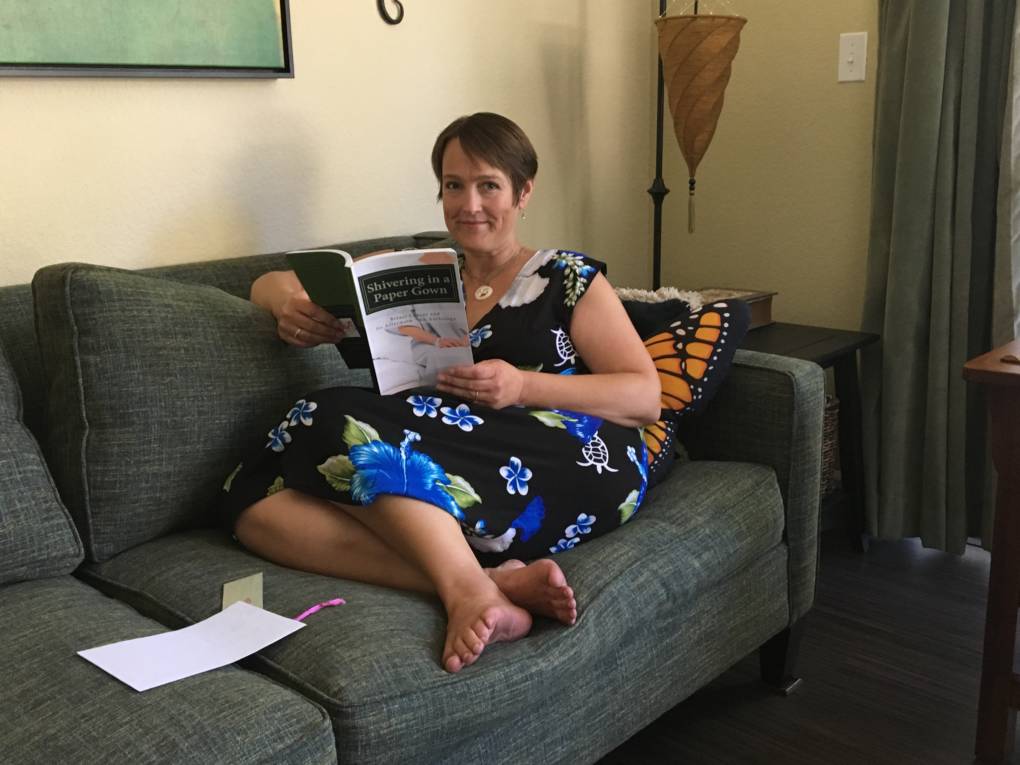
"caption": "Lori Wallace is dying of breast cancer and doesn't have much longer to live.",
"description": null,
"title": "IMG_1376",
"credit": "Sam Harnett/KQED",
"status": "inherit",
"isLoading": false,
"fetchFailed": false
},
"arts_13696699": {
"type": "attachments",
"id": "arts_13696699",
"meta": {
"index": "attachments_1716263798",
"site": "arts",
"id": "13696699",
"found": true
},
"parent": 13695608,
"imgSizes": {
"small": {
"file": "https://ww2.kqed.org/app/uploads/sites/2/2017/07/Most20Valuable20Player202007-2-520x292.jpg",
"width": 520,
"mimeType": "image/jpeg",
"height": 292
},
"twentyfourteen-full-width": {
"file": "https://ww2.kqed.org/app/uploads/sites/2/2017/07/Most20Valuable20Player202007-2-1038x576.jpg",
"width": 1038,
"mimeType": "image/jpeg",
"height": 576
},
"thumbnail": {
"file": "https://ww2.kqed.org/app/uploads/sites/2/2017/07/Most20Valuable20Player202007-2-160x90.jpg",
"width": 160,
"mimeType": "image/jpeg",
"height": 90
},
"fd-sm": {
"file": "https://ww2.kqed.org/app/uploads/sites/2/2017/07/Most20Valuable20Player202007-2-960x540.jpg",
"width": 960,
"mimeType": "image/jpeg",
"height": 540
},
"post-thumbnail": {
"file": "https://ww2.kqed.org/app/uploads/sites/2/2017/07/Most20Valuable20Player202007-2-672x372.jpg",
"width": 672,
"mimeType": "image/jpeg",
"height": 372
},
"xsmall": {
"file": "https://ww2.kqed.org/app/uploads/sites/2/2017/07/Most20Valuable20Player202007-2-375x211.jpg",
"width": 375,
"mimeType": "image/jpeg",
"height": 211
},
"kqedFullSize": {
"file": "https://ww2.kqed.org/app/uploads/sites/2/2017/07/Most20Valuable20Player202007-2.jpg",
"width": 2436,
"height": 1370
},
"large": {
"file": "https://ww2.kqed.org/app/uploads/sites/2/2017/07/Most20Valuable20Player202007-2-1020x574.jpg",
"width": 1020,
"mimeType": "image/jpeg",
"height": 574
},
"xlarge": {
"file": "https://ww2.kqed.org/app/uploads/sites/2/2017/07/Most20Valuable20Player202007-2-1180x664.jpg",
"width": 1180,
"mimeType": "image/jpeg",
"height": 664
},
"guest-author-50": {
"file": "https://ww2.kqed.org/app/uploads/sites/2/2017/07/Most20Valuable20Player202007-2-50x50.jpg",
"width": 50,
"mimeType": "image/jpeg",
"height": 50
},
"guest-author-96": {
"file": "https://ww2.kqed.org/app/uploads/sites/2/2017/07/Most20Valuable20Player202007-2-96x96.jpg",
"width": 96,
"mimeType": "image/jpeg",
"height": 96
},
"medium": {
"file": "https://ww2.kqed.org/app/uploads/sites/2/2017/07/Most20Valuable20Player202007-2-800x450.jpg",
"width": 800,
"mimeType": "image/jpeg",
"height": 450
},
"guest-author-64": {
"file": "https://ww2.kqed.org/app/uploads/sites/2/2017/07/Most20Valuable20Player202007-2-64x64.jpg",
"width": 64,
"mimeType": "image/jpeg",
"height": 64
},
"guest-author-32": {
"file": "https://ww2.kqed.org/app/uploads/sites/2/2017/07/Most20Valuable20Player202007-2-32x32.jpg",
"width": 32,
"mimeType": "image/jpeg",
"height": 32
},
"fd-lrg": {
"file": "https://ww2.kqed.org/app/uploads/sites/2/2017/07/Most20Valuable20Player202007-2-1920x1080.jpg",
"width": 1920,
"mimeType": "image/jpeg",
"height": 1080
},
"fd-med": {
"file": "https://ww2.kqed.org/app/uploads/sites/2/2017/07/Most20Valuable20Player202007-2-1180x664.jpg",
"width": 1180,
"mimeType": "image/jpeg",
"height": 664
},
"full-width": {
"file": "https://ww2.kqed.org/app/uploads/sites/2/2017/07/Most20Valuable20Player202007-2-1920x1080.jpg",
"width": 1920,
"mimeType": "image/jpeg",
"height": 1080
},
"detail": {
"file": "https://ww2.kqed.org/app/uploads/sites/2/2017/07/Most20Valuable20Player202007-2-150x150.jpg",
"width": 150,
"mimeType": "image/jpeg",
"height": 150
},
"medium_large": {
"file": "https://ww2.kqed.org/app/uploads/sites/2/2017/07/Most20Valuable20Player202007-2-768x432.jpg",
"width": 768,
"mimeType": "image/jpeg",
"height": 432
},
"guest-author-128": {
"file": "https://ww2.kqed.org/app/uploads/sites/2/2017/07/Most20Valuable20Player202007-2-128x128.jpg",
"width": 128,
"mimeType": "image/jpeg",
"height": 128
},
"xxsmall": {
"file": "https://ww2.kqed.org/app/uploads/sites/2/2017/07/Most20Valuable20Player202007-2-240x135.jpg",
"width": 240,
"mimeType": "image/jpeg",
"height": 135
}
},
"publishDate": 1500500224,
"modified": 1500502025,
"caption": "A celebratory moment in \"Most Valuable Player,\" performed at The California Theatre Center, a soon-to-be-shuttered community theater in Sunnyvale.",
"description": "A celebratory moment in \"Most Valuable Player,\" performed at The California Theatre Center, a soon-to-be-shuttered community theater in Sunnyvale.",
"title": "MostValuablePlayer2007 2",
"credit": "Photo: Courtesy of the California Theatre Center",
"status": "inherit",
"isLoading": false,
"fetchFailed": false
},
"news_11578123": {
"type": "attachments",
"id": "news_11578123",
"meta": {
"index": "attachments_1716263798",
"site": "news",
"id": "11578123",
"found": true
},
"parent": 11578121,
"imgSizes": {
"small": {
"file": "https://ww2.kqed.org/app/uploads/sites/10/2017/07/IMG_3950-520x390.jpg",
"width": 520,
"mimeType": "image/jpeg",
"height": 390
},
"twentyfourteen-full-width": {
"file": "https://ww2.kqed.org/app/uploads/sites/10/2017/07/IMG_3950-1038x576.jpg",
"width": 1038,
"mimeType": "image/jpeg",
"height": 576
},
"thumbnail": {
"file": "https://ww2.kqed.org/app/uploads/sites/10/2017/07/IMG_3950-160x120.jpg",
"width": 160,
"mimeType": "image/jpeg",
"height": 120
},
"fd-sm": {
"file": "https://ww2.kqed.org/app/uploads/sites/10/2017/07/IMG_3950-960x720.jpg",
"width": 960,
"mimeType": "image/jpeg",
"height": 720
},
"post-thumbnail": {
"file": "https://ww2.kqed.org/app/uploads/sites/10/2017/07/IMG_3950-672x372.jpg",
"width": 672,
"mimeType": "image/jpeg",
"height": 372
},
"xsmall": {
"file": "https://ww2.kqed.org/app/uploads/sites/10/2017/07/IMG_3950-375x281.jpg",
"width": 375,
"mimeType": "image/jpeg",
"height": 281
},
"kqedFullSize": {
"file": "https://ww2.kqed.org/app/uploads/sites/10/2017/07/IMG_3950-e1500593254185.jpg",
"width": 1920,
"height": 1440
},
"large": {
"file": "https://ww2.kqed.org/app/uploads/sites/10/2017/07/IMG_3950-1020x765.jpg",
"width": 1020,
"mimeType": "image/jpeg",
"height": 765
},
"xlarge": {
"file": "https://ww2.kqed.org/app/uploads/sites/10/2017/07/IMG_3950-1180x885.jpg",
"width": 1180,
"mimeType": "image/jpeg",
"height": 885
},
"guest-author-50": {
"file": "https://ww2.kqed.org/app/uploads/sites/10/2017/07/IMG_3950-50x50.jpg",
"width": 50,
"mimeType": "image/jpeg",
"height": 50
},
"guest-author-96": {
"file": "https://ww2.kqed.org/app/uploads/sites/10/2017/07/IMG_3950-96x96.jpg",
"width": 96,
"mimeType": "image/jpeg",
"height": 96
},
"medium": {
"file": "https://ww2.kqed.org/app/uploads/sites/10/2017/07/IMG_3950-800x600.jpg",
"width": 800,
"mimeType": "image/jpeg",
"height": 600
},
"guest-author-64": {
"file": "https://ww2.kqed.org/app/uploads/sites/10/2017/07/IMG_3950-64x64.jpg",
"width": 64,
"mimeType": "image/jpeg",
"height": 64
},
"guest-author-32": {
"file": "https://ww2.kqed.org/app/uploads/sites/10/2017/07/IMG_3950-32x32.jpg",
"width": 32,
"mimeType": "image/jpeg",
"height": 32
},
"fd-lrg": {
"file": "https://ww2.kqed.org/app/uploads/sites/10/2017/07/IMG_3950-1920x1440.jpg",
"width": 1920,
"mimeType": "image/jpeg",
"height": 1440
},
"fd-med": {
"file": "https://ww2.kqed.org/app/uploads/sites/10/2017/07/IMG_3950-1180x885.jpg",
"width": 1180,
"mimeType": "image/jpeg",
"height": 885
},
"full-width": {
"file": "https://ww2.kqed.org/app/uploads/sites/10/2017/07/IMG_3950-1920x1440.jpg",
"width": 1920,
"mimeType": "image/jpeg",
"height": 1440
},
"detail": {
"file": "https://ww2.kqed.org/app/uploads/sites/10/2017/07/IMG_3950-150x150.jpg",
"width": 150,
"mimeType": "image/jpeg",
"height": 150
},
"guest-author-128": {
"file": "https://ww2.kqed.org/app/uploads/sites/10/2017/07/IMG_3950-128x128.jpg",
"width": 128,
"mimeType": "image/jpeg",
"height": 128
},
"xxsmall": {
"file": "https://ww2.kqed.org/app/uploads/sites/10/2017/07/IMG_3950-240x180.jpg",
"width": 240,
"mimeType": "image/jpeg",
"height": 180
}
},
"publishDate": 1500592804,
"modified": 1500593600,
"caption": "California Attorney General Xavier Becerra speaks at a press conference Thursday as he announces his new effort to stop the sale of a Martinez oil terminal to Valero.",
"description": null,
"title": "IMG_3950",
"credit": "Sonja Hutson/KQED",
"status": "inherit",
"isLoading": false,
"fetchFailed": false
},
"news_11577979": {
"type": "attachments",
"id": "news_11577979",
"meta": {
"index": "attachments_1716263798",
"site": "news",
"id": "11577979",
"found": true
},
"parent": 11577944,
"imgSizes": {
"small": {
"file": "https://ww2.kqed.org/app/uploads/sites/10/2017/07/RS26042_GettyImages-699318066-qut-520x367.jpg",
"width": 520,
"mimeType": "image/jpeg",
"height": 367
},
"twentyfourteen-full-width": {
"file": "https://ww2.kqed.org/app/uploads/sites/10/2017/07/RS26042_GettyImages-699318066-qut-1038x576.jpg",
"width": 1038,
"mimeType": "image/jpeg",
"height": 576
},
"thumbnail": {
"file": "https://ww2.kqed.org/app/uploads/sites/10/2017/07/RS26042_GettyImages-699318066-qut-160x113.jpg",
"width": 160,
"mimeType": "image/jpeg",
"height": 113
},
"fd-sm": {
"file": "https://ww2.kqed.org/app/uploads/sites/10/2017/07/RS26042_GettyImages-699318066-qut-960x678.jpg",
"width": 960,
"mimeType": "image/jpeg",
"height": 678
},
"post-thumbnail": {
"file": "https://ww2.kqed.org/app/uploads/sites/10/2017/07/RS26042_GettyImages-699318066-qut-672x372.jpg",
"width": 672,
"mimeType": "image/jpeg",
"height": 372
},
"xsmall": {
"file": "https://ww2.kqed.org/app/uploads/sites/10/2017/07/RS26042_GettyImages-699318066-qut-375x265.jpg",
"width": 375,
"mimeType": "image/jpeg",
"height": 265
},
"kqedFullSize": {
"file": "https://ww2.kqed.org/app/uploads/sites/10/2017/07/RS26042_GettyImages-699318066-qut.jpg",
"width": 1920,
"height": 1356
},
"large": {
"file": "https://ww2.kqed.org/app/uploads/sites/10/2017/07/RS26042_GettyImages-699318066-qut-1020x720.jpg",
"width": 1020,
"mimeType": "image/jpeg",
"height": 720
},
"xlarge": {
"file": "https://ww2.kqed.org/app/uploads/sites/10/2017/07/RS26042_GettyImages-699318066-qut-1180x833.jpg",
"width": 1180,
"mimeType": "image/jpeg",
"height": 833
},
"guest-author-50": {
"file": "https://ww2.kqed.org/app/uploads/sites/10/2017/07/RS26042_GettyImages-699318066-qut-50x50.jpg",
"width": 50,
"mimeType": "image/jpeg",
"height": 50
},
"guest-author-96": {
"file": "https://ww2.kqed.org/app/uploads/sites/10/2017/07/RS26042_GettyImages-699318066-qut-96x96.jpg",
"width": 96,
"mimeType": "image/jpeg",
"height": 96
},
"medium": {
"file": "https://ww2.kqed.org/app/uploads/sites/10/2017/07/RS26042_GettyImages-699318066-qut-800x565.jpg",
"width": 800,
"mimeType": "image/jpeg",
"height": 565
},
"guest-author-64": {
"file": "https://ww2.kqed.org/app/uploads/sites/10/2017/07/RS26042_GettyImages-699318066-qut-64x64.jpg",
"width": 64,
"mimeType": "image/jpeg",
"height": 64
},
"guest-author-32": {
"file": "https://ww2.kqed.org/app/uploads/sites/10/2017/07/RS26042_GettyImages-699318066-qut-32x32.jpg",
"width": 32,
"mimeType": "image/jpeg",
"height": 32
},
"fd-lrg": {
"file": "https://ww2.kqed.org/app/uploads/sites/10/2017/07/RS26042_GettyImages-699318066-qut-1920x1356.jpg",
"width": 1920,
"mimeType": "image/jpeg",
"height": 1356
},
"fd-med": {
"file": "https://ww2.kqed.org/app/uploads/sites/10/2017/07/RS26042_GettyImages-699318066-qut-1180x833.jpg",
"width": 1180,
"mimeType": "image/jpeg",
"height": 833
},
"full-width": {
"file": "https://ww2.kqed.org/app/uploads/sites/10/2017/07/RS26042_GettyImages-699318066-qut-1920x1356.jpg",
"width": 1920,
"mimeType": "image/jpeg",
"height": 1356
},
"detail": {
"file": "https://ww2.kqed.org/app/uploads/sites/10/2017/07/RS26042_GettyImages-699318066-qut-150x150.jpg",
"width": 150,
"mimeType": "image/jpeg",
"height": 150
},
"guest-author-128": {
"file": "https://ww2.kqed.org/app/uploads/sites/10/2017/07/RS26042_GettyImages-699318066-qut-128x128.jpg",
"width": 128,
"mimeType": "image/jpeg",
"height": 128
},
"xxsmall": {
"file": "https://ww2.kqed.org/app/uploads/sites/10/2017/07/RS26042_GettyImages-699318066-qut-240x170.jpg",
"width": 240,
"mimeType": "image/jpeg",
"height": 170
}
},
"publishDate": 1500587902,
"modified": 1500595405,
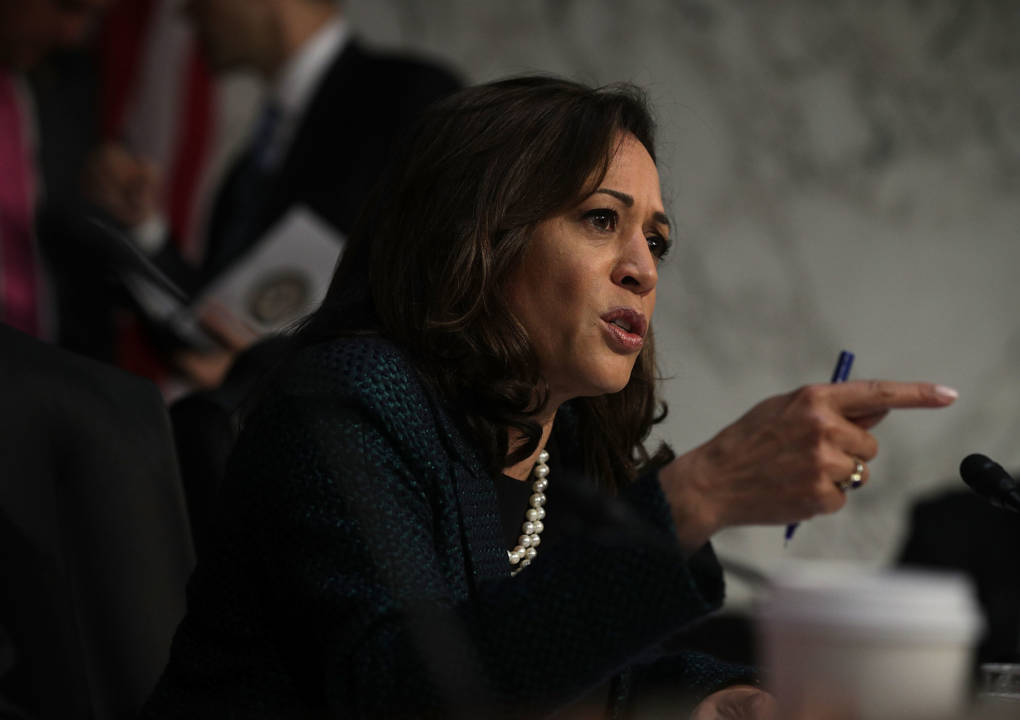
"caption": "U.S. Sen. Kamala Harris (D-CA) speaks during a hearing before the Senate (Select) Intelligence Committee June 21, 2017, on Capitol Hill in Washington, D.C.",
"description": null,
"title": "Senate Select Committee Holds Hearing On Russia's Cyber Efforts During 2016 Election",
"credit": "Alex Wong/Getty Images",
"status": "inherit",
"isLoading": false,
"fetchFailed": false
},
"news_11578034": {
"type": "attachments",
"id": "news_11578034",
"meta": {
"index": "attachments_1716263798",
"site": "news",
"id": "11578034",
"found": true
},
"parent": 11578021,
"imgSizes": {
"small": {
"file": "https://ww2.kqed.org/app/uploads/sites/10/2017/07/BenShapiro-520x376.jpg",
"width": 520,
"mimeType": "image/jpeg",
"height": 376
},
"twentyfourteen-full-width": {
"file": "https://ww2.kqed.org/app/uploads/sites/10/2017/07/BenShapiro-1038x576.jpg",
"width": 1038,
"mimeType": "image/jpeg",
"height": 576
},
"thumbnail": {
"file": "https://ww2.kqed.org/app/uploads/sites/10/2017/07/BenShapiro-160x116.jpg",
"width": 160,
"mimeType": "image/jpeg",
"height": 116
},
"fd-sm": {
"file": "https://ww2.kqed.org/app/uploads/sites/10/2017/07/BenShapiro-960x694.jpg",
"width": 960,
"mimeType": "image/jpeg",
"height": 694
},
"post-thumbnail": {
"file": "https://ww2.kqed.org/app/uploads/sites/10/2017/07/BenShapiro-672x372.jpg",
"width": 672,
"mimeType": "image/jpeg",
"height": 372
},
"xsmall": {
"file": "https://ww2.kqed.org/app/uploads/sites/10/2017/07/BenShapiro-375x271.jpg",
"width": 375,
"mimeType": "image/jpeg",
"height": 271
},
"kqedFullSize": {
"file": "https://ww2.kqed.org/app/uploads/sites/10/2017/07/BenShapiro.jpg",
"width": 1920,
"height": 1387
},
"large": {
"file": "https://ww2.kqed.org/app/uploads/sites/10/2017/07/BenShapiro-1020x737.jpg",
"width": 1020,
"mimeType": "image/jpeg",
"height": 737
},
"xlarge": {
"file": "https://ww2.kqed.org/app/uploads/sites/10/2017/07/BenShapiro-1180x852.jpg",
"width": 1180,
"mimeType": "image/jpeg",
"height": 852
},
"guest-author-50": {
"file": "https://ww2.kqed.org/app/uploads/sites/10/2017/07/BenShapiro-50x50.jpg",
"width": 50,
"mimeType": "image/jpeg",
"height": 50
},
"guest-author-96": {
"file": "https://ww2.kqed.org/app/uploads/sites/10/2017/07/BenShapiro-96x96.jpg",
"width": 96,
"mimeType": "image/jpeg",
"height": 96
},
"medium": {
"file": "https://ww2.kqed.org/app/uploads/sites/10/2017/07/BenShapiro-800x578.jpg",
"width": 800,
"mimeType": "image/jpeg",
"height": 578
},
"guest-author-64": {
"file": "https://ww2.kqed.org/app/uploads/sites/10/2017/07/BenShapiro-64x64.jpg",
"width": 64,
"mimeType": "image/jpeg",
"height": 64
},
"guest-author-32": {
"file": "https://ww2.kqed.org/app/uploads/sites/10/2017/07/BenShapiro-32x32.jpg",
"width": 32,
"mimeType": "image/jpeg",
"height": 32
},
"fd-lrg": {
"file": "https://ww2.kqed.org/app/uploads/sites/10/2017/07/BenShapiro-1920x1387.jpg",
"width": 1920,
"mimeType": "image/jpeg",
"height": 1387
},
"fd-med": {
"file": "https://ww2.kqed.org/app/uploads/sites/10/2017/07/BenShapiro-1180x852.jpg",
"width": 1180,
"mimeType": "image/jpeg",
"height": 852
},
"full-width": {
"file": "https://ww2.kqed.org/app/uploads/sites/10/2017/07/BenShapiro-1920x1387.jpg",
"width": 1920,
"mimeType": "image/jpeg",
"height": 1387
},
"detail": {
"file": "https://ww2.kqed.org/app/uploads/sites/10/2017/07/BenShapiro-150x150.jpg",
"width": 150,
"mimeType": "image/jpeg",
"height": 150
},
"guest-author-128": {
"file": "https://ww2.kqed.org/app/uploads/sites/10/2017/07/BenShapiro-128x128.jpg",
"width": 128,
"mimeType": "image/jpeg",
"height": 128
},
"xxsmall": {
"file": "https://ww2.kqed.org/app/uploads/sites/10/2017/07/BenShapiro-240x173.jpg",
"width": 240,
"mimeType": "image/jpeg",
"height": 173
}
},
"publishDate": 1500590645,
"modified": 1500590718,
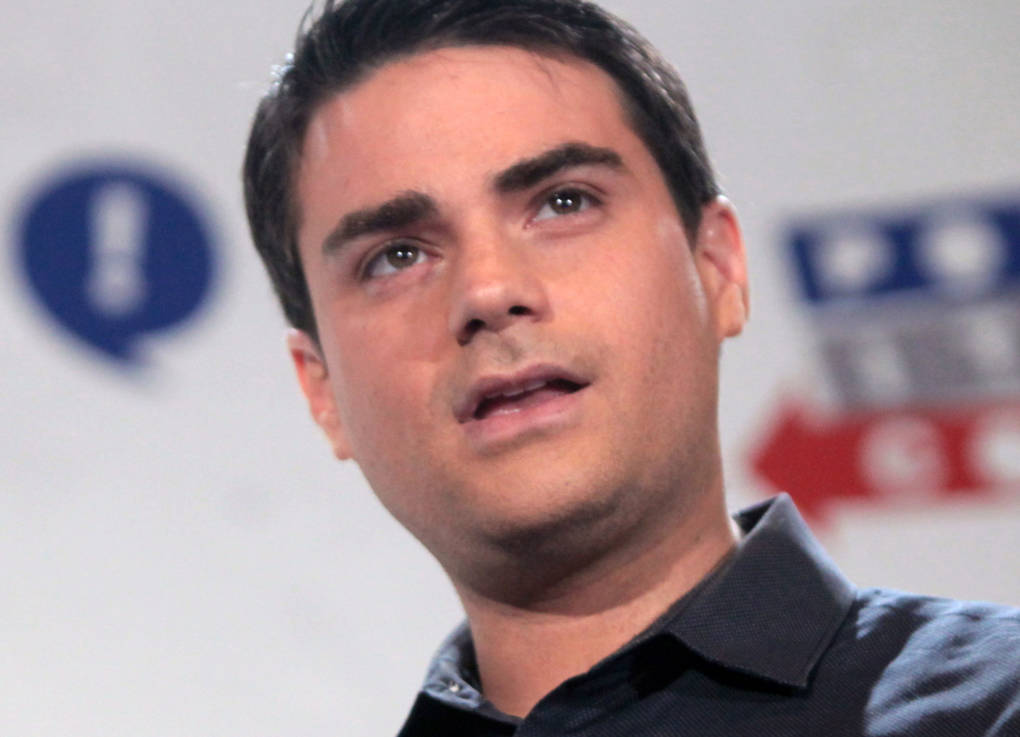
"caption": "Ben Shapiro speaking in Pasadena.",
"description": "Ben Shapiro speaking in Pasadena.",
"title": "BenShapiro",
"credit": "Gage Skidmore",
"status": "inherit",
"isLoading": false,
"fetchFailed": false
},
"stateofhealth_356459": {
"type": "attachments",
"id": "stateofhealth_356459",
"meta": {
"index": "attachments_1716263798",
"site": "stateofhealth",
"id": "356459",
"found": true
},
"parent": 356411,
"imgSizes": {
"small": {
"file": "https://ww2.kqed.org/app/uploads/sites/27/2017/07/RS26035_IMG_67461-520x390.jpg",
"width": 520,
"mimeType": "image/jpeg",
"height": 390
},
"twentyfourteen-full-width": {
"file": "https://ww2.kqed.org/app/uploads/sites/27/2017/07/RS26035_IMG_67461-1038x576.jpg",
"width": 1038,
"mimeType": "image/jpeg",
"height": 576
},
"thumbnail": {
"file": "https://ww2.kqed.org/app/uploads/sites/27/2017/07/RS26035_IMG_67461-160x120.jpg",
"width": 160,
"mimeType": "image/jpeg",
"height": 120
},
"fd-sm": {
"file": "https://ww2.kqed.org/app/uploads/sites/27/2017/07/RS26035_IMG_67461-960x720.jpg",
"width": 960,
"mimeType": "image/jpeg",
"height": 720
},
"post-thumbnail": {
"file": "https://ww2.kqed.org/app/uploads/sites/27/2017/07/RS26035_IMG_67461-672x372.jpg",
"width": 672,
"mimeType": "image/jpeg",
"height": 372
},
"xsmall": {
"file": "https://ww2.kqed.org/app/uploads/sites/27/2017/07/RS26035_IMG_67461-375x281.jpg",
"width": 375,
"mimeType": "image/jpeg",
"height": 281
},
"kqedFullSize": {
"file": "https://ww2.kqed.org/app/uploads/sites/27/2017/07/RS26035_IMG_67461.jpg",
"width": 3264,
"height": 2448
},
"large": {
"file": "https://ww2.kqed.org/app/uploads/sites/27/2017/07/RS26035_IMG_67461-1020x765.jpg",
"width": 1020,
"mimeType": "image/jpeg",
"height": 765
},
"xlarge": {
"file": "https://ww2.kqed.org/app/uploads/sites/27/2017/07/RS26035_IMG_67461-1180x885.jpg",
"width": 1180,
"mimeType": "image/jpeg",
"height": 885
},
"guest-author-50": {
"file": "https://ww2.kqed.org/app/uploads/sites/27/2017/07/RS26035_IMG_67461-50x50.jpg",
"width": 50,
"mimeType": "image/jpeg",
"height": 50
},
"guest-author-96": {
"file": "https://ww2.kqed.org/app/uploads/sites/27/2017/07/RS26035_IMG_67461-96x96.jpg",
"width": 96,
"mimeType": "image/jpeg",
"height": 96
},
"medium": {
"file": "https://ww2.kqed.org/app/uploads/sites/27/2017/07/RS26035_IMG_67461-800x600.jpg",
"width": 800,
"mimeType": "image/jpeg",
"height": 600
},
"guest-author-64": {
"file": "https://ww2.kqed.org/app/uploads/sites/27/2017/07/RS26035_IMG_67461-64x64.jpg",
"width": 64,
"mimeType": "image/jpeg",
"height": 64
},
"guest-author-32": {
"file": "https://ww2.kqed.org/app/uploads/sites/27/2017/07/RS26035_IMG_67461-32x32.jpg",
"width": 32,
"mimeType": "image/jpeg",
"height": 32
},
"fd-lrg": {
"file": "https://ww2.kqed.org/app/uploads/sites/27/2017/07/RS26035_IMG_67461-1920x1440.jpg",
"width": 1920,
"mimeType": "image/jpeg",
"height": 1440
},
"fd-med": {
"file": "https://ww2.kqed.org/app/uploads/sites/27/2017/07/RS26035_IMG_67461-1180x885.jpg",
"width": 1180,
"mimeType": "image/jpeg",
"height": 885
},
"full-width": {
"file": "https://ww2.kqed.org/app/uploads/sites/27/2017/07/RS26035_IMG_67461-1920x1440.jpg",
"width": 1920,
"mimeType": "image/jpeg",
"height": 1440
},
"detail": {
"file": "https://ww2.kqed.org/app/uploads/sites/27/2017/07/RS26035_IMG_67461-150x150.jpg",
"width": 150,
"mimeType": "image/jpeg",
"height": 150
},
"medium_large": {
"file": "https://ww2.kqed.org/app/uploads/sites/27/2017/07/RS26035_IMG_67461-768x576.jpg",
"width": 768,
"mimeType": "image/jpeg",
"height": 576
},
"guest-author-128": {
"file": "https://ww2.kqed.org/app/uploads/sites/27/2017/07/RS26035_IMG_67461-128x128.jpg",
"width": 128,
"mimeType": "image/jpeg",
"height": 128
},
"xxsmall": {
"file": "https://ww2.kqed.org/app/uploads/sites/27/2017/07/RS26035_IMG_67461-240x180.jpg",
"width": 240,
"mimeType": "image/jpeg",
"height": 180
}
},
"publishDate": 1500498474,
"modified": 1500584394,
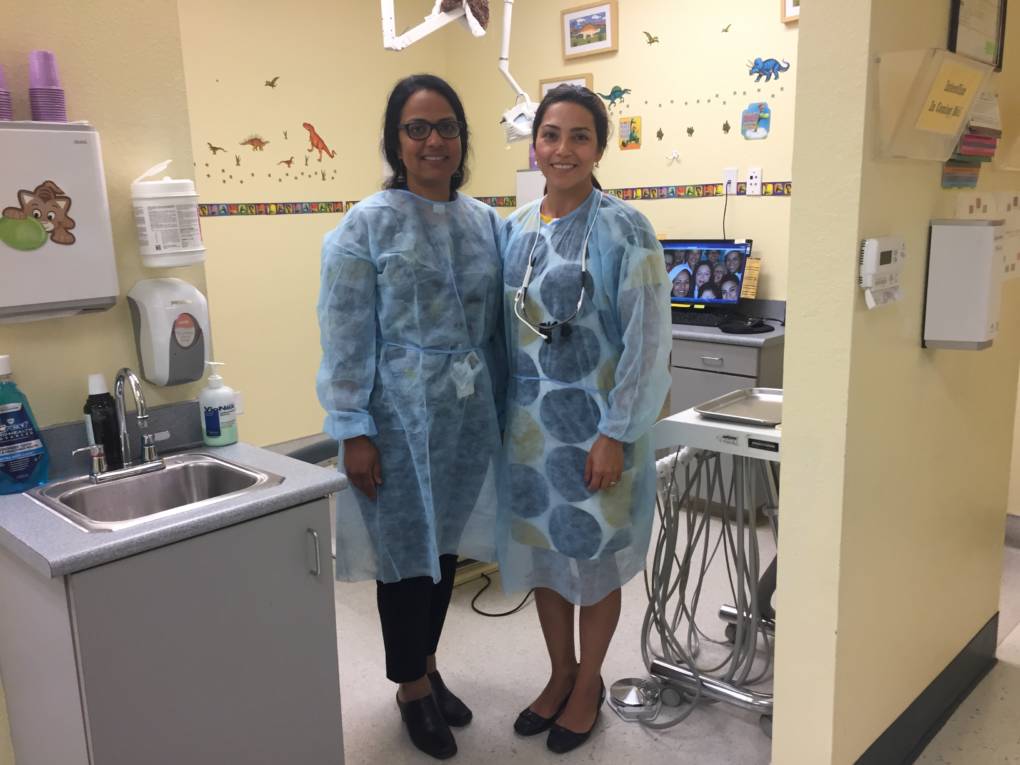
"caption": "Dentists Sridevi Ponnala and Alaleh Zadmehr at Tiburcio Vasquez Health Center in Hayward.",
"description": "Dentists Sridevi Ponnala and Alaleh Zadmehr at Tiburcio Vasquez Health Center in Hayward.",
"title": "RS26035_IMG_6746[1]",
"credit": "Laura Klivans/KQED",
"status": "inherit",
"isLoading": false,
"fetchFailed": false
},
"news_11573883": {
"type": "attachments",
"id": "news_11573883",
"meta": {
"index": "attachments_1716263798",
"site": "news",
"id": "11573883",
"found": true
},
"parent": 11573833,
"imgSizes": {
"small": {
"file": "https://ww2.kqed.org/app/uploads/sites/10/2017/07/IMG_1404-e1500372350916-520x390.jpg",
"width": 520,
"mimeType": "image/jpeg",
"height": 390
},
"twentyfourteen-full-width": {
"file": "https://ww2.kqed.org/app/uploads/sites/10/2017/07/IMG_1404-e1500372350916-1038x576.jpg",
"width": 1038,
"mimeType": "image/jpeg",
"height": 576
},
"thumbnail": {
"file": "https://ww2.kqed.org/app/uploads/sites/10/2017/07/IMG_1404-e1500372350916-160x120.jpg",
"width": 160,
"mimeType": "image/jpeg",
"height": 120
},
"fd-sm": {
"file": "https://ww2.kqed.org/app/uploads/sites/10/2017/07/IMG_1404-e1500372350916-960x720.jpg",
"width": 960,
"mimeType": "image/jpeg",
"height": 720
},
"post-thumbnail": {
"file": "https://ww2.kqed.org/app/uploads/sites/10/2017/07/IMG_1404-e1500372350916-672x372.jpg",
"width": 672,
"mimeType": "image/jpeg",
"height": 372
},
"xsmall": {
"file": "https://ww2.kqed.org/app/uploads/sites/10/2017/07/IMG_1404-e1500372350916-375x281.jpg",
"width": 375,
"mimeType": "image/jpeg",
"height": 281
},
"kqedFullSize": {
"file": "https://ww2.kqed.org/app/uploads/sites/10/2017/07/IMG_1404-e1500577098190.jpg",
"width": 1920,
"height": 1440
},
"large": {
"file": "https://ww2.kqed.org/app/uploads/sites/10/2017/07/IMG_1404-e1500372350916-1020x765.jpg",
"width": 1020,
"mimeType": "image/jpeg",
"height": 765
},
"xlarge": {
"file": "https://ww2.kqed.org/app/uploads/sites/10/2017/07/IMG_1404-e1500372350916-1180x885.jpg",
"width": 1180,
"mimeType": "image/jpeg",
"height": 885
},
"guest-author-50": {
"file": "https://ww2.kqed.org/app/uploads/sites/10/2017/07/IMG_1404-e1500372350916-50x50.jpg",
"width": 50,
"mimeType": "image/jpeg",
"height": 50
},
"guest-author-96": {
"file": "https://ww2.kqed.org/app/uploads/sites/10/2017/07/IMG_1404-e1500372350916-96x96.jpg",
"width": 96,
"mimeType": "image/jpeg",
"height": 96
},
"medium": {
"file": "https://ww2.kqed.org/app/uploads/sites/10/2017/07/IMG_1404-e1500372350916-800x600.jpg",
"width": 800,
"mimeType": "image/jpeg",
"height": 600
},
"guest-author-64": {
"file": "https://ww2.kqed.org/app/uploads/sites/10/2017/07/IMG_1404-e1500372350916-64x64.jpg",
"width": 64,
"mimeType": "image/jpeg",
"height": 64
},
"guest-author-32": {
"file": "https://ww2.kqed.org/app/uploads/sites/10/2017/07/IMG_1404-e1500372350916-32x32.jpg",
"width": 32,
"mimeType": "image/jpeg",
"height": 32
},
"fd-lrg": {
"file": "https://ww2.kqed.org/app/uploads/sites/10/2017/07/IMG_1404-e1500372350916-1920x1440.jpg",
"width": 1920,
"mimeType": "image/jpeg",
"height": 1440
},
"fd-med": {
"file": "https://ww2.kqed.org/app/uploads/sites/10/2017/07/IMG_1404-e1500372350916-1180x885.jpg",
"width": 1180,
"mimeType": "image/jpeg",
"height": 885
},
"full-width": {
"file": "https://ww2.kqed.org/app/uploads/sites/10/2017/07/IMG_1404-e1500372350916-1920x1440.jpg",
"width": 1920,
"mimeType": "image/jpeg",
"height": 1440
},
"detail": {
"file": "https://ww2.kqed.org/app/uploads/sites/10/2017/07/IMG_1404-e1500372350916-150x150.jpg",
"width": 150,
"mimeType": "image/jpeg",
"height": 150
},
"guest-author-128": {
"file": "https://ww2.kqed.org/app/uploads/sites/10/2017/07/IMG_1404-e1500372350916-128x128.jpg",
"width": 128,
"mimeType": "image/jpeg",
"height": 128
},
"xxsmall": {
"file": "https://ww2.kqed.org/app/uploads/sites/10/2017/07/IMG_1404-e1500372350916-240x180.jpg",
"width": 240,
"mimeType": "image/jpeg",
"height": 180
}
},
"publishDate": 1500372115,
"modified": 1500577115,
"caption": "Matt Delaney is the CEO of Marble, which makes food delivery robots.",
"description": null,
"title": "IMG_1404",
"credit": "Sam Harnett/KQED",
"status": "inherit",
"isLoading": false,
"fetchFailed": false
},
"news_11577825": {
"type": "attachments",
"id": "news_11577825",
"meta": {
"index": "attachments_1716263798",
"site": "news",
"id": "11577825",
"found": true
},
"parent": 11577817,
"imgSizes": {
"small": {
"file": "https://ww2.kqed.org/app/uploads/sites/10/2017/07/BettyDukes_GettyImages-111060531-qut-520x352.jpg",
"width": 520,
"mimeType": "image/jpeg",
"height": 352
},
"twentyfourteen-full-width": {
"file": "https://ww2.kqed.org/app/uploads/sites/10/2017/07/BettyDukes_GettyImages-111060531-qut-1038x576.jpg",
"width": 1038,
"mimeType": "image/jpeg",
"height": 576
},
"thumbnail": {
"file": "https://ww2.kqed.org/app/uploads/sites/10/2017/07/BettyDukes_GettyImages-111060531-qut-160x108.jpg",
"width": 160,
"mimeType": "image/jpeg",
"height": 108
},
"fd-sm": {
"file": "https://ww2.kqed.org/app/uploads/sites/10/2017/07/BettyDukes_GettyImages-111060531-qut-960x650.jpg",
"width": 960,
"mimeType": "image/jpeg",
"height": 650
},
"post-thumbnail": {
"file": "https://ww2.kqed.org/app/uploads/sites/10/2017/07/BettyDukes_GettyImages-111060531-qut-672x372.jpg",
"width": 672,
"mimeType": "image/jpeg",
"height": 372
},
"xsmall": {
"file": "https://ww2.kqed.org/app/uploads/sites/10/2017/07/BettyDukes_GettyImages-111060531-qut-375x254.jpg",
"width": 375,
"mimeType": "image/jpeg",
"height": 254
},
"kqedFullSize": {
"file": "https://ww2.kqed.org/app/uploads/sites/10/2017/07/BettyDukes_GettyImages-111060531-qut.jpg",
"width": 1920,
"height": 1299
},
"large": {
"file": "https://ww2.kqed.org/app/uploads/sites/10/2017/07/BettyDukes_GettyImages-111060531-qut-1020x690.jpg",
"width": 1020,
"mimeType": "image/jpeg",
"height": 690
},
"xlarge": {
"file": "https://ww2.kqed.org/app/uploads/sites/10/2017/07/BettyDukes_GettyImages-111060531-qut-1180x798.jpg",
"width": 1180,
"mimeType": "image/jpeg",
"height": 798
},
"guest-author-50": {
"file": "https://ww2.kqed.org/app/uploads/sites/10/2017/07/BettyDukes_GettyImages-111060531-qut-50x50.jpg",
"width": 50,
"mimeType": "image/jpeg",
"height": 50
},
"guest-author-96": {
"file": "https://ww2.kqed.org/app/uploads/sites/10/2017/07/BettyDukes_GettyImages-111060531-qut-96x96.jpg",
"width": 96,
"mimeType": "image/jpeg",
"height": 96
},
"medium": {
"file": "https://ww2.kqed.org/app/uploads/sites/10/2017/07/BettyDukes_GettyImages-111060531-qut-800x541.jpg",
"width": 800,
"mimeType": "image/jpeg",
"height": 541
},
"guest-author-64": {
"file": "https://ww2.kqed.org/app/uploads/sites/10/2017/07/BettyDukes_GettyImages-111060531-qut-64x64.jpg",
"width": 64,
"mimeType": "image/jpeg",
"height": 64
},
"guest-author-32": {
"file": "https://ww2.kqed.org/app/uploads/sites/10/2017/07/BettyDukes_GettyImages-111060531-qut-32x32.jpg",
"width": 32,
"mimeType": "image/jpeg",
"height": 32
},
"fd-lrg": {
"file": "https://ww2.kqed.org/app/uploads/sites/10/2017/07/BettyDukes_GettyImages-111060531-qut-1920x1299.jpg",
"width": 1920,
"mimeType": "image/jpeg",
"height": 1299
},
"fd-med": {
"file": "https://ww2.kqed.org/app/uploads/sites/10/2017/07/BettyDukes_GettyImages-111060531-qut-1180x798.jpg",
"width": 1180,
"mimeType": "image/jpeg",
"height": 798
},
"full-width": {
"file": "https://ww2.kqed.org/app/uploads/sites/10/2017/07/BettyDukes_GettyImages-111060531-qut-1920x1299.jpg",
"width": 1920,
"mimeType": "image/jpeg",
"height": 1299
},
"detail": {
"file": "https://ww2.kqed.org/app/uploads/sites/10/2017/07/BettyDukes_GettyImages-111060531-qut-150x150.jpg",
"width": 150,
"mimeType": "image/jpeg",
"height": 150
},
"guest-author-128": {
"file": "https://ww2.kqed.org/app/uploads/sites/10/2017/07/BettyDukes_GettyImages-111060531-qut-128x128.jpg",
"width": 128,
"mimeType": "image/jpeg",
"height": 128
},
"xxsmall": {
"file": "https://ww2.kqed.org/app/uploads/sites/10/2017/07/BettyDukes_GettyImages-111060531-qut-240x162.jpg",
"width": 240,
"mimeType": "image/jpeg",
"height": 162
}
},
"publishDate": 1500580158,
"modified": 1500588485,
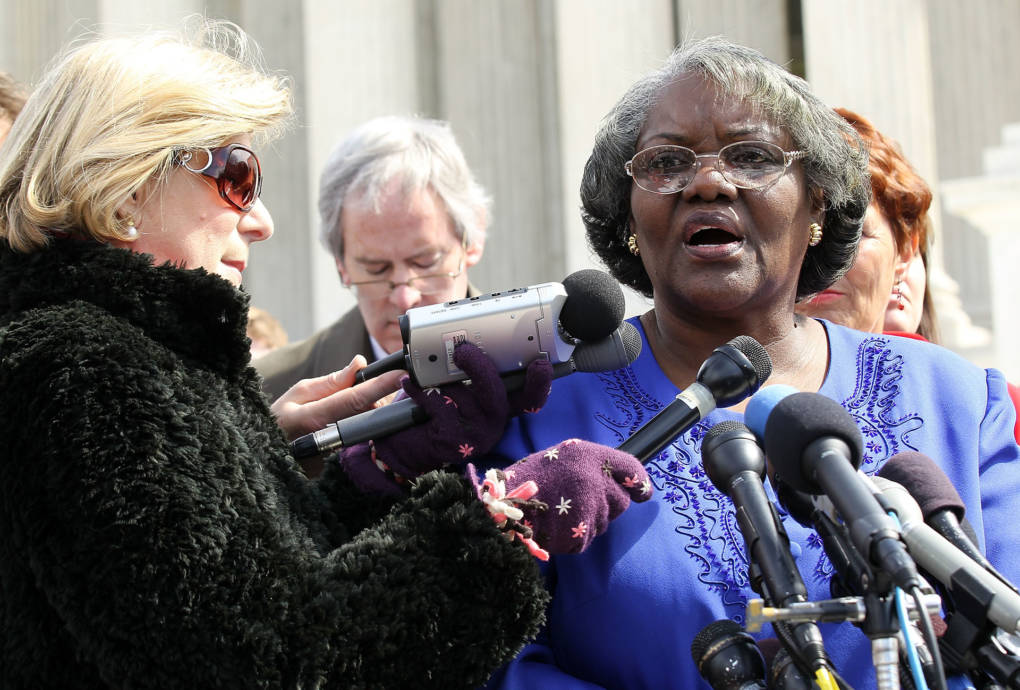
"caption": "Betty Dukes (R), one of the six named plaintiffs in the Dukes v. Walmart case, speaks to the media in front of the U.S. Supreme Court on March 29, 2011, in Washington, D.C. ",
"description": null,
"title": "Supporters Of The Women Of Wal-Mart Demonstrate Against The Retailer As Supreme Court Hears Their Case",
"credit": "Alex Wong/Getty Images",
"status": "inherit",
"isLoading": false,
"fetchFailed": false
},
"science_1865946": {
"type": "attachments",
"id": "science_1865946",
"meta": {
"index": "attachments_1716263798",
"site": "science",
"id": "1865946",
"found": true
},
"parent": 1865833,
"imgSizes": {
"small": {
"file": "https://ww2.kqed.org/app/uploads/sites/35/2017/07/iStock-636808240-520x347.jpg",
"width": 520,
"mimeType": "image/jpeg",
"height": 347
},
"twentyfourteen-full-width": {
"file": "https://ww2.kqed.org/app/uploads/sites/35/2017/07/iStock-636808240-1038x576.jpg",
"width": 1038,
"mimeType": "image/jpeg",
"height": 576
},
"thumbnail": {
"file": "https://ww2.kqed.org/app/uploads/sites/35/2017/07/iStock-636808240-160x107.jpg",
"width": 160,
"mimeType": "image/jpeg",
"height": 107
},
"fd-sm": {
"file": "https://ww2.kqed.org/app/uploads/sites/35/2017/07/iStock-636808240-960x640.jpg",
"width": 960,
"mimeType": "image/jpeg",
"height": 640
},
"post-thumbnail": {
"file": "https://ww2.kqed.org/app/uploads/sites/35/2017/07/iStock-636808240-672x372.jpg",
"width": 672,
"mimeType": "image/jpeg",
"height": 372
},
"xsmall": {
"file": "https://ww2.kqed.org/app/uploads/sites/35/2017/07/iStock-636808240-375x250.jpg",
"width": 375,
"mimeType": "image/jpeg",
"height": 250
},
"kqedFullSize": {
"file": "https://ww2.kqed.org/app/uploads/sites/35/2017/07/iStock-636808240.jpg",
"width": 2120,
"height": 1414
},
"large": {
"file": "https://ww2.kqed.org/app/uploads/sites/35/2017/07/iStock-636808240-1020x680.jpg",
"width": 1020,
"mimeType": "image/jpeg",
"height": 680
},
"xlarge": {
"file": "https://ww2.kqed.org/app/uploads/sites/35/2017/07/iStock-636808240-1180x787.jpg",
"width": 1180,
"mimeType": "image/jpeg",
"height": 787
},
"guest-author-50": {
"file": "https://ww2.kqed.org/app/uploads/sites/35/2017/07/iStock-636808240-50x50.jpg",
"width": 50,
"mimeType": "image/jpeg",
"height": 50
},
"guest-author-96": {
"file": "https://ww2.kqed.org/app/uploads/sites/35/2017/07/iStock-636808240-96x96.jpg",
"width": 96,
"mimeType": "image/jpeg",
"height": 96
},
"medium": {
"file": "https://ww2.kqed.org/app/uploads/sites/35/2017/07/iStock-636808240-800x534.jpg",
"width": 800,
"mimeType": "image/jpeg",
"height": 534
},
"guest-author-64": {
"file": "https://ww2.kqed.org/app/uploads/sites/35/2017/07/iStock-636808240-64x64.jpg",
"width": 64,
"mimeType": "image/jpeg",
"height": 64
},
"guest-author-32": {
"file": "https://ww2.kqed.org/app/uploads/sites/35/2017/07/iStock-636808240-32x32.jpg",
"width": 32,
"mimeType": "image/jpeg",
"height": 32
},
"fd-lrg": {
"file": "https://ww2.kqed.org/app/uploads/sites/35/2017/07/iStock-636808240-1920x1281.jpg",
"width": 1920,
"mimeType": "image/jpeg",
"height": 1281
},
"fd-med": {
"file": "https://ww2.kqed.org/app/uploads/sites/35/2017/07/iStock-636808240-1180x787.jpg",
"width": 1180,
"mimeType": "image/jpeg",
"height": 787
},
"full-width": {
"file": "https://ww2.kqed.org/app/uploads/sites/35/2017/07/iStock-636808240-1920x1281.jpg",
"width": 1920,
"mimeType": "image/jpeg",
"height": 1281
},
"detail": {
"file": "https://ww2.kqed.org/app/uploads/sites/35/2017/07/iStock-636808240-150x150.jpg",
"width": 150,
"mimeType": "image/jpeg",
"height": 150
},
"medium_large": {
"file": "https://ww2.kqed.org/app/uploads/sites/35/2017/07/iStock-636808240-768x512.jpg",
"width": 768,
"mimeType": "image/jpeg",
"height": 512
},
"guest-author-128": {
"file": "https://ww2.kqed.org/app/uploads/sites/35/2017/07/iStock-636808240-128x128.jpg",
"width": 128,
"mimeType": "image/jpeg",
"height": 128
},
"xxsmall": {
"file": "https://ww2.kqed.org/app/uploads/sites/35/2017/07/iStock-636808240-240x160.jpg",
"width": 240,
"mimeType": "image/jpeg",
"height": 160
}
},
"publishDate": 1500571151,
"modified": 1531501145,
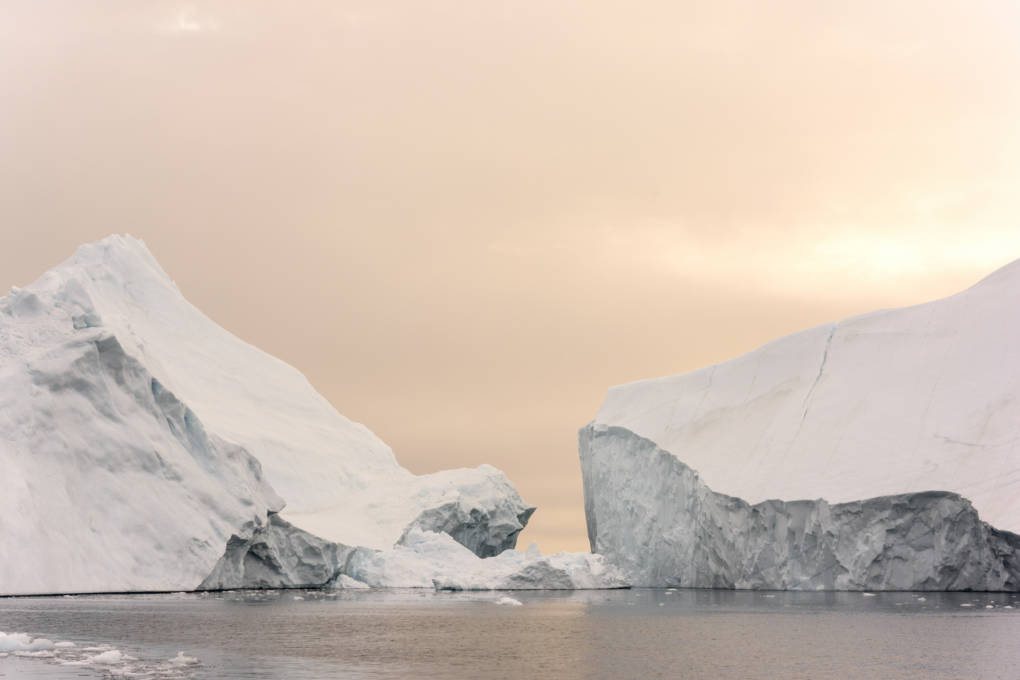
"caption": "Arctic Icebergs Greenland in the arctic sea. ",
"description": null,
"title": "Arctic Icebergs Greenland in the arctic sea.",
"credit": "iStock",
"status": "inherit",
"isLoading": false,
"fetchFailed": false
}
},
"audioPlayerReducer": {
"postId": "stream_live",
"isPaused": true,
"isPlaying": false,
"pfsActive": false,
"pledgeModalIsOpen": true,
"playerDrawerIsOpen": false,
"liveAudioPlayStartedAt": 0,
"liveAudioPlayContext": ""
},
"authorsReducer": {
"byline_news_11579535": {
"type": "authors",
"id": "byline_news_11579535",
"meta": {
"override": true
},
"slug": "byline_news_11579535",
"name": "\u003cstrong>Bill Chappell\u003c/strong>",
"isLoading": false
},
"byline_news_11579299": {
"type": "authors",
"id": "byline_news_11579299",
"meta": {
"override": true
},
"slug": "byline_news_11579299",
"name": "\u003cstrong>Matt Volz\u003cbr/ >Associated Press\u003c/strong>",
"isLoading": false
},
"byline_news_11579307": {
"type": "authors",
"id": "byline_news_11579307",
"meta": {
"override": true
},
"slug": "byline_news_11579307",
"name": "\u003cstrong>\u003ca href=”http://www.npr.org/people/2100941/brian-naylor”>Brian Naylor\u003c/a>\u003cbr />\u003ca href=”npr.org”>NPR\u003c/a>\u003c/strong>",
"isLoading": false
},
"byline_news_11577817": {
"type": "authors",
"id": "byline_news_11577817",
"meta": {
"override": true
},
"slug": "byline_news_11577817",
"name": "\u003cstrong>Associated Press\u003c/strong>",
"isLoading": false
},
"byline_science_1865833": {
"type": "authors",
"id": "byline_science_1865833",
"meta": {
"override": true
},
"slug": "byline_science_1865833",
"name": "Nathan Rott\u003c/br>NPR",
"isLoading": false
},
"rachael-myrow": {
"type": "authors",
"id": "251",
"meta": {
"index": "authors_1716337520",
"id": "251",
"found": true
},
"name": "Rachael Myrow",
"firstName": "Rachael",
"lastName": "Myrow",
"slug": "rachael-myrow",
"email": "rmyrow@kqed.org",
"display_author_email": true,
"staff_mastheads": [
"news"
],
"title": "Senior Editor of KQED's Silicon Valley News Desk",
"bio": "• I write and edit stories about how Silicon Valley power and policies shape everyday life in California. I’m also passionate about making Bay Area history and culture more accessible to a broad public. • I’ve been a journalist for most of my life, starting in high school with The Franklin Press in Los Angeles, where I grew up. While earning my first degree in English at UC Berkeley, I got my start in public radio at KALX-FM. After completing a second degree in journalism at Cal, I landed my first professional job at Marketplace, then moved on to KPCC (now LAist), and then KQED, where I hosted The California Report for more than seven years. • My reporting has appeared on NPR, The World, WBUR’s \u003ci>Here & Now\u003c/i>, and the BBC. I also guest host for KQED’s \u003ci>Forum\u003c/i>, as well as the Commonwealth Club in San Francisco. • I speak periodically on media, democracy and technology issues, and do voiceover work for documentaries and educational video projects. • Outside of the studio, you'll find me hiking Bay Area trails and whipping up Insta-ready meals in my kitchen. • I do not accept gifts, money, or favors from anyone connected to my reporting, I don't pay people for information, and I do not support or donate to political causes. • I strive to treat the people I report on with fairness, honesty, and respect. I also recognize there are often multiple sides to a story and work to verify information through multiple sources and documentation. If I get something wrong, I correct it.",
"avatar": "https://secure.gravatar.com/avatar/3ed8a3c5f26025e4a805ba634cda8cd764906b97438a6d9ce216b044e340da4e?s=600&d=blank&r=g",
"twitter": "rachaelmyrow",
"bluesky": null,
"facebook": null,
"instagram": null,
"linkedin": "https://www.linkedin.com/in/rachaelmyrow/",
"sites": [
{
"site": "arts",
"roles": [
"administrator"
]
},
{
"site": "news",
"roles": [
"edit_others_posts",
"editor"
]
},
{
"site": "futureofyou",
"roles": [
"editor"
]
},
{
"site": "bayareabites",
"roles": [
"editor"
]
},
{
"site": "stateofhealth",
"roles": [
"editor"
]
},
{
"site": "science",
"roles": [
"editor"
]
},
{
"site": "food",
"roles": [
"editor"
]
},
{
"site": "forum",
"roles": [
"editor"
]
},
{
"site": "liveblog",
"roles": [
"author"
]
}
],
"headData": {
"title": "Rachael Myrow | KQED",
"description": "Senior Editor of KQED's Silicon Valley News Desk",
"ogImgSrc": "https://secure.gravatar.com/avatar/3ed8a3c5f26025e4a805ba634cda8cd764906b97438a6d9ce216b044e340da4e?s=600&d=blank&r=g",
"twImgSrc": "https://secure.gravatar.com/avatar/3ed8a3c5f26025e4a805ba634cda8cd764906b97438a6d9ce216b044e340da4e?s=600&d=blank&r=g"
},
"isLoading": false,
"link": "/author/rachael-myrow"
},
"samharnett": {
"type": "authors",
"id": "253",
"meta": {
"index": "authors_1716337520",
"id": "253",
"found": true
},
"name": "Sam Harnett",
"firstName": "Sam",
"lastName": "Harnett",
"slug": "samharnett",
"email": "samharnett@gmail.com",
"display_author_email": false,
"staff_mastheads": [],
"title": "KQED Contributor",
"bio": "Sam Harnett covered tech and work at KQED. He is the co-creator of \u003cem>\u003ca href=\"http://www.theworldaccordingtosound.org\">The World According to Sound\u003c/a>,\u003c/em> a 90-second podcast that features different sounds and the stories behind them.\r\n\r\nBefore coming to KQED, Sam worked as an independent reporter who contributed regularly to \u003cem>The California Report, Marketplace,\u003c/em> \u003cem>The World \u003c/em>and NPR.",
"avatar": "https://secure.gravatar.com/avatar/2538b972ac02f2b9546c7a6c59a0f3d0?s=600&d=blank&r=g",
"twitter": "Samwharnett",
"facebook": null,
"instagram": null,
"linkedin": null,
"sites": [
{
"site": "news",
"roles": [
"edit_others_posts",
"subscriber"
]
},
{
"site": "stateofhealth",
"roles": [
"author"
]
},
{
"site": "science",
"roles": [
"editor"
]
},
{
"site": "quest",
"roles": [
"subscriber"
]
}
],
"headData": {
"title": "Sam Harnett | KQED",
"description": "KQED Contributor",
"ogImgSrc": "https://secure.gravatar.com/avatar/2538b972ac02f2b9546c7a6c59a0f3d0?s=600&d=blank&r=g",
"twImgSrc": "https://secure.gravatar.com/avatar/2538b972ac02f2b9546c7a6c59a0f3d0?s=600&d=blank&r=g"
},
"isLoading": false,
"link": "/author/samharnett"
},
"aemslie": {
"type": "authors",
"id": "3206",
"meta": {
"index": "authors_1716337520",
"id": "3206",
"found": true
},
"name": "Alex Emslie",
"firstName": "Alex",
"lastName": "Emslie",
"slug": "aemslie",
"email": "aemslie@kqed.org",
"display_author_email": true,
"staff_mastheads": [
"news"
],
"title": "KQED Senior Editor",
"bio": "Alex Emslie is senior editor of talent and development at KQED, where he manages dozens of early career journalists and oversees news department internships.\r\n\r\nHe is a former carpenter and proud graduate of City College of San Francisco and San Francisco State University, where he studied journalism and criminal justice before joining KQED in 2013.\r\n\r\nAlex produced investigative journalism focused on \u003ca href=\"https://www.kqed.org/news/11667594/the-trials-of-marvin-mutch-video\">criminal justice\u003c/a> and policing for most of a decade. He has broken major stories about \u003ca href=\"https://www.kqed.org/news/135682/amid-a-series-of-vallejo-police-shootings-one-officers-name-stands-out\">police use of deadly force\u003c/a>, \u003ca href=\"https://www.kqed.org/news/10454955/racist-texts-prompt-sfpd-internal-investigation\">officer misconduct\u003c/a> and \u003ca href=\"https://www.kqed.org/news/11712239/terrorist-or-troll-judge-to-weigh-whether-oakland-man-really-intended-to-attack-bay-area\">other\u003c/a> \u003ca href=\"https://www.kqed.org/news/11221414/hayward-paid-159000-to-husband-of-retired-police-chief-documents-show\">high\u003c/a>-\u003ca href=\"https://www.kqed.org/news/10622762/the-forgotten-tracking-two-homicides-in-san-francisco-public-housing\">profile\u003c/a> \u003ca href=\"https://www.kqed.org/news/11624516/federal-agency-promoted-ranger-just-months-after-his-gun-was-stolen-and-used-in-steinle-killing\">cases\u003c/a>. He co-founded the \u003ca href=\"https://projects.scpr.org/california-reporting-project/\">California Reporting Project\u003c/a> in 2019 to obtain and report on previously confidential police internal investigations. The effort produced well over 100 original stories and changed the course of multiple criminal cases.\r\n\r\nHis work has been recognized with numerous journalism awards, including a national Edward R. Murrow award for several years of \u003ca href=\"https://www.kqed.org/news/11688481/sfpd-officers-in-mario-woods-case-recount-shooting-in-newly-filed-depositions\">reporting\u003c/a> on the San Francisco Police shooting of Mario Woods. His \u003ca href=\"https://www.kqed.org/news/147854/half-of-those-killed-by-san-francisco-police-are-mentally-ill\">reporting\u003c/a> on police killings of people in psychiatric crisis was cited in amicus briefs before the U.S. Supreme Court.\r\n\r\nAlex now enjoys mentoring the next generation of journalists at KQED.",
"avatar": "https://secure.gravatar.com/avatar/e691e65209f20e9da202bd730ead5663?s=600&d=blank&r=g",
"twitter": "SFNewsReporter",
"facebook": null,
"instagram": null,
"linkedin": null,
"sites": [
{
"site": "arts",
"roles": [
"editor"
]
},
{
"site": "news",
"roles": [
"editor"
]
},
{
"site": "mindshift",
"roles": [
"editor"
]
},
{
"site": "stateofhealth",
"roles": [
"editor"
]
},
{
"site": "science",
"roles": [
"administrator"
]
}
],
"headData": {
"title": "Alex Emslie | KQED",
"description": "KQED Senior Editor",
"ogImgSrc": "https://secure.gravatar.com/avatar/e691e65209f20e9da202bd730ead5663?s=600&d=blank&r=g",
"twImgSrc": "https://secure.gravatar.com/avatar/e691e65209f20e9da202bd730ead5663?s=600&d=blank&r=g"
},
"isLoading": false,
"link": "/author/aemslie"
},
"lklivans": {
"type": "authors",
"id": "8648",
"meta": {
"index": "authors_1716337520",
"id": "8648",
"found": true
},
"name": "Laura Klivans",
"firstName": "Laura",
"lastName": "Klivans",
"slug": "lklivans",
"email": "lklivans@kqed.org",
"display_author_email": true,
"staff_mastheads": [
"news",
"science"
],
"title": "Reporter",
"bio": "Laura Klivans is an award-winning science reporter for KQED News, where she covers climate change with an eye on both groundbreaking progress and gaps in action. She is the former host of KQED's blockbuster video series about tiny, amazing animals, \u003cem>Deep Look\u003c/em>. Her work reaches national audiences through NPR, \u003cem>Here & Now, \u003c/em>PRI, and other major outlets. \r\n\r\nLaura’s won five Northern California Area Emmy Awards for Deep Look and First Place in the Greater Bay Area Journalism Awards for a podcast exploring how one Oakland neighborhood teamed up to reduce planet-heating pollution.\r\n\r\nBeyond her reporting, she hosts and moderates events. In the past, she taught audio storytelling at the UC Berkeley Graduate School of Journalism, led international education programs, worked with immigrants and refugees along the Thai-Burmese border, taught high schoolers sex ed, and was an actress. \r\n\r\nShe's a former UC Berkeley Human Rights Fellow, USC Center for Health Journalism's California Fellow and Coro Fellow in Public Affairs. Laura has a master’s in journalism from UC Berkeley, a master’s in education from Harvard, and an undergraduate degree from Northwestern University.\r\n\r\nShe loves trying to riddle the meaning out of vanity license plates.",
"avatar": "https://secure.gravatar.com/avatar/2d2ecd1550a494cc10ad4a503406965585902124739e775a9b3817eebf1d88be?s=600&d=blank&r=g",
"twitter": "lauraklivans",
"bluesky": null,
"facebook": null,
"instagram": null,
"linkedin": null,
"sites": [
{
"site": "news",
"roles": [
"editor"
]
},
{
"site": "stateofhealth",
"roles": [
"contributor",
"editor"
]
},
{
"site": "science",
"roles": [
"editor"
]
},
{
"site": "forum",
"roles": [
"editor"
]
}
],
"headData": {
"title": "Laura Klivans | KQED",
"description": "Reporter",
"ogImgSrc": "https://secure.gravatar.com/avatar/2d2ecd1550a494cc10ad4a503406965585902124739e775a9b3817eebf1d88be?s=600&d=blank&r=g",
"twImgSrc": "https://secure.gravatar.com/avatar/2d2ecd1550a494cc10ad4a503406965585902124739e775a9b3817eebf1d88be?s=600&d=blank&r=g"
},
"isLoading": false,
"link": "/author/lklivans"
},
"shutson": {
"type": "authors",
"id": "11216",
"meta": {
"index": "authors_1716337520",
"id": "11216",
"found": true
},
"name": "Sonja Hutson",
"firstName": "Sonja",
"lastName": "Hutson",
"slug": "shutson",
"email": "shutson@kqed.org",
"display_author_email": false,
"staff_mastheads": [],
"title": "KQED Contributor",
"bio": "Sonja Hutson is a former reporter for KQED's Silicon Valley desk and weekend newscasts. She primarily covers tech and housing. Sonja is a Bay Area native and now lives in San Francisco. When she's not working, you can find her camping, skiing, scuba diving, and struggling with the New York Times Crossword. Email: \u003ca href=\"mailto:shutson@kqed.org\">shutson@kqed.org. \u003c/a>Twitter: \u003ca href=\"https://twitter.com/SonjaHutson\">@SonjaHutson\u003c/a>",
"avatar": "https://secure.gravatar.com/avatar/7537c5e36818614e599b6c0f41d72b7a?s=600&d=blank&r=g",
"twitter": "SonjaHutson",
"facebook": null,
"instagram": null,
"linkedin": null,
"sites": [
{
"site": "arts",
"roles": [
"author"
]
},
{
"site": "news",
"roles": [
"subscriber"
]
}
],
"headData": {
"title": "Sonja Hutson | KQED",
"description": "KQED Contributor",
"ogImgSrc": "https://secure.gravatar.com/avatar/7537c5e36818614e599b6c0f41d72b7a?s=600&d=blank&r=g",
"twImgSrc": "https://secure.gravatar.com/avatar/7537c5e36818614e599b6c0f41d72b7a?s=600&d=blank&r=g"
},
"isLoading": false,
"link": "/author/shutson"
},
"jeremysiegel": {
"type": "authors",
"id": "11258",
"meta": {
"index": "authors_1716337520",
"id": "11258",
"found": true
},
"name": "Jeremy Siegel",
"firstName": "Jeremy",
"lastName": "Siegel",
"slug": "jeremysiegel",
"email": "jsiegel@kqed.org",
"display_author_email": false,
"staff_mastheads": [],
"title": "KQED Contributor",
"bio": "Jeremy Siegel is is the weekend afternoon news anchor for KQED. His reporting can be heard on KQED News, Morning Edition, All Things Considered and The California Report. Jeremy's coverage of the Camp Fire in Butte County won the 2019 Society of Professional Journalists, Northern California Chapter, Excellence in Journalism Award for Breaking News. Jeremy grew up in Cincinnati, Ohio, and graduated from UC Berkeley.",
"avatar": "https://secure.gravatar.com/avatar/3921a64ceb9ed5d0ba47d9ae9782f1ab?s=600&d=blank&r=g",
"twitter": "jersiegel",
"facebook": null,
"instagram": null,
"linkedin": null,
"sites": [
{
"site": "arts",
"roles": []
},
{
"site": "news",
"roles": [
"subscriber"
]
},
{
"site": "science",
"roles": []
}
],
"headData": {
"title": "Jeremy Siegel | KQED",
"description": "KQED Contributor",
"ogImgSrc": "https://secure.gravatar.com/avatar/3921a64ceb9ed5d0ba47d9ae9782f1ab?s=600&d=blank&r=g",
"twImgSrc": "https://secure.gravatar.com/avatar/3921a64ceb9ed5d0ba47d9ae9782f1ab?s=600&d=blank&r=g"
},
"isLoading": false,
"link": "/author/jeremysiegel"
}
},
"pagesReducer": {
"news_program_news-fix": {
"type": "terms",
"id": "news_6944",
"meta": {
"index": "terms_1716263798",
"site": "news",
"id": "6944",
"score": 16.378273
},
"featImg": "https://ww2.kqed.org/app/uploads/sites/10/2014/10/News-Fix-Logo-Web-Banners-04.png",
"name": "News Fix",
"description": null,
"taxonomy": "program",
"headData": {
"twImgId": null,
"twTitle": null,
"ogTitle": null,
"ogImgId": null,
"twDescription": null,
"description": "The News Fix is a daily news podcast from KQED that breaks down the latest headlines and provides in-depth analysis of the stories that matter to the Bay Area.",
"title": "News Fix - Daily Dose of Bay Area News | KQED",
"ogDescription": null
},
"ttid": 6968,
"slug": "news-fix",
"isLoading": false,
"title": "News Fix",
"pageMeta": {
"site": "news",
"WpPageTemplate": "page-topic-editorial",
"currentPage": 127
},
"blocks": [
{
"blockName": "kqed/post-list",
"attrs": {
"layout": "cardArticle2",
"query": "posts/news?program=news-fix",
"seeMore": false,
"paginated": true,
"page": 127
}
},
{
"blockName": "kqed/ad"
}
]
}
},
"pfsSessionReducer": {},
"postsReducer": {
"stream_live": {
"type": "live",
"id": "stream_live",
"audioUrl": "https://streams.kqed.org/kqedradio",
"title": "Live Stream",
"excerpt": "Live Stream information currently unavailable.",
"link": "/radio",
"featImg": "",
"label": {
"name": "KQED Live",
"link": "/"
}
},
"stream_kqedNewscast": {
"type": "posts",
"id": "stream_kqedNewscast",
"audioUrl": "https://www.kqed.org/.stream/anon/radio/RDnews/newscast.mp3?_=1",
"title": "KQED Newscast",
"featImg": "",
"label": {
"name": "88.5 FM",
"link": "/"
}
},
"news_11579535": {
"type": "posts",
"id": "news_11579535",
"meta": {
"index": "posts_1716263798",
"site": "news",
"id": "11579535",
"score": null,
"sort": [
1500665344000
]
},
"guestAuthors": [],
"slug": "california-urges-trump-to-affirm-american-values-keep-daca",
"title": "California Urges Trump To 'Affirm American Values,' Keep DACA",
"publishDate": 1500665344,
"format": "standard",
"headTitle": "California Urges Trump To ‘Affirm American Values,’ Keep DACA | KQED",
"labelTerm": {},
"content": "\u003cp>Citing concern for the nearly 800,000 young immigrants who have been granted protections under the Deferred Action for Childhood Arrivals program, California Attorney General Xavier Becerra and 19 of his colleagues are asking President Trump to keep the program running.\u003c/p>\n\u003cp>In \u003ca href=\"https://oag.ca.gov/system/files/attachments/press_releases/7-21-17%20%20Letter%20from%20State%20AGs%20to%20President%20Trump%20re%20DACA.final_.pdf\">a letter to the president\u003c/a>, Becerra and the other attorneys general are urging Trump to refuse a request from Texas and nine other states that wrote to Attorney General Jeff Sessions, asking the Trump administration to rescind DACA, which was established by President Barack Obama in a June 15, 2012, memorandum.\u003c/p>\n\u003cp>Instead, the state officials say, the president should defend the program that benefits “Dreamers” — people brought to the U.S. illegally as children — by providing a legal framework for them to live and work in the country. More than 200,000 DACA grantees live in California.\u003c/p>\n\u003cp>Becerra wrote to Trump:\u003c/p>\n\u003cblockquote>\u003cp>“You have repeatedly expressed your support for Dreamers. Today, we join together to urge you not to capitulate to the demands Texas and nine other states set forth in their June 29, 2017, letter to Attorney General Jeff Sessions. That letter demands, under threat of litigation, that your Administration end the DACA initiative. The arguments set forth in that letter are wrong as a matter of law and policy.”\u003c/p>\u003c/blockquote>\n\u003cp>In that \u003ca href=\"https://www.texasattorneygeneral.gov/files/epress/DACA_letter_6_29_2017.pdf?cachebuster:5\">June 29 letter\u003c/a>, Texas Attorney General Ken Paxton said the DACA program is unlawful, writing that it “covers over one million otherwise unlawfully present aliens.”\u003c/p>\n\u003cp>[ad fullwidth]\u003c/p>\n\u003cp>Paxton and his allies from Tennessee, Louisiana and other states sent the letter after Trump made headlines by \u003ca href=\"http://www.npr.org/2017/06/16/533255575/trump-allows-dreamers-to-stay-removes-protections-for-parents\">reversing himself on a campaign promise\u003c/a> to dismantle DACA. In June, the Department of Homeland Security revoked DAPA — the similar Obama-era program that protected the parents of U.S. citizens and legal residents — but the agency left DACA intact.\u003c/p>\n\u003cp>“We’re going to take care of everybody,” Trump told ABC at the time. “But I will tell you, we’re looking at this, the whole immigration situation, we’re looking at it with great heart.”\u003c/p>\n\u003cp>In the letter Becerra sent to the White House on Friday, he wrote:\u003c/p>\n\u003cblockquote>\u003cp>“Mr. President, now is the time to affirm the commitment you made, both to the ‘incredible kids’ who benefit from DACA and to their families and our communities, to handle this issue ‘with heart.’ You said Dreamers should ‘rest easy.’ We urge you to affirm America’s values and tradition as a nation of immigrants and make clear that you will not only continue DACA, but that you will defend it.”\u003c/p>\u003c/blockquote>\n\u003cp>Becerra was joined by attorneys general from Connecticut, Delaware, Hawaii, Illinois, Iowa, Maine, Maryland, Massachusetts, Minnesota, New Mexico, New York, North Carolina, Oregon, Pennsylvania, Rhode Island, Virginia, Vermont, Washington and Washington, D.C.\u003c/p>\n\u003cfigure id=\"attachment_11579539\" class=\"wp-caption alignright\" style=\"max-width: 800px\">\u003cimg loading=\"lazy\" decoding=\"async\" class=\"size-medium wp-image-11579539\" src=\"https://ww2.kqed.org/news/wp-content/uploads/sites/10/2017/07/RS25430_20170515_StateCapitol_AG_XavierBecerra_credit_BertJohnson-3-qut-800x533.jpg\" alt=\"California Attorney General Xavier Becerra spoke to journalists in Sacramento on May 15, 2017.\" width=\"800\" height=\"533\" srcset=\"https://cdn.kqed.org/wp-content/uploads/sites/10/2017/07/RS25430_20170515_StateCapitol_AG_XavierBecerra_credit_BertJohnson-3-qut-800x533.jpg 800w, https://cdn.kqed.org/wp-content/uploads/sites/10/2017/07/RS25430_20170515_StateCapitol_AG_XavierBecerra_credit_BertJohnson-3-qut-160x107.jpg 160w, https://cdn.kqed.org/wp-content/uploads/sites/10/2017/07/RS25430_20170515_StateCapitol_AG_XavierBecerra_credit_BertJohnson-3-qut-1020x680.jpg 1020w, https://cdn.kqed.org/wp-content/uploads/sites/10/2017/07/RS25430_20170515_StateCapitol_AG_XavierBecerra_credit_BertJohnson-3-qut.jpg 1920w, https://cdn.kqed.org/wp-content/uploads/sites/10/2017/07/RS25430_20170515_StateCapitol_AG_XavierBecerra_credit_BertJohnson-3-qut-1180x787.jpg 1180w, https://cdn.kqed.org/wp-content/uploads/sites/10/2017/07/RS25430_20170515_StateCapitol_AG_XavierBecerra_credit_BertJohnson-3-qut-960x640.jpg 960w, https://cdn.kqed.org/wp-content/uploads/sites/10/2017/07/RS25430_20170515_StateCapitol_AG_XavierBecerra_credit_BertJohnson-3-qut-240x160.jpg 240w, https://cdn.kqed.org/wp-content/uploads/sites/10/2017/07/RS25430_20170515_StateCapitol_AG_XavierBecerra_credit_BertJohnson-3-qut-375x250.jpg 375w, https://cdn.kqed.org/wp-content/uploads/sites/10/2017/07/RS25430_20170515_StateCapitol_AG_XavierBecerra_credit_BertJohnson-3-qut-520x347.jpg 520w\" sizes=\"auto, (max-width: 800px) 100vw, 800px\">\u003cfigcaption class=\"wp-caption-text\">California Attorney General Xavier Becerra spoke to journalists in Sacramento on May 15, 2017. \u003ccite>(Bert Johnson/KQED)\u003c/cite>\u003c/figcaption>\u003c/figure>\n\u003cp>The issue is also the subject of new legislation on Capitol Hill. On Thursday, the bipartisan “Dream Act” was \u003ca href=\"https://www.washingtonpost.com/local/immigration/durbin-graham-file-dream-act-hoping-to-ward-off-legal-challenge-to-daca/2017/07/20/19ade326-6cd4-11e7-b9e2-2056e768a7e5_story.html?utm_term=.7e0eab467776\">introduced in the Senate\u003c/a> by Sen. Richard Durbin, D-Ill., and Sen. Lindsey Graham, R-S.C., who want to offer a path to permanent legal status to people who arrived in the U.S. as children, can pass a background check, and otherwise fit the DACA criteria.\u003c/p>\n\u003cp>Graham also said he’s unsure how a federal court might rule on the legal challenge to the president’s power to grant legal residency to hundreds of thousands of immigrants. But, he said, “These DACA kids have come out of the shadows at the invitation of their government.”\u003c/p>\n\u003cp>\u003c/p>\n\u003cp>Saying those young people deserve to be treated fairly, Graham added, “If you told them to go back home, they would go to where they were raised. They’re no more connected with a foreign country than I am.”\u003c/p>\n\n",
"blocks": [],
"excerpt": "\"You have repeatedly expressed your support for Dreamers. Today, we join together to urge you not to capitulate,\" California AG Xavier Becerra tells President Trump.",
"status": "publish",
"parent": 0,
"modified": 1738180342,
"stats": {
"hasAudio": false,
"hasVideo": false,
"hasChartOrMap": false,
"iframeSrcs": [],
"hasGoogleForm": false,
"hasGallery": false,
"hasHearkenModule": false,
"hasPolis": false,
"paragraphCount": 16,
"wordCount": 659
},
"headData": {
"title": "California Urges Trump To 'Affirm American Values,' Keep DACA | KQED",
"description": ""You have repeatedly expressed your support for Dreamers. Today, we join together to urge you not to capitulate," California AG Xavier Becerra tells President Trump.",
"ogTitle": "",
"ogDescription": "",
"ogImgId": "",
"twTitle": "",
"twDescription": "",
"twImgId": "",
"schema": {
"@context": "https://schema.org",
"@type": "NewsArticle",
"headline": "California Urges Trump To 'Affirm American Values,' Keep DACA",
"datePublished": "2017-07-21T12:29:04-07:00",
"dateModified": "2025-01-29T11:52:22-08:00",
"image": "https://cdn.kqed.org/wp-content/uploads/2020/02/KQED-OG-Image@1x.png",
"isAccessibleForFree": "True",
"publisher": {
"@type": "NewsMediaOrganization",
"@id": "https://www.kqed.org/#organization",
"name": "KQED",
"logo": "https://cdn.kqed.org/wp-content/uploads/2020/02/KQED-OG-Image@1x.png",
"url": "https://www.kqed.org",
"sameAs": [
"https://www.facebook.com/KQED",
"https://twitter.com/KQED",
"https://www.instagram.com/kqed/",
"https://www.tiktok.com/@kqedofficial",
"https://www.linkedin.com/company/kqed",
"https://www.youtube.com/channel/UCeC0IOo7i1P_61zVUWbJ4nw"
]
}
}
},
"source": "NPR",
"sourceUrl": "http://www.npr.org",
"sticky": false,
"nprByline": "\u003cstrong>Bill Chappell\u003c/strong>",
"nprStoryId": "538583044",
"nprApiLink": "http://api.npr.org/query?id=538583044&apiKey=MDAxOTAwOTE4MDEyMTkxMDAzNjczZDljZA004",
"nprHtmlLink": "http://www.npr.org/sections/thetwo-way/2017/07/21/538583044/20-attorneys-general-write-to-trump-urging-him-to-keep-daca?ft=nprml&f=538583044",
"nprRetrievedStory": "1",
"nprPubDate": "Fri, 21 Jul 2017 15:13:00 -0400",
"nprStoryDate": "Fri, 21 Jul 2017 14:27:00 -0400",
"nprLastModifiedDate": "Fri, 21 Jul 2017 15:13:58 -0400",
"path": "/news/11579535/california-urges-trump-to-affirm-american-values-keep-daca",
"audioTrackLength": null,
"parsedContent": [
{
"type": "contentString",
"content": "\u003cdiv class=\"post-body\">\u003cp>\u003cp>Citing concern for the nearly 800,000 young immigrants who have been granted protections under the Deferred Action for Childhood Arrivals program, California Attorney General Xavier Becerra and 19 of his colleagues are asking President Trump to keep the program running.\u003c/p>\n\u003cp>In \u003ca href=\"https://oag.ca.gov/system/files/attachments/press_releases/7-21-17%20%20Letter%20from%20State%20AGs%20to%20President%20Trump%20re%20DACA.final_.pdf\">a letter to the president\u003c/a>, Becerra and the other attorneys general are urging Trump to refuse a request from Texas and nine other states that wrote to Attorney General Jeff Sessions, asking the Trump administration to rescind DACA, which was established by President Barack Obama in a June 15, 2012, memorandum.\u003c/p>\n\u003cp>Instead, the state officials say, the president should defend the program that benefits “Dreamers” — people brought to the U.S. illegally as children — by providing a legal framework for them to live and work in the country. More than 200,000 DACA grantees live in California.\u003c/p>\n\u003cp>Becerra wrote to Trump:\u003c/p>\n\u003cblockquote>\u003cp>“You have repeatedly expressed your support for Dreamers. Today, we join together to urge you not to capitulate to the demands Texas and nine other states set forth in their June 29, 2017, letter to Attorney General Jeff Sessions. That letter demands, under threat of litigation, that your Administration end the DACA initiative. The arguments set forth in that letter are wrong as a matter of law and policy.”\u003c/p>\u003c/blockquote>\n\u003cp>In that \u003ca href=\"https://www.texasattorneygeneral.gov/files/epress/DACA_letter_6_29_2017.pdf?cachebuster:5\">June 29 letter\u003c/a>, Texas Attorney General Ken Paxton said the DACA program is unlawful, writing that it “covers over one million otherwise unlawfully present aliens.”\u003c/p>\n\u003cp>\u003c/p>\u003c/div>",
"attributes": {
"named": {},
"numeric": []
}
},
{
"type": "component",
"content": "",
"name": "ad",
"attributes": {
"named": {
"label": "fullwidth"
},
"numeric": [
"fullwidth"
]
}
},
{
"type": "contentString",
"content": "\u003cdiv class=\"post-body\">\u003cp>\u003c/p>\n\u003cp>Paxton and his allies from Tennessee, Louisiana and other states sent the letter after Trump made headlines by \u003ca href=\"http://www.npr.org/2017/06/16/533255575/trump-allows-dreamers-to-stay-removes-protections-for-parents\">reversing himself on a campaign promise\u003c/a> to dismantle DACA. In June, the Department of Homeland Security revoked DAPA — the similar Obama-era program that protected the parents of U.S. citizens and legal residents — but the agency left DACA intact.\u003c/p>\n\u003cp>“We’re going to take care of everybody,” Trump told ABC at the time. “But I will tell you, we’re looking at this, the whole immigration situation, we’re looking at it with great heart.”\u003c/p>\n\u003cp>In the letter Becerra sent to the White House on Friday, he wrote:\u003c/p>\n\u003cblockquote>\u003cp>“Mr. President, now is the time to affirm the commitment you made, both to the ‘incredible kids’ who benefit from DACA and to their families and our communities, to handle this issue ‘with heart.’ You said Dreamers should ‘rest easy.’ We urge you to affirm America’s values and tradition as a nation of immigrants and make clear that you will not only continue DACA, but that you will defend it.”\u003c/p>\u003c/blockquote>\n\u003cp>Becerra was joined by attorneys general from Connecticut, Delaware, Hawaii, Illinois, Iowa, Maine, Maryland, Massachusetts, Minnesota, New Mexico, New York, North Carolina, Oregon, Pennsylvania, Rhode Island, Virginia, Vermont, Washington and Washington, D.C.\u003c/p>\n\u003cfigure id=\"attachment_11579539\" class=\"wp-caption alignright\" style=\"max-width: 800px\">\u003cimg loading=\"lazy\" decoding=\"async\" class=\"size-medium wp-image-11579539\" src=\"https://ww2.kqed.org/news/wp-content/uploads/sites/10/2017/07/RS25430_20170515_StateCapitol_AG_XavierBecerra_credit_BertJohnson-3-qut-800x533.jpg\" alt=\"California Attorney General Xavier Becerra spoke to journalists in Sacramento on May 15, 2017.\" width=\"800\" height=\"533\" srcset=\"https://cdn.kqed.org/wp-content/uploads/sites/10/2017/07/RS25430_20170515_StateCapitol_AG_XavierBecerra_credit_BertJohnson-3-qut-800x533.jpg 800w, https://cdn.kqed.org/wp-content/uploads/sites/10/2017/07/RS25430_20170515_StateCapitol_AG_XavierBecerra_credit_BertJohnson-3-qut-160x107.jpg 160w, https://cdn.kqed.org/wp-content/uploads/sites/10/2017/07/RS25430_20170515_StateCapitol_AG_XavierBecerra_credit_BertJohnson-3-qut-1020x680.jpg 1020w, https://cdn.kqed.org/wp-content/uploads/sites/10/2017/07/RS25430_20170515_StateCapitol_AG_XavierBecerra_credit_BertJohnson-3-qut.jpg 1920w, https://cdn.kqed.org/wp-content/uploads/sites/10/2017/07/RS25430_20170515_StateCapitol_AG_XavierBecerra_credit_BertJohnson-3-qut-1180x787.jpg 1180w, https://cdn.kqed.org/wp-content/uploads/sites/10/2017/07/RS25430_20170515_StateCapitol_AG_XavierBecerra_credit_BertJohnson-3-qut-960x640.jpg 960w, https://cdn.kqed.org/wp-content/uploads/sites/10/2017/07/RS25430_20170515_StateCapitol_AG_XavierBecerra_credit_BertJohnson-3-qut-240x160.jpg 240w, https://cdn.kqed.org/wp-content/uploads/sites/10/2017/07/RS25430_20170515_StateCapitol_AG_XavierBecerra_credit_BertJohnson-3-qut-375x250.jpg 375w, https://cdn.kqed.org/wp-content/uploads/sites/10/2017/07/RS25430_20170515_StateCapitol_AG_XavierBecerra_credit_BertJohnson-3-qut-520x347.jpg 520w\" sizes=\"auto, (max-width: 800px) 100vw, 800px\">\u003cfigcaption class=\"wp-caption-text\">California Attorney General Xavier Becerra spoke to journalists in Sacramento on May 15, 2017. \u003ccite>(Bert Johnson/KQED)\u003c/cite>\u003c/figcaption>\u003c/figure>\n\u003cp>The issue is also the subject of new legislation on Capitol Hill. On Thursday, the bipartisan “Dream Act” was \u003ca href=\"https://www.washingtonpost.com/local/immigration/durbin-graham-file-dream-act-hoping-to-ward-off-legal-challenge-to-daca/2017/07/20/19ade326-6cd4-11e7-b9e2-2056e768a7e5_story.html?utm_term=.7e0eab467776\">introduced in the Senate\u003c/a> by Sen. Richard Durbin, D-Ill., and Sen. Lindsey Graham, R-S.C., who want to offer a path to permanent legal status to people who arrived in the U.S. as children, can pass a background check, and otherwise fit the DACA criteria.\u003c/p>\n\u003cp>Graham also said he’s unsure how a federal court might rule on the legal challenge to the president’s power to grant legal residency to hundreds of thousands of immigrants. But, he said, “These DACA kids have come out of the shadows at the invitation of their government.”\u003c/p>\n\u003cp>\u003c/p>\n\u003cp>Saying those young people deserve to be treated fairly, Graham added, “If you told them to go back home, they would go to where they were raised. They’re no more connected with a foreign country than I am.”\u003c/p>\n\n\u003c/div>\u003c/p>",
"attributes": {
"named": {},
"numeric": []
}
}
],
"link": "/news/11579535/california-urges-trump-to-affirm-american-values-keep-daca",
"authors": [
"byline_news_11579535"
],
"programs": [
"news_6944",
"news_72"
],
"categories": [
"news_1169",
"news_6188",
"news_8",
"news_33520",
"news_13"
],
"tags": [
"news_20226",
"news_1323",
"news_278",
"news_20202",
"news_17968",
"news_17286",
"news_20378"
],
"featImg": "news_11579604",
"label": "source_news_11579535"
},
"news_11579299": {
"type": "posts",
"id": "news_11579299",
"meta": {
"index": "posts_1716263798",
"site": "news",
"id": "11579299",
"score": null,
"sort": [
1500657042000
]
},
"guestAuthors": [],
"slug": "trumps-interior-department-pulls-glacier-chief-from-zuckerbergs-park-tour",
"title": "Trump's Interior Department Pulls Glacier Chief From Zuckerberg's Park Tour",
"publishDate": 1500657042,
"format": "standard",
"headTitle": "Trump’s Interior Department Pulls Glacier Chief From Zuckerberg’s Park Tour | KQED",
"labelTerm": {},
"content": "\u003cp>President Trump’s Interior Department prevented Glacier National Park’s superintendent from accompanying Facebook founder Mark Zuckerberg on a recent park tour to save money, not to mute criticism over climate change, a spokeswoman for the agency said Thursday.\u003c/p>\n\u003cp>Park superintendent Jeff Mow and U.S. Geological Survey ecologist Daniel Fagre had planned to accompany Zuckerberg last weekend, but Interior Department officials in Washington, D.C., decided to assign park rangers to the tour instead.\u003c/p>\n\u003cp>Zuckerberg, who has previously criticized Trump’s decision to withdraw from the Paris climate decision, highlighted the effects of climate change on the park in a Facebook post.\u003c/p>\n\u003cp>“In a couple of decades, there may not be any glaciers left in the park at all,” he wrote.\u003c/p>\n\u003cp>Scientists predict Glacier National Park’s glaciers will largely disappear by 2030.\u003c/p>\n\u003cp>[ad fullwidth]\u003c/p>\n\u003cp>Mow has participated in the park service’s climate change response program and has given public presentations on how warming temperatures are affecting parks in Montana and Alaska, where he previously worked. Last year, Mow accompanied then-Interior Secretary Sally Jewell on a tour that emphasized climate change.\u003c/p>\n\u003cp>“We really have a bully pulpit to begin talking about climate change,” he said of Glacier officials in a 2015 TEDx talk in Whitefish.\u003c/p>\n\u003cp>Fagre is a top scientist studying climate change. He told the Flathead Beacon that he had been scheduled to go on the Zuckerberg tour and then was told without explanation that he couldn’t participate.\u003c/p>\n\u003cp>A spokeswoman for Glacier National Park did not return a call for comment Thursday.\u003c/p>\n\u003cp>Interior Secretary Ryan Zinke’s spokeswoman, Heather Swift, denied that the decision to pull Mow and Fagre from the tour was related to the climate change debate.\u003c/p>\n\u003cp>“It was about using government resources and tax dollars responsibly, especially at the height of busy season,” she said. So the agency assigned other park officials to Zuckerberg, and he was given “first-class treatment,” Swift said.\u003c/p>\n\u003cp>Asked how much money the Interior Department saved by substituting park rangers for Mow and Fagre, Swift declined to provide an amount.\u003c/p>\n\u003cp>“Every tax dollar matters,” she said.\u003c/p>\n\u003cp>\u003c/p>\n\u003cp>The Washington Post first reported about Interior Department officials preventing Mow and Fagre from meeting with Zuckerberg.\u003c/p>\n\n",
"blocks": [],
"excerpt": "An Interior Department spokeswoman says the move was about saving money, not climate change.",
"status": "publish",
"parent": 0,
"modified": 1721110965,
"stats": {
"hasAudio": false,
"hasVideo": false,
"hasChartOrMap": false,
"iframeSrcs": [],
"hasGoogleForm": false,
"hasGallery": false,
"hasHearkenModule": false,
"hasPolis": false,
"paragraphCount": 16,
"wordCount": 383
},
"headData": {
"title": "Trump's Interior Department Pulls Glacier Chief From Zuckerberg's Park Tour | KQED",
"description": "An Interior Department spokeswoman says the move was about saving money, not climate change.",
"ogTitle": "",
"ogDescription": "",
"ogImgId": "",
"twTitle": "",
"twDescription": "",
"twImgId": "",
"schema": {
"@context": "https://schema.org",
"@type": "NewsArticle",
"headline": "Trump's Interior Department Pulls Glacier Chief From Zuckerberg's Park Tour",
"datePublished": "2017-07-21T10:10:42-07:00",
"dateModified": "2024-07-15T23:22:45-07:00",
"image": "https://cdn.kqed.org/wp-content/uploads/2020/02/KQED-OG-Image@1x.png",
"isAccessibleForFree": "True",
"publisher": {
"@type": "NewsMediaOrganization",
"@id": "https://www.kqed.org/#organization",
"name": "KQED",
"logo": "https://cdn.kqed.org/wp-content/uploads/2020/02/KQED-OG-Image@1x.png",
"url": "https://www.kqed.org",
"sameAs": [
"https://www.facebook.com/KQED",
"https://twitter.com/KQED",
"https://www.instagram.com/kqed/",
"https://www.tiktok.com/@kqedofficial",
"https://www.linkedin.com/company/kqed",
"https://www.youtube.com/channel/UCeC0IOo7i1P_61zVUWbJ4nw"
]
}
}
},
"source": "Associated Press",
"sticky": false,
"nprByline": "\u003cstrong>Matt Volz\u003cbr/ >Associated Press\u003c/strong>",
"path": "/news/11579299/trumps-interior-department-pulls-glacier-chief-from-zuckerbergs-park-tour",
"audioTrackLength": null,
"parsedContent": [
{
"type": "contentString",
"content": "\u003cdiv class=\"post-body\">\u003cp>\u003cp>President Trump’s Interior Department prevented Glacier National Park’s superintendent from accompanying Facebook founder Mark Zuckerberg on a recent park tour to save money, not to mute criticism over climate change, a spokeswoman for the agency said Thursday.\u003c/p>\n\u003cp>Park superintendent Jeff Mow and U.S. Geological Survey ecologist Daniel Fagre had planned to accompany Zuckerberg last weekend, but Interior Department officials in Washington, D.C., decided to assign park rangers to the tour instead.\u003c/p>\n\u003cp>Zuckerberg, who has previously criticized Trump’s decision to withdraw from the Paris climate decision, highlighted the effects of climate change on the park in a Facebook post.\u003c/p>\n\u003cp>“In a couple of decades, there may not be any glaciers left in the park at all,” he wrote.\u003c/p>\n\u003cp>Scientists predict Glacier National Park’s glaciers will largely disappear by 2030.\u003c/p>\n\u003cp>\u003c/p>\u003c/div>",
"attributes": {
"named": {},
"numeric": []
}
},
{
"type": "component",
"content": "",
"name": "ad",
"attributes": {
"named": {
"label": "fullwidth"
},
"numeric": [
"fullwidth"
]
}
},
{
"type": "contentString",
"content": "\u003cdiv class=\"post-body\">\u003cp>\u003c/p>\n\u003cp>Mow has participated in the park service’s climate change response program and has given public presentations on how warming temperatures are affecting parks in Montana and Alaska, where he previously worked. Last year, Mow accompanied then-Interior Secretary Sally Jewell on a tour that emphasized climate change.\u003c/p>\n\u003cp>“We really have a bully pulpit to begin talking about climate change,” he said of Glacier officials in a 2015 TEDx talk in Whitefish.\u003c/p>\n\u003cp>Fagre is a top scientist studying climate change. He told the Flathead Beacon that he had been scheduled to go on the Zuckerberg tour and then was told without explanation that he couldn’t participate.\u003c/p>\n\u003cp>A spokeswoman for Glacier National Park did not return a call for comment Thursday.\u003c/p>\n\u003cp>Interior Secretary Ryan Zinke’s spokeswoman, Heather Swift, denied that the decision to pull Mow and Fagre from the tour was related to the climate change debate.\u003c/p>\n\u003cp>“It was about using government resources and tax dollars responsibly, especially at the height of busy season,” she said. So the agency assigned other park officials to Zuckerberg, and he was given “first-class treatment,” Swift said.\u003c/p>\n\u003cp>Asked how much money the Interior Department saved by substituting park rangers for Mow and Fagre, Swift declined to provide an amount.\u003c/p>\n\u003cp>“Every tax dollar matters,” she said.\u003c/p>\n\u003cp>\u003c/p>\n\u003cp>The Washington Post first reported about Interior Department officials preventing Mow and Fagre from meeting with Zuckerberg.\u003c/p>\n\n\u003c/div>\u003c/p>",
"attributes": {
"named": {},
"numeric": []
}
}
],
"link": "/news/11579299/trumps-interior-department-pulls-glacier-chief-from-zuckerbergs-park-tour",
"authors": [
"byline_news_11579299"
],
"programs": [
"news_6944",
"news_72"
],
"categories": [
"news_19906",
"news_8",
"news_13",
"news_356"
],
"tags": [
"news_255",
"news_250",
"news_2715"
],
"featImg": "news_11579300",
"label": "source_news_11579299"
},
"news_11579307": {
"type": "posts",
"id": "news_11579307",
"meta": {
"index": "posts_1716263798",
"site": "news",
"id": "11579307",
"score": null,
"sort": [
1500656729000
]
},
"guestAuthors": [],
"slug": "reports-sean-spicer-resigns-as-white-house-press-secretary",
"title": "Sean Spicer Resigns As White House Press Secretary",
"publishDate": 1500656729,
"format": "standard",
"headTitle": "Sean Spicer Resigns As White House Press Secretary | KQED",
"labelTerm": {},
"content": "\u003cp>\u003cstrong>Updated at 1:55 p.m. ET\u003c/strong>\u003c/p>\n\u003cp>Sean Spicer is out as White House press secretary. Spicer formally tweeted word of his resignation after it had been reported by multiple media reports.\u003c/p>\n\u003cp>Spicer resigned Friday morning, after President Trump appointed Anthony Scaramucci, a wealthy New York financier, as his communications director.\u003c/p>\n\u003cp>Prior to joining the Trump administration, Spicer had been communications director for the Republican National Committee after stints as spokesman for House Republicans and for George W. Bush’s trade representative.\u003c/p>\n\u003cp>As Trump’s spokesman, Spicer has had a embattled tenure at the White House. His briefings with reporters were contentious from the president’s first days in office, when Spicer falsely said the size of the crowds at Trump’s inauguration was larger than at President Barack Obama’s.\u003c/p>\n\u003cp>[ad fullwidth]\u003c/p>\n\u003cp>He was mocked on NBC’s \u003cem>Saturday Night Live\u003c/em> in a caricature played by Melissa McCarthy. As Spicer, she confessed the press secretary and the press corps had gotten off to a rocky start: “When I say rocky start, I mean in the sense of \u003cem>Rocky,\u003c/em> the movie. Because I came out to punch you in the face. And also, I don’t talk so good.”\u003c/p>\n\u003cp>Spicer faced a difficult task at the White House, called on to defend and explain Trump’s tweetstorms, while under the constant gaze of his boss, who at one point was said to have been unhappy with Spicer’s wardrobe.\u003c/p>\n\u003cp>A devout Catholic, Spicer was kept out of Trump’s audience with Pope Francis during a recent overseas trip.\u003c/p>\n\u003cp>\u003c/p>\n\u003cp>In recent days, many of the White House briefings have been conducted by Sarah Sanders and off-camera.\u003c/p>\n\u003cdiv class=\"fullattribution\">Copyright 2017 NPR. To see more, visit http://www.npr.org/.\u003cimg decoding=\"async\" src=\"https://www.google-analytics.com/__utm.gif?utmac=UA-5828686-4&utmdt=Sean+Spicer+Resigns+As+White+House+Press+Secretary&utme=8(APIKey)9(MDAxOTAwOTE4MDEyMTkxMDAzNjczZDljZA004)\">\u003c/div>\n\n",
"blocks": [],
"excerpt": "Spicer, who has had an embattled tenure as President Trump's lead spokesperson, confirms departure in tweet.",
"status": "publish",
"parent": 0,
"modified": 1721152961,
"stats": {
"hasAudio": false,
"hasVideo": false,
"hasChartOrMap": false,
"iframeSrcs": [],
"hasGoogleForm": false,
"hasGallery": false,
"hasHearkenModule": false,
"hasPolis": false,
"paragraphCount": 11,
"wordCount": 299
},
"headData": {
"title": "Sean Spicer Resigns As White House Press Secretary | KQED",
"description": "Spicer, who has had an embattled tenure as President Trump's lead spokesperson, confirms departure in tweet.",
"ogTitle": "",
"ogDescription": "",
"ogImgId": "",
"twTitle": "",
"twDescription": "",
"twImgId": "",
"schema": {
"@context": "https://schema.org",
"@type": "NewsArticle",
"headline": "Sean Spicer Resigns As White House Press Secretary",
"datePublished": "2017-07-21T10:05:29-07:00",
"dateModified": "2024-07-16T11:02:41-07:00",
"image": "https://cdn.kqed.org/wp-content/uploads/2020/02/KQED-OG-Image@1x.png",
"isAccessibleForFree": "True",
"publisher": {
"@type": "NewsMediaOrganization",
"@id": "https://www.kqed.org/#organization",
"name": "KQED",
"logo": "https://cdn.kqed.org/wp-content/uploads/2020/02/KQED-OG-Image@1x.png",
"url": "https://www.kqed.org",
"sameAs": [
"https://www.facebook.com/KQED",
"https://twitter.com/KQED",
"https://www.instagram.com/kqed/",
"https://www.tiktok.com/@kqedofficial",
"https://www.linkedin.com/company/kqed",
"https://www.youtube.com/channel/UCeC0IOo7i1P_61zVUWbJ4nw"
]
}
}
},
"source": "NPR",
"sourceUrl": "npr.org",
"sticky": false,
"nprImageCredit": "Alex Brandon",
"nprByline": "\u003cstrong>\u003ca href=”http://www.npr.org/people/2100941/brian-naylor”>Brian Naylor\u003c/a>\u003cbr />\u003ca href=”npr.org”>NPR\u003c/a>\u003c/strong>",
"nprImageAgency": "AP",
"nprStoryId": "538548367",
"nprApiLink": "http://api.npr.org/query?id=538548367&apiKey=MDAxOTAwOTE4MDEyMTkxMDAzNjczZDljZA004",
"nprHtmlLink": "http://www.npr.org/2017/07/21/538548367/sean-spicer-resigns-as-white-house-press-secretary?ft=nprml&f=538548367",
"nprRetrievedStory": "1",
"nprPubDate": "Fri, 21 Jul 2017 14:03:00 -0400",
"nprStoryDate": "Fri, 21 Jul 2017 12:32:00 -0400",
"nprLastModifiedDate": "Fri, 21 Jul 2017 14:03:17 -0400",
"path": "/news/11579307/reports-sean-spicer-resigns-as-white-house-press-secretary",
"audioTrackLength": null,
"parsedContent": [
{
"type": "contentString",
"content": "\u003cdiv class=\"post-body\">\u003cp>\u003cp>\u003cstrong>Updated at 1:55 p.m. ET\u003c/strong>\u003c/p>\n\u003cp>Sean Spicer is out as White House press secretary. Spicer formally tweeted word of his resignation after it had been reported by multiple media reports.\u003c/p>\n\u003cp>Spicer resigned Friday morning, after President Trump appointed Anthony Scaramucci, a wealthy New York financier, as his communications director.\u003c/p>\n\u003cp>Prior to joining the Trump administration, Spicer had been communications director for the Republican National Committee after stints as spokesman for House Republicans and for George W. Bush’s trade representative.\u003c/p>\n\u003cp>As Trump’s spokesman, Spicer has had a embattled tenure at the White House. His briefings with reporters were contentious from the president’s first days in office, when Spicer falsely said the size of the crowds at Trump’s inauguration was larger than at President Barack Obama’s.\u003c/p>\n\u003cp>\u003c/p>\u003c/div>",
"attributes": {
"named": {},
"numeric": []
}
},
{
"type": "component",
"content": "",
"name": "ad",
"attributes": {
"named": {
"label": "fullwidth"
},
"numeric": [
"fullwidth"
]
}
},
{
"type": "contentString",
"content": "\u003cdiv class=\"post-body\">\u003cp>\u003c/p>\n\u003cp>He was mocked on NBC’s \u003cem>Saturday Night Live\u003c/em> in a caricature played by Melissa McCarthy. As Spicer, she confessed the press secretary and the press corps had gotten off to a rocky start: “When I say rocky start, I mean in the sense of \u003cem>Rocky,\u003c/em> the movie. Because I came out to punch you in the face. And also, I don’t talk so good.”\u003c/p>\n\u003cp>Spicer faced a difficult task at the White House, called on to defend and explain Trump’s tweetstorms, while under the constant gaze of his boss, who at one point was said to have been unhappy with Spicer’s wardrobe.\u003c/p>\n\u003cp>A devout Catholic, Spicer was kept out of Trump’s audience with Pope Francis during a recent overseas trip.\u003c/p>\n\u003cp>\u003c/p>\n\u003cp>In recent days, many of the White House briefings have been conducted by Sarah Sanders and off-camera.\u003c/p>\n\u003cdiv class=\"fullattribution\">Copyright 2017 NPR. To see more, visit http://www.npr.org/.\u003cimg decoding=\"async\" src=\"https://www.google-analytics.com/__utm.gif?utmac=UA-5828686-4&utmdt=Sean+Spicer+Resigns+As+White+House+Press+Secretary&utme=8(APIKey)9(MDAxOTAwOTE4MDEyMTkxMDAzNjczZDljZA004)\">\u003c/div>\n\n\u003c/div>\u003c/p>",
"attributes": {
"named": {},
"numeric": []
}
}
],
"link": "/news/11579307/reports-sean-spicer-resigns-as-white-house-press-secretary",
"authors": [
"byline_news_11579307"
],
"programs": [
"news_6944",
"news_72"
],
"categories": [
"news_8",
"news_13"
],
"tags": [
"news_1323"
],
"featImg": "news_11579310",
"label": "source_news_11579307"
},
"news_11574201": {
"type": "posts",
"id": "news_11574201",
"meta": {
"index": "posts_1716263798",
"site": "news",
"id": "11574201",
"score": null,
"sort": [
1500649523000
]
},
"parent": 0,
"labelTerm": {
"site": "news",
"term": 6944
},
"blocks": [],
"publishDate": 1500649523,
"format": "audio",
"disqusTitle": "The Painful Side of Positive Health Care Marketing",
"title": "The Painful Side of Positive Health Care Marketing",
"headTitle": "News Fix | KQED News",
"content": "\u003cp>Lori Wallace is sitting on a couch with her 11-year-old son and his new pet snake. It’s burrowing under his armpit, as if it were afraid. But Wallace says it’s not.\u003c/p>\n\u003cp>“If he was terrified,” Wallace said, “he would be balled up. See, that is why they are called ball pythons. When they are scared, they turn into a little ball.”\u003c/p>\n\u003cp>Wallace is dying of breast cancer, but a stranger couldn’t tell. She has a pixie haircut and a warm tan. She’s vibrant and chatty and looks you right in the eyes when she talks. Wallace doesn’t shy away from what’s happening to her. She shows me her cracked feet. They bleed from the chemotherapy pills she takes.\u003c/p>\n\u003cp>She says she used to be a hopeful person, someone who believed you could fight through any misfortune. Then, seven years ago, she was diagnosed with breast cancer. Wallace was 39. Her son was 4. She couldn’t believe it.\u003c/p>\n\u003cp>Wallace, who lives in San Jose, says the chemotherapy treatment makes her brain foggy. She is now in her fifth round. Wallace is Stage 4, metastatic. The cancer has spread throughout her body. It’s going to kill her, she tells me.\u003c/p>\n\u003cp>[ad fullwidth]\u003c/p>\n\u003cp>“The median survival of a woman with metastatic breast cancer is 33 months,” Wallace says. “My 33 months would have been Dec. 6 last year. So I am on bonus time right now.”\u003c/p>\n\u003cp>As Wallace’s cancer has progressed, she has become more critical of what she sees as excessive positivity in health care marketing. It’s everywhere: TV ads, radio commercials, \u003ca href=\"https://serpninja.io/\">search engine campaigns\u003c/a>, billboards. The advertisements feature happy, healed patients and tell stories of miraculous recoveries. The messages are optimistic, about people beating steep odds. Wallace says the ads spread false hope, and for a patient like her they are a slap in the face.\u003c/p>\n\u003cp>A couple of decades ago you would not have seen ads like this. Hospitals and clinics did not advertise much to customers. Now, they are spending more and more each year on marketing.\u003c/p>\n\u003cp>Wallace pulls up an ad on her computer from \u003ca href=\"http://possible.ucsfbenioffchildrens.org\">UCSF Benioff Children’s Hospital\u003c/a>. It says “Amid a thousand maybes and a million nos, we believe in the profound and unstoppable power of yes.”\u003c/p>\n\u003cp>There is a similar kind of optimism at the heart of a lot of Bay Area health provider campaigns. Kaiser Permanente ads are constructed around the word “Thrive”; for Sutter Health it’s “Smile Out.” Wallace says the subtext of the ads is that those like her who get sick and will die maybe just aren’t being positive enough.\u003c/p>\n\u003caside class=\"pullquote alignright\">'I have said yes to every possible treatment. And the cancer doesn't care.' \u003ccite>Lori Wallace\u003c/cite>\u003c/aside>\n\u003cp>“I didn’t say yes to cancer,” Wallace says. “I have tried everything I can. I have done clinical trials. I have said yes to every possible treatment. And the cancer doesn't care.”\u003c/p>\n\u003cp>Karuna Jaggar is executive director of Breast Cancer Action. She says health care providers are following in the footsteps of other companies.\u003c/p>\n\u003cp>“It's the basics of marketing,\" Jaggar says. \"In order to sell products or services, you have to sell hope.\"\u003c/p>\n\u003cp>She says health care advertisers are now adopting the kind of optimistic messaging that really began in force with the pink ribbons and rosy depictions of breast cancer.\u003c/p>\n\u003cp>“Thirty years ago, breast cancer was the poster child of positive thinking,” Jaggar says. “Look good, feel better, don't let breast cancer get you down. Fight strong and be cheerful while you do it.”\u003c/p>\n\u003cp>Thirty or 40 years ago health care providers marketed to physicians more than consumers. The ads were drier, more factual, says Guy David, a professor of health care management at the University of Pennsylvania.\u003c/p>\n\u003cp>“When the ads are more consumer-facing as opposed to professional-facing, the content tends to be more passionate,” David says.\u003c/p>\n\u003cp>The ads tug at emotions, just like other advertising that’s trying to win over consumers. With increasing health care costs and choices, patients are shopping around for care. Tim Calkins is a professor of marketing at Northwestern University. He says these days hospitals have to sell themselves.\u003c/p>\n\u003cp>“Right now in health care if you don't have some leverage, if you don't have a brand people care about, if you don't have a reason for people to pick you over competitors, well then you are in a really tough spot,\" Calkins says.\u003c/p>\n\u003cp>Calkins says hospitals are spending more than ever on advertising and, as with other products, it’s filled with lots of promises. He says you don’t see the same promises in the pharmaceutical industry. Their ads are regulated by the FDA, which is why they have to list all those side effects and show scientific backing for their claims.\u003c/p>\n\u003cp>“Hospitals aren't held to any of those standards at all,” Calkins says. “So a hospital can go out and say this is where miracles happen. And here's Joe. Joe was about to die. And now Joe is going to live forever.”\u003c/p>\n\u003cp>Lori Wallace is not going to live forever. Before cancer, she says, she would have been attracted to the messages of hope. Now Wallace says she needs realism, acceptance of both the world’s beauty and its harshness. She wrote an essay about that for the women in her breast cancer support group.\u003c/p>\n\u003cp>The essay is titled “Fuck Silver Linings and Pink Ribbons.” Wallace reads me the whole piece from start to finish. We are sitting at the kitchen table. Her son is nearby with his pet snake.\u003c/p>\n\u003cp>Toward the middle of the essay Wallace writes, “My ovaries are gone and without them my skin is aging at hyperspeed. I have hot flashes and cold flashes. My bones ache. My libido is shot and my vagina is a desert.” The essay is open, funny and unflinching, just like Wallace.\u003c/p>\n\u003cp>Before I leave, she reads me the final paragraph. “I will try to be thankful for every laugh, hug and kiss, and other things, too. That is if my chemo brain allows me to remember.”\u003c/p>\n\u003cp>[ad floatright]\u003c/p>\n\u003cp>“That’s what I wrote,” Wallace says. “That's what I wrote. Brutal honesty.”\u003c/p>\n\n",
"disqusIdentifier": "11574201 https://ww2.kqed.org/news/?p=11574201",
"disqusUrl": "https://ww2.kqed.org/news/2017/07/21/the-painful-side-of-positive-health-care-marketing/",
"stats": {
"hasVideo": false,
"hasChartOrMap": false,
"hasAudio": false,
"hasPolis": false,
"wordCount": 1103,
"hasGoogleForm": false,
"hasGallery": false,
"hasHearkenModule": false,
"iframeSrcs": [],
"paragraphCount": 28
},
"modified": 1631134247,
"excerpt": "Lori Wallace is dying of cancer, and she is tired of health care provider ads that tell stories of miraculous recoveries.",
"headData": {
"twImgId": "",
"twTitle": "",
"ogTitle": "",
"ogImgId": "",
"twDescription": "",
"description": "Lori Wallace is dying of cancer, and she is tired of health care provider ads that tell stories of miraculous recoveries.",
"title": "The Painful Side of Positive Health Care Marketing | KQED",
"ogDescription": "",
"schema": {
"@context": "https://schema.org",
"@type": "NewsArticle",
"headline": "The Painful Side of Positive Health Care Marketing",
"datePublished": "2017-07-21T08:05:23-07:00",
"dateModified": "2021-09-08T13:50:47-07:00",
"image": "https://cdn.kqed.org/wp-content/uploads/2020/02/KQED-OG-Image@1x.png",
"isAccessibleForFree": "True",
"publisher": {
"@type": "NewsMediaOrganization",
"@id": "https://www.kqed.org/#organization",
"name": "KQED",
"logo": "https://cdn.kqed.org/wp-content/uploads/2020/02/KQED-OG-Image@1x.png",
"url": "https://www.kqed.org",
"sameAs": [
"https://www.facebook.com/KQED",
"https://twitter.com/KQED",
"https://www.instagram.com/kqed/",
"https://www.tiktok.com/@kqedofficial",
"https://www.linkedin.com/company/kqed",
"https://www.youtube.com/channel/UCeC0IOo7i1P_61zVUWbJ4nw"
]
}
}
},
"guestAuthors": [],
"slug": "the-painful-side-of-positive-health-care-marketing",
"status": "publish",
"audioUrl": "http://www.kqed.org/.stream/anon/radio/RDnews/2017/07/HealthCareMarketing.mp3",
"path": "/news/11574201/the-painful-side-of-positive-health-care-marketing",
"audioTrackLength": null,
"parsedContent": [
{
"type": "contentString",
"content": "\u003cdiv class=\"post-body\">\u003cp>\u003cp>Lori Wallace is sitting on a couch with her 11-year-old son and his new pet snake. It’s burrowing under his armpit, as if it were afraid. But Wallace says it’s not.\u003c/p>\n\u003cp>“If he was terrified,” Wallace said, “he would be balled up. See, that is why they are called ball pythons. When they are scared, they turn into a little ball.”\u003c/p>\n\u003cp>Wallace is dying of breast cancer, but a stranger couldn’t tell. She has a pixie haircut and a warm tan. She’s vibrant and chatty and looks you right in the eyes when she talks. Wallace doesn’t shy away from what’s happening to her. She shows me her cracked feet. They bleed from the chemotherapy pills she takes.\u003c/p>\n\u003cp>She says she used to be a hopeful person, someone who believed you could fight through any misfortune. Then, seven years ago, she was diagnosed with breast cancer. Wallace was 39. Her son was 4. She couldn’t believe it.\u003c/p>\n\u003cp>Wallace, who lives in San Jose, says the chemotherapy treatment makes her brain foggy. She is now in her fifth round. Wallace is Stage 4, metastatic. The cancer has spread throughout her body. It’s going to kill her, she tells me.\u003c/p>\n\u003cp>\u003c/p>\u003c/div>",
"attributes": {
"named": {},
"numeric": []
}
},
{
"type": "component",
"content": "",
"name": "ad",
"attributes": {
"named": {
"label": "fullwidth"
},
"numeric": [
"fullwidth"
]
}
},
{
"type": "contentString",
"content": "\u003cdiv class=\"post-body\">\u003cp>\u003c/p>\n\u003cp>“The median survival of a woman with metastatic breast cancer is 33 months,” Wallace says. “My 33 months would have been Dec. 6 last year. So I am on bonus time right now.”\u003c/p>\n\u003cp>As Wallace’s cancer has progressed, she has become more critical of what she sees as excessive positivity in health care marketing. It’s everywhere: TV ads, radio commercials, \u003ca href=\"https://serpninja.io/\">search engine campaigns\u003c/a>, billboards. The advertisements feature happy, healed patients and tell stories of miraculous recoveries. The messages are optimistic, about people beating steep odds. Wallace says the ads spread false hope, and for a patient like her they are a slap in the face.\u003c/p>\n\u003cp>A couple of decades ago you would not have seen ads like this. Hospitals and clinics did not advertise much to customers. Now, they are spending more and more each year on marketing.\u003c/p>\n\u003cp>Wallace pulls up an ad on her computer from \u003ca href=\"http://possible.ucsfbenioffchildrens.org\">UCSF Benioff Children’s Hospital\u003c/a>. It says “Amid a thousand maybes and a million nos, we believe in the profound and unstoppable power of yes.”\u003c/p>\n\u003cp>There is a similar kind of optimism at the heart of a lot of Bay Area health provider campaigns. Kaiser Permanente ads are constructed around the word “Thrive”; for Sutter Health it’s “Smile Out.” Wallace says the subtext of the ads is that those like her who get sick and will die maybe just aren’t being positive enough.\u003c/p>\n\u003caside class=\"pullquote alignright\">'I have said yes to every possible treatment. And the cancer doesn't care.' \u003ccite>Lori Wallace\u003c/cite>\u003c/aside>\n\u003cp>“I didn’t say yes to cancer,” Wallace says. “I have tried everything I can. I have done clinical trials. I have said yes to every possible treatment. And the cancer doesn't care.”\u003c/p>\n\u003cp>Karuna Jaggar is executive director of Breast Cancer Action. She says health care providers are following in the footsteps of other companies.\u003c/p>\n\u003cp>“It's the basics of marketing,\" Jaggar says. \"In order to sell products or services, you have to sell hope.\"\u003c/p>\n\u003cp>She says health care advertisers are now adopting the kind of optimistic messaging that really began in force with the pink ribbons and rosy depictions of breast cancer.\u003c/p>\n\u003cp>“Thirty years ago, breast cancer was the poster child of positive thinking,” Jaggar says. “Look good, feel better, don't let breast cancer get you down. Fight strong and be cheerful while you do it.”\u003c/p>\n\u003cp>Thirty or 40 years ago health care providers marketed to physicians more than consumers. The ads were drier, more factual, says Guy David, a professor of health care management at the University of Pennsylvania.\u003c/p>\n\u003cp>“When the ads are more consumer-facing as opposed to professional-facing, the content tends to be more passionate,” David says.\u003c/p>\n\u003cp>The ads tug at emotions, just like other advertising that’s trying to win over consumers. With increasing health care costs and choices, patients are shopping around for care. Tim Calkins is a professor of marketing at Northwestern University. He says these days hospitals have to sell themselves.\u003c/p>\n\u003cp>“Right now in health care if you don't have some leverage, if you don't have a brand people care about, if you don't have a reason for people to pick you over competitors, well then you are in a really tough spot,\" Calkins says.\u003c/p>\n\u003cp>Calkins says hospitals are spending more than ever on advertising and, as with other products, it’s filled with lots of promises. He says you don’t see the same promises in the pharmaceutical industry. Their ads are regulated by the FDA, which is why they have to list all those side effects and show scientific backing for their claims.\u003c/p>\n\u003cp>“Hospitals aren't held to any of those standards at all,” Calkins says. “So a hospital can go out and say this is where miracles happen. And here's Joe. Joe was about to die. And now Joe is going to live forever.”\u003c/p>\n\u003cp>Lori Wallace is not going to live forever. Before cancer, she says, she would have been attracted to the messages of hope. Now Wallace says she needs realism, acceptance of both the world’s beauty and its harshness. She wrote an essay about that for the women in her breast cancer support group.\u003c/p>\n\u003cp>The essay is titled “Fuck Silver Linings and Pink Ribbons.” Wallace reads me the whole piece from start to finish. We are sitting at the kitchen table. Her son is nearby with his pet snake.\u003c/p>\n\u003cp>Toward the middle of the essay Wallace writes, “My ovaries are gone and without them my skin is aging at hyperspeed. I have hot flashes and cold flashes. My bones ache. My libido is shot and my vagina is a desert.” The essay is open, funny and unflinching, just like Wallace.\u003c/p>\n\u003cp>Before I leave, she reads me the final paragraph. “I will try to be thankful for every laugh, hug and kiss, and other things, too. That is if my chemo brain allows me to remember.”\u003c/p>\n\u003cp>\u003c/p>\u003c/div>",
"attributes": {
"named": {},
"numeric": []
}
},
{
"type": "component",
"content": "",
"name": "ad",
"attributes": {
"named": {
"label": "floatright"
},
"numeric": [
"floatright"
]
}
},
{
"type": "contentString",
"content": "\u003cdiv class=\"post-body\">\u003cp>\u003c/p>\n\u003cp>“That’s what I wrote,” Wallace says. “That's what I wrote. Brutal honesty.”\u003c/p>\n\n\u003c/div>\u003c/p>",
"attributes": {
"named": {},
"numeric": []
}
}
],
"link": "/news/11574201/the-painful-side-of-positive-health-care-marketing",
"authors": [
"253"
],
"programs": [
"news_6944"
],
"categories": [
"news_457",
"news_8"
],
"tags": [
"news_21267",
"news_2275"
],
"featImg": "news_11574202",
"label": "news_6944"
},
"arts_13695608": {
"type": "posts",
"id": "arts_13695608",
"meta": {
"index": "posts_1716263798",
"site": "arts",
"id": "13695608",
"score": null,
"sort": [
1500506720000
]
},
"guestAuthors": [],
"slug": "parents-lament-loss-as-sunnyvales-california-theatre-center-closes",
"title": "Parents Lament Loss as Sunnyvale's California Theatre Center Closes",
"publishDate": 1500506720,
"format": "standard",
"headTitle": "Parents Lament Loss as Sunnyvale’s California Theatre Center Closes | KQED",
"labelTerm": {
"site": "arts"
},
"content": "\u003cp>“Dear Friend of CTC,” begins the post on the California Theatre Center’s \u003ca href=\"https://www.facebook.com/CaliforniaTheatreCenter/\" target=\"_blank\" rel=\"noopener noreferrer\">Facebook page\u003c/a>.\u003c/p>\n\u003cblockquote>\u003cp>\u003cem>California Theatre Center will be closing its doors, effective August 1, 2017.\u003c/em>\u003c/p>\n\u003cp>\u003cem>After 41 years in the business of offering performances to audiences of over seven million and providing education programs for thousands of students, CTC’s board and senior management, after careful deliberation, have concluded that it is not possible to maintain our quality of services to our community. Escalating costs and limited resources make it unsustainable for the compa\u003cspan class=\"text_exposed_show\">ny to continue operation.\u003c/span>\u003c/em>\u003c/p>\u003c/blockquote>\n\u003cp>Community reaction was immediate and rueful. Here’s one typical comment from Alex Moissis: “\u003cspan class=\"UFICommentBody _1n4g\">How sad! … Our children … owe their confidence on stage and their communication and team-building skills to their mentors and friends at CTC. Through the program their command of the English language expanded as they became acquainted with wonderful theater works. Our family will never forget CTC.”\u003c/span>\u003c/p>\n\u003cp>Josie Saracino taught kindergarten and first grade for 20 years at Peninsula School in Menlo Park. “All of those years, I brought my kids to the California Theatre Center. A lot of them had never seen a live performance.”\u003c/p>\n\u003cp>Saracino would build lesson plans around the play. The class would read the book beforehand, and draw their favorite scenes after. “It was so wonderful. I wish they could have found a funder,” Saracino said.\u003c/p>\n\u003cp>“I’m having trouble finding words to express my sorrow at the loss of this great resource to our educational community,” wrote Kathleen Flynn, a teacher at Ohlone Elementary School in Palo Alto. “I cannot tell you how many wonderful plays our kids saw at CTC and how these talented actors and actresses brought to life so many stories for them…I just don’t see how we can allow this to happen as a community. I’m heart broken.”\u003c/p>\n\u003cfigure id=\"attachment_13696700\" class=\"wp-caption aligncenter\" style=\"max-width: 800px\">\u003cimg loading=\"lazy\" decoding=\"async\" class=\"wp-image-13696700 size-medium\" src=\"https://ww2.kqed.org/arts/wp-content/uploads/sites/2/2017/07/DSC_0830-2-800x450.jpg\" alt='From \"Peter Rabbit,\" performed by the California Theatre Center.' width=\"800\" height=\"450\" srcset=\"https://cdn.kqed.org/wp-content/uploads/sites/2/2017/07/DSC_0830-2-800x450.jpg 800w, https://cdn.kqed.org/wp-content/uploads/sites/2/2017/07/DSC_0830-2-160x90.jpg 160w, https://cdn.kqed.org/wp-content/uploads/sites/2/2017/07/DSC_0830-2-768x432.jpg 768w, https://cdn.kqed.org/wp-content/uploads/sites/2/2017/07/DSC_0830-2-1020x574.jpg 1020w, https://cdn.kqed.org/wp-content/uploads/sites/2/2017/07/DSC_0830-2-1920x1080.jpg 1920w, https://cdn.kqed.org/wp-content/uploads/sites/2/2017/07/DSC_0830-2-1180x664.jpg 1180w, https://cdn.kqed.org/wp-content/uploads/sites/2/2017/07/DSC_0830-2-960x540.jpg 960w, https://cdn.kqed.org/wp-content/uploads/sites/2/2017/07/DSC_0830-2-240x135.jpg 240w, https://cdn.kqed.org/wp-content/uploads/sites/2/2017/07/DSC_0830-2-375x211.jpg 375w, https://cdn.kqed.org/wp-content/uploads/sites/2/2017/07/DSC_0830-2-520x292.jpg 520w\" sizes=\"(max-width: 800px) 100vw, 800px\">\u003cfigcaption class=\"wp-caption-text\">From “Peter Rabbit,” performed by the California Theatre Center. \u003ccite>(Photo: Courtesy of the California Theatre Center)\u003c/cite>\u003c/figcaption>\u003c/figure>\n\u003cp>The \u003ca href=\"https://www.ctcinc.org\" target=\"_blank\" rel=\"noopener noreferrer\">California Theatre Center’\u003c/a>s Box Office Manager Diana Burnell wrote KQED to say that the rising cost of living in Silicon Valley led to the closure.\u003c/p>\n\u003cp>[ad fullwidth]\u003c/p>\n\u003cp>“We have been struggling for years to make ends meet. Essentially, the costs of doing business in Silicon Valley just kept increasing and we were unable to increase income to meet those costs,” Burnell wrote. “We hired full-time actor/teachers and administrators, and being able to pay them a livable wage in Silicon Valley became nigh impossible.”\u003c/p>\n\u003cp>Not to mention the cost of renting space, and everything else, Burnell says. “The rental costs for our offices, storage, and the theaters we used (including the Sunnyvale Community Center Theatre), as well as other costs such as insurance, set and costume supplies, and hotel costs (when we toured across the western states) kept increasing year after year.”\u003c/p>\n\u003cp>Burnell added that the Center relied largely on ticket sales and tuition fees, as opposed to donations.\u003c/p>\n\u003cp>“Changes in field trip policies (bus costs, background checks and other restrictions on parent drivers, car seat laws, among others) had a large impact on the number of tickets we were able to sell for our field trip performances,” Burnell wrote. “Enrollment in our Education programs was also declining, as more theatre programs became available and as more STEM oriented programs arose.”\u003c/p>\n\u003cfigure id=\"attachment_13696702\" class=\"wp-caption aligncenter\" style=\"max-width: 800px\">\u003cimg loading=\"lazy\" decoding=\"async\" class=\"size-medium wp-image-13696702\" src=\"https://ww2.kqed.org/arts/wp-content/uploads/sites/2/2017/07/4219377531-2-800x450.jpg\" alt=\"A scene from "Madeline's Christmas," performed by the California Theatre Center.\" width=\"800\" height=\"450\" srcset=\"https://cdn.kqed.org/wp-content/uploads/sites/2/2017/07/4219377531-2-800x450.jpg 800w, https://cdn.kqed.org/wp-content/uploads/sites/2/2017/07/4219377531-2-160x90.jpg 160w, https://cdn.kqed.org/wp-content/uploads/sites/2/2017/07/4219377531-2-768x432.jpg 768w, https://cdn.kqed.org/wp-content/uploads/sites/2/2017/07/4219377531-2-1020x574.jpg 1020w, https://cdn.kqed.org/wp-content/uploads/sites/2/2017/07/4219377531-2-1180x664.jpg 1180w, https://cdn.kqed.org/wp-content/uploads/sites/2/2017/07/4219377531-2-960x540.jpg 960w, https://cdn.kqed.org/wp-content/uploads/sites/2/2017/07/4219377531-2-240x135.jpg 240w, https://cdn.kqed.org/wp-content/uploads/sites/2/2017/07/4219377531-2-375x211.jpg 375w, https://cdn.kqed.org/wp-content/uploads/sites/2/2017/07/4219377531-2-520x293.jpg 520w, https://cdn.kqed.org/wp-content/uploads/sites/2/2017/07/4219377531-2.jpg 1600w\" sizes=\"(max-width: 800px) 100vw, 800px\">\u003cfigcaption class=\"wp-caption-text\">A scene from “Madeline’s Christmas,” performed by the California Theatre Center. \u003ccite>(Photo: Courtesy of the California Theatre Center)\u003c/cite>\u003c/figcaption>\u003c/figure>\n\u003cp>Sunnyvale Mayor Glenn Hendricks provided this brief statement: “Community theater is a vital part of creative arts in our community and we’re grateful to the California Theatre Center for their dedication to performance over the years.”\u003c/p>\n\u003cp>Dale Albright, Program Director at \u003ca href=\"http://www.theatrebayarea.org/\" target=\"_blank\" rel=\"noopener noreferrer\">Theatre Bay Area\u003c/a> in San Francisco, sounded sad over CTC’s news when he spoke to KQED Wednesday. He said he knew many people who have come from the California Theatre Center or went on to work there, including two couples who met at CTC and later married.\u003c/p>\n\u003cp>\u003c/p>\n\u003cp>“I recognize the impact (the CTC) had on youth and arts education,” Albright said. “They live in a world that’s connected, adjacent to mine.”\u003c/p>\n\n",
"blocks": [],
"excerpt": "The California Theatre Center is closing after 41 years of community service to Sunnyvale's families.",
"status": "publish",
"parent": 0,
"modified": 1726707250,
"stats": {
"hasAudio": false,
"hasVideo": false,
"hasChartOrMap": false,
"iframeSrcs": [],
"hasGoogleForm": false,
"hasGallery": false,
"hasHearkenModule": false,
"hasPolis": false,
"paragraphCount": 17,
"wordCount": 739
},
"headData": {
"title": "Parents Lament Loss as Sunnyvale's California Theatre Center Closes | KQED",
"description": "The California Theatre Center is closing after 41 years of community service to Sunnyvale's families.",
"ogTitle": "",
"ogDescription": "",
"ogImgId": "",
"twTitle": "",
"twDescription": "",
"twImgId": "",
"schema": {
"@context": "https://schema.org",
"@type": "Article",
"headline": "Parents Lament Loss as Sunnyvale's California Theatre Center Closes",
"datePublished": "2017-07-19T16:25:20-07:00",
"dateModified": "2024-09-18T17:54:10-07:00",
"image": "https://cdn.kqed.org/wp-content/uploads/2020/02/KQED-OG-Image@1x.png"
}
},
"sticky": false,
"WpOldSlug": "parents-lament-loss-as-sunnyvales-california-theatre-center-closes-slug-change",
"path": "/arts/13695608/parents-lament-loss-as-sunnyvales-california-theatre-center-closes",
"audioTrackLength": null,
"parsedContent": [
{
"type": "contentString",
"content": "\u003cdiv class=\"post-body\">\u003cp>\u003cp>“Dear Friend of CTC,” begins the post on the California Theatre Center’s \u003ca href=\"https://www.facebook.com/CaliforniaTheatreCenter/\" target=\"_blank\" rel=\"noopener noreferrer\">Facebook page\u003c/a>.\u003c/p>\n\u003cblockquote>\u003cp>\u003cem>California Theatre Center will be closing its doors, effective August 1, 2017.\u003c/em>\u003c/p>\n\u003cp>\u003cem>After 41 years in the business of offering performances to audiences of over seven million and providing education programs for thousands of students, CTC’s board and senior management, after careful deliberation, have concluded that it is not possible to maintain our quality of services to our community. Escalating costs and limited resources make it unsustainable for the compa\u003cspan class=\"text_exposed_show\">ny to continue operation.\u003c/span>\u003c/em>\u003c/p>\u003c/blockquote>\n\u003cp>Community reaction was immediate and rueful. Here’s one typical comment from Alex Moissis: “\u003cspan class=\"UFICommentBody _1n4g\">How sad! … Our children … owe their confidence on stage and their communication and team-building skills to their mentors and friends at CTC. Through the program their command of the English language expanded as they became acquainted with wonderful theater works. Our family will never forget CTC.”\u003c/span>\u003c/p>\n\u003cp>Josie Saracino taught kindergarten and first grade for 20 years at Peninsula School in Menlo Park. “All of those years, I brought my kids to the California Theatre Center. A lot of them had never seen a live performance.”\u003c/p>\n\u003cp>Saracino would build lesson plans around the play. The class would read the book beforehand, and draw their favorite scenes after. “It was so wonderful. I wish they could have found a funder,” Saracino said.\u003c/p>\n\u003cp>“I’m having trouble finding words to express my sorrow at the loss of this great resource to our educational community,” wrote Kathleen Flynn, a teacher at Ohlone Elementary School in Palo Alto. “I cannot tell you how many wonderful plays our kids saw at CTC and how these talented actors and actresses brought to life so many stories for them…I just don’t see how we can allow this to happen as a community. I’m heart broken.”\u003c/p>\n\u003cfigure id=\"attachment_13696700\" class=\"wp-caption aligncenter\" style=\"max-width: 800px\">\u003cimg loading=\"lazy\" decoding=\"async\" class=\"wp-image-13696700 size-medium\" src=\"https://ww2.kqed.org/arts/wp-content/uploads/sites/2/2017/07/DSC_0830-2-800x450.jpg\" alt='From \"Peter Rabbit,\" performed by the California Theatre Center.' width=\"800\" height=\"450\" srcset=\"https://cdn.kqed.org/wp-content/uploads/sites/2/2017/07/DSC_0830-2-800x450.jpg 800w, https://cdn.kqed.org/wp-content/uploads/sites/2/2017/07/DSC_0830-2-160x90.jpg 160w, https://cdn.kqed.org/wp-content/uploads/sites/2/2017/07/DSC_0830-2-768x432.jpg 768w, https://cdn.kqed.org/wp-content/uploads/sites/2/2017/07/DSC_0830-2-1020x574.jpg 1020w, https://cdn.kqed.org/wp-content/uploads/sites/2/2017/07/DSC_0830-2-1920x1080.jpg 1920w, https://cdn.kqed.org/wp-content/uploads/sites/2/2017/07/DSC_0830-2-1180x664.jpg 1180w, https://cdn.kqed.org/wp-content/uploads/sites/2/2017/07/DSC_0830-2-960x540.jpg 960w, https://cdn.kqed.org/wp-content/uploads/sites/2/2017/07/DSC_0830-2-240x135.jpg 240w, https://cdn.kqed.org/wp-content/uploads/sites/2/2017/07/DSC_0830-2-375x211.jpg 375w, https://cdn.kqed.org/wp-content/uploads/sites/2/2017/07/DSC_0830-2-520x292.jpg 520w\" sizes=\"(max-width: 800px) 100vw, 800px\">\u003cfigcaption class=\"wp-caption-text\">From “Peter Rabbit,” performed by the California Theatre Center. \u003ccite>(Photo: Courtesy of the California Theatre Center)\u003c/cite>\u003c/figcaption>\u003c/figure>\n\u003cp>The \u003ca href=\"https://www.ctcinc.org\" target=\"_blank\" rel=\"noopener noreferrer\">California Theatre Center’\u003c/a>s Box Office Manager Diana Burnell wrote KQED to say that the rising cost of living in Silicon Valley led to the closure.\u003c/p>\n\u003cp>\u003c/p>\u003c/div>",
"attributes": {
"named": {},
"numeric": []
}
},
{
"type": "component",
"content": "",
"name": "ad",
"attributes": {
"named": {
"label": "fullwidth"
},
"numeric": [
"fullwidth"
]
}
},
{
"type": "contentString",
"content": "\u003cdiv class=\"post-body\">\u003cp>\u003c/p>\n\u003cp>“We have been struggling for years to make ends meet. Essentially, the costs of doing business in Silicon Valley just kept increasing and we were unable to increase income to meet those costs,” Burnell wrote. “We hired full-time actor/teachers and administrators, and being able to pay them a livable wage in Silicon Valley became nigh impossible.”\u003c/p>\n\u003cp>Not to mention the cost of renting space, and everything else, Burnell says. “The rental costs for our offices, storage, and the theaters we used (including the Sunnyvale Community Center Theatre), as well as other costs such as insurance, set and costume supplies, and hotel costs (when we toured across the western states) kept increasing year after year.”\u003c/p>\n\u003cp>Burnell added that the Center relied largely on ticket sales and tuition fees, as opposed to donations.\u003c/p>\n\u003cp>“Changes in field trip policies (bus costs, background checks and other restrictions on parent drivers, car seat laws, among others) had a large impact on the number of tickets we were able to sell for our field trip performances,” Burnell wrote. “Enrollment in our Education programs was also declining, as more theatre programs became available and as more STEM oriented programs arose.”\u003c/p>\n\u003cfigure id=\"attachment_13696702\" class=\"wp-caption aligncenter\" style=\"max-width: 800px\">\u003cimg loading=\"lazy\" decoding=\"async\" class=\"size-medium wp-image-13696702\" src=\"https://ww2.kqed.org/arts/wp-content/uploads/sites/2/2017/07/4219377531-2-800x450.jpg\" alt=\"A scene from "Madeline's Christmas," performed by the California Theatre Center.\" width=\"800\" height=\"450\" srcset=\"https://cdn.kqed.org/wp-content/uploads/sites/2/2017/07/4219377531-2-800x450.jpg 800w, https://cdn.kqed.org/wp-content/uploads/sites/2/2017/07/4219377531-2-160x90.jpg 160w, https://cdn.kqed.org/wp-content/uploads/sites/2/2017/07/4219377531-2-768x432.jpg 768w, https://cdn.kqed.org/wp-content/uploads/sites/2/2017/07/4219377531-2-1020x574.jpg 1020w, https://cdn.kqed.org/wp-content/uploads/sites/2/2017/07/4219377531-2-1180x664.jpg 1180w, https://cdn.kqed.org/wp-content/uploads/sites/2/2017/07/4219377531-2-960x540.jpg 960w, https://cdn.kqed.org/wp-content/uploads/sites/2/2017/07/4219377531-2-240x135.jpg 240w, https://cdn.kqed.org/wp-content/uploads/sites/2/2017/07/4219377531-2-375x211.jpg 375w, https://cdn.kqed.org/wp-content/uploads/sites/2/2017/07/4219377531-2-520x293.jpg 520w, https://cdn.kqed.org/wp-content/uploads/sites/2/2017/07/4219377531-2.jpg 1600w\" sizes=\"(max-width: 800px) 100vw, 800px\">\u003cfigcaption class=\"wp-caption-text\">A scene from “Madeline’s Christmas,” performed by the California Theatre Center. \u003ccite>(Photo: Courtesy of the California Theatre Center)\u003c/cite>\u003c/figcaption>\u003c/figure>\n\u003cp>Sunnyvale Mayor Glenn Hendricks provided this brief statement: “Community theater is a vital part of creative arts in our community and we’re grateful to the California Theatre Center for their dedication to performance over the years.”\u003c/p>\n\u003cp>Dale Albright, Program Director at \u003ca href=\"http://www.theatrebayarea.org/\" target=\"_blank\" rel=\"noopener noreferrer\">Theatre Bay Area\u003c/a> in San Francisco, sounded sad over CTC’s news when he spoke to KQED Wednesday. He said he knew many people who have come from the California Theatre Center or went on to work there, including two couples who met at CTC and later married.\u003c/p>\n\u003cp>\u003c/p>\n\u003cp>“I recognize the impact (the CTC) had on youth and arts education,” Albright said. “They live in a world that’s connected, adjacent to mine.”\u003c/p>\n\n\u003c/div>\u003c/p>",
"attributes": {
"named": {},
"numeric": []
}
}
],
"link": "/arts/13695608/parents-lament-loss-as-sunnyvales-california-theatre-center-closes",
"authors": [
"251"
],
"categories": [
"arts_235",
"arts_967"
],
"tags": [
"arts_1448",
"arts_596"
],
"featImg": "arts_13696699",
"label": "arts"
},
"news_11578121": {
"type": "posts",
"id": "news_11578121",
"meta": {
"index": "posts_1716263798",
"site": "news",
"id": "11578121",
"score": null,
"sort": [
1500595131000
]
},
"parent": 0,
"labelTerm": {
"site": "news",
"term": 6944
},
"blocks": [],
"publishDate": 1500595131,
"format": "standard",
"disqusTitle": "California Attorney General Sues to Stop Sale of Martinez Oil Terminal",
"title": "California Attorney General Sues to Stop Sale of Martinez Oil Terminal",
"headTitle": "News Fix | KQED News",
"content": "\u003cp>California Attorney General Xavier Becerra announced Thursday he will file another motion in an antitrust lawsuit to stop Valero Energy Corp. from purchasing a Martinez oil terminal, which he says could raise gas prices.\u003c/p>\n\u003cp>Plains All American Pipeline currently owns the terminal, which imports and exports petroleum. According to Becerra, if Valero acquires the terminal, all three “critical” Northern California petroleum terminals would be owned by refineries. That would stifle competition and potentially cause gas prices to spike in a state where prices are already above the national average, he said.\u003c/p>\n\u003cp>“The demand for gasoline won't dictate the price of gasoline,” Becerra said. “It could be that the suppliers can manipulate the supply to dictate the price of gasoline. That is not good for California families.”\u003c/p>\n\u003cp>In a statement, Valero said it will fight the lawsuit, noting the Federal Trade Commission has been studying the issue for 10 months and has not stepped in to stop the deal.\u003c/p>\n\u003cp>Valero also said it wants to expand capacity at the terminal to benefit California consumers.\u003c/p>\n\u003cp>[ad fullwidth]\u003c/p>\n\u003cp>One of Becerra's predecessors, Bill Lockyer, forced Valero to sell the Martinez facility in 2005 as part of an antitrust deal after the company acquired two terminals under an earlier business deal.\u003c/p>\n\u003cp>\u003c/p>\n\u003cp>“When there is a settlement, you don’t expect the company to undo parts of that down the line,” said UC Hastings Law professor Robin Feldman. “At the same time, times change, competition changes and the question is always, what is the market today?”\u003c/p>\n\n",
"disqusIdentifier": "11578121 https://ww2.kqed.org/news/?p=11578121",
"disqusUrl": "https://ww2.kqed.org/news/2017/07/20/california-attorney-general-sues-to-stop-sale-of-martinez-oil-terminal/",
"stats": {
"hasVideo": false,
"hasChartOrMap": false,
"hasAudio": false,
"hasPolis": false,
"wordCount": 264,
"hasGoogleForm": false,
"hasGallery": false,
"hasHearkenModule": false,
"iframeSrcs": [],
"paragraphCount": 9
},
"modified": 1500595131,
"excerpt": "California Attorney General Xavier Becerra announced Thursday he will file another motion in an antitrust lawsuit to stop Valero Energy Corp. from purchasing a Martinez oil terminal, which he says could raise gas prices.",
"headData": {
"twImgId": "",
"twTitle": "",
"ogTitle": "",
"ogImgId": "",
"twDescription": "",
"description": "California Attorney General Xavier Becerra announced Thursday he will file another motion in an antitrust lawsuit to stop Valero Energy Corp. from purchasing a Martinez oil terminal, which he says could raise gas prices.",
"title": "California Attorney General Sues to Stop Sale of Martinez Oil Terminal | KQED",
"ogDescription": "",
"schema": {
"@context": "https://schema.org",
"@type": "NewsArticle",
"headline": "California Attorney General Sues to Stop Sale of Martinez Oil Terminal",
"datePublished": "2017-07-20T16:58:51-07:00",
"dateModified": "2017-07-20T16:58:51-07:00",
"image": "https://cdn.kqed.org/wp-content/uploads/2020/02/KQED-OG-Image@1x.png",
"isAccessibleForFree": "True",
"publisher": {
"@type": "NewsMediaOrganization",
"@id": "https://www.kqed.org/#organization",
"name": "KQED",
"logo": "https://cdn.kqed.org/wp-content/uploads/2020/02/KQED-OG-Image@1x.png",
"url": "https://www.kqed.org",
"sameAs": [
"https://www.facebook.com/KQED",
"https://twitter.com/KQED",
"https://www.instagram.com/kqed/",
"https://www.tiktok.com/@kqedofficial",
"https://www.linkedin.com/company/kqed",
"https://www.youtube.com/channel/UCeC0IOo7i1P_61zVUWbJ4nw"
]
}
}
},
"guestAuthors": [],
"slug": "california-attorney-general-sues-to-stop-sale-of-martinez-oil-terminal",
"status": "publish",
"path": "/news/11578121/california-attorney-general-sues-to-stop-sale-of-martinez-oil-terminal",
"audioTrackLength": null,
"parsedContent": [
{
"type": "contentString",
"content": "\u003cdiv class=\"post-body\">\u003cp>\u003cp>California Attorney General Xavier Becerra announced Thursday he will file another motion in an antitrust lawsuit to stop Valero Energy Corp. from purchasing a Martinez oil terminal, which he says could raise gas prices.\u003c/p>\n\u003cp>Plains All American Pipeline currently owns the terminal, which imports and exports petroleum. According to Becerra, if Valero acquires the terminal, all three “critical” Northern California petroleum terminals would be owned by refineries. That would stifle competition and potentially cause gas prices to spike in a state where prices are already above the national average, he said.\u003c/p>\n\u003cp>“The demand for gasoline won't dictate the price of gasoline,” Becerra said. “It could be that the suppliers can manipulate the supply to dictate the price of gasoline. That is not good for California families.”\u003c/p>\n\u003cp>In a statement, Valero said it will fight the lawsuit, noting the Federal Trade Commission has been studying the issue for 10 months and has not stepped in to stop the deal.\u003c/p>\n\u003cp>Valero also said it wants to expand capacity at the terminal to benefit California consumers.\u003c/p>\n\u003cp>\u003c/p>\u003c/div>",
"attributes": {
"named": {},
"numeric": []
}
},
{
"type": "component",
"content": "",
"name": "ad",
"attributes": {
"named": {
"label": "fullwidth"
},
"numeric": [
"fullwidth"
]
}
},
{
"type": "contentString",
"content": "\u003cdiv class=\"post-body\">\u003cp>\u003c/p>\n\u003cp>One of Becerra's predecessors, Bill Lockyer, forced Valero to sell the Martinez facility in 2005 as part of an antitrust deal after the company acquired two terminals under an earlier business deal.\u003c/p>\n\u003cp>\u003c/p>\n\u003cp>“When there is a settlement, you don’t expect the company to undo parts of that down the line,” said UC Hastings Law professor Robin Feldman. “At the same time, times change, competition changes and the question is always, what is the market today?”\u003c/p>\n\n\u003c/div>\u003c/p>",
"attributes": {
"named": {},
"numeric": []
}
}
],
"link": "/news/11578121/california-attorney-general-sues-to-stop-sale-of-martinez-oil-terminal",
"authors": [
"11216"
],
"programs": [
"news_6944"
],
"categories": [
"news_19906",
"news_8"
],
"tags": [
"news_641",
"news_20378"
],
"featImg": "news_11578123",
"label": "news_6944"
},
"news_11577944": {
"type": "posts",
"id": "news_11577944",
"meta": {
"index": "posts_1716263798",
"site": "news",
"id": "11577944",
"score": null,
"sort": [
1500594453000
]
},
"parent": 0,
"labelTerm": {
"site": "news",
"term": 72
},
"blocks": [],
"publishDate": 1500594453,
"format": "standard",
"disqusTitle": "Kamala Harris and Rand Paul Introduce National Bail Reform Bill",
"title": "Kamala Harris and Rand Paul Introduce National Bail Reform Bill",
"headTitle": "The California Report | KQED News",
"content": "\u003cp>A bill introduced Thursday by California Sen. Kamala Harris, a Democrat, and Kentucky Sen. Rand Paul, a Republican, seeks to incentivize state and tribal court systems to ditch monetary bail.\u003c/p>\n\u003cp>The bill would allocate $10 million over three years to fund federal grants for courts instituting pretrial services and data-driven risk evaluations thought to reduce racial and economic disparities between defendants who are held and those who are released pending trial.\u003c/p>\n\u003caside class=\"pullquote alignright\">'Every day, the national movement for bail reform is growing. This bipartisan federal legislation is the latest sign that bail reform is not a partisan issue or a rural or urban issue or a regional issue -- it is an American issue.'\u003ccite>Bob Hertzberg,\u003cbr>\nState Senator, D-Van Nuys\u003c/cite>\u003c/aside>\n\u003cp>\"In our country, whether you stay in jail or not is wholly determined by whether you’re wealthy or not -- and that’s wrong,\" Harris said in a written statement announcing the bill. \"We must come together to reform a bail system that is discriminatory, wasteful, and fails to keep our communities safe.”\u003c/p>\n\u003cp>The \u003ca href=\"https://www.harris.senate.gov/sites/default/files/HEN17684.pdf\" target=\"_blank\" rel=\"noopener noreferrer\">bill's text\u003c/a> notes that typically higher bail amounts are set for people of color.\u003c/p>\n\u003cp>\"African American and Hispanic defendants are more likely to be detained pretrial than white defendants and less likely to be able to post money bail so they can be released,\" it says. \"Moreover, race and money bail amounts are significantly correlated. Nationally, African American men pay 35 percent higher money bail amounts than white men, and Hispanic men pay 19 percent higher money bail amounts than white men.\"\u003c/p>\n\u003cp>[ad fullwidth]\u003c/p>\n\u003cp>Decisions about whether defendants should be released pending trial hinge on risk to public safety and the likelihood that they will show up to court -- factors generally weighed by judges. Defendants can be released without conditions on their \"own recognizance,\" with conditions, or only after they've backed their promise to return to court with a monetary payment.\u003c/p>\n\u003cp>A burgeoning national movement to reform the bail system seeks to make release decisions less subjective and significantly reduce the number of people jailed while awaiting trial. Harris and Paul's bill estimates that 450,000 people are incarcerated in the U.S. without having been convicted of a crime. They are awaiting trial.\u003cbr>\n[contextly_sidebar id=\"bD9kf3cs5aZ84JYdgREmNyxfv1E8PsqN\"]\u003cbr>\nRacial equity groups hailed the bill's introduction Thursday. Rashad Robinson, executive director of Color Of Change, said ending money bail is essential to reducing the country's reliance on incarceration.\u003c/p>\n\u003cp>\"It benefits no one other than the for-profit bail industry, which has devastated Black communities by locking up people -- the vast majority of whom have not even been convicted of a crime -- all so that its corporate backers can line their pockets,\" Robinson said in a written statement. \"This multi-billion dollar industry has not only extorted our communities and broken up our families, but has also ruthlessly fought to influence politicians and block criminal justice reform.\"\u003c/p>\n\u003cp>Attempts to reach California and national bail agent trade groups, which have opposed \u003ca href=\"https://ww2.kqed.org/news/2017/05/31/bail-reform-bill-approved-by-senate-assembly-next-up/\" target=\"_blank\" rel=\"noopener noreferrer\">legislative\u003c/a> and \u003ca href=\"https://ww2.kqed.org/news/2016/01/27/federal-judge-sends-bail-reform-effort-back-to-the-drawing-board/\" target=\"_blank\" rel=\"noopener noreferrer\">legal efforts\u003c/a> to change the system, were unsuccessful.\u003c/p>\n\u003cp>Harris and Paul's legislation would spread $10 million among state and tribal court systems to replace the use of bail with \"risk-based decision making that includes objective, research-based, and locally-validated assessment tools that do not result in unwarranted disparities,\" according to the bill.\u003c/p>\n\u003cp>The federal grants would require \"a presumption of release in most cases,\" and conditions on those releases to be the \"least restrictive\" that \"would reasonably assure the appearance of the defendant and the safety of others in the community.\"\u003c/p>\n\u003cp>The bill pushes would-be grant recipients to ensure defendants access to defense attorneys as early in the process as possible.\u003c/p>\n\u003cp>It would also allocate $5 million to the federal Bureau of Justice Statistics to track pretrial defendants in state courts.\u003c/p>\n\u003cp>California state legislators are considering a bill that may implement some of the federal bill's grant conditions. An attempt in the state Assembly \u003ca href=\"http://www.mercurynews.com/2017/06/01/climate-change-and-bail-reform-bills-fall-short-in-the-california-assembly/\" target=\"_blank\" rel=\"noopener noreferrer\">failed by one vote last month\u003c/a>, but a similar state Senate bill \u003ca href=\"https://ww2.kqed.org/news/2017/07/11/bail-reform-bill-gets-tweaks-clears-key-hurdle/\" target=\"_blank\" rel=\"noopener noreferrer\">remains alive\u003c/a>, and is headed for a vote in the Assembly.\u003c/p>\n\u003cp>That bill's author, state Sen. Bob Hertzberg, D-Van Nuys, said in a statement that the federal bill echoes his efforts.\u003c/p>\n\u003cp>\u003c/p>\n\u003cp>“Every day, the national movement for bail reform is growing,” Hertzberg said. “This bipartisan federal legislation is the latest sign that bail reform is not a partisan issue or a rural or urban issue or a regional issue -- it is an American issue.\"\u003c/p>\n\n",
"disqusIdentifier": "11577944 https://ww2.kqed.org/news/?p=11577944",
"disqusUrl": "https://ww2.kqed.org/news/2017/07/20/kamala-harris-and-rand-paul-introduce-national-bail-reform-bill/",
"stats": {
"hasVideo": false,
"hasChartOrMap": false,
"hasAudio": false,
"hasPolis": false,
"wordCount": 751,
"hasGoogleForm": false,
"hasGallery": false,
"hasHearkenModule": false,
"iframeSrcs": [],
"paragraphCount": 18
},
"modified": 1500664028,
"excerpt": "The legislation, introduced by Sens. Kamala Harris and Rand Paul seeks to incentivize state and tribal court systems to ditch money bail.",
"headData": {
"twImgId": "",
"twTitle": "",
"ogTitle": "",
"ogImgId": "",
"twDescription": "",
"description": "The legislation, introduced by Sens. Kamala Harris and Rand Paul seeks to incentivize state and tribal court systems to ditch money bail.",
"title": "Kamala Harris and Rand Paul Introduce National Bail Reform Bill | KQED",
"ogDescription": "",
"schema": {
"@context": "https://schema.org",
"@type": "NewsArticle",
"headline": "Kamala Harris and Rand Paul Introduce National Bail Reform Bill",
"datePublished": "2017-07-20T16:47:33-07:00",
"dateModified": "2017-07-21T12:07:08-07:00",
"image": "https://cdn.kqed.org/wp-content/uploads/2020/02/KQED-OG-Image@1x.png",
"isAccessibleForFree": "True",
"publisher": {
"@type": "NewsMediaOrganization",
"@id": "https://www.kqed.org/#organization",
"name": "KQED",
"logo": "https://cdn.kqed.org/wp-content/uploads/2020/02/KQED-OG-Image@1x.png",
"url": "https://www.kqed.org",
"sameAs": [
"https://www.facebook.com/KQED",
"https://twitter.com/KQED",
"https://www.instagram.com/kqed/",
"https://www.tiktok.com/@kqedofficial",
"https://www.linkedin.com/company/kqed",
"https://www.youtube.com/channel/UCeC0IOo7i1P_61zVUWbJ4nw"
]
}
}
},
"guestAuthors": [],
"slug": "kamala-harris-and-rand-paul-introduce-national-bail-reform-bill",
"status": "publish",
"path": "/news/11577944/kamala-harris-and-rand-paul-introduce-national-bail-reform-bill",
"audioTrackLength": null,
"parsedContent": [
{
"type": "contentString",
"content": "\u003cdiv class=\"post-body\">\u003cp>\u003cp>A bill introduced Thursday by California Sen. Kamala Harris, a Democrat, and Kentucky Sen. Rand Paul, a Republican, seeks to incentivize state and tribal court systems to ditch monetary bail.\u003c/p>\n\u003cp>The bill would allocate $10 million over three years to fund federal grants for courts instituting pretrial services and data-driven risk evaluations thought to reduce racial and economic disparities between defendants who are held and those who are released pending trial.\u003c/p>\n\u003caside class=\"pullquote alignright\">'Every day, the national movement for bail reform is growing. This bipartisan federal legislation is the latest sign that bail reform is not a partisan issue or a rural or urban issue or a regional issue -- it is an American issue.'\u003ccite>Bob Hertzberg,\u003cbr>\nState Senator, D-Van Nuys\u003c/cite>\u003c/aside>\n\u003cp>\"In our country, whether you stay in jail or not is wholly determined by whether you’re wealthy or not -- and that’s wrong,\" Harris said in a written statement announcing the bill. \"We must come together to reform a bail system that is discriminatory, wasteful, and fails to keep our communities safe.”\u003c/p>\n\u003cp>The \u003ca href=\"https://www.harris.senate.gov/sites/default/files/HEN17684.pdf\" target=\"_blank\" rel=\"noopener noreferrer\">bill's text\u003c/a> notes that typically higher bail amounts are set for people of color.\u003c/p>\n\u003cp>\"African American and Hispanic defendants are more likely to be detained pretrial than white defendants and less likely to be able to post money bail so they can be released,\" it says. \"Moreover, race and money bail amounts are significantly correlated. Nationally, African American men pay 35 percent higher money bail amounts than white men, and Hispanic men pay 19 percent higher money bail amounts than white men.\"\u003c/p>\n\u003cp>\u003c/p>\u003c/div>",
"attributes": {
"named": {},
"numeric": []
}
},
{
"type": "component",
"content": "",
"name": "ad",
"attributes": {
"named": {
"label": "fullwidth"
},
"numeric": [
"fullwidth"
]
}
},
{
"type": "contentString",
"content": "\u003cdiv class=\"post-body\">\u003cp>\u003c/p>\n\u003cp>Decisions about whether defendants should be released pending trial hinge on risk to public safety and the likelihood that they will show up to court -- factors generally weighed by judges. Defendants can be released without conditions on their \"own recognizance,\" with conditions, or only after they've backed their promise to return to court with a monetary payment.\u003c/p>\n\u003cp>A burgeoning national movement to reform the bail system seeks to make release decisions less subjective and significantly reduce the number of people jailed while awaiting trial. Harris and Paul's bill estimates that 450,000 people are incarcerated in the U.S. without having been convicted of a crime. They are awaiting trial.\u003cbr>\n\u003c/p>\u003cp>\u003c/p>\u003cp>\u003cbr>\nRacial equity groups hailed the bill's introduction Thursday. Rashad Robinson, executive director of Color Of Change, said ending money bail is essential to reducing the country's reliance on incarceration.\u003c/p>\n\u003cp>\"It benefits no one other than the for-profit bail industry, which has devastated Black communities by locking up people -- the vast majority of whom have not even been convicted of a crime -- all so that its corporate backers can line their pockets,\" Robinson said in a written statement. \"This multi-billion dollar industry has not only extorted our communities and broken up our families, but has also ruthlessly fought to influence politicians and block criminal justice reform.\"\u003c/p>\n\u003cp>Attempts to reach California and national bail agent trade groups, which have opposed \u003ca href=\"https://ww2.kqed.org/news/2017/05/31/bail-reform-bill-approved-by-senate-assembly-next-up/\" target=\"_blank\" rel=\"noopener noreferrer\">legislative\u003c/a> and \u003ca href=\"https://ww2.kqed.org/news/2016/01/27/federal-judge-sends-bail-reform-effort-back-to-the-drawing-board/\" target=\"_blank\" rel=\"noopener noreferrer\">legal efforts\u003c/a> to change the system, were unsuccessful.\u003c/p>\n\u003cp>Harris and Paul's legislation would spread $10 million among state and tribal court systems to replace the use of bail with \"risk-based decision making that includes objective, research-based, and locally-validated assessment tools that do not result in unwarranted disparities,\" according to the bill.\u003c/p>\n\u003cp>The federal grants would require \"a presumption of release in most cases,\" and conditions on those releases to be the \"least restrictive\" that \"would reasonably assure the appearance of the defendant and the safety of others in the community.\"\u003c/p>\n\u003cp>The bill pushes would-be grant recipients to ensure defendants access to defense attorneys as early in the process as possible.\u003c/p>\n\u003cp>It would also allocate $5 million to the federal Bureau of Justice Statistics to track pretrial defendants in state courts.\u003c/p>\n\u003cp>California state legislators are considering a bill that may implement some of the federal bill's grant conditions. An attempt in the state Assembly \u003ca href=\"http://www.mercurynews.com/2017/06/01/climate-change-and-bail-reform-bills-fall-short-in-the-california-assembly/\" target=\"_blank\" rel=\"noopener noreferrer\">failed by one vote last month\u003c/a>, but a similar state Senate bill \u003ca href=\"https://ww2.kqed.org/news/2017/07/11/bail-reform-bill-gets-tweaks-clears-key-hurdle/\" target=\"_blank\" rel=\"noopener noreferrer\">remains alive\u003c/a>, and is headed for a vote in the Assembly.\u003c/p>\n\u003cp>That bill's author, state Sen. Bob Hertzberg, D-Van Nuys, said in a statement that the federal bill echoes his efforts.\u003c/p>\n\u003cp>\u003c/p>\n\u003cp>“Every day, the national movement for bail reform is growing,” Hertzberg said. “This bipartisan federal legislation is the latest sign that bail reform is not a partisan issue or a rural or urban issue or a regional issue -- it is an American issue.\"\u003c/p>\n\n\u003c/div>\u003c/p>",
"attributes": {
"named": {},
"numeric": []
}
}
],
"link": "/news/11577944/kamala-harris-and-rand-paul-introduce-national-bail-reform-bill",
"authors": [
"3206"
],
"programs": [
"news_6944",
"news_72"
],
"categories": [
"news_6188",
"news_8",
"news_13"
],
"tags": [
"news_18821",
"news_20756",
"news_19542",
"news_61",
"news_17286"
],
"featImg": "news_11577979",
"label": "news_72"
},
"news_11578021": {
"type": "posts",
"id": "news_11578021",
"meta": {
"index": "posts_1716263798",
"site": "news",
"id": "11578021",
"score": null,
"sort": [
1500591805000
]
},
"parent": 0,
"labelTerm": {
"site": "news",
"term": 72
},
"blocks": [],
"publishDate": 1500591805,
"format": "standard",
"disqusTitle": "UC Berkeley Now Says It Will Host Conservative Speaker Ben Shapiro",
"title": "UC Berkeley Now Says It Will Host Conservative Speaker Ben Shapiro",
"headTitle": "The California Report | KQED News",
"content": "\u003cp>UC Berkeley officials said Thursday they will now find a venue for controversial conservative writer Ben Shapiro to speak on Sept. 14.\u003c/p>\n\u003cp>In an email exchange obtained by KQED between UC Berkeley's Division of Student Affairs and the Berkeley College Republicans (BCR), Cal officials Tuesday initially said they “were unable to find an available campus venue” where Shapiro could speak that met the student group's stated criteria. On Wednesday, UC Berkeley officials added that they were willing to look into the availability of campus buildings that require a rental fee.\u003c/p>\n\u003cp>BCR did not immediately respond to UC Berkeley’s email, but on Wednesday they put out a \u003ca href=\"http://www.yaf.org/news/berkeley-blocks-ben-shapiro/\">press release\u003c/a> with the\u003ca href=\"http://www.yaf.org/\">\u003cspan style=\"font-weight: 400\"> Young America’s Foundation\u003c/span>\u003c/a> that said, “Berkeley blocks Ben Shapiro.”\u003c/p>\n\u003cp>Since then, UC Berkeley decided to look into alternative venues for Shapiro’s appearance.\u003c/p>\n\u003cp>“We decided not to wait for their response, so we went ahead and checked on those venues regardless,” campus spokesman Dan Mogulof said Thursday in an interview with KQED. “And we’ve determined that there are other venues available.”\u003c/p>\n\u003cp>[ad fullwidth]\u003c/p>\n\u003cp>Mogulof added that the university will help underwrite the cost of a venue that requires a rental fee.\u003c/p>\n\u003cp>California Republican Party leader Harmeet Dhillon -- also a member of the Republican National Committee and a lawyer representing the Berkeley College Republicans in a lawsuit against UC Berkeley -- told KQED Thursday that she and the student members of BCR were not notified by the university that Shapiro will be able to speak, but that they found out through KQED.\u003c/p>\n\u003cp>“I really only wish the university would just communicate with us directly rather than leaking emails to the press and doing it in the media,” Dhillon said. “That’s just not productive.”\u003c/p>\n\u003cp>https://twitter.com/benshapiro/status/888138193370963968\u003c/p>\n\u003cp>On Twitter Thursday, Shapiro echoed Dhillon’s sentiment, saying, “Neither I nor YAF have heard from Berkeley, nor have College Republicans.”\u003c/p>\n\u003cp>“Let’s hope Berkeley keeps their word,” he added.\u003c/p>\n\u003cp>Shapiro is the latest in a series of controversial right-wing speakers to be invited to Berkeley’s campus.\u003c/p>\n\u003cp>In April, BCR invited Ann Coulter to speak, but campus \u003ca href=\"https://ww2.kqed.org/news/2017/04/26/reports-controversial-coulter-speech-at-uc-berkeley-cancelled/\">officials refused to host her\u003c/a>, citing safety concerns.\u003c/p>\n\u003cp>[contextly_sidebar id=\"i7tGts2uLkrWK8o4MjVmN9yZkYw9U4ys\"]\u003c/p>\n\u003cp>In February, a scheduled appearance by Milo Yiannopoulos \u003ca href=\"https://ww2.kqed.org/news/2017/02/01/milo-yiannopoulos-event-at-uc-berkeley-canceled/\">was canceled\u003c/a> after protests broke out outside where he was supposed to speak.\u003c/p>\n\u003cp>\u003c/p>\n\u003cp>Shapiro is a former Breitbart News editor, who now heads up \u003ca href=\"http://www.dailywire.com/\">DailyWire.com\u003c/a>, an online right-wing publication. He has come under fire in the past for \u003ca href=\"https://www.youtube.com/watch?v=__Vj3DXwOBI\">controversial statements\u003c/a> regarding the Black Lives Matter movement.\u003c/p>\n\n",
"disqusIdentifier": "11578021 https://ww2.kqed.org/news/?p=11578021",
"disqusUrl": "https://ww2.kqed.org/news/2017/07/20/uc-berkeley-now-says-it-will-host-conservative-speaker-ben-shapiro/",
"stats": {
"hasVideo": false,
"hasChartOrMap": false,
"hasAudio": false,
"hasPolis": false,
"wordCount": 444,
"hasGoogleForm": false,
"hasGallery": false,
"hasHearkenModule": false,
"iframeSrcs": [],
"paragraphCount": 17
},
"modified": 1500603086,
"excerpt": "University officials initially said they 'were unable to find an available campus venue' for Shapiro to speak at.",
"headData": {
"twImgId": "",
"twTitle": "",
"ogTitle": "",
"ogImgId": "",
"twDescription": "",
"description": "University officials initially said they 'were unable to find an available campus venue' for Shapiro to speak at.",
"title": "UC Berkeley Now Says It Will Host Conservative Speaker Ben Shapiro | KQED",
"ogDescription": "",
"schema": {
"@context": "https://schema.org",
"@type": "NewsArticle",
"headline": "UC Berkeley Now Says It Will Host Conservative Speaker Ben Shapiro",
"datePublished": "2017-07-20T16:03:25-07:00",
"dateModified": "2017-07-20T19:11:26-07:00",
"image": "https://cdn.kqed.org/wp-content/uploads/2020/02/KQED-OG-Image@1x.png",
"isAccessibleForFree": "True",
"publisher": {
"@type": "NewsMediaOrganization",
"@id": "https://www.kqed.org/#organization",
"name": "KQED",
"logo": "https://cdn.kqed.org/wp-content/uploads/2020/02/KQED-OG-Image@1x.png",
"url": "https://www.kqed.org",
"sameAs": [
"https://www.facebook.com/KQED",
"https://twitter.com/KQED",
"https://www.instagram.com/kqed/",
"https://www.tiktok.com/@kqedofficial",
"https://www.linkedin.com/company/kqed",
"https://www.youtube.com/channel/UCeC0IOo7i1P_61zVUWbJ4nw"
]
}
}
},
"guestAuthors": [],
"slug": "uc-berkeley-now-says-it-will-host-conservative-speaker-ben-shapiro",
"status": "publish",
"path": "/news/11578021/uc-berkeley-now-says-it-will-host-conservative-speaker-ben-shapiro",
"audioTrackLength": null,
"parsedContent": [
{
"type": "contentString",
"content": "\u003cdiv class=\"post-body\">\u003cp>\u003cp>UC Berkeley officials said Thursday they will now find a venue for controversial conservative writer Ben Shapiro to speak on Sept. 14.\u003c/p>\n\u003cp>In an email exchange obtained by KQED between UC Berkeley's Division of Student Affairs and the Berkeley College Republicans (BCR), Cal officials Tuesday initially said they “were unable to find an available campus venue” where Shapiro could speak that met the student group's stated criteria. On Wednesday, UC Berkeley officials added that they were willing to look into the availability of campus buildings that require a rental fee.\u003c/p>\n\u003cp>BCR did not immediately respond to UC Berkeley’s email, but on Wednesday they put out a \u003ca href=\"http://www.yaf.org/news/berkeley-blocks-ben-shapiro/\">press release\u003c/a> with the\u003ca href=\"http://www.yaf.org/\">\u003cspan style=\"font-weight: 400\"> Young America’s Foundation\u003c/span>\u003c/a> that said, “Berkeley blocks Ben Shapiro.”\u003c/p>\n\u003cp>Since then, UC Berkeley decided to look into alternative venues for Shapiro’s appearance.\u003c/p>\n\u003cp>“We decided not to wait for their response, so we went ahead and checked on those venues regardless,” campus spokesman Dan Mogulof said Thursday in an interview with KQED. “And we’ve determined that there are other venues available.”\u003c/p>\n\u003cp>\u003c/p>\u003c/div>",
"attributes": {
"named": {},
"numeric": []
}
},
{
"type": "component",
"content": "",
"name": "ad",
"attributes": {
"named": {
"label": "fullwidth"
},
"numeric": [
"fullwidth"
]
}
},
{
"type": "contentString",
"content": "\u003cdiv class=\"post-body\">\u003cp>\u003c/p>\n\u003cp>Mogulof added that the university will help underwrite the cost of a venue that requires a rental fee.\u003c/p>\n\u003cp>California Republican Party leader Harmeet Dhillon -- also a member of the Republican National Committee and a lawyer representing the Berkeley College Republicans in a lawsuit against UC Berkeley -- told KQED Thursday that she and the student members of BCR were not notified by the university that Shapiro will be able to speak, but that they found out through KQED.\u003c/p>\n\u003cp>“I really only wish the university would just communicate with us directly rather than leaking emails to the press and doing it in the media,” Dhillon said. “That’s just not productive.”\u003c/p>\u003c/p>\u003c/div>",
"attributes": {
"named": {},
"numeric": []
}
},
{
"type": "component",
"content": "",
"name": "singleTwitterStatus",
"attributes": {
"named": {
"id": "888138193370963968"
},
"numeric": []
}
},
{
"type": "contentString",
"content": "\u003cdiv class=\"post-body\">\u003cp>\n\u003cp>On Twitter Thursday, Shapiro echoed Dhillon’s sentiment, saying, “Neither I nor YAF have heard from Berkeley, nor have College Republicans.”\u003c/p>\n\u003cp>“Let’s hope Berkeley keeps their word,” he added.\u003c/p>\n\u003cp>Shapiro is the latest in a series of controversial right-wing speakers to be invited to Berkeley’s campus.\u003c/p>\n\u003cp>In April, BCR invited Ann Coulter to speak, but campus \u003ca href=\"https://ww2.kqed.org/news/2017/04/26/reports-controversial-coulter-speech-at-uc-berkeley-cancelled/\">officials refused to host her\u003c/a>, citing safety concerns.\u003c/p>\n\u003cp>\u003c/p>\u003cp>\u003c/p>\u003cp>\u003c/p>\n\u003cp>In February, a scheduled appearance by Milo Yiannopoulos \u003ca href=\"https://ww2.kqed.org/news/2017/02/01/milo-yiannopoulos-event-at-uc-berkeley-canceled/\">was canceled\u003c/a> after protests broke out outside where he was supposed to speak.\u003c/p>\n\u003cp>\u003c/p>\n\u003cp>Shapiro is a former Breitbart News editor, who now heads up \u003ca href=\"http://www.dailywire.com/\">DailyWire.com\u003c/a>, an online right-wing publication. He has come under fire in the past for \u003ca href=\"https://www.youtube.com/watch?v=__Vj3DXwOBI\">controversial statements\u003c/a> regarding the Black Lives Matter movement.\u003c/p>\n\n\u003c/div>\u003c/p>",
"attributes": {
"named": {},
"numeric": []
}
}
],
"link": "/news/11578021/uc-berkeley-now-says-it-will-host-conservative-speaker-ben-shapiro",
"authors": [
"11258"
],
"programs": [
"news_6944",
"news_72"
],
"categories": [
"news_18540",
"news_8",
"news_13"
],
"tags": [
"news_21281",
"news_20848",
"news_17286",
"news_17597"
],
"featImg": "news_11578034",
"label": "news_72"
},
"stateofhealth_356411": {
"type": "posts",
"id": "stateofhealth_356411",
"meta": {
"index": "posts_1716263798",
"site": "stateofhealth",
"id": "356411",
"score": null,
"sort": [
1500586183000
]
},
"parent": 0,
"labelTerm": {
"site": "stateofhealth"
},
"blocks": [],
"publishDate": 1500586183,
"format": "standard",
"disqusTitle": "Sighs of Relief From Health Safety-Net Providers in California After Senate Bill Collapses",
"title": "Sighs of Relief From Health Safety-Net Providers in California After Senate Bill Collapses",
"headTitle": "State of Health | KQED News",
"content": "\u003cp>\u003cspan style=\"font-weight: 400\">Health care workers at California hospitals and clinics that serve low-income patients are relieved but still wary after the collapse of the Senate Republican health care bill earlier this week.\u003c/span>\u003cspan style=\"font-weight: 400\">\u003cbr>\n\u003c/span>\u003cspan style=\"font-weight: 400\">\u003cbr>\n\u003c/span>\u003cspan style=\"font-weight: 400\">The bill proposed deep funding cuts to Medicaid, which is called Medi-Cal in California and covers one out of three state residents. \u003c/span>\u003c/p>\n\u003cp>\u003cspan style=\"font-weight: 400\">A \u003ca href=\"https://www.cbo.gov/publication/52941\" target=\"_blank\" rel=\"noopener noreferrer\">Congressional Budget Office (CBO) analysis\u003c/a> predicted the latest version of the Senate bill\u003c/span>\u003cspan style=\"font-weight: 400\"> would result in 15 million people losing insurance coverage next year and 22 million by 2026. But it would reduce the federal deficit by $420 billion. \u003c/span>\u003c/p>\n\u003cp>\u003cspan style=\"font-weight: 400\">There has also been discussion of reviving a bill to repeal the Affordable Care Act (ACA) outright, without a plan to replace it. But that could be difficult because the \u003ca href=\"https://www.cbo.gov/publication/52939\" target=\"_blank\" rel=\"noopener noreferrer\">CBO estimated\u003c/a> that “repeal only” would lead to a whopping 32 million Americans without insurance by 2026.\u003c/span>\u003c/p>\n\u003cp>\u003cstrong>Medi-Cal in California\u003c/strong>\u003c/p>\n\u003cp>\u003cspan style=\"font-weight: 400\">Since the implementation of the ACA and the subsequent expansion of who qualifies for Medi-Cal, safety-net providers across the state have increased their capacity to treat more patients, and have hired more staff and improved outreach programs and infrastructure. This growth is possible because clinics are getting more reimbursements for their work treating people who were uninsured before the ACA.\u003c/span>\u003c/p>\n\u003cp>[ad fullwidth]\u003c/p>\n\u003cp>When the ACA was implemented, states were given the choice to expand Medicaid eligibility to those making less than 138 percent of the \u003ca href=\"https://aspe.hhs.gov/poverty-guidelines\" target=\"_blank\" rel=\"noopener noreferrer\">federal poverty level\u003c/a>. California, along with 30 other states, adopted this expansion.\u003c/p>\n\u003cp>\u003cb>Here's How it Affects Real Californians:\u003c/b>\u003cspan style=\"font-weight: 400\">\u003cbr>\n\u003c/span>\u003c/p>\n\u003cul>\n\u003cli>The number of people on Medi-Cal is \u003ca href=\"http://www.dhcs.ca.gov/dataandstats/statistics/Documents/Fast_Facts_January_2017_ADA.pdf\" target=\"_blank\" rel=\"noopener noreferrer\">13.5 million as of January 2017\u003c/a>. Of those, 3.8 million got this coverage through the ACA expansion.\u003c/li>\n\u003cli>\u003ca href=\"http://calbudgetcenter.org/resources/republican-plans-end-medicaid-know-threaten-medi-cal-coverage-benefits-millions-californians/\" target=\"_blank\" rel=\"noopener noreferrer\">Half\u003c/a> of \u003ca href=\"http://www.dof.ca.gov/Forecasting/Demographics/Projections/documents/P_PressRelease.pdf\" target=\"_blank\" rel=\"noopener noreferrer\">California's kids\u003c/a> are on Medi-Cal.\u003c/li>\n\u003cli>\u003ca href=\"http://www.dhcs.ca.gov/dataandstats/statistics/Documents/Fast_Facts_January_2017_ADA.pdf\" target=\"_blank\" rel=\"noopener noreferrer\">One out of three California residents\u003c/a> is on Medi-Cal.\u003c/li>\n\u003cli>Medi-Cal covers \u003ca href=\"http://www.kff.org/infographic/medicaids-role-in-nursing-home-care/\" target=\"_blank\" rel=\"noopener noreferrer\">62 percent of seniors in nursing homes\u003c/a>.\u003c/li>\n\u003cli>The uninsured rate has dropped sharply. Before the ACA, \u003ca href=\"http://www.chcf.org/publications/2016/12/californias-uninsured\" target=\"_blank\" rel=\"noopener noreferrer\">16 percent\u003c/a> of Californians had no coverage. As of 2016, that number shrunk to \u003ca href=\"https://www.cdc.gov/nchs/data/nhis/earlyrelease/insur201702.pdf\" target=\"_blank\" rel=\"noopener noreferrer\">7.4 percent\u003c/a>.\u003c/li>\n\u003c/ul>\n\u003cp>\u003cstrong>What Was on the Chopping Block\u003c/strong>\u003c/p>\n\u003cp>\u003cspan style=\"font-weight: 400\">Both the House of Representatives' American Health Care Act (AHCA) and the Senate Republicans' Better Care Reconciliation Act (BCRA) proposed a hard annual limit on the amount of federal dollars Medi-Cal recipients would get, no matter how much treatment they would need.\u003c/span>\u003cspan style=\"font-weight: 400\">\u003cbr>\n\u003c/span>\u003cspan style=\"font-weight: 400\">\u003cbr>\n\u003c/span>\u003cspan style=\"font-weight: 400\">Since Medi-Cal is funded by both the state and federal government, less federal money \u003c/span>\u003cspan style=\"font-weight: 400\">would compel states to either make up those dollars or make cuts to current programs. With the collapse of the BCRA, states won't need to think about those difficult decisions for the time being.\u003c/span>\u003c/p>\n\u003cp>[audio src=\"http://www.kqed.org/.stream/anon/radio/RDnews/2017/07/ACHAcollapsereax.mp3\" Image=\"https://ww2.kqed.org/stateofhealth/wp-content/uploads/sites/27/2017/07/RS26032_IMG_67441-qut.jpg\" Title=\"Breathing Sigh of Relief, Safety-Net Providers Hold onto Gains for Now\" program=\"State of Health\"]\u003c/p>\n\u003cp>\u003cb>'The threat is still there for our patients'\u003c/b>\u003c/p>\n\u003cp>\u003cspan style=\"font-weight: 400\">\u003ca href=\"http://www.tvhc.org/\" target=\"_blank\" rel=\"noopener noreferrer\">Tiburcio Vasquez Health Center\u003c/a> (TVHC) in Hayward and Union City, and \u003ca href=\"http://zuckerbergsanfranciscogeneral.org/\" target=\"_blank\" rel=\"noopener noreferrer\">Zuckerberg San Francisco General Hospital\u003c/a> have traditionally served low-income patients, regardless of their ability to pay. Before the ACA, the majority of their patients were uninsured, but now that’s reversed, and most patients arrive with Medi-Cal coverage or private insurance purchased with ACA subsidies on \u003ca href=\"http://www.coveredca.com/\" target=\"_blank\" rel=\"noopener noreferrer\">Covered California.\u003c/a>\u003c/span>\u003c/p>\n\u003cp>\u003cspan style=\"font-weight: 400\">Those additional insurance dollars have been the difference between scraping by and being able to make significant improvements.\u003c/span>\u003c/p>\n\u003cp>\u003cspan style=\"font-weight: 400\">\"Safety-net delivery systems are traditionally very poorly resourced,\" said Dr. Alice Chen, chief medical officer for the \u003ca href=\"http://www.sfhealthnetwork.org/\" target=\"_blank\" rel=\"noopener noreferrer\">San Francisco Health Network\u003c/a>, an affiliate of Zuckerberg SF General. \"We've invested the new revenues that have come in for Medicaid patients into improving our systems of care.\" She says her network has brought in $150 million in new revenues from the Medicaid expansion.\u003c/span>\u003cspan style=\"font-weight: 400\">\u003cbr>\n\u003c/span>\u003cspan style=\"font-weight: 400\">\u003cbr>\n\u003c/span>\u003cspan style=\"font-weight: 400\">With those dollars, Chen says SF General, where she is based, has been implementing a new electronic health record system, and is working on initiatives to integrate mental and medical health and improve the patient's overall experience. Work like this, she says, wouldn't be possible without the additional resources from Medicaid dollars.\u003c/span>\u003c/p>\n\u003cp>\u003cspan style=\"font-weight: 400\">Medical students and residents at the University of California, San Francisco also said they were tentatively happy that it appears the ACA will remain in place. Dr. Emily Thomas is a UCSF resident who has been politically active since the 2016 election. She’s fighting to keep her patients insured through the ACA. She spoke to a crowd of doctors at SF General on Tuesday, explaining why she wanted the advocacy to continue. \u003c/span>\u003c/p>\n\u003cp>\u003c/p>\n\u003cp>\u003cspan style=\"font-weight: 400\">“Even though the BCRA has collapsed at the Senate, the threat is still there for our patients,” Thomas said. “Our patients are still relying on everyone in this room to continue to advocate for their expanded access to care.”\u003c/span>\u003cspan style=\"font-weight: 400\">\u003cbr>\n\u003c/span>\u003cspan style=\"font-weight: 400\">\u003cbr>\n\u003c/span>\u003cspan style=\"font-weight: 400\">Across the bay, at Tiburcio Vasquez Health Center, CEO David Vliet says his clinic has increased the number of patients it can serve due to the Medicaid expansion dollars. In addition to their existing clinics in Hayward, Union City and Fremont, health center administrators have built a $12 million facility with 22 exam rooms.\u003c/span>\u003cspan style=\"font-weight: 400\">\u003cbr>\n\u003c/span>\u003cspan style=\"font-weight: 400\">\u003cbr>\n\u003c/span>\u003cspan style=\"font-weight: 400\">Regarding the additional Medicaid money, Vliet emphasized that \"those dollars really do have a return on investment, in that when we are able to make sure that Mr. Smith or Mrs. Rodriguez doesn't show up in the ER with tooth pain, everyone in the community enjoys lower costs.\"\u003c/span>\u003cspan style=\"font-weight: 400\">\u003cbr>\n\u003c/span>\u003cspan style=\"font-weight: 400\">\u003cbr>\n\u003c/span>\u003cspan style=\"font-weight: 400\">Vliet said now that changes to the ACA are on hold, he's temporarily relieved. But he will still continue to monitor what's happening in Washington, D.C. If the increased funding continues to flow through Medi-Cal, Vliet says he would like to continue to expand services over the next few years to even more residents in the East Bay. Even after all the growth, TVHC staffers are working at capacity. There are still patients in the community waiting to be seen. \u003c/span>\u003cspan style=\"font-weight: 400\">\u003cbr>\n\u003c/span>\u003cspan style=\"font-weight: 400\">\u003cbr>\n\u003c/span>\u003cspan style=\"font-weight: 400\">Adding to his concern, there is a chance Senate Republicans will revive the stalled health plan and push it through, which is what happened this spring in the House of Representatives.\u003c/span>\u003c/p>\n\n",
"disqusIdentifier": "356411 https://ww2.kqed.org/stateofhealth/?p=356411",
"disqusUrl": "https://ww2.kqed.org/stateofhealth/2017/07/20/sighs-of-relief-from-health-safety-net-providers-in-california-after-senate-bill-collapses/",
"stats": {
"hasVideo": false,
"hasChartOrMap": false,
"hasAudio": true,
"hasPolis": false,
"wordCount": 1028,
"hasGoogleForm": false,
"hasGallery": false,
"hasHearkenModule": false,
"iframeSrcs": [],
"paragraphCount": 17
},
"modified": 1500667360,
"excerpt": "As Republicans decide next steps in D.C., health providers point out importance of Medicaid funding for state’s most vulnerable patients.",
"headData": {
"twImgId": "",
"twTitle": "",
"ogTitle": "",
"ogImgId": "",
"twDescription": "",
"description": "As Republicans decide next steps in D.C., health providers point out importance of Medicaid funding for state’s most vulnerable patients.",
"title": "Sighs of Relief From Health Safety-Net Providers in California After Senate Bill Collapses | KQED",
"ogDescription": "",
"schema": {
"@context": "https://schema.org",
"@type": "Article",
"headline": "Sighs of Relief From Health Safety-Net Providers in California After Senate Bill Collapses",
"datePublished": "2017-07-20T14:29:43-07:00",
"dateModified": "2017-07-21T13:02:40-07:00",
"image": "https://cdn.kqed.org/wp-content/uploads/2020/02/KQED-OG-Image@1x.png"
}
},
"guestAuthors": [],
"slug": "sighs-of-relief-from-health-safety-net-providers-in-california-after-senate-bill-collapses",
"status": "publish",
"path": "/stateofhealth/356411/sighs-of-relief-from-health-safety-net-providers-in-california-after-senate-bill-collapses",
"audioTrackLength": null,
"parsedContent": [
{
"type": "contentString",
"content": "\u003cdiv class=\"post-body\">\u003cp>\u003cp>\u003cspan style=\"font-weight: 400\">Health care workers at California hospitals and clinics that serve low-income patients are relieved but still wary after the collapse of the Senate Republican health care bill earlier this week.\u003c/span>\u003cspan style=\"font-weight: 400\">\u003cbr>\n\u003c/span>\u003cspan style=\"font-weight: 400\">\u003cbr>\n\u003c/span>\u003cspan style=\"font-weight: 400\">The bill proposed deep funding cuts to Medicaid, which is called Medi-Cal in California and covers one out of three state residents. \u003c/span>\u003c/p>\n\u003cp>\u003cspan style=\"font-weight: 400\">A \u003ca href=\"https://www.cbo.gov/publication/52941\" target=\"_blank\" rel=\"noopener noreferrer\">Congressional Budget Office (CBO) analysis\u003c/a> predicted the latest version of the Senate bill\u003c/span>\u003cspan style=\"font-weight: 400\"> would result in 15 million people losing insurance coverage next year and 22 million by 2026. But it would reduce the federal deficit by $420 billion. \u003c/span>\u003c/p>\n\u003cp>\u003cspan style=\"font-weight: 400\">There has also been discussion of reviving a bill to repeal the Affordable Care Act (ACA) outright, without a plan to replace it. But that could be difficult because the \u003ca href=\"https://www.cbo.gov/publication/52939\" target=\"_blank\" rel=\"noopener noreferrer\">CBO estimated\u003c/a> that “repeal only” would lead to a whopping 32 million Americans without insurance by 2026.\u003c/span>\u003c/p>\n\u003cp>\u003cstrong>Medi-Cal in California\u003c/strong>\u003c/p>\n\u003cp>\u003cspan style=\"font-weight: 400\">Since the implementation of the ACA and the subsequent expansion of who qualifies for Medi-Cal, safety-net providers across the state have increased their capacity to treat more patients, and have hired more staff and improved outreach programs and infrastructure. This growth is possible because clinics are getting more reimbursements for their work treating people who were uninsured before the ACA.\u003c/span>\u003c/p>\n\u003cp>\u003c/p>\u003c/div>",
"attributes": {
"named": {},
"numeric": []
}
},
{
"type": "component",
"content": "",
"name": "ad",
"attributes": {
"named": {
"label": "fullwidth"
},
"numeric": [
"fullwidth"
]
}
},
{
"type": "contentString",
"content": "\u003cdiv class=\"post-body\">\u003cp>\u003c/p>\n\u003cp>When the ACA was implemented, states were given the choice to expand Medicaid eligibility to those making less than 138 percent of the \u003ca href=\"https://aspe.hhs.gov/poverty-guidelines\" target=\"_blank\" rel=\"noopener noreferrer\">federal poverty level\u003c/a>. California, along with 30 other states, adopted this expansion.\u003c/p>\n\u003cp>\u003cb>Here's How it Affects Real Californians:\u003c/b>\u003cspan style=\"font-weight: 400\">\u003cbr>\n\u003c/span>\u003c/p>\n\u003cul>\n\u003cli>The number of people on Medi-Cal is \u003ca href=\"http://www.dhcs.ca.gov/dataandstats/statistics/Documents/Fast_Facts_January_2017_ADA.pdf\" target=\"_blank\" rel=\"noopener noreferrer\">13.5 million as of January 2017\u003c/a>. Of those, 3.8 million got this coverage through the ACA expansion.\u003c/li>\n\u003cli>\u003ca href=\"http://calbudgetcenter.org/resources/republican-plans-end-medicaid-know-threaten-medi-cal-coverage-benefits-millions-californians/\" target=\"_blank\" rel=\"noopener noreferrer\">Half\u003c/a> of \u003ca href=\"http://www.dof.ca.gov/Forecasting/Demographics/Projections/documents/P_PressRelease.pdf\" target=\"_blank\" rel=\"noopener noreferrer\">California's kids\u003c/a> are on Medi-Cal.\u003c/li>\n\u003cli>\u003ca href=\"http://www.dhcs.ca.gov/dataandstats/statistics/Documents/Fast_Facts_January_2017_ADA.pdf\" target=\"_blank\" rel=\"noopener noreferrer\">One out of three California residents\u003c/a> is on Medi-Cal.\u003c/li>\n\u003cli>Medi-Cal covers \u003ca href=\"http://www.kff.org/infographic/medicaids-role-in-nursing-home-care/\" target=\"_blank\" rel=\"noopener noreferrer\">62 percent of seniors in nursing homes\u003c/a>.\u003c/li>\n\u003cli>The uninsured rate has dropped sharply. Before the ACA, \u003ca href=\"http://www.chcf.org/publications/2016/12/californias-uninsured\" target=\"_blank\" rel=\"noopener noreferrer\">16 percent\u003c/a> of Californians had no coverage. As of 2016, that number shrunk to \u003ca href=\"https://www.cdc.gov/nchs/data/nhis/earlyrelease/insur201702.pdf\" target=\"_blank\" rel=\"noopener noreferrer\">7.4 percent\u003c/a>.\u003c/li>\n\u003c/ul>\n\u003cp>\u003cstrong>What Was on the Chopping Block\u003c/strong>\u003c/p>\n\u003cp>\u003cspan style=\"font-weight: 400\">Both the House of Representatives' American Health Care Act (AHCA) and the Senate Republicans' Better Care Reconciliation Act (BCRA) proposed a hard annual limit on the amount of federal dollars Medi-Cal recipients would get, no matter how much treatment they would need.\u003c/span>\u003cspan style=\"font-weight: 400\">\u003cbr>\n\u003c/span>\u003cspan style=\"font-weight: 400\">\u003cbr>\n\u003c/span>\u003cspan style=\"font-weight: 400\">Since Medi-Cal is funded by both the state and federal government, less federal money \u003c/span>\u003cspan style=\"font-weight: 400\">would compel states to either make up those dollars or make cuts to current programs. With the collapse of the BCRA, states won't need to think about those difficult decisions for the time being.\u003c/span>\u003c/p>\n\u003cp>\u003c/p>\u003c/div>",
"attributes": {
"named": {},
"numeric": []
}
},
{
"type": "component",
"content": "",
"name": "audio",
"attributes": {
"named": {
"src": "http://www.kqed.org/.stream/anon/radio/RDnews/2017/07/ACHAcollapsereax.mp3",
"image": "https://ww2.kqed.org/stateofhealth/wp-content/uploads/sites/27/2017/07/RS26032_IMG_67441-qut.jpg",
"title": "Breathing Sigh of Relief, Safety-Net Providers Hold onto Gains for Now",
"program": "State of Health",
"label": ""
},
"numeric": []
}
},
{
"type": "contentString",
"content": "\u003cdiv class=\"post-body\">\u003cp>\u003c/p>\n\u003cp>\u003cb>'The threat is still there for our patients'\u003c/b>\u003c/p>\n\u003cp>\u003cspan style=\"font-weight: 400\">\u003ca href=\"http://www.tvhc.org/\" target=\"_blank\" rel=\"noopener noreferrer\">Tiburcio Vasquez Health Center\u003c/a> (TVHC) in Hayward and Union City, and \u003ca href=\"http://zuckerbergsanfranciscogeneral.org/\" target=\"_blank\" rel=\"noopener noreferrer\">Zuckerberg San Francisco General Hospital\u003c/a> have traditionally served low-income patients, regardless of their ability to pay. Before the ACA, the majority of their patients were uninsured, but now that’s reversed, and most patients arrive with Medi-Cal coverage or private insurance purchased with ACA subsidies on \u003ca href=\"http://www.coveredca.com/\" target=\"_blank\" rel=\"noopener noreferrer\">Covered California.\u003c/a>\u003c/span>\u003c/p>\n\u003cp>\u003cspan style=\"font-weight: 400\">Those additional insurance dollars have been the difference between scraping by and being able to make significant improvements.\u003c/span>\u003c/p>\n\u003cp>\u003cspan style=\"font-weight: 400\">\"Safety-net delivery systems are traditionally very poorly resourced,\" said Dr. Alice Chen, chief medical officer for the \u003ca href=\"http://www.sfhealthnetwork.org/\" target=\"_blank\" rel=\"noopener noreferrer\">San Francisco Health Network\u003c/a>, an affiliate of Zuckerberg SF General. \"We've invested the new revenues that have come in for Medicaid patients into improving our systems of care.\" She says her network has brought in $150 million in new revenues from the Medicaid expansion.\u003c/span>\u003cspan style=\"font-weight: 400\">\u003cbr>\n\u003c/span>\u003cspan style=\"font-weight: 400\">\u003cbr>\n\u003c/span>\u003cspan style=\"font-weight: 400\">With those dollars, Chen says SF General, where she is based, has been implementing a new electronic health record system, and is working on initiatives to integrate mental and medical health and improve the patient's overall experience. Work like this, she says, wouldn't be possible without the additional resources from Medicaid dollars.\u003c/span>\u003c/p>\n\u003cp>\u003cspan style=\"font-weight: 400\">Medical students and residents at the University of California, San Francisco also said they were tentatively happy that it appears the ACA will remain in place. Dr. Emily Thomas is a UCSF resident who has been politically active since the 2016 election. She’s fighting to keep her patients insured through the ACA. She spoke to a crowd of doctors at SF General on Tuesday, explaining why she wanted the advocacy to continue. \u003c/span>\u003c/p>\n\u003cp>\u003c/p>\n\u003cp>\u003cspan style=\"font-weight: 400\">“Even though the BCRA has collapsed at the Senate, the threat is still there for our patients,” Thomas said. “Our patients are still relying on everyone in this room to continue to advocate for their expanded access to care.”\u003c/span>\u003cspan style=\"font-weight: 400\">\u003cbr>\n\u003c/span>\u003cspan style=\"font-weight: 400\">\u003cbr>\n\u003c/span>\u003cspan style=\"font-weight: 400\">Across the bay, at Tiburcio Vasquez Health Center, CEO David Vliet says his clinic has increased the number of patients it can serve due to the Medicaid expansion dollars. In addition to their existing clinics in Hayward, Union City and Fremont, health center administrators have built a $12 million facility with 22 exam rooms.\u003c/span>\u003cspan style=\"font-weight: 400\">\u003cbr>\n\u003c/span>\u003cspan style=\"font-weight: 400\">\u003cbr>\n\u003c/span>\u003cspan style=\"font-weight: 400\">Regarding the additional Medicaid money, Vliet emphasized that \"those dollars really do have a return on investment, in that when we are able to make sure that Mr. Smith or Mrs. Rodriguez doesn't show up in the ER with tooth pain, everyone in the community enjoys lower costs.\"\u003c/span>\u003cspan style=\"font-weight: 400\">\u003cbr>\n\u003c/span>\u003cspan style=\"font-weight: 400\">\u003cbr>\n\u003c/span>\u003cspan style=\"font-weight: 400\">Vliet said now that changes to the ACA are on hold, he's temporarily relieved. But he will still continue to monitor what's happening in Washington, D.C. If the increased funding continues to flow through Medi-Cal, Vliet says he would like to continue to expand services over the next few years to even more residents in the East Bay. Even after all the growth, TVHC staffers are working at capacity. There are still patients in the community waiting to be seen. \u003c/span>\u003cspan style=\"font-weight: 400\">\u003cbr>\n\u003c/span>\u003cspan style=\"font-weight: 400\">\u003cbr>\n\u003c/span>\u003cspan style=\"font-weight: 400\">Adding to his concern, there is a chance Senate Republicans will revive the stalled health plan and push it through, which is what happened this spring in the House of Representatives.\u003c/span>\u003c/p>\n\n\u003c/div>\u003c/p>",
"attributes": {
"named": {},
"numeric": []
}
}
],
"link": "/stateofhealth/356411/sighs-of-relief-from-health-safety-net-providers-in-california-after-senate-bill-collapses",
"authors": [
"8648"
],
"categories": [
"stateofhealth_11",
"stateofhealth_2442",
"stateofhealth_15",
"stateofhealth_14",
"stateofhealth_1"
],
"tags": [
"stateofhealth_2808",
"stateofhealth_2519",
"stateofhealth_3132",
"stateofhealth_2989"
],
"featImg": "stateofhealth_356459",
"label": "stateofhealth"
},
"news_11573833": {
"type": "posts",
"id": "news_11573833",
"meta": {
"index": "posts_1716263798",
"site": "news",
"id": "11573833",
"score": null,
"sort": [
1500587550000
]
},
"guestAuthors": [],
"slug": "san-francisco-supervisor-tech-company-battle-over-food-delivery-robots",
"title": "San Francisco Supervisor, Tech Company Battle Over Food Delivery Robots",
"publishDate": 1500587550,
"format": "standard",
"headTitle": "San Francisco Supervisor, Tech Company Battle Over Food Delivery Robots | KQED",
"labelTerm": {
"term": 6944,
"site": "news"
},
"content": "\u003cp>The company Marble test-drives its food delivery robots at a little park near its offices in Potrero Hill. The company’s would-be food deliverer of the future is not fancy. The robot is basically an oversized cooler stuck on top of an electric wheelchair frame. It looks like some bulky droid you would see sliding along in the background an old “Star Wars” movie. The roving robot can hold a couple of bags of food, and it navigates with a few sensors and cameras.\u003c/p>\n\u003cp>Marble is one of several companies developing robots to deliver food. If these companies get their way, fleets of their bots could soon be rolling around urban sidewalks, carrying food once delivered by a human hand. Robots could provide a cheaper, quicker way to get customers food; but this vision has raised concerns about sidewalk safety, job loss and the societal impacts of using robots to increase the speed and ease of consuming goods and services. In San Francisco, one supervisor, Norman Yee, wants to stop the delivery robots from using the city’s sidewalks.\u003c/p>\n\u003cp>Matthew Delaney is CEO of Marble. He occasionally takes the robots on a test drive in the park, where they’re a big hit with the kids who play there. Not that long ago, Delaney could have been one of those excited kids. Back in middle school, he built an automatic feeder for his family’s fish. That way humans wouldn’t have to feed them.\u003c/p>\n\u003cp>“The thought never left me,” Delaney said. “We can create these incredible tools and machines and they can do meaningful work for people, and we don’t have to do the boring tasks that we don’t want to do.”\u003c/p>\n\u003cp>Marble and competitors like Starship Technologies are trying to automate what is known in delivery lingo as the “\u003ca href=\"http://www.mckinsey.com/industries/travel-transport-and-logistics/our-insights/how-customer-demands-are-reshaping-last-mile-delivery\">last mile.\u003c/a>” It’s the final leg of delivery, where a product is brought to a customer. It is costly and requires a lot of delivery workers. Automating this final step could save companies money, but it could also cost jobs.\u003c/p>\n\u003cp>[ad fullwidth]\u003c/p>\n\u003cp>Job loss is one concern San Francisco Supervisor Norman Yee has with the delivery robots. But his primary issue is pedestrian safety. What if the robots block pedestrians? How would the city enforce where they go or how fast?\u003c/p>\n\u003caside class=\"pullquote alignright\">‘Why should they test it here and why should we be the guinea pigs?’ \u003ccite>Norman Yee, San Francisco supervisor\u003c/cite>\u003c/aside>\n\u003cp>Yee does not want San Francisco to be a test subject for unproved technology. “Why should they test it here and why should we be the guinea pigs?” Yee asked. “Test it somewhere else, make it safe.”\u003c/p>\n\u003cp>Yee decided the robots are impossible to regulate, so he has drafted legislation to ban them from public sidewalks altogether, just like bikes and skateboards. He said he wanted to be proactive, unlike what happened in the city with Lyft and Uber. Their drivers flooded the streets, and now Yee said the city and state are trying to regulate something customers are already attached to.\u003c/p>\n\u003cp>“What I have seen with innovation and technology is that we let things happen and all the sudden it is irreversible,” Yee said. “The industry gets developed and all the sudden it seems like they have a lot of spare money to lobby policymakers.”\u003c/p>\n\u003cp>Delaney said that banning the robots altogether is reactionary. He said he is not trying to do the “standard move,” where a tech company rushes something out and hopes it becomes too big to be hampered by regulation. He said the company is “committed to building something that is good for everyone.”\u003c/p>\n\u003cp>Marble is not waiting around for city regulations. It is already making test deliveries on San Francisco sidewalks. For Delaney, San Francisco is a city to try out new things.\u003c/p>\n\u003cp>“If you want to see what the future is like, come to San Francisco,” Delaney said. “A lot of the new amazing things are just kind of happening out here. There are, of course, pros and cons to how these things are rolled out. The beacon of innovation is this whole area of the world.”\u003c/p>\n\u003cp>\u003c/p>\n\u003cp>If Yee’s legislation passes, delivery robots will not keep rolling in San Francisco. But it is \u003ca href=\"http://www.businessinsider.com/doordash-delivery-robots-starship-technologies-2017-3\">a different story\u003c/a> down the peninsula in Redwood City, which isn’t opposed to being a test subject for delivery robots. Marble’s competitor, Starship Technologies, has worked with the city and a couple of states to develop regulations that allow their robots to roam the sidewalks.\u003c/p>\n\n",
"blocks": [],
"excerpt": "If a handful of tech companies get their way, fleets of robots could soon be delivering food to your doorstep.",
"status": "publish",
"parent": 0,
"modified": 1721110934,
"stats": {
"hasAudio": false,
"hasVideo": false,
"hasChartOrMap": false,
"iframeSrcs": [],
"hasGoogleForm": false,
"hasGallery": false,
"hasHearkenModule": false,
"hasPolis": false,
"paragraphCount": 15,
"wordCount": 791
},
"headData": {
"title": "San Francisco Supervisor, Tech Company Battle Over Food Delivery Robots | KQED",
"description": "If a handful of tech companies get their way, fleets of robots could soon be delivering food to your doorstep.",
"ogTitle": "",
"ogDescription": "",
"ogImgId": "",
"twTitle": "",
"twDescription": "",
"twImgId": "",
"schema": {
"@context": "https://schema.org",
"@type": "NewsArticle",
"headline": "San Francisco Supervisor, Tech Company Battle Over Food Delivery Robots",
"datePublished": "2017-07-20T14:52:30-07:00",
"dateModified": "2024-07-15T23:22:14-07:00",
"image": "https://cdn.kqed.org/wp-content/uploads/2020/02/KQED-OG-Image@1x.png",
"isAccessibleForFree": "True",
"publisher": {
"@type": "NewsMediaOrganization",
"@id": "https://www.kqed.org/#organization",
"name": "KQED",
"logo": "https://cdn.kqed.org/wp-content/uploads/2020/02/KQED-OG-Image@1x.png",
"url": "https://www.kqed.org",
"sameAs": [
"https://www.facebook.com/KQED",
"https://twitter.com/KQED",
"https://www.instagram.com/kqed/",
"https://www.tiktok.com/@kqedofficial",
"https://www.linkedin.com/company/kqed",
"https://www.youtube.com/channel/UCeC0IOo7i1P_61zVUWbJ4nw"
]
}
}
},
"sticky": false,
"path": "/news/11573833/san-francisco-supervisor-tech-company-battle-over-food-delivery-robots",
"audioTrackLength": null,
"parsedContent": [
{
"type": "contentString",
"content": "\u003cdiv class=\"post-body\">\u003cp>\u003cp>The company Marble test-drives its food delivery robots at a little park near its offices in Potrero Hill. The company’s would-be food deliverer of the future is not fancy. The robot is basically an oversized cooler stuck on top of an electric wheelchair frame. It looks like some bulky droid you would see sliding along in the background an old “Star Wars” movie. The roving robot can hold a couple of bags of food, and it navigates with a few sensors and cameras.\u003c/p>\n\u003cp>Marble is one of several companies developing robots to deliver food. If these companies get their way, fleets of their bots could soon be rolling around urban sidewalks, carrying food once delivered by a human hand. Robots could provide a cheaper, quicker way to get customers food; but this vision has raised concerns about sidewalk safety, job loss and the societal impacts of using robots to increase the speed and ease of consuming goods and services. In San Francisco, one supervisor, Norman Yee, wants to stop the delivery robots from using the city’s sidewalks.\u003c/p>\n\u003cp>Matthew Delaney is CEO of Marble. He occasionally takes the robots on a test drive in the park, where they’re a big hit with the kids who play there. Not that long ago, Delaney could have been one of those excited kids. Back in middle school, he built an automatic feeder for his family’s fish. That way humans wouldn’t have to feed them.\u003c/p>\n\u003cp>“The thought never left me,” Delaney said. “We can create these incredible tools and machines and they can do meaningful work for people, and we don’t have to do the boring tasks that we don’t want to do.”\u003c/p>\n\u003cp>Marble and competitors like Starship Technologies are trying to automate what is known in delivery lingo as the “\u003ca href=\"http://www.mckinsey.com/industries/travel-transport-and-logistics/our-insights/how-customer-demands-are-reshaping-last-mile-delivery\">last mile.\u003c/a>” It’s the final leg of delivery, where a product is brought to a customer. It is costly and requires a lot of delivery workers. Automating this final step could save companies money, but it could also cost jobs.\u003c/p>\n\u003cp>\u003c/p>\u003c/div>",
"attributes": {
"named": {},
"numeric": []
}
},
{
"type": "component",
"content": "",
"name": "ad",
"attributes": {
"named": {
"label": "fullwidth"
},
"numeric": [
"fullwidth"
]
}
},
{
"type": "contentString",
"content": "\u003cdiv class=\"post-body\">\u003cp>\u003c/p>\n\u003cp>Job loss is one concern San Francisco Supervisor Norman Yee has with the delivery robots. But his primary issue is pedestrian safety. What if the robots block pedestrians? How would the city enforce where they go or how fast?\u003c/p>\n\u003caside class=\"pullquote alignright\">‘Why should they test it here and why should we be the guinea pigs?’ \u003ccite>Norman Yee, San Francisco supervisor\u003c/cite>\u003c/aside>\n\u003cp>Yee does not want San Francisco to be a test subject for unproved technology. “Why should they test it here and why should we be the guinea pigs?” Yee asked. “Test it somewhere else, make it safe.”\u003c/p>\n\u003cp>Yee decided the robots are impossible to regulate, so he has drafted legislation to ban them from public sidewalks altogether, just like bikes and skateboards. He said he wanted to be proactive, unlike what happened in the city with Lyft and Uber. Their drivers flooded the streets, and now Yee said the city and state are trying to regulate something customers are already attached to.\u003c/p>\n\u003cp>“What I have seen with innovation and technology is that we let things happen and all the sudden it is irreversible,” Yee said. “The industry gets developed and all the sudden it seems like they have a lot of spare money to lobby policymakers.”\u003c/p>\n\u003cp>Delaney said that banning the robots altogether is reactionary. He said he is not trying to do the “standard move,” where a tech company rushes something out and hopes it becomes too big to be hampered by regulation. He said the company is “committed to building something that is good for everyone.”\u003c/p>\n\u003cp>Marble is not waiting around for city regulations. It is already making test deliveries on San Francisco sidewalks. For Delaney, San Francisco is a city to try out new things.\u003c/p>\n\u003cp>“If you want to see what the future is like, come to San Francisco,” Delaney said. “A lot of the new amazing things are just kind of happening out here. There are, of course, pros and cons to how these things are rolled out. The beacon of innovation is this whole area of the world.”\u003c/p>\n\u003cp>\u003c/p>\n\u003cp>If Yee’s legislation passes, delivery robots will not keep rolling in San Francisco. But it is \u003ca href=\"http://www.businessinsider.com/doordash-delivery-robots-starship-technologies-2017-3\">a different story\u003c/a> down the peninsula in Redwood City, which isn’t opposed to being a test subject for delivery robots. Marble’s competitor, Starship Technologies, has worked with the city and a couple of states to develop regulations that allow their robots to roam the sidewalks.\u003c/p>\n\n\u003c/div>\u003c/p>",
"attributes": {
"named": {},
"numeric": []
}
}
],
"link": "/news/11573833/san-francisco-supervisor-tech-company-battle-over-food-delivery-robots",
"authors": [
"253"
],
"programs": [
"news_6944"
],
"categories": [
"news_8",
"news_248"
],
"tags": [
"news_333",
"news_21278"
],
"featImg": "news_11573883",
"label": "news_6944"
},
"news_11577817": {
"type": "posts",
"id": "news_11577817",
"meta": {
"index": "posts_1716263798",
"site": "news",
"id": "11577817",
"score": null,
"sort": [
1500580635000
]
},
"guestAuthors": [],
"slug": "antioch-woman-who-led-walmart-class-action-suit-over-gender-bias-dies",
"title": "Antioch Woman Who Led Walmart Class-Action Suit Over Gender Bias Dies",
"publishDate": 1500580635,
"format": "standard",
"headTitle": "Antioch Woman Who Led Walmart Class-Action Suit Over Gender Bias Dies | KQED",
"labelTerm": {
"term": 72,
"site": "news"
},
"content": "\u003cp>The Walmart greeter who took the retail giant all the way to the U.S. Supreme Court in the largest gender bias class-action lawsuit in U.S. history has died, a family member said Tuesday.\u003c/p>\n\u003cp>Betty Dukes died July 10 at her home in Antioch, said her niece, Rita Roland. Dukes was 67.\u003c/p>\n\u003cp>“She was a very tough lady, very driven and passionate about what she believed in. She was persuasive. She just didn’t want to tell her point, she wanted you to have an understanding so you could come to the same conclusions that she had,” Roland said.\u003c/p>\n\u003cp>As the lead plaintiff in Dukes v. Walmart, she alleged in the 2001 lawsuit that the company violated the 1964 Civil Rights Act, which made it illegal for employers to discriminate on the basis of race, creed or gender.\u003c/p>\n\u003cp>Dukes said Walmart systemically paid women less than their male counterparts and promoted men to higher positions at faster rates than women. The case reached the U.S. Supreme Court in 2011, where it was dismissed. But Roland said the dismissal was not in vain for her aunt.\u003c/p>\n\u003cp>[ad fullwidth]\u003c/p>\n\u003cp>“The one thing I do know is the work that she did is fluid. It has not stopped,” said the Milpitas woman, who often traveled with Dukes when she was working on the case. “She was one of many voices fighting for the same cause.”\u003c/p>\n\u003cp>An ordained minister, Dukes’ faith was the foundation for everything she did, including taking on the retail giant, Roland said.\u003c/p>\n\u003cp>“She believed in helping people,” Roland said.\u003c/p>\n\u003cp>In her off time, Dukes helped organize community banquets with speakers celebrating Martin Luther King Day, Black History Month and the election of President Barack Obama. She also helped distribute food to the needy.\u003c/p>\n\u003cp>At least twice a year, she would also speak to groups about her past struggles and how people should work to fight for women’s rights and against discrimination, Roland said.\u003c/p>\n\u003cp>And she always did it looking her Sunday best. “Matching purse, shoes and accessories. She took pride in the way she dressed,” said Roland.\u003c/p>\n\u003cp>Born in Louisiana in 1950, Dukes moved West at a young age with her mother, who was in search of work. She later married but had no children.\u003c/p>\n\u003cp>In 1994, Dukes enthusiastically accepted an offer to work the Walmart cash registers part time for $5 an hour. She dreamed of turning around a hard life by advancing, through work and determination, into Walmart corporate management.\u003c/p>\n\u003cp>“I was focused on Walmart’s aggressive customer service,” Dukes said in a 2011 interview during her lunch break, after first saying grace over a meal of fast-food hamburgers and chicken nuggets. “I wanted to advance. I wanted to make that money.”\u003c/p>\n\u003cp>When Dukes needed change to make a small purchase during her break, she asked a colleague to open a cash register with a 1-cent transaction, which she claimed was a common practice.\u003c/p>\n\u003cp>She was demoted for misconduct. She complained to a manager that the punishment was too severe and part of a long campaign of discrimination that began almost as soon as she started working for Walmart in Pittsburg, a blue-collar city of about 100,000 in Contra Costa County.\u003c/p>\n\u003cp>When those complaints were ignored, Dukes sought legal advice and ended up serving as the lead plaintiff in what would become the vast class-action suit.\u003c/p>\n\u003cp>\u003c/p>\n\u003cp>Dukes worked for Walmart until last year. Services are pending.\u003c/p>\n\n",
"blocks": [],
"excerpt": "Dukes alleged in the lawsuit that Walmart violated the 1964 Civil Rights Act, which made it illegal for employers to discriminate on the basis of race, creed or gender.",
"status": "publish",
"parent": 0,
"modified": 1721147622,
"stats": {
"hasAudio": false,
"hasVideo": false,
"hasChartOrMap": false,
"iframeSrcs": [],
"hasGoogleForm": false,
"hasGallery": false,
"hasHearkenModule": false,
"hasPolis": false,
"paragraphCount": 20,
"wordCount": 598
},
"headData": {
"title": "Antioch Woman Who Led Walmart Class-Action Suit Over Gender Bias Dies | KQED",
"description": "Dukes alleged in the lawsuit that Walmart violated the 1964 Civil Rights Act, which made it illegal for employers to discriminate on the basis of race, creed or gender.",
"ogTitle": "",
"ogDescription": "",
"ogImgId": "",
"twTitle": "",
"twDescription": "",
"twImgId": "",
"schema": {
"@context": "https://schema.org",
"@type": "NewsArticle",
"headline": "Antioch Woman Who Led Walmart Class-Action Suit Over Gender Bias Dies",
"datePublished": "2017-07-20T12:57:15-07:00",
"dateModified": "2024-07-16T09:33:42-07:00",
"image": "https://cdn.kqed.org/wp-content/uploads/2020/02/KQED-OG-Image@1x.png",
"isAccessibleForFree": "True",
"publisher": {
"@type": "NewsMediaOrganization",
"@id": "https://www.kqed.org/#organization",
"name": "KQED",
"logo": "https://cdn.kqed.org/wp-content/uploads/2020/02/KQED-OG-Image@1x.png",
"url": "https://www.kqed.org",
"sameAs": [
"https://www.facebook.com/KQED",
"https://twitter.com/KQED",
"https://www.instagram.com/kqed/",
"https://www.tiktok.com/@kqedofficial",
"https://www.linkedin.com/company/kqed",
"https://www.youtube.com/channel/UCeC0IOo7i1P_61zVUWbJ4nw"
]
}
}
},
"sticky": false,
"nprByline": "\u003cstrong>Associated Press\u003c/strong>",
"path": "/news/11577817/antioch-woman-who-led-walmart-class-action-suit-over-gender-bias-dies",
"audioTrackLength": null,
"parsedContent": [
{
"type": "contentString",
"content": "\u003cdiv class=\"post-body\">\u003cp>\u003cp>The Walmart greeter who took the retail giant all the way to the U.S. Supreme Court in the largest gender bias class-action lawsuit in U.S. history has died, a family member said Tuesday.\u003c/p>\n\u003cp>Betty Dukes died July 10 at her home in Antioch, said her niece, Rita Roland. Dukes was 67.\u003c/p>\n\u003cp>“She was a very tough lady, very driven and passionate about what she believed in. She was persuasive. She just didn’t want to tell her point, she wanted you to have an understanding so you could come to the same conclusions that she had,” Roland said.\u003c/p>\n\u003cp>As the lead plaintiff in Dukes v. Walmart, she alleged in the 2001 lawsuit that the company violated the 1964 Civil Rights Act, which made it illegal for employers to discriminate on the basis of race, creed or gender.\u003c/p>\n\u003cp>Dukes said Walmart systemically paid women less than their male counterparts and promoted men to higher positions at faster rates than women. The case reached the U.S. Supreme Court in 2011, where it was dismissed. But Roland said the dismissal was not in vain for her aunt.\u003c/p>\n\u003cp>\u003c/p>\u003c/div>",
"attributes": {
"named": {},
"numeric": []
}
},
{
"type": "component",
"content": "",
"name": "ad",
"attributes": {
"named": {
"label": "fullwidth"
},
"numeric": [
"fullwidth"
]
}
},
{
"type": "contentString",
"content": "\u003cdiv class=\"post-body\">\u003cp>\u003c/p>\n\u003cp>“The one thing I do know is the work that she did is fluid. It has not stopped,” said the Milpitas woman, who often traveled with Dukes when she was working on the case. “She was one of many voices fighting for the same cause.”\u003c/p>\n\u003cp>An ordained minister, Dukes’ faith was the foundation for everything she did, including taking on the retail giant, Roland said.\u003c/p>\n\u003cp>“She believed in helping people,” Roland said.\u003c/p>\n\u003cp>In her off time, Dukes helped organize community banquets with speakers celebrating Martin Luther King Day, Black History Month and the election of President Barack Obama. She also helped distribute food to the needy.\u003c/p>\n\u003cp>At least twice a year, she would also speak to groups about her past struggles and how people should work to fight for women’s rights and against discrimination, Roland said.\u003c/p>\n\u003cp>And she always did it looking her Sunday best. “Matching purse, shoes and accessories. She took pride in the way she dressed,” said Roland.\u003c/p>\n\u003cp>Born in Louisiana in 1950, Dukes moved West at a young age with her mother, who was in search of work. She later married but had no children.\u003c/p>\n\u003cp>In 1994, Dukes enthusiastically accepted an offer to work the Walmart cash registers part time for $5 an hour. She dreamed of turning around a hard life by advancing, through work and determination, into Walmart corporate management.\u003c/p>\n\u003cp>“I was focused on Walmart’s aggressive customer service,” Dukes said in a 2011 interview during her lunch break, after first saying grace over a meal of fast-food hamburgers and chicken nuggets. “I wanted to advance. I wanted to make that money.”\u003c/p>\n\u003cp>When Dukes needed change to make a small purchase during her break, she asked a colleague to open a cash register with a 1-cent transaction, which she claimed was a common practice.\u003c/p>\n\u003cp>She was demoted for misconduct. She complained to a manager that the punishment was too severe and part of a long campaign of discrimination that began almost as soon as she started working for Walmart in Pittsburg, a blue-collar city of about 100,000 in Contra Costa County.\u003c/p>\n\u003cp>When those complaints were ignored, Dukes sought legal advice and ended up serving as the lead plaintiff in what would become the vast class-action suit.\u003c/p>\n\u003cp>\u003c/p>\n\u003cp>Dukes worked for Walmart until last year. Services are pending.\u003c/p>\n\n\u003c/div>\u003c/p>",
"attributes": {
"named": {},
"numeric": []
}
}
],
"link": "/news/11577817/antioch-woman-who-led-walmart-class-action-suit-over-gender-bias-dies",
"authors": [
"byline_news_11577817"
],
"programs": [
"news_6944",
"news_72"
],
"categories": [
"news_6188",
"news_8"
],
"tags": [
"news_17725",
"news_1563"
],
"featImg": "news_11577825",
"label": "news_72"
},
"science_1865833": {
"type": "posts",
"id": "science_1865833",
"meta": {
"index": "posts_1716263798",
"site": "science",
"id": "1865833",
"score": null,
"sort": [
1500571333000
]
},
"parent": 0,
"labelTerm": {},
"blocks": [],
"publishDate": 1500571333,
"format": "standard",
"title": "Climate Scientist Says He Was Demoted for Speaking Out on Climate Change",
"headTitle": "Climate Scientist Says He Was Demoted for Speaking Out on Climate Change | KQED",
"content": "\u003cp>A former head policy adviser at the Interior Department is accusing the Trump Administration of reassigning him to a lesser position for speaking out about the dangers of climate change.\u003c/p>\n\u003cp>Joel Clement, a scientist who was director of the Interior Department’s Office of Policy Analysis for much of the Obama Administration, was recently reassigned to work to an “accounting office,” the agency’s Office of Natural Resources and Revenue.\u003c/p>\n\u003cp>[contextly_sidebar id=”yV3FisnIYMThkAHx6DWQqxuF45oPszH1″]In an \u003ca href=\"https://www.washingtonpost.com/opinions/im-a-scientist-the-trump-administration-reassigned-me-for-speaking-up-about-climate-change/2017/07/19/389b8dce-6b12-11e7-9c15-177740635e83_story.html?utm_term=.d6ba6061ea46\">op-ed\u003c/a> published Wednesday in \u003cem>The Washington Post\u003c/em>, he wrote that he believes he was retaliated against for “speaking out publicly about the dangers that climate change poses to Alaska Native communities.” He says that he’s turning whistleblower on an administration that “chooses silence over science.”\u003c/p>\n\u003cp>In his former role, Clement advised the Obama Administration on Arctic issues. He authorized a \u003ca href=\"https://www.doi.gov/sites/doi.gov/files/migrated/ppa/upload/Managing-for-the-Future-in-a-Rapidly-Changing-Arctic-2013.pdf\">report\u003c/a> to Obama in 2013 that warned the Arctic is warming faster than any other region on Earth and that the implications of the change would include “rapid coastal erosion threatening villages and facilities, loss of wildlife habitat, ecosystem instability… and unpredictable impacts on subsistence activities and critical social needs.”\u003c/p>\n\u003cp>Clement wrote in the op-ed that in the months preceding his reassignment, he had raised the issue with White House officials, senior Interior officials and the international community.\u003c/p>\n\u003cp>[ad fullwidth]\u003c/p>\n\u003cp>“It is clear to me that the administration was so uncomfortable with this work, and my disclosures, that I was reassigned with the intent to coerce me into leaving the federal government,” he wrote.\u003c/p>\n\u003cp>Interior Secretary Ryan Zinke told lawmakers last month that he aims to reduce the workforce of his agency by \u003ca href=\"http://www.npr.org/2017/06/27/534597219/president-trump-looks-to-slash-nearly-4-000-interior-department-jobs\">4,000 employees\u003c/a> to achieve a “balanced budget.” And to achieve those cuts, he said the agency would rely on buyouts, attrition and reassignments.\u003c/p>\n\u003cp>At an earlier event, Zinke \u003ca href=\"https://www.eenews.net/eenewspm/2017/06/20/stories/1060056320\">told reporters\u003c/a> the agency was about to enter “probably the greatest reorganization in the history of the Department of the Interior.”\u003c/p>\n\u003cp>Around the same time, there were reports that a massive reshuffling of senior Interior Department officials was underway. Clement \u003ca href=\"http://www.ktoo.org/2017/06/19/interior-secretary-reassigns-top-climate-policy-adviser/\">was confirmed to be one of them\u003c/a>.\u003c/p>\n\u003cp>His op-ed appears to be his first public comment since the reassignment. In it, Clement says he’s hoping for a thorough investigation into the Interior Department’s actions. “The threat to these Alaska Native communities is not theoretical. This is not a policy debate,” he writes. “Retaliation against me for those disclosures is unlawful.”\u003c/p>\n\u003cp>The Interior Department has not responded to a request for comment.\u003c/p>\n\u003cp>The impacts of climate change are already being felt in Alaska’s coastal communities. Residents of the island community of Shishmaref, Alaska, \u003ca href=\"http://www.npr.org/sections/thetwo-way/2016/08/18/490519540/threatened-by-rising-seas-an-alaskan-village-decides-to-relocate\">voted to relocate\u003c/a> last year because of rising sea levels.\u003c/p>\n\u003cp>The tiny village of Newtok \u003ca href=\"http://www.npr.org/2017/01/10/509176361/alaskan-village-citing-climate-change-seeks-disaster-relief-in-order-to-relocate\">asked the Obama Administration\u003c/a> for disaster relief resources to help relocate their entire community, but their request was denied.\u003c/p>\n\u003cp>The Trump Administration has downplayed the effects and threat of climate change.\u003c/p>\n\u003cp>Many mentions of it have been removed from government websites. Funding for climate research has been stripped from proposed budgets. In early June, President Trump announced that the U.S. would withdraw from the Paris Climate accords.\u003c/p>\n\u003cp>\u003c/p>\n\u003cp>During his confirmation hearings, \u003ca href=\"http://www.npr.org/sections/thetwo-way/2017/01/17/510335071/trump-pick-to-head-interior-department-says-climate-change-is-not-a-hoax\">Zinke told lawmakers\u003c/a> that he believes the climate is changing and that man is an influence, but that he thinks there’s debate on “what that influence is [and] what can we do about it.”\u003c/p>\n\u003cdiv class=\"fullattribution\">Copyright 2017 NPR. To see more, visit http://www.npr.org/.\u003cimg decoding=\"async\" src=\"https://www.google-analytics.com/__utm.gif?utmac=UA-5828686-4&utmdt=Climate+Scientist+Says+He+Was+Demoted+For+Speaking+Out+On+Climate+Change&utme=8(APIKey)9(MDAxOTAwOTE4MDEyMTkxMDAzNjczZDljZA004)\">\u003c/div>\n\n",
"stats": {
"hasVideo": false,
"hasChartOrMap": false,
"hasAudio": false,
"hasPolis": false,
"wordCount": 599,
"hasGoogleForm": false,
"hasGallery": false,
"hasHearkenModule": false,
"iframeSrcs": [],
"paragraphCount": 18
},
"modified": 1704928510,
"excerpt": "Joel Clement, who was director of the Interior Department's Office of Policy Analysis during the Obama administration, says in a newspaper op-ed that he was reassigned to an \"accounting office.\"",
"headData": {
"twImgId": "",
"twTitle": "",
"ogTitle": "",
"ogImgId": "",
"twDescription": "",
"description": "Joel Clement, who was director of the Interior Department's Office of Policy Analysis during the Obama administration, says in a newspaper op-ed that he was reassigned to an "accounting office."",
"title": "Climate Scientist Says He Was Demoted for Speaking Out on Climate Change | KQED",
"ogDescription": "",
"schema": {
"@context": "https://schema.org",
"@type": "Article",
"headline": "Climate Scientist Says He Was Demoted for Speaking Out on Climate Change",
"datePublished": "2017-07-20T10:22:13-07:00",
"dateModified": "2024-01-10T15:15:10-08:00",
"image": "https://cdn.kqed.org/wp-content/uploads/2020/02/KQED-OG-Image@1x.png"
}
},
"guestAuthors": [],
"slug": "climate-scientist-says-he-was-demoted-for-speaking-out-on-climate-change",
"status": "publish",
"nprApiLink": "http://api.npr.org/query?id=538216232&apiKey=MDAxOTAwOTE4MDEyMTkxMDAzNjczZDljZA004",
"nprStoryDate": "Wed, 19 Jul 2017 23:13:00 -0400",
"nprLastModifiedDate": "Wed, 19 Jul 2017 23:14:04 -0400",
"nprHtmlLink": "http://www.npr.org/sections/thetwo-way/2017/07/19/538216232/climate-scientist-says-he-was-demoted-for-speaking-out-on-climate-change?ft=nprml&f=538216232",
"nprImageAgency": "Getty Images",
"source": "NPR",
"nprStoryId": "538216232",
"sourceUrl": "http://www.npr.org/",
"nprByline": "Nathan Rott\u003c/br>NPR",
"sticky": false,
"nprImageCredit": "Mario Tama",
"nprRetrievedStory": "1",
"nprPubDate": "Wed, 19 Jul 2017 23:13:00 -0400",
"path": "/science/1865833/climate-scientist-says-he-was-demoted-for-speaking-out-on-climate-change",
"audioTrackLength": null,
"parsedContent": [
{
"type": "contentString",
"content": "\u003cdiv class=\"post-body\">\u003cp>\u003cp>A former head policy adviser at the Interior Department is accusing the Trump Administration of reassigning him to a lesser position for speaking out about the dangers of climate change.\u003c/p>\n\u003cp>Joel Clement, a scientist who was director of the Interior Department’s Office of Policy Analysis for much of the Obama Administration, was recently reassigned to work to an “accounting office,” the agency’s Office of Natural Resources and Revenue.\u003c/p>\n\u003cp>\u003c/p>\u003cp>\u003c/p>\u003cp>In an \u003ca href=\"https://www.washingtonpost.com/opinions/im-a-scientist-the-trump-administration-reassigned-me-for-speaking-up-about-climate-change/2017/07/19/389b8dce-6b12-11e7-9c15-177740635e83_story.html?utm_term=.d6ba6061ea46\">op-ed\u003c/a> published Wednesday in \u003cem>The Washington Post\u003c/em>, he wrote that he believes he was retaliated against for “speaking out publicly about the dangers that climate change poses to Alaska Native communities.” He says that he’s turning whistleblower on an administration that “chooses silence over science.”\u003c/p>\n\u003cp>In his former role, Clement advised the Obama Administration on Arctic issues. He authorized a \u003ca href=\"https://www.doi.gov/sites/doi.gov/files/migrated/ppa/upload/Managing-for-the-Future-in-a-Rapidly-Changing-Arctic-2013.pdf\">report\u003c/a> to Obama in 2013 that warned the Arctic is warming faster than any other region on Earth and that the implications of the change would include “rapid coastal erosion threatening villages and facilities, loss of wildlife habitat, ecosystem instability… and unpredictable impacts on subsistence activities and critical social needs.”\u003c/p>\n\u003cp>Clement wrote in the op-ed that in the months preceding his reassignment, he had raised the issue with White House officials, senior Interior officials and the international community.\u003c/p>\n\u003cp>\u003c/p>\u003c/div>",
"attributes": {
"named": {},
"numeric": []
}
},
{
"type": "component",
"content": "",
"name": "ad",
"attributes": {
"named": {
"label": "fullwidth"
},
"numeric": [
"fullwidth"
]
}
},
{
"type": "contentString",
"content": "\u003cdiv class=\"post-body\">\u003cp>\u003c/p>\n\u003cp>“It is clear to me that the administration was so uncomfortable with this work, and my disclosures, that I was reassigned with the intent to coerce me into leaving the federal government,” he wrote.\u003c/p>\n\u003cp>Interior Secretary Ryan Zinke told lawmakers last month that he aims to reduce the workforce of his agency by \u003ca href=\"http://www.npr.org/2017/06/27/534597219/president-trump-looks-to-slash-nearly-4-000-interior-department-jobs\">4,000 employees\u003c/a> to achieve a “balanced budget.” And to achieve those cuts, he said the agency would rely on buyouts, attrition and reassignments.\u003c/p>\n\u003cp>At an earlier event, Zinke \u003ca href=\"https://www.eenews.net/eenewspm/2017/06/20/stories/1060056320\">told reporters\u003c/a> the agency was about to enter “probably the greatest reorganization in the history of the Department of the Interior.”\u003c/p>\n\u003cp>Around the same time, there were reports that a massive reshuffling of senior Interior Department officials was underway. Clement \u003ca href=\"http://www.ktoo.org/2017/06/19/interior-secretary-reassigns-top-climate-policy-adviser/\">was confirmed to be one of them\u003c/a>.\u003c/p>\n\u003cp>His op-ed appears to be his first public comment since the reassignment. In it, Clement says he’s hoping for a thorough investigation into the Interior Department’s actions. “The threat to these Alaska Native communities is not theoretical. This is not a policy debate,” he writes. “Retaliation against me for those disclosures is unlawful.”\u003c/p>\n\u003cp>The Interior Department has not responded to a request for comment.\u003c/p>\n\u003cp>The impacts of climate change are already being felt in Alaska’s coastal communities. Residents of the island community of Shishmaref, Alaska, \u003ca href=\"http://www.npr.org/sections/thetwo-way/2016/08/18/490519540/threatened-by-rising-seas-an-alaskan-village-decides-to-relocate\">voted to relocate\u003c/a> last year because of rising sea levels.\u003c/p>\n\u003cp>The tiny village of Newtok \u003ca href=\"http://www.npr.org/2017/01/10/509176361/alaskan-village-citing-climate-change-seeks-disaster-relief-in-order-to-relocate\">asked the Obama Administration\u003c/a> for disaster relief resources to help relocate their entire community, but their request was denied.\u003c/p>\n\u003cp>The Trump Administration has downplayed the effects and threat of climate change.\u003c/p>\n\u003cp>Many mentions of it have been removed from government websites. Funding for climate research has been stripped from proposed budgets. In early June, President Trump announced that the U.S. would withdraw from the Paris Climate accords.\u003c/p>\n\u003cp>\u003c/p>\n\u003cp>During his confirmation hearings, \u003ca href=\"http://www.npr.org/sections/thetwo-way/2017/01/17/510335071/trump-pick-to-head-interior-department-says-climate-change-is-not-a-hoax\">Zinke told lawmakers\u003c/a> that he believes the climate is changing and that man is an influence, but that he thinks there’s debate on “what that influence is [and] what can we do about it.”\u003c/p>\n\u003cdiv class=\"fullattribution\">Copyright 2017 NPR. To see more, visit http://www.npr.org/.\u003cimg decoding=\"async\" src=\"https://www.google-analytics.com/__utm.gif?utmac=UA-5828686-4&utmdt=Climate+Scientist+Says+He+Was+Demoted+For+Speaking+Out+On+Climate+Change&utme=8(APIKey)9(MDAxOTAwOTE4MDEyMTkxMDAzNjczZDljZA004)\">\u003c/div>\n\n\u003c/div>\u003c/p>",
"attributes": {
"named": {},
"numeric": []
}
}
],
"link": "/science/1865833/climate-scientist-says-he-was-demoted-for-speaking-out-on-climate-change",
"authors": [
"byline_science_1865833"
],
"categories": [
"science_31",
"science_40"
],
"tags": [
"science_194",
"science_3253",
"science_3370"
],
"featImg": "science_1865946",
"label": "source_science_1865833"
}
},
"podcastsReducer": {
"isFetching": false,
"fetchFailed": false,
"hasFetched": false,
"podcasts": {}
},
"radioProgramsReducer": {
"isFetching": false,
"fetchFailed": false,
"hasFetched": false,
"radioPrograms": {}
},
"radioSearchSegmentsReducer": {},
"programsReducer": {
"all-things-considered": {
"id": "all-things-considered",
"title": "All Things Considered",
"info": "Every weekday, \u003cem>All Things Considered\u003c/em> hosts Robert Siegel, Audie Cornish, Ari Shapiro, and Kelly McEvers present the program's trademark mix of news, interviews, commentaries, reviews, and offbeat features. Michel Martin hosts on the weekends.",
"airtime": "MON-FRI 1pm-2pm, 4:30pm-6:30pm\u003cbr />SAT-SUN 5pm-6pm",
"imageSrc": "https://cdn.kqed.org/wp-content/uploads/2024/04/All-Things-Considered-Podcast-Tile-360x360-1.jpg",
"officialWebsiteLink": "https://www.npr.org/programs/all-things-considered/",
"meta": {
"site": "news",
"source": "npr"
},
"link": "/radio/program/all-things-considered"
},
"american-suburb-podcast": {
"id": "american-suburb-podcast",
"title": "American Suburb: The Podcast",
"tagline": "The flip side of gentrification, told through one town",
"info": "Gentrification is changing cities across America, forcing people from neighborhoods they have long called home. Call them the displaced. Now those priced out of the Bay Area are looking for a better life in an unlikely place. American Suburb follows this migration to one California town along the Delta, 45 miles from San Francisco. But is this once sleepy suburb ready for them?",
"imageSrc": "https://cdn.kqed.org/wp-content/uploads/2024/04/American-Suburb-Podcast-Tile-703x703-1.jpg",
"officialWebsiteLink": "/news/series/american-suburb-podcast",
"meta": {
"site": "news",
"source": "kqed",
"order": 19
},
"link": "/news/series/american-suburb-podcast/",
"subscribe": {
"npr": "https://rpb3r.app.goo.gl/RBrW",
"apple": "https://itunes.apple.com/WebObjects/MZStore.woa/wa/viewPodcast?mt=2&id=1287748328",
"tuneIn": "https://tunein.com/radio/American-Suburb-p1086805/",
"rss": "https://ww2.kqed.org/news/series/american-suburb-podcast/feed/podcast",
"google": "https://podcasts.google.com/feed/aHR0cHM6Ly9mZWVkcy5tZWdhcGhvbmUuZm0vS1FJTkMzMDExODgxNjA5"
}
},
"baycurious": {
"id": "baycurious",
"title": "Bay Curious",
"tagline": "Exploring the Bay Area, one question at a time",
"info": "KQED’s new podcast, Bay Curious, gets to the bottom of the mysteries — both profound and peculiar — that give the Bay Area its unique identity. And we’ll do it with your help! You ask the questions. You decide what Bay Curious investigates. And you join us on the journey to find the answers.",
"imageSrc": "https://cdn.kqed.org/wp-content/uploads/2024/04/Bay-Curious-Podcast-Tile-703x703-1.jpg",
"imageAlt": "KQED Bay Curious",
"officialWebsiteLink": "/news/series/baycurious",
"meta": {
"site": "news",
"source": "kqed",
"order": 3
},
"link": "/podcasts/baycurious",
"subscribe": {
"apple": "https://podcasts.apple.com/us/podcast/bay-curious/id1172473406",
"npr": "https://www.npr.org/podcasts/500557090/bay-curious",
"rss": "https://ww2.kqed.org/news/category/bay-curious-podcast/feed/podcast",
"amazon": "https://music.amazon.com/podcasts/9a90d476-aa04-455d-9a4c-0871ed6216d4/bay-curious",
"stitcher": "https://www.stitcher.com/podcast/kqed/bay-curious",
"spotify": "https://open.spotify.com/show/6O76IdmhixfijmhTZLIJ8k"
}
},
"bbc-world-service": {
"id": "bbc-world-service",
"title": "BBC World Service",
"info": "The day's top stories from BBC News compiled twice daily in the week, once at weekends.",
"airtime": "MON-FRI 9pm-10pm, TUE-FRI 1am-2am",
"imageSrc": "https://cdn.kqed.org/wp-content/uploads/2024/04/BBC-World-Service-Podcast-Tile-360x360-1.jpg",
"officialWebsiteLink": "https://www.bbc.co.uk/sounds/play/live:bbc_world_service",
"meta": {
"site": "news",
"source": "BBC World Service"
},
"link": "/radio/program/bbc-world-service",
"subscribe": {
"apple": "https://itunes.apple.com/us/podcast/global-news-podcast/id135067274?mt=2",
"tuneIn": "https://tunein.com/radio/BBC-World-Service-p455581/",
"rss": "https://podcasts.files.bbci.co.uk/p02nq0gn.rss"
}
},
"californiareport": {
"id": "californiareport",
"title": "The California Report",
"tagline": "California, day by day",
"info": "KQED’s statewide radio news program providing daily coverage of issues, trends and public policy decisions.",
"imageSrc": "https://cdn.kqed.org/wp-content/uploads/2024/04/The-California-Report-Podcast-Tile-703x703-1.jpg",
"imageAlt": "KQED The California Report",
"officialWebsiteLink": "/californiareport",
"meta": {
"site": "news",
"source": "kqed",
"order": 8
},
"link": "/californiareport",
"subscribe": {
"apple": "https://podcasts.apple.com/us/podcast/kqeds-the-california-report/id79681292",
"amazon": "https://music.amazon.com/podcasts/26099305-72af-4542-9dde-ac1807fe36d5/kqed-s-the-california-report",
"npr": "https://www.npr.org/podcasts/432285393/the-california-report",
"stitcher": "https://www.stitcher.com/podcast/kqedfm-kqeds-the-california-report-podcast-8838",
"rss": "https://ww2.kqed.org/news/tag/tcram/feed/podcast"
}
},
"californiareportmagazine": {
"id": "californiareportmagazine",
"title": "The California Report Magazine",
"tagline": "Your state, your stories",
"info": "Every week, The California Report Magazine takes you on a road trip for the ears: to visit the places and meet the people who make California unique. The in-depth storytelling podcast from the California Report.",
"airtime": "FRI 4:30pm-5pm, 6:30pm-7pm, 11pm-11:30pm",
"imageSrc": "https://cdn.kqed.org/wp-content/uploads/2024/04/The-California-Report-Magazine-Podcast-Tile-703x703-1.jpg",
"imageAlt": "KQED The California Report Magazine",
"officialWebsiteLink": "/californiareportmagazine",
"meta": {
"site": "news",
"source": "kqed",
"order": 10
},
"link": "/californiareportmagazine",
"subscribe": {
"apple": "https://podcasts.apple.com/us/podcast/the-california-report-magazine/id1314750545",
"google": "https://podcasts.google.com/feed/aHR0cHM6Ly9mZWVkcy5tZWdhcGhvbmUuZm0vS1FJTkM3NjkwNjk1OTAz",
"npr": "https://www.npr.org/podcasts/564733126/the-california-report-magazine",
"stitcher": "https://www.stitcher.com/podcast/kqed/the-california-report-magazine",
"rss": "https://ww2.kqed.org/news/tag/tcrmag/feed/podcast"
}
},
"city-arts": {
"id": "city-arts",
"title": "City Arts & Lectures",
"info": "A one-hour radio program to hear celebrated writers, artists and thinkers address contemporary ideas and values, often discussing the creative process. Please note: tapes or transcripts are not available",
"imageSrc": "https://ww2.kqed.org/radio/wp-content/uploads/sites/50/2018/05/cityartsandlecture-300x300.jpg",
"officialWebsiteLink": "https://www.cityarts.net/",
"airtime": "SUN 1pm-2pm, TUE 10pm, WED 1am",
"meta": {
"site": "news",
"source": "City Arts & Lectures"
},
"link": "https://www.cityarts.net",
"subscribe": {
"tuneIn": "https://tunein.com/radio/City-Arts-and-Lectures-p692/",
"rss": "https://www.cityarts.net/feed/"
}
},
"closealltabs": {
"id": "closealltabs",
"title": "Close All Tabs",
"tagline": "Your irreverent guide to the trends redefining our world",
"info": "Close All Tabs breaks down how digital culture shapes our world through thoughtful insights and irreverent humor.",
"imageSrc": "https://cdn.kqed.org/wp-content/uploads/2025/02/CAT_2_Tile-scaled.jpg",
"imageAlt": "KQED Close All Tabs",
"officialWebsiteLink": "/podcasts/closealltabs",
"meta": {
"site": "news",
"source": "kqed",
"order": 1
},
"link": "/podcasts/closealltabs",
"subscribe": {
"apple": "https://podcasts.apple.com/us/podcast/close-all-tabs/id214663465",
"rss": "https://feeds.megaphone.fm/KQINC6993880386",
"amazon": "https://music.amazon.com/podcasts/92d9d4ac-67a3-4eed-b10a-fb45d45b1ef2/close-all-tabs",
"spotify": "https://open.spotify.com/show/6LAJFHnGK1pYXYzv6SIol6?si=deb0cae19813417c"
}
},
"code-switch-life-kit": {
"id": "code-switch-life-kit",
"title": "Code Switch / Life Kit",
"info": "\u003cem>Code Switch\u003c/em>, which listeners will hear in the first part of the hour, has fearless and much-needed conversations about race. Hosted by journalists of color, the show tackles the subject of race head-on, exploring how it impacts every part of society — from politics and pop culture to history, sports and more.\u003cbr />\u003cbr />\u003cem>Life Kit\u003c/em>, which will be in the second part of the hour, guides you through spaces and feelings no one prepares you for — from finances to mental health, from workplace microaggressions to imposter syndrome, from relationships to parenting. The show features experts with real world experience and shares their knowledge. Because everyone needs a little help being human.\u003cbr />\u003cbr />\u003ca href=\"https://www.npr.org/podcasts/510312/codeswitch\">\u003cem>Code Switch\u003c/em> offical site and podcast\u003c/a>\u003cbr />\u003ca href=\"https://www.npr.org/lifekit\">\u003cem>Life Kit\u003c/em> offical site and podcast\u003c/a>\u003cbr />",
"airtime": "SUN 9pm-10pm",
"imageSrc": "https://cdn.kqed.org/wp-content/uploads/2024/04/Code-Switch-Life-Kit-Podcast-Tile-360x360-1.jpg",
"meta": {
"site": "radio",
"source": "npr"
},
"link": "/radio/program/code-switch-life-kit",
"subscribe": {
"apple": "https://podcasts.apple.com/podcast/1112190608?mt=2&at=11l79Y&ct=nprdirectory",
"google": "https://podcasts.google.com/feed/aHR0cHM6Ly93d3cubnByLm9yZy9yc3MvcG9kY2FzdC5waHA_aWQ9NTEwMzEy",
"spotify": "https://open.spotify.com/show/3bExJ9JQpkwNhoHvaIIuyV",
"rss": "https://feeds.npr.org/510312/podcast.xml"
}
},
"commonwealth-club": {
"id": "commonwealth-club",
"title": "Commonwealth Club of California Podcast",
"info": "The Commonwealth Club of California is the nation's oldest and largest public affairs forum. As a non-partisan forum, The Club brings to the public airwaves diverse viewpoints on important topics. The Club's weekly radio broadcast - the oldest in the U.S., dating back to 1924 - is carried across the nation on public radio stations and is now podcasting. Our website archive features audio of our recent programs, as well as selected speeches from our long and distinguished history. This podcast feed is usually updated twice a week and is always un-edited.",
"airtime": "THU 10pm, FRI 1am",
"imageSrc": "https://cdn.kqed.org/wp-content/uploads/2024/04/Commonwealth-Club-Podcast-Tile-360x360-1.jpg",
"officialWebsiteLink": "https://www.commonwealthclub.org/podcasts",
"meta": {
"site": "news",
"source": "Commonwealth Club of California"
},
"link": "/radio/program/commonwealth-club",
"subscribe": {
"apple": "https://itunes.apple.com/us/podcast/commonwealth-club-of-california-podcast/id976334034?mt=2",
"google": "https://podcasts.google.com/feed/aHR0cDovL3d3dy5jb21tb253ZWFsdGhjbHViLm9yZy9hdWRpby9wb2RjYXN0L3dlZWtseS54bWw",
"tuneIn": "https://tunein.com/radio/Commonwealth-Club-of-California-p1060/"
}
},
"forum": {
"id": "forum",
"title": "Forum",
"tagline": "The conversation starts here",
"info": "KQED’s live call-in program discussing local, state, national and international issues, as well as in-depth interviews.",
"airtime": "MON-FRI 9am-11am, 10pm-11pm",
"imageSrc": "https://cdn.kqed.org/wp-content/uploads/2024/04/Forum-Podcast-Tile-703x703-1.jpg",
"imageAlt": "KQED Forum with Mina Kim and Alexis Madrigal",
"officialWebsiteLink": "/forum",
"meta": {
"site": "news",
"source": "kqed",
"order": 9
},
"link": "/forum",
"subscribe": {
"apple": "https://podcasts.apple.com/us/podcast/kqeds-forum/id73329719",
"google": "https://podcasts.google.com/feed/aHR0cHM6Ly9mZWVkcy5tZWdhcGhvbmUuZm0vS1FJTkM5NTU3MzgxNjMz",
"npr": "https://www.npr.org/podcasts/432307980/forum",
"stitcher": "https://www.stitcher.com/podcast/kqedfm-kqeds-forum-podcast",
"rss": "https://feeds.megaphone.fm/KQINC9557381633"
}
},
"freakonomics-radio": {
"id": "freakonomics-radio",
"title": "Freakonomics Radio",
"info": "Freakonomics Radio is a one-hour award-winning podcast and public-radio project hosted by Stephen Dubner, with co-author Steve Levitt as a regular guest. It is produced in partnership with WNYC.",
"imageSrc": "https://ww2.kqed.org/news/wp-content/uploads/sites/10/2018/05/freakonomicsRadio.png",
"officialWebsiteLink": "http://freakonomics.com/",
"airtime": "SUN 1am-2am, SAT 3pm-4pm",
"meta": {
"site": "radio",
"source": "WNYC"
},
"link": "/radio/program/freakonomics-radio",
"subscribe": {
"npr": "https://rpb3r.app.goo.gl/4s8b",
"apple": "https://itunes.apple.com/us/podcast/freakonomics-radio/id354668519",
"tuneIn": "https://tunein.com/podcasts/WNYC-Podcasts/Freakonomics-Radio-p272293/",
"rss": "https://feeds.feedburner.com/freakonomicsradio"
}
},
"fresh-air": {
"id": "fresh-air",
"title": "Fresh Air",
"info": "Hosted by Terry Gross, \u003cem>Fresh Air from WHYY\u003c/em> is the Peabody Award-winning weekday magazine of contemporary arts and issues. One of public radio's most popular programs, Fresh Air features intimate conversations with today's biggest luminaries.",
"airtime": "MON-FRI 7pm-8pm",
"imageSrc": "https://cdn.kqed.org/wp-content/uploads/2024/04/Fresh-Air-Podcast-Tile-360x360-1.jpg",
"officialWebsiteLink": "https://www.npr.org/programs/fresh-air/",
"meta": {
"site": "radio",
"source": "npr"
},
"link": "/radio/program/fresh-air",
"subscribe": {
"npr": "https://rpb3r.app.goo.gl/4s8b",
"apple": "https://itunes.apple.com/WebObjects/MZStore.woa/wa/viewPodcast?s=143441&mt=2&id=214089682&at=11l79Y&ct=nprdirectory",
"tuneIn": "https://tunein.com/radio/Fresh-Air-p17/",
"rss": "https://feeds.npr.org/381444908/podcast.xml"
}
},
"here-and-now": {
"id": "here-and-now",
"title": "Here & Now",
"info": "A live production of NPR and WBUR Boston, in collaboration with stations across the country, Here & Now reflects the fluid world of news as it's happening in the middle of the day, with timely, in-depth news, interviews and conversation. Hosted by Robin Young, Jeremy Hobson and Tonya Mosley.",
"airtime": "MON-THU 11am-12pm",
"imageSrc": "https://cdn.kqed.org/wp-content/uploads/2024/04/Here-And-Now-Podcast-Tile-360x360-1.jpg",
"officialWebsiteLink": "http://www.wbur.org/hereandnow",
"meta": {
"site": "news",
"source": "npr"
},
"link": "/radio/program/here-and-now",
"subsdcribe": {
"apple": "https://itunes.apple.com/WebObjects/MZStore.woa/wa/viewPodcast?mt=2&id=426698661",
"tuneIn": "https://tunein.com/radio/Here--Now-p211/",
"rss": "https://feeds.npr.org/510051/podcast.xml"
}
},
"hidden-brain": {
"id": "hidden-brain",
"title": "Hidden Brain",
"info": "Shankar Vedantam uses science and storytelling to reveal the unconscious patterns that drive human behavior, shape our choices and direct our relationships.",
"imageSrc": "https://ww2.kqed.org/radio/wp-content/uploads/sites/50/2018/05/hiddenbrain.jpg",
"officialWebsiteLink": "https://www.npr.org/series/423302056/hidden-brain",
"airtime": "SUN 7pm-8pm",
"meta": {
"site": "news",
"source": "NPR"
},
"link": "/radio/program/hidden-brain",
"subscribe": {
"apple": "https://itunes.apple.com/us/podcast/hidden-brain/id1028908750?mt=2",
"tuneIn": "https://tunein.com/podcasts/Science-Podcasts/Hidden-Brain-p787503/",
"rss": "https://feeds.npr.org/510308/podcast.xml"
}
},
"how-i-built-this": {
"id": "how-i-built-this",
"title": "How I Built This with Guy Raz",
"info": "Guy Raz dives into the stories behind some of the world's best known companies. How I Built This weaves a narrative journey about innovators, entrepreneurs and idealists—and the movements they built.",
"imageSrc": "https://ww2.kqed.org/news/wp-content/uploads/sites/10/2018/05/howIBuiltThis.png",
"officialWebsiteLink": "https://www.npr.org/podcasts/510313/how-i-built-this",
"airtime": "SUN 7:30pm-8pm",
"meta": {
"site": "news",
"source": "npr"
},
"link": "/radio/program/how-i-built-this",
"subscribe": {
"npr": "https://rpb3r.app.goo.gl/3zxy",
"apple": "https://itunes.apple.com/us/podcast/how-i-built-this-with-guy-raz/id1150510297?mt=2",
"tuneIn": "https://tunein.com/podcasts/Arts--Culture-Podcasts/How-I-Built-This-p910896/",
"rss": "https://feeds.npr.org/510313/podcast.xml"
}
},
"hyphenacion": {
"id": "hyphenacion",
"title": "Hyphenación",
"tagline": "Where conversation and cultura meet",
"info": "What kind of no sabo word is Hyphenación? For us, it’s about living within a hyphenation. Like being a third-gen Mexican-American from the Texas border now living that Bay Area Chicano life. Like Xorje! Each week we bring together a couple of hyphenated Latinos to talk all about personal life choices: family, careers, relationships, belonging … everything is on the table. ",
"imageSrc": "https://cdn.kqed.org/wp-content/uploads/2025/03/Hyphenacion_FinalAssets_PodcastTile.png",
"imageAlt": "KQED Hyphenación",
"officialWebsiteLink": "/podcasts/hyphenacion",
"meta": {
"site": "news",
"source": "kqed",
"order": 15
},
"link": "/podcasts/hyphenacion",
"subscribe": {
"apple": "https://podcasts.apple.com/us/podcast/hyphenaci%C3%B3n/id1191591838",
"spotify": "https://open.spotify.com/show/2p3Fifq96nw9BPcmFdIq0o?si=39209f7b25774f38",
"youtube": "https://www.youtube.com/c/kqedarts",
"amazon": "https://music.amazon.com/podcasts/6c3dd23c-93fb-4aab-97ba-1725fa6315f1/hyphenaci%C3%B3n",
"rss": "https://feeds.megaphone.fm/KQINC2275451163"
}
},
"jerrybrown": {
"id": "jerrybrown",
"title": "The Political Mind of Jerry Brown",
"tagline": "Lessons from a lifetime in politics",
"info": "The Political Mind of Jerry Brown brings listeners the wisdom of the former Governor, Mayor, and presidential candidate. Scott Shafer interviewed Brown for more than 40 hours, covering the former governor's life and half-century in the political game – and Brown has some lessons he'd like to share. ",
"imageSrc": "https://cdn.kqed.org/wp-content/uploads/2024/04/The-Political-Mind-of-Jerry-Brown-Podcast-Tile-703x703-1.jpg",
"imageAlt": "KQED The Political Mind of Jerry Brown",
"officialWebsiteLink": "/podcasts/jerrybrown",
"meta": {
"site": "news",
"source": "kqed",
"order": 18
},
"link": "/podcasts/jerrybrown",
"subscribe": {
"npr": "https://www.npr.org/podcasts/790253322/the-political-mind-of-jerry-brown",
"apple": "https://itunes.apple.com/us/podcast/id1492194549",
"rss": "https://ww2.kqed.org/news/series/jerrybrown/feed/podcast/",
"tuneIn": "http://tun.in/pjGcK",
"stitcher": "https://www.stitcher.com/podcast/kqed/the-political-mind-of-jerry-brown",
"spotify": "https://open.spotify.com/show/54C1dmuyFyKMFttY6X2j6r?si=K8SgRCoISNK6ZbjpXrX5-w",
"amazon": "https://music.amazon.com/podcasts/44420f75-3b0e-4301-ab3b-16da6b09e543/the-political-mind-of-jerry-brown"
}
},
"latino-usa": {
"id": "latino-usa",
"title": "Latino USA",
"airtime": "MON 1am-2am, SUN 6pm-7pm",
"info": "Latino USA, the radio journal of news and culture, is the only national, English-language radio program produced from a Latino perspective.",
"imageSrc": "https://ww2.kqed.org/radio/wp-content/uploads/sites/50/2018/04/latinoUsa.jpg",
"officialWebsiteLink": "http://latinousa.org/",
"meta": {
"site": "news",
"source": "npr"
},
"link": "/radio/program/latino-usa",
"subscribe": {
"npr": "https://rpb3r.app.goo.gl/xtTd",
"apple": "https://itunes.apple.com/WebObjects/MZStore.woa/wa/viewPodcast?s=143441&mt=2&id=79681317&at=11l79Y&ct=nprdirectory",
"tuneIn": "https://tunein.com/radio/Latino-USA-p621/",
"rss": "https://feeds.npr.org/510016/podcast.xml"
}
},
"marketplace": {
"id": "marketplace",
"title": "Marketplace",
"info": "Our flagship program, helmed by Kai Ryssdal, examines what the day in money delivered, through stories, conversations, newsworthy numbers and more. Updated Monday through Friday at about 3:30 p.m. PT.",
"airtime": "MON-FRI 4pm-4:30pm, MON-WED 6:30pm-7pm",
"imageSrc": "https://cdn.kqed.org/wp-content/uploads/2024/04/Marketplace-Podcast-Tile-360x360-1.jpg",
"officialWebsiteLink": "https://www.marketplace.org/",
"meta": {
"site": "news",
"source": "American Public Media"
},
"link": "/radio/program/marketplace",
"subscribe": {
"apple": "https://itunes.apple.com/WebObjects/MZStore.woa/wa/viewPodcast?s=143441&mt=2&id=201853034&at=11l79Y&ct=nprdirectory",
"tuneIn": "https://tunein.com/radio/APM-Marketplace-p88/",
"rss": "https://feeds.publicradio.org/public_feeds/marketplace-pm/rss/rss"
}
},
"masters-of-scale": {
"id": "masters-of-scale",
"title": "Masters of Scale",
"info": "Masters of Scale is an original podcast in which LinkedIn co-founder and Greylock Partner Reid Hoffman sets out to describe and prove theories that explain how great entrepreneurs take their companies from zero to a gazillion in ingenious fashion.",
"airtime": "Every other Wednesday June 12 through October 16 at 8pm (repeats Thursdays at 2am)",
"imageSrc": "https://cdn.kqed.org/wp-content/uploads/2024/04/Masters-of-Scale-Podcast-Tile-360x360-1.jpg",
"officialWebsiteLink": "https://mastersofscale.com/",
"meta": {
"site": "radio",
"source": "WaitWhat"
},
"link": "/radio/program/masters-of-scale",
"subscribe": {
"apple": "http://mastersofscale.app.link/",
"rss": "https://rss.art19.com/masters-of-scale"
}
},
"mindshift": {
"id": "mindshift",
"title": "MindShift",
"tagline": "A podcast about the future of learning and how we raise our kids",
"info": "The MindShift podcast explores the innovations in education that are shaping how kids learn. Hosts Ki Sung and Katrina Schwartz introduce listeners to educators, researchers, parents and students who are developing effective ways to improve how kids learn. We cover topics like how fed-up administrators are developing surprising tactics to deal with classroom disruptions; how listening to podcasts are helping kids develop reading skills; the consequences of overparenting; and why interdisciplinary learning can engage students on all ends of the traditional achievement spectrum. This podcast is part of the MindShift education site, a division of KQED News. KQED is an NPR/PBS member station based in San Francisco. You can also visit the MindShift website for episodes and supplemental blog posts or tweet us \u003ca href=\"https://twitter.com/MindShiftKQED\">@MindShiftKQED\u003c/a> or visit us at \u003ca href=\"/mindshift\">MindShift.KQED.org\u003c/a>",
"imageSrc": "https://cdn.kqed.org/wp-content/uploads/2024/04/Mindshift-Podcast-Tile-703x703-1.jpg",
"imageAlt": "KQED MindShift: How We Will Learn",
"officialWebsiteLink": "/mindshift/",
"meta": {
"site": "news",
"source": "kqed",
"order": 12
},
"link": "/podcasts/mindshift",
"subscribe": {
"apple": "https://podcasts.apple.com/us/podcast/mindshift-podcast/id1078765985",
"google": "https://podcasts.google.com/feed/aHR0cHM6Ly9mZWVkcy5tZWdhcGhvbmUuZm0vS1FJTkM1NzY0NjAwNDI5",
"npr": "https://www.npr.org/podcasts/464615685/mind-shift-podcast",
"stitcher": "https://www.stitcher.com/podcast/kqed/stories-teachers-share",
"spotify": "https://open.spotify.com/show/0MxSpNYZKNprFLCl7eEtyx"
}
},
"morning-edition": {
"id": "morning-edition",
"title": "Morning Edition",
"info": "\u003cem>Morning Edition\u003c/em> takes listeners around the country and the world with multi-faceted stories and commentaries every weekday. Hosts Steve Inskeep, David Greene and Rachel Martin bring you the latest breaking news and features to prepare you for the day.",
"airtime": "MON-FRI 3am-9am",
"imageSrc": "https://cdn.kqed.org/wp-content/uploads/2024/04/Morning-Edition-Podcast-Tile-360x360-1.jpg",
"officialWebsiteLink": "https://www.npr.org/programs/morning-edition/",
"meta": {
"site": "news",
"source": "npr"
},
"link": "/radio/program/morning-edition"
},
"onourwatch": {
"id": "onourwatch",
"title": "On Our Watch",
"tagline": "Deeply-reported investigative journalism",
"info": "For decades, the process for how police police themselves has been inconsistent – if not opaque. In some states, like California, these proceedings were completely hidden. After a new police transparency law unsealed scores of internal affairs files, our reporters set out to examine these cases and the shadow world of police discipline. On Our Watch brings listeners into the rooms where officers are questioned and witnesses are interrogated to find out who this system is really protecting. Is it the officers, or the public they've sworn to serve?",
"imageSrc": "https://cdn.kqed.org/wp-content/uploads/2024/04/On-Our-Watch-Podcast-Tile-703x703-1.jpg",
"imageAlt": "On Our Watch from NPR and KQED",
"officialWebsiteLink": "/podcasts/onourwatch",
"meta": {
"site": "news",
"source": "kqed",
"order": 11
},
"link": "/podcasts/onourwatch",
"subscribe": {
"apple": "https://podcasts.apple.com/podcast/id1567098962",
"google": "https://podcasts.google.com/feed/aHR0cHM6Ly9mZWVkcy5ucHIub3JnLzUxMDM2MC9wb2RjYXN0LnhtbD9zYz1nb29nbGVwb2RjYXN0cw",
"npr": "https://rpb3r.app.goo.gl/onourwatch",
"spotify": "https://open.spotify.com/show/0OLWoyizopu6tY1XiuX70x",
"tuneIn": "https://tunein.com/radio/On-Our-Watch-p1436229/",
"stitcher": "https://www.stitcher.com/show/on-our-watch",
"rss": "https://feeds.npr.org/510360/podcast.xml"
}
},
"on-the-media": {
"id": "on-the-media",
"title": "On The Media",
"info": "Our weekly podcast explores how the media 'sausage' is made, casts an incisive eye on fluctuations in the marketplace of ideas, and examines threats to the freedom of information and expression in America and abroad. For one hour a week, the show tries to lift the veil from the process of \"making media,\" especially news media, because it's through that lens that we see the world and the world sees us",
"airtime": "SUN 2pm-3pm, MON 12am-1am",
"imageSrc": "https://ww2.kqed.org/radio/wp-content/uploads/sites/50/2018/04/onTheMedia.png",
"officialWebsiteLink": "https://www.wnycstudios.org/shows/otm",
"meta": {
"site": "news",
"source": "wnyc"
},
"link": "/radio/program/on-the-media",
"subscribe": {
"apple": "https://itunes.apple.com/us/podcast/on-the-media/id73330715?mt=2",
"tuneIn": "https://tunein.com/radio/On-the-Media-p69/",
"rss": "http://feeds.wnyc.org/onthemedia"
}
},
"pbs-newshour": {
"id": "pbs-newshour",
"title": "PBS NewsHour",
"info": "Analysis, background reports and updates from the PBS NewsHour putting today's news in context.",
"airtime": "MON-FRI 3pm-4pm",
"imageSrc": "https://cdn.kqed.org/wp-content/uploads/2024/04/PBS-News-Hour-Podcast-Tile-360x360-1.jpg",
"officialWebsiteLink": "https://www.pbs.org/newshour/",
"meta": {
"site": "news",
"source": "pbs"
},
"link": "/radio/program/pbs-newshour",
"subscribe": {
"apple": "https://itunes.apple.com/us/podcast/pbs-newshour-full-show/id394432287?mt=2",
"tuneIn": "https://tunein.com/radio/PBS-NewsHour---Full-Show-p425698/",
"rss": "https://www.pbs.org/newshour/feeds/rss/podcasts/show"
}
},
"perspectives": {
"id": "perspectives",
"title": "Perspectives",
"tagline": "KQED's series of daily listener commentaries since 1991",
"info": "KQED's series of daily listener commentaries since 1991.",
"imageSrc": "https://cdn.kqed.org/wp-content/uploads/2025/01/Perspectives_Tile_Final.jpg",
"imageAlt": "KQED Perspectives",
"officialWebsiteLink": "/perspectives/",
"meta": {
"site": "radio",
"source": "kqed",
"order": 14
},
"link": "/perspectives",
"subscribe": {
"apple": "https://podcasts.apple.com/us/podcast/id73801135",
"npr": "https://www.npr.org/podcasts/432309616/perspectives",
"rss": "https://ww2.kqed.org/perspectives/category/perspectives/feed/",
"google": "https://podcasts.google.com/feed/aHR0cHM6Ly93dzIua3FlZC5vcmcvcGVyc3BlY3RpdmVzL2NhdGVnb3J5L3BlcnNwZWN0aXZlcy9mZWVkLw"
}
},
"planet-money": {
"id": "planet-money",
"title": "Planet Money",
"info": "The economy explained. Imagine you could call up a friend and say, Meet me at the bar and tell me what's going on with the economy. Now imagine that's actually a fun evening.",
"airtime": "SUN 3pm-4pm",
"imageSrc": "https://ww2.kqed.org/radio/wp-content/uploads/sites/50/2018/04/planetmoney.jpg",
"officialWebsiteLink": "https://www.npr.org/sections/money/",
"meta": {
"site": "news",
"source": "npr"
},
"link": "/radio/program/planet-money",
"subscribe": {
"npr": "https://rpb3r.app.goo.gl/M4f5",
"apple": "https://itunes.apple.com/us/podcast/planet-money/id290783428?mt=2",
"tuneIn": "https://tunein.com/podcasts/Business--Economics-Podcasts/Planet-Money-p164680/",
"rss": "https://feeds.npr.org/510289/podcast.xml"
}
},
"politicalbreakdown": {
"id": "politicalbreakdown",
"title": "Political Breakdown",
"tagline": "Politics from a personal perspective",
"info": "Political Breakdown is a new series that explores the political intersection of California and the nation. Each week hosts Scott Shafer and Marisa Lagos are joined with a new special guest to unpack politics -- with personality — and offer an insider’s glimpse at how politics happens.",
"airtime": "THU 6:30pm-7pm",
"imageSrc": "https://cdn.kqed.org/wp-content/uploads/2024/04/Political-Breakdown-2024-Podcast-Tile-703x703-1.jpg",
"imageAlt": "KQED Political Breakdown",
"officialWebsiteLink": "/podcasts/politicalbreakdown",
"meta": {
"site": "radio",
"source": "kqed",
"order": 5
},
"link": "/podcasts/politicalbreakdown",
"subscribe": {
"apple": "https://podcasts.apple.com/us/podcast/political-breakdown/id1327641087",
"amazon": "https://music.amazon.com/podcasts/e0c2d153-ad36-4c8d-901d-f1da6a724824/political-breakdown",
"npr": "https://www.npr.org/podcasts/572155894/political-breakdown",
"stitcher": "https://www.stitcher.com/podcast/kqed/political-breakdown",
"spotify": "https://open.spotify.com/show/07RVyIjIdk2WDuVehvBMoN",
"rss": "https://ww2.kqed.org/news/tag/political-breakdown/feed/podcast"
}
},
"possible": {
"id": "possible",
"title": "Possible",
"info": "Possible is hosted by entrepreneur Reid Hoffman and writer Aria Finger. Together in Possible, Hoffman and Finger lead enlightening discussions about building a brighter collective future. The show features interviews with visionary guests like Trevor Noah, Sam Altman and Janette Sadik-Khan. Possible paints an optimistic portrait of the world we can create through science, policy, business, art and our shared humanity. It asks: What if everything goes right for once? How can we get there? Each episode also includes a short fiction story generated by advanced AI GPT-4, serving as a thought-provoking springboard to speculate how humanity could leverage technology for good.",
"airtime": "SUN 2pm",
"imageSrc": "https://cdn.kqed.org/wp-content/uploads/2024/04/Possible-Podcast-Tile-360x360-1.jpg",
"officialWebsiteLink": "https://www.possible.fm/",
"meta": {
"site": "news",
"source": "Possible"
},
"link": "/radio/program/possible",
"subscribe": {
"apple": "https://podcasts.apple.com/us/podcast/possible/id1677184070",
"spotify": "https://open.spotify.com/show/730YpdUSNlMyPQwNnyjp4k"
}
},
"pri-the-world": {
"id": "pri-the-world",
"title": "PRI's The World: Latest Edition",
"info": "Each weekday, host Marco Werman and his team of producers bring you the world's most interesting stories in an hour of radio that reminds us just how small our planet really is.",
"airtime": "MON-FRI 2pm-3pm",
"imageSrc": "https://cdn.kqed.org/wp-content/uploads/2024/04/The-World-Podcast-Tile-360x360-1.jpg",
"officialWebsiteLink": "https://www.pri.org/programs/the-world",
"meta": {
"site": "news",
"source": "PRI"
},
"link": "/radio/program/pri-the-world",
"subscribe": {
"apple": "https://itunes.apple.com/us/podcast/pris-the-world-latest-edition/id278196007?mt=2",
"tuneIn": "https://tunein.com/podcasts/News--Politics-Podcasts/PRIs-The-World-p24/",
"rss": "http://feeds.feedburner.com/pri/theworld"
}
},
"radiolab": {
"id": "radiolab",
"title": "Radiolab",
"info": "A two-time Peabody Award-winner, Radiolab is an investigation told through sounds and stories, and centered around one big idea. In the Radiolab world, information sounds like music and science and culture collide. Hosted by Jad Abumrad and Robert Krulwich, the show is designed for listeners who demand skepticism, but appreciate wonder. WNYC Studios is the producer of other leading podcasts including Freakonomics Radio, Death, Sex & Money, On the Media and many more.",
"airtime": "SUN 12am-1am, SAT 2pm-3pm",
"imageSrc": "https://ww2.kqed.org/radio/wp-content/uploads/sites/50/2018/04/radiolab1400.png",
"officialWebsiteLink": "https://www.wnycstudios.org/shows/radiolab/",
"meta": {
"site": "science",
"source": "WNYC"
},
"link": "/radio/program/radiolab",
"subscribe": {
"apple": "https://itunes.apple.com/us/podcast/radiolab/id152249110?mt=2",
"tuneIn": "https://tunein.com/radio/RadioLab-p68032/",
"rss": "https://feeds.wnyc.org/radiolab"
}
},
"reveal": {
"id": "reveal",
"title": "Reveal",
"info": "Created by The Center for Investigative Reporting and PRX, Reveal is public radios first one-hour weekly radio show and podcast dedicated to investigative reporting. Credible, fact based and without a partisan agenda, Reveal combines the power and artistry of driveway moment storytelling with data-rich reporting on critically important issues. The result is stories that inform and inspire, arming our listeners with information to right injustices, hold the powerful accountable and improve lives.Reveal is hosted by Al Letson and showcases the award-winning work of CIR and newsrooms large and small across the nation. In a radio and podcast market crowded with choices, Reveal focuses on important and often surprising stories that illuminate the world for our listeners.",
"airtime": "SAT 4pm-5pm",
"imageSrc": "https://ww2.kqed.org/radio/wp-content/uploads/sites/50/2018/04/reveal300px.png",
"officialWebsiteLink": "https://www.revealnews.org/episodes/",
"meta": {
"site": "news",
"source": "npr"
},
"link": "/radio/program/reveal",
"subscribe": {
"apple": "https://itunes.apple.com/us/podcast/reveal/id886009669",
"tuneIn": "https://tunein.com/radio/Reveal-p679597/",
"rss": "http://feeds.revealradio.org/revealpodcast"
}
},
"rightnowish": {
"id": "rightnowish",
"title": "Rightnowish",
"tagline": "Art is where you find it",
"info": "Rightnowish digs into life in the Bay Area right now… ish. Journalist Pendarvis Harshaw takes us to galleries painted on the sides of liquor stores in West Oakland. We'll dance in warehouses in the Bayview, make smoothies with kids in South Berkeley, and listen to classical music in a 1984 Cutlass Supreme in Richmond. Every week, Pen talks to movers and shakers about how the Bay Area shapes what they create, and how they shape the place we call home.",
"imageSrc": "https://cdn.kqed.org/wp-content/uploads/2024/04/Rightnowish-Podcast-Tile-500x500-1.jpg",
"imageAlt": "KQED Rightnowish with Pendarvis Harshaw",
"officialWebsiteLink": "/podcasts/rightnowish",
"meta": {
"site": "arts",
"source": "kqed",
"order": 16
},
"link": "/podcasts/rightnowish",
"subscribe": {
"npr": "https://www.npr.org/podcasts/721590300/rightnowish",
"rss": "https://ww2.kqed.org/arts/programs/rightnowish/feed/podcast",
"apple": "https://podcasts.apple.com/us/podcast/rightnowish/id1482187648",
"stitcher": "https://www.stitcher.com/podcast/kqed/rightnowish",
"google": "https://podcasts.google.com/feed/aHR0cHM6Ly9mZWVkcy5tZWdhcGhvbmUuZm0vS1FJTkMxMjU5MTY3NDc4",
"spotify": "https://open.spotify.com/show/7kEJuafTzTVan7B78ttz1I"
}
},
"science-friday": {
"id": "science-friday",
"title": "Science Friday",
"info": "Science Friday is a weekly science talk show, broadcast live over public radio stations nationwide. Each week, the show focuses on science topics that are in the news and tries to bring an educated, balanced discussion to bear on the scientific issues at hand. Panels of expert guests join host Ira Flatow, a veteran science journalist, to discuss science and to take questions from listeners during the call-in portion of the program.",
"airtime": "FRI 11am-1pm",
"imageSrc": "https://cdn.kqed.org/wp-content/uploads/2024/04/Science-Friday-Podcast-Tile-360x360-1.jpg",
"officialWebsiteLink": "https://www.wnycstudios.org/shows/science-friday",
"meta": {
"site": "news",
"source": "npr"
},
"link": "/radio/program/science-friday",
"subscribe": {
"apple": "https://itunes.apple.com/WebObjects/MZStore.woa/wa/viewPodcast?s=143441&mt=2&id=73329284&at=11l79Y&ct=nprdirectory",
"tuneIn": "https://tunein.com/radio/Science-Friday-p394/",
"rss": "http://feeds.wnyc.org/science-friday"
}
},
"snap-judgment": {
"id": "snap-judgment",
"title": "Snap Judgment",
"tagline": "Real stories with killer beats",
"info": "The Snap Judgment radio show and podcast mixes real stories with killer beats to produce cinematic, dramatic radio. Snap's musical brand of storytelling dares listeners to see the world through the eyes of another. This is storytelling... with a BEAT!! Snap first aired on public radio stations nationwide in July 2010. Today, Snap Judgment airs on over 450 public radio stations and is brought to the airwaves by KQED & PRX.",
"airtime": "SAT 1pm-2pm, 9pm-10pm",
"imageSrc": "https://cdn.kqed.org/wp-content/uploads/2024/05/Snap-Judgment-Podcast-Tile-703x703-1.jpg",
"imageAlt": "KQED Snap Judgment",
"officialWebsiteLink": "https://snapjudgment.org",
"meta": {
"site": "arts",
"source": "kqed",
"order": 4
},
"link": "https://snapjudgment.org",
"subscribe": {
"apple": "https://podcasts.apple.com/us/podcast/snap-judgment/id283657561",
"npr": "https://www.npr.org/podcasts/449018144/snap-judgment",
"stitcher": "https://www.pandora.com/podcast/snap-judgment/PC:241?source=stitcher-sunset",
"spotify": "https://open.spotify.com/show/3Cct7ZWmxHNAtLgBTqjC5v",
"rss": "https://snap.feed.snapjudgment.org/"
}
},
"soldout": {
"id": "soldout",
"title": "SOLD OUT: Rethinking Housing in America",
"tagline": "A new future for housing",
"info": "Sold Out: Rethinking Housing in America",
"imageSrc": "https://cdn.kqed.org/wp-content/uploads/2024/04/Sold-Out-Podcast-Tile-703x703-1.jpg",
"imageAlt": "KQED Sold Out: Rethinking Housing in America",
"officialWebsiteLink": "/podcasts/soldout",
"meta": {
"site": "news",
"source": "kqed",
"order": 13
},
"link": "/podcasts/soldout",
"subscribe": {
"npr": "https://www.npr.org/podcasts/911586047/s-o-l-d-o-u-t-a-new-future-for-housing",
"apple": "https://podcasts.apple.com/us/podcast/introducing-sold-out-rethinking-housing-in-america/id1531354937",
"rss": "https://feeds.megaphone.fm/soldout",
"spotify": "https://open.spotify.com/show/38dTBSk2ISFoPiyYNoKn1X",
"stitcher": "https://www.stitcher.com/podcast/kqed/sold-out-rethinking-housing-in-america",
"tunein": "https://tunein.com/radio/SOLD-OUT-Rethinking-Housing-in-America-p1365871/"
}
},
"spooked": {
"id": "spooked",
"title": "Spooked",
"tagline": "True-life supernatural stories",
"info": "",
"imageSrc": "https://cdn.kqed.org/wp-content/uploads/2024/10/Spooked-Podcast-Tile-703x703-1.jpg",
"imageAlt": "KQED Spooked",
"officialWebsiteLink": "https://spookedpodcast.org/",
"meta": {
"site": "news",
"source": "kqed",
"order": 7
},
"link": "https://spookedpodcast.org/",
"subscribe": {
"apple": "https://podcasts.apple.com/us/podcast/spooked/id1279361017",
"npr": "https://www.npr.org/podcasts/549547848/snap-judgment-presents-spooked",
"spotify": "https://open.spotify.com/show/76571Rfl3m7PLJQZKQIGCT",
"rss": "https://feeds.simplecast.com/TBotaapn"
}
},
"tech-nation": {
"id": "tech-nation",
"title": "Tech Nation Radio Podcast",
"info": "Tech Nation is a weekly public radio program, hosted by Dr. Moira Gunn. Founded in 1993, it has grown from a simple interview show to a multi-faceted production, featuring conversations with noted technology and science leaders, and a weekly science and technology-related commentary.",
"airtime": "FRI 10pm",
"imageSrc": "https://cdn.kqed.org/wp-content/uploads/2024/04/Tech-Nation-Radio-Podcast-Tile-360x360-1.jpg",
"officialWebsiteLink": "http://technation.podomatic.com/",
"meta": {
"site": "science",
"source": "Tech Nation Media"
},
"link": "/radio/program/tech-nation",
"subscribe": {
"rss": "https://technation.podomatic.com/rss2.xml"
}
},
"ted-radio-hour": {
"id": "ted-radio-hour",
"title": "TED Radio Hour",
"info": "The TED Radio Hour is a journey through fascinating ideas, astonishing inventions, fresh approaches to old problems, and new ways to think and create.",
"airtime": "SUN 3pm-4pm, SAT 10pm-11pm",
"imageSrc": "https://ww2.kqed.org/radio/wp-content/uploads/sites/50/2018/04/tedRadioHour.jpg",
"officialWebsiteLink": "https://www.npr.org/programs/ted-radio-hour/?showDate=2018-06-22",
"meta": {
"site": "news",
"source": "npr"
},
"link": "/radio/program/ted-radio-hour",
"subscribe": {
"npr": "https://rpb3r.app.goo.gl/8vsS",
"apple": "https://itunes.apple.com/WebObjects/MZStore.woa/wa/viewPodcast?s=143441&mt=2&id=523121474&at=11l79Y&ct=nprdirectory",
"tuneIn": "https://tunein.com/radio/TED-Radio-Hour-p418021/",
"rss": "https://feeds.npr.org/510298/podcast.xml"
}
},
"thebay": {
"id": "thebay",
"title": "The Bay",
"tagline": "Local news to keep you rooted",
"info": "Host Devin Katayama walks you through the biggest story of the day with reporters and newsmakers.",
"imageSrc": "https://cdn.kqed.org/wp-content/uploads/2024/04/The-Bay-Podcast-Tile-703x703-1.jpg",
"imageAlt": "KQED The Bay",
"officialWebsiteLink": "/podcasts/thebay",
"meta": {
"site": "radio",
"source": "kqed",
"order": 2
},
"link": "/podcasts/thebay",
"subscribe": {
"apple": "https://podcasts.apple.com/us/podcast/the-bay/id1350043452",
"amazon": "https://music.amazon.com/podcasts/d800ea4c-7a2c-42f2-b861-edaf78a5db0b/the-bay",
"npr": "https://www.npr.org/podcasts/586725995/the-bay",
"stitcher": "https://www.stitcher.com/podcast/kqed/the-bay",
"spotify": "https://open.spotify.com/show/4BIKBKIujizLHlIlBNaAqQ",
"rss": "https://feeds.megaphone.fm/KQINC8259786327"
}
},
"thelatest": {
"id": "thelatest",
"title": "The Latest",
"tagline": "Trusted local news in real time",
"info": "",
"imageSrc": "https://cdn.kqed.org/wp-content/uploads/2025/05/The-Latest-2025-Podcast-Tile-703x703-1.jpg",
"imageAlt": "KQED The Latest",
"officialWebsiteLink": "/thelatest",
"meta": {
"site": "news",
"source": "kqed",
"order": 6
},
"link": "/thelatest",
"subscribe": {
"apple": "https://podcasts.apple.com/us/podcast/the-latest-from-kqed/id1197721799",
"npr": "https://www.npr.org/podcasts/1257949365/the-latest-from-k-q-e-d",
"spotify": "https://open.spotify.com/show/5KIIXMgM9GTi5AepwOYvIZ?si=bd3053fec7244dba",
"rss": "https://feeds.megaphone.fm/KQINC9137121918"
}
},
"theleap": {
"id": "theleap",
"title": "The Leap",
"tagline": "What if you closed your eyes, and jumped?",
"info": "Stories about people making dramatic, risky changes, told by award-winning public radio reporter Judy Campbell.",
"imageSrc": "https://cdn.kqed.org/wp-content/uploads/2024/04/The-Leap-Podcast-Tile-703x703-1.jpg",
"imageAlt": "KQED The Leap",
"officialWebsiteLink": "/podcasts/theleap",
"meta": {
"site": "news",
"source": "kqed",
"order": 17
},
"link": "/podcasts/theleap",
"subscribe": {
"apple": "https://podcasts.apple.com/us/podcast/the-leap/id1046668171",
"npr": "https://www.npr.org/podcasts/447248267/the-leap",
"stitcher": "https://www.stitcher.com/podcast/kqed/the-leap",
"spotify": "https://open.spotify.com/show/3sSlVHHzU0ytLwuGs1SD1U",
"rss": "https://ww2.kqed.org/news/programs/the-leap/feed/podcast"
}
},
"the-moth-radio-hour": {
"id": "the-moth-radio-hour",
"title": "The Moth Radio Hour",
"info": "Since its launch in 1997, The Moth has presented thousands of true stories, told live and without notes, to standing-room-only crowds worldwide. Moth storytellers stand alone, under a spotlight, with only a microphone and a roomful of strangers. The storyteller and the audience embark on a high-wire act of shared experience which is both terrifying and exhilarating. Since 2008, The Moth podcast has featured many of our favorite stories told live on Moth stages around the country. For information on all of our programs and live events, visit themoth.org.",
"airtime": "SAT 8pm-9pm and SUN 11am-12pm",
"imageSrc": "https://ww2.kqed.org/radio/wp-content/uploads/sites/50/2018/04/theMoth.jpg",
"officialWebsiteLink": "https://themoth.org/",
"meta": {
"site": "arts",
"source": "prx"
},
"link": "/radio/program/the-moth-radio-hour",
"subscribe": {
"apple": "https://itunes.apple.com/us/podcast/the-moth-podcast/id275699983?mt=2",
"tuneIn": "https://tunein.com/radio/The-Moth-p273888/",
"rss": "http://feeds.themoth.org/themothpodcast"
}
},
"the-new-yorker-radio-hour": {
"id": "the-new-yorker-radio-hour",
"title": "The New Yorker Radio Hour",
"info": "The New Yorker Radio Hour is a weekly program presented by the magazine's editor, David Remnick, and produced by WNYC Studios and The New Yorker. Each episode features a diverse mix of interviews, profiles, storytelling, and an occasional burst of humor inspired by the magazine, and shaped by its writers, artists, and editors. This isn't a radio version of a magazine, but something all its own, reflecting the rich possibilities of audio storytelling and conversation. Theme music for the show was composed and performed by Merrill Garbus of tUnE-YArDs.",
"airtime": "SAT 10am-11am",
"imageSrc": "https://cdn.kqed.org/wp-content/uploads/2024/04/The-New-Yorker-Podcast-Tile-360x360-1.jpg",
"officialWebsiteLink": "https://www.wnycstudios.org/shows/tnyradiohour",
"meta": {
"site": "arts",
"source": "WNYC"
},
"link": "/radio/program/the-new-yorker-radio-hour",
"subscribe": {
"apple": "https://itunes.apple.com/us/podcast/id1050430296",
"tuneIn": "https://tunein.com/podcasts/WNYC-Podcasts/New-Yorker-Radio-Hour-p803804/",
"rss": "https://feeds.feedburner.com/newyorkerradiohour"
}
},
"the-sam-sanders-show": {
"id": "the-sam-sanders-show",
"title": "The Sam Sanders Show",
"info": "One of public radio's most dynamic voices, Sam Sanders helped launch The NPR Politics Podcast and hosted NPR's hit show It's Been A Minute. Now, the award-winning host returns with something brand new, The Sam Sanders Show. Every week, Sam Sanders and friends dig into the culture that shapes our lives: what's driving the biggest trends, how artists really think, and even the memes you can't stop scrolling past. Sam is beloved for his way of unpacking the world and bringing you up close to fresh currents and engaging conversations. The Sam Sanders Show is smart, funny and always a good time.",
"airtime": "FRI 12-1pm AND SAT 11am-12pm",
"imageSrc": "https://cdn.kqed.org/wp-content/uploads/2025/11/The-Sam-Sanders-Show-Podcast-Tile-400x400-1.jpg",
"officialWebsiteLink": "https://www.kcrw.com/shows/the-sam-sanders-show/latest",
"meta": {
"site": "arts",
"source": "KCRW"
},
"link": "https://www.kcrw.com/shows/the-sam-sanders-show/latest",
"subscribe": {
"rss": "https://feed.cdnstream1.com/zjb/feed/download/ac/28/59/ac28594c-e1d0-4231-8728-61865cdc80e8.xml"
}
},
"the-splendid-table": {
"id": "the-splendid-table",
"title": "The Splendid Table",
"info": "\u003cem>The Splendid Table\u003c/em> hosts our nation's conversations about cooking, sustainability and food culture.",
"imageSrc": "https://cdn.kqed.org/wp-content/uploads/2024/04/The-Splendid-Table-Podcast-Tile-360x360-1.jpg",
"officialWebsiteLink": "https://www.splendidtable.org/",
"airtime": "SUN 10-11 pm",
"meta": {
"site": "radio",
"source": "npr"
},
"link": "/radio/program/the-splendid-table"
},
"this-american-life": {
"id": "this-american-life",
"title": "This American Life",
"info": "This American Life is a weekly public radio show, heard by 2.2 million people on more than 500 stations. Another 2.5 million people download the weekly podcast. It is hosted by Ira Glass, produced in collaboration with Chicago Public Media, delivered to stations by PRX The Public Radio Exchange, and has won all of the major broadcasting awards.",
"airtime": "SAT 12pm-1pm, 7pm-8pm",
"imageSrc": "https://ww2.kqed.org/radio/wp-content/uploads/sites/50/2018/04/thisAmericanLife.png",
"officialWebsiteLink": "https://www.thisamericanlife.org/",
"meta": {
"site": "news",
"source": "wbez"
},
"link": "/radio/program/this-american-life",
"subscribe": {
"apple": "https://itunes.apple.com/WebObjects/MZStore.woa/wa/viewPodcast?s=143441&mt=2&id=201671138&at=11l79Y&ct=nprdirectory",
"rss": "https://www.thisamericanlife.org/podcast/rss.xml"
}
},
"tinydeskradio": {
"id": "tinydeskradio",
"title": "Tiny Desk Radio",
"info": "We're bringing the best of Tiny Desk to the airwaves, only on public radio.",
"airtime": "SUN 8pm and SAT 9pm",
"imageSrc": "https://cdn.kqed.org/wp-content/uploads/2025/04/300x300-For-Member-Station-Logo-Tiny-Desk-Radio-@2x.png",
"officialWebsiteLink": "https://www.npr.org/series/g-s1-52030/tiny-desk-radio",
"meta": {
"site": "news",
"source": "npr"
},
"link": "/radio/program/tinydeskradio",
"subscribe": {
"rss": "https://feeds.npr.org/g-s1-52030/rss.xml"
}
},
"wait-wait-dont-tell-me": {
"id": "wait-wait-dont-tell-me",
"title": "Wait Wait... Don't Tell Me!",
"info": "Peter Sagal and Bill Kurtis host the weekly NPR News quiz show alongside some of the best and brightest news and entertainment personalities.",
"airtime": "SUN 10am-11am, SAT 11am-12pm, SAT 6pm-7pm",
"imageSrc": "https://cdn.kqed.org/wp-content/uploads/2024/04/Wait-Wait-Podcast-Tile-300x300-1.jpg",
"officialWebsiteLink": "https://www.npr.org/programs/wait-wait-dont-tell-me/",
"meta": {
"site": "news",
"source": "npr"
},
"link": "/radio/program/wait-wait-dont-tell-me",
"subscribe": {
"npr": "https://rpb3r.app.goo.gl/Xogv",
"apple": "https://itunes.apple.com/WebObjects/MZStore.woa/wa/viewPodcast?s=143441&mt=2&id=121493804&at=11l79Y&ct=nprdirectory",
"tuneIn": "https://tunein.com/radio/Wait-Wait-Dont-Tell-Me-p46/",
"rss": "https://feeds.npr.org/344098539/podcast.xml"
}
},
"weekend-edition-saturday": {
"id": "weekend-edition-saturday",
"title": "Weekend Edition Saturday",
"info": "Weekend Edition Saturday wraps up the week's news and offers a mix of analysis and features on a wide range of topics, including arts, sports, entertainment, and human interest stories. The two-hour program is hosted by NPR's Peabody Award-winning Scott Simon.",
"airtime": "SAT 5am-10am",
"imageSrc": "https://cdn.kqed.org/wp-content/uploads/2024/04/Weekend-Edition-Podcast-Tile-360x360-1.jpg",
"officialWebsiteLink": "https://www.npr.org/programs/weekend-edition-saturday/",
"meta": {
"site": "news",
"source": "npr"
},
"link": "/radio/program/weekend-edition-saturday"
},
"weekend-edition-sunday": {
"id": "weekend-edition-sunday",
"title": "Weekend Edition Sunday",
"info": "Weekend Edition Sunday features interviews with newsmakers, artists, scientists, politicians, musicians, writers, theologians and historians. The program has covered news events from Nelson Mandela's 1990 release from a South African prison to the capture of Saddam Hussein.",
"airtime": "SUN 5am-10am",
"imageSrc": "https://cdn.kqed.org/wp-content/uploads/2024/04/Weekend-Edition-Podcast-Tile-360x360-1.jpg",
"officialWebsiteLink": "https://www.npr.org/programs/weekend-edition-sunday/",
"meta": {
"site": "news",
"source": "npr"
},
"link": "/radio/program/weekend-edition-sunday"
}
},
"racesReducer": {},
"racesGenElectionReducer": {},
"racesGenElection2026Reducer": {},
"racesGenElection2026PresidentialReducer": {},
"radioSchedulesReducer": {},
"listsReducer": {
"posts/news?program=news-fix": {
"isFetching": false,
"latestQuery": {
"from": 1512,
"size": 12
},
"vitalsOnly": false,
"totalRequested": 12,
"isLoading": false,
"isLoadingMore": true,
"total": {
"value": 10000,
"relation": "gte"
},
"items": [
"news_11579535",
"news_11579299",
"news_11579307",
"news_11574201",
"arts_13695608",
"news_11578121",
"news_11577944",
"news_11578021",
"stateofhealth_356411",
"news_11573833",
"news_11577817",
"science_1865833"
],
"complete": true
}
},
"recallGuideReducer": {
"intros": {},
"policy": {},
"candidates": {}
},
"savedArticleReducer": {
"articles": [],
"status": {}
},
"newslettersReducer": {
"isFetching": false,
"fetchFailed": false,
"hasFetched": false,
"newsletters": {},
"isSubscribing": false,
"isUnsubscribing": false,
"subscribedNewsletters": {}
},
"termsReducer": {
"about": {
"name": "About",
"type": "terms",
"id": "about",
"slug": "about",
"link": "/about",
"taxonomy": "site"
},
"arts": {
"name": "Arts & Culture",
"grouping": [
"arts",
"pop",
"trulyca"
],
"description": "KQED Arts provides daily in-depth coverage of the Bay Area's music, art, film, performing arts, literature and arts news, as well as cultural commentary and criticism.",
"type": "terms",
"id": "arts",
"slug": "arts",
"link": "/arts",
"taxonomy": "site"
},
"artschool": {
"name": "Art School",
"parent": "arts",
"type": "terms",
"id": "artschool",
"slug": "artschool",
"link": "/artschool",
"taxonomy": "site"
},
"bayareabites": {
"name": "KQED food",
"grouping": [
"food",
"bayareabites",
"checkplease"
],
"parent": "food",
"type": "terms",
"id": "bayareabites",
"slug": "bayareabites",
"link": "/food",
"taxonomy": "site"
},
"bayareahiphop": {
"name": "Bay Area Hiphop",
"type": "terms",
"id": "bayareahiphop",
"slug": "bayareahiphop",
"link": "/bayareahiphop",
"taxonomy": "site"
},
"campaign21": {
"name": "Campaign 21",
"type": "terms",
"id": "campaign21",
"slug": "campaign21",
"link": "/campaign21",
"taxonomy": "site"
},
"careers": {
"name": "Careers",
"type": "terms",
"id": "careers",
"slug": "careers",
"link": "/careers",
"taxonomy": "site"
},
"checkplease": {
"name": "KQED food",
"grouping": [
"food",
"bayareabites",
"checkplease"
],
"parent": "food",
"type": "terms",
"id": "checkplease",
"slug": "checkplease",
"link": "/food",
"taxonomy": "site"
},
"education": {
"name": "Education",
"grouping": [
"education"
],
"type": "terms",
"id": "education",
"slug": "education",
"link": "/education",
"taxonomy": "site"
},
"elections": {
"name": "Elections",
"type": "terms",
"id": "elections",
"slug": "elections",
"link": "/elections",
"taxonomy": "site"
},
"events": {
"name": "Events",
"type": "terms",
"id": "events",
"slug": "events",
"link": "/events",
"taxonomy": "site"
},
"event": {
"name": "Event",
"alias": "events",
"type": "terms",
"id": "event",
"slug": "event",
"link": "/event",
"taxonomy": "site"
},
"filmschoolshorts": {
"name": "Film School Shorts",
"type": "terms",
"id": "filmschoolshorts",
"slug": "filmschoolshorts",
"link": "/filmschoolshorts",
"taxonomy": "site"
},
"food": {
"name": "KQED food",
"grouping": [
"food",
"bayareabites",
"checkplease"
],
"type": "terms",
"id": "food",
"slug": "food",
"link": "/food",
"taxonomy": "site"
},
"forum": {
"name": "Forum",
"relatedContentQuery": "posts/forum?",
"parent": "news",
"type": "terms",
"id": "forum",
"slug": "forum",
"link": "/forum",
"taxonomy": "site"
},
"futureofyou": {
"name": "Future of You",
"grouping": [
"science",
"futureofyou"
],
"parent": "science",
"type": "terms",
"id": "futureofyou",
"slug": "futureofyou",
"link": "/futureofyou",
"taxonomy": "site"
},
"jpepinheart": {
"name": "KQED food",
"relatedContentQuery": "posts/food,bayareabites,checkplease",
"parent": "food",
"type": "terms",
"id": "jpepinheart",
"slug": "jpepinheart",
"link": "/food",
"taxonomy": "site"
},
"liveblog": {
"name": "Live Blog",
"type": "terms",
"id": "liveblog",
"slug": "liveblog",
"link": "/liveblog",
"taxonomy": "site"
},
"livetv": {
"name": "Live TV",
"parent": "tv",
"type": "terms",
"id": "livetv",
"slug": "livetv",
"link": "/livetv",
"taxonomy": "site"
},
"lowdown": {
"name": "The Lowdown",
"relatedContentQuery": "posts/lowdown?",
"parent": "news",
"type": "terms",
"id": "lowdown",
"slug": "lowdown",
"link": "/lowdown",
"taxonomy": "site"
},
"mindshift": {
"name": "Mindshift",
"parent": "news",
"description": "MindShift explores the future of education by highlighting the innovative – and sometimes counterintuitive – ways educators and parents are helping all children succeed.",
"type": "terms",
"id": "mindshift",
"slug": "mindshift",
"link": "/mindshift",
"taxonomy": "site"
},
"news": {
"name": "News",
"grouping": [
"news",
"forum"
],
"type": "terms",
"id": "news",
"slug": "news",
"link": "/news",
"taxonomy": "site"
},
"newsletters": {
"name": "newsletters",
"type": "terms",
"id": "newsletters",
"slug": "newsletters",
"link": "/newsletters",
"taxonomy": "site"
},
"perspectives": {
"name": "Perspectives",
"parent": "radio",
"type": "terms",
"id": "perspectives",
"slug": "perspectives",
"link": "/perspectives",
"taxonomy": "site"
},
"podcasts": {
"name": "Podcasts",
"type": "terms",
"id": "podcasts",
"slug": "podcasts",
"link": "/podcasts",
"taxonomy": "site"
},
"pop": {
"name": "Pop",
"parent": "arts",
"type": "terms",
"id": "pop",
"slug": "pop",
"link": "/pop",
"taxonomy": "site"
},
"pressroom": {
"name": "Pressroom",
"type": "terms",
"id": "pressroom",
"slug": "pressroom",
"link": "/pressroom",
"taxonomy": "site"
},
"quest": {
"name": "Quest",
"parent": "science",
"type": "terms",
"id": "quest",
"slug": "quest",
"link": "/quest",
"taxonomy": "site"
},
"radio": {
"name": "Radio",
"grouping": [
"forum",
"perspectives"
],
"description": "Listen to KQED Public Radio – home of Forum and The California Report – on 88.5 FM in San Francisco, 89.3 FM in Sacramento, 88.3 FM in Santa Rosa and 88.1 FM in Martinez.",
"type": "terms",
"id": "radio",
"slug": "radio",
"link": "/radio",
"taxonomy": "site"
},
"root": {
"name": "KQED",
"image": "https://ww2.kqed.org/app/uploads/2020/02/KQED-OG-Image@1x.png",
"imageWidth": 1200,
"imageHeight": 630,
"headData": {
"title": "KQED | News, Radio, Podcasts, TV | Public Media for Northern California",
"description": "KQED provides public radio, television, and independent reporting on issues that matter to the Bay Area. We’re the NPR and PBS member station for Northern California."
},
"type": "terms",
"id": "root",
"slug": "root",
"link": "/root",
"taxonomy": "site"
},
"science": {
"name": "Science",
"grouping": [
"science",
"futureofyou"
],
"description": "KQED Science brings you award-winning science and environment coverage from the Bay Area and beyond.",
"type": "terms",
"id": "science",
"slug": "science",
"link": "/science",
"taxonomy": "site"
},
"stateofhealth": {
"name": "State of Health",
"parent": "science",
"type": "terms",
"id": "stateofhealth",
"slug": "stateofhealth",
"link": "/stateofhealth",
"taxonomy": "site"
},
"support": {
"name": "Support",
"type": "terms",
"id": "support",
"slug": "support",
"link": "/support",
"taxonomy": "site"
},
"thedolist": {
"name": "The Do List",
"parent": "arts",
"type": "terms",
"id": "thedolist",
"slug": "thedolist",
"link": "/thedolist",
"taxonomy": "site"
},
"trulyca": {
"name": "Truly CA",
"grouping": [
"arts",
"pop",
"trulyca"
],
"parent": "arts",
"type": "terms",
"id": "trulyca",
"slug": "trulyca",
"link": "/trulyca",
"taxonomy": "site"
},
"tv": {
"name": "TV",
"type": "terms",
"id": "tv",
"slug": "tv",
"link": "/tv",
"taxonomy": "site"
},
"voterguide": {
"name": "Voter Guide",
"parent": "elections",
"alias": "elections",
"type": "terms",
"id": "voterguide",
"slug": "voterguide",
"link": "/voterguide",
"taxonomy": "site"
},
"guiaelectoral": {
"name": "Guia Electoral",
"parent": "elections",
"alias": "elections",
"type": "terms",
"id": "guiaelectoral",
"slug": "guiaelectoral",
"link": "/guiaelectoral",
"taxonomy": "site"
},
"news_program_news-fix": {
"isLoading": true
},
"news_6944": {
"type": "terms",
"id": "news_6944",
"meta": {
"index": "terms_1716263798",
"site": "news",
"id": "6944",
"found": true
},
"relationships": {},
"featImg": "https://ww2.kqed.org/app/uploads/sites/10/2014/10/News-Fix-Logo-Web-Banners-04.png",
"name": "News Fix",
"description": null,
"taxonomy": "program",
"headData": {
"twImgId": null,
"twTitle": null,
"ogTitle": null,
"ogImgId": null,
"twDescription": null,
"description": "The News Fix is a daily news podcast from KQED that breaks down the latest headlines and provides in-depth analysis of the stories that matter to the Bay Area.",
"title": "News Fix - Daily Dose of Bay Area News | KQED",
"ogDescription": null
},
"ttid": 6968,
"slug": "news-fix",
"isLoading": false,
"link": "/news/program/news-fix"
},
"source_news_11579535": {
"type": "terms",
"id": "source_news_11579535",
"meta": {
"override": true
},
"name": "NPR",
"link": "http://www.npr.org",
"isLoading": false
},
"source_news_11579299": {
"type": "terms",
"id": "source_news_11579299",
"meta": {
"override": true
},
"name": "Associated Press",
"isLoading": false
},
"source_news_11579307": {
"type": "terms",
"id": "source_news_11579307",
"meta": {
"override": true
},
"name": "NPR",
"link": "npr.org",
"isLoading": false
},
"source_science_1865833": {
"type": "terms",
"id": "source_science_1865833",
"meta": {
"override": true
},
"name": "NPR",
"link": "http://www.npr.org/",
"isLoading": false
},
"news_72": {
"type": "terms",
"id": "news_72",
"meta": {
"index": "terms_1716263798",
"site": "news",
"id": "72",
"found": true
},
"relationships": {},
"featImg": "https://ww2.kqed.org/app/uploads/sites/10/2014/10/TCR-2-Logo-Web-Banners-03.png",
"name": "The California Report",
"description": null,
"taxonomy": "program",
"headData": {
"twImgId": null,
"twTitle": null,
"ogTitle": null,
"ogImgId": null,
"twDescription": null,
"description": null,
"title": "The California Report Archives | KQED News",
"ogDescription": null
},
"ttid": 6969,
"slug": "the-california-report",
"isLoading": false,
"link": "/news/program/the-california-report"
},
"news_1169": {
"type": "terms",
"id": "news_1169",
"meta": {
"index": "terms_1716263798",
"site": "news",
"id": "1169",
"found": true
},
"relationships": {},
"featImg": null,
"name": "Immigration",
"description": null,
"taxonomy": "category",
"headData": {
"twImgId": null,
"twTitle": null,
"ogTitle": null,
"ogImgId": null,
"twDescription": null,
"description": null,
"title": "Immigration Archives | KQED News",
"ogDescription": null
},
"ttid": 1180,
"slug": "immigration",
"isLoading": false,
"link": "/news/category/immigration"
},
"news_6188": {
"type": "terms",
"id": "news_6188",
"meta": {
"index": "terms_1716263798",
"site": "news",
"id": "6188",
"found": true
},
"relationships": {},
"featImg": null,
"name": "Law and Justice",
"description": null,
"taxonomy": "category",
"headData": {
"twImgId": null,
"twTitle": null,
"ogTitle": null,
"ogImgId": null,
"twDescription": null,
"description": null,
"title": "Law and Justice Archives | KQED News",
"ogDescription": null
},
"ttid": 6212,
"slug": "law-and-justice",
"isLoading": false,
"link": "/news/category/law-and-justice"
},
"news_8": {
"type": "terms",
"id": "news_8",
"meta": {
"index": "terms_1716263798",
"site": "news",
"id": "8",
"found": true
},
"relationships": {},
"featImg": null,
"name": "News",
"description": null,
"taxonomy": "category",
"headData": {
"twImgId": null,
"twTitle": null,
"ogTitle": null,
"ogImgId": null,
"twDescription": null,
"description": null,
"title": "News Archives | KQED News",
"ogDescription": null
},
"ttid": 8,
"slug": "news",
"isLoading": false,
"link": "/news/category/news"
},
"news_33520": {
"type": "terms",
"id": "news_33520",
"meta": {
"index": "terms_1716263798",
"site": "news",
"id": "33520",
"found": true
},
"relationships": {},
"featImg": null,
"name": "Podcast",
"description": null,
"taxonomy": "category",
"headData": {
"twImgId": null,
"twTitle": null,
"ogTitle": null,
"ogImgId": null,
"twDescription": null,
"description": null,
"title": "Podcast Archives | KQED News",
"ogDescription": null
},
"ttid": 33537,
"slug": "podcast",
"isLoading": false,
"link": "/news/category/podcast"
},
"news_13": {
"type": "terms",
"id": "news_13",
"meta": {
"index": "terms_1716263798",
"site": "news",
"id": "13",
"found": true
},
"relationships": {},
"name": "Politics",
"slug": "politics",
"taxonomy": "category",
"description": null,
"featImg": null,
"headData": {
"title": "Politics | KQED News",
"description": null,
"ogTitle": null,
"ogDescription": null,
"ogImgId": null,
"twTitle": null,
"twDescription": null,
"twImgId": null
},
"ttid": 13,
"isLoading": false,
"link": "/news/category/politics"
},
"news_20226": {
"type": "terms",
"id": "news_20226",
"meta": {
"index": "terms_1716263798",
"site": "news",
"id": "20226",
"found": true
},
"relationships": {},
"featImg": null,
"name": "DACA",
"description": null,
"taxonomy": "tag",
"headData": {
"twImgId": null,
"twTitle": null,
"ogTitle": null,
"ogImgId": null,
"twDescription": null,
"description": null,
"title": "DACA Archives | KQED News",
"ogDescription": null
},
"ttid": 20243,
"slug": "daca",
"isLoading": false,
"link": "/news/tag/daca"
},
"news_1323": {
"type": "terms",
"id": "news_1323",
"meta": {
"index": "terms_1716263798",
"site": "news",
"id": "1323",
"found": true
},
"relationships": {},
"featImg": null,
"name": "Donald Trump",
"description": null,
"taxonomy": "tag",
"headData": {
"twImgId": null,
"twTitle": null,
"ogTitle": null,
"ogImgId": null,
"twDescription": null,
"description": null,
"title": "Donald Trump Archives | KQED News",
"ogDescription": null
},
"ttid": 1335,
"slug": "donald-trump",
"isLoading": false,
"link": "/news/tag/donald-trump"
},
"news_278": {
"type": "terms",
"id": "news_278",
"meta": {
"index": "terms_1716263798",
"site": "news",
"id": "278",
"found": true
},
"relationships": {},
"featImg": null,
"name": "DREAM Act",
"description": null,
"taxonomy": "tag",
"headData": {
"twImgId": null,
"twTitle": null,
"ogTitle": null,
"ogImgId": null,
"twDescription": null,
"description": null,
"title": "DREAM Act Archives | KQED News",
"ogDescription": null
},
"ttid": 286,
"slug": "dream-act",
"isLoading": false,
"link": "/news/tag/dream-act"
},
"news_20202": {
"type": "terms",
"id": "news_20202",
"meta": {
"index": "terms_1716263798",
"site": "news",
"id": "20202",
"found": true
},
"relationships": {},
"featImg": null,
"name": "immigration",
"description": null,
"taxonomy": "tag",
"headData": {
"twImgId": null,
"twTitle": null,
"ogTitle": null,
"ogImgId": null,
"twDescription": null,
"description": null,
"title": "immigration Archives | KQED News",
"ogDescription": null
},
"ttid": 20219,
"slug": "immigration",
"isLoading": false,
"link": "/news/tag/immigration"
},
"news_17968": {
"type": "terms",
"id": "news_17968",
"meta": {
"index": "terms_1716263798",
"site": "news",
"id": "17968",
"found": true
},
"relationships": {},
"name": "Politics",
"slug": "politics",
"taxonomy": "tag",
"description": null,
"featImg": null,
"headData": {
"title": "Politics | KQED News",
"description": null,
"ogTitle": null,
"ogDescription": null,
"ogImgId": null,
"twTitle": null,
"twDescription": null,
"twImgId": null
},
"ttid": 18002,
"isLoading": false,
"link": "/news/tag/politics"
},
"news_17286": {
"type": "terms",
"id": "news_17286",
"meta": {
"index": "terms_1716263798",
"site": "news",
"id": "17286",
"found": true
},
"relationships": {},
"featImg": null,
"name": "tcr",
"description": null,
"taxonomy": "tag",
"headData": {
"twImgId": null,
"twTitle": null,
"ogTitle": null,
"ogImgId": null,
"twDescription": null,
"description": null,
"title": "tcr Archives | KQED News",
"ogDescription": null
},
"ttid": 17318,
"slug": "tcr",
"isLoading": false,
"link": "/news/tag/tcr"
},
"news_20378": {
"type": "terms",
"id": "news_20378",
"meta": {
"index": "terms_1716263798",
"site": "news",
"id": "20378",
"found": true
},
"relationships": {},
"featImg": null,
"name": "Xavier Becerra",
"description": null,
"taxonomy": "tag",
"headData": {
"twImgId": null,
"twTitle": null,
"ogTitle": null,
"ogImgId": null,
"twDescription": null,
"description": null,
"title": "Xavier Becerra Archives | KQED News",
"ogDescription": null
},
"ttid": 20395,
"slug": "xavier-becerra",
"isLoading": false,
"link": "/news/tag/xavier-becerra"
},
"news_19906": {
"type": "terms",
"id": "news_19906",
"meta": {
"index": "terms_1716263798",
"site": "news",
"id": "19906",
"found": true
},
"relationships": {},
"featImg": null,
"name": "Environment",
"description": null,
"taxonomy": "category",
"headData": {
"twImgId": null,
"twTitle": null,
"ogTitle": null,
"ogImgId": null,
"twDescription": null,
"description": null,
"title": "Environment Archives | KQED News",
"ogDescription": null
},
"ttid": 19923,
"slug": "environment",
"isLoading": false,
"link": "/news/category/environment"
},
"news_356": {
"type": "terms",
"id": "news_356",
"meta": {
"index": "terms_1716263798",
"site": "news",
"id": "356",
"found": true
},
"relationships": {},
"featImg": null,
"name": "Science",
"description": null,
"taxonomy": "category",
"headData": {
"twImgId": null,
"twTitle": null,
"ogTitle": null,
"ogImgId": null,
"twDescription": null,
"description": null,
"title": "Science Archives | KQED News",
"ogDescription": null
},
"ttid": 364,
"slug": "science",
"isLoading": false,
"link": "/news/category/science"
},
"news_255": {
"type": "terms",
"id": "news_255",
"meta": {
"index": "terms_1716263798",
"site": "news",
"id": "255",
"found": true
},
"relationships": {},
"featImg": null,
"name": "climate change",
"description": null,
"taxonomy": "tag",
"headData": {
"twImgId": null,
"twTitle": null,
"ogTitle": null,
"ogImgId": null,
"twDescription": null,
"description": null,
"title": "climate change Archives | KQED News",
"ogDescription": null
},
"ttid": 263,
"slug": "climate-change",
"isLoading": false,
"link": "/news/tag/climate-change"
},
"news_250": {
"type": "terms",
"id": "news_250",
"meta": {
"index": "terms_1716263798",
"site": "news",
"id": "250",
"found": true
},
"relationships": {},
"featImg": null,
"name": "Mark Zuckerberg",
"description": null,
"taxonomy": "tag",
"headData": {
"twImgId": null,
"twTitle": null,
"ogTitle": null,
"ogImgId": null,
"twDescription": null,
"description": null,
"title": "Mark Zuckerberg Archives | KQED News",
"ogDescription": null
},
"ttid": 258,
"slug": "mark-zuckerberg",
"isLoading": false,
"link": "/news/tag/mark-zuckerberg"
},
"news_2715": {
"type": "terms",
"id": "news_2715",
"meta": {
"index": "terms_1716263798",
"site": "news",
"id": "2715",
"found": true
},
"relationships": {},
"featImg": null,
"name": "national parks",
"description": null,
"taxonomy": "tag",
"headData": {
"twImgId": null,
"twTitle": null,
"ogTitle": null,
"ogImgId": null,
"twDescription": null,
"description": null,
"title": "national parks Archives | KQED News",
"ogDescription": null
},
"ttid": 2733,
"slug": "national-parks",
"isLoading": false,
"link": "/news/tag/national-parks"
},
"news_457": {
"type": "terms",
"id": "news_457",
"meta": {
"index": "terms_1716263798",
"site": "news",
"id": "457",
"found": true
},
"relationships": {},
"featImg": null,
"name": "Health",
"description": null,
"taxonomy": "category",
"headData": {
"twImgId": null,
"twTitle": null,
"ogTitle": null,
"ogImgId": null,
"twDescription": null,
"description": null,
"title": "Health Archives | KQED News",
"ogDescription": null
},
"ttid": 16998,
"slug": "health",
"isLoading": false,
"link": "/news/category/health"
},
"news_21267": {
"type": "terms",
"id": "news_21267",
"meta": {
"index": "terms_1716263798",
"site": "news",
"id": "21267",
"found": true
},
"relationships": {},
"featImg": null,
"name": "Advertising",
"description": null,
"taxonomy": "tag",
"headData": {
"twImgId": null,
"twTitle": null,
"ogTitle": null,
"ogImgId": null,
"twDescription": null,
"description": null,
"title": "Advertising Archives | KQED News",
"ogDescription": null
},
"ttid": 21284,
"slug": "advertising",
"isLoading": false,
"link": "/news/tag/advertising"
},
"news_2275": {
"type": "terms",
"id": "news_2275",
"meta": {
"index": "terms_1716263798",
"site": "news",
"id": "2275",
"found": true
},
"relationships": {},
"featImg": null,
"name": "breast cancer",
"description": null,
"taxonomy": "tag",
"headData": {
"twImgId": null,
"twTitle": null,
"ogTitle": null,
"ogImgId": null,
"twDescription": null,
"description": null,
"title": "breast cancer Archives | KQED News",
"ogDescription": null
},
"ttid": 2290,
"slug": "breast-cancer",
"isLoading": false,
"link": "/news/tag/breast-cancer"
},
"arts_235": {
"type": "terms",
"id": "arts_235",
"meta": {
"index": "terms_1716263798",
"site": "arts",
"id": "235",
"found": true
},
"relationships": {},
"featImg": null,
"name": "News",
"description": null,
"taxonomy": "category",
"headData": {
"twImgId": null,
"twTitle": null,
"ogTitle": null,
"ogImgId": null,
"twDescription": null,
"description": null,
"title": "News Archives | KQED Arts",
"ogDescription": null
},
"ttid": 236,
"slug": "news",
"isLoading": false,
"link": "/arts/category/news"
},
"arts_967": {
"type": "terms",
"id": "arts_967",
"meta": {
"index": "terms_1716263798",
"site": "arts",
"id": "967",
"found": true
},
"relationships": {},
"featImg": null,
"name": "Theater",
"description": null,
"taxonomy": "category",
"headData": {
"twImgId": null,
"twTitle": null,
"ogTitle": null,
"ogImgId": null,
"twDescription": null,
"description": null,
"title": "Theater Archives | KQED Arts",
"ogDescription": null
},
"ttid": 985,
"slug": "theater",
"isLoading": false,
"link": "/arts/category/theater"
},
"arts_1448": {
"type": "terms",
"id": "arts_1448",
"meta": {
"index": "terms_1716263798",
"site": "arts",
"id": "1448",
"found": true
},
"relationships": {},
"featImg": null,
"name": "art wire",
"description": null,
"taxonomy": "tag",
"headData": {
"twImgId": null,
"twTitle": null,
"ogTitle": null,
"ogImgId": null,
"twDescription": null,
"description": null,
"title": "art wire Archives | KQED Arts",
"ogDescription": null
},
"ttid": 1460,
"slug": "art-wire",
"isLoading": false,
"link": "/arts/tag/art-wire"
},
"arts_596": {
"type": "terms",
"id": "arts_596",
"meta": {
"index": "terms_1716263798",
"site": "arts",
"id": "596",
"found": true
},
"relationships": {},
"featImg": null,
"name": "ntv",
"description": null,
"taxonomy": "tag",
"headData": {
"twImgId": null,
"twTitle": null,
"ogTitle": null,
"ogImgId": null,
"twDescription": null,
"description": null,
"title": "ntv Archives | KQED Arts",
"ogDescription": null
},
"ttid": 602,
"slug": "ntv",
"isLoading": false,
"link": "/arts/tag/ntv"
},
"news_641": {
"type": "terms",
"id": "news_641",
"meta": {
"index": "terms_1716263798",
"site": "news",
"id": "641",
"found": true
},
"relationships": {},
"featImg": null,
"name": "gas prices",
"description": null,
"taxonomy": "tag",
"headData": {
"twImgId": null,
"twTitle": null,
"ogTitle": null,
"ogImgId": null,
"twDescription": null,
"description": null,
"title": "gas prices Archives | KQED News",
"ogDescription": null
},
"ttid": 650,
"slug": "gas-prices",
"isLoading": false,
"link": "/news/tag/gas-prices"
},
"news_18821": {
"type": "terms",
"id": "news_18821",
"meta": {
"index": "terms_1716263798",
"site": "news",
"id": "18821",
"found": true
},
"relationships": {},
"featImg": null,
"name": "bail",
"description": null,
"taxonomy": "tag",
"headData": {
"twImgId": null,
"twTitle": null,
"ogTitle": null,
"ogImgId": null,
"twDescription": null,
"description": null,
"title": "bail Archives | KQED News",
"ogDescription": null
},
"ttid": 18838,
"slug": "bail",
"isLoading": false,
"link": "/news/tag/bail"
},
"news_20756": {
"type": "terms",
"id": "news_20756",
"meta": {
"index": "terms_1716263798",
"site": "news",
"id": "20756",
"found": true
},
"relationships": {},
"featImg": null,
"name": "bail bonds",
"description": null,
"taxonomy": "tag",
"headData": {
"twImgId": null,
"twTitle": null,
"ogTitle": null,
"ogImgId": null,
"twDescription": null,
"description": null,
"title": "bail bonds Archives | KQED News",
"ogDescription": null
},
"ttid": 20773,
"slug": "bail-bonds",
"isLoading": false,
"link": "/news/tag/bail-bonds"
},
"news_19542": {
"type": "terms",
"id": "news_19542",
"meta": {
"index": "terms_1716263798",
"site": "news",
"id": "19542",
"found": true
},
"relationships": {},
"featImg": null,
"name": "featured",
"description": null,
"taxonomy": "tag",
"headData": {
"twImgId": null,
"twTitle": null,
"ogTitle": null,
"ogImgId": null,
"twDescription": null,
"description": null,
"title": "featured Archives | KQED News",
"ogDescription": null
},
"ttid": 19559,
"slug": "featured",
"isLoading": false,
"link": "/news/tag/featured"
},
"news_61": {
"type": "terms",
"id": "news_61",
"meta": {
"index": "terms_1716263798",
"site": "news",
"id": "61",
"found": true
},
"relationships": {},
"name": "Kamala Harris",
"slug": "kamala-harris",
"taxonomy": "tag",
"description": "Browse all our stories on Vice President Kamala Harris, including archive coverage of her accomplishments — and controversies — during her time in Bay Area and California politics before 2020.\r\n\r\nThe Oakland-born, Berkeley-raised Harris was San Francisco district attorney from 2004–10, California attorney general from 2011–17 and United States senator for California from 2017–21. In 2020, she became the first woman, the first Black woman and the first South Asian woman to be elected to vice president.",
"featImg": null,
"headData": {
"title": "Kamala Harris Archives | KQED News",
"description": "Browse all our stories on Vice President Kamala Harris, including archive coverage of her accomplishments — and controversies — during her time in Bay Area and California politics before 2020. The Oakland-born, Berkeley-raised Harris was San Francisco district attorney from 2004–10, California attorney general from 2011–17 and United States senator for California from 2017–21. In 2020, she became the first woman, the first Black woman and the first South Asian woman to be elected to vice president.",
"ogTitle": null,
"ogDescription": null,
"ogImgId": null,
"twTitle": null,
"twDescription": null,
"twImgId": null
},
"ttid": 62,
"isLoading": false,
"link": "/news/tag/kamala-harris"
},
"news_18540": {
"type": "terms",
"id": "news_18540",
"meta": {
"index": "terms_1716263798",
"site": "news",
"id": "18540",
"found": true
},
"relationships": {},
"featImg": null,
"name": "Education",
"description": null,
"taxonomy": "category",
"headData": {
"twImgId": null,
"twTitle": null,
"ogTitle": null,
"ogImgId": null,
"twDescription": null,
"description": null,
"title": "Education Archives | KQED News",
"ogDescription": null
},
"ttid": 2595,
"slug": "education",
"isLoading": false,
"link": "/news/category/education"
},
"news_21281": {
"type": "terms",
"id": "news_21281",
"meta": {
"index": "terms_1716263798",
"site": "news",
"id": "21281",
"found": true
},
"relationships": {},
"name": "ben shapiro",
"slug": "ben-shapiro",
"taxonomy": "tag",
"description": null,
"featImg": null,
"headData": {
"title": "ben shapiro | KQED News",
"description": null,
"ogTitle": null,
"ogDescription": null,
"ogImgId": null,
"twTitle": null,
"twDescription": null,
"twImgId": null,
"metaRobotsNoIndex": "noindex"
},
"ttid": 21298,
"isLoading": false,
"link": "/news/tag/ben-shapiro"
},
"news_20848": {
"type": "terms",
"id": "news_20848",
"meta": {
"index": "terms_1716263798",
"site": "news",
"id": "20848",
"found": true
},
"relationships": {},
"featImg": null,
"name": "Berkeley College Republicans",
"description": null,
"taxonomy": "tag",
"headData": {
"twImgId": null,
"twTitle": null,
"ogTitle": null,
"ogImgId": null,
"twDescription": null,
"description": null,
"title": "Berkeley College Republicans Archives | KQED News",
"ogDescription": null
},
"ttid": 20865,
"slug": "berkeley-college-republicans",
"isLoading": false,
"link": "/news/tag/berkeley-college-republicans"
},
"news_17597": {
"type": "terms",
"id": "news_17597",
"meta": {
"index": "terms_1716263798",
"site": "news",
"id": "17597",
"found": true
},
"relationships": {},
"featImg": null,
"name": "UC Berkeley",
"description": null,
"taxonomy": "tag",
"headData": {
"twImgId": null,
"twTitle": null,
"ogTitle": null,
"ogImgId": null,
"twDescription": null,
"description": null,
"title": "UC Berkeley Archives | KQED News",
"ogDescription": null
},
"ttid": 17631,
"slug": "uc-berkeley",
"isLoading": false,
"link": "/news/tag/uc-berkeley"
},
"stateofhealth_11": {
"type": "terms",
"id": "stateofhealth_11",
"meta": {
"index": "terms_1716263798",
"site": "stateofhealth",
"id": "11",
"found": true
},
"relationships": {},
"featImg": null,
"name": "Community Health",
"description": "\r\n\r\nFrom rural California to urban neighborhoods, where you live affects your health",
"taxonomy": "category",
"headData": {
"twImgId": null,
"twTitle": null,
"ogTitle": null,
"ogImgId": null,
"twDescription": null,
"description": "From rural California to urban neighborhoods, where you live affects your health",
"title": "Community Health Archives | KQED Arts",
"ogDescription": null
},
"ttid": 11,
"slug": "place-matters",
"isLoading": false,
"link": "/stateofhealth/category/place-matters"
},
"stateofhealth_2442": {
"type": "terms",
"id": "stateofhealth_2442",
"meta": {
"index": "terms_1716263798",
"site": "stateofhealth",
"id": "2442",
"found": true
},
"relationships": {},
"featImg": null,
"name": "Health Insurance",
"description": null,
"taxonomy": "category",
"headData": {
"twImgId": null,
"twTitle": null,
"ogTitle": null,
"ogImgId": null,
"twDescription": null,
"description": null,
"title": "Health Insurance Archives | KQED Arts",
"ogDescription": null
},
"ttid": 2453,
"slug": "health-insurance",
"isLoading": false,
"link": "/stateofhealth/category/health-insurance"
},
"stateofhealth_15": {
"type": "terms",
"id": "stateofhealth_15",
"meta": {
"index": "terms_1716263798",
"site": "stateofhealth",
"id": "15",
"found": true
},
"relationships": {},
"featImg": null,
"name": "Obamacare",
"description": "The Affordable Care Act celebrates its seventh birthday this year. California has embraced the law, but will it survive a new Congress and President? \r\n",
"taxonomy": "category",
"headData": {
"twImgId": null,
"twTitle": null,
"ogTitle": null,
"ogImgId": null,
"twDescription": null,
"description": "The Affordable Care Act celebrates its seventh birthday this year. California has embraced the law, but will it survive a new Congress and President?",
"title": "Obamacare Archives | KQED Arts",
"ogDescription": null
},
"ttid": 15,
"slug": "reform",
"isLoading": false,
"link": "/stateofhealth/category/reform"
},
"stateofhealth_14": {
"type": "terms",
"id": "stateofhealth_14",
"meta": {
"index": "terms_1716263798",
"site": "stateofhealth",
"id": "14",
"found": true
},
"relationships": {},
"featImg": null,
"name": "Policy",
"description": "Actions by people in power – lawmakers, regulators and the like – can make a difference to your health, for better or for worse. We keep you informed",
"taxonomy": "category",
"headData": {
"twImgId": null,
"twTitle": null,
"ogTitle": null,
"ogImgId": null,
"twDescription": null,
"description": "Actions by people in power – lawmakers, regulators and the like – can make a difference to your health, for better or for worse. We keep you informed",
"title": "Policy Archives | KQED Arts",
"ogDescription": null
},
"ttid": 14,
"slug": "policy",
"isLoading": false,
"link": "/stateofhealth/category/policy"
},
"stateofhealth_1": {
"type": "terms",
"id": "stateofhealth_1",
"meta": {
"index": "terms_1716263798",
"site": "stateofhealth",
"id": "1",
"found": true
},
"relationships": {},
"featImg": null,
"name": "Uncategorized",
"description": null,
"taxonomy": "category",
"headData": {
"twImgId": null,
"twTitle": null,
"ogTitle": null,
"ogImgId": null,
"twDescription": null,
"description": null,
"title": "Uncategorized Archives | KQED Arts",
"ogDescription": null
},
"ttid": 1,
"slug": "uncategorized",
"isLoading": false,
"link": "/stateofhealth/category/uncategorized"
},
"stateofhealth_2808": {
"type": "terms",
"id": "stateofhealth_2808",
"meta": {
"index": "terms_1716263798",
"site": "stateofhealth",
"id": "2808",
"found": true
},
"relationships": {},
"featImg": null,
"name": "featured",
"description": null,
"taxonomy": "tag",
"headData": {
"twImgId": null,
"twTitle": null,
"ogTitle": null,
"ogImgId": null,
"twDescription": null,
"description": null,
"title": "featured Archives | KQED Arts",
"ogDescription": null
},
"ttid": 2817,
"slug": "featured",
"isLoading": false,
"link": "/stateofhealth/tag/featured"
},
"stateofhealth_2519": {
"type": "terms",
"id": "stateofhealth_2519",
"meta": {
"index": "terms_1716263798",
"site": "stateofhealth",
"id": "2519",
"found": true
},
"relationships": {},
"featImg": null,
"name": "News",
"description": null,
"taxonomy": "tag",
"headData": {
"twImgId": null,
"twTitle": null,
"ogTitle": null,
"ogImgId": null,
"twDescription": null,
"description": null,
"title": "News Archives | KQED Arts",
"ogDescription": null
},
"ttid": 2528,
"slug": "news",
"isLoading": false,
"link": "/stateofhealth/tag/news"
},
"stateofhealth_3132": {
"type": "terms",
"id": "stateofhealth_3132",
"meta": {
"index": "terms_1716263798",
"site": "stateofhealth",
"id": "3132",
"found": true
},
"relationships": {},
"featImg": null,
"name": "Tiburcio Vasquez Health Center",
"description": null,
"taxonomy": "tag",
"headData": {
"twImgId": null,
"twTitle": null,
"ogTitle": null,
"ogImgId": null,
"twDescription": null,
"description": null,
"title": "Tiburcio Vasquez Health Center Archives | KQED Arts",
"ogDescription": null
},
"ttid": 3141,
"slug": "tiburcio-vasquez-health-center",
"isLoading": false,
"link": "/stateofhealth/tag/tiburcio-vasquez-health-center"
},
"stateofhealth_2989": {
"type": "terms",
"id": "stateofhealth_2989",
"meta": {
"index": "terms_1716263798",
"site": "stateofhealth",
"id": "2989",
"found": true
},
"relationships": {},
"featImg": null,
"name": "Zuckerberg San Francisco General Hospital",
"description": null,
"taxonomy": "tag",
"headData": {
"twImgId": null,
"twTitle": null,
"ogTitle": null,
"ogImgId": null,
"twDescription": null,
"description": null,
"title": "Zuckerberg San Francisco General Hospital Archives | KQED Arts",
"ogDescription": null
},
"ttid": 2998,
"slug": "zuckerberg-san-francisco-general-hospital",
"isLoading": false,
"link": "/stateofhealth/tag/zuckerberg-san-francisco-general-hospital"
},
"news_248": {
"type": "terms",
"id": "news_248",
"meta": {
"index": "terms_1716263798",
"site": "news",
"id": "248",
"found": true
},
"relationships": {},
"featImg": null,
"name": "Technology",
"description": null,
"taxonomy": "category",
"headData": {
"twImgId": null,
"twTitle": null,
"ogTitle": null,
"ogImgId": null,
"twDescription": null,
"description": null,
"title": "Technology Archives | KQED News",
"ogDescription": null
},
"ttid": 256,
"slug": "technology",
"isLoading": false,
"link": "/news/category/technology"
},
"news_333": {
"type": "terms",
"id": "news_333",
"meta": {
"index": "terms_1716263798",
"site": "news",
"id": "333",
"found": true
},
"relationships": {},
"featImg": null,
"name": "Food",
"description": null,
"taxonomy": "tag",
"headData": {
"twImgId": null,
"twTitle": null,
"ogTitle": null,
"ogImgId": null,
"twDescription": null,
"description": null,
"title": "Food Archives | KQED News",
"ogDescription": null
},
"ttid": 341,
"slug": "food",
"isLoading": false,
"link": "/news/tag/food"
},
"news_21278": {
"type": "terms",
"id": "news_21278",
"meta": {
"index": "terms_1716263798",
"site": "news",
"id": "21278",
"found": true
},
"relationships": {},
"featImg": null,
"name": "Robots",
"description": null,
"taxonomy": "tag",
"headData": {
"twImgId": null,
"twTitle": null,
"ogTitle": null,
"ogImgId": null,
"twDescription": null,
"description": null,
"title": "Robots Archives | KQED News",
"ogDescription": null
},
"ttid": 21295,
"slug": "robots",
"isLoading": false,
"link": "/news/tag/robots"
},
"news_17725": {
"type": "terms",
"id": "news_17725",
"meta": {
"index": "terms_1716263798",
"site": "news",
"id": "17725",
"found": true
},
"relationships": {},
"featImg": null,
"name": "criminal justice",
"description": null,
"taxonomy": "tag",
"headData": {
"twImgId": null,
"twTitle": null,
"ogTitle": null,
"ogImgId": null,
"twDescription": null,
"description": null,
"title": "criminal justice Archives | KQED News",
"ogDescription": null
},
"ttid": 17759,
"slug": "criminal-justice",
"isLoading": false,
"link": "/news/tag/criminal-justice"
},
"news_1563": {
"type": "terms",
"id": "news_1563",
"meta": {
"index": "terms_1716263798",
"site": "news",
"id": "1563",
"found": true
},
"relationships": {},
"featImg": null,
"name": "Walmart",
"description": null,
"taxonomy": "tag",
"headData": {
"twImgId": null,
"twTitle": null,
"ogTitle": null,
"ogImgId": null,
"twDescription": null,
"description": null,
"title": "Walmart Archives | KQED News",
"ogDescription": null
},
"ttid": 1575,
"slug": "walmart",
"isLoading": false,
"link": "/news/tag/walmart"
},
"science_31": {
"type": "terms",
"id": "science_31",
"meta": {
"index": "terms_1716263798",
"site": "science",
"id": "31",
"found": true
},
"relationships": {},
"featImg": null,
"name": "Climate",
"description": null,
"taxonomy": "category",
"headData": {
"twImgId": null,
"twTitle": null,
"ogTitle": null,
"ogImgId": null,
"twDescription": null,
"description": null,
"title": "Climate Archives | KQED Science",
"ogDescription": null
},
"ttid": 33,
"slug": "climate",
"isLoading": false,
"link": "/science/category/climate"
},
"science_40": {
"type": "terms",
"id": "science_40",
"meta": {
"index": "terms_1716263798",
"site": "science",
"id": "40",
"found": true
},
"relationships": {},
"featImg": null,
"name": "News",
"description": null,
"taxonomy": "category",
"headData": {
"twImgId": null,
"twTitle": null,
"ogTitle": null,
"ogImgId": null,
"twDescription": null,
"description": null,
"title": "News Archives | KQED Science",
"ogDescription": null
},
"ttid": 42,
"slug": "news",
"isLoading": false,
"link": "/science/category/news"
},
"science_194": {
"type": "terms",
"id": "science_194",
"meta": {
"index": "terms_1716263798",
"site": "science",
"id": "194",
"found": true
},
"relationships": {},
"featImg": null,
"name": "climate change",
"description": null,
"taxonomy": "tag",
"headData": {
"twImgId": null,
"twTitle": null,
"ogTitle": null,
"ogImgId": null,
"twDescription": null,
"description": null,
"title": "climate change Archives | KQED Science",
"ogDescription": null
},
"ttid": 198,
"slug": "climate-change",
"isLoading": false,
"link": "/science/tag/climate-change"
},
"science_3253": {
"type": "terms",
"id": "science_3253",
"meta": {
"index": "terms_1716263798",
"site": "science",
"id": "3253",
"found": true
},
"relationships": {},
"featImg": null,
"name": "climate science",
"description": null,
"taxonomy": "tag",
"headData": {
"twImgId": null,
"twTitle": null,
"ogTitle": null,
"ogImgId": null,
"twDescription": null,
"description": null,
"title": "climate science Archives | KQED Science",
"ogDescription": null
},
"ttid": 3253,
"slug": "climate-science",
"isLoading": false,
"link": "/science/tag/climate-science"
},
"science_3370": {
"type": "terms",
"id": "science_3370",
"meta": {
"index": "terms_1716263798",
"site": "science",
"id": "3370",
"found": true
},
"relationships": {},
"featImg": null,
"name": "featured",
"description": null,
"taxonomy": "tag",
"headData": {
"twImgId": null,
"twTitle": null,
"ogTitle": null,
"ogImgId": null,
"twDescription": null,
"description": null,
"title": "featured Archives | KQED Science",
"ogDescription": null
},
"ttid": 3370,
"slug": "featured",
"isLoading": false,
"link": "/science/tag/featured"
}
},
"userPermissionsReducer": {
"wpLoggedIn": false
},
"eventsReducer": {},
"fssReducer": {},
"tvDailyScheduleReducer": {},
"tvWeeklyScheduleReducer": {},
"tvPrimetimeScheduleReducer": {},
"tvMonthlyScheduleReducer": {},
"userAccountReducer": {
"user": {
"email": null,
"emailStatus": "EMAIL_UNVALIDATED",
"loggedStatus": "LOGGED_OUT",
"loggingChecked": false,
"articles": [],
"firstName": null,
"lastName": null,
"phoneNumber": null,
"fetchingMembership": false,
"membershipError": false,
"memberships": [
{
"id": null,
"startDate": null,
"firstName": null,
"lastName": null,
"familyNumber": null,
"memberNumber": null,
"memberSince": null,
"expirationDate": null,
"pfsEligible": false,
"isSustaining": false,
"membershipLevel": "Prospect",
"membershipStatus": "Non Member",
"lastGiftDate": null,
"renewalDate": null,
"lastDonationAmount": null
}
]
},
"authModal": {
"isOpen": false,
"view": "LANDING_VIEW"
},
"error": null
},
"youthMediaReducer": {},
"checkPleaseReducer": {
"filterData": {
"region": {
"key": "Restaurant Region",
"filters": [
"Any Region"
]
},
"cuisine": {
"key": "Restaurant Cuisine",
"filters": [
"Any Cuisine"
]
}
},
"restaurantDataById": {},
"restaurantIdsSorted": [],
"error": null
},
"userAgentReducer": {
"userAgent": "Mozilla/5.0 AppleWebKit/537.36 (KHTML, like Gecko; compatible; ClaudeBot/1.0; +claudebot@anthropic.com)",
"isBot": true
},
"requestOutcomesReducer": {
"notFound": []
}
}