window.__IS_SSR__=true
window.__INITIAL_STATE__={
"attachmentsReducer": {
"audio_0": {
"type": "attachments",
"id": "audio_0",
"imgSizes": {
"kqedFullSize": {
"file": "https://ww2.kqed.org/news/wp-content/themes/KQED-unified/img/audio_bgs/background0.jpg"
}
}
},
"audio_1": {
"type": "attachments",
"id": "audio_1",
"imgSizes": {
"kqedFullSize": {
"file": "https://ww2.kqed.org/news/wp-content/themes/KQED-unified/img/audio_bgs/background1.jpg"
}
}
},
"audio_2": {
"type": "attachments",
"id": "audio_2",
"imgSizes": {
"kqedFullSize": {
"file": "https://ww2.kqed.org/news/wp-content/themes/KQED-unified/img/audio_bgs/background2.jpg"
}
}
},
"audio_3": {
"type": "attachments",
"id": "audio_3",
"imgSizes": {
"kqedFullSize": {
"file": "https://ww2.kqed.org/news/wp-content/themes/KQED-unified/img/audio_bgs/background3.jpg"
}
}
},
"audio_4": {
"type": "attachments",
"id": "audio_4",
"imgSizes": {
"kqedFullSize": {
"file": "https://ww2.kqed.org/news/wp-content/themes/KQED-unified/img/audio_bgs/background4.jpg"
}
}
},
"placeholder": {
"type": "attachments",
"id": "placeholder",
"imgSizes": {
"thumbnail": {
"file": "https://cdn.kqed.org/wp-content/uploads/2024/12/KQED-Default-Image-816638274-2000x1333-1-160x107.jpg",
"width": 160,
"height": 107,
"mimeType": "image/jpeg"
},
"medium": {
"file": "https://cdn.kqed.org/wp-content/uploads/2024/12/KQED-Default-Image-816638274-2000x1333-1-800x533.jpg",
"width": 800,
"height": 533,
"mimeType": "image/jpeg"
},
"medium_large": {
"file": "https://cdn.kqed.org/wp-content/uploads/2024/12/KQED-Default-Image-816638274-2000x1333-1-768x512.jpg",
"width": 768,
"height": 512,
"mimeType": "image/jpeg"
},
"large": {
"file": "https://cdn.kqed.org/wp-content/uploads/2024/12/KQED-Default-Image-816638274-2000x1333-1-1020x680.jpg",
"width": 1020,
"height": 680,
"mimeType": "image/jpeg"
},
"1536x1536": {
"file": "https://cdn.kqed.org/wp-content/uploads/2024/12/KQED-Default-Image-816638274-2000x1333-1-1536x1024.jpg",
"width": 1536,
"height": 1024,
"mimeType": "image/jpeg"
},
"fd-lrg": {
"file": "https://cdn.kqed.org/wp-content/uploads/2024/12/KQED-Default-Image-816638274-2000x1333-1-1536x1024.jpg",
"width": 1536,
"height": 1024,
"mimeType": "image/jpeg"
},
"fd-med": {
"file": "https://cdn.kqed.org/wp-content/uploads/2024/12/KQED-Default-Image-816638274-2000x1333-1-1020x680.jpg",
"width": 1020,
"height": 680,
"mimeType": "image/jpeg"
},
"fd-sm": {
"file": "https://cdn.kqed.org/wp-content/uploads/2024/12/KQED-Default-Image-816638274-2000x1333-1-800x533.jpg",
"width": 800,
"height": 533,
"mimeType": "image/jpeg"
},
"post-thumbnail": {
"file": "https://cdn.kqed.org/wp-content/uploads/2024/12/KQED-Default-Image-816638274-2000x1333-1-672x372.jpg",
"width": 672,
"height": 372,
"mimeType": "image/jpeg"
},
"twentyfourteen-full-width": {
"file": "https://cdn.kqed.org/wp-content/uploads/2024/12/KQED-Default-Image-816638274-2000x1333-1-1038x576.jpg",
"width": 1038,
"height": 576,
"mimeType": "image/jpeg"
},
"xxsmall": {
"file": "https://cdn.kqed.org/wp-content/uploads/2024/12/KQED-Default-Image-816638274-2000x1333-1-160x107.jpg",
"width": 160,
"height": 107,
"mimeType": "image/jpeg"
},
"xsmall": {
"file": "https://cdn.kqed.org/wp-content/uploads/2024/12/KQED-Default-Image-816638274-2000x1333-1-672x372.jpg",
"width": 672,
"height": 372,
"mimeType": "image/jpeg"
},
"small": {
"file": "https://cdn.kqed.org/wp-content/uploads/2024/12/KQED-Default-Image-816638274-2000x1333-1-672x372.jpg",
"width": 672,
"height": 372,
"mimeType": "image/jpeg"
},
"xlarge": {
"file": "https://cdn.kqed.org/wp-content/uploads/2024/12/KQED-Default-Image-816638274-2000x1333-1-1020x680.jpg",
"width": 1020,
"height": 680,
"mimeType": "image/jpeg"
},
"full-width": {
"file": "https://cdn.kqed.org/wp-content/uploads/2024/12/KQED-Default-Image-816638274-2000x1333-1-1920x1280.jpg",
"width": 1920,
"height": 1280,
"mimeType": "image/jpeg"
},
"guest-author-32": {
"file": "https://cdn.kqed.org/wp-content/uploads/2025/01/KQED-Default-Image-816638274-1333x1333-1-160x160.jpg",
"width": 32,
"height": 32,
"mimeType": "image/jpeg"
},
"guest-author-50": {
"file": "https://cdn.kqed.org/wp-content/uploads/2025/01/KQED-Default-Image-816638274-1333x1333-1-160x160.jpg",
"width": 50,
"height": 50,
"mimeType": "image/jpeg"
},
"guest-author-64": {
"file": "https://cdn.kqed.org/wp-content/uploads/2025/01/KQED-Default-Image-816638274-1333x1333-1-160x160.jpg",
"width": 64,
"height": 64,
"mimeType": "image/jpeg"
},
"guest-author-96": {
"file": "https://cdn.kqed.org/wp-content/uploads/2025/01/KQED-Default-Image-816638274-1333x1333-1-160x160.jpg",
"width": 96,
"height": 96,
"mimeType": "image/jpeg"
},
"guest-author-128": {
"file": "https://cdn.kqed.org/wp-content/uploads/2025/01/KQED-Default-Image-816638274-1333x1333-1-160x160.jpg",
"width": 128,
"height": 128,
"mimeType": "image/jpeg"
},
"detail": {
"file": "https://cdn.kqed.org/wp-content/uploads/2025/01/KQED-Default-Image-816638274-1333x1333-1-160x160.jpg",
"width": 160,
"height": 160,
"mimeType": "image/jpeg"
},
"kqedFullSize": {
"file": "https://cdn.kqed.org/wp-content/uploads/2024/12/KQED-Default-Image-816638274-2000x1333-1.jpg",
"width": 2000,
"height": 1333
}
}
},
"news_11617309": {
"type": "attachments",
"id": "news_11617309",
"meta": {
"index": "attachments_1716263798",
"site": "news",
"id": "11617309",
"found": true
},
"parent": 11617239,
"imgSizes": {
"small": {
"file": "https://ww2.kqed.org/app/uploads/sites/10/2017/09/RS20978_capitol-building-520x390.jpg",
"width": 520,
"mimeType": "image/jpeg",
"height": 390
},
"twentyfourteen-full-width": {
"file": "https://ww2.kqed.org/app/uploads/sites/10/2017/09/RS20978_capitol-building-1038x576.jpg",
"width": 1038,
"mimeType": "image/jpeg",
"height": 576
},
"thumbnail": {
"file": "https://ww2.kqed.org/app/uploads/sites/10/2017/09/RS20978_capitol-building-160x120.jpg",
"width": 160,
"mimeType": "image/jpeg",
"height": 120
},
"fd-sm": {
"file": "https://ww2.kqed.org/app/uploads/sites/10/2017/09/RS20978_capitol-building-960x720.jpg",
"width": 960,
"mimeType": "image/jpeg",
"height": 720
},
"post-thumbnail": {
"file": "https://ww2.kqed.org/app/uploads/sites/10/2017/09/RS20978_capitol-building-672x372.jpg",
"width": 672,
"mimeType": "image/jpeg",
"height": 372
},
"xsmall": {
"file": "https://ww2.kqed.org/app/uploads/sites/10/2017/09/RS20978_capitol-building-375x281.jpg",
"width": 375,
"mimeType": "image/jpeg",
"height": 281
},
"kqedFullSize": {
"file": "https://ww2.kqed.org/app/uploads/sites/10/2017/09/RS20978_capitol-building.jpg",
"width": 1280,
"height": 960
},
"large": {
"file": "https://ww2.kqed.org/app/uploads/sites/10/2017/09/RS20978_capitol-building-1020x765.jpg",
"width": 1020,
"mimeType": "image/jpeg",
"height": 765
},
"xlarge": {
"file": "https://ww2.kqed.org/app/uploads/sites/10/2017/09/RS20978_capitol-building-1180x885.jpg",
"width": 1180,
"mimeType": "image/jpeg",
"height": 885
},
"guest-author-50": {
"file": "https://ww2.kqed.org/app/uploads/sites/10/2017/09/RS20978_capitol-building-50x50.jpg",
"width": 50,
"mimeType": "image/jpeg",
"height": 50
},
"guest-author-96": {
"file": "https://ww2.kqed.org/app/uploads/sites/10/2017/09/RS20978_capitol-building-96x96.jpg",
"width": 96,
"mimeType": "image/jpeg",
"height": 96
},
"medium": {
"file": "https://ww2.kqed.org/app/uploads/sites/10/2017/09/RS20978_capitol-building-800x600.jpg",
"width": 800,
"mimeType": "image/jpeg",
"height": 600
},
"guest-author-64": {
"file": "https://ww2.kqed.org/app/uploads/sites/10/2017/09/RS20978_capitol-building-64x64.jpg",
"width": 64,
"mimeType": "image/jpeg",
"height": 64
},
"guest-author-32": {
"file": "https://ww2.kqed.org/app/uploads/sites/10/2017/09/RS20978_capitol-building-32x32.jpg",
"width": 32,
"mimeType": "image/jpeg",
"height": 32
},
"fd-med": {
"file": "https://ww2.kqed.org/app/uploads/sites/10/2017/09/RS20978_capitol-building-1180x885.jpg",
"width": 1180,
"mimeType": "image/jpeg",
"height": 885
},
"detail": {
"file": "https://ww2.kqed.org/app/uploads/sites/10/2017/09/RS20978_capitol-building-150x150.jpg",
"width": 150,
"mimeType": "image/jpeg",
"height": 150
},
"guest-author-128": {
"file": "https://ww2.kqed.org/app/uploads/sites/10/2017/09/RS20978_capitol-building-128x128.jpg",
"width": 128,
"mimeType": "image/jpeg",
"height": 128
},
"xxsmall": {
"file": "https://ww2.kqed.org/app/uploads/sites/10/2017/09/RS20978_capitol-building-240x180.jpg",
"width": 240,
"mimeType": "image/jpeg",
"height": 180
}
},
"publishDate": 1505513108,
"modified": 1505513426,
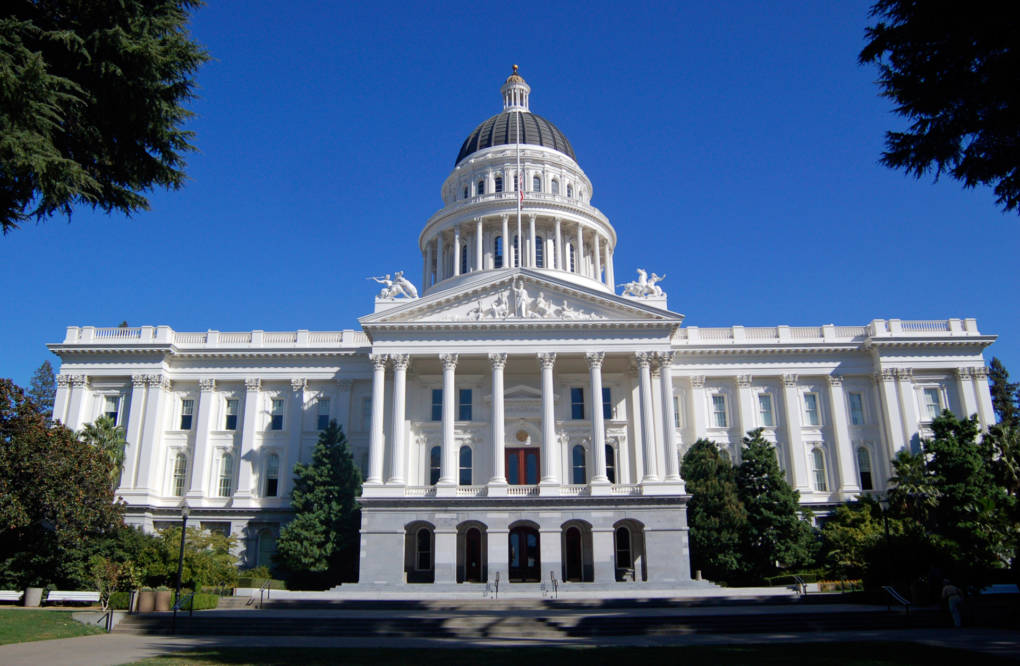
"caption": "The governor has a month to decide whether to pass bills into law.",
"description": null,
"title": "RS20978_capitol building",
"credit": "Vanessa Rancano/KQED",
"status": "inherit",
"isLoading": false,
"fetchFailed": false
},
"news_11617391": {
"type": "attachments",
"id": "news_11617391",
"meta": {
"index": "attachments_1716263798",
"site": "news",
"id": "11617391",
"found": true
},
"parent": 11617155,
"imgSizes": {
"small": {
"file": "https://ww2.kqed.org/app/uploads/sites/10/2017/09/GettyImages-172490893-520x322.jpg",
"width": 520,
"mimeType": "image/jpeg",
"height": 322
},
"twentyfourteen-full-width": {
"file": "https://ww2.kqed.org/app/uploads/sites/10/2017/09/GettyImages-172490893-1038x576.jpg",
"width": 1038,
"mimeType": "image/jpeg",
"height": 576
},
"thumbnail": {
"file": "https://ww2.kqed.org/app/uploads/sites/10/2017/09/GettyImages-172490893-160x99.jpg",
"width": 160,
"mimeType": "image/jpeg",
"height": 99
},
"fd-sm": {
"file": "https://ww2.kqed.org/app/uploads/sites/10/2017/09/GettyImages-172490893-960x594.jpg",
"width": 960,
"mimeType": "image/jpeg",
"height": 594
},
"post-thumbnail": {
"file": "https://ww2.kqed.org/app/uploads/sites/10/2017/09/GettyImages-172490893-672x372.jpg",
"width": 672,
"mimeType": "image/jpeg",
"height": 372
},
"xsmall": {
"file": "https://ww2.kqed.org/app/uploads/sites/10/2017/09/GettyImages-172490893-375x232.jpg",
"width": 375,
"mimeType": "image/jpeg",
"height": 232
},
"kqedFullSize": {
"file": "https://ww2.kqed.org/app/uploads/sites/10/2017/09/GettyImages-172490893-e1505525219997.jpg",
"width": 1920,
"height": 1188
},
"large": {
"file": "https://ww2.kqed.org/app/uploads/sites/10/2017/09/GettyImages-172490893-1020x631.jpg",
"width": 1020,
"mimeType": "image/jpeg",
"height": 631
},
"xlarge": {
"file": "https://ww2.kqed.org/app/uploads/sites/10/2017/09/GettyImages-172490893-1180x730.jpg",
"width": 1180,
"mimeType": "image/jpeg",
"height": 730
},
"guest-author-50": {
"file": "https://ww2.kqed.org/app/uploads/sites/10/2017/09/GettyImages-172490893-50x50.jpg",
"width": 50,
"mimeType": "image/jpeg",
"height": 50
},
"guest-author-96": {
"file": "https://ww2.kqed.org/app/uploads/sites/10/2017/09/GettyImages-172490893-96x96.jpg",
"width": 96,
"mimeType": "image/jpeg",
"height": 96
},
"medium": {
"file": "https://ww2.kqed.org/app/uploads/sites/10/2017/09/GettyImages-172490893-800x495.jpg",
"width": 800,
"mimeType": "image/jpeg",
"height": 495
},
"guest-author-64": {
"file": "https://ww2.kqed.org/app/uploads/sites/10/2017/09/GettyImages-172490893-64x64.jpg",
"width": 64,
"mimeType": "image/jpeg",
"height": 64
},
"guest-author-32": {
"file": "https://ww2.kqed.org/app/uploads/sites/10/2017/09/GettyImages-172490893-32x32.jpg",
"width": 32,
"mimeType": "image/jpeg",
"height": 32
},
"fd-lrg": {
"file": "https://ww2.kqed.org/app/uploads/sites/10/2017/09/GettyImages-172490893-1920x1188.jpg",
"width": 1920,
"mimeType": "image/jpeg",
"height": 1188
},
"fd-med": {
"file": "https://ww2.kqed.org/app/uploads/sites/10/2017/09/GettyImages-172490893-1180x730.jpg",
"width": 1180,
"mimeType": "image/jpeg",
"height": 730
},
"full-width": {
"file": "https://ww2.kqed.org/app/uploads/sites/10/2017/09/GettyImages-172490893-1920x1188.jpg",
"width": 1920,
"mimeType": "image/jpeg",
"height": 1188
},
"detail": {
"file": "https://ww2.kqed.org/app/uploads/sites/10/2017/09/GettyImages-172490893-150x150.jpg",
"width": 150,
"mimeType": "image/jpeg",
"height": 150
},
"guest-author-128": {
"file": "https://ww2.kqed.org/app/uploads/sites/10/2017/09/GettyImages-172490893-128x128.jpg",
"width": 128,
"mimeType": "image/jpeg",
"height": 128
},
"xxsmall": {
"file": "https://ww2.kqed.org/app/uploads/sites/10/2017/09/GettyImages-172490893-240x149.jpg",
"width": 240,
"mimeType": "image/jpeg",
"height": 149
}
},
"publishDate": 1505525053,
"modified": 1505525199,
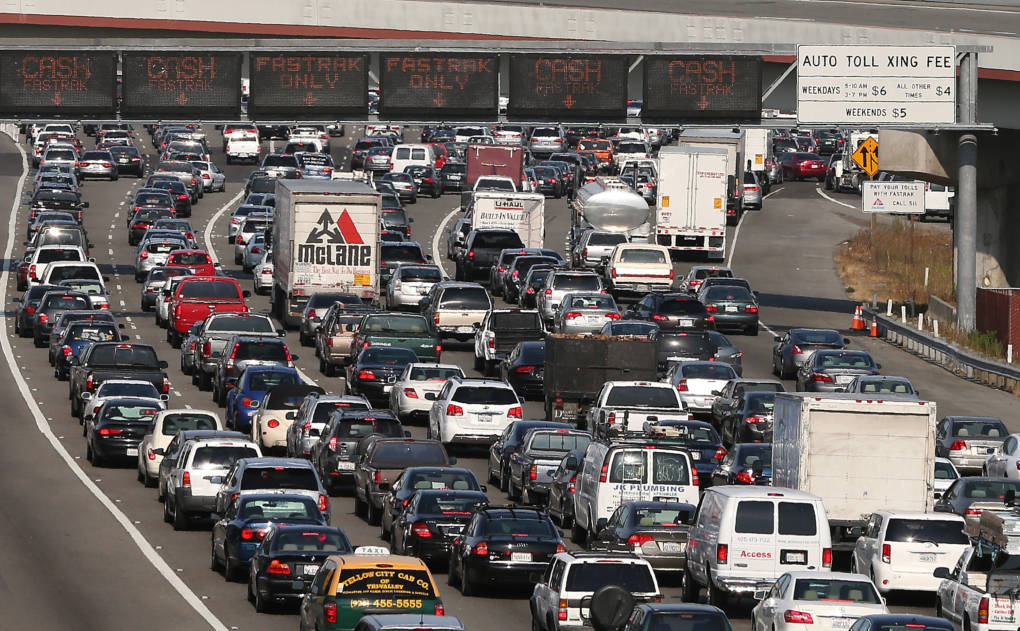
"caption": "Commuter traffic at the Bay Bridge toll plaze pictured during the July 2013 BART strike. ",
"description": null,
"title": "Bay Bridge Toll Plaza",
"credit": "Justin Sullivan/Getty Images",
"status": "inherit",
"isLoading": false,
"fetchFailed": false
},
"news_11617368": {
"type": "attachments",
"id": "news_11617368",
"meta": {
"index": "attachments_1716263798",
"site": "news",
"id": "11617368",
"found": true
},
"parent": 11616573,
"imgSizes": {
"small": {
"file": "https://ww2.kqed.org/app/uploads/sites/10/2017/09/FoodLifelineStorage3-520x316.jpg",
"width": 520,
"mimeType": "image/jpeg",
"height": 316
},
"twentyfourteen-full-width": {
"file": "https://ww2.kqed.org/app/uploads/sites/10/2017/09/FoodLifelineStorage3-1038x576.jpg",
"width": 1038,
"mimeType": "image/jpeg",
"height": 576
},
"thumbnail": {
"file": "https://ww2.kqed.org/app/uploads/sites/10/2017/09/FoodLifelineStorage3-160x97.jpg",
"width": 160,
"mimeType": "image/jpeg",
"height": 97
},
"fd-sm": {
"file": "https://ww2.kqed.org/app/uploads/sites/10/2017/09/FoodLifelineStorage3-960x583.jpg",
"width": 960,
"mimeType": "image/jpeg",
"height": 583
},
"post-thumbnail": {
"file": "https://ww2.kqed.org/app/uploads/sites/10/2017/09/FoodLifelineStorage3-672x372.jpg",
"width": 672,
"mimeType": "image/jpeg",
"height": 372
},
"xsmall": {
"file": "https://ww2.kqed.org/app/uploads/sites/10/2017/09/FoodLifelineStorage3-375x228.jpg",
"width": 375,
"mimeType": "image/jpeg",
"height": 228
},
"kqedFullSize": {
"file": "https://ww2.kqed.org/app/uploads/sites/10/2017/09/FoodLifelineStorage3.jpg",
"width": 1920,
"height": 1165
},
"large": {
"file": "https://ww2.kqed.org/app/uploads/sites/10/2017/09/FoodLifelineStorage3-1020x619.jpg",
"width": 1020,
"mimeType": "image/jpeg",
"height": 619
},
"xlarge": {
"file": "https://ww2.kqed.org/app/uploads/sites/10/2017/09/FoodLifelineStorage3-1180x716.jpg",
"width": 1180,
"mimeType": "image/jpeg",
"height": 716
},
"guest-author-50": {
"file": "https://ww2.kqed.org/app/uploads/sites/10/2017/09/FoodLifelineStorage3-50x50.jpg",
"width": 50,
"mimeType": "image/jpeg",
"height": 50
},
"guest-author-96": {
"file": "https://ww2.kqed.org/app/uploads/sites/10/2017/09/FoodLifelineStorage3-96x96.jpg",
"width": 96,
"mimeType": "image/jpeg",
"height": 96
},
"medium": {
"file": "https://ww2.kqed.org/app/uploads/sites/10/2017/09/FoodLifelineStorage3-800x485.jpg",
"width": 800,
"mimeType": "image/jpeg",
"height": 485
},
"guest-author-64": {
"file": "https://ww2.kqed.org/app/uploads/sites/10/2017/09/FoodLifelineStorage3-64x64.jpg",
"width": 64,
"mimeType": "image/jpeg",
"height": 64
},
"guest-author-32": {
"file": "https://ww2.kqed.org/app/uploads/sites/10/2017/09/FoodLifelineStorage3-32x32.jpg",
"width": 32,
"mimeType": "image/jpeg",
"height": 32
},
"fd-lrg": {
"file": "https://ww2.kqed.org/app/uploads/sites/10/2017/09/FoodLifelineStorage3-1920x1165.jpg",
"width": 1920,
"mimeType": "image/jpeg",
"height": 1165
},
"fd-med": {
"file": "https://ww2.kqed.org/app/uploads/sites/10/2017/09/FoodLifelineStorage3-1180x716.jpg",
"width": 1180,
"mimeType": "image/jpeg",
"height": 716
},
"full-width": {
"file": "https://ww2.kqed.org/app/uploads/sites/10/2017/09/FoodLifelineStorage3-1920x1165.jpg",
"width": 1920,
"mimeType": "image/jpeg",
"height": 1165
},
"detail": {
"file": "https://ww2.kqed.org/app/uploads/sites/10/2017/09/FoodLifelineStorage3-150x150.jpg",
"width": 150,
"mimeType": "image/jpeg",
"height": 150
},
"guest-author-128": {
"file": "https://ww2.kqed.org/app/uploads/sites/10/2017/09/FoodLifelineStorage3-128x128.jpg",
"width": 128,
"mimeType": "image/jpeg",
"height": 128
},
"xxsmall": {
"file": "https://ww2.kqed.org/app/uploads/sites/10/2017/09/FoodLifelineStorage3-240x146.jpg",
"width": 240,
"mimeType": "image/jpeg",
"height": 146
}
},
"publishDate": 1505522838,
"modified": 1505522871,
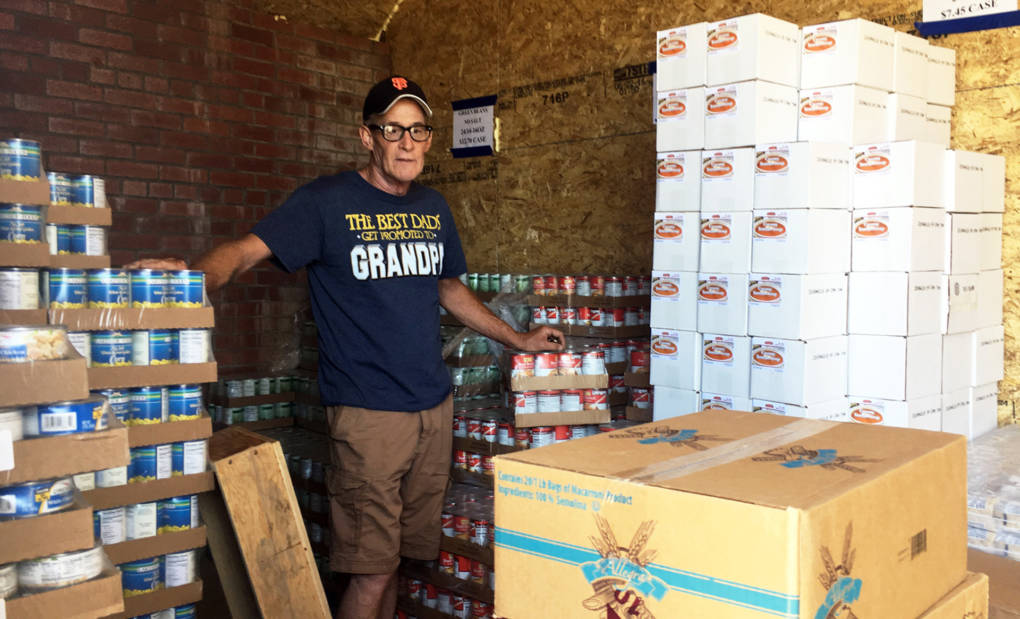
"caption": "Jeff England in the 'perpetual store' he and volunteers created with donations from around Trinity County. Food pantries and soup kitchens can shop here, without having to make the drive to Redding, at least an hour away. ",
"description": "Jeff England in the 'perpetual store' he and volunteers created with donations from around Trinity County. Food pantries and soup kitchens can shop here, without having to make the drive to Redding, at least an hour away. ",
"title": "FoodLifelineStorage3",
"credit": "Lisa Morehouse/KQED",
"status": "inherit",
"isLoading": false,
"fetchFailed": false
},
"news_11617136": {
"type": "attachments",
"id": "news_11617136",
"meta": {
"index": "attachments_1716263798",
"site": "news",
"id": "11617136",
"found": true
},
"parent": 11617133,
"imgSizes": {
"small": {
"file": "https://ww2.kqed.org/app/uploads/sites/10/2017/09/763_transform-520x347.jpg",
"width": 520,
"mimeType": "image/jpeg",
"height": 347
},
"twentyfourteen-full-width": {
"file": "https://ww2.kqed.org/app/uploads/sites/10/2017/09/763_transform-1038x576.jpg",
"width": 1038,
"mimeType": "image/jpeg",
"height": 576
},
"thumbnail": {
"file": "https://ww2.kqed.org/app/uploads/sites/10/2017/09/763_transform-160x107.jpg",
"width": 160,
"mimeType": "image/jpeg",
"height": 107
},
"fd-sm": {
"file": "https://ww2.kqed.org/app/uploads/sites/10/2017/09/763_transform-960x640.jpg",
"width": 960,
"mimeType": "image/jpeg",
"height": 640
},
"post-thumbnail": {
"file": "https://ww2.kqed.org/app/uploads/sites/10/2017/09/763_transform-672x372.jpg",
"width": 672,
"mimeType": "image/jpeg",
"height": 372
},
"xsmall": {
"file": "https://ww2.kqed.org/app/uploads/sites/10/2017/09/763_transform-375x250.jpg",
"width": 375,
"mimeType": "image/jpeg",
"height": 250
},
"kqedFullSize": {
"file": "https://ww2.kqed.org/app/uploads/sites/10/2017/09/763_transform.jpg",
"width": 1620,
"height": 1080
},
"large": {
"file": "https://ww2.kqed.org/app/uploads/sites/10/2017/09/763_transform-1020x680.jpg",
"width": 1020,
"mimeType": "image/jpeg",
"height": 680
},
"xlarge": {
"file": "https://ww2.kqed.org/app/uploads/sites/10/2017/09/763_transform-1180x787.jpg",
"width": 1180,
"mimeType": "image/jpeg",
"height": 787
},
"guest-author-50": {
"file": "https://ww2.kqed.org/app/uploads/sites/10/2017/09/763_transform-50x50.jpg",
"width": 50,
"mimeType": "image/jpeg",
"height": 50
},
"guest-author-96": {
"file": "https://ww2.kqed.org/app/uploads/sites/10/2017/09/763_transform-96x96.jpg",
"width": 96,
"mimeType": "image/jpeg",
"height": 96
},
"medium": {
"file": "https://ww2.kqed.org/app/uploads/sites/10/2017/09/763_transform-800x533.jpg",
"width": 800,
"mimeType": "image/jpeg",
"height": 533
},
"guest-author-64": {
"file": "https://ww2.kqed.org/app/uploads/sites/10/2017/09/763_transform-64x64.jpg",
"width": 64,
"mimeType": "image/jpeg",
"height": 64
},
"guest-author-32": {
"file": "https://ww2.kqed.org/app/uploads/sites/10/2017/09/763_transform-32x32.jpg",
"width": 32,
"mimeType": "image/jpeg",
"height": 32
},
"fd-med": {
"file": "https://ww2.kqed.org/app/uploads/sites/10/2017/09/763_transform-1180x787.jpg",
"width": 1180,
"mimeType": "image/jpeg",
"height": 787
},
"detail": {
"file": "https://ww2.kqed.org/app/uploads/sites/10/2017/09/763_transform-150x150.jpg",
"width": 150,
"mimeType": "image/jpeg",
"height": 150
},
"guest-author-128": {
"file": "https://ww2.kqed.org/app/uploads/sites/10/2017/09/763_transform-128x128.jpg",
"width": 128,
"mimeType": "image/jpeg",
"height": 128
},
"xxsmall": {
"file": "https://ww2.kqed.org/app/uploads/sites/10/2017/09/763_transform-240x160.jpg",
"width": 240,
"mimeType": "image/jpeg",
"height": 160
}
},
"publishDate": 1505494490,
"modified": 1505494592,
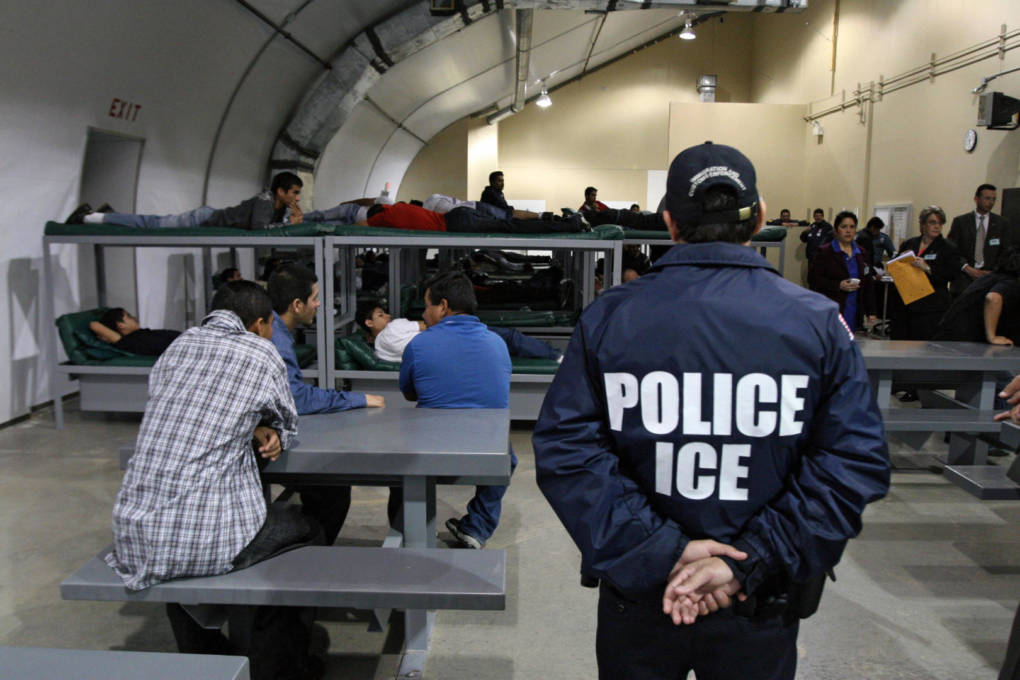
"caption": "An Immigration and Customs Enforcement (ICE) officer guards a group of 116 Salvadorean immigrants waiting to be deported. Under SB54, California won't let local police or sheriff's work with ICE in most circumstances. ",
"description": null,
"title": "TO GO WITH AFP STORY BY CARLOS MARIO MAR",
"credit": "Jose Cabezas/AFP/Getty Images",
"status": "inherit",
"isLoading": false,
"fetchFailed": false
},
"news_11616946": {
"type": "attachments",
"id": "news_11616946",
"meta": {
"index": "attachments_1716263798",
"site": "news",
"id": "11616946",
"found": true
},
"parent": 11616766,
"imgSizes": {
"small": {
"file": "https://ww2.kqed.org/app/uploads/sites/10/2017/09/RS26518_IMG_0891-qut-520x347.jpg",
"width": 520,
"mimeType": "image/jpeg",
"height": 347
},
"twentyfourteen-full-width": {
"file": "https://ww2.kqed.org/app/uploads/sites/10/2017/09/RS26518_IMG_0891-qut-1038x576.jpg",
"width": 1038,
"mimeType": "image/jpeg",
"height": 576
},
"thumbnail": {
"file": "https://ww2.kqed.org/app/uploads/sites/10/2017/09/RS26518_IMG_0891-qut-160x107.jpg",
"width": 160,
"mimeType": "image/jpeg",
"height": 107
},
"fd-sm": {
"file": "https://ww2.kqed.org/app/uploads/sites/10/2017/09/RS26518_IMG_0891-qut-960x640.jpg",
"width": 960,
"mimeType": "image/jpeg",
"height": 640
},
"post-thumbnail": {
"file": "https://ww2.kqed.org/app/uploads/sites/10/2017/09/RS26518_IMG_0891-qut-672x372.jpg",
"width": 672,
"mimeType": "image/jpeg",
"height": 372
},
"xsmall": {
"file": "https://ww2.kqed.org/app/uploads/sites/10/2017/09/RS26518_IMG_0891-qut-375x250.jpg",
"width": 375,
"mimeType": "image/jpeg",
"height": 250
},
"kqedFullSize": {
"file": "https://ww2.kqed.org/app/uploads/sites/10/2017/09/RS26518_IMG_0891-qut.jpg",
"width": 1920,
"height": 1280
},
"large": {
"file": "https://ww2.kqed.org/app/uploads/sites/10/2017/09/RS26518_IMG_0891-qut-1020x680.jpg",
"width": 1020,
"mimeType": "image/jpeg",
"height": 680
},
"xlarge": {
"file": "https://ww2.kqed.org/app/uploads/sites/10/2017/09/RS26518_IMG_0891-qut-1180x787.jpg",
"width": 1180,
"mimeType": "image/jpeg",
"height": 787
},
"guest-author-50": {
"file": "https://ww2.kqed.org/app/uploads/sites/10/2017/09/RS26518_IMG_0891-qut-50x50.jpg",
"width": 50,
"mimeType": "image/jpeg",
"height": 50
},
"guest-author-96": {
"file": "https://ww2.kqed.org/app/uploads/sites/10/2017/09/RS26518_IMG_0891-qut-96x96.jpg",
"width": 96,
"mimeType": "image/jpeg",
"height": 96
},
"medium": {
"file": "https://ww2.kqed.org/app/uploads/sites/10/2017/09/RS26518_IMG_0891-qut-800x533.jpg",
"width": 800,
"mimeType": "image/jpeg",
"height": 533
},
"guest-author-64": {
"file": "https://ww2.kqed.org/app/uploads/sites/10/2017/09/RS26518_IMG_0891-qut-64x64.jpg",
"width": 64,
"mimeType": "image/jpeg",
"height": 64
},
"guest-author-32": {
"file": "https://ww2.kqed.org/app/uploads/sites/10/2017/09/RS26518_IMG_0891-qut-32x32.jpg",
"width": 32,
"mimeType": "image/jpeg",
"height": 32
},
"fd-lrg": {
"file": "https://ww2.kqed.org/app/uploads/sites/10/2017/09/RS26518_IMG_0891-qut-1920x1280.jpg",
"width": 1920,
"mimeType": "image/jpeg",
"height": 1280
},
"fd-med": {
"file": "https://ww2.kqed.org/app/uploads/sites/10/2017/09/RS26518_IMG_0891-qut-1180x787.jpg",
"width": 1180,
"mimeType": "image/jpeg",
"height": 787
},
"full-width": {
"file": "https://ww2.kqed.org/app/uploads/sites/10/2017/09/RS26518_IMG_0891-qut-1920x1280.jpg",
"width": 1920,
"mimeType": "image/jpeg",
"height": 1280
},
"detail": {
"file": "https://ww2.kqed.org/app/uploads/sites/10/2017/09/RS26518_IMG_0891-qut-150x150.jpg",
"width": 150,
"mimeType": "image/jpeg",
"height": 150
},
"guest-author-128": {
"file": "https://ww2.kqed.org/app/uploads/sites/10/2017/09/RS26518_IMG_0891-qut-128x128.jpg",
"width": 128,
"mimeType": "image/jpeg",
"height": 128
},
"xxsmall": {
"file": "https://ww2.kqed.org/app/uploads/sites/10/2017/09/RS26518_IMG_0891-qut-240x160.jpg",
"width": 240,
"mimeType": "image/jpeg",
"height": 160
}
},
"publishDate": 1505419906,
"modified": 1505420425,
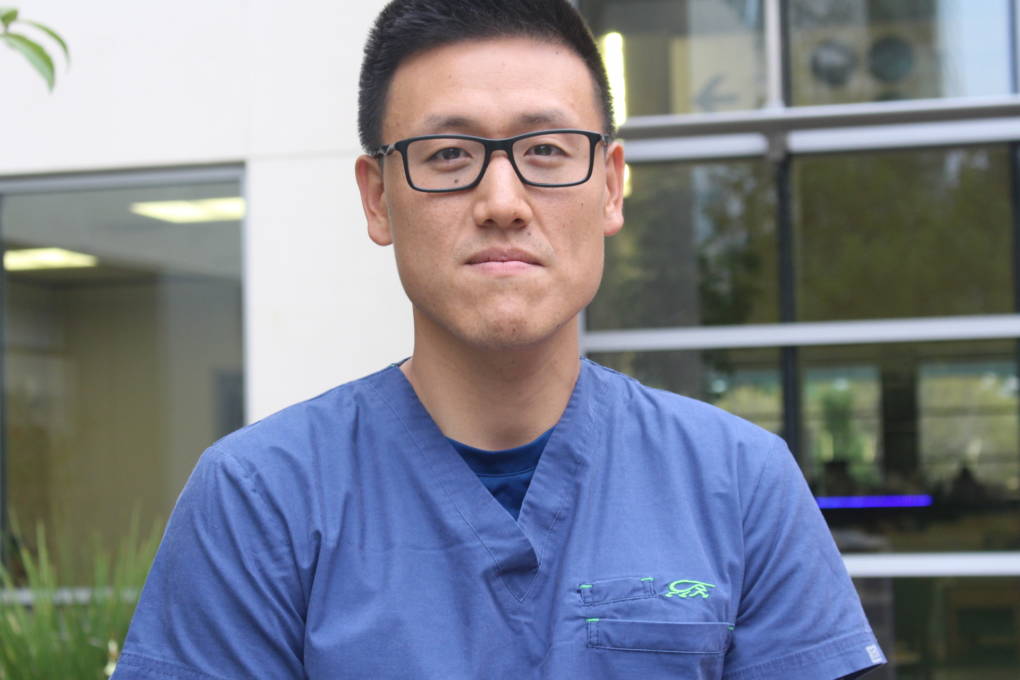
"caption": "Nurse Eli Oh after finishing an overnight shift at the internal care unit at Regional Medical Center in San Jose, Calif. on September 9, 2017. Nursing \"was something where I knew I could provide for my family,\" said Oh, who grew up in the Cupertino and Sunnyvale areas.",
"description": null,
"title": "RS26518_IMG_0891-qut",
"credit": null,
"status": "inherit",
"isLoading": false,
"fetchFailed": false
},
"news_11617204": {
"type": "attachments",
"id": "news_11617204",
"meta": {
"index": "attachments_1716263798",
"site": "news",
"id": "11617204",
"found": true
},
"parent": 11617192,
"imgSizes": {
"small": {
"file": "https://ww2.kqed.org/app/uploads/sites/10/2017/09/RS23857_GettyImages-632718040-qut-520x347.jpg",
"width": 520,
"mimeType": "image/jpeg",
"height": 347
},
"twentyfourteen-full-width": {
"file": "https://ww2.kqed.org/app/uploads/sites/10/2017/09/RS23857_GettyImages-632718040-qut-1038x576.jpg",
"width": 1038,
"mimeType": "image/jpeg",
"height": 576
},
"thumbnail": {
"file": "https://ww2.kqed.org/app/uploads/sites/10/2017/09/RS23857_GettyImages-632718040-qut-160x107.jpg",
"width": 160,
"mimeType": "image/jpeg",
"height": 107
},
"fd-sm": {
"file": "https://ww2.kqed.org/app/uploads/sites/10/2017/09/RS23857_GettyImages-632718040-qut-960x640.jpg",
"width": 960,
"mimeType": "image/jpeg",
"height": 640
},
"post-thumbnail": {
"file": "https://ww2.kqed.org/app/uploads/sites/10/2017/09/RS23857_GettyImages-632718040-qut-672x372.jpg",
"width": 672,
"mimeType": "image/jpeg",
"height": 372
},
"xsmall": {
"file": "https://ww2.kqed.org/app/uploads/sites/10/2017/09/RS23857_GettyImages-632718040-qut-375x250.jpg",
"width": 375,
"mimeType": "image/jpeg",
"height": 250
},
"kqedFullSize": {
"file": "https://ww2.kqed.org/app/uploads/sites/10/2017/09/RS23857_GettyImages-632718040-qut.jpg",
"width": 1920,
"height": 1280
},
"large": {
"file": "https://ww2.kqed.org/app/uploads/sites/10/2017/09/RS23857_GettyImages-632718040-qut-1020x680.jpg",
"width": 1020,
"mimeType": "image/jpeg",
"height": 680
},
"xlarge": {
"file": "https://ww2.kqed.org/app/uploads/sites/10/2017/09/RS23857_GettyImages-632718040-qut-1180x787.jpg",
"width": 1180,
"mimeType": "image/jpeg",
"height": 787
},
"guest-author-50": {
"file": "https://ww2.kqed.org/app/uploads/sites/10/2017/09/RS23857_GettyImages-632718040-qut-50x50.jpg",
"width": 50,
"mimeType": "image/jpeg",
"height": 50
},
"guest-author-96": {
"file": "https://ww2.kqed.org/app/uploads/sites/10/2017/09/RS23857_GettyImages-632718040-qut-96x96.jpg",
"width": 96,
"mimeType": "image/jpeg",
"height": 96
},
"medium": {
"file": "https://ww2.kqed.org/app/uploads/sites/10/2017/09/RS23857_GettyImages-632718040-qut-800x533.jpg",
"width": 800,
"mimeType": "image/jpeg",
"height": 533
},
"guest-author-64": {
"file": "https://ww2.kqed.org/app/uploads/sites/10/2017/09/RS23857_GettyImages-632718040-qut-64x64.jpg",
"width": 64,
"mimeType": "image/jpeg",
"height": 64
},
"guest-author-32": {
"file": "https://ww2.kqed.org/app/uploads/sites/10/2017/09/RS23857_GettyImages-632718040-qut-32x32.jpg",
"width": 32,
"mimeType": "image/jpeg",
"height": 32
},
"fd-lrg": {
"file": "https://ww2.kqed.org/app/uploads/sites/10/2017/09/RS23857_GettyImages-632718040-qut-1920x1280.jpg",
"width": 1920,
"mimeType": "image/jpeg",
"height": 1280
},
"fd-med": {
"file": "https://ww2.kqed.org/app/uploads/sites/10/2017/09/RS23857_GettyImages-632718040-qut-1180x787.jpg",
"width": 1180,
"mimeType": "image/jpeg",
"height": 787
},
"full-width": {
"file": "https://ww2.kqed.org/app/uploads/sites/10/2017/09/RS23857_GettyImages-632718040-qut-1920x1280.jpg",
"width": 1920,
"mimeType": "image/jpeg",
"height": 1280
},
"detail": {
"file": "https://ww2.kqed.org/app/uploads/sites/10/2017/09/RS23857_GettyImages-632718040-qut-150x150.jpg",
"width": 150,
"mimeType": "image/jpeg",
"height": 150
},
"guest-author-128": {
"file": "https://ww2.kqed.org/app/uploads/sites/10/2017/09/RS23857_GettyImages-632718040-qut-128x128.jpg",
"width": 128,
"mimeType": "image/jpeg",
"height": 128
},
"xxsmall": {
"file": "https://ww2.kqed.org/app/uploads/sites/10/2017/09/RS23857_GettyImages-632718040-qut-240x160.jpg",
"width": 240,
"mimeType": "image/jpeg",
"height": 160
}
},
"publishDate": 1505502341,
"modified": 1505502516,
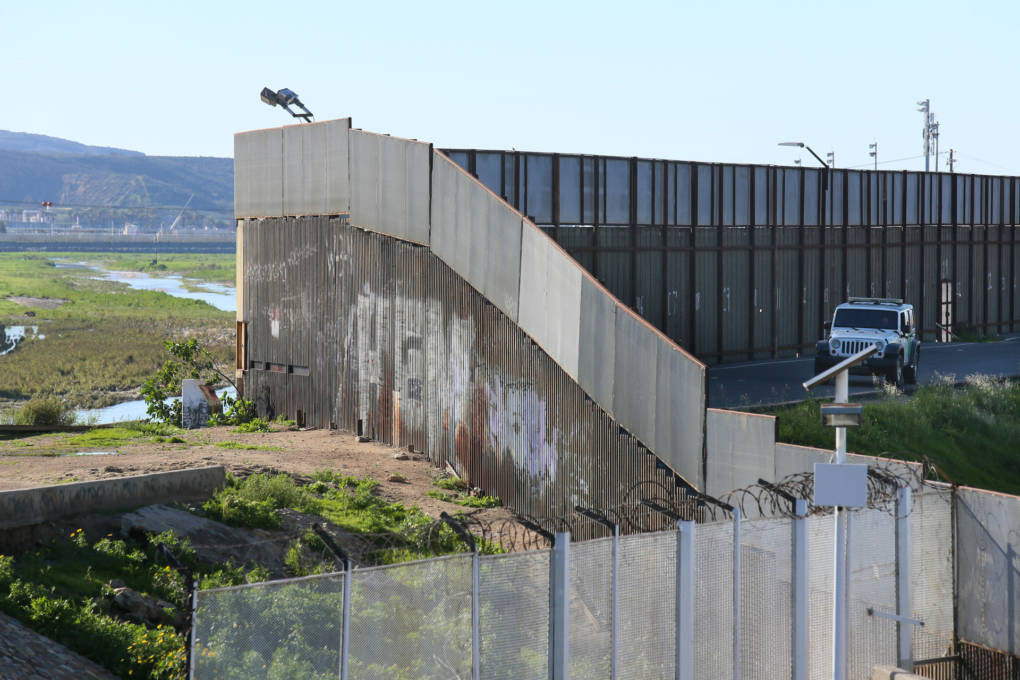
"caption": "A Border Patrol vehicle sits along the U.S.-Mexico border wall on January 25, 2017 in San Ysidro, California. Under President Trump, the government has waived environmental reviews twice under a 2005 law to speed construction of border barriers,.",
"description": "A Border Patrol vehicle sits along the U.S.-Mexico border wall on January 25, 2017 in San Ysidro, California.",
"title": "RS23857_GettyImages-632718040-qut",
"credit": "Sandy Huffaker/Getty Images",
"status": "inherit",
"isLoading": false,
"fetchFailed": false
},
"news_11616916": {
"type": "attachments",
"id": "news_11616916",
"meta": {
"index": "attachments_1716263798",
"site": "news",
"id": "11616916",
"found": true
},
"parent": 11616485,
"imgSizes": {
"small": {
"file": "https://ww2.kqed.org/app/uploads/sites/10/2017/09/StateCapSac-520x339.jpg",
"width": 520,
"mimeType": "image/jpeg",
"height": 339
},
"twentyfourteen-full-width": {
"file": "https://ww2.kqed.org/app/uploads/sites/10/2017/09/StateCapSac-1038x576.jpg",
"width": 1038,
"mimeType": "image/jpeg",
"height": 576
},
"thumbnail": {
"file": "https://ww2.kqed.org/app/uploads/sites/10/2017/09/StateCapSac-160x104.jpg",
"width": 160,
"mimeType": "image/jpeg",
"height": 104
},
"fd-sm": {
"file": "https://ww2.kqed.org/app/uploads/sites/10/2017/09/StateCapSac-960x627.jpg",
"width": 960,
"mimeType": "image/jpeg",
"height": 627
},
"post-thumbnail": {
"file": "https://ww2.kqed.org/app/uploads/sites/10/2017/09/StateCapSac-672x372.jpg",
"width": 672,
"mimeType": "image/jpeg",
"height": 372
},
"xsmall": {
"file": "https://ww2.kqed.org/app/uploads/sites/10/2017/09/StateCapSac-375x245.jpg",
"width": 375,
"mimeType": "image/jpeg",
"height": 245
},
"kqedFullSize": {
"file": "https://ww2.kqed.org/app/uploads/sites/10/2017/09/StateCapSac.jpg",
"width": 1920,
"height": 1253
},
"large": {
"file": "https://ww2.kqed.org/app/uploads/sites/10/2017/09/StateCapSac-1020x666.jpg",
"width": 1020,
"mimeType": "image/jpeg",
"height": 666
},
"xlarge": {
"file": "https://ww2.kqed.org/app/uploads/sites/10/2017/09/StateCapSac-1180x770.jpg",
"width": 1180,
"mimeType": "image/jpeg",
"height": 770
},
"guest-author-50": {
"file": "https://ww2.kqed.org/app/uploads/sites/10/2017/09/StateCapSac-50x50.jpg",
"width": 50,
"mimeType": "image/jpeg",
"height": 50
},
"guest-author-96": {
"file": "https://ww2.kqed.org/app/uploads/sites/10/2017/09/StateCapSac-96x96.jpg",
"width": 96,
"mimeType": "image/jpeg",
"height": 96
},
"medium": {
"file": "https://ww2.kqed.org/app/uploads/sites/10/2017/09/StateCapSac-800x522.jpg",
"width": 800,
"mimeType": "image/jpeg",
"height": 522
},
"guest-author-64": {
"file": "https://ww2.kqed.org/app/uploads/sites/10/2017/09/StateCapSac-64x64.jpg",
"width": 64,
"mimeType": "image/jpeg",
"height": 64
},
"guest-author-32": {
"file": "https://ww2.kqed.org/app/uploads/sites/10/2017/09/StateCapSac-32x32.jpg",
"width": 32,
"mimeType": "image/jpeg",
"height": 32
},
"fd-lrg": {
"file": "https://ww2.kqed.org/app/uploads/sites/10/2017/09/StateCapSac-1920x1253.jpg",
"width": 1920,
"mimeType": "image/jpeg",
"height": 1253
},
"fd-med": {
"file": "https://ww2.kqed.org/app/uploads/sites/10/2017/09/StateCapSac-1180x770.jpg",
"width": 1180,
"mimeType": "image/jpeg",
"height": 770
},
"full-width": {
"file": "https://ww2.kqed.org/app/uploads/sites/10/2017/09/StateCapSac-1920x1253.jpg",
"width": 1920,
"mimeType": "image/jpeg",
"height": 1253
},
"detail": {
"file": "https://ww2.kqed.org/app/uploads/sites/10/2017/09/StateCapSac-150x150.jpg",
"width": 150,
"mimeType": "image/jpeg",
"height": 150
},
"guest-author-128": {
"file": "https://ww2.kqed.org/app/uploads/sites/10/2017/09/StateCapSac-128x128.jpg",
"width": 128,
"mimeType": "image/jpeg",
"height": 128
},
"xxsmall": {
"file": "https://ww2.kqed.org/app/uploads/sites/10/2017/09/StateCapSac-240x157.jpg",
"width": 240,
"mimeType": "image/jpeg",
"height": 157
}
},
"publishDate": 1505417047,
"modified": 1505417103,
"caption": "The state Capitol in Sacramento.",
"description": "The state Capitol in Sacramento.",
"title": "StateCapSac",
"credit": "Getty Images",
"status": "inherit",
"isLoading": false,
"fetchFailed": false
},
"news_11617170": {
"type": "attachments",
"id": "news_11617170",
"meta": {
"index": "attachments_1716263798",
"site": "news",
"id": "11617170",
"found": true
},
"parent": 11617169,
"imgSizes": {
"small": {
"file": "https://ww2.kqed.org/app/uploads/sites/10/2017/09/gettyimages-532642472_wide-702895f74a5cfc099931972a2676b006062110c8-520x292.jpg",
"width": 520,
"mimeType": "image/jpeg",
"height": 292
},
"twentyfourteen-full-width": {
"file": "https://ww2.kqed.org/app/uploads/sites/10/2017/09/gettyimages-532642472_wide-702895f74a5cfc099931972a2676b006062110c8-1038x576.jpg",
"width": 1038,
"mimeType": "image/jpeg",
"height": 576
},
"thumbnail": {
"file": "https://ww2.kqed.org/app/uploads/sites/10/2017/09/gettyimages-532642472_wide-702895f74a5cfc099931972a2676b006062110c8-160x90.jpg",
"width": 160,
"mimeType": "image/jpeg",
"height": 90
},
"fd-sm": {
"file": "https://ww2.kqed.org/app/uploads/sites/10/2017/09/gettyimages-532642472_wide-702895f74a5cfc099931972a2676b006062110c8-960x540.jpg",
"width": 960,
"mimeType": "image/jpeg",
"height": 540
},
"post-thumbnail": {
"file": "https://ww2.kqed.org/app/uploads/sites/10/2017/09/gettyimages-532642472_wide-702895f74a5cfc099931972a2676b006062110c8-672x372.jpg",
"width": 672,
"mimeType": "image/jpeg",
"height": 372
},
"xsmall": {
"file": "https://ww2.kqed.org/app/uploads/sites/10/2017/09/gettyimages-532642472_wide-702895f74a5cfc099931972a2676b006062110c8-375x211.jpg",
"width": 375,
"mimeType": "image/jpeg",
"height": 211
},
"kqedFullSize": {
"file": "https://ww2.kqed.org/app/uploads/sites/10/2017/09/gettyimages-532642472_wide-702895f74a5cfc099931972a2676b006062110c8.jpg",
"width": 3000,
"height": 1687
},
"large": {
"file": "https://ww2.kqed.org/app/uploads/sites/10/2017/09/gettyimages-532642472_wide-702895f74a5cfc099931972a2676b006062110c8-1020x574.jpg",
"width": 1020,
"mimeType": "image/jpeg",
"height": 574
},
"xlarge": {
"file": "https://ww2.kqed.org/app/uploads/sites/10/2017/09/gettyimages-532642472_wide-702895f74a5cfc099931972a2676b006062110c8-1180x664.jpg",
"width": 1180,
"mimeType": "image/jpeg",
"height": 664
},
"guest-author-50": {
"file": "https://ww2.kqed.org/app/uploads/sites/10/2017/09/gettyimages-532642472_wide-702895f74a5cfc099931972a2676b006062110c8-50x50.jpg",
"width": 50,
"mimeType": "image/jpeg",
"height": 50
},
"guest-author-96": {
"file": "https://ww2.kqed.org/app/uploads/sites/10/2017/09/gettyimages-532642472_wide-702895f74a5cfc099931972a2676b006062110c8-96x96.jpg",
"width": 96,
"mimeType": "image/jpeg",
"height": 96
},
"medium": {
"file": "https://ww2.kqed.org/app/uploads/sites/10/2017/09/gettyimages-532642472_wide-702895f74a5cfc099931972a2676b006062110c8-800x450.jpg",
"width": 800,
"mimeType": "image/jpeg",
"height": 450
},
"guest-author-64": {
"file": "https://ww2.kqed.org/app/uploads/sites/10/2017/09/gettyimages-532642472_wide-702895f74a5cfc099931972a2676b006062110c8-64x64.jpg",
"width": 64,
"mimeType": "image/jpeg",
"height": 64
},
"guest-author-32": {
"file": "https://ww2.kqed.org/app/uploads/sites/10/2017/09/gettyimages-532642472_wide-702895f74a5cfc099931972a2676b006062110c8-32x32.jpg",
"width": 32,
"mimeType": "image/jpeg",
"height": 32
},
"fd-lrg": {
"file": "https://ww2.kqed.org/app/uploads/sites/10/2017/09/gettyimages-532642472_wide-702895f74a5cfc099931972a2676b006062110c8-1920x1080.jpg",
"width": 1920,
"mimeType": "image/jpeg",
"height": 1080
},
"fd-med": {
"file": "https://ww2.kqed.org/app/uploads/sites/10/2017/09/gettyimages-532642472_wide-702895f74a5cfc099931972a2676b006062110c8-1180x664.jpg",
"width": 1180,
"mimeType": "image/jpeg",
"height": 664
},
"full-width": {
"file": "https://ww2.kqed.org/app/uploads/sites/10/2017/09/gettyimages-532642472_wide-702895f74a5cfc099931972a2676b006062110c8-1920x1080.jpg",
"width": 1920,
"mimeType": "image/jpeg",
"height": 1080
},
"detail": {
"file": "https://ww2.kqed.org/app/uploads/sites/10/2017/09/gettyimages-532642472_wide-702895f74a5cfc099931972a2676b006062110c8-150x150.jpg",
"width": 150,
"mimeType": "image/jpeg",
"height": 150
},
"guest-author-128": {
"file": "https://ww2.kqed.org/app/uploads/sites/10/2017/09/gettyimages-532642472_wide-702895f74a5cfc099931972a2676b006062110c8-128x128.jpg",
"width": 128,
"mimeType": "image/jpeg",
"height": 128
},
"xxsmall": {
"file": "https://ww2.kqed.org/app/uploads/sites/10/2017/09/gettyimages-532642472_wide-702895f74a5cfc099931972a2676b006062110c8-240x135.jpg",
"width": 240,
"mimeType": "image/jpeg",
"height": 135
}
},
"publishDate": 1505498602,
"modified": 1505498802,
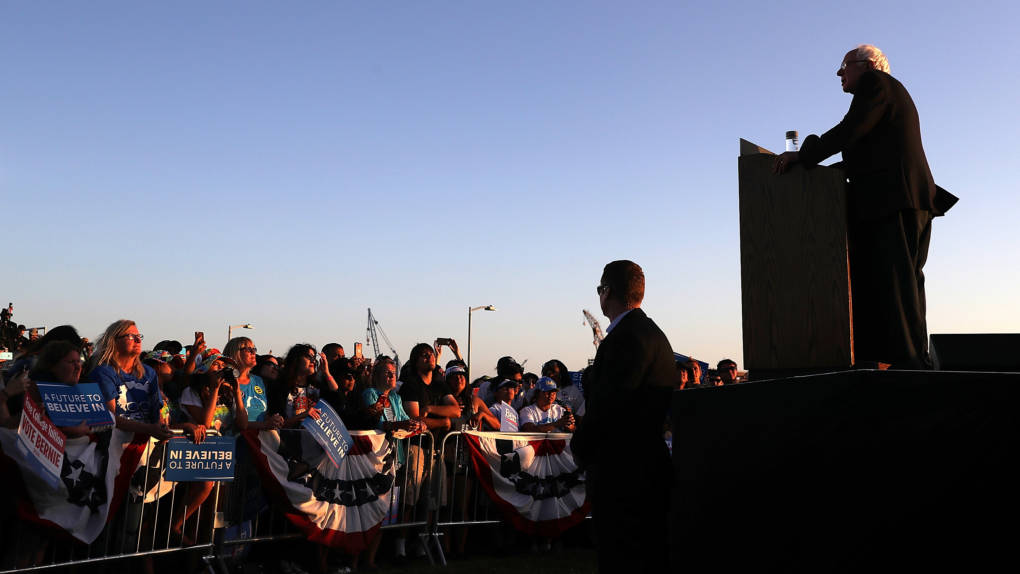
"caption": "Sen. Bernie Sanders during a campaign stop in Vallejo, Calif. ahead of California's June 2016 presidential primary. The state legislature is considering a bill to move the 2020 primary to March.",
"description": "Sen. Bernie Sanders during a campaign stop in Vallejo, Calif. ahead of California's June 2016 presidential primary. The state legislature is considering a bill to move the 2020 primary to March",
"title": "Sen. Bernie Sanders during a campaign stop in Vallejo, Calif. ahead of California's June 2016 presidential primary. The state legislature is considering a bill to move the 2020 primary to March.",
"credit": "Justin Sullivan/Getty Images",
"status": "inherit",
"isLoading": false,
"fetchFailed": false
},
"news_11617014": {
"type": "attachments",
"id": "news_11617014",
"meta": {
"index": "attachments_1716263798",
"site": "news",
"id": "11617014",
"found": true
},
"parent": 11616951,
"imgSizes": {
"small": {
"file": "https://ww2.kqed.org/app/uploads/sites/10/2017/09/RS25451_20170515_StateCapitol_Sen_BobWieckowski_credit_BertJohnson-1-qut-1-520x347.jpg",
"width": 520,
"mimeType": "image/jpeg",
"height": 347
},
"twentyfourteen-full-width": {
"file": "https://ww2.kqed.org/app/uploads/sites/10/2017/09/RS25451_20170515_StateCapitol_Sen_BobWieckowski_credit_BertJohnson-1-qut-1-1038x576.jpg",
"width": 1038,
"mimeType": "image/jpeg",
"height": 576
},
"thumbnail": {
"file": "https://ww2.kqed.org/app/uploads/sites/10/2017/09/RS25451_20170515_StateCapitol_Sen_BobWieckowski_credit_BertJohnson-1-qut-1-160x107.jpg",
"width": 160,
"mimeType": "image/jpeg",
"height": 107
},
"fd-sm": {
"file": "https://ww2.kqed.org/app/uploads/sites/10/2017/09/RS25451_20170515_StateCapitol_Sen_BobWieckowski_credit_BertJohnson-1-qut-1-960x640.jpg",
"width": 960,
"mimeType": "image/jpeg",
"height": 640
},
"post-thumbnail": {
"file": "https://ww2.kqed.org/app/uploads/sites/10/2017/09/RS25451_20170515_StateCapitol_Sen_BobWieckowski_credit_BertJohnson-1-qut-1-672x372.jpg",
"width": 672,
"mimeType": "image/jpeg",
"height": 372
},
"xsmall": {
"file": "https://ww2.kqed.org/app/uploads/sites/10/2017/09/RS25451_20170515_StateCapitol_Sen_BobWieckowski_credit_BertJohnson-1-qut-1-375x250.jpg",
"width": 375,
"mimeType": "image/jpeg",
"height": 250
},
"kqedFullSize": {
"file": "https://ww2.kqed.org/app/uploads/sites/10/2017/09/RS25451_20170515_StateCapitol_Sen_BobWieckowski_credit_BertJohnson-1-qut-1.jpg",
"width": 1920,
"height": 1280
},
"large": {
"file": "https://ww2.kqed.org/app/uploads/sites/10/2017/09/RS25451_20170515_StateCapitol_Sen_BobWieckowski_credit_BertJohnson-1-qut-1-1020x680.jpg",
"width": 1020,
"mimeType": "image/jpeg",
"height": 680
},
"xlarge": {
"file": "https://ww2.kqed.org/app/uploads/sites/10/2017/09/RS25451_20170515_StateCapitol_Sen_BobWieckowski_credit_BertJohnson-1-qut-1-1180x787.jpg",
"width": 1180,
"mimeType": "image/jpeg",
"height": 787
},
"guest-author-50": {
"file": "https://ww2.kqed.org/app/uploads/sites/10/2017/09/RS25451_20170515_StateCapitol_Sen_BobWieckowski_credit_BertJohnson-1-qut-1-50x50.jpg",
"width": 50,
"mimeType": "image/jpeg",
"height": 50
},
"guest-author-96": {
"file": "https://ww2.kqed.org/app/uploads/sites/10/2017/09/RS25451_20170515_StateCapitol_Sen_BobWieckowski_credit_BertJohnson-1-qut-1-96x96.jpg",
"width": 96,
"mimeType": "image/jpeg",
"height": 96
},
"medium": {
"file": "https://ww2.kqed.org/app/uploads/sites/10/2017/09/RS25451_20170515_StateCapitol_Sen_BobWieckowski_credit_BertJohnson-1-qut-1-800x533.jpg",
"width": 800,
"mimeType": "image/jpeg",
"height": 533
},
"guest-author-64": {
"file": "https://ww2.kqed.org/app/uploads/sites/10/2017/09/RS25451_20170515_StateCapitol_Sen_BobWieckowski_credit_BertJohnson-1-qut-1-64x64.jpg",
"width": 64,
"mimeType": "image/jpeg",
"height": 64
},
"guest-author-32": {
"file": "https://ww2.kqed.org/app/uploads/sites/10/2017/09/RS25451_20170515_StateCapitol_Sen_BobWieckowski_credit_BertJohnson-1-qut-1-32x32.jpg",
"width": 32,
"mimeType": "image/jpeg",
"height": 32
},
"fd-lrg": {
"file": "https://ww2.kqed.org/app/uploads/sites/10/2017/09/RS25451_20170515_StateCapitol_Sen_BobWieckowski_credit_BertJohnson-1-qut-1-1920x1280.jpg",
"width": 1920,
"mimeType": "image/jpeg",
"height": 1280
},
"fd-med": {
"file": "https://ww2.kqed.org/app/uploads/sites/10/2017/09/RS25451_20170515_StateCapitol_Sen_BobWieckowski_credit_BertJohnson-1-qut-1-1180x787.jpg",
"width": 1180,
"mimeType": "image/jpeg",
"height": 787
},
"full-width": {
"file": "https://ww2.kqed.org/app/uploads/sites/10/2017/09/RS25451_20170515_StateCapitol_Sen_BobWieckowski_credit_BertJohnson-1-qut-1-1920x1280.jpg",
"width": 1920,
"mimeType": "image/jpeg",
"height": 1280
},
"detail": {
"file": "https://ww2.kqed.org/app/uploads/sites/10/2017/09/RS25451_20170515_StateCapitol_Sen_BobWieckowski_credit_BertJohnson-1-qut-1-150x150.jpg",
"width": 150,
"mimeType": "image/jpeg",
"height": 150
},
"guest-author-128": {
"file": "https://ww2.kqed.org/app/uploads/sites/10/2017/09/RS25451_20170515_StateCapitol_Sen_BobWieckowski_credit_BertJohnson-1-qut-1-128x128.jpg",
"width": 128,
"mimeType": "image/jpeg",
"height": 128
},
"xxsmall": {
"file": "https://ww2.kqed.org/app/uploads/sites/10/2017/09/RS25451_20170515_StateCapitol_Sen_BobWieckowski_credit_BertJohnson-1-qut-1-240x160.jpg",
"width": 240,
"mimeType": "image/jpeg",
"height": 160
}
},
"publishDate": 1505430045,
"modified": 1505497318,
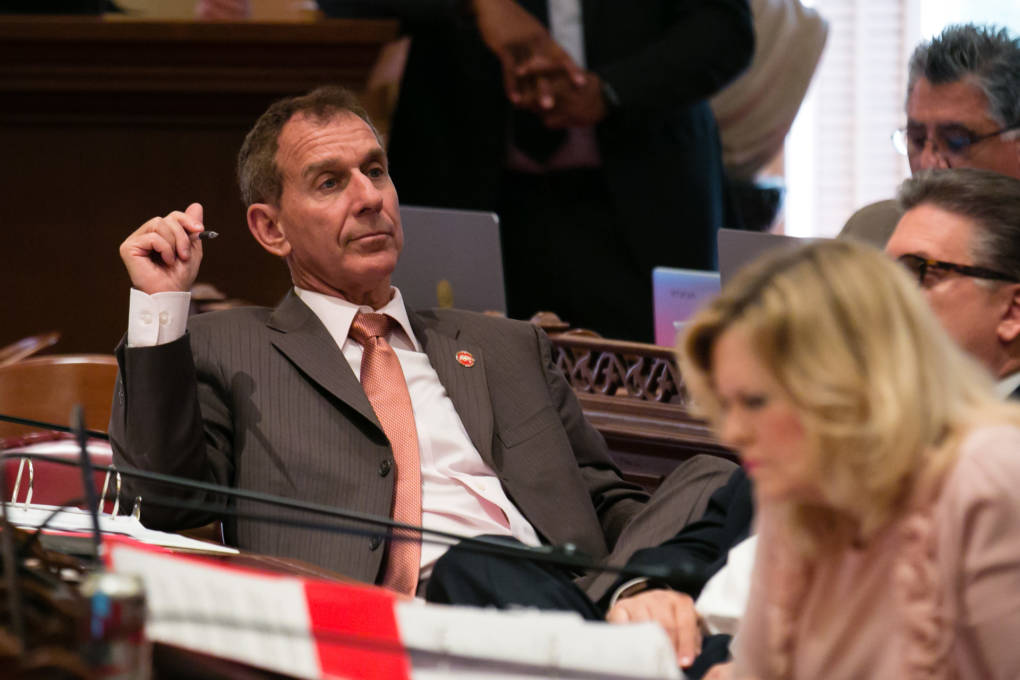
"caption": "State Sen. Bob Wieckowski says that bank levies that empty people's bank accounts can be devastating. \"Doesn't matter if she doesn't owe the debt, doesn't matter if she needs the money to survive, it gets taken,\" he said.",
"description": null,
"title": "RS25451_20170515_StateCapitol_Sen_BobWieckowski_credit_BertJohnson-1-qut (1)",
"credit": "Farida Jhabvala Romero/KQED",
"status": "inherit",
"isLoading": false,
"fetchFailed": false
},
"news_11617055": {
"type": "attachments",
"id": "news_11617055",
"meta": {
"index": "attachments_1716263798",
"site": "news",
"id": "11617055",
"found": true
},
"parent": 11617053,
"imgSizes": {
"small": {
"file": "https://ww2.kqed.org/app/uploads/sites/10/2017/09/Image-uploaded-from-iOS-520x347.jpg",
"width": 520,
"mimeType": "image/jpeg",
"height": 347
},
"twentyfourteen-full-width": {
"file": "https://ww2.kqed.org/app/uploads/sites/10/2017/09/Image-uploaded-from-iOS-1038x576.jpg",
"width": 1038,
"mimeType": "image/jpeg",
"height": 576
},
"thumbnail": {
"file": "https://ww2.kqed.org/app/uploads/sites/10/2017/09/Image-uploaded-from-iOS-160x107.jpg",
"width": 160,
"mimeType": "image/jpeg",
"height": 107
},
"fd-sm": {
"file": "https://ww2.kqed.org/app/uploads/sites/10/2017/09/Image-uploaded-from-iOS-960x640.jpg",
"width": 960,
"mimeType": "image/jpeg",
"height": 640
},
"post-thumbnail": {
"file": "https://ww2.kqed.org/app/uploads/sites/10/2017/09/Image-uploaded-from-iOS-672x372.jpg",
"width": 672,
"mimeType": "image/jpeg",
"height": 372
},
"xsmall": {
"file": "https://ww2.kqed.org/app/uploads/sites/10/2017/09/Image-uploaded-from-iOS-375x250.jpg",
"width": 375,
"mimeType": "image/jpeg",
"height": 250
},
"kqedFullSize": {
"file": "https://ww2.kqed.org/app/uploads/sites/10/2017/09/Image-uploaded-from-iOS.jpg",
"width": 3264,
"height": 2176
},
"large": {
"file": "https://ww2.kqed.org/app/uploads/sites/10/2017/09/Image-uploaded-from-iOS-1020x680.jpg",
"width": 1020,
"mimeType": "image/jpeg",
"height": 680
},
"xlarge": {
"file": "https://ww2.kqed.org/app/uploads/sites/10/2017/09/Image-uploaded-from-iOS-1180x787.jpg",
"width": 1180,
"mimeType": "image/jpeg",
"height": 787
},
"guest-author-50": {
"file": "https://ww2.kqed.org/app/uploads/sites/10/2017/09/Image-uploaded-from-iOS-50x50.jpg",
"width": 50,
"mimeType": "image/jpeg",
"height": 50
},
"guest-author-96": {
"file": "https://ww2.kqed.org/app/uploads/sites/10/2017/09/Image-uploaded-from-iOS-96x96.jpg",
"width": 96,
"mimeType": "image/jpeg",
"height": 96
},
"medium": {
"file": "https://ww2.kqed.org/app/uploads/sites/10/2017/09/Image-uploaded-from-iOS-800x533.jpg",
"width": 800,
"mimeType": "image/jpeg",
"height": 533
},
"guest-author-64": {
"file": "https://ww2.kqed.org/app/uploads/sites/10/2017/09/Image-uploaded-from-iOS-64x64.jpg",
"width": 64,
"mimeType": "image/jpeg",
"height": 64
},
"guest-author-32": {
"file": "https://ww2.kqed.org/app/uploads/sites/10/2017/09/Image-uploaded-from-iOS-32x32.jpg",
"width": 32,
"mimeType": "image/jpeg",
"height": 32
},
"fd-lrg": {
"file": "https://ww2.kqed.org/app/uploads/sites/10/2017/09/Image-uploaded-from-iOS-1920x1280.jpg",
"width": 1920,
"mimeType": "image/jpeg",
"height": 1280
},
"fd-med": {
"file": "https://ww2.kqed.org/app/uploads/sites/10/2017/09/Image-uploaded-from-iOS-1180x787.jpg",
"width": 1180,
"mimeType": "image/jpeg",
"height": 787
},
"full-width": {
"file": "https://ww2.kqed.org/app/uploads/sites/10/2017/09/Image-uploaded-from-iOS-1920x1280.jpg",
"width": 1920,
"mimeType": "image/jpeg",
"height": 1280
},
"detail": {
"file": "https://ww2.kqed.org/app/uploads/sites/10/2017/09/Image-uploaded-from-iOS-150x150.jpg",
"width": 150,
"mimeType": "image/jpeg",
"height": 150
},
"guest-author-128": {
"file": "https://ww2.kqed.org/app/uploads/sites/10/2017/09/Image-uploaded-from-iOS-128x128.jpg",
"width": 128,
"mimeType": "image/jpeg",
"height": 128
},
"xxsmall": {
"file": "https://ww2.kqed.org/app/uploads/sites/10/2017/09/Image-uploaded-from-iOS-240x160.jpg",
"width": 240,
"mimeType": "image/jpeg",
"height": 160
}
},
"publishDate": 1505446901,
"modified": 1505448003,
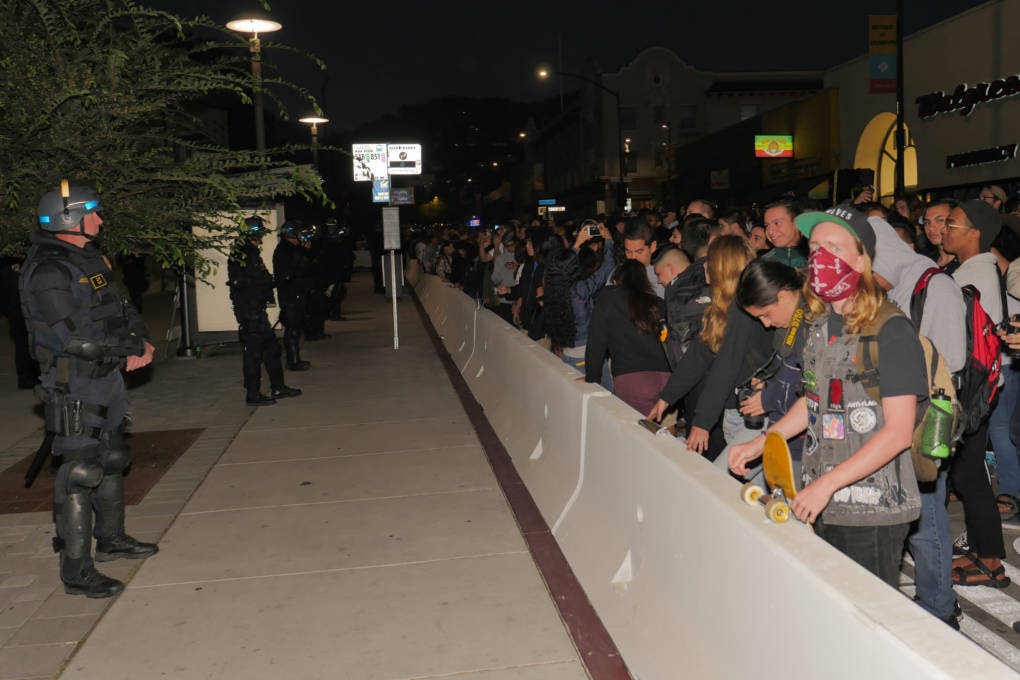
"caption": "Barriers and a large police presence kept protesters blocks away from Zellerbach Hall.",
"description": null,
"title": "Image uploaded from iOS",
"credit": "Sheraz Sadiq/KQED",
"status": "inherit",
"isLoading": false,
"fetchFailed": false
},
"news_11616952": {
"type": "attachments",
"id": "news_11616952",
"meta": {
"index": "attachments_1716263798",
"site": "news",
"id": "11616952",
"found": true
},
"parent": 11616937,
"imgSizes": {
"small": {
"file": "https://ww2.kqed.org/app/uploads/sites/10/2017/09/RS20460_GettyImages-583816238-qut-520x347.jpg",
"width": 520,
"mimeType": "image/jpeg",
"height": 347
},
"twentyfourteen-full-width": {
"file": "https://ww2.kqed.org/app/uploads/sites/10/2017/09/RS20460_GettyImages-583816238-qut-1038x576.jpg",
"width": 1038,
"mimeType": "image/jpeg",
"height": 576
},
"thumbnail": {
"file": "https://ww2.kqed.org/app/uploads/sites/10/2017/09/RS20460_GettyImages-583816238-qut-160x107.jpg",
"width": 160,
"mimeType": "image/jpeg",
"height": 107
},
"fd-sm": {
"file": "https://ww2.kqed.org/app/uploads/sites/10/2017/09/RS20460_GettyImages-583816238-qut-960x642.jpg",
"width": 960,
"mimeType": "image/jpeg",
"height": 642
},
"post-thumbnail": {
"file": "https://ww2.kqed.org/app/uploads/sites/10/2017/09/RS20460_GettyImages-583816238-qut-672x372.jpg",
"width": 672,
"mimeType": "image/jpeg",
"height": 372
},
"xsmall": {
"file": "https://ww2.kqed.org/app/uploads/sites/10/2017/09/RS20460_GettyImages-583816238-qut-375x251.jpg",
"width": 375,
"mimeType": "image/jpeg",
"height": 251
},
"kqedFullSize": {
"file": "https://ww2.kqed.org/app/uploads/sites/10/2017/09/RS20460_GettyImages-583816238-qut.jpg",
"width": 1920,
"height": 1283
},
"large": {
"file": "https://ww2.kqed.org/app/uploads/sites/10/2017/09/RS20460_GettyImages-583816238-qut-1020x682.jpg",
"width": 1020,
"mimeType": "image/jpeg",
"height": 682
},
"xlarge": {
"file": "https://ww2.kqed.org/app/uploads/sites/10/2017/09/RS20460_GettyImages-583816238-qut-1180x789.jpg",
"width": 1180,
"mimeType": "image/jpeg",
"height": 789
},
"guest-author-50": {
"file": "https://ww2.kqed.org/app/uploads/sites/10/2017/09/RS20460_GettyImages-583816238-qut-50x50.jpg",
"width": 50,
"mimeType": "image/jpeg",
"height": 50
},
"guest-author-96": {
"file": "https://ww2.kqed.org/app/uploads/sites/10/2017/09/RS20460_GettyImages-583816238-qut-96x96.jpg",
"width": 96,
"mimeType": "image/jpeg",
"height": 96
},
"medium": {
"file": "https://ww2.kqed.org/app/uploads/sites/10/2017/09/RS20460_GettyImages-583816238-qut-800x535.jpg",
"width": 800,
"mimeType": "image/jpeg",
"height": 535
},
"guest-author-64": {
"file": "https://ww2.kqed.org/app/uploads/sites/10/2017/09/RS20460_GettyImages-583816238-qut-64x64.jpg",
"width": 64,
"mimeType": "image/jpeg",
"height": 64
},
"guest-author-32": {
"file": "https://ww2.kqed.org/app/uploads/sites/10/2017/09/RS20460_GettyImages-583816238-qut-32x32.jpg",
"width": 32,
"mimeType": "image/jpeg",
"height": 32
},
"fd-lrg": {
"file": "https://ww2.kqed.org/app/uploads/sites/10/2017/09/RS20460_GettyImages-583816238-qut-1920x1283.jpg",
"width": 1920,
"mimeType": "image/jpeg",
"height": 1283
},
"fd-med": {
"file": "https://ww2.kqed.org/app/uploads/sites/10/2017/09/RS20460_GettyImages-583816238-qut-1180x789.jpg",
"width": 1180,
"mimeType": "image/jpeg",
"height": 789
},
"full-width": {
"file": "https://ww2.kqed.org/app/uploads/sites/10/2017/09/RS20460_GettyImages-583816238-qut-1920x1283.jpg",
"width": 1920,
"mimeType": "image/jpeg",
"height": 1283
},
"detail": {
"file": "https://ww2.kqed.org/app/uploads/sites/10/2017/09/RS20460_GettyImages-583816238-qut-150x150.jpg",
"width": 150,
"mimeType": "image/jpeg",
"height": 150
},
"guest-author-128": {
"file": "https://ww2.kqed.org/app/uploads/sites/10/2017/09/RS20460_GettyImages-583816238-qut-128x128.jpg",
"width": 128,
"mimeType": "image/jpeg",
"height": 128
},
"xxsmall": {
"file": "https://ww2.kqed.org/app/uploads/sites/10/2017/09/RS20460_GettyImages-583816238-qut-240x160.jpg",
"width": 240,
"mimeType": "image/jpeg",
"height": 160
}
},
"publishDate": 1505420955,
"modified": 1517609270,
"caption": "California Lt. Gov. Gavin Newsom speaks during Day 3 of the Democratic National Convention at the Wells Fargo Center in Philadelphia on July 27, 2016.",
"description": "California Lt. Governor Gavin Newsom speaks during Day Three of the Democratic National Convention at the Wells Fargo Center in Philadelphia on July 27, 2016.",
"title": "RS20460_GettyImages-583816238-qut",
"credit": "Nicholas Kamm/AFP/Getty Images)",
"status": "inherit",
"isLoading": false,
"fetchFailed": false
},
"news_11617075": {
"type": "attachments",
"id": "news_11617075",
"meta": {
"index": "attachments_1716263798",
"site": "news",
"id": "11617075",
"found": true
},
"parent": 11617053,
"imgSizes": {
"small": {
"file": "https://ww2.kqed.org/app/uploads/sites/10/2017/09/Image-uploaded-from-iOS-1-1-520x347.jpg",
"width": 520,
"mimeType": "image/jpeg",
"height": 347
},
"twentyfourteen-full-width": {
"file": "https://ww2.kqed.org/app/uploads/sites/10/2017/09/Image-uploaded-from-iOS-1-1-1038x576.jpg",
"width": 1038,
"mimeType": "image/jpeg",
"height": 576
},
"thumbnail": {
"file": "https://ww2.kqed.org/app/uploads/sites/10/2017/09/Image-uploaded-from-iOS-1-1-160x107.jpg",
"width": 160,
"mimeType": "image/jpeg",
"height": 107
},
"fd-sm": {
"file": "https://ww2.kqed.org/app/uploads/sites/10/2017/09/Image-uploaded-from-iOS-1-1-960x640.jpg",
"width": 960,
"mimeType": "image/jpeg",
"height": 640
},
"post-thumbnail": {
"file": "https://ww2.kqed.org/app/uploads/sites/10/2017/09/Image-uploaded-from-iOS-1-1-672x372.jpg",
"width": 672,
"mimeType": "image/jpeg",
"height": 372
},
"xsmall": {
"file": "https://ww2.kqed.org/app/uploads/sites/10/2017/09/Image-uploaded-from-iOS-1-1-375x250.jpg",
"width": 375,
"mimeType": "image/jpeg",
"height": 250
},
"kqedFullSize": {
"file": "https://ww2.kqed.org/app/uploads/sites/10/2017/09/Image-uploaded-from-iOS-1-1-e1505457264414.jpg",
"width": 1920,
"height": 1280
},
"large": {
"file": "https://ww2.kqed.org/app/uploads/sites/10/2017/09/Image-uploaded-from-iOS-1-1-1020x680.jpg",
"width": 1020,
"mimeType": "image/jpeg",
"height": 680
},
"xlarge": {
"file": "https://ww2.kqed.org/app/uploads/sites/10/2017/09/Image-uploaded-from-iOS-1-1-1180x787.jpg",
"width": 1180,
"mimeType": "image/jpeg",
"height": 787
},
"guest-author-50": {
"file": "https://ww2.kqed.org/app/uploads/sites/10/2017/09/Image-uploaded-from-iOS-1-1-50x50.jpg",
"width": 50,
"mimeType": "image/jpeg",
"height": 50
},
"guest-author-96": {
"file": "https://ww2.kqed.org/app/uploads/sites/10/2017/09/Image-uploaded-from-iOS-1-1-96x96.jpg",
"width": 96,
"mimeType": "image/jpeg",
"height": 96
},
"medium": {
"file": "https://ww2.kqed.org/app/uploads/sites/10/2017/09/Image-uploaded-from-iOS-1-1-800x533.jpg",
"width": 800,
"mimeType": "image/jpeg",
"height": 533
},
"guest-author-64": {
"file": "https://ww2.kqed.org/app/uploads/sites/10/2017/09/Image-uploaded-from-iOS-1-1-64x64.jpg",
"width": 64,
"mimeType": "image/jpeg",
"height": 64
},
"guest-author-32": {
"file": "https://ww2.kqed.org/app/uploads/sites/10/2017/09/Image-uploaded-from-iOS-1-1-32x32.jpg",
"width": 32,
"mimeType": "image/jpeg",
"height": 32
},
"fd-lrg": {
"file": "https://ww2.kqed.org/app/uploads/sites/10/2017/09/Image-uploaded-from-iOS-1-1-1920x1280.jpg",
"width": 1920,
"mimeType": "image/jpeg",
"height": 1280
},
"fd-med": {
"file": "https://ww2.kqed.org/app/uploads/sites/10/2017/09/Image-uploaded-from-iOS-1-1-1180x787.jpg",
"width": 1180,
"mimeType": "image/jpeg",
"height": 787
},
"full-width": {
"file": "https://ww2.kqed.org/app/uploads/sites/10/2017/09/Image-uploaded-from-iOS-1-1-1920x1280.jpg",
"width": 1920,
"mimeType": "image/jpeg",
"height": 1280
},
"detail": {
"file": "https://ww2.kqed.org/app/uploads/sites/10/2017/09/Image-uploaded-from-iOS-1-1-150x150.jpg",
"width": 150,
"mimeType": "image/jpeg",
"height": 150
},
"guest-author-128": {
"file": "https://ww2.kqed.org/app/uploads/sites/10/2017/09/Image-uploaded-from-iOS-1-1-128x128.jpg",
"width": 128,
"mimeType": "image/jpeg",
"height": 128
},
"xxsmall": {
"file": "https://ww2.kqed.org/app/uploads/sites/10/2017/09/Image-uploaded-from-iOS-1-1-240x160.jpg",
"width": 240,
"mimeType": "image/jpeg",
"height": 160
}
},
"publishDate": 1505457153,
"modified": 1505457256,
"caption": "Berkeley Police Department officers tell protesters to move to sidewalk to clear a path for an emergency vehicle",
"description": null,
"title": "Berkeley Police Thursday",
"credit": "Sheraz Sadiq/KQED",
"status": "inherit",
"isLoading": false,
"fetchFailed": false
}
},
"audioPlayerReducer": {
"postId": "stream_live",
"isPaused": true,
"isPlaying": false,
"pfsActive": false,
"pledgeModalIsOpen": true,
"playerDrawerIsOpen": false,
"liveAudioPlayStartedAt": 0,
"liveAudioPlayContext": ""
},
"authorsReducer": {
"byline_news_11617192": {
"type": "authors",
"id": "byline_news_11617192",
"meta": {
"override": true
},
"slug": "byline_news_11617192",
"name": "\u003cstrong>Elliot Spagat\u003cbr />Associated Press\u003c/strong>",
"isLoading": false
},
"byline_news_11617169": {
"type": "authors",
"id": "byline_news_11617169",
"meta": {
"override": true
},
"slug": "byline_news_11617169",
"name": "\u003cstrong>Ben Bradford\u003c/strong>",
"isLoading": false
},
"lisapickoffwhite-2": {
"type": "authors",
"id": "199",
"meta": {
"index": "authors_1716337520",
"id": "199",
"found": true
},
"name": "Lisa Pickoff-White",
"firstName": "Lisa",
"lastName": "Pickoff-White",
"slug": "lisapickoffwhite-2",
"email": "lpickoffwhite@kqed.org",
"display_author_email": false,
"staff_mastheads": [
"news"
],
"title": "Data Journalist, Senior Producer",
"bio": "Lisa Pickoff-White is KQED's data reporter. Lisa specializes in simplifying complex topics and bringing them to life through compelling visuals, including photography and data visualizations. She previously has worked at the Center for Investigative Reporting and other national outlets. Her work has been honored with awards from the Online News Association, Investigative Reporters and Editors, the Society of Professional Journalists and SXSW Interactive. \u003cstrong> \u003c/strong>",
"avatar": "https://secure.gravatar.com/avatar/5513c5f3967df792aa65bee2501e84d6?s=600&d=blank&r=g",
"twitter": "pickoffwhite",
"facebook": null,
"instagram": null,
"linkedin": null,
"sites": [
{
"site": "",
"roles": [
"editor"
]
},
{
"site": "arts",
"roles": []
},
{
"site": "news",
"roles": [
"administrator"
]
},
{
"site": "about",
"roles": [
"editor"
]
},
{
"site": "stateofhealth",
"roles": [
"administrator"
]
},
{
"site": "science",
"roles": [
"editor"
]
},
{
"site": "quest",
"roles": [
"editor"
]
},
{
"site": "forum",
"roles": [
"editor"
]
}
],
"headData": {
"title": "Lisa Pickoff-White | KQED",
"description": "Data Journalist, Senior Producer",
"ogImgSrc": "https://secure.gravatar.com/avatar/5513c5f3967df792aa65bee2501e84d6?s=600&d=blank&r=g",
"twImgSrc": "https://secure.gravatar.com/avatar/5513c5f3967df792aa65bee2501e84d6?s=600&d=blank&r=g"
},
"isLoading": false,
"link": "/author/lisapickoffwhite-2"
},
"anatintocalis": {
"type": "authors",
"id": "211",
"meta": {
"index": "authors_1716337520",
"id": "211",
"found": true
},
"name": "Ana Tintocalis",
"firstName": "Ana",
"lastName": "Tintocalis",
"slug": "anatintocalis",
"email": "atintocalis@kqed.org",
"display_author_email": false,
"staff_mastheads": [],
"title": null,
"bio": null,
"avatar": "https://secure.gravatar.com/avatar/722c50f51f04eff38fa0e5a3f1d29450?s=600&d=blank&r=g",
"twitter": null,
"facebook": null,
"instagram": null,
"linkedin": null,
"sites": [
{
"site": "news",
"roles": [
"subscriber"
]
},
{
"site": "stateofhealth",
"roles": [
"subscriber"
]
}
],
"headData": {
"title": "Ana Tintocalis | KQED",
"description": null,
"ogImgSrc": "https://secure.gravatar.com/avatar/722c50f51f04eff38fa0e5a3f1d29450?s=600&d=blank&r=g",
"twImgSrc": "https://secure.gravatar.com/avatar/722c50f51f04eff38fa0e5a3f1d29450?s=600&d=blank&r=g"
},
"isLoading": false,
"link": "/author/anatintocalis"
},
"danbrekke": {
"type": "authors",
"id": "222",
"meta": {
"index": "authors_1716337520",
"id": "222",
"found": true
},
"name": "Dan Brekke",
"firstName": "Dan",
"lastName": "Brekke",
"slug": "danbrekke",
"email": "dbrekke@kqed.org",
"display_author_email": true,
"staff_mastheads": [
"news",
"science"
],
"title": "KQED Editor and Reporter",
"bio": "Dan Brekke is a reporter and editor for KQED News, responsible for coverage of topics ranging from California water issues to the Bay Area's transportation challenges. In a newsroom career that began in Chicago in 1972, Dan has worked for \u003cem>The San Francisco Examiner,\u003c/em> Wired and TechTV and has been published in The New York Times, The New York Times Magazine, Business 2.0, Salon and elsewhere.\r\n\r\nSince joining KQED in 2007, Dan has reported, edited and produced both radio and online features and breaking news pieces. He has shared as both editor and reporter in four Society of Professional Journalists Norcal Excellence in Journalism awards and one Edward R. Murrow regional award. He was chosen for a spring 2017 residency at the Mesa Refuge to advance his research on California salmon.\r\n\r\nEmail Dan at: \u003ca href=\"mailto:dbrekke@kqed.org\">dbrekke@kqed.org\u003c/a>\r\n\r\n\u003cstrong>Twitter:\u003c/strong> \u003ca href=\"https://twitter.com/danbrekke\" rel=\"noopener noreferrer\">twitter.com/danbrekke\u003c/a>\r\n\u003cstrong>Facebook:\u003c/strong> \u003ca href=\"https://www.facebook.com/danbrekke\" rel=\"noopener noreferrer\">www.facebook.com/danbrekke\u003c/a>\r\n\u003cstrong>LinkedIn:\u003c/strong> \u003ca href=\"https://www.linkedin.com/in/danbrekke\" rel=\"noopener noreferrer\">www.linkedin.com/in/danbrekke\u003c/a>",
"avatar": "https://secure.gravatar.com/avatar/8f1f0d2a978fb3b23426c922c7e2af558fa36905b49c4ce76a97dc3c72d27226?s=600&d=mm&r=g",
"twitter": "danbrekke",
"bluesky": null,
"facebook": null,
"instagram": "https://www.instagram.com/dan.brekke/",
"linkedin": "https://www.linkedin.com/in/danbrekke/",
"sites": [
{
"site": "news",
"roles": [
"administrator",
"create_posts"
]
},
{
"site": "stateofhealth",
"roles": [
"editor"
]
},
{
"site": "science",
"roles": [
"editor"
]
},
{
"site": "quest",
"roles": [
"contributor"
]
},
{
"site": "food",
"roles": [
"contributor"
]
},
{
"site": "forum",
"roles": [
"contributor"
]
},
{
"site": "elections",
"roles": [
"editor"
]
},
{
"site": "liveblog",
"roles": [
"editor"
]
}
],
"headData": {
"title": "Dan Brekke | KQED",
"description": "KQED Editor and Reporter",
"ogImgSrc": "https://secure.gravatar.com/avatar/8f1f0d2a978fb3b23426c922c7e2af558fa36905b49c4ce76a97dc3c72d27226?s=600&d=mm&r=g",
"twImgSrc": "https://secure.gravatar.com/avatar/8f1f0d2a978fb3b23426c922c7e2af558fa36905b49c4ce76a97dc3c72d27226?s=600&d=mm&r=g"
},
"isLoading": false,
"link": "/author/danbrekke"
},
"gmarzorati": {
"type": "authors",
"id": "227",
"meta": {
"index": "authors_1716337520",
"id": "227",
"found": true
},
"name": "Guy Marzorati",
"firstName": "Guy",
"lastName": "Marzorati",
"slug": "gmarzorati",
"email": "gmarzorati@KQED.org",
"display_author_email": true,
"staff_mastheads": [
"news"
],
"title": "Correspondent",
"bio": "Guy Marzorati is a correspondent on KQED's California Politics and Government Desk, based in San Jose. A graduate of Santa Clara University, Guy joined KQED in 2013. He reports on state and local politics and produces KQED's digital voter guide.",
"avatar": "https://secure.gravatar.com/avatar/e7038b8dbfd55b104369b76b1cd0b9de?s=600&d=blank&r=g",
"twitter": "guymarzorati",
"facebook": null,
"instagram": null,
"linkedin": null,
"sites": [
{
"site": "",
"roles": [
"editor"
]
},
{
"site": "news",
"roles": [
"editor"
]
},
{
"site": "science",
"roles": [
"editor"
]
},
{
"site": "forum",
"roles": [
"editor"
]
},
{
"site": "elections",
"roles": [
"editor"
]
},
{
"site": "liveblog",
"roles": [
"editor"
]
}
],
"headData": {
"title": "Guy Marzorati | KQED",
"description": "Correspondent",
"ogImgSrc": "https://secure.gravatar.com/avatar/e7038b8dbfd55b104369b76b1cd0b9de?s=600&d=blank&r=g",
"twImgSrc": "https://secure.gravatar.com/avatar/e7038b8dbfd55b104369b76b1cd0b9de?s=600&d=blank&r=g"
},
"isLoading": false,
"link": "/author/gmarzorati"
},
"scottshafer": {
"type": "authors",
"id": "255",
"meta": {
"index": "authors_1716337520",
"id": "255",
"found": true
},
"name": "Scott Shafer",
"firstName": "Scott",
"lastName": "Shafer",
"slug": "scottshafer",
"email": "sshafer@kqed.org",
"display_author_email": false,
"staff_mastheads": [
"news"
],
"title": "KQED Contributor",
"bio": "Scott Shafer is a senior editor with the KQED Politics and Government desk. He is co-host of Political Breakdown, the award-winning radio show and podcast with a personal take on the world of politics. Scott came to KQED in 1998 to host the statewide\u003cem> California Report\u003c/em>. Prior to that he had extended stints in politics and government\u003cem>.\u003c/em> He uses that inside experience at KQED in his, reporting, hosting and analysis for the politics desk. Scott collaborated \u003cem>Political Breakdown a\u003c/em>nd on \u003cem>The Political Mind of Jerry Brown, \u003c/em>an eight-part series about the life and extraordinary political career of the former governor. For fun, he plays water polo with the San Francisco Tsunami.",
"avatar": "https://secure.gravatar.com/avatar/a62ebae45b79d7aed1a39a0e3bf68104?s=600&d=blank&r=g",
"twitter": "scottshafer",
"bluesky": null,
"facebook": null,
"instagram": null,
"linkedin": null,
"sites": [
{
"site": "news",
"roles": [
"editor"
]
},
{
"site": "stateofhealth",
"roles": [
"author"
]
},
{
"site": "science",
"roles": [
"author"
]
},
{
"site": "forum",
"roles": [
"subscriber"
]
},
{
"site": "liveblog",
"roles": [
"author"
]
}
],
"headData": {
"title": "Scott Shafer | KQED",
"description": "KQED Contributor",
"ogImgSrc": "https://secure.gravatar.com/avatar/a62ebae45b79d7aed1a39a0e3bf68104?s=600&d=blank&r=g",
"twImgSrc": "https://secure.gravatar.com/avatar/a62ebae45b79d7aed1a39a0e3bf68104?s=600&d=blank&r=g"
},
"isLoading": false,
"link": "/author/scottshafer"
},
"lmorehouse": {
"type": "authors",
"id": "3229",
"meta": {
"index": "authors_1716337520",
"id": "3229",
"found": true
},
"name": "Lisa Morehouse",
"firstName": "Lisa",
"lastName": "Morehouse",
"slug": "lmorehouse",
"email": "morehouse.lisa@gmail.com",
"display_author_email": false,
"staff_mastheads": [],
"title": "KQED Contributor",
"bio": "Lisa Morehouse is an award-winning public radio and print journalist, who has filed for National Public Radio, American Public Media, KQED Public Radio, Edutopia, and McSweeney’s. Her reporting has taken her from Samoan traveling circuses to Mississippi Delta classrooms to the homes of Lao refugees in rural Iowa. In addition to reporting, she teaches radio production to at-risk youth in the Bay Area. Her series \u003ca href=\"http://afterthegoldrushradio.com/\">After the Gold Rush\u003c/a> featured the changing industries, populations and identities of rural towns throughout California. She’s now producing \u003ca href=\"http://www.californiafoodways.com/\">California Foodways\u003c/a>, a series exploring the intersections of food, culture, economics, history and labor. Follow along on the \u003ca href=\"https://www.facebook.com/californiafoodways?ref=hl\">Facebook page\u003c/a> or on Twitter @cafoodways.",
"avatar": "https://secure.gravatar.com/avatar/dae74b002a6e256f39abb19d6f5acaea?s=600&d=blank&r=g",
"twitter": null,
"facebook": null,
"instagram": null,
"linkedin": null,
"sites": [
{
"site": "",
"roles": [
"editor"
]
},
{
"site": "news",
"roles": [
"author"
]
}
],
"headData": {
"title": "Lisa Morehouse | KQED",
"description": "KQED Contributor",
"ogImgSrc": "https://secure.gravatar.com/avatar/dae74b002a6e256f39abb19d6f5acaea?s=600&d=blank&r=g",
"twImgSrc": "https://secure.gravatar.com/avatar/dae74b002a6e256f39abb19d6f5acaea?s=600&d=blank&r=g"
},
"isLoading": false,
"link": "/author/lmorehouse"
},
"mlagos": {
"type": "authors",
"id": "3239",
"meta": {
"index": "authors_1716337520",
"id": "3239",
"found": true
},
"name": "Marisa Lagos",
"firstName": "Marisa",
"lastName": "Lagos",
"slug": "mlagos",
"email": "mlagos@kqed.org",
"display_author_email": false,
"staff_mastheads": [
"news"
],
"title": "KQED Contributor",
"bio": "Marisa Lagos is a correspondent for KQED’s California Politics and Government Desk and co-hosts the award-winning show and podcast, Political Breakdown. At KQED, Lagos also conducts reporting, analysis and investigations into state, local and national politics for radio, TV, online and onstage. In 2022, she and co-host, Scott Shafer, moderated the only gubernatorial debate in California. In 2020, the \u003ci>Washington Post\u003c/i> named her one of the top political journalists in California; she was nominated for a Peabody and won several other awards for her work investigating the 2017 California wildfires. She has worked at the \u003ci>San Francisco Chronicle\u003c/i>, \u003ci>San Francisco Examiner\u003c/i> and \u003ci>Los Angeles Times\u003c/i>. A UC Santa Barbara graduate, she lives in San Francisco with her two sons and husband.",
"avatar": "https://secure.gravatar.com/avatar/a261a0d3696fc066871ef96b85b5e7d2?s=600&d=blank&r=g",
"twitter": "@mlagos",
"facebook": null,
"instagram": null,
"linkedin": null,
"sites": [
{
"site": "arts",
"roles": [
"author"
]
},
{
"site": "news",
"roles": [
"editor"
]
},
{
"site": "science",
"roles": [
"editor"
]
},
{
"site": "forum",
"roles": [
"author"
]
},
{
"site": "liveblog",
"roles": [
"author"
]
}
],
"headData": {
"title": "Marisa Lagos | KQED",
"description": "KQED Contributor",
"ogImgSrc": "https://secure.gravatar.com/avatar/a261a0d3696fc066871ef96b85b5e7d2?s=600&d=blank&r=g",
"twImgSrc": "https://secure.gravatar.com/avatar/a261a0d3696fc066871ef96b85b5e7d2?s=600&d=blank&r=g"
},
"isLoading": false,
"link": "/author/mlagos"
},
"sheraz-sadiq": {
"type": "authors",
"id": "6176",
"meta": {
"index": "authors_1716337520",
"id": "6176",
"found": true
},
"name": "Sheraz Sadiq",
"firstName": "Sheraz",
"lastName": "Sadiq",
"slug": "sheraz-sadiq",
"email": "ssadiq@kqed.org",
"display_author_email": false,
"staff_mastheads": [],
"title": "KQED Contributor",
"bio": "Sheraz Sadiq is an Emmy Award-winning producer at San Francisco PBS affiliate KQED. In 2012, he received the AAAS Kavli Science Journalism award for a story he produced about the seismic retrofit of the Hetch Hetchy water delivery system which serves the San Francisco Bay Area. In addition to producing television content for KQED Science, he has also created online features and written news articles on scientific subjects ranging from astronomy to synthetic biology.",
"avatar": "https://secure.gravatar.com/avatar/d88c61c214e477c4c6f0ebaed4f581bf7c9b1dafd94cd4361285d427107adb8d?s=600&d=blank&r=g",
"twitter": null,
"bluesky": null,
"facebook": null,
"instagram": null,
"linkedin": null,
"sites": [
{
"site": "arts",
"roles": [
"subscriber"
]
},
{
"site": "news",
"roles": [
"subscriber"
]
},
{
"site": "futureofyou",
"roles": [
"subscriber"
]
},
{
"site": "science",
"roles": [
"subscriber"
]
},
{
"site": "quest",
"roles": [
"leadcoordinator",
"subscriber"
]
}
],
"headData": {
"title": "Sheraz Sadiq | KQED",
"description": "KQED Contributor",
"ogImgSrc": "https://secure.gravatar.com/avatar/d88c61c214e477c4c6f0ebaed4f581bf7c9b1dafd94cd4361285d427107adb8d?s=600&d=blank&r=g",
"twImgSrc": "https://secure.gravatar.com/avatar/d88c61c214e477c4c6f0ebaed4f581bf7c9b1dafd94cd4361285d427107adb8d?s=600&d=blank&r=g"
},
"isLoading": false,
"link": "/author/sheraz-sadiq"
},
"fjhabvala": {
"type": "authors",
"id": "8659",
"meta": {
"index": "authors_1716337520",
"id": "8659",
"found": true
},
"name": "Farida Jhabvala Romero",
"firstName": "Farida",
"lastName": "Jhabvala Romero",
"slug": "fjhabvala",
"email": "fjhabvala@kqed.org",
"display_author_email": true,
"staff_mastheads": [
"news"
],
"title": "KQED Contributor",
"bio": "Farida Jhabvala Romero is a Labor Correspondent for KQED. She previously covered immigration. Farida was \u003ca href=\"https://www.ccnma.org/2022-most-influential-latina-journalists\">named\u003c/a> one of the 10 Most Influential Latina Journalists in California in 2022 by the California Chicano News Media Association. Her work has won awards from the Society of Professional Journalists (Northern California), as well as a national and regional Edward M. Murrow Award for the collaborative reporting projects “Dangerous Air” and “Graying California.” Before joining KQED, Farida worked as a producer at Radio Bilingüe, a national public radio network. Farida earned her master’s degree in journalism from Stanford University.",
"avatar": "https://secure.gravatar.com/avatar/f9f022d4e2609741874222a1e9d41f48fea74011aa7c615eef91d9a50c944ebe?s=600&d=blank&r=g",
"twitter": "FaridaJhabvala",
"bluesky": null,
"facebook": null,
"instagram": null,
"linkedin": "https://www.linkedin.com/in/faridajhabvala/",
"sites": [
{
"site": "news",
"roles": [
"editor"
]
},
{
"site": "stateofhealth",
"roles": [
"author"
]
},
{
"site": "liveblog",
"roles": [
"author"
]
}
],
"headData": {
"title": "Farida Jhabvala Romero | KQED",
"description": "KQED Contributor",
"ogImgSrc": "https://secure.gravatar.com/avatar/f9f022d4e2609741874222a1e9d41f48fea74011aa7c615eef91d9a50c944ebe?s=600&d=blank&r=g",
"twImgSrc": "https://secure.gravatar.com/avatar/f9f022d4e2609741874222a1e9d41f48fea74011aa7c615eef91d9a50c944ebe?s=600&d=blank&r=g"
},
"isLoading": false,
"link": "/author/fjhabvala"
}
},
"pagesReducer": {
"news_program_news-fix": {
"type": "terms",
"id": "news_6944",
"meta": {
"index": "terms_1716263798",
"site": "news",
"id": "6944",
"score": 16.377598
},
"featImg": "https://ww2.kqed.org/app/uploads/sites/10/2014/10/News-Fix-Logo-Web-Banners-04.png",
"name": "News Fix",
"description": null,
"taxonomy": "program",
"headData": {
"twImgId": null,
"twTitle": null,
"ogTitle": null,
"ogImgId": null,
"twDescription": null,
"description": "The News Fix is a daily news podcast from KQED that breaks down the latest headlines and provides in-depth analysis of the stories that matter to the Bay Area.",
"title": "News Fix - Daily Dose of Bay Area News | KQED",
"ogDescription": null
},
"ttid": 6968,
"slug": "news-fix",
"isLoading": false,
"title": "News Fix",
"pageMeta": {
"site": "news",
"WpPageTemplate": "page-topic-editorial",
"currentPage": 101
},
"blocks": [
{
"blockName": "kqed/post-list",
"attrs": {
"layout": "cardArticle2",
"query": "posts/news?program=news-fix",
"seeMore": false,
"paginated": true,
"page": 101
}
},
{
"blockName": "kqed/ad"
}
]
}
},
"pfsSessionReducer": {},
"postsReducer": {
"stream_live": {
"type": "live",
"id": "stream_live",
"audioUrl": "https://streams.kqed.org/kqedradio",
"title": "Live Stream",
"excerpt": "Live Stream information currently unavailable.",
"link": "/radio",
"featImg": "",
"label": {
"name": "KQED Live",
"link": "/"
}
},
"stream_kqedNewscast": {
"type": "posts",
"id": "stream_kqedNewscast",
"audioUrl": "https://www.kqed.org/.stream/anon/radio/RDnews/newscast.mp3?_=1",
"title": "KQED Newscast",
"featImg": "",
"label": {
"name": "88.5 FM",
"link": "/"
}
},
"news_11617239": {
"type": "posts",
"id": "news_11617239",
"meta": {
"index": "posts_1716263798",
"site": "news",
"id": "11617239",
"score": null,
"sort": [
1505587485000
]
},
"parent": 0,
"labelTerm": {
"site": "news",
"term": 72
},
"blocks": [],
"publishDate": 1505587485,
"format": "audio",
"disqusTitle": "Hundreds of Bills Head to Jerry Brown's Desk",
"title": "Hundreds of Bills Head to Jerry Brown's Desk",
"headTitle": "The California Report | KQED News",
"content": "\u003cp>Friday was the end of this year's legislative session, and lawmakers sent Gov. Jerry Brown hundreds of bills this week covering issues as wide-ranging as immigration, public safety, health care and housing.\u003c/p>\n\u003cp>Here's a roundup of some of the bills now sitting on Brown's desk.\u003c/p>\n\u003cp>(Skip to bills on \u003ca href=\"#housing\">housing\u003c/a>, \u003ca href=\"#healthcare\">health care\u003c/a> and \u003ca href=\"#transportation\">transportation\u003c/a>.)\u003c/p>\n\u003cp>\u003cstrong>Immigration\u003c/strong>\u003c/p>\n\u003cul>\n\u003cli>Senate Bill 54 was the most closely watched immigration bill of the session. If signed, it will tighten limitations on law enforcement's ability to work with and communicate with federal immigration officials.\u003c/li>\n\u003cli>\u003ca href=\"https://leginfo.legislature.ca.gov/faces/billTextClient.xhtml?bill_id=201720180SB29\" target=\"_blank\" rel=\"noopener noreferrer\">SB 29\u003c/a> would bar local governments from entering into new contracts to detain immigrants facing deportation for Immigration and Customs Enforcement. \u003ca href=\"https://ww2.kqed.org/news/2017/09/11/could-congress-and-california-thwart-trumps-mass-immigration-detention-plans/\" target=\"_blank\" rel=\"noopener noreferrer\">Eleven municipalities already have such contracts\u003c/a> and would be prohibited from expanding their existing contracts as they come up for renewal. It would not prevent private companies from having their own contracts with ICE, such as the Otay Mesa Detention Center in San Diego, owned and operated by CoreCivic (formerly CCA). If the bill is signed, it would also empower the state attorney general to inspect conditions for immigrant detainees in jails and private prisons in California.\u003c/li>\n\u003cli>\u003ca href=\"https://leginfo.legislature.ca.gov/faces/billTextClient.xhtml?bill_id=201720180SB257\" target=\"_blank\" rel=\"noopener noreferrer\">SB 257\u003c/a> would allow the U.S. citizen children of deported parents to continue to attend local schools.\u003c/li>\n\u003cli>\u003ca href=\"https://leginfo.legislature.ca.gov/faces/billTextClient.xhtml?bill_id=201720180AB21\" target=\"_blank\" rel=\"noopener noreferrer\">Assembly Bill 21\u003c/a> is a response to the elimination of \u003ca href=\"https://undocu.berkeley.edu/legal-support-overview/what-is-daca/\" target=\"_blank\" rel=\"noopener noreferrer\">DACA\u003c/a>. If signed, the bill would require that California State University and community colleges have policies to ensure that undocumented students have access to financial aid, legal representation and their right to due process. It also would create a framework for how institutions of higher learning interact with ICE, such as prohibiting the disclosure of the immigration status of undocumented students, faculty and staff.\u003c/li>\n\u003cli>\u003ca href=\"https://leginfo.legislature.ca.gov/faces/billTextClient.xhtml?bill_id=201720180AB291\" target=\"_blank\" rel=\"noopener noreferrer\">AB 291\u003c/a> would prohibit landlords or property managers from disclosing, or threatening to disclose, a tenant's immigration status to any immigration authority.\u003c/li>\n\u003cli>\u003ca href=\"https://leginfo.legislature.ca.gov/faces/billTextClient.xhtml?bill_id=201720180AB450\" target=\"_blank\" rel=\"noopener noreferrer\">AB 450\u003c/a> would require employers to ask ICE for a warrant before a workplace raid, and it would require employers to give employees advance notice of ICE actions.\u003c/li>\n\u003c/ul>\n\u003cp>\u003ca id=\"housing\">\u003c/a>\u003cbr>\n\u003cstrong>Housing\u003c/strong>\u003c/p>\n\u003cp>[ad fullwidth]\u003c/p>\n\u003cp>On Friday, the Senate gave final passage to a trio of high-profile housing bills that aim to increase California's housing supply and help more Californians afford a home. A dozen more are headed to the governor's desk in response to the state's housing crisis.\u003c/p>\n\u003cul>\n\u003cli>\u003ca href=\"http://leginfo.legislature.ca.gov/faces/billNavClient.xhtml?bill_id=201720180SB3\" target=\"_blank\" rel=\"noopener noreferrer\">SB 3\u003c/a> is a $4 billion bond measure aimed to go before voters in November 2018\u003c/li>\n\u003cli>\u003ca href=\"https://leginfo.legislature.ca.gov/faces/billNavClient.xhtml?bill_id=201720180SB2\" target=\"_blank\" rel=\"noopener noreferrer\">SB 2\u003c/a> would provide hundreds of millions of dollars for affordable housing construction through a $75 fee on real estate transactions.\u003c/li>\n\u003cli>\u003ca href=\"https://leginfo.legislature.ca.gov/faces/billNavClient.xhtml?bill_id=201720180SB35\" target=\"_blank\" rel=\"noopener noreferrer\">SB 35\u003c/a> aims to kick start hosing development in communities that are not keeping up with their own housing consruction promises. It would bypass some local reviews for developments in communities that have fallen behind on regional housing goals.\u003c/li>\n\u003c/ul>\n\u003cp>\u003ca id=\"healthcare\">\u003c/a>\u003cbr>\n\u003cstrong>Health Care \u003c/strong>\u003c/p>\n\u003cul>\n\u003cli>SB 17 aims to shed more life on one year after its authored abandoned the bill because it had been so dramatically changed by other Democrats\u003c/li>\n\u003c/ul>\n\u003cp>\u003ca id=\"transportation\">\u003c/a>\u003cbr>\n\u003cstrong>Transportation \u003c/strong>\u003c/p>\n\u003cul>\n\u003cli>\u003ca href=\"http://leginfo.legislature.ca.gov/faces/billNavClient.xhtml?bill_id=201720180SB595\" target=\"_blank\" rel=\"noopener noreferrer\">SB 595\u003c/a> provides for a Bay Area-wide vote on a toll increase of up to $3 on the region's seven state-owned toll bridges. The vote, to be held sometime in 2018, would raise funds to support $4.45 billion in transit and highway projects.\u003c/li>\n\u003cli>\u003ca href=\"http://leginfo.legislature.ca.gov/faces/billNavClient.xhtml?bill_id=201720180AB544\" target=\"_blank\" rel=\"noopener noreferrer\">AB 544\u003c/a> extends a state program that allows solo drivers in electric cars to use high-occupany vehicles (a.k.a. carpool) lanes on the state's freeways.\u003c/li>\n\u003cli>\u003ca href=\"http://leginfo.legislature.ca.gov/faces/billNavClient.xhtml?bill_id=201720180SB65\" target=\"_blank\" rel=\"noopener noreferrer\">SB 65\u003c/a> outlaws smoking pot while driving or riding in cars. The bill, signed by Gov. Brown earlier this week, adds marijuana consumption to the law prohibiting alcohol consumption, which is an infraction currently punishable with a base fine of $70.\u003c/li>\n\u003cli>\u003ca href=\"http://leginfo.legislature.ca.gov/faces/billTextClient.xhtml?bill_id=201720180AB1393\" target=\"_blank\" rel=\"noopener noreferrer\">AB 1393\u003c/a> requires that a vehicle be impounded for 30 days if the vehicle's registered owner is convicted of second or subsequent offense for reckless driving or engaging in a speed contest while operating the vehicle.\u003c/li>\n\u003cli>\u003ca href=\"http://leginfo.legislature.ca.gov/faces/billTextClient.xhtml?bill_id=201720180SB182\">SB 182\u003c/a> bars cities and counties from requiring ride-service drivers, like those working for Lyft and Uber, to obtain more than one business license regardless of how many jurisdiction they operate in. A local government could require business license only for drivers who live in its jurisdiction.\u003c/li>\n\u003c/ul>\n\u003cp>\u003cstrong>Criminal Justice \u003c/strong>\u003c/p>\n\u003cul>\n\u003cli>SB 190\u003cspan style=\"font-weight: 400;\"> Like the next two below, this measure is part of a criminal justice reform package from Sens. Holly Mitchell (D-Los Angeles) and Ricardo Lara (D-Bell Gardens). The measure \u003c/span>\u003ca href=\"https://ww2.kqed.org/news/2017/03/09/new-bill-aims-to-stop-charging-parents-of-incarcerated-kids/\">\u003cspan style=\"font-weight: 400;\">ends the assessment\u003c/span>\u003c/a>\u003cspan style=\"font-weight: 400;\"> of fees on parents with kids in the juvenile justice system. In the last year, five Bay Area counties (including Alameda and Santa Clara) chose to stop collecting the fees on their own.\u003c/span>\u003c/li>\n\u003cli>SB 393\u003cspan style=\"font-weight: 400;\"> Californians who were arrested but not convicted of a crime \u003c/span>\u003ca href=\"https://ww2.kqed.org/news/2017/09/15/hundreds-of-bills-will-live-or-die-as-friday-deadline-looms/\">\u003cspan style=\"font-weight: 400;\">would be allowed\u003c/span>\u003c/a>\u003cspan style=\"font-weight: 400;\"> to petition the court to seal their records, and avoid having a past arrest hurt their chances of getting employment or housing. \u003c/span>\u003c/li>\n\u003cli>SB 395\u003cspan style=\"font-weight: 400;\"> The bill would require that juveniles \u003c/span>\u003ca href=\"https://ww2.kqed.org/news/2017/09/13/in-sacramento-a-plan-to-strengthen-miranda-rights-for-juveniles/\">\u003cspan style=\"font-weight: 400;\">consult with an attorney\u003c/span>\u003c/a>\u003cspan style=\"font-weight: 400;\"> before waiving their Miranda rights and talking with law enforcement.\u003c/span>\u003c/li>\n\u003c/ul>\n\u003cp>\u003cstrong>Workplace\u003c/strong>\u003c/p>\n\u003cul>\n\u003cli>SB 63 \u003cspan style=\"font-weight: 400;\">A similar effort to expand parental leave requirements to California small businesses was vetoed by the governor last year. This year’s version, which would require companies with between 20 and 49 workers to provide three months of job-protected leave, is \u003c/span>\u003ca href=\"https://ww2.kqed.org/news/2017/09/15/hundreds-of-bills-will-live-or-die-as-friday-deadline-looms/\">\u003cspan style=\"font-weight: 400;\">expected to be signed\u003c/span>\u003c/a>\u003cspan style=\"font-weight: 400;\">. The creation of a mediation board to hear disputes between workers and employers was added to the bill to address concerns of excessive litigation against small businesses.\u003c/span>\u003c/li>\n\u003cli>AB 168\u003cspan style=\"font-weight: 400;\"> This bill bans employers from requesting the pay history of a job applicant, in an effort to stop companies from basing compensation on past pay, a factor that has been cited in the gender pay gap between men and women. The bill also gives workers the right to see the pay scale for a position.\u003c/span>\u003c/li>\n\u003cli>AB 1008 \u003cspan style=\"font-weight: 400;\">Statewide ‘ban-the-box’ legislation would ban most companies from asking about a prospective employee’s criminal history on their initial application. The measure has an exemption for small businesses.\u003c/span>\u003c/li>\n\u003c/ul>\n\u003cp>\u003cstrong>Elections\u003c/strong>\u003c/p>\n\u003cul>\n\u003cli>SB 149\u003cspan style=\"font-weight: 400;\"> In response to the campaign of President Donald Trump, this bill would require presidential candidates to release their tax returns in order to appear on the ballot in California.\u003c/span>\u003c/li>\n\u003cli>SB 568\u003cb> \u003c/b>\u003cspan style=\"font-weight: 400;\">The latest effort to change the date of California’s presidential primary, is the \u003c/span>\u003ca href=\"https://ww2.kqed.org/news/2016/03/15/why-is-californias-presidential-primary-so-late/\">\u003cspan style=\"font-weight: 400;\">latest effort\u003c/span>\u003c/a>\u003cspan style=\"font-weight: 400;\"> to make the state more relevant in primary campaigns. Prior attempts to make California a player in primary politics ran into issues of cost, and didn’t always result in meaningful votes. \u003c/span>\u003c/li>\n\u003c/ul>\n\u003cp>[ad floatright]\u003c/p>\n\u003cp>\u003cem>Dan Brekke and Lisa Pickoff-White contributed to this report.\u003c/em>\u003c/p>\n\n",
"disqusIdentifier": "11617239 https://ww2.kqed.org/news/?p=11617239",
"disqusUrl": "https://ww2.kqed.org/news/2017/09/16/hundreds-of-bills-head-to-jerry-browns-desk/",
"stats": {
"hasVideo": false,
"hasChartOrMap": false,
"hasAudio": false,
"hasPolis": false,
"wordCount": 1096,
"hasGoogleForm": false,
"hasGallery": false,
"hasHearkenModule": false,
"iframeSrcs": [],
"paragraphCount": 14
},
"modified": 1505763179,
"excerpt": null,
"headData": {
"twImgId": "",
"twTitle": "",
"ogTitle": "",
"ogImgId": "",
"twDescription": "",
"description": "Friday was the end of this year's legislative session, and lawmakers sent Gov. Jerry Brown hundreds of bills this week covering issues as wide-ranging as immigration, public safety, health care and housing. Here's a roundup of some of the bills now sitting on Brown's desk. (Skip to bills on housing, health care and transportation.) Immigration Senate",
"title": "Hundreds of Bills Head to Jerry Brown's Desk | KQED",
"ogDescription": "",
"schema": {
"@context": "https://schema.org",
"@type": "NewsArticle",
"headline": "Hundreds of Bills Head to Jerry Brown's Desk",
"datePublished": "2017-09-16T11:44:45-07:00",
"dateModified": "2017-09-18T12:32:59-07:00",
"image": "https://cdn.kqed.org/wp-content/uploads/2020/02/KQED-OG-Image@1x.png",
"isAccessibleForFree": "True",
"publisher": {
"@type": "NewsMediaOrganization",
"@id": "https://www.kqed.org/#organization",
"name": "KQED",
"logo": "https://cdn.kqed.org/wp-content/uploads/2020/02/KQED-OG-Image@1x.png",
"url": "https://www.kqed.org",
"sameAs": [
"https://www.facebook.com/KQED",
"https://twitter.com/KQED",
"https://www.instagram.com/kqed/",
"https://www.tiktok.com/@kqedofficial",
"https://www.linkedin.com/company/kqed",
"https://www.youtube.com/channel/UCeC0IOo7i1P_61zVUWbJ4nw"
]
}
}
},
"guestAuthors": [],
"slug": "hundreds-of-bills-head-to-jerry-browns-desk",
"status": "publish",
"audioUrl": "https://www.kqed.org/.stream/anon/radio/tcr/2017/09/20170918tcrmarzoratilegislativerecap.mp3",
"path": "/news/11617239/hundreds-of-bills-head-to-jerry-browns-desk",
"audioDuration": null,
"audioTrackLength": null,
"parsedContent": [
{
"type": "contentString",
"content": "\u003cdiv class=\"post-body\">\u003cp>\u003cp>Friday was the end of this year's legislative session, and lawmakers sent Gov. Jerry Brown hundreds of bills this week covering issues as wide-ranging as immigration, public safety, health care and housing.\u003c/p>\n\u003cp>Here's a roundup of some of the bills now sitting on Brown's desk.\u003c/p>\n\u003cp>(Skip to bills on \u003ca href=\"#housing\">housing\u003c/a>, \u003ca href=\"#healthcare\">health care\u003c/a> and \u003ca href=\"#transportation\">transportation\u003c/a>.)\u003c/p>\n\u003cp>\u003cstrong>Immigration\u003c/strong>\u003c/p>\n\u003cul>\n\u003cli>Senate Bill 54 was the most closely watched immigration bill of the session. If signed, it will tighten limitations on law enforcement's ability to work with and communicate with federal immigration officials.\u003c/li>\n\u003cli>\u003ca href=\"https://leginfo.legislature.ca.gov/faces/billTextClient.xhtml?bill_id=201720180SB29\" target=\"_blank\" rel=\"noopener noreferrer\">SB 29\u003c/a> would bar local governments from entering into new contracts to detain immigrants facing deportation for Immigration and Customs Enforcement. \u003ca href=\"https://ww2.kqed.org/news/2017/09/11/could-congress-and-california-thwart-trumps-mass-immigration-detention-plans/\" target=\"_blank\" rel=\"noopener noreferrer\">Eleven municipalities already have such contracts\u003c/a> and would be prohibited from expanding their existing contracts as they come up for renewal. It would not prevent private companies from having their own contracts with ICE, such as the Otay Mesa Detention Center in San Diego, owned and operated by CoreCivic (formerly CCA). If the bill is signed, it would also empower the state attorney general to inspect conditions for immigrant detainees in jails and private prisons in California.\u003c/li>\n\u003cli>\u003ca href=\"https://leginfo.legislature.ca.gov/faces/billTextClient.xhtml?bill_id=201720180SB257\" target=\"_blank\" rel=\"noopener noreferrer\">SB 257\u003c/a> would allow the U.S. citizen children of deported parents to continue to attend local schools.\u003c/li>\n\u003cli>\u003ca href=\"https://leginfo.legislature.ca.gov/faces/billTextClient.xhtml?bill_id=201720180AB21\" target=\"_blank\" rel=\"noopener noreferrer\">Assembly Bill 21\u003c/a> is a response to the elimination of \u003ca href=\"https://undocu.berkeley.edu/legal-support-overview/what-is-daca/\" target=\"_blank\" rel=\"noopener noreferrer\">DACA\u003c/a>. If signed, the bill would require that California State University and community colleges have policies to ensure that undocumented students have access to financial aid, legal representation and their right to due process. It also would create a framework for how institutions of higher learning interact with ICE, such as prohibiting the disclosure of the immigration status of undocumented students, faculty and staff.\u003c/li>\n\u003cli>\u003ca href=\"https://leginfo.legislature.ca.gov/faces/billTextClient.xhtml?bill_id=201720180AB291\" target=\"_blank\" rel=\"noopener noreferrer\">AB 291\u003c/a> would prohibit landlords or property managers from disclosing, or threatening to disclose, a tenant's immigration status to any immigration authority.\u003c/li>\n\u003cli>\u003ca href=\"https://leginfo.legislature.ca.gov/faces/billTextClient.xhtml?bill_id=201720180AB450\" target=\"_blank\" rel=\"noopener noreferrer\">AB 450\u003c/a> would require employers to ask ICE for a warrant before a workplace raid, and it would require employers to give employees advance notice of ICE actions.\u003c/li>\n\u003c/ul>\n\u003cp>\u003ca id=\"housing\">\u003c/a>\u003cbr>\n\u003cstrong>Housing\u003c/strong>\u003c/p>\n\u003cp>\u003c/p>\u003c/div>",
"attributes": {
"named": {},
"numeric": []
}
},
{
"type": "component",
"content": "",
"name": "ad",
"attributes": {
"named": {
"label": "fullwidth"
},
"numeric": [
"fullwidth"
]
}
},
{
"type": "contentString",
"content": "\u003cdiv class=\"post-body\">\u003cp>\u003c/p>\n\u003cp>On Friday, the Senate gave final passage to a trio of high-profile housing bills that aim to increase California's housing supply and help more Californians afford a home. A dozen more are headed to the governor's desk in response to the state's housing crisis.\u003c/p>\n\u003cul>\n\u003cli>\u003ca href=\"http://leginfo.legislature.ca.gov/faces/billNavClient.xhtml?bill_id=201720180SB3\" target=\"_blank\" rel=\"noopener noreferrer\">SB 3\u003c/a> is a $4 billion bond measure aimed to go before voters in November 2018\u003c/li>\n\u003cli>\u003ca href=\"https://leginfo.legislature.ca.gov/faces/billNavClient.xhtml?bill_id=201720180SB2\" target=\"_blank\" rel=\"noopener noreferrer\">SB 2\u003c/a> would provide hundreds of millions of dollars for affordable housing construction through a $75 fee on real estate transactions.\u003c/li>\n\u003cli>\u003ca href=\"https://leginfo.legislature.ca.gov/faces/billNavClient.xhtml?bill_id=201720180SB35\" target=\"_blank\" rel=\"noopener noreferrer\">SB 35\u003c/a> aims to kick start hosing development in communities that are not keeping up with their own housing consruction promises. It would bypass some local reviews for developments in communities that have fallen behind on regional housing goals.\u003c/li>\n\u003c/ul>\n\u003cp>\u003ca id=\"healthcare\">\u003c/a>\u003cbr>\n\u003cstrong>Health Care \u003c/strong>\u003c/p>\n\u003cul>\n\u003cli>SB 17 aims to shed more life on one year after its authored abandoned the bill because it had been so dramatically changed by other Democrats\u003c/li>\n\u003c/ul>\n\u003cp>\u003ca id=\"transportation\">\u003c/a>\u003cbr>\n\u003cstrong>Transportation \u003c/strong>\u003c/p>\n\u003cul>\n\u003cli>\u003ca href=\"http://leginfo.legislature.ca.gov/faces/billNavClient.xhtml?bill_id=201720180SB595\" target=\"_blank\" rel=\"noopener noreferrer\">SB 595\u003c/a> provides for a Bay Area-wide vote on a toll increase of up to $3 on the region's seven state-owned toll bridges. The vote, to be held sometime in 2018, would raise funds to support $4.45 billion in transit and highway projects.\u003c/li>\n\u003cli>\u003ca href=\"http://leginfo.legislature.ca.gov/faces/billNavClient.xhtml?bill_id=201720180AB544\" target=\"_blank\" rel=\"noopener noreferrer\">AB 544\u003c/a> extends a state program that allows solo drivers in electric cars to use high-occupany vehicles (a.k.a. carpool) lanes on the state's freeways.\u003c/li>\n\u003cli>\u003ca href=\"http://leginfo.legislature.ca.gov/faces/billNavClient.xhtml?bill_id=201720180SB65\" target=\"_blank\" rel=\"noopener noreferrer\">SB 65\u003c/a> outlaws smoking pot while driving or riding in cars. The bill, signed by Gov. Brown earlier this week, adds marijuana consumption to the law prohibiting alcohol consumption, which is an infraction currently punishable with a base fine of $70.\u003c/li>\n\u003cli>\u003ca href=\"http://leginfo.legislature.ca.gov/faces/billTextClient.xhtml?bill_id=201720180AB1393\" target=\"_blank\" rel=\"noopener noreferrer\">AB 1393\u003c/a> requires that a vehicle be impounded for 30 days if the vehicle's registered owner is convicted of second or subsequent offense for reckless driving or engaging in a speed contest while operating the vehicle.\u003c/li>\n\u003cli>\u003ca href=\"http://leginfo.legislature.ca.gov/faces/billTextClient.xhtml?bill_id=201720180SB182\">SB 182\u003c/a> bars cities and counties from requiring ride-service drivers, like those working for Lyft and Uber, to obtain more than one business license regardless of how many jurisdiction they operate in. A local government could require business license only for drivers who live in its jurisdiction.\u003c/li>\n\u003c/ul>\n\u003cp>\u003cstrong>Criminal Justice \u003c/strong>\u003c/p>\n\u003cul>\n\u003cli>SB 190\u003cspan style=\"font-weight: 400;\"> Like the next two below, this measure is part of a criminal justice reform package from Sens. Holly Mitchell (D-Los Angeles) and Ricardo Lara (D-Bell Gardens). The measure \u003c/span>\u003ca href=\"https://ww2.kqed.org/news/2017/03/09/new-bill-aims-to-stop-charging-parents-of-incarcerated-kids/\">\u003cspan style=\"font-weight: 400;\">ends the assessment\u003c/span>\u003c/a>\u003cspan style=\"font-weight: 400;\"> of fees on parents with kids in the juvenile justice system. In the last year, five Bay Area counties (including Alameda and Santa Clara) chose to stop collecting the fees on their own.\u003c/span>\u003c/li>\n\u003cli>SB 393\u003cspan style=\"font-weight: 400;\"> Californians who were arrested but not convicted of a crime \u003c/span>\u003ca href=\"https://ww2.kqed.org/news/2017/09/15/hundreds-of-bills-will-live-or-die-as-friday-deadline-looms/\">\u003cspan style=\"font-weight: 400;\">would be allowed\u003c/span>\u003c/a>\u003cspan style=\"font-weight: 400;\"> to petition the court to seal their records, and avoid having a past arrest hurt their chances of getting employment or housing. \u003c/span>\u003c/li>\n\u003cli>SB 395\u003cspan style=\"font-weight: 400;\"> The bill would require that juveniles \u003c/span>\u003ca href=\"https://ww2.kqed.org/news/2017/09/13/in-sacramento-a-plan-to-strengthen-miranda-rights-for-juveniles/\">\u003cspan style=\"font-weight: 400;\">consult with an attorney\u003c/span>\u003c/a>\u003cspan style=\"font-weight: 400;\"> before waiving their Miranda rights and talking with law enforcement.\u003c/span>\u003c/li>\n\u003c/ul>\n\u003cp>\u003cstrong>Workplace\u003c/strong>\u003c/p>\n\u003cul>\n\u003cli>SB 63 \u003cspan style=\"font-weight: 400;\">A similar effort to expand parental leave requirements to California small businesses was vetoed by the governor last year. This year’s version, which would require companies with between 20 and 49 workers to provide three months of job-protected leave, is \u003c/span>\u003ca href=\"https://ww2.kqed.org/news/2017/09/15/hundreds-of-bills-will-live-or-die-as-friday-deadline-looms/\">\u003cspan style=\"font-weight: 400;\">expected to be signed\u003c/span>\u003c/a>\u003cspan style=\"font-weight: 400;\">. The creation of a mediation board to hear disputes between workers and employers was added to the bill to address concerns of excessive litigation against small businesses.\u003c/span>\u003c/li>\n\u003cli>AB 168\u003cspan style=\"font-weight: 400;\"> This bill bans employers from requesting the pay history of a job applicant, in an effort to stop companies from basing compensation on past pay, a factor that has been cited in the gender pay gap between men and women. The bill also gives workers the right to see the pay scale for a position.\u003c/span>\u003c/li>\n\u003cli>AB 1008 \u003cspan style=\"font-weight: 400;\">Statewide ‘ban-the-box’ legislation would ban most companies from asking about a prospective employee’s criminal history on their initial application. The measure has an exemption for small businesses.\u003c/span>\u003c/li>\n\u003c/ul>\n\u003cp>\u003cstrong>Elections\u003c/strong>\u003c/p>\n\u003cul>\n\u003cli>SB 149\u003cspan style=\"font-weight: 400;\"> In response to the campaign of President Donald Trump, this bill would require presidential candidates to release their tax returns in order to appear on the ballot in California.\u003c/span>\u003c/li>\n\u003cli>SB 568\u003cb> \u003c/b>\u003cspan style=\"font-weight: 400;\">The latest effort to change the date of California’s presidential primary, is the \u003c/span>\u003ca href=\"https://ww2.kqed.org/news/2016/03/15/why-is-californias-presidential-primary-so-late/\">\u003cspan style=\"font-weight: 400;\">latest effort\u003c/span>\u003c/a>\u003cspan style=\"font-weight: 400;\"> to make the state more relevant in primary campaigns. Prior attempts to make California a player in primary politics ran into issues of cost, and didn’t always result in meaningful votes. \u003c/span>\u003c/li>\n\u003c/ul>\n\u003cp>\u003c/p>\u003c/div>",
"attributes": {
"named": {},
"numeric": []
}
},
{
"type": "component",
"content": "",
"name": "ad",
"attributes": {
"named": {
"label": "floatright"
},
"numeric": [
"floatright"
]
}
},
{
"type": "contentString",
"content": "\u003cdiv class=\"post-body\">\u003cp>\u003c/p>\n\u003cp>\u003cem>Dan Brekke and Lisa Pickoff-White contributed to this report.\u003c/em>\u003c/p>\n\n\u003c/div>\u003c/p>",
"attributes": {
"named": {},
"numeric": []
}
}
],
"link": "/news/11617239/hundreds-of-bills-head-to-jerry-browns-desk",
"authors": [
"3239",
"227",
"255"
],
"programs": [
"news_6944",
"news_72"
],
"categories": [
"news_19906",
"news_457",
"news_6266",
"news_1169",
"news_6188",
"news_8",
"news_13"
],
"tags": [
"news_30",
"news_20445",
"news_17286"
],
"featImg": "news_11617309",
"label": "news_72"
},
"news_11617155": {
"type": "posts",
"id": "news_11617155",
"meta": {
"index": "posts_1716263798",
"site": "news",
"id": "11617155",
"score": null,
"sort": [
1505525315000
]
},
"parent": 0,
"labelTerm": {
"site": "news",
"term": 6944
},
"blocks": [],
"publishDate": 1505525315,
"format": "image",
"disqusTitle": "$4.4 Billion Bay Area Transportation Plan -- to Be Paid for by Higher Bridge Tolls -- Sent to Governor",
"title": "$4.4 Billion Bay Area Transportation Plan -- to Be Paid for by Higher Bridge Tolls -- Sent to Governor",
"headTitle": "News Fix | KQED News",
"content": "\u003cp>\u003cem>Editor's note: A version of this post appears in \u003ca href=\"https://ww2.kqed.org/news/2017/09/15/hundreds-of-bills-will-live-or-die-as-friday-deadline-looms/\" target=\"_blank\">our roundup\u003c/a> of last-minute votes in the state Legislature.\u003c/em>\u003c/p>\n\u003cp>If you live in the Bay Area, you'll be hearing a lot about \u003ca href=\"https://leginfo.legislature.ca.gov/faces/billCompareClient.xhtml?bill_id=201720180SB595\" target=\"_blank\">Senate Bill 595\u003c/a> over the next year or so. If you're a regular user of any of the region's seven state-owned toll bridges -- that's all of them, except the Golden Gate Bridge -- you'll want to pay close attention.\u003c/p>\n\u003cp>SB 595, which won final passage Thursday and now awaits Gov. Jerry Brown's signature, provides for a vote in the nine Bay Area counties next year to raise bridge tolls by as much as $3. If the Bay Area Toll Authority, the agency that oversees the bridges, seeks that maximum $3 increase, tolls for a single crossing would be as high as $9 -- the potential rush-hour tab for a trip across the Bay Bridge. (If you're hyperventilating, just remember we're still not in Verrazano-Narrows Bridge territory; the cash toll on the span between Brooklyn and Staten Island rose to $17 earlier this year.)\u003c/p>\n\u003cp>The higher tolls would pay for nearly three dozen transit and highway projects totaling $4.45 billion over the next 25 years. The complete list is \u003ca href=\"#projectlist\">at the end of this post\u003c/a>, but highlights include:\u003c/p>\n\u003cul>\n\u003cli>BART would get $500 million to help pay for an expanded fleet of new-generation rail cars.\u003c/li>\n\u003cli>BART would get $50 million for preliminary design and engineering work on a second transbay crossing.\u003c/li>\n\u003cli>The Santa Clara Valley Transportation Authority would get $375 million, part of what it needs to build a planned BART extension to downtown San Jose.\u003c/li>\n\u003cli>Some $325 million would go to a long-dreamed-of Caltrain extension from San Francisco's far-South of Market to downtown. \u003c/li>\n\u003cli>The Bay Area's Water Emergency Transportation Authority would get $300 to pay for new boats and dock facilities.\u003c/li>\n\u003cli>On the highway side, $300 million in toll proceeds would go to building new paid express lanes on Bay Area freeways.\u003c/li>\n\u003cli>Another $1.1 billion would go to rebuilding interchanges and improving the most heavily traveled highway corridors.\u003c/li>\n\u003c/ul>\n\u003cp>Beyond the proposed spending, the bill's most notable feature might be a provision put forward by longtime BART critic Sen. Steve Glazer, D-Orinda, to create a new inspector general position that would have sweeping authority to watch over the agency's finances and performance. \u003c/p>\n\u003cp>[ad fullwidth]\u003c/p>\n\u003cp>A long list of local officials, unions, business and urban planning groups supported SB 595 as crucial for dealing with current and future transportation challenges in the Bay Area. \u003c/p>\n\u003cp>“This bill gives the Bay Area the bold plan it needs for the future,’’ Sen. Beall, the bill's sponsor, said in a statement after the proposal finally made it through the Assembly on Wednesday. He added that the measure is especially important in Silicon Valley. \u003c/p>\n\u003cp>“On weekdays, an average of 602,000 vehicles enter and exit the Bay Area,\" Beall said. \"With the expansion of tech firms, such as Google and Apple, those numbers will grow. Let’s take action now to curb traffic before it becomes worse.\"\u003c/p>\n\u003cp>So, what's not to like in this picture?\u003c/p>\n\u003cp>Several Contra Costa County legislators -- Assemblymember Tim Grayson and Congressman Mark DeSaulnier among them -- opposed SB 595, saying that it's 1) a regressive tax and 2) a ripoff for the residents of the East Bay. \u003c/p>\n\u003cp>Their main argument -- both \u003ca href=\"http://www.eastbaytimes.com/2017/09/01/desaulnier-bridge-toll-plan-fails-east-bay-commuters-miserably/\" target=\"_blank\">DeSaulnier\u003c/a> and \u003ca href=\"http://www.eastbaytimes.com/2017/09/07/opinion-toll-increases-are-not-the-answer-we-deserve/\" target=\"_blank\">Grayson\u003c/a> penned op-ed pieces for the East Bay Times -- is that residents of Alameda and Contra Costa counties will pay significantly more in increased tolls than their communities will get back in benefits. \u003c/p>\n\u003cp>Grayson said after SB 595 passed the Assembly that while he understood the need for infrastructure upgrades in the Bay Area, \"there is a fundamental lack of equity in this proposal. ... East Bay commuters deserve a better and far more just measure.\"\u003c/p>\n\u003cp>DeSaulnier, who has vowed to fight the toll increase as it heads to the ballot next year as Regional Measure 3, said he feels the long shopping list of projects in bill is the result of what he termed a politically driven planning process on the Metropolitan Transportation Commission. \u003c/p>\n\u003cp>\"It's frustrating that such an innovative area is so backward when it comes to transportation,\" DeSaulnier said.\u003cbr>\n\u003ca id=\"projectlist\">\u003c/a>\u003c/p>\n\u003cp>\u003cem>Here's the comprehensive list of projects to be funded under SB 595, as \u003ca href=\"https://leginfo.legislature.ca.gov/faces/billCompareClient.xhtml?bill_id=201720180SB595\" target=\"_blank\">detailed in the bill\u003c/a>:\u003c/em>\u003c/p>\n\u003cp>\u003cstrong>1. BART Expansion Cars.\u003c/strong> Purchase new railcars for the Bay Area Rapid Transit District (BART) to expand its fleet and improve reliability. The project sponsor is the BART. Five hundred million dollars ($500,000,000).\u003c/p>\n\u003cp>\u003cstrong>2. Bay Area Corridor Express Lanes.\u003c/strong> Fund the environmental review, design, and construction of express lanes to complete the Bay Area Express Lane Network, including supportive operational improvements to connecting transportation facilities. Eligible projects include, but are not limited to, express lanes on Interstate 80, Interstate 580, and Interstate 680 in the Counties of Alameda and Contra Costa, Interstate 880 in the County of Alameda, Interstate 280 in the City and County of San Francisco, Highway 101 in the City and County of San Francisco and the County of San Mateo, State Route 84 and State Route 92 in the Counties of Alameda and San Mateo, Interstate 80 from Red Top Road to the intersection with Interstate 505 in the County of Solano, and express lanes in the County of Santa Clara. Eligible project sponsors include the Bay Area Infrastructure Financing Authority, and any countywide or multicounty agency in a bay area county that is authorized to implement express lanes. The Metropolitan Transportation Commission shall make funds available based on performance criteria, including benefit-cost and project readiness. Three hundred million dollars ($300,000,000).\u003c/p>\n\u003cp>\u003cstrong>3. Goods Movement and Mitigation.\u003c/strong> Provide funding to reduce truck traffic congestion and mitigate its environmental effects. Eligible projects include, but are not limited to, improvements in the County of Alameda to enable more goods to be shipped by rail, access improvements on Interstate 580, Interstate 80, and Interstate 880, and improved access to the Port of Oakland. The Metropolitan Transportation Commission shall consult and coordinate with the Alameda County Transportation Commission to select projects for the program. Eligible applicants include cities, counties, countywide transportation agencies, rail operators, and the Port of Oakland. The project sponsor is the Metropolitan Transportation Commission and the Alameda County Transportation Commission. One hundred sixty million dollars ($160,000,000).\u003c/p>\n\u003cp>\u003cstrong>4. San Francisco Bay Trail/Safe Routes to Transit.\u003c/strong> Provide funding for a competitive grant program to fund bicycle and pedestrian access improvements on and in the vicinity of the state-owned toll bridges connecting to rail transit stations and ferry terminals. Eligible applicants include cities, counties, transit operators, school districts, community colleges, and universities. The project sponsor is the Metropolitan Transportation Commission. One hundred fifty million dollars ($150,000,000).\u003c/p>\n\u003cp>\u003cstrong>5. Ferry Enhancement Program.\u003c/strong> Provide funding to purchase new vessels, upgrade and rehabilitate existing vessels, build facilities and landside improvements, and upgrade existing facilities. The project sponsor is the San Francisco Bay Area Water Emergency Transportation Authority. Three hundred million dollars ($300,000,000).\u003c/p>\n\u003cp>\u003cstrong>6. BART to San Jose Phase 2.\u003c/strong> Extend BART from Berryessa Station to San Jose and Santa Clara. The project sponsor is the Santa Clara Valley Transportation Authority. Three hundred seventy-five million dollars ($375,000,000).\u003c/p>\n\u003cp>\u003cstrong>7. Sonoma-Marin Area Rail Transit District (SMART).\u003c/strong> Provide funding to extend the rail system north of the Charles M. Schulz-Sonoma County Airport to the Cities of Windsor and Healdsburg. The project sponsor is the Sonoma-Marin Area Rail Transit District. Forty million dollars ($40,000,000).\u003c/p>\n\u003cp>\u003cstrong>8. Capitol Corridor.\u003c/strong> Provide funding for track infrastructure that will improve the performance of Capital Corridor passenger rail operations by reducing travel times, adding service frequencies, and improving system safety and reliability. The project sponsor is the Capital Corridor Joint Powers Authority. Ninety million dollars ($90,000,000).\u003c/p>\n\u003cp>\u003cstrong>9. Caltrain Downtown Extension.\u003c/strong> Extend Caltrain from its current terminus at Fourth Street and King Street to the Transbay Transit Center. The Metropolitan Transportation Commission shall allocate funding to the agency designated to build the project, which shall be the project sponsor. Three hundred twenty-five million dollars ($325,000,000).\u003c/p>\n\u003cp>\u003cstrong>10. Muni Fleet Expansion and Facilities.\u003c/strong> Fund replacement and expansion of the San Francisco Municipal Transportation Agency’s MUNI vehicle fleet and associated facilities. The project sponsor is the San Francisco Municipal Transportation Agency. One hundred forty million dollars ($140,000,000).\u003c/p>\n\u003cp>\u003cstrong>11. Core Capacity Transit Improvements. \u003c/strong>Implement recommendations from the Core Capacity Transit Study and other ideas to maximize person throughput in the transbay corridor. Eligible projects include, but are not limited to, transbay bus improvements and high-occupancy vehicle (HOV) lane access improvements. Priority funding shall be the Alameda-Contra Costa Transit District’s (AC Transit) Tier 1 and Tier 2 projects identified in the study. The project sponsors are the Metropolitan Transportation Commission, Alameda County Transportation Commission, and AC Transit. One hundred forty million dollars ($140,000,000).\u003c/p>\n\u003cp>\u003cstrong>12. Alameda-Contra Costa Transit District (AC Transit) Rapid Bus Corridor Improvements.\u003c/strong> Fund bus purchases and capital improvements to reduce travel times and increase service frequency along key corridors. The project sponsors are AC Transit and Alameda County Transportation Commission. One hundred million dollars ($100,000,000).\u003c/p>\n\u003cp>\u003cstrong>13. Transbay Rail Crossing. \u003c/strong> Fund preliminary engineering, environmental review, and design of a second transbay rail crossing and its approaches to provide additional rail capacity, increased reliability, and improved resiliency to the corridor. Subject to approval by the Metropolitan Transportation Commission, funds may also be used for construction, and, if sufficient matching funds are secured, to fully fund a useable segment of the project. The project sponsor is the Bay Area Rapid Transit District. Fifty million dollars ($50,000,000).\u003c/p>\n\u003cp>\u003cstrong>14. Tri-Valley Transit Access Improvements.\u003c/strong> Provide interregional and last-mile transit connections on the Interstate 580 corridor in the County of Alameda within the Tri-Valley area of Dublin, Pleasanton, and Livermore. The Metropolitan Transportation Commission shall consult with the Alameda County Transportation Commission, the Bay Area Rapid Transit District, and local jurisdictions to determine the project sponsor. One hundred million dollars ($100,000,000).\u003c/p>\n\u003cp>\u003cstrong>15. Eastridge to BART Regional Connector.\u003c/strong> Extend Santa Clara Valley Transportation Authority light rail from the Alum Rock station to the Eastridge Transit Center. The project sponsor is the Santa Clara Valley Transportation Authority. One hundred thirty million dollars ($130,000,000).\u003c/p>\n\u003cp>\u003cstrong>16. San Jose Diridon Station.\u003c/strong> Redesign, rebuild, and expand Diridon Station to more efficiently and effectively accommodate existing regional rail services, future BART and high-speed rail service, and Santa Clara Valley Transportation Authority light rail and buses. The project sponsor shall consider accommodating a future connection to Norman Y. Mineta San Jose International Airport and prioritizing non-auto access modes. The project sponsor is the Santa Clara Valley Transportation Authority. One hundred million dollars ($100,000,000).\u003c/p>\n\u003cp>\u003cstrong>17. Dumbarton Corridor Improvements.\u003c/strong> Fund planning, environmental review, design, and construction of capital improvements within Dumbarton Bridge and rail corridor in the Counties of Alameda and San Mateo to relieve congestion, increase person throughput, and offer reliable travel times. Eligible projects include, but are not limited to, the projects recommended in the Dumbarton Corridor Transportation Study and improvements to facilitate rail and transit connectivity among the Altamont Corridor Express, Capitol Corridor, and Bay Area Rapid Transit District, including a rail connection at Shinn Station. The project sponsors are the Bay Area Toll Authority, Alameda County Transportation Commission, the San Mateo County Transit District, and the San Mateo County Transportation Authority. One hundred thirty million dollars ($130,000,000).\u003c/p>\n\u003cp>\u003cstrong>18. Highway 101/State Route 92 Interchange.\u003c/strong> Fund improvements to the interchange of Highway 101 and State Route 92 in the County of San Mateo. The project is jointly sponsored by the City/County Association of Governments of San Mateo County and the San Mateo County Transportation Authority. Fifty million dollars ($50,000,000).\u003c/p>\n\u003cp>\u003cstrong>19. Contra Costa Interstate 680/State Route 4 Interchange Improvements.\u003c/strong> Fund improvements to the Interstate 680/State Route 4 interchange to improve safety and reduce congestion, including, but not limited to, a new direct connector between northbound Interstate 680 and westbound State Route 4, a new direct connector between eastbound State Route 4 and southbound Interstate 680, and widening of State Route 4 to add auxiliary lanes and high-occupancy vehicle lanes. The project sponsor is the Contra Costa Transportation Authority. Two hundred ten million dollars ($210,000,000).\u003c/p>\n\u003cp>\u003cstrong>20. U.S. 101-Marin/Sonoma Narrows.\u003c/strong> Construct northbound and southbound high-occupancy vehicle lanes on U.S. 101 between Petaluma Boulevard South in Petaluma and Atherton Avenue in Novato. The project sponsors are the Transportation Authority of Marin and the Sonoma County Transportation Authority. One hundred twenty million dollars ($120,000,000).\u003c/p>\n\u003cp>\u003cstrong>21. Solano County Interstate 80/Interstate 680/State HIghway 12 Interchange Project.\u003c/strong> Construct Red Top Road interchange and westbound Interstate 80 to southbound Interstate 680 connector. The project sponsor is the Solano Transportation Authority. One hundred fifty million dollars ($150,000,000).\u003c/p>\n\u003cp>\u003cstrong>22. Interstate 80 Westbound Truck Scales.\u003c/strong> Improve freight mobility, reliability, and safety on the Interstate 80 corridor by funding improvements to the Interstate 80 Westbound Truck Scales in the County of Solano. The project sponsor is the Solano Transportation Authority. One hundred five million dollars ($105,000,000).\u003c/p>\n\u003cp>\u003cstrong>23. State Highway 37 Improvements.\u003c/strong> Fund near-term and longer-term improvements to State Highway 37 to improve the roadway’s mobility, safety, and long-term resiliency to sea level rise and flooding. For the purposes of the environmental review and design, the project shall include the segment of State Highway 37 from the intersection in Marin County with U.S. 101 to the intersection with Interstate 80 in the County of Solano. Capital funds may used on any segment along this corridor, as determined by the project sponsors. The project is jointly sponsored by the Transportation Authority of Marin, the Napa Valley Transportation Authority, the Solano Transportation Authority, and the Sonoma County Transportation Authority. Funds for this project may be allocated to any of the project sponsors. One hundred million dollars ($100,000,000)\u003c/p>\n\u003cp>\u003cstrong>24. San Rafael Transit Center.\u003c/strong> Construct a replacement to the San Rafael (Bettini) Transit Center on an existing or new site, or both, in downtown San Rafael. The selected alternative shall be approved by the City of San Rafael, the Golden Gate Bridge, Highway and Transportation District, the Transportation Authority of Marin, and Marin Transit. The project sponsor is the Golden Gate Bridge, Highway and Transportation District. Thirty million dollars ($30,000,000).\u003c/p>\n\u003cp>\u003cstrong>25. Richmond-San Rafael Bridge Access Improvements. \u003c/strong>Fund eastbound and westbound improvements in the Richmond-San Rafael Bridge corridor, including a direct connector from northbound Highway 101 to eastbound Interstate 580, westbound access and operational improvements in the vicinity of the toll plaza east of the bridge in Contra Costa County, and Richmond Parkway interchange improvements. Of the amount allocated to this project, one hundred thirty-five million dollars ($135,000,000) shall be dedicated to the direct connector from northbound Highway 101 to eastbound Interstate 580 in Marin County and seventy-five million dollars ($75,000,000) shall be dedicated to the projects in Contra Costa County. The project sponsors are the Bay Area Toll Authority, the Contra Costa Transportation Authority, and the Transportation Authority of Marin. Two hundred ten million dollars ($210,000,000).\u003c/p>\n\u003cp>\u003cstrong>26. North Bay Transit Access Improvements. \u003c/strong>Provide funding for transit improvements, including, but not limited to, bus capital projects, including vehicles, transit facilities, and access to transit facilities, benefiting the Counties of Marin, Sonoma, Napa, Solano, and Contra Costa. Priority shall be given to projects that are fully funded, ready for construction, and serving rail transit or transit service that operates primarily on existing or fully funded high-occupancy vehicle lanes. The project sponsor is the Metropolitan Transportation Commission. Eligible applicants are any transit operator providing service in the Counties of Contra Costa, Marin, Napa, Solano, or Sonoma. One hundred million dollars ($100,000,000).\u003c/p>\n\u003cp>\u003cstrong>27. State Highway 29. \u003c/strong>Eligible project expenses include State Highway 29 major intersection improvements, including Soscol Junction, and signal and signage improvements, which may include multimodal infrastructure and safety improvements between Carneros Highway (State Highway 12/121) and American Canyon Road. The project sponsor is the Napa Valley Transportation Authority. Twenty million dollars ($20,000,000).\u003cbr>\n\u003cstrong>\u003cbr>\n28. Next-Generation Clipper Transit Fare Payment System.\u003c/strong> Provide funding to design, develop, test, implement, and transition to the next generation of Clipper, the bay area’s transit fare payment system. The next-generation system will support a universal, consistent, and seamless transit fare payment system for the riders of transit agencies in the bay area. The project sponsor is the Metropolitan Transportation Commission. Fifty million dollars ($50,000,000).\u003c/p>\n\u003cp>\u003cstrong>29. Interstate 680/Interstate 880/Route 262 Freeway Connector.\u003c/strong> Connect Interstate 680 and Interstate 880 in southern Alameda County to improve traffic movement, reduce congestion, and improve operations and safety. The project sponsor is the Alameda County Transportation Commission. Fifteen million dollars ($15,000,000).\u003c/p>\n\u003cp>\u003cstrong>30. Interstate 680/State Highway 84 Interchange Reconstruction Project.\u003c/strong> Improve safety and regional and interregional connectivity by conforming State Highway 84 to expressway standards between south of Ruby Hill Drive and the Interstate 680 interchange in southern Alameda County and implementing additional improvements to reduce weaving and merging conflicts and help address the additional traffic demand between Interstate 680 and State Highway 84. The project sponsor is Alameda County Transportation Commission. Eighty-five million dollars ($85,000,000).\u003c/p>\n\u003cp>\u003cstrong>31. Interstate 80 Transit Improvements.\u003c/strong> Fund improvements to support expanded bus service in the Interstate 80 corridor including, but not limited to, bus purchases, expansion of the WestCAT storage yard and maintenance facility. Fund implementation of the San Pablo Avenue Multi-modal Corridor (AC Transit). The project sponsor is Contra Costa Transportation Authority. Twenty-five million dollars ($25,000,000).\u003c/p>\n\u003cp>\u003cstrong>32. Byron Highway-Vasco Road Airport Connector.\u003c/strong> Fund construction of a new connector between Byron Highway and Vasco Road south of Camino Diablo Road as well as shoulder and other improvements to the Byron Highway, including a railroad grade separation, to improve safety and access to the Byron Airport and to facilitate economic development and access for goods movement in East Contra Costa County. The project sponsor is Contra Costa Transportation Authority. Ten million dollars ($10,000,000).\u003c/p>\n\u003cp>\u003cstrong>33. Vasco Road Safety Improvements.\u003c/strong> Fund the widening of lanes and construction of a concrete median barrier along 2.5 miles of Vasco Road beginning approximately three miles north of the Contra Costa/Alameda County Line. The project sponsor is Contra Costa Transportation Authority. Fifteen million dollars ($15,000,000).\u003c/p>\n\u003cp>\u003cstrong>24. East Contra Costa County Transit Intermodal Center.\u003c/strong> Fund the construction of a Transit Intermodal Center in Brentwood enhancing access to eBART and Mokelumne Bike Trail/Pedestrian Overcrossing at State Route 4. The project sponsor is Contra Costa Transportation Authority. Fifteen million dollars ($15,000,000).\u003c/p>\n\u003cp>\u003cstrong>35. Interstate 680 Transit Improvements.\u003c/strong> Fund improvements that will enhance transit service in the Interstate 680 corridor, including, but not limited to, implementing bus operations on shoulder (BOS), technology-based intermodal transit centers/managed parking lots and development of technology to enhance real-time travel information. Fund implementation of Shared Autonomous Vehicles (SAVs) to improve first and last mile transit connectivity. The project sponsor is Contra Costa Transportation Authority. Ten million dollars ($10,000,000).\u003c/p>\n\u003cp>[ad floatright]\u003c/p>\n\u003cp>\u003cstrong>36. Transit Operating Support:\u003c/strong> The measure provides up to $60 million a year to support the operations of future regional express buses, the new Transbay Transit Center and expansions of of the Water Emergency Transportation Authorities ferries. WETA, which operates the San Francisco Bay Ferry system, would get the lion's share of that money -- as much as $40 million in operating support in coming years. \u003c/p>\n\n",
"disqusIdentifier": "11617155 https://ww2.kqed.org/news/?p=11617155",
"disqusUrl": "https://ww2.kqed.org/news/2017/09/15/sb-595-bay-area-transportation-plan-regional-measure-3/",
"stats": {
"hasVideo": false,
"hasChartOrMap": false,
"hasAudio": false,
"hasPolis": false,
"wordCount": 3301,
"hasGoogleForm": false,
"hasGallery": false,
"hasHearkenModule": false,
"iframeSrcs": [],
"paragraphCount": 52
},
"modified": 1505798981,
"excerpt": "Legislature approves plan that would submit a proposed $3 toll increase to a vote by all nine Bay Area counties. ",
"headData": {
"twImgId": "",
"twTitle": "",
"ogTitle": "",
"ogImgId": "",
"twDescription": "",
"description": "Legislature approves plan that would submit a proposed $3 toll increase to a vote by all nine Bay Area counties. ",
"title": "$4.4 Billion Bay Area Transportation Plan -- to Be Paid for by Higher Bridge Tolls -- Sent to Governor | KQED",
"ogDescription": "",
"schema": {
"@context": "https://schema.org",
"@type": "NewsArticle",
"headline": "$4.4 Billion Bay Area Transportation Plan -- to Be Paid for by Higher Bridge Tolls -- Sent to Governor",
"datePublished": "2017-09-15T18:28:35-07:00",
"dateModified": "2017-09-18T22:29:41-07:00",
"image": "https://cdn.kqed.org/wp-content/uploads/2020/02/KQED-OG-Image@1x.png",
"isAccessibleForFree": "True",
"publisher": {
"@type": "NewsMediaOrganization",
"@id": "https://www.kqed.org/#organization",
"name": "KQED",
"logo": "https://cdn.kqed.org/wp-content/uploads/2020/02/KQED-OG-Image@1x.png",
"url": "https://www.kqed.org",
"sameAs": [
"https://www.facebook.com/KQED",
"https://twitter.com/KQED",
"https://www.instagram.com/kqed/",
"https://www.tiktok.com/@kqedofficial",
"https://www.linkedin.com/company/kqed",
"https://www.youtube.com/channel/UCeC0IOo7i1P_61zVUWbJ4nw"
]
}
}
},
"guestAuthors": [],
"slug": "sb-595-bay-area-transportation-plan-regional-measure-3",
"status": "publish",
"WpOldSlug": "sb-595-bay-area-transportation-plan-regional-measure-3__trashed",
"path": "/news/11617155/sb-595-bay-area-transportation-plan-regional-measure-3",
"audioTrackLength": null,
"parsedContent": [
{
"type": "contentString",
"content": "\u003cdiv class=\"post-body\">\u003cp>\u003cp>\u003cem>Editor's note: A version of this post appears in \u003ca href=\"https://ww2.kqed.org/news/2017/09/15/hundreds-of-bills-will-live-or-die-as-friday-deadline-looms/\" target=\"_blank\">our roundup\u003c/a> of last-minute votes in the state Legislature.\u003c/em>\u003c/p>\n\u003cp>If you live in the Bay Area, you'll be hearing a lot about \u003ca href=\"https://leginfo.legislature.ca.gov/faces/billCompareClient.xhtml?bill_id=201720180SB595\" target=\"_blank\">Senate Bill 595\u003c/a> over the next year or so. If you're a regular user of any of the region's seven state-owned toll bridges -- that's all of them, except the Golden Gate Bridge -- you'll want to pay close attention.\u003c/p>\n\u003cp>SB 595, which won final passage Thursday and now awaits Gov. Jerry Brown's signature, provides for a vote in the nine Bay Area counties next year to raise bridge tolls by as much as $3. If the Bay Area Toll Authority, the agency that oversees the bridges, seeks that maximum $3 increase, tolls for a single crossing would be as high as $9 -- the potential rush-hour tab for a trip across the Bay Bridge. (If you're hyperventilating, just remember we're still not in Verrazano-Narrows Bridge territory; the cash toll on the span between Brooklyn and Staten Island rose to $17 earlier this year.)\u003c/p>\n\u003cp>The higher tolls would pay for nearly three dozen transit and highway projects totaling $4.45 billion over the next 25 years. The complete list is \u003ca href=\"#projectlist\">at the end of this post\u003c/a>, but highlights include:\u003c/p>\n\u003cul>\n\u003cli>BART would get $500 million to help pay for an expanded fleet of new-generation rail cars.\u003c/li>\n\u003cli>BART would get $50 million for preliminary design and engineering work on a second transbay crossing.\u003c/li>\n\u003cli>The Santa Clara Valley Transportation Authority would get $375 million, part of what it needs to build a planned BART extension to downtown San Jose.\u003c/li>\n\u003cli>Some $325 million would go to a long-dreamed-of Caltrain extension from San Francisco's far-South of Market to downtown. \u003c/li>\n\u003cli>The Bay Area's Water Emergency Transportation Authority would get $300 to pay for new boats and dock facilities.\u003c/li>\n\u003cli>On the highway side, $300 million in toll proceeds would go to building new paid express lanes on Bay Area freeways.\u003c/li>\n\u003cli>Another $1.1 billion would go to rebuilding interchanges and improving the most heavily traveled highway corridors.\u003c/li>\n\u003c/ul>\n\u003cp>Beyond the proposed spending, the bill's most notable feature might be a provision put forward by longtime BART critic Sen. Steve Glazer, D-Orinda, to create a new inspector general position that would have sweeping authority to watch over the agency's finances and performance. \u003c/p>\n\u003cp>\u003c/p>\u003c/div>",
"attributes": {
"named": {},
"numeric": []
}
},
{
"type": "component",
"content": "",
"name": "ad",
"attributes": {
"named": {
"label": "fullwidth"
},
"numeric": [
"fullwidth"
]
}
},
{
"type": "contentString",
"content": "\u003cdiv class=\"post-body\">\u003cp>\u003c/p>\n\u003cp>A long list of local officials, unions, business and urban planning groups supported SB 595 as crucial for dealing with current and future transportation challenges in the Bay Area. \u003c/p>\n\u003cp>“This bill gives the Bay Area the bold plan it needs for the future,’’ Sen. Beall, the bill's sponsor, said in a statement after the proposal finally made it through the Assembly on Wednesday. He added that the measure is especially important in Silicon Valley. \u003c/p>\n\u003cp>“On weekdays, an average of 602,000 vehicles enter and exit the Bay Area,\" Beall said. \"With the expansion of tech firms, such as Google and Apple, those numbers will grow. Let’s take action now to curb traffic before it becomes worse.\"\u003c/p>\n\u003cp>So, what's not to like in this picture?\u003c/p>\n\u003cp>Several Contra Costa County legislators -- Assemblymember Tim Grayson and Congressman Mark DeSaulnier among them -- opposed SB 595, saying that it's 1) a regressive tax and 2) a ripoff for the residents of the East Bay. \u003c/p>\n\u003cp>Their main argument -- both \u003ca href=\"http://www.eastbaytimes.com/2017/09/01/desaulnier-bridge-toll-plan-fails-east-bay-commuters-miserably/\" target=\"_blank\">DeSaulnier\u003c/a> and \u003ca href=\"http://www.eastbaytimes.com/2017/09/07/opinion-toll-increases-are-not-the-answer-we-deserve/\" target=\"_blank\">Grayson\u003c/a> penned op-ed pieces for the East Bay Times -- is that residents of Alameda and Contra Costa counties will pay significantly more in increased tolls than their communities will get back in benefits. \u003c/p>\n\u003cp>Grayson said after SB 595 passed the Assembly that while he understood the need for infrastructure upgrades in the Bay Area, \"there is a fundamental lack of equity in this proposal. ... East Bay commuters deserve a better and far more just measure.\"\u003c/p>\n\u003cp>DeSaulnier, who has vowed to fight the toll increase as it heads to the ballot next year as Regional Measure 3, said he feels the long shopping list of projects in bill is the result of what he termed a politically driven planning process on the Metropolitan Transportation Commission. \u003c/p>\n\u003cp>\"It's frustrating that such an innovative area is so backward when it comes to transportation,\" DeSaulnier said.\u003cbr>\n\u003ca id=\"projectlist\">\u003c/a>\u003c/p>\n\u003cp>\u003cem>Here's the comprehensive list of projects to be funded under SB 595, as \u003ca href=\"https://leginfo.legislature.ca.gov/faces/billCompareClient.xhtml?bill_id=201720180SB595\" target=\"_blank\">detailed in the bill\u003c/a>:\u003c/em>\u003c/p>\n\u003cp>\u003cstrong>1. BART Expansion Cars.\u003c/strong> Purchase new railcars for the Bay Area Rapid Transit District (BART) to expand its fleet and improve reliability. The project sponsor is the BART. Five hundred million dollars ($500,000,000).\u003c/p>\n\u003cp>\u003cstrong>2. Bay Area Corridor Express Lanes.\u003c/strong> Fund the environmental review, design, and construction of express lanes to complete the Bay Area Express Lane Network, including supportive operational improvements to connecting transportation facilities. Eligible projects include, but are not limited to, express lanes on Interstate 80, Interstate 580, and Interstate 680 in the Counties of Alameda and Contra Costa, Interstate 880 in the County of Alameda, Interstate 280 in the City and County of San Francisco, Highway 101 in the City and County of San Francisco and the County of San Mateo, State Route 84 and State Route 92 in the Counties of Alameda and San Mateo, Interstate 80 from Red Top Road to the intersection with Interstate 505 in the County of Solano, and express lanes in the County of Santa Clara. Eligible project sponsors include the Bay Area Infrastructure Financing Authority, and any countywide or multicounty agency in a bay area county that is authorized to implement express lanes. The Metropolitan Transportation Commission shall make funds available based on performance criteria, including benefit-cost and project readiness. Three hundred million dollars ($300,000,000).\u003c/p>\n\u003cp>\u003cstrong>3. Goods Movement and Mitigation.\u003c/strong> Provide funding to reduce truck traffic congestion and mitigate its environmental effects. Eligible projects include, but are not limited to, improvements in the County of Alameda to enable more goods to be shipped by rail, access improvements on Interstate 580, Interstate 80, and Interstate 880, and improved access to the Port of Oakland. The Metropolitan Transportation Commission shall consult and coordinate with the Alameda County Transportation Commission to select projects for the program. Eligible applicants include cities, counties, countywide transportation agencies, rail operators, and the Port of Oakland. The project sponsor is the Metropolitan Transportation Commission and the Alameda County Transportation Commission. One hundred sixty million dollars ($160,000,000).\u003c/p>\n\u003cp>\u003cstrong>4. San Francisco Bay Trail/Safe Routes to Transit.\u003c/strong> Provide funding for a competitive grant program to fund bicycle and pedestrian access improvements on and in the vicinity of the state-owned toll bridges connecting to rail transit stations and ferry terminals. Eligible applicants include cities, counties, transit operators, school districts, community colleges, and universities. The project sponsor is the Metropolitan Transportation Commission. One hundred fifty million dollars ($150,000,000).\u003c/p>\n\u003cp>\u003cstrong>5. Ferry Enhancement Program.\u003c/strong> Provide funding to purchase new vessels, upgrade and rehabilitate existing vessels, build facilities and landside improvements, and upgrade existing facilities. The project sponsor is the San Francisco Bay Area Water Emergency Transportation Authority. Three hundred million dollars ($300,000,000).\u003c/p>\n\u003cp>\u003cstrong>6. BART to San Jose Phase 2.\u003c/strong> Extend BART from Berryessa Station to San Jose and Santa Clara. The project sponsor is the Santa Clara Valley Transportation Authority. Three hundred seventy-five million dollars ($375,000,000).\u003c/p>\n\u003cp>\u003cstrong>7. Sonoma-Marin Area Rail Transit District (SMART).\u003c/strong> Provide funding to extend the rail system north of the Charles M. Schulz-Sonoma County Airport to the Cities of Windsor and Healdsburg. The project sponsor is the Sonoma-Marin Area Rail Transit District. Forty million dollars ($40,000,000).\u003c/p>\n\u003cp>\u003cstrong>8. Capitol Corridor.\u003c/strong> Provide funding for track infrastructure that will improve the performance of Capital Corridor passenger rail operations by reducing travel times, adding service frequencies, and improving system safety and reliability. The project sponsor is the Capital Corridor Joint Powers Authority. Ninety million dollars ($90,000,000).\u003c/p>\n\u003cp>\u003cstrong>9. Caltrain Downtown Extension.\u003c/strong> Extend Caltrain from its current terminus at Fourth Street and King Street to the Transbay Transit Center. The Metropolitan Transportation Commission shall allocate funding to the agency designated to build the project, which shall be the project sponsor. Three hundred twenty-five million dollars ($325,000,000).\u003c/p>\n\u003cp>\u003cstrong>10. Muni Fleet Expansion and Facilities.\u003c/strong> Fund replacement and expansion of the San Francisco Municipal Transportation Agency’s MUNI vehicle fleet and associated facilities. The project sponsor is the San Francisco Municipal Transportation Agency. One hundred forty million dollars ($140,000,000).\u003c/p>\n\u003cp>\u003cstrong>11. Core Capacity Transit Improvements. \u003c/strong>Implement recommendations from the Core Capacity Transit Study and other ideas to maximize person throughput in the transbay corridor. Eligible projects include, but are not limited to, transbay bus improvements and high-occupancy vehicle (HOV) lane access improvements. Priority funding shall be the Alameda-Contra Costa Transit District’s (AC Transit) Tier 1 and Tier 2 projects identified in the study. The project sponsors are the Metropolitan Transportation Commission, Alameda County Transportation Commission, and AC Transit. One hundred forty million dollars ($140,000,000).\u003c/p>\n\u003cp>\u003cstrong>12. Alameda-Contra Costa Transit District (AC Transit) Rapid Bus Corridor Improvements.\u003c/strong> Fund bus purchases and capital improvements to reduce travel times and increase service frequency along key corridors. The project sponsors are AC Transit and Alameda County Transportation Commission. One hundred million dollars ($100,000,000).\u003c/p>\n\u003cp>\u003cstrong>13. Transbay Rail Crossing. \u003c/strong> Fund preliminary engineering, environmental review, and design of a second transbay rail crossing and its approaches to provide additional rail capacity, increased reliability, and improved resiliency to the corridor. Subject to approval by the Metropolitan Transportation Commission, funds may also be used for construction, and, if sufficient matching funds are secured, to fully fund a useable segment of the project. The project sponsor is the Bay Area Rapid Transit District. Fifty million dollars ($50,000,000).\u003c/p>\n\u003cp>\u003cstrong>14. Tri-Valley Transit Access Improvements.\u003c/strong> Provide interregional and last-mile transit connections on the Interstate 580 corridor in the County of Alameda within the Tri-Valley area of Dublin, Pleasanton, and Livermore. The Metropolitan Transportation Commission shall consult with the Alameda County Transportation Commission, the Bay Area Rapid Transit District, and local jurisdictions to determine the project sponsor. One hundred million dollars ($100,000,000).\u003c/p>\n\u003cp>\u003cstrong>15. Eastridge to BART Regional Connector.\u003c/strong> Extend Santa Clara Valley Transportation Authority light rail from the Alum Rock station to the Eastridge Transit Center. The project sponsor is the Santa Clara Valley Transportation Authority. One hundred thirty million dollars ($130,000,000).\u003c/p>\n\u003cp>\u003cstrong>16. San Jose Diridon Station.\u003c/strong> Redesign, rebuild, and expand Diridon Station to more efficiently and effectively accommodate existing regional rail services, future BART and high-speed rail service, and Santa Clara Valley Transportation Authority light rail and buses. The project sponsor shall consider accommodating a future connection to Norman Y. Mineta San Jose International Airport and prioritizing non-auto access modes. The project sponsor is the Santa Clara Valley Transportation Authority. One hundred million dollars ($100,000,000).\u003c/p>\n\u003cp>\u003cstrong>17. Dumbarton Corridor Improvements.\u003c/strong> Fund planning, environmental review, design, and construction of capital improvements within Dumbarton Bridge and rail corridor in the Counties of Alameda and San Mateo to relieve congestion, increase person throughput, and offer reliable travel times. Eligible projects include, but are not limited to, the projects recommended in the Dumbarton Corridor Transportation Study and improvements to facilitate rail and transit connectivity among the Altamont Corridor Express, Capitol Corridor, and Bay Area Rapid Transit District, including a rail connection at Shinn Station. The project sponsors are the Bay Area Toll Authority, Alameda County Transportation Commission, the San Mateo County Transit District, and the San Mateo County Transportation Authority. One hundred thirty million dollars ($130,000,000).\u003c/p>\n\u003cp>\u003cstrong>18. Highway 101/State Route 92 Interchange.\u003c/strong> Fund improvements to the interchange of Highway 101 and State Route 92 in the County of San Mateo. The project is jointly sponsored by the City/County Association of Governments of San Mateo County and the San Mateo County Transportation Authority. Fifty million dollars ($50,000,000).\u003c/p>\n\u003cp>\u003cstrong>19. Contra Costa Interstate 680/State Route 4 Interchange Improvements.\u003c/strong> Fund improvements to the Interstate 680/State Route 4 interchange to improve safety and reduce congestion, including, but not limited to, a new direct connector between northbound Interstate 680 and westbound State Route 4, a new direct connector between eastbound State Route 4 and southbound Interstate 680, and widening of State Route 4 to add auxiliary lanes and high-occupancy vehicle lanes. The project sponsor is the Contra Costa Transportation Authority. Two hundred ten million dollars ($210,000,000).\u003c/p>\n\u003cp>\u003cstrong>20. U.S. 101-Marin/Sonoma Narrows.\u003c/strong> Construct northbound and southbound high-occupancy vehicle lanes on U.S. 101 between Petaluma Boulevard South in Petaluma and Atherton Avenue in Novato. The project sponsors are the Transportation Authority of Marin and the Sonoma County Transportation Authority. One hundred twenty million dollars ($120,000,000).\u003c/p>\n\u003cp>\u003cstrong>21. Solano County Interstate 80/Interstate 680/State HIghway 12 Interchange Project.\u003c/strong> Construct Red Top Road interchange and westbound Interstate 80 to southbound Interstate 680 connector. The project sponsor is the Solano Transportation Authority. One hundred fifty million dollars ($150,000,000).\u003c/p>\n\u003cp>\u003cstrong>22. Interstate 80 Westbound Truck Scales.\u003c/strong> Improve freight mobility, reliability, and safety on the Interstate 80 corridor by funding improvements to the Interstate 80 Westbound Truck Scales in the County of Solano. The project sponsor is the Solano Transportation Authority. One hundred five million dollars ($105,000,000).\u003c/p>\n\u003cp>\u003cstrong>23. State Highway 37 Improvements.\u003c/strong> Fund near-term and longer-term improvements to State Highway 37 to improve the roadway’s mobility, safety, and long-term resiliency to sea level rise and flooding. For the purposes of the environmental review and design, the project shall include the segment of State Highway 37 from the intersection in Marin County with U.S. 101 to the intersection with Interstate 80 in the County of Solano. Capital funds may used on any segment along this corridor, as determined by the project sponsors. The project is jointly sponsored by the Transportation Authority of Marin, the Napa Valley Transportation Authority, the Solano Transportation Authority, and the Sonoma County Transportation Authority. Funds for this project may be allocated to any of the project sponsors. One hundred million dollars ($100,000,000)\u003c/p>\n\u003cp>\u003cstrong>24. San Rafael Transit Center.\u003c/strong> Construct a replacement to the San Rafael (Bettini) Transit Center on an existing or new site, or both, in downtown San Rafael. The selected alternative shall be approved by the City of San Rafael, the Golden Gate Bridge, Highway and Transportation District, the Transportation Authority of Marin, and Marin Transit. The project sponsor is the Golden Gate Bridge, Highway and Transportation District. Thirty million dollars ($30,000,000).\u003c/p>\n\u003cp>\u003cstrong>25. Richmond-San Rafael Bridge Access Improvements. \u003c/strong>Fund eastbound and westbound improvements in the Richmond-San Rafael Bridge corridor, including a direct connector from northbound Highway 101 to eastbound Interstate 580, westbound access and operational improvements in the vicinity of the toll plaza east of the bridge in Contra Costa County, and Richmond Parkway interchange improvements. Of the amount allocated to this project, one hundred thirty-five million dollars ($135,000,000) shall be dedicated to the direct connector from northbound Highway 101 to eastbound Interstate 580 in Marin County and seventy-five million dollars ($75,000,000) shall be dedicated to the projects in Contra Costa County. The project sponsors are the Bay Area Toll Authority, the Contra Costa Transportation Authority, and the Transportation Authority of Marin. Two hundred ten million dollars ($210,000,000).\u003c/p>\n\u003cp>\u003cstrong>26. North Bay Transit Access Improvements. \u003c/strong>Provide funding for transit improvements, including, but not limited to, bus capital projects, including vehicles, transit facilities, and access to transit facilities, benefiting the Counties of Marin, Sonoma, Napa, Solano, and Contra Costa. Priority shall be given to projects that are fully funded, ready for construction, and serving rail transit or transit service that operates primarily on existing or fully funded high-occupancy vehicle lanes. The project sponsor is the Metropolitan Transportation Commission. Eligible applicants are any transit operator providing service in the Counties of Contra Costa, Marin, Napa, Solano, or Sonoma. One hundred million dollars ($100,000,000).\u003c/p>\n\u003cp>\u003cstrong>27. State Highway 29. \u003c/strong>Eligible project expenses include State Highway 29 major intersection improvements, including Soscol Junction, and signal and signage improvements, which may include multimodal infrastructure and safety improvements between Carneros Highway (State Highway 12/121) and American Canyon Road. The project sponsor is the Napa Valley Transportation Authority. Twenty million dollars ($20,000,000).\u003cbr>\n\u003cstrong>\u003cbr>\n28. Next-Generation Clipper Transit Fare Payment System.\u003c/strong> Provide funding to design, develop, test, implement, and transition to the next generation of Clipper, the bay area’s transit fare payment system. The next-generation system will support a universal, consistent, and seamless transit fare payment system for the riders of transit agencies in the bay area. The project sponsor is the Metropolitan Transportation Commission. Fifty million dollars ($50,000,000).\u003c/p>\n\u003cp>\u003cstrong>29. Interstate 680/Interstate 880/Route 262 Freeway Connector.\u003c/strong> Connect Interstate 680 and Interstate 880 in southern Alameda County to improve traffic movement, reduce congestion, and improve operations and safety. The project sponsor is the Alameda County Transportation Commission. Fifteen million dollars ($15,000,000).\u003c/p>\n\u003cp>\u003cstrong>30. Interstate 680/State Highway 84 Interchange Reconstruction Project.\u003c/strong> Improve safety and regional and interregional connectivity by conforming State Highway 84 to expressway standards between south of Ruby Hill Drive and the Interstate 680 interchange in southern Alameda County and implementing additional improvements to reduce weaving and merging conflicts and help address the additional traffic demand between Interstate 680 and State Highway 84. The project sponsor is Alameda County Transportation Commission. Eighty-five million dollars ($85,000,000).\u003c/p>\n\u003cp>\u003cstrong>31. Interstate 80 Transit Improvements.\u003c/strong> Fund improvements to support expanded bus service in the Interstate 80 corridor including, but not limited to, bus purchases, expansion of the WestCAT storage yard and maintenance facility. Fund implementation of the San Pablo Avenue Multi-modal Corridor (AC Transit). The project sponsor is Contra Costa Transportation Authority. Twenty-five million dollars ($25,000,000).\u003c/p>\n\u003cp>\u003cstrong>32. Byron Highway-Vasco Road Airport Connector.\u003c/strong> Fund construction of a new connector between Byron Highway and Vasco Road south of Camino Diablo Road as well as shoulder and other improvements to the Byron Highway, including a railroad grade separation, to improve safety and access to the Byron Airport and to facilitate economic development and access for goods movement in East Contra Costa County. The project sponsor is Contra Costa Transportation Authority. Ten million dollars ($10,000,000).\u003c/p>\n\u003cp>\u003cstrong>33. Vasco Road Safety Improvements.\u003c/strong> Fund the widening of lanes and construction of a concrete median barrier along 2.5 miles of Vasco Road beginning approximately three miles north of the Contra Costa/Alameda County Line. The project sponsor is Contra Costa Transportation Authority. Fifteen million dollars ($15,000,000).\u003c/p>\n\u003cp>\u003cstrong>24. East Contra Costa County Transit Intermodal Center.\u003c/strong> Fund the construction of a Transit Intermodal Center in Brentwood enhancing access to eBART and Mokelumne Bike Trail/Pedestrian Overcrossing at State Route 4. The project sponsor is Contra Costa Transportation Authority. Fifteen million dollars ($15,000,000).\u003c/p>\n\u003cp>\u003cstrong>35. Interstate 680 Transit Improvements.\u003c/strong> Fund improvements that will enhance transit service in the Interstate 680 corridor, including, but not limited to, implementing bus operations on shoulder (BOS), technology-based intermodal transit centers/managed parking lots and development of technology to enhance real-time travel information. Fund implementation of Shared Autonomous Vehicles (SAVs) to improve first and last mile transit connectivity. The project sponsor is Contra Costa Transportation Authority. Ten million dollars ($10,000,000).\u003c/p>\n\u003cp>\u003c/p>\u003c/div>",
"attributes": {
"named": {},
"numeric": []
}
},
{
"type": "component",
"content": "",
"name": "ad",
"attributes": {
"named": {
"label": "floatright"
},
"numeric": [
"floatright"
]
}
},
{
"type": "contentString",
"content": "\u003cdiv class=\"post-body\">\u003cp>\u003c/p>\n\u003cp>\u003cstrong>36. Transit Operating Support:\u003c/strong> The measure provides up to $60 million a year to support the operations of future regional express buses, the new Transbay Transit Center and expansions of of the Water Emergency Transportation Authorities ferries. WETA, which operates the San Francisco Bay Ferry system, would get the lion's share of that money -- as much as $40 million in operating support in coming years. \u003c/p>\n\n\u003c/div>\u003c/p>",
"attributes": {
"named": {},
"numeric": []
}
}
],
"link": "/news/11617155/sb-595-bay-area-transportation-plan-regional-measure-3",
"authors": [
"222"
],
"programs": [
"news_6944"
],
"categories": [
"news_8",
"news_1397"
],
"tags": [
"news_269",
"news_3532",
"news_2684"
],
"featImg": "news_11617391",
"label": "news_6944"
},
"news_11616573": {
"type": "posts",
"id": "news_11616573",
"meta": {
"index": "posts_1716263798",
"site": "news",
"id": "11616573",
"score": null,
"sort": [
1505518324000
]
},
"parent": 0,
"labelTerm": {
"site": "news",
"term": 72
},
"blocks": [],
"publishDate": 1505518324,
"format": "audio",
"disqusTitle": "In Isolated Trinity County, This Man Is a Food Lifeline",
"title": "In Isolated Trinity County, This Man Is a Food Lifeline",
"headTitle": "California Foodways | The California Report | KQED News",
"content": "\u003cp>Trinity County is one of those places that doesn’t get in the news much, unless it’s wildfire season like it is right now. It's a beautiful, remote, rural part of northern California. It's also one of the state's most food insecure places, where many people don’t know where their next meal is coming from. \u003c/p>\n\u003cp>I decided to travel to Trinity, to meet one man who helps feed them.\u003c/p>\n\u003cp>The sun has barely come up in the tiny town of Douglas City, and three men are almost done packing a couple of trucks with food.\u003c/p>\n\u003cp>“We’re loaded to the gills,” says Jeff England, director of the Trinity County Food Bank. He points to produce like cabbage, white onions and sweet potatoes, along with packaged and canned foods.\u003c/p>\n\u003cp>England’s the director of the Trinity County Food Bank. I hop into the cab of a 20-year-old truck with a rattling refrigeration unit, joining England as he begins his monthly food delivery run to the county's hungriest and most isolated residents. \u003c/p>\n\u003cp>[ad fullwidth]\u003c/p>\n\u003cp>He'll drive 230 miles today, 650 miles by the end of the week.\u003c/p>\n\u003cfigure id=\"attachment_11617287\" class=\"wp-caption aligncenter\" style=\"max-width: 800px\">\u003cimg src=\"https://ww2.kqed.org/news/wp-content/uploads/sites/10/2017/09/UnloadingTruck-800x585.jpg\" alt=\"Jeff England, director of the Trinity County Food Bank, delivers items in remote Zenia, California. The closest large grocery store is 100 miles away.\" width=\"800\" height=\"585\" class=\"size-medium wp-image-11617287\" srcset=\"https://ww2.kqed.org/app/uploads/sites/10/2017/09/UnloadingTruck-800x585.jpg 800w, https://ww2.kqed.org/app/uploads/sites/10/2017/09/UnloadingTruck-160x117.jpg 160w, https://ww2.kqed.org/app/uploads/sites/10/2017/09/UnloadingTruck-1020x746.jpg 1020w, https://ww2.kqed.org/app/uploads/sites/10/2017/09/UnloadingTruck.jpg 1920w, https://ww2.kqed.org/app/uploads/sites/10/2017/09/UnloadingTruck-1180x863.jpg 1180w, https://ww2.kqed.org/app/uploads/sites/10/2017/09/UnloadingTruck-960x702.jpg 960w, https://ww2.kqed.org/app/uploads/sites/10/2017/09/UnloadingTruck-240x176.jpg 240w, https://ww2.kqed.org/app/uploads/sites/10/2017/09/UnloadingTruck-375x274.jpg 375w, https://ww2.kqed.org/app/uploads/sites/10/2017/09/UnloadingTruck-520x380.jpg 520w\" sizes=\"(max-width: 800px) 100vw, 800px\">\u003cfigcaption class=\"wp-caption-text\">Jeff England, director of the Trinity County Food Bank, delivers items in remote Zenia, California. The closest large grocery store is 100 miles away. \u003ccite>(Lisa Morehouse/KQED)\u003c/cite>\u003c/figcaption>\u003c/figure>\n\u003cp>\"When I make my trip, because of all the twisty, turny roads, I kinda have to take it a little bit easy,\" he says.\u003c/p>\n\u003cp>Too sharp a turn can upend the pallets of food he’s carefully packed for today’s 10-and-a-half-hour drive. It's over 100 degrees, and there’s no air conditioning in the cab. Out the windshield I see vehicles that have fallen off the side of the road, and thickly forested mountains on one jagged ridge after another.\u003c/p>\n\u003cp>\"If it was just flattened out completely, with the mountains and everything else, it would be the size of Texas,\" he says.\u003c/p>\n\u003ch2>'Without the food bank, you just go without'\u003c/h2>\n\u003cp>We drop into a valley, to the former mill town of Hayfork. After a couple stops at senior centers, we come to the Solid Rock Church, where more than 50 people line up for prepared foods, produce, and special boxes for seniors. England cobbles together this food from a spider's web of local, state and federal programs.\u003c/p>\n\u003cp>Teresia Kirkland’s here volunteering, but she also collects free food which she often combines in casseroles.\u003c/p>\n\u003cp>“Without the food bank, you just go without,” she tells me. “I’m on Social Security, and after you pay all your bills, if you have an emergency -- if you have a flat tire or anything that needs to be taken care of -- you need to wait til the next month. By the fourth or fifth of the month, I’m broke. Can’t go nowhere, can’t socialize.”\u003c/p>\n\u003cp>“That makes for a long month. A long, long month,” chimes in Glenda Raines.\u003c/p>\n\u003cfigure id=\"attachment_11617310\" class=\"wp-caption aligncenter\" style=\"max-width: 800px\">\u003cimg src=\"https://ww2.kqed.org/news/wp-content/uploads/sites/10/2017/09/FoodVolunteers-800x569.jpg\" alt=\"Volunteers Christen Hutchason and Teresia Kirkland hand out food to more than 50 people at Solid Rock Church in the former mill town of Hayfork.\" width=\"800\" height=\"569\" class=\"size-medium wp-image-11617310\" srcset=\"https://ww2.kqed.org/app/uploads/sites/10/2017/09/FoodVolunteers-800x569.jpg 800w, https://ww2.kqed.org/app/uploads/sites/10/2017/09/FoodVolunteers-160x114.jpg 160w, https://ww2.kqed.org/app/uploads/sites/10/2017/09/FoodVolunteers-1020x726.jpg 1020w, https://ww2.kqed.org/app/uploads/sites/10/2017/09/FoodVolunteers.jpg 1920w, https://ww2.kqed.org/app/uploads/sites/10/2017/09/FoodVolunteers-1180x840.jpg 1180w, https://ww2.kqed.org/app/uploads/sites/10/2017/09/FoodVolunteers-960x683.jpg 960w, https://ww2.kqed.org/app/uploads/sites/10/2017/09/FoodVolunteers-240x171.jpg 240w, https://ww2.kqed.org/app/uploads/sites/10/2017/09/FoodVolunteers-375x267.jpg 375w, https://ww2.kqed.org/app/uploads/sites/10/2017/09/FoodVolunteers-520x370.jpg 520w\" sizes=\"(max-width: 800px) 100vw, 800px\">\u003cfigcaption class=\"wp-caption-text\">Volunteers Christen Hutchason and Teresia Kirkland hand out food to more than 50 people at Solid Rock Church in the former mill town of Hayfork. \u003ccite>(Lisa Morehouse/KQED)\u003c/cite>\u003c/figcaption>\u003c/figure>\n\u003cp>Both of these women say they used to supplement their budgets by taking items to a recycling center in Hayfork, but that’s closed now. Raines says, until recently, she and her husband were homeless, camping out by the creek.\u003c/p>\n\u003cp>“A friend let us stay in a garage made into a little cabin. I don’t know how long that’s going to last. I’m still considered homeless.” She’s happy, at least, to be off the creek and out of the sun.\u003c/p>\n\u003cp>Raines says she prepares the food she receives on a little propane stove. Her husband Gary approaches me to say he’s frustrated that there’s not more senior housing, and that a glut of marijuana growers coming into Hayfork are jacking up rents. He says he worked in the Hayfork sawmill for 17 years when it was still open. When he broke his back, he retired. Now he gets just over $800 a month in Social Security.\u003c/p>\n\u003caside class=\"pullquote alignright\">'We've had three different rushes: First the gold rush, second the timber rush, and now the marijuana rush. But you can't eat marijuana.'\u003ccite>Sue Corrigan,\u003cbr>\n farmers market manager\u003c/cite>\u003c/aside>\n\u003cp>\"Last month I got a $180 ticket for being homeless in the National Forest. I didn’t even know that was the law,\" he says, with a slightly bitter laugh.\u003c/p>\n\u003cp>He says he’s grateful for the food he gets here each month. “You get a can of this, a can of that. It’s better than nothing, but we should get more. I mean, this is America. Come on. We should come first. If we can help other countries, why can’t we help ourselves?\"\u003c/p>\n\u003cp>More than 10 California counties actually have higher poverty than Trinity County, but Trinity is one of the state’s most food insecure places. To find out why, I head to what looks like the center of food abundance in Trinity County: the farmers market in Weaverville. Market manager Sue Corrigan is shopping for zucchini, tomatillos for salsa and onions her husband will make into onion rings.\u003c/p>\n\u003cp>As she points to one vendor selling tomatoes, squash and cucumbers, Corrigan tells me something surprising, “We don’t have a lot of farmers in Trinity. This farmer is our only farmer in the Weaverville area\" -- the only local of about 10 farmers selling produce here.\u003c/p>\n\u003cp>“We needed to bring farmers in to bump our food source up,” Corrigan says.\u003c/p>\n\u003cfigure id=\"attachment_11617315\" class=\"wp-caption aligncenter\" style=\"max-width: 800px\">\u003cimg src=\"https://ww2.kqed.org/news/wp-content/uploads/sites/10/2017/09/FarmersMarket-800x577.jpg\" alt=\"Sue Corrigan manages the farmers market in Weaverville, where only one Trinity County man is among the farmers selling produce and prepared foods.\" width=\"800\" height=\"577\" class=\"size-medium wp-image-11617315\" srcset=\"https://ww2.kqed.org/app/uploads/sites/10/2017/09/FarmersMarket-800x577.jpg 800w, https://ww2.kqed.org/app/uploads/sites/10/2017/09/FarmersMarket-160x115.jpg 160w, https://ww2.kqed.org/app/uploads/sites/10/2017/09/FarmersMarket-1020x736.jpg 1020w, https://ww2.kqed.org/app/uploads/sites/10/2017/09/FarmersMarket.jpg 1920w, https://ww2.kqed.org/app/uploads/sites/10/2017/09/FarmersMarket-1180x851.jpg 1180w, https://ww2.kqed.org/app/uploads/sites/10/2017/09/FarmersMarket-960x693.jpg 960w, https://ww2.kqed.org/app/uploads/sites/10/2017/09/FarmersMarket-240x173.jpg 240w, https://ww2.kqed.org/app/uploads/sites/10/2017/09/FarmersMarket-375x271.jpg 375w, https://ww2.kqed.org/app/uploads/sites/10/2017/09/FarmersMarket-520x375.jpg 520w\" sizes=\"(max-width: 800px) 100vw, 800px\">\u003cfigcaption class=\"wp-caption-text\">Sue Corrigan manages the farmers market in Weaverville, where only one Trinity County man is among the farmers selling produce and prepared foods. \u003ccite>(Lisa Morehouse/KQED)\u003c/cite>\u003c/figcaption>\u003c/figure>\n\u003cp>Riding with Jeff England, I’ve already seen that most of the land here is too mountainous to grow much produce. Making matters worse, Corrigan says, years ago, much of the potential farmland was taken out of commission.\u003c/p>\n\u003cp>Her family had farmland here dating back to the 1830s. In the 1950s, Corrigan’s dad went away to college to study agriculture, but had to change his major.\u003c/p>\n\u003cp>“The government was taking our land,” she says, to build the Trinity Dam, part of the Central Valley Project.\u003c/p>\n\u003cp>“One of our last areas that was open enough to do farming, and they buried it with a lake,” she says, wistfully.\u003c/p>\n\u003cp>Corrigan says it’s all about priorities in Trinity County. “We’ve had three different rushes: First the gold rush, second the timber rush, and now the marijuana rush which, is called the 'green rush.'”\u003c/p>\n\u003cp>You can’t eat marijuana, she says. \"The focus has been on other industries and not a food sustainable industry.\"\u003c/p>\n\u003ch2>Braving Risky Roads\u003c/h2>\n\u003cp>One more explanation for Trinity’s food insecurity? Isolation. I see this first hand as Jeff England approaches his most remote food bank drop-off spot. He maneuvers around most of the potholes on these bumpy, poorly maintained roads. Last year’s winter storms even blocked one of his routes.\u003c/p>\n\u003cp>\"There was only one road you couldn’t get through,” he says. “Of course it was at about 5,000 feet and the snow was horrendous and people got stuck. It took me two months to get there and I brought two months’ worth of food.\"\u003c/p>\n\u003cp>He’s saying this like it was nothing, but England drove this old truck that doesn’t have four-wheel drive in the snow, on a closed road. State highway workers told him if he got stuck, he was on his own.\u003c/p>\n\u003cp>\"I said, 'I have to go.' I slipped, lost traction, gained traction,” he remembers. “I just knew they needed the food so I decided to take the chance, and I made it.\"\u003c/p>\n\u003cfigure id=\"attachment_11617325\" class=\"wp-caption aligncenter\" style=\"max-width: 800px\">\u003cimg src=\"https://ww2.kqed.org/news/wp-content/uploads/sites/10/2017/09/EnglandFoodBankDelivery-800x585.jpg\" alt=\"Jeff England unloads boxes at his last stop, Ruth Lake. Site supervisor Sandy Rasche says 45 families come to get food. The local population hovers around 200.\" width=\"800\" height=\"585\" class=\"size-medium wp-image-11617325\" srcset=\"https://ww2.kqed.org/app/uploads/sites/10/2017/09/EnglandFoodBankDelivery-800x585.jpg 800w, https://ww2.kqed.org/app/uploads/sites/10/2017/09/EnglandFoodBankDelivery-160x117.jpg 160w, https://ww2.kqed.org/app/uploads/sites/10/2017/09/EnglandFoodBankDelivery-1020x746.jpg 1020w, https://ww2.kqed.org/app/uploads/sites/10/2017/09/EnglandFoodBankDelivery.jpg 1920w, https://ww2.kqed.org/app/uploads/sites/10/2017/09/EnglandFoodBankDelivery-1180x863.jpg 1180w, https://ww2.kqed.org/app/uploads/sites/10/2017/09/EnglandFoodBankDelivery-960x703.jpg 960w, https://ww2.kqed.org/app/uploads/sites/10/2017/09/EnglandFoodBankDelivery-240x176.jpg 240w, https://ww2.kqed.org/app/uploads/sites/10/2017/09/EnglandFoodBankDelivery-375x274.jpg 375w, https://ww2.kqed.org/app/uploads/sites/10/2017/09/EnglandFoodBankDelivery-520x381.jpg 520w\" sizes=\"(max-width: 800px) 100vw, 800px\">\u003cfigcaption class=\"wp-caption-text\">Jeff England unloads boxes at his last stop, Ruth Lake. Site supervisor Sandy Rasche says 45 families come to get food. The local population hovers around 200. \u003ccite>(Lisa Morehouse/KQED)\u003c/cite>\u003c/figcaption>\u003c/figure>\n\u003cp>“That takes a lot of guts,” says Lauren Turner. She’s come to the food drop-off at the volunteer fire department in Zenia, a tiny town on the border of Humboldt County.\u003c/p>\n\u003cp>“Coming up the back of the mountain, they call it Refrigerator Alley for a reason,” she says. “It gets pretty slick. So, we’re grateful. It’s not easy up here.”\u003c/p>\n\u003cp>In exchange for doing some computer work, Turner and her partner live on a friend’s ranch nearby. But where do they go to get groceries?\u003c/p>\n\u003cp>“Usually it’s 100 miles in any direction from here to a large town,” she says. That’s more than a two-hour drive, one-way, to Eureka or Redding. They only do that once a month. In between, they rely on the food bank delivery.\u003c/p>\n\u003cp>“We keep the canned good for times when we can’t get off the hill, and the fresh food, I get imaginative,” she says. “I like to take the veggies and cook them in fruit juice and then I like to put fish on top of them the last 15-20 minutes. Sometime we get frozen fish so I make a lot of one-pot meals.”\u003c/p>\n\u003caside class=\"pullquote alignright\">'A lot of people don’t know what it is to be hungry. ... I'm so happy to be able to turn the table and be able to help people that might have been in my shoes before.'\u003ccite>Jeff England\u003c/cite>\u003c/aside>\n\u003cp>England says he and his team have more than doubled the amount of food they’re bringing into Trinity County in the last year. The food bank and \u003ca href=\"https://www.trinitycountyfoodbank.com/\">Trinity County Food Assistance\u003c/a> deliver one bag or box of food to 2,500 households each month. That’s 20 percent of the county. And they could do more, but their antiquated refrigerator and freezer are so small, sometimes they have to decline donations of perishable food.\u003c/p>\n\u003cp>“And we probably have the lowest operating budget in the state. Our operating budget’s about $41,000 a year.” He and his wife clean summer vacation homes to make ends meet.\u003c/p>\n\u003cp>England says the community here is incredibly supportive, but some people have complained that the food bank just enables drug addicted or homeless people.\u003c/p>\n\u003cp>“We don’t judge people, and those druggies have kids. The kids might not get food normally,” England says, but if the food bank provides, they do.\u003c/p>\n\u003cp>“I mean, if you’re hungry, you’re hungry,\" he says. \"I don’t care who you are. You’re black, white, Indian, Mexican, fat, skinny, or from out of the county. If you’re hungry, you’re hungry.\"\u003c/p>\n\u003cp>[contextly_sidebar id=\"8nforG41Utf0dXCPVOG0DlYyxvizE9qb\"]\u003c/p>\n\u003cp>That lack of judgement, it comes from personal experience. England says he’s been out of work before, \"and I’ve struggled in the past, a long time ago, with some addiction problems. It just felt so good to be able to go to a place when you’re hungry.\"\u003c/p>\n\u003cp>He remembers that first meal in a soup kitchen.\u003c/p>\n\u003cp>“It was in a church. It was spaghetti, garlic bread and a salad,” he recalls, and they sent him and others home with cans of soup and chili for additional meals.\u003c/p>\n\u003cp>“A lot of people don’t know what it is to be hungry,” he explains, “but if you’ve ever been hungry, it’s a horrible feeling. You’re weak. You can’t do anything. You don’t have any ambitions. I’m so happy to be able to turn the table and be able to help people that might have been in my shoes before.”\u003c/p>\n\u003cp>He says, just look at the logo of the food bank, a person on a pedestal, reaching down helping someone else up.\u003c/p>\n\u003cp>\u003cem>Ariel Plotnick contributed additional reporting and research for this piece.\u003c/em>\u003c/p>\n\u003cp>[ad floatright]\u003c/p>\n\u003cp>\u003cem>\u003cspan style=\"font-weight: 400\">This piece was produced in collaboration with the\u003c/span>\u003ca href=\"http://thefern.org/\"> \u003cspan style=\"font-weight: 400\">Food & Environment Reporting network\u003c/span>\u003c/a>\u003cspan style=\"font-weight: 400\">, a non-profit, investigative news organization. \u003c/span>\u003c/em>\u003c/p>\n\n",
"disqusIdentifier": "11616573 https://ww2.kqed.org/news/?p=11616573",
"disqusUrl": "https://ww2.kqed.org/news/2017/09/15/for-isolated-trinity-county-residents-this-man-is-their-food-lifeline/",
"stats": {
"hasVideo": false,
"hasChartOrMap": false,
"hasAudio": false,
"hasPolis": false,
"wordCount": 2085,
"hasGoogleForm": false,
"hasGallery": false,
"hasHearkenModule": false,
"iframeSrcs": [],
"paragraphCount": 51
},
"modified": 1505683188,
"excerpt": "It's one of California’s most food insecure places, where many people don’t know where their next meal is coming from.",
"headData": {
"twImgId": "",
"twTitle": "",
"ogTitle": "",
"ogImgId": "",
"twDescription": "",
"description": "It's one of California’s most food insecure places, where many people don’t know where their next meal is coming from.",
"title": "In Isolated Trinity County, This Man Is a Food Lifeline | KQED",
"ogDescription": "",
"schema": {
"@context": "https://schema.org",
"@type": "NewsArticle",
"headline": "In Isolated Trinity County, This Man Is a Food Lifeline",
"datePublished": "2017-09-15T16:32:04-07:00",
"dateModified": "2017-09-17T14:19:48-07:00",
"image": "https://cdn.kqed.org/wp-content/uploads/2020/02/KQED-OG-Image@1x.png",
"isAccessibleForFree": "True",
"publisher": {
"@type": "NewsMediaOrganization",
"@id": "https://www.kqed.org/#organization",
"name": "KQED",
"logo": "https://cdn.kqed.org/wp-content/uploads/2020/02/KQED-OG-Image@1x.png",
"url": "https://www.kqed.org",
"sameAs": [
"https://www.facebook.com/KQED",
"https://twitter.com/KQED",
"https://www.instagram.com/kqed/",
"https://www.tiktok.com/@kqedofficial",
"https://www.linkedin.com/company/kqed",
"https://www.youtube.com/channel/UCeC0IOo7i1P_61zVUWbJ4nw"
]
}
}
},
"guestAuthors": [],
"slug": "for-isolated-trinity-county-residents-this-man-is-their-food-lifeline",
"status": "publish",
"sourceUrl": "californiafoodways.com",
"audioUrl": "https://www.kqed.org/.stream/anon/radio/tcrmag/2017/09/TCRPM20170915seg1TrinityCountyFood.mp3",
"path": "/news/11616573/for-isolated-trinity-county-residents-this-man-is-their-food-lifeline",
"audioTrackLength": null,
"parsedContent": [
{
"type": "contentString",
"content": "\u003cdiv class=\"post-body\">\u003cp>\u003cp>Trinity County is one of those places that doesn’t get in the news much, unless it’s wildfire season like it is right now. It's a beautiful, remote, rural part of northern California. It's also one of the state's most food insecure places, where many people don’t know where their next meal is coming from. \u003c/p>\n\u003cp>I decided to travel to Trinity, to meet one man who helps feed them.\u003c/p>\n\u003cp>The sun has barely come up in the tiny town of Douglas City, and three men are almost done packing a couple of trucks with food.\u003c/p>\n\u003cp>“We’re loaded to the gills,” says Jeff England, director of the Trinity County Food Bank. He points to produce like cabbage, white onions and sweet potatoes, along with packaged and canned foods.\u003c/p>\n\u003cp>England’s the director of the Trinity County Food Bank. I hop into the cab of a 20-year-old truck with a rattling refrigeration unit, joining England as he begins his monthly food delivery run to the county's hungriest and most isolated residents. \u003c/p>\n\u003cp>\u003c/p>\u003c/div>",
"attributes": {
"named": {},
"numeric": []
}
},
{
"type": "component",
"content": "",
"name": "ad",
"attributes": {
"named": {
"label": "fullwidth"
},
"numeric": [
"fullwidth"
]
}
},
{
"type": "contentString",
"content": "\u003cdiv class=\"post-body\">\u003cp>\u003c/p>\n\u003cp>He'll drive 230 miles today, 650 miles by the end of the week.\u003c/p>\n\u003cfigure id=\"attachment_11617287\" class=\"wp-caption aligncenter\" style=\"max-width: 800px\">\u003cimg src=\"https://ww2.kqed.org/news/wp-content/uploads/sites/10/2017/09/UnloadingTruck-800x585.jpg\" alt=\"Jeff England, director of the Trinity County Food Bank, delivers items in remote Zenia, California. The closest large grocery store is 100 miles away.\" width=\"800\" height=\"585\" class=\"size-medium wp-image-11617287\" srcset=\"https://ww2.kqed.org/app/uploads/sites/10/2017/09/UnloadingTruck-800x585.jpg 800w, https://ww2.kqed.org/app/uploads/sites/10/2017/09/UnloadingTruck-160x117.jpg 160w, https://ww2.kqed.org/app/uploads/sites/10/2017/09/UnloadingTruck-1020x746.jpg 1020w, https://ww2.kqed.org/app/uploads/sites/10/2017/09/UnloadingTruck.jpg 1920w, https://ww2.kqed.org/app/uploads/sites/10/2017/09/UnloadingTruck-1180x863.jpg 1180w, https://ww2.kqed.org/app/uploads/sites/10/2017/09/UnloadingTruck-960x702.jpg 960w, https://ww2.kqed.org/app/uploads/sites/10/2017/09/UnloadingTruck-240x176.jpg 240w, https://ww2.kqed.org/app/uploads/sites/10/2017/09/UnloadingTruck-375x274.jpg 375w, https://ww2.kqed.org/app/uploads/sites/10/2017/09/UnloadingTruck-520x380.jpg 520w\" sizes=\"(max-width: 800px) 100vw, 800px\">\u003cfigcaption class=\"wp-caption-text\">Jeff England, director of the Trinity County Food Bank, delivers items in remote Zenia, California. The closest large grocery store is 100 miles away. \u003ccite>(Lisa Morehouse/KQED)\u003c/cite>\u003c/figcaption>\u003c/figure>\n\u003cp>\"When I make my trip, because of all the twisty, turny roads, I kinda have to take it a little bit easy,\" he says.\u003c/p>\n\u003cp>Too sharp a turn can upend the pallets of food he’s carefully packed for today’s 10-and-a-half-hour drive. It's over 100 degrees, and there’s no air conditioning in the cab. Out the windshield I see vehicles that have fallen off the side of the road, and thickly forested mountains on one jagged ridge after another.\u003c/p>\n\u003cp>\"If it was just flattened out completely, with the mountains and everything else, it would be the size of Texas,\" he says.\u003c/p>\n\u003ch2>'Without the food bank, you just go without'\u003c/h2>\n\u003cp>We drop into a valley, to the former mill town of Hayfork. After a couple stops at senior centers, we come to the Solid Rock Church, where more than 50 people line up for prepared foods, produce, and special boxes for seniors. England cobbles together this food from a spider's web of local, state and federal programs.\u003c/p>\n\u003cp>Teresia Kirkland’s here volunteering, but she also collects free food which she often combines in casseroles.\u003c/p>\n\u003cp>“Without the food bank, you just go without,” she tells me. “I’m on Social Security, and after you pay all your bills, if you have an emergency -- if you have a flat tire or anything that needs to be taken care of -- you need to wait til the next month. By the fourth or fifth of the month, I’m broke. Can’t go nowhere, can’t socialize.”\u003c/p>\n\u003cp>“That makes for a long month. A long, long month,” chimes in Glenda Raines.\u003c/p>\n\u003cfigure id=\"attachment_11617310\" class=\"wp-caption aligncenter\" style=\"max-width: 800px\">\u003cimg src=\"https://ww2.kqed.org/news/wp-content/uploads/sites/10/2017/09/FoodVolunteers-800x569.jpg\" alt=\"Volunteers Christen Hutchason and Teresia Kirkland hand out food to more than 50 people at Solid Rock Church in the former mill town of Hayfork.\" width=\"800\" height=\"569\" class=\"size-medium wp-image-11617310\" srcset=\"https://ww2.kqed.org/app/uploads/sites/10/2017/09/FoodVolunteers-800x569.jpg 800w, https://ww2.kqed.org/app/uploads/sites/10/2017/09/FoodVolunteers-160x114.jpg 160w, https://ww2.kqed.org/app/uploads/sites/10/2017/09/FoodVolunteers-1020x726.jpg 1020w, https://ww2.kqed.org/app/uploads/sites/10/2017/09/FoodVolunteers.jpg 1920w, https://ww2.kqed.org/app/uploads/sites/10/2017/09/FoodVolunteers-1180x840.jpg 1180w, https://ww2.kqed.org/app/uploads/sites/10/2017/09/FoodVolunteers-960x683.jpg 960w, https://ww2.kqed.org/app/uploads/sites/10/2017/09/FoodVolunteers-240x171.jpg 240w, https://ww2.kqed.org/app/uploads/sites/10/2017/09/FoodVolunteers-375x267.jpg 375w, https://ww2.kqed.org/app/uploads/sites/10/2017/09/FoodVolunteers-520x370.jpg 520w\" sizes=\"(max-width: 800px) 100vw, 800px\">\u003cfigcaption class=\"wp-caption-text\">Volunteers Christen Hutchason and Teresia Kirkland hand out food to more than 50 people at Solid Rock Church in the former mill town of Hayfork. \u003ccite>(Lisa Morehouse/KQED)\u003c/cite>\u003c/figcaption>\u003c/figure>\n\u003cp>Both of these women say they used to supplement their budgets by taking items to a recycling center in Hayfork, but that’s closed now. Raines says, until recently, she and her husband were homeless, camping out by the creek.\u003c/p>\n\u003cp>“A friend let us stay in a garage made into a little cabin. I don’t know how long that’s going to last. I’m still considered homeless.” She’s happy, at least, to be off the creek and out of the sun.\u003c/p>\n\u003cp>Raines says she prepares the food she receives on a little propane stove. Her husband Gary approaches me to say he’s frustrated that there’s not more senior housing, and that a glut of marijuana growers coming into Hayfork are jacking up rents. He says he worked in the Hayfork sawmill for 17 years when it was still open. When he broke his back, he retired. Now he gets just over $800 a month in Social Security.\u003c/p>\n\u003caside class=\"pullquote alignright\">'We've had three different rushes: First the gold rush, second the timber rush, and now the marijuana rush. But you can't eat marijuana.'\u003ccite>Sue Corrigan,\u003cbr>\n farmers market manager\u003c/cite>\u003c/aside>\n\u003cp>\"Last month I got a $180 ticket for being homeless in the National Forest. I didn’t even know that was the law,\" he says, with a slightly bitter laugh.\u003c/p>\n\u003cp>He says he’s grateful for the food he gets here each month. “You get a can of this, a can of that. It’s better than nothing, but we should get more. I mean, this is America. Come on. We should come first. If we can help other countries, why can’t we help ourselves?\"\u003c/p>\n\u003cp>More than 10 California counties actually have higher poverty than Trinity County, but Trinity is one of the state’s most food insecure places. To find out why, I head to what looks like the center of food abundance in Trinity County: the farmers market in Weaverville. Market manager Sue Corrigan is shopping for zucchini, tomatillos for salsa and onions her husband will make into onion rings.\u003c/p>\n\u003cp>As she points to one vendor selling tomatoes, squash and cucumbers, Corrigan tells me something surprising, “We don’t have a lot of farmers in Trinity. This farmer is our only farmer in the Weaverville area\" -- the only local of about 10 farmers selling produce here.\u003c/p>\n\u003cp>“We needed to bring farmers in to bump our food source up,” Corrigan says.\u003c/p>\n\u003cfigure id=\"attachment_11617315\" class=\"wp-caption aligncenter\" style=\"max-width: 800px\">\u003cimg src=\"https://ww2.kqed.org/news/wp-content/uploads/sites/10/2017/09/FarmersMarket-800x577.jpg\" alt=\"Sue Corrigan manages the farmers market in Weaverville, where only one Trinity County man is among the farmers selling produce and prepared foods.\" width=\"800\" height=\"577\" class=\"size-medium wp-image-11617315\" srcset=\"https://ww2.kqed.org/app/uploads/sites/10/2017/09/FarmersMarket-800x577.jpg 800w, https://ww2.kqed.org/app/uploads/sites/10/2017/09/FarmersMarket-160x115.jpg 160w, https://ww2.kqed.org/app/uploads/sites/10/2017/09/FarmersMarket-1020x736.jpg 1020w, https://ww2.kqed.org/app/uploads/sites/10/2017/09/FarmersMarket.jpg 1920w, https://ww2.kqed.org/app/uploads/sites/10/2017/09/FarmersMarket-1180x851.jpg 1180w, https://ww2.kqed.org/app/uploads/sites/10/2017/09/FarmersMarket-960x693.jpg 960w, https://ww2.kqed.org/app/uploads/sites/10/2017/09/FarmersMarket-240x173.jpg 240w, https://ww2.kqed.org/app/uploads/sites/10/2017/09/FarmersMarket-375x271.jpg 375w, https://ww2.kqed.org/app/uploads/sites/10/2017/09/FarmersMarket-520x375.jpg 520w\" sizes=\"(max-width: 800px) 100vw, 800px\">\u003cfigcaption class=\"wp-caption-text\">Sue Corrigan manages the farmers market in Weaverville, where only one Trinity County man is among the farmers selling produce and prepared foods. \u003ccite>(Lisa Morehouse/KQED)\u003c/cite>\u003c/figcaption>\u003c/figure>\n\u003cp>Riding with Jeff England, I’ve already seen that most of the land here is too mountainous to grow much produce. Making matters worse, Corrigan says, years ago, much of the potential farmland was taken out of commission.\u003c/p>\n\u003cp>Her family had farmland here dating back to the 1830s. In the 1950s, Corrigan’s dad went away to college to study agriculture, but had to change his major.\u003c/p>\n\u003cp>“The government was taking our land,” she says, to build the Trinity Dam, part of the Central Valley Project.\u003c/p>\n\u003cp>“One of our last areas that was open enough to do farming, and they buried it with a lake,” she says, wistfully.\u003c/p>\n\u003cp>Corrigan says it’s all about priorities in Trinity County. “We’ve had three different rushes: First the gold rush, second the timber rush, and now the marijuana rush which, is called the 'green rush.'”\u003c/p>\n\u003cp>You can’t eat marijuana, she says. \"The focus has been on other industries and not a food sustainable industry.\"\u003c/p>\n\u003ch2>Braving Risky Roads\u003c/h2>\n\u003cp>One more explanation for Trinity’s food insecurity? Isolation. I see this first hand as Jeff England approaches his most remote food bank drop-off spot. He maneuvers around most of the potholes on these bumpy, poorly maintained roads. Last year’s winter storms even blocked one of his routes.\u003c/p>\n\u003cp>\"There was only one road you couldn’t get through,” he says. “Of course it was at about 5,000 feet and the snow was horrendous and people got stuck. It took me two months to get there and I brought two months’ worth of food.\"\u003c/p>\n\u003cp>He’s saying this like it was nothing, but England drove this old truck that doesn’t have four-wheel drive in the snow, on a closed road. State highway workers told him if he got stuck, he was on his own.\u003c/p>\n\u003cp>\"I said, 'I have to go.' I slipped, lost traction, gained traction,” he remembers. “I just knew they needed the food so I decided to take the chance, and I made it.\"\u003c/p>\n\u003cfigure id=\"attachment_11617325\" class=\"wp-caption aligncenter\" style=\"max-width: 800px\">\u003cimg src=\"https://ww2.kqed.org/news/wp-content/uploads/sites/10/2017/09/EnglandFoodBankDelivery-800x585.jpg\" alt=\"Jeff England unloads boxes at his last stop, Ruth Lake. Site supervisor Sandy Rasche says 45 families come to get food. The local population hovers around 200.\" width=\"800\" height=\"585\" class=\"size-medium wp-image-11617325\" srcset=\"https://ww2.kqed.org/app/uploads/sites/10/2017/09/EnglandFoodBankDelivery-800x585.jpg 800w, https://ww2.kqed.org/app/uploads/sites/10/2017/09/EnglandFoodBankDelivery-160x117.jpg 160w, https://ww2.kqed.org/app/uploads/sites/10/2017/09/EnglandFoodBankDelivery-1020x746.jpg 1020w, https://ww2.kqed.org/app/uploads/sites/10/2017/09/EnglandFoodBankDelivery.jpg 1920w, https://ww2.kqed.org/app/uploads/sites/10/2017/09/EnglandFoodBankDelivery-1180x863.jpg 1180w, https://ww2.kqed.org/app/uploads/sites/10/2017/09/EnglandFoodBankDelivery-960x703.jpg 960w, https://ww2.kqed.org/app/uploads/sites/10/2017/09/EnglandFoodBankDelivery-240x176.jpg 240w, https://ww2.kqed.org/app/uploads/sites/10/2017/09/EnglandFoodBankDelivery-375x274.jpg 375w, https://ww2.kqed.org/app/uploads/sites/10/2017/09/EnglandFoodBankDelivery-520x381.jpg 520w\" sizes=\"(max-width: 800px) 100vw, 800px\">\u003cfigcaption class=\"wp-caption-text\">Jeff England unloads boxes at his last stop, Ruth Lake. Site supervisor Sandy Rasche says 45 families come to get food. The local population hovers around 200. \u003ccite>(Lisa Morehouse/KQED)\u003c/cite>\u003c/figcaption>\u003c/figure>\n\u003cp>“That takes a lot of guts,” says Lauren Turner. She’s come to the food drop-off at the volunteer fire department in Zenia, a tiny town on the border of Humboldt County.\u003c/p>\n\u003cp>“Coming up the back of the mountain, they call it Refrigerator Alley for a reason,” she says. “It gets pretty slick. So, we’re grateful. It’s not easy up here.”\u003c/p>\n\u003cp>In exchange for doing some computer work, Turner and her partner live on a friend’s ranch nearby. But where do they go to get groceries?\u003c/p>\n\u003cp>“Usually it’s 100 miles in any direction from here to a large town,” she says. That’s more than a two-hour drive, one-way, to Eureka or Redding. They only do that once a month. In between, they rely on the food bank delivery.\u003c/p>\n\u003cp>“We keep the canned good for times when we can’t get off the hill, and the fresh food, I get imaginative,” she says. “I like to take the veggies and cook them in fruit juice and then I like to put fish on top of them the last 15-20 minutes. Sometime we get frozen fish so I make a lot of one-pot meals.”\u003c/p>\n\u003caside class=\"pullquote alignright\">'A lot of people don’t know what it is to be hungry. ... I'm so happy to be able to turn the table and be able to help people that might have been in my shoes before.'\u003ccite>Jeff England\u003c/cite>\u003c/aside>\n\u003cp>England says he and his team have more than doubled the amount of food they’re bringing into Trinity County in the last year. The food bank and \u003ca href=\"https://www.trinitycountyfoodbank.com/\">Trinity County Food Assistance\u003c/a> deliver one bag or box of food to 2,500 households each month. That’s 20 percent of the county. And they could do more, but their antiquated refrigerator and freezer are so small, sometimes they have to decline donations of perishable food.\u003c/p>\n\u003cp>“And we probably have the lowest operating budget in the state. Our operating budget’s about $41,000 a year.” He and his wife clean summer vacation homes to make ends meet.\u003c/p>\n\u003cp>England says the community here is incredibly supportive, but some people have complained that the food bank just enables drug addicted or homeless people.\u003c/p>\n\u003cp>“We don’t judge people, and those druggies have kids. The kids might not get food normally,” England says, but if the food bank provides, they do.\u003c/p>\n\u003cp>“I mean, if you’re hungry, you’re hungry,\" he says. \"I don’t care who you are. You’re black, white, Indian, Mexican, fat, skinny, or from out of the county. If you’re hungry, you’re hungry.\"\u003c/p>\n\u003cp>\u003c/p>\u003cp>\u003c/p>\u003cp>\u003c/p>\n\u003cp>That lack of judgement, it comes from personal experience. England says he’s been out of work before, \"and I’ve struggled in the past, a long time ago, with some addiction problems. It just felt so good to be able to go to a place when you’re hungry.\"\u003c/p>\n\u003cp>He remembers that first meal in a soup kitchen.\u003c/p>\n\u003cp>“It was in a church. It was spaghetti, garlic bread and a salad,” he recalls, and they sent him and others home with cans of soup and chili for additional meals.\u003c/p>\n\u003cp>“A lot of people don’t know what it is to be hungry,” he explains, “but if you’ve ever been hungry, it’s a horrible feeling. You’re weak. You can’t do anything. You don’t have any ambitions. I’m so happy to be able to turn the table and be able to help people that might have been in my shoes before.”\u003c/p>\n\u003cp>He says, just look at the logo of the food bank, a person on a pedestal, reaching down helping someone else up.\u003c/p>\n\u003cp>\u003cem>Ariel Plotnick contributed additional reporting and research for this piece.\u003c/em>\u003c/p>\n\u003cp>\u003c/p>\u003c/div>",
"attributes": {
"named": {},
"numeric": []
}
},
{
"type": "component",
"content": "",
"name": "ad",
"attributes": {
"named": {
"label": "floatright"
},
"numeric": [
"floatright"
]
}
},
{
"type": "contentString",
"content": "\u003cdiv class=\"post-body\">\u003cp>\u003c/p>\n\u003cp>\u003cem>\u003cspan style=\"font-weight: 400\">This piece was produced in collaboration with the\u003c/span>\u003ca href=\"http://thefern.org/\"> \u003cspan style=\"font-weight: 400\">Food & Environment Reporting network\u003c/span>\u003c/a>\u003cspan style=\"font-weight: 400\">, a non-profit, investigative news organization. \u003c/span>\u003c/em>\u003c/p>\n\n\u003c/div>\u003c/p>",
"attributes": {
"named": {},
"numeric": []
}
}
],
"link": "/news/11616573/for-isolated-trinity-county-residents-this-man-is-their-food-lifeline",
"authors": [
"3229"
],
"programs": [
"news_6944",
"news_72"
],
"series": [
"news_17045"
],
"categories": [
"news_1758",
"news_457",
"news_8"
],
"tags": [
"news_21602",
"news_21161",
"news_21603",
"news_17286",
"news_21601"
],
"featImg": "news_11617368",
"label": "news_72"
},
"news_11617133": {
"type": "posts",
"id": "news_11617133",
"meta": {
"index": "posts_1716263798",
"site": "news",
"id": "11617133",
"score": null,
"sort": [
1505513003000
]
},
"guestAuthors": [],
"slug": "assembly-approves-controversial-sanctuary-state-bill",
"title": "Assembly Approves Controversial 'Sanctuary State' Bill",
"publishDate": 1505513003,
"format": "standard",
"headTitle": "Assembly Approves Controversial ‘Sanctuary State’ Bill | KQED",
"labelTerm": {
"term": 72,
"site": "news"
},
"content": "\u003cp>\u003cstrong>Update: Saturday, September 16, 1:45 a.m. \u003c/strong>\u003c/p>\n\u003cp>The State Senate gave final passage to the legislature’s ‘Sanctuary State’ bill in the early hours of Saturday morning.\u003c/p>\n\u003cp>“Californians will not squander public safety dollars to tear families apart,” said Senate President Pro Tem Kevin de Leon, the bill’s author.\u003c/p>\n\u003cp>Debate on the bill, which will limit how local officials can communicate and cooperate with federal immigration enforcement, was delayed for hours. The Assembly passed the measure in the afternoon, but the bill wasn’t taken up in the Senate until around 1:15 a.m.\u003c/p>\n\u003cp>Conversations with the Assembly dragged on over a variety of measures, and a brief procedural panic ensued when the Senate’s work slipped past its midnight deadline.\u003c/p>\n\u003cp>[ad fullwidth]\u003c/p>\n\u003cp>The vote on SB 54 wasn’t quite as dramatic: the bill sailed to the Governor Jerry Brown’s desk on a 27-11 party-line vote, with no Republicans supporting the measure.\u003c/p>\n\u003cp>\u003cspan style=\"font-weight: 400\">“It shields much more than dreamers,” said Senator Joel Anderson, R-San Diego. \u003c/span>\u003cspan style=\"font-weight: 400\">“It continues to shield criminals in our jails.” \u003c/span>\u003c/p>\n\u003cp>The Governor is expected to sign the measure.\u003c/p>\n\u003cp>\u003cstrong>Original Post: \u003c/strong>\u003c/p>\n\u003cp>It was \u003ca href=\"https://ww2.kqed.org/news/2017/04/13/california-debates-whether-to-become-a-sanctuary-state/\">10 months in the making\u003c/a> — and the final version was a lot weaker than many immigration advocates had pushed for — but lawmakers on Friday finally passed a bill that will severely curtail California law enforcement’s ability to work with federal immigration officials.\u003c/p>\n\u003cp>Gov. Jerry Brown has promised to sign Senate President Pro Tem Kevin de Leon’s\u003ca href=\"https://ww2.kqed.org/forum/2017/09/11/deal-reached-between-governor-brown-and-lawmakers-on-sanctuary-state-bill/\"> final legislation\u003c/a>,\u003ca href=\"http://leginfo.legislature.ca.gov/faces/billNavClient.xhtml?bill_id=201720180SB54\"> Senate Bill 54, \u003c/a>after some law enforcement groups removed their opposition. But it remains unclear how the Trump administration — which has moved to restrict federal law enforcement grants to cities and counties with so-called sanctuary policies and is \u003ca href=\"https://ww2.kqed.org/news/2017/08/14/s-f-and-california-attorney-general-announce-lawsuit-challenging-latest-trump-sanctuary-city-policies/\">being sued by the state and others \u003c/a>— will respond when the bill becomes law.\u003c/p>\n\u003cp>[contextly_sidebar id=”Vls2lQNv3QD3H8CRhCl9kXpRH59dQELo”]\u003c/p>\n\u003cp>That uncertainty didn’t phase most supporters of the bill. It was approved by the state Assembly on a 49-25 vote Friday, and faces one more procedural vote in the Senate today before it can be sent to Brown.\u003c/p>\n\u003cp>Sacramento Democratic Assemblyman Kevin McCarty said while opponents say SB54 isn’t needed because police in California aren’t enforcing immigration laws, that’s not always the case. He cited Juana Reyes, a woman who was \u003ca href=\"http://www.cnn.com/2012/08/01/opinion/navarrette-deportation-sacramento/index.html\">arrested by sheriff’s deputies in Sacramento several years ago for selling tamales \u003c/a>outside a Walmart and was handed over to ICE.\u003c/p>\n\u003cp>“That’s what this bill is focusing about, laying out the rules of California and our values, which is that serious offenses should be taken serious, but we should not go after individuals who are living their lives here, going about their daily business,” he said.\u003c/p>\n\u003cp>The\u003ca href=\"https://ww2.kqed.org/news/2017/09/11/governor-senate-leader-reach-deal-on-california-sanctuary-state-bill/\"> final legislation was the result of months of intense negotiations \u003c/a>between lawmakers, the governor and law enforcement groups who were concerned that the bill would tie their hands and prevent them from keeping the public safe.\u003c/p>\n\u003cp>[contextly_sidebar id=”JId9MFGsYeeVeDV9V7p4s3SlkbniOnER”]\u003c/p>\n\u003cp>Advocates, meanwhile, had pushed for the strongest possible protections for immigrants who come in contact with police, saying public safety is at risk if immigrant communities don’t trust law enforcement.\u003c/p>\n\u003cp>After a number of changes allowing exceptions to the initially proposed all-out ban on communication between local agencies and Immigration and Customs Enforcement, the association representing police chiefs agreed not to oppose the legislation. Several other law enforcement groups, including the California State Sheriff’s Association, remained opposed, but with the majority of their concerns addressed, Brown said he’d back the bill.\u003c/p>\n\u003cp>The final bill prohibits all law enforcement from using their own resources to enforce immigration laws. It forbids sheriffs — who run jails in California — from holding someone in jail past their release date for ICE, and limits when sheriffs officials may talk to immigration officials. Under the final bill, that communication is barred unless an inmate has been convicted of one of some 800 crimes in the past 15 years.\u003c/p>\n\u003cfigure id=\"attachment_11533422\" class=\"wp-caption aligncenter\" style=\"max-width: 800px\">\u003cimg loading=\"lazy\" decoding=\"async\" class=\"size-medium wp-image-11533422\" src=\"https://ww2.kqed.org/news/wp-content/uploads/sites/10/2017/06/AdelantoCell-800x544.jpg\" alt=\"An immigrant detainee looks out from his 'segregation cell' at California's Adelanto Detention Facility.\" width=\"800\" height=\"544\" srcset=\"https://cdn.kqed.org/wp-content/uploads/sites/10/2017/06/AdelantoCell-800x544.jpg 800w, https://cdn.kqed.org/wp-content/uploads/sites/10/2017/06/AdelantoCell-160x109.jpg 160w, https://cdn.kqed.org/wp-content/uploads/sites/10/2017/06/AdelantoCell-1020x693.jpg 1020w, https://cdn.kqed.org/wp-content/uploads/sites/10/2017/06/AdelantoCell.jpg 1920w, https://cdn.kqed.org/wp-content/uploads/sites/10/2017/06/AdelantoCell-1180x802.jpg 1180w, https://cdn.kqed.org/wp-content/uploads/sites/10/2017/06/AdelantoCell-960x653.jpg 960w, https://cdn.kqed.org/wp-content/uploads/sites/10/2017/06/AdelantoCell-240x163.jpg 240w, https://cdn.kqed.org/wp-content/uploads/sites/10/2017/06/AdelantoCell-375x255.jpg 375w, https://cdn.kqed.org/wp-content/uploads/sites/10/2017/06/AdelantoCell-520x353.jpg 520w\" sizes=\"(max-width: 800px) 100vw, 800px\">\u003cfigcaption class=\"wp-caption-text\">An immigrant detainee looks out from his ‘segregation cell’ at California’s Adelanto Detention Facility. \u003ccite>(John Moore/Getty Images)\u003c/cite>\u003c/figcaption>\u003c/figure>\n\u003cp>The bill also bars California police from participating in joint task forces if the main purpose is immigration enforcement. It prohibits them from sharing personal information with ICE but will allow the agency to access state databases.\u003c/p>\n\u003cp>Its provisions do not apply to state prison officials.\u003c/p>\n\u003cp>Angela Chan, an immigration lawyer with the Asian Law Caucus in San Francisco, has been working for nearly a decade to limit police and ICE cooperation. Chan said while she and others had hoped for an all-out ban on talking to or working with ICE, this is the most sweeping limits achieved since she began working on the issue in 2008. She said the impact will be felt most significantly in counties that don’t have \u003ca href=\"https://ww2.kqed.org/news/2017/04/06/long-history-of-sanctuary-laws-debate-in-san-francisco/\">sanctuary protections already\u003c/a>.\u003c/p>\n\u003cp>[contextly_sidebar id=”s5C8RXWUSIDAsF7i86ZxspbLhTDtkikP”]\u003c/p>\n\u003cp>“Overall, when you look at the bill it does make a significant impact in increasing protections for immigrants,” she said. “I think it’s really important to have SB54, even with the amendments. In most counties, there are no protections against entanglements with ICE.”\u003c/p>\n\u003cp>Still, she said there’s more to be done.\u003c/p>\n\u003cp>“I’m glad for the significant step we made this year, it does cover a lot of different pieces, but because it’s not everything we’d hoped for, we do have a lot more work to do in (the) future,” Chan said.\u003c/p>\n\u003cp>Santa Barbara Sheriff Bill Brown, president of the Sheriff’s Association, said his group still opposes the measure because they don’t want any restrictions on sheriff’s department’s ability to communicate with ICE. Brown said while he’s grateful to the governor for his work on expanding the list of exceptions to that ban, he still wanted it to go further.\u003c/p>\n\u003cp>[contextly_sidebar id=”VsxpUp2uTzmmFhV2iWMjoIqWvDP3mkTn”]\u003c/p>\n\u003cp>Brown said sheriffs have no interest in acting as an arm of immigration authorities by making arrests based purely on someone’s immigration status.\u003c/p>\n\u003cp>But, he said, “we still feel that limiting our mandate to be able to communicate with another law enforcement agency is not something we can support.”\u003c/p>\n\u003cp>[ad floatright]\u003c/p>\n\u003cp>Brown said when someone who is not here legally is a judged by police to be a danger, calling ICE to remove them from that community should be allowed.\u003c/p>\n\n",
"blocks": [],
"excerpt": "California lawmakers sent Gov. Jerry Brown a bill on Friday that would severely curtail law enforcement's ability to work with federal immigration officials.",
"status": "publish",
"parent": 0,
"modified": 1721111975,
"stats": {
"hasAudio": false,
"hasVideo": false,
"hasChartOrMap": false,
"iframeSrcs": [],
"hasGoogleForm": false,
"hasGallery": false,
"hasHearkenModule": false,
"hasPolis": false,
"paragraphCount": 34,
"wordCount": 1128
},
"headData": {
"title": "Assembly Approves Controversial 'Sanctuary State' Bill | KQED",
"description": "California lawmakers sent Gov. Jerry Brown a bill on Friday that would severely curtail law enforcement's ability to work with federal immigration officials.",
"ogTitle": "",
"ogDescription": "",
"ogImgId": "",
"twTitle": "",
"twDescription": "",
"twImgId": "",
"schema": {
"@context": "https://schema.org",
"@type": "NewsArticle",
"headline": "Assembly Approves Controversial 'Sanctuary State' Bill",
"datePublished": "2017-09-15T15:03:23-07:00",
"dateModified": "2024-07-15T23:39:35-07:00",
"image": "https://cdn.kqed.org/wp-content/uploads/2020/02/KQED-OG-Image@1x.png",
"isAccessibleForFree": "True",
"publisher": {
"@type": "NewsMediaOrganization",
"@id": "https://www.kqed.org/#organization",
"name": "KQED",
"logo": "https://cdn.kqed.org/wp-content/uploads/2020/02/KQED-OG-Image@1x.png",
"url": "https://www.kqed.org",
"sameAs": [
"https://www.facebook.com/KQED",
"https://twitter.com/KQED",
"https://www.instagram.com/kqed/",
"https://www.tiktok.com/@kqedofficial",
"https://www.linkedin.com/company/kqed",
"https://www.youtube.com/channel/UCeC0IOo7i1P_61zVUWbJ4nw"
]
}
}
},
"sticky": false,
"path": "/news/11617133/assembly-approves-controversial-sanctuary-state-bill",
"audioTrackLength": null,
"parsedContent": [
{
"type": "contentString",
"content": "\u003cdiv class=\"post-body\">\u003cp>\u003cp>\u003cstrong>Update: Saturday, September 16, 1:45 a.m. \u003c/strong>\u003c/p>\n\u003cp>The State Senate gave final passage to the legislature’s ‘Sanctuary State’ bill in the early hours of Saturday morning.\u003c/p>\n\u003cp>“Californians will not squander public safety dollars to tear families apart,” said Senate President Pro Tem Kevin de Leon, the bill’s author.\u003c/p>\n\u003cp>Debate on the bill, which will limit how local officials can communicate and cooperate with federal immigration enforcement, was delayed for hours. The Assembly passed the measure in the afternoon, but the bill wasn’t taken up in the Senate until around 1:15 a.m.\u003c/p>\n\u003cp>Conversations with the Assembly dragged on over a variety of measures, and a brief procedural panic ensued when the Senate’s work slipped past its midnight deadline.\u003c/p>\n\u003cp>\u003c/p>\u003c/div>",
"attributes": {
"named": {},
"numeric": []
}
},
{
"type": "component",
"content": "",
"name": "ad",
"attributes": {
"named": {
"label": "fullwidth"
},
"numeric": [
"fullwidth"
]
}
},
{
"type": "contentString",
"content": "\u003cdiv class=\"post-body\">\u003cp>\u003c/p>\n\u003cp>The vote on SB 54 wasn’t quite as dramatic: the bill sailed to the Governor Jerry Brown’s desk on a 27-11 party-line vote, with no Republicans supporting the measure.\u003c/p>\n\u003cp>\u003cspan style=\"font-weight: 400\">“It shields much more than dreamers,” said Senator Joel Anderson, R-San Diego. \u003c/span>\u003cspan style=\"font-weight: 400\">“It continues to shield criminals in our jails.” \u003c/span>\u003c/p>\n\u003cp>The Governor is expected to sign the measure.\u003c/p>\n\u003cp>\u003cstrong>Original Post: \u003c/strong>\u003c/p>\n\u003cp>It was \u003ca href=\"https://ww2.kqed.org/news/2017/04/13/california-debates-whether-to-become-a-sanctuary-state/\">10 months in the making\u003c/a> — and the final version was a lot weaker than many immigration advocates had pushed for — but lawmakers on Friday finally passed a bill that will severely curtail California law enforcement’s ability to work with federal immigration officials.\u003c/p>\n\u003cp>Gov. Jerry Brown has promised to sign Senate President Pro Tem Kevin de Leon’s\u003ca href=\"https://ww2.kqed.org/forum/2017/09/11/deal-reached-between-governor-brown-and-lawmakers-on-sanctuary-state-bill/\"> final legislation\u003c/a>,\u003ca href=\"http://leginfo.legislature.ca.gov/faces/billNavClient.xhtml?bill_id=201720180SB54\"> Senate Bill 54, \u003c/a>after some law enforcement groups removed their opposition. But it remains unclear how the Trump administration — which has moved to restrict federal law enforcement grants to cities and counties with so-called sanctuary policies and is \u003ca href=\"https://ww2.kqed.org/news/2017/08/14/s-f-and-california-attorney-general-announce-lawsuit-challenging-latest-trump-sanctuary-city-policies/\">being sued by the state and others \u003c/a>— will respond when the bill becomes law.\u003c/p>\n\u003cp>\u003c/p>\u003cp>\u003c/p>\u003cp>\u003c/p>\n\u003cp>That uncertainty didn’t phase most supporters of the bill. It was approved by the state Assembly on a 49-25 vote Friday, and faces one more procedural vote in the Senate today before it can be sent to Brown.\u003c/p>\n\u003cp>Sacramento Democratic Assemblyman Kevin McCarty said while opponents say SB54 isn’t needed because police in California aren’t enforcing immigration laws, that’s not always the case. He cited Juana Reyes, a woman who was \u003ca href=\"http://www.cnn.com/2012/08/01/opinion/navarrette-deportation-sacramento/index.html\">arrested by sheriff’s deputies in Sacramento several years ago for selling tamales \u003c/a>outside a Walmart and was handed over to ICE.\u003c/p>\n\u003cp>“That’s what this bill is focusing about, laying out the rules of California and our values, which is that serious offenses should be taken serious, but we should not go after individuals who are living their lives here, going about their daily business,” he said.\u003c/p>\n\u003cp>The\u003ca href=\"https://ww2.kqed.org/news/2017/09/11/governor-senate-leader-reach-deal-on-california-sanctuary-state-bill/\"> final legislation was the result of months of intense negotiations \u003c/a>between lawmakers, the governor and law enforcement groups who were concerned that the bill would tie their hands and prevent them from keeping the public safe.\u003c/p>\n\u003cp>\u003c/p>\u003cp>\u003c/p>\u003cp>\u003c/p>\n\u003cp>Advocates, meanwhile, had pushed for the strongest possible protections for immigrants who come in contact with police, saying public safety is at risk if immigrant communities don’t trust law enforcement.\u003c/p>\n\u003cp>After a number of changes allowing exceptions to the initially proposed all-out ban on communication between local agencies and Immigration and Customs Enforcement, the association representing police chiefs agreed not to oppose the legislation. Several other law enforcement groups, including the California State Sheriff’s Association, remained opposed, but with the majority of their concerns addressed, Brown said he’d back the bill.\u003c/p>\n\u003cp>The final bill prohibits all law enforcement from using their own resources to enforce immigration laws. It forbids sheriffs — who run jails in California — from holding someone in jail past their release date for ICE, and limits when sheriffs officials may talk to immigration officials. Under the final bill, that communication is barred unless an inmate has been convicted of one of some 800 crimes in the past 15 years.\u003c/p>\n\u003cfigure id=\"attachment_11533422\" class=\"wp-caption aligncenter\" style=\"max-width: 800px\">\u003cimg loading=\"lazy\" decoding=\"async\" class=\"size-medium wp-image-11533422\" src=\"https://ww2.kqed.org/news/wp-content/uploads/sites/10/2017/06/AdelantoCell-800x544.jpg\" alt=\"An immigrant detainee looks out from his 'segregation cell' at California's Adelanto Detention Facility.\" width=\"800\" height=\"544\" srcset=\"https://cdn.kqed.org/wp-content/uploads/sites/10/2017/06/AdelantoCell-800x544.jpg 800w, https://cdn.kqed.org/wp-content/uploads/sites/10/2017/06/AdelantoCell-160x109.jpg 160w, https://cdn.kqed.org/wp-content/uploads/sites/10/2017/06/AdelantoCell-1020x693.jpg 1020w, https://cdn.kqed.org/wp-content/uploads/sites/10/2017/06/AdelantoCell.jpg 1920w, https://cdn.kqed.org/wp-content/uploads/sites/10/2017/06/AdelantoCell-1180x802.jpg 1180w, https://cdn.kqed.org/wp-content/uploads/sites/10/2017/06/AdelantoCell-960x653.jpg 960w, https://cdn.kqed.org/wp-content/uploads/sites/10/2017/06/AdelantoCell-240x163.jpg 240w, https://cdn.kqed.org/wp-content/uploads/sites/10/2017/06/AdelantoCell-375x255.jpg 375w, https://cdn.kqed.org/wp-content/uploads/sites/10/2017/06/AdelantoCell-520x353.jpg 520w\" sizes=\"(max-width: 800px) 100vw, 800px\">\u003cfigcaption class=\"wp-caption-text\">An immigrant detainee looks out from his ‘segregation cell’ at California’s Adelanto Detention Facility. \u003ccite>(John Moore/Getty Images)\u003c/cite>\u003c/figcaption>\u003c/figure>\n\u003cp>The bill also bars California police from participating in joint task forces if the main purpose is immigration enforcement. It prohibits them from sharing personal information with ICE but will allow the agency to access state databases.\u003c/p>\n\u003cp>Its provisions do not apply to state prison officials.\u003c/p>\n\u003cp>Angela Chan, an immigration lawyer with the Asian Law Caucus in San Francisco, has been working for nearly a decade to limit police and ICE cooperation. Chan said while she and others had hoped for an all-out ban on talking to or working with ICE, this is the most sweeping limits achieved since she began working on the issue in 2008. She said the impact will be felt most significantly in counties that don’t have \u003ca href=\"https://ww2.kqed.org/news/2017/04/06/long-history-of-sanctuary-laws-debate-in-san-francisco/\">sanctuary protections already\u003c/a>.\u003c/p>\n\u003cp>\u003c/p>\u003cp>\u003c/p>\u003cp>\u003c/p>\n\u003cp>“Overall, when you look at the bill it does make a significant impact in increasing protections for immigrants,” she said. “I think it’s really important to have SB54, even with the amendments. In most counties, there are no protections against entanglements with ICE.”\u003c/p>\n\u003cp>Still, she said there’s more to be done.\u003c/p>\n\u003cp>“I’m glad for the significant step we made this year, it does cover a lot of different pieces, but because it’s not everything we’d hoped for, we do have a lot more work to do in (the) future,” Chan said.\u003c/p>\n\u003cp>Santa Barbara Sheriff Bill Brown, president of the Sheriff’s Association, said his group still opposes the measure because they don’t want any restrictions on sheriff’s department’s ability to communicate with ICE. Brown said while he’s grateful to the governor for his work on expanding the list of exceptions to that ban, he still wanted it to go further.\u003c/p>\n\u003cp>\u003c/p>\u003cp>\u003c/p>\u003cp>\u003c/p>\n\u003cp>Brown said sheriffs have no interest in acting as an arm of immigration authorities by making arrests based purely on someone’s immigration status.\u003c/p>\n\u003cp>But, he said, “we still feel that limiting our mandate to be able to communicate with another law enforcement agency is not something we can support.”\u003c/p>\n\u003cp>\u003c/p>\u003c/div>",
"attributes": {
"named": {},
"numeric": []
}
},
{
"type": "component",
"content": "",
"name": "ad",
"attributes": {
"named": {
"label": "floatright"
},
"numeric": [
"floatright"
]
}
},
{
"type": "contentString",
"content": "\u003cdiv class=\"post-body\">\u003cp>\u003c/p>\n\u003cp>Brown said when someone who is not here legally is a judged by police to be a danger, calling ICE to remove them from that community should be allowed.\u003c/p>\n\n\u003c/div>\u003c/p>",
"attributes": {
"named": {},
"numeric": []
}
}
],
"link": "/news/11617133/assembly-approves-controversial-sanctuary-state-bill",
"authors": [
"3239",
"227"
],
"programs": [
"news_6944",
"news_72"
],
"categories": [
"news_1169",
"news_6188",
"news_8",
"news_13"
],
"tags": [
"news_2704",
"news_21615",
"news_19542",
"news_20445",
"news_17041",
"news_20529"
],
"featImg": "news_11617136",
"label": "news_72"
},
"news_11616766": {
"type": "posts",
"id": "news_11616766",
"meta": {
"index": "posts_1716263798",
"site": "news",
"id": "11616766",
"score": null,
"sort": [
1505511418000
]
},
"guestAuthors": [],
"slug": "are-california-dreamers-snatching-health-care-jobs-from-citizens-nope-say-experts",
"title": "Are California Dreamers Snatching Health Care Jobs from Citizens? Nope, Say Experts",
"publishDate": 1505511418,
"format": "standard",
"headTitle": "Are California Dreamers Snatching Health Care Jobs from Citizens? Nope, Say Experts | KQED",
"labelTerm": {
"term": 72,
"site": "news"
},
"content": "\u003cp>As the Trump administration moves to phase out Deferred Action for Childhood Arrivals, or DACA, and members of Congress consider bills to permanently protect undocumented immigrants brought to the United States as children, some employers and scholars in California’s growing health care sector worried that losing health workers whose DACA work permits expire could affect American patients.\u003c/p>\n\u003cp>In the health care field, they say, DACA recipients are not taking jobs from American workers — contrary to the recent \u003ca href=\"https://www.justice.gov/opa/speech/attorney-general-sessions-delivers-remarks-daca\" target=\"_blank\" rel=\"noopener noreferrer\">assertion\u003c/a> by U.S. Attorney General Jeff Sessions. And they wonder what will happen to the investment that U.S. schools and employers have made in educating and training these young people.\u003c/p>\n\u003cp>“We need more health professionals,” said Joanne Spetz, a health care workforce expert at UC San Francisco. “It’s been hard for some employers to even fill the openings they have now.”\u003c/p>\n\u003cp>Since 2012, DACA has granted protection from deportation and temporary work permits to almost 800,000 immigrants between the ages of 16 and 30. An estimated 690,000 currently have DACA. Nine out of 10 of them hold jobs, and almost half are enrolled in school, according to a survey by UC San Diego political scientist Tom Wong, which was conducted for the left-leaning \u003ca href=\"https://www.americanprogress.org/issues/immigration/news/2017/08/28/437956/daca-recipients-economic-educational-gains-continue-grow/\" target=\"_blank\" rel=\"noopener noreferrer\">Center for American Progress\u003c/a>.\u003c/p>\n\u003cp>It’s hard to say exactly how many DACA recipients are currently working in health care, as employers may not know if their employees have DACA. But Randy Capps at the Migration Policy Institute, a non-partisan think tank, has \u003ca href=\"http://www.migrationpolicy.org/research/education-and-work-profiles-daca-population\" target=\"_blank\" rel=\"noopener noreferrer\">looked at the industries\u003c/a> where young adults eligible for DACA work. He estimates that, as of 2014, there were close to 14,000 DACA recipients working in health-related occupations nationally. Roughly one in four DACA recipients live in California.\u003c/p>\n\u003cp>[ad fullwidth]\u003c/p>\n\u003cp>On the education front, \u003ca href=\"http://www.phdreamers.org/\" target=\"_blank\" rel=\"noopener noreferrer\">Pre-Health Dreamers\u003c/a>, a network of hundreds of health career-bound undocumented students, estimates nearly 70 DACA recipients are enrolled in medical schools across the country, while hundreds more are studying allied health fields.\u003c/p>\n\u003cp>California as a whole faces a shortage of thousands of primary care providers as soon as 2025, according to a \u003ca href=\"https://www.ucsf.edu/news/2017/08/408046/california-demand-primary-care-providers-exceed-supply-2030\" target=\"_blank\" rel=\"noopener noreferrer\">report \u003c/a>released this month by Spetz and other researchers at UCSF. Most hospitals in California are already having difficulties recruiting experienced nurses, particularly in emergency rooms and intensive care units, said Spetz.\u003c/p>\n\u003cp>“There is a real need for experienced nurses now, both because hospitals need to have nurses with experience to carry out the more complicated tasks, and also to help mentor and prepare new graduates that are coming into workforce,” said Spetz.\u003c/p>\n\u003cp>That makes DACA recipients like Eli Oh a hot commodity. He’s a nurse who is part of a roving emergency response team at Stanford Health Care. Oh also works a second job as a traveling intensive care nurse at San Jose’s Regional Medical Center and other hospitals in the South Bay.\u003c/p>\n\u003cp>“If you’re someone who doesn’t handle stress well this might not be the job for you because someone is dying in front of you, and you’re responsible,” said Oh, after just finishing his graveyard shift one recent morning.\u003c/p>\n\u003cp>Staying calm while helping patients come back from the brink of death in the middle of the night might seem like a grueling schedule to plenty of people, but Oh said it’s not as tough as what he’s been through already.\u003c/p>\n\u003cp>Oh was 11-years-old when he came from South Korea with his family. They arrived on a tourist visa, escaping the Asian financial crisis of the 1990s, and stayed. His dad had lost his job as an industrial engineer in Korea, and was not proficient in English. He could only find work as a house painter in the U.S., Oh said.\u003c/p>\n\u003cp>“There were a lot of winters where we just couldn’t make rent,” said Oh, who grew up in the Cupertino area. “I grew up getting evicted.”\u003c/p>\n\u003cp>When he was 21, and working as a waiter to pay his way through nursing school, his family got evicted once more. Oh had to pick up another under-the-table job to keep a roof over his family’s head, he said.\u003c/p>\n\u003cp>“I was going to nursing school full time and pulling 16-hour days That was probably the hardest time of my life. I was paying rent for my entire family for months,” he said.\u003c/p>\n\u003cp>One thing that kept Oh going was the hope that, one day, he could work legally as a nurse. He had done his research, and knew that nursing skills were in increasing demand and well compensated.\u003c/p>\n\u003cp>When President Obama used executive action to create DACA in 2012, Oh signed up. He has been able to work as a nurse for five years, and he was initially saddened by the news that the Trump administration was ending the DACA program. But Oh also feels grateful for the chance he had to gain professional experience.\u003c/p>\n\u003cp>“DACA has given us so many of us the skills, the resources and the education that we need to survive as immigrants anywhere in the world,” said Oh, 30. “And so I could be angry and bitter, you know a lot of us struggle with that. But I’m choosing gratitude instead.”\u003c/p>\n\u003cp>Oh’s employers at Stanford Health Care declined to comment for this story, but pointed us to a \u003ca href=\"http://undocumented.stanford.edu/2017/09/05/stanford-statement-daca/\" target=\"_blank\" rel=\"noopener noreferrer\">letter\u003c/a> sent by Stanford University President, Marc Tessier-Lavigne, to the White House.\u003c/p>\n\u003cp>Investing in the education of DACA holders, “is an investment in our country’s future, as they apply their talents to strengthening our society and to driving economic growth,” wrote Tessier-Lavigne.\u003c/p>\n\u003cp>Stanford Health Care’s jobs website currently shows more than 110 openings in nursing, including 11 positions for critical care nurses in intensive care, neurosurgery and other teams in Palo Alto.\u003c/p>\n\u003cp>Across the San Francisco Bay, a nonprofit health center, La Clinica de la Raza, has 12 job openings at its network of community clinics in Solano, Contra Costa and Alameda counties.\u003c/p>\n\u003cp>If DACA ends, La Clinica could lose about 10 percent of its employees as their work permits expire, said Jane Garcia. These are staff members who might be working as social workers, receptionists, medical assistants, therapists, dental hygienists and in other fields.\u003c/p>\n\u003cp>“The whole possibility that I would lose a big chunk of my workforce that is bilingual, that lives in the community, is daunting, extremely sad and problematic,” said Garcia, whose clinics see more than 90,000 patients per year, especially in the Bay Area’s large immigrant communities. “It’s very costly to recruit and hire regular staff and so it’d be very, very disruptive to our operations.”\u003c/p>\n\u003cp>Employers like Stanford and La Clinica could spend about $20,000 to recruit and train replacements for registered nurses and even more for specialized nurses, said Spetz, the UCSF researcher.\u003c/p>\n\u003cp>But for the nurses themselves, there is no shortage of work opportunities in other countries, she said.\u003c/p>\n\u003cp>“Nurses who might get pushed out of their jobs in the U.S. will easily be able to find work in Canada, Australia, England, Ireland and developing countries,” said Spetz.\u003c/p>\n\u003cp>Moving to Canada is a possibility that Oh, the critical care nurse, is keeping in mind if he becomes unable to legally work in the U.S. But he would prefer to stay and work in the San Jose area, where his family lives.\u003c/p>\n\u003cp>[ad floatright]\u003c/p>\n\u003cp>“I mean, I may go from saving lives to potentially considering driving Uber for a living,” said Oh, standing in the lobby of the San Jose hospital and thinking about his uncertain future. “And then Plan C is always Canada.”\u003c/p>\n\n",
"blocks": [],
"excerpt": "California faces a shortage of primary care providers, says a recent report by UCSF researchers. ",
"status": "publish",
"parent": 0,
"modified": 1739493846,
"stats": {
"hasAudio": false,
"hasVideo": false,
"hasChartOrMap": false,
"iframeSrcs": [],
"hasGoogleForm": false,
"hasGallery": false,
"hasHearkenModule": false,
"hasPolis": false,
"paragraphCount": 31,
"wordCount": 1386
},
"headData": {
"title": "Are California Dreamers Snatching Health Care Jobs from Citizens? Nope, Say Experts | KQED",
"description": "California faces a shortage of primary care providers, says a recent report by UCSF researchers. ",
"ogTitle": "",
"ogDescription": "",
"ogImgId": "",
"twTitle": "",
"twDescription": "",
"twImgId": "",
"schema": {
"@context": "https://schema.org",
"@type": "NewsArticle",
"headline": "Are California Dreamers Snatching Health Care Jobs from Citizens? Nope, Say Experts",
"datePublished": "2017-09-15T14:36:58-07:00",
"dateModified": "2025-02-13T16:44:06-08:00",
"image": "https://cdn.kqed.org/wp-content/uploads/2020/02/KQED-OG-Image@1x.png",
"isAccessibleForFree": "True",
"publisher": {
"@type": "NewsMediaOrganization",
"@id": "https://www.kqed.org/#organization",
"name": "KQED",
"logo": "https://cdn.kqed.org/wp-content/uploads/2020/02/KQED-OG-Image@1x.png",
"url": "https://www.kqed.org",
"sameAs": [
"https://www.facebook.com/KQED",
"https://twitter.com/KQED",
"https://www.instagram.com/kqed/",
"https://www.tiktok.com/@kqedofficial",
"https://www.linkedin.com/company/kqed",
"https://www.youtube.com/channel/UCeC0IOo7i1P_61zVUWbJ4nw"
]
}
}
},
"sticky": false,
"path": "/news/11616766/are-california-dreamers-snatching-health-care-jobs-from-citizens-nope-say-experts",
"audioTrackLength": null,
"parsedContent": [
{
"type": "contentString",
"content": "\u003cdiv class=\"post-body\">\u003cp>\u003cp>As the Trump administration moves to phase out Deferred Action for Childhood Arrivals, or DACA, and members of Congress consider bills to permanently protect undocumented immigrants brought to the United States as children, some employers and scholars in California’s growing health care sector worried that losing health workers whose DACA work permits expire could affect American patients.\u003c/p>\n\u003cp>In the health care field, they say, DACA recipients are not taking jobs from American workers — contrary to the recent \u003ca href=\"https://www.justice.gov/opa/speech/attorney-general-sessions-delivers-remarks-daca\" target=\"_blank\" rel=\"noopener noreferrer\">assertion\u003c/a> by U.S. Attorney General Jeff Sessions. And they wonder what will happen to the investment that U.S. schools and employers have made in educating and training these young people.\u003c/p>\n\u003cp>“We need more health professionals,” said Joanne Spetz, a health care workforce expert at UC San Francisco. “It’s been hard for some employers to even fill the openings they have now.”\u003c/p>\n\u003cp>Since 2012, DACA has granted protection from deportation and temporary work permits to almost 800,000 immigrants between the ages of 16 and 30. An estimated 690,000 currently have DACA. Nine out of 10 of them hold jobs, and almost half are enrolled in school, according to a survey by UC San Diego political scientist Tom Wong, which was conducted for the left-leaning \u003ca href=\"https://www.americanprogress.org/issues/immigration/news/2017/08/28/437956/daca-recipients-economic-educational-gains-continue-grow/\" target=\"_blank\" rel=\"noopener noreferrer\">Center for American Progress\u003c/a>.\u003c/p>\n\u003cp>It’s hard to say exactly how many DACA recipients are currently working in health care, as employers may not know if their employees have DACA. But Randy Capps at the Migration Policy Institute, a non-partisan think tank, has \u003ca href=\"http://www.migrationpolicy.org/research/education-and-work-profiles-daca-population\" target=\"_blank\" rel=\"noopener noreferrer\">looked at the industries\u003c/a> where young adults eligible for DACA work. He estimates that, as of 2014, there were close to 14,000 DACA recipients working in health-related occupations nationally. Roughly one in four DACA recipients live in California.\u003c/p>\n\u003cp>\u003c/p>\u003c/div>",
"attributes": {
"named": {},
"numeric": []
}
},
{
"type": "component",
"content": "",
"name": "ad",
"attributes": {
"named": {
"label": "fullwidth"
},
"numeric": [
"fullwidth"
]
}
},
{
"type": "contentString",
"content": "\u003cdiv class=\"post-body\">\u003cp>\u003c/p>\n\u003cp>On the education front, \u003ca href=\"http://www.phdreamers.org/\" target=\"_blank\" rel=\"noopener noreferrer\">Pre-Health Dreamers\u003c/a>, a network of hundreds of health career-bound undocumented students, estimates nearly 70 DACA recipients are enrolled in medical schools across the country, while hundreds more are studying allied health fields.\u003c/p>\n\u003cp>California as a whole faces a shortage of thousands of primary care providers as soon as 2025, according to a \u003ca href=\"https://www.ucsf.edu/news/2017/08/408046/california-demand-primary-care-providers-exceed-supply-2030\" target=\"_blank\" rel=\"noopener noreferrer\">report \u003c/a>released this month by Spetz and other researchers at UCSF. Most hospitals in California are already having difficulties recruiting experienced nurses, particularly in emergency rooms and intensive care units, said Spetz.\u003c/p>\n\u003cp>“There is a real need for experienced nurses now, both because hospitals need to have nurses with experience to carry out the more complicated tasks, and also to help mentor and prepare new graduates that are coming into workforce,” said Spetz.\u003c/p>\n\u003cp>That makes DACA recipients like Eli Oh a hot commodity. He’s a nurse who is part of a roving emergency response team at Stanford Health Care. Oh also works a second job as a traveling intensive care nurse at San Jose’s Regional Medical Center and other hospitals in the South Bay.\u003c/p>\n\u003cp>“If you’re someone who doesn’t handle stress well this might not be the job for you because someone is dying in front of you, and you’re responsible,” said Oh, after just finishing his graveyard shift one recent morning.\u003c/p>\n\u003cp>Staying calm while helping patients come back from the brink of death in the middle of the night might seem like a grueling schedule to plenty of people, but Oh said it’s not as tough as what he’s been through already.\u003c/p>\n\u003cp>Oh was 11-years-old when he came from South Korea with his family. They arrived on a tourist visa, escaping the Asian financial crisis of the 1990s, and stayed. His dad had lost his job as an industrial engineer in Korea, and was not proficient in English. He could only find work as a house painter in the U.S., Oh said.\u003c/p>\n\u003cp>“There were a lot of winters where we just couldn’t make rent,” said Oh, who grew up in the Cupertino area. “I grew up getting evicted.”\u003c/p>\n\u003cp>When he was 21, and working as a waiter to pay his way through nursing school, his family got evicted once more. Oh had to pick up another under-the-table job to keep a roof over his family’s head, he said.\u003c/p>\n\u003cp>“I was going to nursing school full time and pulling 16-hour days That was probably the hardest time of my life. I was paying rent for my entire family for months,” he said.\u003c/p>\n\u003cp>One thing that kept Oh going was the hope that, one day, he could work legally as a nurse. He had done his research, and knew that nursing skills were in increasing demand and well compensated.\u003c/p>\n\u003cp>When President Obama used executive action to create DACA in 2012, Oh signed up. He has been able to work as a nurse for five years, and he was initially saddened by the news that the Trump administration was ending the DACA program. But Oh also feels grateful for the chance he had to gain professional experience.\u003c/p>\n\u003cp>“DACA has given us so many of us the skills, the resources and the education that we need to survive as immigrants anywhere in the world,” said Oh, 30. “And so I could be angry and bitter, you know a lot of us struggle with that. But I’m choosing gratitude instead.”\u003c/p>\n\u003cp>Oh’s employers at Stanford Health Care declined to comment for this story, but pointed us to a \u003ca href=\"http://undocumented.stanford.edu/2017/09/05/stanford-statement-daca/\" target=\"_blank\" rel=\"noopener noreferrer\">letter\u003c/a> sent by Stanford University President, Marc Tessier-Lavigne, to the White House.\u003c/p>\n\u003cp>Investing in the education of DACA holders, “is an investment in our country’s future, as they apply their talents to strengthening our society and to driving economic growth,” wrote Tessier-Lavigne.\u003c/p>\n\u003cp>Stanford Health Care’s jobs website currently shows more than 110 openings in nursing, including 11 positions for critical care nurses in intensive care, neurosurgery and other teams in Palo Alto.\u003c/p>\n\u003cp>Across the San Francisco Bay, a nonprofit health center, La Clinica de la Raza, has 12 job openings at its network of community clinics in Solano, Contra Costa and Alameda counties.\u003c/p>\n\u003cp>If DACA ends, La Clinica could lose about 10 percent of its employees as their work permits expire, said Jane Garcia. These are staff members who might be working as social workers, receptionists, medical assistants, therapists, dental hygienists and in other fields.\u003c/p>\n\u003cp>“The whole possibility that I would lose a big chunk of my workforce that is bilingual, that lives in the community, is daunting, extremely sad and problematic,” said Garcia, whose clinics see more than 90,000 patients per year, especially in the Bay Area’s large immigrant communities. “It’s very costly to recruit and hire regular staff and so it’d be very, very disruptive to our operations.”\u003c/p>\n\u003cp>Employers like Stanford and La Clinica could spend about $20,000 to recruit and train replacements for registered nurses and even more for specialized nurses, said Spetz, the UCSF researcher.\u003c/p>\n\u003cp>But for the nurses themselves, there is no shortage of work opportunities in other countries, she said.\u003c/p>\n\u003cp>“Nurses who might get pushed out of their jobs in the U.S. will easily be able to find work in Canada, Australia, England, Ireland and developing countries,” said Spetz.\u003c/p>\n\u003cp>Moving to Canada is a possibility that Oh, the critical care nurse, is keeping in mind if he becomes unable to legally work in the U.S. But he would prefer to stay and work in the San Jose area, where his family lives.\u003c/p>\n\u003cp>\u003c/p>\u003c/div>",
"attributes": {
"named": {},
"numeric": []
}
},
{
"type": "component",
"content": "",
"name": "ad",
"attributes": {
"named": {
"label": "floatright"
},
"numeric": [
"floatright"
]
}
},
{
"type": "contentString",
"content": "\u003cdiv class=\"post-body\">\u003cp>\u003c/p>\n\u003cp>“I mean, I may go from saving lives to potentially considering driving Uber for a living,” said Oh, standing in the lobby of the San Jose hospital and thinking about his uncertain future. “And then Plan C is always Canada.”\u003c/p>\n\n\u003c/div>\u003c/p>",
"attributes": {
"named": {},
"numeric": []
}
}
],
"link": "/news/11616766/are-california-dreamers-snatching-health-care-jobs-from-citizens-nope-say-experts",
"authors": [
"8659"
],
"programs": [
"news_6944",
"news_72"
],
"categories": [
"news_457",
"news_1169",
"news_8",
"news_33520"
],
"tags": [
"news_20226",
"news_244"
],
"featImg": "news_11616946",
"label": "news_72"
},
"news_11617192": {
"type": "posts",
"id": "news_11617192",
"meta": {
"index": "posts_1716263798",
"site": "news",
"id": "11617192",
"score": null,
"sort": [
1505503414000
]
},
"guestAuthors": [],
"slug": "environmentalists-sue-to-block-us-border-wall-with-mexico",
"title": "Environmentalists Sue to Block US Border Wall with Mexico",
"publishDate": 1505503414,
"format": "standard",
"headTitle": "Environmentalists Sue to Block US Border Wall with Mexico | KQED",
"labelTerm": {},
"content": "\u003cp>Three advocacy groups \u003ca href=\"http://newsroom.defenders.org/conservation-groups-challenge-border-wall-construction-in-san-diego-imperial-valley/\">sued the federal government\u003c/a> Thursday to block construction of a border wall with Mexico, alleging that that Trump administration overstepped its authority by waiving environmental reviews and other laws.\u003c/p>\n\u003cp>The Sierra Club, Defenders of Wildlife and Animal Legal Defense Fund seek to prevent construction of wall prototypes in San Diego before it begins and halt plans for replacement barriers in San Diego and Calexico, California.\u003c/p>\n\u003cp>The complaint largely mirrors a lawsuit filed by another advocacy group, the Center for Biological Diversity, but the three organizations each say they have hundreds of thousands of members, bringing more attention and resources to a legal fight over one of President Donald Trump’s \u003ca href=\"https://www.washingtonpost.com/news/post-politics/wp/2016/01/22/here-are-76-of-donald-trumps-many-campaign-promises/?utm_term=.5f1ef09b62b0\">key campaign pledges\u003c/a>.\u003c/p>\n\u003cp>The government has waived reviews seven times under a 2005 law to speed construction of border barriers, including twice under Trump. The law allows the government to waive dozens of laws, including the Endangered Species Act and the National Environmental Policy Act, which requires extensive reviews of environmental impacts.\u003c/p>\n\u003cp>The lawsuit contends the waiver authority expired in 2008, when the government met congressional requirements for additional border barriers.\u003c/p>\n\u003cp>[ad fullwidth]\u003c/p>\n\u003cp>“An impenetrable border wall would divide wildlife and their habitat as well as families and communities across the border,” said Jamie Rappaport Clark, president of Defenders of Wildlife. “It would bisect and isolate important Southwestern landscapes, pushing borderland wildlife like Peninsular bighorn sheep, jaguars and ocelots to the brink of extinction.\u003c/p>\n\u003cp>U.S. Customs and Border Protection doesn’t comment on pending litigation, said spokesman Carlos Diaz.\u003c/p>\n\u003cp>The government \u003ca href=\"https://www.nytimes.com/2017/08/31/us/mexico-wall-prototypes-trump.html\">recently awarded eight contracts to build prototypes\u003c/a> of what Trump calls a “big, beautiful wall,” each one up to 30 feet (9.1 meters) high. It plans to start construction this fall.\u003c/p>\n\u003cp>Last month, the administration issued a waiver of environmental reviews on a 15-mile (24-kilometer) stretch of border in San Diego, which encompasses the construction site for the prototypes and areas targeted for replacement fencing on one of the most fortified areas on the 1.954-mile (3,126- kilometer) border. On Tuesday, it issued a waiver extending 3 miles (5 kilometers) west from a downtown border crossing in Calexico, a desert city of 40,000 people.\u003c/p>\n\u003cp>In Calexico, the government will replace an airstrip landing-mat style fence about 14 feet (4.3 meters) high with a bollard-style fence up to 25 feet (7.6 meters) high. It plans to award a contract in November and begin construction in February.\u003c/p>\n\u003cp>\u003c/p>\n\u003cp>It hasn’t announced specifics about San Diego but Trump’s 2018 budget proposal seeks to replace 14 miles (22.4 kilometers) in the area and also build or replace 60 miles (96 kilometers) in Texas’ Rio Grande Valley, the busiest corridor for illegal crossings. Democrats have balked at the $1.6 billion request.\u003c/p>\n\n",
"blocks": [],
"excerpt": "Advocates allege the Trump administration overstepped its authority by waiving reviews of new border barriers.",
"status": "publish",
"parent": 0,
"modified": 1721109631,
"stats": {
"hasAudio": false,
"hasVideo": false,
"hasChartOrMap": false,
"iframeSrcs": [],
"hasGoogleForm": false,
"hasGallery": false,
"hasHearkenModule": false,
"hasPolis": false,
"paragraphCount": 13,
"wordCount": 474
},
"headData": {
"title": "Environmentalists Sue to Block US Border Wall with Mexico | KQED",
"description": "Advocates allege the Trump administration overstepped its authority by waiving reviews of new border barriers.",
"ogTitle": "",
"ogDescription": "",
"ogImgId": "",
"twTitle": "",
"twDescription": "",
"twImgId": "",
"schema": {
"@context": "https://schema.org",
"@type": "NewsArticle",
"headline": "Environmentalists Sue to Block US Border Wall with Mexico",
"datePublished": "2017-09-15T12:23:34-07:00",
"dateModified": "2024-07-15T23:00:31-07:00",
"image": "https://cdn.kqed.org/wp-content/uploads/2020/02/KQED-OG-Image@1x.png",
"isAccessibleForFree": "True",
"publisher": {
"@type": "NewsMediaOrganization",
"@id": "https://www.kqed.org/#organization",
"name": "KQED",
"logo": "https://cdn.kqed.org/wp-content/uploads/2020/02/KQED-OG-Image@1x.png",
"url": "https://www.kqed.org",
"sameAs": [
"https://www.facebook.com/KQED",
"https://twitter.com/KQED",
"https://www.instagram.com/kqed/",
"https://www.tiktok.com/@kqedofficial",
"https://www.linkedin.com/company/kqed",
"https://www.youtube.com/channel/UCeC0IOo7i1P_61zVUWbJ4nw"
]
}
}
},
"source": "Associated Press",
"sourceUrl": "https://apnews.com",
"sticky": false,
"nprByline": "\u003cstrong>Elliot Spagat\u003cbr />Associated Press\u003c/strong>",
"path": "/news/11617192/environmentalists-sue-to-block-us-border-wall-with-mexico",
"audioTrackLength": null,
"parsedContent": [
{
"type": "contentString",
"content": "\u003cdiv class=\"post-body\">\u003cp>\u003cp>Three advocacy groups \u003ca href=\"http://newsroom.defenders.org/conservation-groups-challenge-border-wall-construction-in-san-diego-imperial-valley/\">sued the federal government\u003c/a> Thursday to block construction of a border wall with Mexico, alleging that that Trump administration overstepped its authority by waiving environmental reviews and other laws.\u003c/p>\n\u003cp>The Sierra Club, Defenders of Wildlife and Animal Legal Defense Fund seek to prevent construction of wall prototypes in San Diego before it begins and halt plans for replacement barriers in San Diego and Calexico, California.\u003c/p>\n\u003cp>The complaint largely mirrors a lawsuit filed by another advocacy group, the Center for Biological Diversity, but the three organizations each say they have hundreds of thousands of members, bringing more attention and resources to a legal fight over one of President Donald Trump’s \u003ca href=\"https://www.washingtonpost.com/news/post-politics/wp/2016/01/22/here-are-76-of-donald-trumps-many-campaign-promises/?utm_term=.5f1ef09b62b0\">key campaign pledges\u003c/a>.\u003c/p>\n\u003cp>The government has waived reviews seven times under a 2005 law to speed construction of border barriers, including twice under Trump. The law allows the government to waive dozens of laws, including the Endangered Species Act and the National Environmental Policy Act, which requires extensive reviews of environmental impacts.\u003c/p>\n\u003cp>The lawsuit contends the waiver authority expired in 2008, when the government met congressional requirements for additional border barriers.\u003c/p>\n\u003cp>\u003c/p>\u003c/div>",
"attributes": {
"named": {},
"numeric": []
}
},
{
"type": "component",
"content": "",
"name": "ad",
"attributes": {
"named": {
"label": "fullwidth"
},
"numeric": [
"fullwidth"
]
}
},
{
"type": "contentString",
"content": "\u003cdiv class=\"post-body\">\u003cp>\u003c/p>\n\u003cp>“An impenetrable border wall would divide wildlife and their habitat as well as families and communities across the border,” said Jamie Rappaport Clark, president of Defenders of Wildlife. “It would bisect and isolate important Southwestern landscapes, pushing borderland wildlife like Peninsular bighorn sheep, jaguars and ocelots to the brink of extinction.\u003c/p>\n\u003cp>U.S. Customs and Border Protection doesn’t comment on pending litigation, said spokesman Carlos Diaz.\u003c/p>\n\u003cp>The government \u003ca href=\"https://www.nytimes.com/2017/08/31/us/mexico-wall-prototypes-trump.html\">recently awarded eight contracts to build prototypes\u003c/a> of what Trump calls a “big, beautiful wall,” each one up to 30 feet (9.1 meters) high. It plans to start construction this fall.\u003c/p>\n\u003cp>Last month, the administration issued a waiver of environmental reviews on a 15-mile (24-kilometer) stretch of border in San Diego, which encompasses the construction site for the prototypes and areas targeted for replacement fencing on one of the most fortified areas on the 1.954-mile (3,126- kilometer) border. On Tuesday, it issued a waiver extending 3 miles (5 kilometers) west from a downtown border crossing in Calexico, a desert city of 40,000 people.\u003c/p>\n\u003cp>In Calexico, the government will replace an airstrip landing-mat style fence about 14 feet (4.3 meters) high with a bollard-style fence up to 25 feet (7.6 meters) high. It plans to award a contract in November and begin construction in February.\u003c/p>\n\u003cp>\u003c/p>\n\u003cp>It hasn’t announced specifics about San Diego but Trump’s 2018 budget proposal seeks to replace 14 miles (22.4 kilometers) in the area and also build or replace 60 miles (96 kilometers) in Texas’ Rio Grande Valley, the busiest corridor for illegal crossings. Democrats have balked at the $1.6 billion request.\u003c/p>\n\n\u003c/div>\u003c/p>",
"attributes": {
"named": {},
"numeric": []
}
}
],
"link": "/news/11617192/environmentalists-sue-to-block-us-border-wall-with-mexico",
"authors": [
"byline_news_11617192"
],
"programs": [
"news_6944",
"news_72"
],
"categories": [
"news_19906",
"news_1169",
"news_13"
],
"tags": [
"news_20446",
"news_1323",
"news_20023",
"news_17869",
"news_17286",
"news_21038"
],
"featImg": "news_11617204",
"label": "source_news_11617192"
},
"news_11616485": {
"type": "posts",
"id": "news_11616485",
"meta": {
"index": "posts_1716263798",
"site": "news",
"id": "11616485",
"score": null,
"sort": [
1505500843000
]
},
"guestAuthors": [],
"slug": "hundreds-of-bills-will-live-or-die-as-friday-deadline-looms",
"title": "Legislature Rejects Later Start Time for California Middle and High Schoolers",
"publishDate": 1505500843,
"format": "image",
"headTitle": "Legislature Rejects Later Start Time for California Middle and High Schoolers | KQED",
"labelTerm": {
"term": 72,
"site": "news"
},
"content": "\u003cp>We’ve reached the home stretch of the legislative year at the state Capitol, with hours left until tonight’s midnight deadline to pass bills.\u003c/p>\n\u003cp>That means hallways packed with fretting lobbyists, hundreds of rapid-fire votes and late-night debates on the Senate and Assembly floor.\u003c/p>\n\u003cp>We’ve been updating this post throughout the week as bills are passed, killed or changed.\u003c/p>\n\u003cp>\u003cstrong>Update, 11:40 a.m. Friday: No Later Start Time for Middle and High Schoolers\u003c/strong>\u003c/p>\n\u003cp>Moments after passing a series of landmark housing bills, the State Assembly threw cold water on a measure that would given given middle and high schoolers a little more sleep, by pushing back school start times in California to at least 8:30 a.m.\u003c/p>\n\u003cp>[ad fullwidth]\u003c/p>\n\u003cp>Senate Bill 328 was defeated Thursday night on a 26-29 vote. \u003c/p>\n\u003cp>Studies have found that adolescents \u003ca href=\"https://ww2.kqed.org/lowdown/2017/08/24/should-school-start-later-with-lesson-plan/\">require more sleep\u003c/a> as they develop, but the idea of a single, state-mandated start time drew bipartisan opposition.\u003c/p>\n\u003cp>“Each local district should be able to incorporate what are the local pressures on young people’s schedules,” said Assemblyman Matthew Harper (R-Huntington Beach).\u003c/p>\n\u003cp>The average high school start time in the state is currently 8:07 a.m. SB 328, carried by Sen. Anthony Portantino (D-Pasadena), would have enacted the \u003ca href=\"https://ww2.kqed.org/forum/2017/08/07/bill-for-late-school-start-passes-senate-heads-to-assembly/\">first such statewide start time\u003c/a> in the country, beginning in 2020.\u003c/p>\n\u003cp>[contextly_sidebar id=”4LSMzH9HV5TSmVBXP8vkWqXiRYKps5td”]\u003c/p>\n\u003cp>During a lengthy floor debate in the Assembly, members with experience on local school boards argued that the bill would create a logjam of early morning school bus pickups, and inconvenience parents who need to get to work.\u003c/p>\n\u003cp>Supporters of the measure said the focus should be squarely on the kids who need the sleep, not parents or administrators.\u003c/p>\n\u003cp>“We need to make sure that we’re really thinking about what’s beneficial for our children,” said Assemblywoman Shirley Weber (D-San Diego).\u003c/p>\n\u003cp>Weber said leaving the decision to districts would be fruitless, as individual school boards would have to contend with angry parents and the difficulty of synchronizing extracurricular activities with neighboring schools that remained on a different schedule.\u003c/p>\n\u003cp>\u003cstrong>Update, 10:15 a.m. Friday: Bridge Toll Measure Would Raise Billions for Bay Area Transportation; Passes Over Objections from East Bay Legislators\u003c/strong>\u003c/p>\n\u003cp>If you live in the Bay Area, you’ll be hearing a lot about \u003ca href=\"https://leginfo.legislature.ca.gov/faces/billCompareClient.xhtml?bill_id=201720180SB595\" target=\"_blank\" rel=\"noopener noreferrer\">Senate Bill 595\u003c/a> over the next year or so. The bill by state Sen. Jim Beall, D-Campbell, won final Senate passage Thursday and now awaits the governor’s signature.\u003c/p>\n\u003cp>SB 595 provides for a vote in the nine Bay Area counties next year to raise tolls on the region’s state-owned bridges — that’s all of them, except the Golden Gate — by as much as $3. If the Bay Area Toll Authority, the agency that oversees the bridges, seeks that maximum $3 increase, tolls on the bridges would be $8 to $9. (We still wouldn’t be in Verrazano-Narrows Bridge territory, though; the cash toll on the span between Brooklyn and Staten Island rose to $17 earlier this year.)\u003c/p>\n\u003cp>The higher tolls would raise something like $375 million a year, according to \u003ca href=\"https://leginfo.legislature.ca.gov/faces/billAnalysisClient.xhtml?bill_id=201720180SB595#\" target=\"_blank\" rel=\"noopener noreferrer\">the latest legislative analysis\u003c/a>, and pay for nearly three dozen transit and highway projects totaling $4.45 billion.\u003c/p>\n\u003cfigure id=\"attachment_11617220\" class=\"wp-caption aligncenter\" style=\"max-width: 800px\">\u003cimg loading=\"lazy\" decoding=\"async\" src=\"https://ww2.kqed.org/news/wp-content/uploads/sites/10/2017/09/TollPlaza-800x460.jpg\" alt=\"Traffic backs up at the Bay Bridge toll plaza.\" width=\"800\" height=\"460\" class=\"size-medium wp-image-11617220\" srcset=\"https://cdn.kqed.org/wp-content/uploads/sites/10/2017/09/TollPlaza-800x460.jpg 800w, https://cdn.kqed.org/wp-content/uploads/sites/10/2017/09/TollPlaza-160x92.jpg 160w, https://cdn.kqed.org/wp-content/uploads/sites/10/2017/09/TollPlaza-1020x587.jpg 1020w, https://cdn.kqed.org/wp-content/uploads/sites/10/2017/09/TollPlaza.jpg 1920w, https://cdn.kqed.org/wp-content/uploads/sites/10/2017/09/TollPlaza-1180x679.jpg 1180w, https://cdn.kqed.org/wp-content/uploads/sites/10/2017/09/TollPlaza-960x553.jpg 960w, https://cdn.kqed.org/wp-content/uploads/sites/10/2017/09/TollPlaza-240x138.jpg 240w, https://cdn.kqed.org/wp-content/uploads/sites/10/2017/09/TollPlaza-375x216.jpg 375w, https://cdn.kqed.org/wp-content/uploads/sites/10/2017/09/TollPlaza-520x299.jpg 520w\" sizes=\"(max-width: 800px) 100vw, 800px\">\u003cfigcaption class=\"wp-caption-text\">Traffic backs up at the Bay Bridge toll plaza. \u003ccite>(Justin Sullivan/Getty Images)\u003c/cite>\u003c/figcaption>\u003c/figure>\n\u003cp>BART would get $500 million to help pay for its expanded fleet of new-generation rail cars, and $50 million for preliminary design and engineering work on a second transbay crossing. The Santa Clara Valley Transportation Authority would get $375 million, part of what it needs to build a planned BART extension to downtown San Jose. Some $325 million would go to a long-dreamed-of Caltrain extension from San Francisco’s far-South of Market to downtown. The Bay Area’s Water Emergency Transportation Authority would get $300 to pay for new boats and dock facilities.\u003c/p>\n\u003cp>On the highway side, $300 million in toll proceeds would go to building new paid express lanes on Bay Area freeways, and another $1.1 billion would go to rebuilding interchanges and improving the most heavily traveled highway corridors.\u003c/p>\n\u003cp>Another major feature: In a provision put forward by longtime BART critic Sen. Steve Glazer, D-Orinda, the measure creates a new inspector general position that would have sweeping authority to watch over the agency’s finances and performance.\u003c/p>\n\u003cp>A long list of local officials, unions, business and urban planning groups supported SB 595 as crucial for dealing with current and future transportation challenges in the Bay Area.\u003c/p>\n\u003cp>“This bill gives the Bay Area the bold plan it needs for the future,’’ Sen. Beall, the bill’s sponsor, said in a statement after the proposal finally made it through the Assembly on Wednesday. He added that the measure is especially important in Silicon Valley.\u003c/p>\n\u003cp>“On weekdays, an average of 602,000 vehicles enter and exit the Bay Area,” Beall said. “With the expansion of tech firms, such as Google and Apple, those numbers will grow. Let’s take action now to curb traffic before it becomes worse.”\u003c/p>\n\u003cp>So, what’s not to like in this picture?\u003c/p>\n\u003cp>Several Contra Costa County legislators — Assemblymember Tim Grayson and Congressman Mark DeSaulnier among them — opposed SB 595, saying that it’s 1) a regressive tax and 2) a ripoff for the residents of the East Bay.\u003c/p>\n\u003cp>Their main argument — both \u003ca href=\"http://www.eastbaytimes.com/2017/09/01/desaulnier-bridge-toll-plan-fails-east-bay-commuters-miserably/\" target=\"_blank\" rel=\"noopener noreferrer\">DeSaulnier\u003c/a> and \u003ca href=\"http://www.eastbaytimes.com/2017/09/07/opinion-toll-increases-are-not-the-answer-we-deserve/\" target=\"_blank\" rel=\"noopener noreferrer\">Grayson\u003c/a> penned op-ed pieces for the East Bay Times — is that residents of Alameda and Contra Costa counties will pay significantly more in increased tolls than their communities will get back in benefits.\u003c/p>\n\u003cp>Grayson said after SB 595 passed the Assembly that while he understood the need for infrastructure upgrades in the Bay Area, “there is a fundamental lack of equity in this proposal. … East Bay commuters deserve a better and far more just measure.”\u003c/p>\n\u003cp>DeSaulnier, who has vowed to fight the toll increase when it appears on the ballot, said he feels the long shopping list of projects in SB 595 is the result of what he termed a politically driven planning process on the Metropolitan Transportation Commission.\u003c/p>\n\u003cp>“It’s frustrating that such an innovative area is so backward when it comes to transportation,” DeSaulnier said.\u003c/p>\n\u003cp>\u003cb>Update, 8 p.m. Thursday, Sept. 14: Bill to Seal Court Records of the Unconvicted\u003c/b>\u003c/p>\n\u003cp>A bill that could help thousands of Californians overcome a persistent obstacle to getting a job or housing is heading to Governor Jerry Brown’s desk.\u003c/p>\n\u003cp>\u003cspan style=\"font-weight: 400\">\u003ca href=\"https://leginfo.legislature.ca.gov/faces/billTextClient.xhtml?bill_id=201720180SB393\">SB 393\u003c/a> aims to address problems faced by people\u003c/span> \u003cspan style=\"font-weight: 400\">who were arrested but not \u003c/span>\u003ci>\u003cspan style=\"font-weight: 400\">convicted\u003c/span>\u003c/i>\u003cspan style=\"font-weight: 400\"> of a crime, yet still find that potential employers, landlords and others have access to their court records.\u003c/span>\u003c/p>\n\u003cp>Under Senate Bill 393, the so-called California Arrest Record Equity (CARE) Act, most of these people will be able to file a petition asking the court to seal their records.\u003c/p>\n\u003cp>The bill was sponsored by San Francisco District Attorney George Gascon. The measure’s author, Sen. Ricardo Lara, D-Los Angeles, says people who were not convicted deserve a chance to live life free from the stigma of prior arrests.\u003c/p>\n\u003cp>“This now creates a clear uniform process to allow the judge to finally once and for all seal this record so that people can move on with their lives and not be trapped in this paper jail,” Lara said.\u003c/p>\n\u003cp>SB 393 is one of several criminal justice bills heading to the governor’s desk this session.\u003c/p>\n\u003cp>\u003cb>Update, Noon Thursday, Sept. 14: Bill to House Homeless Medi-Cal Recipients Heads to the Governor\u003c/b>\u003c/p>\n\u003cp>As the state Legislature considers a number of high-profile bills to address the state’s affordable housing crisis, a measure to help house chronically homeless Californians is heading to the governor’s desk.\u003c/p>\n\u003cp>Assembly Bill 74, from San Francisco Assemblyman David Chiu, would provide rental assistance to homeless Medi-Cal recipients. It passed out of the state Assembly on Wednesday on a 60-18 vote.\u003c/p>\n\u003cp>“California is home to 20 percent of the nation’s homeless population and one-third of the nation’s chronically homeless population,” Chiu said in a statement. “We need to bring significant and innovative solutions to address this crisis.”\u003c/p>\n\u003cp>The legislation takes a ‘housing first’ approach, with the idea that permanent housing will \u003ca href=\"https://ww2.kqed.org/news/2017/07/03/california-taps-health-care-money-to-pay-for-homeless-services/\">provide a stable setting\u003c/a> where homeless Californians can access medical and supportive services.\u003c/p>\n\u003cp>[contextly_sidebar id=”gKvrpDsnMiCODbIy8Ktt5uGTsE2VVWaJ”]\u003c/p>\n\u003cp>The bill initially sought to use state general fund money to pay for the rental assistance, but that Assembly proposal didn’t survive negotiations with the governor and Senate.\u003c/p>\n\u003cp>Instead, funding in the bill will come from the federal Housing Trust Fund program, which could place the initiative on shakier ground.\u003c/p>\n\u003cp>The Housing Trust Fund sent $10.1 million to California last year, but the Trump administration has proposed \u003ca href=\"https://portal.hud.gov/hudportal/documents/huddoc?id=SOHUDtestFY18Budget_House.pdf\" target=\"_blank\" rel=\"noopener noreferrer\">eliminating the program\u003c/a> from the Housing and Urban Development Department budget.\u003c/p>\n\u003cp>Still, advocates remained optimistic that the bill will promote the cooperation between housing and health care agencies that they believe will benefit homeless residents.\u003c/p>\n\u003cp>“Having a home of their own will provide the stability they need to pursue regular, preventive and effective care and that means healthier people and lower costs,” said Sharon Rapport, Associate Director at the Corporation for Supportive Housing, in a statement.\u003c/p>\n\u003cp>\u003cstrong>Update, 5 p.m. Wednesday: Landmark Prescription Drug Measure Heads to Governor’s Desk\u003c/strong>\u003c/p>\n\u003cp>A bill to increase transparency on prescription drugs passed out of the Senate over the strong objections of the pharmaceutical industry and now heads to Gov. Jerry Brown.\u003c/p>\n\u003cp>If Brown signs Senate Bill 17, it will require drug makers to give advance notice before they raise prices and force health plans to report how much they spend on prescription drugs.\u003c/p>\n\u003cp>It was Sen. Ed Hernandez’s \u003ca href=\"https://ww2.kqed.org/stateofhealth/2017/04/07/california-presses-forward-in-fight-to-regulate-pharma/\">second run at the issue\u003c/a>; a similar measure was changed so dramatically in the Assembly last year that Hernandez abandoned his own bill.\u003c/p>\n\u003cp>But this year, on the heels of public outrage over soaring drug prices — including the EpiPen — the powerful drug lobby was unable to stall the bill.\u003c/p>\n\u003cp>“Honestly, I think the biggest difference [this year] is the consumer is concerned about the costs of prescription drugs and they’re telling their elected officials,” Hernandez said shortly after the bill cleared the Senate floor.\u003c/p>\n\u003cfigure id=\"attachment_11616926\" class=\"wp-caption aligncenter\" style=\"max-width: 800px\">\u003cimg loading=\"lazy\" decoding=\"async\" class=\"size-medium wp-image-11616926\" src=\"https://ww2.kqed.org/news/wp-content/uploads/sites/10/2017/09/EdHernandez-800x533.jpg\" alt=\"State Sen. Ed Hernandez\" width=\"800\" height=\"533\" srcset=\"https://cdn.kqed.org/wp-content/uploads/sites/10/2017/09/EdHernandez-800x533.jpg 800w, https://cdn.kqed.org/wp-content/uploads/sites/10/2017/09/EdHernandez-160x107.jpg 160w, https://cdn.kqed.org/wp-content/uploads/sites/10/2017/09/EdHernandez-1020x680.jpg 1020w, https://cdn.kqed.org/wp-content/uploads/sites/10/2017/09/EdHernandez.jpg 1920w, https://cdn.kqed.org/wp-content/uploads/sites/10/2017/09/EdHernandez-1180x787.jpg 1180w, https://cdn.kqed.org/wp-content/uploads/sites/10/2017/09/EdHernandez-960x640.jpg 960w, https://cdn.kqed.org/wp-content/uploads/sites/10/2017/09/EdHernandez-240x160.jpg 240w, https://cdn.kqed.org/wp-content/uploads/sites/10/2017/09/EdHernandez-375x250.jpg 375w, https://cdn.kqed.org/wp-content/uploads/sites/10/2017/09/EdHernandez-520x347.jpg 520w\" sizes=\"(max-width: 800px) 100vw, 800px\">\u003cfigcaption class=\"wp-caption-text\">State Sen. Ed Hernandez \u003ccite>(Bert Johnson/KQED)\u003c/cite>\u003c/figcaption>\u003c/figure>\n\u003cp>Pharmaceutical industry representatives said the bill will do nothing to drive down prices and accused Hernandez of making false promises. His response?\u003c/p>\n\u003cp>“Well, if it’s not going to do anything to impact drug prices, why do they fight so hard against it?” Hernandez said.\u003c/p>\n\u003cp>He said having an even better sense of how drug prices are impacting healthcare costs could put pressure on the market. And, he’s hopeful that California’s lead could help consumers in other states as well.\u003c/p>\n\u003cp>“I hope it spreads to the federal government,” Hernandez said, but he added that even if Congress doesn’t act, “I think this is going to make a national impact because California, being such a big market, it will send shock waves throughout the country.”\u003c/p>\n\u003cp>\u003cb>Update, 3:45 p.m. Wednesday: Bills to Expand ID Options for Nonbinary Californians Pass Assembly\u003c/b>\u003c/p>\n\u003cp>A pair of bills aiming to make life easier for Californians who identify as neither male or female sailed to passage in the state Assembly.\u003c/p>\n\u003cp>Senate Bill 179 would allow Californians to have a \u003ca href=\"https://ww2.kqed.org/forum/2017/05/30/california-bill-would-recognize-a-nonbinary-third-gender/\">“nonbinary” designation\u003c/a> displayed on state identifications like drivers licenses and birth certificates.\u003c/p>\n\u003cp>California joins Oregon as the only states to allow this third gender on drivers licenses.\u003c/p>\n\u003cp>[contextly_sidebar id=”v6pa7MbBBfa209nJ9xgb7fnl4pCXofZP”]\u003c/p>\n\u003cp>“We want to keep California on the leading edge when it comes to the LGBTQ rights movement,” said Assemblyman Todd Gloria, D-San Diego.\u003c/p>\n\u003cp>Supporters said the option will help transgender and nonbinary residents avoid delay and harassment when using their identification on a daily basis.\u003c/p>\n\u003cp>The measure was opposed by conservative groups like the \u003ca href=\"http://www.californiafamily.org/2017/bill-to-make-gender-a-personal-choice-in-hearing-tomorrow/\">California Family Council\u003c/a>, which argued that gender is a medical fact, not a choice. Only Democrats supported the legislation.\u003c/p>\n\u003cp>The Assembly later passed a separate bill, also by San Diego Senator Toni Atkins, that will make it easier for California prisoners to change their name and gender while incarcerated.\u003c/p>\n\u003cp>Both bills head back to the Senate for a final concurrence vote.\u003c/p>\n\u003cp>\u003cstrong>Update, 9:15 p.m. Tuesday: Senate Rejects Safe Injection Sites\u003c/strong>\u003c/p>\n\u003cp>The state Senate voted down \u003ca href=\"https://ww2.kqed.org/news/2017/07/27/spurred-by-drug-deaths-legislature-advances-idea-of-supervised-injection-sites/\" target=\"_blank\" rel=\"noopener noreferrer\">legislation\u003c/a> that would have allowed cities and counties to create “safe-consumption sites” for drug users, in an effort to address the state’s \u003ca href=\"https://ww2.kqed.org/news/2017/08/18/the-california-report-1262/\">opioid epidemic\u003c/a>.\u003c/p>\n\u003cp>The first-in-the-nation idea was modeled after a program in Vancouver, where users of drugs such as heroin can shoot up under the supervision of trained staff in a designated facility.\u003c/p>\n\u003cp>The goal of Assembly Bill 186 was to connect users in the “consumption sites” to medical treatment and other social services, while making sure they are not overdosing.\u003c/p>\n\u003cfigure id=\"attachment_11616737\" class=\"wp-caption aligncenter\" style=\"max-width: 800px\">\u003cimg loading=\"lazy\" decoding=\"async\" class=\"size-medium wp-image-11616737\" src=\"https://ww2.kqed.org/news/wp-content/uploads/sites/10/2017/09/SusanEggman-800x694-800x694.jpg\" alt=\"Assemblywoman Susan Eggman, the Stockton Democrat who carried the bill, once worked as a drug treatment counselor.\" width=\"800\" height=\"694\" srcset=\"https://cdn.kqed.org/wp-content/uploads/sites/10/2017/09/SusanEggman-800x694.jpg 800w, https://cdn.kqed.org/wp-content/uploads/sites/10/2017/09/SusanEggman-800x694-160x139.jpg 160w, https://cdn.kqed.org/wp-content/uploads/sites/10/2017/09/SusanEggman-800x694-240x208.jpg 240w, https://cdn.kqed.org/wp-content/uploads/sites/10/2017/09/SusanEggman-800x694-375x325.jpg 375w, https://cdn.kqed.org/wp-content/uploads/sites/10/2017/09/SusanEggman-800x694-520x451.jpg 520w\" sizes=\"(max-width: 800px) 100vw, 800px\">\u003cfigcaption class=\"wp-caption-text\">Assemblywoman Susan Eggman, the Stockton Democrat who carried the bill, once worked as a drug treatment counselor. \u003ccite>(Steve Yeater/CALmatters)\u003c/cite>\u003c/figcaption>\u003c/figure>\n\u003cp>To opponents, the measure was little more than a step toward supporting illegal drug use.\u003c/p>\n\u003cp>“Why are we condoning the illegal drug use of heroin, which leads to other opiate addiction problems?” asked Jeff Stone R-Temecula.\u003c/p>\n\u003cp>The bill, which is expected to be taken up on a reconsideration vote later this week, would have allowed local governments in Alameda, Humboldt, Los Angeles, Mendocino, San Francisco and San Joaquin counties to establish four-year trial runs of the consumption sites.\u003c/p>\n\u003cp>Senators in both parties criticized that provision for not weighing the desires of the local governments chosen in the bill.\u003c/p>\n\u003cp>[contextly_sidebar id=”dQckkjvpUAAxKQQWV0ZBHrmPRTf4L2rt”]\u003c/p>\n\u003cp>North Coast Democrat Mike McGuire said Humboldt County was not consulted before they were included in the project.\u003c/p>\n\u003cp>Lawmakers in Fresno also \u003ca href=\"http://www.fresnobee.com/news/local/article165602407.html\">chafed at the idea\u003c/a>, leading to the county being removed from the list of potential pilot sites.\u003c/p>\n\u003cp>In 2015, 4,000 people in the state ended up in the emergency room because of an opiate overdose.\u003c/p>\n\u003cp>“The approach we’ve been using, it’s a failure,” said Scott Wiener, D-San Francisco. “Why wouldn’t we want to try new things?”\u003c/p>\n\u003cp>\u003cstrong>Update, 7 p.m. Tuesday: Effort to Lower Voting Age Fails in Assembly\u003c/strong>\u003c/p>\n\u003cp>A proposal to lower California’s voting age from 18 to 17-years-old failed to pass on the Assembly floor.\u003c/p>\n\u003cp>Assembly Constitutional Amendment 10, from Assemblyman Evan Low (D-Campbell), did not receive the two-thirds vote it needed to advance towards a future statewide ballot.\u003c/p>\n\u003cp>California would have become the first state in the country to allow 17-year-olds to vote.\u003c/p>\n\u003cp>“This is a bold idea,” said Low. “But bold ideas are required to make significant change.”\u003c/p>\n\u003cfigure id=\"attachment_11616741\" class=\"wp-caption aligncenter\" style=\"max-width: 800px\">\u003cimg loading=\"lazy\" decoding=\"async\" class=\"size-medium wp-image-11616741\" src=\"https://ww2.kqed.org/news/wp-content/uploads/sites/10/2017/09/VotingBooths-800x503.jpg\" alt=\"A voter casts her ballot at a polling station in Pasadena in 2014.\" width=\"800\" height=\"503\" srcset=\"https://cdn.kqed.org/wp-content/uploads/sites/10/2017/09/VotingBooths-800x503.jpg 800w, https://cdn.kqed.org/wp-content/uploads/sites/10/2017/09/VotingBooths-160x101.jpg 160w, https://cdn.kqed.org/wp-content/uploads/sites/10/2017/09/VotingBooths-1020x641.jpg 1020w, https://cdn.kqed.org/wp-content/uploads/sites/10/2017/09/VotingBooths.jpg 1920w, https://cdn.kqed.org/wp-content/uploads/sites/10/2017/09/VotingBooths-1180x742.jpg 1180w, https://cdn.kqed.org/wp-content/uploads/sites/10/2017/09/VotingBooths-960x604.jpg 960w, https://cdn.kqed.org/wp-content/uploads/sites/10/2017/09/VotingBooths-240x151.jpg 240w, https://cdn.kqed.org/wp-content/uploads/sites/10/2017/09/VotingBooths-375x236.jpg 375w, https://cdn.kqed.org/wp-content/uploads/sites/10/2017/09/VotingBooths-520x327.jpg 520w\" sizes=\"(max-width: 800px) 100vw, 800px\">\u003cfigcaption class=\"wp-caption-text\">A voter casts her ballot at a polling station in Pasadena in 2014. \u003ccite>(FREDERIC J. BROWN/AFP/Getty Images)\u003c/cite>\u003c/figcaption>\u003c/figure>\n\u003cp>Proponents of ACA 10 argued that high school seniors are well-positioned to take on the responsibility of voting. Many are enrolled in history or civics classes, and unlike some college freshmen, they don’t have to vote as absentees from other states.\u003c/p>\n\u003cp>Critics pointed out that California has already settled on 18 as an age of responsibility for other thresholds, such as getting married and entering into contracts.\u003c/p>\n\u003cp>“This schizophrenic lawmaking does not make any sense,” said Assemblyman Matthew Harper (R-Huntington Beach).\u003c/p>\n\u003cp>A lengthy floor debate on the idea saw several members call on personal experience to inform their decision on the measure.\u003c/p>\n\u003cp>Assemblywoman Melissa Melendez (R-Lake Elsinore) indicated that the thought of her own 17-year-old child was enough to make her vote against the bill.\u003c/p>\n\u003cp>Lorena Gonzalez Fletcher said Melendez doesn’t speak for all mothers in the Assembly.\u003c/p>\n\u003cp>“I’ve had a 17-year-old who, unlike other people on this floor, I actually would very much trust to vote,” she responded.\u003c/p>\n\u003cp>Low’s office says he plans to bring the measure back on a reconsideration vote later this week.\u003c/p>\n\u003cp>\u003cstrong>Update, 2 p.m., Tuesday: Assembly OKs Parental Leave Law Extension\u003c/strong>\u003c/p>\n\u003cp>The State Assembly has passed legislation to expand parental leave law to cover California businesses with between 20 and 50 employees. Other states including New York, Oregon and Washington have protections similar to \u003ca href=\"https://leginfo.legislature.ca.gov/faces/billTextClient.xhtml?bill_id=201720180SB63\" target=\"_blank\" rel=\"noopener noreferrer\">Senate Bill 63\u003c/a>, which guarantees a worker’s employment upon return from leave but does not provide pay.\u003c/p>\n\u003cp>“Moms are only trying to bring their baby into the world and stay home for a certain amount of time,” said Assemblywoman Lorena Gonzalez Fletcher, D-San Diego. “We need to catch up to the rest of the nation.”\u003c/p>\n\u003cp>The measure passed on a 45-12 vote, with five Republicans voting in favor.\u003c/p>\n\u003cp>An earlier version of SB 63 \u003ca href=\"https://ww2.kqed.org/news/2017/05/30/california-senate-votes-to-expand-parental-leave-law/\" target=\"_blank\" rel=\"noopener noreferrer\">passed the state Senate in May\u003c/a>.\u003c/p>\n\u003cp>[contextly_sidebar id=”D84HNq0BgcFHEEzwTMVosYmZQHzHByLP”]\u003c/p>\n\u003cp>Last year, Santa Barbara Sen. Hannah-Beth Jackson pushed for a similar expansion of the state’s current law, which only applies to businesses with more than 50 employees.\u003c/p>\n\u003cp>That bill was vetoed by Gov. Jerry Brown, who was concerned that small businesses couldn’t afford to defend potential lawsuits brought by workers who could claim that they were not given proper pay or returned to a similar position.\u003c/p>\n\u003cp>Negotiations with the governor’s office this year resulted in the creation of a proposed mediation pilot program, in which disputes can be heard before they end up in court.\u003c/p>\n\u003cp>That amendment — added to the bill last week — was not enough to stave off opposition from the measure’s most powerful opponent.\u003c/p>\n\u003cp>The \u003ca href=\"http://blob.capitoltrack.com/17blobs/8f89c461-defa-4c50-8d28-b6858546bf3d\" target=\"_blank\" rel=\"noopener noreferrer\">California Chamber of Commerce\u003c/a> says the mediation program is toothless, because an employee has the option of terminating the process and heading straight to court.\u003c/p>\n\u003cp>[ad floatright]\u003c/p>\n\u003cp>The bill now heads \u003ca href=\"https://ww2.kqed.org/news/2017/05/30/california-senate-votes-to-expand-parental-leave-law/\" target=\"_blank\" rel=\"noopener noreferrer\">back to the State Senate\u003c/a> for a final concurrence vote.\u003c/p>\n\n",
"blocks": [],
"excerpt": "Senate Bill 328 would have pushed back school start times to 8:30 a.m., but raised concerns about removing local control.",
"status": "publish",
"parent": 0,
"modified": 1725926545,
"stats": {
"hasAudio": false,
"hasVideo": false,
"hasChartOrMap": false,
"iframeSrcs": [],
"hasGoogleForm": false,
"hasGallery": false,
"hasHearkenModule": false,
"hasPolis": false,
"paragraphCount": 108,
"wordCount": 3058
},
"headData": {
"title": "Legislature Rejects Later Start Time for California Middle and High Schoolers | KQED",
"description": "Senate Bill 328 would have pushed back school start times to 8:30 a.m., but raised concerns about removing local control.",
"ogTitle": "",
"ogDescription": "",
"ogImgId": "",
"twTitle": "",
"twDescription": "",
"twImgId": "",
"schema": {
"@context": "https://schema.org",
"@type": "NewsArticle",
"headline": "Legislature Rejects Later Start Time for California Middle and High Schoolers",
"datePublished": "2017-09-15T11:40:43-07:00",
"dateModified": "2024-09-09T17:02:25-07:00",
"image": "https://cdn.kqed.org/wp-content/uploads/2020/02/KQED-OG-Image@1x.png",
"isAccessibleForFree": "True",
"publisher": {
"@type": "NewsMediaOrganization",
"@id": "https://www.kqed.org/#organization",
"name": "KQED",
"logo": "https://cdn.kqed.org/wp-content/uploads/2020/02/KQED-OG-Image@1x.png",
"url": "https://www.kqed.org",
"sameAs": [
"https://www.facebook.com/KQED",
"https://twitter.com/KQED",
"https://www.instagram.com/kqed/",
"https://www.tiktok.com/@kqedofficial",
"https://www.linkedin.com/company/kqed",
"https://www.youtube.com/channel/UCeC0IOo7i1P_61zVUWbJ4nw"
]
}
}
},
"sticky": false,
"path": "/news/11616485/hundreds-of-bills-will-live-or-die-as-friday-deadline-looms",
"audioTrackLength": null,
"parsedContent": [
{
"type": "contentString",
"content": "\u003cdiv class=\"post-body\">\u003cp>\u003cp>We’ve reached the home stretch of the legislative year at the state Capitol, with hours left until tonight’s midnight deadline to pass bills.\u003c/p>\n\u003cp>That means hallways packed with fretting lobbyists, hundreds of rapid-fire votes and late-night debates on the Senate and Assembly floor.\u003c/p>\n\u003cp>We’ve been updating this post throughout the week as bills are passed, killed or changed.\u003c/p>\n\u003cp>\u003cstrong>Update, 11:40 a.m. Friday: No Later Start Time for Middle and High Schoolers\u003c/strong>\u003c/p>\n\u003cp>Moments after passing a series of landmark housing bills, the State Assembly threw cold water on a measure that would given given middle and high schoolers a little more sleep, by pushing back school start times in California to at least 8:30 a.m.\u003c/p>\n\u003cp>\u003c/p>\u003c/div>",
"attributes": {
"named": {},
"numeric": []
}
},
{
"type": "component",
"content": "",
"name": "ad",
"attributes": {
"named": {
"label": "fullwidth"
},
"numeric": [
"fullwidth"
]
}
},
{
"type": "contentString",
"content": "\u003cdiv class=\"post-body\">\u003cp>\u003c/p>\n\u003cp>Senate Bill 328 was defeated Thursday night on a 26-29 vote. \u003c/p>\n\u003cp>Studies have found that adolescents \u003ca href=\"https://ww2.kqed.org/lowdown/2017/08/24/should-school-start-later-with-lesson-plan/\">require more sleep\u003c/a> as they develop, but the idea of a single, state-mandated start time drew bipartisan opposition.\u003c/p>\n\u003cp>“Each local district should be able to incorporate what are the local pressures on young people’s schedules,” said Assemblyman Matthew Harper (R-Huntington Beach).\u003c/p>\n\u003cp>The average high school start time in the state is currently 8:07 a.m. SB 328, carried by Sen. Anthony Portantino (D-Pasadena), would have enacted the \u003ca href=\"https://ww2.kqed.org/forum/2017/08/07/bill-for-late-school-start-passes-senate-heads-to-assembly/\">first such statewide start time\u003c/a> in the country, beginning in 2020.\u003c/p>\n\u003cp>\u003c/p>\u003cp>\u003c/p>\u003cp>\u003c/p>\n\u003cp>During a lengthy floor debate in the Assembly, members with experience on local school boards argued that the bill would create a logjam of early morning school bus pickups, and inconvenience parents who need to get to work.\u003c/p>\n\u003cp>Supporters of the measure said the focus should be squarely on the kids who need the sleep, not parents or administrators.\u003c/p>\n\u003cp>“We need to make sure that we’re really thinking about what’s beneficial for our children,” said Assemblywoman Shirley Weber (D-San Diego).\u003c/p>\n\u003cp>Weber said leaving the decision to districts would be fruitless, as individual school boards would have to contend with angry parents and the difficulty of synchronizing extracurricular activities with neighboring schools that remained on a different schedule.\u003c/p>\n\u003cp>\u003cstrong>Update, 10:15 a.m. Friday: Bridge Toll Measure Would Raise Billions for Bay Area Transportation; Passes Over Objections from East Bay Legislators\u003c/strong>\u003c/p>\n\u003cp>If you live in the Bay Area, you’ll be hearing a lot about \u003ca href=\"https://leginfo.legislature.ca.gov/faces/billCompareClient.xhtml?bill_id=201720180SB595\" target=\"_blank\" rel=\"noopener noreferrer\">Senate Bill 595\u003c/a> over the next year or so. The bill by state Sen. Jim Beall, D-Campbell, won final Senate passage Thursday and now awaits the governor’s signature.\u003c/p>\n\u003cp>SB 595 provides for a vote in the nine Bay Area counties next year to raise tolls on the region’s state-owned bridges — that’s all of them, except the Golden Gate — by as much as $3. If the Bay Area Toll Authority, the agency that oversees the bridges, seeks that maximum $3 increase, tolls on the bridges would be $8 to $9. (We still wouldn’t be in Verrazano-Narrows Bridge territory, though; the cash toll on the span between Brooklyn and Staten Island rose to $17 earlier this year.)\u003c/p>\n\u003cp>The higher tolls would raise something like $375 million a year, according to \u003ca href=\"https://leginfo.legislature.ca.gov/faces/billAnalysisClient.xhtml?bill_id=201720180SB595#\" target=\"_blank\" rel=\"noopener noreferrer\">the latest legislative analysis\u003c/a>, and pay for nearly three dozen transit and highway projects totaling $4.45 billion.\u003c/p>\n\u003cfigure id=\"attachment_11617220\" class=\"wp-caption aligncenter\" style=\"max-width: 800px\">\u003cimg loading=\"lazy\" decoding=\"async\" src=\"https://ww2.kqed.org/news/wp-content/uploads/sites/10/2017/09/TollPlaza-800x460.jpg\" alt=\"Traffic backs up at the Bay Bridge toll plaza.\" width=\"800\" height=\"460\" class=\"size-medium wp-image-11617220\" srcset=\"https://cdn.kqed.org/wp-content/uploads/sites/10/2017/09/TollPlaza-800x460.jpg 800w, https://cdn.kqed.org/wp-content/uploads/sites/10/2017/09/TollPlaza-160x92.jpg 160w, https://cdn.kqed.org/wp-content/uploads/sites/10/2017/09/TollPlaza-1020x587.jpg 1020w, https://cdn.kqed.org/wp-content/uploads/sites/10/2017/09/TollPlaza.jpg 1920w, https://cdn.kqed.org/wp-content/uploads/sites/10/2017/09/TollPlaza-1180x679.jpg 1180w, https://cdn.kqed.org/wp-content/uploads/sites/10/2017/09/TollPlaza-960x553.jpg 960w, https://cdn.kqed.org/wp-content/uploads/sites/10/2017/09/TollPlaza-240x138.jpg 240w, https://cdn.kqed.org/wp-content/uploads/sites/10/2017/09/TollPlaza-375x216.jpg 375w, https://cdn.kqed.org/wp-content/uploads/sites/10/2017/09/TollPlaza-520x299.jpg 520w\" sizes=\"(max-width: 800px) 100vw, 800px\">\u003cfigcaption class=\"wp-caption-text\">Traffic backs up at the Bay Bridge toll plaza. \u003ccite>(Justin Sullivan/Getty Images)\u003c/cite>\u003c/figcaption>\u003c/figure>\n\u003cp>BART would get $500 million to help pay for its expanded fleet of new-generation rail cars, and $50 million for preliminary design and engineering work on a second transbay crossing. The Santa Clara Valley Transportation Authority would get $375 million, part of what it needs to build a planned BART extension to downtown San Jose. Some $325 million would go to a long-dreamed-of Caltrain extension from San Francisco’s far-South of Market to downtown. The Bay Area’s Water Emergency Transportation Authority would get $300 to pay for new boats and dock facilities.\u003c/p>\n\u003cp>On the highway side, $300 million in toll proceeds would go to building new paid express lanes on Bay Area freeways, and another $1.1 billion would go to rebuilding interchanges and improving the most heavily traveled highway corridors.\u003c/p>\n\u003cp>Another major feature: In a provision put forward by longtime BART critic Sen. Steve Glazer, D-Orinda, the measure creates a new inspector general position that would have sweeping authority to watch over the agency’s finances and performance.\u003c/p>\n\u003cp>A long list of local officials, unions, business and urban planning groups supported SB 595 as crucial for dealing with current and future transportation challenges in the Bay Area.\u003c/p>\n\u003cp>“This bill gives the Bay Area the bold plan it needs for the future,’’ Sen. Beall, the bill’s sponsor, said in a statement after the proposal finally made it through the Assembly on Wednesday. He added that the measure is especially important in Silicon Valley.\u003c/p>\n\u003cp>“On weekdays, an average of 602,000 vehicles enter and exit the Bay Area,” Beall said. “With the expansion of tech firms, such as Google and Apple, those numbers will grow. Let’s take action now to curb traffic before it becomes worse.”\u003c/p>\n\u003cp>So, what’s not to like in this picture?\u003c/p>\n\u003cp>Several Contra Costa County legislators — Assemblymember Tim Grayson and Congressman Mark DeSaulnier among them — opposed SB 595, saying that it’s 1) a regressive tax and 2) a ripoff for the residents of the East Bay.\u003c/p>\n\u003cp>Their main argument — both \u003ca href=\"http://www.eastbaytimes.com/2017/09/01/desaulnier-bridge-toll-plan-fails-east-bay-commuters-miserably/\" target=\"_blank\" rel=\"noopener noreferrer\">DeSaulnier\u003c/a> and \u003ca href=\"http://www.eastbaytimes.com/2017/09/07/opinion-toll-increases-are-not-the-answer-we-deserve/\" target=\"_blank\" rel=\"noopener noreferrer\">Grayson\u003c/a> penned op-ed pieces for the East Bay Times — is that residents of Alameda and Contra Costa counties will pay significantly more in increased tolls than their communities will get back in benefits.\u003c/p>\n\u003cp>Grayson said after SB 595 passed the Assembly that while he understood the need for infrastructure upgrades in the Bay Area, “there is a fundamental lack of equity in this proposal. … East Bay commuters deserve a better and far more just measure.”\u003c/p>\n\u003cp>DeSaulnier, who has vowed to fight the toll increase when it appears on the ballot, said he feels the long shopping list of projects in SB 595 is the result of what he termed a politically driven planning process on the Metropolitan Transportation Commission.\u003c/p>\n\u003cp>“It’s frustrating that such an innovative area is so backward when it comes to transportation,” DeSaulnier said.\u003c/p>\n\u003cp>\u003cb>Update, 8 p.m. Thursday, Sept. 14: Bill to Seal Court Records of the Unconvicted\u003c/b>\u003c/p>\n\u003cp>A bill that could help thousands of Californians overcome a persistent obstacle to getting a job or housing is heading to Governor Jerry Brown’s desk.\u003c/p>\n\u003cp>\u003cspan style=\"font-weight: 400\">\u003ca href=\"https://leginfo.legislature.ca.gov/faces/billTextClient.xhtml?bill_id=201720180SB393\">SB 393\u003c/a> aims to address problems faced by people\u003c/span> \u003cspan style=\"font-weight: 400\">who were arrested but not \u003c/span>\u003ci>\u003cspan style=\"font-weight: 400\">convicted\u003c/span>\u003c/i>\u003cspan style=\"font-weight: 400\"> of a crime, yet still find that potential employers, landlords and others have access to their court records.\u003c/span>\u003c/p>\n\u003cp>Under Senate Bill 393, the so-called California Arrest Record Equity (CARE) Act, most of these people will be able to file a petition asking the court to seal their records.\u003c/p>\n\u003cp>The bill was sponsored by San Francisco District Attorney George Gascon. The measure’s author, Sen. Ricardo Lara, D-Los Angeles, says people who were not convicted deserve a chance to live life free from the stigma of prior arrests.\u003c/p>\n\u003cp>“This now creates a clear uniform process to allow the judge to finally once and for all seal this record so that people can move on with their lives and not be trapped in this paper jail,” Lara said.\u003c/p>\n\u003cp>SB 393 is one of several criminal justice bills heading to the governor’s desk this session.\u003c/p>\n\u003cp>\u003cb>Update, Noon Thursday, Sept. 14: Bill to House Homeless Medi-Cal Recipients Heads to the Governor\u003c/b>\u003c/p>\n\u003cp>As the state Legislature considers a number of high-profile bills to address the state’s affordable housing crisis, a measure to help house chronically homeless Californians is heading to the governor’s desk.\u003c/p>\n\u003cp>Assembly Bill 74, from San Francisco Assemblyman David Chiu, would provide rental assistance to homeless Medi-Cal recipients. It passed out of the state Assembly on Wednesday on a 60-18 vote.\u003c/p>\n\u003cp>“California is home to 20 percent of the nation’s homeless population and one-third of the nation’s chronically homeless population,” Chiu said in a statement. “We need to bring significant and innovative solutions to address this crisis.”\u003c/p>\n\u003cp>The legislation takes a ‘housing first’ approach, with the idea that permanent housing will \u003ca href=\"https://ww2.kqed.org/news/2017/07/03/california-taps-health-care-money-to-pay-for-homeless-services/\">provide a stable setting\u003c/a> where homeless Californians can access medical and supportive services.\u003c/p>\n\u003cp>\u003c/p>\u003cp>\u003c/p>\u003cp>\u003c/p>\n\u003cp>The bill initially sought to use state general fund money to pay for the rental assistance, but that Assembly proposal didn’t survive negotiations with the governor and Senate.\u003c/p>\n\u003cp>Instead, funding in the bill will come from the federal Housing Trust Fund program, which could place the initiative on shakier ground.\u003c/p>\n\u003cp>The Housing Trust Fund sent $10.1 million to California last year, but the Trump administration has proposed \u003ca href=\"https://portal.hud.gov/hudportal/documents/huddoc?id=SOHUDtestFY18Budget_House.pdf\" target=\"_blank\" rel=\"noopener noreferrer\">eliminating the program\u003c/a> from the Housing and Urban Development Department budget.\u003c/p>\n\u003cp>Still, advocates remained optimistic that the bill will promote the cooperation between housing and health care agencies that they believe will benefit homeless residents.\u003c/p>\n\u003cp>“Having a home of their own will provide the stability they need to pursue regular, preventive and effective care and that means healthier people and lower costs,” said Sharon Rapport, Associate Director at the Corporation for Supportive Housing, in a statement.\u003c/p>\n\u003cp>\u003cstrong>Update, 5 p.m. Wednesday: Landmark Prescription Drug Measure Heads to Governor’s Desk\u003c/strong>\u003c/p>\n\u003cp>A bill to increase transparency on prescription drugs passed out of the Senate over the strong objections of the pharmaceutical industry and now heads to Gov. Jerry Brown.\u003c/p>\n\u003cp>If Brown signs Senate Bill 17, it will require drug makers to give advance notice before they raise prices and force health plans to report how much they spend on prescription drugs.\u003c/p>\n\u003cp>It was Sen. Ed Hernandez’s \u003ca href=\"https://ww2.kqed.org/stateofhealth/2017/04/07/california-presses-forward-in-fight-to-regulate-pharma/\">second run at the issue\u003c/a>; a similar measure was changed so dramatically in the Assembly last year that Hernandez abandoned his own bill.\u003c/p>\n\u003cp>But this year, on the heels of public outrage over soaring drug prices — including the EpiPen — the powerful drug lobby was unable to stall the bill.\u003c/p>\n\u003cp>“Honestly, I think the biggest difference [this year] is the consumer is concerned about the costs of prescription drugs and they’re telling their elected officials,” Hernandez said shortly after the bill cleared the Senate floor.\u003c/p>\n\u003cfigure id=\"attachment_11616926\" class=\"wp-caption aligncenter\" style=\"max-width: 800px\">\u003cimg loading=\"lazy\" decoding=\"async\" class=\"size-medium wp-image-11616926\" src=\"https://ww2.kqed.org/news/wp-content/uploads/sites/10/2017/09/EdHernandez-800x533.jpg\" alt=\"State Sen. Ed Hernandez\" width=\"800\" height=\"533\" srcset=\"https://cdn.kqed.org/wp-content/uploads/sites/10/2017/09/EdHernandez-800x533.jpg 800w, https://cdn.kqed.org/wp-content/uploads/sites/10/2017/09/EdHernandez-160x107.jpg 160w, https://cdn.kqed.org/wp-content/uploads/sites/10/2017/09/EdHernandez-1020x680.jpg 1020w, https://cdn.kqed.org/wp-content/uploads/sites/10/2017/09/EdHernandez.jpg 1920w, https://cdn.kqed.org/wp-content/uploads/sites/10/2017/09/EdHernandez-1180x787.jpg 1180w, https://cdn.kqed.org/wp-content/uploads/sites/10/2017/09/EdHernandez-960x640.jpg 960w, https://cdn.kqed.org/wp-content/uploads/sites/10/2017/09/EdHernandez-240x160.jpg 240w, https://cdn.kqed.org/wp-content/uploads/sites/10/2017/09/EdHernandez-375x250.jpg 375w, https://cdn.kqed.org/wp-content/uploads/sites/10/2017/09/EdHernandez-520x347.jpg 520w\" sizes=\"(max-width: 800px) 100vw, 800px\">\u003cfigcaption class=\"wp-caption-text\">State Sen. Ed Hernandez \u003ccite>(Bert Johnson/KQED)\u003c/cite>\u003c/figcaption>\u003c/figure>\n\u003cp>Pharmaceutical industry representatives said the bill will do nothing to drive down prices and accused Hernandez of making false promises. His response?\u003c/p>\n\u003cp>“Well, if it’s not going to do anything to impact drug prices, why do they fight so hard against it?” Hernandez said.\u003c/p>\n\u003cp>He said having an even better sense of how drug prices are impacting healthcare costs could put pressure on the market. And, he’s hopeful that California’s lead could help consumers in other states as well.\u003c/p>\n\u003cp>“I hope it spreads to the federal government,” Hernandez said, but he added that even if Congress doesn’t act, “I think this is going to make a national impact because California, being such a big market, it will send shock waves throughout the country.”\u003c/p>\n\u003cp>\u003cb>Update, 3:45 p.m. Wednesday: Bills to Expand ID Options for Nonbinary Californians Pass Assembly\u003c/b>\u003c/p>\n\u003cp>A pair of bills aiming to make life easier for Californians who identify as neither male or female sailed to passage in the state Assembly.\u003c/p>\n\u003cp>Senate Bill 179 would allow Californians to have a \u003ca href=\"https://ww2.kqed.org/forum/2017/05/30/california-bill-would-recognize-a-nonbinary-third-gender/\">“nonbinary” designation\u003c/a> displayed on state identifications like drivers licenses and birth certificates.\u003c/p>\n\u003cp>California joins Oregon as the only states to allow this third gender on drivers licenses.\u003c/p>\n\u003cp>\u003c/p>\u003cp>\u003c/p>\u003cp>\u003c/p>\n\u003cp>“We want to keep California on the leading edge when it comes to the LGBTQ rights movement,” said Assemblyman Todd Gloria, D-San Diego.\u003c/p>\n\u003cp>Supporters said the option will help transgender and nonbinary residents avoid delay and harassment when using their identification on a daily basis.\u003c/p>\n\u003cp>The measure was opposed by conservative groups like the \u003ca href=\"http://www.californiafamily.org/2017/bill-to-make-gender-a-personal-choice-in-hearing-tomorrow/\">California Family Council\u003c/a>, which argued that gender is a medical fact, not a choice. Only Democrats supported the legislation.\u003c/p>\n\u003cp>The Assembly later passed a separate bill, also by San Diego Senator Toni Atkins, that will make it easier for California prisoners to change their name and gender while incarcerated.\u003c/p>\n\u003cp>Both bills head back to the Senate for a final concurrence vote.\u003c/p>\n\u003cp>\u003cstrong>Update, 9:15 p.m. Tuesday: Senate Rejects Safe Injection Sites\u003c/strong>\u003c/p>\n\u003cp>The state Senate voted down \u003ca href=\"https://ww2.kqed.org/news/2017/07/27/spurred-by-drug-deaths-legislature-advances-idea-of-supervised-injection-sites/\" target=\"_blank\" rel=\"noopener noreferrer\">legislation\u003c/a> that would have allowed cities and counties to create “safe-consumption sites” for drug users, in an effort to address the state’s \u003ca href=\"https://ww2.kqed.org/news/2017/08/18/the-california-report-1262/\">opioid epidemic\u003c/a>.\u003c/p>\n\u003cp>The first-in-the-nation idea was modeled after a program in Vancouver, where users of drugs such as heroin can shoot up under the supervision of trained staff in a designated facility.\u003c/p>\n\u003cp>The goal of Assembly Bill 186 was to connect users in the “consumption sites” to medical treatment and other social services, while making sure they are not overdosing.\u003c/p>\n\u003cfigure id=\"attachment_11616737\" class=\"wp-caption aligncenter\" style=\"max-width: 800px\">\u003cimg loading=\"lazy\" decoding=\"async\" class=\"size-medium wp-image-11616737\" src=\"https://ww2.kqed.org/news/wp-content/uploads/sites/10/2017/09/SusanEggman-800x694-800x694.jpg\" alt=\"Assemblywoman Susan Eggman, the Stockton Democrat who carried the bill, once worked as a drug treatment counselor.\" width=\"800\" height=\"694\" srcset=\"https://cdn.kqed.org/wp-content/uploads/sites/10/2017/09/SusanEggman-800x694.jpg 800w, https://cdn.kqed.org/wp-content/uploads/sites/10/2017/09/SusanEggman-800x694-160x139.jpg 160w, https://cdn.kqed.org/wp-content/uploads/sites/10/2017/09/SusanEggman-800x694-240x208.jpg 240w, https://cdn.kqed.org/wp-content/uploads/sites/10/2017/09/SusanEggman-800x694-375x325.jpg 375w, https://cdn.kqed.org/wp-content/uploads/sites/10/2017/09/SusanEggman-800x694-520x451.jpg 520w\" sizes=\"(max-width: 800px) 100vw, 800px\">\u003cfigcaption class=\"wp-caption-text\">Assemblywoman Susan Eggman, the Stockton Democrat who carried the bill, once worked as a drug treatment counselor. \u003ccite>(Steve Yeater/CALmatters)\u003c/cite>\u003c/figcaption>\u003c/figure>\n\u003cp>To opponents, the measure was little more than a step toward supporting illegal drug use.\u003c/p>\n\u003cp>“Why are we condoning the illegal drug use of heroin, which leads to other opiate addiction problems?” asked Jeff Stone R-Temecula.\u003c/p>\n\u003cp>The bill, which is expected to be taken up on a reconsideration vote later this week, would have allowed local governments in Alameda, Humboldt, Los Angeles, Mendocino, San Francisco and San Joaquin counties to establish four-year trial runs of the consumption sites.\u003c/p>\n\u003cp>Senators in both parties criticized that provision for not weighing the desires of the local governments chosen in the bill.\u003c/p>\n\u003cp>\u003c/p>\u003cp>\u003c/p>\u003cp>\u003c/p>\n\u003cp>North Coast Democrat Mike McGuire said Humboldt County was not consulted before they were included in the project.\u003c/p>\n\u003cp>Lawmakers in Fresno also \u003ca href=\"http://www.fresnobee.com/news/local/article165602407.html\">chafed at the idea\u003c/a>, leading to the county being removed from the list of potential pilot sites.\u003c/p>\n\u003cp>In 2015, 4,000 people in the state ended up in the emergency room because of an opiate overdose.\u003c/p>\n\u003cp>“The approach we’ve been using, it’s a failure,” said Scott Wiener, D-San Francisco. “Why wouldn’t we want to try new things?”\u003c/p>\n\u003cp>\u003cstrong>Update, 7 p.m. Tuesday: Effort to Lower Voting Age Fails in Assembly\u003c/strong>\u003c/p>\n\u003cp>A proposal to lower California’s voting age from 18 to 17-years-old failed to pass on the Assembly floor.\u003c/p>\n\u003cp>Assembly Constitutional Amendment 10, from Assemblyman Evan Low (D-Campbell), did not receive the two-thirds vote it needed to advance towards a future statewide ballot.\u003c/p>\n\u003cp>California would have become the first state in the country to allow 17-year-olds to vote.\u003c/p>\n\u003cp>“This is a bold idea,” said Low. “But bold ideas are required to make significant change.”\u003c/p>\n\u003cfigure id=\"attachment_11616741\" class=\"wp-caption aligncenter\" style=\"max-width: 800px\">\u003cimg loading=\"lazy\" decoding=\"async\" class=\"size-medium wp-image-11616741\" src=\"https://ww2.kqed.org/news/wp-content/uploads/sites/10/2017/09/VotingBooths-800x503.jpg\" alt=\"A voter casts her ballot at a polling station in Pasadena in 2014.\" width=\"800\" height=\"503\" srcset=\"https://cdn.kqed.org/wp-content/uploads/sites/10/2017/09/VotingBooths-800x503.jpg 800w, https://cdn.kqed.org/wp-content/uploads/sites/10/2017/09/VotingBooths-160x101.jpg 160w, https://cdn.kqed.org/wp-content/uploads/sites/10/2017/09/VotingBooths-1020x641.jpg 1020w, https://cdn.kqed.org/wp-content/uploads/sites/10/2017/09/VotingBooths.jpg 1920w, https://cdn.kqed.org/wp-content/uploads/sites/10/2017/09/VotingBooths-1180x742.jpg 1180w, https://cdn.kqed.org/wp-content/uploads/sites/10/2017/09/VotingBooths-960x604.jpg 960w, https://cdn.kqed.org/wp-content/uploads/sites/10/2017/09/VotingBooths-240x151.jpg 240w, https://cdn.kqed.org/wp-content/uploads/sites/10/2017/09/VotingBooths-375x236.jpg 375w, https://cdn.kqed.org/wp-content/uploads/sites/10/2017/09/VotingBooths-520x327.jpg 520w\" sizes=\"(max-width: 800px) 100vw, 800px\">\u003cfigcaption class=\"wp-caption-text\">A voter casts her ballot at a polling station in Pasadena in 2014. \u003ccite>(FREDERIC J. BROWN/AFP/Getty Images)\u003c/cite>\u003c/figcaption>\u003c/figure>\n\u003cp>Proponents of ACA 10 argued that high school seniors are well-positioned to take on the responsibility of voting. Many are enrolled in history or civics classes, and unlike some college freshmen, they don’t have to vote as absentees from other states.\u003c/p>\n\u003cp>Critics pointed out that California has already settled on 18 as an age of responsibility for other thresholds, such as getting married and entering into contracts.\u003c/p>\n\u003cp>“This schizophrenic lawmaking does not make any sense,” said Assemblyman Matthew Harper (R-Huntington Beach).\u003c/p>\n\u003cp>A lengthy floor debate on the idea saw several members call on personal experience to inform their decision on the measure.\u003c/p>\n\u003cp>Assemblywoman Melissa Melendez (R-Lake Elsinore) indicated that the thought of her own 17-year-old child was enough to make her vote against the bill.\u003c/p>\n\u003cp>Lorena Gonzalez Fletcher said Melendez doesn’t speak for all mothers in the Assembly.\u003c/p>\n\u003cp>“I’ve had a 17-year-old who, unlike other people on this floor, I actually would very much trust to vote,” she responded.\u003c/p>\n\u003cp>Low’s office says he plans to bring the measure back on a reconsideration vote later this week.\u003c/p>\n\u003cp>\u003cstrong>Update, 2 p.m., Tuesday: Assembly OKs Parental Leave Law Extension\u003c/strong>\u003c/p>\n\u003cp>The State Assembly has passed legislation to expand parental leave law to cover California businesses with between 20 and 50 employees. Other states including New York, Oregon and Washington have protections similar to \u003ca href=\"https://leginfo.legislature.ca.gov/faces/billTextClient.xhtml?bill_id=201720180SB63\" target=\"_blank\" rel=\"noopener noreferrer\">Senate Bill 63\u003c/a>, which guarantees a worker’s employment upon return from leave but does not provide pay.\u003c/p>\n\u003cp>“Moms are only trying to bring their baby into the world and stay home for a certain amount of time,” said Assemblywoman Lorena Gonzalez Fletcher, D-San Diego. “We need to catch up to the rest of the nation.”\u003c/p>\n\u003cp>The measure passed on a 45-12 vote, with five Republicans voting in favor.\u003c/p>\n\u003cp>An earlier version of SB 63 \u003ca href=\"https://ww2.kqed.org/news/2017/05/30/california-senate-votes-to-expand-parental-leave-law/\" target=\"_blank\" rel=\"noopener noreferrer\">passed the state Senate in May\u003c/a>.\u003c/p>\n\u003cp>\u003c/p>\u003cp>\u003c/p>\u003cp>\u003c/p>\n\u003cp>Last year, Santa Barbara Sen. Hannah-Beth Jackson pushed for a similar expansion of the state’s current law, which only applies to businesses with more than 50 employees.\u003c/p>\n\u003cp>That bill was vetoed by Gov. Jerry Brown, who was concerned that small businesses couldn’t afford to defend potential lawsuits brought by workers who could claim that they were not given proper pay or returned to a similar position.\u003c/p>\n\u003cp>Negotiations with the governor’s office this year resulted in the creation of a proposed mediation pilot program, in which disputes can be heard before they end up in court.\u003c/p>\n\u003cp>That amendment — added to the bill last week — was not enough to stave off opposition from the measure’s most powerful opponent.\u003c/p>\n\u003cp>The \u003ca href=\"http://blob.capitoltrack.com/17blobs/8f89c461-defa-4c50-8d28-b6858546bf3d\" target=\"_blank\" rel=\"noopener noreferrer\">California Chamber of Commerce\u003c/a> says the mediation program is toothless, because an employee has the option of terminating the process and heading straight to court.\u003c/p>\n\u003cp>\u003c/p>\u003c/div>",
"attributes": {
"named": {},
"numeric": []
}
},
{
"type": "component",
"content": "",
"name": "ad",
"attributes": {
"named": {
"label": "floatright"
},
"numeric": [
"floatright"
]
}
},
{
"type": "contentString",
"content": "\u003cdiv class=\"post-body\">\u003cp>\u003c/p>\n\u003cp>The bill now heads \u003ca href=\"https://ww2.kqed.org/news/2017/05/30/california-senate-votes-to-expand-parental-leave-law/\" target=\"_blank\" rel=\"noopener noreferrer\">back to the State Senate\u003c/a> for a final concurrence vote.\u003c/p>\n\n\u003c/div>\u003c/p>",
"attributes": {
"named": {},
"numeric": []
}
}
],
"link": "/news/11616485/hundreds-of-bills-will-live-or-die-as-friday-deadline-looms",
"authors": [
"227",
"3239",
"255",
"222"
],
"programs": [
"news_6944",
"news_72"
],
"categories": [
"news_18540",
"news_6266",
"news_8",
"news_13",
"news_1397"
],
"tags": [
"news_269",
"news_231",
"news_2704",
"news_4020",
"news_17896",
"news_4921",
"news_18153",
"news_17286",
"news_2027"
],
"featImg": "news_11616916",
"label": "news_72"
},
"news_11617169": {
"type": "posts",
"id": "news_11617169",
"meta": {
"index": "posts_1716263798",
"site": "news",
"id": "11617169",
"score": null,
"sort": [
1505500077000
]
},
"parent": 0,
"labelTerm": {},
"blocks": [],
"publishDate": 1505500077,
"format": "image",
"disqusTitle": "California Seeks More Influence In 2020 Presidential Race",
"title": "California Seeks More Influence In 2020 Presidential Race",
"headTitle": "The California Report | KQED News",
"content": "\u003cp>By springtime of 2016, it looked like California might have a decisive role in choosing the presidential nominee for a major party for the first time in several generations.\u003c/p>\n\u003cp>With the June primary approaching last year, Hillary Clinton toured the state, while Bernie Sanders spent nearly an entire month holding rallies and giving speeches. Meanwhile Donald Trump and his Republican rivals were building organizations in the state.\u003c/p>\n\u003cp>But \u003ca href=\"http://graphics.latimes.com/election-2016-california-results/\">by the time voters actually went to the polls\u003c/a>, Clinton and Trump had already secured the nomination. For the sixth time in seven presidential campaigns, the nation's largest state wasn't relevant to the outcome of the primary.\u003c/p>\n\u003cp>\"Our voters sit on the sidelines, almost every presidential election, and it's really disappointing,\" says Kim Alexander of the non-profit California Voter Foundation.\u003c/p>\n\u003cp>A proposal by Secretary of State Alex Padilla and authored by state Sen. Ricardo Lara, both Democrats, looks to change that. It would move California's primary from June to March, giving voters a head start in selecting nominees for president in 2020. It could also set off an arms race among states over which will vote earliest.\u003c/p>\n\u003cp>[ad fullwidth]\u003c/p>\n\u003cp>\"We're the most populous state in the nation, the most diverse state in the nation, with the largest economy of any state in the nation,\" says Padilla. \"We should have much more of a say in who the nominees for president are.\"\u003c/p>\n\u003cp>This is not a novel idea in California. The state has moved its primary to March, in 1996, 2000 and 2004, always for similar reasons. In 2008, \u003ca href=\"http://www.nytimes.com/2004/08/30/us/california-moves-to-reschedule-its-primary-from-march-to-june.html\">the state held its presidential primary in February\u003c/a>.\u003c/p>\n\u003cp>\"It will encourage presidential candidates to campaign here and to debate and discuss issues and policies important to our people,\" former state Sen. Ron Calderon said in 2007, advocating for his bill to move the primary.\u003c/p>\n\u003cp>California Republican Party chair Jim Brulte says there are downsides to moving up—one reason the state has always come back to its traditional June election slot.\u003c/p>\n\u003cp>\"Everything else gets backed up correspondingly,\" Brulte says. \"Fundraising has to start earlier, organizational development has to start earlier. And then you have a huge gap from March until the November election.\"\u003c/p>\n\u003cp>Brulte also suggested moving the state's primary to March could benefit Sen. Kamala Harris, the state's junior U.S. senator who's been mentioned as a potential candidate.\u003c/p>\n\u003cp>Under the 2007 measure, California held two primaries the following year—the presidential primary in February, and then state races in June. Holding an extra election cost nearly $100 million more, and turnout in June was abysmal.\u003c/p>\n\u003cp>Still, on balance, Brulte also supports a single, consolidated early primary and as a member of the state legislature, he voted for it.\u003c/p>\n\u003cp>\"You don't want a candidate just doing a drive by campaign in your state,\" Brulte says.\u003c/p>\n\u003cp>The last times California has moved its primaries, it did not have the effect lawmakers desired, says political scientist Josh Putnam, who writes the blog \u003ca href=\"http://frontloading.blogspot.com/\">FrontloadingHQ\u003c/a> about presidential party rules and primary elections.\u003c/p>\n\u003cp>\"The times in the past where they have moved up, it's been a super-crowded week,\" Putnam says.\u003c/p>\n\u003cp>Smaller states have moved up their primaries so they don't get left behind —and then Putnam says candidates still avoid California.\u003c/p>\n\u003cp>\"You know, it's not a situation where you can just drop-in on California in a week's time and campaign across a very big area, and a very diverse and populous state on top of that,\" Putnam says. \"It's expensive to do that.\"\u003c/p>\n\u003cp>Should the California measure become law, Putnam expects a new round of jockeying among states for the right to go ahead.\u003c/p>\n\u003cp>Kim Alexander, the voter advocate, says even so, the state has little choice but to shift its primary.\u003c/p>\n\u003cp>\"It's no guarantee, but if we keep our primary in June, we are guaranteed that we're not going to have a voice,\" she says.\u003c/p>\n\u003cp>\u003c/p>\n\u003cp>The measure is expected to come up for final votes before the Legislature adjourns for the year on Friday.\u003c/p>\n\n",
"disqusIdentifier": "11617169 https://ww2.kqed.org/news/?p=11617169",
"disqusUrl": "https://ww2.kqed.org/news/2017/09/15/california-seeks-more-influence-in-2020-presidential-race/",
"stats": {
"hasVideo": false,
"hasChartOrMap": false,
"hasAudio": false,
"hasPolis": false,
"wordCount": 679,
"hasGoogleForm": false,
"hasGallery": false,
"hasHearkenModule": false,
"iframeSrcs": [],
"paragraphCount": 24
},
"modified": 1505521700,
"excerpt": "The Legislature is considering moving up the presidential primary to have more sway over who becomes the Democratic Party's nominee. ",
"headData": {
"twImgId": "",
"twTitle": "",
"ogTitle": "",
"ogImgId": "",
"twDescription": "",
"description": "The Legislature is considering moving up the presidential primary to have more sway over who becomes the Democratic Party's nominee. ",
"title": "California Seeks More Influence In 2020 Presidential Race | KQED",
"ogDescription": "",
"schema": {
"@context": "https://schema.org",
"@type": "NewsArticle",
"headline": "California Seeks More Influence In 2020 Presidential Race",
"datePublished": "2017-09-15T11:27:57-07:00",
"dateModified": "2017-09-15T17:28:20-07:00",
"image": "https://cdn.kqed.org/wp-content/uploads/2020/02/KQED-OG-Image@1x.png",
"isAccessibleForFree": "True",
"publisher": {
"@type": "NewsMediaOrganization",
"@id": "https://www.kqed.org/#organization",
"name": "KQED",
"logo": "https://cdn.kqed.org/wp-content/uploads/2020/02/KQED-OG-Image@1x.png",
"url": "https://www.kqed.org",
"sameAs": [
"https://www.facebook.com/KQED",
"https://twitter.com/KQED",
"https://www.instagram.com/kqed/",
"https://www.tiktok.com/@kqedofficial",
"https://www.linkedin.com/company/kqed",
"https://www.youtube.com/channel/UCeC0IOo7i1P_61zVUWbJ4nw"
]
}
}
},
"guestAuthors": [],
"slug": "california-seeks-more-influence-in-2020-presidential-race",
"status": "publish",
"sourceUrl": "http://www.npr.org",
"nprApiLink": "http://api.npr.org/query?id=551075855&apiKey=MDAxOTAwOTE4MDEyMTkxMDAzNjczZDljZA004",
"nprByline": "\u003cstrong>Ben Bradford\u003c/strong>",
"nprStoryDate": "Fri, 15 Sep 2017 05:00:57 -0400",
"nprLastModifiedDate": "Fri, 15 Sep 2017 05:00:57 -0400",
"nprHtmlLink": "http://www.npr.org/2017/09/15/551075855/california-seeks-more-influence-in-2020-presidential-race?ft=nprml&f=551075855",
"nprImageAgency": "Getty Images",
"nprImageCredit": "Justin Sullivan",
"source": "NPR",
"nprStoryId": "551075855",
"nprRetrievedStory": "1",
"nprPubDate": "Fri, 15 Sep 2017 05:00:00 -0400",
"path": "/news/11617169/california-seeks-more-influence-in-2020-presidential-race",
"audioTrackLength": null,
"parsedContent": [
{
"type": "contentString",
"content": "\u003cdiv class=\"post-body\">\u003cp>\u003cp>By springtime of 2016, it looked like California might have a decisive role in choosing the presidential nominee for a major party for the first time in several generations.\u003c/p>\n\u003cp>With the June primary approaching last year, Hillary Clinton toured the state, while Bernie Sanders spent nearly an entire month holding rallies and giving speeches. Meanwhile Donald Trump and his Republican rivals were building organizations in the state.\u003c/p>\n\u003cp>But \u003ca href=\"http://graphics.latimes.com/election-2016-california-results/\">by the time voters actually went to the polls\u003c/a>, Clinton and Trump had already secured the nomination. For the sixth time in seven presidential campaigns, the nation's largest state wasn't relevant to the outcome of the primary.\u003c/p>\n\u003cp>\"Our voters sit on the sidelines, almost every presidential election, and it's really disappointing,\" says Kim Alexander of the non-profit California Voter Foundation.\u003c/p>\n\u003cp>A proposal by Secretary of State Alex Padilla and authored by state Sen. Ricardo Lara, both Democrats, looks to change that. It would move California's primary from June to March, giving voters a head start in selecting nominees for president in 2020. It could also set off an arms race among states over which will vote earliest.\u003c/p>\n\u003cp>\u003c/p>\u003c/div>",
"attributes": {
"named": {},
"numeric": []
}
},
{
"type": "component",
"content": "",
"name": "ad",
"attributes": {
"named": {
"label": "fullwidth"
},
"numeric": [
"fullwidth"
]
}
},
{
"type": "contentString",
"content": "\u003cdiv class=\"post-body\">\u003cp>\u003c/p>\n\u003cp>\"We're the most populous state in the nation, the most diverse state in the nation, with the largest economy of any state in the nation,\" says Padilla. \"We should have much more of a say in who the nominees for president are.\"\u003c/p>\n\u003cp>This is not a novel idea in California. The state has moved its primary to March, in 1996, 2000 and 2004, always for similar reasons. In 2008, \u003ca href=\"http://www.nytimes.com/2004/08/30/us/california-moves-to-reschedule-its-primary-from-march-to-june.html\">the state held its presidential primary in February\u003c/a>.\u003c/p>\n\u003cp>\"It will encourage presidential candidates to campaign here and to debate and discuss issues and policies important to our people,\" former state Sen. Ron Calderon said in 2007, advocating for his bill to move the primary.\u003c/p>\n\u003cp>California Republican Party chair Jim Brulte says there are downsides to moving up—one reason the state has always come back to its traditional June election slot.\u003c/p>\n\u003cp>\"Everything else gets backed up correspondingly,\" Brulte says. \"Fundraising has to start earlier, organizational development has to start earlier. And then you have a huge gap from March until the November election.\"\u003c/p>\n\u003cp>Brulte also suggested moving the state's primary to March could benefit Sen. Kamala Harris, the state's junior U.S. senator who's been mentioned as a potential candidate.\u003c/p>\n\u003cp>Under the 2007 measure, California held two primaries the following year—the presidential primary in February, and then state races in June. Holding an extra election cost nearly $100 million more, and turnout in June was abysmal.\u003c/p>\n\u003cp>Still, on balance, Brulte also supports a single, consolidated early primary and as a member of the state legislature, he voted for it.\u003c/p>\n\u003cp>\"You don't want a candidate just doing a drive by campaign in your state,\" Brulte says.\u003c/p>\n\u003cp>The last times California has moved its primaries, it did not have the effect lawmakers desired, says political scientist Josh Putnam, who writes the blog \u003ca href=\"http://frontloading.blogspot.com/\">FrontloadingHQ\u003c/a> about presidential party rules and primary elections.\u003c/p>\n\u003cp>\"The times in the past where they have moved up, it's been a super-crowded week,\" Putnam says.\u003c/p>\n\u003cp>Smaller states have moved up their primaries so they don't get left behind —and then Putnam says candidates still avoid California.\u003c/p>\n\u003cp>\"You know, it's not a situation where you can just drop-in on California in a week's time and campaign across a very big area, and a very diverse and populous state on top of that,\" Putnam says. \"It's expensive to do that.\"\u003c/p>\n\u003cp>Should the California measure become law, Putnam expects a new round of jockeying among states for the right to go ahead.\u003c/p>\n\u003cp>Kim Alexander, the voter advocate, says even so, the state has little choice but to shift its primary.\u003c/p>\n\u003cp>\"It's no guarantee, but if we keep our primary in June, we are guaranteed that we're not going to have a voice,\" she says.\u003c/p>\n\u003cp>\u003c/p>\n\u003cp>The measure is expected to come up for final votes before the Legislature adjourns for the year on Friday.\u003c/p>\n\n\u003c/div>\u003c/p>",
"attributes": {
"named": {},
"numeric": []
}
}
],
"link": "/news/11617169/california-seeks-more-influence-in-2020-presidential-race",
"authors": [
"byline_news_11617169"
],
"programs": [
"news_6944",
"news_72"
],
"categories": [
"news_8",
"news_13"
],
"tags": [
"news_19442",
"news_1323",
"news_1866",
"news_21616"
],
"affiliates": [
"news_253"
],
"featImg": "news_11617170",
"label": "source_news_11617169"
},
"news_11616951": {
"type": "posts",
"id": "news_11616951",
"meta": {
"index": "posts_1716263798",
"site": "news",
"id": "11616951",
"score": null,
"sort": [
1505498749000
]
},
"guestAuthors": [],
"slug": "state-bill-would-stop-debt-collectors-from-emptying-bank-accounts",
"title": "State Bill Would Stop Debt Collectors From Emptying Bank Accounts",
"publishDate": 1505498749,
"format": "standard",
"headTitle": "State Bill Would Stop Debt Collectors From Emptying Bank Accounts | KQED",
"labelTerm": {
"term": 72,
"site": "news"
},
"content": "\u003cp>\u003cstrong>Update, September 18, 1:13 p.m.: \u003c/strong>The California Assembly rejected SB 298– with only 28 yes votes out of 41 needed. But the Assembly will revisit the bill next year, said Sen. Bob Wieckowski, the bill’s author. “It’s very disappointing because we could have prevented people from having their bank accounts emptied to cover debts that often aren’t even theirs,” said Wieckowski. “If we are serious about combating poverty in California, we cannot continue to allow this cruel ‘take it all’ practice.”\u003c/p>\n\u003cp>\u003cstrong>Original Story:\u003c/strong>\u003c/p>\n\u003cp>A state bill that would prevent debt collection agencies from completely emptying a person’s bank account to reclaim debts, may also provide some relief to people who are mistakenly targeted by collectors, sometimes because identity thieves rack up debt in their names.\u003c/p>\n\u003cp>The state assembly is expected to vote on the bill today as the the legislative session ends.\u003c/p>\n\u003cp>\u003ca href=\"https://leginfo.legislature.ca.gov/faces/billNavClient.xhtml?bill_id=201720180SB298\" target=\"_blank\" rel=\"noopener noreferrer\">SB 298\u003c/a>, by Sen. Bob Wieckowski (D-Fremont), would automatically exempt up to $2,250 per debtor from bank levies — that’s when a judge gives a creditor approval to seize money from an account. More than 100,000 bank levies are served every year statewide, according to research by the East Bay Community Law Center.\u003c/p>\n\u003cp>[ad fullwidth]\u003c/p>\n\u003cp>Currently, creditors can seize 100 percent of the money in a person’s account. The new bill wouldn’t cancel anyone’s debt, but Wieckowsk says it could give low-income Californians relief while they repay what they owe.\u003c/p>\n\u003cp>“People won’t be evicted from their homes or apartments because their funds have been wiped out,” Wieckowski said.\u003c/p>\n\u003cp>The bill could also help people like Sharon Randall, who have money collected from their accounts to settle debts that aren’t even theirs.\u003c/p>\n\u003cp>In 2014, Randall went to her regular Bank of America branch to withdraw money from her account. But she discovered her account was empty. The teller said a collection agency had put a levy on her account. Randall, a single mom, was left penniless.\u003c/p>\n\u003cp>“It was a nightmare,” said Randall, who works at the Port of Oakland. “That should never happen to anyone, period.”\u003c/p>\n\u003cp>Randall borrowed money from relatives to pay her bills and was later able to straighten out her case in court and recover her money. She believes her case was either one of ID theft or just a mistake by the collection agency.\u003c/p>\n\u003cp>“Do you know how many Sharon Randalls there are?” she asked.\u003c/p>\n\u003cp>She’s concerned with news of the \u003ca href=\"https://www.nytimes.com/2017/09/14/business/equifax-hack-what-we-know.html\" target=\"_blank\" rel=\"noopener noreferrer\">Equifax hack\u003c/a> and other data breaches, more people could go through the experience of having their accounts emptied for a debt that is not theirs.\u003c/p>\n\u003cp>“I mean, we are hearing of so much more identity theft in 2017, that nobody is protected,” she said.\u003c/p>\n\u003cp>Sharon Djemal, an attorney with the East Bay Community Law Center, says she has seen dozens of cases like Randall’s in recent years. Often it happens because an individual’s identity has been stolen to make purchases and rack up debt.\u003c/p>\n\u003cp>Djemal says that attorneys at her organization have been able to win or settle collection cases against their clients because the creditor is unable to prove the person who they are targeting actually owns that debt.\u003c/p>\n\u003cp>While creditors are supposed to notify individuals in writing that they are in debt-collection proceedings, sometimes people never get those letters, at times because they’ve changed addresses, she said.\u003c/p>\n\u003cp>“I’ve had clients who the first time they heard they had a debt was when they got a bank levy,” Djemal said.\u003c/p>\n\u003cp>The California Association of Collectors declined to comment on the issue of mistaken debt collection cases pursued by its members. But the association’s website says they are committed to correcting collection cases where an individual’s identity has been stolen.\u003c/p>\n\u003cp>The group opposes the bill, along with the California Bankers Association. They argue that bank levies are a last resort, legitimate measure to recover debt. They say the bill is unnecessary because people can already ask the courts for an exemption, and that process provides sufficient protections for people who cannot afford to pay a debt.\u003c/p>\n\u003cp>An earlier version of the bill, which the state senate passed, shielded up to $4,800 from bank levies, but negotiations in the Assembly reduced the amount that would be exempted.\u003c/p>\n\u003cp>\u003c/p>\n\u003cp>Sixteen states provide protection from bank levies, according to supporters of the bill.\u003c/p>\n\n",
"blocks": [],
"excerpt": "The bill could also help people who are victims of identity theft or mistaken identity.",
"status": "publish",
"parent": 0,
"modified": 1721111966,
"stats": {
"hasAudio": false,
"hasVideo": false,
"hasChartOrMap": false,
"iframeSrcs": [],
"hasGoogleForm": false,
"hasGallery": false,
"hasHearkenModule": false,
"hasPolis": false,
"paragraphCount": 24,
"wordCount": 795
},
"headData": {
"title": "State Bill Would Stop Debt Collectors From Emptying Bank Accounts | KQED",
"description": "The bill could also help people who are victims of identity theft or mistaken identity.",
"ogTitle": "",
"ogDescription": "",
"ogImgId": "",
"twTitle": "",
"twDescription": "",
"twImgId": "",
"schema": {
"@context": "https://schema.org",
"@type": "NewsArticle",
"headline": "State Bill Would Stop Debt Collectors From Emptying Bank Accounts",
"datePublished": "2017-09-15T11:05:49-07:00",
"dateModified": "2024-07-15T23:39:26-07:00",
"image": "https://cdn.kqed.org/wp-content/uploads/2020/02/KQED-OG-Image@1x.png",
"isAccessibleForFree": "True",
"publisher": {
"@type": "NewsMediaOrganization",
"@id": "https://www.kqed.org/#organization",
"name": "KQED",
"logo": "https://cdn.kqed.org/wp-content/uploads/2020/02/KQED-OG-Image@1x.png",
"url": "https://www.kqed.org",
"sameAs": [
"https://www.facebook.com/KQED",
"https://twitter.com/KQED",
"https://www.instagram.com/kqed/",
"https://www.tiktok.com/@kqedofficial",
"https://www.linkedin.com/company/kqed",
"https://www.youtube.com/channel/UCeC0IOo7i1P_61zVUWbJ4nw"
]
}
}
},
"sticky": false,
"path": "/news/11616951/state-bill-would-stop-debt-collectors-from-emptying-bank-accounts",
"audioTrackLength": null,
"parsedContent": [
{
"type": "contentString",
"content": "\u003cdiv class=\"post-body\">\u003cp>\u003cp>\u003cstrong>Update, September 18, 1:13 p.m.: \u003c/strong>The California Assembly rejected SB 298– with only 28 yes votes out of 41 needed. But the Assembly will revisit the bill next year, said Sen. Bob Wieckowski, the bill’s author. “It’s very disappointing because we could have prevented people from having their bank accounts emptied to cover debts that often aren’t even theirs,” said Wieckowski. “If we are serious about combating poverty in California, we cannot continue to allow this cruel ‘take it all’ practice.”\u003c/p>\n\u003cp>\u003cstrong>Original Story:\u003c/strong>\u003c/p>\n\u003cp>A state bill that would prevent debt collection agencies from completely emptying a person’s bank account to reclaim debts, may also provide some relief to people who are mistakenly targeted by collectors, sometimes because identity thieves rack up debt in their names.\u003c/p>\n\u003cp>The state assembly is expected to vote on the bill today as the the legislative session ends.\u003c/p>\n\u003cp>\u003ca href=\"https://leginfo.legislature.ca.gov/faces/billNavClient.xhtml?bill_id=201720180SB298\" target=\"_blank\" rel=\"noopener noreferrer\">SB 298\u003c/a>, by Sen. Bob Wieckowski (D-Fremont), would automatically exempt up to $2,250 per debtor from bank levies — that’s when a judge gives a creditor approval to seize money from an account. More than 100,000 bank levies are served every year statewide, according to research by the East Bay Community Law Center.\u003c/p>\n\u003cp>\u003c/p>\u003c/div>",
"attributes": {
"named": {},
"numeric": []
}
},
{
"type": "component",
"content": "",
"name": "ad",
"attributes": {
"named": {
"label": "fullwidth"
},
"numeric": [
"fullwidth"
]
}
},
{
"type": "contentString",
"content": "\u003cdiv class=\"post-body\">\u003cp>\u003c/p>\n\u003cp>Currently, creditors can seize 100 percent of the money in a person’s account. The new bill wouldn’t cancel anyone’s debt, but Wieckowsk says it could give low-income Californians relief while they repay what they owe.\u003c/p>\n\u003cp>“People won’t be evicted from their homes or apartments because their funds have been wiped out,” Wieckowski said.\u003c/p>\n\u003cp>The bill could also help people like Sharon Randall, who have money collected from their accounts to settle debts that aren’t even theirs.\u003c/p>\n\u003cp>In 2014, Randall went to her regular Bank of America branch to withdraw money from her account. But she discovered her account was empty. The teller said a collection agency had put a levy on her account. Randall, a single mom, was left penniless.\u003c/p>\n\u003cp>“It was a nightmare,” said Randall, who works at the Port of Oakland. “That should never happen to anyone, period.”\u003c/p>\n\u003cp>Randall borrowed money from relatives to pay her bills and was later able to straighten out her case in court and recover her money. She believes her case was either one of ID theft or just a mistake by the collection agency.\u003c/p>\n\u003cp>“Do you know how many Sharon Randalls there are?” she asked.\u003c/p>\n\u003cp>She’s concerned with news of the \u003ca href=\"https://www.nytimes.com/2017/09/14/business/equifax-hack-what-we-know.html\" target=\"_blank\" rel=\"noopener noreferrer\">Equifax hack\u003c/a> and other data breaches, more people could go through the experience of having their accounts emptied for a debt that is not theirs.\u003c/p>\n\u003cp>“I mean, we are hearing of so much more identity theft in 2017, that nobody is protected,” she said.\u003c/p>\n\u003cp>Sharon Djemal, an attorney with the East Bay Community Law Center, says she has seen dozens of cases like Randall’s in recent years. Often it happens because an individual’s identity has been stolen to make purchases and rack up debt.\u003c/p>\n\u003cp>Djemal says that attorneys at her organization have been able to win or settle collection cases against their clients because the creditor is unable to prove the person who they are targeting actually owns that debt.\u003c/p>\n\u003cp>While creditors are supposed to notify individuals in writing that they are in debt-collection proceedings, sometimes people never get those letters, at times because they’ve changed addresses, she said.\u003c/p>\n\u003cp>“I’ve had clients who the first time they heard they had a debt was when they got a bank levy,” Djemal said.\u003c/p>\n\u003cp>The California Association of Collectors declined to comment on the issue of mistaken debt collection cases pursued by its members. But the association’s website says they are committed to correcting collection cases where an individual’s identity has been stolen.\u003c/p>\n\u003cp>The group opposes the bill, along with the California Bankers Association. They argue that bank levies are a last resort, legitimate measure to recover debt. They say the bill is unnecessary because people can already ask the courts for an exemption, and that process provides sufficient protections for people who cannot afford to pay a debt.\u003c/p>\n\u003cp>An earlier version of the bill, which the state senate passed, shielded up to $4,800 from bank levies, but negotiations in the Assembly reduced the amount that would be exempted.\u003c/p>\n\u003cp>\u003c/p>\n\u003cp>Sixteen states provide protection from bank levies, according to supporters of the bill.\u003c/p>\n\n\u003c/div>\u003c/p>",
"attributes": {
"named": {},
"numeric": []
}
}
],
"link": "/news/11616951/state-bill-would-stop-debt-collectors-from-emptying-bank-accounts",
"authors": [
"8659"
],
"programs": [
"news_6944",
"news_72"
],
"categories": [
"news_8"
],
"tags": [
"news_20382",
"news_4569"
],
"featImg": "news_11617014",
"label": "news_72"
},
"news_11617089": {
"type": "posts",
"id": "news_11617089",
"meta": {
"index": "posts_1716263798",
"site": "news",
"id": "11617089",
"score": null,
"sort": [
1505482991000
]
},
"parent": 0,
"labelTerm": {
"site": "news",
"term": 6944
},
"blocks": [],
"publishDate": 1505482991,
"format": "standard",
"disqusTitle": "In Preparing for Controversial Speech, Berkeley's Security Proves Largely Successful",
"title": "In Preparing for Controversial Speech, Berkeley's Security Proves Largely Successful",
"headTitle": "News Fix | KQED News",
"content": "\u003cp>With yet another conservative speaker drawing outrage on the UC Berkeley campus, police and university leaders managed to bring in extra security and a police presence that largely kept the crowds at bay.\u003c/p>\n\u003cp>According to police, more than 1,000 people showed up on Thursday evening, but there were no reported injuries due to violence and no reports of any property damage. Nine people were arrested, police said.\u003c/p>\n\u003cp class=\"p1\">\"No regrets with assembling the forces we did,\" said UC Berkeley spokesman Dan Mogulof. \"It certainly didn't hurt, deterring those who came with malicious intent.\"\u003c/p>\n\u003cfigure id=\"attachment_11617101\" class=\"wp-caption alignnone\" style=\"max-width: 800px\">\u003cimg class=\"size-medium wp-image-11617101\" src=\"https://ww2.kqed.org/news/wp-content/uploads/sites/10/2017/09/Image-uploaded-from-iOS-2-800x533.jpg\" alt=\"\" width=\"800\" height=\"533\">\u003cfigcaption class=\"wp-caption-text\">A barricade was set up along Bancroft Avenue on Thursday night, to prepare for Ben Shapiro's speech. \u003ccite>(Sheraz Sadiq/KQED)\u003c/cite>\u003c/figcaption>\u003c/figure>\n\u003cp class=\"p1\">Outside of the event, scores of protesters showed up, including a small group of Refuse Fascism activists. Some demonstrators staged a sit-in at the campus student union.\u003c/p>\n\u003cp class=\"p1\">Inside Zellerbach Hall, conservative commentator and former Breitbart News editor Ben Shapiro expounded on his political viewpoints for nearly two hours, and even took questions.\u003c/p>\n\u003cp>[ad fullwidth]\u003c/p>\n\u003cp class=\"p1\">More than 600 audience members applauded and cheered as Shapiro made controversial statements about immigration, abortion and affirmative action.\u003c/p>\n\u003cp>\"He’s able to eloquently portray things that many conservative feel inside,\" said Jeff Faulk, from Livermore. \"He’s able to really give us a voice.\"\u003c/p>\n\u003cp>In his speech, Shapiro thanked the city of Berkeley and the school for letting him speak. But, he did take a dig at the extra security measures.\u003c/p>\n\u003cp>\"I only wish the administration would have allowed us to fill up the rest of these seats,\" Shapiro said, to cheers. \"We certainly would have.\"\u003c/p>\n\u003cp>To the protestors outside calling him a white supremacist, he said they’re simply wrong.\u003c/p>\n\u003cp>\"We are all individuals. I am an individual with a particular point of view,\" he said. \"I am not a cardboard cutout for you to call a white supremacist. I am not a cardboard cutout for you to call a Nazi. And neither is anyone else in this room.\"\u003c/p>\n\u003cp>The campus is gearing up for possible speaking engagements from other conservative firebrands in two weeks, including former Breitbart contributor Milo Yiannopoulos, author Ann Coulter and former White House strategist Steve Bannon.\u003c/p>\n\u003cp>The last time Yiannopoulos came to UC Berkeley, his scheduled remarks were canceled after \u003ca href=\"https://ww2.kqed.org/news/2017/02/01/milo-yiannopoulos-event-at-uc-berkeley-canceled/\" target=\"_blank\" rel=\"noopener noreferrer\">violent protests\u003c/a> erupted on campus.\u003c/p>\n\u003cp class=\"p1\">For Shapiro's speech on Thursday, campus officials estimate they spent $600,000 on extra security.\u003c/p>\n\u003cp>\u003c/p>\n\u003cp class=\"p1\">When asked if the university will spend as much money and bring in as much security for future speeches, Mogoluf said, \"We really have to take this a step at a time.\"\u003c/p>\n\u003cfigure id=\"attachment_11617102\" class=\"wp-caption alignnone\" style=\"max-width: 800px\">\u003cimg class=\"size-medium wp-image-11617102\" src=\"https://ww2.kqed.org/news/wp-content/uploads/sites/10/2017/09/Image-uploaded-from-iOS-3-1-800x533.jpg\" alt=\"\" width=\"800\" height=\"533\">\u003cfigcaption class=\"wp-caption-text\">Chalk graffiti outside Zellerbach Hall welcomes conservative speaker Ben Shapiro to the UC Berkeley campus. \u003ccite>(Sheraz Sadiq/KQED)\u003c/cite>\u003c/figcaption>\u003c/figure>\n\n",
"disqusIdentifier": "11617089 https://ww2.kqed.org/news/?p=11617089",
"disqusUrl": "https://ww2.kqed.org/news/2017/09/15/in-preparing-for-controversial-speech-berkeleys-security-proves-largely-successful/",
"stats": {
"hasVideo": false,
"hasChartOrMap": false,
"hasAudio": false,
"hasPolis": false,
"wordCount": 460,
"hasGoogleForm": false,
"hasGallery": false,
"hasHearkenModule": false,
"iframeSrcs": [],
"paragraphCount": 11
},
"modified": 1505492044,
"excerpt": "Police reported no injuries due to violence and no reports of any property damage.",
"headData": {
"twImgId": "",
"twTitle": "",
"ogTitle": "",
"ogImgId": "",
"twDescription": "",
"description": "Police reported no injuries due to violence and no reports of any property damage.",
"title": "In Preparing for Controversial Speech, Berkeley's Security Proves Largely Successful | KQED",
"ogDescription": "",
"schema": {
"@context": "https://schema.org",
"@type": "NewsArticle",
"headline": "In Preparing for Controversial Speech, Berkeley's Security Proves Largely Successful",
"datePublished": "2017-09-15T06:43:11-07:00",
"dateModified": "2017-09-15T09:14:04-07:00",
"image": "https://cdn.kqed.org/wp-content/uploads/2020/02/KQED-OG-Image@1x.png",
"isAccessibleForFree": "True",
"publisher": {
"@type": "NewsMediaOrganization",
"@id": "https://www.kqed.org/#organization",
"name": "KQED",
"logo": "https://cdn.kqed.org/wp-content/uploads/2020/02/KQED-OG-Image@1x.png",
"url": "https://www.kqed.org",
"sameAs": [
"https://www.facebook.com/KQED",
"https://twitter.com/KQED",
"https://www.instagram.com/kqed/",
"https://www.tiktok.com/@kqedofficial",
"https://www.linkedin.com/company/kqed",
"https://www.youtube.com/channel/UCeC0IOo7i1P_61zVUWbJ4nw"
]
}
}
},
"guestAuthors": [],
"slug": "in-preparing-for-controversial-speech-berkeleys-security-proves-largely-successful",
"status": "publish",
"path": "/news/11617089/in-preparing-for-controversial-speech-berkeleys-security-proves-largely-successful",
"audioTrackLength": null,
"parsedContent": [
{
"type": "contentString",
"content": "\u003cdiv class=\"post-body\">\u003cp>\u003cp>With yet another conservative speaker drawing outrage on the UC Berkeley campus, police and university leaders managed to bring in extra security and a police presence that largely kept the crowds at bay.\u003c/p>\n\u003cp>According to police, more than 1,000 people showed up on Thursday evening, but there were no reported injuries due to violence and no reports of any property damage. Nine people were arrested, police said.\u003c/p>\n\u003cp class=\"p1\">\"No regrets with assembling the forces we did,\" said UC Berkeley spokesman Dan Mogulof. \"It certainly didn't hurt, deterring those who came with malicious intent.\"\u003c/p>\n\u003cfigure id=\"attachment_11617101\" class=\"wp-caption alignnone\" style=\"max-width: 800px\">\u003cimg class=\"size-medium wp-image-11617101\" src=\"https://ww2.kqed.org/news/wp-content/uploads/sites/10/2017/09/Image-uploaded-from-iOS-2-800x533.jpg\" alt=\"\" width=\"800\" height=\"533\">\u003cfigcaption class=\"wp-caption-text\">A barricade was set up along Bancroft Avenue on Thursday night, to prepare for Ben Shapiro's speech. \u003ccite>(Sheraz Sadiq/KQED)\u003c/cite>\u003c/figcaption>\u003c/figure>\n\u003cp class=\"p1\">Outside of the event, scores of protesters showed up, including a small group of Refuse Fascism activists. Some demonstrators staged a sit-in at the campus student union.\u003c/p>\n\u003cp class=\"p1\">Inside Zellerbach Hall, conservative commentator and former Breitbart News editor Ben Shapiro expounded on his political viewpoints for nearly two hours, and even took questions.\u003c/p>\n\u003cp>\u003c/p>\u003c/div>",
"attributes": {
"named": {},
"numeric": []
}
},
{
"type": "component",
"content": "",
"name": "ad",
"attributes": {
"named": {
"label": "fullwidth"
},
"numeric": [
"fullwidth"
]
}
},
{
"type": "contentString",
"content": "\u003cdiv class=\"post-body\">\u003cp>\u003c/p>\n\u003cp class=\"p1\">More than 600 audience members applauded and cheered as Shapiro made controversial statements about immigration, abortion and affirmative action.\u003c/p>\n\u003cp>\"He’s able to eloquently portray things that many conservative feel inside,\" said Jeff Faulk, from Livermore. \"He’s able to really give us a voice.\"\u003c/p>\n\u003cp>In his speech, Shapiro thanked the city of Berkeley and the school for letting him speak. But, he did take a dig at the extra security measures.\u003c/p>\n\u003cp>\"I only wish the administration would have allowed us to fill up the rest of these seats,\" Shapiro said, to cheers. \"We certainly would have.\"\u003c/p>\n\u003cp>To the protestors outside calling him a white supremacist, he said they’re simply wrong.\u003c/p>\n\u003cp>\"We are all individuals. I am an individual with a particular point of view,\" he said. \"I am not a cardboard cutout for you to call a white supremacist. I am not a cardboard cutout for you to call a Nazi. And neither is anyone else in this room.\"\u003c/p>\n\u003cp>The campus is gearing up for possible speaking engagements from other conservative firebrands in two weeks, including former Breitbart contributor Milo Yiannopoulos, author Ann Coulter and former White House strategist Steve Bannon.\u003c/p>\n\u003cp>The last time Yiannopoulos came to UC Berkeley, his scheduled remarks were canceled after \u003ca href=\"https://ww2.kqed.org/news/2017/02/01/milo-yiannopoulos-event-at-uc-berkeley-canceled/\" target=\"_blank\" rel=\"noopener noreferrer\">violent protests\u003c/a> erupted on campus.\u003c/p>\n\u003cp class=\"p1\">For Shapiro's speech on Thursday, campus officials estimate they spent $600,000 on extra security.\u003c/p>\n\u003cp>\u003c/p>\n\u003cp class=\"p1\">When asked if the university will spend as much money and bring in as much security for future speeches, Mogoluf said, \"We really have to take this a step at a time.\"\u003c/p>\n\u003cfigure id=\"attachment_11617102\" class=\"wp-caption alignnone\" style=\"max-width: 800px\">\u003cimg class=\"size-medium wp-image-11617102\" src=\"https://ww2.kqed.org/news/wp-content/uploads/sites/10/2017/09/Image-uploaded-from-iOS-3-1-800x533.jpg\" alt=\"\" width=\"800\" height=\"533\">\u003cfigcaption class=\"wp-caption-text\">Chalk graffiti outside Zellerbach Hall welcomes conservative speaker Ben Shapiro to the UC Berkeley campus. \u003ccite>(Sheraz Sadiq/KQED)\u003c/cite>\u003c/figcaption>\u003c/figure>\n\n\u003c/div>\u003c/p>",
"attributes": {
"named": {},
"numeric": []
}
}
],
"link": "/news/11617089/in-preparing-for-controversial-speech-berkeleys-security-proves-largely-successful",
"authors": [
"211"
],
"programs": [
"news_6944"
],
"categories": [
"news_8"
],
"tags": [
"news_21281",
"news_129",
"news_19542",
"news_18797"
],
"featImg": "news_11617055",
"label": "news_6944"
},
"news_11616937": {
"type": "posts",
"id": "news_11616937",
"meta": {
"index": "posts_1716263798",
"site": "news",
"id": "11616937",
"score": null,
"sort": [
1505458880000
]
},
"parent": 0,
"labelTerm": {
"site": "news",
"term": 72
},
"blocks": [],
"publishDate": 1505458880,
"format": "standard",
"disqusTitle": "Gavin Newsom Leads Governor's Field, But Electorate Still Largely Undecided",
"title": "Gavin Newsom Leads Governor's Field, But Electorate Still Largely Undecided",
"headTitle": "The California Report | KQED News",
"content": "\u003cp>Lieutenant Governor Gavin Newsom is still leading the pack among likely voters in next year's governor's race -- but a full one-third of them say they still haven't made up their minds.\u003c/p>\n\u003cp>The findings come in a poll of 1,200 registered voters, conducted by UC Berkeley's Institute for Government Studies between August 27 and September 5. The survey has a margin of error of 4 percentage points.\u003c/p>\n\u003cp>Support for Newsom, a former San Francisco mayor and a Democrat, has consistently hovered around 25 percent this year, according to the pollsters.\u003c/p>\n\u003cp>His closest Democratic rival, former Los Angeles Mayor Antonio Villaraigosa, is still trailing Newsom and lost some ground since IGS' last survey in May. Ten percent of likely voters say they’ll support the Southern California politician, who has been staking out a more moderate position, to the right of Newsom, as he campaigns around the state focused largely on how many areas of California have been left out of the surging economic gains felt along the coast.\u003c/p>\n\u003cp>The two Republicans in the race -- businessman John Cox and Assemblyman Travis Allen -- are also garnering around 10 percent support.\u003c/p>\n\u003cp>[ad fullwidth]\u003c/p>\n\u003cp>[contextly_sidebar id=\"8E3t527g3hTENzMlOxYlrkOM8VArYvbQ\"]\u003c/p>\n\u003cp>And two other Democrats -- Controller John Chiang and Delaine Eastin, who served as state superintendent of public instruction -- are trailing with 7 and 4 percent support, respectively.\u003c/p>\n\u003cp>Poll director Mark DiCamillo cautioned that the race remains in \"very preliminary stages,\" noting the number of undecided likely voters has only dropped a few percentage points since the last IGS poll on this issue in May.\u003c/p>\n\u003cp>Voters said that in general, they’re worried about the economy and jobs, health care, crime, state spending and immigration. Among Newsom supporters, health care and climate change are the biggest concerns; for Villaraigosa backers, it's the economy and jobs and health care policies.\u003c/p>\n\u003cp>And for Republican voters, crime and law enforcement top the list of priorities, followed by the economy and jobs. Backers of Allen, a very conservative Republican, also cited the new gas tax as a big concern.\u003c/p>\n\u003cp>Undecided voters share many of those same priorities, but also cite state water policies as a big matter of interest.\u003c/p>\n\u003cp>In a state with a primary system that allows the top-two vote-getters to proceed to the general election, it's possible that the GOP could end up without a candidate before voters next November. Democrats have a nearly 20-point registration advantage over Republicans in California; nearly one-quarter of voters are registered with no party preference.\u003c/p>\n\u003cp>That makes the demographic breakdown of Newsom and Villaraigosa's supporters interesting. Both do well among Democrats and poorly with Republiacns, while Newsom has far more support from independents.\u003c/p>\n\u003cp>Newsom also enjoys the strongest backing among African-Americans, Northern California voters and in households with incomes of more than $100,000.\u003c/p>\n\u003cp>Villaraigosa has strong support among Latinos, voters born outside the U.S. and in households with incomes below $40,000.\u003c/p>\n\u003cp>\u003c/p>\n\u003cp>But Newsom, a lifelong Bay Area resident, has a bit more backing -- 18 to Villaraigosa's 15 percent -- among Southern California voters.\u003c/p>\n\n",
"disqusIdentifier": "11616937 https://ww2.kqed.org/news/?p=11616937",
"disqusUrl": "https://ww2.kqed.org/news/2017/09/15/gavin-newsom-leads-governors-field-but-electorate-still-largely-undecided/",
"stats": {
"hasVideo": false,
"hasChartOrMap": false,
"hasAudio": false,
"hasPolis": false,
"wordCount": 526,
"hasGoogleForm": false,
"hasGallery": false,
"hasHearkenModule": false,
"iframeSrcs": [],
"paragraphCount": 18
},
"modified": 1526152975,
"excerpt": "The lieutenant governor retains his lead in a new poll -- but the race remains in 'very preliminary stages' with a full third of California voters still undecided.",
"headData": {
"twImgId": "",
"twTitle": "",
"ogTitle": "",
"ogImgId": "",
"twDescription": "",
"description": "The lieutenant governor retains his lead in a new poll -- but the race remains in 'very preliminary stages' with a full third of California voters still undecided.",
"title": "Gavin Newsom Leads Governor's Field, But Electorate Still Largely Undecided | KQED",
"ogDescription": "",
"schema": {
"@context": "https://schema.org",
"@type": "NewsArticle",
"headline": "Gavin Newsom Leads Governor's Field, But Electorate Still Largely Undecided",
"datePublished": "2017-09-15T00:01:20-07:00",
"dateModified": "2018-05-12T12:22:55-07:00",
"image": "https://cdn.kqed.org/wp-content/uploads/2020/02/KQED-OG-Image@1x.png",
"isAccessibleForFree": "True",
"publisher": {
"@type": "NewsMediaOrganization",
"@id": "https://www.kqed.org/#organization",
"name": "KQED",
"logo": "https://cdn.kqed.org/wp-content/uploads/2020/02/KQED-OG-Image@1x.png",
"url": "https://www.kqed.org",
"sameAs": [
"https://www.facebook.com/KQED",
"https://twitter.com/KQED",
"https://www.instagram.com/kqed/",
"https://www.tiktok.com/@kqedofficial",
"https://www.linkedin.com/company/kqed",
"https://www.youtube.com/channel/UCeC0IOo7i1P_61zVUWbJ4nw"
]
}
}
},
"guestAuthors": [],
"slug": "gavin-newsom-leads-governors-field-but-electorate-still-largely-undecided",
"status": "publish",
"path": "/news/11616937/gavin-newsom-leads-governors-field-but-electorate-still-largely-undecided",
"audioTrackLength": null,
"parsedContent": [
{
"type": "contentString",
"content": "\u003cdiv class=\"post-body\">\u003cp>\u003cp>Lieutenant Governor Gavin Newsom is still leading the pack among likely voters in next year's governor's race -- but a full one-third of them say they still haven't made up their minds.\u003c/p>\n\u003cp>The findings come in a poll of 1,200 registered voters, conducted by UC Berkeley's Institute for Government Studies between August 27 and September 5. The survey has a margin of error of 4 percentage points.\u003c/p>\n\u003cp>Support for Newsom, a former San Francisco mayor and a Democrat, has consistently hovered around 25 percent this year, according to the pollsters.\u003c/p>\n\u003cp>His closest Democratic rival, former Los Angeles Mayor Antonio Villaraigosa, is still trailing Newsom and lost some ground since IGS' last survey in May. Ten percent of likely voters say they’ll support the Southern California politician, who has been staking out a more moderate position, to the right of Newsom, as he campaigns around the state focused largely on how many areas of California have been left out of the surging economic gains felt along the coast.\u003c/p>\n\u003cp>The two Republicans in the race -- businessman John Cox and Assemblyman Travis Allen -- are also garnering around 10 percent support.\u003c/p>\n\u003cp>\u003c/p>\u003c/div>",
"attributes": {
"named": {},
"numeric": []
}
},
{
"type": "component",
"content": "",
"name": "ad",
"attributes": {
"named": {
"label": "fullwidth"
},
"numeric": [
"fullwidth"
]
}
},
{
"type": "contentString",
"content": "\u003cdiv class=\"post-body\">\u003cp>\u003c/p>\n\u003cp>\u003c/p>\u003cp>\u003c/p>\u003cp>\u003c/p>\n\u003cp>And two other Democrats -- Controller John Chiang and Delaine Eastin, who served as state superintendent of public instruction -- are trailing with 7 and 4 percent support, respectively.\u003c/p>\n\u003cp>Poll director Mark DiCamillo cautioned that the race remains in \"very preliminary stages,\" noting the number of undecided likely voters has only dropped a few percentage points since the last IGS poll on this issue in May.\u003c/p>\n\u003cp>Voters said that in general, they’re worried about the economy and jobs, health care, crime, state spending and immigration. Among Newsom supporters, health care and climate change are the biggest concerns; for Villaraigosa backers, it's the economy and jobs and health care policies.\u003c/p>\n\u003cp>And for Republican voters, crime and law enforcement top the list of priorities, followed by the economy and jobs. Backers of Allen, a very conservative Republican, also cited the new gas tax as a big concern.\u003c/p>\n\u003cp>Undecided voters share many of those same priorities, but also cite state water policies as a big matter of interest.\u003c/p>\n\u003cp>In a state with a primary system that allows the top-two vote-getters to proceed to the general election, it's possible that the GOP could end up without a candidate before voters next November. Democrats have a nearly 20-point registration advantage over Republicans in California; nearly one-quarter of voters are registered with no party preference.\u003c/p>\n\u003cp>That makes the demographic breakdown of Newsom and Villaraigosa's supporters interesting. Both do well among Democrats and poorly with Republiacns, while Newsom has far more support from independents.\u003c/p>\n\u003cp>Newsom also enjoys the strongest backing among African-Americans, Northern California voters and in households with incomes of more than $100,000.\u003c/p>\n\u003cp>Villaraigosa has strong support among Latinos, voters born outside the U.S. and in households with incomes below $40,000.\u003c/p>\n\u003cp>\u003c/p>\n\u003cp>But Newsom, a lifelong Bay Area resident, has a bit more backing -- 18 to Villaraigosa's 15 percent -- among Southern California voters.\u003c/p>\n\n\u003c/div>\u003c/p>",
"attributes": {
"named": {},
"numeric": []
}
}
],
"link": "/news/11616937/gavin-newsom-leads-governors-field-but-electorate-still-largely-undecided",
"authors": [
"3239"
],
"programs": [
"news_6944",
"news_72"
],
"categories": [
"news_8",
"news_13"
],
"tags": [
"news_17627",
"news_20191",
"news_16",
"news_23202",
"news_592",
"news_17286",
"news_17041"
],
"featImg": "news_11616952",
"label": "news_72"
},
"news_11617053": {
"type": "posts",
"id": "news_11617053",
"meta": {
"index": "posts_1716263798",
"site": "news",
"id": "11617053",
"score": null,
"sort": [
1505448200000
]
},
"guestAuthors": [],
"slug": "crowds-protest-outside-of-conservative-speech-at-uc-berkeley",
"title": "'A Sense of Relief' as Berkeley Protests Remain Mostly Peaceful",
"publishDate": 1505448200,
"format": "standard",
"headTitle": "‘A Sense of Relief’ as Berkeley Protests Remain Mostly Peaceful | KQED",
"labelTerm": {
"term": 6944,
"site": "news"
},
"content": "\u003cp>\u003cb>Updated Sept. 14, 2017, at 9:53 p.m.:\u003c/b>\u003c/p>\n\u003cp>Despite worries about protests turning violent, the hundreds of people who swarmed the UC Berkeley campus on Thursday night remained peaceful, for the most part.\u003c/p>\n\u003cp>Dozens of police with riot gear surrounded the plaza in front of Zellerbach Hall, where Ben Shapiro, a former Breitbart editor, spoke as part of his “Campus Thuggery” tour.\u003c/p>\n\u003cp>“Things were orderly,” said Margo Bennett, chief of the UC Berkeley Police Department. “People were respectful and interested. Crowd outside were loud at times but for the most part not violent.”\u003c/p>\n\u003cfigure id=\"attachment_11617057\" class=\"wp-caption alignleft\" style=\"max-width: 800px\">\u003cimg loading=\"lazy\" decoding=\"async\" class=\"size-medium wp-image-11617057\" src=\"https://ww2.kqed.org/news/wp-content/uploads/sites/10/2017/09/Image-uploaded-from-iOS-3-800x533.jpg\" alt=\"\" width=\"800\" height=\"533\" srcset=\"https://cdn.kqed.org/wp-content/uploads/sites/10/2017/09/Image-uploaded-from-iOS-3-800x533.jpg 800w, https://cdn.kqed.org/wp-content/uploads/sites/10/2017/09/Image-uploaded-from-iOS-3-160x107.jpg 160w, https://cdn.kqed.org/wp-content/uploads/sites/10/2017/09/Image-uploaded-from-iOS-3-1020x680.jpg 1020w, https://cdn.kqed.org/wp-content/uploads/sites/10/2017/09/Image-uploaded-from-iOS-3-1180x787.jpg 1180w, https://cdn.kqed.org/wp-content/uploads/sites/10/2017/09/Image-uploaded-from-iOS-3-960x640.jpg 960w, https://cdn.kqed.org/wp-content/uploads/sites/10/2017/09/Image-uploaded-from-iOS-3-240x160.jpg 240w, https://cdn.kqed.org/wp-content/uploads/sites/10/2017/09/Image-uploaded-from-iOS-3-375x250.jpg 375w, https://cdn.kqed.org/wp-content/uploads/sites/10/2017/09/Image-uploaded-from-iOS-3-520x347.jpg 520w, https://cdn.kqed.org/wp-content/uploads/sites/10/2017/09/Image-uploaded-from-iOS-3.jpg 1735w\" sizes=\"(max-width: 800px) 100vw, 800px\">\u003cfigcaption class=\"wp-caption-text\">Ben Shapiro speaking inside the 1,000-seat Zellberbach Hall. \u003ccite>(Sheraz Sadiq/KQED)\u003c/cite>\u003c/figcaption>\u003c/figure>\n\u003cp>According to police, no arrests were made on campus, and fewer than a half-dozen were made off campus. According to its \u003ca href=\"https://twitter.com/berkeleypolice/status/908503263326093312\" target=\"_blank\" rel=\"noopener noreferrer\">official Twitter account\u003c/a>, Berkeley police had arrested three people for carrying banned weapons, and one woman was also arrested on suspicion of battery of a police officer.\u003c/p>\n\u003cp>[ad fullwidth]\u003c/p>\n\u003cp>“I think it’s safe to say there’s a sense of relief on campus. Things went about as well as we expected,” said UC Berkeley spokesman Dan Mogulof. “No regrets with assembling the forces we did. It certainly it didn’t hurt deterring those who came with malicious intent.”\u003c/p>\n\u003cp>Police confronted a handful of protestors who refused to leave the student union for a moment, but that resolved peacefully. The most heated moments came as the conservative-leaning crowd who came to watch the speech left the auditorium and encountered the left-leaning demonstrators outside.\u003c/p>\n\u003cp>San Mateo resident Zachary Bruno, 32, said that he attended to “support free speech.”\u003c/p>\n\u003cp>Several streets around and on campus were closed off with concrete and plastic barriers to create a perimeter around the hall to keep the speech attendees and protesters away from each other. Sproul Hall was closed as well.\u003c/p>\n\u003cp>Eighteen-year-old high school senior Nick Handley says he tried to get others to come to Berkeley with him from Modesto, but says they were scared about the potential violence.\u003c/p>\n\u003cp>Tickets sold out for the event that was hosted by campus Republicans. Handley says the heavy police presence is sad, particularly since taxpayer money is being spent.\u003c/p>\n\u003cp>UC Berkeley spokesman Mogulof said the security could cost $600,000.\u003c/p>\n\u003cp>Protests began well before the speech. A small group of Refuse Fascism demonstrators spoke in front officers in riot gear who formed a line outside the campus store.\u003c/p>\n\u003cfigure id=\"attachment_11617056\" class=\"wp-caption aligncenter\" style=\"max-width: 800px\">\u003cimg loading=\"lazy\" decoding=\"async\" class=\"size-medium wp-image-11617056\" src=\"https://ww2.kqed.org/news/wp-content/uploads/sites/10/2017/09/Image-uploaded-from-iOS-1-800x533.jpg\" alt=\"\" width=\"800\" height=\"533\" srcset=\"https://cdn.kqed.org/wp-content/uploads/sites/10/2017/09/Image-uploaded-from-iOS-1-800x533.jpg 800w, https://cdn.kqed.org/wp-content/uploads/sites/10/2017/09/Image-uploaded-from-iOS-1-160x107.jpg 160w, https://cdn.kqed.org/wp-content/uploads/sites/10/2017/09/Image-uploaded-from-iOS-1-1020x680.jpg 1020w, https://cdn.kqed.org/wp-content/uploads/sites/10/2017/09/Image-uploaded-from-iOS-1-1920x1280.jpg 1920w, https://cdn.kqed.org/wp-content/uploads/sites/10/2017/09/Image-uploaded-from-iOS-1-1180x787.jpg 1180w, https://cdn.kqed.org/wp-content/uploads/sites/10/2017/09/Image-uploaded-from-iOS-1-960x640.jpg 960w, https://cdn.kqed.org/wp-content/uploads/sites/10/2017/09/Image-uploaded-from-iOS-1-240x160.jpg 240w, https://cdn.kqed.org/wp-content/uploads/sites/10/2017/09/Image-uploaded-from-iOS-1-375x250.jpg 375w, https://cdn.kqed.org/wp-content/uploads/sites/10/2017/09/Image-uploaded-from-iOS-1-520x347.jpg 520w\" sizes=\"(max-width: 800px) 100vw, 800px\">\u003cfigcaption class=\"wp-caption-text\">Reverend Aaron, from Punks for Progress spoke at a smaller protest before the speech. \u003ccite>(Sheraz Sadiq/KQED)\u003c/cite>\u003c/figcaption>\u003c/figure>\n\u003cp>Police also confiscated signs, saying that wooden sticks could be used as weapons. Even infamous Bay Area demonstrator Frank Chu was not exempt.\u003c/p>\n\u003cp>https://twitter.com/JodiHernandezTV/status/908489731360546816\u003c/p>\n\u003cp>\u003c/p>\n\u003cp>\u003cem>The Associated Press contributed to this report.\u003c/em>\u003c/p>\n\n",
"blocks": [],
"excerpt": "Hundreds of people protested a speech by conservative Ben Shapiro Thursday evening.",
"status": "publish",
"parent": 0,
"modified": 1720820131,
"stats": {
"hasAudio": false,
"hasVideo": false,
"hasChartOrMap": false,
"iframeSrcs": [],
"hasGoogleForm": false,
"hasGallery": false,
"hasHearkenModule": false,
"hasPolis": false,
"paragraphCount": 17,
"wordCount": 478
},
"headData": {
"title": "'A Sense of Relief' as Berkeley Protests Remain Mostly Peaceful | KQED",
"description": "Hundreds of people protested a speech by conservative Ben Shapiro Thursday evening.",
"ogTitle": "",
"ogDescription": "",
"ogImgId": "",
"twTitle": "",
"twDescription": "",
"twImgId": "",
"schema": {
"@context": "https://schema.org",
"@type": "NewsArticle",
"headline": "'A Sense of Relief' as Berkeley Protests Remain Mostly Peaceful",
"datePublished": "2017-09-14T21:03:20-07:00",
"dateModified": "2024-07-12T14:35:31-07:00",
"image": "https://cdn.kqed.org/wp-content/uploads/2020/02/KQED-OG-Image@1x.png",
"isAccessibleForFree": "True",
"publisher": {
"@type": "NewsMediaOrganization",
"@id": "https://www.kqed.org/#organization",
"name": "KQED",
"logo": "https://cdn.kqed.org/wp-content/uploads/2020/02/KQED-OG-Image@1x.png",
"url": "https://www.kqed.org",
"sameAs": [
"https://www.facebook.com/KQED",
"https://twitter.com/KQED",
"https://www.instagram.com/kqed/",
"https://www.tiktok.com/@kqedofficial",
"https://www.linkedin.com/company/kqed",
"https://www.youtube.com/channel/UCeC0IOo7i1P_61zVUWbJ4nw"
]
}
}
},
"sticky": false,
"path": "/news/11617053/crowds-protest-outside-of-conservative-speech-at-uc-berkeley",
"audioTrackLength": null,
"parsedContent": [
{
"type": "contentString",
"content": "\u003cdiv class=\"post-body\">\u003cp>\u003cp>\u003cb>Updated Sept. 14, 2017, at 9:53 p.m.:\u003c/b>\u003c/p>\n\u003cp>Despite worries about protests turning violent, the hundreds of people who swarmed the UC Berkeley campus on Thursday night remained peaceful, for the most part.\u003c/p>\n\u003cp>Dozens of police with riot gear surrounded the plaza in front of Zellerbach Hall, where Ben Shapiro, a former Breitbart editor, spoke as part of his “Campus Thuggery” tour.\u003c/p>\n\u003cp>“Things were orderly,” said Margo Bennett, chief of the UC Berkeley Police Department. “People were respectful and interested. Crowd outside were loud at times but for the most part not violent.”\u003c/p>\n\u003cfigure id=\"attachment_11617057\" class=\"wp-caption alignleft\" style=\"max-width: 800px\">\u003cimg loading=\"lazy\" decoding=\"async\" class=\"size-medium wp-image-11617057\" src=\"https://ww2.kqed.org/news/wp-content/uploads/sites/10/2017/09/Image-uploaded-from-iOS-3-800x533.jpg\" alt=\"\" width=\"800\" height=\"533\" srcset=\"https://cdn.kqed.org/wp-content/uploads/sites/10/2017/09/Image-uploaded-from-iOS-3-800x533.jpg 800w, https://cdn.kqed.org/wp-content/uploads/sites/10/2017/09/Image-uploaded-from-iOS-3-160x107.jpg 160w, https://cdn.kqed.org/wp-content/uploads/sites/10/2017/09/Image-uploaded-from-iOS-3-1020x680.jpg 1020w, https://cdn.kqed.org/wp-content/uploads/sites/10/2017/09/Image-uploaded-from-iOS-3-1180x787.jpg 1180w, https://cdn.kqed.org/wp-content/uploads/sites/10/2017/09/Image-uploaded-from-iOS-3-960x640.jpg 960w, https://cdn.kqed.org/wp-content/uploads/sites/10/2017/09/Image-uploaded-from-iOS-3-240x160.jpg 240w, https://cdn.kqed.org/wp-content/uploads/sites/10/2017/09/Image-uploaded-from-iOS-3-375x250.jpg 375w, https://cdn.kqed.org/wp-content/uploads/sites/10/2017/09/Image-uploaded-from-iOS-3-520x347.jpg 520w, https://cdn.kqed.org/wp-content/uploads/sites/10/2017/09/Image-uploaded-from-iOS-3.jpg 1735w\" sizes=\"(max-width: 800px) 100vw, 800px\">\u003cfigcaption class=\"wp-caption-text\">Ben Shapiro speaking inside the 1,000-seat Zellberbach Hall. \u003ccite>(Sheraz Sadiq/KQED)\u003c/cite>\u003c/figcaption>\u003c/figure>\n\u003cp>According to police, no arrests were made on campus, and fewer than a half-dozen were made off campus. According to its \u003ca href=\"https://twitter.com/berkeleypolice/status/908503263326093312\" target=\"_blank\" rel=\"noopener noreferrer\">official Twitter account\u003c/a>, Berkeley police had arrested three people for carrying banned weapons, and one woman was also arrested on suspicion of battery of a police officer.\u003c/p>\n\u003cp>\u003c/p>\u003c/div>",
"attributes": {
"named": {},
"numeric": []
}
},
{
"type": "component",
"content": "",
"name": "ad",
"attributes": {
"named": {
"label": "fullwidth"
},
"numeric": [
"fullwidth"
]
}
},
{
"type": "contentString",
"content": "\u003cdiv class=\"post-body\">\u003cp>\u003c/p>\n\u003cp>“I think it’s safe to say there’s a sense of relief on campus. Things went about as well as we expected,” said UC Berkeley spokesman Dan Mogulof. “No regrets with assembling the forces we did. It certainly it didn’t hurt deterring those who came with malicious intent.”\u003c/p>\n\u003cp>Police confronted a handful of protestors who refused to leave the student union for a moment, but that resolved peacefully. The most heated moments came as the conservative-leaning crowd who came to watch the speech left the auditorium and encountered the left-leaning demonstrators outside.\u003c/p>\n\u003cp>San Mateo resident Zachary Bruno, 32, said that he attended to “support free speech.”\u003c/p>\n\u003cp>Several streets around and on campus were closed off with concrete and plastic barriers to create a perimeter around the hall to keep the speech attendees and protesters away from each other. Sproul Hall was closed as well.\u003c/p>\n\u003cp>Eighteen-year-old high school senior Nick Handley says he tried to get others to come to Berkeley with him from Modesto, but says they were scared about the potential violence.\u003c/p>\n\u003cp>Tickets sold out for the event that was hosted by campus Republicans. Handley says the heavy police presence is sad, particularly since taxpayer money is being spent.\u003c/p>\n\u003cp>UC Berkeley spokesman Mogulof said the security could cost $600,000.\u003c/p>\n\u003cp>Protests began well before the speech. A small group of Refuse Fascism demonstrators spoke in front officers in riot gear who formed a line outside the campus store.\u003c/p>\n\u003cfigure id=\"attachment_11617056\" class=\"wp-caption aligncenter\" style=\"max-width: 800px\">\u003cimg loading=\"lazy\" decoding=\"async\" class=\"size-medium wp-image-11617056\" src=\"https://ww2.kqed.org/news/wp-content/uploads/sites/10/2017/09/Image-uploaded-from-iOS-1-800x533.jpg\" alt=\"\" width=\"800\" height=\"533\" srcset=\"https://cdn.kqed.org/wp-content/uploads/sites/10/2017/09/Image-uploaded-from-iOS-1-800x533.jpg 800w, https://cdn.kqed.org/wp-content/uploads/sites/10/2017/09/Image-uploaded-from-iOS-1-160x107.jpg 160w, https://cdn.kqed.org/wp-content/uploads/sites/10/2017/09/Image-uploaded-from-iOS-1-1020x680.jpg 1020w, https://cdn.kqed.org/wp-content/uploads/sites/10/2017/09/Image-uploaded-from-iOS-1-1920x1280.jpg 1920w, https://cdn.kqed.org/wp-content/uploads/sites/10/2017/09/Image-uploaded-from-iOS-1-1180x787.jpg 1180w, https://cdn.kqed.org/wp-content/uploads/sites/10/2017/09/Image-uploaded-from-iOS-1-960x640.jpg 960w, https://cdn.kqed.org/wp-content/uploads/sites/10/2017/09/Image-uploaded-from-iOS-1-240x160.jpg 240w, https://cdn.kqed.org/wp-content/uploads/sites/10/2017/09/Image-uploaded-from-iOS-1-375x250.jpg 375w, https://cdn.kqed.org/wp-content/uploads/sites/10/2017/09/Image-uploaded-from-iOS-1-520x347.jpg 520w\" sizes=\"(max-width: 800px) 100vw, 800px\">\u003cfigcaption class=\"wp-caption-text\">Reverend Aaron, from Punks for Progress spoke at a smaller protest before the speech. \u003ccite>(Sheraz Sadiq/KQED)\u003c/cite>\u003c/figcaption>\u003c/figure>\n\u003cp>Police also confiscated signs, saying that wooden sticks could be used as weapons. Even infamous Bay Area demonstrator Frank Chu was not exempt.\u003c/p>\u003c/p>\u003c/div>",
"attributes": {
"named": {},
"numeric": []
}
},
{
"type": "component",
"content": "",
"name": "singleTwitterStatus",
"attributes": {
"named": {
"id": "908489731360546816"
},
"numeric": []
}
},
{
"type": "contentString",
"content": "\u003cdiv class=\"post-body\">\u003cp>\n\u003cp>\u003c/p>\n\u003cp>\u003cem>The Associated Press contributed to this report.\u003c/em>\u003c/p>\n\n\u003c/div>\u003c/p>",
"attributes": {
"named": {},
"numeric": []
}
}
],
"link": "/news/11617053/crowds-protest-outside-of-conservative-speech-at-uc-berkeley",
"authors": [
"199",
"6176"
],
"programs": [
"news_6944"
],
"categories": [
"news_13"
],
"tags": [
"news_21450",
"news_19542",
"news_745",
"news_17597"
],
"featImg": "news_11617075",
"label": "news_6944"
}
},
"podcastsReducer": {
"isFetching": false,
"fetchFailed": false,
"hasFetched": false,
"podcasts": {}
},
"radioProgramsReducer": {
"isFetching": false,
"fetchFailed": false,
"hasFetched": false,
"radioPrograms": {}
},
"radioSearchSegmentsReducer": {},
"programsReducer": {
"all-things-considered": {
"id": "all-things-considered",
"title": "All Things Considered",
"info": "Every weekday, \u003cem>All Things Considered\u003c/em> hosts Robert Siegel, Audie Cornish, Ari Shapiro, and Kelly McEvers present the program's trademark mix of news, interviews, commentaries, reviews, and offbeat features. Michel Martin hosts on the weekends.",
"airtime": "MON-FRI 1pm-2pm, 4:30pm-6:30pm\u003cbr />SAT-SUN 5pm-6pm",
"imageSrc": "https://cdn.kqed.org/wp-content/uploads/2024/04/All-Things-Considered-Podcast-Tile-360x360-1.jpg",
"officialWebsiteLink": "https://www.npr.org/programs/all-things-considered/",
"meta": {
"site": "news",
"source": "npr"
},
"link": "/radio/program/all-things-considered"
},
"american-suburb-podcast": {
"id": "american-suburb-podcast",
"title": "American Suburb: The Podcast",
"tagline": "The flip side of gentrification, told through one town",
"info": "Gentrification is changing cities across America, forcing people from neighborhoods they have long called home. Call them the displaced. Now those priced out of the Bay Area are looking for a better life in an unlikely place. American Suburb follows this migration to one California town along the Delta, 45 miles from San Francisco. But is this once sleepy suburb ready for them?",
"imageSrc": "https://cdn.kqed.org/wp-content/uploads/2024/04/American-Suburb-Podcast-Tile-703x703-1.jpg",
"officialWebsiteLink": "/news/series/american-suburb-podcast",
"meta": {
"site": "news",
"source": "kqed",
"order": 19
},
"link": "/news/series/american-suburb-podcast/",
"subscribe": {
"npr": "https://rpb3r.app.goo.gl/RBrW",
"apple": "https://itunes.apple.com/WebObjects/MZStore.woa/wa/viewPodcast?mt=2&id=1287748328",
"tuneIn": "https://tunein.com/radio/American-Suburb-p1086805/",
"rss": "https://ww2.kqed.org/news/series/american-suburb-podcast/feed/podcast",
"google": "https://podcasts.google.com/feed/aHR0cHM6Ly9mZWVkcy5tZWdhcGhvbmUuZm0vS1FJTkMzMDExODgxNjA5"
}
},
"baycurious": {
"id": "baycurious",
"title": "Bay Curious",
"tagline": "Exploring the Bay Area, one question at a time",
"info": "KQED’s new podcast, Bay Curious, gets to the bottom of the mysteries — both profound and peculiar — that give the Bay Area its unique identity. And we’ll do it with your help! You ask the questions. You decide what Bay Curious investigates. And you join us on the journey to find the answers.",
"imageSrc": "https://cdn.kqed.org/wp-content/uploads/2024/04/Bay-Curious-Podcast-Tile-703x703-1.jpg",
"imageAlt": "KQED Bay Curious",
"officialWebsiteLink": "/news/series/baycurious",
"meta": {
"site": "news",
"source": "kqed",
"order": 3
},
"link": "/podcasts/baycurious",
"subscribe": {
"apple": "https://podcasts.apple.com/us/podcast/bay-curious/id1172473406",
"npr": "https://www.npr.org/podcasts/500557090/bay-curious",
"rss": "https://ww2.kqed.org/news/category/bay-curious-podcast/feed/podcast",
"amazon": "https://music.amazon.com/podcasts/9a90d476-aa04-455d-9a4c-0871ed6216d4/bay-curious",
"stitcher": "https://www.stitcher.com/podcast/kqed/bay-curious",
"spotify": "https://open.spotify.com/show/6O76IdmhixfijmhTZLIJ8k"
}
},
"bbc-world-service": {
"id": "bbc-world-service",
"title": "BBC World Service",
"info": "The day's top stories from BBC News compiled twice daily in the week, once at weekends.",
"airtime": "MON-FRI 9pm-10pm, TUE-FRI 1am-2am",
"imageSrc": "https://cdn.kqed.org/wp-content/uploads/2024/04/BBC-World-Service-Podcast-Tile-360x360-1.jpg",
"officialWebsiteLink": "https://www.bbc.co.uk/sounds/play/live:bbc_world_service",
"meta": {
"site": "news",
"source": "BBC World Service"
},
"link": "/radio/program/bbc-world-service",
"subscribe": {
"apple": "https://itunes.apple.com/us/podcast/global-news-podcast/id135067274?mt=2",
"tuneIn": "https://tunein.com/radio/BBC-World-Service-p455581/",
"rss": "https://podcasts.files.bbci.co.uk/p02nq0gn.rss"
}
},
"californiareport": {
"id": "californiareport",
"title": "The California Report",
"tagline": "California, day by day",
"info": "KQED’s statewide radio news program providing daily coverage of issues, trends and public policy decisions.",
"imageSrc": "https://cdn.kqed.org/wp-content/uploads/2024/04/The-California-Report-Podcast-Tile-703x703-1.jpg",
"imageAlt": "KQED The California Report",
"officialWebsiteLink": "/californiareport",
"meta": {
"site": "news",
"source": "kqed",
"order": 8
},
"link": "/californiareport",
"subscribe": {
"apple": "https://podcasts.apple.com/us/podcast/kqeds-the-california-report/id79681292",
"amazon": "https://music.amazon.com/podcasts/26099305-72af-4542-9dde-ac1807fe36d5/kqed-s-the-california-report",
"npr": "https://www.npr.org/podcasts/432285393/the-california-report",
"stitcher": "https://www.stitcher.com/podcast/kqedfm-kqeds-the-california-report-podcast-8838",
"rss": "https://ww2.kqed.org/news/tag/tcram/feed/podcast"
}
},
"californiareportmagazine": {
"id": "californiareportmagazine",
"title": "The California Report Magazine",
"tagline": "Your state, your stories",
"info": "Every week, The California Report Magazine takes you on a road trip for the ears: to visit the places and meet the people who make California unique. The in-depth storytelling podcast from the California Report.",
"airtime": "FRI 4:30pm-5pm, 6:30pm-7pm, 11pm-11:30pm",
"imageSrc": "https://cdn.kqed.org/wp-content/uploads/2024/04/The-California-Report-Magazine-Podcast-Tile-703x703-1.jpg",
"imageAlt": "KQED The California Report Magazine",
"officialWebsiteLink": "/californiareportmagazine",
"meta": {
"site": "news",
"source": "kqed",
"order": 10
},
"link": "/californiareportmagazine",
"subscribe": {
"apple": "https://podcasts.apple.com/us/podcast/the-california-report-magazine/id1314750545",
"google": "https://podcasts.google.com/feed/aHR0cHM6Ly9mZWVkcy5tZWdhcGhvbmUuZm0vS1FJTkM3NjkwNjk1OTAz",
"npr": "https://www.npr.org/podcasts/564733126/the-california-report-magazine",
"stitcher": "https://www.stitcher.com/podcast/kqed/the-california-report-magazine",
"rss": "https://ww2.kqed.org/news/tag/tcrmag/feed/podcast"
}
},
"city-arts": {
"id": "city-arts",
"title": "City Arts & Lectures",
"info": "A one-hour radio program to hear celebrated writers, artists and thinkers address contemporary ideas and values, often discussing the creative process. Please note: tapes or transcripts are not available",
"imageSrc": "https://ww2.kqed.org/radio/wp-content/uploads/sites/50/2018/05/cityartsandlecture-300x300.jpg",
"officialWebsiteLink": "https://www.cityarts.net/",
"airtime": "SUN 1pm-2pm, TUE 10pm, WED 1am",
"meta": {
"site": "news",
"source": "City Arts & Lectures"
},
"link": "https://www.cityarts.net",
"subscribe": {
"tuneIn": "https://tunein.com/radio/City-Arts-and-Lectures-p692/",
"rss": "https://www.cityarts.net/feed/"
}
},
"closealltabs": {
"id": "closealltabs",
"title": "Close All Tabs",
"tagline": "Your irreverent guide to the trends redefining our world",
"info": "Close All Tabs breaks down how digital culture shapes our world through thoughtful insights and irreverent humor.",
"imageSrc": "https://cdn.kqed.org/wp-content/uploads/2025/02/CAT_2_Tile-scaled.jpg",
"imageAlt": "KQED Close All Tabs",
"officialWebsiteLink": "/podcasts/closealltabs",
"meta": {
"site": "news",
"source": "kqed",
"order": 1
},
"link": "/podcasts/closealltabs",
"subscribe": {
"apple": "https://podcasts.apple.com/us/podcast/close-all-tabs/id214663465",
"rss": "https://feeds.megaphone.fm/KQINC6993880386",
"amazon": "https://music.amazon.com/podcasts/92d9d4ac-67a3-4eed-b10a-fb45d45b1ef2/close-all-tabs",
"spotify": "https://open.spotify.com/show/6LAJFHnGK1pYXYzv6SIol6?si=deb0cae19813417c"
}
},
"code-switch-life-kit": {
"id": "code-switch-life-kit",
"title": "Code Switch / Life Kit",
"info": "\u003cem>Code Switch\u003c/em>, which listeners will hear in the first part of the hour, has fearless and much-needed conversations about race. Hosted by journalists of color, the show tackles the subject of race head-on, exploring how it impacts every part of society — from politics and pop culture to history, sports and more.\u003cbr />\u003cbr />\u003cem>Life Kit\u003c/em>, which will be in the second part of the hour, guides you through spaces and feelings no one prepares you for — from finances to mental health, from workplace microaggressions to imposter syndrome, from relationships to parenting. The show features experts with real world experience and shares their knowledge. Because everyone needs a little help being human.\u003cbr />\u003cbr />\u003ca href=\"https://www.npr.org/podcasts/510312/codeswitch\">\u003cem>Code Switch\u003c/em> offical site and podcast\u003c/a>\u003cbr />\u003ca href=\"https://www.npr.org/lifekit\">\u003cem>Life Kit\u003c/em> offical site and podcast\u003c/a>\u003cbr />",
"airtime": "SUN 9pm-10pm",
"imageSrc": "https://cdn.kqed.org/wp-content/uploads/2024/04/Code-Switch-Life-Kit-Podcast-Tile-360x360-1.jpg",
"meta": {
"site": "radio",
"source": "npr"
},
"link": "/radio/program/code-switch-life-kit",
"subscribe": {
"apple": "https://podcasts.apple.com/podcast/1112190608?mt=2&at=11l79Y&ct=nprdirectory",
"google": "https://podcasts.google.com/feed/aHR0cHM6Ly93d3cubnByLm9yZy9yc3MvcG9kY2FzdC5waHA_aWQ9NTEwMzEy",
"spotify": "https://open.spotify.com/show/3bExJ9JQpkwNhoHvaIIuyV",
"rss": "https://feeds.npr.org/510312/podcast.xml"
}
},
"commonwealth-club": {
"id": "commonwealth-club",
"title": "Commonwealth Club of California Podcast",
"info": "The Commonwealth Club of California is the nation's oldest and largest public affairs forum. As a non-partisan forum, The Club brings to the public airwaves diverse viewpoints on important topics. The Club's weekly radio broadcast - the oldest in the U.S., dating back to 1924 - is carried across the nation on public radio stations and is now podcasting. Our website archive features audio of our recent programs, as well as selected speeches from our long and distinguished history. This podcast feed is usually updated twice a week and is always un-edited.",
"airtime": "THU 10pm, FRI 1am",
"imageSrc": "https://cdn.kqed.org/wp-content/uploads/2024/04/Commonwealth-Club-Podcast-Tile-360x360-1.jpg",
"officialWebsiteLink": "https://www.commonwealthclub.org/podcasts",
"meta": {
"site": "news",
"source": "Commonwealth Club of California"
},
"link": "/radio/program/commonwealth-club",
"subscribe": {
"apple": "https://itunes.apple.com/us/podcast/commonwealth-club-of-california-podcast/id976334034?mt=2",
"google": "https://podcasts.google.com/feed/aHR0cDovL3d3dy5jb21tb253ZWFsdGhjbHViLm9yZy9hdWRpby9wb2RjYXN0L3dlZWtseS54bWw",
"tuneIn": "https://tunein.com/radio/Commonwealth-Club-of-California-p1060/"
}
},
"forum": {
"id": "forum",
"title": "Forum",
"tagline": "The conversation starts here",
"info": "KQED’s live call-in program discussing local, state, national and international issues, as well as in-depth interviews.",
"airtime": "MON-FRI 9am-11am, 10pm-11pm",
"imageSrc": "https://cdn.kqed.org/wp-content/uploads/2024/04/Forum-Podcast-Tile-703x703-1.jpg",
"imageAlt": "KQED Forum with Mina Kim and Alexis Madrigal",
"officialWebsiteLink": "/forum",
"meta": {
"site": "news",
"source": "kqed",
"order": 9
},
"link": "/forum",
"subscribe": {
"apple": "https://podcasts.apple.com/us/podcast/kqeds-forum/id73329719",
"google": "https://podcasts.google.com/feed/aHR0cHM6Ly9mZWVkcy5tZWdhcGhvbmUuZm0vS1FJTkM5NTU3MzgxNjMz",
"npr": "https://www.npr.org/podcasts/432307980/forum",
"stitcher": "https://www.stitcher.com/podcast/kqedfm-kqeds-forum-podcast",
"rss": "https://feeds.megaphone.fm/KQINC9557381633"
}
},
"freakonomics-radio": {
"id": "freakonomics-radio",
"title": "Freakonomics Radio",
"info": "Freakonomics Radio is a one-hour award-winning podcast and public-radio project hosted by Stephen Dubner, with co-author Steve Levitt as a regular guest. It is produced in partnership with WNYC.",
"imageSrc": "https://ww2.kqed.org/news/wp-content/uploads/sites/10/2018/05/freakonomicsRadio.png",
"officialWebsiteLink": "http://freakonomics.com/",
"airtime": "SUN 1am-2am, SAT 3pm-4pm",
"meta": {
"site": "radio",
"source": "WNYC"
},
"link": "/radio/program/freakonomics-radio",
"subscribe": {
"npr": "https://rpb3r.app.goo.gl/4s8b",
"apple": "https://itunes.apple.com/us/podcast/freakonomics-radio/id354668519",
"tuneIn": "https://tunein.com/podcasts/WNYC-Podcasts/Freakonomics-Radio-p272293/",
"rss": "https://feeds.feedburner.com/freakonomicsradio"
}
},
"fresh-air": {
"id": "fresh-air",
"title": "Fresh Air",
"info": "Hosted by Terry Gross, \u003cem>Fresh Air from WHYY\u003c/em> is the Peabody Award-winning weekday magazine of contemporary arts and issues. One of public radio's most popular programs, Fresh Air features intimate conversations with today's biggest luminaries.",
"airtime": "MON-FRI 7pm-8pm",
"imageSrc": "https://cdn.kqed.org/wp-content/uploads/2024/04/Fresh-Air-Podcast-Tile-360x360-1.jpg",
"officialWebsiteLink": "https://www.npr.org/programs/fresh-air/",
"meta": {
"site": "radio",
"source": "npr"
},
"link": "/radio/program/fresh-air",
"subscribe": {
"npr": "https://rpb3r.app.goo.gl/4s8b",
"apple": "https://itunes.apple.com/WebObjects/MZStore.woa/wa/viewPodcast?s=143441&mt=2&id=214089682&at=11l79Y&ct=nprdirectory",
"tuneIn": "https://tunein.com/radio/Fresh-Air-p17/",
"rss": "https://feeds.npr.org/381444908/podcast.xml"
}
},
"here-and-now": {
"id": "here-and-now",
"title": "Here & Now",
"info": "A live production of NPR and WBUR Boston, in collaboration with stations across the country, Here & Now reflects the fluid world of news as it's happening in the middle of the day, with timely, in-depth news, interviews and conversation. Hosted by Robin Young, Jeremy Hobson and Tonya Mosley.",
"airtime": "MON-THU 11am-12pm",
"imageSrc": "https://cdn.kqed.org/wp-content/uploads/2024/04/Here-And-Now-Podcast-Tile-360x360-1.jpg",
"officialWebsiteLink": "http://www.wbur.org/hereandnow",
"meta": {
"site": "news",
"source": "npr"
},
"link": "/radio/program/here-and-now",
"subsdcribe": {
"apple": "https://itunes.apple.com/WebObjects/MZStore.woa/wa/viewPodcast?mt=2&id=426698661",
"tuneIn": "https://tunein.com/radio/Here--Now-p211/",
"rss": "https://feeds.npr.org/510051/podcast.xml"
}
},
"hidden-brain": {
"id": "hidden-brain",
"title": "Hidden Brain",
"info": "Shankar Vedantam uses science and storytelling to reveal the unconscious patterns that drive human behavior, shape our choices and direct our relationships.",
"imageSrc": "https://ww2.kqed.org/radio/wp-content/uploads/sites/50/2018/05/hiddenbrain.jpg",
"officialWebsiteLink": "https://www.npr.org/series/423302056/hidden-brain",
"airtime": "SUN 7pm-8pm",
"meta": {
"site": "news",
"source": "NPR"
},
"link": "/radio/program/hidden-brain",
"subscribe": {
"apple": "https://itunes.apple.com/us/podcast/hidden-brain/id1028908750?mt=2",
"tuneIn": "https://tunein.com/podcasts/Science-Podcasts/Hidden-Brain-p787503/",
"rss": "https://feeds.npr.org/510308/podcast.xml"
}
},
"how-i-built-this": {
"id": "how-i-built-this",
"title": "How I Built This with Guy Raz",
"info": "Guy Raz dives into the stories behind some of the world's best known companies. How I Built This weaves a narrative journey about innovators, entrepreneurs and idealists—and the movements they built.",
"imageSrc": "https://ww2.kqed.org/news/wp-content/uploads/sites/10/2018/05/howIBuiltThis.png",
"officialWebsiteLink": "https://www.npr.org/podcasts/510313/how-i-built-this",
"airtime": "SUN 7:30pm-8pm",
"meta": {
"site": "news",
"source": "npr"
},
"link": "/radio/program/how-i-built-this",
"subscribe": {
"npr": "https://rpb3r.app.goo.gl/3zxy",
"apple": "https://itunes.apple.com/us/podcast/how-i-built-this-with-guy-raz/id1150510297?mt=2",
"tuneIn": "https://tunein.com/podcasts/Arts--Culture-Podcasts/How-I-Built-This-p910896/",
"rss": "https://feeds.npr.org/510313/podcast.xml"
}
},
"hyphenacion": {
"id": "hyphenacion",
"title": "Hyphenación",
"tagline": "Where conversation and cultura meet",
"info": "What kind of no sabo word is Hyphenación? For us, it’s about living within a hyphenation. Like being a third-gen Mexican-American from the Texas border now living that Bay Area Chicano life. Like Xorje! Each week we bring together a couple of hyphenated Latinos to talk all about personal life choices: family, careers, relationships, belonging … everything is on the table. ",
"imageSrc": "https://cdn.kqed.org/wp-content/uploads/2025/03/Hyphenacion_FinalAssets_PodcastTile.png",
"imageAlt": "KQED Hyphenación",
"officialWebsiteLink": "/podcasts/hyphenacion",
"meta": {
"site": "news",
"source": "kqed",
"order": 15
},
"link": "/podcasts/hyphenacion",
"subscribe": {
"apple": "https://podcasts.apple.com/us/podcast/hyphenaci%C3%B3n/id1191591838",
"spotify": "https://open.spotify.com/show/2p3Fifq96nw9BPcmFdIq0o?si=39209f7b25774f38",
"youtube": "https://www.youtube.com/c/kqedarts",
"amazon": "https://music.amazon.com/podcasts/6c3dd23c-93fb-4aab-97ba-1725fa6315f1/hyphenaci%C3%B3n",
"rss": "https://feeds.megaphone.fm/KQINC2275451163"
}
},
"jerrybrown": {
"id": "jerrybrown",
"title": "The Political Mind of Jerry Brown",
"tagline": "Lessons from a lifetime in politics",
"info": "The Political Mind of Jerry Brown brings listeners the wisdom of the former Governor, Mayor, and presidential candidate. Scott Shafer interviewed Brown for more than 40 hours, covering the former governor's life and half-century in the political game – and Brown has some lessons he'd like to share. ",
"imageSrc": "https://cdn.kqed.org/wp-content/uploads/2024/04/The-Political-Mind-of-Jerry-Brown-Podcast-Tile-703x703-1.jpg",
"imageAlt": "KQED The Political Mind of Jerry Brown",
"officialWebsiteLink": "/podcasts/jerrybrown",
"meta": {
"site": "news",
"source": "kqed",
"order": 18
},
"link": "/podcasts/jerrybrown",
"subscribe": {
"npr": "https://www.npr.org/podcasts/790253322/the-political-mind-of-jerry-brown",
"apple": "https://itunes.apple.com/us/podcast/id1492194549",
"rss": "https://ww2.kqed.org/news/series/jerrybrown/feed/podcast/",
"tuneIn": "http://tun.in/pjGcK",
"stitcher": "https://www.stitcher.com/podcast/kqed/the-political-mind-of-jerry-brown",
"spotify": "https://open.spotify.com/show/54C1dmuyFyKMFttY6X2j6r?si=K8SgRCoISNK6ZbjpXrX5-w",
"amazon": "https://music.amazon.com/podcasts/44420f75-3b0e-4301-ab3b-16da6b09e543/the-political-mind-of-jerry-brown"
}
},
"latino-usa": {
"id": "latino-usa",
"title": "Latino USA",
"airtime": "MON 1am-2am, SUN 6pm-7pm",
"info": "Latino USA, the radio journal of news and culture, is the only national, English-language radio program produced from a Latino perspective.",
"imageSrc": "https://ww2.kqed.org/radio/wp-content/uploads/sites/50/2018/04/latinoUsa.jpg",
"officialWebsiteLink": "http://latinousa.org/",
"meta": {
"site": "news",
"source": "npr"
},
"link": "/radio/program/latino-usa",
"subscribe": {
"npr": "https://rpb3r.app.goo.gl/xtTd",
"apple": "https://itunes.apple.com/WebObjects/MZStore.woa/wa/viewPodcast?s=143441&mt=2&id=79681317&at=11l79Y&ct=nprdirectory",
"tuneIn": "https://tunein.com/radio/Latino-USA-p621/",
"rss": "https://feeds.npr.org/510016/podcast.xml"
}
},
"marketplace": {
"id": "marketplace",
"title": "Marketplace",
"info": "Our flagship program, helmed by Kai Ryssdal, examines what the day in money delivered, through stories, conversations, newsworthy numbers and more. Updated Monday through Friday at about 3:30 p.m. PT.",
"airtime": "MON-FRI 4pm-4:30pm, MON-WED 6:30pm-7pm",
"imageSrc": "https://cdn.kqed.org/wp-content/uploads/2024/04/Marketplace-Podcast-Tile-360x360-1.jpg",
"officialWebsiteLink": "https://www.marketplace.org/",
"meta": {
"site": "news",
"source": "American Public Media"
},
"link": "/radio/program/marketplace",
"subscribe": {
"apple": "https://itunes.apple.com/WebObjects/MZStore.woa/wa/viewPodcast?s=143441&mt=2&id=201853034&at=11l79Y&ct=nprdirectory",
"tuneIn": "https://tunein.com/radio/APM-Marketplace-p88/",
"rss": "https://feeds.publicradio.org/public_feeds/marketplace-pm/rss/rss"
}
},
"masters-of-scale": {
"id": "masters-of-scale",
"title": "Masters of Scale",
"info": "Masters of Scale is an original podcast in which LinkedIn co-founder and Greylock Partner Reid Hoffman sets out to describe and prove theories that explain how great entrepreneurs take their companies from zero to a gazillion in ingenious fashion.",
"airtime": "Every other Wednesday June 12 through October 16 at 8pm (repeats Thursdays at 2am)",
"imageSrc": "https://cdn.kqed.org/wp-content/uploads/2024/04/Masters-of-Scale-Podcast-Tile-360x360-1.jpg",
"officialWebsiteLink": "https://mastersofscale.com/",
"meta": {
"site": "radio",
"source": "WaitWhat"
},
"link": "/radio/program/masters-of-scale",
"subscribe": {
"apple": "http://mastersofscale.app.link/",
"rss": "https://rss.art19.com/masters-of-scale"
}
},
"mindshift": {
"id": "mindshift",
"title": "MindShift",
"tagline": "A podcast about the future of learning and how we raise our kids",
"info": "The MindShift podcast explores the innovations in education that are shaping how kids learn. Hosts Ki Sung and Katrina Schwartz introduce listeners to educators, researchers, parents and students who are developing effective ways to improve how kids learn. We cover topics like how fed-up administrators are developing surprising tactics to deal with classroom disruptions; how listening to podcasts are helping kids develop reading skills; the consequences of overparenting; and why interdisciplinary learning can engage students on all ends of the traditional achievement spectrum. This podcast is part of the MindShift education site, a division of KQED News. KQED is an NPR/PBS member station based in San Francisco. You can also visit the MindShift website for episodes and supplemental blog posts or tweet us \u003ca href=\"https://twitter.com/MindShiftKQED\">@MindShiftKQED\u003c/a> or visit us at \u003ca href=\"/mindshift\">MindShift.KQED.org\u003c/a>",
"imageSrc": "https://cdn.kqed.org/wp-content/uploads/2024/04/Mindshift-Podcast-Tile-703x703-1.jpg",
"imageAlt": "KQED MindShift: How We Will Learn",
"officialWebsiteLink": "/mindshift/",
"meta": {
"site": "news",
"source": "kqed",
"order": 12
},
"link": "/podcasts/mindshift",
"subscribe": {
"apple": "https://podcasts.apple.com/us/podcast/mindshift-podcast/id1078765985",
"google": "https://podcasts.google.com/feed/aHR0cHM6Ly9mZWVkcy5tZWdhcGhvbmUuZm0vS1FJTkM1NzY0NjAwNDI5",
"npr": "https://www.npr.org/podcasts/464615685/mind-shift-podcast",
"stitcher": "https://www.stitcher.com/podcast/kqed/stories-teachers-share",
"spotify": "https://open.spotify.com/show/0MxSpNYZKNprFLCl7eEtyx"
}
},
"morning-edition": {
"id": "morning-edition",
"title": "Morning Edition",
"info": "\u003cem>Morning Edition\u003c/em> takes listeners around the country and the world with multi-faceted stories and commentaries every weekday. Hosts Steve Inskeep, David Greene and Rachel Martin bring you the latest breaking news and features to prepare you for the day.",
"airtime": "MON-FRI 3am-9am",
"imageSrc": "https://cdn.kqed.org/wp-content/uploads/2024/04/Morning-Edition-Podcast-Tile-360x360-1.jpg",
"officialWebsiteLink": "https://www.npr.org/programs/morning-edition/",
"meta": {
"site": "news",
"source": "npr"
},
"link": "/radio/program/morning-edition"
},
"onourwatch": {
"id": "onourwatch",
"title": "On Our Watch",
"tagline": "Deeply-reported investigative journalism",
"info": "For decades, the process for how police police themselves has been inconsistent – if not opaque. In some states, like California, these proceedings were completely hidden. After a new police transparency law unsealed scores of internal affairs files, our reporters set out to examine these cases and the shadow world of police discipline. On Our Watch brings listeners into the rooms where officers are questioned and witnesses are interrogated to find out who this system is really protecting. Is it the officers, or the public they've sworn to serve?",
"imageSrc": "https://cdn.kqed.org/wp-content/uploads/2024/04/On-Our-Watch-Podcast-Tile-703x703-1.jpg",
"imageAlt": "On Our Watch from NPR and KQED",
"officialWebsiteLink": "/podcasts/onourwatch",
"meta": {
"site": "news",
"source": "kqed",
"order": 11
},
"link": "/podcasts/onourwatch",
"subscribe": {
"apple": "https://podcasts.apple.com/podcast/id1567098962",
"google": "https://podcasts.google.com/feed/aHR0cHM6Ly9mZWVkcy5ucHIub3JnLzUxMDM2MC9wb2RjYXN0LnhtbD9zYz1nb29nbGVwb2RjYXN0cw",
"npr": "https://rpb3r.app.goo.gl/onourwatch",
"spotify": "https://open.spotify.com/show/0OLWoyizopu6tY1XiuX70x",
"tuneIn": "https://tunein.com/radio/On-Our-Watch-p1436229/",
"stitcher": "https://www.stitcher.com/show/on-our-watch",
"rss": "https://feeds.npr.org/510360/podcast.xml"
}
},
"on-the-media": {
"id": "on-the-media",
"title": "On The Media",
"info": "Our weekly podcast explores how the media 'sausage' is made, casts an incisive eye on fluctuations in the marketplace of ideas, and examines threats to the freedom of information and expression in America and abroad. For one hour a week, the show tries to lift the veil from the process of \"making media,\" especially news media, because it's through that lens that we see the world and the world sees us",
"airtime": "SUN 2pm-3pm, MON 12am-1am",
"imageSrc": "https://ww2.kqed.org/radio/wp-content/uploads/sites/50/2018/04/onTheMedia.png",
"officialWebsiteLink": "https://www.wnycstudios.org/shows/otm",
"meta": {
"site": "news",
"source": "wnyc"
},
"link": "/radio/program/on-the-media",
"subscribe": {
"apple": "https://itunes.apple.com/us/podcast/on-the-media/id73330715?mt=2",
"tuneIn": "https://tunein.com/radio/On-the-Media-p69/",
"rss": "http://feeds.wnyc.org/onthemedia"
}
},
"pbs-newshour": {
"id": "pbs-newshour",
"title": "PBS NewsHour",
"info": "Analysis, background reports and updates from the PBS NewsHour putting today's news in context.",
"airtime": "MON-FRI 3pm-4pm",
"imageSrc": "https://cdn.kqed.org/wp-content/uploads/2024/04/PBS-News-Hour-Podcast-Tile-360x360-1.jpg",
"officialWebsiteLink": "https://www.pbs.org/newshour/",
"meta": {
"site": "news",
"source": "pbs"
},
"link": "/radio/program/pbs-newshour",
"subscribe": {
"apple": "https://itunes.apple.com/us/podcast/pbs-newshour-full-show/id394432287?mt=2",
"tuneIn": "https://tunein.com/radio/PBS-NewsHour---Full-Show-p425698/",
"rss": "https://www.pbs.org/newshour/feeds/rss/podcasts/show"
}
},
"perspectives": {
"id": "perspectives",
"title": "Perspectives",
"tagline": "KQED's series of daily listener commentaries since 1991",
"info": "KQED's series of daily listener commentaries since 1991.",
"imageSrc": "https://cdn.kqed.org/wp-content/uploads/2025/01/Perspectives_Tile_Final.jpg",
"imageAlt": "KQED Perspectives",
"officialWebsiteLink": "/perspectives/",
"meta": {
"site": "radio",
"source": "kqed",
"order": 14
},
"link": "/perspectives",
"subscribe": {
"apple": "https://podcasts.apple.com/us/podcast/id73801135",
"npr": "https://www.npr.org/podcasts/432309616/perspectives",
"rss": "https://ww2.kqed.org/perspectives/category/perspectives/feed/",
"google": "https://podcasts.google.com/feed/aHR0cHM6Ly93dzIua3FlZC5vcmcvcGVyc3BlY3RpdmVzL2NhdGVnb3J5L3BlcnNwZWN0aXZlcy9mZWVkLw"
}
},
"planet-money": {
"id": "planet-money",
"title": "Planet Money",
"info": "The economy explained. Imagine you could call up a friend and say, Meet me at the bar and tell me what's going on with the economy. Now imagine that's actually a fun evening.",
"airtime": "SUN 3pm-4pm",
"imageSrc": "https://ww2.kqed.org/radio/wp-content/uploads/sites/50/2018/04/planetmoney.jpg",
"officialWebsiteLink": "https://www.npr.org/sections/money/",
"meta": {
"site": "news",
"source": "npr"
},
"link": "/radio/program/planet-money",
"subscribe": {
"npr": "https://rpb3r.app.goo.gl/M4f5",
"apple": "https://itunes.apple.com/us/podcast/planet-money/id290783428?mt=2",
"tuneIn": "https://tunein.com/podcasts/Business--Economics-Podcasts/Planet-Money-p164680/",
"rss": "https://feeds.npr.org/510289/podcast.xml"
}
},
"politicalbreakdown": {
"id": "politicalbreakdown",
"title": "Political Breakdown",
"tagline": "Politics from a personal perspective",
"info": "Political Breakdown is a new series that explores the political intersection of California and the nation. Each week hosts Scott Shafer and Marisa Lagos are joined with a new special guest to unpack politics -- with personality — and offer an insider’s glimpse at how politics happens.",
"airtime": "THU 6:30pm-7pm",
"imageSrc": "https://cdn.kqed.org/wp-content/uploads/2024/04/Political-Breakdown-2024-Podcast-Tile-703x703-1.jpg",
"imageAlt": "KQED Political Breakdown",
"officialWebsiteLink": "/podcasts/politicalbreakdown",
"meta": {
"site": "radio",
"source": "kqed",
"order": 5
},
"link": "/podcasts/politicalbreakdown",
"subscribe": {
"apple": "https://podcasts.apple.com/us/podcast/political-breakdown/id1327641087",
"amazon": "https://music.amazon.com/podcasts/e0c2d153-ad36-4c8d-901d-f1da6a724824/political-breakdown",
"npr": "https://www.npr.org/podcasts/572155894/political-breakdown",
"stitcher": "https://www.stitcher.com/podcast/kqed/political-breakdown",
"spotify": "https://open.spotify.com/show/07RVyIjIdk2WDuVehvBMoN",
"rss": "https://ww2.kqed.org/news/tag/political-breakdown/feed/podcast"
}
},
"possible": {
"id": "possible",
"title": "Possible",
"info": "Possible is hosted by entrepreneur Reid Hoffman and writer Aria Finger. Together in Possible, Hoffman and Finger lead enlightening discussions about building a brighter collective future. The show features interviews with visionary guests like Trevor Noah, Sam Altman and Janette Sadik-Khan. Possible paints an optimistic portrait of the world we can create through science, policy, business, art and our shared humanity. It asks: What if everything goes right for once? How can we get there? Each episode also includes a short fiction story generated by advanced AI GPT-4, serving as a thought-provoking springboard to speculate how humanity could leverage technology for good.",
"airtime": "SUN 2pm",
"imageSrc": "https://cdn.kqed.org/wp-content/uploads/2024/04/Possible-Podcast-Tile-360x360-1.jpg",
"officialWebsiteLink": "https://www.possible.fm/",
"meta": {
"site": "news",
"source": "Possible"
},
"link": "/radio/program/possible",
"subscribe": {
"apple": "https://podcasts.apple.com/us/podcast/possible/id1677184070",
"spotify": "https://open.spotify.com/show/730YpdUSNlMyPQwNnyjp4k"
}
},
"pri-the-world": {
"id": "pri-the-world",
"title": "PRI's The World: Latest Edition",
"info": "Each weekday, host Marco Werman and his team of producers bring you the world's most interesting stories in an hour of radio that reminds us just how small our planet really is.",
"airtime": "MON-FRI 2pm-3pm",
"imageSrc": "https://cdn.kqed.org/wp-content/uploads/2024/04/The-World-Podcast-Tile-360x360-1.jpg",
"officialWebsiteLink": "https://www.pri.org/programs/the-world",
"meta": {
"site": "news",
"source": "PRI"
},
"link": "/radio/program/pri-the-world",
"subscribe": {
"apple": "https://itunes.apple.com/us/podcast/pris-the-world-latest-edition/id278196007?mt=2",
"tuneIn": "https://tunein.com/podcasts/News--Politics-Podcasts/PRIs-The-World-p24/",
"rss": "http://feeds.feedburner.com/pri/theworld"
}
},
"radiolab": {
"id": "radiolab",
"title": "Radiolab",
"info": "A two-time Peabody Award-winner, Radiolab is an investigation told through sounds and stories, and centered around one big idea. In the Radiolab world, information sounds like music and science and culture collide. Hosted by Jad Abumrad and Robert Krulwich, the show is designed for listeners who demand skepticism, but appreciate wonder. WNYC Studios is the producer of other leading podcasts including Freakonomics Radio, Death, Sex & Money, On the Media and many more.",
"airtime": "SUN 12am-1am, SAT 2pm-3pm",
"imageSrc": "https://ww2.kqed.org/radio/wp-content/uploads/sites/50/2018/04/radiolab1400.png",
"officialWebsiteLink": "https://www.wnycstudios.org/shows/radiolab/",
"meta": {
"site": "science",
"source": "WNYC"
},
"link": "/radio/program/radiolab",
"subscribe": {
"apple": "https://itunes.apple.com/us/podcast/radiolab/id152249110?mt=2",
"tuneIn": "https://tunein.com/radio/RadioLab-p68032/",
"rss": "https://feeds.wnyc.org/radiolab"
}
},
"reveal": {
"id": "reveal",
"title": "Reveal",
"info": "Created by The Center for Investigative Reporting and PRX, Reveal is public radios first one-hour weekly radio show and podcast dedicated to investigative reporting. Credible, fact based and without a partisan agenda, Reveal combines the power and artistry of driveway moment storytelling with data-rich reporting on critically important issues. The result is stories that inform and inspire, arming our listeners with information to right injustices, hold the powerful accountable and improve lives.Reveal is hosted by Al Letson and showcases the award-winning work of CIR and newsrooms large and small across the nation. In a radio and podcast market crowded with choices, Reveal focuses on important and often surprising stories that illuminate the world for our listeners.",
"airtime": "SAT 4pm-5pm",
"imageSrc": "https://ww2.kqed.org/radio/wp-content/uploads/sites/50/2018/04/reveal300px.png",
"officialWebsiteLink": "https://www.revealnews.org/episodes/",
"meta": {
"site": "news",
"source": "npr"
},
"link": "/radio/program/reveal",
"subscribe": {
"apple": "https://itunes.apple.com/us/podcast/reveal/id886009669",
"tuneIn": "https://tunein.com/radio/Reveal-p679597/",
"rss": "http://feeds.revealradio.org/revealpodcast"
}
},
"rightnowish": {
"id": "rightnowish",
"title": "Rightnowish",
"tagline": "Art is where you find it",
"info": "Rightnowish digs into life in the Bay Area right now… ish. Journalist Pendarvis Harshaw takes us to galleries painted on the sides of liquor stores in West Oakland. We'll dance in warehouses in the Bayview, make smoothies with kids in South Berkeley, and listen to classical music in a 1984 Cutlass Supreme in Richmond. Every week, Pen talks to movers and shakers about how the Bay Area shapes what they create, and how they shape the place we call home.",
"imageSrc": "https://cdn.kqed.org/wp-content/uploads/2024/04/Rightnowish-Podcast-Tile-500x500-1.jpg",
"imageAlt": "KQED Rightnowish with Pendarvis Harshaw",
"officialWebsiteLink": "/podcasts/rightnowish",
"meta": {
"site": "arts",
"source": "kqed",
"order": 16
},
"link": "/podcasts/rightnowish",
"subscribe": {
"npr": "https://www.npr.org/podcasts/721590300/rightnowish",
"rss": "https://ww2.kqed.org/arts/programs/rightnowish/feed/podcast",
"apple": "https://podcasts.apple.com/us/podcast/rightnowish/id1482187648",
"stitcher": "https://www.stitcher.com/podcast/kqed/rightnowish",
"google": "https://podcasts.google.com/feed/aHR0cHM6Ly9mZWVkcy5tZWdhcGhvbmUuZm0vS1FJTkMxMjU5MTY3NDc4",
"spotify": "https://open.spotify.com/show/7kEJuafTzTVan7B78ttz1I"
}
},
"science-friday": {
"id": "science-friday",
"title": "Science Friday",
"info": "Science Friday is a weekly science talk show, broadcast live over public radio stations nationwide. Each week, the show focuses on science topics that are in the news and tries to bring an educated, balanced discussion to bear on the scientific issues at hand. Panels of expert guests join host Ira Flatow, a veteran science journalist, to discuss science and to take questions from listeners during the call-in portion of the program.",
"airtime": "FRI 11am-1pm",
"imageSrc": "https://cdn.kqed.org/wp-content/uploads/2024/04/Science-Friday-Podcast-Tile-360x360-1.jpg",
"officialWebsiteLink": "https://www.wnycstudios.org/shows/science-friday",
"meta": {
"site": "news",
"source": "npr"
},
"link": "/radio/program/science-friday",
"subscribe": {
"apple": "https://itunes.apple.com/WebObjects/MZStore.woa/wa/viewPodcast?s=143441&mt=2&id=73329284&at=11l79Y&ct=nprdirectory",
"tuneIn": "https://tunein.com/radio/Science-Friday-p394/",
"rss": "http://feeds.wnyc.org/science-friday"
}
},
"snap-judgment": {
"id": "snap-judgment",
"title": "Snap Judgment",
"tagline": "Real stories with killer beats",
"info": "The Snap Judgment radio show and podcast mixes real stories with killer beats to produce cinematic, dramatic radio. Snap's musical brand of storytelling dares listeners to see the world through the eyes of another. This is storytelling... with a BEAT!! Snap first aired on public radio stations nationwide in July 2010. Today, Snap Judgment airs on over 450 public radio stations and is brought to the airwaves by KQED & PRX.",
"airtime": "SAT 1pm-2pm, 9pm-10pm",
"imageSrc": "https://cdn.kqed.org/wp-content/uploads/2024/05/Snap-Judgment-Podcast-Tile-703x703-1.jpg",
"imageAlt": "KQED Snap Judgment",
"officialWebsiteLink": "https://snapjudgment.org",
"meta": {
"site": "arts",
"source": "kqed",
"order": 4
},
"link": "https://snapjudgment.org",
"subscribe": {
"apple": "https://podcasts.apple.com/us/podcast/snap-judgment/id283657561",
"npr": "https://www.npr.org/podcasts/449018144/snap-judgment",
"stitcher": "https://www.pandora.com/podcast/snap-judgment/PC:241?source=stitcher-sunset",
"spotify": "https://open.spotify.com/show/3Cct7ZWmxHNAtLgBTqjC5v",
"rss": "https://snap.feed.snapjudgment.org/"
}
},
"soldout": {
"id": "soldout",
"title": "SOLD OUT: Rethinking Housing in America",
"tagline": "A new future for housing",
"info": "Sold Out: Rethinking Housing in America",
"imageSrc": "https://cdn.kqed.org/wp-content/uploads/2024/04/Sold-Out-Podcast-Tile-703x703-1.jpg",
"imageAlt": "KQED Sold Out: Rethinking Housing in America",
"officialWebsiteLink": "/podcasts/soldout",
"meta": {
"site": "news",
"source": "kqed",
"order": 13
},
"link": "/podcasts/soldout",
"subscribe": {
"npr": "https://www.npr.org/podcasts/911586047/s-o-l-d-o-u-t-a-new-future-for-housing",
"apple": "https://podcasts.apple.com/us/podcast/introducing-sold-out-rethinking-housing-in-america/id1531354937",
"rss": "https://feeds.megaphone.fm/soldout",
"spotify": "https://open.spotify.com/show/38dTBSk2ISFoPiyYNoKn1X",
"stitcher": "https://www.stitcher.com/podcast/kqed/sold-out-rethinking-housing-in-america",
"tunein": "https://tunein.com/radio/SOLD-OUT-Rethinking-Housing-in-America-p1365871/"
}
},
"spooked": {
"id": "spooked",
"title": "Spooked",
"tagline": "True-life supernatural stories",
"info": "",
"imageSrc": "https://cdn.kqed.org/wp-content/uploads/2024/10/Spooked-Podcast-Tile-703x703-1.jpg",
"imageAlt": "KQED Spooked",
"officialWebsiteLink": "https://spookedpodcast.org/",
"meta": {
"site": "news",
"source": "kqed",
"order": 7
},
"link": "https://spookedpodcast.org/",
"subscribe": {
"apple": "https://podcasts.apple.com/us/podcast/spooked/id1279361017",
"npr": "https://www.npr.org/podcasts/549547848/snap-judgment-presents-spooked",
"spotify": "https://open.spotify.com/show/76571Rfl3m7PLJQZKQIGCT",
"rss": "https://feeds.simplecast.com/TBotaapn"
}
},
"tech-nation": {
"id": "tech-nation",
"title": "Tech Nation Radio Podcast",
"info": "Tech Nation is a weekly public radio program, hosted by Dr. Moira Gunn. Founded in 1993, it has grown from a simple interview show to a multi-faceted production, featuring conversations with noted technology and science leaders, and a weekly science and technology-related commentary.",
"airtime": "FRI 10pm",
"imageSrc": "https://cdn.kqed.org/wp-content/uploads/2024/04/Tech-Nation-Radio-Podcast-Tile-360x360-1.jpg",
"officialWebsiteLink": "http://technation.podomatic.com/",
"meta": {
"site": "science",
"source": "Tech Nation Media"
},
"link": "/radio/program/tech-nation",
"subscribe": {
"rss": "https://technation.podomatic.com/rss2.xml"
}
},
"ted-radio-hour": {
"id": "ted-radio-hour",
"title": "TED Radio Hour",
"info": "The TED Radio Hour is a journey through fascinating ideas, astonishing inventions, fresh approaches to old problems, and new ways to think and create.",
"airtime": "SUN 3pm-4pm, SAT 10pm-11pm",
"imageSrc": "https://ww2.kqed.org/radio/wp-content/uploads/sites/50/2018/04/tedRadioHour.jpg",
"officialWebsiteLink": "https://www.npr.org/programs/ted-radio-hour/?showDate=2018-06-22",
"meta": {
"site": "news",
"source": "npr"
},
"link": "/radio/program/ted-radio-hour",
"subscribe": {
"npr": "https://rpb3r.app.goo.gl/8vsS",
"apple": "https://itunes.apple.com/WebObjects/MZStore.woa/wa/viewPodcast?s=143441&mt=2&id=523121474&at=11l79Y&ct=nprdirectory",
"tuneIn": "https://tunein.com/radio/TED-Radio-Hour-p418021/",
"rss": "https://feeds.npr.org/510298/podcast.xml"
}
},
"thebay": {
"id": "thebay",
"title": "The Bay",
"tagline": "Local news to keep you rooted",
"info": "Host Devin Katayama walks you through the biggest story of the day with reporters and newsmakers.",
"imageSrc": "https://cdn.kqed.org/wp-content/uploads/2024/04/The-Bay-Podcast-Tile-703x703-1.jpg",
"imageAlt": "KQED The Bay",
"officialWebsiteLink": "/podcasts/thebay",
"meta": {
"site": "radio",
"source": "kqed",
"order": 2
},
"link": "/podcasts/thebay",
"subscribe": {
"apple": "https://podcasts.apple.com/us/podcast/the-bay/id1350043452",
"amazon": "https://music.amazon.com/podcasts/d800ea4c-7a2c-42f2-b861-edaf78a5db0b/the-bay",
"npr": "https://www.npr.org/podcasts/586725995/the-bay",
"stitcher": "https://www.stitcher.com/podcast/kqed/the-bay",
"spotify": "https://open.spotify.com/show/4BIKBKIujizLHlIlBNaAqQ",
"rss": "https://feeds.megaphone.fm/KQINC8259786327"
}
},
"thelatest": {
"id": "thelatest",
"title": "The Latest",
"tagline": "Trusted local news in real time",
"info": "",
"imageSrc": "https://cdn.kqed.org/wp-content/uploads/2025/05/The-Latest-2025-Podcast-Tile-703x703-1.jpg",
"imageAlt": "KQED The Latest",
"officialWebsiteLink": "/thelatest",
"meta": {
"site": "news",
"source": "kqed",
"order": 6
},
"link": "/thelatest",
"subscribe": {
"apple": "https://podcasts.apple.com/us/podcast/the-latest-from-kqed/id1197721799",
"npr": "https://www.npr.org/podcasts/1257949365/the-latest-from-k-q-e-d",
"spotify": "https://open.spotify.com/show/5KIIXMgM9GTi5AepwOYvIZ?si=bd3053fec7244dba",
"rss": "https://feeds.megaphone.fm/KQINC9137121918"
}
},
"theleap": {
"id": "theleap",
"title": "The Leap",
"tagline": "What if you closed your eyes, and jumped?",
"info": "Stories about people making dramatic, risky changes, told by award-winning public radio reporter Judy Campbell.",
"imageSrc": "https://cdn.kqed.org/wp-content/uploads/2024/04/The-Leap-Podcast-Tile-703x703-1.jpg",
"imageAlt": "KQED The Leap",
"officialWebsiteLink": "/podcasts/theleap",
"meta": {
"site": "news",
"source": "kqed",
"order": 17
},
"link": "/podcasts/theleap",
"subscribe": {
"apple": "https://podcasts.apple.com/us/podcast/the-leap/id1046668171",
"npr": "https://www.npr.org/podcasts/447248267/the-leap",
"stitcher": "https://www.stitcher.com/podcast/kqed/the-leap",
"spotify": "https://open.spotify.com/show/3sSlVHHzU0ytLwuGs1SD1U",
"rss": "https://ww2.kqed.org/news/programs/the-leap/feed/podcast"
}
},
"the-moth-radio-hour": {
"id": "the-moth-radio-hour",
"title": "The Moth Radio Hour",
"info": "Since its launch in 1997, The Moth has presented thousands of true stories, told live and without notes, to standing-room-only crowds worldwide. Moth storytellers stand alone, under a spotlight, with only a microphone and a roomful of strangers. The storyteller and the audience embark on a high-wire act of shared experience which is both terrifying and exhilarating. Since 2008, The Moth podcast has featured many of our favorite stories told live on Moth stages around the country. For information on all of our programs and live events, visit themoth.org.",
"airtime": "SAT 8pm-9pm and SUN 11am-12pm",
"imageSrc": "https://ww2.kqed.org/radio/wp-content/uploads/sites/50/2018/04/theMoth.jpg",
"officialWebsiteLink": "https://themoth.org/",
"meta": {
"site": "arts",
"source": "prx"
},
"link": "/radio/program/the-moth-radio-hour",
"subscribe": {
"apple": "https://itunes.apple.com/us/podcast/the-moth-podcast/id275699983?mt=2",
"tuneIn": "https://tunein.com/radio/The-Moth-p273888/",
"rss": "http://feeds.themoth.org/themothpodcast"
}
},
"the-new-yorker-radio-hour": {
"id": "the-new-yorker-radio-hour",
"title": "The New Yorker Radio Hour",
"info": "The New Yorker Radio Hour is a weekly program presented by the magazine's editor, David Remnick, and produced by WNYC Studios and The New Yorker. Each episode features a diverse mix of interviews, profiles, storytelling, and an occasional burst of humor inspired by the magazine, and shaped by its writers, artists, and editors. This isn't a radio version of a magazine, but something all its own, reflecting the rich possibilities of audio storytelling and conversation. Theme music for the show was composed and performed by Merrill Garbus of tUnE-YArDs.",
"airtime": "SAT 10am-11am",
"imageSrc": "https://cdn.kqed.org/wp-content/uploads/2024/04/The-New-Yorker-Podcast-Tile-360x360-1.jpg",
"officialWebsiteLink": "https://www.wnycstudios.org/shows/tnyradiohour",
"meta": {
"site": "arts",
"source": "WNYC"
},
"link": "/radio/program/the-new-yorker-radio-hour",
"subscribe": {
"apple": "https://itunes.apple.com/us/podcast/id1050430296",
"tuneIn": "https://tunein.com/podcasts/WNYC-Podcasts/New-Yorker-Radio-Hour-p803804/",
"rss": "https://feeds.feedburner.com/newyorkerradiohour"
}
},
"the-sam-sanders-show": {
"id": "the-sam-sanders-show",
"title": "The Sam Sanders Show",
"info": "One of public radio's most dynamic voices, Sam Sanders helped launch The NPR Politics Podcast and hosted NPR's hit show It's Been A Minute. Now, the award-winning host returns with something brand new, The Sam Sanders Show. Every week, Sam Sanders and friends dig into the culture that shapes our lives: what's driving the biggest trends, how artists really think, and even the memes you can't stop scrolling past. Sam is beloved for his way of unpacking the world and bringing you up close to fresh currents and engaging conversations. The Sam Sanders Show is smart, funny and always a good time.",
"airtime": "FRI 12-1pm AND SAT 11am-12pm",
"imageSrc": "https://cdn.kqed.org/wp-content/uploads/2025/11/The-Sam-Sanders-Show-Podcast-Tile-400x400-1.jpg",
"officialWebsiteLink": "https://www.kcrw.com/shows/the-sam-sanders-show/latest",
"meta": {
"site": "arts",
"source": "KCRW"
},
"link": "https://www.kcrw.com/shows/the-sam-sanders-show/latest",
"subscribe": {
"rss": "https://feed.cdnstream1.com/zjb/feed/download/ac/28/59/ac28594c-e1d0-4231-8728-61865cdc80e8.xml"
}
},
"the-splendid-table": {
"id": "the-splendid-table",
"title": "The Splendid Table",
"info": "\u003cem>The Splendid Table\u003c/em> hosts our nation's conversations about cooking, sustainability and food culture.",
"imageSrc": "https://cdn.kqed.org/wp-content/uploads/2024/04/The-Splendid-Table-Podcast-Tile-360x360-1.jpg",
"officialWebsiteLink": "https://www.splendidtable.org/",
"airtime": "SUN 10-11 pm",
"meta": {
"site": "radio",
"source": "npr"
},
"link": "/radio/program/the-splendid-table"
},
"this-american-life": {
"id": "this-american-life",
"title": "This American Life",
"info": "This American Life is a weekly public radio show, heard by 2.2 million people on more than 500 stations. Another 2.5 million people download the weekly podcast. It is hosted by Ira Glass, produced in collaboration with Chicago Public Media, delivered to stations by PRX The Public Radio Exchange, and has won all of the major broadcasting awards.",
"airtime": "SAT 12pm-1pm, 7pm-8pm",
"imageSrc": "https://ww2.kqed.org/radio/wp-content/uploads/sites/50/2018/04/thisAmericanLife.png",
"officialWebsiteLink": "https://www.thisamericanlife.org/",
"meta": {
"site": "news",
"source": "wbez"
},
"link": "/radio/program/this-american-life",
"subscribe": {
"apple": "https://itunes.apple.com/WebObjects/MZStore.woa/wa/viewPodcast?s=143441&mt=2&id=201671138&at=11l79Y&ct=nprdirectory",
"rss": "https://www.thisamericanlife.org/podcast/rss.xml"
}
},
"tinydeskradio": {
"id": "tinydeskradio",
"title": "Tiny Desk Radio",
"info": "We're bringing the best of Tiny Desk to the airwaves, only on public radio.",
"airtime": "SUN 8pm and SAT 9pm",
"imageSrc": "https://cdn.kqed.org/wp-content/uploads/2025/04/300x300-For-Member-Station-Logo-Tiny-Desk-Radio-@2x.png",
"officialWebsiteLink": "https://www.npr.org/series/g-s1-52030/tiny-desk-radio",
"meta": {
"site": "news",
"source": "npr"
},
"link": "/radio/program/tinydeskradio",
"subscribe": {
"rss": "https://feeds.npr.org/g-s1-52030/rss.xml"
}
},
"wait-wait-dont-tell-me": {
"id": "wait-wait-dont-tell-me",
"title": "Wait Wait... Don't Tell Me!",
"info": "Peter Sagal and Bill Kurtis host the weekly NPR News quiz show alongside some of the best and brightest news and entertainment personalities.",
"airtime": "SUN 10am-11am, SAT 11am-12pm, SAT 6pm-7pm",
"imageSrc": "https://cdn.kqed.org/wp-content/uploads/2024/04/Wait-Wait-Podcast-Tile-300x300-1.jpg",
"officialWebsiteLink": "https://www.npr.org/programs/wait-wait-dont-tell-me/",
"meta": {
"site": "news",
"source": "npr"
},
"link": "/radio/program/wait-wait-dont-tell-me",
"subscribe": {
"npr": "https://rpb3r.app.goo.gl/Xogv",
"apple": "https://itunes.apple.com/WebObjects/MZStore.woa/wa/viewPodcast?s=143441&mt=2&id=121493804&at=11l79Y&ct=nprdirectory",
"tuneIn": "https://tunein.com/radio/Wait-Wait-Dont-Tell-Me-p46/",
"rss": "https://feeds.npr.org/344098539/podcast.xml"
}
},
"weekend-edition-saturday": {
"id": "weekend-edition-saturday",
"title": "Weekend Edition Saturday",
"info": "Weekend Edition Saturday wraps up the week's news and offers a mix of analysis and features on a wide range of topics, including arts, sports, entertainment, and human interest stories. The two-hour program is hosted by NPR's Peabody Award-winning Scott Simon.",
"airtime": "SAT 5am-10am",
"imageSrc": "https://cdn.kqed.org/wp-content/uploads/2024/04/Weekend-Edition-Podcast-Tile-360x360-1.jpg",
"officialWebsiteLink": "https://www.npr.org/programs/weekend-edition-saturday/",
"meta": {
"site": "news",
"source": "npr"
},
"link": "/radio/program/weekend-edition-saturday"
},
"weekend-edition-sunday": {
"id": "weekend-edition-sunday",
"title": "Weekend Edition Sunday",
"info": "Weekend Edition Sunday features interviews with newsmakers, artists, scientists, politicians, musicians, writers, theologians and historians. The program has covered news events from Nelson Mandela's 1990 release from a South African prison to the capture of Saddam Hussein.",
"airtime": "SUN 5am-10am",
"imageSrc": "https://cdn.kqed.org/wp-content/uploads/2024/04/Weekend-Edition-Podcast-Tile-360x360-1.jpg",
"officialWebsiteLink": "https://www.npr.org/programs/weekend-edition-sunday/",
"meta": {
"site": "news",
"source": "npr"
},
"link": "/radio/program/weekend-edition-sunday"
}
},
"racesReducer": {},
"racesGenElectionReducer": {},
"racesGenElection2026Reducer": {},
"racesGenElection2026PresidentialReducer": {},
"radioSchedulesReducer": {},
"listsReducer": {
"posts/news?program=news-fix": {
"isFetching": false,
"latestQuery": {
"from": 1200,
"size": 12
},
"vitalsOnly": false,
"totalRequested": 12,
"isLoading": false,
"isLoadingMore": true,
"total": {
"value": 10000,
"relation": "gte"
},
"items": [
"news_11617239",
"news_11617155",
"news_11616573",
"news_11617133",
"news_11616766",
"news_11617192",
"news_11616485",
"news_11617169",
"news_11616951",
"news_11617089",
"news_11616937",
"news_11617053"
],
"complete": true
}
},
"recallGuideReducer": {
"intros": {},
"policy": {},
"candidates": {}
},
"savedArticleReducer": {
"articles": [],
"status": {}
},
"newslettersReducer": {
"isFetching": false,
"fetchFailed": false,
"hasFetched": false,
"newsletters": {},
"isSubscribing": false,
"isUnsubscribing": false,
"subscribedNewsletters": {}
},
"termsReducer": {
"about": {
"name": "About",
"type": "terms",
"id": "about",
"slug": "about",
"link": "/about",
"taxonomy": "site"
},
"arts": {
"name": "Arts & Culture",
"grouping": [
"arts",
"pop",
"trulyca"
],
"description": "KQED Arts provides daily in-depth coverage of the Bay Area's music, art, film, performing arts, literature and arts news, as well as cultural commentary and criticism.",
"type": "terms",
"id": "arts",
"slug": "arts",
"link": "/arts",
"taxonomy": "site"
},
"artschool": {
"name": "Art School",
"parent": "arts",
"type": "terms",
"id": "artschool",
"slug": "artschool",
"link": "/artschool",
"taxonomy": "site"
},
"bayareabites": {
"name": "KQED food",
"grouping": [
"food",
"bayareabites",
"checkplease"
],
"parent": "food",
"type": "terms",
"id": "bayareabites",
"slug": "bayareabites",
"link": "/food",
"taxonomy": "site"
},
"bayareahiphop": {
"name": "Bay Area Hiphop",
"type": "terms",
"id": "bayareahiphop",
"slug": "bayareahiphop",
"link": "/bayareahiphop",
"taxonomy": "site"
},
"campaign21": {
"name": "Campaign 21",
"type": "terms",
"id": "campaign21",
"slug": "campaign21",
"link": "/campaign21",
"taxonomy": "site"
},
"careers": {
"name": "Careers",
"type": "terms",
"id": "careers",
"slug": "careers",
"link": "/careers",
"taxonomy": "site"
},
"checkplease": {
"name": "KQED food",
"grouping": [
"food",
"bayareabites",
"checkplease"
],
"parent": "food",
"type": "terms",
"id": "checkplease",
"slug": "checkplease",
"link": "/food",
"taxonomy": "site"
},
"education": {
"name": "Education",
"grouping": [
"education"
],
"type": "terms",
"id": "education",
"slug": "education",
"link": "/education",
"taxonomy": "site"
},
"elections": {
"name": "Elections",
"type": "terms",
"id": "elections",
"slug": "elections",
"link": "/elections",
"taxonomy": "site"
},
"events": {
"name": "Events",
"type": "terms",
"id": "events",
"slug": "events",
"link": "/events",
"taxonomy": "site"
},
"event": {
"name": "Event",
"alias": "events",
"type": "terms",
"id": "event",
"slug": "event",
"link": "/event",
"taxonomy": "site"
},
"filmschoolshorts": {
"name": "Film School Shorts",
"type": "terms",
"id": "filmschoolshorts",
"slug": "filmschoolshorts",
"link": "/filmschoolshorts",
"taxonomy": "site"
},
"food": {
"name": "KQED food",
"grouping": [
"food",
"bayareabites",
"checkplease"
],
"type": "terms",
"id": "food",
"slug": "food",
"link": "/food",
"taxonomy": "site"
},
"forum": {
"name": "Forum",
"relatedContentQuery": "posts/forum?",
"parent": "news",
"type": "terms",
"id": "forum",
"slug": "forum",
"link": "/forum",
"taxonomy": "site"
},
"futureofyou": {
"name": "Future of You",
"grouping": [
"science",
"futureofyou"
],
"parent": "science",
"type": "terms",
"id": "futureofyou",
"slug": "futureofyou",
"link": "/futureofyou",
"taxonomy": "site"
},
"jpepinheart": {
"name": "KQED food",
"relatedContentQuery": "posts/food,bayareabites,checkplease",
"parent": "food",
"type": "terms",
"id": "jpepinheart",
"slug": "jpepinheart",
"link": "/food",
"taxonomy": "site"
},
"liveblog": {
"name": "Live Blog",
"type": "terms",
"id": "liveblog",
"slug": "liveblog",
"link": "/liveblog",
"taxonomy": "site"
},
"livetv": {
"name": "Live TV",
"parent": "tv",
"type": "terms",
"id": "livetv",
"slug": "livetv",
"link": "/livetv",
"taxonomy": "site"
},
"lowdown": {
"name": "The Lowdown",
"relatedContentQuery": "posts/lowdown?",
"parent": "news",
"type": "terms",
"id": "lowdown",
"slug": "lowdown",
"link": "/lowdown",
"taxonomy": "site"
},
"mindshift": {
"name": "Mindshift",
"parent": "news",
"description": "MindShift explores the future of education by highlighting the innovative – and sometimes counterintuitive – ways educators and parents are helping all children succeed.",
"type": "terms",
"id": "mindshift",
"slug": "mindshift",
"link": "/mindshift",
"taxonomy": "site"
},
"news": {
"name": "News",
"grouping": [
"news",
"forum"
],
"type": "terms",
"id": "news",
"slug": "news",
"link": "/news",
"taxonomy": "site"
},
"newsletters": {
"name": "newsletters",
"type": "terms",
"id": "newsletters",
"slug": "newsletters",
"link": "/newsletters",
"taxonomy": "site"
},
"perspectives": {
"name": "Perspectives",
"parent": "radio",
"type": "terms",
"id": "perspectives",
"slug": "perspectives",
"link": "/perspectives",
"taxonomy": "site"
},
"podcasts": {
"name": "Podcasts",
"type": "terms",
"id": "podcasts",
"slug": "podcasts",
"link": "/podcasts",
"taxonomy": "site"
},
"pop": {
"name": "Pop",
"parent": "arts",
"type": "terms",
"id": "pop",
"slug": "pop",
"link": "/pop",
"taxonomy": "site"
},
"pressroom": {
"name": "Pressroom",
"type": "terms",
"id": "pressroom",
"slug": "pressroom",
"link": "/pressroom",
"taxonomy": "site"
},
"quest": {
"name": "Quest",
"parent": "science",
"type": "terms",
"id": "quest",
"slug": "quest",
"link": "/quest",
"taxonomy": "site"
},
"radio": {
"name": "Radio",
"grouping": [
"forum",
"perspectives"
],
"description": "Listen to KQED Public Radio – home of Forum and The California Report – on 88.5 FM in San Francisco, 89.3 FM in Sacramento, 88.3 FM in Santa Rosa and 88.1 FM in Martinez.",
"type": "terms",
"id": "radio",
"slug": "radio",
"link": "/radio",
"taxonomy": "site"
},
"root": {
"name": "KQED",
"image": "https://ww2.kqed.org/app/uploads/2020/02/KQED-OG-Image@1x.png",
"imageWidth": 1200,
"imageHeight": 630,
"headData": {
"title": "KQED | News, Radio, Podcasts, TV | Public Media for Northern California",
"description": "KQED provides public radio, television, and independent reporting on issues that matter to the Bay Area. We’re the NPR and PBS member station for Northern California."
},
"type": "terms",
"id": "root",
"slug": "root",
"link": "/root",
"taxonomy": "site"
},
"science": {
"name": "Science",
"grouping": [
"science",
"futureofyou"
],
"description": "KQED Science brings you award-winning science and environment coverage from the Bay Area and beyond.",
"type": "terms",
"id": "science",
"slug": "science",
"link": "/science",
"taxonomy": "site"
},
"stateofhealth": {
"name": "State of Health",
"parent": "science",
"type": "terms",
"id": "stateofhealth",
"slug": "stateofhealth",
"link": "/stateofhealth",
"taxonomy": "site"
},
"support": {
"name": "Support",
"type": "terms",
"id": "support",
"slug": "support",
"link": "/support",
"taxonomy": "site"
},
"thedolist": {
"name": "The Do List",
"parent": "arts",
"type": "terms",
"id": "thedolist",
"slug": "thedolist",
"link": "/thedolist",
"taxonomy": "site"
},
"trulyca": {
"name": "Truly CA",
"grouping": [
"arts",
"pop",
"trulyca"
],
"parent": "arts",
"type": "terms",
"id": "trulyca",
"slug": "trulyca",
"link": "/trulyca",
"taxonomy": "site"
},
"tv": {
"name": "TV",
"type": "terms",
"id": "tv",
"slug": "tv",
"link": "/tv",
"taxonomy": "site"
},
"voterguide": {
"name": "Voter Guide",
"parent": "elections",
"alias": "elections",
"type": "terms",
"id": "voterguide",
"slug": "voterguide",
"link": "/voterguide",
"taxonomy": "site"
},
"guiaelectoral": {
"name": "Guia Electoral",
"parent": "elections",
"alias": "elections",
"type": "terms",
"id": "guiaelectoral",
"slug": "guiaelectoral",
"link": "/guiaelectoral",
"taxonomy": "site"
},
"news_program_news-fix": {
"isLoading": true
},
"news_6944": {
"type": "terms",
"id": "news_6944",
"meta": {
"index": "terms_1716263798",
"site": "news",
"id": "6944",
"found": true
},
"relationships": {},
"featImg": "https://ww2.kqed.org/app/uploads/sites/10/2014/10/News-Fix-Logo-Web-Banners-04.png",
"name": "News Fix",
"description": null,
"taxonomy": "program",
"headData": {
"twImgId": null,
"twTitle": null,
"ogTitle": null,
"ogImgId": null,
"twDescription": null,
"description": "The News Fix is a daily news podcast from KQED that breaks down the latest headlines and provides in-depth analysis of the stories that matter to the Bay Area.",
"title": "News Fix - Daily Dose of Bay Area News | KQED",
"ogDescription": null
},
"ttid": 6968,
"slug": "news-fix",
"isLoading": false,
"link": "/news/program/news-fix"
},
"source_news_11617192": {
"type": "terms",
"id": "source_news_11617192",
"meta": {
"override": true
},
"name": "Associated Press",
"link": "https://apnews.com",
"isLoading": false
},
"source_news_11617169": {
"type": "terms",
"id": "source_news_11617169",
"meta": {
"override": true
},
"name": "NPR",
"link": "http://www.npr.org",
"isLoading": false
},
"news_72": {
"type": "terms",
"id": "news_72",
"meta": {
"index": "terms_1716263798",
"site": "news",
"id": "72",
"found": true
},
"relationships": {},
"featImg": "https://ww2.kqed.org/app/uploads/sites/10/2014/10/TCR-2-Logo-Web-Banners-03.png",
"name": "The California Report",
"description": null,
"taxonomy": "program",
"headData": {
"twImgId": null,
"twTitle": null,
"ogTitle": null,
"ogImgId": null,
"twDescription": null,
"description": null,
"title": "The California Report Archives | KQED News",
"ogDescription": null
},
"ttid": 6969,
"slug": "the-california-report",
"isLoading": false,
"link": "/news/program/the-california-report"
},
"news_19906": {
"type": "terms",
"id": "news_19906",
"meta": {
"index": "terms_1716263798",
"site": "news",
"id": "19906",
"found": true
},
"relationships": {},
"featImg": null,
"name": "Environment",
"description": null,
"taxonomy": "category",
"headData": {
"twImgId": null,
"twTitle": null,
"ogTitle": null,
"ogImgId": null,
"twDescription": null,
"description": null,
"title": "Environment Archives | KQED News",
"ogDescription": null
},
"ttid": 19923,
"slug": "environment",
"isLoading": false,
"link": "/news/category/environment"
},
"news_457": {
"type": "terms",
"id": "news_457",
"meta": {
"index": "terms_1716263798",
"site": "news",
"id": "457",
"found": true
},
"relationships": {},
"featImg": null,
"name": "Health",
"description": null,
"taxonomy": "category",
"headData": {
"twImgId": null,
"twTitle": null,
"ogTitle": null,
"ogImgId": null,
"twDescription": null,
"description": null,
"title": "Health Archives | KQED News",
"ogDescription": null
},
"ttid": 16998,
"slug": "health",
"isLoading": false,
"link": "/news/category/health"
},
"news_6266": {
"type": "terms",
"id": "news_6266",
"meta": {
"index": "terms_1716263798",
"site": "news",
"id": "6266",
"found": true
},
"relationships": {},
"featImg": null,
"name": "Housing",
"description": null,
"taxonomy": "category",
"headData": {
"twImgId": null,
"twTitle": null,
"ogTitle": null,
"ogImgId": null,
"twDescription": null,
"description": null,
"title": "Housing Archives | KQED News",
"ogDescription": null
},
"ttid": 6290,
"slug": "housing",
"isLoading": false,
"link": "/news/category/housing"
},
"news_1169": {
"type": "terms",
"id": "news_1169",
"meta": {
"index": "terms_1716263798",
"site": "news",
"id": "1169",
"found": true
},
"relationships": {},
"featImg": null,
"name": "Immigration",
"description": null,
"taxonomy": "category",
"headData": {
"twImgId": null,
"twTitle": null,
"ogTitle": null,
"ogImgId": null,
"twDescription": null,
"description": null,
"title": "Immigration Archives | KQED News",
"ogDescription": null
},
"ttid": 1180,
"slug": "immigration",
"isLoading": false,
"link": "/news/category/immigration"
},
"news_6188": {
"type": "terms",
"id": "news_6188",
"meta": {
"index": "terms_1716263798",
"site": "news",
"id": "6188",
"found": true
},
"relationships": {},
"featImg": null,
"name": "Law and Justice",
"description": null,
"taxonomy": "category",
"headData": {
"twImgId": null,
"twTitle": null,
"ogTitle": null,
"ogImgId": null,
"twDescription": null,
"description": null,
"title": "Law and Justice Archives | KQED News",
"ogDescription": null
},
"ttid": 6212,
"slug": "law-and-justice",
"isLoading": false,
"link": "/news/category/law-and-justice"
},
"news_8": {
"type": "terms",
"id": "news_8",
"meta": {
"index": "terms_1716263798",
"site": "news",
"id": "8",
"found": true
},
"relationships": {},
"featImg": null,
"name": "News",
"description": null,
"taxonomy": "category",
"headData": {
"twImgId": null,
"twTitle": null,
"ogTitle": null,
"ogImgId": null,
"twDescription": null,
"description": null,
"title": "News Archives | KQED News",
"ogDescription": null
},
"ttid": 8,
"slug": "news",
"isLoading": false,
"link": "/news/category/news"
},
"news_13": {
"type": "terms",
"id": "news_13",
"meta": {
"index": "terms_1716263798",
"site": "news",
"id": "13",
"found": true
},
"relationships": {},
"name": "Politics",
"slug": "politics",
"taxonomy": "category",
"description": null,
"featImg": null,
"headData": {
"title": "Politics | KQED News",
"description": null,
"ogTitle": null,
"ogDescription": null,
"ogImgId": null,
"twTitle": null,
"twDescription": null,
"twImgId": null
},
"ttid": 13,
"isLoading": false,
"link": "/news/category/politics"
},
"news_30": {
"type": "terms",
"id": "news_30",
"meta": {
"index": "terms_1716263798",
"site": "news",
"id": "30",
"found": true
},
"relationships": {},
"featImg": null,
"name": "Jerry Brown",
"description": null,
"taxonomy": "tag",
"headData": {
"twImgId": null,
"twTitle": null,
"ogTitle": null,
"ogImgId": null,
"twDescription": null,
"description": null,
"title": "Jerry Brown Archives | KQED News",
"ogDescription": null
},
"ttid": 30,
"slug": "jerry-brown",
"isLoading": false,
"link": "/news/tag/jerry-brown"
},
"news_20445": {
"type": "terms",
"id": "news_20445",
"meta": {
"index": "terms_1716263798",
"site": "news",
"id": "20445",
"found": true
},
"relationships": {},
"featImg": null,
"name": "Sanctuary Cities",
"description": null,
"taxonomy": "tag",
"headData": {
"twImgId": null,
"twTitle": null,
"ogTitle": null,
"ogImgId": null,
"twDescription": null,
"description": null,
"title": "Sanctuary Cities Archives | KQED News",
"ogDescription": null
},
"ttid": 20462,
"slug": "sanctuary-cities",
"isLoading": false,
"link": "/news/tag/sanctuary-cities"
},
"news_17286": {
"type": "terms",
"id": "news_17286",
"meta": {
"index": "terms_1716263798",
"site": "news",
"id": "17286",
"found": true
},
"relationships": {},
"featImg": null,
"name": "tcr",
"description": null,
"taxonomy": "tag",
"headData": {
"twImgId": null,
"twTitle": null,
"ogTitle": null,
"ogImgId": null,
"twDescription": null,
"description": null,
"title": "tcr Archives | KQED News",
"ogDescription": null
},
"ttid": 17318,
"slug": "tcr",
"isLoading": false,
"link": "/news/tag/tcr"
},
"news_1397": {
"type": "terms",
"id": "news_1397",
"meta": {
"index": "terms_1716263798",
"site": "news",
"id": "1397",
"found": true
},
"relationships": {},
"featImg": null,
"name": "Transportation",
"description": null,
"taxonomy": "category",
"headData": {
"twImgId": null,
"twTitle": null,
"ogTitle": null,
"ogImgId": null,
"twDescription": null,
"description": null,
"title": "Transportation Archives | KQED News",
"ogDescription": null
},
"ttid": 1409,
"slug": "transportation",
"isLoading": false,
"link": "/news/category/transportation"
},
"news_269": {
"type": "terms",
"id": "news_269",
"meta": {
"index": "terms_1716263798",
"site": "news",
"id": "269",
"found": true
},
"relationships": {},
"featImg": null,
"name": "BART",
"description": null,
"taxonomy": "tag",
"headData": {
"twImgId": null,
"twTitle": null,
"ogTitle": null,
"ogImgId": null,
"twDescription": null,
"description": null,
"title": "BART Archives | KQED News",
"ogDescription": null
},
"ttid": 277,
"slug": "bart",
"isLoading": false,
"link": "/news/tag/bart"
},
"news_3532": {
"type": "terms",
"id": "news_3532",
"meta": {
"index": "terms_1716263798",
"site": "news",
"id": "3532",
"found": true
},
"relationships": {},
"featImg": null,
"name": "MTC",
"description": null,
"taxonomy": "tag",
"headData": {
"twImgId": null,
"twTitle": null,
"ogTitle": null,
"ogImgId": null,
"twDescription": null,
"description": null,
"title": "MTC Archives | KQED News",
"ogDescription": null
},
"ttid": 3550,
"slug": "mtc",
"isLoading": false,
"link": "/news/tag/mtc"
},
"news_2684": {
"type": "terms",
"id": "news_2684",
"meta": {
"index": "terms_1716263798",
"site": "news",
"id": "2684",
"found": true
},
"relationships": {},
"featImg": null,
"name": "transit",
"description": null,
"taxonomy": "tag",
"headData": {
"twImgId": null,
"twTitle": null,
"ogTitle": null,
"ogImgId": null,
"twDescription": null,
"description": null,
"title": "transit Archives | KQED News",
"ogDescription": null
},
"ttid": 2701,
"slug": "transit",
"isLoading": false,
"link": "/news/tag/transit"
},
"news_17045": {
"type": "terms",
"id": "news_17045",
"meta": {
"index": "terms_1716263798",
"site": "news",
"id": "17045",
"found": true
},
"relationships": {},
"featImg": null,
"name": "California Foodways",
"description": "\u003ca href=\"http://www.californiafoodways.com/\" target=\"_blank\">California Foodways\u003c/a> is a series by independent producer Lisa Morehouse. She's traveling county by county reporting on people and places at the intersection of food, culture, history and economy.\r\n\r\nFollow the series on \u003ca href=\"https://www.facebook.com/californiafoodways\">Facebook\u003c/a> and Twitter \u003ca href=\"https://twitter.com/cafoodways\">@cafoodways.\r\n\u003c/a>\r\n\u003cem>Funded in part by \u003ca href=\"http://www.calhum.org/\">Cal Humanities\u003c/a>.\u003c/em>",
"taxonomy": "series",
"headData": {
"twImgId": null,
"twTitle": null,
"ogTitle": null,
"ogImgId": null,
"twDescription": null,
"description": "California Foodways is a series by independent producer Lisa Morehouse. She's traveling county by county reporting on people and places at the intersection of food, culture, history and economy. Follow the series on Facebook and Twitter @cafoodways. Funded in part by Cal Humanities.",
"title": "California Foodways Archives | KQED News",
"ogDescription": null
},
"ttid": 17073,
"slug": "california-foodways",
"isLoading": false,
"link": "/news/series/california-foodways"
},
"news_1758": {
"type": "terms",
"id": "news_1758",
"meta": {
"index": "terms_1716263798",
"site": "news",
"id": "1758",
"found": true
},
"relationships": {},
"featImg": null,
"name": "Economy",
"description": null,
"taxonomy": "category",
"headData": {
"twImgId": null,
"twTitle": null,
"ogTitle": null,
"ogImgId": null,
"twDescription": null,
"description": "Full coverage of the economy",
"title": "Economy Archives | KQED News",
"ogDescription": null
},
"ttid": 2648,
"slug": "economy",
"isLoading": false,
"link": "/news/category/economy"
},
"news_21602": {
"type": "terms",
"id": "news_21602",
"meta": {
"index": "terms_1716263798",
"site": "news",
"id": "21602",
"found": true
},
"relationships": {},
"featImg": null,
"name": "food insecurity",
"description": null,
"taxonomy": "tag",
"headData": {
"twImgId": null,
"twTitle": null,
"ogTitle": null,
"ogImgId": null,
"twDescription": null,
"description": null,
"title": "food insecurity Archives | KQED News",
"ogDescription": null
},
"ttid": 21619,
"slug": "food-insecurity",
"isLoading": false,
"link": "/news/tag/food-insecurity"
},
"news_21161": {
"type": "terms",
"id": "news_21161",
"meta": {
"index": "terms_1716263798",
"site": "news",
"id": "21161",
"found": true
},
"relationships": {},
"featImg": null,
"name": "hunger",
"description": null,
"taxonomy": "tag",
"headData": {
"twImgId": null,
"twTitle": null,
"ogTitle": null,
"ogImgId": null,
"twDescription": null,
"description": null,
"title": "hunger Archives | KQED News",
"ogDescription": null
},
"ttid": 21178,
"slug": "hunger",
"isLoading": false,
"link": "/news/tag/hunger"
},
"news_21603": {
"type": "terms",
"id": "news_21603",
"meta": {
"index": "terms_1716263798",
"site": "news",
"id": "21603",
"found": true
},
"relationships": {},
"featImg": null,
"name": "rural California",
"description": null,
"taxonomy": "tag",
"headData": {
"twImgId": null,
"twTitle": null,
"ogTitle": null,
"ogImgId": null,
"twDescription": null,
"description": null,
"title": "rural California Archives | KQED News",
"ogDescription": null
},
"ttid": 21620,
"slug": "rural-california",
"isLoading": false,
"link": "/news/tag/rural-california"
},
"news_21601": {
"type": "terms",
"id": "news_21601",
"meta": {
"index": "terms_1716263798",
"site": "news",
"id": "21601",
"found": true
},
"relationships": {},
"name": "Trinity County",
"slug": "trinity-county",
"taxonomy": "tag",
"description": null,
"featImg": null,
"headData": {
"title": "Trinity County | KQED News",
"description": null,
"ogTitle": null,
"ogDescription": null,
"ogImgId": null,
"twTitle": null,
"twDescription": null,
"twImgId": null,
"metaRobotsNoIndex": "noindex"
},
"ttid": 21618,
"isLoading": false,
"link": "/news/tag/trinity-county"
},
"news_2704": {
"type": "terms",
"id": "news_2704",
"meta": {
"index": "terms_1716263798",
"site": "news",
"id": "2704",
"found": true
},
"relationships": {},
"featImg": null,
"name": "California Legislature",
"description": null,
"taxonomy": "tag",
"headData": {
"twImgId": null,
"twTitle": null,
"ogTitle": null,
"ogImgId": null,
"twDescription": null,
"description": null,
"title": "California Legislature Archives | KQED News",
"ogDescription": null
},
"ttid": 2722,
"slug": "california-legislature",
"isLoading": false,
"link": "/news/tag/california-legislature"
},
"news_21615": {
"type": "terms",
"id": "news_21615",
"meta": {
"index": "terms_1716263798",
"site": "news",
"id": "21615",
"found": true
},
"relationships": {},
"name": "California State Sheriff's Association",
"slug": "california-state-sheriffs-association",
"taxonomy": "tag",
"description": null,
"featImg": null,
"headData": {
"title": "California State Sheriff's Association | KQED News",
"description": null,
"ogTitle": null,
"ogDescription": null,
"ogImgId": null,
"twTitle": null,
"twDescription": null,
"twImgId": null,
"metaRobotsNoIndex": "noindex"
},
"ttid": 21632,
"isLoading": false,
"link": "/news/tag/california-state-sheriffs-association"
},
"news_19542": {
"type": "terms",
"id": "news_19542",
"meta": {
"index": "terms_1716263798",
"site": "news",
"id": "19542",
"found": true
},
"relationships": {},
"featImg": null,
"name": "featured",
"description": null,
"taxonomy": "tag",
"headData": {
"twImgId": null,
"twTitle": null,
"ogTitle": null,
"ogImgId": null,
"twDescription": null,
"description": null,
"title": "featured Archives | KQED News",
"ogDescription": null
},
"ttid": 19559,
"slug": "featured",
"isLoading": false,
"link": "/news/tag/featured"
},
"news_17041": {
"type": "terms",
"id": "news_17041",
"meta": {
"index": "terms_1716263798",
"site": "news",
"id": "17041",
"found": true
},
"relationships": {},
"featImg": null,
"name": "the-california-report-featured",
"description": null,
"taxonomy": "tag",
"headData": {
"twImgId": null,
"twTitle": null,
"ogTitle": null,
"ogImgId": null,
"twDescription": null,
"description": null,
"title": "the-california-report-featured Archives | KQED News",
"ogDescription": null
},
"ttid": 17067,
"slug": "the-california-report-featured",
"isLoading": false,
"link": "/news/tag/the-california-report-featured"
},
"news_20529": {
"type": "terms",
"id": "news_20529",
"meta": {
"index": "terms_1716263798",
"site": "news",
"id": "20529",
"found": true
},
"relationships": {},
"featImg": null,
"name": "U.S. Immigration and Customs Enforcement",
"description": null,
"taxonomy": "tag",
"headData": {
"twImgId": null,
"twTitle": null,
"ogTitle": null,
"ogImgId": null,
"twDescription": null,
"description": null,
"title": "U.S. Immigration and Customs Enforcement Archives | KQED News",
"ogDescription": null
},
"ttid": 20546,
"slug": "u-s-immigration-and-customs-enforcement",
"isLoading": false,
"link": "/news/tag/u-s-immigration-and-customs-enforcement"
},
"news_33520": {
"type": "terms",
"id": "news_33520",
"meta": {
"index": "terms_1716263798",
"site": "news",
"id": "33520",
"found": true
},
"relationships": {},
"featImg": null,
"name": "Podcast",
"description": null,
"taxonomy": "category",
"headData": {
"twImgId": null,
"twTitle": null,
"ogTitle": null,
"ogImgId": null,
"twDescription": null,
"description": null,
"title": "Podcast Archives | KQED News",
"ogDescription": null
},
"ttid": 33537,
"slug": "podcast",
"isLoading": false,
"link": "/news/category/podcast"
},
"news_20226": {
"type": "terms",
"id": "news_20226",
"meta": {
"index": "terms_1716263798",
"site": "news",
"id": "20226",
"found": true
},
"relationships": {},
"featImg": null,
"name": "DACA",
"description": null,
"taxonomy": "tag",
"headData": {
"twImgId": null,
"twTitle": null,
"ogTitle": null,
"ogImgId": null,
"twDescription": null,
"description": null,
"title": "DACA Archives | KQED News",
"ogDescription": null
},
"ttid": 20243,
"slug": "daca",
"isLoading": false,
"link": "/news/tag/daca"
},
"news_244": {
"type": "terms",
"id": "news_244",
"meta": {
"index": "terms_1716263798",
"site": "news",
"id": "244",
"found": true
},
"relationships": {},
"featImg": null,
"name": "undocumented immigrants",
"description": null,
"taxonomy": "tag",
"headData": {
"twImgId": null,
"twTitle": null,
"ogTitle": null,
"ogImgId": null,
"twDescription": null,
"description": null,
"title": "undocumented immigrants Archives | KQED News",
"ogDescription": null
},
"ttid": 252,
"slug": "undocumented-immigrants",
"isLoading": false,
"link": "/news/tag/undocumented-immigrants"
},
"news_20446": {
"type": "terms",
"id": "news_20446",
"meta": {
"index": "terms_1716263798",
"site": "news",
"id": "20446",
"found": true
},
"relationships": {},
"featImg": null,
"name": "Border Wall",
"description": null,
"taxonomy": "tag",
"headData": {
"twImgId": null,
"twTitle": null,
"ogTitle": null,
"ogImgId": null,
"twDescription": null,
"description": null,
"title": "Border Wall Archives | KQED News",
"ogDescription": null
},
"ttid": 20463,
"slug": "border-wall",
"isLoading": false,
"link": "/news/tag/border-wall"
},
"news_1323": {
"type": "terms",
"id": "news_1323",
"meta": {
"index": "terms_1716263798",
"site": "news",
"id": "1323",
"found": true
},
"relationships": {},
"featImg": null,
"name": "Donald Trump",
"description": null,
"taxonomy": "tag",
"headData": {
"twImgId": null,
"twTitle": null,
"ogTitle": null,
"ogImgId": null,
"twDescription": null,
"description": null,
"title": "Donald Trump Archives | KQED News",
"ogDescription": null
},
"ttid": 1335,
"slug": "donald-trump",
"isLoading": false,
"link": "/news/tag/donald-trump"
},
"news_20023": {
"type": "terms",
"id": "news_20023",
"meta": {
"index": "terms_1716263798",
"site": "news",
"id": "20023",
"found": true
},
"relationships": {},
"featImg": null,
"name": "environment",
"description": null,
"taxonomy": "tag",
"headData": {
"twImgId": null,
"twTitle": null,
"ogTitle": null,
"ogImgId": null,
"twDescription": null,
"description": null,
"title": "environment Archives | KQED News",
"ogDescription": null
},
"ttid": 20040,
"slug": "environment",
"isLoading": false,
"link": "/news/tag/environment"
},
"news_17869": {
"type": "terms",
"id": "news_17869",
"meta": {
"index": "terms_1716263798",
"site": "news",
"id": "17869",
"found": true
},
"relationships": {},
"featImg": null,
"name": "Sierra Club",
"description": null,
"taxonomy": "tag",
"headData": {
"twImgId": null,
"twTitle": null,
"ogTitle": null,
"ogImgId": null,
"twDescription": null,
"description": null,
"title": "Sierra Club Archives | KQED News",
"ogDescription": null
},
"ttid": 17903,
"slug": "sierra-club",
"isLoading": false,
"link": "/news/tag/sierra-club"
},
"news_21038": {
"type": "terms",
"id": "news_21038",
"meta": {
"index": "terms_1716263798",
"site": "news",
"id": "21038",
"found": true
},
"relationships": {},
"featImg": null,
"name": "U.S. Mexico border",
"description": null,
"taxonomy": "tag",
"headData": {
"twImgId": null,
"twTitle": null,
"ogTitle": null,
"ogImgId": null,
"twDescription": null,
"description": null,
"title": "U.S. Mexico border Archives | KQED News",
"ogDescription": null
},
"ttid": 21055,
"slug": "u-s-mexico-border",
"isLoading": false,
"link": "/news/tag/u-s-mexico-border"
},
"news_18540": {
"type": "terms",
"id": "news_18540",
"meta": {
"index": "terms_1716263798",
"site": "news",
"id": "18540",
"found": true
},
"relationships": {},
"featImg": null,
"name": "Education",
"description": null,
"taxonomy": "category",
"headData": {
"twImgId": null,
"twTitle": null,
"ogTitle": null,
"ogImgId": null,
"twDescription": null,
"description": null,
"title": "Education Archives | KQED News",
"ogDescription": null
},
"ttid": 2595,
"slug": "education",
"isLoading": false,
"link": "/news/category/education"
},
"news_231": {
"type": "terms",
"id": "news_231",
"meta": {
"index": "terms_1716263798",
"site": "news",
"id": "231",
"found": true
},
"relationships": {},
"featImg": null,
"name": "Bay Bridge",
"description": null,
"taxonomy": "tag",
"headData": {
"twImgId": null,
"twTitle": null,
"ogTitle": null,
"ogImgId": null,
"twDescription": null,
"description": null,
"title": "Bay Bridge Archives | KQED News",
"ogDescription": null
},
"ttid": 239,
"slug": "bay-bridge",
"isLoading": false,
"link": "/news/tag/bay-bridge"
},
"news_4020": {
"type": "terms",
"id": "news_4020",
"meta": {
"index": "terms_1716263798",
"site": "news",
"id": "4020",
"found": true
},
"relationships": {},
"name": "Homelessness",
"slug": "homelessness",
"taxonomy": "tag",
"description": null,
"featImg": null,
"headData": {
"title": "Homelessness | KQED News",
"description": null,
"ogTitle": null,
"ogDescription": null,
"ogImgId": null,
"twTitle": null,
"twDescription": null,
"twImgId": null,
"metaRobotsNoIndex": "index"
},
"ttid": 4039,
"isLoading": false,
"link": "/news/tag/homelessness"
},
"news_17896": {
"type": "terms",
"id": "news_17896",
"meta": {
"index": "terms_1716263798",
"site": "news",
"id": "17896",
"found": true
},
"relationships": {},
"featImg": null,
"name": "LGBT rights",
"description": null,
"taxonomy": "tag",
"headData": {
"twImgId": null,
"twTitle": null,
"ogTitle": null,
"ogImgId": null,
"twDescription": null,
"description": null,
"title": "LGBT rights Archives | KQED News",
"ogDescription": null
},
"ttid": 17930,
"slug": "lgbt-rights",
"isLoading": false,
"link": "/news/tag/lgbt-rights"
},
"news_4921": {
"type": "terms",
"id": "news_4921",
"meta": {
"index": "terms_1716263798",
"site": "news",
"id": "4921",
"found": true
},
"relationships": {},
"featImg": null,
"name": "middle school",
"description": null,
"taxonomy": "tag",
"headData": {
"twImgId": null,
"twTitle": null,
"ogTitle": null,
"ogImgId": null,
"twDescription": null,
"description": null,
"title": "middle school Archives | KQED News",
"ogDescription": null
},
"ttid": 4940,
"slug": "middle-school",
"isLoading": false,
"link": "/news/tag/middle-school"
},
"news_18153": {
"type": "terms",
"id": "news_18153",
"meta": {
"index": "terms_1716263798",
"site": "news",
"id": "18153",
"found": true
},
"relationships": {},
"featImg": null,
"name": "Prescription Drugs",
"description": null,
"taxonomy": "tag",
"headData": {
"twImgId": null,
"twTitle": null,
"ogTitle": null,
"ogImgId": null,
"twDescription": null,
"description": null,
"title": "Prescription Drugs Archives | KQED News",
"ogDescription": null
},
"ttid": 18187,
"slug": "prescription-drugs",
"isLoading": false,
"link": "/news/tag/prescription-drugs"
},
"news_2027": {
"type": "terms",
"id": "news_2027",
"meta": {
"index": "terms_1716263798",
"site": "news",
"id": "2027",
"found": true
},
"relationships": {},
"featImg": null,
"name": "voting",
"description": null,
"taxonomy": "tag",
"headData": {
"twImgId": null,
"twTitle": null,
"ogTitle": null,
"ogImgId": null,
"twDescription": null,
"description": null,
"title": "voting Archives | KQED News",
"ogDescription": null
},
"ttid": 2042,
"slug": "voting",
"isLoading": false,
"link": "/news/tag/voting"
},
"news_19442": {
"type": "terms",
"id": "news_19442",
"meta": {
"index": "terms_1716263798",
"site": "news",
"id": "19442",
"found": true
},
"relationships": {},
"featImg": null,
"name": "Bernie Sanders",
"description": null,
"taxonomy": "tag",
"headData": {
"twImgId": null,
"twTitle": null,
"ogTitle": null,
"ogImgId": null,
"twDescription": null,
"description": null,
"title": "Bernie Sanders Archives | KQED News",
"ogDescription": null
},
"ttid": 19459,
"slug": "bernie-sanders",
"isLoading": false,
"link": "/news/tag/bernie-sanders"
},
"news_1866": {
"type": "terms",
"id": "news_1866",
"meta": {
"index": "terms_1716263798",
"site": "news",
"id": "1866",
"found": true
},
"relationships": {},
"featImg": null,
"name": "Hillary Clinton",
"description": null,
"taxonomy": "tag",
"headData": {
"twImgId": null,
"twTitle": null,
"ogTitle": null,
"ogImgId": null,
"twDescription": null,
"description": null,
"title": "Hillary Clinton Archives | KQED News",
"ogDescription": null
},
"ttid": 1881,
"slug": "hillary-clinton",
"isLoading": false,
"link": "/news/tag/hillary-clinton"
},
"news_21616": {
"type": "terms",
"id": "news_21616",
"meta": {
"index": "terms_1716263798",
"site": "news",
"id": "21616",
"found": true
},
"relationships": {},
"featImg": null,
"name": "vote",
"description": null,
"taxonomy": "tag",
"headData": {
"twImgId": null,
"twTitle": null,
"ogTitle": null,
"ogImgId": null,
"twDescription": null,
"description": null,
"title": "vote Archives | KQED News",
"ogDescription": null
},
"ttid": 21633,
"slug": "vote",
"isLoading": false,
"link": "/news/tag/vote"
},
"news_253": {
"type": "terms",
"id": "news_253",
"meta": {
"index": "terms_1716263798",
"site": "news",
"id": "253",
"found": true
},
"relationships": {},
"featImg": null,
"name": "NPR",
"description": null,
"taxonomy": "affiliate",
"headData": {
"twImgId": null,
"twTitle": null,
"ogTitle": null,
"ogImgId": null,
"twDescription": null,
"description": "KQED is the NPR station for the Bay Area, providing award-winning news, programming, and community engagement.",
"title": "NPR Archives - Get the Latest News and Reports from California | KQED",
"ogDescription": null
},
"ttid": 7083,
"slug": "npr",
"isLoading": false,
"link": "/news/affiliate/npr"
},
"news_20382": {
"type": "terms",
"id": "news_20382",
"meta": {
"index": "terms_1716263798",
"site": "news",
"id": "20382",
"found": true
},
"relationships": {},
"featImg": null,
"name": "debt",
"description": null,
"taxonomy": "tag",
"headData": {
"twImgId": null,
"twTitle": null,
"ogTitle": null,
"ogImgId": null,
"twDescription": null,
"description": null,
"title": "debt Archives | KQED News",
"ogDescription": null
},
"ttid": 20399,
"slug": "debt",
"isLoading": false,
"link": "/news/tag/debt"
},
"news_4569": {
"type": "terms",
"id": "news_4569",
"meta": {
"index": "terms_1716263798",
"site": "news",
"id": "4569",
"found": true
},
"relationships": {},
"featImg": null,
"name": "Workers",
"description": null,
"taxonomy": "tag",
"headData": {
"twImgId": null,
"twTitle": null,
"ogTitle": null,
"ogImgId": null,
"twDescription": null,
"description": null,
"title": "Workers Archives | KQED News",
"ogDescription": null
},
"ttid": 4588,
"slug": "workers",
"isLoading": false,
"link": "/news/tag/workers"
},
"news_21281": {
"type": "terms",
"id": "news_21281",
"meta": {
"index": "terms_1716263798",
"site": "news",
"id": "21281",
"found": true
},
"relationships": {},
"name": "ben shapiro",
"slug": "ben-shapiro",
"taxonomy": "tag",
"description": null,
"featImg": null,
"headData": {
"title": "ben shapiro | KQED News",
"description": null,
"ogTitle": null,
"ogDescription": null,
"ogImgId": null,
"twTitle": null,
"twDescription": null,
"twImgId": null,
"metaRobotsNoIndex": "noindex"
},
"ttid": 21298,
"isLoading": false,
"link": "/news/tag/ben-shapiro"
},
"news_129": {
"type": "terms",
"id": "news_129",
"meta": {
"index": "terms_1716263798",
"site": "news",
"id": "129",
"found": true
},
"relationships": {},
"featImg": null,
"name": "Berkeley",
"description": null,
"taxonomy": "tag",
"headData": {
"twImgId": null,
"twTitle": null,
"ogTitle": null,
"ogImgId": null,
"twDescription": null,
"description": null,
"title": "Berkeley Archives | KQED News",
"ogDescription": null
},
"ttid": 133,
"slug": "berkeley",
"isLoading": false,
"link": "/news/tag/berkeley"
},
"news_18797": {
"type": "terms",
"id": "news_18797",
"meta": {
"index": "terms_1716263798",
"site": "news",
"id": "18797",
"found": true
},
"relationships": {},
"featImg": null,
"name": "free speech",
"description": null,
"taxonomy": "tag",
"headData": {
"twImgId": null,
"twTitle": null,
"ogTitle": null,
"ogImgId": null,
"twDescription": null,
"description": null,
"title": "free speech Archives | KQED News",
"ogDescription": null
},
"ttid": 18814,
"slug": "free-speech",
"isLoading": false,
"link": "/news/tag/free-speech"
},
"news_17627": {
"type": "terms",
"id": "news_17627",
"meta": {
"index": "terms_1716263798",
"site": "news",
"id": "17627",
"found": true
},
"relationships": {},
"featImg": null,
"name": "Antonio Villaraigosa",
"description": null,
"taxonomy": "tag",
"headData": {
"twImgId": null,
"twTitle": null,
"ogTitle": null,
"ogImgId": null,
"twDescription": null,
"description": null,
"title": "Antonio Villaraigosa Archives | KQED News",
"ogDescription": null
},
"ttid": 17661,
"slug": "antonio-villaraigosa",
"isLoading": false,
"link": "/news/tag/antonio-villaraigosa"
},
"news_20191": {
"type": "terms",
"id": "news_20191",
"meta": {
"index": "terms_1716263798",
"site": "news",
"id": "20191",
"found": true
},
"relationships": {},
"featImg": null,
"name": "election 2018",
"description": null,
"taxonomy": "tag",
"headData": {
"twImgId": null,
"twTitle": null,
"ogTitle": null,
"ogImgId": null,
"twDescription": null,
"description": null,
"title": "election 2018 Archives | KQED News",
"ogDescription": null
},
"ttid": 20208,
"slug": "election-2018",
"isLoading": false,
"link": "/news/tag/election-2018"
},
"news_16": {
"type": "terms",
"id": "news_16",
"meta": {
"index": "terms_1716263798",
"site": "news",
"id": "16",
"found": true
},
"relationships": {},
"featImg": null,
"name": "Gavin Newsom",
"description": null,
"taxonomy": "tag",
"headData": {
"twImgId": null,
"twTitle": null,
"ogTitle": null,
"ogImgId": null,
"twDescription": null,
"description": null,
"title": "Gavin Newsom Archives | KQED News",
"ogDescription": null
},
"ttid": 16,
"slug": "gavin-newsom",
"isLoading": false,
"link": "/news/tag/gavin-newsom"
},
"news_23202": {
"type": "terms",
"id": "news_23202",
"meta": {
"index": "terms_1716263798",
"site": "news",
"id": "23202",
"found": true
},
"relationships": {},
"featImg": null,
"name": "Governor 2018",
"description": null,
"taxonomy": "tag",
"headData": {
"twImgId": null,
"twTitle": null,
"ogTitle": null,
"ogImgId": null,
"twDescription": null,
"description": null,
"title": "Governor 2018 Archives | KQED News",
"ogDescription": null
},
"ttid": 23219,
"slug": "governor-2018",
"isLoading": false,
"link": "/news/tag/governor-2018"
},
"news_592": {
"type": "terms",
"id": "news_592",
"meta": {
"index": "terms_1716263798",
"site": "news",
"id": "592",
"found": true
},
"relationships": {},
"featImg": null,
"name": "John Chiang",
"description": null,
"taxonomy": "tag",
"headData": {
"twImgId": null,
"twTitle": null,
"ogTitle": null,
"ogImgId": null,
"twDescription": null,
"description": null,
"title": "John Chiang Archives | KQED News",
"ogDescription": null
},
"ttid": 601,
"slug": "john-chiang",
"isLoading": false,
"link": "/news/tag/john-chiang"
},
"news_21450": {
"type": "terms",
"id": "news_21450",
"meta": {
"index": "terms_1716263798",
"site": "news",
"id": "21450",
"found": true
},
"relationships": {},
"name": "antifa",
"slug": "antifa",
"taxonomy": "tag",
"description": null,
"featImg": null,
"headData": {
"title": "antifa | KQED News",
"description": null,
"ogTitle": null,
"ogDescription": null,
"ogImgId": null,
"twTitle": null,
"twDescription": null,
"twImgId": null,
"metaRobotsNoIndex": "noindex"
},
"ttid": 21467,
"isLoading": false,
"link": "/news/tag/antifa"
},
"news_745": {
"type": "terms",
"id": "news_745",
"meta": {
"index": "terms_1716263798",
"site": "news",
"id": "745",
"found": true
},
"relationships": {},
"featImg": null,
"name": "protests",
"description": null,
"taxonomy": "tag",
"headData": {
"twImgId": null,
"twTitle": null,
"ogTitle": null,
"ogImgId": null,
"twDescription": null,
"description": null,
"title": "protests Archives | KQED News",
"ogDescription": null
},
"ttid": 754,
"slug": "protests",
"isLoading": false,
"link": "/news/tag/protests"
},
"news_17597": {
"type": "terms",
"id": "news_17597",
"meta": {
"index": "terms_1716263798",
"site": "news",
"id": "17597",
"found": true
},
"relationships": {},
"featImg": null,
"name": "UC Berkeley",
"description": null,
"taxonomy": "tag",
"headData": {
"twImgId": null,
"twTitle": null,
"ogTitle": null,
"ogImgId": null,
"twDescription": null,
"description": null,
"title": "UC Berkeley Archives | KQED News",
"ogDescription": null
},
"ttid": 17631,
"slug": "uc-berkeley",
"isLoading": false,
"link": "/news/tag/uc-berkeley"
}
},
"userPermissionsReducer": {
"wpLoggedIn": false
},
"eventsReducer": {},
"fssReducer": {},
"tvDailyScheduleReducer": {},
"tvWeeklyScheduleReducer": {},
"tvPrimetimeScheduleReducer": {},
"tvMonthlyScheduleReducer": {},
"userAccountReducer": {
"user": {
"email": null,
"emailStatus": "EMAIL_UNVALIDATED",
"loggedStatus": "LOGGED_OUT",
"loggingChecked": false,
"articles": [],
"firstName": null,
"lastName": null,
"phoneNumber": null,
"fetchingMembership": false,
"membershipError": false,
"memberships": [
{
"id": null,
"startDate": null,
"firstName": null,
"lastName": null,
"familyNumber": null,
"memberNumber": null,
"memberSince": null,
"expirationDate": null,
"pfsEligible": false,
"isSustaining": false,
"membershipLevel": "Prospect",
"membershipStatus": "Non Member",
"lastGiftDate": null,
"renewalDate": null,
"lastDonationAmount": null
}
]
},
"authModal": {
"isOpen": false,
"view": "LANDING_VIEW"
},
"error": null
},
"youthMediaReducer": {},
"checkPleaseReducer": {
"filterData": {
"region": {
"key": "Restaurant Region",
"filters": [
"Any Region"
]
},
"cuisine": {
"key": "Restaurant Cuisine",
"filters": [
"Any Cuisine"
]
}
},
"restaurantDataById": {},
"restaurantIdsSorted": [],
"error": null
},
"userAgentReducer": {
"userAgent": "Mozilla/5.0 AppleWebKit/537.36 (KHTML, like Gecko; compatible; ClaudeBot/1.0; +claudebot@anthropic.com)",
"isBot": true
},
"requestOutcomesReducer": {
"notFound": []
}
}