window.__IS_SSR__=true
window.__INITIAL_STATE__={
"attachmentsReducer": {
"audio_0": {
"type": "attachments",
"id": "audio_0",
"imgSizes": {
"kqedFullSize": {
"file": "https://ww2.kqed.org/news/wp-content/themes/KQED-unified/img/audio_bgs/background0.jpg"
}
}
},
"audio_1": {
"type": "attachments",
"id": "audio_1",
"imgSizes": {
"kqedFullSize": {
"file": "https://ww2.kqed.org/news/wp-content/themes/KQED-unified/img/audio_bgs/background1.jpg"
}
}
},
"audio_2": {
"type": "attachments",
"id": "audio_2",
"imgSizes": {
"kqedFullSize": {
"file": "https://ww2.kqed.org/news/wp-content/themes/KQED-unified/img/audio_bgs/background2.jpg"
}
}
},
"audio_3": {
"type": "attachments",
"id": "audio_3",
"imgSizes": {
"kqedFullSize": {
"file": "https://ww2.kqed.org/news/wp-content/themes/KQED-unified/img/audio_bgs/background3.jpg"
}
}
},
"audio_4": {
"type": "attachments",
"id": "audio_4",
"imgSizes": {
"kqedFullSize": {
"file": "https://ww2.kqed.org/news/wp-content/themes/KQED-unified/img/audio_bgs/background4.jpg"
}
}
},
"placeholder": {
"type": "attachments",
"id": "placeholder",
"imgSizes": {
"thumbnail": {
"file": "https://cdn.kqed.org/wp-content/uploads/2024/12/KQED-Default-Image-816638274-2000x1333-1-160x107.jpg",
"width": 160,
"height": 107,
"mimeType": "image/jpeg"
},
"medium": {
"file": "https://cdn.kqed.org/wp-content/uploads/2024/12/KQED-Default-Image-816638274-2000x1333-1-800x533.jpg",
"width": 800,
"height": 533,
"mimeType": "image/jpeg"
},
"medium_large": {
"file": "https://cdn.kqed.org/wp-content/uploads/2024/12/KQED-Default-Image-816638274-2000x1333-1-768x512.jpg",
"width": 768,
"height": 512,
"mimeType": "image/jpeg"
},
"large": {
"file": "https://cdn.kqed.org/wp-content/uploads/2024/12/KQED-Default-Image-816638274-2000x1333-1-1020x680.jpg",
"width": 1020,
"height": 680,
"mimeType": "image/jpeg"
},
"1536x1536": {
"file": "https://cdn.kqed.org/wp-content/uploads/2024/12/KQED-Default-Image-816638274-2000x1333-1-1536x1024.jpg",
"width": 1536,
"height": 1024,
"mimeType": "image/jpeg"
},
"fd-lrg": {
"file": "https://cdn.kqed.org/wp-content/uploads/2024/12/KQED-Default-Image-816638274-2000x1333-1-1536x1024.jpg",
"width": 1536,
"height": 1024,
"mimeType": "image/jpeg"
},
"fd-med": {
"file": "https://cdn.kqed.org/wp-content/uploads/2024/12/KQED-Default-Image-816638274-2000x1333-1-1020x680.jpg",
"width": 1020,
"height": 680,
"mimeType": "image/jpeg"
},
"fd-sm": {
"file": "https://cdn.kqed.org/wp-content/uploads/2024/12/KQED-Default-Image-816638274-2000x1333-1-800x533.jpg",
"width": 800,
"height": 533,
"mimeType": "image/jpeg"
},
"post-thumbnail": {
"file": "https://cdn.kqed.org/wp-content/uploads/2024/12/KQED-Default-Image-816638274-2000x1333-1-672x372.jpg",
"width": 672,
"height": 372,
"mimeType": "image/jpeg"
},
"twentyfourteen-full-width": {
"file": "https://cdn.kqed.org/wp-content/uploads/2024/12/KQED-Default-Image-816638274-2000x1333-1-1038x576.jpg",
"width": 1038,
"height": 576,
"mimeType": "image/jpeg"
},
"xxsmall": {
"file": "https://cdn.kqed.org/wp-content/uploads/2024/12/KQED-Default-Image-816638274-2000x1333-1-160x107.jpg",
"width": 160,
"height": 107,
"mimeType": "image/jpeg"
},
"xsmall": {
"file": "https://cdn.kqed.org/wp-content/uploads/2024/12/KQED-Default-Image-816638274-2000x1333-1-672x372.jpg",
"width": 672,
"height": 372,
"mimeType": "image/jpeg"
},
"small": {
"file": "https://cdn.kqed.org/wp-content/uploads/2024/12/KQED-Default-Image-816638274-2000x1333-1-672x372.jpg",
"width": 672,
"height": 372,
"mimeType": "image/jpeg"
},
"xlarge": {
"file": "https://cdn.kqed.org/wp-content/uploads/2024/12/KQED-Default-Image-816638274-2000x1333-1-1020x680.jpg",
"width": 1020,
"height": 680,
"mimeType": "image/jpeg"
},
"full-width": {
"file": "https://cdn.kqed.org/wp-content/uploads/2024/12/KQED-Default-Image-816638274-2000x1333-1-1920x1280.jpg",
"width": 1920,
"height": 1280,
"mimeType": "image/jpeg"
},
"guest-author-32": {
"file": "https://cdn.kqed.org/wp-content/uploads/2025/01/KQED-Default-Image-816638274-1333x1333-1-160x160.jpg",
"width": 32,
"height": 32,
"mimeType": "image/jpeg"
},
"guest-author-50": {
"file": "https://cdn.kqed.org/wp-content/uploads/2025/01/KQED-Default-Image-816638274-1333x1333-1-160x160.jpg",
"width": 50,
"height": 50,
"mimeType": "image/jpeg"
},
"guest-author-64": {
"file": "https://cdn.kqed.org/wp-content/uploads/2025/01/KQED-Default-Image-816638274-1333x1333-1-160x160.jpg",
"width": 64,
"height": 64,
"mimeType": "image/jpeg"
},
"guest-author-96": {
"file": "https://cdn.kqed.org/wp-content/uploads/2025/01/KQED-Default-Image-816638274-1333x1333-1-160x160.jpg",
"width": 96,
"height": 96,
"mimeType": "image/jpeg"
},
"guest-author-128": {
"file": "https://cdn.kqed.org/wp-content/uploads/2025/01/KQED-Default-Image-816638274-1333x1333-1-160x160.jpg",
"width": 128,
"height": 128,
"mimeType": "image/jpeg"
},
"detail": {
"file": "https://cdn.kqed.org/wp-content/uploads/2025/01/KQED-Default-Image-816638274-1333x1333-1-160x160.jpg",
"width": 160,
"height": 160,
"mimeType": "image/jpeg"
},
"kqedFullSize": {
"file": "https://cdn.kqed.org/wp-content/uploads/2024/12/KQED-Default-Image-816638274-2000x1333-1.jpg",
"width": 2000,
"height": 1333
}
}
},
"news_12028614": {
"type": "attachments",
"id": "news_12028614",
"meta": {
"index": "attachments_1716263798",
"site": "news",
"id": "12028614",
"found": true
},
"title": "Dean Scream_web",
"publishDate": 1740530567,
"status": "inherit",
"parent": 12028570,
"modified": 1740532740,
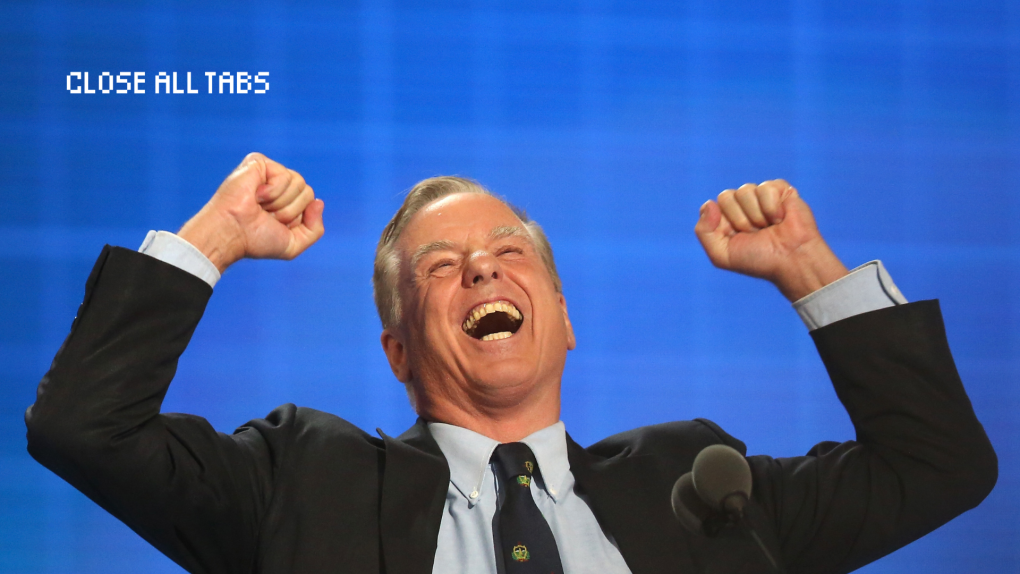
"caption": "Former Gov. Howard Dean (D-VT) reenacts his Iowa Caucus \"Dean Scream\" moment during closing remarks on the second day of the Democratic National Convention at the Wells Fargo Center, July 26, 2016 in Philadelphia, Pennsylvania.",
"credit": null,
"altTag": "Howard Dean, a man with gray hair and wearing a suit, joyfully raises his fists in the air against a blue background.",
"description": null,
"imgSizes": {
"medium": {
"file": "https://cdn.kqed.org/wp-content/uploads/sites/10/2025/02/Dean-Scream_web-800x450.png",
"width": 800,
"height": 450,
"mimeType": "image/png"
},
"large": {
"file": "https://cdn.kqed.org/wp-content/uploads/sites/10/2025/02/Dean-Scream_web-1020x574.png",
"width": 1020,
"height": 574,
"mimeType": "image/png"
},
"thumbnail": {
"file": "https://cdn.kqed.org/wp-content/uploads/sites/10/2025/02/Dean-Scream_web-160x90.png",
"width": 160,
"height": 90,
"mimeType": "image/png"
},
"1536x1536": {
"file": "https://cdn.kqed.org/wp-content/uploads/sites/10/2025/02/Dean-Scream_web-1536x864.png",
"width": 1536,
"height": 864,
"mimeType": "image/png"
},
"post-thumbnail": {
"file": "https://cdn.kqed.org/wp-content/uploads/sites/10/2025/02/Dean-Scream_web-672x372.png",
"width": 672,
"height": 372,
"mimeType": "image/png"
},
"twentyfourteen-full-width": {
"file": "https://cdn.kqed.org/wp-content/uploads/sites/10/2025/02/Dean-Scream_web-1038x576.png",
"width": 1038,
"height": 576,
"mimeType": "image/png"
},
"kqedFullSize": {
"file": "https://cdn.kqed.org/wp-content/uploads/sites/10/2025/02/Dean-Scream_web.png",
"width": 1920,
"height": 1080
}
},
"isLoading": false,
"fetchFailed": false
}
},
"audioPlayerReducer": {
"postId": "stream_live",
"isPaused": true,
"isPlaying": false,
"pfsActive": false,
"pledgeModalIsOpen": true,
"playerDrawerIsOpen": false,
"liveAudioPlayStartedAt": 0,
"liveAudioPlayContext": ""
},
"authorsReducer": {
"cegusa": {
"type": "authors",
"id": "11869",
"meta": {
"index": "authors_1716337520",
"id": "11869",
"found": true
},
"name": "Chris Egusa",
"firstName": "Chris",
"lastName": "Egusa",
"slug": "cegusa",
"email": "cegusa@kqed.org",
"display_author_email": false,
"staff_mastheads": [],
"title": "KQED Contributor",
"bio": null,
"avatar": "https://secure.gravatar.com/avatar/3562ed52747313a4c94017da88ea89f9e85cd901f63ebc056a7d5e0adf4a03da?s=600&d=blank&r=g",
"twitter": null,
"bluesky": null,
"facebook": null,
"instagram": null,
"linkedin": null,
"sites": [
{
"site": "arts",
"roles": [
"editor"
]
},
{
"site": "news",
"roles": [
"editor"
]
}
],
"headData": {
"title": "Chris Egusa | KQED",
"description": "KQED Contributor",
"ogImgSrc": "https://secure.gravatar.com/avatar/3562ed52747313a4c94017da88ea89f9e85cd901f63ebc056a7d5e0adf4a03da?s=600&d=blank&r=g",
"twImgSrc": "https://secure.gravatar.com/avatar/3562ed52747313a4c94017da88ea89f9e85cd901f63ebc056a7d5e0adf4a03da?s=600&d=blank&r=g"
},
"isLoading": false,
"link": "/author/cegusa"
},
"mcueva": {
"type": "authors",
"id": "11943",
"meta": {
"index": "authors_1716337520",
"id": "11943",
"found": true
},
"name": "Maya Cueva",
"firstName": "Maya",
"lastName": "Cueva",
"slug": "mcueva",
"email": "mcueva@kqed.org",
"display_author_email": false,
"staff_mastheads": [],
"title": "KQED Contributor",
"bio": null,
"avatar": "https://secure.gravatar.com/avatar/238c7aba67c4b6b7b891965ba8cc9e9a4928b5dbdeaf4bde6a81c13e87f49b49?s=600&d=blank&r=g",
"twitter": null,
"bluesky": null,
"facebook": null,
"instagram": null,
"linkedin": null,
"sites": [
{
"site": "news",
"roles": [
"editor"
]
}
],
"headData": {
"title": "Maya Cueva | KQED",
"description": "KQED Contributor",
"ogImgSrc": "https://secure.gravatar.com/avatar/238c7aba67c4b6b7b891965ba8cc9e9a4928b5dbdeaf4bde6a81c13e87f49b49?s=600&d=blank&r=g",
"twImgSrc": "https://secure.gravatar.com/avatar/238c7aba67c4b6b7b891965ba8cc9e9a4928b5dbdeaf4bde6a81c13e87f49b49?s=600&d=blank&r=g"
},
"isLoading": false,
"link": "/author/mcueva"
},
"msung": {
"type": "authors",
"id": "11944",
"meta": {
"index": "authors_1716337520",
"id": "11944",
"found": true
},
"name": "Morgan Sung",
"firstName": "Morgan",
"lastName": "Sung",
"slug": "msung",
"email": "msung@kqed.org",
"display_author_email": false,
"staff_mastheads": [],
"title": "Close All Tabs Host",
"bio": null,
"avatar": "https://secure.gravatar.com/avatar/34033b8d232ee6c987ca6f0a1a28f0e5?s=600&d=blank&r=g",
"twitter": null,
"facebook": null,
"instagram": null,
"linkedin": null,
"sites": [
{
"site": "news",
"roles": [
"editor"
]
}
],
"headData": {
"title": "Morgan Sung | KQED",
"description": "Close All Tabs Host",
"ogImgSrc": "https://secure.gravatar.com/avatar/34033b8d232ee6c987ca6f0a1a28f0e5?s=600&d=blank&r=g",
"twImgSrc": "https://secure.gravatar.com/avatar/34033b8d232ee6c987ca6f0a1a28f0e5?s=600&d=blank&r=g"
},
"isLoading": false,
"link": "/author/msung"
}
},
"pagesReducer": {
"news_program_close-all-tabs": {
"type": "terms",
"id": "news_35082",
"meta": {
"index": "terms_1716263798",
"site": "news",
"id": "35082",
"score": 15.866476
},
"name": "Close All Tabs",
"slug": "close-all-tabs",
"taxonomy": "program",
"description": null,
"featImg": null,
"headData": {
"title": "Close All Tabs | KQED News",
"description": null,
"ogTitle": null,
"ogDescription": null,
"ogImgId": null,
"twTitle": null,
"twDescription": null,
"twImgId": null
},
"ttid": 35099,
"isLoading": false,
"title": "Close All Tabs",
"pageMeta": {
"site": "news",
"WpPageTemplate": "page-topic-editorial",
"currentPage": 8
},
"blocks": [
{
"blockName": "kqed/post-list",
"attrs": {
"layout": "cardArticle2",
"query": "posts/news?program=close-all-tabs",
"seeMore": false,
"paginated": true,
"page": 8
}
},
{
"blockName": "kqed/ad"
}
]
}
},
"pfsSessionReducer": {},
"postsReducer": {
"stream_live": {
"type": "live",
"id": "stream_live",
"audioUrl": "https://streams.kqed.org/kqedradio",
"title": "Live Stream",
"excerpt": "Live Stream information currently unavailable.",
"link": "/radio",
"featImg": "",
"label": {
"name": "KQED Live",
"link": "/"
}
},
"stream_kqedNewscast": {
"type": "posts",
"id": "stream_kqedNewscast",
"audioUrl": "https://www.kqed.org/.stream/anon/radio/RDnews/newscast.mp3?_=1",
"title": "KQED Newscast",
"featImg": "",
"label": {
"name": "88.5 FM",
"link": "/"
}
},
"news_12028570": {
"type": "posts",
"id": "news_12028570",
"meta": {
"index": "posts_1716263798",
"site": "news",
"id": "12028570",
"score": null,
"sort": [
1740546002000
]
},
"guestAuthors": [],
"slug": "from-the-dean-scream-to-brat-memes",
"title": "From the Dean Scream to Brat Memes",
"publishDate": 1740546002,
"format": "audio",
"headTitle": "From the Dean Scream to Brat Memes | KQED",
"labelTerm": {
"term": 35082,
"site": "news"
},
"content": "\u003cp>\u003cem>This episode was originally published October 12, 2024. \u003c/em>\u003c/p>\n\u003cp>\u003ca href=\"#episode-transcript\">\u003ci>\u003cspan style=\"font-weight: 400\">View the full episode transcript.\u003c/span>\u003c/i>\u003c/a>\u003c/p>\n\u003cp>In this episode of Close All Tabs, host Morgan Sung takes us through the evolution of online campaigning—from the early days of dial-up modems to today’s Twitch streams. We’ll revisit iconic moments like “the Dean scream” and “Pokemon Go to the polls,” examine how memes became a legitimate political force, and discuss why Kamala Harris and Donald Trump are turning to podcasters and streamers to reach voters.\u003c/p>\n\u003cp>Want to give us feedback on the show? Shoot us an email at \u003ca href=\"mailto:CloseAllTabs@KQED.org\">CloseAllTabs@KQED.org\u003c/a>\u003c/p>\n\u003cp>\u003ca href=\"https://www.instagram.com/closealltabspod/\">Follow us on Instagram\u003c/a>\u003c/p>\n\u003cp>\u003c!-- iframe plugin v.4.3 wordpress.org/plugins/iframe/ -->\u003cbr>\n\u003ciframe loading=\"lazy\" frameborder=\"0\" height=\"200\" scrolling=\"no\" src=\"https://playlist.megaphone.fm/?e=KQINC3046144283\" width=\"100%\" class=\"iframe-class\">\u003c/iframe>\u003c/p>\n\u003cp>[ad fullwidth]\u003c/p>\n\u003ch2 id=\"episode-transcript\">Episode Transcript\u003c/h2>\n\u003cp> \u003c/p>\n\u003cp>\u003cb>Morgan Sung \u003c/b>\u003cspan style=\"font-weight: 400\"> \u003c/span>\u003cspan style=\"font-weight: 400\">So this year, the 2024 presidential candidates are taking a nontraditional approach to media appearances. \u003c/span>\u003c/p>\n\u003cp>\u003cb>\u003ci>All The Smoke:\u003c/i>\u003c/b> \u003ci>\u003cspan style=\"font-weight: 400\">Welcome back to all the smoke. We got a very special guest today. Very excited to sit down and talk to our biggest guest. Yeah, I wouldn’t lie about that.\u003c/span>\u003c/i>\u003c/p>\n\u003cp>\u003cb>Morgan Sung: \u003c/b>\u003cspan style=\"font-weight: 400\">That’s Kamala Harris’s iconic laugh on the sports podcast. All the smoke. The vice president was also recently on the massively popular and often very raunchy podcast Call Her Daddy, where she talks about reproductive rights. \u003c/span>\u003c/p>\n\u003cp>\u003cb>\u003ci>Kamala Harris:\u003c/i>\u003c/b> \u003ci>\u003cspan style=\"font-weight: 400\">I was the first vice president or president to ever go to a reproductive health care clinic. Ever. \u003c/span>\u003c/i>\u003c/p>\n\u003cp>\u003cb>\u003ci>Alex Cooper \u003c/i>\u003c/b>\u003ci>\u003cspan style=\"font-weight: 400\">Really? \u003c/span>\u003c/i>\u003c/p>\n\u003cp>\u003cb>\u003ci>Kamala Harris\u003c/i>\u003c/b> \u003ci>\u003cspan style=\"font-weight: 400\">Yes. Yes. \u003c/span>\u003c/i>\u003c/p>\n\u003cp>\u003cb>\u003ci>Alex Cooper \u003c/i>\u003c/b>\u003ci>\u003cspan style=\"font-weight: 400\">I didn’t know that. But I guess that makes sense. \u003c/span>\u003c/i>\u003c/p>\n\u003cp>\u003cb>Morgan Sung: \u003c/b>\u003cspan style=\"font-weight: 400\">Former President Donald Trump has also been making the rounds this year on non-mainstream media. Like back in June, he was on YouTuber turned podcaster Logan Paul’s show, where he brought T-shirts with his own face on them. \u003c/span>\u003c/p>\n\u003cp>\u003cb>\u003ci>Donald Trump \u003c/i>\u003c/b>\u003ci>\u003cspan style=\"font-weight: 400\"> \u003c/span>\u003c/i>\u003ci>\u003cspan style=\"font-weight: 400\">This is uh \u003c/span>\u003c/i>\u003c/p>\n\u003cp>\u003cb>\u003ci>Logan Paul \u003c/i>\u003c/b>\u003ci>\u003cspan style=\"font-weight: 400\"> \u003c/span>\u003c/i>\u003ci>\u003cspan style=\"font-weight: 400\">Is this your mugshot? Oh my you’re a gangster! \u003c/span>\u003c/i>\u003c/p>\n\u003cp>\u003cb>\u003ci>Donald Trump \u003c/i>\u003c/b>\u003ci>\u003cspan style=\"font-weight: 400\"> \u003c/span>\u003c/i>\u003ci>\u003cspan style=\"font-weight: 400\">Well, Elvis had one. Frank Sinatra had one.\u003c/span>\u003c/i>\u003c/p>\n\u003cp>\u003cb>Morgan Sung:\u003c/b> \u003cspan style=\"font-weight: 400\">Then Trump went on comedian Cobain’s podcast and quizzed him about the details of his drug use. \u003c/span>\u003c/p>\n\u003cp>\u003cb>\u003ci>Donald Trump:\u003c/i>\u003c/b> \u003ci>\u003cspan style=\"font-weight: 400\">Is cocaine a stronger up? \u003c/span>\u003c/i>\u003c/p>\n\u003cp>\u003cb>\u003ci>Theo Von: \u003c/i>\u003c/b>\u003ci>\u003cspan style=\"font-weight: 400\">Yeah. Yeah, yeah. Cocaine will make you…\u003c/span>\u003c/i>\u003c/p>\n\u003cp>\u003cb>\u003ci>Donald Trump: \u003c/i>\u003c/b>\u003ci>\u003cspan style=\"font-weight: 400\">So you you way up with cocaine more than anything else, you can think of. \u003c/span>\u003c/i>\u003c/p>\n\u003cp>\u003cb>\u003ci>Theo Von: \u003c/i>\u003c/b>\u003ci>\u003cspan style=\"font-weight: 400\">Cocaine will turn you into a damn owl homie. You know what I’m saying? \u003c/span>\u003c/i>\u003c/p>\n\u003cp>\u003cb>Morgan Sung: \u003c/b>\u003cspan style=\"font-weight: 400\"> \u003c/span>\u003cspan style=\"font-weight: 400\">But the wildest appearance was when he live streamed with influencer Aidn Ross. \u003c/span>\u003c/p>\n\u003cp>\u003cb>\u003ci>Adin Ross: \u003c/i>\u003c/b>\u003ci>\u003cspan style=\"font-weight: 400\">Well, today is going to be the most important stream I’ve ever done, first of all. \u003c/span>\u003c/i>\u003c/p>\n\u003cp>\u003cb>\u003ci>Donald Trump: \u003c/i>\u003c/b>\u003ci>\u003cspan style=\"font-weight: 400\">Yeah, you’re right in the living room of Mar a Lago. You’re the first. Just about. \u003c/span>\u003c/i>\u003c/p>\n\u003cp>\u003cb>\u003ci>Adin Ross: \u003c/i>\u003c/b>\u003ci>\u003cspan style=\"font-weight: 400\"> \u003c/span>\u003c/i>\u003ci>\u003cspan style=\"font-weight: 400\">Thank you. \u003c/span>\u003c/i>\u003c/p>\n\u003cp>\u003cb>\u003ci>Donald Trump: \u003c/i>\u003c/b>\u003ci>\u003cspan style=\"font-weight: 400\"> \u003c/span>\u003c/i>\u003ci>\u003cspan style=\"font-weight: 400\">And we’ll have a little fun today. \u003c/span>\u003c/i>\u003c/p>\n\u003cp>\u003cb>\u003ci>Adin Ross: \u003c/i>\u003c/b>\u003ci>\u003cspan style=\"font-weight: 400\">Let’s do it. \u003c/span>\u003c/i>\u003c/p>\n\u003cp>\u003cb>\u003ci>Donald Trump: \u003c/i>\u003c/b>\u003ci>\u003cspan style=\"font-weight: 400\">And my son Barron says hello. He’s a great young guy, but he’s a big fan of yours. \u003c/span>\u003c/i>\u003c/p>\n\u003cp>\u003cb>Morgan Sung\u003c/b>\u003cspan style=\"font-weight: 400\">: \u003c/span>\u003cspan style=\"font-weight: 400\">Aidan Ross is a very controversial streamer who’s known for collabing with a white supremacist and for getting banned from Twitch for hate speech. Twitch is the most popular platform for streamers, and now he’s one of the most followed streamers on Kik, which is an alternative platform with fewer rules. At the end of this extremely random collab, Aidan Ross gifts Trump a red, white and blue Tesla cybertruck and plastered on the side is the photo of Trump after his first assassination attempt. Blood on his face fist raised. \u003c/span>\u003c/p>\n\u003cp>\u003cb>\u003ci>Donald Trump:\u003c/i>\u003c/b> \u003ci>\u003cspan style=\"font-weight: 400\">Yeah, I can. Wow. \u003c/span>\u003c/i>\u003c/p>\n\u003cp>\u003cb>\u003ci>Adin Ross:\u003c/i>\u003c/b> \u003ci>\u003cspan style=\"font-weight: 400\">You can’t miss it. \u003c/span>\u003c/i>\u003c/p>\n\u003cp>\u003cb>\u003ci>Donald Trump: \u003c/i>\u003c/b>\u003ci>\u003cspan style=\"font-weight: 400\">That’s an Elon. \u003c/span>\u003c/i>\u003c/p>\n\u003cp>\u003cb>\u003ci>Adin Ross: \u003c/i>\u003c/b>\u003ci>\u003cspan style=\"font-weight: 400\">That is an Elon. \u003c/span>\u003c/i>\u003c/p>\n\u003cp>\u003cb>\u003ci>Donald Trump: \u003c/i>\u003c/b>\u003ci>\u003cspan style=\"font-weight: 400\"> \u003c/span>\u003c/i>\u003ci>\u003cspan style=\"font-weight: 400\">Wow. \u003c/span>\u003c/i>\u003c/p>\n\u003cp>\u003cb>\u003ci>Adin Ross:\u003c/i>\u003c/b> \u003ci>\u003cspan style=\"font-weight: 400\">Shout out to Mr. Musk. \u003c/span>\u003c/i>\u003c/p>\n\u003cp>\u003cb>\u003ci>Donald Trump: \u003c/i>\u003c/b>\u003ci>\u003cspan style=\"font-weight: 400\">That’s beautiful. \u003c/span>\u003c/i>\u003c/p>\n\u003cp>\u003cb>Morgan Sung:\u003c/b> \u003cspan style=\"font-weight: 400\">A presidential candidate showing up to chat with his teenage son’s favorite podcasters would have seemed like a fever dream in elections past. But it didn’t happen out of the blue. It’s part of a calculated effort by Trump’s team to capitalize on our current reality, where social media posts, memes and influencers all have the power to make or break a campaign. So how did we get here? Come with me on a little dive into the history of elections and the internet. This is Close All Tabs, a special series from KQED. I’m Morgan Sung. I’m a tech journalist, you’re chronically online friend, and your guide to the weirdest and most fascinating corners of the Internet. Together, we’re diving into election memes, disinformation campaigns, political influencers, and will open as many browser tabs as it takes, all to better understand how the digital world affects our real lives. Let’s get into it. We’re going all the way back to the olden days of the internet, the 1990s. So to start, we’re going to open a new tab. What’s the first campaign website? \u003c/span>\u003c/p>\n\u003cp>\u003cb>Morgan Sung: \u003c/b>\u003cspan style=\"font-weight: 400\">The year is 1996. This is like the bronze age of the Internet. And it’s like we’re seeing the earliest forms of human writing, except these are websites. Incumbent President Bill Clinton and his VP, Al Gore, launch their website, which features a slideshow and a message banner running across the bottom of the page. It was considered so cutting edge that they held a press conference just to show people how to use it. \u003c/span>\u003c/p>\n\u003cp>\u003cb>\u003ci>Al Gore: \u003c/i>\u003c/b>\u003ci>\u003cspan style=\"font-weight: 400\">I’m proud to officially unveil the Clinton Gore 96 homepage: www.cg96.org. For those of you who want to put it in your bookmarks. \u003c/span>\u003c/i>\u003c/p>\n\u003cp>\u003cb>Morgan Sung:\u003c/b> \u003cspan style=\"font-weight: 400\">It’s a lot of text and very few interactive elements. You can sign up for email updates and download principal bumper stickers, but it’s basically just a brochure. The Republican opponents, Bob Dole and Jack Kemp, also launched their site, which is actually still online today. Theirs was a little more interactive, like they even had a Bob Dole themed crossword puzzle, but it was still a one way megaphone. The campaign could broadcast its message, but there is no real way for voters to answer back. Fast forward to 2003. Howard Dean, the Democratic governor of Vermont, becomes what Politico calls, “the father of all web campaigns.” So Dean’s team launches the first ever presidential campaign blog, including comments from visitors. They organize events on meetup.com, and they focus on capturing very small donations from everyday voters. They pull this off by turning fundraising into a game. So for every fundraising event, there’s a clip art image of a baseball bat on the website. And you’ve seen this before, as they get closer to their goal, the bat fills up like a thermometer. People love watching the bat. And all of this makes supporters feel like they’re directly involved with the campaign. The campaign raises millions of dollars and develops a very online, very devoted network of supporters. But unfortunately, today, Howard Dean’s campaign is really remembered, for one thing. \u003c/span>\u003c/p>\n\u003cp>\u003cb>\u003ci>Howard Dean: \u003c/i>\u003c/b>\u003ci>\u003cspan style=\"font-weight: 400\"> \u003c/span>\u003c/i>\u003ci>\u003cspan style=\"font-weight: 400\">You know something? You know something. \u003c/span>\u003c/i>\u003c/p>\n\u003cp>\u003cb>Morgan Sung:\u003c/b> \u003cspan style=\"font-weight: 400\">On January 19th, 2004, he gives a speech at the Val Air Ballroom in Iowa about their strong showing in the caucuses. The crowd is amped. But let’s just say Howard Dean gets a little bit too excited.\u003c/span>\u003cspan style=\"font-weight: 400\">\u003cbr>\n\u003c/span>\u003c/p>\n\u003cp>\u003cb>\u003ci>Howard Dean:\u003c/i>\u003c/b> \u003ci>\u003cspan style=\"font-weight: 400\">We’re going to California and Texas and New York, and then we’re going to Washington, D.C. to take back the White House. Yeah! \u003c/span>\u003c/i>\u003c/p>\n\u003cp>\u003cb>Morgan Sung: \u003c/b>\u003cspan style=\"font-weight: 400\">That sound becomes known as the Dean scream, and it’s considered to be one of the first political memes to go viral. It’s so infamous that it may have actually ruined Dean’s chances as a candidate. He ends up flopping in the primaries and drops out of the race early.\u003c/span>\u003cspan style=\"font-weight: 400\">\u003cbr>\n\u003c/span>\u003c/p>\n\u003cp>\u003cb>\u003ci>Howard Dean\u003c/i>\u003c/b>\u003ci>\u003cspan style=\"font-weight: 400\">: \u003c/span>\u003c/i>\u003ci>\u003cspan style=\"font-weight: 400\">Yeah! \u003c/span>\u003c/i>\u003c/p>\n\u003cp>\u003cb>Morgan Sung: \u003c/b>\u003cspan style=\"font-weight: 400\">But one thing they can never take away from Dean is his status as a digital campaign pioneer. He created the blueprint that other campaigns would follow, including one that would become a genuine revolution in political organizing. Barack Obama’s presidential campaign. Okay. New Tab. Obama Internet First Campaign. Okay. So if the early 90s are the Bronze Age, 2008 is the renaissance and social media is our printing press. Facebook, YouTube and Twitter are all brand new. \u003c/span>\u003c/p>\n\u003cp>\u003cb>Rahaf Harfoush: \u003c/b>\u003cspan style=\"font-weight: 400\"> \u003c/span>\u003cspan style=\"font-weight: 400\">I remember President Obama was one of the first candidates to start doing YouTube lives and they started uploading clips of him just like playing basketball and just talking to the camera and fireside chats. \u003c/span>\u003c/p>\n\u003cp>\u003cb>Morgan Sung: \u003c/b>\u003cspan style=\"font-weight: 400\"> Rahaf Harfoush is a digital anthropologist who researches how emerging technology like AI influences communication. \u003c/span>\u003c/p>\n\u003cp>\u003cb>Rahaf Harfoush: \u003c/b>\u003cspan style=\"font-weight: 400\">And now, in 2024, this seems so basic and beyond the bare minimum. But back then, he was really the first candidate to treat YouTube seriously and to understand the power of connecting directly with voters without the intermediary of the press. \u003c/span>\u003c/p>\n\u003cp>\u003cb>Morgan Sung: \u003c/b>\u003cspan style=\"font-weight: 400\">Back in 2008, Raha volunteered on Obama’s digital media team, which she wrote about in her book. Yes, we did. \u003c/span>\u003c/p>\n\u003cp>\u003cb>Rahaf Harfoush: \u003c/b>\u003cspan style=\"font-weight: 400\">The thing that really stood out to me was the fact that the campaign understood very early on that social media was a two way street. So a lot of the resources that were being provided for people was the infrastructure for people to be able to take information and go out and organize in their own communities. \u003c/span>\u003c/p>\n\u003cp>\u003cb>Morgan Sung:\u003c/b> \u003cspan style=\"font-weight: 400\">Rahaf says the campaign was incredibly effective when it came to mobilizing volunteers online. They built a social network of volunteers called MYBO, which stands for My Barack Obama. And it was like a sophisticated, revamped version of Howard Dean’s website. \u003c/span>\u003c/p>\n\u003cp>\u003cb>Rahaf Harfoush: \u003c/b>\u003cspan style=\"font-weight: 400\">And that was where you could download all sorts of assets like how to register your friends and family to vote, how to talk to people about specific issues, how to organize a successful meeting, scripts for talking to your neighbors and talking to your friends, little icons for your profile. And then on Facebook, I remember being very amused because I would see like small dog owners for Obama. \u003c/span>\u003c/p>\n\u003cp>\u003cb>Morgan Sung:\u003c/b> \u003cspan style=\"font-weight: 400\">Right. \u003c/span>\u003c/p>\n\u003cp>\u003cb>Rahaf Harfoush: \u003c/b>\u003cspan style=\"font-weight: 400\"> \u003c/span>\u003cspan style=\"font-weight: 400\">It was just so interesting to see how people were organizing. \u003c/span>\u003c/p>\n\u003cp>\u003cb>Morgan Sung: \u003c/b>\u003cspan style=\"font-weight: 400\">Can you think of other ways that this 2008 campaign laid the groundwork for the kind of campaigning that we’re seeing today? \u003c/span>\u003c/p>\n\u003cp>\u003cb>Rahaf Harfoush:\u003c/b> \u003cspan style=\"font-weight: 400\">It changed political campaign strategy permanently in a lot of different ways. The visual representation and design people really have started to elevate thinking about politicians as a brand. So like the color palette, the font, the language, the mood. It looked interesting and it looked cool. \u003c/span>\u003c/p>\n\u003cp>\u003cb>Morgan Sung:\u003c/b> \u003cspan style=\"font-weight: 400\">Right? And it created this like such an iconic image of Obama. I mean, I still remember that red, white and blue Hope poster that was everywhere. Everyone wanted a copy. \u003c/span>\u003c/p>\n\u003cp>\u003cb>Rahaf Harfoush:\u003c/b> \u003cspan style=\"font-weight: 400\">Yeah, I have one in my I have one, a signed one in my living room downstairs. \u003c/span>\u003c/p>\n\u003cp>\u003cb>Morgan Sung: \u003c/b>\u003cspan style=\"font-weight: 400\">Oh My God. Wow. \u003c/span>\u003c/p>\n\u003cp>\u003cb>Rahaf Harfoush\u003c/b>\u003cspan style=\"font-weight: 400\">: \u003c/span>\u003cspan style=\"font-weight: 400\">But that’s that’s the thing. I can’t think of any other. Well, maybe the the MAGA hat now that has become as iconic, but other than that, like political artifacts, political campaign artifacts are not usually that prevalent in mainstream culture, I would say, so. \u003c/span>\u003c/p>\n\u003cp>\u003cb>Morgan Sung\u003c/b>\u003cspan style=\"font-weight: 400\">: \u003c/span>\u003cspan style=\"font-weight: 400\"> It really reminded me of like tour merch, you know? \u003c/span>\u003c/p>\n\u003cp>\u003cb>Rahaf Harfoush:\u003c/b> \u003cspan style=\"font-weight: 400\">Yes. \u003c/span>\u003c/p>\n\u003cp>\u003cb>Morgan Sung\u003c/b>\u003cspan style=\"font-weight: 400\">: \u003c/span>\u003cspan style=\"font-weight: 400\">Like creating this like megastar where everyone wanted a piece of like their merch. \u003c/span>\u003c/p>\n\u003cp>\u003cb>Rahaf Harfoush: \u003c/b>\u003cspan style=\"font-weight: 400\">I think branding really changed the way that politicians talked about themselves and positioned themselves in the market of political ideas. \u003c/span>\u003c/p>\n\u003cp>\u003cb>Morgan Sung: \u003c/b>\u003cspan style=\"font-weight: 400\">Going into the 2012 election, the Obama brand is stronger than ever. He uses Twitter to announce his reelection campaign. He doesn’t. Amy on Reddit. His administration is super active on Tumblr. Celebrities and musicians are showing up for him. It’s all part of this calculated effort to maintain the brand. \u003c/span>\u003c/p>\n\u003cp>\u003cb>Rahaf Harfoush:\u003c/b> \u003cspan style=\"font-weight: 400\">And there were some clips that his team was really clever in circulating Obama. I remember there was like a clip that went viral back then where it was like he was in an interview and there was a fly flying around and he just like. \u003c/span>\u003c/p>\n\u003cp>\u003cb>\u003ci>Barack Obama: \u003c/i>\u003c/b>\u003ci>\u003cspan style=\"font-weight: 400\">Nice. Now, where were we? That was pretty impressive wasn’t it? I got it. I got the sucker. \u003c/span>\u003c/i>\u003c/p>\n\u003cp>\u003cb>Rahaf Harfoush\u003c/b>\u003cspan style=\"font-weight: 400\">: \u003c/span>\u003cspan style=\"font-weight: 400\">And everyone was like, What? You know, and him taking the three point shot and like, yeah, it was just they just gave him, I think, a really cool factor. \u003c/span>\u003c/p>\n\u003cp>\u003cb>Morgan Sung: \u003c/b>\u003cspan style=\"font-weight: 400\">Mitt Romney, who is known for being profoundly uncool, does not stand a chance in this new digital arena. Back in 2008, the Obama campaign developed these super effective, targeted email campaigns. And by 2012, they’re even better. They get incredibly good at analytics and understanding individual people. Rahaf explains this concept of hyper segmentation. \u003c/span>\u003c/p>\n\u003cp>\u003cb>Rahaf Harfoush: \u003c/b>\u003cspan style=\"font-weight: 400\">Which is not just categorizing people by gender, region or, you know, interest, but really being able to say, again, you know, you’re a person who has a dog who’s interested in health care and you are a teacher and you have two kids, and this is going to be the special communication that’s going to arrive to you via email via text messaging. \u003c/span>\u003c/p>\n\u003cp>\u003cb>Morgan Sung:\u003c/b> \u003cspan style=\"font-weight: 400\">And this makes voters feel heard by the campaign. \u003c/span>\u003c/p>\n\u003cp>\u003cb>Rahaf Harfoush: \u003c/b>\u003cspan style=\"font-weight: 400\">The idea that voters could identify the issue that was important to them, then they would receive customized texts about each issue that mattered to them. That at the time was like revolutionary. It was cutting edge analytics. So I remember thinking, oh this is going to make every person feel like the campaign is speaking directly to them about issues that they care about. And so 2008 was really about social media. It set the stage for that conversation. And then, you know, 2012 was about micro segmentation. And then 2016 was really about, you know, algorithmic preferences. \u003c/span>\u003c/p>\n\u003cp>\u003cb>Morgan Sung:\u003c/b> \u003cspan style=\"font-weight: 400\">By 2016, social media algorithms are starting to really shape what we see online and in terms of digital campaigning. That’s when shit hits the fan. We’ll hear about that and more after this break. Okay. We’ve arrived at 2016. It’s time for another tab. Did memes ruin the 2016 election? Okay, so we’ve had the Bronze Age, the Renaissance. That brings us to the Industrial Revolution, which is fitting because this era is all about the mass production of memes. Let me set the scene for you. Vine that short form video app is still around. Everyone is playing Pokemon Go. Hamilton Fever is still white hot. And in politics, digital campaigning becomes less about building a top down organizing system like Obama created. It’s more about harnessing collective action from increasingly influential Internet communities. And in 2016 memes play a huge part in the election. If you want to get exposure, memes are the way to do it. But it’s not like campaign strategists intentionally thrust their candidates into meme culture. Instead, meme culture happens to them. Ted Cruz’s campaign is derailed by memes comparing him to the Zodiac Killer. Donald Trump and Bernie Sanders both amass armies of chronically online supporters who incessantly post memes skewering their opponents. And Hillary Clinton keeps accidentally going viral on Vine. \u003c/span>\u003c/p>\n\u003cp>\u003cb>\u003ci>Hillary Clinton:\u003c/i>\u003c/b> \u003ci>\u003cspan style=\"font-weight: 400\">I’m just chillin in Cedar Rapids. I don’t know who created Pokemon Go. But I’m trying to figure out how we get them to have Pokémon Go To The Polls. \u003c/span>\u003c/i>\u003c/p>\n\u003cp>\u003cb>Morgan Sung:\u003c/b>\u003cspan style=\"font-weight: 400\"> It’s this kind of virality that makes 2016 so memorable. Of course, people were using the internet before this time, but internet culture was seen as an almost underground subculture — but now, this subculture starts to trickle into the mainstream. \u003c/span>\u003c/p>\n\u003cp>\u003cb>Aidan Walker: \u003c/b>\u003cspan style=\"font-weight: 400\">You know, academic researchers what they kept saying was like 2016, 2017, that’s when like, normal people were really logged on to the Internet. \u003c/span>\u003c/p>\n\u003cp>\u003cb>Morgan Sung:\u003c/b> \u003cspan style=\"font-weight: 400\">This is Aidan Walker. He’s an Internet researcher and content creator who’s written for academic journals and also the website Know Your Meme. He’s something of an anthropologist of memes. \u003c/span>\u003c/p>\n\u003cp>\u003cb>Aidan Walker: \u003c/b>\u003cspan style=\"font-weight: 400\">And I think that’s sort of a moment where we start to see sort of the news being downstream of memes. You know, something will happen on Twitter. Often it’s a Trump tweet and then the next day CNN has to cover it. And that’s kind of driving the national story. And so 2016, I think, is a year where we see more organizing online. But the organizing is kind of there maybe not because some digital Karl Rove had some brilliant strategy to put it there, but just because so much of the conversation was moving there, the normal people, the normal voters were there. \u003c/span>\u003c/p>\n\u003cp>\u003cb>Morgan Sung:\u003c/b> \u003cspan style=\"font-weight: 400\">By normal people, Aidan means those who hadn’t previously been active participants in online communities. They were online, but they only really interacted with people they knew in real life. \u003c/span>\u003c/p>\n\u003cp>\u003cb>Aidan Walker: \u003c/b>\u003cspan style=\"font-weight: 400\">I think it’s also an age of means that aren’t just one offs. So in 2016, there’s a lot of like meme systems, I might say like meme families, and these will be like, you know, 100, 200 memes where you’re kind of taking the same character or the same face and just putting it in new settings, new environments. You know, maybe you put the face onto one of the candidates. You use the face to represent a certain type of identity or perspective or voter. And these sort of big meme vocabularies, they become a way of expressing a lot of different stuff. \u003c/span>\u003c/p>\n\u003cp>\u003cb>Morgan Sung:\u003c/b> \u003cspan style=\"font-weight: 400\">So one of the defining moments, I guess, the defining takeaways of 2016 was the use of like weaponized memes. Can you explain like, why meme make such good propaganda? \u003c/span>\u003c/p>\n\u003cp>\u003cb>Aidan Walker: \u003c/b>\u003cspan style=\"font-weight: 400\">So memes make good propaganda kind of in the way that any kind of art makes a good piece of propaganda. You know, you can be convincing someone at the same time as you’re entertaining them or making them laugh, which is always really powerful. But I also think memes can do really good visual rhetoric and then means are also, you know, very quick to make, very quick to share. You don’t necessarily have to attach your name to them. So people tend to say things that are a little more unhinged, a little more controversial. And then memes also, I think, invite users in to participate in the propaganda. So like when I’m liking a NUMTOT me, you know, I don’t just feel like I’m being lectured at about urban policy. I feel like I’m part of it.\u003c/span>\u003cspan style=\"font-weight: 400\">\u003cbr>\n\u003c/span>\u003c/p>\n\u003cp>\u003cb>Morgan Sung:\u003c/b> \u003cspan style=\"font-weight: 400\">NUMTOT, which stands for New Urbanist Memes for Transit oriented Teens is a public transportation themed Facebook group. Back in 2016, Facebook groups were one of the epicenters of meme culture. A lot of them followed a very similar naming structure like “Classical Studies Memes for Hellenistic Teens” or “Law School Memes for Edgy T14s.” One of the biggest overtly political Facebook groups at the time is a group called “Bernie Sanders Dank Meme Stash.” The group started with just 5000 members in January that year, and by May had over 400,000 just churning out memes criticizing Ted Cruz, Donald Trump and Hillary Clinton. \u003c/span>\u003c/p>\n\u003cp>\u003cb>Aidan Walker:\u003c/b> \u003cspan style=\"font-weight: 400\">And I think it some of that has to do with that closeness. Like I think numtat a lot of these Facebook groups, in order to get into it you had to apply and I don’t think there was a very rigorous selection process. I vaguely remember just kind of being like a form that was like, why are you interested in transit? I think I said something like, I like trains, you know? \u003c/span>\u003c/p>\n\u003cp>\u003cb>Morgan Sung:\u003c/b> \u003cspan style=\"font-weight: 400\">Yeah. \u003c/span>\u003c/p>\n\u003cp>\u003cb>Aidan Walker: \u003c/b>\u003cspan style=\"font-weight: 400\">They let me in. \u003c/span>\u003c/p>\n\u003cp>\u003cb>Morgan Sung: \u003c/b>\u003cspan style=\"font-weight: 400\">These meme armies exist on both ends of the political spectrum. So Bernie Sanders supporters rally behind him and “Bernie Sanders Dank Meme Stash” and other meme groups. Trump supporters start a subreddit called “The Donald”, and at its height, it has over 790,000 subscribers. The group is so active that Reddit actually changes its algorithm because the site’s front page turns into just pro-Trump content. Reddit eventually banned “The Donald” in 2020 over the group’s harassment of others. Trump is also very popular on the anonymous image board “4chan”, which is known for its extreme content. The Facebook groups “The Donald”, “4chan”, these are all relatively niche Internet communities that are generally siloed from those normal people that Aidan talked about. But they’re all so active and so effective at mobilizing that their content breaks into mainstream Internet culture and starts showing up all over those normal people’s feeds. \u003c/span>\u003c/p>\n\u003cp>\u003cb>Aidan Walker: \u003c/b>\u003cspan style=\"font-weight: 400\">So it was a lot of kind of very closed off communities that were probably numerically pretty small, but sort of had very committed posters. And so in a way, it’s sort of organizing the people who are most into something who have the most passion. \u003c/span>\u003c/p>\n\u003cp>\u003cb>Morgan Sung: \u003c/b>\u003cspan style=\"font-weight: 400\">The most well-known meme that takes off on 4chan is Pepe the Frog, who’s a relatively innocent web comic character created by cartoonist Matt Furie. \u003c/span>\u003c/p>\n\u003cp>\u003cb>Aidan Walker:\u003c/b> \u003cspan style=\"font-weight: 400\">He’s green. He has large eyes, you know, exaggerated features, and he’s sad in general. And he kind of got taken on as this avatar of posters on 4chan. And I think at first he kind of represented kind of being lonely, feeling maybe too chronically online. But then in maybe a weird parallel to kind of how NUMTOT begins as just train memes and then the density of people talking ends up turning into political activism. This Pepe meme, which my theory about it is that it’s sort of about, you know, loneliness, feeling, whatever, ended up kind of representing all this resentment that people had as well on that platform. \u003c/span>\u003c/p>\n\u003cp>\u003cb>Morgan Sung: \u003c/b>\u003cspan style=\"font-weight: 400\">People make countless memes of Pepe and on 4chan and other spaces. Trolls depict him with racist imagery or make him say really bigoted things. He becomes associated with white supremacy and the Alt Right. And after Trump retweets memes of himself as Pepe, alright Pepe means skyrocket. The Anti-Defamation League even describes Pepe as a hate symbol. And even though Pepe isn’t always used in a hateful context, today, he’s still associated with the Alt Right movement. But Pepe is only one example of the 2016 election’s lasting effect on internet culture today. \u003c/span>\u003c/p>\n\u003cp>\u003cb>Aidan Walker: \u003c/b>\u003cspan style=\"font-weight: 400\"> \u003c/span>\u003cspan style=\"font-weight: 400\">2016 I think, shaped internet culture more after the fact than during it, in that people responded to 2016 and Trump and also to Brexit as well by sort of saying this was an election in which memes definitely played a role in which the Internet and the social media platforms more broadly played a role with Cambridge Analytica and all that sort of stuff. So I think it was a moment where people kind of realized the power that was there. And in terms of how that impacted meme culture, I think it gave people a kind of awareness and self-consciousness, you know, that their posting mattered. \u003c/span>\u003c/p>\n\u003cp>\u003cb>Morgan Sung: \u003c/b>\u003cspan style=\"font-weight: 400\">And that sets the stage for 2020, which calls for a new tab. 2020 Election Pandemic Online. Okay. Bronze Age. Renaissance. Industrial Revolution. We’re in the modern age now. Before we get into Covid era campaigning, I want to note that between 2016 and 2020, Internet culture evolves drastically, means are weirder and develop a cynical, surreal undertone. Social media is way more divisive and more reactionary. Far right conservatives, emboldened by Trump’s presidency, are constantly clashing with so-called resistance libs. The mainstream liberal accounts that gained huge followings after the 2016 election and MeToo movement. And the United States feels like it’s at the precipice of a diplomatic crisis every time now President Trump tweets. Also, people are genuinely concerned that kids are eating tie pods. And then the pandemic happens. \u003c/span>\u003c/p>\n\u003cp>\u003cb>Aidan Walker: \u003c/b>\u003cspan style=\"font-weight: 400\">It’s interesting because you feel I always feel like there’s this kind of logical progression that’s happening and then Covid occurs.\u003c/span>\u003c/p>\n\u003cp>\u003cb>Morgan Sung:\u003c/b> \u003cspan style=\"font-weight: 400\">Right.\u003c/span>\u003c/p>\n\u003cp>\u003cb>Aidan Walker:\u003c/b> \u003cspan style=\"font-weight: 400\">So that, everybody is suddenly online a lot more. And I think had Covid not happened, a lot of things would be different, but internet culture would definitely be different. So 2020, and internet culture, in a way is a lot like 2016 and 2017. The normal people are online, but there’s also a kind of more fringe, more committed posters and smaller core communities that are able to influence kind of this mainstream narrative. And my perspective on 2020 is that the three major posting groups are kind of like, you know, resistance libs on Twitter who are definitely producing a lot of memes. And there’s, I think, a proximity between sort of mainstream resistance type people and kind of the normal conventional wisdom of non online people. And then there’s sort of left wing people like “Bernie Sanders Dank Meme Stash”, like Facebook group people and NUMTOT people. And then there’s sort of the right wing internet. And in 2020, I think you’re already seeing this increased separation between these three groups that now we definitely have with kind of Truth Social or Twitter under Elon it’s kind of their own zone. And algorithmically, I think even on the platforms that are still common, everyone like TikTok, there is more of a separation between these groups. But in 2020, everyone’s still in the same pot, I think. And so we’re seeing a lot of crossover, a lot of interplay, and I think a lot of opportunity for people to sort of influence the cumulative product of that pot, whatever the political soup is, with their own kind of hyper specific stuff. \u003c/span>\u003c/p>\n\u003cp>\u003cb>Morgan Sung:\u003c/b> \u003cspan style=\"font-weight: 400\">Hyper specific stuff like Gritty, the Philadelphia Fliers, chaotic orange mascot who’s depicted as Trump’s mortal enemy after Pennsylvania Goes Blue. And then post-election, the Bernie and Mittens meme, that image of the senator at Biden’s inauguration masked huddled up in a folding chair wearing these huge handknit mittens.\u003c/span>\u003c/p>\n\u003cp>\u003cb>Aidan Walker:\u003c/b> \u003cspan style=\"font-weight: 400\">On one level, it’s sort of a silly joke, but on another level it reflects some kind of like a poetic truth about the way these people feel to us or what we want them to be. So, like Bernie with mittens is kind of this like, funny grandpa thing. He looked very grumpy and it sort of reflected this sense that I think some people who are kind of Bernie people maybe had about the inauguration. \u003c/span>\u003c/p>\n\u003cp>\u003cb>Morgan Sung: \u003c/b>\u003cspan style=\"font-weight: 400\">Right. \u003c/span>\u003c/p>\n\u003cp>\u003cb>Aidan Walker: \u003c/b>\u003cspan style=\"font-weight: 400\">And he kind of stood in for that emotion. \u003c/span>\u003c/p>\n\u003cp>\u003cb>Morgan Sung: \u003c/b>\u003cspan style=\"font-weight: 400\"> \u003c/span>\u003cspan style=\"font-weight: 400\">Right. It was the whole settle for Biden thing was huge. \u003c/span>\u003c/p>\n\u003cp>\u003cb>Aidan Walker: \u003c/b>\u003cspan style=\"font-weight: 400\"> \u003c/span>\u003cspan style=\"font-weight: 400\">And I’m remembering, too, that you say Covid era, he was socially distanced. That’s why he’s like alone, because he’s in a chair. It’s like at least six feet apart from everyone. \u003c/span>\u003c/p>\n\u003cp>\u003cb>Morgan Sung: \u003c/b>\u003cspan style=\"font-weight: 400\">Yeah. And so you mentioned Tiktok. For a long time, memes were pretty image based. They’re pretty static. We had like Vine, but, you know, it wasn’t it wasn’t as common to as like replicate trends as it is on TikTok. So how did TikTok blowing up influence political discourse and political memes in 2020? \u003c/span>\u003c/p>\n\u003cp>\u003cb>Aidan Walker: \u003c/b>\u003cspan style=\"font-weight: 400\">So TikTok for me isn’t just a social media platform, but it’s the kind of suite of editing tools that’s attached to it. And so I think TikTok suddenly allowed people not just literally to post and watch videos, but to make videos that were pretty sophisticated and pretty interesting as easily as they could, you know, copy and paste images and text into an image macro format. And so TikTok, I think, really, in a way, it made the Internet a little more normal and it makes it very accessible to people. \u003c/span>\u003c/p>\n\u003cp>\u003cb>Morgan Sung: \u003c/b>\u003cspan style=\"font-weight: 400\"> \u003c/span>\u003cspan style=\"font-weight: 400\">The live streaming platform Twitch was another way that all kinds of people were getting online and broadcasting themselves, especially during that time when so many of us were indoors online. And Aidan notes this shift in the way that politicians and political commentators are communicating with their audiences. Streamers like Hasan Piker become staple political pundits for Gen Z. \u003c/span>\u003c/p>\n\u003cp>\u003cb>Aidan Walker: \u003c/b>\u003cspan style=\"font-weight: 400\">There always was YouTubers who are out there, you know, making these videos, speaking directly to camera. And I think there is a certain intimacy to that kind of form. And so I think this sort of new class of political content creators start to rise by, in a way, doing the tactics that other types of influencers do, building these strong parasocial relationships, but also by, you know, definitely doing the infotainment thing. And for me, the big difference between past types of video person talking about you political media and like Twitch and Tik Tok is people often sort of want the Twitch people and the Tik Tok people to use a very informal register and kind of make it so politics isn’t the thing. You know, you feel like you have to put on your suit and tie or you have to like use the SAT words. \u003c/span>\u003c/p>\n\u003cp>\u003cb>Morgan Sung: \u003c/b>\u003cspan style=\"font-weight: 400\"> \u003c/span>\u003cspan style=\"font-weight: 400\">And speaking of Twitch, another huge moment of 2020 and Internet culture was AOC’s Among Us stream where she streams with not just political influencers, but also like like huge creators who were mostly like gaming centered or like just talking centered but never touched politics. \u003c/span>\u003c/p>\n\u003cp>\u003cb>\u003ci>Among Us Stream:\u003c/i>\u003c/b> \u003ci>\u003cspan style=\"font-weight: 400\"> Is that is that weird? To just call you AOC? \u003c/span>\u003c/i>\u003c/p>\n\u003cp>\u003cb>\u003ci>AOC:\u003c/i>\u003c/b> \u003ci>\u003cspan style=\"font-weight: 400\">No. No. \u003c/span>\u003c/i>\u003c/p>\n\u003cp>\u003cb>\u003ci>Among Us Stream:\u003c/i>\u003c/b> \u003ci>\u003cspan style=\"font-weight: 400\">What’s your preferance. \u003c/span>\u003c/i>\u003c/p>\n\u003cp>\u003cb>\u003ci>AOC: \u003c/i>\u003c/b>\u003ci>\u003cspan style=\"font-weight: 400\">You guys can call me AOC. Mike Pence can’t call me AOC, but you guys can definitely call me AOC. \u003c/span>\u003c/i>\u003c/p>\n\u003cp>\u003cb>\u003ci>Among Us Stream: \u003c/i>\u003c/b>\u003ci>\u003cspan style=\"font-weight: 400\">All right. \u003c/span>\u003c/i>\u003c/p>\n\u003cp>\u003cb>\u003ci>Among Us Stream: \u003c/i>\u003c/b>\u003ci>\u003cspan style=\"font-weight: 400\"> \u003c/span>\u003c/i>\u003ci>\u003cspan style=\"font-weight: 400\">Okay. \u003c/span>\u003c/i>\u003c/p>\n\u003cp>\u003cb>Morgan Sung:\u003c/b> \u003cspan style=\"font-weight: 400\">Like what? Like, why was that so impactful? \u003c/span>\u003c/p>\n\u003cp>\u003cb>Aidan Walker:\u003c/b> \u003cspan style=\"font-weight: 400\">That was really impact. I regret, actually, that I wasn’t able to log on to that. I heard about it afterwards. I was upset that I didn’t get to go. \u003c/span>\u003c/p>\n\u003cp>\u003cb>Morgan Sung: \u003c/b>\u003cspan style=\"font-weight: 400\">It was very fun because every time they brought someone on, I was like corpse husband. Like I was like, who? \u003c/span>\u003c/p>\n\u003cp>\u003cb>Aidan Walker:\u003c/b>\u003cspan style=\"font-weight: 400\"> \u003c/span>\u003cspan style=\"font-weight: 400\">That’s historic you’re on the live wow! \u003c/span>\u003c/p>\n\u003cp>\u003cb>Morgan Sung:\u003c/b> \u003cspan style=\"font-weight: 400\">I know. It was crazy. \u003c/span>\u003c/p>\n\u003cp>\u003cb>Aidan Walker:\u003c/b> \u003cspan style=\"font-weight: 400\">Yeah. So I feel like that matters because, like I’m saying, you often feel like politics is like a suit and tie thing. You’re like, Congresswoman Ocasio-Cortez and now suddenly she’s out here chilling out that Twitch stream, you know? And it makes you feel as if you’re being listened to, that your hobbies are being recognized as I think gamers, you know, rightly or wrongly, sometimes feel like they’re looked down upon by mainstream polite society or it’s seen as frivolous. And now that politicians are engaging with you here and kind of saying, oh this is a worthwhile thing to do with your time, you know, your lifestyle, the way you live, kind of recognizing that and being there with people in that zone is a way of recognizing them and making them feel seen and valued, which I think is a big thing we want from politicians. In addition to, you know, policy. People care about feeling recognized, about feeling like the story of them their lives is told. \u003c/span>\u003c/p>\n\u003cp>\u003cb>Morgan Sung: \u003c/b>\u003cspan style=\"font-weight: 400\">This direct connection between politicians and online communities is showing up even stronger today in the 2024 election. \u003c/span>\u003c/p>\n\u003cp>\u003cb>Aidan Walker: \u003c/b>\u003cspan style=\"font-weight: 400\">I think this year really is about reaching out to people, being in the places where they spend time, which more and more often is online. You know, if the Aidn Ross listeners are going to vote for Trump, then I think they’re more likely to turn out if they feel that Trump is like in the zone, you know, taking them seriously. \u003c/span>\u003c/p>\n\u003cp>\u003cb>Morgan Sung: \u003c/b>\u003cspan style=\"font-weight: 400\"> \u003c/span>\u003cspan style=\"font-weight: 400\">When I talk to Rahaf, the digital anthropologist, she pointed out that our social media feeds today are so individualized — it’s like they all exist in different realities. Aidan made a similar point. \u003c/span>\u003c/p>\n\u003cp>\u003cb>Aidan Walker:\u003c/b> \u003cspan style=\"font-weight: 400\">I would describe it by thinking structurally about the platforms. So I think you have more separation between sort of where people who would vote Democrat are posting and where people who would vote for Trump are posting. I think they’re seeing less of each other. And so that’s certainly something that’s impacting the election. I think 2016, 2020, it was we were all in one pot together. \u003c/span>\u003c/p>\n\u003cp>\u003cb>Morgan Sung: \u003c/b>\u003cspan style=\"font-weight: 400\">We were all yelling at each other. \u003c/span>\u003c/p>\n\u003cp>\u003cb>Aidan Walker:\u003c/b> \u003cspan style=\"font-weight: 400\">Yelling at each other. \u003c/span>\u003c/p>\n\u003cp>\u003cb>Morgan Sung:\u003c/b> \u003cspan style=\"font-weight: 400\"> Right. \u003c/span>\u003c/p>\n\u003cp>\u003cb>Aidan Walker: \u003c/b>\u003cspan style=\"font-weight: 400\">And now, I mean, especially with Twitter, like I still go on and you kind of can’t go on Twitter without like seeing five crypto scans and, you know, various whatever, that kind of guy. But I find myself, you know, spending more time on Tiktok, spending more time on Instagram and kind of being in these places where everybody, you know, would agree with me. And you could say that there’s negative things to that like echo chamber. But I think it’s also positive in that it makes me feel more like I belong online. And I think a lot of people have that experience and get that sense of with these memes about the campaign feeling like they’re included, like they’re being listened to. And it also, I think, allows it to ferment and kind of get stronger and, you know, kind of the the pure, you know, shot of, you know, brat summer energy is there. Because the Internet, I think is very separated by kind of partizan group, here’s this sense among posters that, you know, this is our platform or Tiktok is for us, you know, or when the Tiktok ban happened, there are a lot of people who said it’s because, you know, we’re very pro-Palestine on this platform. But however well, Tiktok or whatever platform works for your side, I think it’s working just as well for the other side and sort of studying conspiracy theories, looking into memes and stuff. It’s clear that these same dynamics of viral spread of, you know, really intense in-group feeling and kind of closed communities serve every cause of the spectrum, regardless of how good or bad or fringe or mainstream it is. \u003c/span>\u003c/p>\n\u003cp>\u003cb>Morgan Sung: \u003c/b>\u003cspan style=\"font-weight: 400\">Okay. So we had talked earlier about how so much of the Internet is so siloed now by political party or by, you know, political leanings. But what are your predictions for how this will affect the internet going forward? \u003c/span>\u003c/p>\n\u003cp>\u003cb>Aidan Walker: \u003c/b>\u003cspan style=\"font-weight: 400\"> \u003c/span>\u003cspan style=\"font-weight: 400\">So I think in a way, the most powerful force will be parasocial relationships. And I would imagine that twitch streamers and content creators are going to be more politicized than they are right now. In part, because they’ll maybe find themselves inside of these silos where sort of intense political feeling and pressure will build and they’ll be pushed towards it or because, you know, they’ll literally be seen as the thought leaders, as the, you know, charismatic figures. And I think we will see a Twitch streamer president maybe within our lifetimes. \u003c/span>\u003c/p>\n\u003cp>\u003cb>Morgan Sung:\u003c/b> \u003cspan style=\"font-weight: 400\">Omg I fear it but I can’t wait for it. \u003c/span>\u003c/p>\n\u003cp>\u003cb>Aidan Walker:\u003c/b> \u003cspan style=\"font-weight: 400\">Yeah, it’ll be amazing. He’ll just be like, chat, is this real? \u003c/span>\u003c/p>\n\u003cp>\u003cb>Morgan Sung:\u003c/b> \u003cspan style=\"font-weight: 400\">I know the press conferences will be so fun. I mean, like, yeah, I can’t wait til we’re emoting in press conferences. \u003c/span>\u003c/p>\n\u003cp>\u003cb>Aidan Walker:\u003c/b> \u003cspan style=\"font-weight: 400\">Yeah. State of the Union Livestream. \u003c/span>\u003c/p>\n\u003cp>\u003cb>Morgan Sung: \u003c/b>\u003cspan style=\"font-weight: 400\">Oh god. Yeah. \u003c/span>\u003c/p>\n\u003cp>\u003cb>Aidan Walker: \u003c/b>\u003cspan style=\"font-weight: 400\"> \u003c/span>\u003cspan style=\"font-weight: 400\">Yeah. \u003c/span>\u003c/p>\n\u003cp>\u003cb>Morgan Sung: \u003c/b>\u003cspan style=\"font-weight: 400\">And that wraps up our deep dive for today. We’ve traced our way from the very first campaign websites all the way to candidates colliding with streamers. As the line between online and offline realities gets fuzzier, will the boundary between influencer and candidate also start to blur. Let’s just get through this election first, shall we? For now, it’s time to close all of these tabs. \u003c/span>\u003c/p>\n\u003cp>\u003cb>Morgan Sung: \u003c/b>\u003cspan style=\"font-weight: 400\">Close All Tabs\u003c/span> \u003cspan style=\"font-weight: 400\">is a production of KQED Studios, and is reported and hosted by me, Morgan Sung. Our managing producer is Chris Egusa. Our producer is Maya Cueva. Jen Chien edited the series and is KQED’s director of podcasts.\u003c/span>\u003c/p>\n\u003cp>\u003cspan style=\"font-weight: 400\">Original music and sound design by Chris Egusa. Additional music by APM. \u003c/span>\u003c/p>\n\u003cp>\u003cspan style=\"font-weight: 400\">Audience engagement support from Maha Sanad. Katie Sprenger is our Podcast Operations Manager. Holly Kernan is our Chief Content Officer. \u003c/span>\u003c/p>\n\u003cp>\u003cspan style=\"font-weight: 400\">A special shout out to the team at \u003c/span>\u003ci>\u003cspan style=\"font-weight: 400\">Political Breakdown\u003c/span>\u003c/i>\u003cspan style=\"font-weight: 400\"> for letting us share our episodes on their feed.\u003c/span>\u003c/p>\n\u003cp>\u003cspan style=\"font-weight: 400\">We’d love to hear what you think of the series! Hit us up at \u003c/span>\u003ca href=\"mailto:podcasts@kqed.org\">\u003cspan style=\"font-weight: 400\">podcasts@kqed.org\u003c/span>\u003c/a>\u003cspan style=\"font-weight: 400\">, that’s podcasts with an “s.” \u003c/span>\u003c/p>\n\u003cp>\u003cspan style=\"font-weight: 400\">Thanks for listening! \u003c/span>\u003c/p>\n\u003cp>[ad floatright]\u003c/p>\n",
"blocks": [],
"excerpt": null,
"status": "publish",
"parent": 0,
"modified": 1740560488,
"stats": {
"hasAudio": true,
"hasVideo": false,
"hasChartOrMap": false,
"iframeSrcs": [],
"hasGoogleForm": false,
"hasGallery": false,
"hasHearkenModule": false,
"hasPolis": false,
"paragraphCount": 146,
"wordCount": 6572
},
"headData": {
"title": "From the Dean Scream to Brat Memes | KQED",
"description": "Welcome to Close All Tabs, a special KQED podcast series exploring the intersection of internet culture and politics. In episode, host Morgan Sung takes us through the evolution of online campaigning—from the early days of dial-up modems to today’s Twitch streams. We’ll revisit iconic moments like “the Dean scream” and “Pokemon Go to the polls,” examine how memes became a legitimate political force, and discuss why Kamala Harris and Donald Trump are turning to podcasters and streamers to reach voters.",
"ogTitle": "",
"ogDescription": "",
"ogImgId": "",
"twTitle": "",
"twDescription": "",
"twImgId": "",
"socialDescription": "Welcome to Close All Tabs, a special KQED podcast series exploring the intersection of internet culture and politics. In episode, host Morgan Sung takes us through the evolution of online campaigning—from the early days of dial-up modems to today’s Twitch streams. We’ll revisit iconic moments like “the Dean scream” and “Pokemon Go to the polls,” examine how memes became a legitimate political force, and discuss why Kamala Harris and Donald Trump are turning to podcasters and streamers to reach voters.",
"schema": {
"@context": "https://schema.org",
"@type": "NewsArticle",
"headline": "From the Dean Scream to Brat Memes",
"datePublished": "2025-02-25T21:00:02-08:00",
"dateModified": "2025-02-26T01:01:28-08:00",
"image": "https://cdn.kqed.org/wp-content/uploads/2020/02/KQED-OG-Image@1x.png",
"isAccessibleForFree": "True",
"publisher": {
"@type": "NewsMediaOrganization",
"@id": "https://www.kqed.org/#organization",
"name": "KQED",
"logo": "https://cdn.kqed.org/wp-content/uploads/2020/02/KQED-OG-Image@1x.png",
"url": "https://www.kqed.org",
"sameAs": [
"https://www.facebook.com/KQED",
"https://twitter.com/KQED",
"https://www.instagram.com/kqed/",
"https://www.tiktok.com/@kqedofficial",
"https://www.linkedin.com/company/kqed",
"https://www.youtube.com/channel/UCeC0IOo7i1P_61zVUWbJ4nw"
]
}
}
},
"audioUrl": "https://chrt.fm/track/G6C7C3/traffic.megaphone.fm/KQINC3046144283.mp3?updated=1737490159",
"sticky": false,
"nprStoryId": "kqed-12028570",
"excludeFromSiteSearch": "Include",
"articleAge": "0",
"path": "/news/12028570/from-the-dean-scream-to-brat-memes",
"audioTrackLength": null,
"parsedContent": [
{
"type": "contentString",
"content": "\u003cdiv class=\"post-body\">\u003cp>\u003cp>\u003cem>This episode was originally published October 12, 2024. \u003c/em>\u003c/p>\n\u003cp>\u003ca href=\"#episode-transcript\">\u003ci>\u003cspan style=\"font-weight: 400\">View the full episode transcript.\u003c/span>\u003c/i>\u003c/a>\u003c/p>\n\u003cp>In this episode of Close All Tabs, host Morgan Sung takes us through the evolution of online campaigning—from the early days of dial-up modems to today’s Twitch streams. We’ll revisit iconic moments like “the Dean scream” and “Pokemon Go to the polls,” examine how memes became a legitimate political force, and discuss why Kamala Harris and Donald Trump are turning to podcasters and streamers to reach voters.\u003c/p>\n\u003cp>Want to give us feedback on the show? Shoot us an email at \u003ca href=\"mailto:CloseAllTabs@KQED.org\">CloseAllTabs@KQED.org\u003c/a>\u003c/p>\n\u003cp>\u003ca href=\"https://www.instagram.com/closealltabspod/\">Follow us on Instagram\u003c/a>\u003c/p>\n\u003cp>\u003c!-- iframe plugin v.4.3 wordpress.org/plugins/iframe/ -->\u003cbr>\n\u003ciframe loading=\"lazy\" frameborder=\"0\" height=\"200\" scrolling=\"no\" src=\"https://playlist.megaphone.fm/?e=KQINC3046144283\" width=\"100%\" class=\"iframe-class\">\u003c/iframe>\u003c/p>\n\u003cp>\u003c/p>\u003c/div>",
"attributes": {
"named": {},
"numeric": []
}
},
{
"type": "component",
"content": "",
"name": "ad",
"attributes": {
"named": {
"label": "fullwidth"
},
"numeric": [
"fullwidth"
]
}
},
{
"type": "contentString",
"content": "\u003cdiv class=\"post-body\">\u003c/div>",
"attributes": {
"named": {},
"numeric": []
}
},
{
"type": "contentString",
"content": "\u003cdiv class=\"post-content post-body\">\u003ch2 id=\"episode-transcript\">Episode Transcript\u003c/h2>\n\u003cp> \u003c/p>\n\u003cp>\u003cb>Morgan Sung \u003c/b>\u003cspan style=\"font-weight: 400\"> \u003c/span>\u003cspan style=\"font-weight: 400\">So this year, the 2024 presidential candidates are taking a nontraditional approach to media appearances. \u003c/span>\u003c/p>\n\u003cp>\u003cb>\u003ci>All The Smoke:\u003c/i>\u003c/b> \u003ci>\u003cspan style=\"font-weight: 400\">Welcome back to all the smoke. We got a very special guest today. Very excited to sit down and talk to our biggest guest. Yeah, I wouldn’t lie about that.\u003c/span>\u003c/i>\u003c/p>\n\u003cp>\u003cb>Morgan Sung: \u003c/b>\u003cspan style=\"font-weight: 400\">That’s Kamala Harris’s iconic laugh on the sports podcast. All the smoke. The vice president was also recently on the massively popular and often very raunchy podcast Call Her Daddy, where she talks about reproductive rights. \u003c/span>\u003c/p>\n\u003cp>\u003cb>\u003ci>Kamala Harris:\u003c/i>\u003c/b> \u003ci>\u003cspan style=\"font-weight: 400\">I was the first vice president or president to ever go to a reproductive health care clinic. Ever. \u003c/span>\u003c/i>\u003c/p>\n\u003cp>\u003cb>\u003ci>Alex Cooper \u003c/i>\u003c/b>\u003ci>\u003cspan style=\"font-weight: 400\">Really? \u003c/span>\u003c/i>\u003c/p>\n\u003cp>\u003cb>\u003ci>Kamala Harris\u003c/i>\u003c/b> \u003ci>\u003cspan style=\"font-weight: 400\">Yes. Yes. \u003c/span>\u003c/i>\u003c/p>\n\u003cp>\u003cb>\u003ci>Alex Cooper \u003c/i>\u003c/b>\u003ci>\u003cspan style=\"font-weight: 400\">I didn’t know that. But I guess that makes sense. \u003c/span>\u003c/i>\u003c/p>\n\u003cp>\u003cb>Morgan Sung: \u003c/b>\u003cspan style=\"font-weight: 400\">Former President Donald Trump has also been making the rounds this year on non-mainstream media. Like back in June, he was on YouTuber turned podcaster Logan Paul’s show, where he brought T-shirts with his own face on them. \u003c/span>\u003c/p>\n\u003cp>\u003cb>\u003ci>Donald Trump \u003c/i>\u003c/b>\u003ci>\u003cspan style=\"font-weight: 400\"> \u003c/span>\u003c/i>\u003ci>\u003cspan style=\"font-weight: 400\">This is uh \u003c/span>\u003c/i>\u003c/p>\n\u003cp>\u003cb>\u003ci>Logan Paul \u003c/i>\u003c/b>\u003ci>\u003cspan style=\"font-weight: 400\"> \u003c/span>\u003c/i>\u003ci>\u003cspan style=\"font-weight: 400\">Is this your mugshot? Oh my you’re a gangster! \u003c/span>\u003c/i>\u003c/p>\n\u003cp>\u003cb>\u003ci>Donald Trump \u003c/i>\u003c/b>\u003ci>\u003cspan style=\"font-weight: 400\"> \u003c/span>\u003c/i>\u003ci>\u003cspan style=\"font-weight: 400\">Well, Elvis had one. Frank Sinatra had one.\u003c/span>\u003c/i>\u003c/p>\n\u003cp>\u003cb>Morgan Sung:\u003c/b> \u003cspan style=\"font-weight: 400\">Then Trump went on comedian Cobain’s podcast and quizzed him about the details of his drug use. \u003c/span>\u003c/p>\n\u003cp>\u003cb>\u003ci>Donald Trump:\u003c/i>\u003c/b> \u003ci>\u003cspan style=\"font-weight: 400\">Is cocaine a stronger up? \u003c/span>\u003c/i>\u003c/p>\n\u003cp>\u003cb>\u003ci>Theo Von: \u003c/i>\u003c/b>\u003ci>\u003cspan style=\"font-weight: 400\">Yeah. Yeah, yeah. Cocaine will make you…\u003c/span>\u003c/i>\u003c/p>\n\u003cp>\u003cb>\u003ci>Donald Trump: \u003c/i>\u003c/b>\u003ci>\u003cspan style=\"font-weight: 400\">So you you way up with cocaine more than anything else, you can think of. \u003c/span>\u003c/i>\u003c/p>\n\u003cp>\u003cb>\u003ci>Theo Von: \u003c/i>\u003c/b>\u003ci>\u003cspan style=\"font-weight: 400\">Cocaine will turn you into a damn owl homie. You know what I’m saying? \u003c/span>\u003c/i>\u003c/p>\n\u003cp>\u003cb>Morgan Sung: \u003c/b>\u003cspan style=\"font-weight: 400\"> \u003c/span>\u003cspan style=\"font-weight: 400\">But the wildest appearance was when he live streamed with influencer Aidn Ross. \u003c/span>\u003c/p>\n\u003cp>\u003cb>\u003ci>Adin Ross: \u003c/i>\u003c/b>\u003ci>\u003cspan style=\"font-weight: 400\">Well, today is going to be the most important stream I’ve ever done, first of all. \u003c/span>\u003c/i>\u003c/p>\n\u003cp>\u003cb>\u003ci>Donald Trump: \u003c/i>\u003c/b>\u003ci>\u003cspan style=\"font-weight: 400\">Yeah, you’re right in the living room of Mar a Lago. You’re the first. Just about. \u003c/span>\u003c/i>\u003c/p>\n\u003cp>\u003cb>\u003ci>Adin Ross: \u003c/i>\u003c/b>\u003ci>\u003cspan style=\"font-weight: 400\"> \u003c/span>\u003c/i>\u003ci>\u003cspan style=\"font-weight: 400\">Thank you. \u003c/span>\u003c/i>\u003c/p>\n\u003cp>\u003cb>\u003ci>Donald Trump: \u003c/i>\u003c/b>\u003ci>\u003cspan style=\"font-weight: 400\"> \u003c/span>\u003c/i>\u003ci>\u003cspan style=\"font-weight: 400\">And we’ll have a little fun today. \u003c/span>\u003c/i>\u003c/p>\n\u003cp>\u003cb>\u003ci>Adin Ross: \u003c/i>\u003c/b>\u003ci>\u003cspan style=\"font-weight: 400\">Let’s do it. \u003c/span>\u003c/i>\u003c/p>\n\u003cp>\u003cb>\u003ci>Donald Trump: \u003c/i>\u003c/b>\u003ci>\u003cspan style=\"font-weight: 400\">And my son Barron says hello. He’s a great young guy, but he’s a big fan of yours. \u003c/span>\u003c/i>\u003c/p>\n\u003cp>\u003cb>Morgan Sung\u003c/b>\u003cspan style=\"font-weight: 400\">: \u003c/span>\u003cspan style=\"font-weight: 400\">Aidan Ross is a very controversial streamer who’s known for collabing with a white supremacist and for getting banned from Twitch for hate speech. Twitch is the most popular platform for streamers, and now he’s one of the most followed streamers on Kik, which is an alternative platform with fewer rules. At the end of this extremely random collab, Aidan Ross gifts Trump a red, white and blue Tesla cybertruck and plastered on the side is the photo of Trump after his first assassination attempt. Blood on his face fist raised. \u003c/span>\u003c/p>\n\u003cp>\u003cb>\u003ci>Donald Trump:\u003c/i>\u003c/b> \u003ci>\u003cspan style=\"font-weight: 400\">Yeah, I can. Wow. \u003c/span>\u003c/i>\u003c/p>\n\u003cp>\u003cb>\u003ci>Adin Ross:\u003c/i>\u003c/b> \u003ci>\u003cspan style=\"font-weight: 400\">You can’t miss it. \u003c/span>\u003c/i>\u003c/p>\n\u003cp>\u003cb>\u003ci>Donald Trump: \u003c/i>\u003c/b>\u003ci>\u003cspan style=\"font-weight: 400\">That’s an Elon. \u003c/span>\u003c/i>\u003c/p>\n\u003cp>\u003cb>\u003ci>Adin Ross: \u003c/i>\u003c/b>\u003ci>\u003cspan style=\"font-weight: 400\">That is an Elon. \u003c/span>\u003c/i>\u003c/p>\n\u003cp>\u003cb>\u003ci>Donald Trump: \u003c/i>\u003c/b>\u003ci>\u003cspan style=\"font-weight: 400\"> \u003c/span>\u003c/i>\u003ci>\u003cspan style=\"font-weight: 400\">Wow. \u003c/span>\u003c/i>\u003c/p>\n\u003cp>\u003cb>\u003ci>Adin Ross:\u003c/i>\u003c/b> \u003ci>\u003cspan style=\"font-weight: 400\">Shout out to Mr. Musk. \u003c/span>\u003c/i>\u003c/p>\n\u003cp>\u003cb>\u003ci>Donald Trump: \u003c/i>\u003c/b>\u003ci>\u003cspan style=\"font-weight: 400\">That’s beautiful. \u003c/span>\u003c/i>\u003c/p>\n\u003cp>\u003cb>Morgan Sung:\u003c/b> \u003cspan style=\"font-weight: 400\">A presidential candidate showing up to chat with his teenage son’s favorite podcasters would have seemed like a fever dream in elections past. But it didn’t happen out of the blue. It’s part of a calculated effort by Trump’s team to capitalize on our current reality, where social media posts, memes and influencers all have the power to make or break a campaign. So how did we get here? Come with me on a little dive into the history of elections and the internet. This is Close All Tabs, a special series from KQED. I’m Morgan Sung. I’m a tech journalist, you’re chronically online friend, and your guide to the weirdest and most fascinating corners of the Internet. Together, we’re diving into election memes, disinformation campaigns, political influencers, and will open as many browser tabs as it takes, all to better understand how the digital world affects our real lives. Let’s get into it. We’re going all the way back to the olden days of the internet, the 1990s. So to start, we’re going to open a new tab. What’s the first campaign website? \u003c/span>\u003c/p>\n\u003cp>\u003cb>Morgan Sung: \u003c/b>\u003cspan style=\"font-weight: 400\">The year is 1996. This is like the bronze age of the Internet. And it’s like we’re seeing the earliest forms of human writing, except these are websites. Incumbent President Bill Clinton and his VP, Al Gore, launch their website, which features a slideshow and a message banner running across the bottom of the page. It was considered so cutting edge that they held a press conference just to show people how to use it. \u003c/span>\u003c/p>\n\u003cp>\u003cb>\u003ci>Al Gore: \u003c/i>\u003c/b>\u003ci>\u003cspan style=\"font-weight: 400\">I’m proud to officially unveil the Clinton Gore 96 homepage: www.cg96.org. For those of you who want to put it in your bookmarks. \u003c/span>\u003c/i>\u003c/p>\n\u003cp>\u003cb>Morgan Sung:\u003c/b> \u003cspan style=\"font-weight: 400\">It’s a lot of text and very few interactive elements. You can sign up for email updates and download principal bumper stickers, but it’s basically just a brochure. The Republican opponents, Bob Dole and Jack Kemp, also launched their site, which is actually still online today. Theirs was a little more interactive, like they even had a Bob Dole themed crossword puzzle, but it was still a one way megaphone. The campaign could broadcast its message, but there is no real way for voters to answer back. Fast forward to 2003. Howard Dean, the Democratic governor of Vermont, becomes what Politico calls, “the father of all web campaigns.” So Dean’s team launches the first ever presidential campaign blog, including comments from visitors. They organize events on meetup.com, and they focus on capturing very small donations from everyday voters. They pull this off by turning fundraising into a game. So for every fundraising event, there’s a clip art image of a baseball bat on the website. And you’ve seen this before, as they get closer to their goal, the bat fills up like a thermometer. People love watching the bat. And all of this makes supporters feel like they’re directly involved with the campaign. The campaign raises millions of dollars and develops a very online, very devoted network of supporters. But unfortunately, today, Howard Dean’s campaign is really remembered, for one thing. \u003c/span>\u003c/p>\n\u003cp>\u003cb>\u003ci>Howard Dean: \u003c/i>\u003c/b>\u003ci>\u003cspan style=\"font-weight: 400\"> \u003c/span>\u003c/i>\u003ci>\u003cspan style=\"font-weight: 400\">You know something? You know something. \u003c/span>\u003c/i>\u003c/p>\n\u003cp>\u003cb>Morgan Sung:\u003c/b> \u003cspan style=\"font-weight: 400\">On January 19th, 2004, he gives a speech at the Val Air Ballroom in Iowa about their strong showing in the caucuses. The crowd is amped. But let’s just say Howard Dean gets a little bit too excited.\u003c/span>\u003cspan style=\"font-weight: 400\">\u003cbr>\n\u003c/span>\u003c/p>\n\u003cp>\u003cb>\u003ci>Howard Dean:\u003c/i>\u003c/b> \u003ci>\u003cspan style=\"font-weight: 400\">We’re going to California and Texas and New York, and then we’re going to Washington, D.C. to take back the White House. Yeah! \u003c/span>\u003c/i>\u003c/p>\n\u003cp>\u003cb>Morgan Sung: \u003c/b>\u003cspan style=\"font-weight: 400\">That sound becomes known as the Dean scream, and it’s considered to be one of the first political memes to go viral. It’s so infamous that it may have actually ruined Dean’s chances as a candidate. He ends up flopping in the primaries and drops out of the race early.\u003c/span>\u003cspan style=\"font-weight: 400\">\u003cbr>\n\u003c/span>\u003c/p>\n\u003cp>\u003cb>\u003ci>Howard Dean\u003c/i>\u003c/b>\u003ci>\u003cspan style=\"font-weight: 400\">: \u003c/span>\u003c/i>\u003ci>\u003cspan style=\"font-weight: 400\">Yeah! \u003c/span>\u003c/i>\u003c/p>\n\u003cp>\u003cb>Morgan Sung: \u003c/b>\u003cspan style=\"font-weight: 400\">But one thing they can never take away from Dean is his status as a digital campaign pioneer. He created the blueprint that other campaigns would follow, including one that would become a genuine revolution in political organizing. Barack Obama’s presidential campaign. Okay. New Tab. Obama Internet First Campaign. Okay. So if the early 90s are the Bronze Age, 2008 is the renaissance and social media is our printing press. Facebook, YouTube and Twitter are all brand new. \u003c/span>\u003c/p>\n\u003cp>\u003cb>Rahaf Harfoush: \u003c/b>\u003cspan style=\"font-weight: 400\"> \u003c/span>\u003cspan style=\"font-weight: 400\">I remember President Obama was one of the first candidates to start doing YouTube lives and they started uploading clips of him just like playing basketball and just talking to the camera and fireside chats. \u003c/span>\u003c/p>\n\u003cp>\u003cb>Morgan Sung: \u003c/b>\u003cspan style=\"font-weight: 400\"> Rahaf Harfoush is a digital anthropologist who researches how emerging technology like AI influences communication. \u003c/span>\u003c/p>\n\u003cp>\u003cb>Rahaf Harfoush: \u003c/b>\u003cspan style=\"font-weight: 400\">And now, in 2024, this seems so basic and beyond the bare minimum. But back then, he was really the first candidate to treat YouTube seriously and to understand the power of connecting directly with voters without the intermediary of the press. \u003c/span>\u003c/p>\n\u003cp>\u003cb>Morgan Sung: \u003c/b>\u003cspan style=\"font-weight: 400\">Back in 2008, Raha volunteered on Obama’s digital media team, which she wrote about in her book. Yes, we did. \u003c/span>\u003c/p>\n\u003cp>\u003cb>Rahaf Harfoush: \u003c/b>\u003cspan style=\"font-weight: 400\">The thing that really stood out to me was the fact that the campaign understood very early on that social media was a two way street. So a lot of the resources that were being provided for people was the infrastructure for people to be able to take information and go out and organize in their own communities. \u003c/span>\u003c/p>\n\u003cp>\u003cb>Morgan Sung:\u003c/b> \u003cspan style=\"font-weight: 400\">Rahaf says the campaign was incredibly effective when it came to mobilizing volunteers online. They built a social network of volunteers called MYBO, which stands for My Barack Obama. And it was like a sophisticated, revamped version of Howard Dean’s website. \u003c/span>\u003c/p>\n\u003cp>\u003cb>Rahaf Harfoush: \u003c/b>\u003cspan style=\"font-weight: 400\">And that was where you could download all sorts of assets like how to register your friends and family to vote, how to talk to people about specific issues, how to organize a successful meeting, scripts for talking to your neighbors and talking to your friends, little icons for your profile. And then on Facebook, I remember being very amused because I would see like small dog owners for Obama. \u003c/span>\u003c/p>\n\u003cp>\u003cb>Morgan Sung:\u003c/b> \u003cspan style=\"font-weight: 400\">Right. \u003c/span>\u003c/p>\n\u003cp>\u003cb>Rahaf Harfoush: \u003c/b>\u003cspan style=\"font-weight: 400\"> \u003c/span>\u003cspan style=\"font-weight: 400\">It was just so interesting to see how people were organizing. \u003c/span>\u003c/p>\n\u003cp>\u003cb>Morgan Sung: \u003c/b>\u003cspan style=\"font-weight: 400\">Can you think of other ways that this 2008 campaign laid the groundwork for the kind of campaigning that we’re seeing today? \u003c/span>\u003c/p>\n\u003cp>\u003cb>Rahaf Harfoush:\u003c/b> \u003cspan style=\"font-weight: 400\">It changed political campaign strategy permanently in a lot of different ways. The visual representation and design people really have started to elevate thinking about politicians as a brand. So like the color palette, the font, the language, the mood. It looked interesting and it looked cool. \u003c/span>\u003c/p>\n\u003cp>\u003cb>Morgan Sung:\u003c/b> \u003cspan style=\"font-weight: 400\">Right? And it created this like such an iconic image of Obama. I mean, I still remember that red, white and blue Hope poster that was everywhere. Everyone wanted a copy. \u003c/span>\u003c/p>\n\u003cp>\u003cb>Rahaf Harfoush:\u003c/b> \u003cspan style=\"font-weight: 400\">Yeah, I have one in my I have one, a signed one in my living room downstairs. \u003c/span>\u003c/p>\n\u003cp>\u003cb>Morgan Sung: \u003c/b>\u003cspan style=\"font-weight: 400\">Oh My God. Wow. \u003c/span>\u003c/p>\n\u003cp>\u003cb>Rahaf Harfoush\u003c/b>\u003cspan style=\"font-weight: 400\">: \u003c/span>\u003cspan style=\"font-weight: 400\">But that’s that’s the thing. I can’t think of any other. Well, maybe the the MAGA hat now that has become as iconic, but other than that, like political artifacts, political campaign artifacts are not usually that prevalent in mainstream culture, I would say, so. \u003c/span>\u003c/p>\n\u003cp>\u003cb>Morgan Sung\u003c/b>\u003cspan style=\"font-weight: 400\">: \u003c/span>\u003cspan style=\"font-weight: 400\"> It really reminded me of like tour merch, you know? \u003c/span>\u003c/p>\n\u003cp>\u003cb>Rahaf Harfoush:\u003c/b> \u003cspan style=\"font-weight: 400\">Yes. \u003c/span>\u003c/p>\n\u003cp>\u003cb>Morgan Sung\u003c/b>\u003cspan style=\"font-weight: 400\">: \u003c/span>\u003cspan style=\"font-weight: 400\">Like creating this like megastar where everyone wanted a piece of like their merch. \u003c/span>\u003c/p>\n\u003cp>\u003cb>Rahaf Harfoush: \u003c/b>\u003cspan style=\"font-weight: 400\">I think branding really changed the way that politicians talked about themselves and positioned themselves in the market of political ideas. \u003c/span>\u003c/p>\n\u003cp>\u003cb>Morgan Sung: \u003c/b>\u003cspan style=\"font-weight: 400\">Going into the 2012 election, the Obama brand is stronger than ever. He uses Twitter to announce his reelection campaign. He doesn’t. Amy on Reddit. His administration is super active on Tumblr. Celebrities and musicians are showing up for him. It’s all part of this calculated effort to maintain the brand. \u003c/span>\u003c/p>\n\u003cp>\u003cb>Rahaf Harfoush:\u003c/b> \u003cspan style=\"font-weight: 400\">And there were some clips that his team was really clever in circulating Obama. I remember there was like a clip that went viral back then where it was like he was in an interview and there was a fly flying around and he just like. \u003c/span>\u003c/p>\n\u003cp>\u003cb>\u003ci>Barack Obama: \u003c/i>\u003c/b>\u003ci>\u003cspan style=\"font-weight: 400\">Nice. Now, where were we? That was pretty impressive wasn’t it? I got it. I got the sucker. \u003c/span>\u003c/i>\u003c/p>\n\u003cp>\u003cb>Rahaf Harfoush\u003c/b>\u003cspan style=\"font-weight: 400\">: \u003c/span>\u003cspan style=\"font-weight: 400\">And everyone was like, What? You know, and him taking the three point shot and like, yeah, it was just they just gave him, I think, a really cool factor. \u003c/span>\u003c/p>\n\u003cp>\u003cb>Morgan Sung: \u003c/b>\u003cspan style=\"font-weight: 400\">Mitt Romney, who is known for being profoundly uncool, does not stand a chance in this new digital arena. Back in 2008, the Obama campaign developed these super effective, targeted email campaigns. And by 2012, they’re even better. They get incredibly good at analytics and understanding individual people. Rahaf explains this concept of hyper segmentation. \u003c/span>\u003c/p>\n\u003cp>\u003cb>Rahaf Harfoush: \u003c/b>\u003cspan style=\"font-weight: 400\">Which is not just categorizing people by gender, region or, you know, interest, but really being able to say, again, you know, you’re a person who has a dog who’s interested in health care and you are a teacher and you have two kids, and this is going to be the special communication that’s going to arrive to you via email via text messaging. \u003c/span>\u003c/p>\n\u003cp>\u003cb>Morgan Sung:\u003c/b> \u003cspan style=\"font-weight: 400\">And this makes voters feel heard by the campaign. \u003c/span>\u003c/p>\n\u003cp>\u003cb>Rahaf Harfoush: \u003c/b>\u003cspan style=\"font-weight: 400\">The idea that voters could identify the issue that was important to them, then they would receive customized texts about each issue that mattered to them. That at the time was like revolutionary. It was cutting edge analytics. So I remember thinking, oh this is going to make every person feel like the campaign is speaking directly to them about issues that they care about. And so 2008 was really about social media. It set the stage for that conversation. And then, you know, 2012 was about micro segmentation. And then 2016 was really about, you know, algorithmic preferences. \u003c/span>\u003c/p>\n\u003cp>\u003cb>Morgan Sung:\u003c/b> \u003cspan style=\"font-weight: 400\">By 2016, social media algorithms are starting to really shape what we see online and in terms of digital campaigning. That’s when shit hits the fan. We’ll hear about that and more after this break. Okay. We’ve arrived at 2016. It’s time for another tab. Did memes ruin the 2016 election? Okay, so we’ve had the Bronze Age, the Renaissance. That brings us to the Industrial Revolution, which is fitting because this era is all about the mass production of memes. Let me set the scene for you. Vine that short form video app is still around. Everyone is playing Pokemon Go. Hamilton Fever is still white hot. And in politics, digital campaigning becomes less about building a top down organizing system like Obama created. It’s more about harnessing collective action from increasingly influential Internet communities. And in 2016 memes play a huge part in the election. If you want to get exposure, memes are the way to do it. But it’s not like campaign strategists intentionally thrust their candidates into meme culture. Instead, meme culture happens to them. Ted Cruz’s campaign is derailed by memes comparing him to the Zodiac Killer. Donald Trump and Bernie Sanders both amass armies of chronically online supporters who incessantly post memes skewering their opponents. And Hillary Clinton keeps accidentally going viral on Vine. \u003c/span>\u003c/p>\n\u003cp>\u003cb>\u003ci>Hillary Clinton:\u003c/i>\u003c/b> \u003ci>\u003cspan style=\"font-weight: 400\">I’m just chillin in Cedar Rapids. I don’t know who created Pokemon Go. But I’m trying to figure out how we get them to have Pokémon Go To The Polls. \u003c/span>\u003c/i>\u003c/p>\n\u003cp>\u003cb>Morgan Sung:\u003c/b>\u003cspan style=\"font-weight: 400\"> It’s this kind of virality that makes 2016 so memorable. Of course, people were using the internet before this time, but internet culture was seen as an almost underground subculture — but now, this subculture starts to trickle into the mainstream. \u003c/span>\u003c/p>\n\u003cp>\u003cb>Aidan Walker: \u003c/b>\u003cspan style=\"font-weight: 400\">You know, academic researchers what they kept saying was like 2016, 2017, that’s when like, normal people were really logged on to the Internet. \u003c/span>\u003c/p>\n\u003cp>\u003cb>Morgan Sung:\u003c/b> \u003cspan style=\"font-weight: 400\">This is Aidan Walker. He’s an Internet researcher and content creator who’s written for academic journals and also the website Know Your Meme. He’s something of an anthropologist of memes. \u003c/span>\u003c/p>\n\u003cp>\u003cb>Aidan Walker: \u003c/b>\u003cspan style=\"font-weight: 400\">And I think that’s sort of a moment where we start to see sort of the news being downstream of memes. You know, something will happen on Twitter. Often it’s a Trump tweet and then the next day CNN has to cover it. And that’s kind of driving the national story. And so 2016, I think, is a year where we see more organizing online. But the organizing is kind of there maybe not because some digital Karl Rove had some brilliant strategy to put it there, but just because so much of the conversation was moving there, the normal people, the normal voters were there. \u003c/span>\u003c/p>\n\u003cp>\u003cb>Morgan Sung:\u003c/b> \u003cspan style=\"font-weight: 400\">By normal people, Aidan means those who hadn’t previously been active participants in online communities. They were online, but they only really interacted with people they knew in real life. \u003c/span>\u003c/p>\n\u003cp>\u003cb>Aidan Walker: \u003c/b>\u003cspan style=\"font-weight: 400\">I think it’s also an age of means that aren’t just one offs. So in 2016, there’s a lot of like meme systems, I might say like meme families, and these will be like, you know, 100, 200 memes where you’re kind of taking the same character or the same face and just putting it in new settings, new environments. You know, maybe you put the face onto one of the candidates. You use the face to represent a certain type of identity or perspective or voter. And these sort of big meme vocabularies, they become a way of expressing a lot of different stuff. \u003c/span>\u003c/p>\n\u003cp>\u003cb>Morgan Sung:\u003c/b> \u003cspan style=\"font-weight: 400\">So one of the defining moments, I guess, the defining takeaways of 2016 was the use of like weaponized memes. Can you explain like, why meme make such good propaganda? \u003c/span>\u003c/p>\n\u003cp>\u003cb>Aidan Walker: \u003c/b>\u003cspan style=\"font-weight: 400\">So memes make good propaganda kind of in the way that any kind of art makes a good piece of propaganda. You know, you can be convincing someone at the same time as you’re entertaining them or making them laugh, which is always really powerful. But I also think memes can do really good visual rhetoric and then means are also, you know, very quick to make, very quick to share. You don’t necessarily have to attach your name to them. So people tend to say things that are a little more unhinged, a little more controversial. And then memes also, I think, invite users in to participate in the propaganda. So like when I’m liking a NUMTOT me, you know, I don’t just feel like I’m being lectured at about urban policy. I feel like I’m part of it.\u003c/span>\u003cspan style=\"font-weight: 400\">\u003cbr>\n\u003c/span>\u003c/p>\n\u003cp>\u003cb>Morgan Sung:\u003c/b> \u003cspan style=\"font-weight: 400\">NUMTOT, which stands for New Urbanist Memes for Transit oriented Teens is a public transportation themed Facebook group. Back in 2016, Facebook groups were one of the epicenters of meme culture. A lot of them followed a very similar naming structure like “Classical Studies Memes for Hellenistic Teens” or “Law School Memes for Edgy T14s.” One of the biggest overtly political Facebook groups at the time is a group called “Bernie Sanders Dank Meme Stash.” The group started with just 5000 members in January that year, and by May had over 400,000 just churning out memes criticizing Ted Cruz, Donald Trump and Hillary Clinton. \u003c/span>\u003c/p>\n\u003cp>\u003cb>Aidan Walker:\u003c/b> \u003cspan style=\"font-weight: 400\">And I think it some of that has to do with that closeness. Like I think numtat a lot of these Facebook groups, in order to get into it you had to apply and I don’t think there was a very rigorous selection process. I vaguely remember just kind of being like a form that was like, why are you interested in transit? I think I said something like, I like trains, you know? \u003c/span>\u003c/p>\n\u003cp>\u003cb>Morgan Sung:\u003c/b> \u003cspan style=\"font-weight: 400\">Yeah. \u003c/span>\u003c/p>\n\u003cp>\u003cb>Aidan Walker: \u003c/b>\u003cspan style=\"font-weight: 400\">They let me in. \u003c/span>\u003c/p>\n\u003cp>\u003cb>Morgan Sung: \u003c/b>\u003cspan style=\"font-weight: 400\">These meme armies exist on both ends of the political spectrum. So Bernie Sanders supporters rally behind him and “Bernie Sanders Dank Meme Stash” and other meme groups. Trump supporters start a subreddit called “The Donald”, and at its height, it has over 790,000 subscribers. The group is so active that Reddit actually changes its algorithm because the site’s front page turns into just pro-Trump content. Reddit eventually banned “The Donald” in 2020 over the group’s harassment of others. Trump is also very popular on the anonymous image board “4chan”, which is known for its extreme content. The Facebook groups “The Donald”, “4chan”, these are all relatively niche Internet communities that are generally siloed from those normal people that Aidan talked about. But they’re all so active and so effective at mobilizing that their content breaks into mainstream Internet culture and starts showing up all over those normal people’s feeds. \u003c/span>\u003c/p>\n\u003cp>\u003cb>Aidan Walker: \u003c/b>\u003cspan style=\"font-weight: 400\">So it was a lot of kind of very closed off communities that were probably numerically pretty small, but sort of had very committed posters. And so in a way, it’s sort of organizing the people who are most into something who have the most passion. \u003c/span>\u003c/p>\n\u003cp>\u003cb>Morgan Sung: \u003c/b>\u003cspan style=\"font-weight: 400\">The most well-known meme that takes off on 4chan is Pepe the Frog, who’s a relatively innocent web comic character created by cartoonist Matt Furie. \u003c/span>\u003c/p>\n\u003cp>\u003cb>Aidan Walker:\u003c/b> \u003cspan style=\"font-weight: 400\">He’s green. He has large eyes, you know, exaggerated features, and he’s sad in general. And he kind of got taken on as this avatar of posters on 4chan. And I think at first he kind of represented kind of being lonely, feeling maybe too chronically online. But then in maybe a weird parallel to kind of how NUMTOT begins as just train memes and then the density of people talking ends up turning into political activism. This Pepe meme, which my theory about it is that it’s sort of about, you know, loneliness, feeling, whatever, ended up kind of representing all this resentment that people had as well on that platform. \u003c/span>\u003c/p>\n\u003cp>\u003cb>Morgan Sung: \u003c/b>\u003cspan style=\"font-weight: 400\">People make countless memes of Pepe and on 4chan and other spaces. Trolls depict him with racist imagery or make him say really bigoted things. He becomes associated with white supremacy and the Alt Right. And after Trump retweets memes of himself as Pepe, alright Pepe means skyrocket. The Anti-Defamation League even describes Pepe as a hate symbol. And even though Pepe isn’t always used in a hateful context, today, he’s still associated with the Alt Right movement. But Pepe is only one example of the 2016 election’s lasting effect on internet culture today. \u003c/span>\u003c/p>\n\u003cp>\u003cb>Aidan Walker: \u003c/b>\u003cspan style=\"font-weight: 400\"> \u003c/span>\u003cspan style=\"font-weight: 400\">2016 I think, shaped internet culture more after the fact than during it, in that people responded to 2016 and Trump and also to Brexit as well by sort of saying this was an election in which memes definitely played a role in which the Internet and the social media platforms more broadly played a role with Cambridge Analytica and all that sort of stuff. So I think it was a moment where people kind of realized the power that was there. And in terms of how that impacted meme culture, I think it gave people a kind of awareness and self-consciousness, you know, that their posting mattered. \u003c/span>\u003c/p>\n\u003cp>\u003cb>Morgan Sung: \u003c/b>\u003cspan style=\"font-weight: 400\">And that sets the stage for 2020, which calls for a new tab. 2020 Election Pandemic Online. Okay. Bronze Age. Renaissance. Industrial Revolution. We’re in the modern age now. Before we get into Covid era campaigning, I want to note that between 2016 and 2020, Internet culture evolves drastically, means are weirder and develop a cynical, surreal undertone. Social media is way more divisive and more reactionary. Far right conservatives, emboldened by Trump’s presidency, are constantly clashing with so-called resistance libs. The mainstream liberal accounts that gained huge followings after the 2016 election and MeToo movement. And the United States feels like it’s at the precipice of a diplomatic crisis every time now President Trump tweets. Also, people are genuinely concerned that kids are eating tie pods. And then the pandemic happens. \u003c/span>\u003c/p>\n\u003cp>\u003cb>Aidan Walker: \u003c/b>\u003cspan style=\"font-weight: 400\">It’s interesting because you feel I always feel like there’s this kind of logical progression that’s happening and then Covid occurs.\u003c/span>\u003c/p>\n\u003cp>\u003cb>Morgan Sung:\u003c/b> \u003cspan style=\"font-weight: 400\">Right.\u003c/span>\u003c/p>\n\u003cp>\u003cb>Aidan Walker:\u003c/b> \u003cspan style=\"font-weight: 400\">So that, everybody is suddenly online a lot more. And I think had Covid not happened, a lot of things would be different, but internet culture would definitely be different. So 2020, and internet culture, in a way is a lot like 2016 and 2017. The normal people are online, but there’s also a kind of more fringe, more committed posters and smaller core communities that are able to influence kind of this mainstream narrative. And my perspective on 2020 is that the three major posting groups are kind of like, you know, resistance libs on Twitter who are definitely producing a lot of memes. And there’s, I think, a proximity between sort of mainstream resistance type people and kind of the normal conventional wisdom of non online people. And then there’s sort of left wing people like “Bernie Sanders Dank Meme Stash”, like Facebook group people and NUMTOT people. And then there’s sort of the right wing internet. And in 2020, I think you’re already seeing this increased separation between these three groups that now we definitely have with kind of Truth Social or Twitter under Elon it’s kind of their own zone. And algorithmically, I think even on the platforms that are still common, everyone like TikTok, there is more of a separation between these groups. But in 2020, everyone’s still in the same pot, I think. And so we’re seeing a lot of crossover, a lot of interplay, and I think a lot of opportunity for people to sort of influence the cumulative product of that pot, whatever the political soup is, with their own kind of hyper specific stuff. \u003c/span>\u003c/p>\n\u003cp>\u003cb>Morgan Sung:\u003c/b> \u003cspan style=\"font-weight: 400\">Hyper specific stuff like Gritty, the Philadelphia Fliers, chaotic orange mascot who’s depicted as Trump’s mortal enemy after Pennsylvania Goes Blue. And then post-election, the Bernie and Mittens meme, that image of the senator at Biden’s inauguration masked huddled up in a folding chair wearing these huge handknit mittens.\u003c/span>\u003c/p>\n\u003cp>\u003cb>Aidan Walker:\u003c/b> \u003cspan style=\"font-weight: 400\">On one level, it’s sort of a silly joke, but on another level it reflects some kind of like a poetic truth about the way these people feel to us or what we want them to be. So, like Bernie with mittens is kind of this like, funny grandpa thing. He looked very grumpy and it sort of reflected this sense that I think some people who are kind of Bernie people maybe had about the inauguration. \u003c/span>\u003c/p>\n\u003cp>\u003cb>Morgan Sung: \u003c/b>\u003cspan style=\"font-weight: 400\">Right. \u003c/span>\u003c/p>\n\u003cp>\u003cb>Aidan Walker: \u003c/b>\u003cspan style=\"font-weight: 400\">And he kind of stood in for that emotion. \u003c/span>\u003c/p>\n\u003cp>\u003cb>Morgan Sung: \u003c/b>\u003cspan style=\"font-weight: 400\"> \u003c/span>\u003cspan style=\"font-weight: 400\">Right. It was the whole settle for Biden thing was huge. \u003c/span>\u003c/p>\n\u003cp>\u003cb>Aidan Walker: \u003c/b>\u003cspan style=\"font-weight: 400\"> \u003c/span>\u003cspan style=\"font-weight: 400\">And I’m remembering, too, that you say Covid era, he was socially distanced. That’s why he’s like alone, because he’s in a chair. It’s like at least six feet apart from everyone. \u003c/span>\u003c/p>\n\u003cp>\u003cb>Morgan Sung: \u003c/b>\u003cspan style=\"font-weight: 400\">Yeah. And so you mentioned Tiktok. For a long time, memes were pretty image based. They’re pretty static. We had like Vine, but, you know, it wasn’t it wasn’t as common to as like replicate trends as it is on TikTok. So how did TikTok blowing up influence political discourse and political memes in 2020? \u003c/span>\u003c/p>\n\u003cp>\u003cb>Aidan Walker: \u003c/b>\u003cspan style=\"font-weight: 400\">So TikTok for me isn’t just a social media platform, but it’s the kind of suite of editing tools that’s attached to it. And so I think TikTok suddenly allowed people not just literally to post and watch videos, but to make videos that were pretty sophisticated and pretty interesting as easily as they could, you know, copy and paste images and text into an image macro format. And so TikTok, I think, really, in a way, it made the Internet a little more normal and it makes it very accessible to people. \u003c/span>\u003c/p>\n\u003cp>\u003cb>Morgan Sung: \u003c/b>\u003cspan style=\"font-weight: 400\"> \u003c/span>\u003cspan style=\"font-weight: 400\">The live streaming platform Twitch was another way that all kinds of people were getting online and broadcasting themselves, especially during that time when so many of us were indoors online. And Aidan notes this shift in the way that politicians and political commentators are communicating with their audiences. Streamers like Hasan Piker become staple political pundits for Gen Z. \u003c/span>\u003c/p>\n\u003cp>\u003cb>Aidan Walker: \u003c/b>\u003cspan style=\"font-weight: 400\">There always was YouTubers who are out there, you know, making these videos, speaking directly to camera. And I think there is a certain intimacy to that kind of form. And so I think this sort of new class of political content creators start to rise by, in a way, doing the tactics that other types of influencers do, building these strong parasocial relationships, but also by, you know, definitely doing the infotainment thing. And for me, the big difference between past types of video person talking about you political media and like Twitch and Tik Tok is people often sort of want the Twitch people and the Tik Tok people to use a very informal register and kind of make it so politics isn’t the thing. You know, you feel like you have to put on your suit and tie or you have to like use the SAT words. \u003c/span>\u003c/p>\n\u003cp>\u003cb>Morgan Sung: \u003c/b>\u003cspan style=\"font-weight: 400\"> \u003c/span>\u003cspan style=\"font-weight: 400\">And speaking of Twitch, another huge moment of 2020 and Internet culture was AOC’s Among Us stream where she streams with not just political influencers, but also like like huge creators who were mostly like gaming centered or like just talking centered but never touched politics. \u003c/span>\u003c/p>\n\u003cp>\u003cb>\u003ci>Among Us Stream:\u003c/i>\u003c/b> \u003ci>\u003cspan style=\"font-weight: 400\"> Is that is that weird? To just call you AOC? \u003c/span>\u003c/i>\u003c/p>\n\u003cp>\u003cb>\u003ci>AOC:\u003c/i>\u003c/b> \u003ci>\u003cspan style=\"font-weight: 400\">No. No. \u003c/span>\u003c/i>\u003c/p>\n\u003cp>\u003cb>\u003ci>Among Us Stream:\u003c/i>\u003c/b> \u003ci>\u003cspan style=\"font-weight: 400\">What’s your preferance. \u003c/span>\u003c/i>\u003c/p>\n\u003cp>\u003cb>\u003ci>AOC: \u003c/i>\u003c/b>\u003ci>\u003cspan style=\"font-weight: 400\">You guys can call me AOC. Mike Pence can’t call me AOC, but you guys can definitely call me AOC. \u003c/span>\u003c/i>\u003c/p>\n\u003cp>\u003cb>\u003ci>Among Us Stream: \u003c/i>\u003c/b>\u003ci>\u003cspan style=\"font-weight: 400\">All right. \u003c/span>\u003c/i>\u003c/p>\n\u003cp>\u003cb>\u003ci>Among Us Stream: \u003c/i>\u003c/b>\u003ci>\u003cspan style=\"font-weight: 400\"> \u003c/span>\u003c/i>\u003ci>\u003cspan style=\"font-weight: 400\">Okay. \u003c/span>\u003c/i>\u003c/p>\n\u003cp>\u003cb>Morgan Sung:\u003c/b> \u003cspan style=\"font-weight: 400\">Like what? Like, why was that so impactful? \u003c/span>\u003c/p>\n\u003cp>\u003cb>Aidan Walker:\u003c/b> \u003cspan style=\"font-weight: 400\">That was really impact. I regret, actually, that I wasn’t able to log on to that. I heard about it afterwards. I was upset that I didn’t get to go. \u003c/span>\u003c/p>\n\u003cp>\u003cb>Morgan Sung: \u003c/b>\u003cspan style=\"font-weight: 400\">It was very fun because every time they brought someone on, I was like corpse husband. Like I was like, who? \u003c/span>\u003c/p>\n\u003cp>\u003cb>Aidan Walker:\u003c/b>\u003cspan style=\"font-weight: 400\"> \u003c/span>\u003cspan style=\"font-weight: 400\">That’s historic you’re on the live wow! \u003c/span>\u003c/p>\n\u003cp>\u003cb>Morgan Sung:\u003c/b> \u003cspan style=\"font-weight: 400\">I know. It was crazy. \u003c/span>\u003c/p>\n\u003cp>\u003cb>Aidan Walker:\u003c/b> \u003cspan style=\"font-weight: 400\">Yeah. So I feel like that matters because, like I’m saying, you often feel like politics is like a suit and tie thing. You’re like, Congresswoman Ocasio-Cortez and now suddenly she’s out here chilling out that Twitch stream, you know? And it makes you feel as if you’re being listened to, that your hobbies are being recognized as I think gamers, you know, rightly or wrongly, sometimes feel like they’re looked down upon by mainstream polite society or it’s seen as frivolous. And now that politicians are engaging with you here and kind of saying, oh this is a worthwhile thing to do with your time, you know, your lifestyle, the way you live, kind of recognizing that and being there with people in that zone is a way of recognizing them and making them feel seen and valued, which I think is a big thing we want from politicians. In addition to, you know, policy. People care about feeling recognized, about feeling like the story of them their lives is told. \u003c/span>\u003c/p>\n\u003cp>\u003cb>Morgan Sung: \u003c/b>\u003cspan style=\"font-weight: 400\">This direct connection between politicians and online communities is showing up even stronger today in the 2024 election. \u003c/span>\u003c/p>\n\u003cp>\u003cb>Aidan Walker: \u003c/b>\u003cspan style=\"font-weight: 400\">I think this year really is about reaching out to people, being in the places where they spend time, which more and more often is online. You know, if the Aidn Ross listeners are going to vote for Trump, then I think they’re more likely to turn out if they feel that Trump is like in the zone, you know, taking them seriously. \u003c/span>\u003c/p>\n\u003cp>\u003cb>Morgan Sung: \u003c/b>\u003cspan style=\"font-weight: 400\"> \u003c/span>\u003cspan style=\"font-weight: 400\">When I talk to Rahaf, the digital anthropologist, she pointed out that our social media feeds today are so individualized — it’s like they all exist in different realities. Aidan made a similar point. \u003c/span>\u003c/p>\n\u003cp>\u003cb>Aidan Walker:\u003c/b> \u003cspan style=\"font-weight: 400\">I would describe it by thinking structurally about the platforms. So I think you have more separation between sort of where people who would vote Democrat are posting and where people who would vote for Trump are posting. I think they’re seeing less of each other. And so that’s certainly something that’s impacting the election. I think 2016, 2020, it was we were all in one pot together. \u003c/span>\u003c/p>\n\u003cp>\u003cb>Morgan Sung: \u003c/b>\u003cspan style=\"font-weight: 400\">We were all yelling at each other. \u003c/span>\u003c/p>\n\u003cp>\u003cb>Aidan Walker:\u003c/b> \u003cspan style=\"font-weight: 400\">Yelling at each other. \u003c/span>\u003c/p>\n\u003cp>\u003cb>Morgan Sung:\u003c/b> \u003cspan style=\"font-weight: 400\"> Right. \u003c/span>\u003c/p>\n\u003cp>\u003cb>Aidan Walker: \u003c/b>\u003cspan style=\"font-weight: 400\">And now, I mean, especially with Twitter, like I still go on and you kind of can’t go on Twitter without like seeing five crypto scans and, you know, various whatever, that kind of guy. But I find myself, you know, spending more time on Tiktok, spending more time on Instagram and kind of being in these places where everybody, you know, would agree with me. And you could say that there’s negative things to that like echo chamber. But I think it’s also positive in that it makes me feel more like I belong online. And I think a lot of people have that experience and get that sense of with these memes about the campaign feeling like they’re included, like they’re being listened to. And it also, I think, allows it to ferment and kind of get stronger and, you know, kind of the the pure, you know, shot of, you know, brat summer energy is there. Because the Internet, I think is very separated by kind of partizan group, here’s this sense among posters that, you know, this is our platform or Tiktok is for us, you know, or when the Tiktok ban happened, there are a lot of people who said it’s because, you know, we’re very pro-Palestine on this platform. But however well, Tiktok or whatever platform works for your side, I think it’s working just as well for the other side and sort of studying conspiracy theories, looking into memes and stuff. It’s clear that these same dynamics of viral spread of, you know, really intense in-group feeling and kind of closed communities serve every cause of the spectrum, regardless of how good or bad or fringe or mainstream it is. \u003c/span>\u003c/p>\n\u003cp>\u003cb>Morgan Sung: \u003c/b>\u003cspan style=\"font-weight: 400\">Okay. So we had talked earlier about how so much of the Internet is so siloed now by political party or by, you know, political leanings. But what are your predictions for how this will affect the internet going forward? \u003c/span>\u003c/p>\n\u003cp>\u003cb>Aidan Walker: \u003c/b>\u003cspan style=\"font-weight: 400\"> \u003c/span>\u003cspan style=\"font-weight: 400\">So I think in a way, the most powerful force will be parasocial relationships. And I would imagine that twitch streamers and content creators are going to be more politicized than they are right now. In part, because they’ll maybe find themselves inside of these silos where sort of intense political feeling and pressure will build and they’ll be pushed towards it or because, you know, they’ll literally be seen as the thought leaders, as the, you know, charismatic figures. And I think we will see a Twitch streamer president maybe within our lifetimes. \u003c/span>\u003c/p>\n\u003cp>\u003cb>Morgan Sung:\u003c/b> \u003cspan style=\"font-weight: 400\">Omg I fear it but I can’t wait for it. \u003c/span>\u003c/p>\n\u003cp>\u003cb>Aidan Walker:\u003c/b> \u003cspan style=\"font-weight: 400\">Yeah, it’ll be amazing. He’ll just be like, chat, is this real? \u003c/span>\u003c/p>\n\u003cp>\u003cb>Morgan Sung:\u003c/b> \u003cspan style=\"font-weight: 400\">I know the press conferences will be so fun. I mean, like, yeah, I can’t wait til we’re emoting in press conferences. \u003c/span>\u003c/p>\n\u003cp>\u003cb>Aidan Walker:\u003c/b> \u003cspan style=\"font-weight: 400\">Yeah. State of the Union Livestream. \u003c/span>\u003c/p>\n\u003cp>\u003cb>Morgan Sung: \u003c/b>\u003cspan style=\"font-weight: 400\">Oh god. Yeah. \u003c/span>\u003c/p>\n\u003cp>\u003cb>Aidan Walker: \u003c/b>\u003cspan style=\"font-weight: 400\"> \u003c/span>\u003cspan style=\"font-weight: 400\">Yeah. \u003c/span>\u003c/p>\n\u003cp>\u003cb>Morgan Sung: \u003c/b>\u003cspan style=\"font-weight: 400\">And that wraps up our deep dive for today. We’ve traced our way from the very first campaign websites all the way to candidates colliding with streamers. As the line between online and offline realities gets fuzzier, will the boundary between influencer and candidate also start to blur. Let’s just get through this election first, shall we? For now, it’s time to close all of these tabs. \u003c/span>\u003c/p>\n\u003cp>\u003cb>Morgan Sung: \u003c/b>\u003cspan style=\"font-weight: 400\">Close All Tabs\u003c/span> \u003cspan style=\"font-weight: 400\">is a production of KQED Studios, and is reported and hosted by me, Morgan Sung. Our managing producer is Chris Egusa. Our producer is Maya Cueva. Jen Chien edited the series and is KQED’s director of podcasts.\u003c/span>\u003c/p>\n\u003cp>\u003cspan style=\"font-weight: 400\">Original music and sound design by Chris Egusa. Additional music by APM. \u003c/span>\u003c/p>\n\u003cp>\u003cspan style=\"font-weight: 400\">Audience engagement support from Maha Sanad. Katie Sprenger is our Podcast Operations Manager. Holly Kernan is our Chief Content Officer. \u003c/span>\u003c/p>\n\u003cp>\u003cspan style=\"font-weight: 400\">A special shout out to the team at \u003c/span>\u003ci>\u003cspan style=\"font-weight: 400\">Political Breakdown\u003c/span>\u003c/i>\u003cspan style=\"font-weight: 400\"> for letting us share our episodes on their feed.\u003c/span>\u003c/p>\n\u003cp>\u003cspan style=\"font-weight: 400\">We’d love to hear what you think of the series! Hit us up at \u003c/span>\u003ca href=\"mailto:podcasts@kqed.org\">\u003cspan style=\"font-weight: 400\">podcasts@kqed.org\u003c/span>\u003c/a>\u003cspan style=\"font-weight: 400\">, that’s podcasts with an “s.” \u003c/span>\u003c/p>\n\u003cp>\u003cspan style=\"font-weight: 400\">Thanks for listening! \u003c/span>\u003c/p>\n\u003cp>\u003c/p>\n\u003c/div>"
}
],
"link": "/news/12028570/from-the-dean-scream-to-brat-memes",
"authors": [
"11944",
"11943",
"11869"
],
"programs": [
"news_35082"
],
"categories": [
"news_33520"
],
"tags": [
"news_35092",
"news_22973",
"news_3137",
"news_1631"
],
"featImg": "news_12028614",
"label": "news_35082"
}
},
"podcastsReducer": {
"isFetching": false,
"fetchFailed": false,
"hasFetched": false,
"podcasts": {}
},
"radioProgramsReducer": {
"isFetching": false,
"fetchFailed": false,
"hasFetched": false,
"radioPrograms": {}
},
"radioSearchSegmentsReducer": {},
"programsReducer": {
"all-things-considered": {
"id": "all-things-considered",
"title": "All Things Considered",
"info": "Every weekday, \u003cem>All Things Considered\u003c/em> hosts Robert Siegel, Audie Cornish, Ari Shapiro, and Kelly McEvers present the program's trademark mix of news, interviews, commentaries, reviews, and offbeat features. Michel Martin hosts on the weekends.",
"airtime": "MON-FRI 1pm-2pm, 4:30pm-6:30pm\u003cbr />SAT-SUN 5pm-6pm",
"imageSrc": "https://cdn.kqed.org/wp-content/uploads/2024/04/All-Things-Considered-Podcast-Tile-360x360-1.jpg",
"officialWebsiteLink": "https://www.npr.org/programs/all-things-considered/",
"meta": {
"site": "news",
"source": "npr"
},
"link": "/radio/program/all-things-considered"
},
"american-suburb-podcast": {
"id": "american-suburb-podcast",
"title": "American Suburb: The Podcast",
"tagline": "The flip side of gentrification, told through one town",
"info": "Gentrification is changing cities across America, forcing people from neighborhoods they have long called home. Call them the displaced. Now those priced out of the Bay Area are looking for a better life in an unlikely place. American Suburb follows this migration to one California town along the Delta, 45 miles from San Francisco. But is this once sleepy suburb ready for them?",
"imageSrc": "https://cdn.kqed.org/wp-content/uploads/2024/04/American-Suburb-Podcast-Tile-703x703-1.jpg",
"officialWebsiteLink": "/news/series/american-suburb-podcast",
"meta": {
"site": "news",
"source": "kqed",
"order": 19
},
"link": "/news/series/american-suburb-podcast/",
"subscribe": {
"npr": "https://rpb3r.app.goo.gl/RBrW",
"apple": "https://itunes.apple.com/WebObjects/MZStore.woa/wa/viewPodcast?mt=2&id=1287748328",
"tuneIn": "https://tunein.com/radio/American-Suburb-p1086805/",
"rss": "https://ww2.kqed.org/news/series/american-suburb-podcast/feed/podcast",
"google": "https://podcasts.google.com/feed/aHR0cHM6Ly9mZWVkcy5tZWdhcGhvbmUuZm0vS1FJTkMzMDExODgxNjA5"
}
},
"baycurious": {
"id": "baycurious",
"title": "Bay Curious",
"tagline": "Exploring the Bay Area, one question at a time",
"info": "KQED’s new podcast, Bay Curious, gets to the bottom of the mysteries — both profound and peculiar — that give the Bay Area its unique identity. And we’ll do it with your help! You ask the questions. You decide what Bay Curious investigates. And you join us on the journey to find the answers.",
"imageSrc": "https://cdn.kqed.org/wp-content/uploads/2024/04/Bay-Curious-Podcast-Tile-703x703-1.jpg",
"imageAlt": "KQED Bay Curious",
"officialWebsiteLink": "/news/series/baycurious",
"meta": {
"site": "news",
"source": "kqed",
"order": 3
},
"link": "/podcasts/baycurious",
"subscribe": {
"apple": "https://podcasts.apple.com/us/podcast/bay-curious/id1172473406",
"npr": "https://www.npr.org/podcasts/500557090/bay-curious",
"rss": "https://ww2.kqed.org/news/category/bay-curious-podcast/feed/podcast",
"amazon": "https://music.amazon.com/podcasts/9a90d476-aa04-455d-9a4c-0871ed6216d4/bay-curious",
"stitcher": "https://www.stitcher.com/podcast/kqed/bay-curious",
"spotify": "https://open.spotify.com/show/6O76IdmhixfijmhTZLIJ8k"
}
},
"bbc-world-service": {
"id": "bbc-world-service",
"title": "BBC World Service",
"info": "The day's top stories from BBC News compiled twice daily in the week, once at weekends.",
"airtime": "MON-FRI 9pm-10pm, TUE-FRI 1am-2am",
"imageSrc": "https://cdn.kqed.org/wp-content/uploads/2024/04/BBC-World-Service-Podcast-Tile-360x360-1.jpg",
"officialWebsiteLink": "https://www.bbc.co.uk/sounds/play/live:bbc_world_service",
"meta": {
"site": "news",
"source": "BBC World Service"
},
"link": "/radio/program/bbc-world-service",
"subscribe": {
"apple": "https://itunes.apple.com/us/podcast/global-news-podcast/id135067274?mt=2",
"tuneIn": "https://tunein.com/radio/BBC-World-Service-p455581/",
"rss": "https://podcasts.files.bbci.co.uk/p02nq0gn.rss"
}
},
"californiareport": {
"id": "californiareport",
"title": "The California Report",
"tagline": "California, day by day",
"info": "KQED’s statewide radio news program providing daily coverage of issues, trends and public policy decisions.",
"imageSrc": "https://cdn.kqed.org/wp-content/uploads/2024/04/The-California-Report-Podcast-Tile-703x703-1.jpg",
"imageAlt": "KQED The California Report",
"officialWebsiteLink": "/californiareport",
"meta": {
"site": "news",
"source": "kqed",
"order": 8
},
"link": "/californiareport",
"subscribe": {
"apple": "https://podcasts.apple.com/us/podcast/kqeds-the-california-report/id79681292",
"amazon": "https://music.amazon.com/podcasts/26099305-72af-4542-9dde-ac1807fe36d5/kqed-s-the-california-report",
"npr": "https://www.npr.org/podcasts/432285393/the-california-report",
"stitcher": "https://www.stitcher.com/podcast/kqedfm-kqeds-the-california-report-podcast-8838",
"rss": "https://ww2.kqed.org/news/tag/tcram/feed/podcast"
}
},
"californiareportmagazine": {
"id": "californiareportmagazine",
"title": "The California Report Magazine",
"tagline": "Your state, your stories",
"info": "Every week, The California Report Magazine takes you on a road trip for the ears: to visit the places and meet the people who make California unique. The in-depth storytelling podcast from the California Report.",
"airtime": "FRI 4:30pm-5pm, 6:30pm-7pm, 11pm-11:30pm",
"imageSrc": "https://cdn.kqed.org/wp-content/uploads/2024/04/The-California-Report-Magazine-Podcast-Tile-703x703-1.jpg",
"imageAlt": "KQED The California Report Magazine",
"officialWebsiteLink": "/californiareportmagazine",
"meta": {
"site": "news",
"source": "kqed",
"order": 10
},
"link": "/californiareportmagazine",
"subscribe": {
"apple": "https://podcasts.apple.com/us/podcast/the-california-report-magazine/id1314750545",
"google": "https://podcasts.google.com/feed/aHR0cHM6Ly9mZWVkcy5tZWdhcGhvbmUuZm0vS1FJTkM3NjkwNjk1OTAz",
"npr": "https://www.npr.org/podcasts/564733126/the-california-report-magazine",
"stitcher": "https://www.stitcher.com/podcast/kqed/the-california-report-magazine",
"rss": "https://ww2.kqed.org/news/tag/tcrmag/feed/podcast"
}
},
"city-arts": {
"id": "city-arts",
"title": "City Arts & Lectures",
"info": "A one-hour radio program to hear celebrated writers, artists and thinkers address contemporary ideas and values, often discussing the creative process. Please note: tapes or transcripts are not available",
"imageSrc": "https://ww2.kqed.org/radio/wp-content/uploads/sites/50/2018/05/cityartsandlecture-300x300.jpg",
"officialWebsiteLink": "https://www.cityarts.net/",
"airtime": "SUN 1pm-2pm, TUE 10pm, WED 1am",
"meta": {
"site": "news",
"source": "City Arts & Lectures"
},
"link": "https://www.cityarts.net",
"subscribe": {
"tuneIn": "https://tunein.com/radio/City-Arts-and-Lectures-p692/",
"rss": "https://www.cityarts.net/feed/"
}
},
"closealltabs": {
"id": "closealltabs",
"title": "Close All Tabs",
"tagline": "Your irreverent guide to the trends redefining our world",
"info": "Close All Tabs breaks down how digital culture shapes our world through thoughtful insights and irreverent humor.",
"imageSrc": "https://cdn.kqed.org/wp-content/uploads/2025/02/CAT_2_Tile-scaled.jpg",
"imageAlt": "KQED Close All Tabs",
"officialWebsiteLink": "/podcasts/closealltabs",
"meta": {
"site": "news",
"source": "kqed",
"order": 1
},
"link": "/podcasts/closealltabs",
"subscribe": {
"apple": "https://podcasts.apple.com/us/podcast/close-all-tabs/id214663465",
"rss": "https://feeds.megaphone.fm/KQINC6993880386",
"amazon": "https://music.amazon.com/podcasts/92d9d4ac-67a3-4eed-b10a-fb45d45b1ef2/close-all-tabs",
"spotify": "https://open.spotify.com/show/6LAJFHnGK1pYXYzv6SIol6?si=deb0cae19813417c"
}
},
"code-switch-life-kit": {
"id": "code-switch-life-kit",
"title": "Code Switch / Life Kit",
"info": "\u003cem>Code Switch\u003c/em>, which listeners will hear in the first part of the hour, has fearless and much-needed conversations about race. Hosted by journalists of color, the show tackles the subject of race head-on, exploring how it impacts every part of society — from politics and pop culture to history, sports and more.\u003cbr />\u003cbr />\u003cem>Life Kit\u003c/em>, which will be in the second part of the hour, guides you through spaces and feelings no one prepares you for — from finances to mental health, from workplace microaggressions to imposter syndrome, from relationships to parenting. The show features experts with real world experience and shares their knowledge. Because everyone needs a little help being human.\u003cbr />\u003cbr />\u003ca href=\"https://www.npr.org/podcasts/510312/codeswitch\">\u003cem>Code Switch\u003c/em> offical site and podcast\u003c/a>\u003cbr />\u003ca href=\"https://www.npr.org/lifekit\">\u003cem>Life Kit\u003c/em> offical site and podcast\u003c/a>\u003cbr />",
"airtime": "SUN 9pm-10pm",
"imageSrc": "https://cdn.kqed.org/wp-content/uploads/2024/04/Code-Switch-Life-Kit-Podcast-Tile-360x360-1.jpg",
"meta": {
"site": "radio",
"source": "npr"
},
"link": "/radio/program/code-switch-life-kit",
"subscribe": {
"apple": "https://podcasts.apple.com/podcast/1112190608?mt=2&at=11l79Y&ct=nprdirectory",
"google": "https://podcasts.google.com/feed/aHR0cHM6Ly93d3cubnByLm9yZy9yc3MvcG9kY2FzdC5waHA_aWQ9NTEwMzEy",
"spotify": "https://open.spotify.com/show/3bExJ9JQpkwNhoHvaIIuyV",
"rss": "https://feeds.npr.org/510312/podcast.xml"
}
},
"commonwealth-club": {
"id": "commonwealth-club",
"title": "Commonwealth Club of California Podcast",
"info": "The Commonwealth Club of California is the nation's oldest and largest public affairs forum. As a non-partisan forum, The Club brings to the public airwaves diverse viewpoints on important topics. The Club's weekly radio broadcast - the oldest in the U.S., dating back to 1924 - is carried across the nation on public radio stations and is now podcasting. Our website archive features audio of our recent programs, as well as selected speeches from our long and distinguished history. This podcast feed is usually updated twice a week and is always un-edited.",
"airtime": "THU 10pm, FRI 1am",
"imageSrc": "https://cdn.kqed.org/wp-content/uploads/2024/04/Commonwealth-Club-Podcast-Tile-360x360-1.jpg",
"officialWebsiteLink": "https://www.commonwealthclub.org/podcasts",
"meta": {
"site": "news",
"source": "Commonwealth Club of California"
},
"link": "/radio/program/commonwealth-club",
"subscribe": {
"apple": "https://itunes.apple.com/us/podcast/commonwealth-club-of-california-podcast/id976334034?mt=2",
"google": "https://podcasts.google.com/feed/aHR0cDovL3d3dy5jb21tb253ZWFsdGhjbHViLm9yZy9hdWRpby9wb2RjYXN0L3dlZWtseS54bWw",
"tuneIn": "https://tunein.com/radio/Commonwealth-Club-of-California-p1060/"
}
},
"forum": {
"id": "forum",
"title": "Forum",
"tagline": "The conversation starts here",
"info": "KQED’s live call-in program discussing local, state, national and international issues, as well as in-depth interviews.",
"airtime": "MON-FRI 9am-11am, 10pm-11pm",
"imageSrc": "https://cdn.kqed.org/wp-content/uploads/2024/04/Forum-Podcast-Tile-703x703-1.jpg",
"imageAlt": "KQED Forum with Mina Kim and Alexis Madrigal",
"officialWebsiteLink": "/forum",
"meta": {
"site": "news",
"source": "kqed",
"order": 9
},
"link": "/forum",
"subscribe": {
"apple": "https://podcasts.apple.com/us/podcast/kqeds-forum/id73329719",
"google": "https://podcasts.google.com/feed/aHR0cHM6Ly9mZWVkcy5tZWdhcGhvbmUuZm0vS1FJTkM5NTU3MzgxNjMz",
"npr": "https://www.npr.org/podcasts/432307980/forum",
"stitcher": "https://www.stitcher.com/podcast/kqedfm-kqeds-forum-podcast",
"rss": "https://feeds.megaphone.fm/KQINC9557381633"
}
},
"freakonomics-radio": {
"id": "freakonomics-radio",
"title": "Freakonomics Radio",
"info": "Freakonomics Radio is a one-hour award-winning podcast and public-radio project hosted by Stephen Dubner, with co-author Steve Levitt as a regular guest. It is produced in partnership with WNYC.",
"imageSrc": "https://ww2.kqed.org/news/wp-content/uploads/sites/10/2018/05/freakonomicsRadio.png",
"officialWebsiteLink": "http://freakonomics.com/",
"airtime": "SUN 1am-2am, SAT 3pm-4pm",
"meta": {
"site": "radio",
"source": "WNYC"
},
"link": "/radio/program/freakonomics-radio",
"subscribe": {
"npr": "https://rpb3r.app.goo.gl/4s8b",
"apple": "https://itunes.apple.com/us/podcast/freakonomics-radio/id354668519",
"tuneIn": "https://tunein.com/podcasts/WNYC-Podcasts/Freakonomics-Radio-p272293/",
"rss": "https://feeds.feedburner.com/freakonomicsradio"
}
},
"fresh-air": {
"id": "fresh-air",
"title": "Fresh Air",
"info": "Hosted by Terry Gross, \u003cem>Fresh Air from WHYY\u003c/em> is the Peabody Award-winning weekday magazine of contemporary arts and issues. One of public radio's most popular programs, Fresh Air features intimate conversations with today's biggest luminaries.",
"airtime": "MON-FRI 7pm-8pm",
"imageSrc": "https://cdn.kqed.org/wp-content/uploads/2024/04/Fresh-Air-Podcast-Tile-360x360-1.jpg",
"officialWebsiteLink": "https://www.npr.org/programs/fresh-air/",
"meta": {
"site": "radio",
"source": "npr"
},
"link": "/radio/program/fresh-air",
"subscribe": {
"npr": "https://rpb3r.app.goo.gl/4s8b",
"apple": "https://itunes.apple.com/WebObjects/MZStore.woa/wa/viewPodcast?s=143441&mt=2&id=214089682&at=11l79Y&ct=nprdirectory",
"tuneIn": "https://tunein.com/radio/Fresh-Air-p17/",
"rss": "https://feeds.npr.org/381444908/podcast.xml"
}
},
"here-and-now": {
"id": "here-and-now",
"title": "Here & Now",
"info": "A live production of NPR and WBUR Boston, in collaboration with stations across the country, Here & Now reflects the fluid world of news as it's happening in the middle of the day, with timely, in-depth news, interviews and conversation. Hosted by Robin Young, Jeremy Hobson and Tonya Mosley.",
"airtime": "MON-THU 11am-12pm",
"imageSrc": "https://cdn.kqed.org/wp-content/uploads/2024/04/Here-And-Now-Podcast-Tile-360x360-1.jpg",
"officialWebsiteLink": "http://www.wbur.org/hereandnow",
"meta": {
"site": "news",
"source": "npr"
},
"link": "/radio/program/here-and-now",
"subsdcribe": {
"apple": "https://itunes.apple.com/WebObjects/MZStore.woa/wa/viewPodcast?mt=2&id=426698661",
"tuneIn": "https://tunein.com/radio/Here--Now-p211/",
"rss": "https://feeds.npr.org/510051/podcast.xml"
}
},
"hidden-brain": {
"id": "hidden-brain",
"title": "Hidden Brain",
"info": "Shankar Vedantam uses science and storytelling to reveal the unconscious patterns that drive human behavior, shape our choices and direct our relationships.",
"imageSrc": "https://ww2.kqed.org/radio/wp-content/uploads/sites/50/2018/05/hiddenbrain.jpg",
"officialWebsiteLink": "https://www.npr.org/series/423302056/hidden-brain",
"airtime": "SUN 7pm-8pm",
"meta": {
"site": "news",
"source": "NPR"
},
"link": "/radio/program/hidden-brain",
"subscribe": {
"apple": "https://itunes.apple.com/us/podcast/hidden-brain/id1028908750?mt=2",
"tuneIn": "https://tunein.com/podcasts/Science-Podcasts/Hidden-Brain-p787503/",
"rss": "https://feeds.npr.org/510308/podcast.xml"
}
},
"how-i-built-this": {
"id": "how-i-built-this",
"title": "How I Built This with Guy Raz",
"info": "Guy Raz dives into the stories behind some of the world's best known companies. How I Built This weaves a narrative journey about innovators, entrepreneurs and idealists—and the movements they built.",
"imageSrc": "https://ww2.kqed.org/news/wp-content/uploads/sites/10/2018/05/howIBuiltThis.png",
"officialWebsiteLink": "https://www.npr.org/podcasts/510313/how-i-built-this",
"airtime": "SUN 7:30pm-8pm",
"meta": {
"site": "news",
"source": "npr"
},
"link": "/radio/program/how-i-built-this",
"subscribe": {
"npr": "https://rpb3r.app.goo.gl/3zxy",
"apple": "https://itunes.apple.com/us/podcast/how-i-built-this-with-guy-raz/id1150510297?mt=2",
"tuneIn": "https://tunein.com/podcasts/Arts--Culture-Podcasts/How-I-Built-This-p910896/",
"rss": "https://feeds.npr.org/510313/podcast.xml"
}
},
"hyphenacion": {
"id": "hyphenacion",
"title": "Hyphenación",
"tagline": "Where conversation and cultura meet",
"info": "What kind of no sabo word is Hyphenación? For us, it’s about living within a hyphenation. Like being a third-gen Mexican-American from the Texas border now living that Bay Area Chicano life. Like Xorje! Each week we bring together a couple of hyphenated Latinos to talk all about personal life choices: family, careers, relationships, belonging … everything is on the table. ",
"imageSrc": "https://cdn.kqed.org/wp-content/uploads/2025/03/Hyphenacion_FinalAssets_PodcastTile.png",
"imageAlt": "KQED Hyphenación",
"officialWebsiteLink": "/podcasts/hyphenacion",
"meta": {
"site": "news",
"source": "kqed",
"order": 15
},
"link": "/podcasts/hyphenacion",
"subscribe": {
"apple": "https://podcasts.apple.com/us/podcast/hyphenaci%C3%B3n/id1191591838",
"spotify": "https://open.spotify.com/show/2p3Fifq96nw9BPcmFdIq0o?si=39209f7b25774f38",
"youtube": "https://www.youtube.com/c/kqedarts",
"amazon": "https://music.amazon.com/podcasts/6c3dd23c-93fb-4aab-97ba-1725fa6315f1/hyphenaci%C3%B3n",
"rss": "https://feeds.megaphone.fm/KQINC2275451163"
}
},
"jerrybrown": {
"id": "jerrybrown",
"title": "The Political Mind of Jerry Brown",
"tagline": "Lessons from a lifetime in politics",
"info": "The Political Mind of Jerry Brown brings listeners the wisdom of the former Governor, Mayor, and presidential candidate. Scott Shafer interviewed Brown for more than 40 hours, covering the former governor's life and half-century in the political game – and Brown has some lessons he'd like to share. ",
"imageSrc": "https://cdn.kqed.org/wp-content/uploads/2024/04/The-Political-Mind-of-Jerry-Brown-Podcast-Tile-703x703-1.jpg",
"imageAlt": "KQED The Political Mind of Jerry Brown",
"officialWebsiteLink": "/podcasts/jerrybrown",
"meta": {
"site": "news",
"source": "kqed",
"order": 18
},
"link": "/podcasts/jerrybrown",
"subscribe": {
"npr": "https://www.npr.org/podcasts/790253322/the-political-mind-of-jerry-brown",
"apple": "https://itunes.apple.com/us/podcast/id1492194549",
"rss": "https://ww2.kqed.org/news/series/jerrybrown/feed/podcast/",
"tuneIn": "http://tun.in/pjGcK",
"stitcher": "https://www.stitcher.com/podcast/kqed/the-political-mind-of-jerry-brown",
"spotify": "https://open.spotify.com/show/54C1dmuyFyKMFttY6X2j6r?si=K8SgRCoISNK6ZbjpXrX5-w",
"amazon": "https://music.amazon.com/podcasts/44420f75-3b0e-4301-ab3b-16da6b09e543/the-political-mind-of-jerry-brown"
}
},
"latino-usa": {
"id": "latino-usa",
"title": "Latino USA",
"airtime": "MON 1am-2am, SUN 6pm-7pm",
"info": "Latino USA, the radio journal of news and culture, is the only national, English-language radio program produced from a Latino perspective.",
"imageSrc": "https://ww2.kqed.org/radio/wp-content/uploads/sites/50/2018/04/latinoUsa.jpg",
"officialWebsiteLink": "http://latinousa.org/",
"meta": {
"site": "news",
"source": "npr"
},
"link": "/radio/program/latino-usa",
"subscribe": {
"npr": "https://rpb3r.app.goo.gl/xtTd",
"apple": "https://itunes.apple.com/WebObjects/MZStore.woa/wa/viewPodcast?s=143441&mt=2&id=79681317&at=11l79Y&ct=nprdirectory",
"tuneIn": "https://tunein.com/radio/Latino-USA-p621/",
"rss": "https://feeds.npr.org/510016/podcast.xml"
}
},
"marketplace": {
"id": "marketplace",
"title": "Marketplace",
"info": "Our flagship program, helmed by Kai Ryssdal, examines what the day in money delivered, through stories, conversations, newsworthy numbers and more. Updated Monday through Friday at about 3:30 p.m. PT.",
"airtime": "MON-FRI 4pm-4:30pm, MON-WED 6:30pm-7pm",
"imageSrc": "https://cdn.kqed.org/wp-content/uploads/2024/04/Marketplace-Podcast-Tile-360x360-1.jpg",
"officialWebsiteLink": "https://www.marketplace.org/",
"meta": {
"site": "news",
"source": "American Public Media"
},
"link": "/radio/program/marketplace",
"subscribe": {
"apple": "https://itunes.apple.com/WebObjects/MZStore.woa/wa/viewPodcast?s=143441&mt=2&id=201853034&at=11l79Y&ct=nprdirectory",
"tuneIn": "https://tunein.com/radio/APM-Marketplace-p88/",
"rss": "https://feeds.publicradio.org/public_feeds/marketplace-pm/rss/rss"
}
},
"masters-of-scale": {
"id": "masters-of-scale",
"title": "Masters of Scale",
"info": "Masters of Scale is an original podcast in which LinkedIn co-founder and Greylock Partner Reid Hoffman sets out to describe and prove theories that explain how great entrepreneurs take their companies from zero to a gazillion in ingenious fashion.",
"airtime": "Every other Wednesday June 12 through October 16 at 8pm (repeats Thursdays at 2am)",
"imageSrc": "https://cdn.kqed.org/wp-content/uploads/2024/04/Masters-of-Scale-Podcast-Tile-360x360-1.jpg",
"officialWebsiteLink": "https://mastersofscale.com/",
"meta": {
"site": "radio",
"source": "WaitWhat"
},
"link": "/radio/program/masters-of-scale",
"subscribe": {
"apple": "http://mastersofscale.app.link/",
"rss": "https://rss.art19.com/masters-of-scale"
}
},
"mindshift": {
"id": "mindshift",
"title": "MindShift",
"tagline": "A podcast about the future of learning and how we raise our kids",
"info": "The MindShift podcast explores the innovations in education that are shaping how kids learn. Hosts Ki Sung and Katrina Schwartz introduce listeners to educators, researchers, parents and students who are developing effective ways to improve how kids learn. We cover topics like how fed-up administrators are developing surprising tactics to deal with classroom disruptions; how listening to podcasts are helping kids develop reading skills; the consequences of overparenting; and why interdisciplinary learning can engage students on all ends of the traditional achievement spectrum. This podcast is part of the MindShift education site, a division of KQED News. KQED is an NPR/PBS member station based in San Francisco. You can also visit the MindShift website for episodes and supplemental blog posts or tweet us \u003ca href=\"https://twitter.com/MindShiftKQED\">@MindShiftKQED\u003c/a> or visit us at \u003ca href=\"/mindshift\">MindShift.KQED.org\u003c/a>",
"imageSrc": "https://cdn.kqed.org/wp-content/uploads/2024/04/Mindshift-Podcast-Tile-703x703-1.jpg",
"imageAlt": "KQED MindShift: How We Will Learn",
"officialWebsiteLink": "/mindshift/",
"meta": {
"site": "news",
"source": "kqed",
"order": 12
},
"link": "/podcasts/mindshift",
"subscribe": {
"apple": "https://podcasts.apple.com/us/podcast/mindshift-podcast/id1078765985",
"google": "https://podcasts.google.com/feed/aHR0cHM6Ly9mZWVkcy5tZWdhcGhvbmUuZm0vS1FJTkM1NzY0NjAwNDI5",
"npr": "https://www.npr.org/podcasts/464615685/mind-shift-podcast",
"stitcher": "https://www.stitcher.com/podcast/kqed/stories-teachers-share",
"spotify": "https://open.spotify.com/show/0MxSpNYZKNprFLCl7eEtyx"
}
},
"morning-edition": {
"id": "morning-edition",
"title": "Morning Edition",
"info": "\u003cem>Morning Edition\u003c/em> takes listeners around the country and the world with multi-faceted stories and commentaries every weekday. Hosts Steve Inskeep, David Greene and Rachel Martin bring you the latest breaking news and features to prepare you for the day.",
"airtime": "MON-FRI 3am-9am",
"imageSrc": "https://cdn.kqed.org/wp-content/uploads/2024/04/Morning-Edition-Podcast-Tile-360x360-1.jpg",
"officialWebsiteLink": "https://www.npr.org/programs/morning-edition/",
"meta": {
"site": "news",
"source": "npr"
},
"link": "/radio/program/morning-edition"
},
"onourwatch": {
"id": "onourwatch",
"title": "On Our Watch",
"tagline": "Deeply-reported investigative journalism",
"info": "For decades, the process for how police police themselves has been inconsistent – if not opaque. In some states, like California, these proceedings were completely hidden. After a new police transparency law unsealed scores of internal affairs files, our reporters set out to examine these cases and the shadow world of police discipline. On Our Watch brings listeners into the rooms where officers are questioned and witnesses are interrogated to find out who this system is really protecting. Is it the officers, or the public they've sworn to serve?",
"imageSrc": "https://cdn.kqed.org/wp-content/uploads/2024/04/On-Our-Watch-Podcast-Tile-703x703-1.jpg",
"imageAlt": "On Our Watch from NPR and KQED",
"officialWebsiteLink": "/podcasts/onourwatch",
"meta": {
"site": "news",
"source": "kqed",
"order": 11
},
"link": "/podcasts/onourwatch",
"subscribe": {
"apple": "https://podcasts.apple.com/podcast/id1567098962",
"google": "https://podcasts.google.com/feed/aHR0cHM6Ly9mZWVkcy5ucHIub3JnLzUxMDM2MC9wb2RjYXN0LnhtbD9zYz1nb29nbGVwb2RjYXN0cw",
"npr": "https://rpb3r.app.goo.gl/onourwatch",
"spotify": "https://open.spotify.com/show/0OLWoyizopu6tY1XiuX70x",
"tuneIn": "https://tunein.com/radio/On-Our-Watch-p1436229/",
"stitcher": "https://www.stitcher.com/show/on-our-watch",
"rss": "https://feeds.npr.org/510360/podcast.xml"
}
},
"on-the-media": {
"id": "on-the-media",
"title": "On The Media",
"info": "Our weekly podcast explores how the media 'sausage' is made, casts an incisive eye on fluctuations in the marketplace of ideas, and examines threats to the freedom of information and expression in America and abroad. For one hour a week, the show tries to lift the veil from the process of \"making media,\" especially news media, because it's through that lens that we see the world and the world sees us",
"airtime": "SUN 2pm-3pm, MON 12am-1am",
"imageSrc": "https://ww2.kqed.org/radio/wp-content/uploads/sites/50/2018/04/onTheMedia.png",
"officialWebsiteLink": "https://www.wnycstudios.org/shows/otm",
"meta": {
"site": "news",
"source": "wnyc"
},
"link": "/radio/program/on-the-media",
"subscribe": {
"apple": "https://itunes.apple.com/us/podcast/on-the-media/id73330715?mt=2",
"tuneIn": "https://tunein.com/radio/On-the-Media-p69/",
"rss": "http://feeds.wnyc.org/onthemedia"
}
},
"pbs-newshour": {
"id": "pbs-newshour",
"title": "PBS NewsHour",
"info": "Analysis, background reports and updates from the PBS NewsHour putting today's news in context.",
"airtime": "MON-FRI 3pm-4pm",
"imageSrc": "https://cdn.kqed.org/wp-content/uploads/2024/04/PBS-News-Hour-Podcast-Tile-360x360-1.jpg",
"officialWebsiteLink": "https://www.pbs.org/newshour/",
"meta": {
"site": "news",
"source": "pbs"
},
"link": "/radio/program/pbs-newshour",
"subscribe": {
"apple": "https://itunes.apple.com/us/podcast/pbs-newshour-full-show/id394432287?mt=2",
"tuneIn": "https://tunein.com/radio/PBS-NewsHour---Full-Show-p425698/",
"rss": "https://www.pbs.org/newshour/feeds/rss/podcasts/show"
}
},
"perspectives": {
"id": "perspectives",
"title": "Perspectives",
"tagline": "KQED's series of daily listener commentaries since 1991",
"info": "KQED's series of daily listener commentaries since 1991.",
"imageSrc": "https://cdn.kqed.org/wp-content/uploads/2025/01/Perspectives_Tile_Final.jpg",
"imageAlt": "KQED Perspectives",
"officialWebsiteLink": "/perspectives/",
"meta": {
"site": "radio",
"source": "kqed",
"order": 14
},
"link": "/perspectives",
"subscribe": {
"apple": "https://podcasts.apple.com/us/podcast/id73801135",
"npr": "https://www.npr.org/podcasts/432309616/perspectives",
"rss": "https://ww2.kqed.org/perspectives/category/perspectives/feed/",
"google": "https://podcasts.google.com/feed/aHR0cHM6Ly93dzIua3FlZC5vcmcvcGVyc3BlY3RpdmVzL2NhdGVnb3J5L3BlcnNwZWN0aXZlcy9mZWVkLw"
}
},
"planet-money": {
"id": "planet-money",
"title": "Planet Money",
"info": "The economy explained. Imagine you could call up a friend and say, Meet me at the bar and tell me what's going on with the economy. Now imagine that's actually a fun evening.",
"airtime": "SUN 3pm-4pm",
"imageSrc": "https://ww2.kqed.org/radio/wp-content/uploads/sites/50/2018/04/planetmoney.jpg",
"officialWebsiteLink": "https://www.npr.org/sections/money/",
"meta": {
"site": "news",
"source": "npr"
},
"link": "/radio/program/planet-money",
"subscribe": {
"npr": "https://rpb3r.app.goo.gl/M4f5",
"apple": "https://itunes.apple.com/us/podcast/planet-money/id290783428?mt=2",
"tuneIn": "https://tunein.com/podcasts/Business--Economics-Podcasts/Planet-Money-p164680/",
"rss": "https://feeds.npr.org/510289/podcast.xml"
}
},
"politicalbreakdown": {
"id": "politicalbreakdown",
"title": "Political Breakdown",
"tagline": "Politics from a personal perspective",
"info": "Political Breakdown is a new series that explores the political intersection of California and the nation. Each week hosts Scott Shafer and Marisa Lagos are joined with a new special guest to unpack politics -- with personality — and offer an insider’s glimpse at how politics happens.",
"airtime": "THU 6:30pm-7pm",
"imageSrc": "https://cdn.kqed.org/wp-content/uploads/2024/04/Political-Breakdown-2024-Podcast-Tile-703x703-1.jpg",
"imageAlt": "KQED Political Breakdown",
"officialWebsiteLink": "/podcasts/politicalbreakdown",
"meta": {
"site": "radio",
"source": "kqed",
"order": 5
},
"link": "/podcasts/politicalbreakdown",
"subscribe": {
"apple": "https://podcasts.apple.com/us/podcast/political-breakdown/id1327641087",
"amazon": "https://music.amazon.com/podcasts/e0c2d153-ad36-4c8d-901d-f1da6a724824/political-breakdown",
"npr": "https://www.npr.org/podcasts/572155894/political-breakdown",
"stitcher": "https://www.stitcher.com/podcast/kqed/political-breakdown",
"spotify": "https://open.spotify.com/show/07RVyIjIdk2WDuVehvBMoN",
"rss": "https://ww2.kqed.org/news/tag/political-breakdown/feed/podcast"
}
},
"possible": {
"id": "possible",
"title": "Possible",
"info": "Possible is hosted by entrepreneur Reid Hoffman and writer Aria Finger. Together in Possible, Hoffman and Finger lead enlightening discussions about building a brighter collective future. The show features interviews with visionary guests like Trevor Noah, Sam Altman and Janette Sadik-Khan. Possible paints an optimistic portrait of the world we can create through science, policy, business, art and our shared humanity. It asks: What if everything goes right for once? How can we get there? Each episode also includes a short fiction story generated by advanced AI GPT-4, serving as a thought-provoking springboard to speculate how humanity could leverage technology for good.",
"airtime": "SUN 2pm",
"imageSrc": "https://cdn.kqed.org/wp-content/uploads/2024/04/Possible-Podcast-Tile-360x360-1.jpg",
"officialWebsiteLink": "https://www.possible.fm/",
"meta": {
"site": "news",
"source": "Possible"
},
"link": "/radio/program/possible",
"subscribe": {
"apple": "https://podcasts.apple.com/us/podcast/possible/id1677184070",
"spotify": "https://open.spotify.com/show/730YpdUSNlMyPQwNnyjp4k"
}
},
"pri-the-world": {
"id": "pri-the-world",
"title": "PRI's The World: Latest Edition",
"info": "Each weekday, host Marco Werman and his team of producers bring you the world's most interesting stories in an hour of radio that reminds us just how small our planet really is.",
"airtime": "MON-FRI 2pm-3pm",
"imageSrc": "https://cdn.kqed.org/wp-content/uploads/2024/04/The-World-Podcast-Tile-360x360-1.jpg",
"officialWebsiteLink": "https://www.pri.org/programs/the-world",
"meta": {
"site": "news",
"source": "PRI"
},
"link": "/radio/program/pri-the-world",
"subscribe": {
"apple": "https://itunes.apple.com/us/podcast/pris-the-world-latest-edition/id278196007?mt=2",
"tuneIn": "https://tunein.com/podcasts/News--Politics-Podcasts/PRIs-The-World-p24/",
"rss": "http://feeds.feedburner.com/pri/theworld"
}
},
"radiolab": {
"id": "radiolab",
"title": "Radiolab",
"info": "A two-time Peabody Award-winner, Radiolab is an investigation told through sounds and stories, and centered around one big idea. In the Radiolab world, information sounds like music and science and culture collide. Hosted by Jad Abumrad and Robert Krulwich, the show is designed for listeners who demand skepticism, but appreciate wonder. WNYC Studios is the producer of other leading podcasts including Freakonomics Radio, Death, Sex & Money, On the Media and many more.",
"airtime": "SUN 12am-1am, SAT 2pm-3pm",
"imageSrc": "https://ww2.kqed.org/radio/wp-content/uploads/sites/50/2018/04/radiolab1400.png",
"officialWebsiteLink": "https://www.wnycstudios.org/shows/radiolab/",
"meta": {
"site": "science",
"source": "WNYC"
},
"link": "/radio/program/radiolab",
"subscribe": {
"apple": "https://itunes.apple.com/us/podcast/radiolab/id152249110?mt=2",
"tuneIn": "https://tunein.com/radio/RadioLab-p68032/",
"rss": "https://feeds.wnyc.org/radiolab"
}
},
"reveal": {
"id": "reveal",
"title": "Reveal",
"info": "Created by The Center for Investigative Reporting and PRX, Reveal is public radios first one-hour weekly radio show and podcast dedicated to investigative reporting. Credible, fact based and without a partisan agenda, Reveal combines the power and artistry of driveway moment storytelling with data-rich reporting on critically important issues. The result is stories that inform and inspire, arming our listeners with information to right injustices, hold the powerful accountable and improve lives.Reveal is hosted by Al Letson and showcases the award-winning work of CIR and newsrooms large and small across the nation. In a radio and podcast market crowded with choices, Reveal focuses on important and often surprising stories that illuminate the world for our listeners.",
"airtime": "SAT 4pm-5pm",
"imageSrc": "https://ww2.kqed.org/radio/wp-content/uploads/sites/50/2018/04/reveal300px.png",
"officialWebsiteLink": "https://www.revealnews.org/episodes/",
"meta": {
"site": "news",
"source": "npr"
},
"link": "/radio/program/reveal",
"subscribe": {
"apple": "https://itunes.apple.com/us/podcast/reveal/id886009669",
"tuneIn": "https://tunein.com/radio/Reveal-p679597/",
"rss": "http://feeds.revealradio.org/revealpodcast"
}
},
"rightnowish": {
"id": "rightnowish",
"title": "Rightnowish",
"tagline": "Art is where you find it",
"info": "Rightnowish digs into life in the Bay Area right now… ish. Journalist Pendarvis Harshaw takes us to galleries painted on the sides of liquor stores in West Oakland. We'll dance in warehouses in the Bayview, make smoothies with kids in South Berkeley, and listen to classical music in a 1984 Cutlass Supreme in Richmond. Every week, Pen talks to movers and shakers about how the Bay Area shapes what they create, and how they shape the place we call home.",
"imageSrc": "https://cdn.kqed.org/wp-content/uploads/2024/04/Rightnowish-Podcast-Tile-500x500-1.jpg",
"imageAlt": "KQED Rightnowish with Pendarvis Harshaw",
"officialWebsiteLink": "/podcasts/rightnowish",
"meta": {
"site": "arts",
"source": "kqed",
"order": 16
},
"link": "/podcasts/rightnowish",
"subscribe": {
"npr": "https://www.npr.org/podcasts/721590300/rightnowish",
"rss": "https://ww2.kqed.org/arts/programs/rightnowish/feed/podcast",
"apple": "https://podcasts.apple.com/us/podcast/rightnowish/id1482187648",
"stitcher": "https://www.stitcher.com/podcast/kqed/rightnowish",
"google": "https://podcasts.google.com/feed/aHR0cHM6Ly9mZWVkcy5tZWdhcGhvbmUuZm0vS1FJTkMxMjU5MTY3NDc4",
"spotify": "https://open.spotify.com/show/7kEJuafTzTVan7B78ttz1I"
}
},
"science-friday": {
"id": "science-friday",
"title": "Science Friday",
"info": "Science Friday is a weekly science talk show, broadcast live over public radio stations nationwide. Each week, the show focuses on science topics that are in the news and tries to bring an educated, balanced discussion to bear on the scientific issues at hand. Panels of expert guests join host Ira Flatow, a veteran science journalist, to discuss science and to take questions from listeners during the call-in portion of the program.",
"airtime": "FRI 11am-1pm",
"imageSrc": "https://cdn.kqed.org/wp-content/uploads/2024/04/Science-Friday-Podcast-Tile-360x360-1.jpg",
"officialWebsiteLink": "https://www.wnycstudios.org/shows/science-friday",
"meta": {
"site": "news",
"source": "npr"
},
"link": "/radio/program/science-friday",
"subscribe": {
"apple": "https://itunes.apple.com/WebObjects/MZStore.woa/wa/viewPodcast?s=143441&mt=2&id=73329284&at=11l79Y&ct=nprdirectory",
"tuneIn": "https://tunein.com/radio/Science-Friday-p394/",
"rss": "http://feeds.wnyc.org/science-friday"
}
},
"snap-judgment": {
"id": "snap-judgment",
"title": "Snap Judgment",
"tagline": "Real stories with killer beats",
"info": "The Snap Judgment radio show and podcast mixes real stories with killer beats to produce cinematic, dramatic radio. Snap's musical brand of storytelling dares listeners to see the world through the eyes of another. This is storytelling... with a BEAT!! Snap first aired on public radio stations nationwide in July 2010. Today, Snap Judgment airs on over 450 public radio stations and is brought to the airwaves by KQED & PRX.",
"airtime": "SAT 1pm-2pm, 9pm-10pm",
"imageSrc": "https://cdn.kqed.org/wp-content/uploads/2024/05/Snap-Judgment-Podcast-Tile-703x703-1.jpg",
"imageAlt": "KQED Snap Judgment",
"officialWebsiteLink": "https://snapjudgment.org",
"meta": {
"site": "arts",
"source": "kqed",
"order": 4
},
"link": "https://snapjudgment.org",
"subscribe": {
"apple": "https://podcasts.apple.com/us/podcast/snap-judgment/id283657561",
"npr": "https://www.npr.org/podcasts/449018144/snap-judgment",
"stitcher": "https://www.pandora.com/podcast/snap-judgment/PC:241?source=stitcher-sunset",
"spotify": "https://open.spotify.com/show/3Cct7ZWmxHNAtLgBTqjC5v",
"rss": "https://snap.feed.snapjudgment.org/"
}
},
"soldout": {
"id": "soldout",
"title": "SOLD OUT: Rethinking Housing in America",
"tagline": "A new future for housing",
"info": "Sold Out: Rethinking Housing in America",
"imageSrc": "https://cdn.kqed.org/wp-content/uploads/2024/04/Sold-Out-Podcast-Tile-703x703-1.jpg",
"imageAlt": "KQED Sold Out: Rethinking Housing in America",
"officialWebsiteLink": "/podcasts/soldout",
"meta": {
"site": "news",
"source": "kqed",
"order": 13
},
"link": "/podcasts/soldout",
"subscribe": {
"npr": "https://www.npr.org/podcasts/911586047/s-o-l-d-o-u-t-a-new-future-for-housing",
"apple": "https://podcasts.apple.com/us/podcast/introducing-sold-out-rethinking-housing-in-america/id1531354937",
"rss": "https://feeds.megaphone.fm/soldout",
"spotify": "https://open.spotify.com/show/38dTBSk2ISFoPiyYNoKn1X",
"stitcher": "https://www.stitcher.com/podcast/kqed/sold-out-rethinking-housing-in-america",
"tunein": "https://tunein.com/radio/SOLD-OUT-Rethinking-Housing-in-America-p1365871/"
}
},
"spooked": {
"id": "spooked",
"title": "Spooked",
"tagline": "True-life supernatural stories",
"info": "",
"imageSrc": "https://cdn.kqed.org/wp-content/uploads/2024/10/Spooked-Podcast-Tile-703x703-1.jpg",
"imageAlt": "KQED Spooked",
"officialWebsiteLink": "https://spookedpodcast.org/",
"meta": {
"site": "news",
"source": "kqed",
"order": 7
},
"link": "https://spookedpodcast.org/",
"subscribe": {
"apple": "https://podcasts.apple.com/us/podcast/spooked/id1279361017",
"npr": "https://www.npr.org/podcasts/549547848/snap-judgment-presents-spooked",
"spotify": "https://open.spotify.com/show/76571Rfl3m7PLJQZKQIGCT",
"rss": "https://feeds.simplecast.com/TBotaapn"
}
},
"tech-nation": {
"id": "tech-nation",
"title": "Tech Nation Radio Podcast",
"info": "Tech Nation is a weekly public radio program, hosted by Dr. Moira Gunn. Founded in 1993, it has grown from a simple interview show to a multi-faceted production, featuring conversations with noted technology and science leaders, and a weekly science and technology-related commentary.",
"airtime": "FRI 10pm",
"imageSrc": "https://cdn.kqed.org/wp-content/uploads/2024/04/Tech-Nation-Radio-Podcast-Tile-360x360-1.jpg",
"officialWebsiteLink": "http://technation.podomatic.com/",
"meta": {
"site": "science",
"source": "Tech Nation Media"
},
"link": "/radio/program/tech-nation",
"subscribe": {
"rss": "https://technation.podomatic.com/rss2.xml"
}
},
"ted-radio-hour": {
"id": "ted-radio-hour",
"title": "TED Radio Hour",
"info": "The TED Radio Hour is a journey through fascinating ideas, astonishing inventions, fresh approaches to old problems, and new ways to think and create.",
"airtime": "SUN 3pm-4pm, SAT 10pm-11pm",
"imageSrc": "https://ww2.kqed.org/radio/wp-content/uploads/sites/50/2018/04/tedRadioHour.jpg",
"officialWebsiteLink": "https://www.npr.org/programs/ted-radio-hour/?showDate=2018-06-22",
"meta": {
"site": "news",
"source": "npr"
},
"link": "/radio/program/ted-radio-hour",
"subscribe": {
"npr": "https://rpb3r.app.goo.gl/8vsS",
"apple": "https://itunes.apple.com/WebObjects/MZStore.woa/wa/viewPodcast?s=143441&mt=2&id=523121474&at=11l79Y&ct=nprdirectory",
"tuneIn": "https://tunein.com/radio/TED-Radio-Hour-p418021/",
"rss": "https://feeds.npr.org/510298/podcast.xml"
}
},
"thebay": {
"id": "thebay",
"title": "The Bay",
"tagline": "Local news to keep you rooted",
"info": "Host Devin Katayama walks you through the biggest story of the day with reporters and newsmakers.",
"imageSrc": "https://cdn.kqed.org/wp-content/uploads/2024/04/The-Bay-Podcast-Tile-703x703-1.jpg",
"imageAlt": "KQED The Bay",
"officialWebsiteLink": "/podcasts/thebay",
"meta": {
"site": "radio",
"source": "kqed",
"order": 2
},
"link": "/podcasts/thebay",
"subscribe": {
"apple": "https://podcasts.apple.com/us/podcast/the-bay/id1350043452",
"amazon": "https://music.amazon.com/podcasts/d800ea4c-7a2c-42f2-b861-edaf78a5db0b/the-bay",
"npr": "https://www.npr.org/podcasts/586725995/the-bay",
"stitcher": "https://www.stitcher.com/podcast/kqed/the-bay",
"spotify": "https://open.spotify.com/show/4BIKBKIujizLHlIlBNaAqQ",
"rss": "https://feeds.megaphone.fm/KQINC8259786327"
}
},
"thelatest": {
"id": "thelatest",
"title": "The Latest",
"tagline": "Trusted local news in real time",
"info": "",
"imageSrc": "https://cdn.kqed.org/wp-content/uploads/2025/05/The-Latest-2025-Podcast-Tile-703x703-1.jpg",
"imageAlt": "KQED The Latest",
"officialWebsiteLink": "/thelatest",
"meta": {
"site": "news",
"source": "kqed",
"order": 6
},
"link": "/thelatest",
"subscribe": {
"apple": "https://podcasts.apple.com/us/podcast/the-latest-from-kqed/id1197721799",
"npr": "https://www.npr.org/podcasts/1257949365/the-latest-from-k-q-e-d",
"spotify": "https://open.spotify.com/show/5KIIXMgM9GTi5AepwOYvIZ?si=bd3053fec7244dba",
"rss": "https://feeds.megaphone.fm/KQINC9137121918"
}
},
"theleap": {
"id": "theleap",
"title": "The Leap",
"tagline": "What if you closed your eyes, and jumped?",
"info": "Stories about people making dramatic, risky changes, told by award-winning public radio reporter Judy Campbell.",
"imageSrc": "https://cdn.kqed.org/wp-content/uploads/2024/04/The-Leap-Podcast-Tile-703x703-1.jpg",
"imageAlt": "KQED The Leap",
"officialWebsiteLink": "/podcasts/theleap",
"meta": {
"site": "news",
"source": "kqed",
"order": 17
},
"link": "/podcasts/theleap",
"subscribe": {
"apple": "https://podcasts.apple.com/us/podcast/the-leap/id1046668171",
"npr": "https://www.npr.org/podcasts/447248267/the-leap",
"stitcher": "https://www.stitcher.com/podcast/kqed/the-leap",
"spotify": "https://open.spotify.com/show/3sSlVHHzU0ytLwuGs1SD1U",
"rss": "https://ww2.kqed.org/news/programs/the-leap/feed/podcast"
}
},
"the-moth-radio-hour": {
"id": "the-moth-radio-hour",
"title": "The Moth Radio Hour",
"info": "Since its launch in 1997, The Moth has presented thousands of true stories, told live and without notes, to standing-room-only crowds worldwide. Moth storytellers stand alone, under a spotlight, with only a microphone and a roomful of strangers. The storyteller and the audience embark on a high-wire act of shared experience which is both terrifying and exhilarating. Since 2008, The Moth podcast has featured many of our favorite stories told live on Moth stages around the country. For information on all of our programs and live events, visit themoth.org.",
"airtime": "SAT 8pm-9pm and SUN 11am-12pm",
"imageSrc": "https://ww2.kqed.org/radio/wp-content/uploads/sites/50/2018/04/theMoth.jpg",
"officialWebsiteLink": "https://themoth.org/",
"meta": {
"site": "arts",
"source": "prx"
},
"link": "/radio/program/the-moth-radio-hour",
"subscribe": {
"apple": "https://itunes.apple.com/us/podcast/the-moth-podcast/id275699983?mt=2",
"tuneIn": "https://tunein.com/radio/The-Moth-p273888/",
"rss": "http://feeds.themoth.org/themothpodcast"
}
},
"the-new-yorker-radio-hour": {
"id": "the-new-yorker-radio-hour",
"title": "The New Yorker Radio Hour",
"info": "The New Yorker Radio Hour is a weekly program presented by the magazine's editor, David Remnick, and produced by WNYC Studios and The New Yorker. Each episode features a diverse mix of interviews, profiles, storytelling, and an occasional burst of humor inspired by the magazine, and shaped by its writers, artists, and editors. This isn't a radio version of a magazine, but something all its own, reflecting the rich possibilities of audio storytelling and conversation. Theme music for the show was composed and performed by Merrill Garbus of tUnE-YArDs.",
"airtime": "SAT 10am-11am",
"imageSrc": "https://cdn.kqed.org/wp-content/uploads/2024/04/The-New-Yorker-Podcast-Tile-360x360-1.jpg",
"officialWebsiteLink": "https://www.wnycstudios.org/shows/tnyradiohour",
"meta": {
"site": "arts",
"source": "WNYC"
},
"link": "/radio/program/the-new-yorker-radio-hour",
"subscribe": {
"apple": "https://itunes.apple.com/us/podcast/id1050430296",
"tuneIn": "https://tunein.com/podcasts/WNYC-Podcasts/New-Yorker-Radio-Hour-p803804/",
"rss": "https://feeds.feedburner.com/newyorkerradiohour"
}
},
"the-sam-sanders-show": {
"id": "the-sam-sanders-show",
"title": "The Sam Sanders Show",
"info": "One of public radio's most dynamic voices, Sam Sanders helped launch The NPR Politics Podcast and hosted NPR's hit show It's Been A Minute. Now, the award-winning host returns with something brand new, The Sam Sanders Show. Every week, Sam Sanders and friends dig into the culture that shapes our lives: what's driving the biggest trends, how artists really think, and even the memes you can't stop scrolling past. Sam is beloved for his way of unpacking the world and bringing you up close to fresh currents and engaging conversations. The Sam Sanders Show is smart, funny and always a good time.",
"airtime": "FRI 12-1pm AND SAT 11am-12pm",
"imageSrc": "https://cdn.kqed.org/wp-content/uploads/2025/11/The-Sam-Sanders-Show-Podcast-Tile-400x400-1.jpg",
"officialWebsiteLink": "https://www.kcrw.com/shows/the-sam-sanders-show/latest",
"meta": {
"site": "arts",
"source": "KCRW"
},
"link": "https://www.kcrw.com/shows/the-sam-sanders-show/latest",
"subscribe": {
"rss": "https://feed.cdnstream1.com/zjb/feed/download/ac/28/59/ac28594c-e1d0-4231-8728-61865cdc80e8.xml"
}
},
"the-splendid-table": {
"id": "the-splendid-table",
"title": "The Splendid Table",
"info": "\u003cem>The Splendid Table\u003c/em> hosts our nation's conversations about cooking, sustainability and food culture.",
"imageSrc": "https://cdn.kqed.org/wp-content/uploads/2024/04/The-Splendid-Table-Podcast-Tile-360x360-1.jpg",
"officialWebsiteLink": "https://www.splendidtable.org/",
"airtime": "SUN 10-11 pm",
"meta": {
"site": "radio",
"source": "npr"
},
"link": "/radio/program/the-splendid-table"
},
"this-american-life": {
"id": "this-american-life",
"title": "This American Life",
"info": "This American Life is a weekly public radio show, heard by 2.2 million people on more than 500 stations. Another 2.5 million people download the weekly podcast. It is hosted by Ira Glass, produced in collaboration with Chicago Public Media, delivered to stations by PRX The Public Radio Exchange, and has won all of the major broadcasting awards.",
"airtime": "SAT 12pm-1pm, 7pm-8pm",
"imageSrc": "https://ww2.kqed.org/radio/wp-content/uploads/sites/50/2018/04/thisAmericanLife.png",
"officialWebsiteLink": "https://www.thisamericanlife.org/",
"meta": {
"site": "news",
"source": "wbez"
},
"link": "/radio/program/this-american-life",
"subscribe": {
"apple": "https://itunes.apple.com/WebObjects/MZStore.woa/wa/viewPodcast?s=143441&mt=2&id=201671138&at=11l79Y&ct=nprdirectory",
"rss": "https://www.thisamericanlife.org/podcast/rss.xml"
}
},
"tinydeskradio": {
"id": "tinydeskradio",
"title": "Tiny Desk Radio",
"info": "We're bringing the best of Tiny Desk to the airwaves, only on public radio.",
"airtime": "SUN 8pm and SAT 9pm",
"imageSrc": "https://cdn.kqed.org/wp-content/uploads/2025/04/300x300-For-Member-Station-Logo-Tiny-Desk-Radio-@2x.png",
"officialWebsiteLink": "https://www.npr.org/series/g-s1-52030/tiny-desk-radio",
"meta": {
"site": "news",
"source": "npr"
},
"link": "/radio/program/tinydeskradio",
"subscribe": {
"rss": "https://feeds.npr.org/g-s1-52030/rss.xml"
}
},
"wait-wait-dont-tell-me": {
"id": "wait-wait-dont-tell-me",
"title": "Wait Wait... Don't Tell Me!",
"info": "Peter Sagal and Bill Kurtis host the weekly NPR News quiz show alongside some of the best and brightest news and entertainment personalities.",
"airtime": "SUN 10am-11am, SAT 11am-12pm, SAT 6pm-7pm",
"imageSrc": "https://cdn.kqed.org/wp-content/uploads/2024/04/Wait-Wait-Podcast-Tile-300x300-1.jpg",
"officialWebsiteLink": "https://www.npr.org/programs/wait-wait-dont-tell-me/",
"meta": {
"site": "news",
"source": "npr"
},
"link": "/radio/program/wait-wait-dont-tell-me",
"subscribe": {
"npr": "https://rpb3r.app.goo.gl/Xogv",
"apple": "https://itunes.apple.com/WebObjects/MZStore.woa/wa/viewPodcast?s=143441&mt=2&id=121493804&at=11l79Y&ct=nprdirectory",
"tuneIn": "https://tunein.com/radio/Wait-Wait-Dont-Tell-Me-p46/",
"rss": "https://feeds.npr.org/344098539/podcast.xml"
}
},
"weekend-edition-saturday": {
"id": "weekend-edition-saturday",
"title": "Weekend Edition Saturday",
"info": "Weekend Edition Saturday wraps up the week's news and offers a mix of analysis and features on a wide range of topics, including arts, sports, entertainment, and human interest stories. The two-hour program is hosted by NPR's Peabody Award-winning Scott Simon.",
"airtime": "SAT 5am-10am",
"imageSrc": "https://cdn.kqed.org/wp-content/uploads/2024/04/Weekend-Edition-Podcast-Tile-360x360-1.jpg",
"officialWebsiteLink": "https://www.npr.org/programs/weekend-edition-saturday/",
"meta": {
"site": "news",
"source": "npr"
},
"link": "/radio/program/weekend-edition-saturday"
},
"weekend-edition-sunday": {
"id": "weekend-edition-sunday",
"title": "Weekend Edition Sunday",
"info": "Weekend Edition Sunday features interviews with newsmakers, artists, scientists, politicians, musicians, writers, theologians and historians. The program has covered news events from Nelson Mandela's 1990 release from a South African prison to the capture of Saddam Hussein.",
"airtime": "SUN 5am-10am",
"imageSrc": "https://cdn.kqed.org/wp-content/uploads/2024/04/Weekend-Edition-Podcast-Tile-360x360-1.jpg",
"officialWebsiteLink": "https://www.npr.org/programs/weekend-edition-sunday/",
"meta": {
"site": "news",
"source": "npr"
},
"link": "/radio/program/weekend-edition-sunday"
}
},
"racesReducer": {},
"racesGenElectionReducer": {},
"racesGenElection2026Reducer": {},
"racesGenElection2026PresidentialReducer": {},
"radioSchedulesReducer": {},
"listsReducer": {
"posts/news?program=close-all-tabs": {
"isFetching": false,
"latestQuery": {
"from": 84,
"size": 12
},
"vitalsOnly": false,
"totalRequested": 1,
"isLoading": false,
"isLoadingMore": true,
"total": {
"value": 85,
"relation": "eq"
},
"items": [
"news_12028570"
],
"complete": true
}
},
"recallGuideReducer": {
"intros": {},
"policy": {},
"candidates": {}
},
"savedArticleReducer": {
"articles": [],
"status": {}
},
"newslettersReducer": {
"isFetching": false,
"fetchFailed": false,
"hasFetched": false,
"newsletters": {},
"isSubscribing": false,
"isUnsubscribing": false,
"subscribedNewsletters": {}
},
"termsReducer": {
"about": {
"name": "About",
"type": "terms",
"id": "about",
"slug": "about",
"link": "/about",
"taxonomy": "site"
},
"arts": {
"name": "Arts & Culture",
"grouping": [
"arts",
"pop",
"trulyca"
],
"description": "KQED Arts provides daily in-depth coverage of the Bay Area's music, art, film, performing arts, literature and arts news, as well as cultural commentary and criticism.",
"type": "terms",
"id": "arts",
"slug": "arts",
"link": "/arts",
"taxonomy": "site"
},
"artschool": {
"name": "Art School",
"parent": "arts",
"type": "terms",
"id": "artschool",
"slug": "artschool",
"link": "/artschool",
"taxonomy": "site"
},
"bayareabites": {
"name": "KQED food",
"grouping": [
"food",
"bayareabites",
"checkplease"
],
"parent": "food",
"type": "terms",
"id": "bayareabites",
"slug": "bayareabites",
"link": "/food",
"taxonomy": "site"
},
"bayareahiphop": {
"name": "Bay Area Hiphop",
"type": "terms",
"id": "bayareahiphop",
"slug": "bayareahiphop",
"link": "/bayareahiphop",
"taxonomy": "site"
},
"campaign21": {
"name": "Campaign 21",
"type": "terms",
"id": "campaign21",
"slug": "campaign21",
"link": "/campaign21",
"taxonomy": "site"
},
"careers": {
"name": "Careers",
"type": "terms",
"id": "careers",
"slug": "careers",
"link": "/careers",
"taxonomy": "site"
},
"checkplease": {
"name": "KQED food",
"grouping": [
"food",
"bayareabites",
"checkplease"
],
"parent": "food",
"type": "terms",
"id": "checkplease",
"slug": "checkplease",
"link": "/food",
"taxonomy": "site"
},
"education": {
"name": "Education",
"grouping": [
"education"
],
"type": "terms",
"id": "education",
"slug": "education",
"link": "/education",
"taxonomy": "site"
},
"elections": {
"name": "Elections",
"type": "terms",
"id": "elections",
"slug": "elections",
"link": "/elections",
"taxonomy": "site"
},
"events": {
"name": "Events",
"type": "terms",
"id": "events",
"slug": "events",
"link": "/events",
"taxonomy": "site"
},
"event": {
"name": "Event",
"alias": "events",
"type": "terms",
"id": "event",
"slug": "event",
"link": "/event",
"taxonomy": "site"
},
"filmschoolshorts": {
"name": "Film School Shorts",
"type": "terms",
"id": "filmschoolshorts",
"slug": "filmschoolshorts",
"link": "/filmschoolshorts",
"taxonomy": "site"
},
"food": {
"name": "KQED food",
"grouping": [
"food",
"bayareabites",
"checkplease"
],
"type": "terms",
"id": "food",
"slug": "food",
"link": "/food",
"taxonomy": "site"
},
"forum": {
"name": "Forum",
"relatedContentQuery": "posts/forum?",
"parent": "news",
"type": "terms",
"id": "forum",
"slug": "forum",
"link": "/forum",
"taxonomy": "site"
},
"futureofyou": {
"name": "Future of You",
"grouping": [
"science",
"futureofyou"
],
"parent": "science",
"type": "terms",
"id": "futureofyou",
"slug": "futureofyou",
"link": "/futureofyou",
"taxonomy": "site"
},
"jpepinheart": {
"name": "KQED food",
"relatedContentQuery": "posts/food,bayareabites,checkplease",
"parent": "food",
"type": "terms",
"id": "jpepinheart",
"slug": "jpepinheart",
"link": "/food",
"taxonomy": "site"
},
"liveblog": {
"name": "Live Blog",
"type": "terms",
"id": "liveblog",
"slug": "liveblog",
"link": "/liveblog",
"taxonomy": "site"
},
"livetv": {
"name": "Live TV",
"parent": "tv",
"type": "terms",
"id": "livetv",
"slug": "livetv",
"link": "/livetv",
"taxonomy": "site"
},
"lowdown": {
"name": "The Lowdown",
"relatedContentQuery": "posts/lowdown?",
"parent": "news",
"type": "terms",
"id": "lowdown",
"slug": "lowdown",
"link": "/lowdown",
"taxonomy": "site"
},
"mindshift": {
"name": "Mindshift",
"parent": "news",
"description": "MindShift explores the future of education by highlighting the innovative – and sometimes counterintuitive – ways educators and parents are helping all children succeed.",
"type": "terms",
"id": "mindshift",
"slug": "mindshift",
"link": "/mindshift",
"taxonomy": "site"
},
"news": {
"name": "News",
"grouping": [
"news",
"forum"
],
"type": "terms",
"id": "news",
"slug": "news",
"link": "/news",
"taxonomy": "site"
},
"newsletters": {
"name": "newsletters",
"type": "terms",
"id": "newsletters",
"slug": "newsletters",
"link": "/newsletters",
"taxonomy": "site"
},
"perspectives": {
"name": "Perspectives",
"parent": "radio",
"type": "terms",
"id": "perspectives",
"slug": "perspectives",
"link": "/perspectives",
"taxonomy": "site"
},
"podcasts": {
"name": "Podcasts",
"type": "terms",
"id": "podcasts",
"slug": "podcasts",
"link": "/podcasts",
"taxonomy": "site"
},
"pop": {
"name": "Pop",
"parent": "arts",
"type": "terms",
"id": "pop",
"slug": "pop",
"link": "/pop",
"taxonomy": "site"
},
"pressroom": {
"name": "Pressroom",
"type": "terms",
"id": "pressroom",
"slug": "pressroom",
"link": "/pressroom",
"taxonomy": "site"
},
"quest": {
"name": "Quest",
"parent": "science",
"type": "terms",
"id": "quest",
"slug": "quest",
"link": "/quest",
"taxonomy": "site"
},
"radio": {
"name": "Radio",
"grouping": [
"forum",
"perspectives"
],
"description": "Listen to KQED Public Radio – home of Forum and The California Report – on 88.5 FM in San Francisco, 89.3 FM in Sacramento, 88.3 FM in Santa Rosa and 88.1 FM in Martinez.",
"type": "terms",
"id": "radio",
"slug": "radio",
"link": "/radio",
"taxonomy": "site"
},
"root": {
"name": "KQED",
"image": "https://ww2.kqed.org/app/uploads/2020/02/KQED-OG-Image@1x.png",
"imageWidth": 1200,
"imageHeight": 630,
"headData": {
"title": "KQED | News, Radio, Podcasts, TV | Public Media for Northern California",
"description": "KQED provides public radio, television, and independent reporting on issues that matter to the Bay Area. We’re the NPR and PBS member station for Northern California."
},
"type": "terms",
"id": "root",
"slug": "root",
"link": "/root",
"taxonomy": "site"
},
"science": {
"name": "Science",
"grouping": [
"science",
"futureofyou"
],
"description": "KQED Science brings you award-winning science and environment coverage from the Bay Area and beyond.",
"type": "terms",
"id": "science",
"slug": "science",
"link": "/science",
"taxonomy": "site"
},
"stateofhealth": {
"name": "State of Health",
"parent": "science",
"type": "terms",
"id": "stateofhealth",
"slug": "stateofhealth",
"link": "/stateofhealth",
"taxonomy": "site"
},
"support": {
"name": "Support",
"type": "terms",
"id": "support",
"slug": "support",
"link": "/support",
"taxonomy": "site"
},
"thedolist": {
"name": "The Do List",
"parent": "arts",
"type": "terms",
"id": "thedolist",
"slug": "thedolist",
"link": "/thedolist",
"taxonomy": "site"
},
"trulyca": {
"name": "Truly CA",
"grouping": [
"arts",
"pop",
"trulyca"
],
"parent": "arts",
"type": "terms",
"id": "trulyca",
"slug": "trulyca",
"link": "/trulyca",
"taxonomy": "site"
},
"tv": {
"name": "TV",
"type": "terms",
"id": "tv",
"slug": "tv",
"link": "/tv",
"taxonomy": "site"
},
"voterguide": {
"name": "Voter Guide",
"parent": "elections",
"alias": "elections",
"type": "terms",
"id": "voterguide",
"slug": "voterguide",
"link": "/voterguide",
"taxonomy": "site"
},
"guiaelectoral": {
"name": "Guia Electoral",
"parent": "elections",
"alias": "elections",
"type": "terms",
"id": "guiaelectoral",
"slug": "guiaelectoral",
"link": "/guiaelectoral",
"taxonomy": "site"
},
"news_program_close-all-tabs": {
"isLoading": true
},
"news_35082": {
"type": "terms",
"id": "news_35082",
"meta": {
"index": "terms_1716263798",
"site": "news",
"id": "35082",
"found": true
},
"relationships": {},
"name": "Close All Tabs",
"slug": "close-all-tabs",
"taxonomy": "program",
"description": null,
"featImg": null,
"headData": {
"title": "Close All Tabs | KQED News",
"description": null,
"ogTitle": null,
"ogDescription": null,
"ogImgId": null,
"twTitle": null,
"twDescription": null,
"twImgId": null
},
"ttid": 35099,
"isLoading": false,
"link": "/news/program/close-all-tabs"
},
"news_33520": {
"type": "terms",
"id": "news_33520",
"meta": {
"index": "terms_1716263798",
"site": "news",
"id": "33520",
"found": true
},
"relationships": {},
"featImg": null,
"name": "Podcast",
"description": null,
"taxonomy": "category",
"headData": {
"twImgId": null,
"twTitle": null,
"ogTitle": null,
"ogImgId": null,
"twDescription": null,
"description": null,
"title": "Podcast Archives | KQED News",
"ogDescription": null
},
"ttid": 33537,
"slug": "podcast",
"isLoading": false,
"link": "/news/category/podcast"
},
"news_35092": {
"type": "terms",
"id": "news_35092",
"meta": {
"index": "terms_1716263798",
"site": "news",
"id": "35092",
"found": true
},
"relationships": {},
"name": "closealltabs",
"slug": "closealltabs",
"taxonomy": "tag",
"description": null,
"featImg": null,
"headData": {
"title": "closealltabs | KQED News",
"description": null,
"ogTitle": null,
"ogDescription": null,
"ogImgId": null,
"twTitle": null,
"twDescription": null,
"twImgId": null
},
"ttid": 35109,
"isLoading": false,
"link": "/news/tag/closealltabs"
},
"news_22973": {
"type": "terms",
"id": "news_22973",
"meta": {
"index": "terms_1716263798",
"site": "news",
"id": "22973",
"found": true
},
"relationships": {},
"featImg": null,
"name": "culture",
"description": null,
"taxonomy": "tag",
"headData": {
"twImgId": null,
"twTitle": null,
"ogTitle": null,
"ogImgId": null,
"twDescription": null,
"description": null,
"title": "culture Archives | KQED News",
"ogDescription": null
},
"ttid": 22990,
"slug": "culture",
"isLoading": false,
"link": "/news/tag/culture"
},
"news_3137": {
"type": "terms",
"id": "news_3137",
"meta": {
"index": "terms_1716263798",
"site": "news",
"id": "3137",
"found": true
},
"relationships": {},
"featImg": null,
"name": "internet",
"description": null,
"taxonomy": "tag",
"headData": {
"twImgId": null,
"twTitle": null,
"ogTitle": null,
"ogImgId": null,
"twDescription": null,
"description": null,
"title": "internet Archives | KQED News",
"ogDescription": null
},
"ttid": 3155,
"slug": "internet",
"isLoading": false,
"link": "/news/tag/internet"
},
"news_1631": {
"type": "terms",
"id": "news_1631",
"meta": {
"index": "terms_1716263798",
"site": "news",
"id": "1631",
"found": true
},
"relationships": {},
"name": "Technology",
"slug": "technology",
"taxonomy": "tag",
"description": null,
"featImg": null,
"headData": {
"title": "Technology | KQED News",
"description": null,
"ogTitle": null,
"ogDescription": null,
"ogImgId": null,
"twTitle": null,
"twDescription": null,
"twImgId": null
},
"ttid": 1643,
"isLoading": false,
"link": "/news/tag/technology"
},
"news_33732": {
"type": "terms",
"id": "news_33732",
"meta": {
"index": "terms_1716263798",
"site": "news",
"id": "33732",
"found": true
},
"relationships": {},
"featImg": null,
"name": "Technology",
"description": null,
"taxonomy": "interest",
"headData": {
"twImgId": null,
"twTitle": null,
"ogTitle": null,
"ogImgId": null,
"twDescription": null,
"description": null,
"title": "Technology Archives | KQED News",
"ogDescription": null
},
"ttid": 33749,
"slug": "technology",
"isLoading": false,
"link": "/news/interest/technology"
}
},
"userPermissionsReducer": {
"wpLoggedIn": false
},
"eventsReducer": {},
"fssReducer": {},
"tvDailyScheduleReducer": {},
"tvWeeklyScheduleReducer": {},
"tvPrimetimeScheduleReducer": {},
"tvMonthlyScheduleReducer": {},
"userAccountReducer": {
"user": {
"email": null,
"emailStatus": "EMAIL_UNVALIDATED",
"loggedStatus": "LOGGED_OUT",
"loggingChecked": false,
"articles": [],
"firstName": null,
"lastName": null,
"phoneNumber": null,
"fetchingMembership": false,
"membershipError": false,
"memberships": [
{
"id": null,
"startDate": null,
"firstName": null,
"lastName": null,
"familyNumber": null,
"memberNumber": null,
"memberSince": null,
"expirationDate": null,
"pfsEligible": false,
"isSustaining": false,
"membershipLevel": "Prospect",
"membershipStatus": "Non Member",
"lastGiftDate": null,
"renewalDate": null,
"lastDonationAmount": null
}
]
},
"authModal": {
"isOpen": false,
"view": "LANDING_VIEW"
},
"error": null
},
"youthMediaReducer": {},
"checkPleaseReducer": {
"filterData": {
"region": {
"key": "Restaurant Region",
"filters": [
"Any Region"
]
},
"cuisine": {
"key": "Restaurant Cuisine",
"filters": [
"Any Cuisine"
]
}
},
"restaurantDataById": {},
"restaurantIdsSorted": [],
"error": null
},
"userAgentReducer": {
"userAgent": "Mozilla/5.0 AppleWebKit/537.36 (KHTML, like Gecko; compatible; ClaudeBot/1.0; +claudebot@anthropic.com)",
"isBot": true
},
"requestOutcomesReducer": {
"notFound": []
}
}