window.__IS_SSR__=true
window.__INITIAL_STATE__={
"attachmentsReducer": {
"audio_0": {
"type": "attachments",
"id": "audio_0",
"imgSizes": {
"kqedFullSize": {
"file": "https://ww2.kqed.org/news/wp-content/themes/KQED-unified/img/audio_bgs/background0.jpg"
}
}
},
"audio_1": {
"type": "attachments",
"id": "audio_1",
"imgSizes": {
"kqedFullSize": {
"file": "https://ww2.kqed.org/news/wp-content/themes/KQED-unified/img/audio_bgs/background1.jpg"
}
}
},
"audio_2": {
"type": "attachments",
"id": "audio_2",
"imgSizes": {
"kqedFullSize": {
"file": "https://ww2.kqed.org/news/wp-content/themes/KQED-unified/img/audio_bgs/background2.jpg"
}
}
},
"audio_3": {
"type": "attachments",
"id": "audio_3",
"imgSizes": {
"kqedFullSize": {
"file": "https://ww2.kqed.org/news/wp-content/themes/KQED-unified/img/audio_bgs/background3.jpg"
}
}
},
"audio_4": {
"type": "attachments",
"id": "audio_4",
"imgSizes": {
"kqedFullSize": {
"file": "https://ww2.kqed.org/news/wp-content/themes/KQED-unified/img/audio_bgs/background4.jpg"
}
}
},
"placeholder": {
"type": "attachments",
"id": "placeholder",
"imgSizes": {
"thumbnail": {
"file": "https://cdn.kqed.org/wp-content/uploads/2024/12/KQED-Default-Image-816638274-2000x1333-1-160x107.jpg",
"width": 160,
"height": 107,
"mimeType": "image/jpeg"
},
"medium": {
"file": "https://cdn.kqed.org/wp-content/uploads/2024/12/KQED-Default-Image-816638274-2000x1333-1-800x533.jpg",
"width": 800,
"height": 533,
"mimeType": "image/jpeg"
},
"medium_large": {
"file": "https://cdn.kqed.org/wp-content/uploads/2024/12/KQED-Default-Image-816638274-2000x1333-1-768x512.jpg",
"width": 768,
"height": 512,
"mimeType": "image/jpeg"
},
"large": {
"file": "https://cdn.kqed.org/wp-content/uploads/2024/12/KQED-Default-Image-816638274-2000x1333-1-1020x680.jpg",
"width": 1020,
"height": 680,
"mimeType": "image/jpeg"
},
"1536x1536": {
"file": "https://cdn.kqed.org/wp-content/uploads/2024/12/KQED-Default-Image-816638274-2000x1333-1-1536x1024.jpg",
"width": 1536,
"height": 1024,
"mimeType": "image/jpeg"
},
"fd-lrg": {
"file": "https://cdn.kqed.org/wp-content/uploads/2024/12/KQED-Default-Image-816638274-2000x1333-1-1536x1024.jpg",
"width": 1536,
"height": 1024,
"mimeType": "image/jpeg"
},
"fd-med": {
"file": "https://cdn.kqed.org/wp-content/uploads/2024/12/KQED-Default-Image-816638274-2000x1333-1-1020x680.jpg",
"width": 1020,
"height": 680,
"mimeType": "image/jpeg"
},
"fd-sm": {
"file": "https://cdn.kqed.org/wp-content/uploads/2024/12/KQED-Default-Image-816638274-2000x1333-1-800x533.jpg",
"width": 800,
"height": 533,
"mimeType": "image/jpeg"
},
"post-thumbnail": {
"file": "https://cdn.kqed.org/wp-content/uploads/2024/12/KQED-Default-Image-816638274-2000x1333-1-672x372.jpg",
"width": 672,
"height": 372,
"mimeType": "image/jpeg"
},
"twentyfourteen-full-width": {
"file": "https://cdn.kqed.org/wp-content/uploads/2024/12/KQED-Default-Image-816638274-2000x1333-1-1038x576.jpg",
"width": 1038,
"height": 576,
"mimeType": "image/jpeg"
},
"xxsmall": {
"file": "https://cdn.kqed.org/wp-content/uploads/2024/12/KQED-Default-Image-816638274-2000x1333-1-160x107.jpg",
"width": 160,
"height": 107,
"mimeType": "image/jpeg"
},
"xsmall": {
"file": "https://cdn.kqed.org/wp-content/uploads/2024/12/KQED-Default-Image-816638274-2000x1333-1-672x372.jpg",
"width": 672,
"height": 372,
"mimeType": "image/jpeg"
},
"small": {
"file": "https://cdn.kqed.org/wp-content/uploads/2024/12/KQED-Default-Image-816638274-2000x1333-1-672x372.jpg",
"width": 672,
"height": 372,
"mimeType": "image/jpeg"
},
"xlarge": {
"file": "https://cdn.kqed.org/wp-content/uploads/2024/12/KQED-Default-Image-816638274-2000x1333-1-1020x680.jpg",
"width": 1020,
"height": 680,
"mimeType": "image/jpeg"
},
"full-width": {
"file": "https://cdn.kqed.org/wp-content/uploads/2024/12/KQED-Default-Image-816638274-2000x1333-1-1920x1280.jpg",
"width": 1920,
"height": 1280,
"mimeType": "image/jpeg"
},
"guest-author-32": {
"file": "https://cdn.kqed.org/wp-content/uploads/2025/01/KQED-Default-Image-816638274-1333x1333-1-160x160.jpg",
"width": 32,
"height": 32,
"mimeType": "image/jpeg"
},
"guest-author-50": {
"file": "https://cdn.kqed.org/wp-content/uploads/2025/01/KQED-Default-Image-816638274-1333x1333-1-160x160.jpg",
"width": 50,
"height": 50,
"mimeType": "image/jpeg"
},
"guest-author-64": {
"file": "https://cdn.kqed.org/wp-content/uploads/2025/01/KQED-Default-Image-816638274-1333x1333-1-160x160.jpg",
"width": 64,
"height": 64,
"mimeType": "image/jpeg"
},
"guest-author-96": {
"file": "https://cdn.kqed.org/wp-content/uploads/2025/01/KQED-Default-Image-816638274-1333x1333-1-160x160.jpg",
"width": 96,
"height": 96,
"mimeType": "image/jpeg"
},
"guest-author-128": {
"file": "https://cdn.kqed.org/wp-content/uploads/2025/01/KQED-Default-Image-816638274-1333x1333-1-160x160.jpg",
"width": 128,
"height": 128,
"mimeType": "image/jpeg"
},
"detail": {
"file": "https://cdn.kqed.org/wp-content/uploads/2025/01/KQED-Default-Image-816638274-1333x1333-1-160x160.jpg",
"width": 160,
"height": 160,
"mimeType": "image/jpeg"
},
"kqedFullSize": {
"file": "https://cdn.kqed.org/wp-content/uploads/2024/12/KQED-Default-Image-816638274-2000x1333-1.jpg",
"width": 2000,
"height": 1333
}
}
},
"news_11643483": {
"type": "attachments",
"id": "news_11643483",
"meta": {
"index": "attachments_1716263798",
"site": "news",
"id": "11643483",
"found": true
},
"parent": 11643475,
"imgSizes": {
"small": {
"file": "https://ww2.kqed.org/app/uploads/sites/10/2018/01/RS28963_Highway-101-qut-520x390.jpg",
"width": 520,
"mimeType": "image/jpeg",
"height": 390
},
"twentyfourteen-full-width": {
"file": "https://ww2.kqed.org/app/uploads/sites/10/2018/01/RS28963_Highway-101-qut-1038x576.jpg",
"width": 1038,
"mimeType": "image/jpeg",
"height": 576
},
"thumbnail": {
"file": "https://ww2.kqed.org/app/uploads/sites/10/2018/01/RS28963_Highway-101-qut-160x120.jpg",
"width": 160,
"mimeType": "image/jpeg",
"height": 120
},
"fd-sm": {
"file": "https://ww2.kqed.org/app/uploads/sites/10/2018/01/RS28963_Highway-101-qut-960x720.jpg",
"width": 960,
"mimeType": "image/jpeg",
"height": 720
},
"post-thumbnail": {
"file": "https://ww2.kqed.org/app/uploads/sites/10/2018/01/RS28963_Highway-101-qut-672x372.jpg",
"width": 672,
"mimeType": "image/jpeg",
"height": 372
},
"xsmall": {
"file": "https://ww2.kqed.org/app/uploads/sites/10/2018/01/RS28963_Highway-101-qut-375x281.jpg",
"width": 375,
"mimeType": "image/jpeg",
"height": 281
},
"kqedFullSize": {
"file": "https://ww2.kqed.org/app/uploads/sites/10/2018/01/RS28963_Highway-101-qut.jpg",
"width": 1920,
"height": 1440
},
"large": {
"file": "https://ww2.kqed.org/app/uploads/sites/10/2018/01/RS28963_Highway-101-qut-1020x765.jpg",
"width": 1020,
"mimeType": "image/jpeg",
"height": 765
},
"xlarge": {
"file": "https://ww2.kqed.org/app/uploads/sites/10/2018/01/RS28963_Highway-101-qut-1180x885.jpg",
"width": 1180,
"mimeType": "image/jpeg",
"height": 885
},
"guest-author-50": {
"file": "https://ww2.kqed.org/app/uploads/sites/10/2018/01/RS28963_Highway-101-qut-50x50.jpg",
"width": 50,
"mimeType": "image/jpeg",
"height": 50
},
"guest-author-96": {
"file": "https://ww2.kqed.org/app/uploads/sites/10/2018/01/RS28963_Highway-101-qut-96x96.jpg",
"width": 96,
"mimeType": "image/jpeg",
"height": 96
},
"medium": {
"file": "https://ww2.kqed.org/app/uploads/sites/10/2018/01/RS28963_Highway-101-qut-800x600.jpg",
"width": 800,
"mimeType": "image/jpeg",
"height": 600
},
"guest-author-64": {
"file": "https://ww2.kqed.org/app/uploads/sites/10/2018/01/RS28963_Highway-101-qut-64x64.jpg",
"width": 64,
"mimeType": "image/jpeg",
"height": 64
},
"guest-author-32": {
"file": "https://ww2.kqed.org/app/uploads/sites/10/2018/01/RS28963_Highway-101-qut-32x32.jpg",
"width": 32,
"mimeType": "image/jpeg",
"height": 32
},
"fd-lrg": {
"file": "https://ww2.kqed.org/app/uploads/sites/10/2018/01/RS28963_Highway-101-qut-1920x1440.jpg",
"width": 1920,
"mimeType": "image/jpeg",
"height": 1440
},
"fd-med": {
"file": "https://ww2.kqed.org/app/uploads/sites/10/2018/01/RS28963_Highway-101-qut-1180x885.jpg",
"width": 1180,
"mimeType": "image/jpeg",
"height": 885
},
"full-width": {
"file": "https://ww2.kqed.org/app/uploads/sites/10/2018/01/RS28963_Highway-101-qut-1920x1440.jpg",
"width": 1920,
"mimeType": "image/jpeg",
"height": 1440
},
"detail": {
"file": "https://ww2.kqed.org/app/uploads/sites/10/2018/01/RS28963_Highway-101-qut-150x150.jpg",
"width": 150,
"mimeType": "image/jpeg",
"height": 150
},
"guest-author-128": {
"file": "https://ww2.kqed.org/app/uploads/sites/10/2018/01/RS28963_Highway-101-qut-128x128.jpg",
"width": 128,
"mimeType": "image/jpeg",
"height": 128
},
"xxsmall": {
"file": "https://ww2.kqed.org/app/uploads/sites/10/2018/01/RS28963_Highway-101-qut-240x180.jpg",
"width": 240,
"mimeType": "image/jpeg",
"height": 180
}
},
"publishDate": 1516572574,
"modified": 1516572640,
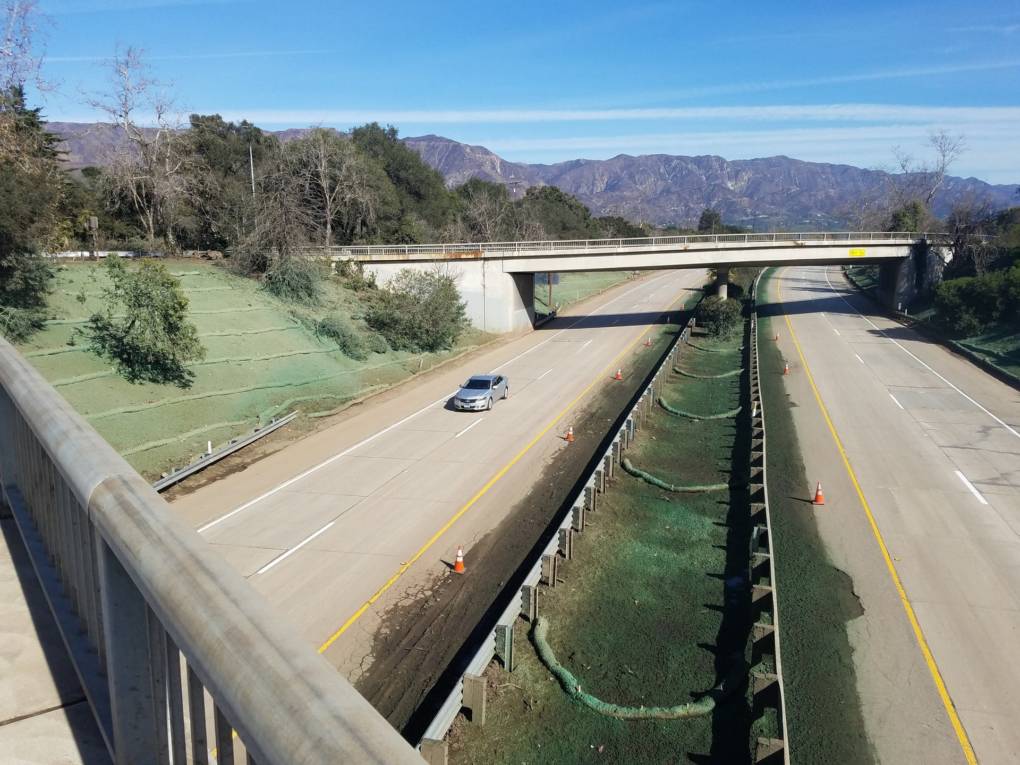
"caption": "U.S. Highway 101 reopened on Jan. 21, 2018, after two weeks of cleanup following deadly mudslides that closed the highway for weeks.",
"description": "U.S. Highway 101 reopened on Jan. 21, 2018, after two weeks of cleanup following deadly mudslides that closed the highway for weeks.",
"title": "RS28963_Highway 101-qut",
"credit": "California Department of Transportation",
"status": "inherit",
"isLoading": false,
"fetchFailed": false
},
"news_11642900": {
"type": "attachments",
"id": "news_11642900",
"meta": {
"index": "attachments_1716263798",
"site": "news",
"id": "11642900",
"found": true
},
"parent": 11642822,
"imgSizes": {
"small": {
"file": "https://ww2.kqed.org/app/uploads/sites/10/2018/01/RS23778_170121_SFWomensMarch_bhs01-qut-520x347.jpg",
"width": 520,
"mimeType": "image/jpeg",
"height": 347
},
"twentyfourteen-full-width": {
"file": "https://ww2.kqed.org/app/uploads/sites/10/2018/01/RS23778_170121_SFWomensMarch_bhs01-qut-1038x576.jpg",
"width": 1038,
"mimeType": "image/jpeg",
"height": 576
},
"thumbnail": {
"file": "https://ww2.kqed.org/app/uploads/sites/10/2018/01/RS23778_170121_SFWomensMarch_bhs01-qut-160x107.jpg",
"width": 160,
"mimeType": "image/jpeg",
"height": 107
},
"fd-sm": {
"file": "https://ww2.kqed.org/app/uploads/sites/10/2018/01/RS23778_170121_SFWomensMarch_bhs01-qut-960x640.jpg",
"width": 960,
"mimeType": "image/jpeg",
"height": 640
},
"post-thumbnail": {
"file": "https://ww2.kqed.org/app/uploads/sites/10/2018/01/RS23778_170121_SFWomensMarch_bhs01-qut-672x372.jpg",
"width": 672,
"mimeType": "image/jpeg",
"height": 372
},
"xsmall": {
"file": "https://ww2.kqed.org/app/uploads/sites/10/2018/01/RS23778_170121_SFWomensMarch_bhs01-qut-375x250.jpg",
"width": 375,
"mimeType": "image/jpeg",
"height": 250
},
"kqedFullSize": {
"file": "https://ww2.kqed.org/app/uploads/sites/10/2018/01/RS23778_170121_SFWomensMarch_bhs01-qut.jpg",
"width": 1920,
"height": 1280
},
"large": {
"file": "https://ww2.kqed.org/app/uploads/sites/10/2018/01/RS23778_170121_SFWomensMarch_bhs01-qut-1020x680.jpg",
"width": 1020,
"mimeType": "image/jpeg",
"height": 680
},
"xlarge": {
"file": "https://ww2.kqed.org/app/uploads/sites/10/2018/01/RS23778_170121_SFWomensMarch_bhs01-qut-1180x787.jpg",
"width": 1180,
"mimeType": "image/jpeg",
"height": 787
},
"guest-author-50": {
"file": "https://ww2.kqed.org/app/uploads/sites/10/2018/01/RS23778_170121_SFWomensMarch_bhs01-qut-50x50.jpg",
"width": 50,
"mimeType": "image/jpeg",
"height": 50
},
"guest-author-96": {
"file": "https://ww2.kqed.org/app/uploads/sites/10/2018/01/RS23778_170121_SFWomensMarch_bhs01-qut-96x96.jpg",
"width": 96,
"mimeType": "image/jpeg",
"height": 96
},
"medium": {
"file": "https://ww2.kqed.org/app/uploads/sites/10/2018/01/RS23778_170121_SFWomensMarch_bhs01-qut-800x533.jpg",
"width": 800,
"mimeType": "image/jpeg",
"height": 533
},
"guest-author-64": {
"file": "https://ww2.kqed.org/app/uploads/sites/10/2018/01/RS23778_170121_SFWomensMarch_bhs01-qut-64x64.jpg",
"width": 64,
"mimeType": "image/jpeg",
"height": 64
},
"guest-author-32": {
"file": "https://ww2.kqed.org/app/uploads/sites/10/2018/01/RS23778_170121_SFWomensMarch_bhs01-qut-32x32.jpg",
"width": 32,
"mimeType": "image/jpeg",
"height": 32
},
"fd-lrg": {
"file": "https://ww2.kqed.org/app/uploads/sites/10/2018/01/RS23778_170121_SFWomensMarch_bhs01-qut-1920x1280.jpg",
"width": 1920,
"mimeType": "image/jpeg",
"height": 1280
},
"fd-med": {
"file": "https://ww2.kqed.org/app/uploads/sites/10/2018/01/RS23778_170121_SFWomensMarch_bhs01-qut-1180x787.jpg",
"width": 1180,
"mimeType": "image/jpeg",
"height": 787
},
"full-width": {
"file": "https://ww2.kqed.org/app/uploads/sites/10/2018/01/RS23778_170121_SFWomensMarch_bhs01-qut-1920x1280.jpg",
"width": 1920,
"mimeType": "image/jpeg",
"height": 1280
},
"detail": {
"file": "https://ww2.kqed.org/app/uploads/sites/10/2018/01/RS23778_170121_SFWomensMarch_bhs01-qut-150x150.jpg",
"width": 150,
"mimeType": "image/jpeg",
"height": 150
},
"guest-author-128": {
"file": "https://ww2.kqed.org/app/uploads/sites/10/2018/01/RS23778_170121_SFWomensMarch_bhs01-qut-128x128.jpg",
"width": 128,
"mimeType": "image/jpeg",
"height": 128
},
"xxsmall": {
"file": "https://ww2.kqed.org/app/uploads/sites/10/2018/01/RS23778_170121_SFWomensMarch_bhs01-qut-240x160.jpg",
"width": 240,
"mimeType": "image/jpeg",
"height": 160
}
},
"publishDate": 1516319551,
"modified": 1516320046,
"caption": "Last year, on January 21, 2017, San Francisco’s Women’s March began at the Civic Center Plaza with thousands marching down Market St.",
"description": "Last year, on January 21, 2017, San Francisco’s Women’s March began at the Civic Center Plaza with thousands marching down Market St",
"title": "RS23778_170121_SFWomensMarch_bhs01-qut",
"credit": "Brittany Hosea-Small/KQED",
"status": "inherit",
"isLoading": false,
"fetchFailed": false
},
"news_11632484": {
"type": "attachments",
"id": "news_11632484",
"meta": {
"index": "attachments_1716263798",
"site": "news",
"id": "11632484",
"found": true
},
"parent": 11632453,
"imgSizes": {
"small": {
"file": "https://ww2.kqed.org/app/uploads/sites/10/2017/11/30419836675_867ae4440f_k-520x355.jpg",
"width": 520,
"mimeType": "image/jpeg",
"height": 355
},
"twentyfourteen-full-width": {
"file": "https://ww2.kqed.org/app/uploads/sites/10/2017/11/30419836675_867ae4440f_k-1038x576.jpg",
"width": 1038,
"mimeType": "image/jpeg",
"height": 576
},
"thumbnail": {
"file": "https://ww2.kqed.org/app/uploads/sites/10/2017/11/30419836675_867ae4440f_k-160x109.jpg",
"width": 160,
"mimeType": "image/jpeg",
"height": 109
},
"fd-sm": {
"file": "https://ww2.kqed.org/app/uploads/sites/10/2017/11/30419836675_867ae4440f_k-960x655.jpg",
"width": 960,
"mimeType": "image/jpeg",
"height": 655
},
"post-thumbnail": {
"file": "https://ww2.kqed.org/app/uploads/sites/10/2017/11/30419836675_867ae4440f_k-672x372.jpg",
"width": 672,
"mimeType": "image/jpeg",
"height": 372
},
"xsmall": {
"file": "https://ww2.kqed.org/app/uploads/sites/10/2017/11/30419836675_867ae4440f_k-375x256.jpg",
"width": 375,
"mimeType": "image/jpeg",
"height": 256
},
"kqedFullSize": {
"file": "https://ww2.kqed.org/app/uploads/sites/10/2017/11/30419836675_867ae4440f_k-e1511222635388.jpg",
"width": 1920,
"height": 1311
},
"large": {
"file": "https://ww2.kqed.org/app/uploads/sites/10/2017/11/30419836675_867ae4440f_k-1020x696.jpg",
"width": 1020,
"mimeType": "image/jpeg",
"height": 696
},
"xlarge": {
"file": "https://ww2.kqed.org/app/uploads/sites/10/2017/11/30419836675_867ae4440f_k-1180x805.jpg",
"width": 1180,
"mimeType": "image/jpeg",
"height": 805
},
"guest-author-50": {
"file": "https://ww2.kqed.org/app/uploads/sites/10/2017/11/30419836675_867ae4440f_k-50x50.jpg",
"width": 50,
"mimeType": "image/jpeg",
"height": 50
},
"guest-author-96": {
"file": "https://ww2.kqed.org/app/uploads/sites/10/2017/11/30419836675_867ae4440f_k-96x96.jpg",
"width": 96,
"mimeType": "image/jpeg",
"height": 96
},
"medium": {
"file": "https://ww2.kqed.org/app/uploads/sites/10/2017/11/30419836675_867ae4440f_k-800x546.jpg",
"width": 800,
"mimeType": "image/jpeg",
"height": 546
},
"guest-author-64": {
"file": "https://ww2.kqed.org/app/uploads/sites/10/2017/11/30419836675_867ae4440f_k-64x64.jpg",
"width": 64,
"mimeType": "image/jpeg",
"height": 64
},
"guest-author-32": {
"file": "https://ww2.kqed.org/app/uploads/sites/10/2017/11/30419836675_867ae4440f_k-32x32.jpg",
"width": 32,
"mimeType": "image/jpeg",
"height": 32
},
"fd-lrg": {
"file": "https://ww2.kqed.org/app/uploads/sites/10/2017/11/30419836675_867ae4440f_k-1920x1311.jpg",
"width": 1920,
"mimeType": "image/jpeg",
"height": 1311
},
"fd-med": {
"file": "https://ww2.kqed.org/app/uploads/sites/10/2017/11/30419836675_867ae4440f_k-1180x805.jpg",
"width": 1180,
"mimeType": "image/jpeg",
"height": 805
},
"full-width": {
"file": "https://ww2.kqed.org/app/uploads/sites/10/2017/11/30419836675_867ae4440f_k-1920x1311.jpg",
"width": 1920,
"mimeType": "image/jpeg",
"height": 1311
},
"detail": {
"file": "https://ww2.kqed.org/app/uploads/sites/10/2017/11/30419836675_867ae4440f_k-150x150.jpg",
"width": 150,
"mimeType": "image/jpeg",
"height": 150
},
"guest-author-128": {
"file": "https://ww2.kqed.org/app/uploads/sites/10/2017/11/30419836675_867ae4440f_k-128x128.jpg",
"width": 128,
"mimeType": "image/jpeg",
"height": 128
},
"xxsmall": {
"file": "https://ww2.kqed.org/app/uploads/sites/10/2017/11/30419836675_867ae4440f_k-240x164.jpg",
"width": 240,
"mimeType": "image/jpeg",
"height": 164
}
},
"publishDate": 1511222480,
"modified": 1511228586,
"caption": "In October 2016, BART showed off several of its new train cars at an open house at the agency's Pleasant Hill Station.",
"description": null,
"title": "BART-Fleet of the Future",
"credit": "Dan Brekke/KQED",
"status": "inherit",
"isLoading": false,
"fetchFailed": false
},
"news_11642758": {
"type": "attachments",
"id": "news_11642758",
"meta": {
"index": "attachments_1716263798",
"site": "news",
"id": "11642758",
"found": true
},
"parent": 11642750,
"imgSizes": {
"small": {
"file": "https://ww2.kqed.org/app/uploads/sites/10/2018/01/101Mudslide-520x324.jpg",
"width": 520,
"mimeType": "image/jpeg",
"height": 324
},
"twentyfourteen-full-width": {
"file": "https://ww2.kqed.org/app/uploads/sites/10/2018/01/101Mudslide-1038x576.jpg",
"width": 1038,
"mimeType": "image/jpeg",
"height": 576
},
"thumbnail": {
"file": "https://ww2.kqed.org/app/uploads/sites/10/2018/01/101Mudslide-160x100.jpg",
"width": 160,
"mimeType": "image/jpeg",
"height": 100
},
"fd-sm": {
"file": "https://ww2.kqed.org/app/uploads/sites/10/2018/01/101Mudslide-960x599.jpg",
"width": 960,
"mimeType": "image/jpeg",
"height": 599
},
"post-thumbnail": {
"file": "https://ww2.kqed.org/app/uploads/sites/10/2018/01/101Mudslide-672x372.jpg",
"width": 672,
"mimeType": "image/jpeg",
"height": 372
},
"xsmall": {
"file": "https://ww2.kqed.org/app/uploads/sites/10/2018/01/101Mudslide-375x234.jpg",
"width": 375,
"mimeType": "image/jpeg",
"height": 234
},
"kqedFullSize": {
"file": "https://ww2.kqed.org/app/uploads/sites/10/2018/01/101Mudslide.jpg",
"width": 1920,
"height": 1198
},
"large": {
"file": "https://ww2.kqed.org/app/uploads/sites/10/2018/01/101Mudslide-1020x636.jpg",
"width": 1020,
"mimeType": "image/jpeg",
"height": 636
},
"xlarge": {
"file": "https://ww2.kqed.org/app/uploads/sites/10/2018/01/101Mudslide-1180x736.jpg",
"width": 1180,
"mimeType": "image/jpeg",
"height": 736
},
"guest-author-50": {
"file": "https://ww2.kqed.org/app/uploads/sites/10/2018/01/101Mudslide-50x50.jpg",
"width": 50,
"mimeType": "image/jpeg",
"height": 50
},
"guest-author-96": {
"file": "https://ww2.kqed.org/app/uploads/sites/10/2018/01/101Mudslide-96x96.jpg",
"width": 96,
"mimeType": "image/jpeg",
"height": 96
},
"medium": {
"file": "https://ww2.kqed.org/app/uploads/sites/10/2018/01/101Mudslide-800x499.jpg",
"width": 800,
"mimeType": "image/jpeg",
"height": 499
},
"guest-author-64": {
"file": "https://ww2.kqed.org/app/uploads/sites/10/2018/01/101Mudslide-64x64.jpg",
"width": 64,
"mimeType": "image/jpeg",
"height": 64
},
"guest-author-32": {
"file": "https://ww2.kqed.org/app/uploads/sites/10/2018/01/101Mudslide-32x32.jpg",
"width": 32,
"mimeType": "image/jpeg",
"height": 32
},
"fd-lrg": {
"file": "https://ww2.kqed.org/app/uploads/sites/10/2018/01/101Mudslide-1920x1198.jpg",
"width": 1920,
"mimeType": "image/jpeg",
"height": 1198
},
"fd-med": {
"file": "https://ww2.kqed.org/app/uploads/sites/10/2018/01/101Mudslide-1180x736.jpg",
"width": 1180,
"mimeType": "image/jpeg",
"height": 736
},
"full-width": {
"file": "https://ww2.kqed.org/app/uploads/sites/10/2018/01/101Mudslide-1920x1198.jpg",
"width": 1920,
"mimeType": "image/jpeg",
"height": 1198
},
"detail": {
"file": "https://ww2.kqed.org/app/uploads/sites/10/2018/01/101Mudslide-150x150.jpg",
"width": 150,
"mimeType": "image/jpeg",
"height": 150
},
"guest-author-128": {
"file": "https://ww2.kqed.org/app/uploads/sites/10/2018/01/101Mudslide-128x128.jpg",
"width": 128,
"mimeType": "image/jpeg",
"height": 128
},
"xxsmall": {
"file": "https://ww2.kqed.org/app/uploads/sites/10/2018/01/101Mudslide-240x150.jpg",
"width": 240,
"mimeType": "image/jpeg",
"height": 150
}
},
"publishDate": 1516306257,
"modified": 1516326935,
"caption": "Cleanup operations continue along a section of the 101 Freeway closed due to mudslides in Montecito on Jan. 12, 2018.",
"description": "Cleanup operations continue along a section of the 101 freeway closed due to mudslides in Montecito on January 12, 2018.",
"title": "101Mudslide",
"credit": "FREDERIC J. BROWN/AFP/Getty Images",
"status": "inherit",
"isLoading": false,
"fetchFailed": false
},
"news_11642391": {
"type": "attachments",
"id": "news_11642391",
"meta": {
"index": "attachments_1716263798",
"site": "news",
"id": "11642391",
"found": true
},
"parent": 11642389,
"imgSizes": {
"small": {
"file": "https://ww2.kqed.org/app/uploads/sites/10/2018/01/SURFLINER-2-520x390.jpg",
"width": 520,
"mimeType": "image/jpeg",
"height": 390
},
"twentyfourteen-full-width": {
"file": "https://ww2.kqed.org/app/uploads/sites/10/2018/01/SURFLINER-2-1038x576.jpg",
"width": 1038,
"mimeType": "image/jpeg",
"height": 576
},
"thumbnail": {
"file": "https://ww2.kqed.org/app/uploads/sites/10/2018/01/SURFLINER-2-160x120.jpg",
"width": 160,
"mimeType": "image/jpeg",
"height": 120
},
"fd-sm": {
"file": "https://ww2.kqed.org/app/uploads/sites/10/2018/01/SURFLINER-2-960x720.jpg",
"width": 960,
"mimeType": "image/jpeg",
"height": 720
},
"post-thumbnail": {
"file": "https://ww2.kqed.org/app/uploads/sites/10/2018/01/SURFLINER-2-672x372.jpg",
"width": 672,
"mimeType": "image/jpeg",
"height": 372
},
"xsmall": {
"file": "https://ww2.kqed.org/app/uploads/sites/10/2018/01/SURFLINER-2-375x281.jpg",
"width": 375,
"mimeType": "image/jpeg",
"height": 281
},
"kqedFullSize": {
"file": "https://ww2.kqed.org/app/uploads/sites/10/2018/01/SURFLINER-2.jpg",
"width": 1920,
"height": 1440
},
"large": {
"file": "https://ww2.kqed.org/app/uploads/sites/10/2018/01/SURFLINER-2-1020x765.jpg",
"width": 1020,
"mimeType": "image/jpeg",
"height": 765
},
"xlarge": {
"file": "https://ww2.kqed.org/app/uploads/sites/10/2018/01/SURFLINER-2-1180x885.jpg",
"width": 1180,
"mimeType": "image/jpeg",
"height": 885
},
"guest-author-50": {
"file": "https://ww2.kqed.org/app/uploads/sites/10/2018/01/SURFLINER-2-50x50.jpg",
"width": 50,
"mimeType": "image/jpeg",
"height": 50
},
"guest-author-96": {
"file": "https://ww2.kqed.org/app/uploads/sites/10/2018/01/SURFLINER-2-96x96.jpg",
"width": 96,
"mimeType": "image/jpeg",
"height": 96
},
"medium": {
"file": "https://ww2.kqed.org/app/uploads/sites/10/2018/01/SURFLINER-2-800x600.jpg",
"width": 800,
"mimeType": "image/jpeg",
"height": 600
},
"guest-author-64": {
"file": "https://ww2.kqed.org/app/uploads/sites/10/2018/01/SURFLINER-2-64x64.jpg",
"width": 64,
"mimeType": "image/jpeg",
"height": 64
},
"guest-author-32": {
"file": "https://ww2.kqed.org/app/uploads/sites/10/2018/01/SURFLINER-2-32x32.jpg",
"width": 32,
"mimeType": "image/jpeg",
"height": 32
},
"fd-lrg": {
"file": "https://ww2.kqed.org/app/uploads/sites/10/2018/01/SURFLINER-2-1920x1440.jpg",
"width": 1920,
"mimeType": "image/jpeg",
"height": 1440
},
"fd-med": {
"file": "https://ww2.kqed.org/app/uploads/sites/10/2018/01/SURFLINER-2-1180x885.jpg",
"width": 1180,
"mimeType": "image/jpeg",
"height": 885
},
"full-width": {
"file": "https://ww2.kqed.org/app/uploads/sites/10/2018/01/SURFLINER-2-1920x1440.jpg",
"width": 1920,
"mimeType": "image/jpeg",
"height": 1440
},
"detail": {
"file": "https://ww2.kqed.org/app/uploads/sites/10/2018/01/SURFLINER-2-150x150.jpg",
"width": 150,
"mimeType": "image/jpeg",
"height": 150
},
"guest-author-128": {
"file": "https://ww2.kqed.org/app/uploads/sites/10/2018/01/SURFLINER-2-128x128.jpg",
"width": 128,
"mimeType": "image/jpeg",
"height": 128
},
"xxsmall": {
"file": "https://ww2.kqed.org/app/uploads/sites/10/2018/01/SURFLINER-2-240x180.jpg",
"width": 240,
"mimeType": "image/jpeg",
"height": 180
}
},
"publishDate": 1516209415,
"modified": 1516230632,
"caption": "The Amtrak Pacific Surfliner is operating more (and longer) commuter trains along the Santa Barbara-Ventura coast, while the 101 Freeway and other major roadways are closed off due to storm and mudslide damage.",
"description": "The Amtrak Pacific Surfliner is operating more (and longer) commuter trains along the Santa Barbara-Ventura coast while the 101 Freeway and other major roadways are closed off due to storm and mudslide damage. ",
"title": "SURFLINER 2",
"credit": "Steven Cuevas/KQED",
"status": "inherit",
"isLoading": false,
"fetchFailed": false
},
"news_11218992": {
"type": "attachments",
"id": "news_11218992",
"meta": {
"index": "attachments_1716263798",
"site": "news",
"id": "11218992",
"found": true
},
"parent": 11218990,
"imgSizes": {
"small": {
"file": "https://ww2.kqed.org/app/uploads/sites/10/2016/12/31255087350_b4444ab4ba_o-520x345.jpg",
"width": 520,
"mimeType": "image/jpeg",
"height": 345
},
"twentyfourteen-full-width": {
"file": "https://ww2.kqed.org/app/uploads/sites/10/2016/12/31255087350_b4444ab4ba_o-1038x576.jpg",
"width": 1038,
"mimeType": "image/jpeg",
"height": 576
},
"thumbnail": {
"file": "https://ww2.kqed.org/app/uploads/sites/10/2016/12/31255087350_b4444ab4ba_o-160x106.jpg",
"width": 160,
"mimeType": "image/jpeg",
"height": 106
},
"fd-sm": {
"file": "https://ww2.kqed.org/app/uploads/sites/10/2016/12/31255087350_b4444ab4ba_o-960x638.jpg",
"width": 960,
"mimeType": "image/jpeg",
"height": 638
},
"post-thumbnail": {
"file": "https://ww2.kqed.org/app/uploads/sites/10/2016/12/31255087350_b4444ab4ba_o-672x372.jpg",
"width": 672,
"mimeType": "image/jpeg",
"height": 372
},
"xsmall": {
"file": "https://ww2.kqed.org/app/uploads/sites/10/2016/12/31255087350_b4444ab4ba_o-375x249.jpg",
"width": 375,
"mimeType": "image/jpeg",
"height": 249
},
"kqedFullSize": {
"file": "https://ww2.kqed.org/app/uploads/sites/10/2016/12/31255087350_b4444ab4ba_o-e1481681749879.jpg",
"width": 1920,
"height": 1275
},
"large": {
"file": "https://ww2.kqed.org/app/uploads/sites/10/2016/12/31255087350_b4444ab4ba_o-1020x677.jpg",
"width": 1020,
"mimeType": "image/jpeg",
"height": 677
},
"xlarge": {
"file": "https://ww2.kqed.org/app/uploads/sites/10/2016/12/31255087350_b4444ab4ba_o-1180x784.jpg",
"width": 1180,
"mimeType": "image/jpeg",
"height": 784
},
"guest-author-50": {
"file": "https://ww2.kqed.org/app/uploads/sites/10/2016/12/31255087350_b4444ab4ba_o-50x50.jpg",
"width": 50,
"mimeType": "image/jpeg",
"height": 50
},
"guest-author-96": {
"file": "https://ww2.kqed.org/app/uploads/sites/10/2016/12/31255087350_b4444ab4ba_o-96x96.jpg",
"width": 96,
"mimeType": "image/jpeg",
"height": 96
},
"medium": {
"file": "https://ww2.kqed.org/app/uploads/sites/10/2016/12/31255087350_b4444ab4ba_o-800x531.jpg",
"width": 800,
"mimeType": "image/jpeg",
"height": 531
},
"guest-author-64": {
"file": "https://ww2.kqed.org/app/uploads/sites/10/2016/12/31255087350_b4444ab4ba_o-64x64.jpg",
"width": 64,
"mimeType": "image/jpeg",
"height": 64
},
"guest-author-32": {
"file": "https://ww2.kqed.org/app/uploads/sites/10/2016/12/31255087350_b4444ab4ba_o-32x32.jpg",
"width": 32,
"mimeType": "image/jpeg",
"height": 32
},
"jmtc-small-thumb": {
"file": "https://ww2.kqed.org/app/uploads/sites/10/2016/12/31255087350_b4444ab4ba_o-280x150.jpg",
"width": 280,
"mimeType": "image/jpeg",
"height": 150
},
"fd-lrg": {
"file": "https://ww2.kqed.org/app/uploads/sites/10/2016/12/31255087350_b4444ab4ba_o-1920x1275.jpg",
"width": 1920,
"mimeType": "image/jpeg",
"height": 1275
},
"fd-med": {
"file": "https://ww2.kqed.org/app/uploads/sites/10/2016/12/31255087350_b4444ab4ba_o-1180x784.jpg",
"width": 1180,
"mimeType": "image/jpeg",
"height": 784
},
"full-width": {
"file": "https://ww2.kqed.org/app/uploads/sites/10/2016/12/31255087350_b4444ab4ba_o-1920x1275.jpg",
"width": 1920,
"mimeType": "image/jpeg",
"height": 1275
},
"detail": {
"file": "https://ww2.kqed.org/app/uploads/sites/10/2016/12/31255087350_b4444ab4ba_o-150x150.jpg",
"width": 150,
"mimeType": "image/jpeg",
"height": 150
},
"guest-author-128": {
"file": "https://ww2.kqed.org/app/uploads/sites/10/2016/12/31255087350_b4444ab4ba_o-128x128.jpg",
"width": 128,
"mimeType": "image/jpeg",
"height": 128
},
"xxsmall": {
"file": "https://ww2.kqed.org/app/uploads/sites/10/2016/12/31255087350_b4444ab4ba_o-240x159.jpg",
"width": 240,
"mimeType": "image/jpeg",
"height": 159
}
},
"publishDate": 1481681648,
"modified": 1550013879,
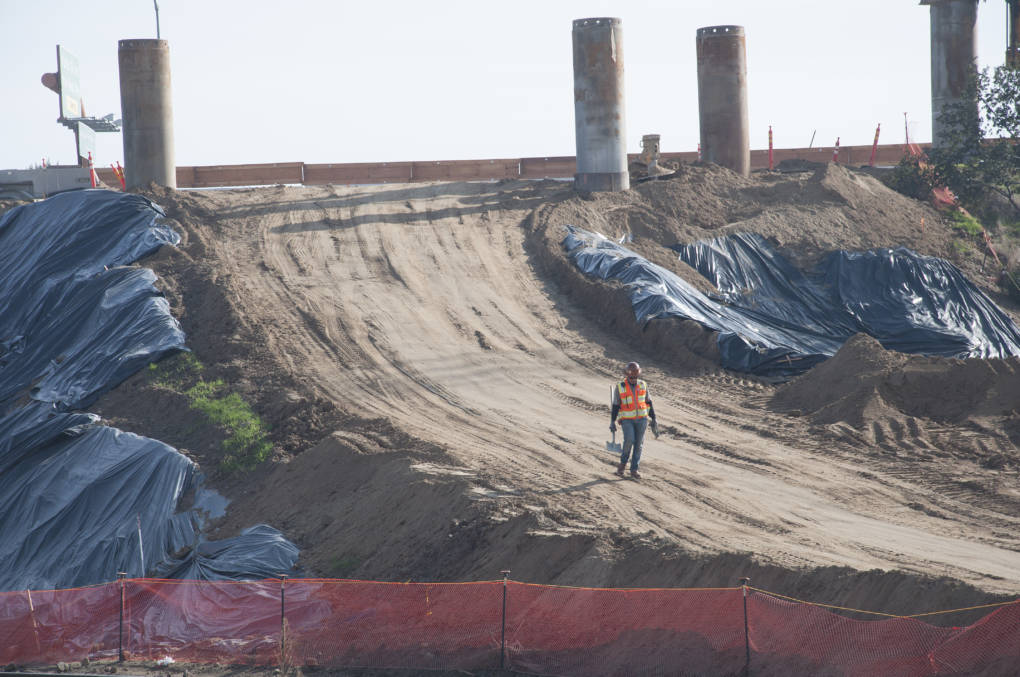
"caption": "Worker on part of the California high-speed rail route under construction in late 2016 near Fresno.",
"description": null,
"title": "California High-Speed Rail/Fresno",
"credit": "California High-Speed Rail Authority",
"status": "inherit",
"isLoading": false,
"fetchFailed": false
},
"news_11159700": {
"type": "attachments",
"id": "news_11159700",
"meta": {
"index": "attachments_1716263798",
"site": "news",
"id": "11159700",
"found": true
},
"parent": 11159698,
"imgSizes": {
"small": {
"file": "https://ww2.kqed.org/app/uploads/sites/10/2017/11/bartcars-520x347.jpg",
"width": 520,
"mimeType": "image/jpeg",
"height": 347
},
"twentyfourteen-full-width": {
"file": "https://ww2.kqed.org/app/uploads/sites/10/2017/11/bartcars-1038x576.jpg",
"width": 1038,
"mimeType": "image/jpeg",
"height": 576
},
"thumbnail": {
"file": "https://ww2.kqed.org/app/uploads/sites/10/2017/11/bartcars-160x107.jpg",
"width": 160,
"mimeType": "image/jpeg",
"height": 107
},
"fd-sm": {
"file": "https://ww2.kqed.org/app/uploads/sites/10/2017/11/bartcars-960x640.jpg",
"width": 960,
"mimeType": "image/jpeg",
"height": 640
},
"post-thumbnail": {
"file": "https://ww2.kqed.org/app/uploads/sites/10/2017/11/bartcars-672x372.jpg",
"width": 672,
"mimeType": "image/jpeg",
"height": 372
},
"xsmall": {
"file": "https://ww2.kqed.org/app/uploads/sites/10/2017/11/bartcars-375x250.jpg",
"width": 375,
"mimeType": "image/jpeg",
"height": 250
},
"kqedFullSize": {
"file": "https://ww2.kqed.org/app/uploads/sites/10/2017/11/bartcars.jpg",
"width": 1920,
"height": 1280
},
"large": {
"file": "https://ww2.kqed.org/app/uploads/sites/10/2017/11/bartcars-1020x680.jpg",
"width": 1020,
"mimeType": "image/jpeg",
"height": 680
},
"xlarge": {
"file": "https://ww2.kqed.org/app/uploads/sites/10/2017/11/bartcars-1180x787.jpg",
"width": 1180,
"mimeType": "image/jpeg",
"height": 787
},
"guest-author-50": {
"file": "https://ww2.kqed.org/app/uploads/sites/10/2017/11/bartcars-50x50.jpg",
"width": 50,
"mimeType": "image/jpeg",
"height": 50
},
"guest-author-96": {
"file": "https://ww2.kqed.org/app/uploads/sites/10/2017/11/bartcars-96x96.jpg",
"width": 96,
"mimeType": "image/jpeg",
"height": 96
},
"medium": {
"file": "https://ww2.kqed.org/app/uploads/sites/10/2017/11/bartcars-800x533.jpg",
"width": 800,
"mimeType": "image/jpeg",
"height": 533
},
"guest-author-64": {
"file": "https://ww2.kqed.org/app/uploads/sites/10/2017/11/bartcars-64x64.jpg",
"width": 64,
"mimeType": "image/jpeg",
"height": 64
},
"guest-author-32": {
"file": "https://ww2.kqed.org/app/uploads/sites/10/2017/11/bartcars-32x32.jpg",
"width": 32,
"mimeType": "image/jpeg",
"height": 32
},
"jmtc-small-thumb": {
"file": "https://ww2.kqed.org/app/uploads/sites/10/2017/11/bartcars-280x150.jpg",
"width": 280,
"mimeType": "image/jpeg",
"height": 150
},
"fd-lrg": {
"file": "https://ww2.kqed.org/app/uploads/sites/10/2017/11/bartcars-1920x1280.jpg",
"width": 1920,
"mimeType": "image/jpeg",
"height": 1280
},
"fd-med": {
"file": "https://ww2.kqed.org/app/uploads/sites/10/2017/11/bartcars-1180x787.jpg",
"width": 1180,
"mimeType": "image/jpeg",
"height": 787
},
"full-width": {
"file": "https://ww2.kqed.org/app/uploads/sites/10/2017/11/bartcars-1920x1280.jpg",
"width": 1920,
"mimeType": "image/jpeg",
"height": 1280
},
"detail": {
"file": "https://ww2.kqed.org/app/uploads/sites/10/2017/11/bartcars-150x150.jpg",
"width": 150,
"mimeType": "image/jpeg",
"height": 150
},
"guest-author-128": {
"file": "https://ww2.kqed.org/app/uploads/sites/10/2017/11/bartcars-128x128.jpg",
"width": 128,
"mimeType": "image/jpeg",
"height": 128
},
"xxsmall": {
"file": "https://ww2.kqed.org/app/uploads/sites/10/2017/11/bartcars-240x160.jpg",
"width": 240,
"mimeType": "image/jpeg",
"height": 160
}
},
"publishDate": 1478297376,
"modified": 1516140615,
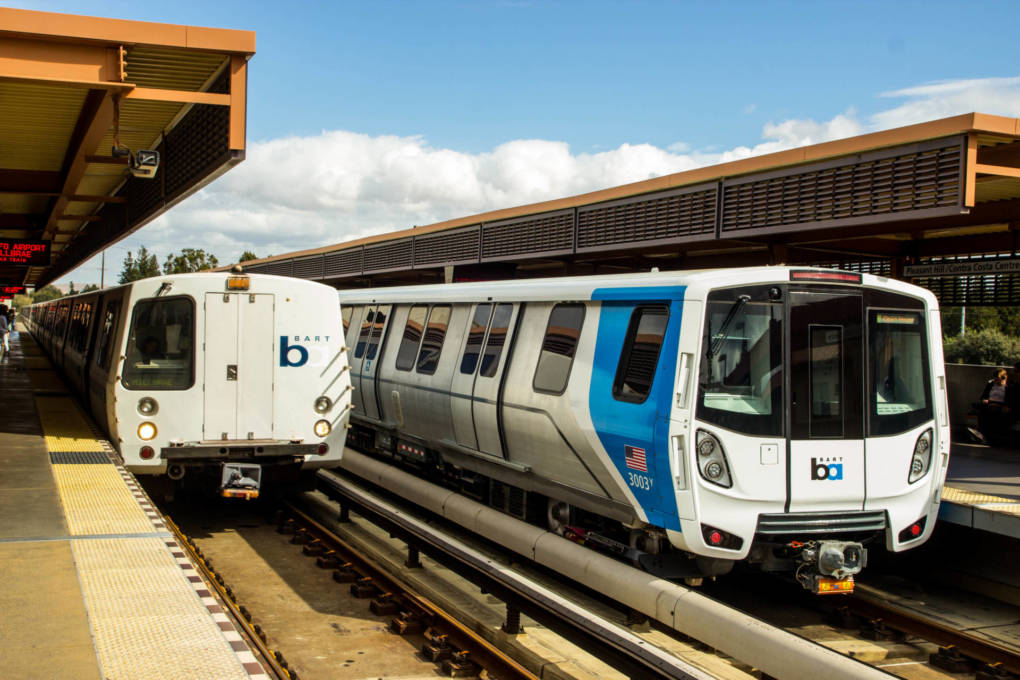
"caption": "A car from BART's 'Fleet of the Future,' right, alongside one of the transit agency's old cars at Pleasant Hill Station in October 2016. ",
"description": "BART trains at Pleasant Hill station, October 2016. ",
"title": "BART Cars",
"credit": "Dan Brekke/KQED",
"status": "inherit",
"isLoading": false,
"fetchFailed": false
},
"news_11641925": {
"type": "attachments",
"id": "news_11641925",
"meta": {
"index": "attachments_1716263798",
"site": "news",
"id": "11641925",
"found": true
},
"parent": 11641922,
"imgSizes": {
"small": {
"file": "https://ww2.kqed.org/app/uploads/sites/10/2018/01/RS9144_476374685-520x346.jpg",
"width": 520,
"mimeType": "image/jpeg",
"height": 346
},
"twentyfourteen-full-width": {
"file": "https://ww2.kqed.org/app/uploads/sites/10/2018/01/RS9144_476374685-1038x576.jpg",
"width": 1038,
"mimeType": "image/jpeg",
"height": 576
},
"thumbnail": {
"file": "https://ww2.kqed.org/app/uploads/sites/10/2018/01/RS9144_476374685-160x106.jpg",
"width": 160,
"mimeType": "image/jpeg",
"height": 106
},
"fd-sm": {
"file": "https://ww2.kqed.org/app/uploads/sites/10/2018/01/RS9144_476374685-960x639.jpg",
"width": 960,
"mimeType": "image/jpeg",
"height": 639
},
"post-thumbnail": {
"file": "https://ww2.kqed.org/app/uploads/sites/10/2018/01/RS9144_476374685-672x372.jpg",
"width": 672,
"mimeType": "image/jpeg",
"height": 372
},
"xsmall": {
"file": "https://ww2.kqed.org/app/uploads/sites/10/2018/01/RS9144_476374685-375x249.jpg",
"width": 375,
"mimeType": "image/jpeg",
"height": 249
},
"kqedFullSize": {
"file": "https://ww2.kqed.org/app/uploads/sites/10/2018/01/RS9144_476374685-e1515878608198.jpg",
"width": 1920,
"height": 1277
},
"large": {
"file": "https://ww2.kqed.org/app/uploads/sites/10/2018/01/RS9144_476374685-1020x679.jpg",
"width": 1020,
"mimeType": "image/jpeg",
"height": 679
},
"xlarge": {
"file": "https://ww2.kqed.org/app/uploads/sites/10/2018/01/RS9144_476374685-1180x785.jpg",
"width": 1180,
"mimeType": "image/jpeg",
"height": 785
},
"guest-author-50": {
"file": "https://ww2.kqed.org/app/uploads/sites/10/2018/01/RS9144_476374685-50x50.jpg",
"width": 50,
"mimeType": "image/jpeg",
"height": 50
},
"guest-author-96": {
"file": "https://ww2.kqed.org/app/uploads/sites/10/2018/01/RS9144_476374685-96x96.jpg",
"width": 96,
"mimeType": "image/jpeg",
"height": 96
},
"medium": {
"file": "https://ww2.kqed.org/app/uploads/sites/10/2018/01/RS9144_476374685-800x532.jpg",
"width": 800,
"mimeType": "image/jpeg",
"height": 532
},
"guest-author-64": {
"file": "https://ww2.kqed.org/app/uploads/sites/10/2018/01/RS9144_476374685-64x64.jpg",
"width": 64,
"mimeType": "image/jpeg",
"height": 64
},
"guest-author-32": {
"file": "https://ww2.kqed.org/app/uploads/sites/10/2018/01/RS9144_476374685-32x32.jpg",
"width": 32,
"mimeType": "image/jpeg",
"height": 32
},
"fd-lrg": {
"file": "https://ww2.kqed.org/app/uploads/sites/10/2018/01/RS9144_476374685-1920x1277.jpg",
"width": 1920,
"mimeType": "image/jpeg",
"height": 1277
},
"fd-med": {
"file": "https://ww2.kqed.org/app/uploads/sites/10/2018/01/RS9144_476374685-1180x785.jpg",
"width": 1180,
"mimeType": "image/jpeg",
"height": 785
},
"full-width": {
"file": "https://ww2.kqed.org/app/uploads/sites/10/2018/01/RS9144_476374685-1920x1277.jpg",
"width": 1920,
"mimeType": "image/jpeg",
"height": 1277
},
"detail": {
"file": "https://ww2.kqed.org/app/uploads/sites/10/2018/01/RS9144_476374685-150x150.jpg",
"width": 150,
"mimeType": "image/jpeg",
"height": 150
},
"guest-author-128": {
"file": "https://ww2.kqed.org/app/uploads/sites/10/2018/01/RS9144_476374685-128x128.jpg",
"width": 128,
"mimeType": "image/jpeg",
"height": 128
},
"xxsmall": {
"file": "https://ww2.kqed.org/app/uploads/sites/10/2018/01/RS9144_476374685-240x160.jpg",
"width": 240,
"mimeType": "image/jpeg",
"height": 160
}
},
"publishDate": 1515878590,
"modified": 1539756212,
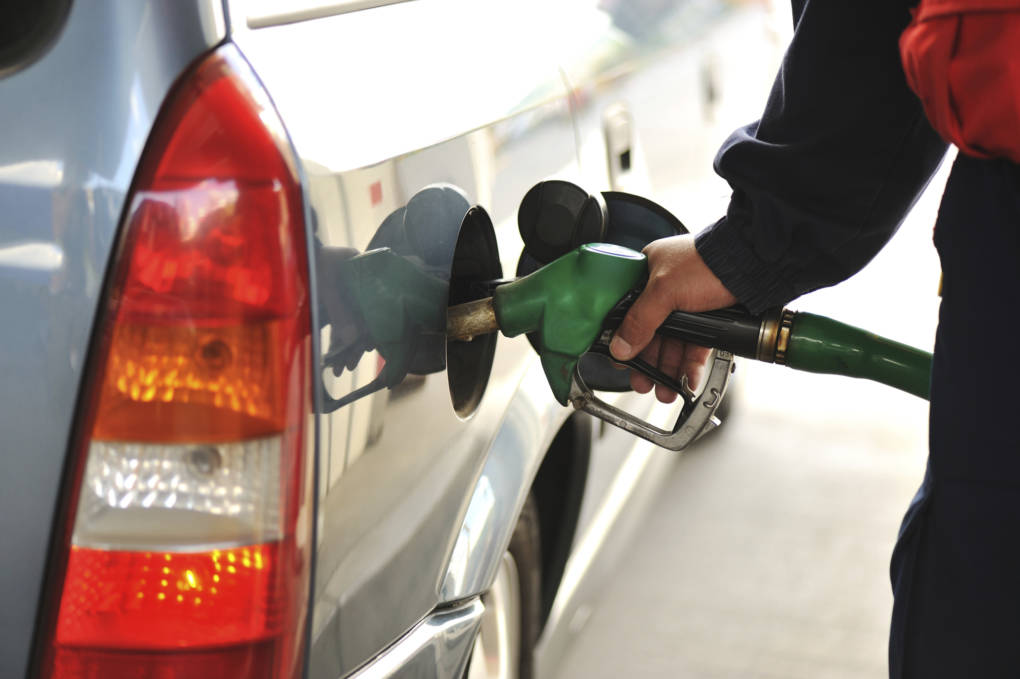
"caption": "California voters will decide next month on Proposition 6, a measure that would repeal higher fuel taxes and vehicle fees enacted in 2017. ",
"description": "Work is being done to collect enough signatures for another initiative that would repeal last year's hike in gas taxes.",
"title": "Gas Tax Repeal",
"credit": "Getty Images",
"status": "inherit",
"isLoading": false,
"fetchFailed": false
},
"news_11641494": {
"type": "attachments",
"id": "news_11641494",
"meta": {
"index": "attachments_1716263798",
"site": "news",
"id": "11641494",
"found": true
},
"parent": 11641493,
"imgSizes": {
"small": {
"file": "https://ww2.kqed.org/app/uploads/sites/10/2018/01/runways_011118_final-520x520.jpg",
"width": 520,
"mimeType": "image/jpeg",
"height": 520
},
"twentyfourteen-full-width": {
"file": "https://ww2.kqed.org/app/uploads/sites/10/2018/01/runways_011118_final-1038x576.jpg",
"width": 1038,
"mimeType": "image/jpeg",
"height": 576
},
"thumbnail": {
"file": "https://ww2.kqed.org/app/uploads/sites/10/2018/01/runways_011118_final-160x160.jpg",
"width": 160,
"mimeType": "image/jpeg",
"height": 160
},
"fd-sm": {
"file": "https://ww2.kqed.org/app/uploads/sites/10/2018/01/runways_011118_final-960x960.jpg",
"width": 960,
"mimeType": "image/jpeg",
"height": 960
},
"post-thumbnail": {
"file": "https://ww2.kqed.org/app/uploads/sites/10/2018/01/runways_011118_final-672x372.jpg",
"width": 672,
"mimeType": "image/jpeg",
"height": 372
},
"xsmall": {
"file": "https://ww2.kqed.org/app/uploads/sites/10/2018/01/runways_011118_final-375x375.jpg",
"width": 375,
"mimeType": "image/jpeg",
"height": 375
},
"kqedFullSize": {
"file": "https://ww2.kqed.org/app/uploads/sites/10/2018/01/runways_011118_final.jpg",
"width": 1920,
"height": 1920
},
"large": {
"file": "https://ww2.kqed.org/app/uploads/sites/10/2018/01/runways_011118_final-1020x1020.jpg",
"width": 1020,
"mimeType": "image/jpeg",
"height": 1020
},
"xlarge": {
"file": "https://ww2.kqed.org/app/uploads/sites/10/2018/01/runways_011118_final-1180x1180.jpg",
"width": 1180,
"mimeType": "image/jpeg",
"height": 1180
},
"guest-author-50": {
"file": "https://ww2.kqed.org/app/uploads/sites/10/2018/01/runways_011118_final-50x50.jpg",
"width": 50,
"mimeType": "image/jpeg",
"height": 50
},
"guest-author-96": {
"file": "https://ww2.kqed.org/app/uploads/sites/10/2018/01/runways_011118_final-96x96.jpg",
"width": 96,
"mimeType": "image/jpeg",
"height": 96
},
"medium": {
"file": "https://ww2.kqed.org/app/uploads/sites/10/2018/01/runways_011118_final-800x800.jpg",
"width": 800,
"mimeType": "image/jpeg",
"height": 800
},
"guest-author-64": {
"file": "https://ww2.kqed.org/app/uploads/sites/10/2018/01/runways_011118_final-64x64.jpg",
"width": 64,
"mimeType": "image/jpeg",
"height": 64
},
"guest-author-32": {
"file": "https://ww2.kqed.org/app/uploads/sites/10/2018/01/runways_011118_final-32x32.jpg",
"width": 32,
"mimeType": "image/jpeg",
"height": 32
},
"fd-lrg": {
"file": "https://ww2.kqed.org/app/uploads/sites/10/2018/01/runways_011118_final-1920x1920.jpg",
"width": 1920,
"mimeType": "image/jpeg",
"height": 1920
},
"fd-med": {
"file": "https://ww2.kqed.org/app/uploads/sites/10/2018/01/runways_011118_final-1180x1180.jpg",
"width": 1180,
"mimeType": "image/jpeg",
"height": 1180
},
"full-width": {
"file": "https://ww2.kqed.org/app/uploads/sites/10/2018/01/runways_011118_final-1920x1920.jpg",
"width": 1920,
"mimeType": "image/jpeg",
"height": 1920
},
"detail": {
"file": "https://ww2.kqed.org/app/uploads/sites/10/2018/01/runways_011118_final-150x150.jpg",
"width": 150,
"mimeType": "image/jpeg",
"height": 150
},
"guest-author-128": {
"file": "https://ww2.kqed.org/app/uploads/sites/10/2018/01/runways_011118_final-128x128.jpg",
"width": 128,
"mimeType": "image/jpeg",
"height": 128
},
"xxsmall": {
"file": "https://ww2.kqed.org/app/uploads/sites/10/2018/01/runways_011118_final-240x240.jpg",
"width": 240,
"mimeType": "image/jpeg",
"height": 240
}
},
"publishDate": 1515703772,
"modified": 1515703797,
"caption": null,
"description": null,
"title": "runways_011118_final",
"credit": null,
"status": "inherit",
"isLoading": false,
"fetchFailed": false
},
"news_10343877": {
"type": "attachments",
"id": "news_10343877",
"meta": {
"index": "attachments_1716263798",
"site": "news",
"id": "10343877",
"found": true
},
"parent": 10343864,
"imgSizes": {
"twentyfourteen-full-width": {
"file": "https://ww2.kqed.org/app/uploads/sites/10/2014/10/sfo-1038x576.jpg",
"width": 1038,
"mimeType": "image/jpeg",
"height": 576
},
"thumbnail": {
"file": "https://ww2.kqed.org/app/uploads/sites/10/2014/10/sfo-400x300.jpg",
"width": 400,
"mimeType": "image/jpeg",
"height": 300
},
"post-thumbnail": {
"file": "https://ww2.kqed.org/app/uploads/sites/10/2014/10/sfo-672x372.jpg",
"width": 672,
"mimeType": "image/jpeg",
"height": 372
},
"kqedFullSize": {
"file": "https://ww2.kqed.org/app/uploads/sites/10/2014/10/sfo.jpg",
"width": 1440,
"height": 1080
},
"guest-author-96": {
"file": "https://ww2.kqed.org/app/uploads/sites/10/2014/10/sfo-96x96.jpg",
"width": 96,
"mimeType": "image/jpeg",
"height": 96
},
"medium": {
"file": "https://ww2.kqed.org/app/uploads/sites/10/2014/10/sfo-800x600.jpg",
"width": 800,
"mimeType": "image/jpeg",
"height": 600
},
"guest-author-64": {
"file": "https://ww2.kqed.org/app/uploads/sites/10/2014/10/sfo-64x64.jpg",
"width": 64,
"mimeType": "image/jpeg",
"height": 64
},
"detail": {
"file": "https://ww2.kqed.org/app/uploads/sites/10/2014/10/sfo-75x75.jpg",
"width": 75,
"mimeType": "image/jpeg",
"height": 75
},
"guest-author-32": {
"file": "https://ww2.kqed.org/app/uploads/sites/10/2014/10/sfo-32x32.jpg",
"width": 32,
"mimeType": "image/jpeg",
"height": 32
},
"guest-author-128": {
"file": "https://ww2.kqed.org/app/uploads/sites/10/2014/10/sfo-128x128.jpg",
"width": 128,
"mimeType": "image/jpeg",
"height": 128
}
},
"publishDate": 1413388387,
"modified": 1480533797,
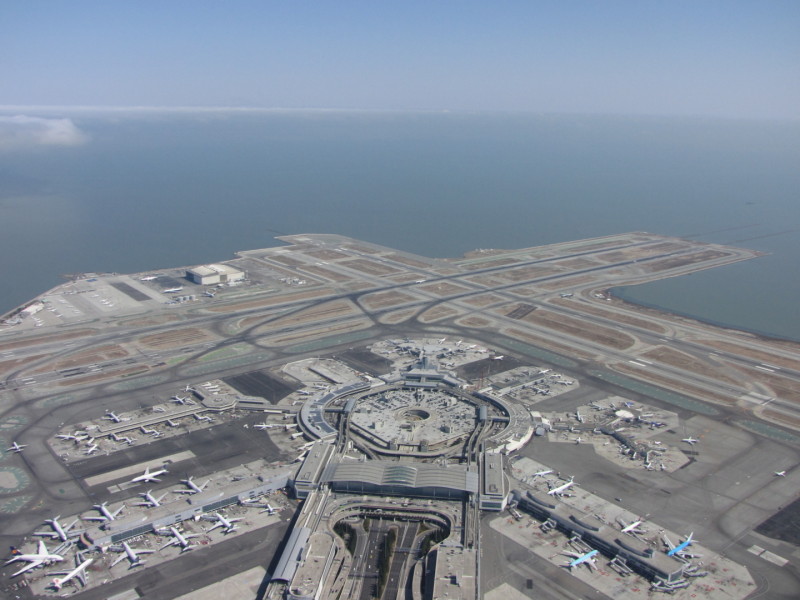
"caption": "San Francisco International Airport. ",
"description": "San Francisco International Airport.",
"title": "sfo",
"credit": "Molly Samuel/KQED, with aerial support from LightHawk",
"status": "inherit",
"isLoading": false,
"fetchFailed": false
},
"news_11624608": {
"type": "attachments",
"id": "news_11624608",
"meta": {
"index": "attachments_1716263798",
"site": "news",
"id": "11624608",
"found": true
},
"parent": 11624605,
"imgSizes": {
"small": {
"file": "https://ww2.kqed.org/app/uploads/sites/10/2017/10/JerryBrown-520x359.jpg",
"width": 520,
"mimeType": "image/jpeg",
"height": 359
},
"twentyfourteen-full-width": {
"file": "https://ww2.kqed.org/app/uploads/sites/10/2017/10/JerryBrown-1038x576.jpg",
"width": 1038,
"mimeType": "image/jpeg",
"height": 576
},
"thumbnail": {
"file": "https://ww2.kqed.org/app/uploads/sites/10/2017/10/JerryBrown-160x110.jpg",
"width": 160,
"mimeType": "image/jpeg",
"height": 110
},
"fd-sm": {
"file": "https://ww2.kqed.org/app/uploads/sites/10/2017/10/JerryBrown-960x663.jpg",
"width": 960,
"mimeType": "image/jpeg",
"height": 663
},
"post-thumbnail": {
"file": "https://ww2.kqed.org/app/uploads/sites/10/2017/10/JerryBrown-672x372.jpg",
"width": 672,
"mimeType": "image/jpeg",
"height": 372
},
"xsmall": {
"file": "https://ww2.kqed.org/app/uploads/sites/10/2017/10/JerryBrown-375x259.jpg",
"width": 375,
"mimeType": "image/jpeg",
"height": 259
},
"kqedFullSize": {
"file": "https://ww2.kqed.org/app/uploads/sites/10/2017/10/JerryBrown.jpg",
"width": 1920,
"height": 1325
},
"large": {
"file": "https://ww2.kqed.org/app/uploads/sites/10/2017/10/JerryBrown-1020x704.jpg",
"width": 1020,
"mimeType": "image/jpeg",
"height": 704
},
"xlarge": {
"file": "https://ww2.kqed.org/app/uploads/sites/10/2017/10/JerryBrown-1180x814.jpg",
"width": 1180,
"mimeType": "image/jpeg",
"height": 814
},
"guest-author-50": {
"file": "https://ww2.kqed.org/app/uploads/sites/10/2017/10/JerryBrown-50x50.jpg",
"width": 50,
"mimeType": "image/jpeg",
"height": 50
},
"guest-author-96": {
"file": "https://ww2.kqed.org/app/uploads/sites/10/2017/10/JerryBrown-96x96.jpg",
"width": 96,
"mimeType": "image/jpeg",
"height": 96
},
"medium": {
"file": "https://ww2.kqed.org/app/uploads/sites/10/2017/10/JerryBrown-800x552.jpg",
"width": 800,
"mimeType": "image/jpeg",
"height": 552
},
"guest-author-64": {
"file": "https://ww2.kqed.org/app/uploads/sites/10/2017/10/JerryBrown-64x64.jpg",
"width": 64,
"mimeType": "image/jpeg",
"height": 64
},
"guest-author-32": {
"file": "https://ww2.kqed.org/app/uploads/sites/10/2017/10/JerryBrown-32x32.jpg",
"width": 32,
"mimeType": "image/jpeg",
"height": 32
},
"fd-lrg": {
"file": "https://ww2.kqed.org/app/uploads/sites/10/2017/10/JerryBrown-1920x1325.jpg",
"width": 1920,
"mimeType": "image/jpeg",
"height": 1325
},
"fd-med": {
"file": "https://ww2.kqed.org/app/uploads/sites/10/2017/10/JerryBrown-1180x814.jpg",
"width": 1180,
"mimeType": "image/jpeg",
"height": 814
},
"full-width": {
"file": "https://ww2.kqed.org/app/uploads/sites/10/2017/10/JerryBrown-1920x1325.jpg",
"width": 1920,
"mimeType": "image/jpeg",
"height": 1325
},
"detail": {
"file": "https://ww2.kqed.org/app/uploads/sites/10/2017/10/JerryBrown-150x150.jpg",
"width": 150,
"mimeType": "image/jpeg",
"height": 150
},
"guest-author-128": {
"file": "https://ww2.kqed.org/app/uploads/sites/10/2017/10/JerryBrown-128x128.jpg",
"width": 128,
"mimeType": "image/jpeg",
"height": 128
},
"xxsmall": {
"file": "https://ww2.kqed.org/app/uploads/sites/10/2017/10/JerryBrown-240x166.jpg",
"width": 240,
"mimeType": "image/jpeg",
"height": 166
}
},
"publishDate": 1508440750,
"modified": 1508440855,
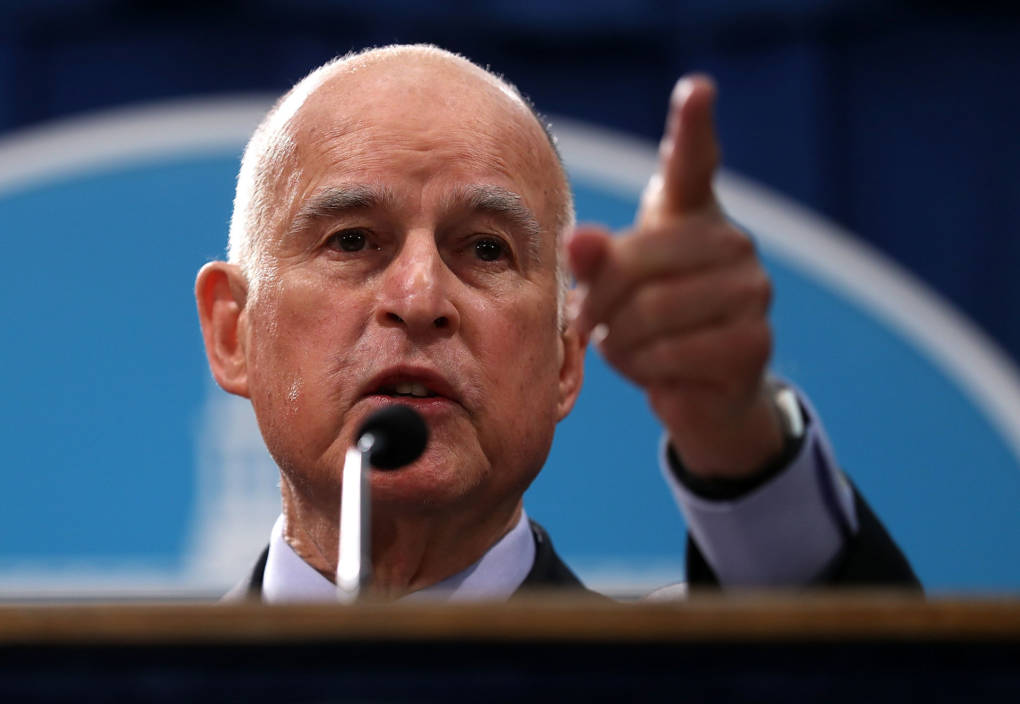
"caption": "Gov. Jerry Brown speaks to reporters during a news conference on the state budget on May 11, 2017.",
"description": "Gov. Jerry Brown speaks to reporters during a news conference on the state budget on May 11, 2017.",
"title": "JerryBrown",
"credit": "Justin Sullivan/Getty Images",
"status": "inherit",
"isLoading": false,
"fetchFailed": false
},
"news_10387603": {
"type": "attachments",
"id": "news_10387603",
"meta": {
"index": "attachments_1716263798",
"site": "news",
"id": "10387603",
"found": true
},
"parent": 10387491,
"imgSizes": {
"twentyfourteen-full-width": {
"file": "https://ww2.kqed.org/app/uploads/sites/10/2014/12/RS7040_AC_Transit_14oct2013_0322_web.jpg-alt_212-1038x576.jpg",
"width": 1038,
"mimeType": "image/jpeg",
"height": 576
},
"thumbnail": {
"file": "https://ww2.kqed.org/app/uploads/sites/10/2014/12/RS7040_AC_Transit_14oct2013_0322_web.jpg-alt_212-400x266.jpg",
"width": 400,
"mimeType": "image/jpeg",
"height": 266
},
"post-thumbnail": {
"file": "https://ww2.kqed.org/app/uploads/sites/10/2014/12/RS7040_AC_Transit_14oct2013_0322_web.jpg-alt_212-672x372.jpg",
"width": 672,
"mimeType": "image/jpeg",
"height": 372
},
"kqedFullSize": {
"file": "https://ww2.kqed.org/app/uploads/sites/10/2014/12/RS7040_AC_Transit_14oct2013_0322_web.jpg-alt_212.jpg",
"width": 1440,
"height": 960
},
"guest-author-96": {
"file": "https://ww2.kqed.org/app/uploads/sites/10/2014/12/RS7040_AC_Transit_14oct2013_0322_web.jpg-alt_212-96x96.jpg",
"width": 96,
"mimeType": "image/jpeg",
"height": 96
},
"medium": {
"file": "https://ww2.kqed.org/app/uploads/sites/10/2014/12/RS7040_AC_Transit_14oct2013_0322_web.jpg-alt_212-800x533.jpg",
"width": 800,
"mimeType": "image/jpeg",
"height": 533
},
"guest-author-64": {
"file": "https://ww2.kqed.org/app/uploads/sites/10/2014/12/RS7040_AC_Transit_14oct2013_0322_web.jpg-alt_212-64x64.jpg",
"width": 64,
"mimeType": "image/jpeg",
"height": 64
},
"detail": {
"file": "https://ww2.kqed.org/app/uploads/sites/10/2014/12/RS7040_AC_Transit_14oct2013_0322_web.jpg-alt_212-75x75.jpg",
"width": 75,
"mimeType": "image/jpeg",
"height": 75
},
"guest-author-32": {
"file": "https://ww2.kqed.org/app/uploads/sites/10/2014/12/RS7040_AC_Transit_14oct2013_0322_web.jpg-alt_212-32x32.jpg",
"width": 32,
"mimeType": "image/jpeg",
"height": 32
},
"guest-author-128": {
"file": "https://ww2.kqed.org/app/uploads/sites/10/2014/12/RS7040_AC_Transit_14oct2013_0322_web.jpg-alt_212-128x128.jpg",
"width": 128,
"mimeType": "image/jpeg",
"height": 128
}
},
"publishDate": 1419378693,
"modified": 1515542005,
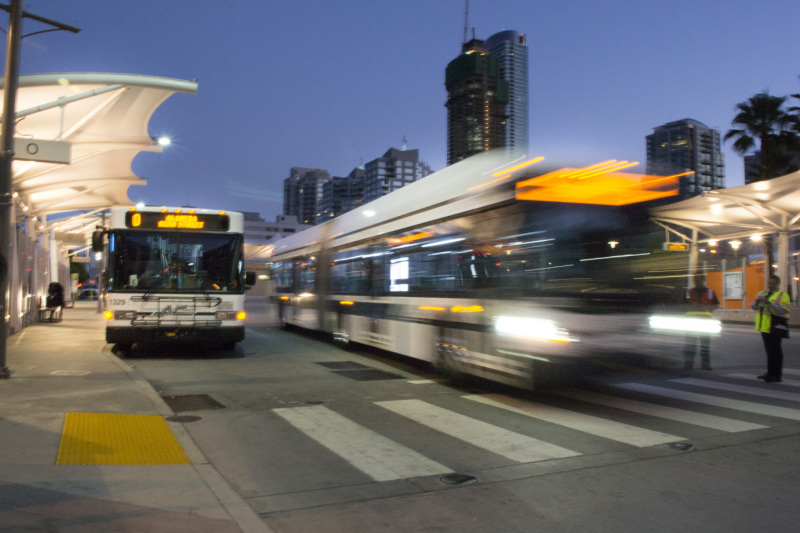
"caption": "AC Transit buses at temporary Transbay Terminal in San Francisco. ",
"description": "AC Transit and other Bay Area public transportation services will run on Sunday schedules Christmas Day.",
"title": "AC Transit",
"credit": "Sara Bloomberg/KQED",
"status": "inherit",
"isLoading": false,
"fetchFailed": false
}
},
"audioPlayerReducer": {
"postId": "stream_live",
"isPaused": true,
"isPlaying": false,
"pfsActive": false,
"pledgeModalIsOpen": true,
"playerDrawerIsOpen": false,
"liveAudioPlayStartedAt": 0,
"liveAudioPlayContext": ""
},
"authorsReducer": {
"byline_news_11643475": {
"type": "authors",
"id": "byline_news_11643475",
"meta": {
"override": true
},
"slug": "byline_news_11643475",
"name": "\u003cstrong>Associated Press\u003c/strong>",
"isLoading": false
},
"byline_news_11642750": {
"type": "authors",
"id": "byline_news_11642750",
"meta": {
"override": true
},
"slug": "byline_news_11642750",
"name": "\u003cstrong>\u003ca href=\"https://www.scpr.org/about/people/staff/david-wagner\">David Wagner\u003c/a>\u003c/strong>",
"isLoading": false
},
"byline_news_11642373": {
"type": "authors",
"id": "byline_news_11642373",
"meta": {
"override": true
},
"slug": "byline_news_11642373",
"name": "\u003cstrong>Kathleen Ronayne\u003cbr />Associated Press\u003c/strong>",
"isLoading": false
},
"byline_news_11641922": {
"type": "authors",
"id": "byline_news_11641922",
"meta": {
"override": true
},
"slug": "byline_news_11641922",
"name": "\u003cstrong>Jonathan J. Cooper\u003c/strong>\u003c/br> Associated Press",
"isLoading": false
},
"byline_news_11641424": {
"type": "authors",
"id": "byline_news_11641424",
"meta": {
"override": true
},
"slug": "byline_news_11641424",
"name": "\u003cstrong>Olga R. Rodriguez\u003cbr />Associated Press\u003c/strong>",
"isLoading": false
},
"danbrekke": {
"type": "authors",
"id": "222",
"meta": {
"index": "authors_1716337520",
"id": "222",
"found": true
},
"name": "Dan Brekke",
"firstName": "Dan",
"lastName": "Brekke",
"slug": "danbrekke",
"email": "dbrekke@kqed.org",
"display_author_email": true,
"staff_mastheads": [
"news",
"science"
],
"title": "KQED Editor and Reporter",
"bio": "Dan Brekke is a reporter and editor for KQED News, responsible for coverage of topics ranging from California water issues to the Bay Area's transportation challenges. In a newsroom career that began in Chicago in 1972, Dan has worked for \u003cem>The San Francisco Examiner,\u003c/em> Wired and TechTV and has been published in The New York Times, The New York Times Magazine, Business 2.0, Salon and elsewhere.\r\n\r\nSince joining KQED in 2007, Dan has reported, edited and produced both radio and online features and breaking news pieces. He has shared as both editor and reporter in four Society of Professional Journalists Norcal Excellence in Journalism awards and one Edward R. Murrow regional award. He was chosen for a spring 2017 residency at the Mesa Refuge to advance his research on California salmon.\r\n\r\nEmail Dan at: \u003ca href=\"mailto:dbrekke@kqed.org\">dbrekke@kqed.org\u003c/a>\r\n\r\n\u003cstrong>Twitter:\u003c/strong> \u003ca href=\"https://twitter.com/danbrekke\" rel=\"noopener noreferrer\">twitter.com/danbrekke\u003c/a>\r\n\u003cstrong>Facebook:\u003c/strong> \u003ca href=\"https://www.facebook.com/danbrekke\" rel=\"noopener noreferrer\">www.facebook.com/danbrekke\u003c/a>\r\n\u003cstrong>LinkedIn:\u003c/strong> \u003ca href=\"https://www.linkedin.com/in/danbrekke\" rel=\"noopener noreferrer\">www.linkedin.com/in/danbrekke\u003c/a>",
"avatar": "https://secure.gravatar.com/avatar/8f1f0d2a978fb3b23426c922c7e2af558fa36905b49c4ce76a97dc3c72d27226?s=600&d=mm&r=g",
"twitter": "danbrekke",
"bluesky": null,
"facebook": null,
"instagram": "https://www.instagram.com/dan.brekke/",
"linkedin": "https://www.linkedin.com/in/danbrekke/",
"sites": [
{
"site": "news",
"roles": [
"administrator",
"create_posts"
]
},
{
"site": "stateofhealth",
"roles": [
"editor"
]
},
{
"site": "science",
"roles": [
"editor"
]
},
{
"site": "quest",
"roles": [
"contributor"
]
},
{
"site": "food",
"roles": [
"contributor"
]
},
{
"site": "forum",
"roles": [
"contributor"
]
},
{
"site": "elections",
"roles": [
"editor"
]
},
{
"site": "liveblog",
"roles": [
"editor"
]
}
],
"headData": {
"title": "Dan Brekke | KQED",
"description": "KQED Editor and Reporter",
"ogImgSrc": "https://secure.gravatar.com/avatar/8f1f0d2a978fb3b23426c922c7e2af558fa36905b49c4ce76a97dc3c72d27226?s=600&d=mm&r=g",
"twImgSrc": "https://secure.gravatar.com/avatar/8f1f0d2a978fb3b23426c922c7e2af558fa36905b49c4ce76a97dc3c72d27226?s=600&d=mm&r=g"
},
"isLoading": false,
"link": "/author/danbrekke"
},
"scottshafer": {
"type": "authors",
"id": "255",
"meta": {
"index": "authors_1716337520",
"id": "255",
"found": true
},
"name": "Scott Shafer",
"firstName": "Scott",
"lastName": "Shafer",
"slug": "scottshafer",
"email": "sshafer@kqed.org",
"display_author_email": false,
"staff_mastheads": [
"news"
],
"title": "KQED Contributor",
"bio": "Scott Shafer is a senior editor with the KQED Politics and Government desk. He is co-host of Political Breakdown, the award-winning radio show and podcast with a personal take on the world of politics. Scott came to KQED in 1998 to host the statewide\u003cem> California Report\u003c/em>. Prior to that he had extended stints in politics and government\u003cem>.\u003c/em> He uses that inside experience at KQED in his, reporting, hosting and analysis for the politics desk. Scott collaborated \u003cem>Political Breakdown a\u003c/em>nd on \u003cem>The Political Mind of Jerry Brown, \u003c/em>an eight-part series about the life and extraordinary political career of the former governor. For fun, he plays water polo with the San Francisco Tsunami.",
"avatar": "https://secure.gravatar.com/avatar/a62ebae45b79d7aed1a39a0e3bf68104?s=600&d=blank&r=g",
"twitter": "scottshafer",
"bluesky": null,
"facebook": null,
"instagram": null,
"linkedin": null,
"sites": [
{
"site": "news",
"roles": [
"editor"
]
},
{
"site": "stateofhealth",
"roles": [
"author"
]
},
{
"site": "science",
"roles": [
"author"
]
},
{
"site": "forum",
"roles": [
"subscriber"
]
},
{
"site": "liveblog",
"roles": [
"author"
]
}
],
"headData": {
"title": "Scott Shafer | KQED",
"description": "KQED Contributor",
"ogImgSrc": "https://secure.gravatar.com/avatar/a62ebae45b79d7aed1a39a0e3bf68104?s=600&d=blank&r=g",
"twImgSrc": "https://secure.gravatar.com/avatar/a62ebae45b79d7aed1a39a0e3bf68104?s=600&d=blank&r=g"
},
"isLoading": false,
"link": "/author/scottshafer"
},
"scuevas": {
"type": "authors",
"id": "2600",
"meta": {
"index": "authors_1716337520",
"id": "2600",
"found": true
},
"name": "Steven Cuevas",
"firstName": "Steven",
"lastName": "Cuevas",
"slug": "scuevas",
"email": "scuevas@kqed.org",
"display_author_email": false,
"staff_mastheads": [],
"title": "KQED Contributor",
"bio": "Steven is a former Los Angeles bureau chief for The California Report.\r\n\r\nHe reports on an array of issues across the Southland, from immigration and regional politics to religion, the performing arts and pop culture.\r\n\r\nPrior to joining KQED in 2012, Steven covered Inland southern California for KPCC in Pasadena. He also helped establish the first newsroom at \u003ca href=\"http://kut.org/\">KUT\u003c/a> in Austin, Texas where he was a general assignment reporter.\r\n\r\nSteven has received numerous awards for his reporting including an RTNDA Edward R. Murrow Award for investigative reporting in addition to awards from the LA Press Club, the Associated Press and the Society for Professional Journalists.\r\n\r\nSteven grew up in and around San Francisco and now lives in Pasadena just a short jog from the foot of the San Gabriel Mountains.",
"avatar": "https://secure.gravatar.com/avatar/2d253580794f8e026100fae05cfabbbd4889b4fe15146146cacb82a01974c538?s=600&d=blank&r=g",
"twitter": null,
"bluesky": null,
"facebook": null,
"instagram": null,
"linkedin": null,
"sites": [
{
"site": "news",
"roles": [
"subscriber"
]
}
],
"headData": {
"title": "Steven Cuevas | KQED",
"description": "KQED Contributor",
"ogImgSrc": "https://secure.gravatar.com/avatar/2d253580794f8e026100fae05cfabbbd4889b4fe15146146cacb82a01974c538?s=600&d=blank&r=g",
"twImgSrc": "https://secure.gravatar.com/avatar/2d253580794f8e026100fae05cfabbbd4889b4fe15146146cacb82a01974c538?s=600&d=blank&r=g"
},
"isLoading": false,
"link": "/author/scuevas"
},
"shossaini": {
"type": "authors",
"id": "3214",
"meta": {
"index": "authors_1716337520",
"id": "3214",
"found": true
},
"name": "Sara Hossaini",
"firstName": "Sara",
"lastName": "Hossaini",
"slug": "shossaini",
"email": "shossaini@kqed.org",
"display_author_email": true,
"staff_mastheads": [
"news"
],
"title": "KQED Reporter",
"bio": "Sara Hossaini came to general assignment reporting at KQED in 2013 after two winters reporting at Wyoming Public Radio. She holds a bachelor's degree in broadcast journalism from the University of Nebraska-Lincoln. Her radio romance began after a bitter breakup with documentary film (Ok, maybe it's still complicated). Her first simultaneous jobs in San Francisco were as Associate Producer on a PBS film series through the Center for Asian American Media and as a butler. She likes to trot, plot and make things with her hands.",
"avatar": "https://secure.gravatar.com/avatar/060e9f56b9554e17942e89f413242774?s=600&d=blank&r=g",
"twitter": "mshossaini",
"facebook": null,
"instagram": null,
"linkedin": null,
"sites": [
{
"site": "news",
"roles": [
"author"
]
},
{
"site": "stateofhealth",
"roles": [
"author"
]
}
],
"headData": {
"title": "Sara Hossaini | KQED",
"description": "KQED Reporter",
"ogImgSrc": "https://secure.gravatar.com/avatar/060e9f56b9554e17942e89f413242774?s=600&d=blank&r=g",
"twImgSrc": "https://secure.gravatar.com/avatar/060e9f56b9554e17942e89f413242774?s=600&d=blank&r=g"
},
"isLoading": false,
"link": "/author/shossaini"
},
"markfiore": {
"type": "authors",
"id": "3236",
"meta": {
"index": "authors_1716337520",
"id": "3236",
"found": true
},
"name": "Mark Fiore",
"firstName": "Mark",
"lastName": "Fiore",
"slug": "markfiore",
"email": "mark@markfiore.com",
"display_author_email": false,
"staff_mastheads": [
"news"
],
"title": "KQED News Cartoonist",
"bio": "\u003ca href=\"http://www.MarkFiore.com\">MarkFiore.com\u003c/a> | \u003ca href=\"https://twitter.com/markfiore\">Follow on Twitter\u003c/a> | \u003ca href=\"https://www.facebook.com/pages/Mark-Fiore-Animated-Political-Cartoons/94451707396?ref=bookmarks\">Facebook\u003c/a> | \u003ca href=\"mailto:mark@markfiore.com\">email\u003c/a>\r\n\r\nPulitzer Prize-winner, Mark Fiore, who the Wall Street Journal has called “the undisputed guru of the form,” creates animated political cartoons in San Francisco, where his work has been featured regularly on the San Francisco Chronicle’s web site, SFGate.com. His work has appeared on Newsweek.com, Slate.com, CBSNews.com, MotherJones.com, DailyKos.com and NPR’s web site. Fiore’s political animation has appeared on CNN, Frontline, Bill Moyers Journal, Salon.com and cable and broadcast outlets across the globe.\r\n\r\nBeginning his professional life by drawing traditional political cartoons for newspapers, Fiore’s work appeared in publications ranging from the Washington Post to the Los Angeles Times. In the late 1990s, he began to experiment with animating political cartoons and, after a short stint at the San Jose Mercury News as their staff cartoonist, Fiore devoted all his energies to animation.\r\nGrowing up in California, Fiore also spent a good portion of his life in the backwoods of Idaho. It was this combination that shaped him politically. Mark majored in political science at Colorado College, where, in a perfect send-off for a cartoonist, he received his diploma in 1991 as commencement speaker Dick Cheney smiled approvingly.\r\nMark Fiore was awarded the Pulitzer Prize for political cartooning in 2010, a Robert F. Kennedy Journalism Award in 2004 and has twice received an Online Journalism Award for commentary from the Online News Association (2002, 2008). Fiore has received two awards for his work in new media from the National Cartoonists Society (2001, 2002), and in 2006 received The James Madison Freedom of Information Award from The Society of Professional Journalists.",
"avatar": "https://secure.gravatar.com/avatar/fc4e2a612b15b67bad0c6f0e1db4ca9b?s=600&d=blank&r=g",
"twitter": "MarkFiore",
"facebook": null,
"instagram": "https://www.instagram.com/markfiore/?hl=en",
"linkedin": null,
"sites": [
{
"site": "arts",
"roles": [
"contributor"
]
},
{
"site": "news",
"roles": [
"editor"
]
},
{
"site": "futureofyou",
"roles": [
"editor"
]
},
{
"site": "science",
"roles": [
"editor"
]
}
],
"headData": {
"title": "Mark Fiore | KQED",
"description": "KQED News Cartoonist",
"ogImgSrc": "https://secure.gravatar.com/avatar/fc4e2a612b15b67bad0c6f0e1db4ca9b?s=600&d=blank&r=g",
"twImgSrc": "https://secure.gravatar.com/avatar/fc4e2a612b15b67bad0c6f0e1db4ca9b?s=600&d=blank&r=g"
},
"isLoading": false,
"link": "/author/markfiore"
},
"mlagos": {
"type": "authors",
"id": "3239",
"meta": {
"index": "authors_1716337520",
"id": "3239",
"found": true
},
"name": "Marisa Lagos",
"firstName": "Marisa",
"lastName": "Lagos",
"slug": "mlagos",
"email": "mlagos@kqed.org",
"display_author_email": false,
"staff_mastheads": [
"news"
],
"title": "KQED Contributor",
"bio": "Marisa Lagos is a correspondent for KQED’s California Politics and Government Desk and co-hosts the award-winning show and podcast, Political Breakdown. At KQED, Lagos also conducts reporting, analysis and investigations into state, local and national politics for radio, TV, online and onstage. In 2022, she and co-host, Scott Shafer, moderated the only gubernatorial debate in California. In 2020, the \u003ci>Washington Post\u003c/i> named her one of the top political journalists in California; she was nominated for a Peabody and won several other awards for her work investigating the 2017 California wildfires. She has worked at the \u003ci>San Francisco Chronicle\u003c/i>, \u003ci>San Francisco Examiner\u003c/i> and \u003ci>Los Angeles Times\u003c/i>. A UC Santa Barbara graduate, she lives in San Francisco with her two sons and husband.",
"avatar": "https://secure.gravatar.com/avatar/a261a0d3696fc066871ef96b85b5e7d2?s=600&d=blank&r=g",
"twitter": "@mlagos",
"facebook": null,
"instagram": null,
"linkedin": null,
"sites": [
{
"site": "arts",
"roles": [
"author"
]
},
{
"site": "news",
"roles": [
"editor"
]
},
{
"site": "science",
"roles": [
"editor"
]
},
{
"site": "forum",
"roles": [
"author"
]
},
{
"site": "liveblog",
"roles": [
"author"
]
}
],
"headData": {
"title": "Marisa Lagos | KQED",
"description": "KQED Contributor",
"ogImgSrc": "https://secure.gravatar.com/avatar/a261a0d3696fc066871ef96b85b5e7d2?s=600&d=blank&r=g",
"twImgSrc": "https://secure.gravatar.com/avatar/a261a0d3696fc066871ef96b85b5e7d2?s=600&d=blank&r=g"
},
"isLoading": false,
"link": "/author/mlagos"
},
"korr": {
"type": "authors",
"id": "11200",
"meta": {
"index": "authors_1716337520",
"id": "11200",
"found": true
},
"name": "Katie Orr",
"firstName": "Katie",
"lastName": "Orr",
"slug": "korr",
"email": "korr@kqed.org",
"display_author_email": false,
"staff_mastheads": [],
"title": "KQED Contributor",
"bio": "Katie Orr was a Sacramento-based reporter for KQED's Politics and Government Desk, covering the state Capitol and a variety of issues including women in politics, voting and elections and legislation. Prior to joining KQED in 2016, Katie was state government reporter for Capital Public Radio in Sacramento. She's also worked for KPBS in San Diego, where she covered City Hall.\r\n\r\nKatie received her masters degree in political science from San Diego State University and holds a Bachelors degree in broadcast journalism from Arizona State University.\r\n\r\nIn 2015 Katie won a national Clarion Award for a series of stories she did on women in California politics. She's been honored by the Society for Professional Journalists and, in 2013, was named by \u003cem>The Washington Post\u003c/em> as one of the country's top state Capitol reporters. She's also reported for the award-winning documentary series \u003cem>The View from Here \u003c/em>and was part of the team that won national PRNDI and Gabriel Awards in 2015. She lives in Sacramento with her husband. Twitter: @1KatieOrr",
"avatar": "https://secure.gravatar.com/avatar/41a40b25845adc78f50808670860449e?s=600&d=blank&r=g",
"twitter": "1katieorr",
"facebook": null,
"instagram": null,
"linkedin": null,
"sites": [
{
"site": "news",
"roles": [
"subscriber"
]
},
{
"site": "stateofhealth",
"roles": [
"author"
]
},
{
"site": "forum",
"roles": [
"author"
]
}
],
"headData": {
"title": "Katie Orr | KQED",
"description": "KQED Contributor",
"ogImgSrc": "https://secure.gravatar.com/avatar/41a40b25845adc78f50808670860449e?s=600&d=blank&r=g",
"twImgSrc": "https://secure.gravatar.com/avatar/41a40b25845adc78f50808670860449e?s=600&d=blank&r=g"
},
"isLoading": false,
"link": "/author/korr"
}
},
"pagesReducer": {
"news_category_transportation": {
"type": "terms",
"id": "news_1397",
"meta": {
"index": "terms_1716263798",
"site": "news",
"id": "1397",
"score": 12.940577
},
"featImg": null,
"name": "Transportation",
"description": null,
"taxonomy": "category",
"headData": {
"twImgId": null,
"twTitle": null,
"ogTitle": null,
"ogImgId": null,
"twDescription": null,
"description": null,
"title": "Transportation Archives | KQED News",
"ogDescription": null
},
"ttid": 1409,
"slug": "transportation",
"isLoading": false,
"title": "Transportation",
"pageMeta": {
"site": "news",
"WpPageTemplate": "page-topic-editorial",
"currentPage": 70
},
"blocks": [
{
"blockName": "kqed/post-list",
"attrs": {
"layout": "cardArticle2",
"query": "posts/news?category=transportation",
"seeMore": false,
"paginated": true,
"page": 70
}
},
{
"blockName": "kqed/ad"
}
]
}
},
"pfsSessionReducer": {},
"postsReducer": {
"stream_live": {
"type": "live",
"id": "stream_live",
"audioUrl": "https://streams.kqed.org/kqedradio",
"title": "Live Stream",
"excerpt": "Live Stream information currently unavailable.",
"link": "/radio",
"featImg": "",
"label": {
"name": "KQED Live",
"link": "/"
}
},
"stream_kqedNewscast": {
"type": "posts",
"id": "stream_kqedNewscast",
"audioUrl": "https://www.kqed.org/.stream/anon/radio/RDnews/newscast.mp3?_=1",
"title": "KQED Newscast",
"featImg": "",
"label": {
"name": "88.5 FM",
"link": "/"
}
},
"news_11643475": {
"type": "posts",
"id": "news_11643475",
"meta": {
"index": "posts_1716263798",
"site": "news",
"id": "11643475",
"score": null,
"sort": [
1516573091000
]
},
"parent": 0,
"labelTerm": {},
"blocks": [],
"publishDate": 1516573091,
"format": "standard",
"disqusTitle": "U.S. 101 Reopens Weeks After Deadly Mudslides",
"title": "U.S. 101 Reopens Weeks After Deadly Mudslides",
"headTitle": "The California Report | KQED News",
"content": "\u003cp>U.S. 101 reopened Sunday after a nearly two-week closure due to deadly mudslides that caused traffic headaches across the region, state officials said.\u003c/p>\n\u003cp>https://twitter.com/CaltransD5/status/955171468349812736\u003c/p>\n\u003cp>Traffic began moving again on U.S. 101 in Santa Barbara County shortly after noon, according to Jim Shivers, spokesman for the California Department of Transportation. Officials had promised a day earlier that the highway would be open again in time for the Monday morning commute.\u003c/p>\n\u003cp>[contextly_sidebar id=\"rxsqfDW5RSu2iTZi50uGC4I5ykLjwkut\"]\u003c/p>\n\u003cp>All lanes were inundated Jan. 9 when a powerful storm brought down boulders and trees from hillsides in Montecito made bare by last month's wildfires. At least 21 people were killed and hundreds of homes were destroyed or damaged. A 17-year-old boy and 2-year-old girl remain missing.\u003c/p>\n\u003cp>[ad fullwidth]\u003c/p>\n\u003cp>Crews worked around the clock clearing drainage areas, stabilizing embankments and repairing guardrails and signs. They also cleaned and swept the highway.\u003c/p>\n\u003cfigure id=\"attachment_11643477\" class=\"wp-caption aligncenter\" style=\"max-width: 800px\">\u003ca href=\"https://ww2.kqed.org/news/wp-content/uploads/sites/10/2018/01/RS28961_Before-qut.jpg\">\u003cimg class=\"size-medium wp-image-11643477\" src=\"https://ww2.kqed.org/news/wp-content/uploads/sites/10/2018/01/RS28961_Before-qut-800x533.jpg\" alt=\"U.S. Highway 101 at Olive Mill Road in Montecito after mudslides in January 2018.\" width=\"800\" height=\"533\" srcset=\"https://ww2.kqed.org/app/uploads/sites/10/2018/01/RS28961_Before-qut-800x533.jpg 800w, https://ww2.kqed.org/app/uploads/sites/10/2018/01/RS28961_Before-qut-160x107.jpg 160w, https://ww2.kqed.org/app/uploads/sites/10/2018/01/RS28961_Before-qut-960x640.jpg 960w, https://ww2.kqed.org/app/uploads/sites/10/2018/01/RS28961_Before-qut-240x160.jpg 240w, https://ww2.kqed.org/app/uploads/sites/10/2018/01/RS28961_Before-qut-375x250.jpg 375w, https://ww2.kqed.org/app/uploads/sites/10/2018/01/RS28961_Before-qut-520x347.jpg 520w, https://ww2.kqed.org/app/uploads/sites/10/2018/01/RS28961_Before-qut.jpg 1014w\" sizes=\"(max-width: 800px) 100vw, 800px\">\u003c/a>\u003cfigcaption class=\"wp-caption-text\">U.S. Highway 101 at Olive Mill Road in Montecito after mudslides in January 2018. \u003ccite>(California Department of Transportation)\u003c/cite>\u003c/figcaption>\u003c/figure>\n\u003cfigure id=\"attachment_11643478\" class=\"wp-caption aligncenter\" style=\"max-width: 800px\">\u003ca href=\"https://ww2.kqed.org/news/wp-content/uploads/sites/10/2018/01/RS28962_After-qut.jpg\">\u003cimg class=\"size-medium wp-image-11643478\" src=\"https://ww2.kqed.org/news/wp-content/uploads/sites/10/2018/01/RS28962_After-qut-800x534.jpg\" alt=\"U.S. Highway 101 at Olive Mill Road in Montecito on Jan. 21, 2018, after two weeks of cleanup following deadly mudslides that closed the highway for weeks.\" width=\"800\" height=\"534\" srcset=\"https://ww2.kqed.org/app/uploads/sites/10/2018/01/RS28962_After-qut-800x534.jpg 800w, https://ww2.kqed.org/app/uploads/sites/10/2018/01/RS28962_After-qut-160x107.jpg 160w, https://ww2.kqed.org/app/uploads/sites/10/2018/01/RS28962_After-qut-960x641.jpg 960w, https://ww2.kqed.org/app/uploads/sites/10/2018/01/RS28962_After-qut-240x160.jpg 240w, https://ww2.kqed.org/app/uploads/sites/10/2018/01/RS28962_After-qut-375x250.jpg 375w, https://ww2.kqed.org/app/uploads/sites/10/2018/01/RS28962_After-qut-520x347.jpg 520w, https://ww2.kqed.org/app/uploads/sites/10/2018/01/RS28962_After-qut.jpg 1014w\" sizes=\"(max-width: 800px) 100vw, 800px\">\u003c/a>\u003cfigcaption class=\"wp-caption-text\">U.S. Highway 101 at Olive Mill Road in Montecito on Jan. 21, 2018, after two weeks of cleanup following deadly mudslides that closed the highway for weeks. \u003ccite>(California Department of Transportation)\u003c/cite>\u003c/figcaption>\u003c/figure>\n\u003cp>During the U.S. 101 shutdown, Amtrak \u003ca href=\"https://ww2.kqed.org/news/2018/01/17/mudslide-bound-residents-relying-on-old-fashioned-transit-alternatives/\" target=\"_blank\" rel=\"noopener\">added additional cars\u003c/a> to its route between Santa Barbara and points east as travelers increasingly relied on rail service to get around the closure.\u003c/p>\n\u003cp>\u003c/p>\n\u003cp>With many surface streets also impassable, a series of smaller mountain highways were temporarily the only other ground route into the Los Angeles area — located 90 miles down the coast — adding more than three hours to the trip.\u003c/p>\n\n",
"disqusIdentifier": "11643475 https://ww2.kqed.org/news/?p=11643475",
"disqusUrl": "https://ww2.kqed.org/news/2018/01/21/highway-101-reopens-weeks-after-deadly-mudslides/",
"stats": {
"hasVideo": false,
"hasChartOrMap": false,
"hasAudio": false,
"hasPolis": false,
"wordCount": 278,
"hasGoogleForm": false,
"hasGallery": false,
"hasHearkenModule": false,
"iframeSrcs": [],
"paragraphCount": 9
},
"modified": 1531923373,
"excerpt": "The highway had been closed for nearly two weeks since deadly mudslides knocked 6 to 8 feet of water and debris onto the road.",
"headData": {
"twImgId": "",
"twTitle": "",
"ogTitle": "",
"ogImgId": "",
"twDescription": "",
"description": "The highway had been closed for nearly two weeks since deadly mudslides knocked 6 to 8 feet of water and debris onto the road.",
"title": "U.S. 101 Reopens Weeks After Deadly Mudslides | KQED",
"ogDescription": "",
"schema": {
"@context": "https://schema.org",
"@type": "NewsArticle",
"headline": "U.S. 101 Reopens Weeks After Deadly Mudslides",
"datePublished": "2018-01-21T14:18:11-08:00",
"dateModified": "2018-07-18T07:16:13-07:00",
"image": "https://cdn.kqed.org/wp-content/uploads/2020/02/KQED-OG-Image@1x.png",
"isAccessibleForFree": "True",
"publisher": {
"@type": "NewsMediaOrganization",
"@id": "https://www.kqed.org/#organization",
"name": "KQED",
"logo": "https://cdn.kqed.org/wp-content/uploads/2020/02/KQED-OG-Image@1x.png",
"url": "https://www.kqed.org",
"sameAs": [
"https://www.facebook.com/KQED",
"https://twitter.com/KQED",
"https://www.instagram.com/kqed/",
"https://www.tiktok.com/@kqedofficial",
"https://www.linkedin.com/company/kqed",
"https://www.youtube.com/channel/UCeC0IOo7i1P_61zVUWbJ4nw"
]
}
}
},
"guestAuthors": [],
"slug": "highway-101-reopens-weeks-after-deadly-mudslides",
"status": "publish",
"nprByline": "\u003cstrong>Associated Press\u003c/strong>",
"source": "Associated Press",
"path": "/news/11643475/highway-101-reopens-weeks-after-deadly-mudslides",
"audioTrackLength": null,
"parsedContent": [
{
"type": "contentString",
"content": "\u003cdiv class=\"post-body\">\u003cp>\u003cp>U.S. 101 reopened Sunday after a nearly two-week closure due to deadly mudslides that caused traffic headaches across the region, state officials said.\u003c/p>\u003c/p>\u003c/div>",
"attributes": {
"named": {},
"numeric": []
}
},
{
"type": "component",
"content": "",
"name": "singleTwitterStatus",
"attributes": {
"named": {
"id": "955171468349812736"
},
"numeric": []
}
},
{
"type": "contentString",
"content": "\u003cdiv class=\"post-body\">\u003cp>\n\u003cp>Traffic began moving again on U.S. 101 in Santa Barbara County shortly after noon, according to Jim Shivers, spokesman for the California Department of Transportation. Officials had promised a day earlier that the highway would be open again in time for the Monday morning commute.\u003c/p>\n\u003cp>\u003c/p>\u003cp>\u003c/p>\u003cp>\u003c/p>\n\u003cp>All lanes were inundated Jan. 9 when a powerful storm brought down boulders and trees from hillsides in Montecito made bare by last month's wildfires. At least 21 people were killed and hundreds of homes were destroyed or damaged. A 17-year-old boy and 2-year-old girl remain missing.\u003c/p>\n\u003cp>\u003c/p>\u003c/div>",
"attributes": {
"named": {},
"numeric": []
}
},
{
"type": "component",
"content": "",
"name": "ad",
"attributes": {
"named": {
"label": "fullwidth"
},
"numeric": [
"fullwidth"
]
}
},
{
"type": "contentString",
"content": "\u003cdiv class=\"post-body\">\u003cp>\u003c/p>\n\u003cp>Crews worked around the clock clearing drainage areas, stabilizing embankments and repairing guardrails and signs. They also cleaned and swept the highway.\u003c/p>\n\u003cfigure id=\"attachment_11643477\" class=\"wp-caption aligncenter\" style=\"max-width: 800px\">\u003ca href=\"https://ww2.kqed.org/news/wp-content/uploads/sites/10/2018/01/RS28961_Before-qut.jpg\">\u003cimg class=\"size-medium wp-image-11643477\" src=\"https://ww2.kqed.org/news/wp-content/uploads/sites/10/2018/01/RS28961_Before-qut-800x533.jpg\" alt=\"U.S. Highway 101 at Olive Mill Road in Montecito after mudslides in January 2018.\" width=\"800\" height=\"533\" srcset=\"https://ww2.kqed.org/app/uploads/sites/10/2018/01/RS28961_Before-qut-800x533.jpg 800w, https://ww2.kqed.org/app/uploads/sites/10/2018/01/RS28961_Before-qut-160x107.jpg 160w, https://ww2.kqed.org/app/uploads/sites/10/2018/01/RS28961_Before-qut-960x640.jpg 960w, https://ww2.kqed.org/app/uploads/sites/10/2018/01/RS28961_Before-qut-240x160.jpg 240w, https://ww2.kqed.org/app/uploads/sites/10/2018/01/RS28961_Before-qut-375x250.jpg 375w, https://ww2.kqed.org/app/uploads/sites/10/2018/01/RS28961_Before-qut-520x347.jpg 520w, https://ww2.kqed.org/app/uploads/sites/10/2018/01/RS28961_Before-qut.jpg 1014w\" sizes=\"(max-width: 800px) 100vw, 800px\">\u003c/a>\u003cfigcaption class=\"wp-caption-text\">U.S. Highway 101 at Olive Mill Road in Montecito after mudslides in January 2018. \u003ccite>(California Department of Transportation)\u003c/cite>\u003c/figcaption>\u003c/figure>\n\u003cfigure id=\"attachment_11643478\" class=\"wp-caption aligncenter\" style=\"max-width: 800px\">\u003ca href=\"https://ww2.kqed.org/news/wp-content/uploads/sites/10/2018/01/RS28962_After-qut.jpg\">\u003cimg class=\"size-medium wp-image-11643478\" src=\"https://ww2.kqed.org/news/wp-content/uploads/sites/10/2018/01/RS28962_After-qut-800x534.jpg\" alt=\"U.S. Highway 101 at Olive Mill Road in Montecito on Jan. 21, 2018, after two weeks of cleanup following deadly mudslides that closed the highway for weeks.\" width=\"800\" height=\"534\" srcset=\"https://ww2.kqed.org/app/uploads/sites/10/2018/01/RS28962_After-qut-800x534.jpg 800w, https://ww2.kqed.org/app/uploads/sites/10/2018/01/RS28962_After-qut-160x107.jpg 160w, https://ww2.kqed.org/app/uploads/sites/10/2018/01/RS28962_After-qut-960x641.jpg 960w, https://ww2.kqed.org/app/uploads/sites/10/2018/01/RS28962_After-qut-240x160.jpg 240w, https://ww2.kqed.org/app/uploads/sites/10/2018/01/RS28962_After-qut-375x250.jpg 375w, https://ww2.kqed.org/app/uploads/sites/10/2018/01/RS28962_After-qut-520x347.jpg 520w, https://ww2.kqed.org/app/uploads/sites/10/2018/01/RS28962_After-qut.jpg 1014w\" sizes=\"(max-width: 800px) 100vw, 800px\">\u003c/a>\u003cfigcaption class=\"wp-caption-text\">U.S. Highway 101 at Olive Mill Road in Montecito on Jan. 21, 2018, after two weeks of cleanup following deadly mudslides that closed the highway for weeks. \u003ccite>(California Department of Transportation)\u003c/cite>\u003c/figcaption>\u003c/figure>\n\u003cp>During the U.S. 101 shutdown, Amtrak \u003ca href=\"https://ww2.kqed.org/news/2018/01/17/mudslide-bound-residents-relying-on-old-fashioned-transit-alternatives/\" target=\"_blank\" rel=\"noopener\">added additional cars\u003c/a> to its route between Santa Barbara and points east as travelers increasingly relied on rail service to get around the closure.\u003c/p>\n\u003cp>\u003c/p>\n\u003cp>With many surface streets also impassable, a series of smaller mountain highways were temporarily the only other ground route into the Los Angeles area — located 90 miles down the coast — adding more than three hours to the trip.\u003c/p>\n\n\u003c/div>\u003c/p>",
"attributes": {
"named": {},
"numeric": []
}
}
],
"link": "/news/11643475/highway-101-reopens-weeks-after-deadly-mudslides",
"authors": [
"byline_news_11643475"
],
"programs": [
"news_72"
],
"categories": [
"news_19906",
"news_8",
"news_1397"
],
"tags": [
"news_22417",
"news_1143",
"news_17286"
],
"featImg": "news_11643483",
"label": "source_news_11643475"
},
"news_11642822": {
"type": "posts",
"id": "news_11642822",
"meta": {
"index": "posts_1716263798",
"site": "news",
"id": "11642822",
"score": null,
"sort": [
1516319982000
]
},
"parent": 0,
"labelTerm": {
"site": "news",
"term": 6944
},
"blocks": [],
"publishDate": 1516319982,
"format": "standard",
"disqusTitle": "How Should You Get to the Women's March This Saturday?",
"title": "How Should You Get to the Women's March This Saturday?",
"headTitle": "News Fix | KQED News",
"content": "\u003cp>It's pussy hat 2.0 time, folks. With at least 12 sister marches planned for the Bay Area (the Women's March website has a helpful \u003ca href=\"https://www.womensmarch.com/\" target=\"_blank\" rel=\"noopener\">searchable database) \u003c/a>and record attendance last year, law enforcement and transportation authorities are gearing up for another year of big crowds. Women's March Bay Area organizers estimate 80,000 attendees in San Francisco, 30,000 in Oakland and 10 to 20,000 in San Jose.\u003c/p>\n\u003cp>Here's what we know so far about traveling on Saturday (other than with your feet).\u003c/p>\n\u003cp>\u003cstrong>BART\u003c/strong>\u003c/p>\n\u003cp>Last year's march was BART's second highest weekend ridership...of all time. Riders this year can \u003ca href=\"http://12th%C2%A0Street%20and%20Lake%20Merritt%20in%20downtown%20Oakland%20as%20well%20as%20Civic%20Center%20and%20Embarcadero%20in%20San%20Francisco%20will%20likely%20be%20the%20busiest%20stations.\">expect\u003c/a> longer trains and extra technicians to help with escalator and ticketing issues on Saturday. 12th Street and Lake Merritt in downtown Oakland, as well as Civic Center and Embarcadero in San Francisco, will likely be the busiest stations. Folks are encouraged to buy clipper cards in advance.\u003c/p>\n\u003cp>\u003cstrong>AC Transit\u003c/strong>\u003c/p>\n\u003cp>[ad fullwidth]\u003c/p>\n\u003cp>Since the Women’s March will gather at the Lake Merritt Amphitheatre, multiple AC Transit lines will be affected and require detours. The agency is finalizing its public notice efforts and will have updates on Friday.\u003c/p>\n\u003cp>\u003cstrong>VTA\u003c/strong>\u003c/p>\n\u003cp>VTA will be running a regular Saturday schedule and will have larger train sets to accommodate crowds. The service will also have extra light rail trains on standby to put into service as needed.\u003c/p>\n\u003cp>\u003cspan style=\"font-weight: 400\">Given some of the street closures in downtown San Jose due to the march, the following bus lines are \u003ca href=\"http://www.vta.org/notice?id=a0W1H00000L7ZSCUA3\" target=\"_blank\" rel=\"noopener\">re-routed\u003c/a>: 22, 23, 66, 68, 72, 73, 82, 181, 323, 522, and MST86\u003c/span>\u003c/p>\n\u003cp>\u003cstrong>MUNI\u003c/strong>\u003c/p>\n\u003cp>The main thing to note is that a large chunk of Market Street will be closed to vehicle traffic, everything from 10th and Steuart Street between 1 and 7 p.m. You also can't cross Market through gaps in the march, so to get across town, take Van Ness or Embarcadero. MUNI is running normal weekend subway service, but will monitoring the crowds to see if more cars are needed. More on specific lines/detours \u003ca href=\"https://www.sfmta.com/press-releases/sfmta-weekend-transit-and-traffic-advisory\" target=\"_blank\" rel=\"noopener\">here\u003c/a>.\u003c/p>\n\u003cp>\u003cstrong>Caltrain\u003c/strong>\u003c/p>\n\u003cp>Caltrain will be running its \u003ca href=\"http://www.caltrain.com/schedules/weekend-timetable.html\" target=\"_blank\" rel=\"noopener\">regular service\u003c/a>.\u003c/p>\n\u003cp>\u003cstrong>March Logistics\u003c/strong>\u003c/p>\n\u003cp>\u003c/p>\n\u003cp>For more, including how to get to the rallies in San Francisco, Oakland and San Jose, check out the Woman's March Bay Area organizer websites for the \u003ca href=\"https://womensmarchbayarea.org/logistics-san-francisco/\" target=\"_blank\" rel=\"noopener\">San Francisco Rally\u003c/a>, the \u003ca href=\"https://womensmarchoakland.org/\" target=\"_blank\" rel=\"noopener\">Oakland Rally\u003c/a> and the \u003ca href=\"https://womensmarchbayarea.org/logistics-san-jose/\" target=\"_blank\" rel=\"noopener\">San Jose Rally\u003c/a>.\u003c/p>\n\n",
"disqusIdentifier": "11642822 https://ww2.kqed.org/news/?p=11642822",
"disqusUrl": "https://ww2.kqed.org/news/2018/01/18/how-should-you-get-to-the-womens-march-this-saturday/",
"stats": {
"hasVideo": false,
"hasChartOrMap": false,
"hasAudio": false,
"hasPolis": false,
"wordCount": 400,
"hasGoogleForm": false,
"hasGallery": false,
"hasHearkenModule": false,
"iframeSrcs": [],
"paragraphCount": 17
},
"modified": 1516339177,
"excerpt": "If you are planning to attend the Woman's March this weekend, here's what you should know about public transportation.",
"headData": {
"twImgId": "",
"twTitle": "",
"ogTitle": "",
"ogImgId": "",
"twDescription": "",
"description": "If you are planning to attend the Woman's March this weekend, here's what you should know about public transportation.",
"title": "How Should You Get to the Women's March This Saturday? | KQED",
"ogDescription": "",
"schema": {
"@context": "https://schema.org",
"@type": "NewsArticle",
"headline": "How Should You Get to the Women's March This Saturday?",
"datePublished": "2018-01-18T15:59:42-08:00",
"dateModified": "2018-01-18T21:19:37-08:00",
"image": "https://cdn.kqed.org/wp-content/uploads/2020/02/KQED-OG-Image@1x.png",
"isAccessibleForFree": "True",
"publisher": {
"@type": "NewsMediaOrganization",
"@id": "https://www.kqed.org/#organization",
"name": "KQED",
"logo": "https://cdn.kqed.org/wp-content/uploads/2020/02/KQED-OG-Image@1x.png",
"url": "https://www.kqed.org",
"sameAs": [
"https://www.facebook.com/KQED",
"https://twitter.com/KQED",
"https://www.instagram.com/kqed/",
"https://www.tiktok.com/@kqedofficial",
"https://www.linkedin.com/company/kqed",
"https://www.youtube.com/channel/UCeC0IOo7i1P_61zVUWbJ4nw"
]
}
}
},
"guestAuthors": [],
"slug": "how-should-you-get-to-the-womens-march-this-saturday",
"status": "publish",
"path": "/news/11642822/how-should-you-get-to-the-womens-march-this-saturday",
"audioTrackLength": null,
"parsedContent": [
{
"type": "contentString",
"content": "\u003cdiv class=\"post-body\">\u003cp>\u003cp>It's pussy hat 2.0 time, folks. With at least 12 sister marches planned for the Bay Area (the Women's March website has a helpful \u003ca href=\"https://www.womensmarch.com/\" target=\"_blank\" rel=\"noopener\">searchable database) \u003c/a>and record attendance last year, law enforcement and transportation authorities are gearing up for another year of big crowds. Women's March Bay Area organizers estimate 80,000 attendees in San Francisco, 30,000 in Oakland and 10 to 20,000 in San Jose.\u003c/p>\n\u003cp>Here's what we know so far about traveling on Saturday (other than with your feet).\u003c/p>\n\u003cp>\u003cstrong>BART\u003c/strong>\u003c/p>\n\u003cp>Last year's march was BART's second highest weekend ridership...of all time. Riders this year can \u003ca href=\"http://12th%C2%A0Street%20and%20Lake%20Merritt%20in%20downtown%20Oakland%20as%20well%20as%20Civic%20Center%20and%20Embarcadero%20in%20San%20Francisco%20will%20likely%20be%20the%20busiest%20stations.\">expect\u003c/a> longer trains and extra technicians to help with escalator and ticketing issues on Saturday. 12th Street and Lake Merritt in downtown Oakland, as well as Civic Center and Embarcadero in San Francisco, will likely be the busiest stations. Folks are encouraged to buy clipper cards in advance.\u003c/p>\n\u003cp>\u003cstrong>AC Transit\u003c/strong>\u003c/p>\n\u003cp>\u003c/p>\u003c/div>",
"attributes": {
"named": {},
"numeric": []
}
},
{
"type": "component",
"content": "",
"name": "ad",
"attributes": {
"named": {
"label": "fullwidth"
},
"numeric": [
"fullwidth"
]
}
},
{
"type": "contentString",
"content": "\u003cdiv class=\"post-body\">\u003cp>\u003c/p>\n\u003cp>Since the Women’s March will gather at the Lake Merritt Amphitheatre, multiple AC Transit lines will be affected and require detours. The agency is finalizing its public notice efforts and will have updates on Friday.\u003c/p>\n\u003cp>\u003cstrong>VTA\u003c/strong>\u003c/p>\n\u003cp>VTA will be running a regular Saturday schedule and will have larger train sets to accommodate crowds. The service will also have extra light rail trains on standby to put into service as needed.\u003c/p>\n\u003cp>\u003cspan style=\"font-weight: 400\">Given some of the street closures in downtown San Jose due to the march, the following bus lines are \u003ca href=\"http://www.vta.org/notice?id=a0W1H00000L7ZSCUA3\" target=\"_blank\" rel=\"noopener\">re-routed\u003c/a>: 22, 23, 66, 68, 72, 73, 82, 181, 323, 522, and MST86\u003c/span>\u003c/p>\n\u003cp>\u003cstrong>MUNI\u003c/strong>\u003c/p>\n\u003cp>The main thing to note is that a large chunk of Market Street will be closed to vehicle traffic, everything from 10th and Steuart Street between 1 and 7 p.m. You also can't cross Market through gaps in the march, so to get across town, take Van Ness or Embarcadero. MUNI is running normal weekend subway service, but will monitoring the crowds to see if more cars are needed. More on specific lines/detours \u003ca href=\"https://www.sfmta.com/press-releases/sfmta-weekend-transit-and-traffic-advisory\" target=\"_blank\" rel=\"noopener\">here\u003c/a>.\u003c/p>\n\u003cp>\u003cstrong>Caltrain\u003c/strong>\u003c/p>\n\u003cp>Caltrain will be running its \u003ca href=\"http://www.caltrain.com/schedules/weekend-timetable.html\" target=\"_blank\" rel=\"noopener\">regular service\u003c/a>.\u003c/p>\n\u003cp>\u003cstrong>March Logistics\u003c/strong>\u003c/p>\n\u003cp>\u003c/p>\n\u003cp>For more, including how to get to the rallies in San Francisco, Oakland and San Jose, check out the Woman's March Bay Area organizer websites for the \u003ca href=\"https://womensmarchbayarea.org/logistics-san-francisco/\" target=\"_blank\" rel=\"noopener\">San Francisco Rally\u003c/a>, the \u003ca href=\"https://womensmarchoakland.org/\" target=\"_blank\" rel=\"noopener\">Oakland Rally\u003c/a> and the \u003ca href=\"https://womensmarchbayarea.org/logistics-san-jose/\" target=\"_blank\" rel=\"noopener\">San Jose Rally\u003c/a>.\u003c/p>\n\n\u003c/div>\u003c/p>",
"attributes": {
"named": {},
"numeric": []
}
}
],
"link": "/news/11642822/how-should-you-get-to-the-womens-march-this-saturday",
"authors": [
"3214"
],
"programs": [
"news_6944"
],
"categories": [
"news_8",
"news_1397"
],
"tags": [
"news_2684",
"news_1855",
"news_20357"
],
"featImg": "news_11642900",
"label": "news_6944"
},
"news_11642626": {
"type": "posts",
"id": "news_11642626",
"meta": {
"index": "posts_1716263798",
"site": "news",
"id": "11642626",
"score": null,
"sort": [
1516317909000
]
},
"parent": 0,
"labelTerm": {
"site": "news",
"term": 6944
},
"blocks": [],
"publishDate": 1516317909,
"format": "standard",
"disqusTitle": "BART Gets OK to Launch First Cars in Its 'Fleet of the Future'",
"title": "BART Gets OK to Launch First Cars in Its 'Fleet of the Future'",
"headTitle": "News Fix | KQED News",
"content": "\u003cp>\u003cstrong>Update, 3:25 p.m. Thursday:\u003c/strong> BART management says that it will begin operating the first 10 of its \"Fleet of the Future\" cars at midday Friday.\u003c/p>\n\u003cp>In an email \u003ca href=\"http://www.sfexaminer.com/bart-fleet-future-finally-cleared-launch-friday/\" target=\"_blank\" rel=\"noopener noreferrer\">first reported\u003c/a> in the San Francisco Examiner, BART's manager for community and government relations, Kerry Hamill, told agency staff that the new cars would be launched with a ceremony at MacArthur BART at 11 a.m. Friday.\u003c/p>\n\u003cp>The agency has invited elected officials and 30 former employees to attend the ceremony, Hamill said.\u003c/p>\n\u003cp>“I apologize that the notification is so impossibly late,\" Hamill wrote. \"We have to get this first 10-car train out carrying passengers ASAP. But we also want to memorialize the moment in the best way we can manage within 36 hours.”\u003c/p>\n\u003cp>The new cars will feature three doors instead of the current two, a measure designed to make it easier to get on and off cars and allow trains to spend less time at each station. The cars also feature improved air circulation; electronic route maps to make it clear to passengers where their train is during each run; and dedicated bicycle space. The cars also have fewer seats, an average of 54 compared to the current cars' 58.\u003c/p>\n\u003cp>[ad fullwidth]\u003c/p>\n\u003cp>Those particulars aside, East Bay board member Rebecca Saltzman said the biggest impact for BART's long- and loudly suffering ridership is the expected impact on relieving crowding on the system.\u003c/p>\n\u003cp>\"They're going to bring added capacity since we'll have more train cars,\" Saltzman said. \"So ultimately it means that those eight- or nine-car trains we're running during commute hours will turn into 10-car trains. It's going to be a huge relief to BART riders.\"\u003c/p>\n\u003cp>\u003cstrong>Original post:\u003c/strong> State regulators have given the green light for BART to begin carrying passengers on the first 10 of its new \"Fleet of the Future\" cars.\u003c/p>\n\u003cp>The California Public Utilities Commission told BART General Manager Grace Crunican in \u003ca href=\"https://assets.documentcloud.org/documents/4354949/CPUC-Grants-Approval-for-BART-to-Operate-New-Cars.pdf\" target=\"_blank\" rel=\"noopener noreferrer\">a letter released Wednesday evening\u003c/a> (\u003ca href=\"#cpucletter\">embedded below\u003c/a>) that it considered a test run last week to have been a success. The test, conducted Jan. 9 with CPUC inspectors aboard, ran a train consisting of 10 cars through the entire BART system. (In transit agency argot, the train was a \"10-car consist.\")\u003c/p>\n\u003cp>Only \u003ca href=\"https://ww2.kqed.org/news/2018/01/16/we-promise-not-another-word-on-new-bart-cars-except-for-this/\" target=\"_blank\" rel=\"noopener noreferrer\">one glitch was reported\u003c/a> during the run, when train doors failed to open at the downtown Berkeley station. BART attributed that hiccup to a problem with trackside equipment, not with the cars themselves.\u003c/p>\n\u003cp>The CPUC's approval applies only to the 10 cars involved in the test run.\u003c/p>\n\u003cp>The commission's action has now prompted BART to prepare to put a train with those 10 approved cars into service in the coming days, agency spokeswoman Alicia Trost said in an email Thursday morning.\u003c/p>\n\u003cp>BART says Montreal-based manufacturer Bombardier has delivered another 10 cars, but the CPUC said that, \"given the experience on the first group of cars,\" it will require the next 10-car group to undergo a test run identical to the one conducted last week. Cars received in the future are expected to be subjected to a more streamlined approval process.\u003c/p>\n\u003cp>BART first asked the CPUC to grant a safety certification for the new cars on Oct. 30. But commission inspectors withheld the approval after the 10-car pilot train suffered \u003ca href=\"https://ww2.kqed.org/news/2017/11/08/bart-faces-new-delay-in-rolling-out-fleet-of-the-future/\" target=\"_blank\" rel=\"noopener noreferrer\">two significant failures\u003c/a> during a test run in early November.\u003c/p>\n\u003cp>At one point, a system that was supposed to help the onboard control computer keep track of the train's length failed. That caused the train to go into a safe mode and operate as if it were a three-car train instead of the 10-car train it actually was.\u003c/p>\n\u003cp>“And so the trailing seven cars were essentially drones — the doors wouldn’t open and the train operator wasn’t able to control those cars,” BART spokesman Jim Allison said in November.\u003c/p>\n\u003cp>A separate hardware problem also prevented doors from opening.\u003c/p>\n\u003cp>The delays caused by those issues added to a long series of delays that have slowed introduction of the new fleet long past its planned late 2016 debut.\u003c/p>\n\u003cp>BART intends to buy 775 of the cars from Bombardier, at a total cost of about $2.6 billion, to replace its current fleet. The district also hopes to find the cash — perhaps in a regional bridge toll measure expected to go to voters in June — to buy an extra 300 or so cars — a number that would help it to ramp up transbay service and handle expected ridership demand on its Silicon Valley expansion.\u003c/p>\n\u003cp>\u003cem>This post was updated Thursday morning to include information attributed to a BART spokeswoman. \u003c/em>\u003c/p>\n\u003cp> \u003c/p>\n\u003cp>\u003c/p>\n\u003cp>[documentcloud url=\"https://www.documentcloud.org/documents/4354949-CPUC-Grants-Approval-for-BART-to-Operate-New-Cars\" notes=\"true\" text=\"true\" search=\"true\" sidebar=\"true\" pdf=\"true\" responsive=\"true\" page=\"1\"]\u003c/p>\n\n",
"disqusIdentifier": "11642626 https://ww2.kqed.org/news/?p=11642626",
"disqusUrl": "https://ww2.kqed.org/news/2018/01/18/bart-gets-ok-to-launch-first-cars-in-its-fleet-of-the-future/",
"stats": {
"hasVideo": false,
"hasChartOrMap": false,
"hasAudio": false,
"hasPolis": false,
"wordCount": 816,
"hasGoogleForm": false,
"hasGallery": false,
"hasHearkenModule": false,
"iframeSrcs": [],
"paragraphCount": 23
},
"modified": 1618877388,
"excerpt": "The first 10 cars of long-awaited new fleet are expected to launch midday Friday after a ceremony in Oakland. ",
"headData": {
"twImgId": "",
"twTitle": "",
"ogTitle": "",
"ogImgId": "",
"twDescription": "",
"description": "The first 10 cars of long-awaited new fleet are expected to launch midday Friday after a ceremony in Oakland. ",
"title": "BART Gets OK to Launch First Cars in Its 'Fleet of the Future' | KQED",
"ogDescription": "",
"schema": {
"@context": "https://schema.org",
"@type": "NewsArticle",
"headline": "BART Gets OK to Launch First Cars in Its 'Fleet of the Future'",
"datePublished": "2018-01-18T15:25:09-08:00",
"dateModified": "2021-04-19T17:09:48-07:00",
"image": "https://cdn.kqed.org/wp-content/uploads/2020/02/KQED-OG-Image@1x.png",
"isAccessibleForFree": "True",
"publisher": {
"@type": "NewsMediaOrganization",
"@id": "https://www.kqed.org/#organization",
"name": "KQED",
"logo": "https://cdn.kqed.org/wp-content/uploads/2020/02/KQED-OG-Image@1x.png",
"url": "https://www.kqed.org",
"sameAs": [
"https://www.facebook.com/KQED",
"https://twitter.com/KQED",
"https://www.instagram.com/kqed/",
"https://www.tiktok.com/@kqedofficial",
"https://www.linkedin.com/company/kqed",
"https://www.youtube.com/channel/UCeC0IOo7i1P_61zVUWbJ4nw"
]
}
}
},
"guestAuthors": [],
"slug": "bart-gets-ok-to-launch-first-cars-in-its-fleet-of-the-future",
"status": "publish",
"templateType": "standard",
"featuredImageType": "standard",
"path": "/news/11642626/bart-gets-ok-to-launch-first-cars-in-its-fleet-of-the-future",
"audioTrackLength": null,
"parsedContent": [
{
"type": "contentString",
"content": "\u003cdiv class=\"post-body\">\u003cp>\u003cp>\u003cstrong>Update, 3:25 p.m. Thursday:\u003c/strong> BART management says that it will begin operating the first 10 of its \"Fleet of the Future\" cars at midday Friday.\u003c/p>\n\u003cp>In an email \u003ca href=\"http://www.sfexaminer.com/bart-fleet-future-finally-cleared-launch-friday/\" target=\"_blank\" rel=\"noopener noreferrer\">first reported\u003c/a> in the San Francisco Examiner, BART's manager for community and government relations, Kerry Hamill, told agency staff that the new cars would be launched with a ceremony at MacArthur BART at 11 a.m. Friday.\u003c/p>\n\u003cp>The agency has invited elected officials and 30 former employees to attend the ceremony, Hamill said.\u003c/p>\n\u003cp>“I apologize that the notification is so impossibly late,\" Hamill wrote. \"We have to get this first 10-car train out carrying passengers ASAP. But we also want to memorialize the moment in the best way we can manage within 36 hours.”\u003c/p>\n\u003cp>The new cars will feature three doors instead of the current two, a measure designed to make it easier to get on and off cars and allow trains to spend less time at each station. The cars also feature improved air circulation; electronic route maps to make it clear to passengers where their train is during each run; and dedicated bicycle space. The cars also have fewer seats, an average of 54 compared to the current cars' 58.\u003c/p>\n\u003cp>\u003c/p>\u003c/div>",
"attributes": {
"named": {},
"numeric": []
}
},
{
"type": "component",
"content": "",
"name": "ad",
"attributes": {
"named": {
"label": "fullwidth"
},
"numeric": [
"fullwidth"
]
}
},
{
"type": "contentString",
"content": "\u003cdiv class=\"post-body\">\u003cp>\u003c/p>\n\u003cp>Those particulars aside, East Bay board member Rebecca Saltzman said the biggest impact for BART's long- and loudly suffering ridership is the expected impact on relieving crowding on the system.\u003c/p>\n\u003cp>\"They're going to bring added capacity since we'll have more train cars,\" Saltzman said. \"So ultimately it means that those eight- or nine-car trains we're running during commute hours will turn into 10-car trains. It's going to be a huge relief to BART riders.\"\u003c/p>\n\u003cp>\u003cstrong>Original post:\u003c/strong> State regulators have given the green light for BART to begin carrying passengers on the first 10 of its new \"Fleet of the Future\" cars.\u003c/p>\n\u003cp>The California Public Utilities Commission told BART General Manager Grace Crunican in \u003ca href=\"https://assets.documentcloud.org/documents/4354949/CPUC-Grants-Approval-for-BART-to-Operate-New-Cars.pdf\" target=\"_blank\" rel=\"noopener noreferrer\">a letter released Wednesday evening\u003c/a> (\u003ca href=\"#cpucletter\">embedded below\u003c/a>) that it considered a test run last week to have been a success. The test, conducted Jan. 9 with CPUC inspectors aboard, ran a train consisting of 10 cars through the entire BART system. (In transit agency argot, the train was a \"10-car consist.\")\u003c/p>\n\u003cp>Only \u003ca href=\"https://ww2.kqed.org/news/2018/01/16/we-promise-not-another-word-on-new-bart-cars-except-for-this/\" target=\"_blank\" rel=\"noopener noreferrer\">one glitch was reported\u003c/a> during the run, when train doors failed to open at the downtown Berkeley station. BART attributed that hiccup to a problem with trackside equipment, not with the cars themselves.\u003c/p>\n\u003cp>The CPUC's approval applies only to the 10 cars involved in the test run.\u003c/p>\n\u003cp>The commission's action has now prompted BART to prepare to put a train with those 10 approved cars into service in the coming days, agency spokeswoman Alicia Trost said in an email Thursday morning.\u003c/p>\n\u003cp>BART says Montreal-based manufacturer Bombardier has delivered another 10 cars, but the CPUC said that, \"given the experience on the first group of cars,\" it will require the next 10-car group to undergo a test run identical to the one conducted last week. Cars received in the future are expected to be subjected to a more streamlined approval process.\u003c/p>\n\u003cp>BART first asked the CPUC to grant a safety certification for the new cars on Oct. 30. But commission inspectors withheld the approval after the 10-car pilot train suffered \u003ca href=\"https://ww2.kqed.org/news/2017/11/08/bart-faces-new-delay-in-rolling-out-fleet-of-the-future/\" target=\"_blank\" rel=\"noopener noreferrer\">two significant failures\u003c/a> during a test run in early November.\u003c/p>\n\u003cp>At one point, a system that was supposed to help the onboard control computer keep track of the train's length failed. That caused the train to go into a safe mode and operate as if it were a three-car train instead of the 10-car train it actually was.\u003c/p>\n\u003cp>“And so the trailing seven cars were essentially drones — the doors wouldn’t open and the train operator wasn’t able to control those cars,” BART spokesman Jim Allison said in November.\u003c/p>\n\u003cp>A separate hardware problem also prevented doors from opening.\u003c/p>\n\u003cp>The delays caused by those issues added to a long series of delays that have slowed introduction of the new fleet long past its planned late 2016 debut.\u003c/p>\n\u003cp>BART intends to buy 775 of the cars from Bombardier, at a total cost of about $2.6 billion, to replace its current fleet. The district also hopes to find the cash — perhaps in a regional bridge toll measure expected to go to voters in June — to buy an extra 300 or so cars — a number that would help it to ramp up transbay service and handle expected ridership demand on its Silicon Valley expansion.\u003c/p>\n\u003cp>\u003cem>This post was updated Thursday morning to include information attributed to a BART spokeswoman. \u003c/em>\u003c/p>\n\u003cp> \u003c/p>\n\u003cp>\u003c/p>\n\u003cp>\u003c/p>\u003c/div>",
"attributes": {
"named": {},
"numeric": []
}
},
{
"type": "component",
"content": "",
"name": "documentcloud",
"attributes": {
"named": {
"url": "https://www.documentcloud.org/documents/4354949-CPUC-Grants-Approval-for-BART-to-Operate-New-Cars",
"notes": "true",
"text": "true",
"search": "true",
"sidebar": "true",
"pdf": "true",
"responsive": "true",
"page": "1",
"label": ""
},
"numeric": []
}
},
{
"type": "contentString",
"content": "\u003cdiv class=\"post-body\">\u003cp>\u003c/p>\n\n\u003c/div>\u003c/p>",
"attributes": {
"named": {},
"numeric": []
}
}
],
"link": "/news/11642626/bart-gets-ok-to-launch-first-cars-in-its-fleet-of-the-future",
"authors": [
"222"
],
"programs": [
"news_6944"
],
"categories": [
"news_1397"
],
"tags": [
"news_269",
"news_1066"
],
"featImg": "news_11632484",
"label": "news_6944"
},
"news_11642750": {
"type": "posts",
"id": "news_11642750",
"meta": {
"index": "posts_1716263798",
"site": "news",
"id": "11642750",
"score": null,
"sort": [
1516307075000
]
},
"parent": 0,
"labelTerm": {},
"blocks": [],
"publishDate": 1516307075,
"format": "audio",
"disqusTitle": "Mudslide Closure of the 101 Is Hurting Santa Barbara Businesses",
"title": "Mudslide Closure of the 101 Is Hurting Santa Barbara Businesses",
"headTitle": "The California Report | KQED News",
"content": "\u003cp>The mudslides that hit Santa Barbara County last week continue to clog a main artery for cars and trucks trying to get through the area. Some local business owners say the prolonged shutdown of the 101 Freeway has led to missed shipments and lost revenues.\u003c/p>\n\u003cp>A Caltrans spokesman estimated that each day, roughly 7,500 trucks normally pass through the stretch of the 101 currently closed while cleanup crews work to remove mud and debris that piled up due to last week's storms.\u003c/p>\n\u003cp>Getting farm shipments out on time is crucial to Santa Barbara County's many flower growers. June Van Wingerden, co-owner of Ocean Breeze Farms in Carpinteria, says their crops are highly perishable.\u003c/p>\n\u003cp>[contextly_sidebar id=\"rDlPeZn5seZvIPgzZjObzBZ5LnE4S0W5\"]\u003c/p>\n\u003cp>\"With cut flowers, we harvest almost every day, so we ship every day,\" Van Wingerden said. But she wasn't able to get shipments out just after the mudslides.\u003c/p>\n\u003cp>[ad fullwidth]\u003c/p>\n\u003cp>\"We lost at least two days of shipping, and that cost us probably about $50,000 a day in lost revenue,\" she said.\u003c/p>\n\u003cp>Drivers are now back to making deliveries for Ocean Breeze Farms, but Van Wingerden says one routine round trip that usually takes three hours is now taking eight. After the fires, the mudslides and then the freeway closure, she’s ready for business to get back to normal sometime soon.\u003c/p>\n\u003cp>California Cut Flower Commission CEO Kasey Cronquist said truck drivers who normally deliver flowers in round trips that take up only one workday are now driving longer routes that don't fit into typical schedules.\u003c/p>\n\u003cp>[contextly_sidebar id=\"kWmNltEhfEiD9ryLT4LWqug2YJvRYBd5\"]\u003c/p>\n\u003cp>\"It's making for a difficult scenario in trying to make all this mathematically work in a day,\" he said.\u003c/p>\n\u003cp>California Trucking Association Senior Vice President Eric Sauer said agriculture is one of the major industries bringing truck drivers into the Santa Barbara area, but he expects shipments of other kinds of goods will be affected, too.\u003c/p>\n\u003cp>\"It's obviously going to have an impact on all sorts of commodities,\" Sauer said.\u003c/p>\n\u003cp>\u003c/p>\n\u003cp>California transportation officials have said the 101 Freeway will remain closed until next week.\u003c/p>\n\n",
"disqusIdentifier": "11642750 https://ww2.kqed.org/news/?p=11642750",
"disqusUrl": "https://ww2.kqed.org/news/2018/01/18/mudslide-closure-of-the-101-is-hurting-santa-barbara-businesses/",
"stats": {
"hasVideo": false,
"hasChartOrMap": false,
"hasAudio": false,
"hasPolis": false,
"wordCount": 349,
"hasGoogleForm": false,
"hasGallery": false,
"hasHearkenModule": false,
"iframeSrcs": [],
"paragraphCount": 15
},
"modified": 1516326967,
"excerpt": "Business owners say the prolonged shutdown of a section of the 101 Freeway that normally accommodates 7,500 trucks a day has led to missed shipments and lost revenues.",
"headData": {
"twImgId": "",
"twTitle": "",
"ogTitle": "",
"ogImgId": "",
"twDescription": "",
"description": "Business owners say the prolonged shutdown of a section of the 101 Freeway that normally accommodates 7,500 trucks a day has led to missed shipments and lost revenues.",
"title": "Mudslide Closure of the 101 Is Hurting Santa Barbara Businesses | KQED",
"ogDescription": "",
"schema": {
"@context": "https://schema.org",
"@type": "NewsArticle",
"headline": "Mudslide Closure of the 101 Is Hurting Santa Barbara Businesses",
"datePublished": "2018-01-18T12:24:35-08:00",
"dateModified": "2018-01-18T17:56:07-08:00",
"image": "https://cdn.kqed.org/wp-content/uploads/2020/02/KQED-OG-Image@1x.png",
"isAccessibleForFree": "True",
"publisher": {
"@type": "NewsMediaOrganization",
"@id": "https://www.kqed.org/#organization",
"name": "KQED",
"logo": "https://cdn.kqed.org/wp-content/uploads/2020/02/KQED-OG-Image@1x.png",
"url": "https://www.kqed.org",
"sameAs": [
"https://www.facebook.com/KQED",
"https://twitter.com/KQED",
"https://www.instagram.com/kqed/",
"https://www.tiktok.com/@kqedofficial",
"https://www.linkedin.com/company/kqed",
"https://www.youtube.com/channel/UCeC0IOo7i1P_61zVUWbJ4nw"
]
}
}
},
"guestAuthors": [],
"slug": "mudslide-closure-of-the-101-is-hurting-santa-barbara-businesses",
"status": "publish",
"sourceUrl": "https://www.scpr.org/",
"audioUrl": "https://www.kqed.org/.stream/anon/radio/tcr/2018/01/MontecitoBusinessWagner180118.mp3",
"nprByline": "\u003cstrong>\u003ca href=\"https://www.scpr.org/about/people/staff/david-wagner\">David Wagner\u003c/a>\u003c/strong>",
"source": "KPCC",
"path": "/news/11642750/mudslide-closure-of-the-101-is-hurting-santa-barbara-businesses",
"audioDuration": 68000,
"audioTrackLength": null,
"parsedContent": [
{
"type": "contentString",
"content": "\u003cdiv class=\"post-body\">\u003cp>\u003cp>The mudslides that hit Santa Barbara County last week continue to clog a main artery for cars and trucks trying to get through the area. Some local business owners say the prolonged shutdown of the 101 Freeway has led to missed shipments and lost revenues.\u003c/p>\n\u003cp>A Caltrans spokesman estimated that each day, roughly 7,500 trucks normally pass through the stretch of the 101 currently closed while cleanup crews work to remove mud and debris that piled up due to last week's storms.\u003c/p>\n\u003cp>Getting farm shipments out on time is crucial to Santa Barbara County's many flower growers. June Van Wingerden, co-owner of Ocean Breeze Farms in Carpinteria, says their crops are highly perishable.\u003c/p>\n\u003cp>\u003c/p>\u003cp>\u003c/p>\u003cp>\u003c/p>\n\u003cp>\"With cut flowers, we harvest almost every day, so we ship every day,\" Van Wingerden said. But she wasn't able to get shipments out just after the mudslides.\u003c/p>\n\u003cp>\u003c/p>\u003c/div>",
"attributes": {
"named": {},
"numeric": []
}
},
{
"type": "component",
"content": "",
"name": "ad",
"attributes": {
"named": {
"label": "fullwidth"
},
"numeric": [
"fullwidth"
]
}
},
{
"type": "contentString",
"content": "\u003cdiv class=\"post-body\">\u003cp>\u003c/p>\n\u003cp>\"We lost at least two days of shipping, and that cost us probably about $50,000 a day in lost revenue,\" she said.\u003c/p>\n\u003cp>Drivers are now back to making deliveries for Ocean Breeze Farms, but Van Wingerden says one routine round trip that usually takes three hours is now taking eight. After the fires, the mudslides and then the freeway closure, she’s ready for business to get back to normal sometime soon.\u003c/p>\n\u003cp>California Cut Flower Commission CEO Kasey Cronquist said truck drivers who normally deliver flowers in round trips that take up only one workday are now driving longer routes that don't fit into typical schedules.\u003c/p>\n\u003cp>\u003c/p>\u003cp>\u003c/p>\u003cp>\u003c/p>\n\u003cp>\"It's making for a difficult scenario in trying to make all this mathematically work in a day,\" he said.\u003c/p>\n\u003cp>California Trucking Association Senior Vice President Eric Sauer said agriculture is one of the major industries bringing truck drivers into the Santa Barbara area, but he expects shipments of other kinds of goods will be affected, too.\u003c/p>\n\u003cp>\"It's obviously going to have an impact on all sorts of commodities,\" Sauer said.\u003c/p>\n\u003cp>\u003c/p>\n\u003cp>California transportation officials have said the 101 Freeway will remain closed until next week.\u003c/p>\n\n\u003c/div>\u003c/p>",
"attributes": {
"named": {},
"numeric": []
}
}
],
"link": "/news/11642750/mudslide-closure-of-the-101-is-hurting-santa-barbara-businesses",
"authors": [
"byline_news_11642750"
],
"programs": [
"news_72"
],
"categories": [
"news_1758",
"news_8",
"news_1397"
],
"tags": [
"news_17611",
"news_22355",
"news_1143",
"news_21169",
"news_17286"
],
"affiliates": [
"news_7055"
],
"featImg": "news_11642758",
"label": "source_news_11642750"
},
"news_11642389": {
"type": "posts",
"id": "news_11642389",
"meta": {
"index": "posts_1716263798",
"site": "news",
"id": "11642389",
"score": null,
"sort": [
1516215411000
]
},
"parent": 0,
"labelTerm": {
"site": "news",
"term": 72
},
"blocks": [],
"publishDate": 1516215411,
"format": "audio",
"disqusTitle": "Mudslides Funnel Santa Barbara Commuters Into Trains, Boats",
"title": "Mudslides Funnel Santa Barbara Commuters Into Trains, Boats",
"headTitle": "The California Report | KQED News",
"content": "\u003cp>Acres of mud and debris continue to make travel in and out of the Santa Barbara area a big challenge. So commuters are relying on some old-fashioned transportation alternates.\u003c/p>\n\u003cp>It usually takes Mitchell Guzman about 40 minutes to get from Ventura to his job in Montecito. But today, with the area’s main commuter lifeline -- the 101 Freeway -- and other major roads damaged and swamped with muck, it will take more than twice that by boat.\u003c/p>\n\u003cp>Two whale watching companies, \u003ca href=\"http://islandpackers.com/\" target=\"_blank\" rel=\"noopener\">Island Packers Cruises\u003c/a> in Ventura and \u003ca href=\"http://condorexpress.com/\" target=\"_blank\" rel=\"noopener\">Condor Express\u003c/a> in Santa Barbara, are running special commuter ferries between the Ventura and Santa Barbara harbors at a cost of $32 per trip.\u003c/p>\n\u003cfigure id=\"attachment_11642392\" class=\"wp-caption aligncenter\" style=\"max-width: 800px\">\u003cimg class=\"size-medium wp-image-11642392\" src=\"https://ww2.kqed.org/news/wp-content/uploads/sites/10/2018/01/ferry-800x600.jpg\" alt=\"\" width=\"800\" height=\"600\" srcset=\"https://ww2.kqed.org/app/uploads/sites/10/2018/01/ferry-800x600.jpg 800w, https://ww2.kqed.org/app/uploads/sites/10/2018/01/ferry-160x120.jpg 160w, https://ww2.kqed.org/app/uploads/sites/10/2018/01/ferry-1020x765.jpg 1020w, https://ww2.kqed.org/app/uploads/sites/10/2018/01/ferry.jpg 1920w, https://ww2.kqed.org/app/uploads/sites/10/2018/01/ferry-1180x885.jpg 1180w, https://ww2.kqed.org/app/uploads/sites/10/2018/01/ferry-960x720.jpg 960w, https://ww2.kqed.org/app/uploads/sites/10/2018/01/ferry-240x180.jpg 240w, https://ww2.kqed.org/app/uploads/sites/10/2018/01/ferry-375x281.jpg 375w, https://ww2.kqed.org/app/uploads/sites/10/2018/01/ferry-520x390.jpg 520w\" sizes=\"(max-width: 800px) 100vw, 800px\">\u003cfigcaption class=\"wp-caption-text\">Island Packers is one of two sightseeing companies ferrying commuters between the Ventura and Santa Barbara harbors. \u003ccite>(Steven Cuevas / KQED)\u003c/cite>\u003c/figcaption>\u003c/figure>\n\u003cp>“I didn’t go to work at all last week,” explains Guzman.\u003c/p>\n\u003cp>It’s his first day back at work as a full-time in-home caregiver. His wife, also a caregiver, has been looking after their elderly client in Montecito since the storm and landslides struck. She’ll rotate out when Guzman arrives.\u003c/p>\n\u003cp>[ad fullwidth]\u003c/p>\n\u003cp>On the upper deck of the ferry, Bill Pintard is passing the time talking to an old friend about all the news about the landslide; about friends and acquaintances who got hurt or perished in the storm.\u003c/p>\n\u003cp>[contextly_sidebar id=\"or6c1GZ68Yx9xHUie4MCUk1FsIyFY4Tw\"]\u003c/p>\n\u003cp>“This is my first day since the floods to go back to Santa Barbara because we couldn’t get through,\" he says.\u003c/p>\n\u003cp>Pintard lives on the eastern edge of Montecito. He’s headed to Santa Barbara for some business meetings, and then to see a friend in the hospital.\u003c/p>\n\u003cp>“And he got washed down to Highway 101 and he broke his back. His father didn’t survive. He survived,” says Pintard. “This whole thing is really sobering and it’s really hit every one of us to our very gut, to our very heart and soul.”\u003c/p>\n\u003cfigure id=\"attachment_11642393\" class=\"wp-caption aligncenter\" style=\"max-width: 800px\">\u003cimg class=\"size-medium wp-image-11642393\" src=\"https://ww2.kqed.org/news/wp-content/uploads/sites/10/2018/01/SURLINER-1-800x559.jpg\" alt=\"\" width=\"800\" height=\"559\" srcset=\"https://ww2.kqed.org/app/uploads/sites/10/2018/01/SURLINER-1-800x559.jpg 800w, https://ww2.kqed.org/app/uploads/sites/10/2018/01/SURLINER-1-160x112.jpg 160w, https://ww2.kqed.org/app/uploads/sites/10/2018/01/SURLINER-1-1020x712.jpg 1020w, https://ww2.kqed.org/app/uploads/sites/10/2018/01/SURLINER-1-1180x824.jpg 1180w, https://ww2.kqed.org/app/uploads/sites/10/2018/01/SURLINER-1-960x670.jpg 960w, https://ww2.kqed.org/app/uploads/sites/10/2018/01/SURLINER-1-240x168.jpg 240w, https://ww2.kqed.org/app/uploads/sites/10/2018/01/SURLINER-1-375x262.jpg 375w, https://ww2.kqed.org/app/uploads/sites/10/2018/01/SURLINER-1-520x363.jpg 520w, https://ww2.kqed.org/app/uploads/sites/10/2018/01/SURLINER-1.jpg 1743w\" sizes=\"(max-width: 800px) 100vw, 800px\">\u003cfigcaption class=\"wp-caption-text\">The Amtrak Pacific Surfliner is operating more (and longer) commuter trains along the Santa Barbara-Ventura coast while the 101 Freeway and other major roadways are closed due to storm and mudslide damage. \u003ccite>(Steven Cuevas / KQED)\u003c/cite>\u003c/figcaption>\u003c/figure>\n\u003cp>The temporary commuter ferries aren’t as packed as they were last week now that \u003ca href=\"http://www.pacificsurfliner.com/\" target=\"_blank\" rel=\"noopener\">Amtrak’s Pacific Surfliner\u003c/a> is back in service. Amtrak is running extra trains along the Santa Barbara-Ventura coast at about half the cost of the sightseeing boats.\u003c/p>\n\u003cp>\u003c/p>\n\u003cp>As the Surfliner slowly chugs along the tracks through Montecito, you can spot Caltrans and U.S. Army Corp of Engineers crews still clearing mud, boulders and tree limbs from a miles-long stretch of the 101. Officials hope to have the freeway reopened sometime next week.\u003c/p>\n\n",
"disqusIdentifier": "11642389 https://ww2.kqed.org/news/?p=11642389",
"disqusUrl": "https://ww2.kqed.org/news/2018/01/17/mudslide-bound-residents-relying-on-old-fashioned-transit-alternatives/",
"stats": {
"hasVideo": false,
"hasChartOrMap": false,
"hasAudio": false,
"hasPolis": false,
"wordCount": 467,
"hasGoogleForm": false,
"hasGallery": false,
"hasHearkenModule": false,
"iframeSrcs": [],
"paragraphCount": 14
},
"modified": 1516230792,
"excerpt": "Because the 101 Freeway and other major roads are shut down due to the Montecito mudslides, commuters are traveling by whale-watching ferries and Amtrak trains.",
"headData": {
"twImgId": "",
"twTitle": "",
"ogTitle": "",
"ogImgId": "",
"twDescription": "",
"description": "Because the 101 Freeway and other major roads are shut down due to the Montecito mudslides, commuters are traveling by whale-watching ferries and Amtrak trains.",
"title": "Mudslides Funnel Santa Barbara Commuters Into Trains, Boats | KQED",
"ogDescription": "",
"schema": {
"@context": "https://schema.org",
"@type": "NewsArticle",
"headline": "Mudslides Funnel Santa Barbara Commuters Into Trains, Boats",
"datePublished": "2018-01-17T10:56:51-08:00",
"dateModified": "2018-01-17T15:13:12-08:00",
"image": "https://cdn.kqed.org/wp-content/uploads/2020/02/KQED-OG-Image@1x.png",
"isAccessibleForFree": "True",
"publisher": {
"@type": "NewsMediaOrganization",
"@id": "https://www.kqed.org/#organization",
"name": "KQED",
"logo": "https://cdn.kqed.org/wp-content/uploads/2020/02/KQED-OG-Image@1x.png",
"url": "https://www.kqed.org",
"sameAs": [
"https://www.facebook.com/KQED",
"https://twitter.com/KQED",
"https://www.instagram.com/kqed/",
"https://www.tiktok.com/@kqedofficial",
"https://www.linkedin.com/company/kqed",
"https://www.youtube.com/channel/UCeC0IOo7i1P_61zVUWbJ4nw"
]
}
}
},
"guestAuthors": [],
"slug": "mudslide-bound-residents-relying-on-old-fashioned-transit-alternatives",
"status": "publish",
"audioUrl": "https://www.kqed.org/.stream/anon/radio/tcr/2018/01/MontecitoUpdateCuevas.mp3",
"path": "/news/11642389/mudslide-bound-residents-relying-on-old-fashioned-transit-alternatives",
"audioDuration": 137000,
"audioTrackLength": null,
"parsedContent": [
{
"type": "contentString",
"content": "\u003cdiv class=\"post-body\">\u003cp>\u003cp>Acres of mud and debris continue to make travel in and out of the Santa Barbara area a big challenge. So commuters are relying on some old-fashioned transportation alternates.\u003c/p>\n\u003cp>It usually takes Mitchell Guzman about 40 minutes to get from Ventura to his job in Montecito. But today, with the area’s main commuter lifeline -- the 101 Freeway -- and other major roads damaged and swamped with muck, it will take more than twice that by boat.\u003c/p>\n\u003cp>Two whale watching companies, \u003ca href=\"http://islandpackers.com/\" target=\"_blank\" rel=\"noopener\">Island Packers Cruises\u003c/a> in Ventura and \u003ca href=\"http://condorexpress.com/\" target=\"_blank\" rel=\"noopener\">Condor Express\u003c/a> in Santa Barbara, are running special commuter ferries between the Ventura and Santa Barbara harbors at a cost of $32 per trip.\u003c/p>\n\u003cfigure id=\"attachment_11642392\" class=\"wp-caption aligncenter\" style=\"max-width: 800px\">\u003cimg class=\"size-medium wp-image-11642392\" src=\"https://ww2.kqed.org/news/wp-content/uploads/sites/10/2018/01/ferry-800x600.jpg\" alt=\"\" width=\"800\" height=\"600\" srcset=\"https://ww2.kqed.org/app/uploads/sites/10/2018/01/ferry-800x600.jpg 800w, https://ww2.kqed.org/app/uploads/sites/10/2018/01/ferry-160x120.jpg 160w, https://ww2.kqed.org/app/uploads/sites/10/2018/01/ferry-1020x765.jpg 1020w, https://ww2.kqed.org/app/uploads/sites/10/2018/01/ferry.jpg 1920w, https://ww2.kqed.org/app/uploads/sites/10/2018/01/ferry-1180x885.jpg 1180w, https://ww2.kqed.org/app/uploads/sites/10/2018/01/ferry-960x720.jpg 960w, https://ww2.kqed.org/app/uploads/sites/10/2018/01/ferry-240x180.jpg 240w, https://ww2.kqed.org/app/uploads/sites/10/2018/01/ferry-375x281.jpg 375w, https://ww2.kqed.org/app/uploads/sites/10/2018/01/ferry-520x390.jpg 520w\" sizes=\"(max-width: 800px) 100vw, 800px\">\u003cfigcaption class=\"wp-caption-text\">Island Packers is one of two sightseeing companies ferrying commuters between the Ventura and Santa Barbara harbors. \u003ccite>(Steven Cuevas / KQED)\u003c/cite>\u003c/figcaption>\u003c/figure>\n\u003cp>“I didn’t go to work at all last week,” explains Guzman.\u003c/p>\n\u003cp>It’s his first day back at work as a full-time in-home caregiver. His wife, also a caregiver, has been looking after their elderly client in Montecito since the storm and landslides struck. She’ll rotate out when Guzman arrives.\u003c/p>\n\u003cp>\u003c/p>\u003c/div>",
"attributes": {
"named": {},
"numeric": []
}
},
{
"type": "component",
"content": "",
"name": "ad",
"attributes": {
"named": {
"label": "fullwidth"
},
"numeric": [
"fullwidth"
]
}
},
{
"type": "contentString",
"content": "\u003cdiv class=\"post-body\">\u003cp>\u003c/p>\n\u003cp>On the upper deck of the ferry, Bill Pintard is passing the time talking to an old friend about all the news about the landslide; about friends and acquaintances who got hurt or perished in the storm.\u003c/p>\n\u003cp>\u003c/p>\u003cp>\u003c/p>\u003cp>\u003c/p>\n\u003cp>“This is my first day since the floods to go back to Santa Barbara because we couldn’t get through,\" he says.\u003c/p>\n\u003cp>Pintard lives on the eastern edge of Montecito. He’s headed to Santa Barbara for some business meetings, and then to see a friend in the hospital.\u003c/p>\n\u003cp>“And he got washed down to Highway 101 and he broke his back. His father didn’t survive. He survived,” says Pintard. “This whole thing is really sobering and it’s really hit every one of us to our very gut, to our very heart and soul.”\u003c/p>\n\u003cfigure id=\"attachment_11642393\" class=\"wp-caption aligncenter\" style=\"max-width: 800px\">\u003cimg class=\"size-medium wp-image-11642393\" src=\"https://ww2.kqed.org/news/wp-content/uploads/sites/10/2018/01/SURLINER-1-800x559.jpg\" alt=\"\" width=\"800\" height=\"559\" srcset=\"https://ww2.kqed.org/app/uploads/sites/10/2018/01/SURLINER-1-800x559.jpg 800w, https://ww2.kqed.org/app/uploads/sites/10/2018/01/SURLINER-1-160x112.jpg 160w, https://ww2.kqed.org/app/uploads/sites/10/2018/01/SURLINER-1-1020x712.jpg 1020w, https://ww2.kqed.org/app/uploads/sites/10/2018/01/SURLINER-1-1180x824.jpg 1180w, https://ww2.kqed.org/app/uploads/sites/10/2018/01/SURLINER-1-960x670.jpg 960w, https://ww2.kqed.org/app/uploads/sites/10/2018/01/SURLINER-1-240x168.jpg 240w, https://ww2.kqed.org/app/uploads/sites/10/2018/01/SURLINER-1-375x262.jpg 375w, https://ww2.kqed.org/app/uploads/sites/10/2018/01/SURLINER-1-520x363.jpg 520w, https://ww2.kqed.org/app/uploads/sites/10/2018/01/SURLINER-1.jpg 1743w\" sizes=\"(max-width: 800px) 100vw, 800px\">\u003cfigcaption class=\"wp-caption-text\">The Amtrak Pacific Surfliner is operating more (and longer) commuter trains along the Santa Barbara-Ventura coast while the 101 Freeway and other major roadways are closed due to storm and mudslide damage. \u003ccite>(Steven Cuevas / KQED)\u003c/cite>\u003c/figcaption>\u003c/figure>\n\u003cp>The temporary commuter ferries aren’t as packed as they were last week now that \u003ca href=\"http://www.pacificsurfliner.com/\" target=\"_blank\" rel=\"noopener\">Amtrak’s Pacific Surfliner\u003c/a> is back in service. Amtrak is running extra trains along the Santa Barbara-Ventura coast at about half the cost of the sightseeing boats.\u003c/p>\n\u003cp>\u003c/p>\n\u003cp>As the Surfliner slowly chugs along the tracks through Montecito, you can spot Caltrans and U.S. Army Corp of Engineers crews still clearing mud, boulders and tree limbs from a miles-long stretch of the 101. Officials hope to have the freeway reopened sometime next week.\u003c/p>\n\n\u003c/div>\u003c/p>",
"attributes": {
"named": {},
"numeric": []
}
}
],
"link": "/news/11642389/mudslide-bound-residents-relying-on-old-fashioned-transit-alternatives",
"authors": [
"2600"
],
"programs": [
"news_6944",
"news_72"
],
"categories": [
"news_8",
"news_1397"
],
"tags": [
"news_22355",
"news_1143",
"news_17286"
],
"featImg": "news_11642391",
"label": "news_72"
},
"news_11642373": {
"type": "posts",
"id": "news_11642373",
"meta": {
"index": "posts_1716263798",
"site": "news",
"id": "11642373",
"score": null,
"sort": [
1516205297000
]
},
"parent": 0,
"labelTerm": {
"site": "news",
"term": 72
},
"blocks": [],
"publishDate": 1516205297,
"format": "standard",
"disqusTitle": "Price Tag Soars for Central Valley Phase of California Bullet Train",
"title": "Price Tag Soars for Central Valley Phase of California Bullet Train",
"headTitle": "The California Report | KQED News",
"content": "\u003cp>The estimated cost for the first phase of California's bullet train has climbed by $2.8 billion, the latest increase for the ambitious project to run a high-speed rail line from San Francisco to Los Angeles.\u003c/p>\n\u003cp>The new estimate for the 119-mile segment in the San Joaquin Valley announced by the California High Speed Rail Authority on Tuesday brings the cost of that section to $10.6 billion -- 36 percent higher than the previous estimate. \u003c/p>\n\u003cp>The estimate for the entire project has risen to roughly $67 billion, compared to the $40 billion projection backers made in 2008 when voters approved bond financing.\u003c/p>\n\u003cp>\"I want the public to count on us to tell the truth, whether it's good, bad or ugly,\" said Dan Richard, chair of the California High Speed Rail Authority's board. \"We're going to do every single thing in our power to drive these costs down.\"\u003c/p>\n\u003cp>Some of the fresh costs stem from trouble acquiring the rights of way for the track in the Central Valley. The authority entered into construction contracts before fully securing rights of way in all areas, a decision officials said they wouldn't make again. The decision to enter into contracts quickly was partly due to the need to spend $2.5 billion in federal stimulus money by last fall.\u003c/p>\n\u003cp>[ad fullwidth]\u003c/p>\n\u003cp>\"Much of today was a 'lessons learned' expression,\" said Brian Kelly, the state's current transportation secretary who was named as the authority's new chief executive Tuesday. \"Because they learned these things the hard way on the early contracts they will not repeat them on the later contracts.\"\u003c/p>\n\u003cp>Critics seized on the news at the latest evidence the project is destined for failure.\u003c/p>\n\u003cp>\"We now have a set of facts that is so clear that this authority simply is unable to produce the project, and making it up as they go along simply is not a sane approach,\" said Assemblyman Jim Patterson, R-Fresno. In November, he asked the Legislature to initiate an emergency audit of the rail project -- a request that \u003ca href=\"http://beta.latimes.com/local/california/la-me-bullet-train-audit-20171127-story.html\" rel=\"noopener\" target=\"_blank\">was later denied\u003c/a>. \u003c/p>\n\u003cp>[The \u003ca href=\"http://beta.latimes.com/local/california/la-me-bullet-train-cost-overrun-20180116-story.html\" rel=\"noopener\" target=\"_blank\">Los Angeles Times notes\u003c/a> that the cost increases disclosed Tuesday were anticipated by a federal report last year: \u003c/p>\n\u003cblockquote>\u003cp>\"The sobering news about the cost increases \u003ca href=\"http://www.latimes.com/local/california/la-me-bullet-train-cost-final-20151025-story.html\" rel=\"noopener\" target=\"_blank\">was long forewarned\u003c/a>, though rail authority Chairman Dan Richard has consistently rejected those warnings. About a year ago, the Federal Railroad Administration issued a secret risk analysis that said costs were rising sharply and could hit $9.5 to $10 billion. When The Times \u003ca href=\"http://www.latimes.com/local/california/la-me-bullet-cost-overruns-20170106-story.html\" rel=\"noopener\" target=\"_blank\">disclosed the warning\u003c/a>, Richard downplayed the analysis. In 2012, WSP briefed a cost analysis for the 2014 business plan, showing sharply higher costs in the Central Valley. The cost estimates were not adopted in the 2014 business plan. Richard was not available for an interview.\"]\u003c/p>\u003c/blockquote>\n\u003cp>A 2008 ballot measure passed by voters promised a train that would run from San Francisco to Los Angeles in under three hours by 2029, with the track eventually expanding to Sacramento and San Diego.\u003c/p>\n\u003cp>In October the rail board approved a $30 million contract with DB Engineering & Consulting USA, the U.S. arm of German rail giant Deutsche Bahn AG, to design and operate the train from the Central Valley to the Silicon Valley in its early stages.\u003c/p>\n\u003cp>A fresh estimate on overall costs and possibly the timeline will be included in a business plan the authority must submit to lawmakers this spring. Beyond the bond and federal dollars, money for the train comes from California's cap-and-trade program that taxes carbon emissions.\u003c/p>\n\u003cp>Gov. Jerry Brown, who will leave office a year from now, has been a champion of the project because it will be a cleaner and more efficient transportation option.\u003c/p>\n\u003cp>The candidates vying to replace him have a variety of perspectives on the bullet train, with some arguing it needs a better financing plan. The Legislature may get a one-time chance in 2024 to reallocate cap and trade money, which could hurt the rail project.\u003c/p>\n\u003cp>The uncertainty made it difficult to recruit a new chief executive after Jeff Morales left the job last summer after five years. Kelly will start the new job next month at a salary of nearly $385,000.\u003c/p>\n\u003cp>Richard, the board chairman, acknowledged the new governor will need certainty on the project's financing and timeline.\u003c/p>\n\u003cp>\u003c/p>\n\u003cp>\"I do feel that owe it to the next governor to provide a complete package to them of what this program looks like,\" he said. \"I'd like to not have a lot of loose ends when we get to that point.\"\u003c/p>\n\n",
"disqusIdentifier": "11642373 https://ww2.kqed.org/news/?p=11642373",
"disqusUrl": "https://ww2.kqed.org/news/2018/01/17/price-tag-soars-for-central-valley-phase-of-california-bullet-train/",
"stats": {
"hasVideo": false,
"hasChartOrMap": false,
"hasAudio": false,
"hasPolis": false,
"wordCount": 764,
"hasGoogleForm": false,
"hasGallery": false,
"hasHearkenModule": false,
"iframeSrcs": [],
"paragraphCount": 20
},
"modified": 1516239248,
"excerpt": "Estimated cost for 119-mile segment in San Joaquin Valley jumps by 36 percent due to cost of acquiring land and other challenges. ",
"headData": {
"twImgId": "",
"twTitle": "",
"ogTitle": "",
"ogImgId": "",
"twDescription": "",
"description": "Estimated cost for 119-mile segment in San Joaquin Valley jumps by 36 percent due to cost of acquiring land and other challenges. ",
"title": "Price Tag Soars for Central Valley Phase of California Bullet Train | KQED",
"ogDescription": "",
"schema": {
"@context": "https://schema.org",
"@type": "NewsArticle",
"headline": "Price Tag Soars for Central Valley Phase of California Bullet Train",
"datePublished": "2018-01-17T08:08:17-08:00",
"dateModified": "2018-01-17T17:34:08-08:00",
"image": "https://cdn.kqed.org/wp-content/uploads/2020/02/KQED-OG-Image@1x.png",
"isAccessibleForFree": "True",
"publisher": {
"@type": "NewsMediaOrganization",
"@id": "https://www.kqed.org/#organization",
"name": "KQED",
"logo": "https://cdn.kqed.org/wp-content/uploads/2020/02/KQED-OG-Image@1x.png",
"url": "https://www.kqed.org",
"sameAs": [
"https://www.facebook.com/KQED",
"https://twitter.com/KQED",
"https://www.instagram.com/kqed/",
"https://www.tiktok.com/@kqedofficial",
"https://www.linkedin.com/company/kqed",
"https://www.youtube.com/channel/UCeC0IOo7i1P_61zVUWbJ4nw"
]
}
}
},
"guestAuthors": [],
"slug": "price-tag-soars-for-central-valley-phase-of-california-bullet-train",
"status": "publish",
"nprByline": "\u003cstrong>Kathleen Ronayne\u003cbr />Associated Press\u003c/strong>",
"path": "/news/11642373/price-tag-soars-for-central-valley-phase-of-california-bullet-train",
"audioTrackLength": null,
"parsedContent": [
{
"type": "contentString",
"content": "\u003cdiv class=\"post-body\">\u003cp>\u003cp>The estimated cost for the first phase of California's bullet train has climbed by $2.8 billion, the latest increase for the ambitious project to run a high-speed rail line from San Francisco to Los Angeles.\u003c/p>\n\u003cp>The new estimate for the 119-mile segment in the San Joaquin Valley announced by the California High Speed Rail Authority on Tuesday brings the cost of that section to $10.6 billion -- 36 percent higher than the previous estimate. \u003c/p>\n\u003cp>The estimate for the entire project has risen to roughly $67 billion, compared to the $40 billion projection backers made in 2008 when voters approved bond financing.\u003c/p>\n\u003cp>\"I want the public to count on us to tell the truth, whether it's good, bad or ugly,\" said Dan Richard, chair of the California High Speed Rail Authority's board. \"We're going to do every single thing in our power to drive these costs down.\"\u003c/p>\n\u003cp>Some of the fresh costs stem from trouble acquiring the rights of way for the track in the Central Valley. The authority entered into construction contracts before fully securing rights of way in all areas, a decision officials said they wouldn't make again. The decision to enter into contracts quickly was partly due to the need to spend $2.5 billion in federal stimulus money by last fall.\u003c/p>\n\u003cp>\u003c/p>\u003c/div>",
"attributes": {
"named": {},
"numeric": []
}
},
{
"type": "component",
"content": "",
"name": "ad",
"attributes": {
"named": {
"label": "fullwidth"
},
"numeric": [
"fullwidth"
]
}
},
{
"type": "contentString",
"content": "\u003cdiv class=\"post-body\">\u003cp>\u003c/p>\n\u003cp>\"Much of today was a 'lessons learned' expression,\" said Brian Kelly, the state's current transportation secretary who was named as the authority's new chief executive Tuesday. \"Because they learned these things the hard way on the early contracts they will not repeat them on the later contracts.\"\u003c/p>\n\u003cp>Critics seized on the news at the latest evidence the project is destined for failure.\u003c/p>\n\u003cp>\"We now have a set of facts that is so clear that this authority simply is unable to produce the project, and making it up as they go along simply is not a sane approach,\" said Assemblyman Jim Patterson, R-Fresno. In November, he asked the Legislature to initiate an emergency audit of the rail project -- a request that \u003ca href=\"http://beta.latimes.com/local/california/la-me-bullet-train-audit-20171127-story.html\" rel=\"noopener\" target=\"_blank\">was later denied\u003c/a>. \u003c/p>\n\u003cp>[The \u003ca href=\"http://beta.latimes.com/local/california/la-me-bullet-train-cost-overrun-20180116-story.html\" rel=\"noopener\" target=\"_blank\">Los Angeles Times notes\u003c/a> that the cost increases disclosed Tuesday were anticipated by a federal report last year: \u003c/p>\n\u003cblockquote>\u003cp>\"The sobering news about the cost increases \u003ca href=\"http://www.latimes.com/local/california/la-me-bullet-train-cost-final-20151025-story.html\" rel=\"noopener\" target=\"_blank\">was long forewarned\u003c/a>, though rail authority Chairman Dan Richard has consistently rejected those warnings. About a year ago, the Federal Railroad Administration issued a secret risk analysis that said costs were rising sharply and could hit $9.5 to $10 billion. When The Times \u003ca href=\"http://www.latimes.com/local/california/la-me-bullet-cost-overruns-20170106-story.html\" rel=\"noopener\" target=\"_blank\">disclosed the warning\u003c/a>, Richard downplayed the analysis. In 2012, WSP briefed a cost analysis for the 2014 business plan, showing sharply higher costs in the Central Valley. The cost estimates were not adopted in the 2014 business plan. Richard was not available for an interview.\"]\u003c/p>\u003c/blockquote>\n\u003cp>A 2008 ballot measure passed by voters promised a train that would run from San Francisco to Los Angeles in under three hours by 2029, with the track eventually expanding to Sacramento and San Diego.\u003c/p>\n\u003cp>In October the rail board approved a $30 million contract with DB Engineering & Consulting USA, the U.S. arm of German rail giant Deutsche Bahn AG, to design and operate the train from the Central Valley to the Silicon Valley in its early stages.\u003c/p>\n\u003cp>A fresh estimate on overall costs and possibly the timeline will be included in a business plan the authority must submit to lawmakers this spring. Beyond the bond and federal dollars, money for the train comes from California's cap-and-trade program that taxes carbon emissions.\u003c/p>\n\u003cp>Gov. Jerry Brown, who will leave office a year from now, has been a champion of the project because it will be a cleaner and more efficient transportation option.\u003c/p>\n\u003cp>The candidates vying to replace him have a variety of perspectives on the bullet train, with some arguing it needs a better financing plan. The Legislature may get a one-time chance in 2024 to reallocate cap and trade money, which could hurt the rail project.\u003c/p>\n\u003cp>The uncertainty made it difficult to recruit a new chief executive after Jeff Morales left the job last summer after five years. Kelly will start the new job next month at a salary of nearly $385,000.\u003c/p>\n\u003cp>Richard, the board chairman, acknowledged the new governor will need certainty on the project's financing and timeline.\u003c/p>\n\u003cp>\u003c/p>\n\u003cp>\"I do feel that owe it to the next governor to provide a complete package to them of what this program looks like,\" he said. \"I'd like to not have a lot of loose ends when we get to that point.\"\u003c/p>\n\n\u003c/div>\u003c/p>",
"attributes": {
"named": {},
"numeric": []
}
}
],
"link": "/news/11642373/price-tag-soars-for-central-valley-phase-of-california-bullet-train",
"authors": [
"byline_news_11642373"
],
"programs": [
"news_6944",
"news_72"
],
"categories": [
"news_13",
"news_248",
"news_1397"
],
"tags": [
"news_307",
"news_309",
"news_17286"
],
"featImg": "news_11218992",
"label": "news_72"
},
"news_11642183": {
"type": "posts",
"id": "news_11642183",
"meta": {
"index": "posts_1716263798",
"site": "news",
"id": "11642183",
"score": null,
"sort": [
1516134471000
]
},
"parent": 0,
"labelTerm": {
"site": "news",
"term": 6944
},
"blocks": [],
"publishDate": 1516134471,
"format": "standard",
"disqusTitle": "We Promise: Not Another Word on New BART Cars -- Except for This",
"title": "We Promise: Not Another Word on New BART Cars -- Except for This",
"headTitle": "News Fix | KQED News",
"content": "\u003cp>We have an editor here at KQED News who says he doesn't want to hear another word about BART's Fleet of the Future until the \u003ca href=\"https://ww2.kqed.org/news/2017/11/20/bart-says-its-ironed-out-problems-with-new-cars-and-you-can-ride-soonish/\" target=\"_blank\" rel=\"noopener\">long-promised/eagerly awaited\u003c/a> train cars are actually on the tracks and carrying passengers.\u003c/p>\n\u003cp>Likewise, BART's media team sounds like it's getting a little weary of fielding reporters' queries about when the cars might finally carry paying passengers. \"When there is news, we'll issue an advisory,\" is how one team member put it Tuesday.\u003c/p>\n\u003cp>Yet: We still want to know. BART has been saying the cars have been coming for more than a year. The agency said their debut was imminent in the fall. Then \u003ca href=\"https://ww2.kqed.org/news/2017/11/08/bart-faces-new-delay-in-rolling-out-fleet-of-the-future/\" target=\"_blank\" rel=\"noopener\">a couple of things went wrong\u003c/a> during a required test run with inspectors from the California Public Utilities Commission, which must certify the cars as ready for revenue service.\u003c/p>\n\u003cp>The new fleet is at the core of the agency's promise to improve service -- a promise that looms more urgent as BART continues to watch ridership decline. Weekday ridership declined by 2.8 percent during the first quarter of the system's current fiscal year -- July 1 through Sept. 30, 2017 -- compared to the same period in the previous year. The lower number of riders is a budget hit for an agency that depends on fares for about 75 percent of its operating budget.\u003c/p>\n\u003cp>BART intends to buy 775 cars from Montreal-based Bombardier, at a cost of $2.6 million each, to replace its current fleet. The district also hopes to find the cash -- perhaps in \u003ca href=\"https://ww2.kqed.org/news/2017/09/15/sb-595-bay-area-transportation-plan-regional-measure-3/\" target=\"_blank\" rel=\"noopener\">a regional bridge toll measure\u003c/a> expected to go to voters in June -- to buy an extra 300 or so cars -- a number that would help it to ramp up transbay service and handle expected ridership demand on its Silicon Valley expansion.\u003c/p>\n\u003cp>[ad fullwidth]\u003c/p>\n\u003cp>So with the current and future scenarios all set, here's a scrap of new-car news: BART General Manager Grace Crunican told the BART board of directors last Thursday that it conducted a test of a pilot train on Jan. 9 with CPUC inspectors aboard.\u003c/p>\n\u003cp>Crunican said the cars \"performed very well,\" but added that there had been one problem: The train doors refused to open at the Downtown Berkeley Station. \"I'm sure that wasn't a political statement on the part of the doors,\" Crunican quipped.\u003c/p>\n\u003cp>BART spokeswoman Alicia Trost said Tuesday the problem was due to wayside equipment at the Berkeley station, not with the train.\u003c/p>\n\u003cp>The precise nature of the problem aside, Crunican told the board last week that BART's safety team was meeting with the CPUC to determine what steps are still necessary to get the regulators' safety certification.\u003c/p>\n\u003cp>Crunican also said BART has received 20 of the new cars. More are in the pipeline. And, as we see from social media posts, they're being spotted all over the country -- on their way from Bombardier's plant in Plattsburgh, New York, to BART's Hayward testing facility. Below -- a recent sighting near Fort Wayne, Indiana.\u003c/p>\n\u003cp>\u003c/p>\n\u003cp>https://www.facebook.com/sanfranciscodiaries/photos/a.10150108134372309.277329.19144842308/10155363346522309/?type=3\u003c/p>\n\n",
"disqusIdentifier": "11642183 https://ww2.kqed.org/news/?p=11642183",
"disqusUrl": "https://ww2.kqed.org/news/2018/01/16/we-promise-not-another-word-on-new-bart-cars-except-for-this/",
"stats": {
"hasVideo": false,
"hasChartOrMap": false,
"hasAudio": false,
"hasPolis": false,
"wordCount": 521,
"hasGoogleForm": false,
"hasGallery": false,
"hasHearkenModule": false,
"iframeSrcs": [],
"paragraphCount": 12
},
"modified": 1516141116,
"excerpt": "BART is still working on final approval details with state public utilities regulators. ",
"headData": {
"twImgId": "",
"twTitle": "",
"ogTitle": "",
"ogImgId": "",
"twDescription": "",
"description": "BART is still working on final approval details with state public utilities regulators. ",
"title": "We Promise: Not Another Word on New BART Cars -- Except for This | KQED",
"ogDescription": "",
"schema": {
"@context": "https://schema.org",
"@type": "NewsArticle",
"headline": "We Promise: Not Another Word on New BART Cars -- Except for This",
"datePublished": "2018-01-16T12:27:51-08:00",
"dateModified": "2018-01-16T14:18:36-08:00",
"image": "https://cdn.kqed.org/wp-content/uploads/2020/02/KQED-OG-Image@1x.png",
"isAccessibleForFree": "True",
"publisher": {
"@type": "NewsMediaOrganization",
"@id": "https://www.kqed.org/#organization",
"name": "KQED",
"logo": "https://cdn.kqed.org/wp-content/uploads/2020/02/KQED-OG-Image@1x.png",
"url": "https://www.kqed.org",
"sameAs": [
"https://www.facebook.com/KQED",
"https://twitter.com/KQED",
"https://www.instagram.com/kqed/",
"https://www.tiktok.com/@kqedofficial",
"https://www.linkedin.com/company/kqed",
"https://www.youtube.com/channel/UCeC0IOo7i1P_61zVUWbJ4nw"
]
}
}
},
"guestAuthors": [],
"slug": "we-promise-not-another-word-on-new-bart-cars-except-for-this",
"status": "publish",
"path": "/news/11642183/we-promise-not-another-word-on-new-bart-cars-except-for-this",
"audioTrackLength": null,
"parsedContent": [
{
"type": "contentString",
"content": "\u003cdiv class=\"post-body\">\u003cp>\u003cp>We have an editor here at KQED News who says he doesn't want to hear another word about BART's Fleet of the Future until the \u003ca href=\"https://ww2.kqed.org/news/2017/11/20/bart-says-its-ironed-out-problems-with-new-cars-and-you-can-ride-soonish/\" target=\"_blank\" rel=\"noopener\">long-promised/eagerly awaited\u003c/a> train cars are actually on the tracks and carrying passengers.\u003c/p>\n\u003cp>Likewise, BART's media team sounds like it's getting a little weary of fielding reporters' queries about when the cars might finally carry paying passengers. \"When there is news, we'll issue an advisory,\" is how one team member put it Tuesday.\u003c/p>\n\u003cp>Yet: We still want to know. BART has been saying the cars have been coming for more than a year. The agency said their debut was imminent in the fall. Then \u003ca href=\"https://ww2.kqed.org/news/2017/11/08/bart-faces-new-delay-in-rolling-out-fleet-of-the-future/\" target=\"_blank\" rel=\"noopener\">a couple of things went wrong\u003c/a> during a required test run with inspectors from the California Public Utilities Commission, which must certify the cars as ready for revenue service.\u003c/p>\n\u003cp>The new fleet is at the core of the agency's promise to improve service -- a promise that looms more urgent as BART continues to watch ridership decline. Weekday ridership declined by 2.8 percent during the first quarter of the system's current fiscal year -- July 1 through Sept. 30, 2017 -- compared to the same period in the previous year. The lower number of riders is a budget hit for an agency that depends on fares for about 75 percent of its operating budget.\u003c/p>\n\u003cp>BART intends to buy 775 cars from Montreal-based Bombardier, at a cost of $2.6 million each, to replace its current fleet. The district also hopes to find the cash -- perhaps in \u003ca href=\"https://ww2.kqed.org/news/2017/09/15/sb-595-bay-area-transportation-plan-regional-measure-3/\" target=\"_blank\" rel=\"noopener\">a regional bridge toll measure\u003c/a> expected to go to voters in June -- to buy an extra 300 or so cars -- a number that would help it to ramp up transbay service and handle expected ridership demand on its Silicon Valley expansion.\u003c/p>\n\u003cp>\u003c/p>\u003c/div>",
"attributes": {
"named": {},
"numeric": []
}
},
{
"type": "component",
"content": "",
"name": "ad",
"attributes": {
"named": {
"label": "fullwidth"
},
"numeric": [
"fullwidth"
]
}
},
{
"type": "contentString",
"content": "\u003cdiv class=\"post-body\">\u003cp>\u003c/p>\n\u003cp>So with the current and future scenarios all set, here's a scrap of new-car news: BART General Manager Grace Crunican told the BART board of directors last Thursday that it conducted a test of a pilot train on Jan. 9 with CPUC inspectors aboard.\u003c/p>\n\u003cp>Crunican said the cars \"performed very well,\" but added that there had been one problem: The train doors refused to open at the Downtown Berkeley Station. \"I'm sure that wasn't a political statement on the part of the doors,\" Crunican quipped.\u003c/p>\n\u003cp>BART spokeswoman Alicia Trost said Tuesday the problem was due to wayside equipment at the Berkeley station, not with the train.\u003c/p>\n\u003cp>The precise nature of the problem aside, Crunican told the board last week that BART's safety team was meeting with the CPUC to determine what steps are still necessary to get the regulators' safety certification.\u003c/p>\n\u003cp>Crunican also said BART has received 20 of the new cars. More are in the pipeline. And, as we see from social media posts, they're being spotted all over the country -- on their way from Bombardier's plant in Plattsburgh, New York, to BART's Hayward testing facility. Below -- a recent sighting near Fort Wayne, Indiana.\u003c/p>\n\u003cp>\u003c/p>\n\u003cp>https://www.facebook.com/sanfranciscodiaries/photos/a.10150108134372309.277329.19144842308/10155363346522309/?type=3\u003c/p>\n\n\u003c/div>\u003c/p>",
"attributes": {
"named": {},
"numeric": []
}
}
],
"link": "/news/11642183/we-promise-not-another-word-on-new-bart-cars-except-for-this",
"authors": [
"222"
],
"programs": [
"news_6944"
],
"categories": [
"news_8",
"news_1397"
],
"tags": [
"news_269",
"news_1066"
],
"featImg": "news_11159700",
"label": "news_6944"
},
"news_11641922": {
"type": "posts",
"id": "news_11641922",
"meta": {
"index": "posts_1716263798",
"site": "news",
"id": "11641922",
"score": null,
"sort": [
1515879299000
]
},
"parent": 0,
"labelTerm": {},
"blocks": [],
"publishDate": 1515879299,
"format": "standard",
"disqusTitle": "California Gas Tax Initiative Fails but Another Gains Steam",
"title": "California Gas Tax Initiative Fails but Another Gains Steam",
"headTitle": "The California Report | KQED News",
"content": "\u003cp>A Republican candidate for governor has failed to collect enough signatures for his proposed ballot initiative to eliminate last year's increase in the gas tax, but he said Friday he's backing another repeal measure instead.\u003c/p>\n\u003cp>Assemblyman Travis Allen blamed legal wrangling over the initiative's official title and summary, which he said prevented him from collecting signatures ahead of a deadline this week.\u003c/p>\n\u003cp>Allen challenged the ballot summary written by Democratic Attorney General Xavier Becerra, which centered on losing revenue rather than repealing the tax. A Sacramento County judge agreed Becerra's description was biased, but the Court of Appeal overturned the decision. [contextly_sidebar id=\"FbBrEdZ381A05zRn7O0TsDmV8UZt8g42\"]\u003c/p>\n\u003cp>\"Unfortunately, the attorney general, through his political maneuvering, was able to stall the repeal of the gas tax and put us in a legal catch-22 that ran down the clock for our signature gathering,\" Allen said.\u003c/p>\n\u003cp>Allen said he'll work on collecting signatures for another initiative that would repeal last year's hike in gas taxes and vehicle registration fees while requiring voter approval for any future increase. The measure is backed by several Republican members of Congress and San Diego businessman John Cox, one of Allen's main GOP rivals for governor.\u003c/p>\n\u003cp>[ad fullwidth]\u003c/p>\n\u003cp>Organizers of that initiative said Friday they've collected 400,000 of the 585,407 signatures needed by May 21.\u003c/p>\n\u003cp>The fight over the gas tax is central to the GOP's 2018 election strategy in a state where fierce opposition to Republican President Donald Trump could drive Democrats to the polls. Republicans hope that the opposition to the tax increase will encourage conservatives to vote in large numbers. \u003c/p>\n\u003cp>Money Allen had raised for his initiative will be used for gas tax repeal efforts, not his gubernatorial campaign.\u003c/p>\n\u003cp>\u003c/p>\n\u003cp>Lawmakers last year voted to increase gas taxes by 12 cents per gallon along with annual increases tied to inflation. They also raised diesel taxes and created a new vehicle registration fee that ranges from $25 to $175 depending on the value of the vehicle. It's projected to raise $5 billion a year for road maintenance, public transit and other transportation projects.\u003c/p>\n\n",
"disqusIdentifier": "11641922 https://ww2.kqed.org/news/?p=11641922",
"disqusUrl": "https://ww2.kqed.org/news/2018/01/13/california-gas-tax-initiative-fails-but-another-gains-steam/",
"stats": {
"hasVideo": false,
"hasChartOrMap": false,
"hasAudio": false,
"hasPolis": false,
"wordCount": 356,
"hasGoogleForm": false,
"hasGallery": false,
"hasHearkenModule": false,
"iframeSrcs": [],
"paragraphCount": 11
},
"modified": 1515879299,
"excerpt": "An effort to collect enough signatures for a proposed ballot initiative to eliminate last year's increase in the gas tax has failed.",
"headData": {
"twImgId": "",
"twTitle": "",
"ogTitle": "",
"ogImgId": "",
"twDescription": "",
"description": "An effort to collect enough signatures for a proposed ballot initiative to eliminate last year's increase in the gas tax has failed.",
"title": "California Gas Tax Initiative Fails but Another Gains Steam | KQED",
"ogDescription": "",
"schema": {
"@context": "https://schema.org",
"@type": "NewsArticle",
"headline": "California Gas Tax Initiative Fails but Another Gains Steam",
"datePublished": "2018-01-13T13:34:59-08:00",
"dateModified": "2018-01-13T13:34:59-08:00",
"image": "https://cdn.kqed.org/wp-content/uploads/2020/02/KQED-OG-Image@1x.png",
"isAccessibleForFree": "True",
"publisher": {
"@type": "NewsMediaOrganization",
"@id": "https://www.kqed.org/#organization",
"name": "KQED",
"logo": "https://cdn.kqed.org/wp-content/uploads/2020/02/KQED-OG-Image@1x.png",
"url": "https://www.kqed.org",
"sameAs": [
"https://www.facebook.com/KQED",
"https://twitter.com/KQED",
"https://www.instagram.com/kqed/",
"https://www.tiktok.com/@kqedofficial",
"https://www.linkedin.com/company/kqed",
"https://www.youtube.com/channel/UCeC0IOo7i1P_61zVUWbJ4nw"
]
}
}
},
"guestAuthors": [],
"slug": "california-gas-tax-initiative-fails-but-another-gains-steam",
"status": "publish",
"nprByline": "\u003cstrong>Jonathan J. Cooper\u003c/strong>\u003c/br> Associated Press",
"source": "Associated Press",
"path": "/news/11641922/california-gas-tax-initiative-fails-but-another-gains-steam",
"audioTrackLength": null,
"parsedContent": [
{
"type": "contentString",
"content": "\u003cdiv class=\"post-body\">\u003cp>\u003cp>A Republican candidate for governor has failed to collect enough signatures for his proposed ballot initiative to eliminate last year's increase in the gas tax, but he said Friday he's backing another repeal measure instead.\u003c/p>\n\u003cp>Assemblyman Travis Allen blamed legal wrangling over the initiative's official title and summary, which he said prevented him from collecting signatures ahead of a deadline this week.\u003c/p>\n\u003cp>Allen challenged the ballot summary written by Democratic Attorney General Xavier Becerra, which centered on losing revenue rather than repealing the tax. A Sacramento County judge agreed Becerra's description was biased, but the Court of Appeal overturned the decision. \u003c/p>\u003cp>\u003c/p>\u003cp>\u003c/p>\n\u003cp>\"Unfortunately, the attorney general, through his political maneuvering, was able to stall the repeal of the gas tax and put us in a legal catch-22 that ran down the clock for our signature gathering,\" Allen said.\u003c/p>\n\u003cp>Allen said he'll work on collecting signatures for another initiative that would repeal last year's hike in gas taxes and vehicle registration fees while requiring voter approval for any future increase. The measure is backed by several Republican members of Congress and San Diego businessman John Cox, one of Allen's main GOP rivals for governor.\u003c/p>\n\u003cp>\u003c/p>\u003c/div>",
"attributes": {
"named": {},
"numeric": []
}
},
{
"type": "component",
"content": "",
"name": "ad",
"attributes": {
"named": {
"label": "fullwidth"
},
"numeric": [
"fullwidth"
]
}
},
{
"type": "contentString",
"content": "\u003cdiv class=\"post-body\">\u003cp>\u003c/p>\n\u003cp>Organizers of that initiative said Friday they've collected 400,000 of the 585,407 signatures needed by May 21.\u003c/p>\n\u003cp>The fight over the gas tax is central to the GOP's 2018 election strategy in a state where fierce opposition to Republican President Donald Trump could drive Democrats to the polls. Republicans hope that the opposition to the tax increase will encourage conservatives to vote in large numbers. \u003c/p>\n\u003cp>Money Allen had raised for his initiative will be used for gas tax repeal efforts, not his gubernatorial campaign.\u003c/p>\n\u003cp>\u003c/p>\n\u003cp>Lawmakers last year voted to increase gas taxes by 12 cents per gallon along with annual increases tied to inflation. They also raised diesel taxes and created a new vehicle registration fee that ranges from $25 to $175 depending on the value of the vehicle. It's projected to raise $5 billion a year for road maintenance, public transit and other transportation projects.\u003c/p>\n\n\u003c/div>\u003c/p>",
"attributes": {
"named": {},
"numeric": []
}
}
],
"link": "/news/11641922/california-gas-tax-initiative-fails-but-another-gains-steam",
"authors": [
"byline_news_11641922"
],
"programs": [
"news_72"
],
"categories": [
"news_8",
"news_13",
"news_1397"
],
"tags": [
"news_19105",
"news_17286"
],
"featImg": "news_11641925",
"label": "source_news_11641922"
},
"news_11641493": {
"type": "posts",
"id": "news_11641493",
"meta": {
"index": "posts_1716263798",
"site": "news",
"id": "11641493",
"score": null,
"sort": [
1515707212000
]
},
"guestAuthors": [],
"slug": "too-close-for-comfort",
"title": "Too Close for Comfort",
"publishDate": 1515707212,
"format": "standard",
"headTitle": "Too Close for Comfort | KQED",
"labelTerm": {
"term": 18515,
"site": "news"
},
"content": "\u003cp>SFO had its \u003ca href=\"http://bit.ly/fiorerunways\">third close call in six months\u003c/a> when a passenger jet nearly landed on a runway occupied by another jet.\u003c/p>\n\u003cp>A flight from Mexico City had lined up to land on a runway where another plane bound for Kona, Hawaii was waiting to take off.\u003c/p>\n\u003cp>In July, an Air Canada plane \u003ca href=\"https://ww2.kqed.org/news/2017/07/11/faa-investigates-why-jet-nearly-landed-on-other-planes-at-sfo/\">nearly landed on four other planes\u003c/a> lined up on a taxiway.\u003c/p>\n\u003cp>[ad fullwidth]\u003c/p>\u003cp>\u003c/p>\n",
"blocks": [],
"excerpt": "SFO had its third close call in six months when a passenger jet nearly landed on a runway occupied by another jet.",
"status": "publish",
"parent": 0,
"modified": 1721106221,
"stats": {
"hasAudio": false,
"hasVideo": false,
"hasChartOrMap": false,
"iframeSrcs": [],
"hasGoogleForm": false,
"hasGallery": false,
"hasHearkenModule": false,
"hasPolis": false,
"paragraphCount": 5,
"wordCount": 67
},
"headData": {
"title": "Too Close for Comfort | KQED",
"description": "SFO had its third close call in six months when a passenger jet nearly landed on a runway occupied by another jet.",
"ogTitle": "",
"ogDescription": "",
"ogImgId": "",
"twTitle": "",
"twDescription": "",
"twImgId": "",
"schema": {
"@context": "https://schema.org",
"@type": "NewsArticle",
"headline": "Too Close for Comfort",
"datePublished": "2018-01-11T13:46:52-08:00",
"dateModified": "2024-07-15T22:03:41-07:00",
"image": "https://cdn.kqed.org/wp-content/uploads/2020/02/KQED-OG-Image@1x.png",
"isAccessibleForFree": "True",
"publisher": {
"@type": "NewsMediaOrganization",
"@id": "https://www.kqed.org/#organization",
"name": "KQED",
"logo": "https://cdn.kqed.org/wp-content/uploads/2020/02/KQED-OG-Image@1x.png",
"url": "https://www.kqed.org",
"sameAs": [
"https://www.facebook.com/KQED",
"https://twitter.com/KQED",
"https://www.instagram.com/kqed/",
"https://www.tiktok.com/@kqedofficial",
"https://www.linkedin.com/company/kqed",
"https://www.youtube.com/channel/UCeC0IOo7i1P_61zVUWbJ4nw"
]
}
}
},
"sticky": false,
"path": "/news/11641493/too-close-for-comfort",
"audioTrackLength": null,
"parsedContent": [
{
"type": "contentString",
"content": "\u003cdiv class=\"post-body\">\u003cp>\u003cp>SFO had its \u003ca href=\"http://bit.ly/fiorerunways\">third close call in six months\u003c/a> when a passenger jet nearly landed on a runway occupied by another jet.\u003c/p>\n\u003cp>A flight from Mexico City had lined up to land on a runway where another plane bound for Kona, Hawaii was waiting to take off.\u003c/p>\n\u003cp>In July, an Air Canada plane \u003ca href=\"https://ww2.kqed.org/news/2017/07/11/faa-investigates-why-jet-nearly-landed-on-other-planes-at-sfo/\">nearly landed on four other planes\u003c/a> lined up on a taxiway.\u003c/p>\n\u003cp>\u003c/p>\u003c/div>",
"attributes": {
"named": {},
"numeric": []
}
},
{
"type": "component",
"content": "",
"name": "ad",
"attributes": {
"named": {
"label": "fullwidth"
},
"numeric": [
"fullwidth"
]
}
},
{
"type": "contentString",
"content": "\u003cdiv class=\"post-body\">\u003cp>\u003c/p>\u003cp>\u003c/p>\n\u003c/div>\u003c/p>",
"attributes": {
"named": {},
"numeric": []
}
}
],
"link": "/news/11641493/too-close-for-comfort",
"authors": [
"3236"
],
"series": [
"news_18515"
],
"categories": [
"news_8",
"news_1397"
],
"tags": [
"news_20150",
"news_20949",
"news_508",
"news_451",
"news_20517"
],
"featImg": "news_11641494",
"label": "news_18515"
},
"news_11641424": {
"type": "posts",
"id": "news_11641424",
"meta": {
"index": "posts_1716263798",
"site": "news",
"id": "11641424",
"score": null,
"sort": [
1515694890000
]
},
"parent": 0,
"labelTerm": {},
"blocks": [],
"publishDate": 1515694890,
"format": "standard",
"disqusTitle": "Plane Nearly Lands on Occupied Runway at SFO",
"title": "Plane Nearly Lands on Occupied Runway at SFO",
"headTitle": "The California Report | KQED News",
"content": "\u003cp>An Aeromexico passenger jet was ordered to abort a landing at San Francisco International Airport as it descended toward a runway occupied by another commercial jet, the third close call at the busy airport in six months, officials said Thursday.\u003c/p>\n\u003cp>Aeromexico Flight 668 from Mexico City had been cleared to land Tuesday and it was about a mile from the airport when controllers saw the aircraft was lined up for a runway occupied by a Virgin America Airbus A320 jet waiting to take off for Kona, Hawaii, Ian Gregor, Federal Aviation Administration spokesman, said in an email.\u003c/p>\n\u003cp>The tower ordered the Aeromexico Boeing 737 jet to circle around.\u003c/p>\n\u003cp>\"Aeromexico 668 go around!\" an air traffic controller is heard saying on audio recordings, the Mercury News in San Jose \u003ca href=\"https://www.mercurynews.com/2018/01/10/here-we-go-again-faa-investigating-another-sfo-landing-mishap/\" target=\"_blank\" rel=\"noopener\">reported\u003c/a>.\u003c/p>\n\u003cp>The pilot quickly acknowledges the request to abort the landing: \"Aeromexico 668 going around.\"\u003c/p>\n\u003cp>[ad fullwidth]\u003c/p>\n\u003cp>[contextly_sidebar id=\"L2S45IGKlSlSzA10tSdhapipWcNY3bAu\"]\u003c/p>\n\u003cp>The 11:45 a.m. event happened after the Aeromexico jet was cleared on Runway 28R at the airport, which is parallel to Runway 28L. The R stands for right and the L stands for left, Gregor said.\u003c/p>\n\u003cp>Crew on the Aeromexico jet were \"cleared to land on Runway 28R, and correctly read back that clearance. When the plane was about a mile from the airport, air traffic controllers noticed the aircraft was lined up for Runway 28L and instructed the crew to execute a missed approach,\" Gregor said.\u003c/p>\n\u003cp>The plane later safely landed, Gregor said. He said the FAA has opened an investigation.\u003c/p>\n\u003cp>Pilots and safety experts said air traffic controllers did a good job when they quickly redirected the Aeromexico jet at an airport that many pilots say is notoriously difficult to land at. The runways are close together and, unlike at other major airports, planes landing and taking off often share the same runways.\u003c/p>\n\u003cp>\"I would not say there's cause for alarm,\" said retired airline captain and aviation safety expert John Cox. \"The tower, air traffic control, did a very good job. They sent the Aeromexico flight around.\"\u003c/p>\n\u003cp>Longtime American Airlines pilot Chris Manno said \"it seems a pilot got left and right wrong in their head,\" Manno said. \"The good news is the controller recognized it and the system worked.\"\u003c/p>\n\u003cp>An Air Canada flight crew landed in October on one of the airport's runways despite repeated warnings to abort because a controller believed another airplane had not left the area yet.\u003c/p>\n\u003cp>In July, an Air Canada jet with 140 people on board nearly landed on one of the airport's taxiways where four planes were waiting to take off, prompting the FAA to issue new rules for nighttime landings and control tower staffing at the airport.\u003c/p>\n\u003cp>\"The third incident in six months, it does raise an eyebrow,\" said Doug Moss, an aviation consultant and airline pilot. \"All three incidents were caused by different reasons, but in general the San Francisco airport is somewhat problematic, in that there's a lot of traffic in and out of there, and there's not enough runways. The runways they do have are not separated laterally enough.\"\u003c/p>\n\u003cp>He said officials have pushed for years to expand the airport, but there is significant community opposition.\u003c/p>\n\u003cp>\u003cem>Associated Press writer Juliet Williams also contributed to this report.\u003c/em>\u003c/p>\n\u003cp>\u003c/p>\n\u003cp>\u003cem>This story has been corrected to show that the airport officials confirmed the incident Thursday, not Wednesday.\u003c/em>\u003c/p>\n\n",
"disqusIdentifier": "11641424 https://ww2.kqed.org/news/?p=11641424",
"disqusUrl": "https://ww2.kqed.org/news/2018/01/11/plane-nearly-lands-on-occupied-runway-at-sfo/",
"stats": {
"hasVideo": false,
"hasChartOrMap": false,
"hasAudio": false,
"hasPolis": false,
"wordCount": 562,
"hasGoogleForm": false,
"hasGallery": false,
"hasHearkenModule": false,
"iframeSrcs": [],
"paragraphCount": 20
},
"modified": 1515720288,
"excerpt": "It's the third close call in six months.",
"headData": {
"twImgId": "",
"twTitle": "",
"ogTitle": "",
"ogImgId": "",
"twDescription": "",
"description": "It's the third close call in six months.",
"title": "Plane Nearly Lands on Occupied Runway at SFO | KQED",
"ogDescription": "",
"schema": {
"@context": "https://schema.org",
"@type": "NewsArticle",
"headline": "Plane Nearly Lands on Occupied Runway at SFO",
"datePublished": "2018-01-11T10:21:30-08:00",
"dateModified": "2018-01-11T17:24:48-08:00",
"image": "https://cdn.kqed.org/wp-content/uploads/2020/02/KQED-OG-Image@1x.png",
"isAccessibleForFree": "True",
"publisher": {
"@type": "NewsMediaOrganization",
"@id": "https://www.kqed.org/#organization",
"name": "KQED",
"logo": "https://cdn.kqed.org/wp-content/uploads/2020/02/KQED-OG-Image@1x.png",
"url": "https://www.kqed.org",
"sameAs": [
"https://www.facebook.com/KQED",
"https://twitter.com/KQED",
"https://www.instagram.com/kqed/",
"https://www.tiktok.com/@kqedofficial",
"https://www.linkedin.com/company/kqed",
"https://www.youtube.com/channel/UCeC0IOo7i1P_61zVUWbJ4nw"
]
}
}
},
"guestAuthors": [],
"slug": "plane-nearly-lands-on-occupied-runway-at-sfo",
"status": "publish",
"nprByline": "\u003cstrong>Olga R. Rodriguez\u003cbr />Associated Press\u003c/strong>",
"source": "Associated Press",
"path": "/news/11641424/plane-nearly-lands-on-occupied-runway-at-sfo",
"audioTrackLength": null,
"parsedContent": [
{
"type": "contentString",
"content": "\u003cdiv class=\"post-body\">\u003cp>\u003cp>An Aeromexico passenger jet was ordered to abort a landing at San Francisco International Airport as it descended toward a runway occupied by another commercial jet, the third close call at the busy airport in six months, officials said Thursday.\u003c/p>\n\u003cp>Aeromexico Flight 668 from Mexico City had been cleared to land Tuesday and it was about a mile from the airport when controllers saw the aircraft was lined up for a runway occupied by a Virgin America Airbus A320 jet waiting to take off for Kona, Hawaii, Ian Gregor, Federal Aviation Administration spokesman, said in an email.\u003c/p>\n\u003cp>The tower ordered the Aeromexico Boeing 737 jet to circle around.\u003c/p>\n\u003cp>\"Aeromexico 668 go around!\" an air traffic controller is heard saying on audio recordings, the Mercury News in San Jose \u003ca href=\"https://www.mercurynews.com/2018/01/10/here-we-go-again-faa-investigating-another-sfo-landing-mishap/\" target=\"_blank\" rel=\"noopener\">reported\u003c/a>.\u003c/p>\n\u003cp>The pilot quickly acknowledges the request to abort the landing: \"Aeromexico 668 going around.\"\u003c/p>\n\u003cp>\u003c/p>\u003c/div>",
"attributes": {
"named": {},
"numeric": []
}
},
{
"type": "component",
"content": "",
"name": "ad",
"attributes": {
"named": {
"label": "fullwidth"
},
"numeric": [
"fullwidth"
]
}
},
{
"type": "contentString",
"content": "\u003cdiv class=\"post-body\">\u003cp>\u003c/p>\n\u003cp>\u003c/p>\u003cp>\u003c/p>\u003cp>\u003c/p>\n\u003cp>The 11:45 a.m. event happened after the Aeromexico jet was cleared on Runway 28R at the airport, which is parallel to Runway 28L. The R stands for right and the L stands for left, Gregor said.\u003c/p>\n\u003cp>Crew on the Aeromexico jet were \"cleared to land on Runway 28R, and correctly read back that clearance. When the plane was about a mile from the airport, air traffic controllers noticed the aircraft was lined up for Runway 28L and instructed the crew to execute a missed approach,\" Gregor said.\u003c/p>\n\u003cp>The plane later safely landed, Gregor said. He said the FAA has opened an investigation.\u003c/p>\n\u003cp>Pilots and safety experts said air traffic controllers did a good job when they quickly redirected the Aeromexico jet at an airport that many pilots say is notoriously difficult to land at. The runways are close together and, unlike at other major airports, planes landing and taking off often share the same runways.\u003c/p>\n\u003cp>\"I would not say there's cause for alarm,\" said retired airline captain and aviation safety expert John Cox. \"The tower, air traffic control, did a very good job. They sent the Aeromexico flight around.\"\u003c/p>\n\u003cp>Longtime American Airlines pilot Chris Manno said \"it seems a pilot got left and right wrong in their head,\" Manno said. \"The good news is the controller recognized it and the system worked.\"\u003c/p>\n\u003cp>An Air Canada flight crew landed in October on one of the airport's runways despite repeated warnings to abort because a controller believed another airplane had not left the area yet.\u003c/p>\n\u003cp>In July, an Air Canada jet with 140 people on board nearly landed on one of the airport's taxiways where four planes were waiting to take off, prompting the FAA to issue new rules for nighttime landings and control tower staffing at the airport.\u003c/p>\n\u003cp>\"The third incident in six months, it does raise an eyebrow,\" said Doug Moss, an aviation consultant and airline pilot. \"All three incidents were caused by different reasons, but in general the San Francisco airport is somewhat problematic, in that there's a lot of traffic in and out of there, and there's not enough runways. The runways they do have are not separated laterally enough.\"\u003c/p>\n\u003cp>He said officials have pushed for years to expand the airport, but there is significant community opposition.\u003c/p>\n\u003cp>\u003cem>Associated Press writer Juliet Williams also contributed to this report.\u003c/em>\u003c/p>\n\u003cp>\u003c/p>\n\u003cp>\u003cem>This story has been corrected to show that the airport officials confirmed the incident Thursday, not Wednesday.\u003c/em>\u003c/p>\n\n\u003c/div>\u003c/p>",
"attributes": {
"named": {},
"numeric": []
}
}
],
"link": "/news/11641424/plane-nearly-lands-on-occupied-runway-at-sfo",
"authors": [
"byline_news_11641424"
],
"programs": [
"news_6944",
"news_72"
],
"categories": [
"news_8",
"news_1397"
],
"tags": [
"news_2767"
],
"featImg": "news_10343877",
"label": "source_news_11641424"
},
"news_11641130": {
"type": "posts",
"id": "news_11641130",
"meta": {
"index": "posts_1716263798",
"site": "news",
"id": "11641130",
"score": null,
"sort": [
1515609954000
]
},
"guestAuthors": [],
"slug": "gov-browns-190-billion-state-budget",
"title": "Gov. Brown Releases $190 Billion State Budget",
"publishDate": 1515609954,
"format": "standard",
"headTitle": "Gov. Brown Releases $190 Billion State Budget | KQED",
"labelTerm": {
"term": 72,
"site": "news"
},
"content": "\u003cp>In his final year in office, California Gov. Jerry Brown today released a $190 billion \u003ca href=\"http://ebudget.ca.gov/\" target=\"_blank\" rel=\"noopener\">state budget\u003c/a>, nearly 4 percent more than last year’s spending plan, but restrained in its new initiatives.\u003c/p>\n\u003cp>Under Brown’s plan, the state’s general fund grows to $131.7 billion, up about $6 billion from last year. The rest of the revenue comes from special funds and bond money.\u003c/p>\n\u003cp>The famously frugal governor noted a “healthy one-time surplus” in his budget, but warns that the state “faces uncertain times, including the ramification of the recently enacted federal tax bill.”\u003c/p>\n\u003cp>“The key to this budget is that California has a very volatile tax system,” Brown said. “It means that money comes in very generously and buoyantly, but it goes out the same way.”\u003c/p>\n\u003cp>The governor, who for years has been warning about an eventual recession, proposed a $3.5 billion supplemental payment in addition to the constitutionally required transfer to the rainy day fund for 2018-19. The two payments would bring the total rainy day fund to $13.5 billion.\u003c/p>\n\u003cp>[ad fullwidth]\u003c/p>\n\u003cp>It would bring the rainy day fund to 100 percent of its constitutional target.\u003c/p>\n\u003cp>The proposed budget for K-14 education would grow to $78.3 billion, its highest level ever, and up $31 billion over the past seven years. Per-pupil spending would grow by $4,600 for 2018-19, and the policy to send more money to school districts with high numbers of English learners and low-income kids would be fully implemented this year.\u003c/p>\n\u003cp>The governor is also proposing $4.6 billion in additional transportation funding from a massive transportation package passed last year. It includes $2.8 billion to repair roads, highways and bridges.\u003c/p>\n\u003cp>Asked about how his spending priorities over the past seven years might affect his legacy, Brown deflected.\u003c/p>\n\u003cp>“Governors don’t have legacies. That’s my number one proposition,” Brown said. “Can you tell me the legacy of Goodwin Knight or George Deukmejian?” he asked, notably leaving out his father, Pat Brown, whose legacy is widely believed to include building up the state’s universities and infrastructure.\u003c/p>\n\u003cp>Brown’s budget proposal comes amid federal budget uncertainty. Buoyed by their victory on federal tax reform, House Speaker Paul Ryan says he’ll next try to cut federal spending on welfare and Medicare, moves that could affect California’s budget.\u003c/p>\n\u003cp>But legislative Democrats still have a lot they’d like to accomplish in the state. Assembly Budget Chair Phil Ting (D-San Francisco) has laid out numerous proposals for the projected budget surplus. They include increasing the earned income tax credit, expanding Medi-Cal to cover all the uninsured, making early education available to all 4-year-olds and putting more money into reserves.\u003c/p>\n\u003cp>“We cannot ignore the fact that not all Californians have benefited from our state’s renewed prosperity,” Ting said, while unveiling his \u003ca href=\"https://a19.asmdc.org/sites/a19.asmdc.org/files/pdf/2018-budget-blueprint.pdf\" target=\"_blank\" rel=\"noopener\">budget priorities\u003c/a> last month.\u003c/p>\n\u003cp>Senate Budget Chair Holly Mitchell (D- Los Angeles) says the governor’s proposal makes some good investments in education and prison infrastructure. But she’s not entirely satisfied.\u003c/p>\n\u003cp>“As it relates to poverty, the governor stated that unlike other states, California has a good system of support, but it is modest. Here, modesty is not good enough,” Mitchell said. “I would like to see more increases in SSI COLAs, and investments in human services, particularly as it relates to deep poverty and CalWORKs. In addition, the need that working parents have for child care is immense and more funding is essential.”\u003c/p>\n\u003cp>Republicans applauded Brown’s move to build up the state’s reserves. But Assembly Budget Committee Vice Chair Jay Obernolte (R-Hesperia) said the state should also use the budget surplus to pay down long-term debt liabilities.\u003c/p>\n\u003cp>“We currently have over $200 billion in long-term liabilities. Paying that down now will reduce future state spending,” he said.\u003c/p>\n\u003cp>Assembly Republican Leader Brian Dahle (R-Bieber) reinforced the GOP’s philosophy that spending is far too high.\u003c/p>\n\u003cp>\u003c/p>\n\u003cp>“It’s a strange world where politicians are celebrating that the government took too much money from taxpayers, but that’s exactly what is happening with this budget surplus,” Dahle said in a statement. “My question is: When do California taxpayers get a break?”\u003c/p>\n\n",
"blocks": [],
"excerpt": "Proposal is nearly 4 percent more than last year's spending plan and includes funds for K-14 education and transportation. ",
"status": "publish",
"parent": 0,
"modified": 1721113679,
"stats": {
"hasAudio": false,
"hasVideo": false,
"hasChartOrMap": false,
"iframeSrcs": [],
"hasGoogleForm": false,
"hasGallery": false,
"hasHearkenModule": false,
"hasPolis": false,
"paragraphCount": 21,
"wordCount": 755
},
"headData": {
"title": "Gov. Brown Releases $190 Billion State Budget | KQED",
"description": "Proposal is nearly 4 percent more than last year's spending plan and includes funds for K-14 education and transportation. ",
"ogTitle": "",
"ogDescription": "",
"ogImgId": "",
"twTitle": "",
"twDescription": "",
"twImgId": "",
"schema": {
"@context": "https://schema.org",
"@type": "NewsArticle",
"headline": "Gov. Brown Releases $190 Billion State Budget",
"datePublished": "2018-01-10T10:45:54-08:00",
"dateModified": "2024-07-16T00:07:59-07:00",
"image": "https://cdn.kqed.org/wp-content/uploads/2020/02/KQED-OG-Image@1x.png",
"isAccessibleForFree": "True",
"publisher": {
"@type": "NewsMediaOrganization",
"@id": "https://www.kqed.org/#organization",
"name": "KQED",
"logo": "https://cdn.kqed.org/wp-content/uploads/2020/02/KQED-OG-Image@1x.png",
"url": "https://www.kqed.org",
"sameAs": [
"https://www.facebook.com/KQED",
"https://twitter.com/KQED",
"https://www.instagram.com/kqed/",
"https://www.tiktok.com/@kqedofficial",
"https://www.linkedin.com/company/kqed",
"https://www.youtube.com/channel/UCeC0IOo7i1P_61zVUWbJ4nw"
]
}
}
},
"sticky": false,
"path": "/news/11641130/gov-browns-190-billion-state-budget",
"audioTrackLength": null,
"parsedContent": [
{
"type": "contentString",
"content": "\u003cdiv class=\"post-body\">\u003cp>\u003cp>In his final year in office, California Gov. Jerry Brown today released a $190 billion \u003ca href=\"http://ebudget.ca.gov/\" target=\"_blank\" rel=\"noopener\">state budget\u003c/a>, nearly 4 percent more than last year’s spending plan, but restrained in its new initiatives.\u003c/p>\n\u003cp>Under Brown’s plan, the state’s general fund grows to $131.7 billion, up about $6 billion from last year. The rest of the revenue comes from special funds and bond money.\u003c/p>\n\u003cp>The famously frugal governor noted a “healthy one-time surplus” in his budget, but warns that the state “faces uncertain times, including the ramification of the recently enacted federal tax bill.”\u003c/p>\n\u003cp>“The key to this budget is that California has a very volatile tax system,” Brown said. “It means that money comes in very generously and buoyantly, but it goes out the same way.”\u003c/p>\n\u003cp>The governor, who for years has been warning about an eventual recession, proposed a $3.5 billion supplemental payment in addition to the constitutionally required transfer to the rainy day fund for 2018-19. The two payments would bring the total rainy day fund to $13.5 billion.\u003c/p>\n\u003cp>\u003c/p>\u003c/div>",
"attributes": {
"named": {},
"numeric": []
}
},
{
"type": "component",
"content": "",
"name": "ad",
"attributes": {
"named": {
"label": "fullwidth"
},
"numeric": [
"fullwidth"
]
}
},
{
"type": "contentString",
"content": "\u003cdiv class=\"post-body\">\u003cp>\u003c/p>\n\u003cp>It would bring the rainy day fund to 100 percent of its constitutional target.\u003c/p>\n\u003cp>The proposed budget for K-14 education would grow to $78.3 billion, its highest level ever, and up $31 billion over the past seven years. Per-pupil spending would grow by $4,600 for 2018-19, and the policy to send more money to school districts with high numbers of English learners and low-income kids would be fully implemented this year.\u003c/p>\n\u003cp>The governor is also proposing $4.6 billion in additional transportation funding from a massive transportation package passed last year. It includes $2.8 billion to repair roads, highways and bridges.\u003c/p>\n\u003cp>Asked about how his spending priorities over the past seven years might affect his legacy, Brown deflected.\u003c/p>\n\u003cp>“Governors don’t have legacies. That’s my number one proposition,” Brown said. “Can you tell me the legacy of Goodwin Knight or George Deukmejian?” he asked, notably leaving out his father, Pat Brown, whose legacy is widely believed to include building up the state’s universities and infrastructure.\u003c/p>\n\u003cp>Brown’s budget proposal comes amid federal budget uncertainty. Buoyed by their victory on federal tax reform, House Speaker Paul Ryan says he’ll next try to cut federal spending on welfare and Medicare, moves that could affect California’s budget.\u003c/p>\n\u003cp>But legislative Democrats still have a lot they’d like to accomplish in the state. Assembly Budget Chair Phil Ting (D-San Francisco) has laid out numerous proposals for the projected budget surplus. They include increasing the earned income tax credit, expanding Medi-Cal to cover all the uninsured, making early education available to all 4-year-olds and putting more money into reserves.\u003c/p>\n\u003cp>“We cannot ignore the fact that not all Californians have benefited from our state’s renewed prosperity,” Ting said, while unveiling his \u003ca href=\"https://a19.asmdc.org/sites/a19.asmdc.org/files/pdf/2018-budget-blueprint.pdf\" target=\"_blank\" rel=\"noopener\">budget priorities\u003c/a> last month.\u003c/p>\n\u003cp>Senate Budget Chair Holly Mitchell (D- Los Angeles) says the governor’s proposal makes some good investments in education and prison infrastructure. But she’s not entirely satisfied.\u003c/p>\n\u003cp>“As it relates to poverty, the governor stated that unlike other states, California has a good system of support, but it is modest. Here, modesty is not good enough,” Mitchell said. “I would like to see more increases in SSI COLAs, and investments in human services, particularly as it relates to deep poverty and CalWORKs. In addition, the need that working parents have for child care is immense and more funding is essential.”\u003c/p>\n\u003cp>Republicans applauded Brown’s move to build up the state’s reserves. But Assembly Budget Committee Vice Chair Jay Obernolte (R-Hesperia) said the state should also use the budget surplus to pay down long-term debt liabilities.\u003c/p>\n\u003cp>“We currently have over $200 billion in long-term liabilities. Paying that down now will reduce future state spending,” he said.\u003c/p>\n\u003cp>Assembly Republican Leader Brian Dahle (R-Bieber) reinforced the GOP’s philosophy that spending is far too high.\u003c/p>\n\u003cp>\u003c/p>\n\u003cp>“It’s a strange world where politicians are celebrating that the government took too much money from taxpayers, but that’s exactly what is happening with this budget surplus,” Dahle said in a statement. “My question is: When do California taxpayers get a break?”\u003c/p>\n\n\u003c/div>\u003c/p>",
"attributes": {
"named": {},
"numeric": []
}
}
],
"link": "/news/11641130/gov-browns-190-billion-state-budget",
"authors": [
"11200",
"255",
"3239"
],
"programs": [
"news_6944",
"news_72"
],
"categories": [
"news_1758",
"news_19906",
"news_6188",
"news_8",
"news_13",
"news_1397"
],
"tags": [
"news_402",
"news_2704",
"news_30",
"news_17968",
"news_17286"
],
"featImg": "news_11624608",
"label": "news_72"
},
"news_11641028": {
"type": "posts",
"id": "news_11641028",
"meta": {
"index": "posts_1716263798",
"site": "news",
"id": "11641028",
"score": null,
"sort": [
1515542312000
]
},
"guestAuthors": [],
"slug": "ac-transit-board-member-faces-60000-fine-for-campaign-law-violations",
"title": "AC Transit Board Member Faces $60,000 Fine for Campaign Law Violations",
"publishDate": 1515542312,
"format": "standard",
"headTitle": "AC Transit Board Member Faces $60,000 Fine for Campaign Law Violations | KQED",
"labelTerm": {
"term": 6944,
"site": "news"
},
"content": "\u003cp>The state Fair Political Practices Commission is scheduled to decide next week on a proposed $60,000 fine against a member of the AC Transit board of directors who has apparently failed to file mandatory campaign finance reports for the past seven years.\u003c/p>\n\u003cp>The FPPC’s enforcement division is seeking the fine — the maximum $5,000 penalty for 12 counts of failing to file campaign statements — against AC Transit board member \u003ca href=\"http://www.actransit.org/about-us/board-of-directors/mark-williams/\" target=\"_blank\" rel=\"noopener\">Mark Williams\u003c/a>.\u003c/p>\n\u003cp>The FPPC complaint says that Williams and his campaign committee failed to respond to calls, emails and official notices presented by process servers for more than 21 months after the agency opened its enforcement effort in early 2016.\u003c/p>\n\u003cp>He first responded to the agency’s enforcement efforts in early December, the FPPC says. He subsequently missed a deadline to file what he described in an email to an FPPC lawyer as “my delinquent statements” and has not been heard from since, the agency complaint says.\u003c/p>\n\u003cp>Williams did not respond to phone calls and emails seeking comment on the FPPC’s proposed fine.\u003c/p>\n\u003cp>[ad fullwidth]\u003c/p>\n\u003cp>FPPC spokesman Jay Wierenga said Monday the proposed amount of the fine in the Williams case, $60,000, “is a lot.” He explained that in the relatively rare case in which an officeholder or candidate doesn’t respond to agency inquiries, “the enforcement division will go to the high end to get their attention.”\u003c/p>\n\u003cp>And in fact, the enforcement division has already signaled its willingness to settle for less than the $60,000 fine it has asked commission members to approve next week. In an email last November, enforcement counsel Ruth Yang told Williams that once his delinquent statements are filed, “I can send you a stipulated agreement with a demand for a reduced penalty.”\u003c/p>\n\u003cp>Williams, a 2004 graduate of Oakland’s St. Elizabeth High School and former student at Laney College, was elected to the board in 2010 after serving a brief stint on AC Transit’s Accessibility Advisory Committee.\u003c/p>\n\u003cp>At 24, Williams was the youngest person ever elected to the board. He was re-elected in 2014, and his seat — representing AC Transit’s Ward 4, including parts of San Leandro, Castro Valley and Hayward — is up for election again this year.\u003c/p>\n\u003cp>The FPPC complaint and financial disclosure data on file with the Alameda County Registrar of Voters show that Williams has not filed semi-annual campaign statements required under California’s Political Reform Act since January 2011. The complaint notes that Williams’s election committee showed a balance of $6,295.65 after the 2010 campaign.\u003c/p>\n\u003cp>“Without any subsequent reporting, the public has not information regarding the disposition of those funds,” the document says. The document adds that by seeking re-election “without filing a single campaign statement … Williams hid his campaign activities from his opponent and the public.”\u003c/p>\n\u003cp>The AC Transit Ward 4 race in 2010 was not a high-profile, big-money affair. Williams ran against Gavin Wilgus, whom \u003ca href=\"https://www.eastbaytimes.com/2010/10/15/oakland-tribune-editorial-we-recommend-elsa-ortiz-jeff-davis-gavin-wilgus-and-joel-young-for-ac-transit-board/\" target=\"_blank\" rel=\"noopener\">the East Bay Times described\u003c/a> as a property manager working on a master’s degree in public administration at Cal State East Bay.\u003c/p>\n\u003cp>Wilgus’s campaign paperwork doesn’t turn up in Alameda County’s campaign finance database. Records for Williams show that he raised a total of $8,775 for the campaign, with $7,750 coming from unions. The Amalgamated Transit Union, which represents AC Transit’s drivers, donated $5,500 of that total.\u003c/p>\n\u003cp>Williams won 70 percent of the vote.\u003c/p>\n\u003cp>In 2014, Williams sought re-election against Murphy McCalley, a Castro Valley-based transportation and transit finance consultant. Records show McCalley raised about $16,500 for the race, include $6,500 he loaned the campaign himself.\u003c/p>\n\u003cp>While Williams didn’t file campaign statements for the 2014 race, a check of the labor organizations that backed him four years earlier shows he raised at least $4,700 from them. That total includes $2,000 from AFSCME Local 3916, $1,500 from a Teamsters campaign committee and $1,200 from the Amalgamated Transit Union.\u003c/p>\n\u003cp>Despite McCalley’s apparent fund-raising edge, Williams won in 2014 with 58 percent of the vote.\u003c/p>\n\u003cp>The seven-member AC Transit board oversees a bus system that operates local and transbay service in the 35-mile corridor from San Pablo to Fremont. The system carries about 171,000 riders each weekday and has an operating budget of $420 million.\u003c/p>\n\u003cp>In his most recent conflict of interest statement filed with AC Transit, Williams says he worked in 2016 as a political organizer for the Alameda Labor Council, a coalition of East Bay unions. He listed his gross 2016 salary in that position as between $1,000 and $10,000.\u003c/p>\n\u003cp>\u003c/p>\n\u003cp>Williams also receives an $1,185 monthly stipend and benefits as a board member. According to Transparent California, his total compensation from AC Transit in 2015 was $22,593, including benefits.\u003c/p>\n\n",
"blocks": [],
"excerpt": "State's Fair Political Practices Commission says board member Mark Williams hasn't filed a campaign statement in seven years. ",
"status": "publish",
"parent": 0,
"modified": 1721105605,
"stats": {
"hasAudio": false,
"hasVideo": false,
"hasChartOrMap": false,
"iframeSrcs": [],
"hasGoogleForm": false,
"hasGallery": false,
"hasHearkenModule": false,
"hasPolis": false,
"paragraphCount": 22,
"wordCount": 838
},
"headData": {
"title": "AC Transit Board Member Faces $60,000 Fine for Campaign Law Violations | KQED",
"description": "State's Fair Political Practices Commission says board member Mark Williams hasn't filed a campaign statement in seven years. ",
"ogTitle": "",
"ogDescription": "",
"ogImgId": "",
"twTitle": "",
"twDescription": "",
"twImgId": "",
"schema": {
"@context": "https://schema.org",
"@type": "NewsArticle",
"headline": "AC Transit Board Member Faces $60,000 Fine for Campaign Law Violations",
"datePublished": "2018-01-09T15:58:32-08:00",
"dateModified": "2024-07-15T21:53:25-07:00",
"image": "https://cdn.kqed.org/wp-content/uploads/2020/02/KQED-OG-Image@1x.png",
"isAccessibleForFree": "True",
"publisher": {
"@type": "NewsMediaOrganization",
"@id": "https://www.kqed.org/#organization",
"name": "KQED",
"logo": "https://cdn.kqed.org/wp-content/uploads/2020/02/KQED-OG-Image@1x.png",
"url": "https://www.kqed.org",
"sameAs": [
"https://www.facebook.com/KQED",
"https://twitter.com/KQED",
"https://www.instagram.com/kqed/",
"https://www.tiktok.com/@kqedofficial",
"https://www.linkedin.com/company/kqed",
"https://www.youtube.com/channel/UCeC0IOo7i1P_61zVUWbJ4nw"
]
}
}
},
"sticky": false,
"path": "/news/11641028/ac-transit-board-member-faces-60000-fine-for-campaign-law-violations",
"audioTrackLength": null,
"parsedContent": [
{
"type": "contentString",
"content": "\u003cdiv class=\"post-body\">\u003cp>\u003cp>The state Fair Political Practices Commission is scheduled to decide next week on a proposed $60,000 fine against a member of the AC Transit board of directors who has apparently failed to file mandatory campaign finance reports for the past seven years.\u003c/p>\n\u003cp>The FPPC’s enforcement division is seeking the fine — the maximum $5,000 penalty for 12 counts of failing to file campaign statements — against AC Transit board member \u003ca href=\"http://www.actransit.org/about-us/board-of-directors/mark-williams/\" target=\"_blank\" rel=\"noopener\">Mark Williams\u003c/a>.\u003c/p>\n\u003cp>The FPPC complaint says that Williams and his campaign committee failed to respond to calls, emails and official notices presented by process servers for more than 21 months after the agency opened its enforcement effort in early 2016.\u003c/p>\n\u003cp>He first responded to the agency’s enforcement efforts in early December, the FPPC says. He subsequently missed a deadline to file what he described in an email to an FPPC lawyer as “my delinquent statements” and has not been heard from since, the agency complaint says.\u003c/p>\n\u003cp>Williams did not respond to phone calls and emails seeking comment on the FPPC’s proposed fine.\u003c/p>\n\u003cp>\u003c/p>\u003c/div>",
"attributes": {
"named": {},
"numeric": []
}
},
{
"type": "component",
"content": "",
"name": "ad",
"attributes": {
"named": {
"label": "fullwidth"
},
"numeric": [
"fullwidth"
]
}
},
{
"type": "contentString",
"content": "\u003cdiv class=\"post-body\">\u003cp>\u003c/p>\n\u003cp>FPPC spokesman Jay Wierenga said Monday the proposed amount of the fine in the Williams case, $60,000, “is a lot.” He explained that in the relatively rare case in which an officeholder or candidate doesn’t respond to agency inquiries, “the enforcement division will go to the high end to get their attention.”\u003c/p>\n\u003cp>And in fact, the enforcement division has already signaled its willingness to settle for less than the $60,000 fine it has asked commission members to approve next week. In an email last November, enforcement counsel Ruth Yang told Williams that once his delinquent statements are filed, “I can send you a stipulated agreement with a demand for a reduced penalty.”\u003c/p>\n\u003cp>Williams, a 2004 graduate of Oakland’s St. Elizabeth High School and former student at Laney College, was elected to the board in 2010 after serving a brief stint on AC Transit’s Accessibility Advisory Committee.\u003c/p>\n\u003cp>At 24, Williams was the youngest person ever elected to the board. He was re-elected in 2014, and his seat — representing AC Transit’s Ward 4, including parts of San Leandro, Castro Valley and Hayward — is up for election again this year.\u003c/p>\n\u003cp>The FPPC complaint and financial disclosure data on file with the Alameda County Registrar of Voters show that Williams has not filed semi-annual campaign statements required under California’s Political Reform Act since January 2011. The complaint notes that Williams’s election committee showed a balance of $6,295.65 after the 2010 campaign.\u003c/p>\n\u003cp>“Without any subsequent reporting, the public has not information regarding the disposition of those funds,” the document says. The document adds that by seeking re-election “without filing a single campaign statement … Williams hid his campaign activities from his opponent and the public.”\u003c/p>\n\u003cp>The AC Transit Ward 4 race in 2010 was not a high-profile, big-money affair. Williams ran against Gavin Wilgus, whom \u003ca href=\"https://www.eastbaytimes.com/2010/10/15/oakland-tribune-editorial-we-recommend-elsa-ortiz-jeff-davis-gavin-wilgus-and-joel-young-for-ac-transit-board/\" target=\"_blank\" rel=\"noopener\">the East Bay Times described\u003c/a> as a property manager working on a master’s degree in public administration at Cal State East Bay.\u003c/p>\n\u003cp>Wilgus’s campaign paperwork doesn’t turn up in Alameda County’s campaign finance database. Records for Williams show that he raised a total of $8,775 for the campaign, with $7,750 coming from unions. The Amalgamated Transit Union, which represents AC Transit’s drivers, donated $5,500 of that total.\u003c/p>\n\u003cp>Williams won 70 percent of the vote.\u003c/p>\n\u003cp>In 2014, Williams sought re-election against Murphy McCalley, a Castro Valley-based transportation and transit finance consultant. Records show McCalley raised about $16,500 for the race, include $6,500 he loaned the campaign himself.\u003c/p>\n\u003cp>While Williams didn’t file campaign statements for the 2014 race, a check of the labor organizations that backed him four years earlier shows he raised at least $4,700 from them. That total includes $2,000 from AFSCME Local 3916, $1,500 from a Teamsters campaign committee and $1,200 from the Amalgamated Transit Union.\u003c/p>\n\u003cp>Despite McCalley’s apparent fund-raising edge, Williams won in 2014 with 58 percent of the vote.\u003c/p>\n\u003cp>The seven-member AC Transit board oversees a bus system that operates local and transbay service in the 35-mile corridor from San Pablo to Fremont. The system carries about 171,000 riders each weekday and has an operating budget of $420 million.\u003c/p>\n\u003cp>In his most recent conflict of interest statement filed with AC Transit, Williams says he worked in 2016 as a political organizer for the Alameda Labor Council, a coalition of East Bay unions. He listed his gross 2016 salary in that position as between $1,000 and $10,000.\u003c/p>\n\u003cp>\u003c/p>\n\u003cp>Williams also receives an $1,185 monthly stipend and benefits as a board member. According to Transparent California, his total compensation from AC Transit in 2015 was $22,593, including benefits.\u003c/p>\n\n\u003c/div>\u003c/p>",
"attributes": {
"named": {},
"numeric": []
}
}
],
"link": "/news/11641028/ac-transit-board-member-faces-60000-fine-for-campaign-law-violations",
"authors": [
"222"
],
"programs": [
"news_6944"
],
"categories": [
"news_8",
"news_13",
"news_1397"
],
"tags": [
"news_2505",
"news_17968"
],
"featImg": "news_10387603",
"label": "news_6944"
}
},
"podcastsReducer": {
"isFetching": false,
"fetchFailed": false,
"hasFetched": false,
"podcasts": {}
},
"radioProgramsReducer": {
"isFetching": false,
"fetchFailed": false,
"hasFetched": false,
"radioPrograms": {}
},
"radioSearchSegmentsReducer": {},
"programsReducer": {
"all-things-considered": {
"id": "all-things-considered",
"title": "All Things Considered",
"info": "Every weekday, \u003cem>All Things Considered\u003c/em> hosts Robert Siegel, Audie Cornish, Ari Shapiro, and Kelly McEvers present the program's trademark mix of news, interviews, commentaries, reviews, and offbeat features. Michel Martin hosts on the weekends.",
"airtime": "MON-FRI 1pm-2pm, 4:30pm-6:30pm\u003cbr />SAT-SUN 5pm-6pm",
"imageSrc": "https://cdn.kqed.org/wp-content/uploads/2024/04/All-Things-Considered-Podcast-Tile-360x360-1.jpg",
"officialWebsiteLink": "https://www.npr.org/programs/all-things-considered/",
"meta": {
"site": "news",
"source": "npr"
},
"link": "/radio/program/all-things-considered"
},
"american-suburb-podcast": {
"id": "american-suburb-podcast",
"title": "American Suburb: The Podcast",
"tagline": "The flip side of gentrification, told through one town",
"info": "Gentrification is changing cities across America, forcing people from neighborhoods they have long called home. Call them the displaced. Now those priced out of the Bay Area are looking for a better life in an unlikely place. American Suburb follows this migration to one California town along the Delta, 45 miles from San Francisco. But is this once sleepy suburb ready for them?",
"imageSrc": "https://cdn.kqed.org/wp-content/uploads/2024/04/American-Suburb-Podcast-Tile-703x703-1.jpg",
"officialWebsiteLink": "/news/series/american-suburb-podcast",
"meta": {
"site": "news",
"source": "kqed",
"order": 19
},
"link": "/news/series/american-suburb-podcast/",
"subscribe": {
"npr": "https://rpb3r.app.goo.gl/RBrW",
"apple": "https://itunes.apple.com/WebObjects/MZStore.woa/wa/viewPodcast?mt=2&id=1287748328",
"tuneIn": "https://tunein.com/radio/American-Suburb-p1086805/",
"rss": "https://ww2.kqed.org/news/series/american-suburb-podcast/feed/podcast",
"google": "https://podcasts.google.com/feed/aHR0cHM6Ly9mZWVkcy5tZWdhcGhvbmUuZm0vS1FJTkMzMDExODgxNjA5"
}
},
"baycurious": {
"id": "baycurious",
"title": "Bay Curious",
"tagline": "Exploring the Bay Area, one question at a time",
"info": "KQED’s new podcast, Bay Curious, gets to the bottom of the mysteries — both profound and peculiar — that give the Bay Area its unique identity. And we’ll do it with your help! You ask the questions. You decide what Bay Curious investigates. And you join us on the journey to find the answers.",
"imageSrc": "https://cdn.kqed.org/wp-content/uploads/2024/04/Bay-Curious-Podcast-Tile-703x703-1.jpg",
"imageAlt": "KQED Bay Curious",
"officialWebsiteLink": "/news/series/baycurious",
"meta": {
"site": "news",
"source": "kqed",
"order": 3
},
"link": "/podcasts/baycurious",
"subscribe": {
"apple": "https://podcasts.apple.com/us/podcast/bay-curious/id1172473406",
"npr": "https://www.npr.org/podcasts/500557090/bay-curious",
"rss": "https://ww2.kqed.org/news/category/bay-curious-podcast/feed/podcast",
"amazon": "https://music.amazon.com/podcasts/9a90d476-aa04-455d-9a4c-0871ed6216d4/bay-curious",
"stitcher": "https://www.stitcher.com/podcast/kqed/bay-curious",
"spotify": "https://open.spotify.com/show/6O76IdmhixfijmhTZLIJ8k"
}
},
"bbc-world-service": {
"id": "bbc-world-service",
"title": "BBC World Service",
"info": "The day's top stories from BBC News compiled twice daily in the week, once at weekends.",
"airtime": "MON-FRI 9pm-10pm, TUE-FRI 1am-2am",
"imageSrc": "https://cdn.kqed.org/wp-content/uploads/2024/04/BBC-World-Service-Podcast-Tile-360x360-1.jpg",
"officialWebsiteLink": "https://www.bbc.co.uk/sounds/play/live:bbc_world_service",
"meta": {
"site": "news",
"source": "BBC World Service"
},
"link": "/radio/program/bbc-world-service",
"subscribe": {
"apple": "https://itunes.apple.com/us/podcast/global-news-podcast/id135067274?mt=2",
"tuneIn": "https://tunein.com/radio/BBC-World-Service-p455581/",
"rss": "https://podcasts.files.bbci.co.uk/p02nq0gn.rss"
}
},
"californiareport": {
"id": "californiareport",
"title": "The California Report",
"tagline": "California, day by day",
"info": "KQED’s statewide radio news program providing daily coverage of issues, trends and public policy decisions.",
"imageSrc": "https://cdn.kqed.org/wp-content/uploads/2024/04/The-California-Report-Podcast-Tile-703x703-1.jpg",
"imageAlt": "KQED The California Report",
"officialWebsiteLink": "/californiareport",
"meta": {
"site": "news",
"source": "kqed",
"order": 8
},
"link": "/californiareport",
"subscribe": {
"apple": "https://podcasts.apple.com/us/podcast/kqeds-the-california-report/id79681292",
"amazon": "https://music.amazon.com/podcasts/26099305-72af-4542-9dde-ac1807fe36d5/kqed-s-the-california-report",
"npr": "https://www.npr.org/podcasts/432285393/the-california-report",
"stitcher": "https://www.stitcher.com/podcast/kqedfm-kqeds-the-california-report-podcast-8838",
"rss": "https://ww2.kqed.org/news/tag/tcram/feed/podcast"
}
},
"californiareportmagazine": {
"id": "californiareportmagazine",
"title": "The California Report Magazine",
"tagline": "Your state, your stories",
"info": "Every week, The California Report Magazine takes you on a road trip for the ears: to visit the places and meet the people who make California unique. The in-depth storytelling podcast from the California Report.",
"airtime": "FRI 4:30pm-5pm, 6:30pm-7pm, 11pm-11:30pm",
"imageSrc": "https://cdn.kqed.org/wp-content/uploads/2024/04/The-California-Report-Magazine-Podcast-Tile-703x703-1.jpg",
"imageAlt": "KQED The California Report Magazine",
"officialWebsiteLink": "/californiareportmagazine",
"meta": {
"site": "news",
"source": "kqed",
"order": 10
},
"link": "/californiareportmagazine",
"subscribe": {
"apple": "https://podcasts.apple.com/us/podcast/the-california-report-magazine/id1314750545",
"google": "https://podcasts.google.com/feed/aHR0cHM6Ly9mZWVkcy5tZWdhcGhvbmUuZm0vS1FJTkM3NjkwNjk1OTAz",
"npr": "https://www.npr.org/podcasts/564733126/the-california-report-magazine",
"stitcher": "https://www.stitcher.com/podcast/kqed/the-california-report-magazine",
"rss": "https://ww2.kqed.org/news/tag/tcrmag/feed/podcast"
}
},
"city-arts": {
"id": "city-arts",
"title": "City Arts & Lectures",
"info": "A one-hour radio program to hear celebrated writers, artists and thinkers address contemporary ideas and values, often discussing the creative process. Please note: tapes or transcripts are not available",
"imageSrc": "https://ww2.kqed.org/radio/wp-content/uploads/sites/50/2018/05/cityartsandlecture-300x300.jpg",
"officialWebsiteLink": "https://www.cityarts.net/",
"airtime": "SUN 1pm-2pm, TUE 10pm, WED 1am",
"meta": {
"site": "news",
"source": "City Arts & Lectures"
},
"link": "https://www.cityarts.net",
"subscribe": {
"tuneIn": "https://tunein.com/radio/City-Arts-and-Lectures-p692/",
"rss": "https://www.cityarts.net/feed/"
}
},
"closealltabs": {
"id": "closealltabs",
"title": "Close All Tabs",
"tagline": "Your irreverent guide to the trends redefining our world",
"info": "Close All Tabs breaks down how digital culture shapes our world through thoughtful insights and irreverent humor.",
"imageSrc": "https://cdn.kqed.org/wp-content/uploads/2025/02/CAT_2_Tile-scaled.jpg",
"imageAlt": "KQED Close All Tabs",
"officialWebsiteLink": "/podcasts/closealltabs",
"meta": {
"site": "news",
"source": "kqed",
"order": 1
},
"link": "/podcasts/closealltabs",
"subscribe": {
"apple": "https://podcasts.apple.com/us/podcast/close-all-tabs/id214663465",
"rss": "https://feeds.megaphone.fm/KQINC6993880386",
"amazon": "https://music.amazon.com/podcasts/92d9d4ac-67a3-4eed-b10a-fb45d45b1ef2/close-all-tabs",
"spotify": "https://open.spotify.com/show/6LAJFHnGK1pYXYzv6SIol6?si=deb0cae19813417c"
}
},
"code-switch-life-kit": {
"id": "code-switch-life-kit",
"title": "Code Switch / Life Kit",
"info": "\u003cem>Code Switch\u003c/em>, which listeners will hear in the first part of the hour, has fearless and much-needed conversations about race. Hosted by journalists of color, the show tackles the subject of race head-on, exploring how it impacts every part of society — from politics and pop culture to history, sports and more.\u003cbr />\u003cbr />\u003cem>Life Kit\u003c/em>, which will be in the second part of the hour, guides you through spaces and feelings no one prepares you for — from finances to mental health, from workplace microaggressions to imposter syndrome, from relationships to parenting. The show features experts with real world experience and shares their knowledge. Because everyone needs a little help being human.\u003cbr />\u003cbr />\u003ca href=\"https://www.npr.org/podcasts/510312/codeswitch\">\u003cem>Code Switch\u003c/em> offical site and podcast\u003c/a>\u003cbr />\u003ca href=\"https://www.npr.org/lifekit\">\u003cem>Life Kit\u003c/em> offical site and podcast\u003c/a>\u003cbr />",
"airtime": "SUN 9pm-10pm",
"imageSrc": "https://cdn.kqed.org/wp-content/uploads/2024/04/Code-Switch-Life-Kit-Podcast-Tile-360x360-1.jpg",
"meta": {
"site": "radio",
"source": "npr"
},
"link": "/radio/program/code-switch-life-kit",
"subscribe": {
"apple": "https://podcasts.apple.com/podcast/1112190608?mt=2&at=11l79Y&ct=nprdirectory",
"google": "https://podcasts.google.com/feed/aHR0cHM6Ly93d3cubnByLm9yZy9yc3MvcG9kY2FzdC5waHA_aWQ9NTEwMzEy",
"spotify": "https://open.spotify.com/show/3bExJ9JQpkwNhoHvaIIuyV",
"rss": "https://feeds.npr.org/510312/podcast.xml"
}
},
"commonwealth-club": {
"id": "commonwealth-club",
"title": "Commonwealth Club of California Podcast",
"info": "The Commonwealth Club of California is the nation's oldest and largest public affairs forum. As a non-partisan forum, The Club brings to the public airwaves diverse viewpoints on important topics. The Club's weekly radio broadcast - the oldest in the U.S., dating back to 1924 - is carried across the nation on public radio stations and is now podcasting. Our website archive features audio of our recent programs, as well as selected speeches from our long and distinguished history. This podcast feed is usually updated twice a week and is always un-edited.",
"airtime": "THU 10pm, FRI 1am",
"imageSrc": "https://cdn.kqed.org/wp-content/uploads/2024/04/Commonwealth-Club-Podcast-Tile-360x360-1.jpg",
"officialWebsiteLink": "https://www.commonwealthclub.org/podcasts",
"meta": {
"site": "news",
"source": "Commonwealth Club of California"
},
"link": "/radio/program/commonwealth-club",
"subscribe": {
"apple": "https://itunes.apple.com/us/podcast/commonwealth-club-of-california-podcast/id976334034?mt=2",
"google": "https://podcasts.google.com/feed/aHR0cDovL3d3dy5jb21tb253ZWFsdGhjbHViLm9yZy9hdWRpby9wb2RjYXN0L3dlZWtseS54bWw",
"tuneIn": "https://tunein.com/radio/Commonwealth-Club-of-California-p1060/"
}
},
"forum": {
"id": "forum",
"title": "Forum",
"tagline": "The conversation starts here",
"info": "KQED’s live call-in program discussing local, state, national and international issues, as well as in-depth interviews.",
"airtime": "MON-FRI 9am-11am, 10pm-11pm",
"imageSrc": "https://cdn.kqed.org/wp-content/uploads/2024/04/Forum-Podcast-Tile-703x703-1.jpg",
"imageAlt": "KQED Forum with Mina Kim and Alexis Madrigal",
"officialWebsiteLink": "/forum",
"meta": {
"site": "news",
"source": "kqed",
"order": 9
},
"link": "/forum",
"subscribe": {
"apple": "https://podcasts.apple.com/us/podcast/kqeds-forum/id73329719",
"google": "https://podcasts.google.com/feed/aHR0cHM6Ly9mZWVkcy5tZWdhcGhvbmUuZm0vS1FJTkM5NTU3MzgxNjMz",
"npr": "https://www.npr.org/podcasts/432307980/forum",
"stitcher": "https://www.stitcher.com/podcast/kqedfm-kqeds-forum-podcast",
"rss": "https://feeds.megaphone.fm/KQINC9557381633"
}
},
"freakonomics-radio": {
"id": "freakonomics-radio",
"title": "Freakonomics Radio",
"info": "Freakonomics Radio is a one-hour award-winning podcast and public-radio project hosted by Stephen Dubner, with co-author Steve Levitt as a regular guest. It is produced in partnership with WNYC.",
"imageSrc": "https://ww2.kqed.org/news/wp-content/uploads/sites/10/2018/05/freakonomicsRadio.png",
"officialWebsiteLink": "http://freakonomics.com/",
"airtime": "SUN 1am-2am, SAT 3pm-4pm",
"meta": {
"site": "radio",
"source": "WNYC"
},
"link": "/radio/program/freakonomics-radio",
"subscribe": {
"npr": "https://rpb3r.app.goo.gl/4s8b",
"apple": "https://itunes.apple.com/us/podcast/freakonomics-radio/id354668519",
"tuneIn": "https://tunein.com/podcasts/WNYC-Podcasts/Freakonomics-Radio-p272293/",
"rss": "https://feeds.feedburner.com/freakonomicsradio"
}
},
"fresh-air": {
"id": "fresh-air",
"title": "Fresh Air",
"info": "Hosted by Terry Gross, \u003cem>Fresh Air from WHYY\u003c/em> is the Peabody Award-winning weekday magazine of contemporary arts and issues. One of public radio's most popular programs, Fresh Air features intimate conversations with today's biggest luminaries.",
"airtime": "MON-FRI 7pm-8pm",
"imageSrc": "https://cdn.kqed.org/wp-content/uploads/2024/04/Fresh-Air-Podcast-Tile-360x360-1.jpg",
"officialWebsiteLink": "https://www.npr.org/programs/fresh-air/",
"meta": {
"site": "radio",
"source": "npr"
},
"link": "/radio/program/fresh-air",
"subscribe": {
"npr": "https://rpb3r.app.goo.gl/4s8b",
"apple": "https://itunes.apple.com/WebObjects/MZStore.woa/wa/viewPodcast?s=143441&mt=2&id=214089682&at=11l79Y&ct=nprdirectory",
"tuneIn": "https://tunein.com/radio/Fresh-Air-p17/",
"rss": "https://feeds.npr.org/381444908/podcast.xml"
}
},
"here-and-now": {
"id": "here-and-now",
"title": "Here & Now",
"info": "A live production of NPR and WBUR Boston, in collaboration with stations across the country, Here & Now reflects the fluid world of news as it's happening in the middle of the day, with timely, in-depth news, interviews and conversation. Hosted by Robin Young, Jeremy Hobson and Tonya Mosley.",
"airtime": "MON-THU 11am-12pm",
"imageSrc": "https://cdn.kqed.org/wp-content/uploads/2024/04/Here-And-Now-Podcast-Tile-360x360-1.jpg",
"officialWebsiteLink": "http://www.wbur.org/hereandnow",
"meta": {
"site": "news",
"source": "npr"
},
"link": "/radio/program/here-and-now",
"subsdcribe": {
"apple": "https://itunes.apple.com/WebObjects/MZStore.woa/wa/viewPodcast?mt=2&id=426698661",
"tuneIn": "https://tunein.com/radio/Here--Now-p211/",
"rss": "https://feeds.npr.org/510051/podcast.xml"
}
},
"hidden-brain": {
"id": "hidden-brain",
"title": "Hidden Brain",
"info": "Shankar Vedantam uses science and storytelling to reveal the unconscious patterns that drive human behavior, shape our choices and direct our relationships.",
"imageSrc": "https://ww2.kqed.org/radio/wp-content/uploads/sites/50/2018/05/hiddenbrain.jpg",
"officialWebsiteLink": "https://www.npr.org/series/423302056/hidden-brain",
"airtime": "SUN 7pm-8pm",
"meta": {
"site": "news",
"source": "NPR"
},
"link": "/radio/program/hidden-brain",
"subscribe": {
"apple": "https://itunes.apple.com/us/podcast/hidden-brain/id1028908750?mt=2",
"tuneIn": "https://tunein.com/podcasts/Science-Podcasts/Hidden-Brain-p787503/",
"rss": "https://feeds.npr.org/510308/podcast.xml"
}
},
"how-i-built-this": {
"id": "how-i-built-this",
"title": "How I Built This with Guy Raz",
"info": "Guy Raz dives into the stories behind some of the world's best known companies. How I Built This weaves a narrative journey about innovators, entrepreneurs and idealists—and the movements they built.",
"imageSrc": "https://ww2.kqed.org/news/wp-content/uploads/sites/10/2018/05/howIBuiltThis.png",
"officialWebsiteLink": "https://www.npr.org/podcasts/510313/how-i-built-this",
"airtime": "SUN 7:30pm-8pm",
"meta": {
"site": "news",
"source": "npr"
},
"link": "/radio/program/how-i-built-this",
"subscribe": {
"npr": "https://rpb3r.app.goo.gl/3zxy",
"apple": "https://itunes.apple.com/us/podcast/how-i-built-this-with-guy-raz/id1150510297?mt=2",
"tuneIn": "https://tunein.com/podcasts/Arts--Culture-Podcasts/How-I-Built-This-p910896/",
"rss": "https://feeds.npr.org/510313/podcast.xml"
}
},
"hyphenacion": {
"id": "hyphenacion",
"title": "Hyphenación",
"tagline": "Where conversation and cultura meet",
"info": "What kind of no sabo word is Hyphenación? For us, it’s about living within a hyphenation. Like being a third-gen Mexican-American from the Texas border now living that Bay Area Chicano life. Like Xorje! Each week we bring together a couple of hyphenated Latinos to talk all about personal life choices: family, careers, relationships, belonging … everything is on the table. ",
"imageSrc": "https://cdn.kqed.org/wp-content/uploads/2025/03/Hyphenacion_FinalAssets_PodcastTile.png",
"imageAlt": "KQED Hyphenación",
"officialWebsiteLink": "/podcasts/hyphenacion",
"meta": {
"site": "news",
"source": "kqed",
"order": 15
},
"link": "/podcasts/hyphenacion",
"subscribe": {
"apple": "https://podcasts.apple.com/us/podcast/hyphenaci%C3%B3n/id1191591838",
"spotify": "https://open.spotify.com/show/2p3Fifq96nw9BPcmFdIq0o?si=39209f7b25774f38",
"youtube": "https://www.youtube.com/c/kqedarts",
"amazon": "https://music.amazon.com/podcasts/6c3dd23c-93fb-4aab-97ba-1725fa6315f1/hyphenaci%C3%B3n",
"rss": "https://feeds.megaphone.fm/KQINC2275451163"
}
},
"jerrybrown": {
"id": "jerrybrown",
"title": "The Political Mind of Jerry Brown",
"tagline": "Lessons from a lifetime in politics",
"info": "The Political Mind of Jerry Brown brings listeners the wisdom of the former Governor, Mayor, and presidential candidate. Scott Shafer interviewed Brown for more than 40 hours, covering the former governor's life and half-century in the political game – and Brown has some lessons he'd like to share. ",
"imageSrc": "https://cdn.kqed.org/wp-content/uploads/2024/04/The-Political-Mind-of-Jerry-Brown-Podcast-Tile-703x703-1.jpg",
"imageAlt": "KQED The Political Mind of Jerry Brown",
"officialWebsiteLink": "/podcasts/jerrybrown",
"meta": {
"site": "news",
"source": "kqed",
"order": 18
},
"link": "/podcasts/jerrybrown",
"subscribe": {
"npr": "https://www.npr.org/podcasts/790253322/the-political-mind-of-jerry-brown",
"apple": "https://itunes.apple.com/us/podcast/id1492194549",
"rss": "https://ww2.kqed.org/news/series/jerrybrown/feed/podcast/",
"tuneIn": "http://tun.in/pjGcK",
"stitcher": "https://www.stitcher.com/podcast/kqed/the-political-mind-of-jerry-brown",
"spotify": "https://open.spotify.com/show/54C1dmuyFyKMFttY6X2j6r?si=K8SgRCoISNK6ZbjpXrX5-w",
"amazon": "https://music.amazon.com/podcasts/44420f75-3b0e-4301-ab3b-16da6b09e543/the-political-mind-of-jerry-brown"
}
},
"latino-usa": {
"id": "latino-usa",
"title": "Latino USA",
"airtime": "MON 1am-2am, SUN 6pm-7pm",
"info": "Latino USA, the radio journal of news and culture, is the only national, English-language radio program produced from a Latino perspective.",
"imageSrc": "https://ww2.kqed.org/radio/wp-content/uploads/sites/50/2018/04/latinoUsa.jpg",
"officialWebsiteLink": "http://latinousa.org/",
"meta": {
"site": "news",
"source": "npr"
},
"link": "/radio/program/latino-usa",
"subscribe": {
"npr": "https://rpb3r.app.goo.gl/xtTd",
"apple": "https://itunes.apple.com/WebObjects/MZStore.woa/wa/viewPodcast?s=143441&mt=2&id=79681317&at=11l79Y&ct=nprdirectory",
"tuneIn": "https://tunein.com/radio/Latino-USA-p621/",
"rss": "https://feeds.npr.org/510016/podcast.xml"
}
},
"marketplace": {
"id": "marketplace",
"title": "Marketplace",
"info": "Our flagship program, helmed by Kai Ryssdal, examines what the day in money delivered, through stories, conversations, newsworthy numbers and more. Updated Monday through Friday at about 3:30 p.m. PT.",
"airtime": "MON-FRI 4pm-4:30pm, MON-WED 6:30pm-7pm",
"imageSrc": "https://cdn.kqed.org/wp-content/uploads/2024/04/Marketplace-Podcast-Tile-360x360-1.jpg",
"officialWebsiteLink": "https://www.marketplace.org/",
"meta": {
"site": "news",
"source": "American Public Media"
},
"link": "/radio/program/marketplace",
"subscribe": {
"apple": "https://itunes.apple.com/WebObjects/MZStore.woa/wa/viewPodcast?s=143441&mt=2&id=201853034&at=11l79Y&ct=nprdirectory",
"tuneIn": "https://tunein.com/radio/APM-Marketplace-p88/",
"rss": "https://feeds.publicradio.org/public_feeds/marketplace-pm/rss/rss"
}
},
"masters-of-scale": {
"id": "masters-of-scale",
"title": "Masters of Scale",
"info": "Masters of Scale is an original podcast in which LinkedIn co-founder and Greylock Partner Reid Hoffman sets out to describe and prove theories that explain how great entrepreneurs take their companies from zero to a gazillion in ingenious fashion.",
"airtime": "Every other Wednesday June 12 through October 16 at 8pm (repeats Thursdays at 2am)",
"imageSrc": "https://cdn.kqed.org/wp-content/uploads/2024/04/Masters-of-Scale-Podcast-Tile-360x360-1.jpg",
"officialWebsiteLink": "https://mastersofscale.com/",
"meta": {
"site": "radio",
"source": "WaitWhat"
},
"link": "/radio/program/masters-of-scale",
"subscribe": {
"apple": "http://mastersofscale.app.link/",
"rss": "https://rss.art19.com/masters-of-scale"
}
},
"mindshift": {
"id": "mindshift",
"title": "MindShift",
"tagline": "A podcast about the future of learning and how we raise our kids",
"info": "The MindShift podcast explores the innovations in education that are shaping how kids learn. Hosts Ki Sung and Katrina Schwartz introduce listeners to educators, researchers, parents and students who are developing effective ways to improve how kids learn. We cover topics like how fed-up administrators are developing surprising tactics to deal with classroom disruptions; how listening to podcasts are helping kids develop reading skills; the consequences of overparenting; and why interdisciplinary learning can engage students on all ends of the traditional achievement spectrum. This podcast is part of the MindShift education site, a division of KQED News. KQED is an NPR/PBS member station based in San Francisco. You can also visit the MindShift website for episodes and supplemental blog posts or tweet us \u003ca href=\"https://twitter.com/MindShiftKQED\">@MindShiftKQED\u003c/a> or visit us at \u003ca href=\"/mindshift\">MindShift.KQED.org\u003c/a>",
"imageSrc": "https://cdn.kqed.org/wp-content/uploads/2024/04/Mindshift-Podcast-Tile-703x703-1.jpg",
"imageAlt": "KQED MindShift: How We Will Learn",
"officialWebsiteLink": "/mindshift/",
"meta": {
"site": "news",
"source": "kqed",
"order": 12
},
"link": "/podcasts/mindshift",
"subscribe": {
"apple": "https://podcasts.apple.com/us/podcast/mindshift-podcast/id1078765985",
"google": "https://podcasts.google.com/feed/aHR0cHM6Ly9mZWVkcy5tZWdhcGhvbmUuZm0vS1FJTkM1NzY0NjAwNDI5",
"npr": "https://www.npr.org/podcasts/464615685/mind-shift-podcast",
"stitcher": "https://www.stitcher.com/podcast/kqed/stories-teachers-share",
"spotify": "https://open.spotify.com/show/0MxSpNYZKNprFLCl7eEtyx"
}
},
"morning-edition": {
"id": "morning-edition",
"title": "Morning Edition",
"info": "\u003cem>Morning Edition\u003c/em> takes listeners around the country and the world with multi-faceted stories and commentaries every weekday. Hosts Steve Inskeep, David Greene and Rachel Martin bring you the latest breaking news and features to prepare you for the day.",
"airtime": "MON-FRI 3am-9am",
"imageSrc": "https://cdn.kqed.org/wp-content/uploads/2024/04/Morning-Edition-Podcast-Tile-360x360-1.jpg",
"officialWebsiteLink": "https://www.npr.org/programs/morning-edition/",
"meta": {
"site": "news",
"source": "npr"
},
"link": "/radio/program/morning-edition"
},
"onourwatch": {
"id": "onourwatch",
"title": "On Our Watch",
"tagline": "Deeply-reported investigative journalism",
"info": "For decades, the process for how police police themselves has been inconsistent – if not opaque. In some states, like California, these proceedings were completely hidden. After a new police transparency law unsealed scores of internal affairs files, our reporters set out to examine these cases and the shadow world of police discipline. On Our Watch brings listeners into the rooms where officers are questioned and witnesses are interrogated to find out who this system is really protecting. Is it the officers, or the public they've sworn to serve?",
"imageSrc": "https://cdn.kqed.org/wp-content/uploads/2024/04/On-Our-Watch-Podcast-Tile-703x703-1.jpg",
"imageAlt": "On Our Watch from NPR and KQED",
"officialWebsiteLink": "/podcasts/onourwatch",
"meta": {
"site": "news",
"source": "kqed",
"order": 11
},
"link": "/podcasts/onourwatch",
"subscribe": {
"apple": "https://podcasts.apple.com/podcast/id1567098962",
"google": "https://podcasts.google.com/feed/aHR0cHM6Ly9mZWVkcy5ucHIub3JnLzUxMDM2MC9wb2RjYXN0LnhtbD9zYz1nb29nbGVwb2RjYXN0cw",
"npr": "https://rpb3r.app.goo.gl/onourwatch",
"spotify": "https://open.spotify.com/show/0OLWoyizopu6tY1XiuX70x",
"tuneIn": "https://tunein.com/radio/On-Our-Watch-p1436229/",
"stitcher": "https://www.stitcher.com/show/on-our-watch",
"rss": "https://feeds.npr.org/510360/podcast.xml"
}
},
"on-the-media": {
"id": "on-the-media",
"title": "On The Media",
"info": "Our weekly podcast explores how the media 'sausage' is made, casts an incisive eye on fluctuations in the marketplace of ideas, and examines threats to the freedom of information and expression in America and abroad. For one hour a week, the show tries to lift the veil from the process of \"making media,\" especially news media, because it's through that lens that we see the world and the world sees us",
"airtime": "SUN 2pm-3pm, MON 12am-1am",
"imageSrc": "https://ww2.kqed.org/radio/wp-content/uploads/sites/50/2018/04/onTheMedia.png",
"officialWebsiteLink": "https://www.wnycstudios.org/shows/otm",
"meta": {
"site": "news",
"source": "wnyc"
},
"link": "/radio/program/on-the-media",
"subscribe": {
"apple": "https://itunes.apple.com/us/podcast/on-the-media/id73330715?mt=2",
"tuneIn": "https://tunein.com/radio/On-the-Media-p69/",
"rss": "http://feeds.wnyc.org/onthemedia"
}
},
"pbs-newshour": {
"id": "pbs-newshour",
"title": "PBS NewsHour",
"info": "Analysis, background reports and updates from the PBS NewsHour putting today's news in context.",
"airtime": "MON-FRI 3pm-4pm",
"imageSrc": "https://cdn.kqed.org/wp-content/uploads/2024/04/PBS-News-Hour-Podcast-Tile-360x360-1.jpg",
"officialWebsiteLink": "https://www.pbs.org/newshour/",
"meta": {
"site": "news",
"source": "pbs"
},
"link": "/radio/program/pbs-newshour",
"subscribe": {
"apple": "https://itunes.apple.com/us/podcast/pbs-newshour-full-show/id394432287?mt=2",
"tuneIn": "https://tunein.com/radio/PBS-NewsHour---Full-Show-p425698/",
"rss": "https://www.pbs.org/newshour/feeds/rss/podcasts/show"
}
},
"perspectives": {
"id": "perspectives",
"title": "Perspectives",
"tagline": "KQED's series of daily listener commentaries since 1991",
"info": "KQED's series of daily listener commentaries since 1991.",
"imageSrc": "https://cdn.kqed.org/wp-content/uploads/2025/01/Perspectives_Tile_Final.jpg",
"imageAlt": "KQED Perspectives",
"officialWebsiteLink": "/perspectives/",
"meta": {
"site": "radio",
"source": "kqed",
"order": 14
},
"link": "/perspectives",
"subscribe": {
"apple": "https://podcasts.apple.com/us/podcast/id73801135",
"npr": "https://www.npr.org/podcasts/432309616/perspectives",
"rss": "https://ww2.kqed.org/perspectives/category/perspectives/feed/",
"google": "https://podcasts.google.com/feed/aHR0cHM6Ly93dzIua3FlZC5vcmcvcGVyc3BlY3RpdmVzL2NhdGVnb3J5L3BlcnNwZWN0aXZlcy9mZWVkLw"
}
},
"planet-money": {
"id": "planet-money",
"title": "Planet Money",
"info": "The economy explained. Imagine you could call up a friend and say, Meet me at the bar and tell me what's going on with the economy. Now imagine that's actually a fun evening.",
"airtime": "SUN 3pm-4pm",
"imageSrc": "https://ww2.kqed.org/radio/wp-content/uploads/sites/50/2018/04/planetmoney.jpg",
"officialWebsiteLink": "https://www.npr.org/sections/money/",
"meta": {
"site": "news",
"source": "npr"
},
"link": "/radio/program/planet-money",
"subscribe": {
"npr": "https://rpb3r.app.goo.gl/M4f5",
"apple": "https://itunes.apple.com/us/podcast/planet-money/id290783428?mt=2",
"tuneIn": "https://tunein.com/podcasts/Business--Economics-Podcasts/Planet-Money-p164680/",
"rss": "https://feeds.npr.org/510289/podcast.xml"
}
},
"politicalbreakdown": {
"id": "politicalbreakdown",
"title": "Political Breakdown",
"tagline": "Politics from a personal perspective",
"info": "Political Breakdown is a new series that explores the political intersection of California and the nation. Each week hosts Scott Shafer and Marisa Lagos are joined with a new special guest to unpack politics -- with personality — and offer an insider’s glimpse at how politics happens.",
"airtime": "THU 6:30pm-7pm",
"imageSrc": "https://cdn.kqed.org/wp-content/uploads/2024/04/Political-Breakdown-2024-Podcast-Tile-703x703-1.jpg",
"imageAlt": "KQED Political Breakdown",
"officialWebsiteLink": "/podcasts/politicalbreakdown",
"meta": {
"site": "radio",
"source": "kqed",
"order": 5
},
"link": "/podcasts/politicalbreakdown",
"subscribe": {
"apple": "https://podcasts.apple.com/us/podcast/political-breakdown/id1327641087",
"amazon": "https://music.amazon.com/podcasts/e0c2d153-ad36-4c8d-901d-f1da6a724824/political-breakdown",
"npr": "https://www.npr.org/podcasts/572155894/political-breakdown",
"stitcher": "https://www.stitcher.com/podcast/kqed/political-breakdown",
"spotify": "https://open.spotify.com/show/07RVyIjIdk2WDuVehvBMoN",
"rss": "https://ww2.kqed.org/news/tag/political-breakdown/feed/podcast"
}
},
"possible": {
"id": "possible",
"title": "Possible",
"info": "Possible is hosted by entrepreneur Reid Hoffman and writer Aria Finger. Together in Possible, Hoffman and Finger lead enlightening discussions about building a brighter collective future. The show features interviews with visionary guests like Trevor Noah, Sam Altman and Janette Sadik-Khan. Possible paints an optimistic portrait of the world we can create through science, policy, business, art and our shared humanity. It asks: What if everything goes right for once? How can we get there? Each episode also includes a short fiction story generated by advanced AI GPT-4, serving as a thought-provoking springboard to speculate how humanity could leverage technology for good.",
"airtime": "SUN 2pm",
"imageSrc": "https://cdn.kqed.org/wp-content/uploads/2024/04/Possible-Podcast-Tile-360x360-1.jpg",
"officialWebsiteLink": "https://www.possible.fm/",
"meta": {
"site": "news",
"source": "Possible"
},
"link": "/radio/program/possible",
"subscribe": {
"apple": "https://podcasts.apple.com/us/podcast/possible/id1677184070",
"spotify": "https://open.spotify.com/show/730YpdUSNlMyPQwNnyjp4k"
}
},
"pri-the-world": {
"id": "pri-the-world",
"title": "PRI's The World: Latest Edition",
"info": "Each weekday, host Marco Werman and his team of producers bring you the world's most interesting stories in an hour of radio that reminds us just how small our planet really is.",
"airtime": "MON-FRI 2pm-3pm",
"imageSrc": "https://cdn.kqed.org/wp-content/uploads/2024/04/The-World-Podcast-Tile-360x360-1.jpg",
"officialWebsiteLink": "https://www.pri.org/programs/the-world",
"meta": {
"site": "news",
"source": "PRI"
},
"link": "/radio/program/pri-the-world",
"subscribe": {
"apple": "https://itunes.apple.com/us/podcast/pris-the-world-latest-edition/id278196007?mt=2",
"tuneIn": "https://tunein.com/podcasts/News--Politics-Podcasts/PRIs-The-World-p24/",
"rss": "http://feeds.feedburner.com/pri/theworld"
}
},
"radiolab": {
"id": "radiolab",
"title": "Radiolab",
"info": "A two-time Peabody Award-winner, Radiolab is an investigation told through sounds and stories, and centered around one big idea. In the Radiolab world, information sounds like music and science and culture collide. Hosted by Jad Abumrad and Robert Krulwich, the show is designed for listeners who demand skepticism, but appreciate wonder. WNYC Studios is the producer of other leading podcasts including Freakonomics Radio, Death, Sex & Money, On the Media and many more.",
"airtime": "SUN 12am-1am, SAT 2pm-3pm",
"imageSrc": "https://ww2.kqed.org/radio/wp-content/uploads/sites/50/2018/04/radiolab1400.png",
"officialWebsiteLink": "https://www.wnycstudios.org/shows/radiolab/",
"meta": {
"site": "science",
"source": "WNYC"
},
"link": "/radio/program/radiolab",
"subscribe": {
"apple": "https://itunes.apple.com/us/podcast/radiolab/id152249110?mt=2",
"tuneIn": "https://tunein.com/radio/RadioLab-p68032/",
"rss": "https://feeds.wnyc.org/radiolab"
}
},
"reveal": {
"id": "reveal",
"title": "Reveal",
"info": "Created by The Center for Investigative Reporting and PRX, Reveal is public radios first one-hour weekly radio show and podcast dedicated to investigative reporting. Credible, fact based and without a partisan agenda, Reveal combines the power and artistry of driveway moment storytelling with data-rich reporting on critically important issues. The result is stories that inform and inspire, arming our listeners with information to right injustices, hold the powerful accountable and improve lives.Reveal is hosted by Al Letson and showcases the award-winning work of CIR and newsrooms large and small across the nation. In a radio and podcast market crowded with choices, Reveal focuses on important and often surprising stories that illuminate the world for our listeners.",
"airtime": "SAT 4pm-5pm",
"imageSrc": "https://ww2.kqed.org/radio/wp-content/uploads/sites/50/2018/04/reveal300px.png",
"officialWebsiteLink": "https://www.revealnews.org/episodes/",
"meta": {
"site": "news",
"source": "npr"
},
"link": "/radio/program/reveal",
"subscribe": {
"apple": "https://itunes.apple.com/us/podcast/reveal/id886009669",
"tuneIn": "https://tunein.com/radio/Reveal-p679597/",
"rss": "http://feeds.revealradio.org/revealpodcast"
}
},
"rightnowish": {
"id": "rightnowish",
"title": "Rightnowish",
"tagline": "Art is where you find it",
"info": "Rightnowish digs into life in the Bay Area right now… ish. Journalist Pendarvis Harshaw takes us to galleries painted on the sides of liquor stores in West Oakland. We'll dance in warehouses in the Bayview, make smoothies with kids in South Berkeley, and listen to classical music in a 1984 Cutlass Supreme in Richmond. Every week, Pen talks to movers and shakers about how the Bay Area shapes what they create, and how they shape the place we call home.",
"imageSrc": "https://cdn.kqed.org/wp-content/uploads/2024/04/Rightnowish-Podcast-Tile-500x500-1.jpg",
"imageAlt": "KQED Rightnowish with Pendarvis Harshaw",
"officialWebsiteLink": "/podcasts/rightnowish",
"meta": {
"site": "arts",
"source": "kqed",
"order": 16
},
"link": "/podcasts/rightnowish",
"subscribe": {
"npr": "https://www.npr.org/podcasts/721590300/rightnowish",
"rss": "https://ww2.kqed.org/arts/programs/rightnowish/feed/podcast",
"apple": "https://podcasts.apple.com/us/podcast/rightnowish/id1482187648",
"stitcher": "https://www.stitcher.com/podcast/kqed/rightnowish",
"google": "https://podcasts.google.com/feed/aHR0cHM6Ly9mZWVkcy5tZWdhcGhvbmUuZm0vS1FJTkMxMjU5MTY3NDc4",
"spotify": "https://open.spotify.com/show/7kEJuafTzTVan7B78ttz1I"
}
},
"science-friday": {
"id": "science-friday",
"title": "Science Friday",
"info": "Science Friday is a weekly science talk show, broadcast live over public radio stations nationwide. Each week, the show focuses on science topics that are in the news and tries to bring an educated, balanced discussion to bear on the scientific issues at hand. Panels of expert guests join host Ira Flatow, a veteran science journalist, to discuss science and to take questions from listeners during the call-in portion of the program.",
"airtime": "FRI 11am-1pm",
"imageSrc": "https://cdn.kqed.org/wp-content/uploads/2024/04/Science-Friday-Podcast-Tile-360x360-1.jpg",
"officialWebsiteLink": "https://www.wnycstudios.org/shows/science-friday",
"meta": {
"site": "news",
"source": "npr"
},
"link": "/radio/program/science-friday",
"subscribe": {
"apple": "https://itunes.apple.com/WebObjects/MZStore.woa/wa/viewPodcast?s=143441&mt=2&id=73329284&at=11l79Y&ct=nprdirectory",
"tuneIn": "https://tunein.com/radio/Science-Friday-p394/",
"rss": "http://feeds.wnyc.org/science-friday"
}
},
"snap-judgment": {
"id": "snap-judgment",
"title": "Snap Judgment",
"tagline": "Real stories with killer beats",
"info": "The Snap Judgment radio show and podcast mixes real stories with killer beats to produce cinematic, dramatic radio. Snap's musical brand of storytelling dares listeners to see the world through the eyes of another. This is storytelling... with a BEAT!! Snap first aired on public radio stations nationwide in July 2010. Today, Snap Judgment airs on over 450 public radio stations and is brought to the airwaves by KQED & PRX.",
"airtime": "SAT 1pm-2pm, 9pm-10pm",
"imageSrc": "https://cdn.kqed.org/wp-content/uploads/2024/05/Snap-Judgment-Podcast-Tile-703x703-1.jpg",
"imageAlt": "KQED Snap Judgment",
"officialWebsiteLink": "https://snapjudgment.org",
"meta": {
"site": "arts",
"source": "kqed",
"order": 4
},
"link": "https://snapjudgment.org",
"subscribe": {
"apple": "https://podcasts.apple.com/us/podcast/snap-judgment/id283657561",
"npr": "https://www.npr.org/podcasts/449018144/snap-judgment",
"stitcher": "https://www.pandora.com/podcast/snap-judgment/PC:241?source=stitcher-sunset",
"spotify": "https://open.spotify.com/show/3Cct7ZWmxHNAtLgBTqjC5v",
"rss": "https://snap.feed.snapjudgment.org/"
}
},
"soldout": {
"id": "soldout",
"title": "SOLD OUT: Rethinking Housing in America",
"tagline": "A new future for housing",
"info": "Sold Out: Rethinking Housing in America",
"imageSrc": "https://cdn.kqed.org/wp-content/uploads/2024/04/Sold-Out-Podcast-Tile-703x703-1.jpg",
"imageAlt": "KQED Sold Out: Rethinking Housing in America",
"officialWebsiteLink": "/podcasts/soldout",
"meta": {
"site": "news",
"source": "kqed",
"order": 13
},
"link": "/podcasts/soldout",
"subscribe": {
"npr": "https://www.npr.org/podcasts/911586047/s-o-l-d-o-u-t-a-new-future-for-housing",
"apple": "https://podcasts.apple.com/us/podcast/introducing-sold-out-rethinking-housing-in-america/id1531354937",
"rss": "https://feeds.megaphone.fm/soldout",
"spotify": "https://open.spotify.com/show/38dTBSk2ISFoPiyYNoKn1X",
"stitcher": "https://www.stitcher.com/podcast/kqed/sold-out-rethinking-housing-in-america",
"tunein": "https://tunein.com/radio/SOLD-OUT-Rethinking-Housing-in-America-p1365871/"
}
},
"spooked": {
"id": "spooked",
"title": "Spooked",
"tagline": "True-life supernatural stories",
"info": "",
"imageSrc": "https://cdn.kqed.org/wp-content/uploads/2024/10/Spooked-Podcast-Tile-703x703-1.jpg",
"imageAlt": "KQED Spooked",
"officialWebsiteLink": "https://spookedpodcast.org/",
"meta": {
"site": "news",
"source": "kqed",
"order": 7
},
"link": "https://spookedpodcast.org/",
"subscribe": {
"apple": "https://podcasts.apple.com/us/podcast/spooked/id1279361017",
"npr": "https://www.npr.org/podcasts/549547848/snap-judgment-presents-spooked",
"spotify": "https://open.spotify.com/show/76571Rfl3m7PLJQZKQIGCT",
"rss": "https://feeds.simplecast.com/TBotaapn"
}
},
"tech-nation": {
"id": "tech-nation",
"title": "Tech Nation Radio Podcast",
"info": "Tech Nation is a weekly public radio program, hosted by Dr. Moira Gunn. Founded in 1993, it has grown from a simple interview show to a multi-faceted production, featuring conversations with noted technology and science leaders, and a weekly science and technology-related commentary.",
"airtime": "FRI 10pm",
"imageSrc": "https://cdn.kqed.org/wp-content/uploads/2024/04/Tech-Nation-Radio-Podcast-Tile-360x360-1.jpg",
"officialWebsiteLink": "http://technation.podomatic.com/",
"meta": {
"site": "science",
"source": "Tech Nation Media"
},
"link": "/radio/program/tech-nation",
"subscribe": {
"rss": "https://technation.podomatic.com/rss2.xml"
}
},
"ted-radio-hour": {
"id": "ted-radio-hour",
"title": "TED Radio Hour",
"info": "The TED Radio Hour is a journey through fascinating ideas, astonishing inventions, fresh approaches to old problems, and new ways to think and create.",
"airtime": "SUN 3pm-4pm, SAT 10pm-11pm",
"imageSrc": "https://ww2.kqed.org/radio/wp-content/uploads/sites/50/2018/04/tedRadioHour.jpg",
"officialWebsiteLink": "https://www.npr.org/programs/ted-radio-hour/?showDate=2018-06-22",
"meta": {
"site": "news",
"source": "npr"
},
"link": "/radio/program/ted-radio-hour",
"subscribe": {
"npr": "https://rpb3r.app.goo.gl/8vsS",
"apple": "https://itunes.apple.com/WebObjects/MZStore.woa/wa/viewPodcast?s=143441&mt=2&id=523121474&at=11l79Y&ct=nprdirectory",
"tuneIn": "https://tunein.com/radio/TED-Radio-Hour-p418021/",
"rss": "https://feeds.npr.org/510298/podcast.xml"
}
},
"thebay": {
"id": "thebay",
"title": "The Bay",
"tagline": "Local news to keep you rooted",
"info": "Host Devin Katayama walks you through the biggest story of the day with reporters and newsmakers.",
"imageSrc": "https://cdn.kqed.org/wp-content/uploads/2024/04/The-Bay-Podcast-Tile-703x703-1.jpg",
"imageAlt": "KQED The Bay",
"officialWebsiteLink": "/podcasts/thebay",
"meta": {
"site": "radio",
"source": "kqed",
"order": 2
},
"link": "/podcasts/thebay",
"subscribe": {
"apple": "https://podcasts.apple.com/us/podcast/the-bay/id1350043452",
"amazon": "https://music.amazon.com/podcasts/d800ea4c-7a2c-42f2-b861-edaf78a5db0b/the-bay",
"npr": "https://www.npr.org/podcasts/586725995/the-bay",
"stitcher": "https://www.stitcher.com/podcast/kqed/the-bay",
"spotify": "https://open.spotify.com/show/4BIKBKIujizLHlIlBNaAqQ",
"rss": "https://feeds.megaphone.fm/KQINC8259786327"
}
},
"thelatest": {
"id": "thelatest",
"title": "The Latest",
"tagline": "Trusted local news in real time",
"info": "",
"imageSrc": "https://cdn.kqed.org/wp-content/uploads/2025/05/The-Latest-2025-Podcast-Tile-703x703-1.jpg",
"imageAlt": "KQED The Latest",
"officialWebsiteLink": "/thelatest",
"meta": {
"site": "news",
"source": "kqed",
"order": 6
},
"link": "/thelatest",
"subscribe": {
"apple": "https://podcasts.apple.com/us/podcast/the-latest-from-kqed/id1197721799",
"npr": "https://www.npr.org/podcasts/1257949365/the-latest-from-k-q-e-d",
"spotify": "https://open.spotify.com/show/5KIIXMgM9GTi5AepwOYvIZ?si=bd3053fec7244dba",
"rss": "https://feeds.megaphone.fm/KQINC9137121918"
}
},
"theleap": {
"id": "theleap",
"title": "The Leap",
"tagline": "What if you closed your eyes, and jumped?",
"info": "Stories about people making dramatic, risky changes, told by award-winning public radio reporter Judy Campbell.",
"imageSrc": "https://cdn.kqed.org/wp-content/uploads/2024/04/The-Leap-Podcast-Tile-703x703-1.jpg",
"imageAlt": "KQED The Leap",
"officialWebsiteLink": "/podcasts/theleap",
"meta": {
"site": "news",
"source": "kqed",
"order": 17
},
"link": "/podcasts/theleap",
"subscribe": {
"apple": "https://podcasts.apple.com/us/podcast/the-leap/id1046668171",
"npr": "https://www.npr.org/podcasts/447248267/the-leap",
"stitcher": "https://www.stitcher.com/podcast/kqed/the-leap",
"spotify": "https://open.spotify.com/show/3sSlVHHzU0ytLwuGs1SD1U",
"rss": "https://ww2.kqed.org/news/programs/the-leap/feed/podcast"
}
},
"the-moth-radio-hour": {
"id": "the-moth-radio-hour",
"title": "The Moth Radio Hour",
"info": "Since its launch in 1997, The Moth has presented thousands of true stories, told live and without notes, to standing-room-only crowds worldwide. Moth storytellers stand alone, under a spotlight, with only a microphone and a roomful of strangers. The storyteller and the audience embark on a high-wire act of shared experience which is both terrifying and exhilarating. Since 2008, The Moth podcast has featured many of our favorite stories told live on Moth stages around the country. For information on all of our programs and live events, visit themoth.org.",
"airtime": "SAT 8pm-9pm and SUN 11am-12pm",
"imageSrc": "https://ww2.kqed.org/radio/wp-content/uploads/sites/50/2018/04/theMoth.jpg",
"officialWebsiteLink": "https://themoth.org/",
"meta": {
"site": "arts",
"source": "prx"
},
"link": "/radio/program/the-moth-radio-hour",
"subscribe": {
"apple": "https://itunes.apple.com/us/podcast/the-moth-podcast/id275699983?mt=2",
"tuneIn": "https://tunein.com/radio/The-Moth-p273888/",
"rss": "http://feeds.themoth.org/themothpodcast"
}
},
"the-new-yorker-radio-hour": {
"id": "the-new-yorker-radio-hour",
"title": "The New Yorker Radio Hour",
"info": "The New Yorker Radio Hour is a weekly program presented by the magazine's editor, David Remnick, and produced by WNYC Studios and The New Yorker. Each episode features a diverse mix of interviews, profiles, storytelling, and an occasional burst of humor inspired by the magazine, and shaped by its writers, artists, and editors. This isn't a radio version of a magazine, but something all its own, reflecting the rich possibilities of audio storytelling and conversation. Theme music for the show was composed and performed by Merrill Garbus of tUnE-YArDs.",
"airtime": "SAT 10am-11am",
"imageSrc": "https://cdn.kqed.org/wp-content/uploads/2024/04/The-New-Yorker-Podcast-Tile-360x360-1.jpg",
"officialWebsiteLink": "https://www.wnycstudios.org/shows/tnyradiohour",
"meta": {
"site": "arts",
"source": "WNYC"
},
"link": "/radio/program/the-new-yorker-radio-hour",
"subscribe": {
"apple": "https://itunes.apple.com/us/podcast/id1050430296",
"tuneIn": "https://tunein.com/podcasts/WNYC-Podcasts/New-Yorker-Radio-Hour-p803804/",
"rss": "https://feeds.feedburner.com/newyorkerradiohour"
}
},
"the-sam-sanders-show": {
"id": "the-sam-sanders-show",
"title": "The Sam Sanders Show",
"info": "One of public radio's most dynamic voices, Sam Sanders helped launch The NPR Politics Podcast and hosted NPR's hit show It's Been A Minute. Now, the award-winning host returns with something brand new, The Sam Sanders Show. Every week, Sam Sanders and friends dig into the culture that shapes our lives: what's driving the biggest trends, how artists really think, and even the memes you can't stop scrolling past. Sam is beloved for his way of unpacking the world and bringing you up close to fresh currents and engaging conversations. The Sam Sanders Show is smart, funny and always a good time.",
"airtime": "FRI 12-1pm AND SAT 11am-12pm",
"imageSrc": "https://cdn.kqed.org/wp-content/uploads/2025/11/The-Sam-Sanders-Show-Podcast-Tile-400x400-1.jpg",
"officialWebsiteLink": "https://www.kcrw.com/shows/the-sam-sanders-show/latest",
"meta": {
"site": "arts",
"source": "KCRW"
},
"link": "https://www.kcrw.com/shows/the-sam-sanders-show/latest",
"subscribe": {
"rss": "https://feed.cdnstream1.com/zjb/feed/download/ac/28/59/ac28594c-e1d0-4231-8728-61865cdc80e8.xml"
}
},
"the-splendid-table": {
"id": "the-splendid-table",
"title": "The Splendid Table",
"info": "\u003cem>The Splendid Table\u003c/em> hosts our nation's conversations about cooking, sustainability and food culture.",
"imageSrc": "https://cdn.kqed.org/wp-content/uploads/2024/04/The-Splendid-Table-Podcast-Tile-360x360-1.jpg",
"officialWebsiteLink": "https://www.splendidtable.org/",
"airtime": "SUN 10-11 pm",
"meta": {
"site": "radio",
"source": "npr"
},
"link": "/radio/program/the-splendid-table"
},
"this-american-life": {
"id": "this-american-life",
"title": "This American Life",
"info": "This American Life is a weekly public radio show, heard by 2.2 million people on more than 500 stations. Another 2.5 million people download the weekly podcast. It is hosted by Ira Glass, produced in collaboration with Chicago Public Media, delivered to stations by PRX The Public Radio Exchange, and has won all of the major broadcasting awards.",
"airtime": "SAT 12pm-1pm, 7pm-8pm",
"imageSrc": "https://ww2.kqed.org/radio/wp-content/uploads/sites/50/2018/04/thisAmericanLife.png",
"officialWebsiteLink": "https://www.thisamericanlife.org/",
"meta": {
"site": "news",
"source": "wbez"
},
"link": "/radio/program/this-american-life",
"subscribe": {
"apple": "https://itunes.apple.com/WebObjects/MZStore.woa/wa/viewPodcast?s=143441&mt=2&id=201671138&at=11l79Y&ct=nprdirectory",
"rss": "https://www.thisamericanlife.org/podcast/rss.xml"
}
},
"tinydeskradio": {
"id": "tinydeskradio",
"title": "Tiny Desk Radio",
"info": "We're bringing the best of Tiny Desk to the airwaves, only on public radio.",
"airtime": "SUN 8pm and SAT 9pm",
"imageSrc": "https://cdn.kqed.org/wp-content/uploads/2025/04/300x300-For-Member-Station-Logo-Tiny-Desk-Radio-@2x.png",
"officialWebsiteLink": "https://www.npr.org/series/g-s1-52030/tiny-desk-radio",
"meta": {
"site": "news",
"source": "npr"
},
"link": "/radio/program/tinydeskradio",
"subscribe": {
"rss": "https://feeds.npr.org/g-s1-52030/rss.xml"
}
},
"wait-wait-dont-tell-me": {
"id": "wait-wait-dont-tell-me",
"title": "Wait Wait... Don't Tell Me!",
"info": "Peter Sagal and Bill Kurtis host the weekly NPR News quiz show alongside some of the best and brightest news and entertainment personalities.",
"airtime": "SUN 10am-11am, SAT 11am-12pm, SAT 6pm-7pm",
"imageSrc": "https://cdn.kqed.org/wp-content/uploads/2024/04/Wait-Wait-Podcast-Tile-300x300-1.jpg",
"officialWebsiteLink": "https://www.npr.org/programs/wait-wait-dont-tell-me/",
"meta": {
"site": "news",
"source": "npr"
},
"link": "/radio/program/wait-wait-dont-tell-me",
"subscribe": {
"npr": "https://rpb3r.app.goo.gl/Xogv",
"apple": "https://itunes.apple.com/WebObjects/MZStore.woa/wa/viewPodcast?s=143441&mt=2&id=121493804&at=11l79Y&ct=nprdirectory",
"tuneIn": "https://tunein.com/radio/Wait-Wait-Dont-Tell-Me-p46/",
"rss": "https://feeds.npr.org/344098539/podcast.xml"
}
},
"weekend-edition-saturday": {
"id": "weekend-edition-saturday",
"title": "Weekend Edition Saturday",
"info": "Weekend Edition Saturday wraps up the week's news and offers a mix of analysis and features on a wide range of topics, including arts, sports, entertainment, and human interest stories. The two-hour program is hosted by NPR's Peabody Award-winning Scott Simon.",
"airtime": "SAT 5am-10am",
"imageSrc": "https://cdn.kqed.org/wp-content/uploads/2024/04/Weekend-Edition-Podcast-Tile-360x360-1.jpg",
"officialWebsiteLink": "https://www.npr.org/programs/weekend-edition-saturday/",
"meta": {
"site": "news",
"source": "npr"
},
"link": "/radio/program/weekend-edition-saturday"
},
"weekend-edition-sunday": {
"id": "weekend-edition-sunday",
"title": "Weekend Edition Sunday",
"info": "Weekend Edition Sunday features interviews with newsmakers, artists, scientists, politicians, musicians, writers, theologians and historians. The program has covered news events from Nelson Mandela's 1990 release from a South African prison to the capture of Saddam Hussein.",
"airtime": "SUN 5am-10am",
"imageSrc": "https://cdn.kqed.org/wp-content/uploads/2024/04/Weekend-Edition-Podcast-Tile-360x360-1.jpg",
"officialWebsiteLink": "https://www.npr.org/programs/weekend-edition-sunday/",
"meta": {
"site": "news",
"source": "npr"
},
"link": "/radio/program/weekend-edition-sunday"
}
},
"racesReducer": {},
"racesGenElectionReducer": {},
"racesGenElection2026Reducer": {},
"racesGenElection2026PresidentialReducer": {},
"radioSchedulesReducer": {},
"listsReducer": {
"posts/news?category=transportation": {
"isFetching": false,
"latestQuery": {
"from": 828,
"size": 12
},
"vitalsOnly": false,
"totalRequested": 12,
"isLoading": false,
"isLoadingMore": true,
"total": {
"value": 1951,
"relation": "eq"
},
"items": [
"news_11643475",
"news_11642822",
"news_11642626",
"news_11642750",
"news_11642389",
"news_11642373",
"news_11642183",
"news_11641922",
"news_11641493",
"news_11641424",
"news_11641130",
"news_11641028"
],
"complete": true
}
},
"recallGuideReducer": {
"intros": {},
"policy": {},
"candidates": {}
},
"savedArticleReducer": {
"articles": [],
"status": {}
},
"newslettersReducer": {
"isFetching": false,
"fetchFailed": false,
"hasFetched": false,
"newsletters": {},
"isSubscribing": false,
"isUnsubscribing": false,
"subscribedNewsletters": {}
},
"termsReducer": {
"about": {
"name": "About",
"type": "terms",
"id": "about",
"slug": "about",
"link": "/about",
"taxonomy": "site"
},
"arts": {
"name": "Arts & Culture",
"grouping": [
"arts",
"pop",
"trulyca"
],
"description": "KQED Arts provides daily in-depth coverage of the Bay Area's music, art, film, performing arts, literature and arts news, as well as cultural commentary and criticism.",
"type": "terms",
"id": "arts",
"slug": "arts",
"link": "/arts",
"taxonomy": "site"
},
"artschool": {
"name": "Art School",
"parent": "arts",
"type": "terms",
"id": "artschool",
"slug": "artschool",
"link": "/artschool",
"taxonomy": "site"
},
"bayareabites": {
"name": "KQED food",
"grouping": [
"food",
"bayareabites",
"checkplease"
],
"parent": "food",
"type": "terms",
"id": "bayareabites",
"slug": "bayareabites",
"link": "/food",
"taxonomy": "site"
},
"bayareahiphop": {
"name": "Bay Area Hiphop",
"type": "terms",
"id": "bayareahiphop",
"slug": "bayareahiphop",
"link": "/bayareahiphop",
"taxonomy": "site"
},
"campaign21": {
"name": "Campaign 21",
"type": "terms",
"id": "campaign21",
"slug": "campaign21",
"link": "/campaign21",
"taxonomy": "site"
},
"careers": {
"name": "Careers",
"type": "terms",
"id": "careers",
"slug": "careers",
"link": "/careers",
"taxonomy": "site"
},
"checkplease": {
"name": "KQED food",
"grouping": [
"food",
"bayareabites",
"checkplease"
],
"parent": "food",
"type": "terms",
"id": "checkplease",
"slug": "checkplease",
"link": "/food",
"taxonomy": "site"
},
"education": {
"name": "Education",
"grouping": [
"education"
],
"type": "terms",
"id": "education",
"slug": "education",
"link": "/education",
"taxonomy": "site"
},
"elections": {
"name": "Elections",
"type": "terms",
"id": "elections",
"slug": "elections",
"link": "/elections",
"taxonomy": "site"
},
"events": {
"name": "Events",
"type": "terms",
"id": "events",
"slug": "events",
"link": "/events",
"taxonomy": "site"
},
"event": {
"name": "Event",
"alias": "events",
"type": "terms",
"id": "event",
"slug": "event",
"link": "/event",
"taxonomy": "site"
},
"filmschoolshorts": {
"name": "Film School Shorts",
"type": "terms",
"id": "filmschoolshorts",
"slug": "filmschoolshorts",
"link": "/filmschoolshorts",
"taxonomy": "site"
},
"food": {
"name": "KQED food",
"grouping": [
"food",
"bayareabites",
"checkplease"
],
"type": "terms",
"id": "food",
"slug": "food",
"link": "/food",
"taxonomy": "site"
},
"forum": {
"name": "Forum",
"relatedContentQuery": "posts/forum?",
"parent": "news",
"type": "terms",
"id": "forum",
"slug": "forum",
"link": "/forum",
"taxonomy": "site"
},
"futureofyou": {
"name": "Future of You",
"grouping": [
"science",
"futureofyou"
],
"parent": "science",
"type": "terms",
"id": "futureofyou",
"slug": "futureofyou",
"link": "/futureofyou",
"taxonomy": "site"
},
"jpepinheart": {
"name": "KQED food",
"relatedContentQuery": "posts/food,bayareabites,checkplease",
"parent": "food",
"type": "terms",
"id": "jpepinheart",
"slug": "jpepinheart",
"link": "/food",
"taxonomy": "site"
},
"liveblog": {
"name": "Live Blog",
"type": "terms",
"id": "liveblog",
"slug": "liveblog",
"link": "/liveblog",
"taxonomy": "site"
},
"livetv": {
"name": "Live TV",
"parent": "tv",
"type": "terms",
"id": "livetv",
"slug": "livetv",
"link": "/livetv",
"taxonomy": "site"
},
"lowdown": {
"name": "The Lowdown",
"relatedContentQuery": "posts/lowdown?",
"parent": "news",
"type": "terms",
"id": "lowdown",
"slug": "lowdown",
"link": "/lowdown",
"taxonomy": "site"
},
"mindshift": {
"name": "Mindshift",
"parent": "news",
"description": "MindShift explores the future of education by highlighting the innovative – and sometimes counterintuitive – ways educators and parents are helping all children succeed.",
"type": "terms",
"id": "mindshift",
"slug": "mindshift",
"link": "/mindshift",
"taxonomy": "site"
},
"news": {
"name": "News",
"grouping": [
"news",
"forum"
],
"type": "terms",
"id": "news",
"slug": "news",
"link": "/news",
"taxonomy": "site"
},
"newsletters": {
"name": "newsletters",
"type": "terms",
"id": "newsletters",
"slug": "newsletters",
"link": "/newsletters",
"taxonomy": "site"
},
"perspectives": {
"name": "Perspectives",
"parent": "radio",
"type": "terms",
"id": "perspectives",
"slug": "perspectives",
"link": "/perspectives",
"taxonomy": "site"
},
"podcasts": {
"name": "Podcasts",
"type": "terms",
"id": "podcasts",
"slug": "podcasts",
"link": "/podcasts",
"taxonomy": "site"
},
"pop": {
"name": "Pop",
"parent": "arts",
"type": "terms",
"id": "pop",
"slug": "pop",
"link": "/pop",
"taxonomy": "site"
},
"pressroom": {
"name": "Pressroom",
"type": "terms",
"id": "pressroom",
"slug": "pressroom",
"link": "/pressroom",
"taxonomy": "site"
},
"quest": {
"name": "Quest",
"parent": "science",
"type": "terms",
"id": "quest",
"slug": "quest",
"link": "/quest",
"taxonomy": "site"
},
"radio": {
"name": "Radio",
"grouping": [
"forum",
"perspectives"
],
"description": "Listen to KQED Public Radio – home of Forum and The California Report – on 88.5 FM in San Francisco, 89.3 FM in Sacramento, 88.3 FM in Santa Rosa and 88.1 FM in Martinez.",
"type": "terms",
"id": "radio",
"slug": "radio",
"link": "/radio",
"taxonomy": "site"
},
"root": {
"name": "KQED",
"image": "https://ww2.kqed.org/app/uploads/2020/02/KQED-OG-Image@1x.png",
"imageWidth": 1200,
"imageHeight": 630,
"headData": {
"title": "KQED | News, Radio, Podcasts, TV | Public Media for Northern California",
"description": "KQED provides public radio, television, and independent reporting on issues that matter to the Bay Area. We’re the NPR and PBS member station for Northern California."
},
"type": "terms",
"id": "root",
"slug": "root",
"link": "/root",
"taxonomy": "site"
},
"science": {
"name": "Science",
"grouping": [
"science",
"futureofyou"
],
"description": "KQED Science brings you award-winning science and environment coverage from the Bay Area and beyond.",
"type": "terms",
"id": "science",
"slug": "science",
"link": "/science",
"taxonomy": "site"
},
"stateofhealth": {
"name": "State of Health",
"parent": "science",
"type": "terms",
"id": "stateofhealth",
"slug": "stateofhealth",
"link": "/stateofhealth",
"taxonomy": "site"
},
"support": {
"name": "Support",
"type": "terms",
"id": "support",
"slug": "support",
"link": "/support",
"taxonomy": "site"
},
"thedolist": {
"name": "The Do List",
"parent": "arts",
"type": "terms",
"id": "thedolist",
"slug": "thedolist",
"link": "/thedolist",
"taxonomy": "site"
},
"trulyca": {
"name": "Truly CA",
"grouping": [
"arts",
"pop",
"trulyca"
],
"parent": "arts",
"type": "terms",
"id": "trulyca",
"slug": "trulyca",
"link": "/trulyca",
"taxonomy": "site"
},
"tv": {
"name": "TV",
"type": "terms",
"id": "tv",
"slug": "tv",
"link": "/tv",
"taxonomy": "site"
},
"voterguide": {
"name": "Voter Guide",
"parent": "elections",
"alias": "elections",
"type": "terms",
"id": "voterguide",
"slug": "voterguide",
"link": "/voterguide",
"taxonomy": "site"
},
"guiaelectoral": {
"name": "Guia Electoral",
"parent": "elections",
"alias": "elections",
"type": "terms",
"id": "guiaelectoral",
"slug": "guiaelectoral",
"link": "/guiaelectoral",
"taxonomy": "site"
},
"news_category_transportation": {
"isLoading": true
},
"news_1397": {
"type": "terms",
"id": "news_1397",
"meta": {
"index": "terms_1716263798",
"site": "news",
"id": "1397",
"found": true
},
"relationships": {},
"featImg": null,
"name": "Transportation",
"description": null,
"taxonomy": "category",
"headData": {
"twImgId": null,
"twTitle": null,
"ogTitle": null,
"ogImgId": null,
"twDescription": null,
"description": null,
"title": "Transportation Archives | KQED News",
"ogDescription": null
},
"ttid": 1409,
"slug": "transportation",
"isLoading": false,
"link": "/news/category/transportation"
},
"source_news_11643475": {
"type": "terms",
"id": "source_news_11643475",
"meta": {
"override": true
},
"name": "Associated Press",
"isLoading": false
},
"source_news_11642750": {
"type": "terms",
"id": "source_news_11642750",
"meta": {
"override": true
},
"name": "KPCC",
"link": "https://www.scpr.org/",
"isLoading": false
},
"source_news_11641922": {
"type": "terms",
"id": "source_news_11641922",
"meta": {
"override": true
},
"name": "Associated Press",
"isLoading": false
},
"source_news_11641424": {
"type": "terms",
"id": "source_news_11641424",
"meta": {
"override": true
},
"name": "Associated Press",
"isLoading": false
},
"news_72": {
"type": "terms",
"id": "news_72",
"meta": {
"index": "terms_1716263798",
"site": "news",
"id": "72",
"found": true
},
"relationships": {},
"featImg": "https://ww2.kqed.org/app/uploads/sites/10/2014/10/TCR-2-Logo-Web-Banners-03.png",
"name": "The California Report",
"description": null,
"taxonomy": "program",
"headData": {
"twImgId": null,
"twTitle": null,
"ogTitle": null,
"ogImgId": null,
"twDescription": null,
"description": null,
"title": "The California Report Archives | KQED News",
"ogDescription": null
},
"ttid": 6969,
"slug": "the-california-report",
"isLoading": false,
"link": "/news/program/the-california-report"
},
"news_19906": {
"type": "terms",
"id": "news_19906",
"meta": {
"index": "terms_1716263798",
"site": "news",
"id": "19906",
"found": true
},
"relationships": {},
"featImg": null,
"name": "Environment",
"description": null,
"taxonomy": "category",
"headData": {
"twImgId": null,
"twTitle": null,
"ogTitle": null,
"ogImgId": null,
"twDescription": null,
"description": null,
"title": "Environment Archives | KQED News",
"ogDescription": null
},
"ttid": 19923,
"slug": "environment",
"isLoading": false,
"link": "/news/category/environment"
},
"news_8": {
"type": "terms",
"id": "news_8",
"meta": {
"index": "terms_1716263798",
"site": "news",
"id": "8",
"found": true
},
"relationships": {},
"featImg": null,
"name": "News",
"description": null,
"taxonomy": "category",
"headData": {
"twImgId": null,
"twTitle": null,
"ogTitle": null,
"ogImgId": null,
"twDescription": null,
"description": null,
"title": "News Archives | KQED News",
"ogDescription": null
},
"ttid": 8,
"slug": "news",
"isLoading": false,
"link": "/news/category/news"
},
"news_22417": {
"type": "terms",
"id": "news_22417",
"meta": {
"index": "terms_1716263798",
"site": "news",
"id": "22417",
"found": true
},
"relationships": {},
"name": "Highway 101",
"slug": "highway-101",
"taxonomy": "tag",
"description": null,
"featImg": null,
"headData": {
"title": "Highway 101 | KQED News",
"description": null,
"ogTitle": null,
"ogDescription": null,
"ogImgId": null,
"twTitle": null,
"twDescription": null,
"twImgId": null,
"metaRobotsNoIndex": "noindex"
},
"ttid": 22434,
"isLoading": false,
"link": "/news/tag/highway-101"
},
"news_1143": {
"type": "terms",
"id": "news_1143",
"meta": {
"index": "terms_1716263798",
"site": "news",
"id": "1143",
"found": true
},
"relationships": {},
"featImg": null,
"name": "mudslides",
"description": null,
"taxonomy": "tag",
"headData": {
"twImgId": null,
"twTitle": null,
"ogTitle": null,
"ogImgId": null,
"twDescription": null,
"description": null,
"title": "mudslides Archives | KQED News",
"ogDescription": null
},
"ttid": 1154,
"slug": "mudslides",
"isLoading": false,
"link": "/news/tag/mudslides"
},
"news_17286": {
"type": "terms",
"id": "news_17286",
"meta": {
"index": "terms_1716263798",
"site": "news",
"id": "17286",
"found": true
},
"relationships": {},
"featImg": null,
"name": "tcr",
"description": null,
"taxonomy": "tag",
"headData": {
"twImgId": null,
"twTitle": null,
"ogTitle": null,
"ogImgId": null,
"twDescription": null,
"description": null,
"title": "tcr Archives | KQED News",
"ogDescription": null
},
"ttid": 17318,
"slug": "tcr",
"isLoading": false,
"link": "/news/tag/tcr"
},
"news_6944": {
"type": "terms",
"id": "news_6944",
"meta": {
"index": "terms_1716263798",
"site": "news",
"id": "6944",
"found": true
},
"relationships": {},
"featImg": "https://ww2.kqed.org/app/uploads/sites/10/2014/10/News-Fix-Logo-Web-Banners-04.png",
"name": "News Fix",
"description": null,
"taxonomy": "program",
"headData": {
"twImgId": null,
"twTitle": null,
"ogTitle": null,
"ogImgId": null,
"twDescription": null,
"description": "The News Fix is a daily news podcast from KQED that breaks down the latest headlines and provides in-depth analysis of the stories that matter to the Bay Area.",
"title": "News Fix - Daily Dose of Bay Area News | KQED",
"ogDescription": null
},
"ttid": 6968,
"slug": "news-fix",
"isLoading": false,
"link": "/news/program/news-fix"
},
"news_2684": {
"type": "terms",
"id": "news_2684",
"meta": {
"index": "terms_1716263798",
"site": "news",
"id": "2684",
"found": true
},
"relationships": {},
"featImg": null,
"name": "transit",
"description": null,
"taxonomy": "tag",
"headData": {
"twImgId": null,
"twTitle": null,
"ogTitle": null,
"ogImgId": null,
"twDescription": null,
"description": null,
"title": "transit Archives | KQED News",
"ogDescription": null
},
"ttid": 2701,
"slug": "transit",
"isLoading": false,
"link": "/news/tag/transit"
},
"news_1855": {
"type": "terms",
"id": "news_1855",
"meta": {
"index": "terms_1716263798",
"site": "news",
"id": "1855",
"found": true
},
"relationships": {},
"featImg": null,
"name": "travel",
"description": null,
"taxonomy": "tag",
"headData": {
"twImgId": null,
"twTitle": null,
"ogTitle": null,
"ogImgId": null,
"twDescription": null,
"description": null,
"title": "travel Archives | KQED News",
"ogDescription": null
},
"ttid": 1870,
"slug": "travel",
"isLoading": false,
"link": "/news/tag/travel"
},
"news_20357": {
"type": "terms",
"id": "news_20357",
"meta": {
"index": "terms_1716263798",
"site": "news",
"id": "20357",
"found": true
},
"relationships": {},
"featImg": null,
"name": "women's march",
"description": null,
"taxonomy": "tag",
"headData": {
"twImgId": null,
"twTitle": null,
"ogTitle": null,
"ogImgId": null,
"twDescription": null,
"description": null,
"title": "women's march Archives | KQED News",
"ogDescription": null
},
"ttid": 20374,
"slug": "womens-march",
"isLoading": false,
"link": "/news/tag/womens-march"
},
"news_269": {
"type": "terms",
"id": "news_269",
"meta": {
"index": "terms_1716263798",
"site": "news",
"id": "269",
"found": true
},
"relationships": {},
"featImg": null,
"name": "BART",
"description": null,
"taxonomy": "tag",
"headData": {
"twImgId": null,
"twTitle": null,
"ogTitle": null,
"ogImgId": null,
"twDescription": null,
"description": null,
"title": "BART Archives | KQED News",
"ogDescription": null
},
"ttid": 277,
"slug": "bart",
"isLoading": false,
"link": "/news/tag/bart"
},
"news_1066": {
"type": "terms",
"id": "news_1066",
"meta": {
"index": "terms_1716263798",
"site": "news",
"id": "1066",
"found": true
},
"relationships": {},
"featImg": null,
"name": "California Public Utilities Commission",
"description": null,
"taxonomy": "tag",
"headData": {
"twImgId": null,
"twTitle": null,
"ogTitle": null,
"ogImgId": null,
"twDescription": null,
"description": null,
"title": "California Public Utilities Commission Archives | KQED News",
"ogDescription": null
},
"ttid": 1077,
"slug": "california-public-utilities-commission",
"isLoading": false,
"link": "/news/tag/california-public-utilities-commission"
},
"news_1758": {
"type": "terms",
"id": "news_1758",
"meta": {
"index": "terms_1716263798",
"site": "news",
"id": "1758",
"found": true
},
"relationships": {},
"featImg": null,
"name": "Economy",
"description": null,
"taxonomy": "category",
"headData": {
"twImgId": null,
"twTitle": null,
"ogTitle": null,
"ogImgId": null,
"twDescription": null,
"description": "Full coverage of the economy",
"title": "Economy Archives | KQED News",
"ogDescription": null
},
"ttid": 2648,
"slug": "economy",
"isLoading": false,
"link": "/news/category/economy"
},
"news_17611": {
"type": "terms",
"id": "news_17611",
"meta": {
"index": "terms_1716263798",
"site": "news",
"id": "17611",
"found": true
},
"relationships": {},
"featImg": null,
"name": "business",
"description": null,
"taxonomy": "tag",
"headData": {
"twImgId": null,
"twTitle": null,
"ogTitle": null,
"ogImgId": null,
"twDescription": null,
"description": null,
"title": "business Archives | KQED News",
"ogDescription": null
},
"ttid": 17645,
"slug": "business",
"isLoading": false,
"link": "/news/tag/business"
},
"news_22355": {
"type": "terms",
"id": "news_22355",
"meta": {
"index": "terms_1716263798",
"site": "news",
"id": "22355",
"found": true
},
"relationships": {},
"featImg": null,
"name": "montecito",
"description": null,
"taxonomy": "tag",
"headData": {
"twImgId": null,
"twTitle": null,
"ogTitle": null,
"ogImgId": null,
"twDescription": null,
"description": null,
"title": "montecito Archives | KQED News",
"ogDescription": null
},
"ttid": 22372,
"slug": "montecito",
"isLoading": false,
"link": "/news/tag/montecito"
},
"news_21169": {
"type": "terms",
"id": "news_21169",
"meta": {
"index": "terms_1716263798",
"site": "news",
"id": "21169",
"found": true
},
"relationships": {},
"featImg": null,
"name": "Santa Barbara County",
"description": null,
"taxonomy": "tag",
"headData": {
"twImgId": null,
"twTitle": null,
"ogTitle": null,
"ogImgId": null,
"twDescription": null,
"description": null,
"title": "Santa Barbara County Archives | KQED News",
"ogDescription": null
},
"ttid": 21186,
"slug": "santa-barbara-county",
"isLoading": false,
"link": "/news/tag/santa-barbara-county"
},
"news_7055": {
"type": "terms",
"id": "news_7055",
"meta": {
"index": "terms_1716263798",
"site": "news",
"id": "7055",
"found": true
},
"relationships": {},
"featImg": null,
"name": "KPCC",
"description": null,
"taxonomy": "affiliate",
"headData": {
"twImgId": null,
"twTitle": null,
"ogTitle": null,
"ogImgId": null,
"twDescription": null,
"description": null,
"title": "KPCC Archives | KQED Arts",
"ogDescription": null
},
"ttid": 7082,
"slug": "kpcc",
"isLoading": false,
"link": "/news/affiliate/kpcc"
},
"news_13": {
"type": "terms",
"id": "news_13",
"meta": {
"index": "terms_1716263798",
"site": "news",
"id": "13",
"found": true
},
"relationships": {},
"name": "Politics",
"slug": "politics",
"taxonomy": "category",
"description": null,
"featImg": null,
"headData": {
"title": "Politics | KQED News",
"description": null,
"ogTitle": null,
"ogDescription": null,
"ogImgId": null,
"twTitle": null,
"twDescription": null,
"twImgId": null
},
"ttid": 13,
"isLoading": false,
"link": "/news/category/politics"
},
"news_248": {
"type": "terms",
"id": "news_248",
"meta": {
"index": "terms_1716263798",
"site": "news",
"id": "248",
"found": true
},
"relationships": {},
"featImg": null,
"name": "Technology",
"description": null,
"taxonomy": "category",
"headData": {
"twImgId": null,
"twTitle": null,
"ogTitle": null,
"ogImgId": null,
"twDescription": null,
"description": null,
"title": "Technology Archives | KQED News",
"ogDescription": null
},
"ttid": 256,
"slug": "technology",
"isLoading": false,
"link": "/news/category/technology"
},
"news_307": {
"type": "terms",
"id": "news_307",
"meta": {
"index": "terms_1716263798",
"site": "news",
"id": "307",
"found": true
},
"relationships": {},
"featImg": null,
"name": "California High Speed Rail Authority",
"description": null,
"taxonomy": "tag",
"headData": {
"twImgId": null,
"twTitle": null,
"ogTitle": null,
"ogImgId": null,
"twDescription": null,
"description": null,
"title": "California High Speed Rail Authority Archives | KQED News",
"ogDescription": null
},
"ttid": 315,
"slug": "california-high-speed-rail-authority",
"isLoading": false,
"link": "/news/tag/california-high-speed-rail-authority"
},
"news_309": {
"type": "terms",
"id": "news_309",
"meta": {
"index": "terms_1716263798",
"site": "news",
"id": "309",
"found": true
},
"relationships": {},
"featImg": null,
"name": "high-speed rail",
"description": null,
"taxonomy": "tag",
"headData": {
"twImgId": null,
"twTitle": null,
"ogTitle": null,
"ogImgId": null,
"twDescription": null,
"description": null,
"title": "high-speed rail Archives | KQED News",
"ogDescription": null
},
"ttid": 317,
"slug": "high-speed-rail",
"isLoading": false,
"link": "/news/tag/high-speed-rail"
},
"news_19105": {
"type": "terms",
"id": "news_19105",
"meta": {
"index": "terms_1716263798",
"site": "news",
"id": "19105",
"found": true
},
"relationships": {},
"featImg": null,
"name": "gas tax",
"description": null,
"taxonomy": "tag",
"headData": {
"twImgId": null,
"twTitle": null,
"ogTitle": null,
"ogImgId": null,
"twDescription": null,
"description": null,
"title": "gas tax Archives | KQED News",
"ogDescription": null
},
"ttid": 19122,
"slug": "gas-tax",
"isLoading": false,
"link": "/news/tag/gas-tax"
},
"news_18515": {
"type": "terms",
"id": "news_18515",
"meta": {
"index": "terms_1716263798",
"site": "news",
"id": "18515",
"found": true
},
"relationships": {},
"featImg": "https://ww2.kqed.org/app/uploads/sites/10/2015/09/DrawnBayHeader.jpg",
"name": "Mark Fiore: Drawn to the Bay",
"description": "\"Mark Fiore: Drawn to the Bay\" is a look at the Bay Area through the eyes of a longtime local cartoonist. Sometimes current, sometimes quirky, always interesting and engaging, you can find Drawn to the Bay here and on KQED’s Facebook, Twitter and Instagram feeds Monday through Friday. Mark Fiore is a Pulitzer Prize-winning political animator and cartoonist who hatched in California before the Intertubes were even invented.\r\n",
"taxonomy": "series",
"headData": {
"twImgId": null,
"twTitle": null,
"ogTitle": null,
"ogImgId": null,
"twDescription": null,
"description": "\"Mark Fiore: Drawn to the Bay\" is a look at the Bay Area through the eyes of a longtime local cartoonist. Sometimes current, sometimes quirky, always interesting and engaging, you can find Drawn to the Bay here and on KQED’s Facebook, Twitter and Instagram feeds Monday through Friday. Mark Fiore is a Pulitzer Prize-winning political animator and cartoonist who hatched in California before the Intertubes were even invented.",
"title": "Mark Fiore: Drawn to the Bay Archives | KQED News",
"ogDescription": null
},
"ttid": 18549,
"slug": "mark-fiore-drawn-to-the-bay",
"isLoading": false,
"link": "/news/series/mark-fiore-drawn-to-the-bay"
},
"news_20150": {
"type": "terms",
"id": "news_20150",
"meta": {
"index": "terms_1716263798",
"site": "news",
"id": "20150",
"found": true
},
"relationships": {},
"featImg": null,
"name": "exclude",
"description": null,
"taxonomy": "tag",
"headData": {
"twImgId": null,
"twTitle": null,
"ogTitle": null,
"ogImgId": null,
"twDescription": null,
"description": null,
"title": "exclude Archives | KQED News",
"ogDescription": null
},
"ttid": 20167,
"slug": "exclude",
"isLoading": false,
"link": "/news/tag/exclude"
},
"news_20949": {
"type": "terms",
"id": "news_20949",
"meta": {
"index": "terms_1716263798",
"site": "news",
"id": "20949",
"found": true
},
"relationships": {},
"featImg": null,
"name": "mark-fiore-drawn-to-the-bay-featured",
"description": null,
"taxonomy": "tag",
"headData": {
"twImgId": null,
"twTitle": null,
"ogTitle": null,
"ogImgId": null,
"twDescription": null,
"description": null,
"title": "mark-fiore-drawn-to-the-bay-featured Archives | KQED News",
"ogDescription": null
},
"ttid": 20966,
"slug": "mark-fiore-drawn-to-the-bay-featured",
"isLoading": false,
"link": "/news/tag/mark-fiore-drawn-to-the-bay-featured"
},
"news_508": {
"type": "terms",
"id": "news_508",
"meta": {
"index": "terms_1716263798",
"site": "news",
"id": "508",
"found": true
},
"relationships": {},
"featImg": null,
"name": "San Francisco Airport",
"description": null,
"taxonomy": "tag",
"headData": {
"twImgId": null,
"twTitle": null,
"ogTitle": null,
"ogImgId": null,
"twDescription": null,
"description": null,
"title": "San Francisco Airport Archives | KQED News",
"ogDescription": null
},
"ttid": 517,
"slug": "san-francisco-airport",
"isLoading": false,
"link": "/news/tag/san-francisco-airport"
},
"news_451": {
"type": "terms",
"id": "news_451",
"meta": {
"index": "terms_1716263798",
"site": "news",
"id": "451",
"found": true
},
"relationships": {},
"featImg": null,
"name": "SFO",
"description": null,
"taxonomy": "tag",
"headData": {
"twImgId": null,
"twTitle": null,
"ogTitle": null,
"ogImgId": null,
"twDescription": null,
"description": null,
"title": "SFO Archives | KQED News",
"ogDescription": null
},
"ttid": 460,
"slug": "sfo",
"isLoading": false,
"link": "/news/tag/sfo"
},
"news_20517": {
"type": "terms",
"id": "news_20517",
"meta": {
"index": "terms_1716263798",
"site": "news",
"id": "20517",
"found": true
},
"relationships": {},
"featImg": null,
"name": "transportation",
"description": null,
"taxonomy": "tag",
"headData": {
"twImgId": null,
"twTitle": null,
"ogTitle": null,
"ogImgId": null,
"twDescription": null,
"description": null,
"title": "transportation Archives | KQED News",
"ogDescription": null
},
"ttid": 20534,
"slug": "transportation",
"isLoading": false,
"link": "/news/tag/transportation"
},
"news_2767": {
"type": "terms",
"id": "news_2767",
"meta": {
"index": "terms_1716263798",
"site": "news",
"id": "2767",
"found": true
},
"relationships": {},
"featImg": null,
"name": "San Francisco international Airport",
"description": null,
"taxonomy": "tag",
"headData": {
"twImgId": null,
"twTitle": null,
"ogTitle": null,
"ogImgId": null,
"twDescription": null,
"description": null,
"title": "San Francisco international Airport Archives | KQED News",
"ogDescription": null
},
"ttid": 2785,
"slug": "san-francisco-international-airport",
"isLoading": false,
"link": "/news/tag/san-francisco-international-airport"
},
"news_6188": {
"type": "terms",
"id": "news_6188",
"meta": {
"index": "terms_1716263798",
"site": "news",
"id": "6188",
"found": true
},
"relationships": {},
"featImg": null,
"name": "Law and Justice",
"description": null,
"taxonomy": "category",
"headData": {
"twImgId": null,
"twTitle": null,
"ogTitle": null,
"ogImgId": null,
"twDescription": null,
"description": null,
"title": "Law and Justice Archives | KQED News",
"ogDescription": null
},
"ttid": 6212,
"slug": "law-and-justice",
"isLoading": false,
"link": "/news/category/law-and-justice"
},
"news_402": {
"type": "terms",
"id": "news_402",
"meta": {
"index": "terms_1716263798",
"site": "news",
"id": "402",
"found": true
},
"relationships": {},
"featImg": null,
"name": "California budget",
"description": null,
"taxonomy": "tag",
"headData": {
"twImgId": null,
"twTitle": null,
"ogTitle": null,
"ogImgId": null,
"twDescription": null,
"description": null,
"title": "California budget Archives | KQED News",
"ogDescription": null
},
"ttid": 410,
"slug": "california-budget",
"isLoading": false,
"link": "/news/tag/california-budget"
},
"news_2704": {
"type": "terms",
"id": "news_2704",
"meta": {
"index": "terms_1716263798",
"site": "news",
"id": "2704",
"found": true
},
"relationships": {},
"featImg": null,
"name": "California Legislature",
"description": null,
"taxonomy": "tag",
"headData": {
"twImgId": null,
"twTitle": null,
"ogTitle": null,
"ogImgId": null,
"twDescription": null,
"description": null,
"title": "California Legislature Archives | KQED News",
"ogDescription": null
},
"ttid": 2722,
"slug": "california-legislature",
"isLoading": false,
"link": "/news/tag/california-legislature"
},
"news_30": {
"type": "terms",
"id": "news_30",
"meta": {
"index": "terms_1716263798",
"site": "news",
"id": "30",
"found": true
},
"relationships": {},
"featImg": null,
"name": "Jerry Brown",
"description": null,
"taxonomy": "tag",
"headData": {
"twImgId": null,
"twTitle": null,
"ogTitle": null,
"ogImgId": null,
"twDescription": null,
"description": null,
"title": "Jerry Brown Archives | KQED News",
"ogDescription": null
},
"ttid": 30,
"slug": "jerry-brown",
"isLoading": false,
"link": "/news/tag/jerry-brown"
},
"news_17968": {
"type": "terms",
"id": "news_17968",
"meta": {
"index": "terms_1716263798",
"site": "news",
"id": "17968",
"found": true
},
"relationships": {},
"name": "Politics",
"slug": "politics",
"taxonomy": "tag",
"description": null,
"featImg": null,
"headData": {
"title": "Politics | KQED News",
"description": null,
"ogTitle": null,
"ogDescription": null,
"ogImgId": null,
"twTitle": null,
"twDescription": null,
"twImgId": null
},
"ttid": 18002,
"isLoading": false,
"link": "/news/tag/politics"
},
"news_2505": {
"type": "terms",
"id": "news_2505",
"meta": {
"index": "terms_1716263798",
"site": "news",
"id": "2505",
"found": true
},
"relationships": {},
"featImg": null,
"name": "AC Transit",
"description": null,
"taxonomy": "tag",
"headData": {
"twImgId": null,
"twTitle": null,
"ogTitle": null,
"ogImgId": null,
"twDescription": null,
"description": null,
"title": "AC Transit Archives | KQED News",
"ogDescription": null
},
"ttid": 2520,
"slug": "ac-transit",
"isLoading": false,
"link": "/news/tag/ac-transit"
}
},
"userPermissionsReducer": {
"wpLoggedIn": false
},
"eventsReducer": {},
"fssReducer": {},
"tvDailyScheduleReducer": {},
"tvWeeklyScheduleReducer": {},
"tvPrimetimeScheduleReducer": {},
"tvMonthlyScheduleReducer": {},
"userAccountReducer": {
"user": {
"email": null,
"emailStatus": "EMAIL_UNVALIDATED",
"loggedStatus": "LOGGED_OUT",
"loggingChecked": false,
"articles": [],
"firstName": null,
"lastName": null,
"phoneNumber": null,
"fetchingMembership": false,
"membershipError": false,
"memberships": [
{
"id": null,
"startDate": null,
"firstName": null,
"lastName": null,
"familyNumber": null,
"memberNumber": null,
"memberSince": null,
"expirationDate": null,
"pfsEligible": false,
"isSustaining": false,
"membershipLevel": "Prospect",
"membershipStatus": "Non Member",
"lastGiftDate": null,
"renewalDate": null,
"lastDonationAmount": null
}
]
},
"authModal": {
"isOpen": false,
"view": "LANDING_VIEW"
},
"error": null
},
"youthMediaReducer": {},
"checkPleaseReducer": {
"filterData": {
"region": {
"key": "Restaurant Region",
"filters": [
"Any Region"
]
},
"cuisine": {
"key": "Restaurant Cuisine",
"filters": [
"Any Cuisine"
]
}
},
"restaurantDataById": {},
"restaurantIdsSorted": [],
"error": null
},
"userAgentReducer": {
"userAgent": "Mozilla/5.0 AppleWebKit/537.36 (KHTML, like Gecko; compatible; ClaudeBot/1.0; +claudebot@anthropic.com)",
"isBot": true
},
"requestOutcomesReducer": {
"notFound": []
}
}