window.__IS_SSR__=true
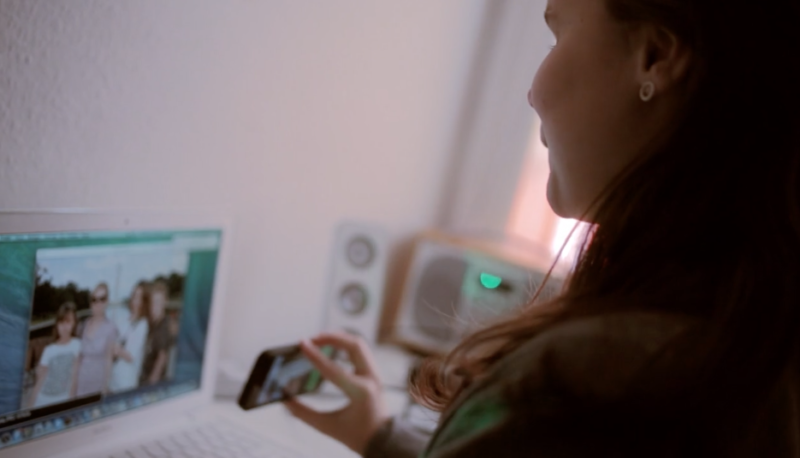
window.__INITIAL_STATE__={
"attachmentsReducer": {
"audio_0": {
"type": "attachments",
"id": "audio_0",
"imgSizes": {
"kqedFullSize": {
"file": "https://ww2.kqed.org/news/wp-content/themes/KQED-unified/img/audio_bgs/background0.jpg"
}
}
},
"audio_1": {
"type": "attachments",
"id": "audio_1",
"imgSizes": {
"kqedFullSize": {
"file": "https://ww2.kqed.org/news/wp-content/themes/KQED-unified/img/audio_bgs/background1.jpg"
}
}
},
"audio_2": {
"type": "attachments",
"id": "audio_2",
"imgSizes": {
"kqedFullSize": {
"file": "https://ww2.kqed.org/news/wp-content/themes/KQED-unified/img/audio_bgs/background2.jpg"
}
}
},
"audio_3": {
"type": "attachments",
"id": "audio_3",
"imgSizes": {
"kqedFullSize": {
"file": "https://ww2.kqed.org/news/wp-content/themes/KQED-unified/img/audio_bgs/background3.jpg"
}
}
},
"audio_4": {
"type": "attachments",
"id": "audio_4",
"imgSizes": {
"kqedFullSize": {
"file": "https://ww2.kqed.org/news/wp-content/themes/KQED-unified/img/audio_bgs/background4.jpg"
}
}
},
"placeholder": {
"type": "attachments",
"id": "placeholder",
"imgSizes": {
"thumbnail": {
"file": "https://cdn.kqed.org/wp-content/uploads/2024/12/KQED-Default-Image-816638274-2000x1333-1-160x107.jpg",
"width": 160,
"height": 107,
"mimeType": "image/jpeg"
},
"medium": {
"file": "https://cdn.kqed.org/wp-content/uploads/2024/12/KQED-Default-Image-816638274-2000x1333-1-800x533.jpg",
"width": 800,
"height": 533,
"mimeType": "image/jpeg"
},
"medium_large": {
"file": "https://cdn.kqed.org/wp-content/uploads/2024/12/KQED-Default-Image-816638274-2000x1333-1-768x512.jpg",
"width": 768,
"height": 512,
"mimeType": "image/jpeg"
},
"large": {
"file": "https://cdn.kqed.org/wp-content/uploads/2024/12/KQED-Default-Image-816638274-2000x1333-1-1020x680.jpg",
"width": 1020,
"height": 680,
"mimeType": "image/jpeg"
},
"1536x1536": {
"file": "https://cdn.kqed.org/wp-content/uploads/2024/12/KQED-Default-Image-816638274-2000x1333-1-1536x1024.jpg",
"width": 1536,
"height": 1024,
"mimeType": "image/jpeg"
},
"fd-lrg": {
"file": "https://cdn.kqed.org/wp-content/uploads/2024/12/KQED-Default-Image-816638274-2000x1333-1-1536x1024.jpg",
"width": 1536,
"height": 1024,
"mimeType": "image/jpeg"
},
"fd-med": {
"file": "https://cdn.kqed.org/wp-content/uploads/2024/12/KQED-Default-Image-816638274-2000x1333-1-1020x680.jpg",
"width": 1020,
"height": 680,
"mimeType": "image/jpeg"
},
"fd-sm": {
"file": "https://cdn.kqed.org/wp-content/uploads/2024/12/KQED-Default-Image-816638274-2000x1333-1-800x533.jpg",
"width": 800,
"height": 533,
"mimeType": "image/jpeg"
},
"post-thumbnail": {
"file": "https://cdn.kqed.org/wp-content/uploads/2024/12/KQED-Default-Image-816638274-2000x1333-1-672x372.jpg",
"width": 672,
"height": 372,
"mimeType": "image/jpeg"
},
"twentyfourteen-full-width": {
"file": "https://cdn.kqed.org/wp-content/uploads/2024/12/KQED-Default-Image-816638274-2000x1333-1-1038x576.jpg",
"width": 1038,
"height": 576,
"mimeType": "image/jpeg"
},
"xxsmall": {
"file": "https://cdn.kqed.org/wp-content/uploads/2024/12/KQED-Default-Image-816638274-2000x1333-1-160x107.jpg",
"width": 160,
"height": 107,
"mimeType": "image/jpeg"
},
"xsmall": {
"file": "https://cdn.kqed.org/wp-content/uploads/2024/12/KQED-Default-Image-816638274-2000x1333-1-672x372.jpg",
"width": 672,
"height": 372,
"mimeType": "image/jpeg"
},
"small": {
"file": "https://cdn.kqed.org/wp-content/uploads/2024/12/KQED-Default-Image-816638274-2000x1333-1-672x372.jpg",
"width": 672,
"height": 372,
"mimeType": "image/jpeg"
},
"xlarge": {
"file": "https://cdn.kqed.org/wp-content/uploads/2024/12/KQED-Default-Image-816638274-2000x1333-1-1020x680.jpg",
"width": 1020,
"height": 680,
"mimeType": "image/jpeg"
},
"full-width": {
"file": "https://cdn.kqed.org/wp-content/uploads/2024/12/KQED-Default-Image-816638274-2000x1333-1-1920x1280.jpg",
"width": 1920,
"height": 1280,
"mimeType": "image/jpeg"
},
"guest-author-32": {
"file": "https://cdn.kqed.org/wp-content/uploads/2025/01/KQED-Default-Image-816638274-1333x1333-1-160x160.jpg",
"width": 32,
"height": 32,
"mimeType": "image/jpeg"
},
"guest-author-50": {
"file": "https://cdn.kqed.org/wp-content/uploads/2025/01/KQED-Default-Image-816638274-1333x1333-1-160x160.jpg",
"width": 50,
"height": 50,
"mimeType": "image/jpeg"
},
"guest-author-64": {
"file": "https://cdn.kqed.org/wp-content/uploads/2025/01/KQED-Default-Image-816638274-1333x1333-1-160x160.jpg",
"width": 64,
"height": 64,
"mimeType": "image/jpeg"
},
"guest-author-96": {
"file": "https://cdn.kqed.org/wp-content/uploads/2025/01/KQED-Default-Image-816638274-1333x1333-1-160x160.jpg",
"width": 96,
"height": 96,
"mimeType": "image/jpeg"
},
"guest-author-128": {
"file": "https://cdn.kqed.org/wp-content/uploads/2025/01/KQED-Default-Image-816638274-1333x1333-1-160x160.jpg",
"width": 128,
"height": 128,
"mimeType": "image/jpeg"
},
"detail": {
"file": "https://cdn.kqed.org/wp-content/uploads/2025/01/KQED-Default-Image-816638274-1333x1333-1-160x160.jpg",
"width": 160,
"height": 160,
"mimeType": "image/jpeg"
},
"kqedFullSize": {
"file": "https://cdn.kqed.org/wp-content/uploads/2024/12/KQED-Default-Image-816638274-2000x1333-1.jpg",
"width": 2000,
"height": 1333
}
}
},
"news_11743094": {
"type": "attachments",
"id": "news_11743094",
"meta": {
"index": "attachments_1716263798",
"site": "news",
"id": "11743094",
"found": true
},
"parent": 11742806,
"imgSizes": {
"thumbnail": {
"file": "https://ww2.kqed.org/app/uploads/sites/10/2019/04/visually-impaired-user-2-160x92.png",
"width": 160,
"mimeType": "image/png",
"height": 92
},
"post-thumbnail": {
"file": "https://ww2.kqed.org/app/uploads/sites/10/2019/04/visually-impaired-user-2-672x372.png",
"width": 672,
"mimeType": "image/png",
"height": 372
},
"kqedFullSize": {
"file": "https://ww2.kqed.org/app/uploads/sites/10/2019/04/visually-impaired-user-2.png",
"width": 935,
"height": 535
},
"medium": {
"file": "https://ww2.kqed.org/app/uploads/sites/10/2019/04/visually-impaired-user-2-800x458.png",
"width": 800,
"mimeType": "image/png",
"height": 458
}
},
"publishDate": 1556301599,
"modified": 1556323202,
"caption": "A visually impaired person uses the Be My Eyes app to identify the contents of a photo on her computer.",
"description": null,
"title": "visually impaired user 2",
"credit": "Courtesy of Be My Eyes",
"status": "inherit",
"isLoading": false,
"fetchFailed": false
},
"news_11742548": {
"type": "attachments",
"id": "news_11742548",
"meta": {
"index": "attachments_1716263798",
"site": "news",
"id": "11742548",
"found": true
},
"parent": 11742542,
"imgSizes": {
"twentyfourteen-full-width": {
"file": "https://ww2.kqed.org/app/uploads/sites/10/2019/04/Facebook-Thumbs-Up-1038x576.jpg",
"width": 1038,
"mimeType": "image/jpeg",
"height": 576
},
"thumbnail": {
"file": "https://ww2.kqed.org/app/uploads/sites/10/2019/04/Facebook-Thumbs-Up-160x107.jpg",
"width": 160,
"mimeType": "image/jpeg",
"height": 107
},
"post-thumbnail": {
"file": "https://ww2.kqed.org/app/uploads/sites/10/2019/04/Facebook-Thumbs-Up-672x372.jpg",
"width": 672,
"mimeType": "image/jpeg",
"height": 372
},
"kqedFullSize": {
"file": "https://ww2.kqed.org/app/uploads/sites/10/2019/04/Facebook-Thumbs-Up.jpg",
"width": 1920,
"height": 1278
},
"large": {
"file": "https://ww2.kqed.org/app/uploads/sites/10/2019/04/Facebook-Thumbs-Up-1020x679.jpg",
"width": 1020,
"mimeType": "image/jpeg",
"height": 679
},
"complete_open_graph": {
"file": "https://ww2.kqed.org/app/uploads/sites/10/2019/04/Facebook-Thumbs-Up-1200x799.jpg",
"width": 1200,
"mimeType": "image/jpeg",
"height": 799
},
"full-width": {
"file": "https://ww2.kqed.org/app/uploads/sites/10/2019/04/Facebook-Thumbs-Up-1920x1278.jpg",
"width": 1920,
"mimeType": "image/jpeg",
"height": 1278
},
"medium": {
"file": "https://ww2.kqed.org/app/uploads/sites/10/2019/04/Facebook-Thumbs-Up-800x533.jpg",
"width": 800,
"mimeType": "image/jpeg",
"height": 533
}
},
"publishDate": 1556140643,
"modified": 1566347150,
"caption": "A \"like\" icon at the Facebook main campus in Menlo Park.",
"description": "A \"like\" icon at the Facebook main campus in Menlo Park, pictured in 2012.",
"title": "Facebook-Thumbs-Up",
"credit": "Robyn Beck/AFP/Getty Images",
"status": "inherit",
"isLoading": false,
"fetchFailed": false
},
"news_11742155": {
"type": "attachments",
"id": "news_11742155",
"meta": {
"index": "attachments_1716263798",
"site": "news",
"id": "11742155",
"found": true
},
"parent": 11742154,
"imgSizes": {
"twentyfourteen-full-width": {
"file": "https://ww2.kqed.org/app/uploads/sites/10/2019/04/wing-drone-flying_wide-336ef725c907b1ef72bce8f95900adc859d30c60-1038x576.jpg",
"width": 1038,
"mimeType": "image/jpeg",
"height": 576
},
"thumbnail": {
"file": "https://ww2.kqed.org/app/uploads/sites/10/2019/04/wing-drone-flying_wide-336ef725c907b1ef72bce8f95900adc859d30c60-160x90.jpg",
"width": 160,
"mimeType": "image/jpeg",
"height": 90
},
"post-thumbnail": {
"file": "https://ww2.kqed.org/app/uploads/sites/10/2019/04/wing-drone-flying_wide-336ef725c907b1ef72bce8f95900adc859d30c60-672x372.jpg",
"width": 672,
"mimeType": "image/jpeg",
"height": 372
},
"kqedFullSize": {
"file": "https://ww2.kqed.org/app/uploads/sites/10/2019/04/wing-drone-flying_wide-336ef725c907b1ef72bce8f95900adc859d30c60-e1556043325563.jpg",
"width": 1920,
"height": 1080
},
"large": {
"file": "https://ww2.kqed.org/app/uploads/sites/10/2019/04/wing-drone-flying_wide-336ef725c907b1ef72bce8f95900adc859d30c60-1020x574.jpg",
"width": 1020,
"mimeType": "image/jpeg",
"height": 574
},
"complete_open_graph": {
"file": "https://ww2.kqed.org/app/uploads/sites/10/2019/04/wing-drone-flying_wide-336ef725c907b1ef72bce8f95900adc859d30c60-1200x675.jpg",
"width": 1200,
"mimeType": "image/jpeg",
"height": 675
},
"full-width": {
"file": "https://ww2.kqed.org/app/uploads/sites/10/2019/04/wing-drone-flying_wide-336ef725c907b1ef72bce8f95900adc859d30c60-1920x1080.jpg",
"width": 1920,
"mimeType": "image/jpeg",
"height": 1080
},
"medium": {
"file": "https://ww2.kqed.org/app/uploads/sites/10/2019/04/wing-drone-flying_wide-336ef725c907b1ef72bce8f95900adc859d30c60-800x450.jpg",
"width": 800,
"mimeType": "image/jpeg",
"height": 450
}
},
"publishDate": 1556043153,
"modified": 1556043317,
"caption": "The Wing company, a Google spinoff, has won federal approval to operate its drone delivery system as an airline in the U.S.",
"description": "The Wing company, a Google spinoff, has won federal approval to operate its drone delivery system as an airline in the U.S.",
"title": "The Wing company, a Google spinoff, has won federal approval to operate its drone delivery system as an airline in the U.S.",
"credit": "Wing",
"status": "inherit",
"isLoading": false,
"fetchFailed": false
},
"news_11741916": {
"type": "attachments",
"id": "news_11741916",
"meta": {
"index": "attachments_1716263798",
"site": "news",
"id": "11741916",
"found": true
},
"parent": 11741909,
"imgSizes": {
"twentyfourteen-full-width": {
"file": "https://ww2.kqed.org/app/uploads/sites/10/2019/04/GettyImages-1138714009-1038x576.jpg",
"width": 1038,
"mimeType": "image/jpeg",
"height": 576
},
"thumbnail": {
"file": "https://ww2.kqed.org/app/uploads/sites/10/2019/04/GettyImages-1138714009-160x107.jpg",
"width": 160,
"mimeType": "image/jpeg",
"height": 107
},
"post-thumbnail": {
"file": "https://ww2.kqed.org/app/uploads/sites/10/2019/04/GettyImages-1138714009-672x372.jpg",
"width": 672,
"mimeType": "image/jpeg",
"height": 372
},
"kqedFullSize": {
"file": "https://ww2.kqed.org/app/uploads/sites/10/2019/04/GettyImages-1138714009-e1555958906855.jpg",
"width": 1920,
"height": 1281
},
"large": {
"file": "https://ww2.kqed.org/app/uploads/sites/10/2019/04/GettyImages-1138714009-1020x680.jpg",
"width": 1020,
"mimeType": "image/jpeg",
"height": 680
},
"complete_open_graph": {
"file": "https://ww2.kqed.org/app/uploads/sites/10/2019/04/GettyImages-1138714009-1200x800.jpg",
"width": 1200,
"mimeType": "image/jpeg",
"height": 800
},
"full-width": {
"file": "https://ww2.kqed.org/app/uploads/sites/10/2019/04/GettyImages-1138714009-1920x1280.jpg",
"width": 1920,
"mimeType": "image/jpeg",
"height": 1280
},
"medium": {
"file": "https://ww2.kqed.org/app/uploads/sites/10/2019/04/GettyImages-1138714009-800x533.jpg",
"width": 800,
"mimeType": "image/jpeg",
"height": 533
}
},
"publishDate": 1555958886,
"modified": 1555959853,
"caption": "Priests look on as security personnel inspect the debris of a car, a day after it exploded near St. Anthony's Shrine in Colombo, Sri Lanka. The coordinated bomb blasts on April 21, 2019 — Easter Sunday — targeted churches and luxury hotels across the country, resulting in nearly 300 deaths, including dozens of foreigners.",
"description": null,
"title": "SRI LANKA-ATTACKS",
"credit": "Jewel Samad/AFP/Getty Images",
"status": "inherit",
"isLoading": false,
"fetchFailed": false
},
"news_11741221": {
"type": "attachments",
"id": "news_11741221",
"meta": {
"index": "attachments_1716263798",
"site": "news",
"id": "11741221",
"found": true
},
"parent": 0,
"imgSizes": {
"twentyfourteen-full-width": {
"file": "https://ww2.kqed.org/app/uploads/sites/10/2019/04/RS36610__M6A0242-qut-1038x576.jpg",
"width": 1038,
"mimeType": "image/jpeg",
"height": 576
},
"thumbnail": {
"file": "https://ww2.kqed.org/app/uploads/sites/10/2019/04/RS36610__M6A0242-qut-160x107.jpg",
"width": 160,
"mimeType": "image/jpeg",
"height": 107
},
"post-thumbnail": {
"file": "https://ww2.kqed.org/app/uploads/sites/10/2019/04/RS36610__M6A0242-qut-672x372.jpg",
"width": 672,
"mimeType": "image/jpeg",
"height": 372
},
"kqedFullSize": {
"file": "https://ww2.kqed.org/app/uploads/sites/10/2019/04/RS36610__M6A0242-qut.jpg",
"width": 1920,
"height": 1280
},
"large": {
"file": "https://ww2.kqed.org/app/uploads/sites/10/2019/04/RS36610__M6A0242-qut-1020x680.jpg",
"width": 1020,
"mimeType": "image/jpeg",
"height": 680
},
"complete_open_graph": {
"file": "https://ww2.kqed.org/app/uploads/sites/10/2019/04/RS36610__M6A0242-qut-1200x800.jpg",
"width": 1200,
"mimeType": "image/jpeg",
"height": 800
},
"full-width": {
"file": "https://ww2.kqed.org/app/uploads/sites/10/2019/04/RS36610__M6A0242-qut-1920x1280.jpg",
"width": 1920,
"mimeType": "image/jpeg",
"height": 1280
},
"medium": {
"file": "https://ww2.kqed.org/app/uploads/sites/10/2019/04/RS36610__M6A0242-qut-800x533.jpg",
"width": 800,
"mimeType": "image/jpeg",
"height": 533
}
},
"publishDate": 1555610309,
"modified": 1555610350,
"caption": "Ana Berlowitz with her communication device at her home in San Francisco on April 15, 2019.",
"description": null,
"title": "RS36610__M6A0242-qut",
"credit": "Stephanie Lister/KQED",
"status": "inherit",
"isLoading": false,
"fetchFailed": false
},
"news_11741379": {
"type": "attachments",
"id": "news_11741379",
"meta": {
"index": "attachments_1716263798",
"site": "news",
"id": "11741379",
"found": true
},
"parent": 11741371,
"imgSizes": {
"twentyfourteen-full-width": {
"file": "https://ww2.kqed.org/app/uploads/sites/10/2019/04/04182019_Google-qut-1038x576.jpg",
"width": 1038,
"mimeType": "image/jpeg",
"height": 576
},
"thumbnail": {
"file": "https://ww2.kqed.org/app/uploads/sites/10/2019/04/04182019_Google-qut-160x109.jpg",
"width": 160,
"mimeType": "image/jpeg",
"height": 109
},
"post-thumbnail": {
"file": "https://ww2.kqed.org/app/uploads/sites/10/2019/04/04182019_Google-qut-672x372.jpg",
"width": 672,
"mimeType": "image/jpeg",
"height": 372
},
"kqedFullSize": {
"file": "https://ww2.kqed.org/app/uploads/sites/10/2019/04/04182019_Google-qut.jpg",
"width": 1920,
"height": 1312
},
"large": {
"file": "https://ww2.kqed.org/app/uploads/sites/10/2019/04/04182019_Google-qut-1020x697.jpg",
"width": 1020,
"mimeType": "image/jpeg",
"height": 697
},
"complete_open_graph": {
"file": "https://ww2.kqed.org/app/uploads/sites/10/2019/04/04182019_Google-qut-1200x820.jpg",
"width": 1200,
"mimeType": "image/jpeg",
"height": 820
},
"full-width": {
"file": "https://ww2.kqed.org/app/uploads/sites/10/2019/04/04182019_Google-qut-1920x1312.jpg",
"width": 1920,
"mimeType": "image/jpeg",
"height": 1312
},
"medium": {
"file": "https://ww2.kqed.org/app/uploads/sites/10/2019/04/04182019_Google-qut-800x547.jpg",
"width": 800,
"mimeType": "image/jpeg",
"height": 547
}
},
"publishDate": 1555630680,
"modified": 1555632681,
"caption": "In response to a letter demanding equal treatment for contractors signed by Google employees, the company said it will require staffing firms to provide health insurance, 12 hours of paid parental leave and at least $15 an hour. Staffing agencies must comply by 2022. Pictured: Google headquarters on Jan. 30, 2014, in Mountain View.",
"description": "In response to a letter demanding equal treatment for contractors signed by Google employees, the company said it will require staffing firms to provide health insurance, 12 hours of paid parental leave and at least $15 an hour. Staffing agencies must comply by 2022. Pictured: Google headquarters on Jan. 30, 2014 in Mountain View.",
"title": "Google contract workers contractors",
"credit": "Justin Sullivan/Getty Images",
"status": "inherit",
"isLoading": false,
"fetchFailed": false
},
"news_11572756": {
"type": "attachments",
"id": "news_11572756",
"meta": {
"index": "attachments_1716263798",
"site": "news",
"id": "11572756",
"found": true
},
"parent": 0,
"imgSizes": {
"small": {
"file": "https://ww2.kqed.org/app/uploads/sites/10/2017/07/tcr_archive_background-520x195.jpg",
"width": 520,
"mimeType": "image/jpeg",
"height": 195
},
"twentyfourteen-full-width": {
"file": "https://ww2.kqed.org/app/uploads/sites/10/2017/07/tcr_archive_background-1038x450.jpg",
"width": 1038,
"mimeType": "image/jpeg",
"height": 450
},
"thumbnail": {
"file": "https://ww2.kqed.org/app/uploads/sites/10/2017/07/tcr_archive_background-160x60.jpg",
"width": 160,
"mimeType": "image/jpeg",
"height": 60
},
"fd-sm": {
"file": "https://ww2.kqed.org/app/uploads/sites/10/2017/07/tcr_archive_background-960x360.jpg",
"width": 960,
"mimeType": "image/jpeg",
"height": 360
},
"post-thumbnail": {
"file": "https://ww2.kqed.org/app/uploads/sites/10/2017/07/tcr_archive_background-672x372.jpg",
"width": 672,
"mimeType": "image/jpeg",
"height": 372
},
"xsmall": {
"file": "https://ww2.kqed.org/app/uploads/sites/10/2017/07/tcr_archive_background-375x141.jpg",
"width": 375,
"mimeType": "image/jpeg",
"height": 141
},
"kqedFullSize": {
"file": "https://ww2.kqed.org/app/uploads/sites/10/2017/07/tcr_archive_background.jpg",
"width": 1200,
"height": 450
},
"large": {
"file": "https://ww2.kqed.org/app/uploads/sites/10/2017/07/tcr_archive_background-1020x383.jpg",
"width": 1020,
"mimeType": "image/jpeg",
"height": 383
},
"xlarge": {
"file": "https://ww2.kqed.org/app/uploads/sites/10/2017/07/tcr_archive_background-1180x443.jpg",
"width": 1180,
"mimeType": "image/jpeg",
"height": 443
},
"guest-author-50": {
"file": "https://ww2.kqed.org/app/uploads/sites/10/2017/07/tcr_archive_background-50x50.jpg",
"width": 50,
"mimeType": "image/jpeg",
"height": 50
},
"guest-author-96": {
"file": "https://ww2.kqed.org/app/uploads/sites/10/2017/07/tcr_archive_background-96x96.jpg",
"width": 96,
"mimeType": "image/jpeg",
"height": 96
},
"medium": {
"file": "https://ww2.kqed.org/app/uploads/sites/10/2017/07/tcr_archive_background-800x300.jpg",
"width": 800,
"mimeType": "image/jpeg",
"height": 300
},
"guest-author-64": {
"file": "https://ww2.kqed.org/app/uploads/sites/10/2017/07/tcr_archive_background-64x64.jpg",
"width": 64,
"mimeType": "image/jpeg",
"height": 64
},
"guest-author-32": {
"file": "https://ww2.kqed.org/app/uploads/sites/10/2017/07/tcr_archive_background-32x32.jpg",
"width": 32,
"mimeType": "image/jpeg",
"height": 32
},
"fd-med": {
"file": "https://ww2.kqed.org/app/uploads/sites/10/2017/07/tcr_archive_background-1180x443.jpg",
"width": 1180,
"mimeType": "image/jpeg",
"height": 443
},
"detail": {
"file": "https://ww2.kqed.org/app/uploads/sites/10/2017/07/tcr_archive_background-150x150.jpg",
"width": 150,
"mimeType": "image/jpeg",
"height": 150
},
"guest-author-128": {
"file": "https://ww2.kqed.org/app/uploads/sites/10/2017/07/tcr_archive_background-128x128.jpg",
"width": 128,
"mimeType": "image/jpeg",
"height": 128
},
"xxsmall": {
"file": "https://ww2.kqed.org/app/uploads/sites/10/2017/07/tcr_archive_background-240x90.jpg",
"width": 240,
"mimeType": "image/jpeg",
"height": 90
}
},
"publishDate": 1500316142,
"modified": 1500316142,
"caption": null,
"description": null,
"title": "tcr_archive_background",
"credit": null,
"status": "inherit",
"isLoading": false,
"fetchFailed": false
},
"news_11611524": {
"type": "attachments",
"id": "news_11611524",
"meta": {
"index": "attachments_1716263798",
"site": "news",
"id": "11611524",
"found": true
},
"parent": 11611521,
"imgSizes": {
"small": {
"file": "https://ww2.kqed.org/app/uploads/sites/10/2017/08/TCRBear1920-1-520x492.jpg",
"width": 520,
"mimeType": "image/jpeg",
"height": 492
},
"twentyfourteen-full-width": {
"file": "https://ww2.kqed.org/app/uploads/sites/10/2017/08/TCRBear1920-1-1038x576.jpg",
"width": 1038,
"mimeType": "image/jpeg",
"height": 576
},
"thumbnail": {
"file": "https://ww2.kqed.org/app/uploads/sites/10/2017/08/TCRBear1920-1-160x151.jpg",
"width": 160,
"mimeType": "image/jpeg",
"height": 151
},
"fd-sm": {
"file": "https://ww2.kqed.org/app/uploads/sites/10/2017/08/TCRBear1920-1-960x908.jpg",
"width": 960,
"mimeType": "image/jpeg",
"height": 908
},
"post-thumbnail": {
"file": "https://ww2.kqed.org/app/uploads/sites/10/2017/08/TCRBear1920-1-672x372.jpg",
"width": 672,
"mimeType": "image/jpeg",
"height": 372
},
"xsmall": {
"file": "https://ww2.kqed.org/app/uploads/sites/10/2017/08/TCRBear1920-1-375x354.jpg",
"width": 375,
"mimeType": "image/jpeg",
"height": 354
},
"kqedFullSize": {
"file": "https://ww2.kqed.org/app/uploads/sites/10/2017/08/TCRBear1920-1.jpg",
"width": 1920,
"height": 1815
},
"large": {
"file": "https://ww2.kqed.org/app/uploads/sites/10/2017/08/TCRBear1920-1-1020x964.jpg",
"width": 1020,
"mimeType": "image/jpeg",
"height": 964
},
"xlarge": {
"file": "https://ww2.kqed.org/app/uploads/sites/10/2017/08/TCRBear1920-1-1180x1115.jpg",
"width": 1180,
"mimeType": "image/jpeg",
"height": 1115
},
"guest-author-50": {
"file": "https://ww2.kqed.org/app/uploads/sites/10/2017/08/TCRBear1920-1-50x50.jpg",
"width": 50,
"mimeType": "image/jpeg",
"height": 50
},
"guest-author-96": {
"file": "https://ww2.kqed.org/app/uploads/sites/10/2017/08/TCRBear1920-1-96x96.jpg",
"width": 96,
"mimeType": "image/jpeg",
"height": 96
},
"medium": {
"file": "https://ww2.kqed.org/app/uploads/sites/10/2017/08/TCRBear1920-1-800x756.jpg",
"width": 800,
"mimeType": "image/jpeg",
"height": 756
},
"guest-author-64": {
"file": "https://ww2.kqed.org/app/uploads/sites/10/2017/08/TCRBear1920-1-64x64.jpg",
"width": 64,
"mimeType": "image/jpeg",
"height": 64
},
"guest-author-32": {
"file": "https://ww2.kqed.org/app/uploads/sites/10/2017/08/TCRBear1920-1-32x32.jpg",
"width": 32,
"mimeType": "image/jpeg",
"height": 32
},
"fd-lrg": {
"file": "https://ww2.kqed.org/app/uploads/sites/10/2017/08/TCRBear1920-1-1920x1815.jpg",
"width": 1920,
"mimeType": "image/jpeg",
"height": 1815
},
"fd-med": {
"file": "https://ww2.kqed.org/app/uploads/sites/10/2017/08/TCRBear1920-1-1180x1115.jpg",
"width": 1180,
"mimeType": "image/jpeg",
"height": 1115
},
"full-width": {
"file": "https://ww2.kqed.org/app/uploads/sites/10/2017/08/TCRBear1920-1-1920x1815.jpg",
"width": 1920,
"mimeType": "image/jpeg",
"height": 1815
},
"detail": {
"file": "https://ww2.kqed.org/app/uploads/sites/10/2017/08/TCRBear1920-1-150x150.jpg",
"width": 150,
"mimeType": "image/jpeg",
"height": 150
},
"guest-author-128": {
"file": "https://ww2.kqed.org/app/uploads/sites/10/2017/08/TCRBear1920-1-128x128.jpg",
"width": 128,
"mimeType": "image/jpeg",
"height": 128
},
"xxsmall": {
"file": "https://ww2.kqed.org/app/uploads/sites/10/2017/08/TCRBear1920-1-240x227.jpg",
"width": 240,
"mimeType": "image/jpeg",
"height": 227
}
},
"publishDate": 1502500337,
"modified": 1502500337,
"caption": null,
"description": null,
"title": "TCRBear1920",
"credit": null,
"status": "inherit",
"isLoading": false,
"fetchFailed": false
},
"news_11740603": {
"type": "attachments",
"id": "news_11740603",
"meta": {
"index": "attachments_1716263798",
"site": "news",
"id": "11740603",
"found": true
},
"parent": 11740509,
"imgSizes": {
"apple_news_ca_portrait_9_7": {
"file": "https://ww2.kqed.org/app/uploads/sites/10/2019/04/Staffhousing-840x388.png",
"width": 840,
"mimeType": "image/png",
"height": 388
},
"apple_news_ca_square_4_0": {
"file": "https://ww2.kqed.org/app/uploads/sites/10/2019/04/Staffhousing-470x388.png",
"width": 470,
"mimeType": "image/png",
"height": 388
},
"thumbnail": {
"file": "https://ww2.kqed.org/app/uploads/sites/10/2019/04/Staffhousing-160x69.png",
"width": 160,
"mimeType": "image/png",
"height": 69
},
"post-thumbnail": {
"file": "https://ww2.kqed.org/app/uploads/sites/10/2019/04/Staffhousing-672x372.png",
"width": 672,
"mimeType": "image/png",
"height": 372
},
"kqedFullSize": {
"file": "https://ww2.kqed.org/app/uploads/sites/10/2019/04/Staffhousing.png",
"width": 900,
"height": 388
},
"apple_news_ca_landscape_4_7": {
"file": "https://ww2.kqed.org/app/uploads/sites/10/2019/04/Staffhousing-632x388.png",
"width": 632,
"mimeType": "image/png",
"height": 388
},
"apple_news_ca_portrait_4_7": {
"file": "https://ww2.kqed.org/app/uploads/sites/10/2019/04/Staffhousing-414x388.png",
"width": 414,
"mimeType": "image/png",
"height": 388
},
"apple_news_ca_portrait_5_5": {
"file": "https://ww2.kqed.org/app/uploads/sites/10/2019/04/Staffhousing-687x388.png",
"width": 687,
"mimeType": "image/png",
"height": 388
},
"apple_news_ca_square_4_7": {
"file": "https://ww2.kqed.org/app/uploads/sites/10/2019/04/Staffhousing-550x388.png",
"width": 550,
"mimeType": "image/png",
"height": 388
},
"apple_news_ca_landscape_4_0": {
"file": "https://ww2.kqed.org/app/uploads/sites/10/2019/04/Staffhousing-536x388.png",
"width": 536,
"mimeType": "image/png",
"height": 388
},
"medium": {
"file": "https://ww2.kqed.org/app/uploads/sites/10/2019/04/Staffhousing-800x345.png",
"width": 800,
"mimeType": "image/png",
"height": 345
},
"apple_news_ca_portrait_4_0": {
"file": "https://ww2.kqed.org/app/uploads/sites/10/2019/04/Staffhousing-354x388.png",
"width": 354,
"mimeType": "image/png",
"height": 388
}
},
"publishDate": 1555455104,
"modified": 1555467684,
"caption": "A rendering of the new building in Mountain View for teachers and school staff, which will have studio apartments as well as one and two bedrooms.",
"description": "A rendering of the new building in Mountain View for teachers and school staff, which will have studio apartments as well as one and two bedrooms.",
"title": "Staffhousing",
"credit": "Courtesy of Mountain View Whisman School District",
"status": "inherit",
"isLoading": false,
"fetchFailed": false
},
"news_11740622": {
"type": "attachments",
"id": "news_11740622",
"meta": {
"index": "attachments_1716263798",
"site": "news",
"id": "11740622",
"found": true
},
"parent": 11740616,
"imgSizes": {
"apple_news_ca_landscape_5_5": {
"file": "https://ww2.kqed.org/app/uploads/sites/10/2019/04/40820058011_f6c49fc3c0_k-1044x783.jpg",
"width": 1044,
"mimeType": "image/jpeg",
"height": 783
},
"apple_news_ca_square_4_0": {
"file": "https://ww2.kqed.org/app/uploads/sites/10/2019/04/40820058011_f6c49fc3c0_k-470x470.jpg",
"width": 470,
"mimeType": "image/jpeg",
"height": 470
},
"twentyfourteen-full-width": {
"file": "https://ww2.kqed.org/app/uploads/sites/10/2019/04/40820058011_f6c49fc3c0_k-1038x576.jpg",
"width": 1038,
"mimeType": "image/jpeg",
"height": 576
},
"thumbnail": {
"file": "https://ww2.kqed.org/app/uploads/sites/10/2019/04/40820058011_f6c49fc3c0_k-160x107.jpg",
"width": 160,
"mimeType": "image/jpeg",
"height": 107
},
"post-thumbnail": {
"file": "https://ww2.kqed.org/app/uploads/sites/10/2019/04/40820058011_f6c49fc3c0_k-672x372.jpg",
"width": 672,
"mimeType": "image/jpeg",
"height": 372
},
"kqedFullSize": {
"file": "https://ww2.kqed.org/app/uploads/sites/10/2019/04/40820058011_f6c49fc3c0_k-e1555458769216.jpg",
"width": 1920,
"height": 1280
},
"apple_news_ca_landscape_4_7": {
"file": "https://ww2.kqed.org/app/uploads/sites/10/2019/04/40820058011_f6c49fc3c0_k-632x474.jpg",
"width": 632,
"mimeType": "image/jpeg",
"height": 474
},
"large": {
"file": "https://ww2.kqed.org/app/uploads/sites/10/2019/04/40820058011_f6c49fc3c0_k-1020x680.jpg",
"width": 1020,
"mimeType": "image/jpeg",
"height": 680
},
"complete_open_graph": {
"file": "https://ww2.kqed.org/app/uploads/sites/10/2019/04/40820058011_f6c49fc3c0_k-1200x800.jpg",
"width": 1200,
"mimeType": "image/jpeg",
"height": 800
},
"apple_news_ca_landscape_4_0": {
"file": "https://ww2.kqed.org/app/uploads/sites/10/2019/04/40820058011_f6c49fc3c0_k-536x402.jpg",
"width": 536,
"mimeType": "image/jpeg",
"height": 402
},
"apple_news_ca_portrait_12_9": {
"file": "https://ww2.kqed.org/app/uploads/sites/10/2019/04/40820058011_f6c49fc3c0_k-1122x1365.jpg",
"width": 1122,
"mimeType": "image/jpeg",
"height": 1365
},
"medium": {
"file": "https://ww2.kqed.org/app/uploads/sites/10/2019/04/40820058011_f6c49fc3c0_k-800x533.jpg",
"width": 800,
"mimeType": "image/jpeg",
"height": 533
},
"apple_news_ca_portrait_4_0": {
"file": "https://ww2.kqed.org/app/uploads/sites/10/2019/04/40820058011_f6c49fc3c0_k-354x472.jpg",
"width": 354,
"mimeType": "image/jpeg",
"height": 472
},
"apple_news_ca_portrait_9_7": {
"file": "https://ww2.kqed.org/app/uploads/sites/10/2019/04/40820058011_f6c49fc3c0_k-840x1120.jpg",
"width": 840,
"mimeType": "image/jpeg",
"height": 1120
},
"apple_news_ca_landscape_12_9": {
"file": "https://ww2.kqed.org/app/uploads/sites/10/2019/04/40820058011_f6c49fc3c0_k-1832x1365.jpg",
"width": 1832,
"mimeType": "image/jpeg",
"height": 1365
},
"apple_news_ca_square_9_7": {
"file": "https://ww2.kqed.org/app/uploads/sites/10/2019/04/40820058011_f6c49fc3c0_k-1104x1104.jpg",
"width": 1104,
"mimeType": "image/jpeg",
"height": 1104
},
"apple_news_ca_portrait_4_7": {
"file": "https://ww2.kqed.org/app/uploads/sites/10/2019/04/40820058011_f6c49fc3c0_k-414x552.jpg",
"width": 414,
"mimeType": "image/jpeg",
"height": 552
},
"apple_news_ca_square_12_9": {
"file": "https://ww2.kqed.org/app/uploads/sites/10/2019/04/40820058011_f6c49fc3c0_k-1472x1365.jpg",
"width": 1472,
"mimeType": "image/jpeg",
"height": 1365
},
"apple_news_ca_portrait_5_5": {
"file": "https://ww2.kqed.org/app/uploads/sites/10/2019/04/40820058011_f6c49fc3c0_k-687x916.jpg",
"width": 687,
"mimeType": "image/jpeg",
"height": 916
},
"full-width": {
"file": "https://ww2.kqed.org/app/uploads/sites/10/2019/04/40820058011_f6c49fc3c0_k-1920x1280.jpg",
"width": 1920,
"mimeType": "image/jpeg",
"height": 1280
},
"apple_news_ca_square_4_7": {
"file": "https://ww2.kqed.org/app/uploads/sites/10/2019/04/40820058011_f6c49fc3c0_k-550x550.jpg",
"width": 550,
"mimeType": "image/jpeg",
"height": 550
},
"apple_news_ca_landscape_9_7": {
"file": "https://ww2.kqed.org/app/uploads/sites/10/2019/04/40820058011_f6c49fc3c0_k-1376x1032.jpg",
"width": 1376,
"mimeType": "image/jpeg",
"height": 1032
},
"apple_news_ca_square_5_5": {
"file": "https://ww2.kqed.org/app/uploads/sites/10/2019/04/40820058011_f6c49fc3c0_k-912x912.jpg",
"width": 912,
"mimeType": "image/jpeg",
"height": 912
}
},
"publishDate": 1555458535,
"modified": 1555458677,
"caption": "Courtesy of flickr / Marco Verch",
"description": null,
"title": "40820058011_f6c49fc3c0_k",
"credit": null,
"status": "inherit",
"isLoading": false,
"fetchFailed": false
},
"news_11740207": {
"type": "attachments",
"id": "news_11740207",
"meta": {
"index": "attachments_1716263798",
"site": "news",
"id": "11740207",
"found": true
},
"parent": 11740204,
"imgSizes": {
"apple_news_ca_landscape_5_5": {
"file": "https://ww2.kqed.org/app/uploads/sites/10/2019/04/RS30627_GettyImages-936083116-qut-1044x783.jpg",
"width": 1044,
"mimeType": "image/jpeg",
"height": 783
},
"apple_news_ca_square_4_0": {
"file": "https://ww2.kqed.org/app/uploads/sites/10/2019/04/RS30627_GettyImages-936083116-qut-470x470.jpg",
"width": 470,
"mimeType": "image/jpeg",
"height": 470
},
"twentyfourteen-full-width": {
"file": "https://ww2.kqed.org/app/uploads/sites/10/2019/04/RS30627_GettyImages-936083116-qut-1038x576.jpg",
"width": 1038,
"mimeType": "image/jpeg",
"height": 576
},
"thumbnail": {
"file": "https://ww2.kqed.org/app/uploads/sites/10/2019/04/RS30627_GettyImages-936083116-qut-160x107.jpg",
"width": 160,
"mimeType": "image/jpeg",
"height": 107
},
"post-thumbnail": {
"file": "https://ww2.kqed.org/app/uploads/sites/10/2019/04/RS30627_GettyImages-936083116-qut-672x372.jpg",
"width": 672,
"mimeType": "image/jpeg",
"height": 372
},
"kqedFullSize": {
"file": "https://ww2.kqed.org/app/uploads/sites/10/2019/04/RS30627_GettyImages-936083116-qut.jpg",
"width": 1920,
"height": 1281
},
"apple_news_ca_landscape_4_7": {
"file": "https://ww2.kqed.org/app/uploads/sites/10/2019/04/RS30627_GettyImages-936083116-qut-632x474.jpg",
"width": 632,
"mimeType": "image/jpeg",
"height": 474
},
"large": {
"file": "https://ww2.kqed.org/app/uploads/sites/10/2019/04/RS30627_GettyImages-936083116-qut-1020x681.jpg",
"width": 1020,
"mimeType": "image/jpeg",
"height": 681
},
"complete_open_graph": {
"file": "https://ww2.kqed.org/app/uploads/sites/10/2019/04/RS30627_GettyImages-936083116-qut-1200x801.jpg",
"width": 1200,
"mimeType": "image/jpeg",
"height": 801
},
"apple_news_ca_landscape_4_0": {
"file": "https://ww2.kqed.org/app/uploads/sites/10/2019/04/RS30627_GettyImages-936083116-qut-536x402.jpg",
"width": 536,
"mimeType": "image/jpeg",
"height": 402
},
"apple_news_ca_portrait_12_9": {
"file": "https://ww2.kqed.org/app/uploads/sites/10/2019/04/RS30627_GettyImages-936083116-qut-1122x1281.jpg",
"width": 1122,
"mimeType": "image/jpeg",
"height": 1281
},
"medium": {
"file": "https://ww2.kqed.org/app/uploads/sites/10/2019/04/RS30627_GettyImages-936083116-qut-800x534.jpg",
"width": 800,
"mimeType": "image/jpeg",
"height": 534
},
"apple_news_ca_portrait_4_0": {
"file": "https://ww2.kqed.org/app/uploads/sites/10/2019/04/RS30627_GettyImages-936083116-qut-354x472.jpg",
"width": 354,
"mimeType": "image/jpeg",
"height": 472
},
"apple_news_ca_portrait_9_7": {
"file": "https://ww2.kqed.org/app/uploads/sites/10/2019/04/RS30627_GettyImages-936083116-qut-840x1120.jpg",
"width": 840,
"mimeType": "image/jpeg",
"height": 1120
},
"apple_news_ca_landscape_12_9": {
"file": "https://ww2.kqed.org/app/uploads/sites/10/2019/04/RS30627_GettyImages-936083116-qut-1832x1281.jpg",
"width": 1832,
"mimeType": "image/jpeg",
"height": 1281
},
"apple_news_ca_square_9_7": {
"file": "https://ww2.kqed.org/app/uploads/sites/10/2019/04/RS30627_GettyImages-936083116-qut-1104x1104.jpg",
"width": 1104,
"mimeType": "image/jpeg",
"height": 1104
},
"apple_news_ca_portrait_4_7": {
"file": "https://ww2.kqed.org/app/uploads/sites/10/2019/04/RS30627_GettyImages-936083116-qut-414x552.jpg",
"width": 414,
"mimeType": "image/jpeg",
"height": 552
},
"apple_news_ca_square_12_9": {
"file": "https://ww2.kqed.org/app/uploads/sites/10/2019/04/RS30627_GettyImages-936083116-qut-1472x1281.jpg",
"width": 1472,
"mimeType": "image/jpeg",
"height": 1281
},
"apple_news_ca_portrait_5_5": {
"file": "https://ww2.kqed.org/app/uploads/sites/10/2019/04/RS30627_GettyImages-936083116-qut-687x916.jpg",
"width": 687,
"mimeType": "image/jpeg",
"height": 916
},
"full-width": {
"file": "https://ww2.kqed.org/app/uploads/sites/10/2019/04/RS30627_GettyImages-936083116-qut-1920x1281.jpg",
"width": 1920,
"mimeType": "image/jpeg",
"height": 1281
},
"apple_news_ca_square_4_7": {
"file": "https://ww2.kqed.org/app/uploads/sites/10/2019/04/RS30627_GettyImages-936083116-qut-550x550.jpg",
"width": 550,
"mimeType": "image/jpeg",
"height": 550
},
"apple_news_ca_landscape_9_7": {
"file": "https://ww2.kqed.org/app/uploads/sites/10/2019/04/RS30627_GettyImages-936083116-qut-1376x1032.jpg",
"width": 1376,
"mimeType": "image/jpeg",
"height": 1032
},
"apple_news_ca_square_5_5": {
"file": "https://ww2.kqed.org/app/uploads/sites/10/2019/04/RS30627_GettyImages-936083116-qut-912x912.jpg",
"width": 912,
"mimeType": "image/jpeg",
"height": 912
}
},
"publishDate": 1555252612,
"modified": 1555252740,
"caption": "This photo illustration taken in 2018 shows apps for Facebook, Instagram, Twitter and other social networks on a smartphone. ",
"description": null,
"title": "INDIA-US-INTERNET-FACEBOOK",
"credit": "Chandan Khanna/AFP/Getty Images)",
"status": "inherit",
"isLoading": false,
"fetchFailed": false
},
"news_11739950": {
"type": "attachments",
"id": "news_11739950",
"meta": {
"index": "attachments_1716263798",
"site": "news",
"id": "11739950",
"found": true
},
"parent": 11739629,
"imgSizes": {
"apple_news_ca_landscape_5_5": {
"file": "https://ww2.kqed.org/app/uploads/sites/10/2019/04/NR624-MARQUEE-1044x720.jpg",
"width": 1044,
"mimeType": "image/jpeg",
"height": 720
},
"apple_news_ca_square_4_0": {
"file": "https://ww2.kqed.org/app/uploads/sites/10/2019/04/NR624-MARQUEE-470x470.jpg",
"width": 470,
"mimeType": "image/jpeg",
"height": 470
},
"twentyfourteen-full-width": {
"file": "https://ww2.kqed.org/app/uploads/sites/10/2019/04/NR624-MARQUEE-1038x576.jpg",
"width": 1038,
"mimeType": "image/jpeg",
"height": 576
},
"thumbnail": {
"file": "https://ww2.kqed.org/app/uploads/sites/10/2019/04/NR624-MARQUEE-160x90.jpg",
"width": 160,
"mimeType": "image/jpeg",
"height": 90
},
"post-thumbnail": {
"file": "https://ww2.kqed.org/app/uploads/sites/10/2019/04/NR624-MARQUEE-672x372.jpg",
"width": 672,
"mimeType": "image/jpeg",
"height": 372
},
"kqedFullSize": {
"file": "https://ww2.kqed.org/app/uploads/sites/10/2019/04/NR624-MARQUEE.jpg",
"width": 1280,
"height": 720
},
"apple_news_ca_landscape_4_7": {
"file": "https://ww2.kqed.org/app/uploads/sites/10/2019/04/NR624-MARQUEE-632x474.jpg",
"width": 632,
"mimeType": "image/jpeg",
"height": 474
},
"large": {
"file": "https://ww2.kqed.org/app/uploads/sites/10/2019/04/NR624-MARQUEE-1020x574.jpg",
"width": 1020,
"mimeType": "image/jpeg",
"height": 574
},
"complete_open_graph": {
"file": "https://ww2.kqed.org/app/uploads/sites/10/2019/04/NR624-MARQUEE-1200x675.jpg",
"width": 1200,
"mimeType": "image/jpeg",
"height": 675
},
"apple_news_ca_landscape_4_0": {
"file": "https://ww2.kqed.org/app/uploads/sites/10/2019/04/NR624-MARQUEE-536x402.jpg",
"width": 536,
"mimeType": "image/jpeg",
"height": 402
},
"apple_news_ca_portrait_12_9": {
"file": "https://ww2.kqed.org/app/uploads/sites/10/2019/04/NR624-MARQUEE-1122x720.jpg",
"width": 1122,
"mimeType": "image/jpeg",
"height": 720
},
"medium": {
"file": "https://ww2.kqed.org/app/uploads/sites/10/2019/04/NR624-MARQUEE-800x450.jpg",
"width": 800,
"mimeType": "image/jpeg",
"height": 450
},
"apple_news_ca_portrait_4_0": {
"file": "https://ww2.kqed.org/app/uploads/sites/10/2019/04/NR624-MARQUEE-354x472.jpg",
"width": 354,
"mimeType": "image/jpeg",
"height": 472
},
"apple_news_ca_portrait_9_7": {
"file": "https://ww2.kqed.org/app/uploads/sites/10/2019/04/NR624-MARQUEE-840x720.jpg",
"width": 840,
"mimeType": "image/jpeg",
"height": 720
},
"apple_news_ca_square_9_7": {
"file": "https://ww2.kqed.org/app/uploads/sites/10/2019/04/NR624-MARQUEE-1104x720.jpg",
"width": 1104,
"mimeType": "image/jpeg",
"height": 720
},
"apple_news_ca_portrait_4_7": {
"file": "https://ww2.kqed.org/app/uploads/sites/10/2019/04/NR624-MARQUEE-414x552.jpg",
"width": 414,
"mimeType": "image/jpeg",
"height": 552
},
"apple_news_ca_portrait_5_5": {
"file": "https://ww2.kqed.org/app/uploads/sites/10/2019/04/NR624-MARQUEE-687x720.jpg",
"width": 687,
"mimeType": "image/jpeg",
"height": 720
},
"apple_news_ca_square_4_7": {
"file": "https://ww2.kqed.org/app/uploads/sites/10/2019/04/NR624-MARQUEE-550x550.jpg",
"width": 550,
"mimeType": "image/jpeg",
"height": 550
},
"apple_news_ca_square_5_5": {
"file": "https://ww2.kqed.org/app/uploads/sites/10/2019/04/NR624-MARQUEE-912x720.jpg",
"width": 912,
"mimeType": "image/jpeg",
"height": 720
}
},
"publishDate": 1555107591,
"modified": 1555107591,
"caption": null,
"description": null,
"title": "NR624 MARQUEE",
"credit": null,
"status": "inherit",
"isLoading": false,
"fetchFailed": false
}
},
"audioPlayerReducer": {
"postId": "stream_live",
"isPaused": true,
"isPlaying": false,
"pfsActive": false,
"pledgeModalIsOpen": true,
"playerDrawerIsOpen": false,
"liveAudioPlayStartedAt": 0,
"liveAudioPlayContext": ""
},
"authorsReducer": {
"byline_news_11742542": {
"type": "authors",
"id": "byline_news_11742542",
"meta": {
"override": true
},
"slug": "byline_news_11742542",
"name": "Barbara Ortutay \u003cbr> The Associated Press",
"isLoading": false
},
"byline_news_11742154": {
"type": "authors",
"id": "byline_news_11742154",
"meta": {
"override": true
},
"slug": "byline_news_11742154",
"name": "\u003ca href=\"https://www.npr.org/people/14562108/bill-chappell\">Bill Chappell\u003c/a>",
"isLoading": false
},
"byline_news_11741909": {
"type": "authors",
"id": "byline_news_11741909",
"meta": {
"override": true
},
"slug": "byline_news_11741909",
"name": "Matt O'Brien, Associated Press",
"isLoading": false
},
"byline_news_11740204": {
"type": "authors",
"id": "byline_news_11740204",
"meta": {
"override": true
},
"slug": "byline_news_11740204",
"name": "Associated Press",
"isLoading": false
},
"vmauleon": {
"type": "authors",
"id": "98",
"meta": {
"index": "authors_1716337520",
"id": "98",
"found": true
},
"name": "Victoria Mauleón",
"firstName": "Victoria",
"lastName": "Victoria Mauleón",
"slug": "vmauleon",
"email": "vmauleon@KQED.org",
"display_author_email": false,
"staff_mastheads": [
"news"
],
"title": "KQED Contributor",
"bio": "Victoria Mauleón is \u003cem>The California Report'\u003c/em>s senior editor, overseeing the production and editorial direction of the weekly, statewide news magazine program. She is the show's primary content editor, working with KQED reporters, member station reporters and freelancers.\r\n\r\nVictoria has taught advanced radio and podcasting at the University of California at Berkeley’s Graduate School of Journalism. Before her work in radio, Victoria worked as a television producer, and her work aired on PBS, MSNBC, HBO, VH1, and AMC. Her work has earned her a Northern California Emmy Award, a John Swett Award, an Excellence in Journalism Award from the Society of Professional Journalists, two San Francisco Peninsula Press Club awards and a Casey Medal for Meritorious Journalism.",
"avatar": "https://secure.gravatar.com/avatar/5b7264c4575a5883de085c44e6133687d62ae5221cd881880b52c044d1a74543?s=600&d=blank&r=g",
"twitter": null,
"bluesky": null,
"facebook": null,
"instagram": null,
"linkedin": null,
"sites": [
{
"site": "arts",
"roles": [
"administrator"
]
},
{
"site": "news",
"roles": [
"editor"
]
},
{
"site": "stateofhealth",
"roles": [
"editor"
]
}
],
"headData": {
"title": "Victoria Mauleón | KQED",
"description": "KQED Contributor",
"ogImgSrc": "https://secure.gravatar.com/avatar/5b7264c4575a5883de085c44e6133687d62ae5221cd881880b52c044d1a74543?s=600&d=blank&r=g",
"twImgSrc": "https://secure.gravatar.com/avatar/5b7264c4575a5883de085c44e6133687d62ae5221cd881880b52c044d1a74543?s=600&d=blank&r=g"
},
"isLoading": false,
"link": "/author/vmauleon"
},
"kqed": {
"type": "authors",
"id": "236",
"meta": {
"index": "authors_1716337520",
"id": "236",
"found": true
},
"name": "KQED News Staff",
"firstName": "KQED News Staff",
"lastName": null,
"slug": "kqed",
"email": "faq@kqed.org",
"display_author_email": false,
"staff_mastheads": [],
"title": null,
"bio": null,
"avatar": "https://secure.gravatar.com/avatar/ef0e801a68c4c54afa9180db14084167?s=600&d=blank&r=g",
"twitter": null,
"facebook": null,
"instagram": null,
"linkedin": null,
"sites": [
{
"site": "arts",
"roles": [
"contributor"
]
},
{
"site": "news",
"roles": [
"editor"
]
},
{
"site": "futureofyou",
"roles": [
"author"
]
}
],
"headData": {
"title": "KQED News Staff | KQED",
"description": null,
"ogImgSrc": "https://secure.gravatar.com/avatar/ef0e801a68c4c54afa9180db14084167?s=600&d=blank&r=g",
"twImgSrc": "https://secure.gravatar.com/avatar/ef0e801a68c4c54afa9180db14084167?s=600&d=blank&r=g"
},
"isLoading": false,
"link": "/author/kqed"
},
"samharnett": {
"type": "authors",
"id": "253",
"meta": {
"index": "authors_1716337520",
"id": "253",
"found": true
},
"name": "Sam Harnett",
"firstName": "Sam",
"lastName": "Harnett",
"slug": "samharnett",
"email": "samharnett@gmail.com",
"display_author_email": false,
"staff_mastheads": [],
"title": "KQED Contributor",
"bio": "Sam Harnett covered tech and work at KQED. He is the co-creator of \u003cem>\u003ca href=\"http://www.theworldaccordingtosound.org\">The World According to Sound\u003c/a>,\u003c/em> a 90-second podcast that features different sounds and the stories behind them.\r\n\r\nBefore coming to KQED, Sam worked as an independent reporter who contributed regularly to \u003cem>The California Report, Marketplace,\u003c/em> \u003cem>The World \u003c/em>and NPR.",
"avatar": "https://secure.gravatar.com/avatar/2538b972ac02f2b9546c7a6c59a0f3d0?s=600&d=blank&r=g",
"twitter": "Samwharnett",
"facebook": null,
"instagram": null,
"linkedin": null,
"sites": [
{
"site": "news",
"roles": [
"edit_others_posts",
"subscriber"
]
},
{
"site": "stateofhealth",
"roles": [
"author"
]
},
{
"site": "science",
"roles": [
"editor"
]
},
{
"site": "quest",
"roles": [
"subscriber"
]
}
],
"headData": {
"title": "Sam Harnett | KQED",
"description": "KQED Contributor",
"ogImgSrc": "https://secure.gravatar.com/avatar/2538b972ac02f2b9546c7a6c59a0f3d0?s=600&d=blank&r=g",
"twImgSrc": "https://secure.gravatar.com/avatar/2538b972ac02f2b9546c7a6c59a0f3d0?s=600&d=blank&r=g"
},
"isLoading": false,
"link": "/author/samharnett"
},
"zschiffer": {
"type": "authors",
"id": "11588",
"meta": {
"index": "authors_1716337520",
"id": "11588",
"found": true
},
"name": "Zoe Schiffer",
"firstName": "Zoe",
"lastName": "Schiffer",
"slug": "zschiffer",
"email": "zschiffer@KQED.org",
"display_author_email": false,
"staff_mastheads": [],
"title": null,
"bio": "Zoe Schiffer works at KQED's Silicon Valley Bureau, reporting on tech and culture. Previously, she freelanced for Vox's Racked, The Bold Italic, SF Gate, and SF Evergreen. She holds a B.A. in Political Science from UC Berkeley, and is working on a graduate degree in Journalism from Stanford. Outside of work you can find her reading, writing poetry, and running around Lake Merritt. Twitter: @ZoeSchiffer",
"avatar": "https://secure.gravatar.com/avatar/bbb1270a17cf7dbab05a089151407d8f?s=600&d=blank&r=g",
"twitter": "@ZoeSchiffer",
"facebook": null,
"instagram": null,
"linkedin": null,
"sites": [
{
"site": "news",
"roles": [
"author"
]
}
],
"headData": {
"title": "Zoe Schiffer | KQED",
"description": null,
"ogImgSrc": "https://secure.gravatar.com/avatar/bbb1270a17cf7dbab05a089151407d8f?s=600&d=blank&r=g",
"twImgSrc": "https://secure.gravatar.com/avatar/bbb1270a17cf7dbab05a089151407d8f?s=600&d=blank&r=g"
},
"isLoading": false,
"link": "/author/zschiffer"
}
},
"pagesReducer": {
"news_category_technology": {
"type": "terms",
"id": "news_248",
"meta": {
"index": "terms_1716263798",
"site": "news",
"id": "248",
"score": 10.931532
},
"featImg": null,
"name": "Technology",
"description": null,
"taxonomy": "category",
"headData": {
"twImgId": null,
"twTitle": null,
"ogTitle": null,
"ogImgId": null,
"twDescription": null,
"description": null,
"title": "Technology Archives | KQED News",
"ogDescription": null
},
"ttid": 256,
"slug": "technology",
"isLoading": false,
"title": "Technology",
"pageMeta": {
"site": "news",
"WpPageTemplate": "page-topic-editorial",
"currentPage": 69
},
"blocks": [
{
"blockName": "kqed/post-list",
"attrs": {
"layout": "cardArticle2",
"query": "posts/news?category=technology",
"seeMore": false,
"paginated": true,
"page": 69
}
},
{
"blockName": "kqed/ad"
}
]
}
},
"pfsSessionReducer": {},
"postsReducer": {
"stream_live": {
"type": "live",
"id": "stream_live",
"audioUrl": "https://streams.kqed.org/kqedradio",
"title": "Live Stream",
"excerpt": "Live Stream information currently unavailable.",
"link": "/radio",
"featImg": "",
"label": {
"name": "KQED Live",
"link": "/"
}
},
"stream_kqedNewscast": {
"type": "posts",
"id": "stream_kqedNewscast",
"audioUrl": "https://www.kqed.org/.stream/anon/radio/RDnews/newscast.mp3?_=1",
"title": "KQED Newscast",
"featImg": "",
"label": {
"name": "88.5 FM",
"link": "/"
}
},
"news_11742806": {
"type": "posts",
"id": "news_11742806",
"meta": {
"index": "posts_1716263798",
"site": "news",
"id": "11742806",
"score": null,
"sort": [
1556323668000
]
},
"parent": 0,
"labelTerm": {
"site": "news"
},
"blocks": [],
"publishDate": 1556323668,
"format": "audio",
"disqusTitle": "California Sounds: Can an App for the Blind Maintain its Feel-Good Social Network as it Expands?",
"title": "California Sounds: Can an App for the Blind Maintain its Feel-Good Social Network as it Expands?",
"headTitle": "KQED News",
"content": "\u003cp>When Bryan Bashin needs to pick the perfect bottle of wine for a work event, he pulls out his smartphone and launches an app called Be My Eyes.\u003c/p>\n\u003cp>The app opens a video chat that connects Bashin, who is blind, with someone in a pool of volunteers who can help with everything from identifying the color of a tie to finding a piece of misplaced jewelry.\u003c/p>\n\u003cp>For this call, Bashin places three bottles of wine on the kitchen table in his Berkeley apartment. He holds his phone up to each one as Michele Peterson, a volunteer in New Jersey, reads aloud the labels.\u003c/p>\n\u003cp>\"You helped me plan for a great evening,\" Bashin tells her after he makes his selection. The entire exchange lasts about four minutes, and the two will probably never speak again.\u003c/p>\n\u003cp>Peterson has been answering these video calls for several months and says she loves it.\u003c/p>\n\u003cp>[ad fullwidth]\u003c/p>\n\u003cp>“You get a window into somebody else’s life,” she said, noting that the volunteer gig has actually gotten somewhat competitive. “There are so many volunteers now that if you don’t answer a call quickly, you miss it.”\u003c/p>\n\u003cp>Will Butler, who helps run \u003ca href=\"https://www.bemyeyes.com/about\" target=\"_blank\" rel=\"noopener\">BME\u003c/a> and is visually impaired himself, said the feel-good nature of the app is a big draw for volunteers.\u003c/p>\n\u003cp>\"I think of Be My Eyes as the first truly social network,\" he said. \"The value people get out of the app is from being able to hang up and say, 'I feel better,' whether that’s the blind person or the sighted person.\"\u003c/p>\n\u003cp>Since 2015, when the Denmark-based platform launched, more than 2 million volunteers have signed up to assist some 120,000 blind and low-vision users, according to the company.\u003c/p>\n\u003cp>That rapid expansion has forced the startup, which has until now been subsisting on grants and private investment, to figure out how to pay for the infrastructure to maintain the increasing volume of video-call traffic.\u003c/p>\n\u003cp>CEO Christian Erfurt said he never wanted to resort to the kind of advertising based on user data that has become standard in the tech world.\u003c/p>\n\u003cp>“In the first two years it was challenging, because we had advisers and mentors around us and people who were critical that we didn’t monetize faster,” Erfurt said.\u003c/p>\n\u003cp>BME has access to all call content, but says it's used only to remove inappropriate content on the platform.\u003c/p>\n\u003cp>Erfurt said to get a better idea of what exactly people were using the app to identify, they started asking users and volunteers for feedback. They discovered that many queries were about specific products that visually impaired people had trouble using — everything from computers to kitchen appliances.\u003c/p>\n\u003cp>“We realized that many of our volunteers were actually doing tech support,” Erfurt said. These calls, his team learned, would be valuable to companies looking for insights on how to make their products more accessible.\u003c/p>\n\u003cp>Butler said there is an almost endless list of things companies can do to make their products more accessible to the visually impaired. And when those improvements are made, he added, the products generally become easier and more intuitive for everyone to use.\u003c/p>\n\u003cp>To capitalize on the valuable information in these calls, BME is now working with several big tech companies, like Google and Microsoft, that pay for referrals. If a blind person, for instance, is struggling to use Gmail, the BME app will offer to connect them with Google's accessibility support team.\u003c/p>\n\u003cp>Erfurt said the company is currently looking for other companies to partner with.\u003c/p>\n\u003cp>But this all raises a big question. Will directing callers to companies disrupt the spontaneous, feel-good experience of this social network? Erfurt thinks it won't, but he admits the future of the app is unclear.\u003c/p>\n\u003cp>As of now, BME is still a place where two strangers can meet and share a brief, pleasant moment ... maybe even over a bottle of wine.\u003c/p>\n\u003cp>\u003c/p>\n\u003cp>\u003cem>This story is part of a series that comes to us from Chris Hoff and Sam Harnett of the podcast, \u003ca href=\"http://www.theworldaccordingtosound.org\">The World According to Sound\u003c/a>. They’re teaming up with the LightHouse for the Blind and Visually Impaired in San Francisco to help us reimagine California in the rich ways blind people experience it every day. The project has additional support from California Humanities.\u003c/em>\u003c/p>\n\n",
"disqusIdentifier": "11742806 https://ww2.kqed.org/news/?p=11742806",
"disqusUrl": "https://ww2.kqed.org/news/2019/04/26/can-an-app-for-the-blind-maintain-its-feel-good-social-network-as-it-expands/",
"stats": {
"hasVideo": false,
"hasChartOrMap": false,
"hasAudio": false,
"hasPolis": false,
"wordCount": 734,
"hasGoogleForm": false,
"hasGallery": false,
"hasHearkenModule": false,
"iframeSrcs": [],
"paragraphCount": 23
},
"modified": 1566846477,
"excerpt": "More than 2 million people have volunteered for Be My Eyes, a video app that lets them remotely guide blind users.",
"headData": {
"twImgId": "",
"twTitle": "",
"ogTitle": "",
"ogImgId": "",
"twDescription": "",
"description": "More than 2 million people have volunteered for Be My Eyes, a video app that lets them remotely guide blind users.",
"title": "California Sounds: Can an App for the Blind Maintain its Feel-Good Social Network as it Expands? | KQED",
"ogDescription": "",
"schema": {
"@context": "https://schema.org",
"@type": "NewsArticle",
"headline": "California Sounds: Can an App for the Blind Maintain its Feel-Good Social Network as it Expands?",
"datePublished": "2019-04-26T17:07:48-07:00",
"dateModified": "2019-08-26T12:07:57-07:00",
"image": "https://cdn.kqed.org/wp-content/uploads/2020/02/KQED-OG-Image@1x.png",
"isAccessibleForFree": "True",
"publisher": {
"@type": "NewsMediaOrganization",
"@id": "https://www.kqed.org/#organization",
"name": "KQED",
"logo": "https://cdn.kqed.org/wp-content/uploads/2020/02/KQED-OG-Image@1x.png",
"url": "https://www.kqed.org",
"sameAs": [
"https://www.facebook.com/KQED",
"https://twitter.com/KQED",
"https://www.instagram.com/kqed/",
"https://www.tiktok.com/@kqedofficial",
"https://www.linkedin.com/company/kqed",
"https://www.youtube.com/channel/UCeC0IOo7i1P_61zVUWbJ4nw"
]
}
}
},
"guestAuthors": [],
"slug": "can-an-app-for-the-blind-maintain-its-feel-good-social-network-as-it-expands",
"status": "publish",
"audioUrl": "https://www.kqed.org/.stream/anon/radio/RDnews/2019/04/HarnettBeMyEyes.mp3",
"audioTrackLength": 202,
"WpOldSlug": "can-a-social-app-for-the-blind-profit-from-user-data-and-still-maintain-an-altruistic-reputation",
"path": "/news/11742806/can-an-app-for-the-blind-maintain-its-feel-good-social-network-as-it-expands",
"parsedContent": [
{
"type": "contentString",
"content": "\u003cdiv class=\"post-body\">\u003cp>\u003cp>When Bryan Bashin needs to pick the perfect bottle of wine for a work event, he pulls out his smartphone and launches an app called Be My Eyes.\u003c/p>\n\u003cp>The app opens a video chat that connects Bashin, who is blind, with someone in a pool of volunteers who can help with everything from identifying the color of a tie to finding a piece of misplaced jewelry.\u003c/p>\n\u003cp>For this call, Bashin places three bottles of wine on the kitchen table in his Berkeley apartment. He holds his phone up to each one as Michele Peterson, a volunteer in New Jersey, reads aloud the labels.\u003c/p>\n\u003cp>\"You helped me plan for a great evening,\" Bashin tells her after he makes his selection. The entire exchange lasts about four minutes, and the two will probably never speak again.\u003c/p>\n\u003cp>Peterson has been answering these video calls for several months and says she loves it.\u003c/p>\n\u003cp>\u003c/p>\u003c/div>",
"attributes": {
"named": {},
"numeric": []
}
},
{
"type": "component",
"content": "",
"name": "ad",
"attributes": {
"named": {
"label": "fullwidth"
},
"numeric": [
"fullwidth"
]
}
},
{
"type": "contentString",
"content": "\u003cdiv class=\"post-body\">\u003cp>\u003c/p>\n\u003cp>“You get a window into somebody else’s life,” she said, noting that the volunteer gig has actually gotten somewhat competitive. “There are so many volunteers now that if you don’t answer a call quickly, you miss it.”\u003c/p>\n\u003cp>Will Butler, who helps run \u003ca href=\"https://www.bemyeyes.com/about\" target=\"_blank\" rel=\"noopener\">BME\u003c/a> and is visually impaired himself, said the feel-good nature of the app is a big draw for volunteers.\u003c/p>\n\u003cp>\"I think of Be My Eyes as the first truly social network,\" he said. \"The value people get out of the app is from being able to hang up and say, 'I feel better,' whether that’s the blind person or the sighted person.\"\u003c/p>\n\u003cp>Since 2015, when the Denmark-based platform launched, more than 2 million volunteers have signed up to assist some 120,000 blind and low-vision users, according to the company.\u003c/p>\n\u003cp>That rapid expansion has forced the startup, which has until now been subsisting on grants and private investment, to figure out how to pay for the infrastructure to maintain the increasing volume of video-call traffic.\u003c/p>\n\u003cp>CEO Christian Erfurt said he never wanted to resort to the kind of advertising based on user data that has become standard in the tech world.\u003c/p>\n\u003cp>“In the first two years it was challenging, because we had advisers and mentors around us and people who were critical that we didn’t monetize faster,” Erfurt said.\u003c/p>\n\u003cp>BME has access to all call content, but says it's used only to remove inappropriate content on the platform.\u003c/p>\n\u003cp>Erfurt said to get a better idea of what exactly people were using the app to identify, they started asking users and volunteers for feedback. They discovered that many queries were about specific products that visually impaired people had trouble using — everything from computers to kitchen appliances.\u003c/p>\n\u003cp>“We realized that many of our volunteers were actually doing tech support,” Erfurt said. These calls, his team learned, would be valuable to companies looking for insights on how to make their products more accessible.\u003c/p>\n\u003cp>Butler said there is an almost endless list of things companies can do to make their products more accessible to the visually impaired. And when those improvements are made, he added, the products generally become easier and more intuitive for everyone to use.\u003c/p>\n\u003cp>To capitalize on the valuable information in these calls, BME is now working with several big tech companies, like Google and Microsoft, that pay for referrals. If a blind person, for instance, is struggling to use Gmail, the BME app will offer to connect them with Google's accessibility support team.\u003c/p>\n\u003cp>Erfurt said the company is currently looking for other companies to partner with.\u003c/p>\n\u003cp>But this all raises a big question. Will directing callers to companies disrupt the spontaneous, feel-good experience of this social network? Erfurt thinks it won't, but he admits the future of the app is unclear.\u003c/p>\n\u003cp>As of now, BME is still a place where two strangers can meet and share a brief, pleasant moment ... maybe even over a bottle of wine.\u003c/p>\n\u003cp>\u003c/p>\n\u003cp>\u003cem>This story is part of a series that comes to us from Chris Hoff and Sam Harnett of the podcast, \u003ca href=\"http://www.theworldaccordingtosound.org\">The World According to Sound\u003c/a>. They’re teaming up with the LightHouse for the Blind and Visually Impaired in San Francisco to help us reimagine California in the rich ways blind people experience it every day. The project has additional support from California Humanities.\u003c/em>\u003c/p>\n\n\u003c/div>\u003c/p>",
"attributes": {
"named": {},
"numeric": []
}
}
],
"link": "/news/11742806/can-an-app-for-the-blind-maintain-its-feel-good-social-network-as-it-expands",
"authors": [
"253"
],
"categories": [
"news_8",
"news_248"
],
"tags": [
"news_21855",
"news_25962"
],
"featImg": "news_11743094",
"label": "news"
},
"news_11742542": {
"type": "posts",
"id": "news_11742542",
"meta": {
"index": "posts_1716263798",
"site": "news",
"id": "11742542",
"score": null,
"sort": [
1556141085000
]
},
"parent": 0,
"labelTerm": {
"site": "news"
},
"blocks": [],
"publishDate": 1556141085,
"format": "standard",
"disqusTitle": "Facebook Anticipates an FTC Privacy Fine of up to $5 Billion",
"title": "Facebook Anticipates an FTC Privacy Fine of up to $5 Billion",
"headTitle": "KQED News",
"content": "\u003cp>Facebook said it expects a fine of up to $5 billion from the Federal Trade Commission, which is investigating whether the social network violated its users' privacy.\u003c/p>\n\u003cp>The company set aside $3 billion in its quarterly earnings report Wednesday as a contingency against the possible penalty but noted that the \"matter remains unresolved.\"\u003c/p>\n\u003cp>[aside label=\"More Facebook Coverage\" tag=\"facebook\"]\u003c/p>\n\u003cp>The one-time charge slashed Facebook's first-quarter net income considerably, although revenue grew by 25 percent in the period. The FTC has been looking into whether Facebook broke its own 2011 agreement promising to protect user privacy.\u003c/p>\n\u003cp>Investors shrugged off the charge and sent the company's stock up nearly 5 percent to $190.89 in after-hours trading. EMarketer analyst Debra Aho Williamson, however, called it a \"significant development\" and noted that any settlement is likely to go beyond a mere dollar amount.\u003c/p>\n\u003cp>\"(Any) settlement with the FTC may impact the ways advertisers can use the platform in the future,\" she said.\u003c/p>\n\u003cp>Facebook has had several high-profile privacy lapses in the past couple of years. The FTC has been looking into Facebook's involvement with the data-mining firm \u003ca href=\"https://www.kqed.org/news/tag/cambridge-analytica\" rel=\"noopener\" target=\"_blank\">Cambridge Analytica scandal\u003c/a> since last March. That company accessed the data of as many as 87 million Facebook users without their consent.\u003c/p>\n\u003cp>[ad fullwidth]\u003c/p>\n\u003cp>In addition to the FTC investigation, Facebook faces several others in the U.S. and Europe, including by the Irish Data Protection Commission, and others in Belgium and Germany. Ireland is Facebook's lead privacy regulator for Europe.\u003c/p>\n\u003cp>The social network said its net income was $2.43 billion, or 85 cents per share in the January-March period. That's down 51 percent from $4.99 billion, or $1.69 per share, a year earlier, largely as a result of the $3 billion charge.\u003c/p>\n\u003cp>Revenue grew 26 percent to $15.08 billion from a year earlier. Excluding the charge, Facebook earned $1.89 per share.\u003c/p>\n\u003cp>Analysts polled by FactSet expected earnings of $1.62 per share and revenue of $14.98 billion. Facebook's monthly user base grew 8 percent to 2.38 billion. Daily users grew 8 percent to 1.56 billion.\u003c/p>\n\u003cp>\u003c/p>\n",
"disqusIdentifier": "11742542 https://ww2.kqed.org/news/?p=11742542",
"disqusUrl": "https://ww2.kqed.org/news/2019/04/24/facebook-anticipates-an-ftc-privacy-fine-of-up-to-5-billion/",
"stats": {
"hasVideo": false,
"hasChartOrMap": false,
"hasAudio": false,
"hasPolis": false,
"wordCount": 361,
"hasGoogleForm": false,
"hasGallery": false,
"hasHearkenModule": false,
"iframeSrcs": [],
"paragraphCount": 13
},
"modified": 1556141085,
"excerpt": "Facebook set aside $3 billion in its quarterly earnings report Wednesday as a contingency. The FTC has been looking into whether Facebook broke its own 2011 agreement promising to protect user privacy.",
"headData": {
"twImgId": "",
"twTitle": "",
"ogTitle": "",
"ogImgId": "",
"twDescription": "",
"description": "Facebook set aside $3 billion in its quarterly earnings report Wednesday as a contingency. The FTC has been looking into whether Facebook broke its own 2011 agreement promising to protect user privacy.",
"title": "Facebook Anticipates an FTC Privacy Fine of up to $5 Billion | KQED",
"ogDescription": "",
"schema": {
"@context": "https://schema.org",
"@type": "NewsArticle",
"headline": "Facebook Anticipates an FTC Privacy Fine of up to $5 Billion",
"datePublished": "2019-04-24T14:24:45-07:00",
"dateModified": "2019-04-24T14:24:45-07:00",
"image": "https://cdn.kqed.org/wp-content/uploads/2020/02/KQED-OG-Image@1x.png",
"isAccessibleForFree": "True",
"publisher": {
"@type": "NewsMediaOrganization",
"@id": "https://www.kqed.org/#organization",
"name": "KQED",
"logo": "https://cdn.kqed.org/wp-content/uploads/2020/02/KQED-OG-Image@1x.png",
"url": "https://www.kqed.org",
"sameAs": [
"https://www.facebook.com/KQED",
"https://twitter.com/KQED",
"https://www.instagram.com/kqed/",
"https://www.tiktok.com/@kqedofficial",
"https://www.linkedin.com/company/kqed",
"https://www.youtube.com/channel/UCeC0IOo7i1P_61zVUWbJ4nw"
]
}
}
},
"guestAuthors": [],
"slug": "facebook-anticipates-an-ftc-privacy-fine-of-up-to-5-billion",
"status": "publish",
"nprByline": "Barbara Ortutay \u003cbr> The Associated Press",
"path": "/news/11742542/facebook-anticipates-an-ftc-privacy-fine-of-up-to-5-billion",
"audioTrackLength": null,
"parsedContent": [
{
"type": "contentString",
"content": "\u003cdiv class=\"post-body\">\u003cp>\u003cp>Facebook said it expects a fine of up to $5 billion from the Federal Trade Commission, which is investigating whether the social network violated its users' privacy.\u003c/p>\n\u003cp>The company set aside $3 billion in its quarterly earnings report Wednesday as a contingency against the possible penalty but noted that the \"matter remains unresolved.\"\u003c/p>\n\u003cp>\u003c/p>\u003c/div>",
"attributes": {
"named": {},
"numeric": []
}
},
{
"type": "component",
"content": "",
"name": "aside",
"attributes": {
"named": {
"label": "More Facebook Coverage ",
"tag": "facebook"
},
"numeric": []
}
},
{
"type": "contentString",
"content": "\u003cdiv class=\"post-body\">\u003cp>\u003c/p>\n\u003cp>The one-time charge slashed Facebook's first-quarter net income considerably, although revenue grew by 25 percent in the period. The FTC has been looking into whether Facebook broke its own 2011 agreement promising to protect user privacy.\u003c/p>\n\u003cp>Investors shrugged off the charge and sent the company's stock up nearly 5 percent to $190.89 in after-hours trading. EMarketer analyst Debra Aho Williamson, however, called it a \"significant development\" and noted that any settlement is likely to go beyond a mere dollar amount.\u003c/p>\n\u003cp>\"(Any) settlement with the FTC may impact the ways advertisers can use the platform in the future,\" she said.\u003c/p>\n\u003cp>Facebook has had several high-profile privacy lapses in the past couple of years. The FTC has been looking into Facebook's involvement with the data-mining firm \u003ca href=\"https://www.kqed.org/news/tag/cambridge-analytica\" rel=\"noopener\" target=\"_blank\">Cambridge Analytica scandal\u003c/a> since last March. That company accessed the data of as many as 87 million Facebook users without their consent.\u003c/p>\n\u003cp>\u003c/p>\u003c/div>",
"attributes": {
"named": {},
"numeric": []
}
},
{
"type": "component",
"content": "",
"name": "ad",
"attributes": {
"named": {
"label": "fullwidth"
},
"numeric": [
"fullwidth"
]
}
},
{
"type": "contentString",
"content": "\u003cdiv class=\"post-body\">\u003cp>\u003c/p>\n\u003cp>In addition to the FTC investigation, Facebook faces several others in the U.S. and Europe, including by the Irish Data Protection Commission, and others in Belgium and Germany. Ireland is Facebook's lead privacy regulator for Europe.\u003c/p>\n\u003cp>The social network said its net income was $2.43 billion, or 85 cents per share in the January-March period. That's down 51 percent from $4.99 billion, or $1.69 per share, a year earlier, largely as a result of the $3 billion charge.\u003c/p>\n\u003cp>Revenue grew 26 percent to $15.08 billion from a year earlier. Excluding the charge, Facebook earned $1.89 per share.\u003c/p>\n\u003cp>Analysts polled by FactSet expected earnings of $1.62 per share and revenue of $14.98 billion. Facebook's monthly user base grew 8 percent to 2.38 billion. Daily users grew 8 percent to 1.56 billion.\u003c/p>\n\u003cp>\u003c/p>\n\u003c/div>\u003c/p>",
"attributes": {
"named": {},
"numeric": []
}
}
],
"link": "/news/11742542/facebook-anticipates-an-ftc-privacy-fine-of-up-to-5-billion",
"authors": [
"byline_news_11742542"
],
"categories": [
"news_6188",
"news_8",
"news_248"
],
"tags": [
"news_22844",
"news_249",
"news_2103",
"news_3655",
"news_2125"
],
"featImg": "news_11742548",
"label": "news"
},
"news_11742154": {
"type": "posts",
"id": "news_11742154",
"meta": {
"index": "posts_1716263798",
"site": "news",
"id": "11742154",
"score": null,
"sort": [
1556045489000
]
},
"guestAuthors": [],
"slug": "faa-certifies-googles-wing-drone-delivery-company-to-operate-as-an-airline",
"title": "FAA Certifies Google's Wing Drone Delivery Company to Operate as an Airline",
"publishDate": 1556045489,
"format": "standard",
"headTitle": "FAA Certifies Google’s Wing Drone Delivery Company to Operate as an Airline | KQED",
"labelTerm": {},
"content": "\u003cp>The Federal Aviation Administration has certified Alphabet’s Wing Aviation to operate as an airline, in a first for U.S. drone delivery companies. Wing, which began as a \u003ca href=\"https://x.company/projects/wing/\">Google X project\u003c/a>, has been testing its autonomous drones in southwest Virginia and elsewhere. Alphabet is also Google’s parent company.\u003c/p>\n\u003cp>“Air Carrier Certification means that we can begin a commercial service delivering goods from local businesses to homes in the United States,” Wing said in a statement posted to \u003ca href=\"https://medium.com/wing-aviation/wing-becomes-first-certified-air-carrier-for-drones-in-the-us-43401883f20b\">the Medium website\u003c/a>.\u003c/p>\n\u003cp>The company has touted many advantages of using unmanned drones to deliver packages, from reducing carbon emissions and road congestion to increasing connections between communities and local businesses.\u003c/p>\n\u003cp>[aside postID=news_11660802]\u003c/p>\n\u003cp>“This is an important step forward for the safe testing and integration of drones into our economy. Safety continues to be our Number One priority as this technology continues to develop and realize its full potential,” Secretary of Transportation Elaine L. Chao said in a statement from the agency.\u003c/p>\n\u003cp>In a statement to NPR, the FAA said Wing was able to qualify for an air carrier certificate because it has shown “its operations met the FAA’s rigorous safety requirements.”\u003c/p>\n\u003cp>Wing’s electric drones are powered by 14 propellers, nearly all of which are top-mounted to help carry loads of up to 1.5 kilograms (3.3 pounds). They’re meant to deliver a wide range of everyday items, from food and drinks to medicine and emergency supplies.\u003c/p>\n\u003cp>By developing delivery drones — and a retail system that would connect customers with local merchants — Google’s parent company is directly competing with Amazon, which has been readying its own unmanned delivery system, called Prime Air.\u003c/p>\n\u003cp>[ad fullwidth]\u003c/p>\n\u003cp>\u003ca href=\"https://www.npr.org/sections/thetwo-way/2013/12/02/248170316/drone-delivery-amazon-says-a-new-era-looms\">As early as 2013\u003c/a>, Amazon CEO Jeff Bezos predicted that the online retail giant’s “octocopter” drones would start buzzing out of fulfillment centers in the coming years. At the time, Bezos said his company’s drones would be built to carry around 5 pounds — a weight limit that would allow about 85 percent of the products sold by Amazon to be delivered by drone.\u003c/p>\n\u003cp>But Bezos also said it would take time to develop a safe and reliable drone system — and to get federal approvals. It wasn’t until late 2016 that Amazon announced its first fully autonomous Prime Air delivery. Since then, like Google, it’s been testing its delivery drones.\u003c/p>\n\u003cp>The use of unmanned aircraft in the U.S. has been growing by leaps and bounds. At the end of 2018, \u003ca href=\"https://apnews.com/e0fcf74b9a9d46d1a7c57463cf6f668c\">The Associated Press reported\u003c/a> that “110,000 commercial drones are operating in U.S. airspace,” citing government figures that also projected the number would more than quadruple in 2022.\u003c/p>\n\u003cfigure id=\"attachment_11742158\" class=\"wp-caption aligncenter\" style=\"max-width: 800px\">\u003cimg loading=\"lazy\" decoding=\"async\" class=\"size-medium wp-image-11742158\" src=\"https://ww2.kqed.org/news/wp-content/uploads/sites/10/2019/04/wing-testers-receiving-package-as-part-of-faa-testing_custom-b8e453cc8a74800a344da95377130dcc41fb934d-s1400-800x1267.jpg\" alt=\"Customers who took part in Wing's drone delivery test program in Virginia approach their package after it was dropped on their lawn.\" width=\"800\" height=\"1267\" srcset=\"https://cdn.kqed.org/wp-content/uploads/sites/10/2019/04/wing-testers-receiving-package-as-part-of-faa-testing_custom-b8e453cc8a74800a344da95377130dcc41fb934d-s1400-800x1267.jpg 800w, https://cdn.kqed.org/wp-content/uploads/sites/10/2019/04/wing-testers-receiving-package-as-part-of-faa-testing_custom-b8e453cc8a74800a344da95377130dcc41fb934d-s1400-160x253.jpg 160w, https://cdn.kqed.org/wp-content/uploads/sites/10/2019/04/wing-testers-receiving-package-as-part-of-faa-testing_custom-b8e453cc8a74800a344da95377130dcc41fb934d-s1400-1020x1615.jpg 1020w, https://cdn.kqed.org/wp-content/uploads/sites/10/2019/04/wing-testers-receiving-package-as-part-of-faa-testing_custom-b8e453cc8a74800a344da95377130dcc41fb934d-s1400-758x1200.jpg 758w, https://cdn.kqed.org/wp-content/uploads/sites/10/2019/04/wing-testers-receiving-package-as-part-of-faa-testing_custom-b8e453cc8a74800a344da95377130dcc41fb934d-s1400.jpg 1293w\" sizes=\"(max-width: 800px) 100vw, 800px\">\u003cfigcaption class=\"wp-caption-text\">Customers who took part in Wing’s drone delivery test program in Virginia approach their package after it was dropped on their lawn. \u003ccite>(Wing)\u003c/cite>\u003c/figcaption>\u003c/figure>\n\u003cp>Wing has been testing its drone delivery systems from an FAA-approved test area at Virginia Tech since the autumn of 2016. With its new air carrier certification in hand, the company says it hopes to expand deliveries in southwest Virginia, recruiting businesses and potential customers in the Blacksburg and Christiansburg areas who want to try out the delivery system.\u003c/p>\n\u003cp>That expansion is planned for later this year. In the meantime, Wing “will begin its first trial in Europe in the spring, delivering to homes in Helsinki, Finland,” a company representative said in an email to NPR.\u003c/p>\n\u003cp>Some of the earliest Wing drone tests took place in Canberra, Australia, in 2014. Since then, the company says, its drones have flown more than 70,000 test flights and delivered thousands of packages there.\u003c/p>\n\u003cp>Earlier this month, Wing officially launched its commercial delivery service in northern Canberra after gaining regulatory approval. \u003ca href=\"https://medium.com/wing-aviation/wing-launches-commercial-air-delivery-service-in-canberra-5da134312474\">Its initial partners\u003c/a> in that venture range from local coffee, bakery and gelato shops to chocolate makers and a taqueria.\u003c/p>\n\u003cp>In addition to Google and Amazon, delivery companies such as United Parcel Service and DHL Express also have been developing their own drone systems. And like many human endeavors that rely on technology, a main hurdle has been a relatively simple constraint: battery life.\u003c/p>\n\u003cp>“If you have to recharge them every other hour, then you need so many drones, and you have to orchestrate that. So good luck with that,” Frank Appel, the CEO of DHL parent Deutsche Post AG, \u003ca href=\"https://apnews.com/e0fcf74b9a9d46d1a7c57463cf6f668c\">told the AP\u003c/a> last December.\u003c/p>\n\u003cdiv class=\"fullattribution\">Copyright 2019 NPR. To see more, visit \u003ca href=\"https://www.npr.org\" target=\"_blank\" rel=\"noopener\">NPR.org\u003c/a>.\u003cimg decoding=\"async\" src=\"https://www.google-analytics.com/__utm.gif?utmac=UA-5828686-4&utmdt=FAA+Certifies+Google%27s+Wing+Drone+Delivery+Company+To+Operate+As+An+Airline&utme=8(APIKey)9(MDAxOTAwOTE4MDEyMTkxMDAzNjczZDljZA004)\">\u003c/div>\n\u003cp>\u003c/p>\n",
"blocks": [],
"excerpt": "Wing's drones are made to deliver a wide range of items — including coffee, chocolate and burritos — from local merchants to their customers.",
"status": "publish",
"parent": 0,
"modified": 1721120900,
"stats": {
"hasAudio": false,
"hasVideo": false,
"hasChartOrMap": false,
"iframeSrcs": [],
"hasGoogleForm": false,
"hasGallery": false,
"hasHearkenModule": false,
"hasPolis": false,
"paragraphCount": 19,
"wordCount": 759
},
"headData": {
"title": "FAA Certifies Google's Wing Drone Delivery Company to Operate as an Airline | KQED",
"description": "Wing's drones are made to deliver a wide range of items — including coffee, chocolate and burritos — from local merchants to their customers.",
"ogTitle": "",
"ogDescription": "",
"ogImgId": "",
"twTitle": "",
"twDescription": "",
"twImgId": "",
"schema": {
"@context": "https://schema.org",
"@type": "NewsArticle",
"headline": "FAA Certifies Google's Wing Drone Delivery Company to Operate as an Airline",
"datePublished": "2019-04-23T11:51:29-07:00",
"dateModified": "2024-07-16T02:08:20-07:00",
"image": "https://cdn.kqed.org/wp-content/uploads/2020/02/KQED-OG-Image@1x.png",
"isAccessibleForFree": "True",
"publisher": {
"@type": "NewsMediaOrganization",
"@id": "https://www.kqed.org/#organization",
"name": "KQED",
"logo": "https://cdn.kqed.org/wp-content/uploads/2020/02/KQED-OG-Image@1x.png",
"url": "https://www.kqed.org",
"sameAs": [
"https://www.facebook.com/KQED",
"https://twitter.com/KQED",
"https://www.instagram.com/kqed/",
"https://www.tiktok.com/@kqedofficial",
"https://www.linkedin.com/company/kqed",
"https://www.youtube.com/channel/UCeC0IOo7i1P_61zVUWbJ4nw"
]
}
}
},
"source": "NPR",
"sourceUrl": "https://www.npr.org/",
"sticky": false,
"nprByline": "\u003ca href=\"https://www.npr.org/people/14562108/bill-chappell\">Bill Chappell\u003c/a>",
"nprImageAgency": "Wing",
"path": "/news/11742154/faa-certifies-googles-wing-drone-delivery-company-to-operate-as-an-airline",
"audioTrackLength": null,
"parsedContent": [
{
"type": "contentString",
"content": "\u003cdiv class=\"post-body\">\u003cp>\u003cp>The Federal Aviation Administration has certified Alphabet’s Wing Aviation to operate as an airline, in a first for U.S. drone delivery companies. Wing, which began as a \u003ca href=\"https://x.company/projects/wing/\">Google X project\u003c/a>, has been testing its autonomous drones in southwest Virginia and elsewhere. Alphabet is also Google’s parent company.\u003c/p>\n\u003cp>“Air Carrier Certification means that we can begin a commercial service delivering goods from local businesses to homes in the United States,” Wing said in a statement posted to \u003ca href=\"https://medium.com/wing-aviation/wing-becomes-first-certified-air-carrier-for-drones-in-the-us-43401883f20b\">the Medium website\u003c/a>.\u003c/p>\n\u003cp>The company has touted many advantages of using unmanned drones to deliver packages, from reducing carbon emissions and road congestion to increasing connections between communities and local businesses.\u003c/p>\n\u003cp>\u003c/p>\u003c/div>",
"attributes": {
"named": {},
"numeric": []
}
},
{
"type": "component",
"content": "",
"name": "aside",
"attributes": {
"named": {
"postid": "news_11660802",
"label": ""
},
"numeric": []
}
},
{
"type": "contentString",
"content": "\u003cdiv class=\"post-body\">\u003cp>\u003c/p>\n\u003cp>“This is an important step forward for the safe testing and integration of drones into our economy. Safety continues to be our Number One priority as this technology continues to develop and realize its full potential,” Secretary of Transportation Elaine L. Chao said in a statement from the agency.\u003c/p>\n\u003cp>In a statement to NPR, the FAA said Wing was able to qualify for an air carrier certificate because it has shown “its operations met the FAA’s rigorous safety requirements.”\u003c/p>\n\u003cp>Wing’s electric drones are powered by 14 propellers, nearly all of which are top-mounted to help carry loads of up to 1.5 kilograms (3.3 pounds). They’re meant to deliver a wide range of everyday items, from food and drinks to medicine and emergency supplies.\u003c/p>\n\u003cp>By developing delivery drones — and a retail system that would connect customers with local merchants — Google’s parent company is directly competing with Amazon, which has been readying its own unmanned delivery system, called Prime Air.\u003c/p>\n\u003cp>\u003c/p>\u003c/div>",
"attributes": {
"named": {},
"numeric": []
}
},
{
"type": "component",
"content": "",
"name": "ad",
"attributes": {
"named": {
"label": "fullwidth"
},
"numeric": [
"fullwidth"
]
}
},
{
"type": "contentString",
"content": "\u003cdiv class=\"post-body\">\u003cp>\u003c/p>\n\u003cp>\u003ca href=\"https://www.npr.org/sections/thetwo-way/2013/12/02/248170316/drone-delivery-amazon-says-a-new-era-looms\">As early as 2013\u003c/a>, Amazon CEO Jeff Bezos predicted that the online retail giant’s “octocopter” drones would start buzzing out of fulfillment centers in the coming years. At the time, Bezos said his company’s drones would be built to carry around 5 pounds — a weight limit that would allow about 85 percent of the products sold by Amazon to be delivered by drone.\u003c/p>\n\u003cp>But Bezos also said it would take time to develop a safe and reliable drone system — and to get federal approvals. It wasn’t until late 2016 that Amazon announced its first fully autonomous Prime Air delivery. Since then, like Google, it’s been testing its delivery drones.\u003c/p>\n\u003cp>The use of unmanned aircraft in the U.S. has been growing by leaps and bounds. At the end of 2018, \u003ca href=\"https://apnews.com/e0fcf74b9a9d46d1a7c57463cf6f668c\">The Associated Press reported\u003c/a> that “110,000 commercial drones are operating in U.S. airspace,” citing government figures that also projected the number would more than quadruple in 2022.\u003c/p>\n\u003cfigure id=\"attachment_11742158\" class=\"wp-caption aligncenter\" style=\"max-width: 800px\">\u003cimg loading=\"lazy\" decoding=\"async\" class=\"size-medium wp-image-11742158\" src=\"https://ww2.kqed.org/news/wp-content/uploads/sites/10/2019/04/wing-testers-receiving-package-as-part-of-faa-testing_custom-b8e453cc8a74800a344da95377130dcc41fb934d-s1400-800x1267.jpg\" alt=\"Customers who took part in Wing's drone delivery test program in Virginia approach their package after it was dropped on their lawn.\" width=\"800\" height=\"1267\" srcset=\"https://cdn.kqed.org/wp-content/uploads/sites/10/2019/04/wing-testers-receiving-package-as-part-of-faa-testing_custom-b8e453cc8a74800a344da95377130dcc41fb934d-s1400-800x1267.jpg 800w, https://cdn.kqed.org/wp-content/uploads/sites/10/2019/04/wing-testers-receiving-package-as-part-of-faa-testing_custom-b8e453cc8a74800a344da95377130dcc41fb934d-s1400-160x253.jpg 160w, https://cdn.kqed.org/wp-content/uploads/sites/10/2019/04/wing-testers-receiving-package-as-part-of-faa-testing_custom-b8e453cc8a74800a344da95377130dcc41fb934d-s1400-1020x1615.jpg 1020w, https://cdn.kqed.org/wp-content/uploads/sites/10/2019/04/wing-testers-receiving-package-as-part-of-faa-testing_custom-b8e453cc8a74800a344da95377130dcc41fb934d-s1400-758x1200.jpg 758w, https://cdn.kqed.org/wp-content/uploads/sites/10/2019/04/wing-testers-receiving-package-as-part-of-faa-testing_custom-b8e453cc8a74800a344da95377130dcc41fb934d-s1400.jpg 1293w\" sizes=\"(max-width: 800px) 100vw, 800px\">\u003cfigcaption class=\"wp-caption-text\">Customers who took part in Wing’s drone delivery test program in Virginia approach their package after it was dropped on their lawn. \u003ccite>(Wing)\u003c/cite>\u003c/figcaption>\u003c/figure>\n\u003cp>Wing has been testing its drone delivery systems from an FAA-approved test area at Virginia Tech since the autumn of 2016. With its new air carrier certification in hand, the company says it hopes to expand deliveries in southwest Virginia, recruiting businesses and potential customers in the Blacksburg and Christiansburg areas who want to try out the delivery system.\u003c/p>\n\u003cp>That expansion is planned for later this year. In the meantime, Wing “will begin its first trial in Europe in the spring, delivering to homes in Helsinki, Finland,” a company representative said in an email to NPR.\u003c/p>\n\u003cp>Some of the earliest Wing drone tests took place in Canberra, Australia, in 2014. Since then, the company says, its drones have flown more than 70,000 test flights and delivered thousands of packages there.\u003c/p>\n\u003cp>Earlier this month, Wing officially launched its commercial delivery service in northern Canberra after gaining regulatory approval. \u003ca href=\"https://medium.com/wing-aviation/wing-launches-commercial-air-delivery-service-in-canberra-5da134312474\">Its initial partners\u003c/a> in that venture range from local coffee, bakery and gelato shops to chocolate makers and a taqueria.\u003c/p>\n\u003cp>In addition to Google and Amazon, delivery companies such as United Parcel Service and DHL Express also have been developing their own drone systems. And like many human endeavors that rely on technology, a main hurdle has been a relatively simple constraint: battery life.\u003c/p>\n\u003cp>“If you have to recharge them every other hour, then you need so many drones, and you have to orchestrate that. So good luck with that,” Frank Appel, the CEO of DHL parent Deutsche Post AG, \u003ca href=\"https://apnews.com/e0fcf74b9a9d46d1a7c57463cf6f668c\">told the AP\u003c/a> last December.\u003c/p>\n\u003cdiv class=\"fullattribution\">Copyright 2019 NPR. To see more, visit \u003ca href=\"https://www.npr.org\" target=\"_blank\" rel=\"noopener\">NPR.org\u003c/a>.\u003cimg decoding=\"async\" src=\"https://www.google-analytics.com/__utm.gif?utmac=UA-5828686-4&utmdt=FAA+Certifies+Google%27s+Wing+Drone+Delivery+Company+To+Operate+As+An+Airline&utme=8(APIKey)9(MDAxOTAwOTE4MDEyMTkxMDAzNjczZDljZA004)\">\u003c/div>\n\u003cp>\u003c/p>\n\u003c/div>\u003c/p>",
"attributes": {
"named": {},
"numeric": []
}
}
],
"link": "/news/11742154/faa-certifies-googles-wing-drone-delivery-company-to-operate-as-an-airline",
"authors": [
"byline_news_11742154"
],
"programs": [
"news_72"
],
"categories": [
"news_8",
"news_248",
"news_1397"
],
"tags": [
"news_17959",
"news_5647",
"news_93"
],
"affiliates": [
"news_253"
],
"featImg": "news_11742155",
"label": "source_news_11742154"
},
"news_11741909": {
"type": "posts",
"id": "news_11741909",
"meta": {
"index": "posts_1716263798",
"site": "news",
"id": "11741909",
"score": null,
"sort": [
1555960509000
]
},
"guestAuthors": [],
"slug": "sri-lanka-blocks-social-media-after-easter-sunday-bombings",
"title": "Sri Lanka Blocks Social Media after Easter Sunday Bombings",
"publishDate": 1555960509,
"format": "standard",
"headTitle": "Sri Lanka Blocks Social Media after Easter Sunday Bombings | KQED",
"labelTerm": {
"site": "news"
},
"content": "\u003cp>As part of the Sri Lankan government’s avowed effort to curtail the spread of false information and ease tensions, authorities blocked most social media after a series of \u003ca href=\"https://www.apnews.com/55d93daed99c4f76baf7deec1bce5c72\">Easter Sunday attacks\u003c/a> that killed nearly 300 people.\u003c/p>\n\u003cp>NetBlocks, a London-based digital rights organization, \u003ca href=\"https://netblocks.org/reports/social-media-blocked-in-sri-lanka-following-church-and-hotel-bombings-XaAwlQBM\" target=\"_blank\" rel=\"noopener\">said it detected \u003c/a>an intentional blackout across Sri Lanka of popular services including Facebook, YouTube, WhatsApp, Instagram, Snapchat and Viber.\u003c/p>\n\u003cp>The nation’s defense ministry said the shutdown would extend until the government concludes its investigation into the bomb blasts that rocked churches, luxury hotels and other sites across the country. The death toll rose dramatically on Monday, with police reporting a least 290 fatalities, including dozens of foreigners.\u003c/p>\n\u003cp>NetBlocks cautioned that such post-attack blackouts are often ineffective.\u003c/p>\n\u003cp>“What we’ve seen is that when social media is shut down, it creates a vacuum of information that’s readily exploited by other parties,” said Alp Toker, NetBlocks’ executive director. “It can add to the sense of fear and can cause panic.”\u003c/p>\n\u003cp>[ad fullwidth]\u003c/p>\n\u003cp>The group said its monitoring of Sri Lankan internet connectivity found no disruptions to the fundamental infrastructure of the internet, meaning the blackout was directed at specific services. Some social media outlets, such as Twitter, appeared unaffected, but the blockage did disrupt popular messaging services.\u003c/p>\n\u003cp>“That’s going to be a problem for people trying to communicate with friends and family,” Toker said.\u003c/p>\n\u003cp>Some internet users are circumventing the social media blocks by using a virtual private network, which masks the location of a computer, he added.\u003c/p>\n\u003cp>It isn’t the first time Sri Lanka has blocked social media. The government imposed a weeklong ban in March 2018 because of concerns that WhatsApp and other platforms were being used to fan anti-Muslim violence in the country’s central region.\u003c/p>\n\u003cp>An analysis by Sri Lankan researcher and author Yudhanjaya Wijeratne of thousands of Facebook posts made during last year’s ban found that many Sri Lankans simply found ways around it. Wijeratne \u003ca href=\"https://papers.ssrn.com/sol3/papers.cfm?abstract_id=3275106\">has recommended\u003c/a> narrower and more “technically challenging” approaches to curbing hate speech, such as better detection and strengthening local laws.\u003c/p>\n\u003cp>Facebook, which owns WhatsApp and Instagram, has struggled in recent years to combat the use of its platforms to incite violence and spread hate messages and political propaganda in countries including India, Myanmar and the United States.\u003c/p>\n\u003cp>The company said in a statement Sunday that it has been working to support first responders and law enforcement in Sri Lanka and identify and remove content that violates company standards.\u003c/p>\n\u003cp>“We are aware of the government’s statement regarding the temporary blocking of social media platforms,” the company said. “People rely on our services to communicate with their loved ones and we are committed to maintaining our services and helping the community and the country during this tragic time.”\u003c/p>\n\u003cp>\u003c/p>\n\u003cp>Google didn’t respond to a request for comment about the disruption to its YouTube service in Sri Lanka. Requests for comment made to messaging services Snap and Viber were not returned Sunday.\u003c/p>\n\n",
"blocks": [],
"excerpt": "Government officials say the disruption is an effort to halt the spread of propaganda and ease tensions, but internet advocates worry it will it \"create a vacuum of information that's readily exploited by other parties.\"",
"status": "publish",
"parent": 0,
"modified": 1721154624,
"stats": {
"hasAudio": false,
"hasVideo": false,
"hasChartOrMap": false,
"iframeSrcs": [],
"hasGoogleForm": false,
"hasGallery": false,
"hasHearkenModule": false,
"hasPolis": false,
"paragraphCount": 16,
"wordCount": 530
},
"headData": {
"title": "Sri Lanka Blocks Social Media after Easter Sunday Bombings | KQED",
"description": "Government officials say the disruption is an effort to halt the spread of propaganda and ease tensions, but internet advocates worry it will it "create a vacuum of information that's readily exploited by other parties."",
"ogTitle": "",
"ogDescription": "",
"ogImgId": "",
"twTitle": "",
"twDescription": "",
"twImgId": "",
"schema": {
"@context": "https://schema.org",
"@type": "NewsArticle",
"headline": "Sri Lanka Blocks Social Media after Easter Sunday Bombings",
"datePublished": "2019-04-22T12:15:09-07:00",
"dateModified": "2024-07-16T11:30:24-07:00",
"image": "https://cdn.kqed.org/wp-content/uploads/2020/02/KQED-OG-Image@1x.png",
"isAccessibleForFree": "True",
"publisher": {
"@type": "NewsMediaOrganization",
"@id": "https://www.kqed.org/#organization",
"name": "KQED",
"logo": "https://cdn.kqed.org/wp-content/uploads/2020/02/KQED-OG-Image@1x.png",
"url": "https://www.kqed.org",
"sameAs": [
"https://www.facebook.com/KQED",
"https://twitter.com/KQED",
"https://www.instagram.com/kqed/",
"https://www.tiktok.com/@kqedofficial",
"https://www.linkedin.com/company/kqed",
"https://www.youtube.com/channel/UCeC0IOo7i1P_61zVUWbJ4nw"
]
}
}
},
"sticky": false,
"nprByline": "Matt O'Brien, Associated Press",
"path": "/news/11741909/sri-lanka-blocks-social-media-after-easter-sunday-bombings",
"audioTrackLength": null,
"parsedContent": [
{
"type": "contentString",
"content": "\u003cdiv class=\"post-body\">\u003cp>\u003cp>As part of the Sri Lankan government’s avowed effort to curtail the spread of false information and ease tensions, authorities blocked most social media after a series of \u003ca href=\"https://www.apnews.com/55d93daed99c4f76baf7deec1bce5c72\">Easter Sunday attacks\u003c/a> that killed nearly 300 people.\u003c/p>\n\u003cp>NetBlocks, a London-based digital rights organization, \u003ca href=\"https://netblocks.org/reports/social-media-blocked-in-sri-lanka-following-church-and-hotel-bombings-XaAwlQBM\" target=\"_blank\" rel=\"noopener\">said it detected \u003c/a>an intentional blackout across Sri Lanka of popular services including Facebook, YouTube, WhatsApp, Instagram, Snapchat and Viber.\u003c/p>\n\u003cp>The nation’s defense ministry said the shutdown would extend until the government concludes its investigation into the bomb blasts that rocked churches, luxury hotels and other sites across the country. The death toll rose dramatically on Monday, with police reporting a least 290 fatalities, including dozens of foreigners.\u003c/p>\n\u003cp>NetBlocks cautioned that such post-attack blackouts are often ineffective.\u003c/p>\n\u003cp>“What we’ve seen is that when social media is shut down, it creates a vacuum of information that’s readily exploited by other parties,” said Alp Toker, NetBlocks’ executive director. “It can add to the sense of fear and can cause panic.”\u003c/p>\n\u003cp>\u003c/p>\u003c/div>",
"attributes": {
"named": {},
"numeric": []
}
},
{
"type": "component",
"content": "",
"name": "ad",
"attributes": {
"named": {
"label": "fullwidth"
},
"numeric": [
"fullwidth"
]
}
},
{
"type": "contentString",
"content": "\u003cdiv class=\"post-body\">\u003cp>\u003c/p>\n\u003cp>The group said its monitoring of Sri Lankan internet connectivity found no disruptions to the fundamental infrastructure of the internet, meaning the blackout was directed at specific services. Some social media outlets, such as Twitter, appeared unaffected, but the blockage did disrupt popular messaging services.\u003c/p>\n\u003cp>“That’s going to be a problem for people trying to communicate with friends and family,” Toker said.\u003c/p>\n\u003cp>Some internet users are circumventing the social media blocks by using a virtual private network, which masks the location of a computer, he added.\u003c/p>\n\u003cp>It isn’t the first time Sri Lanka has blocked social media. The government imposed a weeklong ban in March 2018 because of concerns that WhatsApp and other platforms were being used to fan anti-Muslim violence in the country’s central region.\u003c/p>\n\u003cp>An analysis by Sri Lankan researcher and author Yudhanjaya Wijeratne of thousands of Facebook posts made during last year’s ban found that many Sri Lankans simply found ways around it. Wijeratne \u003ca href=\"https://papers.ssrn.com/sol3/papers.cfm?abstract_id=3275106\">has recommended\u003c/a> narrower and more “technically challenging” approaches to curbing hate speech, such as better detection and strengthening local laws.\u003c/p>\n\u003cp>Facebook, which owns WhatsApp and Instagram, has struggled in recent years to combat the use of its platforms to incite violence and spread hate messages and political propaganda in countries including India, Myanmar and the United States.\u003c/p>\n\u003cp>The company said in a statement Sunday that it has been working to support first responders and law enforcement in Sri Lanka and identify and remove content that violates company standards.\u003c/p>\n\u003cp>“We are aware of the government’s statement regarding the temporary blocking of social media platforms,” the company said. “People rely on our services to communicate with their loved ones and we are committed to maintaining our services and helping the community and the country during this tragic time.”\u003c/p>\n\u003cp>\u003c/p>\n\u003cp>Google didn’t respond to a request for comment about the disruption to its YouTube service in Sri Lanka. Requests for comment made to messaging services Snap and Viber were not returned Sunday.\u003c/p>\n\n\u003c/div>\u003c/p>",
"attributes": {
"named": {},
"numeric": []
}
}
],
"link": "/news/11741909/sri-lanka-blocks-social-media-after-easter-sunday-bombings",
"authors": [
"byline_news_11741909"
],
"categories": [
"news_8",
"news_248"
],
"tags": [
"news_20759",
"news_1089"
],
"featImg": "news_11741916",
"label": "news"
},
"news_11740891": {
"type": "posts",
"id": "news_11740891",
"meta": {
"index": "posts_1716263798",
"site": "news",
"id": "11740891",
"score": null,
"sort": [
1555717493000
]
},
"parent": 0,
"labelTerm": {
"site": "news",
"term": 72
},
"blocks": [],
"publishDate": 1555717493,
"format": "audio",
"disqusTitle": "My Sister Can’t Speak, But She Makes Herself Heard",
"title": "My Sister Can’t Speak, But She Makes Herself Heard",
"headTitle": "The California Report | KQED News",
"content": "\u003cp>I was there the night my sister, Ana, was born at San Francisco’s Mount Zion Hospital. I was 9, and I watched as she came out blue, the umbilical cord snarled around her neck. Those unknown minutes her brain was deprived of oxygen had a lasting impact. She was eventually diagnosed with athetoid cerebral palsy.\u003c/p>\n\u003cp>She’s 37 now. Caregivers help feed and dress her, and she talks through a device attached to her wheelchair.\u003c/p>\n\u003cp>https://youtu.be/Roby39SpIEE\u003c/p>\n\u003cp>As a baby, she endured terrible seizures. But she could read by the time she was 3. Her life has been marked by stunning accomplishments: traveling to Europe to present at conferences, giving talks at schools around the Bay Area, meeting renowned theoretical physicist Stephen Hawking.\u003c/p>\n\u003cfigure id=\"attachment_11740897\" class=\"wp-caption alignleft\" style=\"max-width: 500px\">\u003cimg class=\"size-full wp-image-11740897\" src=\"https://ww2.kqed.org/news/wp-content/uploads/sites/10/2019/04/RS36587_Ana-meets-hawking_0130-qut.jpg\" alt=\"\" width=\"500\" height=\"335\" srcset=\"https://ww2.kqed.org/app/uploads/sites/10/2019/04/RS36587_Ana-meets-hawking_0130-qut.jpg 500w, https://ww2.kqed.org/app/uploads/sites/10/2019/04/RS36587_Ana-meets-hawking_0130-qut-160x107.jpg 160w\" sizes=\"(max-width: 500px) 100vw, 500px\">\u003cfigcaption class=\"wp-caption-text\">Ana met Stephen Hawking when he gave a lecture at UC Berkeley in 2007. \u003ccite>(Courtesy of Ana Berlowitz)\u003c/cite>\u003c/figcaption>\u003c/figure>\n\u003cp>But Ana also faces life-threatening challenges. The simple act of eating can be terrifying. All of her food has to be blended, and she sometimes chokes when she eats. She’s dealt with staph infections that have landed her in the hospital, over and over again.\u003c/p>\n\u003cp>But somehow Ana has weathered all of this with patience, even humor.\u003c/p>\n\u003cp>When we were kids, I always worried about something terrible happening to her. I felt powerless to protect her.\u003c/p>\n\u003cp>Right now Ana Berlowitz is writing a book about her life, an incredible feat given the exhausting effort it takes to spell out even single words on her communication device.\u003c/p>\n\u003cfigure id=\"attachment_11741261\" class=\"wp-caption alignright\" style=\"max-width: 316px\">\u003cimg class=\"wp-image-11741261\" src=\"https://ww2.kqed.org/news/wp-content/uploads/sites/10/2019/04/RS36622_Vic-and-Ana-1983-cropped-qut.jpg\" alt=\"\" width=\"316\" height=\"330\" srcset=\"https://ww2.kqed.org/app/uploads/sites/10/2019/04/RS36622_Vic-and-Ana-1983-cropped-qut.jpg 1904w, https://ww2.kqed.org/app/uploads/sites/10/2019/04/RS36622_Vic-and-Ana-1983-cropped-qut-160x167.jpg 160w, https://ww2.kqed.org/app/uploads/sites/10/2019/04/RS36622_Vic-and-Ana-1983-cropped-qut-800x836.jpg 800w, https://ww2.kqed.org/app/uploads/sites/10/2019/04/RS36622_Vic-and-Ana-1983-cropped-qut-1020x1066.jpg 1020w, https://ww2.kqed.org/app/uploads/sites/10/2019/04/RS36622_Vic-and-Ana-1983-cropped-qut-1148x1200.jpg 1148w\" sizes=\"(max-width: 316px) 100vw, 316px\">\u003cfigcaption class=\"wp-caption-text\">Ana Berlowitz and her sister, Victoria Mauleón, in 1983. \u003ccite>(Courtesy of Victoria Mauleón)\u003c/cite>\u003c/figcaption>\u003c/figure>\n\u003cp>“Throughout my life, people expected very little of me,” she says in the introduction to her book. “I had to work to make myself heard, and even then, not everyone got what I was about.”\u003c/p>\n\u003cp>And as I’ve been reading the drafts of her book, I’ve been horrified to learn about the ways she’s been hurt by people who’ve broken her trust, taken advantage of her and not let her advocate for herself. I asked her if I could sit down with her to talk about what it means to try to make yourself heard.\u003c/p>\n\u003cp>Ana recently moved from Oakland to San Francisco, in part so she could be closer to me and other family members. I try to see her once a week, and on this visit, I bring my audio recording kit.\u003c/p>\n\u003cp>When we first see each other, her huge blue eyes flicker with joy, and she flails her arms. That’s because the kind of cerebral palsy she has makes it hard for her to control her movements, especially when she's excited.\u003c/p>\n\u003cfigure id=\"attachment_11741223\" class=\"wp-caption aligncenter\" style=\"max-width: 1920px\">\u003cimg class=\"size-full wp-image-11741223\" src=\"https://ww2.kqed.org/news/wp-content/uploads/sites/10/2019/04/RS36606__M6A0137-qut.jpg\" alt=\"\" width=\"1920\" height=\"1280\" srcset=\"https://ww2.kqed.org/app/uploads/sites/10/2019/04/RS36606__M6A0137-qut.jpg 1920w, https://ww2.kqed.org/app/uploads/sites/10/2019/04/RS36606__M6A0137-qut-160x107.jpg 160w, https://ww2.kqed.org/app/uploads/sites/10/2019/04/RS36606__M6A0137-qut-800x533.jpg 800w, https://ww2.kqed.org/app/uploads/sites/10/2019/04/RS36606__M6A0137-qut-1020x680.jpg 1020w, https://ww2.kqed.org/app/uploads/sites/10/2019/04/RS36606__M6A0137-qut-1200x800.jpg 1200w\" sizes=\"(max-width: 1920px) 100vw, 1920px\">\u003cfigcaption class=\"wp-caption-text\">Ana Berlowitz is writing a memoir called \"Cerebral Scenes: My Life and Other Natural Disasters.\" She types the words on her communication device and her mother, Judith, enters them into a Google Doc. \u003ccite>(Stephanie Lister/KQED)\u003c/cite>\u003c/figcaption>\u003c/figure>\n\u003cp>Once Ana calms down, she looks intensely at her communication device. She can’t use her hands to type. Instead, there’s a reflective dot attached to her glasses, and it controls a tracker in the device. Moving her head slowly, she types something out.\u003c/p>\n\u003cp>After about 30 seconds, the device spits out one word: \"Hi!\" The voice sounds a bit like a younger Siri, but more electronic, stiffer and a little crackly. And the device is not always reliable. A lot of times — because it's not working or one of the people taking care of her forgot to charge it — she is silenced, unable to communicate.\u003c/p>\n\u003cp>I can recall countless times, on airplanes, in restaurants or even at home, when her communication devices would fail her. Our mother would break out the hand-drawn, laminated sheets of paper she created for Ana when she was first learning how to read. One of us would point to pictures or words, Ana arching her body back in assent when we got to the right one, painstakingly spelling out her needs and desires, letter by letter.\u003c/p>\n\u003cfigure id=\"attachment_11741232\" class=\"wp-caption aligncenter\" style=\"max-width: 1920px\">\u003cimg class=\"size-full wp-image-11741232\" src=\"https://ww2.kqed.org/news/wp-content/uploads/sites/10/2019/04/RS36598__M6A0017-qut.jpg\" alt=\"\" width=\"1920\" height=\"1280\" srcset=\"https://ww2.kqed.org/app/uploads/sites/10/2019/04/RS36598__M6A0017-qut.jpg 1920w, https://ww2.kqed.org/app/uploads/sites/10/2019/04/RS36598__M6A0017-qut-160x107.jpg 160w, https://ww2.kqed.org/app/uploads/sites/10/2019/04/RS36598__M6A0017-qut-800x533.jpg 800w, https://ww2.kqed.org/app/uploads/sites/10/2019/04/RS36598__M6A0017-qut-1020x680.jpg 1020w, https://ww2.kqed.org/app/uploads/sites/10/2019/04/RS36598__M6A0017-qut-1200x800.jpg 1200w\" sizes=\"(max-width: 1920px) 100vw, 1920px\">\u003cfigcaption class=\"wp-caption-text\">Unable to use her voice to speak, Ana Berlowitz began reading when she was 3. Her mother, Judith Berlowitz, created several hand-drawn boards so Ana could communicate by pointing to words or images. \u003ccite>(Stephanie Lister/KQED)\u003c/cite>\u003c/figcaption>\u003c/figure>\n\u003cp>I ask Ana what it feels like to rely on other people and machines to express herself. She moves her head again, activating a beep from her communication device as she types the word “Weird.”\u003c/p>\n\u003cp>I press her to say more. “Like a robot,” she says.\u003c/p>\n\u003cp>“And what does that feel like?” I ask.\u003c/p>\n\u003cp>“Frustrating.”\u003c/p>\n\u003cfigure id=\"attachment_11741263\" class=\"wp-caption alignright\" style=\"max-width: 324px\">\u003cimg class=\" wp-image-11741263\" src=\"https://ww2.kqed.org/news/wp-content/uploads/sites/10/2019/04/RS36623_Vic-Ana-Mom.jpg\" alt=\"\" width=\"324\" height=\"337\" srcset=\"https://ww2.kqed.org/app/uploads/sites/10/2019/04/RS36623_Vic-Ana-Mom.jpg 1600w, https://ww2.kqed.org/app/uploads/sites/10/2019/04/RS36623_Vic-Ana-Mom-160x166.jpg 160w, https://ww2.kqed.org/app/uploads/sites/10/2019/04/RS36623_Vic-Ana-Mom-800x832.jpg 800w, https://ww2.kqed.org/app/uploads/sites/10/2019/04/RS36623_Vic-Ana-Mom-1020x1060.jpg 1020w, https://ww2.kqed.org/app/uploads/sites/10/2019/04/RS36623_Vic-Ana-Mom-1155x1200.jpg 1155w\" sizes=\"(max-width: 324px) 100vw, 324px\">\u003cfigcaption class=\"wp-caption-text\">Ana Berlowitz, her sister Victoria Mauleón, and their mother Judith Berlowitz, in 1982. \u003ccite>(Courtesy of Victoria Mauleón)\u003c/cite>\u003c/figcaption>\u003c/figure>\n\u003cp>She devotes a lot of her book to talking about the caregivers and attendants she’s had over the years. I ask her why.\u003c/p>\n\u003cp>“It's. So. So. Important,” she responds. I ask her what it feels like to have people take care of her in such intimate ways: helping feed her, taking her to the bathroom.\u003c/p>\n\u003cp>“I. Feel. Like. A. Baby,” she types. And then she clicks another button with her tracker so the words come out in a sentence. “I feel like a baby.”\u003c/p>\n\u003cp>Ana has had some wonderful attendants over the years. They’ve cared for her with respect and kindness. They share meals, adventures. They are there for her when we, her family, can’t be. But in the book she's writing, she describes the ways in which some of the people charged with taking care of her have hurt her, whether by accident or neglect:\u003c/p>\n\u003cblockquote>\u003cp>I refuse to let anybody control me. Whenever someone tries to look over my shoulder at my communication device “just for fun,” without asking my permission, I feel abused. When people have ignored me when I’ve told them I needed to go to the bathroom, I feel abused. I have gotten urinary tract infections from holding it in too long, and have soiled myself from being ignored. Some of my attendants have ripped away my communication device because they did not want to hear me. ... I can’t stand it when people ignore me or neglect me. That is as cruel as physical abuse.\u003c/p>\u003c/blockquote>\n\u003cp>Hearing that guts me, makes me angry and sad. “It really is abuse, what you experienced,” I tell her. “But I'm really glad to hear that you refuse to let anybody control you or hurt you in this way. How will you do that?”\u003c/p>\n\u003cp>“Train,” she says, meaning training her attendants to do a better job in caring for her.\u003c/p>\n\u003cfigure id=\"attachment_11741224\" class=\"wp-caption aligncenter\" style=\"max-width: 1920px\">\u003cimg class=\"size-full wp-image-11741224\" src=\"https://ww2.kqed.org/news/wp-content/uploads/sites/10/2019/04/RS36609__M6A0214-qut.jpg\" alt=\"\" width=\"1920\" height=\"1280\" srcset=\"https://ww2.kqed.org/app/uploads/sites/10/2019/04/RS36609__M6A0214-qut.jpg 1920w, https://ww2.kqed.org/app/uploads/sites/10/2019/04/RS36609__M6A0214-qut-160x107.jpg 160w, https://ww2.kqed.org/app/uploads/sites/10/2019/04/RS36609__M6A0214-qut-800x533.jpg 800w, https://ww2.kqed.org/app/uploads/sites/10/2019/04/RS36609__M6A0214-qut-1020x680.jpg 1020w, https://ww2.kqed.org/app/uploads/sites/10/2019/04/RS36609__M6A0214-qut-1200x800.jpg 1200w\" sizes=\"(max-width: 1920px) 100vw, 1920px\">\u003cfigcaption class=\"wp-caption-text\">Because Ana's condition makes chewing food difficult, all of her meals have to be blended. \u003ccite>(Stephanie Lister/KQED)\u003c/cite>\u003c/figcaption>\u003c/figure>\n\u003cp>Ana also writes about a boyfriend she had for nine years. He also has cerebral palsy and uses a wheelchair. In her book, she describes how he would use her caregivers for his own personal care and never pay them:\u003c/p>\n\u003cblockquote>\u003cp>When we went anywhere I always ended up paying. He made me sleep naked after I bought all those cute negligees. I guess I was trying to please him. God only knows why I let this happen. As a disabled woman it is hard to find love and I just wanted a boyfriend.\u003c/p>\u003c/blockquote>\n\u003cp>Although he wielded a lot of power over her, she eventually broke up with him. I ask her how her experience with him impacted the way she sees relationships.\u003c/p>\n\u003cp>“You need to be careful of who you date,” she says.\u003c/p>\n\u003cp>I ask her what she wants people to know about what it's like to live with her disability.\u003c/p>\n\u003cp>Struggling to keep her head still, she aims the reflective dot on her glasses at the tracker in her communication device. The letters “A. M. A. Z.” sound, and then the word “Amazing.” I ask her why it’s amazing to have cerebral palsy, and she stares at her device and continues typing.\u003c/p>\n\u003cp>“So. Many. Opportunities.” She goes on to name some of the things she’s able to do: swimming, taking dance classes, all of the public speaking engagements she’s had at conferences and schools.\u003c/p>\n\u003cfigure id=\"attachment_11741222\" class=\"wp-caption aligncenter\" style=\"max-width: 1920px\">\u003cimg class=\"size-full wp-image-11741222\" src=\"https://ww2.kqed.org/news/wp-content/uploads/sites/10/2019/04/RS36604__M6A0102-qut.jpg\" alt=\"\" width=\"1920\" height=\"1280\" srcset=\"https://ww2.kqed.org/app/uploads/sites/10/2019/04/RS36604__M6A0102-qut.jpg 1920w, https://ww2.kqed.org/app/uploads/sites/10/2019/04/RS36604__M6A0102-qut-160x107.jpg 160w, https://ww2.kqed.org/app/uploads/sites/10/2019/04/RS36604__M6A0102-qut-800x533.jpg 800w, https://ww2.kqed.org/app/uploads/sites/10/2019/04/RS36604__M6A0102-qut-1020x680.jpg 1020w, https://ww2.kqed.org/app/uploads/sites/10/2019/04/RS36604__M6A0102-qut-1200x800.jpg 1200w\" sizes=\"(max-width: 1920px) 100vw, 1920px\">\u003cfigcaption class=\"wp-caption-text\">Ana Berlowitz being interviewed by her sister, The California Report's senior editor, Victoria Mauleón, with their mother Judith Berlowitz in the background. \u003ccite>(Stephanie Lister/KQED)\u003c/cite>\u003c/figcaption>\u003c/figure>\n\u003cp>Listing all those opportunities is so ... Ana.\u003c/p>\n\u003cp>I realize I have so much to learn about my sister and about what it means to be disabled. And that I need to check my own assumptions, judgments and pity. Ana says that’s one of the reasons why she’s writing her book. In one chapter she describes a high school class she took about popular culture:\u003c/p>\n\u003cblockquote>\u003cp>“I gave a presentation on disability as a culture. That idea stuck in my head. The disability community is my culture. People need to understand my culture just as I need to understand theirs.”\u003c/p>\u003c/blockquote>\n\u003cp>“People. Fought. Really. Hard,” she types out on her communication device, and then clicks, “People fought really hard.”\u003c/p>\n\u003cp>“For the rights of people with disabilities?” I ask.\u003c/p>\n\u003cp>“Yes,” she clicks, and the robotic words — her words, coming through the device — exclaim, “Never give up.”\u003c/p>\n\u003cp>\"I write this book for the young generation,\" Ana says in her memoir, \"hoping you can be heard and understood, no matter what voice you use.\"\u003c/p>\n\u003cp>[ad fullwidth]\u003c/p>\n\u003cp>[ad floatright]\u003c/p>\n",
"disqusIdentifier": "11740891 https://ww2.kqed.org/news/?p=11740891",
"disqusUrl": "https://ww2.kqed.org/news/2019/04/19/my-sister-cant-speak-but-she-makes-herself-heard/",
"stats": {
"hasVideo": false,
"hasChartOrMap": false,
"hasAudio": false,
"hasPolis": false,
"wordCount": 1634,
"hasGoogleForm": false,
"hasGallery": false,
"hasHearkenModule": false,
"iframeSrcs": [],
"paragraphCount": 41
},
"modified": 1555718904,
"excerpt": "“Throughout my life, people expected very little of me,\" Ana Berlowitz writes in her memoir. \"I had to work to make myself heard, and even then, not everyone got what I was about.”",
"headData": {
"twImgId": "",
"twTitle": "",
"ogTitle": "",
"ogImgId": "",
"twDescription": "",
"description": "“Throughout my life, people expected very little of me," Ana Berlowitz writes in her memoir. "I had to work to make myself heard, and even then, not everyone got what I was about.”",
"title": "My Sister Can’t Speak, But She Makes Herself Heard | KQED",
"ogDescription": "",
"schema": {
"@context": "https://schema.org",
"@type": "NewsArticle",
"headline": "My Sister Can’t Speak, But She Makes Herself Heard",
"datePublished": "2019-04-19T16:44:53-07:00",
"dateModified": "2019-04-19T17:08:24-07:00",
"image": "https://cdn.kqed.org/wp-content/uploads/2020/02/KQED-OG-Image@1x.png",
"isAccessibleForFree": "True",
"publisher": {
"@type": "NewsMediaOrganization",
"@id": "https://www.kqed.org/#organization",
"name": "KQED",
"logo": "https://cdn.kqed.org/wp-content/uploads/2020/02/KQED-OG-Image@1x.png",
"url": "https://www.kqed.org",
"sameAs": [
"https://www.facebook.com/KQED",
"https://twitter.com/KQED",
"https://www.instagram.com/kqed/",
"https://www.tiktok.com/@kqedofficial",
"https://www.linkedin.com/company/kqed",
"https://www.youtube.com/channel/UCeC0IOo7i1P_61zVUWbJ4nw"
]
}
}
},
"guestAuthors": [],
"slug": "my-sister-cant-speak-but-she-makes-herself-heard",
"status": "publish",
"audioUrl": "https://www.kqed.org/.stream/anon/radio/tcrmag/2019/04/TCRMAG20190419B.mp3",
"audioTrackLength": 619,
"path": "/news/11740891/my-sister-cant-speak-but-she-makes-herself-heard",
"audioDuration": 619000,
"parsedContent": [
{
"type": "contentString",
"content": "\u003cdiv class=\"post-body\">\u003cp>\u003cp>I was there the night my sister, Ana, was born at San Francisco’s Mount Zion Hospital. I was 9, and I watched as she came out blue, the umbilical cord snarled around her neck. Those unknown minutes her brain was deprived of oxygen had a lasting impact. She was eventually diagnosed with athetoid cerebral palsy.\u003c/p>\n\u003cp>She’s 37 now. Caregivers help feed and dress her, and she talks through a device attached to her wheelchair.\u003c/p>\u003c/p>\u003cp>\u003cspan class='utils-parseShortcode-shortcodes-__youtubeShortcode__embedYoutube'>\n \u003cspan class='utils-parseShortcode-shortcodes-__youtubeShortcode__embedYoutubeInside'>\n \u003ciframe\n loading='lazy'\n class='utils-parseShortcode-shortcodes-__youtubeShortcode__youtubePlayer'\n type='text/html'\n src='//www.youtube.com/embed/Roby39SpIEE'\n title='//www.youtube.com/embed/Roby39SpIEE'\n allowfullscreen='true'\n style='border:0;'>\u003c/iframe>\n \u003c/span>\n \u003c/span>\u003c/p>\u003cp>\u003cp>As a baby, she endured terrible seizures. But she could read by the time she was 3. Her life has been marked by stunning accomplishments: traveling to Europe to present at conferences, giving talks at schools around the Bay Area, meeting renowned theoretical physicist Stephen Hawking.\u003c/p>\n\u003cfigure id=\"attachment_11740897\" class=\"wp-caption alignleft\" style=\"max-width: 500px\">\u003cimg class=\"size-full wp-image-11740897\" src=\"https://ww2.kqed.org/news/wp-content/uploads/sites/10/2019/04/RS36587_Ana-meets-hawking_0130-qut.jpg\" alt=\"\" width=\"500\" height=\"335\" srcset=\"https://ww2.kqed.org/app/uploads/sites/10/2019/04/RS36587_Ana-meets-hawking_0130-qut.jpg 500w, https://ww2.kqed.org/app/uploads/sites/10/2019/04/RS36587_Ana-meets-hawking_0130-qut-160x107.jpg 160w\" sizes=\"(max-width: 500px) 100vw, 500px\">\u003cfigcaption class=\"wp-caption-text\">Ana met Stephen Hawking when he gave a lecture at UC Berkeley in 2007. \u003ccite>(Courtesy of Ana Berlowitz)\u003c/cite>\u003c/figcaption>\u003c/figure>\n\u003cp>But Ana also faces life-threatening challenges. The simple act of eating can be terrifying. All of her food has to be blended, and she sometimes chokes when she eats. She’s dealt with staph infections that have landed her in the hospital, over and over again.\u003c/p>\n\u003cp>But somehow Ana has weathered all of this with patience, even humor.\u003c/p>\n\u003cp>When we were kids, I always worried about something terrible happening to her. I felt powerless to protect her.\u003c/p>\n\u003cp>Right now Ana Berlowitz is writing a book about her life, an incredible feat given the exhausting effort it takes to spell out even single words on her communication device.\u003c/p>\n\u003cfigure id=\"attachment_11741261\" class=\"wp-caption alignright\" style=\"max-width: 316px\">\u003cimg class=\"wp-image-11741261\" src=\"https://ww2.kqed.org/news/wp-content/uploads/sites/10/2019/04/RS36622_Vic-and-Ana-1983-cropped-qut.jpg\" alt=\"\" width=\"316\" height=\"330\" srcset=\"https://ww2.kqed.org/app/uploads/sites/10/2019/04/RS36622_Vic-and-Ana-1983-cropped-qut.jpg 1904w, https://ww2.kqed.org/app/uploads/sites/10/2019/04/RS36622_Vic-and-Ana-1983-cropped-qut-160x167.jpg 160w, https://ww2.kqed.org/app/uploads/sites/10/2019/04/RS36622_Vic-and-Ana-1983-cropped-qut-800x836.jpg 800w, https://ww2.kqed.org/app/uploads/sites/10/2019/04/RS36622_Vic-and-Ana-1983-cropped-qut-1020x1066.jpg 1020w, https://ww2.kqed.org/app/uploads/sites/10/2019/04/RS36622_Vic-and-Ana-1983-cropped-qut-1148x1200.jpg 1148w\" sizes=\"(max-width: 316px) 100vw, 316px\">\u003cfigcaption class=\"wp-caption-text\">Ana Berlowitz and her sister, Victoria Mauleón, in 1983. \u003ccite>(Courtesy of Victoria Mauleón)\u003c/cite>\u003c/figcaption>\u003c/figure>\n\u003cp>“Throughout my life, people expected very little of me,” she says in the introduction to her book. “I had to work to make myself heard, and even then, not everyone got what I was about.”\u003c/p>\n\u003cp>And as I’ve been reading the drafts of her book, I’ve been horrified to learn about the ways she’s been hurt by people who’ve broken her trust, taken advantage of her and not let her advocate for herself. I asked her if I could sit down with her to talk about what it means to try to make yourself heard.\u003c/p>\n\u003cp>Ana recently moved from Oakland to San Francisco, in part so she could be closer to me and other family members. I try to see her once a week, and on this visit, I bring my audio recording kit.\u003c/p>\n\u003cp>When we first see each other, her huge blue eyes flicker with joy, and she flails her arms. That’s because the kind of cerebral palsy she has makes it hard for her to control her movements, especially when she's excited.\u003c/p>\n\u003cfigure id=\"attachment_11741223\" class=\"wp-caption aligncenter\" style=\"max-width: 1920px\">\u003cimg class=\"size-full wp-image-11741223\" src=\"https://ww2.kqed.org/news/wp-content/uploads/sites/10/2019/04/RS36606__M6A0137-qut.jpg\" alt=\"\" width=\"1920\" height=\"1280\" srcset=\"https://ww2.kqed.org/app/uploads/sites/10/2019/04/RS36606__M6A0137-qut.jpg 1920w, https://ww2.kqed.org/app/uploads/sites/10/2019/04/RS36606__M6A0137-qut-160x107.jpg 160w, https://ww2.kqed.org/app/uploads/sites/10/2019/04/RS36606__M6A0137-qut-800x533.jpg 800w, https://ww2.kqed.org/app/uploads/sites/10/2019/04/RS36606__M6A0137-qut-1020x680.jpg 1020w, https://ww2.kqed.org/app/uploads/sites/10/2019/04/RS36606__M6A0137-qut-1200x800.jpg 1200w\" sizes=\"(max-width: 1920px) 100vw, 1920px\">\u003cfigcaption class=\"wp-caption-text\">Ana Berlowitz is writing a memoir called \"Cerebral Scenes: My Life and Other Natural Disasters.\" She types the words on her communication device and her mother, Judith, enters them into a Google Doc. \u003ccite>(Stephanie Lister/KQED)\u003c/cite>\u003c/figcaption>\u003c/figure>\n\u003cp>Once Ana calms down, she looks intensely at her communication device. She can’t use her hands to type. Instead, there’s a reflective dot attached to her glasses, and it controls a tracker in the device. Moving her head slowly, she types something out.\u003c/p>\n\u003cp>After about 30 seconds, the device spits out one word: \"Hi!\" The voice sounds a bit like a younger Siri, but more electronic, stiffer and a little crackly. And the device is not always reliable. A lot of times — because it's not working or one of the people taking care of her forgot to charge it — she is silenced, unable to communicate.\u003c/p>\n\u003cp>I can recall countless times, on airplanes, in restaurants or even at home, when her communication devices would fail her. Our mother would break out the hand-drawn, laminated sheets of paper she created for Ana when she was first learning how to read. One of us would point to pictures or words, Ana arching her body back in assent when we got to the right one, painstakingly spelling out her needs and desires, letter by letter.\u003c/p>\n\u003cfigure id=\"attachment_11741232\" class=\"wp-caption aligncenter\" style=\"max-width: 1920px\">\u003cimg class=\"size-full wp-image-11741232\" src=\"https://ww2.kqed.org/news/wp-content/uploads/sites/10/2019/04/RS36598__M6A0017-qut.jpg\" alt=\"\" width=\"1920\" height=\"1280\" srcset=\"https://ww2.kqed.org/app/uploads/sites/10/2019/04/RS36598__M6A0017-qut.jpg 1920w, https://ww2.kqed.org/app/uploads/sites/10/2019/04/RS36598__M6A0017-qut-160x107.jpg 160w, https://ww2.kqed.org/app/uploads/sites/10/2019/04/RS36598__M6A0017-qut-800x533.jpg 800w, https://ww2.kqed.org/app/uploads/sites/10/2019/04/RS36598__M6A0017-qut-1020x680.jpg 1020w, https://ww2.kqed.org/app/uploads/sites/10/2019/04/RS36598__M6A0017-qut-1200x800.jpg 1200w\" sizes=\"(max-width: 1920px) 100vw, 1920px\">\u003cfigcaption class=\"wp-caption-text\">Unable to use her voice to speak, Ana Berlowitz began reading when she was 3. Her mother, Judith Berlowitz, created several hand-drawn boards so Ana could communicate by pointing to words or images. \u003ccite>(Stephanie Lister/KQED)\u003c/cite>\u003c/figcaption>\u003c/figure>\n\u003cp>I ask Ana what it feels like to rely on other people and machines to express herself. She moves her head again, activating a beep from her communication device as she types the word “Weird.”\u003c/p>\n\u003cp>I press her to say more. “Like a robot,” she says.\u003c/p>\n\u003cp>“And what does that feel like?” I ask.\u003c/p>\n\u003cp>“Frustrating.”\u003c/p>\n\u003cfigure id=\"attachment_11741263\" class=\"wp-caption alignright\" style=\"max-width: 324px\">\u003cimg class=\" wp-image-11741263\" src=\"https://ww2.kqed.org/news/wp-content/uploads/sites/10/2019/04/RS36623_Vic-Ana-Mom.jpg\" alt=\"\" width=\"324\" height=\"337\" srcset=\"https://ww2.kqed.org/app/uploads/sites/10/2019/04/RS36623_Vic-Ana-Mom.jpg 1600w, https://ww2.kqed.org/app/uploads/sites/10/2019/04/RS36623_Vic-Ana-Mom-160x166.jpg 160w, https://ww2.kqed.org/app/uploads/sites/10/2019/04/RS36623_Vic-Ana-Mom-800x832.jpg 800w, https://ww2.kqed.org/app/uploads/sites/10/2019/04/RS36623_Vic-Ana-Mom-1020x1060.jpg 1020w, https://ww2.kqed.org/app/uploads/sites/10/2019/04/RS36623_Vic-Ana-Mom-1155x1200.jpg 1155w\" sizes=\"(max-width: 324px) 100vw, 324px\">\u003cfigcaption class=\"wp-caption-text\">Ana Berlowitz, her sister Victoria Mauleón, and their mother Judith Berlowitz, in 1982. \u003ccite>(Courtesy of Victoria Mauleón)\u003c/cite>\u003c/figcaption>\u003c/figure>\n\u003cp>She devotes a lot of her book to talking about the caregivers and attendants she’s had over the years. I ask her why.\u003c/p>\n\u003cp>“It's. So. So. Important,” she responds. I ask her what it feels like to have people take care of her in such intimate ways: helping feed her, taking her to the bathroom.\u003c/p>\n\u003cp>“I. Feel. Like. A. Baby,” she types. And then she clicks another button with her tracker so the words come out in a sentence. “I feel like a baby.”\u003c/p>\n\u003cp>Ana has had some wonderful attendants over the years. They’ve cared for her with respect and kindness. They share meals, adventures. They are there for her when we, her family, can’t be. But in the book she's writing, she describes the ways in which some of the people charged with taking care of her have hurt her, whether by accident or neglect:\u003c/p>\n\u003cblockquote>\u003cp>I refuse to let anybody control me. Whenever someone tries to look over my shoulder at my communication device “just for fun,” without asking my permission, I feel abused. When people have ignored me when I’ve told them I needed to go to the bathroom, I feel abused. I have gotten urinary tract infections from holding it in too long, and have soiled myself from being ignored. Some of my attendants have ripped away my communication device because they did not want to hear me. ... I can’t stand it when people ignore me or neglect me. That is as cruel as physical abuse.\u003c/p>\u003c/blockquote>\n\u003cp>Hearing that guts me, makes me angry and sad. “It really is abuse, what you experienced,” I tell her. “But I'm really glad to hear that you refuse to let anybody control you or hurt you in this way. How will you do that?”\u003c/p>\n\u003cp>“Train,” she says, meaning training her attendants to do a better job in caring for her.\u003c/p>\n\u003cfigure id=\"attachment_11741224\" class=\"wp-caption aligncenter\" style=\"max-width: 1920px\">\u003cimg class=\"size-full wp-image-11741224\" src=\"https://ww2.kqed.org/news/wp-content/uploads/sites/10/2019/04/RS36609__M6A0214-qut.jpg\" alt=\"\" width=\"1920\" height=\"1280\" srcset=\"https://ww2.kqed.org/app/uploads/sites/10/2019/04/RS36609__M6A0214-qut.jpg 1920w, https://ww2.kqed.org/app/uploads/sites/10/2019/04/RS36609__M6A0214-qut-160x107.jpg 160w, https://ww2.kqed.org/app/uploads/sites/10/2019/04/RS36609__M6A0214-qut-800x533.jpg 800w, https://ww2.kqed.org/app/uploads/sites/10/2019/04/RS36609__M6A0214-qut-1020x680.jpg 1020w, https://ww2.kqed.org/app/uploads/sites/10/2019/04/RS36609__M6A0214-qut-1200x800.jpg 1200w\" sizes=\"(max-width: 1920px) 100vw, 1920px\">\u003cfigcaption class=\"wp-caption-text\">Because Ana's condition makes chewing food difficult, all of her meals have to be blended. \u003ccite>(Stephanie Lister/KQED)\u003c/cite>\u003c/figcaption>\u003c/figure>\n\u003cp>Ana also writes about a boyfriend she had for nine years. He also has cerebral palsy and uses a wheelchair. In her book, she describes how he would use her caregivers for his own personal care and never pay them:\u003c/p>\n\u003cblockquote>\u003cp>When we went anywhere I always ended up paying. He made me sleep naked after I bought all those cute negligees. I guess I was trying to please him. God only knows why I let this happen. As a disabled woman it is hard to find love and I just wanted a boyfriend.\u003c/p>\u003c/blockquote>\n\u003cp>Although he wielded a lot of power over her, she eventually broke up with him. I ask her how her experience with him impacted the way she sees relationships.\u003c/p>\n\u003cp>“You need to be careful of who you date,” she says.\u003c/p>\n\u003cp>I ask her what she wants people to know about what it's like to live with her disability.\u003c/p>\n\u003cp>Struggling to keep her head still, she aims the reflective dot on her glasses at the tracker in her communication device. The letters “A. M. A. Z.” sound, and then the word “Amazing.” I ask her why it’s amazing to have cerebral palsy, and she stares at her device and continues typing.\u003c/p>\n\u003cp>“So. Many. Opportunities.” She goes on to name some of the things she’s able to do: swimming, taking dance classes, all of the public speaking engagements she’s had at conferences and schools.\u003c/p>\n\u003cfigure id=\"attachment_11741222\" class=\"wp-caption aligncenter\" style=\"max-width: 1920px\">\u003cimg class=\"size-full wp-image-11741222\" src=\"https://ww2.kqed.org/news/wp-content/uploads/sites/10/2019/04/RS36604__M6A0102-qut.jpg\" alt=\"\" width=\"1920\" height=\"1280\" srcset=\"https://ww2.kqed.org/app/uploads/sites/10/2019/04/RS36604__M6A0102-qut.jpg 1920w, https://ww2.kqed.org/app/uploads/sites/10/2019/04/RS36604__M6A0102-qut-160x107.jpg 160w, https://ww2.kqed.org/app/uploads/sites/10/2019/04/RS36604__M6A0102-qut-800x533.jpg 800w, https://ww2.kqed.org/app/uploads/sites/10/2019/04/RS36604__M6A0102-qut-1020x680.jpg 1020w, https://ww2.kqed.org/app/uploads/sites/10/2019/04/RS36604__M6A0102-qut-1200x800.jpg 1200w\" sizes=\"(max-width: 1920px) 100vw, 1920px\">\u003cfigcaption class=\"wp-caption-text\">Ana Berlowitz being interviewed by her sister, The California Report's senior editor, Victoria Mauleón, with their mother Judith Berlowitz in the background. \u003ccite>(Stephanie Lister/KQED)\u003c/cite>\u003c/figcaption>\u003c/figure>\n\u003cp>Listing all those opportunities is so ... Ana.\u003c/p>\n\u003cp>I realize I have so much to learn about my sister and about what it means to be disabled. And that I need to check my own assumptions, judgments and pity. Ana says that’s one of the reasons why she’s writing her book. In one chapter she describes a high school class she took about popular culture:\u003c/p>\n\u003cblockquote>\u003cp>“I gave a presentation on disability as a culture. That idea stuck in my head. The disability community is my culture. People need to understand my culture just as I need to understand theirs.”\u003c/p>\u003c/blockquote>\n\u003cp>“People. Fought. Really. Hard,” she types out on her communication device, and then clicks, “People fought really hard.”\u003c/p>\n\u003cp>“For the rights of people with disabilities?” I ask.\u003c/p>\n\u003cp>“Yes,” she clicks, and the robotic words — her words, coming through the device — exclaim, “Never give up.”\u003c/p>\n\u003cp>\"I write this book for the young generation,\" Ana says in her memoir, \"hoping you can be heard and understood, no matter what voice you use.\"\u003c/p>\n\u003cp>\u003c/p>\u003c/div>",
"attributes": {
"named": {},
"numeric": []
}
},
{
"type": "component",
"content": "",
"name": "ad",
"attributes": {
"named": {
"label": "fullwidth"
},
"numeric": [
"fullwidth"
]
}
},
{
"type": "contentString",
"content": "\u003cdiv class=\"post-body\">\u003cp>\u003c/p>\n\u003cp>\u003c/p>\u003c/div>",
"attributes": {
"named": {},
"numeric": []
}
},
{
"type": "component",
"content": "",
"name": "ad",
"attributes": {
"named": {
"label": "floatright"
},
"numeric": [
"floatright"
]
}
},
{
"type": "contentString",
"content": "\u003cdiv class=\"post-body\">\u003cp>\u003c/p>\n\u003c/div>\u003c/p>",
"attributes": {
"named": {},
"numeric": []
}
}
],
"link": "/news/11740891/my-sister-cant-speak-but-she-makes-herself-heard",
"authors": [
"98"
],
"programs": [
"news_72"
],
"categories": [
"news_457",
"news_8",
"news_248"
],
"tags": [
"news_3144",
"news_21845",
"news_25262",
"news_19542",
"news_17041",
"news_150"
],
"featImg": "news_11741221",
"label": "news_72"
},
"news_11741371": {
"type": "posts",
"id": "news_11741371",
"meta": {
"index": "posts_1716263798",
"site": "news",
"id": "11741371",
"score": null,
"sort": [
1555678816000
]
},
"guestAuthors": [],
"slug": "two-tiered-caste-system-the-world-of-white-collar-contracting-in-silicon-valley",
"title": "‘Two-Tiered Caste System’: The World of White-Collar Contracting in Silicon Valley",
"publishDate": 1555678816,
"format": "standard",
"headTitle": "‘Two-Tiered Caste System’: The World of White-Collar Contracting in Silicon Valley | KQED",
"labelTerm": {
"term": 72,
"site": "news"
},
"content": "\u003cp>Just because someone has a tech job in Silicon Valley, it doesn’t mean they are pulling in a high salary with loads of paid time off, piles of free food and private buses to shuttle them to and from work. Contract workers often don’t share in these perks, even if they’re doing white-collar jobs like developing software, analyzing data or running the servers these tech companies depend on.\u003c/p>\n\u003cp>“We’re right there looking through the glass at people having this sort of wondrous experience, given loads and loads of perks and benefits. But we don’t get any of it, even though we’re effectively doing the same work,” said one contract worker who did language processing at Google. Like all of the workers interviewed for this story, she asked to remain anonymous for fear of losing her job.\u003c/p>\n\u003cp>White-collar contractors often don’t work directly for tech companies but for third-party staffing firms. The workers typically earn less than their employee counterparts and have to pay for things like riding the shuttle — which is free for full-timers — to work. They may have limited access to the company campus, and aren’t invited to certain trips, parties and events.\u003c/p>\n\u003cp>“As a contractor you’re treated like you’re less than everyone else,” said a Latina who did contract work at both Salesforce and the e-cigarette company Juul.\u003c/p>\n\u003cp>The total number of contract workers in Silicon Valley is unknown. But experts, academics and labor advocates interviewed for this story estimated more than 100,000 white- and blue-collar contractors are working in tech, doing jobs ranging from janitorial work to programming.\u003c/p>\n\u003cp>[ad fullwidth]\u003c/p>\n\u003ch3>How and Why Silicon Valley Latched on to Contracting\u003c/h3>\n\u003cp>Since the late 1980s, companies nationwide have been switching their labor force over from employees to contractors. Contract workers are often cheaper than employees, they can be hired and fired more easily, and investors generally like to see lower employee headcounts. Silicon Valley has not only been part of this trend, but on the vanguard of it, said Chris Tilly, a UCLA professor who studies labor markets, inequality and public policy.\u003c/p>\n\u003cp>“Silicon Valley and the tech sector is definitely way out in front of most sectors when it comes to contracting,” Tilly said.\u003c/p>\n\u003cp>This is how it works in Silicon Valley: The companies go to a staffing firm with a bid and say, “Hey, we need X amount of workers for X price to do something like IT, build out a new division for, say, autonomous cars, or do our janitorial work,” said Pradeep Chauhan, who runs OnContracting — a rating and reviews website for workers to learn about conditions at different temp staffing agencies.\u003c/p>\n\u003cp>[pullquote size='medium' align='right' citation='Contract worker in Silicon Valley']‘It’s totally a two-tiered sort of caste system.’[/pullquote]\u003c/p>\n\u003cp>Chauhan said there are more than 1,000 staffing agencies in Silicon Valley. Some have more traditional names like “Mountain View Staffing” and “Palo Alto Staffing.” Others have gone the startup-type route with business names like Akraya. Many specialize in a particular kind of work like IT, security or transportation.\u003c/p>\n\u003cp>Tilly said in the investor-dependent, quick-pivot world of Silicon Valley, the advantages of the contractor model are even more valuable because it allows firms to quickly scale up and scale down projects with labor.\u003c/p>\n\u003cp>And, this model saves tech firms money in benefits, too, since it would cost a lot to give contractors the same generous packages used to attract high-skilled programmers and software developers, said Chauhan, who worked in staffing at Microsoft in the 1990s.\u003c/p>\n\u003cp>In older industries like auto manufacturing, unions guard against switching employees to contractors, but that’s not the case for new companies in Silicon Valley.\u003c/p>\n\u003cp>“These companies start out with a tabula rasa,” a blank slate, Tilly said.\u003c/p>\n\u003ch3>Stuck in Contracting for Years\u003c/h3>\n\u003cp>All of the temporary contract workers in this story hoped to move on or convert to employee status, but at most tech companies there is no direct path for them to do so. Companies like Google have policies that direct managers not to discuss the potential of converting to full-time work.\u003c/p>\n\u003cp>Part of the reason for this firm barrier between contractors and employees is legal protection from what are known as misclassification lawsuits. Chauhan said tech companies’ caution over misclassification issues started back at Microsoft.\u003c/p>\n\u003cp>In the early 1990s, Microsoft had hired lots of contractors to do everything from IT work to software development. Some of these workers got stuck in contracting roles for years and ended up filing a class-action lawsuit against Microsoft for how it was “permatemping” its workers. After almost a decade of battling the lawsuit, \u003ca href=\"https://www.computerworld.com/article/2589538/it-personnel-microsoft-to-pay-97-million-to-settle-permatemp-case.html\" target=\"_blank\" rel=\"noopener\">Microsoft settled for $97 million\u003c/a>.\u003c/p>\n\u003cp>“After Microsoft lost,” Chauhan said, “every contingent staffing department at every large company started setting up rules over how to best utilize contractors.”\u003c/p>\n\u003cp>Chauhan said that to avoid legal trouble, companies do two things: They require staffing agencies to offer some kind of benefit package to workers to make them feel like they’re employees of the agency, not the tech company. And the companies require short-term contracts, a year or 18 months at most, which means contractors never settle into a permanent job.\u003c/p>\n\u003cp>[pullquote size='small' align='right' citation='Contract worker in Silicon Valley who did language processing at Google']‘We’re right there looking through the glass at people having this sort of wondrous experience, given loads and loads of perks and benefits; but we don’t get any of it, even though we’re effectively doing the same work.’[/pullquote]\u003c/p>\n\u003cp>This leaves contract workers who want full-time work in a tricky position, with some believing they can break through if they try hard enough. One worker at Google said he was working overtime, even though he wasn’t supposed to.\u003c/p>\n\u003cp>“I’ve found myself working secretly after hours, trying to avoid my manager if they’re around,” he said.\u003c/p>\n\u003cp>This worker grew up in the Bay Area and recently became a contract worker in tech. He is hoping to jump to full-time employment and build a career in the industry. But in his first months on the job, he is concerned he is not doing enough work in his contract role to move to full time and that he may be let go.\u003c/p>\n\u003cp>“You feel like a full-time employee and you feel like you’re going to be evaluated as a full-time employee,” he said. “But on the books and in your paycheck and your benefits — and some of the way you’re treated — you’re not a full-time employee.”\u003c/p>\n\u003cp>[audio src=\"https://www.kqed.org/.stream/anon/radio/tcr/2019/04/ShadowWorkforceBadgesHarnettTCRAM.mp3\" title=\"Silicon Valley's Shadow Workforce\" program=\"KQED News\" image=\"https://ww2.kqed.org/news/wp-content/uploads/sites/10/2014/05/RS8537_IMG_9782-scr-e1405355033607.jpg\"]\u003c/p>\n\u003cp>Many white-collar contract workers see full-time employment as the only way to have a decent life in the Bay Area.\u003c/p>\n\u003cp>A worker at a major Silicon Valley tech company has been waiting to get a full-time job so he can bring his pregnant wife and their young child — both who live in another country — to the U.S.\u003c/p>\n\u003cp>But after more than four years working contract to contract at different companies, it doesn’t look like he will land a full-time job soon.\u003c/p>\n\u003cp>“I’m willing to work really hard to eventually have a path for conversion,” he said. “As long as that’s possible, I’m going to keep trying. There’s nothing else I can do, really.” \u003c/p>\n\u003cp>[audio src=\"https://www.kqed.org/.stream/anon/radio/tcr/2019/04/ShawdowWorkforce4HarnettTCRAM.mp3\" title=\"Waiting to Work Full Time\" program=\"KQED News\" image=\"https://ww2.kqed.org/news/wp-content/uploads/sites/10/2013/11/1928_transform.jpg\"]\u003c/p>\n\u003ch3>‘A Two-Tiered Caste System’\u003c/h3>\n\u003cp>One worker interviewed for this story had previously been an adjunct professor at an Ivy League university. Adjuncts receive far less pay than full professors and have limited to no job security; tenured professor jobs are difficult to come by.\u003c/p>\n\u003cp>The worker left for a tech job, hoping to find the kind of steady career path that wasn’t available in academia. She couldn’t believe the similarities.\u003c/p>\n\u003cp>“I found myself in effectively the same situation,” she said, “It’s totally a two-tiered sort of caste system.”\u003c/p>\n\u003cp>[audio src=\"https://www.kqed.org/.stream/anon/radio/tcr/2019/04/HarnettShadowWorkforce1.mp3\" title=\"Contracting White-Collar Workers\" program=\"KQED News\" image=\"https://ww2.kqed.org/news/wp-content/uploads/sites/10/2019/02/GoogleWalkout.jpg\"]\u003c/p>\n\u003cp>A \u003ca href=\"https://news.ucsc.edu/2016/03/contract-worker-study.html\" target=\"_blank\" rel=\"noopener\">2016 study\u003c/a> of the contract workforce in Santa Clara County found deep racial and economic divides between contractors and full-time workers in the tech industry.\u003c/p>\n\u003cp style=\"font-weight: 400\">Latinos and African Americans are underrepresented in Silicon Valley and in the tech industry as a whole. Often when they do get jobs, they aren’t hired as employees, but instead brought on as contractors. You can see that reflected in the UC Santa Cruz study numbers in Santa Clara County.\u003c/p>\n\u003cp style=\"font-weight: 400\">The study found that while African Americans and Latinos make up only 7% of full-time employees, they account for 26% of white-collar contractors and 56% of blue-collar contractors. So, as you go from the preferred full-time jobs down to white-collar contractors and finally blue-collar contractors, you see fewer and fewer white workers and more and more African Americans and Latinos.\u003c/p>\n\u003cp style=\"font-weight: 400\">The study also found that contractors more often depend on public services and are vulnerable to homelessness, too, said Chris Benner, a professor of environmental studies and sociology who co-authored the study published by UC Santa Cruz.\u003c/p>\n\u003cp>The contract worker previously employed at Salesforce and Juul said that as a Latina she has experienced tech’s racial gap.\u003c/p>\n\u003cp>“The only people that I see that look like me, they’re cleaning up,” she said. “They’re doing custodial services. They’re at the front desk greeting people. They aren’t actually in the office.” \u003c/p>\n\u003cp>[audio src=\"https://www.kqed.org/.stream/anon/radio/tcr/2019/04/HarnettTechContractor2.mp3\" title=\"A Tech Caste System\" program=\"KQED News\" image=\"https://ww2.kqed.org/news/wp-content/uploads/sites/10/2018/05/951945140.jpg\"]\u003c/p>\n\u003cp>\u003cstrong>Contract Workers Increasingly Voice Their Concerns\u003c/strong>\u003c/p>\n\u003cp>It’s hard for contract workers to organize: They often aren’t at companies long enough to form bonds with other workers and push for changes to the system. They also fear they could lose their jobs by speaking out.\u003c/p>\n\u003cp>Even so, some tech contractors have taken a stand: In 1998, Microsoft contractors formed WashTech/CWA to fight for higher pay and benefits. And in 2016, labor organizers succeeded in getting a union for bus drivers at tech companies like Facebook and Apple.\u003c/p>\n\u003cp>[aside tag='silicon-valley' label='Coverage of the Silicon Valley']\u003c/p>\n\u003cp>Today, contractors are speaking out through groups like Silicon Valley Rising and the Tech Workers Coalition. They’ve helped organize protests and published open letters to tech CEOs demanding better treatment. Some of the workers we spoke with for this story contacted us through these organizing groups.\u003c/p>\n\u003cp>Under increasing pressure from workers, tech companies have been addressing the contracting model. \u003ca href=\"https://thehill.com/policy/technology/436939-google-will-require-healthcare-parental-leave-for-extended-workforce\">In response to a letter demanding equal treatment\u003c/a> for contractors signed by Google employees, the company said it will require staffing firms to provide health insurance, 12 hours of paid parental leave and at least $15 an hour. Staffing agencies must comply by 2022.\u003c/p>\n\u003cp>At least one of the workers interviewed for this story succeeded in getting a full-time job. She is at a small company, different from where she did contract work, and is relieved to have some stability.\u003c/p>\n\u003cp>She wants to use her role as an employee to advocate for contractors.\u003c/p>\n\u003cp>“I’m hoping to tell people at my new company how important it is to treat their contractors with respect. How important benefits and sick time is for these workers.” She said “it’s hard to imagine changing a big tech company,” but she hopes she can stick her foot in the door where she can and push for small changes.\u003c/p>\n\u003ch3>How Tech Companies are Responding\u003c/h3>\n\u003cp>KQED asked 10 tech companies about their response to concerns from contract workers. Apple, Palantir, Salesforce and Juul did not respond, while Oracle and Microsoft declined to comment.\u003c/p>\n\u003cp>Starting in 2015, Facebook required vendor partners to provide a minimum set of benefits to “their employees,” a spokesperson said in an email. That includes 15 paid days off, $4,000 for new parents and a guaranteed $15 an hour minimum wage.\u003c/p>\n\u003cp>“We feel strongly that agencies should provide fair compensation and benefits for all contractors,” a Twitter spokesperson said in a statement. A Cisco representative made a similar comment, too.\u003c/p>\n\u003cp>Amazon said contractors made up a small part — a single-digit percentage — of the company’s U.S. workforce. Also, unlike many other tech firms, Amazon encourages contractors to apply for full-time roles — with nearly 1-in-4 such workers hired for permanent jobs in 2018.\u003c/p>\n\u003cp>[ad floatright]\u003c/p>\n",
"blocks": [],
"excerpt": "Contract workers in Silicon Valley often don’t share in the perks that full-time employees get, like generous benefits and free shuttles ride and food — even if they’re doing the same jobs.",
"status": "publish",
"parent": 0,
"modified": 1729028914,
"stats": {
"hasAudio": true,
"hasVideo": false,
"hasChartOrMap": false,
"iframeSrcs": [],
"hasGoogleForm": false,
"hasGallery": false,
"hasHearkenModule": false,
"hasPolis": false,
"paragraphCount": 49,
"wordCount": 2292
},
"headData": {
"title": "‘Two-Tiered Caste System’: The World of White-Collar Contracting in Silicon Valley | KQED",
"description": "Contract workers in Silicon Valley often don’t share in the perks that full-time employees get, like generous benefits and free shuttles ride and food — even if they’re doing the same jobs.",
"ogTitle": "",
"ogDescription": "",
"ogImgId": "",
"twTitle": "",
"twDescription": "",
"twImgId": "",
"schema": {
"@context": "https://schema.org",
"@type": "NewsArticle",
"headline": "‘Two-Tiered Caste System’: The World of White-Collar Contracting in Silicon Valley",
"datePublished": "2019-04-19T06:00:16-07:00",
"dateModified": "2024-10-15T14:48:34-07:00",
"image": "https://cdn.kqed.org/wp-content/uploads/2020/02/KQED-OG-Image@1x.png",
"isAccessibleForFree": "True",
"publisher": {
"@type": "NewsMediaOrganization",
"@id": "https://www.kqed.org/#organization",
"name": "KQED",
"logo": "https://cdn.kqed.org/wp-content/uploads/2020/02/KQED-OG-Image@1x.png",
"url": "https://www.kqed.org",
"sameAs": [
"https://www.facebook.com/KQED",
"https://twitter.com/KQED",
"https://www.instagram.com/kqed/",
"https://www.tiktok.com/@kqedofficial",
"https://www.linkedin.com/company/kqed",
"https://www.youtube.com/channel/UCeC0IOo7i1P_61zVUWbJ4nw"
]
}
}
},
"audioUrl": "https://www.kqed.org/.stream/anon/radio/tcr/2019/04/ShadowWorkforceBadgesHarnettTCRAM.mp3",
"sticky": false,
"audioTrackLength": 201,
"path": "/news/11741371/two-tiered-caste-system-the-world-of-white-collar-contracting-in-silicon-valley",
"audioDuration": null,
"parsedContent": [
{
"type": "contentString",
"content": "\u003cdiv class=\"post-body\">\u003cp>\u003cp>Just because someone has a tech job in Silicon Valley, it doesn’t mean they are pulling in a high salary with loads of paid time off, piles of free food and private buses to shuttle them to and from work. Contract workers often don’t share in these perks, even if they’re doing white-collar jobs like developing software, analyzing data or running the servers these tech companies depend on.\u003c/p>\n\u003cp>“We’re right there looking through the glass at people having this sort of wondrous experience, given loads and loads of perks and benefits. But we don’t get any of it, even though we’re effectively doing the same work,” said one contract worker who did language processing at Google. Like all of the workers interviewed for this story, she asked to remain anonymous for fear of losing her job.\u003c/p>\n\u003cp>White-collar contractors often don’t work directly for tech companies but for third-party staffing firms. The workers typically earn less than their employee counterparts and have to pay for things like riding the shuttle — which is free for full-timers — to work. They may have limited access to the company campus, and aren’t invited to certain trips, parties and events.\u003c/p>\n\u003cp>“As a contractor you’re treated like you’re less than everyone else,” said a Latina who did contract work at both Salesforce and the e-cigarette company Juul.\u003c/p>\n\u003cp>The total number of contract workers in Silicon Valley is unknown. But experts, academics and labor advocates interviewed for this story estimated more than 100,000 white- and blue-collar contractors are working in tech, doing jobs ranging from janitorial work to programming.\u003c/p>\n\u003cp>\u003c/p>\u003c/div>",
"attributes": {
"named": {},
"numeric": []
}
},
{
"type": "component",
"content": "",
"name": "ad",
"attributes": {
"named": {
"label": "fullwidth"
},
"numeric": [
"fullwidth"
]
}
},
{
"type": "contentString",
"content": "\u003cdiv class=\"post-body\">\u003cp>\u003c/p>\n\u003ch3>How and Why Silicon Valley Latched on to Contracting\u003c/h3>\n\u003cp>Since the late 1980s, companies nationwide have been switching their labor force over from employees to contractors. Contract workers are often cheaper than employees, they can be hired and fired more easily, and investors generally like to see lower employee headcounts. Silicon Valley has not only been part of this trend, but on the vanguard of it, said Chris Tilly, a UCLA professor who studies labor markets, inequality and public policy.\u003c/p>\n\u003cp>“Silicon Valley and the tech sector is definitely way out in front of most sectors when it comes to contracting,” Tilly said.\u003c/p>\n\u003cp>This is how it works in Silicon Valley: The companies go to a staffing firm with a bid and say, “Hey, we need X amount of workers for X price to do something like IT, build out a new division for, say, autonomous cars, or do our janitorial work,” said Pradeep Chauhan, who runs OnContracting — a rating and reviews website for workers to learn about conditions at different temp staffing agencies.\u003c/p>\n\u003cp>\u003c/p>\u003c/div>",
"attributes": {
"named": {},
"numeric": []
}
},
{
"type": "component",
"content": "‘It’s totally a two-tiered sort of caste system.’",
"name": "pullquote",
"attributes": {
"named": {
"size": "medium",
"align": "right",
"citation": "Contract worker in Silicon Valley",
"label": ""
},
"numeric": []
}
},
{
"type": "contentString",
"content": "\u003cdiv class=\"post-body\">\u003cp>\u003c/p>\n\u003cp>Chauhan said there are more than 1,000 staffing agencies in Silicon Valley. Some have more traditional names like “Mountain View Staffing” and “Palo Alto Staffing.” Others have gone the startup-type route with business names like Akraya. Many specialize in a particular kind of work like IT, security or transportation.\u003c/p>\n\u003cp>Tilly said in the investor-dependent, quick-pivot world of Silicon Valley, the advantages of the contractor model are even more valuable because it allows firms to quickly scale up and scale down projects with labor.\u003c/p>\n\u003cp>And, this model saves tech firms money in benefits, too, since it would cost a lot to give contractors the same generous packages used to attract high-skilled programmers and software developers, said Chauhan, who worked in staffing at Microsoft in the 1990s.\u003c/p>\n\u003cp>In older industries like auto manufacturing, unions guard against switching employees to contractors, but that’s not the case for new companies in Silicon Valley.\u003c/p>\n\u003cp>“These companies start out with a tabula rasa,” a blank slate, Tilly said.\u003c/p>\n\u003ch3>Stuck in Contracting for Years\u003c/h3>\n\u003cp>All of the temporary contract workers in this story hoped to move on or convert to employee status, but at most tech companies there is no direct path for them to do so. Companies like Google have policies that direct managers not to discuss the potential of converting to full-time work.\u003c/p>\n\u003cp>Part of the reason for this firm barrier between contractors and employees is legal protection from what are known as misclassification lawsuits. Chauhan said tech companies’ caution over misclassification issues started back at Microsoft.\u003c/p>\n\u003cp>In the early 1990s, Microsoft had hired lots of contractors to do everything from IT work to software development. Some of these workers got stuck in contracting roles for years and ended up filing a class-action lawsuit against Microsoft for how it was “permatemping” its workers. After almost a decade of battling the lawsuit, \u003ca href=\"https://www.computerworld.com/article/2589538/it-personnel-microsoft-to-pay-97-million-to-settle-permatemp-case.html\" target=\"_blank\" rel=\"noopener\">Microsoft settled for $97 million\u003c/a>.\u003c/p>\n\u003cp>“After Microsoft lost,” Chauhan said, “every contingent staffing department at every large company started setting up rules over how to best utilize contractors.”\u003c/p>\n\u003cp>Chauhan said that to avoid legal trouble, companies do two things: They require staffing agencies to offer some kind of benefit package to workers to make them feel like they’re employees of the agency, not the tech company. And the companies require short-term contracts, a year or 18 months at most, which means contractors never settle into a permanent job.\u003c/p>\n\u003cp>\u003c/p>\u003c/div>",
"attributes": {
"named": {},
"numeric": []
}
},
{
"type": "component",
"content": "‘We’re right there looking through the glass at people having this sort of wondrous experience, given loads and loads of perks and benefits; but we don’t get any of it, even though we’re effectively doing the same work.’",
"name": "pullquote",
"attributes": {
"named": {
"size": "small",
"align": "right",
"citation": "Contract worker in Silicon Valley who did language processing at Google",
"label": ""
},
"numeric": []
}
},
{
"type": "contentString",
"content": "\u003cdiv class=\"post-body\">\u003cp>\u003c/p>\n\u003cp>This leaves contract workers who want full-time work in a tricky position, with some believing they can break through if they try hard enough. One worker at Google said he was working overtime, even though he wasn’t supposed to.\u003c/p>\n\u003cp>“I’ve found myself working secretly after hours, trying to avoid my manager if they’re around,” he said.\u003c/p>\n\u003cp>This worker grew up in the Bay Area and recently became a contract worker in tech. He is hoping to jump to full-time employment and build a career in the industry. But in his first months on the job, he is concerned he is not doing enough work in his contract role to move to full time and that he may be let go.\u003c/p>\n\u003cp>“You feel like a full-time employee and you feel like you’re going to be evaluated as a full-time employee,” he said. “But on the books and in your paycheck and your benefits — and some of the way you’re treated — you’re not a full-time employee.”\u003c/p>\n\u003cp>\u003c/p>\u003c/div>",
"attributes": {
"named": {},
"numeric": []
}
},
{
"type": "component",
"content": "",
"name": "audio",
"attributes": {
"named": {
"src": "https://www.kqed.org/.stream/anon/radio/tcr/2019/04/ShadowWorkforceBadgesHarnettTCRAM.mp3",
"title": "Silicon Valley's Shadow Workforce",
"program": "KQED News",
"image": "https://ww2.kqed.org/news/wp-content/uploads/sites/10/2014/05/RS8537_IMG_9782-scr-e1405355033607.jpg",
"label": ""
},
"numeric": []
}
},
{
"type": "contentString",
"content": "\u003cdiv class=\"post-body\">\u003cp>\u003c/p>\n\u003cp>Many white-collar contract workers see full-time employment as the only way to have a decent life in the Bay Area.\u003c/p>\n\u003cp>A worker at a major Silicon Valley tech company has been waiting to get a full-time job so he can bring his pregnant wife and their young child — both who live in another country — to the U.S.\u003c/p>\n\u003cp>But after more than four years working contract to contract at different companies, it doesn’t look like he will land a full-time job soon.\u003c/p>\n\u003cp>“I’m willing to work really hard to eventually have a path for conversion,” he said. “As long as that’s possible, I’m going to keep trying. There’s nothing else I can do, really.” \u003c/p>\n\u003cp>\u003c/p>\u003c/div>",
"attributes": {
"named": {},
"numeric": []
}
},
{
"type": "component",
"content": "",
"name": "audio",
"attributes": {
"named": {
"src": "https://www.kqed.org/.stream/anon/radio/tcr/2019/04/ShawdowWorkforce4HarnettTCRAM.mp3",
"title": "Waiting to Work Full Time",
"program": "KQED News",
"image": "https://ww2.kqed.org/news/wp-content/uploads/sites/10/2013/11/1928_transform.jpg",
"label": ""
},
"numeric": []
}
},
{
"type": "contentString",
"content": "\u003cdiv class=\"post-body\">\u003cp>\u003c/p>\n\u003ch3>‘A Two-Tiered Caste System’\u003c/h3>\n\u003cp>One worker interviewed for this story had previously been an adjunct professor at an Ivy League university. Adjuncts receive far less pay than full professors and have limited to no job security; tenured professor jobs are difficult to come by.\u003c/p>\n\u003cp>The worker left for a tech job, hoping to find the kind of steady career path that wasn’t available in academia. She couldn’t believe the similarities.\u003c/p>\n\u003cp>“I found myself in effectively the same situation,” she said, “It’s totally a two-tiered sort of caste system.”\u003c/p>\n\u003cp>\u003c/p>\u003c/div>",
"attributes": {
"named": {},
"numeric": []
}
},
{
"type": "component",
"content": "",
"name": "audio",
"attributes": {
"named": {
"src": "https://www.kqed.org/.stream/anon/radio/tcr/2019/04/HarnettShadowWorkforce1.mp3",
"title": "Contracting White-Collar Workers",
"program": "KQED News",
"image": "https://ww2.kqed.org/news/wp-content/uploads/sites/10/2019/02/GoogleWalkout.jpg",
"label": ""
},
"numeric": []
}
},
{
"type": "contentString",
"content": "\u003cdiv class=\"post-body\">\u003cp>\u003c/p>\n\u003cp>A \u003ca href=\"https://news.ucsc.edu/2016/03/contract-worker-study.html\" target=\"_blank\" rel=\"noopener\">2016 study\u003c/a> of the contract workforce in Santa Clara County found deep racial and economic divides between contractors and full-time workers in the tech industry.\u003c/p>\n\u003cp style=\"font-weight: 400\">Latinos and African Americans are underrepresented in Silicon Valley and in the tech industry as a whole. Often when they do get jobs, they aren’t hired as employees, but instead brought on as contractors. You can see that reflected in the UC Santa Cruz study numbers in Santa Clara County.\u003c/p>\n\u003cp style=\"font-weight: 400\">The study found that while African Americans and Latinos make up only 7% of full-time employees, they account for 26% of white-collar contractors and 56% of blue-collar contractors. So, as you go from the preferred full-time jobs down to white-collar contractors and finally blue-collar contractors, you see fewer and fewer white workers and more and more African Americans and Latinos.\u003c/p>\n\u003cp style=\"font-weight: 400\">The study also found that contractors more often depend on public services and are vulnerable to homelessness, too, said Chris Benner, a professor of environmental studies and sociology who co-authored the study published by UC Santa Cruz.\u003c/p>\n\u003cp>The contract worker previously employed at Salesforce and Juul said that as a Latina she has experienced tech’s racial gap.\u003c/p>\n\u003cp>“The only people that I see that look like me, they’re cleaning up,” she said. “They’re doing custodial services. They’re at the front desk greeting people. They aren’t actually in the office.” \u003c/p>\n\u003cp>\u003c/p>\u003c/div>",
"attributes": {
"named": {},
"numeric": []
}
},
{
"type": "component",
"content": "",
"name": "audio",
"attributes": {
"named": {
"src": "https://www.kqed.org/.stream/anon/radio/tcr/2019/04/HarnettTechContractor2.mp3",
"title": "A Tech Caste System",
"program": "KQED News",
"image": "https://ww2.kqed.org/news/wp-content/uploads/sites/10/2018/05/951945140.jpg",
"label": ""
},
"numeric": []
}
},
{
"type": "contentString",
"content": "\u003cdiv class=\"post-body\">\u003cp>\u003c/p>\n\u003cp>\u003cstrong>Contract Workers Increasingly Voice Their Concerns\u003c/strong>\u003c/p>\n\u003cp>It’s hard for contract workers to organize: They often aren’t at companies long enough to form bonds with other workers and push for changes to the system. They also fear they could lose their jobs by speaking out.\u003c/p>\n\u003cp>Even so, some tech contractors have taken a stand: In 1998, Microsoft contractors formed WashTech/CWA to fight for higher pay and benefits. And in 2016, labor organizers succeeded in getting a union for bus drivers at tech companies like Facebook and Apple.\u003c/p>\n\u003cp>\u003c/p>\u003c/div>",
"attributes": {
"named": {},
"numeric": []
}
},
{
"type": "component",
"content": "",
"name": "aside",
"attributes": {
"named": {
"tag": "silicon-valley",
"label": "Coverage of the Silicon Valley "
},
"numeric": []
}
},
{
"type": "contentString",
"content": "\u003cdiv class=\"post-body\">\u003cp>\u003c/p>\n\u003cp>Today, contractors are speaking out through groups like Silicon Valley Rising and the Tech Workers Coalition. They’ve helped organize protests and published open letters to tech CEOs demanding better treatment. Some of the workers we spoke with for this story contacted us through these organizing groups.\u003c/p>\n\u003cp>Under increasing pressure from workers, tech companies have been addressing the contracting model. \u003ca href=\"https://thehill.com/policy/technology/436939-google-will-require-healthcare-parental-leave-for-extended-workforce\">In response to a letter demanding equal treatment\u003c/a> for contractors signed by Google employees, the company said it will require staffing firms to provide health insurance, 12 hours of paid parental leave and at least $15 an hour. Staffing agencies must comply by 2022.\u003c/p>\n\u003cp>At least one of the workers interviewed for this story succeeded in getting a full-time job. She is at a small company, different from where she did contract work, and is relieved to have some stability.\u003c/p>\n\u003cp>She wants to use her role as an employee to advocate for contractors.\u003c/p>\n\u003cp>“I’m hoping to tell people at my new company how important it is to treat their contractors with respect. How important benefits and sick time is for these workers.” She said “it’s hard to imagine changing a big tech company,” but she hopes she can stick her foot in the door where she can and push for small changes.\u003c/p>\n\u003ch3>How Tech Companies are Responding\u003c/h3>\n\u003cp>KQED asked 10 tech companies about their response to concerns from contract workers. Apple, Palantir, Salesforce and Juul did not respond, while Oracle and Microsoft declined to comment.\u003c/p>\n\u003cp>Starting in 2015, Facebook required vendor partners to provide a minimum set of benefits to “their employees,” a spokesperson said in an email. That includes 15 paid days off, $4,000 for new parents and a guaranteed $15 an hour minimum wage.\u003c/p>\n\u003cp>“We feel strongly that agencies should provide fair compensation and benefits for all contractors,” a Twitter spokesperson said in a statement. A Cisco representative made a similar comment, too.\u003c/p>\n\u003cp>Amazon said contractors made up a small part — a single-digit percentage — of the company’s U.S. workforce. Also, unlike many other tech firms, Amazon encourages contractors to apply for full-time roles — with nearly 1-in-4 such workers hired for permanent jobs in 2018.\u003c/p>\n\u003cp>\u003c/p>\u003c/div>",
"attributes": {
"named": {},
"numeric": []
}
},
{
"type": "component",
"content": "",
"name": "ad",
"attributes": {
"named": {
"label": "floatright"
},
"numeric": [
"floatright"
]
}
},
{
"type": "contentString",
"content": "\u003cdiv class=\"post-body\">\u003cp>\u003c/p>\n\u003c/div>\u003c/p>",
"attributes": {
"named": {},
"numeric": []
}
}
],
"link": "/news/11741371/two-tiered-caste-system-the-world-of-white-collar-contracting-in-silicon-valley",
"authors": [
"253"
],
"programs": [
"news_72"
],
"categories": [
"news_1758",
"news_34551",
"news_8",
"news_33520",
"news_248"
],
"tags": [
"news_21749",
"news_249",
"news_19542",
"news_93",
"news_24862",
"news_19904",
"news_1631"
],
"featImg": "news_11741379",
"label": "news_72"
},
"news_11741112": {
"type": "posts",
"id": "news_11741112",
"meta": {
"index": "posts_1716263798",
"site": "news",
"id": "11741112",
"score": null,
"sort": [
1555597026000
]
},
"parent": 0,
"labelTerm": {},
"blocks": [],
"publishDate": 1555597026,
"format": "audio",
"disqusTitle": "State Attorney General Probes Camp Fire Cause",
"title": "State Attorney General Probes Camp Fire Cause",
"headTitle": "KQED News",
"content": "\u003ch2>Fire Debris Cleanup in Butte County Hits Hurdle\u003c/h2>\n\u003cp>About five hundred people have not signed up to have debris from the Camp Fire removed from their property. The deadline to sign up passed earlier this week, and now Butte County officials are considering extreme measures to gain access to people’s homes.\u003c/p>\n\u003cp>\u003cem>Reporter: Sonja Hutson KQED\u003c/em>\u003c/p>\n\u003ch2>Hollywood Writers Sues Talent Agents\u003c/h2>\n\u003cp>The Hollywood showdown between screenwriters and their talent agents just took a dramatic twist. The Writers Guild of America had already directed its members to fire their agents. Now, it's suing the biggest talent agencies in the business.\u003c/p>\n\u003cp>\u003cem>Reporter: Saul Gonzalez KCRW\u003c/em>\u003c/p>\n\u003ch2>Tech's Shadow Workforce: Never-Ending Contracts\u003c/h2>\n\u003cp>If you’re a contract worker in the tech industry, there’s often no formal path to full-time status. We hear from one employee who has been hoping to graduate to that status for years.\u003c/p>\n\u003cp>[ad fullwidth]\u003c/p>\n\u003cp>\u003c/p>\n\u003cp>\u003cem>Reporter: Sam Harnett KQED \u003c/em>\u003c/p>\n\n",
"disqusIdentifier": "11741112 https://ww2.kqed.org/news/?p=11741112",
"disqusUrl": "https://ww2.kqed.org/news/2019/04/18/state-attorney-general-probes-camp-fire-cause/",
"stats": {
"hasVideo": false,
"hasChartOrMap": false,
"hasAudio": false,
"hasPolis": false,
"wordCount": 157,
"hasGoogleForm": false,
"hasGallery": false,
"hasHearkenModule": false,
"iframeSrcs": [],
"paragraphCount": 8
},
"modified": 1555597026,
"excerpt": null,
"headData": {
"twImgId": "",
"twTitle": "",
"ogTitle": "",
"ogImgId": "",
"twDescription": "",
"description": "Fire Debris Cleanup in Butte County Hits Hurdle About five hundred people have not signed up to have debris from the Camp Fire removed from their property. The deadline to sign up passed earlier this week, and now Butte County officials are considering extreme measures to gain access to people’s homes. Reporter: Sonja Hutson KQED",
"title": "State Attorney General Probes Camp Fire Cause | KQED",
"ogDescription": "",
"schema": {
"@context": "https://schema.org",
"@type": "NewsArticle",
"headline": "State Attorney General Probes Camp Fire Cause",
"datePublished": "2019-04-18T07:17:06-07:00",
"dateModified": "2019-04-18T07:17:06-07:00",
"image": "https://cdn.kqed.org/wp-content/uploads/2020/02/KQED-OG-Image@1x.png",
"isAccessibleForFree": "True",
"publisher": {
"@type": "NewsMediaOrganization",
"@id": "https://www.kqed.org/#organization",
"name": "KQED",
"logo": "https://cdn.kqed.org/wp-content/uploads/2020/02/KQED-OG-Image@1x.png",
"url": "https://www.kqed.org",
"sameAs": [
"https://www.facebook.com/KQED",
"https://twitter.com/KQED",
"https://www.instagram.com/kqed/",
"https://www.tiktok.com/@kqedofficial",
"https://www.linkedin.com/company/kqed",
"https://www.youtube.com/channel/UCeC0IOo7i1P_61zVUWbJ4nw"
]
}
}
},
"guestAuthors": [],
"slug": "state-attorney-general-probes-camp-fire-cause",
"status": "publish",
"sourceUrl": "https://www.kqed.org/news/program/the-california-report",
"audioUrl": "https://www.kqed.org/.stream/anon/radio/tcr/2019/04/TCRAM20190418.mp3",
"audioTrackLength": 464,
"source": "Morning Report",
"path": "/news/11741112/state-attorney-general-probes-camp-fire-cause",
"audioDuration": 464000,
"parsedContent": [
{
"type": "contentString",
"content": "\u003cdiv class=\"post-body\">\u003cp>\u003ch2>Fire Debris Cleanup in Butte County Hits Hurdle\u003c/h2>\n\u003cp>About five hundred people have not signed up to have debris from the Camp Fire removed from their property. The deadline to sign up passed earlier this week, and now Butte County officials are considering extreme measures to gain access to people’s homes.\u003c/p>\n\u003cp>\u003cem>Reporter: Sonja Hutson KQED\u003c/em>\u003c/p>\n\u003ch2>Hollywood Writers Sues Talent Agents\u003c/h2>\n\u003cp>The Hollywood showdown between screenwriters and their talent agents just took a dramatic twist. The Writers Guild of America had already directed its members to fire their agents. Now, it's suing the biggest talent agencies in the business.\u003c/p>\n\u003cp>\u003cem>Reporter: Saul Gonzalez KCRW\u003c/em>\u003c/p>\n\u003ch2>Tech's Shadow Workforce: Never-Ending Contracts\u003c/h2>\n\u003cp>If you’re a contract worker in the tech industry, there’s often no formal path to full-time status. We hear from one employee who has been hoping to graduate to that status for years.\u003c/p>\n\u003cp>\u003c/p>\u003c/div>",
"attributes": {
"named": {},
"numeric": []
}
},
{
"type": "component",
"content": "",
"name": "ad",
"attributes": {
"named": {
"label": "fullwidth"
},
"numeric": [
"fullwidth"
]
}
},
{
"type": "contentString",
"content": "\u003cdiv class=\"post-body\">\u003cp>\u003c/p>\n\u003cp>\u003c/p>\n\u003cp>\u003cem>Reporter: Sam Harnett KQED \u003c/em>\u003c/p>\n\n\u003c/div>\u003c/p>",
"attributes": {
"named": {},
"numeric": []
}
}
],
"link": "/news/11741112/state-attorney-general-probes-camp-fire-cause",
"authors": [
"236"
],
"categories": [
"news_19906",
"news_248"
],
"tags": [
"news_21998",
"news_21268"
],
"featImg": "news_11572756",
"label": "source_news_11741112"
},
"news_11740682": {
"type": "posts",
"id": "news_11740682",
"meta": {
"index": "posts_1716263798",
"site": "news",
"id": "11740682",
"score": null,
"sort": [
1555509950000
]
},
"parent": 0,
"labelTerm": {},
"blocks": [],
"publishDate": 1555509950,
"format": "audio",
"disqusTitle": "Apple and Qualcomm Reach Settlement Over Chip Lawsuit",
"title": "Apple and Qualcomm Reach Settlement Over Chip Lawsuit",
"headTitle": "KQED News",
"content": "\u003ch2>ACLU Lawsuit\u003c/h2>\n\u003cp>The American Civil Liberties Union will sue to stop a decision by the U.S attorney general that allows for the indefinite detention of people seeking asylum in the United States.\u003cbr>\n\u003cem>Reporter: Julie Small KQED \u003c/em>\u003c/p>\n\u003ch2>Judge Orders Trump Administration to Speed Identification of Separated Migrant Children\u003c/h2>\n\u003cp>The same federal judge in San Diego who ordered the Trump administration to reunify 2,800 migrant families last year is now ordering the government to speed up its efforts to identify the children. The order comes after a government watchdog revealed thousands more separations had previously taken place at the border.\u003c/p>\n\u003ch2>L.A. City Council Gives Thumbs-Down on SB50\u003c/h2>\n\u003cp>A California bill that would pave the way for more housing development near public transportation got a resounding \"no\" from L.A.'s City Council on Tuesday.\u003cbr>\n\u003cem>Reporter: Anna Scott KCRW\u003c/em>\u003c/p>\n\u003ch2>Senior Home Allegedly Not Meeting ADA Requirements\u003c/h2>\n\u003cp>A company running dozens of assisted living homes across California is at the center of a federal lawsuit, alleging misconduct and violations of the Americans with Disabilities Act.\u003cbr>\n\u003cem>Reporter: Michelle Wiley KQED\u003c/em>\u003c/p>\n\u003ch2>\u003ca href=\"https://www.kqed.org/news/11739433/devin-nunes-and-yachtcocaineprostitutes-boat-owner-still-good-friends\" rel=\"noopener\" target=\"_blank\">Devin Nunes and '#YachtCocaineProstitutes' Boat Owner Still 'Good Friends'\u003c/a>\u003c/h2>\n\u003cp>You’ve probably forgotten a scandal from a couple of years ago involving a yacht and a Napa Valley winery of which GOP Congressman Devin Nunes is an investor. Well, Nunes filed a lawsuit last week that has yanked the story back into the headlines.\u003cbr>\n\u003cem>Reporter: Chloe Veltman KQED\u003c/em>\u003c/p>\n\u003ch2>Apple and Qualcomm Reach Settlement Over Chip Lawsuit\u003c/h2>\n\u003cp>San Diego-based wireless company Qualcomm won a major victory in settling its wide-ranging legal dispute with Apple, signing a six-year patent license deal and a supply agreement. The settlement could also pave the way to getting the Qualcomm modem chips back in the iPhone, which featured only Intel Corp chips last year.\u003cbr>\n\u003cem>Reporter: Erik Anderson KPBS\u003c/em>\u003c/p>\n\u003ch2>Shadow Workforce: Unequal Treatment\u003c/h2>\n\u003cp>What color badge do you wear at work? The answer means a lot in Silicon Valley. Contract workers at many companies, including Google, Apple, and Salesforce, get different colored badges. They can limit where contractors can go on campus, what parties or trips they can attend, and they tell everyone that the worker is not full-time. Not exactly a badge of honor.\u003cbr>\nThe worker we hear from today tells us about the separate and unequal treatment he experiences at a tech company in Silicon Valley.\u003cbr>\n\u003cem>Reporter: Sam Harnett KQED\u003c/em>\u003c/p>\n\u003cp>[ad fullwidth]\u003c/p>\u003cp>\u003c/p>\n",
"disqusIdentifier": "11740682 https://ww2.kqed.org/news/?p=11740682",
"disqusUrl": "https://ww2.kqed.org/news/2019/04/17/apple-and-qualcomm-reach-a-settlement-over-chip-lawsuit/",
"stats": {
"hasVideo": false,
"hasChartOrMap": false,
"hasAudio": false,
"hasPolis": false,
"wordCount": 401,
"hasGoogleForm": false,
"hasGallery": false,
"hasHearkenModule": false,
"iframeSrcs": [],
"paragraphCount": 9
},
"modified": 1555620989,
"excerpt": null,
"headData": {
"twImgId": "",
"twTitle": "",
"ogTitle": "",
"ogImgId": "",
"twDescription": "",
"description": "ACLU Lawsuit The American Civil Liberties Union will sue to stop a decision by the U.S attorney general that allows for the indefinite detention of people seeking asylum in the United States. Reporter: Julie Small KQED Judge Orders Trump Administration to Speed Identification of Separated Migrant Children The same federal judge in San Diego who",
"title": "Apple and Qualcomm Reach Settlement Over Chip Lawsuit | KQED",
"ogDescription": "",
"schema": {
"@context": "https://schema.org",
"@type": "NewsArticle",
"headline": "Apple and Qualcomm Reach Settlement Over Chip Lawsuit",
"datePublished": "2019-04-17T07:05:50-07:00",
"dateModified": "2019-04-18T13:56:29-07:00",
"image": "https://cdn.kqed.org/wp-content/uploads/2020/02/KQED-OG-Image@1x.png",
"isAccessibleForFree": "True",
"publisher": {
"@type": "NewsMediaOrganization",
"@id": "https://www.kqed.org/#organization",
"name": "KQED",
"logo": "https://cdn.kqed.org/wp-content/uploads/2020/02/KQED-OG-Image@1x.png",
"url": "https://www.kqed.org",
"sameAs": [
"https://www.facebook.com/KQED",
"https://twitter.com/KQED",
"https://www.instagram.com/kqed/",
"https://www.tiktok.com/@kqedofficial",
"https://www.linkedin.com/company/kqed",
"https://www.youtube.com/channel/UCeC0IOo7i1P_61zVUWbJ4nw"
]
}
}
},
"guestAuthors": [],
"slug": "apple-and-qualcomm-reach-a-settlement-over-chip-lawsuit",
"status": "publish",
"sourceUrl": "https://www.kqed.org/news/program/the-california-report",
"audioUrl": "https://www.kqed.org/.stream/anon/radio/tcr/2019/04/Podcast2withpieceaddedloudnesscorrected.mp3",
"audioTrackLength": 463,
"source": "Morning Report",
"path": "/news/11740682/apple-and-qualcomm-reach-a-settlement-over-chip-lawsuit",
"audioDuration": 652000,
"parsedContent": [
{
"type": "contentString",
"content": "\u003cdiv class=\"post-body\">\u003cp>\u003ch2>ACLU Lawsuit\u003c/h2>\n\u003cp>The American Civil Liberties Union will sue to stop a decision by the U.S attorney general that allows for the indefinite detention of people seeking asylum in the United States.\u003cbr>\n\u003cem>Reporter: Julie Small KQED \u003c/em>\u003c/p>\n\u003ch2>Judge Orders Trump Administration to Speed Identification of Separated Migrant Children\u003c/h2>\n\u003cp>The same federal judge in San Diego who ordered the Trump administration to reunify 2,800 migrant families last year is now ordering the government to speed up its efforts to identify the children. The order comes after a government watchdog revealed thousands more separations had previously taken place at the border.\u003c/p>\n\u003ch2>L.A. City Council Gives Thumbs-Down on SB50\u003c/h2>\n\u003cp>A California bill that would pave the way for more housing development near public transportation got a resounding \"no\" from L.A.'s City Council on Tuesday.\u003cbr>\n\u003cem>Reporter: Anna Scott KCRW\u003c/em>\u003c/p>\n\u003ch2>Senior Home Allegedly Not Meeting ADA Requirements\u003c/h2>\n\u003cp>A company running dozens of assisted living homes across California is at the center of a federal lawsuit, alleging misconduct and violations of the Americans with Disabilities Act.\u003cbr>\n\u003cem>Reporter: Michelle Wiley KQED\u003c/em>\u003c/p>\n\u003ch2>\u003ca href=\"https://www.kqed.org/news/11739433/devin-nunes-and-yachtcocaineprostitutes-boat-owner-still-good-friends\" rel=\"noopener\" target=\"_blank\">Devin Nunes and '#YachtCocaineProstitutes' Boat Owner Still 'Good Friends'\u003c/a>\u003c/h2>\n\u003cp>You’ve probably forgotten a scandal from a couple of years ago involving a yacht and a Napa Valley winery of which GOP Congressman Devin Nunes is an investor. Well, Nunes filed a lawsuit last week that has yanked the story back into the headlines.\u003cbr>\n\u003cem>Reporter: Chloe Veltman KQED\u003c/em>\u003c/p>\n\u003ch2>Apple and Qualcomm Reach Settlement Over Chip Lawsuit\u003c/h2>\n\u003cp>San Diego-based wireless company Qualcomm won a major victory in settling its wide-ranging legal dispute with Apple, signing a six-year patent license deal and a supply agreement. The settlement could also pave the way to getting the Qualcomm modem chips back in the iPhone, which featured only Intel Corp chips last year.\u003cbr>\n\u003cem>Reporter: Erik Anderson KPBS\u003c/em>\u003c/p>\n\u003ch2>Shadow Workforce: Unequal Treatment\u003c/h2>\n\u003cp>What color badge do you wear at work? The answer means a lot in Silicon Valley. Contract workers at many companies, including Google, Apple, and Salesforce, get different colored badges. They can limit where contractors can go on campus, what parties or trips they can attend, and they tell everyone that the worker is not full-time. Not exactly a badge of honor.\u003cbr>\nThe worker we hear from today tells us about the separate and unequal treatment he experiences at a tech company in Silicon Valley.\u003cbr>\n\u003cem>Reporter: Sam Harnett KQED\u003c/em>\u003c/p>\n\u003cp>\u003c/p>\u003c/div>",
"attributes": {
"named": {},
"numeric": []
}
},
{
"type": "component",
"content": "",
"name": "ad",
"attributes": {
"named": {
"label": "fullwidth"
},
"numeric": [
"fullwidth"
]
}
},
{
"type": "contentString",
"content": "\u003cdiv class=\"post-body\">\u003cp>\u003c/p>\u003cp>\u003c/p>\n\u003c/div>\u003c/p>",
"attributes": {
"named": {},
"numeric": []
}
}
],
"link": "/news/11740682/apple-and-qualcomm-reach-a-settlement-over-chip-lawsuit",
"authors": [
"236"
],
"categories": [
"news_248"
],
"tags": [
"news_21998",
"news_21268"
],
"featImg": "news_11611524",
"label": "source_news_11740682"
},
"news_11740509": {
"type": "posts",
"id": "news_11740509",
"meta": {
"index": "posts_1716263798",
"site": "news",
"id": "11740509",
"score": null,
"sort": [
1555484500000
]
},
"guestAuthors": [],
"slug": "desperate-to-retain-teachers-silicon-valley-school-district-plans-to-subsidize-housing",
"title": "Desperate to Retain Teachers, Silicon Valley School District Plans to Subsidize Housing",
"publishDate": 1555484500,
"format": "standard",
"headTitle": "Desperate to Retain Teachers, Silicon Valley School District Plans to Subsidize Housing | KQED",
"labelTerm": {
"site": "news"
},
"content": "\u003cp>The real estate market in California is so competitive that few of the people needed to anchor communities, like firefighters and school teachers, can afford to live near where they work. That’s especially true in the Bay Area, where a school district in Mountain View recently announced a creative plan to help keep teachers around.\u003c/p>\n\u003cp>The estimated $56 million plan, approved in late March by the \u003ca href=\"https://www.mvwsd.org\" target=\"_blank\" rel=\"noopener\">Whisman school district\u003c/a> board, involves buying\u003ca href=\"https://www.mvwsd.org/about/communications/news___events/m_v_w_s_d_forges_partnership_for_staff_housing\"> a 144-unit apartment building\u003c/a> to be built in the South Bay city for teachers and education staff. The decision comes after the school district reinstated health benefits and raised teacher salaries by as much as 28% over the past five years, but couldn’t stop teachers from leaving.\u003c/p>\n\u003cp>“We’ve had probably four or five resignations this year because they can’t afford to buy a home,” said school district Superintendent Ayindé Rudolph.\u003c/p>\n\u003cp>The raises also meant some teachers living in low-income housing no longer qualified as low-income and had to move.\u003c/p>\n\u003cp>“Teachers and other education professionals typically make too much money to qualify for traditional affordable housing,” said Mitch Mankin of \u003ca href=\"https://siliconvalleyathome.org/\">Silicon Valley at Home\u003c/a>, an affordable housing advocacy group. “But they also make too little to afford market rate housing prices in our crazy Bay Area housing market.”\u003c/p>\n\u003cp>[ad fullwidth]\u003c/p>\n\u003cp>The plan is unique in that rather than building teacher housing on school property or housing them in school-owned accommodations, \u003ca href=\"https://www.nytimes.com/2019/01/04/us/teachers-priced-out-tech-hubs.html\">like in Santa Clara County\u003c/a>\u003cstrong>,\u003c/strong> the district is buying a building from developer \u003ca href=\"https://fortbay.com/about/\">Fortbay\u003c/a>.\u003c/p>\n\u003cp>The plan is to offer studios and one- to two-bedroom apartments. While the price of each unit will change based on income, it will all be subsidized by the district. Teachers who make $64,000 — the starting salary for teachers in Mountain View — can expect to pay about $1,500.\u003c/p>\n\u003cp>Today, Whisman teachers make ends meet by living together or commuting from hours away.\u003c/p>\n\u003cp>Zoe Sharp and Natalie LaRosa, elementary school teachers in the area, live with three other women who work in education.\u003c/p>\n\u003cp>“It feels sort of what college was like,” Sharp said.\u003c/p>\n\u003cp>[aside tag='housing-crisis' label='The Bay Area Housing Crisis']\u003c/p>\n\u003cp>Margaret Abe-Koga, Mountain View’s vice mayor, said she believes tech companies also have a responsibility to step in to pay for teacher housing.\u003c/p>\n\u003cp>“I’m really looking for the tech community to participate because they know we have a housing shortage and a lot of that is caused by their employees,” she said. “I’m hoping that they will contribute and participate because it’s the right thing to do.”\u003c/p>\n\u003cp>Facebook has already stepped up — in a way. The tech giant subsidizes about 22 homes near its Menlo Park headquarters for teachers.\u003c/p>\n\u003cp>“I think we all have an obligation to be part of the solution,” said school district Superintendent Rudolph. “We have a moral obligation to make sure that the people in our country who sacrifice making the top dollar to serve our kids, to serve our public, that we should do everything within our power to make sure that they can have a decent wage to live.”\u003c/p>\n\u003cp>\u003c/p>\n\u003cp>The subsidized housing will be built as part of a larger project at an existing apartment complex. The plan is expected to pass a Mountain View City Council vote scheduled for May.\u003c/p>\n\n",
"blocks": [],
"excerpt": "The real estate crisis in California is so competitive that few of the people needed to anchor communities, like firefighters and school teachers, can afford to live near where they work. Mountain View is trying to change that.",
"status": "publish",
"parent": 0,
"modified": 1729028919,
"stats": {
"hasAudio": false,
"hasVideo": false,
"hasChartOrMap": false,
"iframeSrcs": [],
"hasGoogleForm": false,
"hasGallery": false,
"hasHearkenModule": false,
"hasPolis": false,
"paragraphCount": 18,
"wordCount": 580
},
"headData": {
"title": "Desperate to Retain Teachers, Silicon Valley School District Plans to Subsidize Housing | KQED",
"description": "The real estate crisis in California is so competitive that few of the people needed to anchor communities, like firefighters and school teachers, can afford to live near where they work. Mountain View is trying to change that.",
"ogTitle": "",
"ogDescription": "",
"ogImgId": "",
"twTitle": "",
"twDescription": "",
"twImgId": "",
"schema": {
"@context": "https://schema.org",
"@type": "NewsArticle",
"headline": "Desperate to Retain Teachers, Silicon Valley School District Plans to Subsidize Housing",
"datePublished": "2019-04-17T00:01:40-07:00",
"dateModified": "2024-10-15T14:48:39-07:00",
"image": "https://cdn.kqed.org/wp-content/uploads/2020/02/KQED-OG-Image@1x.png",
"isAccessibleForFree": "True",
"publisher": {
"@type": "NewsMediaOrganization",
"@id": "https://www.kqed.org/#organization",
"name": "KQED",
"logo": "https://cdn.kqed.org/wp-content/uploads/2020/02/KQED-OG-Image@1x.png",
"url": "https://www.kqed.org",
"sameAs": [
"https://www.facebook.com/KQED",
"https://twitter.com/KQED",
"https://www.instagram.com/kqed/",
"https://www.tiktok.com/@kqedofficial",
"https://www.linkedin.com/company/kqed",
"https://www.youtube.com/channel/UCeC0IOo7i1P_61zVUWbJ4nw"
]
}
}
},
"audioUrl": "https://www.kqed.org/.stream/anon/radio/RDnews/2019/04/SchifferTeacherHousing.mp3",
"sticky": false,
"audioTrackLength": 145,
"path": "/news/11740509/desperate-to-retain-teachers-silicon-valley-school-district-plans-to-subsidize-housing",
"parsedContent": [
{
"type": "contentString",
"content": "\u003cdiv class=\"post-body\">\u003cp>\u003cp>The real estate market in California is so competitive that few of the people needed to anchor communities, like firefighters and school teachers, can afford to live near where they work. That’s especially true in the Bay Area, where a school district in Mountain View recently announced a creative plan to help keep teachers around.\u003c/p>\n\u003cp>The estimated $56 million plan, approved in late March by the \u003ca href=\"https://www.mvwsd.org\" target=\"_blank\" rel=\"noopener\">Whisman school district\u003c/a> board, involves buying\u003ca href=\"https://www.mvwsd.org/about/communications/news___events/m_v_w_s_d_forges_partnership_for_staff_housing\"> a 144-unit apartment building\u003c/a> to be built in the South Bay city for teachers and education staff. The decision comes after the school district reinstated health benefits and raised teacher salaries by as much as 28% over the past five years, but couldn’t stop teachers from leaving.\u003c/p>\n\u003cp>“We’ve had probably four or five resignations this year because they can’t afford to buy a home,” said school district Superintendent Ayindé Rudolph.\u003c/p>\n\u003cp>The raises also meant some teachers living in low-income housing no longer qualified as low-income and had to move.\u003c/p>\n\u003cp>“Teachers and other education professionals typically make too much money to qualify for traditional affordable housing,” said Mitch Mankin of \u003ca href=\"https://siliconvalleyathome.org/\">Silicon Valley at Home\u003c/a>, an affordable housing advocacy group. “But they also make too little to afford market rate housing prices in our crazy Bay Area housing market.”\u003c/p>\n\u003cp>\u003c/p>\u003c/div>",
"attributes": {
"named": {},
"numeric": []
}
},
{
"type": "component",
"content": "",
"name": "ad",
"attributes": {
"named": {
"label": "fullwidth"
},
"numeric": [
"fullwidth"
]
}
},
{
"type": "contentString",
"content": "\u003cdiv class=\"post-body\">\u003cp>\u003c/p>\n\u003cp>The plan is unique in that rather than building teacher housing on school property or housing them in school-owned accommodations, \u003ca href=\"https://www.nytimes.com/2019/01/04/us/teachers-priced-out-tech-hubs.html\">like in Santa Clara County\u003c/a>\u003cstrong>,\u003c/strong> the district is buying a building from developer \u003ca href=\"https://fortbay.com/about/\">Fortbay\u003c/a>.\u003c/p>\n\u003cp>The plan is to offer studios and one- to two-bedroom apartments. While the price of each unit will change based on income, it will all be subsidized by the district. Teachers who make $64,000 — the starting salary for teachers in Mountain View — can expect to pay about $1,500.\u003c/p>\n\u003cp>Today, Whisman teachers make ends meet by living together or commuting from hours away.\u003c/p>\n\u003cp>Zoe Sharp and Natalie LaRosa, elementary school teachers in the area, live with three other women who work in education.\u003c/p>\n\u003cp>“It feels sort of what college was like,” Sharp said.\u003c/p>\n\u003cp>\u003c/p>\u003c/div>",
"attributes": {
"named": {},
"numeric": []
}
},
{
"type": "component",
"content": "",
"name": "aside",
"attributes": {
"named": {
"tag": "housing-crisis",
"label": "The Bay Area Housing Crisis "
},
"numeric": []
}
},
{
"type": "contentString",
"content": "\u003cdiv class=\"post-body\">\u003cp>\u003c/p>\n\u003cp>Margaret Abe-Koga, Mountain View’s vice mayor, said she believes tech companies also have a responsibility to step in to pay for teacher housing.\u003c/p>\n\u003cp>“I’m really looking for the tech community to participate because they know we have a housing shortage and a lot of that is caused by their employees,” she said. “I’m hoping that they will contribute and participate because it’s the right thing to do.”\u003c/p>\n\u003cp>Facebook has already stepped up — in a way. The tech giant subsidizes about 22 homes near its Menlo Park headquarters for teachers.\u003c/p>\n\u003cp>“I think we all have an obligation to be part of the solution,” said school district Superintendent Rudolph. “We have a moral obligation to make sure that the people in our country who sacrifice making the top dollar to serve our kids, to serve our public, that we should do everything within our power to make sure that they can have a decent wage to live.”\u003c/p>\n\u003cp>\u003c/p>\n\u003cp>The subsidized housing will be built as part of a larger project at an existing apartment complex. The plan is expected to pass a Mountain View City Council vote scheduled for May.\u003c/p>\n\n\u003c/div>\u003c/p>",
"attributes": {
"named": {},
"numeric": []
}
}
],
"link": "/news/11740509/desperate-to-retain-teachers-silicon-valley-school-district-plans-to-subsidize-housing",
"authors": [
"11588"
],
"categories": [
"news_18540",
"news_6266",
"news_8",
"news_248"
],
"tags": [
"news_3921",
"news_1775",
"news_638",
"news_1631",
"news_17041"
],
"featImg": "news_11740603",
"label": "news"
},
"news_11740616": {
"type": "posts",
"id": "news_11740616",
"meta": {
"index": "posts_1716263798",
"site": "news",
"id": "11740616",
"score": null,
"sort": [
1555459349000
]
},
"parent": 0,
"labelTerm": {},
"blocks": [],
"publishDate": 1555459349,
"format": "audio",
"disqusTitle": "Shadow Workforce: Tech Contractors Disproportionately People of Color",
"title": "Shadow Workforce: Tech Contractors Disproportionately People of Color",
"headTitle": "KQED News",
"content": "\u003cp>Latinos, along with African Americans, are underrepresented in Silicon Valley’s workforce, accounting for only about five percent. Many who do get a tech job aren’t employees, but contractors. The worker we hear from today had contracts at both Salesforce and the e-cig company Juul. She tells us about the racial divide between employees and contractors like her.\u003c/p>\n\u003cp>[ad fullwidth]\u003c/p>\u003cp>\u003c/p>\n",
"disqusIdentifier": "11740616 https://ww2.kqed.org/news/?p=11740616",
"disqusUrl": "https://ww2.kqed.org/news/2019/04/16/shadow-workforce-tech-contractors-disproportionately-people-of-color/",
"stats": {
"hasVideo": false,
"hasChartOrMap": false,
"hasAudio": false,
"hasPolis": false,
"wordCount": 64,
"hasGoogleForm": false,
"hasGallery": false,
"hasHearkenModule": false,
"iframeSrcs": [],
"paragraphCount": 3
},
"modified": 1555459349,
"excerpt": "Latinos, along with African Americans, are underrepresented in Silicon Valley’s workforce, accounting for only about five percent.",
"headData": {
"twImgId": "",
"twTitle": "",
"ogTitle": "",
"ogImgId": "",
"twDescription": "",
"description": "Latinos, along with African Americans, are underrepresented in Silicon Valley’s workforce, accounting for only about five percent.",
"title": "Shadow Workforce: Tech Contractors Disproportionately People of Color | KQED",
"ogDescription": "",
"schema": {
"@context": "https://schema.org",
"@type": "NewsArticle",
"headline": "Shadow Workforce: Tech Contractors Disproportionately People of Color",
"datePublished": "2019-04-16T17:02:29-07:00",
"dateModified": "2019-04-16T17:02:29-07:00",
"image": "https://cdn.kqed.org/wp-content/uploads/2020/02/KQED-OG-Image@1x.png",
"isAccessibleForFree": "True",
"publisher": {
"@type": "NewsMediaOrganization",
"@id": "https://www.kqed.org/#organization",
"name": "KQED",
"logo": "https://cdn.kqed.org/wp-content/uploads/2020/02/KQED-OG-Image@1x.png",
"url": "https://www.kqed.org",
"sameAs": [
"https://www.facebook.com/KQED",
"https://twitter.com/KQED",
"https://www.instagram.com/kqed/",
"https://www.tiktok.com/@kqedofficial",
"https://www.linkedin.com/company/kqed",
"https://www.youtube.com/channel/UCeC0IOo7i1P_61zVUWbJ4nw"
]
}
}
},
"guestAuthors": [],
"slug": "shadow-workforce-tech-contractors-disproportionately-people-of-color",
"status": "publish",
"sourceUrl": "https://www.kqed.org/news/tag/tcrarchive/",
"audioUrl": "https://www.kqed.org/.stream/anon/radio/tcr/2019/04/HarnettTechContractor2.mp3",
"audioTrackLength": 187,
"source": "Morning Report",
"path": "/news/11740616/shadow-workforce-tech-contractors-disproportionately-people-of-color",
"audioDuration": 186000,
"parsedContent": [
{
"type": "contentString",
"content": "\u003cdiv class=\"post-body\">\u003cp>\u003cp>Latinos, along with African Americans, are underrepresented in Silicon Valley’s workforce, accounting for only about five percent. Many who do get a tech job aren’t employees, but contractors. The worker we hear from today had contracts at both Salesforce and the e-cig company Juul. She tells us about the racial divide between employees and contractors like her.\u003c/p>\n\u003cp>\u003c/p>\u003c/div>",
"attributes": {
"named": {},
"numeric": []
}
},
{
"type": "component",
"content": "",
"name": "ad",
"attributes": {
"named": {
"label": "fullwidth"
},
"numeric": [
"fullwidth"
]
}
},
{
"type": "contentString",
"content": "\u003cdiv class=\"post-body\">\u003cp>\u003c/p>\u003cp>\u003c/p>\n\u003c/div>\u003c/p>",
"attributes": {
"named": {},
"numeric": []
}
}
],
"link": "/news/11740616/shadow-workforce-tech-contractors-disproportionately-people-of-color",
"authors": [
"253"
],
"categories": [
"news_248"
],
"featImg": "news_11740622",
"label": "source_news_11740616"
},
"news_11740204": {
"type": "posts",
"id": "news_11740204",
"meta": {
"index": "posts_1716263798",
"site": "news",
"id": "11740204",
"score": null,
"sort": [
1555253548000
]
},
"parent": 0,
"labelTerm": {},
"blocks": [],
"publishDate": 1555253548,
"format": "image",
"disqusTitle": "Facebook, Instagram, WhatsApp Back up After Global Outage",
"title": "Facebook, Instagram, WhatsApp Back up After Global Outage",
"headTitle": "KQED News",
"content": "\u003cp>Facebook, Instagram and WhatsApp were temporarily down early Sunday.\u003c/p>\n\u003cp>All three social media platforms, including Facebook Messenger, were affected by the outage.\u003c/p>\n\u003cp>\u003ca href=\"https://downdetector.com/\" target=\"_blank\" rel=\"noopener\">Downdetector.com\u003c/a>, a site that monitors site outages, shows Facebook had been down since 6:30 a.m. EST in much of the world, with thousands of reported outages concentrated in the northeastern U.S., Europe and the Philippines.\u003c/p>\n\u003cp>[ad fullwidth]\u003c/p>\n\u003cp>It appeared to be back up and running for most users by 9 a.m. EST.\u003c/p>\n\u003cp>[aside tag='facebook,instagra,whatsapp' label='More on Social Media' ]\u003c/p>\n\u003cp>#FacebookDown, #instagramdown and #whatsappdown were all trending on Twitter globally.\u003c/p>\n\u003cp>Facebook acquired Instagram in 2012 and WhatsApp in 2014.\u003cbr>\nThere are more than 1.52 billion daily active Facebook users, according to the social media network's website.\u003c/p>\n\u003cp>\u003c/p>\n",
"disqusIdentifier": "11740204 https://ww2.kqed.org/news/?p=11740204",
"disqusUrl": "https://ww2.kqed.org/news/2019/04/14/facebook-instagram-whatsapp-back-up-after-global-outage/",
"stats": {
"hasVideo": false,
"hasChartOrMap": false,
"hasAudio": false,
"hasPolis": false,
"wordCount": 127,
"hasGoogleForm": false,
"hasGallery": false,
"hasHearkenModule": false,
"iframeSrcs": [],
"paragraphCount": 9
},
"modified": 1555260030,
"excerpt": "The outage affected users in the northeastern U.S., Europe and the Philippines.",
"headData": {
"twImgId": "",
"twTitle": "",
"ogTitle": "",
"ogImgId": "",
"twDescription": "",
"description": "The outage affected users in the northeastern U.S., Europe and the Philippines.",
"title": "Facebook, Instagram, WhatsApp Back up After Global Outage | KQED",
"ogDescription": "",
"schema": {
"@context": "https://schema.org",
"@type": "NewsArticle",
"headline": "Facebook, Instagram, WhatsApp Back up After Global Outage",
"datePublished": "2019-04-14T07:52:28-07:00",
"dateModified": "2019-04-14T09:40:30-07:00",
"image": "https://cdn.kqed.org/wp-content/uploads/2020/02/KQED-OG-Image@1x.png",
"isAccessibleForFree": "True",
"publisher": {
"@type": "NewsMediaOrganization",
"@id": "https://www.kqed.org/#organization",
"name": "KQED",
"logo": "https://cdn.kqed.org/wp-content/uploads/2020/02/KQED-OG-Image@1x.png",
"url": "https://www.kqed.org",
"sameAs": [
"https://www.facebook.com/KQED",
"https://twitter.com/KQED",
"https://www.instagram.com/kqed/",
"https://www.tiktok.com/@kqedofficial",
"https://www.linkedin.com/company/kqed",
"https://www.youtube.com/channel/UCeC0IOo7i1P_61zVUWbJ4nw"
]
}
}
},
"guestAuthors": [],
"slug": "facebook-instagram-whatsapp-back-up-after-global-outage",
"status": "publish",
"nprByline": "Associated Press",
"source": "Associated Press",
"path": "/news/11740204/facebook-instagram-whatsapp-back-up-after-global-outage",
"audioTrackLength": null,
"parsedContent": [
{
"type": "contentString",
"content": "\u003cdiv class=\"post-body\">\u003cp>\u003cp>Facebook, Instagram and WhatsApp were temporarily down early Sunday.\u003c/p>\n\u003cp>All three social media platforms, including Facebook Messenger, were affected by the outage.\u003c/p>\n\u003cp>\u003ca href=\"https://downdetector.com/\" target=\"_blank\" rel=\"noopener\">Downdetector.com\u003c/a>, a site that monitors site outages, shows Facebook had been down since 6:30 a.m. EST in much of the world, with thousands of reported outages concentrated in the northeastern U.S., Europe and the Philippines.\u003c/p>\n\u003cp>\u003c/p>\u003c/div>",
"attributes": {
"named": {},
"numeric": []
}
},
{
"type": "component",
"content": "",
"name": "ad",
"attributes": {
"named": {
"label": "fullwidth"
},
"numeric": [
"fullwidth"
]
}
},
{
"type": "contentString",
"content": "\u003cdiv class=\"post-body\">\u003cp>\u003c/p>\n\u003cp>It appeared to be back up and running for most users by 9 a.m. EST.\u003c/p>\n\u003cp>\u003c/p>\u003c/div>",
"attributes": {
"named": {},
"numeric": []
}
},
{
"type": "component",
"content": "",
"name": "aside",
"attributes": {
"named": {
"tag": "facebook,instagra,whatsapp",
"label": "More on Social Media "
},
"numeric": []
}
},
{
"type": "contentString",
"content": "\u003cdiv class=\"post-body\">\u003cp>\u003c/p>\n\u003cp>#FacebookDown, #instagramdown and #whatsappdown were all trending on Twitter globally.\u003c/p>\n\u003cp>Facebook acquired Instagram in 2012 and WhatsApp in 2014.\u003cbr>\nThere are more than 1.52 billion daily active Facebook users, according to the social media network's website.\u003c/p>\n\u003cp>\u003c/p>\n\u003c/div>\u003c/p>",
"attributes": {
"named": {},
"numeric": []
}
}
],
"link": "/news/11740204/facebook-instagram-whatsapp-back-up-after-global-outage",
"authors": [
"byline_news_11740204"
],
"categories": [
"news_8",
"news_248"
],
"tags": [
"news_249",
"news_2451",
"news_1089",
"news_5800"
],
"featImg": "news_11740207",
"label": "source_news_11740204"
},
"news_11739629": {
"type": "posts",
"id": "news_11739629",
"meta": {
"index": "posts_1716263798",
"site": "news",
"id": "11739629",
"score": null,
"sort": [
1555112354000
]
},
"guestAuthors": [],
"slug": "janet-napolitano-immigration-and-border-security-valerie-jarrett",
"title": "Janet Napolitano, Immigration and Border Security, Valerie Jarrett",
"publishDate": 1555112354,
"format": "video",
"headTitle": "Janet Napolitano, Immigration and Border Security, Valerie Jarrett | KQED",
"labelTerm": {
"term": 7052,
"site": "news"
},
"content": "\u003cp>\u003cb>Janet Napolitano\u003cbr>\n\u003c/b>\u003cspan style=\"font-weight: 400\">University of California President Janet Napolitano headed the Department of Homeland Security under President Barack Obama from 2009 to 2013. When she took over, the agency was less than a decade old but was responsible for a vast range of security challenges — including immigration, terrorism, cybersecurity and natural disaster response. In her new book, “How Safe Are We?”, Napolitano surveys the nation’s security gaps and rising threats. She argues that policy fights over border security and immigration are missing the mark and that the most urgent threats America faces are climate change and cybersecurity.\u003c/span>\u003c/p>\n\u003cp>\u003cspan style=\"font-weight: 400\">She joins us in the studio for a discussion about domestic security, the leadership shake-up at Homeland Security and the college admissions scandal involving UC Berkeley and other elite schools. \u003c/span>\u003cb> \u003c/b>\u003c/p>\n\u003cp>\u003cb>Immigration and Border Security\u003cbr>\n\u003c/b>\u003cspan style=\"font-weight: 400\">The Trump administration announced today that it would seek an emergency order to keep sending migrants back to Mexico while their asylum cases are decided. A federal judge earlier in the week had temporarily halted the new program. On Sunday, Kirstjen Nielsen abruptly resigned as Homeland Security secretary after meeting with President Trump, who has been threatening to close the U.S.-Mexico border to address a surge in migrants from Central America. Customs and Border Protection chief Kevin McAleenan, who has been tapped to replace Nielsen as acting secretary, said last month that immigration enforcement had reached “a breaking point” as officials contend with hundreds of migrants arriving each day at the border and ports of entry. \u003c/span>\u003c/p>\n\u003cp>\u003cb>Guests:\u003c/b>\u003c/p>\n\u003cul>\n\u003cli style=\"font-weight: 400\">\u003cspan style=\"font-weight: 400\"> Juli\u003c/span>\u003cspan style=\"font-weight: 400\">á\u003c/span>\u003cspan style=\"font-weight: 400\">n Aguilar, reporter, Texas Tribune \u003c/span>\u003c/li>\n\u003cli style=\"font-weight: 400\">\u003cspan style=\"font-weight: 400\"> Professor Deep Gulasekaram, professor, Santa Clara University School of Law \u003c/span>\u003c/li>\n\u003c/ul>\n\u003cp>\u003cb>Valerie Jarrett\u003cbr>\n\u003c/b>\u003cspan style=\"font-weight: 400\">Valerie Jarrett was President Barack Obama’s longest-serving senior adviser, a post she held from 2009 to 2017. Before beginning her public service career in Chicago, she worked as a corporate lawyer while raising her daughter as a single mother. In her new memoir, “Finding My Voice,” Jarrett sheds light on key moments of the Obama presidency while revealing formative events in her life and personal history, including early childhood years spent in Iran and working in the administration of Chicago’s first African American mayor. \u003c/span>\u003c/p>\n\u003cp>[ad fullwidth]\u003c/p>\n\u003cp>\u003c/p>\n\u003cp>\u003cb>Guest: \u003c/b>\u003cspan style=\"font-weight: 400\">Valerie Jarrett, author, “Finding My Voice” \u003c/span>\u003c/p>\n\n",
"blocks": [],
"excerpt": "President Barack Obama’s top adviser, Valerie Jarrett, reflects on her journey to the White House in her new book, \"Finding My Voice.\"",
"status": "publish",
"parent": 0,
"modified": 1721120768,
"stats": {
"hasAudio": false,
"hasVideo": false,
"hasChartOrMap": false,
"iframeSrcs": [],
"hasGoogleForm": false,
"hasGallery": false,
"hasHearkenModule": false,
"hasPolis": false,
"paragraphCount": 8,
"wordCount": 381
},
"headData": {
"title": "Janet Napolitano, Immigration and Border Security, Valerie Jarrett | KQED",
"description": "President Barack Obama’s top adviser, Valerie Jarrett, reflects on her journey to the White House in her new book, "Finding My Voice."",
"ogTitle": "",
"ogDescription": "",
"ogImgId": "",
"twTitle": "",
"twDescription": "",
"twImgId": "",
"schema": {
"@context": "https://schema.org",
"@type": "NewsArticle",
"headline": "Janet Napolitano, Immigration and Border Security, Valerie Jarrett",
"datePublished": "2019-04-12T16:39:14-07:00",
"dateModified": "2024-07-16T02:06:08-07:00",
"image": "https://cdn.kqed.org/wp-content/uploads/2020/02/KQED-OG-Image@1x.png",
"isAccessibleForFree": "True",
"publisher": {
"@type": "NewsMediaOrganization",
"@id": "https://www.kqed.org/#organization",
"name": "KQED",
"logo": "https://cdn.kqed.org/wp-content/uploads/2020/02/KQED-OG-Image@1x.png",
"url": "https://www.kqed.org",
"sameAs": [
"https://www.facebook.com/KQED",
"https://twitter.com/KQED",
"https://www.instagram.com/kqed/",
"https://www.tiktok.com/@kqedofficial",
"https://www.linkedin.com/company/kqed",
"https://www.youtube.com/channel/UCeC0IOo7i1P_61zVUWbJ4nw"
]
}
}
},
"videoEmbed": "https://youtu.be/KaZvH1uC8iA",
"sticky": false,
"path": "/news/11739629/janet-napolitano-immigration-and-border-security-valerie-jarrett",
"audioTrackLength": null,
"parsedContent": [
{
"type": "contentString",
"content": "\u003cdiv class=\"post-body\">\u003cp>\u003cp>\u003cb>Janet Napolitano\u003cbr>\n\u003c/b>\u003cspan style=\"font-weight: 400\">University of California President Janet Napolitano headed the Department of Homeland Security under President Barack Obama from 2009 to 2013. When she took over, the agency was less than a decade old but was responsible for a vast range of security challenges — including immigration, terrorism, cybersecurity and natural disaster response. In her new book, “How Safe Are We?”, Napolitano surveys the nation’s security gaps and rising threats. She argues that policy fights over border security and immigration are missing the mark and that the most urgent threats America faces are climate change and cybersecurity.\u003c/span>\u003c/p>\n\u003cp>\u003cspan style=\"font-weight: 400\">She joins us in the studio for a discussion about domestic security, the leadership shake-up at Homeland Security and the college admissions scandal involving UC Berkeley and other elite schools. \u003c/span>\u003cb> \u003c/b>\u003c/p>\n\u003cp>\u003cb>Immigration and Border Security\u003cbr>\n\u003c/b>\u003cspan style=\"font-weight: 400\">The Trump administration announced today that it would seek an emergency order to keep sending migrants back to Mexico while their asylum cases are decided. A federal judge earlier in the week had temporarily halted the new program. On Sunday, Kirstjen Nielsen abruptly resigned as Homeland Security secretary after meeting with President Trump, who has been threatening to close the U.S.-Mexico border to address a surge in migrants from Central America. Customs and Border Protection chief Kevin McAleenan, who has been tapped to replace Nielsen as acting secretary, said last month that immigration enforcement had reached “a breaking point” as officials contend with hundreds of migrants arriving each day at the border and ports of entry. \u003c/span>\u003c/p>\n\u003cp>\u003cb>Guests:\u003c/b>\u003c/p>\n\u003cul>\n\u003cli style=\"font-weight: 400\">\u003cspan style=\"font-weight: 400\"> Juli\u003c/span>\u003cspan style=\"font-weight: 400\">á\u003c/span>\u003cspan style=\"font-weight: 400\">n Aguilar, reporter, Texas Tribune \u003c/span>\u003c/li>\n\u003cli style=\"font-weight: 400\">\u003cspan style=\"font-weight: 400\"> Professor Deep Gulasekaram, professor, Santa Clara University School of Law \u003c/span>\u003c/li>\n\u003c/ul>\n\u003cp>\u003cb>Valerie Jarrett\u003cbr>\n\u003c/b>\u003cspan style=\"font-weight: 400\">Valerie Jarrett was President Barack Obama’s longest-serving senior adviser, a post she held from 2009 to 2017. Before beginning her public service career in Chicago, she worked as a corporate lawyer while raising her daughter as a single mother. In her new memoir, “Finding My Voice,” Jarrett sheds light on key moments of the Obama presidency while revealing formative events in her life and personal history, including early childhood years spent in Iran and working in the administration of Chicago’s first African American mayor. \u003c/span>\u003c/p>\n\u003cp>\u003c/p>\u003c/div>",
"attributes": {
"named": {},
"numeric": []
}
},
{
"type": "component",
"content": "",
"name": "ad",
"attributes": {
"named": {
"label": "fullwidth"
},
"numeric": [
"fullwidth"
]
}
},
{
"type": "contentString",
"content": "\u003cdiv class=\"post-body\">\u003cp>\u003c/p>\n\u003cp>\u003c/p>\n\u003cp>\u003cb>Guest: \u003c/b>\u003cspan style=\"font-weight: 400\">Valerie Jarrett, author, “Finding My Voice” \u003c/span>\u003c/p>\n\n\u003c/div>\u003c/p>",
"attributes": {
"named": {},
"numeric": []
}
}
],
"link": "/news/11739629/janet-napolitano-immigration-and-border-security-valerie-jarrett",
"authors": [
"236"
],
"programs": [
"news_7052"
],
"categories": [
"news_1169",
"news_6188",
"news_8",
"news_13",
"news_248"
],
"tags": [
"news_20594",
"news_20202",
"news_1790",
"news_23197",
"news_20297",
"news_19177",
"news_17968"
],
"featImg": "news_11739950",
"label": "news_7052"
}
},
"podcastsReducer": {
"isFetching": false,
"fetchFailed": false,
"hasFetched": false,
"podcasts": {}
},
"radioProgramsReducer": {
"isFetching": false,
"fetchFailed": false,
"hasFetched": false,
"radioPrograms": {}
},
"radioSearchSegmentsReducer": {},
"programsReducer": {
"all-things-considered": {
"id": "all-things-considered",
"title": "All Things Considered",
"info": "Every weekday, \u003cem>All Things Considered\u003c/em> hosts Robert Siegel, Audie Cornish, Ari Shapiro, and Kelly McEvers present the program's trademark mix of news, interviews, commentaries, reviews, and offbeat features. Michel Martin hosts on the weekends.",
"airtime": "MON-FRI 1pm-2pm, 4:30pm-6:30pm\u003cbr />SAT-SUN 5pm-6pm",
"imageSrc": "https://cdn.kqed.org/wp-content/uploads/2024/04/All-Things-Considered-Podcast-Tile-360x360-1.jpg",
"officialWebsiteLink": "https://www.npr.org/programs/all-things-considered/",
"meta": {
"site": "news",
"source": "npr"
},
"link": "/radio/program/all-things-considered"
},
"american-suburb-podcast": {
"id": "american-suburb-podcast",
"title": "American Suburb: The Podcast",
"tagline": "The flip side of gentrification, told through one town",
"info": "Gentrification is changing cities across America, forcing people from neighborhoods they have long called home. Call them the displaced. Now those priced out of the Bay Area are looking for a better life in an unlikely place. American Suburb follows this migration to one California town along the Delta, 45 miles from San Francisco. But is this once sleepy suburb ready for them?",
"imageSrc": "https://cdn.kqed.org/wp-content/uploads/2024/04/American-Suburb-Podcast-Tile-703x703-1.jpg",
"officialWebsiteLink": "/news/series/american-suburb-podcast",
"meta": {
"site": "news",
"source": "kqed",
"order": 19
},
"link": "/news/series/american-suburb-podcast/",
"subscribe": {
"npr": "https://rpb3r.app.goo.gl/RBrW",
"apple": "https://itunes.apple.com/WebObjects/MZStore.woa/wa/viewPodcast?mt=2&id=1287748328",
"tuneIn": "https://tunein.com/radio/American-Suburb-p1086805/",
"rss": "https://ww2.kqed.org/news/series/american-suburb-podcast/feed/podcast",
"google": "https://podcasts.google.com/feed/aHR0cHM6Ly9mZWVkcy5tZWdhcGhvbmUuZm0vS1FJTkMzMDExODgxNjA5"
}
},
"baycurious": {
"id": "baycurious",
"title": "Bay Curious",
"tagline": "Exploring the Bay Area, one question at a time",
"info": "KQED’s new podcast, Bay Curious, gets to the bottom of the mysteries — both profound and peculiar — that give the Bay Area its unique identity. And we’ll do it with your help! You ask the questions. You decide what Bay Curious investigates. And you join us on the journey to find the answers.",
"imageSrc": "https://cdn.kqed.org/wp-content/uploads/2024/04/Bay-Curious-Podcast-Tile-703x703-1.jpg",
"imageAlt": "KQED Bay Curious",
"officialWebsiteLink": "/news/series/baycurious",
"meta": {
"site": "news",
"source": "kqed",
"order": 3
},
"link": "/podcasts/baycurious",
"subscribe": {
"apple": "https://podcasts.apple.com/us/podcast/bay-curious/id1172473406",
"npr": "https://www.npr.org/podcasts/500557090/bay-curious",
"rss": "https://ww2.kqed.org/news/category/bay-curious-podcast/feed/podcast",
"amazon": "https://music.amazon.com/podcasts/9a90d476-aa04-455d-9a4c-0871ed6216d4/bay-curious",
"stitcher": "https://www.stitcher.com/podcast/kqed/bay-curious",
"spotify": "https://open.spotify.com/show/6O76IdmhixfijmhTZLIJ8k"
}
},
"bbc-world-service": {
"id": "bbc-world-service",
"title": "BBC World Service",
"info": "The day's top stories from BBC News compiled twice daily in the week, once at weekends.",
"airtime": "MON-FRI 9pm-10pm, TUE-FRI 1am-2am",
"imageSrc": "https://cdn.kqed.org/wp-content/uploads/2024/04/BBC-World-Service-Podcast-Tile-360x360-1.jpg",
"officialWebsiteLink": "https://www.bbc.co.uk/sounds/play/live:bbc_world_service",
"meta": {
"site": "news",
"source": "BBC World Service"
},
"link": "/radio/program/bbc-world-service",
"subscribe": {
"apple": "https://itunes.apple.com/us/podcast/global-news-podcast/id135067274?mt=2",
"tuneIn": "https://tunein.com/radio/BBC-World-Service-p455581/",
"rss": "https://podcasts.files.bbci.co.uk/p02nq0gn.rss"
}
},
"californiareport": {
"id": "californiareport",
"title": "The California Report",
"tagline": "California, day by day",
"info": "KQED’s statewide radio news program providing daily coverage of issues, trends and public policy decisions.",
"imageSrc": "https://cdn.kqed.org/wp-content/uploads/2024/04/The-California-Report-Podcast-Tile-703x703-1.jpg",
"imageAlt": "KQED The California Report",
"officialWebsiteLink": "/californiareport",
"meta": {
"site": "news",
"source": "kqed",
"order": 8
},
"link": "/californiareport",
"subscribe": {
"apple": "https://podcasts.apple.com/us/podcast/kqeds-the-california-report/id79681292",
"amazon": "https://music.amazon.com/podcasts/26099305-72af-4542-9dde-ac1807fe36d5/kqed-s-the-california-report",
"npr": "https://www.npr.org/podcasts/432285393/the-california-report",
"stitcher": "https://www.stitcher.com/podcast/kqedfm-kqeds-the-california-report-podcast-8838",
"rss": "https://ww2.kqed.org/news/tag/tcram/feed/podcast"
}
},
"californiareportmagazine": {
"id": "californiareportmagazine",
"title": "The California Report Magazine",
"tagline": "Your state, your stories",
"info": "Every week, The California Report Magazine takes you on a road trip for the ears: to visit the places and meet the people who make California unique. The in-depth storytelling podcast from the California Report.",
"airtime": "FRI 4:30pm-5pm, 6:30pm-7pm, 11pm-11:30pm",
"imageSrc": "https://cdn.kqed.org/wp-content/uploads/2024/04/The-California-Report-Magazine-Podcast-Tile-703x703-1.jpg",
"imageAlt": "KQED The California Report Magazine",
"officialWebsiteLink": "/californiareportmagazine",
"meta": {
"site": "news",
"source": "kqed",
"order": 10
},
"link": "/californiareportmagazine",
"subscribe": {
"apple": "https://podcasts.apple.com/us/podcast/the-california-report-magazine/id1314750545",
"google": "https://podcasts.google.com/feed/aHR0cHM6Ly9mZWVkcy5tZWdhcGhvbmUuZm0vS1FJTkM3NjkwNjk1OTAz",
"npr": "https://www.npr.org/podcasts/564733126/the-california-report-magazine",
"stitcher": "https://www.stitcher.com/podcast/kqed/the-california-report-magazine",
"rss": "https://ww2.kqed.org/news/tag/tcrmag/feed/podcast"
}
},
"city-arts": {
"id": "city-arts",
"title": "City Arts & Lectures",
"info": "A one-hour radio program to hear celebrated writers, artists and thinkers address contemporary ideas and values, often discussing the creative process. Please note: tapes or transcripts are not available",
"imageSrc": "https://ww2.kqed.org/radio/wp-content/uploads/sites/50/2018/05/cityartsandlecture-300x300.jpg",
"officialWebsiteLink": "https://www.cityarts.net/",
"airtime": "SUN 1pm-2pm, TUE 10pm, WED 1am",
"meta": {
"site": "news",
"source": "City Arts & Lectures"
},
"link": "https://www.cityarts.net",
"subscribe": {
"tuneIn": "https://tunein.com/radio/City-Arts-and-Lectures-p692/",
"rss": "https://www.cityarts.net/feed/"
}
},
"closealltabs": {
"id": "closealltabs",
"title": "Close All Tabs",
"tagline": "Your irreverent guide to the trends redefining our world",
"info": "Close All Tabs breaks down how digital culture shapes our world through thoughtful insights and irreverent humor.",
"imageSrc": "https://cdn.kqed.org/wp-content/uploads/2025/02/CAT_2_Tile-scaled.jpg",
"imageAlt": "KQED Close All Tabs",
"officialWebsiteLink": "/podcasts/closealltabs",
"meta": {
"site": "news",
"source": "kqed",
"order": 1
},
"link": "/podcasts/closealltabs",
"subscribe": {
"apple": "https://podcasts.apple.com/us/podcast/close-all-tabs/id214663465",
"rss": "https://feeds.megaphone.fm/KQINC6993880386",
"amazon": "https://music.amazon.com/podcasts/92d9d4ac-67a3-4eed-b10a-fb45d45b1ef2/close-all-tabs",
"spotify": "https://open.spotify.com/show/6LAJFHnGK1pYXYzv6SIol6?si=deb0cae19813417c"
}
},
"code-switch-life-kit": {
"id": "code-switch-life-kit",
"title": "Code Switch / Life Kit",
"info": "\u003cem>Code Switch\u003c/em>, which listeners will hear in the first part of the hour, has fearless and much-needed conversations about race. Hosted by journalists of color, the show tackles the subject of race head-on, exploring how it impacts every part of society — from politics and pop culture to history, sports and more.\u003cbr />\u003cbr />\u003cem>Life Kit\u003c/em>, which will be in the second part of the hour, guides you through spaces and feelings no one prepares you for — from finances to mental health, from workplace microaggressions to imposter syndrome, from relationships to parenting. The show features experts with real world experience and shares their knowledge. Because everyone needs a little help being human.\u003cbr />\u003cbr />\u003ca href=\"https://www.npr.org/podcasts/510312/codeswitch\">\u003cem>Code Switch\u003c/em> offical site and podcast\u003c/a>\u003cbr />\u003ca href=\"https://www.npr.org/lifekit\">\u003cem>Life Kit\u003c/em> offical site and podcast\u003c/a>\u003cbr />",
"airtime": "SUN 9pm-10pm",
"imageSrc": "https://cdn.kqed.org/wp-content/uploads/2024/04/Code-Switch-Life-Kit-Podcast-Tile-360x360-1.jpg",
"meta": {
"site": "radio",
"source": "npr"
},
"link": "/radio/program/code-switch-life-kit",
"subscribe": {
"apple": "https://podcasts.apple.com/podcast/1112190608?mt=2&at=11l79Y&ct=nprdirectory",
"google": "https://podcasts.google.com/feed/aHR0cHM6Ly93d3cubnByLm9yZy9yc3MvcG9kY2FzdC5waHA_aWQ9NTEwMzEy",
"spotify": "https://open.spotify.com/show/3bExJ9JQpkwNhoHvaIIuyV",
"rss": "https://feeds.npr.org/510312/podcast.xml"
}
},
"commonwealth-club": {
"id": "commonwealth-club",
"title": "Commonwealth Club of California Podcast",
"info": "The Commonwealth Club of California is the nation's oldest and largest public affairs forum. As a non-partisan forum, The Club brings to the public airwaves diverse viewpoints on important topics. The Club's weekly radio broadcast - the oldest in the U.S., dating back to 1924 - is carried across the nation on public radio stations and is now podcasting. Our website archive features audio of our recent programs, as well as selected speeches from our long and distinguished history. This podcast feed is usually updated twice a week and is always un-edited.",
"airtime": "THU 10pm, FRI 1am",
"imageSrc": "https://cdn.kqed.org/wp-content/uploads/2024/04/Commonwealth-Club-Podcast-Tile-360x360-1.jpg",
"officialWebsiteLink": "https://www.commonwealthclub.org/podcasts",
"meta": {
"site": "news",
"source": "Commonwealth Club of California"
},
"link": "/radio/program/commonwealth-club",
"subscribe": {
"apple": "https://itunes.apple.com/us/podcast/commonwealth-club-of-california-podcast/id976334034?mt=2",
"google": "https://podcasts.google.com/feed/aHR0cDovL3d3dy5jb21tb253ZWFsdGhjbHViLm9yZy9hdWRpby9wb2RjYXN0L3dlZWtseS54bWw",
"tuneIn": "https://tunein.com/radio/Commonwealth-Club-of-California-p1060/"
}
},
"forum": {
"id": "forum",
"title": "Forum",
"tagline": "The conversation starts here",
"info": "KQED’s live call-in program discussing local, state, national and international issues, as well as in-depth interviews.",
"airtime": "MON-FRI 9am-11am, 10pm-11pm",
"imageSrc": "https://cdn.kqed.org/wp-content/uploads/2024/04/Forum-Podcast-Tile-703x703-1.jpg",
"imageAlt": "KQED Forum with Mina Kim and Alexis Madrigal",
"officialWebsiteLink": "/forum",
"meta": {
"site": "news",
"source": "kqed",
"order": 9
},
"link": "/forum",
"subscribe": {
"apple": "https://podcasts.apple.com/us/podcast/kqeds-forum/id73329719",
"google": "https://podcasts.google.com/feed/aHR0cHM6Ly9mZWVkcy5tZWdhcGhvbmUuZm0vS1FJTkM5NTU3MzgxNjMz",
"npr": "https://www.npr.org/podcasts/432307980/forum",
"stitcher": "https://www.stitcher.com/podcast/kqedfm-kqeds-forum-podcast",
"rss": "https://feeds.megaphone.fm/KQINC9557381633"
}
},
"freakonomics-radio": {
"id": "freakonomics-radio",
"title": "Freakonomics Radio",
"info": "Freakonomics Radio is a one-hour award-winning podcast and public-radio project hosted by Stephen Dubner, with co-author Steve Levitt as a regular guest. It is produced in partnership with WNYC.",
"imageSrc": "https://ww2.kqed.org/news/wp-content/uploads/sites/10/2018/05/freakonomicsRadio.png",
"officialWebsiteLink": "http://freakonomics.com/",
"airtime": "SUN 1am-2am, SAT 3pm-4pm",
"meta": {
"site": "radio",
"source": "WNYC"
},
"link": "/radio/program/freakonomics-radio",
"subscribe": {
"npr": "https://rpb3r.app.goo.gl/4s8b",
"apple": "https://itunes.apple.com/us/podcast/freakonomics-radio/id354668519",
"tuneIn": "https://tunein.com/podcasts/WNYC-Podcasts/Freakonomics-Radio-p272293/",
"rss": "https://feeds.feedburner.com/freakonomicsradio"
}
},
"fresh-air": {
"id": "fresh-air",
"title": "Fresh Air",
"info": "Hosted by Terry Gross, \u003cem>Fresh Air from WHYY\u003c/em> is the Peabody Award-winning weekday magazine of contemporary arts and issues. One of public radio's most popular programs, Fresh Air features intimate conversations with today's biggest luminaries.",
"airtime": "MON-FRI 7pm-8pm",
"imageSrc": "https://cdn.kqed.org/wp-content/uploads/2024/04/Fresh-Air-Podcast-Tile-360x360-1.jpg",
"officialWebsiteLink": "https://www.npr.org/programs/fresh-air/",
"meta": {
"site": "radio",
"source": "npr"
},
"link": "/radio/program/fresh-air",
"subscribe": {
"npr": "https://rpb3r.app.goo.gl/4s8b",
"apple": "https://itunes.apple.com/WebObjects/MZStore.woa/wa/viewPodcast?s=143441&mt=2&id=214089682&at=11l79Y&ct=nprdirectory",
"tuneIn": "https://tunein.com/radio/Fresh-Air-p17/",
"rss": "https://feeds.npr.org/381444908/podcast.xml"
}
},
"here-and-now": {
"id": "here-and-now",
"title": "Here & Now",
"info": "A live production of NPR and WBUR Boston, in collaboration with stations across the country, Here & Now reflects the fluid world of news as it's happening in the middle of the day, with timely, in-depth news, interviews and conversation. Hosted by Robin Young, Jeremy Hobson and Tonya Mosley.",
"airtime": "MON-THU 11am-12pm",
"imageSrc": "https://cdn.kqed.org/wp-content/uploads/2024/04/Here-And-Now-Podcast-Tile-360x360-1.jpg",
"officialWebsiteLink": "http://www.wbur.org/hereandnow",
"meta": {
"site": "news",
"source": "npr"
},
"link": "/radio/program/here-and-now",
"subsdcribe": {
"apple": "https://itunes.apple.com/WebObjects/MZStore.woa/wa/viewPodcast?mt=2&id=426698661",
"tuneIn": "https://tunein.com/radio/Here--Now-p211/",
"rss": "https://feeds.npr.org/510051/podcast.xml"
}
},
"hidden-brain": {
"id": "hidden-brain",
"title": "Hidden Brain",
"info": "Shankar Vedantam uses science and storytelling to reveal the unconscious patterns that drive human behavior, shape our choices and direct our relationships.",
"imageSrc": "https://ww2.kqed.org/radio/wp-content/uploads/sites/50/2018/05/hiddenbrain.jpg",
"officialWebsiteLink": "https://www.npr.org/series/423302056/hidden-brain",
"airtime": "SUN 7pm-8pm",
"meta": {
"site": "news",
"source": "NPR"
},
"link": "/radio/program/hidden-brain",
"subscribe": {
"apple": "https://itunes.apple.com/us/podcast/hidden-brain/id1028908750?mt=2",
"tuneIn": "https://tunein.com/podcasts/Science-Podcasts/Hidden-Brain-p787503/",
"rss": "https://feeds.npr.org/510308/podcast.xml"
}
},
"how-i-built-this": {
"id": "how-i-built-this",
"title": "How I Built This with Guy Raz",
"info": "Guy Raz dives into the stories behind some of the world's best known companies. How I Built This weaves a narrative journey about innovators, entrepreneurs and idealists—and the movements they built.",
"imageSrc": "https://ww2.kqed.org/news/wp-content/uploads/sites/10/2018/05/howIBuiltThis.png",
"officialWebsiteLink": "https://www.npr.org/podcasts/510313/how-i-built-this",
"airtime": "SUN 7:30pm-8pm",
"meta": {
"site": "news",
"source": "npr"
},
"link": "/radio/program/how-i-built-this",
"subscribe": {
"npr": "https://rpb3r.app.goo.gl/3zxy",
"apple": "https://itunes.apple.com/us/podcast/how-i-built-this-with-guy-raz/id1150510297?mt=2",
"tuneIn": "https://tunein.com/podcasts/Arts--Culture-Podcasts/How-I-Built-This-p910896/",
"rss": "https://feeds.npr.org/510313/podcast.xml"
}
},
"hyphenacion": {
"id": "hyphenacion",
"title": "Hyphenación",
"tagline": "Where conversation and cultura meet",
"info": "What kind of no sabo word is Hyphenación? For us, it’s about living within a hyphenation. Like being a third-gen Mexican-American from the Texas border now living that Bay Area Chicano life. Like Xorje! Each week we bring together a couple of hyphenated Latinos to talk all about personal life choices: family, careers, relationships, belonging … everything is on the table. ",
"imageSrc": "https://cdn.kqed.org/wp-content/uploads/2025/03/Hyphenacion_FinalAssets_PodcastTile.png",
"imageAlt": "KQED Hyphenación",
"officialWebsiteLink": "/podcasts/hyphenacion",
"meta": {
"site": "news",
"source": "kqed",
"order": 15
},
"link": "/podcasts/hyphenacion",
"subscribe": {
"apple": "https://podcasts.apple.com/us/podcast/hyphenaci%C3%B3n/id1191591838",
"spotify": "https://open.spotify.com/show/2p3Fifq96nw9BPcmFdIq0o?si=39209f7b25774f38",
"youtube": "https://www.youtube.com/c/kqedarts",
"amazon": "https://music.amazon.com/podcasts/6c3dd23c-93fb-4aab-97ba-1725fa6315f1/hyphenaci%C3%B3n",
"rss": "https://feeds.megaphone.fm/KQINC2275451163"
}
},
"jerrybrown": {
"id": "jerrybrown",
"title": "The Political Mind of Jerry Brown",
"tagline": "Lessons from a lifetime in politics",
"info": "The Political Mind of Jerry Brown brings listeners the wisdom of the former Governor, Mayor, and presidential candidate. Scott Shafer interviewed Brown for more than 40 hours, covering the former governor's life and half-century in the political game – and Brown has some lessons he'd like to share. ",
"imageSrc": "https://cdn.kqed.org/wp-content/uploads/2024/04/The-Political-Mind-of-Jerry-Brown-Podcast-Tile-703x703-1.jpg",
"imageAlt": "KQED The Political Mind of Jerry Brown",
"officialWebsiteLink": "/podcasts/jerrybrown",
"meta": {
"site": "news",
"source": "kqed",
"order": 18
},
"link": "/podcasts/jerrybrown",
"subscribe": {
"npr": "https://www.npr.org/podcasts/790253322/the-political-mind-of-jerry-brown",
"apple": "https://itunes.apple.com/us/podcast/id1492194549",
"rss": "https://ww2.kqed.org/news/series/jerrybrown/feed/podcast/",
"tuneIn": "http://tun.in/pjGcK",
"stitcher": "https://www.stitcher.com/podcast/kqed/the-political-mind-of-jerry-brown",
"spotify": "https://open.spotify.com/show/54C1dmuyFyKMFttY6X2j6r?si=K8SgRCoISNK6ZbjpXrX5-w",
"amazon": "https://music.amazon.com/podcasts/44420f75-3b0e-4301-ab3b-16da6b09e543/the-political-mind-of-jerry-brown"
}
},
"latino-usa": {
"id": "latino-usa",
"title": "Latino USA",
"airtime": "MON 1am-2am, SUN 6pm-7pm",
"info": "Latino USA, the radio journal of news and culture, is the only national, English-language radio program produced from a Latino perspective.",
"imageSrc": "https://ww2.kqed.org/radio/wp-content/uploads/sites/50/2018/04/latinoUsa.jpg",
"officialWebsiteLink": "http://latinousa.org/",
"meta": {
"site": "news",
"source": "npr"
},
"link": "/radio/program/latino-usa",
"subscribe": {
"npr": "https://rpb3r.app.goo.gl/xtTd",
"apple": "https://itunes.apple.com/WebObjects/MZStore.woa/wa/viewPodcast?s=143441&mt=2&id=79681317&at=11l79Y&ct=nprdirectory",
"tuneIn": "https://tunein.com/radio/Latino-USA-p621/",
"rss": "https://feeds.npr.org/510016/podcast.xml"
}
},
"marketplace": {
"id": "marketplace",
"title": "Marketplace",
"info": "Our flagship program, helmed by Kai Ryssdal, examines what the day in money delivered, through stories, conversations, newsworthy numbers and more. Updated Monday through Friday at about 3:30 p.m. PT.",
"airtime": "MON-FRI 4pm-4:30pm, MON-WED 6:30pm-7pm",
"imageSrc": "https://cdn.kqed.org/wp-content/uploads/2024/04/Marketplace-Podcast-Tile-360x360-1.jpg",
"officialWebsiteLink": "https://www.marketplace.org/",
"meta": {
"site": "news",
"source": "American Public Media"
},
"link": "/radio/program/marketplace",
"subscribe": {
"apple": "https://itunes.apple.com/WebObjects/MZStore.woa/wa/viewPodcast?s=143441&mt=2&id=201853034&at=11l79Y&ct=nprdirectory",
"tuneIn": "https://tunein.com/radio/APM-Marketplace-p88/",
"rss": "https://feeds.publicradio.org/public_feeds/marketplace-pm/rss/rss"
}
},
"masters-of-scale": {
"id": "masters-of-scale",
"title": "Masters of Scale",
"info": "Masters of Scale is an original podcast in which LinkedIn co-founder and Greylock Partner Reid Hoffman sets out to describe and prove theories that explain how great entrepreneurs take their companies from zero to a gazillion in ingenious fashion.",
"airtime": "Every other Wednesday June 12 through October 16 at 8pm (repeats Thursdays at 2am)",
"imageSrc": "https://cdn.kqed.org/wp-content/uploads/2024/04/Masters-of-Scale-Podcast-Tile-360x360-1.jpg",
"officialWebsiteLink": "https://mastersofscale.com/",
"meta": {
"site": "radio",
"source": "WaitWhat"
},
"link": "/radio/program/masters-of-scale",
"subscribe": {
"apple": "http://mastersofscale.app.link/",
"rss": "https://rss.art19.com/masters-of-scale"
}
},
"mindshift": {
"id": "mindshift",
"title": "MindShift",
"tagline": "A podcast about the future of learning and how we raise our kids",
"info": "The MindShift podcast explores the innovations in education that are shaping how kids learn. Hosts Ki Sung and Katrina Schwartz introduce listeners to educators, researchers, parents and students who are developing effective ways to improve how kids learn. We cover topics like how fed-up administrators are developing surprising tactics to deal with classroom disruptions; how listening to podcasts are helping kids develop reading skills; the consequences of overparenting; and why interdisciplinary learning can engage students on all ends of the traditional achievement spectrum. This podcast is part of the MindShift education site, a division of KQED News. KQED is an NPR/PBS member station based in San Francisco. You can also visit the MindShift website for episodes and supplemental blog posts or tweet us \u003ca href=\"https://twitter.com/MindShiftKQED\">@MindShiftKQED\u003c/a> or visit us at \u003ca href=\"/mindshift\">MindShift.KQED.org\u003c/a>",
"imageSrc": "https://cdn.kqed.org/wp-content/uploads/2024/04/Mindshift-Podcast-Tile-703x703-1.jpg",
"imageAlt": "KQED MindShift: How We Will Learn",
"officialWebsiteLink": "/mindshift/",
"meta": {
"site": "news",
"source": "kqed",
"order": 12
},
"link": "/podcasts/mindshift",
"subscribe": {
"apple": "https://podcasts.apple.com/us/podcast/mindshift-podcast/id1078765985",
"google": "https://podcasts.google.com/feed/aHR0cHM6Ly9mZWVkcy5tZWdhcGhvbmUuZm0vS1FJTkM1NzY0NjAwNDI5",
"npr": "https://www.npr.org/podcasts/464615685/mind-shift-podcast",
"stitcher": "https://www.stitcher.com/podcast/kqed/stories-teachers-share",
"spotify": "https://open.spotify.com/show/0MxSpNYZKNprFLCl7eEtyx"
}
},
"morning-edition": {
"id": "morning-edition",
"title": "Morning Edition",
"info": "\u003cem>Morning Edition\u003c/em> takes listeners around the country and the world with multi-faceted stories and commentaries every weekday. Hosts Steve Inskeep, David Greene and Rachel Martin bring you the latest breaking news and features to prepare you for the day.",
"airtime": "MON-FRI 3am-9am",
"imageSrc": "https://cdn.kqed.org/wp-content/uploads/2024/04/Morning-Edition-Podcast-Tile-360x360-1.jpg",
"officialWebsiteLink": "https://www.npr.org/programs/morning-edition/",
"meta": {
"site": "news",
"source": "npr"
},
"link": "/radio/program/morning-edition"
},
"onourwatch": {
"id": "onourwatch",
"title": "On Our Watch",
"tagline": "Deeply-reported investigative journalism",
"info": "For decades, the process for how police police themselves has been inconsistent – if not opaque. In some states, like California, these proceedings were completely hidden. After a new police transparency law unsealed scores of internal affairs files, our reporters set out to examine these cases and the shadow world of police discipline. On Our Watch brings listeners into the rooms where officers are questioned and witnesses are interrogated to find out who this system is really protecting. Is it the officers, or the public they've sworn to serve?",
"imageSrc": "https://cdn.kqed.org/wp-content/uploads/2024/04/On-Our-Watch-Podcast-Tile-703x703-1.jpg",
"imageAlt": "On Our Watch from NPR and KQED",
"officialWebsiteLink": "/podcasts/onourwatch",
"meta": {
"site": "news",
"source": "kqed",
"order": 11
},
"link": "/podcasts/onourwatch",
"subscribe": {
"apple": "https://podcasts.apple.com/podcast/id1567098962",
"google": "https://podcasts.google.com/feed/aHR0cHM6Ly9mZWVkcy5ucHIub3JnLzUxMDM2MC9wb2RjYXN0LnhtbD9zYz1nb29nbGVwb2RjYXN0cw",
"npr": "https://rpb3r.app.goo.gl/onourwatch",
"spotify": "https://open.spotify.com/show/0OLWoyizopu6tY1XiuX70x",
"tuneIn": "https://tunein.com/radio/On-Our-Watch-p1436229/",
"stitcher": "https://www.stitcher.com/show/on-our-watch",
"rss": "https://feeds.npr.org/510360/podcast.xml"
}
},
"on-the-media": {
"id": "on-the-media",
"title": "On The Media",
"info": "Our weekly podcast explores how the media 'sausage' is made, casts an incisive eye on fluctuations in the marketplace of ideas, and examines threats to the freedom of information and expression in America and abroad. For one hour a week, the show tries to lift the veil from the process of \"making media,\" especially news media, because it's through that lens that we see the world and the world sees us",
"airtime": "SUN 2pm-3pm, MON 12am-1am",
"imageSrc": "https://ww2.kqed.org/radio/wp-content/uploads/sites/50/2018/04/onTheMedia.png",
"officialWebsiteLink": "https://www.wnycstudios.org/shows/otm",
"meta": {
"site": "news",
"source": "wnyc"
},
"link": "/radio/program/on-the-media",
"subscribe": {
"apple": "https://itunes.apple.com/us/podcast/on-the-media/id73330715?mt=2",
"tuneIn": "https://tunein.com/radio/On-the-Media-p69/",
"rss": "http://feeds.wnyc.org/onthemedia"
}
},
"pbs-newshour": {
"id": "pbs-newshour",
"title": "PBS NewsHour",
"info": "Analysis, background reports and updates from the PBS NewsHour putting today's news in context.",
"airtime": "MON-FRI 3pm-4pm",
"imageSrc": "https://cdn.kqed.org/wp-content/uploads/2024/04/PBS-News-Hour-Podcast-Tile-360x360-1.jpg",
"officialWebsiteLink": "https://www.pbs.org/newshour/",
"meta": {
"site": "news",
"source": "pbs"
},
"link": "/radio/program/pbs-newshour",
"subscribe": {
"apple": "https://itunes.apple.com/us/podcast/pbs-newshour-full-show/id394432287?mt=2",
"tuneIn": "https://tunein.com/radio/PBS-NewsHour---Full-Show-p425698/",
"rss": "https://www.pbs.org/newshour/feeds/rss/podcasts/show"
}
},
"perspectives": {
"id": "perspectives",
"title": "Perspectives",
"tagline": "KQED's series of daily listener commentaries since 1991",
"info": "KQED's series of daily listener commentaries since 1991.",
"imageSrc": "https://cdn.kqed.org/wp-content/uploads/2025/01/Perspectives_Tile_Final.jpg",
"imageAlt": "KQED Perspectives",
"officialWebsiteLink": "/perspectives/",
"meta": {
"site": "radio",
"source": "kqed",
"order": 14
},
"link": "/perspectives",
"subscribe": {
"apple": "https://podcasts.apple.com/us/podcast/id73801135",
"npr": "https://www.npr.org/podcasts/432309616/perspectives",
"rss": "https://ww2.kqed.org/perspectives/category/perspectives/feed/",
"google": "https://podcasts.google.com/feed/aHR0cHM6Ly93dzIua3FlZC5vcmcvcGVyc3BlY3RpdmVzL2NhdGVnb3J5L3BlcnNwZWN0aXZlcy9mZWVkLw"
}
},
"planet-money": {
"id": "planet-money",
"title": "Planet Money",
"info": "The economy explained. Imagine you could call up a friend and say, Meet me at the bar and tell me what's going on with the economy. Now imagine that's actually a fun evening.",
"airtime": "SUN 3pm-4pm",
"imageSrc": "https://ww2.kqed.org/radio/wp-content/uploads/sites/50/2018/04/planetmoney.jpg",
"officialWebsiteLink": "https://www.npr.org/sections/money/",
"meta": {
"site": "news",
"source": "npr"
},
"link": "/radio/program/planet-money",
"subscribe": {
"npr": "https://rpb3r.app.goo.gl/M4f5",
"apple": "https://itunes.apple.com/us/podcast/planet-money/id290783428?mt=2",
"tuneIn": "https://tunein.com/podcasts/Business--Economics-Podcasts/Planet-Money-p164680/",
"rss": "https://feeds.npr.org/510289/podcast.xml"
}
},
"politicalbreakdown": {
"id": "politicalbreakdown",
"title": "Political Breakdown",
"tagline": "Politics from a personal perspective",
"info": "Political Breakdown is a new series that explores the political intersection of California and the nation. Each week hosts Scott Shafer and Marisa Lagos are joined with a new special guest to unpack politics -- with personality — and offer an insider’s glimpse at how politics happens.",
"airtime": "THU 6:30pm-7pm",
"imageSrc": "https://cdn.kqed.org/wp-content/uploads/2024/04/Political-Breakdown-2024-Podcast-Tile-703x703-1.jpg",
"imageAlt": "KQED Political Breakdown",
"officialWebsiteLink": "/podcasts/politicalbreakdown",
"meta": {
"site": "radio",
"source": "kqed",
"order": 5
},
"link": "/podcasts/politicalbreakdown",
"subscribe": {
"apple": "https://podcasts.apple.com/us/podcast/political-breakdown/id1327641087",
"amazon": "https://music.amazon.com/podcasts/e0c2d153-ad36-4c8d-901d-f1da6a724824/political-breakdown",
"npr": "https://www.npr.org/podcasts/572155894/political-breakdown",
"stitcher": "https://www.stitcher.com/podcast/kqed/political-breakdown",
"spotify": "https://open.spotify.com/show/07RVyIjIdk2WDuVehvBMoN",
"rss": "https://ww2.kqed.org/news/tag/political-breakdown/feed/podcast"
}
},
"possible": {
"id": "possible",
"title": "Possible",
"info": "Possible is hosted by entrepreneur Reid Hoffman and writer Aria Finger. Together in Possible, Hoffman and Finger lead enlightening discussions about building a brighter collective future. The show features interviews with visionary guests like Trevor Noah, Sam Altman and Janette Sadik-Khan. Possible paints an optimistic portrait of the world we can create through science, policy, business, art and our shared humanity. It asks: What if everything goes right for once? How can we get there? Each episode also includes a short fiction story generated by advanced AI GPT-4, serving as a thought-provoking springboard to speculate how humanity could leverage technology for good.",
"airtime": "SUN 2pm",
"imageSrc": "https://cdn.kqed.org/wp-content/uploads/2024/04/Possible-Podcast-Tile-360x360-1.jpg",
"officialWebsiteLink": "https://www.possible.fm/",
"meta": {
"site": "news",
"source": "Possible"
},
"link": "/radio/program/possible",
"subscribe": {
"apple": "https://podcasts.apple.com/us/podcast/possible/id1677184070",
"spotify": "https://open.spotify.com/show/730YpdUSNlMyPQwNnyjp4k"
}
},
"pri-the-world": {
"id": "pri-the-world",
"title": "PRI's The World: Latest Edition",
"info": "Each weekday, host Marco Werman and his team of producers bring you the world's most interesting stories in an hour of radio that reminds us just how small our planet really is.",
"airtime": "MON-FRI 2pm-3pm",
"imageSrc": "https://cdn.kqed.org/wp-content/uploads/2024/04/The-World-Podcast-Tile-360x360-1.jpg",
"officialWebsiteLink": "https://www.pri.org/programs/the-world",
"meta": {
"site": "news",
"source": "PRI"
},
"link": "/radio/program/pri-the-world",
"subscribe": {
"apple": "https://itunes.apple.com/us/podcast/pris-the-world-latest-edition/id278196007?mt=2",
"tuneIn": "https://tunein.com/podcasts/News--Politics-Podcasts/PRIs-The-World-p24/",
"rss": "http://feeds.feedburner.com/pri/theworld"
}
},
"radiolab": {
"id": "radiolab",
"title": "Radiolab",
"info": "A two-time Peabody Award-winner, Radiolab is an investigation told through sounds and stories, and centered around one big idea. In the Radiolab world, information sounds like music and science and culture collide. Hosted by Jad Abumrad and Robert Krulwich, the show is designed for listeners who demand skepticism, but appreciate wonder. WNYC Studios is the producer of other leading podcasts including Freakonomics Radio, Death, Sex & Money, On the Media and many more.",
"airtime": "SUN 12am-1am, SAT 2pm-3pm",
"imageSrc": "https://ww2.kqed.org/radio/wp-content/uploads/sites/50/2018/04/radiolab1400.png",
"officialWebsiteLink": "https://www.wnycstudios.org/shows/radiolab/",
"meta": {
"site": "science",
"source": "WNYC"
},
"link": "/radio/program/radiolab",
"subscribe": {
"apple": "https://itunes.apple.com/us/podcast/radiolab/id152249110?mt=2",
"tuneIn": "https://tunein.com/radio/RadioLab-p68032/",
"rss": "https://feeds.wnyc.org/radiolab"
}
},
"reveal": {
"id": "reveal",
"title": "Reveal",
"info": "Created by The Center for Investigative Reporting and PRX, Reveal is public radios first one-hour weekly radio show and podcast dedicated to investigative reporting. Credible, fact based and without a partisan agenda, Reveal combines the power and artistry of driveway moment storytelling with data-rich reporting on critically important issues. The result is stories that inform and inspire, arming our listeners with information to right injustices, hold the powerful accountable and improve lives.Reveal is hosted by Al Letson and showcases the award-winning work of CIR and newsrooms large and small across the nation. In a radio and podcast market crowded with choices, Reveal focuses on important and often surprising stories that illuminate the world for our listeners.",
"airtime": "SAT 4pm-5pm",
"imageSrc": "https://ww2.kqed.org/radio/wp-content/uploads/sites/50/2018/04/reveal300px.png",
"officialWebsiteLink": "https://www.revealnews.org/episodes/",
"meta": {
"site": "news",
"source": "npr"
},
"link": "/radio/program/reveal",
"subscribe": {
"apple": "https://itunes.apple.com/us/podcast/reveal/id886009669",
"tuneIn": "https://tunein.com/radio/Reveal-p679597/",
"rss": "http://feeds.revealradio.org/revealpodcast"
}
},
"rightnowish": {
"id": "rightnowish",
"title": "Rightnowish",
"tagline": "Art is where you find it",
"info": "Rightnowish digs into life in the Bay Area right now… ish. Journalist Pendarvis Harshaw takes us to galleries painted on the sides of liquor stores in West Oakland. We'll dance in warehouses in the Bayview, make smoothies with kids in South Berkeley, and listen to classical music in a 1984 Cutlass Supreme in Richmond. Every week, Pen talks to movers and shakers about how the Bay Area shapes what they create, and how they shape the place we call home.",
"imageSrc": "https://cdn.kqed.org/wp-content/uploads/2024/04/Rightnowish-Podcast-Tile-500x500-1.jpg",
"imageAlt": "KQED Rightnowish with Pendarvis Harshaw",
"officialWebsiteLink": "/podcasts/rightnowish",
"meta": {
"site": "arts",
"source": "kqed",
"order": 16
},
"link": "/podcasts/rightnowish",
"subscribe": {
"npr": "https://www.npr.org/podcasts/721590300/rightnowish",
"rss": "https://ww2.kqed.org/arts/programs/rightnowish/feed/podcast",
"apple": "https://podcasts.apple.com/us/podcast/rightnowish/id1482187648",
"stitcher": "https://www.stitcher.com/podcast/kqed/rightnowish",
"google": "https://podcasts.google.com/feed/aHR0cHM6Ly9mZWVkcy5tZWdhcGhvbmUuZm0vS1FJTkMxMjU5MTY3NDc4",
"spotify": "https://open.spotify.com/show/7kEJuafTzTVan7B78ttz1I"
}
},
"science-friday": {
"id": "science-friday",
"title": "Science Friday",
"info": "Science Friday is a weekly science talk show, broadcast live over public radio stations nationwide. Each week, the show focuses on science topics that are in the news and tries to bring an educated, balanced discussion to bear on the scientific issues at hand. Panels of expert guests join host Ira Flatow, a veteran science journalist, to discuss science and to take questions from listeners during the call-in portion of the program.",
"airtime": "FRI 11am-1pm",
"imageSrc": "https://cdn.kqed.org/wp-content/uploads/2024/04/Science-Friday-Podcast-Tile-360x360-1.jpg",
"officialWebsiteLink": "https://www.wnycstudios.org/shows/science-friday",
"meta": {
"site": "news",
"source": "npr"
},
"link": "/radio/program/science-friday",
"subscribe": {
"apple": "https://itunes.apple.com/WebObjects/MZStore.woa/wa/viewPodcast?s=143441&mt=2&id=73329284&at=11l79Y&ct=nprdirectory",
"tuneIn": "https://tunein.com/radio/Science-Friday-p394/",
"rss": "http://feeds.wnyc.org/science-friday"
}
},
"snap-judgment": {
"id": "snap-judgment",
"title": "Snap Judgment",
"tagline": "Real stories with killer beats",
"info": "The Snap Judgment radio show and podcast mixes real stories with killer beats to produce cinematic, dramatic radio. Snap's musical brand of storytelling dares listeners to see the world through the eyes of another. This is storytelling... with a BEAT!! Snap first aired on public radio stations nationwide in July 2010. Today, Snap Judgment airs on over 450 public radio stations and is brought to the airwaves by KQED & PRX.",
"airtime": "SAT 1pm-2pm, 9pm-10pm",
"imageSrc": "https://cdn.kqed.org/wp-content/uploads/2024/05/Snap-Judgment-Podcast-Tile-703x703-1.jpg",
"imageAlt": "KQED Snap Judgment",
"officialWebsiteLink": "https://snapjudgment.org",
"meta": {
"site": "arts",
"source": "kqed",
"order": 4
},
"link": "https://snapjudgment.org",
"subscribe": {
"apple": "https://podcasts.apple.com/us/podcast/snap-judgment/id283657561",
"npr": "https://www.npr.org/podcasts/449018144/snap-judgment",
"stitcher": "https://www.pandora.com/podcast/snap-judgment/PC:241?source=stitcher-sunset",
"spotify": "https://open.spotify.com/show/3Cct7ZWmxHNAtLgBTqjC5v",
"rss": "https://snap.feed.snapjudgment.org/"
}
},
"soldout": {
"id": "soldout",
"title": "SOLD OUT: Rethinking Housing in America",
"tagline": "A new future for housing",
"info": "Sold Out: Rethinking Housing in America",
"imageSrc": "https://cdn.kqed.org/wp-content/uploads/2024/04/Sold-Out-Podcast-Tile-703x703-1.jpg",
"imageAlt": "KQED Sold Out: Rethinking Housing in America",
"officialWebsiteLink": "/podcasts/soldout",
"meta": {
"site": "news",
"source": "kqed",
"order": 13
},
"link": "/podcasts/soldout",
"subscribe": {
"npr": "https://www.npr.org/podcasts/911586047/s-o-l-d-o-u-t-a-new-future-for-housing",
"apple": "https://podcasts.apple.com/us/podcast/introducing-sold-out-rethinking-housing-in-america/id1531354937",
"rss": "https://feeds.megaphone.fm/soldout",
"spotify": "https://open.spotify.com/show/38dTBSk2ISFoPiyYNoKn1X",
"stitcher": "https://www.stitcher.com/podcast/kqed/sold-out-rethinking-housing-in-america",
"tunein": "https://tunein.com/radio/SOLD-OUT-Rethinking-Housing-in-America-p1365871/"
}
},
"spooked": {
"id": "spooked",
"title": "Spooked",
"tagline": "True-life supernatural stories",
"info": "",
"imageSrc": "https://cdn.kqed.org/wp-content/uploads/2024/10/Spooked-Podcast-Tile-703x703-1.jpg",
"imageAlt": "KQED Spooked",
"officialWebsiteLink": "https://spookedpodcast.org/",
"meta": {
"site": "news",
"source": "kqed",
"order": 7
},
"link": "https://spookedpodcast.org/",
"subscribe": {
"apple": "https://podcasts.apple.com/us/podcast/spooked/id1279361017",
"npr": "https://www.npr.org/podcasts/549547848/snap-judgment-presents-spooked",
"spotify": "https://open.spotify.com/show/76571Rfl3m7PLJQZKQIGCT",
"rss": "https://feeds.simplecast.com/TBotaapn"
}
},
"tech-nation": {
"id": "tech-nation",
"title": "Tech Nation Radio Podcast",
"info": "Tech Nation is a weekly public radio program, hosted by Dr. Moira Gunn. Founded in 1993, it has grown from a simple interview show to a multi-faceted production, featuring conversations with noted technology and science leaders, and a weekly science and technology-related commentary.",
"airtime": "FRI 10pm",
"imageSrc": "https://cdn.kqed.org/wp-content/uploads/2024/04/Tech-Nation-Radio-Podcast-Tile-360x360-1.jpg",
"officialWebsiteLink": "http://technation.podomatic.com/",
"meta": {
"site": "science",
"source": "Tech Nation Media"
},
"link": "/radio/program/tech-nation",
"subscribe": {
"rss": "https://technation.podomatic.com/rss2.xml"
}
},
"ted-radio-hour": {
"id": "ted-radio-hour",
"title": "TED Radio Hour",
"info": "The TED Radio Hour is a journey through fascinating ideas, astonishing inventions, fresh approaches to old problems, and new ways to think and create.",
"airtime": "SUN 3pm-4pm, SAT 10pm-11pm",
"imageSrc": "https://ww2.kqed.org/radio/wp-content/uploads/sites/50/2018/04/tedRadioHour.jpg",
"officialWebsiteLink": "https://www.npr.org/programs/ted-radio-hour/?showDate=2018-06-22",
"meta": {
"site": "news",
"source": "npr"
},
"link": "/radio/program/ted-radio-hour",
"subscribe": {
"npr": "https://rpb3r.app.goo.gl/8vsS",
"apple": "https://itunes.apple.com/WebObjects/MZStore.woa/wa/viewPodcast?s=143441&mt=2&id=523121474&at=11l79Y&ct=nprdirectory",
"tuneIn": "https://tunein.com/radio/TED-Radio-Hour-p418021/",
"rss": "https://feeds.npr.org/510298/podcast.xml"
}
},
"thebay": {
"id": "thebay",
"title": "The Bay",
"tagline": "Local news to keep you rooted",
"info": "Host Devin Katayama walks you through the biggest story of the day with reporters and newsmakers.",
"imageSrc": "https://cdn.kqed.org/wp-content/uploads/2024/04/The-Bay-Podcast-Tile-703x703-1.jpg",
"imageAlt": "KQED The Bay",
"officialWebsiteLink": "/podcasts/thebay",
"meta": {
"site": "radio",
"source": "kqed",
"order": 2
},
"link": "/podcasts/thebay",
"subscribe": {
"apple": "https://podcasts.apple.com/us/podcast/the-bay/id1350043452",
"amazon": "https://music.amazon.com/podcasts/d800ea4c-7a2c-42f2-b861-edaf78a5db0b/the-bay",
"npr": "https://www.npr.org/podcasts/586725995/the-bay",
"stitcher": "https://www.stitcher.com/podcast/kqed/the-bay",
"spotify": "https://open.spotify.com/show/4BIKBKIujizLHlIlBNaAqQ",
"rss": "https://feeds.megaphone.fm/KQINC8259786327"
}
},
"thelatest": {
"id": "thelatest",
"title": "The Latest",
"tagline": "Trusted local news in real time",
"info": "",
"imageSrc": "https://cdn.kqed.org/wp-content/uploads/2025/05/The-Latest-2025-Podcast-Tile-703x703-1.jpg",
"imageAlt": "KQED The Latest",
"officialWebsiteLink": "/thelatest",
"meta": {
"site": "news",
"source": "kqed",
"order": 6
},
"link": "/thelatest",
"subscribe": {
"apple": "https://podcasts.apple.com/us/podcast/the-latest-from-kqed/id1197721799",
"npr": "https://www.npr.org/podcasts/1257949365/the-latest-from-k-q-e-d",
"spotify": "https://open.spotify.com/show/5KIIXMgM9GTi5AepwOYvIZ?si=bd3053fec7244dba",
"rss": "https://feeds.megaphone.fm/KQINC9137121918"
}
},
"theleap": {
"id": "theleap",
"title": "The Leap",
"tagline": "What if you closed your eyes, and jumped?",
"info": "Stories about people making dramatic, risky changes, told by award-winning public radio reporter Judy Campbell.",
"imageSrc": "https://cdn.kqed.org/wp-content/uploads/2024/04/The-Leap-Podcast-Tile-703x703-1.jpg",
"imageAlt": "KQED The Leap",
"officialWebsiteLink": "/podcasts/theleap",
"meta": {
"site": "news",
"source": "kqed",
"order": 17
},
"link": "/podcasts/theleap",
"subscribe": {
"apple": "https://podcasts.apple.com/us/podcast/the-leap/id1046668171",
"npr": "https://www.npr.org/podcasts/447248267/the-leap",
"stitcher": "https://www.stitcher.com/podcast/kqed/the-leap",
"spotify": "https://open.spotify.com/show/3sSlVHHzU0ytLwuGs1SD1U",
"rss": "https://ww2.kqed.org/news/programs/the-leap/feed/podcast"
}
},
"the-moth-radio-hour": {
"id": "the-moth-radio-hour",
"title": "The Moth Radio Hour",
"info": "Since its launch in 1997, The Moth has presented thousands of true stories, told live and without notes, to standing-room-only crowds worldwide. Moth storytellers stand alone, under a spotlight, with only a microphone and a roomful of strangers. The storyteller and the audience embark on a high-wire act of shared experience which is both terrifying and exhilarating. Since 2008, The Moth podcast has featured many of our favorite stories told live on Moth stages around the country. For information on all of our programs and live events, visit themoth.org.",
"airtime": "SAT 8pm-9pm and SUN 11am-12pm",
"imageSrc": "https://ww2.kqed.org/radio/wp-content/uploads/sites/50/2018/04/theMoth.jpg",
"officialWebsiteLink": "https://themoth.org/",
"meta": {
"site": "arts",
"source": "prx"
},
"link": "/radio/program/the-moth-radio-hour",
"subscribe": {
"apple": "https://itunes.apple.com/us/podcast/the-moth-podcast/id275699983?mt=2",
"tuneIn": "https://tunein.com/radio/The-Moth-p273888/",
"rss": "http://feeds.themoth.org/themothpodcast"
}
},
"the-new-yorker-radio-hour": {
"id": "the-new-yorker-radio-hour",
"title": "The New Yorker Radio Hour",
"info": "The New Yorker Radio Hour is a weekly program presented by the magazine's editor, David Remnick, and produced by WNYC Studios and The New Yorker. Each episode features a diverse mix of interviews, profiles, storytelling, and an occasional burst of humor inspired by the magazine, and shaped by its writers, artists, and editors. This isn't a radio version of a magazine, but something all its own, reflecting the rich possibilities of audio storytelling and conversation. Theme music for the show was composed and performed by Merrill Garbus of tUnE-YArDs.",
"airtime": "SAT 10am-11am",
"imageSrc": "https://cdn.kqed.org/wp-content/uploads/2024/04/The-New-Yorker-Podcast-Tile-360x360-1.jpg",
"officialWebsiteLink": "https://www.wnycstudios.org/shows/tnyradiohour",
"meta": {
"site": "arts",
"source": "WNYC"
},
"link": "/radio/program/the-new-yorker-radio-hour",
"subscribe": {
"apple": "https://itunes.apple.com/us/podcast/id1050430296",
"tuneIn": "https://tunein.com/podcasts/WNYC-Podcasts/New-Yorker-Radio-Hour-p803804/",
"rss": "https://feeds.feedburner.com/newyorkerradiohour"
}
},
"the-sam-sanders-show": {
"id": "the-sam-sanders-show",
"title": "The Sam Sanders Show",
"info": "One of public radio's most dynamic voices, Sam Sanders helped launch The NPR Politics Podcast and hosted NPR's hit show It's Been A Minute. Now, the award-winning host returns with something brand new, The Sam Sanders Show. Every week, Sam Sanders and friends dig into the culture that shapes our lives: what's driving the biggest trends, how artists really think, and even the memes you can't stop scrolling past. Sam is beloved for his way of unpacking the world and bringing you up close to fresh currents and engaging conversations. The Sam Sanders Show is smart, funny and always a good time.",
"airtime": "FRI 12-1pm AND SAT 11am-12pm",
"imageSrc": "https://cdn.kqed.org/wp-content/uploads/2025/11/The-Sam-Sanders-Show-Podcast-Tile-400x400-1.jpg",
"officialWebsiteLink": "https://www.kcrw.com/shows/the-sam-sanders-show/latest",
"meta": {
"site": "arts",
"source": "KCRW"
},
"link": "https://www.kcrw.com/shows/the-sam-sanders-show/latest",
"subscribe": {
"rss": "https://feed.cdnstream1.com/zjb/feed/download/ac/28/59/ac28594c-e1d0-4231-8728-61865cdc80e8.xml"
}
},
"the-splendid-table": {
"id": "the-splendid-table",
"title": "The Splendid Table",
"info": "\u003cem>The Splendid Table\u003c/em> hosts our nation's conversations about cooking, sustainability and food culture.",
"imageSrc": "https://cdn.kqed.org/wp-content/uploads/2024/04/The-Splendid-Table-Podcast-Tile-360x360-1.jpg",
"officialWebsiteLink": "https://www.splendidtable.org/",
"airtime": "SUN 10-11 pm",
"meta": {
"site": "radio",
"source": "npr"
},
"link": "/radio/program/the-splendid-table"
},
"this-american-life": {
"id": "this-american-life",
"title": "This American Life",
"info": "This American Life is a weekly public radio show, heard by 2.2 million people on more than 500 stations. Another 2.5 million people download the weekly podcast. It is hosted by Ira Glass, produced in collaboration with Chicago Public Media, delivered to stations by PRX The Public Radio Exchange, and has won all of the major broadcasting awards.",
"airtime": "SAT 12pm-1pm, 7pm-8pm",
"imageSrc": "https://ww2.kqed.org/radio/wp-content/uploads/sites/50/2018/04/thisAmericanLife.png",
"officialWebsiteLink": "https://www.thisamericanlife.org/",
"meta": {
"site": "news",
"source": "wbez"
},
"link": "/radio/program/this-american-life",
"subscribe": {
"apple": "https://itunes.apple.com/WebObjects/MZStore.woa/wa/viewPodcast?s=143441&mt=2&id=201671138&at=11l79Y&ct=nprdirectory",
"rss": "https://www.thisamericanlife.org/podcast/rss.xml"
}
},
"tinydeskradio": {
"id": "tinydeskradio",
"title": "Tiny Desk Radio",
"info": "We're bringing the best of Tiny Desk to the airwaves, only on public radio.",
"airtime": "SUN 8pm and SAT 9pm",
"imageSrc": "https://cdn.kqed.org/wp-content/uploads/2025/04/300x300-For-Member-Station-Logo-Tiny-Desk-Radio-@2x.png",
"officialWebsiteLink": "https://www.npr.org/series/g-s1-52030/tiny-desk-radio",
"meta": {
"site": "news",
"source": "npr"
},
"link": "/radio/program/tinydeskradio",
"subscribe": {
"rss": "https://feeds.npr.org/g-s1-52030/rss.xml"
}
},
"wait-wait-dont-tell-me": {
"id": "wait-wait-dont-tell-me",
"title": "Wait Wait... Don't Tell Me!",
"info": "Peter Sagal and Bill Kurtis host the weekly NPR News quiz show alongside some of the best and brightest news and entertainment personalities.",
"airtime": "SUN 10am-11am, SAT 11am-12pm, SAT 6pm-7pm",
"imageSrc": "https://cdn.kqed.org/wp-content/uploads/2024/04/Wait-Wait-Podcast-Tile-300x300-1.jpg",
"officialWebsiteLink": "https://www.npr.org/programs/wait-wait-dont-tell-me/",
"meta": {
"site": "news",
"source": "npr"
},
"link": "/radio/program/wait-wait-dont-tell-me",
"subscribe": {
"npr": "https://rpb3r.app.goo.gl/Xogv",
"apple": "https://itunes.apple.com/WebObjects/MZStore.woa/wa/viewPodcast?s=143441&mt=2&id=121493804&at=11l79Y&ct=nprdirectory",
"tuneIn": "https://tunein.com/radio/Wait-Wait-Dont-Tell-Me-p46/",
"rss": "https://feeds.npr.org/344098539/podcast.xml"
}
},
"weekend-edition-saturday": {
"id": "weekend-edition-saturday",
"title": "Weekend Edition Saturday",
"info": "Weekend Edition Saturday wraps up the week's news and offers a mix of analysis and features on a wide range of topics, including arts, sports, entertainment, and human interest stories. The two-hour program is hosted by NPR's Peabody Award-winning Scott Simon.",
"airtime": "SAT 5am-10am",
"imageSrc": "https://cdn.kqed.org/wp-content/uploads/2024/04/Weekend-Edition-Podcast-Tile-360x360-1.jpg",
"officialWebsiteLink": "https://www.npr.org/programs/weekend-edition-saturday/",
"meta": {
"site": "news",
"source": "npr"
},
"link": "/radio/program/weekend-edition-saturday"
},
"weekend-edition-sunday": {
"id": "weekend-edition-sunday",
"title": "Weekend Edition Sunday",
"info": "Weekend Edition Sunday features interviews with newsmakers, artists, scientists, politicians, musicians, writers, theologians and historians. The program has covered news events from Nelson Mandela's 1990 release from a South African prison to the capture of Saddam Hussein.",
"airtime": "SUN 5am-10am",
"imageSrc": "https://cdn.kqed.org/wp-content/uploads/2024/04/Weekend-Edition-Podcast-Tile-360x360-1.jpg",
"officialWebsiteLink": "https://www.npr.org/programs/weekend-edition-sunday/",
"meta": {
"site": "news",
"source": "npr"
},
"link": "/radio/program/weekend-edition-sunday"
}
},
"racesReducer": {},
"racesGenElectionReducer": {},
"racesGenElection2026Reducer": {},
"racesGenElection2026PresidentialReducer": {},
"radioSchedulesReducer": {},
"listsReducer": {
"posts/news?category=technology": {
"isFetching": false,
"latestQuery": {
"from": 816,
"size": 12
},
"vitalsOnly": false,
"totalRequested": 12,
"isLoading": false,
"isLoadingMore": true,
"total": {
"value": 2461,
"relation": "eq"
},
"items": [
"news_11742806",
"news_11742542",
"news_11742154",
"news_11741909",
"news_11740891",
"news_11741371",
"news_11741112",
"news_11740682",
"news_11740509",
"news_11740616",
"news_11740204",
"news_11739629"
],
"complete": true
}
},
"recallGuideReducer": {
"intros": {},
"policy": {},
"candidates": {}
},
"savedArticleReducer": {
"articles": [],
"status": {}
},
"newslettersReducer": {
"isFetching": false,
"fetchFailed": false,
"hasFetched": false,
"newsletters": {},
"isSubscribing": false,
"isUnsubscribing": false,
"subscribedNewsletters": {}
},
"termsReducer": {
"about": {
"name": "About",
"type": "terms",
"id": "about",
"slug": "about",
"link": "/about",
"taxonomy": "site"
},
"arts": {
"name": "Arts & Culture",
"grouping": [
"arts",
"pop",
"trulyca"
],
"description": "KQED Arts provides daily in-depth coverage of the Bay Area's music, art, film, performing arts, literature and arts news, as well as cultural commentary and criticism.",
"type": "terms",
"id": "arts",
"slug": "arts",
"link": "/arts",
"taxonomy": "site"
},
"artschool": {
"name": "Art School",
"parent": "arts",
"type": "terms",
"id": "artschool",
"slug": "artschool",
"link": "/artschool",
"taxonomy": "site"
},
"bayareabites": {
"name": "KQED food",
"grouping": [
"food",
"bayareabites",
"checkplease"
],
"parent": "food",
"type": "terms",
"id": "bayareabites",
"slug": "bayareabites",
"link": "/food",
"taxonomy": "site"
},
"bayareahiphop": {
"name": "Bay Area Hiphop",
"type": "terms",
"id": "bayareahiphop",
"slug": "bayareahiphop",
"link": "/bayareahiphop",
"taxonomy": "site"
},
"campaign21": {
"name": "Campaign 21",
"type": "terms",
"id": "campaign21",
"slug": "campaign21",
"link": "/campaign21",
"taxonomy": "site"
},
"careers": {
"name": "Careers",
"type": "terms",
"id": "careers",
"slug": "careers",
"link": "/careers",
"taxonomy": "site"
},
"checkplease": {
"name": "KQED food",
"grouping": [
"food",
"bayareabites",
"checkplease"
],
"parent": "food",
"type": "terms",
"id": "checkplease",
"slug": "checkplease",
"link": "/food",
"taxonomy": "site"
},
"education": {
"name": "Education",
"grouping": [
"education"
],
"type": "terms",
"id": "education",
"slug": "education",
"link": "/education",
"taxonomy": "site"
},
"elections": {
"name": "Elections",
"type": "terms",
"id": "elections",
"slug": "elections",
"link": "/elections",
"taxonomy": "site"
},
"events": {
"name": "Events",
"type": "terms",
"id": "events",
"slug": "events",
"link": "/events",
"taxonomy": "site"
},
"event": {
"name": "Event",
"alias": "events",
"type": "terms",
"id": "event",
"slug": "event",
"link": "/event",
"taxonomy": "site"
},
"filmschoolshorts": {
"name": "Film School Shorts",
"type": "terms",
"id": "filmschoolshorts",
"slug": "filmschoolshorts",
"link": "/filmschoolshorts",
"taxonomy": "site"
},
"food": {
"name": "KQED food",
"grouping": [
"food",
"bayareabites",
"checkplease"
],
"type": "terms",
"id": "food",
"slug": "food",
"link": "/food",
"taxonomy": "site"
},
"forum": {
"name": "Forum",
"relatedContentQuery": "posts/forum?",
"parent": "news",
"type": "terms",
"id": "forum",
"slug": "forum",
"link": "/forum",
"taxonomy": "site"
},
"futureofyou": {
"name": "Future of You",
"grouping": [
"science",
"futureofyou"
],
"parent": "science",
"type": "terms",
"id": "futureofyou",
"slug": "futureofyou",
"link": "/futureofyou",
"taxonomy": "site"
},
"jpepinheart": {
"name": "KQED food",
"relatedContentQuery": "posts/food,bayareabites,checkplease",
"parent": "food",
"type": "terms",
"id": "jpepinheart",
"slug": "jpepinheart",
"link": "/food",
"taxonomy": "site"
},
"liveblog": {
"name": "Live Blog",
"type": "terms",
"id": "liveblog",
"slug": "liveblog",
"link": "/liveblog",
"taxonomy": "site"
},
"livetv": {
"name": "Live TV",
"parent": "tv",
"type": "terms",
"id": "livetv",
"slug": "livetv",
"link": "/livetv",
"taxonomy": "site"
},
"lowdown": {
"name": "The Lowdown",
"relatedContentQuery": "posts/lowdown?",
"parent": "news",
"type": "terms",
"id": "lowdown",
"slug": "lowdown",
"link": "/lowdown",
"taxonomy": "site"
},
"mindshift": {
"name": "Mindshift",
"parent": "news",
"description": "MindShift explores the future of education by highlighting the innovative – and sometimes counterintuitive – ways educators and parents are helping all children succeed.",
"type": "terms",
"id": "mindshift",
"slug": "mindshift",
"link": "/mindshift",
"taxonomy": "site"
},
"news": {
"name": "News",
"grouping": [
"news",
"forum"
],
"type": "terms",
"id": "news",
"slug": "news",
"link": "/news",
"taxonomy": "site"
},
"newsletters": {
"name": "newsletters",
"type": "terms",
"id": "newsletters",
"slug": "newsletters",
"link": "/newsletters",
"taxonomy": "site"
},
"perspectives": {
"name": "Perspectives",
"parent": "radio",
"type": "terms",
"id": "perspectives",
"slug": "perspectives",
"link": "/perspectives",
"taxonomy": "site"
},
"podcasts": {
"name": "Podcasts",
"type": "terms",
"id": "podcasts",
"slug": "podcasts",
"link": "/podcasts",
"taxonomy": "site"
},
"pop": {
"name": "Pop",
"parent": "arts",
"type": "terms",
"id": "pop",
"slug": "pop",
"link": "/pop",
"taxonomy": "site"
},
"pressroom": {
"name": "Pressroom",
"type": "terms",
"id": "pressroom",
"slug": "pressroom",
"link": "/pressroom",
"taxonomy": "site"
},
"quest": {
"name": "Quest",
"parent": "science",
"type": "terms",
"id": "quest",
"slug": "quest",
"link": "/quest",
"taxonomy": "site"
},
"radio": {
"name": "Radio",
"grouping": [
"forum",
"perspectives"
],
"description": "Listen to KQED Public Radio – home of Forum and The California Report – on 88.5 FM in San Francisco, 89.3 FM in Sacramento, 88.3 FM in Santa Rosa and 88.1 FM in Martinez.",
"type": "terms",
"id": "radio",
"slug": "radio",
"link": "/radio",
"taxonomy": "site"
},
"root": {
"name": "KQED",
"image": "https://ww2.kqed.org/app/uploads/2020/02/KQED-OG-Image@1x.png",
"imageWidth": 1200,
"imageHeight": 630,
"headData": {
"title": "KQED | News, Radio, Podcasts, TV | Public Media for Northern California",
"description": "KQED provides public radio, television, and independent reporting on issues that matter to the Bay Area. We’re the NPR and PBS member station for Northern California."
},
"type": "terms",
"id": "root",
"slug": "root",
"link": "/root",
"taxonomy": "site"
},
"science": {
"name": "Science",
"grouping": [
"science",
"futureofyou"
],
"description": "KQED Science brings you award-winning science and environment coverage from the Bay Area and beyond.",
"type": "terms",
"id": "science",
"slug": "science",
"link": "/science",
"taxonomy": "site"
},
"stateofhealth": {
"name": "State of Health",
"parent": "science",
"type": "terms",
"id": "stateofhealth",
"slug": "stateofhealth",
"link": "/stateofhealth",
"taxonomy": "site"
},
"support": {
"name": "Support",
"type": "terms",
"id": "support",
"slug": "support",
"link": "/support",
"taxonomy": "site"
},
"thedolist": {
"name": "The Do List",
"parent": "arts",
"type": "terms",
"id": "thedolist",
"slug": "thedolist",
"link": "/thedolist",
"taxonomy": "site"
},
"trulyca": {
"name": "Truly CA",
"grouping": [
"arts",
"pop",
"trulyca"
],
"parent": "arts",
"type": "terms",
"id": "trulyca",
"slug": "trulyca",
"link": "/trulyca",
"taxonomy": "site"
},
"tv": {
"name": "TV",
"type": "terms",
"id": "tv",
"slug": "tv",
"link": "/tv",
"taxonomy": "site"
},
"voterguide": {
"name": "Voter Guide",
"parent": "elections",
"alias": "elections",
"type": "terms",
"id": "voterguide",
"slug": "voterguide",
"link": "/voterguide",
"taxonomy": "site"
},
"guiaelectoral": {
"name": "Guia Electoral",
"parent": "elections",
"alias": "elections",
"type": "terms",
"id": "guiaelectoral",
"slug": "guiaelectoral",
"link": "/guiaelectoral",
"taxonomy": "site"
},
"news_category_technology": {
"isLoading": true
},
"news_248": {
"type": "terms",
"id": "news_248",
"meta": {
"index": "terms_1716263798",
"site": "news",
"id": "248",
"found": true
},
"relationships": {},
"featImg": null,
"name": "Technology",
"description": null,
"taxonomy": "category",
"headData": {
"twImgId": null,
"twTitle": null,
"ogTitle": null,
"ogImgId": null,
"twDescription": null,
"description": null,
"title": "Technology Archives | KQED News",
"ogDescription": null
},
"ttid": 256,
"slug": "technology",
"isLoading": false,
"link": "/news/category/technology"
},
"source_news_11742154": {
"type": "terms",
"id": "source_news_11742154",
"meta": {
"override": true
},
"name": "NPR",
"link": "https://www.npr.org/",
"isLoading": false
},
"source_news_11741112": {
"type": "terms",
"id": "source_news_11741112",
"meta": {
"override": true
},
"name": "Morning Report",
"link": "https://www.kqed.org/news/program/the-california-report",
"isLoading": false
},
"source_news_11740682": {
"type": "terms",
"id": "source_news_11740682",
"meta": {
"override": true
},
"name": "Morning Report",
"link": "https://www.kqed.org/news/program/the-california-report",
"isLoading": false
},
"source_news_11740616": {
"type": "terms",
"id": "source_news_11740616",
"meta": {
"override": true
},
"name": "Morning Report",
"link": "https://www.kqed.org/news/tag/tcrarchive/",
"isLoading": false
},
"source_news_11740204": {
"type": "terms",
"id": "source_news_11740204",
"meta": {
"override": true
},
"name": "Associated Press",
"isLoading": false
},
"news_8": {
"type": "terms",
"id": "news_8",
"meta": {
"index": "terms_1716263798",
"site": "news",
"id": "8",
"found": true
},
"relationships": {},
"featImg": null,
"name": "News",
"description": null,
"taxonomy": "category",
"headData": {
"twImgId": null,
"twTitle": null,
"ogTitle": null,
"ogImgId": null,
"twDescription": null,
"description": null,
"title": "News Archives | KQED News",
"ogDescription": null
},
"ttid": 8,
"slug": "news",
"isLoading": false,
"link": "/news/category/news"
},
"news_21855": {
"type": "terms",
"id": "news_21855",
"meta": {
"index": "terms_1716263798",
"site": "news",
"id": "21855",
"found": true
},
"relationships": {},
"featImg": null,
"name": "blind",
"description": null,
"taxonomy": "tag",
"headData": {
"twImgId": null,
"twTitle": null,
"ogTitle": null,
"ogImgId": null,
"twDescription": null,
"description": null,
"title": "blind Archives | KQED News",
"ogDescription": null
},
"ttid": 21872,
"slug": "blind",
"isLoading": false,
"link": "/news/tag/blind"
},
"news_25962": {
"type": "terms",
"id": "news_25962",
"meta": {
"index": "terms_1716263798",
"site": "news",
"id": "25962",
"found": true
},
"relationships": {},
"featImg": null,
"name": "California Sounds",
"description": null,
"taxonomy": "tag",
"headData": {
"twImgId": null,
"twTitle": null,
"ogTitle": null,
"ogImgId": null,
"twDescription": null,
"description": null,
"title": "California Sounds Archives | KQED News",
"ogDescription": null
},
"ttid": 25979,
"slug": "california-sounds",
"isLoading": false,
"link": "/news/tag/california-sounds"
},
"news_6188": {
"type": "terms",
"id": "news_6188",
"meta": {
"index": "terms_1716263798",
"site": "news",
"id": "6188",
"found": true
},
"relationships": {},
"featImg": null,
"name": "Law and Justice",
"description": null,
"taxonomy": "category",
"headData": {
"twImgId": null,
"twTitle": null,
"ogTitle": null,
"ogImgId": null,
"twDescription": null,
"description": null,
"title": "Law and Justice Archives | KQED News",
"ogDescription": null
},
"ttid": 6212,
"slug": "law-and-justice",
"isLoading": false,
"link": "/news/category/law-and-justice"
},
"news_22844": {
"type": "terms",
"id": "news_22844",
"meta": {
"index": "terms_1716263798",
"site": "news",
"id": "22844",
"found": true
},
"relationships": {},
"featImg": null,
"name": "Data Privacy",
"description": null,
"taxonomy": "tag",
"headData": {
"twImgId": null,
"twTitle": null,
"ogTitle": null,
"ogImgId": null,
"twDescription": null,
"description": null,
"title": "Data Privacy Archives | KQED News",
"ogDescription": null
},
"ttid": 22861,
"slug": "data-privacy",
"isLoading": false,
"link": "/news/tag/data-privacy"
},
"news_249": {
"type": "terms",
"id": "news_249",
"meta": {
"index": "terms_1716263798",
"site": "news",
"id": "249",
"found": true
},
"relationships": {},
"featImg": null,
"name": "Facebook",
"description": null,
"taxonomy": "tag",
"headData": {
"twImgId": null,
"twTitle": null,
"ogTitle": null,
"ogImgId": null,
"twDescription": null,
"description": null,
"title": "Facebook Archives | KQED News",
"ogDescription": null
},
"ttid": 257,
"slug": "facebook",
"isLoading": false,
"link": "/news/tag/facebook"
},
"news_2103": {
"type": "terms",
"id": "news_2103",
"meta": {
"index": "terms_1716263798",
"site": "news",
"id": "2103",
"found": true
},
"relationships": {},
"featImg": null,
"name": "Federal Trade Commission",
"description": null,
"taxonomy": "tag",
"headData": {
"twImgId": null,
"twTitle": null,
"ogTitle": null,
"ogImgId": null,
"twDescription": null,
"description": null,
"title": "Federal Trade Commission Archives | KQED News",
"ogDescription": null
},
"ttid": 2118,
"slug": "federal-trade-commission",
"isLoading": false,
"link": "/news/tag/federal-trade-commission"
},
"news_3655": {
"type": "terms",
"id": "news_3655",
"meta": {
"index": "terms_1716263798",
"site": "news",
"id": "3655",
"found": true
},
"relationships": {},
"featImg": null,
"name": "FTC",
"description": null,
"taxonomy": "tag",
"headData": {
"twImgId": null,
"twTitle": null,
"ogTitle": null,
"ogImgId": null,
"twDescription": null,
"description": null,
"title": "FTC Archives | KQED News",
"ogDescription": null
},
"ttid": 3673,
"slug": "ftc",
"isLoading": false,
"link": "/news/tag/ftc"
},
"news_2125": {
"type": "terms",
"id": "news_2125",
"meta": {
"index": "terms_1716263798",
"site": "news",
"id": "2125",
"found": true
},
"relationships": {},
"featImg": null,
"name": "online privacy",
"description": null,
"taxonomy": "tag",
"headData": {
"twImgId": null,
"twTitle": null,
"ogTitle": null,
"ogImgId": null,
"twDescription": null,
"description": null,
"title": "online privacy Archives | KQED News",
"ogDescription": null
},
"ttid": 2140,
"slug": "online-privacy",
"isLoading": false,
"link": "/news/tag/online-privacy"
},
"news_72": {
"type": "terms",
"id": "news_72",
"meta": {
"index": "terms_1716263798",
"site": "news",
"id": "72",
"found": true
},
"relationships": {},
"featImg": "https://ww2.kqed.org/app/uploads/sites/10/2014/10/TCR-2-Logo-Web-Banners-03.png",
"name": "The California Report",
"description": null,
"taxonomy": "program",
"headData": {
"twImgId": null,
"twTitle": null,
"ogTitle": null,
"ogImgId": null,
"twDescription": null,
"description": null,
"title": "The California Report Archives | KQED News",
"ogDescription": null
},
"ttid": 6969,
"slug": "the-california-report",
"isLoading": false,
"link": "/news/program/the-california-report"
},
"news_1397": {
"type": "terms",
"id": "news_1397",
"meta": {
"index": "terms_1716263798",
"site": "news",
"id": "1397",
"found": true
},
"relationships": {},
"featImg": null,
"name": "Transportation",
"description": null,
"taxonomy": "category",
"headData": {
"twImgId": null,
"twTitle": null,
"ogTitle": null,
"ogImgId": null,
"twDescription": null,
"description": null,
"title": "Transportation Archives | KQED News",
"ogDescription": null
},
"ttid": 1409,
"slug": "transportation",
"isLoading": false,
"link": "/news/category/transportation"
},
"news_17959": {
"type": "terms",
"id": "news_17959",
"meta": {
"index": "terms_1716263798",
"site": "news",
"id": "17959",
"found": true
},
"relationships": {},
"featImg": null,
"name": "drones",
"description": null,
"taxonomy": "tag",
"headData": {
"twImgId": null,
"twTitle": null,
"ogTitle": null,
"ogImgId": null,
"twDescription": null,
"description": null,
"title": "drones Archives | KQED News",
"ogDescription": null
},
"ttid": 17993,
"slug": "drones",
"isLoading": false,
"link": "/news/tag/drones"
},
"news_5647": {
"type": "terms",
"id": "news_5647",
"meta": {
"index": "terms_1716263798",
"site": "news",
"id": "5647",
"found": true
},
"relationships": {},
"featImg": null,
"name": "FAA",
"description": null,
"taxonomy": "tag",
"headData": {
"twImgId": null,
"twTitle": null,
"ogTitle": null,
"ogImgId": null,
"twDescription": null,
"description": null,
"title": "FAA Archives | KQED News",
"ogDescription": null
},
"ttid": 5671,
"slug": "faa",
"isLoading": false,
"link": "/news/tag/faa"
},
"news_93": {
"type": "terms",
"id": "news_93",
"meta": {
"index": "terms_1716263798",
"site": "news",
"id": "93",
"found": true
},
"relationships": {},
"featImg": null,
"name": "Google",
"description": null,
"taxonomy": "tag",
"headData": {
"twImgId": null,
"twTitle": null,
"ogTitle": null,
"ogImgId": null,
"twDescription": null,
"description": null,
"title": "Google Archives | KQED News",
"ogDescription": null
},
"ttid": 96,
"slug": "google",
"isLoading": false,
"link": "/news/tag/google"
},
"news_253": {
"type": "terms",
"id": "news_253",
"meta": {
"index": "terms_1716263798",
"site": "news",
"id": "253",
"found": true
},
"relationships": {},
"featImg": null,
"name": "NPR",
"description": null,
"taxonomy": "affiliate",
"headData": {
"twImgId": null,
"twTitle": null,
"ogTitle": null,
"ogImgId": null,
"twDescription": null,
"description": "KQED is the NPR station for the Bay Area, providing award-winning news, programming, and community engagement.",
"title": "NPR Archives - Get the Latest News and Reports from California | KQED",
"ogDescription": null
},
"ttid": 7083,
"slug": "npr",
"isLoading": false,
"link": "/news/affiliate/npr"
},
"news_20759": {
"type": "terms",
"id": "news_20759",
"meta": {
"index": "terms_1716263798",
"site": "news",
"id": "20759",
"found": true
},
"relationships": {},
"featImg": null,
"name": "censorship",
"description": null,
"taxonomy": "tag",
"headData": {
"twImgId": null,
"twTitle": null,
"ogTitle": null,
"ogImgId": null,
"twDescription": null,
"description": null,
"title": "censorship Archives | KQED News",
"ogDescription": null
},
"ttid": 20776,
"slug": "censorship",
"isLoading": false,
"link": "/news/tag/censorship"
},
"news_1089": {
"type": "terms",
"id": "news_1089",
"meta": {
"index": "terms_1716263798",
"site": "news",
"id": "1089",
"found": true
},
"relationships": {},
"featImg": null,
"name": "social media",
"description": null,
"taxonomy": "tag",
"headData": {
"twImgId": null,
"twTitle": null,
"ogTitle": null,
"ogImgId": null,
"twDescription": null,
"description": null,
"title": "social media Archives | KQED News",
"ogDescription": null
},
"ttid": 1100,
"slug": "social-media",
"isLoading": false,
"link": "/news/tag/social-media"
},
"news_457": {
"type": "terms",
"id": "news_457",
"meta": {
"index": "terms_1716263798",
"site": "news",
"id": "457",
"found": true
},
"relationships": {},
"featImg": null,
"name": "Health",
"description": null,
"taxonomy": "category",
"headData": {
"twImgId": null,
"twTitle": null,
"ogTitle": null,
"ogImgId": null,
"twDescription": null,
"description": null,
"title": "Health Archives | KQED News",
"ogDescription": null
},
"ttid": 16998,
"slug": "health",
"isLoading": false,
"link": "/news/category/health"
},
"news_3144": {
"type": "terms",
"id": "news_3144",
"meta": {
"index": "terms_1716263798",
"site": "news",
"id": "3144",
"found": true
},
"relationships": {},
"name": "abuse",
"slug": "abuse",
"taxonomy": "tag",
"description": null,
"featImg": null,
"headData": {
"title": "abuse | KQED News",
"description": null,
"ogTitle": null,
"ogDescription": null,
"ogImgId": null,
"twTitle": null,
"twDescription": null,
"twImgId": null,
"metaRobotsNoIndex": "noindex"
},
"ttid": 3162,
"isLoading": false,
"link": "/news/tag/abuse"
},
"news_21845": {
"type": "terms",
"id": "news_21845",
"meta": {
"index": "terms_1716263798",
"site": "news",
"id": "21845",
"found": true
},
"relationships": {},
"featImg": null,
"name": "disability",
"description": null,
"taxonomy": "tag",
"headData": {
"twImgId": null,
"twTitle": null,
"ogTitle": null,
"ogImgId": null,
"twDescription": null,
"description": null,
"title": "disability Archives | KQED News",
"ogDescription": null
},
"ttid": 21862,
"slug": "disability",
"isLoading": false,
"link": "/news/tag/disability"
},
"news_25262": {
"type": "terms",
"id": "news_25262",
"meta": {
"index": "terms_1716263798",
"site": "news",
"id": "25262",
"found": true
},
"relationships": {},
"featImg": null,
"name": "disability rights",
"description": null,
"taxonomy": "tag",
"headData": {
"twImgId": null,
"twTitle": null,
"ogTitle": null,
"ogImgId": null,
"twDescription": null,
"description": null,
"title": "disability rights Archives | KQED News",
"ogDescription": null
},
"ttid": 25279,
"slug": "disability-rights",
"isLoading": false,
"link": "/news/tag/disability-rights"
},
"news_19542": {
"type": "terms",
"id": "news_19542",
"meta": {
"index": "terms_1716263798",
"site": "news",
"id": "19542",
"found": true
},
"relationships": {},
"featImg": null,
"name": "featured",
"description": null,
"taxonomy": "tag",
"headData": {
"twImgId": null,
"twTitle": null,
"ogTitle": null,
"ogImgId": null,
"twDescription": null,
"description": null,
"title": "featured Archives | KQED News",
"ogDescription": null
},
"ttid": 19559,
"slug": "featured",
"isLoading": false,
"link": "/news/tag/featured"
},
"news_17041": {
"type": "terms",
"id": "news_17041",
"meta": {
"index": "terms_1716263798",
"site": "news",
"id": "17041",
"found": true
},
"relationships": {},
"featImg": null,
"name": "the-california-report-featured",
"description": null,
"taxonomy": "tag",
"headData": {
"twImgId": null,
"twTitle": null,
"ogTitle": null,
"ogImgId": null,
"twDescription": null,
"description": null,
"title": "the-california-report-featured Archives | KQED News",
"ogDescription": null
},
"ttid": 17067,
"slug": "the-california-report-featured",
"isLoading": false,
"link": "/news/tag/the-california-report-featured"
},
"news_150": {
"type": "terms",
"id": "news_150",
"meta": {
"index": "terms_1716263798",
"site": "news",
"id": "150",
"found": true
},
"relationships": {},
"featImg": null,
"name": "video",
"description": null,
"taxonomy": "tag",
"headData": {
"twImgId": null,
"twTitle": null,
"ogTitle": null,
"ogImgId": null,
"twDescription": null,
"description": null,
"title": "video Archives | KQED News",
"ogDescription": null
},
"ttid": 157,
"slug": "video",
"isLoading": false,
"link": "/news/tag/video"
},
"news_1758": {
"type": "terms",
"id": "news_1758",
"meta": {
"index": "terms_1716263798",
"site": "news",
"id": "1758",
"found": true
},
"relationships": {},
"featImg": null,
"name": "Economy",
"description": null,
"taxonomy": "category",
"headData": {
"twImgId": null,
"twTitle": null,
"ogTitle": null,
"ogImgId": null,
"twDescription": null,
"description": "Full coverage of the economy",
"title": "Economy Archives | KQED News",
"ogDescription": null
},
"ttid": 2648,
"slug": "economy",
"isLoading": false,
"link": "/news/category/economy"
},
"news_34551": {
"type": "terms",
"id": "news_34551",
"meta": {
"index": "terms_1716263798",
"site": "news",
"id": "34551",
"found": true
},
"relationships": {},
"name": "Labor",
"slug": "labor",
"taxonomy": "category",
"description": "We examine worker safety, workplace regulation, employment trends and union organizing.",
"featImg": null,
"headData": {
"title": "Labor | KQED News",
"description": "We examine worker safety, workplace regulation, employment trends and union organizing.",
"ogTitle": null,
"ogDescription": null,
"ogImgId": null,
"twTitle": null,
"twDescription": null,
"twImgId": null
},
"ttid": 34568,
"isLoading": false,
"link": "/news/category/labor"
},
"news_33520": {
"type": "terms",
"id": "news_33520",
"meta": {
"index": "terms_1716263798",
"site": "news",
"id": "33520",
"found": true
},
"relationships": {},
"featImg": null,
"name": "Podcast",
"description": null,
"taxonomy": "category",
"headData": {
"twImgId": null,
"twTitle": null,
"ogTitle": null,
"ogImgId": null,
"twDescription": null,
"description": null,
"title": "Podcast Archives | KQED News",
"ogDescription": null
},
"ttid": 33537,
"slug": "podcast",
"isLoading": false,
"link": "/news/category/podcast"
},
"news_21749": {
"type": "terms",
"id": "news_21749",
"meta": {
"index": "terms_1716263798",
"site": "news",
"id": "21749",
"found": true
},
"relationships": {},
"featImg": null,
"name": "employment",
"description": null,
"taxonomy": "tag",
"headData": {
"twImgId": null,
"twTitle": null,
"ogTitle": null,
"ogImgId": null,
"twDescription": null,
"description": null,
"title": "employment Archives | KQED News",
"ogDescription": null
},
"ttid": 21766,
"slug": "employment",
"isLoading": false,
"link": "/news/tag/employment"
},
"news_24862": {
"type": "terms",
"id": "news_24862",
"meta": {
"index": "terms_1716263798",
"site": "news",
"id": "24862",
"found": true
},
"relationships": {},
"featImg": null,
"name": "independent contractors",
"description": null,
"taxonomy": "tag",
"headData": {
"twImgId": null,
"twTitle": null,
"ogTitle": null,
"ogImgId": null,
"twDescription": null,
"description": null,
"title": "independent contractors Archives | KQED News",
"ogDescription": null
},
"ttid": 24879,
"slug": "independent-contractors",
"isLoading": false,
"link": "/news/tag/independent-contractors"
},
"news_19904": {
"type": "terms",
"id": "news_19904",
"meta": {
"index": "terms_1716263798",
"site": "news",
"id": "19904",
"found": true
},
"relationships": {},
"name": "Labor",
"slug": "labor",
"taxonomy": "tag",
"description": null,
"featImg": null,
"headData": {
"title": "Labor | KQED News",
"description": null,
"ogTitle": null,
"ogDescription": null,
"ogImgId": null,
"twTitle": null,
"twDescription": null,
"twImgId": null
},
"ttid": 19921,
"isLoading": false,
"link": "/news/tag/labor"
},
"news_1631": {
"type": "terms",
"id": "news_1631",
"meta": {
"index": "terms_1716263798",
"site": "news",
"id": "1631",
"found": true
},
"relationships": {},
"name": "Technology",
"slug": "technology",
"taxonomy": "tag",
"description": null,
"featImg": null,
"headData": {
"title": "Technology | KQED News",
"description": null,
"ogTitle": null,
"ogDescription": null,
"ogImgId": null,
"twTitle": null,
"twDescription": null,
"twImgId": null
},
"ttid": 1643,
"isLoading": false,
"link": "/news/tag/technology"
},
"news_19906": {
"type": "terms",
"id": "news_19906",
"meta": {
"index": "terms_1716263798",
"site": "news",
"id": "19906",
"found": true
},
"relationships": {},
"featImg": null,
"name": "Environment",
"description": null,
"taxonomy": "category",
"headData": {
"twImgId": null,
"twTitle": null,
"ogTitle": null,
"ogImgId": null,
"twDescription": null,
"description": null,
"title": "Environment Archives | KQED News",
"ogDescription": null
},
"ttid": 19923,
"slug": "environment",
"isLoading": false,
"link": "/news/category/environment"
},
"news_21998": {
"type": "terms",
"id": "news_21998",
"meta": {
"index": "terms_1716263798",
"site": "news",
"id": "21998",
"found": true
},
"relationships": {},
"featImg": null,
"name": "TCRAM",
"description": null,
"taxonomy": "tag",
"headData": {
"twImgId": null,
"twTitle": null,
"ogTitle": null,
"ogImgId": null,
"twDescription": null,
"description": null,
"title": "TCRAM Archives | KQED News",
"ogDescription": null
},
"ttid": 22015,
"slug": "tcram",
"isLoading": false,
"link": "/news/tag/tcram"
},
"news_21268": {
"type": "terms",
"id": "news_21268",
"meta": {
"index": "terms_1716263798",
"site": "news",
"id": "21268",
"found": true
},
"relationships": {},
"featImg": null,
"name": "tcrarchive",
"description": null,
"taxonomy": "tag",
"headData": {
"twImgId": null,
"twTitle": null,
"ogTitle": null,
"ogImgId": null,
"twDescription": null,
"description": null,
"title": "tcrarchive Archives | KQED News",
"ogDescription": null
},
"ttid": 21285,
"slug": "tcrarchive",
"isLoading": false,
"link": "/news/tag/tcrarchive"
},
"news_18540": {
"type": "terms",
"id": "news_18540",
"meta": {
"index": "terms_1716263798",
"site": "news",
"id": "18540",
"found": true
},
"relationships": {},
"featImg": null,
"name": "Education",
"description": null,
"taxonomy": "category",
"headData": {
"twImgId": null,
"twTitle": null,
"ogTitle": null,
"ogImgId": null,
"twDescription": null,
"description": null,
"title": "Education Archives | KQED News",
"ogDescription": null
},
"ttid": 2595,
"slug": "education",
"isLoading": false,
"link": "/news/category/education"
},
"news_6266": {
"type": "terms",
"id": "news_6266",
"meta": {
"index": "terms_1716263798",
"site": "news",
"id": "6266",
"found": true
},
"relationships": {},
"featImg": null,
"name": "Housing",
"description": null,
"taxonomy": "category",
"headData": {
"twImgId": null,
"twTitle": null,
"ogTitle": null,
"ogImgId": null,
"twDescription": null,
"description": null,
"title": "Housing Archives | KQED News",
"ogDescription": null
},
"ttid": 6290,
"slug": "housing",
"isLoading": false,
"link": "/news/category/housing"
},
"news_3921": {
"type": "terms",
"id": "news_3921",
"meta": {
"index": "terms_1716263798",
"site": "news",
"id": "3921",
"found": true
},
"relationships": {},
"featImg": null,
"name": "affordable housing",
"description": null,
"taxonomy": "tag",
"headData": {
"twImgId": null,
"twTitle": null,
"ogTitle": null,
"ogImgId": null,
"twDescription": null,
"description": null,
"title": "affordable housing Archives | KQED News",
"ogDescription": null
},
"ttid": 3940,
"slug": "affordable-housing",
"isLoading": false,
"link": "/news/tag/affordable-housing"
},
"news_1775": {
"type": "terms",
"id": "news_1775",
"meta": {
"index": "terms_1716263798",
"site": "news",
"id": "1775",
"found": true
},
"relationships": {},
"featImg": null,
"name": "housing",
"description": null,
"taxonomy": "tag",
"headData": {
"twImgId": null,
"twTitle": null,
"ogTitle": null,
"ogImgId": null,
"twDescription": null,
"description": null,
"title": "housing Archives | KQED News",
"ogDescription": null
},
"ttid": 1790,
"slug": "housing",
"isLoading": false,
"link": "/news/tag/housing"
},
"news_638": {
"type": "terms",
"id": "news_638",
"meta": {
"index": "terms_1716263798",
"site": "news",
"id": "638",
"found": true
},
"relationships": {},
"featImg": null,
"name": "Mountain View",
"description": null,
"taxonomy": "tag",
"headData": {
"twImgId": null,
"twTitle": null,
"ogTitle": null,
"ogImgId": null,
"twDescription": null,
"description": null,
"title": "Mountain View Archives | KQED News",
"ogDescription": null
},
"ttid": 647,
"slug": "mountain-view",
"isLoading": false,
"link": "/news/tag/mountain-view"
},
"news_2451": {
"type": "terms",
"id": "news_2451",
"meta": {
"index": "terms_1716263798",
"site": "news",
"id": "2451",
"found": true
},
"relationships": {},
"featImg": null,
"name": "Instagram",
"description": null,
"taxonomy": "tag",
"headData": {
"twImgId": null,
"twTitle": null,
"ogTitle": null,
"ogImgId": null,
"twDescription": null,
"description": null,
"title": "Instagram Archives | KQED News",
"ogDescription": null
},
"ttid": 2466,
"slug": "instagram",
"isLoading": false,
"link": "/news/tag/instagram"
},
"news_5800": {
"type": "terms",
"id": "news_5800",
"meta": {
"index": "terms_1716263798",
"site": "news",
"id": "5800",
"found": true
},
"relationships": {},
"featImg": null,
"name": "Whatsapp",
"description": null,
"taxonomy": "tag",
"headData": {
"twImgId": null,
"twTitle": null,
"ogTitle": null,
"ogImgId": null,
"twDescription": null,
"description": null,
"title": "Whatsapp Archives | KQED News",
"ogDescription": null
},
"ttid": 5824,
"slug": "whatsapp",
"isLoading": false,
"link": "/news/tag/whatsapp"
},
"news_7052": {
"type": "terms",
"id": "news_7052",
"meta": {
"index": "terms_1716263798",
"site": "news",
"id": "7052",
"found": true
},
"relationships": {
"ogImgId": {
"data": {
"type": "attachments",
"id": "news_117396"
}
}
},
"featImg": "https://ww2.kqed.org/app/uploads/sites/10/2014/10/KQED-Newsroom-Logo-Web-Banners-051.png",
"name": "KQED Newsroom",
"description": null,
"taxonomy": "program",
"headData": {
"twImgId": null,
"twTitle": null,
"ogTitle": "KQED Newsroom",
"ogImgId": "news_117396",
"twDescription": null,
"description": "KQED Newsroom airs every Friday on KQED-9",
"title": "KQED Newsroom | KQED Arts",
"ogDescription": "KQED Newsroom is our weekly show highlighting the issues that matter most to the people of Northern California."
},
"ttid": 7078,
"slug": "kqed-newsroom",
"isLoading": false,
"link": "/news/program/kqed-newsroom"
},
"news_1169": {
"type": "terms",
"id": "news_1169",
"meta": {
"index": "terms_1716263798",
"site": "news",
"id": "1169",
"found": true
},
"relationships": {},
"featImg": null,
"name": "Immigration",
"description": null,
"taxonomy": "category",
"headData": {
"twImgId": null,
"twTitle": null,
"ogTitle": null,
"ogImgId": null,
"twDescription": null,
"description": null,
"title": "Immigration Archives | KQED News",
"ogDescription": null
},
"ttid": 1180,
"slug": "immigration",
"isLoading": false,
"link": "/news/category/immigration"
},
"news_13": {
"type": "terms",
"id": "news_13",
"meta": {
"index": "terms_1716263798",
"site": "news",
"id": "13",
"found": true
},
"relationships": {},
"name": "Politics",
"slug": "politics",
"taxonomy": "category",
"description": null,
"featImg": null,
"headData": {
"title": "Politics | KQED News",
"description": null,
"ogTitle": null,
"ogDescription": null,
"ogImgId": null,
"twTitle": null,
"twDescription": null,
"twImgId": null
},
"ttid": 13,
"isLoading": false,
"link": "/news/category/politics"
},
"news_20594": {
"type": "terms",
"id": "news_20594",
"meta": {
"index": "terms_1716263798",
"site": "news",
"id": "20594",
"found": true
},
"relationships": {},
"featImg": null,
"name": "border security",
"description": null,
"taxonomy": "tag",
"headData": {
"twImgId": null,
"twTitle": null,
"ogTitle": null,
"ogImgId": null,
"twDescription": null,
"description": null,
"title": "border security Archives | KQED News",
"ogDescription": null
},
"ttid": 20611,
"slug": "border-security",
"isLoading": false,
"link": "/news/tag/border-security"
},
"news_20202": {
"type": "terms",
"id": "news_20202",
"meta": {
"index": "terms_1716263798",
"site": "news",
"id": "20202",
"found": true
},
"relationships": {},
"featImg": null,
"name": "immigration",
"description": null,
"taxonomy": "tag",
"headData": {
"twImgId": null,
"twTitle": null,
"ogTitle": null,
"ogImgId": null,
"twDescription": null,
"description": null,
"title": "immigration Archives | KQED News",
"ogDescription": null
},
"ttid": 20219,
"slug": "immigration",
"isLoading": false,
"link": "/news/tag/immigration"
},
"news_1790": {
"type": "terms",
"id": "news_1790",
"meta": {
"index": "terms_1716263798",
"site": "news",
"id": "1790",
"found": true
},
"relationships": {},
"featImg": null,
"name": "Janet Napolitano",
"description": null,
"taxonomy": "tag",
"headData": {
"twImgId": null,
"twTitle": null,
"ogTitle": null,
"ogImgId": null,
"twDescription": null,
"description": null,
"title": "Janet Napolitano Archives | KQED News",
"ogDescription": null
},
"ttid": 1805,
"slug": "janet-napolitano",
"isLoading": false,
"link": "/news/tag/janet-napolitano"
},
"news_23197": {
"type": "terms",
"id": "news_23197",
"meta": {
"index": "terms_1716263798",
"site": "news",
"id": "23197",
"found": true
},
"relationships": {},
"featImg": null,
"name": "Kirstjen Nielsen",
"description": null,
"taxonomy": "tag",
"headData": {
"twImgId": null,
"twTitle": null,
"ogTitle": null,
"ogImgId": null,
"twDescription": null,
"description": null,
"title": "Kirstjen Nielsen Archives | KQED News",
"ogDescription": null
},
"ttid": 23214,
"slug": "kirstjen-nielsen",
"isLoading": false,
"link": "/news/tag/kirstjen-nielsen"
},
"news_20297": {
"type": "terms",
"id": "news_20297",
"meta": {
"index": "terms_1716263798",
"site": "news",
"id": "20297",
"found": true
},
"relationships": {},
"featImg": "https://ww2.kqed.org/app/uploads/sites/10/2014/10/KQED-Newsroom-Logo-Web-Banners-051.png",
"name": "KQED Newsroom Full Episodes",
"description": null,
"taxonomy": "tag",
"headData": {
"twImgId": null,
"twTitle": null,
"ogTitle": null,
"ogImgId": null,
"twDescription": null,
"description": null,
"title": "KQED Newsroom Full Episodes Archives | KQED News",
"ogDescription": null
},
"ttid": 20314,
"slug": "kqed-newsroom-episode",
"isLoading": false,
"link": "/news/tag/kqed-newsroom-episode"
},
"news_19177": {
"type": "terms",
"id": "news_19177",
"meta": {
"index": "terms_1716263798",
"site": "news",
"id": "19177",
"found": true
},
"relationships": {},
"featImg": null,
"name": "kqed-newsroom-featured",
"description": null,
"taxonomy": "tag",
"headData": {
"twImgId": null,
"twTitle": null,
"ogTitle": null,
"ogImgId": null,
"twDescription": null,
"description": null,
"title": "kqed-newsroom-featured Archives | KQED News",
"ogDescription": null
},
"ttid": 19194,
"slug": "kqed-newsroom-featured",
"isLoading": false,
"link": "/news/tag/kqed-newsroom-featured"
},
"news_17968": {
"type": "terms",
"id": "news_17968",
"meta": {
"index": "terms_1716263798",
"site": "news",
"id": "17968",
"found": true
},
"relationships": {},
"name": "Politics",
"slug": "politics",
"taxonomy": "tag",
"description": null,
"featImg": null,
"headData": {
"title": "Politics | KQED News",
"description": null,
"ogTitle": null,
"ogDescription": null,
"ogImgId": null,
"twTitle": null,
"twDescription": null,
"twImgId": null
},
"ttid": 18002,
"isLoading": false,
"link": "/news/tag/politics"
}
},
"userPermissionsReducer": {
"wpLoggedIn": false
},
"eventsReducer": {},
"fssReducer": {},
"tvDailyScheduleReducer": {},
"tvWeeklyScheduleReducer": {},
"tvPrimetimeScheduleReducer": {},
"tvMonthlyScheduleReducer": {},
"userAccountReducer": {
"user": {
"email": null,
"emailStatus": "EMAIL_UNVALIDATED",
"loggedStatus": "LOGGED_OUT",
"loggingChecked": false,
"articles": [],
"firstName": null,
"lastName": null,
"phoneNumber": null,
"fetchingMembership": false,
"membershipError": false,
"memberships": [
{
"id": null,
"startDate": null,
"firstName": null,
"lastName": null,
"familyNumber": null,
"memberNumber": null,
"memberSince": null,
"expirationDate": null,
"pfsEligible": false,
"isSustaining": false,
"membershipLevel": "Prospect",
"membershipStatus": "Non Member",
"lastGiftDate": null,
"renewalDate": null,
"lastDonationAmount": null
}
]
},
"authModal": {
"isOpen": false,
"view": "LANDING_VIEW"
},
"error": null
},
"youthMediaReducer": {},
"checkPleaseReducer": {
"filterData": {
"region": {
"key": "Restaurant Region",
"filters": [
"Any Region"
]
},
"cuisine": {
"key": "Restaurant Cuisine",
"filters": [
"Any Cuisine"
]
}
},
"restaurantDataById": {},
"restaurantIdsSorted": [],
"error": null
},
"userAgentReducer": {
"userAgent": "Mozilla/5.0 AppleWebKit/537.36 (KHTML, like Gecko; compatible; ClaudeBot/1.0; +claudebot@anthropic.com)",
"isBot": true
},
"requestOutcomesReducer": {
"notFound": []
}
}