window.__IS_SSR__=true
window.__INITIAL_STATE__={
"attachmentsReducer": {
"audio_0": {
"type": "attachments",
"id": "audio_0",
"imgSizes": {
"kqedFullSize": {
"file": "https://ww2.kqed.org/news/wp-content/themes/KQED-unified/img/audio_bgs/background0.jpg"
}
}
},
"audio_1": {
"type": "attachments",
"id": "audio_1",
"imgSizes": {
"kqedFullSize": {
"file": "https://ww2.kqed.org/news/wp-content/themes/KQED-unified/img/audio_bgs/background1.jpg"
}
}
},
"audio_2": {
"type": "attachments",
"id": "audio_2",
"imgSizes": {
"kqedFullSize": {
"file": "https://ww2.kqed.org/news/wp-content/themes/KQED-unified/img/audio_bgs/background2.jpg"
}
}
},
"audio_3": {
"type": "attachments",
"id": "audio_3",
"imgSizes": {
"kqedFullSize": {
"file": "https://ww2.kqed.org/news/wp-content/themes/KQED-unified/img/audio_bgs/background3.jpg"
}
}
},
"audio_4": {
"type": "attachments",
"id": "audio_4",
"imgSizes": {
"kqedFullSize": {
"file": "https://ww2.kqed.org/news/wp-content/themes/KQED-unified/img/audio_bgs/background4.jpg"
}
}
},
"placeholder": {
"type": "attachments",
"id": "placeholder",
"imgSizes": {
"thumbnail": {
"file": "https://cdn.kqed.org/wp-content/uploads/2024/12/KQED-Default-Image-816638274-2000x1333-1-160x107.jpg",
"width": 160,
"height": 107,
"mimeType": "image/jpeg"
},
"medium": {
"file": "https://cdn.kqed.org/wp-content/uploads/2024/12/KQED-Default-Image-816638274-2000x1333-1-800x533.jpg",
"width": 800,
"height": 533,
"mimeType": "image/jpeg"
},
"medium_large": {
"file": "https://cdn.kqed.org/wp-content/uploads/2024/12/KQED-Default-Image-816638274-2000x1333-1-768x512.jpg",
"width": 768,
"height": 512,
"mimeType": "image/jpeg"
},
"large": {
"file": "https://cdn.kqed.org/wp-content/uploads/2024/12/KQED-Default-Image-816638274-2000x1333-1-1020x680.jpg",
"width": 1020,
"height": 680,
"mimeType": "image/jpeg"
},
"1536x1536": {
"file": "https://cdn.kqed.org/wp-content/uploads/2024/12/KQED-Default-Image-816638274-2000x1333-1-1536x1024.jpg",
"width": 1536,
"height": 1024,
"mimeType": "image/jpeg"
},
"fd-lrg": {
"file": "https://cdn.kqed.org/wp-content/uploads/2024/12/KQED-Default-Image-816638274-2000x1333-1-1536x1024.jpg",
"width": 1536,
"height": 1024,
"mimeType": "image/jpeg"
},
"fd-med": {
"file": "https://cdn.kqed.org/wp-content/uploads/2024/12/KQED-Default-Image-816638274-2000x1333-1-1020x680.jpg",
"width": 1020,
"height": 680,
"mimeType": "image/jpeg"
},
"fd-sm": {
"file": "https://cdn.kqed.org/wp-content/uploads/2024/12/KQED-Default-Image-816638274-2000x1333-1-800x533.jpg",
"width": 800,
"height": 533,
"mimeType": "image/jpeg"
},
"post-thumbnail": {
"file": "https://cdn.kqed.org/wp-content/uploads/2024/12/KQED-Default-Image-816638274-2000x1333-1-672x372.jpg",
"width": 672,
"height": 372,
"mimeType": "image/jpeg"
},
"twentyfourteen-full-width": {
"file": "https://cdn.kqed.org/wp-content/uploads/2024/12/KQED-Default-Image-816638274-2000x1333-1-1038x576.jpg",
"width": 1038,
"height": 576,
"mimeType": "image/jpeg"
},
"xxsmall": {
"file": "https://cdn.kqed.org/wp-content/uploads/2024/12/KQED-Default-Image-816638274-2000x1333-1-160x107.jpg",
"width": 160,
"height": 107,
"mimeType": "image/jpeg"
},
"xsmall": {
"file": "https://cdn.kqed.org/wp-content/uploads/2024/12/KQED-Default-Image-816638274-2000x1333-1-672x372.jpg",
"width": 672,
"height": 372,
"mimeType": "image/jpeg"
},
"small": {
"file": "https://cdn.kqed.org/wp-content/uploads/2024/12/KQED-Default-Image-816638274-2000x1333-1-672x372.jpg",
"width": 672,
"height": 372,
"mimeType": "image/jpeg"
},
"xlarge": {
"file": "https://cdn.kqed.org/wp-content/uploads/2024/12/KQED-Default-Image-816638274-2000x1333-1-1020x680.jpg",
"width": 1020,
"height": 680,
"mimeType": "image/jpeg"
},
"full-width": {
"file": "https://cdn.kqed.org/wp-content/uploads/2024/12/KQED-Default-Image-816638274-2000x1333-1-1920x1280.jpg",
"width": 1920,
"height": 1280,
"mimeType": "image/jpeg"
},
"guest-author-32": {
"file": "https://cdn.kqed.org/wp-content/uploads/2025/01/KQED-Default-Image-816638274-1333x1333-1-160x160.jpg",
"width": 32,
"height": 32,
"mimeType": "image/jpeg"
},
"guest-author-50": {
"file": "https://cdn.kqed.org/wp-content/uploads/2025/01/KQED-Default-Image-816638274-1333x1333-1-160x160.jpg",
"width": 50,
"height": 50,
"mimeType": "image/jpeg"
},
"guest-author-64": {
"file": "https://cdn.kqed.org/wp-content/uploads/2025/01/KQED-Default-Image-816638274-1333x1333-1-160x160.jpg",
"width": 64,
"height": 64,
"mimeType": "image/jpeg"
},
"guest-author-96": {
"file": "https://cdn.kqed.org/wp-content/uploads/2025/01/KQED-Default-Image-816638274-1333x1333-1-160x160.jpg",
"width": 96,
"height": 96,
"mimeType": "image/jpeg"
},
"guest-author-128": {
"file": "https://cdn.kqed.org/wp-content/uploads/2025/01/KQED-Default-Image-816638274-1333x1333-1-160x160.jpg",
"width": 128,
"height": 128,
"mimeType": "image/jpeg"
},
"detail": {
"file": "https://cdn.kqed.org/wp-content/uploads/2025/01/KQED-Default-Image-816638274-1333x1333-1-160x160.jpg",
"width": 160,
"height": 160,
"mimeType": "image/jpeg"
},
"kqedFullSize": {
"file": "https://cdn.kqed.org/wp-content/uploads/2024/12/KQED-Default-Image-816638274-2000x1333-1.jpg",
"width": 2000,
"height": 1333
}
}
},
"news_116909": {
"type": "attachments",
"id": "news_116909",
"meta": {
"index": "attachments_1716263798",
"site": "news",
"id": "116909",
"found": true
},
"parent": 116812,
"imgSizes": {
"kqedFullSize": {
"file": "https://ww2.kqed.org/app/uploads/sites/10/2013/11/2803638859_30c8c1d6aa_z.jpg",
"width": 640,
"height": 373
}
},
"publishDate": 1383339350,
"modified": 1383339350,
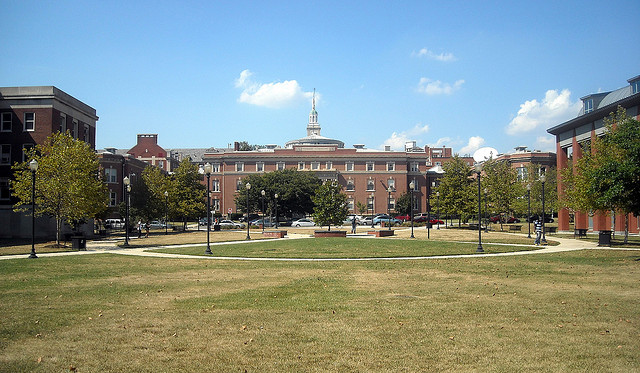
"caption": "Howard University (NDinDC / Flickr)",
"description": "Howard University (NDinDC / Flickr)",
"title": "2803638859_30c8c1d6aa_z",
"credit": null,
"status": "inherit",
"isLoading": false,
"fetchFailed": false
},
"news_93309": {
"type": "attachments",
"id": "news_93309",
"meta": {
"index": "attachments_1716263798",
"site": "news",
"id": "93309",
"found": true
},
"parent": 93275,
"imgSizes": {
"kqedFullSize": {
"file": "https://ww2.kqed.org/app/uploads/sites/10/2013/04/facebook-e1381771793613.jpg",
"width": 640,
"height": 426
}
},
"publishDate": 1365098027,
"modified": 1365098027,
"caption": null,
"description": "(Ted Aljibe/AFP/GettyImages)",
"title": "Facebook ",
"credit": null,
"status": "inherit",
"isLoading": false,
"fetchFailed": false
},
"news_110687": {
"type": "attachments",
"id": "news_110687",
"meta": {
"index": "attachments_1716263798",
"site": "news",
"id": "110687",
"found": true
},
"parent": 110686,
"imgSizes": {
"kqedFullSize": {
"file": "https://ww2.kqed.org/app/uploads/sites/10/2013/09/9717009283_3c2b298d89_z.jpg",
"width": 640,
"height": 392
}
},
"publishDate": 1378846102,
"modified": 1378846102,
"caption": "Phil Schiller, Apple's senior vice president of worldwide marketing, speaks about the new iPhone 5C. (klaus.nascimento/ Flickr)",
"description": "Phil Schiller, Apple's senior vice president of worldwide marketing, speaks about the new iPhone 5C, which comes in 5 colors. (klaus.nascimento/ Flickr)",
"title": "9717009283_3c2b298d89_z",
"credit": null,
"status": "inherit",
"isLoading": false,
"fetchFailed": false
},
"news_115974": {
"type": "attachments",
"id": "news_115974",
"meta": {
"index": "attachments_1716263798",
"site": "news",
"id": "115974",
"found": true
},
"parent": 115935,
"imgSizes": {
"kqedFullSize": {
"file": "https://ww2.kqed.org/app/uploads/sites/10/2013/10/RS7218_photo-hpf.jpg",
"width": 640,
"height": 480
}
},
"publishDate": 1382660454,
"modified": 1382660454,
"caption": "(Lisa Pickoff-White/KQED)",
"description": null,
"title": "LinkedIn ",
"credit": null,
"status": "inherit",
"isLoading": false,
"fetchFailed": false
},
"news_115872": {
"type": "attachments",
"id": "news_115872",
"meta": {
"index": "attachments_1716263798",
"site": "news",
"id": "115872",
"found": true
},
"parent": 115860,
"imgSizes": {
"kqedFullSize": {
"file": "https://ww2.kqed.org/app/uploads/sites/10/2013/10/zuck.jpg",
"width": 640,
"height": 360
}
},
"publishDate": 1382567967,
"modified": 1382567967,
"caption": "Mark Zuckerberg spoke before the showing of a documentary, \"Documented.\" He has been a public advocate of immigration reform. (Monica Lam/KQED)",
"description": "Mark Zuckerberg spoke before the showing of a documentary, \"Documented.\" He has been a public advocate of immigration reform. (Monica Lam/KQED)",
"title": "Mark Zuckerburg",
"credit": null,
"status": "inherit",
"isLoading": false,
"fetchFailed": false
},
"news_115236": {
"type": "attachments",
"id": "news_115236",
"meta": {
"index": "attachments_1716263798",
"site": "news",
"id": "115236",
"found": true
},
"parent": 115217,
"imgSizes": {
"kqedFullSize": {
"file": "https://ww2.kqed.org/app/uploads/sites/10/2013/10/whowatching-640.jpg",
"width": 640,
"height": 360
}
},
"publishDate": 1381973542,
"modified": 1381973542,
"caption": "A group of protesters gathered at the Embarcadero in San Francisco on Aug. 4, 2013 to speak againt the NSA's practice of recording telephone conversations and emails. Daniel Ellsberg, who leaked the Pentagon Papers, spoke of his support of Bradley Manning and Edward Snowden. (Deborah Svoboda/KQED)",
"description": null,
"title": "whowatching-640",
"credit": null,
"status": "inherit",
"isLoading": false,
"fetchFailed": false
},
"news_115031": {
"type": "attachments",
"id": "news_115031",
"meta": {
"index": "attachments_1716263798",
"site": "news",
"id": "115031",
"found": true
},
"parent": 115021,
"imgSizes": {
"kqedFullSize": {
"file": "https://ww2.kqed.org/app/uploads/sites/10/2013/10/20131009_211141-e1381864898929.jpg",
"width": 640,
"height": 480
}
},
"publishDate": 1381864813,
"modified": 1381864813,
"caption": "A poster of 1990s rapper Notorious B.I.G. in the office of Coinbase. Note: B.I.G. passed before the advent of Bitcoin and did not actually endorse the virtual currency (Aarti Shahani/KQED). \n\n",
"description": null,
"title": "20131009_211141",
"credit": null,
"status": "inherit",
"isLoading": false,
"fetchFailed": false
}
},
"audioPlayerReducer": {
"postId": "stream_live",
"isPaused": true,
"isPlaying": false,
"pfsActive": false,
"pledgeModalIsOpen": true,
"playerDrawerIsOpen": false,
"liveAudioPlayStartedAt": 0,
"liveAudioPlayContext": ""
},
"authorsReducer": {
"98603": {
"type": "authors",
"id": "98603",
"meta": {
"override": true
},
"slug": "98603",
"name": "Aarti Shahani",
"firstName": "Aarti",
"lastName": "Shahani",
"bio": "",
"email": "ashahani@kqed.org",
"isLoading": false
},
"jbrooks": {
"type": "authors",
"id": "80",
"meta": {
"index": "authors_1716337520",
"id": "80",
"found": true
},
"name": "Jon Brooks",
"firstName": "Jon",
"lastName": "Brooks",
"slug": "jbrooks",
"email": "jbrooks@kqed.org",
"display_author_email": true,
"staff_mastheads": [
"science"
],
"title": "Digital Editor",
"bio": "Jon Brooks is a former Digital Editor for KQED Science. He is the former editor of KQED’s daily news blog, News Fix. In 2014, he won a California Journalism Award for his coverage of ride services like Uber and Lyft and the taxi industry. A veteran blogger, he previously worked for Yahoo! in various news writing and editing roles. Jon is also a playwright whose work has been produced in San Francisco, New York, Italy, and around the U.S. He has written about film for his own blog and studied film at Boston University.",
"avatar": "https://secure.gravatar.com/avatar/98887f7ed1c876ed414d4c915e969584?s=600&d=blank&r=g",
"twitter": "jbrooksfoy",
"facebook": null,
"instagram": null,
"linkedin": null,
"sites": [
{
"site": "arts",
"roles": [
"Contributor",
"editor"
]
},
{
"site": "news",
"roles": [
"author"
]
},
{
"site": "futureofyou",
"roles": [
"administrator"
]
},
{
"site": "mindshift",
"roles": [
"editor"
]
},
{
"site": "stateofhealth",
"roles": [
"editor"
]
},
{
"site": "science",
"roles": [
"administrator"
]
},
{
"site": "quest",
"roles": [
"editor"
]
}
],
"headData": {
"title": "Jon Brooks | KQED",
"description": "Digital Editor",
"ogImgSrc": "https://secure.gravatar.com/avatar/98887f7ed1c876ed414d4c915e969584?s=600&d=blank&r=g",
"twImgSrc": "https://secure.gravatar.com/avatar/98887f7ed1c876ed414d4c915e969584?s=600&d=blank&r=g"
},
"isLoading": false,
"link": "/author/jbrooks"
},
"ohubertallen": {
"type": "authors",
"id": "102",
"meta": {
"index": "authors_1716337520",
"id": "102",
"found": true
},
"name": "Olivia Allen-Price",
"firstName": "Olivia",
"lastName": "Allen-Price",
"slug": "ohubertallen",
"email": "oallenprice@kqed.org",
"display_author_email": false,
"staff_mastheads": [
"news"
],
"title": "Senior Editor",
"bio": "Olivia Allen-Price is senior editor and host of the award-winning Bay Curious podcast. Prior to joining KQED in 2013, Olivia worked at The Baltimore Sun and The Virginian-Pilot in Norfolk, Va. She holds degrees in journalism and political science from Elon University. Her work has earned awards from the Society of Professional Journalists, the Hearst Foundation and Hearken. She loves to talk about running and curly hair.\r\n\r\nFollow: \u003ca href=\"https://twitter.com/oallenprice\">@oallenprice\u003c/a>\r\nEmail: \u003ca href=\"mailto:oallenprice@kqed.org\">oallenprice@kqed.org\u003c/a>",
"avatar": "https://secure.gravatar.com/avatar/07f7803c1f6be56f3be58ef276dfa64dce898502e0554408ef4858451a8294f7?s=600&d=blank&r=g",
"twitter": "oallenprice",
"bluesky": null,
"facebook": null,
"instagram": null,
"linkedin": null,
"sites": [
{
"site": "",
"roles": [
"editor"
]
},
{
"site": "arts",
"roles": [
"subscriber"
]
},
{
"site": "news",
"roles": [
"administrator"
]
},
{
"site": "pop",
"roles": [
"administrator"
]
},
{
"site": "bayareabites",
"roles": [
"contributor"
]
},
{
"site": "stateofhealth",
"roles": [
"administrator"
]
},
{
"site": "science",
"roles": [
"editor"
]
}
],
"headData": {
"title": "Olivia Allen-Price | KQED",
"description": "Senior Editor",
"ogImgSrc": "https://secure.gravatar.com/avatar/07f7803c1f6be56f3be58ef276dfa64dce898502e0554408ef4858451a8294f7?s=600&d=blank&r=g",
"twImgSrc": "https://secure.gravatar.com/avatar/07f7803c1f6be56f3be58ef276dfa64dce898502e0554408ef4858451a8294f7?s=600&d=blank&r=g"
},
"isLoading": false,
"link": "/author/ohubertallen"
},
"danbrekke": {
"type": "authors",
"id": "222",
"meta": {
"index": "authors_1716337520",
"id": "222",
"found": true
},
"name": "Dan Brekke",
"firstName": "Dan",
"lastName": "Brekke",
"slug": "danbrekke",
"email": "dbrekke@kqed.org",
"display_author_email": true,
"staff_mastheads": [
"news",
"science"
],
"title": "KQED Editor and Reporter",
"bio": "Dan Brekke is a reporter and editor for KQED News, responsible for coverage of topics ranging from California water issues to the Bay Area's transportation challenges. In a newsroom career that began in Chicago in 1972, Dan has worked for \u003cem>The San Francisco Examiner,\u003c/em> Wired and TechTV and has been published in The New York Times, The New York Times Magazine, Business 2.0, Salon and elsewhere.\r\n\r\nSince joining KQED in 2007, Dan has reported, edited and produced both radio and online features and breaking news pieces. He has shared as both editor and reporter in four Society of Professional Journalists Norcal Excellence in Journalism awards and one Edward R. Murrow regional award. He was chosen for a spring 2017 residency at the Mesa Refuge to advance his research on California salmon.\r\n\r\nEmail Dan at: \u003ca href=\"mailto:dbrekke@kqed.org\">dbrekke@kqed.org\u003c/a>\r\n\r\n\u003cstrong>Twitter:\u003c/strong> \u003ca href=\"https://twitter.com/danbrekke\" rel=\"noopener noreferrer\">twitter.com/danbrekke\u003c/a>\r\n\u003cstrong>Facebook:\u003c/strong> \u003ca href=\"https://www.facebook.com/danbrekke\" rel=\"noopener noreferrer\">www.facebook.com/danbrekke\u003c/a>\r\n\u003cstrong>LinkedIn:\u003c/strong> \u003ca href=\"https://www.linkedin.com/in/danbrekke\" rel=\"noopener noreferrer\">www.linkedin.com/in/danbrekke\u003c/a>",
"avatar": "https://secure.gravatar.com/avatar/8f1f0d2a978fb3b23426c922c7e2af558fa36905b49c4ce76a97dc3c72d27226?s=600&d=mm&r=g",
"twitter": "danbrekke",
"bluesky": null,
"facebook": null,
"instagram": "https://www.instagram.com/dan.brekke/",
"linkedin": "https://www.linkedin.com/in/danbrekke/",
"sites": [
{
"site": "news",
"roles": [
"administrator",
"create_posts"
]
},
{
"site": "stateofhealth",
"roles": [
"editor"
]
},
{
"site": "science",
"roles": [
"editor"
]
},
{
"site": "quest",
"roles": [
"contributor"
]
},
{
"site": "food",
"roles": [
"contributor"
]
},
{
"site": "forum",
"roles": [
"contributor"
]
},
{
"site": "elections",
"roles": [
"editor"
]
},
{
"site": "liveblog",
"roles": [
"editor"
]
}
],
"headData": {
"title": "Dan Brekke | KQED",
"description": "KQED Editor and Reporter",
"ogImgSrc": "https://secure.gravatar.com/avatar/8f1f0d2a978fb3b23426c922c7e2af558fa36905b49c4ce76a97dc3c72d27226?s=600&d=mm&r=g",
"twImgSrc": "https://secure.gravatar.com/avatar/8f1f0d2a978fb3b23426c922c7e2af558fa36905b49c4ce76a97dc3c72d27226?s=600&d=mm&r=g"
},
"isLoading": false,
"link": "/author/danbrekke"
},
"joshuajohnson": {
"type": "authors",
"id": "233",
"meta": {
"index": "authors_1716337520",
"id": "233",
"found": true
},
"name": "Joshua Johnson",
"firstName": "Joshua",
"lastName": "Johnson",
"slug": "joshuajohnson",
"email": "jejohnson@kqed.org",
"display_author_email": false,
"staff_mastheads": [],
"title": null,
"bio": "Joshua Johnson is the creator and host of \u003cem>\u003ca href=\"http://www.truthbetoldshow.org\">Truth Be Told\u003c/a>,\u003c/em> a special series on race from KQED and PRI. Prior to creating the show, he served as the station's morning news anchor for five-and-half years.\r\n\r\nPrior to joining KQED, Joshua spent six years as an anchor/reporter for WLRN Miami Herald News. He's a native of South Florida, with degrees from the University of Miami. His reporting and newscasting have won awards from the Radio Television Digital News Association and from the National Association of Black Journalists. Joshua is also active in his union, SAG-AFTRA. He lives in San Francisco.",
"avatar": "https://secure.gravatar.com/avatar/2abea375594cdd54e4837846e3561fa4?s=600&d=blank&r=g",
"twitter": "@JEJohnson322",
"facebook": null,
"instagram": null,
"linkedin": null,
"sites": [
{
"site": "news",
"roles": [
"subscriber"
]
}
],
"headData": {
"title": "Joshua Johnson | KQED",
"description": null,
"ogImgSrc": "https://secure.gravatar.com/avatar/2abea375594cdd54e4837846e3561fa4?s=600&d=blank&r=g",
"twImgSrc": "https://secure.gravatar.com/avatar/2abea375594cdd54e4837846e3561fa4?s=600&d=blank&r=g"
},
"isLoading": false,
"link": "/author/joshuajohnson"
},
"katrinaschwartz": {
"type": "authors",
"id": "234",
"meta": {
"index": "authors_1716337520",
"id": "234",
"found": true
},
"name": "Katrina Schwartz",
"firstName": "Katrina",
"lastName": "Schwartz",
"slug": "katrinaschwartz",
"email": "kschwartz@kqed.org",
"display_author_email": false,
"staff_mastheads": [
"news"
],
"title": "Producer",
"bio": "Katrina Schwartz is a journalist based in San Francisco. She's worked at KPCC public radio in LA and has reported on air and online for KQED since 2010. She covered how teaching and learning is changing for MindShift between 2012 and 2020. She is the co-host of the MindShift podcast and now produces KQED's Bay Curious podcast.",
"avatar": "https://secure.gravatar.com/avatar/edb4ee79070447a018538c9aae6eeecf28786515b8a0c30e43b6b7dce5aa44c8?s=600&d=blank&r=g",
"twitter": "kschwart",
"bluesky": null,
"facebook": null,
"instagram": null,
"linkedin": null,
"sites": [
{
"site": "",
"roles": [
"editor"
]
},
{
"site": "news",
"roles": [
"editor"
]
},
{
"site": "mindshift",
"roles": [
"administrator"
]
},
{
"site": "stateofhealth",
"roles": [
"author"
]
},
{
"site": "science",
"roles": [
"editor"
]
}
],
"headData": {
"title": "Katrina Schwartz | KQED",
"description": "Producer",
"ogImgSrc": "https://secure.gravatar.com/avatar/edb4ee79070447a018538c9aae6eeecf28786515b8a0c30e43b6b7dce5aa44c8?s=600&d=blank&r=g",
"twImgSrc": "https://secure.gravatar.com/avatar/edb4ee79070447a018538c9aae6eeecf28786515b8a0c30e43b6b7dce5aa44c8?s=600&d=blank&r=g"
},
"isLoading": false,
"link": "/author/katrinaschwartz"
},
"kqed": {
"type": "authors",
"id": "236",
"meta": {
"index": "authors_1716337520",
"id": "236",
"found": true
},
"name": "KQED News Staff",
"firstName": "KQED News Staff",
"lastName": null,
"slug": "kqed",
"email": "faq@kqed.org",
"display_author_email": false,
"staff_mastheads": [],
"title": null,
"bio": null,
"avatar": "https://secure.gravatar.com/avatar/ef0e801a68c4c54afa9180db14084167?s=600&d=blank&r=g",
"twitter": null,
"facebook": null,
"instagram": null,
"linkedin": null,
"sites": [
{
"site": "arts",
"roles": [
"contributor"
]
},
{
"site": "news",
"roles": [
"editor"
]
},
{
"site": "futureofyou",
"roles": [
"author"
]
}
],
"headData": {
"title": "KQED News Staff | KQED",
"description": null,
"ogImgSrc": "https://secure.gravatar.com/avatar/ef0e801a68c4c54afa9180db14084167?s=600&d=blank&r=g",
"twImgSrc": "https://secure.gravatar.com/avatar/ef0e801a68c4c54afa9180db14084167?s=600&d=blank&r=g"
},
"isLoading": false,
"link": "/author/kqed"
},
"kqednewsstaffandwires": {
"type": "authors",
"id": "237",
"meta": {
"index": "authors_1716337520",
"id": "237",
"found": true
},
"name": "KQED News Staff and Wires",
"firstName": "KQED News Staff and Wires",
"lastName": null,
"slug": "kqednewsstaffandwires",
"email": "onlinenewsstaff@kqed.org",
"display_author_email": false,
"staff_mastheads": [],
"title": null,
"bio": null,
"avatar": "https://secure.gravatar.com/avatar/72295af8ebbfbd19a4948f5271285664?s=600&d=blank&r=g",
"twitter": null,
"facebook": null,
"instagram": null,
"linkedin": null,
"sites": [
{
"site": "arts",
"roles": [
"contributor"
]
},
{
"site": "news",
"roles": [
"contributor"
]
},
{
"site": "lowdown",
"roles": [
"author"
]
},
{
"site": "stateofhealth",
"roles": [
"contributor"
]
},
{
"site": "food",
"roles": [
"author"
]
}
],
"headData": {
"title": "KQED News Staff and Wires | KQED",
"description": null,
"ogImgSrc": "https://secure.gravatar.com/avatar/72295af8ebbfbd19a4948f5271285664?s=600&d=blank&r=g",
"twImgSrc": "https://secure.gravatar.com/avatar/72295af8ebbfbd19a4948f5271285664?s=600&d=blank&r=g"
},
"isLoading": false,
"link": "/author/kqednewsstaffandwires"
},
"katharinefong": {
"type": "authors",
"id": "1479",
"meta": {
"index": "authors_1716337520",
"id": "1479",
"found": true
},
"name": "Katharine Fong",
"firstName": "Katharine",
"lastName": "Fong",
"slug": "katharinefong",
"email": "katharinefong@gmail.com",
"display_author_email": false,
"staff_mastheads": [],
"title": null,
"bio": null,
"avatar": "https://secure.gravatar.com/avatar/7ee290207889c71d9adcaf3591853a92?s=600&d=blank&r=g",
"twitter": null,
"facebook": null,
"instagram": null,
"linkedin": null,
"sites": [
{
"site": "news",
"roles": [
"subscriber"
]
},
{
"site": "lowdown",
"roles": [
"editor"
]
},
{
"site": "stateofhealth",
"roles": [
"subscriber"
]
}
],
"headData": {
"title": "Katharine Fong | KQED",
"description": null,
"ogImgSrc": "https://secure.gravatar.com/avatar/7ee290207889c71d9adcaf3591853a92?s=600&d=blank&r=g",
"twImgSrc": "https://secure.gravatar.com/avatar/7ee290207889c71d9adcaf3591853a92?s=600&d=blank&r=g"
},
"isLoading": false,
"link": "/author/katharinefong"
}
},
"pagesReducer": {
"news_category_technology": {
"type": "terms",
"id": "news_248",
"meta": {
"index": "terms_1716263798",
"site": "news",
"id": "248",
"score": 10.931152
},
"featImg": null,
"name": "Technology",
"description": null,
"taxonomy": "category",
"headData": {
"twImgId": null,
"twTitle": null,
"ogTitle": null,
"ogImgId": null,
"twDescription": null,
"description": null,
"title": "Technology Archives | KQED News",
"ogDescription": null
},
"ttid": 256,
"slug": "technology",
"isLoading": false,
"title": "Technology",
"pageMeta": {
"site": "news",
"WpPageTemplate": "page-topic-editorial",
"currentPage": 162
},
"blocks": [
{
"blockName": "kqed/post-list",
"attrs": {
"layout": "cardArticle2",
"query": "posts/news?category=technology",
"seeMore": false,
"paginated": true,
"page": 162
}
},
{
"blockName": "kqed/ad"
}
]
}
},
"pfsSessionReducer": {},
"postsReducer": {
"stream_live": {
"type": "live",
"id": "stream_live",
"audioUrl": "https://streams.kqed.org/kqedradio",
"title": "Live Stream",
"excerpt": "Live Stream information currently unavailable.",
"link": "/radio",
"featImg": "",
"label": {
"name": "KQED Live",
"link": "/"
}
},
"stream_kqedNewscast": {
"type": "posts",
"id": "stream_kqedNewscast",
"audioUrl": "https://www.kqed.org/.stream/anon/radio/RDnews/newscast.mp3?_=1",
"title": "KQED Newscast",
"featImg": "",
"label": {
"name": "88.5 FM",
"link": "/"
}
},
"news_116812": {
"type": "posts",
"id": "news_116812",
"meta": {
"index": "posts_1716263798",
"site": "news",
"id": "116812",
"score": null,
"sort": [
1383347516000
]
},
"guestAuthors": [],
"slug": "historically-black-colleges-build-new-partnerships-in-silicon-valley",
"title": "Historically Black Colleges Build New Partnerships In Silicon Valley",
"publishDate": 1383347516,
"format": "aside",
"headTitle": "Historically Black Colleges Build New Partnerships In Silicon Valley | KQED",
"labelTerm": {
"term": 6944,
"site": "news"
},
"content": "\u003cfigure id=\"attachment_116909\" class=\"wp-caption aligncenter\" style=\"max-width: 640px\">\u003ca href=\"http://ww2.kqed.org/news/2013/11/01/historically-black-colleges-gather-to-build-new-partnerships-in-silicon-valley/2803638859_30c8c1d6aa_z/\" rel=\"attachment wp-att-116909\">\u003cimg loading=\"lazy\" decoding=\"async\" class=\"size-full wp-image-116909 \" src=\"http://ww2.kqed.org/news/wp-content/uploads/sites/10/2013/11/2803638859_30c8c1d6aa_z.jpg\" alt=\"Howard University (NDinDC / Flickr)\" width=\"640\" height=\"373\">\u003c/a>\u003cfigcaption class=\"wp-caption-text\">Howard University, one of 17 schools that attended an innovation summit in Silicon Valley this week. (NDinDC / Flickr)\u003c/figcaption>\u003c/figure>\n\u003cp>Business is not just about what you know, but who you know. In Silicon Valley, closing a deal is also about who you like and who you trust. Historically black colleges and universities have struggled to build those familiar, trusting relationships with tech firms, but the United Negro College Fund is helping change that. This week officials from 17 schools came to Palo Alto for a four-day \u003ca href=\"http://www.hbcuinnovation.org/\">Innovation Summit\u003c/a> in hopes of laying new foundations for their graduates’ careers.\u003c/p>\n\u003cp>According to UNCF, African-Americans get 21 percent of their science, technology, engineering and math degrees from historically black colleges and universities (better known as HBCUs). These institutions, however, are only 4 percent of the nation’s colleges, and none of them is in California. So it’s easy to see why Berkeley and Stanford alumni have a geographic advantage in getting internships, jobs and startup funding. The summit was the first step in starting conversations that will broaden that advantage to populations that haven’t typically had it.\u003c/p>\n\u003cp>“If you just allow the market to take shape as it would, you’ll tend to go and find people that you’re most familiar with,” said College Fund senior vice president Karl Reid. “What these conversations do is… foster the kind of relationships that are necessary for the HBCU community… to make the connections with these kinds of innovative environments.”\u003c/p>\n\u003cp>It’s hard to say exactly how many African-Americans, Hispanics and other people of color work in Silicon Valley. Some of the largest companies have solidly \u003ca href=\"http://money.cnn.com/2013/03/17/technology/diversity-silicon-valley/index.html?iid=HP_Highlight\">resisted\u003c/a> efforts to get their demographic data. There are a number of black HBCU graduates leading major tech firms, including Symantec’s former CEO \u003ca href=\"http://www.virtualinstruments.com/company/management/john-w-thompson\">John Thompson\u003c/a> (he went to \u003ca href=\"http://www.famu.edu/\">Florida A&M University\u003c/a> in Tallahassee, Fla.) and \u003ca href=\"http://www.ti.com/corp/docs/company/history/art.shtml\">Art George\u003c/a>, a senior VP at Texas Instruments (he attended \u003ca href=\"http://www.subr.edu/\">Southern University\u003c/a> in Baton Rouge, La.). Some executives are reaching out on their own, including Facebook’s COO Sheryl Sandberg. She \u003ca href=\"http://www.theroot.com/buzz/sandberg-launches-lean-program-howard\">launched\u003c/a> her women’s business initiative “Lean In” at Howard University, a school in Washington D.C. often referred to as the “Black Harvard.” HBCU graduates take pride in the collegiate experience they get: a transformational education that instills a connection to history and a duty to serve.\u003c/p>\n\u003cp>\u003c!--more-->“There is not only the intellectual development,” said Reid, “but the sense of who they are and a sense of purpose that comes in. Almost a calling, a belief that they’ve gotta ‘lift as they climb’.”\u003c/p>\n\u003cp>[ad fullwidth]\u003c/p>\n\u003cp>UNCF officials did not suggest outright racism in the lack of African-American high-tech leadership, and they did not attempt to lay blame on anyone for the current state of affairs. Attendees focused on building a new network among themselves for what they called ICE: Innovation, Commercialization and Entrepreneurship. The goal is to help HBCU students (African-American and not) and faculty turn their innovations into businesses. Sessions involved meet-and-greets with tech industry leaders, panels for sharing best practices, a reception at Facebook in Menlo Park, crash courses in how Silicon Valley does business and a visit to Stanford’s \u003ca href=\"http://dschool.stanford.edu/\">d.school\u003c/a>, a design institute that teaches the problem-solving method known as “design thinking.”\u003c/p>\n\u003cp>The summit is part of a larger initiative in the coming years, and if the partnership works as intended, the complexion of the tech sector could start looking a lot more like the nation of consumers it serves. That might also make good business sense, too: African-Americans and Hispanics are prolific users of consumer technology, especially \u003ca href=\"http://pewinternet.org/Commentary/2012/March/Pew-Internet-Social-Networking-full-detail.aspx\">social media\u003c/a>.\u003c/p>\n\u003cp>“The next Google, the next Facebook, the next Twitter lies in the heads of kids and youth that may or may not look like the majority of folks (in Silicon Valley),” said Chad Womack, who leads the College Fund’s Merck Science Initiative. “But that’s okay. Because ultimately we want an inclusive economy and an economy that grows where all boats are lifted, not just one boat or another.”\u003c/p>\n\u003cp>\u003c/p>\n\u003cp>Listen to reporter Joshua Johnson’s interview with United Negro College Fund’s senior vice president Karl Reid here:\u003c/p>\n\u003cdiv>\n\u003cdiv class=\"embedly\">\u003ciframe loading=\"lazy\" src=\"https://w.soundcloud.com/player/?url=http%3A%2F%2Fapi.soundcloud.com%2Ftracks%2F118161343&show_artwork=true&maxwidth=900\" frameborder=\"no\" scrolling=\"no\" width=\"640\" height=\"166\">\u003c/iframe>\n\u003cdiv class=\"embedly-clear\">\u003c/div>\n\u003cp>\u003cspan class=\"embedly-powered\" style=\"float: right\">\u003ca title=\"Powered by Embedly\" href=\"http://embed.ly/code?url=https%3A%2F%2Fsoundcloud.com%2Fkqed%2Fhistorically-black-colleges\" target=\"_blank\" rel=\"noopener\">\u003cimg decoding=\"async\" src=\"http://static.embed.ly/images/logos/embedly-powered-small-light.png\" alt=\"Embedly Powered\">\u003c/a>\u003c/span>\u003c/p>\n\u003cdiv class=\"media-attribution\">\u003cspan>via \u003c/span>\u003ca class=\"media-attribution-link\" href=\"http://soundcloud.com\" target=\"_blank\" rel=\"noopener\">SoundCloud\u003c/a>\u003c/div>\n\u003cdiv class=\"embedly-clear\">\u003c/div>\n\u003c/div>\n\u003c/div>\n\n",
"blocks": [],
"excerpt": "An innovation summit draws officials from 17 schools to cultivate relationships with tech leaders, firms.",
"status": "publish",
"parent": 0,
"modified": 1729029908,
"stats": {
"hasAudio": true,
"hasVideo": false,
"hasChartOrMap": false,
"iframeSrcs": [],
"hasGoogleForm": false,
"hasGallery": false,
"hasHearkenModule": false,
"hasPolis": false,
"paragraphCount": 12,
"wordCount": 737
},
"headData": {
"title": "Historically Black Colleges Build New Partnerships In Silicon Valley | KQED",
"description": "An innovation summit draws officials from 17 schools to cultivate relationships with tech leaders, firms.",
"ogTitle": "",
"ogDescription": "",
"ogImgId": "",
"twTitle": "",
"twDescription": "",
"twImgId": "",
"schema": {
"@context": "https://schema.org",
"@type": "NewsArticle",
"headline": "Historically Black Colleges Build New Partnerships In Silicon Valley",
"datePublished": "2013-11-01T16:11:56-07:00",
"dateModified": "2024-10-15T15:05:08-07:00",
"image": "https://cdn.kqed.org/wp-content/uploads/2020/02/KQED-OG-Image@1x.png",
"isAccessibleForFree": "True",
"publisher": {
"@type": "NewsMediaOrganization",
"@id": "https://www.kqed.org/#organization",
"name": "KQED",
"logo": "https://cdn.kqed.org/wp-content/uploads/2020/02/KQED-OG-Image@1x.png",
"url": "https://www.kqed.org",
"sameAs": [
"https://www.facebook.com/KQED",
"https://twitter.com/KQED",
"https://www.instagram.com/kqed/",
"https://www.tiktok.com/@kqedofficial",
"https://www.linkedin.com/company/kqed",
"https://www.youtube.com/channel/UCeC0IOo7i1P_61zVUWbJ4nw"
]
}
}
},
"sticky": false,
"customPermalink": "2013/11/01/historically-black-colleges-gather-to-build-new-partnerships-in-silicon-valley/",
"path": "/news/116812/historically-black-colleges-build-new-partnerships-in-silicon-valley",
"audioTrackLength": null,
"parsedContent": [
{
"type": "contentString",
"content": "\u003cdiv class=\"post-body\">\u003cp>\u003cfigure id=\"attachment_116909\" class=\"wp-caption aligncenter\" style=\"max-width: 640px\">\u003ca href=\"http://ww2.kqed.org/news/2013/11/01/historically-black-colleges-gather-to-build-new-partnerships-in-silicon-valley/2803638859_30c8c1d6aa_z/\" rel=\"attachment wp-att-116909\">\u003cimg loading=\"lazy\" decoding=\"async\" class=\"size-full wp-image-116909 \" src=\"http://ww2.kqed.org/news/wp-content/uploads/sites/10/2013/11/2803638859_30c8c1d6aa_z.jpg\" alt=\"Howard University (NDinDC / Flickr)\" width=\"640\" height=\"373\">\u003c/a>\u003cfigcaption class=\"wp-caption-text\">Howard University, one of 17 schools that attended an innovation summit in Silicon Valley this week. (NDinDC / Flickr)\u003c/figcaption>\u003c/figure>\n\u003cp>Business is not just about what you know, but who you know. In Silicon Valley, closing a deal is also about who you like and who you trust. Historically black colleges and universities have struggled to build those familiar, trusting relationships with tech firms, but the United Negro College Fund is helping change that. This week officials from 17 schools came to Palo Alto for a four-day \u003ca href=\"http://www.hbcuinnovation.org/\">Innovation Summit\u003c/a> in hopes of laying new foundations for their graduates’ careers.\u003c/p>\n\u003cp>According to UNCF, African-Americans get 21 percent of their science, technology, engineering and math degrees from historically black colleges and universities (better known as HBCUs). These institutions, however, are only 4 percent of the nation’s colleges, and none of them is in California. So it’s easy to see why Berkeley and Stanford alumni have a geographic advantage in getting internships, jobs and startup funding. The summit was the first step in starting conversations that will broaden that advantage to populations that haven’t typically had it.\u003c/p>\n\u003cp>“If you just allow the market to take shape as it would, you’ll tend to go and find people that you’re most familiar with,” said College Fund senior vice president Karl Reid. “What these conversations do is… foster the kind of relationships that are necessary for the HBCU community… to make the connections with these kinds of innovative environments.”\u003c/p>\n\u003cp>It’s hard to say exactly how many African-Americans, Hispanics and other people of color work in Silicon Valley. Some of the largest companies have solidly \u003ca href=\"http://money.cnn.com/2013/03/17/technology/diversity-silicon-valley/index.html?iid=HP_Highlight\">resisted\u003c/a> efforts to get their demographic data. There are a number of black HBCU graduates leading major tech firms, including Symantec’s former CEO \u003ca href=\"http://www.virtualinstruments.com/company/management/john-w-thompson\">John Thompson\u003c/a> (he went to \u003ca href=\"http://www.famu.edu/\">Florida A&M University\u003c/a> in Tallahassee, Fla.) and \u003ca href=\"http://www.ti.com/corp/docs/company/history/art.shtml\">Art George\u003c/a>, a senior VP at Texas Instruments (he attended \u003ca href=\"http://www.subr.edu/\">Southern University\u003c/a> in Baton Rouge, La.). Some executives are reaching out on their own, including Facebook’s COO Sheryl Sandberg. She \u003ca href=\"http://www.theroot.com/buzz/sandberg-launches-lean-program-howard\">launched\u003c/a> her women’s business initiative “Lean In” at Howard University, a school in Washington D.C. often referred to as the “Black Harvard.” HBCU graduates take pride in the collegiate experience they get: a transformational education that instills a connection to history and a duty to serve.\u003c/p>\n\u003cp>\u003c!--more-->“There is not only the intellectual development,” said Reid, “but the sense of who they are and a sense of purpose that comes in. Almost a calling, a belief that they’ve gotta ‘lift as they climb’.”\u003c/p>\n\u003cp>\u003c/p>\u003c/div>",
"attributes": {
"named": {},
"numeric": []
}
},
{
"type": "component",
"content": "",
"name": "ad",
"attributes": {
"named": {
"label": "fullwidth"
},
"numeric": [
"fullwidth"
]
}
},
{
"type": "contentString",
"content": "\u003cdiv class=\"post-body\">\u003cp>\u003c/p>\n\u003cp>UNCF officials did not suggest outright racism in the lack of African-American high-tech leadership, and they did not attempt to lay blame on anyone for the current state of affairs. Attendees focused on building a new network among themselves for what they called ICE: Innovation, Commercialization and Entrepreneurship. The goal is to help HBCU students (African-American and not) and faculty turn their innovations into businesses. Sessions involved meet-and-greets with tech industry leaders, panels for sharing best practices, a reception at Facebook in Menlo Park, crash courses in how Silicon Valley does business and a visit to Stanford’s \u003ca href=\"http://dschool.stanford.edu/\">d.school\u003c/a>, a design institute that teaches the problem-solving method known as “design thinking.”\u003c/p>\n\u003cp>The summit is part of a larger initiative in the coming years, and if the partnership works as intended, the complexion of the tech sector could start looking a lot more like the nation of consumers it serves. That might also make good business sense, too: African-Americans and Hispanics are prolific users of consumer technology, especially \u003ca href=\"http://pewinternet.org/Commentary/2012/March/Pew-Internet-Social-Networking-full-detail.aspx\">social media\u003c/a>.\u003c/p>\n\u003cp>“The next Google, the next Facebook, the next Twitter lies in the heads of kids and youth that may or may not look like the majority of folks (in Silicon Valley),” said Chad Womack, who leads the College Fund’s Merck Science Initiative. “But that’s okay. Because ultimately we want an inclusive economy and an economy that grows where all boats are lifted, not just one boat or another.”\u003c/p>\n\u003cp>\u003c/p>\n\u003cp>Listen to reporter Joshua Johnson’s interview with United Negro College Fund’s senior vice president Karl Reid here:\u003c/p>\n\u003cdiv>\n\u003cdiv class=\"embedly\">\u003ciframe loading=\"lazy\" src=\"https://w.soundcloud.com/player/?url=http%3A%2F%2Fapi.soundcloud.com%2Ftracks%2F118161343&show_artwork=true&maxwidth=900\" frameborder=\"no\" scrolling=\"no\" width=\"640\" height=\"166\">\u003c/iframe>\n\u003cdiv class=\"embedly-clear\">\u003c/div>\n\u003cp>\u003cspan class=\"embedly-powered\" style=\"float: right\">\u003ca title=\"Powered by Embedly\" href=\"http://embed.ly/code?url=https%3A%2F%2Fsoundcloud.com%2Fkqed%2Fhistorically-black-colleges\" target=\"_blank\" rel=\"noopener\">\u003cimg decoding=\"async\" src=\"http://static.embed.ly/images/logos/embedly-powered-small-light.png\" alt=\"Embedly Powered\">\u003c/a>\u003c/span>\u003c/p>\n\u003cdiv class=\"media-attribution\">\u003cspan>via \u003c/span>\u003ca class=\"media-attribution-link\" href=\"http://soundcloud.com\" target=\"_blank\" rel=\"noopener\">SoundCloud\u003c/a>\u003c/div>\n\u003cdiv class=\"embedly-clear\">\u003c/div>\n\u003c/div>\n\u003c/div>\n\n\u003c/div>\u003c/p>",
"attributes": {
"named": {},
"numeric": []
}
}
],
"link": "/news/116812/historically-black-colleges-build-new-partnerships-in-silicon-valley",
"authors": [
"233"
],
"programs": [
"news_6944"
],
"categories": [
"news_18540",
"news_8",
"news_248"
],
"tags": [
"news_5019",
"news_2162",
"news_1631",
"news_5018"
],
"featImg": "news_116909",
"label": "news_6944"
},
"news_116814": {
"type": "posts",
"id": "news_116814",
"meta": {
"index": "posts_1716263798",
"site": "news",
"id": "116814",
"score": null,
"sort": [
1383340532000
]
},
"parent": 0,
"labelTerm": {
"site": "news",
"term": 6944
},
"blocks": [],
"publishDate": 1383340532,
"format": "aside",
"disqusTitle": "News Pix: Andy Lopez Funeral, Google Barge and San Francisco's Waterfront Debate",
"title": "News Pix: Andy Lopez Funeral, Google Barge and San Francisco's Waterfront Debate",
"headTitle": "News Fix | KQED News",
"content": "\u003cp>\u003cimg class=\"aligncenter size-full wp-image-116816\" src=\"http://ww2.kqed.org/news/wp-content/uploads/sites/10/2013/11/Lopez-Funeral.jpg\" alt=\"Lopez Funeral\" width=\"640\" height=\"449\">\u003cbr>\nHundreds of mourners filled the Resurrection Parish Church in west Santa Rosa at a \u003ca href=\"http://ww2.kqed.org/news/2013/10/29/andy-lopez/\">mass in Spanish on October 29 for 13-year-old Andy Lopez\u003c/a>, who died a week ago when he was shot by a Sonoma County sheriff's deputy. Here, pallbearers, including many of Lopez' classmates, carry his casket into the church. The shooting has outraged many in Santa Rosa, leading some Latino residents to speak out about discrimination in the community. (Rachel Dornhelm / KQED)\u003c/p>\n\u003cp> \u003c/p>\n\u003cp>\u003cimg class=\"aligncenter size-full wp-image-116817\" src=\"http://ww2.kqed.org/news/wp-content/uploads/sites/10/2013/11/8-Washington.jpg\" alt=\"8 Washington\" width=\"639\" height=\"450\">\u003cbr>\nThe proposed \u003ca href=\"http://ww2.kqed.org/news/2013/10/30/san-francisco-props-b-and-c-reignite-past-waterfront-battles/\">\"8 Washington\" development on San Francisco's Embarcadero\u003c/a> has become a hot-button election issue. Voters are being asked to approve the project in the 2013 election by voting on Prop. B and Prop. C. The ballot measures have polarized San Francisco voters struggling with rising housing costs and concerns over gentrification. As of election time, a private swim and tennis club occupies the site. (Monica Lam / KQED)\u003c/p>\n\u003cp> \u003c/p>\n\u003cp>\u003cimg class=\"aligncenter size-full wp-image-116820\" src=\"http://ww2.kqed.org/news/wp-content/uploads/sites/10/2013/11/closing-parks.jpg\" alt=\"closing parks\" width=\"640\" height=\"450\">\u003cbr>\nOpponents of Supervisor Scott Wiener's legislation to close San Francisco's parks rallied outside City Hall on October 29. Many \u003ca href=\"http://ww2.kqed.org/news/2013/10/29/san-francisco-park-curfew-homeless-advocates-oppose/\">protesters feel the law unfairly targets the homeless\u003c/a>, many of whom sleep in the city's parks. Tommi Mecca, director of counseling programs at the Housing Rights Committee of San Francisco, is incredulous that someone would propose closing all city parks at night. “How do you close Golden Gate Park? Put a wall around it?” he said. “We need housing, not park closures.” (Sara Bloomberg / KQED)\u003c/p>\n\u003cp>[ad fullwidth]\u003c/p>\n\u003cp>\u003c!--more-->\u003c/p>\n\u003cp>\u003cimg class=\"aligncenter size-full wp-image-116847\" src=\"http://ww2.kqed.org/news/wp-content/uploads/sites/10/2013/11/google-barge.jpg\" alt=\"google barge\" width=\"639\" height=\"450\">\u003cbr>\nThe purpose of Google's \u003ca href=\"http://ww2.kqed.org/news/2013/10/31/google-barge/\">mysterious structure\u003c/a> sitting on the water off of Treasure Island, across from the Bay Bridge, may have finally be solved. \u003ca href=\"http://sanfrancisco.cbslocal.com/2013/10/31/googles-secret-revealed-barge-to-offer-high-end-showrooms-party-deck/\">News reports\u003c/a> now say the barge \"will feature luxury showrooms and a party deck ... to market Google Glass and other gadgets to invitation-only clients.\" Earlier speculation had centered on the barge as a floating data center, or floating classrooms to teach tech. (Sara Bloomberg / KQED)\u003c/p>\n\u003cp> \u003c/p>\n\u003cp>\u003cimg class=\"aligncenter size-full wp-image-116867\" src=\"http://ww2.kqed.org/news/wp-content/uploads/sites/10/2013/11/CCSF-students.jpg\" alt=\"CCSF students\" width=\"640\" height=\"450\">\u003cbr>\nMore than 200 people rallied at City College of San Francisco's Civic Center location before marching to City Hall on October 31. Protesters delivered 5,000 postcards to Mayor Ed Lee asking him to be more vocal about his efforts to help save the school from closure. (Sara Bloomberg / KQED)\u003c/p>\n\u003cp> \u003c/p>\n\u003cp>\u003cimg class=\"aligncenter size-full wp-image-116822\" src=\"http://ww2.kqed.org/news/wp-content/uploads/sites/10/2013/11/PhotoWeek131101AppleProtest.jpg\" alt=\"PhotoWeek131101AppleProtest\" width=\"640\" height=\"450\">\u003cbr>\nMembers of Stand for Security banged drums and chanted slogans outside of the Apple store in Palo Alto. They allege that by subcontracting its security services to Security Industry Specialists, thousands of Silicon Valley security workers are kept as part-time employees — leaving them without benefits. (Hayley Goldbach / \u003ca href=\"http://peninsulapress.com/\">Peninsula Press\u003c/a>)\u003c/p>\n\u003cp> \u003c/p>\n\u003cp>\u003c/p>\n\u003cp>\u003cimg class=\"aligncenter size-full wp-image-116823\" src=\"http://ww2.kqed.org/news/wp-content/uploads/sites/10/2013/11/PhotoWeek131101PoliceCamera.jpg\" alt=\"PhotoWeek131101PoliceCamera\" width=\"640\" height=\"450\">\u003cbr>\nRichmond Police Officer Anthony Diaz, left, looks at fellow officer Phillip Sanchez's body camera. Sanchez, right, is one of four officers selected to \u003ca href=\"http://richmondconfidential.org/2013/10/25/richmond-police-testing-use-of-body-cameras/\">test various types of body cameras for the department\u003c/a> before they issue them to all patrol officers. (Kevin N. Hume / \u003ca href=\"http://richmondconfidential.org/\">Richmond Confidential\u003c/a>)\u003c/p>\n\n",
"disqusIdentifier": "116814 http://ww2.kqed.org/news/?p=116814",
"disqusUrl": "https://ww2.kqed.org/news/2013/11/01/news-pix-andy-lopez-funeral-google-barge-and-san-francisco-debates-8-washington-project/",
"stats": {
"hasVideo": false,
"hasChartOrMap": false,
"hasAudio": false,
"hasPolis": false,
"wordCount": 469,
"hasGoogleForm": false,
"hasGallery": false,
"hasHearkenModule": false,
"iframeSrcs": [],
"paragraphCount": 10
},
"modified": 1398475381,
"excerpt": "News photos from events all around the Bay Area this past week.",
"headData": {
"twImgId": "",
"twTitle": "",
"ogTitle": "",
"ogImgId": "",
"twDescription": "",
"description": "News photos from events all around the Bay Area this past week.",
"title": "News Pix: Andy Lopez Funeral, Google Barge and San Francisco's Waterfront Debate | KQED",
"ogDescription": "",
"schema": {
"@context": "https://schema.org",
"@type": "NewsArticle",
"headline": "News Pix: Andy Lopez Funeral, Google Barge and San Francisco's Waterfront Debate",
"datePublished": "2013-11-01T14:15:32-07:00",
"dateModified": "2014-04-25T18:23:01-07:00",
"image": "https://cdn.kqed.org/wp-content/uploads/2020/02/KQED-OG-Image@1x.png",
"isAccessibleForFree": "True",
"publisher": {
"@type": "NewsMediaOrganization",
"@id": "https://www.kqed.org/#organization",
"name": "KQED",
"logo": "https://cdn.kqed.org/wp-content/uploads/2020/02/KQED-OG-Image@1x.png",
"url": "https://www.kqed.org",
"sameAs": [
"https://www.facebook.com/KQED",
"https://twitter.com/KQED",
"https://www.instagram.com/kqed/",
"https://www.tiktok.com/@kqedofficial",
"https://www.linkedin.com/company/kqed",
"https://www.youtube.com/channel/UCeC0IOo7i1P_61zVUWbJ4nw"
]
}
}
},
"guestAuthors": [],
"slug": "news-pix-andy-lopez-funeral-google-barge-and-san-francisco-debates-8-washington-project",
"status": "publish",
"customPermalink": "2013/11/01/news-pix-andy-lopez-funderal-san-francisco-gets-ready-to-vote-on-8-washington-and/",
"path": "/news/116814/news-pix-andy-lopez-funeral-google-barge-and-san-francisco-debates-8-washington-project",
"audioTrackLength": null,
"parsedContent": [
{
"type": "contentString",
"content": "\u003cdiv class=\"post-body\">\u003cp>\u003cp>\u003cimg class=\"aligncenter size-full wp-image-116816\" src=\"http://ww2.kqed.org/news/wp-content/uploads/sites/10/2013/11/Lopez-Funeral.jpg\" alt=\"Lopez Funeral\" width=\"640\" height=\"449\">\u003cbr>\nHundreds of mourners filled the Resurrection Parish Church in west Santa Rosa at a \u003ca href=\"http://ww2.kqed.org/news/2013/10/29/andy-lopez/\">mass in Spanish on October 29 for 13-year-old Andy Lopez\u003c/a>, who died a week ago when he was shot by a Sonoma County sheriff's deputy. Here, pallbearers, including many of Lopez' classmates, carry his casket into the church. The shooting has outraged many in Santa Rosa, leading some Latino residents to speak out about discrimination in the community. (Rachel Dornhelm / KQED)\u003c/p>\n\u003cp> \u003c/p>\n\u003cp>\u003cimg class=\"aligncenter size-full wp-image-116817\" src=\"http://ww2.kqed.org/news/wp-content/uploads/sites/10/2013/11/8-Washington.jpg\" alt=\"8 Washington\" width=\"639\" height=\"450\">\u003cbr>\nThe proposed \u003ca href=\"http://ww2.kqed.org/news/2013/10/30/san-francisco-props-b-and-c-reignite-past-waterfront-battles/\">\"8 Washington\" development on San Francisco's Embarcadero\u003c/a> has become a hot-button election issue. Voters are being asked to approve the project in the 2013 election by voting on Prop. B and Prop. C. The ballot measures have polarized San Francisco voters struggling with rising housing costs and concerns over gentrification. As of election time, a private swim and tennis club occupies the site. (Monica Lam / KQED)\u003c/p>\n\u003cp> \u003c/p>\n\u003cp>\u003cimg class=\"aligncenter size-full wp-image-116820\" src=\"http://ww2.kqed.org/news/wp-content/uploads/sites/10/2013/11/closing-parks.jpg\" alt=\"closing parks\" width=\"640\" height=\"450\">\u003cbr>\nOpponents of Supervisor Scott Wiener's legislation to close San Francisco's parks rallied outside City Hall on October 29. Many \u003ca href=\"http://ww2.kqed.org/news/2013/10/29/san-francisco-park-curfew-homeless-advocates-oppose/\">protesters feel the law unfairly targets the homeless\u003c/a>, many of whom sleep in the city's parks. Tommi Mecca, director of counseling programs at the Housing Rights Committee of San Francisco, is incredulous that someone would propose closing all city parks at night. “How do you close Golden Gate Park? Put a wall around it?” he said. “We need housing, not park closures.” (Sara Bloomberg / KQED)\u003c/p>\n\u003cp>\u003c/p>\u003c/div>",
"attributes": {
"named": {},
"numeric": []
}
},
{
"type": "component",
"content": "",
"name": "ad",
"attributes": {
"named": {
"label": "fullwidth"
},
"numeric": [
"fullwidth"
]
}
},
{
"type": "contentString",
"content": "\u003cdiv class=\"post-body\">\u003cp>\u003c/p>\n\u003cp>\u003c!--more-->\u003c/p>\n\u003cp>\u003cimg class=\"aligncenter size-full wp-image-116847\" src=\"http://ww2.kqed.org/news/wp-content/uploads/sites/10/2013/11/google-barge.jpg\" alt=\"google barge\" width=\"639\" height=\"450\">\u003cbr>\nThe purpose of Google's \u003ca href=\"http://ww2.kqed.org/news/2013/10/31/google-barge/\">mysterious structure\u003c/a> sitting on the water off of Treasure Island, across from the Bay Bridge, may have finally be solved. \u003ca href=\"http://sanfrancisco.cbslocal.com/2013/10/31/googles-secret-revealed-barge-to-offer-high-end-showrooms-party-deck/\">News reports\u003c/a> now say the barge \"will feature luxury showrooms and a party deck ... to market Google Glass and other gadgets to invitation-only clients.\" Earlier speculation had centered on the barge as a floating data center, or floating classrooms to teach tech. (Sara Bloomberg / KQED)\u003c/p>\n\u003cp> \u003c/p>\n\u003cp>\u003cimg class=\"aligncenter size-full wp-image-116867\" src=\"http://ww2.kqed.org/news/wp-content/uploads/sites/10/2013/11/CCSF-students.jpg\" alt=\"CCSF students\" width=\"640\" height=\"450\">\u003cbr>\nMore than 200 people rallied at City College of San Francisco's Civic Center location before marching to City Hall on October 31. Protesters delivered 5,000 postcards to Mayor Ed Lee asking him to be more vocal about his efforts to help save the school from closure. (Sara Bloomberg / KQED)\u003c/p>\n\u003cp> \u003c/p>\n\u003cp>\u003cimg class=\"aligncenter size-full wp-image-116822\" src=\"http://ww2.kqed.org/news/wp-content/uploads/sites/10/2013/11/PhotoWeek131101AppleProtest.jpg\" alt=\"PhotoWeek131101AppleProtest\" width=\"640\" height=\"450\">\u003cbr>\nMembers of Stand for Security banged drums and chanted slogans outside of the Apple store in Palo Alto. They allege that by subcontracting its security services to Security Industry Specialists, thousands of Silicon Valley security workers are kept as part-time employees — leaving them without benefits. (Hayley Goldbach / \u003ca href=\"http://peninsulapress.com/\">Peninsula Press\u003c/a>)\u003c/p>\n\u003cp> \u003c/p>\n\u003cp>\u003c/p>\n\u003cp>\u003cimg class=\"aligncenter size-full wp-image-116823\" src=\"http://ww2.kqed.org/news/wp-content/uploads/sites/10/2013/11/PhotoWeek131101PoliceCamera.jpg\" alt=\"PhotoWeek131101PoliceCamera\" width=\"640\" height=\"450\">\u003cbr>\nRichmond Police Officer Anthony Diaz, left, looks at fellow officer Phillip Sanchez's body camera. Sanchez, right, is one of four officers selected to \u003ca href=\"http://richmondconfidential.org/2013/10/25/richmond-police-testing-use-of-body-cameras/\">test various types of body cameras for the department\u003c/a> before they issue them to all patrol officers. (Kevin N. Hume / \u003ca href=\"http://richmondconfidential.org/\">Richmond Confidential\u003c/a>)\u003c/p>\n\n\u003c/div>\u003c/p>",
"attributes": {
"named": {},
"numeric": []
}
}
],
"link": "/news/116814/news-pix-andy-lopez-funeral-google-barge-and-san-francisco-debates-8-washington-project",
"authors": [
"234"
],
"programs": [
"news_6944"
],
"categories": [
"news_6266",
"news_6188",
"news_13",
"news_248"
],
"tags": [
"news_19904",
"news_3094",
"news_579",
"news_38",
"news_18541"
],
"label": "news_6944"
},
"news_116664": {
"type": "posts",
"id": "news_116664",
"meta": {
"index": "posts_1716263798",
"site": "news",
"id": "116664",
"score": null,
"sort": [
1383321655000
]
},
"parent": 0,
"labelTerm": {
"site": "news",
"term": 6944
},
"blocks": [],
"publishDate": 1383321655,
"format": "aside",
"disqusTitle": "Google Barge Speculation Heats Up After News Report",
"title": "Google Barge Speculation Heats Up After News Report",
"headTitle": "News Fix | KQED News",
"content": "\u003cp>\u003cstrong>By Jon Brooks and Katharine Fong\u003c/strong>\u003c/p>\n\u003cfigure id=\"attachment_116766\" class=\"wp-caption alignnone\" style=\"max-width: 640px\">\u003ca href=\"http://ww2.kqed.org/news/2013/10/31/google-barge/rs7294_google_barge_web_3-scr/\" rel=\"attachment wp-att-116766\">\u003cimg class=\"size-full wp-image-116766\" src=\"http://ww2.kqed.org/news/wp-content/uploads/sites/10/2013/10/RS7294_Google_Barge_web_3-scr-e1383263627908.jpg\" alt=\"A thing of mystery. (Sara Bloomberg / KQED)\" width=\"640\" height=\"427\">\u003c/a>\u003cfigcaption class=\"wp-caption-text\">A thing of mystery. (Sara Bloomberg / KQED)\u003c/figcaption>\u003c/figure>\n\u003cp>There comes a time in every online journalist's life when he has to capitulate to the newsworthiness of that damned Google Barge.\u003c/p>\n\u003cp>So, uncle, we say.\u003c/p>\n\u003cp>Uncle.\u003cstrong> \u003c/strong>\u003c/p>\n\u003cp>Citing \"multiple sources,\" \u003ca href=\"http://sanfrancisco.cbslocal.com/2013/10/31/googles-secret-revealed-barge-to-offer-high-end-showrooms-party-deck/\" target=\"_blank\">KPIX reported\u003c/a> last night that the barge \"will feature luxury showrooms and a party deck ... to market Google Glass and other gadgets to invitation-only clients.\"\u003c/p>\n\u003cp>[ad fullwidth]\u003c/p>\n\u003cp>\u003cstrong>\u003c/strong>\u003c/p>\n\u003caside class=\"pullquote alignleft\">A \u003ca href=\"http://ww2.kqed.org/news/2013/10/31/google-barge/#list\">partial list\u003c/a> of what the barge might be:\n\u003cul>\n\u003cli>\u003cstrong>Offshore housing for San Francisco residents displaced by tech workers \u003c/strong>\u003c/li>\n\u003cli>\u003cstrong>Prototype of Google entry for the next America's Cup\u003c/strong>\u003c/li>\n\u003cli>\u003cstrong>Dick Cheney's new undisclosed location\u003c/strong>\u003c/li>\u003c/ul>\u003c/aside>\n\u003cp>\n\n\u003c/p>\u003cblockquote>\u003cp>The project, which has been in the planning stages for more than a year, was created at Google[x], the secret facility that Google reportedly runs near its corporate headquarters in Mountain View. It is personally directed by Google co-founder Sergey Brin and is Google’s attempt to upstage rival Apple and its chain of popular retail stores, sources said.\u003c/p>\u003c/blockquote>\n\u003cp> \u003c/p>\n\u003cp>KPIX also says the building is made out of shipping containers that can be disassembled and reconstructed in other locations.\u003c/p>\n\u003cp>\u003ca href=\"http://sanfrancisco.cbslocal.com/video?autoStart=true&topVideoCatNo=default&clipId=9478663\" target=\"_blank\">Watch the video report here\u003c/a>.\u003c/p>\n\u003cp>\u003ca href=\"http://news.cnet.com/8301-1023_3-57608585-93/is-google-building-a-hulking-floating-data-center-in-sf-bay/\" target=\"_blank\">CNET broke the barge story\u003c/a> last week, reporting that \"Google was granted a patent in 2009 for a floating data center, and putting data centers inside shipping containers is already a well-established practice.\" Google has a history of \u003ca href=\"http://news.cnet.com/Jostling-to-get-inside-Googles-Oregon-outpost/2100-1030_3-6089518.html\">putting data centers in places with cheap cooling\u003c/a> — a best-usage idea for the bay if we've ever heard one — as well as taking on unique projects like \u003ca title=\"Meet Google's 'Project Loon': Balloon-powered Net access -- Friday, Jun 14, 2013\" href=\"http://news.cnet.com/8301-17938_105-57589464-1/meet-googles-project-loon-balloon-powered-net-access/\">bringing Internet access to developing nations via balloons\u003c/a> and \u003ca title=\"Google said to deploy Wi-Fi blimps in Africa and Asia -- Monday, May 27, 2013\" href=\"http://news.cnet.com/8301-1023_3-57586348-93/google-said-to-deploy-wi-fi-blimps-in-africa-and-asia/\">blimps\u003c/a>.\u003c/p>\n\u003cp>But others have suggested that the barge will be a \u003ca href=\"http://sanfrancisco.cbslocal.com/2013/10/25/secret-google-facility-found-floating-on-san-francisco-bay/\">floating store for Google Glass\u003c/a>, or as a \u003ca href=\"http://www.mercurynews.com/business/ci_24409819/googles-top-secret-floating-facility-waterborne-data-center?source=pkg\">floating classroom to teach about tech\u003c/a>. (See the Washington Post's \u003ca href=\"http://www.washingtonpost.com/blogs/innovations/wp/2013/10/30/googles-crazy-barge-scheme-your-complete-guide/?tid=pm_national_pop\" target=\"_blank\">Google's crazy barge scheme: Your complete guide\u003c/a> for more. And don't forget, there's \u003ca href=\"http://www.latimes.com/business/technology/la-fi-tn-google-barges-what-could-they-be-20131029,0,804501.story#axzz2jJqDsEYa\" target=\"_blank\">another secret floating barge\u003c/a> all the way on the other side of the country. Which means, of course, we are now \u003cem>surrounded\u003c/em>.)\u003c/p>\n\u003cp>Whatever the barge is, no one is at liberty to say, at least publicly. Non-disclosure agreements have been flying all over the place. Even the U.S. Coast Guard, which \u003ca href=\"http://www.usatoday.com/story/news/nation/2013/10/30/coast-guard-visits-mysterious-google-barge/3318347/\">visited the barge yesterday\u003c/a>, had to sign NDAs.\u003c/p>\n\u003cp>Two nights ago, Jon Stewart weighed in, in a segment titled \"Floaters\" (!). Stewart noted Google's ubiquity, now surrounding us on water and from the air, as well as monitoring every street in the country — and, with its effort to \u003ca href=\"http://content.time.com/time/magazine/article/0,9171,2152422,00.html\">\"solve death,\"\u003c/a> he said, the company \"won't even let us die!\"\u003c/p>\n\u003cp>\u003ciframe src=\"http://media.mtvnservices.com/embed/mgid:cms:video:thedailyshow.com:430081\" frameborder=\"0\" width=\"360\" height=\"293\">\u003c/iframe>\u003c/p>\n\u003cp>\u003c!--more-->In keeping with \"write what you know,\" Mercury News Sports columnist Mark Purdy on Thursday \u003ca href=\"http://www.mercurynews.com/sports/ci_24422304/purdy-google-barge-docked-at-treasure-island-leads\">offered up\u003c/a> his own theories about the mysterious barge, summed up in a handy poll for readers:\u003c/p>\n\u003cp>What should the Google barge hold?\u003c/p>\n\u003cul>\n\u003cli>The \"GoogleBarn\" Warriors stadium (cheaper than renovating Piers 30-32)\u003c/li>\n\u003cli>49er Michael Crabtree's secret Achilles' tendon rehab facility\u003c/li>\n\u003cli>A floating medical unit for injured San Jose Sharks players\u003c/li>\n\u003cli>Shame shelter for Cal's non-graduate athletes\u003c/li>\n\u003cli>Storage for 50 dozen varieties of Oregon's football uniforms, to be used Nov. 7 against Stanford\u003c/li>\n\u003cli>Isolation chamber for Bud Selig, after he is kidnapped by Oakland and San Jose officials, until he finally decides the A's ballpark issue.\u003c/li>\n\u003c/ul>\n\u003cp>\u003ca name=\"list\">\u003c/a>\u003c/p>\n\u003cp>Suffice it to say, we're all dying to know what the barge is for. But if Google has its way, as Stewart reminded us, that may never happen. Some other possibilities ...\u003c/p>\n\u003cul>\n\u003cli>Offshore housing for San Francisco residents displaced by tech workers\u003c/li>\n\u003cli>Prototype of Google entry for the next America's Cup\u003c/li>\n\u003cli>Dick Cheney's new undisclosed location\u003c/li>\n\u003cli>Expensive yet too-literal tribute to \u003ca href=\"http://www.youtube.com/watch?v=cAQSZhazYk8\" target=\"_blank\">1980s soul group DeBarge\u003c/a>\u003c/li>\n\u003cli>Floating fortress for Larry Page walking-around money\u003c/li>\n\u003cli>\"Barge\" one of few nouns left in English language not modified by \"Google\" — \u003cem>rectified\u003c/em>.\u003c/li>\n\u003cli>The \u003ca href=\"http://www.google.com/imgres?imgurl=http://www.startrek.com/legacy_media/images/200508/tng-142-j25-borg-cube/320x240.jpg&imgrefurl=http://scary-pictures.feedio.net/wtf-star-trek-mondo-s-borg-queen-poster/mimg.ugo.com*201007*51066*cuts*spock-monkey_480x640.jpg/&h=240&w=320&sz=30&tbnid=3HM7Q9pLS-N3mM:&tbnh=103&tbnw=137&zoom=1&usg=__nBiVm-1teUZdKe-B7otsvs-B62c=&docid=n0EfZQjb4l1roM&sa=X&ei=C9tyUrj2Lqb5iQLj9IGQBQ&ved=0CD8Q9QEwAg\" target=\"_blank\">Borg\u003c/a> have finally \u003ca href=\"http://ww4.hdnux.com/photos/24/41/52/5380799/3/628x471.jpg\" target=\"_blank\">arrived\u003c/a>.\u003c/li>\n\u003c/ul>\n\u003cp>\u003c/p>\n\u003cp>Enjoy barge season. It may go on for awhile.\u003c/p>\n\n",
"disqusIdentifier": "116664 http://ww2.kqed.org/news/?p=116664",
"disqusUrl": "https://ww2.kqed.org/news/2013/11/01/google-barge-the-search-for-answers/",
"stats": {
"hasVideo": true,
"hasChartOrMap": false,
"hasAudio": false,
"hasPolis": false,
"wordCount": 666,
"hasGoogleForm": false,
"hasGallery": false,
"hasHearkenModule": false,
"iframeSrcs": [],
"paragraphCount": 22
},
"modified": 1399488746,
"excerpt": "Has the Google barge mystery been solved?",
"headData": {
"twImgId": "",
"twTitle": "",
"ogTitle": "",
"ogImgId": "",
"twDescription": "",
"description": "Has the Google barge mystery been solved?",
"title": "Google Barge Speculation Heats Up After News Report | KQED",
"ogDescription": "",
"schema": {
"@context": "https://schema.org",
"@type": "NewsArticle",
"headline": "Google Barge Speculation Heats Up After News Report",
"datePublished": "2013-11-01T09:00:55-07:00",
"dateModified": "2014-05-07T11:52:26-07:00",
"image": "https://cdn.kqed.org/wp-content/uploads/2020/02/KQED-OG-Image@1x.png",
"isAccessibleForFree": "True",
"publisher": {
"@type": "NewsMediaOrganization",
"@id": "https://www.kqed.org/#organization",
"name": "KQED",
"logo": "https://cdn.kqed.org/wp-content/uploads/2020/02/KQED-OG-Image@1x.png",
"url": "https://www.kqed.org",
"sameAs": [
"https://www.facebook.com/KQED",
"https://twitter.com/KQED",
"https://www.instagram.com/kqed/",
"https://www.tiktok.com/@kqedofficial",
"https://www.linkedin.com/company/kqed",
"https://www.youtube.com/channel/UCeC0IOo7i1P_61zVUWbJ4nw"
]
}
}
},
"guestAuthors": [],
"slug": "google-barge-the-search-for-answers",
"status": "publish",
"customPermalink": "2013/10/31/google-barge/",
"path": "/news/116664/google-barge-the-search-for-answers",
"audioTrackLength": null,
"parsedContent": [
{
"type": "contentString",
"content": "\u003cdiv class=\"post-body\">\u003cp>\u003cp>\u003cstrong>By Jon Brooks and Katharine Fong\u003c/strong>\u003c/p>\n\u003cfigure id=\"attachment_116766\" class=\"wp-caption alignnone\" style=\"max-width: 640px\">\u003ca href=\"http://ww2.kqed.org/news/2013/10/31/google-barge/rs7294_google_barge_web_3-scr/\" rel=\"attachment wp-att-116766\">\u003cimg class=\"size-full wp-image-116766\" src=\"http://ww2.kqed.org/news/wp-content/uploads/sites/10/2013/10/RS7294_Google_Barge_web_3-scr-e1383263627908.jpg\" alt=\"A thing of mystery. (Sara Bloomberg / KQED)\" width=\"640\" height=\"427\">\u003c/a>\u003cfigcaption class=\"wp-caption-text\">A thing of mystery. (Sara Bloomberg / KQED)\u003c/figcaption>\u003c/figure>\n\u003cp>There comes a time in every online journalist's life when he has to capitulate to the newsworthiness of that damned Google Barge.\u003c/p>\n\u003cp>So, uncle, we say.\u003c/p>\n\u003cp>Uncle.\u003cstrong> \u003c/strong>\u003c/p>\n\u003cp>Citing \"multiple sources,\" \u003ca href=\"http://sanfrancisco.cbslocal.com/2013/10/31/googles-secret-revealed-barge-to-offer-high-end-showrooms-party-deck/\" target=\"_blank\">KPIX reported\u003c/a> last night that the barge \"will feature luxury showrooms and a party deck ... to market Google Glass and other gadgets to invitation-only clients.\"\u003c/p>\n\u003cp>\u003c/p>\u003c/div>",
"attributes": {
"named": {},
"numeric": []
}
},
{
"type": "component",
"content": "",
"name": "ad",
"attributes": {
"named": {
"label": "fullwidth"
},
"numeric": [
"fullwidth"
]
}
},
{
"type": "contentString",
"content": "\u003cdiv class=\"post-body\">\u003cp>\u003c/p>\n\u003cp>\u003cstrong>\u003c/strong>\u003c/p>\n\u003caside class=\"pullquote alignleft\">A \u003ca href=\"http://ww2.kqed.org/news/2013/10/31/google-barge/#list\">partial list\u003c/a> of what the barge might be:\n\u003cul>\n\u003cli>\u003cstrong>Offshore housing for San Francisco residents displaced by tech workers \u003c/strong>\u003c/li>\n\u003cli>\u003cstrong>Prototype of Google entry for the next America's Cup\u003c/strong>\u003c/li>\n\u003cli>\u003cstrong>Dick Cheney's new undisclosed location\u003c/strong>\u003c/li>\u003c/ul>\u003c/aside>\n\u003cp>\n\n\u003c/p>\u003cblockquote>\u003cp>The project, which has been in the planning stages for more than a year, was created at Google[x], the secret facility that Google reportedly runs near its corporate headquarters in Mountain View. It is personally directed by Google co-founder Sergey Brin and is Google’s attempt to upstage rival Apple and its chain of popular retail stores, sources said.\u003c/p>\u003c/blockquote>\n\u003cp> \u003c/p>\n\u003cp>KPIX also says the building is made out of shipping containers that can be disassembled and reconstructed in other locations.\u003c/p>\n\u003cp>\u003ca href=\"http://sanfrancisco.cbslocal.com/video?autoStart=true&topVideoCatNo=default&clipId=9478663\" target=\"_blank\">Watch the video report here\u003c/a>.\u003c/p>\n\u003cp>\u003ca href=\"http://news.cnet.com/8301-1023_3-57608585-93/is-google-building-a-hulking-floating-data-center-in-sf-bay/\" target=\"_blank\">CNET broke the barge story\u003c/a> last week, reporting that \"Google was granted a patent in 2009 for a floating data center, and putting data centers inside shipping containers is already a well-established practice.\" Google has a history of \u003ca href=\"http://news.cnet.com/Jostling-to-get-inside-Googles-Oregon-outpost/2100-1030_3-6089518.html\">putting data centers in places with cheap cooling\u003c/a> — a best-usage idea for the bay if we've ever heard one — as well as taking on unique projects like \u003ca title=\"Meet Google's 'Project Loon': Balloon-powered Net access -- Friday, Jun 14, 2013\" href=\"http://news.cnet.com/8301-17938_105-57589464-1/meet-googles-project-loon-balloon-powered-net-access/\">bringing Internet access to developing nations via balloons\u003c/a> and \u003ca title=\"Google said to deploy Wi-Fi blimps in Africa and Asia -- Monday, May 27, 2013\" href=\"http://news.cnet.com/8301-1023_3-57586348-93/google-said-to-deploy-wi-fi-blimps-in-africa-and-asia/\">blimps\u003c/a>.\u003c/p>\n\u003cp>But others have suggested that the barge will be a \u003ca href=\"http://sanfrancisco.cbslocal.com/2013/10/25/secret-google-facility-found-floating-on-san-francisco-bay/\">floating store for Google Glass\u003c/a>, or as a \u003ca href=\"http://www.mercurynews.com/business/ci_24409819/googles-top-secret-floating-facility-waterborne-data-center?source=pkg\">floating classroom to teach about tech\u003c/a>. (See the Washington Post's \u003ca href=\"http://www.washingtonpost.com/blogs/innovations/wp/2013/10/30/googles-crazy-barge-scheme-your-complete-guide/?tid=pm_national_pop\" target=\"_blank\">Google's crazy barge scheme: Your complete guide\u003c/a> for more. And don't forget, there's \u003ca href=\"http://www.latimes.com/business/technology/la-fi-tn-google-barges-what-could-they-be-20131029,0,804501.story#axzz2jJqDsEYa\" target=\"_blank\">another secret floating barge\u003c/a> all the way on the other side of the country. Which means, of course, we are now \u003cem>surrounded\u003c/em>.)\u003c/p>\n\u003cp>Whatever the barge is, no one is at liberty to say, at least publicly. Non-disclosure agreements have been flying all over the place. Even the U.S. Coast Guard, which \u003ca href=\"http://www.usatoday.com/story/news/nation/2013/10/30/coast-guard-visits-mysterious-google-barge/3318347/\">visited the barge yesterday\u003c/a>, had to sign NDAs.\u003c/p>\n\u003cp>Two nights ago, Jon Stewart weighed in, in a segment titled \"Floaters\" (!). Stewart noted Google's ubiquity, now surrounding us on water and from the air, as well as monitoring every street in the country — and, with its effort to \u003ca href=\"http://content.time.com/time/magazine/article/0,9171,2152422,00.html\">\"solve death,\"\u003c/a> he said, the company \"won't even let us die!\"\u003c/p>\n\u003cp>\u003ciframe src=\"http://media.mtvnservices.com/embed/mgid:cms:video:thedailyshow.com:430081\" frameborder=\"0\" width=\"360\" height=\"293\">\u003c/iframe>\u003c/p>\n\u003cp>\u003c!--more-->In keeping with \"write what you know,\" Mercury News Sports columnist Mark Purdy on Thursday \u003ca href=\"http://www.mercurynews.com/sports/ci_24422304/purdy-google-barge-docked-at-treasure-island-leads\">offered up\u003c/a> his own theories about the mysterious barge, summed up in a handy poll for readers:\u003c/p>\n\u003cp>What should the Google barge hold?\u003c/p>\n\u003cul>\n\u003cli>The \"GoogleBarn\" Warriors stadium (cheaper than renovating Piers 30-32)\u003c/li>\n\u003cli>49er Michael Crabtree's secret Achilles' tendon rehab facility\u003c/li>\n\u003cli>A floating medical unit for injured San Jose Sharks players\u003c/li>\n\u003cli>Shame shelter for Cal's non-graduate athletes\u003c/li>\n\u003cli>Storage for 50 dozen varieties of Oregon's football uniforms, to be used Nov. 7 against Stanford\u003c/li>\n\u003cli>Isolation chamber for Bud Selig, after he is kidnapped by Oakland and San Jose officials, until he finally decides the A's ballpark issue.\u003c/li>\n\u003c/ul>\n\u003cp>\u003ca name=\"list\">\u003c/a>\u003c/p>\n\u003cp>Suffice it to say, we're all dying to know what the barge is for. But if Google has its way, as Stewart reminded us, that may never happen. Some other possibilities ...\u003c/p>\n\u003cul>\n\u003cli>Offshore housing for San Francisco residents displaced by tech workers\u003c/li>\n\u003cli>Prototype of Google entry for the next America's Cup\u003c/li>\n\u003cli>Dick Cheney's new undisclosed location\u003c/li>\n\u003cli>Expensive yet too-literal tribute to \u003ca href=\"http://www.youtube.com/watch?v=cAQSZhazYk8\" target=\"_blank\">1980s soul group DeBarge\u003c/a>\u003c/li>\n\u003cli>Floating fortress for Larry Page walking-around money\u003c/li>\n\u003cli>\"Barge\" one of few nouns left in English language not modified by \"Google\" — \u003cem>rectified\u003c/em>.\u003c/li>\n\u003cli>The \u003ca href=\"http://www.google.com/imgres?imgurl=http://www.startrek.com/legacy_media/images/200508/tng-142-j25-borg-cube/320x240.jpg&imgrefurl=http://scary-pictures.feedio.net/wtf-star-trek-mondo-s-borg-queen-poster/mimg.ugo.com*201007*51066*cuts*spock-monkey_480x640.jpg/&h=240&w=320&sz=30&tbnid=3HM7Q9pLS-N3mM:&tbnh=103&tbnw=137&zoom=1&usg=__nBiVm-1teUZdKe-B7otsvs-B62c=&docid=n0EfZQjb4l1roM&sa=X&ei=C9tyUrj2Lqb5iQLj9IGQBQ&ved=0CD8Q9QEwAg\" target=\"_blank\">Borg\u003c/a> have finally \u003ca href=\"http://ww4.hdnux.com/photos/24/41/52/5380799/3/628x471.jpg\" target=\"_blank\">arrived\u003c/a>.\u003c/li>\n\u003c/ul>\n\u003cp>\u003c/p>\n\u003cp>Enjoy barge season. It may go on for awhile.\u003c/p>\n\n\u003c/div>\u003c/p>",
"attributes": {
"named": {},
"numeric": []
}
}
],
"link": "/news/116664/google-barge-the-search-for-answers",
"authors": [
"236"
],
"programs": [
"news_6944"
],
"categories": [
"news_1758",
"news_248"
],
"tags": [
"news_93",
"news_5014",
"news_38"
],
"label": "news_6944"
},
"news_116403": {
"type": "posts",
"id": "news_116403",
"meta": {
"index": "posts_1716263798",
"site": "news",
"id": "116403",
"score": null,
"sort": [
1383172507000
]
},
"parent": 0,
"labelTerm": {
"site": "news",
"term": 6944
},
"blocks": [],
"publishDate": 1383172507,
"format": "aside",
"disqusTitle": "Facebook Shares Soar 15% After Hours ... Then Give It All Back",
"title": "Facebook Shares Soar 15% After Hours ... Then Give It All Back",
"headTitle": "News Fix | KQED News",
"content": "\u003cp>\u003cimg class=\"aligncenter size-full wp-image-93309\" src=\"http://ww2.kqed.org/news/wp-content/uploads/sites/10/2013/04/facebook-e1381771793613.jpg\" alt=\"Facebook \" width=\"640\" height=\"426\">\u003c/p>\n\u003cp>\u003cstrong>Update\u003c/strong>: \u003ca href=\"http://finance.yahoo.com/q;_ylt=AlGt4i.jwqDRjLUyK_c1GVeiuYdG;_ylu=X3oDMTBwdm1qNzVjBHNlYwNVSCAzIERlc2t0b3AgU2VhcmNoIDI-;_ylg=X3oDMTByMXNyNDlhBGxhbmcDZW4tVVMEcHQDcG1oBHRlc3QDZ3MxOQ--;_ylv=3?uhb=uhb2&fr=uh3_finance_vert&type=2button&s=fb\" target=\"_blank\">Facebook shares\u003c/a> \u003cdel>are\u003c/del> were soaring after-hours on the heels of the company's third-quarter earnings release. The update: Unbelievably the stock rose about 15 percent after the expectations-beating numbers came out, then came tumbling down, dipping into the red.\u003c/p>\n\u003cp>So what happened? Here's the take from \u003ca href=\"http://allthingsd.com/20131030/liveblog-growth-mobile-and-more-on-facebooks-q3-earnings/?mod=atd_homepage_carousel\" target=\"_blank\">AllThingsD\u003c/a>:\u003c/p>\n\u003cblockquote>\u003cp>Making money from mobile users — once considered a grim prospect for the social giant — has come faster than many could have anticipated; mobile revenues now account for nearly half of all ad revenues for the company. Growth is also up across the board in terms of user numbers.\u003c/p>\n\u003cp>Alas, that happiness was short-lived; after the stock skyrocketed 12 percent in after-hours trading to top more than $55, shares took a nosedive on the news that the company saw “a decrease in daily users — specifically among younger teens,” in its estimates. In mere minutes, the stock lost nearly $18 billion in market value.\u003c/p>\n\u003cp>While that’s certainly a problem the company has to solve, most of the call was fairly good news — ARPU is up, CapEx is down and mobile is humming along nice and smoothly.\u003c/p>\u003c/blockquote>\n\u003cp>Another take from \u003ca href=\"http://finance.yahoo.com/news/facebook-smashes-analyst-targets-executive-012332447.html\" target=\"_blank\">Reuters\u003c/a>:\u003c/p>\n\u003cblockquote>\u003cp>In July, Facebook said it was showing one ad per 20 stories in the newsfeed, but Chief Financial Officer David Ebersman told analysts Wednesday that the current ratio, although slightly higher than 5 percent, would not increase much more going forward ... Ebersman's comments, combined with remarks suggesting that young teenage users in the U.S. were beginning to use Facebook less frequently, soured the mood abruptly ...\u003c/p>\u003c/blockquote>\n\u003cp>MarketWatch \u003ca href=\"http://blogs.marketwatch.com/thetell/2013/10/30/live-blog-facebooks-third-quarter-earnings-call/\" target=\"_blank\">live-blogge\u003c/a>\u003ca href=\"http://blogs.marketwatch.com/thetell/2013/10/30/live-blog-facebooks-third-quarter-earnings-call/\" target=\"_blank\">d\u003c/a>\u003ca href=\"http://blogs.marketwatch.com/thetell/2013/10/30/live-blog-facebooks-third-quarter-earnings-call/\" target=\"_blank\"> Facebook's conference call\u003c/a>. Excerpts from their blow-by-blow:\u003c/p>\n\u003cblockquote>\u003cp>2:02 p.m. Earnings call starting. Stock up 10%. Mark Zuckerberg, Sheryl Sandberg on the call\u003c/p>\n\u003cp>2:12 p.m. Chief Operating Officer Sheryl Sandberg now discussing financials. Stock up 8%.\u003c/p>\n\u003cp>2:25 p.m. [CFO David] Ebersman says Facebook does not expect to \"significantly increase ads as a percentage of newsfeed stories beyond where we were at the end of Q3.\"\u003c/p>\n\u003cp>2:26 p.m. Q&A starts. Stock now up 5%.\u003c/p>\n\u003cp>2:33 p.m. Stock has surrendered some gains, now up just 2.5%. Topeka's Victor Anthony tells MarketWatch it was probably the comment on a decline in daily usage among younger teens.\u003c/p>\n\u003cp>2:37 p.m. The comment from Ebersman about not increasing frequency of newsfeed ads may have spooked some investors, another analysts says.\u003c/p>\n\u003cp>2:39 p.m. Stock is now just up 1%.\u003c/p>\n\u003cp>2:53 p.m. Facebook shares turn negative.\u003c/p>\n\u003cp>2:59 p.m. Facebook's 14% after-hours stock gain: Gone. Could be comment on declining youth user growth or on caution in ramping up newsfeed ads.\u003c/p>\u003c/blockquote>\n\u003cp>\u003cem>\u003c!--more-->Earlier\u003c/em>\u003c/p>\n\u003cp>[ad fullwidth]\u003c/p>\n\u003cp>Numbers from MarketWatch and the Wall Street Journal:\u003c/p>\n\u003cblockquote>\u003cp>Facebook Q3 adjusted EPS 25 cents vs. 19c expected\u003c/p>\n\u003cp>Facebook Q3 revs $2.02B vs. $1.9B expected\u003c/p>\n\u003cp>Daily active users 728 million, up from 699 million last quarter and 584 million a year ago\u003c/p>\n\u003cp>Mobile monthly active users 874 million, up from 819 a quarter ago and 604 million a year ago\u003c/p>\n\u003cp>Revenue from advertising $1.8 billion. Mobile revenue is 49% of that -- up from $1.6 billion and 41% last quarter.\u003c/p>\u003c/blockquote>\n\u003cp>\u003ca href=\"http://files.shareholder.com/downloads/AMDA-NJ5DZ/2762500567x0x701521/ccb18475-2b8a-4bd2-a342-f2962e6f8e9d/FacebookReportsThirdQuarter2013Results.pdf\" target=\"_blank\">Complete earnings report here\u003c/a>.\u003c/p>\n\u003cp>\u003ca href=\"http://blogs.wsj.com/digits/2013/10/30/live-facebook-earnings-analyst-call/\" target=\"_blank\">Live blog\u003c/a> from the Wall Street Journal.\u003c/p>\n\u003cp>\u003c!--more-->\u003c/p>\n\u003cp>\u003cem>Original post\u003c/em>\u003c/p>\n\u003cp>\u003c/p>\n\u003cp>Facebook is set to announce third-quarter earnings after the bell at 1 p.m. PT. Shares are up more than 50 percent since its last report in July, and investors no doubt are hoping for more based on today's numbers. Some things to look for, all concerning mobile, mobile, mobile ...\u003c/p>\n\u003cul>\n\u003cli>\u003ca href=\"http://blogs.wsj.com/digits/2013/10/30/facebook-earnings-what-to-watch/?mod=WSJ_hpp_MIDDLENexttoWhatsNewsFifth\" target=\"_blank\">Facebook Earnings: What to Watch\u003c/a> (Wall Street Journal)\u003cbr>\n\u003cblockquote>\u003cp>Mobile advertising grew to 41% of Facebook’s revenue in the second quarter, from 30% in the first quarter. Some analysts, though, questioned whether mobile advertising represented a truly new stream of revenue, or was simply being diverted from desktop advertising.\u003c/p>\n\u003cp>“It’s not advertisers saying ‘I must have mobile,’” said Brian Wieser, an analyst at Pivotal Group. He wants more details on how Facebook breaks out and calculates mobile advertising. Facebook declined to comment.\u003c/p>\u003c/blockquote>\n\u003c/li>\n\u003cli>\u003ca href=\"http://www.sfgate.com/business/article/Facebook-earnings-report-will-hinge-on-mobile-4937155.php\" target=\"_blank\">Facebook earnings report will hinge on mobile\u003c/a> (SF Chronicle)\u003cbr>\n\u003cblockquote>\u003cp>(T)he bigger revenue story down the line might be its Instagram mobile photo-sharing app, which is only beginning to experiment with ads.\u003c/p>\n\u003cp>\"Instagram definitely gives them that lift from mobile because it's a more native platform to advertise on\" than the main Facebook app, said Craig Elimeliah, vice president and director of creative technology at digital marketing agency Rapp.\u003c/p>\u003c/blockquote>\n\u003c/li>\n\u003cli>\u003ca href=\"http://www.businessinsider.com/heres-the-number-google-should-worry-about-when-facebook-reports-its-earnings-tomorrow-2013-10\">Here's The Number Google Should Worry About When Facebook Reports Its Earnings Tomorrow\u003c/a> (Business Insider)\u003cbr>\n\u003cblockquote>\u003cp>There's one number that Google sales boss Nikesh Arora should be on the lookout for: the number of mobile app developers who bought Facebook ads promoting their apps.\u003c/p>\n\u003cp>Facebook has an mobile ad product where app developers pay Facebook every time a user installs their app.\u003c/p>\n\u003cp>In the first quarter, 3,800 developers bought install apps. In the second quarter, the number increased to 8400. This quarter, the number could hit 20,000 or more. That number's rapid growth signifies how, as personal computing shifts from desktop to mobile, Google's position as the way for consumers to discovers businesses through the Internet is weakening.\u003c/p>\u003c/blockquote>\n\u003c/li>\n\u003c/ul>\n\n",
"disqusIdentifier": "116403 http://ww2.kqed.org/news/?p=116403",
"disqusUrl": "https://ww2.kqed.org/news/2013/10/30/facebook-earnings-today-3-takes/",
"stats": {
"hasVideo": false,
"hasChartOrMap": false,
"hasAudio": false,
"hasPolis": false,
"wordCount": 893,
"hasGoogleForm": false,
"hasGallery": false,
"hasHearkenModule": false,
"iframeSrcs": [],
"paragraphCount": 39
},
"modified": 1399488747,
"excerpt": "Facebook shares took a wild ride after the company's earnings report Wednesday.",
"headData": {
"twImgId": "",
"twTitle": "",
"ogTitle": "",
"ogImgId": "",
"twDescription": "",
"description": "Facebook shares took a wild ride after the company's earnings report Wednesday.",
"title": "Facebook Shares Soar 15% After Hours ... Then Give It All Back | KQED",
"ogDescription": "",
"schema": {
"@context": "https://schema.org",
"@type": "NewsArticle",
"headline": "Facebook Shares Soar 15% After Hours ... Then Give It All Back",
"datePublished": "2013-10-30T15:35:07-07:00",
"dateModified": "2014-05-07T11:52:27-07:00",
"image": "https://cdn.kqed.org/wp-content/uploads/2020/02/KQED-OG-Image@1x.png",
"isAccessibleForFree": "True",
"publisher": {
"@type": "NewsMediaOrganization",
"@id": "https://www.kqed.org/#organization",
"name": "KQED",
"logo": "https://cdn.kqed.org/wp-content/uploads/2020/02/KQED-OG-Image@1x.png",
"url": "https://www.kqed.org",
"sameAs": [
"https://www.facebook.com/KQED",
"https://twitter.com/KQED",
"https://www.instagram.com/kqed/",
"https://www.tiktok.com/@kqedofficial",
"https://www.linkedin.com/company/kqed",
"https://www.youtube.com/channel/UCeC0IOo7i1P_61zVUWbJ4nw"
]
}
}
},
"guestAuthors": [],
"slug": "facebook-earnings-today-3-takes",
"status": "publish",
"customPermalink": "2013/10/30/facebook-earnings-2/",
"path": "/news/116403/facebook-earnings-today-3-takes",
"audioTrackLength": null,
"parsedContent": [
{
"type": "contentString",
"content": "\u003cdiv class=\"post-body\">\u003cp>\u003cp>\u003cimg class=\"aligncenter size-full wp-image-93309\" src=\"http://ww2.kqed.org/news/wp-content/uploads/sites/10/2013/04/facebook-e1381771793613.jpg\" alt=\"Facebook \" width=\"640\" height=\"426\">\u003c/p>\n\u003cp>\u003cstrong>Update\u003c/strong>: \u003ca href=\"http://finance.yahoo.com/q;_ylt=AlGt4i.jwqDRjLUyK_c1GVeiuYdG;_ylu=X3oDMTBwdm1qNzVjBHNlYwNVSCAzIERlc2t0b3AgU2VhcmNoIDI-;_ylg=X3oDMTByMXNyNDlhBGxhbmcDZW4tVVMEcHQDcG1oBHRlc3QDZ3MxOQ--;_ylv=3?uhb=uhb2&fr=uh3_finance_vert&type=2button&s=fb\" target=\"_blank\">Facebook shares\u003c/a> \u003cdel>are\u003c/del> were soaring after-hours on the heels of the company's third-quarter earnings release. The update: Unbelievably the stock rose about 15 percent after the expectations-beating numbers came out, then came tumbling down, dipping into the red.\u003c/p>\n\u003cp>So what happened? Here's the take from \u003ca href=\"http://allthingsd.com/20131030/liveblog-growth-mobile-and-more-on-facebooks-q3-earnings/?mod=atd_homepage_carousel\" target=\"_blank\">AllThingsD\u003c/a>:\u003c/p>\n\u003cblockquote>\u003cp>Making money from mobile users — once considered a grim prospect for the social giant — has come faster than many could have anticipated; mobile revenues now account for nearly half of all ad revenues for the company. Growth is also up across the board in terms of user numbers.\u003c/p>\n\u003cp>Alas, that happiness was short-lived; after the stock skyrocketed 12 percent in after-hours trading to top more than $55, shares took a nosedive on the news that the company saw “a decrease in daily users — specifically among younger teens,” in its estimates. In mere minutes, the stock lost nearly $18 billion in market value.\u003c/p>\n\u003cp>While that’s certainly a problem the company has to solve, most of the call was fairly good news — ARPU is up, CapEx is down and mobile is humming along nice and smoothly.\u003c/p>\u003c/blockquote>\n\u003cp>Another take from \u003ca href=\"http://finance.yahoo.com/news/facebook-smashes-analyst-targets-executive-012332447.html\" target=\"_blank\">Reuters\u003c/a>:\u003c/p>\n\u003cblockquote>\u003cp>In July, Facebook said it was showing one ad per 20 stories in the newsfeed, but Chief Financial Officer David Ebersman told analysts Wednesday that the current ratio, although slightly higher than 5 percent, would not increase much more going forward ... Ebersman's comments, combined with remarks suggesting that young teenage users in the U.S. were beginning to use Facebook less frequently, soured the mood abruptly ...\u003c/p>\u003c/blockquote>\n\u003cp>MarketWatch \u003ca href=\"http://blogs.marketwatch.com/thetell/2013/10/30/live-blog-facebooks-third-quarter-earnings-call/\" target=\"_blank\">live-blogge\u003c/a>\u003ca href=\"http://blogs.marketwatch.com/thetell/2013/10/30/live-blog-facebooks-third-quarter-earnings-call/\" target=\"_blank\">d\u003c/a>\u003ca href=\"http://blogs.marketwatch.com/thetell/2013/10/30/live-blog-facebooks-third-quarter-earnings-call/\" target=\"_blank\"> Facebook's conference call\u003c/a>. Excerpts from their blow-by-blow:\u003c/p>\n\u003cblockquote>\u003cp>2:02 p.m. Earnings call starting. Stock up 10%. Mark Zuckerberg, Sheryl Sandberg on the call\u003c/p>\n\u003cp>2:12 p.m. Chief Operating Officer Sheryl Sandberg now discussing financials. Stock up 8%.\u003c/p>\n\u003cp>2:25 p.m. [CFO David] Ebersman says Facebook does not expect to \"significantly increase ads as a percentage of newsfeed stories beyond where we were at the end of Q3.\"\u003c/p>\n\u003cp>2:26 p.m. Q&A starts. Stock now up 5%.\u003c/p>\n\u003cp>2:33 p.m. Stock has surrendered some gains, now up just 2.5%. Topeka's Victor Anthony tells MarketWatch it was probably the comment on a decline in daily usage among younger teens.\u003c/p>\n\u003cp>2:37 p.m. The comment from Ebersman about not increasing frequency of newsfeed ads may have spooked some investors, another analysts says.\u003c/p>\n\u003cp>2:39 p.m. Stock is now just up 1%.\u003c/p>\n\u003cp>2:53 p.m. Facebook shares turn negative.\u003c/p>\n\u003cp>2:59 p.m. Facebook's 14% after-hours stock gain: Gone. Could be comment on declining youth user growth or on caution in ramping up newsfeed ads.\u003c/p>\u003c/blockquote>\n\u003cp>\u003cem>\u003c!--more-->Earlier\u003c/em>\u003c/p>\n\u003cp>\u003c/p>\u003c/div>",
"attributes": {
"named": {},
"numeric": []
}
},
{
"type": "component",
"content": "",
"name": "ad",
"attributes": {
"named": {
"label": "fullwidth"
},
"numeric": [
"fullwidth"
]
}
},
{
"type": "contentString",
"content": "\u003cdiv class=\"post-body\">\u003cp>\u003c/p>\n\u003cp>Numbers from MarketWatch and the Wall Street Journal:\u003c/p>\n\u003cblockquote>\u003cp>Facebook Q3 adjusted EPS 25 cents vs. 19c expected\u003c/p>\n\u003cp>Facebook Q3 revs $2.02B vs. $1.9B expected\u003c/p>\n\u003cp>Daily active users 728 million, up from 699 million last quarter and 584 million a year ago\u003c/p>\n\u003cp>Mobile monthly active users 874 million, up from 819 a quarter ago and 604 million a year ago\u003c/p>\n\u003cp>Revenue from advertising $1.8 billion. Mobile revenue is 49% of that -- up from $1.6 billion and 41% last quarter.\u003c/p>\u003c/blockquote>\n\u003cp>\u003ca href=\"http://files.shareholder.com/downloads/AMDA-NJ5DZ/2762500567x0x701521/ccb18475-2b8a-4bd2-a342-f2962e6f8e9d/FacebookReportsThirdQuarter2013Results.pdf\" target=\"_blank\">Complete earnings report here\u003c/a>.\u003c/p>\n\u003cp>\u003ca href=\"http://blogs.wsj.com/digits/2013/10/30/live-facebook-earnings-analyst-call/\" target=\"_blank\">Live blog\u003c/a> from the Wall Street Journal.\u003c/p>\n\u003cp>\u003c!--more-->\u003c/p>\n\u003cp>\u003cem>Original post\u003c/em>\u003c/p>\n\u003cp>\u003c/p>\n\u003cp>Facebook is set to announce third-quarter earnings after the bell at 1 p.m. PT. Shares are up more than 50 percent since its last report in July, and investors no doubt are hoping for more based on today's numbers. Some things to look for, all concerning mobile, mobile, mobile ...\u003c/p>\n\u003cul>\n\u003cli>\u003ca href=\"http://blogs.wsj.com/digits/2013/10/30/facebook-earnings-what-to-watch/?mod=WSJ_hpp_MIDDLENexttoWhatsNewsFifth\" target=\"_blank\">Facebook Earnings: What to Watch\u003c/a> (Wall Street Journal)\u003cbr>\n\u003cblockquote>\u003cp>Mobile advertising grew to 41% of Facebook’s revenue in the second quarter, from 30% in the first quarter. Some analysts, though, questioned whether mobile advertising represented a truly new stream of revenue, or was simply being diverted from desktop advertising.\u003c/p>\n\u003cp>“It’s not advertisers saying ‘I must have mobile,’” said Brian Wieser, an analyst at Pivotal Group. He wants more details on how Facebook breaks out and calculates mobile advertising. Facebook declined to comment.\u003c/p>\u003c/blockquote>\n\u003c/li>\n\u003cli>\u003ca href=\"http://www.sfgate.com/business/article/Facebook-earnings-report-will-hinge-on-mobile-4937155.php\" target=\"_blank\">Facebook earnings report will hinge on mobile\u003c/a> (SF Chronicle)\u003cbr>\n\u003cblockquote>\u003cp>(T)he bigger revenue story down the line might be its Instagram mobile photo-sharing app, which is only beginning to experiment with ads.\u003c/p>\n\u003cp>\"Instagram definitely gives them that lift from mobile because it's a more native platform to advertise on\" than the main Facebook app, said Craig Elimeliah, vice president and director of creative technology at digital marketing agency Rapp.\u003c/p>\u003c/blockquote>\n\u003c/li>\n\u003cli>\u003ca href=\"http://www.businessinsider.com/heres-the-number-google-should-worry-about-when-facebook-reports-its-earnings-tomorrow-2013-10\">Here's The Number Google Should Worry About When Facebook Reports Its Earnings Tomorrow\u003c/a> (Business Insider)\u003cbr>\n\u003cblockquote>\u003cp>There's one number that Google sales boss Nikesh Arora should be on the lookout for: the number of mobile app developers who bought Facebook ads promoting their apps.\u003c/p>\n\u003cp>Facebook has an mobile ad product where app developers pay Facebook every time a user installs their app.\u003c/p>\n\u003cp>In the first quarter, 3,800 developers bought install apps. In the second quarter, the number increased to 8400. This quarter, the number could hit 20,000 or more. That number's rapid growth signifies how, as personal computing shifts from desktop to mobile, Google's position as the way for consumers to discovers businesses through the Internet is weakening.\u003c/p>\u003c/blockquote>\n\u003c/li>\n\u003c/ul>\n\n\u003c/div>\u003c/p>",
"attributes": {
"named": {},
"numeric": []
}
}
],
"link": "/news/116403/facebook-earnings-today-3-takes",
"authors": [
"80"
],
"programs": [
"news_6944"
],
"categories": [
"news_1758",
"news_248"
],
"tags": [
"news_249"
],
"featImg": "news_93309",
"label": "news_6944"
},
"news_116168": {
"type": "posts",
"id": "news_116168",
"meta": {
"index": "posts_1716263798",
"site": "news",
"id": "116168",
"score": null,
"sort": [
1382993505000
]
},
"parent": 0,
"labelTerm": {
"site": "news",
"term": 6944
},
"blocks": [],
"publishDate": 1382993505,
"format": "aside",
"disqusTitle": "Apple Earnings Fall, Revenue Up",
"title": "Apple Earnings Fall, Revenue Up",
"headTitle": "News Fix | KQED News",
"content": "\u003caside class=\"pullquote alignleft\">\u003cstrong>This marks the third consecutive quarter that Apple's earnings have dropped from the previous year.\u003c/strong>\u003c/aside>\n\u003cp>SAN FRANCISCO (AP) — Apple's latest quarterly earnings fell 9 percent as more people bought the company's lower-priced iPhones and iPads.\u003c/p>\n\u003cp>The company's fourth-quarter results announced Monday included early sales of the latest iPhones released late last month.\u003c/p>\n\u003cfigure id=\"attachment_110687\" class=\"wp-caption alignleft\" style=\"max-width: 300px\">\u003cimg class=\"size-medium wp-image-110687\" src=\"http://ww2.kqed.org/news/wp-content/uploads/sites/10/2013/09/9717009283_3c2b298d89_z-300x183.jpg\" alt=\"Phil Schiller, Apple's senior vice president of worldwide marketing, speaks about the new iPhone 5C, which comes in 5 colors. (klaus.nascimento/ Flickr)\" width=\"300\" height=\"183\">\u003cfigcaption class=\"wp-caption-text\">Phil Schiller, Apple's senior vice president of worldwide marketing, speaks about the new iPhone 5C. (klaus.nascimento/ Flickr)\u003c/figcaption>\u003c/figure>\n\u003cp>The models, called the 5S and 5C, helped Apple Inc. increase its iPhone sales from the same time last year. But the average price that Apple fetched for its iPhones declined to extend a recent trend that has trimmed the Cupertino, Calif., company's profit margin and depressed its stock price.\u003c/p>\n\u003cp>This marks the third consecutive quarter that Apple's earnings have dropped from the previous year.\u003c/p>\n\u003cp>Apple earned $7.5 billion, or $8.26 per share, in the quarter. That compared to income of $8.2 billion, or $8.67 per share, last year.\u003c/p>\n\u003cp>[ad fullwidth]\u003c/p>\n\u003cp>Revenue rose 4 percent to $37.5 billion.\u003c/p>\n\u003cp>\u003c/p>\n\u003cp> \u003c/p>\n\n",
"disqusIdentifier": "116168 http://ww2.kqed.org/news/?p=116168",
"disqusUrl": "https://ww2.kqed.org/news/2013/10/28/apple-earnings-fall-revenue-up-conference-call-live-2-p-m/",
"stats": {
"hasVideo": false,
"hasChartOrMap": false,
"hasAudio": false,
"hasPolis": false,
"wordCount": 184,
"hasGoogleForm": false,
"hasGallery": false,
"hasHearkenModule": false,
"iframeSrcs": [],
"paragraphCount": 8
},
"modified": 1399488748,
"excerpt": "Apple's quarterly earnings fall 9 percent as more people bought its lower-priced iPhones and iPads.",
"headData": {
"twImgId": "",
"twTitle": "",
"ogTitle": "",
"ogImgId": "",
"twDescription": "",
"description": "Apple's quarterly earnings fall 9 percent as more people bought its lower-priced iPhones and iPads.",
"title": "Apple Earnings Fall, Revenue Up | KQED",
"ogDescription": "",
"schema": {
"@context": "https://schema.org",
"@type": "NewsArticle",
"headline": "Apple Earnings Fall, Revenue Up",
"datePublished": "2013-10-28T13:51:45-07:00",
"dateModified": "2014-05-07T11:52:28-07:00",
"image": "https://cdn.kqed.org/wp-content/uploads/2020/02/KQED-OG-Image@1x.png",
"isAccessibleForFree": "True",
"publisher": {
"@type": "NewsMediaOrganization",
"@id": "https://www.kqed.org/#organization",
"name": "KQED",
"logo": "https://cdn.kqed.org/wp-content/uploads/2020/02/KQED-OG-Image@1x.png",
"url": "https://www.kqed.org",
"sameAs": [
"https://www.facebook.com/KQED",
"https://twitter.com/KQED",
"https://www.instagram.com/kqed/",
"https://www.tiktok.com/@kqedofficial",
"https://www.linkedin.com/company/kqed",
"https://www.youtube.com/channel/UCeC0IOo7i1P_61zVUWbJ4nw"
]
}
}
},
"guestAuthors": [],
"slug": "apple-earnings-fall-revenue-up-conference-call-live-2-p-m",
"status": "publish",
"customPermalink": "2013/10/28/apple-earnings-2/",
"path": "/news/116168/apple-earnings-fall-revenue-up-conference-call-live-2-p-m",
"audioTrackLength": null,
"parsedContent": [
{
"type": "contentString",
"content": "\u003cdiv class=\"post-body\">\u003cp>\u003caside class=\"pullquote alignleft\">\u003cstrong>This marks the third consecutive quarter that Apple's earnings have dropped from the previous year.\u003c/strong>\u003c/aside>\n\u003cp>SAN FRANCISCO (AP) — Apple's latest quarterly earnings fell 9 percent as more people bought the company's lower-priced iPhones and iPads.\u003c/p>\n\u003cp>The company's fourth-quarter results announced Monday included early sales of the latest iPhones released late last month.\u003c/p>\n\u003cfigure id=\"attachment_110687\" class=\"wp-caption alignleft\" style=\"max-width: 300px\">\u003cimg class=\"size-medium wp-image-110687\" src=\"http://ww2.kqed.org/news/wp-content/uploads/sites/10/2013/09/9717009283_3c2b298d89_z-300x183.jpg\" alt=\"Phil Schiller, Apple's senior vice president of worldwide marketing, speaks about the new iPhone 5C, which comes in 5 colors. (klaus.nascimento/ Flickr)\" width=\"300\" height=\"183\">\u003cfigcaption class=\"wp-caption-text\">Phil Schiller, Apple's senior vice president of worldwide marketing, speaks about the new iPhone 5C. (klaus.nascimento/ Flickr)\u003c/figcaption>\u003c/figure>\n\u003cp>The models, called the 5S and 5C, helped Apple Inc. increase its iPhone sales from the same time last year. But the average price that Apple fetched for its iPhones declined to extend a recent trend that has trimmed the Cupertino, Calif., company's profit margin and depressed its stock price.\u003c/p>\n\u003cp>This marks the third consecutive quarter that Apple's earnings have dropped from the previous year.\u003c/p>\n\u003cp>Apple earned $7.5 billion, or $8.26 per share, in the quarter. That compared to income of $8.2 billion, or $8.67 per share, last year.\u003c/p>\n\u003cp>\u003c/p>\u003c/div>",
"attributes": {
"named": {},
"numeric": []
}
},
{
"type": "component",
"content": "",
"name": "ad",
"attributes": {
"named": {
"label": "fullwidth"
},
"numeric": [
"fullwidth"
]
}
},
{
"type": "contentString",
"content": "\u003cdiv class=\"post-body\">\u003cp>\u003c/p>\n\u003cp>Revenue rose 4 percent to $37.5 billion.\u003c/p>\n\u003cp>\u003c/p>\n\u003cp> \u003c/p>\n\n\u003c/div>\u003c/p>",
"attributes": {
"named": {},
"numeric": []
}
}
],
"link": "/news/116168/apple-earnings-fall-revenue-up-conference-call-live-2-p-m",
"authors": [
"237"
],
"programs": [
"news_6944"
],
"categories": [
"news_1758",
"news_8",
"news_248"
],
"featImg": "news_110687",
"label": "news_6944"
},
"news_115935": {
"type": "posts",
"id": "news_115935",
"meta": {
"index": "posts_1716263798",
"site": "news",
"id": "115935",
"score": null,
"sort": [
1382660898000
]
},
"parent": 0,
"labelTerm": {
"site": "news",
"term": 6944
},
"blocks": [],
"publishDate": 1382660898,
"format": "aside",
"disqusTitle": "Use LinkedIn? Its New Email App Raises Privacy Concerns",
"title": "Use LinkedIn? Its New Email App Raises Privacy Concerns",
"headTitle": "News Fix | KQED News",
"content": "\u003cfigure id=\"attachment_115984\" class=\"wp-caption aligncenter\" style=\"max-width: 640px\">\u003ca href=\"http://ww2.kqed.org/news/wp-content/uploads/sites/10/2013/10/RS7218_photo-hpf1.jpg\">\u003cimg src=\"http://ww2.kqed.org/news/wp-content/uploads/sites/10/2013/10/RS7218_photo-hpf1.jpg\" alt=\"File image. (Lisa Pickoff-White/KQED)\" width=\"640\" height=\"466\" class=\"size-full wp-image-115984\">\u003c/a>\u003cfigcaption class=\"wp-caption-text\">File image. (Lisa Pickoff-White/KQED)\u003c/figcaption>\u003c/figure>\n\u003cp>LinkedIn's \u003ca href=\"http://blog.linkedin.com/2013/10/23/announcing-linkedin-intro/\">Intro\u003c/a> app looks really slick. The company boasts that it's done the impossible by creating a product that automatically adds LinkedIn profile information to mail you receive in Apple's iOS Mail client.\u003c/p>\n\u003cp>Say a stranger sends you an email. With Intro installed on your iPhone or iPad, you'll be to see that person's LinkedIn profile in the message and know whether they’re really a CEO trying to hire you or some sort of fake.\u003c/p>\n\u003caside class=\"pullquote alignleft\">\u003cstrong>One security expert warns that Intro amounts to \"hijacking email.\"\u003c/strong>\u003c/aside>\n\u003cp>But cybersecurity experts and tech analysts \u003ca href=\"http://techcrunch.com/2013/10/24/do-not-want/\" target=\"_blank\">are warning\u003c/a> that Intro poses a profound threat to individual and corporate privacy.\u003c/p>\n\u003cp>Vincent Liu, with the firm \u003ca href=\"http://www.bishopfox.com\">Bishop Fox\u003c/a>, says the Intro app is a data grab that amounts to \"hijacking email.\" He published a fairly \u003ca href=\"http://www.bishopfox.com/blog/2013/10/linkedin-intro/\">confrontational blog post\u003c/a> about it today.\u003cbr>\n\u003c!--more-->\u003cbr>\nOnce a user installs Intro, the app redirects email through LinkedIn servers so that the company can revise the emails to display a sender's LinkedIn information. The app doesn't otherwise alter the message contents.\u003c/p>\n\u003cp>“Still, it’s a major privacy and security issue because you're giving LinkedIn access to every single email you get on your phone,” Liu said. “They don’t say what exactly they would store from each email, but just trust them to do the right thing.”\u003c/p>\n\u003cp>[ad fullwidth]\u003c/p>\n\u003cp>Liu says Intro gives LinkedIn \"NSA-level\" access to users' email. The way the app works could also breach attorney-client privilege and doctor-patient confidentiality and violate a standard business rule that employees don't let third parties read internal emails.\u003c/p>\n\u003cp>LinkedIn \u003ca href=\"https://intro.linkedin.com/micro/privacy\" target=\"_blank\">points out\u003c/a> the app is an opt-in product, one \"that helps you be brilliant with people.\" If your boss forbids it or you don’t want it, then simply don’t install it.\u003c/p>\n\u003cp>The company says it’s not currently storing messages or analyzing emails for, say, key advertising words, the way \u003ca href=\"https://support.google.com/mail/answer/6603?hl=en\" target=\"_blank\">Google's Gmail\u003c/a> and \u003ca href=\"http://info.yahoo.com/privacy/us/yahoo/mail/ymailfaq/\" target=\"_blank\">Yahoo Mail\u003c/a> do.\u003c/p>\n\u003cp>\u003c/p>\n\u003cp>But according to LinkedIn, there’s no language in the company’s \u003ca href=\"http://www.linkedin.com/legal/privacy-policy\">privacy policy\u003c/a> that expressly forbids them from doing that in the future.\u003c/p>\n\n",
"disqusIdentifier": "115935 http://ww2.kqed.org/news/?p=115935",
"disqusUrl": "https://ww2.kqed.org/news/2013/10/24/use-linkedin-its-new-email-app-raises-privacy-concerns/",
"stats": {
"hasVideo": false,
"hasChartOrMap": false,
"hasAudio": false,
"hasPolis": false,
"wordCount": 371,
"hasGoogleForm": false,
"hasGallery": false,
"hasHearkenModule": false,
"iframeSrcs": [],
"paragraphCount": 11
},
"modified": 1382662233,
"excerpt": "Security experts say company's new 'Intro' app could pose threat to individual and corporate privacy. ",
"headData": {
"twImgId": "",
"twTitle": "",
"ogTitle": "",
"ogImgId": "",
"twDescription": "",
"description": "Security experts say company's new 'Intro' app could pose threat to individual and corporate privacy. ",
"title": "Use LinkedIn? Its New Email App Raises Privacy Concerns | KQED",
"ogDescription": "",
"schema": {
"@context": "https://schema.org",
"@type": "NewsArticle",
"headline": "Use LinkedIn? Its New Email App Raises Privacy Concerns",
"datePublished": "2013-10-24T17:28:18-07:00",
"dateModified": "2013-10-24T17:50:33-07:00",
"image": "https://cdn.kqed.org/wp-content/uploads/2020/02/KQED-OG-Image@1x.png",
"isAccessibleForFree": "True",
"publisher": {
"@type": "NewsMediaOrganization",
"@id": "https://www.kqed.org/#organization",
"name": "KQED",
"logo": "https://cdn.kqed.org/wp-content/uploads/2020/02/KQED-OG-Image@1x.png",
"url": "https://www.kqed.org",
"sameAs": [
"https://www.facebook.com/KQED",
"https://twitter.com/KQED",
"https://www.instagram.com/kqed/",
"https://www.tiktok.com/@kqedofficial",
"https://www.linkedin.com/company/kqed",
"https://www.youtube.com/channel/UCeC0IOo7i1P_61zVUWbJ4nw"
]
}
}
},
"guestAuthors": [
{
"lastName": "Shahani",
"yahooim": "",
"website": "",
"jabber": "",
"aim": "",
"displayName": "Aarti Shahani",
"linkedAccount": "aartishahani",
"description": "",
"type": "guest-author",
"userNicename": "aarti-shahani",
"userLogin": "aarti-shahani",
"firstName": "Aarti",
"userEmail": "ashahani@kqed.org",
"ID": "98603"
}
],
"slug": "use-linkedin-its-new-email-app-raises-privacy-concerns",
"status": "publish",
"customPermalink": "2013/10/24/linkedin-intro-app-raises-privacy-concerns/",
"path": "/news/115935/use-linkedin-its-new-email-app-raises-privacy-concerns",
"audioTrackLength": null,
"parsedContent": [
{
"type": "contentString",
"content": "\u003cdiv class=\"post-body\">\u003cp>\u003cfigure id=\"attachment_115984\" class=\"wp-caption aligncenter\" style=\"max-width: 640px\">\u003ca href=\"http://ww2.kqed.org/news/wp-content/uploads/sites/10/2013/10/RS7218_photo-hpf1.jpg\">\u003cimg src=\"http://ww2.kqed.org/news/wp-content/uploads/sites/10/2013/10/RS7218_photo-hpf1.jpg\" alt=\"File image. (Lisa Pickoff-White/KQED)\" width=\"640\" height=\"466\" class=\"size-full wp-image-115984\">\u003c/a>\u003cfigcaption class=\"wp-caption-text\">File image. (Lisa Pickoff-White/KQED)\u003c/figcaption>\u003c/figure>\n\u003cp>LinkedIn's \u003ca href=\"http://blog.linkedin.com/2013/10/23/announcing-linkedin-intro/\">Intro\u003c/a> app looks really slick. The company boasts that it's done the impossible by creating a product that automatically adds LinkedIn profile information to mail you receive in Apple's iOS Mail client.\u003c/p>\n\u003cp>Say a stranger sends you an email. With Intro installed on your iPhone or iPad, you'll be to see that person's LinkedIn profile in the message and know whether they’re really a CEO trying to hire you or some sort of fake.\u003c/p>\n\u003caside class=\"pullquote alignleft\">\u003cstrong>One security expert warns that Intro amounts to \"hijacking email.\"\u003c/strong>\u003c/aside>\n\u003cp>But cybersecurity experts and tech analysts \u003ca href=\"http://techcrunch.com/2013/10/24/do-not-want/\" target=\"_blank\">are warning\u003c/a> that Intro poses a profound threat to individual and corporate privacy.\u003c/p>\n\u003cp>Vincent Liu, with the firm \u003ca href=\"http://www.bishopfox.com\">Bishop Fox\u003c/a>, says the Intro app is a data grab that amounts to \"hijacking email.\" He published a fairly \u003ca href=\"http://www.bishopfox.com/blog/2013/10/linkedin-intro/\">confrontational blog post\u003c/a> about it today.\u003cbr>\n\u003c!--more-->\u003cbr>\nOnce a user installs Intro, the app redirects email through LinkedIn servers so that the company can revise the emails to display a sender's LinkedIn information. The app doesn't otherwise alter the message contents.\u003c/p>\n\u003cp>“Still, it’s a major privacy and security issue because you're giving LinkedIn access to every single email you get on your phone,” Liu said. “They don’t say what exactly they would store from each email, but just trust them to do the right thing.”\u003c/p>\n\u003cp>\u003c/p>\u003c/div>",
"attributes": {
"named": {},
"numeric": []
}
},
{
"type": "component",
"content": "",
"name": "ad",
"attributes": {
"named": {
"label": "fullwidth"
},
"numeric": [
"fullwidth"
]
}
},
{
"type": "contentString",
"content": "\u003cdiv class=\"post-body\">\u003cp>\u003c/p>\n\u003cp>Liu says Intro gives LinkedIn \"NSA-level\" access to users' email. The way the app works could also breach attorney-client privilege and doctor-patient confidentiality and violate a standard business rule that employees don't let third parties read internal emails.\u003c/p>\n\u003cp>LinkedIn \u003ca href=\"https://intro.linkedin.com/micro/privacy\" target=\"_blank\">points out\u003c/a> the app is an opt-in product, one \"that helps you be brilliant with people.\" If your boss forbids it or you don’t want it, then simply don’t install it.\u003c/p>\n\u003cp>The company says it’s not currently storing messages or analyzing emails for, say, key advertising words, the way \u003ca href=\"https://support.google.com/mail/answer/6603?hl=en\" target=\"_blank\">Google's Gmail\u003c/a> and \u003ca href=\"http://info.yahoo.com/privacy/us/yahoo/mail/ymailfaq/\" target=\"_blank\">Yahoo Mail\u003c/a> do.\u003c/p>\n\u003cp>\u003c/p>\n\u003cp>But according to LinkedIn, there’s no language in the company’s \u003ca href=\"http://www.linkedin.com/legal/privacy-policy\">privacy policy\u003c/a> that expressly forbids them from doing that in the future.\u003c/p>\n\n\u003c/div>\u003c/p>",
"attributes": {
"named": {},
"numeric": []
}
}
],
"link": "/news/115935/use-linkedin-its-new-email-app-raises-privacy-concerns",
"authors": [
"98603"
],
"programs": [
"news_6944"
],
"categories": [
"news_248"
],
"tags": [
"news_4989",
"news_1445",
"news_1859"
],
"featImg": "news_115974",
"label": "news_6944"
},
"news_115860": {
"type": "posts",
"id": "news_115860",
"meta": {
"index": "posts_1716263798",
"site": "news",
"id": "115860",
"score": null,
"sort": [
1382573711000
]
},
"parent": 0,
"labelTerm": {
"site": "news",
"term": 6944
},
"blocks": [],
"publishDate": 1382573711,
"format": "aside",
"disqusTitle": "Apple, Facebook Spend More on Lobbying; Twitter Joins In",
"title": "Apple, Facebook Spend More on Lobbying; Twitter Joins In",
"headTitle": "News Fix | KQED News",
"content": "\u003cfigure id=\"attachment_115872\" class=\"wp-caption alignright\" style=\"max-width: 300px\">\u003ca href=\"http://ww2.kqed.org/news/2013/10/23/115860/zuck/\" rel=\"attachment wp-att-115872\">\u003cimg class=\"size-medium wp-image-115872\" src=\"http://ww2.kqed.org/news/wp-content/uploads/sites/10/2013/10/zuck-300x168.jpg\" alt='Mark Zuckerberg spoke before the showing of a documentary, \"Documented.\" He has been a public advocate of immigration reform. (Monica Lam/KQED)' width=\"300\" height=\"168\">\u003c/a>\u003cfigcaption class=\"wp-caption-text\">Mark Zuckerberg spoke before the showing of a documentary, \"Documented.\" He has been a public advocate of immigration reform. (Monica Lam/KQED)\u003c/figcaption>\u003c/figure>\n\u003cp>\u003cstrong>By Olivia Hubert-Allen\u003c/strong>\u003c/p>\n\u003cp>The pipeline of money flowing from Silicon Valley to Washington, D.C., \u003ca href=\"http://www.washingtonpost.com/blogs/wonkblog/wp/2013/07/02/these-tech-companies-are-spending-millions-on-high-priced-lobbyists/\" target=\"_blank\">continued to grow\u003c/a> during the third quarter of 2013, according to figures from the \u003ca href=\"http://lobbyingdisclosure.house.gov/\">U.S. House of Representatives' clerk's office\u003c/a>. Most of the nation's leading tech companies increased their spending on lobbyists year over year.\u003c/p>\n\u003cp>The industry spent the bulk of their funds lobbying on issues including net neutrality, surveillance reform, immigration, \"Do Not Track\" legislation and patent-related matters.\u003c/p>\n\u003cp>\u003cstrong>Highlights\u003c/strong>\u003c/p>\n\u003cul>\n\u003cli>\u003cstrong>Apple\u003c/strong> had the most notable increase in lobbying spending, at 111 percent over Q3 in 2012. Patents, electronic waste, cyber security and e-books were among the issues they focused on. (\u003ca href=\"http://disclosures.house.gov/ld/ldxmlrelease/2013/Q3/300607653.xml\">Read Apple's filing.\u003c/a>)\u003c/li>\n\u003cli>\u003cstrong>Google\u003c/strong> decreased spending from 2012 to 2013, though the company still spends far more than others in industry. Many of their funds went to online privacy, advertising and data issues. (\u003ca href=\"http://disclosures.house.gov/ld/ldxmlrelease/2013/Q3/300607663.xml\">Read Google's filing.\u003c/a>)\u003c/li>\n\u003cli>\u003cstrong>Twitter \u003c/strong>is the new kid on the block, filing their \u003cem>first ever\u003c/em> lobbying disclosure report. The company spent $40,000, which is chump change compared to what others are spending, but they'll be interesting to follow as they move closer to an IPO. (\u003ca href=\"http://disclosures.house.gov/ld/ldxmlrelease/2013/Q3/300602860.xml\" target=\"_blank\">Read Twitter's filing.\u003c/a>)\u003c/li>\n\u003cli>\u003cstrong>Facebook \u003c/strong>increased spending 47 percent, joining the ranks of Google, Microsoft, IBM and Oracle in spending more than $1 million. Mark Zuckerberg has spoken publicly about his support for \u003ca href=\"http://ww2.kqed.org/news/2013/08/06/105836/Mark-Zuckerberg-immigration-Jose-Vargas-Joe-Green\">immigration reform\u003c/a>, and the company's lobbyists have been active around the issue in D.C. (\u003ca href=\"http://disclosures.house.gov/ld/ldxmlrelease/2013/Q3/300606959.xml\" target=\"_blank\">Read Facebook's filing.\u003c/a>)\u003c/li>\n\u003c/ul>\n\u003ctable class=\"tg-table-light\">\n\u003ctbody>\n\u003ctr>\n\u003cth>Company\u003c/th>\n\u003cth>% change\u003c/th>\n\u003cth>Q3 2013\u003c/th>\n\u003cth>Q3 2012\u003c/th>\n\u003c/tr>\n\u003ctr class=\"tg-even\">\n\u003ctd>Facebook\u003c/td>\n\u003ctd>47%\u003c/td>\n\u003ctd>$1,440,000\u003c/td>\n\u003ctd>$980,000\u003c/td>\n\u003c/tr>\n\u003ctr>\n\u003ctd>Google\u003c/td>\n\u003ctd>-19%\u003c/td>\n\u003ctd>$3,370,000\u003c/td>\n\u003ctd>$4,180,000\u003c/td>\n\u003c/tr>\n\u003ctr class=\"tg-even\">\n\u003ctd>Microsoft\u003c/td>\n\u003ctd>20%\u003c/td>\n\u003ctd>$2,230,000\u003c/td>\n\u003ctd>$1,860,000\u003c/td>\n\u003c/tr>\n\u003ctr>\n\u003ctd>Amazon\u003c/td>\n\u003ctd>42%\u003c/td>\n\u003ctd>$780,000\u003c/td>\n\u003ctd>$550,000\u003c/td>\n\u003c/tr>\n\u003ctr class=\"tg-even\">\n\u003ctd>Apple\u003c/td>\n\u003ctd>111%\u003c/td>\n\u003ctd>$970,000\u003c/td>\n\u003ctd>$460,000\u003c/td>\n\u003c/tr>\n\u003ctr>\n\u003ctd>Cisco Systems\u003c/td>\n\u003ctd>17%\u003c/td>\n\u003ctd>$890,000\u003c/td>\n\u003ctd>$760,000\u003c/td>\n\u003c/tr>\n\u003ctr class=\"tg-even\">\n\u003ctd>IBM\u003c/td>\n\u003ctd>16%\u003c/td>\n\u003ctd>$1,180,000\u003c/td>\n\u003ctd>$1,020,000\u003c/td>\n\u003c/tr>\n\u003ctr>\n\u003ctd>Intel\u003c/td>\n\u003ctd>12%\u003c/td>\n\u003ctd>$980,000\u003c/td>\n\u003ctd>$878,000\u003c/td>\n\u003c/tr>\n\u003ctr class=\"tg-even\">\n\u003ctd>Oracle\u003c/td>\n\u003ctd>-4%\u003c/td>\n\u003ctd>$1,360,000\u003c/td>\n\u003ctd>$1,410,000\u003c/td>\n\u003c/tr>\n\u003ctr>\n\u003ctd>Yahoo\u003c/td>\n\u003ctd>-14%\u003c/td>\n\u003ctd>$630,000\u003c/td>\n\u003ctd>$730,000\u003c/td>\n\u003c/tr>\n\u003ctr class=\"tg-even\">\n\u003ctd>Netflix\u003c/td>\n\u003ctd>88%\u003c/td>\n\u003ctd>$300,000\u003c/td>\n\u003ctd>$160,000\u003c/td>\n\u003c/tr>\n\u003ctr>\n\u003ctd>Twitter\u003c/td>\n\u003ctd>\u003c/td>\n\u003ctd>$40,000\u003c/td>\n\u003ctd>No Filing\u003c/td>\n\u003c/tr>\n\u003c/tbody>\n\u003c/table>\n\u003cp>[ad fullwidth]\u003c/p>\u003cp>\u003c/p>\n",
"disqusIdentifier": "115860 http://ww2.kqed.org/news/?p=115860",
"disqusUrl": "https://ww2.kqed.org/news/2013/10/23/apple-facebook-spend-more-on-lobbying-twitter-joins-in/",
"stats": {
"hasVideo": false,
"hasChartOrMap": false,
"hasAudio": false,
"hasPolis": false,
"wordCount": 361,
"hasGoogleForm": false,
"hasGallery": false,
"hasHearkenModule": false,
"iframeSrcs": [],
"paragraphCount": 6
},
"modified": 1399488749,
"excerpt": "Numbers released this week show tech companies are spending more on lobbying.",
"headData": {
"twImgId": "",
"twTitle": "",
"ogTitle": "",
"ogImgId": "",
"twDescription": "",
"description": "Numbers released this week show tech companies are spending more on lobbying.",
"title": "Apple, Facebook Spend More on Lobbying; Twitter Joins In | KQED",
"ogDescription": "",
"schema": {
"@context": "https://schema.org",
"@type": "NewsArticle",
"headline": "Apple, Facebook Spend More on Lobbying; Twitter Joins In",
"datePublished": "2013-10-23T17:15:11-07:00",
"dateModified": "2014-05-07T11:52:29-07:00",
"image": "https://cdn.kqed.org/wp-content/uploads/2020/02/KQED-OG-Image@1x.png",
"isAccessibleForFree": "True",
"publisher": {
"@type": "NewsMediaOrganization",
"@id": "https://www.kqed.org/#organization",
"name": "KQED",
"logo": "https://cdn.kqed.org/wp-content/uploads/2020/02/KQED-OG-Image@1x.png",
"url": "https://www.kqed.org",
"sameAs": [
"https://www.facebook.com/KQED",
"https://twitter.com/KQED",
"https://www.instagram.com/kqed/",
"https://www.tiktok.com/@kqedofficial",
"https://www.linkedin.com/company/kqed",
"https://www.youtube.com/channel/UCeC0IOo7i1P_61zVUWbJ4nw"
]
}
}
},
"guestAuthors": [],
"slug": "apple-facebook-spend-more-on-lobbying-twitter-joins-in",
"status": "publish",
"customPermalink": "2013/10/23/115860/apple-facebook-spent-more-on-lobbying-twitter-starts-lobbying/",
"path": "/news/115860/apple-facebook-spend-more-on-lobbying-twitter-joins-in",
"audioTrackLength": null,
"parsedContent": [
{
"type": "contentString",
"content": "\u003cdiv class=\"post-body\">\u003cp>\u003cfigure id=\"attachment_115872\" class=\"wp-caption alignright\" style=\"max-width: 300px\">\u003ca href=\"http://ww2.kqed.org/news/2013/10/23/115860/zuck/\" rel=\"attachment wp-att-115872\">\u003cimg class=\"size-medium wp-image-115872\" src=\"http://ww2.kqed.org/news/wp-content/uploads/sites/10/2013/10/zuck-300x168.jpg\" alt='Mark Zuckerberg spoke before the showing of a documentary, \"Documented.\" He has been a public advocate of immigration reform. (Monica Lam/KQED)' width=\"300\" height=\"168\">\u003c/a>\u003cfigcaption class=\"wp-caption-text\">Mark Zuckerberg spoke before the showing of a documentary, \"Documented.\" He has been a public advocate of immigration reform. (Monica Lam/KQED)\u003c/figcaption>\u003c/figure>\n\u003cp>\u003cstrong>By Olivia Hubert-Allen\u003c/strong>\u003c/p>\n\u003cp>The pipeline of money flowing from Silicon Valley to Washington, D.C., \u003ca href=\"http://www.washingtonpost.com/blogs/wonkblog/wp/2013/07/02/these-tech-companies-are-spending-millions-on-high-priced-lobbyists/\" target=\"_blank\">continued to grow\u003c/a> during the third quarter of 2013, according to figures from the \u003ca href=\"http://lobbyingdisclosure.house.gov/\">U.S. House of Representatives' clerk's office\u003c/a>. Most of the nation's leading tech companies increased their spending on lobbyists year over year.\u003c/p>\n\u003cp>The industry spent the bulk of their funds lobbying on issues including net neutrality, surveillance reform, immigration, \"Do Not Track\" legislation and patent-related matters.\u003c/p>\n\u003cp>\u003cstrong>Highlights\u003c/strong>\u003c/p>\n\u003cul>\n\u003cli>\u003cstrong>Apple\u003c/strong> had the most notable increase in lobbying spending, at 111 percent over Q3 in 2012. Patents, electronic waste, cyber security and e-books were among the issues they focused on. (\u003ca href=\"http://disclosures.house.gov/ld/ldxmlrelease/2013/Q3/300607653.xml\">Read Apple's filing.\u003c/a>)\u003c/li>\n\u003cli>\u003cstrong>Google\u003c/strong> decreased spending from 2012 to 2013, though the company still spends far more than others in industry. Many of their funds went to online privacy, advertising and data issues. (\u003ca href=\"http://disclosures.house.gov/ld/ldxmlrelease/2013/Q3/300607663.xml\">Read Google's filing.\u003c/a>)\u003c/li>\n\u003cli>\u003cstrong>Twitter \u003c/strong>is the new kid on the block, filing their \u003cem>first ever\u003c/em> lobbying disclosure report. The company spent $40,000, which is chump change compared to what others are spending, but they'll be interesting to follow as they move closer to an IPO. (\u003ca href=\"http://disclosures.house.gov/ld/ldxmlrelease/2013/Q3/300602860.xml\" target=\"_blank\">Read Twitter's filing.\u003c/a>)\u003c/li>\n\u003cli>\u003cstrong>Facebook \u003c/strong>increased spending 47 percent, joining the ranks of Google, Microsoft, IBM and Oracle in spending more than $1 million. Mark Zuckerberg has spoken publicly about his support for \u003ca href=\"http://ww2.kqed.org/news/2013/08/06/105836/Mark-Zuckerberg-immigration-Jose-Vargas-Joe-Green\">immigration reform\u003c/a>, and the company's lobbyists have been active around the issue in D.C. (\u003ca href=\"http://disclosures.house.gov/ld/ldxmlrelease/2013/Q3/300606959.xml\" target=\"_blank\">Read Facebook's filing.\u003c/a>)\u003c/li>\n\u003c/ul>\n\u003ctable class=\"tg-table-light\">\n\u003ctbody>\n\u003ctr>\n\u003cth>Company\u003c/th>\n\u003cth>% change\u003c/th>\n\u003cth>Q3 2013\u003c/th>\n\u003cth>Q3 2012\u003c/th>\n\u003c/tr>\n\u003ctr class=\"tg-even\">\n\u003ctd>Facebook\u003c/td>\n\u003ctd>47%\u003c/td>\n\u003ctd>$1,440,000\u003c/td>\n\u003ctd>$980,000\u003c/td>\n\u003c/tr>\n\u003ctr>\n\u003ctd>Google\u003c/td>\n\u003ctd>-19%\u003c/td>\n\u003ctd>$3,370,000\u003c/td>\n\u003ctd>$4,180,000\u003c/td>\n\u003c/tr>\n\u003ctr class=\"tg-even\">\n\u003ctd>Microsoft\u003c/td>\n\u003ctd>20%\u003c/td>\n\u003ctd>$2,230,000\u003c/td>\n\u003ctd>$1,860,000\u003c/td>\n\u003c/tr>\n\u003ctr>\n\u003ctd>Amazon\u003c/td>\n\u003ctd>42%\u003c/td>\n\u003ctd>$780,000\u003c/td>\n\u003ctd>$550,000\u003c/td>\n\u003c/tr>\n\u003ctr class=\"tg-even\">\n\u003ctd>Apple\u003c/td>\n\u003ctd>111%\u003c/td>\n\u003ctd>$970,000\u003c/td>\n\u003ctd>$460,000\u003c/td>\n\u003c/tr>\n\u003ctr>\n\u003ctd>Cisco Systems\u003c/td>\n\u003ctd>17%\u003c/td>\n\u003ctd>$890,000\u003c/td>\n\u003ctd>$760,000\u003c/td>\n\u003c/tr>\n\u003ctr class=\"tg-even\">\n\u003ctd>IBM\u003c/td>\n\u003ctd>16%\u003c/td>\n\u003ctd>$1,180,000\u003c/td>\n\u003ctd>$1,020,000\u003c/td>\n\u003c/tr>\n\u003ctr>\n\u003ctd>Intel\u003c/td>\n\u003ctd>12%\u003c/td>\n\u003ctd>$980,000\u003c/td>\n\u003ctd>$878,000\u003c/td>\n\u003c/tr>\n\u003ctr class=\"tg-even\">\n\u003ctd>Oracle\u003c/td>\n\u003ctd>-4%\u003c/td>\n\u003ctd>$1,360,000\u003c/td>\n\u003ctd>$1,410,000\u003c/td>\n\u003c/tr>\n\u003ctr>\n\u003ctd>Yahoo\u003c/td>\n\u003ctd>-14%\u003c/td>\n\u003ctd>$630,000\u003c/td>\n\u003ctd>$730,000\u003c/td>\n\u003c/tr>\n\u003ctr class=\"tg-even\">\n\u003ctd>Netflix\u003c/td>\n\u003ctd>88%\u003c/td>\n\u003ctd>$300,000\u003c/td>\n\u003ctd>$160,000\u003c/td>\n\u003c/tr>\n\u003ctr>\n\u003ctd>Twitter\u003c/td>\n\u003ctd>\u003c/td>\n\u003ctd>$40,000\u003c/td>\n\u003ctd>No Filing\u003c/td>\n\u003c/tr>\n\u003c/tbody>\n\u003c/table>\n\u003cp>\u003c/p>\u003c/div>",
"attributes": {
"named": {},
"numeric": []
}
},
{
"type": "component",
"content": "",
"name": "ad",
"attributes": {
"named": {
"label": "fullwidth"
},
"numeric": [
"fullwidth"
]
}
},
{
"type": "contentString",
"content": "\u003cdiv class=\"post-body\">\u003cp>\u003c/p>\u003cp>\u003c/p>\n\u003c/div>\u003c/p>",
"attributes": {
"named": {},
"numeric": []
}
}
],
"link": "/news/115860/apple-facebook-spend-more-on-lobbying-twitter-joins-in",
"authors": [
"102"
],
"programs": [
"news_6944"
],
"categories": [
"news_1758",
"news_8",
"news_13",
"news_248"
],
"featImg": "news_115872",
"label": "news_6944"
},
"news_115217": {
"type": "posts",
"id": "news_115217",
"meta": {
"index": "posts_1716263798",
"site": "news",
"id": "115217",
"score": null,
"sort": [
1381971407000
]
},
"guestAuthors": [],
"slug": "sf-based-organization-creates-software-to-protect-whistleblowers",
"title": "SF-Based Organization Creates Software to Protect Whistleblowers",
"publishDate": 1381971407,
"format": "aside",
"headTitle": "SF-Based Organization Creates Software to Protect Whistleblowers | KQED",
"labelTerm": {
"term": 6944,
"site": "news"
},
"content": "\u003cfigure id=\"attachment_115236\" class=\"wp-caption aligncenter\" style=\"max-width: 640px\">\u003ca href=\"http://ww2.kqed.org/news/wp-content/uploads/sites/10/2013/10/whowatching-640.jpg\">\u003cimg loading=\"lazy\" decoding=\"async\" class=\"size-full wp-image-115236\" src=\"http://ww2.kqed.org/news/wp-content/uploads/sites/10/2013/10/whowatching-640.jpg\" alt=\"A group of protesters gathered at the Embarcadero in San Francisco on Aug. 4, 2013 to speak againt the NSA's practice of recording telephone conversations and emails. Daniel Ellsberg, who leaked the Pentagon Papers, spoke of his support of Bradley Manning and Edward Snowden. (Deborah Svoboda/KQED)\" width=\"640\" height=\"360\">\u003c/a>\u003cfigcaption class=\"wp-caption-text\">A group of protesters gathered at the Embarcadero in San Francisco on Aug. 4, 2013 to speak against the NSA’s practice of recording telephone conversations and emails. Daniel Ellsberg, who leaked the Pentagon Papers, spoke of his support of Bradley Manning and Edward Snowden. (Deborah Svoboda/KQED)\u003c/figcaption>\u003c/figure>\n\u003cp>Some of the most important investigative stories begin with information from a confidential source, and the San Francisco-based \u003ca href=\"https://pressfreedomfoundation.org/\">Freedom of the Press Foundation\u003c/a> has just launched a software system that aims to make it easier for these types of sources to reach reporters.\u003c/p>\n\u003cp>Called \u003ca href=\"https://pressfreedomfoundation.org/securedrop\">SecureDrop\u003c/a>, it’s an encrypted submission system that lets whistle-blowers leak information to journalists without revealing their identity.\u003c/p>\n\u003cp>KQED’s \u003cstrong>Mina Kim\u003c/strong> spoke with \u003cstrong>Trevor Timm\u003c/strong>, co-founder and head of the Freedom of the Press Foundation.\u003c/p>\n\u003cp>Listen to an extended interview, or read an edited transcript below.\u003c/p>\n\u003cdiv>\n\u003cdiv class=\"embedly\">\u003ciframe loading=\"lazy\" src=\"https://w.soundcloud.com/player/?url=http%3A%2F%2Fapi.soundcloud.com%2Ftracks%2F115690866&show_artwork=true&maxwidth=900\" frameborder=\"no\" scrolling=\"no\" width=\"640\" height=\"166\">\u003c/iframe>\n\u003cdiv class=\"embedly-clear\">\u003c/div>\n\u003cp>\u003cspan class=\"embedly-powered\" style=\"float: right\">\u003ca title=\"Powered by Embedly\" href=\"http://embed.ly?src=anywhere\" target=\"_blank\" rel=\"noopener\">\u003cimg decoding=\"async\" src=\"http://static.embed.ly/images/logos/embedly-powered-small-light.png\" alt=\"Embedly Powered\">\u003c/a>\u003c/span>\u003c/p>\n\u003cdiv class=\"media-attribution\">\u003cspan>via \u003c/span>\u003ca class=\"media-attribution-link\" href=\"http://soundcloud.com\" target=\"_blank\" rel=\"noopener\">SoundCloud\u003c/a>\u003c/div>\n\u003cdiv class=\"embedly-clear\">\u003c/div>\n\u003c/div>\n\u003c/div>\n\u003cp> \u003c/p>\n\u003cp>[ad fullwidth]\u003c/p>\n\u003cp>\u003cstrong>Mina Kim\u003c/strong>: Mr. Timm, if I were a whistle-blower how would I use the system?\u003c!--more-->\u003c/p>\n\u003cp>\u003cstrong>Trevor Timm\u003c/strong>: SecureDrop offers potential whistle-blowers with basically a more secure and encrypted contact form – same type of contact form that you see on all sorts of websites, and it allows you with one click to upload any sort of document, and then, in transit, it will encrypt this document and send it to the journalist. So, on the journalist end another code name will pop up, and the journalist can then download the encrypted file and decrypt it. Along the way, all of the metadata and content that normally gets collected if you were to email somebody the same document is not actually there. The system doesn’t collect that. And if the source wants, they can even stay anonymous from the journalists themselves.\u003c/p>\n\u003cp>\u003cstrong>Kim\u003c/strong>: The use of “anonymous sources” can be point of contention in newsrooms. There are concerns that they weaken journalists’ credibility, for example. Do you hear concerns that having a system that makes it easier to be an unnamed source will actually encourage more demands for anonymity?\u003c/p>\n\u003cp>\u003cstrong>Timm\u003c/strong>: Absolutely. I think that’s definitely a concern when you’re talking about government officials, particularly high-level government officials, who give background briefings to reporters to basically give the administration’s public position without attaching their name to it. But I think that’s an entirely different category than whistle-blowers who are trying to expose wrongdoing and who are keeping their name anonymous so that they can protect themselves from being fired or going to jail. There are definitely two types of anonymous sources, and the former type that I mentioned is certainly a concern when we’re talking about journalism and not wanting to take government claims at face value. But to keep a source anonymous who is revealing important information that the public has the right to know, and to protect them from retribution, is definitely an important attribute of journalism and always has been.\u003c/p>\n\u003cp>\u003cstrong>Kim\u003c/strong>: I read that Edward Snowden’s leak of NSA (National Security Administration) files actually prompted you to make improvements to the security of your system.\u003c/p>\n\u003cp>\u003cstrong>Timm\u003c/strong>: Yes, absolutely. The New York Times did a huge story based on the Edward Snowden documents that talked about all the ways the NSA has tried to weaken certain encryption services over the years. Not just weaken them so they can surveil suspected terrorists, but just weaken them across the board so everybody’s communications are less secure. So, we’re made a couple changes to the architecture of the system that will hopefully make it more secure in the case of any sort of state-sponsored attack, whether it be NSA or otherwise.\u003c/p>\n\u003cp>\u003cstrong>Kim\u003c/strong>: About a dozen or so news organizations are planning to implement this system?\u003c/p>\n\u003cp>\u003cstrong>Timm\u003c/strong>: Yes, so far. Actually, everybody we asked beforehand has said yes. There’s about a half-dozen major news organizations we approached before we launched, and we will, in the coming months, we are not only offering the service as an open-source project, so everybody can download it and set it up for free, but they can also modify it in any way they wish, but we’re actually going to media organizations to help them install it, because the installation is a little complex. At the same time we’re going to train journalists on how to use it, and also just train them how to use secure communications more easily and better protect their sources, in general.\u003c/p>\n\u003cp>\u003cstrong>Kim\u003c/strong>: Mr. Timm thanks for talking to us.\u003c/p>\n\u003cp>\u003c/p>\n\u003cp>\u003cstrong>Timm\u003c/strong>: Thank you for having me.\u003c/p>\n\n",
"blocks": [],
"excerpt": "SecureDrop is an encrypted submission system that lets whistleblowers leak information to journalists without revealing their identity.",
"status": "publish",
"parent": 0,
"modified": 1721149255,
"stats": {
"hasAudio": true,
"hasVideo": false,
"hasChartOrMap": false,
"iframeSrcs": [],
"hasGoogleForm": false,
"hasGallery": false,
"hasHearkenModule": false,
"hasPolis": false,
"paragraphCount": 17,
"wordCount": 775
},
"headData": {
"title": "SF-Based Organization Creates Software to Protect Whistleblowers | KQED",
"description": "SecureDrop is an encrypted submission system that lets whistleblowers leak information to journalists without revealing their identity.",
"ogTitle": "",
"ogDescription": "",
"ogImgId": "",
"twTitle": "",
"twDescription": "",
"twImgId": "",
"schema": {
"@context": "https://schema.org",
"@type": "NewsArticle",
"headline": "SF-Based Organization Creates Software to Protect Whistleblowers",
"datePublished": "2013-10-16T17:56:47-07:00",
"dateModified": "2024-07-16T10:00:55-07:00",
"image": "https://cdn.kqed.org/wp-content/uploads/2020/02/KQED-OG-Image@1x.png",
"isAccessibleForFree": "True",
"publisher": {
"@type": "NewsMediaOrganization",
"@id": "https://www.kqed.org/#organization",
"name": "KQED",
"logo": "https://cdn.kqed.org/wp-content/uploads/2020/02/KQED-OG-Image@1x.png",
"url": "https://www.kqed.org",
"sameAs": [
"https://www.facebook.com/KQED",
"https://twitter.com/KQED",
"https://www.instagram.com/kqed/",
"https://www.tiktok.com/@kqedofficial",
"https://www.linkedin.com/company/kqed",
"https://www.youtube.com/channel/UCeC0IOo7i1P_61zVUWbJ4nw"
]
}
}
},
"sticky": false,
"customPermalink": "2013/10/16/115217/",
"path": "/news/115217/sf-based-organization-creates-software-to-protect-whistleblowers",
"audioTrackLength": null,
"parsedContent": [
{
"type": "contentString",
"content": "\u003cdiv class=\"post-body\">\u003cp>\u003cfigure id=\"attachment_115236\" class=\"wp-caption aligncenter\" style=\"max-width: 640px\">\u003ca href=\"http://ww2.kqed.org/news/wp-content/uploads/sites/10/2013/10/whowatching-640.jpg\">\u003cimg loading=\"lazy\" decoding=\"async\" class=\"size-full wp-image-115236\" src=\"http://ww2.kqed.org/news/wp-content/uploads/sites/10/2013/10/whowatching-640.jpg\" alt=\"A group of protesters gathered at the Embarcadero in San Francisco on Aug. 4, 2013 to speak againt the NSA's practice of recording telephone conversations and emails. Daniel Ellsberg, who leaked the Pentagon Papers, spoke of his support of Bradley Manning and Edward Snowden. (Deborah Svoboda/KQED)\" width=\"640\" height=\"360\">\u003c/a>\u003cfigcaption class=\"wp-caption-text\">A group of protesters gathered at the Embarcadero in San Francisco on Aug. 4, 2013 to speak against the NSA’s practice of recording telephone conversations and emails. Daniel Ellsberg, who leaked the Pentagon Papers, spoke of his support of Bradley Manning and Edward Snowden. (Deborah Svoboda/KQED)\u003c/figcaption>\u003c/figure>\n\u003cp>Some of the most important investigative stories begin with information from a confidential source, and the San Francisco-based \u003ca href=\"https://pressfreedomfoundation.org/\">Freedom of the Press Foundation\u003c/a> has just launched a software system that aims to make it easier for these types of sources to reach reporters.\u003c/p>\n\u003cp>Called \u003ca href=\"https://pressfreedomfoundation.org/securedrop\">SecureDrop\u003c/a>, it’s an encrypted submission system that lets whistle-blowers leak information to journalists without revealing their identity.\u003c/p>\n\u003cp>KQED’s \u003cstrong>Mina Kim\u003c/strong> spoke with \u003cstrong>Trevor Timm\u003c/strong>, co-founder and head of the Freedom of the Press Foundation.\u003c/p>\n\u003cp>Listen to an extended interview, or read an edited transcript below.\u003c/p>\n\u003cdiv>\n\u003cdiv class=\"embedly\">\u003ciframe loading=\"lazy\" src=\"https://w.soundcloud.com/player/?url=http%3A%2F%2Fapi.soundcloud.com%2Ftracks%2F115690866&show_artwork=true&maxwidth=900\" frameborder=\"no\" scrolling=\"no\" width=\"640\" height=\"166\">\u003c/iframe>\n\u003cdiv class=\"embedly-clear\">\u003c/div>\n\u003cp>\u003cspan class=\"embedly-powered\" style=\"float: right\">\u003ca title=\"Powered by Embedly\" href=\"http://embed.ly?src=anywhere\" target=\"_blank\" rel=\"noopener\">\u003cimg decoding=\"async\" src=\"http://static.embed.ly/images/logos/embedly-powered-small-light.png\" alt=\"Embedly Powered\">\u003c/a>\u003c/span>\u003c/p>\n\u003cdiv class=\"media-attribution\">\u003cspan>via \u003c/span>\u003ca class=\"media-attribution-link\" href=\"http://soundcloud.com\" target=\"_blank\" rel=\"noopener\">SoundCloud\u003c/a>\u003c/div>\n\u003cdiv class=\"embedly-clear\">\u003c/div>\n\u003c/div>\n\u003c/div>\n\u003cp> \u003c/p>\n\u003cp>\u003c/p>\u003c/div>",
"attributes": {
"named": {},
"numeric": []
}
},
{
"type": "component",
"content": "",
"name": "ad",
"attributes": {
"named": {
"label": "fullwidth"
},
"numeric": [
"fullwidth"
]
}
},
{
"type": "contentString",
"content": "\u003cdiv class=\"post-body\">\u003cp>\u003c/p>\n\u003cp>\u003cstrong>Mina Kim\u003c/strong>: Mr. Timm, if I were a whistle-blower how would I use the system?\u003c!--more-->\u003c/p>\n\u003cp>\u003cstrong>Trevor Timm\u003c/strong>: SecureDrop offers potential whistle-blowers with basically a more secure and encrypted contact form – same type of contact form that you see on all sorts of websites, and it allows you with one click to upload any sort of document, and then, in transit, it will encrypt this document and send it to the journalist. So, on the journalist end another code name will pop up, and the journalist can then download the encrypted file and decrypt it. Along the way, all of the metadata and content that normally gets collected if you were to email somebody the same document is not actually there. The system doesn’t collect that. And if the source wants, they can even stay anonymous from the journalists themselves.\u003c/p>\n\u003cp>\u003cstrong>Kim\u003c/strong>: The use of “anonymous sources” can be point of contention in newsrooms. There are concerns that they weaken journalists’ credibility, for example. Do you hear concerns that having a system that makes it easier to be an unnamed source will actually encourage more demands for anonymity?\u003c/p>\n\u003cp>\u003cstrong>Timm\u003c/strong>: Absolutely. I think that’s definitely a concern when you’re talking about government officials, particularly high-level government officials, who give background briefings to reporters to basically give the administration’s public position without attaching their name to it. But I think that’s an entirely different category than whistle-blowers who are trying to expose wrongdoing and who are keeping their name anonymous so that they can protect themselves from being fired or going to jail. There are definitely two types of anonymous sources, and the former type that I mentioned is certainly a concern when we’re talking about journalism and not wanting to take government claims at face value. But to keep a source anonymous who is revealing important information that the public has the right to know, and to protect them from retribution, is definitely an important attribute of journalism and always has been.\u003c/p>\n\u003cp>\u003cstrong>Kim\u003c/strong>: I read that Edward Snowden’s leak of NSA (National Security Administration) files actually prompted you to make improvements to the security of your system.\u003c/p>\n\u003cp>\u003cstrong>Timm\u003c/strong>: Yes, absolutely. The New York Times did a huge story based on the Edward Snowden documents that talked about all the ways the NSA has tried to weaken certain encryption services over the years. Not just weaken them so they can surveil suspected terrorists, but just weaken them across the board so everybody’s communications are less secure. So, we’re made a couple changes to the architecture of the system that will hopefully make it more secure in the case of any sort of state-sponsored attack, whether it be NSA or otherwise.\u003c/p>\n\u003cp>\u003cstrong>Kim\u003c/strong>: About a dozen or so news organizations are planning to implement this system?\u003c/p>\n\u003cp>\u003cstrong>Timm\u003c/strong>: Yes, so far. Actually, everybody we asked beforehand has said yes. There’s about a half-dozen major news organizations we approached before we launched, and we will, in the coming months, we are not only offering the service as an open-source project, so everybody can download it and set it up for free, but they can also modify it in any way they wish, but we’re actually going to media organizations to help them install it, because the installation is a little complex. At the same time we’re going to train journalists on how to use it, and also just train them how to use secure communications more easily and better protect their sources, in general.\u003c/p>\n\u003cp>\u003cstrong>Kim\u003c/strong>: Mr. Timm thanks for talking to us.\u003c/p>\n\u003cp>\u003c/p>\n\u003cp>\u003cstrong>Timm\u003c/strong>: Thank you for having me.\u003c/p>\n\n\u003c/div>\u003c/p>",
"attributes": {
"named": {},
"numeric": []
}
}
],
"link": "/news/115217/sf-based-organization-creates-software-to-protect-whistleblowers",
"authors": [
"236"
],
"programs": [
"news_6944"
],
"categories": [
"news_8",
"news_248"
],
"featImg": "news_115236",
"label": "news_6944"
},
"news_114934": {
"type": "posts",
"id": "news_114934",
"meta": {
"index": "posts_1716263798",
"site": "news",
"id": "114934",
"score": null,
"sort": [
1381886425000
]
},
"guestAuthors": [],
"slug": "shopping-on-smartphones-san-franciscans-do-it-at-work",
"title": "Shopping on Smartphones: San Franciscans Do It at Work",
"publishDate": 1381886425,
"format": "aside",
"headTitle": "Shopping on Smartphones: San Franciscans Do It at Work | KQED",
"labelTerm": {
"term": 6944,
"site": "news"
},
"content": "\u003cfigure id=\"attachment_115136\" class=\"wp-caption alignnone\" style=\"max-width: 640px\">\u003ca href=\"http://ww2.kqed.org/news/2013/10/14/114934/shopping-on-smartphone-while-meeting/rs6219_smartphone-scr/\" rel=\"attachment wp-att-115136\">\u003cimg loading=\"lazy\" decoding=\"async\" class=\"size-full wp-image-115136\" src=\"http://ww2.kqed.org/news/wp-content/uploads/sites/10/2013/10/RS6219_smartphone-scr-e1381886070967.jpg\" alt=\"New survey shows San Franciscans lead the country in mobile shopping during a conference call and in meetings. (Tetiana Vitsenko)\" width=\"640\" height=\"425\">\u003c/a>\u003cfigcaption class=\"wp-caption-text\">New survey shows San Franciscans engage in mobile shopping during conference calls and in meetings. (Tetiana Vitsenko) \u003ccite>( Chris Penalosa/Climate Watch)\u003c/cite>\u003c/figcaption>\u003c/figure>\n\u003cp>San Franciscans lead the country in shopping while meeting — takin’ care of business in a multitasking kind of way.\u003c/p>\n\u003cp>\u003ca href=\"https://mail.kqed.org/owa/redir.aspx?C=70af110824bb45aa90d83738a30a1a3c&URL=http%3a%2f%2fwww.soasta.com%2f\" target=\"_blank\" rel=\"noopener\">SOASTA\u003c/a>, a cloud and mobile testing firm in Mountain View, \u003ca href=\"http://www.soasta.com/press-releases/soasta-survey-san-francisco-1-in-smartphone-shopping-new-york-and-la-tie-1-for-smartphone-shopping-while-dining/\">surveyed people in 10 major cities\u003c/a> across the country about using their smartphones to shop. Specifically, they asked when and where shoppers did the deed. San Franciscans handily beat out all other cities in shopping during a conference call (20 percent of us have) and during a meeting (23 percent guilty).\u003c/p>\n\u003cp>So if you think your co-worker is intently double-checking the stats you’ve got up in your Power Point on her smartphone, think again. She’s probably scoring a pair of tickets for December’s Macklemore & Ryan Lewis concert. Admittedly, most meetings are boring, and S.F. workers are highly skilled in doing multiple things at the same time without losing a beat.\u003c/p>\n\u003cp>Soasta’s survey showed that in general, we’re tops in mobile consumption: 75 percent of people in San Francisco have used their smartphones to shop, compared with 68 percent in Washington, D.C., and 67 percent in New York. (Mobile shopping has become increasingly popular — in 2012, people spent $25 billion on purchases made from phones and tablets, an increase of 81 percent from the year before, according to eMarketer.)\u003c/p>\n\u003cp>San Franciscans, however, don’t buy stuff via phone while lamenting the passing of a dear one, as do our East Coast brethren: Six percent of New Yorkers say they’ve shopped by phone while at a funeral. Shocking.\u003c/p>\n\u003cp>[ad fullwidth]\u003c/p>\n\u003cp>A partial table of survey results:\u003c/p>\n\u003cp>\u003c/p>\n\u003cp>\u003c!--more-->\u003c/p>\n\u003ctable class=\"tableizer-table\">\n\u003ctbody>\n\u003ctr class=\"tableizer-firstrow\">\n\u003cth>\u003c/th>\n\u003cth>Total\u003c/th>\n\u003cth>San\u003cbr>\nFrancisco\u003c/th>\n\u003cth>Los Angeles\u003c/th>\n\u003cth>Chicago\u003c/th>\n\u003cth>NYC\u003cbr>\nMetro\u003c/th>\n\u003c/tr>\n\u003ctr>\n\u003ctd>Ever Shop On\u003cbr>\nSmartphone\u003c/td>\n\u003ctd>63%\u003c/td>\n\u003ctd>75%\u003c/td>\n\u003ctd>66%\u003c/td>\n\u003ctd>50%\u003c/td>\n\u003ctd>67%\u003c/td>\n\u003c/tr>\n\u003ctr>\n\u003ctd>During a\u003cbr>\nmeal\u003c/td>\n\u003ctd>23%\u003c/td>\n\u003ctd>20%\u003c/td>\n\u003ctd>31%\u003c/td>\n\u003ctd>19%\u003c/td>\n\u003ctd>31%\u003c/td>\n\u003c/tr>\n\u003ctr>\n\u003ctd>While at the Doctor’s\u003cbr>\noffice\u003c/td>\n\u003ctd>20%\u003c/td>\n\u003ctd>26%\u003c/td>\n\u003ctd>29%\u003c/td>\n\u003ctd>12%\u003c/td>\n\u003ctd>22%\u003c/td>\n\u003c/tr>\n\u003ctr>\n\u003ctd>On a conference\u003cbr>\ncall\u003c/td>\n\u003ctd>10%\u003c/td>\n\u003ctd>20%\u003c/td>\n\u003ctd>13%\u003c/td>\n\u003ctd>9%\u003c/td>\n\u003ctd>10%\u003c/td>\n\u003c/tr>\n\u003ctr>\n\u003ctd>During a work\u003cbr>\nmeeting\u003c/td>\n\u003ctd>10%\u003c/td>\n\u003ctd>23%\u003c/td>\n\u003ctd>11%\u003c/td>\n\u003ctd>5%\u003c/td>\n\u003ctd>2%\u003c/td>\n\u003c/tr>\n\u003ctr>\n\u003ctd>While my spouse/partner was talking about\u003cbr>\nwork\u003c/td>\n\u003ctd>7%\u003c/td>\n\u003ctd>3%\u003c/td>\n\u003ctd>9%\u003c/td>\n\u003ctd>3%\u003c/td>\n\u003ctd>6%\u003c/td>\n\u003c/tr>\n\u003ctr>\n\u003ctd>When a co-worker was talking about their\u003cbr>\nchildren\u003c/td>\n\u003ctd>5%\u003c/td>\n\u003ctd>9%\u003c/td>\n\u003ctd>5%\u003c/td>\n\u003ctd>10%\u003c/td>\n\u003ctd>5%\u003c/td>\n\u003c/tr>\n\u003ctr>\n\u003ctd>While\u003cbr>\ndriving\u003c/td>\n\u003ctd>4%\u003c/td>\n\u003ctd>6%\u003c/td>\n\u003ctd>4%\u003c/td>\n\u003ctd>4%\u003c/td>\n\u003ctd>5%\u003c/td>\n\u003c/tr>\n\u003ctr>\n\u003ctd>During a romantic movie with my\u003cbr>\nspouse/partner\u003c/td>\n\u003ctd>4%\u003c/td>\n\u003ctd>2%\u003c/td>\n\u003ctd>3%\u003c/td>\n\u003ctd>3%\u003c/td>\n\u003ctd>6%\u003c/td>\n\u003c/tr>\n\u003ctr>\n\u003ctd>During a\u003cbr>\ndate\u003c/td>\n\u003ctd>4%\u003c/td>\n\u003ctd>3%\u003c/td>\n\u003ctd>6%\u003c/td>\n\u003ctd>4%\u003c/td>\n\u003ctd>3%\u003c/td>\n\u003c/tr>\n\u003ctr>\n\u003ctd>While at a\u003cbr>\nfuneral\u003c/td>\n\u003ctd>2%\u003c/td>\n\u003ctd>\u003c/td>\n\u003ctd>\u003c/td>\n\u003ctd>\u003c/td>\n\u003ctd>6%\u003c/td>\n\u003c/tr>\n\u003ctr>\n\u003ctd>Other\u003c/td>\n\u003ctd>23%\u003c/td>\n\u003ctd>32%\u003c/td>\n\u003ctd>26%\u003c/td>\n\u003ctd>21%\u003c/td>\n\u003ctd>25%\u003c/td>\n\u003c/tr>\n\u003ctr>\n\u003ctd>None\u003c/td>\n\u003ctd>14%\u003c/td>\n\u003ctd>17%\u003c/td>\n\u003ctd>11%\u003c/td>\n\u003ctd>11%\u003c/td>\n\u003ctd>11%\u003c/td>\n\u003c/tr>\n\u003ctr>\n\u003ctd>I never shop on my\u003cbr>\nsmartphone\u003c/td>\n\u003ctd>37%\u003c/td>\n\u003ctd>25%\u003c/td>\n\u003ctd>34%\u003c/td>\n\u003ctd>50%\u003c/td>\n\u003ctd>33%\u003c/td>\n\u003c/tr>\n\u003c/tbody>\n\u003c/table>\n\n",
"blocks": [],
"excerpt": "We lead the country in buying stuff on our phones while in a meeting or on a conference call.",
"status": "publish",
"parent": 0,
"modified": 1721149235,
"stats": {
"hasAudio": false,
"hasVideo": false,
"hasChartOrMap": false,
"iframeSrcs": [],
"hasGoogleForm": false,
"hasGallery": false,
"hasHearkenModule": false,
"hasPolis": false,
"paragraphCount": 9,
"wordCount": 437
},
"headData": {
"title": "Shopping on Smartphones: San Franciscans Do It at Work | KQED",
"description": "We lead the country in buying stuff on our phones while in a meeting or on a conference call.",
"ogTitle": "",
"ogDescription": "",
"ogImgId": "",
"twTitle": "",
"twDescription": "",
"twImgId": "",
"schema": {
"@context": "https://schema.org",
"@type": "NewsArticle",
"headline": "Shopping on Smartphones: San Franciscans Do It at Work",
"datePublished": "2013-10-15T18:20:25-07:00",
"dateModified": "2024-07-16T10:00:35-07:00",
"image": "https://cdn.kqed.org/wp-content/uploads/2020/02/KQED-OG-Image@1x.png",
"isAccessibleForFree": "True",
"publisher": {
"@type": "NewsMediaOrganization",
"@id": "https://www.kqed.org/#organization",
"name": "KQED",
"logo": "https://cdn.kqed.org/wp-content/uploads/2020/02/KQED-OG-Image@1x.png",
"url": "https://www.kqed.org",
"sameAs": [
"https://www.facebook.com/KQED",
"https://twitter.com/KQED",
"https://www.instagram.com/kqed/",
"https://www.tiktok.com/@kqedofficial",
"https://www.linkedin.com/company/kqed",
"https://www.youtube.com/channel/UCeC0IOo7i1P_61zVUWbJ4nw"
]
}
}
},
"sticky": false,
"customPermalink": "2013/10/14/114934/shopping-on-smartphone-while-meeting/",
"path": "/news/114934/shopping-on-smartphones-san-franciscans-do-it-at-work",
"audioTrackLength": null,
"parsedContent": [
{
"type": "contentString",
"content": "\u003cdiv class=\"post-body\">\u003cp>\u003cfigure id=\"attachment_115136\" class=\"wp-caption alignnone\" style=\"max-width: 640px\">\u003ca href=\"http://ww2.kqed.org/news/2013/10/14/114934/shopping-on-smartphone-while-meeting/rs6219_smartphone-scr/\" rel=\"attachment wp-att-115136\">\u003cimg loading=\"lazy\" decoding=\"async\" class=\"size-full wp-image-115136\" src=\"http://ww2.kqed.org/news/wp-content/uploads/sites/10/2013/10/RS6219_smartphone-scr-e1381886070967.jpg\" alt=\"New survey shows San Franciscans lead the country in mobile shopping during a conference call and in meetings. (Tetiana Vitsenko)\" width=\"640\" height=\"425\">\u003c/a>\u003cfigcaption class=\"wp-caption-text\">New survey shows San Franciscans engage in mobile shopping during conference calls and in meetings. (Tetiana Vitsenko) \u003ccite>( Chris Penalosa/Climate Watch)\u003c/cite>\u003c/figcaption>\u003c/figure>\n\u003cp>San Franciscans lead the country in shopping while meeting — takin’ care of business in a multitasking kind of way.\u003c/p>\n\u003cp>\u003ca href=\"https://mail.kqed.org/owa/redir.aspx?C=70af110824bb45aa90d83738a30a1a3c&URL=http%3a%2f%2fwww.soasta.com%2f\" target=\"_blank\" rel=\"noopener\">SOASTA\u003c/a>, a cloud and mobile testing firm in Mountain View, \u003ca href=\"http://www.soasta.com/press-releases/soasta-survey-san-francisco-1-in-smartphone-shopping-new-york-and-la-tie-1-for-smartphone-shopping-while-dining/\">surveyed people in 10 major cities\u003c/a> across the country about using their smartphones to shop. Specifically, they asked when and where shoppers did the deed. San Franciscans handily beat out all other cities in shopping during a conference call (20 percent of us have) and during a meeting (23 percent guilty).\u003c/p>\n\u003cp>So if you think your co-worker is intently double-checking the stats you’ve got up in your Power Point on her smartphone, think again. She’s probably scoring a pair of tickets for December’s Macklemore & Ryan Lewis concert. Admittedly, most meetings are boring, and S.F. workers are highly skilled in doing multiple things at the same time without losing a beat.\u003c/p>\n\u003cp>Soasta’s survey showed that in general, we’re tops in mobile consumption: 75 percent of people in San Francisco have used their smartphones to shop, compared with 68 percent in Washington, D.C., and 67 percent in New York. (Mobile shopping has become increasingly popular — in 2012, people spent $25 billion on purchases made from phones and tablets, an increase of 81 percent from the year before, according to eMarketer.)\u003c/p>\n\u003cp>San Franciscans, however, don’t buy stuff via phone while lamenting the passing of a dear one, as do our East Coast brethren: Six percent of New Yorkers say they’ve shopped by phone while at a funeral. Shocking.\u003c/p>\n\u003cp>\u003c/p>\u003c/div>",
"attributes": {
"named": {},
"numeric": []
}
},
{
"type": "component",
"content": "",
"name": "ad",
"attributes": {
"named": {
"label": "fullwidth"
},
"numeric": [
"fullwidth"
]
}
},
{
"type": "contentString",
"content": "\u003cdiv class=\"post-body\">\u003cp>\u003c/p>\n\u003cp>A partial table of survey results:\u003c/p>\n\u003cp>\u003c/p>\n\u003cp>\u003c!--more-->\u003c/p>\n\u003ctable class=\"tableizer-table\">\n\u003ctbody>\n\u003ctr class=\"tableizer-firstrow\">\n\u003cth>\u003c/th>\n\u003cth>Total\u003c/th>\n\u003cth>San\u003cbr>\nFrancisco\u003c/th>\n\u003cth>Los Angeles\u003c/th>\n\u003cth>Chicago\u003c/th>\n\u003cth>NYC\u003cbr>\nMetro\u003c/th>\n\u003c/tr>\n\u003ctr>\n\u003ctd>Ever Shop On\u003cbr>\nSmartphone\u003c/td>\n\u003ctd>63%\u003c/td>\n\u003ctd>75%\u003c/td>\n\u003ctd>66%\u003c/td>\n\u003ctd>50%\u003c/td>\n\u003ctd>67%\u003c/td>\n\u003c/tr>\n\u003ctr>\n\u003ctd>During a\u003cbr>\nmeal\u003c/td>\n\u003ctd>23%\u003c/td>\n\u003ctd>20%\u003c/td>\n\u003ctd>31%\u003c/td>\n\u003ctd>19%\u003c/td>\n\u003ctd>31%\u003c/td>\n\u003c/tr>\n\u003ctr>\n\u003ctd>While at the Doctor’s\u003cbr>\noffice\u003c/td>\n\u003ctd>20%\u003c/td>\n\u003ctd>26%\u003c/td>\n\u003ctd>29%\u003c/td>\n\u003ctd>12%\u003c/td>\n\u003ctd>22%\u003c/td>\n\u003c/tr>\n\u003ctr>\n\u003ctd>On a conference\u003cbr>\ncall\u003c/td>\n\u003ctd>10%\u003c/td>\n\u003ctd>20%\u003c/td>\n\u003ctd>13%\u003c/td>\n\u003ctd>9%\u003c/td>\n\u003ctd>10%\u003c/td>\n\u003c/tr>\n\u003ctr>\n\u003ctd>During a work\u003cbr>\nmeeting\u003c/td>\n\u003ctd>10%\u003c/td>\n\u003ctd>23%\u003c/td>\n\u003ctd>11%\u003c/td>\n\u003ctd>5%\u003c/td>\n\u003ctd>2%\u003c/td>\n\u003c/tr>\n\u003ctr>\n\u003ctd>While my spouse/partner was talking about\u003cbr>\nwork\u003c/td>\n\u003ctd>7%\u003c/td>\n\u003ctd>3%\u003c/td>\n\u003ctd>9%\u003c/td>\n\u003ctd>3%\u003c/td>\n\u003ctd>6%\u003c/td>\n\u003c/tr>\n\u003ctr>\n\u003ctd>When a co-worker was talking about their\u003cbr>\nchildren\u003c/td>\n\u003ctd>5%\u003c/td>\n\u003ctd>9%\u003c/td>\n\u003ctd>5%\u003c/td>\n\u003ctd>10%\u003c/td>\n\u003ctd>5%\u003c/td>\n\u003c/tr>\n\u003ctr>\n\u003ctd>While\u003cbr>\ndriving\u003c/td>\n\u003ctd>4%\u003c/td>\n\u003ctd>6%\u003c/td>\n\u003ctd>4%\u003c/td>\n\u003ctd>4%\u003c/td>\n\u003ctd>5%\u003c/td>\n\u003c/tr>\n\u003ctr>\n\u003ctd>During a romantic movie with my\u003cbr>\nspouse/partner\u003c/td>\n\u003ctd>4%\u003c/td>\n\u003ctd>2%\u003c/td>\n\u003ctd>3%\u003c/td>\n\u003ctd>3%\u003c/td>\n\u003ctd>6%\u003c/td>\n\u003c/tr>\n\u003ctr>\n\u003ctd>During a\u003cbr>\ndate\u003c/td>\n\u003ctd>4%\u003c/td>\n\u003ctd>3%\u003c/td>\n\u003ctd>6%\u003c/td>\n\u003ctd>4%\u003c/td>\n\u003ctd>3%\u003c/td>\n\u003c/tr>\n\u003ctr>\n\u003ctd>While at a\u003cbr>\nfuneral\u003c/td>\n\u003ctd>2%\u003c/td>\n\u003ctd>\u003c/td>\n\u003ctd>\u003c/td>\n\u003ctd>\u003c/td>\n\u003ctd>6%\u003c/td>\n\u003c/tr>\n\u003ctr>\n\u003ctd>Other\u003c/td>\n\u003ctd>23%\u003c/td>\n\u003ctd>32%\u003c/td>\n\u003ctd>26%\u003c/td>\n\u003ctd>21%\u003c/td>\n\u003ctd>25%\u003c/td>\n\u003c/tr>\n\u003ctr>\n\u003ctd>None\u003c/td>\n\u003ctd>14%\u003c/td>\n\u003ctd>17%\u003c/td>\n\u003ctd>11%\u003c/td>\n\u003ctd>11%\u003c/td>\n\u003ctd>11%\u003c/td>\n\u003c/tr>\n\u003ctr>\n\u003ctd>I never shop on my\u003cbr>\nsmartphone\u003c/td>\n\u003ctd>37%\u003c/td>\n\u003ctd>25%\u003c/td>\n\u003ctd>34%\u003c/td>\n\u003ctd>50%\u003c/td>\n\u003ctd>33%\u003c/td>\n\u003c/tr>\n\u003c/tbody>\n\u003c/table>\n\n\u003c/div>\u003c/p>",
"attributes": {
"named": {},
"numeric": []
}
}
],
"link": "/news/114934/shopping-on-smartphones-san-franciscans-do-it-at-work",
"authors": [
"1479"
],
"programs": [
"news_6944"
],
"categories": [
"news_8",
"news_248"
],
"tags": [
"news_38",
"news_4950"
],
"label": "news_6944"
},
"news_115058": {
"type": "posts",
"id": "news_115058",
"meta": {
"index": "posts_1716263798",
"site": "news",
"id": "115058",
"score": null,
"sort": [
1381877717000
]
},
"guestAuthors": [],
"slug": "apple-adds-fashion-exec-angela-ahrendts-to-its-a-team",
"title": "Apple Adds Fashion Exec Angela Ahrendts to Its A-Team",
"publishDate": 1381877717,
"format": "aside",
"headTitle": "Apple Adds Fashion Exec Angela Ahrendts to Its A-Team | KQED",
"labelTerm": {
"term": 6944,
"site": "news"
},
"content": "\u003cfigure id=\"attachment_115073\" class=\"wp-caption alignnone\" style=\"max-width: 640px\">\u003cimg loading=\"lazy\" decoding=\"async\" class=\"size-full wp-image-115073\" src=\"http://ww2.kqed.org/news/wp-content/uploads/sites/10/2013/10/8973738570_a914ec6793_z.jpg\" alt=\"Angela Ahrendts (Fortune Live Media)\" width=\"640\" height=\"426\">\u003cfigcaption class=\"wp-caption-text\">Angela Ahrendts (Fortune Live Media)\u003c/figcaption>\u003c/figure>\n\u003cp>\u003ca href=\"http://www.apple.com/\">Apple\u003c/a> products have always been associated with the fashionable high end; even the recent $99 iPhone 5c is a chic accessory for the masses. So the news that \u003ca href=\"http://www.apple.com/pr/library/2013/10/15Angela-Ahrendts-to-Join-Apple-as-Senior-Vice-President-of-Retail-and-Online-Stores.html\">Apple just hired former Burberry CEO Angela Ahrendts\u003c/a> as senior vice president of its retail operations makes sense. Ahrendts has been credited with turning around Burberry — long known for its sturdy if staid trench coats — and making it a coveted luxury brand among the younger preppy set. Burberry now sells everything from duffel bags and silk T-shirts to cashmere hot-water-bottle covers and cosmetics.\u003c/p>\n\u003cp>But, as \u003ca href=\"http://www.businessweek.com/articles/2013-10-15/5-things-to-know-about-angela-ahrendts-apples-new-chief-of-retail\">Bloomberg Businessweek\u003c/a> tells us, Ahrendts is hardly a snooty elite who knows only galas and private jets:\u003c/p>\n\u003cblockquote>\u003cp>Ahrendts is professionally fancy, but personally more down to earth. Born in New Palestine, Ind., Ahrendts graduated from Ball State University, the alma mater of David Letterman and Oprah-companion Stedman Graham. In what might surprise watchers of both fashion and tech worlds, Ahrendts is an active Christian who reads the Bible daily and wears a cross around her neck.\u003c/p>\u003c/blockquote>\n\u003cp>Apple execs probably noted her passion for Apple while she was running Burberry. In a 2010 \u003ca href=\"http://magazine.wsj.com/features/the-big-interview/earning-her-strips/\">Wall Street Journal profile\u003c/a>, Ahrendts said, “If I look to any company as a model, it’s Apple. They’re a brilliant design company working to create a lifestyle, and that’s the way I see us.” And Ahrendt is not Apple’s first fashion hire: In July, they nabbed \u003ca href=\"http://en.wikipedia.org/wiki/Paul_Deneve\">Paul Deneve\u003c/a>, who had been CEO of Yves Saint Laurent, and made him vice president of special projects.\u003c/p>\n\u003cp>Big bonus to those keeping score: Ahrendts is — \u003cem>gasp!\u003c/em> — the only female in Apple’s executive ranks.\u003c/p>\n\u003cp>[ad fullwidth]\u003c/p>\u003cp>\u003c/p>\n",
"blocks": [],
"excerpt": "Down to earth former CEO of luxury retailer Burberry becomes only female in Apple's senior ranks.",
"status": "publish",
"parent": 0,
"modified": 1721149210,
"stats": {
"hasAudio": false,
"hasVideo": false,
"hasChartOrMap": false,
"iframeSrcs": [],
"hasGoogleForm": false,
"hasGallery": false,
"hasHearkenModule": false,
"hasPolis": false,
"paragraphCount": 7,
"wordCount": 293
},
"headData": {
"title": "Apple Adds Fashion Exec Angela Ahrendts to Its A-Team | KQED",
"description": "Down to earth former CEO of luxury retailer Burberry becomes only female in Apple's senior ranks.",
"ogTitle": "",
"ogDescription": "",
"ogImgId": "",
"twTitle": "",
"twDescription": "",
"twImgId": "",
"schema": {
"@context": "https://schema.org",
"@type": "NewsArticle",
"headline": "Apple Adds Fashion Exec Angela Ahrendts to Its A-Team",
"datePublished": "2013-10-15T15:55:17-07:00",
"dateModified": "2024-07-16T10:00:10-07:00",
"image": "https://cdn.kqed.org/wp-content/uploads/2020/02/KQED-OG-Image@1x.png",
"isAccessibleForFree": "True",
"publisher": {
"@type": "NewsMediaOrganization",
"@id": "https://www.kqed.org/#organization",
"name": "KQED",
"logo": "https://cdn.kqed.org/wp-content/uploads/2020/02/KQED-OG-Image@1x.png",
"url": "https://www.kqed.org",
"sameAs": [
"https://www.facebook.com/KQED",
"https://twitter.com/KQED",
"https://www.instagram.com/kqed/",
"https://www.tiktok.com/@kqedofficial",
"https://www.linkedin.com/company/kqed",
"https://www.youtube.com/channel/UCeC0IOo7i1P_61zVUWbJ4nw"
]
}
}
},
"sticky": false,
"customPermalink": "2013/10/15/115058/Apple-Angela-Ahrendts/",
"path": "/news/115058/apple-adds-fashion-exec-angela-ahrendts-to-its-a-team",
"audioTrackLength": null,
"parsedContent": [
{
"type": "contentString",
"content": "\u003cdiv class=\"post-body\">\u003cp>\u003cfigure id=\"attachment_115073\" class=\"wp-caption alignnone\" style=\"max-width: 640px\">\u003cimg loading=\"lazy\" decoding=\"async\" class=\"size-full wp-image-115073\" src=\"http://ww2.kqed.org/news/wp-content/uploads/sites/10/2013/10/8973738570_a914ec6793_z.jpg\" alt=\"Angela Ahrendts (Fortune Live Media)\" width=\"640\" height=\"426\">\u003cfigcaption class=\"wp-caption-text\">Angela Ahrendts (Fortune Live Media)\u003c/figcaption>\u003c/figure>\n\u003cp>\u003ca href=\"http://www.apple.com/\">Apple\u003c/a> products have always been associated with the fashionable high end; even the recent $99 iPhone 5c is a chic accessory for the masses. So the news that \u003ca href=\"http://www.apple.com/pr/library/2013/10/15Angela-Ahrendts-to-Join-Apple-as-Senior-Vice-President-of-Retail-and-Online-Stores.html\">Apple just hired former Burberry CEO Angela Ahrendts\u003c/a> as senior vice president of its retail operations makes sense. Ahrendts has been credited with turning around Burberry — long known for its sturdy if staid trench coats — and making it a coveted luxury brand among the younger preppy set. Burberry now sells everything from duffel bags and silk T-shirts to cashmere hot-water-bottle covers and cosmetics.\u003c/p>\n\u003cp>But, as \u003ca href=\"http://www.businessweek.com/articles/2013-10-15/5-things-to-know-about-angela-ahrendts-apples-new-chief-of-retail\">Bloomberg Businessweek\u003c/a> tells us, Ahrendts is hardly a snooty elite who knows only galas and private jets:\u003c/p>\n\u003cblockquote>\u003cp>Ahrendts is professionally fancy, but personally more down to earth. Born in New Palestine, Ind., Ahrendts graduated from Ball State University, the alma mater of David Letterman and Oprah-companion Stedman Graham. In what might surprise watchers of both fashion and tech worlds, Ahrendts is an active Christian who reads the Bible daily and wears a cross around her neck.\u003c/p>\u003c/blockquote>\n\u003cp>Apple execs probably noted her passion for Apple while she was running Burberry. In a 2010 \u003ca href=\"http://magazine.wsj.com/features/the-big-interview/earning-her-strips/\">Wall Street Journal profile\u003c/a>, Ahrendts said, “If I look to any company as a model, it’s Apple. They’re a brilliant design company working to create a lifestyle, and that’s the way I see us.” And Ahrendt is not Apple’s first fashion hire: In July, they nabbed \u003ca href=\"http://en.wikipedia.org/wiki/Paul_Deneve\">Paul Deneve\u003c/a>, who had been CEO of Yves Saint Laurent, and made him vice president of special projects.\u003c/p>\n\u003cp>Big bonus to those keeping score: Ahrendts is — \u003cem>gasp!\u003c/em> — the only female in Apple’s executive ranks.\u003c/p>\n\u003cp>\u003c/p>\u003c/div>",
"attributes": {
"named": {},
"numeric": []
}
},
{
"type": "component",
"content": "",
"name": "ad",
"attributes": {
"named": {
"label": "fullwidth"
},
"numeric": [
"fullwidth"
]
}
},
{
"type": "contentString",
"content": "\u003cdiv class=\"post-body\">\u003cp>\u003c/p>\u003cp>\u003c/p>\n\u003c/div>\u003c/p>",
"attributes": {
"named": {},
"numeric": []
}
}
],
"link": "/news/115058/apple-adds-fashion-exec-angela-ahrendts-to-its-a-team",
"authors": [
"1479"
],
"programs": [
"news_6944"
],
"categories": [
"news_8",
"news_248"
],
"label": "news_6944"
},
"news_115021": {
"type": "posts",
"id": "news_115021",
"meta": {
"index": "posts_1716263798",
"site": "news",
"id": "115021",
"score": null,
"sort": [
1381866494000
]
},
"parent": 0,
"labelTerm": {
"site": "news",
"term": 6944
},
"blocks": [],
"publishDate": 1381866494,
"format": "aside",
"title": "The Civil War Inside Bitcoin: Go Anonymous or Go Mainstream?",
"headTitle": "The Civil War Inside Bitcoin: Go Anonymous or Go Mainstream? | KQED",
"content": "\u003cfigure id=\"attachment_115031\" class=\"wp-caption alignnone\" style=\"max-width: 640px\">\u003ca href=\"http://ww2.kqed.org/news/2013/10/15/115021/20131009_211141/\" rel=\"attachment wp-att-115031\">\u003cimg decoding=\"async\" loading=\"lazy\" class=\"size-large wp-image-115031\" src=\"http://ww2.kqed.org/news/wp-content/uploads/sites/10/2013/10/20131009_211141-1024x768.jpg\" alt=\"A poster of 1990s rapper Notorious B.I.G. in the office of Coinbase. Note: B.I.G. passed before the advent of Bitcoin and did not actually endorse the virtual currency (Aarti Shahani/KQED). \" width=\"640\" height=\"480\">\u003c/a>\u003cfigcaption class=\"wp-caption-text\">A poster of 1990s rapper Notorious B.I.G. in the office of Coinbase. Note: B.I.G. passed before the advent of Bitcoin and did not actually endorse the virtual currency. (Aarti Shahani/KQED)\u003c/figcaption>\u003c/figure>\n\u003cp>There’s a civil war going on inside the world of Bitcoin. Its backers are fighting over the future of the Internet currency after one of Bitcoin’s biggest shopping sites was \u003ca href=\"http://ww2.kqed.org/news/2013/10/03/the-digital-drug-lord-next-door-feds-bust-alleged-silk-road-master/\">busted this month\u003c/a> for selling illegal drugs and other goods.\u003c/p>\n\u003cp>Some Bitcoin supporters want the currency to hide user identities. Others want to put Bitcoin into the hands of regular consumers.\u003c/p>\n\u003cp>Bitcoin is Internet cash. It’s different from paper cash in one key way. It has no central bank.\u003c/p>\n\u003cp>\u003ca href=\"https://twitter.com/dakami\">Dan Kaminsky\u003c/a>, a Bitcoin security analyst, explains, “Currencies tend to have an issuer. Dollars have the U.S. government.”\u003c/p>\n\u003cp>There’s a fixed amount of Bitcoin in the world. Bitcoin “miners” compete with each other to solve complex math problems to get rewarded in Bitcoin.\u003c/p>\n\u003cp>[ad fullwidth]\u003c/p>\n\u003cp>“While it might seem strange, there’s no controller,” Kaminsky said. “There’s software, it’s a program, it’s a protocol between potentially thousands of people.”\u003c!--more-->\u003c/p>\n\u003cp>The first dabblers in Bitcoin in 2009 were math geeks and hedge-fund guys who loved the idea of a currency free of government control.\u003c/p>\n\u003cp>Kaminsky tracks activity on the Bitcoin network and, according to his records, there were about 50,000 nodes two years back. Today there are about 2,600 nodes. “It is a shrinking number of participants in the classical Bitcoin architecture.”\u003c/p>\n\u003cp>As the number of miners sharply decreases, Bitcoin is entering a new era in trading. And there’s infighting over the future of the currency.\u003c/p>\n\u003cp>\u003cstrong>Go anonymous?\u003c/strong>\u003c/p>\n\u003cp>\u003ca href=\"http://spar.isi.jhu.edu/~mgreen/\">Matthew Green\u003c/a> is a founder of ZeroCoin and a computer scientist at Johns Hopkins University. He wants Bitcoin to improve protections so that users are effectively anonymous.\u003c/p>\n\u003cp>Green fears surveillance has gotten out of hand, that “we live in a world where we’re losing privacy. We’re losing privacy every day when companies collect our information. And I believe the only way you can truly protect yourself is to use technological means to keep your private information to yourself.”\u003c/p>\n\u003caside class=\"pullquote alignleft\"> People might still know that somebody transacted three dollars to somebody else. But they won’t be able to trace that back to you. \u003c/aside>\n\u003cp>Green has a \u003ca href=\"http://blog.cryptographyengineering.com/2013/04/zerocoin-making-bitcoin-anonymous.html\">thesis\u003c/a> on how to make Bitcoin more anonymous.\u003c/p>\n\u003cp>Every Bitcoin transaction gets recorded on an accounting ledger called a block chain. Green is working on a way to scramble the user IDs listed on the ledgers and then further conceal them with encryption.\u003c/p>\n\u003cp>“People might still know that somebody transacted three dollars to somebody else. But they won’t be able to trace that back to you,” he said.\u003c/p>\n\u003cp>The appeal of anonymity turned Bitcoin into a leading form of payment for illegal drugs. And it’s why the U.S. government is worried Bitcoin may just be a tool for money laundering.\u003c/p>\n\u003cp>This month the FBI took down a site called \u003ca href=\"http://ww2.kqed.org/news/2013/10/03/the-digital-drug-lord-next-door-feds-bust-alleged-silk-road-master/\" target=\"_blank\" rel=\"noopener\">Silk Road\u003c/a>, arresting its alleged operator in a San Francisco public library.\u003c/p>\n\u003cp>But the currency is continuing to trade in all sorts of legal transactions.\u003c/p>\n\u003cp>\u003cstrong>Or go mainstream?\u003c/strong> \u003cstrong>\u003c/strong>\u003c/p>\n\u003cp>Brian Armstrong is a poster child for the Bitcoin camp that wants to go mainstream.\u003c/p>\n\u003cp>Armstrong is a founder of \u003ca href=\"https://coinbase.com\">Coinbase\u003c/a>, a Bitcoin startup in San Francisco that’s raised nearly seven million \u003ca href=\"http://www.crunchbase.com/company/coinbase\">dollars\u003c/a> in seed funding from some prominent investors in Silicon Valley.\u003c/p>\n\u003cp>Armstrong takes his five employees rock climbing every week at Dogpatch Boulders, a local favorite, to bond with other startup entrepreneurs.\u003c/p>\n\u003cp>He said, “It’s a good place to talk with people about Bitcoin, maybe poach a few candidates, things like that.”\u003c/p>\n\u003cp>OKCupid.com, Reddit.com and Khan Academy currently accept the Internet cash. Armstrong’s job now is to get more people and companies to use Bitcoin.\u003c/p>\n\u003caside class=\"pullquote alignleft\"> The technology exists today where (transferring money overseas) can be really simple and easy. \u003c/aside>\n\u003cp>His pitch is that it’s cheaper and easier to use than Western Union, Visa or PayPal.\u003c/p>\n\u003cp>If you need to send a hundred dollars to someone in Buenos Aires, for example, “it’s way too difficult,” he said. “The technology exists today where those things can be really simple and easy. But they’re not. And Bitcoin is going to bring that technology to the masses.”\u003c/p>\n\u003cp>Armstrong says it’s time for Bitcoin to grow up and it’s going to take basic government oversight.\u003c/p>\n\u003cp>He’s glad the feds cracked down on Silk Road. When he sees a shady merchant trying to sell marijuana seeds or Russian mail order brides on his site, he says he routinely speaks with federal anti-money laundering regulators at \u003ca href=\"http://www.fincen.gov\">FinCEN\u003c/a> and files suspicious activity reports.\u003c/p>\n\u003cp>“These are all things that a legitimate Bitcoin company now and in the future is going to have to do,” he said.\u003c/p>\n\u003cp>The Bitcoin camp that wants to go mainstream recently \u003ca href=\"https://bitcoinfoundation.org/blog/?p=281\">hired staff \u003c/a>to work Capitol Hill. The anonymous camp is working on code that’s too strong for even the NSA to crack, which experts say it a very tough technical challenge.\u003c/p>\n\u003cp>In the middle, regulators are scratching their heads, trying to figure out: who’s responsible for regulating Bitcoin anyway?\u003c/p>\n\u003cp>\u003c/p>\n\u003cp>Listen to Aarti Shahani’s reporting on the struggle over Bitcoin’s future for The California Report earlier today.\u003c/p>\n\n",
"stats": {
"hasVideo": false,
"hasChartOrMap": false,
"hasAudio": false,
"hasPolis": false,
"wordCount": 941,
"hasGoogleForm": false,
"hasGallery": false,
"hasHearkenModule": false,
"iframeSrcs": [],
"paragraphCount": 34
},
"modified": 1685487137,
"excerpt": "In the wake of the government shutting down Silk Road, a battle over Bitcoin's future has ensued.",
"headData": {
"twImgId": "",
"twTitle": "",
"ogTitle": "",
"ogImgId": "",
"twDescription": "",
"description": "In the wake of the government shutting down Silk Road, a battle over Bitcoin's future has ensued.",
"title": "The Civil War Inside Bitcoin: Go Anonymous or Go Mainstream? | KQED",
"ogDescription": "",
"schema": {
"@context": "https://schema.org",
"@type": "NewsArticle",
"headline": "The Civil War Inside Bitcoin: Go Anonymous or Go Mainstream?",
"datePublished": "2013-10-15T12:48:14-07:00",
"dateModified": "2023-05-30T15:52:17-07:00",
"image": "https://cdn.kqed.org/wp-content/uploads/2020/02/KQED-OG-Image@1x.png",
"isAccessibleForFree": "True",
"publisher": {
"@type": "NewsMediaOrganization",
"@id": "https://www.kqed.org/#organization",
"name": "KQED",
"logo": "https://cdn.kqed.org/wp-content/uploads/2020/02/KQED-OG-Image@1x.png",
"url": "https://www.kqed.org",
"sameAs": [
"https://www.facebook.com/KQED",
"https://twitter.com/KQED",
"https://www.instagram.com/kqed/",
"https://www.tiktok.com/@kqedofficial",
"https://www.linkedin.com/company/kqed",
"https://www.youtube.com/channel/UCeC0IOo7i1P_61zVUWbJ4nw"
]
}
}
},
"guestAuthors": [
{
"lastName": "Shahani",
"yahooim": "",
"website": "",
"jabber": "",
"aim": "",
"displayName": "Aarti Shahani",
"linkedAccount": "aartishahani",
"description": "",
"type": "guest-author",
"userNicename": "aarti-shahani",
"userLogin": "aarti-shahani",
"firstName": "Aarti",
"userEmail": "ashahani@kqed.org",
"ID": "98603"
}
],
"slug": "the-civil-war-inside-bitcoin-go-anonymous-or-go-mainstream",
"status": "publish",
"customPermalink": "2013/10/15/115021/bitcoin/",
"templateType": "standard",
"excludeFromSiteSearch": "Include",
"featuredImageType": "standard",
"articleAge": "0",
"path": "/news/115021/the-civil-war-inside-bitcoin-go-anonymous-or-go-mainstream",
"audioTrackLength": null,
"parsedContent": [
{
"type": "contentString",
"content": "\u003cdiv class=\"post-body\">\u003cp>\u003cfigure id=\"attachment_115031\" class=\"wp-caption alignnone\" style=\"max-width: 640px\">\u003ca href=\"http://ww2.kqed.org/news/2013/10/15/115021/20131009_211141/\" rel=\"attachment wp-att-115031\">\u003cimg decoding=\"async\" loading=\"lazy\" class=\"size-large wp-image-115031\" src=\"http://ww2.kqed.org/news/wp-content/uploads/sites/10/2013/10/20131009_211141-1024x768.jpg\" alt=\"A poster of 1990s rapper Notorious B.I.G. in the office of Coinbase. Note: B.I.G. passed before the advent of Bitcoin and did not actually endorse the virtual currency (Aarti Shahani/KQED). \" width=\"640\" height=\"480\">\u003c/a>\u003cfigcaption class=\"wp-caption-text\">A poster of 1990s rapper Notorious B.I.G. in the office of Coinbase. Note: B.I.G. passed before the advent of Bitcoin and did not actually endorse the virtual currency. (Aarti Shahani/KQED)\u003c/figcaption>\u003c/figure>\n\u003cp>There’s a civil war going on inside the world of Bitcoin. Its backers are fighting over the future of the Internet currency after one of Bitcoin’s biggest shopping sites was \u003ca href=\"http://ww2.kqed.org/news/2013/10/03/the-digital-drug-lord-next-door-feds-bust-alleged-silk-road-master/\">busted this month\u003c/a> for selling illegal drugs and other goods.\u003c/p>\n\u003cp>Some Bitcoin supporters want the currency to hide user identities. Others want to put Bitcoin into the hands of regular consumers.\u003c/p>\n\u003cp>Bitcoin is Internet cash. It’s different from paper cash in one key way. It has no central bank.\u003c/p>\n\u003cp>\u003ca href=\"https://twitter.com/dakami\">Dan Kaminsky\u003c/a>, a Bitcoin security analyst, explains, “Currencies tend to have an issuer. Dollars have the U.S. government.”\u003c/p>\n\u003cp>There’s a fixed amount of Bitcoin in the world. Bitcoin “miners” compete with each other to solve complex math problems to get rewarded in Bitcoin.\u003c/p>\n\u003cp>\u003c/p>\u003c/div>",
"attributes": {
"named": {},
"numeric": []
}
},
{
"type": "component",
"content": "",
"name": "ad",
"attributes": {
"named": {
"label": "fullwidth"
},
"numeric": [
"fullwidth"
]
}
},
{
"type": "contentString",
"content": "\u003cdiv class=\"post-body\">\u003cp>\u003c/p>\n\u003cp>“While it might seem strange, there’s no controller,” Kaminsky said. “There’s software, it’s a program, it’s a protocol between potentially thousands of people.”\u003c!--more-->\u003c/p>\n\u003cp>The first dabblers in Bitcoin in 2009 were math geeks and hedge-fund guys who loved the idea of a currency free of government control.\u003c/p>\n\u003cp>Kaminsky tracks activity on the Bitcoin network and, according to his records, there were about 50,000 nodes two years back. Today there are about 2,600 nodes. “It is a shrinking number of participants in the classical Bitcoin architecture.”\u003c/p>\n\u003cp>As the number of miners sharply decreases, Bitcoin is entering a new era in trading. And there’s infighting over the future of the currency.\u003c/p>\n\u003cp>\u003cstrong>Go anonymous?\u003c/strong>\u003c/p>\n\u003cp>\u003ca href=\"http://spar.isi.jhu.edu/~mgreen/\">Matthew Green\u003c/a> is a founder of ZeroCoin and a computer scientist at Johns Hopkins University. He wants Bitcoin to improve protections so that users are effectively anonymous.\u003c/p>\n\u003cp>Green fears surveillance has gotten out of hand, that “we live in a world where we’re losing privacy. We’re losing privacy every day when companies collect our information. And I believe the only way you can truly protect yourself is to use technological means to keep your private information to yourself.”\u003c/p>\n\u003caside class=\"pullquote alignleft\"> People might still know that somebody transacted three dollars to somebody else. But they won’t be able to trace that back to you. \u003c/aside>\n\u003cp>Green has a \u003ca href=\"http://blog.cryptographyengineering.com/2013/04/zerocoin-making-bitcoin-anonymous.html\">thesis\u003c/a> on how to make Bitcoin more anonymous.\u003c/p>\n\u003cp>Every Bitcoin transaction gets recorded on an accounting ledger called a block chain. Green is working on a way to scramble the user IDs listed on the ledgers and then further conceal them with encryption.\u003c/p>\n\u003cp>“People might still know that somebody transacted three dollars to somebody else. But they won’t be able to trace that back to you,” he said.\u003c/p>\n\u003cp>The appeal of anonymity turned Bitcoin into a leading form of payment for illegal drugs. And it’s why the U.S. government is worried Bitcoin may just be a tool for money laundering.\u003c/p>\n\u003cp>This month the FBI took down a site called \u003ca href=\"http://ww2.kqed.org/news/2013/10/03/the-digital-drug-lord-next-door-feds-bust-alleged-silk-road-master/\" target=\"_blank\" rel=\"noopener\">Silk Road\u003c/a>, arresting its alleged operator in a San Francisco public library.\u003c/p>\n\u003cp>But the currency is continuing to trade in all sorts of legal transactions.\u003c/p>\n\u003cp>\u003cstrong>Or go mainstream?\u003c/strong> \u003cstrong>\u003c/strong>\u003c/p>\n\u003cp>Brian Armstrong is a poster child for the Bitcoin camp that wants to go mainstream.\u003c/p>\n\u003cp>Armstrong is a founder of \u003ca href=\"https://coinbase.com\">Coinbase\u003c/a>, a Bitcoin startup in San Francisco that’s raised nearly seven million \u003ca href=\"http://www.crunchbase.com/company/coinbase\">dollars\u003c/a> in seed funding from some prominent investors in Silicon Valley.\u003c/p>\n\u003cp>Armstrong takes his five employees rock climbing every week at Dogpatch Boulders, a local favorite, to bond with other startup entrepreneurs.\u003c/p>\n\u003cp>He said, “It’s a good place to talk with people about Bitcoin, maybe poach a few candidates, things like that.”\u003c/p>\n\u003cp>OKCupid.com, Reddit.com and Khan Academy currently accept the Internet cash. Armstrong’s job now is to get more people and companies to use Bitcoin.\u003c/p>\n\u003caside class=\"pullquote alignleft\"> The technology exists today where (transferring money overseas) can be really simple and easy. \u003c/aside>\n\u003cp>His pitch is that it’s cheaper and easier to use than Western Union, Visa or PayPal.\u003c/p>\n\u003cp>If you need to send a hundred dollars to someone in Buenos Aires, for example, “it’s way too difficult,” he said. “The technology exists today where those things can be really simple and easy. But they’re not. And Bitcoin is going to bring that technology to the masses.”\u003c/p>\n\u003cp>Armstrong says it’s time for Bitcoin to grow up and it’s going to take basic government oversight.\u003c/p>\n\u003cp>He’s glad the feds cracked down on Silk Road. When he sees a shady merchant trying to sell marijuana seeds or Russian mail order brides on his site, he says he routinely speaks with federal anti-money laundering regulators at \u003ca href=\"http://www.fincen.gov\">FinCEN\u003c/a> and files suspicious activity reports.\u003c/p>\n\u003cp>“These are all things that a legitimate Bitcoin company now and in the future is going to have to do,” he said.\u003c/p>\n\u003cp>The Bitcoin camp that wants to go mainstream recently \u003ca href=\"https://bitcoinfoundation.org/blog/?p=281\">hired staff \u003c/a>to work Capitol Hill. The anonymous camp is working on code that’s too strong for even the NSA to crack, which experts say it a very tough technical challenge.\u003c/p>\n\u003cp>In the middle, regulators are scratching their heads, trying to figure out: who’s responsible for regulating Bitcoin anyway?\u003c/p>\n\u003cp>\u003c/p>\n\u003cp>Listen to Aarti Shahani’s reporting on the struggle over Bitcoin’s future for The California Report earlier today.\u003c/p>\n\n\u003c/div>\u003c/p>",
"attributes": {
"named": {},
"numeric": []
}
}
],
"link": "/news/115021/the-civil-war-inside-bitcoin-go-anonymous-or-go-mainstream",
"authors": [
"98603"
],
"programs": [
"news_6944"
],
"categories": [
"news_248"
],
"tags": [
"news_4956"
],
"featImg": "news_115031",
"label": "news_6944"
},
"news_114864": {
"type": "posts",
"id": "news_114864",
"meta": {
"index": "posts_1716263798",
"site": "news",
"id": "114864",
"score": null,
"sort": [
1381772223000
]
},
"guestAuthors": [],
"slug": "facebook-buys-israeli-startup-in-play-for-mobile-space",
"title": "Facebook Buys Israeli Startup in Play for Mobile Space",
"publishDate": 1381772223,
"format": "aside",
"headTitle": "Facebook Buys Israeli Startup in Play for Mobile Space | KQED",
"labelTerm": {
"term": 6944,
"site": "news"
},
"content": "\u003cp>\u003ca href=\"http://ww2.kqed.org/news/2013/04/04/where-to-watch-facebooks-945-am-annoucement-about-android-we-think/to-go-with-us-it-internet-ipo-facebook-a-3/\" rel=\"attachment wp-att-93309\">\u003cimg loading=\"lazy\" decoding=\"async\" class=\"aligncenter size-large wp-image-93309\" src=\"http://ww2.kqed.org/news/wp-content/uploads/sites/10/2013/04/facebook-1024x681.jpg\" alt=\"Facebook \" width=\"640\" height=\"425\">\u003c/a>Facebook has bought Israeli startup \u003ca href=\"http://www.onavo.com/\" target=\"_blank\" rel=\"noopener\">Onavo\u003c/a>, a company that specializes in apps that compress data to improve the performance of smartphones. Analysts we’re reading say the acquisition could aid Facebook in developing its own products for mobile devices. It could also aid \u003ca href=\"http://www.nytimes.com/2013/08/21/technology/facebook-leads-an-effort-to-lower-barriers-to-internet-access.html\" target=\"_blank\" rel=\"noopener\">Internet.org\u003c/a>, Facebook founder Mark Zuckerberg’s campaign to expand Internet access to the developing world. The sale price is reported to be between $100 million and $200 million.\u003c/p>\n\u003cp>From \u003ca href=\"http://techcrunch.com/2013/10/13/facebook-buys-mobile-analytics-company-onavo-and-finally-gets-its-office-in-israel/\" target=\"_blank\" rel=\"noopener\">TechCrunch\u003c/a>:\u003c/p>\n\u003cblockquote>\u003cp>Onavo, which was founded in 2010, has two parts to its business: a consumer-facing apps to help optimise device and app performance and battery life on iOS and Android devices; and an analytics business for mobile publishers to chart how well its own apps are performing, and to chart that against apps of its competitors. It had raised some $13 million in venture funding from investors like Sequoia, Horizons Ventures, Motorola and Magma Venture Partners.\u003c/p>\n\u003cp>The rationale for the deal is easy to see on a few levels.\u003c/p>\n\u003cp>Facebook has been focusing on building up its mobile business, which is seeing the most growth and is the platform that most users in developing markets are turning to first when signing up for and using the social networking service. So this means beefing up Facebook’s mobile operations in general, but also for making Facebook as usable as possible in these emerging markets. Today, Onavo’s technology is focused only on smartphones rather than feature phones, but what it does on those devices is help users track how well those devices work, in terms of battery life and so on.\u003c/p>\u003c/blockquote>\n\u003cp>From \u003ca href=\"http://venturebeat.com/2013/10/14/facebook-heads-to-israel-with-onavo-buy-gets-a-leg-up-on-mobile-data-compression-and-analytics/\" target=\"_blank\" rel=\"noopener\">VentureBeat\u003c/a>:\u003c/p>\n\u003cblockquote>\u003cp>Onavo’s core technology uses proxy servers to reroute and compress your mobile data. The company also offers standalone apps like Onavo Count, which claims to offer a more accurate view of your data usage than other apps. The company’s Insights product is particularly interesting — with its close view of how exactly people use apps, it can reveal things like retention and usage figures that normally only the publishers themselves can access. Making that information a bit more public is valuable for the competition (and reporters like me).\u003c/p>\u003c/blockquote>\n\u003cp>And from \u003ca href=\"http://bits.blogs.nytimes.com/2013/10/14/facebook-acquires-onavo-and-a-foothold-in-israel/?_r=0\" target=\"_blank\" rel=\"noopener\">The New York Times Bits blog\u003c/a>:\u003c/p>\n\u003cblockquote>\u003cp>The big draw for Facebook is Onavo’s pioneering data compression technology, which helps smartphones cut data consumption as much as 80 percent. Such compression is vital to the goals of Internet.org, an organization started by Facebook’s chief executive, Mark Zuckerberg, in August that is trying to offer mobile Internet access free or at very low cost to the about four billion people globally who do not have it.\u003c/p>\n\u003cp>‘‘We expect Onavo’s data compression technology to play a central role in our mission to connect more people to the Internet, and their analytic tools will help us provide better, more efficient mobile products,’’ a Facebook spokesman said.\u003c/p>\u003c/blockquote>\n\u003cp>Last, here’s the Associated Press writeup of Facebooks Onavo acquisition:\u003c/p>\n\u003cp>[ad fullwidth]\u003c/p>\n\u003cp>JERUSALEM (AP) — Facebook says it is acquiring an Israeli mobile technology startup and opening its first office in Israel.\u003c/p>\n\u003cp>Facebook said in a statement Monday that Israeli mobile utility application developer Onavo would help the social media giant create better mobile products and help connect more people around the world to the Internet.\u003c/p>\n\u003cp>Onavo was founded three years ago and produces technology that compresses content so mobile users can use more data. The Tel Aviv-based company also has an office in California.\u003c/p>\n\u003cp>Israeli media reported that Facebook is buying the company for more than $100 million and that it was Facebook’s largest acquisition of an Israeli company. Facebook declined comment.\u003c/p>\n\u003cp>\u003c/p>\n\u003cp>Facebook has bought two Israeli companies in recent years, but employees were transferred to Facebook’s U.S. headquarters.\u003c/p>\n\n",
"blocks": [],
"excerpt": "Move could improve the company's smartphone products and help foster the spread of Internet access.",
"status": "publish",
"parent": 0,
"modified": 1721105484,
"stats": {
"hasAudio": false,
"hasVideo": false,
"hasChartOrMap": false,
"iframeSrcs": [],
"hasGoogleForm": false,
"hasGallery": false,
"hasHearkenModule": false,
"hasPolis": false,
"paragraphCount": 18,
"wordCount": 635
},
"headData": {
"title": "Facebook Buys Israeli Startup in Play for Mobile Space | KQED",
"description": "Move could improve the company's smartphone products and help foster the spread of Internet access.",
"ogTitle": "",
"ogDescription": "",
"ogImgId": "",
"twTitle": "",
"twDescription": "",
"twImgId": "",
"schema": {
"@context": "https://schema.org",
"@type": "NewsArticle",
"headline": "Facebook Buys Israeli Startup in Play for Mobile Space",
"datePublished": "2013-10-14T10:37:03-07:00",
"dateModified": "2024-07-15T21:51:24-07:00",
"image": "https://cdn.kqed.org/wp-content/uploads/2020/02/KQED-OG-Image@1x.png",
"isAccessibleForFree": "True",
"publisher": {
"@type": "NewsMediaOrganization",
"@id": "https://www.kqed.org/#organization",
"name": "KQED",
"logo": "https://cdn.kqed.org/wp-content/uploads/2020/02/KQED-OG-Image@1x.png",
"url": "https://www.kqed.org",
"sameAs": [
"https://www.facebook.com/KQED",
"https://twitter.com/KQED",
"https://www.instagram.com/kqed/",
"https://www.tiktok.com/@kqedofficial",
"https://www.linkedin.com/company/kqed",
"https://www.youtube.com/channel/UCeC0IOo7i1P_61zVUWbJ4nw"
]
}
}
},
"sticky": false,
"customPermalink": "2013/10/14/facebook-acquires-onavo-israeli-startup/",
"path": "/news/114864/facebook-buys-israeli-startup-in-play-for-mobile-space",
"audioTrackLength": null,
"parsedContent": [
{
"type": "contentString",
"content": "\u003cdiv class=\"post-body\">\u003cp>\u003cp>\u003ca href=\"http://ww2.kqed.org/news/2013/04/04/where-to-watch-facebooks-945-am-annoucement-about-android-we-think/to-go-with-us-it-internet-ipo-facebook-a-3/\" rel=\"attachment wp-att-93309\">\u003cimg loading=\"lazy\" decoding=\"async\" class=\"aligncenter size-large wp-image-93309\" src=\"http://ww2.kqed.org/news/wp-content/uploads/sites/10/2013/04/facebook-1024x681.jpg\" alt=\"Facebook \" width=\"640\" height=\"425\">\u003c/a>Facebook has bought Israeli startup \u003ca href=\"http://www.onavo.com/\" target=\"_blank\" rel=\"noopener\">Onavo\u003c/a>, a company that specializes in apps that compress data to improve the performance of smartphones. Analysts we’re reading say the acquisition could aid Facebook in developing its own products for mobile devices. It could also aid \u003ca href=\"http://www.nytimes.com/2013/08/21/technology/facebook-leads-an-effort-to-lower-barriers-to-internet-access.html\" target=\"_blank\" rel=\"noopener\">Internet.org\u003c/a>, Facebook founder Mark Zuckerberg’s campaign to expand Internet access to the developing world. The sale price is reported to be between $100 million and $200 million.\u003c/p>\n\u003cp>From \u003ca href=\"http://techcrunch.com/2013/10/13/facebook-buys-mobile-analytics-company-onavo-and-finally-gets-its-office-in-israel/\" target=\"_blank\" rel=\"noopener\">TechCrunch\u003c/a>:\u003c/p>\n\u003cblockquote>\u003cp>Onavo, which was founded in 2010, has two parts to its business: a consumer-facing apps to help optimise device and app performance and battery life on iOS and Android devices; and an analytics business for mobile publishers to chart how well its own apps are performing, and to chart that against apps of its competitors. It had raised some $13 million in venture funding from investors like Sequoia, Horizons Ventures, Motorola and Magma Venture Partners.\u003c/p>\n\u003cp>The rationale for the deal is easy to see on a few levels.\u003c/p>\n\u003cp>Facebook has been focusing on building up its mobile business, which is seeing the most growth and is the platform that most users in developing markets are turning to first when signing up for and using the social networking service. So this means beefing up Facebook’s mobile operations in general, but also for making Facebook as usable as possible in these emerging markets. Today, Onavo’s technology is focused only on smartphones rather than feature phones, but what it does on those devices is help users track how well those devices work, in terms of battery life and so on.\u003c/p>\u003c/blockquote>\n\u003cp>From \u003ca href=\"http://venturebeat.com/2013/10/14/facebook-heads-to-israel-with-onavo-buy-gets-a-leg-up-on-mobile-data-compression-and-analytics/\" target=\"_blank\" rel=\"noopener\">VentureBeat\u003c/a>:\u003c/p>\n\u003cblockquote>\u003cp>Onavo’s core technology uses proxy servers to reroute and compress your mobile data. The company also offers standalone apps like Onavo Count, which claims to offer a more accurate view of your data usage than other apps. The company’s Insights product is particularly interesting — with its close view of how exactly people use apps, it can reveal things like retention and usage figures that normally only the publishers themselves can access. Making that information a bit more public is valuable for the competition (and reporters like me).\u003c/p>\u003c/blockquote>\n\u003cp>And from \u003ca href=\"http://bits.blogs.nytimes.com/2013/10/14/facebook-acquires-onavo-and-a-foothold-in-israel/?_r=0\" target=\"_blank\" rel=\"noopener\">The New York Times Bits blog\u003c/a>:\u003c/p>\n\u003cblockquote>\u003cp>The big draw for Facebook is Onavo’s pioneering data compression technology, which helps smartphones cut data consumption as much as 80 percent. Such compression is vital to the goals of Internet.org, an organization started by Facebook’s chief executive, Mark Zuckerberg, in August that is trying to offer mobile Internet access free or at very low cost to the about four billion people globally who do not have it.\u003c/p>\n\u003cp>‘‘We expect Onavo’s data compression technology to play a central role in our mission to connect more people to the Internet, and their analytic tools will help us provide better, more efficient mobile products,’’ a Facebook spokesman said.\u003c/p>\u003c/blockquote>\n\u003cp>Last, here’s the Associated Press writeup of Facebooks Onavo acquisition:\u003c/p>\n\u003cp>\u003c/p>\u003c/div>",
"attributes": {
"named": {},
"numeric": []
}
},
{
"type": "component",
"content": "",
"name": "ad",
"attributes": {
"named": {
"label": "fullwidth"
},
"numeric": [
"fullwidth"
]
}
},
{
"type": "contentString",
"content": "\u003cdiv class=\"post-body\">\u003cp>\u003c/p>\n\u003cp>JERUSALEM (AP) — Facebook says it is acquiring an Israeli mobile technology startup and opening its first office in Israel.\u003c/p>\n\u003cp>Facebook said in a statement Monday that Israeli mobile utility application developer Onavo would help the social media giant create better mobile products and help connect more people around the world to the Internet.\u003c/p>\n\u003cp>Onavo was founded three years ago and produces technology that compresses content so mobile users can use more data. The Tel Aviv-based company also has an office in California.\u003c/p>\n\u003cp>Israeli media reported that Facebook is buying the company for more than $100 million and that it was Facebook’s largest acquisition of an Israeli company. Facebook declined comment.\u003c/p>\n\u003cp>\u003c/p>\n\u003cp>Facebook has bought two Israeli companies in recent years, but employees were transferred to Facebook’s U.S. headquarters.\u003c/p>\n\n\u003c/div>\u003c/p>",
"attributes": {
"named": {},
"numeric": []
}
}
],
"link": "/news/114864/facebook-buys-israeli-startup-in-play-for-mobile-space",
"authors": [
"222"
],
"programs": [
"news_6944"
],
"categories": [
"news_248"
],
"tags": [
"news_249",
"news_4950",
"news_1631"
],
"featImg": "news_93309",
"label": "news_6944"
}
},
"podcastsReducer": {
"isFetching": false,
"fetchFailed": false,
"hasFetched": false,
"podcasts": {}
},
"radioProgramsReducer": {
"isFetching": false,
"fetchFailed": false,
"hasFetched": false,
"radioPrograms": {}
},
"radioSearchSegmentsReducer": {},
"programsReducer": {
"all-things-considered": {
"id": "all-things-considered",
"title": "All Things Considered",
"info": "Every weekday, \u003cem>All Things Considered\u003c/em> hosts Robert Siegel, Audie Cornish, Ari Shapiro, and Kelly McEvers present the program's trademark mix of news, interviews, commentaries, reviews, and offbeat features. Michel Martin hosts on the weekends.",
"airtime": "MON-FRI 1pm-2pm, 4:30pm-6:30pm\u003cbr />SAT-SUN 5pm-6pm",
"imageSrc": "https://cdn.kqed.org/wp-content/uploads/2024/04/All-Things-Considered-Podcast-Tile-360x360-1.jpg",
"officialWebsiteLink": "https://www.npr.org/programs/all-things-considered/",
"meta": {
"site": "news",
"source": "npr"
},
"link": "/radio/program/all-things-considered"
},
"american-suburb-podcast": {
"id": "american-suburb-podcast",
"title": "American Suburb: The Podcast",
"tagline": "The flip side of gentrification, told through one town",
"info": "Gentrification is changing cities across America, forcing people from neighborhoods they have long called home. Call them the displaced. Now those priced out of the Bay Area are looking for a better life in an unlikely place. American Suburb follows this migration to one California town along the Delta, 45 miles from San Francisco. But is this once sleepy suburb ready for them?",
"imageSrc": "https://cdn.kqed.org/wp-content/uploads/2024/04/American-Suburb-Podcast-Tile-703x703-1.jpg",
"officialWebsiteLink": "/news/series/american-suburb-podcast",
"meta": {
"site": "news",
"source": "kqed",
"order": 19
},
"link": "/news/series/american-suburb-podcast/",
"subscribe": {
"npr": "https://rpb3r.app.goo.gl/RBrW",
"apple": "https://itunes.apple.com/WebObjects/MZStore.woa/wa/viewPodcast?mt=2&id=1287748328",
"tuneIn": "https://tunein.com/radio/American-Suburb-p1086805/",
"rss": "https://ww2.kqed.org/news/series/american-suburb-podcast/feed/podcast",
"google": "https://podcasts.google.com/feed/aHR0cHM6Ly9mZWVkcy5tZWdhcGhvbmUuZm0vS1FJTkMzMDExODgxNjA5"
}
},
"baycurious": {
"id": "baycurious",
"title": "Bay Curious",
"tagline": "Exploring the Bay Area, one question at a time",
"info": "KQED’s new podcast, Bay Curious, gets to the bottom of the mysteries — both profound and peculiar — that give the Bay Area its unique identity. And we’ll do it with your help! You ask the questions. You decide what Bay Curious investigates. And you join us on the journey to find the answers.",
"imageSrc": "https://cdn.kqed.org/wp-content/uploads/2024/04/Bay-Curious-Podcast-Tile-703x703-1.jpg",
"imageAlt": "KQED Bay Curious",
"officialWebsiteLink": "/news/series/baycurious",
"meta": {
"site": "news",
"source": "kqed",
"order": 3
},
"link": "/podcasts/baycurious",
"subscribe": {
"apple": "https://podcasts.apple.com/us/podcast/bay-curious/id1172473406",
"npr": "https://www.npr.org/podcasts/500557090/bay-curious",
"rss": "https://ww2.kqed.org/news/category/bay-curious-podcast/feed/podcast",
"amazon": "https://music.amazon.com/podcasts/9a90d476-aa04-455d-9a4c-0871ed6216d4/bay-curious",
"stitcher": "https://www.stitcher.com/podcast/kqed/bay-curious",
"spotify": "https://open.spotify.com/show/6O76IdmhixfijmhTZLIJ8k"
}
},
"bbc-world-service": {
"id": "bbc-world-service",
"title": "BBC World Service",
"info": "The day's top stories from BBC News compiled twice daily in the week, once at weekends.",
"airtime": "MON-FRI 9pm-10pm, TUE-FRI 1am-2am",
"imageSrc": "https://cdn.kqed.org/wp-content/uploads/2024/04/BBC-World-Service-Podcast-Tile-360x360-1.jpg",
"officialWebsiteLink": "https://www.bbc.co.uk/sounds/play/live:bbc_world_service",
"meta": {
"site": "news",
"source": "BBC World Service"
},
"link": "/radio/program/bbc-world-service",
"subscribe": {
"apple": "https://itunes.apple.com/us/podcast/global-news-podcast/id135067274?mt=2",
"tuneIn": "https://tunein.com/radio/BBC-World-Service-p455581/",
"rss": "https://podcasts.files.bbci.co.uk/p02nq0gn.rss"
}
},
"californiareport": {
"id": "californiareport",
"title": "The California Report",
"tagline": "California, day by day",
"info": "KQED’s statewide radio news program providing daily coverage of issues, trends and public policy decisions.",
"imageSrc": "https://cdn.kqed.org/wp-content/uploads/2024/04/The-California-Report-Podcast-Tile-703x703-1.jpg",
"imageAlt": "KQED The California Report",
"officialWebsiteLink": "/californiareport",
"meta": {
"site": "news",
"source": "kqed",
"order": 8
},
"link": "/californiareport",
"subscribe": {
"apple": "https://podcasts.apple.com/us/podcast/kqeds-the-california-report/id79681292",
"amazon": "https://music.amazon.com/podcasts/26099305-72af-4542-9dde-ac1807fe36d5/kqed-s-the-california-report",
"npr": "https://www.npr.org/podcasts/432285393/the-california-report",
"stitcher": "https://www.stitcher.com/podcast/kqedfm-kqeds-the-california-report-podcast-8838",
"rss": "https://ww2.kqed.org/news/tag/tcram/feed/podcast"
}
},
"californiareportmagazine": {
"id": "californiareportmagazine",
"title": "The California Report Magazine",
"tagline": "Your state, your stories",
"info": "Every week, The California Report Magazine takes you on a road trip for the ears: to visit the places and meet the people who make California unique. The in-depth storytelling podcast from the California Report.",
"airtime": "FRI 4:30pm-5pm, 6:30pm-7pm, 11pm-11:30pm",
"imageSrc": "https://cdn.kqed.org/wp-content/uploads/2024/04/The-California-Report-Magazine-Podcast-Tile-703x703-1.jpg",
"imageAlt": "KQED The California Report Magazine",
"officialWebsiteLink": "/californiareportmagazine",
"meta": {
"site": "news",
"source": "kqed",
"order": 10
},
"link": "/californiareportmagazine",
"subscribe": {
"apple": "https://podcasts.apple.com/us/podcast/the-california-report-magazine/id1314750545",
"google": "https://podcasts.google.com/feed/aHR0cHM6Ly9mZWVkcy5tZWdhcGhvbmUuZm0vS1FJTkM3NjkwNjk1OTAz",
"npr": "https://www.npr.org/podcasts/564733126/the-california-report-magazine",
"stitcher": "https://www.stitcher.com/podcast/kqed/the-california-report-magazine",
"rss": "https://ww2.kqed.org/news/tag/tcrmag/feed/podcast"
}
},
"city-arts": {
"id": "city-arts",
"title": "City Arts & Lectures",
"info": "A one-hour radio program to hear celebrated writers, artists and thinkers address contemporary ideas and values, often discussing the creative process. Please note: tapes or transcripts are not available",
"imageSrc": "https://ww2.kqed.org/radio/wp-content/uploads/sites/50/2018/05/cityartsandlecture-300x300.jpg",
"officialWebsiteLink": "https://www.cityarts.net/",
"airtime": "SUN 1pm-2pm, TUE 10pm, WED 1am",
"meta": {
"site": "news",
"source": "City Arts & Lectures"
},
"link": "https://www.cityarts.net",
"subscribe": {
"tuneIn": "https://tunein.com/radio/City-Arts-and-Lectures-p692/",
"rss": "https://www.cityarts.net/feed/"
}
},
"closealltabs": {
"id": "closealltabs",
"title": "Close All Tabs",
"tagline": "Your irreverent guide to the trends redefining our world",
"info": "Close All Tabs breaks down how digital culture shapes our world through thoughtful insights and irreverent humor.",
"imageSrc": "https://cdn.kqed.org/wp-content/uploads/2025/02/CAT_2_Tile-scaled.jpg",
"imageAlt": "KQED Close All Tabs",
"officialWebsiteLink": "/podcasts/closealltabs",
"meta": {
"site": "news",
"source": "kqed",
"order": 1
},
"link": "/podcasts/closealltabs",
"subscribe": {
"apple": "https://podcasts.apple.com/us/podcast/close-all-tabs/id214663465",
"rss": "https://feeds.megaphone.fm/KQINC6993880386",
"amazon": "https://music.amazon.com/podcasts/92d9d4ac-67a3-4eed-b10a-fb45d45b1ef2/close-all-tabs",
"spotify": "https://open.spotify.com/show/6LAJFHnGK1pYXYzv6SIol6?si=deb0cae19813417c"
}
},
"code-switch-life-kit": {
"id": "code-switch-life-kit",
"title": "Code Switch / Life Kit",
"info": "\u003cem>Code Switch\u003c/em>, which listeners will hear in the first part of the hour, has fearless and much-needed conversations about race. Hosted by journalists of color, the show tackles the subject of race head-on, exploring how it impacts every part of society — from politics and pop culture to history, sports and more.\u003cbr />\u003cbr />\u003cem>Life Kit\u003c/em>, which will be in the second part of the hour, guides you through spaces and feelings no one prepares you for — from finances to mental health, from workplace microaggressions to imposter syndrome, from relationships to parenting. The show features experts with real world experience and shares their knowledge. Because everyone needs a little help being human.\u003cbr />\u003cbr />\u003ca href=\"https://www.npr.org/podcasts/510312/codeswitch\">\u003cem>Code Switch\u003c/em> offical site and podcast\u003c/a>\u003cbr />\u003ca href=\"https://www.npr.org/lifekit\">\u003cem>Life Kit\u003c/em> offical site and podcast\u003c/a>\u003cbr />",
"airtime": "SUN 9pm-10pm",
"imageSrc": "https://cdn.kqed.org/wp-content/uploads/2024/04/Code-Switch-Life-Kit-Podcast-Tile-360x360-1.jpg",
"meta": {
"site": "radio",
"source": "npr"
},
"link": "/radio/program/code-switch-life-kit",
"subscribe": {
"apple": "https://podcasts.apple.com/podcast/1112190608?mt=2&at=11l79Y&ct=nprdirectory",
"google": "https://podcasts.google.com/feed/aHR0cHM6Ly93d3cubnByLm9yZy9yc3MvcG9kY2FzdC5waHA_aWQ9NTEwMzEy",
"spotify": "https://open.spotify.com/show/3bExJ9JQpkwNhoHvaIIuyV",
"rss": "https://feeds.npr.org/510312/podcast.xml"
}
},
"commonwealth-club": {
"id": "commonwealth-club",
"title": "Commonwealth Club of California Podcast",
"info": "The Commonwealth Club of California is the nation's oldest and largest public affairs forum. As a non-partisan forum, The Club brings to the public airwaves diverse viewpoints on important topics. The Club's weekly radio broadcast - the oldest in the U.S., dating back to 1924 - is carried across the nation on public radio stations and is now podcasting. Our website archive features audio of our recent programs, as well as selected speeches from our long and distinguished history. This podcast feed is usually updated twice a week and is always un-edited.",
"airtime": "THU 10pm, FRI 1am",
"imageSrc": "https://cdn.kqed.org/wp-content/uploads/2024/04/Commonwealth-Club-Podcast-Tile-360x360-1.jpg",
"officialWebsiteLink": "https://www.commonwealthclub.org/podcasts",
"meta": {
"site": "news",
"source": "Commonwealth Club of California"
},
"link": "/radio/program/commonwealth-club",
"subscribe": {
"apple": "https://itunes.apple.com/us/podcast/commonwealth-club-of-california-podcast/id976334034?mt=2",
"google": "https://podcasts.google.com/feed/aHR0cDovL3d3dy5jb21tb253ZWFsdGhjbHViLm9yZy9hdWRpby9wb2RjYXN0L3dlZWtseS54bWw",
"tuneIn": "https://tunein.com/radio/Commonwealth-Club-of-California-p1060/"
}
},
"forum": {
"id": "forum",
"title": "Forum",
"tagline": "The conversation starts here",
"info": "KQED’s live call-in program discussing local, state, national and international issues, as well as in-depth interviews.",
"airtime": "MON-FRI 9am-11am, 10pm-11pm",
"imageSrc": "https://cdn.kqed.org/wp-content/uploads/2024/04/Forum-Podcast-Tile-703x703-1.jpg",
"imageAlt": "KQED Forum with Mina Kim and Alexis Madrigal",
"officialWebsiteLink": "/forum",
"meta": {
"site": "news",
"source": "kqed",
"order": 9
},
"link": "/forum",
"subscribe": {
"apple": "https://podcasts.apple.com/us/podcast/kqeds-forum/id73329719",
"google": "https://podcasts.google.com/feed/aHR0cHM6Ly9mZWVkcy5tZWdhcGhvbmUuZm0vS1FJTkM5NTU3MzgxNjMz",
"npr": "https://www.npr.org/podcasts/432307980/forum",
"stitcher": "https://www.stitcher.com/podcast/kqedfm-kqeds-forum-podcast",
"rss": "https://feeds.megaphone.fm/KQINC9557381633"
}
},
"freakonomics-radio": {
"id": "freakonomics-radio",
"title": "Freakonomics Radio",
"info": "Freakonomics Radio is a one-hour award-winning podcast and public-radio project hosted by Stephen Dubner, with co-author Steve Levitt as a regular guest. It is produced in partnership with WNYC.",
"imageSrc": "https://ww2.kqed.org/news/wp-content/uploads/sites/10/2018/05/freakonomicsRadio.png",
"officialWebsiteLink": "http://freakonomics.com/",
"airtime": "SUN 1am-2am, SAT 3pm-4pm",
"meta": {
"site": "radio",
"source": "WNYC"
},
"link": "/radio/program/freakonomics-radio",
"subscribe": {
"npr": "https://rpb3r.app.goo.gl/4s8b",
"apple": "https://itunes.apple.com/us/podcast/freakonomics-radio/id354668519",
"tuneIn": "https://tunein.com/podcasts/WNYC-Podcasts/Freakonomics-Radio-p272293/",
"rss": "https://feeds.feedburner.com/freakonomicsradio"
}
},
"fresh-air": {
"id": "fresh-air",
"title": "Fresh Air",
"info": "Hosted by Terry Gross, \u003cem>Fresh Air from WHYY\u003c/em> is the Peabody Award-winning weekday magazine of contemporary arts and issues. One of public radio's most popular programs, Fresh Air features intimate conversations with today's biggest luminaries.",
"airtime": "MON-FRI 7pm-8pm",
"imageSrc": "https://cdn.kqed.org/wp-content/uploads/2024/04/Fresh-Air-Podcast-Tile-360x360-1.jpg",
"officialWebsiteLink": "https://www.npr.org/programs/fresh-air/",
"meta": {
"site": "radio",
"source": "npr"
},
"link": "/radio/program/fresh-air",
"subscribe": {
"npr": "https://rpb3r.app.goo.gl/4s8b",
"apple": "https://itunes.apple.com/WebObjects/MZStore.woa/wa/viewPodcast?s=143441&mt=2&id=214089682&at=11l79Y&ct=nprdirectory",
"tuneIn": "https://tunein.com/radio/Fresh-Air-p17/",
"rss": "https://feeds.npr.org/381444908/podcast.xml"
}
},
"here-and-now": {
"id": "here-and-now",
"title": "Here & Now",
"info": "A live production of NPR and WBUR Boston, in collaboration with stations across the country, Here & Now reflects the fluid world of news as it's happening in the middle of the day, with timely, in-depth news, interviews and conversation. Hosted by Robin Young, Jeremy Hobson and Tonya Mosley.",
"airtime": "MON-THU 11am-12pm",
"imageSrc": "https://cdn.kqed.org/wp-content/uploads/2024/04/Here-And-Now-Podcast-Tile-360x360-1.jpg",
"officialWebsiteLink": "http://www.wbur.org/hereandnow",
"meta": {
"site": "news",
"source": "npr"
},
"link": "/radio/program/here-and-now",
"subsdcribe": {
"apple": "https://itunes.apple.com/WebObjects/MZStore.woa/wa/viewPodcast?mt=2&id=426698661",
"tuneIn": "https://tunein.com/radio/Here--Now-p211/",
"rss": "https://feeds.npr.org/510051/podcast.xml"
}
},
"hidden-brain": {
"id": "hidden-brain",
"title": "Hidden Brain",
"info": "Shankar Vedantam uses science and storytelling to reveal the unconscious patterns that drive human behavior, shape our choices and direct our relationships.",
"imageSrc": "https://ww2.kqed.org/radio/wp-content/uploads/sites/50/2018/05/hiddenbrain.jpg",
"officialWebsiteLink": "https://www.npr.org/series/423302056/hidden-brain",
"airtime": "SUN 7pm-8pm",
"meta": {
"site": "news",
"source": "NPR"
},
"link": "/radio/program/hidden-brain",
"subscribe": {
"apple": "https://itunes.apple.com/us/podcast/hidden-brain/id1028908750?mt=2",
"tuneIn": "https://tunein.com/podcasts/Science-Podcasts/Hidden-Brain-p787503/",
"rss": "https://feeds.npr.org/510308/podcast.xml"
}
},
"how-i-built-this": {
"id": "how-i-built-this",
"title": "How I Built This with Guy Raz",
"info": "Guy Raz dives into the stories behind some of the world's best known companies. How I Built This weaves a narrative journey about innovators, entrepreneurs and idealists—and the movements they built.",
"imageSrc": "https://ww2.kqed.org/news/wp-content/uploads/sites/10/2018/05/howIBuiltThis.png",
"officialWebsiteLink": "https://www.npr.org/podcasts/510313/how-i-built-this",
"airtime": "SUN 7:30pm-8pm",
"meta": {
"site": "news",
"source": "npr"
},
"link": "/radio/program/how-i-built-this",
"subscribe": {
"npr": "https://rpb3r.app.goo.gl/3zxy",
"apple": "https://itunes.apple.com/us/podcast/how-i-built-this-with-guy-raz/id1150510297?mt=2",
"tuneIn": "https://tunein.com/podcasts/Arts--Culture-Podcasts/How-I-Built-This-p910896/",
"rss": "https://feeds.npr.org/510313/podcast.xml"
}
},
"hyphenacion": {
"id": "hyphenacion",
"title": "Hyphenación",
"tagline": "Where conversation and cultura meet",
"info": "What kind of no sabo word is Hyphenación? For us, it’s about living within a hyphenation. Like being a third-gen Mexican-American from the Texas border now living that Bay Area Chicano life. Like Xorje! Each week we bring together a couple of hyphenated Latinos to talk all about personal life choices: family, careers, relationships, belonging … everything is on the table. ",
"imageSrc": "https://cdn.kqed.org/wp-content/uploads/2025/03/Hyphenacion_FinalAssets_PodcastTile.png",
"imageAlt": "KQED Hyphenación",
"officialWebsiteLink": "/podcasts/hyphenacion",
"meta": {
"site": "news",
"source": "kqed",
"order": 15
},
"link": "/podcasts/hyphenacion",
"subscribe": {
"apple": "https://podcasts.apple.com/us/podcast/hyphenaci%C3%B3n/id1191591838",
"spotify": "https://open.spotify.com/show/2p3Fifq96nw9BPcmFdIq0o?si=39209f7b25774f38",
"youtube": "https://www.youtube.com/c/kqedarts",
"amazon": "https://music.amazon.com/podcasts/6c3dd23c-93fb-4aab-97ba-1725fa6315f1/hyphenaci%C3%B3n",
"rss": "https://feeds.megaphone.fm/KQINC2275451163"
}
},
"jerrybrown": {
"id": "jerrybrown",
"title": "The Political Mind of Jerry Brown",
"tagline": "Lessons from a lifetime in politics",
"info": "The Political Mind of Jerry Brown brings listeners the wisdom of the former Governor, Mayor, and presidential candidate. Scott Shafer interviewed Brown for more than 40 hours, covering the former governor's life and half-century in the political game – and Brown has some lessons he'd like to share. ",
"imageSrc": "https://cdn.kqed.org/wp-content/uploads/2024/04/The-Political-Mind-of-Jerry-Brown-Podcast-Tile-703x703-1.jpg",
"imageAlt": "KQED The Political Mind of Jerry Brown",
"officialWebsiteLink": "/podcasts/jerrybrown",
"meta": {
"site": "news",
"source": "kqed",
"order": 18
},
"link": "/podcasts/jerrybrown",
"subscribe": {
"npr": "https://www.npr.org/podcasts/790253322/the-political-mind-of-jerry-brown",
"apple": "https://itunes.apple.com/us/podcast/id1492194549",
"rss": "https://ww2.kqed.org/news/series/jerrybrown/feed/podcast/",
"tuneIn": "http://tun.in/pjGcK",
"stitcher": "https://www.stitcher.com/podcast/kqed/the-political-mind-of-jerry-brown",
"spotify": "https://open.spotify.com/show/54C1dmuyFyKMFttY6X2j6r?si=K8SgRCoISNK6ZbjpXrX5-w",
"amazon": "https://music.amazon.com/podcasts/44420f75-3b0e-4301-ab3b-16da6b09e543/the-political-mind-of-jerry-brown"
}
},
"latino-usa": {
"id": "latino-usa",
"title": "Latino USA",
"airtime": "MON 1am-2am, SUN 6pm-7pm",
"info": "Latino USA, the radio journal of news and culture, is the only national, English-language radio program produced from a Latino perspective.",
"imageSrc": "https://ww2.kqed.org/radio/wp-content/uploads/sites/50/2018/04/latinoUsa.jpg",
"officialWebsiteLink": "http://latinousa.org/",
"meta": {
"site": "news",
"source": "npr"
},
"link": "/radio/program/latino-usa",
"subscribe": {
"npr": "https://rpb3r.app.goo.gl/xtTd",
"apple": "https://itunes.apple.com/WebObjects/MZStore.woa/wa/viewPodcast?s=143441&mt=2&id=79681317&at=11l79Y&ct=nprdirectory",
"tuneIn": "https://tunein.com/radio/Latino-USA-p621/",
"rss": "https://feeds.npr.org/510016/podcast.xml"
}
},
"marketplace": {
"id": "marketplace",
"title": "Marketplace",
"info": "Our flagship program, helmed by Kai Ryssdal, examines what the day in money delivered, through stories, conversations, newsworthy numbers and more. Updated Monday through Friday at about 3:30 p.m. PT.",
"airtime": "MON-FRI 4pm-4:30pm, MON-WED 6:30pm-7pm",
"imageSrc": "https://cdn.kqed.org/wp-content/uploads/2024/04/Marketplace-Podcast-Tile-360x360-1.jpg",
"officialWebsiteLink": "https://www.marketplace.org/",
"meta": {
"site": "news",
"source": "American Public Media"
},
"link": "/radio/program/marketplace",
"subscribe": {
"apple": "https://itunes.apple.com/WebObjects/MZStore.woa/wa/viewPodcast?s=143441&mt=2&id=201853034&at=11l79Y&ct=nprdirectory",
"tuneIn": "https://tunein.com/radio/APM-Marketplace-p88/",
"rss": "https://feeds.publicradio.org/public_feeds/marketplace-pm/rss/rss"
}
},
"masters-of-scale": {
"id": "masters-of-scale",
"title": "Masters of Scale",
"info": "Masters of Scale is an original podcast in which LinkedIn co-founder and Greylock Partner Reid Hoffman sets out to describe and prove theories that explain how great entrepreneurs take their companies from zero to a gazillion in ingenious fashion.",
"airtime": "Every other Wednesday June 12 through October 16 at 8pm (repeats Thursdays at 2am)",
"imageSrc": "https://cdn.kqed.org/wp-content/uploads/2024/04/Masters-of-Scale-Podcast-Tile-360x360-1.jpg",
"officialWebsiteLink": "https://mastersofscale.com/",
"meta": {
"site": "radio",
"source": "WaitWhat"
},
"link": "/radio/program/masters-of-scale",
"subscribe": {
"apple": "http://mastersofscale.app.link/",
"rss": "https://rss.art19.com/masters-of-scale"
}
},
"mindshift": {
"id": "mindshift",
"title": "MindShift",
"tagline": "A podcast about the future of learning and how we raise our kids",
"info": "The MindShift podcast explores the innovations in education that are shaping how kids learn. Hosts Ki Sung and Katrina Schwartz introduce listeners to educators, researchers, parents and students who are developing effective ways to improve how kids learn. We cover topics like how fed-up administrators are developing surprising tactics to deal with classroom disruptions; how listening to podcasts are helping kids develop reading skills; the consequences of overparenting; and why interdisciplinary learning can engage students on all ends of the traditional achievement spectrum. This podcast is part of the MindShift education site, a division of KQED News. KQED is an NPR/PBS member station based in San Francisco. You can also visit the MindShift website for episodes and supplemental blog posts or tweet us \u003ca href=\"https://twitter.com/MindShiftKQED\">@MindShiftKQED\u003c/a> or visit us at \u003ca href=\"/mindshift\">MindShift.KQED.org\u003c/a>",
"imageSrc": "https://cdn.kqed.org/wp-content/uploads/2024/04/Mindshift-Podcast-Tile-703x703-1.jpg",
"imageAlt": "KQED MindShift: How We Will Learn",
"officialWebsiteLink": "/mindshift/",
"meta": {
"site": "news",
"source": "kqed",
"order": 12
},
"link": "/podcasts/mindshift",
"subscribe": {
"apple": "https://podcasts.apple.com/us/podcast/mindshift-podcast/id1078765985",
"google": "https://podcasts.google.com/feed/aHR0cHM6Ly9mZWVkcy5tZWdhcGhvbmUuZm0vS1FJTkM1NzY0NjAwNDI5",
"npr": "https://www.npr.org/podcasts/464615685/mind-shift-podcast",
"stitcher": "https://www.stitcher.com/podcast/kqed/stories-teachers-share",
"spotify": "https://open.spotify.com/show/0MxSpNYZKNprFLCl7eEtyx"
}
},
"morning-edition": {
"id": "morning-edition",
"title": "Morning Edition",
"info": "\u003cem>Morning Edition\u003c/em> takes listeners around the country and the world with multi-faceted stories and commentaries every weekday. Hosts Steve Inskeep, David Greene and Rachel Martin bring you the latest breaking news and features to prepare you for the day.",
"airtime": "MON-FRI 3am-9am",
"imageSrc": "https://cdn.kqed.org/wp-content/uploads/2024/04/Morning-Edition-Podcast-Tile-360x360-1.jpg",
"officialWebsiteLink": "https://www.npr.org/programs/morning-edition/",
"meta": {
"site": "news",
"source": "npr"
},
"link": "/radio/program/morning-edition"
},
"onourwatch": {
"id": "onourwatch",
"title": "On Our Watch",
"tagline": "Deeply-reported investigative journalism",
"info": "For decades, the process for how police police themselves has been inconsistent – if not opaque. In some states, like California, these proceedings were completely hidden. After a new police transparency law unsealed scores of internal affairs files, our reporters set out to examine these cases and the shadow world of police discipline. On Our Watch brings listeners into the rooms where officers are questioned and witnesses are interrogated to find out who this system is really protecting. Is it the officers, or the public they've sworn to serve?",
"imageSrc": "https://cdn.kqed.org/wp-content/uploads/2024/04/On-Our-Watch-Podcast-Tile-703x703-1.jpg",
"imageAlt": "On Our Watch from NPR and KQED",
"officialWebsiteLink": "/podcasts/onourwatch",
"meta": {
"site": "news",
"source": "kqed",
"order": 11
},
"link": "/podcasts/onourwatch",
"subscribe": {
"apple": "https://podcasts.apple.com/podcast/id1567098962",
"google": "https://podcasts.google.com/feed/aHR0cHM6Ly9mZWVkcy5ucHIub3JnLzUxMDM2MC9wb2RjYXN0LnhtbD9zYz1nb29nbGVwb2RjYXN0cw",
"npr": "https://rpb3r.app.goo.gl/onourwatch",
"spotify": "https://open.spotify.com/show/0OLWoyizopu6tY1XiuX70x",
"tuneIn": "https://tunein.com/radio/On-Our-Watch-p1436229/",
"stitcher": "https://www.stitcher.com/show/on-our-watch",
"rss": "https://feeds.npr.org/510360/podcast.xml"
}
},
"on-the-media": {
"id": "on-the-media",
"title": "On The Media",
"info": "Our weekly podcast explores how the media 'sausage' is made, casts an incisive eye on fluctuations in the marketplace of ideas, and examines threats to the freedom of information and expression in America and abroad. For one hour a week, the show tries to lift the veil from the process of \"making media,\" especially news media, because it's through that lens that we see the world and the world sees us",
"airtime": "SUN 2pm-3pm, MON 12am-1am",
"imageSrc": "https://ww2.kqed.org/radio/wp-content/uploads/sites/50/2018/04/onTheMedia.png",
"officialWebsiteLink": "https://www.wnycstudios.org/shows/otm",
"meta": {
"site": "news",
"source": "wnyc"
},
"link": "/radio/program/on-the-media",
"subscribe": {
"apple": "https://itunes.apple.com/us/podcast/on-the-media/id73330715?mt=2",
"tuneIn": "https://tunein.com/radio/On-the-Media-p69/",
"rss": "http://feeds.wnyc.org/onthemedia"
}
},
"pbs-newshour": {
"id": "pbs-newshour",
"title": "PBS NewsHour",
"info": "Analysis, background reports and updates from the PBS NewsHour putting today's news in context.",
"airtime": "MON-FRI 3pm-4pm",
"imageSrc": "https://cdn.kqed.org/wp-content/uploads/2024/04/PBS-News-Hour-Podcast-Tile-360x360-1.jpg",
"officialWebsiteLink": "https://www.pbs.org/newshour/",
"meta": {
"site": "news",
"source": "pbs"
},
"link": "/radio/program/pbs-newshour",
"subscribe": {
"apple": "https://itunes.apple.com/us/podcast/pbs-newshour-full-show/id394432287?mt=2",
"tuneIn": "https://tunein.com/radio/PBS-NewsHour---Full-Show-p425698/",
"rss": "https://www.pbs.org/newshour/feeds/rss/podcasts/show"
}
},
"perspectives": {
"id": "perspectives",
"title": "Perspectives",
"tagline": "KQED's series of daily listener commentaries since 1991",
"info": "KQED's series of daily listener commentaries since 1991.",
"imageSrc": "https://cdn.kqed.org/wp-content/uploads/2025/01/Perspectives_Tile_Final.jpg",
"imageAlt": "KQED Perspectives",
"officialWebsiteLink": "/perspectives/",
"meta": {
"site": "radio",
"source": "kqed",
"order": 14
},
"link": "/perspectives",
"subscribe": {
"apple": "https://podcasts.apple.com/us/podcast/id73801135",
"npr": "https://www.npr.org/podcasts/432309616/perspectives",
"rss": "https://ww2.kqed.org/perspectives/category/perspectives/feed/",
"google": "https://podcasts.google.com/feed/aHR0cHM6Ly93dzIua3FlZC5vcmcvcGVyc3BlY3RpdmVzL2NhdGVnb3J5L3BlcnNwZWN0aXZlcy9mZWVkLw"
}
},
"planet-money": {
"id": "planet-money",
"title": "Planet Money",
"info": "The economy explained. Imagine you could call up a friend and say, Meet me at the bar and tell me what's going on with the economy. Now imagine that's actually a fun evening.",
"airtime": "SUN 3pm-4pm",
"imageSrc": "https://ww2.kqed.org/radio/wp-content/uploads/sites/50/2018/04/planetmoney.jpg",
"officialWebsiteLink": "https://www.npr.org/sections/money/",
"meta": {
"site": "news",
"source": "npr"
},
"link": "/radio/program/planet-money",
"subscribe": {
"npr": "https://rpb3r.app.goo.gl/M4f5",
"apple": "https://itunes.apple.com/us/podcast/planet-money/id290783428?mt=2",
"tuneIn": "https://tunein.com/podcasts/Business--Economics-Podcasts/Planet-Money-p164680/",
"rss": "https://feeds.npr.org/510289/podcast.xml"
}
},
"politicalbreakdown": {
"id": "politicalbreakdown",
"title": "Political Breakdown",
"tagline": "Politics from a personal perspective",
"info": "Political Breakdown is a new series that explores the political intersection of California and the nation. Each week hosts Scott Shafer and Marisa Lagos are joined with a new special guest to unpack politics -- with personality — and offer an insider’s glimpse at how politics happens.",
"airtime": "THU 6:30pm-7pm",
"imageSrc": "https://cdn.kqed.org/wp-content/uploads/2024/04/Political-Breakdown-2024-Podcast-Tile-703x703-1.jpg",
"imageAlt": "KQED Political Breakdown",
"officialWebsiteLink": "/podcasts/politicalbreakdown",
"meta": {
"site": "radio",
"source": "kqed",
"order": 5
},
"link": "/podcasts/politicalbreakdown",
"subscribe": {
"apple": "https://podcasts.apple.com/us/podcast/political-breakdown/id1327641087",
"amazon": "https://music.amazon.com/podcasts/e0c2d153-ad36-4c8d-901d-f1da6a724824/political-breakdown",
"npr": "https://www.npr.org/podcasts/572155894/political-breakdown",
"stitcher": "https://www.stitcher.com/podcast/kqed/political-breakdown",
"spotify": "https://open.spotify.com/show/07RVyIjIdk2WDuVehvBMoN",
"rss": "https://ww2.kqed.org/news/tag/political-breakdown/feed/podcast"
}
},
"possible": {
"id": "possible",
"title": "Possible",
"info": "Possible is hosted by entrepreneur Reid Hoffman and writer Aria Finger. Together in Possible, Hoffman and Finger lead enlightening discussions about building a brighter collective future. The show features interviews with visionary guests like Trevor Noah, Sam Altman and Janette Sadik-Khan. Possible paints an optimistic portrait of the world we can create through science, policy, business, art and our shared humanity. It asks: What if everything goes right for once? How can we get there? Each episode also includes a short fiction story generated by advanced AI GPT-4, serving as a thought-provoking springboard to speculate how humanity could leverage technology for good.",
"airtime": "SUN 2pm",
"imageSrc": "https://cdn.kqed.org/wp-content/uploads/2024/04/Possible-Podcast-Tile-360x360-1.jpg",
"officialWebsiteLink": "https://www.possible.fm/",
"meta": {
"site": "news",
"source": "Possible"
},
"link": "/radio/program/possible",
"subscribe": {
"apple": "https://podcasts.apple.com/us/podcast/possible/id1677184070",
"spotify": "https://open.spotify.com/show/730YpdUSNlMyPQwNnyjp4k"
}
},
"pri-the-world": {
"id": "pri-the-world",
"title": "PRI's The World: Latest Edition",
"info": "Each weekday, host Marco Werman and his team of producers bring you the world's most interesting stories in an hour of radio that reminds us just how small our planet really is.",
"airtime": "MON-FRI 2pm-3pm",
"imageSrc": "https://cdn.kqed.org/wp-content/uploads/2024/04/The-World-Podcast-Tile-360x360-1.jpg",
"officialWebsiteLink": "https://www.pri.org/programs/the-world",
"meta": {
"site": "news",
"source": "PRI"
},
"link": "/radio/program/pri-the-world",
"subscribe": {
"apple": "https://itunes.apple.com/us/podcast/pris-the-world-latest-edition/id278196007?mt=2",
"tuneIn": "https://tunein.com/podcasts/News--Politics-Podcasts/PRIs-The-World-p24/",
"rss": "http://feeds.feedburner.com/pri/theworld"
}
},
"radiolab": {
"id": "radiolab",
"title": "Radiolab",
"info": "A two-time Peabody Award-winner, Radiolab is an investigation told through sounds and stories, and centered around one big idea. In the Radiolab world, information sounds like music and science and culture collide. Hosted by Jad Abumrad and Robert Krulwich, the show is designed for listeners who demand skepticism, but appreciate wonder. WNYC Studios is the producer of other leading podcasts including Freakonomics Radio, Death, Sex & Money, On the Media and many more.",
"airtime": "SUN 12am-1am, SAT 2pm-3pm",
"imageSrc": "https://ww2.kqed.org/radio/wp-content/uploads/sites/50/2018/04/radiolab1400.png",
"officialWebsiteLink": "https://www.wnycstudios.org/shows/radiolab/",
"meta": {
"site": "science",
"source": "WNYC"
},
"link": "/radio/program/radiolab",
"subscribe": {
"apple": "https://itunes.apple.com/us/podcast/radiolab/id152249110?mt=2",
"tuneIn": "https://tunein.com/radio/RadioLab-p68032/",
"rss": "https://feeds.wnyc.org/radiolab"
}
},
"reveal": {
"id": "reveal",
"title": "Reveal",
"info": "Created by The Center for Investigative Reporting and PRX, Reveal is public radios first one-hour weekly radio show and podcast dedicated to investigative reporting. Credible, fact based and without a partisan agenda, Reveal combines the power and artistry of driveway moment storytelling with data-rich reporting on critically important issues. The result is stories that inform and inspire, arming our listeners with information to right injustices, hold the powerful accountable and improve lives.Reveal is hosted by Al Letson and showcases the award-winning work of CIR and newsrooms large and small across the nation. In a radio and podcast market crowded with choices, Reveal focuses on important and often surprising stories that illuminate the world for our listeners.",
"airtime": "SAT 4pm-5pm",
"imageSrc": "https://ww2.kqed.org/radio/wp-content/uploads/sites/50/2018/04/reveal300px.png",
"officialWebsiteLink": "https://www.revealnews.org/episodes/",
"meta": {
"site": "news",
"source": "npr"
},
"link": "/radio/program/reveal",
"subscribe": {
"apple": "https://itunes.apple.com/us/podcast/reveal/id886009669",
"tuneIn": "https://tunein.com/radio/Reveal-p679597/",
"rss": "http://feeds.revealradio.org/revealpodcast"
}
},
"rightnowish": {
"id": "rightnowish",
"title": "Rightnowish",
"tagline": "Art is where you find it",
"info": "Rightnowish digs into life in the Bay Area right now… ish. Journalist Pendarvis Harshaw takes us to galleries painted on the sides of liquor stores in West Oakland. We'll dance in warehouses in the Bayview, make smoothies with kids in South Berkeley, and listen to classical music in a 1984 Cutlass Supreme in Richmond. Every week, Pen talks to movers and shakers about how the Bay Area shapes what they create, and how they shape the place we call home.",
"imageSrc": "https://cdn.kqed.org/wp-content/uploads/2024/04/Rightnowish-Podcast-Tile-500x500-1.jpg",
"imageAlt": "KQED Rightnowish with Pendarvis Harshaw",
"officialWebsiteLink": "/podcasts/rightnowish",
"meta": {
"site": "arts",
"source": "kqed",
"order": 16
},
"link": "/podcasts/rightnowish",
"subscribe": {
"npr": "https://www.npr.org/podcasts/721590300/rightnowish",
"rss": "https://ww2.kqed.org/arts/programs/rightnowish/feed/podcast",
"apple": "https://podcasts.apple.com/us/podcast/rightnowish/id1482187648",
"stitcher": "https://www.stitcher.com/podcast/kqed/rightnowish",
"google": "https://podcasts.google.com/feed/aHR0cHM6Ly9mZWVkcy5tZWdhcGhvbmUuZm0vS1FJTkMxMjU5MTY3NDc4",
"spotify": "https://open.spotify.com/show/7kEJuafTzTVan7B78ttz1I"
}
},
"science-friday": {
"id": "science-friday",
"title": "Science Friday",
"info": "Science Friday is a weekly science talk show, broadcast live over public radio stations nationwide. Each week, the show focuses on science topics that are in the news and tries to bring an educated, balanced discussion to bear on the scientific issues at hand. Panels of expert guests join host Ira Flatow, a veteran science journalist, to discuss science and to take questions from listeners during the call-in portion of the program.",
"airtime": "FRI 11am-1pm",
"imageSrc": "https://cdn.kqed.org/wp-content/uploads/2024/04/Science-Friday-Podcast-Tile-360x360-1.jpg",
"officialWebsiteLink": "https://www.wnycstudios.org/shows/science-friday",
"meta": {
"site": "news",
"source": "npr"
},
"link": "/radio/program/science-friday",
"subscribe": {
"apple": "https://itunes.apple.com/WebObjects/MZStore.woa/wa/viewPodcast?s=143441&mt=2&id=73329284&at=11l79Y&ct=nprdirectory",
"tuneIn": "https://tunein.com/radio/Science-Friday-p394/",
"rss": "http://feeds.wnyc.org/science-friday"
}
},
"snap-judgment": {
"id": "snap-judgment",
"title": "Snap Judgment",
"tagline": "Real stories with killer beats",
"info": "The Snap Judgment radio show and podcast mixes real stories with killer beats to produce cinematic, dramatic radio. Snap's musical brand of storytelling dares listeners to see the world through the eyes of another. This is storytelling... with a BEAT!! Snap first aired on public radio stations nationwide in July 2010. Today, Snap Judgment airs on over 450 public radio stations and is brought to the airwaves by KQED & PRX.",
"airtime": "SAT 1pm-2pm, 9pm-10pm",
"imageSrc": "https://cdn.kqed.org/wp-content/uploads/2024/05/Snap-Judgment-Podcast-Tile-703x703-1.jpg",
"imageAlt": "KQED Snap Judgment",
"officialWebsiteLink": "https://snapjudgment.org",
"meta": {
"site": "arts",
"source": "kqed",
"order": 4
},
"link": "https://snapjudgment.org",
"subscribe": {
"apple": "https://podcasts.apple.com/us/podcast/snap-judgment/id283657561",
"npr": "https://www.npr.org/podcasts/449018144/snap-judgment",
"stitcher": "https://www.pandora.com/podcast/snap-judgment/PC:241?source=stitcher-sunset",
"spotify": "https://open.spotify.com/show/3Cct7ZWmxHNAtLgBTqjC5v",
"rss": "https://snap.feed.snapjudgment.org/"
}
},
"soldout": {
"id": "soldout",
"title": "SOLD OUT: Rethinking Housing in America",
"tagline": "A new future for housing",
"info": "Sold Out: Rethinking Housing in America",
"imageSrc": "https://cdn.kqed.org/wp-content/uploads/2024/04/Sold-Out-Podcast-Tile-703x703-1.jpg",
"imageAlt": "KQED Sold Out: Rethinking Housing in America",
"officialWebsiteLink": "/podcasts/soldout",
"meta": {
"site": "news",
"source": "kqed",
"order": 13
},
"link": "/podcasts/soldout",
"subscribe": {
"npr": "https://www.npr.org/podcasts/911586047/s-o-l-d-o-u-t-a-new-future-for-housing",
"apple": "https://podcasts.apple.com/us/podcast/introducing-sold-out-rethinking-housing-in-america/id1531354937",
"rss": "https://feeds.megaphone.fm/soldout",
"spotify": "https://open.spotify.com/show/38dTBSk2ISFoPiyYNoKn1X",
"stitcher": "https://www.stitcher.com/podcast/kqed/sold-out-rethinking-housing-in-america",
"tunein": "https://tunein.com/radio/SOLD-OUT-Rethinking-Housing-in-America-p1365871/"
}
},
"spooked": {
"id": "spooked",
"title": "Spooked",
"tagline": "True-life supernatural stories",
"info": "",
"imageSrc": "https://cdn.kqed.org/wp-content/uploads/2024/10/Spooked-Podcast-Tile-703x703-1.jpg",
"imageAlt": "KQED Spooked",
"officialWebsiteLink": "https://spookedpodcast.org/",
"meta": {
"site": "news",
"source": "kqed",
"order": 7
},
"link": "https://spookedpodcast.org/",
"subscribe": {
"apple": "https://podcasts.apple.com/us/podcast/spooked/id1279361017",
"npr": "https://www.npr.org/podcasts/549547848/snap-judgment-presents-spooked",
"spotify": "https://open.spotify.com/show/76571Rfl3m7PLJQZKQIGCT",
"rss": "https://feeds.simplecast.com/TBotaapn"
}
},
"tech-nation": {
"id": "tech-nation",
"title": "Tech Nation Radio Podcast",
"info": "Tech Nation is a weekly public radio program, hosted by Dr. Moira Gunn. Founded in 1993, it has grown from a simple interview show to a multi-faceted production, featuring conversations with noted technology and science leaders, and a weekly science and technology-related commentary.",
"airtime": "FRI 10pm",
"imageSrc": "https://cdn.kqed.org/wp-content/uploads/2024/04/Tech-Nation-Radio-Podcast-Tile-360x360-1.jpg",
"officialWebsiteLink": "http://technation.podomatic.com/",
"meta": {
"site": "science",
"source": "Tech Nation Media"
},
"link": "/radio/program/tech-nation",
"subscribe": {
"rss": "https://technation.podomatic.com/rss2.xml"
}
},
"ted-radio-hour": {
"id": "ted-radio-hour",
"title": "TED Radio Hour",
"info": "The TED Radio Hour is a journey through fascinating ideas, astonishing inventions, fresh approaches to old problems, and new ways to think and create.",
"airtime": "SUN 3pm-4pm, SAT 10pm-11pm",
"imageSrc": "https://ww2.kqed.org/radio/wp-content/uploads/sites/50/2018/04/tedRadioHour.jpg",
"officialWebsiteLink": "https://www.npr.org/programs/ted-radio-hour/?showDate=2018-06-22",
"meta": {
"site": "news",
"source": "npr"
},
"link": "/radio/program/ted-radio-hour",
"subscribe": {
"npr": "https://rpb3r.app.goo.gl/8vsS",
"apple": "https://itunes.apple.com/WebObjects/MZStore.woa/wa/viewPodcast?s=143441&mt=2&id=523121474&at=11l79Y&ct=nprdirectory",
"tuneIn": "https://tunein.com/radio/TED-Radio-Hour-p418021/",
"rss": "https://feeds.npr.org/510298/podcast.xml"
}
},
"thebay": {
"id": "thebay",
"title": "The Bay",
"tagline": "Local news to keep you rooted",
"info": "Host Devin Katayama walks you through the biggest story of the day with reporters and newsmakers.",
"imageSrc": "https://cdn.kqed.org/wp-content/uploads/2024/04/The-Bay-Podcast-Tile-703x703-1.jpg",
"imageAlt": "KQED The Bay",
"officialWebsiteLink": "/podcasts/thebay",
"meta": {
"site": "radio",
"source": "kqed",
"order": 2
},
"link": "/podcasts/thebay",
"subscribe": {
"apple": "https://podcasts.apple.com/us/podcast/the-bay/id1350043452",
"amazon": "https://music.amazon.com/podcasts/d800ea4c-7a2c-42f2-b861-edaf78a5db0b/the-bay",
"npr": "https://www.npr.org/podcasts/586725995/the-bay",
"stitcher": "https://www.stitcher.com/podcast/kqed/the-bay",
"spotify": "https://open.spotify.com/show/4BIKBKIujizLHlIlBNaAqQ",
"rss": "https://feeds.megaphone.fm/KQINC8259786327"
}
},
"thelatest": {
"id": "thelatest",
"title": "The Latest",
"tagline": "Trusted local news in real time",
"info": "",
"imageSrc": "https://cdn.kqed.org/wp-content/uploads/2025/05/The-Latest-2025-Podcast-Tile-703x703-1.jpg",
"imageAlt": "KQED The Latest",
"officialWebsiteLink": "/thelatest",
"meta": {
"site": "news",
"source": "kqed",
"order": 6
},
"link": "/thelatest",
"subscribe": {
"apple": "https://podcasts.apple.com/us/podcast/the-latest-from-kqed/id1197721799",
"npr": "https://www.npr.org/podcasts/1257949365/the-latest-from-k-q-e-d",
"spotify": "https://open.spotify.com/show/5KIIXMgM9GTi5AepwOYvIZ?si=bd3053fec7244dba",
"rss": "https://feeds.megaphone.fm/KQINC9137121918"
}
},
"theleap": {
"id": "theleap",
"title": "The Leap",
"tagline": "What if you closed your eyes, and jumped?",
"info": "Stories about people making dramatic, risky changes, told by award-winning public radio reporter Judy Campbell.",
"imageSrc": "https://cdn.kqed.org/wp-content/uploads/2024/04/The-Leap-Podcast-Tile-703x703-1.jpg",
"imageAlt": "KQED The Leap",
"officialWebsiteLink": "/podcasts/theleap",
"meta": {
"site": "news",
"source": "kqed",
"order": 17
},
"link": "/podcasts/theleap",
"subscribe": {
"apple": "https://podcasts.apple.com/us/podcast/the-leap/id1046668171",
"npr": "https://www.npr.org/podcasts/447248267/the-leap",
"stitcher": "https://www.stitcher.com/podcast/kqed/the-leap",
"spotify": "https://open.spotify.com/show/3sSlVHHzU0ytLwuGs1SD1U",
"rss": "https://ww2.kqed.org/news/programs/the-leap/feed/podcast"
}
},
"the-moth-radio-hour": {
"id": "the-moth-radio-hour",
"title": "The Moth Radio Hour",
"info": "Since its launch in 1997, The Moth has presented thousands of true stories, told live and without notes, to standing-room-only crowds worldwide. Moth storytellers stand alone, under a spotlight, with only a microphone and a roomful of strangers. The storyteller and the audience embark on a high-wire act of shared experience which is both terrifying and exhilarating. Since 2008, The Moth podcast has featured many of our favorite stories told live on Moth stages around the country. For information on all of our programs and live events, visit themoth.org.",
"airtime": "SAT 8pm-9pm and SUN 11am-12pm",
"imageSrc": "https://ww2.kqed.org/radio/wp-content/uploads/sites/50/2018/04/theMoth.jpg",
"officialWebsiteLink": "https://themoth.org/",
"meta": {
"site": "arts",
"source": "prx"
},
"link": "/radio/program/the-moth-radio-hour",
"subscribe": {
"apple": "https://itunes.apple.com/us/podcast/the-moth-podcast/id275699983?mt=2",
"tuneIn": "https://tunein.com/radio/The-Moth-p273888/",
"rss": "http://feeds.themoth.org/themothpodcast"
}
},
"the-new-yorker-radio-hour": {
"id": "the-new-yorker-radio-hour",
"title": "The New Yorker Radio Hour",
"info": "The New Yorker Radio Hour is a weekly program presented by the magazine's editor, David Remnick, and produced by WNYC Studios and The New Yorker. Each episode features a diverse mix of interviews, profiles, storytelling, and an occasional burst of humor inspired by the magazine, and shaped by its writers, artists, and editors. This isn't a radio version of a magazine, but something all its own, reflecting the rich possibilities of audio storytelling and conversation. Theme music for the show was composed and performed by Merrill Garbus of tUnE-YArDs.",
"airtime": "SAT 10am-11am",
"imageSrc": "https://cdn.kqed.org/wp-content/uploads/2024/04/The-New-Yorker-Podcast-Tile-360x360-1.jpg",
"officialWebsiteLink": "https://www.wnycstudios.org/shows/tnyradiohour",
"meta": {
"site": "arts",
"source": "WNYC"
},
"link": "/radio/program/the-new-yorker-radio-hour",
"subscribe": {
"apple": "https://itunes.apple.com/us/podcast/id1050430296",
"tuneIn": "https://tunein.com/podcasts/WNYC-Podcasts/New-Yorker-Radio-Hour-p803804/",
"rss": "https://feeds.feedburner.com/newyorkerradiohour"
}
},
"the-sam-sanders-show": {
"id": "the-sam-sanders-show",
"title": "The Sam Sanders Show",
"info": "One of public radio's most dynamic voices, Sam Sanders helped launch The NPR Politics Podcast and hosted NPR's hit show It's Been A Minute. Now, the award-winning host returns with something brand new, The Sam Sanders Show. Every week, Sam Sanders and friends dig into the culture that shapes our lives: what's driving the biggest trends, how artists really think, and even the memes you can't stop scrolling past. Sam is beloved for his way of unpacking the world and bringing you up close to fresh currents and engaging conversations. The Sam Sanders Show is smart, funny and always a good time.",
"airtime": "FRI 12-1pm AND SAT 11am-12pm",
"imageSrc": "https://cdn.kqed.org/wp-content/uploads/2025/11/The-Sam-Sanders-Show-Podcast-Tile-400x400-1.jpg",
"officialWebsiteLink": "https://www.kcrw.com/shows/the-sam-sanders-show/latest",
"meta": {
"site": "arts",
"source": "KCRW"
},
"link": "https://www.kcrw.com/shows/the-sam-sanders-show/latest",
"subscribe": {
"rss": "https://feed.cdnstream1.com/zjb/feed/download/ac/28/59/ac28594c-e1d0-4231-8728-61865cdc80e8.xml"
}
},
"the-splendid-table": {
"id": "the-splendid-table",
"title": "The Splendid Table",
"info": "\u003cem>The Splendid Table\u003c/em> hosts our nation's conversations about cooking, sustainability and food culture.",
"imageSrc": "https://cdn.kqed.org/wp-content/uploads/2024/04/The-Splendid-Table-Podcast-Tile-360x360-1.jpg",
"officialWebsiteLink": "https://www.splendidtable.org/",
"airtime": "SUN 10-11 pm",
"meta": {
"site": "radio",
"source": "npr"
},
"link": "/radio/program/the-splendid-table"
},
"this-american-life": {
"id": "this-american-life",
"title": "This American Life",
"info": "This American Life is a weekly public radio show, heard by 2.2 million people on more than 500 stations. Another 2.5 million people download the weekly podcast. It is hosted by Ira Glass, produced in collaboration with Chicago Public Media, delivered to stations by PRX The Public Radio Exchange, and has won all of the major broadcasting awards.",
"airtime": "SAT 12pm-1pm, 7pm-8pm",
"imageSrc": "https://ww2.kqed.org/radio/wp-content/uploads/sites/50/2018/04/thisAmericanLife.png",
"officialWebsiteLink": "https://www.thisamericanlife.org/",
"meta": {
"site": "news",
"source": "wbez"
},
"link": "/radio/program/this-american-life",
"subscribe": {
"apple": "https://itunes.apple.com/WebObjects/MZStore.woa/wa/viewPodcast?s=143441&mt=2&id=201671138&at=11l79Y&ct=nprdirectory",
"rss": "https://www.thisamericanlife.org/podcast/rss.xml"
}
},
"tinydeskradio": {
"id": "tinydeskradio",
"title": "Tiny Desk Radio",
"info": "We're bringing the best of Tiny Desk to the airwaves, only on public radio.",
"airtime": "SUN 8pm and SAT 9pm",
"imageSrc": "https://cdn.kqed.org/wp-content/uploads/2025/04/300x300-For-Member-Station-Logo-Tiny-Desk-Radio-@2x.png",
"officialWebsiteLink": "https://www.npr.org/series/g-s1-52030/tiny-desk-radio",
"meta": {
"site": "news",
"source": "npr"
},
"link": "/radio/program/tinydeskradio",
"subscribe": {
"rss": "https://feeds.npr.org/g-s1-52030/rss.xml"
}
},
"wait-wait-dont-tell-me": {
"id": "wait-wait-dont-tell-me",
"title": "Wait Wait... Don't Tell Me!",
"info": "Peter Sagal and Bill Kurtis host the weekly NPR News quiz show alongside some of the best and brightest news and entertainment personalities.",
"airtime": "SUN 10am-11am, SAT 11am-12pm, SAT 6pm-7pm",
"imageSrc": "https://cdn.kqed.org/wp-content/uploads/2024/04/Wait-Wait-Podcast-Tile-300x300-1.jpg",
"officialWebsiteLink": "https://www.npr.org/programs/wait-wait-dont-tell-me/",
"meta": {
"site": "news",
"source": "npr"
},
"link": "/radio/program/wait-wait-dont-tell-me",
"subscribe": {
"npr": "https://rpb3r.app.goo.gl/Xogv",
"apple": "https://itunes.apple.com/WebObjects/MZStore.woa/wa/viewPodcast?s=143441&mt=2&id=121493804&at=11l79Y&ct=nprdirectory",
"tuneIn": "https://tunein.com/radio/Wait-Wait-Dont-Tell-Me-p46/",
"rss": "https://feeds.npr.org/344098539/podcast.xml"
}
},
"weekend-edition-saturday": {
"id": "weekend-edition-saturday",
"title": "Weekend Edition Saturday",
"info": "Weekend Edition Saturday wraps up the week's news and offers a mix of analysis and features on a wide range of topics, including arts, sports, entertainment, and human interest stories. The two-hour program is hosted by NPR's Peabody Award-winning Scott Simon.",
"airtime": "SAT 5am-10am",
"imageSrc": "https://cdn.kqed.org/wp-content/uploads/2024/04/Weekend-Edition-Podcast-Tile-360x360-1.jpg",
"officialWebsiteLink": "https://www.npr.org/programs/weekend-edition-saturday/",
"meta": {
"site": "news",
"source": "npr"
},
"link": "/radio/program/weekend-edition-saturday"
},
"weekend-edition-sunday": {
"id": "weekend-edition-sunday",
"title": "Weekend Edition Sunday",
"info": "Weekend Edition Sunday features interviews with newsmakers, artists, scientists, politicians, musicians, writers, theologians and historians. The program has covered news events from Nelson Mandela's 1990 release from a South African prison to the capture of Saddam Hussein.",
"airtime": "SUN 5am-10am",
"imageSrc": "https://cdn.kqed.org/wp-content/uploads/2024/04/Weekend-Edition-Podcast-Tile-360x360-1.jpg",
"officialWebsiteLink": "https://www.npr.org/programs/weekend-edition-sunday/",
"meta": {
"site": "news",
"source": "npr"
},
"link": "/radio/program/weekend-edition-sunday"
}
},
"racesReducer": {},
"racesGenElectionReducer": {},
"racesGenElection2026Reducer": {},
"racesGenElection2026PresidentialReducer": {},
"radioSchedulesReducer": {},
"listsReducer": {
"posts/news?category=technology": {
"isFetching": false,
"latestQuery": {
"from": 1932,
"size": 12
},
"vitalsOnly": false,
"totalRequested": 12,
"isLoading": false,
"isLoadingMore": true,
"total": {
"value": 2461,
"relation": "eq"
},
"items": [
"news_116812",
"news_116814",
"news_116664",
"news_116403",
"news_116168",
"news_115935",
"news_115860",
"news_115217",
"news_114934",
"news_115058",
"news_115021",
"news_114864"
],
"complete": true
}
},
"recallGuideReducer": {
"intros": {},
"policy": {},
"candidates": {}
},
"savedArticleReducer": {
"articles": [],
"status": {}
},
"newslettersReducer": {
"isFetching": false,
"fetchFailed": false,
"hasFetched": false,
"newsletters": {},
"isSubscribing": false,
"isUnsubscribing": false,
"subscribedNewsletters": {}
},
"termsReducer": {
"about": {
"name": "About",
"type": "terms",
"id": "about",
"slug": "about",
"link": "/about",
"taxonomy": "site"
},
"arts": {
"name": "Arts & Culture",
"grouping": [
"arts",
"pop",
"trulyca"
],
"description": "KQED Arts provides daily in-depth coverage of the Bay Area's music, art, film, performing arts, literature and arts news, as well as cultural commentary and criticism.",
"type": "terms",
"id": "arts",
"slug": "arts",
"link": "/arts",
"taxonomy": "site"
},
"artschool": {
"name": "Art School",
"parent": "arts",
"type": "terms",
"id": "artschool",
"slug": "artschool",
"link": "/artschool",
"taxonomy": "site"
},
"bayareabites": {
"name": "KQED food",
"grouping": [
"food",
"bayareabites",
"checkplease"
],
"parent": "food",
"type": "terms",
"id": "bayareabites",
"slug": "bayareabites",
"link": "/food",
"taxonomy": "site"
},
"bayareahiphop": {
"name": "Bay Area Hiphop",
"type": "terms",
"id": "bayareahiphop",
"slug": "bayareahiphop",
"link": "/bayareahiphop",
"taxonomy": "site"
},
"campaign21": {
"name": "Campaign 21",
"type": "terms",
"id": "campaign21",
"slug": "campaign21",
"link": "/campaign21",
"taxonomy": "site"
},
"careers": {
"name": "Careers",
"type": "terms",
"id": "careers",
"slug": "careers",
"link": "/careers",
"taxonomy": "site"
},
"checkplease": {
"name": "KQED food",
"grouping": [
"food",
"bayareabites",
"checkplease"
],
"parent": "food",
"type": "terms",
"id": "checkplease",
"slug": "checkplease",
"link": "/food",
"taxonomy": "site"
},
"education": {
"name": "Education",
"grouping": [
"education"
],
"type": "terms",
"id": "education",
"slug": "education",
"link": "/education",
"taxonomy": "site"
},
"elections": {
"name": "Elections",
"type": "terms",
"id": "elections",
"slug": "elections",
"link": "/elections",
"taxonomy": "site"
},
"events": {
"name": "Events",
"type": "terms",
"id": "events",
"slug": "events",
"link": "/events",
"taxonomy": "site"
},
"event": {
"name": "Event",
"alias": "events",
"type": "terms",
"id": "event",
"slug": "event",
"link": "/event",
"taxonomy": "site"
},
"filmschoolshorts": {
"name": "Film School Shorts",
"type": "terms",
"id": "filmschoolshorts",
"slug": "filmschoolshorts",
"link": "/filmschoolshorts",
"taxonomy": "site"
},
"food": {
"name": "KQED food",
"grouping": [
"food",
"bayareabites",
"checkplease"
],
"type": "terms",
"id": "food",
"slug": "food",
"link": "/food",
"taxonomy": "site"
},
"forum": {
"name": "Forum",
"relatedContentQuery": "posts/forum?",
"parent": "news",
"type": "terms",
"id": "forum",
"slug": "forum",
"link": "/forum",
"taxonomy": "site"
},
"futureofyou": {
"name": "Future of You",
"grouping": [
"science",
"futureofyou"
],
"parent": "science",
"type": "terms",
"id": "futureofyou",
"slug": "futureofyou",
"link": "/futureofyou",
"taxonomy": "site"
},
"jpepinheart": {
"name": "KQED food",
"relatedContentQuery": "posts/food,bayareabites,checkplease",
"parent": "food",
"type": "terms",
"id": "jpepinheart",
"slug": "jpepinheart",
"link": "/food",
"taxonomy": "site"
},
"liveblog": {
"name": "Live Blog",
"type": "terms",
"id": "liveblog",
"slug": "liveblog",
"link": "/liveblog",
"taxonomy": "site"
},
"livetv": {
"name": "Live TV",
"parent": "tv",
"type": "terms",
"id": "livetv",
"slug": "livetv",
"link": "/livetv",
"taxonomy": "site"
},
"lowdown": {
"name": "The Lowdown",
"relatedContentQuery": "posts/lowdown?",
"parent": "news",
"type": "terms",
"id": "lowdown",
"slug": "lowdown",
"link": "/lowdown",
"taxonomy": "site"
},
"mindshift": {
"name": "Mindshift",
"parent": "news",
"description": "MindShift explores the future of education by highlighting the innovative – and sometimes counterintuitive – ways educators and parents are helping all children succeed.",
"type": "terms",
"id": "mindshift",
"slug": "mindshift",
"link": "/mindshift",
"taxonomy": "site"
},
"news": {
"name": "News",
"grouping": [
"news",
"forum"
],
"type": "terms",
"id": "news",
"slug": "news",
"link": "/news",
"taxonomy": "site"
},
"newsletters": {
"name": "newsletters",
"type": "terms",
"id": "newsletters",
"slug": "newsletters",
"link": "/newsletters",
"taxonomy": "site"
},
"perspectives": {
"name": "Perspectives",
"parent": "radio",
"type": "terms",
"id": "perspectives",
"slug": "perspectives",
"link": "/perspectives",
"taxonomy": "site"
},
"podcasts": {
"name": "Podcasts",
"type": "terms",
"id": "podcasts",
"slug": "podcasts",
"link": "/podcasts",
"taxonomy": "site"
},
"pop": {
"name": "Pop",
"parent": "arts",
"type": "terms",
"id": "pop",
"slug": "pop",
"link": "/pop",
"taxonomy": "site"
},
"pressroom": {
"name": "Pressroom",
"type": "terms",
"id": "pressroom",
"slug": "pressroom",
"link": "/pressroom",
"taxonomy": "site"
},
"quest": {
"name": "Quest",
"parent": "science",
"type": "terms",
"id": "quest",
"slug": "quest",
"link": "/quest",
"taxonomy": "site"
},
"radio": {
"name": "Radio",
"grouping": [
"forum",
"perspectives"
],
"description": "Listen to KQED Public Radio – home of Forum and The California Report – on 88.5 FM in San Francisco, 89.3 FM in Sacramento, 88.3 FM in Santa Rosa and 88.1 FM in Martinez.",
"type": "terms",
"id": "radio",
"slug": "radio",
"link": "/radio",
"taxonomy": "site"
},
"root": {
"name": "KQED",
"image": "https://ww2.kqed.org/app/uploads/2020/02/KQED-OG-Image@1x.png",
"imageWidth": 1200,
"imageHeight": 630,
"headData": {
"title": "KQED | News, Radio, Podcasts, TV | Public Media for Northern California",
"description": "KQED provides public radio, television, and independent reporting on issues that matter to the Bay Area. We’re the NPR and PBS member station for Northern California."
},
"type": "terms",
"id": "root",
"slug": "root",
"link": "/root",
"taxonomy": "site"
},
"science": {
"name": "Science",
"grouping": [
"science",
"futureofyou"
],
"description": "KQED Science brings you award-winning science and environment coverage from the Bay Area and beyond.",
"type": "terms",
"id": "science",
"slug": "science",
"link": "/science",
"taxonomy": "site"
},
"stateofhealth": {
"name": "State of Health",
"parent": "science",
"type": "terms",
"id": "stateofhealth",
"slug": "stateofhealth",
"link": "/stateofhealth",
"taxonomy": "site"
},
"support": {
"name": "Support",
"type": "terms",
"id": "support",
"slug": "support",
"link": "/support",
"taxonomy": "site"
},
"thedolist": {
"name": "The Do List",
"parent": "arts",
"type": "terms",
"id": "thedolist",
"slug": "thedolist",
"link": "/thedolist",
"taxonomy": "site"
},
"trulyca": {
"name": "Truly CA",
"grouping": [
"arts",
"pop",
"trulyca"
],
"parent": "arts",
"type": "terms",
"id": "trulyca",
"slug": "trulyca",
"link": "/trulyca",
"taxonomy": "site"
},
"tv": {
"name": "TV",
"type": "terms",
"id": "tv",
"slug": "tv",
"link": "/tv",
"taxonomy": "site"
},
"voterguide": {
"name": "Voter Guide",
"parent": "elections",
"alias": "elections",
"type": "terms",
"id": "voterguide",
"slug": "voterguide",
"link": "/voterguide",
"taxonomy": "site"
},
"guiaelectoral": {
"name": "Guia Electoral",
"parent": "elections",
"alias": "elections",
"type": "terms",
"id": "guiaelectoral",
"slug": "guiaelectoral",
"link": "/guiaelectoral",
"taxonomy": "site"
},
"news_category_technology": {
"isLoading": true
},
"news_248": {
"type": "terms",
"id": "news_248",
"meta": {
"index": "terms_1716263798",
"site": "news",
"id": "248",
"found": true
},
"relationships": {},
"featImg": null,
"name": "Technology",
"description": null,
"taxonomy": "category",
"headData": {
"twImgId": null,
"twTitle": null,
"ogTitle": null,
"ogImgId": null,
"twDescription": null,
"description": null,
"title": "Technology Archives | KQED News",
"ogDescription": null
},
"ttid": 256,
"slug": "technology",
"isLoading": false,
"link": "/news/category/technology"
},
"news_6944": {
"type": "terms",
"id": "news_6944",
"meta": {
"index": "terms_1716263798",
"site": "news",
"id": "6944",
"found": true
},
"relationships": {},
"featImg": "https://ww2.kqed.org/app/uploads/sites/10/2014/10/News-Fix-Logo-Web-Banners-04.png",
"name": "News Fix",
"description": null,
"taxonomy": "program",
"headData": {
"twImgId": null,
"twTitle": null,
"ogTitle": null,
"ogImgId": null,
"twDescription": null,
"description": "The News Fix is a daily news podcast from KQED that breaks down the latest headlines and provides in-depth analysis of the stories that matter to the Bay Area.",
"title": "News Fix - Daily Dose of Bay Area News | KQED",
"ogDescription": null
},
"ttid": 6968,
"slug": "news-fix",
"isLoading": false,
"link": "/news/program/news-fix"
},
"news_18540": {
"type": "terms",
"id": "news_18540",
"meta": {
"index": "terms_1716263798",
"site": "news",
"id": "18540",
"found": true
},
"relationships": {},
"featImg": null,
"name": "Education",
"description": null,
"taxonomy": "category",
"headData": {
"twImgId": null,
"twTitle": null,
"ogTitle": null,
"ogImgId": null,
"twDescription": null,
"description": null,
"title": "Education Archives | KQED News",
"ogDescription": null
},
"ttid": 2595,
"slug": "education",
"isLoading": false,
"link": "/news/category/education"
},
"news_8": {
"type": "terms",
"id": "news_8",
"meta": {
"index": "terms_1716263798",
"site": "news",
"id": "8",
"found": true
},
"relationships": {},
"featImg": null,
"name": "News",
"description": null,
"taxonomy": "category",
"headData": {
"twImgId": null,
"twTitle": null,
"ogTitle": null,
"ogImgId": null,
"twDescription": null,
"description": null,
"title": "News Archives | KQED News",
"ogDescription": null
},
"ttid": 8,
"slug": "news",
"isLoading": false,
"link": "/news/category/news"
},
"news_5019": {
"type": "terms",
"id": "news_5019",
"meta": {
"index": "terms_1716263798",
"site": "news",
"id": "5019",
"found": true
},
"relationships": {},
"name": "historically black colleges and universities",
"slug": "historically-black-colleges-and-universities",
"taxonomy": "tag",
"description": null,
"featImg": null,
"headData": {
"title": "historically black colleges and universities | KQED News",
"description": null,
"ogTitle": null,
"ogDescription": null,
"ogImgId": null,
"twTitle": null,
"twDescription": null,
"twImgId": null,
"metaRobotsNoIndex": "noindex"
},
"ttid": 5038,
"isLoading": false,
"link": "/news/tag/historically-black-colleges-and-universities"
},
"news_2162": {
"type": "terms",
"id": "news_2162",
"meta": {
"index": "terms_1716263798",
"site": "news",
"id": "2162",
"found": true
},
"relationships": {},
"featImg": null,
"name": "Racial Issues",
"description": null,
"taxonomy": "tag",
"headData": {
"twImgId": null,
"twTitle": null,
"ogTitle": null,
"ogImgId": null,
"twDescription": null,
"description": null,
"title": "Racial Issues Archives | KQED News",
"ogDescription": null
},
"ttid": 2177,
"slug": "racial-issues",
"isLoading": false,
"link": "/news/tag/racial-issues"
},
"news_1631": {
"type": "terms",
"id": "news_1631",
"meta": {
"index": "terms_1716263798",
"site": "news",
"id": "1631",
"found": true
},
"relationships": {},
"name": "Technology",
"slug": "technology",
"taxonomy": "tag",
"description": null,
"featImg": null,
"headData": {
"title": "Technology | KQED News",
"description": null,
"ogTitle": null,
"ogDescription": null,
"ogImgId": null,
"twTitle": null,
"twDescription": null,
"twImgId": null
},
"ttid": 1643,
"isLoading": false,
"link": "/news/tag/technology"
},
"news_5018": {
"type": "terms",
"id": "news_5018",
"meta": {
"index": "terms_1716263798",
"site": "news",
"id": "5018",
"found": true
},
"relationships": {},
"name": "United Negro College Fund",
"slug": "united-negro-college-fund",
"taxonomy": "tag",
"description": null,
"featImg": null,
"headData": {
"title": "United Negro College Fund | KQED News",
"description": null,
"ogTitle": null,
"ogDescription": null,
"ogImgId": null,
"twTitle": null,
"twDescription": null,
"twImgId": null,
"metaRobotsNoIndex": "noindex"
},
"ttid": 5037,
"isLoading": false,
"link": "/news/tag/united-negro-college-fund"
},
"news_6266": {
"type": "terms",
"id": "news_6266",
"meta": {
"index": "terms_1716263798",
"site": "news",
"id": "6266",
"found": true
},
"relationships": {},
"featImg": null,
"name": "Housing",
"description": null,
"taxonomy": "category",
"headData": {
"twImgId": null,
"twTitle": null,
"ogTitle": null,
"ogImgId": null,
"twDescription": null,
"description": null,
"title": "Housing Archives | KQED News",
"ogDescription": null
},
"ttid": 6290,
"slug": "housing",
"isLoading": false,
"link": "/news/category/housing"
},
"news_6188": {
"type": "terms",
"id": "news_6188",
"meta": {
"index": "terms_1716263798",
"site": "news",
"id": "6188",
"found": true
},
"relationships": {},
"featImg": null,
"name": "Law and Justice",
"description": null,
"taxonomy": "category",
"headData": {
"twImgId": null,
"twTitle": null,
"ogTitle": null,
"ogImgId": null,
"twDescription": null,
"description": null,
"title": "Law and Justice Archives | KQED News",
"ogDescription": null
},
"ttid": 6212,
"slug": "law-and-justice",
"isLoading": false,
"link": "/news/category/law-and-justice"
},
"news_13": {
"type": "terms",
"id": "news_13",
"meta": {
"index": "terms_1716263798",
"site": "news",
"id": "13",
"found": true
},
"relationships": {},
"name": "Politics",
"slug": "politics",
"taxonomy": "category",
"description": null,
"featImg": null,
"headData": {
"title": "Politics | KQED News",
"description": null,
"ogTitle": null,
"ogDescription": null,
"ogImgId": null,
"twTitle": null,
"twDescription": null,
"twImgId": null
},
"ttid": 13,
"isLoading": false,
"link": "/news/category/politics"
},
"news_19904": {
"type": "terms",
"id": "news_19904",
"meta": {
"index": "terms_1716263798",
"site": "news",
"id": "19904",
"found": true
},
"relationships": {},
"name": "Labor",
"slug": "labor",
"taxonomy": "tag",
"description": null,
"featImg": null,
"headData": {
"title": "Labor | KQED News",
"description": null,
"ogTitle": null,
"ogDescription": null,
"ogImgId": null,
"twTitle": null,
"twDescription": null,
"twImgId": null
},
"ttid": 19921,
"isLoading": false,
"link": "/news/tag/labor"
},
"news_3094": {
"type": "terms",
"id": "news_3094",
"meta": {
"index": "terms_1716263798",
"site": "news",
"id": "3094",
"found": true
},
"relationships": {},
"featImg": null,
"name": "News Pix",
"description": null,
"taxonomy": "tag",
"headData": {
"twImgId": null,
"twTitle": null,
"ogTitle": null,
"ogImgId": null,
"twDescription": null,
"description": null,
"title": "News Pix Archives | KQED News",
"ogDescription": null
},
"ttid": 3112,
"slug": "news-pix",
"isLoading": false,
"link": "/news/tag/news-pix"
},
"news_579": {
"type": "terms",
"id": "news_579",
"meta": {
"index": "terms_1716263798",
"site": "news",
"id": "579",
"found": true
},
"relationships": {},
"featImg": null,
"name": "Richmond",
"description": null,
"taxonomy": "tag",
"headData": {
"twImgId": null,
"twTitle": null,
"ogTitle": null,
"ogImgId": null,
"twDescription": null,
"description": null,
"title": "Richmond Archives | KQED News",
"ogDescription": null
},
"ttid": 2717,
"slug": "richmond",
"isLoading": false,
"link": "/news/tag/richmond"
},
"news_38": {
"type": "terms",
"id": "news_38",
"meta": {
"index": "terms_1716263798",
"site": "news",
"id": "38",
"found": true
},
"relationships": {},
"featImg": null,
"name": "San Francisco",
"description": null,
"taxonomy": "tag",
"headData": {
"twImgId": null,
"twTitle": null,
"ogTitle": null,
"ogImgId": null,
"twDescription": null,
"description": null,
"title": "San Francisco Archives | KQED News",
"ogDescription": null
},
"ttid": 58,
"slug": "san-francisco",
"isLoading": false,
"link": "/news/tag/san-francisco"
},
"news_18541": {
"type": "terms",
"id": "news_18541",
"meta": {
"index": "terms_1716263798",
"site": "news",
"id": "18541",
"found": true
},
"relationships": {},
"featImg": null,
"name": "San Jose",
"description": null,
"taxonomy": "tag",
"headData": {
"twImgId": null,
"twTitle": null,
"ogTitle": null,
"ogImgId": null,
"twDescription": null,
"description": null,
"title": "San Jose Archives | KQED News",
"ogDescription": null
},
"ttid": 91,
"slug": "san-jose",
"isLoading": false,
"link": "/news/tag/san-jose"
},
"news_1758": {
"type": "terms",
"id": "news_1758",
"meta": {
"index": "terms_1716263798",
"site": "news",
"id": "1758",
"found": true
},
"relationships": {},
"featImg": null,
"name": "Economy",
"description": null,
"taxonomy": "category",
"headData": {
"twImgId": null,
"twTitle": null,
"ogTitle": null,
"ogImgId": null,
"twDescription": null,
"description": "Full coverage of the economy",
"title": "Economy Archives | KQED News",
"ogDescription": null
},
"ttid": 2648,
"slug": "economy",
"isLoading": false,
"link": "/news/category/economy"
},
"news_93": {
"type": "terms",
"id": "news_93",
"meta": {
"index": "terms_1716263798",
"site": "news",
"id": "93",
"found": true
},
"relationships": {},
"featImg": null,
"name": "Google",
"description": null,
"taxonomy": "tag",
"headData": {
"twImgId": null,
"twTitle": null,
"ogTitle": null,
"ogImgId": null,
"twDescription": null,
"description": null,
"title": "Google Archives | KQED News",
"ogDescription": null
},
"ttid": 96,
"slug": "google",
"isLoading": false,
"link": "/news/tag/google"
},
"news_5014": {
"type": "terms",
"id": "news_5014",
"meta": {
"index": "terms_1716263798",
"site": "news",
"id": "5014",
"found": true
},
"relationships": {},
"featImg": null,
"name": "Google barge",
"description": null,
"taxonomy": "tag",
"headData": {
"twImgId": null,
"twTitle": null,
"ogTitle": null,
"ogImgId": null,
"twDescription": null,
"description": null,
"title": "Google barge Archives | KQED News",
"ogDescription": null
},
"ttid": 5033,
"slug": "google-barge",
"isLoading": false,
"link": "/news/tag/google-barge"
},
"news_249": {
"type": "terms",
"id": "news_249",
"meta": {
"index": "terms_1716263798",
"site": "news",
"id": "249",
"found": true
},
"relationships": {},
"featImg": null,
"name": "Facebook",
"description": null,
"taxonomy": "tag",
"headData": {
"twImgId": null,
"twTitle": null,
"ogTitle": null,
"ogImgId": null,
"twDescription": null,
"description": null,
"title": "Facebook Archives | KQED News",
"ogDescription": null
},
"ttid": 257,
"slug": "facebook",
"isLoading": false,
"link": "/news/tag/facebook"
},
"news_4989": {
"type": "terms",
"id": "news_4989",
"meta": {
"index": "terms_1716263798",
"site": "news",
"id": "4989",
"found": true
},
"relationships": {},
"featImg": null,
"name": "Intro",
"description": null,
"taxonomy": "tag",
"headData": {
"twImgId": null,
"twTitle": null,
"ogTitle": null,
"ogImgId": null,
"twDescription": null,
"description": null,
"title": "Intro Archives | KQED News",
"ogDescription": null
},
"ttid": 5008,
"slug": "intro",
"isLoading": false,
"link": "/news/tag/intro"
},
"news_1445": {
"type": "terms",
"id": "news_1445",
"meta": {
"index": "terms_1716263798",
"site": "news",
"id": "1445",
"found": true
},
"relationships": {},
"featImg": null,
"name": "LinkedIn",
"description": null,
"taxonomy": "tag",
"headData": {
"twImgId": null,
"twTitle": null,
"ogTitle": null,
"ogImgId": null,
"twDescription": null,
"description": null,
"title": "LinkedIn Archives | KQED News",
"ogDescription": null
},
"ttid": 1457,
"slug": "linkedin",
"isLoading": false,
"link": "/news/tag/linkedin"
},
"news_1859": {
"type": "terms",
"id": "news_1859",
"meta": {
"index": "terms_1716263798",
"site": "news",
"id": "1859",
"found": true
},
"relationships": {},
"featImg": null,
"name": "privacy",
"description": null,
"taxonomy": "tag",
"headData": {
"twImgId": null,
"twTitle": null,
"ogTitle": null,
"ogImgId": null,
"twDescription": null,
"description": null,
"title": "privacy Archives | KQED News",
"ogDescription": null
},
"ttid": 1874,
"slug": "privacy",
"isLoading": false,
"link": "/news/tag/privacy"
},
"news_4950": {
"type": "terms",
"id": "news_4950",
"meta": {
"index": "terms_1716263798",
"site": "news",
"id": "4950",
"found": true
},
"relationships": {},
"featImg": null,
"name": "smartphones",
"description": null,
"taxonomy": "tag",
"headData": {
"twImgId": null,
"twTitle": null,
"ogTitle": null,
"ogImgId": null,
"twDescription": null,
"description": null,
"title": "smartphones Archives | KQED News",
"ogDescription": null
},
"ttid": 4969,
"slug": "smartphones",
"isLoading": false,
"link": "/news/tag/smartphones"
}
},
"userPermissionsReducer": {
"wpLoggedIn": false
},
"eventsReducer": {},
"fssReducer": {},
"tvDailyScheduleReducer": {},
"tvWeeklyScheduleReducer": {},
"tvPrimetimeScheduleReducer": {},
"tvMonthlyScheduleReducer": {},
"userAccountReducer": {
"user": {
"email": null,
"emailStatus": "EMAIL_UNVALIDATED",
"loggedStatus": "LOGGED_OUT",
"loggingChecked": false,
"articles": [],
"firstName": null,
"lastName": null,
"phoneNumber": null,
"fetchingMembership": false,
"membershipError": false,
"memberships": [
{
"id": null,
"startDate": null,
"firstName": null,
"lastName": null,
"familyNumber": null,
"memberNumber": null,
"memberSince": null,
"expirationDate": null,
"pfsEligible": false,
"isSustaining": false,
"membershipLevel": "Prospect",
"membershipStatus": "Non Member",
"lastGiftDate": null,
"renewalDate": null,
"lastDonationAmount": null
}
]
},
"authModal": {
"isOpen": false,
"view": "LANDING_VIEW"
},
"error": null
},
"youthMediaReducer": {},
"checkPleaseReducer": {
"filterData": {
"region": {
"key": "Restaurant Region",
"filters": [
"Any Region"
]
},
"cuisine": {
"key": "Restaurant Cuisine",
"filters": [
"Any Cuisine"
]
}
},
"restaurantDataById": {},
"restaurantIdsSorted": [],
"error": null
},
"userAgentReducer": {
"userAgent": "Mozilla/5.0 AppleWebKit/537.36 (KHTML, like Gecko; compatible; ClaudeBot/1.0; +claudebot@anthropic.com)",
"isBot": true
},
"requestOutcomesReducer": {
"notFound": []
}
}