window.__IS_SSR__=true
window.__INITIAL_STATE__={
"attachmentsReducer": {
"audio_0": {
"type": "attachments",
"id": "audio_0",
"imgSizes": {
"kqedFullSize": {
"file": "https://ww2.kqed.org/news/wp-content/themes/KQED-unified/img/audio_bgs/background0.jpg"
}
}
},
"audio_1": {
"type": "attachments",
"id": "audio_1",
"imgSizes": {
"kqedFullSize": {
"file": "https://ww2.kqed.org/news/wp-content/themes/KQED-unified/img/audio_bgs/background1.jpg"
}
}
},
"audio_2": {
"type": "attachments",
"id": "audio_2",
"imgSizes": {
"kqedFullSize": {
"file": "https://ww2.kqed.org/news/wp-content/themes/KQED-unified/img/audio_bgs/background2.jpg"
}
}
},
"audio_3": {
"type": "attachments",
"id": "audio_3",
"imgSizes": {
"kqedFullSize": {
"file": "https://ww2.kqed.org/news/wp-content/themes/KQED-unified/img/audio_bgs/background3.jpg"
}
}
},
"audio_4": {
"type": "attachments",
"id": "audio_4",
"imgSizes": {
"kqedFullSize": {
"file": "https://ww2.kqed.org/news/wp-content/themes/KQED-unified/img/audio_bgs/background4.jpg"
}
}
},
"placeholder": {
"type": "attachments",
"id": "placeholder",
"imgSizes": {
"thumbnail": {
"file": "https://cdn.kqed.org/wp-content/uploads/2024/12/KQED-Default-Image-816638274-2000x1333-1-160x107.jpg",
"width": 160,
"height": 107,
"mimeType": "image/jpeg"
},
"medium": {
"file": "https://cdn.kqed.org/wp-content/uploads/2024/12/KQED-Default-Image-816638274-2000x1333-1-800x533.jpg",
"width": 800,
"height": 533,
"mimeType": "image/jpeg"
},
"medium_large": {
"file": "https://cdn.kqed.org/wp-content/uploads/2024/12/KQED-Default-Image-816638274-2000x1333-1-768x512.jpg",
"width": 768,
"height": 512,
"mimeType": "image/jpeg"
},
"large": {
"file": "https://cdn.kqed.org/wp-content/uploads/2024/12/KQED-Default-Image-816638274-2000x1333-1-1020x680.jpg",
"width": 1020,
"height": 680,
"mimeType": "image/jpeg"
},
"1536x1536": {
"file": "https://cdn.kqed.org/wp-content/uploads/2024/12/KQED-Default-Image-816638274-2000x1333-1-1536x1024.jpg",
"width": 1536,
"height": 1024,
"mimeType": "image/jpeg"
},
"fd-lrg": {
"file": "https://cdn.kqed.org/wp-content/uploads/2024/12/KQED-Default-Image-816638274-2000x1333-1-1536x1024.jpg",
"width": 1536,
"height": 1024,
"mimeType": "image/jpeg"
},
"fd-med": {
"file": "https://cdn.kqed.org/wp-content/uploads/2024/12/KQED-Default-Image-816638274-2000x1333-1-1020x680.jpg",
"width": 1020,
"height": 680,
"mimeType": "image/jpeg"
},
"fd-sm": {
"file": "https://cdn.kqed.org/wp-content/uploads/2024/12/KQED-Default-Image-816638274-2000x1333-1-800x533.jpg",
"width": 800,
"height": 533,
"mimeType": "image/jpeg"
},
"post-thumbnail": {
"file": "https://cdn.kqed.org/wp-content/uploads/2024/12/KQED-Default-Image-816638274-2000x1333-1-672x372.jpg",
"width": 672,
"height": 372,
"mimeType": "image/jpeg"
},
"twentyfourteen-full-width": {
"file": "https://cdn.kqed.org/wp-content/uploads/2024/12/KQED-Default-Image-816638274-2000x1333-1-1038x576.jpg",
"width": 1038,
"height": 576,
"mimeType": "image/jpeg"
},
"xxsmall": {
"file": "https://cdn.kqed.org/wp-content/uploads/2024/12/KQED-Default-Image-816638274-2000x1333-1-160x107.jpg",
"width": 160,
"height": 107,
"mimeType": "image/jpeg"
},
"xsmall": {
"file": "https://cdn.kqed.org/wp-content/uploads/2024/12/KQED-Default-Image-816638274-2000x1333-1-672x372.jpg",
"width": 672,
"height": 372,
"mimeType": "image/jpeg"
},
"small": {
"file": "https://cdn.kqed.org/wp-content/uploads/2024/12/KQED-Default-Image-816638274-2000x1333-1-672x372.jpg",
"width": 672,
"height": 372,
"mimeType": "image/jpeg"
},
"xlarge": {
"file": "https://cdn.kqed.org/wp-content/uploads/2024/12/KQED-Default-Image-816638274-2000x1333-1-1020x680.jpg",
"width": 1020,
"height": 680,
"mimeType": "image/jpeg"
},
"full-width": {
"file": "https://cdn.kqed.org/wp-content/uploads/2024/12/KQED-Default-Image-816638274-2000x1333-1-1920x1280.jpg",
"width": 1920,
"height": 1280,
"mimeType": "image/jpeg"
},
"guest-author-32": {
"file": "https://cdn.kqed.org/wp-content/uploads/2025/01/KQED-Default-Image-816638274-1333x1333-1-160x160.jpg",
"width": 32,
"height": 32,
"mimeType": "image/jpeg"
},
"guest-author-50": {
"file": "https://cdn.kqed.org/wp-content/uploads/2025/01/KQED-Default-Image-816638274-1333x1333-1-160x160.jpg",
"width": 50,
"height": 50,
"mimeType": "image/jpeg"
},
"guest-author-64": {
"file": "https://cdn.kqed.org/wp-content/uploads/2025/01/KQED-Default-Image-816638274-1333x1333-1-160x160.jpg",
"width": 64,
"height": 64,
"mimeType": "image/jpeg"
},
"guest-author-96": {
"file": "https://cdn.kqed.org/wp-content/uploads/2025/01/KQED-Default-Image-816638274-1333x1333-1-160x160.jpg",
"width": 96,
"height": 96,
"mimeType": "image/jpeg"
},
"guest-author-128": {
"file": "https://cdn.kqed.org/wp-content/uploads/2025/01/KQED-Default-Image-816638274-1333x1333-1-160x160.jpg",
"width": 128,
"height": 128,
"mimeType": "image/jpeg"
},
"detail": {
"file": "https://cdn.kqed.org/wp-content/uploads/2025/01/KQED-Default-Image-816638274-1333x1333-1-160x160.jpg",
"width": 160,
"height": 160,
"mimeType": "image/jpeg"
},
"kqedFullSize": {
"file": "https://cdn.kqed.org/wp-content/uploads/2024/12/KQED-Default-Image-816638274-2000x1333-1.jpg",
"width": 2000,
"height": 1333
}
}
},
"news_11986458": {
"type": "attachments",
"id": "news_11986458",
"meta": {
"index": "attachments_1716263798",
"site": "news",
"id": "11986458",
"found": true
},
"title": "Oakland federal judge rules city can clear Wood St.'s huge homeless camp",
"publishDate": 1715815949,
"status": "inherit",
"parent": 11986443,
"modified": 1776275241,
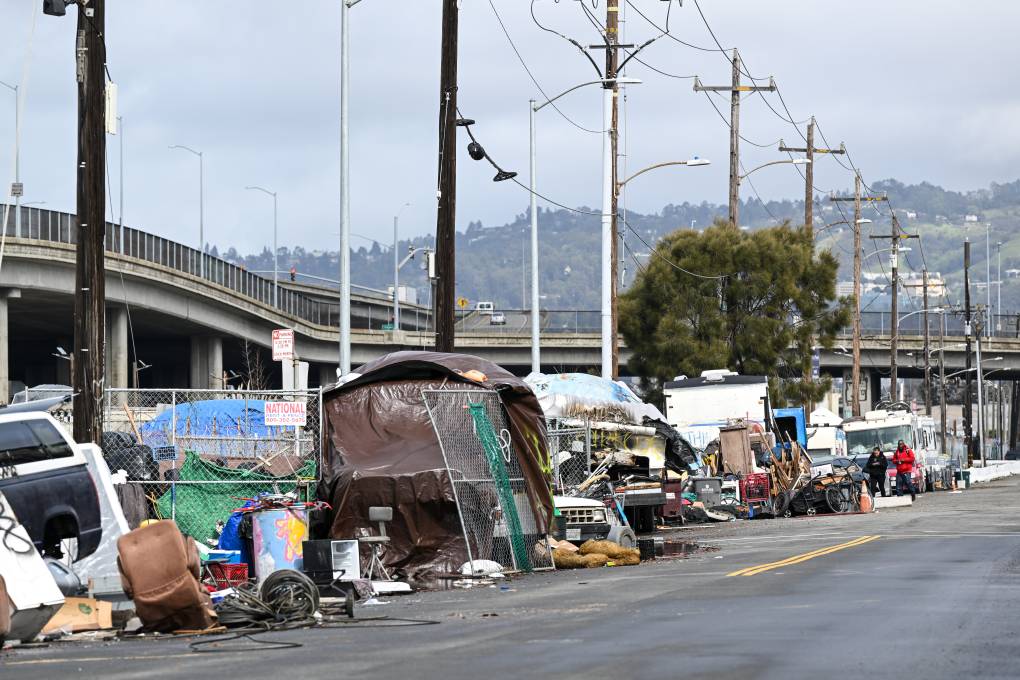
"caption": "A large tent encampment where people live in West Oakland in February 2023. Oakland can now immediately remove tents blocking sidewalks and tow RVs occupied by unhoused residents, among other changes to the way the city manages homelessness. \r\n",
"credit": "Tayfun CoÅkun/Anadolu Agency via Getty Images",
"altTag": "Tents line a city street.",
"description": null,
"imgSizes": {
"medium": {
"file": "https://cdn.kqed.org/wp-content/uploads/sites/10/2024/05/GettyImages-1247572601-800x533.jpg",
"width": 800,
"height": 533,
"mimeType": "image/jpeg"
},
"large": {
"file": "https://cdn.kqed.org/wp-content/uploads/sites/10/2024/05/GettyImages-1247572601-1020x680.jpg",
"width": 1020,
"height": 680,
"mimeType": "image/jpeg"
},
"thumbnail": {
"file": "https://cdn.kqed.org/wp-content/uploads/sites/10/2024/05/GettyImages-1247572601-160x107.jpg",
"width": 160,
"height": 107,
"mimeType": "image/jpeg"
},
"1536x1536": {
"file": "https://cdn.kqed.org/wp-content/uploads/sites/10/2024/05/GettyImages-1247572601-1536x1024.jpg",
"width": 1536,
"height": 1024,
"mimeType": "image/jpeg"
},
"2048x2048": {
"file": "https://cdn.kqed.org/wp-content/uploads/sites/10/2024/05/GettyImages-1247572601-2048x1365.jpg",
"width": 2048,
"height": 1365,
"mimeType": "image/jpeg"
},
"post-thumbnail": {
"file": "https://cdn.kqed.org/wp-content/uploads/sites/10/2024/05/GettyImages-1247572601-672x372.jpg",
"width": 672,
"height": 372,
"mimeType": "image/jpeg"
},
"twentyfourteen-full-width": {
"file": "https://cdn.kqed.org/wp-content/uploads/sites/10/2024/05/GettyImages-1247572601-1038x576.jpg",
"width": 1038,
"height": 576,
"mimeType": "image/jpeg"
},
"full-width": {
"file": "https://cdn.kqed.org/wp-content/uploads/sites/10/2024/05/GettyImages-1247572601-1920x1280.jpg",
"width": 1920,
"height": 1280,
"mimeType": "image/jpeg"
},
"kqedFullSize": {
"file": "https://cdn.kqed.org/wp-content/uploads/sites/10/2024/05/GettyImages-1247572601-scaled-e1760372488675.jpg",
"width": 2000,
"height": 1334
}
},
"isLoading": false,
"fetchFailed": false
},
"news_12079178": {
"type": "attachments",
"id": "news_12079178",
"meta": {
"index": "attachments_1716263798",
"site": "news",
"id": "12079178",
"found": true
},
"title": "260408-I80Closure-11-BL_qed",
"publishDate": 1775691060,
"status": "inherit",
"parent": 12079845,
"modified": 1776359876,
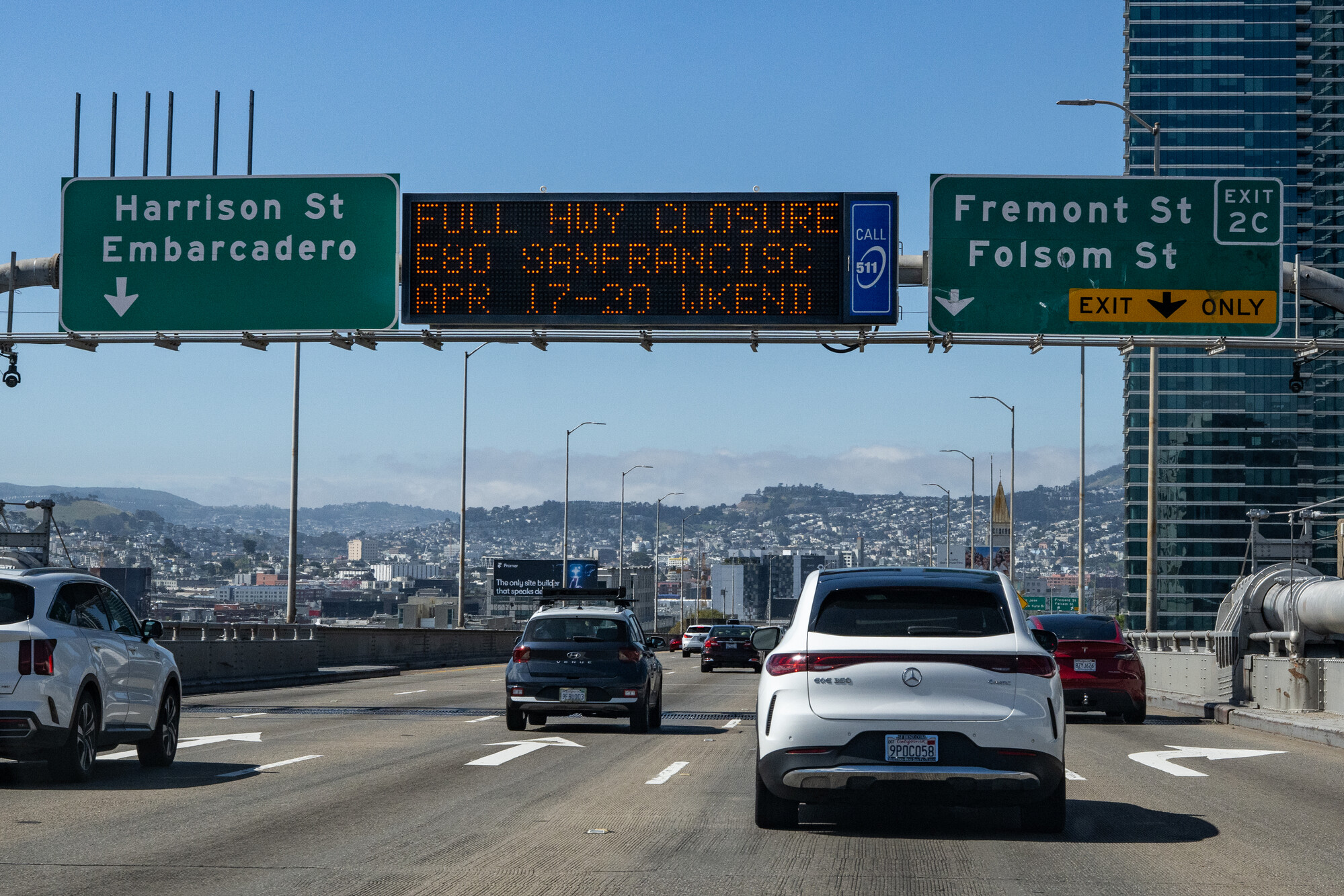
"caption": "A sign announces a closure on I-80 on April 8, 2026. Eastbound lanes are scheduled to close from 11 p.m. April 17 to 6 a.m. April 20 for planned construction work, with detours in place during the closure.",
"credit": "Beth LaBerge/KQED",
"altTag": null,
"description": null,
"imgSizes": {
"thumbnail": {
"file": "https://cdn.kqed.org/wp-content/uploads/sites/10/2026/04/260408-I80Closure-11-BL_qed-160x107.jpg",
"width": 160,
"height": 107,
"mimeType": "image/jpeg"
},
"1536x1536": {
"file": "https://cdn.kqed.org/wp-content/uploads/sites/10/2026/04/260408-I80Closure-11-BL_qed-1536x1024.jpg",
"width": 1536,
"height": 1024,
"mimeType": "image/jpeg"
},
"post-thumbnail": {
"file": "https://cdn.kqed.org/wp-content/uploads/sites/10/2026/04/260408-I80Closure-11-BL_qed-672x372.jpg",
"width": 672,
"height": 372,
"mimeType": "image/jpeg"
},
"twentyfourteen-full-width": {
"file": "https://cdn.kqed.org/wp-content/uploads/sites/10/2026/04/260408-I80Closure-11-BL_qed-1038x576.jpg",
"width": 1038,
"height": 576,
"mimeType": "image/jpeg"
},
"npr-cds-wide": {
"file": "https://cdn.kqed.org/wp-content/uploads/sites/10/2026/04/260408-I80Closure-11-BL_qed-1200x675.jpg",
"width": 1200,
"height": 675,
"mimeType": "image/jpeg"
},
"npr-cds-square": {
"file": "https://cdn.kqed.org/wp-content/uploads/sites/10/2026/04/260408-I80Closure-11-BL_qed-600x600.jpg",
"width": 600,
"height": 600,
"mimeType": "image/jpeg"
},
"kqedFullSize": {
"file": "https://cdn.kqed.org/wp-content/uploads/sites/10/2026/04/260408-I80Closure-11-BL_qed.jpg",
"width": 1999,
"height": 1333
}
},
"isLoading": false,
"fetchFailed": false
},
"news_12079958": {
"type": "attachments",
"id": "news_12079958",
"meta": {
"index": "attachments_1716263798",
"site": "news",
"id": "12079958",
"found": true
},
"title": "OpenAI Fire Arrest",
"publishDate": 1776208318,
"status": "inherit",
"parent": 12079896,
"modified": 1776208344,
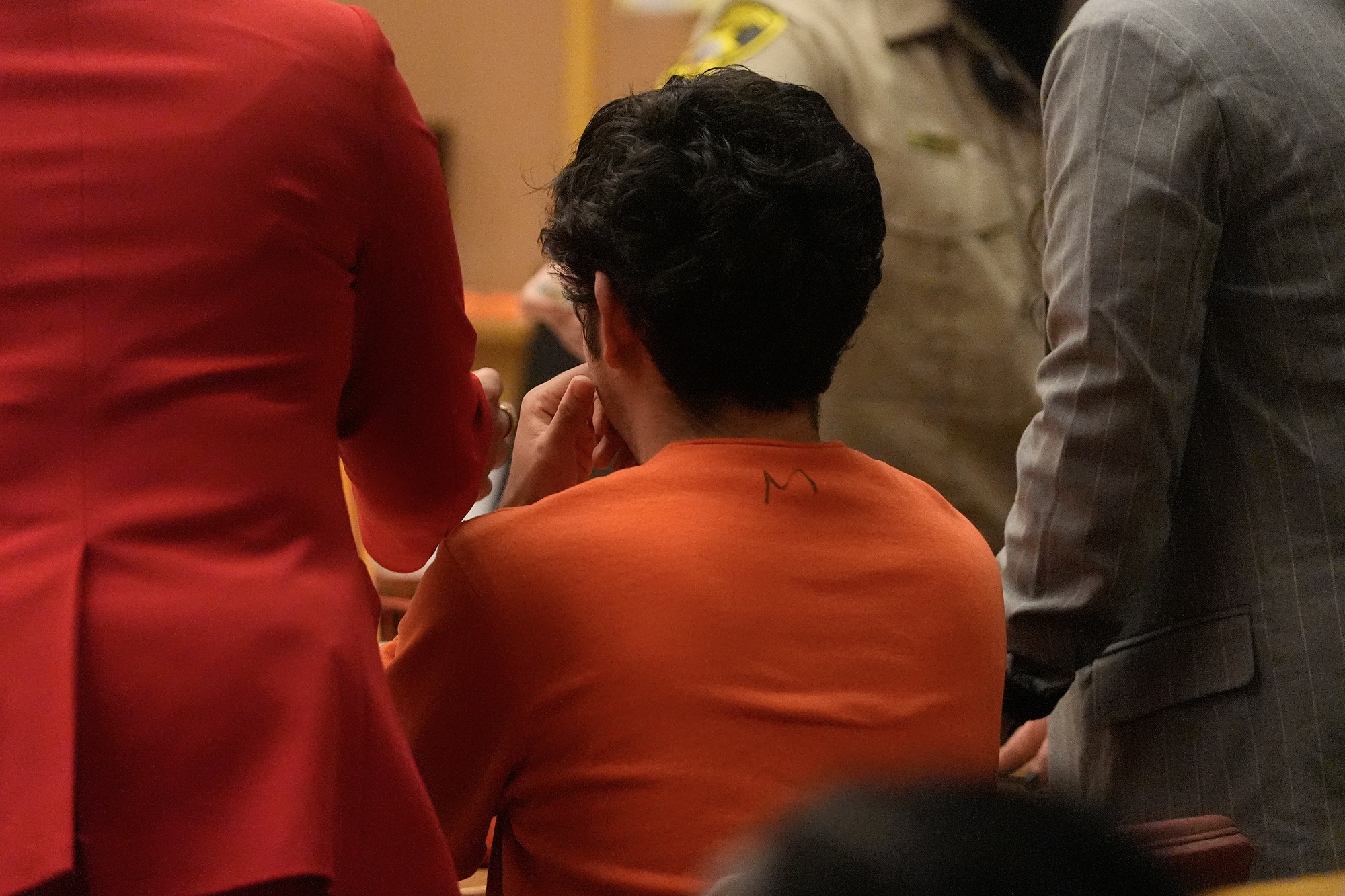
"caption": "Daniel Moreno-Gama, middle, appears in court with public defenders Diamond Ward, left, and Nuha Abusamra on Tuesday, April 14, 2026, in San Francisco.",
"credit": "Jeff Chiu/AP Photo",
"altTag": null,
"description": null,
"imgSizes": {
"thumbnail": {
"file": "https://cdn.kqed.org/wp-content/uploads/sites/10/2026/04/Daniel-Moreno-Gama-AP-160x107.jpg",
"width": 160,
"height": 107,
"mimeType": "image/jpeg"
},
"1536x1536": {
"file": "https://cdn.kqed.org/wp-content/uploads/sites/10/2026/04/Daniel-Moreno-Gama-AP-1536x1024.jpg",
"width": 1536,
"height": 1024,
"mimeType": "image/jpeg"
},
"post-thumbnail": {
"file": "https://cdn.kqed.org/wp-content/uploads/sites/10/2026/04/Daniel-Moreno-Gama-AP-672x372.jpg",
"width": 672,
"height": 372,
"mimeType": "image/jpeg"
},
"twentyfourteen-full-width": {
"file": "https://cdn.kqed.org/wp-content/uploads/sites/10/2026/04/Daniel-Moreno-Gama-AP-1038x576.jpg",
"width": 1038,
"height": 576,
"mimeType": "image/jpeg"
},
"npr-cds-wide": {
"file": "https://cdn.kqed.org/wp-content/uploads/sites/10/2026/04/Daniel-Moreno-Gama-AP-1200x675.jpg",
"width": 1200,
"height": 675,
"mimeType": "image/jpeg"
},
"npr-cds-square": {
"file": "https://cdn.kqed.org/wp-content/uploads/sites/10/2026/04/Daniel-Moreno-Gama-AP-600x600.jpg",
"width": 600,
"height": 600,
"mimeType": "image/jpeg"
},
"kqedFullSize": {
"file": "https://cdn.kqed.org/wp-content/uploads/sites/10/2026/04/Daniel-Moreno-Gama-AP.jpg",
"width": 2000,
"height": 1333
}
},
"isLoading": false,
"fetchFailed": false
},
"news_12018119": {
"type": "attachments",
"id": "news_12018119",
"meta": {
"index": "attachments_1716263798",
"site": "news",
"id": "12018119",
"found": true
},
"title": "240412-OAKAirport-007-BL_qed (1)",
"publishDate": 1734112139,
"status": "inherit",
"parent": 12018113,
"modified": 1734112156,
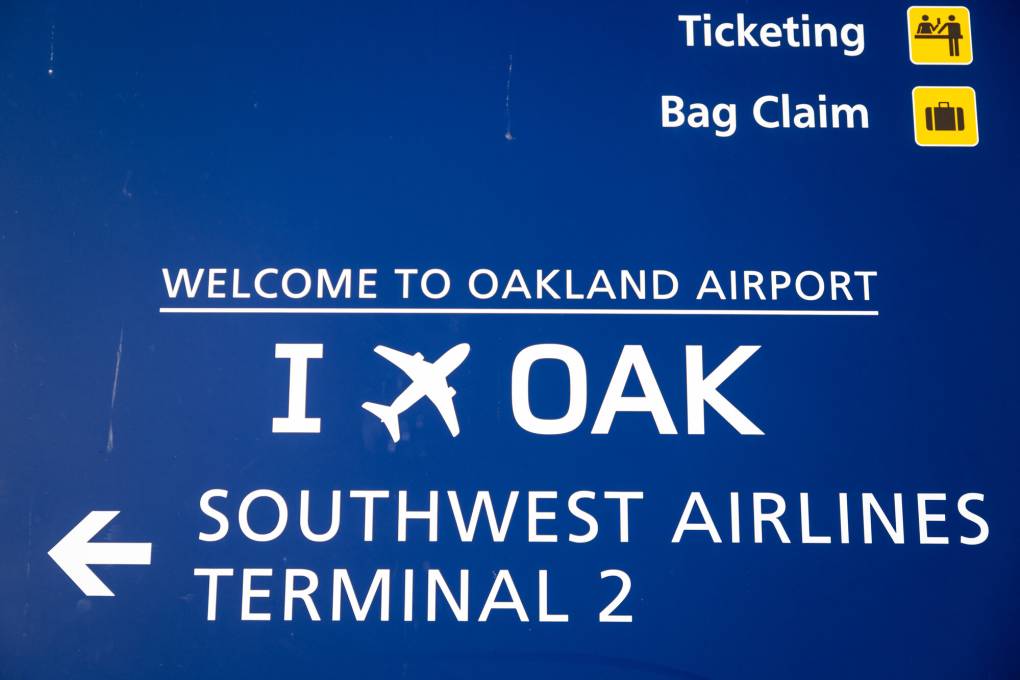
"caption": "Signs direct passengers to terminals at Oakland International Airport in Oakland on April 12, 2024.",
"credit": "Beth LaBerge/KQED",
"altTag": null,
"description": null,
"imgSizes": {
"medium": {
"file": "https://cdn.kqed.org/wp-content/uploads/sites/10/2024/12/240412-OAKAirport-007-BL_qed-1-800x533.jpg",
"width": 800,
"height": 533,
"mimeType": "image/jpeg"
},
"large": {
"file": "https://cdn.kqed.org/wp-content/uploads/sites/10/2024/12/240412-OAKAirport-007-BL_qed-1-1020x680.jpg",
"width": 1020,
"height": 680,
"mimeType": "image/jpeg"
},
"thumbnail": {
"file": "https://cdn.kqed.org/wp-content/uploads/sites/10/2024/12/240412-OAKAirport-007-BL_qed-1-160x107.jpg",
"width": 160,
"height": 107,
"mimeType": "image/jpeg"
},
"1536x1536": {
"file": "https://cdn.kqed.org/wp-content/uploads/sites/10/2024/12/240412-OAKAirport-007-BL_qed-1-1536x1024.jpg",
"width": 1536,
"height": 1024,
"mimeType": "image/jpeg"
},
"post-thumbnail": {
"file": "https://cdn.kqed.org/wp-content/uploads/sites/10/2024/12/240412-OAKAirport-007-BL_qed-1-672x372.jpg",
"width": 672,
"height": 372,
"mimeType": "image/jpeg"
},
"twentyfourteen-full-width": {
"file": "https://cdn.kqed.org/wp-content/uploads/sites/10/2024/12/240412-OAKAirport-007-BL_qed-1-1038x576.jpg",
"width": 1038,
"height": 576,
"mimeType": "image/jpeg"
},
"full-width": {
"file": "https://cdn.kqed.org/wp-content/uploads/sites/10/2024/12/240412-OAKAirport-007-BL_qed-1-1920x1280.jpg",
"width": 1920,
"height": 1280,
"mimeType": "image/jpeg"
},
"kqedFullSize": {
"file": "https://cdn.kqed.org/wp-content/uploads/sites/10/2024/12/240412-OAKAirport-007-BL_qed-1.jpg",
"width": 1999,
"height": 1333
}
},
"isLoading": false,
"fetchFailed": false
},
"news_12079761": {
"type": "attachments",
"id": "news_12079761",
"meta": {
"index": "attachments_1716263798",
"site": "news",
"id": "12079761",
"found": true
},
"title": "BlackRock Infrastructure Summit Held In Washington, DC",
"publishDate": 1776120110,
"status": "inherit",
"parent": 12079741,
"modified": 1776126677,
"caption": "OpenAI CEO Sam Altman speaks during the BlackRock Infrastructure Summit on March 11, 2026, in Washington, D.C. The global investment management company held the summit, consisting of leaders from government, business, and labor, to address expanding U.S. infrastructure. ",
"credit": "Anna Moneymaker/Getty Images",
"altTag": null,
"description": null,
"imgSizes": {
"thumbnail": {
"file": "https://cdn.kqed.org/wp-content/uploads/sites/10/2026/04/SamAltmanGetty2-160x107.jpg",
"width": 160,
"height": 107,
"mimeType": "image/jpeg"
},
"1536x1536": {
"file": "https://cdn.kqed.org/wp-content/uploads/sites/10/2026/04/SamAltmanGetty2-1536x1024.jpg",
"width": 1536,
"height": 1024,
"mimeType": "image/jpeg"
},
"post-thumbnail": {
"file": "https://cdn.kqed.org/wp-content/uploads/sites/10/2026/04/SamAltmanGetty2-672x372.jpg",
"width": 672,
"height": 372,
"mimeType": "image/jpeg"
},
"twentyfourteen-full-width": {
"file": "https://cdn.kqed.org/wp-content/uploads/sites/10/2026/04/SamAltmanGetty2-1038x576.jpg",
"width": 1038,
"height": 576,
"mimeType": "image/jpeg"
},
"npr-cds-wide": {
"file": "https://cdn.kqed.org/wp-content/uploads/sites/10/2026/04/SamAltmanGetty2-1200x675.jpg",
"width": 1200,
"height": 675,
"mimeType": "image/jpeg"
},
"npr-cds-square": {
"file": "https://cdn.kqed.org/wp-content/uploads/sites/10/2026/04/SamAltmanGetty2-600x600.jpg",
"width": 600,
"height": 600,
"mimeType": "image/jpeg"
},
"kqedFullSize": {
"file": "https://cdn.kqed.org/wp-content/uploads/sites/10/2026/04/SamAltmanGetty2.jpg",
"width": 2000,
"height": 1333
}
},
"isLoading": false,
"fetchFailed": false
},
"news_12079739": {
"type": "attachments",
"id": "news_12079739",
"meta": {
"index": "attachments_1716263798",
"site": "news",
"id": "12079739",
"found": true
},
"title": "Trump Administration Seeks To Shrink Funding For The Presidio In San Francisco",
"publishDate": 1776116209,
"status": "inherit",
"parent": 12079734,
"modified": 1776122216,
"caption": "A Presidio Trust vehicle sits parked at Presidio of San Francisco on Feb. 20, 2025, in San Francisco, California. President Donald Trump signed an executive order on Wednesday to eliminate the Presidio Trust, the federal agency that runs and protects the Presidio of San Francisco, a national historic landmark since 1962.",
"credit": "Justin Sullivan/Getty Images",
"altTag": null,
"description": null,
"imgSizes": {
"thumbnail": {
"file": "https://cdn.kqed.org/wp-content/uploads/sites/10/2026/04/PresidioTrustGetty-160x107.jpg",
"width": 160,
"height": 107,
"mimeType": "image/jpeg"
},
"1536x1536": {
"file": "https://cdn.kqed.org/wp-content/uploads/sites/10/2026/04/PresidioTrustGetty-1536x1031.jpg",
"width": 1536,
"height": 1031,
"mimeType": "image/jpeg"
},
"post-thumbnail": {
"file": "https://cdn.kqed.org/wp-content/uploads/sites/10/2026/04/PresidioTrustGetty-672x372.jpg",
"width": 672,
"height": 372,
"mimeType": "image/jpeg"
},
"twentyfourteen-full-width": {
"file": "https://cdn.kqed.org/wp-content/uploads/sites/10/2026/04/PresidioTrustGetty-1038x576.jpg",
"width": 1038,
"height": 576,
"mimeType": "image/jpeg"
},
"npr-cds-wide": {
"file": "https://cdn.kqed.org/wp-content/uploads/sites/10/2026/04/PresidioTrustGetty-1200x675.jpg",
"width": 1200,
"height": 675,
"mimeType": "image/jpeg"
},
"npr-cds-square": {
"file": "https://cdn.kqed.org/wp-content/uploads/sites/10/2026/04/PresidioTrustGetty-600x600.jpg",
"width": 600,
"height": 600,
"mimeType": "image/jpeg"
},
"kqedFullSize": {
"file": "https://cdn.kqed.org/wp-content/uploads/sites/10/2026/04/PresidioTrustGetty.jpg",
"width": 2000,
"height": 1342
}
},
"isLoading": false,
"fetchFailed": false
},
"news_12007621": {
"type": "attachments",
"id": "news_12007621",
"meta": {
"index": "attachments_1716263798",
"site": "news",
"id": "12007621",
"found": true
},
"title": "241002-SWALWELL PRICE RECALL-BL-02-KQED",
"publishDate": 1727910466,
"status": "inherit",
"parent": 12079856,
"modified": 1776188669,
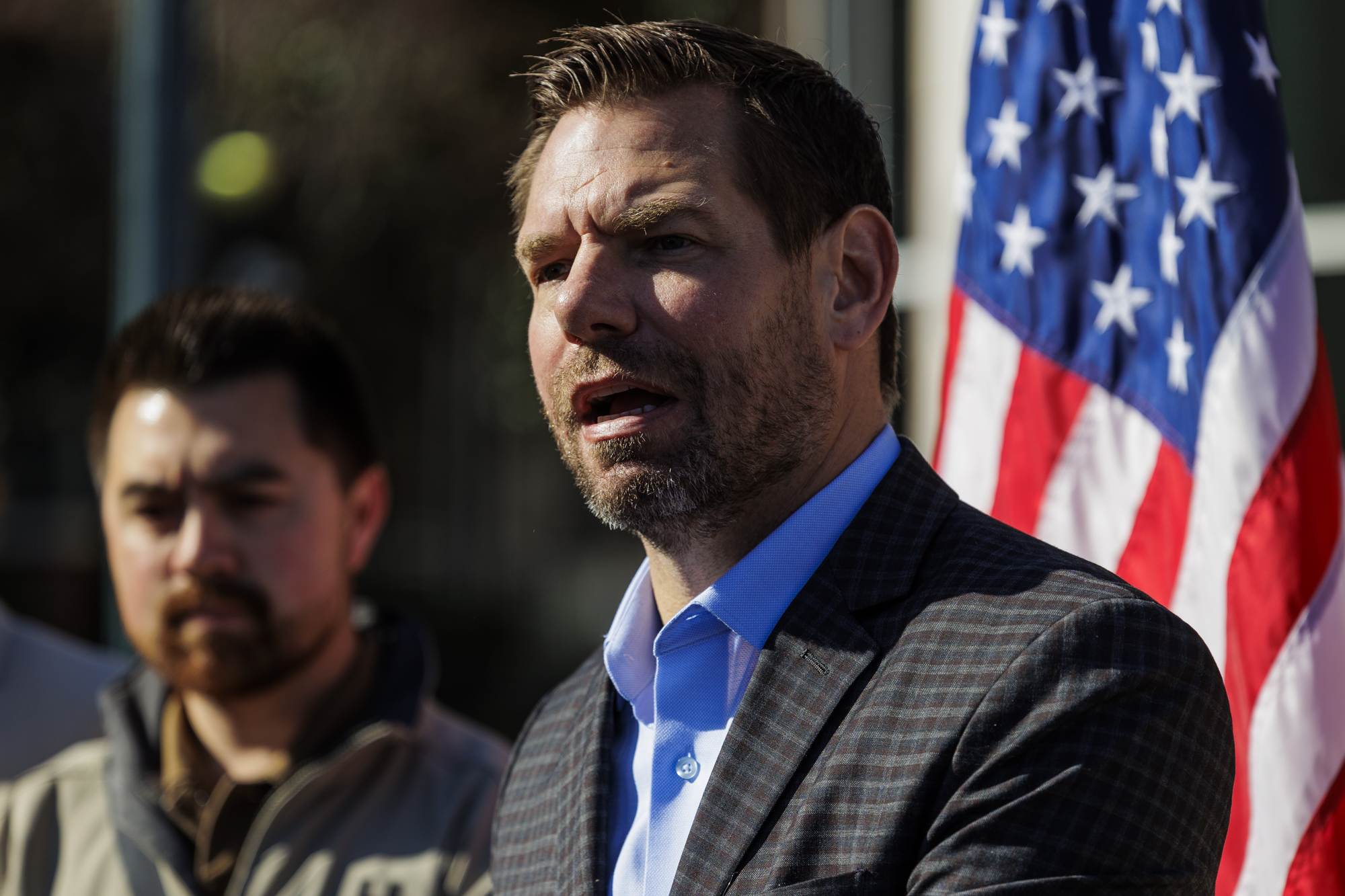
"caption": "Rep. Eric Swalwell speaks during a press conference outside of Hayward City Hall in Hayward on Oct. 2, 2024, announcing support for the recall of Alameda County District Attorney Pamela Price.",
"credit": "Beth LaBerge/KQED",
"altTag": null,
"description": null,
"imgSizes": {
"medium": {
"file": "https://cdn.kqed.org/wp-content/uploads/sites/10/2024/10/241002-SWALWELL-PRICE-RECALL-BL-02-KQED-800x533.jpg",
"width": 800,
"height": 533,
"mimeType": "image/jpeg"
},
"large": {
"file": "https://cdn.kqed.org/wp-content/uploads/sites/10/2024/10/241002-SWALWELL-PRICE-RECALL-BL-02-KQED-1020x680.jpg",
"width": 1020,
"height": 680,
"mimeType": "image/jpeg"
},
"thumbnail": {
"file": "https://cdn.kqed.org/wp-content/uploads/sites/10/2024/10/241002-SWALWELL-PRICE-RECALL-BL-02-KQED-160x107.jpg",
"width": 160,
"height": 107,
"mimeType": "image/jpeg"
},
"1536x1536": {
"file": "https://cdn.kqed.org/wp-content/uploads/sites/10/2024/10/241002-SWALWELL-PRICE-RECALL-BL-02-KQED-1536x1024.jpg",
"width": 1536,
"height": 1024,
"mimeType": "image/jpeg"
},
"post-thumbnail": {
"file": "https://cdn.kqed.org/wp-content/uploads/sites/10/2024/10/241002-SWALWELL-PRICE-RECALL-BL-02-KQED-672x372.jpg",
"width": 672,
"height": 372,
"mimeType": "image/jpeg"
},
"twentyfourteen-full-width": {
"file": "https://cdn.kqed.org/wp-content/uploads/sites/10/2024/10/241002-SWALWELL-PRICE-RECALL-BL-02-KQED-1038x576.jpg",
"width": 1038,
"height": 576,
"mimeType": "image/jpeg"
},
"full-width": {
"file": "https://cdn.kqed.org/wp-content/uploads/sites/10/2024/10/241002-SWALWELL-PRICE-RECALL-BL-02-KQED-1920x1280.jpg",
"width": 1920,
"height": 1280,
"mimeType": "image/jpeg"
},
"kqedFullSize": {
"file": "https://cdn.kqed.org/wp-content/uploads/sites/10/2024/10/241002-SWALWELL-PRICE-RECALL-BL-02-KQED.jpg",
"width": 2000,
"height": 1333
}
},
"isLoading": false,
"fetchFailed": false
},
"news_12079586": {
"type": "attachments",
"id": "news_12079586",
"meta": {
"index": "attachments_1716263798",
"site": "news",
"id": "12079586",
"found": true
},
"title": "041226Affordability series teacher housing_GH_002_qed",
"publishDate": 1776032850,
"status": "inherit",
"parent": 0,
"modified": 1776101928,
"caption": "Shayla Putnam, a ceramics teacher at George Washington High School, in her apartment at Shirley Chisholm Village on April 12, 2026, in San Francisco.",
"credit": "Gustavo Hernandez/KQED",
"altTag": null,
"description": null,
"imgSizes": {
"thumbnail": {
"file": "https://cdn.kqed.org/wp-content/uploads/sites/10/2026/04/041226Affordability-series-teacher-housing_GH_002_qed-160x107.jpg",
"width": 160,
"height": 107,
"mimeType": "image/jpeg"
},
"1536x1536": {
"file": "https://cdn.kqed.org/wp-content/uploads/sites/10/2026/04/041226Affordability-series-teacher-housing_GH_002_qed-1536x1024.jpg",
"width": 1536,
"height": 1024,
"mimeType": "image/jpeg"
},
"post-thumbnail": {
"file": "https://cdn.kqed.org/wp-content/uploads/sites/10/2026/04/041226Affordability-series-teacher-housing_GH_002_qed-672x372.jpg",
"width": 672,
"height": 372,
"mimeType": "image/jpeg"
},
"twentyfourteen-full-width": {
"file": "https://cdn.kqed.org/wp-content/uploads/sites/10/2026/04/041226Affordability-series-teacher-housing_GH_002_qed-1038x576.jpg",
"width": 1038,
"height": 576,
"mimeType": "image/jpeg"
},
"npr-cds-wide": {
"file": "https://cdn.kqed.org/wp-content/uploads/sites/10/2026/04/041226Affordability-series-teacher-housing_GH_002_qed-1200x675.jpg",
"width": 1200,
"height": 675,
"mimeType": "image/jpeg"
},
"npr-cds-square": {
"file": "https://cdn.kqed.org/wp-content/uploads/sites/10/2026/04/041226Affordability-series-teacher-housing_GH_002_qed-600x600.jpg",
"width": 600,
"height": 600,
"mimeType": "image/jpeg"
},
"kqedFullSize": {
"file": "https://cdn.kqed.org/wp-content/uploads/sites/10/2026/04/041226Affordability-series-teacher-housing_GH_002_qed.jpg",
"width": 2000,
"height": 1333
}
},
"isLoading": false,
"fetchFailed": false
},
"news_12079484": {
"type": "attachments",
"id": "news_12079484",
"meta": {
"index": "attachments_1716263798",
"site": "news",
"id": "12079484",
"found": true
},
"title": "Aerial view of a residential neighborhood",
"publishDate": 1775851509,
"status": "inherit",
"parent": 0,
"modified": 1775867378,
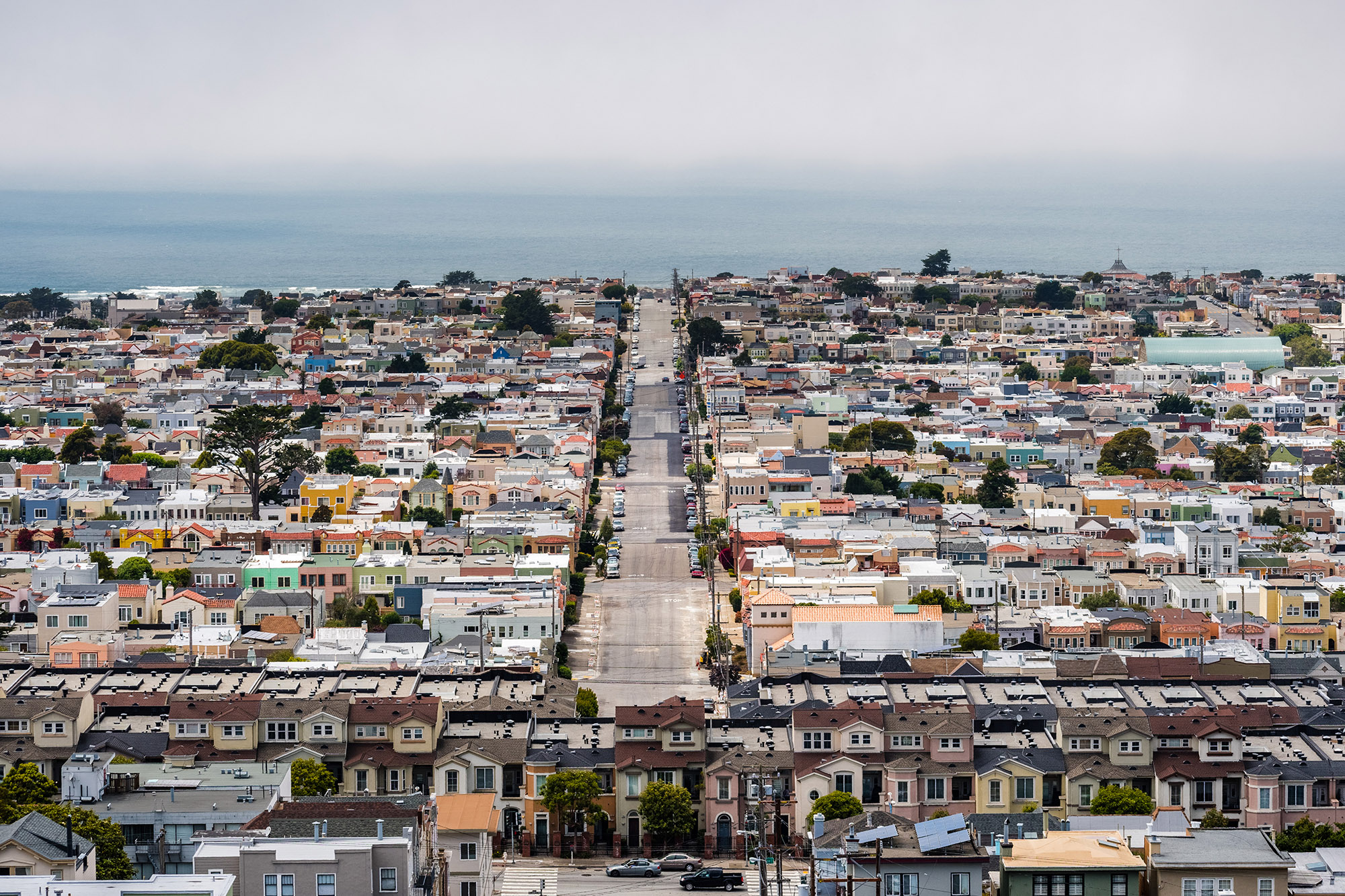
"caption": "The Sunset District in San Francisco, with the Ocean Beach coastline in the distance.",
"credit": "Sundry Photography/Getty Images",
"altTag": null,
"description": null,
"imgSizes": {
"thumbnail": {
"file": "https://cdn.kqed.org/wp-content/uploads/sites/10/2026/04/GettyImages-1074060552-160x107.jpg",
"width": 160,
"height": 107,
"mimeType": "image/jpeg"
},
"1536x1536": {
"file": "https://cdn.kqed.org/wp-content/uploads/sites/10/2026/04/GettyImages-1074060552-1536x1024.jpg",
"width": 1536,
"height": 1024,
"mimeType": "image/jpeg"
},
"post-thumbnail": {
"file": "https://cdn.kqed.org/wp-content/uploads/sites/10/2026/04/GettyImages-1074060552-672x372.jpg",
"width": 672,
"height": 372,
"mimeType": "image/jpeg"
},
"twentyfourteen-full-width": {
"file": "https://cdn.kqed.org/wp-content/uploads/sites/10/2026/04/GettyImages-1074060552-1038x576.jpg",
"width": 1038,
"height": 576,
"mimeType": "image/jpeg"
},
"npr-cds-wide": {
"file": "https://cdn.kqed.org/wp-content/uploads/sites/10/2026/04/GettyImages-1074060552-1200x675.jpg",
"width": 1200,
"height": 675,
"mimeType": "image/jpeg"
},
"npr-cds-square": {
"file": "https://cdn.kqed.org/wp-content/uploads/sites/10/2026/04/GettyImages-1074060552-600x600.jpg",
"width": 600,
"height": 600,
"mimeType": "image/jpeg"
},
"kqedFullSize": {
"file": "https://cdn.kqed.org/wp-content/uploads/sites/10/2026/04/GettyImages-1074060552.jpg",
"width": 2000,
"height": 1333
}
},
"isLoading": false,
"fetchFailed": false
},
"news_12079195": {
"type": "attachments",
"id": "news_12079195",
"meta": {
"index": "attachments_1716263798",
"site": "news",
"id": "12079195",
"found": true
},
"title": "260408-SFSUNegotiations-21-BL_qed",
"publishDate": 1775691817,
"status": "inherit",
"parent": 0,
"modified": 1775691850,
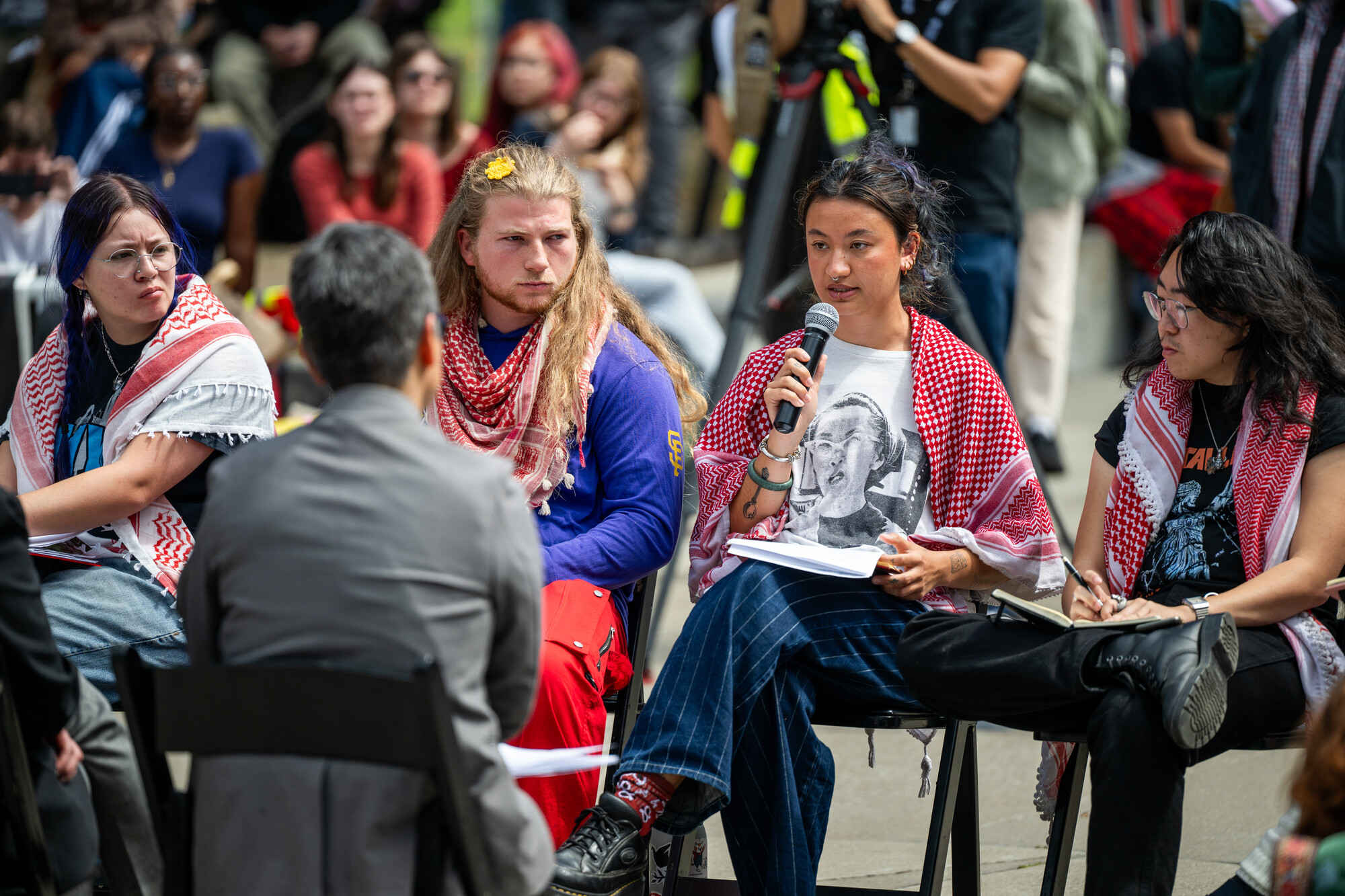
"caption": "Vi Lee, a member of the student negotiating team, asks a question to SFSU President Lynn Mahoney and Provost Amy Sueyoshi in Malcolm X Plaza at San Francisco State University on April 8, 2026. Students, faculty, and community members gathered for an open negotiation session with university leadership around demands related to funding, AI decision-making, free speech, campus protections, and student housing.",
"credit": "Beth LaBerge/KQED",
"altTag": null,
"description": null,
"imgSizes": {
"thumbnail": {
"file": "https://cdn.kqed.org/wp-content/uploads/sites/10/2026/04/260408-SFSUNegotiations-21-BL_qed-160x107.jpg",
"width": 160,
"height": 107,
"mimeType": "image/jpeg"
},
"1536x1536": {
"file": "https://cdn.kqed.org/wp-content/uploads/sites/10/2026/04/260408-SFSUNegotiations-21-BL_qed-1536x1024.jpg",
"width": 1536,
"height": 1024,
"mimeType": "image/jpeg"
},
"post-thumbnail": {
"file": "https://cdn.kqed.org/wp-content/uploads/sites/10/2026/04/260408-SFSUNegotiations-21-BL_qed-672x372.jpg",
"width": 672,
"height": 372,
"mimeType": "image/jpeg"
},
"twentyfourteen-full-width": {
"file": "https://cdn.kqed.org/wp-content/uploads/sites/10/2026/04/260408-SFSUNegotiations-21-BL_qed-1038x576.jpg",
"width": 1038,
"height": 576,
"mimeType": "image/jpeg"
},
"npr-cds-wide": {
"file": "https://cdn.kqed.org/wp-content/uploads/sites/10/2026/04/260408-SFSUNegotiations-21-BL_qed-1200x675.jpg",
"width": 1200,
"height": 675,
"mimeType": "image/jpeg"
},
"npr-cds-square": {
"file": "https://cdn.kqed.org/wp-content/uploads/sites/10/2026/04/260408-SFSUNegotiations-21-BL_qed-600x600.jpg",
"width": 600,
"height": 600,
"mimeType": "image/jpeg"
},
"kqedFullSize": {
"file": "https://cdn.kqed.org/wp-content/uploads/sites/10/2026/04/260408-SFSUNegotiations-21-BL_qed.jpg",
"width": 2000,
"height": 1333
}
},
"isLoading": false,
"fetchFailed": false
},
"news_12079375": {
"type": "attachments",
"id": "news_12079375",
"meta": {
"index": "attachments_1716263798",
"site": "news",
"id": "12079375",
"found": true
},
"title": "260409-SunsetDunesAnniversary-13-BL_qed",
"publishDate": 1775778733,
"status": "inherit",
"parent": 0,
"modified": 1775778806,
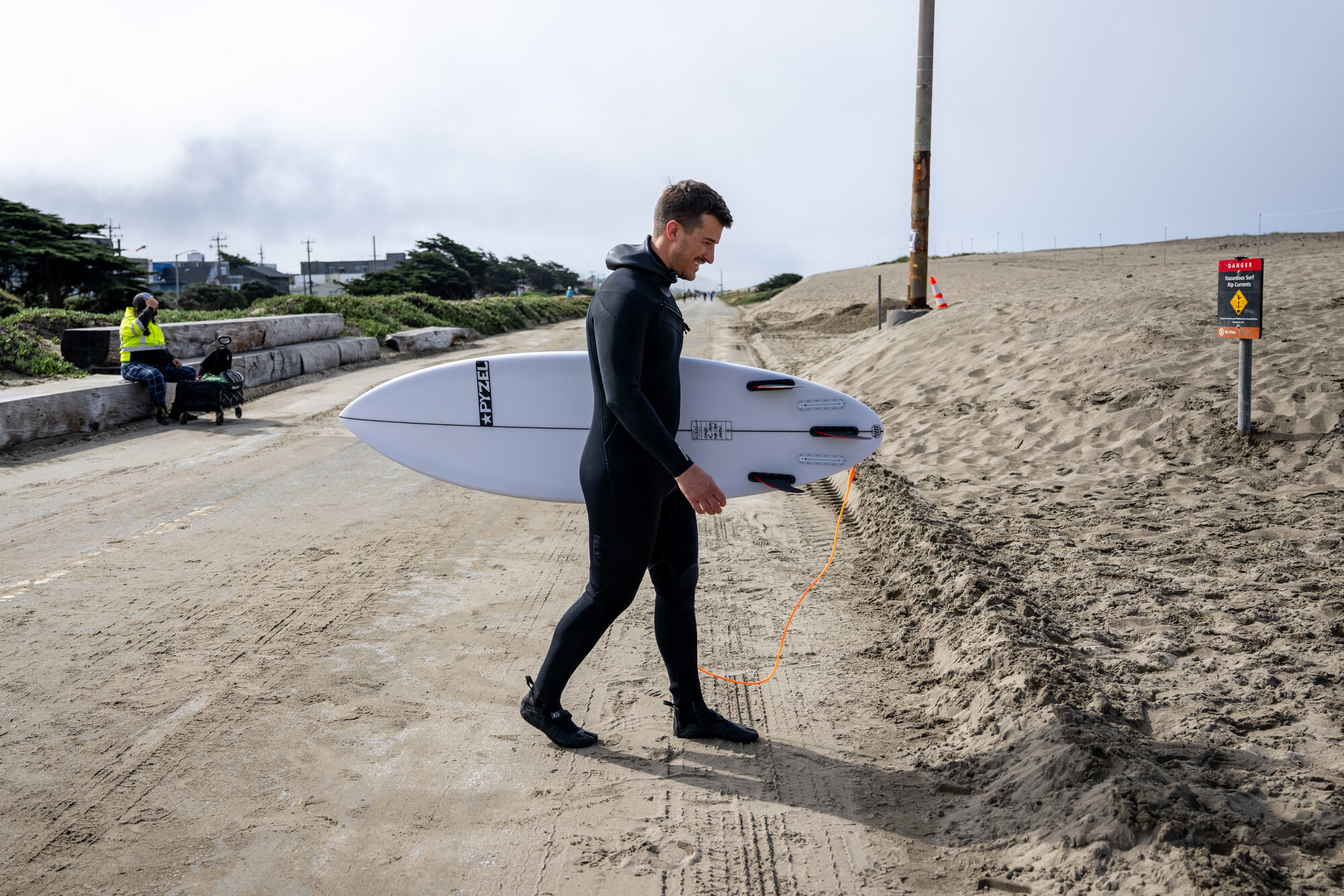
"caption": "Alex Caffee walks through Sunset Dunes, a park on the former Great Highway roadway, to go surfing in San Francisco’s Sunset neighborhood on April 9, 2026.",
"credit": "Beth LaBerge/KQED",
"altTag": null,
"description": null,
"imgSizes": {
"thumbnail": {
"file": "https://cdn.kqed.org/wp-content/uploads/sites/10/2026/04/260409-SunsetDunesAnniversary-13-BL_qed-160x107.jpg",
"width": 160,
"height": 107,
"mimeType": "image/jpeg"
},
"1536x1536": {
"file": "https://cdn.kqed.org/wp-content/uploads/sites/10/2026/04/260409-SunsetDunesAnniversary-13-BL_qed-1536x1024.jpg",
"width": 1536,
"height": 1024,
"mimeType": "image/jpeg"
},
"post-thumbnail": {
"file": "https://cdn.kqed.org/wp-content/uploads/sites/10/2026/04/260409-SunsetDunesAnniversary-13-BL_qed-672x372.jpg",
"width": 672,
"height": 372,
"mimeType": "image/jpeg"
},
"twentyfourteen-full-width": {
"file": "https://cdn.kqed.org/wp-content/uploads/sites/10/2026/04/260409-SunsetDunesAnniversary-13-BL_qed-1038x576.jpg",
"width": 1038,
"height": 576,
"mimeType": "image/jpeg"
},
"npr-cds-wide": {
"file": "https://cdn.kqed.org/wp-content/uploads/sites/10/2026/04/260409-SunsetDunesAnniversary-13-BL_qed-1200x675.jpg",
"width": 1200,
"height": 675,
"mimeType": "image/jpeg"
},
"npr-cds-square": {
"file": "https://cdn.kqed.org/wp-content/uploads/sites/10/2026/04/260409-SunsetDunesAnniversary-13-BL_qed-600x600.jpg",
"width": 600,
"height": 600,
"mimeType": "image/jpeg"
},
"kqedFullSize": {
"file": "https://cdn.kqed.org/wp-content/uploads/sites/10/2026/04/260409-SunsetDunesAnniversary-13-BL_qed.jpg",
"width": 1999,
"height": 1333
}
},
"isLoading": false,
"fetchFailed": false
},
"news_12075783": {
"type": "attachments",
"id": "news_12075783",
"meta": {
"index": "attachments_1716263798",
"site": "news",
"id": "12075783",
"found": true
},
"title": "260309-DEAF DEPORTEE-MD-02-KQED",
"publishDate": 1773078595,
"status": "inherit",
"parent": 12075826,
"modified": 1773178878,
"caption": "Rep. Eric Swalwell addresses the press in Hayward on Mar. 9, 2026.",
"credit": "Martin do Nascimento/KQED",
"altTag": null,
"description": null,
"imgSizes": {
"thumbnail": {
"file": "https://cdn.kqed.org/wp-content/uploads/sites/10/2026/03/260309-DEAF-DEPORTEE-MD-02-KQED-160x107.jpg",
"width": 160,
"height": 107,
"mimeType": "image/jpeg"
},
"1536x1536": {
"file": "https://cdn.kqed.org/wp-content/uploads/sites/10/2026/03/260309-DEAF-DEPORTEE-MD-02-KQED-1536x1024.jpg",
"width": 1536,
"height": 1024,
"mimeType": "image/jpeg"
},
"post-thumbnail": {
"file": "https://cdn.kqed.org/wp-content/uploads/sites/10/2026/03/260309-DEAF-DEPORTEE-MD-02-KQED-672x372.jpg",
"width": 672,
"height": 372,
"mimeType": "image/jpeg"
},
"twentyfourteen-full-width": {
"file": "https://cdn.kqed.org/wp-content/uploads/sites/10/2026/03/260309-DEAF-DEPORTEE-MD-02-KQED-1038x576.jpg",
"width": 1038,
"height": 576,
"mimeType": "image/jpeg"
},
"npr-cds-wide": {
"file": "https://cdn.kqed.org/wp-content/uploads/sites/10/2026/03/260309-DEAF-DEPORTEE-MD-02-KQED-1200x675.jpg",
"width": 1200,
"height": 675,
"mimeType": "image/jpeg"
},
"kqedFullSize": {
"file": "https://cdn.kqed.org/wp-content/uploads/sites/10/2026/03/260309-DEAF-DEPORTEE-MD-02-KQED.jpg",
"width": 2000,
"height": 1333
}
},
"isLoading": false,
"fetchFailed": false
}
},
"audioPlayerReducer": {
"postId": "stream_live",
"isPaused": true,
"isPlaying": false,
"pfsActive": false,
"pledgeModalIsOpen": true,
"playerDrawerIsOpen": false,
"liveAudioPlayStartedAt": 0,
"liveAudioPlayContext": ""
},
"authorsReducer": {
"gmarzorati": {
"type": "authors",
"id": "227",
"meta": {
"index": "authors_1716337520",
"id": "227",
"found": true
},
"name": "Guy Marzorati",
"firstName": "Guy",
"lastName": "Marzorati",
"slug": "gmarzorati",
"email": "gmarzorati@KQED.org",
"display_author_email": true,
"staff_mastheads": [
"news"
],
"title": "Correspondent",
"bio": "Guy Marzorati is a correspondent on KQED's California Politics and Government Desk, based in San Jose. A graduate of Santa Clara University, Guy joined KQED in 2013. He reports on state and local politics and produces KQED's digital voter guide.",
"avatar": "https://secure.gravatar.com/avatar/e7038b8dbfd55b104369b76b1cd0b9de?s=600&d=blank&r=g",
"twitter": "guymarzorati",
"facebook": null,
"instagram": null,
"linkedin": null,
"sites": [
{
"site": "",
"roles": [
"editor"
]
},
{
"site": "news",
"roles": [
"editor"
]
},
{
"site": "science",
"roles": [
"editor"
]
},
{
"site": "forum",
"roles": [
"editor"
]
},
{
"site": "elections",
"roles": [
"editor"
]
},
{
"site": "liveblog",
"roles": [
"editor"
]
}
],
"headData": {
"title": "Guy Marzorati | KQED",
"description": "Correspondent",
"ogImgSrc": "https://secure.gravatar.com/avatar/e7038b8dbfd55b104369b76b1cd0b9de?s=600&d=blank&r=g",
"twImgSrc": "https://secure.gravatar.com/avatar/e7038b8dbfd55b104369b76b1cd0b9de?s=600&d=blank&r=g"
},
"isLoading": false,
"link": "/author/gmarzorati"
},
"katrinaschwartz": {
"type": "authors",
"id": "234",
"meta": {
"index": "authors_1716337520",
"id": "234",
"found": true
},
"name": "Katrina Schwartz",
"firstName": "Katrina",
"lastName": "Schwartz",
"slug": "katrinaschwartz",
"email": "kschwartz@kqed.org",
"display_author_email": false,
"staff_mastheads": [
"news"
],
"title": "Producer",
"bio": "Katrina Schwartz is a journalist based in San Francisco. She's worked at KPCC public radio in LA and has reported on air and online for KQED since 2010. She covered how teaching and learning is changing for MindShift between 2012 and 2020. She is the co-host of the MindShift podcast and now produces KQED's Bay Curious podcast.",
"avatar": "https://secure.gravatar.com/avatar/edb4ee79070447a018538c9aae6eeecf28786515b8a0c30e43b6b7dce5aa44c8?s=600&d=blank&r=g",
"twitter": "kschwart",
"bluesky": null,
"facebook": null,
"instagram": null,
"linkedin": null,
"sites": [
{
"site": "",
"roles": [
"editor"
]
},
{
"site": "news",
"roles": [
"editor"
]
},
{
"site": "mindshift",
"roles": [
"administrator"
]
},
{
"site": "stateofhealth",
"roles": [
"author"
]
},
{
"site": "science",
"roles": [
"editor"
]
}
],
"headData": {
"title": "Katrina Schwartz | KQED",
"description": "Producer",
"ogImgSrc": "https://secure.gravatar.com/avatar/edb4ee79070447a018538c9aae6eeecf28786515b8a0c30e43b6b7dce5aa44c8?s=600&d=blank&r=g",
"twImgSrc": "https://secure.gravatar.com/avatar/edb4ee79070447a018538c9aae6eeecf28786515b8a0c30e43b6b7dce5aa44c8?s=600&d=blank&r=g"
},
"isLoading": false,
"link": "/author/katrinaschwartz"
},
"mlagos": {
"type": "authors",
"id": "3239",
"meta": {
"index": "authors_1716337520",
"id": "3239",
"found": true
},
"name": "Marisa Lagos",
"firstName": "Marisa",
"lastName": "Lagos",
"slug": "mlagos",
"email": "mlagos@kqed.org",
"display_author_email": false,
"staff_mastheads": [
"news"
],
"title": "KQED Contributor",
"bio": "Marisa Lagos is a correspondent for KQED’s California Politics and Government Desk and co-hosts the award-winning show and podcast, Political Breakdown. At KQED, Lagos also conducts reporting, analysis and investigations into state, local and national politics for radio, TV, online and onstage. In 2022, she and co-host, Scott Shafer, moderated the only gubernatorial debate in California. In 2020, the \u003ci>Washington Post\u003c/i> named her one of the top political journalists in California; she was nominated for a Peabody and won several other awards for her work investigating the 2017 California wildfires. She has worked at the \u003ci>San Francisco Chronicle\u003c/i>, \u003ci>San Francisco Examiner\u003c/i> and \u003ci>Los Angeles Times\u003c/i>. A UC Santa Barbara graduate, she lives in San Francisco with her two sons and husband.",
"avatar": "https://secure.gravatar.com/avatar/a261a0d3696fc066871ef96b85b5e7d2?s=600&d=blank&r=g",
"twitter": "@mlagos",
"facebook": null,
"instagram": null,
"linkedin": null,
"sites": [
{
"site": "arts",
"roles": [
"author"
]
},
{
"site": "news",
"roles": [
"editor"
]
},
{
"site": "science",
"roles": [
"editor"
]
},
{
"site": "forum",
"roles": [
"author"
]
},
{
"site": "liveblog",
"roles": [
"author"
]
}
],
"headData": {
"title": "Marisa Lagos | KQED",
"description": "KQED Contributor",
"ogImgSrc": "https://secure.gravatar.com/avatar/a261a0d3696fc066871ef96b85b5e7d2?s=600&d=blank&r=g",
"twImgSrc": "https://secure.gravatar.com/avatar/a261a0d3696fc066871ef96b85b5e7d2?s=600&d=blank&r=g"
},
"isLoading": false,
"link": "/author/mlagos"
},
"lakshmi": {
"type": "authors",
"id": "3245",
"meta": {
"index": "authors_1716337520",
"id": "3245",
"found": true
},
"name": "Lakshmi Sarah",
"firstName": "Lakshmi",
"lastName": "Sarah",
"slug": "lakshmi",
"email": "lakisarah@gmail.com",
"display_author_email": false,
"staff_mastheads": [],
"title": null,
"bio": "Born and raised in California, Lakshmi is an educator and journalist with a focus on South Asia, gender, race and the arts. Over the past few years, she has worked with newspapers, radio and magazines from Botswana to Los Angeles. She has written and produced for various audiences, including Mic, Global Voices, Al Jazeera Online, AJ+ and KQED Arts. Lakshmi is a graduate of Pitzer College where she studied Global Communications and Studio Arts.",
"avatar": "https://secure.gravatar.com/avatar/30f520a9238d29ba9187c2a405e0f85d?s=600&d=blank&r=g",
"twitter": "lakitalki",
"facebook": null,
"instagram": null,
"linkedin": null,
"sites": [
{
"site": "arts",
"roles": [
"editor"
]
},
{
"site": "pop",
"roles": [
"contributor"
]
},
{
"site": "science",
"roles": [
"editor"
]
}
],
"headData": {
"title": "Lakshmi Sarah | KQED",
"description": null,
"ogImgSrc": "https://secure.gravatar.com/avatar/30f520a9238d29ba9187c2a405e0f85d?s=600&d=blank&r=g",
"twImgSrc": "https://secure.gravatar.com/avatar/30f520a9238d29ba9187c2a405e0f85d?s=600&d=blank&r=g"
},
"isLoading": false,
"link": "/author/lakshmi"
},
"sjohnson": {
"type": "authors",
"id": "11840",
"meta": {
"index": "authors_1716337520",
"id": "11840",
"found": true
},
"name": "Sydney Johnson",
"firstName": "Sydney",
"lastName": "Johnson",
"slug": "sjohnson",
"email": "sjohnson@kqed.org",
"display_author_email": false,
"staff_mastheads": [
"news"
],
"title": "KQED Reporter",
"bio": "Sydney Johnson is a general assignment reporter at KQED. She previously reported on public health and city government at the San Francisco Examiner, and before that, she covered statewide education policy for EdSource. Her reporting has won multiple local, state and national awards. Sydney is a graduate of the University of California, Berkeley and lives in San Francisco.",
"avatar": "https://secure.gravatar.com/avatar/97855f2719b72ad6190b7c535fe642c8?s=600&d=blank&r=g",
"twitter": "sydneyfjohnson",
"facebook": null,
"instagram": null,
"linkedin": null,
"sites": [
{
"site": "news",
"roles": [
"editor"
]
}
],
"headData": {
"title": "Sydney Johnson | KQED",
"description": "KQED Reporter",
"ogImgSrc": "https://secure.gravatar.com/avatar/97855f2719b72ad6190b7c535fe642c8?s=600&d=blank&r=g",
"twImgSrc": "https://secure.gravatar.com/avatar/97855f2719b72ad6190b7c535fe642c8?s=600&d=blank&r=g"
},
"isLoading": false,
"link": "/author/sjohnson"
},
"kdebenedetti": {
"type": "authors",
"id": "11913",
"meta": {
"index": "authors_1716337520",
"id": "11913",
"found": true
},
"name": "Katie DeBenedetti",
"firstName": "Katie",
"lastName": "DeBenedetti",
"slug": "kdebenedetti",
"email": "kdebenedetti@kqed.org",
"display_author_email": false,
"staff_mastheads": [
"news",
"science"
],
"title": "KQED Contributor",
"bio": "Katie DeBenedetti is a digital reporter covering daily news for the Express Desk. Prior to joining KQED as a culture reporting intern in January 2024, she covered education and city government for the Napa Valley Register.",
"avatar": "https://secure.gravatar.com/avatar/6e31073cb8f7e4214ab03f42771d0f45?s=600&d=blank&r=g",
"twitter": null,
"facebook": null,
"instagram": null,
"linkedin": null,
"sites": [
{
"site": "news",
"roles": [
"author"
]
},
{
"site": "science",
"roles": [
"author"
]
},
{
"site": "liveblog",
"roles": [
"author"
]
}
],
"headData": {
"title": "Katie DeBenedetti | KQED",
"description": "KQED Contributor",
"ogImgSrc": "https://secure.gravatar.com/avatar/6e31073cb8f7e4214ab03f42771d0f45?s=600&d=blank&r=g",
"twImgSrc": "https://secure.gravatar.com/avatar/6e31073cb8f7e4214ab03f42771d0f45?s=600&d=blank&r=g"
},
"isLoading": false,
"link": "/author/kdebenedetti"
},
"emanoukian": {
"type": "authors",
"id": "11925",
"meta": {
"index": "authors_1716337520",
"id": "11925",
"found": true
},
"name": "Elize Manoukian",
"firstName": "Elize",
"lastName": "Manoukian",
"slug": "emanoukian",
"email": "emanoukian@KQED.org",
"display_author_email": false,
"staff_mastheads": [
"news"
],
"title": "Digital News Editor",
"bio": "Elize Manoukian is an award-winning audio producer and Senior Editor on the Express Desk, KQED's digital news platform. Her work has appeared on KPFA, Interlochen Public Radio, Oregon Public Broadcast, the New York Daily News, LA Times and the San Diego Union-Tribune.",
"avatar": "https://secure.gravatar.com/avatar/4525f1a8e46ccb30933b32653d9772064cfefe3fa655eb45b3b3a80341f6bdad?s=600&d=blank&r=g",
"twitter": null,
"bluesky": null,
"facebook": null,
"instagram": null,
"linkedin": null,
"sites": [
{
"site": "arts",
"roles": [
"editor"
]
},
{
"site": "news",
"roles": [
"editor"
]
},
{
"site": "science",
"roles": [
"editor"
]
}
],
"headData": {
"title": "Elize Manoukian | KQED",
"description": "Digital News Editor",
"ogImgSrc": "https://secure.gravatar.com/avatar/4525f1a8e46ccb30933b32653d9772064cfefe3fa655eb45b3b3a80341f6bdad?s=600&d=blank&r=g",
"twImgSrc": "https://secure.gravatar.com/avatar/4525f1a8e46ccb30933b32653d9772064cfefe3fa655eb45b3b3a80341f6bdad?s=600&d=blank&r=g"
},
"isLoading": false,
"link": "/author/emanoukian"
},
"sarahwright": {
"type": "authors",
"id": "11956",
"meta": {
"index": "authors_1716337520",
"id": "11956",
"found": true
},
"name": "Sarah Wright",
"firstName": "Sarah",
"lastName": "Wright",
"slug": "sarahwright",
"email": "swright@kqed.org",
"display_author_email": true,
"staff_mastheads": [],
"title": "Outdoors Engagement Reporter",
"bio": "Sarah Wright is KQED's Outdoors Engagement Reporter. Originally from Lake Tahoe, she completed a thru-hike of the Pacific Crest Trail in 2019 and was a U.S. Fulbright Program grantee to Argentina in 2023. Her journalism has appeared in The Guardian, The San Francisco Standard, The Palo Alto Weekly and the Half Moon Bay Review.",
"avatar": "https://secure.gravatar.com/avatar/c161a3d6441865cba25e6db4fa561099ad665799e9432e34da2b84d7e371524c?s=600&d=blank&r=g",
"twitter": null,
"bluesky": null,
"facebook": null,
"instagram": null,
"linkedin": null,
"sites": [
{
"site": "arts",
"roles": [
"editor"
]
},
{
"site": "news",
"roles": [
"editor"
]
},
{
"site": "science",
"roles": [
"contributor",
"author"
]
},
{
"site": "forum",
"roles": [
"editor"
]
}
],
"headData": {
"title": "Sarah Wright | KQED",
"description": "Outdoors Engagement Reporter",
"ogImgSrc": "https://secure.gravatar.com/avatar/c161a3d6441865cba25e6db4fa561099ad665799e9432e34da2b84d7e371524c?s=600&d=blank&r=g",
"twImgSrc": "https://secure.gravatar.com/avatar/c161a3d6441865cba25e6db4fa561099ad665799e9432e34da2b84d7e371524c?s=600&d=blank&r=g"
},
"isLoading": false,
"link": "/author/sarahwright"
},
"psibulo": {
"type": "authors",
"id": "11995",
"meta": {
"index": "authors_1716337520",
"id": "11995",
"found": true
},
"name": "Paula Sibulo",
"firstName": "Paula",
"lastName": "Sibulo",
"slug": "psibulo",
"email": "psibulo@kqed.org",
"display_author_email": false,
"staff_mastheads": [
"news"
],
"title": "KQED Contributor",
"bio": "Paula Sibulo is a reporter at KQED. She graduated from San Francisco State University, where she studied broadcast journalism and served as the editor-in-chief of its student-run newspaper, \u003cem>Golden Gate Xpress\u003c/em>. Her work has been recognized with awards from Society of Professional Journalists NorCal, College Media Association, Associated Collegiate Press, and Best of SNO.",
"avatar": "https://secure.gravatar.com/avatar/0548c07ed39b61edb3e76faad378e49a997fd03a43541c27edf5392b1e0738f6?s=600&d=blank&r=g",
"twitter": null,
"bluesky": null,
"facebook": null,
"instagram": null,
"linkedin": null,
"sites": [
{
"site": "news",
"roles": [
"contributor"
]
}
],
"headData": {
"title": "Paula Sibulo | KQED",
"description": "KQED Contributor",
"ogImgSrc": "https://secure.gravatar.com/avatar/0548c07ed39b61edb3e76faad378e49a997fd03a43541c27edf5392b1e0738f6?s=600&d=blank&r=g",
"twImgSrc": "https://secure.gravatar.com/avatar/0548c07ed39b61edb3e76faad378e49a997fd03a43541c27edf5392b1e0738f6?s=600&d=blank&r=g"
},
"isLoading": false,
"link": "/author/psibulo"
},
"ejackson": {
"type": "authors",
"id": "12003",
"meta": {
"index": "authors_1716337520",
"id": "12003",
"found": true
},
"name": "Ella Jackson",
"firstName": "Ella",
"lastName": "Jackson",
"slug": "ejackson",
"email": "ejackson@kqed.org",
"display_author_email": false,
"staff_mastheads": [],
"title": "KQED Contributor",
"bio": null,
"avatar": "https://secure.gravatar.com/avatar/3c688edc62aec1dcae096e1475956d245f72bde99cff316455871c9b22a7205b?s=600&d=blank&r=g",
"twitter": null,
"bluesky": null,
"facebook": null,
"instagram": null,
"linkedin": null,
"sites": [
{
"site": "news",
"roles": [
"author"
]
},
{
"site": "science",
"roles": [
"author"
]
}
],
"headData": {
"title": "Ella Jackson | KQED",
"description": "KQED Contributor",
"ogImgSrc": "https://secure.gravatar.com/avatar/3c688edc62aec1dcae096e1475956d245f72bde99cff316455871c9b22a7205b?s=600&d=blank&r=g",
"twImgSrc": "https://secure.gravatar.com/avatar/3c688edc62aec1dcae096e1475956d245f72bde99cff316455871c9b22a7205b?s=600&d=blank&r=g"
},
"isLoading": false,
"link": "/author/ejackson"
}
},
"pagesReducer": {
"news_category_local": {
"type": "terms",
"id": "news_28250",
"meta": {
"index": "terms_1716263798",
"site": "news",
"id": "28250",
"score": 12.93969
},
"featImg": null,
"name": "Local",
"description": null,
"taxonomy": "category",
"headData": {
"twImgId": null,
"twTitle": null,
"ogTitle": null,
"ogImgId": null,
"twDescription": null,
"description": null,
"title": "Local Archives | KQED News",
"ogDescription": null
},
"ttid": 28267,
"slug": "local",
"isLoading": false,
"title": "Local",
"pageMeta": {
"site": "news",
"WpPageTemplate": "page-topic-editorial",
"currentPage": 43
},
"blocks": [
{
"blockName": "kqed/post-list",
"attrs": {
"layout": "cardArticle2",
"query": "posts/news?category=local",
"seeMore": false,
"paginated": true,
"page": 43
}
},
{
"blockName": "kqed/ad"
}
]
}
},
"pfsSessionReducer": {},
"postsReducer": {
"stream_live": {
"type": "live",
"id": "stream_live",
"audioUrl": "https://streams.kqed.org/kqedradio",
"title": "Live Stream",
"excerpt": "Live Stream information currently unavailable.",
"link": "/radio",
"featImg": "",
"label": {
"name": "KQED Live",
"link": "/"
}
},
"stream_kqedNewscast": {
"type": "posts",
"id": "stream_kqedNewscast",
"audioUrl": "https://www.kqed.org/.stream/anon/radio/RDnews/newscast.mp3?_=1",
"title": "KQED Newscast",
"featImg": "",
"label": {
"name": "88.5 FM",
"link": "/"
}
},
"news_12079903": {
"type": "posts",
"id": "news_12079903",
"meta": {
"index": "posts_1716263798",
"site": "news",
"id": "12079903",
"score": null,
"sort": [
1776273835000
]
},
"guestAuthors": [],
"slug": "oakland-passes-controversial-policy-easing-restrictions-on-encampment-sweeps",
"title": "Oakland Passes Controversial Policy Easing Restrictions on Encampment Sweeps",
"publishDate": 1776273835,
"format": "standard",
"headTitle": "Oakland Passes Controversial Policy Easing Restrictions on Encampment Sweeps | KQED",
"labelTerm": {
"site": "news"
},
"content": "\u003cp>Amid major debate in the \u003ca href=\"https://www.kqed.org/news/tag/bay-area\">Bay Area\u003c/a> on how to handle people camping in public places, the \u003ca href=\"https://www.kqed.org/news/tag/oakland-city-council\">Oakland City Council\u003c/a> enacted a controversial new encampment policy Tuesday over the objections of dozens of advocates for the unhoused.\u003c/p>\n\u003cp>The policy, which passed on a 5-1 vote, revises the way the city manages encampments and eases restrictions on sweeps. Councilmember Caroll Fife abstained, and Janani Ramachandran was excused.\u003c/p>\n\u003cp>The new policy allows Oakland to redefine “encampment” to exclude vehicles, including RVs, making it possible for the city to cite and tow inhabited vehicles.\u003c/p>\n\u003cp>It also authorizes immediate encampment closures, including tents blocking sidewalks.\u003c/p>\n\u003cp>[ad fullwidth]\u003c/p>\n\u003cp>The legislation, introduced by District 7 Councilmember Ken Houston, also expands the definition of “high sensitivity areas,” where encampments are assumed to negatively impact health and safety, and are therefore subject to more aggressive sweeping. These high-sensitivity areas already include sites like schools and hospitals and now include utilities and public transit.\u003c/p>\n\u003cp>Officials framed the new policy as a public health and safety issue aimed at reducing fires, assaults, robberies and other crimes associated with encampments.\u003c/p>\n\u003cp>More than 100 Oakland residents came to the meeting to voice their support or concerns for the measure. Some public speakers said they hoped the new rules would protect infrastructure around BART, and others came to advocate for their neighborhoods and businesses to be included in the high-sensitivity zones.\u003c/p>\n\u003cfigure id=\"attachment_12045783\" class=\"wp-caption aligncenter\" style=\"max-width: 2000px\">\u003cimg loading=\"lazy\" decoding=\"async\" class=\"size-full wp-image-12045783\" src=\"https://cdn.kqed.org/wp-content/uploads/sites/10/2025/06/250304-OaklandHighStreetEncampment-14-BL_qed.jpg\" alt=\"\" width=\"2000\" height=\"1333\" srcset=\"https://cdn.kqed.org/wp-content/uploads/sites/10/2025/06/250304-OaklandHighStreetEncampment-14-BL_qed.jpg 2000w, https://cdn.kqed.org/wp-content/uploads/sites/10/2025/06/250304-OaklandHighStreetEncampment-14-BL_qed-160x107.jpg 160w, https://cdn.kqed.org/wp-content/uploads/sites/10/2025/06/250304-OaklandHighStreetEncampment-14-BL_qed-1536x1024.jpg 1536w\" sizes=\"auto, (max-width: 2000px) 100vw, 2000px\">\u003cfigcaption class=\"wp-caption-text\">A section of an encampment on Alameda Avenue in Oakland is cleared on March 4, 2025. A shipping container barrier now surrounds the property. \u003ccite>(Beth LaBerge/KQED)\u003c/cite>\u003c/figcaption>\u003c/figure>\n\u003cp>The majority of speakers, however, called on the council to vote against the policy, saying relaxing limits on encampment sweeps amounted to “criminalizing homelessness,” and would have dire consequences.\u003c/p>\n\u003cp>Father Dominic DeMaio, a Catholic priest who works with residents of an Oakland encampment, spent the morning in the council’s chambers, where he said he saw frustration from people hoping to see more care for unhoused residents and council members trying to do their best with limited resources.\u003c/p>\n\u003cp>DeMaio said many of the people who he works with have chronic conditions and are not receiving the appropriate care.\u003c/p>\n\u003cp>“It’s not going to help to sweep them again,” DeMaio said.\u003c/p>\n\u003cp>Armando Solorzano, an advocate working with Wood Street Commons, East Oakland Collective, and Love and Justice in the Streets, told KQED that the new policy is not consistent with Mayor Barbara Lee’s \u003ca href=\"https://oaklandside.org/2026/03/04/homeless-action-plan-oakland-barbara-lee-prevention/\">proposal\u003c/a> to cut homelessness by 50%. The mayor’s plan said to “slow down the pace of sweeps to keep pace with shelter availability,” said Solorzano, but there are not more shelters available.[aside postID=news_12078480 hero='https://cdn.kqed.org/wp-content/uploads/sites/10/2026/04/AffordabilitySeriesIntro_Lede.jpg']This problem has not been helped by three Oakland shelters \u003ca href=\"http://oaklandside.org/2026/03/31/oakland-homeless-shelters-close-3rd-peralta-hceb/\">closed\u003c/a> their doors in the past few months.\u003c/p>\n\u003cp>Homelessness is on the rise in Oakland, increasing 8.5% between 2022 and 2024, according to the city’s point-in-time count. The 5,485 unhoused people in the city far outpace the number of overnight parking spots, shelter beds, transitional housing or permanent supportive housing units than the city currently provides, according to the \u003ca href=\"https://oakland.legistar.com/LegislationDetail.aspx?ID=7493872&GUID=4D7B3D3D-ED16-403A-9988-B11E206E01E7&Options=&Search=\">bill text\u003c/a>.\u003c/p>\n\u003cp>Encampment closures already skyrocketed from 240 closures in 2024 to 1,212 closures in 2025 following the Supreme Court Decision in Grant Pass v. Johnson, which permitted cities to punish people sleeping on the street even if there were no available shelter beds.\u003c/p>\n\u003cp>The city’s new abatement policy is less severe than Houston’s original text: Five council members amended the proposal to implement further notice and more safeguards for people who are at risk of displacement.\u003c/p>\n\u003cp>These include considerations for towing vehicles that house families with children and people with disabilities, allowing more time to relocate and requiring referrals to appropriate shelters that would accommodate their needs.\u003c/p>\n\u003cp>The city is also required to identify safe areas in all council districts to relocate affected individuals within 90 days of towing their vehicle.\u003c/p>\n\u003cp>Oakland’s new policy also clarifies the responsibilities of the city’s Department of Transportation and the police department, according to Houston.\u003c/p>\n\u003cfigure id=\"attachment_12038000\" class=\"wp-caption aligncenter\" style=\"max-width: 2000px\">\u003cimg loading=\"lazy\" decoding=\"async\" class=\"size-full wp-image-12038000\" src=\"https://cdn.kqed.org/wp-content/uploads/sites/10/2025/04/250428-OAKLAND-CITY-HALL-FILE-MD-02-KQED.jpg\" alt=\"\" width=\"2000\" height=\"1333\" srcset=\"https://cdn.kqed.org/wp-content/uploads/sites/10/2025/04/250428-OAKLAND-CITY-HALL-FILE-MD-02-KQED.jpg 2000w, https://cdn.kqed.org/wp-content/uploads/sites/10/2025/04/250428-OAKLAND-CITY-HALL-FILE-MD-02-KQED-800x533.jpg 800w, https://cdn.kqed.org/wp-content/uploads/sites/10/2025/04/250428-OAKLAND-CITY-HALL-FILE-MD-02-KQED-1020x680.jpg 1020w, https://cdn.kqed.org/wp-content/uploads/sites/10/2025/04/250428-OAKLAND-CITY-HALL-FILE-MD-02-KQED-160x107.jpg 160w, https://cdn.kqed.org/wp-content/uploads/sites/10/2025/04/250428-OAKLAND-CITY-HALL-FILE-MD-02-KQED-1536x1024.jpg 1536w, https://cdn.kqed.org/wp-content/uploads/sites/10/2025/04/250428-OAKLAND-CITY-HALL-FILE-MD-02-KQED-1920x1280.jpg 1920w\" sizes=\"auto, (max-width: 2000px) 100vw, 2000px\">\u003cfigcaption class=\"wp-caption-text\">Oakland City Hall in Oakland on April 28, 2025. \u003ccite>(Martin do Nascimento/KQED)\u003c/cite>\u003c/figcaption>\u003c/figure>\n\u003cp>Some public commenters at Tuesday’s meeting accused the council of trying to sneak the ordinance through with a 9:30 a.m. special meeting, outside the council’s regular schedule, because they knew how unpopular it would be.\u003c/p>\n\u003cp>Sharon Cornu, executive director of St. Mary’s Center in West Oakland, which advocates for seniors and young children, said she and her colleagues rescheduled their days to come to Tuesday’s meeting after closely tracking the policy for about nine months.\u003c/p>\n\u003cp>After the vote, Houston said he recognized Oaklanders’ frustrations around the new rules and said it was a necessary “starting point.”\u003c/p>\n\u003cp>“Most people would be happy if their policy passed. I’m not. I’m really not,” said Houston, lead sponsor of the bill. “I feel hurt that we had to come to this point to make something happen for an unhoused individual … We have to start somewhere.”\u003c/p>\n\u003cp>\u003c/p>\n",
"blocks": [],
"excerpt": "Oakland can now immediately remove tents blocking sidewalks and tow RVs occupied by unhoused residents, among other changes to the way the city manages homelessness.",
"status": "publish",
"parent": 0,
"modified": 1783641887,
"stats": {
"hasAudio": false,
"hasVideo": false,
"hasChartOrMap": false,
"iframeSrcs": [],
"hasGoogleForm": false,
"hasGallery": false,
"hasHearkenModule": false,
"hasPolis": false,
"paragraphCount": 24,
"wordCount": 877
},
"headData": {
"title": "Oakland Passes Controversial Policy Easing Restrictions on Encampment Sweeps | KQED",
"description": "Oakland can now immediately remove tents blocking sidewalks and tow RVs occupied by unhoused residents, among other changes to the way the city manages homelessness.",
"ogTitle": "",
"ogDescription": "",
"ogImgId": "",
"twTitle": "",
"twDescription": "",
"twImgId": "",
"schema": {
"@context": "https://schema.org",
"@type": "NewsArticle",
"headline": "Oakland Passes Controversial Policy Easing Restrictions on Encampment Sweeps",
"datePublished": "2026-04-15T10:23:55-07:00",
"dateModified": "2026-07-09T17:04:47-07:00",
"image": "https://cdn.kqed.org/wp-content/uploads/2020/02/KQED-OG-Image@1x.png",
"isAccessibleForFree": "True",
"publisher": {
"@type": "NewsMediaOrganization",
"@id": "https://www.kqed.org/#organization",
"name": "KQED",
"logo": "https://cdn.kqed.org/wp-content/uploads/2020/02/KQED-OG-Image@1x.png",
"url": "https://www.kqed.org",
"sameAs": [
"https://www.facebook.com/KQED",
"https://twitter.com/KQED",
"https://www.instagram.com/kqed/",
"https://www.tiktok.com/@kqedofficial",
"https://www.linkedin.com/company/kqed",
"https://www.youtube.com/channel/UCeC0IOo7i1P_61zVUWbJ4nw"
]
}
}
},
"primaryCategory": {
"termId": 6266,
"slug": "housing",
"name": "Housing"
},
"sticky": false,
"nprStoryId": "kqed-12079903",
"templateType": "standard",
"featuredImageType": "standard",
"excludeFromSiteSearch": "Include",
"showOnAuthorArchivePages": "Yes",
"articleAge": "0",
"path": "/news/12079903/oakland-passes-controversial-policy-easing-restrictions-on-encampment-sweeps",
"audioTrackLength": null,
"parsedContent": [
{
"type": "contentString",
"content": "\u003cdiv class=\"post-body\">\u003cp>\u003cp>Amid major debate in the \u003ca href=\"https://www.kqed.org/news/tag/bay-area\">Bay Area\u003c/a> on how to handle people camping in public places, the \u003ca href=\"https://www.kqed.org/news/tag/oakland-city-council\">Oakland City Council\u003c/a> enacted a controversial new encampment policy Tuesday over the objections of dozens of advocates for the unhoused.\u003c/p>\n\u003cp>The policy, which passed on a 5-1 vote, revises the way the city manages encampments and eases restrictions on sweeps. Councilmember Caroll Fife abstained, and Janani Ramachandran was excused.\u003c/p>\n\u003cp>The new policy allows Oakland to redefine “encampment” to exclude vehicles, including RVs, making it possible for the city to cite and tow inhabited vehicles.\u003c/p>\n\u003cp>It also authorizes immediate encampment closures, including tents blocking sidewalks.\u003c/p>\n\u003cp>\u003c/p>\u003c/div>",
"attributes": {
"named": {},
"numeric": []
}
},
{
"type": "component",
"content": "",
"name": "ad",
"attributes": {
"named": {
"label": "fullwidth"
},
"numeric": [
"fullwidth"
]
}
},
{
"type": "contentString",
"content": "\u003cdiv class=\"post-body\">\u003cp>\u003c/p>\n\u003cp>The legislation, introduced by District 7 Councilmember Ken Houston, also expands the definition of “high sensitivity areas,” where encampments are assumed to negatively impact health and safety, and are therefore subject to more aggressive sweeping. These high-sensitivity areas already include sites like schools and hospitals and now include utilities and public transit.\u003c/p>\n\u003cp>Officials framed the new policy as a public health and safety issue aimed at reducing fires, assaults, robberies and other crimes associated with encampments.\u003c/p>\n\u003cp>More than 100 Oakland residents came to the meeting to voice their support or concerns for the measure. Some public speakers said they hoped the new rules would protect infrastructure around BART, and others came to advocate for their neighborhoods and businesses to be included in the high-sensitivity zones.\u003c/p>\n\u003cfigure id=\"attachment_12045783\" class=\"wp-caption aligncenter\" style=\"max-width: 2000px\">\u003cimg loading=\"lazy\" decoding=\"async\" class=\"size-full wp-image-12045783\" src=\"https://cdn.kqed.org/wp-content/uploads/sites/10/2025/06/250304-OaklandHighStreetEncampment-14-BL_qed.jpg\" alt=\"\" width=\"2000\" height=\"1333\" srcset=\"https://cdn.kqed.org/wp-content/uploads/sites/10/2025/06/250304-OaklandHighStreetEncampment-14-BL_qed.jpg 2000w, https://cdn.kqed.org/wp-content/uploads/sites/10/2025/06/250304-OaklandHighStreetEncampment-14-BL_qed-160x107.jpg 160w, https://cdn.kqed.org/wp-content/uploads/sites/10/2025/06/250304-OaklandHighStreetEncampment-14-BL_qed-1536x1024.jpg 1536w\" sizes=\"auto, (max-width: 2000px) 100vw, 2000px\">\u003cfigcaption class=\"wp-caption-text\">A section of an encampment on Alameda Avenue in Oakland is cleared on March 4, 2025. A shipping container barrier now surrounds the property. \u003ccite>(Beth LaBerge/KQED)\u003c/cite>\u003c/figcaption>\u003c/figure>\n\u003cp>The majority of speakers, however, called on the council to vote against the policy, saying relaxing limits on encampment sweeps amounted to “criminalizing homelessness,” and would have dire consequences.\u003c/p>\n\u003cp>Father Dominic DeMaio, a Catholic priest who works with residents of an Oakland encampment, spent the morning in the council’s chambers, where he said he saw frustration from people hoping to see more care for unhoused residents and council members trying to do their best with limited resources.\u003c/p>\n\u003cp>DeMaio said many of the people who he works with have chronic conditions and are not receiving the appropriate care.\u003c/p>\n\u003cp>“It’s not going to help to sweep them again,” DeMaio said.\u003c/p>\n\u003cp>Armando Solorzano, an advocate working with Wood Street Commons, East Oakland Collective, and Love and Justice in the Streets, told KQED that the new policy is not consistent with Mayor Barbara Lee’s \u003ca href=\"https://oaklandside.org/2026/03/04/homeless-action-plan-oakland-barbara-lee-prevention/\">proposal\u003c/a> to cut homelessness by 50%. The mayor’s plan said to “slow down the pace of sweeps to keep pace with shelter availability,” said Solorzano, but there are not more shelters available.\u003c/p>\u003c/div>",
"attributes": {
"named": {},
"numeric": []
}
},
{
"type": "component",
"content": "",
"name": "aside",
"attributes": {
"named": {
"postid": "news_12078480",
"hero": "https://cdn.kqed.org/wp-content/uploads/sites/10/2026/04/AffordabilitySeriesIntro_Lede.jpg",
"label": ""
},
"numeric": []
}
},
{
"type": "contentString",
"content": "\u003cdiv class=\"post-body\">\u003cp>This problem has not been helped by three Oakland shelters \u003ca href=\"http://oaklandside.org/2026/03/31/oakland-homeless-shelters-close-3rd-peralta-hceb/\">closed\u003c/a> their doors in the past few months.\u003c/p>\n\u003cp>Homelessness is on the rise in Oakland, increasing 8.5% between 2022 and 2024, according to the city’s point-in-time count. The 5,485 unhoused people in the city far outpace the number of overnight parking spots, shelter beds, transitional housing or permanent supportive housing units than the city currently provides, according to the \u003ca href=\"https://oakland.legistar.com/LegislationDetail.aspx?ID=7493872&GUID=4D7B3D3D-ED16-403A-9988-B11E206E01E7&Options=&Search=\">bill text\u003c/a>.\u003c/p>\n\u003cp>Encampment closures already skyrocketed from 240 closures in 2024 to 1,212 closures in 2025 following the Supreme Court Decision in Grant Pass v. Johnson, which permitted cities to punish people sleeping on the street even if there were no available shelter beds.\u003c/p>\n\u003cp>The city’s new abatement policy is less severe than Houston’s original text: Five council members amended the proposal to implement further notice and more safeguards for people who are at risk of displacement.\u003c/p>\n\u003cp>These include considerations for towing vehicles that house families with children and people with disabilities, allowing more time to relocate and requiring referrals to appropriate shelters that would accommodate their needs.\u003c/p>\n\u003cp>The city is also required to identify safe areas in all council districts to relocate affected individuals within 90 days of towing their vehicle.\u003c/p>\n\u003cp>Oakland’s new policy also clarifies the responsibilities of the city’s Department of Transportation and the police department, according to Houston.\u003c/p>\n\u003cfigure id=\"attachment_12038000\" class=\"wp-caption aligncenter\" style=\"max-width: 2000px\">\u003cimg loading=\"lazy\" decoding=\"async\" class=\"size-full wp-image-12038000\" src=\"https://cdn.kqed.org/wp-content/uploads/sites/10/2025/04/250428-OAKLAND-CITY-HALL-FILE-MD-02-KQED.jpg\" alt=\"\" width=\"2000\" height=\"1333\" srcset=\"https://cdn.kqed.org/wp-content/uploads/sites/10/2025/04/250428-OAKLAND-CITY-HALL-FILE-MD-02-KQED.jpg 2000w, https://cdn.kqed.org/wp-content/uploads/sites/10/2025/04/250428-OAKLAND-CITY-HALL-FILE-MD-02-KQED-800x533.jpg 800w, https://cdn.kqed.org/wp-content/uploads/sites/10/2025/04/250428-OAKLAND-CITY-HALL-FILE-MD-02-KQED-1020x680.jpg 1020w, https://cdn.kqed.org/wp-content/uploads/sites/10/2025/04/250428-OAKLAND-CITY-HALL-FILE-MD-02-KQED-160x107.jpg 160w, https://cdn.kqed.org/wp-content/uploads/sites/10/2025/04/250428-OAKLAND-CITY-HALL-FILE-MD-02-KQED-1536x1024.jpg 1536w, https://cdn.kqed.org/wp-content/uploads/sites/10/2025/04/250428-OAKLAND-CITY-HALL-FILE-MD-02-KQED-1920x1280.jpg 1920w\" sizes=\"auto, (max-width: 2000px) 100vw, 2000px\">\u003cfigcaption class=\"wp-caption-text\">Oakland City Hall in Oakland on April 28, 2025. \u003ccite>(Martin do Nascimento/KQED)\u003c/cite>\u003c/figcaption>\u003c/figure>\n\u003cp>Some public commenters at Tuesday’s meeting accused the council of trying to sneak the ordinance through with a 9:30 a.m. special meeting, outside the council’s regular schedule, because they knew how unpopular it would be.\u003c/p>\n\u003cp>Sharon Cornu, executive director of St. Mary’s Center in West Oakland, which advocates for seniors and young children, said she and her colleagues rescheduled their days to come to Tuesday’s meeting after closely tracking the policy for about nine months.\u003c/p>\n\u003cp>After the vote, Houston said he recognized Oaklanders’ frustrations around the new rules and said it was a necessary “starting point.”\u003c/p>\n\u003cp>“Most people would be happy if their policy passed. I’m not. I’m really not,” said Houston, lead sponsor of the bill. “I feel hurt that we had to come to this point to make something happen for an unhoused individual … We have to start somewhere.”\u003c/p>\n\u003cp>\u003c/p>\n\u003c/div>\u003c/p>",
"attributes": {
"named": {},
"numeric": []
}
}
],
"link": "/news/12079903/oakland-passes-controversial-policy-easing-restrictions-on-encampment-sweeps",
"authors": [
"12003",
"11995"
],
"categories": [
"news_6266",
"news_28250",
"news_8"
],
"tags": [
"news_3921",
"news_260",
"news_18352",
"news_35095",
"news_21214",
"news_35213",
"news_4020",
"news_1775",
"news_34054",
"news_643",
"news_36245"
],
"featImg": "news_11986458",
"label": "news"
},
"news_12078991": {
"type": "posts",
"id": "news_12078991",
"meta": {
"index": "posts_1716263798",
"site": "news",
"id": "12078991",
"score": null,
"sort": [
1776268811000
]
},
"guestAuthors": [],
"slug": "i80-101-closure-san-francisco-weekend-april-17-18-19-bay-bridge-detour-traffic-alternative-route",
"title": "I-80 Closure: What to Know About Travel Through San Francisco This Weekend",
"publishDate": 1776268811,
"format": "standard",
"headTitle": "I-80 Closure: What to Know About Travel Through San Francisco This Weekend | KQED",
"labelTerm": {
"site": "news"
},
"content": "\u003cp>\u003ca href=\"https://www.kqed.org/news/tag/bay-area\">Bay Area\u003c/a> residents hoping to cruise through the city to Oakland this weekend may want to ditch their cars and hop on public transit, as a key stretch of eastbound Interstate 80 through San Francisco will be closed to traffic from Friday night through early Monday.\u003c/p>\n\u003cp>Motorists are strongly advised to avoid the area around I-80 in San Francisco and the interchange with U.S. Highway 101 for the entire weekend of April 17–19. For those committed to driving, expect heavy delays and budget extra travel time, \u003ca href=\"https://dot.ca.gov/caltrans-near-me/district-4/d4-news/2026-03-19-i80-eb-bayshore-weekend-closure\">Caltrans \u003c/a>said.\u003c/p>\n\u003cp>“We are trying to get the motorists to just avoid that area and choose not to drive. And if they do drive, to use one of the detours,” said Lori Shepherd, Caltrans’ public information officer for San Francisco County. “That would be really a great way to save themselves a lot of headaches.”\u003c/p>\n\u003cp>[ad fullwidth]\u003c/p>\n\u003cp>The closures are part of what Caltrans calls “The Fab Rehab,” the agency’s ongoing \u003ca href=\"https://dot.ca.gov/caltrans-near-me/district-4/d4-projects/d4-san-francisco-freeway-and-road-rehabilitation/d4-central-freeway-viaduct-rehab\">repair \u003c/a>of crucial viaducts near downtown, where I-80 intersects with U.S. 101 near the San Francisco–Oakland Bay Bridge.\u003c/p>\n\u003cp>Keep reading for what to know about the I-80 closure and how it could affect your weekend.\u003c/p>\n\u003cul>\n\u003cli>\u003cstrong>Jump straight to: \u003ca href=\"#HowmuchcouldtheBayBridgebeaffectedbytheI80closure\"> How could the Bay Bridge be affected by the I-80 closure?\u003c/a>\u003c/strong>\u003c/li>\n\u003c/ul>\n\u003ch2>What part of I-80 will be closed this weekend?\u003c/h2>\n\u003cp>Caltrans has planned a full weekend closure of about 1.6 miles of eastbound I-80, from 17th Street to 4th Street.\u003c/p>\n\u003cp>The connector ramps from northbound U.S. 101 at 17th Street and southbound U.S. 101 near Bryant Street will also be closed.\u003c/p>\n\u003cfigure id=\"attachment_12080104\" class=\"wp-caption aligncenter\" style=\"max-width: 1920px\">\u003cimg loading=\"lazy\" decoding=\"async\" class=\"size-full wp-image-12080104\" src=\"https://cdn.kqed.org/wp-content/uploads/sites/10/2026/04/I-80-Closure_3-1.jpg\" alt=\"\" width=\"1920\" height=\"1240\" srcset=\"https://cdn.kqed.org/wp-content/uploads/sites/10/2026/04/I-80-Closure_3-1.jpg 1920w, https://cdn.kqed.org/wp-content/uploads/sites/10/2026/04/I-80-Closure_3-1-160x103.jpg 160w, https://cdn.kqed.org/wp-content/uploads/sites/10/2026/04/I-80-Closure_3-1-1536x992.jpg 1536w\" sizes=\"auto, (max-width: 1920px) 100vw, 1920px\">\u003cfigcaption class=\"wp-caption-text\">The stretch of I-80 through San Francisco which will be closed this weekend. \u003ccite>(Darren Tu/KQED)\u003c/cite>\u003c/figcaption>\u003c/figure>\n\u003cp>For motorists traveling north on U.S. 101 through San Francisco, approaching the I-80 connector, Vermont Street will be the final exit.\u003c/p>\n\u003cp>Those who miss Vermont will be directed to take the 9th Street off-ramp and redirected through Bryant Street to reenter eastbound I-80 at the 5th Street on-ramp.\u003c/p>\n\u003cp>(Drivers should only take the 5th Street on-ramp if they wish to get onto the Bay Bridge, as there are no more exits to San Francisco on this part of eastbound I-80.)\u003c/p>\n\u003ch2>When exactly will the I-80 closure start and end?\u003c/h2>\n\u003cp>The 55-hour closure will start at 11:00 p.m. Friday, April 17, and end at 6:00 a.m. Monday, April 20.\u003c/p>\n\u003cp>While you may see trucks and maintenance crews entering the site beforehand, work doesn’t begin until the posted time, Shepherd said.\u003c/p>\n\u003cblockquote class=\"tiktok-embed\" style=\"max-width: 605px; min-width: 325px;\" cite=\"https://www.tiktok.com/@kqednews/video/7629799718335417631\" data-video-id=\"7629799718335417631\">\n\u003csection>\u003ca title=\"@kqednews\" href=\"https://www.tiktok.com/@kqednews?refer=embed\" target=\"_blank\" rel=\"noopener\">@kqednews\u003c/a>Bay Area residents hoping to cruise through the city to Oakland this weekend may want to ditch their cars and hop on public transit, as a key stretch of eastbound Interstate 80 through San Francisco will be closed to traffic from Friday night through early Monday. Motorists are strongly advised to avoid the area around I-80 in San Francisco and the interchange with U.S. Highway 101 for the entire weekend of April 17–19. For those committed to driving, expect heavy delays and budget extra travel time, Caltrans said. “We are trying to get the motorists to just avoid that area and choose not to drive. And if they do drive, to use one of the detours,” said Lori Shepherd, Caltrans’ public information officer for San Francisco County. “That would be really a great way to save themselves a lot of headaches.” The closures are part of what Caltrans calls “The Fab Rehab,” the agency’s ongoing repair of crucial viaducts near downtown, where I-80 intersects with U.S. 101 near the San Francisco–Oakland Bay Bridge. For the full guide on the closure, visit kqed.org.\u003ca title=\"♬ original sound - KQED News\" href=\"https://www.tiktok.com/music/original-sound-7629799749847206687?refer=embed\" target=\"_blank\" rel=\"noopener\">♬ original sound – KQED News\u003c/a>\n\u003c/section>\n\u003c/blockquote>\n\u003cp>[tiktok]\u003c/p>\n\u003ch2>\u003ca id=\"HowmuchcouldtheBayBridgebeaffectedbytheI80closure\">\u003c/a>How much could the Bay Bridge be affected by the I-80 closure?\u003c/h2>\n\u003cp>To be clear, the Bay Bridge will be open — but getting \u003cem>to \u003c/em>it through San Francisco will be a traffic nightmare.\u003c/p>\n\u003cp>Westbound I-80 will not be closed, so although people exiting the Bay Bridge into San Francisco will not have their routes affected by the closure, they’re still likely to face increased traffic in the area.\u003c/p>\n\u003ch2>What detours and alternative routes are recommended during the I-80 closure?\u003c/h2>\n\u003cp>https://www.youtube.com/watch?v=FkDZn-lpB0E\u003c/p>\n\u003cp>For a detour from southbound U.S. 101 to eastbound I-80, people can take Folsom Street through SoMa to the Essex Street eastbound I-80 on-ramp.\u003c/p>\n\u003cp>From northbound U.S. 101, take the 9th Street-Civic Center exit. Continue straight onto Bryant Street, then take the 5th Street eastbound I-80 on-ramp onto the Bay Bridge.\u003c/p>\n\u003ch2>Who will be most affected by the I-80 closure?\u003c/h2>\n\u003cp>Caltrans said roughly 55,000 cars typically use that stretch of freeway during peak weekend hours, from 10 a.m. to 6 p.m.\u003c/p>\n\u003cfigure id=\"attachment_12079179\" class=\"wp-caption aligncenter\" style=\"max-width: 2000px\">\u003cimg loading=\"lazy\" decoding=\"async\" class=\"size-full wp-image-12079179\" src=\"https://cdn.kqed.org/wp-content/uploads/sites/10/2026/04/260408-I80Closure-14-BL_qed.jpg\" alt=\"\" width=\"2000\" height=\"1333\" srcset=\"https://cdn.kqed.org/wp-content/uploads/sites/10/2026/04/260408-I80Closure-14-BL_qed.jpg 2000w, https://cdn.kqed.org/wp-content/uploads/sites/10/2026/04/260408-I80Closure-14-BL_qed-160x107.jpg 160w, https://cdn.kqed.org/wp-content/uploads/sites/10/2026/04/260408-I80Closure-14-BL_qed-1536x1024.jpg 1536w\" sizes=\"auto, (max-width: 2000px) 100vw, 2000px\">\u003cfigcaption class=\"wp-caption-text\">A sign announces a closure on I-80 on April 8, 2026. Eastbound lanes are scheduled to close from 11 p.m. April 17 to 6 a.m. April 20 for planned construction work, with detours in place during the closure. \u003ccite>(Beth LaBerge/KQED)\u003c/cite>\u003c/figcaption>\u003c/figure>\n\u003cp>While Shepherd emphasized that everyone driving into San Francisco and using its high-traffic arteries south of Market Street that weekend will run into detours and heavy traffic, he said the following travelers will likely be most affected:\u003c/p>\n\u003cul>\n\u003cli>People coming up from the Peninsula and the South Bay\u003c/li>\n\u003cli>Those heading across the Bay Bridge\u003c/li>\n\u003cli>Travelers heading north from San Francisco International Airport\u003c/li>\n\u003c/ul>\n\u003cp>Since the eastbound I-80 closure will last until 6 a.m. Monday, April 20, the earliest commuters traveling on the Bay Bridge and through the city that morning could find themselves affected by the final hours of the closure.\u003c/p>\n\u003ch2>Will public transit be affected by the I-80 closure?\u003c/h2>\n\u003cp>No, public transit will not be affected, although BART, Caltrain, Muni and SamTrans could see higher-than-usual ridership with drivers avoiding the roads that weekend.\u003c/p>\n\u003cp>Michael Roccaforte, a spokesperson for the San Francisco Municipal Transportation Agency, emphasized that Muni Metro will be travelers’ best option for a “fast and easy trip” through SoMa, using the T Third/Central Subway or N Judah lines between the Caltrain depot at 4th and King streets, and the Market Street Subway.\u003c/p>\n\u003cfigure id=\"attachment_12065067\" class=\"wp-caption aligncenter\" style=\"max-width: 2000px\">\u003cimg loading=\"lazy\" decoding=\"async\" class=\"size-full wp-image-12065067\" src=\"https://cdn.kqed.org/wp-content/uploads/sites/10/2025/11/20241204-BART-JY-032_qed.jpg\" alt=\"\" width=\"2000\" height=\"1333\" srcset=\"https://cdn.kqed.org/wp-content/uploads/sites/10/2025/11/20241204-BART-JY-032_qed.jpg 2000w, https://cdn.kqed.org/wp-content/uploads/sites/10/2025/11/20241204-BART-JY-032_qed-160x107.jpg 160w, https://cdn.kqed.org/wp-content/uploads/sites/10/2025/11/20241204-BART-JY-032_qed-1536x1024.jpg 1536w\" sizes=\"auto, (max-width: 2000px) 100vw, 2000px\">\u003cfigcaption class=\"wp-caption-text\">A passenger walks through the fare gate at Montgomery BART Station in San Francisco, on Dec. 4, 2024. \u003ccite>(Juliana Yamada/KQED)\u003c/cite>\u003c/figcaption>\u003c/figure>\n\u003cp>“The SFMTA will be ready to support people traveling in the city during the Caltrans closures,” Roccaforte said. “SFMTA parking control officers will be out directing traffic to keep pedestrians and traffic moving safely.”\u003c/p>\n\u003cp>BART also canceled planned single-tracking scheduled to replace lighting in order to open up trains for travelers who decide to commute in and out of the city that weekend, spokesperson Anna Duckworth said.\u003c/p>\n\u003cp>Randol White, a SamTrans spokesperson, said the closures are not expected to affect any weekend routes. However, “diversions from the closures could cause heavy traffic for our Route 292, which follows Mission Street through the affected area. Folsom Street is the suggested detour for drivers, but some of that extra surface street traffic could spill over to Mission.”\u003c/p>\n\u003ch2>What parts of San Francisco will be most affected by traffic from the I-80 closure detours? How bad could traffic get?\u003c/h2>\n\u003cp>Significant congestion and heavy travel delays are expected across SoMa, Mission Bay and surrounding corridors.\u003c/p>\n\u003cp>The severity of those delays, Shepherd warned, will depend on how many people choose to drive and use the detours — “which is why we’re really, really urging motorists that weekend not to be in that area and to use public transportation.”\u003c/p>\n\u003cp>“We’ve got a wonderful public transportation system, with BART and Bay ferries and Muni,” Shepherd said.\u003c/p>\n\u003ch2>What public events are happening in the Bay Area that weekend that could be affected by the I-80 closure?\u003c/h2>\n\u003cp>While there are no home games for the Giants, Warriors or Valkyries that weekend, there are a host of other events that could draw major crowds.\u003c/p>\n\u003cp>It’s the last weekend of the beloved\u003ca href=\"https://sfcherryblossom.org/\"> Northern California Cherry Blossom Festival\u003c/a> in Japantown, including the Sunday grand parade. At the same time, San Francisco will host the \u003ca href=\"https://sanfranciscoartfair.com/\">annual Art Fair\u003c/a> at Fort Mason.\u003c/p>\n\u003cfigure id=\"attachment_12036759\" class=\"wp-caption aligncenter\" style=\"max-width: 2560px\">\u003cimg loading=\"lazy\" decoding=\"async\" class=\"size-full wp-image-12036759\" src=\"https://cdn.kqed.org/wp-content/uploads/sites/10/2025/04/sf-art-fair-4-17-25-drew-bird-086-scaled.jpg\" alt=\"\" width=\"2560\" height=\"1708\" srcset=\"https://cdn.kqed.org/wp-content/uploads/sites/10/2025/04/sf-art-fair-4-17-25-drew-bird-086-scaled.jpg 2560w, https://cdn.kqed.org/wp-content/uploads/sites/10/2025/04/sf-art-fair-4-17-25-drew-bird-086-800x534.jpg 800w, https://cdn.kqed.org/wp-content/uploads/sites/10/2025/04/sf-art-fair-4-17-25-drew-bird-086-1020x680.jpg 1020w, https://cdn.kqed.org/wp-content/uploads/sites/10/2025/04/sf-art-fair-4-17-25-drew-bird-086-160x107.jpg 160w, https://cdn.kqed.org/wp-content/uploads/sites/10/2025/04/sf-art-fair-4-17-25-drew-bird-086-1536x1025.jpg 1536w, https://cdn.kqed.org/wp-content/uploads/sites/10/2025/04/sf-art-fair-4-17-25-drew-bird-086-2048x1366.jpg 2048w, https://cdn.kqed.org/wp-content/uploads/sites/10/2025/04/sf-art-fair-4-17-25-drew-bird-086-1920x1281.jpg 1920w\" sizes=\"auto, (max-width: 2560px) 100vw, 2560px\">\u003cfigcaption class=\"wp-caption-text\">The San Francisco Art Fair at the Fort Mason Festival Pavilion. \u003ccite>(Photography by Drew Bird, Courtesy of Art Market Productions.)\u003c/cite>\u003c/figcaption>\u003c/figure>\n\u003cp>And while San Francisco’s official 4/20 celebration on Hippie Hill has been canceled for the third year in a row, the party is far from over — the city has reintroduced the festivities as\u003ca href=\"https://sfspacewalk.com/\"> SF Space Walk\u003c/a>, a week of events culminating with a celebration at Divisadero Street dispensary Basa SF and an afterparty at barcade Emporium on Monday.\u003c/p>\n\u003ch2>What’s the reason for the closure?\u003c/h2>\n\u003cp>Maintenance crews will place polyester overlays and a new bridge joint onto the viaducts, which were originally built 71 years ago.\u003c/p>\n\u003cp>The project is part of a larger series of renovations Caltrans is spearheading throughout San Francisco, which began in October 2025.\u003c/p>\n\u003cp>These include four major corridors:\u003c/p>\n\u003cul>\n\u003cli>19th Avenue Repave: Rehabilitation of the entire length of pavement along 19th Avenue from Golden Gate Park to San Francisco State University, and upgrading facilities to ADA standards.\u003c/li>\n\u003cli>U.S. 101 Bayshore Rehabilitation Project: Improvements to the drainage systems; lane replacement with reinforced concrete paving and paving of freeway shoulder, ramps and mainline; and addition of new signage/striping/safety devices.\u003c/li>\n\u003cli>I-80 Central Freeway/U.S. 101 Viaduct Project: An overhaul of freeway decks and bridge rails, reconstruction of joints and addition of polyester overlay.\u003c/li>\n\u003cli>I-280 at Farallones Street Pedestrian Overcrossing Rehabilitation: Construction of a new pedestrian overcrossing at Interstate 280 near Cayuga Park.\u003c/li>\n\u003c/ul>\n\u003cfigure id=\"attachment_12079175\" class=\"wp-caption aligncenter\" style=\"max-width: 2000px\">\u003cimg loading=\"lazy\" decoding=\"async\" class=\"size-full wp-image-12079175\" src=\"https://cdn.kqed.org/wp-content/uploads/sites/10/2026/04/260408-I80Closure-02-BL_qed.jpg\" alt=\"\" width=\"2000\" height=\"1333\" srcset=\"https://cdn.kqed.org/wp-content/uploads/sites/10/2026/04/260408-I80Closure-02-BL_qed.jpg 2000w, https://cdn.kqed.org/wp-content/uploads/sites/10/2026/04/260408-I80Closure-02-BL_qed-160x107.jpg 160w, https://cdn.kqed.org/wp-content/uploads/sites/10/2026/04/260408-I80Closure-02-BL_qed-1536x1024.jpg 1536w\" sizes=\"auto, (max-width: 2000px) 100vw, 2000px\">\u003cfigcaption class=\"wp-caption-text\">The 9th Street onramp for eastbound I-80 in San Francisco on April 8, 2026. Eastbound lanes are scheduled to close from 11 p.m. April 17 to 6 a.m. April 20 for planned construction work, with detours in place during the closure. \u003ccite>(Beth LaBerge/KQED)\u003c/cite>\u003c/figcaption>\u003c/figure>\n\u003cp>Shepherd said the projects are necessary to make the structures usable for the next half-century.\u003c/p>\n\u003cp>“These are all … desperately needed to bring these structures up to code,” Shepherd said. “They’ve been strong and reliable for many, many years, but it’s time now to go and make sure that they’re rehabilitated.”\u003c/p>\n\u003cp>The first two projects are already underway, and the closures next weekend kick off the reconstruction of the viaduct project. The pedestrian overpass reconstruction is expected to start later this year.\u003c/p>\n\u003cp>As part of these improvements, overnight lane closures will continue through October 2026 on U.S. 101 and I-80.\u003c/p>\n\u003cp>Work is scheduled nightly from 10:00 p.m. to 6 a.m. During those hours, lanes 1 and 2 between U.S. 101 and the 4th Street/Bryant off-ramp will be closed, leaving one lane open for traffic. Drivers should expect reduced speeds, possible delays and shifting traffic patterns through the work zone.\u003c/p>\n\u003ch2>Why is this closure taking place over this weekend?\u003c/h2>\n\u003cp>Shepherd said Caltrans considered high-traffic events, school holidays and weather forecasts to determine a time when travelers would be least affected by the closure.\u003c/p>\n\u003cp>“Everyone loves San Francisco, so people are coming here all the time,” Shepherd said. “We just want them to be aware for this particular weekend to consider public transportation and consider another way to get in and get around.”\u003c/p>\n\u003cp>\u003cem>KQED’s \u003c/em>\u003ca href=\"https://www.kqed.org/author/tgoldberg\">\u003cem>Ted Goldberg\u003c/em>\u003c/a>\u003cem>, \u003c/em>\u003ca href=\"https://www.kqed.org/author/carlysevern\">\u003cem>Carly Severn\u003c/em>\u003c/a>\u003cem>, \u003c/em>\u003ca href=\"https://www.kqed.org/author/aaliahmad\">\u003cem>Ayah Ali-Ahmad\u003c/em>\u003c/a>\u003cem> and \u003c/em>\u003ca href=\"https://www.kqed.org/author/adahlstromeckman\">\u003cem>Azul Dahlstrom-Eckman\u003c/em>\u003c/a>\u003cem> contributed to this report.\u003c/em>\u003c/p>\n\u003cp>[ad floatright]\u003c/p>\n",
"blocks": [],
"excerpt": "Almost 2 miles of Interstate 80 will be closed on the weekend of April 17-19. Here’s what to know about the closure, traffic and detours.",
"status": "publish",
"parent": 0,
"modified": 1776626355,
"stats": {
"hasAudio": false,
"hasVideo": true,
"hasChartOrMap": false,
"iframeSrcs": [],
"hasGoogleForm": false,
"hasGallery": false,
"hasHearkenModule": false,
"hasPolis": false,
"paragraphCount": 44,
"wordCount": 1965
},
"headData": {
"title": "I-80 Closure: What to Know About Travel Through San Francisco This Weekend | KQED",
"description": "Almost 2 miles of Interstate 80 will be closed on the weekend of April 17-19. Here’s what to know about the closure, traffic and detours.",
"ogTitle": "",
"ogDescription": "",
"ogImgId": "",
"twTitle": "",
"twDescription": "",
"twImgId": "",
"schema": {
"@context": "https://schema.org",
"@type": "NewsArticle",
"headline": "I-80 Closure: What to Know About Travel Through San Francisco This Weekend",
"datePublished": "2026-04-15T09:00:11-07:00",
"dateModified": "2026-04-19T12:19:15-07:00",
"image": "https://cdn.kqed.org/wp-content/uploads/2020/02/KQED-OG-Image@1x.png",
"isAccessibleForFree": "True",
"publisher": {
"@type": "NewsMediaOrganization",
"@id": "https://www.kqed.org/#organization",
"name": "KQED",
"logo": "https://cdn.kqed.org/wp-content/uploads/2020/02/KQED-OG-Image@1x.png",
"url": "https://www.kqed.org",
"sameAs": [
"https://www.facebook.com/KQED",
"https://twitter.com/KQED",
"https://www.instagram.com/kqed/",
"https://www.tiktok.com/@kqedofficial",
"https://www.linkedin.com/company/kqed",
"https://www.youtube.com/channel/UCeC0IOo7i1P_61zVUWbJ4nw"
]
}
}
},
"primaryCategory": {
"termId": 1397,
"slug": "transportation",
"name": "Transportation"
},
"sticky": false,
"nprStoryId": "kqed-12078991",
"templateType": "standard",
"featuredImageType": "standard",
"excludeFromSiteSearch": "Include",
"articleAge": "0",
"path": "/news/12078991/i80-101-closure-san-francisco-weekend-april-17-18-19-bay-bridge-detour-traffic-alternative-route",
"audioTrackLength": null,
"parsedContent": [
{
"type": "contentString",
"content": "\u003cdiv class=\"post-body\">\u003cp>\u003cp>\u003ca href=\"https://www.kqed.org/news/tag/bay-area\">Bay Area\u003c/a> residents hoping to cruise through the city to Oakland this weekend may want to ditch their cars and hop on public transit, as a key stretch of eastbound Interstate 80 through San Francisco will be closed to traffic from Friday night through early Monday.\u003c/p>\n\u003cp>Motorists are strongly advised to avoid the area around I-80 in San Francisco and the interchange with U.S. Highway 101 for the entire weekend of April 17–19. For those committed to driving, expect heavy delays and budget extra travel time, \u003ca href=\"https://dot.ca.gov/caltrans-near-me/district-4/d4-news/2026-03-19-i80-eb-bayshore-weekend-closure\">Caltrans \u003c/a>said.\u003c/p>\n\u003cp>“We are trying to get the motorists to just avoid that area and choose not to drive. And if they do drive, to use one of the detours,” said Lori Shepherd, Caltrans’ public information officer for San Francisco County. “That would be really a great way to save themselves a lot of headaches.”\u003c/p>\n\u003cp>\u003c/p>\u003c/div>",
"attributes": {
"named": {},
"numeric": []
}
},
{
"type": "component",
"content": "",
"name": "ad",
"attributes": {
"named": {
"label": "fullwidth"
},
"numeric": [
"fullwidth"
]
}
},
{
"type": "contentString",
"content": "\u003cdiv class=\"post-body\">\u003cp>\u003c/p>\n\u003cp>The closures are part of what Caltrans calls “The Fab Rehab,” the agency’s ongoing \u003ca href=\"https://dot.ca.gov/caltrans-near-me/district-4/d4-projects/d4-san-francisco-freeway-and-road-rehabilitation/d4-central-freeway-viaduct-rehab\">repair \u003c/a>of crucial viaducts near downtown, where I-80 intersects with U.S. 101 near the San Francisco–Oakland Bay Bridge.\u003c/p>\n\u003cp>Keep reading for what to know about the I-80 closure and how it could affect your weekend.\u003c/p>\n\u003cul>\n\u003cli>\u003cstrong>Jump straight to: \u003ca href=\"#HowmuchcouldtheBayBridgebeaffectedbytheI80closure\"> How could the Bay Bridge be affected by the I-80 closure?\u003c/a>\u003c/strong>\u003c/li>\n\u003c/ul>\n\u003ch2>What part of I-80 will be closed this weekend?\u003c/h2>\n\u003cp>Caltrans has planned a full weekend closure of about 1.6 miles of eastbound I-80, from 17th Street to 4th Street.\u003c/p>\n\u003cp>The connector ramps from northbound U.S. 101 at 17th Street and southbound U.S. 101 near Bryant Street will also be closed.\u003c/p>\n\u003cfigure id=\"attachment_12080104\" class=\"wp-caption aligncenter\" style=\"max-width: 1920px\">\u003cimg loading=\"lazy\" decoding=\"async\" class=\"size-full wp-image-12080104\" src=\"https://cdn.kqed.org/wp-content/uploads/sites/10/2026/04/I-80-Closure_3-1.jpg\" alt=\"\" width=\"1920\" height=\"1240\" srcset=\"https://cdn.kqed.org/wp-content/uploads/sites/10/2026/04/I-80-Closure_3-1.jpg 1920w, https://cdn.kqed.org/wp-content/uploads/sites/10/2026/04/I-80-Closure_3-1-160x103.jpg 160w, https://cdn.kqed.org/wp-content/uploads/sites/10/2026/04/I-80-Closure_3-1-1536x992.jpg 1536w\" sizes=\"auto, (max-width: 1920px) 100vw, 1920px\">\u003cfigcaption class=\"wp-caption-text\">The stretch of I-80 through San Francisco which will be closed this weekend. \u003ccite>(Darren Tu/KQED)\u003c/cite>\u003c/figcaption>\u003c/figure>\n\u003cp>For motorists traveling north on U.S. 101 through San Francisco, approaching the I-80 connector, Vermont Street will be the final exit.\u003c/p>\n\u003cp>Those who miss Vermont will be directed to take the 9th Street off-ramp and redirected through Bryant Street to reenter eastbound I-80 at the 5th Street on-ramp.\u003c/p>\n\u003cp>(Drivers should only take the 5th Street on-ramp if they wish to get onto the Bay Bridge, as there are no more exits to San Francisco on this part of eastbound I-80.)\u003c/p>\n\u003ch2>When exactly will the I-80 closure start and end?\u003c/h2>\n\u003cp>The 55-hour closure will start at 11:00 p.m. Friday, April 17, and end at 6:00 a.m. Monday, April 20.\u003c/p>\n\u003cp>While you may see trucks and maintenance crews entering the site beforehand, work doesn’t begin until the posted time, Shepherd said.\u003c/p>\n\u003cblockquote class=\"tiktok-embed\" style=\"max-width: 605px; min-width: 325px;\" cite=\"https://www.tiktok.com/@kqednews/video/7629799718335417631\" data-video-id=\"7629799718335417631\">\n\u003csection>\u003ca title=\"@kqednews\" href=\"https://www.tiktok.com/@kqednews?refer=embed\" target=\"_blank\" rel=\"noopener\">@kqednews\u003c/a>Bay Area residents hoping to cruise through the city to Oakland this weekend may want to ditch their cars and hop on public transit, as a key stretch of eastbound Interstate 80 through San Francisco will be closed to traffic from Friday night through early Monday. Motorists are strongly advised to avoid the area around I-80 in San Francisco and the interchange with U.S. Highway 101 for the entire weekend of April 17–19. For those committed to driving, expect heavy delays and budget extra travel time, Caltrans said. “We are trying to get the motorists to just avoid that area and choose not to drive. And if they do drive, to use one of the detours,” said Lori Shepherd, Caltrans’ public information officer for San Francisco County. “That would be really a great way to save themselves a lot of headaches.” The closures are part of what Caltrans calls “The Fab Rehab,” the agency’s ongoing repair of crucial viaducts near downtown, where I-80 intersects with U.S. 101 near the San Francisco–Oakland Bay Bridge. For the full guide on the closure, visit kqed.org.\u003ca title=\"♬ original sound - KQED News\" href=\"https://www.tiktok.com/music/original-sound-7629799749847206687?refer=embed\" target=\"_blank\" rel=\"noopener\">♬ original sound – KQED News\u003c/a>\n\u003c/section>\n\u003c/blockquote>\n\u003cp>\u003c/p>\u003c/div>",
"attributes": {
"named": {},
"numeric": []
}
},
{
"type": "component",
"content": "",
"name": "tiktok",
"attributes": {
"named": {
"label": ""
},
"numeric": []
}
},
{
"type": "contentString",
"content": "\u003cdiv class=\"post-body\">\u003cp>\u003c/p>\n\u003ch2>\u003ca id=\"HowmuchcouldtheBayBridgebeaffectedbytheI80closure\">\u003c/a>How much could the Bay Bridge be affected by the I-80 closure?\u003c/h2>\n\u003cp>To be clear, the Bay Bridge will be open — but getting \u003cem>to \u003c/em>it through San Francisco will be a traffic nightmare.\u003c/p>\n\u003cp>Westbound I-80 will not be closed, so although people exiting the Bay Bridge into San Francisco will not have their routes affected by the closure, they’re still likely to face increased traffic in the area.\u003c/p>\n\u003ch2>What detours and alternative routes are recommended during the I-80 closure?\u003c/h2>\u003c/p>\u003cp>\u003cspan class='utils-parseShortcode-shortcodes-__youtubeShortcode__embedYoutube'>\n \u003cspan class='utils-parseShortcode-shortcodes-__youtubeShortcode__embedYoutubeInside'>\n \u003ciframe\n loading='lazy'\n class='utils-parseShortcode-shortcodes-__youtubeShortcode__youtubePlayer'\n type='text/html'\n src='//www.youtube.com/embed/FkDZn-lpB0E'\n title='//www.youtube.com/embed/FkDZn-lpB0E'\n allowfullscreen='true'\n style='border:0;'>\u003c/iframe>\n \u003c/span>\n \u003c/span>\u003c/p>\u003cp>\u003cp>For a detour from southbound U.S. 101 to eastbound I-80, people can take Folsom Street through SoMa to the Essex Street eastbound I-80 on-ramp.\u003c/p>\n\u003cp>From northbound U.S. 101, take the 9th Street-Civic Center exit. Continue straight onto Bryant Street, then take the 5th Street eastbound I-80 on-ramp onto the Bay Bridge.\u003c/p>\n\u003ch2>Who will be most affected by the I-80 closure?\u003c/h2>\n\u003cp>Caltrans said roughly 55,000 cars typically use that stretch of freeway during peak weekend hours, from 10 a.m. to 6 p.m.\u003c/p>\n\u003cfigure id=\"attachment_12079179\" class=\"wp-caption aligncenter\" style=\"max-width: 2000px\">\u003cimg loading=\"lazy\" decoding=\"async\" class=\"size-full wp-image-12079179\" src=\"https://cdn.kqed.org/wp-content/uploads/sites/10/2026/04/260408-I80Closure-14-BL_qed.jpg\" alt=\"\" width=\"2000\" height=\"1333\" srcset=\"https://cdn.kqed.org/wp-content/uploads/sites/10/2026/04/260408-I80Closure-14-BL_qed.jpg 2000w, https://cdn.kqed.org/wp-content/uploads/sites/10/2026/04/260408-I80Closure-14-BL_qed-160x107.jpg 160w, https://cdn.kqed.org/wp-content/uploads/sites/10/2026/04/260408-I80Closure-14-BL_qed-1536x1024.jpg 1536w\" sizes=\"auto, (max-width: 2000px) 100vw, 2000px\">\u003cfigcaption class=\"wp-caption-text\">A sign announces a closure on I-80 on April 8, 2026. Eastbound lanes are scheduled to close from 11 p.m. April 17 to 6 a.m. April 20 for planned construction work, with detours in place during the closure. \u003ccite>(Beth LaBerge/KQED)\u003c/cite>\u003c/figcaption>\u003c/figure>\n\u003cp>While Shepherd emphasized that everyone driving into San Francisco and using its high-traffic arteries south of Market Street that weekend will run into detours and heavy traffic, he said the following travelers will likely be most affected:\u003c/p>\n\u003cul>\n\u003cli>People coming up from the Peninsula and the South Bay\u003c/li>\n\u003cli>Those heading across the Bay Bridge\u003c/li>\n\u003cli>Travelers heading north from San Francisco International Airport\u003c/li>\n\u003c/ul>\n\u003cp>Since the eastbound I-80 closure will last until 6 a.m. Monday, April 20, the earliest commuters traveling on the Bay Bridge and through the city that morning could find themselves affected by the final hours of the closure.\u003c/p>\n\u003ch2>Will public transit be affected by the I-80 closure?\u003c/h2>\n\u003cp>No, public transit will not be affected, although BART, Caltrain, Muni and SamTrans could see higher-than-usual ridership with drivers avoiding the roads that weekend.\u003c/p>\n\u003cp>Michael Roccaforte, a spokesperson for the San Francisco Municipal Transportation Agency, emphasized that Muni Metro will be travelers’ best option for a “fast and easy trip” through SoMa, using the T Third/Central Subway or N Judah lines between the Caltrain depot at 4th and King streets, and the Market Street Subway.\u003c/p>\n\u003cfigure id=\"attachment_12065067\" class=\"wp-caption aligncenter\" style=\"max-width: 2000px\">\u003cimg loading=\"lazy\" decoding=\"async\" class=\"size-full wp-image-12065067\" src=\"https://cdn.kqed.org/wp-content/uploads/sites/10/2025/11/20241204-BART-JY-032_qed.jpg\" alt=\"\" width=\"2000\" height=\"1333\" srcset=\"https://cdn.kqed.org/wp-content/uploads/sites/10/2025/11/20241204-BART-JY-032_qed.jpg 2000w, https://cdn.kqed.org/wp-content/uploads/sites/10/2025/11/20241204-BART-JY-032_qed-160x107.jpg 160w, https://cdn.kqed.org/wp-content/uploads/sites/10/2025/11/20241204-BART-JY-032_qed-1536x1024.jpg 1536w\" sizes=\"auto, (max-width: 2000px) 100vw, 2000px\">\u003cfigcaption class=\"wp-caption-text\">A passenger walks through the fare gate at Montgomery BART Station in San Francisco, on Dec. 4, 2024. \u003ccite>(Juliana Yamada/KQED)\u003c/cite>\u003c/figcaption>\u003c/figure>\n\u003cp>“The SFMTA will be ready to support people traveling in the city during the Caltrans closures,” Roccaforte said. “SFMTA parking control officers will be out directing traffic to keep pedestrians and traffic moving safely.”\u003c/p>\n\u003cp>BART also canceled planned single-tracking scheduled to replace lighting in order to open up trains for travelers who decide to commute in and out of the city that weekend, spokesperson Anna Duckworth said.\u003c/p>\n\u003cp>Randol White, a SamTrans spokesperson, said the closures are not expected to affect any weekend routes. However, “diversions from the closures could cause heavy traffic for our Route 292, which follows Mission Street through the affected area. Folsom Street is the suggested detour for drivers, but some of that extra surface street traffic could spill over to Mission.”\u003c/p>\n\u003ch2>What parts of San Francisco will be most affected by traffic from the I-80 closure detours? How bad could traffic get?\u003c/h2>\n\u003cp>Significant congestion and heavy travel delays are expected across SoMa, Mission Bay and surrounding corridors.\u003c/p>\n\u003cp>The severity of those delays, Shepherd warned, will depend on how many people choose to drive and use the detours — “which is why we’re really, really urging motorists that weekend not to be in that area and to use public transportation.”\u003c/p>\n\u003cp>“We’ve got a wonderful public transportation system, with BART and Bay ferries and Muni,” Shepherd said.\u003c/p>\n\u003ch2>What public events are happening in the Bay Area that weekend that could be affected by the I-80 closure?\u003c/h2>\n\u003cp>While there are no home games for the Giants, Warriors or Valkyries that weekend, there are a host of other events that could draw major crowds.\u003c/p>\n\u003cp>It’s the last weekend of the beloved\u003ca href=\"https://sfcherryblossom.org/\"> Northern California Cherry Blossom Festival\u003c/a> in Japantown, including the Sunday grand parade. At the same time, San Francisco will host the \u003ca href=\"https://sanfranciscoartfair.com/\">annual Art Fair\u003c/a> at Fort Mason.\u003c/p>\n\u003cfigure id=\"attachment_12036759\" class=\"wp-caption aligncenter\" style=\"max-width: 2560px\">\u003cimg loading=\"lazy\" decoding=\"async\" class=\"size-full wp-image-12036759\" src=\"https://cdn.kqed.org/wp-content/uploads/sites/10/2025/04/sf-art-fair-4-17-25-drew-bird-086-scaled.jpg\" alt=\"\" width=\"2560\" height=\"1708\" srcset=\"https://cdn.kqed.org/wp-content/uploads/sites/10/2025/04/sf-art-fair-4-17-25-drew-bird-086-scaled.jpg 2560w, https://cdn.kqed.org/wp-content/uploads/sites/10/2025/04/sf-art-fair-4-17-25-drew-bird-086-800x534.jpg 800w, https://cdn.kqed.org/wp-content/uploads/sites/10/2025/04/sf-art-fair-4-17-25-drew-bird-086-1020x680.jpg 1020w, https://cdn.kqed.org/wp-content/uploads/sites/10/2025/04/sf-art-fair-4-17-25-drew-bird-086-160x107.jpg 160w, https://cdn.kqed.org/wp-content/uploads/sites/10/2025/04/sf-art-fair-4-17-25-drew-bird-086-1536x1025.jpg 1536w, https://cdn.kqed.org/wp-content/uploads/sites/10/2025/04/sf-art-fair-4-17-25-drew-bird-086-2048x1366.jpg 2048w, https://cdn.kqed.org/wp-content/uploads/sites/10/2025/04/sf-art-fair-4-17-25-drew-bird-086-1920x1281.jpg 1920w\" sizes=\"auto, (max-width: 2560px) 100vw, 2560px\">\u003cfigcaption class=\"wp-caption-text\">The San Francisco Art Fair at the Fort Mason Festival Pavilion. \u003ccite>(Photography by Drew Bird, Courtesy of Art Market Productions.)\u003c/cite>\u003c/figcaption>\u003c/figure>\n\u003cp>And while San Francisco’s official 4/20 celebration on Hippie Hill has been canceled for the third year in a row, the party is far from over — the city has reintroduced the festivities as\u003ca href=\"https://sfspacewalk.com/\"> SF Space Walk\u003c/a>, a week of events culminating with a celebration at Divisadero Street dispensary Basa SF and an afterparty at barcade Emporium on Monday.\u003c/p>\n\u003ch2>What’s the reason for the closure?\u003c/h2>\n\u003cp>Maintenance crews will place polyester overlays and a new bridge joint onto the viaducts, which were originally built 71 years ago.\u003c/p>\n\u003cp>The project is part of a larger series of renovations Caltrans is spearheading throughout San Francisco, which began in October 2025.\u003c/p>\n\u003cp>These include four major corridors:\u003c/p>\n\u003cul>\n\u003cli>19th Avenue Repave: Rehabilitation of the entire length of pavement along 19th Avenue from Golden Gate Park to San Francisco State University, and upgrading facilities to ADA standards.\u003c/li>\n\u003cli>U.S. 101 Bayshore Rehabilitation Project: Improvements to the drainage systems; lane replacement with reinforced concrete paving and paving of freeway shoulder, ramps and mainline; and addition of new signage/striping/safety devices.\u003c/li>\n\u003cli>I-80 Central Freeway/U.S. 101 Viaduct Project: An overhaul of freeway decks and bridge rails, reconstruction of joints and addition of polyester overlay.\u003c/li>\n\u003cli>I-280 at Farallones Street Pedestrian Overcrossing Rehabilitation: Construction of a new pedestrian overcrossing at Interstate 280 near Cayuga Park.\u003c/li>\n\u003c/ul>\n\u003cfigure id=\"attachment_12079175\" class=\"wp-caption aligncenter\" style=\"max-width: 2000px\">\u003cimg loading=\"lazy\" decoding=\"async\" class=\"size-full wp-image-12079175\" src=\"https://cdn.kqed.org/wp-content/uploads/sites/10/2026/04/260408-I80Closure-02-BL_qed.jpg\" alt=\"\" width=\"2000\" height=\"1333\" srcset=\"https://cdn.kqed.org/wp-content/uploads/sites/10/2026/04/260408-I80Closure-02-BL_qed.jpg 2000w, https://cdn.kqed.org/wp-content/uploads/sites/10/2026/04/260408-I80Closure-02-BL_qed-160x107.jpg 160w, https://cdn.kqed.org/wp-content/uploads/sites/10/2026/04/260408-I80Closure-02-BL_qed-1536x1024.jpg 1536w\" sizes=\"auto, (max-width: 2000px) 100vw, 2000px\">\u003cfigcaption class=\"wp-caption-text\">The 9th Street onramp for eastbound I-80 in San Francisco on April 8, 2026. Eastbound lanes are scheduled to close from 11 p.m. April 17 to 6 a.m. April 20 for planned construction work, with detours in place during the closure. \u003ccite>(Beth LaBerge/KQED)\u003c/cite>\u003c/figcaption>\u003c/figure>\n\u003cp>Shepherd said the projects are necessary to make the structures usable for the next half-century.\u003c/p>\n\u003cp>“These are all … desperately needed to bring these structures up to code,” Shepherd said. “They’ve been strong and reliable for many, many years, but it’s time now to go and make sure that they’re rehabilitated.”\u003c/p>\n\u003cp>The first two projects are already underway, and the closures next weekend kick off the reconstruction of the viaduct project. The pedestrian overpass reconstruction is expected to start later this year.\u003c/p>\n\u003cp>As part of these improvements, overnight lane closures will continue through October 2026 on U.S. 101 and I-80.\u003c/p>\n\u003cp>Work is scheduled nightly from 10:00 p.m. to 6 a.m. During those hours, lanes 1 and 2 between U.S. 101 and the 4th Street/Bryant off-ramp will be closed, leaving one lane open for traffic. Drivers should expect reduced speeds, possible delays and shifting traffic patterns through the work zone.\u003c/p>\n\u003ch2>Why is this closure taking place over this weekend?\u003c/h2>\n\u003cp>Shepherd said Caltrans considered high-traffic events, school holidays and weather forecasts to determine a time when travelers would be least affected by the closure.\u003c/p>\n\u003cp>“Everyone loves San Francisco, so people are coming here all the time,” Shepherd said. “We just want them to be aware for this particular weekend to consider public transportation and consider another way to get in and get around.”\u003c/p>\n\u003cp>\u003cem>KQED’s \u003c/em>\u003ca href=\"https://www.kqed.org/author/tgoldberg\">\u003cem>Ted Goldberg\u003c/em>\u003c/a>\u003cem>, \u003c/em>\u003ca href=\"https://www.kqed.org/author/carlysevern\">\u003cem>Carly Severn\u003c/em>\u003c/a>\u003cem>, \u003c/em>\u003ca href=\"https://www.kqed.org/author/aaliahmad\">\u003cem>Ayah Ali-Ahmad\u003c/em>\u003c/a>\u003cem> and \u003c/em>\u003ca href=\"https://www.kqed.org/author/adahlstromeckman\">\u003cem>Azul Dahlstrom-Eckman\u003c/em>\u003c/a>\u003cem> contributed to this report.\u003c/em>\u003c/p>\n\u003cp>\u003c/p>\u003c/div>",
"attributes": {
"named": {},
"numeric": []
}
},
{
"type": "component",
"content": "",
"name": "ad",
"attributes": {
"named": {
"label": "floatright"
},
"numeric": [
"floatright"
]
}
},
{
"type": "contentString",
"content": "\u003cdiv class=\"post-body\">\u003cp>\u003c/p>\n\u003c/div>\u003c/p>",
"attributes": {
"named": {},
"numeric": []
}
}
],
"link": "/news/12078991/i80-101-closure-san-francisco-weekend-april-17-18-19-bay-bridge-detour-traffic-alternative-route",
"authors": [
"11925"
],
"categories": [
"news_34168",
"news_28250",
"news_8",
"news_1397"
],
"tags": [
"news_32707",
"news_269",
"news_1386",
"news_4090",
"news_17768",
"news_35888",
"news_22417",
"news_2480",
"news_1764",
"news_1533",
"news_31012",
"news_38",
"news_21285",
"news_92",
"news_4520",
"news_20517"
],
"featImg": "news_12079178",
"label": "news"
},
"news_12079896": {
"type": "posts",
"id": "news_12079896",
"meta": {
"index": "posts_1716263798",
"site": "news",
"id": "12079896",
"score": null,
"sort": [
1776208191000
]
},
"guestAuthors": [],
"slug": "suspect-was-in-apparent-mental-health-crisis-during-attack-on-sam-altmans-house",
"title": "Suspect Was in Apparent Mental Health Crisis During Attack on Sam Altman’s House",
"publishDate": 1776208191,
"format": "standard",
"headTitle": "Suspect Was in Apparent Mental Health Crisis During Attack on Sam Altman’s House | KQED",
"labelTerm": {
"site": "news"
},
"content": "\u003cp>The man accused of \u003ca href=\"https://www.kqed.org/news/12079446/man-threw-molotov-at-sam-altmans-home-then-threatened-to-burn-down-openai-police-say\">firebombing Sam Altman’s home\u003c/a> was experiencing a mental health crisis when he attacked the OpenAI CEO’s residence and company headquarters last week, his attorneys said Tuesday.\u003c/p>\n\u003cp>Following his first court appearance in San Francisco Superior Court, defense attorneys suggested Daniel Moreno-Gama, 20, of Spring, Texas, was overcharged and that his attacks should be tried as property crime.\u003c/p>\n\u003cp>“It is unfair and is unjust for the San Francisco district attorney and the federal government to fearmonger and to exploit the mental illness of a vulnerable young man by turning a vandalism case into an attempted murder life exposure case to gain support of a billionaire,” Deputy Public Defender Diamond Ward said.\u003c/p>\n\u003cp>[ad fullwidth]\u003c/p>\n\u003cp>Moreno-Gama is accused of traveling from Texas to San Francisco to target Altman and his company. Authorities said he threw a Molotov cocktail at the CEO’s Russian Hill home before threatening to burn down OpenAI’s Mission Bay building early Friday morning.\u003c/p>\n\u003cp>No one was harmed in either of the incidents. Moreno-Gama’s attorneys said that there was some damage to a gate at Altman’s house.\u003c/p>\n\u003cp>“Daniel is entitled to due process and fair proceedings. Myself, as well as my co-counsel and the rest of my team, will zealously defend Daniel and seek a just outcome in this case,” Ward told reporters on Tuesday.\u003c/p>\n\u003cfigure id=\"attachment_12079905\" class=\"wp-caption alignleft\" style=\"max-width: 885px\">\u003cimg loading=\"lazy\" decoding=\"async\" class=\"size-full wp-image-12079905\" src=\"https://cdn.kqed.org/wp-content/uploads/sites/10/2026/04/260414-ALTMAN-ATTACK-KQED.jpg\" alt=\"\" width=\"885\" height=\"540\" srcset=\"https://cdn.kqed.org/wp-content/uploads/sites/10/2026/04/260414-ALTMAN-ATTACK-KQED.jpg 885w, https://cdn.kqed.org/wp-content/uploads/sites/10/2026/04/260414-ALTMAN-ATTACK-KQED-160x98.jpg 160w\" sizes=\"auto, (max-width: 885px) 100vw, 885px\">\u003cfigcaption class=\"wp-caption-text\">An image posted by the FBI shows Daniel Moreno-Gama, 20, of Spring, Texas, who authorities allege traveled to San Francisco to target Sam Altman, CEO of OpenAI. \u003ccite>(Courtesy of the Federal Bureau of Investigations)\u003c/cite>\u003c/figcaption>\u003c/figure>\n\u003cp>Moreno-Gama faces two counts of attempted murder, arson and attempted arson, among other charges, from the San Francisco District Attorney’s office, as well as federal charges for attempted damage and destruction of property by means of explosives and possession of an unregistered firearm, brought by the U.S. Attorney’s office. If found guilty, he could face up to life in prison.\u003c/p>\n\u003cp>At a press conference announcing the charges against him on Monday, Matt Cobo, the Federal Bureau of Investigation’s acting special agent in charge of San Francisco, said Moreno-Gama’s actions reflected a “dangerous and deliberate plan to bring violence into San Francisco.\u003c/p>\n\u003cp>“The defendant is alleged to have traveled across state lines with the intent to go target an individual and a major technology company,” Cobo continued. “This was not spontaneous. This was planned, targeted, and extremely serious.”\u003c/p>\n\u003cp>Moreno-Gama has been in custody since Friday, when he was arrested outside of OpenAI’s San Francisco headquarters. After throwing the Molotov cocktail at Altman’s home, he fled on foot and turned up at the office, where he rammed a chair into the building’s glass doors and threatened to burn it down, killing anybody inside.\u003c/p>\n\u003cp>SFPD officers said Moreno-Gama was carrying additional incendiary devices, kerosene and a lighter. He also had a document titled “Your Last Warning,” which identified himself as the author, when he was arrested.\u003c/p>\n\u003cfigure id=\"attachment_12079900\" class=\"wp-caption aligncenter\" style=\"max-width: 2000px\">\u003cimg loading=\"lazy\" decoding=\"async\" class=\"size-full wp-image-12079900\" src=\"https://cdn.kqed.org/wp-content/uploads/sites/10/2026/04/BrookeJenkinsAltmanGetty1.jpg\" alt=\"\" width=\"2000\" height=\"1334\" srcset=\"https://cdn.kqed.org/wp-content/uploads/sites/10/2026/04/BrookeJenkinsAltmanGetty1.jpg 2000w, https://cdn.kqed.org/wp-content/uploads/sites/10/2026/04/BrookeJenkinsAltmanGetty1-160x107.jpg 160w, https://cdn.kqed.org/wp-content/uploads/sites/10/2026/04/BrookeJenkinsAltmanGetty1-1536x1025.jpg 1536w\" sizes=\"auto, (max-width: 2000px) 100vw, 2000px\">\u003cfigcaption class=\"wp-caption-text\">San Francisco District Attorney Brooke Jenkins speaks during a press conference where charges against the suspect in the OpenAI CEO Sam Altman mansion firebombing was announced at SFPD headquarters on Monday, April 13, 2026, in San Francisco. \u003ccite>(Lea Suzuki/San Francisco Chronicle via Getty Images)\u003c/cite>\u003c/figcaption>\u003c/figure>\n\u003cp>The multi-part manifesto allegedly “advocated against AI and for the killing and commission of other crimes against CEOs of AI companies and their investors,” according to the Department of Justice. It also included the names and purported addresses of a number of the sector’s prominent CEOs and investors.\u003c/p>\n\u003cp>The document ended with an admission to attempting to kill Altman, and a letter addressed to the OpenAI CEO, saying, “If by some miracle you live, then I would take this as a sign from the divine to redeem yourself.”\u003c/p>\n\u003cp>Cobo said the FBI and SFPD had been in contact with the other AI leaders identified in the manifesto, and did not assess any specific threats toward them.\u003c/p>\n\u003cfigure id=\"attachment_12079884\" class=\"wp-caption aligncenter\" style=\"max-width: 2000px\">\u003cimg loading=\"lazy\" decoding=\"async\" class=\"size-full wp-image-12079884\" src=\"https://cdn.kqed.org/wp-content/uploads/sites/10/2026/04/SamAltmanHomeGetty2.jpg\" alt=\"\" width=\"2000\" height=\"1333\" srcset=\"https://cdn.kqed.org/wp-content/uploads/sites/10/2026/04/SamAltmanHomeGetty2.jpg 2000w, https://cdn.kqed.org/wp-content/uploads/sites/10/2026/04/SamAltmanHomeGetty2-160x107.jpg 160w, https://cdn.kqed.org/wp-content/uploads/sites/10/2026/04/SamAltmanHomeGetty2-1536x1024.jpg 1536w\" sizes=\"auto, (max-width: 2000px) 100vw, 2000px\">\u003cfigcaption class=\"wp-caption-text\">A view of OpenAI CEO Sam Altman’s house in Russian Hill after a suspected Molotov cocktail attack in San Francisco, California, on April 13, 2026. \u003ccite>(Tayfun Coskun/Anadolu via Getty Images)\u003c/cite>\u003c/figcaption>\u003c/figure>\n\u003cp>U.S. Attorney Craig Missakian said the DOJ’s investigation is still developing. He said the incident could evolve to be treated as an act of domestic terrorism if officials determine that Moreno-Gama acted with intent to sway public policy or coerce government or public officials.\u003c/p>\n\u003cp>Moreno-Gama did not enter a plea on Tuesday, but will remain in custody without bail until his arraignment in May. A court date for the federal charges hasn’t yet been set.\u003c/p>\n\u003cp>Judge Kenneth Wine also granted a protective order from the district attorney’s office, ordering Moreno-Gama not to have any contact with the people named in the manifesto, or to encourage anyone directly or indirectly to contact them.\u003c/p>\n\u003cp>“It’s extraordinarily bad,” Wine said of Moreno-Gama’s actions in court.\u003c/p>\n\u003cp>\u003c/p>\n",
"blocks": [],
"excerpt": "The San Francisco Public Defender’s office said 20-year-old Daniel Moreno-Gama was in the midst of acute mental illness when he attacked the OpenAI CEO’s home and offices, and was “overcharged” by local and national authorities.",
"status": "publish",
"parent": 0,
"modified": 1776210551,
"stats": {
"hasAudio": false,
"hasVideo": false,
"hasChartOrMap": false,
"iframeSrcs": [],
"hasGoogleForm": false,
"hasGallery": false,
"hasHearkenModule": false,
"hasPolis": false,
"paragraphCount": 20,
"wordCount": 864
},
"headData": {
"title": "Suspect Was in Apparent Mental Health Crisis During Attack on Sam Altman’s House | KQED",
"description": "The San Francisco Public Defender’s office said 20-year-old Daniel Moreno-Gama was in the midst of acute mental illness when he attacked the OpenAI CEO’s home and offices, and was “overcharged” by local and national authorities.",
"ogTitle": "",
"ogDescription": "",
"ogImgId": "",
"twTitle": "",
"twDescription": "",
"twImgId": "",
"schema": {
"@context": "https://schema.org",
"@type": "NewsArticle",
"headline": "Suspect Was in Apparent Mental Health Crisis During Attack on Sam Altman’s House",
"datePublished": "2026-04-14T16:09:51-07:00",
"dateModified": "2026-04-14T16:49:11-07:00",
"image": "https://cdn.kqed.org/wp-content/uploads/2020/02/KQED-OG-Image@1x.png",
"isAccessibleForFree": "True",
"publisher": {
"@type": "NewsMediaOrganization",
"@id": "https://www.kqed.org/#organization",
"name": "KQED",
"logo": "https://cdn.kqed.org/wp-content/uploads/2020/02/KQED-OG-Image@1x.png",
"url": "https://www.kqed.org",
"sameAs": [
"https://www.facebook.com/KQED",
"https://twitter.com/KQED",
"https://www.instagram.com/kqed/",
"https://www.tiktok.com/@kqedofficial",
"https://www.linkedin.com/company/kqed",
"https://www.youtube.com/channel/UCeC0IOo7i1P_61zVUWbJ4nw"
]
}
}
},
"primaryCategory": {
"termId": 34167,
"slug": "criminal-justice",
"name": "Criminal Justice"
},
"sticky": false,
"nprStoryId": "kqed-12079896",
"templateType": "standard",
"featuredImageType": "standard",
"excludeFromSiteSearch": "Include",
"articleAge": "0",
"path": "/news/12079896/suspect-was-in-apparent-mental-health-crisis-during-attack-on-sam-altmans-house",
"audioTrackLength": null,
"parsedContent": [
{
"type": "contentString",
"content": "\u003cdiv class=\"post-body\">\u003cp>\u003cp>The man accused of \u003ca href=\"https://www.kqed.org/news/12079446/man-threw-molotov-at-sam-altmans-home-then-threatened-to-burn-down-openai-police-say\">firebombing Sam Altman’s home\u003c/a> was experiencing a mental health crisis when he attacked the OpenAI CEO’s residence and company headquarters last week, his attorneys said Tuesday.\u003c/p>\n\u003cp>Following his first court appearance in San Francisco Superior Court, defense attorneys suggested Daniel Moreno-Gama, 20, of Spring, Texas, was overcharged and that his attacks should be tried as property crime.\u003c/p>\n\u003cp>“It is unfair and is unjust for the San Francisco district attorney and the federal government to fearmonger and to exploit the mental illness of a vulnerable young man by turning a vandalism case into an attempted murder life exposure case to gain support of a billionaire,” Deputy Public Defender Diamond Ward said.\u003c/p>\n\u003cp>\u003c/p>\u003c/div>",
"attributes": {
"named": {},
"numeric": []
}
},
{
"type": "component",
"content": "",
"name": "ad",
"attributes": {
"named": {
"label": "fullwidth"
},
"numeric": [
"fullwidth"
]
}
},
{
"type": "contentString",
"content": "\u003cdiv class=\"post-body\">\u003cp>\u003c/p>\n\u003cp>Moreno-Gama is accused of traveling from Texas to San Francisco to target Altman and his company. Authorities said he threw a Molotov cocktail at the CEO’s Russian Hill home before threatening to burn down OpenAI’s Mission Bay building early Friday morning.\u003c/p>\n\u003cp>No one was harmed in either of the incidents. Moreno-Gama’s attorneys said that there was some damage to a gate at Altman’s house.\u003c/p>\n\u003cp>“Daniel is entitled to due process and fair proceedings. Myself, as well as my co-counsel and the rest of my team, will zealously defend Daniel and seek a just outcome in this case,” Ward told reporters on Tuesday.\u003c/p>\n\u003cfigure id=\"attachment_12079905\" class=\"wp-caption alignleft\" style=\"max-width: 885px\">\u003cimg loading=\"lazy\" decoding=\"async\" class=\"size-full wp-image-12079905\" src=\"https://cdn.kqed.org/wp-content/uploads/sites/10/2026/04/260414-ALTMAN-ATTACK-KQED.jpg\" alt=\"\" width=\"885\" height=\"540\" srcset=\"https://cdn.kqed.org/wp-content/uploads/sites/10/2026/04/260414-ALTMAN-ATTACK-KQED.jpg 885w, https://cdn.kqed.org/wp-content/uploads/sites/10/2026/04/260414-ALTMAN-ATTACK-KQED-160x98.jpg 160w\" sizes=\"auto, (max-width: 885px) 100vw, 885px\">\u003cfigcaption class=\"wp-caption-text\">An image posted by the FBI shows Daniel Moreno-Gama, 20, of Spring, Texas, who authorities allege traveled to San Francisco to target Sam Altman, CEO of OpenAI. \u003ccite>(Courtesy of the Federal Bureau of Investigations)\u003c/cite>\u003c/figcaption>\u003c/figure>\n\u003cp>Moreno-Gama faces two counts of attempted murder, arson and attempted arson, among other charges, from the San Francisco District Attorney’s office, as well as federal charges for attempted damage and destruction of property by means of explosives and possession of an unregistered firearm, brought by the U.S. Attorney’s office. If found guilty, he could face up to life in prison.\u003c/p>\n\u003cp>At a press conference announcing the charges against him on Monday, Matt Cobo, the Federal Bureau of Investigation’s acting special agent in charge of San Francisco, said Moreno-Gama’s actions reflected a “dangerous and deliberate plan to bring violence into San Francisco.\u003c/p>\n\u003cp>“The defendant is alleged to have traveled across state lines with the intent to go target an individual and a major technology company,” Cobo continued. “This was not spontaneous. This was planned, targeted, and extremely serious.”\u003c/p>\n\u003cp>Moreno-Gama has been in custody since Friday, when he was arrested outside of OpenAI’s San Francisco headquarters. After throwing the Molotov cocktail at Altman’s home, he fled on foot and turned up at the office, where he rammed a chair into the building’s glass doors and threatened to burn it down, killing anybody inside.\u003c/p>\n\u003cp>SFPD officers said Moreno-Gama was carrying additional incendiary devices, kerosene and a lighter. He also had a document titled “Your Last Warning,” which identified himself as the author, when he was arrested.\u003c/p>\n\u003cfigure id=\"attachment_12079900\" class=\"wp-caption aligncenter\" style=\"max-width: 2000px\">\u003cimg loading=\"lazy\" decoding=\"async\" class=\"size-full wp-image-12079900\" src=\"https://cdn.kqed.org/wp-content/uploads/sites/10/2026/04/BrookeJenkinsAltmanGetty1.jpg\" alt=\"\" width=\"2000\" height=\"1334\" srcset=\"https://cdn.kqed.org/wp-content/uploads/sites/10/2026/04/BrookeJenkinsAltmanGetty1.jpg 2000w, https://cdn.kqed.org/wp-content/uploads/sites/10/2026/04/BrookeJenkinsAltmanGetty1-160x107.jpg 160w, https://cdn.kqed.org/wp-content/uploads/sites/10/2026/04/BrookeJenkinsAltmanGetty1-1536x1025.jpg 1536w\" sizes=\"auto, (max-width: 2000px) 100vw, 2000px\">\u003cfigcaption class=\"wp-caption-text\">San Francisco District Attorney Brooke Jenkins speaks during a press conference where charges against the suspect in the OpenAI CEO Sam Altman mansion firebombing was announced at SFPD headquarters on Monday, April 13, 2026, in San Francisco. \u003ccite>(Lea Suzuki/San Francisco Chronicle via Getty Images)\u003c/cite>\u003c/figcaption>\u003c/figure>\n\u003cp>The multi-part manifesto allegedly “advocated against AI and for the killing and commission of other crimes against CEOs of AI companies and their investors,” according to the Department of Justice. It also included the names and purported addresses of a number of the sector’s prominent CEOs and investors.\u003c/p>\n\u003cp>The document ended with an admission to attempting to kill Altman, and a letter addressed to the OpenAI CEO, saying, “If by some miracle you live, then I would take this as a sign from the divine to redeem yourself.”\u003c/p>\n\u003cp>Cobo said the FBI and SFPD had been in contact with the other AI leaders identified in the manifesto, and did not assess any specific threats toward them.\u003c/p>\n\u003cfigure id=\"attachment_12079884\" class=\"wp-caption aligncenter\" style=\"max-width: 2000px\">\u003cimg loading=\"lazy\" decoding=\"async\" class=\"size-full wp-image-12079884\" src=\"https://cdn.kqed.org/wp-content/uploads/sites/10/2026/04/SamAltmanHomeGetty2.jpg\" alt=\"\" width=\"2000\" height=\"1333\" srcset=\"https://cdn.kqed.org/wp-content/uploads/sites/10/2026/04/SamAltmanHomeGetty2.jpg 2000w, https://cdn.kqed.org/wp-content/uploads/sites/10/2026/04/SamAltmanHomeGetty2-160x107.jpg 160w, https://cdn.kqed.org/wp-content/uploads/sites/10/2026/04/SamAltmanHomeGetty2-1536x1024.jpg 1536w\" sizes=\"auto, (max-width: 2000px) 100vw, 2000px\">\u003cfigcaption class=\"wp-caption-text\">A view of OpenAI CEO Sam Altman’s house in Russian Hill after a suspected Molotov cocktail attack in San Francisco, California, on April 13, 2026. \u003ccite>(Tayfun Coskun/Anadolu via Getty Images)\u003c/cite>\u003c/figcaption>\u003c/figure>\n\u003cp>U.S. Attorney Craig Missakian said the DOJ’s investigation is still developing. He said the incident could evolve to be treated as an act of domestic terrorism if officials determine that Moreno-Gama acted with intent to sway public policy or coerce government or public officials.\u003c/p>\n\u003cp>Moreno-Gama did not enter a plea on Tuesday, but will remain in custody without bail until his arraignment in May. A court date for the federal charges hasn’t yet been set.\u003c/p>\n\u003cp>Judge Kenneth Wine also granted a protective order from the district attorney’s office, ordering Moreno-Gama not to have any contact with the people named in the manifesto, or to encourage anyone directly or indirectly to contact them.\u003c/p>\n\u003cp>“It’s extraordinarily bad,” Wine said of Moreno-Gama’s actions in court.\u003c/p>\n\u003cp>\u003c/p>\n\u003c/div>\u003c/p>",
"attributes": {
"named": {},
"numeric": []
}
}
],
"link": "/news/12079896/suspect-was-in-apparent-mental-health-crisis-during-attack-on-sam-altmans-house",
"authors": [
"11913"
],
"categories": [
"news_34167",
"news_28250",
"news_8",
"news_248"
],
"tags": [
"news_25184",
"news_34755",
"news_17626",
"news_17725",
"news_33542",
"news_33543",
"news_38",
"news_34586",
"news_1631"
],
"featImg": "news_12079958",
"label": "news"
},
"news_12079892": {
"type": "posts",
"id": "news_12079892",
"meta": {
"index": "posts_1716263798",
"site": "news",
"id": "12079892",
"score": null,
"sort": [
1776204923000
]
},
"guestAuthors": [],
"slug": "oakland-airport-plans-a-big-expansion-environmental-groups-want-to-hit-pause",
"title": "Oakland Airport Plans a Big Expansion. Environmental Groups Want to Hit Pause",
"publishDate": 1776204923,
"format": "standard",
"headTitle": "Oakland Airport Plans a Big Expansion. Environmental Groups Want to Hit Pause | KQED",
"labelTerm": {
"site": "news"
},
"content": "\u003cp>Environmental groups are asking an \u003ca href=\"https://www.kqed.org/news/tag/oakland\">Oakland\u003c/a> judge to halt the city’s major airport expansion, which would significantly increase air travel through the East Bay.\u003c/p>\n\u003cp>Three lawsuits opposing \u003ca href=\"https://www.kqed.org/news/tag/oakland-airport\">Oakland San Francisco Bay Airport\u003c/a>’s major renovation say the Port of Oakland violated environmental laws when it approved plans for the modernization project and argue that it should not be allowed to move forward without further assessment by public health experts.\u003c/p>\n\u003cp>Communities for a Better Environment, Advocates for the Environment, and Stop OAK Expansion Coalition also say the project will exacerbate poor environmental health impacts in already disproportionately polluted neighborhoods of East Oakland. The groups’ lawsuits were heard simultaneously on Tuesday.\u003c/p>\n\u003cp>[ad fullwidth]\u003c/p>\n\u003cp>“This expansion should not happen until there is an objective health impact assessment conducted by people with the public health expertise to make a prediction of what … based on data and research, the impact would be on the people who live near the airport,” said Dr. Mark Jacobson, a professor of medicine emeritus at UC San Francisco and a member of the Stop OAK Expansion Coalition.\u003c/p>\n\u003cp>The airport modernization project includes planned renovations to its two terminals, which opened in 1962 and 1985, upgrades for aging facilities, an expanded international arrivals area and 16 new gates — about a 55% increase from the airport’s current 29.\u003c/p>\n\u003cp>The Port of Oakland said the renovation is meant to “meet the regional demand and provide a world class experience” for fliers.\u003c/p>\n\u003cfigure id=\"attachment_12065092\" class=\"wp-caption aligncenter\" style=\"max-width: 2000px\">\u003cimg loading=\"lazy\" decoding=\"async\" class=\"size-full wp-image-12065092\" src=\"https://cdn.kqed.org/wp-content/uploads/sites/10/2025/11/OaklandAirportGetty.jpg\" alt=\"\" width=\"2000\" height=\"1346\" srcset=\"https://cdn.kqed.org/wp-content/uploads/sites/10/2025/11/OaklandAirportGetty.jpg 2000w, https://cdn.kqed.org/wp-content/uploads/sites/10/2025/11/OaklandAirportGetty-160x108.jpg 160w, https://cdn.kqed.org/wp-content/uploads/sites/10/2025/11/OaklandAirportGetty-1536x1034.jpg 1536w\" sizes=\"auto, (max-width: 2000px) 100vw, 2000px\">\u003cfigcaption class=\"wp-caption-text\">A traveler walks through baggage claim in Terminal 2 at Oakland International Airport on April 12, 2024, in Oakland, California. \u003ccite>(Justin Sullivan/Getty Images)\u003c/cite>\u003c/figcaption>\u003c/figure>\n\u003cp>The groups that filed suit allege that an environmental review certified by the Port of Oakland is inadequate and are asking the court to require a health impact assessment conducted by the Alameda County Public Health Department.\u003c/p>\n\u003cp>According to Jacobson, a health impact report, separate from the environmental impact report, would take into consideration the underlying health of populations expected to be most affected by the expansion.\u003c/p>\n\u003cp>East Oakland, a predominantly Black and Latino community, “already bears the brunt of toxic land uses and other environmental stressors,” the lawsuits say.[aside postID=news_12056544 hero='https://cdn.kqed.org/wp-content/uploads/sites/10/2025/09/250918-Oakland-Arms-Folo-JCL-01-KQED.jpg']“The health of community members living near Oakland Airport is already severely compromised by existing airport operations, nearby transportation corridors and industrial activities,” Communities for a Better Environment argued in its legal complaint.\u003c/p>\n\u003cp>East Oakland residents who live closest to the airport are in the 100th percentile of asthma rates in the state, according to the suit. Some of the area’s neighborhoods are also ranked among the \u003ca href=\"https://experience.arcgis.com/experience/11d2f52282a54ceebcac7428e6184203/page/CalEnviroScreen-4_0\">most burdened by multiple sources of pollution in California\u003c/a>, according to a mapping tool created by the California Environmental Protection Agency.\u003c/p>\n\u003cp>Jacobson said neighborhoods adjacent to the airport have the highest rate of mortality due to heart attacks and the highest rate of pediatric emergency room visits for asthma exacerbations in Alameda County.\u003c/p>\n\u003cp>The harmful health effects are largely due to the ultrafine particles, or small bits of carbon, that are released into the atmosphere when airplane fuel combusts, he said. The particles are associated with increased risk of heart attack, atherosclerotic disease and lung disease.\u003c/p>\n\u003cp>Jacobson also said airplane exhaust releases benzene, a carcinogen that causes lymphoma and leukemia.\u003c/p>\n\u003cp>While neighboring Alameda has developed a noise abatement policy with the Port of Oakland, Gustavo Gutierrez, an East Oakland organizer with Communities for a Better Environment, said similar settlements weren’t offered to Oakland neighborhoods.\u003c/p>\n\u003cfigure id=\"attachment_12036220\" class=\"wp-caption aligncenter\" style=\"max-width: 2000px\">\u003cimg loading=\"lazy\" decoding=\"async\" class=\"size-full wp-image-12036220\" src=\"https://cdn.kqed.org/wp-content/uploads/sites/10/2025/04/250306-PORT-OF-OAKLAND-MD-04_qed.jpg\" alt=\"\" width=\"2000\" height=\"1333\" srcset=\"https://cdn.kqed.org/wp-content/uploads/sites/10/2025/04/250306-PORT-OF-OAKLAND-MD-04_qed.jpg 2000w, https://cdn.kqed.org/wp-content/uploads/sites/10/2025/04/250306-PORT-OF-OAKLAND-MD-04_qed-800x533.jpg 800w, https://cdn.kqed.org/wp-content/uploads/sites/10/2025/04/250306-PORT-OF-OAKLAND-MD-04_qed-1020x680.jpg 1020w, https://cdn.kqed.org/wp-content/uploads/sites/10/2025/04/250306-PORT-OF-OAKLAND-MD-04_qed-160x107.jpg 160w, https://cdn.kqed.org/wp-content/uploads/sites/10/2025/04/250306-PORT-OF-OAKLAND-MD-04_qed-1536x1024.jpg 1536w, https://cdn.kqed.org/wp-content/uploads/sites/10/2025/04/250306-PORT-OF-OAKLAND-MD-04_qed-1920x1280.jpg 1920w\" sizes=\"auto, (max-width: 2000px) 100vw, 2000px\">\u003cfigcaption class=\"wp-caption-text\">The Port of Oakland on March 6, 2025. \u003ccite>(Martin do Nascimento/KQED)\u003c/cite>\u003c/figcaption>\u003c/figure>\n\u003cp>Organizers have raised concerns that the settlement with Alameda could increase air traffic over some East Oakland neighborhoods, but airport officials say that’s not true. According to the Port of Oakland, the Federal Aviation Administration’s air traffic plan for the Oakland airport does not route planes over the East Oakland flatlands, and the project does not propose any changes to the current air traffic routes.\u003c/p>\n\u003cp>OAK flight maps show that planes departing from its commercial runway take off northwest, over the San Francisco Bay, and the majority of arrivals approach the airport from the south. Because of the runway configurations at San Francisco International Airport, some flights leaving from SFO do follow departure paths over the East Bay, including Oakland.\u003c/p>\n\u003cp>Throughout the environmental review process, Gutierrez said the nonprofit and a coalition of activists opposed to the expansion pushed for a health impact report, but the port refused to conduct one, in part leading to the suit.\u003c/p>\n\u003cfigure id=\"attachment_12052396\" class=\"wp-caption aligncenter\" style=\"max-width: 2000px\">\u003cimg loading=\"lazy\" decoding=\"async\" class=\"size-full wp-image-12052396\" src=\"https://cdn.kqed.org/wp-content/uploads/sites/10/2025/08/230928-EAGLE-ROCK-SETTLE-MD-07_qed.jpg\" alt=\"\" width=\"2000\" height=\"1333\" srcset=\"https://cdn.kqed.org/wp-content/uploads/sites/10/2025/08/230928-EAGLE-ROCK-SETTLE-MD-07_qed.jpg 2000w, https://cdn.kqed.org/wp-content/uploads/sites/10/2025/08/230928-EAGLE-ROCK-SETTLE-MD-07_qed-160x107.jpg 160w, https://cdn.kqed.org/wp-content/uploads/sites/10/2025/08/230928-EAGLE-ROCK-SETTLE-MD-07_qed-1536x1024.jpg 1536w\" sizes=\"auto, (max-width: 2000px) 100vw, 2000px\">\u003cfigcaption class=\"wp-caption-text\">Trucks leave the Port of Oakland on Sept. 28, 2023. \u003ccite>(Martin do Nascimento/KQED)\u003c/cite>\u003c/figcaption>\u003c/figure>\n\u003cp>He said the nonprofit also pursued the suit because the environmental impact review that the port completed “grossly understates what the scope of the project is.”\u003c/p>\n\u003cp>Port of Oakland spokesperson Justin Berton said the port’s “outreach and community engagement efforts with residents exceeded requirements” during the environmental impact review process.\u003c/p>\n\u003cp>“The Port met with several groups over several years to discuss noise abatement, air quality, and other environmental resources of concern that was in the EIR,” he said in a statement.\u003c/p>\n\u003cp>The lawsuit from Communities for a Better Environment argues that the report provides an incomplete description of the modernization project, including the scope of its expansion of activity, and relies on outdated airport activity data from before the COVID-19 pandemic, which reflects higher rates of travel.\u003c/p>\n\u003cfigure id=\"attachment_12047651\" class=\"wp-caption aligncenter\" style=\"max-width: 2000px\">\u003cimg loading=\"lazy\" decoding=\"async\" class=\"size-full wp-image-12047651\" src=\"https://cdn.kqed.org/wp-content/uploads/sites/10/2025/07/003_KQED_Oakland_Airport_04142020_qed.jpg\" alt=\"\" width=\"2000\" height=\"1333\" srcset=\"https://cdn.kqed.org/wp-content/uploads/sites/10/2025/07/003_KQED_Oakland_Airport_04142020_qed.jpg 2000w, https://cdn.kqed.org/wp-content/uploads/sites/10/2025/07/003_KQED_Oakland_Airport_04142020_qed-160x107.jpg 160w, https://cdn.kqed.org/wp-content/uploads/sites/10/2025/07/003_KQED_Oakland_Airport_04142020_qed-1536x1024.jpg 1536w\" sizes=\"auto, (max-width: 2000px) 100vw, 2000px\">\u003cfigcaption class=\"wp-caption-text\">Oakland International Airport on April 14, 2020. \u003ccite>(Beth LaBerge/KQED)\u003c/cite>\u003c/figcaption>\u003c/figure>\n\u003cp>Gutierrez said increasing air travel would also increase the number of freight trucks in the area, since the Oakland airport is a hub for FedEx.\u003c/p>\n\u003cp>In a statement, Berton said the environmental impact review certified by the port’s Board of Commissioners followed a “comprehensive review by staff.”\u003c/p>\n\u003cp>“The Final [Environmental Impact Report] was based on substantial evidence and expert analysis, and the Port looks forward to defending the EIR and the project in public hearings,” he said via email.\u003c/p>\n\u003cp>\u003cem>April 17: This story was updated with additional comments from the Port of Oakland about flight paths over the city.\u003c/em>\u003c/p>\n\u003cp>\u003c/p>\n",
"blocks": [],
"excerpt": "Three lawsuits are asking a judge to require additional assessment of public health impacts on surrounding neighborhoods before allowing the modernization project to move forward.",
"status": "publish",
"parent": 0,
"modified": 1776467600,
"stats": {
"hasAudio": false,
"hasVideo": false,
"hasChartOrMap": false,
"iframeSrcs": [],
"hasGoogleForm": false,
"hasGallery": false,
"hasHearkenModule": false,
"hasPolis": false,
"paragraphCount": 27,
"wordCount": 1045
},
"headData": {
"title": "Oakland Airport Plans a Big Expansion. Environmental Groups Want to Hit Pause | KQED",
"description": "Three lawsuits are asking a judge to require additional assessment of public health impacts on surrounding neighborhoods before allowing the modernization project to move forward.",
"ogTitle": "",
"ogDescription": "",
"ogImgId": "",
"twTitle": "",
"twDescription": "",
"twImgId": "",
"schema": {
"@context": "https://schema.org",
"@type": "NewsArticle",
"headline": "Oakland Airport Plans a Big Expansion. Environmental Groups Want to Hit Pause",
"datePublished": "2026-04-14T15:15:23-07:00",
"dateModified": "2026-04-17T16:13:20-07:00",
"image": "https://cdn.kqed.org/wp-content/uploads/2020/02/KQED-OG-Image@1x.png",
"isAccessibleForFree": "True",
"publisher": {
"@type": "NewsMediaOrganization",
"@id": "https://www.kqed.org/#organization",
"name": "KQED",
"logo": "https://cdn.kqed.org/wp-content/uploads/2020/02/KQED-OG-Image@1x.png",
"url": "https://www.kqed.org",
"sameAs": [
"https://www.facebook.com/KQED",
"https://twitter.com/KQED",
"https://www.instagram.com/kqed/",
"https://www.tiktok.com/@kqedofficial",
"https://www.linkedin.com/company/kqed",
"https://www.youtube.com/channel/UCeC0IOo7i1P_61zVUWbJ4nw"
]
}
}
},
"primaryCategory": {
"termId": 457,
"slug": "health",
"name": "Health"
},
"sticky": false,
"nprStoryId": "kqed-12079892",
"templateType": "standard",
"featuredImageType": "standard",
"excludeFromSiteSearch": "Include",
"articleAge": "0",
"path": "/news/12079892/oakland-airport-plans-a-big-expansion-environmental-groups-want-to-hit-pause",
"audioTrackLength": null,
"parsedContent": [
{
"type": "contentString",
"content": "\u003cdiv class=\"post-body\">\u003cp>\u003cp>Environmental groups are asking an \u003ca href=\"https://www.kqed.org/news/tag/oakland\">Oakland\u003c/a> judge to halt the city’s major airport expansion, which would significantly increase air travel through the East Bay.\u003c/p>\n\u003cp>Three lawsuits opposing \u003ca href=\"https://www.kqed.org/news/tag/oakland-airport\">Oakland San Francisco Bay Airport\u003c/a>’s major renovation say the Port of Oakland violated environmental laws when it approved plans for the modernization project and argue that it should not be allowed to move forward without further assessment by public health experts.\u003c/p>\n\u003cp>Communities for a Better Environment, Advocates for the Environment, and Stop OAK Expansion Coalition also say the project will exacerbate poor environmental health impacts in already disproportionately polluted neighborhoods of East Oakland. The groups’ lawsuits were heard simultaneously on Tuesday.\u003c/p>\n\u003cp>\u003c/p>\u003c/div>",
"attributes": {
"named": {},
"numeric": []
}
},
{
"type": "component",
"content": "",
"name": "ad",
"attributes": {
"named": {
"label": "fullwidth"
},
"numeric": [
"fullwidth"
]
}
},
{
"type": "contentString",
"content": "\u003cdiv class=\"post-body\">\u003cp>\u003c/p>\n\u003cp>“This expansion should not happen until there is an objective health impact assessment conducted by people with the public health expertise to make a prediction of what … based on data and research, the impact would be on the people who live near the airport,” said Dr. Mark Jacobson, a professor of medicine emeritus at UC San Francisco and a member of the Stop OAK Expansion Coalition.\u003c/p>\n\u003cp>The airport modernization project includes planned renovations to its two terminals, which opened in 1962 and 1985, upgrades for aging facilities, an expanded international arrivals area and 16 new gates — about a 55% increase from the airport’s current 29.\u003c/p>\n\u003cp>The Port of Oakland said the renovation is meant to “meet the regional demand and provide a world class experience” for fliers.\u003c/p>\n\u003cfigure id=\"attachment_12065092\" class=\"wp-caption aligncenter\" style=\"max-width: 2000px\">\u003cimg loading=\"lazy\" decoding=\"async\" class=\"size-full wp-image-12065092\" src=\"https://cdn.kqed.org/wp-content/uploads/sites/10/2025/11/OaklandAirportGetty.jpg\" alt=\"\" width=\"2000\" height=\"1346\" srcset=\"https://cdn.kqed.org/wp-content/uploads/sites/10/2025/11/OaklandAirportGetty.jpg 2000w, https://cdn.kqed.org/wp-content/uploads/sites/10/2025/11/OaklandAirportGetty-160x108.jpg 160w, https://cdn.kqed.org/wp-content/uploads/sites/10/2025/11/OaklandAirportGetty-1536x1034.jpg 1536w\" sizes=\"auto, (max-width: 2000px) 100vw, 2000px\">\u003cfigcaption class=\"wp-caption-text\">A traveler walks through baggage claim in Terminal 2 at Oakland International Airport on April 12, 2024, in Oakland, California. \u003ccite>(Justin Sullivan/Getty Images)\u003c/cite>\u003c/figcaption>\u003c/figure>\n\u003cp>The groups that filed suit allege that an environmental review certified by the Port of Oakland is inadequate and are asking the court to require a health impact assessment conducted by the Alameda County Public Health Department.\u003c/p>\n\u003cp>According to Jacobson, a health impact report, separate from the environmental impact report, would take into consideration the underlying health of populations expected to be most affected by the expansion.\u003c/p>\n\u003cp>East Oakland, a predominantly Black and Latino community, “already bears the brunt of toxic land uses and other environmental stressors,” the lawsuits say.\u003c/p>\u003c/div>",
"attributes": {
"named": {},
"numeric": []
}
},
{
"type": "component",
"content": "",
"name": "aside",
"attributes": {
"named": {
"postid": "news_12056544",
"hero": "https://cdn.kqed.org/wp-content/uploads/sites/10/2025/09/250918-Oakland-Arms-Folo-JCL-01-KQED.jpg",
"label": ""
},
"numeric": []
}
},
{
"type": "contentString",
"content": "\u003cdiv class=\"post-body\">\u003cp>“The health of community members living near Oakland Airport is already severely compromised by existing airport operations, nearby transportation corridors and industrial activities,” Communities for a Better Environment argued in its legal complaint.\u003c/p>\n\u003cp>East Oakland residents who live closest to the airport are in the 100th percentile of asthma rates in the state, according to the suit. Some of the area’s neighborhoods are also ranked among the \u003ca href=\"https://experience.arcgis.com/experience/11d2f52282a54ceebcac7428e6184203/page/CalEnviroScreen-4_0\">most burdened by multiple sources of pollution in California\u003c/a>, according to a mapping tool created by the California Environmental Protection Agency.\u003c/p>\n\u003cp>Jacobson said neighborhoods adjacent to the airport have the highest rate of mortality due to heart attacks and the highest rate of pediatric emergency room visits for asthma exacerbations in Alameda County.\u003c/p>\n\u003cp>The harmful health effects are largely due to the ultrafine particles, or small bits of carbon, that are released into the atmosphere when airplane fuel combusts, he said. The particles are associated with increased risk of heart attack, atherosclerotic disease and lung disease.\u003c/p>\n\u003cp>Jacobson also said airplane exhaust releases benzene, a carcinogen that causes lymphoma and leukemia.\u003c/p>\n\u003cp>While neighboring Alameda has developed a noise abatement policy with the Port of Oakland, Gustavo Gutierrez, an East Oakland organizer with Communities for a Better Environment, said similar settlements weren’t offered to Oakland neighborhoods.\u003c/p>\n\u003cfigure id=\"attachment_12036220\" class=\"wp-caption aligncenter\" style=\"max-width: 2000px\">\u003cimg loading=\"lazy\" decoding=\"async\" class=\"size-full wp-image-12036220\" src=\"https://cdn.kqed.org/wp-content/uploads/sites/10/2025/04/250306-PORT-OF-OAKLAND-MD-04_qed.jpg\" alt=\"\" width=\"2000\" height=\"1333\" srcset=\"https://cdn.kqed.org/wp-content/uploads/sites/10/2025/04/250306-PORT-OF-OAKLAND-MD-04_qed.jpg 2000w, https://cdn.kqed.org/wp-content/uploads/sites/10/2025/04/250306-PORT-OF-OAKLAND-MD-04_qed-800x533.jpg 800w, https://cdn.kqed.org/wp-content/uploads/sites/10/2025/04/250306-PORT-OF-OAKLAND-MD-04_qed-1020x680.jpg 1020w, https://cdn.kqed.org/wp-content/uploads/sites/10/2025/04/250306-PORT-OF-OAKLAND-MD-04_qed-160x107.jpg 160w, https://cdn.kqed.org/wp-content/uploads/sites/10/2025/04/250306-PORT-OF-OAKLAND-MD-04_qed-1536x1024.jpg 1536w, https://cdn.kqed.org/wp-content/uploads/sites/10/2025/04/250306-PORT-OF-OAKLAND-MD-04_qed-1920x1280.jpg 1920w\" sizes=\"auto, (max-width: 2000px) 100vw, 2000px\">\u003cfigcaption class=\"wp-caption-text\">The Port of Oakland on March 6, 2025. \u003ccite>(Martin do Nascimento/KQED)\u003c/cite>\u003c/figcaption>\u003c/figure>\n\u003cp>Organizers have raised concerns that the settlement with Alameda could increase air traffic over some East Oakland neighborhoods, but airport officials say that’s not true. According to the Port of Oakland, the Federal Aviation Administration’s air traffic plan for the Oakland airport does not route planes over the East Oakland flatlands, and the project does not propose any changes to the current air traffic routes.\u003c/p>\n\u003cp>OAK flight maps show that planes departing from its commercial runway take off northwest, over the San Francisco Bay, and the majority of arrivals approach the airport from the south. Because of the runway configurations at San Francisco International Airport, some flights leaving from SFO do follow departure paths over the East Bay, including Oakland.\u003c/p>\n\u003cp>Throughout the environmental review process, Gutierrez said the nonprofit and a coalition of activists opposed to the expansion pushed for a health impact report, but the port refused to conduct one, in part leading to the suit.\u003c/p>\n\u003cfigure id=\"attachment_12052396\" class=\"wp-caption aligncenter\" style=\"max-width: 2000px\">\u003cimg loading=\"lazy\" decoding=\"async\" class=\"size-full wp-image-12052396\" src=\"https://cdn.kqed.org/wp-content/uploads/sites/10/2025/08/230928-EAGLE-ROCK-SETTLE-MD-07_qed.jpg\" alt=\"\" width=\"2000\" height=\"1333\" srcset=\"https://cdn.kqed.org/wp-content/uploads/sites/10/2025/08/230928-EAGLE-ROCK-SETTLE-MD-07_qed.jpg 2000w, https://cdn.kqed.org/wp-content/uploads/sites/10/2025/08/230928-EAGLE-ROCK-SETTLE-MD-07_qed-160x107.jpg 160w, https://cdn.kqed.org/wp-content/uploads/sites/10/2025/08/230928-EAGLE-ROCK-SETTLE-MD-07_qed-1536x1024.jpg 1536w\" sizes=\"auto, (max-width: 2000px) 100vw, 2000px\">\u003cfigcaption class=\"wp-caption-text\">Trucks leave the Port of Oakland on Sept. 28, 2023. \u003ccite>(Martin do Nascimento/KQED)\u003c/cite>\u003c/figcaption>\u003c/figure>\n\u003cp>He said the nonprofit also pursued the suit because the environmental impact review that the port completed “grossly understates what the scope of the project is.”\u003c/p>\n\u003cp>Port of Oakland spokesperson Justin Berton said the port’s “outreach and community engagement efforts with residents exceeded requirements” during the environmental impact review process.\u003c/p>\n\u003cp>“The Port met with several groups over several years to discuss noise abatement, air quality, and other environmental resources of concern that was in the EIR,” he said in a statement.\u003c/p>\n\u003cp>The lawsuit from Communities for a Better Environment argues that the report provides an incomplete description of the modernization project, including the scope of its expansion of activity, and relies on outdated airport activity data from before the COVID-19 pandemic, which reflects higher rates of travel.\u003c/p>\n\u003cfigure id=\"attachment_12047651\" class=\"wp-caption aligncenter\" style=\"max-width: 2000px\">\u003cimg loading=\"lazy\" decoding=\"async\" class=\"size-full wp-image-12047651\" src=\"https://cdn.kqed.org/wp-content/uploads/sites/10/2025/07/003_KQED_Oakland_Airport_04142020_qed.jpg\" alt=\"\" width=\"2000\" height=\"1333\" srcset=\"https://cdn.kqed.org/wp-content/uploads/sites/10/2025/07/003_KQED_Oakland_Airport_04142020_qed.jpg 2000w, https://cdn.kqed.org/wp-content/uploads/sites/10/2025/07/003_KQED_Oakland_Airport_04142020_qed-160x107.jpg 160w, https://cdn.kqed.org/wp-content/uploads/sites/10/2025/07/003_KQED_Oakland_Airport_04142020_qed-1536x1024.jpg 1536w\" sizes=\"auto, (max-width: 2000px) 100vw, 2000px\">\u003cfigcaption class=\"wp-caption-text\">Oakland International Airport on April 14, 2020. \u003ccite>(Beth LaBerge/KQED)\u003c/cite>\u003c/figcaption>\u003c/figure>\n\u003cp>Gutierrez said increasing air travel would also increase the number of freight trucks in the area, since the Oakland airport is a hub for FedEx.\u003c/p>\n\u003cp>In a statement, Berton said the environmental impact review certified by the port’s Board of Commissioners followed a “comprehensive review by staff.”\u003c/p>\n\u003cp>“The Final [Environmental Impact Report] was based on substantial evidence and expert analysis, and the Port looks forward to defending the EIR and the project in public hearings,” he said via email.\u003c/p>\n\u003cp>\u003cem>April 17: This story was updated with additional comments from the Port of Oakland about flight paths over the city.\u003c/em>\u003c/p>\n\u003cp>\u003c/p>\n\u003c/div>\u003c/p>",
"attributes": {
"named": {},
"numeric": []
}
}
],
"link": "/news/12079892/oakland-airport-plans-a-big-expansion-environmental-groups-want-to-hit-pause",
"authors": [
"11913"
],
"categories": [
"news_457",
"news_28250",
"news_8",
"news_1397"
],
"tags": [
"news_2036",
"news_20281",
"news_36369",
"news_1386",
"news_18352",
"news_18543",
"news_34054",
"news_33915",
"news_2920",
"news_19960",
"news_34040",
"news_20517"
],
"featImg": "news_12018119",
"label": "news"
},
"news_12079741": {
"type": "posts",
"id": "news_12079741",
"meta": {
"index": "posts_1716263798",
"site": "news",
"id": "12079741",
"score": null,
"sort": [
1776182413000
]
},
"guestAuthors": [],
"slug": "doj-man-who-attacked-sam-altmans-house-threatened-to-kill-other-tech-ceos",
"title": "DOJ: Man Who Attacked Sam Altman’s House Threatened to Kill Other Tech CEOs",
"publishDate": 1776182413,
"format": "standard",
"headTitle": "DOJ: Man Who Attacked Sam Altman’s House Threatened to Kill Other Tech CEOs | KQED",
"labelTerm": {
"site": "news"
},
"content": "\u003cp>Federal and local authorities charged a Texas man with the attempted murder of \u003ca href=\"https://www.kqed.org/news/tag/openai\">OpenAI\u003c/a> CEO Sam Altman on Monday after attacks at his \u003ca href=\"https://www.kqed.org/news/tag/san-francisco\">San Francisco\u003c/a> home and company headquarters last week.\u003c/p>\n\u003cp>Daniel Moreno-Gama, 20, of Spring, Texas, faces two counts of attempted murder, arson and attempted arson, among other charges, from the San Francisco District Attorney’s office, as well as charges brought by the U.S. Attorney’s office.\u003c/p>\n\u003cp>“Today’s charges outline a dangerous and deliberate plan to bring violence into San Francisco,” said Matt Cobo, the Federal Bureau of Investigation’s acting special agent in charge of San Francisco. “The defendant is alleged to have traveled across state lines with the intent to go target an individual and a major technology company. This was not spontaneous. This was planned, targeted, and extremely serious.”\u003c/p>\n\u003cp>[ad fullwidth]\u003c/p>\n\u003cp>Moreno-Gama was arrested Friday in San Francisco after allegedly throwing the improvised explosive at Altman’s residence in Russian Hill. He fled on foot and was arrested shortly after, outside of OpenAI’s Mission Bay headquarters. There, he attempted to break the glass doors of the building with a chair, and said that he had come to burn down the building and kill anyone inside, according to the U.S. Department of Justice.\u003c/p>\n\u003cp>According to the complaint, when arrested, Moreno-Gama was carrying additional incendiary devices, a jug of kerosene, a lighter, and a document titled “Your Last Warning,” a manifesto, which identified himself as the author.\u003c/p>\n\u003cp>The document allegedly “advocated against AI and for the killing and commission of other crimes against CEOs of AI companies and their investors,” the DOJ said in a press release. It included the names and addresses believed to belong to some of the sector’s prominent CEOs and investors.\u003c/p>\n\u003cfigure id=\"attachment_12079756\" class=\"wp-caption aligncenter\" style=\"max-width: 2000px\">\u003cimg loading=\"lazy\" decoding=\"async\" class=\"size-full wp-image-12079756\" src=\"https://cdn.kqed.org/wp-content/uploads/sites/10/2026/04/SamAltmanHomeGetty1.jpg\" alt=\"\" width=\"2000\" height=\"1334\" srcset=\"https://cdn.kqed.org/wp-content/uploads/sites/10/2026/04/SamAltmanHomeGetty1.jpg 2000w, https://cdn.kqed.org/wp-content/uploads/sites/10/2026/04/SamAltmanHomeGetty1-160x107.jpg 160w, https://cdn.kqed.org/wp-content/uploads/sites/10/2026/04/SamAltmanHomeGetty1-1536x1025.jpg 1536w\" sizes=\"auto, (max-width: 2000px) 100vw, 2000px\">\u003cfigcaption class=\"wp-caption-text\">Security cameras are seen at an entrance to the home of Sam Altman on Lombard Street on Friday, April 10, 2026, in San Francisco. \u003ccite>(Lea Suzuki/San Francisco Chronicle via Getty Images)\u003c/cite>\u003c/figcaption>\u003c/figure>\n\u003cp>The document also included an admission to attempting to kill Altman, and ended with a letter addressed to the CEO, which said: “If by some miracle you love, then I would take this as a sign from the divine to redeem yourself.” In the document, Moreno-Gama also urged others to join his effort.\u003c/p>\n\u003cp>Cobo said the FBI and SFPD have gone through the document thoroughly, and made contact with people referenced in it. He said they did not assess that there was any specific threat toward the named people.\u003c/p>\n\u003cp>“We interpret this behavior for just what it is, an attempt on Mr. Altman’s life,” District Attorney Brooke Jenkins said at a press conference on Monday. “It’s an extreme danger to those around him and those who work for his company. My office will prosecute this case to the fullest extent of the law.”\u003c/p>\n\u003cp>Moreno-Gama faces a slew of charges in San Francisco Superior Court in addition to attempted murder and arson, including possession of a destructive device, exploding or igniting a destructive device with the intent to murder. If found guilty, Moreno-Gama could face 19 years to life in prison, Jenkins said.\u003c/p>\n\u003cp>At the federal level, Moreno-Gama is charged with attempted damage and destruction of property by means of explosives and possession of an unregistered firearm.[aside postID=news_12079446 hero='https://cdn.kqed.org/wp-content/uploads/sites/10/2025/10/111623_Sam-Altman_AP_CM_01.jpeg'] U.S. Attorney Craig Missakian said the DOJ’s investigation is still developing, but if evidence shows Moreno-Gama attempted to execute the attacks to sway public policy, or coerce government or public officials, it could be treated as an act of domestic terrorism.\u003c/p>\n\u003cp>“It is okay to disagree, it is okay to debate, this is a country that was built on both,” Missakian said. “But remember, the truth is often found in that very narrow space where two competing ideas come together and clash, and we will not tolerate any attempt to change the way Americans live and work or think through fear or violence.”\u003c/p>\n\u003cp>In the months leading up to Friday’s attack, a person writing under the \u003ca href=\"https://morenogama.substack.com/p/ai-existential-risk-is-real\">same name \u003c/a>as Moreno-Gama published a series of posts on Substack about the danger of artificial intelligence, calling it an existential threat, and referring to Altman as a pathological liar. The articles also include allegations of criminal conduct against Altman, for which the writer said, “he has faced zero consequences and is very likely to never face any, given his deep connections and ample resources.”\u003c/p>\n\u003cp>“This should be a moment where our nation reflects on the often incendiary rhetoric that is being used in discussions about artificial intelligence and its future impact on our society,” Jenkins said. “In no way should we have hit the point where a man could have lost his life over differences of opinion and concerns.”\u003c/p>\n\u003cp>Following Friday’s incident, Altman published a \u003ca href=\"https://blog.samaltman.com/2279512\">photograph \u003c/a>of his daughter and husband on his online blog, alluding to a possible connection between the growing fear of AI and the attack.\u003c/p>\n\u003cp>“I am sharing a photo in the hopes that it might dissuade the next person from throwing a Molotov cocktail at our house, no matter what they think about me,” he wrote.\u003c/p>\n\u003cp>Altman went on to reference an “incendiary” article published about him days prior, likely referring to a critical \u003ca href=\"https://www.newyorker.com/magazine/2026/04/13/sam-altman-may-control-our-future-can-he-be-trusted\">\u003cem>New Yorker\u003c/em>\u003c/a> piece about the head of OpenAI, which was published earlier this month.\u003c/p>\n\u003cfigure id=\"attachment_11999100\" class=\"wp-caption aligncenter\" style=\"max-width: 2000px\">\u003cimg loading=\"lazy\" decoding=\"async\" class=\"size-full wp-image-11999100\" src=\"https://cdn.kqed.org/wp-content/uploads/sites/10/2024/08/240806-JacoboArraignment-22-BL_qed.jpg\" alt=\"\" width=\"2000\" height=\"1333\" srcset=\"https://cdn.kqed.org/wp-content/uploads/sites/10/2024/08/240806-JacoboArraignment-22-BL_qed.jpg 2000w, https://cdn.kqed.org/wp-content/uploads/sites/10/2024/08/240806-JacoboArraignment-22-BL_qed-800x533.jpg 800w, https://cdn.kqed.org/wp-content/uploads/sites/10/2024/08/240806-JacoboArraignment-22-BL_qed-1020x680.jpg 1020w, https://cdn.kqed.org/wp-content/uploads/sites/10/2024/08/240806-JacoboArraignment-22-BL_qed-160x107.jpg 160w, https://cdn.kqed.org/wp-content/uploads/sites/10/2024/08/240806-JacoboArraignment-22-BL_qed-1536x1024.jpg 1536w, https://cdn.kqed.org/wp-content/uploads/sites/10/2024/08/240806-JacoboArraignment-22-BL_qed-1920x1280.jpg 1920w\" sizes=\"auto, (max-width: 2000px) 100vw, 2000px\">\u003cfigcaption class=\"wp-caption-text\">The door for Superior Court Criminal Division Department 10 at the Hall of Justice in San Francisco on Aug. 6, 2024. \u003ccite>(Beth LaBerge/KQED)\u003c/cite>\u003c/figcaption>\u003c/figure>\n\u003cp>“Someone said to me yesterday they thought it was coming at a time of great anxiety about AI and that it made things more dangerous for me. I brushed it aside,” Altman wrote. “Now I am awake in the middle of the night and pissed, and thinking that I have underestimated the power of words and narratives.”\u003c/p>\n\u003cp>On Sunday, a second incident appeared to target Altman’s home, the \u003ca href=\"https://sfstandard.com/2026/04/12/sam-altman-s-home-targeted-second-attack/\">\u003cem>San Francisco Standard \u003c/em>\u003c/a>reported. According to a police report obtained by the publication, two people detained for negligent discharge of a firearm early Sunday fired shots outside of Altman’s home.\u003c/p>\n\u003cp>The District Attorney’s office said it does not have any evidence that the incidents are related.\u003c/p>\n\u003cp>Moreno-Gama is currently in state custody and is expected to appear in district court on Tuesday afternoon. A federal court date has not yet been set. The charges announced Monday came hours after the FBI conducted a search at his home in Texas.\u003c/p>\n\u003cp>The two people detained early Sunday also remained in custody as of Monday afternoon, according to the city’s jail logs. No court date has been set.\u003c/p>\n\u003cp>[ad floatright]\u003c/p>\n",
"blocks": [],
"excerpt": "The suspect, a 20-year-old Texas man, faces state and federal charges for his attacks on the OpenAI offices and the CEO’s home.",
"status": "publish",
"parent": 0,
"modified": 1776182382,
"stats": {
"hasAudio": false,
"hasVideo": false,
"hasChartOrMap": false,
"iframeSrcs": [],
"hasGoogleForm": false,
"hasGallery": false,
"hasHearkenModule": false,
"hasPolis": false,
"paragraphCount": 24,
"wordCount": 1166
},
"headData": {
"title": "DOJ: Man Who Attacked Sam Altman’s House Threatened to Kill Other Tech CEOs | KQED",
"description": "The suspect, a 20-year-old Texas man, faces state and federal charges for his attacks on the OpenAI offices and the CEO’s home.",
"ogTitle": "",
"ogDescription": "",
"ogImgId": "",
"twTitle": "",
"twDescription": "",
"twImgId": "",
"schema": {
"@context": "https://schema.org",
"@type": "NewsArticle",
"headline": "DOJ: Man Who Attacked Sam Altman’s House Threatened to Kill Other Tech CEOs",
"datePublished": "2026-04-14T09:00:13-07:00",
"dateModified": "2026-04-14T08:59:42-07:00",
"image": "https://cdn.kqed.org/wp-content/uploads/2020/02/KQED-OG-Image@1x.png",
"isAccessibleForFree": "True",
"publisher": {
"@type": "NewsMediaOrganization",
"@id": "https://www.kqed.org/#organization",
"name": "KQED",
"logo": "https://cdn.kqed.org/wp-content/uploads/2020/02/KQED-OG-Image@1x.png",
"url": "https://www.kqed.org",
"sameAs": [
"https://www.facebook.com/KQED",
"https://twitter.com/KQED",
"https://www.instagram.com/kqed/",
"https://www.tiktok.com/@kqedofficial",
"https://www.linkedin.com/company/kqed",
"https://www.youtube.com/channel/UCeC0IOo7i1P_61zVUWbJ4nw"
]
}
}
},
"primaryCategory": {
"termId": 28250,
"slug": "local",
"name": "Local"
},
"sticky": false,
"nprStoryId": "kqed-12079741",
"templateType": "standard",
"featuredImageType": "standard",
"excludeFromSiteSearch": "Include",
"articleAge": "0",
"path": "/news/12079741/doj-man-who-attacked-sam-altmans-house-threatened-to-kill-other-tech-ceos",
"audioTrackLength": null,
"parsedContent": [
{
"type": "contentString",
"content": "\u003cdiv class=\"post-body\">\u003cp>\u003cp>Federal and local authorities charged a Texas man with the attempted murder of \u003ca href=\"https://www.kqed.org/news/tag/openai\">OpenAI\u003c/a> CEO Sam Altman on Monday after attacks at his \u003ca href=\"https://www.kqed.org/news/tag/san-francisco\">San Francisco\u003c/a> home and company headquarters last week.\u003c/p>\n\u003cp>Daniel Moreno-Gama, 20, of Spring, Texas, faces two counts of attempted murder, arson and attempted arson, among other charges, from the San Francisco District Attorney’s office, as well as charges brought by the U.S. Attorney’s office.\u003c/p>\n\u003cp>“Today’s charges outline a dangerous and deliberate plan to bring violence into San Francisco,” said Matt Cobo, the Federal Bureau of Investigation’s acting special agent in charge of San Francisco. “The defendant is alleged to have traveled across state lines with the intent to go target an individual and a major technology company. This was not spontaneous. This was planned, targeted, and extremely serious.”\u003c/p>\n\u003cp>\u003c/p>\u003c/div>",
"attributes": {
"named": {},
"numeric": []
}
},
{
"type": "component",
"content": "",
"name": "ad",
"attributes": {
"named": {
"label": "fullwidth"
},
"numeric": [
"fullwidth"
]
}
},
{
"type": "contentString",
"content": "\u003cdiv class=\"post-body\">\u003cp>\u003c/p>\n\u003cp>Moreno-Gama was arrested Friday in San Francisco after allegedly throwing the improvised explosive at Altman’s residence in Russian Hill. He fled on foot and was arrested shortly after, outside of OpenAI’s Mission Bay headquarters. There, he attempted to break the glass doors of the building with a chair, and said that he had come to burn down the building and kill anyone inside, according to the U.S. Department of Justice.\u003c/p>\n\u003cp>According to the complaint, when arrested, Moreno-Gama was carrying additional incendiary devices, a jug of kerosene, a lighter, and a document titled “Your Last Warning,” a manifesto, which identified himself as the author.\u003c/p>\n\u003cp>The document allegedly “advocated against AI and for the killing and commission of other crimes against CEOs of AI companies and their investors,” the DOJ said in a press release. It included the names and addresses believed to belong to some of the sector’s prominent CEOs and investors.\u003c/p>\n\u003cfigure id=\"attachment_12079756\" class=\"wp-caption aligncenter\" style=\"max-width: 2000px\">\u003cimg loading=\"lazy\" decoding=\"async\" class=\"size-full wp-image-12079756\" src=\"https://cdn.kqed.org/wp-content/uploads/sites/10/2026/04/SamAltmanHomeGetty1.jpg\" alt=\"\" width=\"2000\" height=\"1334\" srcset=\"https://cdn.kqed.org/wp-content/uploads/sites/10/2026/04/SamAltmanHomeGetty1.jpg 2000w, https://cdn.kqed.org/wp-content/uploads/sites/10/2026/04/SamAltmanHomeGetty1-160x107.jpg 160w, https://cdn.kqed.org/wp-content/uploads/sites/10/2026/04/SamAltmanHomeGetty1-1536x1025.jpg 1536w\" sizes=\"auto, (max-width: 2000px) 100vw, 2000px\">\u003cfigcaption class=\"wp-caption-text\">Security cameras are seen at an entrance to the home of Sam Altman on Lombard Street on Friday, April 10, 2026, in San Francisco. \u003ccite>(Lea Suzuki/San Francisco Chronicle via Getty Images)\u003c/cite>\u003c/figcaption>\u003c/figure>\n\u003cp>The document also included an admission to attempting to kill Altman, and ended with a letter addressed to the CEO, which said: “If by some miracle you love, then I would take this as a sign from the divine to redeem yourself.” In the document, Moreno-Gama also urged others to join his effort.\u003c/p>\n\u003cp>Cobo said the FBI and SFPD have gone through the document thoroughly, and made contact with people referenced in it. He said they did not assess that there was any specific threat toward the named people.\u003c/p>\n\u003cp>“We interpret this behavior for just what it is, an attempt on Mr. Altman’s life,” District Attorney Brooke Jenkins said at a press conference on Monday. “It’s an extreme danger to those around him and those who work for his company. My office will prosecute this case to the fullest extent of the law.”\u003c/p>\n\u003cp>Moreno-Gama faces a slew of charges in San Francisco Superior Court in addition to attempted murder and arson, including possession of a destructive device, exploding or igniting a destructive device with the intent to murder. If found guilty, Moreno-Gama could face 19 years to life in prison, Jenkins said.\u003c/p>\n\u003cp>At the federal level, Moreno-Gama is charged with attempted damage and destruction of property by means of explosives and possession of an unregistered firearm.\u003c/p>\u003c/div>",
"attributes": {
"named": {},
"numeric": []
}
},
{
"type": "component",
"content": "",
"name": "aside",
"attributes": {
"named": {
"postid": "news_12079446",
"hero": "https://cdn.kqed.org/wp-content/uploads/sites/10/2025/10/111623_Sam-Altman_AP_CM_01.jpeg",
"label": ""
},
"numeric": []
}
},
{
"type": "contentString",
"content": "\u003cdiv class=\"post-body\">\u003cp> U.S. Attorney Craig Missakian said the DOJ’s investigation is still developing, but if evidence shows Moreno-Gama attempted to execute the attacks to sway public policy, or coerce government or public officials, it could be treated as an act of domestic terrorism.\u003c/p>\n\u003cp>“It is okay to disagree, it is okay to debate, this is a country that was built on both,” Missakian said. “But remember, the truth is often found in that very narrow space where two competing ideas come together and clash, and we will not tolerate any attempt to change the way Americans live and work or think through fear or violence.”\u003c/p>\n\u003cp>In the months leading up to Friday’s attack, a person writing under the \u003ca href=\"https://morenogama.substack.com/p/ai-existential-risk-is-real\">same name \u003c/a>as Moreno-Gama published a series of posts on Substack about the danger of artificial intelligence, calling it an existential threat, and referring to Altman as a pathological liar. The articles also include allegations of criminal conduct against Altman, for which the writer said, “he has faced zero consequences and is very likely to never face any, given his deep connections and ample resources.”\u003c/p>\n\u003cp>“This should be a moment where our nation reflects on the often incendiary rhetoric that is being used in discussions about artificial intelligence and its future impact on our society,” Jenkins said. “In no way should we have hit the point where a man could have lost his life over differences of opinion and concerns.”\u003c/p>\n\u003cp>Following Friday’s incident, Altman published a \u003ca href=\"https://blog.samaltman.com/2279512\">photograph \u003c/a>of his daughter and husband on his online blog, alluding to a possible connection between the growing fear of AI and the attack.\u003c/p>\n\u003cp>“I am sharing a photo in the hopes that it might dissuade the next person from throwing a Molotov cocktail at our house, no matter what they think about me,” he wrote.\u003c/p>\n\u003cp>Altman went on to reference an “incendiary” article published about him days prior, likely referring to a critical \u003ca href=\"https://www.newyorker.com/magazine/2026/04/13/sam-altman-may-control-our-future-can-he-be-trusted\">\u003cem>New Yorker\u003c/em>\u003c/a> piece about the head of OpenAI, which was published earlier this month.\u003c/p>\n\u003cfigure id=\"attachment_11999100\" class=\"wp-caption aligncenter\" style=\"max-width: 2000px\">\u003cimg loading=\"lazy\" decoding=\"async\" class=\"size-full wp-image-11999100\" src=\"https://cdn.kqed.org/wp-content/uploads/sites/10/2024/08/240806-JacoboArraignment-22-BL_qed.jpg\" alt=\"\" width=\"2000\" height=\"1333\" srcset=\"https://cdn.kqed.org/wp-content/uploads/sites/10/2024/08/240806-JacoboArraignment-22-BL_qed.jpg 2000w, https://cdn.kqed.org/wp-content/uploads/sites/10/2024/08/240806-JacoboArraignment-22-BL_qed-800x533.jpg 800w, https://cdn.kqed.org/wp-content/uploads/sites/10/2024/08/240806-JacoboArraignment-22-BL_qed-1020x680.jpg 1020w, https://cdn.kqed.org/wp-content/uploads/sites/10/2024/08/240806-JacoboArraignment-22-BL_qed-160x107.jpg 160w, https://cdn.kqed.org/wp-content/uploads/sites/10/2024/08/240806-JacoboArraignment-22-BL_qed-1536x1024.jpg 1536w, https://cdn.kqed.org/wp-content/uploads/sites/10/2024/08/240806-JacoboArraignment-22-BL_qed-1920x1280.jpg 1920w\" sizes=\"auto, (max-width: 2000px) 100vw, 2000px\">\u003cfigcaption class=\"wp-caption-text\">The door for Superior Court Criminal Division Department 10 at the Hall of Justice in San Francisco on Aug. 6, 2024. \u003ccite>(Beth LaBerge/KQED)\u003c/cite>\u003c/figcaption>\u003c/figure>\n\u003cp>“Someone said to me yesterday they thought it was coming at a time of great anxiety about AI and that it made things more dangerous for me. I brushed it aside,” Altman wrote. “Now I am awake in the middle of the night and pissed, and thinking that I have underestimated the power of words and narratives.”\u003c/p>\n\u003cp>On Sunday, a second incident appeared to target Altman’s home, the \u003ca href=\"https://sfstandard.com/2026/04/12/sam-altman-s-home-targeted-second-attack/\">\u003cem>San Francisco Standard \u003c/em>\u003c/a>reported. According to a police report obtained by the publication, two people detained for negligent discharge of a firearm early Sunday fired shots outside of Altman’s home.\u003c/p>\n\u003cp>The District Attorney’s office said it does not have any evidence that the incidents are related.\u003c/p>\n\u003cp>Moreno-Gama is currently in state custody and is expected to appear in district court on Tuesday afternoon. A federal court date has not yet been set. The charges announced Monday came hours after the FBI conducted a search at his home in Texas.\u003c/p>\n\u003cp>The two people detained early Sunday also remained in custody as of Monday afternoon, according to the city’s jail logs. No court date has been set.\u003c/p>\n\u003cp>\u003c/p>\u003c/div>",
"attributes": {
"named": {},
"numeric": []
}
},
{
"type": "component",
"content": "",
"name": "ad",
"attributes": {
"named": {
"label": "floatright"
},
"numeric": [
"floatright"
]
}
},
{
"type": "contentString",
"content": "\u003cdiv class=\"post-body\">\u003cp>\u003c/p>\n\u003c/div>\u003c/p>",
"attributes": {
"named": {},
"numeric": []
}
}
],
"link": "/news/12079741/doj-man-who-attacked-sam-altmans-house-threatened-to-kill-other-tech-ceos",
"authors": [
"11913"
],
"categories": [
"news_34167",
"news_6188",
"news_28250",
"news_8",
"news_248"
],
"tags": [
"news_31298",
"news_17626",
"news_17725",
"news_33542",
"news_33543",
"news_38",
"news_545",
"news_20331",
"news_1631"
],
"featImg": "news_12079761",
"label": "news"
},
"news_12079734": {
"type": "posts",
"id": "news_12079734",
"meta": {
"index": "posts_1716263798",
"site": "news",
"id": "12079734",
"score": null,
"sort": [
1776121764000
]
},
"guestAuthors": [],
"slug": "sfs-presidio-will-continue-to-run-normally-after-trump-fires-board-officials-say",
"title": "SF’s Presidio ‘Will Continue to Run Normally’ After Trump Fires Board, Officials Say",
"publishDate": 1776121764,
"format": "standard",
"headTitle": "SF’s Presidio ‘Will Continue to Run Normally’ After Trump Fires Board, Officials Say | KQED",
"labelTerm": {
"site": "news"
},
"content": "\u003cp>San Francisco officials and representatives of the \u003ca href=\"https://www.kqed.org/news/tag/presidio\">Presidio\u003c/a> Trust are hopeful that little will change for the famous national park site after President Donald Trump fired the entire board that oversees it last week.\u003c/p>\n\u003cp>President Joe Biden appointed all six members of the Presidio Trust board. A seventh seat, which is supposed to be filled by a Department of the Interior appointee, was already vacant.\u003c/p>\n\u003cp>The board members’ firing was “expected,” said Lisa Petrie, a spokesperson for the trust — as is their coming replacement by Trump appointees.\u003c/p>\n\u003cp>[ad fullwidth]\u003c/p>\n\u003cp>“We’ve expected a board transition for a year, as the board is appointed by the President,” Petrie wrote in a statement. “The terms of three of our board members had expired nearly a year ago, and we fully anticipated a change in the board around this time.”\u003c/p>\n\u003cp>Following their firing, several former board members expressed appreciation for their time with the Presidio Trust.\u003c/p>\n\u003cp>“It has been a passion and a pleasure to serve on the board of the Presidio Trust,” former Chair Mark Buell wrote. “The Presidio is the most successful example of a Post to Park conversion in the country and should serve as a model for others.”\u003c/p>\n\u003cfigure id=\"attachment_12028302\" class=\"wp-caption aligncenter\" style=\"max-width: 2000px\">\u003cimg loading=\"lazy\" decoding=\"async\" class=\"wp-image-12028302 size-full\" src=\"https://cdn.kqed.org/wp-content/uploads/sites/10/2025/02/PresidioSFGetty.jpg\" alt=\"\" width=\"2000\" height=\"1359\" srcset=\"https://cdn.kqed.org/wp-content/uploads/sites/10/2025/02/PresidioSFGetty.jpg 2000w, https://cdn.kqed.org/wp-content/uploads/sites/10/2025/02/PresidioSFGetty-800x544.jpg 800w, https://cdn.kqed.org/wp-content/uploads/sites/10/2025/02/PresidioSFGetty-1020x693.jpg 1020w, https://cdn.kqed.org/wp-content/uploads/sites/10/2025/02/PresidioSFGetty-160x109.jpg 160w, https://cdn.kqed.org/wp-content/uploads/sites/10/2025/02/PresidioSFGetty-1536x1044.jpg 1536w, https://cdn.kqed.org/wp-content/uploads/sites/10/2025/02/PresidioSFGetty-1920x1305.jpg 1920w\" sizes=\"auto, (max-width: 2000px) 100vw, 2000px\">\u003cfigcaption class=\"wp-caption-text\">A jogger runs on Crissy Field at Presidio of San Francisco on Feb. 20, 2025, in San Francisco, California. \u003ccite>(Justin Sullivan/Getty Images)\u003c/cite>\u003c/figcaption>\u003c/figure>\n\u003cp>The Presidio Trust, which Congress formed in 1996 to manage and protect the \u003ca href=\"https://www.kqed.org/news/11972756/the-hidden-history-of-fort-scott-in-san-franciscos-presidio\">historic 1,500-acre park\u003c/a> on the site of a former Army base that looks out on the Golden Gate Bridge, has been a target of Trump’s since he took office last year.\u003c/p>\n\u003cp>It was one of four agencies named in \u003ca href=\"https://www.kqed.org/news/12027864/trump-moves-slash-presidio-trust-agency-runs-historic-sf-park\">Trump’s February 2025 “Reduction of the Federal Bureaucracy” executive order\u003c/a>, which calls for shrinking agencies that the administration deems unnecessary to “minimize government waste and abuse.” They were ordered to eliminate their non-statutory operations “to the maximum extent consistent with applicable law” and reduce their statutory function to the minimum required by law.\u003c/p>\n\u003cp>But the Presidio doesn’t rely on federal funding for its operations. It was created by the Presidio Trust Act, which gives it power to manage properties — and, therefore, the ability to sustain itself using the revenue from its rents.\u003c/p>\n\u003cp>In fact, the Presidio hasn’t received regular appropriations from Congress since 2013. \u003ca href=\"https://www.kqed.org/news/12029839/san-franciscos-presidio-trust-defends-existence-response-trump-order\">A report filed last year in response\u003c/a> to Trump’s executive order defended the trust’s work and explained its financial independence.[aside postID=news_12027864 hero='https://cdn.kqed.org/wp-content/uploads/sites/10/2025/02/DSC_1576_qed-1-1020x676.jpg']“So I think that understanding will make all the difference,” said Christine Lehnertz, CEO of the Golden Gate National Parks Conservancy, which works closely with the Presidio Trust. “There’s not a budget to cut.”\u003c/p>\n\u003cp>In fact, San Francisco Supervisor Stephen Sherrill, whose district includes the Presidio, said he is surprised the president didn’t fire the board sooner, as half of their terms were set to expire nearly a year ago.\u003c/p>\n\u003cp>He said it’s thanks to work by Speaker Emerita Nancy Pelosi, who helped create the Presidio Trust, that the organization can survive Trump’s budget attacks.\u003c/p>\n\u003cp>Pelosi wrote in a statement to KQED that she is disappointed by the firings but said “previous Republican appointees to the Board have respected the Presidio,” and she hopes Trump’s will do the same.\u003c/p>\n\u003cp>“Regardless of any new Board’s composition, I have every confidence that the Presidio Trust will continue to be protected by the strength of the legislation which created it,” Pelosi wrote.\u003c/p>\n\u003cp>The new members of the board have yet to be appointed, but according to Petrie, the park’s operations will not be affected by being without a board temporarily.\u003c/p>\n\u003cp>“The park and the agency will continue to run normally,” Petrie wrote. “The board provides overall governance and major policy decisions, but staff manage daily park operations.”\u003c/p>\n\u003cp>Sherrill said he plans to hold the new board members accountable, whoever they may be.\u003c/p>\n\u003cp>“We want to see people who love the Presidio, who believe in conservation, who have strong fiscal management, and who really love San Francisco and understand the importance of the Presidio to not only San Franciscans, but to the 7 million visitors nationwide who come through the gates,” he said.\u003c/p>\n\u003cp>The White House did not commit to a timeline for the appointment of new board members.\u003c/p>\n\u003cp>\u003cem>KQED’s \u003c/em>\u003ca href=\"https://www.kqed.org/author/kdebenedetti\">\u003cem>Katie DeBenedetti \u003c/em>\u003c/a>\u003cem>contributed to this report.\u003c/em>\u003c/p>\n\u003cp>\u003c/p>\n",
"blocks": [],
"excerpt": "The firings of all six Presidio Trust board members should change little for the famous national park site, officials said, though the White House has not yet announced new appointees.",
"status": "publish",
"parent": 0,
"modified": 1776122719,
"stats": {
"hasAudio": false,
"hasVideo": false,
"hasChartOrMap": false,
"iframeSrcs": [],
"hasGoogleForm": false,
"hasGallery": false,
"hasHearkenModule": false,
"hasPolis": false,
"paragraphCount": 22,
"wordCount": 784
},
"headData": {
"title": "SF’s Presidio ‘Will Continue to Run Normally’ After Trump Fires Board, Officials Say | KQED",
"description": "The firings of all six Presidio Trust board members should change little for the famous national park site, officials said, though the White House has not yet announced new appointees.",
"ogTitle": "",
"ogDescription": "",
"ogImgId": "",
"twTitle": "",
"twDescription": "",
"twImgId": "",
"schema": {
"@context": "https://schema.org",
"@type": "NewsArticle",
"headline": "SF’s Presidio ‘Will Continue to Run Normally’ After Trump Fires Board, Officials Say",
"datePublished": "2026-04-13T16:09:24-07:00",
"dateModified": "2026-04-13T16:25:19-07:00",
"image": "https://cdn.kqed.org/wp-content/uploads/2020/02/KQED-OG-Image@1x.png",
"isAccessibleForFree": "True",
"publisher": {
"@type": "NewsMediaOrganization",
"@id": "https://www.kqed.org/#organization",
"name": "KQED",
"logo": "https://cdn.kqed.org/wp-content/uploads/2020/02/KQED-OG-Image@1x.png",
"url": "https://www.kqed.org",
"sameAs": [
"https://www.facebook.com/KQED",
"https://twitter.com/KQED",
"https://www.instagram.com/kqed/",
"https://www.tiktok.com/@kqedofficial",
"https://www.linkedin.com/company/kqed",
"https://www.youtube.com/channel/UCeC0IOo7i1P_61zVUWbJ4nw"
]
}
}
},
"primaryCategory": {
"termId": 13,
"slug": "politics",
"name": "Politics"
},
"sticky": false,
"nprStoryId": "kqed-12079734",
"templateType": "standard",
"featuredImageType": "standard",
"excludeFromSiteSearch": "Include",
"articleAge": "0",
"path": "/news/12079734/sfs-presidio-will-continue-to-run-normally-after-trump-fires-board-officials-say",
"audioTrackLength": null,
"parsedContent": [
{
"type": "contentString",
"content": "\u003cdiv class=\"post-body\">\u003cp>\u003cp>San Francisco officials and representatives of the \u003ca href=\"https://www.kqed.org/news/tag/presidio\">Presidio\u003c/a> Trust are hopeful that little will change for the famous national park site after President Donald Trump fired the entire board that oversees it last week.\u003c/p>\n\u003cp>President Joe Biden appointed all six members of the Presidio Trust board. A seventh seat, which is supposed to be filled by a Department of the Interior appointee, was already vacant.\u003c/p>\n\u003cp>The board members’ firing was “expected,” said Lisa Petrie, a spokesperson for the trust — as is their coming replacement by Trump appointees.\u003c/p>\n\u003cp>\u003c/p>\u003c/div>",
"attributes": {
"named": {},
"numeric": []
}
},
{
"type": "component",
"content": "",
"name": "ad",
"attributes": {
"named": {
"label": "fullwidth"
},
"numeric": [
"fullwidth"
]
}
},
{
"type": "contentString",
"content": "\u003cdiv class=\"post-body\">\u003cp>\u003c/p>\n\u003cp>“We’ve expected a board transition for a year, as the board is appointed by the President,” Petrie wrote in a statement. “The terms of three of our board members had expired nearly a year ago, and we fully anticipated a change in the board around this time.”\u003c/p>\n\u003cp>Following their firing, several former board members expressed appreciation for their time with the Presidio Trust.\u003c/p>\n\u003cp>“It has been a passion and a pleasure to serve on the board of the Presidio Trust,” former Chair Mark Buell wrote. “The Presidio is the most successful example of a Post to Park conversion in the country and should serve as a model for others.”\u003c/p>\n\u003cfigure id=\"attachment_12028302\" class=\"wp-caption aligncenter\" style=\"max-width: 2000px\">\u003cimg loading=\"lazy\" decoding=\"async\" class=\"wp-image-12028302 size-full\" src=\"https://cdn.kqed.org/wp-content/uploads/sites/10/2025/02/PresidioSFGetty.jpg\" alt=\"\" width=\"2000\" height=\"1359\" srcset=\"https://cdn.kqed.org/wp-content/uploads/sites/10/2025/02/PresidioSFGetty.jpg 2000w, https://cdn.kqed.org/wp-content/uploads/sites/10/2025/02/PresidioSFGetty-800x544.jpg 800w, https://cdn.kqed.org/wp-content/uploads/sites/10/2025/02/PresidioSFGetty-1020x693.jpg 1020w, https://cdn.kqed.org/wp-content/uploads/sites/10/2025/02/PresidioSFGetty-160x109.jpg 160w, https://cdn.kqed.org/wp-content/uploads/sites/10/2025/02/PresidioSFGetty-1536x1044.jpg 1536w, https://cdn.kqed.org/wp-content/uploads/sites/10/2025/02/PresidioSFGetty-1920x1305.jpg 1920w\" sizes=\"auto, (max-width: 2000px) 100vw, 2000px\">\u003cfigcaption class=\"wp-caption-text\">A jogger runs on Crissy Field at Presidio of San Francisco on Feb. 20, 2025, in San Francisco, California. \u003ccite>(Justin Sullivan/Getty Images)\u003c/cite>\u003c/figcaption>\u003c/figure>\n\u003cp>The Presidio Trust, which Congress formed in 1996 to manage and protect the \u003ca href=\"https://www.kqed.org/news/11972756/the-hidden-history-of-fort-scott-in-san-franciscos-presidio\">historic 1,500-acre park\u003c/a> on the site of a former Army base that looks out on the Golden Gate Bridge, has been a target of Trump’s since he took office last year.\u003c/p>\n\u003cp>It was one of four agencies named in \u003ca href=\"https://www.kqed.org/news/12027864/trump-moves-slash-presidio-trust-agency-runs-historic-sf-park\">Trump’s February 2025 “Reduction of the Federal Bureaucracy” executive order\u003c/a>, which calls for shrinking agencies that the administration deems unnecessary to “minimize government waste and abuse.” They were ordered to eliminate their non-statutory operations “to the maximum extent consistent with applicable law” and reduce their statutory function to the minimum required by law.\u003c/p>\n\u003cp>But the Presidio doesn’t rely on federal funding for its operations. It was created by the Presidio Trust Act, which gives it power to manage properties — and, therefore, the ability to sustain itself using the revenue from its rents.\u003c/p>\n\u003cp>In fact, the Presidio hasn’t received regular appropriations from Congress since 2013. \u003ca href=\"https://www.kqed.org/news/12029839/san-franciscos-presidio-trust-defends-existence-response-trump-order\">A report filed last year in response\u003c/a> to Trump’s executive order defended the trust’s work and explained its financial independence.\u003c/p>\u003c/div>",
"attributes": {
"named": {},
"numeric": []
}
},
{
"type": "component",
"content": "",
"name": "aside",
"attributes": {
"named": {
"postid": "news_12027864",
"hero": "https://cdn.kqed.org/wp-content/uploads/sites/10/2025/02/DSC_1576_qed-1-1020x676.jpg",
"label": ""
},
"numeric": []
}
},
{
"type": "contentString",
"content": "\u003cdiv class=\"post-body\">\u003cp>“So I think that understanding will make all the difference,” said Christine Lehnertz, CEO of the Golden Gate National Parks Conservancy, which works closely with the Presidio Trust. “There’s not a budget to cut.”\u003c/p>\n\u003cp>In fact, San Francisco Supervisor Stephen Sherrill, whose district includes the Presidio, said he is surprised the president didn’t fire the board sooner, as half of their terms were set to expire nearly a year ago.\u003c/p>\n\u003cp>He said it’s thanks to work by Speaker Emerita Nancy Pelosi, who helped create the Presidio Trust, that the organization can survive Trump’s budget attacks.\u003c/p>\n\u003cp>Pelosi wrote in a statement to KQED that she is disappointed by the firings but said “previous Republican appointees to the Board have respected the Presidio,” and she hopes Trump’s will do the same.\u003c/p>\n\u003cp>“Regardless of any new Board’s composition, I have every confidence that the Presidio Trust will continue to be protected by the strength of the legislation which created it,” Pelosi wrote.\u003c/p>\n\u003cp>The new members of the board have yet to be appointed, but according to Petrie, the park’s operations will not be affected by being without a board temporarily.\u003c/p>\n\u003cp>“The park and the agency will continue to run normally,” Petrie wrote. “The board provides overall governance and major policy decisions, but staff manage daily park operations.”\u003c/p>\n\u003cp>Sherrill said he plans to hold the new board members accountable, whoever they may be.\u003c/p>\n\u003cp>“We want to see people who love the Presidio, who believe in conservation, who have strong fiscal management, and who really love San Francisco and understand the importance of the Presidio to not only San Franciscans, but to the 7 million visitors nationwide who come through the gates,” he said.\u003c/p>\n\u003cp>The White House did not commit to a timeline for the appointment of new board members.\u003c/p>\n\u003cp>\u003cem>KQED’s \u003c/em>\u003ca href=\"https://www.kqed.org/author/kdebenedetti\">\u003cem>Katie DeBenedetti \u003c/em>\u003c/a>\u003cem>contributed to this report.\u003c/em>\u003c/p>\n\u003cp>\u003c/p>\n\u003c/div>\u003c/p>",
"attributes": {
"named": {},
"numeric": []
}
}
],
"link": "/news/12079734/sfs-presidio-will-continue-to-run-normally-after-trump-fires-board-officials-say",
"authors": [
"11956"
],
"categories": [
"news_31795",
"news_34551",
"news_28250",
"news_8",
"news_13"
],
"tags": [
"news_18538",
"news_1323",
"news_19904",
"news_17968",
"news_5663",
"news_38",
"news_4170"
],
"featImg": "news_12079739",
"label": "news"
},
"news_12079673": {
"type": "posts",
"id": "news_12079673",
"meta": {
"index": "posts_1716263798",
"site": "news",
"id": "12079673",
"score": null,
"sort": [
1776107780000
]
},
"guestAuthors": [],
"slug": "swalwell-faces-mounting-probes-ethics-inquiry-after-leaving-governors-race",
"title": "Voters Weigh Allegations as Ethics Inquiry, Criminal Probes Grow for Swalwell",
"publishDate": 1776107780,
"format": "standard",
"headTitle": "Voters Weigh Allegations as Ethics Inquiry, Criminal Probes Grow for Swalwell | KQED",
"labelTerm": {
"site": "news"
},
"content": "\u003cp>After sexual assault allegations against Rep. \u003ca href=\"https://www.kqed.org/news/tag/eric-swalwell\">Eric Swalwell\u003c/a> surfaced late last week, constituents in his East Bay district expressed a mix of skepticism and disappointment, even before the congressman moved to \u003ca href=\"https://www.kqed.org/news/12079583/eric-swalwell-ends-california-governor-campaign-after-sexual-assault-allegations\">end his campaign for California governor\u003c/a>.\u003c/p>\n\u003cp>Speaking at Stoneridge Shopping Center in Pleasanton on Sunday, hours before Swalwell dropped out, Julie Valentine of Livermore questioned the timing of the allegations.\u003c/p>\n\u003cp>“It just seems a little too opportunistic that it happens at this moment,” she said. “I think that this kind of thing destroys careers, so it’s probably over, but who knows if it’s true or not, we’ll find out.”\u003c/p>\n\u003cp>[ad fullwidth]\u003c/p>\n\u003cp>At the same location, Melissa Estepa of Hayward said she felt let down by a candidate she had once viewed as a rising political figure.\u003c/p>\n\u003cp>“I was really excited about him and thought he would be the prime candidate,” she said. “It’s just another man in power abusing women. So it’s not surprising, but it’s still very disappointing.”\u003c/p>\n\u003cp>Swalwell announced Sunday that he was dropping out of the governor’s race as pressure mounted from fellow Democrats and former aides. He resigned from Congress on Monday.\u003c/p>\n\u003cfigure id=\"attachment_12075788\" class=\"wp-caption aligncenter\" style=\"max-width: 2000px\">\u003cimg loading=\"lazy\" decoding=\"async\" class=\"size-full wp-image-12075788\" src=\"https://cdn.kqed.org/wp-content/uploads/sites/10/2026/03/260309-DEAF-DEPORTEE-MD-04-KQED.jpg\" alt=\"\" width=\"2000\" height=\"1334\" srcset=\"https://cdn.kqed.org/wp-content/uploads/sites/10/2026/03/260309-DEAF-DEPORTEE-MD-04-KQED.jpg 2000w, https://cdn.kqed.org/wp-content/uploads/sites/10/2026/03/260309-DEAF-DEPORTEE-MD-04-KQED-160x107.jpg 160w, https://cdn.kqed.org/wp-content/uploads/sites/10/2026/03/260309-DEAF-DEPORTEE-MD-04-KQED-1536x1025.jpg 1536w\" sizes=\"auto, (max-width: 2000px) 100vw, 2000px\">\u003cfigcaption class=\"wp-caption-text\">Rep. Eric Swalwell addresses the press in Hayward on Mar. 9, 2026. \u003ccite>(Martin do Nascimento/KQED)\u003c/cite>\u003c/figcaption>\u003c/figure>\n\u003cp>The swift political downfall accelerated Friday after the \u003ca href=\"https://www.sfchronicle.com/politics/article/eric-swalwell-allegations-22198271.php\">\u003cem>San Francisco Chronicle\u003c/em> published interviews\u003c/a> in which an unnamed former staff member alleged that Swalwell sexually assaulted her in both 2019 and 2024 when she was too intoxicated to consent. She said the encounters followed repeated advances from the East Bay congressman, both on Snapchat and in person.\u003c/p>\n\u003cp>Later Friday, \u003ca href=\"https://www.cnn.com/2026/04/10/us/eric-swalwell-sexual-misconduct-allegations-invs\">CNN aired an interview\u003c/a> with the same woman and reported that three additional women also made sexual misconduct allegations against the congressman, including allegations that he sent unsolicited nude photos and explicit text messages.\u003c/p>\n\u003cp>Swalwell has denied the allegations, calling them “flat false,” and said in a \u003ca href=\"https://x.com/ericswalwell/status/2043488502327972096?s=20\">video posted Friday\u003c/a> that the encounters “did not happen.”\u003c/p>\n\u003cp>“I will fight them with everything that I have,” he said.[aside postID=news_12079502 hero='https://cdn.kqed.org/wp-content/uploads/sites/10/2026/03/260309-DEAF-DEPORTEE-MD-02-KQED.jpg']The Alameda County District Attorney’s Office said it is evaluating whether any alleged criminal conduct occurred within the county and described the accusations as “deeply concerning and disturbing.”\u003c/p>\n\u003cp>The Manhattan District Attorney’s Office has also reportedly \u003ca href=\"https://www.cnn.com/2026/04/11/politics/manhattan-da-investigation-eric-swalwell\">opened an investigation\u003c/a> into the 2024 allegation, which the accuser said occurred in New York.\u003c/p>\n\u003cp>Swalwell has not been charged with a crime. A representative for Swalwell did not immediately respond to a request for comment following his decision to end his campaign.\u003c/p>\n\u003cp>Swalwell is under investigation by the House Committee on Ethics over allegations of sexual misconduct.\u003c/p>\n\u003cp>“The committee has begun an investigation and will gather additional information regarding whether Rep. Eric Swalwell violated the Code of Official Conduct or any law,” the panel said Monday.\u003c/p>\n\u003cp>The political fallout widened over the weekend.\u003c/p>\n\u003cp>Rep. Ro Khanna, D-Santa Clara, said he supports ethics and law enforcement investigations, telling Fox News: “This shouldn’t be about politics … anyone who abuses, uh, young girls and staffers should not be in the United States Congress.”\u003c/p>\n\u003cfigure id=\"attachment_12075441\" class=\"wp-caption aligncenter\" style=\"max-width: 2000px\">\u003cimg loading=\"lazy\" decoding=\"async\" class=\"wp-image-12075441 size-full\" src=\"https://cdn.kqed.org/wp-content/uploads/sites/10/2026/03/RoKhannaGetty1.jpg\" alt=\"\" width=\"2000\" height=\"1334\" srcset=\"https://cdn.kqed.org/wp-content/uploads/sites/10/2026/03/RoKhannaGetty1.jpg 2000w, https://cdn.kqed.org/wp-content/uploads/sites/10/2026/03/RoKhannaGetty1-160x107.jpg 160w, https://cdn.kqed.org/wp-content/uploads/sites/10/2026/03/RoKhannaGetty1-1536x1025.jpg 1536w\" sizes=\"auto, (max-width: 2000px) 100vw, 2000px\">\u003cfigcaption class=\"wp-caption-text\">U.S. Rep. Ro Khanna, D-California, speaks during a press conference with (L-R) committee ranking member Rep. Robert Garcia, D-California, Rep. Suhas Subramanyam, D-Virginia, and Rep. Wesley Bell, D-Missouri, as former U.S. President Bill Clinton testifies in a closed-door deposition with the House Oversight Committee, at the Chappaqua Performing Arts Center on Feb. 27, 2026, in Chappaqua, New York. \u003ccite>(David Dee Delgado/Getty Images)\u003c/cite>\u003c/figcaption>\u003c/figure>\n\u003cp>Rep. Sam Liccardo, D-San José, said credible claims require a full investigation and that Swalwell should resign if the allegations are substantiated.\u003c/p>\n\u003cp>Rep. Jared Huffman, D-California, said he would support \u003ca href=\"https://x.com/JaredHuffman/status/2043129042862526859?s=20\">expelling Swalwell from Congress\u003c/a> if he does not resign, saying he has seen enough to back such a vote.\u003c/p>\n\u003cp>More than 50 former staffers of Swalwell issued a public letter calling the allegations “serious” and “credible,” urging him to resign from Congress and withdraw from the governor’s race.\u003c/p>\n\u003cp>“We believe her,” the letter said, adding that the allegations “cannot be dismissed or deflected” and calling for a full law enforcement investigation.\u003c/p>\n\u003cp>\u003cem>KQED’s \u003ca href=\"https://www.kqed.org/author/otaylor\">Otis R. Taylor Jr.\u003c/a> contributed to this story.\u003c/em>\u003c/p>\n\u003cp>\u003c/p>\n",
"blocks": [],
"excerpt": "Rep. Eric Swalwell resigns from Congress after a House ethics investigation was launched and amid multiple criminal inquiries and calls for his resignation following sexual assault allegations that surfaced as he ended his California governor campaign.",
"status": "publish",
"parent": 0,
"modified": 1776120171,
"stats": {
"hasAudio": false,
"hasVideo": false,
"hasChartOrMap": false,
"iframeSrcs": [],
"hasGoogleForm": false,
"hasGallery": false,
"hasHearkenModule": false,
"hasPolis": false,
"paragraphCount": 23,
"wordCount": 755
},
"headData": {
"title": "Voters Weigh Allegations as Ethics Inquiry, Criminal Probes Grow for Swalwell | KQED",
"description": "Rep. Eric Swalwell resigns from Congress after a House ethics investigation was launched and amid multiple criminal inquiries and calls for his resignation following sexual assault allegations that surfaced as he ended his California governor campaign.",
"ogTitle": "",
"ogDescription": "",
"ogImgId": "",
"twTitle": "",
"twDescription": "",
"twImgId": "",
"schema": {
"@context": "https://schema.org",
"@type": "NewsArticle",
"headline": "Voters Weigh Allegations as Ethics Inquiry, Criminal Probes Grow for Swalwell",
"datePublished": "2026-04-13T12:16:20-07:00",
"dateModified": "2026-04-13T15:42:51-07:00",
"image": "https://cdn.kqed.org/wp-content/uploads/2020/02/KQED-OG-Image@1x.png",
"isAccessibleForFree": "True",
"publisher": {
"@type": "NewsMediaOrganization",
"@id": "https://www.kqed.org/#organization",
"name": "KQED",
"logo": "https://cdn.kqed.org/wp-content/uploads/2020/02/KQED-OG-Image@1x.png",
"url": "https://www.kqed.org",
"sameAs": [
"https://www.facebook.com/KQED",
"https://twitter.com/KQED",
"https://www.instagram.com/kqed/",
"https://www.tiktok.com/@kqedofficial",
"https://www.linkedin.com/company/kqed",
"https://www.youtube.com/channel/UCeC0IOo7i1P_61zVUWbJ4nw"
]
}
}
},
"primaryCategory": {
"termId": 13,
"slug": "politics",
"name": "Politics"
},
"sticky": false,
"nprStoryId": "kqed-12079673",
"templateType": "standard",
"featuredImageType": "standard",
"excludeFromSiteSearch": "Include",
"articleAge": "0",
"path": "/news/12079673/swalwell-faces-mounting-probes-ethics-inquiry-after-leaving-governors-race",
"audioTrackLength": null,
"parsedContent": [
{
"type": "contentString",
"content": "\u003cdiv class=\"post-body\">\u003cp>\u003cp>After sexual assault allegations against Rep. \u003ca href=\"https://www.kqed.org/news/tag/eric-swalwell\">Eric Swalwell\u003c/a> surfaced late last week, constituents in his East Bay district expressed a mix of skepticism and disappointment, even before the congressman moved to \u003ca href=\"https://www.kqed.org/news/12079583/eric-swalwell-ends-california-governor-campaign-after-sexual-assault-allegations\">end his campaign for California governor\u003c/a>.\u003c/p>\n\u003cp>Speaking at Stoneridge Shopping Center in Pleasanton on Sunday, hours before Swalwell dropped out, Julie Valentine of Livermore questioned the timing of the allegations.\u003c/p>\n\u003cp>“It just seems a little too opportunistic that it happens at this moment,” she said. “I think that this kind of thing destroys careers, so it’s probably over, but who knows if it’s true or not, we’ll find out.”\u003c/p>\n\u003cp>\u003c/p>\u003c/div>",
"attributes": {
"named": {},
"numeric": []
}
},
{
"type": "component",
"content": "",
"name": "ad",
"attributes": {
"named": {
"label": "fullwidth"
},
"numeric": [
"fullwidth"
]
}
},
{
"type": "contentString",
"content": "\u003cdiv class=\"post-body\">\u003cp>\u003c/p>\n\u003cp>At the same location, Melissa Estepa of Hayward said she felt let down by a candidate she had once viewed as a rising political figure.\u003c/p>\n\u003cp>“I was really excited about him and thought he would be the prime candidate,” she said. “It’s just another man in power abusing women. So it’s not surprising, but it’s still very disappointing.”\u003c/p>\n\u003cp>Swalwell announced Sunday that he was dropping out of the governor’s race as pressure mounted from fellow Democrats and former aides. He resigned from Congress on Monday.\u003c/p>\n\u003cfigure id=\"attachment_12075788\" class=\"wp-caption aligncenter\" style=\"max-width: 2000px\">\u003cimg loading=\"lazy\" decoding=\"async\" class=\"size-full wp-image-12075788\" src=\"https://cdn.kqed.org/wp-content/uploads/sites/10/2026/03/260309-DEAF-DEPORTEE-MD-04-KQED.jpg\" alt=\"\" width=\"2000\" height=\"1334\" srcset=\"https://cdn.kqed.org/wp-content/uploads/sites/10/2026/03/260309-DEAF-DEPORTEE-MD-04-KQED.jpg 2000w, https://cdn.kqed.org/wp-content/uploads/sites/10/2026/03/260309-DEAF-DEPORTEE-MD-04-KQED-160x107.jpg 160w, https://cdn.kqed.org/wp-content/uploads/sites/10/2026/03/260309-DEAF-DEPORTEE-MD-04-KQED-1536x1025.jpg 1536w\" sizes=\"auto, (max-width: 2000px) 100vw, 2000px\">\u003cfigcaption class=\"wp-caption-text\">Rep. Eric Swalwell addresses the press in Hayward on Mar. 9, 2026. \u003ccite>(Martin do Nascimento/KQED)\u003c/cite>\u003c/figcaption>\u003c/figure>\n\u003cp>The swift political downfall accelerated Friday after the \u003ca href=\"https://www.sfchronicle.com/politics/article/eric-swalwell-allegations-22198271.php\">\u003cem>San Francisco Chronicle\u003c/em> published interviews\u003c/a> in which an unnamed former staff member alleged that Swalwell sexually assaulted her in both 2019 and 2024 when she was too intoxicated to consent. She said the encounters followed repeated advances from the East Bay congressman, both on Snapchat and in person.\u003c/p>\n\u003cp>Later Friday, \u003ca href=\"https://www.cnn.com/2026/04/10/us/eric-swalwell-sexual-misconduct-allegations-invs\">CNN aired an interview\u003c/a> with the same woman and reported that three additional women also made sexual misconduct allegations against the congressman, including allegations that he sent unsolicited nude photos and explicit text messages.\u003c/p>\n\u003cp>Swalwell has denied the allegations, calling them “flat false,” and said in a \u003ca href=\"https://x.com/ericswalwell/status/2043488502327972096?s=20\">video posted Friday\u003c/a> that the encounters “did not happen.”\u003c/p>\n\u003cp>“I will fight them with everything that I have,” he said.\u003c/p>\u003c/div>",
"attributes": {
"named": {},
"numeric": []
}
},
{
"type": "component",
"content": "",
"name": "aside",
"attributes": {
"named": {
"postid": "news_12079502",
"hero": "https://cdn.kqed.org/wp-content/uploads/sites/10/2026/03/260309-DEAF-DEPORTEE-MD-02-KQED.jpg",
"label": ""
},
"numeric": []
}
},
{
"type": "contentString",
"content": "\u003cdiv class=\"post-body\">\u003cp>The Alameda County District Attorney’s Office said it is evaluating whether any alleged criminal conduct occurred within the county and described the accusations as “deeply concerning and disturbing.”\u003c/p>\n\u003cp>The Manhattan District Attorney’s Office has also reportedly \u003ca href=\"https://www.cnn.com/2026/04/11/politics/manhattan-da-investigation-eric-swalwell\">opened an investigation\u003c/a> into the 2024 allegation, which the accuser said occurred in New York.\u003c/p>\n\u003cp>Swalwell has not been charged with a crime. A representative for Swalwell did not immediately respond to a request for comment following his decision to end his campaign.\u003c/p>\n\u003cp>Swalwell is under investigation by the House Committee on Ethics over allegations of sexual misconduct.\u003c/p>\n\u003cp>“The committee has begun an investigation and will gather additional information regarding whether Rep. Eric Swalwell violated the Code of Official Conduct or any law,” the panel said Monday.\u003c/p>\n\u003cp>The political fallout widened over the weekend.\u003c/p>\n\u003cp>Rep. Ro Khanna, D-Santa Clara, said he supports ethics and law enforcement investigations, telling Fox News: “This shouldn’t be about politics … anyone who abuses, uh, young girls and staffers should not be in the United States Congress.”\u003c/p>\n\u003cfigure id=\"attachment_12075441\" class=\"wp-caption aligncenter\" style=\"max-width: 2000px\">\u003cimg loading=\"lazy\" decoding=\"async\" class=\"wp-image-12075441 size-full\" src=\"https://cdn.kqed.org/wp-content/uploads/sites/10/2026/03/RoKhannaGetty1.jpg\" alt=\"\" width=\"2000\" height=\"1334\" srcset=\"https://cdn.kqed.org/wp-content/uploads/sites/10/2026/03/RoKhannaGetty1.jpg 2000w, https://cdn.kqed.org/wp-content/uploads/sites/10/2026/03/RoKhannaGetty1-160x107.jpg 160w, https://cdn.kqed.org/wp-content/uploads/sites/10/2026/03/RoKhannaGetty1-1536x1025.jpg 1536w\" sizes=\"auto, (max-width: 2000px) 100vw, 2000px\">\u003cfigcaption class=\"wp-caption-text\">U.S. Rep. Ro Khanna, D-California, speaks during a press conference with (L-R) committee ranking member Rep. Robert Garcia, D-California, Rep. Suhas Subramanyam, D-Virginia, and Rep. Wesley Bell, D-Missouri, as former U.S. President Bill Clinton testifies in a closed-door deposition with the House Oversight Committee, at the Chappaqua Performing Arts Center on Feb. 27, 2026, in Chappaqua, New York. \u003ccite>(David Dee Delgado/Getty Images)\u003c/cite>\u003c/figcaption>\u003c/figure>\n\u003cp>Rep. Sam Liccardo, D-San José, said credible claims require a full investigation and that Swalwell should resign if the allegations are substantiated.\u003c/p>\n\u003cp>Rep. Jared Huffman, D-California, said he would support \u003ca href=\"https://x.com/JaredHuffman/status/2043129042862526859?s=20\">expelling Swalwell from Congress\u003c/a> if he does not resign, saying he has seen enough to back such a vote.\u003c/p>\n\u003cp>More than 50 former staffers of Swalwell issued a public letter calling the allegations “serious” and “credible,” urging him to resign from Congress and withdraw from the governor’s race.\u003c/p>\n\u003cp>“We believe her,” the letter said, adding that the allegations “cannot be dismissed or deflected” and calling for a full law enforcement investigation.\u003c/p>\n\u003cp>\u003cem>KQED’s \u003ca href=\"https://www.kqed.org/author/otaylor\">Otis R. Taylor Jr.\u003c/a> contributed to this story.\u003c/em>\u003c/p>\n\u003cp>\u003c/p>\n\u003c/div>\u003c/p>",
"attributes": {
"named": {},
"numeric": []
}
}
],
"link": "/news/12079673/swalwell-faces-mounting-probes-ethics-inquiry-after-leaving-governors-race",
"authors": [
"3245"
],
"categories": [
"news_31795",
"news_28250",
"news_8",
"news_13"
],
"tags": [
"news_35700",
"news_18538",
"news_29125",
"news_35699",
"news_36336",
"news_20910",
"news_34377",
"news_2601",
"news_36335",
"news_17968"
],
"featImg": "news_12007621",
"label": "news"
},
"news_12079098": {
"type": "posts",
"id": "news_12079098",
"meta": {
"index": "posts_1716263798",
"site": "news",
"id": "12079098",
"score": null,
"sort": [
1776088840000
]
},
"guestAuthors": [],
"slug": "when-teachers-cant-afford-to-live-in-the-bay-area-districts-get-into-the-housing-game",
"title": "When Teachers Can’t Afford to Live in the Bay Area, Districts Get Into the Housing Game",
"publishDate": 1776088840,
"format": "standard",
"headTitle": "When Teachers Can’t Afford to Live in the Bay Area, Districts Get Into the Housing Game | KQED",
"labelTerm": {
"site": "news"
},
"content": "\u003cp>\u003cem>This story is part of \u003c/em>\u003ca href=\"https://www.kqed.org/affordability\">\u003cstrong>\u003cem>How We Get By\u003c/em>\u003c/strong>\u003c/a>\u003cem>, a KQED series exploring how people are coping with rising costs in the Bay Area and California. Find the \u003c/em>\u003ca href=\"https://www.kqed.org/affordability\">\u003cem>full series here\u003c/em>\u003c/a>\u003cem>.\u003c/em>\u003c/p>\n\u003cp>Last year, Ms. Hernandez’s son began to ask her where he would attend high school.\u003c/p>\n\u003cp>His curiosity brought forward a bigger question looming in her mind: Was their family going to be able to stay in San Francisco at all?\u003c/p>\n\u003cp>“I’m sorry, baby, but I don’t know,” she told her middle-schooler. “I don’t know if we’re going to continue to be living in the city; things are going to be too expensive here.”\u003c/p>\n\u003cp>At the time, the \u003ca href=\"https://www.kqed.org/news/tag/san-francisco-unified-school-district\">San Francisco Unified School District\u003c/a> paraeducator and her husband had lived in the Bay Area for two decades, mostly in the city. For the last 10 years, they’d shared a two-bedroom apartment in the Outer Mission, paying about $3,000 a month in rent.\u003c/p>\n\u003cp>[ad fullwidth]\u003c/p>\n\u003cp>The building was aging, the family was growing tired of struggles with their landlord, and they wanted to be in a neighborhood that felt safer. For years, though, finding another apartment in their price range seemed impossible.\u003c/p>\n\u003cp>“At one point we even wondered if we wanted to stay here or move even across the country,” Hernandez, who asked to be identified by only her last name because of ongoing litigation with a previous landlord, told KQED.\u003c/p>\n\u003cp>Multiple affordable housing applications had gotten her no further than long waiting lists and only a few calls back to apply. Then, in May, MidPen Housing called to say her family had been selected for a unit in a new affordable housing development that gives priority to school district staff.\u003c/p>\n\u003cfigure id=\"attachment_12079592\" class=\"wp-caption aligncenter\" style=\"max-width: 2000px\">\u003cimg loading=\"lazy\" decoding=\"async\" class=\"wp-image-12079592 size-full\" src=\"https://cdn.kqed.org/wp-content/uploads/sites/10/2026/04/041226Affordability-series-teacher-housing_GH_016_qed.jpg\" alt=\"\" width=\"2000\" height=\"1333\" srcset=\"https://cdn.kqed.org/wp-content/uploads/sites/10/2026/04/041226Affordability-series-teacher-housing_GH_016_qed.jpg 2000w, https://cdn.kqed.org/wp-content/uploads/sites/10/2026/04/041226Affordability-series-teacher-housing_GH_016_qed-160x107.jpg 160w, https://cdn.kqed.org/wp-content/uploads/sites/10/2026/04/041226Affordability-series-teacher-housing_GH_016_qed-1536x1024.jpg 1536w\" sizes=\"auto, (max-width: 2000px) 100vw, 2000px\">\u003cfigcaption class=\"wp-caption-text\">Shirley Chisholm Village, an affordable housing development that gives priority to San Francisco Unified School District educators, on April 12, 2026, in San Francisco. \u003ccite>(Gustavo Hernandez/KQED)\u003c/cite>\u003c/figcaption>\u003c/figure>\n\u003cp>“I felt like I was dreaming,” she said.\u003c/p>\n\u003cp>Hernandez remembers picking her son up from school after they got the keys, ordering pizza and bringing him to the building near Ocean Beach as a surprise. “This is going to be your new house,” she told him, hopeful that he’d attend high school in their new neighborhood.\u003c/p>\n\u003cp>The new, five-story apartment building, nestled between the Sunset District’s signature two-story single-family homes and a burgeoning number of neighborhood restaurants, bookstores and coffee shops, is now home to more than 100 SFUSD employees.\u003c/p>\n\u003cp>The \u003ca href=\"https://www.midpen-housing.org/shirley-chisholm-village/\">Shirley Chisholm Village development\u003c/a> sprang from a partnership between the school district and the city’s affordable housing program that was announced in 2015. It’s part of a growing number of teacher housing projects cropping up throughout the Bay Area as the \u003ca href=\"https://www.kqed.org/affordability\">cost of living in the region continues to climb\u003c/a>, often outpacing the salaries of essential education workers.\u003c/p>\n\u003cp>According to Sarah Karlinsky, the director of research and policy at UC Berkeley’s Terner Center for Housing Innovation, the trend follows many universities and public sector employers, who have provided housing options for decades — both because of sky-high costs and a shortage of units in urban areas.[aside postID=news_12075761 hero='https://cdn.kqed.org/wp-content/uploads/sites/10/2026/04/260401-AFFORDABILITYCHILDCARE00263_TV-KQED.jpg']“Many of us are familiar with this idea of the ‘company town,’” she said. “When there’s a large-scale employer and they want to make sure they can attract talent and workers … they need to ensure their workers have housing. Even if you think about building the railroads, large infrastructure projects involve thinking about where workers might live.”\u003c/p>\n\u003cp>In recent years, even companies in higher-paying sectors like tech have sought to help house their employees because of the lack of housing stock.\u003c/p>\n\u003cp>School districts are among the latest to pursue the model as they find themselves with vacant properties and employees who say they can’t afford to live near work or, in some cases, stay in the profession.\u003c/p>\n\u003cp>Sarita Lavin, an ethnic studies teacher at George Washington High School, has worked in SFUSD for five years and lived in San Francisco for more than 10, but she said that before she moved into Shirley Chisholm Village, she was considering leaving both.\u003c/p>\n\u003cp>She’d lived with roommates for a decade, navigating the usual cohabitating strifes like dirty dishes in the sink and uninvited guests, as well as some less common circumstances — like a pet reptile on the loose.\u003c/p>\n\u003cp>“There’s nothing like opening a cabinet and having a six-foot African king snake looking at you,” Lavin said. “That was the big moment where I was like, ‘Maybe it’s time for me to really start thinking about independent living.’”\u003c/p>\n\u003cp>Lavin said the Sunset District apartment, which is considered affordable, still costs more than half of her monthly take-home income at about $2,500 a month. But it’s a far cry from the rates she saw on Craigslist and Zillow when she started looking at studios and one-bedrooms. Those, which she said could top $3,000, are “totally out of the price range for teachers.”\u003c/p>\n\u003cfigure id=\"attachment_12079591\" class=\"wp-caption aligncenter\" style=\"max-width: 2000px\">\u003cimg loading=\"lazy\" decoding=\"async\" class=\"wp-image-12079591 size-full\" src=\"https://cdn.kqed.org/wp-content/uploads/sites/10/2026/04/041226Affordability-series-teacher-housing_GH_015_qed.jpg\" alt=\"\" width=\"2000\" height=\"1333\" srcset=\"https://cdn.kqed.org/wp-content/uploads/sites/10/2026/04/041226Affordability-series-teacher-housing_GH_015_qed.jpg 2000w, https://cdn.kqed.org/wp-content/uploads/sites/10/2026/04/041226Affordability-series-teacher-housing_GH_015_qed-160x107.jpg 160w, https://cdn.kqed.org/wp-content/uploads/sites/10/2026/04/041226Affordability-series-teacher-housing_GH_015_qed-1536x1024.jpg 1536w\" sizes=\"auto, (max-width: 2000px) 100vw, 2000px\">\u003cfigcaption class=\"wp-caption-text\">Shirley Chisholm Village has units designated for various income levels between 40% to 120% of the area median income, with priority to San Francisco Unified School District educators. \u003ccite>(Gustavo Hernandez/KQED)\u003c/cite>\u003c/figcaption>\u003c/figure>\n\u003cp>She makes the cost work in part because it was important to her to stay in the city.\u003c/p>\n\u003cp>“It just felt like a place where my family had roots in the U.S.,” said Lavin, whose mother immigrated from Guatemala to Pacifica.\u003c/p>\n\u003cp>Lavin grew up in Oakland but moved to the Inland Empire at 11, after her family was priced out. She said they spent a lot of their time in San Francisco, though, so she felt drawn to move here more than a decade ago to attend college.\u003c/p>\n\u003cp>In her last apartment, Lavin paid $1,100 a month, plus about $200 to $300 in utilities, for a room with two roommates — a low outlier among city rents, because the three tenants split the cost of their space equitably based on their salaries.\u003c/p>\n\u003cp>But as she got older, it became increasingly important to have her own space.\u003c/p>\n\u003cp>“I was really thinking, if I can’t get this place, then I might want to start looking outside of San Francisco, move maybe out to the East Bay and leave SFUSD, because it’s just too unaffordable to live here,” Lavin said.\u003c/p>\n\u003cp>“Now I kind of feel like maybe I don’t need an exit strategy,” she said.\u003c/p>\n\u003ch2>Seeing results, but challenges remain\u003c/h2>\n\u003cp>Throughout the 2010s, Jefferson Union High School District was losing and replacing about 25% of its employees every year across its five campuses in Daly City and Pacifica.\u003c/p>\n\u003cp>“When we surveyed our staff, we found that the number one reason that they were leaving our district was long commutes and housing affordability,” said Denise Shreve, the district’s director of housing.\u003c/p>\n\u003cp>Jefferson Union, the lowest-funded high school district in San Mateo County, “had to be creative” to retain teachers and recruit new ones, Shreve said. That led to a plan to build affordable housing.\u003c/p>\n\u003cp>In 2018, the district was one of the first in the nation to pass a bond measure to fund affordable teacher housing, generating about $33 million. Shreve said it borrowed an additional $40 million or so through certificates of participation, a \u003ca href=\"https://www.investopedia.com/terms/c/certificateofparticipation.asp\">form of municipal financing\u003c/a> often used as an alternative to traditional voter-approved bonds.\u003c/p>\n\u003cp>The district broke ground in 2020 on a 122-unit development at its Serramonte Del Rey campus in Daly City, which opened in 2022 with all of its one- to three-bedroom units filled.\u003c/p>\n\u003cp>Just two years later, the district began the school year without any job openings. “We were completely, fully staffed. Before we had staff housing, that was unheard of,” Shreve said.\u003c/p>\n\u003cp>Other districts across the Bay Area have also pursued similar projects in recent years. Neighboring Jefferson Elementary School District opened 56 apartments for staff in 2024. Santa Clara Unified School District was one of the first in the state to provide housing for teachers, constructing 40 units in 2001 and 30 more in 2008.\u003c/p>\n\u003cp>Earlier this month, an Oakland nonprofit announced it had purchased an apartment complex that it would turn into housing for \u003ca href=\"https://www.kqed.org/news/12078453/one-way-to-help-oakland-teachers-salaries-go-further-affordable-housing\">Oakland Unified School District employees\u003c/a>, pricing units at 30% of their household income. The 33-unit building in the Temescal District is the first that the Oakland Fund for Public Innovation’s Rooted program has acquired as part of its effort to purchase 150 residential units in the next three years.\u003c/p>\n\u003cp>When SFUSD began work on the Shirley Chisholm development, it cited many of the same challenges.\u003c/p>\n\u003cp>At the time, more than 64% of district teachers surveyed said they spent more than 30% of their income on rent, and about 15% spent 50% or more.\u003c/p>\n\u003cfigure id=\"attachment_12079588\" class=\"wp-caption aligncenter\" style=\"max-width: 1999px\">\u003cimg loading=\"lazy\" decoding=\"async\" class=\"size-full wp-image-12079588\" src=\"https://cdn.kqed.org/wp-content/uploads/sites/10/2026/04/041226Affordability-series-teacher-housing_GH_009_qed.jpg\" alt=\"\" width=\"1999\" height=\"1333\" srcset=\"https://cdn.kqed.org/wp-content/uploads/sites/10/2026/04/041226Affordability-series-teacher-housing_GH_009_qed.jpg 1999w, https://cdn.kqed.org/wp-content/uploads/sites/10/2026/04/041226Affordability-series-teacher-housing_GH_009_qed-160x107.jpg 160w, https://cdn.kqed.org/wp-content/uploads/sites/10/2026/04/041226Affordability-series-teacher-housing_GH_009_qed-1536x1024.jpg 1536w\" sizes=\"auto, (max-width: 1999px) 100vw, 1999px\">\u003cfigcaption class=\"wp-caption-text\">Teacher Shayla Putnam walks through a courtyard at Shirley Chisholm Village on April 12, 2026, in San Francisco. \u003ccite>(Gustavo Hernandez/KQED)\u003c/cite>\u003c/figcaption>\u003c/figure>\n\u003cp>In a resolution committing to pursue workforce housing that was passed the previous year, the San Francisco school board said, “High housing costs are a significant contributing factor to SFUSD educators’ ability to remain in San Francisco and remain employed with SFUSD, risking dire and unpredictable negative effects on the quality of SFUSD education when educators can no longer afford to live here.”\u003c/p>\n\u003cp>Still, workforce housing has not completely solved the problem for teachers in areas with a high cost of living. For those like Lavin, even an affordable housing unit can take up a large chunk of their take-home salary. And in San Francisco, many teachers, especially those with more experience, make too much to qualify for some of the units in Shirley Chisholm Village.\u003c/p>\n\u003cp>The building has units designated for various income levels between 40% to 120% of the area median income. For a single person, that equates to an annual salary between $41,130 and $130,900.\u003c/p>\n\u003cp>This year, fully credentialed \u003ca href=\"https://www.sfusd.edu/information-employees/labor-relations/labor-partners/uesf-certificated#78271\">teacher salaries\u003c/a> ranged from $81,350 to $134,762, meaning that even entry-level teachers are ineligible for 34 of the affordable apartments. And as educators — especially those with more post-college credits — gain seniority, they surpass the income threshold for more units.\u003c/p>\n\u003cp>While SFUSD educators have priority for the building, about 10% of its units are occupied by non-SFUSD renters, most of whom have priority for specially designed ADA units. Of the 115 units that house SFUSD employees, many are occupied by support staffers who make lower salaries, such as paraeducators.\u003c/p>\n\u003cp>Because the district’s housing is operated in partnership with the city, residents have to go through San Francisco’s affordable housing lottery to apply for a unit.\u003c/p>\n\u003cp>Lavin and Hernandez said that the process took months, and they had to provide a lot of information that the district already knows, like income.\u003c/p>\n\u003cp>Some of these issues are less pervasive in districts like Jefferson Union, which operates its housing independently, with the help of a property manager. It designates about two-thirds of its units for certificated teachers, while the rest are available to paraeducators and other staff.\u003c/p>\n\u003cp>As a smaller district, it’s also able to have a bigger impact. While about a quarter of the staff lives in Jefferson Union’s workforce housing, only about 115 of more than 6,000 SFUSD employees live in its apartment complex.\u003c/p>\n\u003cp>In 2018, SFUSD set a goal of developing more than 500 housing units by 2030, and the district said it is exploring additional sites and partnerships to expand. It’s already broken ground on a second subsidized housing development in the Western Addition, which will add 75 more apartment units. And it’s identified \u003ca href=\"https://www.sfusd.edu/about-sfusd/sfusd-news/press-releases/2024-04-04-sfusd-identifies-additional-sites-educator-housing#:~:text=In%20October%202023%2C%20SFUSD%20formed,enable%20the%20development%20of%20housing.\">multiple other district-owned properties\u003c/a> throughout the city for future projects.\u003c/p>\n\u003cp>Before pursuing future projects, the district said it will conduct a “thorough analysis — including surveying staff — to understand the needs and preferences” of educators.\u003c/p>\n\u003cp>But the demand is clear. Nearly 15% of SFUSD’s workforce applied for the Shirley Chisholm Village complex, and about 395 district employees are on the waitlist.\u003c/p>\n\u003cfigure id=\"attachment_12079589\" class=\"wp-caption aligncenter\" style=\"max-width: 1999px\">\u003cimg loading=\"lazy\" decoding=\"async\" class=\"size-full wp-image-12079589\" src=\"https://cdn.kqed.org/wp-content/uploads/sites/10/2026/04/041226Affordability-series-teacher-housing_GH_010_qed.jpg\" alt=\"\" width=\"1999\" height=\"1333\" srcset=\"https://cdn.kqed.org/wp-content/uploads/sites/10/2026/04/041226Affordability-series-teacher-housing_GH_010_qed.jpg 1999w, https://cdn.kqed.org/wp-content/uploads/sites/10/2026/04/041226Affordability-series-teacher-housing_GH_010_qed-160x107.jpg 160w, https://cdn.kqed.org/wp-content/uploads/sites/10/2026/04/041226Affordability-series-teacher-housing_GH_010_qed-1536x1024.jpg 1536w\" sizes=\"auto, (max-width: 1999px) 100vw, 1999px\">\u003cfigcaption class=\"wp-caption-text\">Teacher Shayla Putnam stands outside Shirley Chisholm Village on April 12, 2026, in San Francisco. \u003ccite>(Gustavo Hernandez/KQED)\u003c/cite>\u003c/figcaption>\u003c/figure>\n\u003cp>Shayla Putnam, who teaches ceramics at George Washington High School, said securing a spot there felt like “hard work paid off.”\u003c/p>\n\u003cp>Putnam is the main earner for her and her partner, who have bounced around to one-bedroom apartments in the city for five years. Even at the below-market rates at Shirley Chisholm Village, they could only afford a one-bedroom unit, but she said amenities like a dishwasher and in-building laundry, as well as a measurably larger living space, have made a huge difference.\u003c/p>\n\u003cp>“Having the extra space does bring a quality of life that I haven’t necessarily experienced in the city,” she said.\u003c/p>\n\u003cp>Her partner, who is an artist, has a dedicated workspace, and they were able to get a kitchen table for the first time. The bathroom is also big enough to move around comfortably — “you could spin in here with your arms out,” Putnam said.\u003c/p>\n\u003cp>Plus, they save about $300 a month compared to their last apartment, which was also in the Sunset.\u003c/p>\n\u003cp>“I have a little more leeway,” Putnam said. “It’s the difference [between] literally cooking food every night versus being like, ‘We can eat out at this locally-owned business, we can have this coffee shop’ — those little things that make life worth living rather than scraping by.”\u003c/p>\n\u003cp>[ad floatright]\u003c/p>\n",
"blocks": [],
"excerpt": "A growing number of affordable housing developments meant for school staffers are cropping up around the Bay Area as the region’s cost of living continues to soar.",
"status": "publish",
"parent": 0,
"modified": 1776126315,
"stats": {
"hasAudio": false,
"hasVideo": false,
"hasChartOrMap": false,
"iframeSrcs": [],
"hasGoogleForm": false,
"hasGallery": false,
"hasHearkenModule": false,
"hasPolis": false,
"paragraphCount": 56,
"wordCount": 2341
},
"headData": {
"title": "When Teachers Can’t Afford to Live in the Bay Area, Districts Get Into the Housing Game | KQED",
"description": "A growing number of affordable housing developments meant for school staffers are cropping up around the Bay Area as the region’s cost of living continues to soar.",
"ogTitle": "",
"ogDescription": "",
"ogImgId": "",
"twTitle": "",
"twDescription": "",
"twImgId": "",
"schema": {
"@context": "https://schema.org",
"@type": "NewsArticle",
"headline": "When Teachers Can’t Afford to Live in the Bay Area, Districts Get Into the Housing Game",
"datePublished": "2026-04-13T07:00:40-07:00",
"dateModified": "2026-04-13T17:25:15-07:00",
"image": "https://cdn.kqed.org/wp-content/uploads/2020/02/KQED-OG-Image@1x.png",
"isAccessibleForFree": "True",
"publisher": {
"@type": "NewsMediaOrganization",
"@id": "https://www.kqed.org/#organization",
"name": "KQED",
"logo": "https://cdn.kqed.org/wp-content/uploads/2020/02/KQED-OG-Image@1x.png",
"url": "https://www.kqed.org",
"sameAs": [
"https://www.facebook.com/KQED",
"https://twitter.com/KQED",
"https://www.instagram.com/kqed/",
"https://www.tiktok.com/@kqedofficial",
"https://www.linkedin.com/company/kqed",
"https://www.youtube.com/channel/UCeC0IOo7i1P_61zVUWbJ4nw"
]
}
}
},
"primaryCategory": {
"termId": 6266,
"slug": "housing",
"name": "Housing"
},
"audioUrl": "https://traffic.omny.fm/d/clips/0af137ef-751e-4b19-a055-aaef00d2d578/ffca7e9f-6831-41c5-bcaf-aaef00f5a073/c8c2a58f-3692-457f-b6ef-b42c0004966f/audio.mp3",
"sticky": false,
"nprStoryId": "kqed-12079098",
"templateType": "standard",
"featuredImageType": "standard",
"excludeFromSiteSearch": "Include",
"articleAge": "0",
"path": "/news/12079098/when-teachers-cant-afford-to-live-in-the-bay-area-districts-get-into-the-housing-game",
"audioTrackLength": null,
"parsedContent": [
{
"type": "contentString",
"content": "\u003cdiv class=\"post-body\">\u003cp>\u003cp>\u003cem>This story is part of \u003c/em>\u003ca href=\"https://www.kqed.org/affordability\">\u003cstrong>\u003cem>How We Get By\u003c/em>\u003c/strong>\u003c/a>\u003cem>, a KQED series exploring how people are coping with rising costs in the Bay Area and California. Find the \u003c/em>\u003ca href=\"https://www.kqed.org/affordability\">\u003cem>full series here\u003c/em>\u003c/a>\u003cem>.\u003c/em>\u003c/p>\n\u003cp>Last year, Ms. Hernandez’s son began to ask her where he would attend high school.\u003c/p>\n\u003cp>His curiosity brought forward a bigger question looming in her mind: Was their family going to be able to stay in San Francisco at all?\u003c/p>\n\u003cp>“I’m sorry, baby, but I don’t know,” she told her middle-schooler. “I don’t know if we’re going to continue to be living in the city; things are going to be too expensive here.”\u003c/p>\n\u003cp>At the time, the \u003ca href=\"https://www.kqed.org/news/tag/san-francisco-unified-school-district\">San Francisco Unified School District\u003c/a> paraeducator and her husband had lived in the Bay Area for two decades, mostly in the city. For the last 10 years, they’d shared a two-bedroom apartment in the Outer Mission, paying about $3,000 a month in rent.\u003c/p>\n\u003cp>\u003c/p>\u003c/div>",
"attributes": {
"named": {},
"numeric": []
}
},
{
"type": "component",
"content": "",
"name": "ad",
"attributes": {
"named": {
"label": "fullwidth"
},
"numeric": [
"fullwidth"
]
}
},
{
"type": "contentString",
"content": "\u003cdiv class=\"post-body\">\u003cp>\u003c/p>\n\u003cp>The building was aging, the family was growing tired of struggles with their landlord, and they wanted to be in a neighborhood that felt safer. For years, though, finding another apartment in their price range seemed impossible.\u003c/p>\n\u003cp>“At one point we even wondered if we wanted to stay here or move even across the country,” Hernandez, who asked to be identified by only her last name because of ongoing litigation with a previous landlord, told KQED.\u003c/p>\n\u003cp>Multiple affordable housing applications had gotten her no further than long waiting lists and only a few calls back to apply. Then, in May, MidPen Housing called to say her family had been selected for a unit in a new affordable housing development that gives priority to school district staff.\u003c/p>\n\u003cfigure id=\"attachment_12079592\" class=\"wp-caption aligncenter\" style=\"max-width: 2000px\">\u003cimg loading=\"lazy\" decoding=\"async\" class=\"wp-image-12079592 size-full\" src=\"https://cdn.kqed.org/wp-content/uploads/sites/10/2026/04/041226Affordability-series-teacher-housing_GH_016_qed.jpg\" alt=\"\" width=\"2000\" height=\"1333\" srcset=\"https://cdn.kqed.org/wp-content/uploads/sites/10/2026/04/041226Affordability-series-teacher-housing_GH_016_qed.jpg 2000w, https://cdn.kqed.org/wp-content/uploads/sites/10/2026/04/041226Affordability-series-teacher-housing_GH_016_qed-160x107.jpg 160w, https://cdn.kqed.org/wp-content/uploads/sites/10/2026/04/041226Affordability-series-teacher-housing_GH_016_qed-1536x1024.jpg 1536w\" sizes=\"auto, (max-width: 2000px) 100vw, 2000px\">\u003cfigcaption class=\"wp-caption-text\">Shirley Chisholm Village, an affordable housing development that gives priority to San Francisco Unified School District educators, on April 12, 2026, in San Francisco. \u003ccite>(Gustavo Hernandez/KQED)\u003c/cite>\u003c/figcaption>\u003c/figure>\n\u003cp>“I felt like I was dreaming,” she said.\u003c/p>\n\u003cp>Hernandez remembers picking her son up from school after they got the keys, ordering pizza and bringing him to the building near Ocean Beach as a surprise. “This is going to be your new house,” she told him, hopeful that he’d attend high school in their new neighborhood.\u003c/p>\n\u003cp>The new, five-story apartment building, nestled between the Sunset District’s signature two-story single-family homes and a burgeoning number of neighborhood restaurants, bookstores and coffee shops, is now home to more than 100 SFUSD employees.\u003c/p>\n\u003cp>The \u003ca href=\"https://www.midpen-housing.org/shirley-chisholm-village/\">Shirley Chisholm Village development\u003c/a> sprang from a partnership between the school district and the city’s affordable housing program that was announced in 2015. It’s part of a growing number of teacher housing projects cropping up throughout the Bay Area as the \u003ca href=\"https://www.kqed.org/affordability\">cost of living in the region continues to climb\u003c/a>, often outpacing the salaries of essential education workers.\u003c/p>\n\u003cp>According to Sarah Karlinsky, the director of research and policy at UC Berkeley’s Terner Center for Housing Innovation, the trend follows many universities and public sector employers, who have provided housing options for decades — both because of sky-high costs and a shortage of units in urban areas.\u003c/p>\u003c/div>",
"attributes": {
"named": {},
"numeric": []
}
},
{
"type": "component",
"content": "",
"name": "aside",
"attributes": {
"named": {
"postid": "news_12075761",
"hero": "https://cdn.kqed.org/wp-content/uploads/sites/10/2026/04/260401-AFFORDABILITYCHILDCARE00263_TV-KQED.jpg",
"label": ""
},
"numeric": []
}
},
{
"type": "contentString",
"content": "\u003cdiv class=\"post-body\">\u003cp>“Many of us are familiar with this idea of the ‘company town,’” she said. “When there’s a large-scale employer and they want to make sure they can attract talent and workers … they need to ensure their workers have housing. Even if you think about building the railroads, large infrastructure projects involve thinking about where workers might live.”\u003c/p>\n\u003cp>In recent years, even companies in higher-paying sectors like tech have sought to help house their employees because of the lack of housing stock.\u003c/p>\n\u003cp>School districts are among the latest to pursue the model as they find themselves with vacant properties and employees who say they can’t afford to live near work or, in some cases, stay in the profession.\u003c/p>\n\u003cp>Sarita Lavin, an ethnic studies teacher at George Washington High School, has worked in SFUSD for five years and lived in San Francisco for more than 10, but she said that before she moved into Shirley Chisholm Village, she was considering leaving both.\u003c/p>\n\u003cp>She’d lived with roommates for a decade, navigating the usual cohabitating strifes like dirty dishes in the sink and uninvited guests, as well as some less common circumstances — like a pet reptile on the loose.\u003c/p>\n\u003cp>“There’s nothing like opening a cabinet and having a six-foot African king snake looking at you,” Lavin said. “That was the big moment where I was like, ‘Maybe it’s time for me to really start thinking about independent living.’”\u003c/p>\n\u003cp>Lavin said the Sunset District apartment, which is considered affordable, still costs more than half of her monthly take-home income at about $2,500 a month. But it’s a far cry from the rates she saw on Craigslist and Zillow when she started looking at studios and one-bedrooms. Those, which she said could top $3,000, are “totally out of the price range for teachers.”\u003c/p>\n\u003cfigure id=\"attachment_12079591\" class=\"wp-caption aligncenter\" style=\"max-width: 2000px\">\u003cimg loading=\"lazy\" decoding=\"async\" class=\"wp-image-12079591 size-full\" src=\"https://cdn.kqed.org/wp-content/uploads/sites/10/2026/04/041226Affordability-series-teacher-housing_GH_015_qed.jpg\" alt=\"\" width=\"2000\" height=\"1333\" srcset=\"https://cdn.kqed.org/wp-content/uploads/sites/10/2026/04/041226Affordability-series-teacher-housing_GH_015_qed.jpg 2000w, https://cdn.kqed.org/wp-content/uploads/sites/10/2026/04/041226Affordability-series-teacher-housing_GH_015_qed-160x107.jpg 160w, https://cdn.kqed.org/wp-content/uploads/sites/10/2026/04/041226Affordability-series-teacher-housing_GH_015_qed-1536x1024.jpg 1536w\" sizes=\"auto, (max-width: 2000px) 100vw, 2000px\">\u003cfigcaption class=\"wp-caption-text\">Shirley Chisholm Village has units designated for various income levels between 40% to 120% of the area median income, with priority to San Francisco Unified School District educators. \u003ccite>(Gustavo Hernandez/KQED)\u003c/cite>\u003c/figcaption>\u003c/figure>\n\u003cp>She makes the cost work in part because it was important to her to stay in the city.\u003c/p>\n\u003cp>“It just felt like a place where my family had roots in the U.S.,” said Lavin, whose mother immigrated from Guatemala to Pacifica.\u003c/p>\n\u003cp>Lavin grew up in Oakland but moved to the Inland Empire at 11, after her family was priced out. She said they spent a lot of their time in San Francisco, though, so she felt drawn to move here more than a decade ago to attend college.\u003c/p>\n\u003cp>In her last apartment, Lavin paid $1,100 a month, plus about $200 to $300 in utilities, for a room with two roommates — a low outlier among city rents, because the three tenants split the cost of their space equitably based on their salaries.\u003c/p>\n\u003cp>But as she got older, it became increasingly important to have her own space.\u003c/p>\n\u003cp>“I was really thinking, if I can’t get this place, then I might want to start looking outside of San Francisco, move maybe out to the East Bay and leave SFUSD, because it’s just too unaffordable to live here,” Lavin said.\u003c/p>\n\u003cp>“Now I kind of feel like maybe I don’t need an exit strategy,” she said.\u003c/p>\n\u003ch2>Seeing results, but challenges remain\u003c/h2>\n\u003cp>Throughout the 2010s, Jefferson Union High School District was losing and replacing about 25% of its employees every year across its five campuses in Daly City and Pacifica.\u003c/p>\n\u003cp>“When we surveyed our staff, we found that the number one reason that they were leaving our district was long commutes and housing affordability,” said Denise Shreve, the district’s director of housing.\u003c/p>\n\u003cp>Jefferson Union, the lowest-funded high school district in San Mateo County, “had to be creative” to retain teachers and recruit new ones, Shreve said. That led to a plan to build affordable housing.\u003c/p>\n\u003cp>In 2018, the district was one of the first in the nation to pass a bond measure to fund affordable teacher housing, generating about $33 million. Shreve said it borrowed an additional $40 million or so through certificates of participation, a \u003ca href=\"https://www.investopedia.com/terms/c/certificateofparticipation.asp\">form of municipal financing\u003c/a> often used as an alternative to traditional voter-approved bonds.\u003c/p>\n\u003cp>The district broke ground in 2020 on a 122-unit development at its Serramonte Del Rey campus in Daly City, which opened in 2022 with all of its one- to three-bedroom units filled.\u003c/p>\n\u003cp>Just two years later, the district began the school year without any job openings. “We were completely, fully staffed. Before we had staff housing, that was unheard of,” Shreve said.\u003c/p>\n\u003cp>Other districts across the Bay Area have also pursued similar projects in recent years. Neighboring Jefferson Elementary School District opened 56 apartments for staff in 2024. Santa Clara Unified School District was one of the first in the state to provide housing for teachers, constructing 40 units in 2001 and 30 more in 2008.\u003c/p>\n\u003cp>Earlier this month, an Oakland nonprofit announced it had purchased an apartment complex that it would turn into housing for \u003ca href=\"https://www.kqed.org/news/12078453/one-way-to-help-oakland-teachers-salaries-go-further-affordable-housing\">Oakland Unified School District employees\u003c/a>, pricing units at 30% of their household income. The 33-unit building in the Temescal District is the first that the Oakland Fund for Public Innovation’s Rooted program has acquired as part of its effort to purchase 150 residential units in the next three years.\u003c/p>\n\u003cp>When SFUSD began work on the Shirley Chisholm development, it cited many of the same challenges.\u003c/p>\n\u003cp>At the time, more than 64% of district teachers surveyed said they spent more than 30% of their income on rent, and about 15% spent 50% or more.\u003c/p>\n\u003cfigure id=\"attachment_12079588\" class=\"wp-caption aligncenter\" style=\"max-width: 1999px\">\u003cimg loading=\"lazy\" decoding=\"async\" class=\"size-full wp-image-12079588\" src=\"https://cdn.kqed.org/wp-content/uploads/sites/10/2026/04/041226Affordability-series-teacher-housing_GH_009_qed.jpg\" alt=\"\" width=\"1999\" height=\"1333\" srcset=\"https://cdn.kqed.org/wp-content/uploads/sites/10/2026/04/041226Affordability-series-teacher-housing_GH_009_qed.jpg 1999w, https://cdn.kqed.org/wp-content/uploads/sites/10/2026/04/041226Affordability-series-teacher-housing_GH_009_qed-160x107.jpg 160w, https://cdn.kqed.org/wp-content/uploads/sites/10/2026/04/041226Affordability-series-teacher-housing_GH_009_qed-1536x1024.jpg 1536w\" sizes=\"auto, (max-width: 1999px) 100vw, 1999px\">\u003cfigcaption class=\"wp-caption-text\">Teacher Shayla Putnam walks through a courtyard at Shirley Chisholm Village on April 12, 2026, in San Francisco. \u003ccite>(Gustavo Hernandez/KQED)\u003c/cite>\u003c/figcaption>\u003c/figure>\n\u003cp>In a resolution committing to pursue workforce housing that was passed the previous year, the San Francisco school board said, “High housing costs are a significant contributing factor to SFUSD educators’ ability to remain in San Francisco and remain employed with SFUSD, risking dire and unpredictable negative effects on the quality of SFUSD education when educators can no longer afford to live here.”\u003c/p>\n\u003cp>Still, workforce housing has not completely solved the problem for teachers in areas with a high cost of living. For those like Lavin, even an affordable housing unit can take up a large chunk of their take-home salary. And in San Francisco, many teachers, especially those with more experience, make too much to qualify for some of the units in Shirley Chisholm Village.\u003c/p>\n\u003cp>The building has units designated for various income levels between 40% to 120% of the area median income. For a single person, that equates to an annual salary between $41,130 and $130,900.\u003c/p>\n\u003cp>This year, fully credentialed \u003ca href=\"https://www.sfusd.edu/information-employees/labor-relations/labor-partners/uesf-certificated#78271\">teacher salaries\u003c/a> ranged from $81,350 to $134,762, meaning that even entry-level teachers are ineligible for 34 of the affordable apartments. And as educators — especially those with more post-college credits — gain seniority, they surpass the income threshold for more units.\u003c/p>\n\u003cp>While SFUSD educators have priority for the building, about 10% of its units are occupied by non-SFUSD renters, most of whom have priority for specially designed ADA units. Of the 115 units that house SFUSD employees, many are occupied by support staffers who make lower salaries, such as paraeducators.\u003c/p>\n\u003cp>Because the district’s housing is operated in partnership with the city, residents have to go through San Francisco’s affordable housing lottery to apply for a unit.\u003c/p>\n\u003cp>Lavin and Hernandez said that the process took months, and they had to provide a lot of information that the district already knows, like income.\u003c/p>\n\u003cp>Some of these issues are less pervasive in districts like Jefferson Union, which operates its housing independently, with the help of a property manager. It designates about two-thirds of its units for certificated teachers, while the rest are available to paraeducators and other staff.\u003c/p>\n\u003cp>As a smaller district, it’s also able to have a bigger impact. While about a quarter of the staff lives in Jefferson Union’s workforce housing, only about 115 of more than 6,000 SFUSD employees live in its apartment complex.\u003c/p>\n\u003cp>In 2018, SFUSD set a goal of developing more than 500 housing units by 2030, and the district said it is exploring additional sites and partnerships to expand. It’s already broken ground on a second subsidized housing development in the Western Addition, which will add 75 more apartment units. And it’s identified \u003ca href=\"https://www.sfusd.edu/about-sfusd/sfusd-news/press-releases/2024-04-04-sfusd-identifies-additional-sites-educator-housing#:~:text=In%20October%202023%2C%20SFUSD%20formed,enable%20the%20development%20of%20housing.\">multiple other district-owned properties\u003c/a> throughout the city for future projects.\u003c/p>\n\u003cp>Before pursuing future projects, the district said it will conduct a “thorough analysis — including surveying staff — to understand the needs and preferences” of educators.\u003c/p>\n\u003cp>But the demand is clear. Nearly 15% of SFUSD’s workforce applied for the Shirley Chisholm Village complex, and about 395 district employees are on the waitlist.\u003c/p>\n\u003cfigure id=\"attachment_12079589\" class=\"wp-caption aligncenter\" style=\"max-width: 1999px\">\u003cimg loading=\"lazy\" decoding=\"async\" class=\"size-full wp-image-12079589\" src=\"https://cdn.kqed.org/wp-content/uploads/sites/10/2026/04/041226Affordability-series-teacher-housing_GH_010_qed.jpg\" alt=\"\" width=\"1999\" height=\"1333\" srcset=\"https://cdn.kqed.org/wp-content/uploads/sites/10/2026/04/041226Affordability-series-teacher-housing_GH_010_qed.jpg 1999w, https://cdn.kqed.org/wp-content/uploads/sites/10/2026/04/041226Affordability-series-teacher-housing_GH_010_qed-160x107.jpg 160w, https://cdn.kqed.org/wp-content/uploads/sites/10/2026/04/041226Affordability-series-teacher-housing_GH_010_qed-1536x1024.jpg 1536w\" sizes=\"auto, (max-width: 1999px) 100vw, 1999px\">\u003cfigcaption class=\"wp-caption-text\">Teacher Shayla Putnam stands outside Shirley Chisholm Village on April 12, 2026, in San Francisco. \u003ccite>(Gustavo Hernandez/KQED)\u003c/cite>\u003c/figcaption>\u003c/figure>\n\u003cp>Shayla Putnam, who teaches ceramics at George Washington High School, said securing a spot there felt like “hard work paid off.”\u003c/p>\n\u003cp>Putnam is the main earner for her and her partner, who have bounced around to one-bedroom apartments in the city for five years. Even at the below-market rates at Shirley Chisholm Village, they could only afford a one-bedroom unit, but she said amenities like a dishwasher and in-building laundry, as well as a measurably larger living space, have made a huge difference.\u003c/p>\n\u003cp>“Having the extra space does bring a quality of life that I haven’t necessarily experienced in the city,” she said.\u003c/p>\n\u003cp>Her partner, who is an artist, has a dedicated workspace, and they were able to get a kitchen table for the first time. The bathroom is also big enough to move around comfortably — “you could spin in here with your arms out,” Putnam said.\u003c/p>\n\u003cp>Plus, they save about $300 a month compared to their last apartment, which was also in the Sunset.\u003c/p>\n\u003cp>“I have a little more leeway,” Putnam said. “It’s the difference [between] literally cooking food every night versus being like, ‘We can eat out at this locally-owned business, we can have this coffee shop’ — those little things that make life worth living rather than scraping by.”\u003c/p>\n\u003cp>\u003c/p>\u003c/div>",
"attributes": {
"named": {},
"numeric": []
}
},
{
"type": "component",
"content": "",
"name": "ad",
"attributes": {
"named": {
"label": "floatright"
},
"numeric": [
"floatright"
]
}
},
{
"type": "contentString",
"content": "\u003cdiv class=\"post-body\">\u003cp>\u003c/p>\n\u003c/div>\u003c/p>",
"attributes": {
"named": {},
"numeric": []
}
}
],
"link": "/news/12079098/when-teachers-cant-afford-to-live-in-the-bay-area-districts-get-into-the-housing-game",
"authors": [
"11913"
],
"categories": [
"news_6266",
"news_34551",
"news_28250",
"news_8"
],
"tags": [
"news_26598",
"news_3921",
"news_1386",
"news_18538",
"news_20013",
"news_36350",
"news_27626",
"news_1775",
"news_19904",
"news_3946",
"news_1290",
"news_2044",
"news_3733"
],
"featImg": "news_12079586",
"label": "news"
},
"news_12079532": {
"type": "posts",
"id": "news_12079532",
"meta": {
"index": "posts_1716263798",
"site": "news",
"id": "12079532",
"score": null,
"sort": [
1776074442000
]
},
"guestAuthors": [],
"slug": "from-anza-to-yorba-the-messy-history-behind-the-richmond-and-sunsets-street-names",
"title": "From Anza to Yorba: The Messy History Behind the Richmond's and Sunset’s Street Names",
"publishDate": 1776074442,
"format": "standard",
"headTitle": "From Anza to Yorba: The Messy History Behind the Richmond’s and Sunset’s Street Names | KQED",
"labelTerm": {},
"content": "\u003cp>\u003cem>\u003ca href=\"#episode-transcript\"> View the full episode transcript.\u003c/a>\u003c/em>\u003c/p>\n\u003cp>We have gotten a lot of questions about street names in the western part of\u003ca href=\"https://www.kqed.org/news/tag/san-francisco\"> San Francisco\u003c/a> — the Richmond and Sunset neighborhoods.\u003c/p>\n\u003cp>Why do the streets appear to follow an alphabetical pattern, only to break it often? Where do the names come from in the first place? Who chose them?\u003c/p>\n\u003cp>The answers are both more complicated (of course) and less logical than you might imagine. It all goes back — like so many things in San Francisco history — to the time right after the 1906 earthquake and fire.\u003c/p>\n\u003cp>[ad fullwidth]\u003c/p>\n\u003cp>Back then, the primary means of communication was the mail. But delivering the mail to the correct recipient was a challenge because there were many repetitive street names or ones that were easy to confuse in the city.\u003c/p>\n\u003cp>For example, there were four Church streets — basically, anytime someone built a church, they’d name the street adjacent “Church Street”. And three sections of the city were named with numerical values.\u003c/p>\n\u003cp>There were numbered avenues out in the Richmond and Sunset, numerical streets downtown, and back then, the Bayview also went by numerical avenues, with “South” appended.\u003c/p>\n\u003cfigure id=\"attachment_12079487\" class=\"wp-caption aligncenter\" style=\"max-width: 1602px\">\u003cimg loading=\"lazy\" decoding=\"async\" class=\"size-full wp-image-12079487\" src=\"https://cdn.kqed.org/wp-content/uploads/sites/10/2026/04/Balboa-24th.jpg\" alt=\"\" width=\"1602\" height=\"1180\" srcset=\"https://cdn.kqed.org/wp-content/uploads/sites/10/2026/04/Balboa-24th.jpg 1602w, https://cdn.kqed.org/wp-content/uploads/sites/10/2026/04/Balboa-24th-160x118.jpg 160w, https://cdn.kqed.org/wp-content/uploads/sites/10/2026/04/Balboa-24th-1536x1131.jpg 1536w\" sizes=\"auto, (max-width: 1602px) 100vw, 1602px\">\u003cfigcaption class=\"wp-caption-text\">Archival image of the Richmond District at Balboa and 32nd Avenue \u003ccite>(via Open SF History)\u003c/cite>\u003c/figcaption>\u003c/figure>\n\u003cp>ZIP codes had not been invented yet, so you can imagine the mess a mail carrier faced when trying to deliver a letter to 203 Church St. or 452 Fourth Ave.\u003c/p>\n\u003cp>“The post office was unhappy,” said John Freeman, an amateur historian and member of the Western Neighborhood Association. He wrote \u003ca href=\"https://www.outsidelands.org/street-names.php\">several articles\u003c/a> about the history behind San Francisco street names. “We’re rebuilding a lot of San Francisco. There’s new streets. So, it’s the perfect time to go and attack a problem that had just grown since the 1850s.”\u003c/p>\n\u003cp>In 1909, city leaders appointed a commission to come up with new names for the numbered avenues in both the western neighborhoods and the Bayview.[aside postID=news_12074947 hero='https://cdn.kqed.org/wp-content/uploads/sites/10/2026/02/260221-SUNNYSIDECONSERVATORY00252_TV-KQED.jpg']In the Richmond and Sunset, the committee decided to honor the city’s Spanish heritage by naming streets after famous Spanish explorers or anyone who had an outsized influence in California.\u003c/p>\n\u003cp>They planned for the names to go alphabetically from First Avenue (what’s now Arguello) out to 26th Avenue. Then the alphabet would start over, but the following 26 streets would be named for saints. So, 27th Ave would have been San Antonio, 28th would become San Benito, etc.\u003c/p>\n\u003cp>But when the proposal was put forward, outraged locals pushed back against the naming scheme.\u003c/p>\n\u003cp>The country had just fought the Spanish-American War in the Philippines, and some residents found the idea of naming streets after Spaniards unpatriotic.\u003c/p>\n\u003cp>“Suddenly it starts getting the ire of the locals who had community meetings and started saying, you know, we don’t want to be named after those lowlife Spaniards,” Freeman said.\u003c/p>\n\u003cp>There was so much opposition that the committee gave up the scheme. They settled on renaming “First Avenue” to “Arguello” and the street just before the beach “La Playa,” which means “the beach” in Spanish.\u003c/p>\n\u003cfigure id=\"attachment_12079485\" class=\"wp-caption aligncenter\" style=\"max-width: 2000px\">\u003cimg loading=\"lazy\" decoding=\"async\" class=\"size-full wp-image-12079485\" src=\"https://cdn.kqed.org/wp-content/uploads/sites/10/2026/04/GettyImages-1290352821.jpg\" alt=\"\" width=\"2000\" height=\"1124\" srcset=\"https://cdn.kqed.org/wp-content/uploads/sites/10/2026/04/GettyImages-1290352821.jpg 2000w, https://cdn.kqed.org/wp-content/uploads/sites/10/2026/04/GettyImages-1290352821-160x90.jpg 160w, https://cdn.kqed.org/wp-content/uploads/sites/10/2026/04/GettyImages-1290352821-1536x863.jpg 1536w, https://cdn.kqed.org/wp-content/uploads/sites/10/2026/04/GettyImages-1290352821-1200x675.jpg 1200w\" sizes=\"auto, (max-width: 2000px) 100vw, 2000px\">\u003cfigcaption class=\"wp-caption-text\">The Richmond District and Ocean Beach in San Francisco, CA \u003ccite>(Jason Doiy/Getty Images)\u003c/cite>\u003c/figcaption>\u003c/figure>\n\u003cp>They left the numbered avenues, but used the alphabetical Spanish explorer idea for streets running east and west, instead. For some reason, residents didn’t oppose this slightly different approach. That’s how we got names like Anza, Balboa, and Cabrillo.\u003c/p>\n\u003cp>But of course, nothing is simple. Even though they had generally settled on an alphabetical scheme that would extend out into the Sunset, there were already problems. First, the committee didn’t want to change the names of streets that extended out from downtown — like Geary, California and Sacramento streets.\u003c/p>\n\u003cp>That’s why the alphabet starts mid-Richmond and goes south from there. “D Street” had already been renamed Fulton because it extended from downtown.\u003c/p>\n\u003cp>Streets that would have been “E, F, and G” were taken up by Golden Gate Park, which had been developed but was still nascent. Once on the other side of the park, the pattern should have started up again with H street.\u003c/p>\n\u003cp>“You gotta realize this is 1909, and we’re celebrating the 100th anniversary of the birth of Abraham Lincoln,” Freeman said. “So they’re naming all kinds of things after Abraham Lincoln.”\u003c/p>\n\u003cfigure id=\"attachment_12079492\" class=\"wp-caption aligncenter\" style=\"max-width: 1755px\">\u003cimg loading=\"lazy\" decoding=\"async\" class=\"wp-image-12079492 size-full\" src=\"https://cdn.kqed.org/wp-content/uploads/sites/10/2026/04/1909-map_a.jpg\" alt=\"\" width=\"1755\" height=\"1277\" srcset=\"https://cdn.kqed.org/wp-content/uploads/sites/10/2026/04/1909-map_a.jpg 1755w, https://cdn.kqed.org/wp-content/uploads/sites/10/2026/04/1909-map_a-160x116.jpg 160w, https://cdn.kqed.org/wp-content/uploads/sites/10/2026/04/1909-map_a-1536x1118.jpg 1536w\" sizes=\"auto, (max-width: 1755px) 100vw, 1755px\">\u003cfigcaption class=\"wp-caption-text\">A map of San Francisco, circa 1909 \u003ccite>(Courtesy Carolyn Karis)\u003c/cite>\u003c/figcaption>\u003c/figure>\n\u003cp>H street was a prominent boulevard edging Golden Gate Park, so they decided, “We’ll take out the H and will make it Lincoln. So already the game is getting changed.”\u003c/p>\n\u003cp>Meanwhile, the Sunset residents had convened their own committee to come up with more “patriotic” names for Sunset streets.\u003c/p>\n\u003cp>Irving Street is named for \u003ca href=\"https://en.wikipedia.org/wiki/Washington_Irving\">Washington Irving\u003c/a>, a writer. Judah Street is named for \u003ca href=\"https://en.wikipedia.org/wiki/Theodore_Judah\">Theodore Judah\u003c/a>, a civil engineer largely responsible for the design and construction of the transcontinental railroad.\u003c/p>\n\u003cp>“He was the clever engineer, and nobody honored him for anything,” Freeman said.\u003c/p>\n\u003cp>\u003ca href=\"https://books.google.com/books/about/The_Mexican_War_Journal_and_Letters_of_R.html?id=UzaRMQEACAAJ\">Kirkham\u003c/a> and \u003ca href=\"https://en.wikipedia.org/wiki/Henry_Ware_Lawton\">Lawton \u003c/a>were military officers and thus deemed appropriate by the neighborhood groups. But after Lawton comes Moraga, named for \u003ca href=\"https://en.wikipedia.org/wiki/Jos%C3%A9_Joaqu%C3%ADn_Moraga\">José Joaquín Moraga\u003c/a>, a Spanish explorer. So, we’re back to the pattern.\u003c/p>\n\u003cfigure id=\"attachment_12079540\" class=\"wp-caption aligncenter\" style=\"max-width: 1980px\">\u003cimg loading=\"lazy\" decoding=\"async\" class=\"size-full wp-image-12079540\" src=\"https://cdn.kqed.org/wp-content/uploads/sites/10/2026/04/GettyImages-1400903691.jpg\" alt=\"\" width=\"1980\" height=\"987\" srcset=\"https://cdn.kqed.org/wp-content/uploads/sites/10/2026/04/GettyImages-1400903691.jpg 1980w, https://cdn.kqed.org/wp-content/uploads/sites/10/2026/04/GettyImages-1400903691-160x80.jpg 160w, https://cdn.kqed.org/wp-content/uploads/sites/10/2026/04/GettyImages-1400903691-1536x766.jpg 1536w\" sizes=\"auto, (max-width: 1980px) 100vw, 1980px\">\u003cfigcaption class=\"wp-caption-text\">Washington Irving, circa. 1860-1865. \u003ccite>(Photo by Heritage Art/Heritage Images/via Getty Images)\u003c/cite>\u003c/figcaption>\u003c/figure>\n\u003cp>A\u003ca href=\"https://www.outsidelands.org/parkside-district.php\"> big development company \u003c/a>was already using the Spanish explorer naming convention, so the neighbors gave up fighting to change those names.\u003c/p>\n\u003cp>Not many people lived that far out into the Sunset yet, anyway. Apart from the “Americanized” interlude from Lincoln to Kirkham, the pattern of Spanish explorers continued, with the exception of “X” and “Z.” X was going to be Xavier.\u003c/p>\n\u003cp>However, the committee ended up skipping an X-named street altogether when people claimed no one would be able to pronounce Xavier. Z street became Sloat.\u003c/p>\n\u003cp>“Logic kind of falls to the side,” Freeman said of the whole naming fiasco. “But it’s a good story because what they were trying to do didn’t work real well.”\u003c/p>\n\u003cp>[baycuriousquestion]\u003c/p>\n\u003ch2>\u003ca id=\"episode-transcript\">\u003c/a>Episode transcript\u003c/h2>\n\u003cp>\u003cb>Olivia Allen-Price:\u003c/b>\u003cspan style=\"font-weight: 400\"> If you travel from north to south on the west side of San Francisco – through the Richmond District, across Golden Gate Park, all the way through the Sunset – you may notice the streets running east to west follow a naming convention.\u003c/span>\u003c/p>\n\u003cp>\u003cb>Computerized voice: \u003c/b>\u003cspan style=\"font-weight: 400\">Anza. Balboa. Cabrillo. \u003c/span>\u003cb>\u003cbr>\n\u003c/b>\u003cb>\u003cbr>\n\u003c/b>\u003cb>Olivia Allen-Price:\u003c/b>\u003cspan style=\"font-weight: 400\"> A … B… C… And further south.\u003c/span>\u003c/p>\n\u003cp>\u003cb>Computerized voice: \u003c/b>\u003cspan style=\"font-weight: 400\">Quintara. Rivera. Santiago. Taraval.\u003c/span>\u003c/p>\n\u003cp>\u003cb>Olivia Allen-Price:\u003c/b>\u003cspan style=\"font-weight: 400\"> Q … R… S… T… They’re alphabetized! A to Z! Well, almost…\u003c/span>\u003c/p>\n\u003cp>\u003cb>Carolyn Karis: \u003c/b>\u003cspan style=\"font-weight: 400\">There’s no D and no E. There is a Fulton but then there’s no G or H. \u003c/span>\u003cb>\u003cbr>\n\u003c/b>\u003cb>\u003cbr>\n\u003c/b>\u003cb>Olivia Allen-Price:\u003c/b>\u003cspan style=\"font-weight: 400\"> This is Carolyn Karras. (Care-as)\u003c/span>\u003c/p>\n\u003cp>\u003cb>Carolyn Karis:\u003c/b>\u003cspan style=\"font-weight: 400\"> I live in Ingleside Terraces in San Francisco. \u003c/span>\u003c/p>\n\u003cp>\u003cb>Olivia Allen-Price: \u003c/b>\u003cspan style=\"font-weight: 400\">She’s a librarian and she’s into San Francisco history. So when a friend asked her about why a few of the letters are missing, she was frustrated when the answer didn’t turn up in some of the usual places she thought to look.\u003c/span>\u003c/p>\n\u003cp>\u003cb>Carolyn Karis: \u003c/b>It just seems like the order should be complete once you start it, it should end up being complete. So what happened to those street names since it seemed to go from A to at least Y.\u003c/p>\n\u003cp>\u003cb>Olivia Allen-Price: \u003c/b>\u003cspan style=\"font-weight: 400\">Here with some answers for Carolyn is Bay Curious editor and producer Katrina Schwartz. Hey, Katrina!\u003c/span>\u003cb>\u003cbr>\n\u003c/b>\u003cb>\u003cbr>\n\u003c/b>\u003cb>Katrina Schwartz:\u003c/b>\u003cspan style=\"font-weight: 400\"> Hey, Olivia. I gotta say, I’m excited to answer this question because it’s my home turf. I grew up in the Richmond District and went to school in the Sunset and I’ve wondered about this naming situation too.\u003c/span>\u003c/p>\n\u003cp>\u003cb>Olivia Allen-Price:\u003c/b>\u003cspan style=\"font-weight: 400\"> OK, start at the beginning, when did San Francisco start naming it’s streets.\u003c/span>\u003c/p>\n\u003cp>\u003cb>Katrina Schwartz:\u003c/b>\u003cspan style=\"font-weight: 400\"> Always street names, but not always a lot of logic to the names. There were a lot of duplicates, which was confusing to people.\u003c/span>\u003c/p>\n\u003cp>\u003cb>Olivia Allen-Price: \u003c/b>\u003cspan style=\"font-weight: 400\">Can you give me some examples of the kind of things that were confusing?\u003c/span>\u003c/p>\n\u003cp>\u003cb>Katrina Schwartz:\u003c/b>\u003cspan style=\"font-weight: 400\"> Yeah, so there were 4 Church streets at one point. Any time there was a church, the locals would call the alley behind in Church Lane or Church way… you get the idea. But most confusing of all, there were three sets of ordinal numbered streets. Like today, there were the numbered Avenues out west, and the numbered streets downtown, but there were also numbered streets in the Bayview, those just had “South” appended to them. So, Bayview had 9th avenue South, for example.\u003c/span>\u003c/p>\n\u003cp>\u003cb>Olivia Allen-Price:\u003c/b>\u003cspan style=\"font-weight: 400\"> It reminds me a lot of modern-day Washington D.C. If you get the cardinal direction wrong on the street name, you can wind up in the completely wrong place….\u003c/span>\u003c/p>\n\u003cp>\u003cb>Katrina Schwartz: \u003c/b>\u003cspan style=\"font-weight: 400\">And remember, this was a time when people primarily communicated by post. The mail came several times a day…and postal codes had not been invented yet. \u003c/span>\u003c/p>\n\u003cp>\u003cb>Olivia Allen-Price: \u003c/b>\u003cspan style=\"font-weight: 400\">So confusing.\u003c/span>\u003c/p>\n\u003cp>\u003cb>Katrina Schwartz: \u003c/b>\u003cspan style=\"font-weight: 400\">Then 1906 earthquake happens. Things are in shambles. But it’s also an opportunity to make some changes. I spoke to John Freeman about all this. He’s a retired high school teacher, amateur historian and life-long Richmond District resident. He says one group in particular was not happy with the street name situation in SF.\u003c/span>\u003c/p>\n\u003cp>\u003cb>John Freeman: \u003c/b>\u003cspan style=\"font-weight: 400\">So the post office was unhappy. We’re rebuilding a lot of San Francisco. There’s new streets, there’s new widening of streets and all that kind of stuff. So the perfect time to go and attack a problem that had just grown like over, you know, since the 1850s.\u003c/span>\u003c/p>\n\u003cp>\u003cb>Katrina Schwartz:\u003c/b>\u003cspan style=\"font-weight: 400\"> Right, so in 1909 they put together a committee of folks to look at this naming issue. It’s got a couple Board of Supervisors on it, a historian and someone from the post office. Pretty small group. And they’ve got this idea to rename the Richmond District avenues to honor San Francisco’s history…\u003c/span>\u003c/p>\n\u003cp>\u003cb>John Freeman: \u003c/b>\u003cspan style=\"font-weight: 400\">This of course, was a time when the whole thing of Spanish, that time period of the development of California was very romanticized.\u003c/span>\u003c/p>\n\u003cp>\u003cb>Olivia Allen-Price: \u003c/b>\u003cspan style=\"font-weight: 400\">OK, so like Anza, Balboa, Cabrillo…\u003c/span>\u003c/p>\n\u003cp>\u003cb>Katrina Schwartz:\u003c/b>\u003cspan style=\"font-weight: 400\"> All explorers with some degree of connection to SF. And The idea, was to actually name all the ordinal streets using this scheme. So, First Avenue would become Arguello, second Balboa, third Cabrillo, etc. They’d do that all the way out to 26th and then they’d start over alphabetically, but add San or Santa. So, 27th Ave would have been San Antonio, 28th would become San Benito, etc.\u003c/span>\u003c/p>\n\u003cp>\u003cb>Olivia Allen-Price:\u003c/b>\u003cspan style=\"font-weight: 400\"> That’s strange because the actual Anza, Balboa, Cabrillo streets run east west. And the avenues are still numbered even today. What happened.\u003c/span>\u003c/p>\n\u003cp>\u003cb>Katrina Schwartz: \u003c/b>\u003cspan style=\"font-weight: 400\">John says the committee started sharing their ideas with the press and when residents of the Richmond and Sunset districts heard about it, they were pissed.\u003c/span>\u003c/p>\n\u003cp>\u003cb>John Feeman: \u003c/b>\u003cspan style=\"font-weight: 400\">It starts getting the ire of the locals who had community meetings and started saying, you know, we don’t want to be named after those lowlife Spaniards.\u003c/span>\u003c/p>\n\u003cp>\u003cb>Olivia Allen-Price: \u003c/b>\u003cspan style=\"font-weight: 400\">That’s harsh.\u003c/span>\u003c/p>\n\u003cp>\u003cb>Katrina Schwartz: \u003c/b>\u003cspan style=\"font-weight: 400\">Yes, well, xenophobia was alive and well back then too. But also, you have to remember in 1909 the Spanish-American war had just ended 10 years before. Of course, that was actually fought in the Philippines. And as a west coast port, San Francisco had a big role in that war. People here would have known folks fighting…it felt like recent history to many people.\u003c/span>\u003c/p>\n\u003cp>\u003cb>Olivia Allen-Price:\u003c/b>\u003cspan style=\"font-weight: 400\"> So what happens with the whole naming conundrum then?\u003c/span>\u003c/p>\n\u003cp>\u003cb>Katrina Schwartz: \u003c/b>\u003cspan style=\"font-weight: 400\">Basically, the committee backs off and says fine, we won’t change the names of the Avenues. To save face, they kept Arguello, which is basically First Avenue now. And they kept La Playa, the last name before the beach, which also means “beach” in Spanish. And then they used the Spanish name scheme going east west instead. Of course, they had to come up with a new A street because Arguello was already taken, so that’s how we got Anza.\u003c/span>\u003c/p>\n\u003cp>\u003cb>John Feeman: \u003c/b>\u003cspan style=\"font-weight: 400\">Anza of course, he is definitely here. He explores the whole coast. He actually goes out and, you know, the only way he’s going to get through it, he went along to the actual ocean beach and then he comes inland and he did see as much as he possibly could. So he’s a legitimate early explorer.\u003c/span>\u003c/p>\n\u003cp>\u003cb>Olivia Allen-Price:\u003c/b>\u003cspan style=\"font-weight: 400\"> But, as Carolyn points out, they didn’t really follow the pattern going east west either. Why not?\u003c/span>\u003c/p>\n\u003cp>\u003cb>Katrina Schwartz: \u003c/b>\u003cspan style=\"font-weight: 400\">Basically local politics. So, it had been agreed that any streets that extended out west from Downtown would not be changed. So, streets like California and Sacramento stayed the same. Geary Boulevard was sacrosanct. So this naming starts south of Geary. We get A, B, C and then what would have been D is actually “Fulton street.” That’s because it was a street extending from downtown, so they didn’t want to change it. \u003c/span>\u003c/p>\n\u003cp>\u003cspan style=\"font-weight: 400\">Since they had an F, they just kept going, except G was basically Golden Gate Park, which had been established in 1870, but was still nascent. \u003c/span>\u003c/p>\n\u003cp>\u003cspan style=\"font-weight: 400\">That brings us to H street, which should have run next to the park on the south side. \u003c/span>\u003c/p>\n\u003cp>\u003cb>John Freeman: \u003c/b>\u003cspan style=\"font-weight: 400\">And it’s supposed to go all the way out to Sloat in alphabetical pattern. Well, h then this is eight nine, and we’re celebrating the 100th anniversary of the birth of Abraham Lincoln, so they’re naming all kinds of things after Abraham Lincoln. What a wonderful thing we’ll do away with those four little alleys down south of market that were named after Lincoln. And we’ll name this Grand Boulevard that is going to go alongside Golden Gate Park. We’ll take out the H and will make it Lincoln. So already the game is getting changed. \u003c/span>\u003c/p>\n\u003cp>\u003cb>Olivia Allen-Price: \u003c/b>\u003cspan style=\"font-weight: 400\">OK…but Irving, Judah, Kirkum, Lawton…also not Spanish names.\u003c/span>\u003c/p>\n\u003cp>\u003cb>Katrina Schwartz: \u003c/b>\u003cspan style=\"font-weight: 400\">Correct. This is where more local politics came into play. There was a very active group of residents in the inner Sunset who DID NOT want Spanish names. They wanted “American” names. So they lobbied hard for Irving…after washington Irving the writer. Judah…for \u003c/span>\u003ca href=\"https://en.wikipedia.org/wiki/Theodore_Judah\">\u003cspan style=\"font-weight: 400\">Theodore Judah\u003c/span>\u003c/a>\u003cspan style=\"font-weight: 400\">, a civil engineer largely responsible for the design and construction of the transcontinental railroad.\u003c/span>\u003c/p>\n\u003cp>\u003cb>John Freeman:\u003c/b>\u003cspan style=\"font-weight: 400\"> He was the clever engineer and nobody honored him for anything.\u003c/span>\u003c/p>\n\u003cp>\u003cb>Katrina Schwartz: \u003c/b>\u003cspan style=\"font-weight: 400\">And then \u003c/span>\u003ca href=\"https://books.google.com/books/about/The_Mexican_War_Journal_and_Letters_of_R.html?id=UzaRMQEACAAJ\">\u003cspan style=\"font-weight: 400\">Kirkham\u003c/span>\u003c/a>\u003cspan style=\"font-weight: 400\"> and \u003c/span>\u003ca href=\"https://en.wikipedia.org/wiki/Henry_Ware_Lawton\">\u003cspan style=\"font-weight: 400\">Lawton \u003c/span>\u003c/a>\u003cspan style=\"font-weight: 400\">were military officers and thus deemed appropriate by the neighborhood groups. \u003c/span>\u003c/p>\n\u003cp>\u003cb>Olivia Allen-Price:\u003c/b>\u003cspan style=\"font-weight: 400\"> But after Lawton comes Moraga, named for \u003c/span>\u003ca href=\"https://en.wikipedia.org/wiki/Jos%C3%A9_Joaqu%C3%ADn_Moraga\">\u003cspan style=\"font-weight: 400\">José Joaquín Moraga\u003c/span>\u003c/a>\u003cspan style=\"font-weight: 400\">, a Spanish explorer. So, we’re back to the pattern. What happened?\u003c/span>\u003c/p>\n\u003cp>\u003cb>Katrina Schwartz:\u003c/b>\u003cspan style=\"font-weight: 400\"> Development. The Parkside [Realty Company] owned a lot of land in the outer Sunset and they were developing plots to sell. They’d already started naming the streets in their section according to the proposed Spanish explorer scheme. So we basically have Spanish names all the way out to Y.\u003c/span>\u003c/p>\n\u003cp>\u003cb>Olivia Allen-Price: \u003c/b>\u003cspan style=\"font-weight: 400\">But there’s no X or Z street.\u003c/span>\u003c/p>\n\u003cp>\u003cb> Katrina Schwartz: \u003c/b>\u003cspan style=\"font-weight: 400\">Yep, more racism. X was supposed to Xavier Street, but the committee didn’t think anyone could pronounce it, so they just skipped it. And many of those other names aren’t actually Spanish explorers anyway. Taravel was a Native American guide who was part of the Anza expedition. \u003c/span>\u003c/p>\n\u003cp>\u003cb>Olivia Allen-Price:\u003c/b>\u003cspan style=\"font-weight: 400\"> So we have alphabetical-ish, Spanish-ish street names.\u003c/span>\u003c/p>\n\u003cp>\u003cb>Katrina Schwartz:\u003c/b>\u003cspan style=\"font-weight: 400\"> Totally. And, they were trying to work fast because they had to have it all done by the end of 1909 when the mayoral administration changed. So, maps after 1910 show the new names.\u003c/span>\u003c/p>\n\u003cp>\u003cspan style=\"font-weight: 400\">\u003cstrong>Olivia Allen-Price:\u003c/strong> Our question asker Carolyn actually mentioned an old map she’d found… \u003c/span>\u003cspan style=\"font-weight: 400\">\u003cbr>\n\u003c/span>\u003cspan style=\"font-weight: 400\">\u003cbr>\n\u003c/span>\u003cb>Carolyn Karis: \u003c/b>\u003cspan style=\"font-weight: 400\">W\u003c/span>\u003cspan style=\"font-weight: 400\">e have a couple of older maps that we were looking at and one of them is 1909 map that we picked up somewhere and that has the letters. So it says like ABC above the park and then below the park, it just has the letter. \u003c/span>\u003c/p>\n\u003cp>\u003cb>Katrina Schwartz:\u003c/b>\u003cspan style=\"font-weight: 400\"> So presumably this was printed between the time when the plan for the alphabetical streets was made, and when the final names hadn’t been chosen yet. So, this is actually a very cool little piece of history.\u003c/span>\u003c/p>\n\u003cp>\u003cb>Olivia Allen-Price: \u003c/b>\u003cspan style=\"font-weight: 400\">Yeah, a little time capsule window into the past. Thanks for all your reporting on this, Katrina.\u003c/span>\u003c/p>\n\u003cp>\u003cb>Katrina Schwartz: \u003c/b>\u003cspan style=\"font-weight: 400\">My pleasure.\u003c/span>\u003c/p>\n\u003cp>\u003cb>Olivia Allen-Price: \u003c/b>\u003cspan style=\"font-weight: 400\">Thanks to Carolyn Karras for asking this week’s question. You selected it in one of our monthly voting rounds and hey – our April voting round is now up and has some good questions…\u003c/span>\u003c/p>\n\u003cp>\u003cb>Question 1: \u003c/b>\u003cspan style=\"font-weight: 400\">How many Bay food businesses are still in business after 10 years?\u003c/span>\u003c/p>\n\u003cp>\u003cb>Question 2: \u003c/b>\u003cspan style=\"font-weight: 400\">Why does the SF Parks and Recreation still manage properties outside of the city limits?\u003c/span>\u003c/p>\n\u003cp>\u003cb>Question 3: \u003c/b>\u003cspan style=\"font-weight: 400\">I’m curious about the history of Bay Area communal living and what makes things a communal living situation vs cult.\u003c/span>\u003c/p>\n\u003cp>\u003cb>Olivia Allen-Price: \u003c/b>\u003cspan style=\"font-weight: 400\">Which of those do you want to hear on the show? Cast your vote at \u003c/span>\u003ca href=\"http://baycurious.org\">\u003cspan style=\"font-weight: 400\">BayCurious.org\u003c/span>\u003c/a>\u003cspan style=\"font-weight: 400\">. And while you’re there, sign up for our monthly newsletter where we answer even more listener questions. \u003c/span>\u003c/p>\n\u003cp>\u003cspan style=\"font-weight: 400\">Bay Curious is made in San Francisco at member-supported KQED. Our show is produced by… and me Olivia Allen-Price. With extra support from … and everyone on Team KQED. Some members of the KQED podcast team are represented by The Screen Actors Guild, American Federation of Television and Radio Artists, San Francisco Northern California Local.\u003c/span>\u003c/p>\n\u003cp>\u003cspan style=\"font-weight: 400\">I’m Olivia Allen-Price. Have a good one.\u003c/span>\u003c/p>\n\u003cp>[ad floatright]\u003c/p>\n",
"blocks": [],
"excerpt": "Streets on San Francisco’s west side appear to follow an alphabetical naming convention with Spanish names. But look closer, and there are some missing letters. Why?",
"status": "publish",
"parent": 0,
"modified": 1775869111,
"stats": {
"hasAudio": false,
"hasVideo": false,
"hasChartOrMap": false,
"iframeSrcs": [],
"hasGoogleForm": false,
"hasGallery": false,
"hasHearkenModule": true,
"hasPolis": false,
"paragraphCount": 87,
"wordCount": 3102
},
"headData": {
"title": "From Anza to Yorba: The Messy History Behind the Richmond's and Sunset’s Street Names | KQED",
"description": "Streets on San Francisco’s west side appear to follow an alphabetical naming convention with Spanish names. But look closer, and there are some missing letters. Why?",
"ogTitle": "",
"ogDescription": "",
"ogImgId": "",
"twTitle": "",
"twDescription": "",
"twImgId": "",
"schema": {
"@context": "https://schema.org",
"@type": "NewsArticle",
"headline": "From Anza to Yorba: The Messy History Behind the Richmond's and Sunset’s Street Names",
"datePublished": "2026-04-13T03:00:42-07:00",
"dateModified": "2026-04-10T17:58:31-07:00",
"image": "https://cdn.kqed.org/wp-content/uploads/2020/02/KQED-OG-Image@1x.png",
"isAccessibleForFree": "True",
"publisher": {
"@type": "NewsMediaOrganization",
"@id": "https://www.kqed.org/#organization",
"name": "KQED",
"logo": "https://cdn.kqed.org/wp-content/uploads/2020/02/KQED-OG-Image@1x.png",
"url": "https://www.kqed.org",
"sameAs": [
"https://www.facebook.com/KQED",
"https://twitter.com/KQED",
"https://www.instagram.com/kqed/",
"https://www.tiktok.com/@kqedofficial",
"https://www.linkedin.com/company/kqed",
"https://www.youtube.com/channel/UCeC0IOo7i1P_61zVUWbJ4nw"
]
}
}
},
"primaryCategory": {
"termId": 33520,
"slug": "podcast",
"name": "Podcast"
},
"source": "Bay Curious",
"sourceUrl": "https://www.kqed.org/podcasts/baycurious",
"audioUrl": "https://dcs-spotify.megaphone.fm/KQINC6646257018.mp3?key=e619b68f578feaf5bdbe0c14776a7c99&request_event_id=95b6fc07-68fc-4e39-9c17-a9913edde91e&session_id=95b6fc07-68fc-4e39-9c17-a9913edde91e&timetoken=1775871464_C7436CEECC46D11D62642D18FDD594AF",
"sticky": false,
"templateType": "standard",
"featuredImageType": "standard",
"excludeFromSiteSearch": "Include",
"articleAge": "0",
"path": "/news/12079532/from-anza-to-yorba-the-messy-history-behind-the-richmond-and-sunsets-street-names",
"audioTrackLength": null,
"parsedContent": [
{
"type": "contentString",
"content": "\u003cdiv class=\"post-body\">\u003cp>\u003cp>\u003cem>\u003ca href=\"#episode-transcript\"> View the full episode transcript.\u003c/a>\u003c/em>\u003c/p>\n\u003cp>We have gotten a lot of questions about street names in the western part of\u003ca href=\"https://www.kqed.org/news/tag/san-francisco\"> San Francisco\u003c/a> — the Richmond and Sunset neighborhoods.\u003c/p>\n\u003cp>Why do the streets appear to follow an alphabetical pattern, only to break it often? Where do the names come from in the first place? Who chose them?\u003c/p>\n\u003cp>The answers are both more complicated (of course) and less logical than you might imagine. It all goes back — like so many things in San Francisco history — to the time right after the 1906 earthquake and fire.\u003c/p>\n\u003cp>\u003c/p>\u003c/div>",
"attributes": {
"named": {},
"numeric": []
}
},
{
"type": "component",
"content": "",
"name": "ad",
"attributes": {
"named": {
"label": "fullwidth"
},
"numeric": [
"fullwidth"
]
}
},
{
"type": "contentString",
"content": "\u003cdiv class=\"post-body\">\u003cp>\u003c/p>\n\u003cp>Back then, the primary means of communication was the mail. But delivering the mail to the correct recipient was a challenge because there were many repetitive street names or ones that were easy to confuse in the city.\u003c/p>\n\u003cp>For example, there were four Church streets — basically, anytime someone built a church, they’d name the street adjacent “Church Street”. And three sections of the city were named with numerical values.\u003c/p>\n\u003cp>There were numbered avenues out in the Richmond and Sunset, numerical streets downtown, and back then, the Bayview also went by numerical avenues, with “South” appended.\u003c/p>\n\u003cfigure id=\"attachment_12079487\" class=\"wp-caption aligncenter\" style=\"max-width: 1602px\">\u003cimg loading=\"lazy\" decoding=\"async\" class=\"size-full wp-image-12079487\" src=\"https://cdn.kqed.org/wp-content/uploads/sites/10/2026/04/Balboa-24th.jpg\" alt=\"\" width=\"1602\" height=\"1180\" srcset=\"https://cdn.kqed.org/wp-content/uploads/sites/10/2026/04/Balboa-24th.jpg 1602w, https://cdn.kqed.org/wp-content/uploads/sites/10/2026/04/Balboa-24th-160x118.jpg 160w, https://cdn.kqed.org/wp-content/uploads/sites/10/2026/04/Balboa-24th-1536x1131.jpg 1536w\" sizes=\"auto, (max-width: 1602px) 100vw, 1602px\">\u003cfigcaption class=\"wp-caption-text\">Archival image of the Richmond District at Balboa and 32nd Avenue \u003ccite>(via Open SF History)\u003c/cite>\u003c/figcaption>\u003c/figure>\n\u003cp>ZIP codes had not been invented yet, so you can imagine the mess a mail carrier faced when trying to deliver a letter to 203 Church St. or 452 Fourth Ave.\u003c/p>\n\u003cp>“The post office was unhappy,” said John Freeman, an amateur historian and member of the Western Neighborhood Association. He wrote \u003ca href=\"https://www.outsidelands.org/street-names.php\">several articles\u003c/a> about the history behind San Francisco street names. “We’re rebuilding a lot of San Francisco. There’s new streets. So, it’s the perfect time to go and attack a problem that had just grown since the 1850s.”\u003c/p>\n\u003cp>In 1909, city leaders appointed a commission to come up with new names for the numbered avenues in both the western neighborhoods and the Bayview.\u003c/p>\u003c/div>",
"attributes": {
"named": {},
"numeric": []
}
},
{
"type": "component",
"content": "",
"name": "aside",
"attributes": {
"named": {
"postid": "news_12074947",
"hero": "https://cdn.kqed.org/wp-content/uploads/sites/10/2026/02/260221-SUNNYSIDECONSERVATORY00252_TV-KQED.jpg",
"label": ""
},
"numeric": []
}
},
{
"type": "contentString",
"content": "\u003cdiv class=\"post-body\">\u003cp>In the Richmond and Sunset, the committee decided to honor the city’s Spanish heritage by naming streets after famous Spanish explorers or anyone who had an outsized influence in California.\u003c/p>\n\u003cp>They planned for the names to go alphabetically from First Avenue (what’s now Arguello) out to 26th Avenue. Then the alphabet would start over, but the following 26 streets would be named for saints. So, 27th Ave would have been San Antonio, 28th would become San Benito, etc.\u003c/p>\n\u003cp>But when the proposal was put forward, outraged locals pushed back against the naming scheme.\u003c/p>\n\u003cp>The country had just fought the Spanish-American War in the Philippines, and some residents found the idea of naming streets after Spaniards unpatriotic.\u003c/p>\n\u003cp>“Suddenly it starts getting the ire of the locals who had community meetings and started saying, you know, we don’t want to be named after those lowlife Spaniards,” Freeman said.\u003c/p>\n\u003cp>There was so much opposition that the committee gave up the scheme. They settled on renaming “First Avenue” to “Arguello” and the street just before the beach “La Playa,” which means “the beach” in Spanish.\u003c/p>\n\u003cfigure id=\"attachment_12079485\" class=\"wp-caption aligncenter\" style=\"max-width: 2000px\">\u003cimg loading=\"lazy\" decoding=\"async\" class=\"size-full wp-image-12079485\" src=\"https://cdn.kqed.org/wp-content/uploads/sites/10/2026/04/GettyImages-1290352821.jpg\" alt=\"\" width=\"2000\" height=\"1124\" srcset=\"https://cdn.kqed.org/wp-content/uploads/sites/10/2026/04/GettyImages-1290352821.jpg 2000w, https://cdn.kqed.org/wp-content/uploads/sites/10/2026/04/GettyImages-1290352821-160x90.jpg 160w, https://cdn.kqed.org/wp-content/uploads/sites/10/2026/04/GettyImages-1290352821-1536x863.jpg 1536w, https://cdn.kqed.org/wp-content/uploads/sites/10/2026/04/GettyImages-1290352821-1200x675.jpg 1200w\" sizes=\"auto, (max-width: 2000px) 100vw, 2000px\">\u003cfigcaption class=\"wp-caption-text\">The Richmond District and Ocean Beach in San Francisco, CA \u003ccite>(Jason Doiy/Getty Images)\u003c/cite>\u003c/figcaption>\u003c/figure>\n\u003cp>They left the numbered avenues, but used the alphabetical Spanish explorer idea for streets running east and west, instead. For some reason, residents didn’t oppose this slightly different approach. That’s how we got names like Anza, Balboa, and Cabrillo.\u003c/p>\n\u003cp>But of course, nothing is simple. Even though they had generally settled on an alphabetical scheme that would extend out into the Sunset, there were already problems. First, the committee didn’t want to change the names of streets that extended out from downtown — like Geary, California and Sacramento streets.\u003c/p>\n\u003cp>That’s why the alphabet starts mid-Richmond and goes south from there. “D Street” had already been renamed Fulton because it extended from downtown.\u003c/p>\n\u003cp>Streets that would have been “E, F, and G” were taken up by Golden Gate Park, which had been developed but was still nascent. Once on the other side of the park, the pattern should have started up again with H street.\u003c/p>\n\u003cp>“You gotta realize this is 1909, and we’re celebrating the 100th anniversary of the birth of Abraham Lincoln,” Freeman said. “So they’re naming all kinds of things after Abraham Lincoln.”\u003c/p>\n\u003cfigure id=\"attachment_12079492\" class=\"wp-caption aligncenter\" style=\"max-width: 1755px\">\u003cimg loading=\"lazy\" decoding=\"async\" class=\"wp-image-12079492 size-full\" src=\"https://cdn.kqed.org/wp-content/uploads/sites/10/2026/04/1909-map_a.jpg\" alt=\"\" width=\"1755\" height=\"1277\" srcset=\"https://cdn.kqed.org/wp-content/uploads/sites/10/2026/04/1909-map_a.jpg 1755w, https://cdn.kqed.org/wp-content/uploads/sites/10/2026/04/1909-map_a-160x116.jpg 160w, https://cdn.kqed.org/wp-content/uploads/sites/10/2026/04/1909-map_a-1536x1118.jpg 1536w\" sizes=\"auto, (max-width: 1755px) 100vw, 1755px\">\u003cfigcaption class=\"wp-caption-text\">A map of San Francisco, circa 1909 \u003ccite>(Courtesy Carolyn Karis)\u003c/cite>\u003c/figcaption>\u003c/figure>\n\u003cp>H street was a prominent boulevard edging Golden Gate Park, so they decided, “We’ll take out the H and will make it Lincoln. So already the game is getting changed.”\u003c/p>\n\u003cp>Meanwhile, the Sunset residents had convened their own committee to come up with more “patriotic” names for Sunset streets.\u003c/p>\n\u003cp>Irving Street is named for \u003ca href=\"https://en.wikipedia.org/wiki/Washington_Irving\">Washington Irving\u003c/a>, a writer. Judah Street is named for \u003ca href=\"https://en.wikipedia.org/wiki/Theodore_Judah\">Theodore Judah\u003c/a>, a civil engineer largely responsible for the design and construction of the transcontinental railroad.\u003c/p>\n\u003cp>“He was the clever engineer, and nobody honored him for anything,” Freeman said.\u003c/p>\n\u003cp>\u003ca href=\"https://books.google.com/books/about/The_Mexican_War_Journal_and_Letters_of_R.html?id=UzaRMQEACAAJ\">Kirkham\u003c/a> and \u003ca href=\"https://en.wikipedia.org/wiki/Henry_Ware_Lawton\">Lawton \u003c/a>were military officers and thus deemed appropriate by the neighborhood groups. But after Lawton comes Moraga, named for \u003ca href=\"https://en.wikipedia.org/wiki/Jos%C3%A9_Joaqu%C3%ADn_Moraga\">José Joaquín Moraga\u003c/a>, a Spanish explorer. So, we’re back to the pattern.\u003c/p>\n\u003cfigure id=\"attachment_12079540\" class=\"wp-caption aligncenter\" style=\"max-width: 1980px\">\u003cimg loading=\"lazy\" decoding=\"async\" class=\"size-full wp-image-12079540\" src=\"https://cdn.kqed.org/wp-content/uploads/sites/10/2026/04/GettyImages-1400903691.jpg\" alt=\"\" width=\"1980\" height=\"987\" srcset=\"https://cdn.kqed.org/wp-content/uploads/sites/10/2026/04/GettyImages-1400903691.jpg 1980w, https://cdn.kqed.org/wp-content/uploads/sites/10/2026/04/GettyImages-1400903691-160x80.jpg 160w, https://cdn.kqed.org/wp-content/uploads/sites/10/2026/04/GettyImages-1400903691-1536x766.jpg 1536w\" sizes=\"auto, (max-width: 1980px) 100vw, 1980px\">\u003cfigcaption class=\"wp-caption-text\">Washington Irving, circa. 1860-1865. \u003ccite>(Photo by Heritage Art/Heritage Images/via Getty Images)\u003c/cite>\u003c/figcaption>\u003c/figure>\n\u003cp>A\u003ca href=\"https://www.outsidelands.org/parkside-district.php\"> big development company \u003c/a>was already using the Spanish explorer naming convention, so the neighbors gave up fighting to change those names.\u003c/p>\n\u003cp>Not many people lived that far out into the Sunset yet, anyway. Apart from the “Americanized” interlude from Lincoln to Kirkham, the pattern of Spanish explorers continued, with the exception of “X” and “Z.” X was going to be Xavier.\u003c/p>\n\u003cp>However, the committee ended up skipping an X-named street altogether when people claimed no one would be able to pronounce Xavier. Z street became Sloat.\u003c/p>\n\u003cp>“Logic kind of falls to the side,” Freeman said of the whole naming fiasco. “But it’s a good story because what they were trying to do didn’t work real well.”\u003c/p>\n\u003cp>\u003c/p>\u003c/div>",
"attributes": {
"named": {},
"numeric": []
}
},
{
"type": "component",
"content": "",
"name": "baycuriousquestion",
"attributes": {
"named": {
"label": ""
},
"numeric": []
}
},
{
"type": "contentString",
"content": "\u003cdiv class=\"post-body\">\u003cp>\u003c/p>\n\u003ch2>\u003ca id=\"episode-transcript\">\u003c/a>Episode transcript\u003c/h2>\n\u003cp>\u003cb>Olivia Allen-Price:\u003c/b>\u003cspan style=\"font-weight: 400\"> If you travel from north to south on the west side of San Francisco – through the Richmond District, across Golden Gate Park, all the way through the Sunset – you may notice the streets running east to west follow a naming convention.\u003c/span>\u003c/p>\n\u003cp>\u003cb>Computerized voice: \u003c/b>\u003cspan style=\"font-weight: 400\">Anza. Balboa. Cabrillo. \u003c/span>\u003cb>\u003cbr>\n\u003c/b>\u003cb>\u003cbr>\n\u003c/b>\u003cb>Olivia Allen-Price:\u003c/b>\u003cspan style=\"font-weight: 400\"> A … B… C… And further south.\u003c/span>\u003c/p>\n\u003cp>\u003cb>Computerized voice: \u003c/b>\u003cspan style=\"font-weight: 400\">Quintara. Rivera. Santiago. Taraval.\u003c/span>\u003c/p>\n\u003cp>\u003cb>Olivia Allen-Price:\u003c/b>\u003cspan style=\"font-weight: 400\"> Q … R… S… T… They’re alphabetized! A to Z! Well, almost…\u003c/span>\u003c/p>\n\u003cp>\u003cb>Carolyn Karis: \u003c/b>\u003cspan style=\"font-weight: 400\">There’s no D and no E. There is a Fulton but then there’s no G or H. \u003c/span>\u003cb>\u003cbr>\n\u003c/b>\u003cb>\u003cbr>\n\u003c/b>\u003cb>Olivia Allen-Price:\u003c/b>\u003cspan style=\"font-weight: 400\"> This is Carolyn Karras. (Care-as)\u003c/span>\u003c/p>\n\u003cp>\u003cb>Carolyn Karis:\u003c/b>\u003cspan style=\"font-weight: 400\"> I live in Ingleside Terraces in San Francisco. \u003c/span>\u003c/p>\n\u003cp>\u003cb>Olivia Allen-Price: \u003c/b>\u003cspan style=\"font-weight: 400\">She’s a librarian and she’s into San Francisco history. So when a friend asked her about why a few of the letters are missing, she was frustrated when the answer didn’t turn up in some of the usual places she thought to look.\u003c/span>\u003c/p>\n\u003cp>\u003cb>Carolyn Karis: \u003c/b>It just seems like the order should be complete once you start it, it should end up being complete. So what happened to those street names since it seemed to go from A to at least Y.\u003c/p>\n\u003cp>\u003cb>Olivia Allen-Price: \u003c/b>\u003cspan style=\"font-weight: 400\">Here with some answers for Carolyn is Bay Curious editor and producer Katrina Schwartz. Hey, Katrina!\u003c/span>\u003cb>\u003cbr>\n\u003c/b>\u003cb>\u003cbr>\n\u003c/b>\u003cb>Katrina Schwartz:\u003c/b>\u003cspan style=\"font-weight: 400\"> Hey, Olivia. I gotta say, I’m excited to answer this question because it’s my home turf. I grew up in the Richmond District and went to school in the Sunset and I’ve wondered about this naming situation too.\u003c/span>\u003c/p>\n\u003cp>\u003cb>Olivia Allen-Price:\u003c/b>\u003cspan style=\"font-weight: 400\"> OK, start at the beginning, when did San Francisco start naming it’s streets.\u003c/span>\u003c/p>\n\u003cp>\u003cb>Katrina Schwartz:\u003c/b>\u003cspan style=\"font-weight: 400\"> Always street names, but not always a lot of logic to the names. There were a lot of duplicates, which was confusing to people.\u003c/span>\u003c/p>\n\u003cp>\u003cb>Olivia Allen-Price: \u003c/b>\u003cspan style=\"font-weight: 400\">Can you give me some examples of the kind of things that were confusing?\u003c/span>\u003c/p>\n\u003cp>\u003cb>Katrina Schwartz:\u003c/b>\u003cspan style=\"font-weight: 400\"> Yeah, so there were 4 Church streets at one point. Any time there was a church, the locals would call the alley behind in Church Lane or Church way… you get the idea. But most confusing of all, there were three sets of ordinal numbered streets. Like today, there were the numbered Avenues out west, and the numbered streets downtown, but there were also numbered streets in the Bayview, those just had “South” appended to them. So, Bayview had 9th avenue South, for example.\u003c/span>\u003c/p>\n\u003cp>\u003cb>Olivia Allen-Price:\u003c/b>\u003cspan style=\"font-weight: 400\"> It reminds me a lot of modern-day Washington D.C. If you get the cardinal direction wrong on the street name, you can wind up in the completely wrong place….\u003c/span>\u003c/p>\n\u003cp>\u003cb>Katrina Schwartz: \u003c/b>\u003cspan style=\"font-weight: 400\">And remember, this was a time when people primarily communicated by post. The mail came several times a day…and postal codes had not been invented yet. \u003c/span>\u003c/p>\n\u003cp>\u003cb>Olivia Allen-Price: \u003c/b>\u003cspan style=\"font-weight: 400\">So confusing.\u003c/span>\u003c/p>\n\u003cp>\u003cb>Katrina Schwartz: \u003c/b>\u003cspan style=\"font-weight: 400\">Then 1906 earthquake happens. Things are in shambles. But it’s also an opportunity to make some changes. I spoke to John Freeman about all this. He’s a retired high school teacher, amateur historian and life-long Richmond District resident. He says one group in particular was not happy with the street name situation in SF.\u003c/span>\u003c/p>\n\u003cp>\u003cb>John Freeman: \u003c/b>\u003cspan style=\"font-weight: 400\">So the post office was unhappy. We’re rebuilding a lot of San Francisco. There’s new streets, there’s new widening of streets and all that kind of stuff. So the perfect time to go and attack a problem that had just grown like over, you know, since the 1850s.\u003c/span>\u003c/p>\n\u003cp>\u003cb>Katrina Schwartz:\u003c/b>\u003cspan style=\"font-weight: 400\"> Right, so in 1909 they put together a committee of folks to look at this naming issue. It’s got a couple Board of Supervisors on it, a historian and someone from the post office. Pretty small group. And they’ve got this idea to rename the Richmond District avenues to honor San Francisco’s history…\u003c/span>\u003c/p>\n\u003cp>\u003cb>John Freeman: \u003c/b>\u003cspan style=\"font-weight: 400\">This of course, was a time when the whole thing of Spanish, that time period of the development of California was very romanticized.\u003c/span>\u003c/p>\n\u003cp>\u003cb>Olivia Allen-Price: \u003c/b>\u003cspan style=\"font-weight: 400\">OK, so like Anza, Balboa, Cabrillo…\u003c/span>\u003c/p>\n\u003cp>\u003cb>Katrina Schwartz:\u003c/b>\u003cspan style=\"font-weight: 400\"> All explorers with some degree of connection to SF. And The idea, was to actually name all the ordinal streets using this scheme. So, First Avenue would become Arguello, second Balboa, third Cabrillo, etc. They’d do that all the way out to 26th and then they’d start over alphabetically, but add San or Santa. So, 27th Ave would have been San Antonio, 28th would become San Benito, etc.\u003c/span>\u003c/p>\n\u003cp>\u003cb>Olivia Allen-Price:\u003c/b>\u003cspan style=\"font-weight: 400\"> That’s strange because the actual Anza, Balboa, Cabrillo streets run east west. And the avenues are still numbered even today. What happened.\u003c/span>\u003c/p>\n\u003cp>\u003cb>Katrina Schwartz: \u003c/b>\u003cspan style=\"font-weight: 400\">John says the committee started sharing their ideas with the press and when residents of the Richmond and Sunset districts heard about it, they were pissed.\u003c/span>\u003c/p>\n\u003cp>\u003cb>John Feeman: \u003c/b>\u003cspan style=\"font-weight: 400\">It starts getting the ire of the locals who had community meetings and started saying, you know, we don’t want to be named after those lowlife Spaniards.\u003c/span>\u003c/p>\n\u003cp>\u003cb>Olivia Allen-Price: \u003c/b>\u003cspan style=\"font-weight: 400\">That’s harsh.\u003c/span>\u003c/p>\n\u003cp>\u003cb>Katrina Schwartz: \u003c/b>\u003cspan style=\"font-weight: 400\">Yes, well, xenophobia was alive and well back then too. But also, you have to remember in 1909 the Spanish-American war had just ended 10 years before. Of course, that was actually fought in the Philippines. And as a west coast port, San Francisco had a big role in that war. People here would have known folks fighting…it felt like recent history to many people.\u003c/span>\u003c/p>\n\u003cp>\u003cb>Olivia Allen-Price:\u003c/b>\u003cspan style=\"font-weight: 400\"> So what happens with the whole naming conundrum then?\u003c/span>\u003c/p>\n\u003cp>\u003cb>Katrina Schwartz: \u003c/b>\u003cspan style=\"font-weight: 400\">Basically, the committee backs off and says fine, we won’t change the names of the Avenues. To save face, they kept Arguello, which is basically First Avenue now. And they kept La Playa, the last name before the beach, which also means “beach” in Spanish. And then they used the Spanish name scheme going east west instead. Of course, they had to come up with a new A street because Arguello was already taken, so that’s how we got Anza.\u003c/span>\u003c/p>\n\u003cp>\u003cb>John Feeman: \u003c/b>\u003cspan style=\"font-weight: 400\">Anza of course, he is definitely here. He explores the whole coast. He actually goes out and, you know, the only way he’s going to get through it, he went along to the actual ocean beach and then he comes inland and he did see as much as he possibly could. So he’s a legitimate early explorer.\u003c/span>\u003c/p>\n\u003cp>\u003cb>Olivia Allen-Price:\u003c/b>\u003cspan style=\"font-weight: 400\"> But, as Carolyn points out, they didn’t really follow the pattern going east west either. Why not?\u003c/span>\u003c/p>\n\u003cp>\u003cb>Katrina Schwartz: \u003c/b>\u003cspan style=\"font-weight: 400\">Basically local politics. So, it had been agreed that any streets that extended out west from Downtown would not be changed. So, streets like California and Sacramento stayed the same. Geary Boulevard was sacrosanct. So this naming starts south of Geary. We get A, B, C and then what would have been D is actually “Fulton street.” That’s because it was a street extending from downtown, so they didn’t want to change it. \u003c/span>\u003c/p>\n\u003cp>\u003cspan style=\"font-weight: 400\">Since they had an F, they just kept going, except G was basically Golden Gate Park, which had been established in 1870, but was still nascent. \u003c/span>\u003c/p>\n\u003cp>\u003cspan style=\"font-weight: 400\">That brings us to H street, which should have run next to the park on the south side. \u003c/span>\u003c/p>\n\u003cp>\u003cb>John Freeman: \u003c/b>\u003cspan style=\"font-weight: 400\">And it’s supposed to go all the way out to Sloat in alphabetical pattern. Well, h then this is eight nine, and we’re celebrating the 100th anniversary of the birth of Abraham Lincoln, so they’re naming all kinds of things after Abraham Lincoln. What a wonderful thing we’ll do away with those four little alleys down south of market that were named after Lincoln. And we’ll name this Grand Boulevard that is going to go alongside Golden Gate Park. We’ll take out the H and will make it Lincoln. So already the game is getting changed. \u003c/span>\u003c/p>\n\u003cp>\u003cb>Olivia Allen-Price: \u003c/b>\u003cspan style=\"font-weight: 400\">OK…but Irving, Judah, Kirkum, Lawton…also not Spanish names.\u003c/span>\u003c/p>\n\u003cp>\u003cb>Katrina Schwartz: \u003c/b>\u003cspan style=\"font-weight: 400\">Correct. This is where more local politics came into play. There was a very active group of residents in the inner Sunset who DID NOT want Spanish names. They wanted “American” names. So they lobbied hard for Irving…after washington Irving the writer. Judah…for \u003c/span>\u003ca href=\"https://en.wikipedia.org/wiki/Theodore_Judah\">\u003cspan style=\"font-weight: 400\">Theodore Judah\u003c/span>\u003c/a>\u003cspan style=\"font-weight: 400\">, a civil engineer largely responsible for the design and construction of the transcontinental railroad.\u003c/span>\u003c/p>\n\u003cp>\u003cb>John Freeman:\u003c/b>\u003cspan style=\"font-weight: 400\"> He was the clever engineer and nobody honored him for anything.\u003c/span>\u003c/p>\n\u003cp>\u003cb>Katrina Schwartz: \u003c/b>\u003cspan style=\"font-weight: 400\">And then \u003c/span>\u003ca href=\"https://books.google.com/books/about/The_Mexican_War_Journal_and_Letters_of_R.html?id=UzaRMQEACAAJ\">\u003cspan style=\"font-weight: 400\">Kirkham\u003c/span>\u003c/a>\u003cspan style=\"font-weight: 400\"> and \u003c/span>\u003ca href=\"https://en.wikipedia.org/wiki/Henry_Ware_Lawton\">\u003cspan style=\"font-weight: 400\">Lawton \u003c/span>\u003c/a>\u003cspan style=\"font-weight: 400\">were military officers and thus deemed appropriate by the neighborhood groups. \u003c/span>\u003c/p>\n\u003cp>\u003cb>Olivia Allen-Price:\u003c/b>\u003cspan style=\"font-weight: 400\"> But after Lawton comes Moraga, named for \u003c/span>\u003ca href=\"https://en.wikipedia.org/wiki/Jos%C3%A9_Joaqu%C3%ADn_Moraga\">\u003cspan style=\"font-weight: 400\">José Joaquín Moraga\u003c/span>\u003c/a>\u003cspan style=\"font-weight: 400\">, a Spanish explorer. So, we’re back to the pattern. What happened?\u003c/span>\u003c/p>\n\u003cp>\u003cb>Katrina Schwartz:\u003c/b>\u003cspan style=\"font-weight: 400\"> Development. The Parkside [Realty Company] owned a lot of land in the outer Sunset and they were developing plots to sell. They’d already started naming the streets in their section according to the proposed Spanish explorer scheme. So we basically have Spanish names all the way out to Y.\u003c/span>\u003c/p>\n\u003cp>\u003cb>Olivia Allen-Price: \u003c/b>\u003cspan style=\"font-weight: 400\">But there’s no X or Z street.\u003c/span>\u003c/p>\n\u003cp>\u003cb> Katrina Schwartz: \u003c/b>\u003cspan style=\"font-weight: 400\">Yep, more racism. X was supposed to Xavier Street, but the committee didn’t think anyone could pronounce it, so they just skipped it. And many of those other names aren’t actually Spanish explorers anyway. Taravel was a Native American guide who was part of the Anza expedition. \u003c/span>\u003c/p>\n\u003cp>\u003cb>Olivia Allen-Price:\u003c/b>\u003cspan style=\"font-weight: 400\"> So we have alphabetical-ish, Spanish-ish street names.\u003c/span>\u003c/p>\n\u003cp>\u003cb>Katrina Schwartz:\u003c/b>\u003cspan style=\"font-weight: 400\"> Totally. And, they were trying to work fast because they had to have it all done by the end of 1909 when the mayoral administration changed. So, maps after 1910 show the new names.\u003c/span>\u003c/p>\n\u003cp>\u003cspan style=\"font-weight: 400\">\u003cstrong>Olivia Allen-Price:\u003c/strong> Our question asker Carolyn actually mentioned an old map she’d found… \u003c/span>\u003cspan style=\"font-weight: 400\">\u003cbr>\n\u003c/span>\u003cspan style=\"font-weight: 400\">\u003cbr>\n\u003c/span>\u003cb>Carolyn Karis: \u003c/b>\u003cspan style=\"font-weight: 400\">W\u003c/span>\u003cspan style=\"font-weight: 400\">e have a couple of older maps that we were looking at and one of them is 1909 map that we picked up somewhere and that has the letters. So it says like ABC above the park and then below the park, it just has the letter. \u003c/span>\u003c/p>\n\u003cp>\u003cb>Katrina Schwartz:\u003c/b>\u003cspan style=\"font-weight: 400\"> So presumably this was printed between the time when the plan for the alphabetical streets was made, and when the final names hadn’t been chosen yet. So, this is actually a very cool little piece of history.\u003c/span>\u003c/p>\n\u003cp>\u003cb>Olivia Allen-Price: \u003c/b>\u003cspan style=\"font-weight: 400\">Yeah, a little time capsule window into the past. Thanks for all your reporting on this, Katrina.\u003c/span>\u003c/p>\n\u003cp>\u003cb>Katrina Schwartz: \u003c/b>\u003cspan style=\"font-weight: 400\">My pleasure.\u003c/span>\u003c/p>\n\u003cp>\u003cb>Olivia Allen-Price: \u003c/b>\u003cspan style=\"font-weight: 400\">Thanks to Carolyn Karras for asking this week’s question. You selected it in one of our monthly voting rounds and hey – our April voting round is now up and has some good questions…\u003c/span>\u003c/p>\n\u003cp>\u003cb>Question 1: \u003c/b>\u003cspan style=\"font-weight: 400\">How many Bay food businesses are still in business after 10 years?\u003c/span>\u003c/p>\n\u003cp>\u003cb>Question 2: \u003c/b>\u003cspan style=\"font-weight: 400\">Why does the SF Parks and Recreation still manage properties outside of the city limits?\u003c/span>\u003c/p>\n\u003cp>\u003cb>Question 3: \u003c/b>\u003cspan style=\"font-weight: 400\">I’m curious about the history of Bay Area communal living and what makes things a communal living situation vs cult.\u003c/span>\u003c/p>\n\u003cp>\u003cb>Olivia Allen-Price: \u003c/b>\u003cspan style=\"font-weight: 400\">Which of those do you want to hear on the show? Cast your vote at \u003c/span>\u003ca href=\"http://baycurious.org\">\u003cspan style=\"font-weight: 400\">BayCurious.org\u003c/span>\u003c/a>\u003cspan style=\"font-weight: 400\">. And while you’re there, sign up for our monthly newsletter where we answer even more listener questions. \u003c/span>\u003c/p>\n\u003cp>\u003cspan style=\"font-weight: 400\">Bay Curious is made in San Francisco at member-supported KQED. Our show is produced by… and me Olivia Allen-Price. With extra support from … and everyone on Team KQED. Some members of the KQED podcast team are represented by The Screen Actors Guild, American Federation of Television and Radio Artists, San Francisco Northern California Local.\u003c/span>\u003c/p>\n\u003cp>\u003cspan style=\"font-weight: 400\">I’m Olivia Allen-Price. Have a good one.\u003c/span>\u003c/p>\n\u003cp>\u003c/p>\u003c/div>",
"attributes": {
"named": {},
"numeric": []
}
},
{
"type": "component",
"content": "",
"name": "ad",
"attributes": {
"named": {
"label": "floatright"
},
"numeric": [
"floatright"
]
}
},
{
"type": "contentString",
"content": "\u003cdiv class=\"post-body\">\u003cp>\u003c/p>\n\u003c/div>\u003c/p>",
"attributes": {
"named": {},
"numeric": []
}
}
],
"link": "/news/12079532/from-anza-to-yorba-the-messy-history-behind-the-richmond-and-sunsets-street-names",
"authors": [
"234"
],
"programs": [
"news_33523",
"news_34552"
],
"series": [
"news_17986"
],
"categories": [
"news_34169",
"news_28250",
"news_8",
"news_33520"
],
"tags": [
"news_993",
"news_18426",
"news_34062",
"news_27626",
"news_38",
"news_6627",
"news_31584"
],
"featImg": "news_12079484",
"label": "source_news_12079532"
},
"news_12079164": {
"type": "posts",
"id": "news_12079164",
"meta": {
"index": "posts_1716263798",
"site": "news",
"id": "12079164",
"score": null,
"sort": [
1775923259000
]
},
"guestAuthors": [],
"slug": "at-sf-state-a-campus-protest-movement-gives-birth-to-an-emboldened-student-union",
"title": "At SF State, a Campus Protest Movement Gives Birth to an Emboldened Student Union",
"publishDate": 1775923259,
"format": "standard",
"headTitle": "At SF State, a Campus Protest Movement Gives Birth to an Emboldened Student Union | KQED",
"labelTerm": {
"site": "news"
},
"content": "\u003cp>When pro-Palestinian student protests swept college campuses across the country two years ago, the movement at \u003ca href=\"https://www.kqed.org/news/tag/san-francisco-state-university\">San Francisco State University\u003c/a> was an outlier.\u003c/p>\n\u003cp>Elsewhere, many of the \u003ca href=\"https://www.kqed.org/news/11984203/pro-palestinian-protests-sweep-california-college-campuses-amid-israel-hamas-war\">campus encampments and demonstrations\u003c/a> against Israel’s war on Gaza had led to clashes with administrators or violent crackdowns by law enforcement. Meanwhile, at SF State, President Lynn Mahoney sat down in front of hundreds on Malcolm X Plaza for what was believed to have been a \u003ca href=\"https://www.kqed.org/news/11985130/sfsu-president-begins-negotiations-with-campus-gaza-protesters\">first-of-its-kind public negotiation session\u003c/a> between school leaders and students, which led to a change to the school’s endowment investment policy.\u003c/p>\n\u003cp>“We are one of the only schools in the entire nation that got divestment,” said Sam Silva, a graduate student in SF State’s communication studies department. “That is a pretty huge deal.”\u003c/p>\n\u003cp>[ad fullwidth]\u003c/p>\n\u003cp>This week, Mahoney again sat across from a panel of five students to negotiate on a package of broader demands, including protections for undocumented students, transparency around campus funding cuts and improvements to dorm conditions.\u003c/p>\n\u003cp>The SFSU Student Union won the session, one of the advocacy groups that led the university’s pro-Palestinian protest movement in 2024. Since the organization has evolved, applying the lessons learned two years ago to their continued push to represent students before campus administrators.\u003c/p>\n\u003cp>“Many of us have learned from the encampment, and learned how to win,” said Brian Yan, a media liaison for the Student Union. Last semester, he said, more than 180 students, graduate students and workers gathered for a Student Union “general assembly” to begin discussing the demands they negotiated this week.\u003c/p>\n\u003cfigure id=\"attachment_12079189\" class=\"wp-caption aligncenter\" style=\"max-width: 1999px\">\u003cimg loading=\"lazy\" decoding=\"async\" class=\"wp-image-12079189 size-full\" src=\"https://cdn.kqed.org/wp-content/uploads/sites/10/2026/04/260408-SFSUNegotiations-07-BL_qed.jpg\" alt=\"\" width=\"1999\" height=\"1333\" srcset=\"https://cdn.kqed.org/wp-content/uploads/sites/10/2026/04/260408-SFSUNegotiations-07-BL_qed.jpg 1999w, https://cdn.kqed.org/wp-content/uploads/sites/10/2026/04/260408-SFSUNegotiations-07-BL_qed-160x107.jpg 160w, https://cdn.kqed.org/wp-content/uploads/sites/10/2026/04/260408-SFSUNegotiations-07-BL_qed-1536x1024.jpg 1536w\" sizes=\"auto, (max-width: 1999px) 100vw, 1999px\">\u003cfigcaption class=\"wp-caption-text\">SFSU President Lynn Mahoney speaks with a student negotiating team in Malcolm X Plaza at San Francisco State University on April 8, 2026. \u003ccite>(Beth LaBerge/KQED)\u003c/cite>\u003c/figcaption>\u003c/figure>\n\u003cp>“We know that we need as many students as we can possibly get,” he said. “When you see almost 200 people sitting right outside your building, saying, ‘If we don’t get [a negotiating session] we will escalate,’ I think that compels administrators to come out and bargain.”\u003c/p>\n\u003cp>Over the last two years, the group has focused on broadening campus support.\u003c/p>\n\u003cp>At weekly general meetings, leaders share updates, host trainings and discuss relevant news and articles. Throughout the 2025-26 school year, the organization has also built up at least nine smaller department unions, which aim to engage a wider swath of students.\u003c/p>\n\u003cp>A group of students in the Department of Broadcast and Electronic Communication Arts launched a \u003ca href=\"https://open.spotify.com/show/4ncPsxmp99mU4e7SOPGnyq\">podcast\u003c/a> that ran six episodes last year, amplifying the Student Union and its departments’ platforms. Students also chat and share updates on a Substack page and Slack channel.[aside postID=news_12002307 hero='https://cdn.kqed.org/wp-content/uploads/sites/10/2024/08/20240829-SFSUGazarally-JY-011-1020x680.jpg']“We have our student government, and I think that functions kind of like the government. Our job is to really try to talk to the students on campus and figure out what issues they’re actually facing and how we can address them in a way that a union might, with a mass movement,” said Kenna Klop-Packel, a member of the Student Union’s leadership team.\u003c/p>\n\u003cp>Klop-Packel said she was already part of a student group called Mathematistas, which focused on community-building and gender equity in the math department. In the fall, the organization added the broader interests of the Student Union to its focus.\u003c/p>\n\u003cp>“I saw, and I think the people around me also saw that this is one way that we could support equity in mathematics,” Klop-Packel said, adding that many of the organizations’ goals aligned.\u003c/p>\n\u003cp>In the math department, Klop-Packel said calculus class sizes have tripled in recent years. Other courses have more limited availability.\u003c/p>\n\u003cp>“The people that are going to first fall through the cracks are the people who already didn’t feel at home in the math department,” she said.\u003c/p>\n\u003cp>The math union meets weekly, and in addition to the Mathematistas’ former community building and department-specific events, it now also “practices classroom conversations, how to explain to our classmates about these issues, and what the Student Union is doing, how we’re fighting back,” Klop-Packel told KQED.\u003c/p>\n\u003cfigure id=\"attachment_12079196\" class=\"wp-caption aligncenter\" style=\"max-width: 2000px\">\u003cimg loading=\"lazy\" decoding=\"async\" class=\"wp-image-12079196 size-full\" src=\"https://cdn.kqed.org/wp-content/uploads/sites/10/2026/04/260408-SFSUNegotiations-23-BL_qed.jpg\" alt=\"\" width=\"2000\" height=\"1333\" srcset=\"https://cdn.kqed.org/wp-content/uploads/sites/10/2026/04/260408-SFSUNegotiations-23-BL_qed.jpg 2000w, https://cdn.kqed.org/wp-content/uploads/sites/10/2026/04/260408-SFSUNegotiations-23-BL_qed-160x107.jpg 160w, https://cdn.kqed.org/wp-content/uploads/sites/10/2026/04/260408-SFSUNegotiations-23-BL_qed-1536x1024.jpg 1536w\" sizes=\"auto, (max-width: 2000px) 100vw, 2000px\">\u003cfigcaption class=\"wp-caption-text\">Student demands are displayed on a banner while a student negotiating team speaks with SFSU President Lynn Mahoney and Provost Amy Sueyoshi in Malcolm X Plaza at San Francisco State University on April 8, 2026. \u003ccite>(Beth LaBerge/KQED)\u003c/cite>\u003c/figcaption>\u003c/figure>\n\u003cp>At the first public negotiation session in 2024, representatives of the SFSU Students for Palestine Encampment urged changes to the university’s endowment investment policy and asked administrators to declare a genocide in Gaza.\u003c/p>\n\u003cp>That August, the campus announced it \u003ca href=\"https://www.kqed.org/news/12002307/san-francisco-state-divests-from-weapons-makers-after-working-with-student-activists\">would divest from four companies\u003c/a>: weapons manufacturers Lockheed Martin and Leonardo, data analysis company and military contractor Palantir, and construction equipment maker Caterpillar. In December, it adopted a new investment policy with limitations on companies that profit from weapons manufacturing.\u003c/p>\n\u003cp>Last fall, the Student Union launched its second major negotiating campaign with a series of general assemblies. That led to the list of five demands, including increased budget transparency, that students sent to administrators in March and discussed with Mahoney and Provost Amy Sueyoshi on Wednesday.\u003c/p>\n\u003cp>Vi Lee, another member of the Student Union’s leadership team, said the focus on campus finances was a “logical next step” for the group, which formed the year before the pro-Palestinian protest movement in response to tuition hikes across the California State University system.\u003c/p>\n\u003cfigure id=\"attachment_12079190\" class=\"wp-caption aligncenter\" style=\"max-width: 1999px\">\u003cimg loading=\"lazy\" decoding=\"async\" class=\"wp-image-12079190 size-full\" src=\"https://cdn.kqed.org/wp-content/uploads/sites/10/2026/04/260408-SFSUNegotiations-10-BL_qed.jpg\" alt=\"\" width=\"1999\" height=\"1333\" srcset=\"https://cdn.kqed.org/wp-content/uploads/sites/10/2026/04/260408-SFSUNegotiations-10-BL_qed.jpg 1999w, https://cdn.kqed.org/wp-content/uploads/sites/10/2026/04/260408-SFSUNegotiations-10-BL_qed-160x107.jpg 160w, https://cdn.kqed.org/wp-content/uploads/sites/10/2026/04/260408-SFSUNegotiations-10-BL_qed-1536x1024.jpg 1536w\" sizes=\"auto, (max-width: 1999px) 100vw, 1999px\">\u003cfigcaption class=\"wp-caption-text\">SFSU Provost Amy Sueyoshi speaks with a student negotiating team in Malcolm X Plaza at San Francisco State University on April 8, 2026. \u003ccite>(Beth LaBerge/KQED)\u003c/cite>\u003c/figcaption>\u003c/figure>\n\u003cp>“Those issues had not gone away, they’d only gotten worse,” Lee said.\u003c/p>\n\u003cp>Between 2019 and 2024, the campus \u003ca href=\"https://www.kqed.org/news/12018149/san-francisco-state-students-faculty-mourn-job-cuts-funeral-march\">cut more than 1,000 course sections\u003c/a> and let go of 155 lecturers whose positions rely on those classes. In December, it offered buyouts to tenured and tenure-track faculty who have worked at the school for at least five years in the face of a $20 million budget deficit, \u003ca href=\"https://goldengatexpress.org/114511/news/campus/sfsu-offers-buyouts-to-all-tenure-track-and-tenured-faculty/\">according to the \u003cem>Golden Gate Xpress\u003c/em>\u003c/a>, a student news outlet.\u003c/p>\n\u003cp>In spring 2027, SF State plans to discontinue or suspend a dozen undergraduate degree programs as well as a handful of master’s programs and minors. University spokesperson Bobby King said those cuts are meant to realign resources with enrollment demand and aren’t related to the budget. A decade ago, enrollment hovered just under 30,000 students, down to just over 20,700 this year, according to campus data.\u003c/p>\n\u003cfigure id=\"attachment_12079193\" class=\"wp-caption aligncenter\" style=\"max-width: 2000px\">\u003cimg loading=\"lazy\" decoding=\"async\" class=\"size-full wp-image-12079193\" src=\"https://cdn.kqed.org/wp-content/uploads/sites/10/2026/04/260408-SFSUNegotiations-19-BL_qed.jpg\" alt=\"\" width=\"2000\" height=\"1333\" srcset=\"https://cdn.kqed.org/wp-content/uploads/sites/10/2026/04/260408-SFSUNegotiations-19-BL_qed.jpg 2000w, https://cdn.kqed.org/wp-content/uploads/sites/10/2026/04/260408-SFSUNegotiations-19-BL_qed-160x107.jpg 160w, https://cdn.kqed.org/wp-content/uploads/sites/10/2026/04/260408-SFSUNegotiations-19-BL_qed-1536x1024.jpg 1536w\" sizes=\"auto, (max-width: 2000px) 100vw, 2000px\">\u003cfigcaption class=\"wp-caption-text\">Students walk through the San Francisco State University campus on April 8, 2026. \u003ccite>(Beth LaBerge/KQED)\u003c/cite>\u003c/figcaption>\u003c/figure>\n\u003cp>The students have asked for the university to halt future class and program cuts and provide transparency around the budget shortfall.\u003c/p>\n\u003cp>They also brought forward four other wide-ranging demands: changes to the school’s policies surrounding AI, a public statement affirming that the school won’t hand over to the federal government the names of students and faculty who participate in political actions, new protections for students against Immigration and Customs Enforcement and improved conditions in dorms.\u003c/p>\n\u003cp>The group said the list represents students’ “collective working and educational issues on campus.”\u003c/p>\n\u003cp>During Wednesday’s hourlong session, no campus policy changes were made. Afterward, however, Mahoney said she believed some of the students’ demands would bring about changes.\u003c/p>\n\u003cfigure id=\"attachment_12079187\" class=\"wp-caption aligncenter\" style=\"max-width: 1999px\">\u003cimg loading=\"lazy\" decoding=\"async\" class=\"wp-image-12079187 size-full\" src=\"https://cdn.kqed.org/wp-content/uploads/sites/10/2026/04/260408-SFSUNegotiations-03-BL_qed.jpg\" alt=\"\" width=\"1999\" height=\"1333\" srcset=\"https://cdn.kqed.org/wp-content/uploads/sites/10/2026/04/260408-SFSUNegotiations-03-BL_qed.jpg 1999w, https://cdn.kqed.org/wp-content/uploads/sites/10/2026/04/260408-SFSUNegotiations-03-BL_qed-160x107.jpg 160w, https://cdn.kqed.org/wp-content/uploads/sites/10/2026/04/260408-SFSUNegotiations-03-BL_qed-1536x1024.jpg 1536w\" sizes=\"auto, (max-width: 1999px) 100vw, 1999px\">\u003cfigcaption class=\"wp-caption-text\">A student negotiating team speaks with SFSU President Lynn Mahoney and Provost Amy Sueyoshi in Malcolm X Plaza at San Francisco State University on April 8, 2026. \u003ccite>(Beth LaBerge/KQED)\u003c/cite>\u003c/figcaption>\u003c/figure>\n\u003cp>“I think we do need to set rules for AI, and I think students and faculty and staff have to participate in those rules. I also think we need to continue to work really closely with our undocumented students and their allies to do the best we can for them at a hard moment,” she told KQED. “I think that there’s a lot of agreement. There will not be full agreement, but hopefully enough that the students continue what they’ve always done here, which is work really hard to leave San Francisco State better than they found it.”\u003c/p>\n\u003cp>The Student Union plans to hold another general assembly to debrief the negotiations and determine next steps next week. But, Yan said, the Wednesday session had already accomplished at least one of the group’s goals.\u003c/p>\n\u003cp>“Every single student can see what administrators say, and hold them to account when they do make proposals … when they lie, when they make up excuses, and see when they’re not providing enough for their students,” he told KQED.\u003c/p>\n\u003cp>[ad floatright]\u003c/p>\n",
"blocks": [],
"excerpt": "Amid pro-Palestinian protests two years ago, students met with university administrators for a first-of-its-kind public negotiation. Now, they’re back with a broader set of demands.",
"status": "publish",
"parent": 0,
"modified": 1776103829,
"stats": {
"hasAudio": false,
"hasVideo": false,
"hasChartOrMap": false,
"iframeSrcs": [],
"hasGoogleForm": false,
"hasGallery": false,
"hasHearkenModule": false,
"hasPolis": false,
"paragraphCount": 31,
"wordCount": 1485
},
"headData": {
"title": "At SF State, a Campus Protest Movement Gives Birth to an Emboldened Student Union | KQED",
"description": "Amid pro-Palestinian protests two years ago, students met with university administrators for a first-of-its-kind public negotiation. Now, they’re back with a broader set of demands.",
"ogTitle": "",
"ogDescription": "",
"ogImgId": "",
"twTitle": "",
"twDescription": "",
"twImgId": "",
"schema": {
"@context": "https://schema.org",
"@type": "NewsArticle",
"headline": "At SF State, a Campus Protest Movement Gives Birth to an Emboldened Student Union",
"datePublished": "2026-04-11T09:00:59-07:00",
"dateModified": "2026-04-13T11:10:29-07:00",
"image": "https://cdn.kqed.org/wp-content/uploads/2020/02/KQED-OG-Image@1x.png",
"isAccessibleForFree": "True",
"publisher": {
"@type": "NewsMediaOrganization",
"@id": "https://www.kqed.org/#organization",
"name": "KQED",
"logo": "https://cdn.kqed.org/wp-content/uploads/2020/02/KQED-OG-Image@1x.png",
"url": "https://www.kqed.org",
"sameAs": [
"https://www.facebook.com/KQED",
"https://twitter.com/KQED",
"https://www.instagram.com/kqed/",
"https://www.tiktok.com/@kqedofficial",
"https://www.linkedin.com/company/kqed",
"https://www.youtube.com/channel/UCeC0IOo7i1P_61zVUWbJ4nw"
]
}
}
},
"primaryCategory": {
"termId": 18540,
"slug": "education",
"name": "Education"
},
"sticky": false,
"nprStoryId": "kqed-12079164",
"templateType": "standard",
"featuredImageType": "standard",
"excludeFromSiteSearch": "Include",
"articleAge": "0",
"path": "/news/12079164/at-sf-state-a-campus-protest-movement-gives-birth-to-an-emboldened-student-union",
"audioTrackLength": null,
"parsedContent": [
{
"type": "contentString",
"content": "\u003cdiv class=\"post-body\">\u003cp>\u003cp>When pro-Palestinian student protests swept college campuses across the country two years ago, the movement at \u003ca href=\"https://www.kqed.org/news/tag/san-francisco-state-university\">San Francisco State University\u003c/a> was an outlier.\u003c/p>\n\u003cp>Elsewhere, many of the \u003ca href=\"https://www.kqed.org/news/11984203/pro-palestinian-protests-sweep-california-college-campuses-amid-israel-hamas-war\">campus encampments and demonstrations\u003c/a> against Israel’s war on Gaza had led to clashes with administrators or violent crackdowns by law enforcement. Meanwhile, at SF State, President Lynn Mahoney sat down in front of hundreds on Malcolm X Plaza for what was believed to have been a \u003ca href=\"https://www.kqed.org/news/11985130/sfsu-president-begins-negotiations-with-campus-gaza-protesters\">first-of-its-kind public negotiation session\u003c/a> between school leaders and students, which led to a change to the school’s endowment investment policy.\u003c/p>\n\u003cp>“We are one of the only schools in the entire nation that got divestment,” said Sam Silva, a graduate student in SF State’s communication studies department. “That is a pretty huge deal.”\u003c/p>\n\u003cp>\u003c/p>\u003c/div>",
"attributes": {
"named": {},
"numeric": []
}
},
{
"type": "component",
"content": "",
"name": "ad",
"attributes": {
"named": {
"label": "fullwidth"
},
"numeric": [
"fullwidth"
]
}
},
{
"type": "contentString",
"content": "\u003cdiv class=\"post-body\">\u003cp>\u003c/p>\n\u003cp>This week, Mahoney again sat across from a panel of five students to negotiate on a package of broader demands, including protections for undocumented students, transparency around campus funding cuts and improvements to dorm conditions.\u003c/p>\n\u003cp>The SFSU Student Union won the session, one of the advocacy groups that led the university’s pro-Palestinian protest movement in 2024. Since the organization has evolved, applying the lessons learned two years ago to their continued push to represent students before campus administrators.\u003c/p>\n\u003cp>“Many of us have learned from the encampment, and learned how to win,” said Brian Yan, a media liaison for the Student Union. Last semester, he said, more than 180 students, graduate students and workers gathered for a Student Union “general assembly” to begin discussing the demands they negotiated this week.\u003c/p>\n\u003cfigure id=\"attachment_12079189\" class=\"wp-caption aligncenter\" style=\"max-width: 1999px\">\u003cimg loading=\"lazy\" decoding=\"async\" class=\"wp-image-12079189 size-full\" src=\"https://cdn.kqed.org/wp-content/uploads/sites/10/2026/04/260408-SFSUNegotiations-07-BL_qed.jpg\" alt=\"\" width=\"1999\" height=\"1333\" srcset=\"https://cdn.kqed.org/wp-content/uploads/sites/10/2026/04/260408-SFSUNegotiations-07-BL_qed.jpg 1999w, https://cdn.kqed.org/wp-content/uploads/sites/10/2026/04/260408-SFSUNegotiations-07-BL_qed-160x107.jpg 160w, https://cdn.kqed.org/wp-content/uploads/sites/10/2026/04/260408-SFSUNegotiations-07-BL_qed-1536x1024.jpg 1536w\" sizes=\"auto, (max-width: 1999px) 100vw, 1999px\">\u003cfigcaption class=\"wp-caption-text\">SFSU President Lynn Mahoney speaks with a student negotiating team in Malcolm X Plaza at San Francisco State University on April 8, 2026. \u003ccite>(Beth LaBerge/KQED)\u003c/cite>\u003c/figcaption>\u003c/figure>\n\u003cp>“We know that we need as many students as we can possibly get,” he said. “When you see almost 200 people sitting right outside your building, saying, ‘If we don’t get [a negotiating session] we will escalate,’ I think that compels administrators to come out and bargain.”\u003c/p>\n\u003cp>Over the last two years, the group has focused on broadening campus support.\u003c/p>\n\u003cp>At weekly general meetings, leaders share updates, host trainings and discuss relevant news and articles. Throughout the 2025-26 school year, the organization has also built up at least nine smaller department unions, which aim to engage a wider swath of students.\u003c/p>\n\u003cp>A group of students in the Department of Broadcast and Electronic Communication Arts launched a \u003ca href=\"https://open.spotify.com/show/4ncPsxmp99mU4e7SOPGnyq\">podcast\u003c/a> that ran six episodes last year, amplifying the Student Union and its departments’ platforms. Students also chat and share updates on a Substack page and Slack channel.\u003c/p>\u003c/div>",
"attributes": {
"named": {},
"numeric": []
}
},
{
"type": "component",
"content": "",
"name": "aside",
"attributes": {
"named": {
"postid": "news_12002307",
"hero": "https://cdn.kqed.org/wp-content/uploads/sites/10/2024/08/20240829-SFSUGazarally-JY-011-1020x680.jpg",
"label": ""
},
"numeric": []
}
},
{
"type": "contentString",
"content": "\u003cdiv class=\"post-body\">\u003cp>“We have our student government, and I think that functions kind of like the government. Our job is to really try to talk to the students on campus and figure out what issues they’re actually facing and how we can address them in a way that a union might, with a mass movement,” said Kenna Klop-Packel, a member of the Student Union’s leadership team.\u003c/p>\n\u003cp>Klop-Packel said she was already part of a student group called Mathematistas, which focused on community-building and gender equity in the math department. In the fall, the organization added the broader interests of the Student Union to its focus.\u003c/p>\n\u003cp>“I saw, and I think the people around me also saw that this is one way that we could support equity in mathematics,” Klop-Packel said, adding that many of the organizations’ goals aligned.\u003c/p>\n\u003cp>In the math department, Klop-Packel said calculus class sizes have tripled in recent years. Other courses have more limited availability.\u003c/p>\n\u003cp>“The people that are going to first fall through the cracks are the people who already didn’t feel at home in the math department,” she said.\u003c/p>\n\u003cp>The math union meets weekly, and in addition to the Mathematistas’ former community building and department-specific events, it now also “practices classroom conversations, how to explain to our classmates about these issues, and what the Student Union is doing, how we’re fighting back,” Klop-Packel told KQED.\u003c/p>\n\u003cfigure id=\"attachment_12079196\" class=\"wp-caption aligncenter\" style=\"max-width: 2000px\">\u003cimg loading=\"lazy\" decoding=\"async\" class=\"wp-image-12079196 size-full\" src=\"https://cdn.kqed.org/wp-content/uploads/sites/10/2026/04/260408-SFSUNegotiations-23-BL_qed.jpg\" alt=\"\" width=\"2000\" height=\"1333\" srcset=\"https://cdn.kqed.org/wp-content/uploads/sites/10/2026/04/260408-SFSUNegotiations-23-BL_qed.jpg 2000w, https://cdn.kqed.org/wp-content/uploads/sites/10/2026/04/260408-SFSUNegotiations-23-BL_qed-160x107.jpg 160w, https://cdn.kqed.org/wp-content/uploads/sites/10/2026/04/260408-SFSUNegotiations-23-BL_qed-1536x1024.jpg 1536w\" sizes=\"auto, (max-width: 2000px) 100vw, 2000px\">\u003cfigcaption class=\"wp-caption-text\">Student demands are displayed on a banner while a student negotiating team speaks with SFSU President Lynn Mahoney and Provost Amy Sueyoshi in Malcolm X Plaza at San Francisco State University on April 8, 2026. \u003ccite>(Beth LaBerge/KQED)\u003c/cite>\u003c/figcaption>\u003c/figure>\n\u003cp>At the first public negotiation session in 2024, representatives of the SFSU Students for Palestine Encampment urged changes to the university’s endowment investment policy and asked administrators to declare a genocide in Gaza.\u003c/p>\n\u003cp>That August, the campus announced it \u003ca href=\"https://www.kqed.org/news/12002307/san-francisco-state-divests-from-weapons-makers-after-working-with-student-activists\">would divest from four companies\u003c/a>: weapons manufacturers Lockheed Martin and Leonardo, data analysis company and military contractor Palantir, and construction equipment maker Caterpillar. In December, it adopted a new investment policy with limitations on companies that profit from weapons manufacturing.\u003c/p>\n\u003cp>Last fall, the Student Union launched its second major negotiating campaign with a series of general assemblies. That led to the list of five demands, including increased budget transparency, that students sent to administrators in March and discussed with Mahoney and Provost Amy Sueyoshi on Wednesday.\u003c/p>\n\u003cp>Vi Lee, another member of the Student Union’s leadership team, said the focus on campus finances was a “logical next step” for the group, which formed the year before the pro-Palestinian protest movement in response to tuition hikes across the California State University system.\u003c/p>\n\u003cfigure id=\"attachment_12079190\" class=\"wp-caption aligncenter\" style=\"max-width: 1999px\">\u003cimg loading=\"lazy\" decoding=\"async\" class=\"wp-image-12079190 size-full\" src=\"https://cdn.kqed.org/wp-content/uploads/sites/10/2026/04/260408-SFSUNegotiations-10-BL_qed.jpg\" alt=\"\" width=\"1999\" height=\"1333\" srcset=\"https://cdn.kqed.org/wp-content/uploads/sites/10/2026/04/260408-SFSUNegotiations-10-BL_qed.jpg 1999w, https://cdn.kqed.org/wp-content/uploads/sites/10/2026/04/260408-SFSUNegotiations-10-BL_qed-160x107.jpg 160w, https://cdn.kqed.org/wp-content/uploads/sites/10/2026/04/260408-SFSUNegotiations-10-BL_qed-1536x1024.jpg 1536w\" sizes=\"auto, (max-width: 1999px) 100vw, 1999px\">\u003cfigcaption class=\"wp-caption-text\">SFSU Provost Amy Sueyoshi speaks with a student negotiating team in Malcolm X Plaza at San Francisco State University on April 8, 2026. \u003ccite>(Beth LaBerge/KQED)\u003c/cite>\u003c/figcaption>\u003c/figure>\n\u003cp>“Those issues had not gone away, they’d only gotten worse,” Lee said.\u003c/p>\n\u003cp>Between 2019 and 2024, the campus \u003ca href=\"https://www.kqed.org/news/12018149/san-francisco-state-students-faculty-mourn-job-cuts-funeral-march\">cut more than 1,000 course sections\u003c/a> and let go of 155 lecturers whose positions rely on those classes. In December, it offered buyouts to tenured and tenure-track faculty who have worked at the school for at least five years in the face of a $20 million budget deficit, \u003ca href=\"https://goldengatexpress.org/114511/news/campus/sfsu-offers-buyouts-to-all-tenure-track-and-tenured-faculty/\">according to the \u003cem>Golden Gate Xpress\u003c/em>\u003c/a>, a student news outlet.\u003c/p>\n\u003cp>In spring 2027, SF State plans to discontinue or suspend a dozen undergraduate degree programs as well as a handful of master’s programs and minors. University spokesperson Bobby King said those cuts are meant to realign resources with enrollment demand and aren’t related to the budget. A decade ago, enrollment hovered just under 30,000 students, down to just over 20,700 this year, according to campus data.\u003c/p>\n\u003cfigure id=\"attachment_12079193\" class=\"wp-caption aligncenter\" style=\"max-width: 2000px\">\u003cimg loading=\"lazy\" decoding=\"async\" class=\"size-full wp-image-12079193\" src=\"https://cdn.kqed.org/wp-content/uploads/sites/10/2026/04/260408-SFSUNegotiations-19-BL_qed.jpg\" alt=\"\" width=\"2000\" height=\"1333\" srcset=\"https://cdn.kqed.org/wp-content/uploads/sites/10/2026/04/260408-SFSUNegotiations-19-BL_qed.jpg 2000w, https://cdn.kqed.org/wp-content/uploads/sites/10/2026/04/260408-SFSUNegotiations-19-BL_qed-160x107.jpg 160w, https://cdn.kqed.org/wp-content/uploads/sites/10/2026/04/260408-SFSUNegotiations-19-BL_qed-1536x1024.jpg 1536w\" sizes=\"auto, (max-width: 2000px) 100vw, 2000px\">\u003cfigcaption class=\"wp-caption-text\">Students walk through the San Francisco State University campus on April 8, 2026. \u003ccite>(Beth LaBerge/KQED)\u003c/cite>\u003c/figcaption>\u003c/figure>\n\u003cp>The students have asked for the university to halt future class and program cuts and provide transparency around the budget shortfall.\u003c/p>\n\u003cp>They also brought forward four other wide-ranging demands: changes to the school’s policies surrounding AI, a public statement affirming that the school won’t hand over to the federal government the names of students and faculty who participate in political actions, new protections for students against Immigration and Customs Enforcement and improved conditions in dorms.\u003c/p>\n\u003cp>The group said the list represents students’ “collective working and educational issues on campus.”\u003c/p>\n\u003cp>During Wednesday’s hourlong session, no campus policy changes were made. Afterward, however, Mahoney said she believed some of the students’ demands would bring about changes.\u003c/p>\n\u003cfigure id=\"attachment_12079187\" class=\"wp-caption aligncenter\" style=\"max-width: 1999px\">\u003cimg loading=\"lazy\" decoding=\"async\" class=\"wp-image-12079187 size-full\" src=\"https://cdn.kqed.org/wp-content/uploads/sites/10/2026/04/260408-SFSUNegotiations-03-BL_qed.jpg\" alt=\"\" width=\"1999\" height=\"1333\" srcset=\"https://cdn.kqed.org/wp-content/uploads/sites/10/2026/04/260408-SFSUNegotiations-03-BL_qed.jpg 1999w, https://cdn.kqed.org/wp-content/uploads/sites/10/2026/04/260408-SFSUNegotiations-03-BL_qed-160x107.jpg 160w, https://cdn.kqed.org/wp-content/uploads/sites/10/2026/04/260408-SFSUNegotiations-03-BL_qed-1536x1024.jpg 1536w\" sizes=\"auto, (max-width: 1999px) 100vw, 1999px\">\u003cfigcaption class=\"wp-caption-text\">A student negotiating team speaks with SFSU President Lynn Mahoney and Provost Amy Sueyoshi in Malcolm X Plaza at San Francisco State University on April 8, 2026. \u003ccite>(Beth LaBerge/KQED)\u003c/cite>\u003c/figcaption>\u003c/figure>\n\u003cp>“I think we do need to set rules for AI, and I think students and faculty and staff have to participate in those rules. I also think we need to continue to work really closely with our undocumented students and their allies to do the best we can for them at a hard moment,” she told KQED. “I think that there’s a lot of agreement. There will not be full agreement, but hopefully enough that the students continue what they’ve always done here, which is work really hard to leave San Francisco State better than they found it.”\u003c/p>\n\u003cp>The Student Union plans to hold another general assembly to debrief the negotiations and determine next steps next week. But, Yan said, the Wednesday session had already accomplished at least one of the group’s goals.\u003c/p>\n\u003cp>“Every single student can see what administrators say, and hold them to account when they do make proposals … when they lie, when they make up excuses, and see when they’re not providing enough for their students,” he told KQED.\u003c/p>\n\u003cp>\u003c/p>\u003c/div>",
"attributes": {
"named": {},
"numeric": []
}
},
{
"type": "component",
"content": "",
"name": "ad",
"attributes": {
"named": {
"label": "floatright"
},
"numeric": [
"floatright"
]
}
},
{
"type": "contentString",
"content": "\u003cdiv class=\"post-body\">\u003cp>\u003c/p>\n\u003c/div>\u003c/p>",
"attributes": {
"named": {},
"numeric": []
}
}
],
"link": "/news/12079164/at-sf-state-a-campus-protest-movement-gives-birth-to-an-emboldened-student-union",
"authors": [
"11913"
],
"categories": [
"news_18540",
"news_28250",
"news_8",
"news_13"
],
"tags": [
"news_25184",
"news_32664",
"news_34755",
"news_34008",
"news_34017",
"news_20013",
"news_27626",
"news_6631",
"news_33542",
"news_17968",
"news_745",
"news_38",
"news_1260",
"news_2200"
],
"featImg": "news_12079195",
"label": "news"
},
"news_12079238": {
"type": "posts",
"id": "news_12079238",
"meta": {
"index": "posts_1716263798",
"site": "news",
"id": "12079238",
"score": null,
"sort": [
1775916015000
]
},
"guestAuthors": [],
"slug": "one-year-of-san-franciscos-controversial-beachside-park",
"title": "Sunset Dunes: 1 Year of San Francisco’s Controversial Beachside Park",
"publishDate": 1775916015,
"format": "standard",
"headTitle": "Sunset Dunes: 1 Year of San Francisco’s Controversial Beachside Park | KQED",
"labelTerm": {
"site": "news"
},
"content": "\u003cp>Alex Caffee was starting his morning like any other, with a trip to Ocean Beach in \u003ca href=\"https://www.kqed.org/news/tag/san-francisco\">San Francisco\u003c/a> to catch some waves. In a wetsuit, a surfboard at his side, he walked over from his home a few blocks away in the Sunset District, passing through Sunset Dunes, the park that opened last April on what used to be the Upper Great Highway to much fanfare and controversy.\u003c/p>\n\u003cp>“It’s been great for the community,” Caffee said just days before Sunset Dunes’ one-year anniversary on April 12. “I just had a kid with my wife, and so it’s important for us to have a safe space where we can go to bring her and hang out.”\u003c/p>\n\u003cp>A year into the park’s existence, the traffic woes that prompted resistance to its creation haven’t fully materialized, city data shows, and hundreds of thousands of people have visited.\u003c/p>\n\u003cp>[ad fullwidth]\u003c/p>\n\u003cp>But even as Sunset Dunes’ future looks increasingly solid, its existence is shaping local political debates, and opponents remain hopeful they can bring cars back at least part of the time.\u003c/p>\n\u003cp>The park has fans across the Bay Area, but locally, it’s been mired in controversy since voters citywide in 2024 approved Proposition K, removing cars from a 2-mile stretch of road to make way for the park.\u003c/p>\n\u003cfigure id=\"attachment_12079378\" class=\"wp-caption aligncenter\" style=\"max-width: 1999px\">\u003cimg loading=\"lazy\" decoding=\"async\" class=\"size-full wp-image-12079378\" src=\"https://cdn.kqed.org/wp-content/uploads/sites/10/2026/04/260409-SunsetDunesAnniversary-17-BL_qed.jpg\" alt=\"\" width=\"1999\" height=\"1333\" srcset=\"https://cdn.kqed.org/wp-content/uploads/sites/10/2026/04/260409-SunsetDunesAnniversary-17-BL_qed.jpg 1999w, https://cdn.kqed.org/wp-content/uploads/sites/10/2026/04/260409-SunsetDunesAnniversary-17-BL_qed-160x107.jpg 160w, https://cdn.kqed.org/wp-content/uploads/sites/10/2026/04/260409-SunsetDunesAnniversary-17-BL_qed-1536x1024.jpg 1536w\" sizes=\"auto, (max-width: 1999px) 100vw, 1999px\" />\u003cfigcaption class=\"wp-caption-text\">A visitor jogs through Sunset Dunes, a park on the former Great Highway roadway, in San Francisco’s Sunset neighborhood on April 9, 2026. \u003ccite>(Beth LaBerge/KQED)\u003c/cite>\u003c/figcaption>\u003c/figure>\n\u003cp>The majority of residents who live closest to the park voted against it. Since then, it’s become a lightning rod issue in the otherwise quiet and residential neighborhood, driving a successful recall against former Supervisor Joel Engardio, who publicly supported the park.\u003c/p>\n\u003cp>At the heart of the resistance for many angry locals was traffic.\u003c/p>\n\u003cp>“The traffic is just bumper- to-bumper all the way up to 19th Avenue. It didn’t used to be like that. You can’t get around,” a Sunset resident named John So told KQED while on a walk at the park.\u003c/p>\n\u003cp>While congestion on the avenues varies, the San Francisco Municipal Transportation Agency found that traffic on the major roads in the Sunset is actually below pre-pandemic levels, and other analyses have found minimal impacts on average commute speeds.[aside postID=news_12069580 hero='https://cdn.kqed.org/wp-content/uploads/sites/10/2025/05/SunsetDunesGetty-1020x680.jpg']The city has been working to install new traffic signals to improve the flow of cars.\u003c/p>\n\u003cp>Sunset residents like Haley Demay were initially skeptical, but have since warmed up to the park. She likes walking her dog there. Still, she is sympathetic to the traffic complaints she hears and supports a compromise where cars could be back on the road on weekdays, with the highway remaining a park on weekends.\u003c/p>\n\u003cp>“I commute to Palo Alto, and I leave really early, so I really don’t hit much traffic, but my husband works downtown, and he has noticed a lot more traffic,” Demay said. “I do enjoy the park, but I do also from time to time think, ‘Man, I wish it was back open to cars.’ It was just such a smooth, easy commute going down.”\u003c/p>\n\u003cp>After the recall election, efforts to put cars back on the Great Highway have largely been unsuccessful. A judge in January dismissed a lawsuit from a group of residents looking to overturn Proposition K, and current Supervisor Alan Wong was unable to get enough colleagues on the Board of Supervisors to back his ballot measure proposal to put a compromise before voters this November.\u003c/p>\n\u003cp>Their efforts continue, however, and a citizen-led ballot initiative is currently underway. They need to collect at least 10,000 signatures to put the fate of Sunset Dunes before voters, again, in November.\u003c/p>\n\u003cfigure id=\"attachment_12079370\" class=\"wp-caption aligncenter\" style=\"max-width: 2000px\">\u003cimg loading=\"lazy\" decoding=\"async\" class=\"size-full wp-image-12079370\" src=\"https://cdn.kqed.org/wp-content/uploads/sites/10/2026/04/260409-SunsetDunesAnniversary-06-BL_qed.jpg\" alt=\"\" width=\"2000\" height=\"1333\" srcset=\"https://cdn.kqed.org/wp-content/uploads/sites/10/2026/04/260409-SunsetDunesAnniversary-06-BL_qed.jpg 2000w, https://cdn.kqed.org/wp-content/uploads/sites/10/2026/04/260409-SunsetDunesAnniversary-06-BL_qed-160x107.jpg 160w, https://cdn.kqed.org/wp-content/uploads/sites/10/2026/04/260409-SunsetDunesAnniversary-06-BL_qed-1536x1024.jpg 1536w\" sizes=\"auto, (max-width: 2000px) 100vw, 2000px\" />\u003cfigcaption class=\"wp-caption-text\">A bicyclist rides through Sunset Dunes, a park on the former Great Highway roadway, in San Francisco’s Sunset neighborhood on April 9, 2026. \u003ccite>(Beth LaBerge/KQED)\u003c/cite>\u003c/figcaption>\u003c/figure>\n\u003cp>“It’s been almost two years now from when Prop. K passed to now, and that anger has not really subsided,” said Albert Chow, a local hardware store owner who led the recall of Engardio and is now running for District 4 supervisor.\u003c/p>\n\u003cp>He’s been gathering signatures for the compromise ballot measure while campaigning for his own seat on the Board of Supervisors.\u003c/p>\n\u003cp>“This doesn’t have to be an all-or-nothing kind of a situation,” said Chow, who was a plaintiff in the lawsuit to overturn Proposition K. The group has not appealed the judge’s decision. “It’s more like bringing the neighborhood back to some peace, but also to respect what the Sunset Dunes park has become.”\u003c/p>\n\u003cp>Supporters of the park point to the longer-term challenge with the land underneath the Great Highway, which is falling into the ocean due to climate change. The lower portion of the road is already closed due to coastal erosion.\u003c/p>\n\u003cp>Sunset voters have another important election ahead, over who will be their next permanent supervisor, and the issue of the Great Highway has again become a key issue.\u003c/p>\n\u003cfigure id=\"attachment_12079380\" class=\"wp-caption aligncenter\" style=\"max-width: 2000px\">\u003cimg loading=\"lazy\" decoding=\"async\" class=\"size-full wp-image-12079380\" src=\"https://cdn.kqed.org/wp-content/uploads/sites/10/2026/04/260409-SunsetDunesAnniversary-21-BL_qed.jpg\" alt=\"\" width=\"2000\" height=\"1333\" srcset=\"https://cdn.kqed.org/wp-content/uploads/sites/10/2026/04/260409-SunsetDunesAnniversary-21-BL_qed.jpg 2000w, https://cdn.kqed.org/wp-content/uploads/sites/10/2026/04/260409-SunsetDunesAnniversary-21-BL_qed-160x107.jpg 160w, https://cdn.kqed.org/wp-content/uploads/sites/10/2026/04/260409-SunsetDunesAnniversary-21-BL_qed-1536x1024.jpg 1536w\" sizes=\"auto, (max-width: 2000px) 100vw, 2000px\" />\u003cfigcaption class=\"wp-caption-text\">Visitors spend time at Sunset Dunes, a park on the former Great Highway roadway, in San Francisco’s Sunset neighborhood on April 9, 2026. \u003ccite>(Beth LaBerge/KQED)\u003c/cite>\u003c/figcaption>\u003c/figure>\n\u003cp>Among the five candidates running, only one, Jeremy Grecco, said he supports keeping Sunset Dunes open as a park permanently. The remaining five candidates — current Supervisor Alan Wong, Natalie Gee, Albert Chow and David Lee — said they all opposed Proposition K and would support finding a way to bring cars back to the Great Highway.\u003c/p>\n\u003cp>Still, getting anything on the ballot — and passed — could be a challenge, and the park is here to stay for the foreseeable future.\u003c/p>\n\u003cp>“I hope that we can be able to have a vote on it and be able to move forward after that, whatever the outcome is,” Wong said.\u003c/p>\n\u003cp>The District 4 supervisor frequently jogs along the trail in Sunset Dunes, but feels it’s feasible to exercise while cars share the road, too. He also has previously said he has new safety concerns about other streets in the neighborhood now that traffic has shifted away from the Great Highway.\u003c/p>\n\u003cp>A spokesperson for SFMTA said that “early data suggests that the closure has not adversely affected roadway safety,” however.\u003c/p>\n\u003cfigure id=\"attachment_12079374\" class=\"wp-caption aligncenter\" style=\"max-width: 2000px\">\u003cimg loading=\"lazy\" decoding=\"async\" class=\"size-full wp-image-12079374\" src=\"https://cdn.kqed.org/wp-content/uploads/sites/10/2026/04/260409-SunsetDunesAnniversary-12-BL_qed.jpg\" alt=\"\" width=\"2000\" height=\"1333\" srcset=\"https://cdn.kqed.org/wp-content/uploads/sites/10/2026/04/260409-SunsetDunesAnniversary-12-BL_qed.jpg 2000w, https://cdn.kqed.org/wp-content/uploads/sites/10/2026/04/260409-SunsetDunesAnniversary-12-BL_qed-160x107.jpg 160w, https://cdn.kqed.org/wp-content/uploads/sites/10/2026/04/260409-SunsetDunesAnniversary-12-BL_qed-1536x1024.jpg 1536w\" sizes=\"auto, (max-width: 2000px) 100vw, 2000px\" />\u003cfigcaption class=\"wp-caption-text\">Nearby residents Yin Hone Ho and Ngan Kyaung Chin walk through Sunset Dunes, a park on the former Great Highway roadway, in San Francisco’s Sunset neighborhood on April 9, 2026. \u003ccite>(Beth LaBerge/KQED)\u003c/cite>\u003c/figcaption>\u003c/figure>\n\u003cp>Many park supporters believe Sunset Dunes creates a safe space for cycling, strolling and skateboarding and other recreational activities.\u003c/p>\n\u003cp>Retired couple Yin Hone Ho and Ngan Kyaung Chin visit Sunset Dunes every day. They moved to the neighborhood in the 1990s, and said it’s been a great setting for their daily exercise routine.\u003c/p>\n\u003cp>“Every day, me and my wife come here and walk for one and a half hours. We get our 10,000 steps,” Ho said. His solution to the traffic debate? More people should carpool and take public transit.\u003c/p>\n\u003cp>Friends of Sunset Dunes, an advocacy group for the park, claims that 39,800 people visit the park weekly, on average, and that more than 1.7 million people utilized it during its first year.\u003c/p>\n\u003cp>During that time, the space has been a venue for art walks, holiday festivities, fitness classes and other community events. Many local businesses have also reported that sales are up, pointing to increased foot traffic along business corridors near the park.\u003c/p>\n\u003cp>Benny Bermudez visited Sunset Dunes with his partner to celebrate his birthday recently. The couple lives in Daly City with their children, and said they come out several times a month to play outside by the beach.\u003c/p>\n\u003cfigure id=\"attachment_12079377\" class=\"wp-caption aligncenter\" style=\"max-width: 1999px\">\u003cimg loading=\"lazy\" decoding=\"async\" class=\"size-full wp-image-12079377\" src=\"https://cdn.kqed.org/wp-content/uploads/sites/10/2026/04/260409-SunsetDunesAnniversary-16-BL_qed.jpg\" alt=\"\" width=\"1999\" height=\"1333\" srcset=\"https://cdn.kqed.org/wp-content/uploads/sites/10/2026/04/260409-SunsetDunesAnniversary-16-BL_qed.jpg 1999w, https://cdn.kqed.org/wp-content/uploads/sites/10/2026/04/260409-SunsetDunesAnniversary-16-BL_qed-160x107.jpg 160w, https://cdn.kqed.org/wp-content/uploads/sites/10/2026/04/260409-SunsetDunesAnniversary-16-BL_qed-1536x1024.jpg 1536w\" sizes=\"auto, (max-width: 1999px) 100vw, 1999px\" />\u003cfigcaption class=\"wp-caption-text\">Karla Valencia (left) and Benny Bermudez, from Daly City, walk through Sunset Dunes, a park on the former Great Highway roadway, in San Francisco’s Sunset neighborhood on April 9, 2026. \u003ccite>(Beth LaBerge/KQED)\u003c/cite>\u003c/figcaption>\u003c/figure>\n\u003cp>“It’s just like this is all positive energy. You see families out here. We came for Fourth of July last year, and it was insane — all these bands and stuff going on,” Bermudez said. “Honestly, we come to appreciate it. If this wasn’t available, we just wouldn’t come.”\u003c/p>\n\u003cp>For now, Sunset Dunes remains open. Residents like Caffee, the surfer, say they hope the issue will be settled soon.\u003c/p>\n\u003cp>“I don’t want it to go back to this weekend compromise thing because I think enough people use it on the weekday, myself included,” he said. “So I’d like to stop battling it out.”\u003c/p>\n",
"blocks": [],
"excerpt": "As fans of the park enjoy its ocean views and ample space for cycling and recreation, opponents are gearing up for another battle at the ballot box.",
"status": "publish",
"parent": 0,
"modified": 1789579847,
"stats": {
"hasAudio": false,
"hasVideo": false,
"hasChartOrMap": false,
"iframeSrcs": [],
"hasGoogleForm": false,
"hasGallery": false,
"hasHearkenModule": false,
"hasPolis": false,
"paragraphCount": 33,
"wordCount": 1449
},
"headData": {
"title": "Sunset Dunes: 1 Year of San Francisco’s Controversial Beachside Park | KQED",
"description": "As fans of the park enjoy its ocean views and ample space for cycling and recreation, opponents are gearing up for another battle at the ballot box.",
"ogTitle": "",
"ogDescription": "",
"ogImgId": "",
"twTitle": "",
"twDescription": "",
"twImgId": "",
"schema": {
"@context": "https://schema.org",
"@type": "NewsArticle",
"headline": "Sunset Dunes: 1 Year of San Francisco’s Controversial Beachside Park",
"datePublished": "2026-04-11T07:00:15-07:00",
"dateModified": "2026-09-16T10:30:47-07:00",
"image": "https://cdn.kqed.org/wp-content/uploads/2020/02/KQED-OG-Image@1x.png",
"isAccessibleForFree": "True",
"publisher": {
"@type": "NewsMediaOrganization",
"@id": "https://www.kqed.org/#organization",
"name": "KQED",
"logo": "https://cdn.kqed.org/wp-content/uploads/2020/02/KQED-OG-Image@1x.png",
"url": "https://www.kqed.org",
"sameAs": [
"https://www.facebook.com/KQED",
"https://twitter.com/KQED",
"https://www.instagram.com/kqed/",
"https://www.tiktok.com/@kqedofficial",
"https://www.linkedin.com/company/kqed",
"https://www.youtube.com/channel/UCeC0IOo7i1P_61zVUWbJ4nw"
]
}
}
},
"primaryCategory": {
"termId": 31795,
"slug": "california",
"name": "California"
},
"audioUrl": "https://traffic.omny.fm/d/clips/0af137ef-751e-4b19-a055-aaef00d2d578/ffca7e9f-6831-41c5-bcaf-aaef00f5a073/3ce32f2a-348e-449f-aa3f-b42c00049673/audio.mp3",
"sticky": false,
"nprStoryId": "kqed-12079238",
"templateType": "standard",
"featuredImageType": "standard",
"excludeFromSiteSearch": "Include",
"articleAge": "0",
"path": "/news/12079238/one-year-of-san-franciscos-controversial-beachside-park",
"audioTrackLength": null,
"parsedContent": [
{
"type": "contentString",
"content": "\u003cdiv class=\"post-body\">\u003cp>\u003cp>Alex Caffee was starting his morning like any other, with a trip to Ocean Beach in \u003ca href=\"https://www.kqed.org/news/tag/san-francisco\">San Francisco\u003c/a> to catch some waves. In a wetsuit, a surfboard at his side, he walked over from his home a few blocks away in the Sunset District, passing through Sunset Dunes, the park that opened last April on what used to be the Upper Great Highway to much fanfare and controversy.\u003c/p>\n\u003cp>“It’s been great for the community,” Caffee said just days before Sunset Dunes’ one-year anniversary on April 12. “I just had a kid with my wife, and so it’s important for us to have a safe space where we can go to bring her and hang out.”\u003c/p>\n\u003cp>A year into the park’s existence, the traffic woes that prompted resistance to its creation haven’t fully materialized, city data shows, and hundreds of thousands of people have visited.\u003c/p>\n\u003cp>\u003c/p>\u003c/div>",
"attributes": {
"named": {},
"numeric": []
}
},
{
"type": "component",
"content": "",
"name": "ad",
"attributes": {
"named": {
"label": "fullwidth"
},
"numeric": [
"fullwidth"
]
}
},
{
"type": "contentString",
"content": "\u003cdiv class=\"post-body\">\u003cp>\u003c/p>\n\u003cp>But even as Sunset Dunes’ future looks increasingly solid, its existence is shaping local political debates, and opponents remain hopeful they can bring cars back at least part of the time.\u003c/p>\n\u003cp>The park has fans across the Bay Area, but locally, it’s been mired in controversy since voters citywide in 2024 approved Proposition K, removing cars from a 2-mile stretch of road to make way for the park.\u003c/p>\n\u003cfigure id=\"attachment_12079378\" class=\"wp-caption aligncenter\" style=\"max-width: 1999px\">\u003cimg loading=\"lazy\" decoding=\"async\" class=\"size-full wp-image-12079378\" src=\"https://cdn.kqed.org/wp-content/uploads/sites/10/2026/04/260409-SunsetDunesAnniversary-17-BL_qed.jpg\" alt=\"\" width=\"1999\" height=\"1333\" srcset=\"https://cdn.kqed.org/wp-content/uploads/sites/10/2026/04/260409-SunsetDunesAnniversary-17-BL_qed.jpg 1999w, https://cdn.kqed.org/wp-content/uploads/sites/10/2026/04/260409-SunsetDunesAnniversary-17-BL_qed-160x107.jpg 160w, https://cdn.kqed.org/wp-content/uploads/sites/10/2026/04/260409-SunsetDunesAnniversary-17-BL_qed-1536x1024.jpg 1536w\" sizes=\"auto, (max-width: 1999px) 100vw, 1999px\" />\u003cfigcaption class=\"wp-caption-text\">A visitor jogs through Sunset Dunes, a park on the former Great Highway roadway, in San Francisco’s Sunset neighborhood on April 9, 2026. \u003ccite>(Beth LaBerge/KQED)\u003c/cite>\u003c/figcaption>\u003c/figure>\n\u003cp>The majority of residents who live closest to the park voted against it. Since then, it’s become a lightning rod issue in the otherwise quiet and residential neighborhood, driving a successful recall against former Supervisor Joel Engardio, who publicly supported the park.\u003c/p>\n\u003cp>At the heart of the resistance for many angry locals was traffic.\u003c/p>\n\u003cp>“The traffic is just bumper- to-bumper all the way up to 19th Avenue. It didn’t used to be like that. You can’t get around,” a Sunset resident named John So told KQED while on a walk at the park.\u003c/p>\n\u003cp>While congestion on the avenues varies, the San Francisco Municipal Transportation Agency found that traffic on the major roads in the Sunset is actually below pre-pandemic levels, and other analyses have found minimal impacts on average commute speeds.\u003c/p>\u003c/div>",
"attributes": {
"named": {},
"numeric": []
}
},
{
"type": "component",
"content": "",
"name": "aside",
"attributes": {
"named": {
"postid": "news_12069580",
"hero": "https://cdn.kqed.org/wp-content/uploads/sites/10/2025/05/SunsetDunesGetty-1020x680.jpg",
"label": ""
},
"numeric": []
}
},
{
"type": "contentString",
"content": "\u003cdiv class=\"post-body\">\u003cp>The city has been working to install new traffic signals to improve the flow of cars.\u003c/p>\n\u003cp>Sunset residents like Haley Demay were initially skeptical, but have since warmed up to the park. She likes walking her dog there. Still, she is sympathetic to the traffic complaints she hears and supports a compromise where cars could be back on the road on weekdays, with the highway remaining a park on weekends.\u003c/p>\n\u003cp>“I commute to Palo Alto, and I leave really early, so I really don’t hit much traffic, but my husband works downtown, and he has noticed a lot more traffic,” Demay said. “I do enjoy the park, but I do also from time to time think, ‘Man, I wish it was back open to cars.’ It was just such a smooth, easy commute going down.”\u003c/p>\n\u003cp>After the recall election, efforts to put cars back on the Great Highway have largely been unsuccessful. A judge in January dismissed a lawsuit from a group of residents looking to overturn Proposition K, and current Supervisor Alan Wong was unable to get enough colleagues on the Board of Supervisors to back his ballot measure proposal to put a compromise before voters this November.\u003c/p>\n\u003cp>Their efforts continue, however, and a citizen-led ballot initiative is currently underway. They need to collect at least 10,000 signatures to put the fate of Sunset Dunes before voters, again, in November.\u003c/p>\n\u003cfigure id=\"attachment_12079370\" class=\"wp-caption aligncenter\" style=\"max-width: 2000px\">\u003cimg loading=\"lazy\" decoding=\"async\" class=\"size-full wp-image-12079370\" src=\"https://cdn.kqed.org/wp-content/uploads/sites/10/2026/04/260409-SunsetDunesAnniversary-06-BL_qed.jpg\" alt=\"\" width=\"2000\" height=\"1333\" srcset=\"https://cdn.kqed.org/wp-content/uploads/sites/10/2026/04/260409-SunsetDunesAnniversary-06-BL_qed.jpg 2000w, https://cdn.kqed.org/wp-content/uploads/sites/10/2026/04/260409-SunsetDunesAnniversary-06-BL_qed-160x107.jpg 160w, https://cdn.kqed.org/wp-content/uploads/sites/10/2026/04/260409-SunsetDunesAnniversary-06-BL_qed-1536x1024.jpg 1536w\" sizes=\"auto, (max-width: 2000px) 100vw, 2000px\" />\u003cfigcaption class=\"wp-caption-text\">A bicyclist rides through Sunset Dunes, a park on the former Great Highway roadway, in San Francisco’s Sunset neighborhood on April 9, 2026. \u003ccite>(Beth LaBerge/KQED)\u003c/cite>\u003c/figcaption>\u003c/figure>\n\u003cp>“It’s been almost two years now from when Prop. K passed to now, and that anger has not really subsided,” said Albert Chow, a local hardware store owner who led the recall of Engardio and is now running for District 4 supervisor.\u003c/p>\n\u003cp>He’s been gathering signatures for the compromise ballot measure while campaigning for his own seat on the Board of Supervisors.\u003c/p>\n\u003cp>“This doesn’t have to be an all-or-nothing kind of a situation,” said Chow, who was a plaintiff in the lawsuit to overturn Proposition K. The group has not appealed the judge’s decision. “It’s more like bringing the neighborhood back to some peace, but also to respect what the Sunset Dunes park has become.”\u003c/p>\n\u003cp>Supporters of the park point to the longer-term challenge with the land underneath the Great Highway, which is falling into the ocean due to climate change. The lower portion of the road is already closed due to coastal erosion.\u003c/p>\n\u003cp>Sunset voters have another important election ahead, over who will be their next permanent supervisor, and the issue of the Great Highway has again become a key issue.\u003c/p>\n\u003cfigure id=\"attachment_12079380\" class=\"wp-caption aligncenter\" style=\"max-width: 2000px\">\u003cimg loading=\"lazy\" decoding=\"async\" class=\"size-full wp-image-12079380\" src=\"https://cdn.kqed.org/wp-content/uploads/sites/10/2026/04/260409-SunsetDunesAnniversary-21-BL_qed.jpg\" alt=\"\" width=\"2000\" height=\"1333\" srcset=\"https://cdn.kqed.org/wp-content/uploads/sites/10/2026/04/260409-SunsetDunesAnniversary-21-BL_qed.jpg 2000w, https://cdn.kqed.org/wp-content/uploads/sites/10/2026/04/260409-SunsetDunesAnniversary-21-BL_qed-160x107.jpg 160w, https://cdn.kqed.org/wp-content/uploads/sites/10/2026/04/260409-SunsetDunesAnniversary-21-BL_qed-1536x1024.jpg 1536w\" sizes=\"auto, (max-width: 2000px) 100vw, 2000px\" />\u003cfigcaption class=\"wp-caption-text\">Visitors spend time at Sunset Dunes, a park on the former Great Highway roadway, in San Francisco’s Sunset neighborhood on April 9, 2026. \u003ccite>(Beth LaBerge/KQED)\u003c/cite>\u003c/figcaption>\u003c/figure>\n\u003cp>Among the five candidates running, only one, Jeremy Grecco, said he supports keeping Sunset Dunes open as a park permanently. The remaining five candidates — current Supervisor Alan Wong, Natalie Gee, Albert Chow and David Lee — said they all opposed Proposition K and would support finding a way to bring cars back to the Great Highway.\u003c/p>\n\u003cp>Still, getting anything on the ballot — and passed — could be a challenge, and the park is here to stay for the foreseeable future.\u003c/p>\n\u003cp>“I hope that we can be able to have a vote on it and be able to move forward after that, whatever the outcome is,” Wong said.\u003c/p>\n\u003cp>The District 4 supervisor frequently jogs along the trail in Sunset Dunes, but feels it’s feasible to exercise while cars share the road, too. He also has previously said he has new safety concerns about other streets in the neighborhood now that traffic has shifted away from the Great Highway.\u003c/p>\n\u003cp>A spokesperson for SFMTA said that “early data suggests that the closure has not adversely affected roadway safety,” however.\u003c/p>\n\u003cfigure id=\"attachment_12079374\" class=\"wp-caption aligncenter\" style=\"max-width: 2000px\">\u003cimg loading=\"lazy\" decoding=\"async\" class=\"size-full wp-image-12079374\" src=\"https://cdn.kqed.org/wp-content/uploads/sites/10/2026/04/260409-SunsetDunesAnniversary-12-BL_qed.jpg\" alt=\"\" width=\"2000\" height=\"1333\" srcset=\"https://cdn.kqed.org/wp-content/uploads/sites/10/2026/04/260409-SunsetDunesAnniversary-12-BL_qed.jpg 2000w, https://cdn.kqed.org/wp-content/uploads/sites/10/2026/04/260409-SunsetDunesAnniversary-12-BL_qed-160x107.jpg 160w, https://cdn.kqed.org/wp-content/uploads/sites/10/2026/04/260409-SunsetDunesAnniversary-12-BL_qed-1536x1024.jpg 1536w\" sizes=\"auto, (max-width: 2000px) 100vw, 2000px\" />\u003cfigcaption class=\"wp-caption-text\">Nearby residents Yin Hone Ho and Ngan Kyaung Chin walk through Sunset Dunes, a park on the former Great Highway roadway, in San Francisco’s Sunset neighborhood on April 9, 2026. \u003ccite>(Beth LaBerge/KQED)\u003c/cite>\u003c/figcaption>\u003c/figure>\n\u003cp>Many park supporters believe Sunset Dunes creates a safe space for cycling, strolling and skateboarding and other recreational activities.\u003c/p>\n\u003cp>Retired couple Yin Hone Ho and Ngan Kyaung Chin visit Sunset Dunes every day. They moved to the neighborhood in the 1990s, and said it’s been a great setting for their daily exercise routine.\u003c/p>\n\u003cp>“Every day, me and my wife come here and walk for one and a half hours. We get our 10,000 steps,” Ho said. His solution to the traffic debate? More people should carpool and take public transit.\u003c/p>\n\u003cp>Friends of Sunset Dunes, an advocacy group for the park, claims that 39,800 people visit the park weekly, on average, and that more than 1.7 million people utilized it during its first year.\u003c/p>\n\u003cp>During that time, the space has been a venue for art walks, holiday festivities, fitness classes and other community events. Many local businesses have also reported that sales are up, pointing to increased foot traffic along business corridors near the park.\u003c/p>\n\u003cp>Benny Bermudez visited Sunset Dunes with his partner to celebrate his birthday recently. The couple lives in Daly City with their children, and said they come out several times a month to play outside by the beach.\u003c/p>\n\u003cfigure id=\"attachment_12079377\" class=\"wp-caption aligncenter\" style=\"max-width: 1999px\">\u003cimg loading=\"lazy\" decoding=\"async\" class=\"size-full wp-image-12079377\" src=\"https://cdn.kqed.org/wp-content/uploads/sites/10/2026/04/260409-SunsetDunesAnniversary-16-BL_qed.jpg\" alt=\"\" width=\"1999\" height=\"1333\" srcset=\"https://cdn.kqed.org/wp-content/uploads/sites/10/2026/04/260409-SunsetDunesAnniversary-16-BL_qed.jpg 1999w, https://cdn.kqed.org/wp-content/uploads/sites/10/2026/04/260409-SunsetDunesAnniversary-16-BL_qed-160x107.jpg 160w, https://cdn.kqed.org/wp-content/uploads/sites/10/2026/04/260409-SunsetDunesAnniversary-16-BL_qed-1536x1024.jpg 1536w\" sizes=\"auto, (max-width: 1999px) 100vw, 1999px\" />\u003cfigcaption class=\"wp-caption-text\">Karla Valencia (left) and Benny Bermudez, from Daly City, walk through Sunset Dunes, a park on the former Great Highway roadway, in San Francisco’s Sunset neighborhood on April 9, 2026. \u003ccite>(Beth LaBerge/KQED)\u003c/cite>\u003c/figcaption>\u003c/figure>\n\u003cp>“It’s just like this is all positive energy. You see families out here. We came for Fourth of July last year, and it was insane — all these bands and stuff going on,” Bermudez said. “Honestly, we come to appreciate it. If this wasn’t available, we just wouldn’t come.”\u003c/p>\n\u003cp>For now, Sunset Dunes remains open. Residents like Caffee, the surfer, say they hope the issue will be settled soon.\u003c/p>\n\u003cp>“I don’t want it to go back to this weekend compromise thing because I think enough people use it on the weekday, myself included,” he said. “So I’d like to stop battling it out.”\u003c/p>\n\u003c/div>\u003c/p>",
"attributes": {
"named": {},
"numeric": []
}
}
],
"link": "/news/12079238/one-year-of-san-franciscos-controversial-beachside-park",
"authors": [
"11840"
],
"categories": [
"news_31795",
"news_28250",
"news_8"
],
"tags": [
"news_27626",
"news_3841",
"news_31578",
"news_38",
"news_4096",
"news_35297"
],
"featImg": "news_12079375",
"label": "news"
},
"news_12079502": {
"type": "posts",
"id": "news_12079502",
"meta": {
"index": "posts_1716263798",
"site": "news",
"id": "12079502",
"score": null,
"sort": [
1775867561000
]
},
"guestAuthors": [],
"slug": "rep-eric-swalwell-candidate-for-california-governor-is-accused-of-sexual-assault",
"title": "Rep. Eric Swalwell, Candidate for California Governor, Is Accused of Sexual Assault",
"publishDate": 1775867561,
"format": "standard",
"headTitle": "Rep. Eric Swalwell, Candidate for California Governor, Is Accused of Sexual Assault | KQED",
"labelTerm": {
"site": "news"
},
"content": "\u003cp>Rep. \u003ca href=\"https://www.kqed.org/news/tag/eric-swalwell\">Eric Swalwell\u003c/a>, a leading Democratic candidate for California governor, is facing calls to resign from Congress and drop out of the race after a former staffer accused him of sexual assault.\u003c/p>\n\u003cp>\u003ca href=\"https://www.sfchronicle.com/politics/article/eric-swalwell-allegations-22198271.php\">In interviews with the \u003cem>San Francisco Chronicle\u003c/em>\u003c/a>, which published its story on Friday afternoon, the unnamed former staff member said Swalwell sexually assaulted her when she was too intoxicated to consent in both 2019 and 2024. The two encounters followed multiple advances from the East Bay Congress member, she said, both on Snapchat and in person.\u003c/p>\n\u003cp>Later Friday, CNN aired an \u003ca href=\"https://www.cnn.com/2026/04/10/politics/video/swalwell-new-allegation-sexual-assault-digvid\">interview\u003c/a> with the same woman and reported that three additional women also made sexual misconduct allegations against the congressman, including allegations that he sent unsolicited nude photos and explicit text messages.\u003c/p>\n\u003cp>Swalwell called the allegations of sexual assault false in a written statement Friday afternoon and later that evening in a video he posted on social media.\u003c/p>\n\u003cp>“These allegations of sexual assault are flat false, they’re absolutely false. They did not happen. They have never happened. And I will fight them with everything that I have,” he said in the video.\u003c/p>\n\u003cp>[ad fullwidth]\u003c/p>\n\u003cp>While denying the sexual assault allegations, Swalwell also said he is not “perfect” or “a saint.”\u003c/p>\n\u003cp>“But those mistakes are between me and my wife, and to her I apologize deeply for putting her in this position,” he said. “This weekend I’m going to spend time with my family and friends, and I appreciate those who have reached out to me to show support and I look forward to updating you very soon.”\u003c/p>\n\u003cp>Swalwell did not say whether he intends to drop out of the race.\u003c/p>\n\u003cp>The woman who accused Swalwell told the \u003cem>Chronicle\u003c/em> that she had not spoken about the incidents until now because she was fearful of what would happen to her, both personally and professionally.\u003c/p>\n\u003cp>“He was the foundation of my career. I had nothing to fall back on or anyone to vouch for my skills outside of my colleagues in that office and Eric himself,” she told the \u003cem>Chronicle\u003c/em>. “I knew if I came forward, it would define me and undermine my credibility.”\u003c/p>\n\u003cp>The allegations could shake up a \u003ca href=\"https://www.kqed.org/forum/2010101913484/inside-californias-crowded-governors-race\">wide-open race for governor\u003c/a> ahead of California’s June 2 primary election. Swalwell has sat near the top of the polls since his entry into the race in November, and he recently garnered support from powerful labor unions and business groups.\u003c/p>\n\u003cp>By Friday evening, most of his high-profile Democratic supporters in Congress and back in California were calling for him to step down from both the race and his seat in the House, and major labor organizations had pulled their endorsements.\u003c/p>\n\u003cp>House Democratic leadership — Reps. Hakeem Jeffries, Whip Katherine Clark and Pete Aguilar — called Friday for a “swift investigation” and for Swalwell to “immediately end his campaign.”\u003c/p>\n\u003cp>“This is unacceptable of anyone — certainly not an elected official — and must be taken seriously,” they said in a joint statement.\u003c/p>\n\u003cp>The \u003cem>Chronicle \u003c/em>reported the former staffer first worked on Swalwell’s brief 2019 campaign for president, when she was 21 and just out of college, and is 17 years younger than Swalwell, who is married with three children.\u003c/p>\n\u003cp>She told the outlet that Swalwell “began pursuing her within weeks” after she joined his congressional district office and eventually sent her naked photos over Snapchat.\u003c/p>\n\u003cfigure id=\"attachment_12074215\" class=\"wp-caption aligncenter\" style=\"max-width: 2000px\">\u003cimg loading=\"lazy\" decoding=\"async\" class=\"size-full wp-image-12074215\" src=\"https://cdn.kqed.org/wp-content/uploads/sites/10/2026/02/260223-GAZA-DEMS-GH-09-KQED.jpg\" alt=\"\" width=\"2000\" height=\"1333\" srcset=\"https://cdn.kqed.org/wp-content/uploads/sites/10/2026/02/260223-GAZA-DEMS-GH-09-KQED.jpg 2000w, https://cdn.kqed.org/wp-content/uploads/sites/10/2026/02/260223-GAZA-DEMS-GH-09-KQED-160x107.jpg 160w, https://cdn.kqed.org/wp-content/uploads/sites/10/2026/02/260223-GAZA-DEMS-GH-09-KQED-1536x1024.jpg 1536w\" sizes=\"auto, (max-width: 2000px) 100vw, 2000px\">\u003cfigcaption class=\"wp-caption-text\">Rep. Eric Swalwell speaks during the California Democratic Party 2026 State Convention on Feb. 21, 2026, in San Francisco. Swalwell led the gubernatorial endorsement vote with 24% of delegates, though no candidate secured the 60% required for endorsement. \u003ccite>(Gustavo Hernandez/KQED)\u003c/cite>\u003c/figcaption>\u003c/figure>\n\u003cp>In September 2019, the woman told the \u003cem>Chronicle\u003c/em> that she went out drinking with a group of friends and Swalwell in downtown Pleasanton. She said she became so intoxicated that she did not remember much of the evening, but told the \u003cem>Chronicle\u003c/em> that “she could feel the effect of vaginal intercourse.”\u003c/p>\n\u003cp>Five years later, the woman said she met up with Swalwell in New York to discuss her career and later went out for drinks with him. She told the \u003cem>Chronicle \u003c/em>that her last clear memory of the evening was going to the bathroom at the bar, but that she remembers snippets of being in Swalwell’s hotel room, pushing him off of her and telling him no. She said she woke up alone in his hotel room with vaginal bleeding and bruising, and told her then-boyfriend about the encounter when she got home.[aside postID=news_12079331 hero='https://cdn.kqed.org/wp-content/uploads/sites/10/2026/04/260406-ERIC-SWALWELL-ON-PB-MD-03-KQED.jpg']According to the \u003cem>Chronicle\u003c/em> story, the reporters reviewed text messages between the woman and a friend she told about the alleged 2024 assault three days later, as well as medical records detailing a doctor’s visit a week later, where she took STD tests and a pregnancy test. The story also quotes the woman’s then-boyfriend, who confirmed she told him about the alleged assault and encouraged her to go to the police.\u003c/p>\n\u003cp>For weeks, progressive content creators on TikTok and X had discussed vague claims of sexual misconduct against Swalwell. After a town hall in Sacramento on Tuesday, Swalwell was asked by KCRA whether he ever behaved inappropriately with female staffers. He said “no.”\u003c/p>\n\u003cp>After the \u003cem>Chronicle \u003c/em>story was published Friday, multiple candidates in the governor’s race, including former Rep. Katie Porter, investor Tom Steyer, former State Controller Betty Yee, San José Mayor Matt Mahan and State Superintendent of Public Instruction Tony Thurmond, called on Swalwell to end his campaign.\u003c/p>\n\u003cp>Rep. Jimmy Gomez, who was co-chair of Swalwell’s gubernatorial campaign, said he was stepping away immediately and urged Swalwell to “leave the race now so there can be full accountability without doubt, distraction, or delay.”\u003c/p>\n\u003cp>Rep. Nancy Pelosi, a longtime ally of Swalwell’s, indicated she had spoken with him and urged him to leave the governor’s race. She characterized the allegations as serious and called for the woman to be “respected and heard.”\u003c/p>\n\u003cfigure id=\"attachment_12022604\" class=\"wp-caption aligncenter\" style=\"max-width: 2000px\">\u003cimg loading=\"lazy\" decoding=\"async\" class=\"size-full wp-image-12022604\" src=\"https://cdn.kqed.org/wp-content/uploads/sites/10/2025/01/NancyPelosiGetty.jpg\" alt=\"\" width=\"2000\" height=\"1335\" srcset=\"https://cdn.kqed.org/wp-content/uploads/sites/10/2025/01/NancyPelosiGetty.jpg 2000w, https://cdn.kqed.org/wp-content/uploads/sites/10/2025/01/NancyPelosiGetty-800x534.jpg 800w, https://cdn.kqed.org/wp-content/uploads/sites/10/2025/01/NancyPelosiGetty-1020x681.jpg 1020w, https://cdn.kqed.org/wp-content/uploads/sites/10/2025/01/NancyPelosiGetty-160x107.jpg 160w, https://cdn.kqed.org/wp-content/uploads/sites/10/2025/01/NancyPelosiGetty-1536x1025.jpg 1536w, https://cdn.kqed.org/wp-content/uploads/sites/10/2025/01/NancyPelosiGetty-1920x1282.jpg 1920w\" sizes=\"auto, (max-width: 2000px) 100vw, 2000px\">\u003cfigcaption class=\"wp-caption-text\">Former U.S. House Speaker Nancy Pelosi speaks during a news conference at the U.S. Capitol in Washington, D.C., on Nov. 19, 2024. \u003ccite>(Bastien Inzaurralde/AFP via Getty Images)\u003c/cite>\u003c/figcaption>\u003c/figure>\n\u003cp>“This extremely sensitive matter must be appropriately investigated with full transparency and accountability,” she said. “As I discussed with Congressman Swalwell, it is clear that is best done outside of a gubernatorial campaign.”\u003c/p>\n\u003cp>And Gov. Gavin Newsom, who’s so far stayed out of the governor’s race, said through a spokesperson: “As we continue to learn more, these allegations from multiple sources are deeply troubling and must be taken seriously.”\u003c/p>\n\u003cp>Recent \u003ca href=\"https://www.kqed.org/news/12074679/new-poll-finds-race-for-california-governor-remains-deadlocked\">public polling\u003c/a> has put Swalwell in the top tier of candidates, along with fellow Democrats Porter and Steyer, as well as two Republicans — \u003ca href=\"https://www.kqed.org/news/12078793/trump-endorses-steve-hilton-for-california-governor-giving-gop-a-front-runner\">commentator Steve Hilton\u003c/a> and Riverside County Sheriff Chad Bianco.\u003c/p>\n\u003cp>In recent weeks, a wide range of powerful players at the state Capitol threw their endorsements and money behind Swalwell, including the California Teachers Association, SEIU, the California Medical Association and Uber.\u003c/p>\n\u003cp>On Friday afternoon, after the \u003cem>Chronicle\u003c/em> published its story, \u003ca href=\"https://x.com/WeAreCTA/status/2042719677848158550\">the CTA said\u003c/a> it was immediately suspending its support while its board prepared to meet to discuss next steps. \u003ca href=\"https://x.com/seiucalifornia/status/2042736627077017840?s=20\">SEIU California said\u003c/a> it had “suspended campaign activities and expenditures” ahead of a meeting of its leaders.\u003c/p>\n\u003cp>[ad floatright]\u003c/p>\n",
"blocks": [],
"excerpt": "The East Bay Democrat, who has sat near the top of polls since entering the race, denied the allegations by a former staffer.",
"status": "publish",
"parent": 0,
"modified": 1775885568,
"stats": {
"hasAudio": false,
"hasVideo": false,
"hasChartOrMap": false,
"iframeSrcs": [],
"hasGoogleForm": false,
"hasGallery": false,
"hasHearkenModule": false,
"hasPolis": false,
"paragraphCount": 29,
"wordCount": 1276
},
"headData": {
"title": "Rep. Eric Swalwell, Candidate for California Governor, Is Accused of Sexual Assault | KQED",
"description": "The East Bay Democrat, who has sat near the top of polls since entering the race, denied the allegations by a former staffer.",
"ogTitle": "",
"ogDescription": "",
"ogImgId": "",
"twTitle": "",
"twDescription": "",
"twImgId": "",
"schema": {
"@context": "https://schema.org",
"@type": "NewsArticle",
"headline": "Rep. Eric Swalwell, Candidate for California Governor, Is Accused of Sexual Assault",
"datePublished": "2026-04-10T17:32:41-07:00",
"dateModified": "2026-04-10T22:32:48-07:00",
"image": "https://cdn.kqed.org/wp-content/uploads/2020/02/KQED-OG-Image@1x.png",
"isAccessibleForFree": "True",
"publisher": {
"@type": "NewsMediaOrganization",
"@id": "https://www.kqed.org/#organization",
"name": "KQED",
"logo": "https://cdn.kqed.org/wp-content/uploads/2020/02/KQED-OG-Image@1x.png",
"url": "https://www.kqed.org",
"sameAs": [
"https://www.facebook.com/KQED",
"https://twitter.com/KQED",
"https://www.instagram.com/kqed/",
"https://www.tiktok.com/@kqedofficial",
"https://www.linkedin.com/company/kqed",
"https://www.youtube.com/channel/UCeC0IOo7i1P_61zVUWbJ4nw"
]
}
}
},
"primaryCategory": {
"termId": 13,
"slug": "politics",
"name": "Politics"
},
"sticky": false,
"nprStoryId": "kqed-12079502",
"templateType": "standard",
"featuredImageType": "standard",
"excludeFromSiteSearch": "Include",
"articleAge": "0",
"path": "/news/12079502/rep-eric-swalwell-candidate-for-california-governor-is-accused-of-sexual-assault",
"audioTrackLength": null,
"parsedContent": [
{
"type": "contentString",
"content": "\u003cdiv class=\"post-body\">\u003cp>\u003cp>Rep. \u003ca href=\"https://www.kqed.org/news/tag/eric-swalwell\">Eric Swalwell\u003c/a>, a leading Democratic candidate for California governor, is facing calls to resign from Congress and drop out of the race after a former staffer accused him of sexual assault.\u003c/p>\n\u003cp>\u003ca href=\"https://www.sfchronicle.com/politics/article/eric-swalwell-allegations-22198271.php\">In interviews with the \u003cem>San Francisco Chronicle\u003c/em>\u003c/a>, which published its story on Friday afternoon, the unnamed former staff member said Swalwell sexually assaulted her when she was too intoxicated to consent in both 2019 and 2024. The two encounters followed multiple advances from the East Bay Congress member, she said, both on Snapchat and in person.\u003c/p>\n\u003cp>Later Friday, CNN aired an \u003ca href=\"https://www.cnn.com/2026/04/10/politics/video/swalwell-new-allegation-sexual-assault-digvid\">interview\u003c/a> with the same woman and reported that three additional women also made sexual misconduct allegations against the congressman, including allegations that he sent unsolicited nude photos and explicit text messages.\u003c/p>\n\u003cp>Swalwell called the allegations of sexual assault false in a written statement Friday afternoon and later that evening in a video he posted on social media.\u003c/p>\n\u003cp>“These allegations of sexual assault are flat false, they’re absolutely false. They did not happen. They have never happened. And I will fight them with everything that I have,” he said in the video.\u003c/p>\n\u003cp>\u003c/p>\u003c/div>",
"attributes": {
"named": {},
"numeric": []
}
},
{
"type": "component",
"content": "",
"name": "ad",
"attributes": {
"named": {
"label": "fullwidth"
},
"numeric": [
"fullwidth"
]
}
},
{
"type": "contentString",
"content": "\u003cdiv class=\"post-body\">\u003cp>\u003c/p>\n\u003cp>While denying the sexual assault allegations, Swalwell also said he is not “perfect” or “a saint.”\u003c/p>\n\u003cp>“But those mistakes are between me and my wife, and to her I apologize deeply for putting her in this position,” he said. “This weekend I’m going to spend time with my family and friends, and I appreciate those who have reached out to me to show support and I look forward to updating you very soon.”\u003c/p>\n\u003cp>Swalwell did not say whether he intends to drop out of the race.\u003c/p>\n\u003cp>The woman who accused Swalwell told the \u003cem>Chronicle\u003c/em> that she had not spoken about the incidents until now because she was fearful of what would happen to her, both personally and professionally.\u003c/p>\n\u003cp>“He was the foundation of my career. I had nothing to fall back on or anyone to vouch for my skills outside of my colleagues in that office and Eric himself,” she told the \u003cem>Chronicle\u003c/em>. “I knew if I came forward, it would define me and undermine my credibility.”\u003c/p>\n\u003cp>The allegations could shake up a \u003ca href=\"https://www.kqed.org/forum/2010101913484/inside-californias-crowded-governors-race\">wide-open race for governor\u003c/a> ahead of California’s June 2 primary election. Swalwell has sat near the top of the polls since his entry into the race in November, and he recently garnered support from powerful labor unions and business groups.\u003c/p>\n\u003cp>By Friday evening, most of his high-profile Democratic supporters in Congress and back in California were calling for him to step down from both the race and his seat in the House, and major labor organizations had pulled their endorsements.\u003c/p>\n\u003cp>House Democratic leadership — Reps. Hakeem Jeffries, Whip Katherine Clark and Pete Aguilar — called Friday for a “swift investigation” and for Swalwell to “immediately end his campaign.”\u003c/p>\n\u003cp>“This is unacceptable of anyone — certainly not an elected official — and must be taken seriously,” they said in a joint statement.\u003c/p>\n\u003cp>The \u003cem>Chronicle \u003c/em>reported the former staffer first worked on Swalwell’s brief 2019 campaign for president, when she was 21 and just out of college, and is 17 years younger than Swalwell, who is married with three children.\u003c/p>\n\u003cp>She told the outlet that Swalwell “began pursuing her within weeks” after she joined his congressional district office and eventually sent her naked photos over Snapchat.\u003c/p>\n\u003cfigure id=\"attachment_12074215\" class=\"wp-caption aligncenter\" style=\"max-width: 2000px\">\u003cimg loading=\"lazy\" decoding=\"async\" class=\"size-full wp-image-12074215\" src=\"https://cdn.kqed.org/wp-content/uploads/sites/10/2026/02/260223-GAZA-DEMS-GH-09-KQED.jpg\" alt=\"\" width=\"2000\" height=\"1333\" srcset=\"https://cdn.kqed.org/wp-content/uploads/sites/10/2026/02/260223-GAZA-DEMS-GH-09-KQED.jpg 2000w, https://cdn.kqed.org/wp-content/uploads/sites/10/2026/02/260223-GAZA-DEMS-GH-09-KQED-160x107.jpg 160w, https://cdn.kqed.org/wp-content/uploads/sites/10/2026/02/260223-GAZA-DEMS-GH-09-KQED-1536x1024.jpg 1536w\" sizes=\"auto, (max-width: 2000px) 100vw, 2000px\">\u003cfigcaption class=\"wp-caption-text\">Rep. Eric Swalwell speaks during the California Democratic Party 2026 State Convention on Feb. 21, 2026, in San Francisco. Swalwell led the gubernatorial endorsement vote with 24% of delegates, though no candidate secured the 60% required for endorsement. \u003ccite>(Gustavo Hernandez/KQED)\u003c/cite>\u003c/figcaption>\u003c/figure>\n\u003cp>In September 2019, the woman told the \u003cem>Chronicle\u003c/em> that she went out drinking with a group of friends and Swalwell in downtown Pleasanton. She said she became so intoxicated that she did not remember much of the evening, but told the \u003cem>Chronicle\u003c/em> that “she could feel the effect of vaginal intercourse.”\u003c/p>\n\u003cp>Five years later, the woman said she met up with Swalwell in New York to discuss her career and later went out for drinks with him. She told the \u003cem>Chronicle \u003c/em>that her last clear memory of the evening was going to the bathroom at the bar, but that she remembers snippets of being in Swalwell’s hotel room, pushing him off of her and telling him no. She said she woke up alone in his hotel room with vaginal bleeding and bruising, and told her then-boyfriend about the encounter when she got home.\u003c/p>\u003c/div>",
"attributes": {
"named": {},
"numeric": []
}
},
{
"type": "component",
"content": "",
"name": "aside",
"attributes": {
"named": {
"postid": "news_12079331",
"hero": "https://cdn.kqed.org/wp-content/uploads/sites/10/2026/04/260406-ERIC-SWALWELL-ON-PB-MD-03-KQED.jpg",
"label": ""
},
"numeric": []
}
},
{
"type": "contentString",
"content": "\u003cdiv class=\"post-body\">\u003cp>According to the \u003cem>Chronicle\u003c/em> story, the reporters reviewed text messages between the woman and a friend she told about the alleged 2024 assault three days later, as well as medical records detailing a doctor’s visit a week later, where she took STD tests and a pregnancy test. The story also quotes the woman’s then-boyfriend, who confirmed she told him about the alleged assault and encouraged her to go to the police.\u003c/p>\n\u003cp>For weeks, progressive content creators on TikTok and X had discussed vague claims of sexual misconduct against Swalwell. After a town hall in Sacramento on Tuesday, Swalwell was asked by KCRA whether he ever behaved inappropriately with female staffers. He said “no.”\u003c/p>\n\u003cp>After the \u003cem>Chronicle \u003c/em>story was published Friday, multiple candidates in the governor’s race, including former Rep. Katie Porter, investor Tom Steyer, former State Controller Betty Yee, San José Mayor Matt Mahan and State Superintendent of Public Instruction Tony Thurmond, called on Swalwell to end his campaign.\u003c/p>\n\u003cp>Rep. Jimmy Gomez, who was co-chair of Swalwell’s gubernatorial campaign, said he was stepping away immediately and urged Swalwell to “leave the race now so there can be full accountability without doubt, distraction, or delay.”\u003c/p>\n\u003cp>Rep. Nancy Pelosi, a longtime ally of Swalwell’s, indicated she had spoken with him and urged him to leave the governor’s race. She characterized the allegations as serious and called for the woman to be “respected and heard.”\u003c/p>\n\u003cfigure id=\"attachment_12022604\" class=\"wp-caption aligncenter\" style=\"max-width: 2000px\">\u003cimg loading=\"lazy\" decoding=\"async\" class=\"size-full wp-image-12022604\" src=\"https://cdn.kqed.org/wp-content/uploads/sites/10/2025/01/NancyPelosiGetty.jpg\" alt=\"\" width=\"2000\" height=\"1335\" srcset=\"https://cdn.kqed.org/wp-content/uploads/sites/10/2025/01/NancyPelosiGetty.jpg 2000w, https://cdn.kqed.org/wp-content/uploads/sites/10/2025/01/NancyPelosiGetty-800x534.jpg 800w, https://cdn.kqed.org/wp-content/uploads/sites/10/2025/01/NancyPelosiGetty-1020x681.jpg 1020w, https://cdn.kqed.org/wp-content/uploads/sites/10/2025/01/NancyPelosiGetty-160x107.jpg 160w, https://cdn.kqed.org/wp-content/uploads/sites/10/2025/01/NancyPelosiGetty-1536x1025.jpg 1536w, https://cdn.kqed.org/wp-content/uploads/sites/10/2025/01/NancyPelosiGetty-1920x1282.jpg 1920w\" sizes=\"auto, (max-width: 2000px) 100vw, 2000px\">\u003cfigcaption class=\"wp-caption-text\">Former U.S. House Speaker Nancy Pelosi speaks during a news conference at the U.S. Capitol in Washington, D.C., on Nov. 19, 2024. \u003ccite>(Bastien Inzaurralde/AFP via Getty Images)\u003c/cite>\u003c/figcaption>\u003c/figure>\n\u003cp>“This extremely sensitive matter must be appropriately investigated with full transparency and accountability,” she said. “As I discussed with Congressman Swalwell, it is clear that is best done outside of a gubernatorial campaign.”\u003c/p>\n\u003cp>And Gov. Gavin Newsom, who’s so far stayed out of the governor’s race, said through a spokesperson: “As we continue to learn more, these allegations from multiple sources are deeply troubling and must be taken seriously.”\u003c/p>\n\u003cp>Recent \u003ca href=\"https://www.kqed.org/news/12074679/new-poll-finds-race-for-california-governor-remains-deadlocked\">public polling\u003c/a> has put Swalwell in the top tier of candidates, along with fellow Democrats Porter and Steyer, as well as two Republicans — \u003ca href=\"https://www.kqed.org/news/12078793/trump-endorses-steve-hilton-for-california-governor-giving-gop-a-front-runner\">commentator Steve Hilton\u003c/a> and Riverside County Sheriff Chad Bianco.\u003c/p>\n\u003cp>In recent weeks, a wide range of powerful players at the state Capitol threw their endorsements and money behind Swalwell, including the California Teachers Association, SEIU, the California Medical Association and Uber.\u003c/p>\n\u003cp>On Friday afternoon, after the \u003cem>Chronicle\u003c/em> published its story, \u003ca href=\"https://x.com/WeAreCTA/status/2042719677848158550\">the CTA said\u003c/a> it was immediately suspending its support while its board prepared to meet to discuss next steps. \u003ca href=\"https://x.com/seiucalifornia/status/2042736627077017840?s=20\">SEIU California said\u003c/a> it had “suspended campaign activities and expenditures” ahead of a meeting of its leaders.\u003c/p>\n\u003cp>\u003c/p>\u003c/div>",
"attributes": {
"named": {},
"numeric": []
}
},
{
"type": "component",
"content": "",
"name": "ad",
"attributes": {
"named": {
"label": "floatright"
},
"numeric": [
"floatright"
]
}
},
{
"type": "contentString",
"content": "\u003cdiv class=\"post-body\">\u003cp>\u003c/p>\n\u003c/div>\u003c/p>",
"attributes": {
"named": {},
"numeric": []
}
}
],
"link": "/news/12079502/rep-eric-swalwell-candidate-for-california-governor-is-accused-of-sexual-assault",
"authors": [
"227",
"3239"
],
"categories": [
"news_28250",
"news_8",
"news_13"
],
"tags": [
"news_35700",
"news_18538",
"news_35699",
"news_36336",
"news_20910",
"news_27626",
"news_34377",
"news_17968",
"news_1527"
],
"featImg": "news_12075783",
"label": "news"
}
},
"podcastsReducer": {
"isFetching": false,
"fetchFailed": false,
"hasFetched": false,
"podcasts": {}
},
"radioProgramsReducer": {
"isFetching": false,
"fetchFailed": false,
"hasFetched": false,
"radioPrograms": {}
},
"radioSearchSegmentsReducer": {},
"programsReducer": {
"all-things-considered": {
"id": "all-things-considered",
"title": "All Things Considered",
"info": "Every weekday, \u003cem>All Things Considered\u003c/em> hosts Robert Siegel, Audie Cornish, Ari Shapiro, and Kelly McEvers present the program's trademark mix of news, interviews, commentaries, reviews, and offbeat features. Michel Martin hosts on the weekends.",
"airtime": "MON-FRI 1pm-2pm, 4:30pm-6:30pm\u003cbr />SAT-SUN 5pm-6pm",
"imageSrc": "https://cdn.kqed.org/wp-content/uploads/2024/04/All-Things-Considered-Podcast-Tile-360x360-1.jpg",
"officialWebsiteLink": "https://www.npr.org/programs/all-things-considered/",
"meta": {
"site": "news",
"source": "npr"
},
"link": "/radio/program/all-things-considered"
},
"american-suburb-podcast": {
"id": "american-suburb-podcast",
"title": "American Suburb: The Podcast",
"tagline": "The flip side of gentrification, told through one town",
"info": "Gentrification is changing cities across America, forcing people from neighborhoods they have long called home. Call them the displaced. Now those priced out of the Bay Area are looking for a better life in an unlikely place. American Suburb follows this migration to one California town along the Delta, 45 miles from San Francisco. But is this once sleepy suburb ready for them?",
"imageSrc": "https://cdn.kqed.org/wp-content/uploads/2024/04/American-Suburb-Podcast-Tile-703x703-1.jpg",
"officialWebsiteLink": "/news/series/american-suburb-podcast",
"meta": {
"site": "news",
"source": "kqed",
"order": 19
},
"link": "/news/series/american-suburb-podcast/",
"subscribe": {
"npr": "https://rpb3r.app.goo.gl/RBrW",
"apple": "https://itunes.apple.com/WebObjects/MZStore.woa/wa/viewPodcast?mt=2&id=1287748328",
"tuneIn": "https://tunein.com/radio/American-Suburb-p1086805/",
"rss": "https://ww2.kqed.org/news/series/american-suburb-podcast/feed/podcast",
"google": "https://podcasts.google.com/feed/aHR0cHM6Ly9mZWVkcy5tZWdhcGhvbmUuZm0vS1FJTkMzMDExODgxNjA5"
}
},
"baycurious": {
"id": "baycurious",
"title": "Bay Curious",
"tagline": "Exploring the Bay Area, one question at a time",
"info": "KQED’s new podcast, Bay Curious, gets to the bottom of the mysteries — both profound and peculiar — that give the Bay Area its unique identity. And we’ll do it with your help! You ask the questions. You decide what Bay Curious investigates. And you join us on the journey to find the answers.",
"imageSrc": "https://cdn.kqed.org/wp-content/uploads/2024/04/Bay-Curious-Podcast-Tile-703x703-1.jpg",
"imageAlt": "KQED Bay Curious",
"officialWebsiteLink": "/news/series/baycurious",
"meta": {
"site": "news",
"source": "kqed",
"order": 3
},
"link": "/podcasts/baycurious",
"subscribe": {
"apple": "https://podcasts.apple.com/us/podcast/bay-curious/id1172473406",
"npr": "https://www.npr.org/podcasts/500557090/bay-curious",
"rss": "https://ww2.kqed.org/news/category/bay-curious-podcast/feed/podcast",
"amazon": "https://music.amazon.com/podcasts/9a90d476-aa04-455d-9a4c-0871ed6216d4/bay-curious",
"stitcher": "https://www.stitcher.com/podcast/kqed/bay-curious",
"spotify": "https://open.spotify.com/show/6O76IdmhixfijmhTZLIJ8k"
}
},
"bbc-world-service": {
"id": "bbc-world-service",
"title": "BBC World Service",
"info": "The day's top stories from BBC News compiled twice daily in the week, once at weekends.",
"airtime": "MON-FRI 9pm-10pm, TUE-FRI 1am-2am",
"imageSrc": "https://cdn.kqed.org/wp-content/uploads/2024/04/BBC-World-Service-Podcast-Tile-360x360-1.jpg",
"officialWebsiteLink": "https://www.bbc.co.uk/sounds/play/live:bbc_world_service",
"meta": {
"site": "news",
"source": "BBC World Service"
},
"link": "/radio/program/bbc-world-service",
"subscribe": {
"apple": "https://itunes.apple.com/us/podcast/global-news-podcast/id135067274?mt=2",
"tuneIn": "https://tunein.com/radio/BBC-World-Service-p455581/",
"rss": "https://podcasts.files.bbci.co.uk/p02nq0gn.rss"
}
},
"californiareport": {
"id": "californiareport",
"title": "The California Report",
"tagline": "California, day by day",
"info": "KQED’s statewide radio news program providing daily coverage of issues, trends and public policy decisions.",
"imageSrc": "https://cdn.kqed.org/wp-content/uploads/2024/04/The-California-Report-Podcast-Tile-703x703-1.jpg",
"imageAlt": "KQED The California Report",
"officialWebsiteLink": "/californiareport",
"meta": {
"site": "news",
"source": "kqed",
"order": 8
},
"link": "/californiareport",
"subscribe": {
"apple": "https://podcasts.apple.com/us/podcast/kqeds-the-california-report/id79681292",
"amazon": "https://music.amazon.com/podcasts/26099305-72af-4542-9dde-ac1807fe36d5/kqed-s-the-california-report",
"npr": "https://www.npr.org/podcasts/432285393/the-california-report",
"stitcher": "https://www.stitcher.com/podcast/kqedfm-kqeds-the-california-report-podcast-8838",
"rss": "https://ww2.kqed.org/news/tag/tcram/feed/podcast"
}
},
"californiareportmagazine": {
"id": "californiareportmagazine",
"title": "The California Report Magazine",
"tagline": "Your state, your stories",
"info": "Every week, The California Report Magazine takes you on a road trip for the ears: to visit the places and meet the people who make California unique. The in-depth storytelling podcast from the California Report.",
"airtime": "FRI 4:30pm-5pm, 6:30pm-7pm, 11pm-11:30pm",
"imageSrc": "https://cdn.kqed.org/wp-content/uploads/2024/04/The-California-Report-Magazine-Podcast-Tile-703x703-1.jpg",
"imageAlt": "KQED The California Report Magazine",
"officialWebsiteLink": "/californiareportmagazine",
"meta": {
"site": "news",
"source": "kqed",
"order": 10
},
"link": "/californiareportmagazine",
"subscribe": {
"apple": "https://podcasts.apple.com/us/podcast/the-california-report-magazine/id1314750545",
"google": "https://podcasts.google.com/feed/aHR0cHM6Ly9mZWVkcy5tZWdhcGhvbmUuZm0vS1FJTkM3NjkwNjk1OTAz",
"npr": "https://www.npr.org/podcasts/564733126/the-california-report-magazine",
"stitcher": "https://www.stitcher.com/podcast/kqed/the-california-report-magazine",
"rss": "https://ww2.kqed.org/news/tag/tcrmag/feed/podcast"
}
},
"city-arts": {
"id": "city-arts",
"title": "City Arts & Lectures",
"info": "A one-hour radio program to hear celebrated writers, artists and thinkers address contemporary ideas and values, often discussing the creative process. Please note: tapes or transcripts are not available",
"imageSrc": "https://ww2.kqed.org/radio/wp-content/uploads/sites/50/2018/05/cityartsandlecture-300x300.jpg",
"officialWebsiteLink": "https://www.cityarts.net/",
"airtime": "SUN 1pm-2pm, TUE 10pm, WED 1am",
"meta": {
"site": "news",
"source": "City Arts & Lectures"
},
"link": "https://www.cityarts.net",
"subscribe": {
"tuneIn": "https://tunein.com/radio/City-Arts-and-Lectures-p692/",
"rss": "https://www.cityarts.net/feed/"
}
},
"closealltabs": {
"id": "closealltabs",
"title": "Close All Tabs",
"tagline": "Your irreverent guide to the trends redefining our world",
"info": "Close All Tabs breaks down how digital culture shapes our world through thoughtful insights and irreverent humor.",
"imageSrc": "https://cdn.kqed.org/wp-content/uploads/2025/02/CAT_2_Tile-scaled.jpg",
"imageAlt": "KQED Close All Tabs",
"officialWebsiteLink": "/podcasts/closealltabs",
"meta": {
"site": "news",
"source": "kqed",
"order": 1
},
"link": "/podcasts/closealltabs",
"subscribe": {
"apple": "https://podcasts.apple.com/us/podcast/close-all-tabs/id214663465",
"rss": "https://feeds.megaphone.fm/KQINC6993880386",
"amazon": "https://music.amazon.com/podcasts/92d9d4ac-67a3-4eed-b10a-fb45d45b1ef2/close-all-tabs",
"spotify": "https://open.spotify.com/show/6LAJFHnGK1pYXYzv6SIol6?si=deb0cae19813417c"
}
},
"code-switch-life-kit": {
"id": "code-switch-life-kit",
"title": "Code Switch / Life Kit",
"info": "\u003cem>Code Switch\u003c/em>, which listeners will hear in the first part of the hour, has fearless and much-needed conversations about race. Hosted by journalists of color, the show tackles the subject of race head-on, exploring how it impacts every part of society — from politics and pop culture to history, sports and more.\u003cbr />\u003cbr />\u003cem>Life Kit\u003c/em>, which will be in the second part of the hour, guides you through spaces and feelings no one prepares you for — from finances to mental health, from workplace microaggressions to imposter syndrome, from relationships to parenting. The show features experts with real world experience and shares their knowledge. Because everyone needs a little help being human.\u003cbr />\u003cbr />\u003ca href=\"https://www.npr.org/podcasts/510312/codeswitch\">\u003cem>Code Switch\u003c/em> offical site and podcast\u003c/a>\u003cbr />\u003ca href=\"https://www.npr.org/lifekit\">\u003cem>Life Kit\u003c/em> offical site and podcast\u003c/a>\u003cbr />",
"airtime": "SUN 9pm-10pm",
"imageSrc": "https://cdn.kqed.org/wp-content/uploads/2024/04/Code-Switch-Life-Kit-Podcast-Tile-360x360-1.jpg",
"meta": {
"site": "radio",
"source": "npr"
},
"link": "/radio/program/code-switch-life-kit",
"subscribe": {
"apple": "https://podcasts.apple.com/podcast/1112190608?mt=2&at=11l79Y&ct=nprdirectory",
"google": "https://podcasts.google.com/feed/aHR0cHM6Ly93d3cubnByLm9yZy9yc3MvcG9kY2FzdC5waHA_aWQ9NTEwMzEy",
"spotify": "https://open.spotify.com/show/3bExJ9JQpkwNhoHvaIIuyV",
"rss": "https://feeds.npr.org/510312/podcast.xml"
}
},
"commonwealth-club": {
"id": "commonwealth-club",
"title": "Commonwealth Club of California Podcast",
"info": "The Commonwealth Club of California is the nation's oldest and largest public affairs forum. As a non-partisan forum, The Club brings to the public airwaves diverse viewpoints on important topics. The Club's weekly radio broadcast - the oldest in the U.S., dating back to 1924 - is carried across the nation on public radio stations and is now podcasting. Our website archive features audio of our recent programs, as well as selected speeches from our long and distinguished history. This podcast feed is usually updated twice a week and is always un-edited.",
"airtime": "THU 10pm, FRI 1am",
"imageSrc": "https://cdn.kqed.org/wp-content/uploads/2024/04/Commonwealth-Club-Podcast-Tile-360x360-1.jpg",
"officialWebsiteLink": "https://www.commonwealthclub.org/podcasts",
"meta": {
"site": "news",
"source": "Commonwealth Club of California"
},
"link": "/radio/program/commonwealth-club",
"subscribe": {
"apple": "https://itunes.apple.com/us/podcast/commonwealth-club-of-california-podcast/id976334034?mt=2",
"google": "https://podcasts.google.com/feed/aHR0cDovL3d3dy5jb21tb253ZWFsdGhjbHViLm9yZy9hdWRpby9wb2RjYXN0L3dlZWtseS54bWw",
"tuneIn": "https://tunein.com/radio/Commonwealth-Club-of-California-p1060/"
}
},
"forum": {
"id": "forum",
"title": "Forum",
"tagline": "The conversation starts here",
"info": "KQED’s live call-in program discussing local, state, national and international issues, as well as in-depth interviews.",
"airtime": "MON-FRI 9am-11am, 10pm-11pm",
"imageSrc": "https://cdn.kqed.org/wp-content/uploads/2024/04/Forum-Podcast-Tile-703x703-1.jpg",
"imageAlt": "KQED Forum with Mina Kim and Alexis Madrigal",
"officialWebsiteLink": "/forum",
"meta": {
"site": "news",
"source": "kqed",
"order": 9
},
"link": "/forum",
"subscribe": {
"apple": "https://podcasts.apple.com/us/podcast/kqeds-forum/id73329719",
"google": "https://podcasts.google.com/feed/aHR0cHM6Ly9mZWVkcy5tZWdhcGhvbmUuZm0vS1FJTkM5NTU3MzgxNjMz",
"npr": "https://www.npr.org/podcasts/432307980/forum",
"stitcher": "https://www.stitcher.com/podcast/kqedfm-kqeds-forum-podcast",
"rss": "https://feeds.megaphone.fm/KQINC9557381633"
}
},
"freakonomics-radio": {
"id": "freakonomics-radio",
"title": "Freakonomics Radio",
"info": "Freakonomics Radio is a one-hour award-winning podcast and public-radio project hosted by Stephen Dubner, with co-author Steve Levitt as a regular guest. It is produced in partnership with WNYC.",
"imageSrc": "https://ww2.kqed.org/news/wp-content/uploads/sites/10/2018/05/freakonomicsRadio.png",
"officialWebsiteLink": "http://freakonomics.com/",
"airtime": "SUN 1am-2am, SAT 3pm-4pm",
"meta": {
"site": "radio",
"source": "WNYC"
},
"link": "/radio/program/freakonomics-radio",
"subscribe": {
"npr": "https://rpb3r.app.goo.gl/4s8b",
"apple": "https://itunes.apple.com/us/podcast/freakonomics-radio/id354668519",
"tuneIn": "https://tunein.com/podcasts/WNYC-Podcasts/Freakonomics-Radio-p272293/",
"rss": "https://feeds.feedburner.com/freakonomicsradio"
}
},
"fresh-air": {
"id": "fresh-air",
"title": "Fresh Air",
"info": "Hosted by Terry Gross, \u003cem>Fresh Air from WHYY\u003c/em> is the Peabody Award-winning weekday magazine of contemporary arts and issues. One of public radio's most popular programs, Fresh Air features intimate conversations with today's biggest luminaries.",
"airtime": "MON-FRI 7pm-8pm",
"imageSrc": "https://cdn.kqed.org/wp-content/uploads/2024/04/Fresh-Air-Podcast-Tile-360x360-1.jpg",
"officialWebsiteLink": "https://www.npr.org/programs/fresh-air/",
"meta": {
"site": "radio",
"source": "npr"
},
"link": "/radio/program/fresh-air",
"subscribe": {
"npr": "https://rpb3r.app.goo.gl/4s8b",
"apple": "https://itunes.apple.com/WebObjects/MZStore.woa/wa/viewPodcast?s=143441&mt=2&id=214089682&at=11l79Y&ct=nprdirectory",
"tuneIn": "https://tunein.com/radio/Fresh-Air-p17/",
"rss": "https://feeds.npr.org/381444908/podcast.xml"
}
},
"here-and-now": {
"id": "here-and-now",
"title": "Here & Now",
"info": "A live production of NPR and WBUR Boston, in collaboration with stations across the country, Here & Now reflects the fluid world of news as it's happening in the middle of the day, with timely, in-depth news, interviews and conversation. Hosted by Robin Young, Jeremy Hobson and Tonya Mosley.",
"airtime": "MON-THU 11am-12pm",
"imageSrc": "https://cdn.kqed.org/wp-content/uploads/2024/04/Here-And-Now-Podcast-Tile-360x360-1.jpg",
"officialWebsiteLink": "http://www.wbur.org/hereandnow",
"meta": {
"site": "news",
"source": "npr"
},
"link": "/radio/program/here-and-now",
"subsdcribe": {
"apple": "https://itunes.apple.com/WebObjects/MZStore.woa/wa/viewPodcast?mt=2&id=426698661",
"tuneIn": "https://tunein.com/radio/Here--Now-p211/",
"rss": "https://feeds.npr.org/510051/podcast.xml"
}
},
"hidden-brain": {
"id": "hidden-brain",
"title": "Hidden Brain",
"info": "Shankar Vedantam uses science and storytelling to reveal the unconscious patterns that drive human behavior, shape our choices and direct our relationships.",
"imageSrc": "https://ww2.kqed.org/radio/wp-content/uploads/sites/50/2018/05/hiddenbrain.jpg",
"officialWebsiteLink": "https://www.npr.org/series/423302056/hidden-brain",
"airtime": "SUN 7pm-8pm",
"meta": {
"site": "news",
"source": "NPR"
},
"link": "/radio/program/hidden-brain",
"subscribe": {
"apple": "https://itunes.apple.com/us/podcast/hidden-brain/id1028908750?mt=2",
"tuneIn": "https://tunein.com/podcasts/Science-Podcasts/Hidden-Brain-p787503/",
"rss": "https://feeds.npr.org/510308/podcast.xml"
}
},
"how-i-built-this": {
"id": "how-i-built-this",
"title": "How I Built This with Guy Raz",
"info": "Guy Raz dives into the stories behind some of the world's best known companies. How I Built This weaves a narrative journey about innovators, entrepreneurs and idealists—and the movements they built.",
"imageSrc": "https://ww2.kqed.org/news/wp-content/uploads/sites/10/2018/05/howIBuiltThis.png",
"officialWebsiteLink": "https://www.npr.org/podcasts/510313/how-i-built-this",
"airtime": "SUN 7:30pm-8pm",
"meta": {
"site": "news",
"source": "npr"
},
"link": "/radio/program/how-i-built-this",
"subscribe": {
"npr": "https://rpb3r.app.goo.gl/3zxy",
"apple": "https://itunes.apple.com/us/podcast/how-i-built-this-with-guy-raz/id1150510297?mt=2",
"tuneIn": "https://tunein.com/podcasts/Arts--Culture-Podcasts/How-I-Built-This-p910896/",
"rss": "https://feeds.npr.org/510313/podcast.xml"
}
},
"hyphenacion": {
"id": "hyphenacion",
"title": "Hyphenación",
"tagline": "Where conversation and cultura meet",
"info": "What kind of no sabo word is Hyphenación? For us, it’s about living within a hyphenation. Like being a third-gen Mexican-American from the Texas border now living that Bay Area Chicano life. Like Xorje! Each week we bring together a couple of hyphenated Latinos to talk all about personal life choices: family, careers, relationships, belonging … everything is on the table. ",
"imageSrc": "https://cdn.kqed.org/wp-content/uploads/2025/03/Hyphenacion_FinalAssets_PodcastTile.png",
"imageAlt": "KQED Hyphenación",
"officialWebsiteLink": "/podcasts/hyphenacion",
"meta": {
"site": "news",
"source": "kqed",
"order": 15
},
"link": "/podcasts/hyphenacion",
"subscribe": {
"apple": "https://podcasts.apple.com/us/podcast/hyphenaci%C3%B3n/id1191591838",
"spotify": "https://open.spotify.com/show/2p3Fifq96nw9BPcmFdIq0o?si=39209f7b25774f38",
"youtube": "https://www.youtube.com/c/kqedarts",
"amazon": "https://music.amazon.com/podcasts/6c3dd23c-93fb-4aab-97ba-1725fa6315f1/hyphenaci%C3%B3n",
"rss": "https://feeds.megaphone.fm/KQINC2275451163"
}
},
"jerrybrown": {
"id": "jerrybrown",
"title": "The Political Mind of Jerry Brown",
"tagline": "Lessons from a lifetime in politics",
"info": "The Political Mind of Jerry Brown brings listeners the wisdom of the former Governor, Mayor, and presidential candidate. Scott Shafer interviewed Brown for more than 40 hours, covering the former governor's life and half-century in the political game – and Brown has some lessons he'd like to share. ",
"imageSrc": "https://cdn.kqed.org/wp-content/uploads/2024/04/The-Political-Mind-of-Jerry-Brown-Podcast-Tile-703x703-1.jpg",
"imageAlt": "KQED The Political Mind of Jerry Brown",
"officialWebsiteLink": "/podcasts/jerrybrown",
"meta": {
"site": "news",
"source": "kqed",
"order": 18
},
"link": "/podcasts/jerrybrown",
"subscribe": {
"npr": "https://www.npr.org/podcasts/790253322/the-political-mind-of-jerry-brown",
"apple": "https://itunes.apple.com/us/podcast/id1492194549",
"rss": "https://ww2.kqed.org/news/series/jerrybrown/feed/podcast/",
"tuneIn": "http://tun.in/pjGcK",
"stitcher": "https://www.stitcher.com/podcast/kqed/the-political-mind-of-jerry-brown",
"spotify": "https://open.spotify.com/show/54C1dmuyFyKMFttY6X2j6r?si=K8SgRCoISNK6ZbjpXrX5-w",
"amazon": "https://music.amazon.com/podcasts/44420f75-3b0e-4301-ab3b-16da6b09e543/the-political-mind-of-jerry-brown"
}
},
"latino-usa": {
"id": "latino-usa",
"title": "Latino USA",
"airtime": "MON 1am-2am, SUN 6pm-7pm",
"info": "Latino USA, the radio journal of news and culture, is the only national, English-language radio program produced from a Latino perspective.",
"imageSrc": "https://ww2.kqed.org/radio/wp-content/uploads/sites/50/2018/04/latinoUsa.jpg",
"officialWebsiteLink": "http://latinousa.org/",
"meta": {
"site": "news",
"source": "npr"
},
"link": "/radio/program/latino-usa",
"subscribe": {
"npr": "https://rpb3r.app.goo.gl/xtTd",
"apple": "https://itunes.apple.com/WebObjects/MZStore.woa/wa/viewPodcast?s=143441&mt=2&id=79681317&at=11l79Y&ct=nprdirectory",
"tuneIn": "https://tunein.com/radio/Latino-USA-p621/",
"rss": "https://feeds.npr.org/510016/podcast.xml"
}
},
"marketplace": {
"id": "marketplace",
"title": "Marketplace",
"info": "Our flagship program, helmed by Kai Ryssdal, examines what the day in money delivered, through stories, conversations, newsworthy numbers and more. Updated Monday through Friday at about 3:30 p.m. PT.",
"airtime": "MON-FRI 4pm-4:30pm, MON-WED 6:30pm-7pm",
"imageSrc": "https://cdn.kqed.org/wp-content/uploads/2024/04/Marketplace-Podcast-Tile-360x360-1.jpg",
"officialWebsiteLink": "https://www.marketplace.org/",
"meta": {
"site": "news",
"source": "American Public Media"
},
"link": "/radio/program/marketplace",
"subscribe": {
"apple": "https://itunes.apple.com/WebObjects/MZStore.woa/wa/viewPodcast?s=143441&mt=2&id=201853034&at=11l79Y&ct=nprdirectory",
"tuneIn": "https://tunein.com/radio/APM-Marketplace-p88/",
"rss": "https://feeds.publicradio.org/public_feeds/marketplace-pm/rss/rss"
}
},
"masters-of-scale": {
"id": "masters-of-scale",
"title": "Masters of Scale",
"info": "Masters of Scale is an original podcast in which LinkedIn co-founder and Greylock Partner Reid Hoffman sets out to describe and prove theories that explain how great entrepreneurs take their companies from zero to a gazillion in ingenious fashion.",
"airtime": "Every other Wednesday June 12 through October 16 at 8pm (repeats Thursdays at 2am)",
"imageSrc": "https://cdn.kqed.org/wp-content/uploads/2024/04/Masters-of-Scale-Podcast-Tile-360x360-1.jpg",
"officialWebsiteLink": "https://mastersofscale.com/",
"meta": {
"site": "radio",
"source": "WaitWhat"
},
"link": "/radio/program/masters-of-scale",
"subscribe": {
"apple": "http://mastersofscale.app.link/",
"rss": "https://rss.art19.com/masters-of-scale"
}
},
"mindshift": {
"id": "mindshift",
"title": "MindShift",
"tagline": "A podcast about the future of learning and how we raise our kids",
"info": "The MindShift podcast explores the innovations in education that are shaping how kids learn. Hosts Ki Sung and Katrina Schwartz introduce listeners to educators, researchers, parents and students who are developing effective ways to improve how kids learn. We cover topics like how fed-up administrators are developing surprising tactics to deal with classroom disruptions; how listening to podcasts are helping kids develop reading skills; the consequences of overparenting; and why interdisciplinary learning can engage students on all ends of the traditional achievement spectrum. This podcast is part of the MindShift education site, a division of KQED News. KQED is an NPR/PBS member station based in San Francisco. You can also visit the MindShift website for episodes and supplemental blog posts or tweet us \u003ca href=\"https://twitter.com/MindShiftKQED\">@MindShiftKQED\u003c/a> or visit us at \u003ca href=\"/mindshift\">MindShift.KQED.org\u003c/a>",
"imageSrc": "https://cdn.kqed.org/wp-content/uploads/2024/04/Mindshift-Podcast-Tile-703x703-1.jpg",
"imageAlt": "KQED MindShift: How We Will Learn",
"officialWebsiteLink": "/mindshift/",
"meta": {
"site": "news",
"source": "kqed",
"order": 12
},
"link": "/podcasts/mindshift",
"subscribe": {
"apple": "https://podcasts.apple.com/us/podcast/mindshift-podcast/id1078765985",
"google": "https://podcasts.google.com/feed/aHR0cHM6Ly9mZWVkcy5tZWdhcGhvbmUuZm0vS1FJTkM1NzY0NjAwNDI5",
"npr": "https://www.npr.org/podcasts/464615685/mind-shift-podcast",
"stitcher": "https://www.stitcher.com/podcast/kqed/stories-teachers-share",
"spotify": "https://open.spotify.com/show/0MxSpNYZKNprFLCl7eEtyx"
}
},
"morning-edition": {
"id": "morning-edition",
"title": "Morning Edition",
"info": "\u003cem>Morning Edition\u003c/em> takes listeners around the country and the world with multi-faceted stories and commentaries every weekday. Hosts Steve Inskeep, David Greene and Rachel Martin bring you the latest breaking news and features to prepare you for the day.",
"airtime": "MON-FRI 3am-9am",
"imageSrc": "https://cdn.kqed.org/wp-content/uploads/2024/04/Morning-Edition-Podcast-Tile-360x360-1.jpg",
"officialWebsiteLink": "https://www.npr.org/programs/morning-edition/",
"meta": {
"site": "news",
"source": "npr"
},
"link": "/radio/program/morning-edition"
},
"onourwatch": {
"id": "onourwatch",
"title": "On Our Watch",
"tagline": "Deeply-reported investigative journalism",
"info": "For decades, the process for how police police themselves has been inconsistent – if not opaque. In some states, like California, these proceedings were completely hidden. After a new police transparency law unsealed scores of internal affairs files, our reporters set out to examine these cases and the shadow world of police discipline. On Our Watch brings listeners into the rooms where officers are questioned and witnesses are interrogated to find out who this system is really protecting. Is it the officers, or the public they've sworn to serve?",
"imageSrc": "https://cdn.kqed.org/wp-content/uploads/2024/04/On-Our-Watch-Podcast-Tile-703x703-1.jpg",
"imageAlt": "On Our Watch from NPR and KQED",
"officialWebsiteLink": "/podcasts/onourwatch",
"meta": {
"site": "news",
"source": "kqed",
"order": 11
},
"link": "/podcasts/onourwatch",
"subscribe": {
"apple": "https://podcasts.apple.com/podcast/id1567098962",
"google": "https://podcasts.google.com/feed/aHR0cHM6Ly9mZWVkcy5ucHIub3JnLzUxMDM2MC9wb2RjYXN0LnhtbD9zYz1nb29nbGVwb2RjYXN0cw",
"npr": "https://rpb3r.app.goo.gl/onourwatch",
"spotify": "https://open.spotify.com/show/0OLWoyizopu6tY1XiuX70x",
"tuneIn": "https://tunein.com/radio/On-Our-Watch-p1436229/",
"stitcher": "https://www.stitcher.com/show/on-our-watch",
"rss": "https://feeds.npr.org/510360/podcast.xml"
}
},
"on-the-media": {
"id": "on-the-media",
"title": "On The Media",
"info": "Our weekly podcast explores how the media 'sausage' is made, casts an incisive eye on fluctuations in the marketplace of ideas, and examines threats to the freedom of information and expression in America and abroad. For one hour a week, the show tries to lift the veil from the process of \"making media,\" especially news media, because it's through that lens that we see the world and the world sees us",
"airtime": "SUN 2pm-3pm, MON 12am-1am",
"imageSrc": "https://ww2.kqed.org/radio/wp-content/uploads/sites/50/2018/04/onTheMedia.png",
"officialWebsiteLink": "https://www.wnycstudios.org/shows/otm",
"meta": {
"site": "news",
"source": "wnyc"
},
"link": "/radio/program/on-the-media",
"subscribe": {
"apple": "https://itunes.apple.com/us/podcast/on-the-media/id73330715?mt=2",
"tuneIn": "https://tunein.com/radio/On-the-Media-p69/",
"rss": "http://feeds.wnyc.org/onthemedia"
}
},
"pbs-newshour": {
"id": "pbs-newshour",
"title": "PBS NewsHour",
"info": "Analysis, background reports and updates from the PBS NewsHour putting today's news in context.",
"airtime": "MON-FRI 3pm-4pm",
"imageSrc": "https://cdn.kqed.org/wp-content/uploads/2024/04/PBS-News-Hour-Podcast-Tile-360x360-1.jpg",
"officialWebsiteLink": "https://www.pbs.org/newshour/",
"meta": {
"site": "news",
"source": "pbs"
},
"link": "/radio/program/pbs-newshour",
"subscribe": {
"apple": "https://itunes.apple.com/us/podcast/pbs-newshour-full-show/id394432287?mt=2",
"tuneIn": "https://tunein.com/radio/PBS-NewsHour---Full-Show-p425698/",
"rss": "https://www.pbs.org/newshour/feeds/rss/podcasts/show"
}
},
"perspectives": {
"id": "perspectives",
"title": "Perspectives",
"tagline": "KQED's series of daily listener commentaries since 1991",
"info": "KQED's series of daily listener commentaries since 1991.",
"imageSrc": "https://cdn.kqed.org/wp-content/uploads/2025/01/Perspectives_Tile_Final.jpg",
"imageAlt": "KQED Perspectives",
"officialWebsiteLink": "/perspectives/",
"meta": {
"site": "radio",
"source": "kqed",
"order": 14
},
"link": "/perspectives",
"subscribe": {
"apple": "https://podcasts.apple.com/us/podcast/id73801135",
"npr": "https://www.npr.org/podcasts/432309616/perspectives",
"rss": "https://ww2.kqed.org/perspectives/category/perspectives/feed/",
"google": "https://podcasts.google.com/feed/aHR0cHM6Ly93dzIua3FlZC5vcmcvcGVyc3BlY3RpdmVzL2NhdGVnb3J5L3BlcnNwZWN0aXZlcy9mZWVkLw"
}
},
"planet-money": {
"id": "planet-money",
"title": "Planet Money",
"info": "The economy explained. Imagine you could call up a friend and say, Meet me at the bar and tell me what's going on with the economy. Now imagine that's actually a fun evening.",
"airtime": "SUN 3pm-4pm",
"imageSrc": "https://ww2.kqed.org/radio/wp-content/uploads/sites/50/2018/04/planetmoney.jpg",
"officialWebsiteLink": "https://www.npr.org/sections/money/",
"meta": {
"site": "news",
"source": "npr"
},
"link": "/radio/program/planet-money",
"subscribe": {
"npr": "https://rpb3r.app.goo.gl/M4f5",
"apple": "https://itunes.apple.com/us/podcast/planet-money/id290783428?mt=2",
"tuneIn": "https://tunein.com/podcasts/Business--Economics-Podcasts/Planet-Money-p164680/",
"rss": "https://feeds.npr.org/510289/podcast.xml"
}
},
"politicalbreakdown": {
"id": "politicalbreakdown",
"title": "Political Breakdown",
"tagline": "Politics from a personal perspective",
"info": "Political Breakdown is a new series that explores the political intersection of California and the nation. Each week hosts Scott Shafer and Marisa Lagos are joined with a new special guest to unpack politics -- with personality — and offer an insider’s glimpse at how politics happens.",
"airtime": "THU 6:30pm-7pm",
"imageSrc": "https://cdn.kqed.org/wp-content/uploads/2024/04/Political-Breakdown-2024-Podcast-Tile-703x703-1.jpg",
"imageAlt": "KQED Political Breakdown",
"officialWebsiteLink": "/podcasts/politicalbreakdown",
"meta": {
"site": "radio",
"source": "kqed",
"order": 5
},
"link": "/podcasts/politicalbreakdown",
"subscribe": {
"apple": "https://podcasts.apple.com/us/podcast/political-breakdown/id1327641087",
"amazon": "https://music.amazon.com/podcasts/e0c2d153-ad36-4c8d-901d-f1da6a724824/political-breakdown",
"npr": "https://www.npr.org/podcasts/572155894/political-breakdown",
"stitcher": "https://www.stitcher.com/podcast/kqed/political-breakdown",
"spotify": "https://open.spotify.com/show/07RVyIjIdk2WDuVehvBMoN",
"rss": "https://ww2.kqed.org/news/tag/political-breakdown/feed/podcast"
}
},
"possible": {
"id": "possible",
"title": "Possible",
"info": "Possible is hosted by entrepreneur Reid Hoffman and writer Aria Finger. Together in Possible, Hoffman and Finger lead enlightening discussions about building a brighter collective future. The show features interviews with visionary guests like Trevor Noah, Sam Altman and Janette Sadik-Khan. Possible paints an optimistic portrait of the world we can create through science, policy, business, art and our shared humanity. It asks: What if everything goes right for once? How can we get there? Each episode also includes a short fiction story generated by advanced AI GPT-4, serving as a thought-provoking springboard to speculate how humanity could leverage technology for good.",
"airtime": "SUN 2pm",
"imageSrc": "https://cdn.kqed.org/wp-content/uploads/2024/04/Possible-Podcast-Tile-360x360-1.jpg",
"officialWebsiteLink": "https://www.possible.fm/",
"meta": {
"site": "news",
"source": "Possible"
},
"link": "/radio/program/possible",
"subscribe": {
"apple": "https://podcasts.apple.com/us/podcast/possible/id1677184070",
"spotify": "https://open.spotify.com/show/730YpdUSNlMyPQwNnyjp4k"
}
},
"pri-the-world": {
"id": "pri-the-world",
"title": "PRI's The World: Latest Edition",
"info": "Each weekday, host Marco Werman and his team of producers bring you the world's most interesting stories in an hour of radio that reminds us just how small our planet really is.",
"airtime": "MON-FRI 2pm-3pm",
"imageSrc": "https://cdn.kqed.org/wp-content/uploads/2024/04/The-World-Podcast-Tile-360x360-1.jpg",
"officialWebsiteLink": "https://www.pri.org/programs/the-world",
"meta": {
"site": "news",
"source": "PRI"
},
"link": "/radio/program/pri-the-world",
"subscribe": {
"apple": "https://itunes.apple.com/us/podcast/pris-the-world-latest-edition/id278196007?mt=2",
"tuneIn": "https://tunein.com/podcasts/News--Politics-Podcasts/PRIs-The-World-p24/",
"rss": "http://feeds.feedburner.com/pri/theworld"
}
},
"radiolab": {
"id": "radiolab",
"title": "Radiolab",
"info": "A two-time Peabody Award-winner, Radiolab is an investigation told through sounds and stories, and centered around one big idea. In the Radiolab world, information sounds like music and science and culture collide. Hosted by Jad Abumrad and Robert Krulwich, the show is designed for listeners who demand skepticism, but appreciate wonder. WNYC Studios is the producer of other leading podcasts including Freakonomics Radio, Death, Sex & Money, On the Media and many more.",
"airtime": "SUN 12am-1am, SAT 2pm-3pm",
"imageSrc": "https://ww2.kqed.org/radio/wp-content/uploads/sites/50/2018/04/radiolab1400.png",
"officialWebsiteLink": "https://www.wnycstudios.org/shows/radiolab/",
"meta": {
"site": "science",
"source": "WNYC"
},
"link": "/radio/program/radiolab",
"subscribe": {
"apple": "https://itunes.apple.com/us/podcast/radiolab/id152249110?mt=2",
"tuneIn": "https://tunein.com/radio/RadioLab-p68032/",
"rss": "https://feeds.wnyc.org/radiolab"
}
},
"reveal": {
"id": "reveal",
"title": "Reveal",
"info": "Created by The Center for Investigative Reporting and PRX, Reveal is public radios first one-hour weekly radio show and podcast dedicated to investigative reporting. Credible, fact based and without a partisan agenda, Reveal combines the power and artistry of driveway moment storytelling with data-rich reporting on critically important issues. The result is stories that inform and inspire, arming our listeners with information to right injustices, hold the powerful accountable and improve lives.Reveal is hosted by Al Letson and showcases the award-winning work of CIR and newsrooms large and small across the nation. In a radio and podcast market crowded with choices, Reveal focuses on important and often surprising stories that illuminate the world for our listeners.",
"airtime": "SAT 4pm-5pm",
"imageSrc": "https://ww2.kqed.org/radio/wp-content/uploads/sites/50/2018/04/reveal300px.png",
"officialWebsiteLink": "https://www.revealnews.org/episodes/",
"meta": {
"site": "news",
"source": "npr"
},
"link": "/radio/program/reveal",
"subscribe": {
"apple": "https://itunes.apple.com/us/podcast/reveal/id886009669",
"tuneIn": "https://tunein.com/radio/Reveal-p679597/",
"rss": "http://feeds.revealradio.org/revealpodcast"
}
},
"rightnowish": {
"id": "rightnowish",
"title": "Rightnowish",
"tagline": "Art is where you find it",
"info": "Rightnowish digs into life in the Bay Area right now… ish. Journalist Pendarvis Harshaw takes us to galleries painted on the sides of liquor stores in West Oakland. We'll dance in warehouses in the Bayview, make smoothies with kids in South Berkeley, and listen to classical music in a 1984 Cutlass Supreme in Richmond. Every week, Pen talks to movers and shakers about how the Bay Area shapes what they create, and how they shape the place we call home.",
"imageSrc": "https://cdn.kqed.org/wp-content/uploads/2024/04/Rightnowish-Podcast-Tile-500x500-1.jpg",
"imageAlt": "KQED Rightnowish with Pendarvis Harshaw",
"officialWebsiteLink": "/podcasts/rightnowish",
"meta": {
"site": "arts",
"source": "kqed",
"order": 16
},
"link": "/podcasts/rightnowish",
"subscribe": {
"npr": "https://www.npr.org/podcasts/721590300/rightnowish",
"rss": "https://ww2.kqed.org/arts/programs/rightnowish/feed/podcast",
"apple": "https://podcasts.apple.com/us/podcast/rightnowish/id1482187648",
"stitcher": "https://www.stitcher.com/podcast/kqed/rightnowish",
"google": "https://podcasts.google.com/feed/aHR0cHM6Ly9mZWVkcy5tZWdhcGhvbmUuZm0vS1FJTkMxMjU5MTY3NDc4",
"spotify": "https://open.spotify.com/show/7kEJuafTzTVan7B78ttz1I"
}
},
"science-friday": {
"id": "science-friday",
"title": "Science Friday",
"info": "Science Friday is a weekly science talk show, broadcast live over public radio stations nationwide. Each week, the show focuses on science topics that are in the news and tries to bring an educated, balanced discussion to bear on the scientific issues at hand. Panels of expert guests join host Ira Flatow, a veteran science journalist, to discuss science and to take questions from listeners during the call-in portion of the program.",
"airtime": "FRI 11am-1pm",
"imageSrc": "https://cdn.kqed.org/wp-content/uploads/2024/04/Science-Friday-Podcast-Tile-360x360-1.jpg",
"officialWebsiteLink": "https://www.wnycstudios.org/shows/science-friday",
"meta": {
"site": "news",
"source": "npr"
},
"link": "/radio/program/science-friday",
"subscribe": {
"apple": "https://itunes.apple.com/WebObjects/MZStore.woa/wa/viewPodcast?s=143441&mt=2&id=73329284&at=11l79Y&ct=nprdirectory",
"tuneIn": "https://tunein.com/radio/Science-Friday-p394/",
"rss": "http://feeds.wnyc.org/science-friday"
}
},
"snap-judgment": {
"id": "snap-judgment",
"title": "Snap Judgment",
"tagline": "Real stories with killer beats",
"info": "The Snap Judgment radio show and podcast mixes real stories with killer beats to produce cinematic, dramatic radio. Snap's musical brand of storytelling dares listeners to see the world through the eyes of another. This is storytelling... with a BEAT!! Snap first aired on public radio stations nationwide in July 2010. Today, Snap Judgment airs on over 450 public radio stations and is brought to the airwaves by KQED & PRX.",
"airtime": "SAT 1pm-2pm, 9pm-10pm",
"imageSrc": "https://cdn.kqed.org/wp-content/uploads/2024/05/Snap-Judgment-Podcast-Tile-703x703-1.jpg",
"imageAlt": "KQED Snap Judgment",
"officialWebsiteLink": "https://snapjudgment.org",
"meta": {
"site": "arts",
"source": "kqed",
"order": 4
},
"link": "https://snapjudgment.org",
"subscribe": {
"apple": "https://podcasts.apple.com/us/podcast/snap-judgment/id283657561",
"npr": "https://www.npr.org/podcasts/449018144/snap-judgment",
"stitcher": "https://www.pandora.com/podcast/snap-judgment/PC:241?source=stitcher-sunset",
"spotify": "https://open.spotify.com/show/3Cct7ZWmxHNAtLgBTqjC5v",
"rss": "https://snap.feed.snapjudgment.org/"
}
},
"soldout": {
"id": "soldout",
"title": "SOLD OUT: Rethinking Housing in America",
"tagline": "A new future for housing",
"info": "Sold Out: Rethinking Housing in America",
"imageSrc": "https://cdn.kqed.org/wp-content/uploads/2024/04/Sold-Out-Podcast-Tile-703x703-1.jpg",
"imageAlt": "KQED Sold Out: Rethinking Housing in America",
"officialWebsiteLink": "/podcasts/soldout",
"meta": {
"site": "news",
"source": "kqed",
"order": 13
},
"link": "/podcasts/soldout",
"subscribe": {
"npr": "https://www.npr.org/podcasts/911586047/s-o-l-d-o-u-t-a-new-future-for-housing",
"apple": "https://podcasts.apple.com/us/podcast/introducing-sold-out-rethinking-housing-in-america/id1531354937",
"rss": "https://feeds.megaphone.fm/soldout",
"spotify": "https://open.spotify.com/show/38dTBSk2ISFoPiyYNoKn1X",
"stitcher": "https://www.stitcher.com/podcast/kqed/sold-out-rethinking-housing-in-america",
"tunein": "https://tunein.com/radio/SOLD-OUT-Rethinking-Housing-in-America-p1365871/"
}
},
"spooked": {
"id": "spooked",
"title": "Spooked",
"tagline": "True-life supernatural stories",
"info": "",
"imageSrc": "https://cdn.kqed.org/wp-content/uploads/2024/10/Spooked-Podcast-Tile-703x703-1.jpg",
"imageAlt": "KQED Spooked",
"officialWebsiteLink": "https://spookedpodcast.org/",
"meta": {
"site": "news",
"source": "kqed",
"order": 7
},
"link": "https://spookedpodcast.org/",
"subscribe": {
"apple": "https://podcasts.apple.com/us/podcast/spooked/id1279361017",
"npr": "https://www.npr.org/podcasts/549547848/snap-judgment-presents-spooked",
"spotify": "https://open.spotify.com/show/76571Rfl3m7PLJQZKQIGCT",
"rss": "https://feeds.simplecast.com/TBotaapn"
}
},
"tech-nation": {
"id": "tech-nation",
"title": "Tech Nation Radio Podcast",
"info": "Tech Nation is a weekly public radio program, hosted by Dr. Moira Gunn. Founded in 1993, it has grown from a simple interview show to a multi-faceted production, featuring conversations with noted technology and science leaders, and a weekly science and technology-related commentary.",
"airtime": "FRI 10pm",
"imageSrc": "https://cdn.kqed.org/wp-content/uploads/2024/04/Tech-Nation-Radio-Podcast-Tile-360x360-1.jpg",
"officialWebsiteLink": "http://technation.podomatic.com/",
"meta": {
"site": "science",
"source": "Tech Nation Media"
},
"link": "/radio/program/tech-nation",
"subscribe": {
"rss": "https://technation.podomatic.com/rss2.xml"
}
},
"ted-radio-hour": {
"id": "ted-radio-hour",
"title": "TED Radio Hour",
"info": "The TED Radio Hour is a journey through fascinating ideas, astonishing inventions, fresh approaches to old problems, and new ways to think and create.",
"airtime": "SUN 3pm-4pm, SAT 10pm-11pm",
"imageSrc": "https://ww2.kqed.org/radio/wp-content/uploads/sites/50/2018/04/tedRadioHour.jpg",
"officialWebsiteLink": "https://www.npr.org/programs/ted-radio-hour/?showDate=2018-06-22",
"meta": {
"site": "news",
"source": "npr"
},
"link": "/radio/program/ted-radio-hour",
"subscribe": {
"npr": "https://rpb3r.app.goo.gl/8vsS",
"apple": "https://itunes.apple.com/WebObjects/MZStore.woa/wa/viewPodcast?s=143441&mt=2&id=523121474&at=11l79Y&ct=nprdirectory",
"tuneIn": "https://tunein.com/radio/TED-Radio-Hour-p418021/",
"rss": "https://feeds.npr.org/510298/podcast.xml"
}
},
"thebay": {
"id": "thebay",
"title": "The Bay",
"tagline": "Local news to keep you rooted",
"info": "Host Devin Katayama walks you through the biggest story of the day with reporters and newsmakers.",
"imageSrc": "https://cdn.kqed.org/wp-content/uploads/2024/04/The-Bay-Podcast-Tile-703x703-1.jpg",
"imageAlt": "KQED The Bay",
"officialWebsiteLink": "/podcasts/thebay",
"meta": {
"site": "radio",
"source": "kqed",
"order": 2
},
"link": "/podcasts/thebay",
"subscribe": {
"apple": "https://podcasts.apple.com/us/podcast/the-bay/id1350043452",
"amazon": "https://music.amazon.com/podcasts/d800ea4c-7a2c-42f2-b861-edaf78a5db0b/the-bay",
"npr": "https://www.npr.org/podcasts/586725995/the-bay",
"stitcher": "https://www.stitcher.com/podcast/kqed/the-bay",
"spotify": "https://open.spotify.com/show/4BIKBKIujizLHlIlBNaAqQ",
"rss": "https://feeds.megaphone.fm/KQINC8259786327"
}
},
"thelatest": {
"id": "thelatest",
"title": "The Latest",
"tagline": "Trusted local news in real time",
"info": "",
"imageSrc": "https://cdn.kqed.org/wp-content/uploads/2025/05/The-Latest-2025-Podcast-Tile-703x703-1.jpg",
"imageAlt": "KQED The Latest",
"officialWebsiteLink": "/thelatest",
"meta": {
"site": "news",
"source": "kqed",
"order": 6
},
"link": "/thelatest",
"subscribe": {
"apple": "https://podcasts.apple.com/us/podcast/the-latest-from-kqed/id1197721799",
"npr": "https://www.npr.org/podcasts/1257949365/the-latest-from-k-q-e-d",
"spotify": "https://open.spotify.com/show/5KIIXMgM9GTi5AepwOYvIZ?si=bd3053fec7244dba",
"rss": "https://feeds.megaphone.fm/KQINC9137121918"
}
},
"theleap": {
"id": "theleap",
"title": "The Leap",
"tagline": "What if you closed your eyes, and jumped?",
"info": "Stories about people making dramatic, risky changes, told by award-winning public radio reporter Judy Campbell.",
"imageSrc": "https://cdn.kqed.org/wp-content/uploads/2024/04/The-Leap-Podcast-Tile-703x703-1.jpg",
"imageAlt": "KQED The Leap",
"officialWebsiteLink": "/podcasts/theleap",
"meta": {
"site": "news",
"source": "kqed",
"order": 17
},
"link": "/podcasts/theleap",
"subscribe": {
"apple": "https://podcasts.apple.com/us/podcast/the-leap/id1046668171",
"npr": "https://www.npr.org/podcasts/447248267/the-leap",
"stitcher": "https://www.stitcher.com/podcast/kqed/the-leap",
"spotify": "https://open.spotify.com/show/3sSlVHHzU0ytLwuGs1SD1U",
"rss": "https://ww2.kqed.org/news/programs/the-leap/feed/podcast"
}
},
"the-moth-radio-hour": {
"id": "the-moth-radio-hour",
"title": "The Moth Radio Hour",
"info": "Since its launch in 1997, The Moth has presented thousands of true stories, told live and without notes, to standing-room-only crowds worldwide. Moth storytellers stand alone, under a spotlight, with only a microphone and a roomful of strangers. The storyteller and the audience embark on a high-wire act of shared experience which is both terrifying and exhilarating. Since 2008, The Moth podcast has featured many of our favorite stories told live on Moth stages around the country. For information on all of our programs and live events, visit themoth.org.",
"airtime": "SAT 8pm-9pm and SUN 11am-12pm",
"imageSrc": "https://ww2.kqed.org/radio/wp-content/uploads/sites/50/2018/04/theMoth.jpg",
"officialWebsiteLink": "https://themoth.org/",
"meta": {
"site": "arts",
"source": "prx"
},
"link": "/radio/program/the-moth-radio-hour",
"subscribe": {
"apple": "https://itunes.apple.com/us/podcast/the-moth-podcast/id275699983?mt=2",
"tuneIn": "https://tunein.com/radio/The-Moth-p273888/",
"rss": "http://feeds.themoth.org/themothpodcast"
}
},
"the-new-yorker-radio-hour": {
"id": "the-new-yorker-radio-hour",
"title": "The New Yorker Radio Hour",
"info": "The New Yorker Radio Hour is a weekly program presented by the magazine's editor, David Remnick, and produced by WNYC Studios and The New Yorker. Each episode features a diverse mix of interviews, profiles, storytelling, and an occasional burst of humor inspired by the magazine, and shaped by its writers, artists, and editors. This isn't a radio version of a magazine, but something all its own, reflecting the rich possibilities of audio storytelling and conversation. Theme music for the show was composed and performed by Merrill Garbus of tUnE-YArDs.",
"airtime": "SAT 10am-11am",
"imageSrc": "https://cdn.kqed.org/wp-content/uploads/2024/04/The-New-Yorker-Podcast-Tile-360x360-1.jpg",
"officialWebsiteLink": "https://www.wnycstudios.org/shows/tnyradiohour",
"meta": {
"site": "arts",
"source": "WNYC"
},
"link": "/radio/program/the-new-yorker-radio-hour",
"subscribe": {
"apple": "https://itunes.apple.com/us/podcast/id1050430296",
"tuneIn": "https://tunein.com/podcasts/WNYC-Podcasts/New-Yorker-Radio-Hour-p803804/",
"rss": "https://feeds.feedburner.com/newyorkerradiohour"
}
},
"the-sam-sanders-show": {
"id": "the-sam-sanders-show",
"title": "The Sam Sanders Show",
"info": "One of public radio's most dynamic voices, Sam Sanders helped launch The NPR Politics Podcast and hosted NPR's hit show It's Been A Minute. Now, the award-winning host returns with something brand new, The Sam Sanders Show. Every week, Sam Sanders and friends dig into the culture that shapes our lives: what's driving the biggest trends, how artists really think, and even the memes you can't stop scrolling past. Sam is beloved for his way of unpacking the world and bringing you up close to fresh currents and engaging conversations. The Sam Sanders Show is smart, funny and always a good time.",
"airtime": "FRI 12-1pm AND SAT 11am-12pm",
"imageSrc": "https://cdn.kqed.org/wp-content/uploads/2025/11/The-Sam-Sanders-Show-Podcast-Tile-400x400-1.jpg",
"officialWebsiteLink": "https://www.kcrw.com/shows/the-sam-sanders-show/latest",
"meta": {
"site": "arts",
"source": "KCRW"
},
"link": "https://www.kcrw.com/shows/the-sam-sanders-show/latest",
"subscribe": {
"rss": "https://feed.cdnstream1.com/zjb/feed/download/ac/28/59/ac28594c-e1d0-4231-8728-61865cdc80e8.xml"
}
},
"the-splendid-table": {
"id": "the-splendid-table",
"title": "The Splendid Table",
"info": "\u003cem>The Splendid Table\u003c/em> hosts our nation's conversations about cooking, sustainability and food culture.",
"imageSrc": "https://cdn.kqed.org/wp-content/uploads/2024/04/The-Splendid-Table-Podcast-Tile-360x360-1.jpg",
"officialWebsiteLink": "https://www.splendidtable.org/",
"airtime": "SUN 10-11 pm",
"meta": {
"site": "radio",
"source": "npr"
},
"link": "/radio/program/the-splendid-table"
},
"this-american-life": {
"id": "this-american-life",
"title": "This American Life",
"info": "This American Life is a weekly public radio show, heard by 2.2 million people on more than 500 stations. Another 2.5 million people download the weekly podcast. It is hosted by Ira Glass, produced in collaboration with Chicago Public Media, delivered to stations by PRX The Public Radio Exchange, and has won all of the major broadcasting awards.",
"airtime": "SAT 12pm-1pm, 7pm-8pm",
"imageSrc": "https://ww2.kqed.org/radio/wp-content/uploads/sites/50/2018/04/thisAmericanLife.png",
"officialWebsiteLink": "https://www.thisamericanlife.org/",
"meta": {
"site": "news",
"source": "wbez"
},
"link": "/radio/program/this-american-life",
"subscribe": {
"apple": "https://itunes.apple.com/WebObjects/MZStore.woa/wa/viewPodcast?s=143441&mt=2&id=201671138&at=11l79Y&ct=nprdirectory",
"rss": "https://www.thisamericanlife.org/podcast/rss.xml"
}
},
"tinydeskradio": {
"id": "tinydeskradio",
"title": "Tiny Desk Radio",
"info": "We're bringing the best of Tiny Desk to the airwaves, only on public radio.",
"airtime": "SUN 8pm and SAT 9pm",
"imageSrc": "https://cdn.kqed.org/wp-content/uploads/2025/04/300x300-For-Member-Station-Logo-Tiny-Desk-Radio-@2x.png",
"officialWebsiteLink": "https://www.npr.org/series/g-s1-52030/tiny-desk-radio",
"meta": {
"site": "news",
"source": "npr"
},
"link": "/radio/program/tinydeskradio",
"subscribe": {
"rss": "https://feeds.npr.org/g-s1-52030/rss.xml"
}
},
"wait-wait-dont-tell-me": {
"id": "wait-wait-dont-tell-me",
"title": "Wait Wait... Don't Tell Me!",
"info": "Peter Sagal and Bill Kurtis host the weekly NPR News quiz show alongside some of the best and brightest news and entertainment personalities.",
"airtime": "SUN 10am-11am, SAT 11am-12pm, SAT 6pm-7pm",
"imageSrc": "https://cdn.kqed.org/wp-content/uploads/2024/04/Wait-Wait-Podcast-Tile-300x300-1.jpg",
"officialWebsiteLink": "https://www.npr.org/programs/wait-wait-dont-tell-me/",
"meta": {
"site": "news",
"source": "npr"
},
"link": "/radio/program/wait-wait-dont-tell-me",
"subscribe": {
"npr": "https://rpb3r.app.goo.gl/Xogv",
"apple": "https://itunes.apple.com/WebObjects/MZStore.woa/wa/viewPodcast?s=143441&mt=2&id=121493804&at=11l79Y&ct=nprdirectory",
"tuneIn": "https://tunein.com/radio/Wait-Wait-Dont-Tell-Me-p46/",
"rss": "https://feeds.npr.org/344098539/podcast.xml"
}
},
"weekend-edition-saturday": {
"id": "weekend-edition-saturday",
"title": "Weekend Edition Saturday",
"info": "Weekend Edition Saturday wraps up the week's news and offers a mix of analysis and features on a wide range of topics, including arts, sports, entertainment, and human interest stories. The two-hour program is hosted by NPR's Peabody Award-winning Scott Simon.",
"airtime": "SAT 5am-10am",
"imageSrc": "https://cdn.kqed.org/wp-content/uploads/2024/04/Weekend-Edition-Podcast-Tile-360x360-1.jpg",
"officialWebsiteLink": "https://www.npr.org/programs/weekend-edition-saturday/",
"meta": {
"site": "news",
"source": "npr"
},
"link": "/radio/program/weekend-edition-saturday"
},
"weekend-edition-sunday": {
"id": "weekend-edition-sunday",
"title": "Weekend Edition Sunday",
"info": "Weekend Edition Sunday features interviews with newsmakers, artists, scientists, politicians, musicians, writers, theologians and historians. The program has covered news events from Nelson Mandela's 1990 release from a South African prison to the capture of Saddam Hussein.",
"airtime": "SUN 5am-10am",
"imageSrc": "https://cdn.kqed.org/wp-content/uploads/2024/04/Weekend-Edition-Podcast-Tile-360x360-1.jpg",
"officialWebsiteLink": "https://www.npr.org/programs/weekend-edition-sunday/",
"meta": {
"site": "news",
"source": "npr"
},
"link": "/radio/program/weekend-edition-sunday"
}
},
"racesReducer": {},
"racesGenElectionReducer": {},
"racesGenElection2026Reducer": {},
"radioSchedulesReducer": {},
"listsReducer": {
"posts/news?category=local": {
"isFetching": false,
"latestQuery": {
"from": 504,
"size": 12
},
"vitalsOnly": false,
"totalRequested": 12,
"isLoading": false,
"isLoadingMore": true,
"total": {
"value": 1967,
"relation": "eq"
},
"items": [
"news_12079903",
"news_12078991",
"news_12079896",
"news_12079892",
"news_12079741",
"news_12079734",
"news_12079673",
"news_12079098",
"news_12079532",
"news_12079164",
"news_12079238",
"news_12079502"
],
"complete": true
}
},
"recallGuideReducer": {
"intros": {},
"policy": {},
"candidates": {}
},
"savedArticleReducer": {
"articles": [],
"status": {}
},
"newslettersReducer": {
"isFetching": false,
"fetchFailed": false,
"hasFetched": false,
"newsletters": {},
"isSubscribing": false,
"isUnsubscribing": false,
"subscribedNewsletters": {}
},
"termsReducer": {
"about": {
"name": "About",
"type": "terms",
"id": "about",
"slug": "about",
"link": "/about",
"taxonomy": "site"
},
"arts": {
"name": "Arts & Culture",
"grouping": [
"arts",
"pop",
"trulyca"
],
"description": "KQED Arts provides daily in-depth coverage of the Bay Area's music, art, film, performing arts, literature and arts news, as well as cultural commentary and criticism.",
"type": "terms",
"id": "arts",
"slug": "arts",
"link": "/arts",
"taxonomy": "site"
},
"artschool": {
"name": "Art School",
"parent": "arts",
"type": "terms",
"id": "artschool",
"slug": "artschool",
"link": "/artschool",
"taxonomy": "site"
},
"bayareabites": {
"name": "KQED food",
"grouping": [
"food",
"bayareabites",
"checkplease"
],
"parent": "food",
"type": "terms",
"id": "bayareabites",
"slug": "bayareabites",
"link": "/food",
"taxonomy": "site"
},
"bayareahiphop": {
"name": "Bay Area Hiphop",
"type": "terms",
"id": "bayareahiphop",
"slug": "bayareahiphop",
"link": "/bayareahiphop",
"taxonomy": "site"
},
"campaign21": {
"name": "Campaign 21",
"type": "terms",
"id": "campaign21",
"slug": "campaign21",
"link": "/campaign21",
"taxonomy": "site"
},
"careers": {
"name": "Careers",
"type": "terms",
"id": "careers",
"slug": "careers",
"link": "/careers",
"taxonomy": "site"
},
"checkplease": {
"name": "KQED food",
"grouping": [
"food",
"bayareabites",
"checkplease"
],
"parent": "food",
"type": "terms",
"id": "checkplease",
"slug": "checkplease",
"link": "/food",
"taxonomy": "site"
},
"education": {
"name": "Education",
"grouping": [
"education"
],
"type": "terms",
"id": "education",
"slug": "education",
"link": "/education",
"taxonomy": "site"
},
"elections": {
"name": "Elections",
"type": "terms",
"id": "elections",
"slug": "elections",
"link": "/elections",
"taxonomy": "site"
},
"events": {
"name": "Events",
"type": "terms",
"id": "events",
"slug": "events",
"link": "/events",
"taxonomy": "site"
},
"event": {
"name": "Event",
"alias": "events",
"type": "terms",
"id": "event",
"slug": "event",
"link": "/event",
"taxonomy": "site"
},
"filmschoolshorts": {
"name": "Film School Shorts",
"type": "terms",
"id": "filmschoolshorts",
"slug": "filmschoolshorts",
"link": "/filmschoolshorts",
"taxonomy": "site"
},
"food": {
"name": "KQED food",
"grouping": [
"food",
"bayareabites",
"checkplease"
],
"type": "terms",
"id": "food",
"slug": "food",
"link": "/food",
"taxonomy": "site"
},
"forum": {
"name": "Forum",
"relatedContentQuery": "posts/forum?",
"parent": "news",
"type": "terms",
"id": "forum",
"slug": "forum",
"link": "/forum",
"taxonomy": "site"
},
"futureofyou": {
"name": "Future of You",
"grouping": [
"science",
"futureofyou"
],
"parent": "science",
"type": "terms",
"id": "futureofyou",
"slug": "futureofyou",
"link": "/futureofyou",
"taxonomy": "site"
},
"jpepinheart": {
"name": "KQED food",
"relatedContentQuery": "posts/food,bayareabites,checkplease",
"parent": "food",
"type": "terms",
"id": "jpepinheart",
"slug": "jpepinheart",
"link": "/food",
"taxonomy": "site"
},
"liveblog": {
"name": "Live Blog",
"type": "terms",
"id": "liveblog",
"slug": "liveblog",
"link": "/liveblog",
"taxonomy": "site"
},
"livetv": {
"name": "Live TV",
"parent": "tv",
"type": "terms",
"id": "livetv",
"slug": "livetv",
"link": "/livetv",
"taxonomy": "site"
},
"lowdown": {
"name": "The Lowdown",
"relatedContentQuery": "posts/lowdown?",
"parent": "news",
"type": "terms",
"id": "lowdown",
"slug": "lowdown",
"link": "/lowdown",
"taxonomy": "site"
},
"mindshift": {
"name": "Mindshift",
"parent": "news",
"description": "MindShift explores the future of education by highlighting the innovative – and sometimes counterintuitive – ways educators and parents are helping all children succeed.",
"type": "terms",
"id": "mindshift",
"slug": "mindshift",
"link": "/mindshift",
"taxonomy": "site"
},
"news": {
"name": "News",
"grouping": [
"news",
"forum"
],
"type": "terms",
"id": "news",
"slug": "news",
"link": "/news",
"taxonomy": "site"
},
"newsletters": {
"name": "newsletters",
"type": "terms",
"id": "newsletters",
"slug": "newsletters",
"link": "/newsletters",
"taxonomy": "site"
},
"perspectives": {
"name": "Perspectives",
"parent": "radio",
"type": "terms",
"id": "perspectives",
"slug": "perspectives",
"link": "/perspectives",
"taxonomy": "site"
},
"podcasts": {
"name": "Podcasts",
"type": "terms",
"id": "podcasts",
"slug": "podcasts",
"link": "/podcasts",
"taxonomy": "site"
},
"pop": {
"name": "Pop",
"parent": "arts",
"type": "terms",
"id": "pop",
"slug": "pop",
"link": "/pop",
"taxonomy": "site"
},
"pressroom": {
"name": "Pressroom",
"type": "terms",
"id": "pressroom",
"slug": "pressroom",
"link": "/pressroom",
"taxonomy": "site"
},
"quest": {
"name": "Quest",
"parent": "science",
"type": "terms",
"id": "quest",
"slug": "quest",
"link": "/quest",
"taxonomy": "site"
},
"radio": {
"name": "Radio",
"grouping": [
"forum",
"perspectives"
],
"description": "Listen to KQED Public Radio – home of Forum and The California Report – on 88.5 FM in San Francisco, 89.3 FM in Sacramento, 88.3 FM in Santa Rosa and 88.1 FM in Martinez.",
"type": "terms",
"id": "radio",
"slug": "radio",
"link": "/radio",
"taxonomy": "site"
},
"root": {
"name": "KQED",
"image": "https://ww2.kqed.org/app/uploads/2020/02/KQED-OG-Image@1x.png",
"imageWidth": 1200,
"imageHeight": 630,
"headData": {
"title": "KQED | News, Radio, Podcasts, TV | Public Media for Northern California",
"description": "KQED provides public radio, television, and independent reporting on issues that matter to the Bay Area. We’re the NPR and PBS member station for Northern California."
},
"type": "terms",
"id": "root",
"slug": "root",
"link": "/root",
"taxonomy": "site"
},
"science": {
"name": "Science",
"grouping": [
"science",
"futureofyou"
],
"description": "KQED Science brings you award-winning science and environment coverage from the Bay Area and beyond.",
"type": "terms",
"id": "science",
"slug": "science",
"link": "/science",
"taxonomy": "site"
},
"stateofhealth": {
"name": "State of Health",
"parent": "science",
"type": "terms",
"id": "stateofhealth",
"slug": "stateofhealth",
"link": "/stateofhealth",
"taxonomy": "site"
},
"support": {
"name": "Support",
"type": "terms",
"id": "support",
"slug": "support",
"link": "/support",
"taxonomy": "site"
},
"thedolist": {
"name": "The Do List",
"parent": "arts",
"type": "terms",
"id": "thedolist",
"slug": "thedolist",
"link": "/thedolist",
"taxonomy": "site"
},
"trulyca": {
"name": "Truly CA",
"grouping": [
"arts",
"pop",
"trulyca"
],
"parent": "arts",
"type": "terms",
"id": "trulyca",
"slug": "trulyca",
"link": "/trulyca",
"taxonomy": "site"
},
"tv": {
"name": "TV",
"type": "terms",
"id": "tv",
"slug": "tv",
"link": "/tv",
"taxonomy": "site"
},
"voterguide": {
"name": "Voter Guide",
"parent": "elections",
"alias": "elections",
"type": "terms",
"id": "voterguide",
"slug": "voterguide",
"link": "/voterguide",
"taxonomy": "site"
},
"guiaelectoral": {
"name": "Guia Electoral",
"parent": "elections",
"alias": "elections",
"type": "terms",
"id": "guiaelectoral",
"slug": "guiaelectoral",
"link": "/guiaelectoral",
"taxonomy": "site"
},
"news_category_local": {
"isLoading": true
},
"news_28250": {
"type": "terms",
"id": "news_28250",
"meta": {
"index": "terms_1716263798",
"site": "news",
"id": "28250",
"found": true
},
"relationships": {},
"featImg": null,
"name": "Local",
"description": null,
"taxonomy": "category",
"headData": {
"twImgId": null,
"twTitle": null,
"ogTitle": null,
"ogImgId": null,
"twDescription": null,
"description": null,
"title": "Local Archives | KQED News",
"ogDescription": null
},
"ttid": 28267,
"slug": "local",
"isLoading": false,
"link": "/news/category/local"
},
"source_news_12079532": {
"type": "terms",
"id": "source_news_12079532",
"meta": {
"override": true
},
"name": "Bay Curious",
"link": "https://www.kqed.org/podcasts/baycurious",
"isLoading": false
},
"news_6266": {
"type": "terms",
"id": "news_6266",
"meta": {
"index": "terms_1716263798",
"site": "news",
"id": "6266",
"found": true
},
"relationships": {},
"featImg": null,
"name": "Housing",
"description": null,
"taxonomy": "category",
"headData": {
"twImgId": null,
"twTitle": null,
"ogTitle": null,
"ogImgId": null,
"twDescription": null,
"description": null,
"title": "Housing Archives | KQED News",
"ogDescription": null
},
"ttid": 6290,
"slug": "housing",
"isLoading": false,
"link": "/news/category/housing"
},
"news_8": {
"type": "terms",
"id": "news_8",
"meta": {
"index": "terms_1716263798",
"site": "news",
"id": "8",
"found": true
},
"relationships": {},
"featImg": null,
"name": "News",
"description": null,
"taxonomy": "category",
"headData": {
"twImgId": null,
"twTitle": null,
"ogTitle": null,
"ogImgId": null,
"twDescription": null,
"description": null,
"title": "News Archives | KQED News",
"ogDescription": null
},
"ttid": 8,
"slug": "news",
"isLoading": false,
"link": "/news/category/news"
},
"news_3921": {
"type": "terms",
"id": "news_3921",
"meta": {
"index": "terms_1716263798",
"site": "news",
"id": "3921",
"found": true
},
"relationships": {},
"featImg": null,
"name": "affordable housing",
"description": null,
"taxonomy": "tag",
"headData": {
"twImgId": null,
"twTitle": null,
"ogTitle": null,
"ogImgId": null,
"twDescription": null,
"description": null,
"title": "affordable housing Archives | KQED News",
"ogDescription": null
},
"ttid": 3940,
"slug": "affordable-housing",
"isLoading": false,
"link": "/news/tag/affordable-housing"
},
"news_260": {
"type": "terms",
"id": "news_260",
"meta": {
"index": "terms_1716263798",
"site": "news",
"id": "260",
"found": true
},
"relationships": {},
"featImg": null,
"name": "Alameda County",
"description": null,
"taxonomy": "tag",
"headData": {
"twImgId": null,
"twTitle": null,
"ogTitle": null,
"ogImgId": null,
"twDescription": null,
"description": null,
"title": "Alameda County Archives | KQED News",
"ogDescription": null
},
"ttid": 268,
"slug": "alameda-county",
"isLoading": false,
"link": "/news/tag/alameda-county"
},
"news_18352": {
"type": "terms",
"id": "news_18352",
"meta": {
"index": "terms_1716263798",
"site": "news",
"id": "18352",
"found": true
},
"relationships": {},
"featImg": null,
"name": "East Bay",
"description": null,
"taxonomy": "tag",
"headData": {
"twImgId": null,
"twTitle": null,
"ogTitle": null,
"ogImgId": null,
"twDescription": null,
"description": null,
"title": "East Bay Archives | KQED News",
"ogDescription": null
},
"ttid": 18386,
"slug": "east-bay",
"isLoading": false,
"link": "/news/tag/east-bay"
},
"news_35095": {
"type": "terms",
"id": "news_35095",
"meta": {
"index": "terms_1716263798",
"site": "news",
"id": "35095",
"found": true
},
"relationships": {},
"name": "encampments",
"slug": "encampments",
"taxonomy": "tag",
"description": null,
"featImg": null,
"headData": {
"title": "encampments | KQED News",
"description": null,
"ogTitle": null,
"ogDescription": null,
"ogImgId": null,
"twTitle": null,
"twDescription": null,
"twImgId": null
},
"ttid": 35112,
"isLoading": false,
"link": "/news/tag/encampments"
},
"news_21214": {
"type": "terms",
"id": "news_21214",
"meta": {
"index": "terms_1716263798",
"site": "news",
"id": "21214",
"found": true
},
"relationships": {},
"featImg": null,
"name": "homeless encampments",
"description": null,
"taxonomy": "tag",
"headData": {
"twImgId": null,
"twTitle": null,
"ogTitle": null,
"ogImgId": null,
"twDescription": null,
"description": null,
"title": "homeless encampments Archives | KQED News",
"ogDescription": null
},
"ttid": 21231,
"slug": "homeless-encampments",
"isLoading": false,
"link": "/news/tag/homeless-encampments"
},
"news_35213": {
"type": "terms",
"id": "news_35213",
"meta": {
"index": "terms_1716263798",
"site": "news",
"id": "35213",
"found": true
},
"relationships": {},
"name": "homeless shelters",
"slug": "homeless-shelters",
"taxonomy": "tag",
"description": null,
"featImg": null,
"headData": {
"title": "homeless shelters | KQED News",
"description": null,
"ogTitle": null,
"ogDescription": null,
"ogImgId": null,
"twTitle": null,
"twDescription": null,
"twImgId": null
},
"ttid": 35230,
"isLoading": false,
"link": "/news/tag/homeless-shelters"
},
"news_4020": {
"type": "terms",
"id": "news_4020",
"meta": {
"index": "terms_1716263798",
"site": "news",
"id": "4020",
"found": true
},
"relationships": {},
"name": "Homelessness",
"slug": "homelessness",
"taxonomy": "tag",
"description": null,
"featImg": null,
"headData": {
"title": "Homelessness | KQED News",
"description": null,
"ogTitle": null,
"ogDescription": null,
"ogImgId": null,
"twTitle": null,
"twDescription": null,
"twImgId": null,
"metaRobotsNoIndex": "index"
},
"ttid": 4039,
"isLoading": false,
"link": "/news/tag/homelessness"
},
"news_1775": {
"type": "terms",
"id": "news_1775",
"meta": {
"index": "terms_1716263798",
"site": "news",
"id": "1775",
"found": true
},
"relationships": {},
"featImg": null,
"name": "housing",
"description": null,
"taxonomy": "tag",
"headData": {
"twImgId": null,
"twTitle": null,
"ogTitle": null,
"ogImgId": null,
"twDescription": null,
"description": null,
"title": "housing Archives | KQED News",
"ogDescription": null
},
"ttid": 1790,
"slug": "housing",
"isLoading": false,
"link": "/news/tag/housing"
},
"news_34054": {
"type": "terms",
"id": "news_34054",
"meta": {
"index": "terms_1716263798",
"site": "news",
"id": "34054",
"found": true
},
"relationships": {},
"featImg": null,
"name": "oakland",
"description": null,
"taxonomy": "tag",
"headData": {
"twImgId": null,
"twTitle": null,
"ogTitle": null,
"ogImgId": null,
"twDescription": null,
"description": null,
"title": "oakland Archives | KQED News",
"ogDescription": null
},
"ttid": 34071,
"slug": "oakland",
"isLoading": false,
"link": "/news/tag/oakland"
},
"news_643": {
"type": "terms",
"id": "news_643",
"meta": {
"index": "terms_1716263798",
"site": "news",
"id": "643",
"found": true
},
"relationships": {},
"featImg": null,
"name": "Oakland City Council",
"description": null,
"taxonomy": "tag",
"headData": {
"twImgId": null,
"twTitle": null,
"ogTitle": null,
"ogImgId": null,
"twDescription": null,
"description": null,
"title": "Oakland City Council Archives | KQED News",
"ogDescription": null
},
"ttid": 652,
"slug": "oakland-city-council",
"isLoading": false,
"link": "/news/tag/oakland-city-council"
},
"news_36245": {
"type": "terms",
"id": "news_36245",
"meta": {
"index": "terms_1716263798",
"site": "news",
"id": "36245",
"found": true
},
"relationships": {},
"name": "shelters",
"slug": "shelters",
"taxonomy": "tag",
"description": null,
"featImg": null,
"headData": {
"title": "shelters | KQED News",
"description": null,
"ogTitle": null,
"ogDescription": null,
"ogImgId": null,
"twTitle": null,
"twDescription": null,
"twImgId": null
},
"ttid": 36262,
"isLoading": false,
"link": "/news/tag/shelters"
},
"news_33739": {
"type": "terms",
"id": "news_33739",
"meta": {
"index": "terms_1716263798",
"site": "news",
"id": "33739",
"found": true
},
"relationships": {},
"featImg": null,
"name": "Housing",
"description": null,
"taxonomy": "interest",
"headData": {
"twImgId": null,
"twTitle": null,
"ogTitle": null,
"ogImgId": null,
"twDescription": null,
"description": null,
"title": "Housing Archives | KQED News",
"ogDescription": null
},
"ttid": 33756,
"slug": "housing",
"isLoading": false,
"link": "/news/interest/housing"
},
"news_33733": {
"type": "terms",
"id": "news_33733",
"meta": {
"index": "terms_1716263798",
"site": "news",
"id": "33733",
"found": true
},
"relationships": {},
"featImg": null,
"name": "News",
"description": null,
"taxonomy": "interest",
"headData": {
"twImgId": null,
"twTitle": null,
"ogTitle": null,
"ogImgId": null,
"twDescription": null,
"description": null,
"title": "News Archives | KQED News",
"ogDescription": null
},
"ttid": 33750,
"slug": "news",
"isLoading": false,
"link": "/news/interest/news"
},
"news_33730": {
"type": "terms",
"id": "news_33730",
"meta": {
"index": "terms_1716263798",
"site": "news",
"id": "33730",
"found": true
},
"relationships": {},
"featImg": null,
"name": "Oakland",
"description": null,
"taxonomy": "interest",
"headData": {
"twImgId": null,
"twTitle": null,
"ogTitle": null,
"ogImgId": null,
"twDescription": null,
"description": null,
"title": "Oakland Archives | KQED News",
"ogDescription": null
},
"ttid": 33747,
"slug": "oakland",
"isLoading": false,
"link": "/news/interest/oakland"
},
"news_34168": {
"type": "terms",
"id": "news_34168",
"meta": {
"index": "terms_1716263798",
"site": "news",
"id": "34168",
"found": true
},
"relationships": {},
"name": "Guides and Explainers",
"slug": "guides-and-explainers",
"taxonomy": "category",
"description": null,
"featImg": null,
"headData": {
"title": "Guides and Explainers Archives | KQED News",
"description": null,
"ogTitle": null,
"ogDescription": null,
"ogImgId": null,
"twTitle": null,
"twDescription": null,
"twImgId": null
},
"ttid": 34185,
"isLoading": false,
"link": "/news/category/guides-and-explainers"
},
"news_1397": {
"type": "terms",
"id": "news_1397",
"meta": {
"index": "terms_1716263798",
"site": "news",
"id": "1397",
"found": true
},
"relationships": {},
"featImg": null,
"name": "Transportation",
"description": null,
"taxonomy": "category",
"headData": {
"twImgId": null,
"twTitle": null,
"ogTitle": null,
"ogImgId": null,
"twDescription": null,
"description": null,
"title": "Transportation Archives | KQED News",
"ogDescription": null
},
"ttid": 1409,
"slug": "transportation",
"isLoading": false,
"link": "/news/category/transportation"
},
"news_32707": {
"type": "terms",
"id": "news_32707",
"meta": {
"index": "terms_1716263798",
"site": "news",
"id": "32707",
"found": true
},
"relationships": {},
"featImg": null,
"name": "audience-news",
"description": null,
"taxonomy": "tag",
"headData": {
"twImgId": null,
"twTitle": null,
"ogTitle": null,
"ogImgId": null,
"twDescription": null,
"description": null,
"title": "audience-news Archives | KQED News",
"ogDescription": null
},
"ttid": 32724,
"slug": "audience-news",
"isLoading": false,
"link": "/news/tag/audience-news"
},
"news_269": {
"type": "terms",
"id": "news_269",
"meta": {
"index": "terms_1716263798",
"site": "news",
"id": "269",
"found": true
},
"relationships": {},
"featImg": null,
"name": "BART",
"description": null,
"taxonomy": "tag",
"headData": {
"twImgId": null,
"twTitle": null,
"ogTitle": null,
"ogImgId": null,
"twDescription": null,
"description": null,
"title": "BART Archives | KQED News",
"ogDescription": null
},
"ttid": 277,
"slug": "bart",
"isLoading": false,
"link": "/news/tag/bart"
},
"news_1386": {
"type": "terms",
"id": "news_1386",
"meta": {
"index": "terms_1716263798",
"site": "news",
"id": "1386",
"found": true
},
"relationships": {},
"featImg": null,
"name": "Bay Area",
"description": null,
"taxonomy": "tag",
"headData": {
"twImgId": null,
"twTitle": null,
"ogTitle": null,
"ogImgId": null,
"twDescription": null,
"description": null,
"title": "Bay Area Archives | KQED News",
"ogDescription": null
},
"ttid": 1398,
"slug": "bay-area",
"isLoading": false,
"link": "/news/tag/bay-area"
},
"news_4090": {
"type": "terms",
"id": "news_4090",
"meta": {
"index": "terms_1716263798",
"site": "news",
"id": "4090",
"found": true
},
"relationships": {},
"featImg": null,
"name": "Bay Area Traffic",
"description": null,
"taxonomy": "tag",
"headData": {
"twImgId": null,
"twTitle": null,
"ogTitle": null,
"ogImgId": null,
"twDescription": null,
"description": "KQED's Bay Area Traffic is your go-to source for the latest updates on traffic conditions. We share real-time traffic reports to help commuters stay informed.",
"title": "Bay Area Traffic Archives | KQED News",
"ogDescription": null
},
"ttid": 4109,
"slug": "bay-area-traffic",
"isLoading": false,
"link": "/news/tag/bay-area-traffic"
},
"news_17768": {
"type": "terms",
"id": "news_17768",
"meta": {
"index": "terms_1716263798",
"site": "news",
"id": "17768",
"found": true
},
"relationships": {},
"featImg": null,
"name": "commuting",
"description": null,
"taxonomy": "tag",
"headData": {
"twImgId": null,
"twTitle": null,
"ogTitle": null,
"ogImgId": null,
"twDescription": null,
"description": null,
"title": "commuting Archives | KQED News",
"ogDescription": null
},
"ttid": 17802,
"slug": "commuting",
"isLoading": false,
"link": "/news/tag/commuting"
},
"news_35888": {
"type": "terms",
"id": "news_35888",
"meta": {
"index": "terms_1716263798",
"site": "news",
"id": "35888",
"found": true
},
"relationships": {},
"name": "featured-audience-news",
"slug": "featured-audience-news",
"taxonomy": "tag",
"description": null,
"featImg": null,
"headData": {
"title": "featured-audience-news | KQED News",
"description": null,
"ogTitle": null,
"ogDescription": null,
"ogImgId": null,
"twTitle": null,
"twDescription": null,
"twImgId": null
},
"ttid": 35905,
"isLoading": false,
"link": "/news/tag/featured-audience-news"
},
"news_22417": {
"type": "terms",
"id": "news_22417",
"meta": {
"index": "terms_1716263798",
"site": "news",
"id": "22417",
"found": true
},
"relationships": {},
"name": "Highway 101",
"slug": "highway-101",
"taxonomy": "tag",
"description": null,
"featImg": null,
"headData": {
"title": "Highway 101 | KQED News",
"description": null,
"ogTitle": null,
"ogDescription": null,
"ogImgId": null,
"twTitle": null,
"twDescription": null,
"twImgId": null,
"metaRobotsNoIndex": "noindex"
},
"ttid": 22434,
"isLoading": false,
"link": "/news/tag/highway-101"
},
"news_2480": {
"type": "terms",
"id": "news_2480",
"meta": {
"index": "terms_1716263798",
"site": "news",
"id": "2480",
"found": true
},
"relationships": {},
"featImg": null,
"name": "I-80",
"description": null,
"taxonomy": "tag",
"headData": {
"twImgId": null,
"twTitle": null,
"ogTitle": null,
"ogImgId": null,
"twDescription": null,
"description": null,
"title": "I-80 Archives | KQED News",
"ogDescription": null
},
"ttid": 2495,
"slug": "i-80",
"isLoading": false,
"link": "/news/tag/i-80"
},
"news_1764": {
"type": "terms",
"id": "news_1764",
"meta": {
"index": "terms_1716263798",
"site": "news",
"id": "1764",
"found": true
},
"relationships": {},
"featImg": null,
"name": "public transit",
"description": null,
"taxonomy": "tag",
"headData": {
"twImgId": null,
"twTitle": null,
"ogTitle": null,
"ogImgId": null,
"twDescription": null,
"description": null,
"title": "public transit Archives | KQED News",
"ogDescription": null
},
"ttid": 1777,
"slug": "public-transit",
"isLoading": false,
"link": "/news/tag/public-transit"
},
"news_1533": {
"type": "terms",
"id": "news_1533",
"meta": {
"index": "terms_1716263798",
"site": "news",
"id": "1533",
"found": true
},
"relationships": {},
"featImg": null,
"name": "public transportation",
"description": null,
"taxonomy": "tag",
"headData": {
"twImgId": null,
"twTitle": null,
"ogTitle": null,
"ogImgId": null,
"twDescription": null,
"description": null,
"title": "public transportation Archives | KQED News",
"ogDescription": null
},
"ttid": 1545,
"slug": "public-transportation",
"isLoading": false,
"link": "/news/tag/public-transportation"
},
"news_31012": {
"type": "terms",
"id": "news_31012",
"meta": {
"index": "terms_1716263798",
"site": "news",
"id": "31012",
"found": true
},
"relationships": {},
"name": "road closure",
"slug": "road-closure",
"taxonomy": "tag",
"description": null,
"featImg": null,
"headData": {
"title": "road closure | KQED News",
"description": null,
"ogTitle": null,
"ogDescription": null,
"ogImgId": null,
"twTitle": null,
"twDescription": null,
"twImgId": null,
"metaRobotsNoIndex": "noindex"
},
"ttid": 31029,
"isLoading": false,
"link": "/news/tag/road-closure"
},
"news_38": {
"type": "terms",
"id": "news_38",
"meta": {
"index": "terms_1716263798",
"site": "news",
"id": "38",
"found": true
},
"relationships": {},
"featImg": null,
"name": "San Francisco",
"description": null,
"taxonomy": "tag",
"headData": {
"twImgId": null,
"twTitle": null,
"ogTitle": null,
"ogImgId": null,
"twDescription": null,
"description": null,
"title": "San Francisco Archives | KQED News",
"ogDescription": null
},
"ttid": 58,
"slug": "san-francisco",
"isLoading": false,
"link": "/news/tag/san-francisco"
},
"news_21285": {
"type": "terms",
"id": "news_21285",
"meta": {
"index": "terms_1716263798",
"site": "news",
"id": "21285",
"found": true
},
"relationships": {},
"featImg": null,
"name": "South Bay",
"description": null,
"taxonomy": "tag",
"headData": {
"twImgId": null,
"twTitle": null,
"ogTitle": null,
"ogImgId": null,
"twDescription": null,
"description": null,
"title": "South Bay Archives | KQED News",
"ogDescription": null
},
"ttid": 21302,
"slug": "south-bay",
"isLoading": false,
"link": "/news/tag/south-bay"
},
"news_92": {
"type": "terms",
"id": "news_92",
"meta": {
"index": "terms_1716263798",
"site": "news",
"id": "92",
"found": true
},
"relationships": {},
"featImg": null,
"name": "traffic",
"description": null,
"taxonomy": "tag",
"headData": {
"twImgId": null,
"twTitle": null,
"ogTitle": null,
"ogImgId": null,
"twDescription": null,
"description": null,
"title": "traffic Archives | KQED News",
"ogDescription": null
},
"ttid": 95,
"slug": "traffic",
"isLoading": false,
"link": "/news/tag/traffic"
},
"news_4520": {
"type": "terms",
"id": "news_4520",
"meta": {
"index": "terms_1716263798",
"site": "news",
"id": "4520",
"found": true
},
"relationships": {},
"featImg": null,
"name": "traffic congestion",
"description": null,
"taxonomy": "tag",
"headData": {
"twImgId": null,
"twTitle": null,
"ogTitle": null,
"ogImgId": null,
"twDescription": null,
"description": null,
"title": "traffic congestion Archives | KQED News",
"ogDescription": null
},
"ttid": 4539,
"slug": "traffic-congestion",
"isLoading": false,
"link": "/news/tag/traffic-congestion"
},
"news_20517": {
"type": "terms",
"id": "news_20517",
"meta": {
"index": "terms_1716263798",
"site": "news",
"id": "20517",
"found": true
},
"relationships": {},
"featImg": null,
"name": "transportation",
"description": null,
"taxonomy": "tag",
"headData": {
"twImgId": null,
"twTitle": null,
"ogTitle": null,
"ogImgId": null,
"twDescription": null,
"description": null,
"title": "transportation Archives | KQED News",
"ogDescription": null
},
"ttid": 20534,
"slug": "transportation",
"isLoading": false,
"link": "/news/tag/transportation"
},
"news_33729": {
"type": "terms",
"id": "news_33729",
"meta": {
"index": "terms_1716263798",
"site": "news",
"id": "33729",
"found": true
},
"relationships": {},
"featImg": null,
"name": "San Francisco",
"description": null,
"taxonomy": "interest",
"headData": {
"twImgId": null,
"twTitle": null,
"ogTitle": null,
"ogImgId": null,
"twDescription": null,
"description": null,
"title": "San Francisco Archives | KQED News",
"ogDescription": null
},
"ttid": 33746,
"slug": "san-francisco",
"isLoading": false,
"link": "/news/interest/san-francisco"
},
"news_33731": {
"type": "terms",
"id": "news_33731",
"meta": {
"index": "terms_1716263798",
"site": "news",
"id": "33731",
"found": true
},
"relationships": {},
"featImg": null,
"name": "South Bay",
"description": null,
"taxonomy": "interest",
"headData": {
"twImgId": null,
"twTitle": null,
"ogTitle": null,
"ogImgId": null,
"twDescription": null,
"description": null,
"title": "South Bay Archives | KQED News",
"ogDescription": null
},
"ttid": 33748,
"slug": "south-bay",
"isLoading": false,
"link": "/news/interest/south-bay"
},
"news_34167": {
"type": "terms",
"id": "news_34167",
"meta": {
"index": "terms_1716263798",
"site": "news",
"id": "34167",
"found": true
},
"relationships": {},
"name": "Criminal Justice",
"slug": "criminal-justice",
"taxonomy": "category",
"description": null,
"featImg": null,
"headData": {
"title": "Criminal Justice Archives | KQED News",
"description": null,
"ogTitle": null,
"ogDescription": null,
"ogImgId": null,
"twTitle": null,
"twDescription": null,
"twImgId": null
},
"ttid": 34184,
"isLoading": false,
"link": "/news/category/criminal-justice"
},
"news_248": {
"type": "terms",
"id": "news_248",
"meta": {
"index": "terms_1716263798",
"site": "news",
"id": "248",
"found": true
},
"relationships": {},
"featImg": null,
"name": "Technology",
"description": null,
"taxonomy": "category",
"headData": {
"twImgId": null,
"twTitle": null,
"ogTitle": null,
"ogImgId": null,
"twDescription": null,
"description": null,
"title": "Technology Archives | KQED News",
"ogDescription": null
},
"ttid": 256,
"slug": "technology",
"isLoading": false,
"link": "/news/category/technology"
},
"news_25184": {
"type": "terms",
"id": "news_25184",
"meta": {
"index": "terms_1716263798",
"site": "news",
"id": "25184",
"found": true
},
"relationships": {},
"featImg": null,
"name": "AI",
"description": null,
"taxonomy": "tag",
"headData": {
"twImgId": null,
"twTitle": null,
"ogTitle": null,
"ogImgId": null,
"twDescription": null,
"description": null,
"title": "AI Archives | KQED News",
"ogDescription": null
},
"ttid": 25201,
"slug": "ai",
"isLoading": false,
"link": "/news/tag/ai"
},
"news_34755": {
"type": "terms",
"id": "news_34755",
"meta": {
"index": "terms_1716263798",
"site": "news",
"id": "34755",
"found": true
},
"relationships": {},
"name": "artificial intelligence",
"slug": "artificial-intelligence",
"taxonomy": "tag",
"description": null,
"featImg": null,
"headData": {
"title": "artificial intelligence | KQED News",
"description": null,
"ogTitle": null,
"ogDescription": null,
"ogImgId": null,
"twTitle": null,
"twDescription": null,
"twImgId": null
},
"ttid": 34772,
"isLoading": false,
"link": "/news/tag/artificial-intelligence"
},
"news_17626": {
"type": "terms",
"id": "news_17626",
"meta": {
"index": "terms_1716263798",
"site": "news",
"id": "17626",
"found": true
},
"relationships": {},
"featImg": null,
"name": "crime",
"description": null,
"taxonomy": "tag",
"headData": {
"twImgId": null,
"twTitle": null,
"ogTitle": null,
"ogImgId": null,
"twDescription": null,
"description": null,
"title": "crime Archives | KQED News",
"ogDescription": null
},
"ttid": 17660,
"slug": "crime",
"isLoading": false,
"link": "/news/tag/crime"
},
"news_17725": {
"type": "terms",
"id": "news_17725",
"meta": {
"index": "terms_1716263798",
"site": "news",
"id": "17725",
"found": true
},
"relationships": {},
"featImg": null,
"name": "criminal justice",
"description": null,
"taxonomy": "tag",
"headData": {
"twImgId": null,
"twTitle": null,
"ogTitle": null,
"ogImgId": null,
"twDescription": null,
"description": null,
"title": "criminal justice Archives | KQED News",
"ogDescription": null
},
"ttid": 17759,
"slug": "criminal-justice",
"isLoading": false,
"link": "/news/tag/criminal-justice"
},
"news_33542": {
"type": "terms",
"id": "news_33542",
"meta": {
"index": "terms_1716263798",
"site": "news",
"id": "33542",
"found": true
},
"relationships": {},
"featImg": null,
"name": "OpenAI",
"description": null,
"taxonomy": "tag",
"headData": {
"twImgId": null,
"twTitle": null,
"ogTitle": null,
"ogImgId": null,
"twDescription": null,
"description": null,
"title": "OpenAI Archives | KQED News",
"ogDescription": null
},
"ttid": 33559,
"slug": "openai",
"isLoading": false,
"link": "/news/tag/openai"
},
"news_33543": {
"type": "terms",
"id": "news_33543",
"meta": {
"index": "terms_1716263798",
"site": "news",
"id": "33543",
"found": true
},
"relationships": {},
"name": "Sam Altman",
"slug": "sam-altman",
"taxonomy": "tag",
"description": null,
"featImg": null,
"headData": {
"title": "Sam Altman | KQED News",
"description": null,
"ogTitle": null,
"ogDescription": null,
"ogImgId": null,
"twTitle": null,
"twDescription": null,
"twImgId": null,
"metaRobotsNoIndex": "noindex"
},
"ttid": 33560,
"isLoading": false,
"link": "/news/tag/sam-altman"
},
"news_34586": {
"type": "terms",
"id": "news_34586",
"meta": {
"index": "terms_1716263798",
"site": "news",
"id": "34586",
"found": true
},
"relationships": {},
"name": "Silicon Valley",
"slug": "silicon-valley",
"taxonomy": "tag",
"description": null,
"featImg": null,
"headData": {
"title": "Silicon Valley | KQED News",
"description": null,
"ogTitle": null,
"ogDescription": null,
"ogImgId": null,
"twTitle": null,
"twDescription": null,
"twImgId": null
},
"ttid": 34603,
"isLoading": false,
"link": "/news/tag/silicon-valley"
},
"news_1631": {
"type": "terms",
"id": "news_1631",
"meta": {
"index": "terms_1716263798",
"site": "news",
"id": "1631",
"found": true
},
"relationships": {},
"name": "Technology",
"slug": "technology",
"taxonomy": "tag",
"description": null,
"featImg": null,
"headData": {
"title": "Technology | KQED News",
"description": null,
"ogTitle": null,
"ogDescription": null,
"ogImgId": null,
"twTitle": null,
"twDescription": null,
"twImgId": null
},
"ttid": 1643,
"isLoading": false,
"link": "/news/tag/technology"
},
"news_33745": {
"type": "terms",
"id": "news_33745",
"meta": {
"index": "terms_1716263798",
"site": "news",
"id": "33745",
"found": true
},
"relationships": {},
"featImg": null,
"name": "Criminal Justice",
"description": null,
"taxonomy": "interest",
"headData": {
"twImgId": null,
"twTitle": null,
"ogTitle": null,
"ogImgId": null,
"twDescription": null,
"description": null,
"title": "Criminal Justice Archives | KQED News",
"ogDescription": null
},
"ttid": 33762,
"slug": "criminal-justice",
"isLoading": false,
"link": "/news/interest/criminal-justice"
},
"news_457": {
"type": "terms",
"id": "news_457",
"meta": {
"index": "terms_1716263798",
"site": "news",
"id": "457",
"found": true
},
"relationships": {},
"featImg": null,
"name": "Health",
"description": null,
"taxonomy": "category",
"headData": {
"twImgId": null,
"twTitle": null,
"ogTitle": null,
"ogImgId": null,
"twDescription": null,
"description": null,
"title": "Health Archives | KQED News",
"ogDescription": null
},
"ttid": 16998,
"slug": "health",
"isLoading": false,
"link": "/news/category/health"
},
"news_2036": {
"type": "terms",
"id": "news_2036",
"meta": {
"index": "terms_1716263798",
"site": "news",
"id": "2036",
"found": true
},
"relationships": {},
"featImg": null,
"name": "air pollution",
"description": null,
"taxonomy": "tag",
"headData": {
"twImgId": null,
"twTitle": null,
"ogTitle": null,
"ogImgId": null,
"twDescription": null,
"description": null,
"title": "air pollution Archives | KQED News",
"ogDescription": null
},
"ttid": 2051,
"slug": "air-pollution",
"isLoading": false,
"link": "/news/tag/air-pollution"
},
"news_20281": {
"type": "terms",
"id": "news_20281",
"meta": {
"index": "terms_1716263798",
"site": "news",
"id": "20281",
"found": true
},
"relationships": {},
"featImg": null,
"name": "air travel",
"description": null,
"taxonomy": "tag",
"headData": {
"twImgId": null,
"twTitle": null,
"ogTitle": null,
"ogImgId": null,
"twDescription": null,
"description": null,
"title": "air travel Archives | KQED News",
"ogDescription": null
},
"ttid": 20298,
"slug": "air-travel",
"isLoading": false,
"link": "/news/tag/air-travel"
},
"news_36369": {
"type": "terms",
"id": "news_36369",
"meta": {
"index": "terms_1716263798",
"site": "news",
"id": "36369",
"found": true
},
"relationships": {},
"name": "airports",
"slug": "airports",
"taxonomy": "tag",
"description": null,
"featImg": null,
"headData": {
"title": "airports | KQED News",
"description": null,
"ogTitle": null,
"ogDescription": null,
"ogImgId": null,
"twTitle": null,
"twDescription": null,
"twImgId": null
},
"ttid": 36386,
"isLoading": false,
"link": "/news/tag/airports"
},
"news_18543": {
"type": "terms",
"id": "news_18543",
"meta": {
"index": "terms_1716263798",
"site": "news",
"id": "18543",
"found": true
},
"relationships": {},
"featImg": null,
"name": "Health",
"description": null,
"taxonomy": "tag",
"headData": {
"twImgId": null,
"twTitle": null,
"ogTitle": null,
"ogImgId": null,
"twDescription": null,
"description": null,
"title": "Health Archives | KQED News",
"ogDescription": null
},
"ttid": 466,
"slug": "health",
"isLoading": false,
"link": "/news/tag/health"
},
"news_33915": {
"type": "terms",
"id": "news_33915",
"meta": {
"index": "terms_1716263798",
"site": "news",
"id": "33915",
"found": true
},
"relationships": {},
"featImg": null,
"name": "Oakland Airport",
"description": null,
"taxonomy": "tag",
"headData": {
"twImgId": null,
"twTitle": null,
"ogTitle": null,
"ogImgId": null,
"twDescription": null,
"description": null,
"title": "Oakland Airport Archives | KQED News",
"ogDescription": null
},
"ttid": 33932,
"slug": "oakland-airport",
"isLoading": false,
"link": "/news/tag/oakland-airport"
},
"news_2920": {
"type": "terms",
"id": "news_2920",
"meta": {
"index": "terms_1716263798",
"site": "news",
"id": "2920",
"found": true
},
"relationships": {},
"featImg": null,
"name": "pollution",
"description": null,
"taxonomy": "tag",
"headData": {
"twImgId": null,
"twTitle": null,
"ogTitle": null,
"ogImgId": null,
"twDescription": null,
"description": null,
"title": "pollution Archives | KQED News",
"ogDescription": null
},
"ttid": 2938,
"slug": "pollution",
"isLoading": false,
"link": "/news/tag/pollution"
},
"news_19960": {
"type": "terms",
"id": "news_19960",
"meta": {
"index": "terms_1716263798",
"site": "news",
"id": "19960",
"found": true
},
"relationships": {},
"featImg": null,
"name": "public health",
"description": null,
"taxonomy": "tag",
"headData": {
"twImgId": null,
"twTitle": null,
"ogTitle": null,
"ogImgId": null,
"twDescription": null,
"description": null,
"title": "public health Archives | KQED News",
"ogDescription": null
},
"ttid": 19977,
"slug": "public-health",
"isLoading": false,
"link": "/news/tag/public-health"
},
"news_34040": {
"type": "terms",
"id": "news_34040",
"meta": {
"index": "terms_1716263798",
"site": "news",
"id": "34040",
"found": true
},
"relationships": {},
"featImg": null,
"name": "San Francisco Bay Oakland International Airport",
"description": null,
"taxonomy": "tag",
"headData": {
"twImgId": null,
"twTitle": null,
"ogTitle": null,
"ogImgId": null,
"twDescription": null,
"description": null,
"title": "San Francisco Bay Oakland International Airport Archives | KQED News",
"ogDescription": null
},
"ttid": 34057,
"slug": "san-francisco-bay-oakland-international-airport",
"isLoading": false,
"link": "/news/tag/san-francisco-bay-oakland-international-airport"
},
"news_33747": {
"type": "terms",
"id": "news_33747",
"meta": {
"index": "terms_1716263798",
"site": "news",
"id": "33747",
"found": true
},
"relationships": {},
"featImg": null,
"name": "Health",
"description": null,
"taxonomy": "interest",
"headData": {
"twImgId": null,
"twTitle": null,
"ogTitle": null,
"ogImgId": null,
"twDescription": null,
"description": null,
"title": "Health Archives | KQED News",
"ogDescription": null
},
"ttid": 33764,
"slug": "health",
"isLoading": false,
"link": "/news/interest/health"
},
"news_6188": {
"type": "terms",
"id": "news_6188",
"meta": {
"index": "terms_1716263798",
"site": "news",
"id": "6188",
"found": true
},
"relationships": {},
"featImg": null,
"name": "Law and Justice",
"description": null,
"taxonomy": "category",
"headData": {
"twImgId": null,
"twTitle": null,
"ogTitle": null,
"ogImgId": null,
"twDescription": null,
"description": null,
"title": "Law and Justice Archives | KQED News",
"ogDescription": null
},
"ttid": 6212,
"slug": "law-and-justice",
"isLoading": false,
"link": "/news/category/law-and-justice"
},
"news_31298": {
"type": "terms",
"id": "news_31298",
"meta": {
"index": "terms_1716263798",
"site": "news",
"id": "31298",
"found": true
},
"relationships": {},
"name": "Brooke Jenkins",
"slug": "brooke-jenkins",
"taxonomy": "tag",
"description": null,
"featImg": null,
"headData": {
"title": "Brooke Jenkins | KQED News",
"description": null,
"ogTitle": null,
"ogDescription": null,
"ogImgId": null,
"twTitle": null,
"twDescription": null,
"twImgId": null,
"metaRobotsNoIndex": "index"
},
"ttid": 31315,
"isLoading": false,
"link": "/news/tag/brooke-jenkins"
},
"news_545": {
"type": "terms",
"id": "news_545",
"meta": {
"index": "terms_1716263798",
"site": "news",
"id": "545",
"found": true
},
"relationships": {},
"featImg": null,
"name": "San Francisco Police Department",
"description": null,
"taxonomy": "tag",
"headData": {
"twImgId": null,
"twTitle": null,
"ogTitle": null,
"ogImgId": null,
"twDescription": null,
"description": null,
"title": "San Francisco Police Department Archives | KQED News",
"ogDescription": null
},
"ttid": 554,
"slug": "san-francisco-police-department",
"isLoading": false,
"link": "/news/tag/san-francisco-police-department"
},
"news_20331": {
"type": "terms",
"id": "news_20331",
"meta": {
"index": "terms_1716263798",
"site": "news",
"id": "20331",
"found": true
},
"relationships": {},
"featImg": null,
"name": "SFPD",
"description": null,
"taxonomy": "tag",
"headData": {
"twImgId": null,
"twTitle": null,
"ogTitle": null,
"ogImgId": null,
"twDescription": null,
"description": null,
"title": "SFPD Archives | KQED News",
"ogDescription": null
},
"ttid": 20348,
"slug": "sfpd",
"isLoading": false,
"link": "/news/tag/sfpd"
},
"news_31795": {
"type": "terms",
"id": "news_31795",
"meta": {
"index": "terms_1716263798",
"site": "news",
"id": "31795",
"found": true
},
"relationships": {},
"featImg": null,
"name": "California",
"description": null,
"taxonomy": "category",
"headData": {
"twImgId": null,
"twTitle": null,
"ogTitle": null,
"ogImgId": null,
"twDescription": null,
"description": null,
"title": "California Archives | KQED News",
"ogDescription": null
},
"ttid": 31812,
"slug": "california",
"isLoading": false,
"link": "/news/category/california"
},
"news_34551": {
"type": "terms",
"id": "news_34551",
"meta": {
"index": "terms_1716263798",
"site": "news",
"id": "34551",
"found": true
},
"relationships": {},
"name": "Labor",
"slug": "labor",
"taxonomy": "category",
"description": "We examine worker safety, workplace regulation, employment trends and union organizing.",
"featImg": null,
"headData": {
"title": "Labor | KQED News",
"description": "We examine worker safety, workplace regulation, employment trends and union organizing.",
"ogTitle": null,
"ogDescription": null,
"ogImgId": null,
"twTitle": null,
"twDescription": null,
"twImgId": null
},
"ttid": 34568,
"isLoading": false,
"link": "/news/category/labor"
},
"news_13": {
"type": "terms",
"id": "news_13",
"meta": {
"index": "terms_1716263798",
"site": "news",
"id": "13",
"found": true
},
"relationships": {},
"name": "Politics",
"slug": "politics",
"taxonomy": "category",
"description": null,
"featImg": null,
"headData": {
"title": "Politics | KQED News",
"description": null,
"ogTitle": null,
"ogDescription": null,
"ogImgId": null,
"twTitle": null,
"twDescription": null,
"twImgId": null
},
"ttid": 13,
"isLoading": false,
"link": "/news/category/politics"
},
"news_18538": {
"type": "terms",
"id": "news_18538",
"meta": {
"index": "terms_1716263798",
"site": "news",
"id": "18538",
"found": true
},
"relationships": {},
"featImg": null,
"name": "California",
"description": null,
"taxonomy": "tag",
"headData": {
"twImgId": null,
"twTitle": null,
"ogTitle": null,
"ogImgId": null,
"twDescription": null,
"description": null,
"title": "California Archives | KQED News",
"ogDescription": null
},
"ttid": 31,
"slug": "california",
"isLoading": false,
"link": "/news/tag/california"
},
"news_1323": {
"type": "terms",
"id": "news_1323",
"meta": {
"index": "terms_1716263798",
"site": "news",
"id": "1323",
"found": true
},
"relationships": {},
"featImg": null,
"name": "Donald Trump",
"description": null,
"taxonomy": "tag",
"headData": {
"twImgId": null,
"twTitle": null,
"ogTitle": null,
"ogImgId": null,
"twDescription": null,
"description": null,
"title": "Donald Trump Archives | KQED News",
"ogDescription": null
},
"ttid": 1335,
"slug": "donald-trump",
"isLoading": false,
"link": "/news/tag/donald-trump"
},
"news_19904": {
"type": "terms",
"id": "news_19904",
"meta": {
"index": "terms_1716263798",
"site": "news",
"id": "19904",
"found": true
},
"relationships": {},
"name": "Labor",
"slug": "labor",
"taxonomy": "tag",
"description": null,
"featImg": null,
"headData": {
"title": "Labor | KQED News",
"description": null,
"ogTitle": null,
"ogDescription": null,
"ogImgId": null,
"twTitle": null,
"twDescription": null,
"twImgId": null
},
"ttid": 19921,
"isLoading": false,
"link": "/news/tag/labor"
},
"news_17968": {
"type": "terms",
"id": "news_17968",
"meta": {
"index": "terms_1716263798",
"site": "news",
"id": "17968",
"found": true
},
"relationships": {},
"name": "Politics",
"slug": "politics",
"taxonomy": "tag",
"description": null,
"featImg": null,
"headData": {
"title": "Politics | KQED News",
"description": null,
"ogTitle": null,
"ogDescription": null,
"ogImgId": null,
"twTitle": null,
"twDescription": null,
"twImgId": null
},
"ttid": 18002,
"isLoading": false,
"link": "/news/tag/politics"
},
"news_5663": {
"type": "terms",
"id": "news_5663",
"meta": {
"index": "terms_1716263798",
"site": "news",
"id": "5663",
"found": true
},
"relationships": {},
"featImg": null,
"name": "Presidio",
"description": null,
"taxonomy": "tag",
"headData": {
"twImgId": null,
"twTitle": null,
"ogTitle": null,
"ogImgId": null,
"twDescription": null,
"description": null,
"title": "Presidio Archives | KQED News",
"ogDescription": null
},
"ttid": 5687,
"slug": "presidio",
"isLoading": false,
"link": "/news/tag/presidio"
},
"news_4170": {
"type": "terms",
"id": "news_4170",
"meta": {
"index": "terms_1716263798",
"site": "news",
"id": "4170",
"found": true
},
"relationships": {},
"featImg": null,
"name": "the Presidio",
"description": null,
"taxonomy": "tag",
"headData": {
"twImgId": null,
"twTitle": null,
"ogTitle": null,
"ogImgId": null,
"twDescription": null,
"description": null,
"title": "the Presidio Archives | KQED News",
"ogDescription": null
},
"ttid": 4189,
"slug": "the-presidio",
"isLoading": false,
"link": "/news/tag/the-presidio"
},
"news_33738": {
"type": "terms",
"id": "news_33738",
"meta": {
"index": "terms_1716263798",
"site": "news",
"id": "33738",
"found": true
},
"relationships": {},
"featImg": null,
"name": "California",
"description": null,
"taxonomy": "interest",
"headData": {
"twImgId": null,
"twTitle": null,
"ogTitle": null,
"ogImgId": null,
"twDescription": null,
"description": null,
"title": "California Archives | KQED News",
"ogDescription": null
},
"ttid": 33755,
"slug": "california",
"isLoading": false,
"link": "/news/interest/california"
},
"news_35700": {
"type": "terms",
"id": "news_35700",
"meta": {
"index": "terms_1716263798",
"site": "news",
"id": "35700",
"found": true
},
"relationships": {},
"name": "2026 governor's race",
"slug": "2026-governors-race",
"taxonomy": "tag",
"description": null,
"featImg": null,
"headData": {
"title": "2026 governor's race | KQED News",
"description": null,
"ogTitle": null,
"ogDescription": null,
"ogImgId": null,
"twTitle": null,
"twDescription": null,
"twImgId": null
},
"ttid": 35717,
"isLoading": false,
"link": "/news/tag/2026-governors-race"
},
"news_29125": {
"type": "terms",
"id": "news_29125",
"meta": {
"index": "terms_1716263798",
"site": "news",
"id": "29125",
"found": true
},
"relationships": {},
"featImg": null,
"name": "california governor",
"description": null,
"taxonomy": "tag",
"headData": {
"twImgId": null,
"twTitle": null,
"ogTitle": null,
"ogImgId": null,
"twDescription": null,
"description": null,
"title": "california governor Archives | KQED News",
"ogDescription": null
},
"ttid": 29142,
"slug": "california-governor",
"isLoading": false,
"link": "/news/tag/california-governor"
},
"news_35699": {
"type": "terms",
"id": "news_35699",
"meta": {
"index": "terms_1716263798",
"site": "news",
"id": "35699",
"found": true
},
"relationships": {},
"name": "california governor's race",
"slug": "california-governors-race",
"taxonomy": "tag",
"description": null,
"featImg": null,
"headData": {
"title": "california governor's race | KQED News",
"description": null,
"ogTitle": null,
"ogDescription": null,
"ogImgId": null,
"twTitle": null,
"twDescription": null,
"twImgId": null
},
"ttid": 35716,
"isLoading": false,
"link": "/news/tag/california-governors-race"
},
"news_36336": {
"type": "terms",
"id": "news_36336",
"meta": {
"index": "terms_1716263798",
"site": "news",
"id": "36336",
"found": true
},
"relationships": {},
"name": "Election 2026",
"slug": "election-2026",
"taxonomy": "tag",
"description": null,
"featImg": null,
"headData": {
"title": "Election 2026 | KQED News",
"description": null,
"ogTitle": null,
"ogDescription": null,
"ogImgId": null,
"twTitle": null,
"twDescription": null,
"twImgId": null
},
"ttid": 36353,
"isLoading": false,
"link": "/news/tag/election-2026"
},
"news_20910": {
"type": "terms",
"id": "news_20910",
"meta": {
"index": "terms_1716263798",
"site": "news",
"id": "20910",
"found": true
},
"relationships": {},
"featImg": null,
"name": "Eric Swalwell",
"description": null,
"taxonomy": "tag",
"headData": {
"twImgId": null,
"twTitle": null,
"ogTitle": null,
"ogImgId": null,
"twDescription": null,
"description": null,
"title": "Eric Swalwell Archives | KQED News",
"ogDescription": null
},
"ttid": 20927,
"slug": "eric-swalwell",
"isLoading": false,
"link": "/news/tag/eric-swalwell"
},
"news_34377": {
"type": "terms",
"id": "news_34377",
"meta": {
"index": "terms_1716263798",
"site": "news",
"id": "34377",
"found": true
},
"relationships": {},
"name": "featured-politics",
"slug": "featured-politics",
"taxonomy": "tag",
"description": null,
"featImg": null,
"headData": {
"title": "featured-politics Archives | KQED News",
"description": null,
"ogTitle": null,
"ogDescription": null,
"ogImgId": null,
"twTitle": null,
"twDescription": null,
"twImgId": null
},
"ttid": 34394,
"isLoading": false,
"link": "/news/tag/featured-politics"
},
"news_2601": {
"type": "terms",
"id": "news_2601",
"meta": {
"index": "terms_1716263798",
"site": "news",
"id": "2601",
"found": true
},
"relationships": {},
"name": "Governor",
"slug": "governor",
"taxonomy": "tag",
"description": null,
"featImg": null,
"headData": {
"title": "Governor | KQED News",
"description": null,
"ogTitle": null,
"ogDescription": null,
"ogImgId": null,
"twTitle": null,
"twDescription": null,
"twImgId": null
},
"ttid": 2617,
"isLoading": false,
"link": "/news/tag/governor"
},
"news_36335": {
"type": "terms",
"id": "news_36335",
"meta": {
"index": "terms_1716263798",
"site": "news",
"id": "36335",
"found": true
},
"relationships": {},
"name": "Governor 2026",
"slug": "governor-2026",
"taxonomy": "tag",
"description": null,
"featImg": null,
"headData": {
"title": "Governor 2026 | KQED News",
"description": null,
"ogTitle": null,
"ogDescription": null,
"ogImgId": null,
"twTitle": null,
"twDescription": null,
"twImgId": null
},
"ttid": 36352,
"isLoading": false,
"link": "/news/tag/governor-2026"
},
"news_33734": {
"type": "terms",
"id": "news_33734",
"meta": {
"index": "terms_1716263798",
"site": "news",
"id": "33734",
"found": true
},
"relationships": {},
"featImg": null,
"name": "Local Politics",
"description": null,
"taxonomy": "interest",
"headData": {
"twImgId": null,
"twTitle": null,
"ogTitle": null,
"ogImgId": null,
"twDescription": null,
"description": null,
"title": "Local Politics Archives | KQED News",
"ogDescription": null
},
"ttid": 33751,
"slug": "local-politics",
"isLoading": false,
"link": "/news/interest/local-politics"
},
"news_26598": {
"type": "terms",
"id": "news_26598",
"meta": {
"index": "terms_1716263798",
"site": "news",
"id": "26598",
"found": true
},
"relationships": {},
"name": "affordability",
"slug": "affordability",
"taxonomy": "tag",
"description": null,
"featImg": null,
"headData": {
"title": "affordability | KQED News",
"description": null,
"ogTitle": null,
"ogDescription": null,
"ogImgId": null,
"twTitle": null,
"twDescription": null,
"twImgId": null,
"metaRobotsNoIndex": "noindex"
},
"ttid": 26615,
"isLoading": false,
"link": "/news/tag/affordability"
},
"news_20013": {
"type": "terms",
"id": "news_20013",
"meta": {
"index": "terms_1716263798",
"site": "news",
"id": "20013",
"found": true
},
"relationships": {},
"featImg": null,
"name": "education",
"description": null,
"taxonomy": "tag",
"headData": {
"twImgId": null,
"twTitle": null,
"ogTitle": null,
"ogImgId": null,
"twDescription": null,
"description": null,
"title": "education Archives | KQED News",
"ogDescription": null
},
"ttid": 20030,
"slug": "education",
"isLoading": false,
"link": "/news/tag/education"
},
"news_36350": {
"type": "terms",
"id": "news_36350",
"meta": {
"index": "terms_1716263798",
"site": "news",
"id": "36350",
"found": true
},
"relationships": {},
"name": "featured-affordability",
"slug": "featured-affordability",
"taxonomy": "tag",
"description": null,
"featImg": null,
"headData": {
"title": "featured-affordability | KQED News",
"description": null,
"ogTitle": null,
"ogDescription": null,
"ogImgId": null,
"twTitle": null,
"twDescription": null,
"twImgId": null
},
"ttid": 36367,
"isLoading": false,
"link": "/news/tag/featured-affordability"
},
"news_27626": {
"type": "terms",
"id": "news_27626",
"meta": {
"index": "terms_1716263798",
"site": "news",
"id": "27626",
"found": true
},
"relationships": {},
"featImg": null,
"name": "featured-news",
"description": null,
"taxonomy": "tag",
"headData": {
"twImgId": null,
"twTitle": null,
"ogTitle": null,
"ogImgId": null,
"twDescription": null,
"description": null,
"title": "featured-news Archives | KQED News",
"ogDescription": null
},
"ttid": 27643,
"slug": "featured-news",
"isLoading": false,
"link": "/news/tag/featured-news"
},
"news_3946": {
"type": "terms",
"id": "news_3946",
"meta": {
"index": "terms_1716263798",
"site": "news",
"id": "3946",
"found": true
},
"relationships": {},
"featImg": null,
"name": "San Francisco Unified School District",
"description": null,
"taxonomy": "tag",
"headData": {
"twImgId": null,
"twTitle": null,
"ogTitle": null,
"ogImgId": null,
"twDescription": null,
"description": null,
"title": "San Francisco Unified School District Archives | KQED News",
"ogDescription": null
},
"ttid": 3965,
"slug": "san-francisco-unified-school-district",
"isLoading": false,
"link": "/news/tag/san-francisco-unified-school-district"
},
"news_1290": {
"type": "terms",
"id": "news_1290",
"meta": {
"index": "terms_1716263798",
"site": "news",
"id": "1290",
"found": true
},
"relationships": {},
"featImg": null,
"name": "SFUSD",
"description": null,
"taxonomy": "tag",
"headData": {
"twImgId": null,
"twTitle": null,
"ogTitle": null,
"ogImgId": null,
"twDescription": null,
"description": null,
"title": "SFUSD Archives | KQED News",
"ogDescription": null
},
"ttid": 1302,
"slug": "sfusd",
"isLoading": false,
"link": "/news/tag/sfusd"
},
"news_2044": {
"type": "terms",
"id": "news_2044",
"meta": {
"index": "terms_1716263798",
"site": "news",
"id": "2044",
"found": true
},
"relationships": {},
"featImg": null,
"name": "teachers",
"description": null,
"taxonomy": "tag",
"headData": {
"twImgId": null,
"twTitle": null,
"ogTitle": null,
"ogImgId": null,
"twDescription": null,
"description": null,
"title": "teachers Archives | KQED News",
"ogDescription": null
},
"ttid": 2059,
"slug": "teachers",
"isLoading": false,
"link": "/news/tag/teachers"
},
"news_3733": {
"type": "terms",
"id": "news_3733",
"meta": {
"index": "terms_1716263798",
"site": "news",
"id": "3733",
"found": true
},
"relationships": {},
"featImg": null,
"name": "wages",
"description": null,
"taxonomy": "tag",
"headData": {
"twImgId": null,
"twTitle": null,
"ogTitle": null,
"ogImgId": null,
"twDescription": null,
"description": null,
"title": "wages Archives | KQED News",
"ogDescription": null
},
"ttid": 3751,
"slug": "wages",
"isLoading": false,
"link": "/news/tag/wages"
},
"news_33523": {
"type": "terms",
"id": "news_33523",
"meta": {
"index": "terms_1716263798",
"site": "news",
"id": "33523",
"found": true
},
"relationships": {},
"featImg": null,
"name": "Bay Curious",
"description": null,
"taxonomy": "program",
"headData": {
"twImgId": null,
"twTitle": null,
"ogTitle": null,
"ogImgId": null,
"twDescription": null,
"description": null,
"title": "Bay Curious Archives | KQED News",
"ogDescription": null
},
"ttid": 33540,
"slug": "bay-curious",
"isLoading": false,
"link": "/news/program/bay-curious"
},
"news_34552": {
"type": "terms",
"id": "news_34552",
"meta": {
"index": "terms_1716263798",
"site": "news",
"id": "34552",
"found": true
},
"relationships": {},
"name": "baycurious",
"slug": "baycurious",
"taxonomy": "program",
"description": null,
"featImg": null,
"headData": {
"title": "baycurious | KQED News",
"description": null,
"ogTitle": null,
"ogDescription": null,
"ogImgId": null,
"twTitle": null,
"twDescription": null,
"twImgId": null
},
"ttid": 34569,
"isLoading": false,
"link": "/news/program/baycurious"
},
"news_17986": {
"type": "terms",
"id": "news_17986",
"meta": {
"index": "terms_1716263798",
"site": "news",
"id": "17986",
"found": true
},
"relationships": {},
"featImg": "https://ww2.kqed.org/app/uploads/sites/10/2016/11/BayCuriousLogoFinal01-e1493662037229.png",
"name": "Bay Curious",
"description": "\u003ch2>A podcast exploring the Bay Area one question at a time\u003c/h2>\r\n\r\n\u003caside>\r\n\u003cdiv style=\"width: 100%; padding-right: 20px;\">\r\n\r\nKQED’s \u003cstrong>Bay Curious\u003c/strong> gets to the bottom of the mysteries — both profound and peculiar — that give the Bay Area its unique identity. And we’ll do it with your help! You ask the questions. You decide what Bay Curious investigates. And you join us on the journey to find the answers.\r\n\u003cbr />\r\n\u003cspan class=\"alignleft\">\u003ca href=\"https://itunes.apple.com/us/podcast/id1172473406\">\u003cimg width=\"75px\" src=\"https://ww2.kqed.org/news/wp-content/uploads/sites/10/2016/11/DownloadOniTunes_100x100.png\">\u003c/a> \u003ca href=\"https://goo.gl/app/playmusic?ibi=com.google.PlayMusic&isi=691797987&ius=googleplaymusic&link=https://play.google.com/music/m/Ipi2mc5aqfen4nr2daayiziiyuy?t%3DBay_Curious\">\u003cimg width=\"75px\" src=\"https://ww2.kqed.org/news/wp-content/uploads/sites/10/2016/11/Google_Play_100x100.png\">\u003c/a>\u003c/span>\u003c/div>\r\n\u003c/aside> \r\n\u003ch2>What's your question?\u003c/h2>\r\n\u003cdiv id=\"huxq6\" class=\"curiosity-module\" data-pym-src=\"//modules.wearehearken.com/kqed/curiosity_modules/133\">\u003c/div>\r\n\u003cscript src=\"//assets.wearehearken.com/production/thirdparty/p.m.js\">\u003c/script>\r\n\u003ch2>Bay Curious monthly newsletter\u003c/h2>\r\nWe're launching it soon! \u003ca href=\"https://docs.google.com/forms/d/e/1FAIpQLSdEtzbyNbSQkRHCCAkKhoGiAl3Bd0zWxhk0ZseJ1KH_o_ZDjQ/viewform\" target=\"_blank\">Sign up\u003c/a> so you don't miss it when it drops.\r\n",
"taxonomy": "series",
"headData": {
"twImgId": null,
"twTitle": null,
"ogTitle": null,
"ogImgId": null,
"twDescription": null,
"description": "A podcast exploring the Bay Area one question at a time KQED’s Bay Curious gets to the bottom of the mysteries — both profound and peculiar — that give the Bay Area its unique identity. And we’ll do it with your help! You ask the questions. You decide what Bay Curious investigates. And you join us on the journey to find the answers. What's your question? Bay Curious monthly newsletter We're launching it soon! Sign up so you don't miss it when it drops.",
"title": "Bay Curious Archives | KQED News",
"ogDescription": null
},
"ttid": 18020,
"slug": "baycurious",
"isLoading": false,
"link": "/news/series/baycurious"
},
"news_34169": {
"type": "terms",
"id": "news_34169",
"meta": {
"index": "terms_1716263798",
"site": "news",
"id": "34169",
"found": true
},
"relationships": {},
"name": "Cultural Commentary",
"slug": "cultural-commentary",
"taxonomy": "category",
"description": null,
"featImg": null,
"headData": {
"title": "Cultural Commentary Archives | KQED News",
"description": null,
"ogTitle": null,
"ogDescription": null,
"ogImgId": null,
"twTitle": null,
"twDescription": null,
"twImgId": null
},
"ttid": 34186,
"isLoading": false,
"link": "/news/category/cultural-commentary"
},
"news_33520": {
"type": "terms",
"id": "news_33520",
"meta": {
"index": "terms_1716263798",
"site": "news",
"id": "33520",
"found": true
},
"relationships": {},
"featImg": null,
"name": "Podcast",
"description": null,
"taxonomy": "category",
"headData": {
"twImgId": null,
"twTitle": null,
"ogTitle": null,
"ogImgId": null,
"twDescription": null,
"description": null,
"title": "Podcast Archives | KQED News",
"ogDescription": null
},
"ttid": 33537,
"slug": "podcast",
"isLoading": false,
"link": "/news/category/podcast"
},
"news_993": {
"type": "terms",
"id": "news_993",
"meta": {
"index": "terms_1716263798",
"site": "news",
"id": "993",
"found": true
},
"relationships": {},
"featImg": null,
"name": "1906 earthquake",
"description": null,
"taxonomy": "tag",
"headData": {
"twImgId": null,
"twTitle": null,
"ogTitle": null,
"ogImgId": null,
"twDescription": null,
"description": null,
"title": "1906 earthquake Archives | KQED News",
"ogDescription": null
},
"ttid": 1003,
"slug": "1906-earthquake",
"isLoading": false,
"link": "/news/tag/1906-earthquake"
},
"news_18426": {
"type": "terms",
"id": "news_18426",
"meta": {
"index": "terms_1716263798",
"site": "news",
"id": "18426",
"found": true
},
"relationships": {},
"featImg": null,
"name": "Bay Curious",
"description": null,
"taxonomy": "tag",
"headData": {
"twImgId": null,
"twTitle": null,
"ogTitle": null,
"ogImgId": null,
"twDescription": null,
"description": null,
"title": "Bay Curious Archives | KQED News",
"ogDescription": null
},
"ttid": 18460,
"slug": "bay-curious",
"isLoading": false,
"link": "/news/tag/bay-curious"
},
"news_34062": {
"type": "terms",
"id": "news_34062",
"meta": {
"index": "terms_1716263798",
"site": "news",
"id": "34062",
"found": true
},
"relationships": {},
"name": "city planning",
"slug": "city-planning",
"taxonomy": "tag",
"description": null,
"featImg": null,
"headData": {
"title": "city planning | KQED News",
"description": null,
"ogTitle": null,
"ogDescription": null,
"ogImgId": null,
"twTitle": null,
"twDescription": null,
"twImgId": null,
"metaRobotsNoIndex": "noindex"
},
"ttid": 34079,
"isLoading": false,
"link": "/news/tag/city-planning"
},
"news_6627": {
"type": "terms",
"id": "news_6627",
"meta": {
"index": "terms_1716263798",
"site": "news",
"id": "6627",
"found": true
},
"relationships": {},
"featImg": null,
"name": "San Francisco history",
"description": null,
"taxonomy": "tag",
"headData": {
"twImgId": null,
"twTitle": null,
"ogTitle": null,
"ogImgId": null,
"twDescription": null,
"description": null,
"title": "San Francisco history Archives | KQED News",
"ogDescription": null
},
"ttid": 6651,
"slug": "san-francisco-history",
"isLoading": false,
"link": "/news/tag/san-francisco-history"
},
"news_31584": {
"type": "terms",
"id": "news_31584",
"meta": {
"index": "terms_1716263798",
"site": "news",
"id": "31584",
"found": true
},
"relationships": {},
"featImg": null,
"name": "sunset district",
"description": null,
"taxonomy": "tag",
"headData": {
"twImgId": null,
"twTitle": null,
"ogTitle": null,
"ogImgId": null,
"twDescription": null,
"description": null,
"title": "sunset district Archives | KQED News",
"ogDescription": null
},
"ttid": 31601,
"slug": "sunset-district",
"isLoading": false,
"link": "/news/tag/sunset-district"
},
"news_18540": {
"type": "terms",
"id": "news_18540",
"meta": {
"index": "terms_1716263798",
"site": "news",
"id": "18540",
"found": true
},
"relationships": {},
"featImg": null,
"name": "Education",
"description": null,
"taxonomy": "category",
"headData": {
"twImgId": null,
"twTitle": null,
"ogTitle": null,
"ogImgId": null,
"twDescription": null,
"description": null,
"title": "Education Archives | KQED News",
"ogDescription": null
},
"ttid": 2595,
"slug": "education",
"isLoading": false,
"link": "/news/category/education"
},
"news_32664": {
"type": "terms",
"id": "news_32664",
"meta": {
"index": "terms_1716263798",
"site": "news",
"id": "32664",
"found": true
},
"relationships": {},
"name": "AI software",
"slug": "ai-software",
"taxonomy": "tag",
"description": null,
"featImg": null,
"headData": {
"title": "AI software | KQED News",
"description": null,
"ogTitle": null,
"ogDescription": null,
"ogImgId": null,
"twTitle": null,
"twDescription": null,
"twImgId": null
},
"ttid": 32681,
"isLoading": false,
"link": "/news/tag/ai-software"
},
"news_34008": {
"type": "terms",
"id": "news_34008",
"meta": {
"index": "terms_1716263798",
"site": "news",
"id": "34008",
"found": true
},
"relationships": {},
"featImg": null,
"name": "campus protests",
"description": null,
"taxonomy": "tag",
"headData": {
"twImgId": null,
"twTitle": null,
"ogTitle": null,
"ogImgId": null,
"twDescription": null,
"description": null,
"title": "campus protests Archives | KQED News",
"ogDescription": null
},
"ttid": 34025,
"slug": "campus-protests",
"isLoading": false,
"link": "/news/tag/campus-protests"
},
"news_34017": {
"type": "terms",
"id": "news_34017",
"meta": {
"index": "terms_1716263798",
"site": "news",
"id": "34017",
"found": true
},
"relationships": {},
"featImg": null,
"name": "college protests",
"description": null,
"taxonomy": "tag",
"headData": {
"twImgId": null,
"twTitle": null,
"ogTitle": null,
"ogImgId": null,
"twDescription": null,
"description": null,
"title": "college protests Archives | KQED News",
"ogDescription": null
},
"ttid": 34034,
"slug": "college-protests",
"isLoading": false,
"link": "/news/tag/college-protests"
},
"news_6631": {
"type": "terms",
"id": "news_6631",
"meta": {
"index": "terms_1716263798",
"site": "news",
"id": "6631",
"found": true
},
"relationships": {},
"featImg": null,
"name": "Gaza",
"description": null,
"taxonomy": "tag",
"headData": {
"twImgId": null,
"twTitle": null,
"ogTitle": null,
"ogImgId": null,
"twDescription": null,
"description": null,
"title": "Gaza Archives | KQED News",
"ogDescription": null
},
"ttid": 6655,
"slug": "gaza",
"isLoading": false,
"link": "/news/tag/gaza"
},
"news_745": {
"type": "terms",
"id": "news_745",
"meta": {
"index": "terms_1716263798",
"site": "news",
"id": "745",
"found": true
},
"relationships": {},
"featImg": null,
"name": "protests",
"description": null,
"taxonomy": "tag",
"headData": {
"twImgId": null,
"twTitle": null,
"ogTitle": null,
"ogImgId": null,
"twDescription": null,
"description": null,
"title": "protests Archives | KQED News",
"ogDescription": null
},
"ttid": 754,
"slug": "protests",
"isLoading": false,
"link": "/news/tag/protests"
},
"news_1260": {
"type": "terms",
"id": "news_1260",
"meta": {
"index": "terms_1716263798",
"site": "news",
"id": "1260",
"found": true
},
"relationships": {},
"featImg": null,
"name": "San Francisco State",
"description": null,
"taxonomy": "tag",
"headData": {
"twImgId": null,
"twTitle": null,
"ogTitle": null,
"ogImgId": null,
"twDescription": null,
"description": null,
"title": "San Francisco State Archives | KQED News",
"ogDescription": null
},
"ttid": 1272,
"slug": "san-francisco-state",
"isLoading": false,
"link": "/news/tag/san-francisco-state"
},
"news_2200": {
"type": "terms",
"id": "news_2200",
"meta": {
"index": "terms_1716263798",
"site": "news",
"id": "2200",
"found": true
},
"relationships": {},
"featImg": null,
"name": "San Francisco State University",
"description": null,
"taxonomy": "tag",
"headData": {
"twImgId": null,
"twTitle": null,
"ogTitle": null,
"ogImgId": null,
"twDescription": null,
"description": null,
"title": "San Francisco State University Archives | KQED News",
"ogDescription": null
},
"ttid": 2215,
"slug": "san-francisco-state-university",
"isLoading": false,
"link": "/news/tag/san-francisco-state-university"
},
"news_33746": {
"type": "terms",
"id": "news_33746",
"meta": {
"index": "terms_1716263798",
"site": "news",
"id": "33746",
"found": true
},
"relationships": {},
"featImg": null,
"name": "Education",
"description": null,
"taxonomy": "interest",
"headData": {
"twImgId": null,
"twTitle": null,
"ogTitle": null,
"ogImgId": null,
"twDescription": null,
"description": null,
"title": "Education Archives | KQED News",
"ogDescription": null
},
"ttid": 33763,
"slug": "education",
"isLoading": false,
"link": "/news/interest/education"
},
"news_3841": {
"type": "terms",
"id": "news_3841",
"meta": {
"index": "terms_1716263798",
"site": "news",
"id": "3841",
"found": true
},
"relationships": {},
"featImg": null,
"name": "Great Highway",
"description": null,
"taxonomy": "tag",
"headData": {
"twImgId": null,
"twTitle": null,
"ogTitle": null,
"ogImgId": null,
"twDescription": null,
"description": null,
"title": "Great Highway Archives | KQED News",
"ogDescription": null
},
"ttid": 3860,
"slug": "great-highway",
"isLoading": false,
"link": "/news/tag/great-highway"
},
"news_31578": {
"type": "terms",
"id": "news_31578",
"meta": {
"index": "terms_1716263798",
"site": "news",
"id": "31578",
"found": true
},
"relationships": {},
"featImg": null,
"name": "Joel Engardio",
"description": null,
"taxonomy": "tag",
"headData": {
"twImgId": null,
"twTitle": null,
"ogTitle": null,
"ogImgId": null,
"twDescription": null,
"description": null,
"title": "Joel Engardio Archives | KQED News",
"ogDescription": null
},
"ttid": 31595,
"slug": "joel-engardio",
"isLoading": false,
"link": "/news/tag/joel-engardio"
},
"news_4096": {
"type": "terms",
"id": "news_4096",
"meta": {
"index": "terms_1716263798",
"site": "news",
"id": "4096",
"found": true
},
"relationships": {},
"featImg": null,
"name": "San Francisco Municipal Transportation Agency",
"description": null,
"taxonomy": "tag",
"headData": {
"twImgId": null,
"twTitle": null,
"ogTitle": null,
"ogImgId": null,
"twDescription": null,
"description": null,
"title": "San Francisco Municipal Transportation Agency Archives | KQED News",
"ogDescription": null
},
"ttid": 4115,
"slug": "san-francisco-municipal-transportation-agency",
"isLoading": false,
"link": "/news/tag/san-francisco-municipal-transportation-agency"
},
"news_35297": {
"type": "terms",
"id": "news_35297",
"meta": {
"index": "terms_1716263798",
"site": "news",
"id": "35297",
"found": true
},
"relationships": {},
"name": "Sunset Dunes",
"slug": "sunset-dunes",
"taxonomy": "tag",
"description": null,
"featImg": null,
"headData": {
"title": "Sunset Dunes | KQED News",
"description": null,
"ogTitle": null,
"ogDescription": null,
"ogImgId": null,
"twTitle": null,
"twDescription": null,
"twImgId": null
},
"ttid": 35314,
"isLoading": false,
"link": "/news/tag/sunset-dunes"
},
"news_1527": {
"type": "terms",
"id": "news_1527",
"meta": {
"index": "terms_1716263798",
"site": "news",
"id": "1527",
"found": true
},
"relationships": {},
"featImg": null,
"name": "sexual assault",
"description": null,
"taxonomy": "tag",
"headData": {
"twImgId": null,
"twTitle": null,
"ogTitle": null,
"ogImgId": null,
"twDescription": null,
"description": null,
"title": "sexual assault Archives | KQED News",
"ogDescription": null
},
"ttid": 1539,
"slug": "sexual-assault",
"isLoading": false,
"link": "/news/tag/sexual-assault"
}
},
"userPermissionsReducer": {
"wpLoggedIn": false
},
"eventsReducer": {},
"fssReducer": {},
"tvDailyScheduleReducer": {},
"tvWeeklyScheduleReducer": {},
"tvPrimetimeScheduleReducer": {},
"tvMonthlyScheduleReducer": {},
"userAccountReducer": {
"user": {
"email": null,
"emailStatus": "EMAIL_UNVALIDATED",
"loggedStatus": "LOGGED_OUT",
"loggingChecked": false,
"articles": [],
"firstName": null,
"lastName": null,
"phoneNumber": null,
"fetchingMembership": false,
"membershipError": false,
"memberships": [
{
"id": null,
"startDate": null,
"firstName": null,
"lastName": null,
"familyNumber": null,
"memberNumber": null,
"memberSince": null,
"expirationDate": null,
"pfsEligible": false,
"isSustaining": false,
"membershipLevel": "Prospect",
"membershipStatus": "Non Member",
"lastGiftDate": null,
"renewalDate": null,
"lastDonationAmount": null
}
]
},
"authModal": {
"isOpen": false,
"view": "LANDING_VIEW"
},
"error": null
},
"youthMediaReducer": {},
"checkPleaseReducer": {
"filterData": {
"region": {
"key": "Restaurant Region",
"filters": [
"Any Region"
]
},
"cuisine": {
"key": "Restaurant Cuisine",
"filters": [
"Any Cuisine"
]
}
},
"restaurantDataById": {},
"restaurantIdsSorted": [],
"error": null
},
"userAgentReducer": {
"userAgent": "Mozilla/5.0 AppleWebKit/537.36 (KHTML, like Gecko; compatible; ClaudeBot/1.0; +claudebot@anthropic.com)",
"isBot": true
},
"requestOutcomesReducer": {
"notFound": []
}
}