window.__IS_SSR__=true
window.__INITIAL_STATE__={
"attachmentsReducer": {
"audio_0": {
"type": "attachments",
"id": "audio_0",
"imgSizes": {
"kqedFullSize": {
"file": "https://ww2.kqed.org/news/wp-content/themes/KQED-unified/img/audio_bgs/background0.jpg"
}
}
},
"audio_1": {
"type": "attachments",
"id": "audio_1",
"imgSizes": {
"kqedFullSize": {
"file": "https://ww2.kqed.org/news/wp-content/themes/KQED-unified/img/audio_bgs/background1.jpg"
}
}
},
"audio_2": {
"type": "attachments",
"id": "audio_2",
"imgSizes": {
"kqedFullSize": {
"file": "https://ww2.kqed.org/news/wp-content/themes/KQED-unified/img/audio_bgs/background2.jpg"
}
}
},
"audio_3": {
"type": "attachments",
"id": "audio_3",
"imgSizes": {
"kqedFullSize": {
"file": "https://ww2.kqed.org/news/wp-content/themes/KQED-unified/img/audio_bgs/background3.jpg"
}
}
},
"audio_4": {
"type": "attachments",
"id": "audio_4",
"imgSizes": {
"kqedFullSize": {
"file": "https://ww2.kqed.org/news/wp-content/themes/KQED-unified/img/audio_bgs/background4.jpg"
}
}
},
"placeholder": {
"type": "attachments",
"id": "placeholder",
"imgSizes": {
"thumbnail": {
"file": "https://cdn.kqed.org/wp-content/uploads/2024/12/KQED-Default-Image-816638274-2000x1333-1-160x107.jpg",
"width": 160,
"height": 107,
"mimeType": "image/jpeg"
},
"medium": {
"file": "https://cdn.kqed.org/wp-content/uploads/2024/12/KQED-Default-Image-816638274-2000x1333-1-800x533.jpg",
"width": 800,
"height": 533,
"mimeType": "image/jpeg"
},
"medium_large": {
"file": "https://cdn.kqed.org/wp-content/uploads/2024/12/KQED-Default-Image-816638274-2000x1333-1-768x512.jpg",
"width": 768,
"height": 512,
"mimeType": "image/jpeg"
},
"large": {
"file": "https://cdn.kqed.org/wp-content/uploads/2024/12/KQED-Default-Image-816638274-2000x1333-1-1020x680.jpg",
"width": 1020,
"height": 680,
"mimeType": "image/jpeg"
},
"1536x1536": {
"file": "https://cdn.kqed.org/wp-content/uploads/2024/12/KQED-Default-Image-816638274-2000x1333-1-1536x1024.jpg",
"width": 1536,
"height": 1024,
"mimeType": "image/jpeg"
},
"fd-lrg": {
"file": "https://cdn.kqed.org/wp-content/uploads/2024/12/KQED-Default-Image-816638274-2000x1333-1-1536x1024.jpg",
"width": 1536,
"height": 1024,
"mimeType": "image/jpeg"
},
"fd-med": {
"file": "https://cdn.kqed.org/wp-content/uploads/2024/12/KQED-Default-Image-816638274-2000x1333-1-1020x680.jpg",
"width": 1020,
"height": 680,
"mimeType": "image/jpeg"
},
"fd-sm": {
"file": "https://cdn.kqed.org/wp-content/uploads/2024/12/KQED-Default-Image-816638274-2000x1333-1-800x533.jpg",
"width": 800,
"height": 533,
"mimeType": "image/jpeg"
},
"post-thumbnail": {
"file": "https://cdn.kqed.org/wp-content/uploads/2024/12/KQED-Default-Image-816638274-2000x1333-1-672x372.jpg",
"width": 672,
"height": 372,
"mimeType": "image/jpeg"
},
"twentyfourteen-full-width": {
"file": "https://cdn.kqed.org/wp-content/uploads/2024/12/KQED-Default-Image-816638274-2000x1333-1-1038x576.jpg",
"width": 1038,
"height": 576,
"mimeType": "image/jpeg"
},
"xxsmall": {
"file": "https://cdn.kqed.org/wp-content/uploads/2024/12/KQED-Default-Image-816638274-2000x1333-1-160x107.jpg",
"width": 160,
"height": 107,
"mimeType": "image/jpeg"
},
"xsmall": {
"file": "https://cdn.kqed.org/wp-content/uploads/2024/12/KQED-Default-Image-816638274-2000x1333-1-672x372.jpg",
"width": 672,
"height": 372,
"mimeType": "image/jpeg"
},
"small": {
"file": "https://cdn.kqed.org/wp-content/uploads/2024/12/KQED-Default-Image-816638274-2000x1333-1-672x372.jpg",
"width": 672,
"height": 372,
"mimeType": "image/jpeg"
},
"xlarge": {
"file": "https://cdn.kqed.org/wp-content/uploads/2024/12/KQED-Default-Image-816638274-2000x1333-1-1020x680.jpg",
"width": 1020,
"height": 680,
"mimeType": "image/jpeg"
},
"full-width": {
"file": "https://cdn.kqed.org/wp-content/uploads/2024/12/KQED-Default-Image-816638274-2000x1333-1-1920x1280.jpg",
"width": 1920,
"height": 1280,
"mimeType": "image/jpeg"
},
"guest-author-32": {
"file": "https://cdn.kqed.org/wp-content/uploads/2025/01/KQED-Default-Image-816638274-1333x1333-1-160x160.jpg",
"width": 32,
"height": 32,
"mimeType": "image/jpeg"
},
"guest-author-50": {
"file": "https://cdn.kqed.org/wp-content/uploads/2025/01/KQED-Default-Image-816638274-1333x1333-1-160x160.jpg",
"width": 50,
"height": 50,
"mimeType": "image/jpeg"
},
"guest-author-64": {
"file": "https://cdn.kqed.org/wp-content/uploads/2025/01/KQED-Default-Image-816638274-1333x1333-1-160x160.jpg",
"width": 64,
"height": 64,
"mimeType": "image/jpeg"
},
"guest-author-96": {
"file": "https://cdn.kqed.org/wp-content/uploads/2025/01/KQED-Default-Image-816638274-1333x1333-1-160x160.jpg",
"width": 96,
"height": 96,
"mimeType": "image/jpeg"
},
"guest-author-128": {
"file": "https://cdn.kqed.org/wp-content/uploads/2025/01/KQED-Default-Image-816638274-1333x1333-1-160x160.jpg",
"width": 128,
"height": 128,
"mimeType": "image/jpeg"
},
"detail": {
"file": "https://cdn.kqed.org/wp-content/uploads/2025/01/KQED-Default-Image-816638274-1333x1333-1-160x160.jpg",
"width": 160,
"height": 160,
"mimeType": "image/jpeg"
},
"kqedFullSize": {
"file": "https://cdn.kqed.org/wp-content/uploads/2024/12/KQED-Default-Image-816638274-2000x1333-1.jpg",
"width": 2000,
"height": 1333
}
}
},
"news_11966602": {
"type": "attachments",
"id": "news_11966602",
"meta": {
"index": "attachments_1716263798",
"site": "news",
"id": "11966602",
"found": true
},
"title": "San Jose Police chief Anthony Mata",
"publishDate": 1699331894,
"status": "inherit",
"parent": 11966615,
"modified": 1782930424,
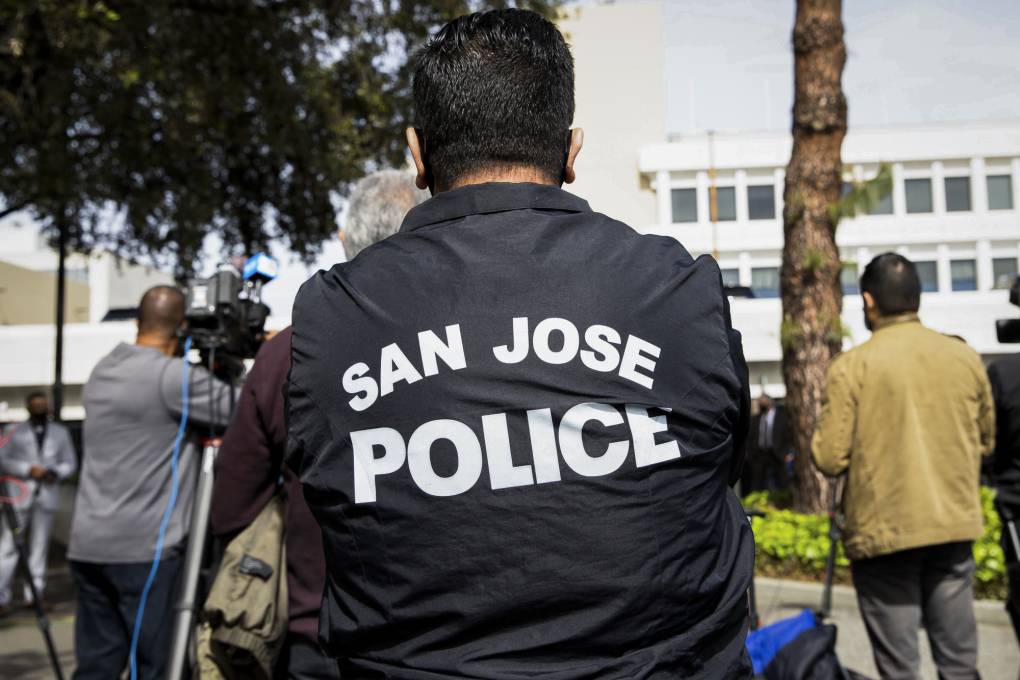
"caption": "A person wears a San José Police jacket during a press conference outside of the San José Police department in San José on March, 17, 2021. San José police have said officers will keep a visible presence at World Cup events so fans feel safe.",
"credit": "Randy Vazquez/MediaNews Group/The Mercury News via Getty Images",
"altTag": "A person wears a black San Jose Police jacket in an outdoor setting.",
"description": null,
"imgSizes": {
"medium": {
"file": "https://cdn.kqed.org/wp-content/uploads/sites/10/2023/11/231106-SAN-JOSE-POLICE-GETTY-RV-KQED-800x534.jpg",
"width": 800,
"height": 534,
"mimeType": "image/jpeg"
},
"large": {
"file": "https://cdn.kqed.org/wp-content/uploads/sites/10/2023/11/231106-SAN-JOSE-POLICE-GETTY-RV-KQED-1020x680.jpg",
"width": 1020,
"height": 680,
"mimeType": "image/jpeg"
},
"thumbnail": {
"file": "https://cdn.kqed.org/wp-content/uploads/sites/10/2023/11/231106-SAN-JOSE-POLICE-GETTY-RV-KQED-160x107.jpg",
"width": 160,
"height": 107,
"mimeType": "image/jpeg"
},
"1536x1536": {
"file": "https://cdn.kqed.org/wp-content/uploads/sites/10/2023/11/231106-SAN-JOSE-POLICE-GETTY-RV-KQED-1536x1025.jpg",
"width": 1536,
"height": 1025,
"mimeType": "image/jpeg"
},
"post-thumbnail": {
"file": "https://cdn.kqed.org/wp-content/uploads/sites/10/2023/11/231106-SAN-JOSE-POLICE-GETTY-RV-KQED-672x372.jpg",
"width": 672,
"height": 372,
"mimeType": "image/jpeg"
},
"twentyfourteen-full-width": {
"file": "https://cdn.kqed.org/wp-content/uploads/sites/10/2023/11/231106-SAN-JOSE-POLICE-GETTY-RV-KQED-1038x576.jpg",
"width": 1038,
"height": 576,
"mimeType": "image/jpeg"
},
"full-width": {
"file": "https://cdn.kqed.org/wp-content/uploads/sites/10/2023/11/231106-SAN-JOSE-POLICE-GETTY-RV-KQED-1920x1281.jpg",
"width": 1920,
"height": 1281,
"mimeType": "image/jpeg"
},
"kqedFullSize": {
"file": "https://cdn.kqed.org/wp-content/uploads/sites/10/2023/11/231106-SAN-JOSE-POLICE-GETTY-RV-KQED.jpg",
"width": 2000,
"height": 1334
}
},
"isLoading": false,
"fetchFailed": false
},
"news_12088799": {
"type": "attachments",
"id": "news_12088799",
"meta": {
"index": "attachments_1716263798",
"site": "news",
"id": "12088799",
"found": true
},
"title": "4th of July Fireworks in San Francisco",
"publishDate": 1782340644,
"status": "inherit",
"parent": 12088793,
"modified": 1782340674,
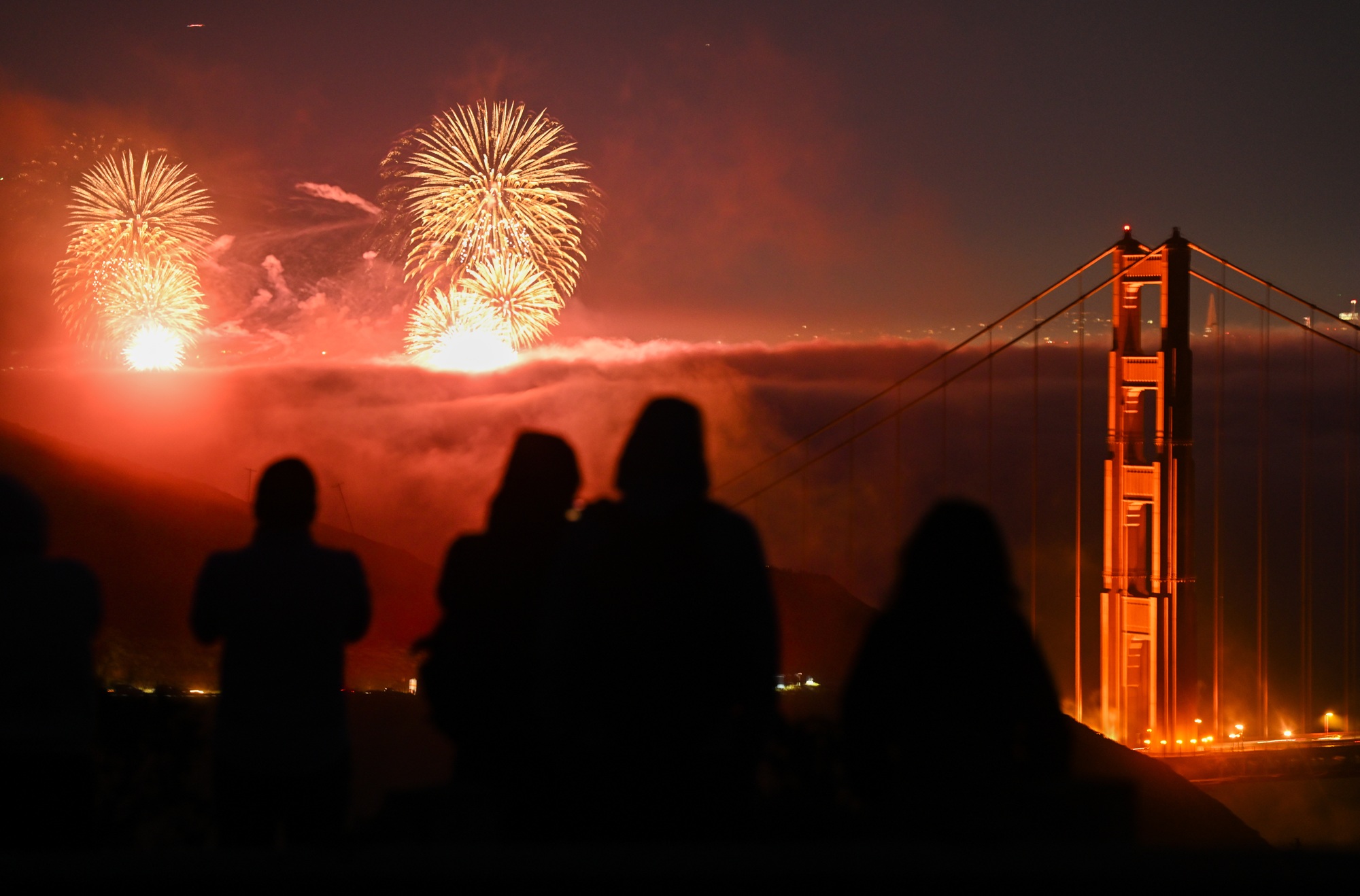
"caption": "Fireworks illuminate the sky over San Francisco's Golden Gate Bridge as seen from Marin Headlands in Sausalito, California, on July 4, 2024. ",
"credit": "Tayfun Coskun/Anadolu via Getty Images",
"altTag": null,
"description": null,
"imgSizes": {
"thumbnail": {
"file": "https://cdn.kqed.org/wp-content/uploads/sites/10/2026/06/SFFireworksGGBGetty-160x105.jpg",
"width": 160,
"height": 105,
"mimeType": "image/jpeg"
},
"1536x1536": {
"file": "https://cdn.kqed.org/wp-content/uploads/sites/10/2026/06/SFFireworksGGBGetty-1536x1012.jpg",
"width": 1536,
"height": 1012,
"mimeType": "image/jpeg"
},
"post-thumbnail": {
"file": "https://cdn.kqed.org/wp-content/uploads/sites/10/2026/06/SFFireworksGGBGetty-672x372.jpg",
"width": 672,
"height": 372,
"mimeType": "image/jpeg"
},
"twentyfourteen-full-width": {
"file": "https://cdn.kqed.org/wp-content/uploads/sites/10/2026/06/SFFireworksGGBGetty-1038x576.jpg",
"width": 1038,
"height": 576,
"mimeType": "image/jpeg"
},
"npr-cds-wide": {
"file": "https://cdn.kqed.org/wp-content/uploads/sites/10/2026/06/SFFireworksGGBGetty-1200x675.jpg",
"width": 1200,
"height": 675,
"mimeType": "image/jpeg"
},
"npr-cds-square": {
"file": "https://cdn.kqed.org/wp-content/uploads/sites/10/2026/06/SFFireworksGGBGetty-600x600.jpg",
"width": 600,
"height": 600,
"mimeType": "image/jpeg"
},
"kqedFullSize": {
"file": "https://cdn.kqed.org/wp-content/uploads/sites/10/2026/06/SFFireworksGGBGetty.jpg",
"width": 2000,
"height": 1318
}
},
"isLoading": false,
"fetchFailed": false
},
"news_12087351": {
"type": "attachments",
"id": "news_12087351",
"meta": {
"index": "attachments_1716263798",
"site": "news",
"id": "12087351",
"found": true
},
"title": "260611-OAKLANDAIRPORTWORKERS-14-BL-KQED",
"publishDate": 1781284281,
"status": "inherit",
"parent": 0,
"modified": 1781284316,
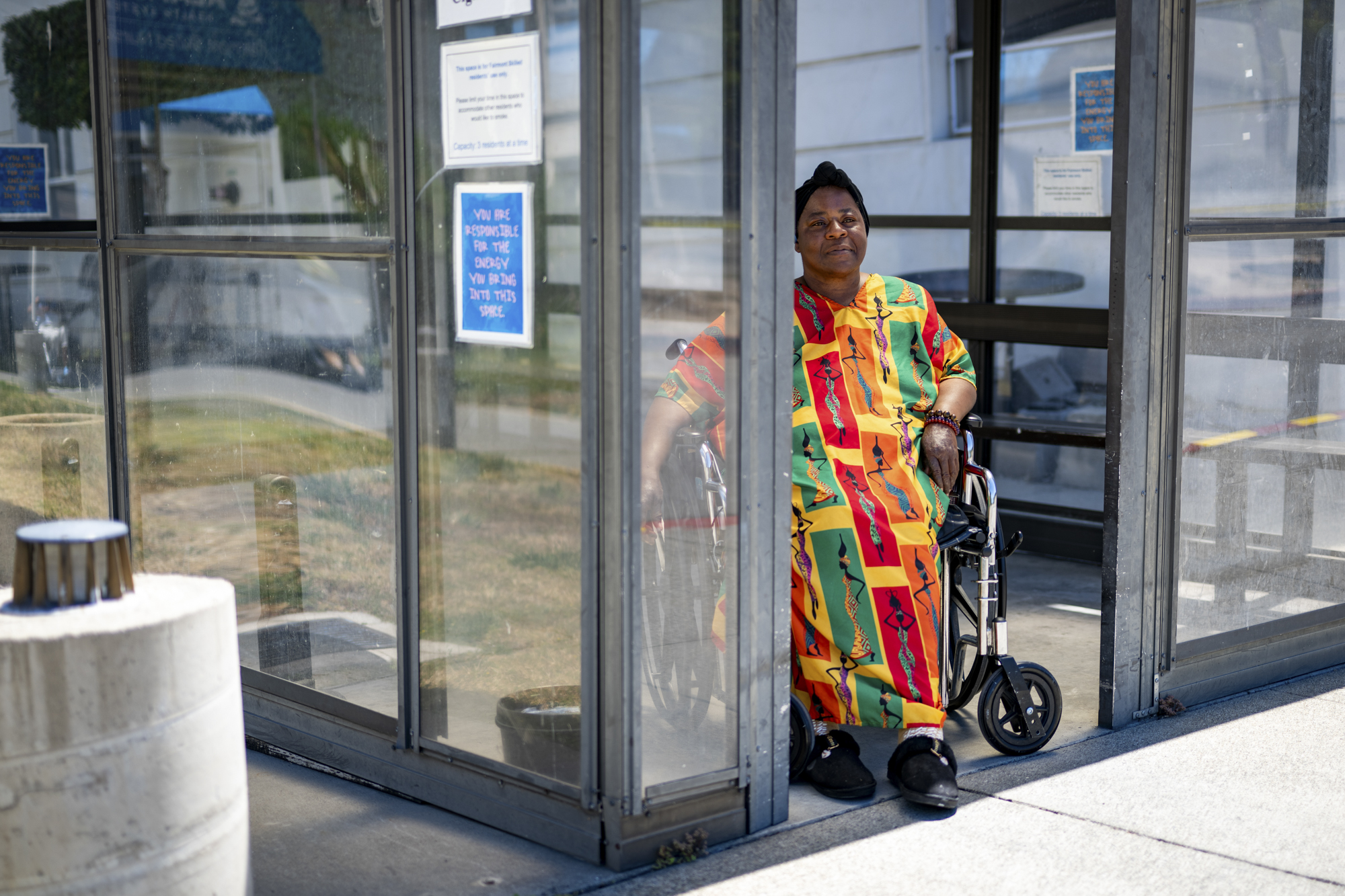
"caption": "Keiana Vernon sits outside Fairmont Skilled Nursing and Rehabilitation Center in San Leandro on June 11, 2026. Vernon suffered a workplace injury while working for an airport services contractor and is now living at the long-term care facility after developing chronic injuries and mobility limitations.",
"credit": "Beth LaBerge/KQED",
"altTag": null,
"description": null,
"imgSizes": {
"thumbnail": {
"file": "https://cdn.kqed.org/wp-content/uploads/sites/10/2026/06/260611-OAKLANDAIRPORTWORKERS-14-BL-KQED-160x107.jpg",
"width": 160,
"height": 107,
"mimeType": "image/jpeg"
},
"1536x1536": {
"file": "https://cdn.kqed.org/wp-content/uploads/sites/10/2026/06/260611-OAKLANDAIRPORTWORKERS-14-BL-KQED-1536x1024.jpg",
"width": 1536,
"height": 1024,
"mimeType": "image/jpeg"
},
"post-thumbnail": {
"file": "https://cdn.kqed.org/wp-content/uploads/sites/10/2026/06/260611-OAKLANDAIRPORTWORKERS-14-BL-KQED-672x372.jpg",
"width": 672,
"height": 372,
"mimeType": "image/jpeg"
},
"twentyfourteen-full-width": {
"file": "https://cdn.kqed.org/wp-content/uploads/sites/10/2026/06/260611-OAKLANDAIRPORTWORKERS-14-BL-KQED-1038x576.jpg",
"width": 1038,
"height": 576,
"mimeType": "image/jpeg"
},
"npr-cds-wide": {
"file": "https://cdn.kqed.org/wp-content/uploads/sites/10/2026/06/260611-OAKLANDAIRPORTWORKERS-14-BL-KQED-1200x675.jpg",
"width": 1200,
"height": 675,
"mimeType": "image/jpeg"
},
"npr-cds-square": {
"file": "https://cdn.kqed.org/wp-content/uploads/sites/10/2026/06/260611-OAKLANDAIRPORTWORKERS-14-BL-KQED-600x600.jpg",
"width": 600,
"height": 600,
"mimeType": "image/jpeg"
},
"kqedFullSize": {
"file": "https://cdn.kqed.org/wp-content/uploads/sites/10/2026/06/260611-OAKLANDAIRPORTWORKERS-14-BL-KQED.jpg",
"width": 2000,
"height": 1333
}
},
"isLoading": false,
"fetchFailed": false
},
"news_12087228": {
"type": "attachments",
"id": "news_12087228",
"meta": {
"index": "attachments_1716263798",
"site": "news",
"id": "12087228",
"found": true
},
"title": "061126World Cup_ Stanford 1994_GH_003-KQED",
"publishDate": 1781212979,
"status": "inherit",
"parent": 0,
"modified": 1782427479,
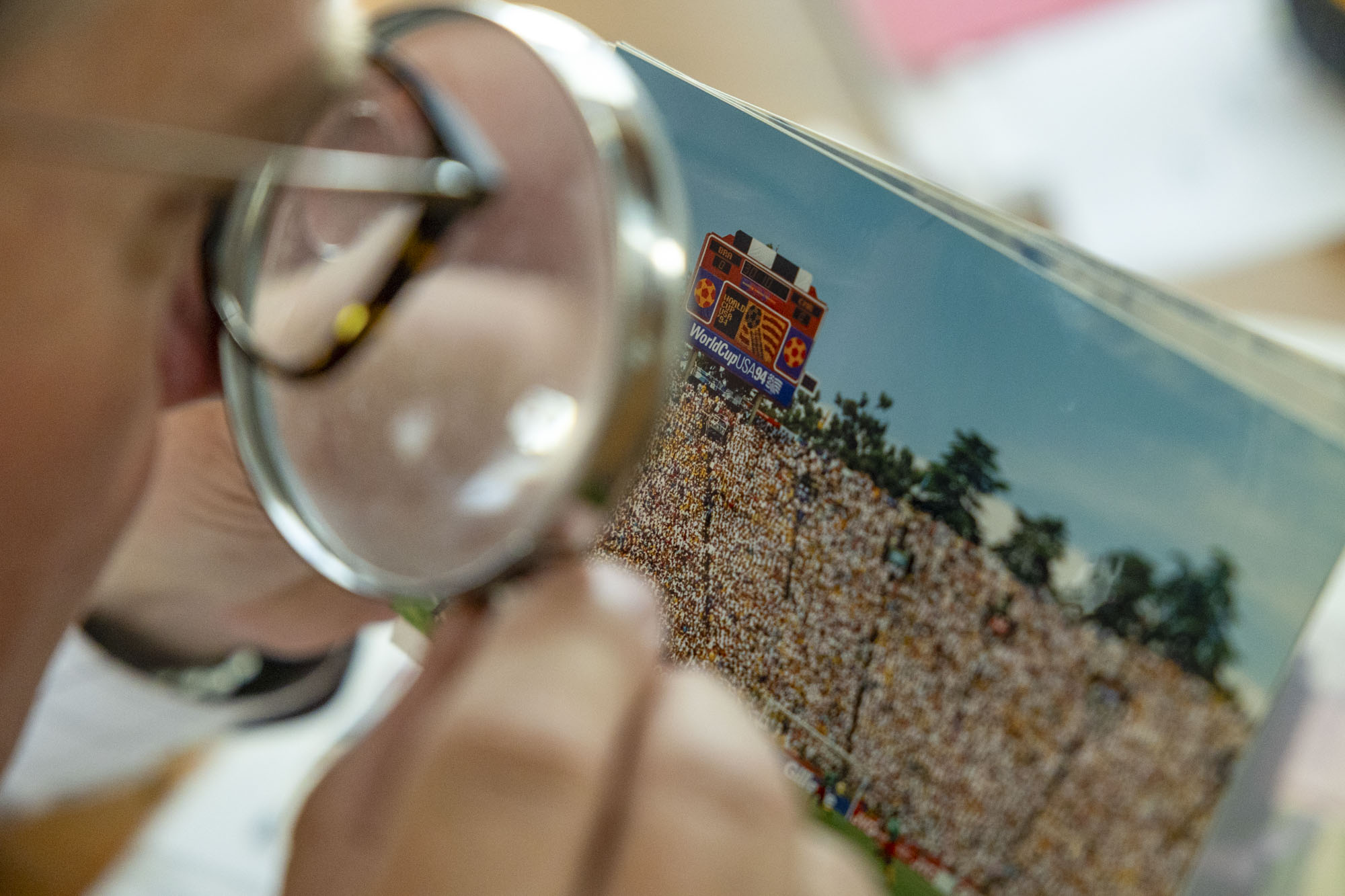
"caption": "Ray Purpur uses a magnifying glass to examine a photograph from the 1994 FIFA World Cup at Stanford University on June 11, 2026. Purpur has preserved memorabilia and photographs from the tournament for more than three decades.",
"credit": "Gustavo Hernandez/KQED",
"altTag": null,
"description": null,
"imgSizes": {
"thumbnail": {
"file": "https://cdn.kqed.org/wp-content/uploads/sites/10/2026/06/061126World-Cup_-Stanford-1994_GH_003-KQED-160x107.jpg",
"width": 160,
"height": 107,
"mimeType": "image/jpeg"
},
"1536x1536": {
"file": "https://cdn.kqed.org/wp-content/uploads/sites/10/2026/06/061126World-Cup_-Stanford-1994_GH_003-KQED-1536x1024.jpg",
"width": 1536,
"height": 1024,
"mimeType": "image/jpeg"
},
"post-thumbnail": {
"file": "https://cdn.kqed.org/wp-content/uploads/sites/10/2026/06/061126World-Cup_-Stanford-1994_GH_003-KQED-672x372.jpg",
"width": 672,
"height": 372,
"mimeType": "image/jpeg"
},
"twentyfourteen-full-width": {
"file": "https://cdn.kqed.org/wp-content/uploads/sites/10/2026/06/061126World-Cup_-Stanford-1994_GH_003-KQED-1038x576.jpg",
"width": 1038,
"height": 576,
"mimeType": "image/jpeg"
},
"npr-cds-wide": {
"file": "https://cdn.kqed.org/wp-content/uploads/sites/10/2026/06/061126World-Cup_-Stanford-1994_GH_003-KQED-1200x675.jpg",
"width": 1200,
"height": 675,
"mimeType": "image/jpeg"
},
"npr-cds-square": {
"file": "https://cdn.kqed.org/wp-content/uploads/sites/10/2026/06/061126World-Cup_-Stanford-1994_GH_003-KQED-600x600.jpg",
"width": 600,
"height": 600,
"mimeType": "image/jpeg"
},
"kqedFullSize": {
"file": "https://cdn.kqed.org/wp-content/uploads/sites/10/2026/06/061126World-Cup_-Stanford-1994_GH_003-KQED.jpg",
"width": 2000,
"height": 1333
}
},
"isLoading": false,
"fetchFailed": false
},
"news_12089378": {
"type": "attachments",
"id": "news_12089378",
"meta": {
"index": "attachments_1716263798",
"site": "news",
"id": "12089378",
"found": true
},
"title": "Marshall Gold Discovery State Park",
"publishDate": 1782845992,
"status": "inherit",
"parent": 12089221,
"modified": 1782847887,
"caption": "Coloma, California's Marshall Gold Discovery State Park, where gold was first discovered in 1885.",
"credit": "Education Images/Universal Images Group via Getty Images",
"altTag": null,
"description": null,
"imgSizes": {
"thumbnail": {
"file": "https://cdn.kqed.org/wp-content/uploads/sites/10/2026/06/GettyImages-614276824-160x104.jpg",
"width": 160,
"height": 104,
"mimeType": "image/jpeg"
},
"1536x1536": {
"file": "https://cdn.kqed.org/wp-content/uploads/sites/10/2026/06/GettyImages-614276824-1536x994.jpg",
"width": 1536,
"height": 994,
"mimeType": "image/jpeg"
},
"post-thumbnail": {
"file": "https://cdn.kqed.org/wp-content/uploads/sites/10/2026/06/GettyImages-614276824-672x372.jpg",
"width": 672,
"height": 372,
"mimeType": "image/jpeg"
},
"twentyfourteen-full-width": {
"file": "https://cdn.kqed.org/wp-content/uploads/sites/10/2026/06/GettyImages-614276824-1038x576.jpg",
"width": 1038,
"height": 576,
"mimeType": "image/jpeg"
},
"npr-cds-wide": {
"file": "https://cdn.kqed.org/wp-content/uploads/sites/10/2026/06/GettyImages-614276824-1200x675.jpg",
"width": 1200,
"height": 675,
"mimeType": "image/jpeg"
},
"npr-cds-square": {
"file": "https://cdn.kqed.org/wp-content/uploads/sites/10/2026/06/GettyImages-614276824-600x600.jpg",
"width": 600,
"height": 600,
"mimeType": "image/jpeg"
},
"kqedFullSize": {
"file": "https://cdn.kqed.org/wp-content/uploads/sites/10/2026/06/GettyImages-614276824.jpg",
"width": 1980,
"height": 1281
}
},
"isLoading": false,
"fetchFailed": false
},
"news_12089188": {
"type": "attachments",
"id": "news_12089188",
"meta": {
"index": "attachments_1716263798",
"site": "news",
"id": "12089188",
"found": true
},
"title": "US-POLITICS-JUSTICE-SUPREME COURT",
"publishDate": 1782747847,
"status": "inherit",
"parent": 12086891,
"modified": 1782747926,
"caption": "Demonstrators holds up an anti-Trump sign outside the US Supreme Court in Washington, DC, on June 27, 2025. The Supreme Court is to issue its final rulings on Friday ahead of its summer break, including cases involving birthright citenzenship, porn site age verification, students and LGBTQ-themed content, and voting rights. President Donald Trump said Friday he can now push through a raft of controversial policies after the Supreme Court handed him a \"giant win\" by curbing the ability of lone judges to block his powers nationwide. In a 6-3 ruling stemming from Trump's bid to end birthright citizenship, the court said nationwide injunctions issued by individual district court judges likely exceed their authority. ",
"credit": "Alex Wroblewski/AFP via Getty Images",
"altTag": null,
"description": null,
"imgSizes": {
"thumbnail": {
"file": "https://cdn.kqed.org/wp-content/uploads/sites/10/2026/06/GettyImages-2221594152-160x107.jpg",
"width": 160,
"height": 107,
"mimeType": "image/jpeg"
},
"1536x1536": {
"file": "https://cdn.kqed.org/wp-content/uploads/sites/10/2026/06/GettyImages-2221594152-1536x1024.jpg",
"width": 1536,
"height": 1024,
"mimeType": "image/jpeg"
},
"post-thumbnail": {
"file": "https://cdn.kqed.org/wp-content/uploads/sites/10/2026/06/GettyImages-2221594152-672x372.jpg",
"width": 672,
"height": 372,
"mimeType": "image/jpeg"
},
"twentyfourteen-full-width": {
"file": "https://cdn.kqed.org/wp-content/uploads/sites/10/2026/06/GettyImages-2221594152-1038x576.jpg",
"width": 1038,
"height": 576,
"mimeType": "image/jpeg"
},
"npr-cds-wide": {
"file": "https://cdn.kqed.org/wp-content/uploads/sites/10/2026/06/GettyImages-2221594152-1200x675.jpg",
"width": 1200,
"height": 675,
"mimeType": "image/jpeg"
},
"npr-cds-square": {
"file": "https://cdn.kqed.org/wp-content/uploads/sites/10/2026/06/GettyImages-2221594152-600x600.jpg",
"width": 600,
"height": 600,
"mimeType": "image/jpeg"
},
"kqedFullSize": {
"file": "https://cdn.kqed.org/wp-content/uploads/sites/10/2026/06/GettyImages-2221594152.jpg",
"width": 1980,
"height": 1320
}
},
"isLoading": false,
"fetchFailed": false
},
"news_12041396": {
"type": "attachments",
"id": "news_12041396",
"meta": {
"index": "attachments_1716263798",
"site": "news",
"id": "12041396",
"found": true
},
"title": "250128-SFImmigration-25-BL_qed",
"publishDate": 1747954329,
"status": "inherit",
"parent": 12041112,
"modified": 1764713928,
"caption": "San Francisco Supervisor Jackie Fielder speaks during a press conference with elected and public safety officials and labor leaders in front of City Hall in San Francisco on Jan. 28, 2025.",
"credit": "Beth LaBerge/KQED",
"altTag": null,
"description": null,
"imgSizes": {
"medium": {
"file": "https://cdn.kqed.org/wp-content/uploads/sites/10/2025/05/250128-SFImmigration-25-BL_qed-800x533.jpg",
"width": 800,
"height": 533,
"mimeType": "image/jpeg"
},
"large": {
"file": "https://cdn.kqed.org/wp-content/uploads/sites/10/2025/05/250128-SFImmigration-25-BL_qed-1020x680.jpg",
"width": 1020,
"height": 680,
"mimeType": "image/jpeg"
},
"thumbnail": {
"file": "https://cdn.kqed.org/wp-content/uploads/sites/10/2025/05/250128-SFImmigration-25-BL_qed-160x107.jpg",
"width": 160,
"height": 107,
"mimeType": "image/jpeg"
},
"1536x1536": {
"file": "https://cdn.kqed.org/wp-content/uploads/sites/10/2025/05/250128-SFImmigration-25-BL_qed-1536x1024.jpg",
"width": 1536,
"height": 1024,
"mimeType": "image/jpeg"
},
"post-thumbnail": {
"file": "https://cdn.kqed.org/wp-content/uploads/sites/10/2025/05/250128-SFImmigration-25-BL_qed-672x372.jpg",
"width": 672,
"height": 372,
"mimeType": "image/jpeg"
},
"twentyfourteen-full-width": {
"file": "https://cdn.kqed.org/wp-content/uploads/sites/10/2025/05/250128-SFImmigration-25-BL_qed-1038x576.jpg",
"width": 1038,
"height": 576,
"mimeType": "image/jpeg"
},
"full-width": {
"file": "https://cdn.kqed.org/wp-content/uploads/sites/10/2025/05/250128-SFImmigration-25-BL_qed-1920x1280.jpg",
"width": 1920,
"height": 1280,
"mimeType": "image/jpeg"
},
"kqedFullSize": {
"file": "https://cdn.kqed.org/wp-content/uploads/sites/10/2025/05/250128-SFImmigration-25-BL_qed.jpg",
"width": 2000,
"height": 1333
}
},
"isLoading": false,
"fetchFailed": false
},
"news_12088664": {
"type": "attachments",
"id": "news_12088664",
"meta": {
"index": "attachments_1716263798",
"site": "news",
"id": "12088664",
"found": true
},
"title": "DOG.EXHUMING.MIRADNDAS.RESCUE.DSC_8001-KQED",
"publishDate": 1782318289,
"status": "inherit",
"parent": 12088995,
"modified": 1782509997,
"caption": "A Humboldt County Sheriff’s Deputy inspects dogs in a kennel at Miranda’s Rescue in Fortuna on June 23, 2026.",
"credit": "Mark McKenna for KQED",
"altTag": null,
"description": null,
"imgSizes": {
"thumbnail": {
"file": "https://cdn.kqed.org/wp-content/uploads/sites/10/2026/06/DOG.EXHUMING.MIRADNDAS.RESCUE.DSC_8001-KQED-160x107.jpg",
"width": 160,
"height": 107,
"mimeType": "image/jpeg"
},
"1536x1536": {
"file": "https://cdn.kqed.org/wp-content/uploads/sites/10/2026/06/DOG.EXHUMING.MIRADNDAS.RESCUE.DSC_8001-KQED-1536x1024.jpg",
"width": 1536,
"height": 1024,
"mimeType": "image/jpeg"
},
"post-thumbnail": {
"file": "https://cdn.kqed.org/wp-content/uploads/sites/10/2026/06/DOG.EXHUMING.MIRADNDAS.RESCUE.DSC_8001-KQED-672x372.jpg",
"width": 672,
"height": 372,
"mimeType": "image/jpeg"
},
"twentyfourteen-full-width": {
"file": "https://cdn.kqed.org/wp-content/uploads/sites/10/2026/06/DOG.EXHUMING.MIRADNDAS.RESCUE.DSC_8001-KQED-1038x576.jpg",
"width": 1038,
"height": 576,
"mimeType": "image/jpeg"
},
"npr-cds-wide": {
"file": "https://cdn.kqed.org/wp-content/uploads/sites/10/2026/06/DOG.EXHUMING.MIRADNDAS.RESCUE.DSC_8001-KQED-1200x675.jpg",
"width": 1200,
"height": 675,
"mimeType": "image/jpeg"
},
"npr-cds-square": {
"file": "https://cdn.kqed.org/wp-content/uploads/sites/10/2026/06/DOG.EXHUMING.MIRADNDAS.RESCUE.DSC_8001-KQED-600x600.jpg",
"width": 600,
"height": 600,
"mimeType": "image/jpeg"
},
"kqedFullSize": {
"file": "https://cdn.kqed.org/wp-content/uploads/sites/10/2026/06/DOG.EXHUMING.MIRADNDAS.RESCUE.DSC_8001-KQED.jpg",
"width": 2000,
"height": 1333
}
},
"isLoading": false,
"fetchFailed": false
},
"news_12020223": {
"type": "attachments",
"id": "news_12020223",
"meta": {
"index": "attachments_1716263798",
"site": "news",
"id": "12020223",
"found": true
},
"title": "The Archdiocese of San Francisco at 1 Peter Yorke Way on Jan. 2, 2025.",
"publishDate": 1735924539,
"status": "inherit",
"parent": 0,
"modified": 1735924603,
"caption": "The entrance to the Archdiocese of San Francisco at 1 Peter Yorke Way on Jan. 2, 2025.",
"credit": "Gina Castro/KQED",
"altTag": null,
"description": null,
"imgSizes": {
"medium": {
"file": "https://cdn.kqed.org/wp-content/uploads/sites/10/2025/01/20250102_ArchdioceseSF_GC-6-800x533.jpg",
"width": 800,
"height": 533,
"mimeType": "image/jpeg"
},
"large": {
"file": "https://cdn.kqed.org/wp-content/uploads/sites/10/2025/01/20250102_ArchdioceseSF_GC-6-1020x680.jpg",
"width": 1020,
"height": 680,
"mimeType": "image/jpeg"
},
"thumbnail": {
"file": "https://cdn.kqed.org/wp-content/uploads/sites/10/2025/01/20250102_ArchdioceseSF_GC-6-160x107.jpg",
"width": 160,
"height": 107,
"mimeType": "image/jpeg"
},
"1536x1536": {
"file": "https://cdn.kqed.org/wp-content/uploads/sites/10/2025/01/20250102_ArchdioceseSF_GC-6-1536x1024.jpg",
"width": 1536,
"height": 1024,
"mimeType": "image/jpeg"
},
"post-thumbnail": {
"file": "https://cdn.kqed.org/wp-content/uploads/sites/10/2025/01/20250102_ArchdioceseSF_GC-6-672x372.jpg",
"width": 672,
"height": 372,
"mimeType": "image/jpeg"
},
"twentyfourteen-full-width": {
"file": "https://cdn.kqed.org/wp-content/uploads/sites/10/2025/01/20250102_ArchdioceseSF_GC-6-1038x576.jpg",
"width": 1038,
"height": 576,
"mimeType": "image/jpeg"
},
"full-width": {
"file": "https://cdn.kqed.org/wp-content/uploads/sites/10/2025/01/20250102_ArchdioceseSF_GC-6-1920x1280.jpg",
"width": 1920,
"height": 1280,
"mimeType": "image/jpeg"
},
"kqedFullSize": {
"file": "https://cdn.kqed.org/wp-content/uploads/sites/10/2025/01/20250102_ArchdioceseSF_GC-6.jpg",
"width": 2000,
"height": 1333
}
},
"isLoading": false,
"fetchFailed": false
},
"news_11839014": {
"type": "attachments",
"id": "news_11839014",
"meta": {
"index": "attachments_1716263798",
"site": "news",
"id": "11839014",
"found": true
},
"parent": 11838638,
"imgSizes": {
"apple_news_ca_landscape_5_5": {
"file": "https://ww2.kqed.org/app/uploads/sites/10/2020/09/IMG_8700-1044x783.jpg",
"width": 1044,
"mimeType": "image/jpeg",
"height": 783
},
"apple_news_ca_square_4_0": {
"file": "https://ww2.kqed.org/app/uploads/sites/10/2020/09/IMG_8700-470x470.jpg",
"width": 470,
"mimeType": "image/jpeg",
"height": 470
},
"twentyfourteen-full-width": {
"file": "https://ww2.kqed.org/app/uploads/sites/10/2020/09/IMG_8700-1038x576.jpg",
"width": 1038,
"mimeType": "image/jpeg",
"height": 576
},
"thumbnail": {
"file": "https://ww2.kqed.org/app/uploads/sites/10/2020/09/IMG_8700-160x120.jpg",
"width": 160,
"mimeType": "image/jpeg",
"height": 120
},
"post-thumbnail": {
"file": "https://ww2.kqed.org/app/uploads/sites/10/2020/09/IMG_8700-672x372.jpg",
"width": 672,
"mimeType": "image/jpeg",
"height": 372
},
"kqedFullSize": {
"file": "https://ww2.kqed.org/app/uploads/sites/10/2020/09/IMG_8700-scaled.jpg",
"width": 2560,
"height": 1920
},
"2048x2048": {
"file": "https://ww2.kqed.org/app/uploads/sites/10/2020/09/IMG_8700-2048x1536.jpg",
"width": 2048,
"mimeType": "image/jpeg",
"height": 1536
},
"apple_news_ca_landscape_4_7": {
"file": "https://ww2.kqed.org/app/uploads/sites/10/2020/09/IMG_8700-632x474.jpg",
"width": 632,
"mimeType": "image/jpeg",
"height": 474
},
"large": {
"file": "https://ww2.kqed.org/app/uploads/sites/10/2020/09/IMG_8700-1020x765.jpg",
"width": 1020,
"mimeType": "image/jpeg",
"height": 765
},
"apple_news_ca_landscape_4_0": {
"file": "https://ww2.kqed.org/app/uploads/sites/10/2020/09/IMG_8700-536x402.jpg",
"width": 536,
"mimeType": "image/jpeg",
"height": 402
},
"apple_news_ca_portrait_12_9": {
"file": "https://ww2.kqed.org/app/uploads/sites/10/2020/09/IMG_8700-1122x1496.jpg",
"width": 1122,
"mimeType": "image/jpeg",
"height": 1496
},
"medium": {
"file": "https://ww2.kqed.org/app/uploads/sites/10/2020/09/IMG_8700-800x600.jpg",
"width": 800,
"mimeType": "image/jpeg",
"height": 600
},
"apple_news_ca_portrait_4_0": {
"file": "https://ww2.kqed.org/app/uploads/sites/10/2020/09/IMG_8700-354x472.jpg",
"width": 354,
"mimeType": "image/jpeg",
"height": 472
},
"apple_news_ca_portrait_9_7": {
"file": "https://ww2.kqed.org/app/uploads/sites/10/2020/09/IMG_8700-840x1120.jpg",
"width": 840,
"mimeType": "image/jpeg",
"height": 1120
},
"apple_news_ca_landscape_12_9": {
"file": "https://ww2.kqed.org/app/uploads/sites/10/2020/09/IMG_8700-1832x1374.jpg",
"width": 1832,
"mimeType": "image/jpeg",
"height": 1374
},
"apple_news_ca_square_9_7": {
"file": "https://ww2.kqed.org/app/uploads/sites/10/2020/09/IMG_8700-1104x1104.jpg",
"width": 1104,
"mimeType": "image/jpeg",
"height": 1104
},
"1536x1536": {
"file": "https://ww2.kqed.org/app/uploads/sites/10/2020/09/IMG_8700-1536x1152.jpg",
"width": 1536,
"mimeType": "image/jpeg",
"height": 1152
},
"apple_news_ca_portrait_4_7": {
"file": "https://ww2.kqed.org/app/uploads/sites/10/2020/09/IMG_8700-414x552.jpg",
"width": 414,
"mimeType": "image/jpeg",
"height": 552
},
"apple_news_ca_square_12_9": {
"file": "https://ww2.kqed.org/app/uploads/sites/10/2020/09/IMG_8700-1472x1472.jpg",
"width": 1472,
"mimeType": "image/jpeg",
"height": 1472
},
"apple_news_ca_portrait_5_5": {
"file": "https://ww2.kqed.org/app/uploads/sites/10/2020/09/IMG_8700-687x916.jpg",
"width": 687,
"mimeType": "image/jpeg",
"height": 916
},
"full-width": {
"file": "https://ww2.kqed.org/app/uploads/sites/10/2020/09/IMG_8700-1920x1440.jpg",
"width": 1920,
"mimeType": "image/jpeg",
"height": 1440
},
"apple_news_ca_square_4_7": {
"file": "https://ww2.kqed.org/app/uploads/sites/10/2020/09/IMG_8700-550x550.jpg",
"width": 550,
"mimeType": "image/jpeg",
"height": 550
},
"apple_news_ca_landscape_9_7": {
"file": "https://ww2.kqed.org/app/uploads/sites/10/2020/09/IMG_8700-1376x1032.jpg",
"width": 1376,
"mimeType": "image/jpeg",
"height": 1032
},
"apple_news_ca_square_5_5": {
"file": "https://ww2.kqed.org/app/uploads/sites/10/2020/09/IMG_8700-912x912.jpg",
"width": 912,
"mimeType": "image/jpeg",
"height": 912
}
},
"publishDate": 1600722896,
"modified": 1600723077,
"caption": "San Pedro Square in Downtown San Jose was a center of activity before the COVID-19 pandemic hit. Now, there's a little bit of foot traffic on the weekends and small businesses and restaurants are trying to attract as many customers as they can.",
"description": "San Pedro Square in Downtown San Jose was a center of activity before the COVID-19 pandemic hit. Now, there's a little bit of foot traffic on the weekends and small businesses and restaurants are trying to attract as many customers as they can.",
"title": "San Pedro Square in Downtown San Jose was a center of activity before the COVID-19 pandemic hit. Now, there's a little bit of foot traffic on the weekends and small businesses and restaurants are trying to attract as many customers as they can.",
"credit": "Adhiti Bandlamudi/ KQED",
"status": "inherit",
"isLoading": false,
"fetchFailed": false
},
"news_12089168": {
"type": "attachments",
"id": "news_12089168",
"meta": {
"index": "attachments_1716263798",
"site": "news",
"id": "12089168",
"found": true
},
"title": "20260628-SFPride-JY-03_qed",
"publishDate": 1782689022,
"status": "inherit",
"parent": 12089163,
"modified": 1782753648,
"caption": "Dykes on Bikes participants make their way down Market Street in the 56th annual Pride parade in San Francisco on Sunday, June 28, 2026.",
"credit": "Juliana Yamada/KQED",
"altTag": null,
"description": null,
"imgSizes": {
"thumbnail": {
"file": "https://cdn.kqed.org/wp-content/uploads/sites/10/2026/06/20260628-SFPride-JY-03_qed-160x107.jpg",
"width": 160,
"height": 107,
"mimeType": "image/jpeg"
},
"1536x1536": {
"file": "https://cdn.kqed.org/wp-content/uploads/sites/10/2026/06/20260628-SFPride-JY-03_qed-1536x1024.jpg",
"width": 1536,
"height": 1024,
"mimeType": "image/jpeg"
},
"post-thumbnail": {
"file": "https://cdn.kqed.org/wp-content/uploads/sites/10/2026/06/20260628-SFPride-JY-03_qed-672x372.jpg",
"width": 672,
"height": 372,
"mimeType": "image/jpeg"
},
"twentyfourteen-full-width": {
"file": "https://cdn.kqed.org/wp-content/uploads/sites/10/2026/06/20260628-SFPride-JY-03_qed-1038x576.jpg",
"width": 1038,
"height": 576,
"mimeType": "image/jpeg"
},
"npr-cds-wide": {
"file": "https://cdn.kqed.org/wp-content/uploads/sites/10/2026/06/20260628-SFPride-JY-03_qed-1200x675.jpg",
"width": 1200,
"height": 675,
"mimeType": "image/jpeg"
},
"npr-cds-square": {
"file": "https://cdn.kqed.org/wp-content/uploads/sites/10/2026/06/20260628-SFPride-JY-03_qed-600x600.jpg",
"width": 600,
"height": 600,
"mimeType": "image/jpeg"
},
"kqedFullSize": {
"file": "https://cdn.kqed.org/wp-content/uploads/sites/10/2026/06/20260628-SFPride-JY-03_qed.jpg",
"width": 1999,
"height": 1333
}
},
"isLoading": false,
"fetchFailed": false
},
"news_12052353": {
"type": "attachments",
"id": "news_12052353",
"meta": {
"index": "attachments_1716263798",
"site": "news",
"id": "12052353",
"found": true
},
"title": "250804-CALIFORNIAFOREVERSUISUNCITY-44-KQED",
"publishDate": 1755277841,
"status": "inherit",
"parent": 12052340,
"modified": 1755291080,
"caption": "An aerial view of the Suisun Slough in Suisun City, Solano County, on Aug. 4, 2025.",
"credit": "Beth LaBerge/KQED",
"altTag": null,
"description": null,
"imgSizes": {
"thumbnail": {
"file": "https://cdn.kqed.org/wp-content/uploads/sites/10/2025/08/250804-CALIFORNIAFOREVERSUISUNCITY-44-KQED-160x107.jpg",
"width": 160,
"height": 107,
"mimeType": "image/jpeg"
},
"1536x1536": {
"file": "https://cdn.kqed.org/wp-content/uploads/sites/10/2025/08/250804-CALIFORNIAFOREVERSUISUNCITY-44-KQED-1536x1025.jpg",
"width": 1536,
"height": 1025,
"mimeType": "image/jpeg"
},
"post-thumbnail": {
"file": "https://cdn.kqed.org/wp-content/uploads/sites/10/2025/08/250804-CALIFORNIAFOREVERSUISUNCITY-44-KQED-672x372.jpg",
"width": 672,
"height": 372,
"mimeType": "image/jpeg"
},
"twentyfourteen-full-width": {
"file": "https://cdn.kqed.org/wp-content/uploads/sites/10/2025/08/250804-CALIFORNIAFOREVERSUISUNCITY-44-KQED-1038x576.jpg",
"width": 1038,
"height": 576,
"mimeType": "image/jpeg"
},
"kqedFullSize": {
"file": "https://cdn.kqed.org/wp-content/uploads/sites/10/2025/08/250804-CALIFORNIAFOREVERSUISUNCITY-44-KQED.jpg",
"width": 2000,
"height": 1334
}
},
"isLoading": false,
"fetchFailed": false
}
},
"audioPlayerReducer": {
"postId": "stream_live",
"isPaused": true,
"isPlaying": false,
"pfsActive": false,
"pledgeModalIsOpen": true,
"playerDrawerIsOpen": false,
"liveAudioPlayStartedAt": 0,
"liveAudioPlayContext": ""
},
"authorsReducer": {
"byline_news_12089111": {
"type": "authors",
"id": "byline_news_12089111",
"meta": {
"override": true
},
"slug": "byline_news_12089111",
"name": "Kate Wolffe and Yue Stella Yu, CalMatters",
"isLoading": false
},
"fjhabvala": {
"type": "authors",
"id": "8659",
"meta": {
"index": "authors_1716337520",
"id": "8659",
"found": true
},
"name": "Farida Jhabvala Romero",
"firstName": "Farida",
"lastName": "Jhabvala Romero",
"slug": "fjhabvala",
"email": "fjhabvala@kqed.org",
"display_author_email": true,
"staff_mastheads": [
"news"
],
"title": "KQED Contributor",
"bio": "Farida Jhabvala Romero is a Labor Correspondent for KQED. She previously covered immigration. Farida was \u003ca href=\"https://www.ccnma.org/2022-most-influential-latina-journalists\">named\u003c/a> one of the 10 Most Influential Latina Journalists in California in 2022 by the California Chicano News Media Association. Her work has won awards from the Society of Professional Journalists (Northern California), as well as a national and regional Edward M. Murrow Award for the collaborative reporting projects “Dangerous Air” and “Graying California.” Before joining KQED, Farida worked as a producer at Radio Bilingüe, a national public radio network. Farida earned her master’s degree in journalism from Stanford University.",
"avatar": "https://secure.gravatar.com/avatar/f9f022d4e2609741874222a1e9d41f48fea74011aa7c615eef91d9a50c944ebe?s=600&d=blank&r=g",
"twitter": "FaridaJhabvala",
"bluesky": null,
"facebook": null,
"instagram": null,
"linkedin": "https://www.linkedin.com/in/faridajhabvala/",
"sites": [
{
"site": "news",
"roles": [
"editor"
]
},
{
"site": "stateofhealth",
"roles": [
"author"
]
},
{
"site": "liveblog",
"roles": [
"author"
]
}
],
"headData": {
"title": "Farida Jhabvala Romero | KQED",
"description": "KQED Contributor",
"ogImgSrc": "https://secure.gravatar.com/avatar/f9f022d4e2609741874222a1e9d41f48fea74011aa7c615eef91d9a50c944ebe?s=600&d=blank&r=g",
"twImgSrc": "https://secure.gravatar.com/avatar/f9f022d4e2609741874222a1e9d41f48fea74011aa7c615eef91d9a50c944ebe?s=600&d=blank&r=g"
},
"isLoading": false,
"link": "/author/fjhabvala"
},
"slewis": {
"type": "authors",
"id": "8676",
"meta": {
"index": "authors_1716337520",
"id": "8676",
"found": true
},
"name": "Sukey Lewis",
"firstName": "Sukey",
"lastName": "Lewis",
"slug": "slewis",
"email": "slewis@kqed.org",
"display_author_email": true,
"staff_mastheads": [
"news"
],
"title": "KQED Contributor",
"bio": "Sukey Lewis is a criminal justice reporter and host of \u003cem>On Our Watch\u003c/em>, a new podcast from NPR and KQED about the shadow world of police discipline. In 2018, she co-founded the California Reporting Project, a coalition of newsrooms across the state focused on obtaining previously sealed internal affairs records from law enforcement. In addition to her reporting on police accountability, Sukey has investigated the bail bonds industry, California's wildfires and the high cost of prison phone calls. Sukey earned a master's degree in journalism from the University of California at Berkeley. Send news tips to slewis@kqed.org.",
"avatar": "https://secure.gravatar.com/avatar/03fd6b21024f99d8b0a1966654586de7?s=600&d=blank&r=g",
"twitter": "SukeyLewis",
"facebook": null,
"instagram": null,
"linkedin": null,
"sites": [
{
"site": "news",
"roles": [
"author",
"edit_others_posts"
]
}
],
"headData": {
"title": "Sukey Lewis | KQED",
"description": "KQED Contributor",
"ogImgSrc": "https://secure.gravatar.com/avatar/03fd6b21024f99d8b0a1966654586de7?s=600&d=blank&r=g",
"twImgSrc": "https://secure.gravatar.com/avatar/03fd6b21024f99d8b0a1966654586de7?s=600&d=blank&r=g"
},
"isLoading": false,
"link": "/author/slewis"
},
"sjohnson": {
"type": "authors",
"id": "11840",
"meta": {
"index": "authors_1716337520",
"id": "11840",
"found": true
},
"name": "Sydney Johnson",
"firstName": "Sydney",
"lastName": "Johnson",
"slug": "sjohnson",
"email": "sjohnson@kqed.org",
"display_author_email": false,
"staff_mastheads": [
"news"
],
"title": "KQED Reporter",
"bio": "Sydney Johnson is a general assignment reporter at KQED. She previously reported on public health and city government at the San Francisco Examiner, and before that, she covered statewide education policy for EdSource. Her reporting has won multiple local, state and national awards. Sydney is a graduate of the University of California, Berkeley and lives in San Francisco.",
"avatar": "https://secure.gravatar.com/avatar/97855f2719b72ad6190b7c535fe642c8?s=600&d=blank&r=g",
"twitter": "sydneyfjohnson",
"facebook": null,
"instagram": null,
"linkedin": null,
"sites": [
{
"site": "news",
"roles": [
"editor"
]
}
],
"headData": {
"title": "Sydney Johnson | KQED",
"description": "KQED Reporter",
"ogImgSrc": "https://secure.gravatar.com/avatar/97855f2719b72ad6190b7c535fe642c8?s=600&d=blank&r=g",
"twImgSrc": "https://secure.gravatar.com/avatar/97855f2719b72ad6190b7c535fe642c8?s=600&d=blank&r=g"
},
"isLoading": false,
"link": "/author/sjohnson"
},
"nkhan": {
"type": "authors",
"id": "11867",
"meta": {
"index": "authors_1716337520",
"id": "11867",
"found": true
},
"name": "Nisa Khan",
"firstName": "Nisa",
"lastName": "Khan",
"slug": "nkhan",
"email": "nkhan@kqed.org",
"display_author_email": false,
"staff_mastheads": [],
"title": "KQED Contributor",
"bio": "Nisa Khan is a reporter for KQED's Audience News Desk. She was formerly a data reporter at Michigan Radio. She earned a Bachelor of Science in Information from the University of Michigan and a Master of Arts in Communication from Stanford University.",
"avatar": "https://secure.gravatar.com/avatar/8720459eef081ff64582b3506b124d58523e80e120704a0cbd9892533c914991?s=600&d=blank&r=g",
"twitter": "mnisakhan",
"bluesky": null,
"facebook": null,
"instagram": null,
"linkedin": null,
"sites": [
{
"site": "arts",
"roles": [
"editor"
]
},
{
"site": "news",
"roles": [
"editor"
]
},
{
"site": "science",
"roles": [
"editor",
"author"
]
},
{
"site": "forum",
"roles": [
"editor"
]
},
{
"site": "liveblog",
"roles": [
"contributor"
]
}
],
"headData": {
"title": "Nisa Khan | KQED",
"description": "KQED Contributor",
"ogImgSrc": "https://secure.gravatar.com/avatar/8720459eef081ff64582b3506b124d58523e80e120704a0cbd9892533c914991?s=600&d=blank&r=g",
"twImgSrc": "https://secure.gravatar.com/avatar/8720459eef081ff64582b3506b124d58523e80e120704a0cbd9892533c914991?s=600&d=blank&r=g"
},
"isLoading": false,
"link": "/author/nkhan"
},
"jgeha": {
"type": "authors",
"id": "11906",
"meta": {
"index": "authors_1716337520",
"id": "11906",
"found": true
},
"name": "Joseph Geha",
"firstName": "Joseph",
"lastName": "Geha",
"slug": "jgeha",
"email": "jgeha@kqed.org",
"display_author_email": false,
"staff_mastheads": [
"news",
"science"
],
"title": "KQED Contributor",
"bio": null,
"avatar": "https://secure.gravatar.com/avatar/ea84d2b6dd93d6369d453edf19dd583f117cd1759d2d9c9c92f9de77017354fe?s=600&d=blank&r=g",
"twitter": null,
"bluesky": null,
"facebook": null,
"instagram": null,
"linkedin": null,
"sites": [
{
"site": "news",
"roles": [
"editor"
]
},
{
"site": "liveblog",
"roles": [
"author"
]
}
],
"headData": {
"title": "Joseph Geha | KQED",
"description": "KQED Contributor",
"ogImgSrc": "https://secure.gravatar.com/avatar/ea84d2b6dd93d6369d453edf19dd583f117cd1759d2d9c9c92f9de77017354fe?s=600&d=blank&r=g",
"twImgSrc": "https://secure.gravatar.com/avatar/ea84d2b6dd93d6369d453edf19dd583f117cd1759d2d9c9c92f9de77017354fe?s=600&d=blank&r=g"
},
"isLoading": false,
"link": "/author/jgeha"
},
"kdebenedetti": {
"type": "authors",
"id": "11913",
"meta": {
"index": "authors_1716337520",
"id": "11913",
"found": true
},
"name": "Katie DeBenedetti",
"firstName": "Katie",
"lastName": "DeBenedetti",
"slug": "kdebenedetti",
"email": "kdebenedetti@kqed.org",
"display_author_email": false,
"staff_mastheads": [
"news",
"science"
],
"title": "KQED Contributor",
"bio": "Katie DeBenedetti is a digital reporter covering daily news for the Express Desk. Prior to joining KQED as a culture reporting intern in January 2024, she covered education and city government for the Napa Valley Register.",
"avatar": "https://secure.gravatar.com/avatar/6e31073cb8f7e4214ab03f42771d0f45?s=600&d=blank&r=g",
"twitter": null,
"facebook": null,
"instagram": null,
"linkedin": null,
"sites": [
{
"site": "news",
"roles": [
"author"
]
},
{
"site": "science",
"roles": [
"author"
]
},
{
"site": "liveblog",
"roles": [
"author"
]
}
],
"headData": {
"title": "Katie DeBenedetti | KQED",
"description": "KQED Contributor",
"ogImgSrc": "https://secure.gravatar.com/avatar/6e31073cb8f7e4214ab03f42771d0f45?s=600&d=blank&r=g",
"twImgSrc": "https://secure.gravatar.com/avatar/6e31073cb8f7e4214ab03f42771d0f45?s=600&d=blank&r=g"
},
"isLoading": false,
"link": "/author/kdebenedetti"
},
"skennedy": {
"type": "authors",
"id": "11935",
"meta": {
"index": "authors_1716337520",
"id": "11935",
"found": true
},
"name": "Samantha Kennedy",
"firstName": "Samantha",
"lastName": "Kennedy",
"slug": "skennedy",
"email": "SKennedy@kqed.org",
"display_author_email": false,
"staff_mastheads": [],
"title": "KQED Contributor",
"bio": null,
"avatar": "https://secure.gravatar.com/avatar/adc7b14bf1e801793202a156ecc864d4ad505b0fd63162a2f3da0e5ba57222d0?s=600&d=blank&r=g",
"twitter": null,
"bluesky": null,
"facebook": null,
"instagram": null,
"linkedin": null,
"sites": [
{
"site": "arts",
"roles": [
"author"
]
},
{
"site": "news",
"roles": [
"editor"
]
},
{
"site": "science",
"roles": [
"editor"
]
}
],
"headData": {
"title": "Samantha Kennedy | KQED",
"description": "KQED Contributor",
"ogImgSrc": "https://secure.gravatar.com/avatar/adc7b14bf1e801793202a156ecc864d4ad505b0fd63162a2f3da0e5ba57222d0?s=600&d=blank&r=g",
"twImgSrc": "https://secure.gravatar.com/avatar/adc7b14bf1e801793202a156ecc864d4ad505b0fd63162a2f3da0e5ba57222d0?s=600&d=blank&r=g"
},
"isLoading": false,
"link": "/author/skennedy"
},
"sarahwright": {
"type": "authors",
"id": "11956",
"meta": {
"index": "authors_1716337520",
"id": "11956",
"found": true
},
"name": "Sarah Wright",
"firstName": "Sarah",
"lastName": "Wright",
"slug": "sarahwright",
"email": "swright@kqed.org",
"display_author_email": true,
"staff_mastheads": [],
"title": "Outdoors Engagement Reporter",
"bio": "Sarah Wright is KQED's Outdoors Engagement Reporter. Originally from Lake Tahoe, she completed a thru-hike of the Pacific Crest Trail in 2019 and was a U.S. Fulbright Program grantee to Argentina in 2023. Her journalism has appeared in The Guardian, The San Francisco Standard, The Palo Alto Weekly and the Half Moon Bay Review.",
"avatar": "https://secure.gravatar.com/avatar/c161a3d6441865cba25e6db4fa561099ad665799e9432e34da2b84d7e371524c?s=600&d=blank&r=g",
"twitter": null,
"bluesky": null,
"facebook": null,
"instagram": null,
"linkedin": null,
"sites": [
{
"site": "arts",
"roles": [
"editor"
]
},
{
"site": "news",
"roles": [
"editor"
]
},
{
"site": "science",
"roles": [
"contributor",
"author"
]
},
{
"site": "forum",
"roles": [
"editor"
]
}
],
"headData": {
"title": "Sarah Wright | KQED",
"description": "Outdoors Engagement Reporter",
"ogImgSrc": "https://secure.gravatar.com/avatar/c161a3d6441865cba25e6db4fa561099ad665799e9432e34da2b84d7e371524c?s=600&d=blank&r=g",
"twImgSrc": "https://secure.gravatar.com/avatar/c161a3d6441865cba25e6db4fa561099ad665799e9432e34da2b84d7e371524c?s=600&d=blank&r=g"
},
"isLoading": false,
"link": "/author/sarahwright"
},
"aaliahmad": {
"type": "authors",
"id": "11986",
"meta": {
"index": "authors_1716337520",
"id": "11986",
"found": true
},
"name": "Ayah Ali-Ahmad",
"firstName": "Ayah",
"lastName": "Ali-Ahmad",
"slug": "aaliahmad",
"email": "aaliahmad@KQED.org",
"display_author_email": false,
"staff_mastheads": [],
"title": "KQED Contributor",
"bio": null,
"avatar": "https://secure.gravatar.com/avatar/1cf54f187a5e1064b2cfef3f3d2f1e4f93e453395d56912aca6382a6071ec3ed?s=600&d=blank&r=g",
"twitter": "ayahaliahmad",
"bluesky": null,
"facebook": null,
"instagram": null,
"linkedin": null,
"sites": [
{
"site": "news",
"roles": [
"subscriber"
]
}
],
"headData": {
"title": "Ayah Ali-Ahmad | KQED",
"description": "KQED Contributor",
"ogImgSrc": "https://secure.gravatar.com/avatar/1cf54f187a5e1064b2cfef3f3d2f1e4f93e453395d56912aca6382a6071ec3ed?s=600&d=blank&r=g",
"twImgSrc": "https://secure.gravatar.com/avatar/1cf54f187a5e1064b2cfef3f3d2f1e4f93e453395d56912aca6382a6071ec3ed?s=600&d=blank&r=g"
},
"isLoading": false,
"link": "/author/aaliahmad"
}
},
"pagesReducer": {
"news_category_local": {
"type": "terms",
"id": "news_28250",
"meta": {
"index": "terms_1716263798",
"site": "news",
"id": "28250",
"score": 12.939732
},
"featImg": null,
"name": "Local",
"description": null,
"taxonomy": "category",
"headData": {
"twImgId": null,
"twTitle": null,
"ogTitle": null,
"ogImgId": null,
"twDescription": null,
"description": null,
"title": "Local Archives | KQED News",
"ogDescription": null
},
"ttid": 28267,
"slug": "local",
"isLoading": false,
"title": "Local",
"pageMeta": {
"site": "news",
"WpPageTemplate": "page-topic-editorial",
"currentPage": 24
},
"blocks": [
{
"blockName": "kqed/post-list",
"attrs": {
"layout": "cardArticle2",
"query": "posts/news?category=local",
"seeMore": false,
"paginated": true,
"page": 24
}
},
{
"blockName": "kqed/ad"
}
]
}
},
"pfsSessionReducer": {},
"postsReducer": {
"stream_live": {
"type": "live",
"id": "stream_live",
"audioUrl": "https://streams.kqed.org/kqedradio",
"title": "Live Stream",
"excerpt": "Live Stream information currently unavailable.",
"link": "/radio",
"featImg": "",
"label": {
"name": "KQED Live",
"link": "/"
}
},
"stream_kqedNewscast": {
"type": "posts",
"id": "stream_kqedNewscast",
"audioUrl": "https://www.kqed.org/.stream/anon/radio/RDnews/newscast.mp3?_=1",
"title": "KQED Newscast",
"featImg": "",
"label": {
"name": "88.5 FM",
"link": "/"
}
},
"news_12089502": {
"type": "posts",
"id": "news_12089502",
"meta": {
"index": "posts_1716263798",
"site": "news",
"id": "12089502",
"score": null,
"sort": [
1782931781000
]
},
"guestAuthors": [],
"slug": "world-cup-commotion-in-san-jose-2-stabbed-several-arrests-after-mexico-win",
"title": "Bay Area World Cup Commotion: Stabbings in San José, Shootings in SF After Mexico Win",
"publishDate": 1782931781,
"format": "standard",
"headTitle": "Bay Area World Cup Commotion: Stabbings in San José, Shootings in SF After Mexico Win | KQED",
"labelTerm": {
"site": "news"
},
"content": "\u003cp>Although the celebrations were mostly peaceful, FIFA World Cup watch parties across the Bay Area ended in violence late Tuesday, with two people stabbed and several arrests in downtown \u003ca href=\"https://www.kqed.org/news/tag/san-jose\">San José\u003c/a> and two nonfatal shootings in San Francisco.\u003c/p>\n\u003cp>In San José, a huge crowd had packed into San Pedro Square near the intersection of Santa Clara Street and Almaden Avenue to watch Mexico beat Ecuador 2-0 and advance in the tournament.\u003c/p>\n\u003cp>It was the team’s first World Cup knockout-stage win in four decades, and tens of thousands turned out to celebrate.\u003c/p>\n\u003cp>[ad fullwidth]\u003c/p>\n\u003cp>Two people were stabbed in separate altercations later that evening. Police said both are expected to survive.\u003c/p>\n\u003cp>In a statement to Bay City News, the San José Police Department said most people “came to celebrate responsibly,” but that others “engaged in disorderly and unruly conduct that overshadowed what should have been a positive community celebration.”\u003c/p>\n\u003cp>SJPD described a chaotic scene in which people surrounded and climbed onto an ambulance, interfering with paramedics, and threw bottles at officers trying to regain control, according to Bay City News. Just after 11:30 p.m., police declared an unlawful assembly and moved to clear the area near Santa Clara Street and Almaden Avenue.\u003c/p>\n\u003cfigure id=\"attachment_12075966\" class=\"wp-caption aligncenter\" style=\"max-width: 2000px\">\u003cimg loading=\"lazy\" decoding=\"async\" class=\"size-full wp-image-12075966\" src=\"https://cdn.kqed.org/wp-content/uploads/sites/10/2026/03/260202-SuperBowlOpeningNight-08-BL_qed.jpg\" alt=\"\" width=\"2000\" height=\"1333\" srcset=\"https://cdn.kqed.org/wp-content/uploads/sites/10/2026/03/260202-SuperBowlOpeningNight-08-BL_qed.jpg 2000w, https://cdn.kqed.org/wp-content/uploads/sites/10/2026/03/260202-SuperBowlOpeningNight-08-BL_qed-160x107.jpg 160w, https://cdn.kqed.org/wp-content/uploads/sites/10/2026/03/260202-SuperBowlOpeningNight-08-BL_qed-1536x1024.jpg 1536w\" sizes=\"auto, (max-width: 2000px) 100vw, 2000px\">\u003cfigcaption class=\"wp-caption-text\">Mayor Matt Mahan gives remarks during Super Bowl Opening Night at the San José Convention Center in San José on Feb. 2, 2026. As part of Super Bowl Week festivities, the event invites fans to celebrate the arrival of the Seattle Seahawks and New England Patriots ahead of Super Bowl LX. \u003ccite>(Beth LaBerge/KQED)\u003c/cite>\u003c/figcaption>\u003c/figure>\n\u003cp>In a dispersal warning posted on social media, officers told the crowd to leave or risk arrest and the use of force — including “an acoustic hailing device, projectile impact weapons, and chemical agents.”\u003c/p>\n\u003cp>A second order to disperse near Post and First streets followed. Those arrested were booked into Santa Clara County Main Jail on suspicion of various crimes, police said.\u003c/p>\n\u003cp>“We’ve welcomed hundreds of thousands of fans and families to San Pedro Square and downtown at large, and our watch parties have overwhelmingly been safe, welcoming community events,” said Mayor Matt Mahan. “A few people choosing violence can undermine the sense of safety we’ve worked hard to create, but our police department is working overtime to ensure bad actors are held accountable, and our public spaces are open and accessible.”\u003c/p>\n\u003cp>SJPD said it’s reviewing Tuesday night’s events and “evaluating appropriate adjustments based on what occurred,” and warned that if a gathering “becomes violent or poses a threat to public safety, officers will again take the appropriate action to restore order and protect the community.”\u003c/p>\n\u003cp>Two nights earlier, a man was \u003ca href=\"http://v\">fatally shot and another critically wounded\u003c/a> near a World Cup fan zone around North Market and West Santa Clara streets, in what became the city’s 13th homicide of the year.[aside postID=news_12089204 hero='https://ww2.kqed.org/app/uploads/sites/10/2020/09/IMG_8700-scaled.jpg']Police said the shooting was an isolated incident and not linked to the World Cup festivities. More big crowds are expected downtown Wednesday evening, when the \u003ca href=\"https://www.kqed.org/news/12088896/world-cup-tickets-us-mens-national-soccer-team-bay-area-july-1-bosnia-herzegovina-levis-stadium\">United States team takes on Bosnia-Herzegovina\u003c/a> at Levi’s Stadium — renamed \u003ca href=\"https://www.kqed.org/news/12086949/levis-stadium-is-no-more-san-francisco-bay-area-stadium-hosts-world-cup\">San Francisco Bay Area Stadium\u003c/a> per FIFA regulations — in a knockout match.\u003c/p>\n\u003cp>San José police have said officers will keep a visible presence at World Cup events so fans feel safe.\u003c/p>\n\u003cp>In San Francisco, two people were shot Tuesday night in the Mission Bay neighborhood near Chase Center after a World Cup watch party earlier that evening.\u003c/p>\n\u003cp>Police said an argument led to the shooting around 9 p.m.; both victims were hospitalized and are expected to survive, and the suspected shooter fled, according to San Francisco police.\u003c/p>\n\u003cp>Spark Social, an outdoor food truck park at 601 Mission Bay Blvd., announced Wednesday it was canceling its remaining World Cup watch parties for the rest of the tournaments, saying in a social media post that it was prioritizing “the safety and well-being of our community.”\u003c/p>\n\u003cp>\u003c/p>\n",
"blocks": [],
"excerpt": "An evening of celebration after Mexico’s FIFA World Cup victory last night turned violent with shootings in San Francisco and arrests after stabbings and a police dispersal order in San José. ",
"status": "publish",
"parent": 0,
"modified": 1782947945,
"stats": {
"hasAudio": false,
"hasVideo": false,
"hasChartOrMap": false,
"iframeSrcs": [],
"hasGoogleForm": false,
"hasGallery": false,
"hasHearkenModule": false,
"hasPolis": false,
"paragraphCount": 17,
"wordCount": 698
},
"headData": {
"title": "Bay Area World Cup Commotion: Stabbings in San José, Shootings in SF After Mexico Win | KQED",
"description": "An evening of celebration after Mexico’s FIFA World Cup victory last night turned violent with shootings in San Francisco and arrests after stabbings and a police dispersal order in San José. ",
"ogTitle": "",
"ogDescription": "",
"ogImgId": "",
"twTitle": "",
"twDescription": "",
"twImgId": "",
"schema": {
"@context": "https://schema.org",
"@type": "NewsArticle",
"headline": "Bay Area World Cup Commotion: Stabbings in San José, Shootings in SF After Mexico Win",
"datePublished": "2026-07-01T11:49:41-07:00",
"dateModified": "2026-07-01T16:19:05-07:00",
"image": "https://cdn.kqed.org/wp-content/uploads/2020/02/KQED-OG-Image@1x.png",
"isAccessibleForFree": "True",
"publisher": {
"@type": "NewsMediaOrganization",
"@id": "https://www.kqed.org/#organization",
"name": "KQED",
"logo": "https://cdn.kqed.org/wp-content/uploads/2020/02/KQED-OG-Image@1x.png",
"url": "https://www.kqed.org",
"sameAs": [
"https://www.facebook.com/KQED",
"https://twitter.com/KQED",
"https://www.instagram.com/kqed/",
"https://www.tiktok.com/@kqedofficial",
"https://www.linkedin.com/company/kqed",
"https://www.youtube.com/channel/UCeC0IOo7i1P_61zVUWbJ4nw"
]
}
}
},
"primaryCategory": {
"termId": 34167,
"slug": "criminal-justice",
"name": "Criminal Justice"
},
"sticky": false,
"nprStoryId": "kqed-12089502",
"templateType": "standard",
"featuredImageType": "standard",
"excludeFromSiteSearch": "Include",
"articleAge": "0",
"path": "/news/12089502/world-cup-commotion-in-san-jose-2-stabbed-several-arrests-after-mexico-win",
"audioTrackLength": null,
"parsedContent": [
{
"type": "contentString",
"content": "\u003cdiv class=\"post-body\">\u003cp>\u003cp>Although the celebrations were mostly peaceful, FIFA World Cup watch parties across the Bay Area ended in violence late Tuesday, with two people stabbed and several arrests in downtown \u003ca href=\"https://www.kqed.org/news/tag/san-jose\">San José\u003c/a> and two nonfatal shootings in San Francisco.\u003c/p>\n\u003cp>In San José, a huge crowd had packed into San Pedro Square near the intersection of Santa Clara Street and Almaden Avenue to watch Mexico beat Ecuador 2-0 and advance in the tournament.\u003c/p>\n\u003cp>It was the team’s first World Cup knockout-stage win in four decades, and tens of thousands turned out to celebrate.\u003c/p>\n\u003cp>\u003c/p>\u003c/div>",
"attributes": {
"named": {},
"numeric": []
}
},
{
"type": "component",
"content": "",
"name": "ad",
"attributes": {
"named": {
"label": "fullwidth"
},
"numeric": [
"fullwidth"
]
}
},
{
"type": "contentString",
"content": "\u003cdiv class=\"post-body\">\u003cp>\u003c/p>\n\u003cp>Two people were stabbed in separate altercations later that evening. Police said both are expected to survive.\u003c/p>\n\u003cp>In a statement to Bay City News, the San José Police Department said most people “came to celebrate responsibly,” but that others “engaged in disorderly and unruly conduct that overshadowed what should have been a positive community celebration.”\u003c/p>\n\u003cp>SJPD described a chaotic scene in which people surrounded and climbed onto an ambulance, interfering with paramedics, and threw bottles at officers trying to regain control, according to Bay City News. Just after 11:30 p.m., police declared an unlawful assembly and moved to clear the area near Santa Clara Street and Almaden Avenue.\u003c/p>\n\u003cfigure id=\"attachment_12075966\" class=\"wp-caption aligncenter\" style=\"max-width: 2000px\">\u003cimg loading=\"lazy\" decoding=\"async\" class=\"size-full wp-image-12075966\" src=\"https://cdn.kqed.org/wp-content/uploads/sites/10/2026/03/260202-SuperBowlOpeningNight-08-BL_qed.jpg\" alt=\"\" width=\"2000\" height=\"1333\" srcset=\"https://cdn.kqed.org/wp-content/uploads/sites/10/2026/03/260202-SuperBowlOpeningNight-08-BL_qed.jpg 2000w, https://cdn.kqed.org/wp-content/uploads/sites/10/2026/03/260202-SuperBowlOpeningNight-08-BL_qed-160x107.jpg 160w, https://cdn.kqed.org/wp-content/uploads/sites/10/2026/03/260202-SuperBowlOpeningNight-08-BL_qed-1536x1024.jpg 1536w\" sizes=\"auto, (max-width: 2000px) 100vw, 2000px\">\u003cfigcaption class=\"wp-caption-text\">Mayor Matt Mahan gives remarks during Super Bowl Opening Night at the San José Convention Center in San José on Feb. 2, 2026. As part of Super Bowl Week festivities, the event invites fans to celebrate the arrival of the Seattle Seahawks and New England Patriots ahead of Super Bowl LX. \u003ccite>(Beth LaBerge/KQED)\u003c/cite>\u003c/figcaption>\u003c/figure>\n\u003cp>In a dispersal warning posted on social media, officers told the crowd to leave or risk arrest and the use of force — including “an acoustic hailing device, projectile impact weapons, and chemical agents.”\u003c/p>\n\u003cp>A second order to disperse near Post and First streets followed. Those arrested were booked into Santa Clara County Main Jail on suspicion of various crimes, police said.\u003c/p>\n\u003cp>“We’ve welcomed hundreds of thousands of fans and families to San Pedro Square and downtown at large, and our watch parties have overwhelmingly been safe, welcoming community events,” said Mayor Matt Mahan. “A few people choosing violence can undermine the sense of safety we’ve worked hard to create, but our police department is working overtime to ensure bad actors are held accountable, and our public spaces are open and accessible.”\u003c/p>\n\u003cp>SJPD said it’s reviewing Tuesday night’s events and “evaluating appropriate adjustments based on what occurred,” and warned that if a gathering “becomes violent or poses a threat to public safety, officers will again take the appropriate action to restore order and protect the community.”\u003c/p>\n\u003cp>Two nights earlier, a man was \u003ca href=\"http://v\">fatally shot and another critically wounded\u003c/a> near a World Cup fan zone around North Market and West Santa Clara streets, in what became the city’s 13th homicide of the year.\u003c/p>\u003c/div>",
"attributes": {
"named": {},
"numeric": []
}
},
{
"type": "component",
"content": "",
"name": "aside",
"attributes": {
"named": {
"postid": "news_12089204",
"hero": "https://ww2.kqed.org/app/uploads/sites/10/2020/09/IMG_8700-scaled.jpg",
"label": ""
},
"numeric": []
}
},
{
"type": "contentString",
"content": "\u003cdiv class=\"post-body\">\u003cp>Police said the shooting was an isolated incident and not linked to the World Cup festivities. More big crowds are expected downtown Wednesday evening, when the \u003ca href=\"https://www.kqed.org/news/12088896/world-cup-tickets-us-mens-national-soccer-team-bay-area-july-1-bosnia-herzegovina-levis-stadium\">United States team takes on Bosnia-Herzegovina\u003c/a> at Levi’s Stadium — renamed \u003ca href=\"https://www.kqed.org/news/12086949/levis-stadium-is-no-more-san-francisco-bay-area-stadium-hosts-world-cup\">San Francisco Bay Area Stadium\u003c/a> per FIFA regulations — in a knockout match.\u003c/p>\n\u003cp>San José police have said officers will keep a visible presence at World Cup events so fans feel safe.\u003c/p>\n\u003cp>In San Francisco, two people were shot Tuesday night in the Mission Bay neighborhood near Chase Center after a World Cup watch party earlier that evening.\u003c/p>\n\u003cp>Police said an argument led to the shooting around 9 p.m.; both victims were hospitalized and are expected to survive, and the suspected shooter fled, according to San Francisco police.\u003c/p>\n\u003cp>Spark Social, an outdoor food truck park at 601 Mission Bay Blvd., announced Wednesday it was canceling its remaining World Cup watch parties for the rest of the tournaments, saying in a social media post that it was prioritizing “the safety and well-being of our community.”\u003c/p>\n\u003cp>\u003c/p>\n\u003c/div>\u003c/p>",
"attributes": {
"named": {},
"numeric": []
}
}
],
"link": "/news/12089502/world-cup-commotion-in-san-jose-2-stabbed-several-arrests-after-mexico-win",
"authors": [
"11986"
],
"categories": [
"news_34167",
"news_28250",
"news_8"
],
"tags": [
"news_17626",
"news_17725",
"news_22434",
"news_35784",
"news_18541",
"news_667",
"news_21285",
"news_6464"
],
"featImg": "news_11966602",
"label": "news"
},
"news_12088793": {
"type": "posts",
"id": "news_12088793",
"meta": {
"index": "posts_1716263798",
"site": "news",
"id": "12088793",
"score": null,
"sort": [
1782928254000
]
},
"guestAuthors": [],
"slug": "golden-gate-bridge-closed-for-fireworks-july-4-san-francisco-street-closures-detour-2026",
"title": "Heads Up: 101 and the Golden Gate Bridge Will Close (Temporarily) Saturday for a Lot of Fireworks",
"publishDate": 1782928254,
"format": "standard",
"headTitle": "Heads Up: 101 and the Golden Gate Bridge Will Close (Temporarily) Saturday for a Lot of Fireworks | KQED",
"labelTerm": {
"site": "news"
},
"content": "\u003cp>In honor of America’s 250th anniversary, San Francisco will be \u003ca href=\"https://www.kqed.org/news/12088123/where-to-see-fireworks-4th-july-independence-day-san-francisco-bay-area-golden-gate-bridge-fourth-america-250\">launching its annual free fireworks show\u003c/a> from the Golden Gate Bridge on Saturday – causing a number of closures on the bridge that weekend to drivers, pedestrians and cyclists, as well as closures on Highway 101.\u003c/p>\n\u003cp>San Francisco’s July 4 fireworks will begin around 9:30 p.m. that day – marking \u003ca href=\"https://www.goldengate.org/july-4-golden-gate-bridge-fireworks-show/\">only the third time the Golden Gate Bridge has hosted a fireworks display \u003c/a>since it \u003ca href=\"https://www.goldengate.org/exhibits/facts-and-figures-about-the-bridge/\">opened to pedestrians and vehicles almost 90 years ago\u003c/a>.\u003c/p>\n\u003cp>According to the San Francisco Municipal Transportation Agency, there will also be fireworks launched from barges in the bay near Crissy Field and Pier 39.\u003c/p>\n\u003cp>[ad fullwidth]\u003c/p>\n\u003cp>The city’s yearly fireworks show for the Fourth usually takes place at Fisherman’s Wharf, meaning some drivers and pedestrians may be taken by surprise by the traffic notices and closures around the bridge that day.\u003c/p>\n\u003cp>So whether you’re a resident trying to get home or a visitor to the city just hoping to see the Golden Gate Bridge on July 4, keep reading on what to expect around the area during the sure-to-be crowded festivities.\u003c/p>\n\u003cp>Due to the July 4 holiday \u003cem>and\u003c/em> \u003ca href=\"https://www.kqed.org/news/12088896/world-cup-tickets-us-mens-national-soccer-team-bay-area-july-1-bosnia-herzegovina-levis-stadium\">the World Cup game in Santa Clara on Wednesday\u003c/a>, you should also expect a heightened law enforcement presence and more security measures.\u003c/p>\n\u003cfigure id=\"attachment_12087140\" class=\"wp-caption aligncenter\" style=\"max-width: 2000px\">\u003cimg loading=\"lazy\" decoding=\"async\" class=\"size-full wp-image-12087140\" src=\"https://cdn.kqed.org/wp-content/uploads/sites/10/2026/06/260610-BayAreaStadiumTour-26-BL_KQED.jpg\" alt=\"\" width=\"2000\" height=\"1333\" srcset=\"https://cdn.kqed.org/wp-content/uploads/sites/10/2026/06/260610-BayAreaStadiumTour-26-BL_KQED.jpg 2000w, https://cdn.kqed.org/wp-content/uploads/sites/10/2026/06/260610-BayAreaStadiumTour-26-BL_KQED-160x107.jpg 160w, https://cdn.kqed.org/wp-content/uploads/sites/10/2026/06/260610-BayAreaStadiumTour-26-BL_KQED-1536x1024.jpg 1536w\" sizes=\"auto, (max-width: 2000px) 100vw, 2000px\">\u003cfigcaption class=\"wp-caption-text\">The San Francisco Bay Area Stadium, temporarily renamed from Levi’s Stadium for the 2026 FIFA World Cup, in Santa Clara on June 10, 2026, where six tournament matches will be played. \u003ccite>(Beth LaBerge/KQED)\u003c/cite>\u003c/figcaption>\u003c/figure>\n\u003cp>The San Francisco Police Department and California Highway Patrol will be fully staffed that weekend, according to city officials during \u003ca href=\"https://www.instagram.com/reel/DaLzH1LyIrv/\">a Monday press conference\u003c/a>.\u003c/p>\n\u003cp>“We are coordinated, and we are confident that we will provide a safe, welcoming experience for our residents and our visitors,” Mayor Daniel Lurie said.\u003c/p>\n\u003cp>You can also check out KQED’s \u003ca href=\"https://www.kqed.org/news/12088123/where-to-see-fireworks-4th-july-independence-day-san-francisco-bay-area-golden-gate-bridge-fourth-america-250\">guide to fireworks shows across the Bay Area\u003c/a>, as well as other Independence Day events and installations.\u003c/p>\n\u003cul>\n\u003cli>\u003cstrong>Jump to: \u003ca href=\"#WheresthebestplacetowatchtheGoldenGateBridgefireworks\">Where’s the best place to watch the Golden Gate Bridge fireworks?\u003c/a>\u003c/strong>\u003c/li>\n\u003c/ul>\n\u003ch2>\u003cb>Golden Gate Bridge and other road closures to cars\u003c/b>\u003c/h2>\n\u003cp>On Saturday, July 4, the Golden Gate Bridge will be fully closed to cars “from shortly before” the 9:30 p.m. scheduled fireworks display start time until “shortly after” the end of the fireworks show, \u003ca href=\"https://www.sf.gov/event-20260704-fourth-of-july-fireworks-on-golden-gate-bridge\">according to the city\u003c/a>.\u003ca href=\"https://www.sf.gov/event-20260704-fourth-of-july-fireworks-on-golden-gate-bridge\"> \u003c/a>\u003c/p>\n\u003cp>“Closure duration may change based on operational needs,” the city’s website reads, and you should “expect delays before the bridge reopens.” \u003ca href=\"https://dot.ca.gov/caltrans-near-me/district-4/d4-news/2026-06-29-us101-golden-gate-bridge-closures\">According to Caltrans\u003c/a>, however, the Golden Gate Bridge is “scheduled to be closed” between 9 p.m. and 10 p.m.\u003c/p>\n\u003cfigure id=\"attachment_12088816\" class=\"wp-caption aligncenter\" style=\"max-width: 2000px\">\u003cimg loading=\"lazy\" decoding=\"async\" class=\"size-full wp-image-12088816\" src=\"https://cdn.kqed.org/wp-content/uploads/sites/10/2026/06/SFFireworksGGBGetty2.jpg\" alt=\"\" width=\"2000\" height=\"1333\" srcset=\"https://cdn.kqed.org/wp-content/uploads/sites/10/2026/06/SFFireworksGGBGetty2.jpg 2000w, https://cdn.kqed.org/wp-content/uploads/sites/10/2026/06/SFFireworksGGBGetty2-160x107.jpg 160w, https://cdn.kqed.org/wp-content/uploads/sites/10/2026/06/SFFireworksGGBGetty2-1536x1024.jpg 1536w\" sizes=\"auto, (max-width: 2000px) 100vw, 2000px\">\u003cfigcaption class=\"wp-caption-text\">San Francisco’s Fourth of July fireworks show is visible through the Golden Gate Bridge in San Francisco, California, on July 4, 2013. \u003ccite>(Carlos Avila Gonzalez/San Francisco Chronicle via Getty Images)\u003c/cite>\u003c/figcaption>\u003c/figure>\n\u003cp>Highway 101 will also be temporarily closed on both sides of the Golden Gate Bridge starting at 8 p.m.:\u003c/p>\n\u003cp>In San Francisco, northbound 101 will be closed:\u003c/p>\n\u003cul>\n\u003cli>At the Lincoln Boulevard off-ramp (through the Presidio)\u003c/li>\n\u003cli>At the on- and off-ramps at Girard Street\u003c/li>\n\u003cli>At the 101/State Route 1 interchange off-ramp and the SR-1 off-ramp at Lake Street\u003c/li>\n\u003c/ul>\n\u003cp>In Marin County, southbound 101 will be closed from the Spencer Avenue off-ramp, just before the Robin Williams Tunnel. \u003ca href=\"https://dot.ca.gov/caltrans-near-me/district-4/d4-news/2026-06-29-us101-golden-gate-bridge-closures\">See Caltrans’ maps of the 101 closures on July 4.\u003c/a>\u003c/p>\n\u003cp>You can periodically check t\u003ca href=\"https://www.sfmta.com/project-updates/july-4th-extra-service\">he SFMTA website for any more updates on street closures\u003c/a>. You can also view the \u003ca href=\"https://www.sfmta.com/files/styles/constrain/public/images/2026-06/4%20map.png?itok=zz3vOOLZ\">SFMTA’s maps on street\u003c/a> and \u003ca href=\"https://www.sfmta.com/files/styles/constrain/public/images/2026-06/4%20msp%202.png?itok=ObU78PgH\">road closures\u003c/a>.\u003c/p>\n\u003cp>Golden Gate Bridge authorities are encouraging motorists \u003ca href=\"https://www.goldengate.org/july-4-golden-gate-bridge-fireworks-show/\">“to use alternate Bay Area crossings the evening of July 4,”\u003c/a> namely the San Francisco-Oakland Bay Bridge (I-80) to the east.\u003c/p>\n\u003cp>According to \u003ca href=\"https://www.goldengate.org/july-4-golden-gate-bridge-fireworks-show/\">the Golden Gate Bridge’s webpage\u003c/a>, northbound travelers can take I-80 East across the East Bay, and then merge onto I-580 West toward Richmond/San Rafael and cross the Richmond-San Rafael Bridge (with tolls) to reconnect with U.S. Highway 101 in Marin County.\u003c/p>\n\u003cfigure id=\"attachment_12079176\" class=\"wp-caption aligncenter\" style=\"max-width: 1999px\">\u003cimg loading=\"lazy\" decoding=\"async\" class=\"size-full wp-image-12079176\" src=\"https://cdn.kqed.org/wp-content/uploads/sites/10/2026/04/260408-I80Closure-03-BL_qed.jpg\" alt=\"\" width=\"1999\" height=\"1333\" srcset=\"https://cdn.kqed.org/wp-content/uploads/sites/10/2026/04/260408-I80Closure-03-BL_qed.jpg 1999w, https://cdn.kqed.org/wp-content/uploads/sites/10/2026/04/260408-I80Closure-03-BL_qed-160x107.jpg 160w, https://cdn.kqed.org/wp-content/uploads/sites/10/2026/04/260408-I80Closure-03-BL_qed-1536x1024.jpg 1536w\" sizes=\"auto, (max-width: 1999px) 100vw, 1999px\">\u003cfigcaption class=\"wp-caption-text\">The Ninth Street onramp for eastbound I-80 in San Francisco on April 8, 2026. \u003ccite>(Beth LaBerge/KQED)\u003c/cite>\u003c/figcaption>\u003c/figure>\n\u003cp>Southbound travelers can take I-580 East across the Richmond-San Rafael Bridge toll-free, merge onto I-80 West across the Bay Bridge (with tolls), and enter San Francisco.\u003c/p>\n\u003cp>According to \u003ca href=\"https://www.sfmta.com/project-updates/july-4th-extra-service#streetshttps://www.sfmta.com/project-updates/july-4th-extra-service#streets\">SFMTA\u003c/a>, there will also be road closures in the city on:\u003c/p>\n\u003cul>\n\u003cli>Jefferson Street, between Hyde Street and the Embarcadero from 1 p.m. until 11 p.m. (Embarcadero traffic will be routed onto Beach Street.)\u003c/li>\n\u003cli>Streets in the Fisherman’s Wharf and Marina neighborhoods from around 8 p.m. until 11 p.m. These will only be for local access, as “only residents, guests and deliveries will be permitted to access streets north of Bay, Alhambra and Francisco streets as well as Chestnut Street between Fillmore Street and Van Ness Avenue after 8 p.m,” according to an SFMTA news release.\u003c/li>\n\u003c/ul>\n\u003ch2>Golden Gate Bridge closures to pedestrians and bicyclists\u003c/h2>\n\u003cp>There will also be \u003ca href=\"https://www.sf.gov/event-20260704-fourth-of-july-fireworks-on-golden-gate-bridge\">closures for pedestrians and bicyclists\u003c/a> on the bridge, who are \u003ca href=\"https://www.goldengate.org/bridge/visiting-the-bridge/bikes-pedestrians/\">usually able to walk across the bridge well into the evening\u003c/a>\u003cspan style=\"margin: 0px;padding: 0px\">\u003ca href=\"https://www.goldengate.org/bridge/visiting-the-bridge/bikes-pedestrians/\" target=\"_blank\" rel=\"noopener\">,\u003c/a>\u003c/span> and cycle across it 24/7.[aside postID=news_12088123 hero='https://cdn.kqed.org/wp-content/uploads/sites/10/2026/06/SFFireworksGetty.jpg']On Friday, July 3, at 5 a.m., there will be a partial closure of the east sidewalk (the side facing San Francisco) in the central portion between the two bridge towers. This closure will last until Sunday, 5 a.m.\u003c/p>\n\u003cp>The west sidewalk is slated to remain \u003cem>open \u003c/em>during regular hours on July 3 and July 4 from 5 a.m. to 8 p.m.\u003c/p>\n\u003cp>However, around the time of the Saturday fireworks show from 8 p.m. to 10 p.m., both the east and west sidewalks will be completely closed to bicyclists and pedestrians. At 10 p.m., the west sidewalk will open, but only for bicyclists.\u003c/p>\n\u003cp>Pedestrian access will \u003ca href=\"https://www.goldengate.org/july-4-golden-gate-bridge-fireworks-show/\">be back to normal on Sunday\u003c/a>, reopening at 5 a.m.\u003c/p>\n\u003ch2>Parking near the Golden Gate Bridge on July 4\u003c/h2>\n\u003cp>Parking lots at the south end of the bridge will also be \u003ca href=\"https://www.goldengate.org/july-4-golden-gate-bridge-fireworks-show/\">closed for most of the day\u003c/a> on Saturday, July 4, from 11 a.m. to the end of the fireworks shows.\u003c/p>\n\u003cp>If you are driving into the area to see the fireworks on the bridge, \u003ca href=\"https://www.sf.gov/event-20260704-fourth-of-july-fireworks-on-golden-gate-bridge\">the city warns\u003c/a> that “driving into the Presidio is strongly discouraged — parking lots fill early, close when full, and special event parking fees will be in effect.”\u003c/p>\n\u003cp>You may have some luck finding a parking space on \u003ca href=\"https://spothero.com/search?starts=2026-07-04T10%3A00&ends=2026-07-04T23%3A30&view=dl&id=26&kind=city\">a third-party parking website, SpotHero\u003c/a>. If you do go this (also difficult route), \u003ca href=\"https://www.kqed.org/news/11959799/how-to-avoid-a-car-break-in-bay-area\">be sure not to keep anything visible inside your vehicle\u003c/a>.\u003c/p>\n\u003ch2>Your transit options to the Golden Gate Bridge on July 4\u003c/h2>\n\u003cp>\u003ca href=\"https://www.sfmta.com/routes/28-19th-avenue\">Muni’s 28 19th Avenue route\u003c/a> is the major way to get to the Golden Gate Bridge area to see the city’s July 4 fireworks. There will be extra services for this bus route on Saturday, as well as the \u003ca href=\"https://www.sfmta.com/project-updates/july-4th-extra-service#streets\">49 Van Ness/Mission, S Shuttle Market Street and T Third\u003c/a> routes.\u003c/p>\n\u003cp>Other \u003ca href=\"https://www.sfmta.com/project-updates/july-4th-extra-service#Muni\">extra services\u003c/a> for July 4 include:\u003c/p>\n\u003cul>\n\u003cli>Extra light rail services in the Market Street and Central subways in the afternoon\u003c/li>\n\u003cli>Three S Shuttle trains in the Market Street Subway between West Portal and Embarcadero stations, approximately every 20 minutes starting at 4 p.m. until midnight\u003c/li>\n\u003cli>Three additional T Third Street trains between Chinatown – Rose Pak Station and Bayshore Boulevard & Sunnydale Avenue starting at 3 p.m. until midnight.\u003c/li>\n\u003c/ul>\n\u003cp>There will also be extra shuttles provided from 4 p.m. to 11:30 p.m, \u003ca href=\"https://www.sfmta.com/project-updates/july-4th-extra-service\">according to SFMTA\u003c/a>.\u003c/p>\n\u003cp>One will run from Powell Street Station at Cyril Magnin and Market Street along the 38 Geary route to Van Ness Avenue and along the 49 Van Ness/Mission route to Marina Middle School at Chestnut and Fillmore.\u003c/p>\n\u003cfigure id=\"attachment_12089527\" class=\"wp-caption aligncenter\" style=\"max-width: 2000px\">\u003cimg loading=\"lazy\" decoding=\"async\" class=\"size-full wp-image-12089527\" src=\"https://cdn.kqed.org/wp-content/uploads/sites/10/2026/06/Fireworks-Transit-Hubs-and-Shuttles.jpg\" alt=\"\" width=\"2000\" height=\"1196\" srcset=\"https://cdn.kqed.org/wp-content/uploads/sites/10/2026/06/Fireworks-Transit-Hubs-and-Shuttles.jpg 2000w, https://cdn.kqed.org/wp-content/uploads/sites/10/2026/06/Fireworks-Transit-Hubs-and-Shuttles-160x96.jpg 160w, https://cdn.kqed.org/wp-content/uploads/sites/10/2026/06/Fireworks-Transit-Hubs-and-Shuttles-1536x919.jpg 1536w\" sizes=\"auto, (max-width: 2000px) 100vw, 2000px\">\u003cfigcaption class=\"wp-caption-text\">A map illustrating the Muni routes you can use to see the city’s July 4 fireworks on the Golden Gate Bridge. \u003ccite>(Courtesy of SFMTA)\u003c/cite>\u003c/figcaption>\u003c/figure>\n\u003cp>The other shuttle will run from Embarcadero Station along the F Market line to North Point and Kearny streets.\u003c/p>\n\u003cp>The city is also setting up “transit hubs” near the fireworks – places where shuttles and buses will drop off and pick up people – and are located at Marina Middle School, Van Ness/Bay and Pier 39.\u003c/p>\n\u003cp>Be sure to follow \u003ca href=\"https://www.sfmta.com/project-updates/july-4th-extra-service#Muni\">SFMTA’s website for any impacts to other Muni routes\u003c/a>.\u003c/p>\n\u003ch2>\u003ca id=\"WheresthebestplacetowatchtheGoldenGateBridgefireworks\">\u003c/a>Where can I watch the Golden Gate Bridge fireworks?\u003c/h2>\n\u003cp>According \u003ca href=\"https://www.sf.gov/event-20260704-fourth-of-july-fireworks-on-golden-gate-bridge\">to the city,\u003c/a> the best viewing locations for the July 4 display will be Crissy Field, Marina Green, Pier 39 and the Northern Embarcadero.\u003c/p>\n\u003cp>Officials recommend\u003cem> avoiding \u003c/em>the Ferry Building and Embarcadero waterfront, since there will be no view of the fireworks there, and views of the Golden Gate Bridge fireworks will also be limited at Ocean Beach.\u003c/p>\n\u003cp>See our \u003ca href=\"https://www.kqed.org/news/12088123/where-to-see-fireworks-4th-july-independence-day-san-francisco-bay-area-golden-gate-bridge-fourth-america-250\">full guide to fireworks shows across the Bay Area\u003c/a>, as well as other Independence Day parades, parties and exhibits across the region.\u003c/p>\n\u003cp>\u003ci>\u003cspan style=\"font-weight: 400\">KQED’s Carly Severn contributed to this report.\u003c/span>\u003c/i>\u003c/p>\n\u003cp>[ad floatright]\u003c/p>\n",
"blocks": [],
"excerpt": "San Francisco’s Fourth of July fireworks show is moving from Fisherman’s Wharf to the Golden Gate Bridge this year — and drivers and pedestrians alike should know what the road closures will mean.",
"status": "publish",
"parent": 0,
"modified": 1782931454,
"stats": {
"hasAudio": false,
"hasVideo": false,
"hasChartOrMap": false,
"iframeSrcs": [],
"hasGoogleForm": false,
"hasGallery": false,
"hasHearkenModule": false,
"hasPolis": false,
"paragraphCount": 39,
"wordCount": 1551
},
"headData": {
"title": "Heads Up: 101 and the Golden Gate Bridge Will Close (Temporarily) Saturday for a Lot of Fireworks | KQED",
"description": "San Francisco’s Fourth of July fireworks show is moving from Fisherman’s Wharf to the Golden Gate Bridge this year — and drivers and pedestrians alike should know what the road closures will mean.",
"ogTitle": "",
"ogDescription": "",
"ogImgId": "",
"twTitle": "",
"twDescription": "",
"twImgId": "",
"schema": {
"@context": "https://schema.org",
"@type": "NewsArticle",
"headline": "Heads Up: 101 and the Golden Gate Bridge Will Close (Temporarily) Saturday for a Lot of Fireworks",
"datePublished": "2026-07-01T10:50:54-07:00",
"dateModified": "2026-07-01T11:44:14-07:00",
"image": "https://cdn.kqed.org/wp-content/uploads/2020/02/KQED-OG-Image@1x.png",
"isAccessibleForFree": "True",
"publisher": {
"@type": "NewsMediaOrganization",
"@id": "https://www.kqed.org/#organization",
"name": "KQED",
"logo": "https://cdn.kqed.org/wp-content/uploads/2020/02/KQED-OG-Image@1x.png",
"url": "https://www.kqed.org",
"sameAs": [
"https://www.facebook.com/KQED",
"https://twitter.com/KQED",
"https://www.instagram.com/kqed/",
"https://www.tiktok.com/@kqedofficial",
"https://www.linkedin.com/company/kqed",
"https://www.youtube.com/channel/UCeC0IOo7i1P_61zVUWbJ4nw"
]
}
}
},
"primaryCategory": {
"termId": 34168,
"slug": "guides-and-explainers",
"name": "Guides and Explainers"
},
"sticky": false,
"nprStoryId": "kqed-12088793",
"templateType": "standard",
"featuredImageType": "standard",
"excludeFromSiteSearch": "Include",
"articleAge": "0",
"path": "/news/12088793/golden-gate-bridge-closed-for-fireworks-july-4-san-francisco-street-closures-detour-2026",
"audioTrackLength": null,
"parsedContent": [
{
"type": "contentString",
"content": "\u003cdiv class=\"post-body\">\u003cp>\u003cp>In honor of America’s 250th anniversary, San Francisco will be \u003ca href=\"https://www.kqed.org/news/12088123/where-to-see-fireworks-4th-july-independence-day-san-francisco-bay-area-golden-gate-bridge-fourth-america-250\">launching its annual free fireworks show\u003c/a> from the Golden Gate Bridge on Saturday – causing a number of closures on the bridge that weekend to drivers, pedestrians and cyclists, as well as closures on Highway 101.\u003c/p>\n\u003cp>San Francisco’s July 4 fireworks will begin around 9:30 p.m. that day – marking \u003ca href=\"https://www.goldengate.org/july-4-golden-gate-bridge-fireworks-show/\">only the third time the Golden Gate Bridge has hosted a fireworks display \u003c/a>since it \u003ca href=\"https://www.goldengate.org/exhibits/facts-and-figures-about-the-bridge/\">opened to pedestrians and vehicles almost 90 years ago\u003c/a>.\u003c/p>\n\u003cp>According to the San Francisco Municipal Transportation Agency, there will also be fireworks launched from barges in the bay near Crissy Field and Pier 39.\u003c/p>\n\u003cp>\u003c/p>\u003c/div>",
"attributes": {
"named": {},
"numeric": []
}
},
{
"type": "component",
"content": "",
"name": "ad",
"attributes": {
"named": {
"label": "fullwidth"
},
"numeric": [
"fullwidth"
]
}
},
{
"type": "contentString",
"content": "\u003cdiv class=\"post-body\">\u003cp>\u003c/p>\n\u003cp>The city’s yearly fireworks show for the Fourth usually takes place at Fisherman’s Wharf, meaning some drivers and pedestrians may be taken by surprise by the traffic notices and closures around the bridge that day.\u003c/p>\n\u003cp>So whether you’re a resident trying to get home or a visitor to the city just hoping to see the Golden Gate Bridge on July 4, keep reading on what to expect around the area during the sure-to-be crowded festivities.\u003c/p>\n\u003cp>Due to the July 4 holiday \u003cem>and\u003c/em> \u003ca href=\"https://www.kqed.org/news/12088896/world-cup-tickets-us-mens-national-soccer-team-bay-area-july-1-bosnia-herzegovina-levis-stadium\">the World Cup game in Santa Clara on Wednesday\u003c/a>, you should also expect a heightened law enforcement presence and more security measures.\u003c/p>\n\u003cfigure id=\"attachment_12087140\" class=\"wp-caption aligncenter\" style=\"max-width: 2000px\">\u003cimg loading=\"lazy\" decoding=\"async\" class=\"size-full wp-image-12087140\" src=\"https://cdn.kqed.org/wp-content/uploads/sites/10/2026/06/260610-BayAreaStadiumTour-26-BL_KQED.jpg\" alt=\"\" width=\"2000\" height=\"1333\" srcset=\"https://cdn.kqed.org/wp-content/uploads/sites/10/2026/06/260610-BayAreaStadiumTour-26-BL_KQED.jpg 2000w, https://cdn.kqed.org/wp-content/uploads/sites/10/2026/06/260610-BayAreaStadiumTour-26-BL_KQED-160x107.jpg 160w, https://cdn.kqed.org/wp-content/uploads/sites/10/2026/06/260610-BayAreaStadiumTour-26-BL_KQED-1536x1024.jpg 1536w\" sizes=\"auto, (max-width: 2000px) 100vw, 2000px\">\u003cfigcaption class=\"wp-caption-text\">The San Francisco Bay Area Stadium, temporarily renamed from Levi’s Stadium for the 2026 FIFA World Cup, in Santa Clara on June 10, 2026, where six tournament matches will be played. \u003ccite>(Beth LaBerge/KQED)\u003c/cite>\u003c/figcaption>\u003c/figure>\n\u003cp>The San Francisco Police Department and California Highway Patrol will be fully staffed that weekend, according to city officials during \u003ca href=\"https://www.instagram.com/reel/DaLzH1LyIrv/\">a Monday press conference\u003c/a>.\u003c/p>\n\u003cp>“We are coordinated, and we are confident that we will provide a safe, welcoming experience for our residents and our visitors,” Mayor Daniel Lurie said.\u003c/p>\n\u003cp>You can also check out KQED’s \u003ca href=\"https://www.kqed.org/news/12088123/where-to-see-fireworks-4th-july-independence-day-san-francisco-bay-area-golden-gate-bridge-fourth-america-250\">guide to fireworks shows across the Bay Area\u003c/a>, as well as other Independence Day events and installations.\u003c/p>\n\u003cul>\n\u003cli>\u003cstrong>Jump to: \u003ca href=\"#WheresthebestplacetowatchtheGoldenGateBridgefireworks\">Where’s the best place to watch the Golden Gate Bridge fireworks?\u003c/a>\u003c/strong>\u003c/li>\n\u003c/ul>\n\u003ch2>\u003cb>Golden Gate Bridge and other road closures to cars\u003c/b>\u003c/h2>\n\u003cp>On Saturday, July 4, the Golden Gate Bridge will be fully closed to cars “from shortly before” the 9:30 p.m. scheduled fireworks display start time until “shortly after” the end of the fireworks show, \u003ca href=\"https://www.sf.gov/event-20260704-fourth-of-july-fireworks-on-golden-gate-bridge\">according to the city\u003c/a>.\u003ca href=\"https://www.sf.gov/event-20260704-fourth-of-july-fireworks-on-golden-gate-bridge\"> \u003c/a>\u003c/p>\n\u003cp>“Closure duration may change based on operational needs,” the city’s website reads, and you should “expect delays before the bridge reopens.” \u003ca href=\"https://dot.ca.gov/caltrans-near-me/district-4/d4-news/2026-06-29-us101-golden-gate-bridge-closures\">According to Caltrans\u003c/a>, however, the Golden Gate Bridge is “scheduled to be closed” between 9 p.m. and 10 p.m.\u003c/p>\n\u003cfigure id=\"attachment_12088816\" class=\"wp-caption aligncenter\" style=\"max-width: 2000px\">\u003cimg loading=\"lazy\" decoding=\"async\" class=\"size-full wp-image-12088816\" src=\"https://cdn.kqed.org/wp-content/uploads/sites/10/2026/06/SFFireworksGGBGetty2.jpg\" alt=\"\" width=\"2000\" height=\"1333\" srcset=\"https://cdn.kqed.org/wp-content/uploads/sites/10/2026/06/SFFireworksGGBGetty2.jpg 2000w, https://cdn.kqed.org/wp-content/uploads/sites/10/2026/06/SFFireworksGGBGetty2-160x107.jpg 160w, https://cdn.kqed.org/wp-content/uploads/sites/10/2026/06/SFFireworksGGBGetty2-1536x1024.jpg 1536w\" sizes=\"auto, (max-width: 2000px) 100vw, 2000px\">\u003cfigcaption class=\"wp-caption-text\">San Francisco’s Fourth of July fireworks show is visible through the Golden Gate Bridge in San Francisco, California, on July 4, 2013. \u003ccite>(Carlos Avila Gonzalez/San Francisco Chronicle via Getty Images)\u003c/cite>\u003c/figcaption>\u003c/figure>\n\u003cp>Highway 101 will also be temporarily closed on both sides of the Golden Gate Bridge starting at 8 p.m.:\u003c/p>\n\u003cp>In San Francisco, northbound 101 will be closed:\u003c/p>\n\u003cul>\n\u003cli>At the Lincoln Boulevard off-ramp (through the Presidio)\u003c/li>\n\u003cli>At the on- and off-ramps at Girard Street\u003c/li>\n\u003cli>At the 101/State Route 1 interchange off-ramp and the SR-1 off-ramp at Lake Street\u003c/li>\n\u003c/ul>\n\u003cp>In Marin County, southbound 101 will be closed from the Spencer Avenue off-ramp, just before the Robin Williams Tunnel. \u003ca href=\"https://dot.ca.gov/caltrans-near-me/district-4/d4-news/2026-06-29-us101-golden-gate-bridge-closures\">See Caltrans’ maps of the 101 closures on July 4.\u003c/a>\u003c/p>\n\u003cp>You can periodically check t\u003ca href=\"https://www.sfmta.com/project-updates/july-4th-extra-service\">he SFMTA website for any more updates on street closures\u003c/a>. You can also view the \u003ca href=\"https://www.sfmta.com/files/styles/constrain/public/images/2026-06/4%20map.png?itok=zz3vOOLZ\">SFMTA’s maps on street\u003c/a> and \u003ca href=\"https://www.sfmta.com/files/styles/constrain/public/images/2026-06/4%20msp%202.png?itok=ObU78PgH\">road closures\u003c/a>.\u003c/p>\n\u003cp>Golden Gate Bridge authorities are encouraging motorists \u003ca href=\"https://www.goldengate.org/july-4-golden-gate-bridge-fireworks-show/\">“to use alternate Bay Area crossings the evening of July 4,”\u003c/a> namely the San Francisco-Oakland Bay Bridge (I-80) to the east.\u003c/p>\n\u003cp>According to \u003ca href=\"https://www.goldengate.org/july-4-golden-gate-bridge-fireworks-show/\">the Golden Gate Bridge’s webpage\u003c/a>, northbound travelers can take I-80 East across the East Bay, and then merge onto I-580 West toward Richmond/San Rafael and cross the Richmond-San Rafael Bridge (with tolls) to reconnect with U.S. Highway 101 in Marin County.\u003c/p>\n\u003cfigure id=\"attachment_12079176\" class=\"wp-caption aligncenter\" style=\"max-width: 1999px\">\u003cimg loading=\"lazy\" decoding=\"async\" class=\"size-full wp-image-12079176\" src=\"https://cdn.kqed.org/wp-content/uploads/sites/10/2026/04/260408-I80Closure-03-BL_qed.jpg\" alt=\"\" width=\"1999\" height=\"1333\" srcset=\"https://cdn.kqed.org/wp-content/uploads/sites/10/2026/04/260408-I80Closure-03-BL_qed.jpg 1999w, https://cdn.kqed.org/wp-content/uploads/sites/10/2026/04/260408-I80Closure-03-BL_qed-160x107.jpg 160w, https://cdn.kqed.org/wp-content/uploads/sites/10/2026/04/260408-I80Closure-03-BL_qed-1536x1024.jpg 1536w\" sizes=\"auto, (max-width: 1999px) 100vw, 1999px\">\u003cfigcaption class=\"wp-caption-text\">The Ninth Street onramp for eastbound I-80 in San Francisco on April 8, 2026. \u003ccite>(Beth LaBerge/KQED)\u003c/cite>\u003c/figcaption>\u003c/figure>\n\u003cp>Southbound travelers can take I-580 East across the Richmond-San Rafael Bridge toll-free, merge onto I-80 West across the Bay Bridge (with tolls), and enter San Francisco.\u003c/p>\n\u003cp>According to \u003ca href=\"https://www.sfmta.com/project-updates/july-4th-extra-service#streetshttps://www.sfmta.com/project-updates/july-4th-extra-service#streets\">SFMTA\u003c/a>, there will also be road closures in the city on:\u003c/p>\n\u003cul>\n\u003cli>Jefferson Street, between Hyde Street and the Embarcadero from 1 p.m. until 11 p.m. (Embarcadero traffic will be routed onto Beach Street.)\u003c/li>\n\u003cli>Streets in the Fisherman’s Wharf and Marina neighborhoods from around 8 p.m. until 11 p.m. These will only be for local access, as “only residents, guests and deliveries will be permitted to access streets north of Bay, Alhambra and Francisco streets as well as Chestnut Street between Fillmore Street and Van Ness Avenue after 8 p.m,” according to an SFMTA news release.\u003c/li>\n\u003c/ul>\n\u003ch2>Golden Gate Bridge closures to pedestrians and bicyclists\u003c/h2>\n\u003cp>There will also be \u003ca href=\"https://www.sf.gov/event-20260704-fourth-of-july-fireworks-on-golden-gate-bridge\">closures for pedestrians and bicyclists\u003c/a> on the bridge, who are \u003ca href=\"https://www.goldengate.org/bridge/visiting-the-bridge/bikes-pedestrians/\">usually able to walk across the bridge well into the evening\u003c/a>\u003cspan style=\"margin: 0px;padding: 0px\">\u003ca href=\"https://www.goldengate.org/bridge/visiting-the-bridge/bikes-pedestrians/\" target=\"_blank\" rel=\"noopener\">,\u003c/a>\u003c/span> and cycle across it 24/7.\u003c/p>\u003c/div>",
"attributes": {
"named": {},
"numeric": []
}
},
{
"type": "component",
"content": "",
"name": "aside",
"attributes": {
"named": {
"postid": "news_12088123",
"hero": "https://cdn.kqed.org/wp-content/uploads/sites/10/2026/06/SFFireworksGetty.jpg",
"label": ""
},
"numeric": []
}
},
{
"type": "contentString",
"content": "\u003cdiv class=\"post-body\">\u003cp>On Friday, July 3, at 5 a.m., there will be a partial closure of the east sidewalk (the side facing San Francisco) in the central portion between the two bridge towers. This closure will last until Sunday, 5 a.m.\u003c/p>\n\u003cp>The west sidewalk is slated to remain \u003cem>open \u003c/em>during regular hours on July 3 and July 4 from 5 a.m. to 8 p.m.\u003c/p>\n\u003cp>However, around the time of the Saturday fireworks show from 8 p.m. to 10 p.m., both the east and west sidewalks will be completely closed to bicyclists and pedestrians. At 10 p.m., the west sidewalk will open, but only for bicyclists.\u003c/p>\n\u003cp>Pedestrian access will \u003ca href=\"https://www.goldengate.org/july-4-golden-gate-bridge-fireworks-show/\">be back to normal on Sunday\u003c/a>, reopening at 5 a.m.\u003c/p>\n\u003ch2>Parking near the Golden Gate Bridge on July 4\u003c/h2>\n\u003cp>Parking lots at the south end of the bridge will also be \u003ca href=\"https://www.goldengate.org/july-4-golden-gate-bridge-fireworks-show/\">closed for most of the day\u003c/a> on Saturday, July 4, from 11 a.m. to the end of the fireworks shows.\u003c/p>\n\u003cp>If you are driving into the area to see the fireworks on the bridge, \u003ca href=\"https://www.sf.gov/event-20260704-fourth-of-july-fireworks-on-golden-gate-bridge\">the city warns\u003c/a> that “driving into the Presidio is strongly discouraged — parking lots fill early, close when full, and special event parking fees will be in effect.”\u003c/p>\n\u003cp>You may have some luck finding a parking space on \u003ca href=\"https://spothero.com/search?starts=2026-07-04T10%3A00&ends=2026-07-04T23%3A30&view=dl&id=26&kind=city\">a third-party parking website, SpotHero\u003c/a>. If you do go this (also difficult route), \u003ca href=\"https://www.kqed.org/news/11959799/how-to-avoid-a-car-break-in-bay-area\">be sure not to keep anything visible inside your vehicle\u003c/a>.\u003c/p>\n\u003ch2>Your transit options to the Golden Gate Bridge on July 4\u003c/h2>\n\u003cp>\u003ca href=\"https://www.sfmta.com/routes/28-19th-avenue\">Muni’s 28 19th Avenue route\u003c/a> is the major way to get to the Golden Gate Bridge area to see the city’s July 4 fireworks. There will be extra services for this bus route on Saturday, as well as the \u003ca href=\"https://www.sfmta.com/project-updates/july-4th-extra-service#streets\">49 Van Ness/Mission, S Shuttle Market Street and T Third\u003c/a> routes.\u003c/p>\n\u003cp>Other \u003ca href=\"https://www.sfmta.com/project-updates/july-4th-extra-service#Muni\">extra services\u003c/a> for July 4 include:\u003c/p>\n\u003cul>\n\u003cli>Extra light rail services in the Market Street and Central subways in the afternoon\u003c/li>\n\u003cli>Three S Shuttle trains in the Market Street Subway between West Portal and Embarcadero stations, approximately every 20 minutes starting at 4 p.m. until midnight\u003c/li>\n\u003cli>Three additional T Third Street trains between Chinatown – Rose Pak Station and Bayshore Boulevard & Sunnydale Avenue starting at 3 p.m. until midnight.\u003c/li>\n\u003c/ul>\n\u003cp>There will also be extra shuttles provided from 4 p.m. to 11:30 p.m, \u003ca href=\"https://www.sfmta.com/project-updates/july-4th-extra-service\">according to SFMTA\u003c/a>.\u003c/p>\n\u003cp>One will run from Powell Street Station at Cyril Magnin and Market Street along the 38 Geary route to Van Ness Avenue and along the 49 Van Ness/Mission route to Marina Middle School at Chestnut and Fillmore.\u003c/p>\n\u003cfigure id=\"attachment_12089527\" class=\"wp-caption aligncenter\" style=\"max-width: 2000px\">\u003cimg loading=\"lazy\" decoding=\"async\" class=\"size-full wp-image-12089527\" src=\"https://cdn.kqed.org/wp-content/uploads/sites/10/2026/06/Fireworks-Transit-Hubs-and-Shuttles.jpg\" alt=\"\" width=\"2000\" height=\"1196\" srcset=\"https://cdn.kqed.org/wp-content/uploads/sites/10/2026/06/Fireworks-Transit-Hubs-and-Shuttles.jpg 2000w, https://cdn.kqed.org/wp-content/uploads/sites/10/2026/06/Fireworks-Transit-Hubs-and-Shuttles-160x96.jpg 160w, https://cdn.kqed.org/wp-content/uploads/sites/10/2026/06/Fireworks-Transit-Hubs-and-Shuttles-1536x919.jpg 1536w\" sizes=\"auto, (max-width: 2000px) 100vw, 2000px\">\u003cfigcaption class=\"wp-caption-text\">A map illustrating the Muni routes you can use to see the city’s July 4 fireworks on the Golden Gate Bridge. \u003ccite>(Courtesy of SFMTA)\u003c/cite>\u003c/figcaption>\u003c/figure>\n\u003cp>The other shuttle will run from Embarcadero Station along the F Market line to North Point and Kearny streets.\u003c/p>\n\u003cp>The city is also setting up “transit hubs” near the fireworks – places where shuttles and buses will drop off and pick up people – and are located at Marina Middle School, Van Ness/Bay and Pier 39.\u003c/p>\n\u003cp>Be sure to follow \u003ca href=\"https://www.sfmta.com/project-updates/july-4th-extra-service#Muni\">SFMTA’s website for any impacts to other Muni routes\u003c/a>.\u003c/p>\n\u003ch2>\u003ca id=\"WheresthebestplacetowatchtheGoldenGateBridgefireworks\">\u003c/a>Where can I watch the Golden Gate Bridge fireworks?\u003c/h2>\n\u003cp>According \u003ca href=\"https://www.sf.gov/event-20260704-fourth-of-july-fireworks-on-golden-gate-bridge\">to the city,\u003c/a> the best viewing locations for the July 4 display will be Crissy Field, Marina Green, Pier 39 and the Northern Embarcadero.\u003c/p>\n\u003cp>Officials recommend\u003cem> avoiding \u003c/em>the Ferry Building and Embarcadero waterfront, since there will be no view of the fireworks there, and views of the Golden Gate Bridge fireworks will also be limited at Ocean Beach.\u003c/p>\n\u003cp>See our \u003ca href=\"https://www.kqed.org/news/12088123/where-to-see-fireworks-4th-july-independence-day-san-francisco-bay-area-golden-gate-bridge-fourth-america-250\">full guide to fireworks shows across the Bay Area\u003c/a>, as well as other Independence Day parades, parties and exhibits across the region.\u003c/p>\n\u003cp>\u003ci>\u003cspan style=\"font-weight: 400\">KQED’s Carly Severn contributed to this report.\u003c/span>\u003c/i>\u003c/p>\n\u003cp>\u003c/p>\u003c/div>",
"attributes": {
"named": {},
"numeric": []
}
},
{
"type": "component",
"content": "",
"name": "ad",
"attributes": {
"named": {
"label": "floatright"
},
"numeric": [
"floatright"
]
}
},
{
"type": "contentString",
"content": "\u003cdiv class=\"post-body\">\u003cp>\u003c/p>\n\u003c/div>\u003c/p>",
"attributes": {
"named": {},
"numeric": []
}
}
],
"link": "/news/12088793/golden-gate-bridge-closed-for-fireworks-july-4-san-francisco-street-closures-detour-2026",
"authors": [
"11867"
],
"categories": [
"news_34168",
"news_28250",
"news_8"
],
"tags": [
"news_2654",
"news_32707",
"news_1386",
"news_4090",
"news_1620",
"news_34081",
"news_35888",
"news_1619",
"news_1616",
"news_1276",
"news_38",
"news_20517"
],
"featImg": "news_12088799",
"label": "news"
},
"news_12089491": {
"type": "posts",
"id": "news_12089491",
"meta": {
"index": "posts_1716263798",
"site": "news",
"id": "12089491",
"score": null,
"sort": [
1782925282000
]
},
"guestAuthors": [],
"slug": "oakland-airport-skycap-says-workplace-injury-left-her-homeless",
"title": "Oakland Airport Skycap Says Workplace Injury Left Her Homeless",
"publishDate": 1782925282,
"format": "standard",
"headTitle": "Oakland Airport Skycap Says Workplace Injury Left Her Homeless | KQED",
"labelTerm": {
"site": "news"
},
"content": "\u003cp>On the morning of Jan. 1, 2025, Oakland airport skycap Keiana Vernon collapsed while helping passengers check luggage outside Terminal 2. Coworkers rushed to lift her to her feet, but she could barely walk. Pain radiated from the right side of her body, where she said she felt the impact most. Her supervisors were alerted.\u003c/p>\n\u003cp>“I was in excruciating pain,” Vernon, 47, said. “It was very painful to walk on my leg because I lost a lot of movement in my right leg. And that’s what’s bothering me to this day.”\u003c/p>\n\u003cp>The incident and her employer’s response became a turning point that unraveled her life.\u003c/p>\n\u003cp>The once-active Oakland native now spends her days in a wheelchair, living at an Alameda County skilled nursing facility with no income. Vernon blames her employer, Prospect Airport Services, for allegedly failing to follow California’s requirements for responding to workplace injuries. As weeks passed without her returning to work, Vernon’s job was terminated.\u003c/p>\n\u003cp>[ad fullwidth]\u003c/p>\n\u003cp>California’s workers’ compensation system is intended to ensure employees injured on the job quickly receive medical care while claims are investigated. Benefits may also include partial wage replacement during recovery. But interviews with Vernon, several coworkers and a former supervisor suggest those protections may have broken down in her case, illustrating how workers can fall through the system’s cracks with devastating financial and medical consequences.\u003c/p>\n\u003cp>Vernon lost her housing, car and life’s savings after 22 years of working for airline services contractors at the Oakland airport, she said, including five years as a Prospect employee.\u003c/p>\n\u003cp>“It’s unfair. I needed a lot of help throughout the process, and I felt like they failed me. I didn’t know where to begin as far as medical coverage, how to seek any type of support,” Vernon said. “I hit rock bottom. I became homeless because of that.”\u003c/p>\n\u003cfigure id=\"attachment_12087350\" class=\"wp-caption aligncenter\" style=\"max-width: 2000px\">\u003cimg loading=\"lazy\" decoding=\"async\" class=\"wp-image-12087350 size-full\" src=\"https://cdn.kqed.org/wp-content/uploads/sites/10/2026/06/260611-OAKLANDAIRPORTWORKERS-08-BL-KQED.jpg\" alt=\"\" width=\"2000\" height=\"1333\" srcset=\"https://cdn.kqed.org/wp-content/uploads/sites/10/2026/06/260611-OAKLANDAIRPORTWORKERS-08-BL-KQED.jpg 2000w, https://cdn.kqed.org/wp-content/uploads/sites/10/2026/06/260611-OAKLANDAIRPORTWORKERS-08-BL-KQED-160x107.jpg 160w, https://cdn.kqed.org/wp-content/uploads/sites/10/2026/06/260611-OAKLANDAIRPORTWORKERS-08-BL-KQED-1536x1024.jpg 1536w\" sizes=\"auto, (max-width: 2000px) 100vw, 2000px\">\u003cfigcaption class=\"wp-caption-text\">Keiana Vernon holds a photo of herself at work at Oakland San Francisco Bay Airport on her phone outside Fairmont Skilled Nursing and Rehabilitation Center in San Leandro on June 11, 2026. \u003ccite>(Beth LaBerge/KQED)\u003c/cite>\u003c/figcaption>\u003c/figure>\n\u003cp>Most California employers are responsible for arranging prompt medical attention for a work-related injury. State law also required the company to give Vernon a workers’ compensation claim form within a day and report the incident to its insurance company within five days, both critical steps to beginning the benefits process. None of that happened, according to Vernon and a former supervisor.\u003c/p>\n\u003cp>Instead, Vernon said her manager, Salesh Prasad, told her to go home shortly after her fall. He directed a coworker to drive her to the airport employee parking lot, where she was left alone in her car, with no clear guidance about medical care. She tried contacting Prasad in the days that followed, but he became unresponsive, she said, finally asking her to turn in her security badge.\u003c/p>\n\u003cp>Attempts to reach Prospect Airport Services were unsuccessful. Unifi Aviation, which owns Prospect, declined several requests for comment. Unifi, North America’s largest provider of aviation services, operates at more than 240 airports. The Atlanta-based\u003ca href=\"https://www.carlyle.com/media-room/news-release-archive/carlyle-announces-strategic-financing-unifi-aviation\"> company\u003c/a>, which generates about $2 billion in revenue, is a subsidiary of the privately held Argenbright Holdings, its majority owner, and Delta Air Lines.\u003c/p>\n\u003cp>Southwest Airlines, which contracts with Prospect at OAK, deferred questions to the company.\u003c/p>\n\u003cp>According to labor experts, the chain of contractors servicing airlines incentivizes cost-cutting, leaving low-wage workers who push passengers in wheelchairs, clean airplane cabins and handle baggage with eroded benefits and job conditions, particularly if they are not unionized, as is the case with Prospect’s Oakland baggage handlers.[aside postID=news_12084053 hero='https://cdn.kqed.org/wp-content/uploads/sites/10/2026/05/ELEAZAR-RESENDIZ-CORTES-KQED-LEOPO-2026-1438-KQED.jpg']It’s unclear whether the company’s alleged failure to respond to Vernon’s injury as required by law was an isolated incident or part of a broader pattern.\u003c/p>\n\u003cp>Failures to follow workers’ compensation laws are often the result of employers not properly training or overseeing their managers, said Jason Marcus, former president of the California Applicants’ Attorneys Association, whose members represent injured workers in the workers’ compensation system.\u003c/p>\n\u003cp>“I’ve certainly seen my fair share of what we kind of refer to as horror stories,” said Marcus, who has nearly two decades of experience. “Somebody gets hurt, suffers a serious injury, and is kind of left to their own devices without any real help or guidance from their employer. And that’s just not how it’s supposed to work.”\u003c/p>\n\u003cp>By the time Nicole Owens visited Vernon at her home in March, she was dismayed to find her long-time friend mostly immobile, in pain and depressed. The last time the pair — who refer to each other as sisters — had seen each other was in September 2024, when they’d danced together at the Oakland Arena during an Usher show, Vernon’s favorite performer, Owens said.\u003c/p>\n\u003cp>“It was very shocking, I’ll be honest with you, because I’m used to my sister working two jobs and being very mobile, full of life, always moving around,” said Owens, 48, a program manager at PG&E. “So to see her in this state, it was just very disheartening.”\u003c/p>\n\u003cp>Owens said that, after calling Prospect three times without receiving a response, she helped Vernon, who is estranged from relatives, find medical help. Doctors at Alameda Health System have since diagnosed Vernon with a nerve disorder, chronic bilateral low back pain and right-sided sciatica. At the Fairmont Rehabilitation and Wellness Center, where Vernon has lived for about a year, she continues to take cortisone shots to manage her pain. She remains unable to walk without fearing she will fall.\u003c/p>\n\u003cp>A Prospect supervisor who was not present at the airport the morning of Vernon’s accident but later checked on her case in the company’s computer system said he found no evidence of an on-the-job injury report, a medical filing, an insurance claim or other paperwork indicating that proper procedures were followed.\u003c/p>\n\u003cfigure id=\"attachment_12046383\" class=\"wp-caption aligncenter\" style=\"max-width: 2000px\">\u003cimg loading=\"lazy\" decoding=\"async\" class=\"size-full wp-image-12046383\" src=\"https://cdn.kqed.org/wp-content/uploads/sites/10/2025/06/240412-OAKAirport-009-BL_qed.jpg\" alt=\"\" width=\"2000\" height=\"1333\" srcset=\"https://cdn.kqed.org/wp-content/uploads/sites/10/2025/06/240412-OAKAirport-009-BL_qed.jpg 2000w, https://cdn.kqed.org/wp-content/uploads/sites/10/2025/06/240412-OAKAirport-009-BL_qed-160x107.jpg 160w, https://cdn.kqed.org/wp-content/uploads/sites/10/2025/06/240412-OAKAirport-009-BL_qed-1536x1024.jpg 1536w\" sizes=\"auto, (max-width: 2000px) 100vw, 2000px\">\u003cfigcaption class=\"wp-caption-text\">A sign for the Oakland International Airport hangs above a BART station at the airport in Oakland on April 12, 2024. \u003ccite>(Beth LaBerge/KQED)\u003c/cite>\u003c/figcaption>\u003c/figure>\n\u003cp>“It’s a complete negligence on the part of the company,” said Alan Norris, a Prospect training supervisor who said he helped Vernon file a formal complaint with Cal/OSHA, which is investigating. “She should have had a good outcome, at least a reasonable outcome. ‘Hey, she got injured, OK, let’s get you the help.’ But no, she was completely ignored, thrown under the bus.”\u003c/p>\n\u003cp>Norris was fired earlier this year. He believes he was retaliated against for reporting what he described as a “toxic work environment” to Prospect’s human resources department and Southwest. According to Norris, Vernon and a current employee who declined to be identified for fear of retaliation, some Prospect managers allowed favoritism, harassment and other problems to fester at OAK while the company failed to address conduct they described as illegal or incompetent.\u003c/p>\n\u003cp>In 2023, Prospect agreed to a confidential settlement to resolve a lawsuit by a female dispatcher at the airport who alleged she was wrongly terminated after managers, including Prasad, failed to prevent a supervisor’s sexual harassment, which she claimed began weeks after she was hired, according to KQED’s review of public records.\u003c/p>\n\u003cp>Prasad stopped working for Prospect in February, according to his LinkedIn profile. Reached by phone, Prasad confirmed he was no longer working for the company and declined to answer questions about Vernon. “Better contact the company,” he said before hanging up.\u003c/p>\n\u003cfigure id=\"attachment_12087349\" class=\"wp-caption aligncenter\" style=\"max-width: 2000px\">\u003cimg loading=\"lazy\" decoding=\"async\" class=\"size-full wp-image-12087349\" src=\"https://cdn.kqed.org/wp-content/uploads/sites/10/2026/06/260611-OAKLANDAIRPORTWORKERS-05-BL-KQED.jpg\" alt=\"\" width=\"2000\" height=\"1333\" srcset=\"https://cdn.kqed.org/wp-content/uploads/sites/10/2026/06/260611-OAKLANDAIRPORTWORKERS-05-BL-KQED.jpg 2000w, https://cdn.kqed.org/wp-content/uploads/sites/10/2026/06/260611-OAKLANDAIRPORTWORKERS-05-BL-KQED-160x107.jpg 160w, https://cdn.kqed.org/wp-content/uploads/sites/10/2026/06/260611-OAKLANDAIRPORTWORKERS-05-BL-KQED-1536x1024.jpg 1536w\" sizes=\"auto, (max-width: 2000px) 100vw, 2000px\">\u003cfigcaption class=\"wp-caption-text\">Keiana Vernon (center) talks with fellow residents who have become friends outside Fairmont Skilled Nursing and Rehabilitation Center in San Leandro on June 11, 2026. Vernon suffered a workplace injury while working for an airport services contractor and is now living at the long-term care facility after developing chronic injuries and mobility limitations. \u003ccite>(Beth LaBerge/KQED)\u003c/cite>\u003c/figcaption>\u003c/figure>\n\u003cp>In April, Vernon and other airline service contractors at the Oakland airport spoke about safety hazards and other alleged labor law violations before the Port of Oakland Board of Commissioners, which oversees the airport. Accompanying the workers were organizers with SEIU-USWW, calling on the Port to adopt policies that the union said would incentivize regulatory compliance by contractors, which operate under agreements with the airlines — not the airport.\u003c/p>\n\u003cp>The union said the Port is considering a measure that would affirm workers’ rights to unionize without retaliation, similar to one already in place at the San Francisco International Airport.\u003c/p>\n\u003cp>The Port requires all contractors and employers operating at the airport to comply with applicable federal, state and local labor laws, but it’s up to separate enforcement agencies to investigate any alleged violations, said Justin Berton, communications director for the Port. The Port, however, is reviewing its tenant labor standards and discussing the airport contractor concerns raised by workers.\u003c/p>\n\u003cp>“We’re taking these issues very, very seriously,” Andreas Cluver, president of the Oakland Board of Port Commissioners, told workers during the April 9 meeting.\u003c/p>\n\u003cp>[ad floatright]\u003c/p>\n",
"blocks": [],
"excerpt": "Long-time baggage handler accused her former employer, an OAK airline services contractor, of violating California workers’ compensation laws meant to support those injured on the job. ",
"status": "publish",
"parent": 0,
"modified": 1782928869,
"stats": {
"hasAudio": false,
"hasVideo": false,
"hasChartOrMap": false,
"iframeSrcs": [],
"hasGoogleForm": false,
"hasGallery": false,
"hasHearkenModule": false,
"hasPolis": false,
"paragraphCount": 28,
"wordCount": 1579
},
"headData": {
"title": "Oakland Airport Skycap Says Workplace Injury Left Her Homeless | KQED",
"description": "Long-time baggage handler accused her former employer, an OAK airline services contractor, of violating California workers’ compensation laws meant to support those injured on the job. ",
"ogTitle": "",
"ogDescription": "",
"ogImgId": "",
"twTitle": "",
"twDescription": "",
"twImgId": "",
"schema": {
"@context": "https://schema.org",
"@type": "NewsArticle",
"headline": "Oakland Airport Skycap Says Workplace Injury Left Her Homeless",
"datePublished": "2026-07-01T10:01:22-07:00",
"dateModified": "2026-07-01T11:01:09-07:00",
"image": "https://cdn.kqed.org/wp-content/uploads/2020/02/KQED-OG-Image@1x.png",
"isAccessibleForFree": "True",
"publisher": {
"@type": "NewsMediaOrganization",
"@id": "https://www.kqed.org/#organization",
"name": "KQED",
"logo": "https://cdn.kqed.org/wp-content/uploads/2020/02/KQED-OG-Image@1x.png",
"url": "https://www.kqed.org",
"sameAs": [
"https://www.facebook.com/KQED",
"https://twitter.com/KQED",
"https://www.instagram.com/kqed/",
"https://www.tiktok.com/@kqedofficial",
"https://www.linkedin.com/company/kqed",
"https://www.youtube.com/channel/UCeC0IOo7i1P_61zVUWbJ4nw"
]
}
}
},
"primaryCategory": {
"termId": 34551,
"slug": "labor",
"name": "Labor"
},
"audioUrl": "https://traffic.omny.fm/d/clips/0af137ef-751e-4b19-a055-aaef00d2d578/ffca7e9f-6831-41c5-bcaf-aaef00f5a073/fb2d1357-2f79-452a-84e2-b47a010e2ea0/audio.mp3",
"sticky": false,
"nprStoryId": "kqed-12089491",
"templateType": "standard",
"featuredImageType": "standard",
"excludeFromSiteSearch": "Include",
"articleAge": "0",
"path": "/news/12089491/oakland-airport-skycap-says-workplace-injury-left-her-homeless",
"audioTrackLength": null,
"parsedContent": [
{
"type": "contentString",
"content": "\u003cdiv class=\"post-body\">\u003cp>\u003cp>On the morning of Jan. 1, 2025, Oakland airport skycap Keiana Vernon collapsed while helping passengers check luggage outside Terminal 2. Coworkers rushed to lift her to her feet, but she could barely walk. Pain radiated from the right side of her body, where she said she felt the impact most. Her supervisors were alerted.\u003c/p>\n\u003cp>“I was in excruciating pain,” Vernon, 47, said. “It was very painful to walk on my leg because I lost a lot of movement in my right leg. And that’s what’s bothering me to this day.”\u003c/p>\n\u003cp>The incident and her employer’s response became a turning point that unraveled her life.\u003c/p>\n\u003cp>The once-active Oakland native now spends her days in a wheelchair, living at an Alameda County skilled nursing facility with no income. Vernon blames her employer, Prospect Airport Services, for allegedly failing to follow California’s requirements for responding to workplace injuries. As weeks passed without her returning to work, Vernon’s job was terminated.\u003c/p>\n\u003cp>\u003c/p>\u003c/div>",
"attributes": {
"named": {},
"numeric": []
}
},
{
"type": "component",
"content": "",
"name": "ad",
"attributes": {
"named": {
"label": "fullwidth"
},
"numeric": [
"fullwidth"
]
}
},
{
"type": "contentString",
"content": "\u003cdiv class=\"post-body\">\u003cp>\u003c/p>\n\u003cp>California’s workers’ compensation system is intended to ensure employees injured on the job quickly receive medical care while claims are investigated. Benefits may also include partial wage replacement during recovery. But interviews with Vernon, several coworkers and a former supervisor suggest those protections may have broken down in her case, illustrating how workers can fall through the system’s cracks with devastating financial and medical consequences.\u003c/p>\n\u003cp>Vernon lost her housing, car and life’s savings after 22 years of working for airline services contractors at the Oakland airport, she said, including five years as a Prospect employee.\u003c/p>\n\u003cp>“It’s unfair. I needed a lot of help throughout the process, and I felt like they failed me. I didn’t know where to begin as far as medical coverage, how to seek any type of support,” Vernon said. “I hit rock bottom. I became homeless because of that.”\u003c/p>\n\u003cfigure id=\"attachment_12087350\" class=\"wp-caption aligncenter\" style=\"max-width: 2000px\">\u003cimg loading=\"lazy\" decoding=\"async\" class=\"wp-image-12087350 size-full\" src=\"https://cdn.kqed.org/wp-content/uploads/sites/10/2026/06/260611-OAKLANDAIRPORTWORKERS-08-BL-KQED.jpg\" alt=\"\" width=\"2000\" height=\"1333\" srcset=\"https://cdn.kqed.org/wp-content/uploads/sites/10/2026/06/260611-OAKLANDAIRPORTWORKERS-08-BL-KQED.jpg 2000w, https://cdn.kqed.org/wp-content/uploads/sites/10/2026/06/260611-OAKLANDAIRPORTWORKERS-08-BL-KQED-160x107.jpg 160w, https://cdn.kqed.org/wp-content/uploads/sites/10/2026/06/260611-OAKLANDAIRPORTWORKERS-08-BL-KQED-1536x1024.jpg 1536w\" sizes=\"auto, (max-width: 2000px) 100vw, 2000px\">\u003cfigcaption class=\"wp-caption-text\">Keiana Vernon holds a photo of herself at work at Oakland San Francisco Bay Airport on her phone outside Fairmont Skilled Nursing and Rehabilitation Center in San Leandro on June 11, 2026. \u003ccite>(Beth LaBerge/KQED)\u003c/cite>\u003c/figcaption>\u003c/figure>\n\u003cp>Most California employers are responsible for arranging prompt medical attention for a work-related injury. State law also required the company to give Vernon a workers’ compensation claim form within a day and report the incident to its insurance company within five days, both critical steps to beginning the benefits process. None of that happened, according to Vernon and a former supervisor.\u003c/p>\n\u003cp>Instead, Vernon said her manager, Salesh Prasad, told her to go home shortly after her fall. He directed a coworker to drive her to the airport employee parking lot, where she was left alone in her car, with no clear guidance about medical care. She tried contacting Prasad in the days that followed, but he became unresponsive, she said, finally asking her to turn in her security badge.\u003c/p>\n\u003cp>Attempts to reach Prospect Airport Services were unsuccessful. Unifi Aviation, which owns Prospect, declined several requests for comment. Unifi, North America’s largest provider of aviation services, operates at more than 240 airports. The Atlanta-based\u003ca href=\"https://www.carlyle.com/media-room/news-release-archive/carlyle-announces-strategic-financing-unifi-aviation\"> company\u003c/a>, which generates about $2 billion in revenue, is a subsidiary of the privately held Argenbright Holdings, its majority owner, and Delta Air Lines.\u003c/p>\n\u003cp>Southwest Airlines, which contracts with Prospect at OAK, deferred questions to the company.\u003c/p>\n\u003cp>According to labor experts, the chain of contractors servicing airlines incentivizes cost-cutting, leaving low-wage workers who push passengers in wheelchairs, clean airplane cabins and handle baggage with eroded benefits and job conditions, particularly if they are not unionized, as is the case with Prospect’s Oakland baggage handlers.\u003c/p>\u003c/div>",
"attributes": {
"named": {},
"numeric": []
}
},
{
"type": "component",
"content": "",
"name": "aside",
"attributes": {
"named": {
"postid": "news_12084053",
"hero": "https://cdn.kqed.org/wp-content/uploads/sites/10/2026/05/ELEAZAR-RESENDIZ-CORTES-KQED-LEOPO-2026-1438-KQED.jpg",
"label": ""
},
"numeric": []
}
},
{
"type": "contentString",
"content": "\u003cdiv class=\"post-body\">\u003cp>It’s unclear whether the company’s alleged failure to respond to Vernon’s injury as required by law was an isolated incident or part of a broader pattern.\u003c/p>\n\u003cp>Failures to follow workers’ compensation laws are often the result of employers not properly training or overseeing their managers, said Jason Marcus, former president of the California Applicants’ Attorneys Association, whose members represent injured workers in the workers’ compensation system.\u003c/p>\n\u003cp>“I’ve certainly seen my fair share of what we kind of refer to as horror stories,” said Marcus, who has nearly two decades of experience. “Somebody gets hurt, suffers a serious injury, and is kind of left to their own devices without any real help or guidance from their employer. And that’s just not how it’s supposed to work.”\u003c/p>\n\u003cp>By the time Nicole Owens visited Vernon at her home in March, she was dismayed to find her long-time friend mostly immobile, in pain and depressed. The last time the pair — who refer to each other as sisters — had seen each other was in September 2024, when they’d danced together at the Oakland Arena during an Usher show, Vernon’s favorite performer, Owens said.\u003c/p>\n\u003cp>“It was very shocking, I’ll be honest with you, because I’m used to my sister working two jobs and being very mobile, full of life, always moving around,” said Owens, 48, a program manager at PG&E. “So to see her in this state, it was just very disheartening.”\u003c/p>\n\u003cp>Owens said that, after calling Prospect three times without receiving a response, she helped Vernon, who is estranged from relatives, find medical help. Doctors at Alameda Health System have since diagnosed Vernon with a nerve disorder, chronic bilateral low back pain and right-sided sciatica. At the Fairmont Rehabilitation and Wellness Center, where Vernon has lived for about a year, she continues to take cortisone shots to manage her pain. She remains unable to walk without fearing she will fall.\u003c/p>\n\u003cp>A Prospect supervisor who was not present at the airport the morning of Vernon’s accident but later checked on her case in the company’s computer system said he found no evidence of an on-the-job injury report, a medical filing, an insurance claim or other paperwork indicating that proper procedures were followed.\u003c/p>\n\u003cfigure id=\"attachment_12046383\" class=\"wp-caption aligncenter\" style=\"max-width: 2000px\">\u003cimg loading=\"lazy\" decoding=\"async\" class=\"size-full wp-image-12046383\" src=\"https://cdn.kqed.org/wp-content/uploads/sites/10/2025/06/240412-OAKAirport-009-BL_qed.jpg\" alt=\"\" width=\"2000\" height=\"1333\" srcset=\"https://cdn.kqed.org/wp-content/uploads/sites/10/2025/06/240412-OAKAirport-009-BL_qed.jpg 2000w, https://cdn.kqed.org/wp-content/uploads/sites/10/2025/06/240412-OAKAirport-009-BL_qed-160x107.jpg 160w, https://cdn.kqed.org/wp-content/uploads/sites/10/2025/06/240412-OAKAirport-009-BL_qed-1536x1024.jpg 1536w\" sizes=\"auto, (max-width: 2000px) 100vw, 2000px\">\u003cfigcaption class=\"wp-caption-text\">A sign for the Oakland International Airport hangs above a BART station at the airport in Oakland on April 12, 2024. \u003ccite>(Beth LaBerge/KQED)\u003c/cite>\u003c/figcaption>\u003c/figure>\n\u003cp>“It’s a complete negligence on the part of the company,” said Alan Norris, a Prospect training supervisor who said he helped Vernon file a formal complaint with Cal/OSHA, which is investigating. “She should have had a good outcome, at least a reasonable outcome. ‘Hey, she got injured, OK, let’s get you the help.’ But no, she was completely ignored, thrown under the bus.”\u003c/p>\n\u003cp>Norris was fired earlier this year. He believes he was retaliated against for reporting what he described as a “toxic work environment” to Prospect’s human resources department and Southwest. According to Norris, Vernon and a current employee who declined to be identified for fear of retaliation, some Prospect managers allowed favoritism, harassment and other problems to fester at OAK while the company failed to address conduct they described as illegal or incompetent.\u003c/p>\n\u003cp>In 2023, Prospect agreed to a confidential settlement to resolve a lawsuit by a female dispatcher at the airport who alleged she was wrongly terminated after managers, including Prasad, failed to prevent a supervisor’s sexual harassment, which she claimed began weeks after she was hired, according to KQED’s review of public records.\u003c/p>\n\u003cp>Prasad stopped working for Prospect in February, according to his LinkedIn profile. Reached by phone, Prasad confirmed he was no longer working for the company and declined to answer questions about Vernon. “Better contact the company,” he said before hanging up.\u003c/p>\n\u003cfigure id=\"attachment_12087349\" class=\"wp-caption aligncenter\" style=\"max-width: 2000px\">\u003cimg loading=\"lazy\" decoding=\"async\" class=\"size-full wp-image-12087349\" src=\"https://cdn.kqed.org/wp-content/uploads/sites/10/2026/06/260611-OAKLANDAIRPORTWORKERS-05-BL-KQED.jpg\" alt=\"\" width=\"2000\" height=\"1333\" srcset=\"https://cdn.kqed.org/wp-content/uploads/sites/10/2026/06/260611-OAKLANDAIRPORTWORKERS-05-BL-KQED.jpg 2000w, https://cdn.kqed.org/wp-content/uploads/sites/10/2026/06/260611-OAKLANDAIRPORTWORKERS-05-BL-KQED-160x107.jpg 160w, https://cdn.kqed.org/wp-content/uploads/sites/10/2026/06/260611-OAKLANDAIRPORTWORKERS-05-BL-KQED-1536x1024.jpg 1536w\" sizes=\"auto, (max-width: 2000px) 100vw, 2000px\">\u003cfigcaption class=\"wp-caption-text\">Keiana Vernon (center) talks with fellow residents who have become friends outside Fairmont Skilled Nursing and Rehabilitation Center in San Leandro on June 11, 2026. Vernon suffered a workplace injury while working for an airport services contractor and is now living at the long-term care facility after developing chronic injuries and mobility limitations. \u003ccite>(Beth LaBerge/KQED)\u003c/cite>\u003c/figcaption>\u003c/figure>\n\u003cp>In April, Vernon and other airline service contractors at the Oakland airport spoke about safety hazards and other alleged labor law violations before the Port of Oakland Board of Commissioners, which oversees the airport. Accompanying the workers were organizers with SEIU-USWW, calling on the Port to adopt policies that the union said would incentivize regulatory compliance by contractors, which operate under agreements with the airlines — not the airport.\u003c/p>\n\u003cp>The union said the Port is considering a measure that would affirm workers’ rights to unionize without retaliation, similar to one already in place at the San Francisco International Airport.\u003c/p>\n\u003cp>The Port requires all contractors and employers operating at the airport to comply with applicable federal, state and local labor laws, but it’s up to separate enforcement agencies to investigate any alleged violations, said Justin Berton, communications director for the Port. The Port, however, is reviewing its tenant labor standards and discussing the airport contractor concerns raised by workers.\u003c/p>\n\u003cp>“We’re taking these issues very, very seriously,” Andreas Cluver, president of the Oakland Board of Port Commissioners, told workers during the April 9 meeting.\u003c/p>\n\u003cp>\u003c/p>\u003c/div>",
"attributes": {
"named": {},
"numeric": []
}
},
{
"type": "component",
"content": "",
"name": "ad",
"attributes": {
"named": {
"label": "floatright"
},
"numeric": [
"floatright"
]
}
},
{
"type": "contentString",
"content": "\u003cdiv class=\"post-body\">\u003cp>\u003c/p>\n\u003c/div>\u003c/p>",
"attributes": {
"named": {},
"numeric": []
}
}
],
"link": "/news/12089491/oakland-airport-skycap-says-workplace-injury-left-her-homeless",
"authors": [
"8659"
],
"categories": [
"news_34551",
"news_28250",
"news_8"
],
"tags": [
"news_1386",
"news_18538",
"news_18352",
"news_27626",
"news_4020",
"news_19904",
"news_34054",
"news_33915",
"news_34040",
"news_24100",
"news_35754",
"news_23063"
],
"featImg": "news_12087351",
"label": "news"
},
"news_12088203": {
"type": "posts",
"id": "news_12088203",
"meta": {
"index": "posts_1716263798",
"site": "news",
"id": "12088203",
"score": null,
"sort": [
1782923644000
]
},
"guestAuthors": [],
"slug": "how-the-1994-world-cup-helped-spark-soccers-rise-in-the-bay-area",
"title": "US Men’s Team Returns to Bay Area World Cup Stage, 32 Years After Historic Stanford Match",
"publishDate": 1782923644,
"format": "standard",
"headTitle": "US Men’s Team Returns to Bay Area World Cup Stage, 32 Years After Historic Stanford Match | KQED",
"labelTerm": {
"site": "news"
},
"content": "\u003cp>Much has changed since the last time the U.S. Men’s National Team played a \u003ca href=\"https://www.kqed.org/news/tag/world-cup\">World Cup\u003c/a> match in the Bay Area — on July 4, 1994, at Stanford Stadium.\u003c/p>\n\u003cp>Professional soccer didn’t yet have a strong foothold here. Ticket prices have soared. Fanbases have grown. Stadiums have sprung up across the country.\u003c/p>\n\u003cp>But those who attended, played in the game, or helped bring the event to life, say the California-hosted World Cup matches at the Rose Bowl in Los Angeles, and the U.S. team’s Round of 16 game against soccer powerhouse Brazil at Stanford University drew sellout crowds and helped \u003ca href=\"https://www.kqed.org/news/12087770/how-the-bay-area-helped-shape-u-s-soccer-ahead-of-the-2026-world-cup\">drive interest in the sport\u003c/a> for generations to come.\u003c/p>\n\u003cp>[ad fullwidth]\u003c/p>\n\u003cp>“It was fantastic to see the turnout for all of these games and to see how much support we got from our home fans,” Cobi Jones, who played for the men’s team at the time, said in an interview.\u003c/p>\n\u003cp>As the current squad advances and gears up for a knockout game at the\u003ca href=\"https://www.kqed.org/news/12086949/levis-stadium-is-no-more-san-francisco-bay-area-stadium-hosts-world-cup\"> temporarily renamed Levi’s Stadium\u003c/a> on July 1, Jones said the reaction from fans all those years ago showed the sport was “building” in the U.S., and laid the groundwork for the event’s popularity today.\u003c/p>\n\u003cp>“I would say that ‘94 team was the foundation for everything going forward,” he said.\u003c/p>\n\u003cfigure id=\"attachment_12087233\" class=\"wp-caption aligncenter\" style=\"max-width: 2000px\">\u003cimg loading=\"lazy\" decoding=\"async\" class=\"size-full wp-image-12087233\" src=\"https://cdn.kqed.org/wp-content/uploads/sites/10/2026/06/061126World-Cup_-Stanford-1994_GH_013-KQED.jpg\" alt=\"\" width=\"2000\" height=\"1333\" srcset=\"https://cdn.kqed.org/wp-content/uploads/sites/10/2026/06/061126World-Cup_-Stanford-1994_GH_013-KQED.jpg 2000w, https://cdn.kqed.org/wp-content/uploads/sites/10/2026/06/061126World-Cup_-Stanford-1994_GH_013-KQED-160x107.jpg 160w, https://cdn.kqed.org/wp-content/uploads/sites/10/2026/06/061126World-Cup_-Stanford-1994_GH_013-KQED-1536x1024.jpg 1536w\" sizes=\"auto, (max-width: 2000px) 100vw, 2000px\">\u003cfigcaption class=\"wp-caption-text\">Ray Purpur looks through photographs and memorabilia from the 1994 FIFA World Cup in his office at Stanford University on June 11, 2026. Stanford Stadium hosted World Cup matches during the tournament. \u003ccite>(Gustavo Hernandez/KQED)\u003c/cite>\u003c/figcaption>\u003c/figure>\n\u003cp>Long before the games could be played at Stanford Stadium, an aging facility built in 1921, it had to be prepared to host professional soccer matches.\u003c/p>\n\u003cp>The job was a big undertaking, and for Ray Purpur, who was hired in January 1994 as a deputy director of athletics overseeing facilities, it was a feat he won’t forget.\u003c/p>\n\u003cp>“I’m glad I didn’t realize everything that had to go into it, or I may not have made it,” Purpur said with a chuckle during an interview in his office. “Stanford Stadium was almost a perfect candidate on paper. There was a lot of seats, there was a whole lot of parking, the field was an incredible field.”[aside postID=arts_13990640 hero='https://cdn.kqed.org/wp-content/uploads/sites/2/2026/06/20260528-WORLDCUPBARS-JY-02-KQED.jpg']But some things needed upgrades, like old wooden seating that needed to be removed and replaced with more comfortable metal-clad seats. The press box also needed a major overhaul to accommodate an influx of media, and much like today’s game, FIFA had specifications for the playing field.\u003c/p>\n\u003cp>“And they, kind of late in the game, decided that the crown [the rise in the center of the field] was too much, so we went in, and we scalped the crown off of it and flattened the field just slightly,” Purpur said.\u003c/p>\n\u003cp>Once the games were underway, he said the massive crowds were something he had never witnessed.\u003c/p>\n\u003cp>“I hadn’t been to a game that big before. There were very few photos of Stanford football being sold out like that,” he said. “And every seat was full.”\u003c/p>\n\u003cp>Michael Mastrocola, a San José native and soccer fan, joined the USA94 organizing committee in the Bay Area, which helped to get Stanford selected as a host site.\u003c/p>\n\u003cp>He said the pieces for a dramatic, entertaining game between the U.S. and Brazil were already in place, as the Brazilian team’s World Cup base camp was in Los Gatos.\u003c/p>\n\u003cfigure id=\"attachment_12088814\" class=\"wp-caption aligncenter\" style=\"max-width: 2000px\">\u003cimg loading=\"lazy\" decoding=\"async\" class=\"size-full wp-image-12088814\" src=\"https://cdn.kqed.org/wp-content/uploads/sites/10/2026/06/GETTYIMAGES-661359852-KQED.jpg\" alt=\"\" width=\"2000\" height=\"1333\" srcset=\"https://cdn.kqed.org/wp-content/uploads/sites/10/2026/06/GETTYIMAGES-661359852-KQED.jpg 2000w, https://cdn.kqed.org/wp-content/uploads/sites/10/2026/06/GETTYIMAGES-661359852-KQED-160x107.jpg 160w, https://cdn.kqed.org/wp-content/uploads/sites/10/2026/06/GETTYIMAGES-661359852-KQED-1536x1024.jpg 1536w\" sizes=\"auto, (max-width: 2000px) 100vw, 2000px\">\u003cfigcaption class=\"wp-caption-text\">A general view of Stanford Stadium during the Brazil-USA World Cup game at Stanford in Palo Alto on July 4, 1994. \u003ccite>(Peter Robinson/PA Images via Getty Ima)\u003c/cite>\u003c/figcaption>\u003c/figure>\n\u003cp>Diehard supporters of the team \u003ca href=\"https://www.cbsnews.com/sanfrancisco/news/los-gatos-looks-toward-renewal-of-world-cup-madness/\">flooded \u003c/a>the small South Bay town.\u003c/p>\n\u003cp>“When Brazil came to Los Gatos, it was insane. Everything was yellow and green. They were samba [dancing] all through the streets of Los Gatos, and they really lit the city up,” he said.\u003c/p>\n\u003cp>On Independence Day, the gameplay and the Stanford venue didn’t disappoint.\u003c/p>\n\u003cp>“Everywhere you went, it was red, white and blue mixed in with the sea of the Sambas, of course,” he said, referring to U.S. and Brazil supporters, filling 84,000 seats. “It was electric.”\u003c/p>\n\u003cp>“When they introduced the players, you could just see the glow on people’s faces,” he said. “I remember walking out looking at the turf and the turf was like a carpet. You know, it was perfectly green and bright and manicured.”\u003c/p>\n\u003cp>International professional soccer was still “a baby brother to football and basketball and Super Bowls,” Mastrocola said.\u003c/p>\n\u003cp>It wasn’t lost on the U.S. players that a strong showing against a three-time World Cup champion like Brazil could boost their credibility on an international stage.\u003c/p>\n\u003cfigure id=\"attachment_12088819\" class=\"wp-caption aligncenter\" style=\"max-width: 2000px\">\u003cimg loading=\"lazy\" decoding=\"async\" class=\"size-full wp-image-12088819\" src=\"https://cdn.kqed.org/wp-content/uploads/sites/10/2026/06/GETTYIMAGES-233338-KQED.jpg\" alt=\"\" width=\"2000\" height=\"1299\" srcset=\"https://cdn.kqed.org/wp-content/uploads/sites/10/2026/06/GETTYIMAGES-233338-KQED.jpg 2000w, https://cdn.kqed.org/wp-content/uploads/sites/10/2026/06/GETTYIMAGES-233338-KQED-160x104.jpg 160w, https://cdn.kqed.org/wp-content/uploads/sites/10/2026/06/GETTYIMAGES-233338-KQED-1536x998.jpg 1536w\" sizes=\"auto, (max-width: 2000px) 100vw, 2000px\">\u003cfigcaption class=\"wp-caption-text\">Happy Brazilian fans celebrate during Brazil’s 2-0 victory over Russian in World Cup game at Stanford in Palo Alto on June 20, 1994. \u003ccite>(Steve Dunn/ALLSPORT via Getty Images)\u003c/cite>\u003c/figcaption>\u003c/figure>\n\u003cp>“We were weathering the storm,” Jones said, recalling the matchup and some of Brazil’s best players. “Because they had such talent in the Romários, the Bebetos, the Dungas all over the field.”\u003c/p>\n\u003cp>Ultimately, Brazil won the game, scoring a goal late in the match. But Mastrocola said the U.S. team proved themselves.\u003c/p>\n\u003cp>“They had good coaching. They had great excitement and enthusiasm,” he said. “They wanted to make the USA proud, and they did.”\u003c/p>\n\u003cp>But the rise in soccer professionalization and interest domestically has also tracked with the increasing price of admission for major tournaments like the World Cup.\u003c/p>\n\u003cp>Admission to the group stage games for the current World Cup generally costs fans a minimum of several hundred dollars per ticket, and tickets to the later stages and final matches are akin to buying seats at the Super Bowl.\u003c/p>\n\u003cp>Tickets for the U.S. game on July 1 are currently reselling on the FIFA official marketplace for a minimum of several thousand dollars, and listing as high as more than $20,000.\u003c/p>\n\u003cfigure id=\"attachment_12088815\" class=\"wp-caption aligncenter\" style=\"max-width: 2000px\">\u003cimg loading=\"lazy\" decoding=\"async\" class=\"size-full wp-image-12088815\" src=\"https://cdn.kqed.org/wp-content/uploads/sites/10/2026/06/GETTYIMAGES-1129411309-KQED.jpg\" alt=\"\" width=\"2000\" height=\"1325\" srcset=\"https://cdn.kqed.org/wp-content/uploads/sites/10/2026/06/GETTYIMAGES-1129411309-KQED.jpg 2000w, https://cdn.kqed.org/wp-content/uploads/sites/10/2026/06/GETTYIMAGES-1129411309-KQED-160x106.jpg 160w, https://cdn.kqed.org/wp-content/uploads/sites/10/2026/06/GETTYIMAGES-1129411309-KQED-1536x1018.jpg 1536w\" sizes=\"auto, (max-width: 2000px) 100vw, 2000px\">\u003cfigcaption class=\"wp-caption-text\">Cobi Jones of USA chases down the ball in the Brazil-USA World Cup game at Stanford in Palo Alto on July 4, 1994. \u003ccite>(Mark Leech/Offside/Getty Images)\u003c/cite>\u003c/figcaption>\u003c/figure>\n\u003cp>“It really is ring-fenced around those who can afford these kinds of very high prices,” said Matthew Atencio, a professor of kinesiology and co-director of the Center for Sport and Social Justice at California State University East Bay. “So many of your kids in the Bay Area who love the game or might be interested or curious about the matches that are being hosted are not able to go to those, and I’m disappointed in that aspect.”\u003c/p>\n\u003cp>Atencio drove down from Washington state to see Brazil take on Cameroon at Stanford in 1994. Tickets were less than $100, he said.\u003c/p>\n\u003cp>For young fans like Atencio and his friends, who played soccer at the time, those in-person experiences with the game were inspirational and influential.\u003c/p>\n\u003cp>“That was a real catalyst to us still wanting to be part of the game. And it drove us to keep playing, it drove us to keep coaching,” he said.\u003c/p>\n\u003cp>He’d go on to play on teams and in leagues around the world. He noted players now have many more avenues to play domestically, whether in college, academies, or semi-professionally in various leagues that were not around in the ‘90s.\u003c/p>\n\u003cp>Mastrocola, who sold ticket and hospitality packages around the World Cup in 1994, said he’s happy soccer has taken off, but sad to see prices shooting up so high.\u003c/p>\n\u003cfigure id=\"attachment_12087234\" class=\"wp-caption aligncenter\" style=\"max-width: 2000px\">\u003cimg loading=\"lazy\" decoding=\"async\" class=\"size-full wp-image-12087234\" src=\"https://cdn.kqed.org/wp-content/uploads/sites/10/2026/06/061126World-Cup_-Stanford-1994_GH_015-KQED.jpg\" alt=\"\" width=\"2000\" height=\"1334\" srcset=\"https://cdn.kqed.org/wp-content/uploads/sites/10/2026/06/061126World-Cup_-Stanford-1994_GH_015-KQED.jpg 2000w, https://cdn.kqed.org/wp-content/uploads/sites/10/2026/06/061126World-Cup_-Stanford-1994_GH_015-KQED-160x107.jpg 160w, https://cdn.kqed.org/wp-content/uploads/sites/10/2026/06/061126World-Cup_-Stanford-1994_GH_015-KQED-1536x1025.jpg 1536w\" sizes=\"auto, (max-width: 2000px) 100vw, 2000px\">\u003cfigcaption class=\"wp-caption-text\">Ray Purpur, Stanford’s deputy athletics director, sits with photographs and memorabilia from the 1994 FIFA World Cup in his office at Stanford University on June 11, 2026. Purpur helped oversee preparations when Stanford Stadium hosted matches during the tournament. \u003ccite>(Gustavo Hernandez/KQED)\u003c/cite>\u003c/figcaption>\u003c/figure>\n\u003cp>“The World Cup has become quite corporate,” he said. “You can tell by the price of tickets, it’s not for the fan, it doesn’t seem like it’s for the fans anymore.”\u003c/p>\n\u003cp>Atencio said he’s encouraged to see how community-based organizations have stepped up with grassroots soccer programs to help sustain the sport for youth and in lower-income communities, such as \u003ca href=\"https://www.kqed.org/news/12086356/an-oakland-soccer-program-helps-immigrant-youth-find-belonging\">Soccer Without Borders\u003c/a>, Street Soccer USA and 3v3 soccer tournaments.\u003c/p>\n\u003cp>“I feel like they’re really on the line of how this sport can be for the masses, for the people, and especially for people who simply can’t afford to be part of a pay-to-play system,” he said.\u003c/p>\n\u003cp>\u003cem>KQED’s \u003c/em>\u003ca href=\"https://www.kqed.org/author/kmizuguchi\">\u003cem>Keith Mizuguchi\u003c/em>\u003c/a>\u003cem> and \u003c/em>\u003ca href=\"https://www.kqed.org/author/agonzalez\">\u003cem>Alex Gonzalez\u003c/em>\u003c/a>\u003cem> contributed to this report. \u003c/em>\u003c/p>\n\u003cp>[ad floatright]\u003c/p>\n",
"blocks": [],
"excerpt": "Former players, fans and organizers recall how a 1994 match laid the foundation for today’s U.S. World Cup hopes and expectations. ",
"status": "publish",
"parent": 0,
"modified": 1782923715,
"stats": {
"hasAudio": false,
"hasVideo": false,
"hasChartOrMap": false,
"iframeSrcs": [],
"hasGoogleForm": false,
"hasGallery": false,
"hasHearkenModule": false,
"hasPolis": false,
"paragraphCount": 39,
"wordCount": 1522
},
"headData": {
"title": "US Men’s Team Returns to Bay Area World Cup Stage, 32 Years After Historic Stanford Match | KQED",
"description": "Former players, fans and organizers recall how a 1994 match laid the foundation for today’s U.S. World Cup hopes and expectations. ",
"ogTitle": "",
"ogDescription": "",
"ogImgId": "",
"twTitle": "",
"twDescription": "",
"twImgId": "",
"schema": {
"@context": "https://schema.org",
"@type": "NewsArticle",
"headline": "US Men’s Team Returns to Bay Area World Cup Stage, 32 Years After Historic Stanford Match",
"datePublished": "2026-07-01T09:34:04-07:00",
"dateModified": "2026-07-01T09:35:15-07:00",
"image": "https://cdn.kqed.org/wp-content/uploads/2020/02/KQED-OG-Image@1x.png",
"isAccessibleForFree": "True",
"publisher": {
"@type": "NewsMediaOrganization",
"@id": "https://www.kqed.org/#organization",
"name": "KQED",
"logo": "https://cdn.kqed.org/wp-content/uploads/2020/02/KQED-OG-Image@1x.png",
"url": "https://www.kqed.org",
"sameAs": [
"https://www.facebook.com/KQED",
"https://twitter.com/KQED",
"https://www.instagram.com/kqed/",
"https://www.tiktok.com/@kqedofficial",
"https://www.linkedin.com/company/kqed",
"https://www.youtube.com/channel/UCeC0IOo7i1P_61zVUWbJ4nw"
]
}
}
},
"primaryCategory": {
"termId": 10,
"slug": "sports",
"name": "Sports"
},
"audioUrl": "https://traffic.omny.fm/d/clips/0af137ef-751e-4b19-a055-aaef00d2d578/ffca7e9f-6831-41c5-bcaf-aaef00f5a073/385ad87b-372c-41bb-8ad0-b473010cbc76/audio.mp3",
"sticky": false,
"nprStoryId": "kqed-12088203",
"templateType": "standard",
"featuredImageType": "standard",
"excludeFromSiteSearch": "Include",
"articleAge": "0",
"path": "/news/12088203/how-the-1994-world-cup-helped-spark-soccers-rise-in-the-bay-area",
"audioTrackLength": null,
"parsedContent": [
{
"type": "contentString",
"content": "\u003cdiv class=\"post-body\">\u003cp>\u003cp>Much has changed since the last time the U.S. Men’s National Team played a \u003ca href=\"https://www.kqed.org/news/tag/world-cup\">World Cup\u003c/a> match in the Bay Area — on July 4, 1994, at Stanford Stadium.\u003c/p>\n\u003cp>Professional soccer didn’t yet have a strong foothold here. Ticket prices have soared. Fanbases have grown. Stadiums have sprung up across the country.\u003c/p>\n\u003cp>But those who attended, played in the game, or helped bring the event to life, say the California-hosted World Cup matches at the Rose Bowl in Los Angeles, and the U.S. team’s Round of 16 game against soccer powerhouse Brazil at Stanford University drew sellout crowds and helped \u003ca href=\"https://www.kqed.org/news/12087770/how-the-bay-area-helped-shape-u-s-soccer-ahead-of-the-2026-world-cup\">drive interest in the sport\u003c/a> for generations to come.\u003c/p>\n\u003cp>\u003c/p>\u003c/div>",
"attributes": {
"named": {},
"numeric": []
}
},
{
"type": "component",
"content": "",
"name": "ad",
"attributes": {
"named": {
"label": "fullwidth"
},
"numeric": [
"fullwidth"
]
}
},
{
"type": "contentString",
"content": "\u003cdiv class=\"post-body\">\u003cp>\u003c/p>\n\u003cp>“It was fantastic to see the turnout for all of these games and to see how much support we got from our home fans,” Cobi Jones, who played for the men’s team at the time, said in an interview.\u003c/p>\n\u003cp>As the current squad advances and gears up for a knockout game at the\u003ca href=\"https://www.kqed.org/news/12086949/levis-stadium-is-no-more-san-francisco-bay-area-stadium-hosts-world-cup\"> temporarily renamed Levi’s Stadium\u003c/a> on July 1, Jones said the reaction from fans all those years ago showed the sport was “building” in the U.S., and laid the groundwork for the event’s popularity today.\u003c/p>\n\u003cp>“I would say that ‘94 team was the foundation for everything going forward,” he said.\u003c/p>\n\u003cfigure id=\"attachment_12087233\" class=\"wp-caption aligncenter\" style=\"max-width: 2000px\">\u003cimg loading=\"lazy\" decoding=\"async\" class=\"size-full wp-image-12087233\" src=\"https://cdn.kqed.org/wp-content/uploads/sites/10/2026/06/061126World-Cup_-Stanford-1994_GH_013-KQED.jpg\" alt=\"\" width=\"2000\" height=\"1333\" srcset=\"https://cdn.kqed.org/wp-content/uploads/sites/10/2026/06/061126World-Cup_-Stanford-1994_GH_013-KQED.jpg 2000w, https://cdn.kqed.org/wp-content/uploads/sites/10/2026/06/061126World-Cup_-Stanford-1994_GH_013-KQED-160x107.jpg 160w, https://cdn.kqed.org/wp-content/uploads/sites/10/2026/06/061126World-Cup_-Stanford-1994_GH_013-KQED-1536x1024.jpg 1536w\" sizes=\"auto, (max-width: 2000px) 100vw, 2000px\">\u003cfigcaption class=\"wp-caption-text\">Ray Purpur looks through photographs and memorabilia from the 1994 FIFA World Cup in his office at Stanford University on June 11, 2026. Stanford Stadium hosted World Cup matches during the tournament. \u003ccite>(Gustavo Hernandez/KQED)\u003c/cite>\u003c/figcaption>\u003c/figure>\n\u003cp>Long before the games could be played at Stanford Stadium, an aging facility built in 1921, it had to be prepared to host professional soccer matches.\u003c/p>\n\u003cp>The job was a big undertaking, and for Ray Purpur, who was hired in January 1994 as a deputy director of athletics overseeing facilities, it was a feat he won’t forget.\u003c/p>\n\u003cp>“I’m glad I didn’t realize everything that had to go into it, or I may not have made it,” Purpur said with a chuckle during an interview in his office. “Stanford Stadium was almost a perfect candidate on paper. There was a lot of seats, there was a whole lot of parking, the field was an incredible field.”\u003c/p>\u003c/div>",
"attributes": {
"named": {},
"numeric": []
}
},
{
"type": "component",
"content": "",
"name": "aside",
"attributes": {
"named": {
"postid": "arts_13990640",
"hero": "https://cdn.kqed.org/wp-content/uploads/sites/2/2026/06/20260528-WORLDCUPBARS-JY-02-KQED.jpg",
"label": ""
},
"numeric": []
}
},
{
"type": "contentString",
"content": "\u003cdiv class=\"post-body\">\u003cp>But some things needed upgrades, like old wooden seating that needed to be removed and replaced with more comfortable metal-clad seats. The press box also needed a major overhaul to accommodate an influx of media, and much like today’s game, FIFA had specifications for the playing field.\u003c/p>\n\u003cp>“And they, kind of late in the game, decided that the crown [the rise in the center of the field] was too much, so we went in, and we scalped the crown off of it and flattened the field just slightly,” Purpur said.\u003c/p>\n\u003cp>Once the games were underway, he said the massive crowds were something he had never witnessed.\u003c/p>\n\u003cp>“I hadn’t been to a game that big before. There were very few photos of Stanford football being sold out like that,” he said. “And every seat was full.”\u003c/p>\n\u003cp>Michael Mastrocola, a San José native and soccer fan, joined the USA94 organizing committee in the Bay Area, which helped to get Stanford selected as a host site.\u003c/p>\n\u003cp>He said the pieces for a dramatic, entertaining game between the U.S. and Brazil were already in place, as the Brazilian team’s World Cup base camp was in Los Gatos.\u003c/p>\n\u003cfigure id=\"attachment_12088814\" class=\"wp-caption aligncenter\" style=\"max-width: 2000px\">\u003cimg loading=\"lazy\" decoding=\"async\" class=\"size-full wp-image-12088814\" src=\"https://cdn.kqed.org/wp-content/uploads/sites/10/2026/06/GETTYIMAGES-661359852-KQED.jpg\" alt=\"\" width=\"2000\" height=\"1333\" srcset=\"https://cdn.kqed.org/wp-content/uploads/sites/10/2026/06/GETTYIMAGES-661359852-KQED.jpg 2000w, https://cdn.kqed.org/wp-content/uploads/sites/10/2026/06/GETTYIMAGES-661359852-KQED-160x107.jpg 160w, https://cdn.kqed.org/wp-content/uploads/sites/10/2026/06/GETTYIMAGES-661359852-KQED-1536x1024.jpg 1536w\" sizes=\"auto, (max-width: 2000px) 100vw, 2000px\">\u003cfigcaption class=\"wp-caption-text\">A general view of Stanford Stadium during the Brazil-USA World Cup game at Stanford in Palo Alto on July 4, 1994. \u003ccite>(Peter Robinson/PA Images via Getty Ima)\u003c/cite>\u003c/figcaption>\u003c/figure>\n\u003cp>Diehard supporters of the team \u003ca href=\"https://www.cbsnews.com/sanfrancisco/news/los-gatos-looks-toward-renewal-of-world-cup-madness/\">flooded \u003c/a>the small South Bay town.\u003c/p>\n\u003cp>“When Brazil came to Los Gatos, it was insane. Everything was yellow and green. They were samba [dancing] all through the streets of Los Gatos, and they really lit the city up,” he said.\u003c/p>\n\u003cp>On Independence Day, the gameplay and the Stanford venue didn’t disappoint.\u003c/p>\n\u003cp>“Everywhere you went, it was red, white and blue mixed in with the sea of the Sambas, of course,” he said, referring to U.S. and Brazil supporters, filling 84,000 seats. “It was electric.”\u003c/p>\n\u003cp>“When they introduced the players, you could just see the glow on people’s faces,” he said. “I remember walking out looking at the turf and the turf was like a carpet. You know, it was perfectly green and bright and manicured.”\u003c/p>\n\u003cp>International professional soccer was still “a baby brother to football and basketball and Super Bowls,” Mastrocola said.\u003c/p>\n\u003cp>It wasn’t lost on the U.S. players that a strong showing against a three-time World Cup champion like Brazil could boost their credibility on an international stage.\u003c/p>\n\u003cfigure id=\"attachment_12088819\" class=\"wp-caption aligncenter\" style=\"max-width: 2000px\">\u003cimg loading=\"lazy\" decoding=\"async\" class=\"size-full wp-image-12088819\" src=\"https://cdn.kqed.org/wp-content/uploads/sites/10/2026/06/GETTYIMAGES-233338-KQED.jpg\" alt=\"\" width=\"2000\" height=\"1299\" srcset=\"https://cdn.kqed.org/wp-content/uploads/sites/10/2026/06/GETTYIMAGES-233338-KQED.jpg 2000w, https://cdn.kqed.org/wp-content/uploads/sites/10/2026/06/GETTYIMAGES-233338-KQED-160x104.jpg 160w, https://cdn.kqed.org/wp-content/uploads/sites/10/2026/06/GETTYIMAGES-233338-KQED-1536x998.jpg 1536w\" sizes=\"auto, (max-width: 2000px) 100vw, 2000px\">\u003cfigcaption class=\"wp-caption-text\">Happy Brazilian fans celebrate during Brazil’s 2-0 victory over Russian in World Cup game at Stanford in Palo Alto on June 20, 1994. \u003ccite>(Steve Dunn/ALLSPORT via Getty Images)\u003c/cite>\u003c/figcaption>\u003c/figure>\n\u003cp>“We were weathering the storm,” Jones said, recalling the matchup and some of Brazil’s best players. “Because they had such talent in the Romários, the Bebetos, the Dungas all over the field.”\u003c/p>\n\u003cp>Ultimately, Brazil won the game, scoring a goal late in the match. But Mastrocola said the U.S. team proved themselves.\u003c/p>\n\u003cp>“They had good coaching. They had great excitement and enthusiasm,” he said. “They wanted to make the USA proud, and they did.”\u003c/p>\n\u003cp>But the rise in soccer professionalization and interest domestically has also tracked with the increasing price of admission for major tournaments like the World Cup.\u003c/p>\n\u003cp>Admission to the group stage games for the current World Cup generally costs fans a minimum of several hundred dollars per ticket, and tickets to the later stages and final matches are akin to buying seats at the Super Bowl.\u003c/p>\n\u003cp>Tickets for the U.S. game on July 1 are currently reselling on the FIFA official marketplace for a minimum of several thousand dollars, and listing as high as more than $20,000.\u003c/p>\n\u003cfigure id=\"attachment_12088815\" class=\"wp-caption aligncenter\" style=\"max-width: 2000px\">\u003cimg loading=\"lazy\" decoding=\"async\" class=\"size-full wp-image-12088815\" src=\"https://cdn.kqed.org/wp-content/uploads/sites/10/2026/06/GETTYIMAGES-1129411309-KQED.jpg\" alt=\"\" width=\"2000\" height=\"1325\" srcset=\"https://cdn.kqed.org/wp-content/uploads/sites/10/2026/06/GETTYIMAGES-1129411309-KQED.jpg 2000w, https://cdn.kqed.org/wp-content/uploads/sites/10/2026/06/GETTYIMAGES-1129411309-KQED-160x106.jpg 160w, https://cdn.kqed.org/wp-content/uploads/sites/10/2026/06/GETTYIMAGES-1129411309-KQED-1536x1018.jpg 1536w\" sizes=\"auto, (max-width: 2000px) 100vw, 2000px\">\u003cfigcaption class=\"wp-caption-text\">Cobi Jones of USA chases down the ball in the Brazil-USA World Cup game at Stanford in Palo Alto on July 4, 1994. \u003ccite>(Mark Leech/Offside/Getty Images)\u003c/cite>\u003c/figcaption>\u003c/figure>\n\u003cp>“It really is ring-fenced around those who can afford these kinds of very high prices,” said Matthew Atencio, a professor of kinesiology and co-director of the Center for Sport and Social Justice at California State University East Bay. “So many of your kids in the Bay Area who love the game or might be interested or curious about the matches that are being hosted are not able to go to those, and I’m disappointed in that aspect.”\u003c/p>\n\u003cp>Atencio drove down from Washington state to see Brazil take on Cameroon at Stanford in 1994. Tickets were less than $100, he said.\u003c/p>\n\u003cp>For young fans like Atencio and his friends, who played soccer at the time, those in-person experiences with the game were inspirational and influential.\u003c/p>\n\u003cp>“That was a real catalyst to us still wanting to be part of the game. And it drove us to keep playing, it drove us to keep coaching,” he said.\u003c/p>\n\u003cp>He’d go on to play on teams and in leagues around the world. He noted players now have many more avenues to play domestically, whether in college, academies, or semi-professionally in various leagues that were not around in the ‘90s.\u003c/p>\n\u003cp>Mastrocola, who sold ticket and hospitality packages around the World Cup in 1994, said he’s happy soccer has taken off, but sad to see prices shooting up so high.\u003c/p>\n\u003cfigure id=\"attachment_12087234\" class=\"wp-caption aligncenter\" style=\"max-width: 2000px\">\u003cimg loading=\"lazy\" decoding=\"async\" class=\"size-full wp-image-12087234\" src=\"https://cdn.kqed.org/wp-content/uploads/sites/10/2026/06/061126World-Cup_-Stanford-1994_GH_015-KQED.jpg\" alt=\"\" width=\"2000\" height=\"1334\" srcset=\"https://cdn.kqed.org/wp-content/uploads/sites/10/2026/06/061126World-Cup_-Stanford-1994_GH_015-KQED.jpg 2000w, https://cdn.kqed.org/wp-content/uploads/sites/10/2026/06/061126World-Cup_-Stanford-1994_GH_015-KQED-160x107.jpg 160w, https://cdn.kqed.org/wp-content/uploads/sites/10/2026/06/061126World-Cup_-Stanford-1994_GH_015-KQED-1536x1025.jpg 1536w\" sizes=\"auto, (max-width: 2000px) 100vw, 2000px\">\u003cfigcaption class=\"wp-caption-text\">Ray Purpur, Stanford’s deputy athletics director, sits with photographs and memorabilia from the 1994 FIFA World Cup in his office at Stanford University on June 11, 2026. Purpur helped oversee preparations when Stanford Stadium hosted matches during the tournament. \u003ccite>(Gustavo Hernandez/KQED)\u003c/cite>\u003c/figcaption>\u003c/figure>\n\u003cp>“The World Cup has become quite corporate,” he said. “You can tell by the price of tickets, it’s not for the fan, it doesn’t seem like it’s for the fans anymore.”\u003c/p>\n\u003cp>Atencio said he’s encouraged to see how community-based organizations have stepped up with grassroots soccer programs to help sustain the sport for youth and in lower-income communities, such as \u003ca href=\"https://www.kqed.org/news/12086356/an-oakland-soccer-program-helps-immigrant-youth-find-belonging\">Soccer Without Borders\u003c/a>, Street Soccer USA and 3v3 soccer tournaments.\u003c/p>\n\u003cp>“I feel like they’re really on the line of how this sport can be for the masses, for the people, and especially for people who simply can’t afford to be part of a pay-to-play system,” he said.\u003c/p>\n\u003cp>\u003cem>KQED’s \u003c/em>\u003ca href=\"https://www.kqed.org/author/kmizuguchi\">\u003cem>Keith Mizuguchi\u003c/em>\u003c/a>\u003cem> and \u003c/em>\u003ca href=\"https://www.kqed.org/author/agonzalez\">\u003cem>Alex Gonzalez\u003c/em>\u003c/a>\u003cem> contributed to this report. \u003c/em>\u003c/p>\n\u003cp>\u003c/p>\u003c/div>",
"attributes": {
"named": {},
"numeric": []
}
},
{
"type": "component",
"content": "",
"name": "ad",
"attributes": {
"named": {
"label": "floatright"
},
"numeric": [
"floatright"
]
}
},
{
"type": "contentString",
"content": "\u003cdiv class=\"post-body\">\u003cp>\u003c/p>\n\u003c/div>\u003c/p>",
"attributes": {
"named": {},
"numeric": []
}
}
],
"link": "/news/12088203/how-the-1994-world-cup-helped-spark-soccers-rise-in-the-bay-area",
"authors": [
"11906"
],
"categories": [
"news_28250",
"news_8",
"news_10"
],
"tags": [
"news_20013",
"news_36837",
"news_1489",
"news_21285",
"news_34078",
"news_178",
"news_1928",
"news_6464"
],
"featImg": "news_12087228",
"label": "news"
},
"news_12089221": {
"type": "posts",
"id": "news_12089221",
"meta": {
"index": "posts_1716263798",
"site": "news",
"id": "12089221",
"score": null,
"sort": [
1782903601000
]
},
"guestAuthors": [],
"slug": "got-your-free-state-historic-parks-pass-heres-three-ideas-for-where-to-use-it-near-the-bay-area",
"title": "Got Your Free State Historic Parks Pass? Here Are 3 Ideas for Where to Use It Near the Bay Area",
"publishDate": 1782903601,
"format": "standard",
"headTitle": "Got Your Free State Historic Parks Pass? Here Are 3 Ideas for Where to Use It Near the Bay Area | KQED",
"labelTerm": {
"site": "news"
},
"content": "\u003cp>If you’re a California resident, the state is offering you\u003ca href=\"https://www.kqed.org/news/12088039/california-now-offers-free-passes-to-state-historic-parks-just-dont-miss-the-deadline\"> a free pass to all state historical parks\u003c/a> — usually worth $50 — that you can use for the rest of 2026.\u003c/p>\n\u003cp>The California State Parks \u003ca href=\"https://www.kqed.org/news/12088039/california-now-offers-free-passes-to-state-historic-parks-just-dont-miss-the-deadline\">Historian Passport\u003c/a> is available to download for free until July 6, and offers no-cost entry to more than 30 state historic parks — for up to four people — as many times as you like over the next six months.\u003c/p>\n\u003cp>If you’ve already downloaded your free pass from \u003ca href=\"http://reservecalifornia.com\">reservecalifornia.com\u003c/a>, you might be wondering which state historic parks to use it at.\u003c/p>\n\u003cp>[ad fullwidth]\u003c/p>\n\u003cp>That’s why we delved into three spots — each no more than a few hours from the Bay Area — where you can spend the whole day immersed in history, with a taste of outdoors exploration on the side.\u003c/p>\n\u003cp>That’s the main draw of these state historic parks, said Ryan Forbes, spokesperson for California State Parks. Visiting them is “both an adventure and a chance to learn a lot about our past.”\u003c/p>\n\u003cp>Keep reading for three ideas for where to use your free California State Parks Historian Passport. And if you haven’t downloaded yours yet, \u003ca href=\"https://www.kqed.org/news/12088039/california-now-offers-free-passes-to-state-historic-parks-just-dont-miss-the-deadline\">make sure you do so\u003c/a> before the state’s deadline on July 6.\u003c/p>\n\u003ch2>Idea 1: Marshall Gold Discovery State Historic Park, Sierra Foothills\u003c/h2>\n\u003cp>Nestled in the Sierra Foothills in the town of Coloma is \u003ca href=\"https://www.parks.ca.gov/?page_id=484\">Marshall Gold Discovery State Park\u003c/a>, the site of Sutter’s Mill where James Marshall first discovered gold, ushering in the California Gold Rush.\u003c/p>\n\u003cp>Holly Thane, an interpreter at the park, said the park shares this history, its subsequent effect on the indigenous people living in the area and on the natural environment and its agricultural future.\u003c/p>\n\u003cp>If you’ve never been to this state historic park before, Thane suggested taking a \u003ca href=\"https://www.marshallgold.com/gold-discovery-tour\">guided walking tour of the park\u003c/a>, exploring the museum and — if they’re open — popping into the old Coloma buildings.\u003c/p>\n\u003cfigure id=\"attachment_12089381\" class=\"wp-caption aligncenter\" style=\"max-width: 1980px\">\u003cimg loading=\"lazy\" decoding=\"async\" class=\"size-full wp-image-12089381\" src=\"https://cdn.kqed.org/wp-content/uploads/sites/10/2026/06/GettyImages-564090483.jpg\" alt=\"\" width=\"1980\" height=\"1321\" srcset=\"https://cdn.kqed.org/wp-content/uploads/sites/10/2026/06/GettyImages-564090483.jpg 1980w, https://cdn.kqed.org/wp-content/uploads/sites/10/2026/06/GettyImages-564090483-160x107.jpg 160w, https://cdn.kqed.org/wp-content/uploads/sites/10/2026/06/GettyImages-564090483-1536x1025.jpg 1536w\" sizes=\"auto, (max-width: 1980px) 100vw, 1980px\">\u003cfigcaption class=\"wp-caption-text\">The U.S. Post Office in Coloma on the south fork of the American River in El Dorado County, California. \u003ccite>(Carol M. Highsmith/Buyenlarge/Getty Images)\u003c/cite>\u003c/figcaption>\u003c/figure>\n\u003cp>You can also try your luck at panning for gold, either with an instructor in a prepared trough that’s been filled with real gold, fool’s gold and red garnets, which are gemstones or on your own in the South Fork of the American River at the park’s gold panning beach.\u003c/p>\n\u003cp>Just know ahead of time: The walking tour costs $3 per person, and the panning tour is $12 — costs that \u003cem>aren’t \u003c/em>included in your Historian Passport pass. Panning in the river is free, but unless you have one already, you will need to purchase a pan from the gift shop.\u003c/p>\n\u003cp>The plus side? You get to keep any gold you find.\u003c/p>\n\u003cp>Thane suggested coming to the park in the mornings during the summer, as later in the day can get both busy and hot — and staff doesn’t run the tours if the temperature gets above 95 degrees. If you’re heading to the river, Thane stressed that anyone planning to bathe or swim should absolutely use the lifejackets the park supplies, given \u003ca href=\"https://www.kqed.org/news/12045255/south-yuba-state-park-american-river-safety-2025-weather\">how quickly this cold river moves\u003c/a>.[aside postID=news_12088718 hero='https://cdn.kqed.org/wp-content/uploads/sites/10/2026/05/052626LAKE-TAHOE-_GH_060-KQED.jpg']Marshall Gold Discovery is an interactive park, but Thane said first-time visitors are often most surprised by the diversity of the people who came to the area in the 19th century in search of gold, “looking for that opportunity to better their lives, to provide for their families,” she said.\u003c/p>\n\u003cp>\u003cstrong>Want to make it a day trip? \u003c/strong>\u003c/p>\n\u003cp>Experience the South Fork of the American River yourself with a \u003ca href=\"https://www.blm.gov/visit/south-fork-american-river\">rafting trip, or snag a nearby spot\u003c/a> at one of the many campgrounds and make a weekend out of your trip. Thane also suggested visiting the nearby wineries for tastings or tours.\u003c/p>\n\u003ch2>Idea 2: Olompali State Historic Park, Marin\u003c/h2>\n\u003cp>Right here in the Bay Area is our own slice of state history at \u003ca href=\"https://www.parks.ca.gov/?page_id=465\">Olompali State Historic Park\u003c/a>, the site of the \u003ca href=\"https://www.parks.ca.gov/pages/465/files/OlompaliWebBrochure2011.pdf\">oldest surviving house north of the San Francisco Bay.\u003c/a> This structure was built by the head of the Olompali band of the Coast Miwok people, who would go on to become the only Native American to be given a land grant in northern \u003ca href=\"https://postalmuseum.si.edu/exhibition/celebrating-hispanic-heritage-settlements/alta-california\">Alta California\u003c/a>.\u003c/p>\n\u003cp>This place is also oft-overlooked, Forbes said, because it’s right off Highway 101 but easy to miss.\u003c/p>\n\u003cp>“Olompali is one of the places that I would call one of our little hidden treasures,” Forbes said. “Most people don’t think to go to it, but it is a site with probably some of the most rich history that you can find in any of our parks.”\u003c/p>\n\u003cfigure id=\"attachment_12089382\" class=\"wp-caption aligncenter\" style=\"max-width: 1980px\">\u003cimg loading=\"lazy\" decoding=\"async\" class=\"size-full wp-image-12089382\" src=\"https://cdn.kqed.org/wp-content/uploads/sites/10/2026/06/GettyImages-1392638826.jpg\" alt=\"\" width=\"1980\" height=\"1320\" srcset=\"https://cdn.kqed.org/wp-content/uploads/sites/10/2026/06/GettyImages-1392638826.jpg 1980w, https://cdn.kqed.org/wp-content/uploads/sites/10/2026/06/GettyImages-1392638826-160x107.jpg 160w, https://cdn.kqed.org/wp-content/uploads/sites/10/2026/06/GettyImages-1392638826-1536x1024.jpg 1536w\" sizes=\"auto, (max-width: 1980px) 100vw, 1980px\">\u003cfigcaption class=\"wp-caption-text\">Point San Pablo is seen from this drone view in Richmond, California, on Tuesday, March 22, 2022. \u003ccite>(Jane Tyska/Digital First Media/East Bay Times via Getty Images)\u003c/cite>\u003c/figcaption>\u003c/figure>\n\u003cp>People have been living in the area “almost continuously for 8,000 years,” Forbes said. It’s also the site of a brief battle during the \u003ca href=\"https://www.nps.gov/articles/bearflag.htm\">1846 Bear Flag Revolt\u003c/a> and would go on to have many renters and owners, including ranchers, Jesuit priests, the Grateful Dead and members of a hippie commune. “It’s a web of different stories,” Forbes said.\u003c/p>\n\u003cp>You may come to Olompali for the history, but you can stay for the excellent hiking. Once you’re done exploring the historic buildings, you can choose from a \u003ca href=\"https://www.alltrails.com/trail/us/california/olompali-trail\">three-mile loop trail\u003c/a> that meanders through oak woodlands and grassland before opening up onto views of San Pablo Bay or the \u003ca href=\"https://www.alltrails.com/trail/us/california/miwok-to-upper-mt-burdell-trail\">longer 9-mile out-and-back to the top of Mt. Burdell\u003c/a> for a bird’s-eye view of the Bay, “depending on how ambitious you feel,” Forbes said.\u003c/p>\n\u003cp>\u003cstrong>Want to make it a day trip? \u003c/strong>\u003c/p>\n\u003cp>Bring a cooler or bag lunch and set up for a picnic near the historic area, which Forbes said is particularly family-friendly. Or, if you and your family are more the adventurous type, a network of trails connects the state and local parks in this area — so you can explore even farther into Marin County Parks and beyond.\u003c/p>\n\u003ch2>Idea 3: Jack London State Historic Park, Sonoma\u003c/h2>\n\u003cp>Located in Glen Ellen off of Highway 12 between Sonoma and Santa Rosa, \u003ca href=\"https://www.parks.ca.gov/?page_id=478\">Jack London State Historic Park\u003c/a> memorializes the famous writer and the Sonoma Valley home he shared with his wife Charmain. The entire park is 1,400 acres, with more than 26 miles of trails to explore.\u003c/p>\n\u003cp>“It’s an incredibly well-preserved property with redwoods,” Forbes said.\u003c/p>\n\u003cp>For first-time visitors, Forbes suggested starting with the visitor center in “The House of Happy Walls” before heading down a short trail to Wolf House, a mansion the Londons had built but which burned down before they could enjoy it.\u003c/p>\n\u003cfigure id=\"attachment_12089383\" class=\"wp-caption aligncenter\" style=\"max-width: 1980px\">\u003cimg loading=\"lazy\" decoding=\"async\" class=\"size-full wp-image-12089383\" src=\"https://cdn.kqed.org/wp-content/uploads/sites/10/2026/06/GettyImages-1408721159.jpg\" alt=\"\" width=\"1980\" height=\"1275\" srcset=\"https://cdn.kqed.org/wp-content/uploads/sites/10/2026/06/GettyImages-1408721159.jpg 1980w, https://cdn.kqed.org/wp-content/uploads/sites/10/2026/06/GettyImages-1408721159-160x103.jpg 160w, https://cdn.kqed.org/wp-content/uploads/sites/10/2026/06/GettyImages-1408721159-1536x989.jpg 1536w\" sizes=\"auto, (max-width: 1980px) 100vw, 1980px\">\u003cfigcaption class=\"wp-caption-text\">The study where author Jack London did much of his writing is seen in Glen Ellen, California, on April 5, 2013. \u003ccite>(Paul Chinn/The San Francisco Chronicle via Getty Images)\u003c/cite>\u003c/figcaption>\u003c/figure>\n\u003cp>Along the way, you can explore Jack London’s grave before taking on any of the more rugged corners of the park — which has everything from creeks to orchards to meadows to redwood groves.\u003c/p>\n\u003cp>“Keep in mind, if you go to somewhere like Jack London, you might start in the museum and maybe end up on a hike out in the redwoods,” Forbes said. “So, prepare for not just history, but for a full adventure.” In other words, dress accordingly.\u003c/p>\n\u003cp>\u003cstrong>Want to make it a day trip?\u003c/strong>\u003c/p>\n\u003cp>While you’re out visiting Jack London, be sure to stop in the town of Sonoma on your way in, where you can grab lunch and also pop into Sonoma State Historic Park, which is also free under the historian pass.\u003c/p>\n\u003cp>If you’re looking for even more hiking, pop over to \u003ca href=\"https://www.parks.ca.gov/?page_id=481\">Sugarloaf Ridge State Park\u003c/a> or head north to \u003ca href=\"https://www.parks.ca.gov/?page_id=477\">Bothe-Napa Valley State Park,\u003c/a> all the way to \u003ca href=\"https://www.parks.ca.gov/?page_id=472\">Robert Louis Stevenson State Park\u003c/a>, where you can hike to the top of Mt. St. Helena and — on a clear day — see all the way to Mt. Shasta. Don’t forget to stop at the many wineries on the way to make a whole day out of it.\u003c/p>\n\u003ch2>Want even more ideas for state historic parks to visit for free?\u003c/h2>\n\u003cp>\u003ca href=\"https://www.parks.ca.gov/?page_id=485\">\u003cstrong>Sutter’s Fort State Historic Park\u003c/strong>\u003c/a>\u003c/p>\n\u003cp>The first permanent European colonial settlement in the Central Valley, now on display at Sutter’s Fort, is not just a celebration of the Gold Rush, but also a lesson in its founders’ exploits of Native American people and lands — and the ripple effects of the Gold Rush across the state.\u003c/p>\n\u003cp>\u003ca href=\"https://www.parks.ca.gov/?page_id=494\">\u003cstrong>Malakoff Diggins State Historic Park\u003c/strong>\u003c/a>\u003c/p>\n\u003cp>Home to the state’s largest hydraulic gold mine, Malakoff Diggins explores the boom and bust of the Gold Rush, as visitors can explore the historic ghost town of North Bloomfield (formerly known as Humbug) and its more than 20 miles of hiking. The park’s rustic cabins are also a great spot for \u003ca href=\"https://www.kqed.org/news/12044161/bay-area-camping-alternatives-glamping-yurts-cabins-big-sur\">glamping\u003c/a>.\u003c/p>\n\u003cp>\u003ca href=\"https://www.parks.ca.gov/?page_id=509\">\u003cstrong>Bodie State Historic Park\u003c/strong>\u003c/a>\u003c/p>\n\u003cp>This eerie park is a long way away from the Bay, but if ghost towns are your thing, look no further. Making the trek all the way to the Eastern Sierra is worth it to explore \u003ca href=\"https://www.kqed.org/news/11640709/how-this-ghost-towns-curse-backfired-on-park-rangers\">the deserted streets of Bodie\u003c/a>, a former Gold Rush boomtown of around 8,000 people that suffered from extreme population loss and fires and that’s now preserved in “arrested decay.”\u003c/p>\n\u003cp>[ad floatright]\u003c/p>\n",
"blocks": [],
"excerpt": "A free pass for all state historic parks is available to download until July 6 — and it’s good for the rest of the year.",
"status": "publish",
"parent": 0,
"modified": 1782926356,
"stats": {
"hasAudio": false,
"hasVideo": false,
"hasChartOrMap": false,
"iframeSrcs": [],
"hasGoogleForm": false,
"hasGallery": false,
"hasHearkenModule": false,
"hasPolis": false,
"paragraphCount": 38,
"wordCount": 1646
},
"headData": {
"title": "Got Your Free State Historic Parks Pass? Here Are 3 Ideas for Where to Use It Near the Bay Area | KQED",
"description": "A free pass for all state historic parks is available to download until July 6 — and it’s good for the rest of the year.",
"ogTitle": "",
"ogDescription": "",
"ogImgId": "",
"twTitle": "",
"twDescription": "",
"twImgId": "",
"schema": {
"@context": "https://schema.org",
"@type": "NewsArticle",
"headline": "Got Your Free State Historic Parks Pass? Here Are 3 Ideas for Where to Use It Near the Bay Area",
"datePublished": "2026-07-01T04:00:01-07:00",
"dateModified": "2026-07-01T10:19:16-07:00",
"image": "https://cdn.kqed.org/wp-content/uploads/2020/02/KQED-OG-Image@1x.png",
"isAccessibleForFree": "True",
"publisher": {
"@type": "NewsMediaOrganization",
"@id": "https://www.kqed.org/#organization",
"name": "KQED",
"logo": "https://cdn.kqed.org/wp-content/uploads/2020/02/KQED-OG-Image@1x.png",
"url": "https://www.kqed.org",
"sameAs": [
"https://www.facebook.com/KQED",
"https://twitter.com/KQED",
"https://www.instagram.com/kqed/",
"https://www.tiktok.com/@kqedofficial",
"https://www.linkedin.com/company/kqed",
"https://www.youtube.com/channel/UCeC0IOo7i1P_61zVUWbJ4nw"
]
}
}
},
"primaryCategory": {
"termId": 34168,
"slug": "guides-and-explainers",
"name": "Guides and Explainers"
},
"sticky": false,
"nprStoryId": "kqed-12089221",
"templateType": "standard",
"featuredImageType": "standard",
"excludeFromSiteSearch": "Include",
"articleAge": "0",
"path": "/news/12089221/got-your-free-state-historic-parks-pass-heres-three-ideas-for-where-to-use-it-near-the-bay-area",
"audioTrackLength": null,
"parsedContent": [
{
"type": "contentString",
"content": "\u003cdiv class=\"post-body\">\u003cp>\u003cp>If you’re a California resident, the state is offering you\u003ca href=\"https://www.kqed.org/news/12088039/california-now-offers-free-passes-to-state-historic-parks-just-dont-miss-the-deadline\"> a free pass to all state historical parks\u003c/a> — usually worth $50 — that you can use for the rest of 2026.\u003c/p>\n\u003cp>The California State Parks \u003ca href=\"https://www.kqed.org/news/12088039/california-now-offers-free-passes-to-state-historic-parks-just-dont-miss-the-deadline\">Historian Passport\u003c/a> is available to download for free until July 6, and offers no-cost entry to more than 30 state historic parks — for up to four people — as many times as you like over the next six months.\u003c/p>\n\u003cp>If you’ve already downloaded your free pass from \u003ca href=\"http://reservecalifornia.com\">reservecalifornia.com\u003c/a>, you might be wondering which state historic parks to use it at.\u003c/p>\n\u003cp>\u003c/p>\u003c/div>",
"attributes": {
"named": {},
"numeric": []
}
},
{
"type": "component",
"content": "",
"name": "ad",
"attributes": {
"named": {
"label": "fullwidth"
},
"numeric": [
"fullwidth"
]
}
},
{
"type": "contentString",
"content": "\u003cdiv class=\"post-body\">\u003cp>\u003c/p>\n\u003cp>That’s why we delved into three spots — each no more than a few hours from the Bay Area — where you can spend the whole day immersed in history, with a taste of outdoors exploration on the side.\u003c/p>\n\u003cp>That’s the main draw of these state historic parks, said Ryan Forbes, spokesperson for California State Parks. Visiting them is “both an adventure and a chance to learn a lot about our past.”\u003c/p>\n\u003cp>Keep reading for three ideas for where to use your free California State Parks Historian Passport. And if you haven’t downloaded yours yet, \u003ca href=\"https://www.kqed.org/news/12088039/california-now-offers-free-passes-to-state-historic-parks-just-dont-miss-the-deadline\">make sure you do so\u003c/a> before the state’s deadline on July 6.\u003c/p>\n\u003ch2>Idea 1: Marshall Gold Discovery State Historic Park, Sierra Foothills\u003c/h2>\n\u003cp>Nestled in the Sierra Foothills in the town of Coloma is \u003ca href=\"https://www.parks.ca.gov/?page_id=484\">Marshall Gold Discovery State Park\u003c/a>, the site of Sutter’s Mill where James Marshall first discovered gold, ushering in the California Gold Rush.\u003c/p>\n\u003cp>Holly Thane, an interpreter at the park, said the park shares this history, its subsequent effect on the indigenous people living in the area and on the natural environment and its agricultural future.\u003c/p>\n\u003cp>If you’ve never been to this state historic park before, Thane suggested taking a \u003ca href=\"https://www.marshallgold.com/gold-discovery-tour\">guided walking tour of the park\u003c/a>, exploring the museum and — if they’re open — popping into the old Coloma buildings.\u003c/p>\n\u003cfigure id=\"attachment_12089381\" class=\"wp-caption aligncenter\" style=\"max-width: 1980px\">\u003cimg loading=\"lazy\" decoding=\"async\" class=\"size-full wp-image-12089381\" src=\"https://cdn.kqed.org/wp-content/uploads/sites/10/2026/06/GettyImages-564090483.jpg\" alt=\"\" width=\"1980\" height=\"1321\" srcset=\"https://cdn.kqed.org/wp-content/uploads/sites/10/2026/06/GettyImages-564090483.jpg 1980w, https://cdn.kqed.org/wp-content/uploads/sites/10/2026/06/GettyImages-564090483-160x107.jpg 160w, https://cdn.kqed.org/wp-content/uploads/sites/10/2026/06/GettyImages-564090483-1536x1025.jpg 1536w\" sizes=\"auto, (max-width: 1980px) 100vw, 1980px\">\u003cfigcaption class=\"wp-caption-text\">The U.S. Post Office in Coloma on the south fork of the American River in El Dorado County, California. \u003ccite>(Carol M. Highsmith/Buyenlarge/Getty Images)\u003c/cite>\u003c/figcaption>\u003c/figure>\n\u003cp>You can also try your luck at panning for gold, either with an instructor in a prepared trough that’s been filled with real gold, fool’s gold and red garnets, which are gemstones or on your own in the South Fork of the American River at the park’s gold panning beach.\u003c/p>\n\u003cp>Just know ahead of time: The walking tour costs $3 per person, and the panning tour is $12 — costs that \u003cem>aren’t \u003c/em>included in your Historian Passport pass. Panning in the river is free, but unless you have one already, you will need to purchase a pan from the gift shop.\u003c/p>\n\u003cp>The plus side? You get to keep any gold you find.\u003c/p>\n\u003cp>Thane suggested coming to the park in the mornings during the summer, as later in the day can get both busy and hot — and staff doesn’t run the tours if the temperature gets above 95 degrees. If you’re heading to the river, Thane stressed that anyone planning to bathe or swim should absolutely use the lifejackets the park supplies, given \u003ca href=\"https://www.kqed.org/news/12045255/south-yuba-state-park-american-river-safety-2025-weather\">how quickly this cold river moves\u003c/a>.\u003c/p>\u003c/div>",
"attributes": {
"named": {},
"numeric": []
}
},
{
"type": "component",
"content": "",
"name": "aside",
"attributes": {
"named": {
"postid": "news_12088718",
"hero": "https://cdn.kqed.org/wp-content/uploads/sites/10/2026/05/052626LAKE-TAHOE-_GH_060-KQED.jpg",
"label": ""
},
"numeric": []
}
},
{
"type": "contentString",
"content": "\u003cdiv class=\"post-body\">\u003cp>Marshall Gold Discovery is an interactive park, but Thane said first-time visitors are often most surprised by the diversity of the people who came to the area in the 19th century in search of gold, “looking for that opportunity to better their lives, to provide for their families,” she said.\u003c/p>\n\u003cp>\u003cstrong>Want to make it a day trip? \u003c/strong>\u003c/p>\n\u003cp>Experience the South Fork of the American River yourself with a \u003ca href=\"https://www.blm.gov/visit/south-fork-american-river\">rafting trip, or snag a nearby spot\u003c/a> at one of the many campgrounds and make a weekend out of your trip. Thane also suggested visiting the nearby wineries for tastings or tours.\u003c/p>\n\u003ch2>Idea 2: Olompali State Historic Park, Marin\u003c/h2>\n\u003cp>Right here in the Bay Area is our own slice of state history at \u003ca href=\"https://www.parks.ca.gov/?page_id=465\">Olompali State Historic Park\u003c/a>, the site of the \u003ca href=\"https://www.parks.ca.gov/pages/465/files/OlompaliWebBrochure2011.pdf\">oldest surviving house north of the San Francisco Bay.\u003c/a> This structure was built by the head of the Olompali band of the Coast Miwok people, who would go on to become the only Native American to be given a land grant in northern \u003ca href=\"https://postalmuseum.si.edu/exhibition/celebrating-hispanic-heritage-settlements/alta-california\">Alta California\u003c/a>.\u003c/p>\n\u003cp>This place is also oft-overlooked, Forbes said, because it’s right off Highway 101 but easy to miss.\u003c/p>\n\u003cp>“Olompali is one of the places that I would call one of our little hidden treasures,” Forbes said. “Most people don’t think to go to it, but it is a site with probably some of the most rich history that you can find in any of our parks.”\u003c/p>\n\u003cfigure id=\"attachment_12089382\" class=\"wp-caption aligncenter\" style=\"max-width: 1980px\">\u003cimg loading=\"lazy\" decoding=\"async\" class=\"size-full wp-image-12089382\" src=\"https://cdn.kqed.org/wp-content/uploads/sites/10/2026/06/GettyImages-1392638826.jpg\" alt=\"\" width=\"1980\" height=\"1320\" srcset=\"https://cdn.kqed.org/wp-content/uploads/sites/10/2026/06/GettyImages-1392638826.jpg 1980w, https://cdn.kqed.org/wp-content/uploads/sites/10/2026/06/GettyImages-1392638826-160x107.jpg 160w, https://cdn.kqed.org/wp-content/uploads/sites/10/2026/06/GettyImages-1392638826-1536x1024.jpg 1536w\" sizes=\"auto, (max-width: 1980px) 100vw, 1980px\">\u003cfigcaption class=\"wp-caption-text\">Point San Pablo is seen from this drone view in Richmond, California, on Tuesday, March 22, 2022. \u003ccite>(Jane Tyska/Digital First Media/East Bay Times via Getty Images)\u003c/cite>\u003c/figcaption>\u003c/figure>\n\u003cp>People have been living in the area “almost continuously for 8,000 years,” Forbes said. It’s also the site of a brief battle during the \u003ca href=\"https://www.nps.gov/articles/bearflag.htm\">1846 Bear Flag Revolt\u003c/a> and would go on to have many renters and owners, including ranchers, Jesuit priests, the Grateful Dead and members of a hippie commune. “It’s a web of different stories,” Forbes said.\u003c/p>\n\u003cp>You may come to Olompali for the history, but you can stay for the excellent hiking. Once you’re done exploring the historic buildings, you can choose from a \u003ca href=\"https://www.alltrails.com/trail/us/california/olompali-trail\">three-mile loop trail\u003c/a> that meanders through oak woodlands and grassland before opening up onto views of San Pablo Bay or the \u003ca href=\"https://www.alltrails.com/trail/us/california/miwok-to-upper-mt-burdell-trail\">longer 9-mile out-and-back to the top of Mt. Burdell\u003c/a> for a bird’s-eye view of the Bay, “depending on how ambitious you feel,” Forbes said.\u003c/p>\n\u003cp>\u003cstrong>Want to make it a day trip? \u003c/strong>\u003c/p>\n\u003cp>Bring a cooler or bag lunch and set up for a picnic near the historic area, which Forbes said is particularly family-friendly. Or, if you and your family are more the adventurous type, a network of trails connects the state and local parks in this area — so you can explore even farther into Marin County Parks and beyond.\u003c/p>\n\u003ch2>Idea 3: Jack London State Historic Park, Sonoma\u003c/h2>\n\u003cp>Located in Glen Ellen off of Highway 12 between Sonoma and Santa Rosa, \u003ca href=\"https://www.parks.ca.gov/?page_id=478\">Jack London State Historic Park\u003c/a> memorializes the famous writer and the Sonoma Valley home he shared with his wife Charmain. The entire park is 1,400 acres, with more than 26 miles of trails to explore.\u003c/p>\n\u003cp>“It’s an incredibly well-preserved property with redwoods,” Forbes said.\u003c/p>\n\u003cp>For first-time visitors, Forbes suggested starting with the visitor center in “The House of Happy Walls” before heading down a short trail to Wolf House, a mansion the Londons had built but which burned down before they could enjoy it.\u003c/p>\n\u003cfigure id=\"attachment_12089383\" class=\"wp-caption aligncenter\" style=\"max-width: 1980px\">\u003cimg loading=\"lazy\" decoding=\"async\" class=\"size-full wp-image-12089383\" src=\"https://cdn.kqed.org/wp-content/uploads/sites/10/2026/06/GettyImages-1408721159.jpg\" alt=\"\" width=\"1980\" height=\"1275\" srcset=\"https://cdn.kqed.org/wp-content/uploads/sites/10/2026/06/GettyImages-1408721159.jpg 1980w, https://cdn.kqed.org/wp-content/uploads/sites/10/2026/06/GettyImages-1408721159-160x103.jpg 160w, https://cdn.kqed.org/wp-content/uploads/sites/10/2026/06/GettyImages-1408721159-1536x989.jpg 1536w\" sizes=\"auto, (max-width: 1980px) 100vw, 1980px\">\u003cfigcaption class=\"wp-caption-text\">The study where author Jack London did much of his writing is seen in Glen Ellen, California, on April 5, 2013. \u003ccite>(Paul Chinn/The San Francisco Chronicle via Getty Images)\u003c/cite>\u003c/figcaption>\u003c/figure>\n\u003cp>Along the way, you can explore Jack London’s grave before taking on any of the more rugged corners of the park — which has everything from creeks to orchards to meadows to redwood groves.\u003c/p>\n\u003cp>“Keep in mind, if you go to somewhere like Jack London, you might start in the museum and maybe end up on a hike out in the redwoods,” Forbes said. “So, prepare for not just history, but for a full adventure.” In other words, dress accordingly.\u003c/p>\n\u003cp>\u003cstrong>Want to make it a day trip?\u003c/strong>\u003c/p>\n\u003cp>While you’re out visiting Jack London, be sure to stop in the town of Sonoma on your way in, where you can grab lunch and also pop into Sonoma State Historic Park, which is also free under the historian pass.\u003c/p>\n\u003cp>If you’re looking for even more hiking, pop over to \u003ca href=\"https://www.parks.ca.gov/?page_id=481\">Sugarloaf Ridge State Park\u003c/a> or head north to \u003ca href=\"https://www.parks.ca.gov/?page_id=477\">Bothe-Napa Valley State Park,\u003c/a> all the way to \u003ca href=\"https://www.parks.ca.gov/?page_id=472\">Robert Louis Stevenson State Park\u003c/a>, where you can hike to the top of Mt. St. Helena and — on a clear day — see all the way to Mt. Shasta. Don’t forget to stop at the many wineries on the way to make a whole day out of it.\u003c/p>\n\u003ch2>Want even more ideas for state historic parks to visit for free?\u003c/h2>\n\u003cp>\u003ca href=\"https://www.parks.ca.gov/?page_id=485\">\u003cstrong>Sutter’s Fort State Historic Park\u003c/strong>\u003c/a>\u003c/p>\n\u003cp>The first permanent European colonial settlement in the Central Valley, now on display at Sutter’s Fort, is not just a celebration of the Gold Rush, but also a lesson in its founders’ exploits of Native American people and lands — and the ripple effects of the Gold Rush across the state.\u003c/p>\n\u003cp>\u003ca href=\"https://www.parks.ca.gov/?page_id=494\">\u003cstrong>Malakoff Diggins State Historic Park\u003c/strong>\u003c/a>\u003c/p>\n\u003cp>Home to the state’s largest hydraulic gold mine, Malakoff Diggins explores the boom and bust of the Gold Rush, as visitors can explore the historic ghost town of North Bloomfield (formerly known as Humbug) and its more than 20 miles of hiking. The park’s rustic cabins are also a great spot for \u003ca href=\"https://www.kqed.org/news/12044161/bay-area-camping-alternatives-glamping-yurts-cabins-big-sur\">glamping\u003c/a>.\u003c/p>\n\u003cp>\u003ca href=\"https://www.parks.ca.gov/?page_id=509\">\u003cstrong>Bodie State Historic Park\u003c/strong>\u003c/a>\u003c/p>\n\u003cp>This eerie park is a long way away from the Bay, but if ghost towns are your thing, look no further. Making the trek all the way to the Eastern Sierra is worth it to explore \u003ca href=\"https://www.kqed.org/news/11640709/how-this-ghost-towns-curse-backfired-on-park-rangers\">the deserted streets of Bodie\u003c/a>, a former Gold Rush boomtown of around 8,000 people that suffered from extreme population loss and fires and that’s now preserved in “arrested decay.”\u003c/p>\n\u003cp>\u003c/p>\u003c/div>",
"attributes": {
"named": {},
"numeric": []
}
},
{
"type": "component",
"content": "",
"name": "ad",
"attributes": {
"named": {
"label": "floatright"
},
"numeric": [
"floatright"
]
}
},
{
"type": "contentString",
"content": "\u003cdiv class=\"post-body\">\u003cp>\u003c/p>\n\u003c/div>\u003c/p>",
"attributes": {
"named": {},
"numeric": []
}
}
],
"link": "/news/12089221/got-your-free-state-historic-parks-pass-heres-three-ideas-for-where-to-use-it-near-the-bay-area",
"authors": [
"11956"
],
"categories": [
"news_31795",
"news_34168",
"news_28250",
"news_8"
],
"tags": [
"news_32707",
"news_1386",
"news_3631",
"news_18538",
"news_20397",
"news_24345",
"news_35888",
"news_27626",
"news_17925",
"news_36379",
"news_2905"
],
"featImg": "news_12089378",
"label": "news"
},
"news_12089306": {
"type": "posts",
"id": "news_12089306",
"meta": {
"index": "posts_1716263798",
"site": "news",
"id": "12089306",
"score": null,
"sort": [
1782861697000
]
},
"guestAuthors": [],
"slug": "birthright-citizenship-is-the-story-of-san-francisco-advocates-celebrate-ruling",
"title": "‘Birthright Citizenship Is the Story of San Francisco’: Advocates Celebrate Ruling",
"publishDate": 1782861697,
"format": "standard",
"headTitle": "‘Birthright Citizenship Is the Story of San Francisco’: Advocates Celebrate Ruling | KQED",
"labelTerm": {
"site": "news"
},
"content": "\u003cp>For the first time in months, \u003ca href=\"https://www.kqed.org/news/12033789/lets-fight-back-127-years-after-momentous-supreme-court-ruling-san-francisco-honors-wong-kim-ark\">Norman Wong\u003c/a> breathed a sigh of relief.\u003c/p>\n\u003cp>The Bay Area resident and great-grandson of \u003ca href=\"https://www.kqed.org/news/12088125/as-america-turns-250-san-franciscos-role-in-defining-citizenship-endures\">Wong Kim Ark\u003c/a> — a San Francisco-born Chinese American cook whose case helped establish birthright citizenship 128 years ago — spent the last year crisscrossing the country, defending a right he couldn’t believe was in jeopardy.\u003c/p>\n\u003cp>When the Supreme Court \u003ca href=\"https://www.kqed.org/news/12086891/supreme-court-upholds-birthright-citizenship\">rejected President Donald Trump’s efforts\u003c/a> to undo the right with a 2025 executive order, Norman Wong allowed himself a rare moment of celebration.\u003c/p>\n\u003cp>[ad fullwidth]\u003c/p>\n\u003cp>“It’s nice not to be mad. It is nice to be happy,” Norman Wong said. “I don’t consider it a personal victory. I consider it a victory for America.”\u003c/p>\n\u003cp>The ruling in \u003cem>Trump v. Barbara\u003c/em> preserved a constitutional right that has stood for more than a century: that nearly anyone born on U.S. soil is a citizen. For Norman Wong and other immigrants-rights advocates, and local officials who helped challenge Trump’s order, the decision was a vindication and a warning. While they hailed the ruling as an affirmation of the 14th Amendment, some noted that the ideological divide on the court and a broad wave of restrictive immigration rulings signaled the fight was far from over.\u003c/p>\n\u003cp>The landmark legal victory \u003ca href=\"https://www.kqed.org/news/12088650/how-chinese-immigrants-from-san-francisco-helped-establish-birthright-citizenship\">traces back to 1898, when Wong\u003c/a>, a cook born in San Francisco to Chinese immigrant parents, was detained on a steamship when he tried to return from visiting China. Wong sued the U.S. government and his case went all the way to the Supreme Court — which affirmed that the Constitution recognized Wong as a citizen.\u003c/p>\n\u003cfigure id=\"attachment_12088381\" class=\"wp-caption aligncenter\" style=\"max-width: 2000px\">\u003cimg loading=\"lazy\" decoding=\"async\" class=\"size-full wp-image-12088381\" src=\"https://cdn.kqed.org/wp-content/uploads/sites/10/2026/06/20260614-ChinatownActivism-JY-02.jpg\" alt=\"\" width=\"2000\" height=\"1334\" srcset=\"https://cdn.kqed.org/wp-content/uploads/sites/10/2026/06/20260614-ChinatownActivism-JY-02.jpg 2000w, https://cdn.kqed.org/wp-content/uploads/sites/10/2026/06/20260614-ChinatownActivism-JY-02-160x107.jpg 160w, https://cdn.kqed.org/wp-content/uploads/sites/10/2026/06/20260614-ChinatownActivism-JY-02-1536x1025.jpg 1536w\" sizes=\"auto, (max-width: 2000px) 100vw, 2000px\">\u003cfigcaption class=\"wp-caption-text\">Norman Wong stands in front of a mural made by Twin and Walls Mural Company depicting his great-grandfather, Wong Kim Ark, on the corner of Sacramento and Grant streets in San Francisco’s Chinatown on Sunday, June 14, 2026. Wong, 76, was unaware of his connection to the landmark Supreme Court case won by his great-grandfather for most of his life, but now works to share his family’s story and history. \u003ccite>(Juliana Yamada/KQED)\u003c/cite>\u003c/figcaption>\u003c/figure>\n\u003cp>Norman Wong grew up knowing none of this family history. His father rarely spoke of the past, and Norman Wong only learned of his connection to the landmark case in his 50s.\u003c/p>\n\u003cp>“When I grew up, even when I was five years old, I knew I was American,” he said. He compared the executive order to suddenly relitigating whether women can vote.\u003c/p>\n\u003cp>“It was settled law for over a hundred years.”\u003c/p>\n\u003cp>The case was the central authority cited by the justices in issuing their opinions, though each used it differently, according to \u003ca href=\"https://www.scotusblog.com/2026/06/breaking-down-the-birthright-citizenship-decision/\">\u003cem>SCOTUSblog\u003c/em>\u003c/a>.[aside postID=news_12086891 hero='https://cdn.kqed.org/wp-content/uploads/sites/10/2026/06/BirthrightCitizenshipAP.jpg']Chief Justice John Roberts referenced \u003cem>Wong Kim Ark\u003c/em> 16 times, and Justice Clarence Thomas, in his more than 27,000-word dissent, referenced it a remarkable 49 times, both arguing that the case supported their opinions. As a citizen, Norman Wong said standing up for the right was his responsibility.\u003c/p>\n\u003cp>“Birthright citizenship for the few, when the few are actually being targeted, that means everybody’s right is being jeopardized. So we need to stand for everyone, because ultimately that’s our own rights too that are at risk.”\u003c/p>\n\u003cp>San Francisco was the first city in the country to sue over Trump’s order, filing within 24 hours of his second inauguration, according to City Attorney David Chiu — a birthright citizen and the first Asian American to lead the office.\u003c/p>\n\u003cp>“I know my place in this country is possible because of the 14th Amendment and the courage of Wong Kim Ark 128 years ago, and immigrants like my parents,” said Chiu, whose parents immigrated from Taiwan in the 1960s. The story of birthright citizenship, he said, “is the story of San Francisco.”\u003c/p>\n\u003cp>Winnie Kao, senior counsel at the Asian Law Caucus and part of the legal team for the plaintiffs, said the executive order “felt very personal.” Wong Kim Ark “was born just blocks from our Chinatown office.”\u003c/p>\n\u003cfigure id=\"attachment_12083331\" class=\"wp-caption aligncenter\" style=\"max-width: 2000px\">\u003cimg loading=\"lazy\" decoding=\"async\" class=\"size-full wp-image-12083331\" src=\"https://cdn.kqed.org/wp-content/uploads/sites/10/2026/05/20260511-YICKWOCOMMEMORATION-JY-05-KQED.jpg\" alt=\"\" width=\"2000\" height=\"1333\" srcset=\"https://cdn.kqed.org/wp-content/uploads/sites/10/2026/05/20260511-YICKWOCOMMEMORATION-JY-05-KQED.jpg 2000w, https://cdn.kqed.org/wp-content/uploads/sites/10/2026/05/20260511-YICKWOCOMMEMORATION-JY-05-KQED-160x107.jpg 160w, https://cdn.kqed.org/wp-content/uploads/sites/10/2026/05/20260511-YICKWOCOMMEMORATION-JY-05-KQED-1536x1024.jpg 1536w\" sizes=\"auto, (max-width: 2000px) 100vw, 2000px\">\u003cfigcaption class=\"wp-caption-text\">City Attorney David Chiu speaks during a press conference at the parking lot on 3rd and Harrison streets to commemorate the 140th anniversary of the landmark Supreme Court case Yick Wo v. Hopkins in San Francisco on Monday, May 11, 2026. \u003ccite>(Juliana Yamada for KQED)\u003c/cite>\u003c/figcaption>\u003c/figure>\n\u003cp>She noted that the Wong Kim Ark ruling came during a period of extreme hostility toward Chinese immigrants. Wong’s victory came at the height of the Chinese Exclusion Act, the 1882 law restricting Chinese immigration.\u003c/p>\n\u003cp>The 14th Amendment, initially introduced in response to laws restricting the freedoms of Black Americans after slavery, was meant to guarantee “a broader principle that applied to others,” as Justice Ketanji Brown Jackson said in her concurrence.\u003c/p>\n\u003cp>Had the court ruled the other way, Chiu said the decision would have created “a permanent multi-generational underclass” of stateless children, who would be unable to naturalize here or obtain citizenship elsewhere, living “under constant threat of deportation.”\u003c/p>\n\u003cp>Kao said the consequences would have rippled far beyond immigrant families, forcing a re-examination of “vast swaths of U.S. law” premised on birthright citizenship — and creating “a total administrative and bureaucratic nightmare for everyone, even for parents who are U.S. citizens,” if the government had to verify a newborn’s citizenship by checking a parent’s status rather than a birth certificate.\u003c/p>\n\u003cfigure id=\"attachment_12055174\" class=\"wp-caption aligncenter\" style=\"max-width: 2000px\">\u003cimg loading=\"lazy\" decoding=\"async\" class=\"size-full wp-image-12055174\" src=\"https://cdn.kqed.org/wp-content/uploads/sites/10/2025/09/Brett-Kavanaugh-Getty.jpg\" alt=\"\" width=\"2000\" height=\"1333\" srcset=\"https://cdn.kqed.org/wp-content/uploads/sites/10/2025/09/Brett-Kavanaugh-Getty.jpg 2000w, https://cdn.kqed.org/wp-content/uploads/sites/10/2025/09/Brett-Kavanaugh-Getty-160x107.jpg 160w, https://cdn.kqed.org/wp-content/uploads/sites/10/2025/09/Brett-Kavanaugh-Getty-1536x1024.jpg 1536w\" sizes=\"auto, (max-width: 2000px) 100vw, 2000px\">\u003cfigcaption class=\"wp-caption-text\">Left to right: Chief Justice of the Supreme Court John Roberts, Justice Elena Kagan, Justice Brett Kavanaugh, Justice Amy Coney Barrett, and retired Justice Anthony Kennedy attend U.S. President Donald Trump’s address to a joint session of Congress at the U.S. Capitol on March 04, 2025 in Washington, D.C. President Trump was expected to address Congress on his early achievements of his presidency and his upcoming legislative agenda. \u003ccite>(Win McNamee/Getty Images)\u003c/cite>\u003c/figcaption>\u003c/figure>\n\u003cp>“Every child born in the United States is a U.S. citizen,” UC Davis law professor Gabriel “Jack” Chin said, with narrow exceptions for children of diplomats or occupying forces. His advice, given heightened immigration enforcement “that often is based on race”: get a birth certificate and hold onto it. “Every individual has to be prepared — particularly non-white individuals — to prove that they are U.S. citizens.”\u003c/p>\n\u003cp>Though legal scholars described the decision as decisive on the law, questions were left open about whether birthright citizenship could ever not be constitutionally guaranteed. Huy Tran, executive director of the San José immigrant rights group SIREN, noted that in Justice Brett Kavanaugh’s opinion, he concluded that Congress could amend laws to create exceptions to birthright citizenship.\u003c/p>\n\u003cp>“This is one of those cases that should have been a slam dunk,” Tran said. “Instead, what we have now is that Justice Kavanaugh has basically rolled out a blueprint for how birthright citizenship can be challenged again in the future.”\u003c/p>\n\u003cp>But for now, the ruling continues to cover almost anyone born in the territory of the U.S.\u003c/p>\n\u003cp>“This is basically Wong Kim Ark II,” Chin said. “It comes out the same way, and it will put the issue to rest as a legal matter for a couple of generations.”\u003c/p>\n\u003cfigure id=\"attachment_12088372\" class=\"wp-caption aligncenter\" style=\"max-width: 2000px\">\u003cimg loading=\"lazy\" decoding=\"async\" class=\"size-full wp-image-12088372\" src=\"https://cdn.kqed.org/wp-content/uploads/sites/10/2026/06/20260607-ChinatownActivism-JY-02.jpg\" alt=\"\" width=\"2000\" height=\"1333\" srcset=\"https://cdn.kqed.org/wp-content/uploads/sites/10/2026/06/20260607-ChinatownActivism-JY-02.jpg 2000w, https://cdn.kqed.org/wp-content/uploads/sites/10/2026/06/20260607-ChinatownActivism-JY-02-160x107.jpg 160w, https://cdn.kqed.org/wp-content/uploads/sites/10/2026/06/20260607-ChinatownActivism-JY-02-1536x1024.jpg 1536w\" sizes=\"auto, (max-width: 2000px) 100vw, 2000px\">\u003cfigcaption class=\"wp-caption-text\">“I am an American” in various languages is etched into a plaque honoring Wong Kim Ark in San Francisco’s Chinatown on June 7, 2026. \u003ccite>(Juliana Yamada/KQED)\u003c/cite>\u003c/figcaption>\u003c/figure>\n\u003cp>Chiu acknowledged the victory but reminded that “this past week the same Supreme Court \u003ca href=\"https://www.kqed.org/news/12088417/supreme-court-immigration-decision-leaves-thousands-of-californians-in-limbo\">told asylum seekers\u003c/a> that they could be turned away, told millions of immigrants with\u003ca href=\"https://www.kqed.org/news/12088898/supreme-court-ruling-leaves-tps-holders-confronting-an-uncertain-future\"> temporary protected status\u003c/a> … that they might have to go back to violent, unstable countries. We cannot normalize these attacks on immigrant communities.”\u003c/p>\n\u003cp>For Norman Wong, the ruling, days before the Fourth of July, will give the holiday a new meaning. He said he planned to celebrate “what it stands for,” not “the pomp and ceremony.”\u003c/p>\n\u003cp>“It’s about taking real pride in our country,” he said. “Not the flag — our country.”\u003c/p>\n\u003cp>\u003cem>KQED’s \u003c/em>\u003ca href=\"https://www.kqed.org/author/tychehendricks\">\u003cem>Tyche Hendricks\u003c/em>\u003c/a>\u003cem>, \u003c/em>\u003ca href=\"https://www.kqed.org/author/ccabreralomeli\">\u003cem>Carlos Cabrera-Lomelí\u003c/em>\u003c/a>\u003cem> and \u003c/em>\u003ca href=\"https://www.kqed.org/author/kmizuguchi\">\u003cem>Keith Mizuguchi\u003c/em>\u003c/a>\u003cem> contributed to this reporting.\u003c/em>\u003c/p>\n\u003cp>[ad floatright]\u003c/p>\n",
"blocks": [],
"excerpt": "The U.S. Supreme Court rejected President Donald Trump’s bid to end birthright citizenship, affirming a more than a century of precedent rooted in Bay Area history. ",
"status": "publish",
"parent": 0,
"modified": 1782926001,
"stats": {
"hasAudio": false,
"hasVideo": false,
"hasChartOrMap": false,
"iframeSrcs": [],
"hasGoogleForm": false,
"hasGallery": false,
"hasHearkenModule": false,
"hasPolis": false,
"paragraphCount": 29,
"wordCount": 1416
},
"headData": {
"title": "‘Birthright Citizenship Is the Story of San Francisco’: Advocates Celebrate Ruling | KQED",
"description": "The U.S. Supreme Court rejected President Donald Trump’s bid to end birthright citizenship, affirming a more than a century of precedent rooted in Bay Area history. ",
"ogTitle": "",
"ogDescription": "",
"ogImgId": "",
"twTitle": "",
"twDescription": "",
"twImgId": "",
"schema": {
"@context": "https://schema.org",
"@type": "NewsArticle",
"headline": "‘Birthright Citizenship Is the Story of San Francisco’: Advocates Celebrate Ruling",
"datePublished": "2026-06-30T16:21:37-07:00",
"dateModified": "2026-07-01T10:13:21-07:00",
"image": "https://cdn.kqed.org/wp-content/uploads/2020/02/KQED-OG-Image@1x.png",
"isAccessibleForFree": "True",
"publisher": {
"@type": "NewsMediaOrganization",
"@id": "https://www.kqed.org/#organization",
"name": "KQED",
"logo": "https://cdn.kqed.org/wp-content/uploads/2020/02/KQED-OG-Image@1x.png",
"url": "https://www.kqed.org",
"sameAs": [
"https://www.facebook.com/KQED",
"https://twitter.com/KQED",
"https://www.instagram.com/kqed/",
"https://www.tiktok.com/@kqedofficial",
"https://www.linkedin.com/company/kqed",
"https://www.youtube.com/channel/UCeC0IOo7i1P_61zVUWbJ4nw"
]
}
}
},
"primaryCategory": {
"termId": 1169,
"slug": "immigration",
"name": "Immigration"
},
"sticky": false,
"nprStoryId": "kqed-12089306",
"templateType": "standard",
"featuredImageType": "standard",
"excludeFromSiteSearch": "Include",
"articleAge": "0",
"path": "/news/12089306/birthright-citizenship-is-the-story-of-san-francisco-advocates-celebrate-ruling",
"audioTrackLength": null,
"parsedContent": [
{
"type": "contentString",
"content": "\u003cdiv class=\"post-body\">\u003cp>\u003cp>For the first time in months, \u003ca href=\"https://www.kqed.org/news/12033789/lets-fight-back-127-years-after-momentous-supreme-court-ruling-san-francisco-honors-wong-kim-ark\">Norman Wong\u003c/a> breathed a sigh of relief.\u003c/p>\n\u003cp>The Bay Area resident and great-grandson of \u003ca href=\"https://www.kqed.org/news/12088125/as-america-turns-250-san-franciscos-role-in-defining-citizenship-endures\">Wong Kim Ark\u003c/a> — a San Francisco-born Chinese American cook whose case helped establish birthright citizenship 128 years ago — spent the last year crisscrossing the country, defending a right he couldn’t believe was in jeopardy.\u003c/p>\n\u003cp>When the Supreme Court \u003ca href=\"https://www.kqed.org/news/12086891/supreme-court-upholds-birthright-citizenship\">rejected President Donald Trump’s efforts\u003c/a> to undo the right with a 2025 executive order, Norman Wong allowed himself a rare moment of celebration.\u003c/p>\n\u003cp>\u003c/p>\u003c/div>",
"attributes": {
"named": {},
"numeric": []
}
},
{
"type": "component",
"content": "",
"name": "ad",
"attributes": {
"named": {
"label": "fullwidth"
},
"numeric": [
"fullwidth"
]
}
},
{
"type": "contentString",
"content": "\u003cdiv class=\"post-body\">\u003cp>\u003c/p>\n\u003cp>“It’s nice not to be mad. It is nice to be happy,” Norman Wong said. “I don’t consider it a personal victory. I consider it a victory for America.”\u003c/p>\n\u003cp>The ruling in \u003cem>Trump v. Barbara\u003c/em> preserved a constitutional right that has stood for more than a century: that nearly anyone born on U.S. soil is a citizen. For Norman Wong and other immigrants-rights advocates, and local officials who helped challenge Trump’s order, the decision was a vindication and a warning. While they hailed the ruling as an affirmation of the 14th Amendment, some noted that the ideological divide on the court and a broad wave of restrictive immigration rulings signaled the fight was far from over.\u003c/p>\n\u003cp>The landmark legal victory \u003ca href=\"https://www.kqed.org/news/12088650/how-chinese-immigrants-from-san-francisco-helped-establish-birthright-citizenship\">traces back to 1898, when Wong\u003c/a>, a cook born in San Francisco to Chinese immigrant parents, was detained on a steamship when he tried to return from visiting China. Wong sued the U.S. government and his case went all the way to the Supreme Court — which affirmed that the Constitution recognized Wong as a citizen.\u003c/p>\n\u003cfigure id=\"attachment_12088381\" class=\"wp-caption aligncenter\" style=\"max-width: 2000px\">\u003cimg loading=\"lazy\" decoding=\"async\" class=\"size-full wp-image-12088381\" src=\"https://cdn.kqed.org/wp-content/uploads/sites/10/2026/06/20260614-ChinatownActivism-JY-02.jpg\" alt=\"\" width=\"2000\" height=\"1334\" srcset=\"https://cdn.kqed.org/wp-content/uploads/sites/10/2026/06/20260614-ChinatownActivism-JY-02.jpg 2000w, https://cdn.kqed.org/wp-content/uploads/sites/10/2026/06/20260614-ChinatownActivism-JY-02-160x107.jpg 160w, https://cdn.kqed.org/wp-content/uploads/sites/10/2026/06/20260614-ChinatownActivism-JY-02-1536x1025.jpg 1536w\" sizes=\"auto, (max-width: 2000px) 100vw, 2000px\">\u003cfigcaption class=\"wp-caption-text\">Norman Wong stands in front of a mural made by Twin and Walls Mural Company depicting his great-grandfather, Wong Kim Ark, on the corner of Sacramento and Grant streets in San Francisco’s Chinatown on Sunday, June 14, 2026. Wong, 76, was unaware of his connection to the landmark Supreme Court case won by his great-grandfather for most of his life, but now works to share his family’s story and history. \u003ccite>(Juliana Yamada/KQED)\u003c/cite>\u003c/figcaption>\u003c/figure>\n\u003cp>Norman Wong grew up knowing none of this family history. His father rarely spoke of the past, and Norman Wong only learned of his connection to the landmark case in his 50s.\u003c/p>\n\u003cp>“When I grew up, even when I was five years old, I knew I was American,” he said. He compared the executive order to suddenly relitigating whether women can vote.\u003c/p>\n\u003cp>“It was settled law for over a hundred years.”\u003c/p>\n\u003cp>The case was the central authority cited by the justices in issuing their opinions, though each used it differently, according to \u003ca href=\"https://www.scotusblog.com/2026/06/breaking-down-the-birthright-citizenship-decision/\">\u003cem>SCOTUSblog\u003c/em>\u003c/a>.\u003c/p>\u003c/div>",
"attributes": {
"named": {},
"numeric": []
}
},
{
"type": "component",
"content": "",
"name": "aside",
"attributes": {
"named": {
"postid": "news_12086891",
"hero": "https://cdn.kqed.org/wp-content/uploads/sites/10/2026/06/BirthrightCitizenshipAP.jpg",
"label": ""
},
"numeric": []
}
},
{
"type": "contentString",
"content": "\u003cdiv class=\"post-body\">\u003cp>Chief Justice John Roberts referenced \u003cem>Wong Kim Ark\u003c/em> 16 times, and Justice Clarence Thomas, in his more than 27,000-word dissent, referenced it a remarkable 49 times, both arguing that the case supported their opinions. As a citizen, Norman Wong said standing up for the right was his responsibility.\u003c/p>\n\u003cp>“Birthright citizenship for the few, when the few are actually being targeted, that means everybody’s right is being jeopardized. So we need to stand for everyone, because ultimately that’s our own rights too that are at risk.”\u003c/p>\n\u003cp>San Francisco was the first city in the country to sue over Trump’s order, filing within 24 hours of his second inauguration, according to City Attorney David Chiu — a birthright citizen and the first Asian American to lead the office.\u003c/p>\n\u003cp>“I know my place in this country is possible because of the 14th Amendment and the courage of Wong Kim Ark 128 years ago, and immigrants like my parents,” said Chiu, whose parents immigrated from Taiwan in the 1960s. The story of birthright citizenship, he said, “is the story of San Francisco.”\u003c/p>\n\u003cp>Winnie Kao, senior counsel at the Asian Law Caucus and part of the legal team for the plaintiffs, said the executive order “felt very personal.” Wong Kim Ark “was born just blocks from our Chinatown office.”\u003c/p>\n\u003cfigure id=\"attachment_12083331\" class=\"wp-caption aligncenter\" style=\"max-width: 2000px\">\u003cimg loading=\"lazy\" decoding=\"async\" class=\"size-full wp-image-12083331\" src=\"https://cdn.kqed.org/wp-content/uploads/sites/10/2026/05/20260511-YICKWOCOMMEMORATION-JY-05-KQED.jpg\" alt=\"\" width=\"2000\" height=\"1333\" srcset=\"https://cdn.kqed.org/wp-content/uploads/sites/10/2026/05/20260511-YICKWOCOMMEMORATION-JY-05-KQED.jpg 2000w, https://cdn.kqed.org/wp-content/uploads/sites/10/2026/05/20260511-YICKWOCOMMEMORATION-JY-05-KQED-160x107.jpg 160w, https://cdn.kqed.org/wp-content/uploads/sites/10/2026/05/20260511-YICKWOCOMMEMORATION-JY-05-KQED-1536x1024.jpg 1536w\" sizes=\"auto, (max-width: 2000px) 100vw, 2000px\">\u003cfigcaption class=\"wp-caption-text\">City Attorney David Chiu speaks during a press conference at the parking lot on 3rd and Harrison streets to commemorate the 140th anniversary of the landmark Supreme Court case Yick Wo v. Hopkins in San Francisco on Monday, May 11, 2026. \u003ccite>(Juliana Yamada for KQED)\u003c/cite>\u003c/figcaption>\u003c/figure>\n\u003cp>She noted that the Wong Kim Ark ruling came during a period of extreme hostility toward Chinese immigrants. Wong’s victory came at the height of the Chinese Exclusion Act, the 1882 law restricting Chinese immigration.\u003c/p>\n\u003cp>The 14th Amendment, initially introduced in response to laws restricting the freedoms of Black Americans after slavery, was meant to guarantee “a broader principle that applied to others,” as Justice Ketanji Brown Jackson said in her concurrence.\u003c/p>\n\u003cp>Had the court ruled the other way, Chiu said the decision would have created “a permanent multi-generational underclass” of stateless children, who would be unable to naturalize here or obtain citizenship elsewhere, living “under constant threat of deportation.”\u003c/p>\n\u003cp>Kao said the consequences would have rippled far beyond immigrant families, forcing a re-examination of “vast swaths of U.S. law” premised on birthright citizenship — and creating “a total administrative and bureaucratic nightmare for everyone, even for parents who are U.S. citizens,” if the government had to verify a newborn’s citizenship by checking a parent’s status rather than a birth certificate.\u003c/p>\n\u003cfigure id=\"attachment_12055174\" class=\"wp-caption aligncenter\" style=\"max-width: 2000px\">\u003cimg loading=\"lazy\" decoding=\"async\" class=\"size-full wp-image-12055174\" src=\"https://cdn.kqed.org/wp-content/uploads/sites/10/2025/09/Brett-Kavanaugh-Getty.jpg\" alt=\"\" width=\"2000\" height=\"1333\" srcset=\"https://cdn.kqed.org/wp-content/uploads/sites/10/2025/09/Brett-Kavanaugh-Getty.jpg 2000w, https://cdn.kqed.org/wp-content/uploads/sites/10/2025/09/Brett-Kavanaugh-Getty-160x107.jpg 160w, https://cdn.kqed.org/wp-content/uploads/sites/10/2025/09/Brett-Kavanaugh-Getty-1536x1024.jpg 1536w\" sizes=\"auto, (max-width: 2000px) 100vw, 2000px\">\u003cfigcaption class=\"wp-caption-text\">Left to right: Chief Justice of the Supreme Court John Roberts, Justice Elena Kagan, Justice Brett Kavanaugh, Justice Amy Coney Barrett, and retired Justice Anthony Kennedy attend U.S. President Donald Trump’s address to a joint session of Congress at the U.S. Capitol on March 04, 2025 in Washington, D.C. President Trump was expected to address Congress on his early achievements of his presidency and his upcoming legislative agenda. \u003ccite>(Win McNamee/Getty Images)\u003c/cite>\u003c/figcaption>\u003c/figure>\n\u003cp>“Every child born in the United States is a U.S. citizen,” UC Davis law professor Gabriel “Jack” Chin said, with narrow exceptions for children of diplomats or occupying forces. His advice, given heightened immigration enforcement “that often is based on race”: get a birth certificate and hold onto it. “Every individual has to be prepared — particularly non-white individuals — to prove that they are U.S. citizens.”\u003c/p>\n\u003cp>Though legal scholars described the decision as decisive on the law, questions were left open about whether birthright citizenship could ever not be constitutionally guaranteed. Huy Tran, executive director of the San José immigrant rights group SIREN, noted that in Justice Brett Kavanaugh’s opinion, he concluded that Congress could amend laws to create exceptions to birthright citizenship.\u003c/p>\n\u003cp>“This is one of those cases that should have been a slam dunk,” Tran said. “Instead, what we have now is that Justice Kavanaugh has basically rolled out a blueprint for how birthright citizenship can be challenged again in the future.”\u003c/p>\n\u003cp>But for now, the ruling continues to cover almost anyone born in the territory of the U.S.\u003c/p>\n\u003cp>“This is basically Wong Kim Ark II,” Chin said. “It comes out the same way, and it will put the issue to rest as a legal matter for a couple of generations.”\u003c/p>\n\u003cfigure id=\"attachment_12088372\" class=\"wp-caption aligncenter\" style=\"max-width: 2000px\">\u003cimg loading=\"lazy\" decoding=\"async\" class=\"size-full wp-image-12088372\" src=\"https://cdn.kqed.org/wp-content/uploads/sites/10/2026/06/20260607-ChinatownActivism-JY-02.jpg\" alt=\"\" width=\"2000\" height=\"1333\" srcset=\"https://cdn.kqed.org/wp-content/uploads/sites/10/2026/06/20260607-ChinatownActivism-JY-02.jpg 2000w, https://cdn.kqed.org/wp-content/uploads/sites/10/2026/06/20260607-ChinatownActivism-JY-02-160x107.jpg 160w, https://cdn.kqed.org/wp-content/uploads/sites/10/2026/06/20260607-ChinatownActivism-JY-02-1536x1024.jpg 1536w\" sizes=\"auto, (max-width: 2000px) 100vw, 2000px\">\u003cfigcaption class=\"wp-caption-text\">“I am an American” in various languages is etched into a plaque honoring Wong Kim Ark in San Francisco’s Chinatown on June 7, 2026. \u003ccite>(Juliana Yamada/KQED)\u003c/cite>\u003c/figcaption>\u003c/figure>\n\u003cp>Chiu acknowledged the victory but reminded that “this past week the same Supreme Court \u003ca href=\"https://www.kqed.org/news/12088417/supreme-court-immigration-decision-leaves-thousands-of-californians-in-limbo\">told asylum seekers\u003c/a> that they could be turned away, told millions of immigrants with\u003ca href=\"https://www.kqed.org/news/12088898/supreme-court-ruling-leaves-tps-holders-confronting-an-uncertain-future\"> temporary protected status\u003c/a> … that they might have to go back to violent, unstable countries. We cannot normalize these attacks on immigrant communities.”\u003c/p>\n\u003cp>For Norman Wong, the ruling, days before the Fourth of July, will give the holiday a new meaning. He said he planned to celebrate “what it stands for,” not “the pomp and ceremony.”\u003c/p>\n\u003cp>“It’s about taking real pride in our country,” he said. “Not the flag — our country.”\u003c/p>\n\u003cp>\u003cem>KQED’s \u003c/em>\u003ca href=\"https://www.kqed.org/author/tychehendricks\">\u003cem>Tyche Hendricks\u003c/em>\u003c/a>\u003cem>, \u003c/em>\u003ca href=\"https://www.kqed.org/author/ccabreralomeli\">\u003cem>Carlos Cabrera-Lomelí\u003c/em>\u003c/a>\u003cem> and \u003c/em>\u003ca href=\"https://www.kqed.org/author/kmizuguchi\">\u003cem>Keith Mizuguchi\u003c/em>\u003c/a>\u003cem> contributed to this reporting.\u003c/em>\u003c/p>\n\u003cp>\u003c/p>\u003c/div>",
"attributes": {
"named": {},
"numeric": []
}
},
{
"type": "component",
"content": "",
"name": "ad",
"attributes": {
"named": {
"label": "floatright"
},
"numeric": [
"floatright"
]
}
},
{
"type": "contentString",
"content": "\u003cdiv class=\"post-body\">\u003cp>\u003c/p>\n\u003c/div>\u003c/p>",
"attributes": {
"named": {},
"numeric": []
}
}
],
"link": "/news/12089306/birthright-citizenship-is-the-story-of-san-francisco-advocates-celebrate-ruling",
"authors": [
"11986"
],
"categories": [
"news_1169",
"news_28250",
"news_8",
"news_13"
],
"tags": [
"news_1386",
"news_34903",
"news_1323",
"news_27626",
"news_6904",
"news_35558",
"news_20202",
"news_17968",
"news_18037",
"news_1172"
],
"featImg": "news_12089188",
"label": "news"
},
"news_12089373": {
"type": "posts",
"id": "news_12089373",
"meta": {
"index": "posts_1716263798",
"site": "news",
"id": "12089373",
"score": null,
"sort": [
1782861411000
]
},
"guestAuthors": [],
"slug": "san-francisco-supervisors-demand-answers-after-pride-weekend-police-raid",
"title": "San Francisco Supervisors Demand Answers After Pride Weekend Police Raid",
"publishDate": 1782861411,
"format": "standard",
"headTitle": "San Francisco Supervisors Demand Answers After Pride Weekend Police Raid | KQED",
"labelTerm": {
"site": "news"
},
"content": "\u003cp>San Francisco Supervisor \u003ca href=\"https://www.kqed.org/news/tag/jackie-fielder\">Jackie Fielder\u003c/a> is asking the police department, Mayor Daniel Lurie and other city officials to release more information after officers in riot gear stormed the unpermitted Stud Alley block party during last weekend’s Pride events.\u003c/p>\n\u003cp>On Tuesday, Fielder submitted an official \u003ca href=\"https://static1.squarespace.com/static/65023928e628bd272e752a09/t/6a431dd60898a511080e40e1/1782783446423/LOI+into+SFPD+re_+pride.pdf\">letter of inquiry\u003c/a> about the timeline of events that led to the clashes between police and partygoers on Saturday night, as well as after the Trans March on Friday.\u003c/p>\n\u003cp>“I was deeply concerned to see video footage and reports of San Francisco police officers clashing with San Francisco residents and visitors participating in Pride activities in two separate incidents,” Fielder’s memo to law enforcement and city officials said.\u003c/p>\n\u003cp>[ad fullwidth]\u003c/p>\n\u003cp>For six years, the Stud Alley block party has taken place in the South of Market neighborhood during Pride weekend. The event drew hundreds last year, as well as some criticism from neighbors, but police \u003ca href=\"https://sfstandard.com/2025/07/01/san-francisco-pride-stud-alley-vandalism-soma/\">monitored the party\u003c/a> then rather than shutting it down or making arrests on the scene.\u003c/p>\n\u003cp>Police said they responded to the Stud Alley block party on Kissling Street on Saturday night after 11 p.m., where officers ordered the crowd to disperse. Officers arrested a total of 20 people, who they said obstructed police.\u003c/p>\n\u003cfigure id=\"attachment_12047757\" class=\"wp-caption aligncenter\" style=\"max-width: 2000px\">\u003cimg loading=\"lazy\" decoding=\"async\" class=\"size-full wp-image-12047757\" src=\"https://cdn.kqed.org/wp-content/uploads/sites/10/2025/07/250418-SFPDFile-39-BL_qed-1.jpg\" alt=\"\" width=\"2000\" height=\"1333\" srcset=\"https://cdn.kqed.org/wp-content/uploads/sites/10/2025/07/250418-SFPDFile-39-BL_qed-1.jpg 2000w, https://cdn.kqed.org/wp-content/uploads/sites/10/2025/07/250418-SFPDFile-39-BL_qed-1-160x107.jpg 160w, https://cdn.kqed.org/wp-content/uploads/sites/10/2025/07/250418-SFPDFile-39-BL_qed-1-1536x1024.jpg 1536w\" sizes=\"auto, (max-width: 2000px) 100vw, 2000px\">\u003cfigcaption class=\"wp-caption-text\">A San Francisco Police Department officer in San Francisco on April 18, 2025. \u003ccite>(Beth LaBerge/KQED)\u003c/cite>\u003c/figcaption>\u003c/figure>\n\u003cp>“Officers gave an order to disperse for the unlawful assembly and also directed the DJ who was performing at the event to vacate the premises,” said Robert Rueca, a spokesperson for SFPD. “The DJ eventually stopped performing and left the premises, but the crowd refused to comply with the lawful orders.”\u003c/p>\n\u003cp>“Anti-police graffiti was observed spray-painted on walls, and makeshift barricades had been erected in an effort to prevent officers from entering the area,” he said.\u003c/p>\n\u003cp>Video footage from the event shows dozens of officers in riot gear marching down the street where the block party was taking place, with visitors shoved and forcefully moved away from the premises.[aside postID=news_12089163 hero='https://cdn.kqed.org/wp-content/uploads/sites/10/2026/06/20260628-SFPride-JY-03_qed.jpg']Saturday night’s encounter came just one day after police also arrested five people in the Tenderloin, following the Trans March. In a statement, SFPD said they were responding to vandalism complaints that day, and that one individual assaulted and sprayed paint on a person.\u003c/p>\n\u003cp>Video footage from that night shows officers shoving a person to the ground in what appeared to be a chaotic response to police entering the scene.\u003c/p>\n\u003cp>Fielder has requested the city controller to report by Monday, July 14, on the number of overtime hours and costs associated with the Pride police response.\u003c/p>\n\u003cp>In a blog post in May, organizers of the Stud Alley event wrote that this year, the party would not unfold in its usual form.\u003c/p>\n\u003cp>“Our hearts long for the liberatory beauty, the freaky, outrageous, decadent, and depraved dreams-turned-into-actions, of the militant queers who show up,” the unknown organizers wrote.\u003c/p>\n\u003cp>“But we’re starting to feel that the alley has outgrown itself. Each year it gets bigger, more people show up and not all of them share our dreams,” they said, later nodding to “rebellious play” and LGBTQ+ protests throughout history like Compton’s Cafeteria Riot and Stonewall.\u003c/p>\n\u003cp>\u003c/p>\n",
"blocks": [],
"excerpt": "Twenty people were arrested on Saturday night after 11 p.m. in what police called an “unsanctioned block party” on Kissling Street.",
"status": "publish",
"parent": 0,
"modified": 1782862466,
"stats": {
"hasAudio": false,
"hasVideo": false,
"hasChartOrMap": false,
"iframeSrcs": [],
"hasGoogleForm": false,
"hasGallery": false,
"hasHearkenModule": false,
"hasPolis": false,
"paragraphCount": 15,
"wordCount": 569
},
"headData": {
"title": "San Francisco Supervisors Demand Answers After Pride Weekend Police Raid | KQED",
"description": "Twenty people were arrested on Saturday night after 11 p.m. in what police called an “unsanctioned block party” on Kissling Street.",
"ogTitle": "",
"ogDescription": "",
"ogImgId": "",
"twTitle": "",
"twDescription": "",
"twImgId": "",
"schema": {
"@context": "https://schema.org",
"@type": "NewsArticle",
"headline": "San Francisco Supervisors Demand Answers After Pride Weekend Police Raid",
"datePublished": "2026-06-30T16:16:51-07:00",
"dateModified": "2026-06-30T16:34:26-07:00",
"image": "https://cdn.kqed.org/wp-content/uploads/2020/02/KQED-OG-Image@1x.png",
"isAccessibleForFree": "True",
"publisher": {
"@type": "NewsMediaOrganization",
"@id": "https://www.kqed.org/#organization",
"name": "KQED",
"logo": "https://cdn.kqed.org/wp-content/uploads/2020/02/KQED-OG-Image@1x.png",
"url": "https://www.kqed.org",
"sameAs": [
"https://www.facebook.com/KQED",
"https://twitter.com/KQED",
"https://www.instagram.com/kqed/",
"https://www.tiktok.com/@kqedofficial",
"https://www.linkedin.com/company/kqed",
"https://www.youtube.com/channel/UCeC0IOo7i1P_61zVUWbJ4nw"
]
}
}
},
"primaryCategory": {
"termId": 28250,
"slug": "local",
"name": "Local"
},
"sticky": false,
"nprStoryId": "kqed-12089373",
"templateType": "standard",
"featuredImageType": "standard",
"excludeFromSiteSearch": "Include",
"articleAge": "0",
"path": "/news/12089373/san-francisco-supervisors-demand-answers-after-pride-weekend-police-raid",
"audioTrackLength": null,
"parsedContent": [
{
"type": "contentString",
"content": "\u003cdiv class=\"post-body\">\u003cp>\u003cp>San Francisco Supervisor \u003ca href=\"https://www.kqed.org/news/tag/jackie-fielder\">Jackie Fielder\u003c/a> is asking the police department, Mayor Daniel Lurie and other city officials to release more information after officers in riot gear stormed the unpermitted Stud Alley block party during last weekend’s Pride events.\u003c/p>\n\u003cp>On Tuesday, Fielder submitted an official \u003ca href=\"https://static1.squarespace.com/static/65023928e628bd272e752a09/t/6a431dd60898a511080e40e1/1782783446423/LOI+into+SFPD+re_+pride.pdf\">letter of inquiry\u003c/a> about the timeline of events that led to the clashes between police and partygoers on Saturday night, as well as after the Trans March on Friday.\u003c/p>\n\u003cp>“I was deeply concerned to see video footage and reports of San Francisco police officers clashing with San Francisco residents and visitors participating in Pride activities in two separate incidents,” Fielder’s memo to law enforcement and city officials said.\u003c/p>\n\u003cp>\u003c/p>\u003c/div>",
"attributes": {
"named": {},
"numeric": []
}
},
{
"type": "component",
"content": "",
"name": "ad",
"attributes": {
"named": {
"label": "fullwidth"
},
"numeric": [
"fullwidth"
]
}
},
{
"type": "contentString",
"content": "\u003cdiv class=\"post-body\">\u003cp>\u003c/p>\n\u003cp>For six years, the Stud Alley block party has taken place in the South of Market neighborhood during Pride weekend. The event drew hundreds last year, as well as some criticism from neighbors, but police \u003ca href=\"https://sfstandard.com/2025/07/01/san-francisco-pride-stud-alley-vandalism-soma/\">monitored the party\u003c/a> then rather than shutting it down or making arrests on the scene.\u003c/p>\n\u003cp>Police said they responded to the Stud Alley block party on Kissling Street on Saturday night after 11 p.m., where officers ordered the crowd to disperse. Officers arrested a total of 20 people, who they said obstructed police.\u003c/p>\n\u003cfigure id=\"attachment_12047757\" class=\"wp-caption aligncenter\" style=\"max-width: 2000px\">\u003cimg loading=\"lazy\" decoding=\"async\" class=\"size-full wp-image-12047757\" src=\"https://cdn.kqed.org/wp-content/uploads/sites/10/2025/07/250418-SFPDFile-39-BL_qed-1.jpg\" alt=\"\" width=\"2000\" height=\"1333\" srcset=\"https://cdn.kqed.org/wp-content/uploads/sites/10/2025/07/250418-SFPDFile-39-BL_qed-1.jpg 2000w, https://cdn.kqed.org/wp-content/uploads/sites/10/2025/07/250418-SFPDFile-39-BL_qed-1-160x107.jpg 160w, https://cdn.kqed.org/wp-content/uploads/sites/10/2025/07/250418-SFPDFile-39-BL_qed-1-1536x1024.jpg 1536w\" sizes=\"auto, (max-width: 2000px) 100vw, 2000px\">\u003cfigcaption class=\"wp-caption-text\">A San Francisco Police Department officer in San Francisco on April 18, 2025. \u003ccite>(Beth LaBerge/KQED)\u003c/cite>\u003c/figcaption>\u003c/figure>\n\u003cp>“Officers gave an order to disperse for the unlawful assembly and also directed the DJ who was performing at the event to vacate the premises,” said Robert Rueca, a spokesperson for SFPD. “The DJ eventually stopped performing and left the premises, but the crowd refused to comply with the lawful orders.”\u003c/p>\n\u003cp>“Anti-police graffiti was observed spray-painted on walls, and makeshift barricades had been erected in an effort to prevent officers from entering the area,” he said.\u003c/p>\n\u003cp>Video footage from the event shows dozens of officers in riot gear marching down the street where the block party was taking place, with visitors shoved and forcefully moved away from the premises.\u003c/p>\u003c/div>",
"attributes": {
"named": {},
"numeric": []
}
},
{
"type": "component",
"content": "",
"name": "aside",
"attributes": {
"named": {
"postid": "news_12089163",
"hero": "https://cdn.kqed.org/wp-content/uploads/sites/10/2026/06/20260628-SFPride-JY-03_qed.jpg",
"label": ""
},
"numeric": []
}
},
{
"type": "contentString",
"content": "\u003cdiv class=\"post-body\">\u003cp>Saturday night’s encounter came just one day after police also arrested five people in the Tenderloin, following the Trans March. In a statement, SFPD said they were responding to vandalism complaints that day, and that one individual assaulted and sprayed paint on a person.\u003c/p>\n\u003cp>Video footage from that night shows officers shoving a person to the ground in what appeared to be a chaotic response to police entering the scene.\u003c/p>\n\u003cp>Fielder has requested the city controller to report by Monday, July 14, on the number of overtime hours and costs associated with the Pride police response.\u003c/p>\n\u003cp>In a blog post in May, organizers of the Stud Alley event wrote that this year, the party would not unfold in its usual form.\u003c/p>\n\u003cp>“Our hearts long for the liberatory beauty, the freaky, outrageous, decadent, and depraved dreams-turned-into-actions, of the militant queers who show up,” the unknown organizers wrote.\u003c/p>\n\u003cp>“But we’re starting to feel that the alley has outgrown itself. Each year it gets bigger, more people show up and not all of them share our dreams,” they said, later nodding to “rebellious play” and LGBTQ+ protests throughout history like Compton’s Cafeteria Riot and Stonewall.\u003c/p>\n\u003cp>\u003c/p>\n\u003c/div>\u003c/p>",
"attributes": {
"named": {},
"numeric": []
}
}
],
"link": "/news/12089373/san-francisco-supervisors-demand-answers-after-pride-weekend-police-raid",
"authors": [
"11840"
],
"categories": [
"news_28250",
"news_8",
"news_13"
],
"tags": [
"news_17725",
"news_36696",
"news_20004",
"news_20003",
"news_545",
"news_1579",
"news_1217",
"news_1345"
],
"featImg": "news_12041396",
"label": "news"
},
"news_12089263": {
"type": "posts",
"id": "news_12089263",
"meta": {
"index": "posts_1716263798",
"site": "news",
"id": "12089263",
"score": null,
"sort": [
1782775557000
]
},
"guestAuthors": [],
"slug": "sacramento-county-seeks-dogs-sent-to-rescue-under-investigation-for-animal-abuse",
"title": "Sacramento County Seeks Dogs Sent to Rescue Under Investigation for Animal Abuse",
"publishDate": 1782775557,
"format": "standard",
"headTitle": "Sacramento County Seeks Dogs Sent to Rescue Under Investigation for Animal Abuse | KQED",
"labelTerm": {
"site": "news"
},
"content": "\u003cp>Sacramento County Animal Services has \u003ca href=\"https://drive.google.com/file/d/1-i295jgO3jG55I7Xc-vCtZcVEDaXVA3_/view\">filed a legal demand\u003c/a> to retrieve dogs that were transferred to a “no-kill” rescue at the heart of a \u003ca href=\"https://www.kqed.org/news/12088995/117-dog-remains-found-at-mirandas-rescue-during-multiagency-investigation\">sprawling multi-agency investigation into allegations\u003c/a> of animal abuse and fraud.\u003c/p>\n\u003cp>The filing alleges the dogs were transferred to Miranda’s Rescue through “straw” rescues without the county’s approval or knowledge.\u003c/p>\n\u003cp>In early May, the Humboldt County Sheriff began investigating Shannon Miranda, the rescue’s owner, after two local animal advocates, Jenna Moore and Jennifer Raymond, went onto the 50-acre rescue property at night and dug up the bodies of eight dogs that appeared to have gunshot wounds to the head.\u003c/p>\n\u003cp>[ad fullwidth]\u003c/p>\n\u003cp>Last week, investigators from the sheriff’s office, FBI, California Department of Justice, USDA and Humboldt County District Attorney’s Office served a second search warrant on Miranda’s property, recovering 117 dog bodies, 21 skulls, adoption paperwork and other evidence.\u003c/p>\n\u003cp>“ The facts that have been uncovered are deeply disturbing, and I understand the community’s desire for answers, accountability, and justice,” Sheriff William Honsal said at \u003ca href=\"https://www.youtube.com/watch?si=mEwSAYzEwY4umkw1&fbclid=IwY2xjawSv29dleHRuA2FlbQIxMABicmlkETFoazl0Mm90TXdJblhGQk92c3J0YwZhcHBfaWQQMjIyMDM5MTc4ODIwMDg5MgABHpjmjUPZOmagRbfhPTDMj_qG8uKWisSi1w5RBncYw6HbMD5WE_MSh4A1Om1X_aem_qBr9zErXpswRVvGUc6EW7Q&v=YwUejiZ3Hng&feature=youtu.be\">a press conference\u003c/a> on Monday.\u003c/p>\n\u003cp>So far, 91 microchips have been recovered from the scene, he said. Many of them “trace back to shelters and rescue facilities throughout the state.” Honsal asked for the public’s patience as investigators work through the evidence in what he described as a “complex case.”\u003c/p>\n\u003cfigure id=\"attachment_12088668\" class=\"wp-caption aligncenter\" style=\"max-width: 2000px\">\u003cimg loading=\"lazy\" decoding=\"async\" class=\"size-full wp-image-12088668\" src=\"https://cdn.kqed.org/wp-content/uploads/sites/10/2026/06/DOG.EXHUMING.MIRADNDAS.RESCUE.DSC_9122-KQED.jpg\" alt=\"\" width=\"2000\" height=\"1333\" srcset=\"https://cdn.kqed.org/wp-content/uploads/sites/10/2026/06/DOG.EXHUMING.MIRADNDAS.RESCUE.DSC_9122-KQED.jpg 2000w, https://cdn.kqed.org/wp-content/uploads/sites/10/2026/06/DOG.EXHUMING.MIRADNDAS.RESCUE.DSC_9122-KQED-160x107.jpg 160w, https://cdn.kqed.org/wp-content/uploads/sites/10/2026/06/DOG.EXHUMING.MIRADNDAS.RESCUE.DSC_9122-KQED-1536x1024.jpg 1536w\" sizes=\"auto, (max-width: 2000px) 100vw, 2000px\">\u003cfigcaption class=\"wp-caption-text\">Miranda’s Rescue in Fortuna on June 23, 2026, where the Humboldt County Sheriff’s Office served a search warrant in connection with an ongoing animal cruelty and fraud case involving the animal rescue. \u003ccite>(Mark McKenna for KQED)\u003c/cite>\u003c/figcaption>\u003c/figure>\n\u003cp>“ This case will not be solved in the public forum,” he said. “It’ll be handled through the criminal justice system and, if appropriate, a court of law.”\u003c/p>\n\u003cp>Miranda’s attorney, Allison Jackson, declined to comment, and directed KQED to an \u003ca href=\"https://johnchiv.blogspot.com/2026/06/never-have-i-seen-in-30-years-of.html?m=1\">online statement\u003c/a>.\u003c/p>\n\u003cp>“Mr. Miranda has gone on the record stating every animal that dies or is put down is buried on the property, and this has occurred for 30 years,” the statement reads. “It is not surprising that the deputies disinterred 30 years of dogs, cats, sheep, goats, and horses.”\u003c/p>\n\u003cp>Jackson also wrote that Miranda and his family have faced death threats, urged the sheriff to put a stop to “salacious comments at press conferences” and called the complainants “vigilantes.”\u003c/p>\n\u003cp>Honsal said the rate of dogs being euthanized at Miranda’s, according to the evidence his office collected, appeared “outside the scope” of normal shelter operations.[aside postID=news_12088995 hero='https://cdn.kqed.org/wp-content/uploads/sites/10/2026/06/DOG.EXHUMING.MIRADNDAS.RESCUE.DSC_8513-KQED.jpg']He said the case also highlights a bigger crisis in the animal shelter system.\u003c/p>\n\u003cp>“California has a serious spay and neuter problem, and something needs to be done about it,” he said. “Animal shelters across the state are overwhelmed.”\u003c/p>\n\u003cp>The sheriff called on lawmakers to pass \u003ca href=\"https://legiscan.com/CA/text/AB631/id/3261213\">AB-631\u003c/a>, a bill proposed last year that died in committee, which would have required rescues like Miranda’s to keep better records of adoptions, death and transfers.\u003c/p>\n\u003cp>“This type of accountability and transparency is necessary,” he said.\u003c/p>\n\u003cp>Sacramento’s Bradshaw Animal Shelter stopped transfers to Miranda’s Rescue over a year ago after discovering during routine due diligence that its nonprofit status had lapsed, according to spokeswoman Brittani Peterson.\u003c/p>\n\u003cp>The legal filing said at least five dogs were transferred there anyway with the help of two dog rescues — Resilient Dog Rescue and Scooter’s Pals — acting as intermediaries.\u003c/p>\n\u003cp>Heidi Hatfield, the CEO of Resilient Dog Rescue in Stockton, said she has known Shannon Miranda for about five years and that she trusted him.\u003c/p>\n\u003cfigure id=\"attachment_12088671\" class=\"wp-caption aligncenter\" style=\"max-width: 2000px\">\u003cimg loading=\"lazy\" decoding=\"async\" class=\"size-full wp-image-12088671\" src=\"https://cdn.kqed.org/wp-content/uploads/sites/10/2026/06/DOG.EXHUMING.MIRADNDAS.RESCUE.DSC_9055-KQED-1.jpg\" alt=\"\" width=\"2000\" height=\"1333\" srcset=\"https://cdn.kqed.org/wp-content/uploads/sites/10/2026/06/DOG.EXHUMING.MIRADNDAS.RESCUE.DSC_9055-KQED-1.jpg 2000w, https://cdn.kqed.org/wp-content/uploads/sites/10/2026/06/DOG.EXHUMING.MIRADNDAS.RESCUE.DSC_9055-KQED-1-160x107.jpg 160w, https://cdn.kqed.org/wp-content/uploads/sites/10/2026/06/DOG.EXHUMING.MIRADNDAS.RESCUE.DSC_9055-KQED-1-1536x1024.jpg 1536w\" sizes=\"auto, (max-width: 2000px) 100vw, 2000px\">\u003cfigcaption class=\"wp-caption-text\">Crews dig at the suspected site of animal remains at Miranda’s Rescue in Fortuna, California, on June 23, 2026. \u003ccite>(Marc McKenna for KQED)\u003c/cite>\u003c/figcaption>\u003c/figure>\n\u003cp>“I didn’t know there was another reason why they shouldn’t be going to Shannon, aside from paperwork,” she said.\u003c/p>\n\u003cp>She said the dogs were picked up from Bradshaw and taken to Miranda’s Rescue by a volunteer that her organization had given “pull rights” to. Resilient Dog Rescue never had possession of the animals, and all transfer and adoption fees were paid directly to Miranda’s Rescue by private donors.\u003c/p>\n\u003cp>Scooter’s Pals did not respond to requests for comment. “We are fully cooperating with the authorities in support of the animals,” a statement on the rescue’s Facebook page reads. “No Scooter’s dogs are currently at Miranda’s.”\u003c/p>\n\u003cp>Two officers from Sacramento Animal Services were at Miranda’s Rescue last week to retrieve two dogs originally from Bradshaw: Brutus and Peorot. Peterson said Miranda refused to allow the officers to see the dogs, and they left empty-handed. One dog, Oliver, was retrieved by the shelter back in early June.\u003c/p>\n\u003cp>Jackson did not respond to questions about the Sacramento demand.\u003c/p>\n\u003cp>Honsal said that there are still 45 dogs at Miranda’s Rescue and that the facility remains open. If Miranda becomes unable to care for the animals, the sheriff said, his office has a plan to re-home the dogs.\u003c/p>\n\u003cfigure id=\"attachment_12088669\" class=\"wp-caption aligncenter\" style=\"max-width: 2000px\">\u003cimg loading=\"lazy\" decoding=\"async\" class=\"size-full wp-image-12088669\" src=\"https://cdn.kqed.org/wp-content/uploads/sites/10/2026/06/DOG.EXHUMING.MIRADNDAS.RESCUE.DSC_9154-KQED.jpg\" alt=\"\" width=\"2000\" height=\"1334\" srcset=\"https://cdn.kqed.org/wp-content/uploads/sites/10/2026/06/DOG.EXHUMING.MIRADNDAS.RESCUE.DSC_9154-KQED.jpg 2000w, https://cdn.kqed.org/wp-content/uploads/sites/10/2026/06/DOG.EXHUMING.MIRADNDAS.RESCUE.DSC_9154-KQED-160x107.jpg 160w, https://cdn.kqed.org/wp-content/uploads/sites/10/2026/06/DOG.EXHUMING.MIRADNDAS.RESCUE.DSC_9154-KQED-1536x1025.jpg 1536w\" sizes=\"auto, (max-width: 2000px) 100vw, 2000px\">\u003cfigcaption class=\"wp-caption-text\">Humboldt County Sheriff Bill Honsal, left, addresses media and community members at a press conference discussing the warrant served at Miranda’s Rescue in Fortuna on June 23, 2026. \u003ccite>(Mark McKenna for KQED)\u003c/cite>\u003c/figcaption>\u003c/figure>\n\u003cp>The sheriff asked that anyone with information about the case or about animals sent to the rescue in the past year reach \u003ca href=\"https://drive.google.com/drive/folders/1sX6haTOn3xp463wHaoRfSolRJ_d9MK3o\">out to their tipline\u003c/a>.\u003c/p>\n\u003cp>The allegations that Miranda took in dogs for profit and then killed them have rocked the rescue community, according to Hatfield.\u003c/p>\n\u003cp>Her organization has been cooperating with authorities and trying to help Bradshaw recover the animals in any way they can.\u003c/p>\n\u003cp>“We felt responsible for the dogs,” she said. “We wanna help them because they’re there because of our being idiots, I guess. Trusting basically people we shouldn’t have trusted.”\u003c/p>\n\u003cp>\u003cem>Zoë Ferrigno contributed to this story.\u003c/em>\u003c/p>\n\u003cp>\u003c/p>\n",
"blocks": [],
"excerpt": "Sacramento County seeks dogs transferred to Miranda’s Rescue as a Humboldt County investigation into alleged animal abuse, fraud and illegal transfers expands.",
"status": "publish",
"parent": 0,
"modified": 1782778168,
"stats": {
"hasAudio": false,
"hasVideo": false,
"hasChartOrMap": false,
"iframeSrcs": [],
"hasGoogleForm": false,
"hasGallery": false,
"hasHearkenModule": false,
"hasPolis": false,
"paragraphCount": 30,
"wordCount": 1059
},
"headData": {
"title": "Sacramento County Seeks Dogs Sent to Rescue Under Investigation for Animal Abuse | KQED",
"description": "Sacramento County seeks dogs transferred to Miranda’s Rescue as a Humboldt County investigation into alleged animal abuse, fraud and illegal transfers expands.",
"ogTitle": "",
"ogDescription": "",
"ogImgId": "",
"twTitle": "",
"twDescription": "",
"twImgId": "",
"schema": {
"@context": "https://schema.org",
"@type": "NewsArticle",
"headline": "Sacramento County Seeks Dogs Sent to Rescue Under Investigation for Animal Abuse",
"datePublished": "2026-06-29T16:25:57-07:00",
"dateModified": "2026-06-29T17:09:28-07:00",
"image": "https://cdn.kqed.org/wp-content/uploads/2020/02/KQED-OG-Image@1x.png",
"isAccessibleForFree": "True",
"publisher": {
"@type": "NewsMediaOrganization",
"@id": "https://www.kqed.org/#organization",
"name": "KQED",
"logo": "https://cdn.kqed.org/wp-content/uploads/2020/02/KQED-OG-Image@1x.png",
"url": "https://www.kqed.org",
"sameAs": [
"https://www.facebook.com/KQED",
"https://twitter.com/KQED",
"https://www.instagram.com/kqed/",
"https://www.tiktok.com/@kqedofficial",
"https://www.linkedin.com/company/kqed",
"https://www.youtube.com/channel/UCeC0IOo7i1P_61zVUWbJ4nw"
]
}
}
},
"primaryCategory": {
"termId": 6188,
"slug": "law-and-justice",
"name": "Law and Justice"
},
"sticky": false,
"nprStoryId": "kqed-12089263",
"templateType": "standard",
"featuredImageType": "standard",
"excludeFromSiteSearch": "Include",
"articleAge": "0",
"path": "/news/12089263/sacramento-county-seeks-dogs-sent-to-rescue-under-investigation-for-animal-abuse",
"audioTrackLength": null,
"parsedContent": [
{
"type": "contentString",
"content": "\u003cdiv class=\"post-body\">\u003cp>\u003cp>Sacramento County Animal Services has \u003ca href=\"https://drive.google.com/file/d/1-i295jgO3jG55I7Xc-vCtZcVEDaXVA3_/view\">filed a legal demand\u003c/a> to retrieve dogs that were transferred to a “no-kill” rescue at the heart of a \u003ca href=\"https://www.kqed.org/news/12088995/117-dog-remains-found-at-mirandas-rescue-during-multiagency-investigation\">sprawling multi-agency investigation into allegations\u003c/a> of animal abuse and fraud.\u003c/p>\n\u003cp>The filing alleges the dogs were transferred to Miranda’s Rescue through “straw” rescues without the county’s approval or knowledge.\u003c/p>\n\u003cp>In early May, the Humboldt County Sheriff began investigating Shannon Miranda, the rescue’s owner, after two local animal advocates, Jenna Moore and Jennifer Raymond, went onto the 50-acre rescue property at night and dug up the bodies of eight dogs that appeared to have gunshot wounds to the head.\u003c/p>\n\u003cp>\u003c/p>\u003c/div>",
"attributes": {
"named": {},
"numeric": []
}
},
{
"type": "component",
"content": "",
"name": "ad",
"attributes": {
"named": {
"label": "fullwidth"
},
"numeric": [
"fullwidth"
]
}
},
{
"type": "contentString",
"content": "\u003cdiv class=\"post-body\">\u003cp>\u003c/p>\n\u003cp>Last week, investigators from the sheriff’s office, FBI, California Department of Justice, USDA and Humboldt County District Attorney’s Office served a second search warrant on Miranda’s property, recovering 117 dog bodies, 21 skulls, adoption paperwork and other evidence.\u003c/p>\n\u003cp>“ The facts that have been uncovered are deeply disturbing, and I understand the community’s desire for answers, accountability, and justice,” Sheriff William Honsal said at \u003ca href=\"https://www.youtube.com/watch?si=mEwSAYzEwY4umkw1&fbclid=IwY2xjawSv29dleHRuA2FlbQIxMABicmlkETFoazl0Mm90TXdJblhGQk92c3J0YwZhcHBfaWQQMjIyMDM5MTc4ODIwMDg5MgABHpjmjUPZOmagRbfhPTDMj_qG8uKWisSi1w5RBncYw6HbMD5WE_MSh4A1Om1X_aem_qBr9zErXpswRVvGUc6EW7Q&v=YwUejiZ3Hng&feature=youtu.be\">a press conference\u003c/a> on Monday.\u003c/p>\n\u003cp>So far, 91 microchips have been recovered from the scene, he said. Many of them “trace back to shelters and rescue facilities throughout the state.” Honsal asked for the public’s patience as investigators work through the evidence in what he described as a “complex case.”\u003c/p>\n\u003cfigure id=\"attachment_12088668\" class=\"wp-caption aligncenter\" style=\"max-width: 2000px\">\u003cimg loading=\"lazy\" decoding=\"async\" class=\"size-full wp-image-12088668\" src=\"https://cdn.kqed.org/wp-content/uploads/sites/10/2026/06/DOG.EXHUMING.MIRADNDAS.RESCUE.DSC_9122-KQED.jpg\" alt=\"\" width=\"2000\" height=\"1333\" srcset=\"https://cdn.kqed.org/wp-content/uploads/sites/10/2026/06/DOG.EXHUMING.MIRADNDAS.RESCUE.DSC_9122-KQED.jpg 2000w, https://cdn.kqed.org/wp-content/uploads/sites/10/2026/06/DOG.EXHUMING.MIRADNDAS.RESCUE.DSC_9122-KQED-160x107.jpg 160w, https://cdn.kqed.org/wp-content/uploads/sites/10/2026/06/DOG.EXHUMING.MIRADNDAS.RESCUE.DSC_9122-KQED-1536x1024.jpg 1536w\" sizes=\"auto, (max-width: 2000px) 100vw, 2000px\">\u003cfigcaption class=\"wp-caption-text\">Miranda’s Rescue in Fortuna on June 23, 2026, where the Humboldt County Sheriff’s Office served a search warrant in connection with an ongoing animal cruelty and fraud case involving the animal rescue. \u003ccite>(Mark McKenna for KQED)\u003c/cite>\u003c/figcaption>\u003c/figure>\n\u003cp>“ This case will not be solved in the public forum,” he said. “It’ll be handled through the criminal justice system and, if appropriate, a court of law.”\u003c/p>\n\u003cp>Miranda’s attorney, Allison Jackson, declined to comment, and directed KQED to an \u003ca href=\"https://johnchiv.blogspot.com/2026/06/never-have-i-seen-in-30-years-of.html?m=1\">online statement\u003c/a>.\u003c/p>\n\u003cp>“Mr. Miranda has gone on the record stating every animal that dies or is put down is buried on the property, and this has occurred for 30 years,” the statement reads. “It is not surprising that the deputies disinterred 30 years of dogs, cats, sheep, goats, and horses.”\u003c/p>\n\u003cp>Jackson also wrote that Miranda and his family have faced death threats, urged the sheriff to put a stop to “salacious comments at press conferences” and called the complainants “vigilantes.”\u003c/p>\n\u003cp>Honsal said the rate of dogs being euthanized at Miranda’s, according to the evidence his office collected, appeared “outside the scope” of normal shelter operations.\u003c/p>\u003c/div>",
"attributes": {
"named": {},
"numeric": []
}
},
{
"type": "component",
"content": "",
"name": "aside",
"attributes": {
"named": {
"postid": "news_12088995",
"hero": "https://cdn.kqed.org/wp-content/uploads/sites/10/2026/06/DOG.EXHUMING.MIRADNDAS.RESCUE.DSC_8513-KQED.jpg",
"label": ""
},
"numeric": []
}
},
{
"type": "contentString",
"content": "\u003cdiv class=\"post-body\">\u003cp>He said the case also highlights a bigger crisis in the animal shelter system.\u003c/p>\n\u003cp>“California has a serious spay and neuter problem, and something needs to be done about it,” he said. “Animal shelters across the state are overwhelmed.”\u003c/p>\n\u003cp>The sheriff called on lawmakers to pass \u003ca href=\"https://legiscan.com/CA/text/AB631/id/3261213\">AB-631\u003c/a>, a bill proposed last year that died in committee, which would have required rescues like Miranda’s to keep better records of adoptions, death and transfers.\u003c/p>\n\u003cp>“This type of accountability and transparency is necessary,” he said.\u003c/p>\n\u003cp>Sacramento’s Bradshaw Animal Shelter stopped transfers to Miranda’s Rescue over a year ago after discovering during routine due diligence that its nonprofit status had lapsed, according to spokeswoman Brittani Peterson.\u003c/p>\n\u003cp>The legal filing said at least five dogs were transferred there anyway with the help of two dog rescues — Resilient Dog Rescue and Scooter’s Pals — acting as intermediaries.\u003c/p>\n\u003cp>Heidi Hatfield, the CEO of Resilient Dog Rescue in Stockton, said she has known Shannon Miranda for about five years and that she trusted him.\u003c/p>\n\u003cfigure id=\"attachment_12088671\" class=\"wp-caption aligncenter\" style=\"max-width: 2000px\">\u003cimg loading=\"lazy\" decoding=\"async\" class=\"size-full wp-image-12088671\" src=\"https://cdn.kqed.org/wp-content/uploads/sites/10/2026/06/DOG.EXHUMING.MIRADNDAS.RESCUE.DSC_9055-KQED-1.jpg\" alt=\"\" width=\"2000\" height=\"1333\" srcset=\"https://cdn.kqed.org/wp-content/uploads/sites/10/2026/06/DOG.EXHUMING.MIRADNDAS.RESCUE.DSC_9055-KQED-1.jpg 2000w, https://cdn.kqed.org/wp-content/uploads/sites/10/2026/06/DOG.EXHUMING.MIRADNDAS.RESCUE.DSC_9055-KQED-1-160x107.jpg 160w, https://cdn.kqed.org/wp-content/uploads/sites/10/2026/06/DOG.EXHUMING.MIRADNDAS.RESCUE.DSC_9055-KQED-1-1536x1024.jpg 1536w\" sizes=\"auto, (max-width: 2000px) 100vw, 2000px\">\u003cfigcaption class=\"wp-caption-text\">Crews dig at the suspected site of animal remains at Miranda’s Rescue in Fortuna, California, on June 23, 2026. \u003ccite>(Marc McKenna for KQED)\u003c/cite>\u003c/figcaption>\u003c/figure>\n\u003cp>“I didn’t know there was another reason why they shouldn’t be going to Shannon, aside from paperwork,” she said.\u003c/p>\n\u003cp>She said the dogs were picked up from Bradshaw and taken to Miranda’s Rescue by a volunteer that her organization had given “pull rights” to. Resilient Dog Rescue never had possession of the animals, and all transfer and adoption fees were paid directly to Miranda’s Rescue by private donors.\u003c/p>\n\u003cp>Scooter’s Pals did not respond to requests for comment. “We are fully cooperating with the authorities in support of the animals,” a statement on the rescue’s Facebook page reads. “No Scooter’s dogs are currently at Miranda’s.”\u003c/p>\n\u003cp>Two officers from Sacramento Animal Services were at Miranda’s Rescue last week to retrieve two dogs originally from Bradshaw: Brutus and Peorot. Peterson said Miranda refused to allow the officers to see the dogs, and they left empty-handed. One dog, Oliver, was retrieved by the shelter back in early June.\u003c/p>\n\u003cp>Jackson did not respond to questions about the Sacramento demand.\u003c/p>\n\u003cp>Honsal said that there are still 45 dogs at Miranda’s Rescue and that the facility remains open. If Miranda becomes unable to care for the animals, the sheriff said, his office has a plan to re-home the dogs.\u003c/p>\n\u003cfigure id=\"attachment_12088669\" class=\"wp-caption aligncenter\" style=\"max-width: 2000px\">\u003cimg loading=\"lazy\" decoding=\"async\" class=\"size-full wp-image-12088669\" src=\"https://cdn.kqed.org/wp-content/uploads/sites/10/2026/06/DOG.EXHUMING.MIRADNDAS.RESCUE.DSC_9154-KQED.jpg\" alt=\"\" width=\"2000\" height=\"1334\" srcset=\"https://cdn.kqed.org/wp-content/uploads/sites/10/2026/06/DOG.EXHUMING.MIRADNDAS.RESCUE.DSC_9154-KQED.jpg 2000w, https://cdn.kqed.org/wp-content/uploads/sites/10/2026/06/DOG.EXHUMING.MIRADNDAS.RESCUE.DSC_9154-KQED-160x107.jpg 160w, https://cdn.kqed.org/wp-content/uploads/sites/10/2026/06/DOG.EXHUMING.MIRADNDAS.RESCUE.DSC_9154-KQED-1536x1025.jpg 1536w\" sizes=\"auto, (max-width: 2000px) 100vw, 2000px\">\u003cfigcaption class=\"wp-caption-text\">Humboldt County Sheriff Bill Honsal, left, addresses media and community members at a press conference discussing the warrant served at Miranda’s Rescue in Fortuna on June 23, 2026. \u003ccite>(Mark McKenna for KQED)\u003c/cite>\u003c/figcaption>\u003c/figure>\n\u003cp>The sheriff asked that anyone with information about the case or about animals sent to the rescue in the past year reach \u003ca href=\"https://drive.google.com/drive/folders/1sX6haTOn3xp463wHaoRfSolRJ_d9MK3o\">out to their tipline\u003c/a>.\u003c/p>\n\u003cp>The allegations that Miranda took in dogs for profit and then killed them have rocked the rescue community, according to Hatfield.\u003c/p>\n\u003cp>Her organization has been cooperating with authorities and trying to help Bradshaw recover the animals in any way they can.\u003c/p>\n\u003cp>“We felt responsible for the dogs,” she said. “We wanna help them because they’re there because of our being idiots, I guess. Trusting basically people we shouldn’t have trusted.”\u003c/p>\n\u003cp>\u003cem>Zoë Ferrigno contributed to this story.\u003c/em>\u003c/p>\n\u003cp>\u003c/p>\n\u003c/div>\u003c/p>",
"attributes": {
"named": {},
"numeric": []
}
}
],
"link": "/news/12089263/sacramento-county-seeks-dogs-sent-to-rescue-under-investigation-for-animal-abuse",
"authors": [
"8676"
],
"categories": [
"news_6188",
"news_28250",
"news_8"
],
"tags": [
"news_3144",
"news_34576",
"news_18132",
"news_17626",
"news_27626",
"news_5923",
"news_95"
],
"featImg": "news_12088664",
"label": "news"
},
"news_12087567": {
"type": "posts",
"id": "news_12087567",
"meta": {
"index": "posts_1716263798",
"site": "news",
"id": "12087567",
"score": null,
"sort": [
1782763468000
]
},
"guestAuthors": [],
"slug": "san-francisco-archdiocese-to-pay-sex-abuse-victims-395-million",
"title": "San Francisco Archdiocese to Pay Sex Abuse Victims $395 Million",
"publishDate": 1782763468,
"format": "standard",
"headTitle": "San Francisco Archdiocese to Pay Sex Abuse Victims $395 Million | KQED",
"labelTerm": {
"site": "news"
},
"content": "\u003cp>Survivors of clergy sexual abuse reached a nearly $400 million settlement with the \u003ca href=\"https://www.kqed.org/news/tag/san-francisco-archdiocese\">Archdiocese of San Francisco\u003c/a>, advocates announced Monday.\u003c/p>\n\u003cp>The agreement impacts approximately 530 people who have brought abuse claims against former or current members of the city’s Catholic clergy, and is among the largest per survivor settlement in a clerical bankruptcy to date, according to attorneys.\u003c/p>\n\u003cp>“This is a momentous shift in power. This is a true reckoning of accountability and required transparency,” Jeff Anderson, who represents about 200 of the victims, said during a press conference Monday.\u003c/p>\n\u003cp>[ad fullwidth]\u003c/p>\n\u003cp>“To all 500+ survivors that came forward, that stood up, that took action anonymously and or publicly, you have now brought them to bear and to do what needs to be done for kids in the future to [be] safer,” he continued\u003c/p>\n\u003cp>Thousands of survivors have brought lawsuits against California diocese, parishes and priests under a change in state law in 2019, which temporarily eliminated the statute of limitations for survivors of sexual assault to file claims.\u003c/p>\n\u003cp>In August 2023, as cases against the Archdiocese were already headed toward jury trials, the organization \u003ca href=\"https://www.kqed.org/news/11958733/sf-archdiocese-files-for-bankruptcy\">filed for Chapter 11 Bankruptcy\u003c/a>, claiming that it did not have the financial means or ability to litigate individual abuse claims. In a statement, Archbishop of San Francisco Salvatore Cordileone said in a statement that the proposed settlement “provides a path toward fair compensation for survivors who have borne the weight of this abuse for a lifetime.”\u003c/p>\n\u003cfigure id=\"attachment_11958738\" class=\"wp-caption aligncenter\" style=\"max-width: 2560px\">\u003cimg loading=\"lazy\" decoding=\"async\" class=\"size-full wp-image-11958738\" src=\"https://cdn.kqed.org/wp-content/uploads/sites/10/2023/08/GettyImages-1310855004-scaled.jpg\" alt=\"Archbishop Salvatore Cordileone wears his robes in front of the altar, facing the faithful. At the altar there are many candles. Deacons stand behind Cordileone in prayer.\" width=\"2560\" height=\"1707\" srcset=\"https://cdn.kqed.org/wp-content/uploads/sites/10/2023/08/GettyImages-1310855004-scaled.jpg 2560w, https://cdn.kqed.org/wp-content/uploads/sites/10/2023/08/GettyImages-1310855004-800x533.jpg 800w, https://cdn.kqed.org/wp-content/uploads/sites/10/2023/08/GettyImages-1310855004-1020x680.jpg 1020w, https://cdn.kqed.org/wp-content/uploads/sites/10/2023/08/GettyImages-1310855004-160x107.jpg 160w, https://cdn.kqed.org/wp-content/uploads/sites/10/2023/08/GettyImages-1310855004-1536x1024.jpg 1536w, https://cdn.kqed.org/wp-content/uploads/sites/10/2023/08/GettyImages-1310855004-2048x1365.jpg 2048w, https://cdn.kqed.org/wp-content/uploads/sites/10/2023/08/GettyImages-1310855004-1920x1280.jpg 1920w\" sizes=\"auto, (max-width: 2560px) 100vw, 2560px\">\u003cfigcaption class=\"wp-caption-text\">Archbishop Salvatore Cordileone speaks during Easter Mass at the Cathedral of St. Mary of the Assumption in San Francisco on April 4, 2021. In a statement published on Monday, Aug. 21, 2023, Cordileone said that the Archdiocese ‘has neither the financial means nor the practical ability’ to litigate the hundreds of pending child abuse cases. \u003ccite>(Stephen Lam/The San Francisco Chronicle via Getty Images)\u003c/cite>\u003c/figcaption>\u003c/figure>\n\u003cp>“With stringent preventative measures and training now in place for decades, the hope is that this proposal will allow us collectively to move forward by continuing the important ministries to the faithful and community members that rely on our services and charity,” he continued.\u003c/p>\n\u003cp>Other Bay Area dioceses have filed similar claims, including Oakland, where a jury granted a man \u003ca href=\"https://www.kqed.org/news/12080965/jury-awards-16-million-to-man-abused-by-east-bay-priest-as-a-child\">$16 million in damages\u003c/a> this spring, closing the first of hundreds of cases tied up in bankruptcy proceedings there.\u003c/p>\n\u003cp>In addition to the significant payout, the settlement demands systemic changes to the San Francisco Archdiocese’s policies to increase transparency and accountability. A 14-point plan for “systemic change, protecting children and empowering survivors,” requires new oversight measures, including amendments to whistleblower policy, adding a survivor of clerical abuse to the Archdiocese Independent Review Board and an anonymous online reporting form.[aside postID=news_12039337 hero='https://cdn.kqed.org/wp-content/uploads/sites/10/2025/05/20250508_POPEREAX_GC-4-KQED.jpg']It also releases survivors from any non-disclosure agreements they have been subject to and requires the archdiocese to publish a partial list of “credibly accused” offenders. Survivors and advocates have been calling for a full public account of clergy members who have been credibly abused for years, and until now, San Francisco has been the only diocese in the state that has not released such a list.\u003c/p>\n\u003cp>In 2023, Cordileone acknowledged that such a list exists.\u003c/p>\n\u003cp>Instead, San Francisco’s diocese publishes a list of priests and deacons who are in good standing — which has been updated to \u003ca href=\"https://www.kqed.org/news/12020370/sf-archdiocese-quietly-removed-two-priests-accused-of-abuse-from-public-list-attorneys-say\">remove multiple priests accused of abuse\u003c/a> without explanation.\u003c/p>\n\u003cp>Joelle Casteix, a clergy abuse survivor and advocate, said the settlement’s non-monetary demands are more far-reaching than previous agreements have been.\u003c/p>\n\u003cp>“Hopefully, what this settlement will begin to provide is the beginning of multi-generational healing for the men and women who deserve it so greatly, and the children who could possibly still be at risk if these changes were not made,” she said Monday.\u003c/p>\n\u003cfigure id=\"attachment_11966005\" class=\"wp-caption aligncenter\" style=\"max-width: 2000px\">\u003cimg loading=\"lazy\" decoding=\"async\" class=\"size-full wp-image-11966005\" src=\"https://cdn.kqed.org/wp-content/uploads/sites/10/2023/10/20231020-Archdiocese-Priests-022-JY-KQED.jpg\" alt='A building on a city street with the words \"Archdiocese of San Francisco\" written over the entrance.' width=\"2000\" height=\"1333\" srcset=\"https://cdn.kqed.org/wp-content/uploads/sites/10/2023/10/20231020-Archdiocese-Priests-022-JY-KQED.jpg 2000w, https://cdn.kqed.org/wp-content/uploads/sites/10/2023/10/20231020-Archdiocese-Priests-022-JY-KQED-800x533.jpg 800w, https://cdn.kqed.org/wp-content/uploads/sites/10/2023/10/20231020-Archdiocese-Priests-022-JY-KQED-1020x680.jpg 1020w, https://cdn.kqed.org/wp-content/uploads/sites/10/2023/10/20231020-Archdiocese-Priests-022-JY-KQED-160x107.jpg 160w, https://cdn.kqed.org/wp-content/uploads/sites/10/2023/10/20231020-Archdiocese-Priests-022-JY-KQED-1536x1024.jpg 1536w, https://cdn.kqed.org/wp-content/uploads/sites/10/2023/10/20231020-Archdiocese-Priests-022-JY-KQED-1920x1280.jpg 1920w\" sizes=\"auto, (max-width: 2000px) 100vw, 2000px\">\u003cfigcaption class=\"wp-caption-text\">The Archdiocese of San Francisco is seen on Friday, Oct. 20, 2023. \u003ccite>(Juliana Yamada/KQED)\u003c/cite>\u003c/figcaption>\u003c/figure>\n\u003cp>Nine survivors negotiated the settlement’s terms with Cordileone over the last three years.\u003c/p>\n\u003cp>Margie O’Driscoll, who said she was abused by a priest at Marin Catholic High School almost 50 years ago, described the process as “time consuming, emotionally fraught and a very difficult fight.”\u003c/p>\n\u003cp>“Every survivor has carried this pain and shame along like a ball and chain for a very, very long time. Victims in the case have carried this even longer than I have, for more than 70 years — ashamed and confused about what happened, scorned by the archdiocese and sometimes not even believed by family and friends,” she said. “I think today, shame is going to change sides.”\u003c/p>\n\u003cp>\u003c/p>\n",
"blocks": [],
"excerpt": "A change in California law opened the window to litigating decades-old abuse claims. The payout is among the largest against clergy to date.",
"status": "publish",
"parent": 0,
"modified": 1782773427,
"stats": {
"hasAudio": false,
"hasVideo": false,
"hasChartOrMap": false,
"iframeSrcs": [],
"hasGoogleForm": false,
"hasGallery": false,
"hasHearkenModule": false,
"hasPolis": false,
"paragraphCount": 18,
"wordCount": 801
},
"headData": {
"title": "San Francisco Archdiocese to Pay Sex Abuse Victims $395 Million | KQED",
"description": "A change in California law opened the window to litigating decades-old abuse claims. The payout is among the largest against clergy to date.",
"ogTitle": "",
"ogDescription": "",
"ogImgId": "",
"twTitle": "",
"twDescription": "",
"twImgId": "",
"schema": {
"@context": "https://schema.org",
"@type": "NewsArticle",
"headline": "San Francisco Archdiocese to Pay Sex Abuse Victims $395 Million",
"datePublished": "2026-06-29T13:04:28-07:00",
"dateModified": "2026-06-29T15:50:27-07:00",
"image": "https://cdn.kqed.org/wp-content/uploads/2020/02/KQED-OG-Image@1x.png",
"isAccessibleForFree": "True",
"publisher": {
"@type": "NewsMediaOrganization",
"@id": "https://www.kqed.org/#organization",
"name": "KQED",
"logo": "https://cdn.kqed.org/wp-content/uploads/2020/02/KQED-OG-Image@1x.png",
"url": "https://www.kqed.org",
"sameAs": [
"https://www.facebook.com/KQED",
"https://twitter.com/KQED",
"https://www.instagram.com/kqed/",
"https://www.tiktok.com/@kqedofficial",
"https://www.linkedin.com/company/kqed",
"https://www.youtube.com/channel/UCeC0IOo7i1P_61zVUWbJ4nw"
]
}
}
},
"primaryCategory": {
"termId": 28250,
"slug": "local",
"name": "Local"
},
"sticky": false,
"nprStoryId": "kqed-12087567",
"templateType": "standard",
"featuredImageType": "standard",
"excludeFromSiteSearch": "Include",
"articleAge": "0",
"path": "/news/12087567/san-francisco-archdiocese-to-pay-sex-abuse-victims-395-million",
"audioTrackLength": null,
"parsedContent": [
{
"type": "contentString",
"content": "\u003cdiv class=\"post-body\">\u003cp>\u003cp>Survivors of clergy sexual abuse reached a nearly $400 million settlement with the \u003ca href=\"https://www.kqed.org/news/tag/san-francisco-archdiocese\">Archdiocese of San Francisco\u003c/a>, advocates announced Monday.\u003c/p>\n\u003cp>The agreement impacts approximately 530 people who have brought abuse claims against former or current members of the city’s Catholic clergy, and is among the largest per survivor settlement in a clerical bankruptcy to date, according to attorneys.\u003c/p>\n\u003cp>“This is a momentous shift in power. This is a true reckoning of accountability and required transparency,” Jeff Anderson, who represents about 200 of the victims, said during a press conference Monday.\u003c/p>\n\u003cp>\u003c/p>\u003c/div>",
"attributes": {
"named": {},
"numeric": []
}
},
{
"type": "component",
"content": "",
"name": "ad",
"attributes": {
"named": {
"label": "fullwidth"
},
"numeric": [
"fullwidth"
]
}
},
{
"type": "contentString",
"content": "\u003cdiv class=\"post-body\">\u003cp>\u003c/p>\n\u003cp>“To all 500+ survivors that came forward, that stood up, that took action anonymously and or publicly, you have now brought them to bear and to do what needs to be done for kids in the future to [be] safer,” he continued\u003c/p>\n\u003cp>Thousands of survivors have brought lawsuits against California diocese, parishes and priests under a change in state law in 2019, which temporarily eliminated the statute of limitations for survivors of sexual assault to file claims.\u003c/p>\n\u003cp>In August 2023, as cases against the Archdiocese were already headed toward jury trials, the organization \u003ca href=\"https://www.kqed.org/news/11958733/sf-archdiocese-files-for-bankruptcy\">filed for Chapter 11 Bankruptcy\u003c/a>, claiming that it did not have the financial means or ability to litigate individual abuse claims. In a statement, Archbishop of San Francisco Salvatore Cordileone said in a statement that the proposed settlement “provides a path toward fair compensation for survivors who have borne the weight of this abuse for a lifetime.”\u003c/p>\n\u003cfigure id=\"attachment_11958738\" class=\"wp-caption aligncenter\" style=\"max-width: 2560px\">\u003cimg loading=\"lazy\" decoding=\"async\" class=\"size-full wp-image-11958738\" src=\"https://cdn.kqed.org/wp-content/uploads/sites/10/2023/08/GettyImages-1310855004-scaled.jpg\" alt=\"Archbishop Salvatore Cordileone wears his robes in front of the altar, facing the faithful. At the altar there are many candles. Deacons stand behind Cordileone in prayer.\" width=\"2560\" height=\"1707\" srcset=\"https://cdn.kqed.org/wp-content/uploads/sites/10/2023/08/GettyImages-1310855004-scaled.jpg 2560w, https://cdn.kqed.org/wp-content/uploads/sites/10/2023/08/GettyImages-1310855004-800x533.jpg 800w, https://cdn.kqed.org/wp-content/uploads/sites/10/2023/08/GettyImages-1310855004-1020x680.jpg 1020w, https://cdn.kqed.org/wp-content/uploads/sites/10/2023/08/GettyImages-1310855004-160x107.jpg 160w, https://cdn.kqed.org/wp-content/uploads/sites/10/2023/08/GettyImages-1310855004-1536x1024.jpg 1536w, https://cdn.kqed.org/wp-content/uploads/sites/10/2023/08/GettyImages-1310855004-2048x1365.jpg 2048w, https://cdn.kqed.org/wp-content/uploads/sites/10/2023/08/GettyImages-1310855004-1920x1280.jpg 1920w\" sizes=\"auto, (max-width: 2560px) 100vw, 2560px\">\u003cfigcaption class=\"wp-caption-text\">Archbishop Salvatore Cordileone speaks during Easter Mass at the Cathedral of St. Mary of the Assumption in San Francisco on April 4, 2021. In a statement published on Monday, Aug. 21, 2023, Cordileone said that the Archdiocese ‘has neither the financial means nor the practical ability’ to litigate the hundreds of pending child abuse cases. \u003ccite>(Stephen Lam/The San Francisco Chronicle via Getty Images)\u003c/cite>\u003c/figcaption>\u003c/figure>\n\u003cp>“With stringent preventative measures and training now in place for decades, the hope is that this proposal will allow us collectively to move forward by continuing the important ministries to the faithful and community members that rely on our services and charity,” he continued.\u003c/p>\n\u003cp>Other Bay Area dioceses have filed similar claims, including Oakland, where a jury granted a man \u003ca href=\"https://www.kqed.org/news/12080965/jury-awards-16-million-to-man-abused-by-east-bay-priest-as-a-child\">$16 million in damages\u003c/a> this spring, closing the first of hundreds of cases tied up in bankruptcy proceedings there.\u003c/p>\n\u003cp>In addition to the significant payout, the settlement demands systemic changes to the San Francisco Archdiocese’s policies to increase transparency and accountability. A 14-point plan for “systemic change, protecting children and empowering survivors,” requires new oversight measures, including amendments to whistleblower policy, adding a survivor of clerical abuse to the Archdiocese Independent Review Board and an anonymous online reporting form.\u003c/p>\u003c/div>",
"attributes": {
"named": {},
"numeric": []
}
},
{
"type": "component",
"content": "",
"name": "aside",
"attributes": {
"named": {
"postid": "news_12039337",
"hero": "https://cdn.kqed.org/wp-content/uploads/sites/10/2025/05/20250508_POPEREAX_GC-4-KQED.jpg",
"label": ""
},
"numeric": []
}
},
{
"type": "contentString",
"content": "\u003cdiv class=\"post-body\">\u003cp>It also releases survivors from any non-disclosure agreements they have been subject to and requires the archdiocese to publish a partial list of “credibly accused” offenders. Survivors and advocates have been calling for a full public account of clergy members who have been credibly abused for years, and until now, San Francisco has been the only diocese in the state that has not released such a list.\u003c/p>\n\u003cp>In 2023, Cordileone acknowledged that such a list exists.\u003c/p>\n\u003cp>Instead, San Francisco’s diocese publishes a list of priests and deacons who are in good standing — which has been updated to \u003ca href=\"https://www.kqed.org/news/12020370/sf-archdiocese-quietly-removed-two-priests-accused-of-abuse-from-public-list-attorneys-say\">remove multiple priests accused of abuse\u003c/a> without explanation.\u003c/p>\n\u003cp>Joelle Casteix, a clergy abuse survivor and advocate, said the settlement’s non-monetary demands are more far-reaching than previous agreements have been.\u003c/p>\n\u003cp>“Hopefully, what this settlement will begin to provide is the beginning of multi-generational healing for the men and women who deserve it so greatly, and the children who could possibly still be at risk if these changes were not made,” she said Monday.\u003c/p>\n\u003cfigure id=\"attachment_11966005\" class=\"wp-caption aligncenter\" style=\"max-width: 2000px\">\u003cimg loading=\"lazy\" decoding=\"async\" class=\"size-full wp-image-11966005\" src=\"https://cdn.kqed.org/wp-content/uploads/sites/10/2023/10/20231020-Archdiocese-Priests-022-JY-KQED.jpg\" alt='A building on a city street with the words \"Archdiocese of San Francisco\" written over the entrance.' width=\"2000\" height=\"1333\" srcset=\"https://cdn.kqed.org/wp-content/uploads/sites/10/2023/10/20231020-Archdiocese-Priests-022-JY-KQED.jpg 2000w, https://cdn.kqed.org/wp-content/uploads/sites/10/2023/10/20231020-Archdiocese-Priests-022-JY-KQED-800x533.jpg 800w, https://cdn.kqed.org/wp-content/uploads/sites/10/2023/10/20231020-Archdiocese-Priests-022-JY-KQED-1020x680.jpg 1020w, https://cdn.kqed.org/wp-content/uploads/sites/10/2023/10/20231020-Archdiocese-Priests-022-JY-KQED-160x107.jpg 160w, https://cdn.kqed.org/wp-content/uploads/sites/10/2023/10/20231020-Archdiocese-Priests-022-JY-KQED-1536x1024.jpg 1536w, https://cdn.kqed.org/wp-content/uploads/sites/10/2023/10/20231020-Archdiocese-Priests-022-JY-KQED-1920x1280.jpg 1920w\" sizes=\"auto, (max-width: 2000px) 100vw, 2000px\">\u003cfigcaption class=\"wp-caption-text\">The Archdiocese of San Francisco is seen on Friday, Oct. 20, 2023. \u003ccite>(Juliana Yamada/KQED)\u003c/cite>\u003c/figcaption>\u003c/figure>\n\u003cp>Nine survivors negotiated the settlement’s terms with Cordileone over the last three years.\u003c/p>\n\u003cp>Margie O’Driscoll, who said she was abused by a priest at Marin Catholic High School almost 50 years ago, described the process as “time consuming, emotionally fraught and a very difficult fight.”\u003c/p>\n\u003cp>“Every survivor has carried this pain and shame along like a ball and chain for a very, very long time. Victims in the case have carried this even longer than I have, for more than 70 years — ashamed and confused about what happened, scorned by the archdiocese and sometimes not even believed by family and friends,” she said. “I think today, shame is going to change sides.”\u003c/p>\n\u003cp>\u003c/p>\n\u003c/div>\u003c/p>",
"attributes": {
"named": {},
"numeric": []
}
}
],
"link": "/news/12087567/san-francisco-archdiocese-to-pay-sex-abuse-victims-395-million",
"authors": [
"11913"
],
"categories": [
"news_31795",
"news_34167",
"news_6188",
"news_28250",
"news_8"
],
"tags": [
"news_33003",
"news_1386",
"news_1177",
"news_5559",
"news_21641",
"news_17725",
"news_856",
"news_38",
"news_2700",
"news_1527"
],
"featImg": "news_12020223",
"label": "news"
},
"news_12089204": {
"type": "posts",
"id": "news_12089204",
"meta": {
"index": "posts_1716263798",
"site": "news",
"id": "12089204",
"score": null,
"sort": [
1782752835000
]
},
"guestAuthors": [],
"slug": "1-dead-1-critically-hurt-in-downtown-san-jose-shooting",
"title": "1 Dead, 1 Critically Hurt in Downtown San José Shooting",
"publishDate": 1782752835,
"format": "standard",
"headTitle": "1 Dead, 1 Critically Hurt in Downtown San José Shooting | KQED",
"labelTerm": {
"site": "news"
},
"content": "\u003cp>One man was killed and another critically wounded in a shooting in downtown \u003ca href=\"https://www.kqed.org/news/tag/san-jose\">San José\u003c/a> on Sunday night, just blocks from the San Pedro Square area where thousands of fans gathered for World Cup watch parties.\u003c/p>\n\u003cp>San José police said that around 9:12 p.m., officers responded to a report of a shooting near North Market and West Santa Clara streets and found an unconscious man on the sidewalk with at least one gunshot wound.\u003c/p>\n\u003cp>Officers began life-saving measures, but he was pronounced dead at the scene, according to a department news release.\u003c/p>\n\u003cp>[ad fullwidth]\u003c/p>\n\u003cp>A second man was found several yards away with life-threatening injuries. He was taken to a hospital, where he has since been stabilized and is expected to survive.\u003c/p>\n\u003cp>Police said the motive and circumstances remain under investigation, but described the shooting as an isolated incident. Authorities said it was not connected to the nearby World Cup festivities. No matches were being screened at the time — that day’s only tournament game had ended hours earlier.\u003c/p>\n\u003cp>It is the city’s 13th homicide of 2026. The shooting comes weeks after one in San José — on June 8, a shooting outside a Kaiser Permanente medical complex on Cottle Road left a man dead and a woman critically injured.\u003c/p>\n\u003cp>With the South Bay this week set to host a World Cup Round of 32 match, drawing thousands of visitors, San José police said officers will maintain a visible presence at events to ensure that fans feel safe.\u003c/p>\n\u003cp>The incident is still under investigation by the SJPD Homicide Unit.\u003c/p>\n\u003cp>\u003c/p>\n",
"blocks": [],
"excerpt": "One man was killed and another was critically injured Sunday night near San Pedro Square, in what police are calling the city’s 13th homicide of the year.",
"status": "publish",
"parent": 0,
"modified": 1782754798,
"stats": {
"hasAudio": false,
"hasVideo": false,
"hasChartOrMap": false,
"iframeSrcs": [],
"hasGoogleForm": false,
"hasGallery": false,
"hasHearkenModule": false,
"hasPolis": false,
"paragraphCount": 10,
"wordCount": 271
},
"headData": {
"title": "1 Dead, 1 Critically Hurt in Downtown San José Shooting | KQED",
"description": "One man was killed and another was critically injured Sunday night near San Pedro Square, in what police are calling the city’s 13th homicide of the year.",
"ogTitle": "",
"ogDescription": "",
"ogImgId": "",
"twTitle": "",
"twDescription": "",
"twImgId": "",
"schema": {
"@context": "https://schema.org",
"@type": "NewsArticle",
"headline": "1 Dead, 1 Critically Hurt in Downtown San José Shooting",
"datePublished": "2026-06-29T10:07:15-07:00",
"dateModified": "2026-06-29T10:39:58-07:00",
"image": "https://cdn.kqed.org/wp-content/uploads/2020/02/KQED-OG-Image@1x.png",
"isAccessibleForFree": "True",
"publisher": {
"@type": "NewsMediaOrganization",
"@id": "https://www.kqed.org/#organization",
"name": "KQED",
"logo": "https://cdn.kqed.org/wp-content/uploads/2020/02/KQED-OG-Image@1x.png",
"url": "https://www.kqed.org",
"sameAs": [
"https://www.facebook.com/KQED",
"https://twitter.com/KQED",
"https://www.instagram.com/kqed/",
"https://www.tiktok.com/@kqedofficial",
"https://www.linkedin.com/company/kqed",
"https://www.youtube.com/channel/UCeC0IOo7i1P_61zVUWbJ4nw"
]
}
}
},
"primaryCategory": {
"termId": 34167,
"slug": "criminal-justice",
"name": "Criminal Justice"
},
"sticky": false,
"nprStoryId": "kqed-12089204",
"templateType": "standard",
"featuredImageType": "standard",
"excludeFromSiteSearch": "Include",
"articleAge": "0",
"path": "/news/12089204/1-dead-1-critically-hurt-in-downtown-san-jose-shooting",
"audioTrackLength": null,
"parsedContent": [
{
"type": "contentString",
"content": "\u003cdiv class=\"post-body\">\u003cp>\u003cp>One man was killed and another critically wounded in a shooting in downtown \u003ca href=\"https://www.kqed.org/news/tag/san-jose\">San José\u003c/a> on Sunday night, just blocks from the San Pedro Square area where thousands of fans gathered for World Cup watch parties.\u003c/p>\n\u003cp>San José police said that around 9:12 p.m., officers responded to a report of a shooting near North Market and West Santa Clara streets and found an unconscious man on the sidewalk with at least one gunshot wound.\u003c/p>\n\u003cp>Officers began life-saving measures, but he was pronounced dead at the scene, according to a department news release.\u003c/p>\n\u003cp>\u003c/p>\u003c/div>",
"attributes": {
"named": {},
"numeric": []
}
},
{
"type": "component",
"content": "",
"name": "ad",
"attributes": {
"named": {
"label": "fullwidth"
},
"numeric": [
"fullwidth"
]
}
},
{
"type": "contentString",
"content": "\u003cdiv class=\"post-body\">\u003cp>\u003c/p>\n\u003cp>A second man was found several yards away with life-threatening injuries. He was taken to a hospital, where he has since been stabilized and is expected to survive.\u003c/p>\n\u003cp>Police said the motive and circumstances remain under investigation, but described the shooting as an isolated incident. Authorities said it was not connected to the nearby World Cup festivities. No matches were being screened at the time — that day’s only tournament game had ended hours earlier.\u003c/p>\n\u003cp>It is the city’s 13th homicide of 2026. The shooting comes weeks after one in San José — on June 8, a shooting outside a Kaiser Permanente medical complex on Cottle Road left a man dead and a woman critically injured.\u003c/p>\n\u003cp>With the South Bay this week set to host a World Cup Round of 32 match, drawing thousands of visitors, San José police said officers will maintain a visible presence at events to ensure that fans feel safe.\u003c/p>\n\u003cp>The incident is still under investigation by the SJPD Homicide Unit.\u003c/p>\n\u003cp>\u003c/p>\n\u003c/div>\u003c/p>",
"attributes": {
"named": {},
"numeric": []
}
}
],
"link": "/news/12089204/1-dead-1-critically-hurt-in-downtown-san-jose-shooting",
"authors": [
"11986"
],
"categories": [
"news_34167",
"news_28250",
"news_8"
],
"tags": [
"news_17626",
"news_17725",
"news_22434",
"news_35784",
"news_22456",
"news_18541",
"news_21285"
],
"featImg": "news_11839014",
"label": "news"
},
"news_12089163": {
"type": "posts",
"id": "news_12089163",
"meta": {
"index": "posts_1716263798",
"site": "news",
"id": "12089163",
"score": null,
"sort": [
1782690781000
]
},
"guestAuthors": [],
"slug": "56th-annual-sf-pride-parade-proclaims-itself-a-force-of-resistance",
"title": "56th Annual SF Pride Parade Proclaims Itself a Force of Resistance",
"publishDate": 1782690781,
"format": "standard",
"headTitle": "56th Annual SF Pride Parade Proclaims Itself a Force of Resistance | KQED",
"labelTerm": {
"site": "news"
},
"content": "\u003cp>\u003ca href=\"https://www.kqed.org/news/tag/san-francisco\">San Francisco’s\u003c/a> annual Pride parade, in size alone, is a force to be reckoned with. This year’s 56th annual festival channeled that massive showing into support for a community that has faced increasing attacks under the Trump administration.\u003c/p>\n\u003cp>The Parade and Festival is one of the largest LGBTQ+ pride celebrations of the year, and Sunday’s parade brought thousands and thousands of people along the route on Market Street, spanning Beale Street to Civic Center Plaza. Organizers estimated more than 1 million people would show up to the weekend celebrations.\u003c/p>\n\u003cp>[ad fullwidth]\u003c/p>\n\u003cp>Members of the community and of the San Francisco Pride Board of Directors chose six grand marshals for the parade — Marcel Pardo Ariza, John Weber, Imani Rupert-Gordon, TransThrive, Ms. Bob Davis and Roger Doughty — all of whom have made large strides for the LGBTQ+ community.\u003c/p>\n\u003cp>This year’s theme “Resistance in Action” came in response to \u003ca href=\"https://www.kqed.org/news/12056688/new-policies-are-making-life-harder-for-trans-people-and-prompting-big-financial-decisions\">a series of targeted policies \u003c/a>against the LGBTQ+ community — the trans community, especially — from President Donald Trump. That includes a ban, ruled illegal by an appeals court, on transgender people serving in the military and \u003ca href=\"https://www.kqed.org/news/12088110/trumps-doj-cant-get-names-and-medical-files-of-trans-youth-in-california-for-now\">attempts to gain access to the medical records \u003c/a>of youth who are transgender.\u003c/p>\n\u003cfigure id=\"attachment_12089167\" class=\"wp-caption aligncenter\" style=\"max-width: 2000px\">\u003cimg loading=\"lazy\" decoding=\"async\" class=\"size-full wp-image-12089167\" src=\"https://cdn.kqed.org/wp-content/uploads/sites/10/2026/06/20260628-SFPride-JY-05_qed.jpg\" alt=\"\" width=\"2000\" height=\"1333\" srcset=\"https://cdn.kqed.org/wp-content/uploads/sites/10/2026/06/20260628-SFPride-JY-05_qed.jpg 2000w, https://cdn.kqed.org/wp-content/uploads/sites/10/2026/06/20260628-SFPride-JY-05_qed-160x107.jpg 160w, https://cdn.kqed.org/wp-content/uploads/sites/10/2026/06/20260628-SFPride-JY-05_qed-1536x1024.jpg 1536w\" sizes=\"auto, (max-width: 2000px) 100vw, 2000px\">\u003cfigcaption class=\"wp-caption-text\">People march down Market Street for the 56th annual Pride parade in San Francisco on Sunday, June 28, 2026. This year’s theme, “Resistance in Action,” aims to uplift and center transgender, gender non-conforming, non-binary, and intersex community members. \u003ccite>(Juliana Yamada/KQED)\u003c/cite>\u003c/figcaption>\u003c/figure>\n\u003cp>Davis, the founder and director of the Louise Lawrence Transgender Archive in Vallejo, said that this year’s theme, to them, tells all people: “You can’t just stay at home during this crucial period of threat and erasure.”\u003c/p>\n\u003cp>“You have to be active, you have to do something. The something can be showing up to the Pride Parade, a letter-writing campaign, supporting LGBT ally candidates,” Davis said. “It’s not an era where you can just sit back and relax.”\u003c/p>\n\u003cfigure id=\"attachment_12089169\" class=\"wp-caption aligncenter\" style=\"max-width: 1999px\">\u003cimg loading=\"lazy\" decoding=\"async\" class=\"size-full wp-image-12089169\" src=\"https://cdn.kqed.org/wp-content/uploads/sites/10/2026/06/20260628-SFPride-JY-24_qed.jpg\" alt=\"\" width=\"1999\" height=\"1333\" srcset=\"https://cdn.kqed.org/wp-content/uploads/sites/10/2026/06/20260628-SFPride-JY-24_qed.jpg 1999w, https://cdn.kqed.org/wp-content/uploads/sites/10/2026/06/20260628-SFPride-JY-24_qed-160x107.jpg 160w, https://cdn.kqed.org/wp-content/uploads/sites/10/2026/06/20260628-SFPride-JY-24_qed-1536x1024.jpg 1536w\" sizes=\"auto, (max-width: 1999px) 100vw, 1999px\">\u003cfigcaption class=\"wp-caption-text\">People dance down Market Street during the 56th annual Pride parade in San Francisco on Sunday, June 28, 2026. \u003ccite>(Juliana Yamada/KQED)\u003c/cite>\u003c/figcaption>\u003c/figure>\n\u003cp>Rev. Megan Rohrer, the \u003ca href=\"https://www.kqed.org/news/11872900/sfs-megan-rohrer-elected-as-1st-openly-transgender-bishop-in-u-s-lutheran-church\">first openly transgender bishop\u003c/a> in the US Lutheran Church, marched alongside Davis.\u003c/p>\n\u003cp>“The more people are angry on the news or in legislation, the more important it is to celebrate joy in every form,” Rohrer said. “First and foremost, we want everyone with a sparkle of fabulousness to live through these policies. Secondly, by lifting up the history and legacy of people resisting, we can remind people of the diverse ways that you can create change or resist change.”\u003c/p>\n\u003cfigure id=\"attachment_12089170\" class=\"wp-caption aligncenter\" style=\"max-width: 2000px\">\u003cimg loading=\"lazy\" decoding=\"async\" class=\"size-full wp-image-12089170\" src=\"https://cdn.kqed.org/wp-content/uploads/sites/10/2026/06/20260628-SFPride-JY-10_qed.jpg\" alt=\"\" width=\"2000\" height=\"1333\" srcset=\"https://cdn.kqed.org/wp-content/uploads/sites/10/2026/06/20260628-SFPride-JY-10_qed.jpg 2000w, https://cdn.kqed.org/wp-content/uploads/sites/10/2026/06/20260628-SFPride-JY-10_qed-160x107.jpg 160w, https://cdn.kqed.org/wp-content/uploads/sites/10/2026/06/20260628-SFPride-JY-10_qed-1536x1024.jpg 1536w\" sizes=\"auto, (max-width: 2000px) 100vw, 2000px\">\u003cfigcaption class=\"wp-caption-text\">Rep. Nancy Pelosi waves a pride flag as she participates in the 56th annual Pride parade in San Francisco on Sunday, June 28, 2026. \u003ccite>(Juliana Yamada/KQED)\u003c/cite>\u003c/figcaption>\u003c/figure>\n\u003cp>The parade was led by the Dykes on Bikes contingent and flush with Bay Area politicians. House Speaker Emerita Nancy Pelosi and San Francisco Supervisor Connie Chan, openly gay state Sen. Scott Wiener, Assemblymember Matt Haney, Sen. Alex Padilla and San Francisco Mayor Daniel Lurie all made their way down the 1.6-mile route.\u003c/p>\n\u003cp>“The streets were full, the energy was electric, and pride was everywhere you looked,” Lurie wrote on social media about the parade. “This is what our city looks like at its best: open, joyful, and unapologetically itself. San Francisco proudly stands with the LGBTQ+ community, this month and every month.”\u003c/p>\n\u003cfigure id=\"attachment_12089171\" class=\"wp-caption aligncenter\" style=\"max-width: 2000px\">\u003cimg loading=\"lazy\" decoding=\"async\" class=\"size-full wp-image-12089171\" src=\"https://cdn.kqed.org/wp-content/uploads/sites/10/2026/06/20260628-SFPride-JY-17_qed.jpg\" alt=\"\" width=\"2000\" height=\"1333\" srcset=\"https://cdn.kqed.org/wp-content/uploads/sites/10/2026/06/20260628-SFPride-JY-17_qed.jpg 2000w, https://cdn.kqed.org/wp-content/uploads/sites/10/2026/06/20260628-SFPride-JY-17_qed-160x107.jpg 160w, https://cdn.kqed.org/wp-content/uploads/sites/10/2026/06/20260628-SFPride-JY-17_qed-1536x1024.jpg 1536w\" sizes=\"auto, (max-width: 2000px) 100vw, 2000px\">\u003cfigcaption class=\"wp-caption-text\">Mayor Daniel Lurie fist-bumps a parade-goer’s hand as he marches down Market Street for the 56th annual Pride parade in San Francisco on Sunday, June 28, 2026. \u003ccite>(Juliana Yamada/KQED)\u003c/cite>\u003c/figcaption>\u003c/figure>\n\u003cp>Festivities and calls for resistance began even before the weekend got underway. Some marchers scuffled with San Francisco police officers at the annual Trans March on Friday, resulting in five arrests for alleged vandalism, assault or obstruction.\u003c/p>\n\u003cp>Community members likened SFPD’s actions to the department’s response in the Tenderloin neighborhood decades ago, when transgender patrons of a local diner rioted in response to police brutality in what would become known as a pivotal moment in the birth of the LGBTQ+ rights movement.\u003c/p>\n\u003cfigure id=\"attachment_12089173\" class=\"wp-caption aligncenter\" style=\"max-width: 2000px\">\u003cimg loading=\"lazy\" decoding=\"async\" class=\"size-full wp-image-12089173\" src=\"https://cdn.kqed.org/wp-content/uploads/sites/10/2026/06/20260628-SFPride-JY-29_qed.jpg\" alt=\"\" width=\"2000\" height=\"1333\" srcset=\"https://cdn.kqed.org/wp-content/uploads/sites/10/2026/06/20260628-SFPride-JY-29_qed.jpg 2000w, https://cdn.kqed.org/wp-content/uploads/sites/10/2026/06/20260628-SFPride-JY-29_qed-160x107.jpg 160w, https://cdn.kqed.org/wp-content/uploads/sites/10/2026/06/20260628-SFPride-JY-29_qed-1536x1024.jpg 1536w\" sizes=\"auto, (max-width: 2000px) 100vw, 2000px\">\u003cfigcaption class=\"wp-caption-text\">The Pink Triangle is seen in the distance as people march down Market Street for the 56th annual Pride parade in San Francisco on Sunday, June 28, 2026. \u003ccite>(Juliana Yamada/KQED)\u003c/cite>\u003c/figcaption>\u003c/figure>\n\u003cp>“All I know is that, 60 years after SFPD attacked trans people at \u003ca href=\"https://www.kqed.org/arts/13975971/review-comptons-cafeteria-riot-play-trans-women-tenderloin\">Compton’s Cafeteria\u003c/a>, they once again, on the same corner on Trans March during Pride, decided to attack, brutalize and arrest trans people,” said Nikki Caballero, who witnessed at least two of the arrests.\u003c/p>\n\u003cp>Wiener, a prominent proponent of trans rights who is also vying against Chan for Pelosi’s seat, was chased out of Dolores Park by marchers who said he hasn’t taken a sufficiently critical stance on Israel’s actions in Gaza. Wiener declined to call the Israel-Gaza War a genocide at a debate earlier this year, but has since changed his stance.\u003c/p>\n\u003cfigure id=\"attachment_12089172\" class=\"wp-caption aligncenter\" style=\"max-width: 2000px\">\u003cimg loading=\"lazy\" decoding=\"async\" class=\"size-full wp-image-12089172\" src=\"https://cdn.kqed.org/wp-content/uploads/sites/10/2026/06/20260628-SFPride-JY-14_qed.jpg\" alt=\"\" width=\"2000\" height=\"1333\" srcset=\"https://cdn.kqed.org/wp-content/uploads/sites/10/2026/06/20260628-SFPride-JY-14_qed.jpg 2000w, https://cdn.kqed.org/wp-content/uploads/sites/10/2026/06/20260628-SFPride-JY-14_qed-160x107.jpg 160w, https://cdn.kqed.org/wp-content/uploads/sites/10/2026/06/20260628-SFPride-JY-14_qed-1536x1024.jpg 1536w\" sizes=\"auto, (max-width: 2000px) 100vw, 2000px\">\u003cfigcaption class=\"wp-caption-text\">Scott Wiener waves to the crowd during the 56th annual Pride parade in San Francisco on Sunday, June 28, 2026. \u003ccite>(Juliana Yamada/KQED)\u003c/cite>\u003c/figcaption>\u003c/figure>\n\u003cp>“I want to be clear that what happened does not represent a majority view of the attendees at the Trans March,” Wiener said. “This is a symptom of an illness in our democracy right now where people somehow think it’s appropriate to engage in harassing behavior towards people that you disagree with.”\u003c/p>\n\u003cp>The mood was somewhat lighter on Saturday, when other members of the community made calls for resistance at the annual Dyke March and Rally near Dolores Park.\u003c/p>\n\u003cfigure id=\"attachment_12089174\" class=\"wp-caption aligncenter\" style=\"max-width: 1999px\">\u003cimg loading=\"lazy\" decoding=\"async\" class=\"size-full wp-image-12089174\" src=\"https://cdn.kqed.org/wp-content/uploads/sites/10/2026/06/20260628-SFPride-JY-01_qed.jpg\" alt=\"\" width=\"1999\" height=\"1333\" srcset=\"https://cdn.kqed.org/wp-content/uploads/sites/10/2026/06/20260628-SFPride-JY-01_qed.jpg 1999w, https://cdn.kqed.org/wp-content/uploads/sites/10/2026/06/20260628-SFPride-JY-01_qed-160x107.jpg 160w, https://cdn.kqed.org/wp-content/uploads/sites/10/2026/06/20260628-SFPride-JY-01_qed-1536x1024.jpg 1536w\" sizes=\"auto, (max-width: 1999px) 100vw, 1999px\">\u003cfigcaption class=\"wp-caption-text\">Corrine Black and Lynne Sandstrom of Dykes on Bikes share a kiss before participating in the 56th annual Pride parade in San Francisco on Sunday, June 28, 2026. \u003ccite>(Juliana Yamada/KQED)\u003c/cite>\u003c/figcaption>\u003c/figure>\n\u003cp>Cyndi Vee, co-chair of the Dyke March’s advisory committee, said that the single day dedicated to one community was important for pride celebrations.\u003c/p>\n\u003cp>“It’s important to stay visible and to remind them that we will always be here and will continue to be here no matter what they do,” Vee said.\u003c/p>\n\u003cp>\u003cem>KQED’s Desmond Meagley contributed to this report. \u003c/em>\u003c/p>\n\u003cp>\u003c/p>\n",
"blocks": [],
"excerpt": "One of the country’s largest celebrations of the LGBTQ+ community uplifts members in the face of targeted federal policies. ",
"status": "publish",
"parent": 0,
"modified": 1782754019,
"stats": {
"hasAudio": false,
"hasVideo": false,
"hasChartOrMap": false,
"iframeSrcs": [],
"hasGoogleForm": false,
"hasGallery": false,
"hasHearkenModule": false,
"hasPolis": false,
"paragraphCount": 21,
"wordCount": 1065
},
"headData": {
"title": "56th Annual SF Pride Parade Proclaims Itself a Force of Resistance | KQED",
"description": "One of the country’s largest celebrations of the LGBTQ+ community uplifts members in the face of targeted federal policies. ",
"ogTitle": "",
"ogDescription": "",
"ogImgId": "",
"twTitle": "",
"twDescription": "",
"twImgId": "",
"schema": {
"@context": "https://schema.org",
"@type": "NewsArticle",
"headline": "56th Annual SF Pride Parade Proclaims Itself a Force of Resistance",
"datePublished": "2026-06-28T16:53:01-07:00",
"dateModified": "2026-06-29T10:26:59-07:00",
"image": "https://cdn.kqed.org/wp-content/uploads/2020/02/KQED-OG-Image@1x.png",
"isAccessibleForFree": "True",
"publisher": {
"@type": "NewsMediaOrganization",
"@id": "https://www.kqed.org/#organization",
"name": "KQED",
"logo": "https://cdn.kqed.org/wp-content/uploads/2020/02/KQED-OG-Image@1x.png",
"url": "https://www.kqed.org",
"sameAs": [
"https://www.facebook.com/KQED",
"https://twitter.com/KQED",
"https://www.instagram.com/kqed/",
"https://www.tiktok.com/@kqedofficial",
"https://www.linkedin.com/company/kqed",
"https://www.youtube.com/channel/UCeC0IOo7i1P_61zVUWbJ4nw"
]
}
}
},
"primaryCategory": {
"termId": 28250,
"slug": "local",
"name": "Local"
},
"sticky": false,
"nprStoryId": "kqed-12089163",
"templateType": "standard",
"featuredImageType": "standard",
"excludeFromSiteSearch": "Include",
"articleAge": "0",
"path": "/news/12089163/56th-annual-sf-pride-parade-proclaims-itself-a-force-of-resistance",
"audioTrackLength": null,
"parsedContent": [
{
"type": "contentString",
"content": "\u003cdiv class=\"post-body\">\u003cp>\u003cp>\u003ca href=\"https://www.kqed.org/news/tag/san-francisco\">San Francisco’s\u003c/a> annual Pride parade, in size alone, is a force to be reckoned with. This year’s 56th annual festival channeled that massive showing into support for a community that has faced increasing attacks under the Trump administration.\u003c/p>\n\u003cp>The Parade and Festival is one of the largest LGBTQ+ pride celebrations of the year, and Sunday’s parade brought thousands and thousands of people along the route on Market Street, spanning Beale Street to Civic Center Plaza. Organizers estimated more than 1 million people would show up to the weekend celebrations.\u003c/p>\n\u003cp>\u003c/p>\u003c/div>",
"attributes": {
"named": {},
"numeric": []
}
},
{
"type": "component",
"content": "",
"name": "ad",
"attributes": {
"named": {
"label": "fullwidth"
},
"numeric": [
"fullwidth"
]
}
},
{
"type": "contentString",
"content": "\u003cdiv class=\"post-body\">\u003cp>\u003c/p>\n\u003cp>Members of the community and of the San Francisco Pride Board of Directors chose six grand marshals for the parade — Marcel Pardo Ariza, John Weber, Imani Rupert-Gordon, TransThrive, Ms. Bob Davis and Roger Doughty — all of whom have made large strides for the LGBTQ+ community.\u003c/p>\n\u003cp>This year’s theme “Resistance in Action” came in response to \u003ca href=\"https://www.kqed.org/news/12056688/new-policies-are-making-life-harder-for-trans-people-and-prompting-big-financial-decisions\">a series of targeted policies \u003c/a>against the LGBTQ+ community — the trans community, especially — from President Donald Trump. That includes a ban, ruled illegal by an appeals court, on transgender people serving in the military and \u003ca href=\"https://www.kqed.org/news/12088110/trumps-doj-cant-get-names-and-medical-files-of-trans-youth-in-california-for-now\">attempts to gain access to the medical records \u003c/a>of youth who are transgender.\u003c/p>\n\u003cfigure id=\"attachment_12089167\" class=\"wp-caption aligncenter\" style=\"max-width: 2000px\">\u003cimg loading=\"lazy\" decoding=\"async\" class=\"size-full wp-image-12089167\" src=\"https://cdn.kqed.org/wp-content/uploads/sites/10/2026/06/20260628-SFPride-JY-05_qed.jpg\" alt=\"\" width=\"2000\" height=\"1333\" srcset=\"https://cdn.kqed.org/wp-content/uploads/sites/10/2026/06/20260628-SFPride-JY-05_qed.jpg 2000w, https://cdn.kqed.org/wp-content/uploads/sites/10/2026/06/20260628-SFPride-JY-05_qed-160x107.jpg 160w, https://cdn.kqed.org/wp-content/uploads/sites/10/2026/06/20260628-SFPride-JY-05_qed-1536x1024.jpg 1536w\" sizes=\"auto, (max-width: 2000px) 100vw, 2000px\">\u003cfigcaption class=\"wp-caption-text\">People march down Market Street for the 56th annual Pride parade in San Francisco on Sunday, June 28, 2026. This year’s theme, “Resistance in Action,” aims to uplift and center transgender, gender non-conforming, non-binary, and intersex community members. \u003ccite>(Juliana Yamada/KQED)\u003c/cite>\u003c/figcaption>\u003c/figure>\n\u003cp>Davis, the founder and director of the Louise Lawrence Transgender Archive in Vallejo, said that this year’s theme, to them, tells all people: “You can’t just stay at home during this crucial period of threat and erasure.”\u003c/p>\n\u003cp>“You have to be active, you have to do something. The something can be showing up to the Pride Parade, a letter-writing campaign, supporting LGBT ally candidates,” Davis said. “It’s not an era where you can just sit back and relax.”\u003c/p>\n\u003cfigure id=\"attachment_12089169\" class=\"wp-caption aligncenter\" style=\"max-width: 1999px\">\u003cimg loading=\"lazy\" decoding=\"async\" class=\"size-full wp-image-12089169\" src=\"https://cdn.kqed.org/wp-content/uploads/sites/10/2026/06/20260628-SFPride-JY-24_qed.jpg\" alt=\"\" width=\"1999\" height=\"1333\" srcset=\"https://cdn.kqed.org/wp-content/uploads/sites/10/2026/06/20260628-SFPride-JY-24_qed.jpg 1999w, https://cdn.kqed.org/wp-content/uploads/sites/10/2026/06/20260628-SFPride-JY-24_qed-160x107.jpg 160w, https://cdn.kqed.org/wp-content/uploads/sites/10/2026/06/20260628-SFPride-JY-24_qed-1536x1024.jpg 1536w\" sizes=\"auto, (max-width: 1999px) 100vw, 1999px\">\u003cfigcaption class=\"wp-caption-text\">People dance down Market Street during the 56th annual Pride parade in San Francisco on Sunday, June 28, 2026. \u003ccite>(Juliana Yamada/KQED)\u003c/cite>\u003c/figcaption>\u003c/figure>\n\u003cp>Rev. Megan Rohrer, the \u003ca href=\"https://www.kqed.org/news/11872900/sfs-megan-rohrer-elected-as-1st-openly-transgender-bishop-in-u-s-lutheran-church\">first openly transgender bishop\u003c/a> in the US Lutheran Church, marched alongside Davis.\u003c/p>\n\u003cp>“The more people are angry on the news or in legislation, the more important it is to celebrate joy in every form,” Rohrer said. “First and foremost, we want everyone with a sparkle of fabulousness to live through these policies. Secondly, by lifting up the history and legacy of people resisting, we can remind people of the diverse ways that you can create change or resist change.”\u003c/p>\n\u003cfigure id=\"attachment_12089170\" class=\"wp-caption aligncenter\" style=\"max-width: 2000px\">\u003cimg loading=\"lazy\" decoding=\"async\" class=\"size-full wp-image-12089170\" src=\"https://cdn.kqed.org/wp-content/uploads/sites/10/2026/06/20260628-SFPride-JY-10_qed.jpg\" alt=\"\" width=\"2000\" height=\"1333\" srcset=\"https://cdn.kqed.org/wp-content/uploads/sites/10/2026/06/20260628-SFPride-JY-10_qed.jpg 2000w, https://cdn.kqed.org/wp-content/uploads/sites/10/2026/06/20260628-SFPride-JY-10_qed-160x107.jpg 160w, https://cdn.kqed.org/wp-content/uploads/sites/10/2026/06/20260628-SFPride-JY-10_qed-1536x1024.jpg 1536w\" sizes=\"auto, (max-width: 2000px) 100vw, 2000px\">\u003cfigcaption class=\"wp-caption-text\">Rep. Nancy Pelosi waves a pride flag as she participates in the 56th annual Pride parade in San Francisco on Sunday, June 28, 2026. \u003ccite>(Juliana Yamada/KQED)\u003c/cite>\u003c/figcaption>\u003c/figure>\n\u003cp>The parade was led by the Dykes on Bikes contingent and flush with Bay Area politicians. House Speaker Emerita Nancy Pelosi and San Francisco Supervisor Connie Chan, openly gay state Sen. Scott Wiener, Assemblymember Matt Haney, Sen. Alex Padilla and San Francisco Mayor Daniel Lurie all made their way down the 1.6-mile route.\u003c/p>\n\u003cp>“The streets were full, the energy was electric, and pride was everywhere you looked,” Lurie wrote on social media about the parade. “This is what our city looks like at its best: open, joyful, and unapologetically itself. San Francisco proudly stands with the LGBTQ+ community, this month and every month.”\u003c/p>\n\u003cfigure id=\"attachment_12089171\" class=\"wp-caption aligncenter\" style=\"max-width: 2000px\">\u003cimg loading=\"lazy\" decoding=\"async\" class=\"size-full wp-image-12089171\" src=\"https://cdn.kqed.org/wp-content/uploads/sites/10/2026/06/20260628-SFPride-JY-17_qed.jpg\" alt=\"\" width=\"2000\" height=\"1333\" srcset=\"https://cdn.kqed.org/wp-content/uploads/sites/10/2026/06/20260628-SFPride-JY-17_qed.jpg 2000w, https://cdn.kqed.org/wp-content/uploads/sites/10/2026/06/20260628-SFPride-JY-17_qed-160x107.jpg 160w, https://cdn.kqed.org/wp-content/uploads/sites/10/2026/06/20260628-SFPride-JY-17_qed-1536x1024.jpg 1536w\" sizes=\"auto, (max-width: 2000px) 100vw, 2000px\">\u003cfigcaption class=\"wp-caption-text\">Mayor Daniel Lurie fist-bumps a parade-goer’s hand as he marches down Market Street for the 56th annual Pride parade in San Francisco on Sunday, June 28, 2026. \u003ccite>(Juliana Yamada/KQED)\u003c/cite>\u003c/figcaption>\u003c/figure>\n\u003cp>Festivities and calls for resistance began even before the weekend got underway. Some marchers scuffled with San Francisco police officers at the annual Trans March on Friday, resulting in five arrests for alleged vandalism, assault or obstruction.\u003c/p>\n\u003cp>Community members likened SFPD’s actions to the department’s response in the Tenderloin neighborhood decades ago, when transgender patrons of a local diner rioted in response to police brutality in what would become known as a pivotal moment in the birth of the LGBTQ+ rights movement.\u003c/p>\n\u003cfigure id=\"attachment_12089173\" class=\"wp-caption aligncenter\" style=\"max-width: 2000px\">\u003cimg loading=\"lazy\" decoding=\"async\" class=\"size-full wp-image-12089173\" src=\"https://cdn.kqed.org/wp-content/uploads/sites/10/2026/06/20260628-SFPride-JY-29_qed.jpg\" alt=\"\" width=\"2000\" height=\"1333\" srcset=\"https://cdn.kqed.org/wp-content/uploads/sites/10/2026/06/20260628-SFPride-JY-29_qed.jpg 2000w, https://cdn.kqed.org/wp-content/uploads/sites/10/2026/06/20260628-SFPride-JY-29_qed-160x107.jpg 160w, https://cdn.kqed.org/wp-content/uploads/sites/10/2026/06/20260628-SFPride-JY-29_qed-1536x1024.jpg 1536w\" sizes=\"auto, (max-width: 2000px) 100vw, 2000px\">\u003cfigcaption class=\"wp-caption-text\">The Pink Triangle is seen in the distance as people march down Market Street for the 56th annual Pride parade in San Francisco on Sunday, June 28, 2026. \u003ccite>(Juliana Yamada/KQED)\u003c/cite>\u003c/figcaption>\u003c/figure>\n\u003cp>“All I know is that, 60 years after SFPD attacked trans people at \u003ca href=\"https://www.kqed.org/arts/13975971/review-comptons-cafeteria-riot-play-trans-women-tenderloin\">Compton’s Cafeteria\u003c/a>, they once again, on the same corner on Trans March during Pride, decided to attack, brutalize and arrest trans people,” said Nikki Caballero, who witnessed at least two of the arrests.\u003c/p>\n\u003cp>Wiener, a prominent proponent of trans rights who is also vying against Chan for Pelosi’s seat, was chased out of Dolores Park by marchers who said he hasn’t taken a sufficiently critical stance on Israel’s actions in Gaza. Wiener declined to call the Israel-Gaza War a genocide at a debate earlier this year, but has since changed his stance.\u003c/p>\n\u003cfigure id=\"attachment_12089172\" class=\"wp-caption aligncenter\" style=\"max-width: 2000px\">\u003cimg loading=\"lazy\" decoding=\"async\" class=\"size-full wp-image-12089172\" src=\"https://cdn.kqed.org/wp-content/uploads/sites/10/2026/06/20260628-SFPride-JY-14_qed.jpg\" alt=\"\" width=\"2000\" height=\"1333\" srcset=\"https://cdn.kqed.org/wp-content/uploads/sites/10/2026/06/20260628-SFPride-JY-14_qed.jpg 2000w, https://cdn.kqed.org/wp-content/uploads/sites/10/2026/06/20260628-SFPride-JY-14_qed-160x107.jpg 160w, https://cdn.kqed.org/wp-content/uploads/sites/10/2026/06/20260628-SFPride-JY-14_qed-1536x1024.jpg 1536w\" sizes=\"auto, (max-width: 2000px) 100vw, 2000px\">\u003cfigcaption class=\"wp-caption-text\">Scott Wiener waves to the crowd during the 56th annual Pride parade in San Francisco on Sunday, June 28, 2026. \u003ccite>(Juliana Yamada/KQED)\u003c/cite>\u003c/figcaption>\u003c/figure>\n\u003cp>“I want to be clear that what happened does not represent a majority view of the attendees at the Trans March,” Wiener said. “This is a symptom of an illness in our democracy right now where people somehow think it’s appropriate to engage in harassing behavior towards people that you disagree with.”\u003c/p>\n\u003cp>The mood was somewhat lighter on Saturday, when other members of the community made calls for resistance at the annual Dyke March and Rally near Dolores Park.\u003c/p>\n\u003cfigure id=\"attachment_12089174\" class=\"wp-caption aligncenter\" style=\"max-width: 1999px\">\u003cimg loading=\"lazy\" decoding=\"async\" class=\"size-full wp-image-12089174\" src=\"https://cdn.kqed.org/wp-content/uploads/sites/10/2026/06/20260628-SFPride-JY-01_qed.jpg\" alt=\"\" width=\"1999\" height=\"1333\" srcset=\"https://cdn.kqed.org/wp-content/uploads/sites/10/2026/06/20260628-SFPride-JY-01_qed.jpg 1999w, https://cdn.kqed.org/wp-content/uploads/sites/10/2026/06/20260628-SFPride-JY-01_qed-160x107.jpg 160w, https://cdn.kqed.org/wp-content/uploads/sites/10/2026/06/20260628-SFPride-JY-01_qed-1536x1024.jpg 1536w\" sizes=\"auto, (max-width: 1999px) 100vw, 1999px\">\u003cfigcaption class=\"wp-caption-text\">Corrine Black and Lynne Sandstrom of Dykes on Bikes share a kiss before participating in the 56th annual Pride parade in San Francisco on Sunday, June 28, 2026. \u003ccite>(Juliana Yamada/KQED)\u003c/cite>\u003c/figcaption>\u003c/figure>\n\u003cp>Cyndi Vee, co-chair of the Dyke March’s advisory committee, said that the single day dedicated to one community was important for pride celebrations.\u003c/p>\n\u003cp>“It’s important to stay visible and to remind them that we will always be here and will continue to be here no matter what they do,” Vee said.\u003c/p>\n\u003cp>\u003cem>KQED’s Desmond Meagley contributed to this report. \u003c/em>\u003c/p>\n\u003cp>\u003c/p>\n\u003c/div>\u003c/p>",
"attributes": {
"named": {},
"numeric": []
}
}
],
"link": "/news/12089163/56th-annual-sf-pride-parade-proclaims-itself-a-force-of-resistance",
"authors": [
"11935"
],
"categories": [
"news_28250",
"news_8"
],
"tags": [
"news_27626",
"news_82",
"news_20003",
"news_38",
"news_1579"
],
"featImg": "news_12089168",
"label": "news"
},
"news_12089111": {
"type": "posts",
"id": "news_12089111",
"meta": {
"index": "posts_1716263798",
"site": "news",
"id": "12089111",
"score": null,
"sort": [
1782583234000
]
},
"guestAuthors": [],
"slug": "tech-billionaires-hire-democratic-dealmakers-in-renewed-push-to-build-a-bay-area-city",
"title": "Tech Billionaires Hire Democratic Dealmakers in Renewed Push to Build a Bay Area City",
"publishDate": 1782583234,
"format": "standard",
"headTitle": "Tech Billionaires Hire Democratic Dealmakers in Renewed Push to Build a Bay Area City | KQED",
"labelTerm": {},
"content": "\u003cp>\u003c!-- Creative Commons Attribution-NonCommercial-NoDerivatives https://creativecommons.org/licenses/by-nc-nd/4.0/ -->\u003c/p>\n\u003cp>\u003cem>This story was originally published by \u003ca href=\"https://calmatters.org/\">CalMatters\u003c/a>. \u003ca href=\"https://calmatters.org/subscribe-to-calmatters/\">Sign up\u003c/a> for their newsletters.\u003c/em>\u003c/p>\n\u003cp>\u003ca href=\"https://www.kqed.org/news/tag/california-forever\">California Forever,\u003c/a> the tech billionaire-backed group that hopes to build a city from scratch on farmland in the outer San Francisco Bay Area, is lobbying state leaders to fast-track a massive shipbuilding deal that would kick-start its development after years of local opposition.\u003c/p>\n\u003cp>The billionaires behind the project are seeking a deal to expedite environmental reviews of the development and, if necessary, bypass county restrictions on building by being absorbed into Suisun City boundaries.\u003c/p>\n\u003cp>They’ve hired former Senate President Pro Tem Darrell Steinberg and former Senate Majority Leader Bob Hertzberg — Democratic architects of landmark environmental laws — to make their case, and are using the prospect of luring a major shipbuilder to California to accelerate the dealmaking.\u003c/p>\n\u003cp>[ad fullwidth]\u003c/p>\n\u003cp>California Forever has pursued its project for nearly a decade, though the vision has shifted: At first pitched as a \u003ca href=\"https://calmatters.org/economy/2024/02/california-forever-promises/\">walkable city\u003c/a> with cottages, bike lanes and even a \u003ca href=\"https://www.kron4.com/news/bay-area/heres-what-a-proposed-california-forever-lagoon-would-look-like/\">water park\u003c/a>, the plan then added a major shipbuilding operation and, last summer, a significant \u003ca href=\"https://www.dailyrepublic.com/business/solano-business/california-forever-marries-new-manufacturing-park-to-travis-shipbuilding-east-solano/article_bfd6f346-0ee7-4492-a08a-b4339439b76b.html\">manufacturing hub\u003c/a>.\u003c/p>\n\u003cp>California Forever’s proponents, led by the state’s powerful building trades union along with realtors, peace officers and pro-housing groups, argue the latest proposal would boost the state’s economy and bring \u003ca href=\"https://www.bayareaeconomy.org/report/suisun-expansion-plan-and-solano-shipyard/\">an estimated\u003c/a> half a million jobs to California. And now, a prospective tenant has emerged: Defense company \u003ca href=\"https://www.bizjournals.com/sanfrancisco/news/2026/04/09/saronic-technologies-california-forever-solano.html\">Saronic Technologies, Inc\u003c/a>., which builds autonomous vessels for use in national security, is deciding between California and Texas for its next factory. The state must fast-track the development or lose the deal, supporters argue.\u003c/p>\n\u003cp>The developers are seeking the state’s permission to use an 18-year-old environmental impact report for the shipyard development, limit any legal challenges to the project to 270 days, and allow Suisun City to annex their land if needed, according to Steinberg and Hertzberg.\u003c/p>\n\u003cfigure id=\"attachment_12067288\" class=\"wp-caption aligncenter\" style=\"max-width: 2000px\">\u003cimg loading=\"lazy\" decoding=\"async\" class=\"size-full wp-image-12067288\" src=\"https://cdn.kqed.org/wp-content/uploads/sites/10/2025/12/250513-CALIFORNIAFOREVERANNEXEXPLAINER-17-BL-KQED.jpg\" alt=\"\" width=\"2000\" height=\"1333\" srcset=\"https://cdn.kqed.org/wp-content/uploads/sites/10/2025/12/250513-CALIFORNIAFOREVERANNEXEXPLAINER-17-BL-KQED.jpg 2000w, https://cdn.kqed.org/wp-content/uploads/sites/10/2025/12/250513-CALIFORNIAFOREVERANNEXEXPLAINER-17-BL-KQED-160x107.jpg 160w, https://cdn.kqed.org/wp-content/uploads/sites/10/2025/12/250513-CALIFORNIAFOREVERANNEXEXPLAINER-17-BL-KQED-1536x1024.jpg 1536w\" sizes=\"auto, (max-width: 2000px) 100vw, 2000px\">\u003cfigcaption class=\"wp-caption-text\">The intersection of Highway 12 and Highway 113 in Solano County outside of Suisun City on May 13, 2025. \u003ccite>(Beth LaBerge/KQED)\u003c/cite>\u003c/figcaption>\u003c/figure>\n\u003cp>“In short, if legislation is not approved, California will lose billions of dollars in investments and tens of thousands of jobs this summer to Texas and other states,” proponents \u003ca href=\"https://www.dailyrepublic.com/news/trades-labor-coalition-ask-state-leaders-to-pony-up-for-california-forever-projects/article_08128859-63cc-4861-b06c-2d3565dd27d3.html\">wrote in a joint letter\u003c/a> to Gov. Gavin Newsom and legislative leaders this week.\u003c/p>\n\u003cp>But some locals and lawmakers are skeptical, arguing that details about the project remain scarce. The proposed development would convert vast farmlands into factories and risk harming the surrounding ecosystem, they said, which deserves rigorous environmental review under the landmark California Environmental Quality Act that proponents are seeking to expedite.\u003c/p>\n\u003cp>“For a project this scale in this location, it is what the (law) was designed for,” said Sen. \u003ca href=\"https://calmatters.digitaldemocracy.org/legislators/christopher-cabaldon-5699\">Christopher Cabaldon\u003c/a>, a Napa Democrat who represents the area. “A central question for the people of Solano County is: Is this going to be for the community or is this a conversion project that leaves them behind?”\u003c/p>\n\u003cp>Opponents also slammed California Forever for pursuing relief behind closed doors with state leaders and circumventing local opposition. Since 2018, the group has secretly bought up agricultural land, \u003ca href=\"https://www.hcn.org/articles/the-california-forever-debate-moves-underground/\">shelled out hundreds of millions of dollars\u003c/a> to court local residents and spent at least $330,000 lobbying the governor and legislative leaders for favorable legislation.\u003c/p>\n\u003cp>“I think they know that the only way this actually happens is under cover of darkness, by trying to essentially get the governor to work this plan for them,” said Jordan Grimes, legislative director at Greenbelt Alliance, which has advocated for streamlined environmental reviews for housing projects.\u003c/p>\n\u003ch2>Secretive beginnings foment distrust\u003c/h2>\n\u003cp>For residents of Solano County, an agricultural community on the outskirts of the Bay Area that includes coastal areas next to a deep-water shipping lane, the suspicion around California Forever has been hard to shake.\u003c/p>\n\u003cp>The group’s subsidiary, Flannery Associates, started buying up farmland in 2018, eventually acquiring 62,000 acres while routinely refusing to answer questions about its backers. Some farmers later alleged the company used strong-arm tactics to get them to sell.\u003c/p>\n\u003cp>In 2023, \u003ca href=\"https://www.nytimes.com/2023/08/25/business/land-purchases-solano-county.html\">Flannery’s backers were unmasked\u003c/a> as a group of wealthy venture capitalists including the founders of LinkedIn and Netscape, all led by former Goldman Sachs trader and real estate developer Jan Sramek.\u003c/p>\n\u003cfigure id=\"attachment_12048452\" class=\"wp-caption aligncenter\" style=\"max-width: 2000px\">\u003cimg loading=\"lazy\" decoding=\"async\" class=\"size-full wp-image-12048452\" src=\"https://cdn.kqed.org/wp-content/uploads/sites/10/2025/07/CAForever.jpg\" alt=\"\" width=\"2000\" height=\"1125\" srcset=\"https://cdn.kqed.org/wp-content/uploads/sites/10/2025/07/CAForever.jpg 2000w, https://cdn.kqed.org/wp-content/uploads/sites/10/2025/07/CAForever-160x90.jpg 160w, https://cdn.kqed.org/wp-content/uploads/sites/10/2025/07/CAForever-1536x864.jpg 1536w\" sizes=\"auto, (max-width: 2000px) 100vw, 2000px\">\u003cfigcaption class=\"wp-caption-text\">The Solano Foundry would be built next to homes within California Forever’s proposed mega-development and would provide space for defense tech, transportation, energy and other advanced manufacturing companies. The company’s announcement comes just a year after it pulled a ballot initiative to build a city from scratch in southeast Solano County. \u003ccite>(Courtesy of California Forever)\u003c/cite>\u003c/figcaption>\u003c/figure>\n\u003cp>Marc Andreessen, co-founder of venture capital firm Andreessen Horowitz, holds investments in both California Forever and Saronic, the defense company eyeing California. Andreessen’s firm did not immediately return a CalMatters inquiry for comment. Despite rocky beginnings, California Forever needed the majority of Solano County voters on its side due to a 1984 “orderly growth” law that requires voters to approve development on unincorporated land.\u003c/p>\n\u003cp>In 2024, the company debuted the East Solano Plan to rezone 17,500 acres of agricultural land for a dense, 400,000-person city. The proposal was set to go before voters that year, but its backers pulled it following powerful grassroots opposition, \u003ca href=\"https://www.pressdemocrat.com/2024/04/08/opposition-groups-poll-shows-majority-reject-new-solano-county-city/?clearUserState=true\">poor polling\u003c/a> and a county assessment that found holes in the plan. Sramek \u003ca href=\"https://www.politico.com/newsletters/california-playbook-pm/2024/07/29/how-california-forevers-ballot-initiative-failed-00171735\">acknowledged\u003c/a> the group likely moved too fast and said the initiative would go back before voters in 2026.\u003c/p>\n\u003cp>Instead, the group has pivoted. The East Solano Plan has become the Suisun Expansion Plan and the Solano Shipyard. In January 2025, Suisun City’s city council directed its manager to explore expanding the city’s limits through annexation, which is now underway, although it could take years.\u003c/p>\n\u003cp>“The annexation and the ship building have been a clear way to work around the need for voter support in Solano County,” said Nate Huntington, a member of the grassroots group Solano Together, which formed in response to the secretive land purchases. Huntington pointed out that California Forever hasn’t even submitted a proposal for a shipbuilding facility to the county.\u003c/p>\n\u003cp>“All of this has been happening in backrooms of Sacramento, and it’s not been publicly available.”\u003c/p>\n\u003ch2>Seeking state environmental relief\u003c/h2>\n\u003cp>California Forever is now selling the development to the state as a major incentive to lure manufacturers and shipbuilders to California — and the subsequent need for housing to accommodate the promised jobs.\u003c/p>\n\u003cp>The company wants the governor and state lawmakers to cut red tape for the development and require enough housing for the new jobs. Steinberg and Hertzberg told CalMatters they are contemplating legislation to that end, but only after California Forever signs a lease with a manufacturer or shipbuilder.\u003c/p>\n\u003cp>Their plan would allow the governor to designate construction on company land as “environmental leadership development projects,” which would effectively require any litigation to be resolved within 270 days. Steinberg authored the state law streamlining that process in 2013.\u003c/p>\n\u003cfigure id=\"attachment_12036285\" class=\"wp-caption aligncenter\" style=\"max-width: 2000px\">\u003cimg loading=\"lazy\" decoding=\"async\" class=\"size-full wp-image-12036285\" src=\"https://cdn.kqed.org/wp-content/uploads/sites/10/2025/04/231205-SolanoCountyFarmers-39-BL_qed.jpg\" alt=\"\" width=\"2000\" height=\"1333\" srcset=\"https://cdn.kqed.org/wp-content/uploads/sites/10/2025/04/231205-SolanoCountyFarmers-39-BL_qed.jpg 2000w, https://cdn.kqed.org/wp-content/uploads/sites/10/2025/04/231205-SolanoCountyFarmers-39-BL_qed-800x533.jpg 800w, https://cdn.kqed.org/wp-content/uploads/sites/10/2025/04/231205-SolanoCountyFarmers-39-BL_qed-1020x680.jpg 1020w, https://cdn.kqed.org/wp-content/uploads/sites/10/2025/04/231205-SolanoCountyFarmers-39-BL_qed-160x107.jpg 160w, https://cdn.kqed.org/wp-content/uploads/sites/10/2025/04/231205-SolanoCountyFarmers-39-BL_qed-1536x1024.jpg 1536w, https://cdn.kqed.org/wp-content/uploads/sites/10/2025/04/231205-SolanoCountyFarmers-39-BL_qed-1920x1280.jpg 1920w\" sizes=\"auto, (max-width: 2000px) 100vw, 2000px\">\u003cfigcaption class=\"wp-caption-text\">Jan Sramek, CEO of California Forever, speaks during a town hall meeting in Rio Vista on Dec. 5, 2023, for the proposed California city backed by Silicon Valley investors on farmland in eastern Solano County. \u003ccite>(Beth LaBerge/KQED)\u003c/cite>\u003c/figcaption>\u003c/figure>\n\u003cp>\u003ca href=\"https://dot.ca.gov/programs/environmental-analysis/standard-environmental-reference-ser/volume-1-guidance-for-compliance/ch-36-environmental-impact-report\">State law\u003c/a> requires government agencies to prepare a report for any project that might have a significant impact on the environment. Instead of assessing the impact of the proposed shipyard, Steinberg and Hertzberg’s proposal would use a \u003ca href=\"https://content.solanocounty.gov/sites/default/files/2025-05/Solano%20County%20DEIR%20-%204-18-08.pdf\">2008 report\u003c/a>, which designated the area where the shipyard would go as “\u003ca href=\"https://baynature.org/2026/06/16/science-nature/bay/how-would-california-forevers-proposed-solano-shipyard-affect-the-environment-details-are-scant/\">water-dependent industrial usage\u003c/a>.” Most of California Forever’s \u003ca href=\"https://californiaforever.com/shipyard/\">7,500-acre\u003c/a> planned footprint does not have that designation.\u003c/p>\n\u003cp>Steinberg told CalMatters the report is sufficient since the site has changed little.\u003c/p>\n\u003cp>“The state and county need the ability to say yes now to these numerous opportunities,” he said in a text. A new report, he said, “would require years of additional delay and lost opportunities.”\u003c/p>\n\u003cp>But the report is outdated, Cabaldon argues.[aside postID=news_12069959 hero='https://cdn.kqed.org/wp-content/uploads/sites/10/2026/01/20250114_Mare-Island_DMB_00333_qed.jpg']“This is completely different,” he said. “Just the notion that you would just say, ‘We are not going to do any assessments at all and we’ll just rely on this old one’ — that is not consistent with what the public interest is.”\u003c/p>\n\u003cp>Steinberg and Hertzberg also want the state to require enough housing in the area, but to allow surrounding cities and Solano County to permit local housing developers to build first.\u003c/p>\n\u003cp>But if local governments aren’t willing to or cannot build enough housing within the timeline the manufacturer or the shipbuilder wants, Steinberg and Hertzberg’s proposal would allow Suisun City to annex adjacent California Forever-owned county land into its city boundaries — a controversial idea that has \u003ca href=\"https://www.vallejosun.com/activists-call-for-vote-on-california-forevers-suisun-city-expansion-plan/\">drawn fierce local opposition\u003c/a>. The move would be a “last resort,” Steinberg and Hertzberg stressed repeatedly.\u003c/p>\n\u003cp>The annexation would effectively bypass the county’s orderly growth initiative, which requires voters to have a say in development.\u003c/p>\n\u003cp>“The shipbuilders and manufacturers need certainty on a much faster timeline,” Steinberg said.\u003c/p>\n\u003cp>Cabaldon said the pitch to build new housing to accommodate theoretical jobs is “fantastical,” noting that Saronic, the proposed ship-builder, is a leader in automation.\u003c/p>\n\u003cp>“There’s no indication that this is going to generate on an ongoing basis that many jobs, and certainly not more jobs than we have housing for even today without building a single additional unit,” he said.\u003c/p>\n\u003ch2>Historic union agreement prompts support\u003c/h2>\n\u003cp>In January, California Forever announced it had signed a 40-year deal with the Napa/Solano Building Trades Council and Northern California Carpenters Union to use union labor to build its development. The agreement was an important political alliance for CEO Sramek, bringing more influential advocates to the table.\u003c/p>\n\u003cp>According to Digital Democracy, both the Building Trades Council and the Carpenters Union have given roughly $10 million in direct donations to legislative candidates since 2000.\u003c/p>\n\u003cp>Those advocates made themselves heard over the past few weeks, following a Texas county court \u003ca href=\"https://www.bizjournals.com/austin/news/2026/06/17/saronic-brownsville-port-alpha-california.html\">approving significant tax incentives\u003c/a> to lure Saronic to Brownsville. In a statement, Saronic said its nationwide search is still “active and ongoing.”\u003c/p>\n\u003cfigure id=\"attachment_12052354\" class=\"wp-caption aligncenter\" style=\"max-width: 2000px\">\u003cimg loading=\"lazy\" decoding=\"async\" class=\"size-full wp-image-12052354\" src=\"https://cdn.kqed.org/wp-content/uploads/sites/10/2025/08/250804-CALIFORNIAFOREVERSUISUNCITY-53-KQED.jpg\" alt=\"\" width=\"2000\" height=\"1334\" srcset=\"https://cdn.kqed.org/wp-content/uploads/sites/10/2025/08/250804-CALIFORNIAFOREVERSUISUNCITY-53-KQED.jpg 2000w, https://cdn.kqed.org/wp-content/uploads/sites/10/2025/08/250804-CALIFORNIAFOREVERSUISUNCITY-53-KQED-160x107.jpg 160w, https://cdn.kqed.org/wp-content/uploads/sites/10/2025/08/250804-CALIFORNIAFOREVERSUISUNCITY-53-KQED-1536x1025.jpg 1536w\" sizes=\"auto, (max-width: 2000px) 100vw, 2000px\">\u003cfigcaption class=\"wp-caption-text\">An aerial view of the Suisun Slough in Suisun City, Solano County, on Aug. 4, 2025. \u003ccite>(Beth LaBerge/KQED)\u003c/cite>\u003c/figcaption>\u003c/figure>\n\u003cp>The California Alliance For Jobs, an alliance of influential construction companies and workers, drafted two letters in quick succession calling for legislative leaders to streamline the California Forever expansion and shipyard.\u003c/p>\n\u003cp>“We champed at the bit to go all in to get this project moving, and to get legislation through Sacramento this session,” said Joshua Arce, executive director of the alliance.\u003c/p>\n\u003cp>Suisun City Councilmember Princess Washington, who has consistently been the sole vote on the council against the annexation plan, said she feels organized labor is being used as “political pressure” to win approval.\u003c/p>\n\u003cp>“Processes are slow, but they’re done that way through government to ensure that it’s being done correctly, that all parties of interest are being treated fairly, and there’s checks and balances,” Washington said.\u003c/p>\n\u003cp>“It’s unheard of for a project to be done as quickly as they want it to be done.”\u003c/p>\n\u003cp>In a statement, California Forever spokesperson Jim Wunderman said any shipyard project will comply with all California environmental and land use laws. He said county supervisors already approved using the 2008 impact report, and that legislation would allow the group to “meet prospective employers’ timelines.”\u003c/p>\n\u003cp>He said by pursuing expansion within Suisun City, California Forever is following the community’s preferences by channeling new growth into existing cities.\u003c/p>\n\u003ch2>An ongoing presence in the Capitol\u003c/h2>\n\u003cp>Since 2024, California Forever has spent at least $330,000 lobbying the Legislature and governor’s office on bills and other actions, according to campaign finance records.\u003c/p>\n\u003cp>Steinberg and Hertzberg told CalMatters they were hired in April as “special counsel,” not lobbyists, meaning they are spending less than a third of their time talking with public officials.\u003c/p>\n\u003cp>Grimes, who said he respects Steinberg for leading landmark environmental land use reforms in the Legislature, said he’s disappointed in his advocacy for California Forever, “a project that is antithetical to all of this.”\u003c/p>\n\u003cfigure id=\"attachment_12011201\" class=\"wp-caption aligncenter\" style=\"max-width: 1999px\">\u003cimg loading=\"lazy\" decoding=\"async\" class=\"size-full wp-image-12011201\" src=\"https://cdn.kqed.org/wp-content/uploads/sites/10/2024/10/240502-CaliforniaForever-10-BL_qed.jpg\" alt=\"\" width=\"1999\" height=\"1333\" srcset=\"https://cdn.kqed.org/wp-content/uploads/sites/10/2024/10/240502-CaliforniaForever-10-BL_qed.jpg 1999w, https://cdn.kqed.org/wp-content/uploads/sites/10/2024/10/240502-CaliforniaForever-10-BL_qed-800x533.jpg 800w, https://cdn.kqed.org/wp-content/uploads/sites/10/2024/10/240502-CaliforniaForever-10-BL_qed-1020x680.jpg 1020w, https://cdn.kqed.org/wp-content/uploads/sites/10/2024/10/240502-CaliforniaForever-10-BL_qed-160x107.jpg 160w, https://cdn.kqed.org/wp-content/uploads/sites/10/2024/10/240502-CaliforniaForever-10-BL_qed-1536x1024.jpg 1536w, https://cdn.kqed.org/wp-content/uploads/sites/10/2024/10/240502-CaliforniaForever-10-BL_qed-1920x1280.jpg 1920w\" sizes=\"auto, (max-width: 1999px) 100vw, 1999px\">\u003cfigcaption class=\"wp-caption-text\">A California Forever office in the Solano Town Center mall in Fairfield on April 2, 2024. \u003ccite>(Beth LaBerge/KQED)\u003c/cite>\u003c/figcaption>\u003c/figure>\n\u003cp>California Forever reported spending $90,000 lobbying the governor’s office and the Governor’s Office of Business and Economic Development, GO-Biz, last year on “federal shipbuilding activities and California business attraction and retention activities.”\u003c/p>\n\u003cp>“GO-Biz has discussed relevant state incentive programs with Saronic and explained how they operate,” said GO-Biz spokesperson Willie Rudman. He said the agency does not offer incentive packages to specific companies.\u003c/p>\n\u003cp>Last fall though, GO-Biz helped organize a bid for Saronic to settle in Solano County. County staff reported during a board meeting that GO-Biz supported a \u003ca href=\"http://www.thereporter.com/2025/09/03/solano-state-reps-decline-shipyard-legislation-requests/?clearUserState=true\">legislative effort\u003c/a> to override the county’s “orderly growth” law.\u003c/p>\n\u003cp>County supervisors rushed through a proposal to change the boundaries of the Solano Shipyard to comply, but with just days remaining before the end of the legislative session, Assemblymember \u003ca href=\"https://calmatters.digitaldemocracy.org/legislators/lori-wilson-165454\">Lori Wilson\u003c/a>, a Democrat from Suisun City, said there wasn’t time to introduce legislation.\u003c/p>\n\u003cp>Since then, Wilson said, the proposal has been on the table, but “nothing’s been requested” of her office by California Forever.\u003c/p>\n\u003cp>The company also urged lawmakers to act fast or risk losing the shipbuilder to Texas last year — a negotiating tactic common in economic development, Cabaldon said.\u003c/p>\n\u003cfigure id=\"attachment_12048457\" class=\"wp-caption aligncenter\" style=\"max-width: 2000px\">\u003cimg loading=\"lazy\" decoding=\"async\" class=\"size-full wp-image-12048457\" src=\"https://cdn.kqed.org/wp-content/uploads/sites/10/2025/07/CAForever2.jpg\" alt=\"\" width=\"2000\" height=\"1048\" srcset=\"https://cdn.kqed.org/wp-content/uploads/sites/10/2025/07/CAForever2.jpg 2000w, https://cdn.kqed.org/wp-content/uploads/sites/10/2025/07/CAForever2-160x84.jpg 160w, https://cdn.kqed.org/wp-content/uploads/sites/10/2025/07/CAForever2-1536x805.jpg 1536w\" sizes=\"auto, (max-width: 2000px) 100vw, 2000px\">\u003cfigcaption class=\"wp-caption-text\">The Solano Foundry would be located in an area previously designated for “industry and technology” within the new city. It would also be close to Collinsville, where the company wants to build a shipyard. \u003ccite>(Courtesy of California Forever)\u003c/cite>\u003c/figcaption>\u003c/figure>\n\u003cp>But Cabaldon argued that Saronic will decide where to place its shipyard based on “defense needs of the United States of America” instead of state incentives.\u003c/p>\n\u003cp>“We have to negotiate with our eyes open.”\u003c/p>\n\u003cp>\u003cem>For the record: This story was corrected to reflect that Joshua Arce is executive director of the California Alliance for Jobs. It was also updated to add that GO-Biz says it does not offer incentive packages to specific companies.\u003c/em>\u003c/p>\n\u003cp>\u003cem>This article was \u003ca href=\"https://calmatters.org/politics/2026/06/california-forever-solano-shipyard-deal/\">originally published on CalMatters\u003c/a> and was republished under the \u003ca href=\"https://creativecommons.org/licenses/by-nc-nd/4.0/\">Creative Commons Attribution-NonCommercial-NoDerivatives\u003c/a> license.\u003c/em>\u003c/p>\n\u003cp>[ad floatright]\u003c/p>\n",
"blocks": [],
"excerpt": "Following years of local resistance, tech billionaires are turning to the state to fast track their plan to build a new city in the Bay Area. ",
"status": "publish",
"parent": 0,
"modified": 1782511194,
"stats": {
"hasAudio": false,
"hasVideo": false,
"hasChartOrMap": false,
"iframeSrcs": [],
"hasGoogleForm": false,
"hasGallery": false,
"hasHearkenModule": false,
"hasPolis": false,
"paragraphCount": 59,
"wordCount": 2464
},
"headData": {
"title": "Tech Billionaires Hire Democratic Dealmakers in Renewed Push to Build a Bay Area City | KQED",
"description": "Following years of local resistance, tech billionaires are turning to the state to fast track their plan to build a new city in the Bay Area. ",
"ogTitle": "",
"ogDescription": "",
"ogImgId": "",
"twTitle": "",
"twDescription": "",
"twImgId": "",
"schema": {
"@context": "https://schema.org",
"@type": "NewsArticle",
"headline": "Tech Billionaires Hire Democratic Dealmakers in Renewed Push to Build a Bay Area City",
"datePublished": "2026-06-27T11:00:34-07:00",
"dateModified": "2026-06-26T14:59:54-07:00",
"image": "https://cdn.kqed.org/wp-content/uploads/2020/02/KQED-OG-Image@1x.png",
"isAccessibleForFree": "True",
"publisher": {
"@type": "NewsMediaOrganization",
"@id": "https://www.kqed.org/#organization",
"name": "KQED",
"logo": "https://cdn.kqed.org/wp-content/uploads/2020/02/KQED-OG-Image@1x.png",
"url": "https://www.kqed.org",
"sameAs": [
"https://www.facebook.com/KQED",
"https://twitter.com/KQED",
"https://www.instagram.com/kqed/",
"https://www.tiktok.com/@kqedofficial",
"https://www.linkedin.com/company/kqed",
"https://www.youtube.com/channel/UCeC0IOo7i1P_61zVUWbJ4nw"
]
}
}
},
"primaryCategory": {
"termId": 19906,
"slug": "environment",
"name": "Environment"
},
"source": "CalMatters",
"sourceUrl": "https://calmatters.org/",
"sticky": false,
"nprByline": "Kate Wolffe and Yue Stella Yu, CalMatters",
"templateType": "standard",
"featuredImageType": "standard",
"excludeFromSiteSearch": "Include",
"showOnAuthorArchivePages": "No",
"articleAge": "0",
"path": "/news/12089111/tech-billionaires-hire-democratic-dealmakers-in-renewed-push-to-build-a-bay-area-city",
"audioTrackLength": null,
"parsedContent": [
{
"type": "contentString",
"content": "\u003cdiv class=\"post-body\">\u003cp>\u003cp>\u003c!-- Creative Commons Attribution-NonCommercial-NoDerivatives https://creativecommons.org/licenses/by-nc-nd/4.0/ -->\u003c/p>\n\u003cp>\u003cem>This story was originally published by \u003ca href=\"https://calmatters.org/\">CalMatters\u003c/a>. \u003ca href=\"https://calmatters.org/subscribe-to-calmatters/\">Sign up\u003c/a> for their newsletters.\u003c/em>\u003c/p>\n\u003cp>\u003ca href=\"https://www.kqed.org/news/tag/california-forever\">California Forever,\u003c/a> the tech billionaire-backed group that hopes to build a city from scratch on farmland in the outer San Francisco Bay Area, is lobbying state leaders to fast-track a massive shipbuilding deal that would kick-start its development after years of local opposition.\u003c/p>\n\u003cp>The billionaires behind the project are seeking a deal to expedite environmental reviews of the development and, if necessary, bypass county restrictions on building by being absorbed into Suisun City boundaries.\u003c/p>\n\u003cp>They’ve hired former Senate President Pro Tem Darrell Steinberg and former Senate Majority Leader Bob Hertzberg — Democratic architects of landmark environmental laws — to make their case, and are using the prospect of luring a major shipbuilder to California to accelerate the dealmaking.\u003c/p>\n\u003cp>\u003c/p>\u003c/div>",
"attributes": {
"named": {},
"numeric": []
}
},
{
"type": "component",
"content": "",
"name": "ad",
"attributes": {
"named": {
"label": "fullwidth"
},
"numeric": [
"fullwidth"
]
}
},
{
"type": "contentString",
"content": "\u003cdiv class=\"post-body\">\u003cp>\u003c/p>\n\u003cp>California Forever has pursued its project for nearly a decade, though the vision has shifted: At first pitched as a \u003ca href=\"https://calmatters.org/economy/2024/02/california-forever-promises/\">walkable city\u003c/a> with cottages, bike lanes and even a \u003ca href=\"https://www.kron4.com/news/bay-area/heres-what-a-proposed-california-forever-lagoon-would-look-like/\">water park\u003c/a>, the plan then added a major shipbuilding operation and, last summer, a significant \u003ca href=\"https://www.dailyrepublic.com/business/solano-business/california-forever-marries-new-manufacturing-park-to-travis-shipbuilding-east-solano/article_bfd6f346-0ee7-4492-a08a-b4339439b76b.html\">manufacturing hub\u003c/a>.\u003c/p>\n\u003cp>California Forever’s proponents, led by the state’s powerful building trades union along with realtors, peace officers and pro-housing groups, argue the latest proposal would boost the state’s economy and bring \u003ca href=\"https://www.bayareaeconomy.org/report/suisun-expansion-plan-and-solano-shipyard/\">an estimated\u003c/a> half a million jobs to California. And now, a prospective tenant has emerged: Defense company \u003ca href=\"https://www.bizjournals.com/sanfrancisco/news/2026/04/09/saronic-technologies-california-forever-solano.html\">Saronic Technologies, Inc\u003c/a>., which builds autonomous vessels for use in national security, is deciding between California and Texas for its next factory. The state must fast-track the development or lose the deal, supporters argue.\u003c/p>\n\u003cp>The developers are seeking the state’s permission to use an 18-year-old environmental impact report for the shipyard development, limit any legal challenges to the project to 270 days, and allow Suisun City to annex their land if needed, according to Steinberg and Hertzberg.\u003c/p>\n\u003cfigure id=\"attachment_12067288\" class=\"wp-caption aligncenter\" style=\"max-width: 2000px\">\u003cimg loading=\"lazy\" decoding=\"async\" class=\"size-full wp-image-12067288\" src=\"https://cdn.kqed.org/wp-content/uploads/sites/10/2025/12/250513-CALIFORNIAFOREVERANNEXEXPLAINER-17-BL-KQED.jpg\" alt=\"\" width=\"2000\" height=\"1333\" srcset=\"https://cdn.kqed.org/wp-content/uploads/sites/10/2025/12/250513-CALIFORNIAFOREVERANNEXEXPLAINER-17-BL-KQED.jpg 2000w, https://cdn.kqed.org/wp-content/uploads/sites/10/2025/12/250513-CALIFORNIAFOREVERANNEXEXPLAINER-17-BL-KQED-160x107.jpg 160w, https://cdn.kqed.org/wp-content/uploads/sites/10/2025/12/250513-CALIFORNIAFOREVERANNEXEXPLAINER-17-BL-KQED-1536x1024.jpg 1536w\" sizes=\"auto, (max-width: 2000px) 100vw, 2000px\">\u003cfigcaption class=\"wp-caption-text\">The intersection of Highway 12 and Highway 113 in Solano County outside of Suisun City on May 13, 2025. \u003ccite>(Beth LaBerge/KQED)\u003c/cite>\u003c/figcaption>\u003c/figure>\n\u003cp>“In short, if legislation is not approved, California will lose billions of dollars in investments and tens of thousands of jobs this summer to Texas and other states,” proponents \u003ca href=\"https://www.dailyrepublic.com/news/trades-labor-coalition-ask-state-leaders-to-pony-up-for-california-forever-projects/article_08128859-63cc-4861-b06c-2d3565dd27d3.html\">wrote in a joint letter\u003c/a> to Gov. Gavin Newsom and legislative leaders this week.\u003c/p>\n\u003cp>But some locals and lawmakers are skeptical, arguing that details about the project remain scarce. The proposed development would convert vast farmlands into factories and risk harming the surrounding ecosystem, they said, which deserves rigorous environmental review under the landmark California Environmental Quality Act that proponents are seeking to expedite.\u003c/p>\n\u003cp>“For a project this scale in this location, it is what the (law) was designed for,” said Sen. \u003ca href=\"https://calmatters.digitaldemocracy.org/legislators/christopher-cabaldon-5699\">Christopher Cabaldon\u003c/a>, a Napa Democrat who represents the area. “A central question for the people of Solano County is: Is this going to be for the community or is this a conversion project that leaves them behind?”\u003c/p>\n\u003cp>Opponents also slammed California Forever for pursuing relief behind closed doors with state leaders and circumventing local opposition. Since 2018, the group has secretly bought up agricultural land, \u003ca href=\"https://www.hcn.org/articles/the-california-forever-debate-moves-underground/\">shelled out hundreds of millions of dollars\u003c/a> to court local residents and spent at least $330,000 lobbying the governor and legislative leaders for favorable legislation.\u003c/p>\n\u003cp>“I think they know that the only way this actually happens is under cover of darkness, by trying to essentially get the governor to work this plan for them,” said Jordan Grimes, legislative director at Greenbelt Alliance, which has advocated for streamlined environmental reviews for housing projects.\u003c/p>\n\u003ch2>Secretive beginnings foment distrust\u003c/h2>\n\u003cp>For residents of Solano County, an agricultural community on the outskirts of the Bay Area that includes coastal areas next to a deep-water shipping lane, the suspicion around California Forever has been hard to shake.\u003c/p>\n\u003cp>The group’s subsidiary, Flannery Associates, started buying up farmland in 2018, eventually acquiring 62,000 acres while routinely refusing to answer questions about its backers. Some farmers later alleged the company used strong-arm tactics to get them to sell.\u003c/p>\n\u003cp>In 2023, \u003ca href=\"https://www.nytimes.com/2023/08/25/business/land-purchases-solano-county.html\">Flannery’s backers were unmasked\u003c/a> as a group of wealthy venture capitalists including the founders of LinkedIn and Netscape, all led by former Goldman Sachs trader and real estate developer Jan Sramek.\u003c/p>\n\u003cfigure id=\"attachment_12048452\" class=\"wp-caption aligncenter\" style=\"max-width: 2000px\">\u003cimg loading=\"lazy\" decoding=\"async\" class=\"size-full wp-image-12048452\" src=\"https://cdn.kqed.org/wp-content/uploads/sites/10/2025/07/CAForever.jpg\" alt=\"\" width=\"2000\" height=\"1125\" srcset=\"https://cdn.kqed.org/wp-content/uploads/sites/10/2025/07/CAForever.jpg 2000w, https://cdn.kqed.org/wp-content/uploads/sites/10/2025/07/CAForever-160x90.jpg 160w, https://cdn.kqed.org/wp-content/uploads/sites/10/2025/07/CAForever-1536x864.jpg 1536w\" sizes=\"auto, (max-width: 2000px) 100vw, 2000px\">\u003cfigcaption class=\"wp-caption-text\">The Solano Foundry would be built next to homes within California Forever’s proposed mega-development and would provide space for defense tech, transportation, energy and other advanced manufacturing companies. The company’s announcement comes just a year after it pulled a ballot initiative to build a city from scratch in southeast Solano County. \u003ccite>(Courtesy of California Forever)\u003c/cite>\u003c/figcaption>\u003c/figure>\n\u003cp>Marc Andreessen, co-founder of venture capital firm Andreessen Horowitz, holds investments in both California Forever and Saronic, the defense company eyeing California. Andreessen’s firm did not immediately return a CalMatters inquiry for comment. Despite rocky beginnings, California Forever needed the majority of Solano County voters on its side due to a 1984 “orderly growth” law that requires voters to approve development on unincorporated land.\u003c/p>\n\u003cp>In 2024, the company debuted the East Solano Plan to rezone 17,500 acres of agricultural land for a dense, 400,000-person city. The proposal was set to go before voters that year, but its backers pulled it following powerful grassroots opposition, \u003ca href=\"https://www.pressdemocrat.com/2024/04/08/opposition-groups-poll-shows-majority-reject-new-solano-county-city/?clearUserState=true\">poor polling\u003c/a> and a county assessment that found holes in the plan. Sramek \u003ca href=\"https://www.politico.com/newsletters/california-playbook-pm/2024/07/29/how-california-forevers-ballot-initiative-failed-00171735\">acknowledged\u003c/a> the group likely moved too fast and said the initiative would go back before voters in 2026.\u003c/p>\n\u003cp>Instead, the group has pivoted. The East Solano Plan has become the Suisun Expansion Plan and the Solano Shipyard. In January 2025, Suisun City’s city council directed its manager to explore expanding the city’s limits through annexation, which is now underway, although it could take years.\u003c/p>\n\u003cp>“The annexation and the ship building have been a clear way to work around the need for voter support in Solano County,” said Nate Huntington, a member of the grassroots group Solano Together, which formed in response to the secretive land purchases. Huntington pointed out that California Forever hasn’t even submitted a proposal for a shipbuilding facility to the county.\u003c/p>\n\u003cp>“All of this has been happening in backrooms of Sacramento, and it’s not been publicly available.”\u003c/p>\n\u003ch2>Seeking state environmental relief\u003c/h2>\n\u003cp>California Forever is now selling the development to the state as a major incentive to lure manufacturers and shipbuilders to California — and the subsequent need for housing to accommodate the promised jobs.\u003c/p>\n\u003cp>The company wants the governor and state lawmakers to cut red tape for the development and require enough housing for the new jobs. Steinberg and Hertzberg told CalMatters they are contemplating legislation to that end, but only after California Forever signs a lease with a manufacturer or shipbuilder.\u003c/p>\n\u003cp>Their plan would allow the governor to designate construction on company land as “environmental leadership development projects,” which would effectively require any litigation to be resolved within 270 days. Steinberg authored the state law streamlining that process in 2013.\u003c/p>\n\u003cfigure id=\"attachment_12036285\" class=\"wp-caption aligncenter\" style=\"max-width: 2000px\">\u003cimg loading=\"lazy\" decoding=\"async\" class=\"size-full wp-image-12036285\" src=\"https://cdn.kqed.org/wp-content/uploads/sites/10/2025/04/231205-SolanoCountyFarmers-39-BL_qed.jpg\" alt=\"\" width=\"2000\" height=\"1333\" srcset=\"https://cdn.kqed.org/wp-content/uploads/sites/10/2025/04/231205-SolanoCountyFarmers-39-BL_qed.jpg 2000w, https://cdn.kqed.org/wp-content/uploads/sites/10/2025/04/231205-SolanoCountyFarmers-39-BL_qed-800x533.jpg 800w, https://cdn.kqed.org/wp-content/uploads/sites/10/2025/04/231205-SolanoCountyFarmers-39-BL_qed-1020x680.jpg 1020w, https://cdn.kqed.org/wp-content/uploads/sites/10/2025/04/231205-SolanoCountyFarmers-39-BL_qed-160x107.jpg 160w, https://cdn.kqed.org/wp-content/uploads/sites/10/2025/04/231205-SolanoCountyFarmers-39-BL_qed-1536x1024.jpg 1536w, https://cdn.kqed.org/wp-content/uploads/sites/10/2025/04/231205-SolanoCountyFarmers-39-BL_qed-1920x1280.jpg 1920w\" sizes=\"auto, (max-width: 2000px) 100vw, 2000px\">\u003cfigcaption class=\"wp-caption-text\">Jan Sramek, CEO of California Forever, speaks during a town hall meeting in Rio Vista on Dec. 5, 2023, for the proposed California city backed by Silicon Valley investors on farmland in eastern Solano County. \u003ccite>(Beth LaBerge/KQED)\u003c/cite>\u003c/figcaption>\u003c/figure>\n\u003cp>\u003ca href=\"https://dot.ca.gov/programs/environmental-analysis/standard-environmental-reference-ser/volume-1-guidance-for-compliance/ch-36-environmental-impact-report\">State law\u003c/a> requires government agencies to prepare a report for any project that might have a significant impact on the environment. Instead of assessing the impact of the proposed shipyard, Steinberg and Hertzberg’s proposal would use a \u003ca href=\"https://content.solanocounty.gov/sites/default/files/2025-05/Solano%20County%20DEIR%20-%204-18-08.pdf\">2008 report\u003c/a>, which designated the area where the shipyard would go as “\u003ca href=\"https://baynature.org/2026/06/16/science-nature/bay/how-would-california-forevers-proposed-solano-shipyard-affect-the-environment-details-are-scant/\">water-dependent industrial usage\u003c/a>.” Most of California Forever’s \u003ca href=\"https://californiaforever.com/shipyard/\">7,500-acre\u003c/a> planned footprint does not have that designation.\u003c/p>\n\u003cp>Steinberg told CalMatters the report is sufficient since the site has changed little.\u003c/p>\n\u003cp>“The state and county need the ability to say yes now to these numerous opportunities,” he said in a text. A new report, he said, “would require years of additional delay and lost opportunities.”\u003c/p>\n\u003cp>But the report is outdated, Cabaldon argues.\u003c/p>\u003c/div>",
"attributes": {
"named": {},
"numeric": []
}
},
{
"type": "component",
"content": "",
"name": "aside",
"attributes": {
"named": {
"postid": "news_12069959",
"hero": "https://cdn.kqed.org/wp-content/uploads/sites/10/2026/01/20250114_Mare-Island_DMB_00333_qed.jpg",
"label": ""
},
"numeric": []
}
},
{
"type": "contentString",
"content": "\u003cdiv class=\"post-body\">\u003cp>“This is completely different,” he said. “Just the notion that you would just say, ‘We are not going to do any assessments at all and we’ll just rely on this old one’ — that is not consistent with what the public interest is.”\u003c/p>\n\u003cp>Steinberg and Hertzberg also want the state to require enough housing in the area, but to allow surrounding cities and Solano County to permit local housing developers to build first.\u003c/p>\n\u003cp>But if local governments aren’t willing to or cannot build enough housing within the timeline the manufacturer or the shipbuilder wants, Steinberg and Hertzberg’s proposal would allow Suisun City to annex adjacent California Forever-owned county land into its city boundaries — a controversial idea that has \u003ca href=\"https://www.vallejosun.com/activists-call-for-vote-on-california-forevers-suisun-city-expansion-plan/\">drawn fierce local opposition\u003c/a>. The move would be a “last resort,” Steinberg and Hertzberg stressed repeatedly.\u003c/p>\n\u003cp>The annexation would effectively bypass the county’s orderly growth initiative, which requires voters to have a say in development.\u003c/p>\n\u003cp>“The shipbuilders and manufacturers need certainty on a much faster timeline,” Steinberg said.\u003c/p>\n\u003cp>Cabaldon said the pitch to build new housing to accommodate theoretical jobs is “fantastical,” noting that Saronic, the proposed ship-builder, is a leader in automation.\u003c/p>\n\u003cp>“There’s no indication that this is going to generate on an ongoing basis that many jobs, and certainly not more jobs than we have housing for even today without building a single additional unit,” he said.\u003c/p>\n\u003ch2>Historic union agreement prompts support\u003c/h2>\n\u003cp>In January, California Forever announced it had signed a 40-year deal with the Napa/Solano Building Trades Council and Northern California Carpenters Union to use union labor to build its development. The agreement was an important political alliance for CEO Sramek, bringing more influential advocates to the table.\u003c/p>\n\u003cp>According to Digital Democracy, both the Building Trades Council and the Carpenters Union have given roughly $10 million in direct donations to legislative candidates since 2000.\u003c/p>\n\u003cp>Those advocates made themselves heard over the past few weeks, following a Texas county court \u003ca href=\"https://www.bizjournals.com/austin/news/2026/06/17/saronic-brownsville-port-alpha-california.html\">approving significant tax incentives\u003c/a> to lure Saronic to Brownsville. In a statement, Saronic said its nationwide search is still “active and ongoing.”\u003c/p>\n\u003cfigure id=\"attachment_12052354\" class=\"wp-caption aligncenter\" style=\"max-width: 2000px\">\u003cimg loading=\"lazy\" decoding=\"async\" class=\"size-full wp-image-12052354\" src=\"https://cdn.kqed.org/wp-content/uploads/sites/10/2025/08/250804-CALIFORNIAFOREVERSUISUNCITY-53-KQED.jpg\" alt=\"\" width=\"2000\" height=\"1334\" srcset=\"https://cdn.kqed.org/wp-content/uploads/sites/10/2025/08/250804-CALIFORNIAFOREVERSUISUNCITY-53-KQED.jpg 2000w, https://cdn.kqed.org/wp-content/uploads/sites/10/2025/08/250804-CALIFORNIAFOREVERSUISUNCITY-53-KQED-160x107.jpg 160w, https://cdn.kqed.org/wp-content/uploads/sites/10/2025/08/250804-CALIFORNIAFOREVERSUISUNCITY-53-KQED-1536x1025.jpg 1536w\" sizes=\"auto, (max-width: 2000px) 100vw, 2000px\">\u003cfigcaption class=\"wp-caption-text\">An aerial view of the Suisun Slough in Suisun City, Solano County, on Aug. 4, 2025. \u003ccite>(Beth LaBerge/KQED)\u003c/cite>\u003c/figcaption>\u003c/figure>\n\u003cp>The California Alliance For Jobs, an alliance of influential construction companies and workers, drafted two letters in quick succession calling for legislative leaders to streamline the California Forever expansion and shipyard.\u003c/p>\n\u003cp>“We champed at the bit to go all in to get this project moving, and to get legislation through Sacramento this session,” said Joshua Arce, executive director of the alliance.\u003c/p>\n\u003cp>Suisun City Councilmember Princess Washington, who has consistently been the sole vote on the council against the annexation plan, said she feels organized labor is being used as “political pressure” to win approval.\u003c/p>\n\u003cp>“Processes are slow, but they’re done that way through government to ensure that it’s being done correctly, that all parties of interest are being treated fairly, and there’s checks and balances,” Washington said.\u003c/p>\n\u003cp>“It’s unheard of for a project to be done as quickly as they want it to be done.”\u003c/p>\n\u003cp>In a statement, California Forever spokesperson Jim Wunderman said any shipyard project will comply with all California environmental and land use laws. He said county supervisors already approved using the 2008 impact report, and that legislation would allow the group to “meet prospective employers’ timelines.”\u003c/p>\n\u003cp>He said by pursuing expansion within Suisun City, California Forever is following the community’s preferences by channeling new growth into existing cities.\u003c/p>\n\u003ch2>An ongoing presence in the Capitol\u003c/h2>\n\u003cp>Since 2024, California Forever has spent at least $330,000 lobbying the Legislature and governor’s office on bills and other actions, according to campaign finance records.\u003c/p>\n\u003cp>Steinberg and Hertzberg told CalMatters they were hired in April as “special counsel,” not lobbyists, meaning they are spending less than a third of their time talking with public officials.\u003c/p>\n\u003cp>Grimes, who said he respects Steinberg for leading landmark environmental land use reforms in the Legislature, said he’s disappointed in his advocacy for California Forever, “a project that is antithetical to all of this.”\u003c/p>\n\u003cfigure id=\"attachment_12011201\" class=\"wp-caption aligncenter\" style=\"max-width: 1999px\">\u003cimg loading=\"lazy\" decoding=\"async\" class=\"size-full wp-image-12011201\" src=\"https://cdn.kqed.org/wp-content/uploads/sites/10/2024/10/240502-CaliforniaForever-10-BL_qed.jpg\" alt=\"\" width=\"1999\" height=\"1333\" srcset=\"https://cdn.kqed.org/wp-content/uploads/sites/10/2024/10/240502-CaliforniaForever-10-BL_qed.jpg 1999w, https://cdn.kqed.org/wp-content/uploads/sites/10/2024/10/240502-CaliforniaForever-10-BL_qed-800x533.jpg 800w, https://cdn.kqed.org/wp-content/uploads/sites/10/2024/10/240502-CaliforniaForever-10-BL_qed-1020x680.jpg 1020w, https://cdn.kqed.org/wp-content/uploads/sites/10/2024/10/240502-CaliforniaForever-10-BL_qed-160x107.jpg 160w, https://cdn.kqed.org/wp-content/uploads/sites/10/2024/10/240502-CaliforniaForever-10-BL_qed-1536x1024.jpg 1536w, https://cdn.kqed.org/wp-content/uploads/sites/10/2024/10/240502-CaliforniaForever-10-BL_qed-1920x1280.jpg 1920w\" sizes=\"auto, (max-width: 1999px) 100vw, 1999px\">\u003cfigcaption class=\"wp-caption-text\">A California Forever office in the Solano Town Center mall in Fairfield on April 2, 2024. \u003ccite>(Beth LaBerge/KQED)\u003c/cite>\u003c/figcaption>\u003c/figure>\n\u003cp>California Forever reported spending $90,000 lobbying the governor’s office and the Governor’s Office of Business and Economic Development, GO-Biz, last year on “federal shipbuilding activities and California business attraction and retention activities.”\u003c/p>\n\u003cp>“GO-Biz has discussed relevant state incentive programs with Saronic and explained how they operate,” said GO-Biz spokesperson Willie Rudman. He said the agency does not offer incentive packages to specific companies.\u003c/p>\n\u003cp>Last fall though, GO-Biz helped organize a bid for Saronic to settle in Solano County. County staff reported during a board meeting that GO-Biz supported a \u003ca href=\"http://www.thereporter.com/2025/09/03/solano-state-reps-decline-shipyard-legislation-requests/?clearUserState=true\">legislative effort\u003c/a> to override the county’s “orderly growth” law.\u003c/p>\n\u003cp>County supervisors rushed through a proposal to change the boundaries of the Solano Shipyard to comply, but with just days remaining before the end of the legislative session, Assemblymember \u003ca href=\"https://calmatters.digitaldemocracy.org/legislators/lori-wilson-165454\">Lori Wilson\u003c/a>, a Democrat from Suisun City, said there wasn’t time to introduce legislation.\u003c/p>\n\u003cp>Since then, Wilson said, the proposal has been on the table, but “nothing’s been requested” of her office by California Forever.\u003c/p>\n\u003cp>The company also urged lawmakers to act fast or risk losing the shipbuilder to Texas last year — a negotiating tactic common in economic development, Cabaldon said.\u003c/p>\n\u003cfigure id=\"attachment_12048457\" class=\"wp-caption aligncenter\" style=\"max-width: 2000px\">\u003cimg loading=\"lazy\" decoding=\"async\" class=\"size-full wp-image-12048457\" src=\"https://cdn.kqed.org/wp-content/uploads/sites/10/2025/07/CAForever2.jpg\" alt=\"\" width=\"2000\" height=\"1048\" srcset=\"https://cdn.kqed.org/wp-content/uploads/sites/10/2025/07/CAForever2.jpg 2000w, https://cdn.kqed.org/wp-content/uploads/sites/10/2025/07/CAForever2-160x84.jpg 160w, https://cdn.kqed.org/wp-content/uploads/sites/10/2025/07/CAForever2-1536x805.jpg 1536w\" sizes=\"auto, (max-width: 2000px) 100vw, 2000px\">\u003cfigcaption class=\"wp-caption-text\">The Solano Foundry would be located in an area previously designated for “industry and technology” within the new city. It would also be close to Collinsville, where the company wants to build a shipyard. \u003ccite>(Courtesy of California Forever)\u003c/cite>\u003c/figcaption>\u003c/figure>\n\u003cp>But Cabaldon argued that Saronic will decide where to place its shipyard based on “defense needs of the United States of America” instead of state incentives.\u003c/p>\n\u003cp>“We have to negotiate with our eyes open.”\u003c/p>\n\u003cp>\u003cem>For the record: This story was corrected to reflect that Joshua Arce is executive director of the California Alliance for Jobs. It was also updated to add that GO-Biz says it does not offer incentive packages to specific companies.\u003c/em>\u003c/p>\n\u003cp>\u003cem>This article was \u003ca href=\"https://calmatters.org/politics/2026/06/california-forever-solano-shipyard-deal/\">originally published on CalMatters\u003c/a> and was republished under the \u003ca href=\"https://creativecommons.org/licenses/by-nc-nd/4.0/\">Creative Commons Attribution-NonCommercial-NoDerivatives\u003c/a> license.\u003c/em>\u003c/p>\n\u003cp>\u003c/p>\u003c/div>",
"attributes": {
"named": {},
"numeric": []
}
},
{
"type": "component",
"content": "",
"name": "ad",
"attributes": {
"named": {
"label": "floatright"
},
"numeric": [
"floatright"
]
}
},
{
"type": "contentString",
"content": "\u003cdiv class=\"post-body\">\u003cp>\u003c/p>\n\u003c/div>\u003c/p>",
"attributes": {
"named": {},
"numeric": []
}
}
],
"link": "/news/12089111/tech-billionaires-hire-democratic-dealmakers-in-renewed-push-to-build-a-bay-area-city",
"authors": [
"byline_news_12089111"
],
"categories": [
"news_19906",
"news_6266",
"news_28250",
"news_8"
],
"tags": [
"news_4092",
"news_33689",
"news_27626",
"news_16",
"news_23938"
],
"affiliates": [
"news_18481"
],
"featImg": "news_12052353",
"label": "source_news_12089111"
}
},
"podcastsReducer": {
"isFetching": false,
"fetchFailed": false,
"hasFetched": false,
"podcasts": {}
},
"radioProgramsReducer": {
"isFetching": false,
"fetchFailed": false,
"hasFetched": false,
"radioPrograms": {}
},
"radioSearchSegmentsReducer": {},
"programsReducer": {
"all-things-considered": {
"id": "all-things-considered",
"title": "All Things Considered",
"info": "Every weekday, \u003cem>All Things Considered\u003c/em> hosts Robert Siegel, Audie Cornish, Ari Shapiro, and Kelly McEvers present the program's trademark mix of news, interviews, commentaries, reviews, and offbeat features. Michel Martin hosts on the weekends.",
"airtime": "MON-FRI 1pm-2pm, 4:30pm-6:30pm\u003cbr />SAT-SUN 5pm-6pm",
"imageSrc": "https://cdn.kqed.org/wp-content/uploads/2024/04/All-Things-Considered-Podcast-Tile-360x360-1.jpg",
"officialWebsiteLink": "https://www.npr.org/programs/all-things-considered/",
"meta": {
"site": "news",
"source": "npr"
},
"link": "/radio/program/all-things-considered"
},
"american-suburb-podcast": {
"id": "american-suburb-podcast",
"title": "American Suburb: The Podcast",
"tagline": "The flip side of gentrification, told through one town",
"info": "Gentrification is changing cities across America, forcing people from neighborhoods they have long called home. Call them the displaced. Now those priced out of the Bay Area are looking for a better life in an unlikely place. American Suburb follows this migration to one California town along the Delta, 45 miles from San Francisco. But is this once sleepy suburb ready for them?",
"imageSrc": "https://cdn.kqed.org/wp-content/uploads/2024/04/American-Suburb-Podcast-Tile-703x703-1.jpg",
"officialWebsiteLink": "/news/series/american-suburb-podcast",
"meta": {
"site": "news",
"source": "kqed",
"order": 19
},
"link": "/news/series/american-suburb-podcast/",
"subscribe": {
"npr": "https://rpb3r.app.goo.gl/RBrW",
"apple": "https://itunes.apple.com/WebObjects/MZStore.woa/wa/viewPodcast?mt=2&id=1287748328",
"tuneIn": "https://tunein.com/radio/American-Suburb-p1086805/",
"rss": "https://ww2.kqed.org/news/series/american-suburb-podcast/feed/podcast",
"google": "https://podcasts.google.com/feed/aHR0cHM6Ly9mZWVkcy5tZWdhcGhvbmUuZm0vS1FJTkMzMDExODgxNjA5"
}
},
"baycurious": {
"id": "baycurious",
"title": "Bay Curious",
"tagline": "Exploring the Bay Area, one question at a time",
"info": "KQED’s new podcast, Bay Curious, gets to the bottom of the mysteries — both profound and peculiar — that give the Bay Area its unique identity. And we’ll do it with your help! You ask the questions. You decide what Bay Curious investigates. And you join us on the journey to find the answers.",
"imageSrc": "https://cdn.kqed.org/wp-content/uploads/2024/04/Bay-Curious-Podcast-Tile-703x703-1.jpg",
"imageAlt": "KQED Bay Curious",
"officialWebsiteLink": "/news/series/baycurious",
"meta": {
"site": "news",
"source": "kqed",
"order": 3
},
"link": "/podcasts/baycurious",
"subscribe": {
"apple": "https://podcasts.apple.com/us/podcast/bay-curious/id1172473406",
"npr": "https://www.npr.org/podcasts/500557090/bay-curious",
"rss": "https://ww2.kqed.org/news/category/bay-curious-podcast/feed/podcast",
"amazon": "https://music.amazon.com/podcasts/9a90d476-aa04-455d-9a4c-0871ed6216d4/bay-curious",
"stitcher": "https://www.stitcher.com/podcast/kqed/bay-curious",
"spotify": "https://open.spotify.com/show/6O76IdmhixfijmhTZLIJ8k"
}
},
"bbc-world-service": {
"id": "bbc-world-service",
"title": "BBC World Service",
"info": "The day's top stories from BBC News compiled twice daily in the week, once at weekends.",
"airtime": "MON-FRI 9pm-10pm, TUE-FRI 1am-2am",
"imageSrc": "https://cdn.kqed.org/wp-content/uploads/2024/04/BBC-World-Service-Podcast-Tile-360x360-1.jpg",
"officialWebsiteLink": "https://www.bbc.co.uk/sounds/play/live:bbc_world_service",
"meta": {
"site": "news",
"source": "BBC World Service"
},
"link": "/radio/program/bbc-world-service",
"subscribe": {
"apple": "https://itunes.apple.com/us/podcast/global-news-podcast/id135067274?mt=2",
"tuneIn": "https://tunein.com/radio/BBC-World-Service-p455581/",
"rss": "https://podcasts.files.bbci.co.uk/p02nq0gn.rss"
}
},
"californiareport": {
"id": "californiareport",
"title": "The California Report",
"tagline": "California, day by day",
"info": "KQED’s statewide radio news program providing daily coverage of issues, trends and public policy decisions.",
"imageSrc": "https://cdn.kqed.org/wp-content/uploads/2024/04/The-California-Report-Podcast-Tile-703x703-1.jpg",
"imageAlt": "KQED The California Report",
"officialWebsiteLink": "/californiareport",
"meta": {
"site": "news",
"source": "kqed",
"order": 8
},
"link": "/californiareport",
"subscribe": {
"apple": "https://podcasts.apple.com/us/podcast/kqeds-the-california-report/id79681292",
"amazon": "https://music.amazon.com/podcasts/26099305-72af-4542-9dde-ac1807fe36d5/kqed-s-the-california-report",
"npr": "https://www.npr.org/podcasts/432285393/the-california-report",
"stitcher": "https://www.stitcher.com/podcast/kqedfm-kqeds-the-california-report-podcast-8838",
"rss": "https://ww2.kqed.org/news/tag/tcram/feed/podcast"
}
},
"californiareportmagazine": {
"id": "californiareportmagazine",
"title": "The California Report Magazine",
"tagline": "Your state, your stories",
"info": "Every week, The California Report Magazine takes you on a road trip for the ears: to visit the places and meet the people who make California unique. The in-depth storytelling podcast from the California Report.",
"airtime": "FRI 4:30pm-5pm, 6:30pm-7pm, 11pm-11:30pm",
"imageSrc": "https://cdn.kqed.org/wp-content/uploads/2024/04/The-California-Report-Magazine-Podcast-Tile-703x703-1.jpg",
"imageAlt": "KQED The California Report Magazine",
"officialWebsiteLink": "/californiareportmagazine",
"meta": {
"site": "news",
"source": "kqed",
"order": 10
},
"link": "/californiareportmagazine",
"subscribe": {
"apple": "https://podcasts.apple.com/us/podcast/the-california-report-magazine/id1314750545",
"google": "https://podcasts.google.com/feed/aHR0cHM6Ly9mZWVkcy5tZWdhcGhvbmUuZm0vS1FJTkM3NjkwNjk1OTAz",
"npr": "https://www.npr.org/podcasts/564733126/the-california-report-magazine",
"stitcher": "https://www.stitcher.com/podcast/kqed/the-california-report-magazine",
"rss": "https://ww2.kqed.org/news/tag/tcrmag/feed/podcast"
}
},
"city-arts": {
"id": "city-arts",
"title": "City Arts & Lectures",
"info": "A one-hour radio program to hear celebrated writers, artists and thinkers address contemporary ideas and values, often discussing the creative process. Please note: tapes or transcripts are not available",
"imageSrc": "https://ww2.kqed.org/radio/wp-content/uploads/sites/50/2018/05/cityartsandlecture-300x300.jpg",
"officialWebsiteLink": "https://www.cityarts.net/",
"airtime": "SUN 1pm-2pm, TUE 10pm, WED 1am",
"meta": {
"site": "news",
"source": "City Arts & Lectures"
},
"link": "https://www.cityarts.net",
"subscribe": {
"tuneIn": "https://tunein.com/radio/City-Arts-and-Lectures-p692/",
"rss": "https://www.cityarts.net/feed/"
}
},
"closealltabs": {
"id": "closealltabs",
"title": "Close All Tabs",
"tagline": "Your irreverent guide to the trends redefining our world",
"info": "Close All Tabs breaks down how digital culture shapes our world through thoughtful insights and irreverent humor.",
"imageSrc": "https://cdn.kqed.org/wp-content/uploads/2025/02/CAT_2_Tile-scaled.jpg",
"imageAlt": "KQED Close All Tabs",
"officialWebsiteLink": "/podcasts/closealltabs",
"meta": {
"site": "news",
"source": "kqed",
"order": 1
},
"link": "/podcasts/closealltabs",
"subscribe": {
"apple": "https://podcasts.apple.com/us/podcast/close-all-tabs/id214663465",
"rss": "https://feeds.megaphone.fm/KQINC6993880386",
"amazon": "https://music.amazon.com/podcasts/92d9d4ac-67a3-4eed-b10a-fb45d45b1ef2/close-all-tabs",
"spotify": "https://open.spotify.com/show/6LAJFHnGK1pYXYzv6SIol6?si=deb0cae19813417c"
}
},
"code-switch-life-kit": {
"id": "code-switch-life-kit",
"title": "Code Switch / Life Kit",
"info": "\u003cem>Code Switch\u003c/em>, which listeners will hear in the first part of the hour, has fearless and much-needed conversations about race. Hosted by journalists of color, the show tackles the subject of race head-on, exploring how it impacts every part of society — from politics and pop culture to history, sports and more.\u003cbr />\u003cbr />\u003cem>Life Kit\u003c/em>, which will be in the second part of the hour, guides you through spaces and feelings no one prepares you for — from finances to mental health, from workplace microaggressions to imposter syndrome, from relationships to parenting. The show features experts with real world experience and shares their knowledge. Because everyone needs a little help being human.\u003cbr />\u003cbr />\u003ca href=\"https://www.npr.org/podcasts/510312/codeswitch\">\u003cem>Code Switch\u003c/em> offical site and podcast\u003c/a>\u003cbr />\u003ca href=\"https://www.npr.org/lifekit\">\u003cem>Life Kit\u003c/em> offical site and podcast\u003c/a>\u003cbr />",
"airtime": "SUN 9pm-10pm",
"imageSrc": "https://cdn.kqed.org/wp-content/uploads/2024/04/Code-Switch-Life-Kit-Podcast-Tile-360x360-1.jpg",
"meta": {
"site": "radio",
"source": "npr"
},
"link": "/radio/program/code-switch-life-kit",
"subscribe": {
"apple": "https://podcasts.apple.com/podcast/1112190608?mt=2&at=11l79Y&ct=nprdirectory",
"google": "https://podcasts.google.com/feed/aHR0cHM6Ly93d3cubnByLm9yZy9yc3MvcG9kY2FzdC5waHA_aWQ9NTEwMzEy",
"spotify": "https://open.spotify.com/show/3bExJ9JQpkwNhoHvaIIuyV",
"rss": "https://feeds.npr.org/510312/podcast.xml"
}
},
"commonwealth-club": {
"id": "commonwealth-club",
"title": "Commonwealth Club of California Podcast",
"info": "The Commonwealth Club of California is the nation's oldest and largest public affairs forum. As a non-partisan forum, The Club brings to the public airwaves diverse viewpoints on important topics. The Club's weekly radio broadcast - the oldest in the U.S., dating back to 1924 - is carried across the nation on public radio stations and is now podcasting. Our website archive features audio of our recent programs, as well as selected speeches from our long and distinguished history. This podcast feed is usually updated twice a week and is always un-edited.",
"airtime": "THU 10pm, FRI 1am",
"imageSrc": "https://cdn.kqed.org/wp-content/uploads/2024/04/Commonwealth-Club-Podcast-Tile-360x360-1.jpg",
"officialWebsiteLink": "https://www.commonwealthclub.org/podcasts",
"meta": {
"site": "news",
"source": "Commonwealth Club of California"
},
"link": "/radio/program/commonwealth-club",
"subscribe": {
"apple": "https://itunes.apple.com/us/podcast/commonwealth-club-of-california-podcast/id976334034?mt=2",
"google": "https://podcasts.google.com/feed/aHR0cDovL3d3dy5jb21tb253ZWFsdGhjbHViLm9yZy9hdWRpby9wb2RjYXN0L3dlZWtseS54bWw",
"tuneIn": "https://tunein.com/radio/Commonwealth-Club-of-California-p1060/"
}
},
"forum": {
"id": "forum",
"title": "Forum",
"tagline": "The conversation starts here",
"info": "KQED’s live call-in program discussing local, state, national and international issues, as well as in-depth interviews.",
"airtime": "MON-FRI 9am-11am, 10pm-11pm",
"imageSrc": "https://cdn.kqed.org/wp-content/uploads/2024/04/Forum-Podcast-Tile-703x703-1.jpg",
"imageAlt": "KQED Forum with Mina Kim and Alexis Madrigal",
"officialWebsiteLink": "/forum",
"meta": {
"site": "news",
"source": "kqed",
"order": 9
},
"link": "/forum",
"subscribe": {
"apple": "https://podcasts.apple.com/us/podcast/kqeds-forum/id73329719",
"google": "https://podcasts.google.com/feed/aHR0cHM6Ly9mZWVkcy5tZWdhcGhvbmUuZm0vS1FJTkM5NTU3MzgxNjMz",
"npr": "https://www.npr.org/podcasts/432307980/forum",
"stitcher": "https://www.stitcher.com/podcast/kqedfm-kqeds-forum-podcast",
"rss": "https://feeds.megaphone.fm/KQINC9557381633"
}
},
"freakonomics-radio": {
"id": "freakonomics-radio",
"title": "Freakonomics Radio",
"info": "Freakonomics Radio is a one-hour award-winning podcast and public-radio project hosted by Stephen Dubner, with co-author Steve Levitt as a regular guest. It is produced in partnership with WNYC.",
"imageSrc": "https://ww2.kqed.org/news/wp-content/uploads/sites/10/2018/05/freakonomicsRadio.png",
"officialWebsiteLink": "http://freakonomics.com/",
"airtime": "SUN 1am-2am, SAT 3pm-4pm",
"meta": {
"site": "radio",
"source": "WNYC"
},
"link": "/radio/program/freakonomics-radio",
"subscribe": {
"npr": "https://rpb3r.app.goo.gl/4s8b",
"apple": "https://itunes.apple.com/us/podcast/freakonomics-radio/id354668519",
"tuneIn": "https://tunein.com/podcasts/WNYC-Podcasts/Freakonomics-Radio-p272293/",
"rss": "https://feeds.feedburner.com/freakonomicsradio"
}
},
"fresh-air": {
"id": "fresh-air",
"title": "Fresh Air",
"info": "Hosted by Terry Gross, \u003cem>Fresh Air from WHYY\u003c/em> is the Peabody Award-winning weekday magazine of contemporary arts and issues. One of public radio's most popular programs, Fresh Air features intimate conversations with today's biggest luminaries.",
"airtime": "MON-FRI 7pm-8pm",
"imageSrc": "https://cdn.kqed.org/wp-content/uploads/2024/04/Fresh-Air-Podcast-Tile-360x360-1.jpg",
"officialWebsiteLink": "https://www.npr.org/programs/fresh-air/",
"meta": {
"site": "radio",
"source": "npr"
},
"link": "/radio/program/fresh-air",
"subscribe": {
"npr": "https://rpb3r.app.goo.gl/4s8b",
"apple": "https://itunes.apple.com/WebObjects/MZStore.woa/wa/viewPodcast?s=143441&mt=2&id=214089682&at=11l79Y&ct=nprdirectory",
"tuneIn": "https://tunein.com/radio/Fresh-Air-p17/",
"rss": "https://feeds.npr.org/381444908/podcast.xml"
}
},
"here-and-now": {
"id": "here-and-now",
"title": "Here & Now",
"info": "A live production of NPR and WBUR Boston, in collaboration with stations across the country, Here & Now reflects the fluid world of news as it's happening in the middle of the day, with timely, in-depth news, interviews and conversation. Hosted by Robin Young, Jeremy Hobson and Tonya Mosley.",
"airtime": "MON-THU 11am-12pm",
"imageSrc": "https://cdn.kqed.org/wp-content/uploads/2024/04/Here-And-Now-Podcast-Tile-360x360-1.jpg",
"officialWebsiteLink": "http://www.wbur.org/hereandnow",
"meta": {
"site": "news",
"source": "npr"
},
"link": "/radio/program/here-and-now",
"subsdcribe": {
"apple": "https://itunes.apple.com/WebObjects/MZStore.woa/wa/viewPodcast?mt=2&id=426698661",
"tuneIn": "https://tunein.com/radio/Here--Now-p211/",
"rss": "https://feeds.npr.org/510051/podcast.xml"
}
},
"hidden-brain": {
"id": "hidden-brain",
"title": "Hidden Brain",
"info": "Shankar Vedantam uses science and storytelling to reveal the unconscious patterns that drive human behavior, shape our choices and direct our relationships.",
"imageSrc": "https://ww2.kqed.org/radio/wp-content/uploads/sites/50/2018/05/hiddenbrain.jpg",
"officialWebsiteLink": "https://www.npr.org/series/423302056/hidden-brain",
"airtime": "SUN 7pm-8pm",
"meta": {
"site": "news",
"source": "NPR"
},
"link": "/radio/program/hidden-brain",
"subscribe": {
"apple": "https://itunes.apple.com/us/podcast/hidden-brain/id1028908750?mt=2",
"tuneIn": "https://tunein.com/podcasts/Science-Podcasts/Hidden-Brain-p787503/",
"rss": "https://feeds.npr.org/510308/podcast.xml"
}
},
"how-i-built-this": {
"id": "how-i-built-this",
"title": "How I Built This with Guy Raz",
"info": "Guy Raz dives into the stories behind some of the world's best known companies. How I Built This weaves a narrative journey about innovators, entrepreneurs and idealists—and the movements they built.",
"imageSrc": "https://ww2.kqed.org/news/wp-content/uploads/sites/10/2018/05/howIBuiltThis.png",
"officialWebsiteLink": "https://www.npr.org/podcasts/510313/how-i-built-this",
"airtime": "SUN 7:30pm-8pm",
"meta": {
"site": "news",
"source": "npr"
},
"link": "/radio/program/how-i-built-this",
"subscribe": {
"npr": "https://rpb3r.app.goo.gl/3zxy",
"apple": "https://itunes.apple.com/us/podcast/how-i-built-this-with-guy-raz/id1150510297?mt=2",
"tuneIn": "https://tunein.com/podcasts/Arts--Culture-Podcasts/How-I-Built-This-p910896/",
"rss": "https://feeds.npr.org/510313/podcast.xml"
}
},
"hyphenacion": {
"id": "hyphenacion",
"title": "Hyphenación",
"tagline": "Where conversation and cultura meet",
"info": "What kind of no sabo word is Hyphenación? For us, it’s about living within a hyphenation. Like being a third-gen Mexican-American from the Texas border now living that Bay Area Chicano life. Like Xorje! Each week we bring together a couple of hyphenated Latinos to talk all about personal life choices: family, careers, relationships, belonging … everything is on the table. ",
"imageSrc": "https://cdn.kqed.org/wp-content/uploads/2025/03/Hyphenacion_FinalAssets_PodcastTile.png",
"imageAlt": "KQED Hyphenación",
"officialWebsiteLink": "/podcasts/hyphenacion",
"meta": {
"site": "news",
"source": "kqed",
"order": 15
},
"link": "/podcasts/hyphenacion",
"subscribe": {
"apple": "https://podcasts.apple.com/us/podcast/hyphenaci%C3%B3n/id1191591838",
"spotify": "https://open.spotify.com/show/2p3Fifq96nw9BPcmFdIq0o?si=39209f7b25774f38",
"youtube": "https://www.youtube.com/c/kqedarts",
"amazon": "https://music.amazon.com/podcasts/6c3dd23c-93fb-4aab-97ba-1725fa6315f1/hyphenaci%C3%B3n",
"rss": "https://feeds.megaphone.fm/KQINC2275451163"
}
},
"jerrybrown": {
"id": "jerrybrown",
"title": "The Political Mind of Jerry Brown",
"tagline": "Lessons from a lifetime in politics",
"info": "The Political Mind of Jerry Brown brings listeners the wisdom of the former Governor, Mayor, and presidential candidate. Scott Shafer interviewed Brown for more than 40 hours, covering the former governor's life and half-century in the political game – and Brown has some lessons he'd like to share. ",
"imageSrc": "https://cdn.kqed.org/wp-content/uploads/2024/04/The-Political-Mind-of-Jerry-Brown-Podcast-Tile-703x703-1.jpg",
"imageAlt": "KQED The Political Mind of Jerry Brown",
"officialWebsiteLink": "/podcasts/jerrybrown",
"meta": {
"site": "news",
"source": "kqed",
"order": 18
},
"link": "/podcasts/jerrybrown",
"subscribe": {
"npr": "https://www.npr.org/podcasts/790253322/the-political-mind-of-jerry-brown",
"apple": "https://itunes.apple.com/us/podcast/id1492194549",
"rss": "https://ww2.kqed.org/news/series/jerrybrown/feed/podcast/",
"tuneIn": "http://tun.in/pjGcK",
"stitcher": "https://www.stitcher.com/podcast/kqed/the-political-mind-of-jerry-brown",
"spotify": "https://open.spotify.com/show/54C1dmuyFyKMFttY6X2j6r?si=K8SgRCoISNK6ZbjpXrX5-w",
"amazon": "https://music.amazon.com/podcasts/44420f75-3b0e-4301-ab3b-16da6b09e543/the-political-mind-of-jerry-brown"
}
},
"latino-usa": {
"id": "latino-usa",
"title": "Latino USA",
"airtime": "MON 1am-2am, SUN 6pm-7pm",
"info": "Latino USA, the radio journal of news and culture, is the only national, English-language radio program produced from a Latino perspective.",
"imageSrc": "https://ww2.kqed.org/radio/wp-content/uploads/sites/50/2018/04/latinoUsa.jpg",
"officialWebsiteLink": "http://latinousa.org/",
"meta": {
"site": "news",
"source": "npr"
},
"link": "/radio/program/latino-usa",
"subscribe": {
"npr": "https://rpb3r.app.goo.gl/xtTd",
"apple": "https://itunes.apple.com/WebObjects/MZStore.woa/wa/viewPodcast?s=143441&mt=2&id=79681317&at=11l79Y&ct=nprdirectory",
"tuneIn": "https://tunein.com/radio/Latino-USA-p621/",
"rss": "https://feeds.npr.org/510016/podcast.xml"
}
},
"marketplace": {
"id": "marketplace",
"title": "Marketplace",
"info": "Our flagship program, helmed by Kai Ryssdal, examines what the day in money delivered, through stories, conversations, newsworthy numbers and more. Updated Monday through Friday at about 3:30 p.m. PT.",
"airtime": "MON-FRI 4pm-4:30pm, MON-WED 6:30pm-7pm",
"imageSrc": "https://cdn.kqed.org/wp-content/uploads/2024/04/Marketplace-Podcast-Tile-360x360-1.jpg",
"officialWebsiteLink": "https://www.marketplace.org/",
"meta": {
"site": "news",
"source": "American Public Media"
},
"link": "/radio/program/marketplace",
"subscribe": {
"apple": "https://itunes.apple.com/WebObjects/MZStore.woa/wa/viewPodcast?s=143441&mt=2&id=201853034&at=11l79Y&ct=nprdirectory",
"tuneIn": "https://tunein.com/radio/APM-Marketplace-p88/",
"rss": "https://feeds.publicradio.org/public_feeds/marketplace-pm/rss/rss"
}
},
"masters-of-scale": {
"id": "masters-of-scale",
"title": "Masters of Scale",
"info": "Masters of Scale is an original podcast in which LinkedIn co-founder and Greylock Partner Reid Hoffman sets out to describe and prove theories that explain how great entrepreneurs take their companies from zero to a gazillion in ingenious fashion.",
"airtime": "Every other Wednesday June 12 through October 16 at 8pm (repeats Thursdays at 2am)",
"imageSrc": "https://cdn.kqed.org/wp-content/uploads/2024/04/Masters-of-Scale-Podcast-Tile-360x360-1.jpg",
"officialWebsiteLink": "https://mastersofscale.com/",
"meta": {
"site": "radio",
"source": "WaitWhat"
},
"link": "/radio/program/masters-of-scale",
"subscribe": {
"apple": "http://mastersofscale.app.link/",
"rss": "https://rss.art19.com/masters-of-scale"
}
},
"mindshift": {
"id": "mindshift",
"title": "MindShift",
"tagline": "A podcast about the future of learning and how we raise our kids",
"info": "The MindShift podcast explores the innovations in education that are shaping how kids learn. Hosts Ki Sung and Katrina Schwartz introduce listeners to educators, researchers, parents and students who are developing effective ways to improve how kids learn. We cover topics like how fed-up administrators are developing surprising tactics to deal with classroom disruptions; how listening to podcasts are helping kids develop reading skills; the consequences of overparenting; and why interdisciplinary learning can engage students on all ends of the traditional achievement spectrum. This podcast is part of the MindShift education site, a division of KQED News. KQED is an NPR/PBS member station based in San Francisco. You can also visit the MindShift website for episodes and supplemental blog posts or tweet us \u003ca href=\"https://twitter.com/MindShiftKQED\">@MindShiftKQED\u003c/a> or visit us at \u003ca href=\"/mindshift\">MindShift.KQED.org\u003c/a>",
"imageSrc": "https://cdn.kqed.org/wp-content/uploads/2024/04/Mindshift-Podcast-Tile-703x703-1.jpg",
"imageAlt": "KQED MindShift: How We Will Learn",
"officialWebsiteLink": "/mindshift/",
"meta": {
"site": "news",
"source": "kqed",
"order": 12
},
"link": "/podcasts/mindshift",
"subscribe": {
"apple": "https://podcasts.apple.com/us/podcast/mindshift-podcast/id1078765985",
"google": "https://podcasts.google.com/feed/aHR0cHM6Ly9mZWVkcy5tZWdhcGhvbmUuZm0vS1FJTkM1NzY0NjAwNDI5",
"npr": "https://www.npr.org/podcasts/464615685/mind-shift-podcast",
"stitcher": "https://www.stitcher.com/podcast/kqed/stories-teachers-share",
"spotify": "https://open.spotify.com/show/0MxSpNYZKNprFLCl7eEtyx"
}
},
"morning-edition": {
"id": "morning-edition",
"title": "Morning Edition",
"info": "\u003cem>Morning Edition\u003c/em> takes listeners around the country and the world with multi-faceted stories and commentaries every weekday. Hosts Steve Inskeep, David Greene and Rachel Martin bring you the latest breaking news and features to prepare you for the day.",
"airtime": "MON-FRI 3am-9am",
"imageSrc": "https://cdn.kqed.org/wp-content/uploads/2024/04/Morning-Edition-Podcast-Tile-360x360-1.jpg",
"officialWebsiteLink": "https://www.npr.org/programs/morning-edition/",
"meta": {
"site": "news",
"source": "npr"
},
"link": "/radio/program/morning-edition"
},
"onourwatch": {
"id": "onourwatch",
"title": "On Our Watch",
"tagline": "Deeply-reported investigative journalism",
"info": "For decades, the process for how police police themselves has been inconsistent – if not opaque. In some states, like California, these proceedings were completely hidden. After a new police transparency law unsealed scores of internal affairs files, our reporters set out to examine these cases and the shadow world of police discipline. On Our Watch brings listeners into the rooms where officers are questioned and witnesses are interrogated to find out who this system is really protecting. Is it the officers, or the public they've sworn to serve?",
"imageSrc": "https://cdn.kqed.org/wp-content/uploads/2024/04/On-Our-Watch-Podcast-Tile-703x703-1.jpg",
"imageAlt": "On Our Watch from NPR and KQED",
"officialWebsiteLink": "/podcasts/onourwatch",
"meta": {
"site": "news",
"source": "kqed",
"order": 11
},
"link": "/podcasts/onourwatch",
"subscribe": {
"apple": "https://podcasts.apple.com/podcast/id1567098962",
"google": "https://podcasts.google.com/feed/aHR0cHM6Ly9mZWVkcy5ucHIub3JnLzUxMDM2MC9wb2RjYXN0LnhtbD9zYz1nb29nbGVwb2RjYXN0cw",
"npr": "https://rpb3r.app.goo.gl/onourwatch",
"spotify": "https://open.spotify.com/show/0OLWoyizopu6tY1XiuX70x",
"tuneIn": "https://tunein.com/radio/On-Our-Watch-p1436229/",
"stitcher": "https://www.stitcher.com/show/on-our-watch",
"rss": "https://feeds.npr.org/510360/podcast.xml"
}
},
"on-the-media": {
"id": "on-the-media",
"title": "On The Media",
"info": "Our weekly podcast explores how the media 'sausage' is made, casts an incisive eye on fluctuations in the marketplace of ideas, and examines threats to the freedom of information and expression in America and abroad. For one hour a week, the show tries to lift the veil from the process of \"making media,\" especially news media, because it's through that lens that we see the world and the world sees us",
"airtime": "SUN 2pm-3pm, MON 12am-1am",
"imageSrc": "https://ww2.kqed.org/radio/wp-content/uploads/sites/50/2018/04/onTheMedia.png",
"officialWebsiteLink": "https://www.wnycstudios.org/shows/otm",
"meta": {
"site": "news",
"source": "wnyc"
},
"link": "/radio/program/on-the-media",
"subscribe": {
"apple": "https://itunes.apple.com/us/podcast/on-the-media/id73330715?mt=2",
"tuneIn": "https://tunein.com/radio/On-the-Media-p69/",
"rss": "http://feeds.wnyc.org/onthemedia"
}
},
"pbs-newshour": {
"id": "pbs-newshour",
"title": "PBS NewsHour",
"info": "Analysis, background reports and updates from the PBS NewsHour putting today's news in context.",
"airtime": "MON-FRI 3pm-4pm",
"imageSrc": "https://cdn.kqed.org/wp-content/uploads/2024/04/PBS-News-Hour-Podcast-Tile-360x360-1.jpg",
"officialWebsiteLink": "https://www.pbs.org/newshour/",
"meta": {
"site": "news",
"source": "pbs"
},
"link": "/radio/program/pbs-newshour",
"subscribe": {
"apple": "https://itunes.apple.com/us/podcast/pbs-newshour-full-show/id394432287?mt=2",
"tuneIn": "https://tunein.com/radio/PBS-NewsHour---Full-Show-p425698/",
"rss": "https://www.pbs.org/newshour/feeds/rss/podcasts/show"
}
},
"perspectives": {
"id": "perspectives",
"title": "Perspectives",
"tagline": "KQED's series of daily listener commentaries since 1991",
"info": "KQED's series of daily listener commentaries since 1991.",
"imageSrc": "https://cdn.kqed.org/wp-content/uploads/2025/01/Perspectives_Tile_Final.jpg",
"imageAlt": "KQED Perspectives",
"officialWebsiteLink": "/perspectives/",
"meta": {
"site": "radio",
"source": "kqed",
"order": 14
},
"link": "/perspectives",
"subscribe": {
"apple": "https://podcasts.apple.com/us/podcast/id73801135",
"npr": "https://www.npr.org/podcasts/432309616/perspectives",
"rss": "https://ww2.kqed.org/perspectives/category/perspectives/feed/",
"google": "https://podcasts.google.com/feed/aHR0cHM6Ly93dzIua3FlZC5vcmcvcGVyc3BlY3RpdmVzL2NhdGVnb3J5L3BlcnNwZWN0aXZlcy9mZWVkLw"
}
},
"planet-money": {
"id": "planet-money",
"title": "Planet Money",
"info": "The economy explained. Imagine you could call up a friend and say, Meet me at the bar and tell me what's going on with the economy. Now imagine that's actually a fun evening.",
"airtime": "SUN 3pm-4pm",
"imageSrc": "https://ww2.kqed.org/radio/wp-content/uploads/sites/50/2018/04/planetmoney.jpg",
"officialWebsiteLink": "https://www.npr.org/sections/money/",
"meta": {
"site": "news",
"source": "npr"
},
"link": "/radio/program/planet-money",
"subscribe": {
"npr": "https://rpb3r.app.goo.gl/M4f5",
"apple": "https://itunes.apple.com/us/podcast/planet-money/id290783428?mt=2",
"tuneIn": "https://tunein.com/podcasts/Business--Economics-Podcasts/Planet-Money-p164680/",
"rss": "https://feeds.npr.org/510289/podcast.xml"
}
},
"politicalbreakdown": {
"id": "politicalbreakdown",
"title": "Political Breakdown",
"tagline": "Politics from a personal perspective",
"info": "Political Breakdown is a new series that explores the political intersection of California and the nation. Each week hosts Scott Shafer and Marisa Lagos are joined with a new special guest to unpack politics -- with personality — and offer an insider’s glimpse at how politics happens.",
"airtime": "THU 6:30pm-7pm",
"imageSrc": "https://cdn.kqed.org/wp-content/uploads/2024/04/Political-Breakdown-2024-Podcast-Tile-703x703-1.jpg",
"imageAlt": "KQED Political Breakdown",
"officialWebsiteLink": "/podcasts/politicalbreakdown",
"meta": {
"site": "radio",
"source": "kqed",
"order": 5
},
"link": "/podcasts/politicalbreakdown",
"subscribe": {
"apple": "https://podcasts.apple.com/us/podcast/political-breakdown/id1327641087",
"amazon": "https://music.amazon.com/podcasts/e0c2d153-ad36-4c8d-901d-f1da6a724824/political-breakdown",
"npr": "https://www.npr.org/podcasts/572155894/political-breakdown",
"stitcher": "https://www.stitcher.com/podcast/kqed/political-breakdown",
"spotify": "https://open.spotify.com/show/07RVyIjIdk2WDuVehvBMoN",
"rss": "https://ww2.kqed.org/news/tag/political-breakdown/feed/podcast"
}
},
"possible": {
"id": "possible",
"title": "Possible",
"info": "Possible is hosted by entrepreneur Reid Hoffman and writer Aria Finger. Together in Possible, Hoffman and Finger lead enlightening discussions about building a brighter collective future. The show features interviews with visionary guests like Trevor Noah, Sam Altman and Janette Sadik-Khan. Possible paints an optimistic portrait of the world we can create through science, policy, business, art and our shared humanity. It asks: What if everything goes right for once? How can we get there? Each episode also includes a short fiction story generated by advanced AI GPT-4, serving as a thought-provoking springboard to speculate how humanity could leverage technology for good.",
"airtime": "SUN 2pm",
"imageSrc": "https://cdn.kqed.org/wp-content/uploads/2024/04/Possible-Podcast-Tile-360x360-1.jpg",
"officialWebsiteLink": "https://www.possible.fm/",
"meta": {
"site": "news",
"source": "Possible"
},
"link": "/radio/program/possible",
"subscribe": {
"apple": "https://podcasts.apple.com/us/podcast/possible/id1677184070",
"spotify": "https://open.spotify.com/show/730YpdUSNlMyPQwNnyjp4k"
}
},
"pri-the-world": {
"id": "pri-the-world",
"title": "PRI's The World: Latest Edition",
"info": "Each weekday, host Marco Werman and his team of producers bring you the world's most interesting stories in an hour of radio that reminds us just how small our planet really is.",
"airtime": "MON-FRI 2pm-3pm",
"imageSrc": "https://cdn.kqed.org/wp-content/uploads/2024/04/The-World-Podcast-Tile-360x360-1.jpg",
"officialWebsiteLink": "https://www.pri.org/programs/the-world",
"meta": {
"site": "news",
"source": "PRI"
},
"link": "/radio/program/pri-the-world",
"subscribe": {
"apple": "https://itunes.apple.com/us/podcast/pris-the-world-latest-edition/id278196007?mt=2",
"tuneIn": "https://tunein.com/podcasts/News--Politics-Podcasts/PRIs-The-World-p24/",
"rss": "http://feeds.feedburner.com/pri/theworld"
}
},
"radiolab": {
"id": "radiolab",
"title": "Radiolab",
"info": "A two-time Peabody Award-winner, Radiolab is an investigation told through sounds and stories, and centered around one big idea. In the Radiolab world, information sounds like music and science and culture collide. Hosted by Jad Abumrad and Robert Krulwich, the show is designed for listeners who demand skepticism, but appreciate wonder. WNYC Studios is the producer of other leading podcasts including Freakonomics Radio, Death, Sex & Money, On the Media and many more.",
"airtime": "SUN 12am-1am, SAT 2pm-3pm",
"imageSrc": "https://ww2.kqed.org/radio/wp-content/uploads/sites/50/2018/04/radiolab1400.png",
"officialWebsiteLink": "https://www.wnycstudios.org/shows/radiolab/",
"meta": {
"site": "science",
"source": "WNYC"
},
"link": "/radio/program/radiolab",
"subscribe": {
"apple": "https://itunes.apple.com/us/podcast/radiolab/id152249110?mt=2",
"tuneIn": "https://tunein.com/radio/RadioLab-p68032/",
"rss": "https://feeds.wnyc.org/radiolab"
}
},
"reveal": {
"id": "reveal",
"title": "Reveal",
"info": "Created by The Center for Investigative Reporting and PRX, Reveal is public radios first one-hour weekly radio show and podcast dedicated to investigative reporting. Credible, fact based and without a partisan agenda, Reveal combines the power and artistry of driveway moment storytelling with data-rich reporting on critically important issues. The result is stories that inform and inspire, arming our listeners with information to right injustices, hold the powerful accountable and improve lives.Reveal is hosted by Al Letson and showcases the award-winning work of CIR and newsrooms large and small across the nation. In a radio and podcast market crowded with choices, Reveal focuses on important and often surprising stories that illuminate the world for our listeners.",
"airtime": "SAT 4pm-5pm",
"imageSrc": "https://ww2.kqed.org/radio/wp-content/uploads/sites/50/2018/04/reveal300px.png",
"officialWebsiteLink": "https://www.revealnews.org/episodes/",
"meta": {
"site": "news",
"source": "npr"
},
"link": "/radio/program/reveal",
"subscribe": {
"apple": "https://itunes.apple.com/us/podcast/reveal/id886009669",
"tuneIn": "https://tunein.com/radio/Reveal-p679597/",
"rss": "http://feeds.revealradio.org/revealpodcast"
}
},
"rightnowish": {
"id": "rightnowish",
"title": "Rightnowish",
"tagline": "Art is where you find it",
"info": "Rightnowish digs into life in the Bay Area right now… ish. Journalist Pendarvis Harshaw takes us to galleries painted on the sides of liquor stores in West Oakland. We'll dance in warehouses in the Bayview, make smoothies with kids in South Berkeley, and listen to classical music in a 1984 Cutlass Supreme in Richmond. Every week, Pen talks to movers and shakers about how the Bay Area shapes what they create, and how they shape the place we call home.",
"imageSrc": "https://cdn.kqed.org/wp-content/uploads/2024/04/Rightnowish-Podcast-Tile-500x500-1.jpg",
"imageAlt": "KQED Rightnowish with Pendarvis Harshaw",
"officialWebsiteLink": "/podcasts/rightnowish",
"meta": {
"site": "arts",
"source": "kqed",
"order": 16
},
"link": "/podcasts/rightnowish",
"subscribe": {
"npr": "https://www.npr.org/podcasts/721590300/rightnowish",
"rss": "https://ww2.kqed.org/arts/programs/rightnowish/feed/podcast",
"apple": "https://podcasts.apple.com/us/podcast/rightnowish/id1482187648",
"stitcher": "https://www.stitcher.com/podcast/kqed/rightnowish",
"google": "https://podcasts.google.com/feed/aHR0cHM6Ly9mZWVkcy5tZWdhcGhvbmUuZm0vS1FJTkMxMjU5MTY3NDc4",
"spotify": "https://open.spotify.com/show/7kEJuafTzTVan7B78ttz1I"
}
},
"science-friday": {
"id": "science-friday",
"title": "Science Friday",
"info": "Science Friday is a weekly science talk show, broadcast live over public radio stations nationwide. Each week, the show focuses on science topics that are in the news and tries to bring an educated, balanced discussion to bear on the scientific issues at hand. Panels of expert guests join host Ira Flatow, a veteran science journalist, to discuss science and to take questions from listeners during the call-in portion of the program.",
"airtime": "FRI 11am-1pm",
"imageSrc": "https://cdn.kqed.org/wp-content/uploads/2024/04/Science-Friday-Podcast-Tile-360x360-1.jpg",
"officialWebsiteLink": "https://www.wnycstudios.org/shows/science-friday",
"meta": {
"site": "news",
"source": "npr"
},
"link": "/radio/program/science-friday",
"subscribe": {
"apple": "https://itunes.apple.com/WebObjects/MZStore.woa/wa/viewPodcast?s=143441&mt=2&id=73329284&at=11l79Y&ct=nprdirectory",
"tuneIn": "https://tunein.com/radio/Science-Friday-p394/",
"rss": "http://feeds.wnyc.org/science-friday"
}
},
"snap-judgment": {
"id": "snap-judgment",
"title": "Snap Judgment",
"tagline": "Real stories with killer beats",
"info": "The Snap Judgment radio show and podcast mixes real stories with killer beats to produce cinematic, dramatic radio. Snap's musical brand of storytelling dares listeners to see the world through the eyes of another. This is storytelling... with a BEAT!! Snap first aired on public radio stations nationwide in July 2010. Today, Snap Judgment airs on over 450 public radio stations and is brought to the airwaves by KQED & PRX.",
"airtime": "SAT 1pm-2pm, 9pm-10pm",
"imageSrc": "https://cdn.kqed.org/wp-content/uploads/2024/05/Snap-Judgment-Podcast-Tile-703x703-1.jpg",
"imageAlt": "KQED Snap Judgment",
"officialWebsiteLink": "https://snapjudgment.org",
"meta": {
"site": "arts",
"source": "kqed",
"order": 4
},
"link": "https://snapjudgment.org",
"subscribe": {
"apple": "https://podcasts.apple.com/us/podcast/snap-judgment/id283657561",
"npr": "https://www.npr.org/podcasts/449018144/snap-judgment",
"stitcher": "https://www.pandora.com/podcast/snap-judgment/PC:241?source=stitcher-sunset",
"spotify": "https://open.spotify.com/show/3Cct7ZWmxHNAtLgBTqjC5v",
"rss": "https://snap.feed.snapjudgment.org/"
}
},
"soldout": {
"id": "soldout",
"title": "SOLD OUT: Rethinking Housing in America",
"tagline": "A new future for housing",
"info": "Sold Out: Rethinking Housing in America",
"imageSrc": "https://cdn.kqed.org/wp-content/uploads/2024/04/Sold-Out-Podcast-Tile-703x703-1.jpg",
"imageAlt": "KQED Sold Out: Rethinking Housing in America",
"officialWebsiteLink": "/podcasts/soldout",
"meta": {
"site": "news",
"source": "kqed",
"order": 13
},
"link": "/podcasts/soldout",
"subscribe": {
"npr": "https://www.npr.org/podcasts/911586047/s-o-l-d-o-u-t-a-new-future-for-housing",
"apple": "https://podcasts.apple.com/us/podcast/introducing-sold-out-rethinking-housing-in-america/id1531354937",
"rss": "https://feeds.megaphone.fm/soldout",
"spotify": "https://open.spotify.com/show/38dTBSk2ISFoPiyYNoKn1X",
"stitcher": "https://www.stitcher.com/podcast/kqed/sold-out-rethinking-housing-in-america",
"tunein": "https://tunein.com/radio/SOLD-OUT-Rethinking-Housing-in-America-p1365871/"
}
},
"spooked": {
"id": "spooked",
"title": "Spooked",
"tagline": "True-life supernatural stories",
"info": "",
"imageSrc": "https://cdn.kqed.org/wp-content/uploads/2024/10/Spooked-Podcast-Tile-703x703-1.jpg",
"imageAlt": "KQED Spooked",
"officialWebsiteLink": "https://spookedpodcast.org/",
"meta": {
"site": "news",
"source": "kqed",
"order": 7
},
"link": "https://spookedpodcast.org/",
"subscribe": {
"apple": "https://podcasts.apple.com/us/podcast/spooked/id1279361017",
"npr": "https://www.npr.org/podcasts/549547848/snap-judgment-presents-spooked",
"spotify": "https://open.spotify.com/show/76571Rfl3m7PLJQZKQIGCT",
"rss": "https://feeds.simplecast.com/TBotaapn"
}
},
"tech-nation": {
"id": "tech-nation",
"title": "Tech Nation Radio Podcast",
"info": "Tech Nation is a weekly public radio program, hosted by Dr. Moira Gunn. Founded in 1993, it has grown from a simple interview show to a multi-faceted production, featuring conversations with noted technology and science leaders, and a weekly science and technology-related commentary.",
"airtime": "FRI 10pm",
"imageSrc": "https://cdn.kqed.org/wp-content/uploads/2024/04/Tech-Nation-Radio-Podcast-Tile-360x360-1.jpg",
"officialWebsiteLink": "http://technation.podomatic.com/",
"meta": {
"site": "science",
"source": "Tech Nation Media"
},
"link": "/radio/program/tech-nation",
"subscribe": {
"rss": "https://technation.podomatic.com/rss2.xml"
}
},
"ted-radio-hour": {
"id": "ted-radio-hour",
"title": "TED Radio Hour",
"info": "The TED Radio Hour is a journey through fascinating ideas, astonishing inventions, fresh approaches to old problems, and new ways to think and create.",
"airtime": "SUN 3pm-4pm, SAT 10pm-11pm",
"imageSrc": "https://ww2.kqed.org/radio/wp-content/uploads/sites/50/2018/04/tedRadioHour.jpg",
"officialWebsiteLink": "https://www.npr.org/programs/ted-radio-hour/?showDate=2018-06-22",
"meta": {
"site": "news",
"source": "npr"
},
"link": "/radio/program/ted-radio-hour",
"subscribe": {
"npr": "https://rpb3r.app.goo.gl/8vsS",
"apple": "https://itunes.apple.com/WebObjects/MZStore.woa/wa/viewPodcast?s=143441&mt=2&id=523121474&at=11l79Y&ct=nprdirectory",
"tuneIn": "https://tunein.com/radio/TED-Radio-Hour-p418021/",
"rss": "https://feeds.npr.org/510298/podcast.xml"
}
},
"thebay": {
"id": "thebay",
"title": "The Bay",
"tagline": "Local news to keep you rooted",
"info": "Host Devin Katayama walks you through the biggest story of the day with reporters and newsmakers.",
"imageSrc": "https://cdn.kqed.org/wp-content/uploads/2024/04/The-Bay-Podcast-Tile-703x703-1.jpg",
"imageAlt": "KQED The Bay",
"officialWebsiteLink": "/podcasts/thebay",
"meta": {
"site": "radio",
"source": "kqed",
"order": 2
},
"link": "/podcasts/thebay",
"subscribe": {
"apple": "https://podcasts.apple.com/us/podcast/the-bay/id1350043452",
"amazon": "https://music.amazon.com/podcasts/d800ea4c-7a2c-42f2-b861-edaf78a5db0b/the-bay",
"npr": "https://www.npr.org/podcasts/586725995/the-bay",
"stitcher": "https://www.stitcher.com/podcast/kqed/the-bay",
"spotify": "https://open.spotify.com/show/4BIKBKIujizLHlIlBNaAqQ",
"rss": "https://feeds.megaphone.fm/KQINC8259786327"
}
},
"thelatest": {
"id": "thelatest",
"title": "The Latest",
"tagline": "Trusted local news in real time",
"info": "",
"imageSrc": "https://cdn.kqed.org/wp-content/uploads/2025/05/The-Latest-2025-Podcast-Tile-703x703-1.jpg",
"imageAlt": "KQED The Latest",
"officialWebsiteLink": "/thelatest",
"meta": {
"site": "news",
"source": "kqed",
"order": 6
},
"link": "/thelatest",
"subscribe": {
"apple": "https://podcasts.apple.com/us/podcast/the-latest-from-kqed/id1197721799",
"npr": "https://www.npr.org/podcasts/1257949365/the-latest-from-k-q-e-d",
"spotify": "https://open.spotify.com/show/5KIIXMgM9GTi5AepwOYvIZ?si=bd3053fec7244dba",
"rss": "https://feeds.megaphone.fm/KQINC9137121918"
}
},
"theleap": {
"id": "theleap",
"title": "The Leap",
"tagline": "What if you closed your eyes, and jumped?",
"info": "Stories about people making dramatic, risky changes, told by award-winning public radio reporter Judy Campbell.",
"imageSrc": "https://cdn.kqed.org/wp-content/uploads/2024/04/The-Leap-Podcast-Tile-703x703-1.jpg",
"imageAlt": "KQED The Leap",
"officialWebsiteLink": "/podcasts/theleap",
"meta": {
"site": "news",
"source": "kqed",
"order": 17
},
"link": "/podcasts/theleap",
"subscribe": {
"apple": "https://podcasts.apple.com/us/podcast/the-leap/id1046668171",
"npr": "https://www.npr.org/podcasts/447248267/the-leap",
"stitcher": "https://www.stitcher.com/podcast/kqed/the-leap",
"spotify": "https://open.spotify.com/show/3sSlVHHzU0ytLwuGs1SD1U",
"rss": "https://ww2.kqed.org/news/programs/the-leap/feed/podcast"
}
},
"the-moth-radio-hour": {
"id": "the-moth-radio-hour",
"title": "The Moth Radio Hour",
"info": "Since its launch in 1997, The Moth has presented thousands of true stories, told live and without notes, to standing-room-only crowds worldwide. Moth storytellers stand alone, under a spotlight, with only a microphone and a roomful of strangers. The storyteller and the audience embark on a high-wire act of shared experience which is both terrifying and exhilarating. Since 2008, The Moth podcast has featured many of our favorite stories told live on Moth stages around the country. For information on all of our programs and live events, visit themoth.org.",
"airtime": "SAT 8pm-9pm and SUN 11am-12pm",
"imageSrc": "https://ww2.kqed.org/radio/wp-content/uploads/sites/50/2018/04/theMoth.jpg",
"officialWebsiteLink": "https://themoth.org/",
"meta": {
"site": "arts",
"source": "prx"
},
"link": "/radio/program/the-moth-radio-hour",
"subscribe": {
"apple": "https://itunes.apple.com/us/podcast/the-moth-podcast/id275699983?mt=2",
"tuneIn": "https://tunein.com/radio/The-Moth-p273888/",
"rss": "http://feeds.themoth.org/themothpodcast"
}
},
"the-new-yorker-radio-hour": {
"id": "the-new-yorker-radio-hour",
"title": "The New Yorker Radio Hour",
"info": "The New Yorker Radio Hour is a weekly program presented by the magazine's editor, David Remnick, and produced by WNYC Studios and The New Yorker. Each episode features a diverse mix of interviews, profiles, storytelling, and an occasional burst of humor inspired by the magazine, and shaped by its writers, artists, and editors. This isn't a radio version of a magazine, but something all its own, reflecting the rich possibilities of audio storytelling and conversation. Theme music for the show was composed and performed by Merrill Garbus of tUnE-YArDs.",
"airtime": "SAT 10am-11am",
"imageSrc": "https://cdn.kqed.org/wp-content/uploads/2024/04/The-New-Yorker-Podcast-Tile-360x360-1.jpg",
"officialWebsiteLink": "https://www.wnycstudios.org/shows/tnyradiohour",
"meta": {
"site": "arts",
"source": "WNYC"
},
"link": "/radio/program/the-new-yorker-radio-hour",
"subscribe": {
"apple": "https://itunes.apple.com/us/podcast/id1050430296",
"tuneIn": "https://tunein.com/podcasts/WNYC-Podcasts/New-Yorker-Radio-Hour-p803804/",
"rss": "https://feeds.feedburner.com/newyorkerradiohour"
}
},
"the-sam-sanders-show": {
"id": "the-sam-sanders-show",
"title": "The Sam Sanders Show",
"info": "One of public radio's most dynamic voices, Sam Sanders helped launch The NPR Politics Podcast and hosted NPR's hit show It's Been A Minute. Now, the award-winning host returns with something brand new, The Sam Sanders Show. Every week, Sam Sanders and friends dig into the culture that shapes our lives: what's driving the biggest trends, how artists really think, and even the memes you can't stop scrolling past. Sam is beloved for his way of unpacking the world and bringing you up close to fresh currents and engaging conversations. The Sam Sanders Show is smart, funny and always a good time.",
"airtime": "FRI 12-1pm AND SAT 11am-12pm",
"imageSrc": "https://cdn.kqed.org/wp-content/uploads/2025/11/The-Sam-Sanders-Show-Podcast-Tile-400x400-1.jpg",
"officialWebsiteLink": "https://www.kcrw.com/shows/the-sam-sanders-show/latest",
"meta": {
"site": "arts",
"source": "KCRW"
},
"link": "https://www.kcrw.com/shows/the-sam-sanders-show/latest",
"subscribe": {
"rss": "https://feed.cdnstream1.com/zjb/feed/download/ac/28/59/ac28594c-e1d0-4231-8728-61865cdc80e8.xml"
}
},
"the-splendid-table": {
"id": "the-splendid-table",
"title": "The Splendid Table",
"info": "\u003cem>The Splendid Table\u003c/em> hosts our nation's conversations about cooking, sustainability and food culture.",
"imageSrc": "https://cdn.kqed.org/wp-content/uploads/2024/04/The-Splendid-Table-Podcast-Tile-360x360-1.jpg",
"officialWebsiteLink": "https://www.splendidtable.org/",
"airtime": "SUN 10-11 pm",
"meta": {
"site": "radio",
"source": "npr"
},
"link": "/radio/program/the-splendid-table"
},
"this-american-life": {
"id": "this-american-life",
"title": "This American Life",
"info": "This American Life is a weekly public radio show, heard by 2.2 million people on more than 500 stations. Another 2.5 million people download the weekly podcast. It is hosted by Ira Glass, produced in collaboration with Chicago Public Media, delivered to stations by PRX The Public Radio Exchange, and has won all of the major broadcasting awards.",
"airtime": "SAT 12pm-1pm, 7pm-8pm",
"imageSrc": "https://ww2.kqed.org/radio/wp-content/uploads/sites/50/2018/04/thisAmericanLife.png",
"officialWebsiteLink": "https://www.thisamericanlife.org/",
"meta": {
"site": "news",
"source": "wbez"
},
"link": "/radio/program/this-american-life",
"subscribe": {
"apple": "https://itunes.apple.com/WebObjects/MZStore.woa/wa/viewPodcast?s=143441&mt=2&id=201671138&at=11l79Y&ct=nprdirectory",
"rss": "https://www.thisamericanlife.org/podcast/rss.xml"
}
},
"tinydeskradio": {
"id": "tinydeskradio",
"title": "Tiny Desk Radio",
"info": "We're bringing the best of Tiny Desk to the airwaves, only on public radio.",
"airtime": "SUN 8pm and SAT 9pm",
"imageSrc": "https://cdn.kqed.org/wp-content/uploads/2025/04/300x300-For-Member-Station-Logo-Tiny-Desk-Radio-@2x.png",
"officialWebsiteLink": "https://www.npr.org/series/g-s1-52030/tiny-desk-radio",
"meta": {
"site": "news",
"source": "npr"
},
"link": "/radio/program/tinydeskradio",
"subscribe": {
"rss": "https://feeds.npr.org/g-s1-52030/rss.xml"
}
},
"wait-wait-dont-tell-me": {
"id": "wait-wait-dont-tell-me",
"title": "Wait Wait... Don't Tell Me!",
"info": "Peter Sagal and Bill Kurtis host the weekly NPR News quiz show alongside some of the best and brightest news and entertainment personalities.",
"airtime": "SUN 10am-11am, SAT 11am-12pm, SAT 6pm-7pm",
"imageSrc": "https://cdn.kqed.org/wp-content/uploads/2024/04/Wait-Wait-Podcast-Tile-300x300-1.jpg",
"officialWebsiteLink": "https://www.npr.org/programs/wait-wait-dont-tell-me/",
"meta": {
"site": "news",
"source": "npr"
},
"link": "/radio/program/wait-wait-dont-tell-me",
"subscribe": {
"npr": "https://rpb3r.app.goo.gl/Xogv",
"apple": "https://itunes.apple.com/WebObjects/MZStore.woa/wa/viewPodcast?s=143441&mt=2&id=121493804&at=11l79Y&ct=nprdirectory",
"tuneIn": "https://tunein.com/radio/Wait-Wait-Dont-Tell-Me-p46/",
"rss": "https://feeds.npr.org/344098539/podcast.xml"
}
},
"weekend-edition-saturday": {
"id": "weekend-edition-saturday",
"title": "Weekend Edition Saturday",
"info": "Weekend Edition Saturday wraps up the week's news and offers a mix of analysis and features on a wide range of topics, including arts, sports, entertainment, and human interest stories. The two-hour program is hosted by NPR's Peabody Award-winning Scott Simon.",
"airtime": "SAT 5am-10am",
"imageSrc": "https://cdn.kqed.org/wp-content/uploads/2024/04/Weekend-Edition-Podcast-Tile-360x360-1.jpg",
"officialWebsiteLink": "https://www.npr.org/programs/weekend-edition-saturday/",
"meta": {
"site": "news",
"source": "npr"
},
"link": "/radio/program/weekend-edition-saturday"
},
"weekend-edition-sunday": {
"id": "weekend-edition-sunday",
"title": "Weekend Edition Sunday",
"info": "Weekend Edition Sunday features interviews with newsmakers, artists, scientists, politicians, musicians, writers, theologians and historians. The program has covered news events from Nelson Mandela's 1990 release from a South African prison to the capture of Saddam Hussein.",
"airtime": "SUN 5am-10am",
"imageSrc": "https://cdn.kqed.org/wp-content/uploads/2024/04/Weekend-Edition-Podcast-Tile-360x360-1.jpg",
"officialWebsiteLink": "https://www.npr.org/programs/weekend-edition-sunday/",
"meta": {
"site": "news",
"source": "npr"
},
"link": "/radio/program/weekend-edition-sunday"
}
},
"racesReducer": {},
"racesGenElectionReducer": {},
"racesGenElection2026Reducer": {},
"radioSchedulesReducer": {},
"listsReducer": {
"posts/news?category=local": {
"isFetching": false,
"latestQuery": {
"from": 276,
"size": 12
},
"vitalsOnly": false,
"totalRequested": 12,
"isLoading": false,
"isLoadingMore": true,
"total": {
"value": 1966,
"relation": "eq"
},
"items": [
"news_12089502",
"news_12088793",
"news_12089491",
"news_12088203",
"news_12089221",
"news_12089306",
"news_12089373",
"news_12089263",
"news_12087567",
"news_12089204",
"news_12089163",
"news_12089111"
],
"complete": true
}
},
"recallGuideReducer": {
"intros": {},
"policy": {},
"candidates": {}
},
"savedArticleReducer": {
"articles": [],
"status": {}
},
"newslettersReducer": {
"isFetching": false,
"fetchFailed": false,
"hasFetched": false,
"newsletters": {},
"isSubscribing": false,
"isUnsubscribing": false,
"subscribedNewsletters": {}
},
"termsReducer": {
"about": {
"name": "About",
"type": "terms",
"id": "about",
"slug": "about",
"link": "/about",
"taxonomy": "site"
},
"arts": {
"name": "Arts & Culture",
"grouping": [
"arts",
"pop",
"trulyca"
],
"description": "KQED Arts provides daily in-depth coverage of the Bay Area's music, art, film, performing arts, literature and arts news, as well as cultural commentary and criticism.",
"type": "terms",
"id": "arts",
"slug": "arts",
"link": "/arts",
"taxonomy": "site"
},
"artschool": {
"name": "Art School",
"parent": "arts",
"type": "terms",
"id": "artschool",
"slug": "artschool",
"link": "/artschool",
"taxonomy": "site"
},
"bayareabites": {
"name": "KQED food",
"grouping": [
"food",
"bayareabites",
"checkplease"
],
"parent": "food",
"type": "terms",
"id": "bayareabites",
"slug": "bayareabites",
"link": "/food",
"taxonomy": "site"
},
"bayareahiphop": {
"name": "Bay Area Hiphop",
"type": "terms",
"id": "bayareahiphop",
"slug": "bayareahiphop",
"link": "/bayareahiphop",
"taxonomy": "site"
},
"campaign21": {
"name": "Campaign 21",
"type": "terms",
"id": "campaign21",
"slug": "campaign21",
"link": "/campaign21",
"taxonomy": "site"
},
"careers": {
"name": "Careers",
"type": "terms",
"id": "careers",
"slug": "careers",
"link": "/careers",
"taxonomy": "site"
},
"checkplease": {
"name": "KQED food",
"grouping": [
"food",
"bayareabites",
"checkplease"
],
"parent": "food",
"type": "terms",
"id": "checkplease",
"slug": "checkplease",
"link": "/food",
"taxonomy": "site"
},
"education": {
"name": "Education",
"grouping": [
"education"
],
"type": "terms",
"id": "education",
"slug": "education",
"link": "/education",
"taxonomy": "site"
},
"elections": {
"name": "Elections",
"type": "terms",
"id": "elections",
"slug": "elections",
"link": "/elections",
"taxonomy": "site"
},
"events": {
"name": "Events",
"type": "terms",
"id": "events",
"slug": "events",
"link": "/events",
"taxonomy": "site"
},
"event": {
"name": "Event",
"alias": "events",
"type": "terms",
"id": "event",
"slug": "event",
"link": "/event",
"taxonomy": "site"
},
"filmschoolshorts": {
"name": "Film School Shorts",
"type": "terms",
"id": "filmschoolshorts",
"slug": "filmschoolshorts",
"link": "/filmschoolshorts",
"taxonomy": "site"
},
"food": {
"name": "KQED food",
"grouping": [
"food",
"bayareabites",
"checkplease"
],
"type": "terms",
"id": "food",
"slug": "food",
"link": "/food",
"taxonomy": "site"
},
"forum": {
"name": "Forum",
"relatedContentQuery": "posts/forum?",
"parent": "news",
"type": "terms",
"id": "forum",
"slug": "forum",
"link": "/forum",
"taxonomy": "site"
},
"futureofyou": {
"name": "Future of You",
"grouping": [
"science",
"futureofyou"
],
"parent": "science",
"type": "terms",
"id": "futureofyou",
"slug": "futureofyou",
"link": "/futureofyou",
"taxonomy": "site"
},
"jpepinheart": {
"name": "KQED food",
"relatedContentQuery": "posts/food,bayareabites,checkplease",
"parent": "food",
"type": "terms",
"id": "jpepinheart",
"slug": "jpepinheart",
"link": "/food",
"taxonomy": "site"
},
"liveblog": {
"name": "Live Blog",
"type": "terms",
"id": "liveblog",
"slug": "liveblog",
"link": "/liveblog",
"taxonomy": "site"
},
"livetv": {
"name": "Live TV",
"parent": "tv",
"type": "terms",
"id": "livetv",
"slug": "livetv",
"link": "/livetv",
"taxonomy": "site"
},
"lowdown": {
"name": "The Lowdown",
"relatedContentQuery": "posts/lowdown?",
"parent": "news",
"type": "terms",
"id": "lowdown",
"slug": "lowdown",
"link": "/lowdown",
"taxonomy": "site"
},
"mindshift": {
"name": "Mindshift",
"parent": "news",
"description": "MindShift explores the future of education by highlighting the innovative – and sometimes counterintuitive – ways educators and parents are helping all children succeed.",
"type": "terms",
"id": "mindshift",
"slug": "mindshift",
"link": "/mindshift",
"taxonomy": "site"
},
"news": {
"name": "News",
"grouping": [
"news",
"forum"
],
"type": "terms",
"id": "news",
"slug": "news",
"link": "/news",
"taxonomy": "site"
},
"newsletters": {
"name": "newsletters",
"type": "terms",
"id": "newsletters",
"slug": "newsletters",
"link": "/newsletters",
"taxonomy": "site"
},
"perspectives": {
"name": "Perspectives",
"parent": "radio",
"type": "terms",
"id": "perspectives",
"slug": "perspectives",
"link": "/perspectives",
"taxonomy": "site"
},
"podcasts": {
"name": "Podcasts",
"type": "terms",
"id": "podcasts",
"slug": "podcasts",
"link": "/podcasts",
"taxonomy": "site"
},
"pop": {
"name": "Pop",
"parent": "arts",
"type": "terms",
"id": "pop",
"slug": "pop",
"link": "/pop",
"taxonomy": "site"
},
"pressroom": {
"name": "Pressroom",
"type": "terms",
"id": "pressroom",
"slug": "pressroom",
"link": "/pressroom",
"taxonomy": "site"
},
"quest": {
"name": "Quest",
"parent": "science",
"type": "terms",
"id": "quest",
"slug": "quest",
"link": "/quest",
"taxonomy": "site"
},
"radio": {
"name": "Radio",
"grouping": [
"forum",
"perspectives"
],
"description": "Listen to KQED Public Radio – home of Forum and The California Report – on 88.5 FM in San Francisco, 89.3 FM in Sacramento, 88.3 FM in Santa Rosa and 88.1 FM in Martinez.",
"type": "terms",
"id": "radio",
"slug": "radio",
"link": "/radio",
"taxonomy": "site"
},
"root": {
"name": "KQED",
"image": "https://ww2.kqed.org/app/uploads/2020/02/KQED-OG-Image@1x.png",
"imageWidth": 1200,
"imageHeight": 630,
"headData": {
"title": "KQED | News, Radio, Podcasts, TV | Public Media for Northern California",
"description": "KQED provides public radio, television, and independent reporting on issues that matter to the Bay Area. We’re the NPR and PBS member station for Northern California."
},
"type": "terms",
"id": "root",
"slug": "root",
"link": "/root",
"taxonomy": "site"
},
"science": {
"name": "Science",
"grouping": [
"science",
"futureofyou"
],
"description": "KQED Science brings you award-winning science and environment coverage from the Bay Area and beyond.",
"type": "terms",
"id": "science",
"slug": "science",
"link": "/science",
"taxonomy": "site"
},
"stateofhealth": {
"name": "State of Health",
"parent": "science",
"type": "terms",
"id": "stateofhealth",
"slug": "stateofhealth",
"link": "/stateofhealth",
"taxonomy": "site"
},
"support": {
"name": "Support",
"type": "terms",
"id": "support",
"slug": "support",
"link": "/support",
"taxonomy": "site"
},
"thedolist": {
"name": "The Do List",
"parent": "arts",
"type": "terms",
"id": "thedolist",
"slug": "thedolist",
"link": "/thedolist",
"taxonomy": "site"
},
"trulyca": {
"name": "Truly CA",
"grouping": [
"arts",
"pop",
"trulyca"
],
"parent": "arts",
"type": "terms",
"id": "trulyca",
"slug": "trulyca",
"link": "/trulyca",
"taxonomy": "site"
},
"tv": {
"name": "TV",
"type": "terms",
"id": "tv",
"slug": "tv",
"link": "/tv",
"taxonomy": "site"
},
"voterguide": {
"name": "Voter Guide",
"parent": "elections",
"alias": "elections",
"type": "terms",
"id": "voterguide",
"slug": "voterguide",
"link": "/voterguide",
"taxonomy": "site"
},
"guiaelectoral": {
"name": "Guia Electoral",
"parent": "elections",
"alias": "elections",
"type": "terms",
"id": "guiaelectoral",
"slug": "guiaelectoral",
"link": "/guiaelectoral",
"taxonomy": "site"
},
"news_category_local": {
"isLoading": true
},
"news_28250": {
"type": "terms",
"id": "news_28250",
"meta": {
"index": "terms_1716263798",
"site": "news",
"id": "28250",
"found": true
},
"relationships": {},
"featImg": null,
"name": "Local",
"description": null,
"taxonomy": "category",
"headData": {
"twImgId": null,
"twTitle": null,
"ogTitle": null,
"ogImgId": null,
"twDescription": null,
"description": null,
"title": "Local Archives | KQED News",
"ogDescription": null
},
"ttid": 28267,
"slug": "local",
"isLoading": false,
"link": "/news/category/local"
},
"source_news_12089111": {
"type": "terms",
"id": "source_news_12089111",
"meta": {
"override": true
},
"name": "CalMatters",
"link": "https://calmatters.org/",
"isLoading": false
},
"news_34167": {
"type": "terms",
"id": "news_34167",
"meta": {
"index": "terms_1716263798",
"site": "news",
"id": "34167",
"found": true
},
"relationships": {},
"name": "Criminal Justice",
"slug": "criminal-justice",
"taxonomy": "category",
"description": null,
"featImg": null,
"headData": {
"title": "Criminal Justice Archives | KQED News",
"description": null,
"ogTitle": null,
"ogDescription": null,
"ogImgId": null,
"twTitle": null,
"twDescription": null,
"twImgId": null
},
"ttid": 34184,
"isLoading": false,
"link": "/news/category/criminal-justice"
},
"news_8": {
"type": "terms",
"id": "news_8",
"meta": {
"index": "terms_1716263798",
"site": "news",
"id": "8",
"found": true
},
"relationships": {},
"featImg": null,
"name": "News",
"description": null,
"taxonomy": "category",
"headData": {
"twImgId": null,
"twTitle": null,
"ogTitle": null,
"ogImgId": null,
"twDescription": null,
"description": null,
"title": "News Archives | KQED News",
"ogDescription": null
},
"ttid": 8,
"slug": "news",
"isLoading": false,
"link": "/news/category/news"
},
"news_17626": {
"type": "terms",
"id": "news_17626",
"meta": {
"index": "terms_1716263798",
"site": "news",
"id": "17626",
"found": true
},
"relationships": {},
"featImg": null,
"name": "crime",
"description": null,
"taxonomy": "tag",
"headData": {
"twImgId": null,
"twTitle": null,
"ogTitle": null,
"ogImgId": null,
"twDescription": null,
"description": null,
"title": "crime Archives | KQED News",
"ogDescription": null
},
"ttid": 17660,
"slug": "crime",
"isLoading": false,
"link": "/news/tag/crime"
},
"news_17725": {
"type": "terms",
"id": "news_17725",
"meta": {
"index": "terms_1716263798",
"site": "news",
"id": "17725",
"found": true
},
"relationships": {},
"featImg": null,
"name": "criminal justice",
"description": null,
"taxonomy": "tag",
"headData": {
"twImgId": null,
"twTitle": null,
"ogTitle": null,
"ogImgId": null,
"twDescription": null,
"description": null,
"title": "criminal justice Archives | KQED News",
"ogDescription": null
},
"ttid": 17759,
"slug": "criminal-justice",
"isLoading": false,
"link": "/news/tag/criminal-justice"
},
"news_22434": {
"type": "terms",
"id": "news_22434",
"meta": {
"index": "terms_1716263798",
"site": "news",
"id": "22434",
"found": true
},
"relationships": {},
"featImg": null,
"name": "death",
"description": null,
"taxonomy": "tag",
"headData": {
"twImgId": null,
"twTitle": null,
"ogTitle": null,
"ogImgId": null,
"twDescription": null,
"description": null,
"title": "death Archives | KQED News",
"ogDescription": null
},
"ttid": 22451,
"slug": "death",
"isLoading": false,
"link": "/news/tag/death"
},
"news_35784": {
"type": "terms",
"id": "news_35784",
"meta": {
"index": "terms_1716263798",
"site": "news",
"id": "35784",
"found": true
},
"relationships": {},
"name": "gun violence",
"slug": "gun-violence",
"taxonomy": "tag",
"description": null,
"featImg": null,
"headData": {
"title": "gun violence | KQED News",
"description": null,
"ogTitle": null,
"ogDescription": null,
"ogImgId": null,
"twTitle": null,
"twDescription": null,
"twImgId": null
},
"ttid": 35801,
"isLoading": false,
"link": "/news/tag/gun-violence"
},
"news_18541": {
"type": "terms",
"id": "news_18541",
"meta": {
"index": "terms_1716263798",
"site": "news",
"id": "18541",
"found": true
},
"relationships": {},
"featImg": null,
"name": "San Jose",
"description": null,
"taxonomy": "tag",
"headData": {
"twImgId": null,
"twTitle": null,
"ogTitle": null,
"ogImgId": null,
"twDescription": null,
"description": null,
"title": "San Jose Archives | KQED News",
"ogDescription": null
},
"ttid": 91,
"slug": "san-jose",
"isLoading": false,
"link": "/news/tag/san-jose"
},
"news_667": {
"type": "terms",
"id": "news_667",
"meta": {
"index": "terms_1716263798",
"site": "news",
"id": "667",
"found": true
},
"relationships": {},
"featImg": null,
"name": "San Jose police",
"description": null,
"taxonomy": "tag",
"headData": {
"twImgId": null,
"twTitle": null,
"ogTitle": null,
"ogImgId": null,
"twDescription": null,
"description": null,
"title": "San Jose police Archives | KQED News",
"ogDescription": null
},
"ttid": 676,
"slug": "san-jose-police",
"isLoading": false,
"link": "/news/tag/san-jose-police"
},
"news_21285": {
"type": "terms",
"id": "news_21285",
"meta": {
"index": "terms_1716263798",
"site": "news",
"id": "21285",
"found": true
},
"relationships": {},
"featImg": null,
"name": "South Bay",
"description": null,
"taxonomy": "tag",
"headData": {
"twImgId": null,
"twTitle": null,
"ogTitle": null,
"ogImgId": null,
"twDescription": null,
"description": null,
"title": "South Bay Archives | KQED News",
"ogDescription": null
},
"ttid": 21302,
"slug": "south-bay",
"isLoading": false,
"link": "/news/tag/south-bay"
},
"news_6464": {
"type": "terms",
"id": "news_6464",
"meta": {
"index": "terms_1716263798",
"site": "news",
"id": "6464",
"found": true
},
"relationships": {},
"featImg": null,
"name": "World Cup",
"description": null,
"taxonomy": "tag",
"headData": {
"twImgId": null,
"twTitle": null,
"ogTitle": null,
"ogImgId": null,
"twDescription": null,
"description": null,
"title": "World Cup Archives | KQED News",
"ogDescription": null
},
"ttid": 6488,
"slug": "world-cup",
"isLoading": false,
"link": "/news/tag/world-cup"
},
"news_33738": {
"type": "terms",
"id": "news_33738",
"meta": {
"index": "terms_1716263798",
"site": "news",
"id": "33738",
"found": true
},
"relationships": {},
"featImg": null,
"name": "California",
"description": null,
"taxonomy": "interest",
"headData": {
"twImgId": null,
"twTitle": null,
"ogTitle": null,
"ogImgId": null,
"twDescription": null,
"description": null,
"title": "California Archives | KQED News",
"ogDescription": null
},
"ttid": 33755,
"slug": "california",
"isLoading": false,
"link": "/news/interest/california"
},
"news_33733": {
"type": "terms",
"id": "news_33733",
"meta": {
"index": "terms_1716263798",
"site": "news",
"id": "33733",
"found": true
},
"relationships": {},
"featImg": null,
"name": "News",
"description": null,
"taxonomy": "interest",
"headData": {
"twImgId": null,
"twTitle": null,
"ogTitle": null,
"ogImgId": null,
"twDescription": null,
"description": null,
"title": "News Archives | KQED News",
"ogDescription": null
},
"ttid": 33750,
"slug": "news",
"isLoading": false,
"link": "/news/interest/news"
},
"news_33731": {
"type": "terms",
"id": "news_33731",
"meta": {
"index": "terms_1716263798",
"site": "news",
"id": "33731",
"found": true
},
"relationships": {},
"featImg": null,
"name": "South Bay",
"description": null,
"taxonomy": "interest",
"headData": {
"twImgId": null,
"twTitle": null,
"ogTitle": null,
"ogImgId": null,
"twDescription": null,
"description": null,
"title": "South Bay Archives | KQED News",
"ogDescription": null
},
"ttid": 33748,
"slug": "south-bay",
"isLoading": false,
"link": "/news/interest/south-bay"
},
"news_34168": {
"type": "terms",
"id": "news_34168",
"meta": {
"index": "terms_1716263798",
"site": "news",
"id": "34168",
"found": true
},
"relationships": {},
"name": "Guides and Explainers",
"slug": "guides-and-explainers",
"taxonomy": "category",
"description": null,
"featImg": null,
"headData": {
"title": "Guides and Explainers Archives | KQED News",
"description": null,
"ogTitle": null,
"ogDescription": null,
"ogImgId": null,
"twTitle": null,
"twDescription": null,
"twImgId": null
},
"ttid": 34185,
"isLoading": false,
"link": "/news/category/guides-and-explainers"
},
"news_2654": {
"type": "terms",
"id": "news_2654",
"meta": {
"index": "terms_1716263798",
"site": "news",
"id": "2654",
"found": true
},
"relationships": {},
"name": "4th of July",
"slug": "4th-of-july",
"taxonomy": "tag",
"description": null,
"featImg": null,
"headData": {
"title": "4th of July | KQED News",
"description": null,
"ogTitle": null,
"ogDescription": null,
"ogImgId": null,
"twTitle": null,
"twDescription": null,
"twImgId": null,
"metaRobotsNoIndex": "noindex"
},
"ttid": 2671,
"isLoading": false,
"link": "/news/tag/4th-of-july"
},
"news_32707": {
"type": "terms",
"id": "news_32707",
"meta": {
"index": "terms_1716263798",
"site": "news",
"id": "32707",
"found": true
},
"relationships": {},
"featImg": null,
"name": "audience-news",
"description": null,
"taxonomy": "tag",
"headData": {
"twImgId": null,
"twTitle": null,
"ogTitle": null,
"ogImgId": null,
"twDescription": null,
"description": null,
"title": "audience-news Archives | KQED News",
"ogDescription": null
},
"ttid": 32724,
"slug": "audience-news",
"isLoading": false,
"link": "/news/tag/audience-news"
},
"news_1386": {
"type": "terms",
"id": "news_1386",
"meta": {
"index": "terms_1716263798",
"site": "news",
"id": "1386",
"found": true
},
"relationships": {},
"featImg": null,
"name": "Bay Area",
"description": null,
"taxonomy": "tag",
"headData": {
"twImgId": null,
"twTitle": null,
"ogTitle": null,
"ogImgId": null,
"twDescription": null,
"description": null,
"title": "Bay Area Archives | KQED News",
"ogDescription": null
},
"ttid": 1398,
"slug": "bay-area",
"isLoading": false,
"link": "/news/tag/bay-area"
},
"news_4090": {
"type": "terms",
"id": "news_4090",
"meta": {
"index": "terms_1716263798",
"site": "news",
"id": "4090",
"found": true
},
"relationships": {},
"featImg": null,
"name": "Bay Area Traffic",
"description": null,
"taxonomy": "tag",
"headData": {
"twImgId": null,
"twTitle": null,
"ogTitle": null,
"ogImgId": null,
"twDescription": null,
"description": "KQED's Bay Area Traffic is your go-to source for the latest updates on traffic conditions. We share real-time traffic reports to help commuters stay informed.",
"title": "Bay Area Traffic Archives | KQED News",
"ogDescription": null
},
"ttid": 4109,
"slug": "bay-area-traffic",
"isLoading": false,
"link": "/news/tag/bay-area-traffic"
},
"news_1620": {
"type": "terms",
"id": "news_1620",
"meta": {
"index": "terms_1716263798",
"site": "news",
"id": "1620",
"found": true
},
"relationships": {},
"featImg": null,
"name": "celebrations",
"description": null,
"taxonomy": "tag",
"headData": {
"twImgId": null,
"twTitle": null,
"ogTitle": null,
"ogImgId": null,
"twDescription": null,
"description": null,
"title": "celebrations Archives | KQED News",
"ogDescription": null
},
"ttid": 1632,
"slug": "celebrations",
"isLoading": false,
"link": "/news/tag/celebrations"
},
"news_34081": {
"type": "terms",
"id": "news_34081",
"meta": {
"index": "terms_1716263798",
"site": "news",
"id": "34081",
"found": true
},
"relationships": {},
"featImg": null,
"name": "events",
"description": null,
"taxonomy": "tag",
"headData": {
"twImgId": null,
"twTitle": null,
"ogTitle": null,
"ogImgId": null,
"twDescription": null,
"description": null,
"title": "events Archives | KQED News",
"ogDescription": null
},
"ttid": 34098,
"slug": "events",
"isLoading": false,
"link": "/news/tag/events"
},
"news_35888": {
"type": "terms",
"id": "news_35888",
"meta": {
"index": "terms_1716263798",
"site": "news",
"id": "35888",
"found": true
},
"relationships": {},
"name": "featured-audience-news",
"slug": "featured-audience-news",
"taxonomy": "tag",
"description": null,
"featImg": null,
"headData": {
"title": "featured-audience-news | KQED News",
"description": null,
"ogTitle": null,
"ogDescription": null,
"ogImgId": null,
"twTitle": null,
"twDescription": null,
"twImgId": null
},
"ttid": 35905,
"isLoading": false,
"link": "/news/tag/featured-audience-news"
},
"news_1619": {
"type": "terms",
"id": "news_1619",
"meta": {
"index": "terms_1716263798",
"site": "news",
"id": "1619",
"found": true
},
"relationships": {},
"featImg": null,
"name": "fireworks",
"description": null,
"taxonomy": "tag",
"headData": {
"twImgId": null,
"twTitle": null,
"ogTitle": null,
"ogImgId": null,
"twDescription": null,
"description": null,
"title": "fireworks Archives | KQED News",
"ogDescription": null
},
"ttid": 1631,
"slug": "fireworks",
"isLoading": false,
"link": "/news/tag/fireworks"
},
"news_1616": {
"type": "terms",
"id": "news_1616",
"meta": {
"index": "terms_1716263798",
"site": "news",
"id": "1616",
"found": true
},
"relationships": {},
"featImg": null,
"name": "Fourth of July",
"description": null,
"taxonomy": "tag",
"headData": {
"twImgId": null,
"twTitle": null,
"ogTitle": null,
"ogImgId": null,
"twDescription": null,
"description": null,
"title": "Fourth of July Archives | KQED News",
"ogDescription": null
},
"ttid": 1628,
"slug": "fourth-of-july",
"isLoading": false,
"link": "/news/tag/fourth-of-july"
},
"news_1276": {
"type": "terms",
"id": "news_1276",
"meta": {
"index": "terms_1716263798",
"site": "news",
"id": "1276",
"found": true
},
"relationships": {},
"featImg": null,
"name": "Golden Gate Bridge",
"description": null,
"taxonomy": "tag",
"headData": {
"twImgId": null,
"twTitle": null,
"ogTitle": null,
"ogImgId": null,
"twDescription": null,
"description": null,
"title": "Golden Gate Bridge Archives | KQED News",
"ogDescription": null
},
"ttid": 1288,
"slug": "golden-gate-bridge",
"isLoading": false,
"link": "/news/tag/golden-gate-bridge"
},
"news_38": {
"type": "terms",
"id": "news_38",
"meta": {
"index": "terms_1716263798",
"site": "news",
"id": "38",
"found": true
},
"relationships": {},
"featImg": null,
"name": "San Francisco",
"description": null,
"taxonomy": "tag",
"headData": {
"twImgId": null,
"twTitle": null,
"ogTitle": null,
"ogImgId": null,
"twDescription": null,
"description": null,
"title": "San Francisco Archives | KQED News",
"ogDescription": null
},
"ttid": 58,
"slug": "san-francisco",
"isLoading": false,
"link": "/news/tag/san-francisco"
},
"news_20517": {
"type": "terms",
"id": "news_20517",
"meta": {
"index": "terms_1716263798",
"site": "news",
"id": "20517",
"found": true
},
"relationships": {},
"featImg": null,
"name": "transportation",
"description": null,
"taxonomy": "tag",
"headData": {
"twImgId": null,
"twTitle": null,
"ogTitle": null,
"ogImgId": null,
"twDescription": null,
"description": null,
"title": "transportation Archives | KQED News",
"ogDescription": null
},
"ttid": 20534,
"slug": "transportation",
"isLoading": false,
"link": "/news/tag/transportation"
},
"news_33740": {
"type": "terms",
"id": "news_33740",
"meta": {
"index": "terms_1716263798",
"site": "news",
"id": "33740",
"found": true
},
"relationships": {},
"featImg": null,
"name": "Events",
"description": null,
"taxonomy": "interest",
"headData": {
"twImgId": null,
"twTitle": null,
"ogTitle": null,
"ogImgId": null,
"twDescription": null,
"description": null,
"title": "Events Archives | KQED News",
"ogDescription": null
},
"ttid": 33757,
"slug": "events",
"isLoading": false,
"link": "/news/interest/events"
},
"news_33729": {
"type": "terms",
"id": "news_33729",
"meta": {
"index": "terms_1716263798",
"site": "news",
"id": "33729",
"found": true
},
"relationships": {},
"featImg": null,
"name": "San Francisco",
"description": null,
"taxonomy": "interest",
"headData": {
"twImgId": null,
"twTitle": null,
"ogTitle": null,
"ogImgId": null,
"twDescription": null,
"description": null,
"title": "San Francisco Archives | KQED News",
"ogDescription": null
},
"ttid": 33746,
"slug": "san-francisco",
"isLoading": false,
"link": "/news/interest/san-francisco"
},
"news_34551": {
"type": "terms",
"id": "news_34551",
"meta": {
"index": "terms_1716263798",
"site": "news",
"id": "34551",
"found": true
},
"relationships": {},
"name": "Labor",
"slug": "labor",
"taxonomy": "category",
"description": "We examine worker safety, workplace regulation, employment trends and union organizing.",
"featImg": null,
"headData": {
"title": "Labor | KQED News",
"description": "We examine worker safety, workplace regulation, employment trends and union organizing.",
"ogTitle": null,
"ogDescription": null,
"ogImgId": null,
"twTitle": null,
"twDescription": null,
"twImgId": null
},
"ttid": 34568,
"isLoading": false,
"link": "/news/category/labor"
},
"news_18538": {
"type": "terms",
"id": "news_18538",
"meta": {
"index": "terms_1716263798",
"site": "news",
"id": "18538",
"found": true
},
"relationships": {},
"featImg": null,
"name": "California",
"description": null,
"taxonomy": "tag",
"headData": {
"twImgId": null,
"twTitle": null,
"ogTitle": null,
"ogImgId": null,
"twDescription": null,
"description": null,
"title": "California Archives | KQED News",
"ogDescription": null
},
"ttid": 31,
"slug": "california",
"isLoading": false,
"link": "/news/tag/california"
},
"news_18352": {
"type": "terms",
"id": "news_18352",
"meta": {
"index": "terms_1716263798",
"site": "news",
"id": "18352",
"found": true
},
"relationships": {},
"featImg": null,
"name": "East Bay",
"description": null,
"taxonomy": "tag",
"headData": {
"twImgId": null,
"twTitle": null,
"ogTitle": null,
"ogImgId": null,
"twDescription": null,
"description": null,
"title": "East Bay Archives | KQED News",
"ogDescription": null
},
"ttid": 18386,
"slug": "east-bay",
"isLoading": false,
"link": "/news/tag/east-bay"
},
"news_27626": {
"type": "terms",
"id": "news_27626",
"meta": {
"index": "terms_1716263798",
"site": "news",
"id": "27626",
"found": true
},
"relationships": {},
"featImg": null,
"name": "featured-news",
"description": null,
"taxonomy": "tag",
"headData": {
"twImgId": null,
"twTitle": null,
"ogTitle": null,
"ogImgId": null,
"twDescription": null,
"description": null,
"title": "featured-news Archives | KQED News",
"ogDescription": null
},
"ttid": 27643,
"slug": "featured-news",
"isLoading": false,
"link": "/news/tag/featured-news"
},
"news_4020": {
"type": "terms",
"id": "news_4020",
"meta": {
"index": "terms_1716263798",
"site": "news",
"id": "4020",
"found": true
},
"relationships": {},
"name": "Homelessness",
"slug": "homelessness",
"taxonomy": "tag",
"description": null,
"featImg": null,
"headData": {
"title": "Homelessness | KQED News",
"description": null,
"ogTitle": null,
"ogDescription": null,
"ogImgId": null,
"twTitle": null,
"twDescription": null,
"twImgId": null,
"metaRobotsNoIndex": "index"
},
"ttid": 4039,
"isLoading": false,
"link": "/news/tag/homelessness"
},
"news_19904": {
"type": "terms",
"id": "news_19904",
"meta": {
"index": "terms_1716263798",
"site": "news",
"id": "19904",
"found": true
},
"relationships": {},
"name": "Labor",
"slug": "labor",
"taxonomy": "tag",
"description": null,
"featImg": null,
"headData": {
"title": "Labor | KQED News",
"description": null,
"ogTitle": null,
"ogDescription": null,
"ogImgId": null,
"twTitle": null,
"twDescription": null,
"twImgId": null
},
"ttid": 19921,
"isLoading": false,
"link": "/news/tag/labor"
},
"news_34054": {
"type": "terms",
"id": "news_34054",
"meta": {
"index": "terms_1716263798",
"site": "news",
"id": "34054",
"found": true
},
"relationships": {},
"featImg": null,
"name": "oakland",
"description": null,
"taxonomy": "tag",
"headData": {
"twImgId": null,
"twTitle": null,
"ogTitle": null,
"ogImgId": null,
"twDescription": null,
"description": null,
"title": "oakland Archives | KQED News",
"ogDescription": null
},
"ttid": 34071,
"slug": "oakland",
"isLoading": false,
"link": "/news/tag/oakland"
},
"news_33915": {
"type": "terms",
"id": "news_33915",
"meta": {
"index": "terms_1716263798",
"site": "news",
"id": "33915",
"found": true
},
"relationships": {},
"featImg": null,
"name": "Oakland Airport",
"description": null,
"taxonomy": "tag",
"headData": {
"twImgId": null,
"twTitle": null,
"ogTitle": null,
"ogImgId": null,
"twDescription": null,
"description": null,
"title": "Oakland Airport Archives | KQED News",
"ogDescription": null
},
"ttid": 33932,
"slug": "oakland-airport",
"isLoading": false,
"link": "/news/tag/oakland-airport"
},
"news_34040": {
"type": "terms",
"id": "news_34040",
"meta": {
"index": "terms_1716263798",
"site": "news",
"id": "34040",
"found": true
},
"relationships": {},
"featImg": null,
"name": "San Francisco Bay Oakland International Airport",
"description": null,
"taxonomy": "tag",
"headData": {
"twImgId": null,
"twTitle": null,
"ogTitle": null,
"ogImgId": null,
"twDescription": null,
"description": null,
"title": "San Francisco Bay Oakland International Airport Archives | KQED News",
"ogDescription": null
},
"ttid": 34057,
"slug": "san-francisco-bay-oakland-international-airport",
"isLoading": false,
"link": "/news/tag/san-francisco-bay-oakland-international-airport"
},
"news_24100": {
"type": "terms",
"id": "news_24100",
"meta": {
"index": "terms_1716263798",
"site": "news",
"id": "24100",
"found": true
},
"relationships": {},
"featImg": null,
"name": "workers' compensation",
"description": null,
"taxonomy": "tag",
"headData": {
"twImgId": null,
"twTitle": null,
"ogTitle": null,
"ogImgId": null,
"twDescription": null,
"description": null,
"title": "workers' compensation Archives | KQED News",
"ogDescription": null
},
"ttid": 24117,
"slug": "workers-compensation",
"isLoading": false,
"link": "/news/tag/workers-compensation"
},
"news_35754": {
"type": "terms",
"id": "news_35754",
"meta": {
"index": "terms_1716263798",
"site": "news",
"id": "35754",
"found": true
},
"relationships": {},
"name": "workplace protections",
"slug": "workplace-protections",
"taxonomy": "tag",
"description": null,
"featImg": null,
"headData": {
"title": "workplace protections | KQED News",
"description": null,
"ogTitle": null,
"ogDescription": null,
"ogImgId": null,
"twTitle": null,
"twDescription": null,
"twImgId": null
},
"ttid": 35771,
"isLoading": false,
"link": "/news/tag/workplace-protections"
},
"news_23063": {
"type": "terms",
"id": "news_23063",
"meta": {
"index": "terms_1716263798",
"site": "news",
"id": "23063",
"found": true
},
"relationships": {},
"featImg": null,
"name": "workplace safety",
"description": null,
"taxonomy": "tag",
"headData": {
"twImgId": null,
"twTitle": null,
"ogTitle": null,
"ogImgId": null,
"twDescription": null,
"description": null,
"title": "workplace safety Archives | KQED News",
"ogDescription": null
},
"ttid": 23080,
"slug": "workplace-safety",
"isLoading": false,
"link": "/news/tag/workplace-safety"
},
"news_33741": {
"type": "terms",
"id": "news_33741",
"meta": {
"index": "terms_1716263798",
"site": "news",
"id": "33741",
"found": true
},
"relationships": {},
"featImg": null,
"name": "East Bay",
"description": null,
"taxonomy": "interest",
"headData": {
"twImgId": null,
"twTitle": null,
"ogTitle": null,
"ogImgId": null,
"twDescription": null,
"description": null,
"title": "East Bay Archives | KQED News",
"ogDescription": null
},
"ttid": 33758,
"slug": "east-bay",
"isLoading": false,
"link": "/news/interest/east-bay"
},
"news_33730": {
"type": "terms",
"id": "news_33730",
"meta": {
"index": "terms_1716263798",
"site": "news",
"id": "33730",
"found": true
},
"relationships": {},
"featImg": null,
"name": "Oakland",
"description": null,
"taxonomy": "interest",
"headData": {
"twImgId": null,
"twTitle": null,
"ogTitle": null,
"ogImgId": null,
"twDescription": null,
"description": null,
"title": "Oakland Archives | KQED News",
"ogDescription": null
},
"ttid": 33747,
"slug": "oakland",
"isLoading": false,
"link": "/news/interest/oakland"
},
"news_10": {
"type": "terms",
"id": "news_10",
"meta": {
"index": "terms_1716263798",
"site": "news",
"id": "10",
"found": true
},
"relationships": {},
"featImg": null,
"name": "Sports",
"description": null,
"taxonomy": "category",
"headData": {
"twImgId": null,
"twTitle": null,
"ogTitle": null,
"ogImgId": null,
"twDescription": null,
"description": null,
"title": "Sports Archives | KQED News",
"ogDescription": null
},
"ttid": 10,
"slug": "sports",
"isLoading": false,
"link": "/news/category/sports"
},
"news_20013": {
"type": "terms",
"id": "news_20013",
"meta": {
"index": "terms_1716263798",
"site": "news",
"id": "20013",
"found": true
},
"relationships": {},
"featImg": null,
"name": "education",
"description": null,
"taxonomy": "tag",
"headData": {
"twImgId": null,
"twTitle": null,
"ogTitle": null,
"ogImgId": null,
"twDescription": null,
"description": null,
"title": "education Archives | KQED News",
"ogDescription": null
},
"ttid": 20030,
"slug": "education",
"isLoading": false,
"link": "/news/tag/education"
},
"news_36837": {
"type": "terms",
"id": "news_36837",
"meta": {
"index": "terms_1716263798",
"site": "news",
"id": "36837",
"found": true
},
"relationships": {},
"name": "FIFA",
"slug": "fifa",
"taxonomy": "tag",
"description": null,
"featImg": null,
"headData": {
"title": "FIFA | KQED News",
"description": null,
"ogTitle": null,
"ogDescription": null,
"ogImgId": null,
"twTitle": null,
"twDescription": null,
"twImgId": null
},
"ttid": 36854,
"isLoading": false,
"link": "/news/tag/fifa"
},
"news_1489": {
"type": "terms",
"id": "news_1489",
"meta": {
"index": "terms_1716263798",
"site": "news",
"id": "1489",
"found": true
},
"relationships": {},
"featImg": null,
"name": "soccer",
"description": null,
"taxonomy": "tag",
"headData": {
"twImgId": null,
"twTitle": null,
"ogTitle": null,
"ogImgId": null,
"twDescription": null,
"description": null,
"title": "soccer Archives | KQED News",
"ogDescription": null
},
"ttid": 1501,
"slug": "soccer",
"isLoading": false,
"link": "/news/tag/soccer"
},
"news_34078": {
"type": "terms",
"id": "news_34078",
"meta": {
"index": "terms_1716263798",
"site": "news",
"id": "34078",
"found": true
},
"relationships": {},
"featImg": null,
"name": "sports",
"description": null,
"taxonomy": "tag",
"headData": {
"twImgId": null,
"twTitle": null,
"ogTitle": null,
"ogImgId": null,
"twDescription": null,
"description": null,
"title": "sports Archives | KQED News",
"ogDescription": null
},
"ttid": 34095,
"slug": "sports",
"isLoading": false,
"link": "/news/tag/sports"
},
"news_178": {
"type": "terms",
"id": "news_178",
"meta": {
"index": "terms_1716263798",
"site": "news",
"id": "178",
"found": true
},
"relationships": {},
"featImg": null,
"name": "Stanford",
"description": null,
"taxonomy": "tag",
"headData": {
"twImgId": null,
"twTitle": null,
"ogTitle": null,
"ogImgId": null,
"twDescription": null,
"description": null,
"title": "Stanford Archives | KQED News",
"ogDescription": null
},
"ttid": 185,
"slug": "stanford",
"isLoading": false,
"link": "/news/tag/stanford"
},
"news_1928": {
"type": "terms",
"id": "news_1928",
"meta": {
"index": "terms_1716263798",
"site": "news",
"id": "1928",
"found": true
},
"relationships": {},
"featImg": null,
"name": "Stanford University",
"description": null,
"taxonomy": "tag",
"headData": {
"twImgId": null,
"twTitle": null,
"ogTitle": null,
"ogImgId": null,
"twDescription": null,
"description": null,
"title": "Stanford University Archives | KQED News",
"ogDescription": null
},
"ttid": 1943,
"slug": "stanford-university",
"isLoading": false,
"link": "/news/tag/stanford-university"
},
"news_33746": {
"type": "terms",
"id": "news_33746",
"meta": {
"index": "terms_1716263798",
"site": "news",
"id": "33746",
"found": true
},
"relationships": {},
"featImg": null,
"name": "Education",
"description": null,
"taxonomy": "interest",
"headData": {
"twImgId": null,
"twTitle": null,
"ogTitle": null,
"ogImgId": null,
"twDescription": null,
"description": null,
"title": "Education Archives | KQED News",
"ogDescription": null
},
"ttid": 33763,
"slug": "education",
"isLoading": false,
"link": "/news/interest/education"
},
"news_31795": {
"type": "terms",
"id": "news_31795",
"meta": {
"index": "terms_1716263798",
"site": "news",
"id": "31795",
"found": true
},
"relationships": {},
"featImg": null,
"name": "California",
"description": null,
"taxonomy": "category",
"headData": {
"twImgId": null,
"twTitle": null,
"ogTitle": null,
"ogImgId": null,
"twDescription": null,
"description": null,
"title": "California Archives | KQED News",
"ogDescription": null
},
"ttid": 31812,
"slug": "california",
"isLoading": false,
"link": "/news/category/california"
},
"news_3631": {
"type": "terms",
"id": "news_3631",
"meta": {
"index": "terms_1716263798",
"site": "news",
"id": "3631",
"found": true
},
"relationships": {},
"featImg": null,
"name": "Bay Area History",
"description": null,
"taxonomy": "tag",
"headData": {
"twImgId": null,
"twTitle": null,
"ogTitle": null,
"ogImgId": null,
"twDescription": null,
"description": null,
"title": "Bay Area History Archives | KQED News",
"ogDescription": null
},
"ttid": 3649,
"slug": "bay-area-history",
"isLoading": false,
"link": "/news/tag/bay-area-history"
},
"news_20397": {
"type": "terms",
"id": "news_20397",
"meta": {
"index": "terms_1716263798",
"site": "news",
"id": "20397",
"found": true
},
"relationships": {},
"featImg": null,
"name": "California history",
"description": null,
"taxonomy": "tag",
"headData": {
"twImgId": null,
"twTitle": null,
"ogTitle": null,
"ogImgId": null,
"twDescription": null,
"description": null,
"title": "California history Archives | KQED News",
"ogDescription": null
},
"ttid": 20414,
"slug": "california-history",
"isLoading": false,
"link": "/news/tag/california-history"
},
"news_24345": {
"type": "terms",
"id": "news_24345",
"meta": {
"index": "terms_1716263798",
"site": "news",
"id": "24345",
"found": true
},
"relationships": {},
"featImg": null,
"name": "California State Parks",
"description": null,
"taxonomy": "tag",
"headData": {
"twImgId": null,
"twTitle": null,
"ogTitle": null,
"ogImgId": null,
"twDescription": null,
"description": null,
"title": "California State Parks Archives | KQED News",
"ogDescription": null
},
"ttid": 24362,
"slug": "california-state-parks",
"isLoading": false,
"link": "/news/tag/california-state-parks"
},
"news_17925": {
"type": "terms",
"id": "news_17925",
"meta": {
"index": "terms_1716263798",
"site": "news",
"id": "17925",
"found": true
},
"relationships": {},
"featImg": null,
"name": "hiking",
"description": null,
"taxonomy": "tag",
"headData": {
"twImgId": null,
"twTitle": null,
"ogTitle": null,
"ogImgId": null,
"twDescription": null,
"description": null,
"title": "hiking Archives | KQED News",
"ogDescription": null
},
"ttid": 17959,
"slug": "hiking",
"isLoading": false,
"link": "/news/tag/hiking"
},
"news_36379": {
"type": "terms",
"id": "news_36379",
"meta": {
"index": "terms_1716263798",
"site": "news",
"id": "36379",
"found": true
},
"relationships": {},
"name": "outdoors",
"slug": "outdoors",
"taxonomy": "tag",
"description": null,
"featImg": null,
"headData": {
"title": "outdoors | KQED News",
"description": null,
"ogTitle": null,
"ogDescription": null,
"ogImgId": null,
"twTitle": null,
"twDescription": null,
"twImgId": null
},
"ttid": 36396,
"isLoading": false,
"link": "/news/tag/outdoors"
},
"news_2905": {
"type": "terms",
"id": "news_2905",
"meta": {
"index": "terms_1716263798",
"site": "news",
"id": "2905",
"found": true
},
"relationships": {},
"featImg": null,
"name": "parks",
"description": null,
"taxonomy": "tag",
"headData": {
"twImgId": null,
"twTitle": null,
"ogTitle": null,
"ogImgId": null,
"twDescription": null,
"description": null,
"title": "parks Archives | KQED News",
"ogDescription": null
},
"ttid": 2923,
"slug": "parks",
"isLoading": false,
"link": "/news/tag/parks"
},
"news_1169": {
"type": "terms",
"id": "news_1169",
"meta": {
"index": "terms_1716263798",
"site": "news",
"id": "1169",
"found": true
},
"relationships": {},
"featImg": null,
"name": "Immigration",
"description": null,
"taxonomy": "category",
"headData": {
"twImgId": null,
"twTitle": null,
"ogTitle": null,
"ogImgId": null,
"twDescription": null,
"description": null,
"title": "Immigration Archives | KQED News",
"ogDescription": null
},
"ttid": 1180,
"slug": "immigration",
"isLoading": false,
"link": "/news/category/immigration"
},
"news_13": {
"type": "terms",
"id": "news_13",
"meta": {
"index": "terms_1716263798",
"site": "news",
"id": "13",
"found": true
},
"relationships": {},
"name": "Politics",
"slug": "politics",
"taxonomy": "category",
"description": null,
"featImg": null,
"headData": {
"title": "Politics | KQED News",
"description": null,
"ogTitle": null,
"ogDescription": null,
"ogImgId": null,
"twTitle": null,
"twDescription": null,
"twImgId": null
},
"ttid": 13,
"isLoading": false,
"link": "/news/category/politics"
},
"news_34903": {
"type": "terms",
"id": "news_34903",
"meta": {
"index": "terms_1716263798",
"site": "news",
"id": "34903",
"found": true
},
"relationships": {},
"name": "birthright citizenship",
"slug": "birthright-citizenship",
"taxonomy": "tag",
"description": null,
"featImg": null,
"headData": {
"title": "birthright citizenship | KQED News",
"description": null,
"ogTitle": null,
"ogDescription": null,
"ogImgId": null,
"twTitle": null,
"twDescription": null,
"twImgId": null
},
"ttid": 34920,
"isLoading": false,
"link": "/news/tag/birthright-citizenship"
},
"news_1323": {
"type": "terms",
"id": "news_1323",
"meta": {
"index": "terms_1716263798",
"site": "news",
"id": "1323",
"found": true
},
"relationships": {},
"featImg": null,
"name": "Donald Trump",
"description": null,
"taxonomy": "tag",
"headData": {
"twImgId": null,
"twTitle": null,
"ogTitle": null,
"ogImgId": null,
"twDescription": null,
"description": null,
"title": "Donald Trump Archives | KQED News",
"ogDescription": null
},
"ttid": 1335,
"slug": "donald-trump",
"isLoading": false,
"link": "/news/tag/donald-trump"
},
"news_6904": {
"type": "terms",
"id": "news_6904",
"meta": {
"index": "terms_1716263798",
"site": "news",
"id": "6904",
"found": true
},
"relationships": {},
"featImg": null,
"name": "immigrant children",
"description": null,
"taxonomy": "tag",
"headData": {
"twImgId": null,
"twTitle": null,
"ogTitle": null,
"ogImgId": null,
"twDescription": null,
"description": null,
"title": "immigrant children Archives | KQED News",
"ogDescription": null
},
"ttid": 6928,
"slug": "immigrant-children",
"isLoading": false,
"link": "/news/tag/immigrant-children"
},
"news_35558": {
"type": "terms",
"id": "news_35558",
"meta": {
"index": "terms_1716263798",
"site": "news",
"id": "35558",
"found": true
},
"relationships": {},
"name": "immigrant families",
"slug": "immigrant-families",
"taxonomy": "tag",
"description": null,
"featImg": null,
"headData": {
"title": "immigrant families | KQED News",
"description": null,
"ogTitle": null,
"ogDescription": null,
"ogImgId": null,
"twTitle": null,
"twDescription": null,
"twImgId": null
},
"ttid": 35575,
"isLoading": false,
"link": "/news/tag/immigrant-families"
},
"news_20202": {
"type": "terms",
"id": "news_20202",
"meta": {
"index": "terms_1716263798",
"site": "news",
"id": "20202",
"found": true
},
"relationships": {},
"featImg": null,
"name": "immigration",
"description": null,
"taxonomy": "tag",
"headData": {
"twImgId": null,
"twTitle": null,
"ogTitle": null,
"ogImgId": null,
"twDescription": null,
"description": null,
"title": "immigration Archives | KQED News",
"ogDescription": null
},
"ttid": 20219,
"slug": "immigration",
"isLoading": false,
"link": "/news/tag/immigration"
},
"news_17968": {
"type": "terms",
"id": "news_17968",
"meta": {
"index": "terms_1716263798",
"site": "news",
"id": "17968",
"found": true
},
"relationships": {},
"name": "Politics",
"slug": "politics",
"taxonomy": "tag",
"description": null,
"featImg": null,
"headData": {
"title": "Politics | KQED News",
"description": null,
"ogTitle": null,
"ogDescription": null,
"ogImgId": null,
"twTitle": null,
"twDescription": null,
"twImgId": null
},
"ttid": 18002,
"isLoading": false,
"link": "/news/tag/politics"
},
"news_18037": {
"type": "terms",
"id": "news_18037",
"meta": {
"index": "terms_1716263798",
"site": "news",
"id": "18037",
"found": true
},
"relationships": {},
"featImg": null,
"name": "Supreme Court of the United States",
"description": null,
"taxonomy": "tag",
"headData": {
"twImgId": null,
"twTitle": null,
"ogTitle": null,
"ogImgId": null,
"twDescription": null,
"description": null,
"title": "Supreme Court of the United States Archives | KQED News",
"ogDescription": null
},
"ttid": 18071,
"slug": "supreme-court-of-the-united-states",
"isLoading": false,
"link": "/news/tag/supreme-court-of-the-united-states"
},
"news_1172": {
"type": "terms",
"id": "news_1172",
"meta": {
"index": "terms_1716263798",
"site": "news",
"id": "1172",
"found": true
},
"relationships": {},
"featImg": null,
"name": "U.S. Supreme Court",
"description": null,
"taxonomy": "tag",
"headData": {
"twImgId": null,
"twTitle": null,
"ogTitle": null,
"ogImgId": null,
"twDescription": null,
"description": null,
"title": "U.S. Supreme Court Archives | KQED News",
"ogDescription": null
},
"ttid": 1183,
"slug": "u-s-supreme-court",
"isLoading": false,
"link": "/news/tag/u-s-supreme-court"
},
"news_33748": {
"type": "terms",
"id": "news_33748",
"meta": {
"index": "terms_1716263798",
"site": "news",
"id": "33748",
"found": true
},
"relationships": {},
"featImg": null,
"name": "Immigration",
"description": null,
"taxonomy": "interest",
"headData": {
"twImgId": null,
"twTitle": null,
"ogTitle": null,
"ogImgId": null,
"twDescription": null,
"description": null,
"title": "Immigration Archives | KQED News",
"ogDescription": null
},
"ttid": 33765,
"slug": "immigration",
"isLoading": false,
"link": "/news/interest/immigration"
},
"news_33734": {
"type": "terms",
"id": "news_33734",
"meta": {
"index": "terms_1716263798",
"site": "news",
"id": "33734",
"found": true
},
"relationships": {},
"featImg": null,
"name": "Local Politics",
"description": null,
"taxonomy": "interest",
"headData": {
"twImgId": null,
"twTitle": null,
"ogTitle": null,
"ogImgId": null,
"twDescription": null,
"description": null,
"title": "Local Politics Archives | KQED News",
"ogDescription": null
},
"ttid": 33751,
"slug": "local-politics",
"isLoading": false,
"link": "/news/interest/local-politics"
},
"news_36696": {
"type": "terms",
"id": "news_36696",
"meta": {
"index": "terms_1716263798",
"site": "news",
"id": "36696",
"found": true
},
"relationships": {},
"name": "jackie fielder",
"slug": "jackie-fielder",
"taxonomy": "tag",
"description": null,
"featImg": null,
"headData": {
"title": "jackie fielder | KQED News",
"description": null,
"ogTitle": null,
"ogDescription": null,
"ogImgId": null,
"twTitle": null,
"twDescription": null,
"twImgId": null
},
"ttid": 36713,
"isLoading": false,
"link": "/news/tag/jackie-fielder"
},
"news_20004": {
"type": "terms",
"id": "news_20004",
"meta": {
"index": "terms_1716263798",
"site": "news",
"id": "20004",
"found": true
},
"relationships": {},
"featImg": null,
"name": "LGBTQ",
"description": null,
"taxonomy": "tag",
"headData": {
"twImgId": null,
"twTitle": null,
"ogTitle": null,
"ogImgId": null,
"twDescription": null,
"description": null,
"title": "LGBTQ Archives | KQED News",
"ogDescription": null
},
"ttid": 20021,
"slug": "lgbtq",
"isLoading": false,
"link": "/news/tag/lgbtq"
},
"news_20003": {
"type": "terms",
"id": "news_20003",
"meta": {
"index": "terms_1716263798",
"site": "news",
"id": "20003",
"found": true
},
"relationships": {},
"featImg": null,
"name": "LGBTQ community",
"description": null,
"taxonomy": "tag",
"headData": {
"twImgId": null,
"twTitle": null,
"ogTitle": null,
"ogImgId": null,
"twDescription": null,
"description": null,
"title": "LGBTQ community Archives | KQED News",
"ogDescription": null
},
"ttid": 20020,
"slug": "lgbtq-community",
"isLoading": false,
"link": "/news/tag/lgbtq-community"
},
"news_545": {
"type": "terms",
"id": "news_545",
"meta": {
"index": "terms_1716263798",
"site": "news",
"id": "545",
"found": true
},
"relationships": {},
"featImg": null,
"name": "San Francisco Police Department",
"description": null,
"taxonomy": "tag",
"headData": {
"twImgId": null,
"twTitle": null,
"ogTitle": null,
"ogImgId": null,
"twDescription": null,
"description": null,
"title": "San Francisco Police Department Archives | KQED News",
"ogDescription": null
},
"ttid": 554,
"slug": "san-francisco-police-department",
"isLoading": false,
"link": "/news/tag/san-francisco-police-department"
},
"news_1579": {
"type": "terms",
"id": "news_1579",
"meta": {
"index": "terms_1716263798",
"site": "news",
"id": "1579",
"found": true
},
"relationships": {},
"featImg": null,
"name": "San Francisco Pride",
"description": null,
"taxonomy": "tag",
"headData": {
"twImgId": null,
"twTitle": null,
"ogTitle": null,
"ogImgId": null,
"twDescription": null,
"description": null,
"title": "San Francisco Pride Archives | KQED News",
"ogDescription": null
},
"ttid": 1591,
"slug": "san-francisco-pride",
"isLoading": false,
"link": "/news/tag/san-francisco-pride"
},
"news_1217": {
"type": "terms",
"id": "news_1217",
"meta": {
"index": "terms_1716263798",
"site": "news",
"id": "1217",
"found": true
},
"relationships": {},
"featImg": null,
"name": "Scott Wiener",
"description": null,
"taxonomy": "tag",
"headData": {
"twImgId": null,
"twTitle": null,
"ogTitle": null,
"ogImgId": null,
"twDescription": null,
"description": null,
"title": "Scott Wiener Archives | KQED News",
"ogDescription": null
},
"ttid": 1229,
"slug": "scott-wiener",
"isLoading": false,
"link": "/news/tag/scott-wiener"
},
"news_1345": {
"type": "terms",
"id": "news_1345",
"meta": {
"index": "terms_1716263798",
"site": "news",
"id": "1345",
"found": true
},
"relationships": {},
"featImg": null,
"name": "SF Pride",
"description": null,
"taxonomy": "tag",
"headData": {
"twImgId": null,
"twTitle": null,
"ogTitle": null,
"ogImgId": null,
"twDescription": null,
"description": null,
"title": "SF Pride Archives | KQED News",
"ogDescription": null
},
"ttid": 1357,
"slug": "sf-pride",
"isLoading": false,
"link": "/news/tag/sf-pride"
},
"news_6188": {
"type": "terms",
"id": "news_6188",
"meta": {
"index": "terms_1716263798",
"site": "news",
"id": "6188",
"found": true
},
"relationships": {},
"featImg": null,
"name": "Law and Justice",
"description": null,
"taxonomy": "category",
"headData": {
"twImgId": null,
"twTitle": null,
"ogTitle": null,
"ogImgId": null,
"twDescription": null,
"description": null,
"title": "Law and Justice Archives | KQED News",
"ogDescription": null
},
"ttid": 6212,
"slug": "law-and-justice",
"isLoading": false,
"link": "/news/category/law-and-justice"
},
"news_3144": {
"type": "terms",
"id": "news_3144",
"meta": {
"index": "terms_1716263798",
"site": "news",
"id": "3144",
"found": true
},
"relationships": {},
"name": "abuse",
"slug": "abuse",
"taxonomy": "tag",
"description": null,
"featImg": null,
"headData": {
"title": "abuse | KQED News",
"description": null,
"ogTitle": null,
"ogDescription": null,
"ogImgId": null,
"twTitle": null,
"twDescription": null,
"twImgId": null,
"metaRobotsNoIndex": "noindex"
},
"ttid": 3162,
"isLoading": false,
"link": "/news/tag/abuse"
},
"news_34576": {
"type": "terms",
"id": "news_34576",
"meta": {
"index": "terms_1716263798",
"site": "news",
"id": "34576",
"found": true
},
"relationships": {},
"name": "animal welfare",
"slug": "animal-welfare",
"taxonomy": "tag",
"description": null,
"featImg": null,
"headData": {
"title": "animal welfare | KQED News",
"description": null,
"ogTitle": null,
"ogDescription": null,
"ogImgId": null,
"twTitle": null,
"twDescription": null,
"twImgId": null
},
"ttid": 34593,
"isLoading": false,
"link": "/news/tag/animal-welfare"
},
"news_18132": {
"type": "terms",
"id": "news_18132",
"meta": {
"index": "terms_1716263798",
"site": "news",
"id": "18132",
"found": true
},
"relationships": {},
"featImg": null,
"name": "animals",
"description": null,
"taxonomy": "tag",
"headData": {
"twImgId": null,
"twTitle": null,
"ogTitle": null,
"ogImgId": null,
"twDescription": null,
"description": null,
"title": "animals Archives | KQED News",
"ogDescription": null
},
"ttid": 18166,
"slug": "animals",
"isLoading": false,
"link": "/news/tag/animals"
},
"news_5923": {
"type": "terms",
"id": "news_5923",
"meta": {
"index": "terms_1716263798",
"site": "news",
"id": "5923",
"found": true
},
"relationships": {},
"featImg": null,
"name": "Humboldt County",
"description": null,
"taxonomy": "tag",
"headData": {
"twImgId": null,
"twTitle": null,
"ogTitle": null,
"ogImgId": null,
"twDescription": null,
"description": null,
"title": "Humboldt County Archives | KQED News",
"ogDescription": null
},
"ttid": 5947,
"slug": "humboldt-county",
"isLoading": false,
"link": "/news/tag/humboldt-county"
},
"news_95": {
"type": "terms",
"id": "news_95",
"meta": {
"index": "terms_1716263798",
"site": "news",
"id": "95",
"found": true
},
"relationships": {},
"featImg": null,
"name": "Sacramento",
"description": null,
"taxonomy": "tag",
"headData": {
"twImgId": null,
"twTitle": null,
"ogTitle": null,
"ogImgId": null,
"twDescription": null,
"description": null,
"title": "Sacramento Archives | KQED News",
"ogDescription": null
},
"ttid": 411,
"slug": "sacramento",
"isLoading": false,
"link": "/news/tag/sacramento"
},
"news_33743": {
"type": "terms",
"id": "news_33743",
"meta": {
"index": "terms_1716263798",
"site": "news",
"id": "33743",
"found": true
},
"relationships": {},
"featImg": null,
"name": "North Bay",
"description": null,
"taxonomy": "interest",
"headData": {
"twImgId": null,
"twTitle": null,
"ogTitle": null,
"ogImgId": null,
"twDescription": null,
"description": null,
"title": "North Bay Archives | KQED News",
"ogDescription": null
},
"ttid": 33760,
"slug": "north-bay",
"isLoading": false,
"link": "/news/interest/north-bay"
},
"news_33003": {
"type": "terms",
"id": "news_33003",
"meta": {
"index": "terms_1716263798",
"site": "news",
"id": "33003",
"found": true
},
"relationships": {},
"featImg": null,
"name": "Archdiocese of San Francisco",
"description": null,
"taxonomy": "tag",
"headData": {
"twImgId": null,
"twTitle": null,
"ogTitle": null,
"ogImgId": null,
"twDescription": null,
"description": null,
"title": "Archdiocese of San Francisco Archives | KQED News",
"ogDescription": null
},
"ttid": 33020,
"slug": "archdiocese-of-san-francisco",
"isLoading": false,
"link": "/news/tag/archdiocese-of-san-francisco"
},
"news_1177": {
"type": "terms",
"id": "news_1177",
"meta": {
"index": "terms_1716263798",
"site": "news",
"id": "1177",
"found": true
},
"relationships": {},
"featImg": null,
"name": "Catholic Church",
"description": null,
"taxonomy": "tag",
"headData": {
"twImgId": null,
"twTitle": null,
"ogTitle": null,
"ogImgId": null,
"twDescription": null,
"description": null,
"title": "Catholic Church Archives | KQED News",
"ogDescription": null
},
"ttid": 1188,
"slug": "catholic-church",
"isLoading": false,
"link": "/news/tag/catholic-church"
},
"news_5559": {
"type": "terms",
"id": "news_5559",
"meta": {
"index": "terms_1716263798",
"site": "news",
"id": "5559",
"found": true
},
"relationships": {},
"featImg": null,
"name": "child abuse",
"description": null,
"taxonomy": "tag",
"headData": {
"twImgId": null,
"twTitle": null,
"ogTitle": null,
"ogImgId": null,
"twDescription": null,
"description": null,
"title": "child abuse Archives | KQED News",
"ogDescription": null
},
"ttid": 5582,
"slug": "child-abuse",
"isLoading": false,
"link": "/news/tag/child-abuse"
},
"news_21641": {
"type": "terms",
"id": "news_21641",
"meta": {
"index": "terms_1716263798",
"site": "news",
"id": "21641",
"found": true
},
"relationships": {},
"featImg": null,
"name": "churches",
"description": null,
"taxonomy": "tag",
"headData": {
"twImgId": null,
"twTitle": null,
"ogTitle": null,
"ogImgId": null,
"twDescription": null,
"description": null,
"title": "churches Archives | KQED News",
"ogDescription": null
},
"ttid": 21658,
"slug": "churches",
"isLoading": false,
"link": "/news/tag/churches"
},
"news_856": {
"type": "terms",
"id": "news_856",
"meta": {
"index": "terms_1716263798",
"site": "news",
"id": "856",
"found": true
},
"relationships": {},
"featImg": null,
"name": "Religion",
"description": null,
"taxonomy": "tag",
"headData": {
"twImgId": null,
"twTitle": null,
"ogTitle": null,
"ogImgId": null,
"twDescription": null,
"description": null,
"title": "Religion Archives | KQED News",
"ogDescription": null
},
"ttid": 866,
"slug": "religion",
"isLoading": false,
"link": "/news/tag/religion"
},
"news_2700": {
"type": "terms",
"id": "news_2700",
"meta": {
"index": "terms_1716263798",
"site": "news",
"id": "2700",
"found": true
},
"relationships": {},
"featImg": null,
"name": "sexual abuse",
"description": null,
"taxonomy": "tag",
"headData": {
"twImgId": null,
"twTitle": null,
"ogTitle": null,
"ogImgId": null,
"twDescription": null,
"description": null,
"title": "sexual abuse Archives | KQED News",
"ogDescription": null
},
"ttid": 2718,
"slug": "sexual-abuse",
"isLoading": false,
"link": "/news/tag/sexual-abuse"
},
"news_1527": {
"type": "terms",
"id": "news_1527",
"meta": {
"index": "terms_1716263798",
"site": "news",
"id": "1527",
"found": true
},
"relationships": {},
"featImg": null,
"name": "sexual assault",
"description": null,
"taxonomy": "tag",
"headData": {
"twImgId": null,
"twTitle": null,
"ogTitle": null,
"ogImgId": null,
"twDescription": null,
"description": null,
"title": "sexual assault Archives | KQED News",
"ogDescription": null
},
"ttid": 1539,
"slug": "sexual-assault",
"isLoading": false,
"link": "/news/tag/sexual-assault"
},
"news_22456": {
"type": "terms",
"id": "news_22456",
"meta": {
"index": "terms_1716263798",
"site": "news",
"id": "22456",
"found": true
},
"relationships": {},
"featImg": null,
"name": "public safety",
"description": null,
"taxonomy": "tag",
"headData": {
"twImgId": null,
"twTitle": null,
"ogTitle": null,
"ogImgId": null,
"twDescription": null,
"description": null,
"title": "public safety Archives | KQED News",
"ogDescription": null
},
"ttid": 22473,
"slug": "public-safety",
"isLoading": false,
"link": "/news/tag/public-safety"
},
"news_33745": {
"type": "terms",
"id": "news_33745",
"meta": {
"index": "terms_1716263798",
"site": "news",
"id": "33745",
"found": true
},
"relationships": {},
"featImg": null,
"name": "Criminal Justice",
"description": null,
"taxonomy": "interest",
"headData": {
"twImgId": null,
"twTitle": null,
"ogTitle": null,
"ogImgId": null,
"twDescription": null,
"description": null,
"title": "Criminal Justice Archives | KQED News",
"ogDescription": null
},
"ttid": 33762,
"slug": "criminal-justice",
"isLoading": false,
"link": "/news/interest/criminal-justice"
},
"news_82": {
"type": "terms",
"id": "news_82",
"meta": {
"index": "terms_1716263798",
"site": "news",
"id": "82",
"found": true
},
"relationships": {},
"featImg": null,
"name": "LGBT",
"description": null,
"taxonomy": "tag",
"headData": {
"twImgId": null,
"twTitle": null,
"ogTitle": null,
"ogImgId": null,
"twDescription": null,
"description": null,
"title": "LGBT Archives | KQED News",
"ogDescription": null
},
"ttid": 83,
"slug": "lgbt",
"isLoading": false,
"link": "/news/tag/lgbt"
},
"news_19906": {
"type": "terms",
"id": "news_19906",
"meta": {
"index": "terms_1716263798",
"site": "news",
"id": "19906",
"found": true
},
"relationships": {},
"featImg": null,
"name": "Environment",
"description": null,
"taxonomy": "category",
"headData": {
"twImgId": null,
"twTitle": null,
"ogTitle": null,
"ogImgId": null,
"twDescription": null,
"description": null,
"title": "Environment Archives | KQED News",
"ogDescription": null
},
"ttid": 19923,
"slug": "environment",
"isLoading": false,
"link": "/news/category/environment"
},
"news_6266": {
"type": "terms",
"id": "news_6266",
"meta": {
"index": "terms_1716263798",
"site": "news",
"id": "6266",
"found": true
},
"relationships": {},
"featImg": null,
"name": "Housing",
"description": null,
"taxonomy": "category",
"headData": {
"twImgId": null,
"twTitle": null,
"ogTitle": null,
"ogImgId": null,
"twDescription": null,
"description": null,
"title": "Housing Archives | KQED News",
"ogDescription": null
},
"ttid": 6290,
"slug": "housing",
"isLoading": false,
"link": "/news/category/housing"
},
"news_4092": {
"type": "terms",
"id": "news_4092",
"meta": {
"index": "terms_1716263798",
"site": "news",
"id": "4092",
"found": true
},
"relationships": {},
"featImg": null,
"name": "agriculture",
"description": null,
"taxonomy": "tag",
"headData": {
"twImgId": null,
"twTitle": null,
"ogTitle": null,
"ogImgId": null,
"twDescription": null,
"description": null,
"title": "agriculture Archives | KQED News",
"ogDescription": null
},
"ttid": 4111,
"slug": "agriculture-2",
"isLoading": false,
"link": "/news/tag/agriculture-2"
},
"news_33689": {
"type": "terms",
"id": "news_33689",
"meta": {
"index": "terms_1716263798",
"site": "news",
"id": "33689",
"found": true
},
"relationships": {},
"featImg": null,
"name": "california forever",
"description": null,
"taxonomy": "tag",
"headData": {
"twImgId": null,
"twTitle": null,
"ogTitle": null,
"ogImgId": null,
"twDescription": null,
"description": null,
"title": "california forever Archives | KQED News",
"ogDescription": null
},
"ttid": 33706,
"slug": "california-forever",
"isLoading": false,
"link": "/news/tag/california-forever"
},
"news_16": {
"type": "terms",
"id": "news_16",
"meta": {
"index": "terms_1716263798",
"site": "news",
"id": "16",
"found": true
},
"relationships": {},
"featImg": null,
"name": "Gavin Newsom",
"description": null,
"taxonomy": "tag",
"headData": {
"twImgId": null,
"twTitle": null,
"ogTitle": null,
"ogImgId": null,
"twDescription": null,
"description": null,
"title": "Gavin Newsom Archives | KQED News",
"ogDescription": null
},
"ttid": 16,
"slug": "gavin-newsom",
"isLoading": false,
"link": "/news/tag/gavin-newsom"
},
"news_23938": {
"type": "terms",
"id": "news_23938",
"meta": {
"index": "terms_1716263798",
"site": "news",
"id": "23938",
"found": true
},
"relationships": {},
"featImg": null,
"name": "Solano County",
"description": null,
"taxonomy": "tag",
"headData": {
"twImgId": null,
"twTitle": null,
"ogTitle": null,
"ogImgId": null,
"twDescription": null,
"description": null,
"title": "Solano County Archives | KQED News",
"ogDescription": null
},
"ttid": 23955,
"slug": "solano-county",
"isLoading": false,
"link": "/news/tag/solano-county"
},
"news_18481": {
"type": "terms",
"id": "news_18481",
"meta": {
"index": "terms_1716263798",
"site": "news",
"id": "18481",
"found": true
},
"relationships": {},
"featImg": null,
"name": "CALmatters",
"description": null,
"taxonomy": "affiliate",
"headData": {
"twImgId": null,
"twTitle": null,
"ogTitle": null,
"ogImgId": null,
"twDescription": null,
"description": null,
"title": "CALmatters Archives | KQED Arts",
"ogDescription": null
},
"ttid": 18515,
"slug": "calmatters",
"isLoading": false,
"link": "/news/affiliate/calmatters"
}
},
"userPermissionsReducer": {
"wpLoggedIn": false
},
"eventsReducer": {},
"fssReducer": {},
"tvDailyScheduleReducer": {},
"tvWeeklyScheduleReducer": {},
"tvPrimetimeScheduleReducer": {},
"tvMonthlyScheduleReducer": {},
"userAccountReducer": {
"user": {
"email": null,
"emailStatus": "EMAIL_UNVALIDATED",
"loggedStatus": "LOGGED_OUT",
"loggingChecked": false,
"articles": [],
"firstName": null,
"lastName": null,
"phoneNumber": null,
"fetchingMembership": false,
"membershipError": false,
"memberships": [
{
"id": null,
"startDate": null,
"firstName": null,
"lastName": null,
"familyNumber": null,
"memberNumber": null,
"memberSince": null,
"expirationDate": null,
"pfsEligible": false,
"isSustaining": false,
"membershipLevel": "Prospect",
"membershipStatus": "Non Member",
"lastGiftDate": null,
"renewalDate": null,
"lastDonationAmount": null
}
]
},
"authModal": {
"isOpen": false,
"view": "LANDING_VIEW"
},
"error": null
},
"youthMediaReducer": {},
"checkPleaseReducer": {
"filterData": {
"region": {
"key": "Restaurant Region",
"filters": [
"Any Region"
]
},
"cuisine": {
"key": "Restaurant Cuisine",
"filters": [
"Any Cuisine"
]
}
},
"restaurantDataById": {},
"restaurantIdsSorted": [],
"error": null
},
"userAgentReducer": {
"userAgent": "Mozilla/5.0 AppleWebKit/537.36 (KHTML, like Gecko; compatible; ClaudeBot/1.0; +claudebot@anthropic.com)",
"isBot": true
},
"requestOutcomesReducer": {
"notFound": []
}
}