window.__IS_SSR__=true
window.__INITIAL_STATE__={
"attachmentsReducer": {
"audio_0": {
"type": "attachments",
"id": "audio_0",
"imgSizes": {
"kqedFullSize": {
"file": "https://ww2.kqed.org/news/wp-content/themes/KQED-unified/img/audio_bgs/background0.jpg"
}
}
},
"audio_1": {
"type": "attachments",
"id": "audio_1",
"imgSizes": {
"kqedFullSize": {
"file": "https://ww2.kqed.org/news/wp-content/themes/KQED-unified/img/audio_bgs/background1.jpg"
}
}
},
"audio_2": {
"type": "attachments",
"id": "audio_2",
"imgSizes": {
"kqedFullSize": {
"file": "https://ww2.kqed.org/news/wp-content/themes/KQED-unified/img/audio_bgs/background2.jpg"
}
}
},
"audio_3": {
"type": "attachments",
"id": "audio_3",
"imgSizes": {
"kqedFullSize": {
"file": "https://ww2.kqed.org/news/wp-content/themes/KQED-unified/img/audio_bgs/background3.jpg"
}
}
},
"audio_4": {
"type": "attachments",
"id": "audio_4",
"imgSizes": {
"kqedFullSize": {
"file": "https://ww2.kqed.org/news/wp-content/themes/KQED-unified/img/audio_bgs/background4.jpg"
}
}
},
"placeholder": {
"type": "attachments",
"id": "placeholder",
"imgSizes": {
"thumbnail": {
"file": "https://cdn.kqed.org/wp-content/uploads/2024/12/KQED-Default-Image-816638274-2000x1333-1-160x107.jpg",
"width": 160,
"height": 107,
"mimeType": "image/jpeg"
},
"medium": {
"file": "https://cdn.kqed.org/wp-content/uploads/2024/12/KQED-Default-Image-816638274-2000x1333-1-800x533.jpg",
"width": 800,
"height": 533,
"mimeType": "image/jpeg"
},
"medium_large": {
"file": "https://cdn.kqed.org/wp-content/uploads/2024/12/KQED-Default-Image-816638274-2000x1333-1-768x512.jpg",
"width": 768,
"height": 512,
"mimeType": "image/jpeg"
},
"large": {
"file": "https://cdn.kqed.org/wp-content/uploads/2024/12/KQED-Default-Image-816638274-2000x1333-1-1020x680.jpg",
"width": 1020,
"height": 680,
"mimeType": "image/jpeg"
},
"1536x1536": {
"file": "https://cdn.kqed.org/wp-content/uploads/2024/12/KQED-Default-Image-816638274-2000x1333-1-1536x1024.jpg",
"width": 1536,
"height": 1024,
"mimeType": "image/jpeg"
},
"fd-lrg": {
"file": "https://cdn.kqed.org/wp-content/uploads/2024/12/KQED-Default-Image-816638274-2000x1333-1-1536x1024.jpg",
"width": 1536,
"height": 1024,
"mimeType": "image/jpeg"
},
"fd-med": {
"file": "https://cdn.kqed.org/wp-content/uploads/2024/12/KQED-Default-Image-816638274-2000x1333-1-1020x680.jpg",
"width": 1020,
"height": 680,
"mimeType": "image/jpeg"
},
"fd-sm": {
"file": "https://cdn.kqed.org/wp-content/uploads/2024/12/KQED-Default-Image-816638274-2000x1333-1-800x533.jpg",
"width": 800,
"height": 533,
"mimeType": "image/jpeg"
},
"post-thumbnail": {
"file": "https://cdn.kqed.org/wp-content/uploads/2024/12/KQED-Default-Image-816638274-2000x1333-1-672x372.jpg",
"width": 672,
"height": 372,
"mimeType": "image/jpeg"
},
"twentyfourteen-full-width": {
"file": "https://cdn.kqed.org/wp-content/uploads/2024/12/KQED-Default-Image-816638274-2000x1333-1-1038x576.jpg",
"width": 1038,
"height": 576,
"mimeType": "image/jpeg"
},
"xxsmall": {
"file": "https://cdn.kqed.org/wp-content/uploads/2024/12/KQED-Default-Image-816638274-2000x1333-1-160x107.jpg",
"width": 160,
"height": 107,
"mimeType": "image/jpeg"
},
"xsmall": {
"file": "https://cdn.kqed.org/wp-content/uploads/2024/12/KQED-Default-Image-816638274-2000x1333-1-672x372.jpg",
"width": 672,
"height": 372,
"mimeType": "image/jpeg"
},
"small": {
"file": "https://cdn.kqed.org/wp-content/uploads/2024/12/KQED-Default-Image-816638274-2000x1333-1-672x372.jpg",
"width": 672,
"height": 372,
"mimeType": "image/jpeg"
},
"xlarge": {
"file": "https://cdn.kqed.org/wp-content/uploads/2024/12/KQED-Default-Image-816638274-2000x1333-1-1020x680.jpg",
"width": 1020,
"height": 680,
"mimeType": "image/jpeg"
},
"full-width": {
"file": "https://cdn.kqed.org/wp-content/uploads/2024/12/KQED-Default-Image-816638274-2000x1333-1-1920x1280.jpg",
"width": 1920,
"height": 1280,
"mimeType": "image/jpeg"
},
"guest-author-32": {
"file": "https://cdn.kqed.org/wp-content/uploads/2025/01/KQED-Default-Image-816638274-1333x1333-1-160x160.jpg",
"width": 32,
"height": 32,
"mimeType": "image/jpeg"
},
"guest-author-50": {
"file": "https://cdn.kqed.org/wp-content/uploads/2025/01/KQED-Default-Image-816638274-1333x1333-1-160x160.jpg",
"width": 50,
"height": 50,
"mimeType": "image/jpeg"
},
"guest-author-64": {
"file": "https://cdn.kqed.org/wp-content/uploads/2025/01/KQED-Default-Image-816638274-1333x1333-1-160x160.jpg",
"width": 64,
"height": 64,
"mimeType": "image/jpeg"
},
"guest-author-96": {
"file": "https://cdn.kqed.org/wp-content/uploads/2025/01/KQED-Default-Image-816638274-1333x1333-1-160x160.jpg",
"width": 96,
"height": 96,
"mimeType": "image/jpeg"
},
"guest-author-128": {
"file": "https://cdn.kqed.org/wp-content/uploads/2025/01/KQED-Default-Image-816638274-1333x1333-1-160x160.jpg",
"width": 128,
"height": 128,
"mimeType": "image/jpeg"
},
"detail": {
"file": "https://cdn.kqed.org/wp-content/uploads/2025/01/KQED-Default-Image-816638274-1333x1333-1-160x160.jpg",
"width": 160,
"height": 160,
"mimeType": "image/jpeg"
},
"kqedFullSize": {
"file": "https://cdn.kqed.org/wp-content/uploads/2024/12/KQED-Default-Image-816638274-2000x1333-1.jpg",
"width": 2000,
"height": 1333
}
}
},
"news_11954568": {
"type": "attachments",
"id": "news_11954568",
"meta": {
"index": "attachments_1716263798",
"site": "news",
"id": "11954568",
"found": true
},
"parent": 0,
"imgSizes": {
"twentyfourteen-full-width": {
"file": "https://ww2.kqed.org/app/uploads/sites/10/2023/06/015_KQED_LondonBreedQA_05232023-1038x576.jpg",
"width": 1038,
"mimeType": "image/jpeg",
"height": 576
},
"thumbnail": {
"file": "https://ww2.kqed.org/app/uploads/sites/10/2023/06/015_KQED_LondonBreedQA_05232023-160x107.jpg",
"width": 160,
"mimeType": "image/jpeg",
"height": 107
},
"post-thumbnail": {
"file": "https://ww2.kqed.org/app/uploads/sites/10/2023/06/015_KQED_LondonBreedQA_05232023-672x372.jpg",
"width": 672,
"mimeType": "image/jpeg",
"height": 372
},
"kqedFullSize": {
"file": "https://ww2.kqed.org/app/uploads/sites/10/2023/06/015_KQED_LondonBreedQA_05232023.jpg",
"width": 1920,
"height": 1280
},
"large": {
"file": "https://ww2.kqed.org/app/uploads/sites/10/2023/06/015_KQED_LondonBreedQA_05232023-1020x680.jpg",
"width": 1020,
"mimeType": "image/jpeg",
"height": 680
},
"1536x1536": {
"file": "https://ww2.kqed.org/app/uploads/sites/10/2023/06/015_KQED_LondonBreedQA_05232023-1536x1024.jpg",
"width": 1536,
"mimeType": "image/jpeg",
"height": 1024
},
"medium": {
"file": "https://ww2.kqed.org/app/uploads/sites/10/2023/06/015_KQED_LondonBreedQA_05232023-800x533.jpg",
"width": 800,
"mimeType": "image/jpeg",
"height": 533
}
},
"publishDate": 1688063923,
"modified": 1695771204,
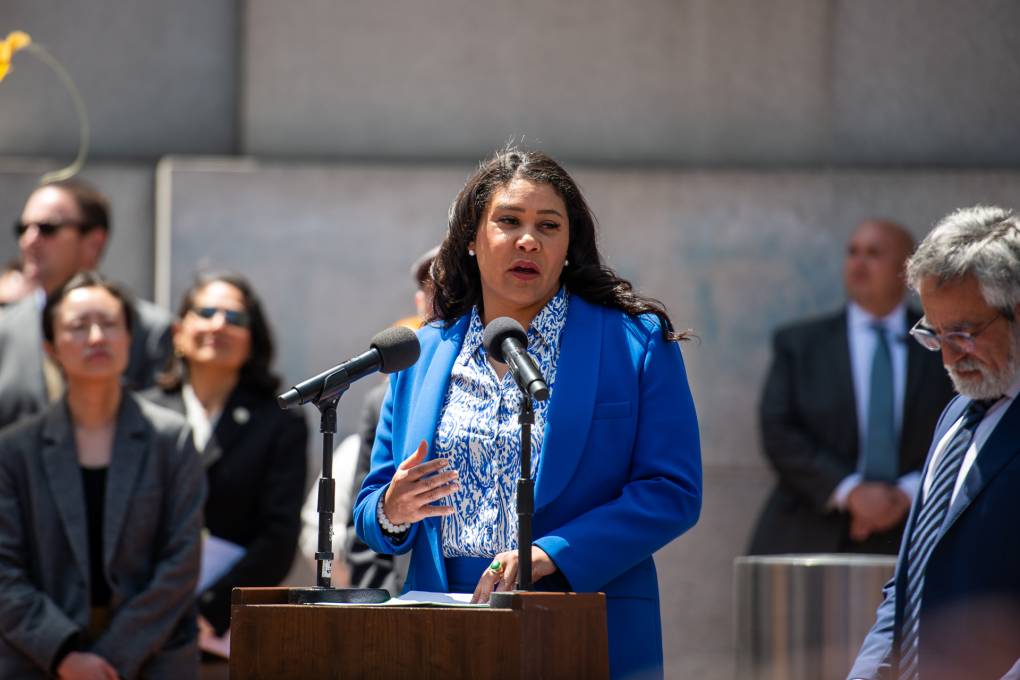
"caption": "San Francisco Mayor London Breed and San Francisco Board of Supervisors President Aaron Peskin speak with a crowd gathered for a Q&A about the fentanyl drug crisis in San Francisco at UN Plaza on May 23, 2023.",
"description": null,
"title": "015_KQED_LondonBreedQA_05232023",
"credit": "Beth LaBerge/KQED",
"status": "inherit",
"altTag": "Mayor London Breed speaks outside at a lectern, next to a bearded white man",
"isLoading": false,
"fetchFailed": false
},
"news_11985361": {
"type": "attachments",
"id": "news_11985361",
"meta": {
"index": "attachments_1716263798",
"site": "news",
"id": "11985361",
"found": true
},
"parent": 11985359,
"imgSizes": {
"twentyfourteen-full-width": {
"file": "https://cdn.kqed.org/wp-content/uploads/sites/10/2024/05/Baths-1_qut-1038x576.jpg",
"width": 1038,
"mimeType": "image/jpeg",
"height": 576
},
"thumbnail": {
"file": "https://cdn.kqed.org/wp-content/uploads/sites/10/2024/05/Baths-1_qut-160x107.jpg",
"width": 160,
"mimeType": "image/jpeg",
"height": 107
},
"post-thumbnail": {
"file": "https://cdn.kqed.org/wp-content/uploads/sites/10/2024/05/Baths-1_qut-672x372.jpg",
"width": 672,
"mimeType": "image/jpeg",
"height": 372
},
"kqedFullSize": {
"file": "https://cdn.kqed.org/wp-content/uploads/sites/10/2024/05/Baths-1_qut.jpg",
"width": 1920,
"height": 1280
},
"large": {
"file": "https://cdn.kqed.org/wp-content/uploads/sites/10/2024/05/Baths-1_qut-1020x680.jpg",
"width": 1020,
"mimeType": "image/jpeg",
"height": 680
},
"1536x1536": {
"file": "https://cdn.kqed.org/wp-content/uploads/sites/10/2024/05/Baths-1_qut-1536x1024.jpg",
"width": 1536,
"mimeType": "image/jpeg",
"height": 1024
},
"medium": {
"file": "https://cdn.kqed.org/wp-content/uploads/sites/10/2024/05/Baths-1_qut-800x533.jpg",
"width": 800,
"mimeType": "image/jpeg",
"height": 533
}
},
"publishDate": 1715194985,
"modified": 1715204998,
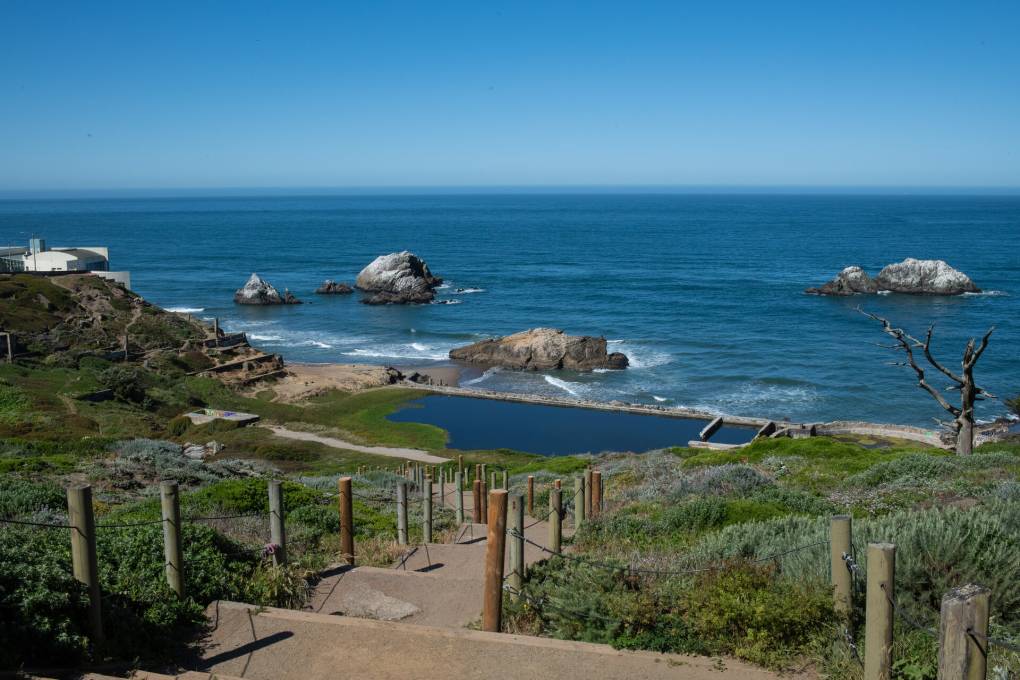
"caption": "Nature is reclaiming the ruins of the once grand Sutro Baths, although the site is still a popular tourist attraction and hiking spot.",
"description": null,
"title": "Baths-1_qut",
"credit": "Tamuna Chkareuli/KQED",
"status": "inherit",
"altTag": "Looking out to the ocean, a set of stairs descend the cliff leading to a wide rectangular pool at the bottom, next to the ocean.",
"isLoading": false,
"fetchFailed": false
},
"news_11984509": {
"type": "attachments",
"id": "news_11984509",
"meta": {
"index": "attachments_1716263798",
"site": "news",
"id": "11984509",
"found": true
},
"parent": 0,
"imgSizes": {
"twentyfourteen-full-width": {
"file": "https://cdn.kqed.org/wp-content/uploads/sites/10/2024/04/240423-BERKELEY-GAZA-ENCAMPMENT-MD-09-KQED-1038x576.jpg",
"width": 1038,
"mimeType": "image/jpeg",
"height": 576
},
"thumbnail": {
"file": "https://cdn.kqed.org/wp-content/uploads/sites/10/2024/04/240423-BERKELEY-GAZA-ENCAMPMENT-MD-09-KQED-160x107.jpg",
"width": 160,
"mimeType": "image/jpeg",
"height": 107
},
"post-thumbnail": {
"file": "https://cdn.kqed.org/wp-content/uploads/sites/10/2024/04/240423-BERKELEY-GAZA-ENCAMPMENT-MD-09-KQED-672x372.jpg",
"width": 672,
"mimeType": "image/jpeg",
"height": 372
},
"kqedFullSize": {
"file": "https://cdn.kqed.org/wp-content/uploads/sites/10/2024/04/240423-BERKELEY-GAZA-ENCAMPMENT-MD-09-KQED.jpg",
"width": 2000,
"height": 1333
},
"large": {
"file": "https://cdn.kqed.org/wp-content/uploads/sites/10/2024/04/240423-BERKELEY-GAZA-ENCAMPMENT-MD-09-KQED-1020x680.jpg",
"width": 1020,
"mimeType": "image/jpeg",
"height": 680
},
"1536x1536": {
"file": "https://cdn.kqed.org/wp-content/uploads/sites/10/2024/04/240423-BERKELEY-GAZA-ENCAMPMENT-MD-09-KQED-1536x1024.jpg",
"width": 1536,
"mimeType": "image/jpeg",
"height": 1024
},
"full-width": {
"file": "https://cdn.kqed.org/wp-content/uploads/sites/10/2024/04/240423-BERKELEY-GAZA-ENCAMPMENT-MD-09-KQED-1920x1280.jpg",
"width": 1920,
"mimeType": "image/jpeg",
"height": 1280
},
"medium": {
"file": "https://cdn.kqed.org/wp-content/uploads/sites/10/2024/04/240423-BERKELEY-GAZA-ENCAMPMENT-MD-09-KQED-800x533.jpg",
"width": 800,
"mimeType": "image/jpeg",
"height": 533
}
},
"publishDate": 1714504696,
"modified": 1714592908,
"caption": "Malak Afaneh, a UC Berkeley Law student and co-president of Berkeley Law Students for Justice in Palestine, stands at the Gaza Solidarity Encampment in front of Sproul Hall on April 23.",
"description": null,
"title": "240423-BERKELEY GAZA ENCAMPMENT-MD-09-KQED",
"credit": "Martin do Nascimento/KQED",
"status": "inherit",
"altTag": null,
"isLoading": false,
"fetchFailed": false
},
"news_11984439": {
"type": "attachments",
"id": "news_11984439",
"meta": {
"index": "attachments_1716263798",
"site": "news",
"id": "11984439",
"found": true
},
"parent": 11984807,
"imgSizes": {
"twentyfourteen-full-width": {
"file": "https://cdn.kqed.org/wp-content/uploads/sites/10/2024/04/240429-SFSU-GAZA-ENCAMPMENT-MD-09-KQED-1038x576.jpg",
"width": 1038,
"mimeType": "image/jpeg",
"height": 576
},
"thumbnail": {
"file": "https://cdn.kqed.org/wp-content/uploads/sites/10/2024/04/240429-SFSU-GAZA-ENCAMPMENT-MD-09-KQED-160x107.jpg",
"width": 160,
"mimeType": "image/jpeg",
"height": 107
},
"post-thumbnail": {
"file": "https://cdn.kqed.org/wp-content/uploads/sites/10/2024/04/240429-SFSU-GAZA-ENCAMPMENT-MD-09-KQED-672x372.jpg",
"width": 672,
"mimeType": "image/jpeg",
"height": 372
},
"kqedFullSize": {
"file": "https://cdn.kqed.org/wp-content/uploads/sites/10/2024/04/240429-SFSU-GAZA-ENCAMPMENT-MD-09-KQED.jpg",
"width": 2000,
"height": 1333
},
"large": {
"file": "https://cdn.kqed.org/wp-content/uploads/sites/10/2024/04/240429-SFSU-GAZA-ENCAMPMENT-MD-09-KQED-1020x680.jpg",
"width": 1020,
"mimeType": "image/jpeg",
"height": 680
},
"1536x1536": {
"file": "https://cdn.kqed.org/wp-content/uploads/sites/10/2024/04/240429-SFSU-GAZA-ENCAMPMENT-MD-09-KQED-1536x1024.jpg",
"width": 1536,
"mimeType": "image/jpeg",
"height": 1024
},
"full-width": {
"file": "https://cdn.kqed.org/wp-content/uploads/sites/10/2024/04/240429-SFSU-GAZA-ENCAMPMENT-MD-09-KQED-1920x1280.jpg",
"width": 1920,
"mimeType": "image/jpeg",
"height": 1280
},
"medium": {
"file": "https://cdn.kqed.org/wp-content/uploads/sites/10/2024/04/240429-SFSU-GAZA-ENCAMPMENT-MD-09-KQED-800x533.jpg",
"width": 800,
"mimeType": "image/jpeg",
"height": 533
}
},
"publishDate": 1714436641,
"modified": 1714680079,
"caption": "San Francisco State University students rally outside the Cesar Chavez Student Center on Monday, calling on the university to disclose its financial ties to Israel and divest from weapons manufacturers.",
"description": null,
"title": "240429-SFSU GAZA ENCAMPMENT-MD-09-KQED",
"credit": "Martin do Nascimento/KQED",
"status": "inherit",
"altTag": null,
"isLoading": false,
"fetchFailed": false
},
"news_11983865": {
"type": "attachments",
"id": "news_11983865",
"meta": {
"index": "attachments_1716263798",
"site": "news",
"id": "11983865",
"found": true
},
"parent": 11983858,
"imgSizes": {
"twentyfourteen-full-width": {
"file": "https://cdn.kqed.org/wp-content/uploads/sites/10/2024/04/AlamedaCanal-1038x576.jpg",
"width": 1038,
"mimeType": "image/jpeg",
"height": 576
},
"thumbnail": {
"file": "https://cdn.kqed.org/wp-content/uploads/sites/10/2024/04/AlamedaCanal-160x90.jpg",
"width": 160,
"mimeType": "image/jpeg",
"height": 90
},
"post-thumbnail": {
"file": "https://cdn.kqed.org/wp-content/uploads/sites/10/2024/04/AlamedaCanal-672x372.jpg",
"width": 672,
"mimeType": "image/jpeg",
"height": 372
},
"kqedFullSize": {
"file": "https://cdn.kqed.org/wp-content/uploads/sites/10/2024/04/AlamedaCanal.jpg",
"width": 1920,
"height": 1080
},
"large": {
"file": "https://cdn.kqed.org/wp-content/uploads/sites/10/2024/04/AlamedaCanal-1020x574.jpg",
"width": 1020,
"mimeType": "image/jpeg",
"height": 574
},
"1536x1536": {
"file": "https://cdn.kqed.org/wp-content/uploads/sites/10/2024/04/AlamedaCanal-1536x864.jpg",
"width": 1536,
"mimeType": "image/jpeg",
"height": 864
},
"medium": {
"file": "https://cdn.kqed.org/wp-content/uploads/sites/10/2024/04/AlamedaCanal-800x450.jpg",
"width": 800,
"mimeType": "image/jpeg",
"height": 450
}
},
"publishDate": 1713908769,
"modified": 1713908865,
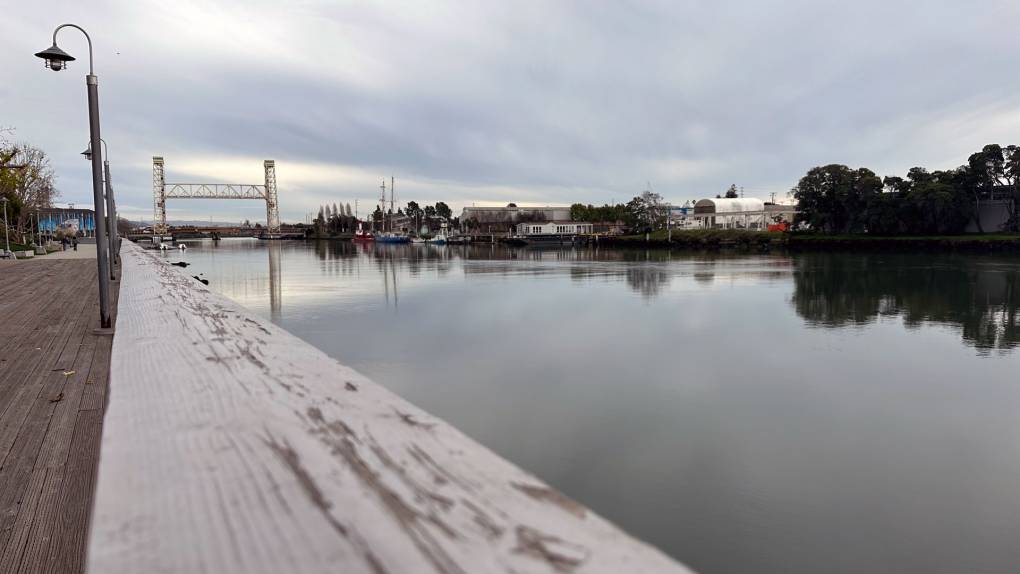
"caption": "This waterway separating Oakland from Alameda Island is a part of daily life for residents of the area, but it didn't always exist.",
"description": null,
"title": "AlamedaCanal",
"credit": "Pauline Bartolone/KQED",
"status": "inherit",
"altTag": "View across a narrow waterway at a white drawbridge in the distance. Houses can be seen on the other side of the water.",
"isLoading": false,
"fetchFailed": false
},
"news_11983582": {
"type": "attachments",
"id": "news_11983582",
"meta": {
"index": "attachments_1716263798",
"site": "news",
"id": "11983582",
"found": true
},
"parent": 0,
"imgSizes": {
"twentyfourteen-full-width": {
"file": "https://cdn.kqed.org/wp-content/uploads/sites/10/2024/04/240419-AngelaDavisAlamedaHS-11-BL-1038x576.jpg",
"width": 1038,
"mimeType": "image/jpeg",
"height": 576
},
"thumbnail": {
"file": "https://cdn.kqed.org/wp-content/uploads/sites/10/2024/04/240419-AngelaDavisAlamedaHS-11-BL-160x107.jpg",
"width": 160,
"mimeType": "image/jpeg",
"height": 107
},
"post-thumbnail": {
"file": "https://cdn.kqed.org/wp-content/uploads/sites/10/2024/04/240419-AngelaDavisAlamedaHS-11-BL-672x372.jpg",
"width": 672,
"mimeType": "image/jpeg",
"height": 372
},
"kqedFullSize": {
"file": "https://cdn.kqed.org/wp-content/uploads/sites/10/2024/04/240419-AngelaDavisAlamedaHS-11-BL-scaled.jpg",
"width": 2560,
"height": 1707
},
"2048x2048": {
"file": "https://cdn.kqed.org/wp-content/uploads/sites/10/2024/04/240419-AngelaDavisAlamedaHS-11-BL-2048x1366.jpg",
"width": 2048,
"mimeType": "image/jpeg",
"height": 1366
},
"large": {
"file": "https://cdn.kqed.org/wp-content/uploads/sites/10/2024/04/240419-AngelaDavisAlamedaHS-11-BL-1020x680.jpg",
"width": 1020,
"mimeType": "image/jpeg",
"height": 680
},
"1536x1536": {
"file": "https://cdn.kqed.org/wp-content/uploads/sites/10/2024/04/240419-AngelaDavisAlamedaHS-11-BL-1536x1024.jpg",
"width": 1536,
"mimeType": "image/jpeg",
"height": 1024
},
"full-width": {
"file": "https://cdn.kqed.org/wp-content/uploads/sites/10/2024/04/240419-AngelaDavisAlamedaHS-11-BL-1920x1280.jpg",
"width": 1920,
"mimeType": "image/jpeg",
"height": 1280
},
"medium": {
"file": "https://cdn.kqed.org/wp-content/uploads/sites/10/2024/04/240419-AngelaDavisAlamedaHS-11-BL-800x533.jpg",
"width": 800,
"mimeType": "image/jpeg",
"height": 533
}
},
"publishDate": 1713638410,
"modified": 1713644411,
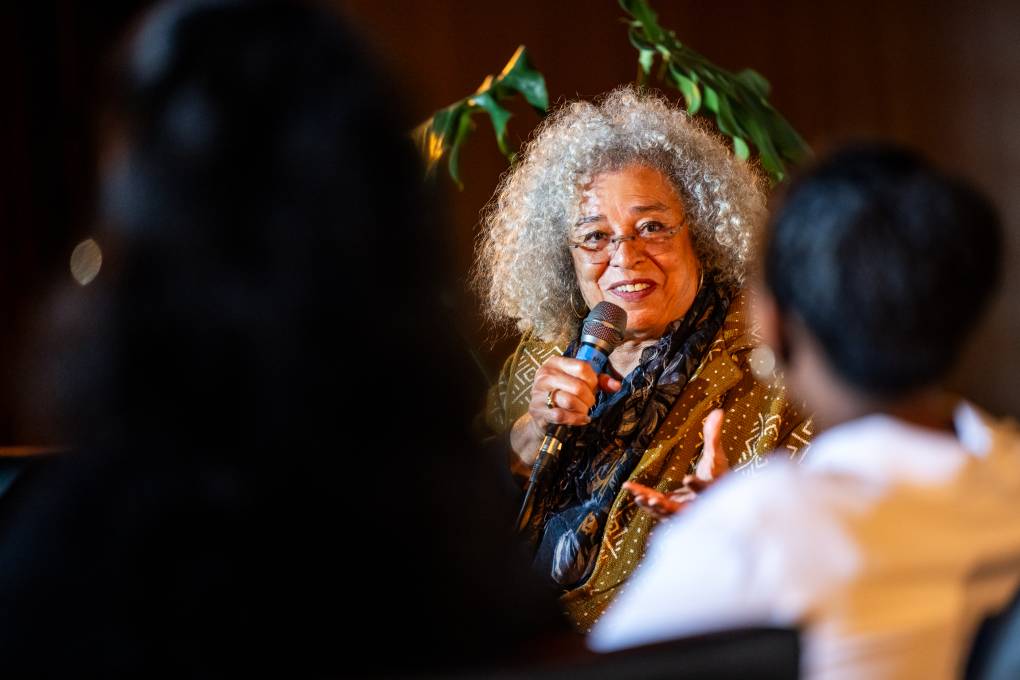
"caption": "Political activist Angela Davis speaks at Alameda High School on April 19, 2024, during an event organized by students from Alameda High School and Castro Valley High School.",
"description": null,
"title": "240419-AngelaDavisAlamedaHS-11-BL",
"credit": "Beth LaBerge/KQED",
"status": "inherit",
"altTag": null,
"isLoading": false,
"fetchFailed": false
},
"news_11983282": {
"type": "attachments",
"id": "news_11983282",
"meta": {
"index": "attachments_1716263798",
"site": "news",
"id": "11983282",
"found": true
},
"parent": 11983233,
"imgSizes": {
"twentyfourteen-full-width": {
"file": "https://cdn.kqed.org/wp-content/uploads/sites/10/2024/04/freedom-flotilla-ships-2024-1038x576.jpeg",
"width": 1038,
"mimeType": "image/jpeg",
"height": 576
},
"thumbnail": {
"file": "https://cdn.kqed.org/wp-content/uploads/sites/10/2024/04/freedom-flotilla-ships-2024-160x107.jpeg",
"width": 160,
"mimeType": "image/jpeg",
"height": 107
},
"post-thumbnail": {
"file": "https://cdn.kqed.org/wp-content/uploads/sites/10/2024/04/freedom-flotilla-ships-2024-672x372.jpeg",
"width": 672,
"mimeType": "image/jpeg",
"height": 372
},
"kqedFullSize": {
"file": "https://cdn.kqed.org/wp-content/uploads/sites/10/2024/04/freedom-flotilla-ships-2024.jpeg",
"width": 1920,
"height": 1280
},
"large": {
"file": "https://cdn.kqed.org/wp-content/uploads/sites/10/2024/04/freedom-flotilla-ships-2024-1020x680.jpeg",
"width": 1020,
"mimeType": "image/jpeg",
"height": 680
},
"1536x1536": {
"file": "https://cdn.kqed.org/wp-content/uploads/sites/10/2024/04/freedom-flotilla-ships-2024-1536x1024.jpeg",
"width": 1536,
"mimeType": "image/jpeg",
"height": 1024
},
"medium": {
"file": "https://cdn.kqed.org/wp-content/uploads/sites/10/2024/04/freedom-flotilla-ships-2024-800x533.jpeg",
"width": 800,
"mimeType": "image/jpeg",
"height": 533
}
},
"publishDate": 1713392966,
"modified": 1713469163,
"caption": "A cargo ship and a passenger vessel are part of the Freedom Flotilla Coalition’s planned aid mission to Gaza this month.",
"description": null,
"title": "freedom-flotilla-ships-2024",
"credit": "Courtesy of Freedom Flotilla Coalition",
"status": "inherit",
"altTag": null,
"isLoading": false,
"fetchFailed": false
},
"news_11982372": {
"type": "attachments",
"id": "news_11982372",
"meta": {
"index": "attachments_1716263798",
"site": "news",
"id": "11982372",
"found": true
},
"parent": 11982330,
"imgSizes": {
"twentyfourteen-full-width": {
"file": "https://cdn.kqed.org/wp-content/uploads/sites/10/2024/04/Opill_1920-1080-1038x576.png",
"width": 1038,
"mimeType": "image/png",
"height": 576
},
"thumbnail": {
"file": "https://cdn.kqed.org/wp-content/uploads/sites/10/2024/04/Opill_1920-1080-160x90.png",
"width": 160,
"mimeType": "image/png",
"height": 90
},
"post-thumbnail": {
"file": "https://cdn.kqed.org/wp-content/uploads/sites/10/2024/04/Opill_1920-1080-672x372.png",
"width": 672,
"mimeType": "image/png",
"height": 372
},
"kqedFullSize": {
"file": "https://cdn.kqed.org/wp-content/uploads/sites/10/2024/04/Opill_1920-1080.png",
"width": 1178,
"height": 663
},
"large": {
"file": "https://cdn.kqed.org/wp-content/uploads/sites/10/2024/04/Opill_1920-1080-1020x574.png",
"width": 1020,
"mimeType": "image/png",
"height": 574
},
"medium": {
"file": "https://cdn.kqed.org/wp-content/uploads/sites/10/2024/04/Opill_1920-1080-800x450.png",
"width": 800,
"mimeType": "image/png",
"height": 450
}
},
"publishDate": 1712690551,
"modified": 1712700407,
"caption": "Perrigo sells the pills under the brand name Opill.",
"description": null,
"title": "Opill_1920-1080",
"credit": "Courtesy of Perrigo ",
"status": "inherit",
"altTag": "A box of medicine, called Opill in a turquoise case.",
"isLoading": false,
"fetchFailed": false
},
"news_11982448": {
"type": "attachments",
"id": "news_11982448",
"meta": {
"index": "attachments_1716263798",
"site": "news",
"id": "11982448",
"found": true
},
"parent": 11982379,
"imgSizes": {
"twentyfourteen-full-width": {
"file": "https://cdn.kqed.org/wp-content/uploads/sites/10/2024/04/240409-SJEncampmentBan-020-BL_qut-1038x576.jpg",
"width": 1038,
"mimeType": "image/jpeg",
"height": 576
},
"thumbnail": {
"file": "https://cdn.kqed.org/wp-content/uploads/sites/10/2024/04/240409-SJEncampmentBan-020-BL_qut-160x107.jpg",
"width": 160,
"mimeType": "image/jpeg",
"height": 107
},
"post-thumbnail": {
"file": "https://cdn.kqed.org/wp-content/uploads/sites/10/2024/04/240409-SJEncampmentBan-020-BL_qut-672x372.jpg",
"width": 672,
"mimeType": "image/jpeg",
"height": 372
},
"kqedFullSize": {
"file": "https://cdn.kqed.org/wp-content/uploads/sites/10/2024/04/240409-SJEncampmentBan-020-BL_qut.jpg",
"width": 1920,
"height": 1280
},
"large": {
"file": "https://cdn.kqed.org/wp-content/uploads/sites/10/2024/04/240409-SJEncampmentBan-020-BL_qut-1020x680.jpg",
"width": 1020,
"mimeType": "image/jpeg",
"height": 680
},
"1536x1536": {
"file": "https://cdn.kqed.org/wp-content/uploads/sites/10/2024/04/240409-SJEncampmentBan-020-BL_qut-1536x1024.jpg",
"width": 1536,
"mimeType": "image/jpeg",
"height": 1024
},
"medium": {
"file": "https://cdn.kqed.org/wp-content/uploads/sites/10/2024/04/240409-SJEncampmentBan-020-BL_qut-800x533.jpg",
"width": 800,
"mimeType": "image/jpeg",
"height": 533
}
},
"publishDate": 1712704788,
"modified": 1712770902,
"caption": "A school bus passes an RV on Educational Park Drive near Independence High School in San José on April 9, 2024.",
"description": null,
"title": "240409-SJEncampmentBan-020-BL_qut",
"credit": "Beth LaBerge/KQED",
"status": "inherit",
"altTag": "A yellow school bus on the road near an RV.",
"isLoading": false,
"fetchFailed": false
},
"news_11982521": {
"type": "attachments",
"id": "news_11982521",
"meta": {
"index": "attachments_1716263798",
"site": "news",
"id": "11982521",
"found": true
},
"parent": 0,
"imgSizes": {
"twentyfourteen-full-width": {
"file": "https://cdn.kqed.org/wp-content/uploads/sites/10/2024/04/240409-SF-LIBRARY-RALLY-MD-02-KQED-4-1038x576.jpg",
"width": 1038,
"mimeType": "image/jpeg",
"height": 576
},
"thumbnail": {
"file": "https://cdn.kqed.org/wp-content/uploads/sites/10/2024/04/240409-SF-LIBRARY-RALLY-MD-02-KQED-4-160x107.jpg",
"width": 160,
"mimeType": "image/jpeg",
"height": 107
},
"post-thumbnail": {
"file": "https://cdn.kqed.org/wp-content/uploads/sites/10/2024/04/240409-SF-LIBRARY-RALLY-MD-02-KQED-4-672x372.jpg",
"width": 672,
"mimeType": "image/jpeg",
"height": 372
},
"kqedFullSize": {
"file": "https://cdn.kqed.org/wp-content/uploads/sites/10/2024/04/240409-SF-LIBRARY-RALLY-MD-02-KQED-4.jpg",
"width": 2000,
"height": 1333
},
"large": {
"file": "https://cdn.kqed.org/wp-content/uploads/sites/10/2024/04/240409-SF-LIBRARY-RALLY-MD-02-KQED-4-1020x680.jpg",
"width": 1020,
"mimeType": "image/jpeg",
"height": 680
},
"1536x1536": {
"file": "https://cdn.kqed.org/wp-content/uploads/sites/10/2024/04/240409-SF-LIBRARY-RALLY-MD-02-KQED-4-1536x1024.jpg",
"width": 1536,
"mimeType": "image/jpeg",
"height": 1024
},
"full-width": {
"file": "https://cdn.kqed.org/wp-content/uploads/sites/10/2024/04/240409-SF-LIBRARY-RALLY-MD-02-KQED-4-1920x1280.jpg",
"width": 1920,
"mimeType": "image/jpeg",
"height": 1280
},
"medium": {
"file": "https://cdn.kqed.org/wp-content/uploads/sites/10/2024/04/240409-SF-LIBRARY-RALLY-MD-02-KQED-4-800x533.jpg",
"width": 800,
"mimeType": "image/jpeg",
"height": 533
}
},
"publishDate": 1712756315,
"modified": 1712756410,
"caption": "Library workers rally in front of San Francisco's Main Library calling for greater safety measures at the city's public libraries on Apr. 9, 2024.",
"description": null,
"title": "240409-SF LIBRARY RALLY-MD-02-KQED-4",
"credit": "Martin do Nascimento/KQED",
"status": "inherit",
"altTag": null,
"isLoading": false,
"fetchFailed": false
},
"news_11982294": {
"type": "attachments",
"id": "news_11982294",
"meta": {
"index": "attachments_1716263798",
"site": "news",
"id": "11982294",
"found": true
},
"parent": 11982270,
"imgSizes": {
"twentyfourteen-full-width": {
"file": "https://cdn.kqed.org/wp-content/uploads/sites/10/2024/04/GettyImages-589929454_qut-1038x576.jpg",
"width": 1038,
"mimeType": "image/jpeg",
"height": 576
},
"thumbnail": {
"file": "https://cdn.kqed.org/wp-content/uploads/sites/10/2024/04/GettyImages-589929454_qut-160x111.jpg",
"width": 160,
"mimeType": "image/jpeg",
"height": 111
},
"post-thumbnail": {
"file": "https://cdn.kqed.org/wp-content/uploads/sites/10/2024/04/GettyImages-589929454_qut-672x372.jpg",
"width": 672,
"mimeType": "image/jpeg",
"height": 372
},
"kqedFullSize": {
"file": "https://cdn.kqed.org/wp-content/uploads/sites/10/2024/04/GettyImages-589929454_qut.jpg",
"width": 1920,
"height": 1332
},
"large": {
"file": "https://cdn.kqed.org/wp-content/uploads/sites/10/2024/04/GettyImages-589929454_qut-1020x708.jpg",
"width": 1020,
"mimeType": "image/jpeg",
"height": 708
},
"1536x1536": {
"file": "https://cdn.kqed.org/wp-content/uploads/sites/10/2024/04/GettyImages-589929454_qut-1536x1066.jpg",
"width": 1536,
"mimeType": "image/jpeg",
"height": 1066
},
"medium": {
"file": "https://cdn.kqed.org/wp-content/uploads/sites/10/2024/04/GettyImages-589929454_qut-800x555.jpg",
"width": 800,
"mimeType": "image/jpeg",
"height": 555
}
},
"publishDate": 1712617016,
"modified": 1712621906,
"caption": "California Department of Corrections and Rehabilitation officers patrol San Quentin State Prison's death row adjustment center on Aug. 15, 2016 in San Quentin, Marin County.",
"description": null,
"title": "GettyImages-589929454_qut",
"credit": "Justin Sullivan/Getty Images",
"status": "inherit",
"altTag": "The hallway of a prison with two guards seen through the frame of bars.",
"isLoading": false,
"fetchFailed": false
},
"news_11982211": {
"type": "attachments",
"id": "news_11982211",
"meta": {
"index": "attachments_1716263798",
"site": "news",
"id": "11982211",
"found": true
},
"parent": 11981714,
"imgSizes": {
"twentyfourteen-full-width": {
"file": "https://cdn.kqed.org/wp-content/uploads/sites/10/2024/04/GettyImages-1941725396_qut-1020x680-1-1020x576.jpg",
"width": 1020,
"mimeType": "image/jpeg",
"height": 576
},
"thumbnail": {
"file": "https://cdn.kqed.org/wp-content/uploads/sites/10/2024/04/GettyImages-1941725396_qut-1020x680-1-160x107.jpg",
"width": 160,
"mimeType": "image/jpeg",
"height": 107
},
"post-thumbnail": {
"file": "https://cdn.kqed.org/wp-content/uploads/sites/10/2024/04/GettyImages-1941725396_qut-1020x680-1-672x372.jpg",
"width": 672,
"mimeType": "image/jpeg",
"height": 372
},
"kqedFullSize": {
"file": "https://cdn.kqed.org/wp-content/uploads/sites/10/2024/04/GettyImages-1941725396_qut-1020x680-1.jpg",
"width": 1020,
"height": 680
},
"medium": {
"file": "https://cdn.kqed.org/wp-content/uploads/sites/10/2024/04/GettyImages-1941725396_qut-1020x680-1-800x533.jpg",
"width": 800,
"mimeType": "image/jpeg",
"height": 533
}
},
"publishDate": 1712566625,
"modified": 1712566841,
"caption": "Tomando en cuenta la cantidad de desinformación que circula las redes sobre cómo presentar la declaración de impuestos este año, KQED consultó expertos fiscales del Área de la Bahía para mejor entender qué es verdad y qué es mito.",
"description": null,
"title": "GettyImages-1941725396_qut-1020x680",
"credit": "skynesher",
"status": "inherit",
"altTag": null,
"isLoading": false,
"fetchFailed": false
}
},
"audioPlayerReducer": {
"postId": "stream_live",
"isPaused": true,
"isPlaying": false,
"pfsActive": false,
"pledgeModalIsOpen": true,
"playerDrawerIsOpen": false,
"liveAudioPlayStartedAt": 0,
"liveAudioPlayContext": ""
},
"authorsReducer": {
"dmarks": {
"type": "authors",
"id": "182",
"meta": {
"index": "authors_1716337520",
"id": "182",
"found": true
},
"name": "David Marks",
"firstName": "David",
"lastName": "Marks",
"slug": "dmarks",
"email": "dmarks@kqed.org",
"display_author_email": false,
"staff_mastheads": [],
"title": "KQED Editor",
"bio": "David Marks is a senior digital editor for KQED News. \u003c/a>Reach him at dmarks@kqed.org.",
"avatar": "https://secure.gravatar.com/avatar/b88bd6227ce6cb96ae33fefaf42b2a29?s=600&d=mm&r=g",
"twitter": "divadskram",
"facebook": null,
"instagram": null,
"linkedin": null,
"sites": [
{
"site": "news",
"roles": []
},
{
"site": "science",
"roles": []
},
{
"site": "perspectives",
"roles": []
},
{
"site": "liveblog",
"roles": []
}
],
"headData": {
"title": "David Marks | KQED",
"description": "KQED Editor",
"ogImgSrc": "https://secure.gravatar.com/avatar/b88bd6227ce6cb96ae33fefaf42b2a29?s=600&d=mm&r=g",
"twImgSrc": "https://secure.gravatar.com/avatar/b88bd6227ce6cb96ae33fefaf42b2a29?s=600&d=mm&r=g"
},
"isLoading": false,
"link": "/author/dmarks"
},
"katrinaschwartz": {
"type": "authors",
"id": "234",
"meta": {
"index": "authors_1716337520",
"id": "234",
"found": true
},
"name": "Katrina Schwartz",
"firstName": "Katrina",
"lastName": "Schwartz",
"slug": "katrinaschwartz",
"email": "kschwartz@kqed.org",
"display_author_email": false,
"staff_mastheads": [
"news"
],
"title": "Producer",
"bio": "Katrina Schwartz is a journalist based in San Francisco. She's worked at KPCC public radio in LA and has reported on air and online for KQED since 2010. She covered how teaching and learning is changing for MindShift between 2012 and 2020. She is the co-host of the MindShift podcast and now produces KQED's Bay Curious podcast.",
"avatar": "https://secure.gravatar.com/avatar/edb4ee79070447a018538c9aae6eeecf28786515b8a0c30e43b6b7dce5aa44c8?s=600&d=blank&r=g",
"twitter": "kschwart",
"bluesky": null,
"facebook": null,
"instagram": null,
"linkedin": null,
"sites": [
{
"site": "",
"roles": [
"editor"
]
},
{
"site": "news",
"roles": [
"editor"
]
},
{
"site": "mindshift",
"roles": [
"administrator"
]
},
{
"site": "stateofhealth",
"roles": [
"author"
]
},
{
"site": "science",
"roles": [
"editor"
]
}
],
"headData": {
"title": "Katrina Schwartz | KQED",
"description": "Producer",
"ogImgSrc": "https://secure.gravatar.com/avatar/edb4ee79070447a018538c9aae6eeecf28786515b8a0c30e43b6b7dce5aa44c8?s=600&d=blank&r=g",
"twImgSrc": "https://secure.gravatar.com/avatar/edb4ee79070447a018538c9aae6eeecf28786515b8a0c30e43b6b7dce5aa44c8?s=600&d=blank&r=g"
},
"isLoading": false,
"link": "/author/katrinaschwartz"
},
"matthewgreen": {
"type": "authors",
"id": "1263",
"meta": {
"index": "authors_1716337520",
"id": "1263",
"found": true
},
"name": "Matthew Green",
"firstName": "Matthew",
"lastName": "Green",
"slug": "matthewgreen",
"email": "mgreen@kqed.org",
"display_author_email": false,
"staff_mastheads": [],
"title": "KQED Editor/Reporter",
"bio": "Matthew Green is a digital media producer for KQED News. He previously produced \u003ca href=\"http://www.kqed.org/lowdown\">The Lowdown\u003c/a>, KQED’s multimedia news education blog. Matthew's written for numerous Bay Area publications, including the Oakland Tribune and San Francisco Chronicle. He also taught journalism classes at Fremont High School in East Oakland.\r\n\r\nEmail: mgreen@kqed.org; Twitter: @MGreenKQED",
"avatar": "https://secure.gravatar.com/avatar/3bf498d1267ca02c8494f33d8cfc575e?s=600&d=blank&r=g",
"twitter": "MGreenKQED",
"facebook": null,
"instagram": null,
"linkedin": null,
"sites": [
{
"site": "news",
"roles": []
},
{
"site": "lowdown",
"roles": []
},
{
"site": "science",
"roles": []
},
{
"site": "education",
"roles": []
},
{
"site": "quest",
"roles": []
},
{
"site": "liveblog",
"roles": []
}
],
"headData": {
"title": "Matthew Green | KQED",
"description": "KQED Editor/Reporter",
"ogImgSrc": "https://secure.gravatar.com/avatar/3bf498d1267ca02c8494f33d8cfc575e?s=600&d=blank&r=g",
"twImgSrc": "https://secure.gravatar.com/avatar/3bf498d1267ca02c8494f33d8cfc575e?s=600&d=blank&r=g"
},
"isLoading": false,
"link": "/author/matthewgreen"
},
"slewis": {
"type": "authors",
"id": "8676",
"meta": {
"index": "authors_1716337520",
"id": "8676",
"found": true
},
"name": "Sukey Lewis",
"firstName": "Sukey",
"lastName": "Lewis",
"slug": "slewis",
"email": "slewis@kqed.org",
"display_author_email": true,
"staff_mastheads": [
"news"
],
"title": "KQED Contributor",
"bio": "Sukey Lewis is a criminal justice reporter and host of \u003cem>On Our Watch\u003c/em>, a new podcast from NPR and KQED about the shadow world of police discipline. In 2018, she co-founded the California Reporting Project, a coalition of newsrooms across the state focused on obtaining previously sealed internal affairs records from law enforcement. In addition to her reporting on police accountability, Sukey has investigated the bail bonds industry, California's wildfires and the high cost of prison phone calls. Sukey earned a master's degree in journalism from the University of California at Berkeley. Send news tips to slewis@kqed.org.",
"avatar": "https://secure.gravatar.com/avatar/03fd6b21024f99d8b0a1966654586de7?s=600&d=blank&r=g",
"twitter": "SukeyLewis",
"facebook": null,
"instagram": null,
"linkedin": null,
"sites": [
{
"site": "news",
"roles": [
"author",
"edit_others_posts"
]
}
],
"headData": {
"title": "Sukey Lewis | KQED",
"description": "KQED Contributor",
"ogImgSrc": "https://secure.gravatar.com/avatar/03fd6b21024f99d8b0a1966654586de7?s=600&d=blank&r=g",
"twImgSrc": "https://secure.gravatar.com/avatar/03fd6b21024f99d8b0a1966654586de7?s=600&d=blank&r=g"
},
"isLoading": false,
"link": "/author/slewis"
},
"aproehl": {
"type": "authors",
"id": "11296",
"meta": {
"index": "authors_1716337520",
"id": "11296",
"found": true
},
"name": "Ariana Proehl",
"firstName": "Ariana",
"lastName": "Proehl",
"slug": "aproehl",
"email": "aproehl@KQED.org",
"display_author_email": true,
"staff_mastheads": [
"news"
],
"title": "Culture Reporter, KQED",
"bio": "Ariana Proehl is a Culture Reporter and Host.",
"avatar": "https://secure.gravatar.com/avatar/c96b24567eb5bb3a4f8bb295ed53e232?s=600&d=blank&r=g",
"twitter": "ArianaProehl",
"facebook": null,
"instagram": null,
"linkedin": null,
"sites": [
{
"site": "arts",
"roles": []
},
{
"site": "news",
"roles": []
},
{
"site": "education",
"roles": []
},
{
"site": "forum",
"roles": []
}
],
"headData": {
"title": "Ariana Proehl | KQED",
"description": "Culture Reporter, KQED",
"ogImgSrc": "https://secure.gravatar.com/avatar/c96b24567eb5bb3a4f8bb295ed53e232?s=600&d=blank&r=g",
"twImgSrc": "https://secure.gravatar.com/avatar/c96b24567eb5bb3a4f8bb295ed53e232?s=600&d=blank&r=g"
},
"isLoading": false,
"link": "/author/aproehl"
},
"blaberge": {
"type": "authors",
"id": "11667",
"meta": {
"index": "authors_1716337520",
"id": "11667",
"found": true
},
"name": "Beth LaBerge",
"firstName": "Beth",
"lastName": "LaBerge",
"slug": "blaberge",
"email": "blaberge@KQED.org",
"display_author_email": true,
"staff_mastheads": [
"news"
],
"title": "Photographer, News",
"bio": "Beth LaBerge is a visual journalist for \u003ca href=\"https://www.kqed.org/news\">KQED News\u003c/a>.",
"avatar": "https://secure.gravatar.com/avatar/ce49ecd7a1306685637b45a1f6f5dedfc4ae9481966eb596fea5160466dd6319?s=600&d=blank&r=g",
"twitter": null,
"bluesky": null,
"facebook": null,
"instagram": "https://www.instagram.com/bethlaberge/",
"linkedin": null,
"sites": [
{
"site": "arts",
"roles": [
"editor",
"manage_categories"
]
},
{
"site": "news",
"roles": [
"editor",
"edit_plugins",
"manage_categories"
]
},
{
"site": "science",
"roles": [
"editor",
"contributor",
"author",
"manage_categories"
]
},
{
"site": "perspectives",
"roles": [
"editor"
]
},
{
"site": "liveblog",
"roles": [
"editor"
]
}
],
"headData": {
"title": "Beth LaBerge | KQED",
"description": "Photographer, News",
"ogImgSrc": "https://secure.gravatar.com/avatar/ce49ecd7a1306685637b45a1f6f5dedfc4ae9481966eb596fea5160466dd6319?s=600&d=blank&r=g",
"twImgSrc": "https://secure.gravatar.com/avatar/ce49ecd7a1306685637b45a1f6f5dedfc4ae9481966eb596fea5160466dd6319?s=600&d=blank&r=g"
},
"isLoading": false,
"link": "/author/blaberge"
},
"jrodriguez": {
"type": "authors",
"id": "11690",
"meta": {
"index": "authors_1716337520",
"id": "11690",
"found": true
},
"name": "Joe Fitzgerald Rodriguez",
"firstName": "Joe",
"lastName": "Fitzgerald Rodriguez",
"slug": "jrodriguez",
"email": "jrodriguez@kqed.org",
"display_author_email": true,
"staff_mastheads": [
"news"
],
"title": "Reporter and Producer",
"bio": "Joe Fitzgerald Rodriguez is a reporter and digital producer for KQED covering politics. Joe most recently wrote for the \u003cem>San Francisco Examiner\u003c/em> as a political columnist covering The City. He was raised in San Francisco and has spent his reporting career in his beloved, foggy, city by the bay. Joe was 12-years-old when he conducted his first interview in journalism, grilling former San Francisco Mayor Willie Brown for the Marina Middle School newspaper, \u003cem>The Penguin Press, \u003c/em>and he continues to report on the San Francisco Bay Area to this day.",
"avatar": "https://secure.gravatar.com/avatar/2247beb0564c1e9c62228d5649d2edac?s=600&d=blank&r=g",
"twitter": "FitztheReporter",
"facebook": null,
"instagram": "https://www.instagram.com/fitzthereporter/",
"linkedin": null,
"sites": [
{
"site": "",
"roles": [
"editor"
]
},
{
"site": "arts",
"roles": [
"editor"
]
},
{
"site": "news",
"roles": [
"editor"
]
},
{
"site": "science",
"roles": [
"editor"
]
},
{
"site": "elections",
"roles": [
"editor"
]
},
{
"site": "liveblog",
"roles": [
"editor"
]
}
],
"headData": {
"title": "Joe Fitzgerald Rodriguez | KQED",
"description": "Reporter and Producer",
"ogImgSrc": "https://secure.gravatar.com/avatar/2247beb0564c1e9c62228d5649d2edac?s=600&d=blank&r=g",
"twImgSrc": "https://secure.gravatar.com/avatar/2247beb0564c1e9c62228d5649d2edac?s=600&d=blank&r=g"
},
"isLoading": false,
"link": "/author/jrodriguez"
},
"ccabreralomeli": {
"type": "authors",
"id": "11708",
"meta": {
"index": "authors_1716337520",
"id": "11708",
"found": true
},
"name": "Carlos Cabrera-Lomelí",
"firstName": "Carlos",
"lastName": "Cabrera-Lomelí",
"slug": "ccabreralomeli",
"email": "ccabreralomeli@KQED.org",
"display_author_email": true,
"staff_mastheads": [
"news"
],
"title": "Community Reporter",
"bio": "Carlos Cabrera-Lomelí is a community reporter with KQED's digital engagement team. He also reports and co-produces for KQED's bilingual news hub KQED en Español. He grew up in San Francisco's Mission District and has previously worked with Univision, 48 Hills and REFORMA in Mexico City.",
"avatar": "https://secure.gravatar.com/avatar/c309be9665e484f887b818c89e273ecc673004f426f36b24d00a4d813a2e0518?s=600&d=blank&r=g",
"twitter": "@LomeliCabrera",
"bluesky": null,
"facebook": null,
"instagram": null,
"linkedin": null,
"sites": [
{
"site": "arts",
"roles": [
"editor"
]
},
{
"site": "news",
"roles": [
"editor"
]
},
{
"site": "about",
"roles": [
"editor"
]
},
{
"site": "science",
"roles": [
"editor"
]
},
{
"site": "perspectives",
"roles": [
"editor"
]
},
{
"site": "elections",
"roles": [
"editor"
]
},
{
"site": "liveblog",
"roles": [
"contributor"
]
}
],
"headData": {
"title": "Carlos Cabrera-Lomelí | KQED",
"description": "Community Reporter",
"ogImgSrc": "https://secure.gravatar.com/avatar/c309be9665e484f887b818c89e273ecc673004f426f36b24d00a4d813a2e0518?s=600&d=blank&r=g",
"twImgSrc": "https://secure.gravatar.com/avatar/c309be9665e484f887b818c89e273ecc673004f426f36b24d00a4d813a2e0518?s=600&d=blank&r=g"
},
"isLoading": false,
"link": "/author/ccabreralomeli"
},
"mdonascimento": {
"type": "authors",
"id": "11865",
"meta": {
"index": "authors_1716337520",
"id": "11865",
"found": true
},
"name": "Martin do Nascimento",
"firstName": "Martin",
"lastName": "do Nascimento",
"slug": "mdonascimento",
"email": "mdonascimento@kqed.org",
"display_author_email": false,
"staff_mastheads": [
"news",
"science",
"arts"
],
"title": "KQED Contributor",
"bio": null,
"avatar": "https://secure.gravatar.com/avatar/e5337c4df47f2c1c9af0124a4550094c9ba92a05654bb02aea5e72d902b41744?s=600&d=blank&r=g",
"twitter": null,
"bluesky": null,
"facebook": null,
"instagram": null,
"linkedin": null,
"sites": [
{
"site": "arts",
"roles": [
"manage_categories",
"administrator"
]
},
{
"site": "news",
"roles": [
"manage_categories",
"administrator"
]
},
{
"site": "science",
"roles": [
"manage_categories",
"administrator"
]
},
{
"site": "perspectives",
"roles": [
"administrator"
]
},
{
"site": "liveblog",
"roles": [
"administrator"
]
}
],
"headData": {
"title": "Martin do Nascimento | KQED",
"description": "KQED Contributor",
"ogImgSrc": "https://secure.gravatar.com/avatar/e5337c4df47f2c1c9af0124a4550094c9ba92a05654bb02aea5e72d902b41744?s=600&d=blank&r=g",
"twImgSrc": "https://secure.gravatar.com/avatar/e5337c4df47f2c1c9af0124a4550094c9ba92a05654bb02aea5e72d902b41744?s=600&d=blank&r=g"
},
"isLoading": false,
"link": "/author/mdonascimento"
},
"nkhan": {
"type": "authors",
"id": "11867",
"meta": {
"index": "authors_1716337520",
"id": "11867",
"found": true
},
"name": "Nisa Khan",
"firstName": "Nisa",
"lastName": "Khan",
"slug": "nkhan",
"email": "nkhan@kqed.org",
"display_author_email": false,
"staff_mastheads": [],
"title": "KQED Contributor",
"bio": "Nisa Khan is a reporter for KQED's Audience News Desk. She was formerly a data reporter at Michigan Radio. She earned a Bachelor of Science in Information from the University of Michigan and a Master of Arts in Communication from Stanford University.",
"avatar": "https://secure.gravatar.com/avatar/8720459eef081ff64582b3506b124d58523e80e120704a0cbd9892533c914991?s=600&d=blank&r=g",
"twitter": "mnisakhan",
"bluesky": null,
"facebook": null,
"instagram": null,
"linkedin": null,
"sites": [
{
"site": "arts",
"roles": [
"editor"
]
},
{
"site": "news",
"roles": [
"editor"
]
},
{
"site": "science",
"roles": [
"editor",
"author"
]
},
{
"site": "forum",
"roles": [
"editor"
]
},
{
"site": "liveblog",
"roles": [
"contributor"
]
}
],
"headData": {
"title": "Nisa Khan | KQED",
"description": "KQED Contributor",
"ogImgSrc": "https://secure.gravatar.com/avatar/8720459eef081ff64582b3506b124d58523e80e120704a0cbd9892533c914991?s=600&d=blank&r=g",
"twImgSrc": "https://secure.gravatar.com/avatar/8720459eef081ff64582b3506b124d58523e80e120704a0cbd9892533c914991?s=600&d=blank&r=g"
},
"isLoading": false,
"link": "/author/nkhan"
},
"pbartolone": {
"type": "authors",
"id": "11879",
"meta": {
"index": "authors_1716337520",
"id": "11879",
"found": true
},
"name": "Pauline Bartolone",
"firstName": "Pauline",
"lastName": "Bartolone",
"slug": "pbartolone",
"email": "pbartolone@kqed.org",
"display_author_email": false,
"staff_mastheads": [],
"title": "KQED Contributor",
"bio": "Pauline Bartolone has been a journalist for two decades, specializing in longform audio storytelling. Before editing and producing for podcasts like Bay Curious, she was a health care journalist for public radio and print outlets such as CalMatters and Kaiser Health News. Her reporting has won several regional Edward R. Murrow awards, national recognition from the Society of Professional Journalists and a first-place prize from the Association of Health Care Journalists.\r\n\r\nPauline’s work has aired frequently on National Public Radio, and bylines have appeared in The Los Angeles Times, CNN.com, Washingtonpost.com, USA Today and Scientific American.\r\n\r\nPauline has lived in Northern California for 20 years. Her other passions are crafts (now done in collaboration with her daughter) and the Brazilian martial art of capoeira.",
"avatar": "https://secure.gravatar.com/avatar/95001c30374b0d3878007af9cf1e120a?s=600&d=blank&r=g",
"twitter": "pbartolone",
"facebook": null,
"instagram": null,
"linkedin": null,
"sites": [
{
"site": "news",
"roles": [
"editor"
]
},
{
"site": "podcasts",
"roles": [
"subscriber"
]
}
],
"headData": {
"title": "Pauline Bartolone | KQED",
"description": "KQED Contributor",
"ogImgSrc": "https://secure.gravatar.com/avatar/95001c30374b0d3878007af9cf1e120a?s=600&d=blank&r=g",
"twImgSrc": "https://secure.gravatar.com/avatar/95001c30374b0d3878007af9cf1e120a?s=600&d=blank&r=g"
},
"isLoading": false,
"link": "/author/pbartolone"
},
"naltenberg": {
"type": "authors",
"id": "11896",
"meta": {
"index": "authors_1716337520",
"id": "11896",
"found": true
},
"name": "Nik Altenberg",
"firstName": "Nik",
"lastName": "Altenberg",
"slug": "naltenberg",
"email": "naltenberg@kqed.org",
"display_author_email": false,
"staff_mastheads": [],
"title": "KQED Contributor",
"bio": "Nik Altenberg is an on-call reporter for KQED and a copy editor and fact checker for Santa Cruz Local. Nik’s reporting interests include policing, public health, environment, immigration, housing and the places where these issues intersect.",
"avatar": "https://secure.gravatar.com/avatar/e391b3a18ce4a53a7ca3f3065c74418b?s=600&d=blank&r=g",
"twitter": null,
"facebook": null,
"instagram": "https://www.instagram.com/nikaltenberg/",
"linkedin": null,
"sites": [
{
"site": "news",
"roles": []
}
],
"headData": {
"title": "Nik Altenberg | KQED",
"description": "KQED Contributor",
"ogImgSrc": "https://secure.gravatar.com/avatar/e391b3a18ce4a53a7ca3f3065c74418b?s=600&d=blank&r=g",
"twImgSrc": "https://secure.gravatar.com/avatar/e391b3a18ce4a53a7ca3f3065c74418b?s=600&d=blank&r=g"
},
"isLoading": false,
"link": "/author/naltenberg"
},
"jgeha": {
"type": "authors",
"id": "11906",
"meta": {
"index": "authors_1716337520",
"id": "11906",
"found": true
},
"name": "Joseph Geha",
"firstName": "Joseph",
"lastName": "Geha",
"slug": "jgeha",
"email": "jgeha@kqed.org",
"display_author_email": false,
"staff_mastheads": [
"news",
"science"
],
"title": "KQED Contributor",
"bio": null,
"avatar": "https://secure.gravatar.com/avatar/ea84d2b6dd93d6369d453edf19dd583f117cd1759d2d9c9c92f9de77017354fe?s=600&d=blank&r=g",
"twitter": null,
"bluesky": null,
"facebook": null,
"instagram": null,
"linkedin": null,
"sites": [
{
"site": "news",
"roles": [
"editor"
]
},
{
"site": "liveblog",
"roles": [
"author"
]
}
],
"headData": {
"title": "Joseph Geha | KQED",
"description": "KQED Contributor",
"ogImgSrc": "https://secure.gravatar.com/avatar/ea84d2b6dd93d6369d453edf19dd583f117cd1759d2d9c9c92f9de77017354fe?s=600&d=blank&r=g",
"twImgSrc": "https://secure.gravatar.com/avatar/ea84d2b6dd93d6369d453edf19dd583f117cd1759d2d9c9c92f9de77017354fe?s=600&d=blank&r=g"
},
"isLoading": false,
"link": "/author/jgeha"
},
"gcastro": {
"type": "authors",
"id": "11908",
"meta": {
"index": "authors_1716337520",
"id": "11908",
"found": true
},
"name": "Gina Castro",
"firstName": "Gina",
"lastName": "Castro",
"slug": "gcastro",
"email": "gcastro@kqed.org",
"display_author_email": false,
"staff_mastheads": [
"news"
],
"title": "KQED Contributor",
"bio": null,
"avatar": "https://secure.gravatar.com/avatar/27b36c9ac0b86aced91deb0fc63fc510307488fa6761ac6062ac2eb798ed123f?s=600&d=blank&r=g",
"twitter": null,
"bluesky": null,
"facebook": null,
"instagram": null,
"linkedin": null,
"sites": [
{
"site": "arts",
"roles": [
"editor"
]
},
{
"site": "news",
"roles": [
"editor",
"manage_categories"
]
},
{
"site": "science",
"roles": [
"editor"
]
},
{
"site": "perspectives",
"roles": [
"editor"
]
}
],
"headData": {
"title": "Gina Castro | KQED",
"description": "KQED Contributor",
"ogImgSrc": "https://secure.gravatar.com/avatar/27b36c9ac0b86aced91deb0fc63fc510307488fa6761ac6062ac2eb798ed123f?s=600&d=blank&r=g",
"twImgSrc": "https://secure.gravatar.com/avatar/27b36c9ac0b86aced91deb0fc63fc510307488fa6761ac6062ac2eb798ed123f?s=600&d=blank&r=g"
},
"isLoading": false,
"link": "/author/gcastro"
}
},
"pagesReducer": {
"news_category_local": {
"type": "terms",
"id": "news_28250",
"meta": {
"index": "terms_1716263798",
"site": "news",
"id": "28250",
"score": 12.940829
},
"featImg": null,
"name": "Local",
"description": null,
"taxonomy": "category",
"headData": {
"twImgId": null,
"twTitle": null,
"ogTitle": null,
"ogImgId": null,
"twDescription": null,
"description": null,
"title": "Local Archives | KQED News",
"ogDescription": null
},
"ttid": 28267,
"slug": "local",
"isLoading": false,
"title": "Local",
"pageMeta": {
"site": "news",
"WpPageTemplate": "page-topic-editorial",
"currentPage": 141
},
"blocks": [
{
"blockName": "kqed/post-list",
"attrs": {
"layout": "cardArticle2",
"query": "posts/news?category=local",
"seeMore": false,
"paginated": true,
"page": 141
}
},
{
"blockName": "kqed/ad"
}
]
}
},
"pfsSessionReducer": {},
"postsReducer": {
"stream_live": {
"type": "live",
"id": "stream_live",
"audioUrl": "https://streams.kqed.org/kqedradio",
"title": "Live Stream",
"excerpt": "Live Stream information currently unavailable.",
"link": "/radio",
"featImg": "",
"label": {
"name": "KQED Live",
"link": "/"
}
},
"stream_kqedNewscast": {
"type": "posts",
"id": "stream_kqedNewscast",
"audioUrl": "https://www.kqed.org/.stream/anon/radio/RDnews/newscast.mp3?_=1",
"title": "KQED Newscast",
"featImg": "",
"label": {
"name": "88.5 FM",
"link": "/"
}
},
"news_11986642": {
"type": "posts",
"id": "news_11986642",
"meta": {
"index": "posts_1716263798",
"site": "news",
"id": "11986642",
"score": null,
"sort": [
1715905455000
]
},
"guestAuthors": [],
"slug": "heres-san-franciscos-first-chance-to-hear-from-top-mayoral-candidates",
"title": "Here’s San Francisco’s First Chance to Hear from Top Mayoral Candidates",
"publishDate": 1715905455,
"format": "standard",
"headTitle": "Here’s San Francisco’s First Chance to Hear from Top Mayoral Candidates | KQED",
"labelTerm": {
"site": "news"
},
"content": "\u003cp>The Harvey Milk LGBTQ Democratic Club announced Thursday that it will host a forum for the top five mayoral candidates, the first time they will share a stage to speak about their policy platforms.\u003c/p>\n\u003cp>It will take place at 6:30 p.m. Tuesday at the First Unitarian Universalist Church & Center on Franklin Street. There won’t be a debate. Instead, the format will allow each candidate to discuss their campaigns for half an hour.\u003c/p>\n\u003cp>It’s been a roller coaster week for San Franciscans wanting to hear candidates argue ideas to chart the city’s future. First, the candidates were set to debate on Monday hosted by the political advocacy group TogetherSF Action. But last week Mission Local reported that \u003ca href=\"https://missionlocal.org/2024/05/mark-farrell-consultant-texts-that-togethersf-head-is-guiding-the-ship/\">TogetherSF Action may be working with candidate and former supervisor Mark Farrell’s campaign\u003c/a>.\u003c/p>\n\u003cp>The event subsequently \u003ca href=\"https://www.kqed.org/news/11986393/first-sf-mayoral-debate-continues-to-crumble-as-third-candidate-may-drop-out\">crumbled\u003c/a> as two candidates — Mayor London Breed and Board of Supervisors President Aaron Peskin — lost faith in the group’s independence. When journalist moderators then jumped ship, candidate Daniel Lurie, the Levi Strauss heir and former nonprofit CEO, threatened to also abandon the event. He has now fully backed out, his campaign confirmed on Thursday.\u003c/p>\n\u003cp>“Daniel remains eager to debate these insiders but with only 72 hours to go there remains too much uncertainty and things continue changing,” Lurie’s campaign said in a statement.\u003c/p>\n\u003cp>[ad fullwidth]\u003c/p>\n\u003cp>The Milk Club said it drew a contrast between itself and TogetherSF Action.\u003c/p>\n\u003cp>“Milk Club is clearly progressive and we clearly don’t have anything to hide in terms of our biases and views,” said club president Jeffrey Kwong. “So that’s how I sold it to them.”\u003c/p>\n\u003cp>Breed and Peskin were also set to hold an alternative debate together on the same night as the TogetherSF Action event at Manny’s, a venue in the Mission. That fell through on Thursday, too.\u003c/p>\n\u003cp>In a text message, the venue’s owner, Manny Yekutiel, said that it made sense to cancel the event since he’s hosting another candidate debate with City Arts & Lectures next month.\u003c/p>\n\u003cp>“We’re disappointed that the voters won’t have a chance to hear from Mayor Breed and Aaron Peskin at Manny’s,” Joe Arellano, a spokesperson for Breed’s campaign, said in a statement. “There will be plenty of debates over the next several months. We look forward to participating in those.”\u003c/p>\n\u003cp>Peskin’s campaign thinks there may be another reason Yekutiel canceled the event.\u003c/p>\n\u003cp>“I believe both campaigns are confused about why Manny would offer his space, sell tickets and then out of the blue cancel,” Jim Stearns, a campaign consultant for Peskin, told KQED. “Obviously, TogetherSF was embarrassed and they may have applied pressure. Not sure if it was financial or political.”\u003c/p>\n\u003cp>Jane Natoli, organizing director for San Francisco YIMBY, a housing advocacy group, characterized the whole situation as ridiculous, citing a \u003ca href=\"https://www.sfchronicle.com/bayarea/nevius/article/Chiu-a-moderate-in-SF-but-a-radical-in-Sacramento-8348850.php\">locally famous line about how fierce San Francisco politics can be\u003c/a>.\u003c/p>\n\u003cp>\u003c/p>\n\u003cp>“I’m downgrading San Francisco politics from ‘knife fight in a phone booth’ to ‘slap fight in a phone booth’ after watching this debate debacle,” she said.\u003c/p>\n\n",
"blocks": [],
"excerpt": "It's not a debate. Instead, the format will allow each candidate to discuss their campaigns for half an hour. \r\n",
"status": "publish",
"parent": 0,
"modified": 1722986770,
"stats": {
"hasAudio": false,
"hasVideo": false,
"hasChartOrMap": false,
"iframeSrcs": [],
"hasGoogleForm": false,
"hasGallery": false,
"hasHearkenModule": false,
"hasPolis": false,
"paragraphCount": 16,
"wordCount": 553
},
"headData": {
"title": "Here’s San Francisco’s First Chance to Hear from Top Mayoral Candidates | KQED",
"description": "It's not a debate. Instead, the format will allow each candidate to discuss their campaigns for half an hour. \r\n",
"ogTitle": "",
"ogDescription": "",
"ogImgId": "",
"twTitle": "",
"twDescription": "",
"twImgId": "",
"schema": {
"@context": "https://schema.org",
"@type": "NewsArticle",
"headline": "Here’s San Francisco’s First Chance to Hear from Top Mayoral Candidates",
"datePublished": "2024-05-16T17:24:15-07:00",
"dateModified": "2024-08-06T16:26:10-07:00",
"image": "https://cdn.kqed.org/wp-content/uploads/2020/02/KQED-OG-Image@1x.png",
"isAccessibleForFree": "True",
"publisher": {
"@type": "NewsMediaOrganization",
"@id": "https://www.kqed.org/#organization",
"name": "KQED",
"logo": "https://cdn.kqed.org/wp-content/uploads/2020/02/KQED-OG-Image@1x.png",
"url": "https://www.kqed.org",
"sameAs": [
"https://www.facebook.com/KQED",
"https://twitter.com/KQED",
"https://www.instagram.com/kqed/",
"https://www.tiktok.com/@kqedofficial",
"https://www.linkedin.com/company/kqed",
"https://www.youtube.com/channel/UCeC0IOo7i1P_61zVUWbJ4nw"
]
}
}
},
"sticky": false,
"nprStoryId": "kqed-11986642",
"excludeFromSiteSearch": "Include",
"articleAge": "0",
"path": "/news/11986642/heres-san-franciscos-first-chance-to-hear-from-top-mayoral-candidates",
"audioTrackLength": null,
"parsedContent": [
{
"type": "contentString",
"content": "\u003cdiv class=\"post-body\">\u003cp>\u003cp>The Harvey Milk LGBTQ Democratic Club announced Thursday that it will host a forum for the top five mayoral candidates, the first time they will share a stage to speak about their policy platforms.\u003c/p>\n\u003cp>It will take place at 6:30 p.m. Tuesday at the First Unitarian Universalist Church & Center on Franklin Street. There won’t be a debate. Instead, the format will allow each candidate to discuss their campaigns for half an hour.\u003c/p>\n\u003cp>It’s been a roller coaster week for San Franciscans wanting to hear candidates argue ideas to chart the city’s future. First, the candidates were set to debate on Monday hosted by the political advocacy group TogetherSF Action. But last week Mission Local reported that \u003ca href=\"https://missionlocal.org/2024/05/mark-farrell-consultant-texts-that-togethersf-head-is-guiding-the-ship/\">TogetherSF Action may be working with candidate and former supervisor Mark Farrell’s campaign\u003c/a>.\u003c/p>\n\u003cp>The event subsequently \u003ca href=\"https://www.kqed.org/news/11986393/first-sf-mayoral-debate-continues-to-crumble-as-third-candidate-may-drop-out\">crumbled\u003c/a> as two candidates — Mayor London Breed and Board of Supervisors President Aaron Peskin — lost faith in the group’s independence. When journalist moderators then jumped ship, candidate Daniel Lurie, the Levi Strauss heir and former nonprofit CEO, threatened to also abandon the event. He has now fully backed out, his campaign confirmed on Thursday.\u003c/p>\n\u003cp>“Daniel remains eager to debate these insiders but with only 72 hours to go there remains too much uncertainty and things continue changing,” Lurie’s campaign said in a statement.\u003c/p>\n\u003cp>\u003c/p>\u003c/div>",
"attributes": {
"named": {},
"numeric": []
}
},
{
"type": "component",
"content": "",
"name": "ad",
"attributes": {
"named": {
"label": "fullwidth"
},
"numeric": [
"fullwidth"
]
}
},
{
"type": "contentString",
"content": "\u003cdiv class=\"post-body\">\u003cp>\u003c/p>\n\u003cp>The Milk Club said it drew a contrast between itself and TogetherSF Action.\u003c/p>\n\u003cp>“Milk Club is clearly progressive and we clearly don’t have anything to hide in terms of our biases and views,” said club president Jeffrey Kwong. “So that’s how I sold it to them.”\u003c/p>\n\u003cp>Breed and Peskin were also set to hold an alternative debate together on the same night as the TogetherSF Action event at Manny’s, a venue in the Mission. That fell through on Thursday, too.\u003c/p>\n\u003cp>In a text message, the venue’s owner, Manny Yekutiel, said that it made sense to cancel the event since he’s hosting another candidate debate with City Arts & Lectures next month.\u003c/p>\n\u003cp>“We’re disappointed that the voters won’t have a chance to hear from Mayor Breed and Aaron Peskin at Manny’s,” Joe Arellano, a spokesperson for Breed’s campaign, said in a statement. “There will be plenty of debates over the next several months. We look forward to participating in those.”\u003c/p>\n\u003cp>Peskin’s campaign thinks there may be another reason Yekutiel canceled the event.\u003c/p>\n\u003cp>“I believe both campaigns are confused about why Manny would offer his space, sell tickets and then out of the blue cancel,” Jim Stearns, a campaign consultant for Peskin, told KQED. “Obviously, TogetherSF was embarrassed and they may have applied pressure. Not sure if it was financial or political.”\u003c/p>\n\u003cp>Jane Natoli, organizing director for San Francisco YIMBY, a housing advocacy group, characterized the whole situation as ridiculous, citing a \u003ca href=\"https://www.sfchronicle.com/bayarea/nevius/article/Chiu-a-moderate-in-SF-but-a-radical-in-Sacramento-8348850.php\">locally famous line about how fierce San Francisco politics can be\u003c/a>.\u003c/p>\n\u003cp>\u003c/p>\n\u003cp>“I’m downgrading San Francisco politics from ‘knife fight in a phone booth’ to ‘slap fight in a phone booth’ after watching this debate debacle,” she said.\u003c/p>\n\n\u003c/div>\u003c/p>",
"attributes": {
"named": {},
"numeric": []
}
}
],
"link": "/news/11986642/heres-san-franciscos-first-chance-to-hear-from-top-mayoral-candidates",
"authors": [
"11690"
],
"categories": [
"news_28250",
"news_8",
"news_13"
],
"tags": [
"news_6931",
"news_38",
"news_34371"
],
"featImg": "news_11954568",
"label": "news"
},
"news_11985359": {
"type": "posts",
"id": "news_11985359",
"meta": {
"index": "posts_1716263798",
"site": "news",
"id": "11985359",
"score": null,
"sort": [
1715248822000
]
},
"parent": 0,
"labelTerm": {},
"blocks": [],
"publishDate": 1715248822,
"format": "standard",
"title": "Inside Sutro Baths, San Francisco's Once Grand Bathing Palace",
"headTitle": "Inside Sutro Baths, San Francisco’s Once Grand Bathing Palace | KQED",
"content": "\u003cp>\u003ca href=\"#episode-transcript\">View the full episode transcript.\u003c/a>\u003c/p>\n\u003cp>Standing at the Lands’ End parking lot, overlooking the ruins of Sutro Baths, it feels like the edge of the world. To the left, Point Lobos Road winds down towards the straight stretch of Ocean Beach, past the Cliff House restaurant perched atop an overlook. And out in front is the wild Pacific Ocean, crashing against a man-made seawall stretching across the bottom of the cove. A faint outline of square pools can still be seen, but it looks more like a playland for the ducks and cormorants than a place humans would want to swim.\u003c/p>\n\u003cp>[baycuriouspodcastinfo]\u003c/p>\n\u003cp>It’s hard to tell now, but Sutro Baths was \u003ci>the place to be\u003c/i> at the turn of the 19th century. Seven massive baths were built into the cove, each filled with seawater and heated to different temperatures. A beautiful glass pavilion covered the pools to shield swimmers from the wind and fog. So, what happened to the grand establishment? How did it go from a glittering bathing palace to wild ruins?\u003c/p>\n\u003cp>To understand the history of Sutro Baths, we first need to learn about the man for whom they are named — Adolph Sutro.\u003c/p>\n\u003cfigure id=\"attachment_11985364\" class=\"wp-caption aligncenter\" style=\"max-width: 1920px\">\u003cimg loading=\"lazy\" decoding=\"async\" class=\"size-full wp-image-11985364\" src=\"https://cdn.kqed.org/wp-content/uploads/sites/10/2024/05/Baths-6_qut.jpg\" alt=\"A black cormorant spreads its wings on the remnants of a wall. The ocean crashes in the distance.\" width=\"1920\" height=\"1280\" srcset=\"https://cdn.kqed.org/wp-content/uploads/sites/10/2024/05/Baths-6_qut.jpg 1920w, https://cdn.kqed.org/wp-content/uploads/sites/10/2024/05/Baths-6_qut-800x533.jpg 800w, https://cdn.kqed.org/wp-content/uploads/sites/10/2024/05/Baths-6_qut-1020x680.jpg 1020w, https://cdn.kqed.org/wp-content/uploads/sites/10/2024/05/Baths-6_qut-160x107.jpg 160w, https://cdn.kqed.org/wp-content/uploads/sites/10/2024/05/Baths-6_qut-1536x1024.jpg 1536w\" sizes=\"(max-width: 1920px) 100vw, 1920px\">\u003cfigcaption class=\"wp-caption-text\">Seagulls, cormorants and ducks have made the remnants of the Sutro Baths their home now. The ruins are a beautiful place to explore and imagine what once stood here. \u003ccite>(Tamuna Chkareuli/KQED)\u003c/cite>\u003c/figcaption>\u003c/figure>\n\u003ch2>\u003cb>A self-made man\u003c/b>\u003c/h2>\n\u003cp>Born in 1830, Adolph Sutro was a German Jewish immigrant to San Francisco. He arrived in 1850, at the height of the Gold Rush, and set up a shop selling dry goods — mostly tobacco. When news of a silver deposit in Nevada hit the newspapers, he dropped everything and headed out to work on the Comstock Lode. First, he ran a refining mill but kept thinking about one of mining’s biggest problems — surface water. It would seep down from above, sometimes drowning miners deep below the earth’s surface.\u003c/p>\n\u003cfigure id=\"attachment_11985371\" class=\"wp-caption aligncenter\" style=\"max-width: 394px\">\u003cimg loading=\"lazy\" decoding=\"async\" class=\"size-full wp-image-11985371\" src=\"https://cdn.kqed.org/wp-content/uploads/sites/10/2024/05/adolph-sutro-cropped.jpg\" alt=\"Black and white portrait of a white man with white hair and mutton chops whiskers.\" width=\"394\" height=\"444\" srcset=\"https://cdn.kqed.org/wp-content/uploads/sites/10/2024/05/adolph-sutro-cropped.jpg 394w, https://cdn.kqed.org/wp-content/uploads/sites/10/2024/05/adolph-sutro-cropped-160x180.jpg 160w\" sizes=\"(max-width: 394px) 100vw, 394px\">\u003cfigcaption class=\"wp-caption-text\">Adolph Sutro, 1830–98. He served as mayor of San Francisco from 1895–97. \u003ccite>(\u003ca href=\"https://digitalsf.org/islandora/object/islandora%3A143030?solr_nav%5Bid%5D=50b41f01b154203e6a0f&solr_nav%5Bpage%5D=0&solr_nav%5Boffset%5D=0\">San Francisco History Center/San Francisco Public Library\u003c/a>)\u003c/cite>\u003c/figcaption>\u003c/figure>\n\u003cp>Sutro’s solution was to build a big tunnel that would carry water away from workers, making the conditions much safer. He opened his Sutro Tunnel in 1878 to much acclaim. Not only did it make mining safer, but it also offered an easier way to extract the silver ore and offered another escape route for miners in an emergency.\u003c/p>\n\u003cp>[ad fullwidth]\u003c/p>\n\u003cp>“He was able to eventually patent this and became kind of a mythical figure among the silver miners in that part of Nevada,” said Hector Falero, a former education manager for the Golden Gate National Recreation Area, \u003ca href=\"https://www.nps.gov/goga/learn/historyculture/upload/sutro_history.pdf\">the National Park that manages the Sutro Baths site now\u003c/a>.\u003c/p>\n\u003cp>Sutro returned to San Francisco a rich man and began investing in real estate. He loved the “Outside Lands” at the far western edge of the city, \u003ca href=\"https://www.foundsf.org/index.php?title=How_Many_Cliff_Houses%3F\">near the Cliff House\u003c/a>, and bought close to 22 acres of oceanfront property overlooking a nearby cove. He built his mansion there at Sutro Heights and began planning for a grand attraction in the cove itself. Just a few years later, he also bought the Cliff House and started planning to redesign it.\u003c/p>\n\u003cfigure id=\"attachment_11985365\" class=\"wp-caption aligncenter\" style=\"max-width: 1423px\">\u003cimg loading=\"lazy\" decoding=\"async\" class=\"size-full wp-image-11985365\" src=\"https://cdn.kqed.org/wp-content/uploads/sites/10/2024/05/Sutros-cliff-house.png\" alt=\"Black and white photo of a massive Victorian-era structure perched on a cliff overlooking the ocean.\" width=\"1423\" height=\"557\" srcset=\"https://cdn.kqed.org/wp-content/uploads/sites/10/2024/05/Sutros-cliff-house.png 1423w, https://cdn.kqed.org/wp-content/uploads/sites/10/2024/05/Sutros-cliff-house-800x313.png 800w, https://cdn.kqed.org/wp-content/uploads/sites/10/2024/05/Sutros-cliff-house-1020x399.png 1020w, https://cdn.kqed.org/wp-content/uploads/sites/10/2024/05/Sutros-cliff-house-160x63.png 160w\" sizes=\"(max-width: 1423px) 100vw, 1423px\">\u003cfigcaption class=\"wp-caption-text\">After purchasing the Cliff House, Sutro rebuilt it in grand style. Soon after it opened, a fire destroyed it. \u003ccite>(\u003ca href=\"https://digitalsf.org/islandora/object/islandora%3A129779?solr_nav%5Bid%5D=6afb3a4aaad152445a8c&solr_nav%5Bpage%5D=0&solr_nav%5Boffset%5D=5\">San Francisco History Center/San Francisco Public Library\u003c/a>)\u003c/cite>\u003c/figcaption>\u003c/figure>\n\u003ch2>\u003cb>Building Sutro Baths\u003c/b>\u003c/h2>\n\u003cp>Before Sutro got hold of it, the cove below the Cliff House was a quiet little beach surrounded by steep cliffs. Sutro was fascinated by marine life and loved watching sea lions play on the rocks. Legend has it, that’s what gave him the idea of creating an aquarium in the cove. He first built a circular pool on the northwest end that would be filled by seawater rushing in from a large tunnel he bore through the rock. He planned to fill the aquarium pool with ocean water and sea creatures — like a man-made tidepool — and then, as the water gradually seeped through a drainage canal he built, the sea creatures would be left behind and easy to view.\u003c/p>\n\u003cp>The tunnel and pool worked so well that Sutro kept building. He refocused his efforts on building an attraction for saltwater swimming, which was booming in popularity. The round aquarium pool became a settling tank, a place for any sediment from the ocean water to separate out. He added a seawall to protect the cove from the waves and built a massive swimming pool across the entire cove. It was subdivided into seven pools, each holding water of a different temperature. Cold seawater would rush through the tunnel, past a boiler house where it would mix with very hot water, and then stream down through the various pools, getting cooler as it went. The largest pool was the coldest — the temperature of the sea.\u003c/p>\n\u003cfigure id=\"attachment_11985373\" class=\"wp-caption aligncenter\" style=\"max-width: 700px\">\u003cimg loading=\"lazy\" decoding=\"async\" class=\"size-full wp-image-11985373\" src=\"https://cdn.kqed.org/wp-content/uploads/sites/10/2024/05/Sutro-interior-baths-OpenSF.jpg\" alt=\"Huge glass and steel structure covers a bathing facility with seven pools.\" width=\"700\" height=\"549\" srcset=\"https://cdn.kqed.org/wp-content/uploads/sites/10/2024/05/Sutro-interior-baths-OpenSF.jpg 700w, https://cdn.kqed.org/wp-content/uploads/sites/10/2024/05/Sutro-interior-baths-OpenSF-160x125.jpg 160w\" sizes=\"(max-width: 700px) 100vw, 700px\">\u003cfigcaption class=\"wp-caption-text\">Inside Sutro Baths circa 1910 looking north towards the promenade. \u003ccite>(\u003ca href=\"https://opensfhistory.org/Display/wnp4/wnp4.0211.jpg\">OpenSFHistory / wnp4/wnp4.0211\u003c/a>)\u003c/cite>\u003c/figcaption>\u003c/figure>\n\u003cp>A prospectus from the San Francisco-based Floating Sea-Bath Company touted the positive effects of seawater bathing:\u003c/p>\n\u003cblockquote>\u003cp>\u003ci>Pleasure is an essential item of the real bath, and among the most active of its beneficial forces. There can be no doubt that a great number of our citizens would seek to enjoy the tonic effects of sea bathing, but for the low temperatures of the water.\u003c/i>\u003c/p>\u003c/blockquote>\n\u003cp>Sutro solved that problem. And he didn’t stop there. He built a massive pavilion over the baths to protect swimmers from cold sea air and fog. Made of iron girders, wood and glass, it was a giant white building with a 3-acre footprint. Visitors entered from above, off Point Lobos Avenue, and descended a grand stairway to the baths below.\u003c/p>\n\u003cp>Sutro Baths wasn’t just a swimming facility — it was a place to be seen. There were several levels to stop and promenade, restaurants, bars, and a museum of curios Sutro had collected while traveling all over the world, including some rare mummies. For 25 cents, visitors could enter the baths, rent a bathing suit and towel, use the changing rooms and swim all day.\u003c/p>\n\u003cp>https://www.youtube.com/watch?v=8o4JS0d_qyY\u003c/p>\n\u003cp>Sutro knew getting people out to his new attraction would be challenging since the neighborhoods near Golden Gate Park were not built up yet, and most people lived much further east. So, he waged war with the railroad companies to keep the streetcar fares low, enabling the average working person to afford a visit to the baths. This egalitarian fight won him a lot of goodwill with San Franciscans, who eventually elected him mayor in 1895. For a while, there was even a train that went along the cliff at Lands’ End, offering spectacular views of the Bay.\u003c/p>\n\u003cp>https://www.youtube.com/watch?v=9qgapRWmiUY\u003c/p>\n\u003ch3>\u003cb>Sutro Baths officially open in 1896\u003c/b>\u003c/h3>\n\u003cp>After more than a decade of construction, the baths officially opened in 1896. They were an immediate hit. The space was big enough for an orchestra to play, and Sutro regularly hosted large events at the baths. There were competitions, concerts and diving displays.\u003c/p>\n\u003cfigure id=\"attachment_11985382\" class=\"wp-caption aligncenter\" style=\"max-width: 1423px\">\u003cimg loading=\"lazy\" decoding=\"async\" class=\"size-full wp-image-11985382\" src=\"https://cdn.kqed.org/wp-content/uploads/sites/10/2024/05/aerial-view-sutros-history-center.png\" alt=\"Black and white aerial view of the massive Sutro Baths pavilion.\" width=\"1423\" height=\"557\" srcset=\"https://cdn.kqed.org/wp-content/uploads/sites/10/2024/05/aerial-view-sutros-history-center.png 1423w, https://cdn.kqed.org/wp-content/uploads/sites/10/2024/05/aerial-view-sutros-history-center-800x313.png 800w, https://cdn.kqed.org/wp-content/uploads/sites/10/2024/05/aerial-view-sutros-history-center-1020x399.png 1020w, https://cdn.kqed.org/wp-content/uploads/sites/10/2024/05/aerial-view-sutros-history-center-160x63.png 160w\" sizes=\"(max-width: 1423px) 100vw, 1423px\">\u003cfigcaption class=\"wp-caption-text\">An aerial view shows just how massive the baths and pavilion were when finished. \u003ccite>(\u003ca href=\"https://digitalsf.org/islandora/object/islandora%3A130128?solr_nav%5Bid%5D=950123d10c91ec349686&solr_nav%5Bpage%5D=2&solr_nav%5Boffset%5D=8\">San Francisco History Center/San Francisco Public Library\u003c/a>)\u003c/cite>\u003c/figcaption>\u003c/figure>\n\u003ch2>\u003cb>Site of an early civil rights lawsuit\u003c/b>\u003c/h2>\n\u003cp>Sutro Baths advertised itself as a place for \u003ci>all San Franciscans\u003c/i> to enjoy the salubrious effects of sea bathing, but that wasn’t actually true.\u003c/p>\n\u003cp>On July 4, 1897, just a few months after the baths officially opened, John Harris, an African American waiter, paid to enter the baths with a group of his white friends. He was told he was not allowed to swim because of the color of his skin. A week later, he tried again and was once again rebuffed. So, he sued the Sutro family.\u003c/p>\n\u003cp>“To challenge the former mayor of San Francisco really took a lot of chutzpah, bravado,” said historian and writer Elaine Elinson. \u003ca href=\"https://www.nps.gov/goga/learn/historyculture/john-harris-civil-rights.htm\">She researched John Harris’ story for the National Park Service. \u003c/a>\u003c/p>\n\u003cp>Just a year before, \u003ca href=\"https://www.nps.gov/goga/learn/historyculture/john-harris-civil-rights.htm\">California passed the Dibble Civil Rights Act, the first of its kind in the state\u003c/a>, which made it illegal to discriminate in public places based on race. Harris used the new law to challenge his treatment at Sutro Baths.\u003c/p>\n\u003cfigure id=\"attachment_11985391\" class=\"wp-caption aligncenter\" style=\"max-width: 750px\">\u003cimg loading=\"lazy\" decoding=\"async\" class=\"size-full wp-image-11985391\" src=\"https://cdn.kqed.org/wp-content/uploads/sites/10/2024/05/opensfhistory_wnp4_wnp4.0298.jpg\" alt=\"Large group of white swimmers in old fashioned swim suits.\" width=\"750\" height=\"601\" srcset=\"https://cdn.kqed.org/wp-content/uploads/sites/10/2024/05/opensfhistory_wnp4_wnp4.0298.jpg 750w, https://cdn.kqed.org/wp-content/uploads/sites/10/2024/05/opensfhistory_wnp4_wnp4.0298-160x128.jpg 160w\" sizes=\"(max-width: 750px) 100vw, 750px\">\u003cfigcaption class=\"wp-caption-text\">A crowd of all-white swimmers at Sutro Baths, circa 1910. \u003ccite>(\u003ca href=\"https://opensfhistory.org/Display/wnp4/wnp4.0298.jpg\">OpenSFHistory / wnp4/wnp4.0298\u003c/a>)\u003c/cite>\u003c/figcaption>\u003c/figure>\n\u003cp>A group of Black activists, known as the African American Assembly, supported Harris’ suit by paying his legal fees. They hoped this early test of the new civil rights law would give it teeth.\u003c/p>\n\u003ch2>\u003cb>A deeper history of Black activism in California\u003c/b>\u003c/h2>\n\u003cp>The Dibble Civil Rights Act was the result of many years of organizing by California’s Black residents.\u003c/p>\n\u003cp>“A lot of the people who ended up as civic leaders or church leaders were already highly experienced and skilled in the abolitionist movement,” said Susan Anderson, the history curator at the \u003ca href=\"https://caamuseum.org/\">African American Museum in Los Angeles\u003c/a>. She’s writing a book about how Black Californians have influenced civic culture and institutions going back to before statehood.\u003c/p>\n\u003cp>“It was significant to Black people to have their rights enshrined,” Anderson said. “They worked together to influence Assembly Member [Henry Clay] Dibble to sponsor the Dibble Act, California’s first civil rights act, in 1896.”\u003c/p>\n\u003cp>It’s likely Black activists wrote the law, Anderson said and lobbied other legislators to pass it. At a time when racist attitudes and policies limited Black Californians to only the most menial jobs — porters, waiters, clerks — this was a tremendous feat. Black people used the connections they made through these serving jobs to push the causes important to them, Anderson said.\u003c/p>\n\u003cp id=\"embed-code\" class=\"inconsolata\">\n\u003c!-- iframe plugin v.4.3 wordpress.org/plugins/iframe/ -->\u003cbr>\n\u003ciframe loading=\"lazy\" frameborder=\"0\" height=\"200\" scrolling=\"no\" src=\"https://playlist.megaphone.fm/?e=KQINC8581019303&light=true\" width=\"100%\" class=\"iframe-class\">\u003c/iframe>\n\u003c/p>\n\u003cp>“So if you’re a porter or clerk in a court, and you’re an activist, you find comrades and allies and people you can network with who are powerful for your cause,” Anderson said.\u003c/p>\n\u003cp>She points out that the African American organizations of the time were very organized. Members across California met once a year to set their agenda, and then local chapters worked to implement them. Before California even became a state, they worked on issues like the right to vote, the right to testify in court, equal access to education and, of course, anti-discrimination laws.\u003c/p>\n\u003cp>After the Dibble Civil Rights Law passed in 1896, local groups, like the African American Assembly Club in San Francisco, started testing the law. That’s what John Harris did at Sutro Baths.\u003c/p>\n\u003cp>“John Harris won his case, but he only earned $100 for the two times he was refused entrance to the baths,” said Elaine Elinson. “So it wasn’t a monetary victory, but it was a very, very important civil rights victory.”\u003c/p>\n\u003cp>Despite this historic victory, very little changed at Sutro Baths. \u003ca href=\"http://www.outsidelands.org/sutro-baths-segregation.php\">It remained segregated in practice, if not by law\u003c/a>, until the Civil Rights era of the 1950s and ‘60s. There are cases of other non-white San Franciscans being denied entry, too, including members of the city’s large Chinese American community.\u003c/p>\n\u003cp>“It is interesting to see that these cases [were] challenged and won, but often did not change public attitudes or public policy,” Elinson said.\u003c/p>\n\u003ch2>\u003cb>Sutro Baths’ slow decline\u003c/b>\u003c/h2>\n\u003cfigure id=\"attachment_11985394\" class=\"wp-caption aligncenter\" style=\"max-width: 1423px\">\u003cimg loading=\"lazy\" decoding=\"async\" class=\"size-full wp-image-11985394\" src=\"https://cdn.kqed.org/wp-content/uploads/sites/10/2024/05/inside-sutros-tropical-history-center.png\" alt=\"Black and white photo of cabanas with straw roofs inside a large glass pavilion.\" width=\"1423\" height=\"557\" srcset=\"https://cdn.kqed.org/wp-content/uploads/sites/10/2024/05/inside-sutros-tropical-history-center.png 1423w, https://cdn.kqed.org/wp-content/uploads/sites/10/2024/05/inside-sutros-tropical-history-center-800x313.png 800w, https://cdn.kqed.org/wp-content/uploads/sites/10/2024/05/inside-sutros-tropical-history-center-1020x399.png 1020w, https://cdn.kqed.org/wp-content/uploads/sites/10/2024/05/inside-sutros-tropical-history-center-160x63.png 160w\" sizes=\"(max-width: 1423px) 100vw, 1423px\">\u003cfigcaption class=\"wp-caption-text\">The Sutro family revamped the interior of the baths several times, including this tropical version circa 1935. \u003ccite>(\u003ca href=\"https://digitalsf.org/islandora/object/islandora%3A130193?solr_nav%5Bid%5D=5c559fc2d23fe6107f55&solr_nav%5Bpage%5D=0&solr_nav%5Boffset%5D=5\">San Francisco History Center/San Francisco Public Library\u003c/a>)\u003c/cite>\u003c/figcaption>\u003c/figure>\n\u003cp>Adolph Sutro died just a few years after the baths officially opened in 1898. He was 68 years old and left Sutro Baths to his children. They continued to operate the site, even though it didn’t make much money. Sutro had sunk a lot of cash into constructing the grand facility, costing a fortune to run.\u003c/p>\n\u003cp>In the 1930s, when the Great Depression hit, many San Franciscans didn’t have the money for a leisure day out, and the baths began to fall into disrepair. Adolph Sutro’s grandson tried revamping the business in 1936 by covering some of the pools and building an ice skating rink. That was a popular move but it didn’t do enough to save the business. Eventually, in 1952, the Sutros announced they would close the facility. That’s when one of their competitors — George Whitney — swooped in and bought it for a bargain.\u003c/p>\n\u003cp>https://www.youtube.com/watch?v=JklqpaDdYX0\u003c/p>\n\u003cp> \u003c/p>\n\u003cp>Whitney owned \u003ca href=\"https://www.kqed.org/news/11925112/idora-park-and-playland-at-the-beach-bay-area-amusement-parks-of-a-bygone-era\">Playland-at-the-Beach, a popular amusement park on Ocean Beach\u003c/a>. He thought he could squeeze a little more money out of Sutros and use the space to house his collection of mechanical oddities. But his family couldn’t make a go of it either and ended up selling the property to a developer who planned to build condominiums on the site.\u003c/p>\n\u003cp>Sutros finally closed for good in 1966. Just a few months later, a fire burned the grand structure to the ground. People from the neighborhood came out and watched the iconic building burn. The police suspected arson but could never prove it.\u003c/p>\n\u003cp> \u003c/p>\n\u003cfigure id=\"attachment_11985395\" class=\"wp-caption aligncenter\" style=\"max-width: 1423px\">\u003cimg loading=\"lazy\" decoding=\"async\" class=\"size-full wp-image-11985395\" src=\"https://cdn.kqed.org/wp-content/uploads/sites/10/2024/05/Sutro-fire-history-center.png\" alt=\"Smoke billows from the skeleton of a building built on a cliff overlooking the ocean.\" width=\"1423\" height=\"557\" srcset=\"https://cdn.kqed.org/wp-content/uploads/sites/10/2024/05/Sutro-fire-history-center.png 1423w, https://cdn.kqed.org/wp-content/uploads/sites/10/2024/05/Sutro-fire-history-center-800x313.png 800w, https://cdn.kqed.org/wp-content/uploads/sites/10/2024/05/Sutro-fire-history-center-1020x399.png 1020w, https://cdn.kqed.org/wp-content/uploads/sites/10/2024/05/Sutro-fire-history-center-160x63.png 160w\" sizes=\"(max-width: 1423px) 100vw, 1423px\">\u003cfigcaption class=\"wp-caption-text\">The Sutro Baths pavilion burned to the ground in 1966. Neighbors came out to watch the iconic building burn. \u003ccite>(\u003ca href=\"https://digitalsf.org/islandora/object/islandora%3A130156?solr_nav%5Bid%5D=2fad4a0f6ccdbd8148f8&solr_nav%5Bpage%5D=6&solr_nav%5Boffset%5D=14\">San Francisco History Center/San Francisco Public Library\u003c/a>)\u003c/cite>\u003c/figcaption>\u003c/figure>\n\u003cp>About a decade later, the National Park Service bought the property for open space. The community didn’t want the park to build interpretive services at the site of the old baths, instead preferring its current state — a set of ruins that hearken back to a grand past but that are free and open for all to explore.\u003c/p>\n\u003cp>[baycuriousquestion]\u003c/p>\n\u003ch2 id=\"episode-transcript\">Episode Transcript\u003c/h2>\n\u003cp>\u003ci>Sounds of birds, distant waves crashing, people talking, wind\u003c/i>\u003c/p>\n\u003cp>\u003cb>Olivia Allen-Price (in scene):\u003c/b> Wow. Okay, so I’ve been to this place a few times, but never on a day quite like today. It is a stunner out here.\u003c/p>\n\u003cp>\u003cb>Katrina Schwartz (in scene):\u003c/b> Beautiful weather, perfect May day.\u003c/p>\n\u003cp>\u003cb>Olivia Allen-Price (in scene): \u003c/b>Hey, everyone. Olivia Allen-Price here with Katrina Schwartz, producer extraordinaire of Bay Curious.\u003c/p>\n\u003cp>\u003cb>Katrina Schwartz (in scene): \u003c/b>Hello.\u003c/p>\n\u003cp>\u003cb>Olivia Allen-Price (in scene): \u003c/b>And we are at Sutro Baths. So right at the entrance of Land’s End, the hiking trail, if you’ve done that. We’re looking at the Cliff House to our left, a long-time-running restaurant, currently not running, but hopefully will come back again soon. But down in this cove is really why we are here. There is something pretty interesting down there.\u003c/p>\n\u003cp>\u003cb>Katrina Schwartz (in scene): \u003c/b>It looks like a massive pool, except the edges of it are more like a pond with moss growing and ducks and seagulls. People are walking out on that retaining wall, but it has this air of mystery because you can tell something was once here, but now nature is reclaiming it.\u003c/p>\n\u003cp>\u003cb>Olivia Allen-Price:\u003c/b> Today on Bay Curious, we’re going on a field trip to a spot many of you have been requesting over the years! We’ll learn why and how Sutro Baths were built, what visiting would have felt like back in the day, and while researching this story, we stumbled upon a lesser known piece of civil rights history — so we’ll be sharing that. This story first appeared in the Bay Curious book — available now wherever books are sold. We’re diving in — literally — just ahead on Bay Curious.\u003c/p>\n\u003cp>\u003cb>Olivia Allen-Price:\u003c/b> San Francisco has a lot of historic places, many of which have been rebuilt or repurposed in modern ways. But the ruins of Sutro Baths remain wild and untouched. Bay Curious editor and producer Katrina Schwartz brings us the story of the rise and fall of this iconic bathing palace.\u003c/p>\n\u003cp>\u003cb>Katrina Schwartz:\u003c/b> To understand why these somewhat sparse ruins have captivated the imaginations of locals and visitors alike, we need to learn a bit more about the man behind them. Adolph Sutro.\u003c/p>\n\u003cp>\u003cb>Hector Falero: \u003c/b>He was born in Germany in 1830 to a Jewish family.\u003c/p>\n\u003cp>\u003cb>Katrina Schwartz: \u003c/b>Hector Falero is a former education manager for the Golden Gate Recreation Area — the National Park that manages the Sutro Baths site now. He says Sutro arrived in San Francisco as a young man in 1850, right as the Gold Rush was kicking off.\u003c/p>\n\u003cp>\u003cb>Hector Falero: \u003c/b>He’s living in San Francisco and mostly selling tobacco.\u003c/p>\n\u003cp>\u003cb>Katrina Schwartz: \u003c/b>Many of his customers were miners, and he learned as much as he could about the business. When news of a massive silver discovery in Nevada hit the papers, he decided to join the fray and try to make his fortune on the Comstock Lode. He first opened a refining mill, but he’d long been thinking about one of mining’s biggest problems — surface water. It would seep down, sometimes drowning miners. Adolph Sutro’s solution was to build a huge tunnel deep in the mine that ran downhill and carried water away from the workmen. The Sutro Tunnel.\u003c/p>\n\u003cp>\u003cb>Hector Falero: \u003c/b>He was able to eventually patent this and became kind of like a mythical figure among the silver miners in that part of Nevada.\u003c/p>\n\u003cp>\u003cb>Katrina Schwartz: \u003c/b>Sutro made millions on his invention. He returned to San Francisco a rich man and began investing in real estate. He especially liked the wind-swept “Outside Lands” near the Pacific Ocean. Not many people lived out there yet, but Sutro wanted to change that. In 1881, he bought 22 acres of oceanfront property overlooking the Cliff House, which was already operating as an inn and restaurant. Sutro would buy the Cliff House just a few years later and incorporate it into his grand vision for the area.\u003c/p>\n\u003cp>\u003cb>Hector Falero: \u003c/b>Where he saw a gap was in bathing or swimming.\u003cb> \u003c/b>\u003c/p>\n\u003cp>\u003cb>Katrina Schwartz: \u003c/b>In the late 1800s, most people lived crowded into boarding houses and rented rooms in downtown San Francisco. Saltwater swimming was all the rage, a welcome respite from these cramped interiors.\u003c/p>\n\u003cp>\u003cb>Hector Falero: \u003c/b>There was some sort of like concept of health associated with Pacific waters. But it’s very cold. And so the need that Adolfo Sutro saw was, hey, I would love to create some baths and I would love to create them to be sort of temperature controlled.\u003c/p>\n\u003cp>\u003cb>Katrina Schwartz: \u003c/b>Sutro put his engineering brain to work designing a series of pools and tunnels that would harness the tides to create a swimming facility.\u003c/p>\n\u003cp>The first problem to solve was how to bring seawater into a protected pool away from crashing ocean waves. So, Sutro did what he did best. He built a massive tunnel.\u003c/p>\n\u003cp>\u003cb>Hector Falero: \u003c/b>The water would rush in at high tide and be able to fill the pools almost instantly. This was one of the technological aspects that was incredible.\u003c/p>\n\u003cp>\u003cb>Katrina Schwartz: \u003c/b>He demonstrated the system to reporters nearly a decade \u003ci>before\u003c/i> the baths would officially open. An article in the \u003cem>San Francisco Chronicle\u003c/em> reads:\u003c/p>\n\u003cp>\u003cb>Voice-over reads newspaper clipping: \u003c/b>At great expense, a tunnel was excavated, 8 feet high and 15 feet long, through the solid rock. It is through this tunnel that the water comes at extreme high tide and for about two hours before and after.\u003c/p>\n\u003cp>\u003cb>Katrina Schwartz: \u003c/b>Over the next many years, Sutro transformed this quiet cove into a massive engineering project. He built a seawall across the entire span to keep the waves out.\u003c/p>\n\u003cp>\u003cb>John Martini: \u003c/b>He lined most of the cove with concrete.\u003c/p>\n\u003cp>\u003cb>Katrina Schwartz: \u003c/b>John Martini is the author of \u003ci>Sutro’s Glass Palace: The Story of Sutro Baths.\u003c/i> He presented his research to the San Francisco Historical Society.\u003c/p>\n\u003cp>\u003cb>John Martini: \u003c/b>So he literally subdivided the cove into what he called swimming tanks. We’d call ‘em pools.\u003c/p>\n\u003cp>\u003cb>Katrina Schwartz: \u003c/b>There were seven pools in all. Seawater would rush in through the tunnel and mix with extremely hot water coming out of a boiler house. Then, the rush of water would flow into the pools, each a different temperature.\u003c/p>\n\u003cp>\u003cb>John Martini: \u003c/b>The warmest pool was about 85, 86 degrees, maybe up to 90. And then they were sequentially cooler until the biggest pool that was ocean temperature. They didn’t bother to heat it.\u003c/p>\n\u003cp>\u003cb>Katrina Schwartz: \u003c/b>But that’s not all. Anyone who’s been out to Lands End knows how cold and windy it can be, so Sutro decided to build a huge glass pavilion to cover the pools.\u003c/p>\n\u003cp>\u003cb>John Martini: \u003c/b>So, instead of an open-air swimming establishment, you ended up with the world’s largest indoor swimming complex.\u003c/p>\n\u003cp>\u003cb>Katrina Schwartz: \u003c/b>When it was finished, the baths had a footprint of 3 acres, about the same size as the ferry building — 10,000 people could pack inside.\u003c/p>\n\u003cp>\u003cb>John Martini: \u003c/b>People entered, and they descended a flight of stairs. The first level that you hit is called a promenade level, and the promenade level is where a lot of the museum displays were. You walked under a giant vestibule and then down a grand staircase that led you all the way down to the water on either side.\u003c/p>\n\u003cp>\u003cb>Katrina Schwartz: \u003c/b>After more than a decade of construction, the baths formally opened in 1896. The \u003cem>San Francisco Examiner\u003c/em> described the event.\u003c/p>\n\u003cp>\u003cb>Voice over reading newspaper excerpt: \u003c/b>Nearly 7,000 people gathered at the immense pavilion yesterday to witness the dedication of the magnificent structure, which Adolph Sutro has built on his land near the ocean.\u003c/p>\n\u003cp>\u003cb>Katrina Schwartz: \u003c/b>There were restaurants and bars, curiosities from around the world — like mummies and a stuffed polar — space for a large band to play, an amphitheater and lots of areas to promenade. It was a place to be seen.\u003c/p>\n\u003cp>\u003cb>John Martini: \u003c/b>Those were colored panes of glass in the domes overhead so that sunlight gave multicolored, rippling effects on the water, especially when thousands and thousands of people at a time, making waves in the water, kids screams, music playing. It was an overwhelming sensation.\u003c/p>\n\u003cp>\u003cb>Katrina Schwartz: \u003c/b>Sutro wanted the working classes to be able to enjoy a day at his leisure palace. … and to spend their money there. … so he pushed the railroads to keep the streetcar fares to Outside Lands low.\u003c/p>\n\u003cp>\u003cb>Hector Falero: He had this sort of egalitarian slant.\u003c/b>\u003c/p>\n\u003cp>\u003cb>Katrina Schwartz: \u003c/b>Hector Falero says his populist streak made him popular with the people. They even elected him mayor!\u003c/p>\n\u003cp>\u003cb>Hector Falero:\u003c/b> He wanted people Of various class backgrounds to be able to access the place equitably.\u003c/p>\n\u003cp>\u003cb>Katrina Schwartz: \u003c/b>For 25 cents, visitors could rent a bathing suit, use the lockers, visit the attractions, swim and stay all day. Advertising campaigns at the time said Sutro Baths welcomed ALL San Franciscans.\u003c/p>\n\u003cp>But that wasn’t actually true.\u003c/p>\n\u003cp>\u003ci>Somber music starts\u003c/i>\u003c/p>\n\u003cp>\u003cb>Katrina Schwartz: \u003c/b>One day, a group of friends took the streetcar from downtown out to enjoy a day at the new attraction. It was the fourth of July 1897, just a few months after the baths officially opened.\u003c/p>\n\u003cp>\u003cb>Elaine Ellnson: \u003c/b>John Harris, who is an African American man, went with his several white friends to the baths.\u003c/p>\n\u003cp>\u003cb>Katrina Schwartz: \u003c/b>Writer and historian Elaine Elinson researched this history for the National Park Service.\u003c/p>\n\u003cp>\u003cb>Elaine Elinson: \u003c/b>He was a waiter in San Francisco, and he paid his $0.25. And his white friends got their bathing suits and went in the pools. And he was told he could not go into the pools. Only his white friends could go into the pools.\u003c/p>\n\u003cp>\u003cb>Katrina Schwartz:\u003c/b> John Harris tried to enter the baths again a week later. Again, he was not allowed to swim because of the color of his skin. So, he sued the Sutro family.\u003c/p>\n\u003cp>\u003cb>Elaine Elinson: \u003c/b>To challenge the former mayor of San Francisco really took a lot of chutzpah, bravado.\u003c/p>\n\u003cp>\u003cb>Katrina Schwartz: \u003c/b>John Harris used a new California law called The Dibble Civil Rights Act to challenge his treatment at the baths. The law prohibited discrimination in public places based on race.\u003c/p>\n\u003cp>\u003cb>Susan Anderson: \u003c/b>That all came out of black California.\u003c/p>\n\u003cp>Susan Anderson is the history curator for the California African American Museum.\u003c/p>\n\u003cp>\u003cb>Susan Anderson: \u003c/b>It was significant to black people to have their rights enshrined. They worked together to influence Assembly Member Dibble to sponsor the Dibble Act, California’s first civil rights act, in 1896.\u003c/p>\n\u003cp>\u003cb>Katrina Schwartz: \u003c/b>Many Black migrants to California were already skilled leaders in the abolitionist movement. Racist policies and attitudes limited them to low-paying jobs — hotel waiters, railroad porters, clerks — but through their work, they got to know powerful men like Dibble.\u003c/p>\n\u003cp>\u003cb>Susan Anderson: \u003c/b>Enterprising people make the most of it. So, if you’re a porter or clerk in a court. And you’re an activist; you find comrades and allies and people you can network with people who are powerful for your cause.\u003c/p>\n\u003cp>\u003cb>Katrina Schwartz: \u003c/b>Black activists likely \u003ci>wrote\u003c/i> the Dibble Civil Rights Act and lobbied other legislators to pass it. Then, local groups like the African American Assembly in San Francisco tested the law, trying to give it teeth. That’s what John Harris did at Sutro Baths.\u003c/p>\n\u003cp>\u003cb>Elaine Elinson: \u003c/b>We don’t have any exact testimony from John Harris himself.\u003c/p>\n\u003cp>\u003cb>Katrina Schwartz: \u003c/b>Historian Elaine Elinson again. She says the court records burned in the 1906 fire. And mainstream newspapers of the day didn’t bother interviewing the central figure in the case, John Harris himself.\u003c/p>\n\u003cp>\u003cb>Elaine Ellinson: \u003c/b>I have to say that the mainstream press was really vitriolic against John Harris and the judge.\u003c/p>\n\u003cp>\u003cb>Katrina Schwartz: \u003c/b>Elaine pieced together her account from lawyers’ notes, newspaper articles and personal letters. She says the African American Assembly paid Harris’ legal fees.\u003c/p>\n\u003cp>\u003cb>Elaine Elinson: \u003c/b>John Harris won his case, but, you know, he only earned $100 for the two times he was refused entrance to the baths. So it wasn’t a monetary victory, but it was a very, very important civil rights victory.\u003c/p>\n\u003cp>\u003cb>Katrina Schwartz: \u003c/b>The Sutro family and Bath managers were unrepentant. They continued to make racist remarks that the mainstream newspapers published.\u003c/p>\n\u003cp>\u003cb>Elaine Elinson: \u003c/b>It is interesting to see that these cases challenged and won but often did not change public attitudes or public policy.\u003c/p>\n\u003cp>\u003cb>Katrina Schwartz: \u003c/b>Two years after Sutro Baths opened, Adolph Sutro died. He was 68. He left his estate and properties to his children, who continued to run the baths. And the attraction remained incredibly popular, but the Sutro family was ready to unload the property.\u003c/p>\n\u003cp>\u003cb>John Martini: \u003c/b>They kept trying to sell it. No one wanted to buy it.\u003c/p>\n\u003cp>\u003cb>Katrina Schwartz: \u003c/b>John Martini says Sutro sunk a lot of cash into constructing the baths, and they cost a fortune to run. His children wanted to recoup that investment.\u003c/p>\n\u003cp>\u003cb>John Martini: \u003c/b>In 1913, the family tried to get the city to buy it. No dice. The city turned it down.\u003c/p>\n\u003cp>\u003cb>Katrina Schwartz: \u003c/b>Then, in the ’30s, the Great Depression hit. Many San Franciscans didn’t have money for a leisure day at the baths, and slowly, the facilities began to fall into disrepair. Adolph Sutro’s grandson was in charge at the time.\u003c/p>\n\u003cp>\u003cb>John Martini: \u003c/b>He decided to rebuild part of the baths and turn it into an indoor ice skating rink, and it opened in 1936 and it was immensely popular. Immediately popular.\u003c/p>\n\u003cp>\u003cb>Katrina Schwartz: \u003c/b>John Martini remembers going there as a kid in the 1950s.\u003c/p>\n\u003cp>\u003cb>John Martini: \u003c/b>The ice rink was actually quite dark inside. It turned out that all that great glass. It tended to melt the ice. So, they intentionally blanked out the glass roof over the ice skating rink.\u003c/p>\n\u003cp>\u003cb>Katrina Schwartz: \u003c/b>In 1952, the Sutro family announced they were closing the facility. It just cost too much to run. That’s when one of their competitors, George Whitney, swooped in and bought it for a bargain. Whitney owned Playland-at-the-Beach, the popular amusement park on Ocean Beach.\u003c/p>\n\u003cp>\u003cb>John Martini: \u003c/b>George Whitney revamped the baths one more time. He recognized that there was still a few nickels to be made out of the old place, and that he would be the perfect place for him to display all of his personal collections.\u003c/p>\n\u003cp>\u003cb>Katrina Schwartz: \u003c/b>Antique carriages, historic photographs, pinball machines and other novelties that can now be found in the Musee Mecanique started out at Sutros.\u003c/p>\n\u003cp>\u003cb>John Martini: \u003c/b>Much of what was in Sutro still exists. It’s just moved all over the world now.\u003c/p>\n\u003cp>\u003cb>Katrina Schwartz: \u003c/b>Sutros finally closed for good in the 1960s. A \u003cem>San Francisco Examiner\u003c/em> article marks the occasion:\u003c/p>\n\u003cp>\u003cb>Voice over reading newspaper excerpt: \u003c/b>The second half of the 20th century at last caught up with an old San Francisco legend. Sutro Baths, created 70 years ago, closed forever.\u003c/p>\n\u003cp>\u003cb>Katrina Schwartz: \u003c/b>The Whitney family sold the Sutro Bath property to a developer who planned to build condominiums on the site.\u003c/p>\n\u003cp>\u003cb>John Martini: \u003c/b>Demolition began in early June of 1966. And on June 26, 1966, a very convenient fire broke out that, in one long afternoon, destroyed the building.\u003c/p>\n\u003cp>\u003cb>Katrina Schwartz: \u003c/b>Police suspected arson but could never prove it. In any case, the fire destroyed the building much faster than work crews ever could. People from the neighborhood came out to watch as the iconic white pavilion burned to the ground. Sutros creation up in smoke.\u003c/p>\n\u003cp>\u003ci>Sounds of waves, birds singing, the crunching of footsteps\u003c/i>\u003c/p>\n\u003cp>\u003cb>Katrina Schwartz (in scene): \u003c/b>Honestly, I can almost imagine what it looked like to Sutro when he came here.\u003c/p>\n\u003cp>\u003cb>Olivia Allen-Price (in scene):\u003c/b> Yeah?\u003c/p>\n\u003cp>\u003cb>Katrina Schwartz (in scene): \u003c/b>Yeah, like, with the beach out past the retaining wall and the big rock out there, you can almost imagine him, like, walking on the beach. More than 100 years ago.\u003c/p>\n\u003cp>\u003cb>Olivia Allen-Price (in scene):\u003c/b> I mean, I can definitely understand how somebody would see this. And if you had the money to buy it, think this must be mine! Once you kind of get down closer to the baths, as you look up, you can really get a sense of where the rest of the building used to be. If you look up at the hillside that’s kind of underneath the Cliff house, there’s a number of just like slabs of concrete that probably indicate different levels of what was once here.\u003c/p>\n\u003cp>\u003cb>Katrina Schwartz (in scene): \u003c/b>Clearly man-made.\u003c/p>\n\u003cp>\u003cb>Olivia Allen-Price (in scene): \u003c/b>Yeah. All right. So we’ve made it down to the ruins, and we’re standing on the retaining wall. That really is a wall between two worlds. On one side, we have the wild Pacific battering the coastline. And on the other side of the wall, the world that Sutro built, which these days looks more like a home for the birds.\u003c/p>\n\u003cp>\u003cb>Katrina Schwartz (in scene): \u003c/b>Yeah, this may be a swimming hole for the birds now, but standing here on the wall, you could almost imagine diving in, back in the 1920s, in your really heavy bathing suit, with a slide.\u003c/p>\n\u003cp>\u003cb>Olivia Allen-Price (in scene): \u003c/b>And how majestic it would have been to be able to swim and also look at the ocean at the same time. But it was a complicated story. This wasn’t an amazing space for everyone.\u003c/p>\n\u003cp>\u003cb>Katrina Schwartz (in scene): \u003c/b>Right. It’s got a nostalgic element to it for some people, a lot of happy memories. But for other people, this place is a symbol of pain and rejection.\u003c/p>\n\u003cp>\u003cb>Olivia Allen-Price (in scene): \u003c/b>Now I can’t help but notice. But there are not condominiums here, as was once the plan. What happened with that?\u003c/p>\n\u003cp>\u003cb>Katrina Schwartz (in scene): \u003c/b>Well, so after the fire, the property kind of just languished for about a decade. Then, the National Park Service bought it, and they turned it into open space. And they asked San Franciscans what they wanted done with the new park. And people basically said they wanted to leave it as it was — ruins. Something that they could explore on their own terms, not interpreted with any park signs or pathways or anything like that. Just a place you could explore, which is what we’re doing right now.\u003c/p>\n\u003cp>\u003cb>Olivia Allen-Price (in scene): \u003c/b>In a way, that’s really the most perfect ending for this story, because it’s still an attraction people come to for its beauty, for the experience of being here. But now it’s a truly public space that’s free and open for everyone.\u003c/p>\n\u003cp>\u003ci>Music starts\u003c/i>\u003c/p>\n\u003cp>This episode of Bay Curious was made by…\u003c/p>\n\u003cp>\u003cb>Katrina Schwartz (in scene): \u003c/b>Katrina Schwartz\u003c/p>\n\u003cp>\u003cb>Olivia Allen-Price (in scene): \u003c/b>Our engineer, Christopher Beale, and me, Olivia Ellen Price. Extra special thanks to our field recording team this week…\u003c/p>\n\u003cp>\u003cb>Tamuna Chkareuli (in scene):\u003c/b> Tamuna Chkareuli\u003c/p>\n\u003cp>\u003cb>Lusen Mendel (in scene):\u003c/b> Lusen Mendel\u003c/p>\n\u003cp>\u003cb>Katrina Schwartz (in scene):\u003c/b> Katrina Schwartz\u003c/p>\n\u003cp>\u003cb>Olivia Allen-Price (in scene):\u003c/b> And me, Olivia Allen-Price. We had a blast at Sutro Baths. If you haven’t been, go check it out.\u003c/p>\n\u003cp>Bay Curious is made in San Francisco at member-supported KQED. Lots of folks to thank this week, including the San Francisco Historical Society, for letting us use John Martini’s presentation. The people behind this podcast include:\u003c/p>\n\u003cp>\u003cb>Jen Chien:\u003c/b> Jen Chien\u003c/p>\n\u003cp>\u003cb>Cesar Saldaña:\u003c/b> Cesar Saldaña\u003c/p>\n\u003cp>\u003cb>Katie Sprenger:\u003c/b> Katie Sprenger\u003c/p>\n\u003cp>\u003cb>Maha Sanad:\u003c/b> Maha Sanad\u003c/p>\n\u003cp>\u003cb>Holly Kernan:\u003c/b> Holly Kernan\u003c/p>\n\u003cp>\u003cb>Crowd:\u003c/b> And the whole KQED family.\u003c/p>\n\u003cp>[ad floatright]\u003c/p>\n\u003cp>\u003cb>Olivia Allen-Price:\u003c/b> This story first appeared in the Bay Curious Book, which has just celebrated its one-year birthday of being out in the world. To celebrate, we’ve got a sweet deal for listeners of this podcast for the month of May. You can buy the e-book for $1.99. I mean, that’s almost free, right? We’ll pop some links in our show notes on how you can get that deal, or you can always drop by your local bookstore and pick up the beautiful, colorful paperback copy. Whichever you choose, we love you for it. Thanks. Have a great week!\u003c/p>\n\n",
"stats": {
"hasVideo": true,
"hasChartOrMap": false,
"hasAudio": true,
"hasPolis": false,
"wordCount": 5728,
"hasGoogleForm": false,
"hasGallery": false,
"hasHearkenModule": true,
"iframeSrcs": [],
"paragraphCount": 151
},
"modified": 1715216064,
"excerpt": "On San Francisco’s far western edge, Sutro Baths was once one of the city’s hottest destinations. But it was also the site of a little-known civil rights battle.",
"headData": {
"twImgId": "",
"twTitle": "",
"ogTitle": "",
"ogImgId": "",
"twDescription": "",
"description": "On San Francisco’s far western edge, Sutro Baths was once one of the city’s hottest destinations. But it was also the site of a little-known civil rights battle.",
"title": "Inside Sutro Baths, San Francisco's Once Grand Bathing Palace | KQED",
"ogDescription": "",
"schema": {
"@context": "https://schema.org",
"@type": "NewsArticle",
"headline": "Inside Sutro Baths, San Francisco's Once Grand Bathing Palace",
"datePublished": "2024-05-09T03:00:22-07:00",
"dateModified": "2024-05-08T17:54:24-07:00",
"image": "https://cdn.kqed.org/wp-content/uploads/2020/02/KQED-OG-Image@1x.png",
"isAccessibleForFree": "True",
"publisher": {
"@type": "NewsMediaOrganization",
"@id": "https://www.kqed.org/#organization",
"name": "KQED",
"logo": "https://cdn.kqed.org/wp-content/uploads/2020/02/KQED-OG-Image@1x.png",
"url": "https://www.kqed.org",
"sameAs": [
"https://www.facebook.com/KQED",
"https://twitter.com/KQED",
"https://www.instagram.com/kqed/",
"https://www.tiktok.com/@kqedofficial",
"https://www.linkedin.com/company/kqed",
"https://www.youtube.com/channel/UCeC0IOo7i1P_61zVUWbJ4nw"
]
}
}
},
"guestAuthors": [],
"slug": "inside-sutro-baths-san-franciscos-once-grand-bathing-palace",
"status": "publish",
"sourceUrl": "https://www.kqed.org/podcasts/baycurious/",
"audioUrl": "https://dcs.megaphone.fm/KQINC8581019303.mp3?key=f12ca2f75249075693b11715f06ec214&request_event_id=2d9cffbf-ea54-48dd-b978-96f947e20b25",
"excludeFromSiteSearch": "Include",
"sticky": false,
"source": "Bay Curious",
"articleAge": "0",
"path": "/news/11985359/inside-sutro-baths-san-franciscos-once-grand-bathing-palace",
"audioTrackLength": null,
"parsedContent": [
{
"type": "contentString",
"content": "\u003cdiv class=\"post-body\">\u003cp>\u003cp>\u003ca href=\"#episode-transcript\">View the full episode transcript.\u003c/a>\u003c/p>\n\u003cp>Standing at the Lands’ End parking lot, overlooking the ruins of Sutro Baths, it feels like the edge of the world. To the left, Point Lobos Road winds down towards the straight stretch of Ocean Beach, past the Cliff House restaurant perched atop an overlook. And out in front is the wild Pacific Ocean, crashing against a man-made seawall stretching across the bottom of the cove. A faint outline of square pools can still be seen, but it looks more like a playland for the ducks and cormorants than a place humans would want to swim.\u003c/p>\n\u003cp>\u003c/p>\u003cp>\u003caside class=\"alignleft utils-parseShortcode-shortcodes-__bayCuriousPodcastShortcode__bayCurious\">\u003cimg src=https://cdn.kqed.org/wp-content/uploads/2023/02/bayCuriousLogo.png alt=\"Bay Curious Podcast\" loading=\"lazy\" />\n \u003ca href=\"/news/series/baycurious\">Bay Curious\u003c/a> is a podcast that answers your questions about the Bay Area.\n Subscribe on \u003ca href=\"https://itunes.apple.com/us/podcast/bay-curious/id1172473406\" target=\"_blank\" rel=\"noopener noreferrer\">Apple Podcasts\u003c/a>,\n \u003ca href=\"http://www.npr.org/podcasts/500557090/bay-curious\" target=\"_blank\" rel=\"noopener noreferrer\">NPR One\u003c/a> or your favorite podcast platform.\u003c/aside>\u003c/p>\u003cp>\u003c/p>\n\u003cp>It’s hard to tell now, but Sutro Baths was \u003ci>the place to be\u003c/i> at the turn of the 19th century. Seven massive baths were built into the cove, each filled with seawater and heated to different temperatures. A beautiful glass pavilion covered the pools to shield swimmers from the wind and fog. So, what happened to the grand establishment? How did it go from a glittering bathing palace to wild ruins?\u003c/p>\n\u003cp>To understand the history of Sutro Baths, we first need to learn about the man for whom they are named — Adolph Sutro.\u003c/p>\n\u003cfigure id=\"attachment_11985364\" class=\"wp-caption aligncenter\" style=\"max-width: 1920px\">\u003cimg loading=\"lazy\" decoding=\"async\" class=\"size-full wp-image-11985364\" src=\"https://cdn.kqed.org/wp-content/uploads/sites/10/2024/05/Baths-6_qut.jpg\" alt=\"A black cormorant spreads its wings on the remnants of a wall. The ocean crashes in the distance.\" width=\"1920\" height=\"1280\" srcset=\"https://cdn.kqed.org/wp-content/uploads/sites/10/2024/05/Baths-6_qut.jpg 1920w, https://cdn.kqed.org/wp-content/uploads/sites/10/2024/05/Baths-6_qut-800x533.jpg 800w, https://cdn.kqed.org/wp-content/uploads/sites/10/2024/05/Baths-6_qut-1020x680.jpg 1020w, https://cdn.kqed.org/wp-content/uploads/sites/10/2024/05/Baths-6_qut-160x107.jpg 160w, https://cdn.kqed.org/wp-content/uploads/sites/10/2024/05/Baths-6_qut-1536x1024.jpg 1536w\" sizes=\"(max-width: 1920px) 100vw, 1920px\">\u003cfigcaption class=\"wp-caption-text\">Seagulls, cormorants and ducks have made the remnants of the Sutro Baths their home now. The ruins are a beautiful place to explore and imagine what once stood here. \u003ccite>(Tamuna Chkareuli/KQED)\u003c/cite>\u003c/figcaption>\u003c/figure>\n\u003ch2>\u003cb>A self-made man\u003c/b>\u003c/h2>\n\u003cp>Born in 1830, Adolph Sutro was a German Jewish immigrant to San Francisco. He arrived in 1850, at the height of the Gold Rush, and set up a shop selling dry goods — mostly tobacco. When news of a silver deposit in Nevada hit the newspapers, he dropped everything and headed out to work on the Comstock Lode. First, he ran a refining mill but kept thinking about one of mining’s biggest problems — surface water. It would seep down from above, sometimes drowning miners deep below the earth’s surface.\u003c/p>\n\u003cfigure id=\"attachment_11985371\" class=\"wp-caption aligncenter\" style=\"max-width: 394px\">\u003cimg loading=\"lazy\" decoding=\"async\" class=\"size-full wp-image-11985371\" src=\"https://cdn.kqed.org/wp-content/uploads/sites/10/2024/05/adolph-sutro-cropped.jpg\" alt=\"Black and white portrait of a white man with white hair and mutton chops whiskers.\" width=\"394\" height=\"444\" srcset=\"https://cdn.kqed.org/wp-content/uploads/sites/10/2024/05/adolph-sutro-cropped.jpg 394w, https://cdn.kqed.org/wp-content/uploads/sites/10/2024/05/adolph-sutro-cropped-160x180.jpg 160w\" sizes=\"(max-width: 394px) 100vw, 394px\">\u003cfigcaption class=\"wp-caption-text\">Adolph Sutro, 1830–98. He served as mayor of San Francisco from 1895–97. \u003ccite>(\u003ca href=\"https://digitalsf.org/islandora/object/islandora%3A143030?solr_nav%5Bid%5D=50b41f01b154203e6a0f&solr_nav%5Bpage%5D=0&solr_nav%5Boffset%5D=0\">San Francisco History Center/San Francisco Public Library\u003c/a>)\u003c/cite>\u003c/figcaption>\u003c/figure>\n\u003cp>Sutro’s solution was to build a big tunnel that would carry water away from workers, making the conditions much safer. He opened his Sutro Tunnel in 1878 to much acclaim. Not only did it make mining safer, but it also offered an easier way to extract the silver ore and offered another escape route for miners in an emergency.\u003c/p>\n\u003cp>\u003c/p>\u003c/div>",
"attributes": {
"named": {},
"numeric": []
}
},
{
"type": "component",
"content": "",
"name": "ad",
"attributes": {
"named": {
"label": "fullwidth"
},
"numeric": [
"fullwidth"
]
}
},
{
"type": "contentString",
"content": "\u003cdiv class=\"post-body\">\u003cp>\u003c/p>\n\u003cp>“He was able to eventually patent this and became kind of a mythical figure among the silver miners in that part of Nevada,” said Hector Falero, a former education manager for the Golden Gate National Recreation Area, \u003ca href=\"https://www.nps.gov/goga/learn/historyculture/upload/sutro_history.pdf\">the National Park that manages the Sutro Baths site now\u003c/a>.\u003c/p>\n\u003cp>Sutro returned to San Francisco a rich man and began investing in real estate. He loved the “Outside Lands” at the far western edge of the city, \u003ca href=\"https://www.foundsf.org/index.php?title=How_Many_Cliff_Houses%3F\">near the Cliff House\u003c/a>, and bought close to 22 acres of oceanfront property overlooking a nearby cove. He built his mansion there at Sutro Heights and began planning for a grand attraction in the cove itself. Just a few years later, he also bought the Cliff House and started planning to redesign it.\u003c/p>\n\u003cfigure id=\"attachment_11985365\" class=\"wp-caption aligncenter\" style=\"max-width: 1423px\">\u003cimg loading=\"lazy\" decoding=\"async\" class=\"size-full wp-image-11985365\" src=\"https://cdn.kqed.org/wp-content/uploads/sites/10/2024/05/Sutros-cliff-house.png\" alt=\"Black and white photo of a massive Victorian-era structure perched on a cliff overlooking the ocean.\" width=\"1423\" height=\"557\" srcset=\"https://cdn.kqed.org/wp-content/uploads/sites/10/2024/05/Sutros-cliff-house.png 1423w, https://cdn.kqed.org/wp-content/uploads/sites/10/2024/05/Sutros-cliff-house-800x313.png 800w, https://cdn.kqed.org/wp-content/uploads/sites/10/2024/05/Sutros-cliff-house-1020x399.png 1020w, https://cdn.kqed.org/wp-content/uploads/sites/10/2024/05/Sutros-cliff-house-160x63.png 160w\" sizes=\"(max-width: 1423px) 100vw, 1423px\">\u003cfigcaption class=\"wp-caption-text\">After purchasing the Cliff House, Sutro rebuilt it in grand style. Soon after it opened, a fire destroyed it. \u003ccite>(\u003ca href=\"https://digitalsf.org/islandora/object/islandora%3A129779?solr_nav%5Bid%5D=6afb3a4aaad152445a8c&solr_nav%5Bpage%5D=0&solr_nav%5Boffset%5D=5\">San Francisco History Center/San Francisco Public Library\u003c/a>)\u003c/cite>\u003c/figcaption>\u003c/figure>\n\u003ch2>\u003cb>Building Sutro Baths\u003c/b>\u003c/h2>\n\u003cp>Before Sutro got hold of it, the cove below the Cliff House was a quiet little beach surrounded by steep cliffs. Sutro was fascinated by marine life and loved watching sea lions play on the rocks. Legend has it, that’s what gave him the idea of creating an aquarium in the cove. He first built a circular pool on the northwest end that would be filled by seawater rushing in from a large tunnel he bore through the rock. He planned to fill the aquarium pool with ocean water and sea creatures — like a man-made tidepool — and then, as the water gradually seeped through a drainage canal he built, the sea creatures would be left behind and easy to view.\u003c/p>\n\u003cp>The tunnel and pool worked so well that Sutro kept building. He refocused his efforts on building an attraction for saltwater swimming, which was booming in popularity. The round aquarium pool became a settling tank, a place for any sediment from the ocean water to separate out. He added a seawall to protect the cove from the waves and built a massive swimming pool across the entire cove. It was subdivided into seven pools, each holding water of a different temperature. Cold seawater would rush through the tunnel, past a boiler house where it would mix with very hot water, and then stream down through the various pools, getting cooler as it went. The largest pool was the coldest — the temperature of the sea.\u003c/p>\n\u003cfigure id=\"attachment_11985373\" class=\"wp-caption aligncenter\" style=\"max-width: 700px\">\u003cimg loading=\"lazy\" decoding=\"async\" class=\"size-full wp-image-11985373\" src=\"https://cdn.kqed.org/wp-content/uploads/sites/10/2024/05/Sutro-interior-baths-OpenSF.jpg\" alt=\"Huge glass and steel structure covers a bathing facility with seven pools.\" width=\"700\" height=\"549\" srcset=\"https://cdn.kqed.org/wp-content/uploads/sites/10/2024/05/Sutro-interior-baths-OpenSF.jpg 700w, https://cdn.kqed.org/wp-content/uploads/sites/10/2024/05/Sutro-interior-baths-OpenSF-160x125.jpg 160w\" sizes=\"(max-width: 700px) 100vw, 700px\">\u003cfigcaption class=\"wp-caption-text\">Inside Sutro Baths circa 1910 looking north towards the promenade. \u003ccite>(\u003ca href=\"https://opensfhistory.org/Display/wnp4/wnp4.0211.jpg\">OpenSFHistory / wnp4/wnp4.0211\u003c/a>)\u003c/cite>\u003c/figcaption>\u003c/figure>\n\u003cp>A prospectus from the San Francisco-based Floating Sea-Bath Company touted the positive effects of seawater bathing:\u003c/p>\n\u003cblockquote>\u003cp>\u003ci>Pleasure is an essential item of the real bath, and among the most active of its beneficial forces. There can be no doubt that a great number of our citizens would seek to enjoy the tonic effects of sea bathing, but for the low temperatures of the water.\u003c/i>\u003c/p>\u003c/blockquote>\n\u003cp>Sutro solved that problem. And he didn’t stop there. He built a massive pavilion over the baths to protect swimmers from cold sea air and fog. Made of iron girders, wood and glass, it was a giant white building with a 3-acre footprint. Visitors entered from above, off Point Lobos Avenue, and descended a grand stairway to the baths below.\u003c/p>\n\u003cp>Sutro Baths wasn’t just a swimming facility — it was a place to be seen. There were several levels to stop and promenade, restaurants, bars, and a museum of curios Sutro had collected while traveling all over the world, including some rare mummies. For 25 cents, visitors could enter the baths, rent a bathing suit and towel, use the changing rooms and swim all day.\u003c/p>\u003c/p>\u003cp>\u003cspan class='utils-parseShortcode-shortcodes-__youtubeShortcode__embedYoutube'>\n \u003cspan class='utils-parseShortcode-shortcodes-__youtubeShortcode__embedYoutubeInside'>\n \u003ciframe\n loading='lazy'\n class='utils-parseShortcode-shortcodes-__youtubeShortcode__youtubePlayer'\n type='text/html'\n src='//www.youtube.com/embed/8o4JS0d_qyY'\n title='//www.youtube.com/embed/8o4JS0d_qyY'\n allowfullscreen='true'\n style='border:0;'>\u003c/iframe>\n \u003c/span>\n \u003c/span>\u003c/p>\u003cp>\u003cp>Sutro knew getting people out to his new attraction would be challenging since the neighborhoods near Golden Gate Park were not built up yet, and most people lived much further east. So, he waged war with the railroad companies to keep the streetcar fares low, enabling the average working person to afford a visit to the baths. This egalitarian fight won him a lot of goodwill with San Franciscans, who eventually elected him mayor in 1895. For a while, there was even a train that went along the cliff at Lands’ End, offering spectacular views of the Bay.\u003c/p>\u003c/p>\u003cp>\u003cspan class='utils-parseShortcode-shortcodes-__youtubeShortcode__embedYoutube'>\n \u003cspan class='utils-parseShortcode-shortcodes-__youtubeShortcode__embedYoutubeInside'>\n \u003ciframe\n loading='lazy'\n class='utils-parseShortcode-shortcodes-__youtubeShortcode__youtubePlayer'\n type='text/html'\n src='//www.youtube.com/embed/9qgapRWmiUY'\n title='//www.youtube.com/embed/9qgapRWmiUY'\n allowfullscreen='true'\n style='border:0;'>\u003c/iframe>\n \u003c/span>\n \u003c/span>\u003c/p>\u003cp>\u003ch3>\u003cb>Sutro Baths officially open in 1896\u003c/b>\u003c/h3>\n\u003cp>After more than a decade of construction, the baths officially opened in 1896. They were an immediate hit. The space was big enough for an orchestra to play, and Sutro regularly hosted large events at the baths. There were competitions, concerts and diving displays.\u003c/p>\n\u003cfigure id=\"attachment_11985382\" class=\"wp-caption aligncenter\" style=\"max-width: 1423px\">\u003cimg loading=\"lazy\" decoding=\"async\" class=\"size-full wp-image-11985382\" src=\"https://cdn.kqed.org/wp-content/uploads/sites/10/2024/05/aerial-view-sutros-history-center.png\" alt=\"Black and white aerial view of the massive Sutro Baths pavilion.\" width=\"1423\" height=\"557\" srcset=\"https://cdn.kqed.org/wp-content/uploads/sites/10/2024/05/aerial-view-sutros-history-center.png 1423w, https://cdn.kqed.org/wp-content/uploads/sites/10/2024/05/aerial-view-sutros-history-center-800x313.png 800w, https://cdn.kqed.org/wp-content/uploads/sites/10/2024/05/aerial-view-sutros-history-center-1020x399.png 1020w, https://cdn.kqed.org/wp-content/uploads/sites/10/2024/05/aerial-view-sutros-history-center-160x63.png 160w\" sizes=\"(max-width: 1423px) 100vw, 1423px\">\u003cfigcaption class=\"wp-caption-text\">An aerial view shows just how massive the baths and pavilion were when finished. \u003ccite>(\u003ca href=\"https://digitalsf.org/islandora/object/islandora%3A130128?solr_nav%5Bid%5D=950123d10c91ec349686&solr_nav%5Bpage%5D=2&solr_nav%5Boffset%5D=8\">San Francisco History Center/San Francisco Public Library\u003c/a>)\u003c/cite>\u003c/figcaption>\u003c/figure>\n\u003ch2>\u003cb>Site of an early civil rights lawsuit\u003c/b>\u003c/h2>\n\u003cp>Sutro Baths advertised itself as a place for \u003ci>all San Franciscans\u003c/i> to enjoy the salubrious effects of sea bathing, but that wasn’t actually true.\u003c/p>\n\u003cp>On July 4, 1897, just a few months after the baths officially opened, John Harris, an African American waiter, paid to enter the baths with a group of his white friends. He was told he was not allowed to swim because of the color of his skin. A week later, he tried again and was once again rebuffed. So, he sued the Sutro family.\u003c/p>\n\u003cp>“To challenge the former mayor of San Francisco really took a lot of chutzpah, bravado,” said historian and writer Elaine Elinson. \u003ca href=\"https://www.nps.gov/goga/learn/historyculture/john-harris-civil-rights.htm\">She researched John Harris’ story for the National Park Service. \u003c/a>\u003c/p>\n\u003cp>Just a year before, \u003ca href=\"https://www.nps.gov/goga/learn/historyculture/john-harris-civil-rights.htm\">California passed the Dibble Civil Rights Act, the first of its kind in the state\u003c/a>, which made it illegal to discriminate in public places based on race. Harris used the new law to challenge his treatment at Sutro Baths.\u003c/p>\n\u003cfigure id=\"attachment_11985391\" class=\"wp-caption aligncenter\" style=\"max-width: 750px\">\u003cimg loading=\"lazy\" decoding=\"async\" class=\"size-full wp-image-11985391\" src=\"https://cdn.kqed.org/wp-content/uploads/sites/10/2024/05/opensfhistory_wnp4_wnp4.0298.jpg\" alt=\"Large group of white swimmers in old fashioned swim suits.\" width=\"750\" height=\"601\" srcset=\"https://cdn.kqed.org/wp-content/uploads/sites/10/2024/05/opensfhistory_wnp4_wnp4.0298.jpg 750w, https://cdn.kqed.org/wp-content/uploads/sites/10/2024/05/opensfhistory_wnp4_wnp4.0298-160x128.jpg 160w\" sizes=\"(max-width: 750px) 100vw, 750px\">\u003cfigcaption class=\"wp-caption-text\">A crowd of all-white swimmers at Sutro Baths, circa 1910. \u003ccite>(\u003ca href=\"https://opensfhistory.org/Display/wnp4/wnp4.0298.jpg\">OpenSFHistory / wnp4/wnp4.0298\u003c/a>)\u003c/cite>\u003c/figcaption>\u003c/figure>\n\u003cp>A group of Black activists, known as the African American Assembly, supported Harris’ suit by paying his legal fees. They hoped this early test of the new civil rights law would give it teeth.\u003c/p>\n\u003ch2>\u003cb>A deeper history of Black activism in California\u003c/b>\u003c/h2>\n\u003cp>The Dibble Civil Rights Act was the result of many years of organizing by California’s Black residents.\u003c/p>\n\u003cp>“A lot of the people who ended up as civic leaders or church leaders were already highly experienced and skilled in the abolitionist movement,” said Susan Anderson, the history curator at the \u003ca href=\"https://caamuseum.org/\">African American Museum in Los Angeles\u003c/a>. She’s writing a book about how Black Californians have influenced civic culture and institutions going back to before statehood.\u003c/p>\n\u003cp>“It was significant to Black people to have their rights enshrined,” Anderson said. “They worked together to influence Assembly Member [Henry Clay] Dibble to sponsor the Dibble Act, California’s first civil rights act, in 1896.”\u003c/p>\n\u003cp>It’s likely Black activists wrote the law, Anderson said and lobbied other legislators to pass it. At a time when racist attitudes and policies limited Black Californians to only the most menial jobs — porters, waiters, clerks — this was a tremendous feat. Black people used the connections they made through these serving jobs to push the causes important to them, Anderson said.\u003c/p>\n\u003cp id=\"embed-code\" class=\"inconsolata\">\n\u003c!-- iframe plugin v.4.3 wordpress.org/plugins/iframe/ -->\u003cbr>\n\u003ciframe loading=\"lazy\" frameborder=\"0\" height=\"200\" scrolling=\"no\" src=\"https://playlist.megaphone.fm/?e=KQINC8581019303&light=true\" width=\"100%\" class=\"iframe-class\">\u003c/iframe>\n\u003c/p>\n\u003cp>“So if you’re a porter or clerk in a court, and you’re an activist, you find comrades and allies and people you can network with who are powerful for your cause,” Anderson said.\u003c/p>\n\u003cp>She points out that the African American organizations of the time were very organized. Members across California met once a year to set their agenda, and then local chapters worked to implement them. Before California even became a state, they worked on issues like the right to vote, the right to testify in court, equal access to education and, of course, anti-discrimination laws.\u003c/p>\n\u003cp>After the Dibble Civil Rights Law passed in 1896, local groups, like the African American Assembly Club in San Francisco, started testing the law. That’s what John Harris did at Sutro Baths.\u003c/p>\n\u003cp>“John Harris won his case, but he only earned $100 for the two times he was refused entrance to the baths,” said Elaine Elinson. “So it wasn’t a monetary victory, but it was a very, very important civil rights victory.”\u003c/p>\n\u003cp>Despite this historic victory, very little changed at Sutro Baths. \u003ca href=\"http://www.outsidelands.org/sutro-baths-segregation.php\">It remained segregated in practice, if not by law\u003c/a>, until the Civil Rights era of the 1950s and ‘60s. There are cases of other non-white San Franciscans being denied entry, too, including members of the city’s large Chinese American community.\u003c/p>\n\u003cp>“It is interesting to see that these cases [were] challenged and won, but often did not change public attitudes or public policy,” Elinson said.\u003c/p>\n\u003ch2>\u003cb>Sutro Baths’ slow decline\u003c/b>\u003c/h2>\n\u003cfigure id=\"attachment_11985394\" class=\"wp-caption aligncenter\" style=\"max-width: 1423px\">\u003cimg loading=\"lazy\" decoding=\"async\" class=\"size-full wp-image-11985394\" src=\"https://cdn.kqed.org/wp-content/uploads/sites/10/2024/05/inside-sutros-tropical-history-center.png\" alt=\"Black and white photo of cabanas with straw roofs inside a large glass pavilion.\" width=\"1423\" height=\"557\" srcset=\"https://cdn.kqed.org/wp-content/uploads/sites/10/2024/05/inside-sutros-tropical-history-center.png 1423w, https://cdn.kqed.org/wp-content/uploads/sites/10/2024/05/inside-sutros-tropical-history-center-800x313.png 800w, https://cdn.kqed.org/wp-content/uploads/sites/10/2024/05/inside-sutros-tropical-history-center-1020x399.png 1020w, https://cdn.kqed.org/wp-content/uploads/sites/10/2024/05/inside-sutros-tropical-history-center-160x63.png 160w\" sizes=\"(max-width: 1423px) 100vw, 1423px\">\u003cfigcaption class=\"wp-caption-text\">The Sutro family revamped the interior of the baths several times, including this tropical version circa 1935. \u003ccite>(\u003ca href=\"https://digitalsf.org/islandora/object/islandora%3A130193?solr_nav%5Bid%5D=5c559fc2d23fe6107f55&solr_nav%5Bpage%5D=0&solr_nav%5Boffset%5D=5\">San Francisco History Center/San Francisco Public Library\u003c/a>)\u003c/cite>\u003c/figcaption>\u003c/figure>\n\u003cp>Adolph Sutro died just a few years after the baths officially opened in 1898. He was 68 years old and left Sutro Baths to his children. They continued to operate the site, even though it didn’t make much money. Sutro had sunk a lot of cash into constructing the grand facility, costing a fortune to run.\u003c/p>\n\u003cp>In the 1930s, when the Great Depression hit, many San Franciscans didn’t have the money for a leisure day out, and the baths began to fall into disrepair. Adolph Sutro’s grandson tried revamping the business in 1936 by covering some of the pools and building an ice skating rink. That was a popular move but it didn’t do enough to save the business. Eventually, in 1952, the Sutros announced they would close the facility. That’s when one of their competitors — George Whitney — swooped in and bought it for a bargain.\u003c/p>\u003c/p>\u003cp>\u003cspan class='utils-parseShortcode-shortcodes-__youtubeShortcode__embedYoutube'>\n \u003cspan class='utils-parseShortcode-shortcodes-__youtubeShortcode__embedYoutubeInside'>\n \u003ciframe\n loading='lazy'\n class='utils-parseShortcode-shortcodes-__youtubeShortcode__youtubePlayer'\n type='text/html'\n src='//www.youtube.com/embed/JklqpaDdYX0'\n title='//www.youtube.com/embed/JklqpaDdYX0'\n allowfullscreen='true'\n style='border:0;'>\u003c/iframe>\n \u003c/span>\n \u003c/span>\u003c/p>\u003cp>\u003cp> \u003c/p>\n\u003cp>Whitney owned \u003ca href=\"https://www.kqed.org/news/11925112/idora-park-and-playland-at-the-beach-bay-area-amusement-parks-of-a-bygone-era\">Playland-at-the-Beach, a popular amusement park on Ocean Beach\u003c/a>. He thought he could squeeze a little more money out of Sutros and use the space to house his collection of mechanical oddities. But his family couldn’t make a go of it either and ended up selling the property to a developer who planned to build condominiums on the site.\u003c/p>\n\u003cp>Sutros finally closed for good in 1966. Just a few months later, a fire burned the grand structure to the ground. People from the neighborhood came out and watched the iconic building burn. The police suspected arson but could never prove it.\u003c/p>\n\u003cp> \u003c/p>\n\u003cfigure id=\"attachment_11985395\" class=\"wp-caption aligncenter\" style=\"max-width: 1423px\">\u003cimg loading=\"lazy\" decoding=\"async\" class=\"size-full wp-image-11985395\" src=\"https://cdn.kqed.org/wp-content/uploads/sites/10/2024/05/Sutro-fire-history-center.png\" alt=\"Smoke billows from the skeleton of a building built on a cliff overlooking the ocean.\" width=\"1423\" height=\"557\" srcset=\"https://cdn.kqed.org/wp-content/uploads/sites/10/2024/05/Sutro-fire-history-center.png 1423w, https://cdn.kqed.org/wp-content/uploads/sites/10/2024/05/Sutro-fire-history-center-800x313.png 800w, https://cdn.kqed.org/wp-content/uploads/sites/10/2024/05/Sutro-fire-history-center-1020x399.png 1020w, https://cdn.kqed.org/wp-content/uploads/sites/10/2024/05/Sutro-fire-history-center-160x63.png 160w\" sizes=\"(max-width: 1423px) 100vw, 1423px\">\u003cfigcaption class=\"wp-caption-text\">The Sutro Baths pavilion burned to the ground in 1966. Neighbors came out to watch the iconic building burn. \u003ccite>(\u003ca href=\"https://digitalsf.org/islandora/object/islandora%3A130156?solr_nav%5Bid%5D=2fad4a0f6ccdbd8148f8&solr_nav%5Bpage%5D=6&solr_nav%5Boffset%5D=14\">San Francisco History Center/San Francisco Public Library\u003c/a>)\u003c/cite>\u003c/figcaption>\u003c/figure>\n\u003cp>About a decade later, the National Park Service bought the property for open space. The community didn’t want the park to build interpretive services at the site of the old baths, instead preferring its current state — a set of ruins that hearken back to a grand past but that are free and open for all to explore.\u003c/p>\n\u003cp>\u003c/p>\u003c/div>",
"attributes": {
"named": {},
"numeric": []
}
},
{
"type": "component",
"content": "",
"name": "baycuriousquestion",
"attributes": {
"named": {
"label": ""
},
"numeric": []
}
},
{
"type": "contentString",
"content": "\u003cdiv class=\"post-body\">\u003c/div>",
"attributes": {
"named": {},
"numeric": []
}
},
{
"type": "contentString",
"content": "\u003cdiv class=\"post-content post-body\">\u003ch2 id=\"episode-transcript\">Episode Transcript\u003c/h2>\n\u003cp>\u003ci>Sounds of birds, distant waves crashing, people talking, wind\u003c/i>\u003c/p>\n\u003cp>\u003cb>Olivia Allen-Price (in scene):\u003c/b> Wow. Okay, so I’ve been to this place a few times, but never on a day quite like today. It is a stunner out here.\u003c/p>\n\u003cp>\u003cb>Katrina Schwartz (in scene):\u003c/b> Beautiful weather, perfect May day.\u003c/p>\n\u003cp>\u003cb>Olivia Allen-Price (in scene): \u003c/b>Hey, everyone. Olivia Allen-Price here with Katrina Schwartz, producer extraordinaire of Bay Curious.\u003c/p>\n\u003cp>\u003cb>Katrina Schwartz (in scene): \u003c/b>Hello.\u003c/p>\n\u003cp>\u003cb>Olivia Allen-Price (in scene): \u003c/b>And we are at Sutro Baths. So right at the entrance of Land’s End, the hiking trail, if you’ve done that. We’re looking at the Cliff House to our left, a long-time-running restaurant, currently not running, but hopefully will come back again soon. But down in this cove is really why we are here. There is something pretty interesting down there.\u003c/p>\n\u003cp>\u003cb>Katrina Schwartz (in scene): \u003c/b>It looks like a massive pool, except the edges of it are more like a pond with moss growing and ducks and seagulls. People are walking out on that retaining wall, but it has this air of mystery because you can tell something was once here, but now nature is reclaiming it.\u003c/p>\n\u003cp>\u003cb>Olivia Allen-Price:\u003c/b> Today on Bay Curious, we’re going on a field trip to a spot many of you have been requesting over the years! We’ll learn why and how Sutro Baths were built, what visiting would have felt like back in the day, and while researching this story, we stumbled upon a lesser known piece of civil rights history — so we’ll be sharing that. This story first appeared in the Bay Curious book — available now wherever books are sold. We’re diving in — literally — just ahead on Bay Curious.\u003c/p>\n\u003cp>\u003cb>Olivia Allen-Price:\u003c/b> San Francisco has a lot of historic places, many of which have been rebuilt or repurposed in modern ways. But the ruins of Sutro Baths remain wild and untouched. Bay Curious editor and producer Katrina Schwartz brings us the story of the rise and fall of this iconic bathing palace.\u003c/p>\n\u003cp>\u003cb>Katrina Schwartz:\u003c/b> To understand why these somewhat sparse ruins have captivated the imaginations of locals and visitors alike, we need to learn a bit more about the man behind them. Adolph Sutro.\u003c/p>\n\u003cp>\u003cb>Hector Falero: \u003c/b>He was born in Germany in 1830 to a Jewish family.\u003c/p>\n\u003cp>\u003cb>Katrina Schwartz: \u003c/b>Hector Falero is a former education manager for the Golden Gate Recreation Area — the National Park that manages the Sutro Baths site now. He says Sutro arrived in San Francisco as a young man in 1850, right as the Gold Rush was kicking off.\u003c/p>\n\u003cp>\u003cb>Hector Falero: \u003c/b>He’s living in San Francisco and mostly selling tobacco.\u003c/p>\n\u003cp>\u003cb>Katrina Schwartz: \u003c/b>Many of his customers were miners, and he learned as much as he could about the business. When news of a massive silver discovery in Nevada hit the papers, he decided to join the fray and try to make his fortune on the Comstock Lode. He first opened a refining mill, but he’d long been thinking about one of mining’s biggest problems — surface water. It would seep down, sometimes drowning miners. Adolph Sutro’s solution was to build a huge tunnel deep in the mine that ran downhill and carried water away from the workmen. The Sutro Tunnel.\u003c/p>\n\u003cp>\u003cb>Hector Falero: \u003c/b>He was able to eventually patent this and became kind of like a mythical figure among the silver miners in that part of Nevada.\u003c/p>\n\u003cp>\u003cb>Katrina Schwartz: \u003c/b>Sutro made millions on his invention. He returned to San Francisco a rich man and began investing in real estate. He especially liked the wind-swept “Outside Lands” near the Pacific Ocean. Not many people lived out there yet, but Sutro wanted to change that. In 1881, he bought 22 acres of oceanfront property overlooking the Cliff House, which was already operating as an inn and restaurant. Sutro would buy the Cliff House just a few years later and incorporate it into his grand vision for the area.\u003c/p>\n\u003cp>\u003cb>Hector Falero: \u003c/b>Where he saw a gap was in bathing or swimming.\u003cb> \u003c/b>\u003c/p>\n\u003cp>\u003cb>Katrina Schwartz: \u003c/b>In the late 1800s, most people lived crowded into boarding houses and rented rooms in downtown San Francisco. Saltwater swimming was all the rage, a welcome respite from these cramped interiors.\u003c/p>\n\u003cp>\u003cb>Hector Falero: \u003c/b>There was some sort of like concept of health associated with Pacific waters. But it’s very cold. And so the need that Adolfo Sutro saw was, hey, I would love to create some baths and I would love to create them to be sort of temperature controlled.\u003c/p>\n\u003cp>\u003cb>Katrina Schwartz: \u003c/b>Sutro put his engineering brain to work designing a series of pools and tunnels that would harness the tides to create a swimming facility.\u003c/p>\n\u003cp>The first problem to solve was how to bring seawater into a protected pool away from crashing ocean waves. So, Sutro did what he did best. He built a massive tunnel.\u003c/p>\n\u003cp>\u003cb>Hector Falero: \u003c/b>The water would rush in at high tide and be able to fill the pools almost instantly. This was one of the technological aspects that was incredible.\u003c/p>\n\u003cp>\u003cb>Katrina Schwartz: \u003c/b>He demonstrated the system to reporters nearly a decade \u003ci>before\u003c/i> the baths would officially open. An article in the \u003cem>San Francisco Chronicle\u003c/em> reads:\u003c/p>\n\u003cp>\u003cb>Voice-over reads newspaper clipping: \u003c/b>At great expense, a tunnel was excavated, 8 feet high and 15 feet long, through the solid rock. It is through this tunnel that the water comes at extreme high tide and for about two hours before and after.\u003c/p>\n\u003cp>\u003cb>Katrina Schwartz: \u003c/b>Over the next many years, Sutro transformed this quiet cove into a massive engineering project. He built a seawall across the entire span to keep the waves out.\u003c/p>\n\u003cp>\u003cb>John Martini: \u003c/b>He lined most of the cove with concrete.\u003c/p>\n\u003cp>\u003cb>Katrina Schwartz: \u003c/b>John Martini is the author of \u003ci>Sutro’s Glass Palace: The Story of Sutro Baths.\u003c/i> He presented his research to the San Francisco Historical Society.\u003c/p>\n\u003cp>\u003cb>John Martini: \u003c/b>So he literally subdivided the cove into what he called swimming tanks. We’d call ‘em pools.\u003c/p>\n\u003cp>\u003cb>Katrina Schwartz: \u003c/b>There were seven pools in all. Seawater would rush in through the tunnel and mix with extremely hot water coming out of a boiler house. Then, the rush of water would flow into the pools, each a different temperature.\u003c/p>\n\u003cp>\u003cb>John Martini: \u003c/b>The warmest pool was about 85, 86 degrees, maybe up to 90. And then they were sequentially cooler until the biggest pool that was ocean temperature. They didn’t bother to heat it.\u003c/p>\n\u003cp>\u003cb>Katrina Schwartz: \u003c/b>But that’s not all. Anyone who’s been out to Lands End knows how cold and windy it can be, so Sutro decided to build a huge glass pavilion to cover the pools.\u003c/p>\n\u003cp>\u003cb>John Martini: \u003c/b>So, instead of an open-air swimming establishment, you ended up with the world’s largest indoor swimming complex.\u003c/p>\n\u003cp>\u003cb>Katrina Schwartz: \u003c/b>When it was finished, the baths had a footprint of 3 acres, about the same size as the ferry building — 10,000 people could pack inside.\u003c/p>\n\u003cp>\u003cb>John Martini: \u003c/b>People entered, and they descended a flight of stairs. The first level that you hit is called a promenade level, and the promenade level is where a lot of the museum displays were. You walked under a giant vestibule and then down a grand staircase that led you all the way down to the water on either side.\u003c/p>\n\u003cp>\u003cb>Katrina Schwartz: \u003c/b>After more than a decade of construction, the baths formally opened in 1896. The \u003cem>San Francisco Examiner\u003c/em> described the event.\u003c/p>\n\u003cp>\u003cb>Voice over reading newspaper excerpt: \u003c/b>Nearly 7,000 people gathered at the immense pavilion yesterday to witness the dedication of the magnificent structure, which Adolph Sutro has built on his land near the ocean.\u003c/p>\n\u003cp>\u003cb>Katrina Schwartz: \u003c/b>There were restaurants and bars, curiosities from around the world — like mummies and a stuffed polar — space for a large band to play, an amphitheater and lots of areas to promenade. It was a place to be seen.\u003c/p>\n\u003cp>\u003cb>John Martini: \u003c/b>Those were colored panes of glass in the domes overhead so that sunlight gave multicolored, rippling effects on the water, especially when thousands and thousands of people at a time, making waves in the water, kids screams, music playing. It was an overwhelming sensation.\u003c/p>\n\u003cp>\u003cb>Katrina Schwartz: \u003c/b>Sutro wanted the working classes to be able to enjoy a day at his leisure palace. … and to spend their money there. … so he pushed the railroads to keep the streetcar fares to Outside Lands low.\u003c/p>\n\u003cp>\u003cb>Hector Falero: He had this sort of egalitarian slant.\u003c/b>\u003c/p>\n\u003cp>\u003cb>Katrina Schwartz: \u003c/b>Hector Falero says his populist streak made him popular with the people. They even elected him mayor!\u003c/p>\n\u003cp>\u003cb>Hector Falero:\u003c/b> He wanted people Of various class backgrounds to be able to access the place equitably.\u003c/p>\n\u003cp>\u003cb>Katrina Schwartz: \u003c/b>For 25 cents, visitors could rent a bathing suit, use the lockers, visit the attractions, swim and stay all day. Advertising campaigns at the time said Sutro Baths welcomed ALL San Franciscans.\u003c/p>\n\u003cp>But that wasn’t actually true.\u003c/p>\n\u003cp>\u003ci>Somber music starts\u003c/i>\u003c/p>\n\u003cp>\u003cb>Katrina Schwartz: \u003c/b>One day, a group of friends took the streetcar from downtown out to enjoy a day at the new attraction. It was the fourth of July 1897, just a few months after the baths officially opened.\u003c/p>\n\u003cp>\u003cb>Elaine Ellnson: \u003c/b>John Harris, who is an African American man, went with his several white friends to the baths.\u003c/p>\n\u003cp>\u003cb>Katrina Schwartz: \u003c/b>Writer and historian Elaine Elinson researched this history for the National Park Service.\u003c/p>\n\u003cp>\u003cb>Elaine Elinson: \u003c/b>He was a waiter in San Francisco, and he paid his $0.25. And his white friends got their bathing suits and went in the pools. And he was told he could not go into the pools. Only his white friends could go into the pools.\u003c/p>\n\u003cp>\u003cb>Katrina Schwartz:\u003c/b> John Harris tried to enter the baths again a week later. Again, he was not allowed to swim because of the color of his skin. So, he sued the Sutro family.\u003c/p>\n\u003cp>\u003cb>Elaine Elinson: \u003c/b>To challenge the former mayor of San Francisco really took a lot of chutzpah, bravado.\u003c/p>\n\u003cp>\u003cb>Katrina Schwartz: \u003c/b>John Harris used a new California law called The Dibble Civil Rights Act to challenge his treatment at the baths. The law prohibited discrimination in public places based on race.\u003c/p>\n\u003cp>\u003cb>Susan Anderson: \u003c/b>That all came out of black California.\u003c/p>\n\u003cp>Susan Anderson is the history curator for the California African American Museum.\u003c/p>\n\u003cp>\u003cb>Susan Anderson: \u003c/b>It was significant to black people to have their rights enshrined. They worked together to influence Assembly Member Dibble to sponsor the Dibble Act, California’s first civil rights act, in 1896.\u003c/p>\n\u003cp>\u003cb>Katrina Schwartz: \u003c/b>Many Black migrants to California were already skilled leaders in the abolitionist movement. Racist policies and attitudes limited them to low-paying jobs — hotel waiters, railroad porters, clerks — but through their work, they got to know powerful men like Dibble.\u003c/p>\n\u003cp>\u003cb>Susan Anderson: \u003c/b>Enterprising people make the most of it. So, if you’re a porter or clerk in a court. And you’re an activist; you find comrades and allies and people you can network with people who are powerful for your cause.\u003c/p>\n\u003cp>\u003cb>Katrina Schwartz: \u003c/b>Black activists likely \u003ci>wrote\u003c/i> the Dibble Civil Rights Act and lobbied other legislators to pass it. Then, local groups like the African American Assembly in San Francisco tested the law, trying to give it teeth. That’s what John Harris did at Sutro Baths.\u003c/p>\n\u003cp>\u003cb>Elaine Elinson: \u003c/b>We don’t have any exact testimony from John Harris himself.\u003c/p>\n\u003cp>\u003cb>Katrina Schwartz: \u003c/b>Historian Elaine Elinson again. She says the court records burned in the 1906 fire. And mainstream newspapers of the day didn’t bother interviewing the central figure in the case, John Harris himself.\u003c/p>\n\u003cp>\u003cb>Elaine Ellinson: \u003c/b>I have to say that the mainstream press was really vitriolic against John Harris and the judge.\u003c/p>\n\u003cp>\u003cb>Katrina Schwartz: \u003c/b>Elaine pieced together her account from lawyers’ notes, newspaper articles and personal letters. She says the African American Assembly paid Harris’ legal fees.\u003c/p>\n\u003cp>\u003cb>Elaine Elinson: \u003c/b>John Harris won his case, but, you know, he only earned $100 for the two times he was refused entrance to the baths. So it wasn’t a monetary victory, but it was a very, very important civil rights victory.\u003c/p>\n\u003cp>\u003cb>Katrina Schwartz: \u003c/b>The Sutro family and Bath managers were unrepentant. They continued to make racist remarks that the mainstream newspapers published.\u003c/p>\n\u003cp>\u003cb>Elaine Elinson: \u003c/b>It is interesting to see that these cases challenged and won but often did not change public attitudes or public policy.\u003c/p>\n\u003cp>\u003cb>Katrina Schwartz: \u003c/b>Two years after Sutro Baths opened, Adolph Sutro died. He was 68. He left his estate and properties to his children, who continued to run the baths. And the attraction remained incredibly popular, but the Sutro family was ready to unload the property.\u003c/p>\n\u003cp>\u003cb>John Martini: \u003c/b>They kept trying to sell it. No one wanted to buy it.\u003c/p>\n\u003cp>\u003cb>Katrina Schwartz: \u003c/b>John Martini says Sutro sunk a lot of cash into constructing the baths, and they cost a fortune to run. His children wanted to recoup that investment.\u003c/p>\n\u003cp>\u003cb>John Martini: \u003c/b>In 1913, the family tried to get the city to buy it. No dice. The city turned it down.\u003c/p>\n\u003cp>\u003cb>Katrina Schwartz: \u003c/b>Then, in the ’30s, the Great Depression hit. Many San Franciscans didn’t have money for a leisure day at the baths, and slowly, the facilities began to fall into disrepair. Adolph Sutro’s grandson was in charge at the time.\u003c/p>\n\u003cp>\u003cb>John Martini: \u003c/b>He decided to rebuild part of the baths and turn it into an indoor ice skating rink, and it opened in 1936 and it was immensely popular. Immediately popular.\u003c/p>\n\u003cp>\u003cb>Katrina Schwartz: \u003c/b>John Martini remembers going there as a kid in the 1950s.\u003c/p>\n\u003cp>\u003cb>John Martini: \u003c/b>The ice rink was actually quite dark inside. It turned out that all that great glass. It tended to melt the ice. So, they intentionally blanked out the glass roof over the ice skating rink.\u003c/p>\n\u003cp>\u003cb>Katrina Schwartz: \u003c/b>In 1952, the Sutro family announced they were closing the facility. It just cost too much to run. That’s when one of their competitors, George Whitney, swooped in and bought it for a bargain. Whitney owned Playland-at-the-Beach, the popular amusement park on Ocean Beach.\u003c/p>\n\u003cp>\u003cb>John Martini: \u003c/b>George Whitney revamped the baths one more time. He recognized that there was still a few nickels to be made out of the old place, and that he would be the perfect place for him to display all of his personal collections.\u003c/p>\n\u003cp>\u003cb>Katrina Schwartz: \u003c/b>Antique carriages, historic photographs, pinball machines and other novelties that can now be found in the Musee Mecanique started out at Sutros.\u003c/p>\n\u003cp>\u003cb>John Martini: \u003c/b>Much of what was in Sutro still exists. It’s just moved all over the world now.\u003c/p>\n\u003cp>\u003cb>Katrina Schwartz: \u003c/b>Sutros finally closed for good in the 1960s. A \u003cem>San Francisco Examiner\u003c/em> article marks the occasion:\u003c/p>\n\u003cp>\u003cb>Voice over reading newspaper excerpt: \u003c/b>The second half of the 20th century at last caught up with an old San Francisco legend. Sutro Baths, created 70 years ago, closed forever.\u003c/p>\n\u003cp>\u003cb>Katrina Schwartz: \u003c/b>The Whitney family sold the Sutro Bath property to a developer who planned to build condominiums on the site.\u003c/p>\n\u003cp>\u003cb>John Martini: \u003c/b>Demolition began in early June of 1966. And on June 26, 1966, a very convenient fire broke out that, in one long afternoon, destroyed the building.\u003c/p>\n\u003cp>\u003cb>Katrina Schwartz: \u003c/b>Police suspected arson but could never prove it. In any case, the fire destroyed the building much faster than work crews ever could. People from the neighborhood came out to watch as the iconic white pavilion burned to the ground. Sutros creation up in smoke.\u003c/p>\n\u003cp>\u003ci>Sounds of waves, birds singing, the crunching of footsteps\u003c/i>\u003c/p>\n\u003cp>\u003cb>Katrina Schwartz (in scene): \u003c/b>Honestly, I can almost imagine what it looked like to Sutro when he came here.\u003c/p>\n\u003cp>\u003cb>Olivia Allen-Price (in scene):\u003c/b> Yeah?\u003c/p>\n\u003cp>\u003cb>Katrina Schwartz (in scene): \u003c/b>Yeah, like, with the beach out past the retaining wall and the big rock out there, you can almost imagine him, like, walking on the beach. More than 100 years ago.\u003c/p>\n\u003cp>\u003cb>Olivia Allen-Price (in scene):\u003c/b> I mean, I can definitely understand how somebody would see this. And if you had the money to buy it, think this must be mine! Once you kind of get down closer to the baths, as you look up, you can really get a sense of where the rest of the building used to be. If you look up at the hillside that’s kind of underneath the Cliff house, there’s a number of just like slabs of concrete that probably indicate different levels of what was once here.\u003c/p>\n\u003cp>\u003cb>Katrina Schwartz (in scene): \u003c/b>Clearly man-made.\u003c/p>\n\u003cp>\u003cb>Olivia Allen-Price (in scene): \u003c/b>Yeah. All right. So we’ve made it down to the ruins, and we’re standing on the retaining wall. That really is a wall between two worlds. On one side, we have the wild Pacific battering the coastline. And on the other side of the wall, the world that Sutro built, which these days looks more like a home for the birds.\u003c/p>\n\u003cp>\u003cb>Katrina Schwartz (in scene): \u003c/b>Yeah, this may be a swimming hole for the birds now, but standing here on the wall, you could almost imagine diving in, back in the 1920s, in your really heavy bathing suit, with a slide.\u003c/p>\n\u003cp>\u003cb>Olivia Allen-Price (in scene): \u003c/b>And how majestic it would have been to be able to swim and also look at the ocean at the same time. But it was a complicated story. This wasn’t an amazing space for everyone.\u003c/p>\n\u003cp>\u003cb>Katrina Schwartz (in scene): \u003c/b>Right. It’s got a nostalgic element to it for some people, a lot of happy memories. But for other people, this place is a symbol of pain and rejection.\u003c/p>\n\u003cp>\u003cb>Olivia Allen-Price (in scene): \u003c/b>Now I can’t help but notice. But there are not condominiums here, as was once the plan. What happened with that?\u003c/p>\n\u003cp>\u003cb>Katrina Schwartz (in scene): \u003c/b>Well, so after the fire, the property kind of just languished for about a decade. Then, the National Park Service bought it, and they turned it into open space. And they asked San Franciscans what they wanted done with the new park. And people basically said they wanted to leave it as it was — ruins. Something that they could explore on their own terms, not interpreted with any park signs or pathways or anything like that. Just a place you could explore, which is what we’re doing right now.\u003c/p>\n\u003cp>\u003cb>Olivia Allen-Price (in scene): \u003c/b>In a way, that’s really the most perfect ending for this story, because it’s still an attraction people come to for its beauty, for the experience of being here. But now it’s a truly public space that’s free and open for everyone.\u003c/p>\n\u003cp>\u003ci>Music starts\u003c/i>\u003c/p>\n\u003cp>This episode of Bay Curious was made by…\u003c/p>\n\u003cp>\u003cb>Katrina Schwartz (in scene): \u003c/b>Katrina Schwartz\u003c/p>\n\u003cp>\u003cb>Olivia Allen-Price (in scene): \u003c/b>Our engineer, Christopher Beale, and me, Olivia Ellen Price. Extra special thanks to our field recording team this week…\u003c/p>\n\u003cp>\u003cb>Tamuna Chkareuli (in scene):\u003c/b> Tamuna Chkareuli\u003c/p>\n\u003cp>\u003cb>Lusen Mendel (in scene):\u003c/b> Lusen Mendel\u003c/p>\n\u003cp>\u003cb>Katrina Schwartz (in scene):\u003c/b> Katrina Schwartz\u003c/p>\n\u003cp>\u003cb>Olivia Allen-Price (in scene):\u003c/b> And me, Olivia Allen-Price. We had a blast at Sutro Baths. If you haven’t been, go check it out.\u003c/p>\n\u003cp>Bay Curious is made in San Francisco at member-supported KQED. Lots of folks to thank this week, including the San Francisco Historical Society, for letting us use John Martini’s presentation. The people behind this podcast include:\u003c/p>\n\u003cp>\u003cb>Jen Chien:\u003c/b> Jen Chien\u003c/p>\n\u003cp>\u003cb>Cesar Saldaña:\u003c/b> Cesar Saldaña\u003c/p>\n\u003cp>\u003cb>Katie Sprenger:\u003c/b> Katie Sprenger\u003c/p>\n\u003cp>\u003cb>Maha Sanad:\u003c/b> Maha Sanad\u003c/p>\n\u003cp>\u003cb>Holly Kernan:\u003c/b> Holly Kernan\u003c/p>\n\u003cp>\u003cb>Crowd:\u003c/b> And the whole KQED family.\u003c/p>\n\u003cp>\u003c/p>\n\u003cp>\u003cb>Olivia Allen-Price:\u003c/b> This story first appeared in the Bay Curious Book, which has just celebrated its one-year birthday of being out in the world. To celebrate, we’ve got a sweet deal for listeners of this podcast for the month of May. You can buy the e-book for $1.99. I mean, that’s almost free, right? We’ll pop some links in our show notes on how you can get that deal, or you can always drop by your local bookstore and pick up the beautiful, colorful paperback copy. Whichever you choose, we love you for it. Thanks. Have a great week!\u003c/p>\n\n\u003c/div>"
}
],
"link": "/news/11985359/inside-sutro-baths-san-franciscos-once-grand-bathing-palace",
"authors": [
"234"
],
"programs": [
"news_33523"
],
"series": [
"news_17986"
],
"categories": [
"news_223",
"news_28250",
"news_8"
],
"tags": [
"news_4750",
"news_34029",
"news_6627",
"news_34028",
"news_22761"
],
"featImg": "news_11985361",
"label": "source_news_11985359"
},
"news_11984645": {
"type": "posts",
"id": "news_11984645",
"meta": {
"index": "posts_1716263798",
"site": "news",
"id": "11984645",
"score": null,
"sort": [
1714599071000
]
},
"parent": 0,
"labelTerm": {
"site": "news"
},
"blocks": [],
"publishDate": 1714599071,
"format": "standard",
"title": "Photos: Campus Protests Grow Across Bay Area",
"headTitle": "Photos: Campus Protests Grow Across Bay Area | KQED",
"content": "\u003cp>As pro-Palestinian demonstrations and encampments continue to sweep across dozens of U.S. college campuses, the Bay Area is no exception to rising student activism.\u003c/p>\n\u003cp>Hundreds of students at colleges and universities around the region rallied and established encampments in the past week, with many demanding their schools divest from companies linked to Israel.\u003c/p>\n\u003cp>Students at UC Berkeley and Stanford University \u003ca href=\"https://www.kqed.org/news/11984203/pro-palestinian-protests-sweep-california-college-campuses-amid-israel-hamas-war\">rallied and set up tents at campus plazas last week\u003c/a>, while new encampments and teach-ins \u003ca href=\"https://www.kqed.org/news/11984403/sfsu-pro-palestinian-encampment-established-as-students-rally-for-divestment\">began at San Francisco State University\u003c/a>, the University of San Francisco and Sonoma State University this week.\u003c/p>\n\u003cp>Student demonstrations in the Bay Area have so far remained peaceful, in sharp contrast to protests elsewhere in the country where pro-Palestinian activists have been met with violence, most recently on UCLA’s campus, where pro-Israel demonstrators \u003ca href=\"https://www.npr.org/2024/05/01/1248433624/protests-campus-ucla-universities-israel-gaza-palestinians\">attacked an encampment overnight,\u003c/a> and subsequent fights between the groups \u003ca href=\"https://www.theguardian.com/us-news/2024/may/01/violence-erupts-ucla-university-campus-clashes-rival-gaza-protest-groups\">continued for hours without intervention from law enforcement\u003c/a>. \u003ca href=\"https://www.kqed.org/news/tag/gaza\">Read more coverage of Israel’s war in Gaza\u003c/a>, which has now killed at least 34,500 Palestinians since Hamas’s Oct. 7 cross-border attack killed 1,200 Israelis and claimed 240 hostages.\u003c/p>\n\u003cp>KQED photojournalists have been documenting these student-led actions across the Bay Area.\u003c/p>\n\u003ch2>UC Berkeley\u003c/h2>\n\u003cfigure id=\"attachment_11984220\" class=\"wp-caption aligncenter\" style=\"max-width: 1920px\">\u003cimg loading=\"lazy\" decoding=\"async\" class=\"size-full wp-image-11984220\" src=\"https://cdn.kqed.org/wp-content/uploads/sites/10/2024/04/240424-BERKELEY-GAZA-ENCAMPMENT-MD-06_qut.jpg\" alt=\"\" width=\"1920\" height=\"1280\" srcset=\"https://cdn.kqed.org/wp-content/uploads/sites/10/2024/04/240424-BERKELEY-GAZA-ENCAMPMENT-MD-06_qut.jpg 1920w, https://cdn.kqed.org/wp-content/uploads/sites/10/2024/04/240424-BERKELEY-GAZA-ENCAMPMENT-MD-06_qut-800x533.jpg 800w, https://cdn.kqed.org/wp-content/uploads/sites/10/2024/04/240424-BERKELEY-GAZA-ENCAMPMENT-MD-06_qut-1020x680.jpg 1020w, https://cdn.kqed.org/wp-content/uploads/sites/10/2024/04/240424-BERKELEY-GAZA-ENCAMPMENT-MD-06_qut-160x107.jpg 160w, https://cdn.kqed.org/wp-content/uploads/sites/10/2024/04/240424-BERKELEY-GAZA-ENCAMPMENT-MD-06_qut-1536x1024.jpg 1536w\" sizes=\"(max-width: 1920px) 100vw, 1920px\">\u003cfigcaption class=\"wp-caption-text\">The UC Berkeley Gaza Solidarity Encampment in front of Sproul Hall in Berkeley on April 24. \u003ccite>(Martin do Nascimento/KQED)\u003c/cite>\u003c/figcaption>\u003c/figure>\n\u003cfigure id=\"attachment_11984215\" class=\"wp-caption aligncenter\" style=\"max-width: 1920px\">\u003cimg loading=\"lazy\" decoding=\"async\" class=\"size-full wp-image-11984215\" src=\"https://cdn.kqed.org/wp-content/uploads/sites/10/2024/04/240423-BERKELEY-GAZA-ENCAMPMENT-MD-05_qut.jpg\" alt=\"\" width=\"1920\" height=\"1280\" srcset=\"https://cdn.kqed.org/wp-content/uploads/sites/10/2024/04/240423-BERKELEY-GAZA-ENCAMPMENT-MD-05_qut.jpg 1920w, https://cdn.kqed.org/wp-content/uploads/sites/10/2024/04/240423-BERKELEY-GAZA-ENCAMPMENT-MD-05_qut-800x533.jpg 800w, https://cdn.kqed.org/wp-content/uploads/sites/10/2024/04/240423-BERKELEY-GAZA-ENCAMPMENT-MD-05_qut-1020x680.jpg 1020w, https://cdn.kqed.org/wp-content/uploads/sites/10/2024/04/240423-BERKELEY-GAZA-ENCAMPMENT-MD-05_qut-160x107.jpg 160w, https://cdn.kqed.org/wp-content/uploads/sites/10/2024/04/240423-BERKELEY-GAZA-ENCAMPMENT-MD-05_qut-1536x1024.jpg 1536w\" sizes=\"(max-width: 1920px) 100vw, 1920px\">\u003cfigcaption class=\"wp-caption-text\">UC Berkeley students sit between the tens at the UC Berkeley Gaza Solidarity Encampment on April 23. \u003ccite>(Martin do Nascimento/KQED)\u003c/cite>\u003c/figcaption>\u003c/figure>\n\u003cfigure id=\"attachment_11984218\" class=\"wp-caption aligncenter\" style=\"max-width: 1920px\">\u003cimg loading=\"lazy\" decoding=\"async\" class=\"size-full wp-image-11984218\" src=\"https://cdn.kqed.org/wp-content/uploads/sites/10/2024/04/240423-BERKELEY-GAZA-ENCAMPMENT-MD-10_qut.jpg\" alt=\"\" width=\"1920\" height=\"1280\" srcset=\"https://cdn.kqed.org/wp-content/uploads/sites/10/2024/04/240423-BERKELEY-GAZA-ENCAMPMENT-MD-10_qut.jpg 1920w, https://cdn.kqed.org/wp-content/uploads/sites/10/2024/04/240423-BERKELEY-GAZA-ENCAMPMENT-MD-10_qut-800x533.jpg 800w, https://cdn.kqed.org/wp-content/uploads/sites/10/2024/04/240423-BERKELEY-GAZA-ENCAMPMENT-MD-10_qut-1020x680.jpg 1020w, https://cdn.kqed.org/wp-content/uploads/sites/10/2024/04/240423-BERKELEY-GAZA-ENCAMPMENT-MD-10_qut-160x107.jpg 160w, https://cdn.kqed.org/wp-content/uploads/sites/10/2024/04/240423-BERKELEY-GAZA-ENCAMPMENT-MD-10_qut-1536x1024.jpg 1536w\" sizes=\"(max-width: 1920px) 100vw, 1920px\">\u003cfigcaption class=\"wp-caption-text\">Stacks of donated supplies for students at the UC Berkeley Gaza Solidarity Encampment on April 23. \u003ccite>(Martin do Nascimento/KQED)\u003c/cite>\u003c/figcaption>\u003c/figure>\n\u003cfigure id=\"attachment_11984222\" class=\"wp-caption aligncenter\" style=\"max-width: 1920px\">\u003cimg loading=\"lazy\" decoding=\"async\" class=\"size-full wp-image-11984222\" src=\"https://cdn.kqed.org/wp-content/uploads/sites/10/2024/04/240424-BERKELEY-GAZA-ENCAMPMENT-MD-09_qut.jpg\" alt=\"\" width=\"1920\" height=\"1280\" srcset=\"https://cdn.kqed.org/wp-content/uploads/sites/10/2024/04/240424-BERKELEY-GAZA-ENCAMPMENT-MD-09_qut.jpg 1920w, https://cdn.kqed.org/wp-content/uploads/sites/10/2024/04/240424-BERKELEY-GAZA-ENCAMPMENT-MD-09_qut-800x533.jpg 800w, https://cdn.kqed.org/wp-content/uploads/sites/10/2024/04/240424-BERKELEY-GAZA-ENCAMPMENT-MD-09_qut-1020x680.jpg 1020w, https://cdn.kqed.org/wp-content/uploads/sites/10/2024/04/240424-BERKELEY-GAZA-ENCAMPMENT-MD-09_qut-160x107.jpg 160w, https://cdn.kqed.org/wp-content/uploads/sites/10/2024/04/240424-BERKELEY-GAZA-ENCAMPMENT-MD-09_qut-1536x1024.jpg 1536w\" sizes=\"(max-width: 1920px) 100vw, 1920px\">\u003cfigcaption class=\"wp-caption-text\">UC Berkeley student Yahya Ahmed prays at the UC Berkeley Gaza Solidarity Encampment on April 23. \u003ccite>(Martin do Nascimento/KQED)\u003c/cite>\u003c/figcaption>\u003c/figure>\n\u003ch2>Stanford University\u003c/h2>\n\u003cfigure id=\"attachment_11984510\" class=\"wp-caption aligncenter\" style=\"max-width: 2000px\">\u003cimg loading=\"lazy\" decoding=\"async\" class=\"size-full wp-image-11984510\" src=\"https://cdn.kqed.org/wp-content/uploads/sites/10/2024/04/240425-STANFORDGAZAPROTEST-011-BL-KQED.jpg\" alt=\"\" width=\"2000\" height=\"1333\" srcset=\"https://cdn.kqed.org/wp-content/uploads/sites/10/2024/04/240425-STANFORDGAZAPROTEST-011-BL-KQED.jpg 2000w, https://cdn.kqed.org/wp-content/uploads/sites/10/2024/04/240425-STANFORDGAZAPROTEST-011-BL-KQED-800x533.jpg 800w, https://cdn.kqed.org/wp-content/uploads/sites/10/2024/04/240425-STANFORDGAZAPROTEST-011-BL-KQED-1020x680.jpg 1020w, https://cdn.kqed.org/wp-content/uploads/sites/10/2024/04/240425-STANFORDGAZAPROTEST-011-BL-KQED-160x107.jpg 160w, https://cdn.kqed.org/wp-content/uploads/sites/10/2024/04/240425-STANFORDGAZAPROTEST-011-BL-KQED-1536x1024.jpg 1536w, https://cdn.kqed.org/wp-content/uploads/sites/10/2024/04/240425-STANFORDGAZAPROTEST-011-BL-KQED-1920x1280.jpg 1920w\" sizes=\"(max-width: 2000px) 100vw, 2000px\">\u003cfigcaption class=\"wp-caption-text\">Pro-Palestinian demonstrators march through the Stanford University campus in Palo Alto on April 25, calling for the university to divest from Israel. \u003ccite>(Beth LaBerge/KQED)\u003c/cite>\u003c/figcaption>\u003c/figure>\n\u003cfigure id=\"attachment_11984523\" class=\"wp-caption aligncenter\" style=\"max-width: 2000px\">\u003cimg loading=\"lazy\" decoding=\"async\" class=\"size-full wp-image-11984523\" src=\"https://cdn.kqed.org/wp-content/uploads/sites/10/2024/04/240425-STANFORDGAZAPROTEST-021-BL-KQED.jpg\" alt=\"\" width=\"2000\" height=\"1333\" srcset=\"https://cdn.kqed.org/wp-content/uploads/sites/10/2024/04/240425-STANFORDGAZAPROTEST-021-BL-KQED.jpg 2000w, https://cdn.kqed.org/wp-content/uploads/sites/10/2024/04/240425-STANFORDGAZAPROTEST-021-BL-KQED-800x533.jpg 800w, https://cdn.kqed.org/wp-content/uploads/sites/10/2024/04/240425-STANFORDGAZAPROTEST-021-BL-KQED-1020x680.jpg 1020w, https://cdn.kqed.org/wp-content/uploads/sites/10/2024/04/240425-STANFORDGAZAPROTEST-021-BL-KQED-160x107.jpg 160w, https://cdn.kqed.org/wp-content/uploads/sites/10/2024/04/240425-STANFORDGAZAPROTEST-021-BL-KQED-1536x1024.jpg 1536w, https://cdn.kqed.org/wp-content/uploads/sites/10/2024/04/240425-STANFORDGAZAPROTEST-021-BL-KQED-1920x1280.jpg 1920w\" sizes=\"(max-width: 2000px) 100vw, 2000px\">\u003cfigcaption class=\"wp-caption-text\">A pro-Israel counterprotester waves an Israeli flag during a pro-Palestinian march through the Stanford University campus on April 25. \u003ccite>(Beth LaBerge/KQED)\u003c/cite>\u003c/figcaption>\u003c/figure>\n\u003cfigure id=\"attachment_11984137\" class=\"wp-caption aligncenter\" style=\"max-width: 1920px\">\u003cimg loading=\"lazy\" decoding=\"async\" class=\"size-full wp-image-11984137\" src=\"https://cdn.kqed.org/wp-content/uploads/sites/10/2024/04/240425-StanfordGazaProtest-023-BL.jpg\" alt=\"\" width=\"1920\" height=\"1280\" srcset=\"https://cdn.kqed.org/wp-content/uploads/sites/10/2024/04/240425-StanfordGazaProtest-023-BL.jpg 1920w, https://cdn.kqed.org/wp-content/uploads/sites/10/2024/04/240425-StanfordGazaProtest-023-BL-800x533.jpg 800w, https://cdn.kqed.org/wp-content/uploads/sites/10/2024/04/240425-StanfordGazaProtest-023-BL-1020x680.jpg 1020w, https://cdn.kqed.org/wp-content/uploads/sites/10/2024/04/240425-StanfordGazaProtest-023-BL-160x107.jpg 160w, https://cdn.kqed.org/wp-content/uploads/sites/10/2024/04/240425-StanfordGazaProtest-023-BL-1536x1024.jpg 1536w\" sizes=\"(max-width: 1920px) 100vw, 1920px\">\u003cfigcaption class=\"wp-caption-text\">Hundreds of pro-Palestinian demonstrators march through the Stanford campus on April 25. \u003ccite>(Beth LaBerge/KQED)\u003c/cite>\u003c/figcaption>\u003c/figure>\n\u003cfigure id=\"attachment_11984513\" class=\"wp-caption aligncenter\" style=\"max-width: 2000px\">\u003cimg loading=\"lazy\" decoding=\"async\" class=\"size-full wp-image-11984513\" src=\"https://cdn.kqed.org/wp-content/uploads/sites/10/2024/04/240425-STANFORDGAZAPROTEST-032-BL-KQED.jpg\" alt=\"\" width=\"2000\" height=\"1333\" srcset=\"https://cdn.kqed.org/wp-content/uploads/sites/10/2024/04/240425-STANFORDGAZAPROTEST-032-BL-KQED.jpg 2000w, https://cdn.kqed.org/wp-content/uploads/sites/10/2024/04/240425-STANFORDGAZAPROTEST-032-BL-KQED-800x533.jpg 800w, https://cdn.kqed.org/wp-content/uploads/sites/10/2024/04/240425-STANFORDGAZAPROTEST-032-BL-KQED-1020x680.jpg 1020w, https://cdn.kqed.org/wp-content/uploads/sites/10/2024/04/240425-STANFORDGAZAPROTEST-032-BL-KQED-160x107.jpg 160w, https://cdn.kqed.org/wp-content/uploads/sites/10/2024/04/240425-STANFORDGAZAPROTEST-032-BL-KQED-1536x1024.jpg 1536w, https://cdn.kqed.org/wp-content/uploads/sites/10/2024/04/240425-STANFORDGAZAPROTEST-032-BL-KQED-1920x1280.jpg 1920w\" sizes=\"(max-width: 2000px) 100vw, 2000px\">\u003cfigcaption class=\"wp-caption-text\">Pro-Palestinian demonstrators protest on the Stanford University campus on April 25. \u003ccite>(Beth LaBerge/KQED)\u003c/cite>\u003c/figcaption>\u003c/figure>\n\u003cfigure id=\"attachment_11984144\" class=\"wp-caption aligncenter\" style=\"max-width: 1920px\">\u003cimg loading=\"lazy\" decoding=\"async\" class=\"size-full wp-image-11984144\" src=\"https://cdn.kqed.org/wp-content/uploads/sites/10/2024/04/240425-StanfordGazaProtest-038-BL.jpg\" alt=\"\" width=\"1920\" height=\"1280\" srcset=\"https://cdn.kqed.org/wp-content/uploads/sites/10/2024/04/240425-StanfordGazaProtest-038-BL.jpg 1920w, https://cdn.kqed.org/wp-content/uploads/sites/10/2024/04/240425-StanfordGazaProtest-038-BL-800x533.jpg 800w, https://cdn.kqed.org/wp-content/uploads/sites/10/2024/04/240425-StanfordGazaProtest-038-BL-1020x680.jpg 1020w, https://cdn.kqed.org/wp-content/uploads/sites/10/2024/04/240425-StanfordGazaProtest-038-BL-160x107.jpg 160w, https://cdn.kqed.org/wp-content/uploads/sites/10/2024/04/240425-StanfordGazaProtest-038-BL-1536x1024.jpg 1536w\" sizes=\"(max-width: 1920px) 100vw, 1920px\">\u003cfigcaption class=\"wp-caption-text\">Pro-Palestinian demonstrators set up a tent encampment during a protest on the Stanford campus on April 25. \u003ccite>(Beth LaBerge/KQED)\u003c/cite>\u003c/figcaption>\u003c/figure>\n\u003ch2>Sonoma State University\u003c/h2>\n\u003cfigure id=\"attachment_11984572\" class=\"wp-caption aligncenter\" style=\"max-width: 2000px\">\u003cimg loading=\"lazy\" decoding=\"async\" class=\"size-full wp-image-11984572\" src=\"https://cdn.kqed.org/wp-content/uploads/sites/10/2024/04/20240429_SSUGAZA-15-KQED.jpg\" alt=\"\" width=\"2000\" height=\"1333\" srcset=\"https://cdn.kqed.org/wp-content/uploads/sites/10/2024/04/20240429_SSUGAZA-15-KQED.jpg 2000w, https://cdn.kqed.org/wp-content/uploads/sites/10/2024/04/20240429_SSUGAZA-15-KQED-800x533.jpg 800w, https://cdn.kqed.org/wp-content/uploads/sites/10/2024/04/20240429_SSUGAZA-15-KQED-1020x680.jpg 1020w, https://cdn.kqed.org/wp-content/uploads/sites/10/2024/04/20240429_SSUGAZA-15-KQED-160x107.jpg 160w, https://cdn.kqed.org/wp-content/uploads/sites/10/2024/04/20240429_SSUGAZA-15-KQED-1536x1024.jpg 1536w, https://cdn.kqed.org/wp-content/uploads/sites/10/2024/04/20240429_SSUGAZA-15-KQED-1920x1280.jpg 1920w\" sizes=\"(max-width: 2000px) 100vw, 2000px\">\u003cfigcaption class=\"wp-caption-text\">A pro-Palestinian tent encampment at Sonoma State University in Rohnert Park on April 29. \u003ccite>(Gina Castro/KQED)\u003c/cite>\u003c/figcaption>\u003c/figure>\n\u003cfigure id=\"attachment_11984571\" class=\"wp-caption aligncenter\" style=\"max-width: 2000px\">\u003cimg loading=\"lazy\" decoding=\"async\" class=\"size-full wp-image-11984571\" src=\"https://cdn.kqed.org/wp-content/uploads/sites/10/2024/04/20240429_SSUGAZA-14-KQED.jpg\" alt=\"\" width=\"2000\" height=\"1333\" srcset=\"https://cdn.kqed.org/wp-content/uploads/sites/10/2024/04/20240429_SSUGAZA-14-KQED.jpg 2000w, https://cdn.kqed.org/wp-content/uploads/sites/10/2024/04/20240429_SSUGAZA-14-KQED-800x533.jpg 800w, https://cdn.kqed.org/wp-content/uploads/sites/10/2024/04/20240429_SSUGAZA-14-KQED-1020x680.jpg 1020w, https://cdn.kqed.org/wp-content/uploads/sites/10/2024/04/20240429_SSUGAZA-14-KQED-160x107.jpg 160w, https://cdn.kqed.org/wp-content/uploads/sites/10/2024/04/20240429_SSUGAZA-14-KQED-1536x1024.jpg 1536w, https://cdn.kqed.org/wp-content/uploads/sites/10/2024/04/20240429_SSUGAZA-14-KQED-1920x1280.jpg 1920w\" sizes=\"(max-width: 2000px) 100vw, 2000px\">\u003cfigcaption class=\"wp-caption-text\">Students walk past the tent encampment set up at Sonoma State University on April 29. \u003ccite>(Gina Castro/KQED)\u003c/cite>\u003c/figcaption>\u003c/figure>\n\u003cfigure id=\"attachment_11984570\" class=\"wp-caption aligncenter\" style=\"max-width: 2000px\">\u003cimg loading=\"lazy\" decoding=\"async\" class=\"size-full wp-image-11984570\" src=\"https://cdn.kqed.org/wp-content/uploads/sites/10/2024/04/20240429_SSUGAZA-12-KQED.jpg\" alt=\"\" width=\"2000\" height=\"1333\" srcset=\"https://cdn.kqed.org/wp-content/uploads/sites/10/2024/04/20240429_SSUGAZA-12-KQED.jpg 2000w, https://cdn.kqed.org/wp-content/uploads/sites/10/2024/04/20240429_SSUGAZA-12-KQED-800x533.jpg 800w, https://cdn.kqed.org/wp-content/uploads/sites/10/2024/04/20240429_SSUGAZA-12-KQED-1020x680.jpg 1020w, https://cdn.kqed.org/wp-content/uploads/sites/10/2024/04/20240429_SSUGAZA-12-KQED-160x107.jpg 160w, https://cdn.kqed.org/wp-content/uploads/sites/10/2024/04/20240429_SSUGAZA-12-KQED-1536x1024.jpg 1536w, https://cdn.kqed.org/wp-content/uploads/sites/10/2024/04/20240429_SSUGAZA-12-KQED-1920x1280.jpg 1920w\" sizes=\"(max-width: 2000px) 100vw, 2000px\">\u003cfigcaption class=\"wp-caption-text\">Sonoma State students Jules M. (left) and Izzy Mauro stand in the tent encampment at Sonoma State University on April 29. \u003ccite>(Gina Castro/KQED)\u003c/cite>\u003c/figcaption>\u003c/figure>\n\u003cfigure id=\"attachment_11984573\" class=\"wp-caption aligncenter\" style=\"max-width: 2000px\">\u003cimg loading=\"lazy\" decoding=\"async\" class=\"size-full wp-image-11984573\" src=\"https://cdn.kqed.org/wp-content/uploads/sites/10/2024/04/20240429_SSUGAZA-18-KQED.jpg\" alt=\"\" width=\"2000\" height=\"1333\" srcset=\"https://cdn.kqed.org/wp-content/uploads/sites/10/2024/04/20240429_SSUGAZA-18-KQED.jpg 2000w, https://cdn.kqed.org/wp-content/uploads/sites/10/2024/04/20240429_SSUGAZA-18-KQED-800x533.jpg 800w, https://cdn.kqed.org/wp-content/uploads/sites/10/2024/04/20240429_SSUGAZA-18-KQED-1020x680.jpg 1020w, https://cdn.kqed.org/wp-content/uploads/sites/10/2024/04/20240429_SSUGAZA-18-KQED-160x107.jpg 160w, https://cdn.kqed.org/wp-content/uploads/sites/10/2024/04/20240429_SSUGAZA-18-KQED-1536x1024.jpg 1536w, https://cdn.kqed.org/wp-content/uploads/sites/10/2024/04/20240429_SSUGAZA-18-KQED-1920x1280.jpg 1920w\" sizes=\"(max-width: 2000px) 100vw, 2000px\">\u003cfigcaption class=\"wp-caption-text\">A student walks past a chalk message on the ground at Sonoma State University on April 29. \u003ccite>(Gina Castro/KQED)\u003c/cite>\u003c/figcaption>\u003c/figure>\n\u003cfigure id=\"attachment_11984567\" class=\"wp-caption aligncenter\" style=\"max-width: 2000px\">\u003cimg loading=\"lazy\" decoding=\"async\" class=\"size-full wp-image-11984567\" src=\"https://cdn.kqed.org/wp-content/uploads/sites/10/2024/04/20240429_SSUGAZA-5-KQED.jpg\" alt=\"\" width=\"2000\" height=\"1333\" srcset=\"https://cdn.kqed.org/wp-content/uploads/sites/10/2024/04/20240429_SSUGAZA-5-KQED.jpg 2000w, https://cdn.kqed.org/wp-content/uploads/sites/10/2024/04/20240429_SSUGAZA-5-KQED-800x533.jpg 800w, https://cdn.kqed.org/wp-content/uploads/sites/10/2024/04/20240429_SSUGAZA-5-KQED-1020x680.jpg 1020w, https://cdn.kqed.org/wp-content/uploads/sites/10/2024/04/20240429_SSUGAZA-5-KQED-160x107.jpg 160w, https://cdn.kqed.org/wp-content/uploads/sites/10/2024/04/20240429_SSUGAZA-5-KQED-1536x1024.jpg 1536w, https://cdn.kqed.org/wp-content/uploads/sites/10/2024/04/20240429_SSUGAZA-5-KQED-1920x1280.jpg 1920w\" sizes=\"(max-width: 2000px) 100vw, 2000px\">\u003cfigcaption class=\"wp-caption-text\">A Palestinian flag hangs near an encampment at Sonoma State University on April 29. \u003ccite>(Gina Castro/KQED)\u003c/cite>\u003c/figcaption>\u003c/figure>\n\u003ch2>The University of San Francisco\u003c/h2>\n\u003cfigure id=\"attachment_11984600\" class=\"wp-caption aligncenter\" style=\"max-width: 2000px\">\u003cimg loading=\"lazy\" decoding=\"async\" class=\"size-full wp-image-11984600\" src=\"https://cdn.kqed.org/wp-content/uploads/sites/10/2024/04/240430-USF-GAZA-ENCAMPMENT-MD-09-KQED.jpg\" alt=\"\" width=\"2000\" height=\"1333\" srcset=\"https://cdn.kqed.org/wp-content/uploads/sites/10/2024/04/240430-USF-GAZA-ENCAMPMENT-MD-09-KQED.jpg 2000w, https://cdn.kqed.org/wp-content/uploads/sites/10/2024/04/240430-USF-GAZA-ENCAMPMENT-MD-09-KQED-800x533.jpg 800w, https://cdn.kqed.org/wp-content/uploads/sites/10/2024/04/240430-USF-GAZA-ENCAMPMENT-MD-09-KQED-1020x680.jpg 1020w, https://cdn.kqed.org/wp-content/uploads/sites/10/2024/04/240430-USF-GAZA-ENCAMPMENT-MD-09-KQED-160x107.jpg 160w, https://cdn.kqed.org/wp-content/uploads/sites/10/2024/04/240430-USF-GAZA-ENCAMPMENT-MD-09-KQED-1536x1024.jpg 1536w, https://cdn.kqed.org/wp-content/uploads/sites/10/2024/04/240430-USF-GAZA-ENCAMPMENT-MD-09-KQED-1920x1280.jpg 1920w\" sizes=\"(max-width: 2000px) 100vw, 2000px\">\u003cfigcaption class=\"wp-caption-text\">A pro-Palestinian student encampment at the University of San Francisco in San Francisco on April 30. \u003ccite>(Martin do Nascimento/KQED)\u003c/cite>\u003c/figcaption>\u003c/figure>\n\u003cfigure id=\"attachment_11984594\" class=\"wp-caption aligncenter\" style=\"max-width: 2000px\">\u003cimg loading=\"lazy\" decoding=\"async\" class=\"size-full wp-image-11984594\" src=\"https://cdn.kqed.org/wp-content/uploads/sites/10/2024/04/240430-USF-GAZA-ENCAMPMENT-MD-02-KQED.jpg\" alt=\"\" width=\"2000\" height=\"1333\" srcset=\"https://cdn.kqed.org/wp-content/uploads/sites/10/2024/04/240430-USF-GAZA-ENCAMPMENT-MD-02-KQED.jpg 2000w, https://cdn.kqed.org/wp-content/uploads/sites/10/2024/04/240430-USF-GAZA-ENCAMPMENT-MD-02-KQED-800x533.jpg 800w, https://cdn.kqed.org/wp-content/uploads/sites/10/2024/04/240430-USF-GAZA-ENCAMPMENT-MD-02-KQED-1020x680.jpg 1020w, https://cdn.kqed.org/wp-content/uploads/sites/10/2024/04/240430-USF-GAZA-ENCAMPMENT-MD-02-KQED-160x107.jpg 160w, https://cdn.kqed.org/wp-content/uploads/sites/10/2024/04/240430-USF-GAZA-ENCAMPMENT-MD-02-KQED-1536x1024.jpg 1536w, https://cdn.kqed.org/wp-content/uploads/sites/10/2024/04/240430-USF-GAZA-ENCAMPMENT-MD-02-KQED-1920x1280.jpg 1920w\" sizes=\"(max-width: 2000px) 100vw, 2000px\">\u003cfigcaption class=\"wp-caption-text\">Students hang out at the pro-Palestinian encampment at the University of San Francisco on April 30. \u003ccite>(Martin do Nascimento/KQED)\u003c/cite>\u003c/figcaption>\u003c/figure>\n\u003cfigure id=\"attachment_11984601\" class=\"wp-caption aligncenter\" style=\"max-width: 2000px\">\u003cimg loading=\"lazy\" decoding=\"async\" class=\"size-full wp-image-11984601\" src=\"https://cdn.kqed.org/wp-content/uploads/sites/10/2024/04/240430-USF-GAZA-ENCAMPMENT-MD-05-KQED.jpg\" alt=\"\" width=\"2000\" height=\"1333\" srcset=\"https://cdn.kqed.org/wp-content/uploads/sites/10/2024/04/240430-USF-GAZA-ENCAMPMENT-MD-05-KQED.jpg 2000w, https://cdn.kqed.org/wp-content/uploads/sites/10/2024/04/240430-USF-GAZA-ENCAMPMENT-MD-05-KQED-800x533.jpg 800w, https://cdn.kqed.org/wp-content/uploads/sites/10/2024/04/240430-USF-GAZA-ENCAMPMENT-MD-05-KQED-1020x680.jpg 1020w, https://cdn.kqed.org/wp-content/uploads/sites/10/2024/04/240430-USF-GAZA-ENCAMPMENT-MD-05-KQED-160x107.jpg 160w, https://cdn.kqed.org/wp-content/uploads/sites/10/2024/04/240430-USF-GAZA-ENCAMPMENT-MD-05-KQED-1536x1024.jpg 1536w, https://cdn.kqed.org/wp-content/uploads/sites/10/2024/04/240430-USF-GAZA-ENCAMPMENT-MD-05-KQED-1920x1280.jpg 1920w\" sizes=\"(max-width: 2000px) 100vw, 2000px\">\u003cfigcaption class=\"wp-caption-text\">University of San Francisco students Lana (left) and Alex paint signs with pro-Palestinian messages at the campus encampment on April 30. \u003ccite>(Martin do Nascimento/KQED)\u003c/cite>\u003c/figcaption>\u003c/figure>\n\u003cfigure id=\"attachment_11984593\" class=\"wp-caption aligncenter\" style=\"max-width: 2000px\">\u003cimg loading=\"lazy\" decoding=\"async\" class=\"size-full wp-image-11984593\" src=\"https://cdn.kqed.org/wp-content/uploads/sites/10/2024/04/240430-USF-GAZA-ENCAMPMENT-MD-01-KQED.jpg\" alt=\"\" width=\"2000\" height=\"1333\" srcset=\"https://cdn.kqed.org/wp-content/uploads/sites/10/2024/04/240430-USF-GAZA-ENCAMPMENT-MD-01-KQED.jpg 2000w, https://cdn.kqed.org/wp-content/uploads/sites/10/2024/04/240430-USF-GAZA-ENCAMPMENT-MD-01-KQED-800x533.jpg 800w, https://cdn.kqed.org/wp-content/uploads/sites/10/2024/04/240430-USF-GAZA-ENCAMPMENT-MD-01-KQED-1020x680.jpg 1020w, https://cdn.kqed.org/wp-content/uploads/sites/10/2024/04/240430-USF-GAZA-ENCAMPMENT-MD-01-KQED-160x107.jpg 160w, https://cdn.kqed.org/wp-content/uploads/sites/10/2024/04/240430-USF-GAZA-ENCAMPMENT-MD-01-KQED-1536x1024.jpg 1536w, https://cdn.kqed.org/wp-content/uploads/sites/10/2024/04/240430-USF-GAZA-ENCAMPMENT-MD-01-KQED-1920x1280.jpg 1920w\" sizes=\"(max-width: 2000px) 100vw, 2000px\">\u003cfigcaption class=\"wp-caption-text\">A supply tent at the University of San Francisco on April 30. \u003ccite>(Martin do Nascimento/KQED)\u003c/cite>\u003c/figcaption>\u003c/figure>\n\u003cfigure id=\"attachment_11984597\" class=\"wp-caption aligncenter\" style=\"max-width: 2000px\">\u003cimg loading=\"lazy\" decoding=\"async\" class=\"size-full wp-image-11984597\" src=\"https://cdn.kqed.org/wp-content/uploads/sites/10/2024/04/240430-USF-GAZA-ENCAMPMENT-MD-06-KQED.jpg\" alt=\"\" width=\"2000\" height=\"1333\" srcset=\"https://cdn.kqed.org/wp-content/uploads/sites/10/2024/04/240430-USF-GAZA-ENCAMPMENT-MD-06-KQED.jpg 2000w, https://cdn.kqed.org/wp-content/uploads/sites/10/2024/04/240430-USF-GAZA-ENCAMPMENT-MD-06-KQED-800x533.jpg 800w, https://cdn.kqed.org/wp-content/uploads/sites/10/2024/04/240430-USF-GAZA-ENCAMPMENT-MD-06-KQED-1020x680.jpg 1020w, https://cdn.kqed.org/wp-content/uploads/sites/10/2024/04/240430-USF-GAZA-ENCAMPMENT-MD-06-KQED-160x107.jpg 160w, https://cdn.kqed.org/wp-content/uploads/sites/10/2024/04/240430-USF-GAZA-ENCAMPMENT-MD-06-KQED-1536x1024.jpg 1536w, https://cdn.kqed.org/wp-content/uploads/sites/10/2024/04/240430-USF-GAZA-ENCAMPMENT-MD-06-KQED-1920x1280.jpg 1920w\" sizes=\"(max-width: 2000px) 100vw, 2000px\">\u003cfigcaption class=\"wp-caption-text\">University of San Francisco students (from left) Miracle Christian, Danielle Asare and Aziza Corley sit together at the pro-Palestinian encampment on April 30. \u003ccite>(Martin do Nascimento/KQED)\u003c/cite>\u003c/figcaption>\u003c/figure>\n\u003ch2>San Francisco State University\u003c/h2>\n\u003cfigure id=\"attachment_11984516\" class=\"wp-caption aligncenter\" style=\"max-width: 2000px\">\u003cimg loading=\"lazy\" decoding=\"async\" class=\"size-full wp-image-11984516\" src=\"https://cdn.kqed.org/wp-content/uploads/sites/10/2024/04/240429-SFSU-GAZA-RALLY-MD-11-KQED.jpg\" alt=\"\" width=\"2000\" height=\"1333\" srcset=\"https://cdn.kqed.org/wp-content/uploads/sites/10/2024/04/240429-SFSU-GAZA-RALLY-MD-11-KQED.jpg 2000w, https://cdn.kqed.org/wp-content/uploads/sites/10/2024/04/240429-SFSU-GAZA-RALLY-MD-11-KQED-800x533.jpg 800w, https://cdn.kqed.org/wp-content/uploads/sites/10/2024/04/240429-SFSU-GAZA-RALLY-MD-11-KQED-1020x680.jpg 1020w, https://cdn.kqed.org/wp-content/uploads/sites/10/2024/04/240429-SFSU-GAZA-RALLY-MD-11-KQED-160x107.jpg 160w, https://cdn.kqed.org/wp-content/uploads/sites/10/2024/04/240429-SFSU-GAZA-RALLY-MD-11-KQED-1536x1024.jpg 1536w, https://cdn.kqed.org/wp-content/uploads/sites/10/2024/04/240429-SFSU-GAZA-RALLY-MD-11-KQED-1920x1280.jpg 1920w\" sizes=\"(max-width: 2000px) 100vw, 2000px\">\u003cfigcaption class=\"wp-caption-text\">San Francisco State University students rally outside SFSU’s Cesar Chavez Student Center, calling on the university to disclose its financial ties to Israel and divest from weapons manufacturers, on April 29. \u003ccite>(Martin do Nascimento/KQED)\u003c/cite>\u003c/figcaption>\u003c/figure>\n\u003cfigure id=\"attachment_11984515\" class=\"wp-caption aligncenter\" style=\"max-width: 2000px\">\u003cimg loading=\"lazy\" decoding=\"async\" class=\"size-full wp-image-11984515\" src=\"https://cdn.kqed.org/wp-content/uploads/sites/10/2024/04/240429-SFSU-GAZA-RALLY-MD-10-KQED.jpg\" alt=\"\" width=\"2000\" height=\"1333\" srcset=\"https://cdn.kqed.org/wp-content/uploads/sites/10/2024/04/240429-SFSU-GAZA-RALLY-MD-10-KQED.jpg 2000w, https://cdn.kqed.org/wp-content/uploads/sites/10/2024/04/240429-SFSU-GAZA-RALLY-MD-10-KQED-800x533.jpg 800w, https://cdn.kqed.org/wp-content/uploads/sites/10/2024/04/240429-SFSU-GAZA-RALLY-MD-10-KQED-1020x680.jpg 1020w, https://cdn.kqed.org/wp-content/uploads/sites/10/2024/04/240429-SFSU-GAZA-RALLY-MD-10-KQED-160x107.jpg 160w, https://cdn.kqed.org/wp-content/uploads/sites/10/2024/04/240429-SFSU-GAZA-RALLY-MD-10-KQED-1536x1024.jpg 1536w, https://cdn.kqed.org/wp-content/uploads/sites/10/2024/04/240429-SFSU-GAZA-RALLY-MD-10-KQED-1920x1280.jpg 1920w\" sizes=\"(max-width: 2000px) 100vw, 2000px\">\u003cfigcaption class=\"wp-caption-text\">San Francisco State University student Zinaib I. speaks at a rally outside the student center on April 29. \u003ccite>(Martin do Nascimento/KQED)\u003c/cite>\u003c/figcaption>\u003c/figure>\n\u003cfigure id=\"attachment_11984518\" class=\"wp-caption aligncenter\" style=\"max-width: 2000px\">\u003cimg loading=\"lazy\" decoding=\"async\" class=\"size-full wp-image-11984518\" src=\"https://cdn.kqed.org/wp-content/uploads/sites/10/2024/04/240429-SFSU-GAZA-RALLY-MD-14-KQED.jpg\" alt=\"\" width=\"2000\" height=\"1333\" srcset=\"https://cdn.kqed.org/wp-content/uploads/sites/10/2024/04/240429-SFSU-GAZA-RALLY-MD-14-KQED.jpg 2000w, https://cdn.kqed.org/wp-content/uploads/sites/10/2024/04/240429-SFSU-GAZA-RALLY-MD-14-KQED-800x533.jpg 800w, https://cdn.kqed.org/wp-content/uploads/sites/10/2024/04/240429-SFSU-GAZA-RALLY-MD-14-KQED-1020x680.jpg 1020w, https://cdn.kqed.org/wp-content/uploads/sites/10/2024/04/240429-SFSU-GAZA-RALLY-MD-14-KQED-160x107.jpg 160w, https://cdn.kqed.org/wp-content/uploads/sites/10/2024/04/240429-SFSU-GAZA-RALLY-MD-14-KQED-1536x1024.jpg 1536w, https://cdn.kqed.org/wp-content/uploads/sites/10/2024/04/240429-SFSU-GAZA-RALLY-MD-14-KQED-1920x1280.jpg 1920w\" sizes=\"(max-width: 2000px) 100vw, 2000px\">\u003cfigcaption class=\"wp-caption-text\">SFSU students rally outside the student center on April 29. \u003ccite>(Martin do Nascimento/KQED)\u003c/cite>\u003c/figcaption>\u003c/figure>\n\u003cfigure id=\"attachment_11984519\" class=\"wp-caption aligncenter\" style=\"max-width: 2000px\">\u003cimg loading=\"lazy\" decoding=\"async\" class=\"size-full wp-image-11984519\" src=\"https://cdn.kqed.org/wp-content/uploads/sites/10/2024/04/240429-SFSU-GAZA-RALLY-MD-17-KQED.jpg\" alt=\"\" width=\"2000\" height=\"1333\" srcset=\"https://cdn.kqed.org/wp-content/uploads/sites/10/2024/04/240429-SFSU-GAZA-RALLY-MD-17-KQED.jpg 2000w, https://cdn.kqed.org/wp-content/uploads/sites/10/2024/04/240429-SFSU-GAZA-RALLY-MD-17-KQED-800x533.jpg 800w, https://cdn.kqed.org/wp-content/uploads/sites/10/2024/04/240429-SFSU-GAZA-RALLY-MD-17-KQED-1020x680.jpg 1020w, https://cdn.kqed.org/wp-content/uploads/sites/10/2024/04/240429-SFSU-GAZA-RALLY-MD-17-KQED-160x107.jpg 160w, https://cdn.kqed.org/wp-content/uploads/sites/10/2024/04/240429-SFSU-GAZA-RALLY-MD-17-KQED-1536x1024.jpg 1536w, https://cdn.kqed.org/wp-content/uploads/sites/10/2024/04/240429-SFSU-GAZA-RALLY-MD-17-KQED-1920x1280.jpg 1920w\" sizes=\"(max-width: 2000px) 100vw, 2000px\">\u003cfigcaption class=\"wp-caption-text\">SFSU students erect tents on campus to demand the university disclose its financial ties to Israel and divest from weapons manufacturers on April 29. \u003ccite>(Martin do Nascimento/KQED)\u003c/cite>\u003c/figcaption>\u003c/figure>\n\u003cfigure id=\"attachment_11984520\" class=\"wp-caption aligncenter\" style=\"max-width: 2000px\">\u003cimg loading=\"lazy\" decoding=\"async\" class=\"size-full wp-image-11984520\" src=\"https://cdn.kqed.org/wp-content/uploads/sites/10/2024/04/240429-SFSU-GAZA-RALLY-MD-21-KQED.jpg\" alt=\"\" width=\"2000\" height=\"1333\" srcset=\"https://cdn.kqed.org/wp-content/uploads/sites/10/2024/04/240429-SFSU-GAZA-RALLY-MD-21-KQED.jpg 2000w, https://cdn.kqed.org/wp-content/uploads/sites/10/2024/04/240429-SFSU-GAZA-RALLY-MD-21-KQED-800x533.jpg 800w, https://cdn.kqed.org/wp-content/uploads/sites/10/2024/04/240429-SFSU-GAZA-RALLY-MD-21-KQED-1020x680.jpg 1020w, https://cdn.kqed.org/wp-content/uploads/sites/10/2024/04/240429-SFSU-GAZA-RALLY-MD-21-KQED-160x107.jpg 160w, https://cdn.kqed.org/wp-content/uploads/sites/10/2024/04/240429-SFSU-GAZA-RALLY-MD-21-KQED-1536x1024.jpg 1536w, https://cdn.kqed.org/wp-content/uploads/sites/10/2024/04/240429-SFSU-GAZA-RALLY-MD-21-KQED-1920x1280.jpg 1920w\" sizes=\"(max-width: 2000px) 100vw, 2000px\">\u003cfigcaption class=\"wp-caption-text\">SFSU students stand arm-in-arm as they assemble an encampment on campus in San Francisco on April 29. \u003ccite>(Martin do Nascimento/KQED)\u003c/cite>\u003c/figcaption>\u003c/figure>\n\u003cp>[ad fullwidth]\u003c/p>\u003cp>\u003c/p>\n",
"stats": {
"hasVideo": false,
"hasChartOrMap": false,
"hasAudio": false,
"hasPolis": false,
"wordCount": 736,
"hasGoogleForm": false,
"hasGallery": false,
"hasHearkenModule": false,
"iframeSrcs": [],
"paragraphCount": 7
},
"modified": 1715119391,
"excerpt": "As pro-Palestinian demonstrations continue to sweep across dozens of U.S. college campuses, the Bay Area is no exception to rising student activism. Hundreds of students at colleges and universities around the region rallied and established encampments in the past week.",
"headData": {
"twImgId": "",
"twTitle": "",
"ogTitle": "",
"ogImgId": "",
"twDescription": "",
"description": "As pro-Palestinian demonstrations continue to sweep across dozens of U.S. college campuses, the Bay Area is no exception to rising student activism. Hundreds of students at colleges and universities around the region rallied and established encampments in the past week.",
"title": "Photos: Campus Protests Grow Across Bay Area | KQED",
"ogDescription": "",
"schema": {
"@context": "https://schema.org",
"@type": "NewsArticle",
"headline": "Photos: Campus Protests Grow Across Bay Area",
"datePublished": "2024-05-01T14:31:11-07:00",
"dateModified": "2024-05-07T15:03:11-07:00",
"image": "https://cdn.kqed.org/wp-content/uploads/2020/02/KQED-OG-Image@1x.png",
"isAccessibleForFree": "True",
"publisher": {
"@type": "NewsMediaOrganization",
"@id": "https://www.kqed.org/#organization",
"name": "KQED",
"logo": "https://cdn.kqed.org/wp-content/uploads/2020/02/KQED-OG-Image@1x.png",
"url": "https://www.kqed.org",
"sameAs": [
"https://www.facebook.com/KQED",
"https://twitter.com/KQED",
"https://www.instagram.com/kqed/",
"https://www.tiktok.com/@kqedofficial",
"https://www.linkedin.com/company/kqed",
"https://www.youtube.com/channel/UCeC0IOo7i1P_61zVUWbJ4nw"
]
}
}
},
"guestAuthors": [],
"slug": "photos-campus-protests-grow-across-bay-area",
"status": "publish",
"excludeFromSiteSearch": "Include",
"sticky": false,
"articleAge": "0",
"nprStoryId": "kqed-11984645",
"path": "/news/11984645/photos-campus-protests-grow-across-bay-area",
"audioTrackLength": null,
"parsedContent": [
{
"type": "contentString",
"content": "\u003cdiv class=\"post-body\">\u003cp>\u003cp>As pro-Palestinian demonstrations and encampments continue to sweep across dozens of U.S. college campuses, the Bay Area is no exception to rising student activism.\u003c/p>\n\u003cp>Hundreds of students at colleges and universities around the region rallied and established encampments in the past week, with many demanding their schools divest from companies linked to Israel.\u003c/p>\n\u003cp>Students at UC Berkeley and Stanford University \u003ca href=\"https://www.kqed.org/news/11984203/pro-palestinian-protests-sweep-california-college-campuses-amid-israel-hamas-war\">rallied and set up tents at campus plazas last week\u003c/a>, while new encampments and teach-ins \u003ca href=\"https://www.kqed.org/news/11984403/sfsu-pro-palestinian-encampment-established-as-students-rally-for-divestment\">began at San Francisco State University\u003c/a>, the University of San Francisco and Sonoma State University this week.\u003c/p>\n\u003cp>Student demonstrations in the Bay Area have so far remained peaceful, in sharp contrast to protests elsewhere in the country where pro-Palestinian activists have been met with violence, most recently on UCLA’s campus, where pro-Israel demonstrators \u003ca href=\"https://www.npr.org/2024/05/01/1248433624/protests-campus-ucla-universities-israel-gaza-palestinians\">attacked an encampment overnight,\u003c/a> and subsequent fights between the groups \u003ca href=\"https://www.theguardian.com/us-news/2024/may/01/violence-erupts-ucla-university-campus-clashes-rival-gaza-protest-groups\">continued for hours without intervention from law enforcement\u003c/a>. \u003ca href=\"https://www.kqed.org/news/tag/gaza\">Read more coverage of Israel’s war in Gaza\u003c/a>, which has now killed at least 34,500 Palestinians since Hamas’s Oct. 7 cross-border attack killed 1,200 Israelis and claimed 240 hostages.\u003c/p>\n\u003cp>KQED photojournalists have been documenting these student-led actions across the Bay Area.\u003c/p>\n\u003ch2>UC Berkeley\u003c/h2>\n\u003cfigure id=\"attachment_11984220\" class=\"wp-caption aligncenter\" style=\"max-width: 1920px\">\u003cimg loading=\"lazy\" decoding=\"async\" class=\"size-full wp-image-11984220\" src=\"https://cdn.kqed.org/wp-content/uploads/sites/10/2024/04/240424-BERKELEY-GAZA-ENCAMPMENT-MD-06_qut.jpg\" alt=\"\" width=\"1920\" height=\"1280\" srcset=\"https://cdn.kqed.org/wp-content/uploads/sites/10/2024/04/240424-BERKELEY-GAZA-ENCAMPMENT-MD-06_qut.jpg 1920w, https://cdn.kqed.org/wp-content/uploads/sites/10/2024/04/240424-BERKELEY-GAZA-ENCAMPMENT-MD-06_qut-800x533.jpg 800w, https://cdn.kqed.org/wp-content/uploads/sites/10/2024/04/240424-BERKELEY-GAZA-ENCAMPMENT-MD-06_qut-1020x680.jpg 1020w, https://cdn.kqed.org/wp-content/uploads/sites/10/2024/04/240424-BERKELEY-GAZA-ENCAMPMENT-MD-06_qut-160x107.jpg 160w, https://cdn.kqed.org/wp-content/uploads/sites/10/2024/04/240424-BERKELEY-GAZA-ENCAMPMENT-MD-06_qut-1536x1024.jpg 1536w\" sizes=\"(max-width: 1920px) 100vw, 1920px\">\u003cfigcaption class=\"wp-caption-text\">The UC Berkeley Gaza Solidarity Encampment in front of Sproul Hall in Berkeley on April 24. \u003ccite>(Martin do Nascimento/KQED)\u003c/cite>\u003c/figcaption>\u003c/figure>\n\u003cfigure id=\"attachment_11984215\" class=\"wp-caption aligncenter\" style=\"max-width: 1920px\">\u003cimg loading=\"lazy\" decoding=\"async\" class=\"size-full wp-image-11984215\" src=\"https://cdn.kqed.org/wp-content/uploads/sites/10/2024/04/240423-BERKELEY-GAZA-ENCAMPMENT-MD-05_qut.jpg\" alt=\"\" width=\"1920\" height=\"1280\" srcset=\"https://cdn.kqed.org/wp-content/uploads/sites/10/2024/04/240423-BERKELEY-GAZA-ENCAMPMENT-MD-05_qut.jpg 1920w, https://cdn.kqed.org/wp-content/uploads/sites/10/2024/04/240423-BERKELEY-GAZA-ENCAMPMENT-MD-05_qut-800x533.jpg 800w, https://cdn.kqed.org/wp-content/uploads/sites/10/2024/04/240423-BERKELEY-GAZA-ENCAMPMENT-MD-05_qut-1020x680.jpg 1020w, https://cdn.kqed.org/wp-content/uploads/sites/10/2024/04/240423-BERKELEY-GAZA-ENCAMPMENT-MD-05_qut-160x107.jpg 160w, https://cdn.kqed.org/wp-content/uploads/sites/10/2024/04/240423-BERKELEY-GAZA-ENCAMPMENT-MD-05_qut-1536x1024.jpg 1536w\" sizes=\"(max-width: 1920px) 100vw, 1920px\">\u003cfigcaption class=\"wp-caption-text\">UC Berkeley students sit between the tens at the UC Berkeley Gaza Solidarity Encampment on April 23. \u003ccite>(Martin do Nascimento/KQED)\u003c/cite>\u003c/figcaption>\u003c/figure>\n\u003cfigure id=\"attachment_11984218\" class=\"wp-caption aligncenter\" style=\"max-width: 1920px\">\u003cimg loading=\"lazy\" decoding=\"async\" class=\"size-full wp-image-11984218\" src=\"https://cdn.kqed.org/wp-content/uploads/sites/10/2024/04/240423-BERKELEY-GAZA-ENCAMPMENT-MD-10_qut.jpg\" alt=\"\" width=\"1920\" height=\"1280\" srcset=\"https://cdn.kqed.org/wp-content/uploads/sites/10/2024/04/240423-BERKELEY-GAZA-ENCAMPMENT-MD-10_qut.jpg 1920w, https://cdn.kqed.org/wp-content/uploads/sites/10/2024/04/240423-BERKELEY-GAZA-ENCAMPMENT-MD-10_qut-800x533.jpg 800w, https://cdn.kqed.org/wp-content/uploads/sites/10/2024/04/240423-BERKELEY-GAZA-ENCAMPMENT-MD-10_qut-1020x680.jpg 1020w, https://cdn.kqed.org/wp-content/uploads/sites/10/2024/04/240423-BERKELEY-GAZA-ENCAMPMENT-MD-10_qut-160x107.jpg 160w, https://cdn.kqed.org/wp-content/uploads/sites/10/2024/04/240423-BERKELEY-GAZA-ENCAMPMENT-MD-10_qut-1536x1024.jpg 1536w\" sizes=\"(max-width: 1920px) 100vw, 1920px\">\u003cfigcaption class=\"wp-caption-text\">Stacks of donated supplies for students at the UC Berkeley Gaza Solidarity Encampment on April 23. \u003ccite>(Martin do Nascimento/KQED)\u003c/cite>\u003c/figcaption>\u003c/figure>\n\u003cfigure id=\"attachment_11984222\" class=\"wp-caption aligncenter\" style=\"max-width: 1920px\">\u003cimg loading=\"lazy\" decoding=\"async\" class=\"size-full wp-image-11984222\" src=\"https://cdn.kqed.org/wp-content/uploads/sites/10/2024/04/240424-BERKELEY-GAZA-ENCAMPMENT-MD-09_qut.jpg\" alt=\"\" width=\"1920\" height=\"1280\" srcset=\"https://cdn.kqed.org/wp-content/uploads/sites/10/2024/04/240424-BERKELEY-GAZA-ENCAMPMENT-MD-09_qut.jpg 1920w, https://cdn.kqed.org/wp-content/uploads/sites/10/2024/04/240424-BERKELEY-GAZA-ENCAMPMENT-MD-09_qut-800x533.jpg 800w, https://cdn.kqed.org/wp-content/uploads/sites/10/2024/04/240424-BERKELEY-GAZA-ENCAMPMENT-MD-09_qut-1020x680.jpg 1020w, https://cdn.kqed.org/wp-content/uploads/sites/10/2024/04/240424-BERKELEY-GAZA-ENCAMPMENT-MD-09_qut-160x107.jpg 160w, https://cdn.kqed.org/wp-content/uploads/sites/10/2024/04/240424-BERKELEY-GAZA-ENCAMPMENT-MD-09_qut-1536x1024.jpg 1536w\" sizes=\"(max-width: 1920px) 100vw, 1920px\">\u003cfigcaption class=\"wp-caption-text\">UC Berkeley student Yahya Ahmed prays at the UC Berkeley Gaza Solidarity Encampment on April 23. \u003ccite>(Martin do Nascimento/KQED)\u003c/cite>\u003c/figcaption>\u003c/figure>\n\u003ch2>Stanford University\u003c/h2>\n\u003cfigure id=\"attachment_11984510\" class=\"wp-caption aligncenter\" style=\"max-width: 2000px\">\u003cimg loading=\"lazy\" decoding=\"async\" class=\"size-full wp-image-11984510\" src=\"https://cdn.kqed.org/wp-content/uploads/sites/10/2024/04/240425-STANFORDGAZAPROTEST-011-BL-KQED.jpg\" alt=\"\" width=\"2000\" height=\"1333\" srcset=\"https://cdn.kqed.org/wp-content/uploads/sites/10/2024/04/240425-STANFORDGAZAPROTEST-011-BL-KQED.jpg 2000w, https://cdn.kqed.org/wp-content/uploads/sites/10/2024/04/240425-STANFORDGAZAPROTEST-011-BL-KQED-800x533.jpg 800w, https://cdn.kqed.org/wp-content/uploads/sites/10/2024/04/240425-STANFORDGAZAPROTEST-011-BL-KQED-1020x680.jpg 1020w, https://cdn.kqed.org/wp-content/uploads/sites/10/2024/04/240425-STANFORDGAZAPROTEST-011-BL-KQED-160x107.jpg 160w, https://cdn.kqed.org/wp-content/uploads/sites/10/2024/04/240425-STANFORDGAZAPROTEST-011-BL-KQED-1536x1024.jpg 1536w, https://cdn.kqed.org/wp-content/uploads/sites/10/2024/04/240425-STANFORDGAZAPROTEST-011-BL-KQED-1920x1280.jpg 1920w\" sizes=\"(max-width: 2000px) 100vw, 2000px\">\u003cfigcaption class=\"wp-caption-text\">Pro-Palestinian demonstrators march through the Stanford University campus in Palo Alto on April 25, calling for the university to divest from Israel. \u003ccite>(Beth LaBerge/KQED)\u003c/cite>\u003c/figcaption>\u003c/figure>\n\u003cfigure id=\"attachment_11984523\" class=\"wp-caption aligncenter\" style=\"max-width: 2000px\">\u003cimg loading=\"lazy\" decoding=\"async\" class=\"size-full wp-image-11984523\" src=\"https://cdn.kqed.org/wp-content/uploads/sites/10/2024/04/240425-STANFORDGAZAPROTEST-021-BL-KQED.jpg\" alt=\"\" width=\"2000\" height=\"1333\" srcset=\"https://cdn.kqed.org/wp-content/uploads/sites/10/2024/04/240425-STANFORDGAZAPROTEST-021-BL-KQED.jpg 2000w, https://cdn.kqed.org/wp-content/uploads/sites/10/2024/04/240425-STANFORDGAZAPROTEST-021-BL-KQED-800x533.jpg 800w, https://cdn.kqed.org/wp-content/uploads/sites/10/2024/04/240425-STANFORDGAZAPROTEST-021-BL-KQED-1020x680.jpg 1020w, https://cdn.kqed.org/wp-content/uploads/sites/10/2024/04/240425-STANFORDGAZAPROTEST-021-BL-KQED-160x107.jpg 160w, https://cdn.kqed.org/wp-content/uploads/sites/10/2024/04/240425-STANFORDGAZAPROTEST-021-BL-KQED-1536x1024.jpg 1536w, https://cdn.kqed.org/wp-content/uploads/sites/10/2024/04/240425-STANFORDGAZAPROTEST-021-BL-KQED-1920x1280.jpg 1920w\" sizes=\"(max-width: 2000px) 100vw, 2000px\">\u003cfigcaption class=\"wp-caption-text\">A pro-Israel counterprotester waves an Israeli flag during a pro-Palestinian march through the Stanford University campus on April 25. \u003ccite>(Beth LaBerge/KQED)\u003c/cite>\u003c/figcaption>\u003c/figure>\n\u003cfigure id=\"attachment_11984137\" class=\"wp-caption aligncenter\" style=\"max-width: 1920px\">\u003cimg loading=\"lazy\" decoding=\"async\" class=\"size-full wp-image-11984137\" src=\"https://cdn.kqed.org/wp-content/uploads/sites/10/2024/04/240425-StanfordGazaProtest-023-BL.jpg\" alt=\"\" width=\"1920\" height=\"1280\" srcset=\"https://cdn.kqed.org/wp-content/uploads/sites/10/2024/04/240425-StanfordGazaProtest-023-BL.jpg 1920w, https://cdn.kqed.org/wp-content/uploads/sites/10/2024/04/240425-StanfordGazaProtest-023-BL-800x533.jpg 800w, https://cdn.kqed.org/wp-content/uploads/sites/10/2024/04/240425-StanfordGazaProtest-023-BL-1020x680.jpg 1020w, https://cdn.kqed.org/wp-content/uploads/sites/10/2024/04/240425-StanfordGazaProtest-023-BL-160x107.jpg 160w, https://cdn.kqed.org/wp-content/uploads/sites/10/2024/04/240425-StanfordGazaProtest-023-BL-1536x1024.jpg 1536w\" sizes=\"(max-width: 1920px) 100vw, 1920px\">\u003cfigcaption class=\"wp-caption-text\">Hundreds of pro-Palestinian demonstrators march through the Stanford campus on April 25. \u003ccite>(Beth LaBerge/KQED)\u003c/cite>\u003c/figcaption>\u003c/figure>\n\u003cfigure id=\"attachment_11984513\" class=\"wp-caption aligncenter\" style=\"max-width: 2000px\">\u003cimg loading=\"lazy\" decoding=\"async\" class=\"size-full wp-image-11984513\" src=\"https://cdn.kqed.org/wp-content/uploads/sites/10/2024/04/240425-STANFORDGAZAPROTEST-032-BL-KQED.jpg\" alt=\"\" width=\"2000\" height=\"1333\" srcset=\"https://cdn.kqed.org/wp-content/uploads/sites/10/2024/04/240425-STANFORDGAZAPROTEST-032-BL-KQED.jpg 2000w, https://cdn.kqed.org/wp-content/uploads/sites/10/2024/04/240425-STANFORDGAZAPROTEST-032-BL-KQED-800x533.jpg 800w, https://cdn.kqed.org/wp-content/uploads/sites/10/2024/04/240425-STANFORDGAZAPROTEST-032-BL-KQED-1020x680.jpg 1020w, https://cdn.kqed.org/wp-content/uploads/sites/10/2024/04/240425-STANFORDGAZAPROTEST-032-BL-KQED-160x107.jpg 160w, https://cdn.kqed.org/wp-content/uploads/sites/10/2024/04/240425-STANFORDGAZAPROTEST-032-BL-KQED-1536x1024.jpg 1536w, https://cdn.kqed.org/wp-content/uploads/sites/10/2024/04/240425-STANFORDGAZAPROTEST-032-BL-KQED-1920x1280.jpg 1920w\" sizes=\"(max-width: 2000px) 100vw, 2000px\">\u003cfigcaption class=\"wp-caption-text\">Pro-Palestinian demonstrators protest on the Stanford University campus on April 25. \u003ccite>(Beth LaBerge/KQED)\u003c/cite>\u003c/figcaption>\u003c/figure>\n\u003cfigure id=\"attachment_11984144\" class=\"wp-caption aligncenter\" style=\"max-width: 1920px\">\u003cimg loading=\"lazy\" decoding=\"async\" class=\"size-full wp-image-11984144\" src=\"https://cdn.kqed.org/wp-content/uploads/sites/10/2024/04/240425-StanfordGazaProtest-038-BL.jpg\" alt=\"\" width=\"1920\" height=\"1280\" srcset=\"https://cdn.kqed.org/wp-content/uploads/sites/10/2024/04/240425-StanfordGazaProtest-038-BL.jpg 1920w, https://cdn.kqed.org/wp-content/uploads/sites/10/2024/04/240425-StanfordGazaProtest-038-BL-800x533.jpg 800w, https://cdn.kqed.org/wp-content/uploads/sites/10/2024/04/240425-StanfordGazaProtest-038-BL-1020x680.jpg 1020w, https://cdn.kqed.org/wp-content/uploads/sites/10/2024/04/240425-StanfordGazaProtest-038-BL-160x107.jpg 160w, https://cdn.kqed.org/wp-content/uploads/sites/10/2024/04/240425-StanfordGazaProtest-038-BL-1536x1024.jpg 1536w\" sizes=\"(max-width: 1920px) 100vw, 1920px\">\u003cfigcaption class=\"wp-caption-text\">Pro-Palestinian demonstrators set up a tent encampment during a protest on the Stanford campus on April 25. \u003ccite>(Beth LaBerge/KQED)\u003c/cite>\u003c/figcaption>\u003c/figure>\n\u003ch2>Sonoma State University\u003c/h2>\n\u003cfigure id=\"attachment_11984572\" class=\"wp-caption aligncenter\" style=\"max-width: 2000px\">\u003cimg loading=\"lazy\" decoding=\"async\" class=\"size-full wp-image-11984572\" src=\"https://cdn.kqed.org/wp-content/uploads/sites/10/2024/04/20240429_SSUGAZA-15-KQED.jpg\" alt=\"\" width=\"2000\" height=\"1333\" srcset=\"https://cdn.kqed.org/wp-content/uploads/sites/10/2024/04/20240429_SSUGAZA-15-KQED.jpg 2000w, https://cdn.kqed.org/wp-content/uploads/sites/10/2024/04/20240429_SSUGAZA-15-KQED-800x533.jpg 800w, https://cdn.kqed.org/wp-content/uploads/sites/10/2024/04/20240429_SSUGAZA-15-KQED-1020x680.jpg 1020w, https://cdn.kqed.org/wp-content/uploads/sites/10/2024/04/20240429_SSUGAZA-15-KQED-160x107.jpg 160w, https://cdn.kqed.org/wp-content/uploads/sites/10/2024/04/20240429_SSUGAZA-15-KQED-1536x1024.jpg 1536w, https://cdn.kqed.org/wp-content/uploads/sites/10/2024/04/20240429_SSUGAZA-15-KQED-1920x1280.jpg 1920w\" sizes=\"(max-width: 2000px) 100vw, 2000px\">\u003cfigcaption class=\"wp-caption-text\">A pro-Palestinian tent encampment at Sonoma State University in Rohnert Park on April 29. \u003ccite>(Gina Castro/KQED)\u003c/cite>\u003c/figcaption>\u003c/figure>\n\u003cfigure id=\"attachment_11984571\" class=\"wp-caption aligncenter\" style=\"max-width: 2000px\">\u003cimg loading=\"lazy\" decoding=\"async\" class=\"size-full wp-image-11984571\" src=\"https://cdn.kqed.org/wp-content/uploads/sites/10/2024/04/20240429_SSUGAZA-14-KQED.jpg\" alt=\"\" width=\"2000\" height=\"1333\" srcset=\"https://cdn.kqed.org/wp-content/uploads/sites/10/2024/04/20240429_SSUGAZA-14-KQED.jpg 2000w, https://cdn.kqed.org/wp-content/uploads/sites/10/2024/04/20240429_SSUGAZA-14-KQED-800x533.jpg 800w, https://cdn.kqed.org/wp-content/uploads/sites/10/2024/04/20240429_SSUGAZA-14-KQED-1020x680.jpg 1020w, https://cdn.kqed.org/wp-content/uploads/sites/10/2024/04/20240429_SSUGAZA-14-KQED-160x107.jpg 160w, https://cdn.kqed.org/wp-content/uploads/sites/10/2024/04/20240429_SSUGAZA-14-KQED-1536x1024.jpg 1536w, https://cdn.kqed.org/wp-content/uploads/sites/10/2024/04/20240429_SSUGAZA-14-KQED-1920x1280.jpg 1920w\" sizes=\"(max-width: 2000px) 100vw, 2000px\">\u003cfigcaption class=\"wp-caption-text\">Students walk past the tent encampment set up at Sonoma State University on April 29. \u003ccite>(Gina Castro/KQED)\u003c/cite>\u003c/figcaption>\u003c/figure>\n\u003cfigure id=\"attachment_11984570\" class=\"wp-caption aligncenter\" style=\"max-width: 2000px\">\u003cimg loading=\"lazy\" decoding=\"async\" class=\"size-full wp-image-11984570\" src=\"https://cdn.kqed.org/wp-content/uploads/sites/10/2024/04/20240429_SSUGAZA-12-KQED.jpg\" alt=\"\" width=\"2000\" height=\"1333\" srcset=\"https://cdn.kqed.org/wp-content/uploads/sites/10/2024/04/20240429_SSUGAZA-12-KQED.jpg 2000w, https://cdn.kqed.org/wp-content/uploads/sites/10/2024/04/20240429_SSUGAZA-12-KQED-800x533.jpg 800w, https://cdn.kqed.org/wp-content/uploads/sites/10/2024/04/20240429_SSUGAZA-12-KQED-1020x680.jpg 1020w, https://cdn.kqed.org/wp-content/uploads/sites/10/2024/04/20240429_SSUGAZA-12-KQED-160x107.jpg 160w, https://cdn.kqed.org/wp-content/uploads/sites/10/2024/04/20240429_SSUGAZA-12-KQED-1536x1024.jpg 1536w, https://cdn.kqed.org/wp-content/uploads/sites/10/2024/04/20240429_SSUGAZA-12-KQED-1920x1280.jpg 1920w\" sizes=\"(max-width: 2000px) 100vw, 2000px\">\u003cfigcaption class=\"wp-caption-text\">Sonoma State students Jules M. (left) and Izzy Mauro stand in the tent encampment at Sonoma State University on April 29. \u003ccite>(Gina Castro/KQED)\u003c/cite>\u003c/figcaption>\u003c/figure>\n\u003cfigure id=\"attachment_11984573\" class=\"wp-caption aligncenter\" style=\"max-width: 2000px\">\u003cimg loading=\"lazy\" decoding=\"async\" class=\"size-full wp-image-11984573\" src=\"https://cdn.kqed.org/wp-content/uploads/sites/10/2024/04/20240429_SSUGAZA-18-KQED.jpg\" alt=\"\" width=\"2000\" height=\"1333\" srcset=\"https://cdn.kqed.org/wp-content/uploads/sites/10/2024/04/20240429_SSUGAZA-18-KQED.jpg 2000w, https://cdn.kqed.org/wp-content/uploads/sites/10/2024/04/20240429_SSUGAZA-18-KQED-800x533.jpg 800w, https://cdn.kqed.org/wp-content/uploads/sites/10/2024/04/20240429_SSUGAZA-18-KQED-1020x680.jpg 1020w, https://cdn.kqed.org/wp-content/uploads/sites/10/2024/04/20240429_SSUGAZA-18-KQED-160x107.jpg 160w, https://cdn.kqed.org/wp-content/uploads/sites/10/2024/04/20240429_SSUGAZA-18-KQED-1536x1024.jpg 1536w, https://cdn.kqed.org/wp-content/uploads/sites/10/2024/04/20240429_SSUGAZA-18-KQED-1920x1280.jpg 1920w\" sizes=\"(max-width: 2000px) 100vw, 2000px\">\u003cfigcaption class=\"wp-caption-text\">A student walks past a chalk message on the ground at Sonoma State University on April 29. \u003ccite>(Gina Castro/KQED)\u003c/cite>\u003c/figcaption>\u003c/figure>\n\u003cfigure id=\"attachment_11984567\" class=\"wp-caption aligncenter\" style=\"max-width: 2000px\">\u003cimg loading=\"lazy\" decoding=\"async\" class=\"size-full wp-image-11984567\" src=\"https://cdn.kqed.org/wp-content/uploads/sites/10/2024/04/20240429_SSUGAZA-5-KQED.jpg\" alt=\"\" width=\"2000\" height=\"1333\" srcset=\"https://cdn.kqed.org/wp-content/uploads/sites/10/2024/04/20240429_SSUGAZA-5-KQED.jpg 2000w, https://cdn.kqed.org/wp-content/uploads/sites/10/2024/04/20240429_SSUGAZA-5-KQED-800x533.jpg 800w, https://cdn.kqed.org/wp-content/uploads/sites/10/2024/04/20240429_SSUGAZA-5-KQED-1020x680.jpg 1020w, https://cdn.kqed.org/wp-content/uploads/sites/10/2024/04/20240429_SSUGAZA-5-KQED-160x107.jpg 160w, https://cdn.kqed.org/wp-content/uploads/sites/10/2024/04/20240429_SSUGAZA-5-KQED-1536x1024.jpg 1536w, https://cdn.kqed.org/wp-content/uploads/sites/10/2024/04/20240429_SSUGAZA-5-KQED-1920x1280.jpg 1920w\" sizes=\"(max-width: 2000px) 100vw, 2000px\">\u003cfigcaption class=\"wp-caption-text\">A Palestinian flag hangs near an encampment at Sonoma State University on April 29. \u003ccite>(Gina Castro/KQED)\u003c/cite>\u003c/figcaption>\u003c/figure>\n\u003ch2>The University of San Francisco\u003c/h2>\n\u003cfigure id=\"attachment_11984600\" class=\"wp-caption aligncenter\" style=\"max-width: 2000px\">\u003cimg loading=\"lazy\" decoding=\"async\" class=\"size-full wp-image-11984600\" src=\"https://cdn.kqed.org/wp-content/uploads/sites/10/2024/04/240430-USF-GAZA-ENCAMPMENT-MD-09-KQED.jpg\" alt=\"\" width=\"2000\" height=\"1333\" srcset=\"https://cdn.kqed.org/wp-content/uploads/sites/10/2024/04/240430-USF-GAZA-ENCAMPMENT-MD-09-KQED.jpg 2000w, https://cdn.kqed.org/wp-content/uploads/sites/10/2024/04/240430-USF-GAZA-ENCAMPMENT-MD-09-KQED-800x533.jpg 800w, https://cdn.kqed.org/wp-content/uploads/sites/10/2024/04/240430-USF-GAZA-ENCAMPMENT-MD-09-KQED-1020x680.jpg 1020w, https://cdn.kqed.org/wp-content/uploads/sites/10/2024/04/240430-USF-GAZA-ENCAMPMENT-MD-09-KQED-160x107.jpg 160w, https://cdn.kqed.org/wp-content/uploads/sites/10/2024/04/240430-USF-GAZA-ENCAMPMENT-MD-09-KQED-1536x1024.jpg 1536w, https://cdn.kqed.org/wp-content/uploads/sites/10/2024/04/240430-USF-GAZA-ENCAMPMENT-MD-09-KQED-1920x1280.jpg 1920w\" sizes=\"(max-width: 2000px) 100vw, 2000px\">\u003cfigcaption class=\"wp-caption-text\">A pro-Palestinian student encampment at the University of San Francisco in San Francisco on April 30. \u003ccite>(Martin do Nascimento/KQED)\u003c/cite>\u003c/figcaption>\u003c/figure>\n\u003cfigure id=\"attachment_11984594\" class=\"wp-caption aligncenter\" style=\"max-width: 2000px\">\u003cimg loading=\"lazy\" decoding=\"async\" class=\"size-full wp-image-11984594\" src=\"https://cdn.kqed.org/wp-content/uploads/sites/10/2024/04/240430-USF-GAZA-ENCAMPMENT-MD-02-KQED.jpg\" alt=\"\" width=\"2000\" height=\"1333\" srcset=\"https://cdn.kqed.org/wp-content/uploads/sites/10/2024/04/240430-USF-GAZA-ENCAMPMENT-MD-02-KQED.jpg 2000w, https://cdn.kqed.org/wp-content/uploads/sites/10/2024/04/240430-USF-GAZA-ENCAMPMENT-MD-02-KQED-800x533.jpg 800w, https://cdn.kqed.org/wp-content/uploads/sites/10/2024/04/240430-USF-GAZA-ENCAMPMENT-MD-02-KQED-1020x680.jpg 1020w, https://cdn.kqed.org/wp-content/uploads/sites/10/2024/04/240430-USF-GAZA-ENCAMPMENT-MD-02-KQED-160x107.jpg 160w, https://cdn.kqed.org/wp-content/uploads/sites/10/2024/04/240430-USF-GAZA-ENCAMPMENT-MD-02-KQED-1536x1024.jpg 1536w, https://cdn.kqed.org/wp-content/uploads/sites/10/2024/04/240430-USF-GAZA-ENCAMPMENT-MD-02-KQED-1920x1280.jpg 1920w\" sizes=\"(max-width: 2000px) 100vw, 2000px\">\u003cfigcaption class=\"wp-caption-text\">Students hang out at the pro-Palestinian encampment at the University of San Francisco on April 30. \u003ccite>(Martin do Nascimento/KQED)\u003c/cite>\u003c/figcaption>\u003c/figure>\n\u003cfigure id=\"attachment_11984601\" class=\"wp-caption aligncenter\" style=\"max-width: 2000px\">\u003cimg loading=\"lazy\" decoding=\"async\" class=\"size-full wp-image-11984601\" src=\"https://cdn.kqed.org/wp-content/uploads/sites/10/2024/04/240430-USF-GAZA-ENCAMPMENT-MD-05-KQED.jpg\" alt=\"\" width=\"2000\" height=\"1333\" srcset=\"https://cdn.kqed.org/wp-content/uploads/sites/10/2024/04/240430-USF-GAZA-ENCAMPMENT-MD-05-KQED.jpg 2000w, https://cdn.kqed.org/wp-content/uploads/sites/10/2024/04/240430-USF-GAZA-ENCAMPMENT-MD-05-KQED-800x533.jpg 800w, https://cdn.kqed.org/wp-content/uploads/sites/10/2024/04/240430-USF-GAZA-ENCAMPMENT-MD-05-KQED-1020x680.jpg 1020w, https://cdn.kqed.org/wp-content/uploads/sites/10/2024/04/240430-USF-GAZA-ENCAMPMENT-MD-05-KQED-160x107.jpg 160w, https://cdn.kqed.org/wp-content/uploads/sites/10/2024/04/240430-USF-GAZA-ENCAMPMENT-MD-05-KQED-1536x1024.jpg 1536w, https://cdn.kqed.org/wp-content/uploads/sites/10/2024/04/240430-USF-GAZA-ENCAMPMENT-MD-05-KQED-1920x1280.jpg 1920w\" sizes=\"(max-width: 2000px) 100vw, 2000px\">\u003cfigcaption class=\"wp-caption-text\">University of San Francisco students Lana (left) and Alex paint signs with pro-Palestinian messages at the campus encampment on April 30. \u003ccite>(Martin do Nascimento/KQED)\u003c/cite>\u003c/figcaption>\u003c/figure>\n\u003cfigure id=\"attachment_11984593\" class=\"wp-caption aligncenter\" style=\"max-width: 2000px\">\u003cimg loading=\"lazy\" decoding=\"async\" class=\"size-full wp-image-11984593\" src=\"https://cdn.kqed.org/wp-content/uploads/sites/10/2024/04/240430-USF-GAZA-ENCAMPMENT-MD-01-KQED.jpg\" alt=\"\" width=\"2000\" height=\"1333\" srcset=\"https://cdn.kqed.org/wp-content/uploads/sites/10/2024/04/240430-USF-GAZA-ENCAMPMENT-MD-01-KQED.jpg 2000w, https://cdn.kqed.org/wp-content/uploads/sites/10/2024/04/240430-USF-GAZA-ENCAMPMENT-MD-01-KQED-800x533.jpg 800w, https://cdn.kqed.org/wp-content/uploads/sites/10/2024/04/240430-USF-GAZA-ENCAMPMENT-MD-01-KQED-1020x680.jpg 1020w, https://cdn.kqed.org/wp-content/uploads/sites/10/2024/04/240430-USF-GAZA-ENCAMPMENT-MD-01-KQED-160x107.jpg 160w, https://cdn.kqed.org/wp-content/uploads/sites/10/2024/04/240430-USF-GAZA-ENCAMPMENT-MD-01-KQED-1536x1024.jpg 1536w, https://cdn.kqed.org/wp-content/uploads/sites/10/2024/04/240430-USF-GAZA-ENCAMPMENT-MD-01-KQED-1920x1280.jpg 1920w\" sizes=\"(max-width: 2000px) 100vw, 2000px\">\u003cfigcaption class=\"wp-caption-text\">A supply tent at the University of San Francisco on April 30. \u003ccite>(Martin do Nascimento/KQED)\u003c/cite>\u003c/figcaption>\u003c/figure>\n\u003cfigure id=\"attachment_11984597\" class=\"wp-caption aligncenter\" style=\"max-width: 2000px\">\u003cimg loading=\"lazy\" decoding=\"async\" class=\"size-full wp-image-11984597\" src=\"https://cdn.kqed.org/wp-content/uploads/sites/10/2024/04/240430-USF-GAZA-ENCAMPMENT-MD-06-KQED.jpg\" alt=\"\" width=\"2000\" height=\"1333\" srcset=\"https://cdn.kqed.org/wp-content/uploads/sites/10/2024/04/240430-USF-GAZA-ENCAMPMENT-MD-06-KQED.jpg 2000w, https://cdn.kqed.org/wp-content/uploads/sites/10/2024/04/240430-USF-GAZA-ENCAMPMENT-MD-06-KQED-800x533.jpg 800w, https://cdn.kqed.org/wp-content/uploads/sites/10/2024/04/240430-USF-GAZA-ENCAMPMENT-MD-06-KQED-1020x680.jpg 1020w, https://cdn.kqed.org/wp-content/uploads/sites/10/2024/04/240430-USF-GAZA-ENCAMPMENT-MD-06-KQED-160x107.jpg 160w, https://cdn.kqed.org/wp-content/uploads/sites/10/2024/04/240430-USF-GAZA-ENCAMPMENT-MD-06-KQED-1536x1024.jpg 1536w, https://cdn.kqed.org/wp-content/uploads/sites/10/2024/04/240430-USF-GAZA-ENCAMPMENT-MD-06-KQED-1920x1280.jpg 1920w\" sizes=\"(max-width: 2000px) 100vw, 2000px\">\u003cfigcaption class=\"wp-caption-text\">University of San Francisco students (from left) Miracle Christian, Danielle Asare and Aziza Corley sit together at the pro-Palestinian encampment on April 30. \u003ccite>(Martin do Nascimento/KQED)\u003c/cite>\u003c/figcaption>\u003c/figure>\n\u003ch2>San Francisco State University\u003c/h2>\n\u003cfigure id=\"attachment_11984516\" class=\"wp-caption aligncenter\" style=\"max-width: 2000px\">\u003cimg loading=\"lazy\" decoding=\"async\" class=\"size-full wp-image-11984516\" src=\"https://cdn.kqed.org/wp-content/uploads/sites/10/2024/04/240429-SFSU-GAZA-RALLY-MD-11-KQED.jpg\" alt=\"\" width=\"2000\" height=\"1333\" srcset=\"https://cdn.kqed.org/wp-content/uploads/sites/10/2024/04/240429-SFSU-GAZA-RALLY-MD-11-KQED.jpg 2000w, https://cdn.kqed.org/wp-content/uploads/sites/10/2024/04/240429-SFSU-GAZA-RALLY-MD-11-KQED-800x533.jpg 800w, https://cdn.kqed.org/wp-content/uploads/sites/10/2024/04/240429-SFSU-GAZA-RALLY-MD-11-KQED-1020x680.jpg 1020w, https://cdn.kqed.org/wp-content/uploads/sites/10/2024/04/240429-SFSU-GAZA-RALLY-MD-11-KQED-160x107.jpg 160w, https://cdn.kqed.org/wp-content/uploads/sites/10/2024/04/240429-SFSU-GAZA-RALLY-MD-11-KQED-1536x1024.jpg 1536w, https://cdn.kqed.org/wp-content/uploads/sites/10/2024/04/240429-SFSU-GAZA-RALLY-MD-11-KQED-1920x1280.jpg 1920w\" sizes=\"(max-width: 2000px) 100vw, 2000px\">\u003cfigcaption class=\"wp-caption-text\">San Francisco State University students rally outside SFSU’s Cesar Chavez Student Center, calling on the university to disclose its financial ties to Israel and divest from weapons manufacturers, on April 29. \u003ccite>(Martin do Nascimento/KQED)\u003c/cite>\u003c/figcaption>\u003c/figure>\n\u003cfigure id=\"attachment_11984515\" class=\"wp-caption aligncenter\" style=\"max-width: 2000px\">\u003cimg loading=\"lazy\" decoding=\"async\" class=\"size-full wp-image-11984515\" src=\"https://cdn.kqed.org/wp-content/uploads/sites/10/2024/04/240429-SFSU-GAZA-RALLY-MD-10-KQED.jpg\" alt=\"\" width=\"2000\" height=\"1333\" srcset=\"https://cdn.kqed.org/wp-content/uploads/sites/10/2024/04/240429-SFSU-GAZA-RALLY-MD-10-KQED.jpg 2000w, https://cdn.kqed.org/wp-content/uploads/sites/10/2024/04/240429-SFSU-GAZA-RALLY-MD-10-KQED-800x533.jpg 800w, https://cdn.kqed.org/wp-content/uploads/sites/10/2024/04/240429-SFSU-GAZA-RALLY-MD-10-KQED-1020x680.jpg 1020w, https://cdn.kqed.org/wp-content/uploads/sites/10/2024/04/240429-SFSU-GAZA-RALLY-MD-10-KQED-160x107.jpg 160w, https://cdn.kqed.org/wp-content/uploads/sites/10/2024/04/240429-SFSU-GAZA-RALLY-MD-10-KQED-1536x1024.jpg 1536w, https://cdn.kqed.org/wp-content/uploads/sites/10/2024/04/240429-SFSU-GAZA-RALLY-MD-10-KQED-1920x1280.jpg 1920w\" sizes=\"(max-width: 2000px) 100vw, 2000px\">\u003cfigcaption class=\"wp-caption-text\">San Francisco State University student Zinaib I. speaks at a rally outside the student center on April 29. \u003ccite>(Martin do Nascimento/KQED)\u003c/cite>\u003c/figcaption>\u003c/figure>\n\u003cfigure id=\"attachment_11984518\" class=\"wp-caption aligncenter\" style=\"max-width: 2000px\">\u003cimg loading=\"lazy\" decoding=\"async\" class=\"size-full wp-image-11984518\" src=\"https://cdn.kqed.org/wp-content/uploads/sites/10/2024/04/240429-SFSU-GAZA-RALLY-MD-14-KQED.jpg\" alt=\"\" width=\"2000\" height=\"1333\" srcset=\"https://cdn.kqed.org/wp-content/uploads/sites/10/2024/04/240429-SFSU-GAZA-RALLY-MD-14-KQED.jpg 2000w, https://cdn.kqed.org/wp-content/uploads/sites/10/2024/04/240429-SFSU-GAZA-RALLY-MD-14-KQED-800x533.jpg 800w, https://cdn.kqed.org/wp-content/uploads/sites/10/2024/04/240429-SFSU-GAZA-RALLY-MD-14-KQED-1020x680.jpg 1020w, https://cdn.kqed.org/wp-content/uploads/sites/10/2024/04/240429-SFSU-GAZA-RALLY-MD-14-KQED-160x107.jpg 160w, https://cdn.kqed.org/wp-content/uploads/sites/10/2024/04/240429-SFSU-GAZA-RALLY-MD-14-KQED-1536x1024.jpg 1536w, https://cdn.kqed.org/wp-content/uploads/sites/10/2024/04/240429-SFSU-GAZA-RALLY-MD-14-KQED-1920x1280.jpg 1920w\" sizes=\"(max-width: 2000px) 100vw, 2000px\">\u003cfigcaption class=\"wp-caption-text\">SFSU students rally outside the student center on April 29. \u003ccite>(Martin do Nascimento/KQED)\u003c/cite>\u003c/figcaption>\u003c/figure>\n\u003cfigure id=\"attachment_11984519\" class=\"wp-caption aligncenter\" style=\"max-width: 2000px\">\u003cimg loading=\"lazy\" decoding=\"async\" class=\"size-full wp-image-11984519\" src=\"https://cdn.kqed.org/wp-content/uploads/sites/10/2024/04/240429-SFSU-GAZA-RALLY-MD-17-KQED.jpg\" alt=\"\" width=\"2000\" height=\"1333\" srcset=\"https://cdn.kqed.org/wp-content/uploads/sites/10/2024/04/240429-SFSU-GAZA-RALLY-MD-17-KQED.jpg 2000w, https://cdn.kqed.org/wp-content/uploads/sites/10/2024/04/240429-SFSU-GAZA-RALLY-MD-17-KQED-800x533.jpg 800w, https://cdn.kqed.org/wp-content/uploads/sites/10/2024/04/240429-SFSU-GAZA-RALLY-MD-17-KQED-1020x680.jpg 1020w, https://cdn.kqed.org/wp-content/uploads/sites/10/2024/04/240429-SFSU-GAZA-RALLY-MD-17-KQED-160x107.jpg 160w, https://cdn.kqed.org/wp-content/uploads/sites/10/2024/04/240429-SFSU-GAZA-RALLY-MD-17-KQED-1536x1024.jpg 1536w, https://cdn.kqed.org/wp-content/uploads/sites/10/2024/04/240429-SFSU-GAZA-RALLY-MD-17-KQED-1920x1280.jpg 1920w\" sizes=\"(max-width: 2000px) 100vw, 2000px\">\u003cfigcaption class=\"wp-caption-text\">SFSU students erect tents on campus to demand the university disclose its financial ties to Israel and divest from weapons manufacturers on April 29. \u003ccite>(Martin do Nascimento/KQED)\u003c/cite>\u003c/figcaption>\u003c/figure>\n\u003cfigure id=\"attachment_11984520\" class=\"wp-caption aligncenter\" style=\"max-width: 2000px\">\u003cimg loading=\"lazy\" decoding=\"async\" class=\"size-full wp-image-11984520\" src=\"https://cdn.kqed.org/wp-content/uploads/sites/10/2024/04/240429-SFSU-GAZA-RALLY-MD-21-KQED.jpg\" alt=\"\" width=\"2000\" height=\"1333\" srcset=\"https://cdn.kqed.org/wp-content/uploads/sites/10/2024/04/240429-SFSU-GAZA-RALLY-MD-21-KQED.jpg 2000w, https://cdn.kqed.org/wp-content/uploads/sites/10/2024/04/240429-SFSU-GAZA-RALLY-MD-21-KQED-800x533.jpg 800w, https://cdn.kqed.org/wp-content/uploads/sites/10/2024/04/240429-SFSU-GAZA-RALLY-MD-21-KQED-1020x680.jpg 1020w, https://cdn.kqed.org/wp-content/uploads/sites/10/2024/04/240429-SFSU-GAZA-RALLY-MD-21-KQED-160x107.jpg 160w, https://cdn.kqed.org/wp-content/uploads/sites/10/2024/04/240429-SFSU-GAZA-RALLY-MD-21-KQED-1536x1024.jpg 1536w, https://cdn.kqed.org/wp-content/uploads/sites/10/2024/04/240429-SFSU-GAZA-RALLY-MD-21-KQED-1920x1280.jpg 1920w\" sizes=\"(max-width: 2000px) 100vw, 2000px\">\u003cfigcaption class=\"wp-caption-text\">SFSU students stand arm-in-arm as they assemble an encampment on campus in San Francisco on April 29. \u003ccite>(Martin do Nascimento/KQED)\u003c/cite>\u003c/figcaption>\u003c/figure>\n\u003cp>\u003c/p>\u003c/div>",
"attributes": {
"named": {},
"numeric": []
}
},
{
"type": "component",
"content": "",
"name": "ad",
"attributes": {
"named": {
"label": "fullwidth"
},
"numeric": [
"fullwidth"
]
}
},
{
"type": "contentString",
"content": "\u003cdiv class=\"post-body\">\u003cp>\u003c/p>\u003cp>\u003c/p>\n\u003c/div>\u003c/p>",
"attributes": {
"named": {},
"numeric": []
}
}
],
"link": "/news/11984645/photos-campus-protests-grow-across-bay-area",
"authors": [
"11865",
"11667",
"11908",
"182"
],
"categories": [
"news_18540",
"news_28250",
"news_8",
"news_13"
],
"tags": [
"news_20013",
"news_6631",
"news_2672",
"news_34025"
],
"featImg": "news_11984509",
"label": "news"
},
"news_11984403": {
"type": "posts",
"id": "news_11984403",
"meta": {
"index": "posts_1716263798",
"site": "news",
"id": "11984403",
"score": null,
"sort": [
1714432411000
]
},
"guestAuthors": [],
"slug": "sfsu-pro-palestinian-encampment-established-as-students-rally-for-divestment",
"title": "SFSU Pro-Palestinian Encampment Established as Students Rally for Divestment",
"publishDate": 1714432411,
"format": "standard",
"headTitle": "SFSU Pro-Palestinian Encampment Established as Students Rally for Divestment | KQED",
"labelTerm": {
"site": "news"
},
"content": "\u003cp>Several hundred San Francisco State University students and faculty rallied on Monday in a central campus plaza, a handful of them setting up tents on a nearby lawn, to demand the California State University system disclose its financial ties to Israel and divest from those holdings.\u003c/p>\n\u003cp>“I’m here today standing in solidarity with students all over the country who have bravely put their bodies and their careers and their lives on the line against this genocide in Palestine, in Gaza,” said Sabreen Imtair, an SFSU graduate student, noting that SF State has a long history of Palestinian-focused student organizing.\u003c/p>\n\u003cp>And so it’s fitting that students here are now joining other campuses around the country that have “become a battlefield of ideas and divestment resolutions,” she said. “And it’s so obvious that young people are leading the way in shifting public sentiment.”\u003c/p>\n\u003cp>[ad fullwidth]\u003c/p>\n\u003cp>The action in Malcolm X Plaza, which drew minimal law enforcement presence, marks the latest in a \u003ca href=\"https://apnews.com/article/gaza-war-campus-protests-966eb531279f8e4381883fc5d79d5466\">slew of fierce protests against Israel\u003c/a> — many involving tent encampments — that have swept campuses across the country over the last week, with the number of arrests nearing 1,000. Sparked by an ongoing student demonstration and clash with police at \u003ca href=\"https://www.npr.org/2024/04/29/1247761719/campus-protests-arrests-suspensions\">Columbia University in New York\u003c/a>, students at scores of colleges have joined the fray, calling for their schools to divest from companies that provide military support to Israel.\u003c/p>\n\u003cp>In recent days, \u003ca href=\"https://www.kqed.org/news/11984203/pro-palestinian-protests-sweep-california-college-campuses-amid-israel-hamas-war\">encampments popped up at a growing number of Bay Area universities\u003c/a>, including UC Berkeley, Stanford and — as of this weekend — \u003ca href=\"https://www.pressdemocrat.com/article/news/sonoma-state-students-protest-violence-in-gaza/\">Sonoma State\u003c/a>.\u003c/p>\n\u003cp>[aside postID=news_11984203]Further north, at Cal Poly Humboldt in Arcata, pro-Palestinian demonstrators last week occupied an administrative building, \u003ca href=\"https://www.sfchronicle.com/bayarea/article/cal-state-humboldt-gaza-protests-19425395.php\">prompting school officials on Friday to close the campus\u003c/a> for the remainder of the academic year.\u003c/p>\n\u003cp>And at the University of Southern California, in Los Angeles, administrators last week \u003ca href=\"https://apnews.com/article/israel-palestine-war-campus-protests-usc-cff0c1e59fc6164f615a2686d7f1b401\">called off the school’s main-stage graduation ceremony\u003c/a>, set for May 10 — after first canceling a commencement speech by its valedictorian who has publicly expressed support for Palestinians — amid ongoing student protests that have roiled its campus and led to some 100 arrests.\u003c/p>\n\u003cp>Most of the protests have been overtly anti-Zionist, with participants, many of whom are Jewish, calling for the liberation of Palestine and the dissolution of the modern state of Israel. That stance has prompted some critics to denounce the actions as antisemitic.\u003c/p>\n\u003cp>But Jewish activists like Alexei Folger, a 59-year-old SF State alumna, who attended Monday’s rally, argued that there’s nothing antisemitic about demanding the U.S. stop supporting Israel.\u003c/p>\n\u003cp>“We don’t consider it part of our Jewish tradition to support genocide or apartheid. And as American Jews, we feel like we have to take a stand,” said Folger, who is a member of the anti-Zionist group Jewish Voice for Peace.\u003c/p>\n\u003cp>She accused the media of presenting the situation as a “false narrative.”\u003c/p>\n\u003cp>“It’s a political question and an ideological question. The people on this side are supporting Israel’s policies that the people on the other side are not,” Folger said. “And that’s when it comes down to. It’s not Jewish on one side and Palestinian students and supporters on the other side.”\u003c/p>\n\u003cfigure id=\"attachment_11984440\" class=\"wp-caption alignnone\" style=\"max-width: 2000px\">\u003cimg loading=\"lazy\" decoding=\"async\" class=\"wp-image-11984440 size-full\" src=\"https://cdn.kqed.org/wp-content/uploads/sites/10/2024/04/240429-SFSU-GAZA-ENCAMPMENT-MD-10-KQED.jpg\" alt=\"\" width=\"2000\" height=\"1333\" srcset=\"https://cdn.kqed.org/wp-content/uploads/sites/10/2024/04/240429-SFSU-GAZA-ENCAMPMENT-MD-10-KQED.jpg 2000w, https://cdn.kqed.org/wp-content/uploads/sites/10/2024/04/240429-SFSU-GAZA-ENCAMPMENT-MD-10-KQED-800x533.jpg 800w, https://cdn.kqed.org/wp-content/uploads/sites/10/2024/04/240429-SFSU-GAZA-ENCAMPMENT-MD-10-KQED-1020x680.jpg 1020w, https://cdn.kqed.org/wp-content/uploads/sites/10/2024/04/240429-SFSU-GAZA-ENCAMPMENT-MD-10-KQED-160x107.jpg 160w, https://cdn.kqed.org/wp-content/uploads/sites/10/2024/04/240429-SFSU-GAZA-ENCAMPMENT-MD-10-KQED-1536x1024.jpg 1536w, https://cdn.kqed.org/wp-content/uploads/sites/10/2024/04/240429-SFSU-GAZA-ENCAMPMENT-MD-10-KQED-1920x1280.jpg 1920w\" sizes=\"(max-width: 2000px) 100vw, 2000px\">\u003cfigcaption class=\"wp-caption-text\">Pro-Palestinian students and faculty at San Francisco State University rally and establish an encampment on campus Monday. \u003ccite>(Martin do Nascimento/KQED)\u003c/cite>\u003c/figcaption>\u003c/figure>\n\u003cp>Student movements have always been a vital component of liberation struggles around the world, Omar Zahzah, an SF State professor of Arab, Muslim, Ethnicities and Diaspora Studies, told demonstrators on Monday.\u003c/p>\n\u003cp>“And today, seeing all of you in all of your splendor and all of your numbers only confirms this fact,” he said. “We are here today to say no to genocide, but ultimately to call for the total liberation of Palestinian land and people.”\u003c/p>\n\u003cp>In an emailed statement to KQED, SFSU spokesperson Kent Bravo said the investment policy of the SF State Foundation “reflects its commitment to the values of the University, prioritizing social and racial justice, environmental sustainability and climate action.”\u003c/p>\n\u003cp>The policy, he said, “does not address single-issue approaches for geopolitical issues” but is instead “designed to be effective in ways which can make a positive impact globally while supporting the enhancement of our students’ education.”\u003c/p>\n\u003cp>Monday’s demonstration comes after nearly seven months of the Israel-Hamas war, a brutal conflict sparked by a Hamas-led attack on Israel on Oct. 7, in which militants killed some 1,200 people, mostly civilians, and took around 240 hostages, according to Israeli authorities. Israel’s retaliatory air, sea and ground offensive in Gaza has been relentless, reducing much of the enclave to rubble, killing at least 34,500 Palestinians, mostly women and children, and prompting a humanitarian disaster, according to Gaza’s Health Ministry. Famine is imminent in Gaza, with 1.1 million people expected to face “catastrophic conditions” by the end of May, \u003ca href=\"https://www.ipcinfo.org/ipcinfo-website/alerts-archive/issue-97/en/\">according to international food insecurity experts\u003c/a>.\u003c/p>\n\u003cfigure id=\"attachment_11984442\" class=\"wp-caption alignnone\" style=\"max-width: 2000px\">\u003cimg loading=\"lazy\" decoding=\"async\" class=\"wp-image-11984442 size-full\" src=\"https://cdn.kqed.org/wp-content/uploads/sites/10/2024/04/240429-SFSU-GAZA-ENCAMPMENT-MD-12-KQED.jpg\" alt=\"\" width=\"2000\" height=\"1333\" srcset=\"https://cdn.kqed.org/wp-content/uploads/sites/10/2024/04/240429-SFSU-GAZA-ENCAMPMENT-MD-12-KQED.jpg 2000w, https://cdn.kqed.org/wp-content/uploads/sites/10/2024/04/240429-SFSU-GAZA-ENCAMPMENT-MD-12-KQED-800x533.jpg 800w, https://cdn.kqed.org/wp-content/uploads/sites/10/2024/04/240429-SFSU-GAZA-ENCAMPMENT-MD-12-KQED-1020x680.jpg 1020w, https://cdn.kqed.org/wp-content/uploads/sites/10/2024/04/240429-SFSU-GAZA-ENCAMPMENT-MD-12-KQED-160x107.jpg 160w, https://cdn.kqed.org/wp-content/uploads/sites/10/2024/04/240429-SFSU-GAZA-ENCAMPMENT-MD-12-KQED-1536x1024.jpg 1536w, https://cdn.kqed.org/wp-content/uploads/sites/10/2024/04/240429-SFSU-GAZA-ENCAMPMENT-MD-12-KQED-1920x1280.jpg 1920w\" sizes=\"(max-width: 2000px) 100vw, 2000px\">\u003cfigcaption class=\"wp-caption-text\">Pro-Palestinian students at SFSU establish an encampment on campus Monday. \u003ccite>(Martin do Nascimento/KQED)\u003c/cite>\u003c/figcaption>\u003c/figure>\n\u003cp>In a statement, the newly formed SFSU chapter of the national Faculty for Justice in Palestine Network (FJP) urged administrators “to respect any and all collective displays of support for the Palestinian liberation struggle that our students undertake” and implored them to not “repeat the shameful, punitive and dangerous forms of repression imposed by universities across the country,” that have led to arrests, suspensions and evictions from campus housing.\u003c/p>\n\u003cp>The group pointed to the university’s \u003ca href=\"https://www.kqed.org/news/11830384/how-the-longest-student-strike-in-u-s-history-created-ethnic-studies\">long and now-celebrated history of student and faculty activism\u003c/a>, including a monthslong strike in the late 1960s that led to the creation of the nation’s first College of Ethnic Studies.\u003c/p>\n\u003cp>[aside postID=news_11830384]“SFSU students are astute observers of history, engaged critical thinkers, and thoughtful political organizers,” the group said. “They know that change doesn’t happen without struggle, and they are taking action in solidarity with a worldwide movement in support of the liberation of the Palestinian people and divestment from entities that support and profit from colonialism, imperialism, ethnic cleansing and genocidal wars.”\u003c/p>\n\u003cp>On Monday, Bravo said the school has long honored the right of community members to peacefully protest “while preserving a safe campus environment, and we expect that will continue today.”\u003c/p>\n\u003cp>Mahmoud E. is a first-year civil engineering student at SF State who joined Monday’s rally. A Palestinian citizen who grew up in the West Bank, he said the situation on the ground in Gaza is even more dire than how the media portray it.\u003c/p>\n\u003cp>“We need to bring attention to this. Status quo isn’t something that should be upheld,” he said. “We will try to make our cause bigger and bigger and bigger until divestment and until liberation.”\u003c/p>\n\u003cp>\u003cem>KQED’s Sam Lim and Sara Hossaini contributed reporting to this story.\u003c/em>\u003c/p>\n\u003cp>\u003cem>This story has been updated.\u003c/em>\u003c/p>\n\u003cp>[ad floatright]\u003c/p>\n",
"blocks": [],
"excerpt": "Hundreds of San Francisco State University students and faculty set up tents during a rally on Monday. It's the latest Bay Area campus to join a growing national movement.",
"status": "publish",
"parent": 0,
"modified": 1721127552,
"stats": {
"hasAudio": false,
"hasVideo": false,
"hasChartOrMap": false,
"iframeSrcs": [],
"hasGoogleForm": false,
"hasGallery": false,
"hasHearkenModule": false,
"hasPolis": false,
"paragraphCount": 27,
"wordCount": 1204
},
"headData": {
"title": "SFSU Pro-Palestinian Encampment Established as Students Rally for Divestment | KQED",
"description": "Hundreds of San Francisco State University students and faculty set up tents during a rally on Monday. It's the latest Bay Area campus to join a growing national movement.",
"ogTitle": "",
"ogDescription": "",
"ogImgId": "",
"twTitle": "",
"twDescription": "",
"twImgId": "",
"schema": {
"@context": "https://schema.org",
"@type": "NewsArticle",
"headline": "SFSU Pro-Palestinian Encampment Established as Students Rally for Divestment",
"datePublished": "2024-04-29T16:13:31-07:00",
"dateModified": "2024-07-16T03:59:12-07:00",
"image": "https://cdn.kqed.org/wp-content/uploads/2020/02/KQED-OG-Image@1x.png",
"isAccessibleForFree": "True",
"publisher": {
"@type": "NewsMediaOrganization",
"@id": "https://www.kqed.org/#organization",
"name": "KQED",
"logo": "https://cdn.kqed.org/wp-content/uploads/2020/02/KQED-OG-Image@1x.png",
"url": "https://www.kqed.org",
"sameAs": [
"https://www.facebook.com/KQED",
"https://twitter.com/KQED",
"https://www.instagram.com/kqed/",
"https://www.tiktok.com/@kqedofficial",
"https://www.linkedin.com/company/kqed",
"https://www.youtube.com/channel/UCeC0IOo7i1P_61zVUWbJ4nw"
]
}
}
},
"sticky": false,
"nprStoryId": "kqed-11984403",
"excludeFromSiteSearch": "Include",
"articleAge": "0",
"path": "/news/11984403/sfsu-pro-palestinian-encampment-established-as-students-rally-for-divestment",
"audioTrackLength": null,
"parsedContent": [
{
"type": "contentString",
"content": "\u003cdiv class=\"post-body\">\u003cp>\u003cp>Several hundred San Francisco State University students and faculty rallied on Monday in a central campus plaza, a handful of them setting up tents on a nearby lawn, to demand the California State University system disclose its financial ties to Israel and divest from those holdings.\u003c/p>\n\u003cp>“I’m here today standing in solidarity with students all over the country who have bravely put their bodies and their careers and their lives on the line against this genocide in Palestine, in Gaza,” said Sabreen Imtair, an SFSU graduate student, noting that SF State has a long history of Palestinian-focused student organizing.\u003c/p>\n\u003cp>And so it’s fitting that students here are now joining other campuses around the country that have “become a battlefield of ideas and divestment resolutions,” she said. “And it’s so obvious that young people are leading the way in shifting public sentiment.”\u003c/p>\n\u003cp>\u003c/p>\u003c/div>",
"attributes": {
"named": {},
"numeric": []
}
},
{
"type": "component",
"content": "",
"name": "ad",
"attributes": {
"named": {
"label": "fullwidth"
},
"numeric": [
"fullwidth"
]
}
},
{
"type": "contentString",
"content": "\u003cdiv class=\"post-body\">\u003cp>\u003c/p>\n\u003cp>The action in Malcolm X Plaza, which drew minimal law enforcement presence, marks the latest in a \u003ca href=\"https://apnews.com/article/gaza-war-campus-protests-966eb531279f8e4381883fc5d79d5466\">slew of fierce protests against Israel\u003c/a> — many involving tent encampments — that have swept campuses across the country over the last week, with the number of arrests nearing 1,000. Sparked by an ongoing student demonstration and clash with police at \u003ca href=\"https://www.npr.org/2024/04/29/1247761719/campus-protests-arrests-suspensions\">Columbia University in New York\u003c/a>, students at scores of colleges have joined the fray, calling for their schools to divest from companies that provide military support to Israel.\u003c/p>\n\u003cp>In recent days, \u003ca href=\"https://www.kqed.org/news/11984203/pro-palestinian-protests-sweep-california-college-campuses-amid-israel-hamas-war\">encampments popped up at a growing number of Bay Area universities\u003c/a>, including UC Berkeley, Stanford and — as of this weekend — \u003ca href=\"https://www.pressdemocrat.com/article/news/sonoma-state-students-protest-violence-in-gaza/\">Sonoma State\u003c/a>.\u003c/p>\n\u003cp>\u003c/p>\u003c/div>",
"attributes": {
"named": {},
"numeric": []
}
},
{
"type": "component",
"content": "",
"name": "aside",
"attributes": {
"named": {
"postid": "news_11984203",
"label": ""
},
"numeric": []
}
},
{
"type": "contentString",
"content": "\u003cdiv class=\"post-body\">\u003cp>Further north, at Cal Poly Humboldt in Arcata, pro-Palestinian demonstrators last week occupied an administrative building, \u003ca href=\"https://www.sfchronicle.com/bayarea/article/cal-state-humboldt-gaza-protests-19425395.php\">prompting school officials on Friday to close the campus\u003c/a> for the remainder of the academic year.\u003c/p>\n\u003cp>And at the University of Southern California, in Los Angeles, administrators last week \u003ca href=\"https://apnews.com/article/israel-palestine-war-campus-protests-usc-cff0c1e59fc6164f615a2686d7f1b401\">called off the school’s main-stage graduation ceremony\u003c/a>, set for May 10 — after first canceling a commencement speech by its valedictorian who has publicly expressed support for Palestinians — amid ongoing student protests that have roiled its campus and led to some 100 arrests.\u003c/p>\n\u003cp>Most of the protests have been overtly anti-Zionist, with participants, many of whom are Jewish, calling for the liberation of Palestine and the dissolution of the modern state of Israel. That stance has prompted some critics to denounce the actions as antisemitic.\u003c/p>\n\u003cp>But Jewish activists like Alexei Folger, a 59-year-old SF State alumna, who attended Monday’s rally, argued that there’s nothing antisemitic about demanding the U.S. stop supporting Israel.\u003c/p>\n\u003cp>“We don’t consider it part of our Jewish tradition to support genocide or apartheid. And as American Jews, we feel like we have to take a stand,” said Folger, who is a member of the anti-Zionist group Jewish Voice for Peace.\u003c/p>\n\u003cp>She accused the media of presenting the situation as a “false narrative.”\u003c/p>\n\u003cp>“It’s a political question and an ideological question. The people on this side are supporting Israel’s policies that the people on the other side are not,” Folger said. “And that’s when it comes down to. It’s not Jewish on one side and Palestinian students and supporters on the other side.”\u003c/p>\n\u003cfigure id=\"attachment_11984440\" class=\"wp-caption alignnone\" style=\"max-width: 2000px\">\u003cimg loading=\"lazy\" decoding=\"async\" class=\"wp-image-11984440 size-full\" src=\"https://cdn.kqed.org/wp-content/uploads/sites/10/2024/04/240429-SFSU-GAZA-ENCAMPMENT-MD-10-KQED.jpg\" alt=\"\" width=\"2000\" height=\"1333\" srcset=\"https://cdn.kqed.org/wp-content/uploads/sites/10/2024/04/240429-SFSU-GAZA-ENCAMPMENT-MD-10-KQED.jpg 2000w, https://cdn.kqed.org/wp-content/uploads/sites/10/2024/04/240429-SFSU-GAZA-ENCAMPMENT-MD-10-KQED-800x533.jpg 800w, https://cdn.kqed.org/wp-content/uploads/sites/10/2024/04/240429-SFSU-GAZA-ENCAMPMENT-MD-10-KQED-1020x680.jpg 1020w, https://cdn.kqed.org/wp-content/uploads/sites/10/2024/04/240429-SFSU-GAZA-ENCAMPMENT-MD-10-KQED-160x107.jpg 160w, https://cdn.kqed.org/wp-content/uploads/sites/10/2024/04/240429-SFSU-GAZA-ENCAMPMENT-MD-10-KQED-1536x1024.jpg 1536w, https://cdn.kqed.org/wp-content/uploads/sites/10/2024/04/240429-SFSU-GAZA-ENCAMPMENT-MD-10-KQED-1920x1280.jpg 1920w\" sizes=\"(max-width: 2000px) 100vw, 2000px\">\u003cfigcaption class=\"wp-caption-text\">Pro-Palestinian students and faculty at San Francisco State University rally and establish an encampment on campus Monday. \u003ccite>(Martin do Nascimento/KQED)\u003c/cite>\u003c/figcaption>\u003c/figure>\n\u003cp>Student movements have always been a vital component of liberation struggles around the world, Omar Zahzah, an SF State professor of Arab, Muslim, Ethnicities and Diaspora Studies, told demonstrators on Monday.\u003c/p>\n\u003cp>“And today, seeing all of you in all of your splendor and all of your numbers only confirms this fact,” he said. “We are here today to say no to genocide, but ultimately to call for the total liberation of Palestinian land and people.”\u003c/p>\n\u003cp>In an emailed statement to KQED, SFSU spokesperson Kent Bravo said the investment policy of the SF State Foundation “reflects its commitment to the values of the University, prioritizing social and racial justice, environmental sustainability and climate action.”\u003c/p>\n\u003cp>The policy, he said, “does not address single-issue approaches for geopolitical issues” but is instead “designed to be effective in ways which can make a positive impact globally while supporting the enhancement of our students’ education.”\u003c/p>\n\u003cp>Monday’s demonstration comes after nearly seven months of the Israel-Hamas war, a brutal conflict sparked by a Hamas-led attack on Israel on Oct. 7, in which militants killed some 1,200 people, mostly civilians, and took around 240 hostages, according to Israeli authorities. Israel’s retaliatory air, sea and ground offensive in Gaza has been relentless, reducing much of the enclave to rubble, killing at least 34,500 Palestinians, mostly women and children, and prompting a humanitarian disaster, according to Gaza’s Health Ministry. Famine is imminent in Gaza, with 1.1 million people expected to face “catastrophic conditions” by the end of May, \u003ca href=\"https://www.ipcinfo.org/ipcinfo-website/alerts-archive/issue-97/en/\">according to international food insecurity experts\u003c/a>.\u003c/p>\n\u003cfigure id=\"attachment_11984442\" class=\"wp-caption alignnone\" style=\"max-width: 2000px\">\u003cimg loading=\"lazy\" decoding=\"async\" class=\"wp-image-11984442 size-full\" src=\"https://cdn.kqed.org/wp-content/uploads/sites/10/2024/04/240429-SFSU-GAZA-ENCAMPMENT-MD-12-KQED.jpg\" alt=\"\" width=\"2000\" height=\"1333\" srcset=\"https://cdn.kqed.org/wp-content/uploads/sites/10/2024/04/240429-SFSU-GAZA-ENCAMPMENT-MD-12-KQED.jpg 2000w, https://cdn.kqed.org/wp-content/uploads/sites/10/2024/04/240429-SFSU-GAZA-ENCAMPMENT-MD-12-KQED-800x533.jpg 800w, https://cdn.kqed.org/wp-content/uploads/sites/10/2024/04/240429-SFSU-GAZA-ENCAMPMENT-MD-12-KQED-1020x680.jpg 1020w, https://cdn.kqed.org/wp-content/uploads/sites/10/2024/04/240429-SFSU-GAZA-ENCAMPMENT-MD-12-KQED-160x107.jpg 160w, https://cdn.kqed.org/wp-content/uploads/sites/10/2024/04/240429-SFSU-GAZA-ENCAMPMENT-MD-12-KQED-1536x1024.jpg 1536w, https://cdn.kqed.org/wp-content/uploads/sites/10/2024/04/240429-SFSU-GAZA-ENCAMPMENT-MD-12-KQED-1920x1280.jpg 1920w\" sizes=\"(max-width: 2000px) 100vw, 2000px\">\u003cfigcaption class=\"wp-caption-text\">Pro-Palestinian students at SFSU establish an encampment on campus Monday. \u003ccite>(Martin do Nascimento/KQED)\u003c/cite>\u003c/figcaption>\u003c/figure>\n\u003cp>In a statement, the newly formed SFSU chapter of the national Faculty for Justice in Palestine Network (FJP) urged administrators “to respect any and all collective displays of support for the Palestinian liberation struggle that our students undertake” and implored them to not “repeat the shameful, punitive and dangerous forms of repression imposed by universities across the country,” that have led to arrests, suspensions and evictions from campus housing.\u003c/p>\n\u003cp>The group pointed to the university’s \u003ca href=\"https://www.kqed.org/news/11830384/how-the-longest-student-strike-in-u-s-history-created-ethnic-studies\">long and now-celebrated history of student and faculty activism\u003c/a>, including a monthslong strike in the late 1960s that led to the creation of the nation’s first College of Ethnic Studies.\u003c/p>\n\u003cp>\u003c/p>\u003c/div>",
"attributes": {
"named": {},
"numeric": []
}
},
{
"type": "component",
"content": "",
"name": "aside",
"attributes": {
"named": {
"postid": "news_11830384",
"label": ""
},
"numeric": []
}
},
{
"type": "contentString",
"content": "\u003cdiv class=\"post-body\">\u003cp>“SFSU students are astute observers of history, engaged critical thinkers, and thoughtful political organizers,” the group said. “They know that change doesn’t happen without struggle, and they are taking action in solidarity with a worldwide movement in support of the liberation of the Palestinian people and divestment from entities that support and profit from colonialism, imperialism, ethnic cleansing and genocidal wars.”\u003c/p>\n\u003cp>On Monday, Bravo said the school has long honored the right of community members to peacefully protest “while preserving a safe campus environment, and we expect that will continue today.”\u003c/p>\n\u003cp>Mahmoud E. is a first-year civil engineering student at SF State who joined Monday’s rally. A Palestinian citizen who grew up in the West Bank, he said the situation on the ground in Gaza is even more dire than how the media portray it.\u003c/p>\n\u003cp>“We need to bring attention to this. Status quo isn’t something that should be upheld,” he said. “We will try to make our cause bigger and bigger and bigger until divestment and until liberation.”\u003c/p>\n\u003cp>\u003cem>KQED’s Sam Lim and Sara Hossaini contributed reporting to this story.\u003c/em>\u003c/p>\n\u003cp>\u003cem>This story has been updated.\u003c/em>\u003c/p>\n\u003cp>\u003c/p>\u003c/div>",
"attributes": {
"named": {},
"numeric": []
}
},
{
"type": "component",
"content": "",
"name": "ad",
"attributes": {
"named": {
"label": "floatright"
},
"numeric": [
"floatright"
]
}
},
{
"type": "contentString",
"content": "\u003cdiv class=\"post-body\">\u003cp>\u003c/p>\n\u003c/div>\u003c/p>",
"attributes": {
"named": {},
"numeric": []
}
}
],
"link": "/news/11984403/sfsu-pro-palestinian-encampment-established-as-students-rally-for-divestment",
"authors": [
"1263"
],
"categories": [
"news_18540",
"news_28250",
"news_8"
],
"tags": [
"news_20013",
"news_27626",
"news_6631",
"news_38",
"news_2200"
],
"featImg": "news_11984439",
"label": "news"
},
"news_11983858": {
"type": "posts",
"id": "news_11983858",
"meta": {
"index": "posts_1716263798",
"site": "news",
"id": "11983858",
"score": null,
"sort": [
1714039234000
]
},
"guestAuthors": [],
"slug": "alameda-the-island-that-almost-wasnt",
"title": "Alameda: The Island That Almost Wasn’t",
"publishDate": 1714039234,
"format": "image",
"headTitle": "Alameda: The Island That Almost Wasn’t | KQED",
"labelTerm": {},
"content": "\u003cp>\u003ca href=\"#episode-transcript\">View the full episode transcript.\u003c/a>\u003c/p>\n\u003cp>The city of Alameda has all the sure signs of an island. To get there, you have to use a bridge, a tunnel or a boat. Locals talk about going “on and off island.” And residents, like Nate Puckett, wear Alameda-themed T-shirts that say “Islander.”\u003c/p>\n\u003cp>“I don’t leave the island for, like, weeks,” says Puckett, who lives, works and raises two kids in the Bay Area city.\u003c/p>\n\u003cp>But recently, Puckett’s sense of place was thrown off-kilter. He was enjoying an ice cream at a favorite local spot — Tucker’s — when he looked up at a historical map on the wall. It showed Alameda connected to the mainland. That must be wrong, he thought; Alameda is an island.\u003c/p>\n\u003cp>[baycuriouspodcastinfo]\u003c/p>\n\u003cp>But the map was not wrong — it was just old. In fact, Alameda is not a natural island. And it almost never became an island at all.\u003c/p>\n\u003cp>[ad fullwidth]\u003c/p>\n\u003cp>“It kind of felt like we’ve been living a lie,” Puckett says.\u003c/p>\n\u003cp>Puckett asked Bay Curious to find out more about Alameda’s island origin story. The project took nearly 30 years to complete and had enough twists and turns to make anyone dizzy.\u003c/p>\n\u003ch2>\u003cb>When it all began\u003c/b>\u003c/h2>\n\u003cfigure id=\"attachment_11983868\" class=\"wp-caption aligncenter\" style=\"max-width: 999px\">\u003ca href=\"https://oaklandlibrary.org/ohc/\">\u003cimg loading=\"lazy\" decoding=\"async\" class=\"wp-image-11983868 size-full\" src=\"https://cdn.kqed.org/wp-content/uploads/sites/10/2024/04/Alameda1877-tweaked.jpg\" alt=\"An old map shows what is now Alameda Island as connected to the mainland.\" width=\"999\" height=\"752\" srcset=\"https://cdn.kqed.org/wp-content/uploads/sites/10/2024/04/Alameda1877-tweaked.jpg 999w, https://cdn.kqed.org/wp-content/uploads/sites/10/2024/04/Alameda1877-tweaked-800x602.jpg 800w, https://cdn.kqed.org/wp-content/uploads/sites/10/2024/04/Alameda1877-tweaked-160x120.jpg 160w\" sizes=\"(max-width: 999px) 100vw, 999px\">\u003c/a>\u003cfigcaption class=\"wp-caption-text\">A map of Alameda from 1877 shows it as a connected peninsula, not an island. \u003ccite>(Oakland Public Library, Oakland History Center)\u003c/cite>\u003c/figcaption>\u003c/figure>\n\u003cp>In the 1870s, Alameda was a big peninsula that jutted out from what is now Oakland’s Fruitvale neighborhood like an outstretched arm.\u003c/p>\n\u003cp>Back then, things were pretty quiet in that part of the East Bay (it wasn’t Oakland until later). The marshy region was not very populated; the landscape was mostly wide open fields and the estates of a few wealthy families.\u003c/p>\n\u003cp>But Oakland’s inner harbor was nearby, and it was quickly becoming a bustling center for maritime commerce. Once the Gold Rush started, more and more ships arrived, bringing in all sorts of goods. And Oakland itself was growing.\u003c/p>\n\u003cp>But navigation to the budding port was tricky. Boats had to traverse a wild waterway that hadn’t seen much development yet. Sediment on the harbor’s bottom would shift with the tides, causing sandbars to move in unpredictable patterns that caused problems for navigation.\u003c/p>\n\u003cp>“[The sandbars] were there on Monday, Wednesday and Friday, [and then] they’d be over here on Tuesday and Thursday,” Alameda historian Dennis Evanosky says. “It impeded the shipping traffic.”\u003c/p>\n\u003cfigure id=\"attachment_11983870\" class=\"wp-caption aligncenter\" style=\"max-width: 1920px\">\u003cimg loading=\"lazy\" decoding=\"async\" class=\"size-full wp-image-11983870\" src=\"https://cdn.kqed.org/wp-content/uploads/sites/10/2024/04/Evanosky-Puckett.jpg\" alt=\"Older man in blue sweater stands next to a younger one in brown.\" width=\"1920\" height=\"1276\" srcset=\"https://cdn.kqed.org/wp-content/uploads/sites/10/2024/04/Evanosky-Puckett.jpg 1920w, https://cdn.kqed.org/wp-content/uploads/sites/10/2024/04/Evanosky-Puckett-800x532.jpg 800w, https://cdn.kqed.org/wp-content/uploads/sites/10/2024/04/Evanosky-Puckett-1020x678.jpg 1020w, https://cdn.kqed.org/wp-content/uploads/sites/10/2024/04/Evanosky-Puckett-160x106.jpg 160w, https://cdn.kqed.org/wp-content/uploads/sites/10/2024/04/Evanosky-Puckett-1536x1021.jpg 1536w\" sizes=\"(max-width: 1920px) 100vw, 1920px\">\u003cfigcaption class=\"wp-caption-text\">Dennis Evanosky (left) with Nate Puckett next to the Alameda canal. The Park Street bridge looms in the background. \u003ccite>(Pauline Bartolone/KQED)\u003c/cite>\u003c/figcaption>\u003c/figure>\n\u003cp>Oakland was never going to become the shipping destination it wanted to be if the waterways remained so unpredictable and the port so difficult to reach. And Oakland had big development ambitions, says Richard Walker, a \u003ca href=\"https://geography.berkeley.edu/professor-emeritus-richard-walker\">professor emeritus in geography at UC Berkeley\u003c/a> and author of several books about California history.\u003c/p>\n\u003cp>“The sense of competition with San Francisco [was] intense,” Walker says.\u003c/p>\n\u003cp>In the late 1800s, Oakland was coming into its own politically and economically, developing its own banks, businesses and shipping companies.\u003c/p>\n\u003cp>“That grows and grows so that Oakland, by the early 20th century, is really thumbing its nose at San Francisco,” Walker says.\u003c/p>\n\u003cp>In response to local lobbying, Congressmen worked to bring in millions of federal dollars to pay the Army Corps of Engineers to improve the harbor.\u003c/p>\n\u003cp>Since shifting sandbars on the bottom was the biggest problem, \u003ca href=\"https://tile.loc.gov/storage-services/master/pnp/habshaer/ca/ca2600/ca2606/data/ca2606data.pdf\">the initial plan\u003c/a> was to cut through the marshy area of the Alameda peninsula, where it was connected to the mainland, to create a canal. Engineers thought if they built a dam at one end, they could release powerful torrents of water through the canal to flush out built-up sediment in the harbor. That would clear the way for bigger ships to come and go more easily.\u003c/p>\n\u003cp>The project got the green light in the early 1870s, but over the next three decades, it hit roadblock after roadblock.\u003c/p>\n\u003ch2>\u003cb>Resistance to the project\u003c/b>\u003c/h2>\n\u003cp>\u003ca href=\"https://alamedamuseum.org/wp-content/uploads/2019/03/AMQ_MAR_2019.pdf\">Eleven families owned land where the government wanted to dredge the canal\u003c/a>. Oakland officials offered families $40,000 at the time, more than $1.2 million today. But one person refused — \u003ca href=\"https://www.cohenbrayhouse.org/about-6\">A.A. Cohen, a railroad industry baron and attorney\u003c/a> who owned an estate with a 70-room mansion.\u003c/p>\n\u003cp>“They were screwing with his kingdom,” says Patty Donald, Cohen’s great-great-granddaughter and manager of the\u003ca href=\"https://www.cohenbrayhouse.org/history\"> Cohen Bray house\u003c/a>, a historic Victorian building in Oakland’s Fruitvale neighborhood. The Cohen family challenged the canal project more than once.\u003c/p>\n\u003cp>“He was one of the most powerful people in Alameda at that time because he had bought a failing rail system,” Donald says. “He built it up in two years and created another one.”\u003c/p>\n\u003cp>However, the canal project progressed despite Cohen’s legal challenge, and by 1889 the excavation was underway.\u003c/p>\n\u003ch2>\u003cb>The setbacks pile up\u003c/b>\u003c/h2>\n\u003cp>Quickly, the canal project suffered another setback — flooding. The winter of 1889 was one of the wettest on record. More than 45 inches of rain fell that year.\u003c/p>\n\u003cp>“Disaster struck on a stormy night in January when Sausal Creek overflowed its banks at Fruitvale Avenue and flooded the ditch and equipment,” \u003ca href=\"https://alamedamuseum.org/wp-content/uploads/2019/03/AMQ_MAR_2019.pdf\">wrote historian Woody Minor in the Alameda Museum newslette\u003c/a>r. “It took two months to pump out the water.”\u003c/p>\n\u003cp>Next, the project’s proponents had to deal with public opinion and perhaps the very first complaints from Alamedans about commuting.\u003c/p>\n\u003cp>“People complain, ‘Well if you’re gonna have this canal here, how are we going to get home?’” Evanosky says.\u003c/p>\n\u003cp>The dredged canal cut across one of the main thoroughfares, leading to the Alameda peninsula, disrupting traffic \u003ca href=\"https://alamedamuseum.org/wp-content/uploads/2019/03/AMQ_MAR_2019.pdf\">for two years\u003c/a>. The Park Street bridge opened in 1891, and Alameda’s two other bridges, at High Street and Fruitvale Avenue, were built the following decade.\u003c/p>\n\u003cp>If legal battles, payouts and flooding weren’t enough, there was an economic depression in the 1890s. Funding for the canal project dried up. And then, the project’s long-time champion at the Army Corp of Engineers, \u003ca href=\"https://www.spn.usace.army.mil/Portals/68/docs/History/Engineers%20at%20the%20Golden%20Gate.pdf?ver=2019-10-24-161149-027\">Major George Mendell\u003c/a>, retired.\u003c/p>\n\u003cp>However, the nail in the coffin for the dam/canal combo plan came from \u003ca href=\"https://alamedamuseum.org/wp-content/uploads/2019/03/AMQ_MAR_2019.pdf\">new research suggesting that dredging deeper in Oakland’s harbor would be more effective for boat passage\u003c/a> than this idea of flushing sediment away using a dam.\u003c/p>\n\u003cp>While government officials debated the next steps, a partially dug, unfinished giant trench was left.\u003c/p>\n\u003ch2>\u003cb>‘Fetid water awash with dead fish’\u003c/b>\u003c/h2>\n\u003cp>At this point, 20 years after the project began, raw sewage in the area’s waterways had become a real problem. In the late 1800s, people in Oakland and Alameda started installing residential sewer systems, and the waste flowed right into Lake Merritt and the Oakland Harbor. The unfinished canal became a cesspool.\u003c/p>\n\u003cp>“Fetid water awash with dead fish lapped against the dam and seeped into the ditch, emitting a pervasive stench,” \u003ca href=\"https://alamedamuseum.org/wp-content/uploads/2019/03/AMQ_MAR_2019.pdf\">wrote Minor in his history of the island\u003c/a>.\u003c/p>\n\u003cp>Alameda’s health officer at the time, Dr. John T. McClean, became the biggest crusader for completing the canal. In a letter to Washington, published by the Oakland Enquirer in 1897, McLean argued that the stench from the incomplete trench had not only become offensive, but the foul water was killing fish and crabs and posed a health hazard. Better water circulation through the canal would help flush away foul substances, he argued.\u003c/p>\n\u003cp>So, government officials soon found the money to put a massive steam shovel to work ripping through the marsh between Alameda and modern-day Oakland. They finished dredging the canal in 1902, nearly 30 years after the plan was first hatched. Alameda was officially an island.\u003c/p>\n\u003cp>There was no dam. … but residents celebrated anyway — through days of fireworks, carnival acts and a procession of two hundred lighted boats.\u003c/p>\n\u003ch2>\u003cb>A failed idea? \u003c/b>\u003c/h2>\n\u003cp>The scale and ambition of the Alameda Island project don’t impress geographer Richard Walker. In the grand scheme of things, he says, the project was actually pretty small. There are very few parts of the San Francisco Bay that humans haven’t somehow altered.\u003c/p>\n\u003cp>“This is California,” Walker says. “California [is] one of the most monumentally re-engineered landscapes on Earth.”\u003c/p>\n\u003cp>More than a century after the project was completed, the water in the neatly engineered tidal canal that separates Alameda from Oakland is relatively still, looking like a moat around a castle. People mostly use it for recreation now.\u003c/p>\n\u003cp>Nate Puckett says it doesn’t bother him that Alameda isn’t naturally an island. Residents here still bond over bridge and tunnel delays and over a beer at Alameda Island Brewing Company.\u003c/p>\n\u003cp>[baycuriousquestion]\u003c/p>\n\u003ch2 id=\"episode-transcript\">Episode Transcript\u003c/h2>\n\u003cp>\u003cb>\u003cbr>\nOlivia Allen-Price: \u003c/b>One of the best parts about a deep and long-running friendship is you can poke a little fun at each other for your quirks. Like how you’re a diehard fan for a chronically losing sports team or how you put ketchup on everything – gross. For Nate Puckett, his friends rib him about how he never leaves the city of Alameda.\u003c/p>\n\u003cp>\u003cb>Nate Puckett:\u003c/b> So I work here, I live here, my kids go to school here. I have a 4-year-old and a 6-year-old. So I don’t leave the island for like weeks. And people make fun of me for that.\u003c/p>\n\u003cp>\u003cb>Olivia Allen-Price: \u003c/b>Alameda is an island, in case you didn’t know, and that fact is pretty wrapped up in the identity of some people who live there.\u003c/p>\n\u003cp>\u003cb>Nate Puckett:\u003c/b> I have a T-shirt that says Islander. That’s, like, Alameda themed. There’s Alameda Island Brewing. Like, you talk about whether, you know, you’re on the island or not on the island.\u003c/p>\n\u003cp>\u003cb>Olivia Allen-Price: \u003c/b>But recently, Nate’s sense of place was thrown off-kilter. He was eating ice cream at a local spot – Tuckers. He glanced up at a historical map hanging on the wall. And there, he saw something that shook him to the core. Alameda was connected to what is now mainland Oakland.\u003c/p>\n\u003cp>\u003cb>Nate Puckett:\u003c/b> It kind of felt like we’ve been all living a lie. It kind of felt like, no, that’s wrong. Alameda is an island.\u003c/p>\n\u003cp>\u003cb>Olivia Allen-Price: \u003c/b>But no. The map was not wrong. It was just \u003ci>old\u003c/i>. Alameda is not a natural island. And it almost never became an island at all.\u003c/p>\n\u003cp>\u003ci>Bay Curious theme music starts\u003c/i>\u003c/p>\n\u003cp>\u003cb>Olivia Allen-Price: \u003c/b>On this episode of Bay Curious, we’re going to find out how and \u003ci>why \u003c/i>Alameda was sliced off the mainland. It’s a story with enough twists and turns to make your head spin. I’m Olivia Allen Price. We’ll dive in just after this.\u003c/p>\n\u003cp>\u003ci>Sponsor break\u003c/i>\u003c/p>\n\u003cp>\u003cb>Olivia Allen-Price: \u003c/b>Making Alameda into an island took nearly 30 years. And in the end, the original idea for the massive excavation, didn’t quite pan out as planned. KQED Producer Pauline Bartolone tells us all about the bumpy journey.\u003c/p>\n\u003cp>\u003cb>Pauline Bartolone: \u003c/b>Flooding, legal battles, an economic slump and raw sewage. They’re all part of Alameda’s island origin story.\u003c/p>\n\u003cp>\u003ci>Music starts\u003c/i>\u003c/p>\n\u003cp>It all starts back in the 1870s, Alameda was a big peninsula, jutting out like an outstretched arm from what is now Oakland’s Fruitvale neighborhood.\u003c/p>\n\u003cp>Back then, things were pretty quiet where Alameda connected with the mainland. Not many people lived in this marshy region. Think open fields and maybe just a few estates of wealthy families.\u003c/p>\n\u003cp>Just to the west was a waterway, the Oakland harbor, that opened up to the San Francisco Bay. And it was becoming a bustling center for maritime commerce. More and more ships were arriving since the Gold Rush, bringing all sorts of goods. But navigation in this waterway was tricky. Sediment on its floor would shift — a lot! — causing all sorts of problems for boats.\u003c/p>\n\u003cp>\u003ci>Music ends. We hear the sounds of street traffic and outside noises.\u003c/i>\u003c/p>\n\u003cp>\u003cb>Dennis Evanosky:\u003c/b> The trouble is, there were sandbars. And there were all kinds of impediments.\u003c/p>\n\u003cp>\u003cb>Pauline Bartolone: \u003c/b>Alameda historian Dennis Evanosky took me and our question-asker, Nate Puckett, on a tour along Alameda’s waterfront. He says around what is now the Port of Oakland, the waterway was wild and untouched, with sandbars that would ebb and flow with the tide.\u003c/p>\n\u003cp>\u003cb>Dennis Evanosky:\u003c/b> They were there on Monday, Wednesday and Friday, then they’d be over here on Tuesday and Thursday, this place else.\u003c/p>\n\u003cp>\u003cb>Nate Puckett:\u003c/b> Oh, yeah, haha.\u003c/p>\n\u003cp>\u003cb>Dennis Evanosky:\u003c/b> And it impeded the shipping traffic!\u003c/p>\n\u003cp>\u003cb>Pauline Bartolone: \u003c/b>The unpredictable nature of the waterway didn’t work for the shipping industry, which wanted to get more boats into the port. Oakland had big development ambitions, says Richard Walker, a professor emeritus in geography at UC Berkeley.\u003c/p>\n\u003cp>\u003cb>Richard Walker: \u003c/b>Then, the sense of competition with San Francisco is intense, even though there’s a lot of San Francisco investment in Oakland. But you start to create Oakland having its own capitalist class, its own leadership who have banks in Oakland, have businesses, you know, have shipping companies, and they actually have a local interest. And that grows and grows so that Oakland, you know, by the early 20th century, is really thumbing its nose at San Francisco.\u003c/p>\n\u003cp>\u003cb>Pauline Bartolone: \u003c/b>Local Congressmen made deals to bring in millions of federal dollars to improve the harbor. Evanosky says the big idea was to dredge a canal all the way across the north side of Alameda, turning the peninsula into an island.\u003c/p>\n\u003cp>\u003ci>We hear sounds of traffic near the canal\u003c/i>\u003c/p>\n\u003cp>\u003cb>Dennis Evanosky:\u003c/b> They planned to build this tidal canal as a scouring channel. What they planned to do was build a dam.\u003c/p>\n\u003cp>\u003cb>Pauline Bartolone:\u003c/b> The dam would be built on the far east side of Alameda. And then during ebb tide, when the water is naturally flowing out to the Bay.\u003c/p>\n\u003cp>\u003cb>Dennis Evanosky:\u003c/b> They are going to open that dam, and we’re going to have the water to, I say, “whoosh” through the scouring channel here.\u003c/p>\n\u003cp>\u003cb>Pauline Bartolone:\u003c/b> Engineers thought this would harness the natural power of tides to flush sediment out of the Oakland estuary and toward the Bay, learning the passage for boats coming in and out of the narrow waterway.\u003c/p>\n\u003cp>\u003cb>Dennis Evanosky:\u003c/b> And these aren’t necessarily big, huge ships. These could be smaller ships, but they need a place to navigate and turn around.\u003c/p>\n\u003cp>\u003cb>Pauline Bartolone:\u003c/b> So, that was the plan. … in the beginning. The project got the green light in the early 1870s but had a slow start. And over the next three decades, it hit roadblock after roadblock. Early on, the government had to buy out 11 families who would lose part of their estates to the canal. They were offered $40,000 at the time, what is more than $1.2 million today. But one family refused.\u003c/p>\n\u003cp>\u003cb>Patty Donald:\u003c/b> They were screwing with his kingdom. If you put it that way.\u003c/p>\n\u003cp>\u003cb>Pauline Bartolone: \u003c/b>Patty Donald is the great-great-granddaughter of A.A. Cohen, a railroad industry baron and attorney who owned an estate with a 70-room mansion on Alameda. A.A. Cohen’s family challenged the canal project more than once.\u003c/p>\n\u003cp>\u003cb>Patty Donald:\u003c/b> He was one of the most powerful people in Alameda at that time because he had started, he had bought a failing rail system in 1876, I think.\u003c/p>\n\u003cp>\u003cb>Pauline Bartolone: \u003c/b>He sued to stop the canal project and lost. And it went forward.\u003c/p>\n\u003cp>\u003ci>Music starts\u003c/i>\u003ci>\u003cbr>\n\u003c/i>\u003cb>\u003cbr>\n\u003c/b>\u003cb>Pauline Bartolone: \u003c/b>By 1889, the excavation was underway. But quickly suffered another setback. A deluge, literally. The winter that started in 1889 was one of the wettest on record. More than 45 inches of rain fell that year. That’s according to a history written by Woody Minor of the Alameda Museum.\u003c/p>\n\u003cp>\u003ci>Sound effect of typewriter under voice-over\u003c/i>\u003c/p>\n\u003cp>\u003cb>\u003ci>Voice actor reading:\u003c/i>\u003c/b> Disaster struck on a stormy night in January when Sausal Creek overflowed its banks at Fruitvale Avenue and flooded the ditch and equipment. It took two months to pump out the water.\u003c/p>\n\u003cp>\u003cb>Pauline Bartolone: \u003c/b>Then, they had to deal with public opinion. And perhaps the very first complaints from Alameda residents about commuting.\u003c/p>\n\u003cp>\u003cb>Dennis Evanosky:\u003c/b> They are digging this canal. And there’s a problem. People complain, well, if you’re gonna have this canal here, how are we going to get home?\u003c/p>\n\u003cp>\u003cb>Pauline Bartolone: \u003c/b>The canal dredging was disrupting traffic to one of Alameda’s main entrances, Evanosky says. So, the Park Street Bridge was built first, and then two other bridges came.. in the decade that followed.\u003c/p>\n\u003cp>\u003ci>Music starts\u003c/i>\u003c/p>\n\u003cp>\u003cb>Pauline Bartolone: \u003c/b>As if legal battles, payouts and flooding weren’t enough, the canal project suffered more roadblocks in the 1890s. According to the Alameda Museum’s Woody Minor, funding dried up during an economic depression. Then, the project’s long-time champion at the Army Corps of Engineers retired.\u003c/p>\n\u003cp>And then — this one’s big — new research suggested that dredging deeper in Oakland’s harbor would be more effective for boat passage than this idea of flushing sediment out using a dam. While government officials debated next steps, a partially dug unfinished canal was left. A big giant trench.\u003c/p>\n\u003cp>\u003cb>Dennis Evanosky:\u003c/b> So they had to stop. And this is all done, and they had to stop.\u003c/p>\n\u003cp>\u003cb>Pauline Bartolone: \u003c/b>Now, this is where the raw sewage comes into the picture. Right around this time, people in Oakland and Alameda started installing residential sewer systems. And the waste was flowing right into Lake Merritt and the Oakland Harbor. By the Alameda Museum’s account, the waterway became a cesspool.\u003c/p>\n\u003cp>\u003ci>Sound effect of typewriter under voice-over\u003c/i>\u003c/p>\n\u003cp>\u003cb>Voice Actor:\u003c/b> Fetid water awash with dead fish lapped against the dam and seeped into the ditch, emitting a pervasive stench.\u003c/p>\n\u003cp>\u003cb>Pauline Bartolone: \u003c/b>Alameda’s health officer became the biggest crusader for completing the canal. In 1897, he argued that the stench from the incomplete trench had not only become offensive, but the foul water was killing fish and crabs and posing a health hazard.\u003c/p>\n\u003cp>So government officials soon found the money to put a massive steam shovel to work and finish that canal excavation once and for good.\u003c/p>\n\u003cp>\u003ci>Sound of a big machine starting up\u003c/i>\u003c/p>\n\u003cp>\u003cb>Pauline Bartolone: \u003c/b>In case you’re wondering if, during this era, anyone ever chimed in about the ecological impacts of ripping through this marshy area?\u003c/p>\n\u003cp>\u003cb>Richard Walker:\u003c/b> No, no, no, no, no, it’s nothing like that.\u003c/p>\n\u003cp>\u003cb>Pauline Bartolone: \u003c/b>Richard Walker says there wasn’t really an environmental movement at this time. Maybe an oysterman was concerned about declining catches.\u003c/p>\n\u003cp>\u003cb>Richard Walker:\u003c/b> The conservationists at that time would be, I think, entirely obsessed with creating the first state parks. Saving the redwoods. They’re worried about mine debris in the Central Valley.\u003c/p>\n\u003cp>\u003cb>Pauline Bartolone: \u003c/b>By 1902, the dredging was done. And 30 years after the plan was first hatched, the canal filled with water. Alameda was officially an island.\u003c/p>\n\u003cp>Residents in the city of Alameda were ready to celebrate.\u003c/p>\n\u003cp>\u003ci>Sounds of a marching band, crowd noise and fireworks\u003c/i>\u003c/p>\n\u003cp>\u003cb>Pauline Bartolone: \u003c/b>In September of 1902, there were days of fireworks, parades, brass bands, carnival acts, fancy diving and a procession of two hundred lighted boats.\u003c/p>\n\u003cp>Things were different from what was originally envisioned, of course. For one, there was no dam to help flush water out of the estuary.\u003c/p>\n\u003cp>\u003cb>Dennis Evanosky:\u003c/b> In my view, they didn’t build the dam because they were just tired of this whole thing, and a lot of people didn’t think the dam was going to work anyway.\u003c/p>\n\u003cp>\u003cb>Pauline Bartolone: \u003c/b>Now, more than a century later, as I walk along the canal with Alameda historian Dennis Evanosky near the Park Street Bridge, the canal water is relatively still. A few boats are docked, but none sail by. This neatly engineered waterway looks like a moat around a castle. It’s mostly used for recreation now.\u003c/p>\n\u003cp>\u003cb>Nate Puckett:\u003c/b> This wasn’t natural. It looks very not natural.\u003c/p>\n\u003cp>\u003cb>Dennis Evanosky:\u003c/b> Right? Right? Right, right.\u003c/p>\n\u003cp>\u003cb>Pauline Bartolone: \u003c/b>Our question asker, Nate Puckett, has been walking with us, listening to Evanosky this whole time. He looks slightly unsettled.\u003c/p>\n\u003cp>\u003cb>Nate Puckett:\u003c/b> So it sounds like the reason it’s an island was a failed idea.\u003c/p>\n\u003cp>\u003cb>Dennis Evanosky:\u003c/b> Yeah, exactly. Yeah. I would say, “The island city, sort of.”\u003c/p>\n\u003cp>\u003cb>Nate Puckett:\u003c/b> Yeah, yeah, the island city by accident.\u003c/p>\n\u003cp>\u003cb>Dennis Evanosky:\u003c/b> Right, right. Right.\u003c/p>\n\u003cp>\u003cb>Pauline Bartolone: \u003c/b>Nate clarified later that he found Alameda’s island origin story “surprising.”\u003c/p>\n\u003cp>\u003cb>Nate Puckett:\u003c/b> You kind of always assume big projects like this are for a very clear and thought-out purpose. And to find that it was kind of an accident or the plan changed so many times is definitely surprising. Especially just, you know, because Alameda is so into being an island.\u003c/p>\n\u003cp>\u003cb>Pauline Bartolone: \u003c/b>The fact that Alameda isn’t naturally an island doesn’t bother Nate Puckett too much now. After all, it’s been that way for a while, and residents here still bond over bridge and tunnel delays. And over a beer at Alameda Island Brewing Co.\u003cbr>\n\u003cb>\u003cbr>\n\u003c/b>\u003ci>Island-themed music starts\u003c/i>\u003c/p>\n\u003cp>\u003cb>Olivia Allen-Price: \u003c/b>That story was produced by Pauline Bartolone.\u003c/p>\n\u003cp>Big shout out and thanks to Liam O’Donoghue of the \u003ca href=\"https://eastbayyesterday.com/\">East Bay Yesterday podcast \u003c/a>and UC Davis geographer Javier Arbona for their help on this story. Facts in this story came from Woody Minor of the Alameda Museum and historical documents from the Army Corp of Engineers and the National Park Service.\u003c/p>\n\u003cp>There’s still time to vote in our April voting round. Here are your choices:\u003c/p>\n\u003cp>\u003cb>Voice 1:\u003c/b> I was recently at the Morcom Rose Garden in Oakland and saw three different official Oakland signs that read, “No glitter.” I would love to know what happened at the rose garden to warrant so many signs.\u003c/p>\n\u003cp>\u003cb>Voice 2:\u003c/b> Yesterday, I walked with a fellow science teacher on the Great Hwy. We commented on the blackish sand, made of iron filings. Where does the iron come from?\u003c/p>\n\u003cp>\u003cb>Voice 3:\u003c/b> Who are the de Youngs? I think they have some crazy stories!\u003c/p>\n\u003cp>\u003cb>Olivia Allen-Price: \u003c/b>Vote for which question you think we should tackle next at baycurious.org. While you’re there, sign up for our monthly newsletter, ask your own question or get lost listening through the Bay Curious archive.\u003c/p>\n\u003cp>Bay Curious is made in San Francisco at member-supported KQED.\u003c/p>\n\u003cp>\u003cb>Olivia Allen-Price: \u003c/b>Our show is made by:\u003c/p>\n\u003cp>\u003cb>Katrina Schwartz: \u003c/b>Katrina Schwartz\u003c/p>\n\u003cp>\u003cb>Christopher Beale: \u003c/b>Christopher Beale\u003c/p>\n\u003cp>\u003cb>Katherine Monahan:\u003c/b> Katherine Monahan\u003c/p>\n\u003cp>\u003cb>Olivia Allen-Price: \u003c/b>and me, Olivia Allen Price. Additional support from:\u003cbr>\n\u003cb>Jen Chien: \u003c/b>Jen Chien\u003c/p>\n\u003cp>\u003cb>Katie Springer: \u003c/b>Katie Springer\u003c/p>\n\u003cp>\u003cb>Cesar Saldana: \u003c/b>Cesar Saldana\u003c/p>\n\u003cp>\u003cb>Maha Sanad: \u003c/b>Maha Sanad\u003c/p>\n\u003cp>\u003cb>Holly Kernan:\u003c/b> Holly Kernan\u003c/p>\n\u003cp>\u003cb>Crowd:\u003c/b> And the whole KQED family.\u003c/p>\n\u003cp>[ad floatright]\u003c/p>\n\u003cp>\u003cb>Olivia Allen-Price: \u003c/b>I’m Olivia Allen-Price. We’ll be back next week.\u003c/p>\n\n",
"blocks": [],
"excerpt": "Alameda residents fully own their island identity, but many don't know that it used to be connected to mainland Oakland.",
"status": "publish",
"parent": 0,
"modified": 1721125621,
"stats": {
"hasAudio": false,
"hasVideo": false,
"hasChartOrMap": false,
"iframeSrcs": [],
"hasGoogleForm": false,
"hasGallery": false,
"hasHearkenModule": true,
"hasPolis": false,
"paragraphCount": 136,
"wordCount": 3910
},
"headData": {
"title": "Alameda: The Island That Almost Wasn’t | KQED",
"description": "Alameda residents fully own their island identity, but many don't know that it used to be connected to mainland Oakland.",
"ogTitle": "",
"ogDescription": "",
"ogImgId": "",
"twTitle": "",
"twDescription": "",
"twImgId": "",
"schema": {
"@context": "https://schema.org",
"@type": "NewsArticle",
"headline": "Alameda: The Island That Almost Wasn’t",
"datePublished": "2024-04-25T03:00:34-07:00",
"dateModified": "2024-07-16T03:27:01-07:00",
"image": "https://cdn.kqed.org/wp-content/uploads/2020/02/KQED-OG-Image@1x.png",
"isAccessibleForFree": "True",
"publisher": {
"@type": "NewsMediaOrganization",
"@id": "https://www.kqed.org/#organization",
"name": "KQED",
"logo": "https://cdn.kqed.org/wp-content/uploads/2020/02/KQED-OG-Image@1x.png",
"url": "https://www.kqed.org",
"sameAs": [
"https://www.facebook.com/KQED",
"https://twitter.com/KQED",
"https://www.instagram.com/kqed/",
"https://www.tiktok.com/@kqedofficial",
"https://www.linkedin.com/company/kqed",
"https://www.youtube.com/channel/UCeC0IOo7i1P_61zVUWbJ4nw"
]
}
}
},
"source": "Bay Curious",
"sourceUrl": "https://www.kqed.org/podcasts/baycurious/",
"audioUrl": "https://dcs.megaphone.fm/KQINC3081122282.mp3?key=fc075dc0e32f001c439745b9697d7766&request_event_id=3ff129a1-c582-463c-8902-bc37d989ad55",
"sticky": false,
"excludeFromSiteSearch": "Include",
"articleAge": "0",
"path": "/news/11983858/alameda-the-island-that-almost-wasnt",
"audioTrackLength": null,
"parsedContent": [
{
"type": "contentString",
"content": "\u003cdiv class=\"post-body\">\u003cp>\u003cp>\u003ca href=\"#episode-transcript\">View the full episode transcript.\u003c/a>\u003c/p>\n\u003cp>The city of Alameda has all the sure signs of an island. To get there, you have to use a bridge, a tunnel or a boat. Locals talk about going “on and off island.” And residents, like Nate Puckett, wear Alameda-themed T-shirts that say “Islander.”\u003c/p>\n\u003cp>“I don’t leave the island for, like, weeks,” says Puckett, who lives, works and raises two kids in the Bay Area city.\u003c/p>\n\u003cp>But recently, Puckett’s sense of place was thrown off-kilter. He was enjoying an ice cream at a favorite local spot — Tucker’s — when he looked up at a historical map on the wall. It showed Alameda connected to the mainland. That must be wrong, he thought; Alameda is an island.\u003c/p>\n\u003cp>\u003c/p>\u003cp>\u003caside class=\"alignleft utils-parseShortcode-shortcodes-__bayCuriousPodcastShortcode__bayCurious\">\u003cimg src=https://cdn.kqed.org/wp-content/uploads/2023/02/bayCuriousLogo.png alt=\"Bay Curious Podcast\" loading=\"lazy\" />\n \u003ca href=\"/news/series/baycurious\">Bay Curious\u003c/a> is a podcast that answers your questions about the Bay Area.\n Subscribe on \u003ca href=\"https://itunes.apple.com/us/podcast/bay-curious/id1172473406\" target=\"_blank\" rel=\"noopener noreferrer\">Apple Podcasts\u003c/a>,\n \u003ca href=\"http://www.npr.org/podcasts/500557090/bay-curious\" target=\"_blank\" rel=\"noopener noreferrer\">NPR One\u003c/a> or your favorite podcast platform.\u003c/aside>\u003c/p>\u003cp>\u003c/p>\n\u003cp>But the map was not wrong — it was just old. In fact, Alameda is not a natural island. And it almost never became an island at all.\u003c/p>\n\u003cp>\u003c/p>\u003c/div>",
"attributes": {
"named": {},
"numeric": []
}
},
{
"type": "component",
"content": "",
"name": "ad",
"attributes": {
"named": {
"label": "fullwidth"
},
"numeric": [
"fullwidth"
]
}
},
{
"type": "contentString",
"content": "\u003cdiv class=\"post-body\">\u003cp>\u003c/p>\n\u003cp>“It kind of felt like we’ve been living a lie,” Puckett says.\u003c/p>\n\u003cp>Puckett asked Bay Curious to find out more about Alameda’s island origin story. The project took nearly 30 years to complete and had enough twists and turns to make anyone dizzy.\u003c/p>\n\u003ch2>\u003cb>When it all began\u003c/b>\u003c/h2>\n\u003cfigure id=\"attachment_11983868\" class=\"wp-caption aligncenter\" style=\"max-width: 999px\">\u003ca href=\"https://oaklandlibrary.org/ohc/\">\u003cimg loading=\"lazy\" decoding=\"async\" class=\"wp-image-11983868 size-full\" src=\"https://cdn.kqed.org/wp-content/uploads/sites/10/2024/04/Alameda1877-tweaked.jpg\" alt=\"An old map shows what is now Alameda Island as connected to the mainland.\" width=\"999\" height=\"752\" srcset=\"https://cdn.kqed.org/wp-content/uploads/sites/10/2024/04/Alameda1877-tweaked.jpg 999w, https://cdn.kqed.org/wp-content/uploads/sites/10/2024/04/Alameda1877-tweaked-800x602.jpg 800w, https://cdn.kqed.org/wp-content/uploads/sites/10/2024/04/Alameda1877-tweaked-160x120.jpg 160w\" sizes=\"(max-width: 999px) 100vw, 999px\">\u003c/a>\u003cfigcaption class=\"wp-caption-text\">A map of Alameda from 1877 shows it as a connected peninsula, not an island. \u003ccite>(Oakland Public Library, Oakland History Center)\u003c/cite>\u003c/figcaption>\u003c/figure>\n\u003cp>In the 1870s, Alameda was a big peninsula that jutted out from what is now Oakland’s Fruitvale neighborhood like an outstretched arm.\u003c/p>\n\u003cp>Back then, things were pretty quiet in that part of the East Bay (it wasn’t Oakland until later). The marshy region was not very populated; the landscape was mostly wide open fields and the estates of a few wealthy families.\u003c/p>\n\u003cp>But Oakland’s inner harbor was nearby, and it was quickly becoming a bustling center for maritime commerce. Once the Gold Rush started, more and more ships arrived, bringing in all sorts of goods. And Oakland itself was growing.\u003c/p>\n\u003cp>But navigation to the budding port was tricky. Boats had to traverse a wild waterway that hadn’t seen much development yet. Sediment on the harbor’s bottom would shift with the tides, causing sandbars to move in unpredictable patterns that caused problems for navigation.\u003c/p>\n\u003cp>“[The sandbars] were there on Monday, Wednesday and Friday, [and then] they’d be over here on Tuesday and Thursday,” Alameda historian Dennis Evanosky says. “It impeded the shipping traffic.”\u003c/p>\n\u003cfigure id=\"attachment_11983870\" class=\"wp-caption aligncenter\" style=\"max-width: 1920px\">\u003cimg loading=\"lazy\" decoding=\"async\" class=\"size-full wp-image-11983870\" src=\"https://cdn.kqed.org/wp-content/uploads/sites/10/2024/04/Evanosky-Puckett.jpg\" alt=\"Older man in blue sweater stands next to a younger one in brown.\" width=\"1920\" height=\"1276\" srcset=\"https://cdn.kqed.org/wp-content/uploads/sites/10/2024/04/Evanosky-Puckett.jpg 1920w, https://cdn.kqed.org/wp-content/uploads/sites/10/2024/04/Evanosky-Puckett-800x532.jpg 800w, https://cdn.kqed.org/wp-content/uploads/sites/10/2024/04/Evanosky-Puckett-1020x678.jpg 1020w, https://cdn.kqed.org/wp-content/uploads/sites/10/2024/04/Evanosky-Puckett-160x106.jpg 160w, https://cdn.kqed.org/wp-content/uploads/sites/10/2024/04/Evanosky-Puckett-1536x1021.jpg 1536w\" sizes=\"(max-width: 1920px) 100vw, 1920px\">\u003cfigcaption class=\"wp-caption-text\">Dennis Evanosky (left) with Nate Puckett next to the Alameda canal. The Park Street bridge looms in the background. \u003ccite>(Pauline Bartolone/KQED)\u003c/cite>\u003c/figcaption>\u003c/figure>\n\u003cp>Oakland was never going to become the shipping destination it wanted to be if the waterways remained so unpredictable and the port so difficult to reach. And Oakland had big development ambitions, says Richard Walker, a \u003ca href=\"https://geography.berkeley.edu/professor-emeritus-richard-walker\">professor emeritus in geography at UC Berkeley\u003c/a> and author of several books about California history.\u003c/p>\n\u003cp>“The sense of competition with San Francisco [was] intense,” Walker says.\u003c/p>\n\u003cp>In the late 1800s, Oakland was coming into its own politically and economically, developing its own banks, businesses and shipping companies.\u003c/p>\n\u003cp>“That grows and grows so that Oakland, by the early 20th century, is really thumbing its nose at San Francisco,” Walker says.\u003c/p>\n\u003cp>In response to local lobbying, Congressmen worked to bring in millions of federal dollars to pay the Army Corps of Engineers to improve the harbor.\u003c/p>\n\u003cp>Since shifting sandbars on the bottom was the biggest problem, \u003ca href=\"https://tile.loc.gov/storage-services/master/pnp/habshaer/ca/ca2600/ca2606/data/ca2606data.pdf\">the initial plan\u003c/a> was to cut through the marshy area of the Alameda peninsula, where it was connected to the mainland, to create a canal. Engineers thought if they built a dam at one end, they could release powerful torrents of water through the canal to flush out built-up sediment in the harbor. That would clear the way for bigger ships to come and go more easily.\u003c/p>\n\u003cp>The project got the green light in the early 1870s, but over the next three decades, it hit roadblock after roadblock.\u003c/p>\n\u003ch2>\u003cb>Resistance to the project\u003c/b>\u003c/h2>\n\u003cp>\u003ca href=\"https://alamedamuseum.org/wp-content/uploads/2019/03/AMQ_MAR_2019.pdf\">Eleven families owned land where the government wanted to dredge the canal\u003c/a>. Oakland officials offered families $40,000 at the time, more than $1.2 million today. But one person refused — \u003ca href=\"https://www.cohenbrayhouse.org/about-6\">A.A. Cohen, a railroad industry baron and attorney\u003c/a> who owned an estate with a 70-room mansion.\u003c/p>\n\u003cp>“They were screwing with his kingdom,” says Patty Donald, Cohen’s great-great-granddaughter and manager of the\u003ca href=\"https://www.cohenbrayhouse.org/history\"> Cohen Bray house\u003c/a>, a historic Victorian building in Oakland’s Fruitvale neighborhood. The Cohen family challenged the canal project more than once.\u003c/p>\n\u003cp>“He was one of the most powerful people in Alameda at that time because he had bought a failing rail system,” Donald says. “He built it up in two years and created another one.”\u003c/p>\n\u003cp>However, the canal project progressed despite Cohen’s legal challenge, and by 1889 the excavation was underway.\u003c/p>\n\u003ch2>\u003cb>The setbacks pile up\u003c/b>\u003c/h2>\n\u003cp>Quickly, the canal project suffered another setback — flooding. The winter of 1889 was one of the wettest on record. More than 45 inches of rain fell that year.\u003c/p>\n\u003cp>“Disaster struck on a stormy night in January when Sausal Creek overflowed its banks at Fruitvale Avenue and flooded the ditch and equipment,” \u003ca href=\"https://alamedamuseum.org/wp-content/uploads/2019/03/AMQ_MAR_2019.pdf\">wrote historian Woody Minor in the Alameda Museum newslette\u003c/a>r. “It took two months to pump out the water.”\u003c/p>\n\u003cp>Next, the project’s proponents had to deal with public opinion and perhaps the very first complaints from Alamedans about commuting.\u003c/p>\n\u003cp>“People complain, ‘Well if you’re gonna have this canal here, how are we going to get home?’” Evanosky says.\u003c/p>\n\u003cp>The dredged canal cut across one of the main thoroughfares, leading to the Alameda peninsula, disrupting traffic \u003ca href=\"https://alamedamuseum.org/wp-content/uploads/2019/03/AMQ_MAR_2019.pdf\">for two years\u003c/a>. The Park Street bridge opened in 1891, and Alameda’s two other bridges, at High Street and Fruitvale Avenue, were built the following decade.\u003c/p>\n\u003cp>If legal battles, payouts and flooding weren’t enough, there was an economic depression in the 1890s. Funding for the canal project dried up. And then, the project’s long-time champion at the Army Corp of Engineers, \u003ca href=\"https://www.spn.usace.army.mil/Portals/68/docs/History/Engineers%20at%20the%20Golden%20Gate.pdf?ver=2019-10-24-161149-027\">Major George Mendell\u003c/a>, retired.\u003c/p>\n\u003cp>However, the nail in the coffin for the dam/canal combo plan came from \u003ca href=\"https://alamedamuseum.org/wp-content/uploads/2019/03/AMQ_MAR_2019.pdf\">new research suggesting that dredging deeper in Oakland’s harbor would be more effective for boat passage\u003c/a> than this idea of flushing sediment away using a dam.\u003c/p>\n\u003cp>While government officials debated the next steps, a partially dug, unfinished giant trench was left.\u003c/p>\n\u003ch2>\u003cb>‘Fetid water awash with dead fish’\u003c/b>\u003c/h2>\n\u003cp>At this point, 20 years after the project began, raw sewage in the area’s waterways had become a real problem. In the late 1800s, people in Oakland and Alameda started installing residential sewer systems, and the waste flowed right into Lake Merritt and the Oakland Harbor. The unfinished canal became a cesspool.\u003c/p>\n\u003cp>“Fetid water awash with dead fish lapped against the dam and seeped into the ditch, emitting a pervasive stench,” \u003ca href=\"https://alamedamuseum.org/wp-content/uploads/2019/03/AMQ_MAR_2019.pdf\">wrote Minor in his history of the island\u003c/a>.\u003c/p>\n\u003cp>Alameda’s health officer at the time, Dr. John T. McClean, became the biggest crusader for completing the canal. In a letter to Washington, published by the Oakland Enquirer in 1897, McLean argued that the stench from the incomplete trench had not only become offensive, but the foul water was killing fish and crabs and posed a health hazard. Better water circulation through the canal would help flush away foul substances, he argued.\u003c/p>\n\u003cp>So, government officials soon found the money to put a massive steam shovel to work ripping through the marsh between Alameda and modern-day Oakland. They finished dredging the canal in 1902, nearly 30 years after the plan was first hatched. Alameda was officially an island.\u003c/p>\n\u003cp>There was no dam. … but residents celebrated anyway — through days of fireworks, carnival acts and a procession of two hundred lighted boats.\u003c/p>\n\u003ch2>\u003cb>A failed idea? \u003c/b>\u003c/h2>\n\u003cp>The scale and ambition of the Alameda Island project don’t impress geographer Richard Walker. In the grand scheme of things, he says, the project was actually pretty small. There are very few parts of the San Francisco Bay that humans haven’t somehow altered.\u003c/p>\n\u003cp>“This is California,” Walker says. “California [is] one of the most monumentally re-engineered landscapes on Earth.”\u003c/p>\n\u003cp>More than a century after the project was completed, the water in the neatly engineered tidal canal that separates Alameda from Oakland is relatively still, looking like a moat around a castle. People mostly use it for recreation now.\u003c/p>\n\u003cp>Nate Puckett says it doesn’t bother him that Alameda isn’t naturally an island. Residents here still bond over bridge and tunnel delays and over a beer at Alameda Island Brewing Company.\u003c/p>\n\u003cp>\u003c/p>\u003c/div>",
"attributes": {
"named": {},
"numeric": []
}
},
{
"type": "component",
"content": "",
"name": "baycuriousquestion",
"attributes": {
"named": {
"label": ""
},
"numeric": []
}
},
{
"type": "contentString",
"content": "\u003cdiv class=\"post-body\">\u003c/div>",
"attributes": {
"named": {},
"numeric": []
}
},
{
"type": "contentString",
"content": "\u003cdiv class=\"post-content post-body\">\u003ch2 id=\"episode-transcript\">Episode Transcript\u003c/h2>\n\u003cp>\u003cb>\u003cbr>\nOlivia Allen-Price: \u003c/b>One of the best parts about a deep and long-running friendship is you can poke a little fun at each other for your quirks. Like how you’re a diehard fan for a chronically losing sports team or how you put ketchup on everything – gross. For Nate Puckett, his friends rib him about how he never leaves the city of Alameda.\u003c/p>\n\u003cp>\u003cb>Nate Puckett:\u003c/b> So I work here, I live here, my kids go to school here. I have a 4-year-old and a 6-year-old. So I don’t leave the island for like weeks. And people make fun of me for that.\u003c/p>\n\u003cp>\u003cb>Olivia Allen-Price: \u003c/b>Alameda is an island, in case you didn’t know, and that fact is pretty wrapped up in the identity of some people who live there.\u003c/p>\n\u003cp>\u003cb>Nate Puckett:\u003c/b> I have a T-shirt that says Islander. That’s, like, Alameda themed. There’s Alameda Island Brewing. Like, you talk about whether, you know, you’re on the island or not on the island.\u003c/p>\n\u003cp>\u003cb>Olivia Allen-Price: \u003c/b>But recently, Nate’s sense of place was thrown off-kilter. He was eating ice cream at a local spot – Tuckers. He glanced up at a historical map hanging on the wall. And there, he saw something that shook him to the core. Alameda was connected to what is now mainland Oakland.\u003c/p>\n\u003cp>\u003cb>Nate Puckett:\u003c/b> It kind of felt like we’ve been all living a lie. It kind of felt like, no, that’s wrong. Alameda is an island.\u003c/p>\n\u003cp>\u003cb>Olivia Allen-Price: \u003c/b>But no. The map was not wrong. It was just \u003ci>old\u003c/i>. Alameda is not a natural island. And it almost never became an island at all.\u003c/p>\n\u003cp>\u003ci>Bay Curious theme music starts\u003c/i>\u003c/p>\n\u003cp>\u003cb>Olivia Allen-Price: \u003c/b>On this episode of Bay Curious, we’re going to find out how and \u003ci>why \u003c/i>Alameda was sliced off the mainland. It’s a story with enough twists and turns to make your head spin. I’m Olivia Allen Price. We’ll dive in just after this.\u003c/p>\n\u003cp>\u003ci>Sponsor break\u003c/i>\u003c/p>\n\u003cp>\u003cb>Olivia Allen-Price: \u003c/b>Making Alameda into an island took nearly 30 years. And in the end, the original idea for the massive excavation, didn’t quite pan out as planned. KQED Producer Pauline Bartolone tells us all about the bumpy journey.\u003c/p>\n\u003cp>\u003cb>Pauline Bartolone: \u003c/b>Flooding, legal battles, an economic slump and raw sewage. They’re all part of Alameda’s island origin story.\u003c/p>\n\u003cp>\u003ci>Music starts\u003c/i>\u003c/p>\n\u003cp>It all starts back in the 1870s, Alameda was a big peninsula, jutting out like an outstretched arm from what is now Oakland’s Fruitvale neighborhood.\u003c/p>\n\u003cp>Back then, things were pretty quiet where Alameda connected with the mainland. Not many people lived in this marshy region. Think open fields and maybe just a few estates of wealthy families.\u003c/p>\n\u003cp>Just to the west was a waterway, the Oakland harbor, that opened up to the San Francisco Bay. And it was becoming a bustling center for maritime commerce. More and more ships were arriving since the Gold Rush, bringing all sorts of goods. But navigation in this waterway was tricky. Sediment on its floor would shift — a lot! — causing all sorts of problems for boats.\u003c/p>\n\u003cp>\u003ci>Music ends. We hear the sounds of street traffic and outside noises.\u003c/i>\u003c/p>\n\u003cp>\u003cb>Dennis Evanosky:\u003c/b> The trouble is, there were sandbars. And there were all kinds of impediments.\u003c/p>\n\u003cp>\u003cb>Pauline Bartolone: \u003c/b>Alameda historian Dennis Evanosky took me and our question-asker, Nate Puckett, on a tour along Alameda’s waterfront. He says around what is now the Port of Oakland, the waterway was wild and untouched, with sandbars that would ebb and flow with the tide.\u003c/p>\n\u003cp>\u003cb>Dennis Evanosky:\u003c/b> They were there on Monday, Wednesday and Friday, then they’d be over here on Tuesday and Thursday, this place else.\u003c/p>\n\u003cp>\u003cb>Nate Puckett:\u003c/b> Oh, yeah, haha.\u003c/p>\n\u003cp>\u003cb>Dennis Evanosky:\u003c/b> And it impeded the shipping traffic!\u003c/p>\n\u003cp>\u003cb>Pauline Bartolone: \u003c/b>The unpredictable nature of the waterway didn’t work for the shipping industry, which wanted to get more boats into the port. Oakland had big development ambitions, says Richard Walker, a professor emeritus in geography at UC Berkeley.\u003c/p>\n\u003cp>\u003cb>Richard Walker: \u003c/b>Then, the sense of competition with San Francisco is intense, even though there’s a lot of San Francisco investment in Oakland. But you start to create Oakland having its own capitalist class, its own leadership who have banks in Oakland, have businesses, you know, have shipping companies, and they actually have a local interest. And that grows and grows so that Oakland, you know, by the early 20th century, is really thumbing its nose at San Francisco.\u003c/p>\n\u003cp>\u003cb>Pauline Bartolone: \u003c/b>Local Congressmen made deals to bring in millions of federal dollars to improve the harbor. Evanosky says the big idea was to dredge a canal all the way across the north side of Alameda, turning the peninsula into an island.\u003c/p>\n\u003cp>\u003ci>We hear sounds of traffic near the canal\u003c/i>\u003c/p>\n\u003cp>\u003cb>Dennis Evanosky:\u003c/b> They planned to build this tidal canal as a scouring channel. What they planned to do was build a dam.\u003c/p>\n\u003cp>\u003cb>Pauline Bartolone:\u003c/b> The dam would be built on the far east side of Alameda. And then during ebb tide, when the water is naturally flowing out to the Bay.\u003c/p>\n\u003cp>\u003cb>Dennis Evanosky:\u003c/b> They are going to open that dam, and we’re going to have the water to, I say, “whoosh” through the scouring channel here.\u003c/p>\n\u003cp>\u003cb>Pauline Bartolone:\u003c/b> Engineers thought this would harness the natural power of tides to flush sediment out of the Oakland estuary and toward the Bay, learning the passage for boats coming in and out of the narrow waterway.\u003c/p>\n\u003cp>\u003cb>Dennis Evanosky:\u003c/b> And these aren’t necessarily big, huge ships. These could be smaller ships, but they need a place to navigate and turn around.\u003c/p>\n\u003cp>\u003cb>Pauline Bartolone:\u003c/b> So, that was the plan. … in the beginning. The project got the green light in the early 1870s but had a slow start. And over the next three decades, it hit roadblock after roadblock. Early on, the government had to buy out 11 families who would lose part of their estates to the canal. They were offered $40,000 at the time, what is more than $1.2 million today. But one family refused.\u003c/p>\n\u003cp>\u003cb>Patty Donald:\u003c/b> They were screwing with his kingdom. If you put it that way.\u003c/p>\n\u003cp>\u003cb>Pauline Bartolone: \u003c/b>Patty Donald is the great-great-granddaughter of A.A. Cohen, a railroad industry baron and attorney who owned an estate with a 70-room mansion on Alameda. A.A. Cohen’s family challenged the canal project more than once.\u003c/p>\n\u003cp>\u003cb>Patty Donald:\u003c/b> He was one of the most powerful people in Alameda at that time because he had started, he had bought a failing rail system in 1876, I think.\u003c/p>\n\u003cp>\u003cb>Pauline Bartolone: \u003c/b>He sued to stop the canal project and lost. And it went forward.\u003c/p>\n\u003cp>\u003ci>Music starts\u003c/i>\u003ci>\u003cbr>\n\u003c/i>\u003cb>\u003cbr>\n\u003c/b>\u003cb>Pauline Bartolone: \u003c/b>By 1889, the excavation was underway. But quickly suffered another setback. A deluge, literally. The winter that started in 1889 was one of the wettest on record. More than 45 inches of rain fell that year. That’s according to a history written by Woody Minor of the Alameda Museum.\u003c/p>\n\u003cp>\u003ci>Sound effect of typewriter under voice-over\u003c/i>\u003c/p>\n\u003cp>\u003cb>\u003ci>Voice actor reading:\u003c/i>\u003c/b> Disaster struck on a stormy night in January when Sausal Creek overflowed its banks at Fruitvale Avenue and flooded the ditch and equipment. It took two months to pump out the water.\u003c/p>\n\u003cp>\u003cb>Pauline Bartolone: \u003c/b>Then, they had to deal with public opinion. And perhaps the very first complaints from Alameda residents about commuting.\u003c/p>\n\u003cp>\u003cb>Dennis Evanosky:\u003c/b> They are digging this canal. And there’s a problem. People complain, well, if you’re gonna have this canal here, how are we going to get home?\u003c/p>\n\u003cp>\u003cb>Pauline Bartolone: \u003c/b>The canal dredging was disrupting traffic to one of Alameda’s main entrances, Evanosky says. So, the Park Street Bridge was built first, and then two other bridges came.. in the decade that followed.\u003c/p>\n\u003cp>\u003ci>Music starts\u003c/i>\u003c/p>\n\u003cp>\u003cb>Pauline Bartolone: \u003c/b>As if legal battles, payouts and flooding weren’t enough, the canal project suffered more roadblocks in the 1890s. According to the Alameda Museum’s Woody Minor, funding dried up during an economic depression. Then, the project’s long-time champion at the Army Corps of Engineers retired.\u003c/p>\n\u003cp>And then — this one’s big — new research suggested that dredging deeper in Oakland’s harbor would be more effective for boat passage than this idea of flushing sediment out using a dam. While government officials debated next steps, a partially dug unfinished canal was left. A big giant trench.\u003c/p>\n\u003cp>\u003cb>Dennis Evanosky:\u003c/b> So they had to stop. And this is all done, and they had to stop.\u003c/p>\n\u003cp>\u003cb>Pauline Bartolone: \u003c/b>Now, this is where the raw sewage comes into the picture. Right around this time, people in Oakland and Alameda started installing residential sewer systems. And the waste was flowing right into Lake Merritt and the Oakland Harbor. By the Alameda Museum’s account, the waterway became a cesspool.\u003c/p>\n\u003cp>\u003ci>Sound effect of typewriter under voice-over\u003c/i>\u003c/p>\n\u003cp>\u003cb>Voice Actor:\u003c/b> Fetid water awash with dead fish lapped against the dam and seeped into the ditch, emitting a pervasive stench.\u003c/p>\n\u003cp>\u003cb>Pauline Bartolone: \u003c/b>Alameda’s health officer became the biggest crusader for completing the canal. In 1897, he argued that the stench from the incomplete trench had not only become offensive, but the foul water was killing fish and crabs and posing a health hazard.\u003c/p>\n\u003cp>So government officials soon found the money to put a massive steam shovel to work and finish that canal excavation once and for good.\u003c/p>\n\u003cp>\u003ci>Sound of a big machine starting up\u003c/i>\u003c/p>\n\u003cp>\u003cb>Pauline Bartolone: \u003c/b>In case you’re wondering if, during this era, anyone ever chimed in about the ecological impacts of ripping through this marshy area?\u003c/p>\n\u003cp>\u003cb>Richard Walker:\u003c/b> No, no, no, no, no, it’s nothing like that.\u003c/p>\n\u003cp>\u003cb>Pauline Bartolone: \u003c/b>Richard Walker says there wasn’t really an environmental movement at this time. Maybe an oysterman was concerned about declining catches.\u003c/p>\n\u003cp>\u003cb>Richard Walker:\u003c/b> The conservationists at that time would be, I think, entirely obsessed with creating the first state parks. Saving the redwoods. They’re worried about mine debris in the Central Valley.\u003c/p>\n\u003cp>\u003cb>Pauline Bartolone: \u003c/b>By 1902, the dredging was done. And 30 years after the plan was first hatched, the canal filled with water. Alameda was officially an island.\u003c/p>\n\u003cp>Residents in the city of Alameda were ready to celebrate.\u003c/p>\n\u003cp>\u003ci>Sounds of a marching band, crowd noise and fireworks\u003c/i>\u003c/p>\n\u003cp>\u003cb>Pauline Bartolone: \u003c/b>In September of 1902, there were days of fireworks, parades, brass bands, carnival acts, fancy diving and a procession of two hundred lighted boats.\u003c/p>\n\u003cp>Things were different from what was originally envisioned, of course. For one, there was no dam to help flush water out of the estuary.\u003c/p>\n\u003cp>\u003cb>Dennis Evanosky:\u003c/b> In my view, they didn’t build the dam because they were just tired of this whole thing, and a lot of people didn’t think the dam was going to work anyway.\u003c/p>\n\u003cp>\u003cb>Pauline Bartolone: \u003c/b>Now, more than a century later, as I walk along the canal with Alameda historian Dennis Evanosky near the Park Street Bridge, the canal water is relatively still. A few boats are docked, but none sail by. This neatly engineered waterway looks like a moat around a castle. It’s mostly used for recreation now.\u003c/p>\n\u003cp>\u003cb>Nate Puckett:\u003c/b> This wasn’t natural. It looks very not natural.\u003c/p>\n\u003cp>\u003cb>Dennis Evanosky:\u003c/b> Right? Right? Right, right.\u003c/p>\n\u003cp>\u003cb>Pauline Bartolone: \u003c/b>Our question asker, Nate Puckett, has been walking with us, listening to Evanosky this whole time. He looks slightly unsettled.\u003c/p>\n\u003cp>\u003cb>Nate Puckett:\u003c/b> So it sounds like the reason it’s an island was a failed idea.\u003c/p>\n\u003cp>\u003cb>Dennis Evanosky:\u003c/b> Yeah, exactly. Yeah. I would say, “The island city, sort of.”\u003c/p>\n\u003cp>\u003cb>Nate Puckett:\u003c/b> Yeah, yeah, the island city by accident.\u003c/p>\n\u003cp>\u003cb>Dennis Evanosky:\u003c/b> Right, right. Right.\u003c/p>\n\u003cp>\u003cb>Pauline Bartolone: \u003c/b>Nate clarified later that he found Alameda’s island origin story “surprising.”\u003c/p>\n\u003cp>\u003cb>Nate Puckett:\u003c/b> You kind of always assume big projects like this are for a very clear and thought-out purpose. And to find that it was kind of an accident or the plan changed so many times is definitely surprising. Especially just, you know, because Alameda is so into being an island.\u003c/p>\n\u003cp>\u003cb>Pauline Bartolone: \u003c/b>The fact that Alameda isn’t naturally an island doesn’t bother Nate Puckett too much now. After all, it’s been that way for a while, and residents here still bond over bridge and tunnel delays. And over a beer at Alameda Island Brewing Co.\u003cbr>\n\u003cb>\u003cbr>\n\u003c/b>\u003ci>Island-themed music starts\u003c/i>\u003c/p>\n\u003cp>\u003cb>Olivia Allen-Price: \u003c/b>That story was produced by Pauline Bartolone.\u003c/p>\n\u003cp>Big shout out and thanks to Liam O’Donoghue of the \u003ca href=\"https://eastbayyesterday.com/\">East Bay Yesterday podcast \u003c/a>and UC Davis geographer Javier Arbona for their help on this story. Facts in this story came from Woody Minor of the Alameda Museum and historical documents from the Army Corp of Engineers and the National Park Service.\u003c/p>\n\u003cp>There’s still time to vote in our April voting round. Here are your choices:\u003c/p>\n\u003cp>\u003cb>Voice 1:\u003c/b> I was recently at the Morcom Rose Garden in Oakland and saw three different official Oakland signs that read, “No glitter.” I would love to know what happened at the rose garden to warrant so many signs.\u003c/p>\n\u003cp>\u003cb>Voice 2:\u003c/b> Yesterday, I walked with a fellow science teacher on the Great Hwy. We commented on the blackish sand, made of iron filings. Where does the iron come from?\u003c/p>\n\u003cp>\u003cb>Voice 3:\u003c/b> Who are the de Youngs? I think they have some crazy stories!\u003c/p>\n\u003cp>\u003cb>Olivia Allen-Price: \u003c/b>Vote for which question you think we should tackle next at baycurious.org. While you’re there, sign up for our monthly newsletter, ask your own question or get lost listening through the Bay Curious archive.\u003c/p>\n\u003cp>Bay Curious is made in San Francisco at member-supported KQED.\u003c/p>\n\u003cp>\u003cb>Olivia Allen-Price: \u003c/b>Our show is made by:\u003c/p>\n\u003cp>\u003cb>Katrina Schwartz: \u003c/b>Katrina Schwartz\u003c/p>\n\u003cp>\u003cb>Christopher Beale: \u003c/b>Christopher Beale\u003c/p>\n\u003cp>\u003cb>Katherine Monahan:\u003c/b> Katherine Monahan\u003c/p>\n\u003cp>\u003cb>Olivia Allen-Price: \u003c/b>and me, Olivia Allen Price. Additional support from:\u003cbr>\n\u003cb>Jen Chien: \u003c/b>Jen Chien\u003c/p>\n\u003cp>\u003cb>Katie Springer: \u003c/b>Katie Springer\u003c/p>\n\u003cp>\u003cb>Cesar Saldana: \u003c/b>Cesar Saldana\u003c/p>\n\u003cp>\u003cb>Maha Sanad: \u003c/b>Maha Sanad\u003c/p>\n\u003cp>\u003cb>Holly Kernan:\u003c/b> Holly Kernan\u003c/p>\n\u003cp>\u003cb>Crowd:\u003c/b> And the whole KQED family.\u003c/p>\n\u003cp>\u003c/p>\n\u003cp>\u003cb>Olivia Allen-Price: \u003c/b>I’m Olivia Allen-Price. We’ll be back next week.\u003c/p>\n\n\u003c/div>"
}
],
"link": "/news/11983858/alameda-the-island-that-almost-wasnt",
"authors": [
"11879"
],
"programs": [
"news_33523"
],
"series": [
"news_17986"
],
"categories": [
"news_31795",
"news_28250",
"news_8"
],
"tags": [
"news_3631",
"news_32459",
"news_160",
"news_22761"
],
"featImg": "news_11983865",
"label": "source_news_11983858"
},
"news_11983572": {
"type": "posts",
"id": "news_11983572",
"meta": {
"index": "posts_1716263798",
"site": "news",
"id": "11983572",
"score": null,
"sort": [
1713642698000
]
},
"guestAuthors": [],
"slug": "angela-davis-and-black-student-leaders-talk-social-justice-at-alameda-high-school-event",
"title": "Angela Davis and Black Student Leaders Talk Social Justice at Alameda High School Event",
"publishDate": 1713642698,
"format": "standard",
"headTitle": "Angela Davis and Black Student Leaders Talk Social Justice at Alameda High School Event | KQED",
"labelTerm": {
"site": "news"
},
"content": "\u003cp>Black student leaders and social justice icon Angela Y. Davis took the stage of a mostly full 1,800-seat auditorium at Alameda High School Friday night for a conversation on everything from joy in social movements and hair to reparations and racism. The Black Student Unions at Alameda High School and Castro Valley High School hosted the author and former UC Santa Cruz professor for a free, two-hour event.\u003c/p>\n\u003cp>“I’m so happy to be here,” Davis told the multigenerational crowd. Davis recalled how she used to ride past Alameda High School often when she was part of the \u003ca href=\"https://oaklandyellowjackets.wildapricot.org/\">Oakland Yellow Jackets Bicycle Club\u003c/a>, but it was her first time being inside the building. “Thank you so much for inviting me,” she added.\u003c/p>\n\u003cfigure id=\"attachment_11983593\" class=\"wp-caption aligncenter\" style=\"max-width: 800px\">\u003cimg loading=\"lazy\" decoding=\"async\" class=\"size-medium wp-image-11983593\" src=\"https://cdn.kqed.org/wp-content/uploads/sites/10/2024/04/240419-AngelaDavisAlamedaHS-09-BL-800x533.jpg\" alt=\"\" width=\"800\" height=\"533\" srcset=\"https://cdn.kqed.org/wp-content/uploads/sites/10/2024/04/240419-AngelaDavisAlamedaHS-09-BL-800x533.jpg 800w, https://cdn.kqed.org/wp-content/uploads/sites/10/2024/04/240419-AngelaDavisAlamedaHS-09-BL-1020x680.jpg 1020w, https://cdn.kqed.org/wp-content/uploads/sites/10/2024/04/240419-AngelaDavisAlamedaHS-09-BL-160x107.jpg 160w, https://cdn.kqed.org/wp-content/uploads/sites/10/2024/04/240419-AngelaDavisAlamedaHS-09-BL-1536x1024.jpg 1536w, https://cdn.kqed.org/wp-content/uploads/sites/10/2024/04/240419-AngelaDavisAlamedaHS-09-BL-2048x1366.jpg 2048w, https://cdn.kqed.org/wp-content/uploads/sites/10/2024/04/240419-AngelaDavisAlamedaHS-09-BL-1920x1280.jpg 1920w\" sizes=\"(max-width: 800px) 100vw, 800px\">\u003cfigcaption class=\"wp-caption-text\">A packed theater listens to Angela Davis speak at Alameda High School on April 19, 2024, during an event organized by students from Alameda High School and Castro Valley High School. \u003ccite>(Beth LaBerge/KQED)\u003c/cite>\u003c/figcaption>\u003c/figure>\n\u003cp>Davis was invited to speak after Naomi Melak, a junior at Castro Valley High School and vice president of the school’s BSU, was inspired by seeing Davis’ appearance in the documentary \u003ca href=\"https://www.youtube.com/watch?v=tfCupHW8W44\">\u003cem>13th\u003c/em>\u003c/a>. She thought: “What if the BSU could put on an event with Davis?” Encouraged by her English teacher to pursue the idea seriously, Melak and her classmate, Diego De La Rosa Laday, president of the BSU, started a GoFundMe in November to raise $10,000 for Davis’ speaking fee through an agency.\u003c/p>\n\u003cp>They sent it around to other East Bay high school BSUs, and students at Alameda High School’s BSU joined the effort to organize an event. The fundraising effort moved slowly, though. When the request eventually made its way to Davis in January, her scheduler relayed that she would do the event for free, and they could invest any funds they’d raised so far back into their BSUs.\u003c/p>\n\u003cfigure id=\"attachment_11983579\" class=\"wp-caption alignnone\" style=\"max-width: 800px\">\u003cimg loading=\"lazy\" decoding=\"async\" class=\"size-medium wp-image-11983579\" src=\"https://cdn.kqed.org/wp-content/uploads/sites/10/2024/04/240419-AngelaDavisAlamedaHS-13-BL-800x533.jpg\" alt=\"\" width=\"800\" height=\"533\" srcset=\"https://cdn.kqed.org/wp-content/uploads/sites/10/2024/04/240419-AngelaDavisAlamedaHS-13-BL-800x533.jpg 800w, https://cdn.kqed.org/wp-content/uploads/sites/10/2024/04/240419-AngelaDavisAlamedaHS-13-BL-1020x680.jpg 1020w, https://cdn.kqed.org/wp-content/uploads/sites/10/2024/04/240419-AngelaDavisAlamedaHS-13-BL-160x107.jpg 160w, https://cdn.kqed.org/wp-content/uploads/sites/10/2024/04/240419-AngelaDavisAlamedaHS-13-BL-1536x1024.jpg 1536w, https://cdn.kqed.org/wp-content/uploads/sites/10/2024/04/240419-AngelaDavisAlamedaHS-13-BL-2048x1366.jpg 2048w, https://cdn.kqed.org/wp-content/uploads/sites/10/2024/04/240419-AngelaDavisAlamedaHS-13-BL-1920x1280.jpg 1920w\" sizes=\"(max-width: 800px) 100vw, 800px\">\u003cfigcaption class=\"wp-caption-text\">Naomi Melak (left) and Diego De La Rosa Laday, both students at Castro Valley High School, ask a question to Angela Davis. \u003ccite>(Beth LaBerge/KQED)\u003c/cite>\u003c/figcaption>\u003c/figure>\n\u003cp>Speaking to KQED prior to the event, student organizers said that they wanted to host Davis to help inspire change in their school communities, where hate speech and racist microaggressions towards Black students are an ongoing issue.\u003c/p>\n\u003cp>“It affects people mentally. It’s a continuous problem and a lack of response from teachers, as well,” said De La Rosa Laday. “We want someone [like Davis] who can inspire the community and who people can look up to, to build that courage to overcome these challenges and make change.”\u003c/p>\n\u003cp>For Naomi Abraham, a senior at Alameda High School and co-president of the BSU there, the event was a way to say that Black students on campus have a voice despite \u003ca href=\"https://www.ktvu.com/news/whites-only-and-blacks-only-tagged-in-alameda-high-restroom-principal-reacts\">the racist incidents they’ve faced\u003c/a>. “I want to leave a legacy at our school and show that it’s a place where Black students are just as much a part of the community as any other student,” Abraham said.\u003c/p>\n\u003cp>When the event got underway, Davis was introduced by Abraham and Melak. The two-part program with intermission saw a panel of four students, including Melak and De La Rosa Laday, take turns asking Davis questions on a range of topics.\u003c/p>\n\u003cfigure id=\"attachment_11983581\" class=\"wp-caption aligncenter\" style=\"max-width: 800px\">\u003cimg loading=\"lazy\" decoding=\"async\" class=\"size-medium wp-image-11983581\" src=\"https://cdn.kqed.org/wp-content/uploads/sites/10/2024/04/240419-AngelaDavisAlamedaHS-10-BL-800x533.jpg\" alt=\"\" width=\"800\" height=\"533\" srcset=\"https://cdn.kqed.org/wp-content/uploads/sites/10/2024/04/240419-AngelaDavisAlamedaHS-10-BL-800x533.jpg 800w, https://cdn.kqed.org/wp-content/uploads/sites/10/2024/04/240419-AngelaDavisAlamedaHS-10-BL-1020x680.jpg 1020w, https://cdn.kqed.org/wp-content/uploads/sites/10/2024/04/240419-AngelaDavisAlamedaHS-10-BL-160x107.jpg 160w, https://cdn.kqed.org/wp-content/uploads/sites/10/2024/04/240419-AngelaDavisAlamedaHS-10-BL-1536x1024.jpg 1536w, https://cdn.kqed.org/wp-content/uploads/sites/10/2024/04/240419-AngelaDavisAlamedaHS-10-BL-2048x1366.jpg 2048w, https://cdn.kqed.org/wp-content/uploads/sites/10/2024/04/240419-AngelaDavisAlamedaHS-10-BL-1920x1280.jpg 1920w\" sizes=\"(max-width: 800px) 100vw, 800px\">\u003cfigcaption class=\"wp-caption-text\">Political activist Angela Davis speaks at Alameda High School. \u003ccite>(Beth LaBerge/KQED)\u003c/cite>\u003c/figcaption>\u003c/figure>\n\u003cp>Among the topics were Davis’ thoughts on her prison abolition activism, reparations, “I can’t think about reparations for Black people without thinking about reparations for Indigenous people” and reparations “should involve the transformation of the entire society”; the relationship between racism and capitalism; and education, “there is no liberation without education.”\u003c/p>\n\u003cp>Students also asked a pre-submitted audience question inquiring about her thoughts on the war in Gaza. “Don’t let anyone tell you that to be for the freedom of people in Palestine is equivalent to anti-Semitism. It is not,” Davis said.\u003c/p>\n\u003cp>The students mixed in some lighter points of conversation, as well — like when Alameda High School senior Heran Girma, who has curly hair, asked about Davis’ hair care routine. After an answer lasting a few minutes (that focused mainly on discussing the social mission behind her product of choice), Davis said, “This is the longest hair conversation I’ve had in public,” to laughter from the crowd.\u003c/p>\n\u003cfigure id=\"attachment_11983583\" class=\"wp-caption aligncenter\" style=\"max-width: 800px\">\u003cimg loading=\"lazy\" decoding=\"async\" class=\"size-medium wp-image-11983583\" src=\"https://cdn.kqed.org/wp-content/uploads/sites/10/2024/04/240419-AngelaDavisAlamedaHS-18-BL-800x533.jpg\" alt=\"\" width=\"800\" height=\"533\" srcset=\"https://cdn.kqed.org/wp-content/uploads/sites/10/2024/04/240419-AngelaDavisAlamedaHS-18-BL-800x533.jpg 800w, https://cdn.kqed.org/wp-content/uploads/sites/10/2024/04/240419-AngelaDavisAlamedaHS-18-BL-1020x680.jpg 1020w, https://cdn.kqed.org/wp-content/uploads/sites/10/2024/04/240419-AngelaDavisAlamedaHS-18-BL-160x107.jpg 160w, https://cdn.kqed.org/wp-content/uploads/sites/10/2024/04/240419-AngelaDavisAlamedaHS-18-BL-1536x1024.jpg 1536w, https://cdn.kqed.org/wp-content/uploads/sites/10/2024/04/240419-AngelaDavisAlamedaHS-18-BL-2048x1366.jpg 2048w, https://cdn.kqed.org/wp-content/uploads/sites/10/2024/04/240419-AngelaDavisAlamedaHS-18-BL-1920x1280.jpg 1920w\" sizes=\"(max-width: 800px) 100vw, 800px\">\u003cfigcaption class=\"wp-caption-text\">Jeannette Brantley (center) listens to her granddaughter Bronwyn Brantley ask a question to Angela Davis. \u003ccite>(Beth LaBerge/KQED)\u003c/cite>\u003c/figcaption>\u003c/figure>\n\u003cp>One of the most rousing and poignant parts of the evening came when Alameda High School sophomore Bronwyn Brantley asked Davis about a pivotal moment in her early life that influenced her commitment to fighting for equality. Davis told the story of growing up in Birmingham, Alabama, living on the street that divided the Black neighborhood from the white neighborhood, which Black people were not allowed to cross unless they were going to work.\u003c/p>\n\u003cp>Davis recounted how she and other kids developed a game daring each other to run across the street and sometimes even ringing the doorbell of the house of a Ku Klux Klan leader who lived on the block and running away.\u003c/p>\n\u003cp>[aside tag=\"education\" label=\"More Education Stories\"]“Now our parents did not know we were doing this,” Davis emphasized. “But that was so much fun. That was our favorite game. And it taught me something that I’ve carried with me all of these years: that resistance and engaging in struggle can be fun.” She added that it’s because she finds joy in the struggle — through art and music and play — that she’s still so involved at 80 years old.\u003c/p>\n\u003cfigure id=\"attachment_11983608\" class=\"wp-caption alignnone\" style=\"max-width: 1920px\">\u003cimg loading=\"lazy\" decoding=\"async\" class=\"size-full wp-image-11983608\" src=\"https://cdn.kqed.org/wp-content/uploads/sites/10/2024/04/240419-AngelaDavisAlamedaHS-19-BL_qut.jpg\" alt=\"\" width=\"1920\" height=\"1280\" srcset=\"https://cdn.kqed.org/wp-content/uploads/sites/10/2024/04/240419-AngelaDavisAlamedaHS-19-BL_qut.jpg 1920w, https://cdn.kqed.org/wp-content/uploads/sites/10/2024/04/240419-AngelaDavisAlamedaHS-19-BL_qut-800x533.jpg 800w, https://cdn.kqed.org/wp-content/uploads/sites/10/2024/04/240419-AngelaDavisAlamedaHS-19-BL_qut-1020x680.jpg 1020w, https://cdn.kqed.org/wp-content/uploads/sites/10/2024/04/240419-AngelaDavisAlamedaHS-19-BL_qut-160x107.jpg 160w, https://cdn.kqed.org/wp-content/uploads/sites/10/2024/04/240419-AngelaDavisAlamedaHS-19-BL_qut-1536x1024.jpg 1536w\" sizes=\"(max-width: 1920px) 100vw, 1920px\">\u003cfigcaption class=\"wp-caption-text\">Angela Davis speaks with high school students after the event. \u003ccite>(Beth LaBerge/KQED)\u003c/cite>\u003c/figcaption>\u003c/figure>\n\u003cp>At intermission, attendee Sheila SatheWarner, who brought her two sons to the event, commented that she was proud of the BSU students. “It’s super well-run, it’s super-organized, and there’s a lot of folks out here,” she said. SatheWarner is the principal of Lincoln Middle School in Alameda and says they also have a lot of Black students who are organizing. “I’m happy for our future kids coming up from Lincoln. To know they’re coming into this BSU with these leaders is really exciting.”\u003c/p>\n\u003cp>During the second half of the program, the panel sought Davis’ advice for themselves and other young activists who hope to make a difference in society. Davis advised them to focus on building community. “Remember that we accomplish nothing alone,” Davis said.\u003c/p>\n\u003cfigure id=\"attachment_11983600\" class=\"wp-caption aligncenter\" style=\"max-width: 800px\">\u003cimg loading=\"lazy\" decoding=\"async\" class=\"size-medium wp-image-11983600\" src=\"https://cdn.kqed.org/wp-content/uploads/sites/10/2024/04/240419-AngelaDavisAlamedaHS-03-BL_qut-800x533.jpg\" alt=\"\" width=\"800\" height=\"533\" srcset=\"https://cdn.kqed.org/wp-content/uploads/sites/10/2024/04/240419-AngelaDavisAlamedaHS-03-BL_qut-800x533.jpg 800w, https://cdn.kqed.org/wp-content/uploads/sites/10/2024/04/240419-AngelaDavisAlamedaHS-03-BL_qut-1020x680.jpg 1020w, https://cdn.kqed.org/wp-content/uploads/sites/10/2024/04/240419-AngelaDavisAlamedaHS-03-BL_qut-160x107.jpg 160w, https://cdn.kqed.org/wp-content/uploads/sites/10/2024/04/240419-AngelaDavisAlamedaHS-03-BL_qut-1536x1024.jpg 1536w, https://cdn.kqed.org/wp-content/uploads/sites/10/2024/04/240419-AngelaDavisAlamedaHS-03-BL_qut.jpg 1920w\" sizes=\"(max-width: 800px) 100vw, 800px\">\u003cfigcaption class=\"wp-caption-text\">A t-shirt is for sale at a speaking event with Angela Davis at Alameda High School. \u003ccite>(Beth LaBerge/KQED)\u003c/cite>\u003c/figcaption>\u003c/figure>\n\u003cp>To close, Melak gave a speech about Davis’ impact on her and her fellow students. “Her words have not only resonated deeply but have also sparked a flame within each of us, igniting a passion for change and a commitment to justice,” Melak said.\u003c/p>\n\u003cp>She also acknowledged what the two BSUs achieved with the event. “To think that a group of high schoolers can plan, organize and execute an event this big shows you that virtually anything is possible as long as you stay dedicated,” Melak said to roaring applause — and a big smile from Davis.\u003c/p>\n\u003cfigure id=\"attachment_11983584\" class=\"wp-caption alignnone\" style=\"max-width: 800px\">\u003cimg loading=\"lazy\" decoding=\"async\" class=\"size-medium wp-image-11983584\" src=\"https://cdn.kqed.org/wp-content/uploads/sites/10/2024/04/240419-AngelaDavisAlamedaHS-17-BL-800x533.jpg\" alt=\"\" width=\"800\" height=\"533\" srcset=\"https://cdn.kqed.org/wp-content/uploads/sites/10/2024/04/240419-AngelaDavisAlamedaHS-17-BL-800x533.jpg 800w, https://cdn.kqed.org/wp-content/uploads/sites/10/2024/04/240419-AngelaDavisAlamedaHS-17-BL-1020x680.jpg 1020w, https://cdn.kqed.org/wp-content/uploads/sites/10/2024/04/240419-AngelaDavisAlamedaHS-17-BL-160x107.jpg 160w, https://cdn.kqed.org/wp-content/uploads/sites/10/2024/04/240419-AngelaDavisAlamedaHS-17-BL-1536x1024.jpg 1536w, https://cdn.kqed.org/wp-content/uploads/sites/10/2024/04/240419-AngelaDavisAlamedaHS-17-BL-2048x1366.jpg 2048w, https://cdn.kqed.org/wp-content/uploads/sites/10/2024/04/240419-AngelaDavisAlamedaHS-17-BL-1920x1280.jpg 1920w\" sizes=\"(max-width: 800px) 100vw, 800px\">\u003cfigcaption class=\"wp-caption-text\">BJ Victor puts his arm around his son Jaiden, 5 while listening to Angela Davis speak. \u003ccite>(Beth LaBerge/KQED)\u003c/cite>\u003c/figcaption>\u003c/figure>\n\u003cp>[ad fullwidth]\u003c/p>\n\u003cp>[ad floatright]\u003c/p>\n",
"blocks": [],
"excerpt": "Black student leaders from Castro Valley and Alameda high schools hosted the local activist and icon to learn from her legacy as they seek to combat hate speech on their campuses.",
"status": "publish",
"parent": 0,
"modified": 1721145766,
"stats": {
"hasAudio": false,
"hasVideo": false,
"hasChartOrMap": false,
"iframeSrcs": [],
"hasGoogleForm": false,
"hasGallery": false,
"hasHearkenModule": false,
"hasPolis": false,
"paragraphCount": 20,
"wordCount": 1276
},
"headData": {
"title": "Angela Davis and Black Student Leaders Talk Social Justice at Alameda High School Event | KQED",
"description": "Black student leaders from Castro Valley and Alameda high schools hosted the local activist and icon to learn from her legacy as they seek to combat hate speech on their campuses.",
"ogTitle": "",
"ogDescription": "",
"ogImgId": "",
"twTitle": "",
"twDescription": "",
"twImgId": "",
"schema": {
"@context": "https://schema.org",
"@type": "NewsArticle",
"headline": "Angela Davis and Black Student Leaders Talk Social Justice at Alameda High School Event",
"datePublished": "2024-04-20T12:51:38-07:00",
"dateModified": "2024-07-16T09:02:46-07:00",
"image": "https://cdn.kqed.org/wp-content/uploads/2020/02/KQED-OG-Image@1x.png",
"isAccessibleForFree": "True",
"publisher": {
"@type": "NewsMediaOrganization",
"@id": "https://www.kqed.org/#organization",
"name": "KQED",
"logo": "https://cdn.kqed.org/wp-content/uploads/2020/02/KQED-OG-Image@1x.png",
"url": "https://www.kqed.org",
"sameAs": [
"https://www.facebook.com/KQED",
"https://twitter.com/KQED",
"https://www.instagram.com/kqed/",
"https://www.tiktok.com/@kqedofficial",
"https://www.linkedin.com/company/kqed",
"https://www.youtube.com/channel/UCeC0IOo7i1P_61zVUWbJ4nw"
]
}
}
},
"sticky": false,
"excludeFromSiteSearch": "Include",
"articleAge": "0",
"path": "/news/11983572/angela-davis-and-black-student-leaders-talk-social-justice-at-alameda-high-school-event",
"audioTrackLength": null,
"parsedContent": [
{
"type": "contentString",
"content": "\u003cdiv class=\"post-body\">\u003cp>\u003cp>Black student leaders and social justice icon Angela Y. Davis took the stage of a mostly full 1,800-seat auditorium at Alameda High School Friday night for a conversation on everything from joy in social movements and hair to reparations and racism. The Black Student Unions at Alameda High School and Castro Valley High School hosted the author and former UC Santa Cruz professor for a free, two-hour event.\u003c/p>\n\u003cp>“I’m so happy to be here,” Davis told the multigenerational crowd. Davis recalled how she used to ride past Alameda High School often when she was part of the \u003ca href=\"https://oaklandyellowjackets.wildapricot.org/\">Oakland Yellow Jackets Bicycle Club\u003c/a>, but it was her first time being inside the building. “Thank you so much for inviting me,” she added.\u003c/p>\n\u003cfigure id=\"attachment_11983593\" class=\"wp-caption aligncenter\" style=\"max-width: 800px\">\u003cimg loading=\"lazy\" decoding=\"async\" class=\"size-medium wp-image-11983593\" src=\"https://cdn.kqed.org/wp-content/uploads/sites/10/2024/04/240419-AngelaDavisAlamedaHS-09-BL-800x533.jpg\" alt=\"\" width=\"800\" height=\"533\" srcset=\"https://cdn.kqed.org/wp-content/uploads/sites/10/2024/04/240419-AngelaDavisAlamedaHS-09-BL-800x533.jpg 800w, https://cdn.kqed.org/wp-content/uploads/sites/10/2024/04/240419-AngelaDavisAlamedaHS-09-BL-1020x680.jpg 1020w, https://cdn.kqed.org/wp-content/uploads/sites/10/2024/04/240419-AngelaDavisAlamedaHS-09-BL-160x107.jpg 160w, https://cdn.kqed.org/wp-content/uploads/sites/10/2024/04/240419-AngelaDavisAlamedaHS-09-BL-1536x1024.jpg 1536w, https://cdn.kqed.org/wp-content/uploads/sites/10/2024/04/240419-AngelaDavisAlamedaHS-09-BL-2048x1366.jpg 2048w, https://cdn.kqed.org/wp-content/uploads/sites/10/2024/04/240419-AngelaDavisAlamedaHS-09-BL-1920x1280.jpg 1920w\" sizes=\"(max-width: 800px) 100vw, 800px\">\u003cfigcaption class=\"wp-caption-text\">A packed theater listens to Angela Davis speak at Alameda High School on April 19, 2024, during an event organized by students from Alameda High School and Castro Valley High School. \u003ccite>(Beth LaBerge/KQED)\u003c/cite>\u003c/figcaption>\u003c/figure>\n\u003cp>Davis was invited to speak after Naomi Melak, a junior at Castro Valley High School and vice president of the school’s BSU, was inspired by seeing Davis’ appearance in the documentary \u003ca href=\"https://www.youtube.com/watch?v=tfCupHW8W44\">\u003cem>13th\u003c/em>\u003c/a>. She thought: “What if the BSU could put on an event with Davis?” Encouraged by her English teacher to pursue the idea seriously, Melak and her classmate, Diego De La Rosa Laday, president of the BSU, started a GoFundMe in November to raise $10,000 for Davis’ speaking fee through an agency.\u003c/p>\n\u003cp>They sent it around to other East Bay high school BSUs, and students at Alameda High School’s BSU joined the effort to organize an event. The fundraising effort moved slowly, though. When the request eventually made its way to Davis in January, her scheduler relayed that she would do the event for free, and they could invest any funds they’d raised so far back into their BSUs.\u003c/p>\n\u003cfigure id=\"attachment_11983579\" class=\"wp-caption alignnone\" style=\"max-width: 800px\">\u003cimg loading=\"lazy\" decoding=\"async\" class=\"size-medium wp-image-11983579\" src=\"https://cdn.kqed.org/wp-content/uploads/sites/10/2024/04/240419-AngelaDavisAlamedaHS-13-BL-800x533.jpg\" alt=\"\" width=\"800\" height=\"533\" srcset=\"https://cdn.kqed.org/wp-content/uploads/sites/10/2024/04/240419-AngelaDavisAlamedaHS-13-BL-800x533.jpg 800w, https://cdn.kqed.org/wp-content/uploads/sites/10/2024/04/240419-AngelaDavisAlamedaHS-13-BL-1020x680.jpg 1020w, https://cdn.kqed.org/wp-content/uploads/sites/10/2024/04/240419-AngelaDavisAlamedaHS-13-BL-160x107.jpg 160w, https://cdn.kqed.org/wp-content/uploads/sites/10/2024/04/240419-AngelaDavisAlamedaHS-13-BL-1536x1024.jpg 1536w, https://cdn.kqed.org/wp-content/uploads/sites/10/2024/04/240419-AngelaDavisAlamedaHS-13-BL-2048x1366.jpg 2048w, https://cdn.kqed.org/wp-content/uploads/sites/10/2024/04/240419-AngelaDavisAlamedaHS-13-BL-1920x1280.jpg 1920w\" sizes=\"(max-width: 800px) 100vw, 800px\">\u003cfigcaption class=\"wp-caption-text\">Naomi Melak (left) and Diego De La Rosa Laday, both students at Castro Valley High School, ask a question to Angela Davis. \u003ccite>(Beth LaBerge/KQED)\u003c/cite>\u003c/figcaption>\u003c/figure>\n\u003cp>Speaking to KQED prior to the event, student organizers said that they wanted to host Davis to help inspire change in their school communities, where hate speech and racist microaggressions towards Black students are an ongoing issue.\u003c/p>\n\u003cp>“It affects people mentally. It’s a continuous problem and a lack of response from teachers, as well,” said De La Rosa Laday. “We want someone [like Davis] who can inspire the community and who people can look up to, to build that courage to overcome these challenges and make change.”\u003c/p>\n\u003cp>For Naomi Abraham, a senior at Alameda High School and co-president of the BSU there, the event was a way to say that Black students on campus have a voice despite \u003ca href=\"https://www.ktvu.com/news/whites-only-and-blacks-only-tagged-in-alameda-high-restroom-principal-reacts\">the racist incidents they’ve faced\u003c/a>. “I want to leave a legacy at our school and show that it’s a place where Black students are just as much a part of the community as any other student,” Abraham said.\u003c/p>\n\u003cp>When the event got underway, Davis was introduced by Abraham and Melak. The two-part program with intermission saw a panel of four students, including Melak and De La Rosa Laday, take turns asking Davis questions on a range of topics.\u003c/p>\n\u003cfigure id=\"attachment_11983581\" class=\"wp-caption aligncenter\" style=\"max-width: 800px\">\u003cimg loading=\"lazy\" decoding=\"async\" class=\"size-medium wp-image-11983581\" src=\"https://cdn.kqed.org/wp-content/uploads/sites/10/2024/04/240419-AngelaDavisAlamedaHS-10-BL-800x533.jpg\" alt=\"\" width=\"800\" height=\"533\" srcset=\"https://cdn.kqed.org/wp-content/uploads/sites/10/2024/04/240419-AngelaDavisAlamedaHS-10-BL-800x533.jpg 800w, https://cdn.kqed.org/wp-content/uploads/sites/10/2024/04/240419-AngelaDavisAlamedaHS-10-BL-1020x680.jpg 1020w, https://cdn.kqed.org/wp-content/uploads/sites/10/2024/04/240419-AngelaDavisAlamedaHS-10-BL-160x107.jpg 160w, https://cdn.kqed.org/wp-content/uploads/sites/10/2024/04/240419-AngelaDavisAlamedaHS-10-BL-1536x1024.jpg 1536w, https://cdn.kqed.org/wp-content/uploads/sites/10/2024/04/240419-AngelaDavisAlamedaHS-10-BL-2048x1366.jpg 2048w, https://cdn.kqed.org/wp-content/uploads/sites/10/2024/04/240419-AngelaDavisAlamedaHS-10-BL-1920x1280.jpg 1920w\" sizes=\"(max-width: 800px) 100vw, 800px\">\u003cfigcaption class=\"wp-caption-text\">Political activist Angela Davis speaks at Alameda High School. \u003ccite>(Beth LaBerge/KQED)\u003c/cite>\u003c/figcaption>\u003c/figure>\n\u003cp>Among the topics were Davis’ thoughts on her prison abolition activism, reparations, “I can’t think about reparations for Black people without thinking about reparations for Indigenous people” and reparations “should involve the transformation of the entire society”; the relationship between racism and capitalism; and education, “there is no liberation without education.”\u003c/p>\n\u003cp>Students also asked a pre-submitted audience question inquiring about her thoughts on the war in Gaza. “Don’t let anyone tell you that to be for the freedom of people in Palestine is equivalent to anti-Semitism. It is not,” Davis said.\u003c/p>\n\u003cp>The students mixed in some lighter points of conversation, as well — like when Alameda High School senior Heran Girma, who has curly hair, asked about Davis’ hair care routine. After an answer lasting a few minutes (that focused mainly on discussing the social mission behind her product of choice), Davis said, “This is the longest hair conversation I’ve had in public,” to laughter from the crowd.\u003c/p>\n\u003cfigure id=\"attachment_11983583\" class=\"wp-caption aligncenter\" style=\"max-width: 800px\">\u003cimg loading=\"lazy\" decoding=\"async\" class=\"size-medium wp-image-11983583\" src=\"https://cdn.kqed.org/wp-content/uploads/sites/10/2024/04/240419-AngelaDavisAlamedaHS-18-BL-800x533.jpg\" alt=\"\" width=\"800\" height=\"533\" srcset=\"https://cdn.kqed.org/wp-content/uploads/sites/10/2024/04/240419-AngelaDavisAlamedaHS-18-BL-800x533.jpg 800w, https://cdn.kqed.org/wp-content/uploads/sites/10/2024/04/240419-AngelaDavisAlamedaHS-18-BL-1020x680.jpg 1020w, https://cdn.kqed.org/wp-content/uploads/sites/10/2024/04/240419-AngelaDavisAlamedaHS-18-BL-160x107.jpg 160w, https://cdn.kqed.org/wp-content/uploads/sites/10/2024/04/240419-AngelaDavisAlamedaHS-18-BL-1536x1024.jpg 1536w, https://cdn.kqed.org/wp-content/uploads/sites/10/2024/04/240419-AngelaDavisAlamedaHS-18-BL-2048x1366.jpg 2048w, https://cdn.kqed.org/wp-content/uploads/sites/10/2024/04/240419-AngelaDavisAlamedaHS-18-BL-1920x1280.jpg 1920w\" sizes=\"(max-width: 800px) 100vw, 800px\">\u003cfigcaption class=\"wp-caption-text\">Jeannette Brantley (center) listens to her granddaughter Bronwyn Brantley ask a question to Angela Davis. \u003ccite>(Beth LaBerge/KQED)\u003c/cite>\u003c/figcaption>\u003c/figure>\n\u003cp>One of the most rousing and poignant parts of the evening came when Alameda High School sophomore Bronwyn Brantley asked Davis about a pivotal moment in her early life that influenced her commitment to fighting for equality. Davis told the story of growing up in Birmingham, Alabama, living on the street that divided the Black neighborhood from the white neighborhood, which Black people were not allowed to cross unless they were going to work.\u003c/p>\n\u003cp>Davis recounted how she and other kids developed a game daring each other to run across the street and sometimes even ringing the doorbell of the house of a Ku Klux Klan leader who lived on the block and running away.\u003c/p>\n\u003cp>\u003c/p>\u003c/div>",
"attributes": {
"named": {},
"numeric": []
}
},
{
"type": "component",
"content": "",
"name": "aside",
"attributes": {
"named": {
"tag": "education",
"label": "More Education Stories "
},
"numeric": []
}
},
{
"type": "contentString",
"content": "\u003cdiv class=\"post-body\">\u003cp>“Now our parents did not know we were doing this,” Davis emphasized. “But that was so much fun. That was our favorite game. And it taught me something that I’ve carried with me all of these years: that resistance and engaging in struggle can be fun.” She added that it’s because she finds joy in the struggle — through art and music and play — that she’s still so involved at 80 years old.\u003c/p>\n\u003cfigure id=\"attachment_11983608\" class=\"wp-caption alignnone\" style=\"max-width: 1920px\">\u003cimg loading=\"lazy\" decoding=\"async\" class=\"size-full wp-image-11983608\" src=\"https://cdn.kqed.org/wp-content/uploads/sites/10/2024/04/240419-AngelaDavisAlamedaHS-19-BL_qut.jpg\" alt=\"\" width=\"1920\" height=\"1280\" srcset=\"https://cdn.kqed.org/wp-content/uploads/sites/10/2024/04/240419-AngelaDavisAlamedaHS-19-BL_qut.jpg 1920w, https://cdn.kqed.org/wp-content/uploads/sites/10/2024/04/240419-AngelaDavisAlamedaHS-19-BL_qut-800x533.jpg 800w, https://cdn.kqed.org/wp-content/uploads/sites/10/2024/04/240419-AngelaDavisAlamedaHS-19-BL_qut-1020x680.jpg 1020w, https://cdn.kqed.org/wp-content/uploads/sites/10/2024/04/240419-AngelaDavisAlamedaHS-19-BL_qut-160x107.jpg 160w, https://cdn.kqed.org/wp-content/uploads/sites/10/2024/04/240419-AngelaDavisAlamedaHS-19-BL_qut-1536x1024.jpg 1536w\" sizes=\"(max-width: 1920px) 100vw, 1920px\">\u003cfigcaption class=\"wp-caption-text\">Angela Davis speaks with high school students after the event. \u003ccite>(Beth LaBerge/KQED)\u003c/cite>\u003c/figcaption>\u003c/figure>\n\u003cp>At intermission, attendee Sheila SatheWarner, who brought her two sons to the event, commented that she was proud of the BSU students. “It’s super well-run, it’s super-organized, and there’s a lot of folks out here,” she said. SatheWarner is the principal of Lincoln Middle School in Alameda and says they also have a lot of Black students who are organizing. “I’m happy for our future kids coming up from Lincoln. To know they’re coming into this BSU with these leaders is really exciting.”\u003c/p>\n\u003cp>During the second half of the program, the panel sought Davis’ advice for themselves and other young activists who hope to make a difference in society. Davis advised them to focus on building community. “Remember that we accomplish nothing alone,” Davis said.\u003c/p>\n\u003cfigure id=\"attachment_11983600\" class=\"wp-caption aligncenter\" style=\"max-width: 800px\">\u003cimg loading=\"lazy\" decoding=\"async\" class=\"size-medium wp-image-11983600\" src=\"https://cdn.kqed.org/wp-content/uploads/sites/10/2024/04/240419-AngelaDavisAlamedaHS-03-BL_qut-800x533.jpg\" alt=\"\" width=\"800\" height=\"533\" srcset=\"https://cdn.kqed.org/wp-content/uploads/sites/10/2024/04/240419-AngelaDavisAlamedaHS-03-BL_qut-800x533.jpg 800w, https://cdn.kqed.org/wp-content/uploads/sites/10/2024/04/240419-AngelaDavisAlamedaHS-03-BL_qut-1020x680.jpg 1020w, https://cdn.kqed.org/wp-content/uploads/sites/10/2024/04/240419-AngelaDavisAlamedaHS-03-BL_qut-160x107.jpg 160w, https://cdn.kqed.org/wp-content/uploads/sites/10/2024/04/240419-AngelaDavisAlamedaHS-03-BL_qut-1536x1024.jpg 1536w, https://cdn.kqed.org/wp-content/uploads/sites/10/2024/04/240419-AngelaDavisAlamedaHS-03-BL_qut.jpg 1920w\" sizes=\"(max-width: 800px) 100vw, 800px\">\u003cfigcaption class=\"wp-caption-text\">A t-shirt is for sale at a speaking event with Angela Davis at Alameda High School. \u003ccite>(Beth LaBerge/KQED)\u003c/cite>\u003c/figcaption>\u003c/figure>\n\u003cp>To close, Melak gave a speech about Davis’ impact on her and her fellow students. “Her words have not only resonated deeply but have also sparked a flame within each of us, igniting a passion for change and a commitment to justice,” Melak said.\u003c/p>\n\u003cp>She also acknowledged what the two BSUs achieved with the event. “To think that a group of high schoolers can plan, organize and execute an event this big shows you that virtually anything is possible as long as you stay dedicated,” Melak said to roaring applause — and a big smile from Davis.\u003c/p>\n\u003cfigure id=\"attachment_11983584\" class=\"wp-caption alignnone\" style=\"max-width: 800px\">\u003cimg loading=\"lazy\" decoding=\"async\" class=\"size-medium wp-image-11983584\" src=\"https://cdn.kqed.org/wp-content/uploads/sites/10/2024/04/240419-AngelaDavisAlamedaHS-17-BL-800x533.jpg\" alt=\"\" width=\"800\" height=\"533\" srcset=\"https://cdn.kqed.org/wp-content/uploads/sites/10/2024/04/240419-AngelaDavisAlamedaHS-17-BL-800x533.jpg 800w, https://cdn.kqed.org/wp-content/uploads/sites/10/2024/04/240419-AngelaDavisAlamedaHS-17-BL-1020x680.jpg 1020w, https://cdn.kqed.org/wp-content/uploads/sites/10/2024/04/240419-AngelaDavisAlamedaHS-17-BL-160x107.jpg 160w, https://cdn.kqed.org/wp-content/uploads/sites/10/2024/04/240419-AngelaDavisAlamedaHS-17-BL-1536x1024.jpg 1536w, https://cdn.kqed.org/wp-content/uploads/sites/10/2024/04/240419-AngelaDavisAlamedaHS-17-BL-2048x1366.jpg 2048w, https://cdn.kqed.org/wp-content/uploads/sites/10/2024/04/240419-AngelaDavisAlamedaHS-17-BL-1920x1280.jpg 1920w\" sizes=\"(max-width: 800px) 100vw, 800px\">\u003cfigcaption class=\"wp-caption-text\">BJ Victor puts his arm around his son Jaiden, 5 while listening to Angela Davis speak. \u003ccite>(Beth LaBerge/KQED)\u003c/cite>\u003c/figcaption>\u003c/figure>\n\u003cp>\u003c/p>\u003c/div>",
"attributes": {
"named": {},
"numeric": []
}
},
{
"type": "component",
"content": "",
"name": "ad",
"attributes": {
"named": {
"label": "fullwidth"
},
"numeric": [
"fullwidth"
]
}
},
{
"type": "contentString",
"content": "\u003cdiv class=\"post-body\">\u003cp>\u003c/p>\n\u003cp>\u003c/p>\u003c/div>",
"attributes": {
"named": {},
"numeric": []
}
},
{
"type": "component",
"content": "",
"name": "ad",
"attributes": {
"named": {
"label": "floatright"
},
"numeric": [
"floatright"
]
}
},
{
"type": "contentString",
"content": "\u003cdiv class=\"post-body\">\u003cp>\u003c/p>\n\u003c/div>\u003c/p>",
"attributes": {
"named": {},
"numeric": []
}
}
],
"link": "/news/11983572/angela-davis-and-black-student-leaders-talk-social-justice-at-alameda-high-school-event",
"authors": [
"11296"
],
"categories": [
"news_223",
"news_31795",
"news_18540",
"news_28250",
"news_8"
],
"tags": [
"news_20013",
"news_27626",
"news_21319",
"news_160",
"news_2997"
],
"featImg": "news_11983582",
"label": "news"
},
"news_11983361": {
"type": "posts",
"id": "news_11983361",
"meta": {
"index": "posts_1716263798",
"site": "news",
"id": "11983361",
"score": null,
"sort": [
1713470405000
]
},
"parent": 0,
"labelTerm": {
"site": "news"
},
"blocks": [],
"publishDate": 1713470405,
"format": "standard",
"title": "Gaza Aid Flotilla to Include Bay Area Residents",
"headTitle": "Gaza Aid Flotilla to Include Bay Area Residents | KQED",
"content": "\u003cp>Three Bay Area residents arrived in Istanbul, Turkey, on Thursday to join the Freedom Flotilla Coalition, an international aid group that said it would attempt to break through Israel’s naval blockade to deliver 5,500 tons of humanitarian aid to Gaza by sea.\u003c/p>\n\u003cp>The coalition has embarked on dozens of missions to deliver aid to Gaza since Israel imposed a near-total blockade on the territory in 2007. This latest mission, however, comes as more than 1 million people in Gaza endure “\u003ca href=\"https://www.ipcinfo.org/ipcinfo-website/alerts-archive/issue-97/en/\">catastrophic food insecurity\u003c/a>.” Members of the UN Security Council recently \u003ca href=\"https://press.un.org/en/2024/sc15658.doc.htm\">reiterated concerns over imminent famine in Gaza\u003c/a> and called for “the immediate lifting of all barriers to the delivery of humanitarian aid at scale to the civilian population.”\u003c/p>\n\u003cp>KQED spoke to one of the activists from the Bay Area before he left for Turkey.\u003c/p>\n\u003cp>“It is an emergency mission,” said Carlos Michaud, an Oakland resident who decided to join the coalition earlier this month. “Mass starvation is imminent if aid isn’t delivered immediately.”\u003c/p>\n\u003cp>The flotilla is expected to comprise at least three vessels, including a cargo ship carrying most of the aid and two passenger ships. Several hundred people from dozens of countries plan to join the mission, many arriving in Istanbul this week. A press conference to announce more details of the trip is scheduled for Friday in a shipyard near Istanbul.\u003c/p>\n\u003cp>[ad fullwidth]\u003c/p>\n\u003cp>Part of the purpose of the trip is to bring international attention to the humanitarian crisis in Gaza, Michaud said. And though the goal is to deliver food, medicine and ambulances — he said it’s unlikely they will make it past Israel’s naval blockade.\u003c/p>\n\u003cp>“There’s no guarantee of any of this, including that the Israeli occupation forces will not become violent when we reach the naval blockade,” he said. “But we are unarmed peace activists and legal observers and journalists that will be publicizing that we are coming through on a peaceful aid mission.”\u003c/p>\n\u003cp>In 2010, the Israeli Navy \u003ca href=\"https://www.theguardian.com/world/2010/may/31/israeli-attacks-gaza-flotilla-activists\">raided the six ships of a flotilla aid mission to Gaza while it was in international waters\u003c/a>. \u003ca href=\"https://www.theguardian.com/world/2010/jun/04/gaza-flotilla-activists-autopsy-results\">The raid killed nine flotilla activists\u003c/a>, and another died after four years in a coma.\u003c/p>\n\u003cp>“We are fully aware of the dangers that we’re going into,” Michaud said. “This is by no means a suicide mission, but we are opting into a dangerous situation because we know that the unaccountable Israeli government is more accountable to what happens to us than to Palestinians.”\u003c/p>\n\u003cp>Michaud said the international outcry among Western media and politicians over \u003ca href=\"https://www.kqed.org/news/11981650/world-central-kitchen-has-fed-crisis-zones-for-years-including-in-california\">Israel’s killing of seven World Central Kitchen workers in Gaza earlier this month\u003c/a> shows “that some lives are more valuable than others.”\u003c/p>\n\u003cp>“We feel that [this mission] is our duty because our lives are more valued by the current power paradigm,” he said.\u003c/p>\n\u003cp>[aside label='Related Coverage' tag='gaza']Huwaida Arraf, an organizer of the Freedom Flotilla Coalition and a co-founder of the International Solidarity Movement, spoke to KQED from Istanbul.\u003c/p>\n\u003cp>“We are demanding safe passage to Gaza,” Arraf said. “What we need is to be able to reach Gaza and deliver the aid to the people of Gaza. That is what we need. And that is what we are demanding that our governments help ensure, but we don’t know what Israel will do.”\u003c/p>\n\u003cp>Arraf has been on eight flotilla missions bound for Gaza, but this will be her first as a mother.\u003c/p>\n\u003cp>“I’m a mother of two elementary school children. The world that I want to pass on to them compels me to do what I’m doing despite the risks,” she said. “Our governments need to be doing this; our governments need to be forcing Israel to stop slaughtering and starving the Palestinian people — but they are not, and that compels civilians to take action.”\u003c/p>\n\u003cp>Earlier this month, \u003ca href=\"https://www.whitehouse.gov/briefing-room/statements-releases/2024/04/04/readout-of-president-joe-bidens-call-with-prime-minister-netanyahu-of-israel-3/\">President Joe Biden told Israeli Prime Minister Benjamin Netanyahu\u003c/a> by phone that “the strikes on humanitarian workers and the overall humanitarian situation are unacceptable.” Since Oct. 7, the U.S. has approved more than 100 separate military sales to Israel, \u003ca href=\"https://www.washingtonpost.com/national-security/2024/03/06/us-weapons-israel-gaza/\">according to \u003cem>The Washington Post\u003c/em>\u003c/a>\u003cem>.\u003c/em>\u003c/p>\n\u003cp>Israeli bombardment of Gaza since Oct. 7 has left more than 30,000 people dead and more than 75,000 wounded, according to local health authorities.\u003c/p>\n\u003cp>\u003c/p>\n\u003cp>“We are fighting, not only to save people’s lives but also for a world in which this is never allowed to happen,” Arraf said.\u003c/p>\n\n",
"stats": {
"hasVideo": false,
"hasChartOrMap": false,
"hasAudio": false,
"hasPolis": false,
"wordCount": 778,
"hasGoogleForm": false,
"hasGallery": false,
"hasHearkenModule": false,
"iframeSrcs": [],
"paragraphCount": 20
},
"modified": 1713481945,
"excerpt": "Three Bay Area residents will join a multi-vessel attempt by the Freedom Flotilla Coalition to break Israel's naval blockade of Gaza, aiming to transport 5,500 tons of humanitarian aid.",
"headData": {
"twImgId": "",
"twTitle": "",
"ogTitle": "",
"ogImgId": "",
"twDescription": "",
"description": "Three Bay Area residents will join a multi-vessel attempt by the Freedom Flotilla Coalition to break Israel's naval blockade of Gaza, aiming to transport 5,500 tons of humanitarian aid.",
"title": "Gaza Aid Flotilla to Include Bay Area Residents | KQED",
"ogDescription": "",
"schema": {
"@context": "https://schema.org",
"@type": "NewsArticle",
"headline": "Gaza Aid Flotilla to Include Bay Area Residents",
"datePublished": "2024-04-18T13:00:05-07:00",
"dateModified": "2024-04-18T16:12:25-07:00",
"image": "https://cdn.kqed.org/wp-content/uploads/2020/02/KQED-OG-Image@1x.png",
"isAccessibleForFree": "True",
"publisher": {
"@type": "NewsMediaOrganization",
"@id": "https://www.kqed.org/#organization",
"name": "KQED",
"logo": "https://cdn.kqed.org/wp-content/uploads/2020/02/KQED-OG-Image@1x.png",
"url": "https://www.kqed.org",
"sameAs": [
"https://www.facebook.com/KQED",
"https://twitter.com/KQED",
"https://www.instagram.com/kqed/",
"https://www.tiktok.com/@kqedofficial",
"https://www.linkedin.com/company/kqed",
"https://www.youtube.com/channel/UCeC0IOo7i1P_61zVUWbJ4nw"
]
}
}
},
"guestAuthors": [],
"slug": "bay-area-residents-to-join-gaza-aid-flotilla",
"status": "publish",
"templateType": "standard",
"excludeFromSiteSearch": "Include",
"featuredImageType": "standard",
"sticky": false,
"articleAge": "0",
"path": "/news/11983361/bay-area-residents-to-join-gaza-aid-flotilla",
"audioTrackLength": null,
"parsedContent": [
{
"type": "contentString",
"content": "\u003cdiv class=\"post-body\">\u003cp>\u003cp>Three Bay Area residents arrived in Istanbul, Turkey, on Thursday to join the Freedom Flotilla Coalition, an international aid group that said it would attempt to break through Israel’s naval blockade to deliver 5,500 tons of humanitarian aid to Gaza by sea.\u003c/p>\n\u003cp>The coalition has embarked on dozens of missions to deliver aid to Gaza since Israel imposed a near-total blockade on the territory in 2007. This latest mission, however, comes as more than 1 million people in Gaza endure “\u003ca href=\"https://www.ipcinfo.org/ipcinfo-website/alerts-archive/issue-97/en/\">catastrophic food insecurity\u003c/a>.” Members of the UN Security Council recently \u003ca href=\"https://press.un.org/en/2024/sc15658.doc.htm\">reiterated concerns over imminent famine in Gaza\u003c/a> and called for “the immediate lifting of all barriers to the delivery of humanitarian aid at scale to the civilian population.”\u003c/p>\n\u003cp>KQED spoke to one of the activists from the Bay Area before he left for Turkey.\u003c/p>\n\u003cp>“It is an emergency mission,” said Carlos Michaud, an Oakland resident who decided to join the coalition earlier this month. “Mass starvation is imminent if aid isn’t delivered immediately.”\u003c/p>\n\u003cp>The flotilla is expected to comprise at least three vessels, including a cargo ship carrying most of the aid and two passenger ships. Several hundred people from dozens of countries plan to join the mission, many arriving in Istanbul this week. A press conference to announce more details of the trip is scheduled for Friday in a shipyard near Istanbul.\u003c/p>\n\u003cp>\u003c/p>\u003c/div>",
"attributes": {
"named": {},
"numeric": []
}
},
{
"type": "component",
"content": "",
"name": "ad",
"attributes": {
"named": {
"label": "fullwidth"
},
"numeric": [
"fullwidth"
]
}
},
{
"type": "contentString",
"content": "\u003cdiv class=\"post-body\">\u003cp>\u003c/p>\n\u003cp>Part of the purpose of the trip is to bring international attention to the humanitarian crisis in Gaza, Michaud said. And though the goal is to deliver food, medicine and ambulances — he said it’s unlikely they will make it past Israel’s naval blockade.\u003c/p>\n\u003cp>“There’s no guarantee of any of this, including that the Israeli occupation forces will not become violent when we reach the naval blockade,” he said. “But we are unarmed peace activists and legal observers and journalists that will be publicizing that we are coming through on a peaceful aid mission.”\u003c/p>\n\u003cp>In 2010, the Israeli Navy \u003ca href=\"https://www.theguardian.com/world/2010/may/31/israeli-attacks-gaza-flotilla-activists\">raided the six ships of a flotilla aid mission to Gaza while it was in international waters\u003c/a>. \u003ca href=\"https://www.theguardian.com/world/2010/jun/04/gaza-flotilla-activists-autopsy-results\">The raid killed nine flotilla activists\u003c/a>, and another died after four years in a coma.\u003c/p>\n\u003cp>“We are fully aware of the dangers that we’re going into,” Michaud said. “This is by no means a suicide mission, but we are opting into a dangerous situation because we know that the unaccountable Israeli government is more accountable to what happens to us than to Palestinians.”\u003c/p>\n\u003cp>Michaud said the international outcry among Western media and politicians over \u003ca href=\"https://www.kqed.org/news/11981650/world-central-kitchen-has-fed-crisis-zones-for-years-including-in-california\">Israel’s killing of seven World Central Kitchen workers in Gaza earlier this month\u003c/a> shows “that some lives are more valuable than others.”\u003c/p>\n\u003cp>“We feel that [this mission] is our duty because our lives are more valued by the current power paradigm,” he said.\u003c/p>\n\u003cp>\u003c/p>\u003c/div>",
"attributes": {
"named": {},
"numeric": []
}
},
{
"type": "component",
"content": "",
"name": "aside",
"attributes": {
"named": {
"label": "Related Coverage ",
"tag": "gaza"
},
"numeric": []
}
},
{
"type": "contentString",
"content": "\u003cdiv class=\"post-body\">\u003cp>Huwaida Arraf, an organizer of the Freedom Flotilla Coalition and a co-founder of the International Solidarity Movement, spoke to KQED from Istanbul.\u003c/p>\n\u003cp>“We are demanding safe passage to Gaza,” Arraf said. “What we need is to be able to reach Gaza and deliver the aid to the people of Gaza. That is what we need. And that is what we are demanding that our governments help ensure, but we don’t know what Israel will do.”\u003c/p>\n\u003cp>Arraf has been on eight flotilla missions bound for Gaza, but this will be her first as a mother.\u003c/p>\n\u003cp>“I’m a mother of two elementary school children. The world that I want to pass on to them compels me to do what I’m doing despite the risks,” she said. “Our governments need to be doing this; our governments need to be forcing Israel to stop slaughtering and starving the Palestinian people — but they are not, and that compels civilians to take action.”\u003c/p>\n\u003cp>Earlier this month, \u003ca href=\"https://www.whitehouse.gov/briefing-room/statements-releases/2024/04/04/readout-of-president-joe-bidens-call-with-prime-minister-netanyahu-of-israel-3/\">President Joe Biden told Israeli Prime Minister Benjamin Netanyahu\u003c/a> by phone that “the strikes on humanitarian workers and the overall humanitarian situation are unacceptable.” Since Oct. 7, the U.S. has approved more than 100 separate military sales to Israel, \u003ca href=\"https://www.washingtonpost.com/national-security/2024/03/06/us-weapons-israel-gaza/\">according to \u003cem>The Washington Post\u003c/em>\u003c/a>\u003cem>.\u003c/em>\u003c/p>\n\u003cp>Israeli bombardment of Gaza since Oct. 7 has left more than 30,000 people dead and more than 75,000 wounded, according to local health authorities.\u003c/p>\n\u003cp>\u003c/p>\n\u003cp>“We are fighting, not only to save people’s lives but also for a world in which this is never allowed to happen,” Arraf said.\u003c/p>\n\n\u003c/div>\u003c/p>",
"attributes": {
"named": {},
"numeric": []
}
}
],
"link": "/news/11983361/bay-area-residents-to-join-gaza-aid-flotilla",
"authors": [
"11896"
],
"categories": [
"news_31795",
"news_28250",
"news_8"
],
"tags": [
"news_6631"
],
"featImg": "news_11983282",
"label": "news"
},
"news_11982330": {
"type": "posts",
"id": "news_11982330",
"meta": {
"index": "posts_1716263798",
"site": "news",
"id": "11982330",
"score": null,
"sort": [
1712746849000
]
},
"guestAuthors": [],
"slug": "the-first-over-the-counter-birth-control-pill-is-now-available-how-does-it-work",
"title": "The 1st Over-the-Counter Birth Control Pill is Now Available. How Does it Work?",
"publishDate": 1712746849,
"format": "standard",
"headTitle": "The 1st Over-the-Counter Birth Control Pill is Now Available. How Does it Work? | KQED",
"labelTerm": {
"site": "news"
},
"content": "\u003cp>Opill — the \u003ca href=\"https://opill.com/\">over-the-counter birth control pill\u003c/a> that was \u003ca href=\"https://apnews.com/article/birth-control-pills-without-prescription-fda-b6728e98af5f1625520e0fa5fbc911c3\">approved by the Food and Drug Administration last year\u003c/a> — is \u003ca href=\"https://apnews.com/article/birth-control-pill-pharmacy-contraceptive-add40fec7589dae8ba26eb29bee36b8b\">now available\u003c/a>.\u003c/p>\n\u003cp>This means people now have access to a birth control pill without needing a prescription from a doctor or requiring health insurance — making it accessible “over-the-counter,” like a painkiller like Tylenol.[pullquote size=\"medium\" align=\"right\" citation=\"Sophia Yen, clinical associate professor, Stanford Medical School\"]‘I think it’s really important for people to know that this is the best, most efficacious method available over the counter.’[/pullquote]\u003c/p>\n\u003cp>“I think it’s really important for people to know that this is the best, most efficacious method available over the counter,” said Sophia Yen, a clinical associate professor at Stanford Medical School and \u003ca href=\"https://www.pandiahealth.com/dr-sophia-yen/\">co-founder of Pandia Health\u003c/a>, an organization specializing in reproductive care.\u003c/p>\n\u003cp>Back in 2019, the American College of Obstetrics and Gynecology recommended that all birth control methods — \u003ca href=\"https://www.usatoday.com/story/news/health/2019/09/26/birth-control-should-sold-over-counter-gynecologists-without-prescription-acog/2439101001/\">including the ring, patch, and the pill\u003c/a> — should become available over-the-counter, as Opill now is. And now, this pill is becoming readily \u003ca href=\"https://apnews.com/article/birth-control-pill-pharmacy-contraceptive-add40fec7589dae8ba26eb29bee36b8b\">available at a time\u003c/a> when reproductive rights — like access to abortion — have been under \u003ca href=\"https://www.kqed.org/news/tag/abortion\">legal attacks throughout the country after the Supreme Court overturned Roe v. Wade\u003c/a>.\u003c/p>\n\u003cp>If you are a person who wants to start taking birth control but may not have health insurance or access to a prescriber, keep reading to find out what to know about the over-the-counter birth control pill.\u003c/p>\n\u003ch3>Who can buy Opill, and where is it available?\u003c/h3>\n\u003cp>You can buy Opill in the following ways in California, with no insurance required:\u003c/p>\n\u003cul>\n\u003cli>Over-the-counter at a pharmacy like Walgreens or CVS.\u003c/li>\n\u003cli>In the family planning aisles of a major retail store (for example, Walmart).\u003c/li>\n\u003cli>Online at \u003ca href=\"http://opill.com\">opill.com\u003c/a>.\u003c/li>\n\u003c/ul>\n\u003cp>There is \u003ca href=\"https://apnews.com/article/birth-control-pill-pharmacy-contraceptive-add40fec7589dae8ba26eb29bee36b8b\">no age restriction on sales\u003c/a>, and the packaging is described by the company as “discreet,” for buyer’s privacy.\u003c/p>\n\u003cp>According to the manufacturer, you \u003ca href=\"https://cdn.shopify.com/s/files/1/0719/3211/7296/files/Opill-CIL.pdf?v=1707506323\">should not use Opill\u003c/a>:\u003c/p>\n\u003cul>\n\u003cli>If you have ever had breast cancer.\u003c/li>\n\u003cli>Together with another birth control pill, vaginal ring, patch, implant, injection or an IUD.\u003c/li>\n\u003cli>If you are allergic to ingredients in Opill (for example, some people allergic to aspirin are also allergic to tartrazine, which is the color additive in Opill).\u003c/li>\n\u003c/ul>\n\u003ch3>How much does Opill cost?\u003c/h3>\n\u003cp>According to Opill’s website, a month’s supply retails for $19.99. A three-pack supply of Opill costs \u003ca href=\"https://opill.com/products/opill?variant=47067484487984\">around $50\u003c/a>, and a six-pack costs $90.\u003c/p>\n\u003cp>As of August 2023, California passed \u003ca href=\"https://www.americanprogress.org/article/the-first-over-the-counter-birth-control-pill-marks-a-pivotal-moment-in-birth-control-access/#:~:text=Is%20Opill%20covered%20by%20insurance,prescription%20and%20without%20cost%20sharing.\">a law requiring state-regulated private health insurers\u003c/a> to cover over-the-counter contraception without a prescription and without cost sharing. But as NPR notes, “\u003ca href=\"https://www.npr.org/sections/health-shots/2024/03/04/1235404522/opill-over-counter-birth-control-pill-contraceptive-shop\">not everyone wants their birth control pill to show up on their insurance\u003c/a>, so they may choose to pay out of pocket” rather than having insurance cover those costs.\u003c/p>\n\u003cp>Opill is also eligible for reimbursement through a \u003ca href=\"https://opill.com/pages/faqs?topic=buying-opill\">Flexible Spending Account or Health Savings Account\u003c/a> — meaning the \u003ca href=\"https://hr.nih.gov/about/news/benefits/difference-between-flexible-spending-account-fsa-and-health-savings-account-hsa\">money people set aside in their employee benefits\u003c/a> can potentially be used to purchase Opill.\u003c/p>\n\u003cp>There is also \u003ca href=\"https://opill.com/pages/cost-assistance-program\">a cost assistance program for low-income folks who want to purchase Opill\u003c/a>. In order to be eligible for the cost assistance program, a person must:\u003c/p>\n\u003cul>\n\u003cli>Reside in the United States or its territories, and\u003c/li>\n\u003cli>Not be covered by commercial or public insurance (like Medicaid/Medi-Cal, Medicare, VA health care), and\u003c/li>\n\u003cli>Have a household income at or below \u003ca href=\"https://www.medicaidplanningassistance.org/federal-poverty-guidelines/\">200% of the Federal Poverty Level\u003c/a> (For one person, that is at or below $30,120. For a household of two people, it is $40,880.)\u003c/li>\n\u003c/ul>\n\u003ch3>How does Opill work to prevent pregnancy?\u003c/h3>\n\u003cp>Opill is a daily progestin-only pill, also known as a “mini-pill.”\u003c/p>\n\u003cp>Progestin-only pills work by \u003ca href=\"https://www.thewomens.org.au/health-information/contraception/contraceptive-pills#:~:text=The%20combined%20pill%20contains%20two,through%20to%20fertilise%20the%20egg.\">thickening the mucus at the entrance of the uterus\u003c/a> so sperm cannot pass through to fertilize an egg and result in pregnancy. \u003ca href=\"https://cdn.shopify.com/s/files/1/0719/3211/7296/files/Opill-CIL.pdf?v=1707506323\">Opill takes 48 hours to become effective\u003c/a>, so extra protection — such as condoms — should be used for those first two days.\u003c/p>\n\u003cp>There are a few things to consider about choosing a progestin-only pill like Opill, Yen said. Other prescription birth control pills typically both include estrogen and progestin, and are known as the “combined pill”, because they contain two hormones that \u003ca href=\"https://www.thewomens.org.au/health-information/contraception/contraceptive-pills#:~:text=The%20combined%20pill%20contains%20two,through%20to%20fertilise%20the%20egg.\">prevent the ovaries from releasing an egg each month\u003c/a>. This means they are \u003ca href=\"https://gynraleigh.com/birth-control-progestin-only-pills-vs-combination-pills/#:~:text=One%20of%20the%20main%20advantages,women%20who%20cannot%20take%20estrogen.\">slightly more effective than the progestin-only counterparts\u003c/a> like Opill.\u003c/p>\n\u003cp>Bleeding patterns on the progestin-only pills can also be unpredictable, Yen said. However, some people — like \u003ca href=\"https://gynraleigh.com/birth-control-progestin-only-pills-vs-combination-pills/#:~:text=One%20of%20the%20main%20advantages,women%20who%20cannot%20take%20estrogen.\">individuals over the age of 35, people breastfeeding, or those who are at higher risk of blood clots\u003c/a> — may want to avoid estrogen and, therefore, seek out a progestin-only pill anyway.\u003c/p>\n\u003cp>Research from \u003ca href=\"https://www.ncbi.nlm.nih.gov/books/NBK430882/\">Louisiana State University Health Sciences Center\u003c/a> has found that when either pill is used perfectly — meaning every day, on time — “less than one woman out of 100 will become pregnant in the first year of use.”\u003c/p>\n\u003cp>But “perfect” use isn’t always realistic. This is why research notes that \u003ca href=\"https://www.ncbi.nlm.nih.gov/books/NBK430882/\">the failure rate for “typical use” of combined oral contraceptive pills\u003c/a> — that is, pills not always used consistently — is 9% “due to human error.\u003c/p>\n\u003cp>That means timing is important. A person using birth control pills needs to take one pill at the same time every day for maximum effectiveness at preventing pregnancy — but “any birth control pill has a window of forgiveness,” Yen said.\u003c/p>\n\u003cp>A combination pill, she explained, has “a 24-hour window of forgiveness, generally.”\u003c/p>\n\u003cp>“Usually we say: ‘You miss one pill? Take it as soon as you remember it. If you miss three pills, [the] game’s up, and you need emergency contraception.'”\u003c/p>\n\u003cp>However, a progestin-only pill like Opill has a smaller window of forgiveness because “you don’t have estrogen as the backup” as you do with the combination pill, Yen said, “so the window of forgiveness is three hours, technically.”\u003c/p>\n\u003cp>But “who hasn’t been late taking their birth control by three hours?” Yen said, acknowledging how unexpected schedule changes or straight-up forgetfulness can impact a person’s pill regimen. If you do find you’re taking your progestin-only pill three hours late or more, “you will need to abstain from sex for at least the next 48 hours,” she recommends, “while the hormone level gets [back] up to a level that can protect you.” \u003ca href=\"https://opill.com/pages/faqs?topic=taking-opill\">Opill’s own FAQs also note that you should “use a condom\u003c/a> each time you have sex for the next two days” if you don’t abstain.\u003c/p>\n\u003cp>What if a person is three or more hours late in taking their pill and they’ve had sex in the past three to five days? Since sperm can live for up to five days, in this case, Yen suggests seeking out emergency contraception as soon as possible.\u003c/p>\n\u003cp>Often, confusion over when to take birth control can arise when a person is traveling and arriving in a new time zone. In this case, the next pill needs to be taken 24 hours after you last took a pill, advised Yen.\u003c/p>\n\u003ch3>What should I do if I miss the ‘window of forgiveness’ with my birth control pill?\u003c/h3>\n\u003cp>Emergency contraception \u003ca href=\"https://www.who.int/news-room/fact-sheets/detail/emergency-contraception#:~:text=Emergency%20contraception%20(EC)%20can%20prevent,assault%20if%20without%20contraception%20coverage.\">can prevent 95% of pregnancies within five days\u003c/a> of unprotected sex, like a broken condom or missing the window of forgiveness. Options include \u003ca href=\"https://www.plannedparenthood.org/learn/morning-after-pill-emergency-contraception/whats-plan-b-morning-after-pill\">morning-after pills like Plan B\u003c/a>, \u003ca href=\"https://www.plannedparenthood.org/learn/birth-control/iud/non-hormonal-copper-iud\">the copper IUD\u003c/a> and \u003ca href=\"https://www.plannedparenthood.org/learn/birth-control/iud/hormonal-iuds#:~:text=The%20hormonal%20IUD%20releases%20a,while%20you're%20using%20it.\">the hormonal IUD\u003c/a>. You can find a clinic that offers these services \u003ca href=\"https://www.plannedparenthood.org/get-care\">using Planned Parenthood’s search tool\u003c/a>.[aside tag=\"health\" label=\"More Health Stories\"]\u003c/p>\n\u003cp>Yen said emergency contraception that is prescribed “beats any over-the-counter emergency contraception and efficacy at every single time point,” Yen said. “And thanks to the Affordable Care Act, if you have insurance, it’s available with no co-pay, no deductible, aka free.”\u003c/p>\n\u003cp>However, Yen said a person’s body mass index does factor in whether or not the over-the-counter emergency contraception is effective. For example, if a person’s BMI is greater than 26 — a medication like Plan B may not work as well. If it is greater than 30, Yen said, it “doesn’t work at all.”\u003c/p>\n\u003cp>Yen said Ella — a \u003ca href=\"https://www.plannedparenthood.org/learn/morning-after-pill-emergency-contraception/whats-ella-morning-after-pill\">prescription emergency contraception\u003c/a> (also known as a “morning-after pill”) — is effective with BMIs up to 35. Planned Parenthood has \u003ca href=\"https://www.plannedparenthood.org/online-tools/emergency-contraception\">a quiz for people to see which method of emergency contraception could work for them\u003c/a>.\u003c/p>\n\u003ch3>Can a birth control pill prevent STIs?\u003c/h3>\n\u003cp>No, pills \u003ca href=\"https://cdn.shopify.com/s/files/1/0719/3211/7296/files/Opill-CIL.pdf?v=1707506323\">cannot prevent sexually transmitted infections\u003c/a>.\u003c/p>\n\u003cp>If a person is aged 12 to 19 in California, \u003ca href=\"https://www.teensource.org/condoms/free\">the Condom Access Project has a search tool to find free condoms\u003c/a>.\u003c/p>\n\u003cp>You can \u003ca href=\"https://www.sfcityclinic.org/patient-education-resources/all-about-condoms\">also get condoms\u003c/a> in the \u003ca href=\"https://www.sfcityclinic.org/services/sti-and-hiv-testing\">San Francisco City Clinic\u003c/a>, which provides low-cost STI testing. Free or low-cost condoms are also available at the Public Health Division on Van Ness Avenue.\u003c/p>\n\u003cp>Your county may also provide free condoms as \u003ca href=\"https://publichealth.sccgov.org/services/community-resources#3925188384-263336965\">Santa Clara County does at the Crane Center\u003c/a>.\u003c/p>\n\u003cp>[ad fullwidth]\u003c/p>\n\u003cp>[ad floatright]\u003c/p>\n",
"blocks": [],
"excerpt": "Opill, the over-the-counter birth control pill that was approved by the Food and Drug Administration last year, is now available.",
"status": "publish",
"parent": 0,
"modified": 1721108985,
"stats": {
"hasAudio": false,
"hasVideo": false,
"hasChartOrMap": false,
"iframeSrcs": [],
"hasGoogleForm": false,
"hasGallery": false,
"hasHearkenModule": false,
"hasPolis": false,
"paragraphCount": 35,
"wordCount": 1554
},
"headData": {
"title": "The 1st Over-the-Counter Birth Control Pill is Now Available. How Does it Work? | KQED",
"description": "Opill, the over-the-counter birth control pill that was approved by the Food and Drug Administration last year, is now available.",
"ogTitle": "",
"ogDescription": "",
"ogImgId": "",
"twTitle": "",
"twDescription": "",
"twImgId": "",
"schema": {
"@context": "https://schema.org",
"@type": "NewsArticle",
"headline": "The 1st Over-the-Counter Birth Control Pill is Now Available. How Does it Work?",
"datePublished": "2024-04-10T04:00:49-07:00",
"dateModified": "2024-07-15T22:49:45-07:00",
"image": "https://cdn.kqed.org/wp-content/uploads/2020/02/KQED-OG-Image@1x.png",
"isAccessibleForFree": "True",
"publisher": {
"@type": "NewsMediaOrganization",
"@id": "https://www.kqed.org/#organization",
"name": "KQED",
"logo": "https://cdn.kqed.org/wp-content/uploads/2020/02/KQED-OG-Image@1x.png",
"url": "https://www.kqed.org",
"sameAs": [
"https://www.facebook.com/KQED",
"https://twitter.com/KQED",
"https://www.instagram.com/kqed/",
"https://www.tiktok.com/@kqedofficial",
"https://www.linkedin.com/company/kqed",
"https://www.youtube.com/channel/UCeC0IOo7i1P_61zVUWbJ4nw"
]
}
}
},
"sticky": false,
"excludeFromSiteSearch": "Include",
"articleAge": "0",
"path": "/news/11982330/the-first-over-the-counter-birth-control-pill-is-now-available-how-does-it-work",
"audioTrackLength": null,
"parsedContent": [
{
"type": "contentString",
"content": "\u003cdiv class=\"post-body\">\u003cp>\u003cp>Opill — the \u003ca href=\"https://opill.com/\">over-the-counter birth control pill\u003c/a> that was \u003ca href=\"https://apnews.com/article/birth-control-pills-without-prescription-fda-b6728e98af5f1625520e0fa5fbc911c3\">approved by the Food and Drug Administration last year\u003c/a> — is \u003ca href=\"https://apnews.com/article/birth-control-pill-pharmacy-contraceptive-add40fec7589dae8ba26eb29bee36b8b\">now available\u003c/a>.\u003c/p>\n\u003cp>This means people now have access to a birth control pill without needing a prescription from a doctor or requiring health insurance — making it accessible “over-the-counter,” like a painkiller like Tylenol.\u003c/p>\u003c/div>",
"attributes": {
"named": {},
"numeric": []
}
},
{
"type": "component",
"content": "‘I think it’s really important for people to know that this is the best, most efficacious method available over the counter.’",
"name": "pullquote",
"attributes": {
"named": {
"size": "medium",
"align": "right",
"citation": "Sophia Yen, clinical associate professor, Stanford Medical School",
"label": ""
},
"numeric": []
}
},
{
"type": "contentString",
"content": "\u003cdiv class=\"post-body\">\u003cp>\u003c/p>\n\u003cp>“I think it’s really important for people to know that this is the best, most efficacious method available over the counter,” said Sophia Yen, a clinical associate professor at Stanford Medical School and \u003ca href=\"https://www.pandiahealth.com/dr-sophia-yen/\">co-founder of Pandia Health\u003c/a>, an organization specializing in reproductive care.\u003c/p>\n\u003cp>Back in 2019, the American College of Obstetrics and Gynecology recommended that all birth control methods — \u003ca href=\"https://www.usatoday.com/story/news/health/2019/09/26/birth-control-should-sold-over-counter-gynecologists-without-prescription-acog/2439101001/\">including the ring, patch, and the pill\u003c/a> — should become available over-the-counter, as Opill now is. And now, this pill is becoming readily \u003ca href=\"https://apnews.com/article/birth-control-pill-pharmacy-contraceptive-add40fec7589dae8ba26eb29bee36b8b\">available at a time\u003c/a> when reproductive rights — like access to abortion — have been under \u003ca href=\"https://www.kqed.org/news/tag/abortion\">legal attacks throughout the country after the Supreme Court overturned Roe v. Wade\u003c/a>.\u003c/p>\n\u003cp>If you are a person who wants to start taking birth control but may not have health insurance or access to a prescriber, keep reading to find out what to know about the over-the-counter birth control pill.\u003c/p>\n\u003ch3>Who can buy Opill, and where is it available?\u003c/h3>\n\u003cp>You can buy Opill in the following ways in California, with no insurance required:\u003c/p>\n\u003cul>\n\u003cli>Over-the-counter at a pharmacy like Walgreens or CVS.\u003c/li>\n\u003cli>In the family planning aisles of a major retail store (for example, Walmart).\u003c/li>\n\u003cli>Online at \u003ca href=\"http://opill.com\">opill.com\u003c/a>.\u003c/li>\n\u003c/ul>\n\u003cp>There is \u003ca href=\"https://apnews.com/article/birth-control-pill-pharmacy-contraceptive-add40fec7589dae8ba26eb29bee36b8b\">no age restriction on sales\u003c/a>, and the packaging is described by the company as “discreet,” for buyer’s privacy.\u003c/p>\n\u003cp>According to the manufacturer, you \u003ca href=\"https://cdn.shopify.com/s/files/1/0719/3211/7296/files/Opill-CIL.pdf?v=1707506323\">should not use Opill\u003c/a>:\u003c/p>\n\u003cul>\n\u003cli>If you have ever had breast cancer.\u003c/li>\n\u003cli>Together with another birth control pill, vaginal ring, patch, implant, injection or an IUD.\u003c/li>\n\u003cli>If you are allergic to ingredients in Opill (for example, some people allergic to aspirin are also allergic to tartrazine, which is the color additive in Opill).\u003c/li>\n\u003c/ul>\n\u003ch3>How much does Opill cost?\u003c/h3>\n\u003cp>According to Opill’s website, a month’s supply retails for $19.99. A three-pack supply of Opill costs \u003ca href=\"https://opill.com/products/opill?variant=47067484487984\">around $50\u003c/a>, and a six-pack costs $90.\u003c/p>\n\u003cp>As of August 2023, California passed \u003ca href=\"https://www.americanprogress.org/article/the-first-over-the-counter-birth-control-pill-marks-a-pivotal-moment-in-birth-control-access/#:~:text=Is%20Opill%20covered%20by%20insurance,prescription%20and%20without%20cost%20sharing.\">a law requiring state-regulated private health insurers\u003c/a> to cover over-the-counter contraception without a prescription and without cost sharing. But as NPR notes, “\u003ca href=\"https://www.npr.org/sections/health-shots/2024/03/04/1235404522/opill-over-counter-birth-control-pill-contraceptive-shop\">not everyone wants their birth control pill to show up on their insurance\u003c/a>, so they may choose to pay out of pocket” rather than having insurance cover those costs.\u003c/p>\n\u003cp>Opill is also eligible for reimbursement through a \u003ca href=\"https://opill.com/pages/faqs?topic=buying-opill\">Flexible Spending Account or Health Savings Account\u003c/a> — meaning the \u003ca href=\"https://hr.nih.gov/about/news/benefits/difference-between-flexible-spending-account-fsa-and-health-savings-account-hsa\">money people set aside in their employee benefits\u003c/a> can potentially be used to purchase Opill.\u003c/p>\n\u003cp>There is also \u003ca href=\"https://opill.com/pages/cost-assistance-program\">a cost assistance program for low-income folks who want to purchase Opill\u003c/a>. In order to be eligible for the cost assistance program, a person must:\u003c/p>\n\u003cul>\n\u003cli>Reside in the United States or its territories, and\u003c/li>\n\u003cli>Not be covered by commercial or public insurance (like Medicaid/Medi-Cal, Medicare, VA health care), and\u003c/li>\n\u003cli>Have a household income at or below \u003ca href=\"https://www.medicaidplanningassistance.org/federal-poverty-guidelines/\">200% of the Federal Poverty Level\u003c/a> (For one person, that is at or below $30,120. For a household of two people, it is $40,880.)\u003c/li>\n\u003c/ul>\n\u003ch3>How does Opill work to prevent pregnancy?\u003c/h3>\n\u003cp>Opill is a daily progestin-only pill, also known as a “mini-pill.”\u003c/p>\n\u003cp>Progestin-only pills work by \u003ca href=\"https://www.thewomens.org.au/health-information/contraception/contraceptive-pills#:~:text=The%20combined%20pill%20contains%20two,through%20to%20fertilise%20the%20egg.\">thickening the mucus at the entrance of the uterus\u003c/a> so sperm cannot pass through to fertilize an egg and result in pregnancy. \u003ca href=\"https://cdn.shopify.com/s/files/1/0719/3211/7296/files/Opill-CIL.pdf?v=1707506323\">Opill takes 48 hours to become effective\u003c/a>, so extra protection — such as condoms — should be used for those first two days.\u003c/p>\n\u003cp>There are a few things to consider about choosing a progestin-only pill like Opill, Yen said. Other prescription birth control pills typically both include estrogen and progestin, and are known as the “combined pill”, because they contain two hormones that \u003ca href=\"https://www.thewomens.org.au/health-information/contraception/contraceptive-pills#:~:text=The%20combined%20pill%20contains%20two,through%20to%20fertilise%20the%20egg.\">prevent the ovaries from releasing an egg each month\u003c/a>. This means they are \u003ca href=\"https://gynraleigh.com/birth-control-progestin-only-pills-vs-combination-pills/#:~:text=One%20of%20the%20main%20advantages,women%20who%20cannot%20take%20estrogen.\">slightly more effective than the progestin-only counterparts\u003c/a> like Opill.\u003c/p>\n\u003cp>Bleeding patterns on the progestin-only pills can also be unpredictable, Yen said. However, some people — like \u003ca href=\"https://gynraleigh.com/birth-control-progestin-only-pills-vs-combination-pills/#:~:text=One%20of%20the%20main%20advantages,women%20who%20cannot%20take%20estrogen.\">individuals over the age of 35, people breastfeeding, or those who are at higher risk of blood clots\u003c/a> — may want to avoid estrogen and, therefore, seek out a progestin-only pill anyway.\u003c/p>\n\u003cp>Research from \u003ca href=\"https://www.ncbi.nlm.nih.gov/books/NBK430882/\">Louisiana State University Health Sciences Center\u003c/a> has found that when either pill is used perfectly — meaning every day, on time — “less than one woman out of 100 will become pregnant in the first year of use.”\u003c/p>\n\u003cp>But “perfect” use isn’t always realistic. This is why research notes that \u003ca href=\"https://www.ncbi.nlm.nih.gov/books/NBK430882/\">the failure rate for “typical use” of combined oral contraceptive pills\u003c/a> — that is, pills not always used consistently — is 9% “due to human error.\u003c/p>\n\u003cp>That means timing is important. A person using birth control pills needs to take one pill at the same time every day for maximum effectiveness at preventing pregnancy — but “any birth control pill has a window of forgiveness,” Yen said.\u003c/p>\n\u003cp>A combination pill, she explained, has “a 24-hour window of forgiveness, generally.”\u003c/p>\n\u003cp>“Usually we say: ‘You miss one pill? Take it as soon as you remember it. If you miss three pills, [the] game’s up, and you need emergency contraception.'”\u003c/p>\n\u003cp>However, a progestin-only pill like Opill has a smaller window of forgiveness because “you don’t have estrogen as the backup” as you do with the combination pill, Yen said, “so the window of forgiveness is three hours, technically.”\u003c/p>\n\u003cp>But “who hasn’t been late taking their birth control by three hours?” Yen said, acknowledging how unexpected schedule changes or straight-up forgetfulness can impact a person’s pill regimen. If you do find you’re taking your progestin-only pill three hours late or more, “you will need to abstain from sex for at least the next 48 hours,” she recommends, “while the hormone level gets [back] up to a level that can protect you.” \u003ca href=\"https://opill.com/pages/faqs?topic=taking-opill\">Opill’s own FAQs also note that you should “use a condom\u003c/a> each time you have sex for the next two days” if you don’t abstain.\u003c/p>\n\u003cp>What if a person is three or more hours late in taking their pill and they’ve had sex in the past three to five days? Since sperm can live for up to five days, in this case, Yen suggests seeking out emergency contraception as soon as possible.\u003c/p>\n\u003cp>Often, confusion over when to take birth control can arise when a person is traveling and arriving in a new time zone. In this case, the next pill needs to be taken 24 hours after you last took a pill, advised Yen.\u003c/p>\n\u003ch3>What should I do if I miss the ‘window of forgiveness’ with my birth control pill?\u003c/h3>\n\u003cp>Emergency contraception \u003ca href=\"https://www.who.int/news-room/fact-sheets/detail/emergency-contraception#:~:text=Emergency%20contraception%20(EC)%20can%20prevent,assault%20if%20without%20contraception%20coverage.\">can prevent 95% of pregnancies within five days\u003c/a> of unprotected sex, like a broken condom or missing the window of forgiveness. Options include \u003ca href=\"https://www.plannedparenthood.org/learn/morning-after-pill-emergency-contraception/whats-plan-b-morning-after-pill\">morning-after pills like Plan B\u003c/a>, \u003ca href=\"https://www.plannedparenthood.org/learn/birth-control/iud/non-hormonal-copper-iud\">the copper IUD\u003c/a> and \u003ca href=\"https://www.plannedparenthood.org/learn/birth-control/iud/hormonal-iuds#:~:text=The%20hormonal%20IUD%20releases%20a,while%20you're%20using%20it.\">the hormonal IUD\u003c/a>. You can find a clinic that offers these services \u003ca href=\"https://www.plannedparenthood.org/get-care\">using Planned Parenthood’s search tool\u003c/a>.\u003c/p>\u003c/div>",
"attributes": {
"named": {},
"numeric": []
}
},
{
"type": "component",
"content": "",
"name": "aside",
"attributes": {
"named": {
"tag": "health",
"label": "More Health Stories "
},
"numeric": []
}
},
{
"type": "contentString",
"content": "\u003cdiv class=\"post-body\">\u003cp>\u003c/p>\n\u003cp>Yen said emergency contraception that is prescribed “beats any over-the-counter emergency contraception and efficacy at every single time point,” Yen said. “And thanks to the Affordable Care Act, if you have insurance, it’s available with no co-pay, no deductible, aka free.”\u003c/p>\n\u003cp>However, Yen said a person’s body mass index does factor in whether or not the over-the-counter emergency contraception is effective. For example, if a person’s BMI is greater than 26 — a medication like Plan B may not work as well. If it is greater than 30, Yen said, it “doesn’t work at all.”\u003c/p>\n\u003cp>Yen said Ella — a \u003ca href=\"https://www.plannedparenthood.org/learn/morning-after-pill-emergency-contraception/whats-ella-morning-after-pill\">prescription emergency contraception\u003c/a> (also known as a “morning-after pill”) — is effective with BMIs up to 35. Planned Parenthood has \u003ca href=\"https://www.plannedparenthood.org/online-tools/emergency-contraception\">a quiz for people to see which method of emergency contraception could work for them\u003c/a>.\u003c/p>\n\u003ch3>Can a birth control pill prevent STIs?\u003c/h3>\n\u003cp>No, pills \u003ca href=\"https://cdn.shopify.com/s/files/1/0719/3211/7296/files/Opill-CIL.pdf?v=1707506323\">cannot prevent sexually transmitted infections\u003c/a>.\u003c/p>\n\u003cp>If a person is aged 12 to 19 in California, \u003ca href=\"https://www.teensource.org/condoms/free\">the Condom Access Project has a search tool to find free condoms\u003c/a>.\u003c/p>\n\u003cp>You can \u003ca href=\"https://www.sfcityclinic.org/patient-education-resources/all-about-condoms\">also get condoms\u003c/a> in the \u003ca href=\"https://www.sfcityclinic.org/services/sti-and-hiv-testing\">San Francisco City Clinic\u003c/a>, which provides low-cost STI testing. Free or low-cost condoms are also available at the Public Health Division on Van Ness Avenue.\u003c/p>\n\u003cp>Your county may also provide free condoms as \u003ca href=\"https://publichealth.sccgov.org/services/community-resources#3925188384-263336965\">Santa Clara County does at the Crane Center\u003c/a>.\u003c/p>\n\u003cp>\u003c/p>\u003c/div>",
"attributes": {
"named": {},
"numeric": []
}
},
{
"type": "component",
"content": "",
"name": "ad",
"attributes": {
"named": {
"label": "fullwidth"
},
"numeric": [
"fullwidth"
]
}
},
{
"type": "contentString",
"content": "\u003cdiv class=\"post-body\">\u003cp>\u003c/p>\n\u003cp>\u003c/p>\u003c/div>",
"attributes": {
"named": {},
"numeric": []
}
},
{
"type": "component",
"content": "",
"name": "ad",
"attributes": {
"named": {
"label": "floatright"
},
"numeric": [
"floatright"
]
}
},
{
"type": "contentString",
"content": "\u003cdiv class=\"post-body\">\u003cp>\u003c/p>\n\u003c/div>\u003c/p>",
"attributes": {
"named": {},
"numeric": []
}
}
],
"link": "/news/11982330/the-first-over-the-counter-birth-control-pill-is-now-available-how-does-it-work",
"authors": [
"11867"
],
"categories": [
"news_31795",
"news_457",
"news_28250",
"news_8"
],
"tags": [
"news_866",
"news_19985",
"news_27626",
"news_18543"
],
"featImg": "news_11982372",
"label": "news"
},
"news_11982379": {
"type": "posts",
"id": "news_11982379",
"meta": {
"index": "posts_1716263798",
"site": "news",
"id": "11982379",
"score": null,
"sort": [
1712709574000
]
},
"guestAuthors": [],
"slug": "san-jose-leaders-ban-homeless-encampments-near-schools",
"title": "San José Leaders Ban Homeless Encampments Near Schools",
"publishDate": 1712709574,
"format": "standard",
"headTitle": "San José Leaders Ban Homeless Encampments Near Schools | KQED",
"labelTerm": {
"site": "news"
},
"content": "\u003cp>San José leaders approved new rules on Tuesday barring people experiencing homelessness from living near schools and greenlit new limits on where people in RVs can park.[pullquote size=\"medium\" align=\"right\" citation=\"Jennifer Loving, CEO of Destination: Home\"]‘We shouldn’t make it harder for those that have been pushed into our streets to survive.’[/pullquote]\u003c/p>\n\u003cp>While city officials say the changes are motivated by an immediate need to address the feeling of safety for students, homeless advocates say the move by the San José City Council lays the groundwork for more widespread restrictions against people living in tents, RVs and cars in the future.\u003c/p>\n\u003cp>“You are criminalizing the unhoused people because they don’t have a home,” Gail Osmer, a homeless advocate in San José, told the council on Tuesday. “Maybe they shouldn’t be near schools, OK? But there is no place for them to go.”\u003c/p>\n\u003cfigure id=\"attachment_11982492\" class=\"wp-caption alignnone\" style=\"max-width: 800px\">\u003cimg loading=\"lazy\" decoding=\"async\" class=\"size-medium wp-image-11982492\" src=\"https://cdn.kqed.org/wp-content/uploads/sites/10/2024/04/240409-SJEncampmentBan-019-BL_qut-800x533.jpg\" alt=\"Pink and blue paint on an RV with a sign that says 'Welcome'\" width=\"800\" height=\"533\" srcset=\"https://cdn.kqed.org/wp-content/uploads/sites/10/2024/04/240409-SJEncampmentBan-019-BL_qut-800x533.jpg 800w, https://cdn.kqed.org/wp-content/uploads/sites/10/2024/04/240409-SJEncampmentBan-019-BL_qut-1020x680.jpg 1020w, https://cdn.kqed.org/wp-content/uploads/sites/10/2024/04/240409-SJEncampmentBan-019-BL_qut-160x107.jpg 160w, https://cdn.kqed.org/wp-content/uploads/sites/10/2024/04/240409-SJEncampmentBan-019-BL_qut-1536x1024.jpg 1536w, https://cdn.kqed.org/wp-content/uploads/sites/10/2024/04/240409-SJEncampmentBan-019-BL_qut.jpg 1920w\" sizes=\"(max-width: 800px) 100vw, 800px\">\u003cfigcaption class=\"wp-caption-text\">An RV is decorated with a ‘Welcome’ sign in East San José on April 9, 2024. \u003ccite>(Beth LaBerge/KQED)\u003c/cite>\u003c/figcaption>\u003c/figure>\n\u003cp>The council voted unanimously in favor of the restrictions, though for them to become official, a second reading of the rules needs to be approved at the April 23 council meeting. Officials said they would take effect 30 days after that.\u003c/p>\n\u003cp>Under the new local laws, the city will ban all homeless encampments within 150 feet of K-12 schools citywide by establishing “School Clearance Zones.” Officials said the rules formalize and slightly expand on a similar policy the city already has in place. City staff reports said anyone violating the rule would not be subject to any “criminal enforcement” but would be given a $0 administrative citation.[aside tag=\"housing\" label=\"More Housing Coverage\"]\u003c/p>\n\u003cp>The council’s action also gives the police and other city workers broad power to tow or remove large vehicles, such as RVs, when they are parked in areas the council designates as prohibited. But first, city officials must complete a traffic study to determine if the vehicles cause safety hazards in a given area and would need to post “no overnight parking” or “no large vehicle parking” signs before any enforcement could take place.\u003c/p>\n\u003cp>Officials said the city would start with a pilot program to enforce RV restrictions around three schools: KIPP San José Collegiate, which is on the campus of Independence High School; Shirakawa Elementary School; and Challenger School in Berryessa.\u003c/p>\n\u003cp>The rules could be expanded and enforced in more areas if the council decides and if the budget for enforcement and planning can be allocated, officials said.\u003c/p>\n\u003cfigure id=\"attachment_11982454\" class=\"wp-caption alignnone\" style=\"max-width: 800px\">\u003cimg loading=\"lazy\" decoding=\"async\" class=\"size-medium wp-image-11982454\" src=\"https://cdn.kqed.org/wp-content/uploads/sites/10/2024/04/240409-SJEncampmentBan-013-BL_qut-800x533.jpg\" alt=\"A woman sweeps the sidewalk near an RV while a dog stands nearby.\" width=\"800\" height=\"533\" srcset=\"https://cdn.kqed.org/wp-content/uploads/sites/10/2024/04/240409-SJEncampmentBan-013-BL_qut-800x533.jpg 800w, https://cdn.kqed.org/wp-content/uploads/sites/10/2024/04/240409-SJEncampmentBan-013-BL_qut-1020x680.jpg 1020w, https://cdn.kqed.org/wp-content/uploads/sites/10/2024/04/240409-SJEncampmentBan-013-BL_qut-160x107.jpg 160w, https://cdn.kqed.org/wp-content/uploads/sites/10/2024/04/240409-SJEncampmentBan-013-BL_qut-1536x1024.jpg 1536w, https://cdn.kqed.org/wp-content/uploads/sites/10/2024/04/240409-SJEncampmentBan-013-BL_qut.jpg 1920w\" sizes=\"(max-width: 800px) 100vw, 800px\">\u003cfigcaption class=\"wp-caption-text\">Ana Lilia Guerrero, 37, takes her dog, Duke, outside the RV where she lives in East San José near Independence High School on April 9, 2024. \u003ccite>(Beth LaBerge/KQED)\u003c/cite>\u003c/figcaption>\u003c/figure>\n\u003cp>Ana Lilia Guerrero, 37, lives in an RV near Independence High School in East San José. She has been living in the RV for a year and a half after she lost a job cleaning homes and her apartment rent increased.\u003c/p>\n\u003cp>Living in an RV makes everyday necessities like cooking, cleaning and bathing harder to manage, Guerrero said in Spanish through an interpreter, and the new rules won’t make anything easier.\u003c/p>\n\u003cp>“We’re gonna have to scatter out, another difficulty for us to find a place to go,” Guerrero told KQED. She’s grown frustrated with city and county officials who have long talked publicly about the need to help people experiencing homelessness.\u003c/p>\n\u003cp>“All they do is promise us things, and they don’t come through with it,” she said.[pullquote size=\"medium\" align=\"right\" citation=\"Ana Lilia Guerrero, lives in an RV after she lost her job and her apartment rent increased\"]‘We’re gonna have to scatter out, another difficulty for us to find a place to go.’[/pullquote]\u003c/p>\n\u003cp>Tuesday’s approval is several months in the making after Mayor Matt Mahan and District 5 City Councilmember Peter Ortiz highlighted concerns in August from students at public charter high school, KIPP San José Collegiate.\u003c/p>\n\u003cp>The students reportedly told officials they sometimes feel unsafe coming to and from school, find needles on campus, and have been verbally harassed by people living on the street near their campus.\u003c/p>\n\u003cp>“While we are working to build basic dignified shelters, safe parking sites and more affordable housing, (students) should not have to deal with those conditions right next to their school every day,” Mahan said to reporters on Tuesday.\u003c/p>\n\u003cp>Mahan said more \u003ca href=\"https://www.kqed.org/news/11979482/san-jose-mayor-matt-mahan-calls-for-urgent-action-on-homelessness-in-city-budget-plan\">statewide and regional coordination is needed\u003c/a> to create enough interim and permanent housing solutions for people in need.\u003c/p>\n\u003cp>Homelessness \u003ca href=\"https://www.kqed.org/news/11982237/california-audit-questions-state-homelessness-spending-san-jose\">increased in San José between 2015 to 2022, from just over 4,000 to 6,650\u003c/a>. The population dipped slightly in 2023 to 6,340 — which Mahan attributes to the city’s investment in interim housing.\u003c/p>\n\u003cp>\u003c!-- iframe plugin v.4.3 wordpress.org/plugins/iframe/ -->\u003cbr>\n\u003ciframe loading=\"lazy\" title=\"Sheltered and Unsheltered Homelessness in San Jose\" aria-label=\"Stacked Bars\" id=\"datawrapper-chart-Dw8zM\" src=\"https://datawrapper.dwcdn.net/Dw8zM/1/\" scrolling=\"no\" frameborder=\"0\" style=\"width: 0; min-width: 100% !important; border: none;\" height=\"385\" width=\"100%\" class=\"iframe-class\">\u003c/iframe>\u003cbr>\n[datawrapper]\u003c/p>\n\u003cp>The city opened one safe parking site last year at the Santa Teresa VTA light rail station with space for about 45 cars and plans to open a larger site at 1300 Berryessa Road later this year, which could accommodate about 85 vehicles.\u003c/p>\n\u003cp>Jennifer Loving, the CEO of Destination: Home, a key public-private partnership working to end homelessness in Santa Clara County, said people experiencing homelessness are still desperately struggling in this region.\u003c/p>\n\u003cp>“Homelessness is a crisis for everybody in a community, but punitive approaches to managing homelessness are not effective if we’re not also making sure that we’re creating more and more places for people to go,” Loving said. “We shouldn’t make it harder for those that have been pushed into our streets to survive.”\u003c/p>\n\u003cfigure id=\"attachment_11982494\" class=\"wp-caption alignnone\" style=\"max-width: 800px\">\u003cimg loading=\"lazy\" decoding=\"async\" class=\"size-medium wp-image-11982494\" src=\"https://cdn.kqed.org/wp-content/uploads/sites/10/2024/04/240409-SJEncampmentBan-032-BL_qut-800x533.jpg\" alt=\"Purple agapantha flowers in the forefront and a row of RVs lined up next to the street in the background.\" width=\"800\" height=\"533\" srcset=\"https://cdn.kqed.org/wp-content/uploads/sites/10/2024/04/240409-SJEncampmentBan-032-BL_qut-800x533.jpg 800w, https://cdn.kqed.org/wp-content/uploads/sites/10/2024/04/240409-SJEncampmentBan-032-BL_qut-1020x680.jpg 1020w, https://cdn.kqed.org/wp-content/uploads/sites/10/2024/04/240409-SJEncampmentBan-032-BL_qut-160x107.jpg 160w, https://cdn.kqed.org/wp-content/uploads/sites/10/2024/04/240409-SJEncampmentBan-032-BL_qut-1536x1024.jpg 1536w, https://cdn.kqed.org/wp-content/uploads/sites/10/2024/04/240409-SJEncampmentBan-032-BL_qut.jpg 1920w\" sizes=\"(max-width: 800px) 100vw, 800px\">\u003cfigcaption class=\"wp-caption-text\">A row of RVs are parked on Educational Park Drive in San José on April 9, 2024. \u003ccite>(Beth LaBerge/KQED)\u003c/cite>\u003c/figcaption>\u003c/figure>\n\u003cp>[ad fullwidth]\u003c/p>\n\u003cp>\u003c/p>\n",
"blocks": [],
"excerpt": "The new rules also restrict where people living in RVs can park and sleep overnight.",
"status": "publish",
"parent": 0,
"modified": 1729027259,
"stats": {
"hasAudio": false,
"hasVideo": false,
"hasChartOrMap": true,
"iframeSrcs": [
"https://datawrapper.dwcdn.net/Dw8zM/1/"
],
"hasGoogleForm": false,
"hasGallery": false,
"hasHearkenModule": false,
"hasPolis": false,
"paragraphCount": 23,
"wordCount": 992
},
"headData": {
"title": "San José Leaders Ban Homeless Encampments Near Schools | KQED",
"description": "The new rules also restrict where people living in RVs can park and sleep overnight.",
"ogTitle": "",
"ogDescription": "",
"ogImgId": "",
"twTitle": "",
"twDescription": "",
"twImgId": "",
"schema": {
"@context": "https://schema.org",
"@type": "NewsArticle",
"headline": "San José Leaders Ban Homeless Encampments Near Schools",
"datePublished": "2024-04-09T17:39:34-07:00",
"dateModified": "2024-10-15T14:20:59-07:00",
"image": "https://cdn.kqed.org/wp-content/uploads/2020/02/KQED-OG-Image@1x.png",
"isAccessibleForFree": "True",
"publisher": {
"@type": "NewsMediaOrganization",
"@id": "https://www.kqed.org/#organization",
"name": "KQED",
"logo": "https://cdn.kqed.org/wp-content/uploads/2020/02/KQED-OG-Image@1x.png",
"url": "https://www.kqed.org",
"sameAs": [
"https://www.facebook.com/KQED",
"https://twitter.com/KQED",
"https://www.instagram.com/kqed/",
"https://www.tiktok.com/@kqedofficial",
"https://www.linkedin.com/company/kqed",
"https://www.youtube.com/channel/UCeC0IOo7i1P_61zVUWbJ4nw"
]
}
}
},
"sticky": false,
"excludeFromSiteSearch": "Include",
"articleAge": "0",
"path": "/news/11982379/san-jose-leaders-ban-homeless-encampments-near-schools",
"audioTrackLength": null,
"parsedContent": [
{
"type": "contentString",
"content": "\u003cdiv class=\"post-body\">\u003cp>\u003cp>San José leaders approved new rules on Tuesday barring people experiencing homelessness from living near schools and greenlit new limits on where people in RVs can park.\u003c/p>\u003c/div>",
"attributes": {
"named": {},
"numeric": []
}
},
{
"type": "component",
"content": "‘We shouldn’t make it harder for those that have been pushed into our streets to survive.’",
"name": "pullquote",
"attributes": {
"named": {
"size": "medium",
"align": "right",
"citation": "Jennifer Loving, CEO of Destination: Home",
"label": ""
},
"numeric": []
}
},
{
"type": "contentString",
"content": "\u003cdiv class=\"post-body\">\u003cp>\u003c/p>\n\u003cp>While city officials say the changes are motivated by an immediate need to address the feeling of safety for students, homeless advocates say the move by the San José City Council lays the groundwork for more widespread restrictions against people living in tents, RVs and cars in the future.\u003c/p>\n\u003cp>“You are criminalizing the unhoused people because they don’t have a home,” Gail Osmer, a homeless advocate in San José, told the council on Tuesday. “Maybe they shouldn’t be near schools, OK? But there is no place for them to go.”\u003c/p>\n\u003cfigure id=\"attachment_11982492\" class=\"wp-caption alignnone\" style=\"max-width: 800px\">\u003cimg loading=\"lazy\" decoding=\"async\" class=\"size-medium wp-image-11982492\" src=\"https://cdn.kqed.org/wp-content/uploads/sites/10/2024/04/240409-SJEncampmentBan-019-BL_qut-800x533.jpg\" alt=\"Pink and blue paint on an RV with a sign that says 'Welcome'\" width=\"800\" height=\"533\" srcset=\"https://cdn.kqed.org/wp-content/uploads/sites/10/2024/04/240409-SJEncampmentBan-019-BL_qut-800x533.jpg 800w, https://cdn.kqed.org/wp-content/uploads/sites/10/2024/04/240409-SJEncampmentBan-019-BL_qut-1020x680.jpg 1020w, https://cdn.kqed.org/wp-content/uploads/sites/10/2024/04/240409-SJEncampmentBan-019-BL_qut-160x107.jpg 160w, https://cdn.kqed.org/wp-content/uploads/sites/10/2024/04/240409-SJEncampmentBan-019-BL_qut-1536x1024.jpg 1536w, https://cdn.kqed.org/wp-content/uploads/sites/10/2024/04/240409-SJEncampmentBan-019-BL_qut.jpg 1920w\" sizes=\"(max-width: 800px) 100vw, 800px\">\u003cfigcaption class=\"wp-caption-text\">An RV is decorated with a ‘Welcome’ sign in East San José on April 9, 2024. \u003ccite>(Beth LaBerge/KQED)\u003c/cite>\u003c/figcaption>\u003c/figure>\n\u003cp>The council voted unanimously in favor of the restrictions, though for them to become official, a second reading of the rules needs to be approved at the April 23 council meeting. Officials said they would take effect 30 days after that.\u003c/p>\n\u003cp>Under the new local laws, the city will ban all homeless encampments within 150 feet of K-12 schools citywide by establishing “School Clearance Zones.” Officials said the rules formalize and slightly expand on a similar policy the city already has in place. City staff reports said anyone violating the rule would not be subject to any “criminal enforcement” but would be given a $0 administrative citation.\u003c/p>\u003c/div>",
"attributes": {
"named": {},
"numeric": []
}
},
{
"type": "component",
"content": "",
"name": "aside",
"attributes": {
"named": {
"tag": "housing",
"label": "More Housing Coverage "
},
"numeric": []
}
},
{
"type": "contentString",
"content": "\u003cdiv class=\"post-body\">\u003cp>\u003c/p>\n\u003cp>The council’s action also gives the police and other city workers broad power to tow or remove large vehicles, such as RVs, when they are parked in areas the council designates as prohibited. But first, city officials must complete a traffic study to determine if the vehicles cause safety hazards in a given area and would need to post “no overnight parking” or “no large vehicle parking” signs before any enforcement could take place.\u003c/p>\n\u003cp>Officials said the city would start with a pilot program to enforce RV restrictions around three schools: KIPP San José Collegiate, which is on the campus of Independence High School; Shirakawa Elementary School; and Challenger School in Berryessa.\u003c/p>\n\u003cp>The rules could be expanded and enforced in more areas if the council decides and if the budget for enforcement and planning can be allocated, officials said.\u003c/p>\n\u003cfigure id=\"attachment_11982454\" class=\"wp-caption alignnone\" style=\"max-width: 800px\">\u003cimg loading=\"lazy\" decoding=\"async\" class=\"size-medium wp-image-11982454\" src=\"https://cdn.kqed.org/wp-content/uploads/sites/10/2024/04/240409-SJEncampmentBan-013-BL_qut-800x533.jpg\" alt=\"A woman sweeps the sidewalk near an RV while a dog stands nearby.\" width=\"800\" height=\"533\" srcset=\"https://cdn.kqed.org/wp-content/uploads/sites/10/2024/04/240409-SJEncampmentBan-013-BL_qut-800x533.jpg 800w, https://cdn.kqed.org/wp-content/uploads/sites/10/2024/04/240409-SJEncampmentBan-013-BL_qut-1020x680.jpg 1020w, https://cdn.kqed.org/wp-content/uploads/sites/10/2024/04/240409-SJEncampmentBan-013-BL_qut-160x107.jpg 160w, https://cdn.kqed.org/wp-content/uploads/sites/10/2024/04/240409-SJEncampmentBan-013-BL_qut-1536x1024.jpg 1536w, https://cdn.kqed.org/wp-content/uploads/sites/10/2024/04/240409-SJEncampmentBan-013-BL_qut.jpg 1920w\" sizes=\"(max-width: 800px) 100vw, 800px\">\u003cfigcaption class=\"wp-caption-text\">Ana Lilia Guerrero, 37, takes her dog, Duke, outside the RV where she lives in East San José near Independence High School on April 9, 2024. \u003ccite>(Beth LaBerge/KQED)\u003c/cite>\u003c/figcaption>\u003c/figure>\n\u003cp>Ana Lilia Guerrero, 37, lives in an RV near Independence High School in East San José. She has been living in the RV for a year and a half after she lost a job cleaning homes and her apartment rent increased.\u003c/p>\n\u003cp>Living in an RV makes everyday necessities like cooking, cleaning and bathing harder to manage, Guerrero said in Spanish through an interpreter, and the new rules won’t make anything easier.\u003c/p>\n\u003cp>“We’re gonna have to scatter out, another difficulty for us to find a place to go,” Guerrero told KQED. She’s grown frustrated with city and county officials who have long talked publicly about the need to help people experiencing homelessness.\u003c/p>\n\u003cp>“All they do is promise us things, and they don’t come through with it,” she said.\u003c/p>\u003c/div>",
"attributes": {
"named": {},
"numeric": []
}
},
{
"type": "component",
"content": "‘We’re gonna have to scatter out, another difficulty for us to find a place to go.’",
"name": "pullquote",
"attributes": {
"named": {
"size": "medium",
"align": "right",
"citation": "Ana Lilia Guerrero, lives in an RV after she lost her job and her apartment rent increased",
"label": ""
},
"numeric": []
}
},
{
"type": "contentString",
"content": "\u003cdiv class=\"post-body\">\u003cp>\u003c/p>\n\u003cp>Tuesday’s approval is several months in the making after Mayor Matt Mahan and District 5 City Councilmember Peter Ortiz highlighted concerns in August from students at public charter high school, KIPP San José Collegiate.\u003c/p>\n\u003cp>The students reportedly told officials they sometimes feel unsafe coming to and from school, find needles on campus, and have been verbally harassed by people living on the street near their campus.\u003c/p>\n\u003cp>“While we are working to build basic dignified shelters, safe parking sites and more affordable housing, (students) should not have to deal with those conditions right next to their school every day,” Mahan said to reporters on Tuesday.\u003c/p>\n\u003cp>Mahan said more \u003ca href=\"https://www.kqed.org/news/11979482/san-jose-mayor-matt-mahan-calls-for-urgent-action-on-homelessness-in-city-budget-plan\">statewide and regional coordination is needed\u003c/a> to create enough interim and permanent housing solutions for people in need.\u003c/p>\n\u003cp>Homelessness \u003ca href=\"https://www.kqed.org/news/11982237/california-audit-questions-state-homelessness-spending-san-jose\">increased in San José between 2015 to 2022, from just over 4,000 to 6,650\u003c/a>. The population dipped slightly in 2023 to 6,340 — which Mahan attributes to the city’s investment in interim housing.\u003c/p>\n\u003cp>\u003c!-- iframe plugin v.4.3 wordpress.org/plugins/iframe/ -->\u003cbr>\n\u003ciframe loading=\"lazy\" title=\"Sheltered and Unsheltered Homelessness in San Jose\" aria-label=\"Stacked Bars\" id=\"datawrapper-chart-Dw8zM\" src=\"https://datawrapper.dwcdn.net/Dw8zM/1/\" scrolling=\"no\" frameborder=\"0\" style=\"width: 0; min-width: 100% !important; border: none;\" height=\"385\" width=\"100%\" class=\"iframe-class\">\u003c/iframe>\u003cbr>\n\u003c/p>\u003c/div>",
"attributes": {
"named": {},
"numeric": []
}
},
{
"type": "component",
"content": "",
"name": "datawrapper",
"attributes": {
"named": {
"label": ""
},
"numeric": []
}
},
{
"type": "contentString",
"content": "\u003cdiv class=\"post-body\">\u003cp>\u003c/p>\n\u003cp>The city opened one safe parking site last year at the Santa Teresa VTA light rail station with space for about 45 cars and plans to open a larger site at 1300 Berryessa Road later this year, which could accommodate about 85 vehicles.\u003c/p>\n\u003cp>Jennifer Loving, the CEO of Destination: Home, a key public-private partnership working to end homelessness in Santa Clara County, said people experiencing homelessness are still desperately struggling in this region.\u003c/p>\n\u003cp>“Homelessness is a crisis for everybody in a community, but punitive approaches to managing homelessness are not effective if we’re not also making sure that we’re creating more and more places for people to go,” Loving said. “We shouldn’t make it harder for those that have been pushed into our streets to survive.”\u003c/p>\n\u003cfigure id=\"attachment_11982494\" class=\"wp-caption alignnone\" style=\"max-width: 800px\">\u003cimg loading=\"lazy\" decoding=\"async\" class=\"size-medium wp-image-11982494\" src=\"https://cdn.kqed.org/wp-content/uploads/sites/10/2024/04/240409-SJEncampmentBan-032-BL_qut-800x533.jpg\" alt=\"Purple agapantha flowers in the forefront and a row of RVs lined up next to the street in the background.\" width=\"800\" height=\"533\" srcset=\"https://cdn.kqed.org/wp-content/uploads/sites/10/2024/04/240409-SJEncampmentBan-032-BL_qut-800x533.jpg 800w, https://cdn.kqed.org/wp-content/uploads/sites/10/2024/04/240409-SJEncampmentBan-032-BL_qut-1020x680.jpg 1020w, https://cdn.kqed.org/wp-content/uploads/sites/10/2024/04/240409-SJEncampmentBan-032-BL_qut-160x107.jpg 160w, https://cdn.kqed.org/wp-content/uploads/sites/10/2024/04/240409-SJEncampmentBan-032-BL_qut-1536x1024.jpg 1536w, https://cdn.kqed.org/wp-content/uploads/sites/10/2024/04/240409-SJEncampmentBan-032-BL_qut.jpg 1920w\" sizes=\"(max-width: 800px) 100vw, 800px\">\u003cfigcaption class=\"wp-caption-text\">A row of RVs are parked on Educational Park Drive in San José on April 9, 2024. \u003ccite>(Beth LaBerge/KQED)\u003c/cite>\u003c/figcaption>\u003c/figure>\n\u003cp>\u003c/p>\u003c/div>",
"attributes": {
"named": {},
"numeric": []
}
},
{
"type": "component",
"content": "",
"name": "ad",
"attributes": {
"named": {
"label": "fullwidth"
},
"numeric": [
"fullwidth"
]
}
},
{
"type": "contentString",
"content": "\u003cdiv class=\"post-body\">\u003cp>\u003c/p>\n\u003cp>\u003c/p>\n\u003c/div>\u003c/p>",
"attributes": {
"named": {},
"numeric": []
}
}
],
"link": "/news/11982379/san-jose-leaders-ban-homeless-encampments-near-schools",
"authors": [
"11906"
],
"categories": [
"news_31795",
"news_6266",
"news_6188",
"news_28250",
"news_8",
"news_248"
],
"tags": [
"news_27626",
"news_4020",
"news_1775",
"news_21358",
"news_24635",
"news_18541",
"news_21285",
"news_1631",
"news_29607"
],
"featImg": "news_11982448",
"label": "news"
},
"news_11982445": {
"type": "posts",
"id": "news_11982445",
"meta": {
"index": "posts_1716263798",
"site": "news",
"id": "11982445",
"score": null,
"sort": [
1712705497000
]
},
"guestAuthors": [],
"slug": "not-what-i-signed-up-for-sf-librarians-demand-more-security-guards",
"title": "'Not What I Signed Up For': SF Librarians Demand More Security Guards",
"publishDate": 1712705497,
"format": "standard",
"headTitle": "‘Not What I Signed Up For’: SF Librarians Demand More Security Guards | KQED",
"labelTerm": {
"site": "news"
},
"content": "\u003cp>About 100 librarians and their supporters rallied outside San Francisco’s Main Library on Tuesday to demand the city hire security guards for every branch. Workers decried a lack of security at most of the city’s branches and said they are often forced to de-escalate volatile situations and step into the role of providing security themselves.\u003c/p>\n\u003cp>“I am a librarian, I am a branch manager — I am not a policewoman, I am not a security guard,” said Nicole Germain, manager of the Portola Branch Library and president of the Library Guild of SEIU 1021, the union which represents San Francisco library workers.\u003c/p>\n\u003cp>As public spaces, libraries — and the people who work in them — often directly face the city’s most difficult social challenges, like homelessness and substance use disorder.\u003c/p>\n\u003cp>Currently, eight of the city’s 28 public libraries have at least one security guard.\u003c/p>\n\u003cp>Germain said on one occasion, she had to intervene when a half-naked and “mentally unstable” man began wielding a sharp metal object and yelling at people. She chose to physically put herself between the man and a group of preschoolers.\u003c/p>\n\u003cp>[ad fullwidth]\u003c/p>\n\u003cp>“This is not what I signed up for when I became a librarian,” Germain said. “However, as a branch manager and children’s librarian, that is the position I find myself in.”\u003c/p>\n\u003cp>Union negotiators have asked for more security for the city’s libraries for years. In 2019, the city agreed to hire three more security guards, including at the Portola branch.\u003c/p>\n\u003cp>Germain said it makes a difference and works as a preventative measure. “People are more apt to behave,” she said.\u003c/p>\n\u003cfigure id=\"attachment_11982522\" class=\"wp-caption alignnone\" style=\"max-width: 2000px\">\u003cimg loading=\"lazy\" decoding=\"async\" class=\"wp-image-11982522 size-full\" src=\"https://cdn.kqed.org/wp-content/uploads/sites/10/2024/04/240409-SF-LIBRARY-RALLY-MD-14-KQED-4.jpg\" alt=\"\" width=\"2000\" height=\"1333\" srcset=\"https://cdn.kqed.org/wp-content/uploads/sites/10/2024/04/240409-SF-LIBRARY-RALLY-MD-14-KQED-4.jpg 2000w, https://cdn.kqed.org/wp-content/uploads/sites/10/2024/04/240409-SF-LIBRARY-RALLY-MD-14-KQED-4-800x533.jpg 800w, https://cdn.kqed.org/wp-content/uploads/sites/10/2024/04/240409-SF-LIBRARY-RALLY-MD-14-KQED-4-1020x680.jpg 1020w, https://cdn.kqed.org/wp-content/uploads/sites/10/2024/04/240409-SF-LIBRARY-RALLY-MD-14-KQED-4-160x107.jpg 160w, https://cdn.kqed.org/wp-content/uploads/sites/10/2024/04/240409-SF-LIBRARY-RALLY-MD-14-KQED-4-1536x1024.jpg 1536w, https://cdn.kqed.org/wp-content/uploads/sites/10/2024/04/240409-SF-LIBRARY-RALLY-MD-14-KQED-4-1920x1280.jpg 1920w\" sizes=\"(max-width: 2000px) 100vw, 2000px\">\u003cfigcaption class=\"wp-caption-text\">Nicole Germain speaks at Tuesday’s rally in front of San Francisco’s Main Library. \u003ccite>(Martin do Nascimento/KQED)\u003c/cite>\u003c/figcaption>\u003c/figure>\n\u003cp>San Francisco Supervisor Connie Chan joined Tuesday’s rally to support library workers’ demands.\u003c/p>\n\u003cp>“If San Francisco can advocate for our corporations, for our pharmacies, for our downtown stores to be staffed up with guards and police and deputy sheriffs — why can’t we guard our libraries?” Chan said.\u003c/p>\n\u003cp>Chan is also chair of the city’s Budget and Finance Committee. She said San Francisco’s youth commissioners recently came to a committee meeting to talk about their priorities for the city.\u003c/p>\n\u003cp>“They talk about what they want to see in the budget, as they are our future, and where they want the city to invest our money,” Chan said. “And the one place they mentioned is the library.”\u003c/p>\n\u003cfigure id=\"attachment_11982523\" class=\"wp-caption alignnone\" style=\"max-width: 2000px\">\u003cimg loading=\"lazy\" decoding=\"async\" class=\"wp-image-11982523 size-full\" src=\"https://cdn.kqed.org/wp-content/uploads/sites/10/2024/04/240409-SF-LIBRARY-RALLY-MD-19-KQED-4.jpg\" alt=\"\" width=\"2000\" height=\"1333\" srcset=\"https://cdn.kqed.org/wp-content/uploads/sites/10/2024/04/240409-SF-LIBRARY-RALLY-MD-19-KQED-4.jpg 2000w, https://cdn.kqed.org/wp-content/uploads/sites/10/2024/04/240409-SF-LIBRARY-RALLY-MD-19-KQED-4-800x533.jpg 800w, https://cdn.kqed.org/wp-content/uploads/sites/10/2024/04/240409-SF-LIBRARY-RALLY-MD-19-KQED-4-1020x680.jpg 1020w, https://cdn.kqed.org/wp-content/uploads/sites/10/2024/04/240409-SF-LIBRARY-RALLY-MD-19-KQED-4-160x107.jpg 160w, https://cdn.kqed.org/wp-content/uploads/sites/10/2024/04/240409-SF-LIBRARY-RALLY-MD-19-KQED-4-1536x1024.jpg 1536w, https://cdn.kqed.org/wp-content/uploads/sites/10/2024/04/240409-SF-LIBRARY-RALLY-MD-19-KQED-4-1920x1280.jpg 1920w\" sizes=\"(max-width: 2000px) 100vw, 2000px\">\u003cfigcaption class=\"wp-caption-text\">District 1 Supervisor Connie Chan speaks at Tuesday’s rally in front of San Francisco’s Main Library on Larkin Street. \u003ccite>(Martin do Nascimento/KQED)\u003c/cite>\u003c/figcaption>\u003c/figure>\n\u003cp>Jessica Choy, who works part-time at the Park Branch Library in the city’s Haight-Ashbury neighborhood, said she’s also fighting for full-time employment.\u003c/p>\n\u003cp>“Our public libraries rely on a huge number of part-time workers like me. Even when we get raises, it’s not enough to get by in one of the most expensive cities in the world,” Choy said. “We’re only guaranteed 20 hours a week. So we’re hustling to get extra hours every day, some of us waking up at midnight checking our apps, trying to pick up a shift.”\u003c/p>\n\u003cp>The rally comes as San Francisco’s contracts across 10 unions, representing more than 25,000 city workers, are set to expire June 30. And for the first time in decades, negotiations over those contracts are happening against a backdrop of potential strikes. In July, the California Public Employment Relations Board \u003ca href=\"https://missionlocal.org/2023/07/strike-san-francisco-perb/\">struck down a 50-year-old city rule prohibiting city workers from striking\u003c/a>.\u003c/p>\n\u003cp>\u003c/p>\n\u003cp>Tuesday’s rally is the latest in a series of union actions, with \u003ca href=\"https://www.kqed.org/news/11980278/sf-social-welfare-workers-protest-proposition-f-saying-it-will-worsen-agencys-staffing-crisis\">workers across city departments\u003c/a> seeking to draw attention to what they say is a pervasive understaffing crisis. At these actions, the unions have also been collecting signatures from city employees pledging to join a strike if one is called.\u003c/p>\n\n",
"blocks": [],
"excerpt": "At a rally on Tuesday outside San Francisco's Main Library, workers said they are often forced to de-escalate volatile situations and step into the role of providing security themselves.\r\n\r\n",
"status": "publish",
"parent": 0,
"modified": 1725923705,
"stats": {
"hasAudio": false,
"hasVideo": false,
"hasChartOrMap": false,
"iframeSrcs": [],
"hasGoogleForm": false,
"hasGallery": false,
"hasHearkenModule": false,
"hasPolis": false,
"paragraphCount": 18,
"wordCount": 695
},
"headData": {
"title": "'Not What I Signed Up For': SF Librarians Demand More Security Guards | KQED",
"description": "At a rally on Tuesday outside San Francisco's Main Library, workers said they are often forced to de-escalate volatile situations and step into the role of providing security themselves.\r\n\r\n",
"ogTitle": "",
"ogDescription": "",
"ogImgId": "",
"twTitle": "",
"twDescription": "",
"twImgId": "",
"schema": {
"@context": "https://schema.org",
"@type": "NewsArticle",
"headline": "'Not What I Signed Up For': SF Librarians Demand More Security Guards",
"datePublished": "2024-04-09T16:31:37-07:00",
"dateModified": "2024-09-09T16:15:05-07:00",
"image": "https://cdn.kqed.org/wp-content/uploads/2020/02/KQED-OG-Image@1x.png",
"isAccessibleForFree": "True",
"publisher": {
"@type": "NewsMediaOrganization",
"@id": "https://www.kqed.org/#organization",
"name": "KQED",
"logo": "https://cdn.kqed.org/wp-content/uploads/2020/02/KQED-OG-Image@1x.png",
"url": "https://www.kqed.org",
"sameAs": [
"https://www.facebook.com/KQED",
"https://twitter.com/KQED",
"https://www.instagram.com/kqed/",
"https://www.tiktok.com/@kqedofficial",
"https://www.linkedin.com/company/kqed",
"https://www.youtube.com/channel/UCeC0IOo7i1P_61zVUWbJ4nw"
]
}
}
},
"sticky": false,
"excludeFromSiteSearch": "Include",
"articleAge": "0",
"path": "/news/11982445/not-what-i-signed-up-for-sf-librarians-demand-more-security-guards",
"audioTrackLength": null,
"parsedContent": [
{
"type": "contentString",
"content": "\u003cdiv class=\"post-body\">\u003cp>\u003cp>About 100 librarians and their supporters rallied outside San Francisco’s Main Library on Tuesday to demand the city hire security guards for every branch. Workers decried a lack of security at most of the city’s branches and said they are often forced to de-escalate volatile situations and step into the role of providing security themselves.\u003c/p>\n\u003cp>“I am a librarian, I am a branch manager — I am not a policewoman, I am not a security guard,” said Nicole Germain, manager of the Portola Branch Library and president of the Library Guild of SEIU 1021, the union which represents San Francisco library workers.\u003c/p>\n\u003cp>As public spaces, libraries — and the people who work in them — often directly face the city’s most difficult social challenges, like homelessness and substance use disorder.\u003c/p>\n\u003cp>Currently, eight of the city’s 28 public libraries have at least one security guard.\u003c/p>\n\u003cp>Germain said on one occasion, she had to intervene when a half-naked and “mentally unstable” man began wielding a sharp metal object and yelling at people. She chose to physically put herself between the man and a group of preschoolers.\u003c/p>\n\u003cp>\u003c/p>\u003c/div>",
"attributes": {
"named": {},
"numeric": []
}
},
{
"type": "component",
"content": "",
"name": "ad",
"attributes": {
"named": {
"label": "fullwidth"
},
"numeric": [
"fullwidth"
]
}
},
{
"type": "contentString",
"content": "\u003cdiv class=\"post-body\">\u003cp>\u003c/p>\n\u003cp>“This is not what I signed up for when I became a librarian,” Germain said. “However, as a branch manager and children’s librarian, that is the position I find myself in.”\u003c/p>\n\u003cp>Union negotiators have asked for more security for the city’s libraries for years. In 2019, the city agreed to hire three more security guards, including at the Portola branch.\u003c/p>\n\u003cp>Germain said it makes a difference and works as a preventative measure. “People are more apt to behave,” she said.\u003c/p>\n\u003cfigure id=\"attachment_11982522\" class=\"wp-caption alignnone\" style=\"max-width: 2000px\">\u003cimg loading=\"lazy\" decoding=\"async\" class=\"wp-image-11982522 size-full\" src=\"https://cdn.kqed.org/wp-content/uploads/sites/10/2024/04/240409-SF-LIBRARY-RALLY-MD-14-KQED-4.jpg\" alt=\"\" width=\"2000\" height=\"1333\" srcset=\"https://cdn.kqed.org/wp-content/uploads/sites/10/2024/04/240409-SF-LIBRARY-RALLY-MD-14-KQED-4.jpg 2000w, https://cdn.kqed.org/wp-content/uploads/sites/10/2024/04/240409-SF-LIBRARY-RALLY-MD-14-KQED-4-800x533.jpg 800w, https://cdn.kqed.org/wp-content/uploads/sites/10/2024/04/240409-SF-LIBRARY-RALLY-MD-14-KQED-4-1020x680.jpg 1020w, https://cdn.kqed.org/wp-content/uploads/sites/10/2024/04/240409-SF-LIBRARY-RALLY-MD-14-KQED-4-160x107.jpg 160w, https://cdn.kqed.org/wp-content/uploads/sites/10/2024/04/240409-SF-LIBRARY-RALLY-MD-14-KQED-4-1536x1024.jpg 1536w, https://cdn.kqed.org/wp-content/uploads/sites/10/2024/04/240409-SF-LIBRARY-RALLY-MD-14-KQED-4-1920x1280.jpg 1920w\" sizes=\"(max-width: 2000px) 100vw, 2000px\">\u003cfigcaption class=\"wp-caption-text\">Nicole Germain speaks at Tuesday’s rally in front of San Francisco’s Main Library. \u003ccite>(Martin do Nascimento/KQED)\u003c/cite>\u003c/figcaption>\u003c/figure>\n\u003cp>San Francisco Supervisor Connie Chan joined Tuesday’s rally to support library workers’ demands.\u003c/p>\n\u003cp>“If San Francisco can advocate for our corporations, for our pharmacies, for our downtown stores to be staffed up with guards and police and deputy sheriffs — why can’t we guard our libraries?” Chan said.\u003c/p>\n\u003cp>Chan is also chair of the city’s Budget and Finance Committee. She said San Francisco’s youth commissioners recently came to a committee meeting to talk about their priorities for the city.\u003c/p>\n\u003cp>“They talk about what they want to see in the budget, as they are our future, and where they want the city to invest our money,” Chan said. “And the one place they mentioned is the library.”\u003c/p>\n\u003cfigure id=\"attachment_11982523\" class=\"wp-caption alignnone\" style=\"max-width: 2000px\">\u003cimg loading=\"lazy\" decoding=\"async\" class=\"wp-image-11982523 size-full\" src=\"https://cdn.kqed.org/wp-content/uploads/sites/10/2024/04/240409-SF-LIBRARY-RALLY-MD-19-KQED-4.jpg\" alt=\"\" width=\"2000\" height=\"1333\" srcset=\"https://cdn.kqed.org/wp-content/uploads/sites/10/2024/04/240409-SF-LIBRARY-RALLY-MD-19-KQED-4.jpg 2000w, https://cdn.kqed.org/wp-content/uploads/sites/10/2024/04/240409-SF-LIBRARY-RALLY-MD-19-KQED-4-800x533.jpg 800w, https://cdn.kqed.org/wp-content/uploads/sites/10/2024/04/240409-SF-LIBRARY-RALLY-MD-19-KQED-4-1020x680.jpg 1020w, https://cdn.kqed.org/wp-content/uploads/sites/10/2024/04/240409-SF-LIBRARY-RALLY-MD-19-KQED-4-160x107.jpg 160w, https://cdn.kqed.org/wp-content/uploads/sites/10/2024/04/240409-SF-LIBRARY-RALLY-MD-19-KQED-4-1536x1024.jpg 1536w, https://cdn.kqed.org/wp-content/uploads/sites/10/2024/04/240409-SF-LIBRARY-RALLY-MD-19-KQED-4-1920x1280.jpg 1920w\" sizes=\"(max-width: 2000px) 100vw, 2000px\">\u003cfigcaption class=\"wp-caption-text\">District 1 Supervisor Connie Chan speaks at Tuesday’s rally in front of San Francisco’s Main Library on Larkin Street. \u003ccite>(Martin do Nascimento/KQED)\u003c/cite>\u003c/figcaption>\u003c/figure>\n\u003cp>Jessica Choy, who works part-time at the Park Branch Library in the city’s Haight-Ashbury neighborhood, said she’s also fighting for full-time employment.\u003c/p>\n\u003cp>“Our public libraries rely on a huge number of part-time workers like me. Even when we get raises, it’s not enough to get by in one of the most expensive cities in the world,” Choy said. “We’re only guaranteed 20 hours a week. So we’re hustling to get extra hours every day, some of us waking up at midnight checking our apps, trying to pick up a shift.”\u003c/p>\n\u003cp>The rally comes as San Francisco’s contracts across 10 unions, representing more than 25,000 city workers, are set to expire June 30. And for the first time in decades, negotiations over those contracts are happening against a backdrop of potential strikes. In July, the California Public Employment Relations Board \u003ca href=\"https://missionlocal.org/2023/07/strike-san-francisco-perb/\">struck down a 50-year-old city rule prohibiting city workers from striking\u003c/a>.\u003c/p>\n\u003cp>\u003c/p>\n\u003cp>Tuesday’s rally is the latest in a series of union actions, with \u003ca href=\"https://www.kqed.org/news/11980278/sf-social-welfare-workers-protest-proposition-f-saying-it-will-worsen-agencys-staffing-crisis\">workers across city departments\u003c/a> seeking to draw attention to what they say is a pervasive understaffing crisis. At these actions, the unions have also been collecting signatures from city employees pledging to join a strike if one is called.\u003c/p>\n\n\u003c/div>\u003c/p>",
"attributes": {
"named": {},
"numeric": []
}
}
],
"link": "/news/11982445/not-what-i-signed-up-for-sf-librarians-demand-more-security-guards",
"authors": [
"11896"
],
"categories": [
"news_6266",
"news_6188",
"news_28250",
"news_8"
],
"tags": [
"news_18543",
"news_4020",
"news_18179",
"news_38",
"news_23243"
],
"featImg": "news_11982521",
"label": "news"
},
"news_11982270": {
"type": "posts",
"id": "news_11982270",
"meta": {
"index": "posts_1716263798",
"site": "news",
"id": "11982270",
"score": null,
"sort": [
1712673016000
]
},
"parent": 0,
"labelTerm": {
"site": "news"
},
"blocks": [],
"publishDate": 1712673016,
"format": "standard",
"title": "KQED Wins Legal Victory Against California Department of Corrections Over Public Records",
"headTitle": "KQED Wins Legal Victory Against California Department of Corrections Over Public Records | KQED",
"content": "\u003cp>Sacramento Superior Court Judge James Arguelles has \u003ca href=\"https://medialaw.org/wp-content/uploads/2024/04/04.08.24kqed.pdf\">granted (PDF)\u003c/a> KQED’s petition to compel the California Department of Corrections and Rehabilitation to disclose peace officer personnel records in a timely fashion.\u003c/p>\n\u003cp>The petition was the latest action in KQED’s ongoing lawsuit against the prison agency over peace officer disciplinary and use-of-force records that were made public six years ago by the \u003ca href=\"https://www.kqed.org/news/11695714/new-state-laws-reduce-secrecy-around-police-misconduct-shootings\">Right to Know\u003c/a> Act. The landmark transparency law unsealed internal affairs files for the first time in 40 years. This is the fifth case in which KQED has sued or intervened to secure public access to law enforcement disciplinary records in the wake of the 2019 law.\u003c/p>\n\u003cp>[aside tag=\"justice, law\" label=\"More Related Stories\"]“KQED is impressed and gratified with the Superior Court’s ruling that the California Department of Corrections and Rehabilitation was moving too slowly,” said Ethan Toven-Lindsey, vice president of news at KQED. “We continue to believe that agencies that refuse or unreasonably delay their compliance with state law must be held accountable.”\u003c/p>\n\u003cp>In early 2019, as part of a \u003ca href=\"https://www.kqed.org/policerecords\">coalition\u003c/a> of news organizations, KQED filed requests with more than 700 law enforcement agencies including CDCR, which employs about 30,000 peace officers, making it the largest in the state. In 2021, after the Legislature \u003ca href=\"https://www.kqed.org/news/11890615/newsom-signs-law-to-strip-badges-from-bad-officers\">expanded access\u003c/a> to police disciplinary records to include cases of discrimination and excessive force, KQED asked for \u003ca href=\"https://www.kqed.org/news/11908340/documents-show-how-california-dept-of-corrections-handles-racism-among-officers\">those records\u003c/a> as well.\u003c/p>\n\u003cp>KQED \u003ca href=\"https://www.kqed.org/news/11927577/kqed-sues-california-department-of-corrections-for-staff-use-of-force-and-misconduct-records\">sued\u003c/a> the prison agency in 2022, after it became apparent that at the rate it was going, it would take more than 25 years for CDCR to turn over disclosable peace officer records. In the past year and a half, the agency has sped things up. However, in its most recent motion, the prison agency estimated that it still needs more than nine years to produce an additional 925 incidents that are responsive to KQED’s requests. The agency also stated that it is constrained by an agreement with the California Correctional Peace Officers Association to notify officers before any records are released.\u003c/p>\n\u003cp>[pullquote size=\"medium\" align=\"right\" citation=\"Ethan Toven-Lindsey, vice president of news, KQED\"]‘We continue to believe that agencies that refuse or unreasonably delay their compliance with state law must be held accountable.’[/pullquote]In his ruling Friday, Arguelles said that CDCR must release all responsive records by 2027 and 40 of KQED’s top priority cases by August.\u003c/p>\n\u003cp>“CDCR appreciates the court’s acknowledgment of the Department’s efforts to work with KQED to prioritize cases and increase staffing to meet its obligations,” the agency’s press secretary Terri Hardy wrote in an email. “CDCR receives a large number of Public Records Act requests each year and remains committed to transparency and refining its process.”\u003c/p>\n\u003cp>So far, the prison agency has released complete records for around 300 use-of-force and misconduct cases that span 2014 through 2021, and partial records for about 80 cases involving officer discrimination.\u003c/p>\n\u003cp>Out of those records, KQED had produced a second season of its award-winning podcast \u003ca href=\"https://www.kqed.org/podcasts/onourwatch\">On Our Watch\u003c/a>. The first season was based on internal police records obtained under the Right to Know Act. The second season focuses on use of force at the state’s most violent prison, California State Prison-Sacramento, also known as New Folsom.\u003c/p>\n\u003cp>KQED found that this prison had three times the rate of serious use-of-force incidents — in which officers seriously injure or shoot at incarcerated people — of any other state prison. The final episode of the series, which traces the footsteps of two whistleblowers who died after reporting misconduct in the prison publishes today.\u003c/p>\n\u003cp>[ad fullwidth]\u003c/p>\n\u003cp>\u003c/p>\n",
"stats": {
"hasVideo": false,
"hasChartOrMap": false,
"hasAudio": false,
"hasPolis": false,
"wordCount": 626,
"hasGoogleForm": false,
"hasGallery": false,
"hasHearkenModule": false,
"iframeSrcs": [],
"paragraphCount": 12
},
"modified": 1712623275,
"excerpt": "The petition was the latest action in KQED’s ongoing lawsuit against the prison agency over peace officer disciplinary and use-of-force records that were made public 6 years ago by the 'Right to Know' Act.",
"headData": {
"twImgId": "",
"twTitle": "",
"ogTitle": "",
"ogImgId": "",
"twDescription": "",
"description": "The petition was the latest action in KQED’s ongoing lawsuit against the prison agency over peace officer disciplinary and use-of-force records that were made public 6 years ago by the 'Right to Know' Act.",
"title": "KQED Wins Legal Victory Against California Department of Corrections Over Public Records | KQED",
"ogDescription": "",
"schema": {
"@context": "https://schema.org",
"@type": "NewsArticle",
"headline": "KQED Wins Legal Victory Against California Department of Corrections Over Public Records",
"datePublished": "2024-04-09T07:30:16-07:00",
"dateModified": "2024-04-08T17:41:15-07:00",
"image": "https://cdn.kqed.org/wp-content/uploads/2020/02/KQED-OG-Image@1x.png",
"isAccessibleForFree": "True",
"publisher": {
"@type": "NewsMediaOrganization",
"@id": "https://www.kqed.org/#organization",
"name": "KQED",
"logo": "https://cdn.kqed.org/wp-content/uploads/2020/02/KQED-OG-Image@1x.png",
"url": "https://www.kqed.org",
"sameAs": [
"https://www.facebook.com/KQED",
"https://twitter.com/KQED",
"https://www.instagram.com/kqed/",
"https://www.tiktok.com/@kqedofficial",
"https://www.linkedin.com/company/kqed",
"https://www.youtube.com/channel/UCeC0IOo7i1P_61zVUWbJ4nw"
]
}
}
},
"guestAuthors": [],
"slug": "kqed-wins-legal-victory-against-california-department-of-corrections-over-public-records",
"status": "publish",
"excludeFromSiteSearch": "Include",
"sticky": false,
"articleAge": "0",
"path": "/news/11982270/kqed-wins-legal-victory-against-california-department-of-corrections-over-public-records",
"audioTrackLength": null,
"parsedContent": [
{
"type": "contentString",
"content": "\u003cdiv class=\"post-body\">\u003cp>\u003cp>Sacramento Superior Court Judge James Arguelles has \u003ca href=\"https://medialaw.org/wp-content/uploads/2024/04/04.08.24kqed.pdf\">granted (PDF)\u003c/a> KQED’s petition to compel the California Department of Corrections and Rehabilitation to disclose peace officer personnel records in a timely fashion.\u003c/p>\n\u003cp>The petition was the latest action in KQED’s ongoing lawsuit against the prison agency over peace officer disciplinary and use-of-force records that were made public six years ago by the \u003ca href=\"https://www.kqed.org/news/11695714/new-state-laws-reduce-secrecy-around-police-misconduct-shootings\">Right to Know\u003c/a> Act. The landmark transparency law unsealed internal affairs files for the first time in 40 years. This is the fifth case in which KQED has sued or intervened to secure public access to law enforcement disciplinary records in the wake of the 2019 law.\u003c/p>\n\u003cp>\u003c/p>\u003c/div>",
"attributes": {
"named": {},
"numeric": []
}
},
{
"type": "component",
"content": "",
"name": "aside",
"attributes": {
"named": {
"tag": "justice, law",
"label": "More Related Stories "
},
"numeric": []
}
},
{
"type": "contentString",
"content": "\u003cdiv class=\"post-body\">\u003cp>“KQED is impressed and gratified with the Superior Court’s ruling that the California Department of Corrections and Rehabilitation was moving too slowly,” said Ethan Toven-Lindsey, vice president of news at KQED. “We continue to believe that agencies that refuse or unreasonably delay their compliance with state law must be held accountable.”\u003c/p>\n\u003cp>In early 2019, as part of a \u003ca href=\"https://www.kqed.org/policerecords\">coalition\u003c/a> of news organizations, KQED filed requests with more than 700 law enforcement agencies including CDCR, which employs about 30,000 peace officers, making it the largest in the state. In 2021, after the Legislature \u003ca href=\"https://www.kqed.org/news/11890615/newsom-signs-law-to-strip-badges-from-bad-officers\">expanded access\u003c/a> to police disciplinary records to include cases of discrimination and excessive force, KQED asked for \u003ca href=\"https://www.kqed.org/news/11908340/documents-show-how-california-dept-of-corrections-handles-racism-among-officers\">those records\u003c/a> as well.\u003c/p>\n\u003cp>KQED \u003ca href=\"https://www.kqed.org/news/11927577/kqed-sues-california-department-of-corrections-for-staff-use-of-force-and-misconduct-records\">sued\u003c/a> the prison agency in 2022, after it became apparent that at the rate it was going, it would take more than 25 years for CDCR to turn over disclosable peace officer records. In the past year and a half, the agency has sped things up. However, in its most recent motion, the prison agency estimated that it still needs more than nine years to produce an additional 925 incidents that are responsive to KQED’s requests. The agency also stated that it is constrained by an agreement with the California Correctional Peace Officers Association to notify officers before any records are released.\u003c/p>\n\u003cp>\u003c/p>\u003c/div>",
"attributes": {
"named": {},
"numeric": []
}
},
{
"type": "component",
"content": "‘We continue to believe that agencies that refuse or unreasonably delay their compliance with state law must be held accountable.’",
"name": "pullquote",
"attributes": {
"named": {
"size": "medium",
"align": "right",
"citation": "Ethan Toven-Lindsey, vice president of news, KQED",
"label": ""
},
"numeric": []
}
},
{
"type": "contentString",
"content": "\u003cdiv class=\"post-body\">\u003cp>In his ruling Friday, Arguelles said that CDCR must release all responsive records by 2027 and 40 of KQED’s top priority cases by August.\u003c/p>\n\u003cp>“CDCR appreciates the court’s acknowledgment of the Department’s efforts to work with KQED to prioritize cases and increase staffing to meet its obligations,” the agency’s press secretary Terri Hardy wrote in an email. “CDCR receives a large number of Public Records Act requests each year and remains committed to transparency and refining its process.”\u003c/p>\n\u003cp>So far, the prison agency has released complete records for around 300 use-of-force and misconduct cases that span 2014 through 2021, and partial records for about 80 cases involving officer discrimination.\u003c/p>\n\u003cp>Out of those records, KQED had produced a second season of its award-winning podcast \u003ca href=\"https://www.kqed.org/podcasts/onourwatch\">On Our Watch\u003c/a>. The first season was based on internal police records obtained under the Right to Know Act. The second season focuses on use of force at the state’s most violent prison, California State Prison-Sacramento, also known as New Folsom.\u003c/p>\n\u003cp>KQED found that this prison had three times the rate of serious use-of-force incidents — in which officers seriously injure or shoot at incarcerated people — of any other state prison. The final episode of the series, which traces the footsteps of two whistleblowers who died after reporting misconduct in the prison publishes today.\u003c/p>\n\u003cp>\u003c/p>\u003c/div>",
"attributes": {
"named": {},
"numeric": []
}
},
{
"type": "component",
"content": "",
"name": "ad",
"attributes": {
"named": {
"label": "fullwidth"
},
"numeric": [
"fullwidth"
]
}
},
{
"type": "contentString",
"content": "\u003cdiv class=\"post-body\">\u003cp>\u003c/p>\n\u003cp>\u003c/p>\n\u003c/div>\u003c/p>",
"attributes": {
"named": {},
"numeric": []
}
}
],
"link": "/news/11982270/kqed-wins-legal-victory-against-california-department-of-corrections-over-public-records",
"authors": [
"8676"
],
"categories": [
"news_6188",
"news_28250",
"news_8"
],
"tags": [
"news_1629",
"news_27626",
"news_2997",
"news_9",
"news_20199",
"news_33963",
"news_116"
],
"featImg": "news_11982294",
"label": "news"
},
"news_11981714": {
"type": "posts",
"id": "news_11981714",
"meta": {
"index": "posts_1716263798",
"site": "news",
"id": "11981714",
"score": null,
"sort": [
1712610072000
]
},
"guestAuthors": [],
"slug": "impuestos-taxes-california-2024-ayuda",
"title": "Faltan pocos días para presentar sus impuestos en 2024, esto es lo que debe saber",
"publishDate": 1712610072,
"format": "standard",
"headTitle": "Faltan pocos días para presentar sus impuestos en 2024, esto es lo que debe saber | KQED",
"labelTerm": {},
"content": "\u003cp>\u003cem>\u003ca href=\"https://www.kqed.org/news/11980776/when-is-tax-deadline-2024-myths-refund\">Leer en inglés\u003c/a>\u003c/em>\u003c/p>\n\u003cp>Se acerca rápidamente el 15 de abril, la fecha límite para presentar su declaración de impuestos de 2023.\u003c/p>\n\u003cp>Si usted se siente estresado por cuánto podría tener que pagar, o si está confundido \u003ca href=\"https://finance.yahoo.com/news/dangerous-and-illegal-tax-advice-on-tiktok-targets-millennials-and-gen-z-with-w-2s-161113972.html?guccounter=1&guce_referrer=aHR0cHM6Ly93d3cua3FlZC5vcmcv&guce_referrer_sig=AQAAALywO6o06O8IvzeUYuDUtYXmqCEnLWcFtJmS7sBFhF6hGEyOZXq-8mPzotvq2QYTEbvmwe9sYoD4PP8eoSfUWL_YEU1U-V1KmRMLdL-GMgWo-M5SIuRJuHq3c84apaYiHuBugl8i2FH3wHl43nZJ7iTJN9wvS-S9Wn85bhWF3ics\">después de ver un vídeo en redes sociales con información posiblemente dudosa\u003c/a>, esta guía es para usted.\u003c/p>\n\u003cp>Nuestra redacción habló con expertos en impuestos del Área de la Bahía para entender exactamente lo que el Servicio de Rentas Internas (o IRS, por sus siglas en inglés) ha cambiado y lo que ha mantenido igual para la declaración de este año, además de aprovechar para desmentir algunos rumores. Este año, no deje que el miedo o la desinformación lo impidan cumplir con sus taxes.\u003c/p>\n\u003cp>\u003cstrong>Ir directamente a:\u003c/strong>\u003c/p>\n\u003cul>\n\u003cli>\u003ca href=\"#fecha\">\u003cstrong>¿Cuál es el plazo para presentar la declaración de la renta este año? ¿Puedo obtener una prórroga?\u003c/strong>\u003c/a>\u003c/li>\n\u003cli>\u003ca href=\"#herramienta\">\u003cstrong>¿Cómo puedo presentar mis impuestos directamente al IRS de forma gratuita?\u003c/strong>\u003c/a>\u003c/li>\n\u003cli>\u003ca href=\"#hijos\">\u003cstrong>¿Qué hay de nuevo con el crédito fiscal por hijo en 2024?\u003c/strong>\u003c/a>\u003c/li>\n\u003cli>\u003ca href=\"#preparador\">\u003cstrong>¿Puedo obtener un reembolso de impuestos más grande si uso un preparador de impuestos privado?\u003c/strong>\u003c/a>\u003c/li>\n\u003c/ul>\n\u003cp>Si usted está leyendo esto antes del 15 de abril y le preocupa no encontrar un experto en impuestos cerca de usted para ayudarle a presentar antes de la fecha límite, hay una nueva herramienta del IRS disponible para los contribuyentes de California que puede ayudarle a presentar desde su hogar de forma gratuita. O si está buscando ayuda gratuita en persona, hay decenas de organizaciones sin fines de lucro en el Área de la Bahía que ofrecen servicios fiscales gratuitos. \u003ca href=\"https://uwba.org/what-we-do/free-tax-help/es/\">Encuentre los recursos de impuestos gratuitos o de bajo costo más cercanos con el mapa del Área de la Bahía de United Way\u003c/a>.\u003c/p>\n\u003cp>Siga leyendo para saber lo que es cierto o falso sobre la presentación de sus impuestos de 2023, y recuerde que la situación fiscal de cada persona es diferente, por lo que si tiene preguntas o inquietudes sobre este trámite individual, siempre es mejor hablar con un experto en impuestos.\u003c/p>\n\u003ch2>\u003ca id=\"fecha\">\u003c/a>¿El 15 de abril es realmente la fecha límite ?\u003c/h2>\n\u003cp>Así es. La fecha límite para presentar sus impuestos estatales y federales en California este año es el lunes 15 de abril.\u003c/p>\n\u003cp>En años anteriores, \u003ca href=\"https://www.kqed.org/news/11946379/tax-deadline-2023-california-bay-area-extension\">el IRS concedió prórrogas automáticas a millones de contribuyentes en todo Estados Unidos\u003c/a> debido a la pandemia por COVID-19 y varios desastres naturales. El año pasado, por ejemplo, la agencia permitió a millones de californianos presentar y pagar sus impuestos antes del 16 de noviembre. Pero este año, \u003ca href=\"https://www.irs.gov/es/newsroom/tax-time-guide-2024-what-to-know-before-completing-a-tax-return\">el IRS se ha mantenido firme en su plazo habitual del 15 de abril\u003c/a>.\u003c/p>\n\u003cp>Sin embargo, el IRS ha concedido una prórroga este año a un grupo específico de californianos: Las personas que viven o tienen un negocio en el Condado de San Diego.\u003c/p>\n\u003cp>Intensas tormentas e inundaciones azotaron el Condado de San Diego en enero, y tras una declaración de desastre de la Agencia Federal de Gestión de Emergencias (o FEMA, por sus siglas en inglés), \u003ca href=\"https://www.irs.gov/es/newsroom/irs-announces-tax-relief-for-taxpayers-impacted-by-severe-storms-and-flooding-in-san-diego-california\">el IRS anunció que los residentes ahora tienen hasta el 17 de junio para presentar sus impuestos federales de 2023\u003c/a>. La dependencia California Franchise Tax Board también confirmó que la misma extensión se aplica a los impuestos estatales para los contribuyentes del Condado de San Diego.\u003c/p>\n\u003cp>¿Necesita más tiempo para declarar? \u003ca href=\"https://www.irs.gov/es/forms-pubs/extension-of-time-to-file-your-tax-return\">El IRS tiene una opción para solicitar una prórroga y obtener más tiempo para presentar toda su información\u003c/a>, pero a pesar de esto, usted todavía tendrá que estimar cuánto le debe al Tío Sam y pagar esa cantidad cuando solicite la prórroga.\u003c/p>\n\u003cfigure id=\"attachment_11981725\" class=\"wp-caption aligncenter\" style=\"max-width: 1536px\">\u003cimg loading=\"lazy\" decoding=\"async\" class=\"wp-image-11981725 size-full\" src=\"https://cdn.kqed.org/wp-content/uploads/sites/10/2024/04/LADY-LOOKING-AT-A-BILL-AT-TABLE-1.jpg\" alt=\"Una persona mayor de edad está sentada en una mesa con una computadora y varios papeles frente a ella.\" width=\"1536\" height=\"1025\" srcset=\"https://cdn.kqed.org/wp-content/uploads/sites/10/2024/04/LADY-LOOKING-AT-A-BILL-AT-TABLE-1.jpg 1536w, https://cdn.kqed.org/wp-content/uploads/sites/10/2024/04/LADY-LOOKING-AT-A-BILL-AT-TABLE-1-800x534.jpg 800w, https://cdn.kqed.org/wp-content/uploads/sites/10/2024/04/LADY-LOOKING-AT-A-BILL-AT-TABLE-1-1020x681.jpg 1020w, https://cdn.kqed.org/wp-content/uploads/sites/10/2024/04/LADY-LOOKING-AT-A-BILL-AT-TABLE-1-160x107.jpg 160w\" sizes=\"(max-width: 1536px) 100vw, 1536px\">\u003cfigcaption class=\"wp-caption-text\">Este año, sólo las personas que viven y trabajan en el Condado de San Diego han recibido una prórroga automática para declarar sus impuestos estatales y federales. En todos los demás condados de California, la fecha límite para presentar sus “taxes” sigue siendo el 15 de abril. \u003ccite>(MoMo Productions/Getty Images)\u003c/cite>\u003c/figcaption>\u003c/figure>\n\u003ch2>He oído que ahora puedo presentar mis impuestos directamente al IRS de manera gratuita. ¿Cómo funciona eso?\u003c/h2>\n\u003cp>Este año, el IRS puso en marcha \u003ca href=\"https://directfile.irs.gov/\">‘Direct File’, una nueva herramienta tributaria\u003c/a> para declarar sus impuestos federales de manera gratuita. Esto significa que los residentes de 12 estados, incluido California, ahora pueden presentar sus impuestos federales directamente al IRS a través de una plataforma virtual que les guía paso a paso a través del proceso. Una vez que haya terminado, el IRS tendrá su información sin necesidad de salir de casa o pagar por un servicio de impuestos en línea.\u003c/p>\n\u003cul>\n\u003cli>\u003cstrong>\u003ca href=\"https://directfile.irs.gov/\">Obtenga más información sobre ‘Direct File’, la herramienta para la declaración de impuestos gratuita del IRS aquí.\u003c/a>\u003c/strong>\u003c/li>\n\u003c/ul>\n\u003cp>Esta nueva herramienta es \u003ca href=\"https://www.propublica.org/article/inside-turbotax-20-year-fight-to-stop-americans-from-filing-their-taxes-for-free\">el resultado de años de trabajo por parte de organizaciones que buscan facilitar el proceso de declarar impuestos\u003c/a>. Según estos grupos, familias trabajadoras y de clase media pueden ahorrar más dinero si presentan sus impuestos directamente al IRS ya que estas no tendrán que depender tanto de los preparadores privados.\u003c/p>\n\u003cp>“Creemos que la declaración de impuestos debe ser gratuita, sencilla, fácil y automática”, afirma Teri Olle, del \u003ca href=\"https://economicsecurityproject.org/\">Economic Security Project\u003c/a>, una de las organizaciones que abogaron por la herramienta de impuestos ‘Direct File’. “Este programa piloto realmente mantiene más dinero en manos de la gente”.\u003c/p>\n\u003cp>Pero hay algunas cosas que resaltar sobre la nueva herramienta de impuestos ‘Direct File’ del IRS:\u003c/p>\n\u003ch4>\u003cstrong>No todo el mundo puede utilizar ‘Direct File’\u003c/strong>\u003c/h4>\n\u003cp>Cualquier persona que haya recibido el formulario W-2 para sus ingresos de 2023 puede utilizar la herramienta de impuestos ‘Direct File’, sin importar sus ingresos, así como las personas que hayan recibido ingresos del seguro social o prestaciones por desempleo. Las personas que no tienen un número del seguro social, pero tienen un número de identificación de contribuyente individual (o ITIN) también pueden utilizar esta herramienta del IRS.\u003c/p>\n\u003cp>Sin embargo, si usted sólo trabajó dentro de la industria ‘gig’ (usando aplicaciones como para Lyft o DoorDash), y sólo recibió un formulario 1099, pero no un W-2, desafortunadamente no podrá utilizar la herramienta de ‘Direct File’, al menos no esta vez.\u003c/p>\n\u003ch4>\u003cstrong>Sólo puede presentar impuestos federales con ‘Direct File’\u003c/strong>\u003c/h4>\n\u003cp>Para empezar con la herramienta de impuestos \u003ca href=\"https://directfile.irs.gov/\">‘Direct File’ del IRS\u003c/a>, necesitará su documento W-2, documentación adicional, y su identificación gubernamental. Pero una vez que haya terminado, es importante que \u003ca href=\"https://www.ftb.ca.gov/file/ways-to-file/online/calfile/index.asp\">se dirija a CalFile para completar sus impuestos estatales\u003c/a>, ya que la herramienta de impuestos ‘Direct File’ sólo sirve para sus impuestos federales.\u003c/p>\n\u003cp>[ad fullwidth]\u003c/p>\n\u003ch2>He visto en las redes sociales que puedo evitar pagar impuestos si selecciono “Exempt” en mi formulario W-4. ¿Es cierto?\u003c/h2>\n\u003cp>No es cierto. De hecho, los expertos fiscales dicen que hacer esto podría ponerle en una situación mucho más difícil con el IRS en el futuro.\u003c/p>\n\u003cp>Para explicar por qué, repasemos \u003ca href=\"https://www.irs.gov/es/forms-pubs/about-form-w-4\">qué es el W-4\u003c/a>: Es un formulario que su empleador debe proporcionarle cuando usted empiece a trabajar, y se usa para retener la cantidad correcta del impuesto federal sobre los ingresos de su paga.\u003c/p>\n\u003cp>Si usted recibe talones de pago, es posible ver el porcentaje de impuestos federales y estatales deducidos de su sueldo. Esto sucede porque usted ha indicado “Non-exempt” en su formulario W-4. A la hora de presentar la declaración de impuestos, muchas personas ven que ya han pagado todo, o la mayor parte de lo que deben al IRS en el año porque han estado pagando su deuda tributaria poco a poco con cada cheque de pago.[aside label='Más en español' tag='kqed-en-espanol']Entonces, ¿qué ocurre cuando opta por “Exempt” en su formulario W-4? Por lo general, lo que sucede es que usted recibirá un cheque más grande cada mes porque los impuestos no están siendo retenidos. Pero esto no impedirá que el Tío Sam cobre su dinero. Cuando llegue el momento de presentar la declaración, es posible que ahora vaya a deber una cantidad mucho mayor porque tendrá que pagar todo el saldo de impuestos a la vez, frente a pagarla mes a mes si hubiera elegido “Non-exempt”.\u003c/p>\n\u003cp>Si usted es un trabajador ‘gig’ (conduce para Uber, por ejemplo), \u003ca href=\"https://www.irs.gov/es/businesses/small-businesses-self-employed/manage-taxes-for-your-gig-work\">podría establecer pagos trimestrales al IRS\u003c/a> y, de esa manera, evitar que termine con una enorme factura al presentar su declaración de impuestos.\u003c/p>\n\u003cp>“Los trabajadores ‘gig’ son autónomos y tienen que pagar impuestos”, dice Lindsay Rojas, especialista fiscal y gestora de programas de United Way Bay Area. “No están reteniendo a menos que sepan que necesitan hacer esos pagos estimados porque son su propio empleador”.\u003c/p>\n\u003cfigure id=\"attachment_11981719\" class=\"wp-caption aligncenter\" style=\"max-width: 1536px\">\u003cimg loading=\"lazy\" decoding=\"async\" class=\"wp-image-11981719 size-full\" src=\"https://cdn.kqed.org/wp-content/uploads/sites/10/2024/04/FAMILY-ON-THE-SIDEWALK.jpg\" alt=\"Una familia compuesta de dos padres y dos hijos pequeños camina por la calle sonriendo. Los cuatro se llevan de la mano.\" width=\"1536\" height=\"1026\" srcset=\"https://cdn.kqed.org/wp-content/uploads/sites/10/2024/04/FAMILY-ON-THE-SIDEWALK.jpg 1536w, https://cdn.kqed.org/wp-content/uploads/sites/10/2024/04/FAMILY-ON-THE-SIDEWALK-800x534.jpg 800w, https://cdn.kqed.org/wp-content/uploads/sites/10/2024/04/FAMILY-ON-THE-SIDEWALK-1020x681.jpg 1020w, https://cdn.kqed.org/wp-content/uploads/sites/10/2024/04/FAMILY-ON-THE-SIDEWALK-160x107.jpg 160w\" sizes=\"(max-width: 1536px) 100vw, 1536px\">\u003cfigcaption class=\"wp-caption-text\">Si ha estado solicitando el Crédito Fiscal por Hijos, hay actualizaciones que debe conocer para el 2024. \u003ccite>(Emma Bauso/Pexels)\u003c/cite>\u003c/figcaption>\u003c/figure>\n\u003ch2>Tengo hijos pero me han devuelto menos impuestos que a mis amigos que también tienen hijos. ¿He hecho algo mal?\u003c/h2>\n\u003cp>Algo que Rojas, de United Way, dice que siempre recalca a sus clientes: La situación fiscal de cada persona es diferente.\u003c/p>\n\u003cp>“Depende del cliente”, dice, y “nunca es una situación uniforme en la que se pueda decir que lo que sucede con una persona sucederá con todas las demás”.\u003c/p>\n\u003cp>Rojas subraya, sin embargo, que las familias pueden ver reembolsos más pequeños este año debido a \u003ca href=\"https://www.kqed.org/news/11944055/impuestos-2023\">los cambios en el crédito tributario por hijos que comenzaron el año pasado\u003c/a>. Durante la pandemia, este crédito tributario por hijos subió a 3 mil 600 dólares para los menores de 6 años y a 3 mil dólares para los niños de entre 6 y 18 años de edad. Durante ese tiempo, los padres y cuidadores recibieron reembolsos mucho mayores que antes de la pandemia.\u003c/p>\n\u003cp>Pero a partir del año pasado, el crédito tributario por hijos volvió a reducirse a 2 mil dólares por cada hijo de 16 años o menos, y los hijos de 17 años ya no tienen derecho al crédito. También hay un requisito adicional para recibir estos reembolsos: Los padres tienen que haber tenido al menos 2 mil 500 dólares de ingresos el año pasado para poder optar a ellas.\u003c/p>\n\u003cp>Todo esto significa que con estos cambios, muchos padres y cuidadores pueden ver reembolsos mucho más pequeños en 2024. Y en algunos casos, las familias pueden terminar hasta debiendo dinero al IRS cuando presenten la declaración de impuestos, pero recuerde: esto depende de su situación.\u003c/p>\n\u003cp>Si usted ganó menos de 2 mil 500 el año pasado, no califica para el crédito fiscal por hijo a nivel federal, \u003ca href=\"https://www.ftb.ca.gov/file/personal/credits/young-child-tax-credit.html#:~:text=Overview,income%20of%20%2430%2C931%20or%20less.\">pero es posible que pueda recibir el credito estatal\u003c/a>. Se trata de un reembolso para familias que ganaron $30,931 dólares o menos el año pasado y tienen al menos un hijo menor de 6 años de edad.\u003c/p>\n\u003cp>“[Los padres] no tienen que tener ingresos para reclamar ese crédito, pero sí tienen que ser los que están proporcionando el apoyo para el niño, y ese [apoyo] puede venir de diferentes maneras”, dice Rojas.\u003c/p>\n\u003cp>Tenga en cuenta que también hay muchos otros créditos a los que puede optar, dependiendo de su situación. Y si va a presentar la declaración en persona, ya sea a través de una clínica gratuita de impuestos de la comunidad o con un preparador privado, asegúrese de compartir exactamente lo que ha cambiado en su vida este último año, ya sea matrimonio, divorcio, un hijo en la universidad o \u003ca href=\"https://www.irs.gov/es/forms-pubs/about-form-8936\">incluso si compró un vehículo eléctrico\u003c/a>. Y si no sabe lo que le debe decir a su preparador, pregúntele.\u003c/p>\n\u003cp>“Tiene que entender perfectamente su declaración”, dice Rojas.\u003c/p>\n\u003ch2>¿Es cierto que puedo obtener un reembolso mayor si utilizo un servicio fiscal privado?\u003c/h2>\n\u003cp>A veces creemos que si algo es gratis, puede ser de menor calidad. Olle, del Economic Security Project, dice que se ha dado cuenta de que esta forma de pensar a menudo motiva cómo y dónde algunas personas declaran sus impuestos, y puede convencerlos a pagar por un preparador de impuestos profesional.\u003c/p>\n\u003cp>“Existe la creencia de que las opciones de pago son mejores”, ella dice. “Pero eso se no ha comprobado”.\u003c/p>\n\u003cp>En un estudio de 2014, la Oficina de Rendición de Cuentas del Gobierno (GAO, por sus siglas en inglés), una agencia federal independiente, envió a funcionarios encubiertos a visitar \u003ca href=\"https://www.gao.gov/products/gao-14-467t\">19 preparadores de impuestos privados\u003c/a> seleccionados al azar y descubrió que, de ellos, 17 preparadores cometieron algunos errores al presentar una declaración.\u003c/p>\n\u003cp>La GAO subrayó que la muestra utilizada en el estudio “no puede generalizarse”, pero tras dar a conocer sus conclusiones, esta oficina \u003ca href=\"https://www.gao.gov/assets/gao-14-467t.pdf\">recomendó al Congreso que otorgara al IRS mayor autoridad para regular a los preparadores de impuestos privados (PDF)\u003c/a>.\u003c/p>\n\u003cp>Si acude a un centro de preparación de impuestos gratuito administrado por el programa federal de Asistencia Voluntaria al Contribuyente (VITA, por sus siglas en inglés), muchos de los empleados que allí trabajan han presentado declaraciones de impuestos durante años y han recibido una rigurosa formación diseñada por el propio personal del IRS. \u003ca href=\"https://uwba.org/what-we-do/free-tax-help/es/\">Puede encontrar el centro VITA más cercano en el sitio web de United Way Bay Area\u003c/a>.\u003c/p>\n\u003cp>Jaqueline Marcelos, que ayuda a las familias a presentar sus impuestos de forma gratuita en la Agencia de Desarrollo Económico de la Misión (o MEDA por sus siglas en inglés) de San Francisco, dijo a KQED en 2023 que a \u003ca href=\"https://www.kqed.org/news/11944055/impuestos-2023\">lo largo de los años, los clientes acuden a ella pensando que trabajar con un preparador privado podría conseguirles mayores reembolsos\u003c/a>.\u003c/p>\n\u003cp>“Muchos clientes dicen: ‘Voy a declarar que he donado $50 o $60 dólares, o quiero anotar este gasto, y voy a solicitar un formulario extra en mis impuestos”, explica Marcelos, pero aunque una empresa de declaración privada puede anular lo que el cliente pida, “eso no quiere decir que se aumente la cantidad de dinero que te devuelven”.\u003c/p>\n\u003chr>\n\u003cp>\u003cem>Este artículo fue traducido por la periodista \u003ca href=\"https://www.kqed.org/author/mpena/\">María Peña\u003c/a> y editado por el periodista \u003ca href=\"https://www.kqed.org/author/ccabreralomeli\">Carlos Cabrera-Lomelí\u003c/a>.\u003c/em>\u003c/p>\n\u003cp>[ad fullwidth]\u003c/p>\n\u003cp>[ad floatright]\u003c/p>\n",
"blocks": [],
"excerpt": "¿Busca ayuda para presentar sus impuestos, o taxes, este año? Hay varias organizaciones en California que lo ayudaran a presentar su declaración antes de la fecha límite de 15 de abril.",
"status": "publish",
"parent": 0,
"modified": 1721108586,
"stats": {
"hasAudio": false,
"hasVideo": false,
"hasChartOrMap": false,
"iframeSrcs": [],
"hasGoogleForm": false,
"hasGallery": false,
"hasHearkenModule": false,
"hasPolis": false,
"paragraphCount": 44,
"wordCount": 2719
},
"headData": {
"title": "Faltan pocos días para presentar sus impuestos en 2024, esto es lo que debe saber | KQED",
"description": "¿Busca ayuda para presentar sus impuestos, o taxes, este año? Hay varias organizaciones en California que lo ayudaran a presentar su declaración antes de la fecha límite de 15 de abril.",
"ogTitle": "",
"ogDescription": "",
"ogImgId": "",
"twTitle": "",
"twDescription": "",
"twImgId": "",
"schema": {
"@context": "https://schema.org",
"@type": "NewsArticle",
"headline": "Faltan pocos días para presentar sus impuestos en 2024, esto es lo que debe saber",
"datePublished": "2024-04-08T14:01:12-07:00",
"dateModified": "2024-07-15T22:43:06-07:00",
"image": "https://cdn.kqed.org/wp-content/uploads/2020/02/KQED-OG-Image@1x.png",
"isAccessibleForFree": "True",
"publisher": {
"@type": "NewsMediaOrganization",
"@id": "https://www.kqed.org/#organization",
"name": "KQED",
"logo": "https://cdn.kqed.org/wp-content/uploads/2020/02/KQED-OG-Image@1x.png",
"url": "https://www.kqed.org",
"sameAs": [
"https://www.facebook.com/KQED",
"https://twitter.com/KQED",
"https://www.instagram.com/kqed/",
"https://www.tiktok.com/@kqedofficial",
"https://www.linkedin.com/company/kqed",
"https://www.youtube.com/channel/UCeC0IOo7i1P_61zVUWbJ4nw"
]
}
}
},
"source": "KQED en Español",
"sourceUrl": "https://www.kqed.org/kqedenespanol",
"sticky": false,
"excludeFromSiteSearch": "Include",
"articleAge": "0",
"path": "/news/11981714/impuestos-taxes-california-2024-ayuda",
"audioTrackLength": null,
"parsedContent": [
{
"type": "contentString",
"content": "\u003cdiv class=\"post-body\">\u003cp>\u003cp>\u003cem>\u003ca href=\"https://www.kqed.org/news/11980776/when-is-tax-deadline-2024-myths-refund\">Leer en inglés\u003c/a>\u003c/em>\u003c/p>\n\u003cp>Se acerca rápidamente el 15 de abril, la fecha límite para presentar su declaración de impuestos de 2023.\u003c/p>\n\u003cp>Si usted se siente estresado por cuánto podría tener que pagar, o si está confundido \u003ca href=\"https://finance.yahoo.com/news/dangerous-and-illegal-tax-advice-on-tiktok-targets-millennials-and-gen-z-with-w-2s-161113972.html?guccounter=1&guce_referrer=aHR0cHM6Ly93d3cua3FlZC5vcmcv&guce_referrer_sig=AQAAALywO6o06O8IvzeUYuDUtYXmqCEnLWcFtJmS7sBFhF6hGEyOZXq-8mPzotvq2QYTEbvmwe9sYoD4PP8eoSfUWL_YEU1U-V1KmRMLdL-GMgWo-M5SIuRJuHq3c84apaYiHuBugl8i2FH3wHl43nZJ7iTJN9wvS-S9Wn85bhWF3ics\">después de ver un vídeo en redes sociales con información posiblemente dudosa\u003c/a>, esta guía es para usted.\u003c/p>\n\u003cp>Nuestra redacción habló con expertos en impuestos del Área de la Bahía para entender exactamente lo que el Servicio de Rentas Internas (o IRS, por sus siglas en inglés) ha cambiado y lo que ha mantenido igual para la declaración de este año, además de aprovechar para desmentir algunos rumores. Este año, no deje que el miedo o la desinformación lo impidan cumplir con sus taxes.\u003c/p>\n\u003cp>\u003cstrong>Ir directamente a:\u003c/strong>\u003c/p>\n\u003cul>\n\u003cli>\u003ca href=\"#fecha\">\u003cstrong>¿Cuál es el plazo para presentar la declaración de la renta este año? ¿Puedo obtener una prórroga?\u003c/strong>\u003c/a>\u003c/li>\n\u003cli>\u003ca href=\"#herramienta\">\u003cstrong>¿Cómo puedo presentar mis impuestos directamente al IRS de forma gratuita?\u003c/strong>\u003c/a>\u003c/li>\n\u003cli>\u003ca href=\"#hijos\">\u003cstrong>¿Qué hay de nuevo con el crédito fiscal por hijo en 2024?\u003c/strong>\u003c/a>\u003c/li>\n\u003cli>\u003ca href=\"#preparador\">\u003cstrong>¿Puedo obtener un reembolso de impuestos más grande si uso un preparador de impuestos privado?\u003c/strong>\u003c/a>\u003c/li>\n\u003c/ul>\n\u003cp>Si usted está leyendo esto antes del 15 de abril y le preocupa no encontrar un experto en impuestos cerca de usted para ayudarle a presentar antes de la fecha límite, hay una nueva herramienta del IRS disponible para los contribuyentes de California que puede ayudarle a presentar desde su hogar de forma gratuita. O si está buscando ayuda gratuita en persona, hay decenas de organizaciones sin fines de lucro en el Área de la Bahía que ofrecen servicios fiscales gratuitos. \u003ca href=\"https://uwba.org/what-we-do/free-tax-help/es/\">Encuentre los recursos de impuestos gratuitos o de bajo costo más cercanos con el mapa del Área de la Bahía de United Way\u003c/a>.\u003c/p>\n\u003cp>Siga leyendo para saber lo que es cierto o falso sobre la presentación de sus impuestos de 2023, y recuerde que la situación fiscal de cada persona es diferente, por lo que si tiene preguntas o inquietudes sobre este trámite individual, siempre es mejor hablar con un experto en impuestos.\u003c/p>\n\u003ch2>\u003ca id=\"fecha\">\u003c/a>¿El 15 de abril es realmente la fecha límite ?\u003c/h2>\n\u003cp>Así es. La fecha límite para presentar sus impuestos estatales y federales en California este año es el lunes 15 de abril.\u003c/p>\n\u003cp>En años anteriores, \u003ca href=\"https://www.kqed.org/news/11946379/tax-deadline-2023-california-bay-area-extension\">el IRS concedió prórrogas automáticas a millones de contribuyentes en todo Estados Unidos\u003c/a> debido a la pandemia por COVID-19 y varios desastres naturales. El año pasado, por ejemplo, la agencia permitió a millones de californianos presentar y pagar sus impuestos antes del 16 de noviembre. Pero este año, \u003ca href=\"https://www.irs.gov/es/newsroom/tax-time-guide-2024-what-to-know-before-completing-a-tax-return\">el IRS se ha mantenido firme en su plazo habitual del 15 de abril\u003c/a>.\u003c/p>\n\u003cp>Sin embargo, el IRS ha concedido una prórroga este año a un grupo específico de californianos: Las personas que viven o tienen un negocio en el Condado de San Diego.\u003c/p>\n\u003cp>Intensas tormentas e inundaciones azotaron el Condado de San Diego en enero, y tras una declaración de desastre de la Agencia Federal de Gestión de Emergencias (o FEMA, por sus siglas en inglés), \u003ca href=\"https://www.irs.gov/es/newsroom/irs-announces-tax-relief-for-taxpayers-impacted-by-severe-storms-and-flooding-in-san-diego-california\">el IRS anunció que los residentes ahora tienen hasta el 17 de junio para presentar sus impuestos federales de 2023\u003c/a>. La dependencia California Franchise Tax Board también confirmó que la misma extensión se aplica a los impuestos estatales para los contribuyentes del Condado de San Diego.\u003c/p>\n\u003cp>¿Necesita más tiempo para declarar? \u003ca href=\"https://www.irs.gov/es/forms-pubs/extension-of-time-to-file-your-tax-return\">El IRS tiene una opción para solicitar una prórroga y obtener más tiempo para presentar toda su información\u003c/a>, pero a pesar de esto, usted todavía tendrá que estimar cuánto le debe al Tío Sam y pagar esa cantidad cuando solicite la prórroga.\u003c/p>\n\u003cfigure id=\"attachment_11981725\" class=\"wp-caption aligncenter\" style=\"max-width: 1536px\">\u003cimg loading=\"lazy\" decoding=\"async\" class=\"wp-image-11981725 size-full\" src=\"https://cdn.kqed.org/wp-content/uploads/sites/10/2024/04/LADY-LOOKING-AT-A-BILL-AT-TABLE-1.jpg\" alt=\"Una persona mayor de edad está sentada en una mesa con una computadora y varios papeles frente a ella.\" width=\"1536\" height=\"1025\" srcset=\"https://cdn.kqed.org/wp-content/uploads/sites/10/2024/04/LADY-LOOKING-AT-A-BILL-AT-TABLE-1.jpg 1536w, https://cdn.kqed.org/wp-content/uploads/sites/10/2024/04/LADY-LOOKING-AT-A-BILL-AT-TABLE-1-800x534.jpg 800w, https://cdn.kqed.org/wp-content/uploads/sites/10/2024/04/LADY-LOOKING-AT-A-BILL-AT-TABLE-1-1020x681.jpg 1020w, https://cdn.kqed.org/wp-content/uploads/sites/10/2024/04/LADY-LOOKING-AT-A-BILL-AT-TABLE-1-160x107.jpg 160w\" sizes=\"(max-width: 1536px) 100vw, 1536px\">\u003cfigcaption class=\"wp-caption-text\">Este año, sólo las personas que viven y trabajan en el Condado de San Diego han recibido una prórroga automática para declarar sus impuestos estatales y federales. En todos los demás condados de California, la fecha límite para presentar sus “taxes” sigue siendo el 15 de abril. \u003ccite>(MoMo Productions/Getty Images)\u003c/cite>\u003c/figcaption>\u003c/figure>\n\u003ch2>He oído que ahora puedo presentar mis impuestos directamente al IRS de manera gratuita. ¿Cómo funciona eso?\u003c/h2>\n\u003cp>Este año, el IRS puso en marcha \u003ca href=\"https://directfile.irs.gov/\">‘Direct File’, una nueva herramienta tributaria\u003c/a> para declarar sus impuestos federales de manera gratuita. Esto significa que los residentes de 12 estados, incluido California, ahora pueden presentar sus impuestos federales directamente al IRS a través de una plataforma virtual que les guía paso a paso a través del proceso. Una vez que haya terminado, el IRS tendrá su información sin necesidad de salir de casa o pagar por un servicio de impuestos en línea.\u003c/p>\n\u003cul>\n\u003cli>\u003cstrong>\u003ca href=\"https://directfile.irs.gov/\">Obtenga más información sobre ‘Direct File’, la herramienta para la declaración de impuestos gratuita del IRS aquí.\u003c/a>\u003c/strong>\u003c/li>\n\u003c/ul>\n\u003cp>Esta nueva herramienta es \u003ca href=\"https://www.propublica.org/article/inside-turbotax-20-year-fight-to-stop-americans-from-filing-their-taxes-for-free\">el resultado de años de trabajo por parte de organizaciones que buscan facilitar el proceso de declarar impuestos\u003c/a>. Según estos grupos, familias trabajadoras y de clase media pueden ahorrar más dinero si presentan sus impuestos directamente al IRS ya que estas no tendrán que depender tanto de los preparadores privados.\u003c/p>\n\u003cp>“Creemos que la declaración de impuestos debe ser gratuita, sencilla, fácil y automática”, afirma Teri Olle, del \u003ca href=\"https://economicsecurityproject.org/\">Economic Security Project\u003c/a>, una de las organizaciones que abogaron por la herramienta de impuestos ‘Direct File’. “Este programa piloto realmente mantiene más dinero en manos de la gente”.\u003c/p>\n\u003cp>Pero hay algunas cosas que resaltar sobre la nueva herramienta de impuestos ‘Direct File’ del IRS:\u003c/p>\n\u003ch4>\u003cstrong>No todo el mundo puede utilizar ‘Direct File’\u003c/strong>\u003c/h4>\n\u003cp>Cualquier persona que haya recibido el formulario W-2 para sus ingresos de 2023 puede utilizar la herramienta de impuestos ‘Direct File’, sin importar sus ingresos, así como las personas que hayan recibido ingresos del seguro social o prestaciones por desempleo. Las personas que no tienen un número del seguro social, pero tienen un número de identificación de contribuyente individual (o ITIN) también pueden utilizar esta herramienta del IRS.\u003c/p>\n\u003cp>Sin embargo, si usted sólo trabajó dentro de la industria ‘gig’ (usando aplicaciones como para Lyft o DoorDash), y sólo recibió un formulario 1099, pero no un W-2, desafortunadamente no podrá utilizar la herramienta de ‘Direct File’, al menos no esta vez.\u003c/p>\n\u003ch4>\u003cstrong>Sólo puede presentar impuestos federales con ‘Direct File’\u003c/strong>\u003c/h4>\n\u003cp>Para empezar con la herramienta de impuestos \u003ca href=\"https://directfile.irs.gov/\">‘Direct File’ del IRS\u003c/a>, necesitará su documento W-2, documentación adicional, y su identificación gubernamental. Pero una vez que haya terminado, es importante que \u003ca href=\"https://www.ftb.ca.gov/file/ways-to-file/online/calfile/index.asp\">se dirija a CalFile para completar sus impuestos estatales\u003c/a>, ya que la herramienta de impuestos ‘Direct File’ sólo sirve para sus impuestos federales.\u003c/p>\n\u003cp>\u003c/p>\u003c/div>",
"attributes": {
"named": {},
"numeric": []
}
},
{
"type": "component",
"content": "",
"name": "ad",
"attributes": {
"named": {
"label": "fullwidth"
},
"numeric": [
"fullwidth"
]
}
},
{
"type": "contentString",
"content": "\u003cdiv class=\"post-body\">\u003cp>\u003c/p>\n\u003ch2>He visto en las redes sociales que puedo evitar pagar impuestos si selecciono “Exempt” en mi formulario W-4. ¿Es cierto?\u003c/h2>\n\u003cp>No es cierto. De hecho, los expertos fiscales dicen que hacer esto podría ponerle en una situación mucho más difícil con el IRS en el futuro.\u003c/p>\n\u003cp>Para explicar por qué, repasemos \u003ca href=\"https://www.irs.gov/es/forms-pubs/about-form-w-4\">qué es el W-4\u003c/a>: Es un formulario que su empleador debe proporcionarle cuando usted empiece a trabajar, y se usa para retener la cantidad correcta del impuesto federal sobre los ingresos de su paga.\u003c/p>\n\u003cp>Si usted recibe talones de pago, es posible ver el porcentaje de impuestos federales y estatales deducidos de su sueldo. Esto sucede porque usted ha indicado “Non-exempt” en su formulario W-4. A la hora de presentar la declaración de impuestos, muchas personas ven que ya han pagado todo, o la mayor parte de lo que deben al IRS en el año porque han estado pagando su deuda tributaria poco a poco con cada cheque de pago.\u003c/p>\u003c/div>",
"attributes": {
"named": {},
"numeric": []
}
},
{
"type": "component",
"content": "",
"name": "aside",
"attributes": {
"named": {
"label": "Más en español ",
"tag": "kqed-en-espanol"
},
"numeric": []
}
},
{
"type": "contentString",
"content": "\u003cdiv class=\"post-body\">\u003cp>Entonces, ¿qué ocurre cuando opta por “Exempt” en su formulario W-4? Por lo general, lo que sucede es que usted recibirá un cheque más grande cada mes porque los impuestos no están siendo retenidos. Pero esto no impedirá que el Tío Sam cobre su dinero. Cuando llegue el momento de presentar la declaración, es posible que ahora vaya a deber una cantidad mucho mayor porque tendrá que pagar todo el saldo de impuestos a la vez, frente a pagarla mes a mes si hubiera elegido “Non-exempt”.\u003c/p>\n\u003cp>Si usted es un trabajador ‘gig’ (conduce para Uber, por ejemplo), \u003ca href=\"https://www.irs.gov/es/businesses/small-businesses-self-employed/manage-taxes-for-your-gig-work\">podría establecer pagos trimestrales al IRS\u003c/a> y, de esa manera, evitar que termine con una enorme factura al presentar su declaración de impuestos.\u003c/p>\n\u003cp>“Los trabajadores ‘gig’ son autónomos y tienen que pagar impuestos”, dice Lindsay Rojas, especialista fiscal y gestora de programas de United Way Bay Area. “No están reteniendo a menos que sepan que necesitan hacer esos pagos estimados porque son su propio empleador”.\u003c/p>\n\u003cfigure id=\"attachment_11981719\" class=\"wp-caption aligncenter\" style=\"max-width: 1536px\">\u003cimg loading=\"lazy\" decoding=\"async\" class=\"wp-image-11981719 size-full\" src=\"https://cdn.kqed.org/wp-content/uploads/sites/10/2024/04/FAMILY-ON-THE-SIDEWALK.jpg\" alt=\"Una familia compuesta de dos padres y dos hijos pequeños camina por la calle sonriendo. Los cuatro se llevan de la mano.\" width=\"1536\" height=\"1026\" srcset=\"https://cdn.kqed.org/wp-content/uploads/sites/10/2024/04/FAMILY-ON-THE-SIDEWALK.jpg 1536w, https://cdn.kqed.org/wp-content/uploads/sites/10/2024/04/FAMILY-ON-THE-SIDEWALK-800x534.jpg 800w, https://cdn.kqed.org/wp-content/uploads/sites/10/2024/04/FAMILY-ON-THE-SIDEWALK-1020x681.jpg 1020w, https://cdn.kqed.org/wp-content/uploads/sites/10/2024/04/FAMILY-ON-THE-SIDEWALK-160x107.jpg 160w\" sizes=\"(max-width: 1536px) 100vw, 1536px\">\u003cfigcaption class=\"wp-caption-text\">Si ha estado solicitando el Crédito Fiscal por Hijos, hay actualizaciones que debe conocer para el 2024. \u003ccite>(Emma Bauso/Pexels)\u003c/cite>\u003c/figcaption>\u003c/figure>\n\u003ch2>Tengo hijos pero me han devuelto menos impuestos que a mis amigos que también tienen hijos. ¿He hecho algo mal?\u003c/h2>\n\u003cp>Algo que Rojas, de United Way, dice que siempre recalca a sus clientes: La situación fiscal de cada persona es diferente.\u003c/p>\n\u003cp>“Depende del cliente”, dice, y “nunca es una situación uniforme en la que se pueda decir que lo que sucede con una persona sucederá con todas las demás”.\u003c/p>\n\u003cp>Rojas subraya, sin embargo, que las familias pueden ver reembolsos más pequeños este año debido a \u003ca href=\"https://www.kqed.org/news/11944055/impuestos-2023\">los cambios en el crédito tributario por hijos que comenzaron el año pasado\u003c/a>. Durante la pandemia, este crédito tributario por hijos subió a 3 mil 600 dólares para los menores de 6 años y a 3 mil dólares para los niños de entre 6 y 18 años de edad. Durante ese tiempo, los padres y cuidadores recibieron reembolsos mucho mayores que antes de la pandemia.\u003c/p>\n\u003cp>Pero a partir del año pasado, el crédito tributario por hijos volvió a reducirse a 2 mil dólares por cada hijo de 16 años o menos, y los hijos de 17 años ya no tienen derecho al crédito. También hay un requisito adicional para recibir estos reembolsos: Los padres tienen que haber tenido al menos 2 mil 500 dólares de ingresos el año pasado para poder optar a ellas.\u003c/p>\n\u003cp>Todo esto significa que con estos cambios, muchos padres y cuidadores pueden ver reembolsos mucho más pequeños en 2024. Y en algunos casos, las familias pueden terminar hasta debiendo dinero al IRS cuando presenten la declaración de impuestos, pero recuerde: esto depende de su situación.\u003c/p>\n\u003cp>Si usted ganó menos de 2 mil 500 el año pasado, no califica para el crédito fiscal por hijo a nivel federal, \u003ca href=\"https://www.ftb.ca.gov/file/personal/credits/young-child-tax-credit.html#:~:text=Overview,income%20of%20%2430%2C931%20or%20less.\">pero es posible que pueda recibir el credito estatal\u003c/a>. Se trata de un reembolso para familias que ganaron $30,931 dólares o menos el año pasado y tienen al menos un hijo menor de 6 años de edad.\u003c/p>\n\u003cp>“[Los padres] no tienen que tener ingresos para reclamar ese crédito, pero sí tienen que ser los que están proporcionando el apoyo para el niño, y ese [apoyo] puede venir de diferentes maneras”, dice Rojas.\u003c/p>\n\u003cp>Tenga en cuenta que también hay muchos otros créditos a los que puede optar, dependiendo de su situación. Y si va a presentar la declaración en persona, ya sea a través de una clínica gratuita de impuestos de la comunidad o con un preparador privado, asegúrese de compartir exactamente lo que ha cambiado en su vida este último año, ya sea matrimonio, divorcio, un hijo en la universidad o \u003ca href=\"https://www.irs.gov/es/forms-pubs/about-form-8936\">incluso si compró un vehículo eléctrico\u003c/a>. Y si no sabe lo que le debe decir a su preparador, pregúntele.\u003c/p>\n\u003cp>“Tiene que entender perfectamente su declaración”, dice Rojas.\u003c/p>\n\u003ch2>¿Es cierto que puedo obtener un reembolso mayor si utilizo un servicio fiscal privado?\u003c/h2>\n\u003cp>A veces creemos que si algo es gratis, puede ser de menor calidad. Olle, del Economic Security Project, dice que se ha dado cuenta de que esta forma de pensar a menudo motiva cómo y dónde algunas personas declaran sus impuestos, y puede convencerlos a pagar por un preparador de impuestos profesional.\u003c/p>\n\u003cp>“Existe la creencia de que las opciones de pago son mejores”, ella dice. “Pero eso se no ha comprobado”.\u003c/p>\n\u003cp>En un estudio de 2014, la Oficina de Rendición de Cuentas del Gobierno (GAO, por sus siglas en inglés), una agencia federal independiente, envió a funcionarios encubiertos a visitar \u003ca href=\"https://www.gao.gov/products/gao-14-467t\">19 preparadores de impuestos privados\u003c/a> seleccionados al azar y descubrió que, de ellos, 17 preparadores cometieron algunos errores al presentar una declaración.\u003c/p>\n\u003cp>La GAO subrayó que la muestra utilizada en el estudio “no puede generalizarse”, pero tras dar a conocer sus conclusiones, esta oficina \u003ca href=\"https://www.gao.gov/assets/gao-14-467t.pdf\">recomendó al Congreso que otorgara al IRS mayor autoridad para regular a los preparadores de impuestos privados (PDF)\u003c/a>.\u003c/p>\n\u003cp>Si acude a un centro de preparación de impuestos gratuito administrado por el programa federal de Asistencia Voluntaria al Contribuyente (VITA, por sus siglas en inglés), muchos de los empleados que allí trabajan han presentado declaraciones de impuestos durante años y han recibido una rigurosa formación diseñada por el propio personal del IRS. \u003ca href=\"https://uwba.org/what-we-do/free-tax-help/es/\">Puede encontrar el centro VITA más cercano en el sitio web de United Way Bay Area\u003c/a>.\u003c/p>\n\u003cp>Jaqueline Marcelos, que ayuda a las familias a presentar sus impuestos de forma gratuita en la Agencia de Desarrollo Económico de la Misión (o MEDA por sus siglas en inglés) de San Francisco, dijo a KQED en 2023 que a \u003ca href=\"https://www.kqed.org/news/11944055/impuestos-2023\">lo largo de los años, los clientes acuden a ella pensando que trabajar con un preparador privado podría conseguirles mayores reembolsos\u003c/a>.\u003c/p>\n\u003cp>“Muchos clientes dicen: ‘Voy a declarar que he donado $50 o $60 dólares, o quiero anotar este gasto, y voy a solicitar un formulario extra en mis impuestos”, explica Marcelos, pero aunque una empresa de declaración privada puede anular lo que el cliente pida, “eso no quiere decir que se aumente la cantidad de dinero que te devuelven”.\u003c/p>\n\u003chr>\n\u003cp>\u003cem>Este artículo fue traducido por la periodista \u003ca href=\"https://www.kqed.org/author/mpena/\">María Peña\u003c/a> y editado por el periodista \u003ca href=\"https://www.kqed.org/author/ccabreralomeli\">Carlos Cabrera-Lomelí\u003c/a>.\u003c/em>\u003c/p>\n\u003cp>\u003c/p>\u003c/div>",
"attributes": {
"named": {},
"numeric": []
}
},
{
"type": "component",
"content": "",
"name": "ad",
"attributes": {
"named": {
"label": "fullwidth"
},
"numeric": [
"fullwidth"
]
}
},
{
"type": "contentString",
"content": "\u003cdiv class=\"post-body\">\u003cp>\u003c/p>\n\u003cp>\u003c/p>\u003c/div>",
"attributes": {
"named": {},
"numeric": []
}
},
{
"type": "component",
"content": "",
"name": "ad",
"attributes": {
"named": {
"label": "floatright"
},
"numeric": [
"floatright"
]
}
},
{
"type": "contentString",
"content": "\u003cdiv class=\"post-body\">\u003cp>\u003c/p>\n\u003c/div>\u003c/p>",
"attributes": {
"named": {},
"numeric": []
}
}
],
"link": "/news/11981714/impuestos-taxes-california-2024-ayuda",
"authors": [
"11708"
],
"categories": [
"news_31795",
"news_28523",
"news_28250",
"news_8"
],
"tags": [
"news_32707",
"news_29235",
"news_25464",
"news_27775",
"news_28444",
"news_423"
],
"featImg": "news_11982211",
"label": "source_news_11981714"
}
},
"podcastsReducer": {
"isFetching": false,
"fetchFailed": false,
"hasFetched": false,
"podcasts": {}
},
"radioProgramsReducer": {
"isFetching": false,
"fetchFailed": false,
"hasFetched": false,
"radioPrograms": {}
},
"radioSearchSegmentsReducer": {},
"programsReducer": {
"all-things-considered": {
"id": "all-things-considered",
"title": "All Things Considered",
"info": "Every weekday, \u003cem>All Things Considered\u003c/em> hosts Robert Siegel, Audie Cornish, Ari Shapiro, and Kelly McEvers present the program's trademark mix of news, interviews, commentaries, reviews, and offbeat features. Michel Martin hosts on the weekends.",
"airtime": "MON-FRI 1pm-2pm, 4:30pm-6:30pm\u003cbr />SAT-SUN 5pm-6pm",
"imageSrc": "https://cdn.kqed.org/wp-content/uploads/2024/04/All-Things-Considered-Podcast-Tile-360x360-1.jpg",
"officialWebsiteLink": "https://www.npr.org/programs/all-things-considered/",
"meta": {
"site": "news",
"source": "npr"
},
"link": "/radio/program/all-things-considered"
},
"american-suburb-podcast": {
"id": "american-suburb-podcast",
"title": "American Suburb: The Podcast",
"tagline": "The flip side of gentrification, told through one town",
"info": "Gentrification is changing cities across America, forcing people from neighborhoods they have long called home. Call them the displaced. Now those priced out of the Bay Area are looking for a better life in an unlikely place. American Suburb follows this migration to one California town along the Delta, 45 miles from San Francisco. But is this once sleepy suburb ready for them?",
"imageSrc": "https://cdn.kqed.org/wp-content/uploads/2024/04/American-Suburb-Podcast-Tile-703x703-1.jpg",
"officialWebsiteLink": "/news/series/american-suburb-podcast",
"meta": {
"site": "news",
"source": "kqed",
"order": 19
},
"link": "/news/series/american-suburb-podcast/",
"subscribe": {
"npr": "https://rpb3r.app.goo.gl/RBrW",
"apple": "https://itunes.apple.com/WebObjects/MZStore.woa/wa/viewPodcast?mt=2&id=1287748328",
"tuneIn": "https://tunein.com/radio/American-Suburb-p1086805/",
"rss": "https://ww2.kqed.org/news/series/american-suburb-podcast/feed/podcast",
"google": "https://podcasts.google.com/feed/aHR0cHM6Ly9mZWVkcy5tZWdhcGhvbmUuZm0vS1FJTkMzMDExODgxNjA5"
}
},
"baycurious": {
"id": "baycurious",
"title": "Bay Curious",
"tagline": "Exploring the Bay Area, one question at a time",
"info": "KQED’s new podcast, Bay Curious, gets to the bottom of the mysteries — both profound and peculiar — that give the Bay Area its unique identity. And we’ll do it with your help! You ask the questions. You decide what Bay Curious investigates. And you join us on the journey to find the answers.",
"imageSrc": "https://cdn.kqed.org/wp-content/uploads/2024/04/Bay-Curious-Podcast-Tile-703x703-1.jpg",
"imageAlt": "KQED Bay Curious",
"officialWebsiteLink": "/news/series/baycurious",
"meta": {
"site": "news",
"source": "kqed",
"order": 3
},
"link": "/podcasts/baycurious",
"subscribe": {
"apple": "https://podcasts.apple.com/us/podcast/bay-curious/id1172473406",
"npr": "https://www.npr.org/podcasts/500557090/bay-curious",
"rss": "https://ww2.kqed.org/news/category/bay-curious-podcast/feed/podcast",
"amazon": "https://music.amazon.com/podcasts/9a90d476-aa04-455d-9a4c-0871ed6216d4/bay-curious",
"stitcher": "https://www.stitcher.com/podcast/kqed/bay-curious",
"spotify": "https://open.spotify.com/show/6O76IdmhixfijmhTZLIJ8k"
}
},
"bbc-world-service": {
"id": "bbc-world-service",
"title": "BBC World Service",
"info": "The day's top stories from BBC News compiled twice daily in the week, once at weekends.",
"airtime": "MON-FRI 9pm-10pm, TUE-FRI 1am-2am",
"imageSrc": "https://cdn.kqed.org/wp-content/uploads/2024/04/BBC-World-Service-Podcast-Tile-360x360-1.jpg",
"officialWebsiteLink": "https://www.bbc.co.uk/sounds/play/live:bbc_world_service",
"meta": {
"site": "news",
"source": "BBC World Service"
},
"link": "/radio/program/bbc-world-service",
"subscribe": {
"apple": "https://itunes.apple.com/us/podcast/global-news-podcast/id135067274?mt=2",
"tuneIn": "https://tunein.com/radio/BBC-World-Service-p455581/",
"rss": "https://podcasts.files.bbci.co.uk/p02nq0gn.rss"
}
},
"californiareport": {
"id": "californiareport",
"title": "The California Report",
"tagline": "California, day by day",
"info": "KQED’s statewide radio news program providing daily coverage of issues, trends and public policy decisions.",
"imageSrc": "https://cdn.kqed.org/wp-content/uploads/2024/04/The-California-Report-Podcast-Tile-703x703-1.jpg",
"imageAlt": "KQED The California Report",
"officialWebsiteLink": "/californiareport",
"meta": {
"site": "news",
"source": "kqed",
"order": 8
},
"link": "/californiareport",
"subscribe": {
"apple": "https://podcasts.apple.com/us/podcast/kqeds-the-california-report/id79681292",
"amazon": "https://music.amazon.com/podcasts/26099305-72af-4542-9dde-ac1807fe36d5/kqed-s-the-california-report",
"npr": "https://www.npr.org/podcasts/432285393/the-california-report",
"stitcher": "https://www.stitcher.com/podcast/kqedfm-kqeds-the-california-report-podcast-8838",
"rss": "https://ww2.kqed.org/news/tag/tcram/feed/podcast"
}
},
"californiareportmagazine": {
"id": "californiareportmagazine",
"title": "The California Report Magazine",
"tagline": "Your state, your stories",
"info": "Every week, The California Report Magazine takes you on a road trip for the ears: to visit the places and meet the people who make California unique. The in-depth storytelling podcast from the California Report.",
"airtime": "FRI 4:30pm-5pm, 6:30pm-7pm, 11pm-11:30pm",
"imageSrc": "https://cdn.kqed.org/wp-content/uploads/2024/04/The-California-Report-Magazine-Podcast-Tile-703x703-1.jpg",
"imageAlt": "KQED The California Report Magazine",
"officialWebsiteLink": "/californiareportmagazine",
"meta": {
"site": "news",
"source": "kqed",
"order": 10
},
"link": "/californiareportmagazine",
"subscribe": {
"apple": "https://podcasts.apple.com/us/podcast/the-california-report-magazine/id1314750545",
"google": "https://podcasts.google.com/feed/aHR0cHM6Ly9mZWVkcy5tZWdhcGhvbmUuZm0vS1FJTkM3NjkwNjk1OTAz",
"npr": "https://www.npr.org/podcasts/564733126/the-california-report-magazine",
"stitcher": "https://www.stitcher.com/podcast/kqed/the-california-report-magazine",
"rss": "https://ww2.kqed.org/news/tag/tcrmag/feed/podcast"
}
},
"city-arts": {
"id": "city-arts",
"title": "City Arts & Lectures",
"info": "A one-hour radio program to hear celebrated writers, artists and thinkers address contemporary ideas and values, often discussing the creative process. Please note: tapes or transcripts are not available",
"imageSrc": "https://ww2.kqed.org/radio/wp-content/uploads/sites/50/2018/05/cityartsandlecture-300x300.jpg",
"officialWebsiteLink": "https://www.cityarts.net/",
"airtime": "SUN 1pm-2pm, TUE 10pm, WED 1am",
"meta": {
"site": "news",
"source": "City Arts & Lectures"
},
"link": "https://www.cityarts.net",
"subscribe": {
"tuneIn": "https://tunein.com/radio/City-Arts-and-Lectures-p692/",
"rss": "https://www.cityarts.net/feed/"
}
},
"closealltabs": {
"id": "closealltabs",
"title": "Close All Tabs",
"tagline": "Your irreverent guide to the trends redefining our world",
"info": "Close All Tabs breaks down how digital culture shapes our world through thoughtful insights and irreverent humor.",
"imageSrc": "https://cdn.kqed.org/wp-content/uploads/2025/02/CAT_2_Tile-scaled.jpg",
"imageAlt": "KQED Close All Tabs",
"officialWebsiteLink": "/podcasts/closealltabs",
"meta": {
"site": "news",
"source": "kqed",
"order": 1
},
"link": "/podcasts/closealltabs",
"subscribe": {
"apple": "https://podcasts.apple.com/us/podcast/close-all-tabs/id214663465",
"rss": "https://feeds.megaphone.fm/KQINC6993880386",
"amazon": "https://music.amazon.com/podcasts/92d9d4ac-67a3-4eed-b10a-fb45d45b1ef2/close-all-tabs",
"spotify": "https://open.spotify.com/show/6LAJFHnGK1pYXYzv6SIol6?si=deb0cae19813417c"
}
},
"code-switch-life-kit": {
"id": "code-switch-life-kit",
"title": "Code Switch / Life Kit",
"info": "\u003cem>Code Switch\u003c/em>, which listeners will hear in the first part of the hour, has fearless and much-needed conversations about race. Hosted by journalists of color, the show tackles the subject of race head-on, exploring how it impacts every part of society — from politics and pop culture to history, sports and more.\u003cbr />\u003cbr />\u003cem>Life Kit\u003c/em>, which will be in the second part of the hour, guides you through spaces and feelings no one prepares you for — from finances to mental health, from workplace microaggressions to imposter syndrome, from relationships to parenting. The show features experts with real world experience and shares their knowledge. Because everyone needs a little help being human.\u003cbr />\u003cbr />\u003ca href=\"https://www.npr.org/podcasts/510312/codeswitch\">\u003cem>Code Switch\u003c/em> offical site and podcast\u003c/a>\u003cbr />\u003ca href=\"https://www.npr.org/lifekit\">\u003cem>Life Kit\u003c/em> offical site and podcast\u003c/a>\u003cbr />",
"airtime": "SUN 9pm-10pm",
"imageSrc": "https://cdn.kqed.org/wp-content/uploads/2024/04/Code-Switch-Life-Kit-Podcast-Tile-360x360-1.jpg",
"meta": {
"site": "radio",
"source": "npr"
},
"link": "/radio/program/code-switch-life-kit",
"subscribe": {
"apple": "https://podcasts.apple.com/podcast/1112190608?mt=2&at=11l79Y&ct=nprdirectory",
"google": "https://podcasts.google.com/feed/aHR0cHM6Ly93d3cubnByLm9yZy9yc3MvcG9kY2FzdC5waHA_aWQ9NTEwMzEy",
"spotify": "https://open.spotify.com/show/3bExJ9JQpkwNhoHvaIIuyV",
"rss": "https://feeds.npr.org/510312/podcast.xml"
}
},
"commonwealth-club": {
"id": "commonwealth-club",
"title": "Commonwealth Club of California Podcast",
"info": "The Commonwealth Club of California is the nation's oldest and largest public affairs forum. As a non-partisan forum, The Club brings to the public airwaves diverse viewpoints on important topics. The Club's weekly radio broadcast - the oldest in the U.S., dating back to 1924 - is carried across the nation on public radio stations and is now podcasting. Our website archive features audio of our recent programs, as well as selected speeches from our long and distinguished history. This podcast feed is usually updated twice a week and is always un-edited.",
"airtime": "THU 10pm, FRI 1am",
"imageSrc": "https://cdn.kqed.org/wp-content/uploads/2024/04/Commonwealth-Club-Podcast-Tile-360x360-1.jpg",
"officialWebsiteLink": "https://www.commonwealthclub.org/podcasts",
"meta": {
"site": "news",
"source": "Commonwealth Club of California"
},
"link": "/radio/program/commonwealth-club",
"subscribe": {
"apple": "https://itunes.apple.com/us/podcast/commonwealth-club-of-california-podcast/id976334034?mt=2",
"google": "https://podcasts.google.com/feed/aHR0cDovL3d3dy5jb21tb253ZWFsdGhjbHViLm9yZy9hdWRpby9wb2RjYXN0L3dlZWtseS54bWw",
"tuneIn": "https://tunein.com/radio/Commonwealth-Club-of-California-p1060/"
}
},
"forum": {
"id": "forum",
"title": "Forum",
"tagline": "The conversation starts here",
"info": "KQED’s live call-in program discussing local, state, national and international issues, as well as in-depth interviews.",
"airtime": "MON-FRI 9am-11am, 10pm-11pm",
"imageSrc": "https://cdn.kqed.org/wp-content/uploads/2024/04/Forum-Podcast-Tile-703x703-1.jpg",
"imageAlt": "KQED Forum with Mina Kim and Alexis Madrigal",
"officialWebsiteLink": "/forum",
"meta": {
"site": "news",
"source": "kqed",
"order": 9
},
"link": "/forum",
"subscribe": {
"apple": "https://podcasts.apple.com/us/podcast/kqeds-forum/id73329719",
"google": "https://podcasts.google.com/feed/aHR0cHM6Ly9mZWVkcy5tZWdhcGhvbmUuZm0vS1FJTkM5NTU3MzgxNjMz",
"npr": "https://www.npr.org/podcasts/432307980/forum",
"stitcher": "https://www.stitcher.com/podcast/kqedfm-kqeds-forum-podcast",
"rss": "https://feeds.megaphone.fm/KQINC9557381633"
}
},
"freakonomics-radio": {
"id": "freakonomics-radio",
"title": "Freakonomics Radio",
"info": "Freakonomics Radio is a one-hour award-winning podcast and public-radio project hosted by Stephen Dubner, with co-author Steve Levitt as a regular guest. It is produced in partnership with WNYC.",
"imageSrc": "https://ww2.kqed.org/news/wp-content/uploads/sites/10/2018/05/freakonomicsRadio.png",
"officialWebsiteLink": "http://freakonomics.com/",
"airtime": "SUN 1am-2am, SAT 3pm-4pm",
"meta": {
"site": "radio",
"source": "WNYC"
},
"link": "/radio/program/freakonomics-radio",
"subscribe": {
"npr": "https://rpb3r.app.goo.gl/4s8b",
"apple": "https://itunes.apple.com/us/podcast/freakonomics-radio/id354668519",
"tuneIn": "https://tunein.com/podcasts/WNYC-Podcasts/Freakonomics-Radio-p272293/",
"rss": "https://feeds.feedburner.com/freakonomicsradio"
}
},
"fresh-air": {
"id": "fresh-air",
"title": "Fresh Air",
"info": "Hosted by Terry Gross, \u003cem>Fresh Air from WHYY\u003c/em> is the Peabody Award-winning weekday magazine of contemporary arts and issues. One of public radio's most popular programs, Fresh Air features intimate conversations with today's biggest luminaries.",
"airtime": "MON-FRI 7pm-8pm",
"imageSrc": "https://cdn.kqed.org/wp-content/uploads/2024/04/Fresh-Air-Podcast-Tile-360x360-1.jpg",
"officialWebsiteLink": "https://www.npr.org/programs/fresh-air/",
"meta": {
"site": "radio",
"source": "npr"
},
"link": "/radio/program/fresh-air",
"subscribe": {
"npr": "https://rpb3r.app.goo.gl/4s8b",
"apple": "https://itunes.apple.com/WebObjects/MZStore.woa/wa/viewPodcast?s=143441&mt=2&id=214089682&at=11l79Y&ct=nprdirectory",
"tuneIn": "https://tunein.com/radio/Fresh-Air-p17/",
"rss": "https://feeds.npr.org/381444908/podcast.xml"
}
},
"here-and-now": {
"id": "here-and-now",
"title": "Here & Now",
"info": "A live production of NPR and WBUR Boston, in collaboration with stations across the country, Here & Now reflects the fluid world of news as it's happening in the middle of the day, with timely, in-depth news, interviews and conversation. Hosted by Robin Young, Jeremy Hobson and Tonya Mosley.",
"airtime": "MON-THU 11am-12pm",
"imageSrc": "https://cdn.kqed.org/wp-content/uploads/2024/04/Here-And-Now-Podcast-Tile-360x360-1.jpg",
"officialWebsiteLink": "http://www.wbur.org/hereandnow",
"meta": {
"site": "news",
"source": "npr"
},
"link": "/radio/program/here-and-now",
"subsdcribe": {
"apple": "https://itunes.apple.com/WebObjects/MZStore.woa/wa/viewPodcast?mt=2&id=426698661",
"tuneIn": "https://tunein.com/radio/Here--Now-p211/",
"rss": "https://feeds.npr.org/510051/podcast.xml"
}
},
"hidden-brain": {
"id": "hidden-brain",
"title": "Hidden Brain",
"info": "Shankar Vedantam uses science and storytelling to reveal the unconscious patterns that drive human behavior, shape our choices and direct our relationships.",
"imageSrc": "https://ww2.kqed.org/radio/wp-content/uploads/sites/50/2018/05/hiddenbrain.jpg",
"officialWebsiteLink": "https://www.npr.org/series/423302056/hidden-brain",
"airtime": "SUN 7pm-8pm",
"meta": {
"site": "news",
"source": "NPR"
},
"link": "/radio/program/hidden-brain",
"subscribe": {
"apple": "https://itunes.apple.com/us/podcast/hidden-brain/id1028908750?mt=2",
"tuneIn": "https://tunein.com/podcasts/Science-Podcasts/Hidden-Brain-p787503/",
"rss": "https://feeds.npr.org/510308/podcast.xml"
}
},
"how-i-built-this": {
"id": "how-i-built-this",
"title": "How I Built This with Guy Raz",
"info": "Guy Raz dives into the stories behind some of the world's best known companies. How I Built This weaves a narrative journey about innovators, entrepreneurs and idealists—and the movements they built.",
"imageSrc": "https://ww2.kqed.org/news/wp-content/uploads/sites/10/2018/05/howIBuiltThis.png",
"officialWebsiteLink": "https://www.npr.org/podcasts/510313/how-i-built-this",
"airtime": "SUN 7:30pm-8pm",
"meta": {
"site": "news",
"source": "npr"
},
"link": "/radio/program/how-i-built-this",
"subscribe": {
"npr": "https://rpb3r.app.goo.gl/3zxy",
"apple": "https://itunes.apple.com/us/podcast/how-i-built-this-with-guy-raz/id1150510297?mt=2",
"tuneIn": "https://tunein.com/podcasts/Arts--Culture-Podcasts/How-I-Built-This-p910896/",
"rss": "https://feeds.npr.org/510313/podcast.xml"
}
},
"hyphenacion": {
"id": "hyphenacion",
"title": "Hyphenación",
"tagline": "Where conversation and cultura meet",
"info": "What kind of no sabo word is Hyphenación? For us, it’s about living within a hyphenation. Like being a third-gen Mexican-American from the Texas border now living that Bay Area Chicano life. Like Xorje! Each week we bring together a couple of hyphenated Latinos to talk all about personal life choices: family, careers, relationships, belonging … everything is on the table. ",
"imageSrc": "https://cdn.kqed.org/wp-content/uploads/2025/03/Hyphenacion_FinalAssets_PodcastTile.png",
"imageAlt": "KQED Hyphenación",
"officialWebsiteLink": "/podcasts/hyphenacion",
"meta": {
"site": "news",
"source": "kqed",
"order": 15
},
"link": "/podcasts/hyphenacion",
"subscribe": {
"apple": "https://podcasts.apple.com/us/podcast/hyphenaci%C3%B3n/id1191591838",
"spotify": "https://open.spotify.com/show/2p3Fifq96nw9BPcmFdIq0o?si=39209f7b25774f38",
"youtube": "https://www.youtube.com/c/kqedarts",
"amazon": "https://music.amazon.com/podcasts/6c3dd23c-93fb-4aab-97ba-1725fa6315f1/hyphenaci%C3%B3n",
"rss": "https://feeds.megaphone.fm/KQINC2275451163"
}
},
"jerrybrown": {
"id": "jerrybrown",
"title": "The Political Mind of Jerry Brown",
"tagline": "Lessons from a lifetime in politics",
"info": "The Political Mind of Jerry Brown brings listeners the wisdom of the former Governor, Mayor, and presidential candidate. Scott Shafer interviewed Brown for more than 40 hours, covering the former governor's life and half-century in the political game – and Brown has some lessons he'd like to share. ",
"imageSrc": "https://cdn.kqed.org/wp-content/uploads/2024/04/The-Political-Mind-of-Jerry-Brown-Podcast-Tile-703x703-1.jpg",
"imageAlt": "KQED The Political Mind of Jerry Brown",
"officialWebsiteLink": "/podcasts/jerrybrown",
"meta": {
"site": "news",
"source": "kqed",
"order": 18
},
"link": "/podcasts/jerrybrown",
"subscribe": {
"npr": "https://www.npr.org/podcasts/790253322/the-political-mind-of-jerry-brown",
"apple": "https://itunes.apple.com/us/podcast/id1492194549",
"rss": "https://ww2.kqed.org/news/series/jerrybrown/feed/podcast/",
"tuneIn": "http://tun.in/pjGcK",
"stitcher": "https://www.stitcher.com/podcast/kqed/the-political-mind-of-jerry-brown",
"spotify": "https://open.spotify.com/show/54C1dmuyFyKMFttY6X2j6r?si=K8SgRCoISNK6ZbjpXrX5-w",
"amazon": "https://music.amazon.com/podcasts/44420f75-3b0e-4301-ab3b-16da6b09e543/the-political-mind-of-jerry-brown"
}
},
"latino-usa": {
"id": "latino-usa",
"title": "Latino USA",
"airtime": "MON 1am-2am, SUN 6pm-7pm",
"info": "Latino USA, the radio journal of news and culture, is the only national, English-language radio program produced from a Latino perspective.",
"imageSrc": "https://ww2.kqed.org/radio/wp-content/uploads/sites/50/2018/04/latinoUsa.jpg",
"officialWebsiteLink": "http://latinousa.org/",
"meta": {
"site": "news",
"source": "npr"
},
"link": "/radio/program/latino-usa",
"subscribe": {
"npr": "https://rpb3r.app.goo.gl/xtTd",
"apple": "https://itunes.apple.com/WebObjects/MZStore.woa/wa/viewPodcast?s=143441&mt=2&id=79681317&at=11l79Y&ct=nprdirectory",
"tuneIn": "https://tunein.com/radio/Latino-USA-p621/",
"rss": "https://feeds.npr.org/510016/podcast.xml"
}
},
"marketplace": {
"id": "marketplace",
"title": "Marketplace",
"info": "Our flagship program, helmed by Kai Ryssdal, examines what the day in money delivered, through stories, conversations, newsworthy numbers and more. Updated Monday through Friday at about 3:30 p.m. PT.",
"airtime": "MON-FRI 4pm-4:30pm, MON-WED 6:30pm-7pm",
"imageSrc": "https://cdn.kqed.org/wp-content/uploads/2024/04/Marketplace-Podcast-Tile-360x360-1.jpg",
"officialWebsiteLink": "https://www.marketplace.org/",
"meta": {
"site": "news",
"source": "American Public Media"
},
"link": "/radio/program/marketplace",
"subscribe": {
"apple": "https://itunes.apple.com/WebObjects/MZStore.woa/wa/viewPodcast?s=143441&mt=2&id=201853034&at=11l79Y&ct=nprdirectory",
"tuneIn": "https://tunein.com/radio/APM-Marketplace-p88/",
"rss": "https://feeds.publicradio.org/public_feeds/marketplace-pm/rss/rss"
}
},
"masters-of-scale": {
"id": "masters-of-scale",
"title": "Masters of Scale",
"info": "Masters of Scale is an original podcast in which LinkedIn co-founder and Greylock Partner Reid Hoffman sets out to describe and prove theories that explain how great entrepreneurs take their companies from zero to a gazillion in ingenious fashion.",
"airtime": "Every other Wednesday June 12 through October 16 at 8pm (repeats Thursdays at 2am)",
"imageSrc": "https://cdn.kqed.org/wp-content/uploads/2024/04/Masters-of-Scale-Podcast-Tile-360x360-1.jpg",
"officialWebsiteLink": "https://mastersofscale.com/",
"meta": {
"site": "radio",
"source": "WaitWhat"
},
"link": "/radio/program/masters-of-scale",
"subscribe": {
"apple": "http://mastersofscale.app.link/",
"rss": "https://rss.art19.com/masters-of-scale"
}
},
"mindshift": {
"id": "mindshift",
"title": "MindShift",
"tagline": "A podcast about the future of learning and how we raise our kids",
"info": "The MindShift podcast explores the innovations in education that are shaping how kids learn. Hosts Ki Sung and Katrina Schwartz introduce listeners to educators, researchers, parents and students who are developing effective ways to improve how kids learn. We cover topics like how fed-up administrators are developing surprising tactics to deal with classroom disruptions; how listening to podcasts are helping kids develop reading skills; the consequences of overparenting; and why interdisciplinary learning can engage students on all ends of the traditional achievement spectrum. This podcast is part of the MindShift education site, a division of KQED News. KQED is an NPR/PBS member station based in San Francisco. You can also visit the MindShift website for episodes and supplemental blog posts or tweet us \u003ca href=\"https://twitter.com/MindShiftKQED\">@MindShiftKQED\u003c/a> or visit us at \u003ca href=\"/mindshift\">MindShift.KQED.org\u003c/a>",
"imageSrc": "https://cdn.kqed.org/wp-content/uploads/2024/04/Mindshift-Podcast-Tile-703x703-1.jpg",
"imageAlt": "KQED MindShift: How We Will Learn",
"officialWebsiteLink": "/mindshift/",
"meta": {
"site": "news",
"source": "kqed",
"order": 12
},
"link": "/podcasts/mindshift",
"subscribe": {
"apple": "https://podcasts.apple.com/us/podcast/mindshift-podcast/id1078765985",
"google": "https://podcasts.google.com/feed/aHR0cHM6Ly9mZWVkcy5tZWdhcGhvbmUuZm0vS1FJTkM1NzY0NjAwNDI5",
"npr": "https://www.npr.org/podcasts/464615685/mind-shift-podcast",
"stitcher": "https://www.stitcher.com/podcast/kqed/stories-teachers-share",
"spotify": "https://open.spotify.com/show/0MxSpNYZKNprFLCl7eEtyx"
}
},
"morning-edition": {
"id": "morning-edition",
"title": "Morning Edition",
"info": "\u003cem>Morning Edition\u003c/em> takes listeners around the country and the world with multi-faceted stories and commentaries every weekday. Hosts Steve Inskeep, David Greene and Rachel Martin bring you the latest breaking news and features to prepare you for the day.",
"airtime": "MON-FRI 3am-9am",
"imageSrc": "https://cdn.kqed.org/wp-content/uploads/2024/04/Morning-Edition-Podcast-Tile-360x360-1.jpg",
"officialWebsiteLink": "https://www.npr.org/programs/morning-edition/",
"meta": {
"site": "news",
"source": "npr"
},
"link": "/radio/program/morning-edition"
},
"onourwatch": {
"id": "onourwatch",
"title": "On Our Watch",
"tagline": "Deeply-reported investigative journalism",
"info": "For decades, the process for how police police themselves has been inconsistent – if not opaque. In some states, like California, these proceedings were completely hidden. After a new police transparency law unsealed scores of internal affairs files, our reporters set out to examine these cases and the shadow world of police discipline. On Our Watch brings listeners into the rooms where officers are questioned and witnesses are interrogated to find out who this system is really protecting. Is it the officers, or the public they've sworn to serve?",
"imageSrc": "https://cdn.kqed.org/wp-content/uploads/2024/04/On-Our-Watch-Podcast-Tile-703x703-1.jpg",
"imageAlt": "On Our Watch from NPR and KQED",
"officialWebsiteLink": "/podcasts/onourwatch",
"meta": {
"site": "news",
"source": "kqed",
"order": 11
},
"link": "/podcasts/onourwatch",
"subscribe": {
"apple": "https://podcasts.apple.com/podcast/id1567098962",
"google": "https://podcasts.google.com/feed/aHR0cHM6Ly9mZWVkcy5ucHIub3JnLzUxMDM2MC9wb2RjYXN0LnhtbD9zYz1nb29nbGVwb2RjYXN0cw",
"npr": "https://rpb3r.app.goo.gl/onourwatch",
"spotify": "https://open.spotify.com/show/0OLWoyizopu6tY1XiuX70x",
"tuneIn": "https://tunein.com/radio/On-Our-Watch-p1436229/",
"stitcher": "https://www.stitcher.com/show/on-our-watch",
"rss": "https://feeds.npr.org/510360/podcast.xml"
}
},
"on-the-media": {
"id": "on-the-media",
"title": "On The Media",
"info": "Our weekly podcast explores how the media 'sausage' is made, casts an incisive eye on fluctuations in the marketplace of ideas, and examines threats to the freedom of information and expression in America and abroad. For one hour a week, the show tries to lift the veil from the process of \"making media,\" especially news media, because it's through that lens that we see the world and the world sees us",
"airtime": "SUN 2pm-3pm, MON 12am-1am",
"imageSrc": "https://ww2.kqed.org/radio/wp-content/uploads/sites/50/2018/04/onTheMedia.png",
"officialWebsiteLink": "https://www.wnycstudios.org/shows/otm",
"meta": {
"site": "news",
"source": "wnyc"
},
"link": "/radio/program/on-the-media",
"subscribe": {
"apple": "https://itunes.apple.com/us/podcast/on-the-media/id73330715?mt=2",
"tuneIn": "https://tunein.com/radio/On-the-Media-p69/",
"rss": "http://feeds.wnyc.org/onthemedia"
}
},
"pbs-newshour": {
"id": "pbs-newshour",
"title": "PBS NewsHour",
"info": "Analysis, background reports and updates from the PBS NewsHour putting today's news in context.",
"airtime": "MON-FRI 3pm-4pm",
"imageSrc": "https://cdn.kqed.org/wp-content/uploads/2024/04/PBS-News-Hour-Podcast-Tile-360x360-1.jpg",
"officialWebsiteLink": "https://www.pbs.org/newshour/",
"meta": {
"site": "news",
"source": "pbs"
},
"link": "/radio/program/pbs-newshour",
"subscribe": {
"apple": "https://itunes.apple.com/us/podcast/pbs-newshour-full-show/id394432287?mt=2",
"tuneIn": "https://tunein.com/radio/PBS-NewsHour---Full-Show-p425698/",
"rss": "https://www.pbs.org/newshour/feeds/rss/podcasts/show"
}
},
"perspectives": {
"id": "perspectives",
"title": "Perspectives",
"tagline": "KQED's series of daily listener commentaries since 1991",
"info": "KQED's series of daily listener commentaries since 1991.",
"imageSrc": "https://cdn.kqed.org/wp-content/uploads/2025/01/Perspectives_Tile_Final.jpg",
"imageAlt": "KQED Perspectives",
"officialWebsiteLink": "/perspectives/",
"meta": {
"site": "radio",
"source": "kqed",
"order": 14
},
"link": "/perspectives",
"subscribe": {
"apple": "https://podcasts.apple.com/us/podcast/id73801135",
"npr": "https://www.npr.org/podcasts/432309616/perspectives",
"rss": "https://ww2.kqed.org/perspectives/category/perspectives/feed/",
"google": "https://podcasts.google.com/feed/aHR0cHM6Ly93dzIua3FlZC5vcmcvcGVyc3BlY3RpdmVzL2NhdGVnb3J5L3BlcnNwZWN0aXZlcy9mZWVkLw"
}
},
"planet-money": {
"id": "planet-money",
"title": "Planet Money",
"info": "The economy explained. Imagine you could call up a friend and say, Meet me at the bar and tell me what's going on with the economy. Now imagine that's actually a fun evening.",
"airtime": "SUN 3pm-4pm",
"imageSrc": "https://ww2.kqed.org/radio/wp-content/uploads/sites/50/2018/04/planetmoney.jpg",
"officialWebsiteLink": "https://www.npr.org/sections/money/",
"meta": {
"site": "news",
"source": "npr"
},
"link": "/radio/program/planet-money",
"subscribe": {
"npr": "https://rpb3r.app.goo.gl/M4f5",
"apple": "https://itunes.apple.com/us/podcast/planet-money/id290783428?mt=2",
"tuneIn": "https://tunein.com/podcasts/Business--Economics-Podcasts/Planet-Money-p164680/",
"rss": "https://feeds.npr.org/510289/podcast.xml"
}
},
"politicalbreakdown": {
"id": "politicalbreakdown",
"title": "Political Breakdown",
"tagline": "Politics from a personal perspective",
"info": "Political Breakdown is a new series that explores the political intersection of California and the nation. Each week hosts Scott Shafer and Marisa Lagos are joined with a new special guest to unpack politics -- with personality — and offer an insider’s glimpse at how politics happens.",
"airtime": "THU 6:30pm-7pm",
"imageSrc": "https://cdn.kqed.org/wp-content/uploads/2024/04/Political-Breakdown-2024-Podcast-Tile-703x703-1.jpg",
"imageAlt": "KQED Political Breakdown",
"officialWebsiteLink": "/podcasts/politicalbreakdown",
"meta": {
"site": "radio",
"source": "kqed",
"order": 5
},
"link": "/podcasts/politicalbreakdown",
"subscribe": {
"apple": "https://podcasts.apple.com/us/podcast/political-breakdown/id1327641087",
"amazon": "https://music.amazon.com/podcasts/e0c2d153-ad36-4c8d-901d-f1da6a724824/political-breakdown",
"npr": "https://www.npr.org/podcasts/572155894/political-breakdown",
"stitcher": "https://www.stitcher.com/podcast/kqed/political-breakdown",
"spotify": "https://open.spotify.com/show/07RVyIjIdk2WDuVehvBMoN",
"rss": "https://ww2.kqed.org/news/tag/political-breakdown/feed/podcast"
}
},
"possible": {
"id": "possible",
"title": "Possible",
"info": "Possible is hosted by entrepreneur Reid Hoffman and writer Aria Finger. Together in Possible, Hoffman and Finger lead enlightening discussions about building a brighter collective future. The show features interviews with visionary guests like Trevor Noah, Sam Altman and Janette Sadik-Khan. Possible paints an optimistic portrait of the world we can create through science, policy, business, art and our shared humanity. It asks: What if everything goes right for once? How can we get there? Each episode also includes a short fiction story generated by advanced AI GPT-4, serving as a thought-provoking springboard to speculate how humanity could leverage technology for good.",
"airtime": "SUN 2pm",
"imageSrc": "https://cdn.kqed.org/wp-content/uploads/2024/04/Possible-Podcast-Tile-360x360-1.jpg",
"officialWebsiteLink": "https://www.possible.fm/",
"meta": {
"site": "news",
"source": "Possible"
},
"link": "/radio/program/possible",
"subscribe": {
"apple": "https://podcasts.apple.com/us/podcast/possible/id1677184070",
"spotify": "https://open.spotify.com/show/730YpdUSNlMyPQwNnyjp4k"
}
},
"pri-the-world": {
"id": "pri-the-world",
"title": "PRI's The World: Latest Edition",
"info": "Each weekday, host Marco Werman and his team of producers bring you the world's most interesting stories in an hour of radio that reminds us just how small our planet really is.",
"airtime": "MON-FRI 2pm-3pm",
"imageSrc": "https://cdn.kqed.org/wp-content/uploads/2024/04/The-World-Podcast-Tile-360x360-1.jpg",
"officialWebsiteLink": "https://www.pri.org/programs/the-world",
"meta": {
"site": "news",
"source": "PRI"
},
"link": "/radio/program/pri-the-world",
"subscribe": {
"apple": "https://itunes.apple.com/us/podcast/pris-the-world-latest-edition/id278196007?mt=2",
"tuneIn": "https://tunein.com/podcasts/News--Politics-Podcasts/PRIs-The-World-p24/",
"rss": "http://feeds.feedburner.com/pri/theworld"
}
},
"radiolab": {
"id": "radiolab",
"title": "Radiolab",
"info": "A two-time Peabody Award-winner, Radiolab is an investigation told through sounds and stories, and centered around one big idea. In the Radiolab world, information sounds like music and science and culture collide. Hosted by Jad Abumrad and Robert Krulwich, the show is designed for listeners who demand skepticism, but appreciate wonder. WNYC Studios is the producer of other leading podcasts including Freakonomics Radio, Death, Sex & Money, On the Media and many more.",
"airtime": "SUN 12am-1am, SAT 2pm-3pm",
"imageSrc": "https://ww2.kqed.org/radio/wp-content/uploads/sites/50/2018/04/radiolab1400.png",
"officialWebsiteLink": "https://www.wnycstudios.org/shows/radiolab/",
"meta": {
"site": "science",
"source": "WNYC"
},
"link": "/radio/program/radiolab",
"subscribe": {
"apple": "https://itunes.apple.com/us/podcast/radiolab/id152249110?mt=2",
"tuneIn": "https://tunein.com/radio/RadioLab-p68032/",
"rss": "https://feeds.wnyc.org/radiolab"
}
},
"reveal": {
"id": "reveal",
"title": "Reveal",
"info": "Created by The Center for Investigative Reporting and PRX, Reveal is public radios first one-hour weekly radio show and podcast dedicated to investigative reporting. Credible, fact based and without a partisan agenda, Reveal combines the power and artistry of driveway moment storytelling with data-rich reporting on critically important issues. The result is stories that inform and inspire, arming our listeners with information to right injustices, hold the powerful accountable and improve lives.Reveal is hosted by Al Letson and showcases the award-winning work of CIR and newsrooms large and small across the nation. In a radio and podcast market crowded with choices, Reveal focuses on important and often surprising stories that illuminate the world for our listeners.",
"airtime": "SAT 4pm-5pm",
"imageSrc": "https://ww2.kqed.org/radio/wp-content/uploads/sites/50/2018/04/reveal300px.png",
"officialWebsiteLink": "https://www.revealnews.org/episodes/",
"meta": {
"site": "news",
"source": "npr"
},
"link": "/radio/program/reveal",
"subscribe": {
"apple": "https://itunes.apple.com/us/podcast/reveal/id886009669",
"tuneIn": "https://tunein.com/radio/Reveal-p679597/",
"rss": "http://feeds.revealradio.org/revealpodcast"
}
},
"rightnowish": {
"id": "rightnowish",
"title": "Rightnowish",
"tagline": "Art is where you find it",
"info": "Rightnowish digs into life in the Bay Area right now… ish. Journalist Pendarvis Harshaw takes us to galleries painted on the sides of liquor stores in West Oakland. We'll dance in warehouses in the Bayview, make smoothies with kids in South Berkeley, and listen to classical music in a 1984 Cutlass Supreme in Richmond. Every week, Pen talks to movers and shakers about how the Bay Area shapes what they create, and how they shape the place we call home.",
"imageSrc": "https://cdn.kqed.org/wp-content/uploads/2024/04/Rightnowish-Podcast-Tile-500x500-1.jpg",
"imageAlt": "KQED Rightnowish with Pendarvis Harshaw",
"officialWebsiteLink": "/podcasts/rightnowish",
"meta": {
"site": "arts",
"source": "kqed",
"order": 16
},
"link": "/podcasts/rightnowish",
"subscribe": {
"npr": "https://www.npr.org/podcasts/721590300/rightnowish",
"rss": "https://ww2.kqed.org/arts/programs/rightnowish/feed/podcast",
"apple": "https://podcasts.apple.com/us/podcast/rightnowish/id1482187648",
"stitcher": "https://www.stitcher.com/podcast/kqed/rightnowish",
"google": "https://podcasts.google.com/feed/aHR0cHM6Ly9mZWVkcy5tZWdhcGhvbmUuZm0vS1FJTkMxMjU5MTY3NDc4",
"spotify": "https://open.spotify.com/show/7kEJuafTzTVan7B78ttz1I"
}
},
"science-friday": {
"id": "science-friday",
"title": "Science Friday",
"info": "Science Friday is a weekly science talk show, broadcast live over public radio stations nationwide. Each week, the show focuses on science topics that are in the news and tries to bring an educated, balanced discussion to bear on the scientific issues at hand. Panels of expert guests join host Ira Flatow, a veteran science journalist, to discuss science and to take questions from listeners during the call-in portion of the program.",
"airtime": "FRI 11am-1pm",
"imageSrc": "https://cdn.kqed.org/wp-content/uploads/2024/04/Science-Friday-Podcast-Tile-360x360-1.jpg",
"officialWebsiteLink": "https://www.wnycstudios.org/shows/science-friday",
"meta": {
"site": "news",
"source": "npr"
},
"link": "/radio/program/science-friday",
"subscribe": {
"apple": "https://itunes.apple.com/WebObjects/MZStore.woa/wa/viewPodcast?s=143441&mt=2&id=73329284&at=11l79Y&ct=nprdirectory",
"tuneIn": "https://tunein.com/radio/Science-Friday-p394/",
"rss": "http://feeds.wnyc.org/science-friday"
}
},
"snap-judgment": {
"id": "snap-judgment",
"title": "Snap Judgment",
"tagline": "Real stories with killer beats",
"info": "The Snap Judgment radio show and podcast mixes real stories with killer beats to produce cinematic, dramatic radio. Snap's musical brand of storytelling dares listeners to see the world through the eyes of another. This is storytelling... with a BEAT!! Snap first aired on public radio stations nationwide in July 2010. Today, Snap Judgment airs on over 450 public radio stations and is brought to the airwaves by KQED & PRX.",
"airtime": "SAT 1pm-2pm, 9pm-10pm",
"imageSrc": "https://cdn.kqed.org/wp-content/uploads/2024/05/Snap-Judgment-Podcast-Tile-703x703-1.jpg",
"imageAlt": "KQED Snap Judgment",
"officialWebsiteLink": "https://snapjudgment.org",
"meta": {
"site": "arts",
"source": "kqed",
"order": 4
},
"link": "https://snapjudgment.org",
"subscribe": {
"apple": "https://podcasts.apple.com/us/podcast/snap-judgment/id283657561",
"npr": "https://www.npr.org/podcasts/449018144/snap-judgment",
"stitcher": "https://www.pandora.com/podcast/snap-judgment/PC:241?source=stitcher-sunset",
"spotify": "https://open.spotify.com/show/3Cct7ZWmxHNAtLgBTqjC5v",
"rss": "https://snap.feed.snapjudgment.org/"
}
},
"soldout": {
"id": "soldout",
"title": "SOLD OUT: Rethinking Housing in America",
"tagline": "A new future for housing",
"info": "Sold Out: Rethinking Housing in America",
"imageSrc": "https://cdn.kqed.org/wp-content/uploads/2024/04/Sold-Out-Podcast-Tile-703x703-1.jpg",
"imageAlt": "KQED Sold Out: Rethinking Housing in America",
"officialWebsiteLink": "/podcasts/soldout",
"meta": {
"site": "news",
"source": "kqed",
"order": 13
},
"link": "/podcasts/soldout",
"subscribe": {
"npr": "https://www.npr.org/podcasts/911586047/s-o-l-d-o-u-t-a-new-future-for-housing",
"apple": "https://podcasts.apple.com/us/podcast/introducing-sold-out-rethinking-housing-in-america/id1531354937",
"rss": "https://feeds.megaphone.fm/soldout",
"spotify": "https://open.spotify.com/show/38dTBSk2ISFoPiyYNoKn1X",
"stitcher": "https://www.stitcher.com/podcast/kqed/sold-out-rethinking-housing-in-america",
"tunein": "https://tunein.com/radio/SOLD-OUT-Rethinking-Housing-in-America-p1365871/"
}
},
"spooked": {
"id": "spooked",
"title": "Spooked",
"tagline": "True-life supernatural stories",
"info": "",
"imageSrc": "https://cdn.kqed.org/wp-content/uploads/2024/10/Spooked-Podcast-Tile-703x703-1.jpg",
"imageAlt": "KQED Spooked",
"officialWebsiteLink": "https://spookedpodcast.org/",
"meta": {
"site": "news",
"source": "kqed",
"order": 7
},
"link": "https://spookedpodcast.org/",
"subscribe": {
"apple": "https://podcasts.apple.com/us/podcast/spooked/id1279361017",
"npr": "https://www.npr.org/podcasts/549547848/snap-judgment-presents-spooked",
"spotify": "https://open.spotify.com/show/76571Rfl3m7PLJQZKQIGCT",
"rss": "https://feeds.simplecast.com/TBotaapn"
}
},
"tech-nation": {
"id": "tech-nation",
"title": "Tech Nation Radio Podcast",
"info": "Tech Nation is a weekly public radio program, hosted by Dr. Moira Gunn. Founded in 1993, it has grown from a simple interview show to a multi-faceted production, featuring conversations with noted technology and science leaders, and a weekly science and technology-related commentary.",
"airtime": "FRI 10pm",
"imageSrc": "https://cdn.kqed.org/wp-content/uploads/2024/04/Tech-Nation-Radio-Podcast-Tile-360x360-1.jpg",
"officialWebsiteLink": "http://technation.podomatic.com/",
"meta": {
"site": "science",
"source": "Tech Nation Media"
},
"link": "/radio/program/tech-nation",
"subscribe": {
"rss": "https://technation.podomatic.com/rss2.xml"
}
},
"ted-radio-hour": {
"id": "ted-radio-hour",
"title": "TED Radio Hour",
"info": "The TED Radio Hour is a journey through fascinating ideas, astonishing inventions, fresh approaches to old problems, and new ways to think and create.",
"airtime": "SUN 3pm-4pm, SAT 10pm-11pm",
"imageSrc": "https://ww2.kqed.org/radio/wp-content/uploads/sites/50/2018/04/tedRadioHour.jpg",
"officialWebsiteLink": "https://www.npr.org/programs/ted-radio-hour/?showDate=2018-06-22",
"meta": {
"site": "news",
"source": "npr"
},
"link": "/radio/program/ted-radio-hour",
"subscribe": {
"npr": "https://rpb3r.app.goo.gl/8vsS",
"apple": "https://itunes.apple.com/WebObjects/MZStore.woa/wa/viewPodcast?s=143441&mt=2&id=523121474&at=11l79Y&ct=nprdirectory",
"tuneIn": "https://tunein.com/radio/TED-Radio-Hour-p418021/",
"rss": "https://feeds.npr.org/510298/podcast.xml"
}
},
"thebay": {
"id": "thebay",
"title": "The Bay",
"tagline": "Local news to keep you rooted",
"info": "Host Devin Katayama walks you through the biggest story of the day with reporters and newsmakers.",
"imageSrc": "https://cdn.kqed.org/wp-content/uploads/2024/04/The-Bay-Podcast-Tile-703x703-1.jpg",
"imageAlt": "KQED The Bay",
"officialWebsiteLink": "/podcasts/thebay",
"meta": {
"site": "radio",
"source": "kqed",
"order": 2
},
"link": "/podcasts/thebay",
"subscribe": {
"apple": "https://podcasts.apple.com/us/podcast/the-bay/id1350043452",
"amazon": "https://music.amazon.com/podcasts/d800ea4c-7a2c-42f2-b861-edaf78a5db0b/the-bay",
"npr": "https://www.npr.org/podcasts/586725995/the-bay",
"stitcher": "https://www.stitcher.com/podcast/kqed/the-bay",
"spotify": "https://open.spotify.com/show/4BIKBKIujizLHlIlBNaAqQ",
"rss": "https://feeds.megaphone.fm/KQINC8259786327"
}
},
"thelatest": {
"id": "thelatest",
"title": "The Latest",
"tagline": "Trusted local news in real time",
"info": "",
"imageSrc": "https://cdn.kqed.org/wp-content/uploads/2025/05/The-Latest-2025-Podcast-Tile-703x703-1.jpg",
"imageAlt": "KQED The Latest",
"officialWebsiteLink": "/thelatest",
"meta": {
"site": "news",
"source": "kqed",
"order": 6
},
"link": "/thelatest",
"subscribe": {
"apple": "https://podcasts.apple.com/us/podcast/the-latest-from-kqed/id1197721799",
"npr": "https://www.npr.org/podcasts/1257949365/the-latest-from-k-q-e-d",
"spotify": "https://open.spotify.com/show/5KIIXMgM9GTi5AepwOYvIZ?si=bd3053fec7244dba",
"rss": "https://feeds.megaphone.fm/KQINC9137121918"
}
},
"theleap": {
"id": "theleap",
"title": "The Leap",
"tagline": "What if you closed your eyes, and jumped?",
"info": "Stories about people making dramatic, risky changes, told by award-winning public radio reporter Judy Campbell.",
"imageSrc": "https://cdn.kqed.org/wp-content/uploads/2024/04/The-Leap-Podcast-Tile-703x703-1.jpg",
"imageAlt": "KQED The Leap",
"officialWebsiteLink": "/podcasts/theleap",
"meta": {
"site": "news",
"source": "kqed",
"order": 17
},
"link": "/podcasts/theleap",
"subscribe": {
"apple": "https://podcasts.apple.com/us/podcast/the-leap/id1046668171",
"npr": "https://www.npr.org/podcasts/447248267/the-leap",
"stitcher": "https://www.stitcher.com/podcast/kqed/the-leap",
"spotify": "https://open.spotify.com/show/3sSlVHHzU0ytLwuGs1SD1U",
"rss": "https://ww2.kqed.org/news/programs/the-leap/feed/podcast"
}
},
"the-moth-radio-hour": {
"id": "the-moth-radio-hour",
"title": "The Moth Radio Hour",
"info": "Since its launch in 1997, The Moth has presented thousands of true stories, told live and without notes, to standing-room-only crowds worldwide. Moth storytellers stand alone, under a spotlight, with only a microphone and a roomful of strangers. The storyteller and the audience embark on a high-wire act of shared experience which is both terrifying and exhilarating. Since 2008, The Moth podcast has featured many of our favorite stories told live on Moth stages around the country. For information on all of our programs and live events, visit themoth.org.",
"airtime": "SAT 8pm-9pm and SUN 11am-12pm",
"imageSrc": "https://ww2.kqed.org/radio/wp-content/uploads/sites/50/2018/04/theMoth.jpg",
"officialWebsiteLink": "https://themoth.org/",
"meta": {
"site": "arts",
"source": "prx"
},
"link": "/radio/program/the-moth-radio-hour",
"subscribe": {
"apple": "https://itunes.apple.com/us/podcast/the-moth-podcast/id275699983?mt=2",
"tuneIn": "https://tunein.com/radio/The-Moth-p273888/",
"rss": "http://feeds.themoth.org/themothpodcast"
}
},
"the-new-yorker-radio-hour": {
"id": "the-new-yorker-radio-hour",
"title": "The New Yorker Radio Hour",
"info": "The New Yorker Radio Hour is a weekly program presented by the magazine's editor, David Remnick, and produced by WNYC Studios and The New Yorker. Each episode features a diverse mix of interviews, profiles, storytelling, and an occasional burst of humor inspired by the magazine, and shaped by its writers, artists, and editors. This isn't a radio version of a magazine, but something all its own, reflecting the rich possibilities of audio storytelling and conversation. Theme music for the show was composed and performed by Merrill Garbus of tUnE-YArDs.",
"airtime": "SAT 10am-11am",
"imageSrc": "https://cdn.kqed.org/wp-content/uploads/2024/04/The-New-Yorker-Podcast-Tile-360x360-1.jpg",
"officialWebsiteLink": "https://www.wnycstudios.org/shows/tnyradiohour",
"meta": {
"site": "arts",
"source": "WNYC"
},
"link": "/radio/program/the-new-yorker-radio-hour",
"subscribe": {
"apple": "https://itunes.apple.com/us/podcast/id1050430296",
"tuneIn": "https://tunein.com/podcasts/WNYC-Podcasts/New-Yorker-Radio-Hour-p803804/",
"rss": "https://feeds.feedburner.com/newyorkerradiohour"
}
},
"the-sam-sanders-show": {
"id": "the-sam-sanders-show",
"title": "The Sam Sanders Show",
"info": "One of public radio's most dynamic voices, Sam Sanders helped launch The NPR Politics Podcast and hosted NPR's hit show It's Been A Minute. Now, the award-winning host returns with something brand new, The Sam Sanders Show. Every week, Sam Sanders and friends dig into the culture that shapes our lives: what's driving the biggest trends, how artists really think, and even the memes you can't stop scrolling past. Sam is beloved for his way of unpacking the world and bringing you up close to fresh currents and engaging conversations. The Sam Sanders Show is smart, funny and always a good time.",
"airtime": "FRI 12-1pm AND SAT 11am-12pm",
"imageSrc": "https://cdn.kqed.org/wp-content/uploads/2025/11/The-Sam-Sanders-Show-Podcast-Tile-400x400-1.jpg",
"officialWebsiteLink": "https://www.kcrw.com/shows/the-sam-sanders-show/latest",
"meta": {
"site": "arts",
"source": "KCRW"
},
"link": "https://www.kcrw.com/shows/the-sam-sanders-show/latest",
"subscribe": {
"rss": "https://feed.cdnstream1.com/zjb/feed/download/ac/28/59/ac28594c-e1d0-4231-8728-61865cdc80e8.xml"
}
},
"the-splendid-table": {
"id": "the-splendid-table",
"title": "The Splendid Table",
"info": "\u003cem>The Splendid Table\u003c/em> hosts our nation's conversations about cooking, sustainability and food culture.",
"imageSrc": "https://cdn.kqed.org/wp-content/uploads/2024/04/The-Splendid-Table-Podcast-Tile-360x360-1.jpg",
"officialWebsiteLink": "https://www.splendidtable.org/",
"airtime": "SUN 10-11 pm",
"meta": {
"site": "radio",
"source": "npr"
},
"link": "/radio/program/the-splendid-table"
},
"this-american-life": {
"id": "this-american-life",
"title": "This American Life",
"info": "This American Life is a weekly public radio show, heard by 2.2 million people on more than 500 stations. Another 2.5 million people download the weekly podcast. It is hosted by Ira Glass, produced in collaboration with Chicago Public Media, delivered to stations by PRX The Public Radio Exchange, and has won all of the major broadcasting awards.",
"airtime": "SAT 12pm-1pm, 7pm-8pm",
"imageSrc": "https://ww2.kqed.org/radio/wp-content/uploads/sites/50/2018/04/thisAmericanLife.png",
"officialWebsiteLink": "https://www.thisamericanlife.org/",
"meta": {
"site": "news",
"source": "wbez"
},
"link": "/radio/program/this-american-life",
"subscribe": {
"apple": "https://itunes.apple.com/WebObjects/MZStore.woa/wa/viewPodcast?s=143441&mt=2&id=201671138&at=11l79Y&ct=nprdirectory",
"rss": "https://www.thisamericanlife.org/podcast/rss.xml"
}
},
"tinydeskradio": {
"id": "tinydeskradio",
"title": "Tiny Desk Radio",
"info": "We're bringing the best of Tiny Desk to the airwaves, only on public radio.",
"airtime": "SUN 8pm and SAT 9pm",
"imageSrc": "https://cdn.kqed.org/wp-content/uploads/2025/04/300x300-For-Member-Station-Logo-Tiny-Desk-Radio-@2x.png",
"officialWebsiteLink": "https://www.npr.org/series/g-s1-52030/tiny-desk-radio",
"meta": {
"site": "news",
"source": "npr"
},
"link": "/radio/program/tinydeskradio",
"subscribe": {
"rss": "https://feeds.npr.org/g-s1-52030/rss.xml"
}
},
"wait-wait-dont-tell-me": {
"id": "wait-wait-dont-tell-me",
"title": "Wait Wait... Don't Tell Me!",
"info": "Peter Sagal and Bill Kurtis host the weekly NPR News quiz show alongside some of the best and brightest news and entertainment personalities.",
"airtime": "SUN 10am-11am, SAT 11am-12pm, SAT 6pm-7pm",
"imageSrc": "https://cdn.kqed.org/wp-content/uploads/2024/04/Wait-Wait-Podcast-Tile-300x300-1.jpg",
"officialWebsiteLink": "https://www.npr.org/programs/wait-wait-dont-tell-me/",
"meta": {
"site": "news",
"source": "npr"
},
"link": "/radio/program/wait-wait-dont-tell-me",
"subscribe": {
"npr": "https://rpb3r.app.goo.gl/Xogv",
"apple": "https://itunes.apple.com/WebObjects/MZStore.woa/wa/viewPodcast?s=143441&mt=2&id=121493804&at=11l79Y&ct=nprdirectory",
"tuneIn": "https://tunein.com/radio/Wait-Wait-Dont-Tell-Me-p46/",
"rss": "https://feeds.npr.org/344098539/podcast.xml"
}
},
"weekend-edition-saturday": {
"id": "weekend-edition-saturday",
"title": "Weekend Edition Saturday",
"info": "Weekend Edition Saturday wraps up the week's news and offers a mix of analysis and features on a wide range of topics, including arts, sports, entertainment, and human interest stories. The two-hour program is hosted by NPR's Peabody Award-winning Scott Simon.",
"airtime": "SAT 5am-10am",
"imageSrc": "https://cdn.kqed.org/wp-content/uploads/2024/04/Weekend-Edition-Podcast-Tile-360x360-1.jpg",
"officialWebsiteLink": "https://www.npr.org/programs/weekend-edition-saturday/",
"meta": {
"site": "news",
"source": "npr"
},
"link": "/radio/program/weekend-edition-saturday"
},
"weekend-edition-sunday": {
"id": "weekend-edition-sunday",
"title": "Weekend Edition Sunday",
"info": "Weekend Edition Sunday features interviews with newsmakers, artists, scientists, politicians, musicians, writers, theologians and historians. The program has covered news events from Nelson Mandela's 1990 release from a South African prison to the capture of Saddam Hussein.",
"airtime": "SUN 5am-10am",
"imageSrc": "https://cdn.kqed.org/wp-content/uploads/2024/04/Weekend-Edition-Podcast-Tile-360x360-1.jpg",
"officialWebsiteLink": "https://www.npr.org/programs/weekend-edition-sunday/",
"meta": {
"site": "news",
"source": "npr"
},
"link": "/radio/program/weekend-edition-sunday"
}
},
"racesReducer": {},
"racesGenElectionReducer": {},
"racesGenElection2026Reducer": {},
"racesGenElection2026PresidentialReducer": {},
"radioSchedulesReducer": {},
"listsReducer": {
"posts/news?category=local": {
"isFetching": false,
"latestQuery": {
"from": 1680,
"size": 12
},
"vitalsOnly": false,
"totalRequested": 12,
"isLoading": false,
"isLoadingMore": true,
"total": {
"value": 1998,
"relation": "eq"
},
"items": [
"news_11986642",
"news_11985359",
"news_11984645",
"news_11984403",
"news_11983858",
"news_11983572",
"news_11983361",
"news_11982330",
"news_11982379",
"news_11982445",
"news_11982270",
"news_11981714"
],
"complete": true
}
},
"recallGuideReducer": {
"intros": {},
"policy": {},
"candidates": {}
},
"savedArticleReducer": {
"articles": [],
"status": {}
},
"newslettersReducer": {
"isFetching": false,
"fetchFailed": false,
"hasFetched": false,
"newsletters": {},
"isSubscribing": false,
"isUnsubscribing": false,
"subscribedNewsletters": {}
},
"termsReducer": {
"about": {
"name": "About",
"type": "terms",
"id": "about",
"slug": "about",
"link": "/about",
"taxonomy": "site"
},
"arts": {
"name": "Arts & Culture",
"grouping": [
"arts",
"pop",
"trulyca"
],
"description": "KQED Arts provides daily in-depth coverage of the Bay Area's music, art, film, performing arts, literature and arts news, as well as cultural commentary and criticism.",
"type": "terms",
"id": "arts",
"slug": "arts",
"link": "/arts",
"taxonomy": "site"
},
"artschool": {
"name": "Art School",
"parent": "arts",
"type": "terms",
"id": "artschool",
"slug": "artschool",
"link": "/artschool",
"taxonomy": "site"
},
"bayareabites": {
"name": "KQED food",
"grouping": [
"food",
"bayareabites",
"checkplease"
],
"parent": "food",
"type": "terms",
"id": "bayareabites",
"slug": "bayareabites",
"link": "/food",
"taxonomy": "site"
},
"bayareahiphop": {
"name": "Bay Area Hiphop",
"type": "terms",
"id": "bayareahiphop",
"slug": "bayareahiphop",
"link": "/bayareahiphop",
"taxonomy": "site"
},
"campaign21": {
"name": "Campaign 21",
"type": "terms",
"id": "campaign21",
"slug": "campaign21",
"link": "/campaign21",
"taxonomy": "site"
},
"careers": {
"name": "Careers",
"type": "terms",
"id": "careers",
"slug": "careers",
"link": "/careers",
"taxonomy": "site"
},
"checkplease": {
"name": "KQED food",
"grouping": [
"food",
"bayareabites",
"checkplease"
],
"parent": "food",
"type": "terms",
"id": "checkplease",
"slug": "checkplease",
"link": "/food",
"taxonomy": "site"
},
"education": {
"name": "Education",
"grouping": [
"education"
],
"type": "terms",
"id": "education",
"slug": "education",
"link": "/education",
"taxonomy": "site"
},
"elections": {
"name": "Elections",
"type": "terms",
"id": "elections",
"slug": "elections",
"link": "/elections",
"taxonomy": "site"
},
"events": {
"name": "Events",
"type": "terms",
"id": "events",
"slug": "events",
"link": "/events",
"taxonomy": "site"
},
"event": {
"name": "Event",
"alias": "events",
"type": "terms",
"id": "event",
"slug": "event",
"link": "/event",
"taxonomy": "site"
},
"filmschoolshorts": {
"name": "Film School Shorts",
"type": "terms",
"id": "filmschoolshorts",
"slug": "filmschoolshorts",
"link": "/filmschoolshorts",
"taxonomy": "site"
},
"food": {
"name": "KQED food",
"grouping": [
"food",
"bayareabites",
"checkplease"
],
"type": "terms",
"id": "food",
"slug": "food",
"link": "/food",
"taxonomy": "site"
},
"forum": {
"name": "Forum",
"relatedContentQuery": "posts/forum?",
"parent": "news",
"type": "terms",
"id": "forum",
"slug": "forum",
"link": "/forum",
"taxonomy": "site"
},
"futureofyou": {
"name": "Future of You",
"grouping": [
"science",
"futureofyou"
],
"parent": "science",
"type": "terms",
"id": "futureofyou",
"slug": "futureofyou",
"link": "/futureofyou",
"taxonomy": "site"
},
"jpepinheart": {
"name": "KQED food",
"relatedContentQuery": "posts/food,bayareabites,checkplease",
"parent": "food",
"type": "terms",
"id": "jpepinheart",
"slug": "jpepinheart",
"link": "/food",
"taxonomy": "site"
},
"liveblog": {
"name": "Live Blog",
"type": "terms",
"id": "liveblog",
"slug": "liveblog",
"link": "/liveblog",
"taxonomy": "site"
},
"livetv": {
"name": "Live TV",
"parent": "tv",
"type": "terms",
"id": "livetv",
"slug": "livetv",
"link": "/livetv",
"taxonomy": "site"
},
"lowdown": {
"name": "The Lowdown",
"relatedContentQuery": "posts/lowdown?",
"parent": "news",
"type": "terms",
"id": "lowdown",
"slug": "lowdown",
"link": "/lowdown",
"taxonomy": "site"
},
"mindshift": {
"name": "Mindshift",
"parent": "news",
"description": "MindShift explores the future of education by highlighting the innovative – and sometimes counterintuitive – ways educators and parents are helping all children succeed.",
"type": "terms",
"id": "mindshift",
"slug": "mindshift",
"link": "/mindshift",
"taxonomy": "site"
},
"news": {
"name": "News",
"grouping": [
"news",
"forum"
],
"type": "terms",
"id": "news",
"slug": "news",
"link": "/news",
"taxonomy": "site"
},
"newsletters": {
"name": "newsletters",
"type": "terms",
"id": "newsletters",
"slug": "newsletters",
"link": "/newsletters",
"taxonomy": "site"
},
"perspectives": {
"name": "Perspectives",
"parent": "radio",
"type": "terms",
"id": "perspectives",
"slug": "perspectives",
"link": "/perspectives",
"taxonomy": "site"
},
"podcasts": {
"name": "Podcasts",
"type": "terms",
"id": "podcasts",
"slug": "podcasts",
"link": "/podcasts",
"taxonomy": "site"
},
"pop": {
"name": "Pop",
"parent": "arts",
"type": "terms",
"id": "pop",
"slug": "pop",
"link": "/pop",
"taxonomy": "site"
},
"pressroom": {
"name": "Pressroom",
"type": "terms",
"id": "pressroom",
"slug": "pressroom",
"link": "/pressroom",
"taxonomy": "site"
},
"quest": {
"name": "Quest",
"parent": "science",
"type": "terms",
"id": "quest",
"slug": "quest",
"link": "/quest",
"taxonomy": "site"
},
"radio": {
"name": "Radio",
"grouping": [
"forum",
"perspectives"
],
"description": "Listen to KQED Public Radio – home of Forum and The California Report – on 88.5 FM in San Francisco, 89.3 FM in Sacramento, 88.3 FM in Santa Rosa and 88.1 FM in Martinez.",
"type": "terms",
"id": "radio",
"slug": "radio",
"link": "/radio",
"taxonomy": "site"
},
"root": {
"name": "KQED",
"image": "https://ww2.kqed.org/app/uploads/2020/02/KQED-OG-Image@1x.png",
"imageWidth": 1200,
"imageHeight": 630,
"headData": {
"title": "KQED | News, Radio, Podcasts, TV | Public Media for Northern California",
"description": "KQED provides public radio, television, and independent reporting on issues that matter to the Bay Area. We’re the NPR and PBS member station for Northern California."
},
"type": "terms",
"id": "root",
"slug": "root",
"link": "/root",
"taxonomy": "site"
},
"science": {
"name": "Science",
"grouping": [
"science",
"futureofyou"
],
"description": "KQED Science brings you award-winning science and environment coverage from the Bay Area and beyond.",
"type": "terms",
"id": "science",
"slug": "science",
"link": "/science",
"taxonomy": "site"
},
"stateofhealth": {
"name": "State of Health",
"parent": "science",
"type": "terms",
"id": "stateofhealth",
"slug": "stateofhealth",
"link": "/stateofhealth",
"taxonomy": "site"
},
"support": {
"name": "Support",
"type": "terms",
"id": "support",
"slug": "support",
"link": "/support",
"taxonomy": "site"
},
"thedolist": {
"name": "The Do List",
"parent": "arts",
"type": "terms",
"id": "thedolist",
"slug": "thedolist",
"link": "/thedolist",
"taxonomy": "site"
},
"trulyca": {
"name": "Truly CA",
"grouping": [
"arts",
"pop",
"trulyca"
],
"parent": "arts",
"type": "terms",
"id": "trulyca",
"slug": "trulyca",
"link": "/trulyca",
"taxonomy": "site"
},
"tv": {
"name": "TV",
"type": "terms",
"id": "tv",
"slug": "tv",
"link": "/tv",
"taxonomy": "site"
},
"voterguide": {
"name": "Voter Guide",
"parent": "elections",
"alias": "elections",
"type": "terms",
"id": "voterguide",
"slug": "voterguide",
"link": "/voterguide",
"taxonomy": "site"
},
"guiaelectoral": {
"name": "Guia Electoral",
"parent": "elections",
"alias": "elections",
"type": "terms",
"id": "guiaelectoral",
"slug": "guiaelectoral",
"link": "/guiaelectoral",
"taxonomy": "site"
},
"news_category_local": {
"isLoading": true
},
"news_28250": {
"type": "terms",
"id": "news_28250",
"meta": {
"index": "terms_1716263798",
"site": "news",
"id": "28250",
"found": true
},
"relationships": {},
"featImg": null,
"name": "Local",
"description": null,
"taxonomy": "category",
"headData": {
"twImgId": null,
"twTitle": null,
"ogTitle": null,
"ogImgId": null,
"twDescription": null,
"description": null,
"title": "Local Archives | KQED News",
"ogDescription": null
},
"ttid": 28267,
"slug": "local",
"isLoading": false,
"link": "/news/category/local"
},
"source_news_11985359": {
"type": "terms",
"id": "source_news_11985359",
"meta": {
"override": true
},
"name": "Bay Curious",
"link": "https://www.kqed.org/podcasts/baycurious/",
"isLoading": false
},
"source_news_11983858": {
"type": "terms",
"id": "source_news_11983858",
"meta": {
"override": true
},
"name": "Bay Curious",
"link": "https://www.kqed.org/podcasts/baycurious/",
"isLoading": false
},
"source_news_11981714": {
"type": "terms",
"id": "source_news_11981714",
"meta": {
"override": true
},
"name": "KQED en Español",
"link": "https://www.kqed.org/kqedenespanol",
"isLoading": false
},
"news_8": {
"type": "terms",
"id": "news_8",
"meta": {
"index": "terms_1716263798",
"site": "news",
"id": "8",
"found": true
},
"relationships": {},
"featImg": null,
"name": "News",
"description": null,
"taxonomy": "category",
"headData": {
"twImgId": null,
"twTitle": null,
"ogTitle": null,
"ogImgId": null,
"twDescription": null,
"description": null,
"title": "News Archives | KQED News",
"ogDescription": null
},
"ttid": 8,
"slug": "news",
"isLoading": false,
"link": "/news/category/news"
},
"news_13": {
"type": "terms",
"id": "news_13",
"meta": {
"index": "terms_1716263798",
"site": "news",
"id": "13",
"found": true
},
"relationships": {},
"name": "Politics",
"slug": "politics",
"taxonomy": "category",
"description": null,
"featImg": null,
"headData": {
"title": "Politics | KQED News",
"description": null,
"ogTitle": null,
"ogDescription": null,
"ogImgId": null,
"twTitle": null,
"twDescription": null,
"twImgId": null
},
"ttid": 13,
"isLoading": false,
"link": "/news/category/politics"
},
"news_6931": {
"type": "terms",
"id": "news_6931",
"meta": {
"index": "terms_1716263798",
"site": "news",
"id": "6931",
"found": true
},
"relationships": {},
"featImg": null,
"name": "London Breed",
"description": null,
"taxonomy": "tag",
"headData": {
"twImgId": null,
"twTitle": null,
"ogTitle": null,
"ogImgId": null,
"twDescription": null,
"description": null,
"title": "London Breed Archives | KQED News",
"ogDescription": null
},
"ttid": 6955,
"slug": "london-breed",
"isLoading": false,
"link": "/news/tag/london-breed"
},
"news_38": {
"type": "terms",
"id": "news_38",
"meta": {
"index": "terms_1716263798",
"site": "news",
"id": "38",
"found": true
},
"relationships": {},
"featImg": null,
"name": "San Francisco",
"description": null,
"taxonomy": "tag",
"headData": {
"twImgId": null,
"twTitle": null,
"ogTitle": null,
"ogImgId": null,
"twDescription": null,
"description": null,
"title": "San Francisco Archives | KQED News",
"ogDescription": null
},
"ttid": 58,
"slug": "san-francisco",
"isLoading": false,
"link": "/news/tag/san-francisco"
},
"news_34371": {
"type": "terms",
"id": "news_34371",
"meta": {
"index": "terms_1716263798",
"site": "news",
"id": "34371",
"found": true
},
"relationships": {},
"name": "San Francisco Mayor Election",
"slug": "san-francisco-mayor-election",
"taxonomy": "tag",
"description": null,
"featImg": null,
"headData": {
"title": "San Francisco Mayor Election Archives | KQED News",
"description": null,
"ogTitle": null,
"ogDescription": null,
"ogImgId": null,
"twTitle": null,
"twDescription": null,
"twImgId": null
},
"ttid": 34388,
"isLoading": false,
"link": "/news/tag/san-francisco-mayor-election"
},
"news_33734": {
"type": "terms",
"id": "news_33734",
"meta": {
"index": "terms_1716263798",
"site": "news",
"id": "33734",
"found": true
},
"relationships": {},
"featImg": null,
"name": "Local Politics",
"description": null,
"taxonomy": "interest",
"headData": {
"twImgId": null,
"twTitle": null,
"ogTitle": null,
"ogImgId": null,
"twDescription": null,
"description": null,
"title": "Local Politics Archives | KQED News",
"ogDescription": null
},
"ttid": 33751,
"slug": "local-politics",
"isLoading": false,
"link": "/news/interest/local-politics"
},
"news_33733": {
"type": "terms",
"id": "news_33733",
"meta": {
"index": "terms_1716263798",
"site": "news",
"id": "33733",
"found": true
},
"relationships": {},
"featImg": null,
"name": "News",
"description": null,
"taxonomy": "interest",
"headData": {
"twImgId": null,
"twTitle": null,
"ogTitle": null,
"ogImgId": null,
"twDescription": null,
"description": null,
"title": "News Archives | KQED News",
"ogDescription": null
},
"ttid": 33750,
"slug": "news",
"isLoading": false,
"link": "/news/interest/news"
},
"news_33729": {
"type": "terms",
"id": "news_33729",
"meta": {
"index": "terms_1716263798",
"site": "news",
"id": "33729",
"found": true
},
"relationships": {},
"featImg": null,
"name": "San Francisco",
"description": null,
"taxonomy": "interest",
"headData": {
"twImgId": null,
"twTitle": null,
"ogTitle": null,
"ogImgId": null,
"twDescription": null,
"description": null,
"title": "San Francisco Archives | KQED News",
"ogDescription": null
},
"ttid": 33746,
"slug": "san-francisco",
"isLoading": false,
"link": "/news/interest/san-francisco"
},
"news_33523": {
"type": "terms",
"id": "news_33523",
"meta": {
"index": "terms_1716263798",
"site": "news",
"id": "33523",
"found": true
},
"relationships": {},
"featImg": null,
"name": "Bay Curious",
"description": null,
"taxonomy": "program",
"headData": {
"twImgId": null,
"twTitle": null,
"ogTitle": null,
"ogImgId": null,
"twDescription": null,
"description": null,
"title": "Bay Curious Archives | KQED News",
"ogDescription": null
},
"ttid": 33540,
"slug": "bay-curious",
"isLoading": false,
"link": "/news/program/bay-curious"
},
"news_17986": {
"type": "terms",
"id": "news_17986",
"meta": {
"index": "terms_1716263798",
"site": "news",
"id": "17986",
"found": true
},
"relationships": {},
"featImg": "https://ww2.kqed.org/app/uploads/sites/10/2016/11/BayCuriousLogoFinal01-e1493662037229.png",
"name": "Bay Curious",
"description": "\u003ch2>A podcast exploring the Bay Area one question at a time\u003c/h2>\r\n\r\n\u003caside>\r\n\u003cdiv style=\"width: 100%; padding-right: 20px;\">\r\n\r\nKQED’s \u003cstrong>Bay Curious\u003c/strong> gets to the bottom of the mysteries — both profound and peculiar — that give the Bay Area its unique identity. And we’ll do it with your help! You ask the questions. You decide what Bay Curious investigates. And you join us on the journey to find the answers.\r\n\u003cbr />\r\n\u003cspan class=\"alignleft\">\u003ca href=\"https://itunes.apple.com/us/podcast/id1172473406\">\u003cimg width=\"75px\" src=\"https://ww2.kqed.org/news/wp-content/uploads/sites/10/2016/11/DownloadOniTunes_100x100.png\">\u003c/a> \u003ca href=\"https://goo.gl/app/playmusic?ibi=com.google.PlayMusic&isi=691797987&ius=googleplaymusic&link=https://play.google.com/music/m/Ipi2mc5aqfen4nr2daayiziiyuy?t%3DBay_Curious\">\u003cimg width=\"75px\" src=\"https://ww2.kqed.org/news/wp-content/uploads/sites/10/2016/11/Google_Play_100x100.png\">\u003c/a>\u003c/span>\u003c/div>\r\n\u003c/aside> \r\n\u003ch2>What's your question?\u003c/h2>\r\n\u003cdiv id=\"huxq6\" class=\"curiosity-module\" data-pym-src=\"//modules.wearehearken.com/kqed/curiosity_modules/133\">\u003c/div>\r\n\u003cscript src=\"//assets.wearehearken.com/production/thirdparty/p.m.js\">\u003c/script>\r\n\u003ch2>Bay Curious monthly newsletter\u003c/h2>\r\nWe're launching it soon! \u003ca href=\"https://docs.google.com/forms/d/e/1FAIpQLSdEtzbyNbSQkRHCCAkKhoGiAl3Bd0zWxhk0ZseJ1KH_o_ZDjQ/viewform\" target=\"_blank\">Sign up\u003c/a> so you don't miss it when it drops.\r\n",
"taxonomy": "series",
"headData": {
"twImgId": null,
"twTitle": null,
"ogTitle": null,
"ogImgId": null,
"twDescription": null,
"description": "A podcast exploring the Bay Area one question at a time KQED’s Bay Curious gets to the bottom of the mysteries — both profound and peculiar — that give the Bay Area its unique identity. And we’ll do it with your help! You ask the questions. You decide what Bay Curious investigates. And you join us on the journey to find the answers. What's your question? Bay Curious monthly newsletter We're launching it soon! Sign up so you don't miss it when it drops.",
"title": "Bay Curious Archives | KQED News",
"ogDescription": null
},
"ttid": 18020,
"slug": "baycurious",
"isLoading": false,
"link": "/news/series/baycurious"
},
"news_223": {
"type": "terms",
"id": "news_223",
"meta": {
"index": "terms_1716263798",
"site": "news",
"id": "223",
"found": true
},
"relationships": {},
"featImg": null,
"name": "Arts and Culture",
"description": null,
"taxonomy": "category",
"headData": {
"twImgId": null,
"twTitle": null,
"ogTitle": null,
"ogImgId": null,
"twDescription": null,
"description": null,
"title": "Arts and Culture Archives | KQED News",
"ogDescription": null
},
"ttid": 231,
"slug": "arts-and-culture",
"isLoading": false,
"link": "/news/category/arts-and-culture"
},
"news_4750": {
"type": "terms",
"id": "news_4750",
"meta": {
"index": "terms_1716263798",
"site": "news",
"id": "4750",
"found": true
},
"relationships": {},
"featImg": null,
"name": "civil rights",
"description": null,
"taxonomy": "tag",
"headData": {
"twImgId": null,
"twTitle": null,
"ogTitle": null,
"ogImgId": null,
"twDescription": null,
"description": null,
"title": "civil rights Archives | KQED News",
"ogDescription": null
},
"ttid": 4769,
"slug": "civil-rights",
"isLoading": false,
"link": "/news/tag/civil-rights"
},
"news_34029": {
"type": "terms",
"id": "news_34029",
"meta": {
"index": "terms_1716263798",
"site": "news",
"id": "34029",
"found": true
},
"relationships": {},
"name": "John Harris",
"slug": "john-harris",
"taxonomy": "tag",
"description": null,
"featImg": null,
"headData": {
"title": "John Harris | KQED News",
"description": null,
"ogTitle": null,
"ogDescription": null,
"ogImgId": null,
"twTitle": null,
"twDescription": null,
"twImgId": null,
"metaRobotsNoIndex": "noindex"
},
"ttid": 34046,
"isLoading": false,
"link": "/news/tag/john-harris"
},
"news_6627": {
"type": "terms",
"id": "news_6627",
"meta": {
"index": "terms_1716263798",
"site": "news",
"id": "6627",
"found": true
},
"relationships": {},
"featImg": null,
"name": "San Francisco history",
"description": null,
"taxonomy": "tag",
"headData": {
"twImgId": null,
"twTitle": null,
"ogTitle": null,
"ogImgId": null,
"twDescription": null,
"description": null,
"title": "San Francisco history Archives | KQED News",
"ogDescription": null
},
"ttid": 6651,
"slug": "san-francisco-history",
"isLoading": false,
"link": "/news/tag/san-francisco-history"
},
"news_34028": {
"type": "terms",
"id": "news_34028",
"meta": {
"index": "terms_1716263798",
"site": "news",
"id": "34028",
"found": true
},
"relationships": {},
"name": "Sutro Baths",
"slug": "sutro-baths",
"taxonomy": "tag",
"description": null,
"featImg": null,
"headData": {
"title": "Sutro Baths | KQED News",
"description": null,
"ogTitle": null,
"ogDescription": null,
"ogImgId": null,
"twTitle": null,
"twDescription": null,
"twImgId": null,
"metaRobotsNoIndex": "noindex"
},
"ttid": 34045,
"isLoading": false,
"link": "/news/tag/sutro-baths"
},
"news_22761": {
"type": "terms",
"id": "news_22761",
"meta": {
"index": "terms_1716263798",
"site": "news",
"id": "22761",
"found": true
},
"relationships": {},
"featImg": null,
"name": "The Gold Rush",
"description": null,
"taxonomy": "tag",
"headData": {
"twImgId": null,
"twTitle": null,
"ogTitle": null,
"ogImgId": null,
"twDescription": null,
"description": null,
"title": "The Gold Rush Archives | KQED News",
"ogDescription": null
},
"ttid": 22778,
"slug": "the-gold-rush",
"isLoading": false,
"link": "/news/tag/the-gold-rush"
},
"news_33736": {
"type": "terms",
"id": "news_33736",
"meta": {
"index": "terms_1716263798",
"site": "news",
"id": "33736",
"found": true
},
"relationships": {},
"featImg": null,
"name": "Arts and Culture",
"description": null,
"taxonomy": "interest",
"headData": {
"twImgId": null,
"twTitle": null,
"ogTitle": null,
"ogImgId": null,
"twDescription": null,
"description": null,
"title": "Arts and Culture Archives | KQED News",
"ogDescription": null
},
"ttid": 33753,
"slug": "arts-and-culture",
"isLoading": false,
"link": "/news/interest/arts-and-culture"
},
"news_33738": {
"type": "terms",
"id": "news_33738",
"meta": {
"index": "terms_1716263798",
"site": "news",
"id": "33738",
"found": true
},
"relationships": {},
"featImg": null,
"name": "California",
"description": null,
"taxonomy": "interest",
"headData": {
"twImgId": null,
"twTitle": null,
"ogTitle": null,
"ogImgId": null,
"twDescription": null,
"description": null,
"title": "California Archives | KQED News",
"ogDescription": null
},
"ttid": 33755,
"slug": "california",
"isLoading": false,
"link": "/news/interest/california"
},
"news_18540": {
"type": "terms",
"id": "news_18540",
"meta": {
"index": "terms_1716263798",
"site": "news",
"id": "18540",
"found": true
},
"relationships": {},
"featImg": null,
"name": "Education",
"description": null,
"taxonomy": "category",
"headData": {
"twImgId": null,
"twTitle": null,
"ogTitle": null,
"ogImgId": null,
"twDescription": null,
"description": null,
"title": "Education Archives | KQED News",
"ogDescription": null
},
"ttid": 2595,
"slug": "education",
"isLoading": false,
"link": "/news/category/education"
},
"news_20013": {
"type": "terms",
"id": "news_20013",
"meta": {
"index": "terms_1716263798",
"site": "news",
"id": "20013",
"found": true
},
"relationships": {},
"featImg": null,
"name": "education",
"description": null,
"taxonomy": "tag",
"headData": {
"twImgId": null,
"twTitle": null,
"ogTitle": null,
"ogImgId": null,
"twDescription": null,
"description": null,
"title": "education Archives | KQED News",
"ogDescription": null
},
"ttid": 20030,
"slug": "education",
"isLoading": false,
"link": "/news/tag/education"
},
"news_6631": {
"type": "terms",
"id": "news_6631",
"meta": {
"index": "terms_1716263798",
"site": "news",
"id": "6631",
"found": true
},
"relationships": {},
"featImg": null,
"name": "Gaza",
"description": null,
"taxonomy": "tag",
"headData": {
"twImgId": null,
"twTitle": null,
"ogTitle": null,
"ogImgId": null,
"twDescription": null,
"description": null,
"title": "Gaza Archives | KQED News",
"ogDescription": null
},
"ttid": 6655,
"slug": "gaza",
"isLoading": false,
"link": "/news/tag/gaza"
},
"news_2672": {
"type": "terms",
"id": "news_2672",
"meta": {
"index": "terms_1716263798",
"site": "news",
"id": "2672",
"found": true
},
"relationships": {},
"featImg": null,
"name": "Photography",
"description": "Witness the Bay Area through captivating images and compelling narratives. Explore the latest visually-driven storytelling by KQED and immerse yourself in the heart of our community.",
"taxonomy": "tag",
"headData": {
"twImgId": null,
"twTitle": null,
"ogTitle": null,
"ogImgId": null,
"twDescription": null,
"description": "Witness the Bay Area through captivating images and compelling narratives. Explore the latest visually-driven storytelling by KQED and immerse yourself in the heart of our community.",
"title": "Photography Archives | KQED News",
"ogDescription": null
},
"ttid": 2689,
"slug": "photography",
"isLoading": false,
"link": "/news/tag/photography"
},
"news_34025": {
"type": "terms",
"id": "news_34025",
"meta": {
"index": "terms_1716263798",
"site": "news",
"id": "34025",
"found": true
},
"relationships": {},
"name": "photography-featured",
"slug": "photography-featured",
"taxonomy": "tag",
"description": null,
"featImg": null,
"headData": {
"title": "photography-featured | KQED News",
"description": null,
"ogTitle": null,
"ogDescription": null,
"ogImgId": null,
"twTitle": null,
"twDescription": null,
"twImgId": null,
"metaRobotsNoIndex": "noindex"
},
"ttid": 34042,
"isLoading": false,
"link": "/news/tag/photography-featured"
},
"news_33746": {
"type": "terms",
"id": "news_33746",
"meta": {
"index": "terms_1716263798",
"site": "news",
"id": "33746",
"found": true
},
"relationships": {},
"featImg": null,
"name": "Education",
"description": null,
"taxonomy": "interest",
"headData": {
"twImgId": null,
"twTitle": null,
"ogTitle": null,
"ogImgId": null,
"twDescription": null,
"description": null,
"title": "Education Archives | KQED News",
"ogDescription": null
},
"ttid": 33763,
"slug": "education",
"isLoading": false,
"link": "/news/interest/education"
},
"news_27626": {
"type": "terms",
"id": "news_27626",
"meta": {
"index": "terms_1716263798",
"site": "news",
"id": "27626",
"found": true
},
"relationships": {},
"featImg": null,
"name": "featured-news",
"description": null,
"taxonomy": "tag",
"headData": {
"twImgId": null,
"twTitle": null,
"ogTitle": null,
"ogImgId": null,
"twDescription": null,
"description": null,
"title": "featured-news Archives | KQED News",
"ogDescription": null
},
"ttid": 27643,
"slug": "featured-news",
"isLoading": false,
"link": "/news/tag/featured-news"
},
"news_2200": {
"type": "terms",
"id": "news_2200",
"meta": {
"index": "terms_1716263798",
"site": "news",
"id": "2200",
"found": true
},
"relationships": {},
"featImg": null,
"name": "San Francisco State University",
"description": null,
"taxonomy": "tag",
"headData": {
"twImgId": null,
"twTitle": null,
"ogTitle": null,
"ogImgId": null,
"twDescription": null,
"description": null,
"title": "San Francisco State University Archives | KQED News",
"ogDescription": null
},
"ttid": 2215,
"slug": "san-francisco-state-university",
"isLoading": false,
"link": "/news/tag/san-francisco-state-university"
},
"news_31795": {
"type": "terms",
"id": "news_31795",
"meta": {
"index": "terms_1716263798",
"site": "news",
"id": "31795",
"found": true
},
"relationships": {},
"featImg": null,
"name": "California",
"description": null,
"taxonomy": "category",
"headData": {
"twImgId": null,
"twTitle": null,
"ogTitle": null,
"ogImgId": null,
"twDescription": null,
"description": null,
"title": "California Archives | KQED News",
"ogDescription": null
},
"ttid": 31812,
"slug": "california",
"isLoading": false,
"link": "/news/category/california"
},
"news_3631": {
"type": "terms",
"id": "news_3631",
"meta": {
"index": "terms_1716263798",
"site": "news",
"id": "3631",
"found": true
},
"relationships": {},
"featImg": null,
"name": "Bay Area History",
"description": null,
"taxonomy": "tag",
"headData": {
"twImgId": null,
"twTitle": null,
"ogTitle": null,
"ogImgId": null,
"twDescription": null,
"description": null,
"title": "Bay Area History Archives | KQED News",
"ogDescription": null
},
"ttid": 3649,
"slug": "bay-area-history",
"isLoading": false,
"link": "/news/tag/bay-area-history"
},
"news_32459": {
"type": "terms",
"id": "news_32459",
"meta": {
"index": "terms_1716263798",
"site": "news",
"id": "32459",
"found": true
},
"relationships": {},
"name": "City of Alameda",
"slug": "city-of-alameda",
"taxonomy": "tag",
"description": null,
"featImg": null,
"headData": {
"title": "City of Alameda | KQED News",
"description": null,
"ogTitle": null,
"ogDescription": null,
"ogImgId": null,
"twTitle": null,
"twDescription": null,
"twImgId": null,
"metaRobotsNoIndex": "noindex"
},
"ttid": 32476,
"isLoading": false,
"link": "/news/tag/city-of-alameda"
},
"news_160": {
"type": "terms",
"id": "news_160",
"meta": {
"index": "terms_1716263798",
"site": "news",
"id": "160",
"found": true
},
"relationships": {},
"featImg": null,
"name": "history",
"description": null,
"taxonomy": "tag",
"headData": {
"twImgId": null,
"twTitle": null,
"ogTitle": null,
"ogImgId": null,
"twDescription": null,
"description": null,
"title": "history Archives | KQED News",
"ogDescription": null
},
"ttid": 167,
"slug": "history",
"isLoading": false,
"link": "/news/tag/history"
},
"news_33741": {
"type": "terms",
"id": "news_33741",
"meta": {
"index": "terms_1716263798",
"site": "news",
"id": "33741",
"found": true
},
"relationships": {},
"featImg": null,
"name": "East Bay",
"description": null,
"taxonomy": "interest",
"headData": {
"twImgId": null,
"twTitle": null,
"ogTitle": null,
"ogImgId": null,
"twDescription": null,
"description": null,
"title": "East Bay Archives | KQED News",
"ogDescription": null
},
"ttid": 33758,
"slug": "east-bay",
"isLoading": false,
"link": "/news/interest/east-bay"
},
"news_33730": {
"type": "terms",
"id": "news_33730",
"meta": {
"index": "terms_1716263798",
"site": "news",
"id": "33730",
"found": true
},
"relationships": {},
"featImg": null,
"name": "Oakland",
"description": null,
"taxonomy": "interest",
"headData": {
"twImgId": null,
"twTitle": null,
"ogTitle": null,
"ogImgId": null,
"twDescription": null,
"description": null,
"title": "Oakland Archives | KQED News",
"ogDescription": null
},
"ttid": 33747,
"slug": "oakland",
"isLoading": false,
"link": "/news/interest/oakland"
},
"news_21319": {
"type": "terms",
"id": "news_21319",
"meta": {
"index": "terms_1716263798",
"site": "news",
"id": "21319",
"found": true
},
"relationships": {},
"featImg": null,
"name": "hate speech",
"description": null,
"taxonomy": "tag",
"headData": {
"twImgId": null,
"twTitle": null,
"ogTitle": null,
"ogImgId": null,
"twDescription": null,
"description": null,
"title": "hate speech Archives | KQED News",
"ogDescription": null
},
"ttid": 21336,
"slug": "hate-speech",
"isLoading": false,
"link": "/news/tag/hate-speech"
},
"news_2997": {
"type": "terms",
"id": "news_2997",
"meta": {
"index": "terms_1716263798",
"site": "news",
"id": "2997",
"found": true
},
"relationships": {},
"featImg": null,
"name": "justice",
"description": null,
"taxonomy": "tag",
"headData": {
"twImgId": null,
"twTitle": null,
"ogTitle": null,
"ogImgId": null,
"twDescription": null,
"description": null,
"title": "justice Archives | KQED News",
"ogDescription": null
},
"ttid": 3015,
"slug": "justice",
"isLoading": false,
"link": "/news/tag/justice"
},
"news_457": {
"type": "terms",
"id": "news_457",
"meta": {
"index": "terms_1716263798",
"site": "news",
"id": "457",
"found": true
},
"relationships": {},
"featImg": null,
"name": "Health",
"description": null,
"taxonomy": "category",
"headData": {
"twImgId": null,
"twTitle": null,
"ogTitle": null,
"ogImgId": null,
"twDescription": null,
"description": null,
"title": "Health Archives | KQED News",
"ogDescription": null
},
"ttid": 16998,
"slug": "health",
"isLoading": false,
"link": "/news/category/health"
},
"news_866": {
"type": "terms",
"id": "news_866",
"meta": {
"index": "terms_1716263798",
"site": "news",
"id": "866",
"found": true
},
"relationships": {},
"featImg": null,
"name": "abortion",
"description": null,
"taxonomy": "tag",
"headData": {
"twImgId": null,
"twTitle": null,
"ogTitle": null,
"ogImgId": null,
"twDescription": null,
"description": null,
"title": "abortion Archives | KQED News",
"ogDescription": null
},
"ttid": 876,
"slug": "abortion",
"isLoading": false,
"link": "/news/tag/abortion"
},
"news_19985": {
"type": "terms",
"id": "news_19985",
"meta": {
"index": "terms_1716263798",
"site": "news",
"id": "19985",
"found": true
},
"relationships": {},
"featImg": null,
"name": "birth control",
"description": null,
"taxonomy": "tag",
"headData": {
"twImgId": null,
"twTitle": null,
"ogTitle": null,
"ogImgId": null,
"twDescription": null,
"description": null,
"title": "birth control Archives | KQED News",
"ogDescription": null
},
"ttid": 20002,
"slug": "birth-control",
"isLoading": false,
"link": "/news/tag/birth-control"
},
"news_18543": {
"type": "terms",
"id": "news_18543",
"meta": {
"index": "terms_1716263798",
"site": "news",
"id": "18543",
"found": true
},
"relationships": {},
"featImg": null,
"name": "Health",
"description": null,
"taxonomy": "tag",
"headData": {
"twImgId": null,
"twTitle": null,
"ogTitle": null,
"ogImgId": null,
"twDescription": null,
"description": null,
"title": "Health Archives | KQED News",
"ogDescription": null
},
"ttid": 466,
"slug": "health",
"isLoading": false,
"link": "/news/tag/health"
},
"news_33747": {
"type": "terms",
"id": "news_33747",
"meta": {
"index": "terms_1716263798",
"site": "news",
"id": "33747",
"found": true
},
"relationships": {},
"featImg": null,
"name": "Health",
"description": null,
"taxonomy": "interest",
"headData": {
"twImgId": null,
"twTitle": null,
"ogTitle": null,
"ogImgId": null,
"twDescription": null,
"description": null,
"title": "Health Archives | KQED News",
"ogDescription": null
},
"ttid": 33764,
"slug": "health",
"isLoading": false,
"link": "/news/interest/health"
},
"news_6266": {
"type": "terms",
"id": "news_6266",
"meta": {
"index": "terms_1716263798",
"site": "news",
"id": "6266",
"found": true
},
"relationships": {},
"featImg": null,
"name": "Housing",
"description": null,
"taxonomy": "category",
"headData": {
"twImgId": null,
"twTitle": null,
"ogTitle": null,
"ogImgId": null,
"twDescription": null,
"description": null,
"title": "Housing Archives | KQED News",
"ogDescription": null
},
"ttid": 6290,
"slug": "housing",
"isLoading": false,
"link": "/news/category/housing"
},
"news_6188": {
"type": "terms",
"id": "news_6188",
"meta": {
"index": "terms_1716263798",
"site": "news",
"id": "6188",
"found": true
},
"relationships": {},
"featImg": null,
"name": "Law and Justice",
"description": null,
"taxonomy": "category",
"headData": {
"twImgId": null,
"twTitle": null,
"ogTitle": null,
"ogImgId": null,
"twDescription": null,
"description": null,
"title": "Law and Justice Archives | KQED News",
"ogDescription": null
},
"ttid": 6212,
"slug": "law-and-justice",
"isLoading": false,
"link": "/news/category/law-and-justice"
},
"news_248": {
"type": "terms",
"id": "news_248",
"meta": {
"index": "terms_1716263798",
"site": "news",
"id": "248",
"found": true
},
"relationships": {},
"featImg": null,
"name": "Technology",
"description": null,
"taxonomy": "category",
"headData": {
"twImgId": null,
"twTitle": null,
"ogTitle": null,
"ogImgId": null,
"twDescription": null,
"description": null,
"title": "Technology Archives | KQED News",
"ogDescription": null
},
"ttid": 256,
"slug": "technology",
"isLoading": false,
"link": "/news/category/technology"
},
"news_4020": {
"type": "terms",
"id": "news_4020",
"meta": {
"index": "terms_1716263798",
"site": "news",
"id": "4020",
"found": true
},
"relationships": {},
"name": "Homelessness",
"slug": "homelessness",
"taxonomy": "tag",
"description": null,
"featImg": null,
"headData": {
"title": "Homelessness | KQED News",
"description": null,
"ogTitle": null,
"ogDescription": null,
"ogImgId": null,
"twTitle": null,
"twDescription": null,
"twImgId": null,
"metaRobotsNoIndex": "index"
},
"ttid": 4039,
"isLoading": false,
"link": "/news/tag/homelessness"
},
"news_1775": {
"type": "terms",
"id": "news_1775",
"meta": {
"index": "terms_1716263798",
"site": "news",
"id": "1775",
"found": true
},
"relationships": {},
"featImg": null,
"name": "housing",
"description": null,
"taxonomy": "tag",
"headData": {
"twImgId": null,
"twTitle": null,
"ogTitle": null,
"ogImgId": null,
"twDescription": null,
"description": null,
"title": "housing Archives | KQED News",
"ogDescription": null
},
"ttid": 1790,
"slug": "housing",
"isLoading": false,
"link": "/news/tag/housing"
},
"news_21358": {
"type": "terms",
"id": "news_21358",
"meta": {
"index": "terms_1716263798",
"site": "news",
"id": "21358",
"found": true
},
"relationships": {},
"featImg": null,
"name": "housing crisis",
"description": null,
"taxonomy": "tag",
"headData": {
"twImgId": null,
"twTitle": null,
"ogTitle": null,
"ogImgId": null,
"twDescription": null,
"description": null,
"title": "housing crisis Archives | KQED News",
"ogDescription": null
},
"ttid": 21375,
"slug": "housing-crisis",
"isLoading": false,
"link": "/news/tag/housing-crisis"
},
"news_24635": {
"type": "terms",
"id": "news_24635",
"meta": {
"index": "terms_1716263798",
"site": "news",
"id": "24635",
"found": true
},
"relationships": {},
"featImg": null,
"name": "RVs",
"description": null,
"taxonomy": "tag",
"headData": {
"twImgId": null,
"twTitle": null,
"ogTitle": null,
"ogImgId": null,
"twDescription": null,
"description": null,
"title": "RVs Archives | KQED News",
"ogDescription": null
},
"ttid": 24652,
"slug": "rvs",
"isLoading": false,
"link": "/news/tag/rvs"
},
"news_18541": {
"type": "terms",
"id": "news_18541",
"meta": {
"index": "terms_1716263798",
"site": "news",
"id": "18541",
"found": true
},
"relationships": {},
"featImg": null,
"name": "San Jose",
"description": null,
"taxonomy": "tag",
"headData": {
"twImgId": null,
"twTitle": null,
"ogTitle": null,
"ogImgId": null,
"twDescription": null,
"description": null,
"title": "San Jose Archives | KQED News",
"ogDescription": null
},
"ttid": 91,
"slug": "san-jose",
"isLoading": false,
"link": "/news/tag/san-jose"
},
"news_21285": {
"type": "terms",
"id": "news_21285",
"meta": {
"index": "terms_1716263798",
"site": "news",
"id": "21285",
"found": true
},
"relationships": {},
"featImg": null,
"name": "South Bay",
"description": null,
"taxonomy": "tag",
"headData": {
"twImgId": null,
"twTitle": null,
"ogTitle": null,
"ogImgId": null,
"twDescription": null,
"description": null,
"title": "South Bay Archives | KQED News",
"ogDescription": null
},
"ttid": 21302,
"slug": "south-bay",
"isLoading": false,
"link": "/news/tag/south-bay"
},
"news_1631": {
"type": "terms",
"id": "news_1631",
"meta": {
"index": "terms_1716263798",
"site": "news",
"id": "1631",
"found": true
},
"relationships": {},
"name": "Technology",
"slug": "technology",
"taxonomy": "tag",
"description": null,
"featImg": null,
"headData": {
"title": "Technology | KQED News",
"description": null,
"ogTitle": null,
"ogDescription": null,
"ogImgId": null,
"twTitle": null,
"twDescription": null,
"twImgId": null
},
"ttid": 1643,
"isLoading": false,
"link": "/news/tag/technology"
},
"news_29607": {
"type": "terms",
"id": "news_29607",
"meta": {
"index": "terms_1716263798",
"site": "news",
"id": "29607",
"found": true
},
"relationships": {},
"featImg": null,
"name": "unhoused",
"description": null,
"taxonomy": "tag",
"headData": {
"twImgId": null,
"twTitle": null,
"ogTitle": null,
"ogImgId": null,
"twDescription": null,
"description": null,
"title": "unhoused Archives | KQED News",
"ogDescription": null
},
"ttid": 29624,
"slug": "unhoused",
"isLoading": false,
"link": "/news/tag/unhoused"
},
"news_33739": {
"type": "terms",
"id": "news_33739",
"meta": {
"index": "terms_1716263798",
"site": "news",
"id": "33739",
"found": true
},
"relationships": {},
"featImg": null,
"name": "Housing",
"description": null,
"taxonomy": "interest",
"headData": {
"twImgId": null,
"twTitle": null,
"ogTitle": null,
"ogImgId": null,
"twDescription": null,
"description": null,
"title": "Housing Archives | KQED News",
"ogDescription": null
},
"ttid": 33756,
"slug": "housing",
"isLoading": false,
"link": "/news/interest/housing"
},
"news_18179": {
"type": "terms",
"id": "news_18179",
"meta": {
"index": "terms_1716263798",
"site": "news",
"id": "18179",
"found": true
},
"relationships": {},
"featImg": null,
"name": "libraries",
"description": null,
"taxonomy": "tag",
"headData": {
"twImgId": null,
"twTitle": null,
"ogTitle": null,
"ogImgId": null,
"twDescription": null,
"description": null,
"title": "libraries Archives | KQED News",
"ogDescription": null
},
"ttid": 18213,
"slug": "libraries",
"isLoading": false,
"link": "/news/tag/libraries"
},
"news_23243": {
"type": "terms",
"id": "news_23243",
"meta": {
"index": "terms_1716263798",
"site": "news",
"id": "23243",
"found": true
},
"relationships": {},
"featImg": null,
"name": "San Francisco Public Library",
"description": null,
"taxonomy": "tag",
"headData": {
"twImgId": null,
"twTitle": null,
"ogTitle": null,
"ogImgId": null,
"twDescription": null,
"description": null,
"title": "San Francisco Public Library Archives | KQED News",
"ogDescription": null
},
"ttid": 23260,
"slug": "san-francisco-public-library",
"isLoading": false,
"link": "/news/tag/san-francisco-public-library"
},
"news_33745": {
"type": "terms",
"id": "news_33745",
"meta": {
"index": "terms_1716263798",
"site": "news",
"id": "33745",
"found": true
},
"relationships": {},
"featImg": null,
"name": "Criminal Justice",
"description": null,
"taxonomy": "interest",
"headData": {
"twImgId": null,
"twTitle": null,
"ogTitle": null,
"ogImgId": null,
"twDescription": null,
"description": null,
"title": "Criminal Justice Archives | KQED News",
"ogDescription": null
},
"ttid": 33762,
"slug": "criminal-justice",
"isLoading": false,
"link": "/news/interest/criminal-justice"
},
"news_1629": {
"type": "terms",
"id": "news_1629",
"meta": {
"index": "terms_1716263798",
"site": "news",
"id": "1629",
"found": true
},
"relationships": {},
"featImg": null,
"name": "CDCR",
"description": null,
"taxonomy": "tag",
"headData": {
"twImgId": null,
"twTitle": null,
"ogTitle": null,
"ogImgId": null,
"twDescription": null,
"description": null,
"title": "CDCR Archives | KQED News",
"ogDescription": null
},
"ttid": 1641,
"slug": "cdcr",
"isLoading": false,
"link": "/news/tag/cdcr"
},
"news_9": {
"type": "terms",
"id": "news_9",
"meta": {
"index": "terms_1716263798",
"site": "news",
"id": "9",
"found": true
},
"relationships": {},
"featImg": null,
"name": "KQED",
"description": null,
"taxonomy": "tag",
"headData": {
"twImgId": null,
"twTitle": null,
"ogTitle": null,
"ogImgId": null,
"twDescription": null,
"description": null,
"title": "KQED Archives | KQED News",
"ogDescription": null
},
"ttid": 150,
"slug": "kqed",
"isLoading": false,
"link": "/news/tag/kqed"
},
"news_20199": {
"type": "terms",
"id": "news_20199",
"meta": {
"index": "terms_1716263798",
"site": "news",
"id": "20199",
"found": true
},
"relationships": {},
"featImg": null,
"name": "lawsuit",
"description": null,
"taxonomy": "tag",
"headData": {
"twImgId": null,
"twTitle": null,
"ogTitle": null,
"ogImgId": null,
"twDescription": null,
"description": null,
"title": "lawsuit Archives | KQED News",
"ogDescription": null
},
"ttid": 20216,
"slug": "lawsuit",
"isLoading": false,
"link": "/news/tag/lawsuit"
},
"news_33963": {
"type": "terms",
"id": "news_33963",
"meta": {
"index": "terms_1716263798",
"site": "news",
"id": "33963",
"found": true
},
"relationships": {},
"name": "on our watch",
"slug": "on-our-watch",
"taxonomy": "tag",
"description": null,
"featImg": null,
"headData": {
"title": "on our watch | KQED News",
"description": null,
"ogTitle": null,
"ogDescription": null,
"ogImgId": null,
"twTitle": null,
"twDescription": null,
"twImgId": null,
"metaRobotsNoIndex": "noindex"
},
"ttid": 33980,
"isLoading": false,
"link": "/news/tag/on-our-watch"
},
"news_116": {
"type": "terms",
"id": "news_116",
"meta": {
"index": "terms_1716263798",
"site": "news",
"id": "116",
"found": true
},
"relationships": {},
"featImg": null,
"name": "police",
"description": null,
"taxonomy": "tag",
"headData": {
"twImgId": null,
"twTitle": null,
"ogTitle": null,
"ogImgId": null,
"twDescription": null,
"description": null,
"title": "police Archives | KQED News",
"ogDescription": null
},
"ttid": 120,
"slug": "police",
"isLoading": false,
"link": "/news/tag/police"
},
"news_28523": {
"type": "terms",
"id": "news_28523",
"meta": {
"index": "terms_1716263798",
"site": "news",
"id": "28523",
"found": true
},
"relationships": {},
"featImg": null,
"name": "KQED en Español",
"description": null,
"taxonomy": "category",
"headData": {
"twImgId": null,
"twTitle": null,
"ogTitle": null,
"ogImgId": null,
"twDescription": null,
"description": null,
"title": "KQED en Español Archives | KQED News",
"ogDescription": null
},
"ttid": 28540,
"slug": "kqed-en-espanol",
"isLoading": false,
"link": "/news/category/kqed-en-espanol"
},
"news_32707": {
"type": "terms",
"id": "news_32707",
"meta": {
"index": "terms_1716263798",
"site": "news",
"id": "32707",
"found": true
},
"relationships": {},
"featImg": null,
"name": "audience-news",
"description": null,
"taxonomy": "tag",
"headData": {
"twImgId": null,
"twTitle": null,
"ogTitle": null,
"ogImgId": null,
"twDescription": null,
"description": null,
"title": "audience-news Archives | KQED News",
"ogDescription": null
},
"ttid": 32724,
"slug": "audience-news",
"isLoading": false,
"link": "/news/tag/audience-news"
},
"news_29235": {
"type": "terms",
"id": "news_29235",
"meta": {
"index": "terms_1716263798",
"site": "news",
"id": "29235",
"found": true
},
"relationships": {},
"featImg": null,
"name": "child tax credit",
"description": null,
"taxonomy": "tag",
"headData": {
"twImgId": null,
"twTitle": null,
"ogTitle": null,
"ogImgId": null,
"twDescription": null,
"description": null,
"title": "child tax credit Archives | KQED News",
"ogDescription": null
},
"ttid": 29252,
"slug": "child-tax-credit",
"isLoading": false,
"link": "/news/tag/child-tax-credit"
},
"news_25464": {
"type": "terms",
"id": "news_25464",
"meta": {
"index": "terms_1716263798",
"site": "news",
"id": "25464",
"found": true
},
"relationships": {},
"featImg": null,
"name": "IRS",
"description": null,
"taxonomy": "tag",
"headData": {
"twImgId": null,
"twTitle": null,
"ogTitle": null,
"ogImgId": null,
"twDescription": null,
"description": null,
"title": "IRS Archives | KQED News",
"ogDescription": null
},
"ttid": 25481,
"slug": "irs",
"isLoading": false,
"link": "/news/tag/irs"
},
"news_27775": {
"type": "terms",
"id": "news_27775",
"meta": {
"index": "terms_1716263798",
"site": "news",
"id": "27775",
"found": true
},
"relationships": {},
"featImg": null,
"name": "kqed en español",
"description": null,
"taxonomy": "tag",
"headData": {
"twImgId": null,
"twTitle": null,
"ogTitle": null,
"ogImgId": null,
"twDescription": null,
"description": null,
"title": "kqed en español Archives | KQED News",
"ogDescription": null
},
"ttid": 27792,
"slug": "kqed-en-espanol",
"isLoading": false,
"link": "/news/tag/kqed-en-espanol"
},
"news_28444": {
"type": "terms",
"id": "news_28444",
"meta": {
"index": "terms_1716263798",
"site": "news",
"id": "28444",
"found": true
},
"relationships": {},
"featImg": null,
"name": "kqedenespanol",
"description": null,
"taxonomy": "tag",
"headData": {
"twImgId": null,
"twTitle": null,
"ogTitle": null,
"ogImgId": null,
"twDescription": null,
"description": null,
"title": "kqedenespanol Archives | KQED News",
"ogDescription": null
},
"ttid": 28461,
"slug": "kqedenespanol",
"isLoading": false,
"link": "/news/tag/kqedenespanol"
},
"news_423": {
"type": "terms",
"id": "news_423",
"meta": {
"index": "terms_1716263798",
"site": "news",
"id": "423",
"found": true
},
"relationships": {},
"featImg": null,
"name": "taxes",
"description": null,
"taxonomy": "tag",
"headData": {
"twImgId": null,
"twTitle": null,
"ogTitle": null,
"ogImgId": null,
"twDescription": null,
"description": null,
"title": "taxes Archives | KQED News",
"ogDescription": null
},
"ttid": 432,
"slug": "taxes",
"isLoading": false,
"link": "/news/tag/taxes"
}
},
"userPermissionsReducer": {
"wpLoggedIn": false
},
"eventsReducer": {},
"fssReducer": {},
"tvDailyScheduleReducer": {},
"tvWeeklyScheduleReducer": {},
"tvPrimetimeScheduleReducer": {},
"tvMonthlyScheduleReducer": {},
"userAccountReducer": {
"user": {
"email": null,
"emailStatus": "EMAIL_UNVALIDATED",
"loggedStatus": "LOGGED_OUT",
"loggingChecked": false,
"articles": [],
"firstName": null,
"lastName": null,
"phoneNumber": null,
"fetchingMembership": false,
"membershipError": false,
"memberships": [
{
"id": null,
"startDate": null,
"firstName": null,
"lastName": null,
"familyNumber": null,
"memberNumber": null,
"memberSince": null,
"expirationDate": null,
"pfsEligible": false,
"isSustaining": false,
"membershipLevel": "Prospect",
"membershipStatus": "Non Member",
"lastGiftDate": null,
"renewalDate": null,
"lastDonationAmount": null
}
]
},
"authModal": {
"isOpen": false,
"view": "LANDING_VIEW"
},
"error": null
},
"youthMediaReducer": {},
"checkPleaseReducer": {
"filterData": {
"region": {
"key": "Restaurant Region",
"filters": [
"Any Region"
]
},
"cuisine": {
"key": "Restaurant Cuisine",
"filters": [
"Any Cuisine"
]
}
},
"restaurantDataById": {},
"restaurantIdsSorted": [],
"error": null
},
"userAgentReducer": {
"userAgent": "Mozilla/5.0 AppleWebKit/537.36 (KHTML, like Gecko; compatible; ClaudeBot/1.0; +claudebot@anthropic.com)",
"isBot": true
},
"requestOutcomesReducer": {
"notFound": []
}
}