window.__IS_SSR__=true
window.__INITIAL_STATE__={
"attachmentsReducer": {
"audio_0": {
"type": "attachments",
"id": "audio_0",
"imgSizes": {
"kqedFullSize": {
"file": "https://ww2.kqed.org/news/wp-content/themes/KQED-unified/img/audio_bgs/background0.jpg"
}
}
},
"audio_1": {
"type": "attachments",
"id": "audio_1",
"imgSizes": {
"kqedFullSize": {
"file": "https://ww2.kqed.org/news/wp-content/themes/KQED-unified/img/audio_bgs/background1.jpg"
}
}
},
"audio_2": {
"type": "attachments",
"id": "audio_2",
"imgSizes": {
"kqedFullSize": {
"file": "https://ww2.kqed.org/news/wp-content/themes/KQED-unified/img/audio_bgs/background2.jpg"
}
}
},
"audio_3": {
"type": "attachments",
"id": "audio_3",
"imgSizes": {
"kqedFullSize": {
"file": "https://ww2.kqed.org/news/wp-content/themes/KQED-unified/img/audio_bgs/background3.jpg"
}
}
},
"audio_4": {
"type": "attachments",
"id": "audio_4",
"imgSizes": {
"kqedFullSize": {
"file": "https://ww2.kqed.org/news/wp-content/themes/KQED-unified/img/audio_bgs/background4.jpg"
}
}
},
"placeholder": {
"type": "attachments",
"id": "placeholder",
"imgSizes": {
"thumbnail": {
"file": "https://cdn.kqed.org/wp-content/uploads/2024/12/KQED-Default-Image-816638274-2000x1333-1-160x107.jpg",
"width": 160,
"height": 107,
"mimeType": "image/jpeg"
},
"medium": {
"file": "https://cdn.kqed.org/wp-content/uploads/2024/12/KQED-Default-Image-816638274-2000x1333-1-800x533.jpg",
"width": 800,
"height": 533,
"mimeType": "image/jpeg"
},
"medium_large": {
"file": "https://cdn.kqed.org/wp-content/uploads/2024/12/KQED-Default-Image-816638274-2000x1333-1-768x512.jpg",
"width": 768,
"height": 512,
"mimeType": "image/jpeg"
},
"large": {
"file": "https://cdn.kqed.org/wp-content/uploads/2024/12/KQED-Default-Image-816638274-2000x1333-1-1020x680.jpg",
"width": 1020,
"height": 680,
"mimeType": "image/jpeg"
},
"1536x1536": {
"file": "https://cdn.kqed.org/wp-content/uploads/2024/12/KQED-Default-Image-816638274-2000x1333-1-1536x1024.jpg",
"width": 1536,
"height": 1024,
"mimeType": "image/jpeg"
},
"fd-lrg": {
"file": "https://cdn.kqed.org/wp-content/uploads/2024/12/KQED-Default-Image-816638274-2000x1333-1-1536x1024.jpg",
"width": 1536,
"height": 1024,
"mimeType": "image/jpeg"
},
"fd-med": {
"file": "https://cdn.kqed.org/wp-content/uploads/2024/12/KQED-Default-Image-816638274-2000x1333-1-1020x680.jpg",
"width": 1020,
"height": 680,
"mimeType": "image/jpeg"
},
"fd-sm": {
"file": "https://cdn.kqed.org/wp-content/uploads/2024/12/KQED-Default-Image-816638274-2000x1333-1-800x533.jpg",
"width": 800,
"height": 533,
"mimeType": "image/jpeg"
},
"post-thumbnail": {
"file": "https://cdn.kqed.org/wp-content/uploads/2024/12/KQED-Default-Image-816638274-2000x1333-1-672x372.jpg",
"width": 672,
"height": 372,
"mimeType": "image/jpeg"
},
"twentyfourteen-full-width": {
"file": "https://cdn.kqed.org/wp-content/uploads/2024/12/KQED-Default-Image-816638274-2000x1333-1-1038x576.jpg",
"width": 1038,
"height": 576,
"mimeType": "image/jpeg"
},
"xxsmall": {
"file": "https://cdn.kqed.org/wp-content/uploads/2024/12/KQED-Default-Image-816638274-2000x1333-1-160x107.jpg",
"width": 160,
"height": 107,
"mimeType": "image/jpeg"
},
"xsmall": {
"file": "https://cdn.kqed.org/wp-content/uploads/2024/12/KQED-Default-Image-816638274-2000x1333-1-672x372.jpg",
"width": 672,
"height": 372,
"mimeType": "image/jpeg"
},
"small": {
"file": "https://cdn.kqed.org/wp-content/uploads/2024/12/KQED-Default-Image-816638274-2000x1333-1-672x372.jpg",
"width": 672,
"height": 372,
"mimeType": "image/jpeg"
},
"xlarge": {
"file": "https://cdn.kqed.org/wp-content/uploads/2024/12/KQED-Default-Image-816638274-2000x1333-1-1020x680.jpg",
"width": 1020,
"height": 680,
"mimeType": "image/jpeg"
},
"full-width": {
"file": "https://cdn.kqed.org/wp-content/uploads/2024/12/KQED-Default-Image-816638274-2000x1333-1-1920x1280.jpg",
"width": 1920,
"height": 1280,
"mimeType": "image/jpeg"
},
"guest-author-32": {
"file": "https://cdn.kqed.org/wp-content/uploads/2025/01/KQED-Default-Image-816638274-1333x1333-1-160x160.jpg",
"width": 32,
"height": 32,
"mimeType": "image/jpeg"
},
"guest-author-50": {
"file": "https://cdn.kqed.org/wp-content/uploads/2025/01/KQED-Default-Image-816638274-1333x1333-1-160x160.jpg",
"width": 50,
"height": 50,
"mimeType": "image/jpeg"
},
"guest-author-64": {
"file": "https://cdn.kqed.org/wp-content/uploads/2025/01/KQED-Default-Image-816638274-1333x1333-1-160x160.jpg",
"width": 64,
"height": 64,
"mimeType": "image/jpeg"
},
"guest-author-96": {
"file": "https://cdn.kqed.org/wp-content/uploads/2025/01/KQED-Default-Image-816638274-1333x1333-1-160x160.jpg",
"width": 96,
"height": 96,
"mimeType": "image/jpeg"
},
"guest-author-128": {
"file": "https://cdn.kqed.org/wp-content/uploads/2025/01/KQED-Default-Image-816638274-1333x1333-1-160x160.jpg",
"width": 128,
"height": 128,
"mimeType": "image/jpeg"
},
"detail": {
"file": "https://cdn.kqed.org/wp-content/uploads/2025/01/KQED-Default-Image-816638274-1333x1333-1-160x160.jpg",
"width": 160,
"height": 160,
"mimeType": "image/jpeg"
},
"kqedFullSize": {
"file": "https://cdn.kqed.org/wp-content/uploads/2024/12/KQED-Default-Image-816638274-2000x1333-1.jpg",
"width": 2000,
"height": 1333
}
}
},
"news_12028751": {
"type": "attachments",
"id": "news_12028751",
"meta": {
"index": "attachments_1716263798",
"site": "news",
"id": "12028751",
"found": true
},
"title": "SuperPod",
"publishDate": 1740599015,
"status": "inherit",
"parent": 12028741,
"modified": 1740599305,
"caption": "Thousands of dolphins swim in the waters off Monterey in a still image from a video captured by boat captain Evan Brodsky on Feb. 21.",
"credit": "Evan Brodsky/Monterey Bay Whale Watch",
"altTag": null,
"description": null,
"imgSizes": {
"medium": {
"file": "https://cdn.kqed.org/wp-content/uploads/sites/10/2025/02/SuperPod-800x439.jpg",
"width": 800,
"height": 439,
"mimeType": "image/jpeg"
},
"large": {
"file": "https://cdn.kqed.org/wp-content/uploads/sites/10/2025/02/SuperPod-1020x559.jpg",
"width": 1020,
"height": 559,
"mimeType": "image/jpeg"
},
"thumbnail": {
"file": "https://cdn.kqed.org/wp-content/uploads/sites/10/2025/02/SuperPod-160x88.jpg",
"width": 160,
"height": 88,
"mimeType": "image/jpeg"
},
"1536x1536": {
"file": "https://cdn.kqed.org/wp-content/uploads/sites/10/2025/02/SuperPod-1536x842.jpg",
"width": 1536,
"height": 842,
"mimeType": "image/jpeg"
},
"post-thumbnail": {
"file": "https://cdn.kqed.org/wp-content/uploads/sites/10/2025/02/SuperPod-672x372.jpg",
"width": 672,
"height": 372,
"mimeType": "image/jpeg"
},
"twentyfourteen-full-width": {
"file": "https://cdn.kqed.org/wp-content/uploads/sites/10/2025/02/SuperPod-1038x576.jpg",
"width": 1038,
"height": 576,
"mimeType": "image/jpeg"
},
"full-width": {
"file": "https://cdn.kqed.org/wp-content/uploads/sites/10/2025/02/SuperPod-1920x1053.jpg",
"width": 1920,
"height": 1053,
"mimeType": "image/jpeg"
},
"kqedFullSize": {
"file": "https://cdn.kqed.org/wp-content/uploads/sites/10/2025/02/SuperPod.jpg",
"width": 2000,
"height": 1097
}
},
"isLoading": false,
"fetchFailed": false
},
"news_12028350": {
"type": "attachments",
"id": "news_12028350",
"meta": {
"index": "attachments_1716263798",
"site": "news",
"id": "12028350",
"found": true
},
"title": "250224-SFPD POLICE COMMISSIONER PROTEST-MD-06",
"publishDate": 1740434315,
"status": "inherit",
"parent": 0,
"modified": 1740613560,
"caption": "San Francisco Police Commissioner Max Carter-Oberstone attends a rally protesting Mayor Daniel Lurie's attempt to remove him from the Police Commission on the steps of San Francisco City Hall, on Monday, Feb. 24, 2025.",
"credit": "Martin do Nascimento/KQED",
"altTag": null,
"description": null,
"imgSizes": {
"medium": {
"file": "https://cdn.kqed.org/wp-content/uploads/sites/10/2025/02/250224-SFPD-POLICE-COMMISSIONER-PROTEST-MD-06-800x533.jpg",
"width": 800,
"height": 533,
"mimeType": "image/jpeg"
},
"large": {
"file": "https://cdn.kqed.org/wp-content/uploads/sites/10/2025/02/250224-SFPD-POLICE-COMMISSIONER-PROTEST-MD-06-1020x680.jpg",
"width": 1020,
"height": 680,
"mimeType": "image/jpeg"
},
"thumbnail": {
"file": "https://cdn.kqed.org/wp-content/uploads/sites/10/2025/02/250224-SFPD-POLICE-COMMISSIONER-PROTEST-MD-06-160x107.jpg",
"width": 160,
"height": 107,
"mimeType": "image/jpeg"
},
"1536x1536": {
"file": "https://cdn.kqed.org/wp-content/uploads/sites/10/2025/02/250224-SFPD-POLICE-COMMISSIONER-PROTEST-MD-06-1536x1024.jpg",
"width": 1536,
"height": 1024,
"mimeType": "image/jpeg"
},
"post-thumbnail": {
"file": "https://cdn.kqed.org/wp-content/uploads/sites/10/2025/02/250224-SFPD-POLICE-COMMISSIONER-PROTEST-MD-06-672x372.jpg",
"width": 672,
"height": 372,
"mimeType": "image/jpeg"
},
"twentyfourteen-full-width": {
"file": "https://cdn.kqed.org/wp-content/uploads/sites/10/2025/02/250224-SFPD-POLICE-COMMISSIONER-PROTEST-MD-06-1038x576.jpg",
"width": 1038,
"height": 576,
"mimeType": "image/jpeg"
},
"full-width": {
"file": "https://cdn.kqed.org/wp-content/uploads/sites/10/2025/02/250224-SFPD-POLICE-COMMISSIONER-PROTEST-MD-06-1920x1280.jpg",
"width": 1920,
"height": 1280,
"mimeType": "image/jpeg"
},
"kqedFullSize": {
"file": "https://cdn.kqed.org/wp-content/uploads/sites/10/2025/02/250224-SFPD-POLICE-COMMISSIONER-PROTEST-MD-06.jpg",
"width": 2000,
"height": 1333
}
},
"isLoading": false,
"fetchFailed": false
},
"news_12028319": {
"type": "attachments",
"id": "news_12028319",
"meta": {
"index": "attachments_1716263798",
"site": "news",
"id": "12028319",
"found": true
},
"title": "241009-SFUSDClosuresMarch-38-BL_qed",
"publishDate": 1740421432,
"status": "inherit",
"parent": 12028317,
"modified": 1740601322,
"caption": "Teachers, K–5 students and their families at Harvey Milk Civil Rights Academy rally at Harvey Milk Plaza in the Castro neighborhood of San Francisco on Oct. 9, 2024, to protest against the potential closure of the school. The school is on the list of 11 San Francisco campuses that could close after this academic year as the district grapples with declining enrollment and a budget deficit.",
"credit": "Beth LaBerge/KQED",
"altTag": null,
"description": null,
"imgSizes": {
"medium": {
"file": "https://cdn.kqed.org/wp-content/uploads/sites/10/2025/02/241009-SFUSDClosuresMarch-38-BL_qed-800x533.jpg",
"width": 800,
"height": 533,
"mimeType": "image/jpeg"
},
"large": {
"file": "https://cdn.kqed.org/wp-content/uploads/sites/10/2025/02/241009-SFUSDClosuresMarch-38-BL_qed-1020x680.jpg",
"width": 1020,
"height": 680,
"mimeType": "image/jpeg"
},
"thumbnail": {
"file": "https://cdn.kqed.org/wp-content/uploads/sites/10/2025/02/241009-SFUSDClosuresMarch-38-BL_qed-160x107.jpg",
"width": 160,
"height": 107,
"mimeType": "image/jpeg"
},
"1536x1536": {
"file": "https://cdn.kqed.org/wp-content/uploads/sites/10/2025/02/241009-SFUSDClosuresMarch-38-BL_qed-1536x1024.jpg",
"width": 1536,
"height": 1024,
"mimeType": "image/jpeg"
},
"post-thumbnail": {
"file": "https://cdn.kqed.org/wp-content/uploads/sites/10/2025/02/241009-SFUSDClosuresMarch-38-BL_qed-672x372.jpg",
"width": 672,
"height": 372,
"mimeType": "image/jpeg"
},
"twentyfourteen-full-width": {
"file": "https://cdn.kqed.org/wp-content/uploads/sites/10/2025/02/241009-SFUSDClosuresMarch-38-BL_qed-1038x576.jpg",
"width": 1038,
"height": 576,
"mimeType": "image/jpeg"
},
"full-width": {
"file": "https://cdn.kqed.org/wp-content/uploads/sites/10/2025/02/241009-SFUSDClosuresMarch-38-BL_qed-1920x1280.jpg",
"width": 1920,
"height": 1280,
"mimeType": "image/jpeg"
},
"kqedFullSize": {
"file": "https://cdn.kqed.org/wp-content/uploads/sites/10/2025/02/241009-SFUSDClosuresMarch-38-BL_qed.jpg",
"width": 2000,
"height": 1333
}
},
"isLoading": false,
"fetchFailed": false
},
"news_12028553": {
"type": "attachments",
"id": "news_12028553",
"meta": {
"index": "attachments_1716263798",
"site": "news",
"id": "12028553",
"found": true
},
"title": "20250224_Mills-Children-School_DMB_00007",
"publishDate": 1740525313,
"status": "inherit",
"parent": 0,
"modified": 1740594593,
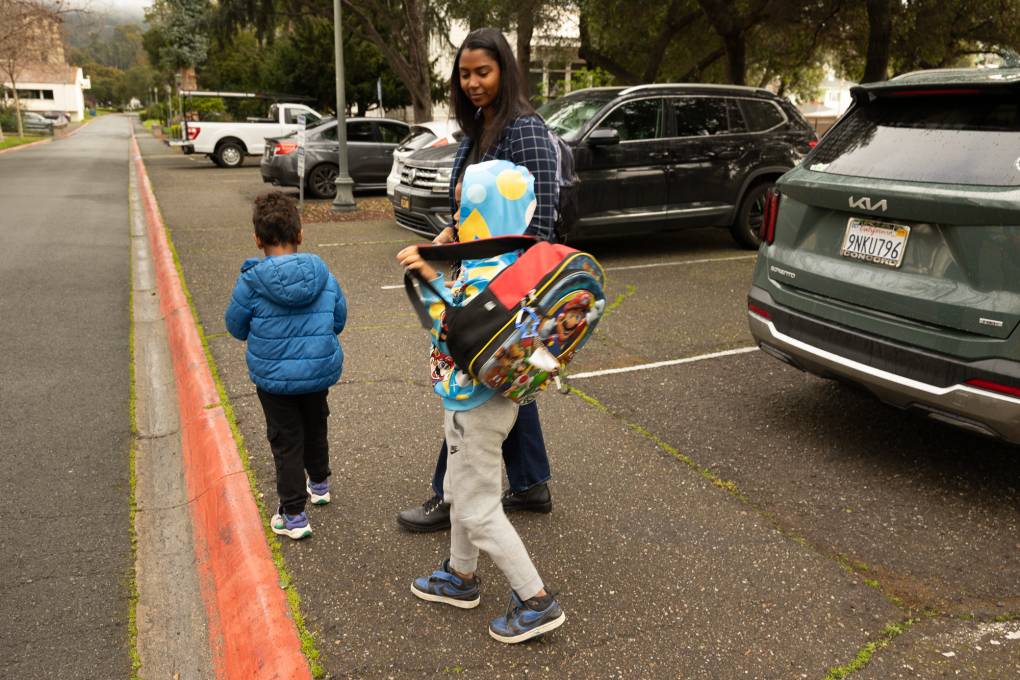
"caption": "Katrina Roundfield drops her children off at the Mills College Children's School in Oakland on Feb. 24, 2025. Roundfield said she noticed that Mills College has stopped doing school tours and accepting new students for their Children's School.",
"credit": "David M. Barreda/KQED",
"altTag": null,
"description": null,
"imgSizes": {
"medium": {
"file": "https://cdn.kqed.org/wp-content/uploads/sites/10/2025/02/20250224_Mills-Children-School_DMB_00007-800x533.jpg",
"width": 800,
"height": 533,
"mimeType": "image/jpeg"
},
"large": {
"file": "https://cdn.kqed.org/wp-content/uploads/sites/10/2025/02/20250224_Mills-Children-School_DMB_00007-1020x680.jpg",
"width": 1020,
"height": 680,
"mimeType": "image/jpeg"
},
"thumbnail": {
"file": "https://cdn.kqed.org/wp-content/uploads/sites/10/2025/02/20250224_Mills-Children-School_DMB_00007-160x107.jpg",
"width": 160,
"height": 107,
"mimeType": "image/jpeg"
},
"1536x1536": {
"file": "https://cdn.kqed.org/wp-content/uploads/sites/10/2025/02/20250224_Mills-Children-School_DMB_00007-1536x1024.jpg",
"width": 1536,
"height": 1024,
"mimeType": "image/jpeg"
},
"post-thumbnail": {
"file": "https://cdn.kqed.org/wp-content/uploads/sites/10/2025/02/20250224_Mills-Children-School_DMB_00007-672x372.jpg",
"width": 672,
"height": 372,
"mimeType": "image/jpeg"
},
"twentyfourteen-full-width": {
"file": "https://cdn.kqed.org/wp-content/uploads/sites/10/2025/02/20250224_Mills-Children-School_DMB_00007-1038x576.jpg",
"width": 1038,
"height": 576,
"mimeType": "image/jpeg"
},
"full-width": {
"file": "https://cdn.kqed.org/wp-content/uploads/sites/10/2025/02/20250224_Mills-Children-School_DMB_00007-1920x1280.jpg",
"width": 1920,
"height": 1280,
"mimeType": "image/jpeg"
},
"kqedFullSize": {
"file": "https://cdn.kqed.org/wp-content/uploads/sites/10/2025/02/20250224_Mills-Children-School_DMB_00007.jpg",
"width": 2000,
"height": 1333
}
},
"isLoading": false,
"fetchFailed": false
},
"news_12028488": {
"type": "attachments",
"id": "news_12028488",
"meta": {
"index": "attachments_1716263798",
"site": "news",
"id": "12028488",
"found": true
},
"title": "Evelyn Alfred 3",
"publishDate": 1740515695,
"status": "inherit",
"parent": 0,
"modified": 1740528003,
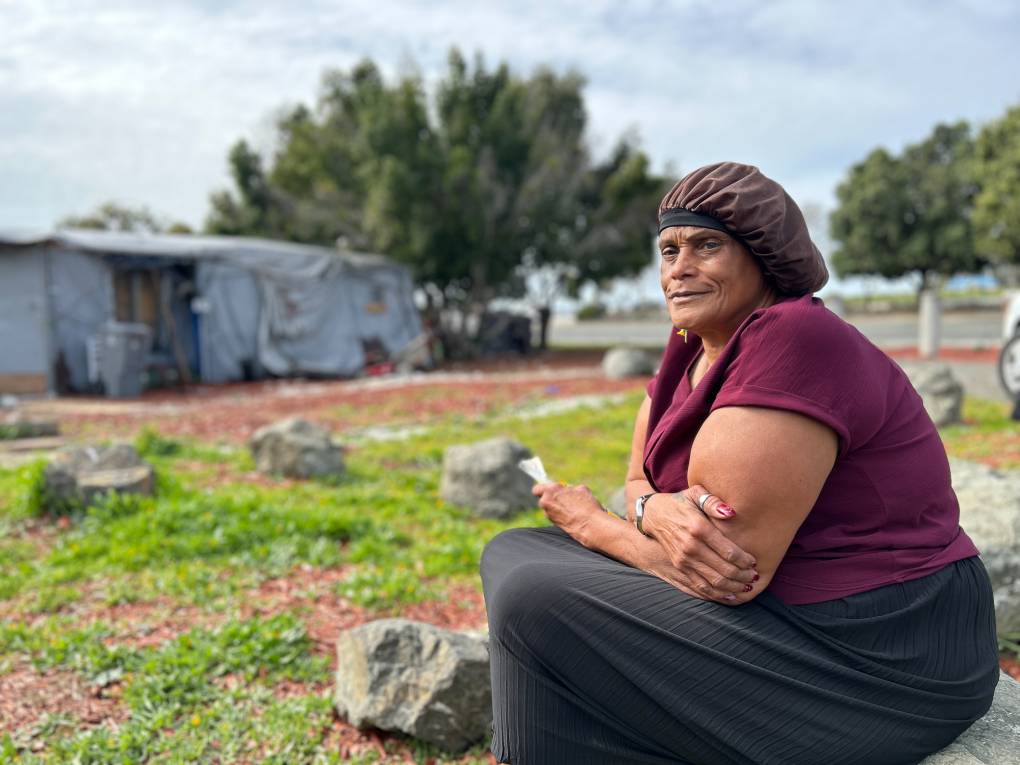
"caption": "Evelyn Alfred, 64, sits outside her home, a structure she built out of wood beams, insulation and tarps across from the Vallejo marina. Advocates say her recent legal victory could have broad implications for fights over homeless encampments across the nation.",
"credit": "Vanessa Rancaño/KQED",
"altTag": null,
"description": null,
"imgSizes": {
"medium": {
"file": "https://cdn.kqed.org/wp-content/uploads/sites/10/2025/02/Evelyn-Alfred-3-800x600.jpg",
"width": 800,
"height": 600,
"mimeType": "image/jpeg"
},
"large": {
"file": "https://cdn.kqed.org/wp-content/uploads/sites/10/2025/02/Evelyn-Alfred-3-1020x765.jpg",
"width": 1020,
"height": 765,
"mimeType": "image/jpeg"
},
"thumbnail": {
"file": "https://cdn.kqed.org/wp-content/uploads/sites/10/2025/02/Evelyn-Alfred-3-160x120.jpg",
"width": 160,
"height": 120,
"mimeType": "image/jpeg"
},
"1536x1536": {
"file": "https://cdn.kqed.org/wp-content/uploads/sites/10/2025/02/Evelyn-Alfred-3-1536x1152.jpg",
"width": 1536,
"height": 1152,
"mimeType": "image/jpeg"
},
"post-thumbnail": {
"file": "https://cdn.kqed.org/wp-content/uploads/sites/10/2025/02/Evelyn-Alfred-3-672x372.jpg",
"width": 672,
"height": 372,
"mimeType": "image/jpeg"
},
"twentyfourteen-full-width": {
"file": "https://cdn.kqed.org/wp-content/uploads/sites/10/2025/02/Evelyn-Alfred-3-1038x576.jpg",
"width": 1038,
"height": 576,
"mimeType": "image/jpeg"
},
"full-width": {
"file": "https://cdn.kqed.org/wp-content/uploads/sites/10/2025/02/Evelyn-Alfred-3-1920x1440.jpg",
"width": 1920,
"height": 1440,
"mimeType": "image/jpeg"
},
"kqedFullSize": {
"file": "https://cdn.kqed.org/wp-content/uploads/sites/10/2025/02/Evelyn-Alfred-3.jpg",
"width": 2000,
"height": 1500
}
},
"isLoading": false,
"fetchFailed": false
},
"news_12028311": {
"type": "attachments",
"id": "news_12028311",
"meta": {
"index": "attachments_1716263798",
"site": "news",
"id": "12028311",
"found": true
},
"title": "241023-SFUSDSuperintendent-12-BL_qed",
"publishDate": 1740420271,
"status": "inherit",
"parent": 12028309,
"modified": 1740420300,
"caption": "Katie Dorset teaches a class at Yick Wo Alternative Elementary School in San Francisco on Oct. 23, 2024.",
"credit": "Beth LaBerge/KQED",
"altTag": null,
"description": null,
"imgSizes": {
"medium": {
"file": "https://cdn.kqed.org/wp-content/uploads/sites/10/2025/02/241023-SFUSDSuperintendent-12-BL_qed-800x533.jpg",
"width": 800,
"height": 533,
"mimeType": "image/jpeg"
},
"large": {
"file": "https://cdn.kqed.org/wp-content/uploads/sites/10/2025/02/241023-SFUSDSuperintendent-12-BL_qed-1020x680.jpg",
"width": 1020,
"height": 680,
"mimeType": "image/jpeg"
},
"thumbnail": {
"file": "https://cdn.kqed.org/wp-content/uploads/sites/10/2025/02/241023-SFUSDSuperintendent-12-BL_qed-160x107.jpg",
"width": 160,
"height": 107,
"mimeType": "image/jpeg"
},
"1536x1536": {
"file": "https://cdn.kqed.org/wp-content/uploads/sites/10/2025/02/241023-SFUSDSuperintendent-12-BL_qed-1536x1024.jpg",
"width": 1536,
"height": 1024,
"mimeType": "image/jpeg"
},
"post-thumbnail": {
"file": "https://cdn.kqed.org/wp-content/uploads/sites/10/2025/02/241023-SFUSDSuperintendent-12-BL_qed-672x372.jpg",
"width": 672,
"height": 372,
"mimeType": "image/jpeg"
},
"twentyfourteen-full-width": {
"file": "https://cdn.kqed.org/wp-content/uploads/sites/10/2025/02/241023-SFUSDSuperintendent-12-BL_qed-1038x576.jpg",
"width": 1038,
"height": 576,
"mimeType": "image/jpeg"
},
"full-width": {
"file": "https://cdn.kqed.org/wp-content/uploads/sites/10/2025/02/241023-SFUSDSuperintendent-12-BL_qed-1920x1280.jpg",
"width": 1920,
"height": 1280,
"mimeType": "image/jpeg"
},
"kqedFullSize": {
"file": "https://cdn.kqed.org/wp-content/uploads/sites/10/2025/02/241023-SFUSDSuperintendent-12-BL_qed.jpg",
"width": 1999,
"height": 1333
}
},
"isLoading": false,
"fetchFailed": false
},
"news_12028109": {
"type": "attachments",
"id": "news_12028109",
"meta": {
"index": "attachments_1716263798",
"site": "news",
"id": "12028109",
"found": true
},
"title": "250220-PamelaPriceInterview-03",
"publishDate": 1740154842,
"status": "inherit",
"parent": 0,
"modified": 1740154879,
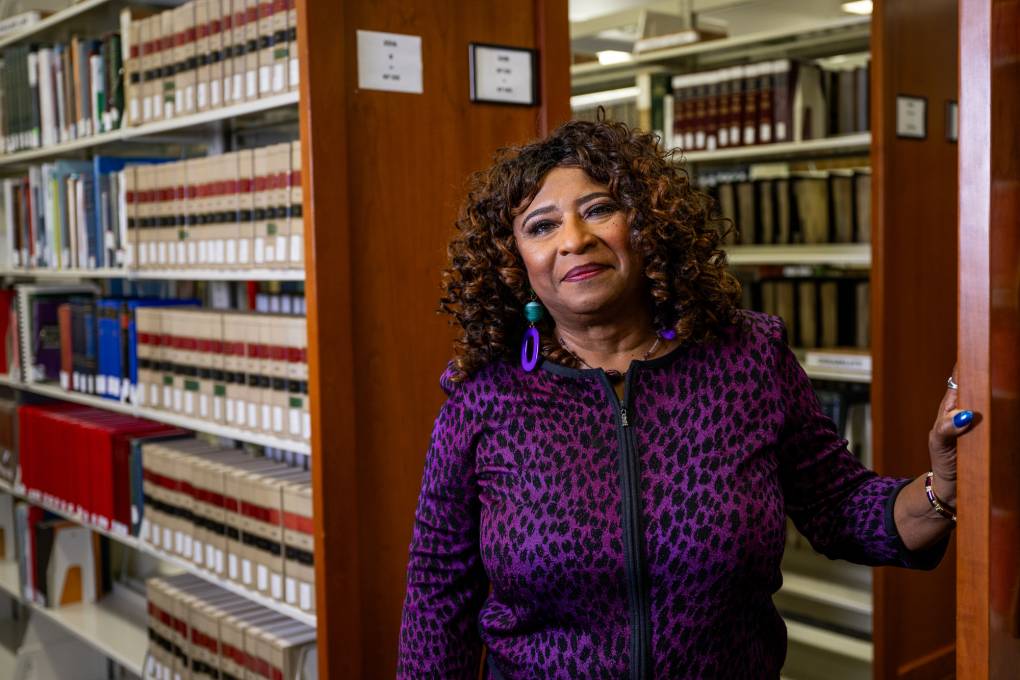
"caption": "Former Alameda County District Attorney Pamela Price poses for a photo at the Alameda County Law Library in Oakland on Feb. 20, 2025.",
"credit": "Beth LaBerge/KQED",
"altTag": null,
"description": null,
"imgSizes": {
"medium": {
"file": "https://cdn.kqed.org/wp-content/uploads/sites/10/2025/02/250220-PamelaPriceInterview-03-800x533.jpg",
"width": 800,
"height": 533,
"mimeType": "image/jpeg"
},
"large": {
"file": "https://cdn.kqed.org/wp-content/uploads/sites/10/2025/02/250220-PamelaPriceInterview-03-1020x680.jpg",
"width": 1020,
"height": 680,
"mimeType": "image/jpeg"
},
"thumbnail": {
"file": "https://cdn.kqed.org/wp-content/uploads/sites/10/2025/02/250220-PamelaPriceInterview-03-160x107.jpg",
"width": 160,
"height": 107,
"mimeType": "image/jpeg"
},
"1536x1536": {
"file": "https://cdn.kqed.org/wp-content/uploads/sites/10/2025/02/250220-PamelaPriceInterview-03-1536x1024.jpg",
"width": 1536,
"height": 1024,
"mimeType": "image/jpeg"
},
"post-thumbnail": {
"file": "https://cdn.kqed.org/wp-content/uploads/sites/10/2025/02/250220-PamelaPriceInterview-03-672x372.jpg",
"width": 672,
"height": 372,
"mimeType": "image/jpeg"
},
"twentyfourteen-full-width": {
"file": "https://cdn.kqed.org/wp-content/uploads/sites/10/2025/02/250220-PamelaPriceInterview-03-1038x576.jpg",
"width": 1038,
"height": 576,
"mimeType": "image/jpeg"
},
"full-width": {
"file": "https://cdn.kqed.org/wp-content/uploads/sites/10/2025/02/250220-PamelaPriceInterview-03-1920x1280.jpg",
"width": 1920,
"height": 1280,
"mimeType": "image/jpeg"
},
"kqedFullSize": {
"file": "https://cdn.kqed.org/wp-content/uploads/sites/10/2025/02/250220-PamelaPriceInterview-03.jpg",
"width": 2000,
"height": 1333
}
},
"isLoading": false,
"fetchFailed": false
},
"news_12027866": {
"type": "attachments",
"id": "news_12027866",
"meta": {
"index": "attachments_1716263798",
"site": "news",
"id": "12027866",
"found": true
},
"title": "DSC_1576_qed (1)",
"publishDate": 1740071450,
"status": "inherit",
"parent": 12028300,
"modified": 1740445816,
"caption": "Fort Winfield Scott was an active army base within the Presidio of San Francisco from 1912 to 1994.",
"credit": "Ryan Levi/KQED",
"altTag": null,
"description": null,
"imgSizes": {
"medium": {
"file": "https://cdn.kqed.org/wp-content/uploads/sites/10/2025/02/DSC_1576_qed-1-800x530.jpg",
"width": 800,
"height": 530,
"mimeType": "image/jpeg"
},
"large": {
"file": "https://cdn.kqed.org/wp-content/uploads/sites/10/2025/02/DSC_1576_qed-1-1020x676.jpg",
"width": 1020,
"height": 676,
"mimeType": "image/jpeg"
},
"thumbnail": {
"file": "https://cdn.kqed.org/wp-content/uploads/sites/10/2025/02/DSC_1576_qed-1-160x106.jpg",
"width": 160,
"height": 106,
"mimeType": "image/jpeg"
},
"1536x1536": {
"file": "https://cdn.kqed.org/wp-content/uploads/sites/10/2025/02/DSC_1576_qed-1-1536x1018.jpg",
"width": 1536,
"height": 1018,
"mimeType": "image/jpeg"
},
"post-thumbnail": {
"file": "https://cdn.kqed.org/wp-content/uploads/sites/10/2025/02/DSC_1576_qed-1-672x372.jpg",
"width": 672,
"height": 372,
"mimeType": "image/jpeg"
},
"twentyfourteen-full-width": {
"file": "https://cdn.kqed.org/wp-content/uploads/sites/10/2025/02/DSC_1576_qed-1-1038x576.jpg",
"width": 1038,
"height": 576,
"mimeType": "image/jpeg"
},
"full-width": {
"file": "https://cdn.kqed.org/wp-content/uploads/sites/10/2025/02/DSC_1576_qed-1-1920x1272.jpg",
"width": 1920,
"height": 1272,
"mimeType": "image/jpeg"
},
"kqedFullSize": {
"file": "https://cdn.kqed.org/wp-content/uploads/sites/10/2025/02/DSC_1576_qed-1.jpg",
"width": 2000,
"height": 1325
}
},
"isLoading": false,
"fetchFailed": false
},
"news_12027803": {
"type": "attachments",
"id": "news_12027803",
"meta": {
"index": "attachments_1716263798",
"site": "news",
"id": "12027803",
"found": true
},
"title": "241119-SFHomelessArrests-17-BL_qed",
"publishDate": 1740010572,
"status": "inherit",
"parent": 12027784,
"modified": 1740010647,
"caption": "San Francisco police officers go through the belongings of an unhoused person before their arrest in San Francisco’s Mission District on Nov. 19, 2024.",
"credit": "Beth LaBerge/KQED",
"altTag": null,
"description": null,
"imgSizes": {
"medium": {
"file": "https://cdn.kqed.org/wp-content/uploads/sites/10/2025/02/241119-SFHomelessArrests-17-BL_qed-800x533.jpg",
"width": 800,
"height": 533,
"mimeType": "image/jpeg"
},
"large": {
"file": "https://cdn.kqed.org/wp-content/uploads/sites/10/2025/02/241119-SFHomelessArrests-17-BL_qed-1020x680.jpg",
"width": 1020,
"height": 680,
"mimeType": "image/jpeg"
},
"thumbnail": {
"file": "https://cdn.kqed.org/wp-content/uploads/sites/10/2025/02/241119-SFHomelessArrests-17-BL_qed-160x107.jpg",
"width": 160,
"height": 107,
"mimeType": "image/jpeg"
},
"1536x1536": {
"file": "https://cdn.kqed.org/wp-content/uploads/sites/10/2025/02/241119-SFHomelessArrests-17-BL_qed-1536x1024.jpg",
"width": 1536,
"height": 1024,
"mimeType": "image/jpeg"
},
"post-thumbnail": {
"file": "https://cdn.kqed.org/wp-content/uploads/sites/10/2025/02/241119-SFHomelessArrests-17-BL_qed-672x372.jpg",
"width": 672,
"height": 372,
"mimeType": "image/jpeg"
},
"twentyfourteen-full-width": {
"file": "https://cdn.kqed.org/wp-content/uploads/sites/10/2025/02/241119-SFHomelessArrests-17-BL_qed-1038x576.jpg",
"width": 1038,
"height": 576,
"mimeType": "image/jpeg"
},
"full-width": {
"file": "https://cdn.kqed.org/wp-content/uploads/sites/10/2025/02/241119-SFHomelessArrests-17-BL_qed-1920x1280.jpg",
"width": 1920,
"height": 1280,
"mimeType": "image/jpeg"
},
"kqedFullSize": {
"file": "https://cdn.kqed.org/wp-content/uploads/sites/10/2025/02/241119-SFHomelessArrests-17-BL_qed.jpg",
"width": 2000,
"height": 1333
}
},
"isLoading": false,
"fetchFailed": false
},
"news_12015107": {
"type": "attachments",
"id": "news_12015107",
"meta": {
"index": "attachments_1716263798",
"site": "news",
"id": "12015107",
"found": true
},
"title": "Aerial view of Oakland Skyline, California",
"publishDate": 1732124916,
"status": "inherit",
"parent": 12015103,
"modified": 1738976574,
"caption": "Oakland faces the task of replacing its mayor after former Mayor Sheng Thao was recalled last November.",
"credit": "Joe Sohm/Visions of America/Universal Images Group via Getty Images",
"altTag": null,
"description": null,
"imgSizes": {
"medium": {
"file": "https://cdn.kqed.org/wp-content/uploads/sites/10/2024/11/OaklandGetty-800x449.jpg",
"width": 800,
"height": 449,
"mimeType": "image/jpeg"
},
"large": {
"file": "https://cdn.kqed.org/wp-content/uploads/sites/10/2024/11/OaklandGetty-1020x573.jpg",
"width": 1020,
"height": 573,
"mimeType": "image/jpeg"
},
"thumbnail": {
"file": "https://cdn.kqed.org/wp-content/uploads/sites/10/2024/11/OaklandGetty-160x90.jpg",
"width": 160,
"height": 90,
"mimeType": "image/jpeg"
},
"1536x1536": {
"file": "https://cdn.kqed.org/wp-content/uploads/sites/10/2024/11/OaklandGetty-1536x862.jpg",
"width": 1536,
"height": 862,
"mimeType": "image/jpeg"
},
"post-thumbnail": {
"file": "https://cdn.kqed.org/wp-content/uploads/sites/10/2024/11/OaklandGetty-672x372.jpg",
"width": 672,
"height": 372,
"mimeType": "image/jpeg"
},
"twentyfourteen-full-width": {
"file": "https://cdn.kqed.org/wp-content/uploads/sites/10/2024/11/OaklandGetty-1038x576.jpg",
"width": 1038,
"height": 576,
"mimeType": "image/jpeg"
},
"full-width": {
"file": "https://cdn.kqed.org/wp-content/uploads/sites/10/2024/11/OaklandGetty-1920x1078.jpg",
"width": 1920,
"height": 1078,
"mimeType": "image/jpeg"
},
"kqedFullSize": {
"file": "https://cdn.kqed.org/wp-content/uploads/sites/10/2024/11/OaklandGetty.jpg",
"width": 2000,
"height": 1123
}
},
"isLoading": false,
"fetchFailed": false
},
"news_12027779": {
"type": "attachments",
"id": "news_12027779",
"meta": {
"index": "attachments_1716263798",
"site": "news",
"id": "12027779",
"found": true
},
"title": "241217-DaylightingLaws-06-BL_qed",
"publishDate": 1740007578,
"status": "inherit",
"parent": 12027759,
"modified": 1740008998,
"caption": "A red curb indicates a no parking area near a crosswalk on Dolores and 16th streets in San Francisco on Dec. 17, 2024.",
"credit": "Beth LaBerge/KQED",
"altTag": null,
"description": null,
"imgSizes": {
"medium": {
"file": "https://cdn.kqed.org/wp-content/uploads/sites/10/2025/02/241217-DaylightingLaws-06-BL_qed-800x533.jpg",
"width": 800,
"height": 533,
"mimeType": "image/jpeg"
},
"large": {
"file": "https://cdn.kqed.org/wp-content/uploads/sites/10/2025/02/241217-DaylightingLaws-06-BL_qed-1020x680.jpg",
"width": 1020,
"height": 680,
"mimeType": "image/jpeg"
},
"thumbnail": {
"file": "https://cdn.kqed.org/wp-content/uploads/sites/10/2025/02/241217-DaylightingLaws-06-BL_qed-160x107.jpg",
"width": 160,
"height": 107,
"mimeType": "image/jpeg"
},
"1536x1536": {
"file": "https://cdn.kqed.org/wp-content/uploads/sites/10/2025/02/241217-DaylightingLaws-06-BL_qed-1536x1024.jpg",
"width": 1536,
"height": 1024,
"mimeType": "image/jpeg"
},
"post-thumbnail": {
"file": "https://cdn.kqed.org/wp-content/uploads/sites/10/2025/02/241217-DaylightingLaws-06-BL_qed-672x372.jpg",
"width": 672,
"height": 372,
"mimeType": "image/jpeg"
},
"twentyfourteen-full-width": {
"file": "https://cdn.kqed.org/wp-content/uploads/sites/10/2025/02/241217-DaylightingLaws-06-BL_qed-1038x576.jpg",
"width": 1038,
"height": 576,
"mimeType": "image/jpeg"
},
"full-width": {
"file": "https://cdn.kqed.org/wp-content/uploads/sites/10/2025/02/241217-DaylightingLaws-06-BL_qed-1920x1280.jpg",
"width": 1920,
"height": 1280,
"mimeType": "image/jpeg"
},
"kqedFullSize": {
"file": "https://cdn.kqed.org/wp-content/uploads/sites/10/2025/02/241217-DaylightingLaws-06-BL_qed.jpg",
"width": 2000,
"height": 1333
}
},
"isLoading": false,
"fetchFailed": false
},
"news_11957279": {
"type": "attachments",
"id": "news_11957279",
"meta": {
"index": "attachments_1716263798",
"site": "news",
"id": "11957279",
"found": true
},
"parent": 0,
"imgSizes": {
"twentyfourteen-full-width": {
"file": "https://ww2.kqed.org/app/uploads/sites/10/2023/08/230802-OAKLAND-CITY-HALL-MHN-06-KQED-1038x576.jpg",
"width": 1038,
"mimeType": "image/jpeg",
"height": 576
},
"thumbnail": {
"file": "https://ww2.kqed.org/app/uploads/sites/10/2023/08/230802-OAKLAND-CITY-HALL-MHN-06-KQED-160x107.jpg",
"width": 160,
"mimeType": "image/jpeg",
"height": 107
},
"post-thumbnail": {
"file": "https://ww2.kqed.org/app/uploads/sites/10/2023/08/230802-OAKLAND-CITY-HALL-MHN-06-KQED-672x372.jpg",
"width": 672,
"mimeType": "image/jpeg",
"height": 372
},
"kqedFullSize": {
"file": "https://ww2.kqed.org/app/uploads/sites/10/2023/08/230802-OAKLAND-CITY-HALL-MHN-06-KQED.jpg",
"width": 2000,
"height": 1333
},
"large": {
"file": "https://ww2.kqed.org/app/uploads/sites/10/2023/08/230802-OAKLAND-CITY-HALL-MHN-06-KQED-1020x680.jpg",
"width": 1020,
"mimeType": "image/jpeg",
"height": 680
},
"1536x1536": {
"file": "https://ww2.kqed.org/app/uploads/sites/10/2023/08/230802-OAKLAND-CITY-HALL-MHN-06-KQED-1536x1024.jpg",
"width": 1536,
"mimeType": "image/jpeg",
"height": 1024
},
"full-width": {
"file": "https://ww2.kqed.org/app/uploads/sites/10/2023/08/230802-OAKLAND-CITY-HALL-MHN-06-KQED-1920x1280.jpg",
"width": 1920,
"mimeType": "image/jpeg",
"height": 1280
},
"medium": {
"file": "https://ww2.kqed.org/app/uploads/sites/10/2023/08/230802-OAKLAND-CITY-HALL-MHN-06-KQED-800x533.jpg",
"width": 800,
"mimeType": "image/jpeg",
"height": 533
}
},
"publishDate": 1691020725,
"modified": 1691444475,
"caption": "Oakland City Hall in downtown Oakland on Aug. 2, 2023.",
"description": null,
"title": "230802-OAKLAND CITY HALL-MHN-06-KQED",
"credit": "Martin do Nascimento/KQED",
"status": "inherit",
"altTag": "Oakland's City Hall is seen in between other tall buildings.",
"isLoading": false,
"fetchFailed": false
}
},
"audioPlayerReducer": {
"postId": "stream_live",
"isPaused": true,
"isPlaying": false,
"pfsActive": false,
"pledgeModalIsOpen": true,
"playerDrawerIsOpen": false,
"liveAudioPlayStartedAt": 0,
"liveAudioPlayContext": ""
},
"authorsReducer": {
"byline_news_12028741": {
"type": "authors",
"id": "byline_news_12028741",
"meta": {
"override": true
},
"slug": "byline_news_12028741",
"name": "Janie Har, The Associated Press",
"isLoading": false
},
"danbrekke": {
"type": "authors",
"id": "222",
"meta": {
"index": "authors_1716337520",
"id": "222",
"found": true
},
"name": "Dan Brekke",
"firstName": "Dan",
"lastName": "Brekke",
"slug": "danbrekke",
"email": "dbrekke@kqed.org",
"display_author_email": true,
"staff_mastheads": [
"news",
"science"
],
"title": "KQED Editor and Reporter",
"bio": "Dan Brekke is a reporter and editor for KQED News, responsible for coverage of topics ranging from California water issues to the Bay Area's transportation challenges. In a newsroom career that began in Chicago in 1972, Dan has worked for \u003cem>The San Francisco Examiner,\u003c/em> Wired and TechTV and has been published in The New York Times, The New York Times Magazine, Business 2.0, Salon and elsewhere.\r\n\r\nSince joining KQED in 2007, Dan has reported, edited and produced both radio and online features and breaking news pieces. He has shared as both editor and reporter in four Society of Professional Journalists Norcal Excellence in Journalism awards and one Edward R. Murrow regional award. He was chosen for a spring 2017 residency at the Mesa Refuge to advance his research on California salmon.\r\n\r\nEmail Dan at: \u003ca href=\"mailto:dbrekke@kqed.org\">dbrekke@kqed.org\u003c/a>\r\n\r\n\u003cstrong>Twitter:\u003c/strong> \u003ca href=\"https://twitter.com/danbrekke\" rel=\"noopener noreferrer\">twitter.com/danbrekke\u003c/a>\r\n\u003cstrong>Facebook:\u003c/strong> \u003ca href=\"https://www.facebook.com/danbrekke\" rel=\"noopener noreferrer\">www.facebook.com/danbrekke\u003c/a>\r\n\u003cstrong>LinkedIn:\u003c/strong> \u003ca href=\"https://www.linkedin.com/in/danbrekke\" rel=\"noopener noreferrer\">www.linkedin.com/in/danbrekke\u003c/a>",
"avatar": "https://secure.gravatar.com/avatar/8f1f0d2a978fb3b23426c922c7e2af558fa36905b49c4ce76a97dc3c72d27226?s=600&d=mm&r=g",
"twitter": "danbrekke",
"bluesky": null,
"facebook": null,
"instagram": "https://www.instagram.com/dan.brekke/",
"linkedin": "https://www.linkedin.com/in/danbrekke/",
"sites": [
{
"site": "news",
"roles": [
"administrator",
"create_posts"
]
},
{
"site": "stateofhealth",
"roles": [
"editor"
]
},
{
"site": "science",
"roles": [
"editor"
]
},
{
"site": "quest",
"roles": [
"contributor"
]
},
{
"site": "food",
"roles": [
"contributor"
]
},
{
"site": "forum",
"roles": [
"contributor"
]
},
{
"site": "elections",
"roles": [
"editor"
]
},
{
"site": "liveblog",
"roles": [
"editor"
]
}
],
"headData": {
"title": "Dan Brekke | KQED",
"description": "KQED Editor and Reporter",
"ogImgSrc": "https://secure.gravatar.com/avatar/8f1f0d2a978fb3b23426c922c7e2af558fa36905b49c4ce76a97dc3c72d27226?s=600&d=mm&r=g",
"twImgSrc": "https://secure.gravatar.com/avatar/8f1f0d2a978fb3b23426c922c7e2af558fa36905b49c4ce76a97dc3c72d27226?s=600&d=mm&r=g"
},
"isLoading": false,
"link": "/author/danbrekke"
},
"vrancano": {
"type": "authors",
"id": "11276",
"meta": {
"index": "authors_1716337520",
"id": "11276",
"found": true
},
"name": "Vanessa Rancaño",
"firstName": "Vanessa",
"lastName": "Rancaño",
"slug": "vrancano",
"email": "vrancano@kqed.org",
"display_author_email": false,
"staff_mastheads": [
"news"
],
"title": "Reporter",
"bio": "Vanessa Rancaño is a features reporter for KQED. She’s also covered homelessness and education for the station and reported from the Central Valley. Her work has aired across public radio, from flagship national news shows to longform narrative podcasts. Before taking up a mic, she worked as a freelance print journalist. She’s been recognized with a number of national and regional awards. Vanessa grew up in California's Central Valley. She's a former NPR Kroc Fellow, and a graduate of the UC Berkeley Graduate School of Journalism.",
"avatar": "https://secure.gravatar.com/avatar/b3a383dfb0e7ee1c17568f2cf067904ab654d6e3de9743fc661f3c788ade1bed?s=600&d=blank&r=g",
"twitter": "vanessarancano",
"bluesky": null,
"facebook": null,
"instagram": null,
"linkedin": null,
"sites": [
{
"site": "arts",
"roles": [
"editor"
]
},
{
"site": "news",
"roles": [
"editor"
]
},
{
"site": "liveblog",
"roles": [
"contributor"
]
}
],
"headData": {
"title": "Vanessa Rancaño | KQED",
"description": "Reporter",
"ogImgSrc": "https://secure.gravatar.com/avatar/b3a383dfb0e7ee1c17568f2cf067904ab654d6e3de9743fc661f3c788ade1bed?s=600&d=blank&r=g",
"twImgSrc": "https://secure.gravatar.com/avatar/b3a383dfb0e7ee1c17568f2cf067904ab654d6e3de9743fc661f3c788ade1bed?s=600&d=blank&r=g"
},
"isLoading": false,
"link": "/author/vrancano"
},
"daisynguyen": {
"type": "authors",
"id": "11829",
"meta": {
"index": "authors_1716337520",
"id": "11829",
"found": true
},
"name": "Daisy Nguyen",
"firstName": "Daisy",
"lastName": "Nguyen",
"slug": "daisynguyen",
"email": "daisynguyen@kqed.org",
"display_author_email": true,
"staff_mastheads": [
"news"
],
"title": "KQED Contributor",
"bio": "I have covered early childhood education and child care for KQED since 2022. I focus on policies aimed at increasing access to early care and education and how they shape individual lives. I've been a journalist for more than two decades, with most of that time devoted to covering breaking news throughout California for The Associated Press. I grew up in San Francisco and studied at UC Davis and Columbia University's Graduate School of Journalism. I live in Oakland with my husband and two kids.",
"avatar": "https://secure.gravatar.com/avatar/2da2127c27f7143b53ebd419800fd55f?s=600&d=blank&r=g",
"twitter": null,
"facebook": null,
"instagram": null,
"linkedin": "https://www.linkedin.com/in/daisynguyen/",
"sites": [
{
"site": "news",
"roles": [
"author"
]
},
{
"site": "liveblog",
"roles": [
"author"
]
}
],
"headData": {
"title": "Daisy Nguyen | KQED",
"description": "KQED Contributor",
"ogImgSrc": "https://secure.gravatar.com/avatar/2da2127c27f7143b53ebd419800fd55f?s=600&d=blank&r=g",
"twImgSrc": "https://secure.gravatar.com/avatar/2da2127c27f7143b53ebd419800fd55f?s=600&d=blank&r=g"
},
"isLoading": false,
"link": "/author/daisynguyen"
},
"sjohnson": {
"type": "authors",
"id": "11840",
"meta": {
"index": "authors_1716337520",
"id": "11840",
"found": true
},
"name": "Sydney Johnson",
"firstName": "Sydney",
"lastName": "Johnson",
"slug": "sjohnson",
"email": "sjohnson@kqed.org",
"display_author_email": false,
"staff_mastheads": [
"news"
],
"title": "KQED Reporter",
"bio": "Sydney Johnson is a general assignment reporter at KQED. She previously reported on public health and city government at the San Francisco Examiner, and before that, she covered statewide education policy for EdSource. Her reporting has won multiple local, state and national awards. Sydney is a graduate of the University of California, Berkeley and lives in San Francisco.",
"avatar": "https://secure.gravatar.com/avatar/97855f2719b72ad6190b7c535fe642c8?s=600&d=blank&r=g",
"twitter": "sydneyfjohnson",
"facebook": null,
"instagram": null,
"linkedin": null,
"sites": [
{
"site": "news",
"roles": [
"editor"
]
}
],
"headData": {
"title": "Sydney Johnson | KQED",
"description": "KQED Reporter",
"ogImgSrc": "https://secure.gravatar.com/avatar/97855f2719b72ad6190b7c535fe642c8?s=600&d=blank&r=g",
"twImgSrc": "https://secure.gravatar.com/avatar/97855f2719b72ad6190b7c535fe642c8?s=600&d=blank&r=g"
},
"isLoading": false,
"link": "/author/sjohnson"
},
"kdebenedetti": {
"type": "authors",
"id": "11913",
"meta": {
"index": "authors_1716337520",
"id": "11913",
"found": true
},
"name": "Katie DeBenedetti",
"firstName": "Katie",
"lastName": "DeBenedetti",
"slug": "kdebenedetti",
"email": "kdebenedetti@kqed.org",
"display_author_email": false,
"staff_mastheads": [
"news",
"science"
],
"title": "KQED Contributor",
"bio": "Katie DeBenedetti is a digital reporter covering daily news for the Express Desk. Prior to joining KQED as a culture reporting intern in January 2024, she covered education and city government for the Napa Valley Register.",
"avatar": "https://secure.gravatar.com/avatar/6e31073cb8f7e4214ab03f42771d0f45?s=600&d=blank&r=g",
"twitter": null,
"facebook": null,
"instagram": null,
"linkedin": null,
"sites": [
{
"site": "news",
"roles": [
"author"
]
},
{
"site": "science",
"roles": [
"author"
]
},
{
"site": "liveblog",
"roles": [
"author"
]
}
],
"headData": {
"title": "Katie DeBenedetti | KQED",
"description": "KQED Contributor",
"ogImgSrc": "https://secure.gravatar.com/avatar/6e31073cb8f7e4214ab03f42771d0f45?s=600&d=blank&r=g",
"twImgSrc": "https://secure.gravatar.com/avatar/6e31073cb8f7e4214ab03f42771d0f45?s=600&d=blank&r=g"
},
"isLoading": false,
"link": "/author/kdebenedetti"
},
"slim": {
"type": "authors",
"id": "11920",
"meta": {
"index": "authors_1716337520",
"id": "11920",
"found": true
},
"name": "Samantha Lim",
"firstName": "Samantha",
"lastName": "Lim",
"slug": "slim",
"email": "slim@KQED.org",
"display_author_email": false,
"staff_mastheads": [],
"title": "KQED Contributor",
"bio": null,
"avatar": "https://secure.gravatar.com/avatar/82e592e6c15fe1a04d385e8ad0fb0b4e?s=600&d=blank&r=g",
"twitter": null,
"facebook": null,
"instagram": null,
"linkedin": null,
"sites": [
{
"site": "news",
"roles": []
}
],
"headData": {
"title": "Samantha Lim | KQED",
"description": "KQED Contributor",
"ogImgSrc": "https://secure.gravatar.com/avatar/82e592e6c15fe1a04d385e8ad0fb0b4e?s=600&d=blank&r=g",
"twImgSrc": "https://secure.gravatar.com/avatar/82e592e6c15fe1a04d385e8ad0fb0b4e?s=600&d=blank&r=g"
},
"isLoading": false,
"link": "/author/slim"
}
},
"pagesReducer": {
"news_category_local": {
"type": "terms",
"id": "news_28250",
"meta": {
"index": "terms_1716263798",
"site": "news",
"id": "28250",
"score": 12.940577
},
"featImg": null,
"name": "Local",
"description": null,
"taxonomy": "category",
"headData": {
"twImgId": null,
"twTitle": null,
"ogTitle": null,
"ogImgId": null,
"twDescription": null,
"description": null,
"title": "Local Archives | KQED News",
"ogDescription": null
},
"ttid": 28267,
"slug": "local",
"isLoading": false,
"title": "Local",
"pageMeta": {
"site": "news",
"WpPageTemplate": "page-topic-editorial",
"currentPage": 124
},
"blocks": [
{
"blockName": "kqed/post-list",
"attrs": {
"layout": "cardArticle2",
"query": "posts/news?category=local",
"seeMore": false,
"paginated": true,
"page": 124
}
},
{
"blockName": "kqed/ad"
}
]
}
},
"pfsSessionReducer": {},
"postsReducer": {
"stream_live": {
"type": "live",
"id": "stream_live",
"audioUrl": "https://streams.kqed.org/kqedradio",
"title": "Live Stream",
"excerpt": "Live Stream information currently unavailable.",
"link": "/radio",
"featImg": "",
"label": {
"name": "KQED Live",
"link": "/"
}
},
"stream_kqedNewscast": {
"type": "posts",
"id": "stream_kqedNewscast",
"audioUrl": "https://www.kqed.org/.stream/anon/radio/RDnews/newscast.mp3?_=1",
"title": "KQED Newscast",
"featImg": "",
"label": {
"name": "88.5 FM",
"link": "/"
}
},
"news_12028741": {
"type": "posts",
"id": "news_12028741",
"meta": {
"index": "posts_1716263798",
"site": "news",
"id": "12028741",
"score": null,
"sort": [
1740616118000
]
},
"guestAuthors": [],
"slug": "rare-video-captures-super-pod-of-2000-dolphins-breaching-playing-off-monterey-coast",
"title": "Rare Video Captures Super Pod of 2,000 Dolphins Breaching, Playing Off Monterey Coast",
"publishDate": 1740616118,
"format": "image",
"headTitle": "Rare Video Captures Super Pod of 2,000 Dolphins Breaching, Playing Off Monterey Coast | KQED",
"labelTerm": {
"site": "news"
},
"content": "\u003cp>A California boat captain has captured rare video of a super pod of more than 2,000 dolphins breaching off the coast of Monterey, including the more elusive northern right whale dolphin.\u003c/p>\n\u003cp>Northern right whale dolphins are often spotted farther away from shore and in deeper waters, but Evan Brodsky, a captain and videographer with private boat tour company Monterey Bay Whale Watch, encountered the mammals last week about 11 miles from the harbor. The dolphins are one of two dolphin species without a dorsal fin.\u003c/p>\n\u003cp>“They’re all smooth,” said Brodsky and joked, “When they jump, they look like flying eyebrows.”\u003c/p>\n\u003cp>https://www.youtube.com/watch?v=SO88Os1DoRk\u003c/p>\n\u003cp>Brodsky was out around noon Friday with two other crew members conducting research when they spotted a dozen dolphins. They followed the pod until they estimated there were more than 2,000 dolphins, including light gray baby calves, and several hundred Pacific white-sided dolphins.\u003c/p>\n\u003cp>[ad fullwidth]\u003c/p>\n\u003cp>“We were so excited it was hard to hold in our emotions. We had the biggest grins from ear to ear,” he said, adding that one of his coworkers may have shed a tear at the sight.\u003c/p>\n\u003cp>Northern right whale dolphins live in pods of 100 to 200 dolphins, according to the nonprofit Whale and Dolphin Conservation. They are gregarious and highly social and often mix with other dolphin species, including Risso’s dolphins, a super pod of which Brodsky captured on drone video last month.\u003c/p>\n\u003cp>Adults are about 10 feet long and weigh over 200 pounds, Brodsky said.\u003c/p>\n\u003cp>People come from around the world to try to see a northern right whale dolphin in the bay’s deep underwater canyons, said Colleen Talty, a marine biologist with Monterey Bay Whale Watch.\u003c/p>\n\u003cp>She said the dolphins could be clustering to fend off predators, feed on the same food or socialize.\u003c/p>\n\u003cp>\u003c/p>\n\u003cp>“We don’t always see baby dolphins,” she said, “so that’s pretty nice.”\u003c/p>\n\n",
"blocks": [],
"excerpt": "A Monterey Bay boat captain captured rare video of the super pod, including the more elusive northern right whale dolphin.",
"status": "publish",
"parent": 0,
"modified": 1740616118,
"stats": {
"hasAudio": false,
"hasVideo": true,
"hasChartOrMap": false,
"iframeSrcs": [],
"hasGoogleForm": false,
"hasGallery": false,
"hasHearkenModule": false,
"hasPolis": false,
"paragraphCount": 12,
"wordCount": 335
},
"headData": {
"title": "Rare Video Captures Super Pod of 2,000 Dolphins Breaching, Playing Off Monterey Coast | KQED",
"description": "A Monterey Bay boat captain captured rare video of the super pod, including the more elusive northern right whale dolphin.",
"ogTitle": "",
"ogDescription": "",
"ogImgId": "",
"twTitle": "",
"twDescription": "",
"twImgId": "",
"schema": {
"@context": "https://schema.org",
"@type": "NewsArticle",
"headline": "Rare Video Captures Super Pod of 2,000 Dolphins Breaching, Playing Off Monterey Coast",
"datePublished": "2025-02-26T16:28:38-08:00",
"dateModified": "2025-02-26T16:28:38-08:00",
"image": "https://cdn.kqed.org/wp-content/uploads/2020/02/KQED-OG-Image@1x.png",
"isAccessibleForFree": "True",
"publisher": {
"@type": "NewsMediaOrganization",
"@id": "https://www.kqed.org/#organization",
"name": "KQED",
"logo": "https://cdn.kqed.org/wp-content/uploads/2020/02/KQED-OG-Image@1x.png",
"url": "https://www.kqed.org",
"sameAs": [
"https://www.facebook.com/KQED",
"https://twitter.com/KQED",
"https://www.instagram.com/kqed/",
"https://www.tiktok.com/@kqedofficial",
"https://www.linkedin.com/company/kqed",
"https://www.youtube.com/channel/UCeC0IOo7i1P_61zVUWbJ4nw"
]
}
}
},
"sticky": false,
"nprByline": "Janie Har, The Associated Press",
"nprStoryId": "kqed-12028741",
"excludeFromSiteSearch": "Include",
"showOnAuthorArchivePages": "No",
"articleAge": "0",
"path": "/news/12028741/rare-video-captures-super-pod-of-2000-dolphins-breaching-playing-off-monterey-coast",
"audioTrackLength": null,
"parsedContent": [
{
"type": "contentString",
"content": "\u003cdiv class=\"post-body\">\u003cp>\u003cp>A California boat captain has captured rare video of a super pod of more than 2,000 dolphins breaching off the coast of Monterey, including the more elusive northern right whale dolphin.\u003c/p>\n\u003cp>Northern right whale dolphins are often spotted farther away from shore and in deeper waters, but Evan Brodsky, a captain and videographer with private boat tour company Monterey Bay Whale Watch, encountered the mammals last week about 11 miles from the harbor. The dolphins are one of two dolphin species without a dorsal fin.\u003c/p>\n\u003cp>“They’re all smooth,” said Brodsky and joked, “When they jump, they look like flying eyebrows.”\u003c/p>\u003c/p>\u003cp>\u003cspan class='utils-parseShortcode-shortcodes-__youtubeShortcode__embedYoutube'>\n \u003cspan class='utils-parseShortcode-shortcodes-__youtubeShortcode__embedYoutubeInside'>\n \u003ciframe\n loading='lazy'\n class='utils-parseShortcode-shortcodes-__youtubeShortcode__youtubePlayer'\n type='text/html'\n src='//www.youtube.com/embed/SO88Os1DoRk'\n title='//www.youtube.com/embed/SO88Os1DoRk'\n allowfullscreen='true'\n style='border:0;'>\u003c/iframe>\n \u003c/span>\n \u003c/span>\u003c/p>\u003cp>\u003cp>Brodsky was out around noon Friday with two other crew members conducting research when they spotted a dozen dolphins. They followed the pod until they estimated there were more than 2,000 dolphins, including light gray baby calves, and several hundred Pacific white-sided dolphins.\u003c/p>\n\u003cp>\u003c/p>\u003c/div>",
"attributes": {
"named": {},
"numeric": []
}
},
{
"type": "component",
"content": "",
"name": "ad",
"attributes": {
"named": {
"label": "fullwidth"
},
"numeric": [
"fullwidth"
]
}
},
{
"type": "contentString",
"content": "\u003cdiv class=\"post-body\">\u003cp>\u003c/p>\n\u003cp>“We were so excited it was hard to hold in our emotions. We had the biggest grins from ear to ear,” he said, adding that one of his coworkers may have shed a tear at the sight.\u003c/p>\n\u003cp>Northern right whale dolphins live in pods of 100 to 200 dolphins, according to the nonprofit Whale and Dolphin Conservation. They are gregarious and highly social and often mix with other dolphin species, including Risso’s dolphins, a super pod of which Brodsky captured on drone video last month.\u003c/p>\n\u003cp>Adults are about 10 feet long and weigh over 200 pounds, Brodsky said.\u003c/p>\n\u003cp>People come from around the world to try to see a northern right whale dolphin in the bay’s deep underwater canyons, said Colleen Talty, a marine biologist with Monterey Bay Whale Watch.\u003c/p>\n\u003cp>She said the dolphins could be clustering to fend off predators, feed on the same food or socialize.\u003c/p>\n\u003cp>\u003c/p>\n\u003cp>“We don’t always see baby dolphins,” she said, “so that’s pretty nice.”\u003c/p>\n\n\u003c/div>\u003c/p>",
"attributes": {
"named": {},
"numeric": []
}
}
],
"link": "/news/12028741/rare-video-captures-super-pod-of-2000-dolphins-breaching-playing-off-monterey-coast",
"authors": [
"byline_news_12028741"
],
"categories": [
"news_31795",
"news_19906",
"news_28250",
"news_8",
"news_356"
],
"tags": [
"news_18132",
"news_3788",
"news_34429",
"news_22531",
"news_1421"
],
"featImg": "news_12028751",
"label": "news"
},
"news_12028726": {
"type": "posts",
"id": "news_12028726",
"meta": {
"index": "posts_1716263798",
"site": "news",
"id": "12028726",
"score": null,
"sort": [
1740605481000
]
},
"guestAuthors": [],
"slug": "reformist-sf-police-commissioner-is-ousted-giving-lurie-greater-control-of-oversight",
"title": "Reformist SF Police Commissioner Is Ousted, Giving Lurie Greater Control of Oversight",
"publishDate": 1740605481,
"format": "standard",
"headTitle": "Reformist SF Police Commissioner Is Ousted, Giving Lurie Greater Control of Oversight | KQED",
"labelTerm": {
"site": "news"
},
"content": "\u003cp>San Francisco supervisors voted Tuesday to remove progressive police commissioner Max Carter-Oberstone, a move that could give \u003ca href=\"https://www.kqed.org/news/tag/daniel-lurie\">Mayor Daniel Lurie\u003c/a> greater influence over the commission but also one that some city officials and police reform activists worry will \u003ca href=\"https://www.kqed.org/news/12028306/sf-activists-rally-against-luries-push-remove-outspoken-police-commissioner\">hurt efforts to improve law enforcement accountability\u003c/a>.\u003c/p>\n\u003cp>The 9–2 vote came less than a month after Lurie moved to dismiss the commissioner before the end of his term next year in favor of one the mayor said would be more collaborative.\u003c/p>\n\u003cp>Carter-Oberstone was twice appointed to the oversight body by former Mayor London Breed, but he publicly clashed with her over public safety policies and exposed her controversial practice of having commission appointees sign undated resignation letters at the start of their terms. Without him as a reliable ally, Breed effectively lost control of the Police Commission, whose seven members include four appointed by the mayor.\u003c/p>\n\u003cp>According to Carter-Oberstone, Lurie’s office notified him three weeks ago that it would be \u003ca href=\"https://www.kqed.org/news/12025784/lurie-aims-oust-sf-police-commissioner-pushed-reforms-clashed-breed\">seeking his removal\u003c/a> after he made it clear during a previous meeting that he would not resign at the mayor’s request. Lurie has yet to provide a public explanation as to why he should be ousted from the role, the former police commissioner said.\u003c/p>\n\u003cp>[ad fullwidth]\u003c/p>\n\u003cp>Some have speculated that Lurie is seeking to shore up mayoral control of the Police Commission as part of a bid to replace SFPD Chief Bill Scott, a concern that was brought up by residents during public comment at Tuesday’s meeting.\u003c/p>\n\u003cp>During the selection of a new police chief, the Police Commission provides the mayor with a list of names to select from. Replacing Carter-Oberstone with a police commissioner who is more aligned with the mayor’s office could allow Lurie greater influence over that list if Scott is fired or resigns.\u003c/p>\n\u003cp>Supervisor Matt Dorsey, a former SFPD spokesperson, said that he didn’t believe Lurie sought Carter-Oberstone’s ouster in preparation for replacing Scott and that Lurie has the right to seek his own appointments as a newly elected mayor.\u003c/p>\n\u003cp>“At the end of the day, I don’t believe this is about Mr. Carter-Oberstone. I believe it is about what the city charter says about mayoral authority over mayoral appointments,” Dorsey said.\u003c/p>\n\u003cfigure id=\"attachment_12028382\" class=\"wp-caption aligncenter\" style=\"max-width: 2000px\">\u003cimg loading=\"lazy\" decoding=\"async\" class=\"size-full wp-image-12028382\" src=\"https://cdn.kqed.org/wp-content/uploads/sites/10/2025/02/250224-SFPD-POLICE-COMMISSIONER-PROTEST-MD-19_qed.jpg\" alt=\"\" width=\"2000\" height=\"1333\" srcset=\"https://cdn.kqed.org/wp-content/uploads/sites/10/2025/02/250224-SFPD-POLICE-COMMISSIONER-PROTEST-MD-19_qed.jpg 2000w, https://cdn.kqed.org/wp-content/uploads/sites/10/2025/02/250224-SFPD-POLICE-COMMISSIONER-PROTEST-MD-19_qed-800x533.jpg 800w, https://cdn.kqed.org/wp-content/uploads/sites/10/2025/02/250224-SFPD-POLICE-COMMISSIONER-PROTEST-MD-19_qed-1020x680.jpg 1020w, https://cdn.kqed.org/wp-content/uploads/sites/10/2025/02/250224-SFPD-POLICE-COMMISSIONER-PROTEST-MD-19_qed-160x107.jpg 160w, https://cdn.kqed.org/wp-content/uploads/sites/10/2025/02/250224-SFPD-POLICE-COMMISSIONER-PROTEST-MD-19_qed-1536x1024.jpg 1536w, https://cdn.kqed.org/wp-content/uploads/sites/10/2025/02/250224-SFPD-POLICE-COMMISSIONER-PROTEST-MD-19_qed-1920x1280.jpg 1920w\" sizes=\"auto, (max-width: 2000px) 100vw, 2000px\">\u003cfigcaption class=\"wp-caption-text\">Supporters of San Francisco Police Commissioner Max Carter-Oberstone attend a rally on the steps of San Francisco City Hall protesting Mayor Daniel Lurie’s attempt to remove Carter-Oberstone from the Police Commission on Feb. 24, 2025. \u003ccite>(Martin do Nascimento/KQED)\u003c/cite>\u003c/figcaption>\u003c/figure>\n\u003cp>Supervisor Jackie Fielder, who voted against the motion to remove Carter-Oberstone, said during the meeting that while the mayor is allowed to request the removal of a police commissioner, the board is also within its authority to reject the request. Her constituents have expressed a desire for greater police accountability, and Carter-Oberstone’s removal will be to the detriment of police oversight efforts, she said.\u003c/p>\n\u003cp>“Commissioner Carter-Oberstone has been a steadfast advocate for reforms and oversight. His leadership has been smart, principled and moral,” Fielder said. “He represents the kind of principled, uncorrupt, independent governance San Franciscans want, and he should be rewarded for his service, not punished.”\u003c/p>\n\u003cp>Only Supervisor Myrna Melgar joined Fielder in voting against removing Carter-Oberstone.\u003c/p>\n\u003cp>Many of the residents and civil rights advocates who spoke at the meeting pushed back against the motion, urging the board to allow Carter-Oberstone to serve until the end of his term.[aside postID=news_11996060 hero='https://cdn.kqed.org/wp-content/uploads/sites/10/2300/12/GettyImages-2168382996-1.jpg']\u003c/p>\n\u003cp>Carter-Oberstone “has not only provided critical, unwavering oversight of our city’s armed police force, but he has also fought for SFPD to engage in policing that does not rely on racial bias and police violence,” said Carolyn Goosen, policy director at the San Francisco Public Defender’s Office. “We need to ensure that there is strong, independent civilian oversight, and this is what Commissioner Carter-Oberstone exemplifies.”\u003c/p>\n\u003cp>Goosen praised Carter-Oberstone for his work as an outspoken proponent of police reform and for his effort in spearheading racial justice initiatives in San Francisco, including a commission-initiated policy that \u003ca href=\"https://www.kqed.org/news/11996060/san-francisco-police-are-now-restricted-from-certain-traffic-stops-heres-why\">bans “pretextual” traffic stops\u003c/a> — those for low-level violations that officers use to investigate whether the person was involved in an unrelated crime, often based on little more than speculation.\u003c/p>\n\u003cp>During the meeting, the Board of Supervisors also confirmed Lurie’s selection of a new police commissioner for a separate seat, former federal prosecutor Wilson Leung. With Carter-Oberstone’s removal, the mayor will also need to nominate another person to the commission, possibly furthering Lurie’s sway over the police oversight board.\u003c/p>\n\u003cp>“San Francisco has taken a dangerous step backward,” said Brian Hofer, executive director of nonprofit Secure Justice, in a statement responding to Carter-Oberstone’s removal. “Commissioner Carter-Oberstone was removed not because he failed in his duties but because he was too effective at holding SFPD accountable. This decision sends a chilling message to anyone who dares to stand up for justice.”\u003c/p>\n\u003cp>\u003cem>KQED’s \u003ca href=\"https://www.kqed.org/author/dcronin\">Dana Cronin\u003c/a> contributed to this report\u003c/em>.\u003c/p>\n\u003cp>\u003c/p>\n",
"blocks": [],
"excerpt": "San Francisco supervisors voted to remove Max Carter-Oberstone from the Police Commission at Mayor Daniel Lurie’s request.",
"status": "publish",
"parent": 0,
"modified": 1740610298,
"stats": {
"hasAudio": false,
"hasVideo": false,
"hasChartOrMap": false,
"iframeSrcs": [],
"hasGoogleForm": false,
"hasGallery": false,
"hasHearkenModule": false,
"hasPolis": false,
"paragraphCount": 19,
"wordCount": 884
},
"headData": {
"title": "Reformist SF Police Commissioner Is Ousted, Giving Lurie Greater Control of Oversight | KQED",
"description": "San Francisco supervisors voted to remove Max Carter-Oberstone from the Police Commission at Mayor Daniel Lurie’s request.",
"ogTitle": "",
"ogDescription": "",
"ogImgId": "",
"twTitle": "",
"twDescription": "",
"twImgId": "",
"schema": {
"@context": "https://schema.org",
"@type": "NewsArticle",
"headline": "Reformist SF Police Commissioner Is Ousted, Giving Lurie Greater Control of Oversight",
"datePublished": "2025-02-26T13:31:21-08:00",
"dateModified": "2025-02-26T14:51:38-08:00",
"image": "https://cdn.kqed.org/wp-content/uploads/2020/02/KQED-OG-Image@1x.png",
"isAccessibleForFree": "True",
"publisher": {
"@type": "NewsMediaOrganization",
"@id": "https://www.kqed.org/#organization",
"name": "KQED",
"logo": "https://cdn.kqed.org/wp-content/uploads/2020/02/KQED-OG-Image@1x.png",
"url": "https://www.kqed.org",
"sameAs": [
"https://www.facebook.com/KQED",
"https://twitter.com/KQED",
"https://www.instagram.com/kqed/",
"https://www.tiktok.com/@kqedofficial",
"https://www.linkedin.com/company/kqed",
"https://www.youtube.com/channel/UCeC0IOo7i1P_61zVUWbJ4nw"
]
}
}
},
"sticky": false,
"nprStoryId": "kqed-12028726",
"excludeFromSiteSearch": "Include",
"articleAge": "0",
"path": "/news/12028726/reformist-sf-police-commissioner-is-ousted-giving-lurie-greater-control-of-oversight",
"audioTrackLength": null,
"parsedContent": [
{
"type": "contentString",
"content": "\u003cdiv class=\"post-body\">\u003cp>\u003cp>San Francisco supervisors voted Tuesday to remove progressive police commissioner Max Carter-Oberstone, a move that could give \u003ca href=\"https://www.kqed.org/news/tag/daniel-lurie\">Mayor Daniel Lurie\u003c/a> greater influence over the commission but also one that some city officials and police reform activists worry will \u003ca href=\"https://www.kqed.org/news/12028306/sf-activists-rally-against-luries-push-remove-outspoken-police-commissioner\">hurt efforts to improve law enforcement accountability\u003c/a>.\u003c/p>\n\u003cp>The 9–2 vote came less than a month after Lurie moved to dismiss the commissioner before the end of his term next year in favor of one the mayor said would be more collaborative.\u003c/p>\n\u003cp>Carter-Oberstone was twice appointed to the oversight body by former Mayor London Breed, but he publicly clashed with her over public safety policies and exposed her controversial practice of having commission appointees sign undated resignation letters at the start of their terms. Without him as a reliable ally, Breed effectively lost control of the Police Commission, whose seven members include four appointed by the mayor.\u003c/p>\n\u003cp>According to Carter-Oberstone, Lurie’s office notified him three weeks ago that it would be \u003ca href=\"https://www.kqed.org/news/12025784/lurie-aims-oust-sf-police-commissioner-pushed-reforms-clashed-breed\">seeking his removal\u003c/a> after he made it clear during a previous meeting that he would not resign at the mayor’s request. Lurie has yet to provide a public explanation as to why he should be ousted from the role, the former police commissioner said.\u003c/p>\n\u003cp>\u003c/p>\u003c/div>",
"attributes": {
"named": {},
"numeric": []
}
},
{
"type": "component",
"content": "",
"name": "ad",
"attributes": {
"named": {
"label": "fullwidth"
},
"numeric": [
"fullwidth"
]
}
},
{
"type": "contentString",
"content": "\u003cdiv class=\"post-body\">\u003cp>\u003c/p>\n\u003cp>Some have speculated that Lurie is seeking to shore up mayoral control of the Police Commission as part of a bid to replace SFPD Chief Bill Scott, a concern that was brought up by residents during public comment at Tuesday’s meeting.\u003c/p>\n\u003cp>During the selection of a new police chief, the Police Commission provides the mayor with a list of names to select from. Replacing Carter-Oberstone with a police commissioner who is more aligned with the mayor’s office could allow Lurie greater influence over that list if Scott is fired or resigns.\u003c/p>\n\u003cp>Supervisor Matt Dorsey, a former SFPD spokesperson, said that he didn’t believe Lurie sought Carter-Oberstone’s ouster in preparation for replacing Scott and that Lurie has the right to seek his own appointments as a newly elected mayor.\u003c/p>\n\u003cp>“At the end of the day, I don’t believe this is about Mr. Carter-Oberstone. I believe it is about what the city charter says about mayoral authority over mayoral appointments,” Dorsey said.\u003c/p>\n\u003cfigure id=\"attachment_12028382\" class=\"wp-caption aligncenter\" style=\"max-width: 2000px\">\u003cimg loading=\"lazy\" decoding=\"async\" class=\"size-full wp-image-12028382\" src=\"https://cdn.kqed.org/wp-content/uploads/sites/10/2025/02/250224-SFPD-POLICE-COMMISSIONER-PROTEST-MD-19_qed.jpg\" alt=\"\" width=\"2000\" height=\"1333\" srcset=\"https://cdn.kqed.org/wp-content/uploads/sites/10/2025/02/250224-SFPD-POLICE-COMMISSIONER-PROTEST-MD-19_qed.jpg 2000w, https://cdn.kqed.org/wp-content/uploads/sites/10/2025/02/250224-SFPD-POLICE-COMMISSIONER-PROTEST-MD-19_qed-800x533.jpg 800w, https://cdn.kqed.org/wp-content/uploads/sites/10/2025/02/250224-SFPD-POLICE-COMMISSIONER-PROTEST-MD-19_qed-1020x680.jpg 1020w, https://cdn.kqed.org/wp-content/uploads/sites/10/2025/02/250224-SFPD-POLICE-COMMISSIONER-PROTEST-MD-19_qed-160x107.jpg 160w, https://cdn.kqed.org/wp-content/uploads/sites/10/2025/02/250224-SFPD-POLICE-COMMISSIONER-PROTEST-MD-19_qed-1536x1024.jpg 1536w, https://cdn.kqed.org/wp-content/uploads/sites/10/2025/02/250224-SFPD-POLICE-COMMISSIONER-PROTEST-MD-19_qed-1920x1280.jpg 1920w\" sizes=\"auto, (max-width: 2000px) 100vw, 2000px\">\u003cfigcaption class=\"wp-caption-text\">Supporters of San Francisco Police Commissioner Max Carter-Oberstone attend a rally on the steps of San Francisco City Hall protesting Mayor Daniel Lurie’s attempt to remove Carter-Oberstone from the Police Commission on Feb. 24, 2025. \u003ccite>(Martin do Nascimento/KQED)\u003c/cite>\u003c/figcaption>\u003c/figure>\n\u003cp>Supervisor Jackie Fielder, who voted against the motion to remove Carter-Oberstone, said during the meeting that while the mayor is allowed to request the removal of a police commissioner, the board is also within its authority to reject the request. Her constituents have expressed a desire for greater police accountability, and Carter-Oberstone’s removal will be to the detriment of police oversight efforts, she said.\u003c/p>\n\u003cp>“Commissioner Carter-Oberstone has been a steadfast advocate for reforms and oversight. His leadership has been smart, principled and moral,” Fielder said. “He represents the kind of principled, uncorrupt, independent governance San Franciscans want, and he should be rewarded for his service, not punished.”\u003c/p>\n\u003cp>Only Supervisor Myrna Melgar joined Fielder in voting against removing Carter-Oberstone.\u003c/p>\n\u003cp>Many of the residents and civil rights advocates who spoke at the meeting pushed back against the motion, urging the board to allow Carter-Oberstone to serve until the end of his term.\u003c/p>\u003c/div>",
"attributes": {
"named": {},
"numeric": []
}
},
{
"type": "component",
"content": "",
"name": "aside",
"attributes": {
"named": {
"postid": "news_11996060",
"hero": "https://cdn.kqed.org/wp-content/uploads/sites/10/2300/12/GettyImages-2168382996-1.jpg",
"label": ""
},
"numeric": []
}
},
{
"type": "contentString",
"content": "\u003cdiv class=\"post-body\">\u003cp>\u003c/p>\n\u003cp>Carter-Oberstone “has not only provided critical, unwavering oversight of our city’s armed police force, but he has also fought for SFPD to engage in policing that does not rely on racial bias and police violence,” said Carolyn Goosen, policy director at the San Francisco Public Defender’s Office. “We need to ensure that there is strong, independent civilian oversight, and this is what Commissioner Carter-Oberstone exemplifies.”\u003c/p>\n\u003cp>Goosen praised Carter-Oberstone for his work as an outspoken proponent of police reform and for his effort in spearheading racial justice initiatives in San Francisco, including a commission-initiated policy that \u003ca href=\"https://www.kqed.org/news/11996060/san-francisco-police-are-now-restricted-from-certain-traffic-stops-heres-why\">bans “pretextual” traffic stops\u003c/a> — those for low-level violations that officers use to investigate whether the person was involved in an unrelated crime, often based on little more than speculation.\u003c/p>\n\u003cp>During the meeting, the Board of Supervisors also confirmed Lurie’s selection of a new police commissioner for a separate seat, former federal prosecutor Wilson Leung. With Carter-Oberstone’s removal, the mayor will also need to nominate another person to the commission, possibly furthering Lurie’s sway over the police oversight board.\u003c/p>\n\u003cp>“San Francisco has taken a dangerous step backward,” said Brian Hofer, executive director of nonprofit Secure Justice, in a statement responding to Carter-Oberstone’s removal. “Commissioner Carter-Oberstone was removed not because he failed in his duties but because he was too effective at holding SFPD accountable. This decision sends a chilling message to anyone who dares to stand up for justice.”\u003c/p>\n\u003cp>\u003cem>KQED’s \u003ca href=\"https://www.kqed.org/author/dcronin\">Dana Cronin\u003c/a> contributed to this report\u003c/em>.\u003c/p>\n\u003cp>\u003c/p>\n\u003c/div>\u003c/p>",
"attributes": {
"named": {},
"numeric": []
}
}
],
"link": "/news/12028726/reformist-sf-police-commissioner-is-ousted-giving-lurie-greater-control-of-oversight",
"authors": [
"11920"
],
"categories": [
"news_28250",
"news_8",
"news_13"
],
"tags": [
"news_34055",
"news_34377",
"news_17968",
"news_38",
"news_545"
],
"featImg": "news_12028350",
"label": "news"
},
"news_12028317": {
"type": "posts",
"id": "news_12028317",
"meta": {
"index": "posts_1716263798",
"site": "news",
"id": "12028317",
"score": null,
"sort": [
1740600715000
]
},
"guestAuthors": [],
"slug": "sf-schools-brace-hundreds-layoffs-including-teachers-librarians-counselors",
"title": "SF Schools Brace for Hundreds of Layoffs, Including Teachers and Counselors",
"publishDate": 1740600715,
"format": "standard",
"headTitle": "SF Schools Brace for Hundreds of Layoffs, Including Teachers and Counselors | KQED",
"labelTerm": {
"site": "news"
},
"content": "\u003cp>\u003cem>Updated 12:30 p.m. Thursday\u003c/em>\u003c/p>\n\u003cp>San Francisco’s school board on Tuesday night \u003ca href=\"https://www.kqed.org/news/12028309/sf-school-board-must-consider-worst-case-scenario-over-800-layoffs\">approved a plan to send layoff notices\u003c/a> to hundreds of educators and other employees amid a major budget shortfall, raising concerns from school workers and families about diminishing student services.\u003c/p>\n\u003cp>The final number of layoffs at the end of the year will almost certainly be lower, the district said, but its workforce is still going to shrink. Tuesday’s unanimous vote allows the \u003ca href=\"https://www.kqed.org/news/tag/sfusd\">San Francisco Unified School District\u003c/a> to issue preliminary notices to 559 employees, but it hopes to find not-yet-guaranteed restricted funding to rescind notices for some of the 280 included support staff. Classroom educators are also included, with 115 credentialed teaching positions that won’t be budgeted for next year.\u003c/p>\n\u003cp>The layoffs are the board’s first major budget decision of the year as SFUSD rushes to patch a $113 million deficit and regain local control over its spending. Without major changes, the district has reported, it could run out of cash by the middle of next year.\u003c/p>\n\u003cp>[ad fullwidth]\u003c/p>\n\u003cp>“The district has experienced a significant decline in overall enrollment consistent with statewide trends, and yet we’ve kept staffing levels largely the same,” said Board President Phil Kim. “It simply is not sustainable.”\u003c/p>\n\u003cp>While it’s unclear whether the cuts will come mostly from pink slips, voluntary departures or SFUSD’s \u003ca href=\"https://www.kqed.org/news/12017631/embattled-sf-school-district-offer-hundreds-buyouts-potential-layoffs\">early retirement buyout\u003c/a> plan — which Superintendent Maria Su confirmed Tuesday received more than the minimum 314 applications to go forward — there will be fewer staff positions in the district next year.\u003c/p>\n\u003cfigure id=\"attachment_12010494\" class=\"wp-caption aligncenter\" style=\"max-width: 2000px\">\u003cimg loading=\"lazy\" decoding=\"async\" class=\"size-full wp-image-12010494\" src=\"https://cdn.kqed.org/wp-content/uploads/sites/10/2024/10/241021-SFUSD-BREED-STATE-PRESSER-MD-04-KQED-1.jpg\" alt=\"\" width=\"2000\" height=\"1333\" srcset=\"https://cdn.kqed.org/wp-content/uploads/sites/10/2024/10/241021-SFUSD-BREED-STATE-PRESSER-MD-04-KQED-1.jpg 2000w, https://cdn.kqed.org/wp-content/uploads/sites/10/2024/10/241021-SFUSD-BREED-STATE-PRESSER-MD-04-KQED-1-800x533.jpg 800w, https://cdn.kqed.org/wp-content/uploads/sites/10/2024/10/241021-SFUSD-BREED-STATE-PRESSER-MD-04-KQED-1-1020x680.jpg 1020w, https://cdn.kqed.org/wp-content/uploads/sites/10/2024/10/241021-SFUSD-BREED-STATE-PRESSER-MD-04-KQED-1-160x107.jpg 160w, https://cdn.kqed.org/wp-content/uploads/sites/10/2024/10/241021-SFUSD-BREED-STATE-PRESSER-MD-04-KQED-1-1536x1024.jpg 1536w, https://cdn.kqed.org/wp-content/uploads/sites/10/2024/10/241021-SFUSD-BREED-STATE-PRESSER-MD-04-KQED-1-1920x1280.jpg 1920w\" sizes=\"auto, (max-width: 2000px) 100vw, 2000px\">\u003cfigcaption class=\"wp-caption-text\">Maria Su speaks at a press event in front of the SFUSD offices in San Francisco on Oct. 21, 2024. \u003ccite>(Martin do Nascimento/KQED)\u003c/cite>\u003c/figcaption>\u003c/figure>\n\u003cp>This could force schools to have more combined-grade classes or fewer full-time support staff, such as English language arts specialists and social workers.\u003c/p>\n\u003cp>Art teacher Laura Simon said Visitacion Valley Middle School is at risk of losing a full-time counselor and nurse.\u003c/p>\n\u003cp>“My school nurse helped me get vaccinated so that I could come to school, she helped my family find a clinic so that we could go see a doctor — so many of our newcomer students wrote that same thing,” Simon said during the board meeting, reading notes from students. “‘The nurse is always there for me; she talked to me about substance abuse and my feelings; she makes my school feel safe.’”\u003c/p>\n\u003cp>Tara Ramos, who has been the librarian at Sanchez Middle School for a decade, said the most notable effect on students would be a lack of enrichment opportunities. Librarian roles, which weren’t included in the preliminary layoff notices approved Tuesday, could be redistributed based on the district’s new staffing model.\u003c/p>\n\u003cp>“My only role would probably end up being to just release teachers,” Ramos told KQED. Four days a week, she hosts a whole grade level in the library for almost two hours while their teachers have a planning meeting. But she said this isn’t the part of her job that inspires her — or the students.\u003c/p>\n\u003cp>“I wouldn’t be able to do any book clubs, I wouldn’t be able to do any special projects. I’ll have no opportunities for collaboration with teachers, to make connections between what I’m doing in library class and what the kids are doing in classrooms,” she continued. “It’s just going to be very basic, and it kind of feels like I’m more of like a substitute than a librarian.”\u003c/p>\n\u003cp>[aside postID=news_12028309 hero='https://cdn.kqed.org/wp-content/uploads/sites/10/2025/02/241023-SFUSDSuperintendent-12-BL_qed-1020x680.jpg']\u003c/p>\n\u003cp>In the school budgets sent to schools last week, Sanchez is budgeted to have a librarian three days a week, according to Ramos. If she takes that role, she would work at another school the other two days.\u003c/p>\n\u003cp>Under that schedule, Ramos said she probably wouldn’t work with the second and third-grade classes like she has this year — taking them on curriculum-relevant field trips like Mondays to the African American Art and Culture Complex in the Fillmore during second grade’s history of San Francisco unit.\u003c/p>\n\u003cp>She also wouldn’t host book clubs, which have helped coax some of her more hesitant readers into becoming bookworms but require individualized attention as she gets to know what excites students about reading.\u003c/p>\n\u003cfigure id=\"attachment_12008731\" class=\"wp-caption aligncenter\" style=\"max-width: 2000px\">\u003cimg loading=\"lazy\" decoding=\"async\" class=\"size-full wp-image-12008731\" src=\"https://cdn.kqed.org/wp-content/uploads/sites/10/2024/10/SFUSDStudentsFamiliesGetty.jpg\" alt=\"\" width=\"2000\" height=\"1333\" srcset=\"https://cdn.kqed.org/wp-content/uploads/sites/10/2024/10/SFUSDStudentsFamiliesGetty.jpg 2000w, https://cdn.kqed.org/wp-content/uploads/sites/10/2024/10/SFUSDStudentsFamiliesGetty-800x533.jpg 800w, https://cdn.kqed.org/wp-content/uploads/sites/10/2024/10/SFUSDStudentsFamiliesGetty-1020x680.jpg 1020w, https://cdn.kqed.org/wp-content/uploads/sites/10/2024/10/SFUSDStudentsFamiliesGetty-160x107.jpg 160w, https://cdn.kqed.org/wp-content/uploads/sites/10/2024/10/SFUSDStudentsFamiliesGetty-1536x1024.jpg 1536w, https://cdn.kqed.org/wp-content/uploads/sites/10/2024/10/SFUSDStudentsFamiliesGetty-1920x1280.jpg 1920w\" sizes=\"auto, (max-width: 2000px) 100vw, 2000px\">\u003cfigcaption class=\"wp-caption-text\">Students and parents protest San Francisco Unified School District for closures in San Francisco on Sept. 24, 2024. Educators claim that the California Department of Education is blocking SFUSD from hiring critical staff such as counselors, nurses, social workers and psychologists. \u003ccite>(Tayfun Coskun/Anadolu via Getty Images)\u003c/cite>\u003c/figcaption>\u003c/figure>\n\u003cp>Assistant principals, who focus on issues like chronic absenteeism and managing individualized education programs for students with disabilities, are also not included in the district’s preliminary staffing model. Earlier this month, the school board approved 149 administrator layoffs — all positions considered supplemental by the state and that SFUSD can’t afford to pay for with general funds under its bare-bones staffing plan, according to Su.\u003c/p>\n\u003cp>That fund — which comes from local property taxes and the state — would guarantee the staffing of classroom teachers, a principal, a clerk and janitorial staff at each school site, which are the requirements for “keeping the lights on.”[aside postID=news_12027158 hero='https://cdn.kqed.org/wp-content/uploads/sites/10/2024/10/241010-SFUSDClosures-11-BL_qed-1020x680.jpg']Other roles would be filled only if the district can find restricted money to allocate to them. Ramos’ position will likely be covered by the Public Education Enrichment Fund, which comes from the city and a portion of which must be used for sports, libraries, arts and music.\u003c/p>\n\u003cp>Parents, teachers and board members have repeatedly implored district staff to cut contracts and positions in the central office first so that SFUSD doesn’t have to issue and later rescind as many layoff notices — which hurts morale and is likely to lead educators to look for jobs elsewhere.\u003c/p>\n\u003cp>Receiving a pink slip — and not knowing whether it will be rescinded — “often causes a lot of anxiety and, of course, a real reaction of folks to seek employment elsewhere,” said teachers union president Cassondra Curiel before the vote. “For these layoffs to be coming in at almost 400 when we know that annually in a regular school year, 400 of our educators churn out of education in San Francisco Unified … we really find this to be an unnecessarily high number.”\u003c/p>\n\u003cp>Su said her team would turn to reductions in the central office next but had to look at teacher staffing first because the state requires districts to send out preliminary notices for those positions by March 15.\u003c/p>\n\u003cp>The total number of educators that will be cut — and how many will be through layoffs — won’t be clear until May, when Gov. Gavin Newsom releases his state budget revision and the district has a better understanding of its attrition and retirement rates. A final vote on layoff notices has to happen before May 15.\u003c/p>\n\u003cp>“We need to see the central office reductions. We need to see the contract reductions,” board member Matt Alexander told Su and the budget team, adding that he felt uncomfortable supporting the layoffs while these cuts remained up in the air. “If we get to May 15, I’m not going to vote for this same number of layoffs unless the data shows that that’s what needs to happen — but there needs to be a lot more evidence.”\u003c/p>\n\u003cp>\u003cem>Feb. 27: This story was updated to clarify that school librarian cuts were not included in the layoff notices approved Tuesday night. Instead, campuses could have reduced and redistributed librarian roles under the district’s overall staffing model for next year.\u003c/em>\u003c/p>\n\u003cp>[ad floatright]\u003c/p>\n",
"blocks": [],
"excerpt": "San Francisco’s school board approved a plan to send preliminary layoff notices to 559 employees, although the final number is likely to be lower.",
"status": "publish",
"parent": 0,
"modified": 1740688522,
"stats": {
"hasAudio": false,
"hasVideo": false,
"hasChartOrMap": false,
"iframeSrcs": [],
"hasGoogleForm": false,
"hasGallery": false,
"hasHearkenModule": false,
"hasPolis": false,
"paragraphCount": 26,
"wordCount": 1362
},
"headData": {
"title": "SF Schools Brace for Hundreds of Layoffs, Including Teachers and Counselors | KQED",
"description": "San Francisco’s school board approved a plan to send preliminary layoff notices to 559 employees, although the final number is likely to be lower.",
"ogTitle": "",
"ogDescription": "",
"ogImgId": "",
"twTitle": "",
"twDescription": "",
"twImgId": "",
"schema": {
"@context": "https://schema.org",
"@type": "NewsArticle",
"headline": "SF Schools Brace for Hundreds of Layoffs, Including Teachers and Counselors",
"datePublished": "2025-02-26T12:11:55-08:00",
"dateModified": "2025-02-27T12:35:22-08:00",
"image": "https://cdn.kqed.org/wp-content/uploads/2020/02/KQED-OG-Image@1x.png",
"isAccessibleForFree": "True",
"publisher": {
"@type": "NewsMediaOrganization",
"@id": "https://www.kqed.org/#organization",
"name": "KQED",
"logo": "https://cdn.kqed.org/wp-content/uploads/2020/02/KQED-OG-Image@1x.png",
"url": "https://www.kqed.org",
"sameAs": [
"https://www.facebook.com/KQED",
"https://twitter.com/KQED",
"https://www.instagram.com/kqed/",
"https://www.tiktok.com/@kqedofficial",
"https://www.linkedin.com/company/kqed",
"https://www.youtube.com/channel/UCeC0IOo7i1P_61zVUWbJ4nw"
]
}
}
},
"sticky": false,
"nprStoryId": "kqed-12028317",
"excludeFromSiteSearch": "Include",
"articleAge": "0",
"path": "/news/12028317/sf-schools-brace-hundreds-layoffs-including-teachers-librarians-counselors",
"audioTrackLength": null,
"parsedContent": [
{
"type": "contentString",
"content": "\u003cdiv class=\"post-body\">\u003cp>\u003cp>\u003cem>Updated 12:30 p.m. Thursday\u003c/em>\u003c/p>\n\u003cp>San Francisco’s school board on Tuesday night \u003ca href=\"https://www.kqed.org/news/12028309/sf-school-board-must-consider-worst-case-scenario-over-800-layoffs\">approved a plan to send layoff notices\u003c/a> to hundreds of educators and other employees amid a major budget shortfall, raising concerns from school workers and families about diminishing student services.\u003c/p>\n\u003cp>The final number of layoffs at the end of the year will almost certainly be lower, the district said, but its workforce is still going to shrink. Tuesday’s unanimous vote allows the \u003ca href=\"https://www.kqed.org/news/tag/sfusd\">San Francisco Unified School District\u003c/a> to issue preliminary notices to 559 employees, but it hopes to find not-yet-guaranteed restricted funding to rescind notices for some of the 280 included support staff. Classroom educators are also included, with 115 credentialed teaching positions that won’t be budgeted for next year.\u003c/p>\n\u003cp>The layoffs are the board’s first major budget decision of the year as SFUSD rushes to patch a $113 million deficit and regain local control over its spending. Without major changes, the district has reported, it could run out of cash by the middle of next year.\u003c/p>\n\u003cp>\u003c/p>\u003c/div>",
"attributes": {
"named": {},
"numeric": []
}
},
{
"type": "component",
"content": "",
"name": "ad",
"attributes": {
"named": {
"label": "fullwidth"
},
"numeric": [
"fullwidth"
]
}
},
{
"type": "contentString",
"content": "\u003cdiv class=\"post-body\">\u003cp>\u003c/p>\n\u003cp>“The district has experienced a significant decline in overall enrollment consistent with statewide trends, and yet we’ve kept staffing levels largely the same,” said Board President Phil Kim. “It simply is not sustainable.”\u003c/p>\n\u003cp>While it’s unclear whether the cuts will come mostly from pink slips, voluntary departures or SFUSD’s \u003ca href=\"https://www.kqed.org/news/12017631/embattled-sf-school-district-offer-hundreds-buyouts-potential-layoffs\">early retirement buyout\u003c/a> plan — which Superintendent Maria Su confirmed Tuesday received more than the minimum 314 applications to go forward — there will be fewer staff positions in the district next year.\u003c/p>\n\u003cfigure id=\"attachment_12010494\" class=\"wp-caption aligncenter\" style=\"max-width: 2000px\">\u003cimg loading=\"lazy\" decoding=\"async\" class=\"size-full wp-image-12010494\" src=\"https://cdn.kqed.org/wp-content/uploads/sites/10/2024/10/241021-SFUSD-BREED-STATE-PRESSER-MD-04-KQED-1.jpg\" alt=\"\" width=\"2000\" height=\"1333\" srcset=\"https://cdn.kqed.org/wp-content/uploads/sites/10/2024/10/241021-SFUSD-BREED-STATE-PRESSER-MD-04-KQED-1.jpg 2000w, https://cdn.kqed.org/wp-content/uploads/sites/10/2024/10/241021-SFUSD-BREED-STATE-PRESSER-MD-04-KQED-1-800x533.jpg 800w, https://cdn.kqed.org/wp-content/uploads/sites/10/2024/10/241021-SFUSD-BREED-STATE-PRESSER-MD-04-KQED-1-1020x680.jpg 1020w, https://cdn.kqed.org/wp-content/uploads/sites/10/2024/10/241021-SFUSD-BREED-STATE-PRESSER-MD-04-KQED-1-160x107.jpg 160w, https://cdn.kqed.org/wp-content/uploads/sites/10/2024/10/241021-SFUSD-BREED-STATE-PRESSER-MD-04-KQED-1-1536x1024.jpg 1536w, https://cdn.kqed.org/wp-content/uploads/sites/10/2024/10/241021-SFUSD-BREED-STATE-PRESSER-MD-04-KQED-1-1920x1280.jpg 1920w\" sizes=\"auto, (max-width: 2000px) 100vw, 2000px\">\u003cfigcaption class=\"wp-caption-text\">Maria Su speaks at a press event in front of the SFUSD offices in San Francisco on Oct. 21, 2024. \u003ccite>(Martin do Nascimento/KQED)\u003c/cite>\u003c/figcaption>\u003c/figure>\n\u003cp>This could force schools to have more combined-grade classes or fewer full-time support staff, such as English language arts specialists and social workers.\u003c/p>\n\u003cp>Art teacher Laura Simon said Visitacion Valley Middle School is at risk of losing a full-time counselor and nurse.\u003c/p>\n\u003cp>“My school nurse helped me get vaccinated so that I could come to school, she helped my family find a clinic so that we could go see a doctor — so many of our newcomer students wrote that same thing,” Simon said during the board meeting, reading notes from students. “‘The nurse is always there for me; she talked to me about substance abuse and my feelings; she makes my school feel safe.’”\u003c/p>\n\u003cp>Tara Ramos, who has been the librarian at Sanchez Middle School for a decade, said the most notable effect on students would be a lack of enrichment opportunities. Librarian roles, which weren’t included in the preliminary layoff notices approved Tuesday, could be redistributed based on the district’s new staffing model.\u003c/p>\n\u003cp>“My only role would probably end up being to just release teachers,” Ramos told KQED. Four days a week, she hosts a whole grade level in the library for almost two hours while their teachers have a planning meeting. But she said this isn’t the part of her job that inspires her — or the students.\u003c/p>\n\u003cp>“I wouldn’t be able to do any book clubs, I wouldn’t be able to do any special projects. I’ll have no opportunities for collaboration with teachers, to make connections between what I’m doing in library class and what the kids are doing in classrooms,” she continued. “It’s just going to be very basic, and it kind of feels like I’m more of like a substitute than a librarian.”\u003c/p>\n\u003cp>\u003c/p>\u003c/div>",
"attributes": {
"named": {},
"numeric": []
}
},
{
"type": "component",
"content": "",
"name": "aside",
"attributes": {
"named": {
"postid": "news_12028309",
"hero": "https://cdn.kqed.org/wp-content/uploads/sites/10/2025/02/241023-SFUSDSuperintendent-12-BL_qed-1020x680.jpg",
"label": ""
},
"numeric": []
}
},
{
"type": "contentString",
"content": "\u003cdiv class=\"post-body\">\u003cp>\u003c/p>\n\u003cp>In the school budgets sent to schools last week, Sanchez is budgeted to have a librarian three days a week, according to Ramos. If she takes that role, she would work at another school the other two days.\u003c/p>\n\u003cp>Under that schedule, Ramos said she probably wouldn’t work with the second and third-grade classes like she has this year — taking them on curriculum-relevant field trips like Mondays to the African American Art and Culture Complex in the Fillmore during second grade’s history of San Francisco unit.\u003c/p>\n\u003cp>She also wouldn’t host book clubs, which have helped coax some of her more hesitant readers into becoming bookworms but require individualized attention as she gets to know what excites students about reading.\u003c/p>\n\u003cfigure id=\"attachment_12008731\" class=\"wp-caption aligncenter\" style=\"max-width: 2000px\">\u003cimg loading=\"lazy\" decoding=\"async\" class=\"size-full wp-image-12008731\" src=\"https://cdn.kqed.org/wp-content/uploads/sites/10/2024/10/SFUSDStudentsFamiliesGetty.jpg\" alt=\"\" width=\"2000\" height=\"1333\" srcset=\"https://cdn.kqed.org/wp-content/uploads/sites/10/2024/10/SFUSDStudentsFamiliesGetty.jpg 2000w, https://cdn.kqed.org/wp-content/uploads/sites/10/2024/10/SFUSDStudentsFamiliesGetty-800x533.jpg 800w, https://cdn.kqed.org/wp-content/uploads/sites/10/2024/10/SFUSDStudentsFamiliesGetty-1020x680.jpg 1020w, https://cdn.kqed.org/wp-content/uploads/sites/10/2024/10/SFUSDStudentsFamiliesGetty-160x107.jpg 160w, https://cdn.kqed.org/wp-content/uploads/sites/10/2024/10/SFUSDStudentsFamiliesGetty-1536x1024.jpg 1536w, https://cdn.kqed.org/wp-content/uploads/sites/10/2024/10/SFUSDStudentsFamiliesGetty-1920x1280.jpg 1920w\" sizes=\"auto, (max-width: 2000px) 100vw, 2000px\">\u003cfigcaption class=\"wp-caption-text\">Students and parents protest San Francisco Unified School District for closures in San Francisco on Sept. 24, 2024. Educators claim that the California Department of Education is blocking SFUSD from hiring critical staff such as counselors, nurses, social workers and psychologists. \u003ccite>(Tayfun Coskun/Anadolu via Getty Images)\u003c/cite>\u003c/figcaption>\u003c/figure>\n\u003cp>Assistant principals, who focus on issues like chronic absenteeism and managing individualized education programs for students with disabilities, are also not included in the district’s preliminary staffing model. Earlier this month, the school board approved 149 administrator layoffs — all positions considered supplemental by the state and that SFUSD can’t afford to pay for with general funds under its bare-bones staffing plan, according to Su.\u003c/p>\n\u003cp>That fund — which comes from local property taxes and the state — would guarantee the staffing of classroom teachers, a principal, a clerk and janitorial staff at each school site, which are the requirements for “keeping the lights on.”\u003c/p>\u003c/div>",
"attributes": {
"named": {},
"numeric": []
}
},
{
"type": "component",
"content": "",
"name": "aside",
"attributes": {
"named": {
"postid": "news_12027158",
"hero": "https://cdn.kqed.org/wp-content/uploads/sites/10/2024/10/241010-SFUSDClosures-11-BL_qed-1020x680.jpg",
"label": ""
},
"numeric": []
}
},
{
"type": "contentString",
"content": "\u003cdiv class=\"post-body\">\u003cp>Other roles would be filled only if the district can find restricted money to allocate to them. Ramos’ position will likely be covered by the Public Education Enrichment Fund, which comes from the city and a portion of which must be used for sports, libraries, arts and music.\u003c/p>\n\u003cp>Parents, teachers and board members have repeatedly implored district staff to cut contracts and positions in the central office first so that SFUSD doesn’t have to issue and later rescind as many layoff notices — which hurts morale and is likely to lead educators to look for jobs elsewhere.\u003c/p>\n\u003cp>Receiving a pink slip — and not knowing whether it will be rescinded — “often causes a lot of anxiety and, of course, a real reaction of folks to seek employment elsewhere,” said teachers union president Cassondra Curiel before the vote. “For these layoffs to be coming in at almost 400 when we know that annually in a regular school year, 400 of our educators churn out of education in San Francisco Unified … we really find this to be an unnecessarily high number.”\u003c/p>\n\u003cp>Su said her team would turn to reductions in the central office next but had to look at teacher staffing first because the state requires districts to send out preliminary notices for those positions by March 15.\u003c/p>\n\u003cp>The total number of educators that will be cut — and how many will be through layoffs — won’t be clear until May, when Gov. Gavin Newsom releases his state budget revision and the district has a better understanding of its attrition and retirement rates. A final vote on layoff notices has to happen before May 15.\u003c/p>\n\u003cp>“We need to see the central office reductions. We need to see the contract reductions,” board member Matt Alexander told Su and the budget team, adding that he felt uncomfortable supporting the layoffs while these cuts remained up in the air. “If we get to May 15, I’m not going to vote for this same number of layoffs unless the data shows that that’s what needs to happen — but there needs to be a lot more evidence.”\u003c/p>\n\u003cp>\u003cem>Feb. 27: This story was updated to clarify that school librarian cuts were not included in the layoff notices approved Tuesday night. Instead, campuses could have reduced and redistributed librarian roles under the district’s overall staffing model for next year.\u003c/em>\u003c/p>\n\u003cp>\u003c/p>\u003c/div>",
"attributes": {
"named": {},
"numeric": []
}
},
{
"type": "component",
"content": "",
"name": "ad",
"attributes": {
"named": {
"label": "floatright"
},
"numeric": [
"floatright"
]
}
},
{
"type": "contentString",
"content": "\u003cdiv class=\"post-body\">\u003cp>\u003c/p>\n\u003c/div>\u003c/p>",
"attributes": {
"named": {},
"numeric": []
}
}
],
"link": "/news/12028317/sf-schools-brace-hundreds-layoffs-including-teachers-librarians-counselors",
"authors": [
"11913"
],
"categories": [
"news_18540",
"news_28250",
"news_8"
],
"tags": [
"news_1386",
"news_20013",
"news_27626",
"news_19904",
"news_352",
"news_38",
"news_29330",
"news_30812",
"news_3946",
"news_1290"
],
"featImg": "news_12028319",
"label": "news"
},
"news_12028709": {
"type": "posts",
"id": "news_12028709",
"meta": {
"index": "posts_1716263798",
"site": "news",
"id": "12028709",
"score": null,
"sort": [
1740600015000
]
},
"guestAuthors": [],
"slug": "enrollment-freeze-signals-trouble-at-mills-college-childrens-school-parents-say",
"title": "Enrollment Freeze Signals Trouble at Mills College Children's School, Parents Say",
"publishDate": 1740600015,
"format": "standard",
"headTitle": "Enrollment Freeze Signals Trouble at Mills College Children’s School, Parents Say | KQED",
"labelTerm": {
"site": "news"
},
"content": "\u003cp>For almost 100 years, the Mills College Children’s School has been educating kids on the grounds of its leafy campus in East Oakland while also serving as a training ground for the next generation of educators.\u003c/p>\n\u003cp>Katrina Roundfield decided to send her 4- and 6-year-old boys to the private school last year because she saw it as an oasis in a neighborhood with slim choices for preschool. She appreciated that the school gave generous financial aid to ensure cultural and socioeconomic diversity among its nearly 90 preschool to fifth-grade students while also offering a low ratio of students per teacher.\u003c/p>\n\u003cp>“When you walk into the school, you see all kinds of beautiful ways that they represent the embracing of many different cultures,” Roundfield said.\u003c/p>\n\u003cp>The school is on the campus of Mills College at Northeastern University, which gives the children access to the college’s lawns, trails and facilities, and allows them to participate in research projects led by professors and students.\u003c/p>\n\u003cp>“And it’s a really wonderful thing to be able to bring your child to a setting that’s that stunning and, you know, just open their mind about what’s possible as a kid growing up in East Oakland.”\u003c/p>\n\u003cp>[ad fullwidth]\u003c/p>\n\u003cp>But lately, Roundfield and several other parents tell KQED they’re concerned about the school’s future after the school canceled tours in the middle of admissions season and stopped enrolling new students for the 2025–26 school year.\u003c/p>\n\u003cp>The parents worry these two things — on top of observations that enrollment hardly grew this year — signal the potential dismantling of a beloved institution. They sought more information from university officials, but their request for a meeting has gone nowhere.\u003c/p>\n\u003cfigure id=\"attachment_12028576\" class=\"wp-caption aligncenter\" style=\"max-width: 2000px\">\u003cimg loading=\"lazy\" decoding=\"async\" class=\"size-full wp-image-12028576\" src=\"https://cdn.kqed.org/wp-content/uploads/sites/10/2025/02/20250221_Mills_DMB_00037.jpg\" alt=\"\" width=\"2000\" height=\"1334\" srcset=\"https://cdn.kqed.org/wp-content/uploads/sites/10/2025/02/20250221_Mills_DMB_00037.jpg 2000w, https://cdn.kqed.org/wp-content/uploads/sites/10/2025/02/20250221_Mills_DMB_00037-800x534.jpg 800w, https://cdn.kqed.org/wp-content/uploads/sites/10/2025/02/20250221_Mills_DMB_00037-1020x680.jpg 1020w, https://cdn.kqed.org/wp-content/uploads/sites/10/2025/02/20250221_Mills_DMB_00037-160x107.jpg 160w, https://cdn.kqed.org/wp-content/uploads/sites/10/2025/02/20250221_Mills_DMB_00037-1536x1025.jpg 1536w, https://cdn.kqed.org/wp-content/uploads/sites/10/2025/02/20250221_Mills_DMB_00037-1920x1281.jpg 1920w\" sizes=\"auto, (max-width: 2000px) 100vw, 2000px\">\u003cfigcaption class=\"wp-caption-text\">The Mills College campus, pictured on Feb. 21. Students at Mills College Children’s School get access to campus lawns, trails and facilities. \u003ccite>(David M. Barreda/KQED)\u003c/cite>\u003c/figcaption>\u003c/figure>\n\u003cp>Instead, Dean Beth Kochly told them by email that the college had no plans for closure in 2025 and would provide “a definitive plan” in the next few weeks after completing an analysis of the Children School’s current operations.\u003c/p>\n\u003cp>Kochly and a spokeswoman for Boston-based Northeastern University, \u003ca href=\"https://www.kqed.org/news/11888178/mills-college-to-merge-with-northeastern-university-after-months-long-court-battle\">which merged with Mills College in 2022\u003c/a>, would not answer questions about what prompted the review. Debra Brown, the longtime head of the Children’s School, turned down a request for an interview.\u003c/p>\n\u003cp>Lindsay Schaeffer, a teacher and one of the leaders of the campus staff union, said the administration’s lack of transparency had left her with an unsettling impression.\u003c/p>\n\u003cp>“I’m in a lot of meetings like bargaining for the contract, so a lot of information that does come out I’m pretty aware of,” she said. “And there’s just been nothing.”\u003c/p>\n\u003cp>She said during a recent open house, she met multiple parents searching for a new school because a nearby charter school called Urban Montessori, which enrolls 300 students,\u003ca href=\"https://oaklandside.org/2025/01/16/these-five-oakland-charter-schools-may-close-this-year/\"> is closing at the end of this year\u003c/a>. The closure presented an opportunity to grow enrollment at the Children’s School, Schaeffer said, which is why she was perplexed to learn the school stopped enrolling new students for next year.\u003c/p>\n\u003cp>[aside label='Related Coverage' tag='early-childhood-education-and-care']Schaeffer has a lot at stake: she earned her teaching credential and master’s degrees from Mills. After a stint teaching middle school for the Oakland Unified School District, she came back to teach at the Children’s School. This year, her daughter is a student in her combined fourth- and fifth-grade class.\u003c/p>\n\u003cp>She said she hopes administrators take into consideration the Children’s School’s role as a cutting-edge laboratory where researchers, college students and young kids learn from each other.\u003c/p>\n\u003cp>Last fall, students in her class participated in a study that found their use of artificial intelligence in a debate project helped build their reasoning skills. The education professor who designed the study \u003ca href=\"https://news.northeastern.edu/2024/12/04/ai-in-education-chatgpt-for-kids/\">told Northeastern’s news site\u003c/a> that he wants to next investigate how working with an AI partner might boost those students’ literacy skills.\u003c/p>\n\u003cp>Schaefer’s students are also experimenting with a video game designed by graduate students in Northeastern’s new game science and design program.\u003c/p>\n\u003cp>“In the face of the uncertainty and fear that people have, myself included, around education in general right now, the last thing we need to do is close a place where kids can be creative, and adults can be creative, and we can teach to question and challenge things,” she said.\u003c/p>\n\u003cp>\u003c/p>\n\u003cp>\u003cem>Correction: This story has been updated to include the proper spelling of Lindsay Schaeffer’s name. \u003c/em>\u003c/p>\n\n",
"blocks": [],
"excerpt": "School administrators say they have no plans for closure in 2025, and that they’ll provide a 'definitive plan' after reviewing the Oakland school’s operations.",
"status": "publish",
"parent": 0,
"modified": 1740697141,
"stats": {
"hasAudio": false,
"hasVideo": false,
"hasChartOrMap": false,
"iframeSrcs": [],
"hasGoogleForm": false,
"hasGallery": false,
"hasHearkenModule": false,
"hasPolis": false,
"paragraphCount": 20,
"wordCount": 806
},
"headData": {
"title": "Enrollment Freeze Signals Trouble at Mills College Children's School, Parents Say | KQED",
"description": "School administrators say they have no plans for closure in 2025, and that they’ll provide a 'definitive plan' after reviewing the Oakland school’s operations.",
"ogTitle": "",
"ogDescription": "",
"ogImgId": "",
"twTitle": "",
"twDescription": "",
"twImgId": "",
"schema": {
"@context": "https://schema.org",
"@type": "NewsArticle",
"headline": "Enrollment Freeze Signals Trouble at Mills College Children's School, Parents Say",
"datePublished": "2025-02-26T12:00:15-08:00",
"dateModified": "2025-02-27T14:59:01-08:00",
"image": "https://cdn.kqed.org/wp-content/uploads/2020/02/KQED-OG-Image@1x.png",
"isAccessibleForFree": "True",
"publisher": {
"@type": "NewsMediaOrganization",
"@id": "https://www.kqed.org/#organization",
"name": "KQED",
"logo": "https://cdn.kqed.org/wp-content/uploads/2020/02/KQED-OG-Image@1x.png",
"url": "https://www.kqed.org",
"sameAs": [
"https://www.facebook.com/KQED",
"https://twitter.com/KQED",
"https://www.instagram.com/kqed/",
"https://www.tiktok.com/@kqedofficial",
"https://www.linkedin.com/company/kqed",
"https://www.youtube.com/channel/UCeC0IOo7i1P_61zVUWbJ4nw"
]
}
}
},
"sticky": false,
"nprStoryId": "kqed-12028709",
"excludeFromSiteSearch": "Include",
"articleAge": "0",
"path": "/news/12028709/enrollment-freeze-signals-trouble-at-mills-college-childrens-school-parents-say",
"audioTrackLength": null,
"parsedContent": [
{
"type": "contentString",
"content": "\u003cdiv class=\"post-body\">\u003cp>\u003cp>For almost 100 years, the Mills College Children’s School has been educating kids on the grounds of its leafy campus in East Oakland while also serving as a training ground for the next generation of educators.\u003c/p>\n\u003cp>Katrina Roundfield decided to send her 4- and 6-year-old boys to the private school last year because she saw it as an oasis in a neighborhood with slim choices for preschool. She appreciated that the school gave generous financial aid to ensure cultural and socioeconomic diversity among its nearly 90 preschool to fifth-grade students while also offering a low ratio of students per teacher.\u003c/p>\n\u003cp>“When you walk into the school, you see all kinds of beautiful ways that they represent the embracing of many different cultures,” Roundfield said.\u003c/p>\n\u003cp>The school is on the campus of Mills College at Northeastern University, which gives the children access to the college’s lawns, trails and facilities, and allows them to participate in research projects led by professors and students.\u003c/p>\n\u003cp>“And it’s a really wonderful thing to be able to bring your child to a setting that’s that stunning and, you know, just open their mind about what’s possible as a kid growing up in East Oakland.”\u003c/p>\n\u003cp>\u003c/p>\u003c/div>",
"attributes": {
"named": {},
"numeric": []
}
},
{
"type": "component",
"content": "",
"name": "ad",
"attributes": {
"named": {
"label": "fullwidth"
},
"numeric": [
"fullwidth"
]
}
},
{
"type": "contentString",
"content": "\u003cdiv class=\"post-body\">\u003cp>\u003c/p>\n\u003cp>But lately, Roundfield and several other parents tell KQED they’re concerned about the school’s future after the school canceled tours in the middle of admissions season and stopped enrolling new students for the 2025–26 school year.\u003c/p>\n\u003cp>The parents worry these two things — on top of observations that enrollment hardly grew this year — signal the potential dismantling of a beloved institution. They sought more information from university officials, but their request for a meeting has gone nowhere.\u003c/p>\n\u003cfigure id=\"attachment_12028576\" class=\"wp-caption aligncenter\" style=\"max-width: 2000px\">\u003cimg loading=\"lazy\" decoding=\"async\" class=\"size-full wp-image-12028576\" src=\"https://cdn.kqed.org/wp-content/uploads/sites/10/2025/02/20250221_Mills_DMB_00037.jpg\" alt=\"\" width=\"2000\" height=\"1334\" srcset=\"https://cdn.kqed.org/wp-content/uploads/sites/10/2025/02/20250221_Mills_DMB_00037.jpg 2000w, https://cdn.kqed.org/wp-content/uploads/sites/10/2025/02/20250221_Mills_DMB_00037-800x534.jpg 800w, https://cdn.kqed.org/wp-content/uploads/sites/10/2025/02/20250221_Mills_DMB_00037-1020x680.jpg 1020w, https://cdn.kqed.org/wp-content/uploads/sites/10/2025/02/20250221_Mills_DMB_00037-160x107.jpg 160w, https://cdn.kqed.org/wp-content/uploads/sites/10/2025/02/20250221_Mills_DMB_00037-1536x1025.jpg 1536w, https://cdn.kqed.org/wp-content/uploads/sites/10/2025/02/20250221_Mills_DMB_00037-1920x1281.jpg 1920w\" sizes=\"auto, (max-width: 2000px) 100vw, 2000px\">\u003cfigcaption class=\"wp-caption-text\">The Mills College campus, pictured on Feb. 21. Students at Mills College Children’s School get access to campus lawns, trails and facilities. \u003ccite>(David M. Barreda/KQED)\u003c/cite>\u003c/figcaption>\u003c/figure>\n\u003cp>Instead, Dean Beth Kochly told them by email that the college had no plans for closure in 2025 and would provide “a definitive plan” in the next few weeks after completing an analysis of the Children School’s current operations.\u003c/p>\n\u003cp>Kochly and a spokeswoman for Boston-based Northeastern University, \u003ca href=\"https://www.kqed.org/news/11888178/mills-college-to-merge-with-northeastern-university-after-months-long-court-battle\">which merged with Mills College in 2022\u003c/a>, would not answer questions about what prompted the review. Debra Brown, the longtime head of the Children’s School, turned down a request for an interview.\u003c/p>\n\u003cp>Lindsay Schaeffer, a teacher and one of the leaders of the campus staff union, said the administration’s lack of transparency had left her with an unsettling impression.\u003c/p>\n\u003cp>“I’m in a lot of meetings like bargaining for the contract, so a lot of information that does come out I’m pretty aware of,” she said. “And there’s just been nothing.”\u003c/p>\n\u003cp>She said during a recent open house, she met multiple parents searching for a new school because a nearby charter school called Urban Montessori, which enrolls 300 students,\u003ca href=\"https://oaklandside.org/2025/01/16/these-five-oakland-charter-schools-may-close-this-year/\"> is closing at the end of this year\u003c/a>. The closure presented an opportunity to grow enrollment at the Children’s School, Schaeffer said, which is why she was perplexed to learn the school stopped enrolling new students for next year.\u003c/p>\n\u003cp>\u003c/p>\u003c/div>",
"attributes": {
"named": {},
"numeric": []
}
},
{
"type": "component",
"content": "",
"name": "aside",
"attributes": {
"named": {
"label": "Related Coverage ",
"tag": "early-childhood-education-and-care"
},
"numeric": []
}
},
{
"type": "contentString",
"content": "\u003cdiv class=\"post-body\">\u003cp>Schaeffer has a lot at stake: she earned her teaching credential and master’s degrees from Mills. After a stint teaching middle school for the Oakland Unified School District, she came back to teach at the Children’s School. This year, her daughter is a student in her combined fourth- and fifth-grade class.\u003c/p>\n\u003cp>She said she hopes administrators take into consideration the Children’s School’s role as a cutting-edge laboratory where researchers, college students and young kids learn from each other.\u003c/p>\n\u003cp>Last fall, students in her class participated in a study that found their use of artificial intelligence in a debate project helped build their reasoning skills. The education professor who designed the study \u003ca href=\"https://news.northeastern.edu/2024/12/04/ai-in-education-chatgpt-for-kids/\">told Northeastern’s news site\u003c/a> that he wants to next investigate how working with an AI partner might boost those students’ literacy skills.\u003c/p>\n\u003cp>Schaefer’s students are also experimenting with a video game designed by graduate students in Northeastern’s new game science and design program.\u003c/p>\n\u003cp>“In the face of the uncertainty and fear that people have, myself included, around education in general right now, the last thing we need to do is close a place where kids can be creative, and adults can be creative, and we can teach to question and challenge things,” she said.\u003c/p>\n\u003cp>\u003c/p>\n\u003cp>\u003cem>Correction: This story has been updated to include the proper spelling of Lindsay Schaeffer’s name. \u003c/em>\u003c/p>\n\n\u003c/div>\u003c/p>",
"attributes": {
"named": {},
"numeric": []
}
}
],
"link": "/news/12028709/enrollment-freeze-signals-trouble-at-mills-college-childrens-school-parents-say",
"authors": [
"11829"
],
"categories": [
"news_18540",
"news_28250",
"news_8"
],
"tags": [
"news_32102",
"news_20013",
"news_6200",
"news_34054"
],
"featImg": "news_12028553",
"label": "news"
},
"news_12028502": {
"type": "posts",
"id": "news_12028502",
"meta": {
"index": "posts_1716263798",
"site": "news",
"id": "12028502",
"score": null,
"sort": [
1740571209000
]
},
"guestAuthors": [],
"slug": "this-bay-area-womans-legal-victory-challenges-californias-homeless-encampment-crackdown",
"title": "This Bay Area Woman's Legal Victory Challenges California's Homeless Encampment Crackdown",
"publishDate": 1740571209,
"format": "standard",
"headTitle": "This Bay Area Woman’s Legal Victory Challenges California’s Homeless Encampment Crackdown | KQED",
"labelTerm": {
"site": "news"
},
"content": "\u003cp>Over the course of two years, Evelyn Alfred built a home on vacant city-owned land in Vallejo. Using wooden beams, insulation, tarps and some experience in construction, she built a two-room structure, complete with windows and blinds, a shower, leather couches and a raised bed.\u003c/p>\n\u003cp>For Alfred, who is 64 years old, has several disabilities, and has been unhoused for more than two decades, her makeshift home provided shelter and stability.\u003c/p>\n\u003cp>But when city officials told her she had to leave in late October, her eviction seemed all but inevitable. Just a few months earlier, the Supreme Court \u003ca href=\"https://www.kqed.org/news/11991340/supreme-court-says-laws-criminalizing-homeless-camping-do-not-violate-constitution\">had given cities greater leeway to remove people\u003c/a> living in structures like hers, under threat of fines and jail time — even if no alternative shelter was available.\u003c/p>\n\u003cp>“All of a sudden, I got a notice, [a] lady came and said you got 72 hours notice … And I said ‘I can’t move in 72 hours,’” Alfred recalled. “There’s no way.’”\u003c/p>\n\u003cp>She sued. And earlier this month, a district court judge determined she could stay until the case is resolved in a victory legal advocates say is the first of its kind in the country since the Supreme Court’s order last year — and one they say could have broad implications for legal fights over homeless encampments across the nation.\u003c/p>\n\u003cp>[ad fullwidth]\u003c/p>\n\u003cp>People experiencing homelessness and their allies have long used the courts to fight what they see as overly aggressive tactics to remove them from city streets, but the Supreme Court’s recent decision \u003ca href=\"https://www.kqed.org/news/12000606/scenes-from-san-franciscos-unhoused-encampment-sweeps\">dealt them a major blow\u003c/a>. Now, with Alfred’s case, they’re hoping another legal strategy has gained a foothold.\u003c/p>\n\u003cp>“It sends a message that the courts recognize unhoused people have multiple constitutional rights that may be violated by criminalization or sweeps policies,” said Tristia Bauman, an attorney with the Law Foundation of Silicon Valley who specializes in laws related to homelessness but wasn’t involved in the case.\u003c/p>\n\u003cp>Not everyone, however, thinks it’s a winning argument. Ilan Wurman, an attorney who’s pioneered legal arguments brought by business owners against cities in an effort to force them to clean encampments, said the Supreme Court’s decision upheld an established legal precedent.\u003c/p>\n\u003cp>“The courts are going to see through it,” Wurman said. “The nub of the Supreme Court’s prior ruling was that these municipal regulations and ordinances fit comfortably within a longstanding tradition of reasonable police powers.”\u003c/p>\n\u003cp>But, even Wurman admitted Alfred’s case was likely to inspire new litigation.\u003c/p>\n\u003cp>Since last year’s \u003ca href=\"https://www.kqed.org/news/11983492/how-a-pivotal-case-on-homelessness-could-redefine-policies-in-california-and-the-nation\">Supreme Court decision in City of Grants Pass, Oregon v. Johnson\u003c/a>, cities across California have moved to \u003ca href=\"https://calmatters.org/housing/homelessness/2024/09/camping-ban-ordinances/\">crackdown on encampments\u003c/a>. By the National Homelessness Law Center’s tally, some 40 California jurisdictions have passed or strengthened laws governing homelessness, among them Fremont, which earlier this month adopted what’s believed to be one of the \u003ca href=\"https://www.kqed.org/news/12026580/this-bay-area-city-just-passed-the-most-extreme-encampment-ban-in-california\">broadest anti-camping laws\u003c/a> in the nation.\u003c/p>\n\u003cp>[aside postID=news_12026580]Vallejo has a \u003ca href=\"https://library.municode.com/ca/vallejo/codes/municipal_code?nodeId=TIT7PUHESAWE_IVOFAGPUHESA_CH7.67UNCASTPEPRPU\">longstanding camping ban on the books\u003c/a>, and relied on that, its \u003ca href=\"https://www.cityofvallejo.net/common/pages/DisplayFile.aspx?itemId=17972007\">encampment policy\u003c/a> and the state penal code and in its attempt to clear the camp.\u003c/p>\n\u003cp>In Alfred’s case, however, federal District Court Judge Dena Coggins found that Vallejo’s plan to raze her shelter while failing to offer Alfred any alternative and barring her from camping anywhere in the city would likely “expose her to more dangerous conditions than she currently faces” — a violation of her due process rights.\u003c/p>\n\u003cp>In her order, Coggins pointed out Alfred had submitted applications with multiple services providers and had reached out to more than a dozen apartment buildings, only to run into waiting lists. The city, meanwhile, had done next to nothing to connect Alfred with housing resources and had given her closer to 65 hours notice to leave, in an apparent violation of its own policies, according to the judge.\u003c/p>\n\u003cp>The city did not provide an interview or written statement in response to requests for comment.\u003c/p>\n\u003cfigure id=\"attachment_12028489\" class=\"wp-caption aligncenter\" style=\"max-width: 1131px\">\u003cimg loading=\"lazy\" decoding=\"async\" class=\"size-full wp-image-12028489\" src=\"https://cdn.kqed.org/wp-content/uploads/sites/10/2025/02/image00000112.jpg\" alt=\"\" width=\"1131\" height=\"848\" srcset=\"https://cdn.kqed.org/wp-content/uploads/sites/10/2025/02/image00000112.jpg 1131w, https://cdn.kqed.org/wp-content/uploads/sites/10/2025/02/image00000112-800x600.jpg 800w, https://cdn.kqed.org/wp-content/uploads/sites/10/2025/02/image00000112-1020x765.jpg 1020w, https://cdn.kqed.org/wp-content/uploads/sites/10/2025/02/image00000112-160x120.jpg 160w\" sizes=\"auto, (max-width: 1131px) 100vw, 1131px\">\u003cfigcaption class=\"wp-caption-text\">Evelyn Alfred built this makeshift structure on vacant city-owned land across from the Vallejo marina over the course of two years. \u003ccite>(Courtesy Eli Smith)\u003c/cite>\u003c/figcaption>\u003c/figure>\n\u003cp>In her scathing dissent on the Grants Pass ruling, Justice Sonia Sotomayor pointed to the due process clause as a possible avenue for challenging “anti-homelessness ordinances,” writing it “may well place constitutional limits” on such policies.\u003c/p>\n\u003cp>This was the legal argument Alfred’s lawyers presented to Coggins, but until her ruling, those arguments \u003ca href=\"https://www.kqed.org/news/11993380/unhoused-oakland-residents-eviction-battle-is-early-test-of-supreme-court-ruling\">had only been successful in buying unhoused people a few extra days\u003c/a> or weeks to pack their belongings before being forced to leave.\u003c/p>\n\u003cp>Attorney Andrea Henson, who has supported several unhoused people in those cases, including in Alfred’s Vallejo suit, said the Supreme Court’s decision has made it more difficult to ask judges to block encampment sweeps.\u003c/p>\n\u003cp>“It’s been extraordinarily hard going to court about these [sweeps] because of the environment,” Henson said.\u003c/p>\n\u003cp>As more cities establish new policies to crack down on encampments, Henson said she hopes they’ll look to Alfred’s legal victory as a cautionary tale.\u003c/p>\n\u003cp>“If you don’t offer anything, and you don’t let people camp anywhere, there’s precedent now that that can be seen as deliberate indifference,” Henson said.\u003c/p>\n\u003cp>[aside postID=news_12000987]Before Henson got involved, advocates with the local chapter of the California Homeless Union initially filed the lawsuit. Their win is the latest illustration of the impact of the group’s organizing efforts, which have led to lawsuits around the state filed by unhoused people and activists without formal legal schooling.\u003c/p>\n\u003cp>“The goal is to build leadership and build a movement,” said union member Eli Smith, who initiated the Vallejo action, though she’s not a trained lawyer.\u003c/p>\n\u003cp>Eli is heartened by all the new faces that showed up at the local union’s weekly meeting after their win made news.\u003c/p>\n\u003cp>“I am hoping that it will help not just fortify the tools we have to fight and set a legal precedent, which is incredibly significant,” Eli said, “but that it’ll also give people hope in this political landscape that is so bleak.”\u003c/p>\n\u003cp>Alfred said she’s now waiting to get approved for a subsidized unit in senior housing. For her, the injunction was a vindication.\u003c/p>\n\u003cp>[ad floatright]\u003c/p>\n\u003cp>“If anybody’s homeless, I just tell them to fight because they don’t have the right to do what they’re doing to us, so just fight and let everybody know that you’re human too.”\u003c/p>\n\n",
"blocks": [],
"excerpt": "Legal advocates say the precedent set in a Vallejo case could act as a check on lawmakers as they move to crack down on encampments in the wake of last summer’s Supreme Court decision.",
"status": "publish",
"parent": 0,
"modified": 1742323999,
"stats": {
"hasAudio": false,
"hasVideo": false,
"hasChartOrMap": false,
"iframeSrcs": [],
"hasGoogleForm": false,
"hasGallery": false,
"hasHearkenModule": false,
"hasPolis": false,
"paragraphCount": 29,
"wordCount": 1143
},
"headData": {
"title": "This Bay Area Woman's Legal Victory Challenges California's Homeless Encampment Crackdown | KQED",
"description": "Legal advocates say the precedent set in a Vallejo case could act as a check on lawmakers as they move to crack down on encampments in the wake of last summer’s Supreme Court decision.",
"ogTitle": "",
"ogDescription": "",
"ogImgId": "",
"twTitle": "",
"twDescription": "",
"twImgId": "",
"schema": {
"@context": "https://schema.org",
"@type": "NewsArticle",
"headline": "This Bay Area Woman's Legal Victory Challenges California's Homeless Encampment Crackdown",
"datePublished": "2025-02-26T04:00:09-08:00",
"dateModified": "2025-03-18T11:53:19-07:00",
"image": "https://cdn.kqed.org/wp-content/uploads/2020/02/KQED-OG-Image@1x.png",
"isAccessibleForFree": "True",
"publisher": {
"@type": "NewsMediaOrganization",
"@id": "https://www.kqed.org/#organization",
"name": "KQED",
"logo": "https://cdn.kqed.org/wp-content/uploads/2020/02/KQED-OG-Image@1x.png",
"url": "https://www.kqed.org",
"sameAs": [
"https://www.facebook.com/KQED",
"https://twitter.com/KQED",
"https://www.instagram.com/kqed/",
"https://www.tiktok.com/@kqedofficial",
"https://www.linkedin.com/company/kqed",
"https://www.youtube.com/channel/UCeC0IOo7i1P_61zVUWbJ4nw"
]
}
}
},
"audioUrl": "https://traffic.omny.fm/d/clips/0af137ef-751e-4b19-a055-aaef00d2d578/ffca7e9f-6831-41c5-bcaf-aaef00f5a073/01437cbe-b42d-416a-b541-b2960111b637/audio.mp3",
"sticky": false,
"nprStoryId": "kqed-12028502",
"templateType": "standard",
"featuredImageType": "standard",
"excludeFromSiteSearch": "Include",
"articleAge": "0",
"path": "/news/12028502/this-bay-area-womans-legal-victory-challenges-californias-homeless-encampment-crackdown",
"audioTrackLength": null,
"parsedContent": [
{
"type": "contentString",
"content": "\u003cdiv class=\"post-body\">\u003cp>\u003cp>Over the course of two years, Evelyn Alfred built a home on vacant city-owned land in Vallejo. Using wooden beams, insulation, tarps and some experience in construction, she built a two-room structure, complete with windows and blinds, a shower, leather couches and a raised bed.\u003c/p>\n\u003cp>For Alfred, who is 64 years old, has several disabilities, and has been unhoused for more than two decades, her makeshift home provided shelter and stability.\u003c/p>\n\u003cp>But when city officials told her she had to leave in late October, her eviction seemed all but inevitable. Just a few months earlier, the Supreme Court \u003ca href=\"https://www.kqed.org/news/11991340/supreme-court-says-laws-criminalizing-homeless-camping-do-not-violate-constitution\">had given cities greater leeway to remove people\u003c/a> living in structures like hers, under threat of fines and jail time — even if no alternative shelter was available.\u003c/p>\n\u003cp>“All of a sudden, I got a notice, [a] lady came and said you got 72 hours notice … And I said ‘I can’t move in 72 hours,’” Alfred recalled. “There’s no way.’”\u003c/p>\n\u003cp>She sued. And earlier this month, a district court judge determined she could stay until the case is resolved in a victory legal advocates say is the first of its kind in the country since the Supreme Court’s order last year — and one they say could have broad implications for legal fights over homeless encampments across the nation.\u003c/p>\n\u003cp>\u003c/p>\u003c/div>",
"attributes": {
"named": {},
"numeric": []
}
},
{
"type": "component",
"content": "",
"name": "ad",
"attributes": {
"named": {
"label": "fullwidth"
},
"numeric": [
"fullwidth"
]
}
},
{
"type": "contentString",
"content": "\u003cdiv class=\"post-body\">\u003cp>\u003c/p>\n\u003cp>People experiencing homelessness and their allies have long used the courts to fight what they see as overly aggressive tactics to remove them from city streets, but the Supreme Court’s recent decision \u003ca href=\"https://www.kqed.org/news/12000606/scenes-from-san-franciscos-unhoused-encampment-sweeps\">dealt them a major blow\u003c/a>. Now, with Alfred’s case, they’re hoping another legal strategy has gained a foothold.\u003c/p>\n\u003cp>“It sends a message that the courts recognize unhoused people have multiple constitutional rights that may be violated by criminalization or sweeps policies,” said Tristia Bauman, an attorney with the Law Foundation of Silicon Valley who specializes in laws related to homelessness but wasn’t involved in the case.\u003c/p>\n\u003cp>Not everyone, however, thinks it’s a winning argument. Ilan Wurman, an attorney who’s pioneered legal arguments brought by business owners against cities in an effort to force them to clean encampments, said the Supreme Court’s decision upheld an established legal precedent.\u003c/p>\n\u003cp>“The courts are going to see through it,” Wurman said. “The nub of the Supreme Court’s prior ruling was that these municipal regulations and ordinances fit comfortably within a longstanding tradition of reasonable police powers.”\u003c/p>\n\u003cp>But, even Wurman admitted Alfred’s case was likely to inspire new litigation.\u003c/p>\n\u003cp>Since last year’s \u003ca href=\"https://www.kqed.org/news/11983492/how-a-pivotal-case-on-homelessness-could-redefine-policies-in-california-and-the-nation\">Supreme Court decision in City of Grants Pass, Oregon v. Johnson\u003c/a>, cities across California have moved to \u003ca href=\"https://calmatters.org/housing/homelessness/2024/09/camping-ban-ordinances/\">crackdown on encampments\u003c/a>. By the National Homelessness Law Center’s tally, some 40 California jurisdictions have passed or strengthened laws governing homelessness, among them Fremont, which earlier this month adopted what’s believed to be one of the \u003ca href=\"https://www.kqed.org/news/12026580/this-bay-area-city-just-passed-the-most-extreme-encampment-ban-in-california\">broadest anti-camping laws\u003c/a> in the nation.\u003c/p>\n\u003cp>\u003c/p>\u003c/div>",
"attributes": {
"named": {},
"numeric": []
}
},
{
"type": "component",
"content": "",
"name": "aside",
"attributes": {
"named": {
"postid": "news_12026580",
"label": ""
},
"numeric": []
}
},
{
"type": "contentString",
"content": "\u003cdiv class=\"post-body\">\u003cp>Vallejo has a \u003ca href=\"https://library.municode.com/ca/vallejo/codes/municipal_code?nodeId=TIT7PUHESAWE_IVOFAGPUHESA_CH7.67UNCASTPEPRPU\">longstanding camping ban on the books\u003c/a>, and relied on that, its \u003ca href=\"https://www.cityofvallejo.net/common/pages/DisplayFile.aspx?itemId=17972007\">encampment policy\u003c/a> and the state penal code and in its attempt to clear the camp.\u003c/p>\n\u003cp>In Alfred’s case, however, federal District Court Judge Dena Coggins found that Vallejo’s plan to raze her shelter while failing to offer Alfred any alternative and barring her from camping anywhere in the city would likely “expose her to more dangerous conditions than she currently faces” — a violation of her due process rights.\u003c/p>\n\u003cp>In her order, Coggins pointed out Alfred had submitted applications with multiple services providers and had reached out to more than a dozen apartment buildings, only to run into waiting lists. The city, meanwhile, had done next to nothing to connect Alfred with housing resources and had given her closer to 65 hours notice to leave, in an apparent violation of its own policies, according to the judge.\u003c/p>\n\u003cp>The city did not provide an interview or written statement in response to requests for comment.\u003c/p>\n\u003cfigure id=\"attachment_12028489\" class=\"wp-caption aligncenter\" style=\"max-width: 1131px\">\u003cimg loading=\"lazy\" decoding=\"async\" class=\"size-full wp-image-12028489\" src=\"https://cdn.kqed.org/wp-content/uploads/sites/10/2025/02/image00000112.jpg\" alt=\"\" width=\"1131\" height=\"848\" srcset=\"https://cdn.kqed.org/wp-content/uploads/sites/10/2025/02/image00000112.jpg 1131w, https://cdn.kqed.org/wp-content/uploads/sites/10/2025/02/image00000112-800x600.jpg 800w, https://cdn.kqed.org/wp-content/uploads/sites/10/2025/02/image00000112-1020x765.jpg 1020w, https://cdn.kqed.org/wp-content/uploads/sites/10/2025/02/image00000112-160x120.jpg 160w\" sizes=\"auto, (max-width: 1131px) 100vw, 1131px\">\u003cfigcaption class=\"wp-caption-text\">Evelyn Alfred built this makeshift structure on vacant city-owned land across from the Vallejo marina over the course of two years. \u003ccite>(Courtesy Eli Smith)\u003c/cite>\u003c/figcaption>\u003c/figure>\n\u003cp>In her scathing dissent on the Grants Pass ruling, Justice Sonia Sotomayor pointed to the due process clause as a possible avenue for challenging “anti-homelessness ordinances,” writing it “may well place constitutional limits” on such policies.\u003c/p>\n\u003cp>This was the legal argument Alfred’s lawyers presented to Coggins, but until her ruling, those arguments \u003ca href=\"https://www.kqed.org/news/11993380/unhoused-oakland-residents-eviction-battle-is-early-test-of-supreme-court-ruling\">had only been successful in buying unhoused people a few extra days\u003c/a> or weeks to pack their belongings before being forced to leave.\u003c/p>\n\u003cp>Attorney Andrea Henson, who has supported several unhoused people in those cases, including in Alfred’s Vallejo suit, said the Supreme Court’s decision has made it more difficult to ask judges to block encampment sweeps.\u003c/p>\n\u003cp>“It’s been extraordinarily hard going to court about these [sweeps] because of the environment,” Henson said.\u003c/p>\n\u003cp>As more cities establish new policies to crack down on encampments, Henson said she hopes they’ll look to Alfred’s legal victory as a cautionary tale.\u003c/p>\n\u003cp>“If you don’t offer anything, and you don’t let people camp anywhere, there’s precedent now that that can be seen as deliberate indifference,” Henson said.\u003c/p>\n\u003cp>\u003c/p>\u003c/div>",
"attributes": {
"named": {},
"numeric": []
}
},
{
"type": "component",
"content": "",
"name": "aside",
"attributes": {
"named": {
"postid": "news_12000987",
"label": ""
},
"numeric": []
}
},
{
"type": "contentString",
"content": "\u003cdiv class=\"post-body\">\u003cp>Before Henson got involved, advocates with the local chapter of the California Homeless Union initially filed the lawsuit. Their win is the latest illustration of the impact of the group’s organizing efforts, which have led to lawsuits around the state filed by unhoused people and activists without formal legal schooling.\u003c/p>\n\u003cp>“The goal is to build leadership and build a movement,” said union member Eli Smith, who initiated the Vallejo action, though she’s not a trained lawyer.\u003c/p>\n\u003cp>Eli is heartened by all the new faces that showed up at the local union’s weekly meeting after their win made news.\u003c/p>\n\u003cp>“I am hoping that it will help not just fortify the tools we have to fight and set a legal precedent, which is incredibly significant,” Eli said, “but that it’ll also give people hope in this political landscape that is so bleak.”\u003c/p>\n\u003cp>Alfred said she’s now waiting to get approved for a subsidized unit in senior housing. For her, the injunction was a vindication.\u003c/p>\n\u003cp>\u003c/p>\u003c/div>",
"attributes": {
"named": {},
"numeric": []
}
},
{
"type": "component",
"content": "",
"name": "ad",
"attributes": {
"named": {
"label": "floatright"
},
"numeric": [
"floatright"
]
}
},
{
"type": "contentString",
"content": "\u003cdiv class=\"post-body\">\u003cp>\u003c/p>\n\u003cp>“If anybody’s homeless, I just tell them to fight because they don’t have the right to do what they’re doing to us, so just fight and let everybody know that you’re human too.”\u003c/p>\n\n\u003c/div>\u003c/p>",
"attributes": {
"named": {},
"numeric": []
}
}
],
"link": "/news/12028502/this-bay-area-womans-legal-victory-challenges-californias-homeless-encampment-crackdown",
"authors": [
"11276"
],
"categories": [
"news_31795",
"news_6266",
"news_6188",
"news_28250",
"news_8"
],
"tags": [
"news_35094",
"news_35095",
"news_27626",
"news_21214",
"news_4020",
"news_1775",
"news_29607",
"news_273"
],
"featImg": "news_12028488",
"label": "news"
},
"news_12028309": {
"type": "posts",
"id": "news_12028309",
"meta": {
"index": "posts_1716263798",
"site": "news",
"id": "12028309",
"score": null,
"sort": [
1740497404000
]
},
"guestAuthors": [],
"slug": "sf-school-board-must-consider-worst-case-scenario-over-800-layoffs",
"title": "SF School Board Must Consider a Worst-Case Scenario of Over 800 Layoffs",
"publishDate": 1740497404,
"format": "standard",
"headTitle": "SF School Board Must Consider a Worst-Case Scenario of Over 800 Layoffs | KQED",
"labelTerm": {
"site": "news"
},
"content": "\u003cp>San Francisco’s school board will make its first major budget decision of the year on Tuesday night when it votes on a proposal to potentially lay off hundreds of educators and administrators — \u003ca href=\"https://www.kqed.org/news/12026596/sf-school-staffing-cuts-leave-counselors-social-workers-on-the-chopping-block\">“painful” cuts\u003c/a> that parents and teachers say will unfairly harm students’ education.\u003c/p>\n\u003cp>The \u003ca href=\"https://www.kqed.org/news/tag/san-francisco-unified-school-district\">San Francisco Unified School District\u003c/a>, which is already under state oversight after certifying two negative budget reports in a row, has to cut $113 million — 10% of its total spending — next year. In an announcement on Friday, SFUSD said that about 80% of its budget goes toward staffing, so cuts across school sites and the district’s central office will be necessary to close its funding gap.\u003c/p>\n\u003cp>The district has been warning of the budget crisis’ effects on school staffing since it launched its \u003ca href=\"https://www.kqed.org/news/12010008/sf-schools-crisis-is-spiraling-with-top-official-to-resign-heres-all-thats-happened\">now-shelved school closure plan\u003c/a> last March. Still, for many, Tuesday’s decision will be a reality check of what campuses could look like next fall when the district starts operating on a staffing plan focused on “keeping the lights on.”\u003c/p>\n\u003cp>[ad fullwidth]\u003c/p>\n\u003cp>“I hear that it is a really tough place to be in right now where we have to make these tough decisions, and these tough decisions are going to, as I shared in our last meeting, impact people that we know and impact our students and impact our schools,” Superintendent Maria Su said at a board meeting earlier this month. “However, we are, at this moment in time, facing a very large deficit.”\u003c/p>\n\u003cp>Tuesday’s proposal is part of a worst-case scenario that would see the district issue as many as 837 preliminary layoff notices. If approved, it would give the district permission to send pink slips to 559 student-facing employees such as teachers, counselors and teachers aides. Earlier this month, the board approved a plan to send notices to 149 administrators and release temporary staffers. In the coming months, it also expects to request approval to pink slip 129 central office employees.\u003c/p>\n\u003cfigure id=\"attachment_12028401\" class=\"wp-caption aligncenter\" style=\"max-width: 2000px\">\u003cimg loading=\"lazy\" decoding=\"async\" class=\"size-full wp-image-12028401\" src=\"https://cdn.kqed.org/wp-content/uploads/sites/10/2025/02/241023-SFUSDSuperintendent-05-BL_qed.jpg\" alt=\"\" width=\"2000\" height=\"1333\" srcset=\"https://cdn.kqed.org/wp-content/uploads/sites/10/2025/02/241023-SFUSDSuperintendent-05-BL_qed.jpg 2000w, https://cdn.kqed.org/wp-content/uploads/sites/10/2025/02/241023-SFUSDSuperintendent-05-BL_qed-800x533.jpg 800w, https://cdn.kqed.org/wp-content/uploads/sites/10/2025/02/241023-SFUSDSuperintendent-05-BL_qed-1020x680.jpg 1020w, https://cdn.kqed.org/wp-content/uploads/sites/10/2025/02/241023-SFUSDSuperintendent-05-BL_qed-160x107.jpg 160w, https://cdn.kqed.org/wp-content/uploads/sites/10/2025/02/241023-SFUSDSuperintendent-05-BL_qed-1536x1024.jpg 1536w, https://cdn.kqed.org/wp-content/uploads/sites/10/2025/02/241023-SFUSDSuperintendent-05-BL_qed-1920x1280.jpg 1920w\" sizes=\"auto, (max-width: 2000px) 100vw, 2000px\">\u003cfigcaption class=\"wp-caption-text\">SFUSD Superintendent Maria Su speaks during a press conference at Yick Wo Alternative Elementary School in San Francisco on Oct. 23, 2024. \u003ccite>(Beth LaBerge/KQED)\u003c/cite>\u003c/figcaption>\u003c/figure>\n\u003cp>The district said these high numbers were chosen out of an “abundance of caution” and added that the final number of employees left without a job next year will likely be lower. But because it is required by state law to issue preliminary pink slips by March 15 — before it has a complete picture of its budget for the next fiscal year based on resignations, an early retirement buyout plan, and final state and federal funding allocations — it wants to ensure “flexibility” to lay off the necessary number of employees.\u003c/p>\n\u003cp>“We really find this to be an unnecessarily high number, even if they were in good faith doing due diligence in order to make sure their budget matches their staffing,” said Cassondra Curiel, the president of San Francisco’s teachers union.\u003c/p>\n\u003cp>“We have so many families and students without a [permanent] educator in their classroom right now, so the concept of a layoff yet again of educators that are already employed seems counterproductive to ensuring that every student has a qualified credentialed educator in their classroom for next year,” she told KQED.\u003c/p>\n\u003cp>[aside postID=news_12027158 hero='https://cdn.kqed.org/wp-content/uploads/sites/10/2024/10/241010-SFUSDClosures-11-BL_qed-1020x680.jpg']\u003c/p>\n\u003cp>Last fall, students in dozens of classrooms \u003ca href=\"https://www.kqed.org/news/12002125/as-san-francisco-school-closures-loom-frustrated-teachers-say-hiring-has-hit-a-wall\">didn’t have a permanent teacher\u003c/a>. There’s also been an uptick in the number of combination classes that schools have to teach.\u003c/p>\n\u003cp>Next year, some schools, like Sheridan Elementary School, might have to introduce a \u003ca href=\"https://www.kqed.org/news/12025440/schools-face-cuts-california-teachers-unions-band-together-demands\">kindergarten-first grade combined class\u003c/a>.\u003c/p>\n\u003cp>“Not one person who I know has a child in this district sends their child to school to be the teacher. They send their child to school to learn from teachers and educators,” Curiel said. “The district’s cuts [are] ultimately harming what students have to look forward to for the next year.”\u003c/p>\n\u003cp>Parents are also worried that important school-site positions like assistant principal roles won’t be funded. Some campuses are already without a \u003ca href=\"https://careers.sfusd.edu/job/San-Francisco-Assistant-Principal-2024-2025-School-Year-CA-94102/1111756000/#:~:text=Job%20Description&text=You%20will%20report%20to%20the,the%20achievement%20of%20all%20students.\">second-in-command\u003c/a> who helps supervise and train staff and work on “closing the opportunity gap” in schools — including managing individualized education programs and efforts to help chronically absent students.\u003c/p>\n\u003cp>“We’ve got over 100 IEPs in the school, which is about 25%–30% of the student population, all of which not only requires the extra staffing to put those supports in place but also an administrative overhead to make sure they’re being met, that the reporting is happening, all of that kind of stuff,” said Daniel Hobe, whose third-grader attends Rosa Parks Elementary in the Western Addition. “That’s really where our assistant principal was carrying a lot of the water.”\u003c/p>\n\u003cfigure id=\"attachment_12028404\" class=\"wp-caption aligncenter\" style=\"max-width: 1999px\">\u003cimg loading=\"lazy\" decoding=\"async\" class=\"size-full wp-image-12028404\" src=\"https://cdn.kqed.org/wp-content/uploads/sites/10/2025/02/241023-SFUSDSuperintendent-52-BL_qed.jpg\" alt=\"\" width=\"1999\" height=\"1333\" srcset=\"https://cdn.kqed.org/wp-content/uploads/sites/10/2025/02/241023-SFUSDSuperintendent-52-BL_qed.jpg 1999w, https://cdn.kqed.org/wp-content/uploads/sites/10/2025/02/241023-SFUSDSuperintendent-52-BL_qed-800x533.jpg 800w, https://cdn.kqed.org/wp-content/uploads/sites/10/2025/02/241023-SFUSDSuperintendent-52-BL_qed-1020x680.jpg 1020w, https://cdn.kqed.org/wp-content/uploads/sites/10/2025/02/241023-SFUSDSuperintendent-52-BL_qed-160x107.jpg 160w, https://cdn.kqed.org/wp-content/uploads/sites/10/2025/02/241023-SFUSDSuperintendent-52-BL_qed-1536x1024.jpg 1536w, https://cdn.kqed.org/wp-content/uploads/sites/10/2025/02/241023-SFUSDSuperintendent-52-BL_qed-1920x1280.jpg 1920w\" sizes=\"auto, (max-width: 1999px) 100vw, 1999px\">\u003cfigcaption class=\"wp-caption-text\">Backpacks hang in the hallway at Yick Wo Alternative Elementary School in San Francisco on Oct. 23, 2024. \u003ccite>(Beth LaBerge/KQED)\u003c/cite>\u003c/figcaption>\u003c/figure>\n\u003cp>Su’s staffing plan presented earlier this month does not include guaranteed funding for assistant principals at any schools. The baseline model, which district staff said includes the positions required to keep schools functional, is trim — it includes classroom teachers, a principal, a clerk, janitorial staff and a few other roles. It doesn’t cover wages for many of the social workers or counselors the district employs, though Su said that doesn’t mean they will all be laid off.\u003c/p>\n\u003cp>“Half of our SFUSD students live in poverty, we have other kids with disabilities. This is just a real kick in the stomach,” parent Brandee Marckmann said of cuts to student support positions. “It’s not fair to basically balance the budget on the backs of our kids when it’s the SFUSD management that has made so many mistakes.”[aside postID=news_12026600 hero='https://cdn.kqed.org/wp-content/uploads/sites/10/2025/02/250214-Dream-Keeper-Returns-01-KQED-1020x680.jpg']The board’s decision on Tuesday night won’t include a list of specific employees who’ll get pink slips next month, — only the numbers that will go out. If the plan is approved, the district said it will review employee resignations, retirements and leaves and then use a seniority list to determine which staffers will receive preliminary notices.\u003c/p>\n\u003cp>Some staff who have worked in the district for a long time might be bumped from a specialized role, like a language arts specialist, back to the classroom. That means that in some cases, two notices are issued while only one employee would be without a job, Curiel previously told KQED.\u003c/p>\n\u003cp>The district is also reviewing interest in a \u003ca href=\"https://www.kqed.org/news/12017631/embattled-sf-school-district-offer-hundreds-buyouts-potential-layoffs\">buyout it offered more senior staff\u003c/a> last December, which had a deadline last week. If at least 314 agree to early retirement at the end of the year, they’ll get a one-time payment equal to 60% of their salary and keep their retirement benefits. The district said that could help offset the final number of layoffs, but if there is too little interest, the deal will be fully revoked.\u003c/p>\n\u003cp>While Su has said that the process of stabilizing the district’s finances will be “awful” over the next few months, she has maintained that it is necessary to keep the district from further state intervention — especially with uncertainty at the federal level.\u003c/p>\n\u003cp>“We will be in a much better place in two years’ time where this district will be fully solvent, meaning we control our budget, we control how we allocate our dollars, we control what types of programs and initiatives we want to fund,” she told the school board at its last meeting. “More importantly, we will have and be able to give our teachers and educators and staff a level of stability and predictability that they need.”\u003c/p>\n\u003cp>[ad floatright]\u003c/p>\n",
"blocks": [],
"excerpt": "Tuesday’s decision could give the San Francisco school district permission to lay off hundreds of educators and administrators as it tries to cut $113 million from its budget.",
"status": "publish",
"parent": 0,
"modified": 1740512945,
"stats": {
"hasAudio": false,
"hasVideo": false,
"hasChartOrMap": false,
"iframeSrcs": [],
"hasGoogleForm": false,
"hasGallery": false,
"hasHearkenModule": false,
"hasPolis": false,
"paragraphCount": 22,
"wordCount": 1361
},
"headData": {
"title": "SF School Board Must Consider a Worst-Case Scenario of Over 800 Layoffs | KQED",
"description": "Tuesday’s decision could give the San Francisco school district permission to lay off hundreds of educators and administrators as it tries to cut $113 million from its budget.",
"ogTitle": "",
"ogDescription": "",
"ogImgId": "",
"twTitle": "",
"twDescription": "",
"twImgId": "",
"schema": {
"@context": "https://schema.org",
"@type": "NewsArticle",
"headline": "SF School Board Must Consider a Worst-Case Scenario of Over 800 Layoffs",
"datePublished": "2025-02-25T07:30:04-08:00",
"dateModified": "2025-02-25T11:49:05-08:00",
"image": "https://cdn.kqed.org/wp-content/uploads/2020/02/KQED-OG-Image@1x.png",
"isAccessibleForFree": "True",
"publisher": {
"@type": "NewsMediaOrganization",
"@id": "https://www.kqed.org/#organization",
"name": "KQED",
"logo": "https://cdn.kqed.org/wp-content/uploads/2020/02/KQED-OG-Image@1x.png",
"url": "https://www.kqed.org",
"sameAs": [
"https://www.facebook.com/KQED",
"https://twitter.com/KQED",
"https://www.instagram.com/kqed/",
"https://www.tiktok.com/@kqedofficial",
"https://www.linkedin.com/company/kqed",
"https://www.youtube.com/channel/UCeC0IOo7i1P_61zVUWbJ4nw"
]
}
}
},
"sticky": false,
"nprStoryId": "kqed-12028309",
"excludeFromSiteSearch": "Include",
"articleAge": "0",
"path": "/news/12028309/sf-school-board-must-consider-worst-case-scenario-over-800-layoffs",
"audioTrackLength": null,
"parsedContent": [
{
"type": "contentString",
"content": "\u003cdiv class=\"post-body\">\u003cp>\u003cp>San Francisco’s school board will make its first major budget decision of the year on Tuesday night when it votes on a proposal to potentially lay off hundreds of educators and administrators — \u003ca href=\"https://www.kqed.org/news/12026596/sf-school-staffing-cuts-leave-counselors-social-workers-on-the-chopping-block\">“painful” cuts\u003c/a> that parents and teachers say will unfairly harm students’ education.\u003c/p>\n\u003cp>The \u003ca href=\"https://www.kqed.org/news/tag/san-francisco-unified-school-district\">San Francisco Unified School District\u003c/a>, which is already under state oversight after certifying two negative budget reports in a row, has to cut $113 million — 10% of its total spending — next year. In an announcement on Friday, SFUSD said that about 80% of its budget goes toward staffing, so cuts across school sites and the district’s central office will be necessary to close its funding gap.\u003c/p>\n\u003cp>The district has been warning of the budget crisis’ effects on school staffing since it launched its \u003ca href=\"https://www.kqed.org/news/12010008/sf-schools-crisis-is-spiraling-with-top-official-to-resign-heres-all-thats-happened\">now-shelved school closure plan\u003c/a> last March. Still, for many, Tuesday’s decision will be a reality check of what campuses could look like next fall when the district starts operating on a staffing plan focused on “keeping the lights on.”\u003c/p>\n\u003cp>\u003c/p>\u003c/div>",
"attributes": {
"named": {},
"numeric": []
}
},
{
"type": "component",
"content": "",
"name": "ad",
"attributes": {
"named": {
"label": "fullwidth"
},
"numeric": [
"fullwidth"
]
}
},
{
"type": "contentString",
"content": "\u003cdiv class=\"post-body\">\u003cp>\u003c/p>\n\u003cp>“I hear that it is a really tough place to be in right now where we have to make these tough decisions, and these tough decisions are going to, as I shared in our last meeting, impact people that we know and impact our students and impact our schools,” Superintendent Maria Su said at a board meeting earlier this month. “However, we are, at this moment in time, facing a very large deficit.”\u003c/p>\n\u003cp>Tuesday’s proposal is part of a worst-case scenario that would see the district issue as many as 837 preliminary layoff notices. If approved, it would give the district permission to send pink slips to 559 student-facing employees such as teachers, counselors and teachers aides. Earlier this month, the board approved a plan to send notices to 149 administrators and release temporary staffers. In the coming months, it also expects to request approval to pink slip 129 central office employees.\u003c/p>\n\u003cfigure id=\"attachment_12028401\" class=\"wp-caption aligncenter\" style=\"max-width: 2000px\">\u003cimg loading=\"lazy\" decoding=\"async\" class=\"size-full wp-image-12028401\" src=\"https://cdn.kqed.org/wp-content/uploads/sites/10/2025/02/241023-SFUSDSuperintendent-05-BL_qed.jpg\" alt=\"\" width=\"2000\" height=\"1333\" srcset=\"https://cdn.kqed.org/wp-content/uploads/sites/10/2025/02/241023-SFUSDSuperintendent-05-BL_qed.jpg 2000w, https://cdn.kqed.org/wp-content/uploads/sites/10/2025/02/241023-SFUSDSuperintendent-05-BL_qed-800x533.jpg 800w, https://cdn.kqed.org/wp-content/uploads/sites/10/2025/02/241023-SFUSDSuperintendent-05-BL_qed-1020x680.jpg 1020w, https://cdn.kqed.org/wp-content/uploads/sites/10/2025/02/241023-SFUSDSuperintendent-05-BL_qed-160x107.jpg 160w, https://cdn.kqed.org/wp-content/uploads/sites/10/2025/02/241023-SFUSDSuperintendent-05-BL_qed-1536x1024.jpg 1536w, https://cdn.kqed.org/wp-content/uploads/sites/10/2025/02/241023-SFUSDSuperintendent-05-BL_qed-1920x1280.jpg 1920w\" sizes=\"auto, (max-width: 2000px) 100vw, 2000px\">\u003cfigcaption class=\"wp-caption-text\">SFUSD Superintendent Maria Su speaks during a press conference at Yick Wo Alternative Elementary School in San Francisco on Oct. 23, 2024. \u003ccite>(Beth LaBerge/KQED)\u003c/cite>\u003c/figcaption>\u003c/figure>\n\u003cp>The district said these high numbers were chosen out of an “abundance of caution” and added that the final number of employees left without a job next year will likely be lower. But because it is required by state law to issue preliminary pink slips by March 15 — before it has a complete picture of its budget for the next fiscal year based on resignations, an early retirement buyout plan, and final state and federal funding allocations — it wants to ensure “flexibility” to lay off the necessary number of employees.\u003c/p>\n\u003cp>“We really find this to be an unnecessarily high number, even if they were in good faith doing due diligence in order to make sure their budget matches their staffing,” said Cassondra Curiel, the president of San Francisco’s teachers union.\u003c/p>\n\u003cp>“We have so many families and students without a [permanent] educator in their classroom right now, so the concept of a layoff yet again of educators that are already employed seems counterproductive to ensuring that every student has a qualified credentialed educator in their classroom for next year,” she told KQED.\u003c/p>\n\u003cp>\u003c/p>\u003c/div>",
"attributes": {
"named": {},
"numeric": []
}
},
{
"type": "component",
"content": "",
"name": "aside",
"attributes": {
"named": {
"postid": "news_12027158",
"hero": "https://cdn.kqed.org/wp-content/uploads/sites/10/2024/10/241010-SFUSDClosures-11-BL_qed-1020x680.jpg",
"label": ""
},
"numeric": []
}
},
{
"type": "contentString",
"content": "\u003cdiv class=\"post-body\">\u003cp>\u003c/p>\n\u003cp>Last fall, students in dozens of classrooms \u003ca href=\"https://www.kqed.org/news/12002125/as-san-francisco-school-closures-loom-frustrated-teachers-say-hiring-has-hit-a-wall\">didn’t have a permanent teacher\u003c/a>. There’s also been an uptick in the number of combination classes that schools have to teach.\u003c/p>\n\u003cp>Next year, some schools, like Sheridan Elementary School, might have to introduce a \u003ca href=\"https://www.kqed.org/news/12025440/schools-face-cuts-california-teachers-unions-band-together-demands\">kindergarten-first grade combined class\u003c/a>.\u003c/p>\n\u003cp>“Not one person who I know has a child in this district sends their child to school to be the teacher. They send their child to school to learn from teachers and educators,” Curiel said. “The district’s cuts [are] ultimately harming what students have to look forward to for the next year.”\u003c/p>\n\u003cp>Parents are also worried that important school-site positions like assistant principal roles won’t be funded. Some campuses are already without a \u003ca href=\"https://careers.sfusd.edu/job/San-Francisco-Assistant-Principal-2024-2025-School-Year-CA-94102/1111756000/#:~:text=Job%20Description&text=You%20will%20report%20to%20the,the%20achievement%20of%20all%20students.\">second-in-command\u003c/a> who helps supervise and train staff and work on “closing the opportunity gap” in schools — including managing individualized education programs and efforts to help chronically absent students.\u003c/p>\n\u003cp>“We’ve got over 100 IEPs in the school, which is about 25%–30% of the student population, all of which not only requires the extra staffing to put those supports in place but also an administrative overhead to make sure they’re being met, that the reporting is happening, all of that kind of stuff,” said Daniel Hobe, whose third-grader attends Rosa Parks Elementary in the Western Addition. “That’s really where our assistant principal was carrying a lot of the water.”\u003c/p>\n\u003cfigure id=\"attachment_12028404\" class=\"wp-caption aligncenter\" style=\"max-width: 1999px\">\u003cimg loading=\"lazy\" decoding=\"async\" class=\"size-full wp-image-12028404\" src=\"https://cdn.kqed.org/wp-content/uploads/sites/10/2025/02/241023-SFUSDSuperintendent-52-BL_qed.jpg\" alt=\"\" width=\"1999\" height=\"1333\" srcset=\"https://cdn.kqed.org/wp-content/uploads/sites/10/2025/02/241023-SFUSDSuperintendent-52-BL_qed.jpg 1999w, https://cdn.kqed.org/wp-content/uploads/sites/10/2025/02/241023-SFUSDSuperintendent-52-BL_qed-800x533.jpg 800w, https://cdn.kqed.org/wp-content/uploads/sites/10/2025/02/241023-SFUSDSuperintendent-52-BL_qed-1020x680.jpg 1020w, https://cdn.kqed.org/wp-content/uploads/sites/10/2025/02/241023-SFUSDSuperintendent-52-BL_qed-160x107.jpg 160w, https://cdn.kqed.org/wp-content/uploads/sites/10/2025/02/241023-SFUSDSuperintendent-52-BL_qed-1536x1024.jpg 1536w, https://cdn.kqed.org/wp-content/uploads/sites/10/2025/02/241023-SFUSDSuperintendent-52-BL_qed-1920x1280.jpg 1920w\" sizes=\"auto, (max-width: 1999px) 100vw, 1999px\">\u003cfigcaption class=\"wp-caption-text\">Backpacks hang in the hallway at Yick Wo Alternative Elementary School in San Francisco on Oct. 23, 2024. \u003ccite>(Beth LaBerge/KQED)\u003c/cite>\u003c/figcaption>\u003c/figure>\n\u003cp>Su’s staffing plan presented earlier this month does not include guaranteed funding for assistant principals at any schools. The baseline model, which district staff said includes the positions required to keep schools functional, is trim — it includes classroom teachers, a principal, a clerk, janitorial staff and a few other roles. It doesn’t cover wages for many of the social workers or counselors the district employs, though Su said that doesn’t mean they will all be laid off.\u003c/p>\n\u003cp>“Half of our SFUSD students live in poverty, we have other kids with disabilities. This is just a real kick in the stomach,” parent Brandee Marckmann said of cuts to student support positions. “It’s not fair to basically balance the budget on the backs of our kids when it’s the SFUSD management that has made so many mistakes.”\u003c/p>\u003c/div>",
"attributes": {
"named": {},
"numeric": []
}
},
{
"type": "component",
"content": "",
"name": "aside",
"attributes": {
"named": {
"postid": "news_12026600",
"hero": "https://cdn.kqed.org/wp-content/uploads/sites/10/2025/02/250214-Dream-Keeper-Returns-01-KQED-1020x680.jpg",
"label": ""
},
"numeric": []
}
},
{
"type": "contentString",
"content": "\u003cdiv class=\"post-body\">\u003cp>The board’s decision on Tuesday night won’t include a list of specific employees who’ll get pink slips next month, — only the numbers that will go out. If the plan is approved, the district said it will review employee resignations, retirements and leaves and then use a seniority list to determine which staffers will receive preliminary notices.\u003c/p>\n\u003cp>Some staff who have worked in the district for a long time might be bumped from a specialized role, like a language arts specialist, back to the classroom. That means that in some cases, two notices are issued while only one employee would be without a job, Curiel previously told KQED.\u003c/p>\n\u003cp>The district is also reviewing interest in a \u003ca href=\"https://www.kqed.org/news/12017631/embattled-sf-school-district-offer-hundreds-buyouts-potential-layoffs\">buyout it offered more senior staff\u003c/a> last December, which had a deadline last week. If at least 314 agree to early retirement at the end of the year, they’ll get a one-time payment equal to 60% of their salary and keep their retirement benefits. The district said that could help offset the final number of layoffs, but if there is too little interest, the deal will be fully revoked.\u003c/p>\n\u003cp>While Su has said that the process of stabilizing the district’s finances will be “awful” over the next few months, she has maintained that it is necessary to keep the district from further state intervention — especially with uncertainty at the federal level.\u003c/p>\n\u003cp>“We will be in a much better place in two years’ time where this district will be fully solvent, meaning we control our budget, we control how we allocate our dollars, we control what types of programs and initiatives we want to fund,” she told the school board at its last meeting. “More importantly, we will have and be able to give our teachers and educators and staff a level of stability and predictability that they need.”\u003c/p>\n\u003cp>\u003c/p>\u003c/div>",
"attributes": {
"named": {},
"numeric": []
}
},
{
"type": "component",
"content": "",
"name": "ad",
"attributes": {
"named": {
"label": "floatright"
},
"numeric": [
"floatright"
]
}
},
{
"type": "contentString",
"content": "\u003cdiv class=\"post-body\">\u003cp>\u003c/p>\n\u003c/div>\u003c/p>",
"attributes": {
"named": {},
"numeric": []
}
}
],
"link": "/news/12028309/sf-school-board-must-consider-worst-case-scenario-over-800-layoffs",
"authors": [
"11913"
],
"categories": [
"news_18540",
"news_28250",
"news_8"
],
"tags": [
"news_1386",
"news_3854",
"news_34186",
"news_20013",
"news_19904",
"news_38",
"news_29330",
"news_3946",
"news_1290"
],
"featImg": "news_12028311",
"label": "news"
},
"news_12027925": {
"type": "posts",
"id": "news_12027925",
"meta": {
"index": "posts_1716263798",
"site": "news",
"id": "12027925",
"score": null,
"sort": [
1740412824000
]
},
"guestAuthors": [],
"slug": "pamela-price-speaks-out-as-alameda-county-das-office-enters-a-new-era",
"title": "Pamela Price Speaks Out as Alameda County DA’s Office Enters a New Era",
"publishDate": 1740412824,
"format": "standard",
"headTitle": "Pamela Price Speaks Out as Alameda County DA’s Office Enters a New Era | KQED",
"labelTerm": {
"site": "news"
},
"content": "\u003cp>As \u003ca href=\"https://www.kqed.org/news/tag/alameda-county\">Alameda County\u003c/a>’s new district attorney begins to \u003ca href=\"https://www.kqed.org/news/12024972/how-alameda-countys-next-district-attorney-wants-shape-office\">reshape the office\u003c/a> in her first days on the job, former lead prosecutor \u003ca href=\"https://www.kqed.org/news/tag/pamela-price\">Pamela Price\u003c/a> sat down with KQED to discuss the obstacles she faced during last year’s recall election and the concerns she has for the county’s future.\u003c/p>\n\u003cp>Price \u003ca href=\"https://www.kqed.org/news/12017506/these-maps-show-where-pamela-price-lost-the-most-support-from-voters-in-the-recall-election\">was recalled\u003c/a> less than two years into her term, facing criticism for what some residents said was her office’s ineffectual response to rising crime rates in cities such as Oakland. As a progressive prosecutor, she was vocal about pursuing alternatives to mass incarceration and reforming the county’s justice system.\u003c/p>\n\u003cp>While many residents are hopeful that District Attorney Ursula Jones Dickson, a former judge, will do more than her predecessor \u003ca href=\"https://www.kqed.org/news/12024575/alameda-countys-new-da-says-people-are-a-little-tired-of-nothing-happening\">to improve public safety\u003c/a>, there are some who are concerned that the \u003ca href=\"https://www.kqed.org/news/12013987/after-voter-backlash-whats-next-for-the-criminal-justice-reform-movement\">criminal justice reform movement\u003c/a> will be set back, especially as Jones Dickson begins reversing some of Price’s directives.\u003c/p>\n\u003cp>“The public will have to wait and see how it works out,” Price told KQED. “We have to wait and see what the new district attorney is able to accomplish, but she certainly will have the foundation of all the things that we were able to do over the last two years.”\u003c/p>\n\u003cp>[ad fullwidth]\u003c/p>\n\u003cp>One of the policies Price implemented was a charging directive that requires prosecutors to get supervisory approval before pursuing sentence enhancements, especially for juveniles. The policy was meant to improve accountability and transparency on the part of prosecutors, Price said.\u003c/p>\n\u003cp>Jones Dickson rescinded that and several other Price directives on Wednesday, including one that established stricter guidelines for prosecutors seeking to charge minors in adult court. It was one of Jones Dickson’s first official acts after being \u003ca href=\"https://www.kqed.org/news/12027507/jones-dickson-takes-office-as-alameda-county-da-vows-to-prioritize-victims\">sworn in last week\u003c/a>.\u003c/p>\n\u003cfigure id=\"attachment_12027665\" class=\"wp-caption alignnone\" style=\"max-width: 2000px\">\u003ca href=\"https://cdn.kqed.org/wp-content/uploads/sites/10/2025/02/250218-AlCoDASwornIn-30.jpg\">\u003cimg loading=\"lazy\" decoding=\"async\" class=\"size-full wp-image-12027665\" src=\"https://cdn.kqed.org/wp-content/uploads/sites/10/2025/02/250218-AlCoDASwornIn-30.jpg\" alt=\"\" width=\"2000\" height=\"1333\" srcset=\"https://cdn.kqed.org/wp-content/uploads/sites/10/2025/02/250218-AlCoDASwornIn-30.jpg 2000w, https://cdn.kqed.org/wp-content/uploads/sites/10/2025/02/250218-AlCoDASwornIn-30-800x533.jpg 800w, https://cdn.kqed.org/wp-content/uploads/sites/10/2025/02/250218-AlCoDASwornIn-30-1020x680.jpg 1020w, https://cdn.kqed.org/wp-content/uploads/sites/10/2025/02/250218-AlCoDASwornIn-30-160x107.jpg 160w, https://cdn.kqed.org/wp-content/uploads/sites/10/2025/02/250218-AlCoDASwornIn-30-1536x1024.jpg 1536w, https://cdn.kqed.org/wp-content/uploads/sites/10/2025/02/250218-AlCoDASwornIn-30-1920x1280.jpg 1920w\" sizes=\"auto, (max-width: 2000px) 100vw, 2000px\">\u003c/a>\u003cfigcaption class=\"wp-caption-text\">Alameda County District Attorney Ursula Jones Dickson speaks during her swearing-in ceremony at the County Administration Building in Oakland on Feb. 18, 2025. \u003ccite>(Beth LaBerge/KQED)\u003c/cite>\u003c/figcaption>\u003c/figure>\n\u003cp>Price argued that her policies allowed supervisors to check the validity of a particular charge or sentence request, making it less likely to be thrown out due to accusations of discrimination in a challenge under the California Racial Justice Act.\u003c/p>\n\u003cp>“If a conviction is tainted by racial bias, it has to be overturned,” Price said. Jones Dickson “doesn’t have to take my policy, but you need to have a policy. Otherwise, public safety is definitely at risk because people can be let go.”\u003c/p>\n\u003cp>Alameda County Public Defender Brendon Woods called the policy reversal troubling, saying that it could allow a prosecutor with minimal experience to charge young people as adults without any oversight, potentially resulting in more Black and Brown children entering the adult system.\u003c/p>\n\u003cp>[aside postID=news_12022612 hero='https://cdn.kqed.org/wp-content/uploads/sites/10/2025/01/20250117_Thao-Recall_BL_00005.jpg']\u003c/p>\n\u003cp>Cristine Soto DeBerry, executive director of the nonprofit Prosecutors Alliance Action, said she hopes that Jones Dickson will consider other measures to ensure that prosecutors are judicious with sentence enhancements. Data shows that harsher sentences do little to reduce crime rates, DeBerry said, adding that the office needs to be innovative if it wants to effectively address public safety.\u003c/p>\n\u003cp>Putting more people in jail for longer periods of time is not the answer, she continued.\u003c/p>\n\u003cp>Although Jones Dickson said during her campaign that she is not opposed to finding alternatives to incarceration and to pushing for reform efforts, those initiatives will not be her primary concern as district attorney. She has repeatedly emphasized that her first commitment is to support victims of crime.\u003c/p>\n\u003cp>There are effective ways to do both, Price countered, pushing back on the idea that her office didn’t do enough for victims.\u003c/p>\n\u003cp>The number of victims’ advocates in the district attorney’s office increased by 35% during her tenure, Price said. Her office also made significant headway in addressing a backlog of victim compensation applications that existed prior to her election and in reorganizing support systems for victims and witnesses, she said.\u003c/p>\n\u003cfigure id=\"attachment_12008946\" class=\"wp-caption alignnone\" style=\"max-width: 2000px\">\u003ca href=\"https://cdn.kqed.org/wp-content/uploads/sites/10/2024/10/PamelaPriceAntiRecall1.jpg\">\u003cimg loading=\"lazy\" decoding=\"async\" class=\"size-full wp-image-12008946\" src=\"https://cdn.kqed.org/wp-content/uploads/sites/10/2024/10/PamelaPriceAntiRecall1.jpg\" alt=\"\" width=\"2000\" height=\"1500\" srcset=\"https://cdn.kqed.org/wp-content/uploads/sites/10/2024/10/PamelaPriceAntiRecall1.jpg 2000w, https://cdn.kqed.org/wp-content/uploads/sites/10/2024/10/PamelaPriceAntiRecall1-800x600.jpg 800w, https://cdn.kqed.org/wp-content/uploads/sites/10/2024/10/PamelaPriceAntiRecall1-1020x765.jpg 1020w, https://cdn.kqed.org/wp-content/uploads/sites/10/2024/10/PamelaPriceAntiRecall1-160x120.jpg 160w, https://cdn.kqed.org/wp-content/uploads/sites/10/2024/10/PamelaPriceAntiRecall1-1536x1152.jpg 1536w, https://cdn.kqed.org/wp-content/uploads/sites/10/2024/10/PamelaPriceAntiRecall1-1920x1440.jpg 1920w\" sizes=\"auto, (max-width: 2000px) 100vw, 2000px\">\u003c/a>\u003cfigcaption class=\"wp-caption-text\">Former Alameda County District Attorney Pamela Price at a press conference on Oct. 10, 2024, at Everett & Jones Barbeque in Oakland’s Jack London Square. The event was part of Price’s anti-recall campaign. \u003ccite>(Annelise Finney/KQED)\u003c/cite>\u003c/figcaption>\u003c/figure>\n\u003cp>“My office certainly did a great deal of work and created tremendous advances for victims in this county,” Price said. She added that she had plans to do more before her term was cut short by the recall election.\u003c/p>\n\u003cp>Every district attorney needs time to adjust to the role and to figure out what problems there are in the office, Price said, calling the public outcry that she faced so soon after starting her term a disservice to her administration and to the county. When it comes to addressing a backlog of cases and figuring out how to best work with prosecutors and other agents in the system, it takes time to find the proper footing, she said.\u003c/p>\n\u003cp>Price plans to discuss the issues facing Alameda County — including those that will need to be addressed by the new district attorney — on a new podcast she is launching Tuesday titled “Pamela Price Unfiltered.”\u003c/p>\n\u003cp>She said she is unsure of what Alameda County’s future looks like. But whether or not it swings in a more conservative direction on crime and public safety, Price noted that Jones Dickson will need to figure out how to reconcile her approach to justice with what’s demanded of her by different groups — including the law enforcement unions that recommended her for the job.\u003c/p>\n\u003cp>\u003cem>KQED’s \u003c/em>\u003ca href=\"https://www.kqed.org/author/ahall\">\u003cem>Alex Hall\u003c/em>\u003c/a>\u003cem> contributed to this report.\u003c/em>\u003c/p>\n\u003cp>\u003c/p>\n",
"blocks": [],
"excerpt": "District Attorney Ursula Jones Dickson is already beginning to reshape the office in her first days on the job. Price has some concerns.",
"status": "publish",
"parent": 0,
"modified": 1740252374,
"stats": {
"hasAudio": false,
"hasVideo": false,
"hasChartOrMap": false,
"iframeSrcs": [],
"hasGoogleForm": false,
"hasGallery": false,
"hasHearkenModule": false,
"hasPolis": false,
"paragraphCount": 22,
"wordCount": 952
},
"headData": {
"title": "Pamela Price Speaks Out as Alameda County DA’s Office Enters a New Era | KQED",
"description": "District Attorney Ursula Jones Dickson is already beginning to reshape the office in her first days on the job. Price has some concerns.",
"ogTitle": "",
"ogDescription": "",
"ogImgId": "",
"twTitle": "",
"twDescription": "",
"twImgId": "",
"schema": {
"@context": "https://schema.org",
"@type": "NewsArticle",
"headline": "Pamela Price Speaks Out as Alameda County DA’s Office Enters a New Era",
"datePublished": "2025-02-24T08:00:24-08:00",
"dateModified": "2025-02-22T11:26:14-08:00",
"image": "https://cdn.kqed.org/wp-content/uploads/2020/02/KQED-OG-Image@1x.png",
"isAccessibleForFree": "True",
"publisher": {
"@type": "NewsMediaOrganization",
"@id": "https://www.kqed.org/#organization",
"name": "KQED",
"logo": "https://cdn.kqed.org/wp-content/uploads/2020/02/KQED-OG-Image@1x.png",
"url": "https://www.kqed.org",
"sameAs": [
"https://www.facebook.com/KQED",
"https://twitter.com/KQED",
"https://www.instagram.com/kqed/",
"https://www.tiktok.com/@kqedofficial",
"https://www.linkedin.com/company/kqed",
"https://www.youtube.com/channel/UCeC0IOo7i1P_61zVUWbJ4nw"
]
}
}
},
"sticky": false,
"excludeFromSiteSearch": "Include",
"articleAge": "0",
"path": "/news/12027925/pamela-price-speaks-out-as-alameda-county-das-office-enters-a-new-era",
"audioTrackLength": null,
"parsedContent": [
{
"type": "contentString",
"content": "\u003cdiv class=\"post-body\">\u003cp>\u003cp>As \u003ca href=\"https://www.kqed.org/news/tag/alameda-county\">Alameda County\u003c/a>’s new district attorney begins to \u003ca href=\"https://www.kqed.org/news/12024972/how-alameda-countys-next-district-attorney-wants-shape-office\">reshape the office\u003c/a> in her first days on the job, former lead prosecutor \u003ca href=\"https://www.kqed.org/news/tag/pamela-price\">Pamela Price\u003c/a> sat down with KQED to discuss the obstacles she faced during last year’s recall election and the concerns she has for the county’s future.\u003c/p>\n\u003cp>Price \u003ca href=\"https://www.kqed.org/news/12017506/these-maps-show-where-pamela-price-lost-the-most-support-from-voters-in-the-recall-election\">was recalled\u003c/a> less than two years into her term, facing criticism for what some residents said was her office’s ineffectual response to rising crime rates in cities such as Oakland. As a progressive prosecutor, she was vocal about pursuing alternatives to mass incarceration and reforming the county’s justice system.\u003c/p>\n\u003cp>While many residents are hopeful that District Attorney Ursula Jones Dickson, a former judge, will do more than her predecessor \u003ca href=\"https://www.kqed.org/news/12024575/alameda-countys-new-da-says-people-are-a-little-tired-of-nothing-happening\">to improve public safety\u003c/a>, there are some who are concerned that the \u003ca href=\"https://www.kqed.org/news/12013987/after-voter-backlash-whats-next-for-the-criminal-justice-reform-movement\">criminal justice reform movement\u003c/a> will be set back, especially as Jones Dickson begins reversing some of Price’s directives.\u003c/p>\n\u003cp>“The public will have to wait and see how it works out,” Price told KQED. “We have to wait and see what the new district attorney is able to accomplish, but she certainly will have the foundation of all the things that we were able to do over the last two years.”\u003c/p>\n\u003cp>\u003c/p>\u003c/div>",
"attributes": {
"named": {},
"numeric": []
}
},
{
"type": "component",
"content": "",
"name": "ad",
"attributes": {
"named": {
"label": "fullwidth"
},
"numeric": [
"fullwidth"
]
}
},
{
"type": "contentString",
"content": "\u003cdiv class=\"post-body\">\u003cp>\u003c/p>\n\u003cp>One of the policies Price implemented was a charging directive that requires prosecutors to get supervisory approval before pursuing sentence enhancements, especially for juveniles. The policy was meant to improve accountability and transparency on the part of prosecutors, Price said.\u003c/p>\n\u003cp>Jones Dickson rescinded that and several other Price directives on Wednesday, including one that established stricter guidelines for prosecutors seeking to charge minors in adult court. It was one of Jones Dickson’s first official acts after being \u003ca href=\"https://www.kqed.org/news/12027507/jones-dickson-takes-office-as-alameda-county-da-vows-to-prioritize-victims\">sworn in last week\u003c/a>.\u003c/p>\n\u003cfigure id=\"attachment_12027665\" class=\"wp-caption alignnone\" style=\"max-width: 2000px\">\u003ca href=\"https://cdn.kqed.org/wp-content/uploads/sites/10/2025/02/250218-AlCoDASwornIn-30.jpg\">\u003cimg loading=\"lazy\" decoding=\"async\" class=\"size-full wp-image-12027665\" src=\"https://cdn.kqed.org/wp-content/uploads/sites/10/2025/02/250218-AlCoDASwornIn-30.jpg\" alt=\"\" width=\"2000\" height=\"1333\" srcset=\"https://cdn.kqed.org/wp-content/uploads/sites/10/2025/02/250218-AlCoDASwornIn-30.jpg 2000w, https://cdn.kqed.org/wp-content/uploads/sites/10/2025/02/250218-AlCoDASwornIn-30-800x533.jpg 800w, https://cdn.kqed.org/wp-content/uploads/sites/10/2025/02/250218-AlCoDASwornIn-30-1020x680.jpg 1020w, https://cdn.kqed.org/wp-content/uploads/sites/10/2025/02/250218-AlCoDASwornIn-30-160x107.jpg 160w, https://cdn.kqed.org/wp-content/uploads/sites/10/2025/02/250218-AlCoDASwornIn-30-1536x1024.jpg 1536w, https://cdn.kqed.org/wp-content/uploads/sites/10/2025/02/250218-AlCoDASwornIn-30-1920x1280.jpg 1920w\" sizes=\"auto, (max-width: 2000px) 100vw, 2000px\">\u003c/a>\u003cfigcaption class=\"wp-caption-text\">Alameda County District Attorney Ursula Jones Dickson speaks during her swearing-in ceremony at the County Administration Building in Oakland on Feb. 18, 2025. \u003ccite>(Beth LaBerge/KQED)\u003c/cite>\u003c/figcaption>\u003c/figure>\n\u003cp>Price argued that her policies allowed supervisors to check the validity of a particular charge or sentence request, making it less likely to be thrown out due to accusations of discrimination in a challenge under the California Racial Justice Act.\u003c/p>\n\u003cp>“If a conviction is tainted by racial bias, it has to be overturned,” Price said. Jones Dickson “doesn’t have to take my policy, but you need to have a policy. Otherwise, public safety is definitely at risk because people can be let go.”\u003c/p>\n\u003cp>Alameda County Public Defender Brendon Woods called the policy reversal troubling, saying that it could allow a prosecutor with minimal experience to charge young people as adults without any oversight, potentially resulting in more Black and Brown children entering the adult system.\u003c/p>\n\u003cp>\u003c/p>\u003c/div>",
"attributes": {
"named": {},
"numeric": []
}
},
{
"type": "component",
"content": "",
"name": "aside",
"attributes": {
"named": {
"postid": "news_12022612",
"hero": "https://cdn.kqed.org/wp-content/uploads/sites/10/2025/01/20250117_Thao-Recall_BL_00005.jpg",
"label": ""
},
"numeric": []
}
},
{
"type": "contentString",
"content": "\u003cdiv class=\"post-body\">\u003cp>\u003c/p>\n\u003cp>Cristine Soto DeBerry, executive director of the nonprofit Prosecutors Alliance Action, said she hopes that Jones Dickson will consider other measures to ensure that prosecutors are judicious with sentence enhancements. Data shows that harsher sentences do little to reduce crime rates, DeBerry said, adding that the office needs to be innovative if it wants to effectively address public safety.\u003c/p>\n\u003cp>Putting more people in jail for longer periods of time is not the answer, she continued.\u003c/p>\n\u003cp>Although Jones Dickson said during her campaign that she is not opposed to finding alternatives to incarceration and to pushing for reform efforts, those initiatives will not be her primary concern as district attorney. She has repeatedly emphasized that her first commitment is to support victims of crime.\u003c/p>\n\u003cp>There are effective ways to do both, Price countered, pushing back on the idea that her office didn’t do enough for victims.\u003c/p>\n\u003cp>The number of victims’ advocates in the district attorney’s office increased by 35% during her tenure, Price said. Her office also made significant headway in addressing a backlog of victim compensation applications that existed prior to her election and in reorganizing support systems for victims and witnesses, she said.\u003c/p>\n\u003cfigure id=\"attachment_12008946\" class=\"wp-caption alignnone\" style=\"max-width: 2000px\">\u003ca href=\"https://cdn.kqed.org/wp-content/uploads/sites/10/2024/10/PamelaPriceAntiRecall1.jpg\">\u003cimg loading=\"lazy\" decoding=\"async\" class=\"size-full wp-image-12008946\" src=\"https://cdn.kqed.org/wp-content/uploads/sites/10/2024/10/PamelaPriceAntiRecall1.jpg\" alt=\"\" width=\"2000\" height=\"1500\" srcset=\"https://cdn.kqed.org/wp-content/uploads/sites/10/2024/10/PamelaPriceAntiRecall1.jpg 2000w, https://cdn.kqed.org/wp-content/uploads/sites/10/2024/10/PamelaPriceAntiRecall1-800x600.jpg 800w, https://cdn.kqed.org/wp-content/uploads/sites/10/2024/10/PamelaPriceAntiRecall1-1020x765.jpg 1020w, https://cdn.kqed.org/wp-content/uploads/sites/10/2024/10/PamelaPriceAntiRecall1-160x120.jpg 160w, https://cdn.kqed.org/wp-content/uploads/sites/10/2024/10/PamelaPriceAntiRecall1-1536x1152.jpg 1536w, https://cdn.kqed.org/wp-content/uploads/sites/10/2024/10/PamelaPriceAntiRecall1-1920x1440.jpg 1920w\" sizes=\"auto, (max-width: 2000px) 100vw, 2000px\">\u003c/a>\u003cfigcaption class=\"wp-caption-text\">Former Alameda County District Attorney Pamela Price at a press conference on Oct. 10, 2024, at Everett & Jones Barbeque in Oakland’s Jack London Square. The event was part of Price’s anti-recall campaign. \u003ccite>(Annelise Finney/KQED)\u003c/cite>\u003c/figcaption>\u003c/figure>\n\u003cp>“My office certainly did a great deal of work and created tremendous advances for victims in this county,” Price said. She added that she had plans to do more before her term was cut short by the recall election.\u003c/p>\n\u003cp>Every district attorney needs time to adjust to the role and to figure out what problems there are in the office, Price said, calling the public outcry that she faced so soon after starting her term a disservice to her administration and to the county. When it comes to addressing a backlog of cases and figuring out how to best work with prosecutors and other agents in the system, it takes time to find the proper footing, she said.\u003c/p>\n\u003cp>Price plans to discuss the issues facing Alameda County — including those that will need to be addressed by the new district attorney — on a new podcast she is launching Tuesday titled “Pamela Price Unfiltered.”\u003c/p>\n\u003cp>She said she is unsure of what Alameda County’s future looks like. But whether or not it swings in a more conservative direction on crime and public safety, Price noted that Jones Dickson will need to figure out how to reconcile her approach to justice with what’s demanded of her by different groups — including the law enforcement unions that recommended her for the job.\u003c/p>\n\u003cp>\u003cem>KQED’s \u003c/em>\u003ca href=\"https://www.kqed.org/author/ahall\">\u003cem>Alex Hall\u003c/em>\u003c/a>\u003cem> contributed to this report.\u003c/em>\u003c/p>\n\u003cp>\u003c/p>\n\u003c/div>\u003c/p>",
"attributes": {
"named": {},
"numeric": []
}
}
],
"link": "/news/12027925/pamela-price-speaks-out-as-alameda-county-das-office-enters-a-new-era",
"authors": [
"11920"
],
"categories": [
"news_28250",
"news_8",
"news_13"
],
"tags": [
"news_260",
"news_23318",
"news_18352",
"news_27626",
"news_34377",
"news_24461",
"news_17968"
],
"featImg": "news_12028109",
"label": "news"
},
"news_12027864": {
"type": "posts",
"id": "news_12027864",
"meta": {
"index": "posts_1716263798",
"site": "news",
"id": "12027864",
"score": null,
"sort": [
1740148856000
]
},
"guestAuthors": [],
"slug": "trump-moves-slash-presidio-trust-agency-runs-historic-sf-park",
"title": "Trump Moves to Slash Presidio Trust, Striking at a Beloved Jewel of San Francisco Parks",
"publishDate": 1740148856,
"format": "standard",
"headTitle": "Trump Moves to Slash Presidio Trust, Striking at a Beloved Jewel of San Francisco Parks | KQED",
"labelTerm": {
"site": "news"
},
"content": "\u003cp>On a sunny Thursday in San Francisco’s Presidio, groups of elementary school students ate lunch outside the Walt Disney Museum, people waited in line at food trucks lining the lawn and groups chatted in red low-back chairs overlooking the water.\u003c/p>\n\u003cp>Heidi Cook, who’s visiting from Maine, was spending her final day in the city sitting just north of the lawn, looking out at the bridge with a friend.\u003c/p>\n\u003cp>“We were just talking about how absolutely beautiful this place is, and that a group of people had the vision to make this happen,” she said.\u003c/p>\n\u003cp>[ad fullwidth]\u003c/p>\n\u003cp>That vision appears to be threatened by \u003ca href=\"https://www.kqed.org/news/tag/donald-trump\">President Trump\u003c/a>, who signed a sweeping executive order Wednesday night to all but eliminate certain federal agencies, including the Presidio Trust.\u003c/p>\n\u003cp>The trust, which Congress formed in 1996 to manage and protect the \u003ca href=\"https://www.kqed.org/news/11972756/the-hidden-history-of-fort-scott-in-san-franciscos-presidio\">historic 1,500-acre park\u003c/a> that looks out on the Golden Gate Bridge and San Francisco Bay, is one of four agencies named in the \u003ca href=\"https://www.whitehouse.gov/presidential-actions/2025/02/commencing-the-reduction-of-the-federal-bureaucracy/\">“Reduction of the Federal Bureaucracy” order,\u003c/a> which calls for shrinking agencies that the administration deems “unnecessary” to “minimize government waste and abuse.” They have been ordered to eliminate their non-statutory operations “to the maximum extent consistent with applicable law” and reduce their statutory function to the minimum required by law.\u003c/p>\n\u003cfigure id=\"attachment_12024943\" class=\"wp-caption aligncenter\" style=\"max-width: 2000px\">\u003cimg loading=\"lazy\" decoding=\"async\" class=\"size-full wp-image-12024943\" src=\"https://cdn.kqed.org/wp-content/uploads/sites/10/2025/01/20250130_Pelosi_DB_00406.jpg\" alt=\"\" width=\"2000\" height=\"1333\" srcset=\"https://cdn.kqed.org/wp-content/uploads/sites/10/2025/01/20250130_Pelosi_DB_00406.jpg 2000w, https://cdn.kqed.org/wp-content/uploads/sites/10/2025/01/20250130_Pelosi_DB_00406-800x533.jpg 800w, https://cdn.kqed.org/wp-content/uploads/sites/10/2025/01/20250130_Pelosi_DB_00406-1020x680.jpg 1020w, https://cdn.kqed.org/wp-content/uploads/sites/10/2025/01/20250130_Pelosi_DB_00406-160x107.jpg 160w, https://cdn.kqed.org/wp-content/uploads/sites/10/2025/01/20250130_Pelosi_DB_00406-1536x1024.jpg 1536w, https://cdn.kqed.org/wp-content/uploads/sites/10/2025/01/20250130_Pelosi_DB_00406-1920x1280.jpg 1920w\" sizes=\"auto, (max-width: 2000px) 100vw, 2000px\">\u003cfigcaption class=\"wp-caption-text\">Speaker Emerita Nancy Pelosi meets with KQED in her office in the San Francisco Federal Building, Thursday Jan. 30, 2025. \u003ccite>(David M. Barreda/KQED)\u003c/cite>\u003c/figcaption>\u003c/figure>\n\u003cp>“The Presidio Trust is statutory, and it has been protected from assaults over time by its statutory strength,” Speaker Emerita Nancy Pelosi (D–San Francisco) said in a statement Wednesday night. “We will be carefully reviewing the language of the President’s executive order and its purpose.”\u003c/p>\n\u003cp>The order also targets the Inter-American Foundation, the United States African Development Foundation, and the United States Institute of Peace.\u003c/p>\n\u003cp>Whether the order will face legal contest wasn’t immediately clear Thursday, but Californians have already mounted \u003ca href=\"https://www.kqed.org/news/12027149/california-battles-trumps-executive-orders-in-court-as-legal-and-political-tensions-rise\">multiple fights against Trump in court\u003c/a> since he took office.\u003c/p>\n\u003cp>San Francisco Supervisor Stephen Sherrill, who represents the park area, said that while it’s still unclear exactly what the order will do, he is working with the trust and local lawmakers to protect the Presidio.\u003c/p>\n\u003cp>“The only thing that this does is create completely unnecessary fear,” he told KQED. “I’ll be incredibly supportive of our city attorneys and of our federal officials in pushing back at this. We have to remember there are 3,000 San Francisco residents that live in the Presidio. These are my constituents; this is deeply, deeply personal to me and to my neighbors.”\u003c/p>\n\u003cfigure id=\"attachment_12027868\" class=\"wp-caption aligncenter\" style=\"max-width: 2000px\">\u003cimg loading=\"lazy\" decoding=\"async\" class=\"size-full wp-image-12027868\" src=\"https://cdn.kqed.org/wp-content/uploads/sites/10/2025/02/015_KQED_SanFrancisco_Coronavirus_03132020_7090_qed.jpg\" alt=\"\" width=\"2000\" height=\"1333\" srcset=\"https://cdn.kqed.org/wp-content/uploads/sites/10/2025/02/015_KQED_SanFrancisco_Coronavirus_03132020_7090_qed.jpg 2000w, https://cdn.kqed.org/wp-content/uploads/sites/10/2025/02/015_KQED_SanFrancisco_Coronavirus_03132020_7090_qed-800x533.jpg 800w, https://cdn.kqed.org/wp-content/uploads/sites/10/2025/02/015_KQED_SanFrancisco_Coronavirus_03132020_7090_qed-1020x680.jpg 1020w, https://cdn.kqed.org/wp-content/uploads/sites/10/2025/02/015_KQED_SanFrancisco_Coronavirus_03132020_7090_qed-160x107.jpg 160w, https://cdn.kqed.org/wp-content/uploads/sites/10/2025/02/015_KQED_SanFrancisco_Coronavirus_03132020_7090_qed-1536x1024.jpg 1536w, https://cdn.kqed.org/wp-content/uploads/sites/10/2025/02/015_KQED_SanFrancisco_Coronavirus_03132020_7090_qed-1920x1280.jpg 1920w\" sizes=\"auto, (max-width: 2000px) 100vw, 2000px\">\u003cfigcaption class=\"wp-caption-text\">The mostly empty lawn of the Main Parade Ground in front of the Walt Disney Museum in the Presidio of San Francisco, on Mar. 13, 2020. \u003ccite>(Beth LaBerge/KQED)\u003c/cite>\u003c/figcaption>\u003c/figure>\n\u003cp>On Thursday in the park, Elizabeth Bradburn’s goldendoodle Charles was among about a dozen running off-leash.\u003c/p>\n\u003cp>“We definitely bring the dog here and meet other dog parents and families,” she said, adding that her family often brings visiting friends down to see the bridge and eat at restaurants in the Presidio. “I think it’s a destination spot for a lot of people from outside of San Francisco, but then we who live here also use it regularly on a daily basis.”\u003c/p>\n\u003cp>The U.S. military’s Base Realignment and Closure process in the 1990s shuttered a number of old Army bases, including the one that used to occupy the Presidio land. It could have become a national park at the time, said Jim Wunderman, who was working for San Francisco Mayor Frank Jordan, but the Republican-led federal government pushed back.[aside postID=news_12027607 hero='https://cdn.kqed.org/wp-content/uploads/sites/10/2024/09/GettyImages-184795463-1020x680.jpg']Instead, the Presidio Trust was formed, creating a public-private partnership that lessened the financial burden on the Department of the Interior and garnered bipartisan support. The agency would get federal money to help it \u003ca href=\"https://www.kqed.org/news/12023708/surprising-ways-former-bay-area-military-bases-are-transforming-and-why-it-takes-so-long\">transition from an Army base\u003c/a> and work closely with the National Park Service, but it had to become financially independent by 2013.\u003c/p>\n\u003cp>A spokesperson for the trust said it “has not received regular annual appropriations from Congress since 2013,” and now relies on funds earned by leasing historic buildings it has renovated, including the Walt Disney Museum, the Bay School and many restaurants.\u003c/p>\n\u003cp>The agency will submit a report to the Office of Management and Budget in two weeks, as required by the order, but is confident that its operations are statutorily based, according to a spokesperson.\u003c/p>\n\u003cp>“The Presidio is a one-of-a-kind national park site, and all of its services and business will continue to operate as normal, welcoming visitors and serving all who live and work here,” the trust’s statement reads.\u003c/p>\n\u003cp>The national landmark has been on Republican lawmakers’ radar as a \u003ca href=\"https://www.kqed.org/news/12023991/republicans-target-sfs-presidio-for-tax-cuts-immigration-crackdown\">place to recoup funds\u003c/a> for weeks, first floated in a 50-page list of potential cost reductions to pay for Trump’s immigration crackdown and tax cuts in January. The list that circulated among GOP leaders called for the Presidio Trust to return $200 million secured by Pelosi in the 2022 Inflation Reduction Act to make infrastructure upgrades.\u003c/p>\n\u003cp>The list claimed that the way the transfer of the funds was requested “was not consistent with standard agency practices for selecting priority deferred maintenance projects,” but Presidio spokespeople have said the money is already in use. It’s unclear whether these funds will be affected by the order.\u003c/p>\n\u003cp>Pelosi said during a press conference Thursday that it was unclear if those funds could be clawed back.\u003c/p>\n\u003cp>“We don’t know,” she said. “That’s a matter of law. They are committed and when they are committed there are certain standards that are examined.”\u003c/p>\n\u003cp>“I think the president’s targeting everyone,” Pelosi continued. “But when we wrote our bill, we wrote it, as I said, prepared for an assault. The statute is very tight and purposeful.”\u003c/p>\n\u003cp>\u003c/p>\n",
"blocks": [],
"excerpt": "The trust that manages San Francisco’s Presidio is targeted in President Trump’s latest executive order, which seeks to all but eliminate agencies that it deems 'unnecessary.'",
"status": "publish",
"parent": 0,
"modified": 1740152268,
"stats": {
"hasAudio": false,
"hasVideo": false,
"hasChartOrMap": false,
"iframeSrcs": [],
"hasGoogleForm": false,
"hasGallery": false,
"hasHearkenModule": false,
"hasPolis": false,
"paragraphCount": 23,
"wordCount": 1045
},
"headData": {
"title": "Trump Moves to Slash Presidio Trust, Striking at a Beloved Jewel of San Francisco Parks | KQED",
"description": "The trust that manages San Francisco’s Presidio is targeted in President Trump’s latest executive order, which seeks to all but eliminate agencies that it deems 'unnecessary.'",
"ogTitle": "",
"ogDescription": "",
"ogImgId": "",
"twTitle": "",
"twDescription": "",
"twImgId": "",
"schema": {
"@context": "https://schema.org",
"@type": "NewsArticle",
"headline": "Trump Moves to Slash Presidio Trust, Striking at a Beloved Jewel of San Francisco Parks",
"datePublished": "2025-02-21T06:40:56-08:00",
"dateModified": "2025-02-21T07:37:48-08:00",
"image": "https://cdn.kqed.org/wp-content/uploads/2020/02/KQED-OG-Image@1x.png",
"isAccessibleForFree": "True",
"publisher": {
"@type": "NewsMediaOrganization",
"@id": "https://www.kqed.org/#organization",
"name": "KQED",
"logo": "https://cdn.kqed.org/wp-content/uploads/2020/02/KQED-OG-Image@1x.png",
"url": "https://www.kqed.org",
"sameAs": [
"https://www.facebook.com/KQED",
"https://twitter.com/KQED",
"https://www.instagram.com/kqed/",
"https://www.tiktok.com/@kqedofficial",
"https://www.linkedin.com/company/kqed",
"https://www.youtube.com/channel/UCeC0IOo7i1P_61zVUWbJ4nw"
]
}
}
},
"sticky": false,
"nprStoryId": "kqed-12027864",
"excludeFromSiteSearch": "Include",
"articleAge": "0",
"path": "/news/12027864/trump-moves-slash-presidio-trust-agency-runs-historic-sf-park",
"audioTrackLength": null,
"parsedContent": [
{
"type": "contentString",
"content": "\u003cdiv class=\"post-body\">\u003cp>\u003cp>On a sunny Thursday in San Francisco’s Presidio, groups of elementary school students ate lunch outside the Walt Disney Museum, people waited in line at food trucks lining the lawn and groups chatted in red low-back chairs overlooking the water.\u003c/p>\n\u003cp>Heidi Cook, who’s visiting from Maine, was spending her final day in the city sitting just north of the lawn, looking out at the bridge with a friend.\u003c/p>\n\u003cp>“We were just talking about how absolutely beautiful this place is, and that a group of people had the vision to make this happen,” she said.\u003c/p>\n\u003cp>\u003c/p>\u003c/div>",
"attributes": {
"named": {},
"numeric": []
}
},
{
"type": "component",
"content": "",
"name": "ad",
"attributes": {
"named": {
"label": "fullwidth"
},
"numeric": [
"fullwidth"
]
}
},
{
"type": "contentString",
"content": "\u003cdiv class=\"post-body\">\u003cp>\u003c/p>\n\u003cp>That vision appears to be threatened by \u003ca href=\"https://www.kqed.org/news/tag/donald-trump\">President Trump\u003c/a>, who signed a sweeping executive order Wednesday night to all but eliminate certain federal agencies, including the Presidio Trust.\u003c/p>\n\u003cp>The trust, which Congress formed in 1996 to manage and protect the \u003ca href=\"https://www.kqed.org/news/11972756/the-hidden-history-of-fort-scott-in-san-franciscos-presidio\">historic 1,500-acre park\u003c/a> that looks out on the Golden Gate Bridge and San Francisco Bay, is one of four agencies named in the \u003ca href=\"https://www.whitehouse.gov/presidential-actions/2025/02/commencing-the-reduction-of-the-federal-bureaucracy/\">“Reduction of the Federal Bureaucracy” order,\u003c/a> which calls for shrinking agencies that the administration deems “unnecessary” to “minimize government waste and abuse.” They have been ordered to eliminate their non-statutory operations “to the maximum extent consistent with applicable law” and reduce their statutory function to the minimum required by law.\u003c/p>\n\u003cfigure id=\"attachment_12024943\" class=\"wp-caption aligncenter\" style=\"max-width: 2000px\">\u003cimg loading=\"lazy\" decoding=\"async\" class=\"size-full wp-image-12024943\" src=\"https://cdn.kqed.org/wp-content/uploads/sites/10/2025/01/20250130_Pelosi_DB_00406.jpg\" alt=\"\" width=\"2000\" height=\"1333\" srcset=\"https://cdn.kqed.org/wp-content/uploads/sites/10/2025/01/20250130_Pelosi_DB_00406.jpg 2000w, https://cdn.kqed.org/wp-content/uploads/sites/10/2025/01/20250130_Pelosi_DB_00406-800x533.jpg 800w, https://cdn.kqed.org/wp-content/uploads/sites/10/2025/01/20250130_Pelosi_DB_00406-1020x680.jpg 1020w, https://cdn.kqed.org/wp-content/uploads/sites/10/2025/01/20250130_Pelosi_DB_00406-160x107.jpg 160w, https://cdn.kqed.org/wp-content/uploads/sites/10/2025/01/20250130_Pelosi_DB_00406-1536x1024.jpg 1536w, https://cdn.kqed.org/wp-content/uploads/sites/10/2025/01/20250130_Pelosi_DB_00406-1920x1280.jpg 1920w\" sizes=\"auto, (max-width: 2000px) 100vw, 2000px\">\u003cfigcaption class=\"wp-caption-text\">Speaker Emerita Nancy Pelosi meets with KQED in her office in the San Francisco Federal Building, Thursday Jan. 30, 2025. \u003ccite>(David M. Barreda/KQED)\u003c/cite>\u003c/figcaption>\u003c/figure>\n\u003cp>“The Presidio Trust is statutory, and it has been protected from assaults over time by its statutory strength,” Speaker Emerita Nancy Pelosi (D–San Francisco) said in a statement Wednesday night. “We will be carefully reviewing the language of the President’s executive order and its purpose.”\u003c/p>\n\u003cp>The order also targets the Inter-American Foundation, the United States African Development Foundation, and the United States Institute of Peace.\u003c/p>\n\u003cp>Whether the order will face legal contest wasn’t immediately clear Thursday, but Californians have already mounted \u003ca href=\"https://www.kqed.org/news/12027149/california-battles-trumps-executive-orders-in-court-as-legal-and-political-tensions-rise\">multiple fights against Trump in court\u003c/a> since he took office.\u003c/p>\n\u003cp>San Francisco Supervisor Stephen Sherrill, who represents the park area, said that while it’s still unclear exactly what the order will do, he is working with the trust and local lawmakers to protect the Presidio.\u003c/p>\n\u003cp>“The only thing that this does is create completely unnecessary fear,” he told KQED. “I’ll be incredibly supportive of our city attorneys and of our federal officials in pushing back at this. We have to remember there are 3,000 San Francisco residents that live in the Presidio. These are my constituents; this is deeply, deeply personal to me and to my neighbors.”\u003c/p>\n\u003cfigure id=\"attachment_12027868\" class=\"wp-caption aligncenter\" style=\"max-width: 2000px\">\u003cimg loading=\"lazy\" decoding=\"async\" class=\"size-full wp-image-12027868\" src=\"https://cdn.kqed.org/wp-content/uploads/sites/10/2025/02/015_KQED_SanFrancisco_Coronavirus_03132020_7090_qed.jpg\" alt=\"\" width=\"2000\" height=\"1333\" srcset=\"https://cdn.kqed.org/wp-content/uploads/sites/10/2025/02/015_KQED_SanFrancisco_Coronavirus_03132020_7090_qed.jpg 2000w, https://cdn.kqed.org/wp-content/uploads/sites/10/2025/02/015_KQED_SanFrancisco_Coronavirus_03132020_7090_qed-800x533.jpg 800w, https://cdn.kqed.org/wp-content/uploads/sites/10/2025/02/015_KQED_SanFrancisco_Coronavirus_03132020_7090_qed-1020x680.jpg 1020w, https://cdn.kqed.org/wp-content/uploads/sites/10/2025/02/015_KQED_SanFrancisco_Coronavirus_03132020_7090_qed-160x107.jpg 160w, https://cdn.kqed.org/wp-content/uploads/sites/10/2025/02/015_KQED_SanFrancisco_Coronavirus_03132020_7090_qed-1536x1024.jpg 1536w, https://cdn.kqed.org/wp-content/uploads/sites/10/2025/02/015_KQED_SanFrancisco_Coronavirus_03132020_7090_qed-1920x1280.jpg 1920w\" sizes=\"auto, (max-width: 2000px) 100vw, 2000px\">\u003cfigcaption class=\"wp-caption-text\">The mostly empty lawn of the Main Parade Ground in front of the Walt Disney Museum in the Presidio of San Francisco, on Mar. 13, 2020. \u003ccite>(Beth LaBerge/KQED)\u003c/cite>\u003c/figcaption>\u003c/figure>\n\u003cp>On Thursday in the park, Elizabeth Bradburn’s goldendoodle Charles was among about a dozen running off-leash.\u003c/p>\n\u003cp>“We definitely bring the dog here and meet other dog parents and families,” she said, adding that her family often brings visiting friends down to see the bridge and eat at restaurants in the Presidio. “I think it’s a destination spot for a lot of people from outside of San Francisco, but then we who live here also use it regularly on a daily basis.”\u003c/p>\n\u003cp>The U.S. military’s Base Realignment and Closure process in the 1990s shuttered a number of old Army bases, including the one that used to occupy the Presidio land. It could have become a national park at the time, said Jim Wunderman, who was working for San Francisco Mayor Frank Jordan, but the Republican-led federal government pushed back.\u003c/p>\u003c/div>",
"attributes": {
"named": {},
"numeric": []
}
},
{
"type": "component",
"content": "",
"name": "aside",
"attributes": {
"named": {
"postid": "news_12027607",
"hero": "https://cdn.kqed.org/wp-content/uploads/sites/10/2024/09/GettyImages-184795463-1020x680.jpg",
"label": ""
},
"numeric": []
}
},
{
"type": "contentString",
"content": "\u003cdiv class=\"post-body\">\u003cp>Instead, the Presidio Trust was formed, creating a public-private partnership that lessened the financial burden on the Department of the Interior and garnered bipartisan support. The agency would get federal money to help it \u003ca href=\"https://www.kqed.org/news/12023708/surprising-ways-former-bay-area-military-bases-are-transforming-and-why-it-takes-so-long\">transition from an Army base\u003c/a> and work closely with the National Park Service, but it had to become financially independent by 2013.\u003c/p>\n\u003cp>A spokesperson for the trust said it “has not received regular annual appropriations from Congress since 2013,” and now relies on funds earned by leasing historic buildings it has renovated, including the Walt Disney Museum, the Bay School and many restaurants.\u003c/p>\n\u003cp>The agency will submit a report to the Office of Management and Budget in two weeks, as required by the order, but is confident that its operations are statutorily based, according to a spokesperson.\u003c/p>\n\u003cp>“The Presidio is a one-of-a-kind national park site, and all of its services and business will continue to operate as normal, welcoming visitors and serving all who live and work here,” the trust’s statement reads.\u003c/p>\n\u003cp>The national landmark has been on Republican lawmakers’ radar as a \u003ca href=\"https://www.kqed.org/news/12023991/republicans-target-sfs-presidio-for-tax-cuts-immigration-crackdown\">place to recoup funds\u003c/a> for weeks, first floated in a 50-page list of potential cost reductions to pay for Trump’s immigration crackdown and tax cuts in January. The list that circulated among GOP leaders called for the Presidio Trust to return $200 million secured by Pelosi in the 2022 Inflation Reduction Act to make infrastructure upgrades.\u003c/p>\n\u003cp>The list claimed that the way the transfer of the funds was requested “was not consistent with standard agency practices for selecting priority deferred maintenance projects,” but Presidio spokespeople have said the money is already in use. It’s unclear whether these funds will be affected by the order.\u003c/p>\n\u003cp>Pelosi said during a press conference Thursday that it was unclear if those funds could be clawed back.\u003c/p>\n\u003cp>“We don’t know,” she said. “That’s a matter of law. They are committed and when they are committed there are certain standards that are examined.”\u003c/p>\n\u003cp>“I think the president’s targeting everyone,” Pelosi continued. “But when we wrote our bill, we wrote it, as I said, prepared for an assault. The statute is very tight and purposeful.”\u003c/p>\n\u003cp>\u003c/p>\n\u003c/div>\u003c/p>",
"attributes": {
"named": {},
"numeric": []
}
}
],
"link": "/news/12027864/trump-moves-slash-presidio-trust-agency-runs-historic-sf-park",
"authors": [
"11913"
],
"categories": [
"news_28250",
"news_8",
"news_13"
],
"tags": [
"news_18538",
"news_24345",
"news_1323",
"news_20466",
"news_34377",
"news_17968",
"news_5663",
"news_4170"
],
"featImg": "news_12027866",
"label": "news"
},
"news_12027784": {
"type": "posts",
"id": "news_12027784",
"meta": {
"index": "posts_1716263798",
"site": "news",
"id": "12027784",
"score": null,
"sort": [
1740063648000
]
},
"guestAuthors": [],
"slug": "sf-supervisors-call-for-outside-expert-to-lead-drug-market-crackdown",
"title": "SF Supervisors Call for Outside Expert to Lead Drug Market Crackdown",
"publishDate": 1740063648,
"format": "standard",
"headTitle": "SF Supervisors Call for Outside Expert to Lead Drug Market Crackdown | KQED",
"labelTerm": {
"site": "news"
},
"content": "\u003cp>San Francisco supervisors hope to use Mayor Daniel Lurie’s recent \u003ca href=\"https://www.kqed.org/news/12024579/luries-sf-fentanyl-emergency-ordinance-sails-through-its-first-test\">expansion of executive powers\u003c/a> in a new push to combat drug dealing — one that would bring an outside expert’s approach despite a looming \u003ca href=\"https://www.kqed.org/news/12021378/sf-mayor-daniel-lurie-freezes-most-city-hiring-on-day-1-in-office\">$840 million budget deficit\u003c/a>.\u003c/p>\n\u003cp>On Thursday, Supervisors Bilal Mahmood and Matt Dorsey will propose a new framework for law enforcement to shut down outdoor drug markets. The proposal comes as Lurie has \u003ca href=\"https://www.kqed.org/news/12020848/now-sf-mayor-lurie-unveils-emergency-plans-drug-homelessness-crises\">vowed to reduce drug dealing\u003c/a> on city streets with increased police enforcement, including \u003ca href=\"https://www.kqed.org/news/12026575/a-new-triage-center-opened-in-san-francisco-but-questions-remain\">opening new command centers\u003c/a> in the Tenderloin and South of Market, despite concern from some addiction experts.\u003c/p>\n\u003cp>The proposal draws from work by David Kennedy, a criminal justice professor at John Jay College of Criminal Justice at the City University of New York. The supervisors are also calling on the mayor to hire Kennedy to help devise a plan to keep drug sales off the streets.\u003c/p>\n\u003cp>“Once a market closes down on one block, you have to make sure it stays closed,” said Mahmood, whose district includes the Tenderloin, a neighborhood long plagued by drug dealing on sidewalks and other public spaces. “We have to develop a new solution.”\u003c/p>\n\u003cp>[ad fullwidth]\u003c/p>\n\u003cp>The framework aims to improve interdepartmental communication started by former Mayor London Breed under the Drug Market Agency Coordination Center, which includes the city’s police department, public health department, emergency management and other agencies. Kennedy’s approach also emphasizes deterrence, including deploying more community ambassadors for nighttime patrols and expanding job training to prevent people from entering or returning to the drug trade.\u003c/p>\n\u003cp>When Dorsey, who oversees the SoMa neighborhood, first attempted to introduce Kennedy’s plan in 2023 after he joined the board, it gained little traction. However, the political landscape has shifted since, with the board now holding a moderate majority aligned with Lurie’s public safety priorities.\u003c/p>\n\u003cp>”For the first time in recent years, all of the downtown supervisors are allies when it comes to public safety,” Dorsey said. “This is something we are closer to being able to implement.”\u003c/p>\n\u003cfigure id=\"attachment_12026726\" class=\"wp-caption aligncenter\" style=\"max-width: 2000px\">\u003cimg loading=\"lazy\" decoding=\"async\" class=\"size-full wp-image-12026726\" src=\"https://cdn.kqed.org/wp-content/uploads/sites/10/2025/02/20250211_SFPOLICETRIAGE_GC-20-KQED.jpg\" alt=\"\" width=\"2000\" height=\"1333\" srcset=\"https://cdn.kqed.org/wp-content/uploads/sites/10/2025/02/20250211_SFPOLICETRIAGE_GC-20-KQED.jpg 2000w, https://cdn.kqed.org/wp-content/uploads/sites/10/2025/02/20250211_SFPOLICETRIAGE_GC-20-KQED-800x533.jpg 800w, https://cdn.kqed.org/wp-content/uploads/sites/10/2025/02/20250211_SFPOLICETRIAGE_GC-20-KQED-1020x680.jpg 1020w, https://cdn.kqed.org/wp-content/uploads/sites/10/2025/02/20250211_SFPOLICETRIAGE_GC-20-KQED-160x107.jpg 160w, https://cdn.kqed.org/wp-content/uploads/sites/10/2025/02/20250211_SFPOLICETRIAGE_GC-20-KQED-1536x1024.jpg 1536w, https://cdn.kqed.org/wp-content/uploads/sites/10/2025/02/20250211_SFPOLICETRIAGE_GC-20-KQED-1920x1280.jpg 1920w\" sizes=\"auto, (max-width: 2000px) 100vw, 2000px\">\u003cfigcaption class=\"wp-caption-text\">James Patrick McDonald on Sixth Street in San Francisco after visiting the outdoor triage center to get a shelter space on Feb. 11, 2025. He has a broken hip. “I’ve been on the streets so long, I just want off,” he said. “I just want to cry.” \u003ccite>(Gina Castro/KQED)\u003c/cite>\u003c/figcaption>\u003c/figure>\n\u003cp>At least three supervisors have expressed support for the resolution, which will be introduced at the full board meeting on Tuesday.\u003c/p>\n\u003cp>If Lurie supports the idea, Mahmood and Dorsey may not need to get buy-in from all of their colleagues. Earlier this month, Lurie signed legislation allowing the city to more quickly hire and contract work for services related to the overdose crisis and homelessness by limiting certain requirements for board approval.\u003c/p>\n\u003cp>Mahmood said hiring Kennedy and swiftly implementing any future drug market response plans that come from the partnership “would not be possible” without the mayor’s newly expanded powers.\u003c/p>\n\u003cp>“It streamlines us to contract with professor David Kennedy and fund some of these public safety initiatives,” Mahmood said.\u003c/p>\n\u003cp>A spokesperson for the mayor’s office said, like previous administrations, Lurie will not comment on proposed resolutions.\u003c/p>\n\u003cp>Dorsey acknowledged the potential friction in bringing in an outside expert to assess San Francisco’s challenges and help the city find a solution that various agencies can agree on.\u003c/p>\n\u003cp>“It can be a real challenge to have someone come in and tell us what to do when we don’t have enough police to do the basics,” Dorsey said. “In my mind, we should.”\u003c/p>\n\u003cfigure id=\"attachment_11997276\" class=\"wp-caption aligncenter\" style=\"max-width: 2000px\">\u003cimg loading=\"lazy\" decoding=\"async\" class=\"size-full wp-image-11997276\" src=\"https://cdn.kqed.org/wp-content/uploads/sites/10/2024/07/TenderloinD5.jpg\" alt=\"\" width=\"2000\" height=\"1333\" srcset=\"https://cdn.kqed.org/wp-content/uploads/sites/10/2024/07/TenderloinD5.jpg 2000w, https://cdn.kqed.org/wp-content/uploads/sites/10/2024/07/TenderloinD5-800x533.jpg 800w, https://cdn.kqed.org/wp-content/uploads/sites/10/2024/07/TenderloinD5-1020x680.jpg 1020w, https://cdn.kqed.org/wp-content/uploads/sites/10/2024/07/TenderloinD5-160x107.jpg 160w, https://cdn.kqed.org/wp-content/uploads/sites/10/2024/07/TenderloinD5-1536x1024.jpg 1536w, https://cdn.kqed.org/wp-content/uploads/sites/10/2024/07/TenderloinD5-1920x1280.jpg 1920w\" sizes=\"auto, (max-width: 2000px) 100vw, 2000px\">\u003cfigcaption class=\"wp-caption-text\">People sit on the sidewalk in the Tenderloin neighborhood in San Francisco on April 5, 2024. \u003ccite>(Beth LaBerge/KQED)\u003c/cite>\u003c/figcaption>\u003c/figure>\n\u003cp>Another potential hurdle? Kennedy could cost roughly $550,000 over two years, according to estimates Dorsey previously shared.\u003c/p>\n\u003cp>“I think it’s 100% justified,” said Board of Supervisors President Rafael Mandelman, who supports the proposal. “This is having an impact on our local economy. Every day, this is impacting our general fund monumentally.”\u003c/p>\n\u003cp>The supervisors are hoping to lean on Kennedy’s roughly 30 years of working with local governments and law enforcement agencies to shut down outdoor drug markets in states such as North Carolina and Tennessee. His \u003ca href=\"https://nnscommunities.org/strategies/drug-market-intervention-2/\">Drug Market Intervention strategy\u003c/a> focuses on deterrence by arresting violent drug dealers and giving nonviolent dealers a choice: quit selling and agree to participate in social services or go to jail.\u003c/p>\n\u003cp>Kennedy developed the model in 2004 before fentanyl, an opioid 50 times stronger than heroin, hit U.S. cities. His approach has been \u003ca href=\"https://billypenn.com/2024/07/01/philadelphia-kensington-drug-market-shutdown/\">adapted in multiple cities\u003c/a>.[aside postID=news_12026575 hero='https://cdn.kqed.org/wp-content/uploads/sites/10/2025/02/20250211_SFPOLICETRIAGE_GC-12-KQED.jpg']\u003c/p>\n\u003cp>In San Francisco, 633 people died of accidental overdose in 2024, a drop from 2023 when the city had its highest year for overdose deaths — 810 — on record, according to data from the Office of the Chief Medical Examiner. Last month, 59 people died of accidental drug overdoses.\u003c/p>\n\u003cp>Supervisors supporting the proposal acknowledged potential health risks from disrupting drug dealing patterns, such as \u003ca href=\"https://ajph.aphapublications.org/doi/full/10.2105/AJPH.2023.307291?role=tab\">increased overdose risk\u003c/a>. But Mahmood and Dorsey believe Kennedy’s model should complement public health approaches to address overdoses and addiction, from connecting users to treatment to distributing overdose-reversal medications like Narcan.\u003c/p>\n\u003cp>Mahmood said he also supports ideas like former Supervisor Dean Preston’s push to introduce a \u003ca href=\"https://www.kqed.org/news/12014887/sf-report-offers-zurich-style-overdose-prevention-plan\">successful method used in Zurich, Switzerland\u003c/a>, for combating drug dealing and overdoses. It calls for greater cooperation between health and police agencies and supports supervised consumption sites where people can use drugs away from the sidewalk and under medical supervision in case of an overdose.\u003c/p>\n\u003cp>“All of these things have to be considered simultaneously,” Mahmood said. “Holistically, we have to arrest dealers, and that has to be done in complement with helping people on the street struggling with addiction.”\u003c/p>\n\u003cp>\u003c/p>\n",
"blocks": [],
"excerpt": "Supervisors Bilal Mahmood and Matt Dorsey are hoping to put San Francisco Mayor Daniel Lurie’s recent expansion of executive powers to use. ",
"status": "publish",
"parent": 0,
"modified": 1740075939,
"stats": {
"hasAudio": false,
"hasVideo": false,
"hasChartOrMap": false,
"iframeSrcs": [],
"hasGoogleForm": false,
"hasGallery": false,
"hasHearkenModule": false,
"hasPolis": false,
"paragraphCount": 24,
"wordCount": 1012
},
"headData": {
"title": "SF Supervisors Call for Outside Expert to Lead Drug Market Crackdown | KQED",
"description": "Supervisors Bilal Mahmood and Matt Dorsey are hoping to put San Francisco Mayor Daniel Lurie’s recent expansion of executive powers to use. ",
"ogTitle": "",
"ogDescription": "",
"ogImgId": "",
"twTitle": "",
"twDescription": "",
"twImgId": "",
"schema": {
"@context": "https://schema.org",
"@type": "NewsArticle",
"headline": "SF Supervisors Call for Outside Expert to Lead Drug Market Crackdown",
"datePublished": "2025-02-20T07:00:48-08:00",
"dateModified": "2025-02-20T10:25:39-08:00",
"image": "https://cdn.kqed.org/wp-content/uploads/2020/02/KQED-OG-Image@1x.png",
"isAccessibleForFree": "True",
"publisher": {
"@type": "NewsMediaOrganization",
"@id": "https://www.kqed.org/#organization",
"name": "KQED",
"logo": "https://cdn.kqed.org/wp-content/uploads/2020/02/KQED-OG-Image@1x.png",
"url": "https://www.kqed.org",
"sameAs": [
"https://www.facebook.com/KQED",
"https://twitter.com/KQED",
"https://www.instagram.com/kqed/",
"https://www.tiktok.com/@kqedofficial",
"https://www.linkedin.com/company/kqed",
"https://www.youtube.com/channel/UCeC0IOo7i1P_61zVUWbJ4nw"
]
}
}
},
"sticky": false,
"nprStoryId": "kqed-12027784",
"excludeFromSiteSearch": "Include",
"articleAge": "0",
"path": "/news/12027784/sf-supervisors-call-for-outside-expert-to-lead-drug-market-crackdown",
"audioTrackLength": null,
"parsedContent": [
{
"type": "contentString",
"content": "\u003cdiv class=\"post-body\">\u003cp>\u003cp>San Francisco supervisors hope to use Mayor Daniel Lurie’s recent \u003ca href=\"https://www.kqed.org/news/12024579/luries-sf-fentanyl-emergency-ordinance-sails-through-its-first-test\">expansion of executive powers\u003c/a> in a new push to combat drug dealing — one that would bring an outside expert’s approach despite a looming \u003ca href=\"https://www.kqed.org/news/12021378/sf-mayor-daniel-lurie-freezes-most-city-hiring-on-day-1-in-office\">$840 million budget deficit\u003c/a>.\u003c/p>\n\u003cp>On Thursday, Supervisors Bilal Mahmood and Matt Dorsey will propose a new framework for law enforcement to shut down outdoor drug markets. The proposal comes as Lurie has \u003ca href=\"https://www.kqed.org/news/12020848/now-sf-mayor-lurie-unveils-emergency-plans-drug-homelessness-crises\">vowed to reduce drug dealing\u003c/a> on city streets with increased police enforcement, including \u003ca href=\"https://www.kqed.org/news/12026575/a-new-triage-center-opened-in-san-francisco-but-questions-remain\">opening new command centers\u003c/a> in the Tenderloin and South of Market, despite concern from some addiction experts.\u003c/p>\n\u003cp>The proposal draws from work by David Kennedy, a criminal justice professor at John Jay College of Criminal Justice at the City University of New York. The supervisors are also calling on the mayor to hire Kennedy to help devise a plan to keep drug sales off the streets.\u003c/p>\n\u003cp>“Once a market closes down on one block, you have to make sure it stays closed,” said Mahmood, whose district includes the Tenderloin, a neighborhood long plagued by drug dealing on sidewalks and other public spaces. “We have to develop a new solution.”\u003c/p>\n\u003cp>\u003c/p>\u003c/div>",
"attributes": {
"named": {},
"numeric": []
}
},
{
"type": "component",
"content": "",
"name": "ad",
"attributes": {
"named": {
"label": "fullwidth"
},
"numeric": [
"fullwidth"
]
}
},
{
"type": "contentString",
"content": "\u003cdiv class=\"post-body\">\u003cp>\u003c/p>\n\u003cp>The framework aims to improve interdepartmental communication started by former Mayor London Breed under the Drug Market Agency Coordination Center, which includes the city’s police department, public health department, emergency management and other agencies. Kennedy’s approach also emphasizes deterrence, including deploying more community ambassadors for nighttime patrols and expanding job training to prevent people from entering or returning to the drug trade.\u003c/p>\n\u003cp>When Dorsey, who oversees the SoMa neighborhood, first attempted to introduce Kennedy’s plan in 2023 after he joined the board, it gained little traction. However, the political landscape has shifted since, with the board now holding a moderate majority aligned with Lurie’s public safety priorities.\u003c/p>\n\u003cp>”For the first time in recent years, all of the downtown supervisors are allies when it comes to public safety,” Dorsey said. “This is something we are closer to being able to implement.”\u003c/p>\n\u003cfigure id=\"attachment_12026726\" class=\"wp-caption aligncenter\" style=\"max-width: 2000px\">\u003cimg loading=\"lazy\" decoding=\"async\" class=\"size-full wp-image-12026726\" src=\"https://cdn.kqed.org/wp-content/uploads/sites/10/2025/02/20250211_SFPOLICETRIAGE_GC-20-KQED.jpg\" alt=\"\" width=\"2000\" height=\"1333\" srcset=\"https://cdn.kqed.org/wp-content/uploads/sites/10/2025/02/20250211_SFPOLICETRIAGE_GC-20-KQED.jpg 2000w, https://cdn.kqed.org/wp-content/uploads/sites/10/2025/02/20250211_SFPOLICETRIAGE_GC-20-KQED-800x533.jpg 800w, https://cdn.kqed.org/wp-content/uploads/sites/10/2025/02/20250211_SFPOLICETRIAGE_GC-20-KQED-1020x680.jpg 1020w, https://cdn.kqed.org/wp-content/uploads/sites/10/2025/02/20250211_SFPOLICETRIAGE_GC-20-KQED-160x107.jpg 160w, https://cdn.kqed.org/wp-content/uploads/sites/10/2025/02/20250211_SFPOLICETRIAGE_GC-20-KQED-1536x1024.jpg 1536w, https://cdn.kqed.org/wp-content/uploads/sites/10/2025/02/20250211_SFPOLICETRIAGE_GC-20-KQED-1920x1280.jpg 1920w\" sizes=\"auto, (max-width: 2000px) 100vw, 2000px\">\u003cfigcaption class=\"wp-caption-text\">James Patrick McDonald on Sixth Street in San Francisco after visiting the outdoor triage center to get a shelter space on Feb. 11, 2025. He has a broken hip. “I’ve been on the streets so long, I just want off,” he said. “I just want to cry.” \u003ccite>(Gina Castro/KQED)\u003c/cite>\u003c/figcaption>\u003c/figure>\n\u003cp>At least three supervisors have expressed support for the resolution, which will be introduced at the full board meeting on Tuesday.\u003c/p>\n\u003cp>If Lurie supports the idea, Mahmood and Dorsey may not need to get buy-in from all of their colleagues. Earlier this month, Lurie signed legislation allowing the city to more quickly hire and contract work for services related to the overdose crisis and homelessness by limiting certain requirements for board approval.\u003c/p>\n\u003cp>Mahmood said hiring Kennedy and swiftly implementing any future drug market response plans that come from the partnership “would not be possible” without the mayor’s newly expanded powers.\u003c/p>\n\u003cp>“It streamlines us to contract with professor David Kennedy and fund some of these public safety initiatives,” Mahmood said.\u003c/p>\n\u003cp>A spokesperson for the mayor’s office said, like previous administrations, Lurie will not comment on proposed resolutions.\u003c/p>\n\u003cp>Dorsey acknowledged the potential friction in bringing in an outside expert to assess San Francisco’s challenges and help the city find a solution that various agencies can agree on.\u003c/p>\n\u003cp>“It can be a real challenge to have someone come in and tell us what to do when we don’t have enough police to do the basics,” Dorsey said. “In my mind, we should.”\u003c/p>\n\u003cfigure id=\"attachment_11997276\" class=\"wp-caption aligncenter\" style=\"max-width: 2000px\">\u003cimg loading=\"lazy\" decoding=\"async\" class=\"size-full wp-image-11997276\" src=\"https://cdn.kqed.org/wp-content/uploads/sites/10/2024/07/TenderloinD5.jpg\" alt=\"\" width=\"2000\" height=\"1333\" srcset=\"https://cdn.kqed.org/wp-content/uploads/sites/10/2024/07/TenderloinD5.jpg 2000w, https://cdn.kqed.org/wp-content/uploads/sites/10/2024/07/TenderloinD5-800x533.jpg 800w, https://cdn.kqed.org/wp-content/uploads/sites/10/2024/07/TenderloinD5-1020x680.jpg 1020w, https://cdn.kqed.org/wp-content/uploads/sites/10/2024/07/TenderloinD5-160x107.jpg 160w, https://cdn.kqed.org/wp-content/uploads/sites/10/2024/07/TenderloinD5-1536x1024.jpg 1536w, https://cdn.kqed.org/wp-content/uploads/sites/10/2024/07/TenderloinD5-1920x1280.jpg 1920w\" sizes=\"auto, (max-width: 2000px) 100vw, 2000px\">\u003cfigcaption class=\"wp-caption-text\">People sit on the sidewalk in the Tenderloin neighborhood in San Francisco on April 5, 2024. \u003ccite>(Beth LaBerge/KQED)\u003c/cite>\u003c/figcaption>\u003c/figure>\n\u003cp>Another potential hurdle? Kennedy could cost roughly $550,000 over two years, according to estimates Dorsey previously shared.\u003c/p>\n\u003cp>“I think it’s 100% justified,” said Board of Supervisors President Rafael Mandelman, who supports the proposal. “This is having an impact on our local economy. Every day, this is impacting our general fund monumentally.”\u003c/p>\n\u003cp>The supervisors are hoping to lean on Kennedy’s roughly 30 years of working with local governments and law enforcement agencies to shut down outdoor drug markets in states such as North Carolina and Tennessee. His \u003ca href=\"https://nnscommunities.org/strategies/drug-market-intervention-2/\">Drug Market Intervention strategy\u003c/a> focuses on deterrence by arresting violent drug dealers and giving nonviolent dealers a choice: quit selling and agree to participate in social services or go to jail.\u003c/p>\n\u003cp>Kennedy developed the model in 2004 before fentanyl, an opioid 50 times stronger than heroin, hit U.S. cities. His approach has been \u003ca href=\"https://billypenn.com/2024/07/01/philadelphia-kensington-drug-market-shutdown/\">adapted in multiple cities\u003c/a>.\u003c/p>\u003c/div>",
"attributes": {
"named": {},
"numeric": []
}
},
{
"type": "component",
"content": "",
"name": "aside",
"attributes": {
"named": {
"postid": "news_12026575",
"hero": "https://cdn.kqed.org/wp-content/uploads/sites/10/2025/02/20250211_SFPOLICETRIAGE_GC-12-KQED.jpg",
"label": ""
},
"numeric": []
}
},
{
"type": "contentString",
"content": "\u003cdiv class=\"post-body\">\u003cp>\u003c/p>\n\u003cp>In San Francisco, 633 people died of accidental overdose in 2024, a drop from 2023 when the city had its highest year for overdose deaths — 810 — on record, according to data from the Office of the Chief Medical Examiner. Last month, 59 people died of accidental drug overdoses.\u003c/p>\n\u003cp>Supervisors supporting the proposal acknowledged potential health risks from disrupting drug dealing patterns, such as \u003ca href=\"https://ajph.aphapublications.org/doi/full/10.2105/AJPH.2023.307291?role=tab\">increased overdose risk\u003c/a>. But Mahmood and Dorsey believe Kennedy’s model should complement public health approaches to address overdoses and addiction, from connecting users to treatment to distributing overdose-reversal medications like Narcan.\u003c/p>\n\u003cp>Mahmood said he also supports ideas like former Supervisor Dean Preston’s push to introduce a \u003ca href=\"https://www.kqed.org/news/12014887/sf-report-offers-zurich-style-overdose-prevention-plan\">successful method used in Zurich, Switzerland\u003c/a>, for combating drug dealing and overdoses. It calls for greater cooperation between health and police agencies and supports supervised consumption sites where people can use drugs away from the sidewalk and under medical supervision in case of an overdose.\u003c/p>\n\u003cp>“All of these things have to be considered simultaneously,” Mahmood said. “Holistically, we have to arrest dealers, and that has to be done in complement with helping people on the street struggling with addiction.”\u003c/p>\n\u003cp>\u003c/p>\n\u003c/div>\u003c/p>",
"attributes": {
"named": {},
"numeric": []
}
}
],
"link": "/news/12027784/sf-supervisors-call-for-outside-expert-to-lead-drug-market-crackdown",
"authors": [
"11840"
],
"categories": [
"news_28250",
"news_8",
"news_13"
],
"tags": [
"news_34055",
"news_25968",
"news_25959",
"news_27626",
"news_34377",
"news_23051",
"news_33045",
"news_29524",
"news_18543",
"news_22774",
"news_17968",
"news_19960",
"news_22456",
"news_38",
"news_196"
],
"featImg": "news_12027803",
"label": "news"
},
"news_12027537": {
"type": "posts",
"id": "news_12027537",
"meta": {
"index": "posts_1716263798",
"site": "news",
"id": "12027537",
"score": null,
"sort": [
1740060021000
]
},
"guestAuthors": [],
"slug": "oakland-budget-crisis-leads-nonprofit-cuts-leaving-social-services-limbo",
"title": "Oakland Budget Crisis Leads to Nonprofit Cuts, Leaving Social Services in Limbo",
"publishDate": 1740060021,
"format": "standard",
"headTitle": "Oakland Budget Crisis Leads to Nonprofit Cuts, Leaving Social Services in Limbo | KQED",
"labelTerm": {
"site": "news"
},
"content": "\u003cp>Organizers at over a dozen \u003ca href=\"https://www.kqed.org/news/tag/oakland\">Oakland\u003c/a> nonprofits are reeling as they face the impending loss of city funding, raising concerns that the cuts will hurt their ability to continue serving Oakland residents.\u003c/p>\n\u003cp>With the deadline fast approaching, several of the organizations on the list are also worried that they still haven’t received the money the city owes them.\u003c/p>\n\u003cp>Oakland, which must \u003ca href=\"https://www.kqed.org/news/12027749/oakland-reverses-several-layoffs-amid-scramble-close-massive-budget-deficit\">close a $130 million budget shortfall\u003c/a>, announced in January that it will be terminating contracts with 13 community organizations at the end of this month. That amounts to $2.6 million in slashed funding for nonprofits that provide the city with important social services such as free meals for seniors and violence prevention programs.\u003c/p>\n\u003cp>[ad fullwidth]\u003c/p>\n\u003cp>“We are going to find a way to keep showing up for them every day,” said Kim Olson, director of advocacy at the nonprofit SOS Meals on Wheels. “But in the long run, it means we’re really living in a state of uncertainty and having to decide how do we keep our programs going, how do we make sure that we can continue to serve at the same level we have.”\u003c/p>\n\u003cp>SOS Meals on Wheels provides free meals and wellness checks to over 1,000 senior citizens across Oakland and Alameda County each year. The organization is looking to expand its services, but those goals will be harder to reach with the termination of its two-year contract, Olson said, adding that the organization still hasn’t been paid the $150,000 it’s owed by the city for services rendered last year.\u003c/p>\n\u003cfigure id=\"attachment_12009716\" class=\"wp-caption aligncenter\" style=\"max-width: 2000px\">\u003cimg loading=\"lazy\" decoding=\"async\" class=\"size-full wp-image-12009716\" src=\"https://cdn.kqed.org/wp-content/uploads/sites/10/2024/10/BOSS2.jpg\" alt=\"\" width=\"2000\" height=\"1500\" srcset=\"https://cdn.kqed.org/wp-content/uploads/sites/10/2024/10/BOSS2.jpg 2000w, https://cdn.kqed.org/wp-content/uploads/sites/10/2024/10/BOSS2-800x600.jpg 800w, https://cdn.kqed.org/wp-content/uploads/sites/10/2024/10/BOSS2-1020x765.jpg 1020w, https://cdn.kqed.org/wp-content/uploads/sites/10/2024/10/BOSS2-160x120.jpg 160w, https://cdn.kqed.org/wp-content/uploads/sites/10/2024/10/BOSS2-1536x1152.jpg 1536w, https://cdn.kqed.org/wp-content/uploads/sites/10/2024/10/BOSS2-1920x1440.jpg 1920w\" sizes=\"auto, (max-width: 2000px) 100vw, 2000px\">\u003cfigcaption class=\"wp-caption-text\">Donald Frazier, the founder of Building Opportunities for Self-Sufficiency (BOSS), speaks at a press conference held at the trauma recovery center in Oakland on Wednesday, Oct. 16. 2024. \u003ccite>(Gilare Zada/KQED)\u003c/cite>\u003c/figcaption>\u003c/figure>\n\u003cp>According to an email sent to Oakland officials by City Administrator Jestin Johnson on Jan. 28, the city will pay nonprofits for the work they’ve done up to the point of termination, but no other work is authorized.\u003c/p>\n\u003cp>“We recognize these reductions will be difficult for their recipients and for the community members benefitting from the services they help fund,” Johnson said in the email. “Unfortunately, we do anticipate additional reductions remain necessary, including additional grant terminations and impacts on city contracts.”\u003c/p>\n\u003cp>Johnson sent termination notices to 13 nonprofits, including Communities United for Restorative Youth Justice, Trybe Inc., Building Opportunities for Self-Sufficiency, Centro Legal de la Raza and several others.\u003c/p>\n\u003cp>Despite his reassurances that the organizations will still be paid for existing work, Olson said there’s been minimal communication.\u003c/p>\n\u003cp>[aside postID=news_12027749 hero='https://ww2.kqed.org/app/uploads/sites/10/2023/08/230802-OAKLAND-CITY-HALL-MHN-06-KQED-1020x680.jpg']\u003c/p>\n\u003cp>Councilmember Janani Ramachandran, chair of the city’s finance committee, criticized the decision to end the contracts as one that was made unilaterally by Johnson. The council, however, gave him the authority to take such budget-cutting measures when it approved the city’s current budget and contingency plan \u003ca href=\"https://www.kqed.org/news/11992883/oakland-city-council-passes-budget-amid-concerns-over-pending-coliseum-sale\">in July\u003c/a>; Ramachandran voted against the spending plan.\u003c/p>\n\u003cp>While city officials have been looking for ways to mitigate the deficit, Ramachandran said there have been no discussions about ending contracts early. She called it a decision that should not have been made without the input of other city officials.\u003c/p>\n\u003cp>“I have been trying to demand answers but have not gotten any information, and it’s very frustrating,” Ramachandran said. “I’m not saying that the city of Oakland has unlimited money to continue funding every program that is important to our community, but ones that we’ve already promised and committed to doing, we should not have terminated.”\u003c/p>\n\u003cp>De’Morea Evans, an organizer with Trybe Inc., said at a Tuesday gathering of nonprofit leaders at the Fruitvale Transit Village that the funding nonprofits receive from the city goes directly to the people. After the termination of its contract, the nonprofit — which is dedicated to supporting families and young people through community events, mentorship programs and violence prevention initiatives — will see its budget slashed by $210,000.\u003c/p>\n\u003cfigure id=\"attachment_12023542\" class=\"wp-caption aligncenter\" style=\"max-width: 2000px\">\u003cimg loading=\"lazy\" decoding=\"async\" class=\"size-full wp-image-12023542\" src=\"https://cdn.kqed.org/wp-content/uploads/sites/10/2025/01/250122-OaklandImmigrants-13-BL.jpg\" alt=\"\" width=\"2000\" height=\"1333\" srcset=\"https://cdn.kqed.org/wp-content/uploads/sites/10/2025/01/250122-OaklandImmigrants-13-BL.jpg 2000w, https://cdn.kqed.org/wp-content/uploads/sites/10/2025/01/250122-OaklandImmigrants-13-BL-800x533.jpg 800w, https://cdn.kqed.org/wp-content/uploads/sites/10/2025/01/250122-OaklandImmigrants-13-BL-1020x680.jpg 1020w, https://cdn.kqed.org/wp-content/uploads/sites/10/2025/01/250122-OaklandImmigrants-13-BL-160x107.jpg 160w, https://cdn.kqed.org/wp-content/uploads/sites/10/2025/01/250122-OaklandImmigrants-13-BL-1536x1024.jpg 1536w, https://cdn.kqed.org/wp-content/uploads/sites/10/2025/01/250122-OaklandImmigrants-13-BL-1920x1280.jpg 1920w\" sizes=\"auto, (max-width: 2000px) 100vw, 2000px\">\u003cfigcaption class=\"wp-caption-text\">Monique Berlanga, Executive Director for Centro Legal de La Raza, speaks during a press conference with leaders from community groups throughout Alameda County in the Fruitvale neighborhood of Oakland on Jan. 22, 2025. \u003ccite>(Beth LaBerge/KQED)\u003c/cite>\u003c/figcaption>\u003c/figure>\n\u003cp>Community members are the ones who will feel the brunt of the loss if nonprofits are unable to fully function, Evans said. He urged city officials to consider how ending the contracts will affect Oakland, noting that many of the services that nonprofits provide are sorely needed by the city.\u003c/p>\n\u003cp>According to Rick Cohen, a spokesperson for the National Council of Nonprofits, the work that nonprofits do in their communities is more critical than ever despite both public and private funding streams continuing to dry up. Without them, government officials will need to find alternative ways to provide services that city community residents need, Cohen said.\u003c/p>\n\u003cp>“The reality is the return on investment that governments get from working with nonprofits is so much more than the savings that you get from turning off certain programs,” he said.\u003c/p>\n\u003cp>“Help us to be able to help them,” Evans said at Tuesday’s event. “We all stand for the same purpose — to help our community be better and to provide hope to people that are hopeless and opportunity to people who feel as if they don’t have a choice. I ask you, Oakland, do what’s right by your people so we can continue to do what’s right in our communities.”\u003c/p>\n\u003cp>\u003cem>KQED’s \u003c/em>\u003ca href=\"https://www.kqed.org/author/shossaini\">\u003cem>Sara Hossaini\u003c/em>\u003c/a>\u003cem> contributed to this report.\u003c/em>\u003c/p>\n\u003cp>\u003c/p>\n",
"blocks": [],
"excerpt": "Over a dozen Oakland nonprofits are slated to lose their city contracts at the end of the month. At least one says it still hasn’t been paid for work it’s already done.",
"status": "publish",
"parent": 0,
"modified": 1740091283,
"stats": {
"hasAudio": false,
"hasVideo": false,
"hasChartOrMap": false,
"iframeSrcs": [],
"hasGoogleForm": false,
"hasGallery": false,
"hasHearkenModule": false,
"hasPolis": false,
"paragraphCount": 21,
"wordCount": 966
},
"headData": {
"title": "Oakland Budget Crisis Leads to Nonprofit Cuts, Leaving Social Services in Limbo | KQED",
"description": "Over a dozen Oakland nonprofits are slated to lose their city contracts at the end of the month. At least one says it still hasn’t been paid for work it’s already done.",
"ogTitle": "",
"ogDescription": "",
"ogImgId": "",
"twTitle": "",
"twDescription": "",
"twImgId": "",
"schema": {
"@context": "https://schema.org",
"@type": "NewsArticle",
"headline": "Oakland Budget Crisis Leads to Nonprofit Cuts, Leaving Social Services in Limbo",
"datePublished": "2025-02-20T06:00:21-08:00",
"dateModified": "2025-02-20T14:41:23-08:00",
"image": "https://cdn.kqed.org/wp-content/uploads/2020/02/KQED-OG-Image@1x.png",
"isAccessibleForFree": "True",
"publisher": {
"@type": "NewsMediaOrganization",
"@id": "https://www.kqed.org/#organization",
"name": "KQED",
"logo": "https://cdn.kqed.org/wp-content/uploads/2020/02/KQED-OG-Image@1x.png",
"url": "https://www.kqed.org",
"sameAs": [
"https://www.facebook.com/KQED",
"https://twitter.com/KQED",
"https://www.instagram.com/kqed/",
"https://www.tiktok.com/@kqedofficial",
"https://www.linkedin.com/company/kqed",
"https://www.youtube.com/channel/UCeC0IOo7i1P_61zVUWbJ4nw"
]
}
}
},
"sticky": false,
"nprStoryId": "kqed-12027537",
"excludeFromSiteSearch": "Include",
"articleAge": "0",
"path": "/news/12027537/oakland-budget-crisis-leads-nonprofit-cuts-leaving-social-services-limbo",
"audioTrackLength": null,
"parsedContent": [
{
"type": "contentString",
"content": "\u003cdiv class=\"post-body\">\u003cp>\u003cp>Organizers at over a dozen \u003ca href=\"https://www.kqed.org/news/tag/oakland\">Oakland\u003c/a> nonprofits are reeling as they face the impending loss of city funding, raising concerns that the cuts will hurt their ability to continue serving Oakland residents.\u003c/p>\n\u003cp>With the deadline fast approaching, several of the organizations on the list are also worried that they still haven’t received the money the city owes them.\u003c/p>\n\u003cp>Oakland, which must \u003ca href=\"https://www.kqed.org/news/12027749/oakland-reverses-several-layoffs-amid-scramble-close-massive-budget-deficit\">close a $130 million budget shortfall\u003c/a>, announced in January that it will be terminating contracts with 13 community organizations at the end of this month. That amounts to $2.6 million in slashed funding for nonprofits that provide the city with important social services such as free meals for seniors and violence prevention programs.\u003c/p>\n\u003cp>\u003c/p>\u003c/div>",
"attributes": {
"named": {},
"numeric": []
}
},
{
"type": "component",
"content": "",
"name": "ad",
"attributes": {
"named": {
"label": "fullwidth"
},
"numeric": [
"fullwidth"
]
}
},
{
"type": "contentString",
"content": "\u003cdiv class=\"post-body\">\u003cp>\u003c/p>\n\u003cp>“We are going to find a way to keep showing up for them every day,” said Kim Olson, director of advocacy at the nonprofit SOS Meals on Wheels. “But in the long run, it means we’re really living in a state of uncertainty and having to decide how do we keep our programs going, how do we make sure that we can continue to serve at the same level we have.”\u003c/p>\n\u003cp>SOS Meals on Wheels provides free meals and wellness checks to over 1,000 senior citizens across Oakland and Alameda County each year. The organization is looking to expand its services, but those goals will be harder to reach with the termination of its two-year contract, Olson said, adding that the organization still hasn’t been paid the $150,000 it’s owed by the city for services rendered last year.\u003c/p>\n\u003cfigure id=\"attachment_12009716\" class=\"wp-caption aligncenter\" style=\"max-width: 2000px\">\u003cimg loading=\"lazy\" decoding=\"async\" class=\"size-full wp-image-12009716\" src=\"https://cdn.kqed.org/wp-content/uploads/sites/10/2024/10/BOSS2.jpg\" alt=\"\" width=\"2000\" height=\"1500\" srcset=\"https://cdn.kqed.org/wp-content/uploads/sites/10/2024/10/BOSS2.jpg 2000w, https://cdn.kqed.org/wp-content/uploads/sites/10/2024/10/BOSS2-800x600.jpg 800w, https://cdn.kqed.org/wp-content/uploads/sites/10/2024/10/BOSS2-1020x765.jpg 1020w, https://cdn.kqed.org/wp-content/uploads/sites/10/2024/10/BOSS2-160x120.jpg 160w, https://cdn.kqed.org/wp-content/uploads/sites/10/2024/10/BOSS2-1536x1152.jpg 1536w, https://cdn.kqed.org/wp-content/uploads/sites/10/2024/10/BOSS2-1920x1440.jpg 1920w\" sizes=\"auto, (max-width: 2000px) 100vw, 2000px\">\u003cfigcaption class=\"wp-caption-text\">Donald Frazier, the founder of Building Opportunities for Self-Sufficiency (BOSS), speaks at a press conference held at the trauma recovery center in Oakland on Wednesday, Oct. 16. 2024. \u003ccite>(Gilare Zada/KQED)\u003c/cite>\u003c/figcaption>\u003c/figure>\n\u003cp>According to an email sent to Oakland officials by City Administrator Jestin Johnson on Jan. 28, the city will pay nonprofits for the work they’ve done up to the point of termination, but no other work is authorized.\u003c/p>\n\u003cp>“We recognize these reductions will be difficult for their recipients and for the community members benefitting from the services they help fund,” Johnson said in the email. “Unfortunately, we do anticipate additional reductions remain necessary, including additional grant terminations and impacts on city contracts.”\u003c/p>\n\u003cp>Johnson sent termination notices to 13 nonprofits, including Communities United for Restorative Youth Justice, Trybe Inc., Building Opportunities for Self-Sufficiency, Centro Legal de la Raza and several others.\u003c/p>\n\u003cp>Despite his reassurances that the organizations will still be paid for existing work, Olson said there’s been minimal communication.\u003c/p>\n\u003cp>\u003c/p>\u003c/div>",
"attributes": {
"named": {},
"numeric": []
}
},
{
"type": "component",
"content": "",
"name": "aside",
"attributes": {
"named": {
"postid": "news_12027749",
"hero": "https://ww2.kqed.org/app/uploads/sites/10/2023/08/230802-OAKLAND-CITY-HALL-MHN-06-KQED-1020x680.jpg",
"label": ""
},
"numeric": []
}
},
{
"type": "contentString",
"content": "\u003cdiv class=\"post-body\">\u003cp>\u003c/p>\n\u003cp>Councilmember Janani Ramachandran, chair of the city’s finance committee, criticized the decision to end the contracts as one that was made unilaterally by Johnson. The council, however, gave him the authority to take such budget-cutting measures when it approved the city’s current budget and contingency plan \u003ca href=\"https://www.kqed.org/news/11992883/oakland-city-council-passes-budget-amid-concerns-over-pending-coliseum-sale\">in July\u003c/a>; Ramachandran voted against the spending plan.\u003c/p>\n\u003cp>While city officials have been looking for ways to mitigate the deficit, Ramachandran said there have been no discussions about ending contracts early. She called it a decision that should not have been made without the input of other city officials.\u003c/p>\n\u003cp>“I have been trying to demand answers but have not gotten any information, and it’s very frustrating,” Ramachandran said. “I’m not saying that the city of Oakland has unlimited money to continue funding every program that is important to our community, but ones that we’ve already promised and committed to doing, we should not have terminated.”\u003c/p>\n\u003cp>De’Morea Evans, an organizer with Trybe Inc., said at a Tuesday gathering of nonprofit leaders at the Fruitvale Transit Village that the funding nonprofits receive from the city goes directly to the people. After the termination of its contract, the nonprofit — which is dedicated to supporting families and young people through community events, mentorship programs and violence prevention initiatives — will see its budget slashed by $210,000.\u003c/p>\n\u003cfigure id=\"attachment_12023542\" class=\"wp-caption aligncenter\" style=\"max-width: 2000px\">\u003cimg loading=\"lazy\" decoding=\"async\" class=\"size-full wp-image-12023542\" src=\"https://cdn.kqed.org/wp-content/uploads/sites/10/2025/01/250122-OaklandImmigrants-13-BL.jpg\" alt=\"\" width=\"2000\" height=\"1333\" srcset=\"https://cdn.kqed.org/wp-content/uploads/sites/10/2025/01/250122-OaklandImmigrants-13-BL.jpg 2000w, https://cdn.kqed.org/wp-content/uploads/sites/10/2025/01/250122-OaklandImmigrants-13-BL-800x533.jpg 800w, https://cdn.kqed.org/wp-content/uploads/sites/10/2025/01/250122-OaklandImmigrants-13-BL-1020x680.jpg 1020w, https://cdn.kqed.org/wp-content/uploads/sites/10/2025/01/250122-OaklandImmigrants-13-BL-160x107.jpg 160w, https://cdn.kqed.org/wp-content/uploads/sites/10/2025/01/250122-OaklandImmigrants-13-BL-1536x1024.jpg 1536w, https://cdn.kqed.org/wp-content/uploads/sites/10/2025/01/250122-OaklandImmigrants-13-BL-1920x1280.jpg 1920w\" sizes=\"auto, (max-width: 2000px) 100vw, 2000px\">\u003cfigcaption class=\"wp-caption-text\">Monique Berlanga, Executive Director for Centro Legal de La Raza, speaks during a press conference with leaders from community groups throughout Alameda County in the Fruitvale neighborhood of Oakland on Jan. 22, 2025. \u003ccite>(Beth LaBerge/KQED)\u003c/cite>\u003c/figcaption>\u003c/figure>\n\u003cp>Community members are the ones who will feel the brunt of the loss if nonprofits are unable to fully function, Evans said. He urged city officials to consider how ending the contracts will affect Oakland, noting that many of the services that nonprofits provide are sorely needed by the city.\u003c/p>\n\u003cp>According to Rick Cohen, a spokesperson for the National Council of Nonprofits, the work that nonprofits do in their communities is more critical than ever despite both public and private funding streams continuing to dry up. Without them, government officials will need to find alternative ways to provide services that city community residents need, Cohen said.\u003c/p>\n\u003cp>“The reality is the return on investment that governments get from working with nonprofits is so much more than the savings that you get from turning off certain programs,” he said.\u003c/p>\n\u003cp>“Help us to be able to help them,” Evans said at Tuesday’s event. “We all stand for the same purpose — to help our community be better and to provide hope to people that are hopeless and opportunity to people who feel as if they don’t have a choice. I ask you, Oakland, do what’s right by your people so we can continue to do what’s right in our communities.”\u003c/p>\n\u003cp>\u003cem>KQED’s \u003c/em>\u003ca href=\"https://www.kqed.org/author/shossaini\">\u003cem>Sara Hossaini\u003c/em>\u003c/a>\u003cem> contributed to this report.\u003c/em>\u003c/p>\n\u003cp>\u003c/p>\n\u003c/div>\u003c/p>",
"attributes": {
"named": {},
"numeric": []
}
}
],
"link": "/news/12027537/oakland-budget-crisis-leads-nonprofit-cuts-leaving-social-services-limbo",
"authors": [
"11920"
],
"categories": [
"news_31795",
"news_28250",
"news_8"
],
"tags": [
"news_1386",
"news_32983",
"news_18352",
"news_27626",
"news_34377",
"news_34388",
"news_3424",
"news_34054",
"news_643",
"news_17968"
],
"featImg": "news_12015107",
"label": "news"
},
"news_12027759": {
"type": "posts",
"id": "news_12027759",
"meta": {
"index": "posts_1716263798",
"site": "news",
"id": "12027759",
"score": null,
"sort": [
1740007780000
]
},
"guestAuthors": [],
"slug": "sf-transit-board-says-no-cutting-school-crossing-guards-save-money",
"title": "SF Transit Board Says No to Cutting School Crossing Guards to Save Money",
"publishDate": 1740007780,
"format": "standard",
"headTitle": "SF Transit Board Says No to Cutting School Crossing Guards to Save Money | KQED",
"labelTerm": {
"site": "news"
},
"content": "\u003cp>San Francisco transportation officials in search of ways to cut their budget have abandoned one idea that appears to be universally unpopular: eliminating the city’s school crossing-guard program.\u003c/p>\n\u003cp>That proposal was floated Tuesday as part of a menu of options to help the \u003ca href=\"https://www.kqed.org/news/tag/sfmta\">San Francisco Municipal Transportation Agency\u003c/a> deal with a $50 million budget shortfall in the next fiscal year. The agency’s financial staff has identified $35 million in cuts so far.\u003c/p>\n\u003cp>Doing away with the crossing-guard program would save about $3 million, but it was obvious at the SFMTA board’s Tuesday meeting that the idea wouldn’t fly with the public.\u003c/p>\n\u003cp>[ad fullwidth]\u003c/p>\n\u003cp>The board heard emotional pleas from students, parents, crossing guards and residents of school neighborhoods who all agreed that the notion of pulling guards from the streets is unthinkable, especially as the city continues to grapple with \u003ca href=\"https://www.kqed.org/news/12020559/can-san-francisco-stop-traffic-violence-so-far-efforts-failing\">a high number of pedestrian deaths and injuries\u003c/a> in traffic crashes.\u003c/p>\n\u003cp>“Traffic is dangerous to children like me, and public safety is essential,” said a sixth-grader at Creative Arts Charter School who identified herself as Mimi.\u003c/p>\n\u003cp>“My crossing guard at my school, Sean, is so nice and does his job so well every day,” she said, breaking down in tears.\u003c/p>\n\u003cp>Elizabeth Travelslight, the mother of a sixth-grader at Creative Arts, praised the same crossing guard for managing the chaotic crossing at Turk and Pierce streets in the city’s Western Addition neighborhood.\u003c/p>\n\u003cp>[aside postID=news_12026627 hero='https://cdn.kqed.org/wp-content/uploads/sites/10/2024/11/240111-TransitFile-11-BL_qed-1020x680.jpg']\u003c/p>\n\u003cp>“The skill Sean brings to his work is extraordinary,” Travelslight said. “At considerable personal risk, armed only with a stop sign, crossing guards like Sean protect and serve thousands of our city’s children. Every day, rain or shine. It’s not an exaggeration to say crossing guards are heroes, and they save lives.”\u003c/p>\n\u003cp>After hearing from the public and SFMTA staff, the board made it clear that cutting the crossing-guard program is off the table. And as they did earlier this month, several members said they’d \u003ca href=\"https://www.kqed.org/news/12025781/sf-muni-board-says-not-so-fast-proposed-service-cuts\">resist cuts in transit service\u003c/a>.\u003c/p>\n\u003cp>Board member Steve Heminger said he’s open to some of the other proposed cuts that the staff offered, which included trimming some maintenance programs and ending subsidies for lower-income residents who have their cars towed.\u003c/p>\n\u003cp>“I can live with the non-transit cuts, except for the crossing guards,” Heminger said. “I think everyone who came today said, ‘Except for the crossing guards.’ I was one of them in the 1960s, and I loved it. I’m still loyal to the crossing guards.”\u003c/p>\n\u003cp>The board’s discussion centered largely on what steps it can take to avoid cuts in Muni transit service. Heminger has advocated tapping the SFMTA’s $140 million operating reserve to make up the $15 million the agency needs to balance its budget next year.\u003c/p>\n\u003cp>“I think our first priority is to protect the service and honor the promises we’ve made to the public and the voters about what they’ll get for their tax money,” Heminger said.\u003c/p>\n\u003cp>However, other members of the board said that with much larger deficits \u003ca href=\"https://www.kqed.org/news/12026627/with-bay-area-transit-crisis-looming-lawmaker-pushes-for-urgent-state-funding\">expected beginning in 2026\u003c/a>, the agency should combine some of the cuts proposed Tuesday with a limited withdrawal from the reserve fund.\u003c/p>\n\u003cp>The next round of the budget-cutting discussion is due for the board’s meeting on March 4, with a final decision on a plan expected on March 18. The fiscal year begins July 1.\u003c/p>\n\u003cp>\u003c/p>\n",
"blocks": [],
"excerpt": "San Francisco’s transportation agency is looking for $15 million more in cuts to balance its budget, but eliminating the guard program is universally unpopular. ",
"status": "publish",
"parent": 0,
"modified": 1740009968,
"stats": {
"hasAudio": false,
"hasVideo": false,
"hasChartOrMap": false,
"iframeSrcs": [],
"hasGoogleForm": false,
"hasGallery": false,
"hasHearkenModule": false,
"hasPolis": false,
"paragraphCount": 18,
"wordCount": 618
},
"headData": {
"title": "SF Transit Board Says No to Cutting School Crossing Guards to Save Money | KQED",
"description": "San Francisco’s transportation agency is looking for $15 million more in cuts to balance its budget, but eliminating the guard program is universally unpopular. ",
"ogTitle": "",
"ogDescription": "",
"ogImgId": "",
"twTitle": "",
"twDescription": "",
"twImgId": "",
"schema": {
"@context": "https://schema.org",
"@type": "NewsArticle",
"headline": "SF Transit Board Says No to Cutting School Crossing Guards to Save Money",
"datePublished": "2025-02-19T15:29:40-08:00",
"dateModified": "2025-02-19T16:06:08-08:00",
"image": "https://cdn.kqed.org/wp-content/uploads/2020/02/KQED-OG-Image@1x.png",
"isAccessibleForFree": "True",
"publisher": {
"@type": "NewsMediaOrganization",
"@id": "https://www.kqed.org/#organization",
"name": "KQED",
"logo": "https://cdn.kqed.org/wp-content/uploads/2020/02/KQED-OG-Image@1x.png",
"url": "https://www.kqed.org",
"sameAs": [
"https://www.facebook.com/KQED",
"https://twitter.com/KQED",
"https://www.instagram.com/kqed/",
"https://www.tiktok.com/@kqedofficial",
"https://www.linkedin.com/company/kqed",
"https://www.youtube.com/channel/UCeC0IOo7i1P_61zVUWbJ4nw"
]
}
}
},
"sticky": false,
"nprStoryId": "kqed-12027759",
"excludeFromSiteSearch": "Include",
"articleAge": "0",
"path": "/news/12027759/sf-transit-board-says-no-cutting-school-crossing-guards-save-money",
"audioTrackLength": null,
"parsedContent": [
{
"type": "contentString",
"content": "\u003cdiv class=\"post-body\">\u003cp>\u003cp>San Francisco transportation officials in search of ways to cut their budget have abandoned one idea that appears to be universally unpopular: eliminating the city’s school crossing-guard program.\u003c/p>\n\u003cp>That proposal was floated Tuesday as part of a menu of options to help the \u003ca href=\"https://www.kqed.org/news/tag/sfmta\">San Francisco Municipal Transportation Agency\u003c/a> deal with a $50 million budget shortfall in the next fiscal year. The agency’s financial staff has identified $35 million in cuts so far.\u003c/p>\n\u003cp>Doing away with the crossing-guard program would save about $3 million, but it was obvious at the SFMTA board’s Tuesday meeting that the idea wouldn’t fly with the public.\u003c/p>\n\u003cp>\u003c/p>\u003c/div>",
"attributes": {
"named": {},
"numeric": []
}
},
{
"type": "component",
"content": "",
"name": "ad",
"attributes": {
"named": {
"label": "fullwidth"
},
"numeric": [
"fullwidth"
]
}
},
{
"type": "contentString",
"content": "\u003cdiv class=\"post-body\">\u003cp>\u003c/p>\n\u003cp>The board heard emotional pleas from students, parents, crossing guards and residents of school neighborhoods who all agreed that the notion of pulling guards from the streets is unthinkable, especially as the city continues to grapple with \u003ca href=\"https://www.kqed.org/news/12020559/can-san-francisco-stop-traffic-violence-so-far-efforts-failing\">a high number of pedestrian deaths and injuries\u003c/a> in traffic crashes.\u003c/p>\n\u003cp>“Traffic is dangerous to children like me, and public safety is essential,” said a sixth-grader at Creative Arts Charter School who identified herself as Mimi.\u003c/p>\n\u003cp>“My crossing guard at my school, Sean, is so nice and does his job so well every day,” she said, breaking down in tears.\u003c/p>\n\u003cp>Elizabeth Travelslight, the mother of a sixth-grader at Creative Arts, praised the same crossing guard for managing the chaotic crossing at Turk and Pierce streets in the city’s Western Addition neighborhood.\u003c/p>\n\u003cp>\u003c/p>\u003c/div>",
"attributes": {
"named": {},
"numeric": []
}
},
{
"type": "component",
"content": "",
"name": "aside",
"attributes": {
"named": {
"postid": "news_12026627",
"hero": "https://cdn.kqed.org/wp-content/uploads/sites/10/2024/11/240111-TransitFile-11-BL_qed-1020x680.jpg",
"label": ""
},
"numeric": []
}
},
{
"type": "contentString",
"content": "\u003cdiv class=\"post-body\">\u003cp>\u003c/p>\n\u003cp>“The skill Sean brings to his work is extraordinary,” Travelslight said. “At considerable personal risk, armed only with a stop sign, crossing guards like Sean protect and serve thousands of our city’s children. Every day, rain or shine. It’s not an exaggeration to say crossing guards are heroes, and they save lives.”\u003c/p>\n\u003cp>After hearing from the public and SFMTA staff, the board made it clear that cutting the crossing-guard program is off the table. And as they did earlier this month, several members said they’d \u003ca href=\"https://www.kqed.org/news/12025781/sf-muni-board-says-not-so-fast-proposed-service-cuts\">resist cuts in transit service\u003c/a>.\u003c/p>\n\u003cp>Board member Steve Heminger said he’s open to some of the other proposed cuts that the staff offered, which included trimming some maintenance programs and ending subsidies for lower-income residents who have their cars towed.\u003c/p>\n\u003cp>“I can live with the non-transit cuts, except for the crossing guards,” Heminger said. “I think everyone who came today said, ‘Except for the crossing guards.’ I was one of them in the 1960s, and I loved it. I’m still loyal to the crossing guards.”\u003c/p>\n\u003cp>The board’s discussion centered largely on what steps it can take to avoid cuts in Muni transit service. Heminger has advocated tapping the SFMTA’s $140 million operating reserve to make up the $15 million the agency needs to balance its budget next year.\u003c/p>\n\u003cp>“I think our first priority is to protect the service and honor the promises we’ve made to the public and the voters about what they’ll get for their tax money,” Heminger said.\u003c/p>\n\u003cp>However, other members of the board said that with much larger deficits \u003ca href=\"https://www.kqed.org/news/12026627/with-bay-area-transit-crisis-looming-lawmaker-pushes-for-urgent-state-funding\">expected beginning in 2026\u003c/a>, the agency should combine some of the cuts proposed Tuesday with a limited withdrawal from the reserve fund.\u003c/p>\n\u003cp>The next round of the budget-cutting discussion is due for the board’s meeting on March 4, with a final decision on a plan expected on March 18. The fiscal year begins July 1.\u003c/p>\n\u003cp>\u003c/p>\n\u003c/div>\u003c/p>",
"attributes": {
"named": {},
"numeric": []
}
}
],
"link": "/news/12027759/sf-transit-board-says-no-cutting-school-crossing-guards-save-money",
"authors": [
"222"
],
"categories": [
"news_28250",
"news_8",
"news_1397"
],
"tags": [
"news_269",
"news_3854",
"news_17768",
"news_320",
"news_1764",
"news_38",
"news_1334",
"news_20517"
],
"featImg": "news_12027779",
"label": "news"
},
"news_12027749": {
"type": "posts",
"id": "news_12027749",
"meta": {
"index": "posts_1716263798",
"site": "news",
"id": "12027749",
"score": null,
"sort": [
1740005204000
]
},
"guestAuthors": [],
"slug": "oakland-reverses-several-layoffs-amid-scramble-close-massive-budget-deficit",
"title": "Oakland Reverses Dozens of Layoffs Amid Scramble to Close Massive Budget Deficit",
"publishDate": 1740005204,
"format": "standard",
"headTitle": "Oakland Reverses Dozens of Layoffs Amid Scramble to Close Massive Budget Deficit | KQED",
"labelTerm": {
"site": "news"
},
"content": "\u003cp>\u003ca href=\"https://www.kqed.org/news/tag/oakland\">Oakland\u003c/a> is rescinding about a third of the pink slips it sent to city staffers last month as part of its plan to close a \u003ca href=\"https://www.kqed.org/news/12015103/oakland-is-at-risk-of-financial-insolvency-is-bankruptcy-on-the-table\">massive budget gap\u003c/a> by the end of the fiscal year.\u003c/p>\n\u003cp>Twenty-four city workers who were issued layoff notices in January will now remain employed, City Administrator Jestin Johnson said this week, leaving 42 out of a job. Oakland plans to bump 34 other employees to different positions across its workforce.\u003c/p>\n\u003cp>“For all employees affected by these notices, I want you to know that you have my respect and appreciation,” Johnson said in an email to staff on Tuesday. “I know these layoffs will be difficult, and we will continue to provide support and resources to employees who are transitioning.”\u003c/p>\n\u003cp>[ad fullwidth]\u003c/p>\n\u003cp>The layoffs are the latest in a \u003ca href=\"https://www.kqed.org/news/12018688/oakland-broad-cuts-public-safety-city-agencies-amid-massive-deficit\">series of severe budget cuts\u003c/a> Oakland is making to cure a $130 million budget deficit.\u003c/p>\n\u003cp>In December, Oakland \u003ca href=\"https://www.kqed.org/news/12017244/oaklands-budget-crisis-forcing-police-fire-cuts-more-will-be-needed\">announced plans to lay off\u003c/a> more than 90 full-time equivalent employees to cut costs. At the time, Johnson said that Public Works, the Police Department and Human Services would be hit the hardest.\u003c/p>\n\u003cp>Just under 70 union employees received pink slips at the end of January, according to labor leaders. They pushed back, arguing that some of the cuts lacked thoughtfulness and respect for the unions’ collective bargaining agreements and employees who received less than a month’s notice of their terminations.\u003c/p>\n\u003cp>[aside postID=news_12027507 hero='https://cdn.kqed.org/wp-content/uploads/sites/10/2025/02/250218-AlCoDASwornIn-11-1020x680.jpg']\u003c/p>\n\u003cp>“The list of impacted employees contains many who have been with the city for decades, even when less senior staff are working in the same job,” the presidents of Oakland’s fire, electrical workers, engineers and public sector unions said in a letter to city staff earlier this month. “It also contains union members who are working alongside temporary staff and others where numerous vacant jobs exist in their classifications.”\u003c/p>\n\u003cp>According to Johnson’s update on Tuesday, six vacant positions have been eliminated, and updated notices have been sent to affected permanent employees with a layoff date of March 14.\u003c/p>\n\u003cp>He also said the budget team had finished its analysis for bumping permanent employees, some of whom will go back to previously held classifications, while others could be reassigned to different departments.\u003c/p>\n\u003cp>The city’s structural shortfall isn’t new, but its money problems were worsened last fall when the sale of its stake in the \u003ca href=\"https://www.kqed.org/news/tag/oakland-coliseum\">Oakland Coliseum\u003c/a> \u003ca href=\"https://www.kqed.org/news/12022106/alameda-county-moves-closer-to-oakland-coliseum-sale-final-vote-expected-in-30-days\">stalled\u003c/a>. Former Mayor Sheng Thao’s budget \u003ca href=\"https://www.kqed.org/news/11992883/oakland-city-council-passes-budget-amid-concerns-over-pending-coliseum-sale\">relied heavily on the one-time revenue\u003c/a> to bridge this year’s funding gap — but now about $60 million in budgeted spending won’t be available until the sale is final, triggering a tight contingency plan.\u003c/p>\n\u003cp>The cuts — which some City Council members have called “\u003ca href=\"https://www.kqed.org/news/11992752/oakland-budget-talks-drag-on-as-council-faces-huge-deficit-last-minute-changes\">draconian\u003c/a>” — include reduced police spending, brownouts of two fire stations and other program cuts across departments.\u003c/p>\n\u003cp>Three council members have \u003ca href=\"https://www.kqed.org/news/12026938/oakland-leaders-propose-plan-reopen-fire-stations-budget-crisis-threatens-more-closures\">introduced legislation\u003c/a> to reverse plans that would close four more firehouses through the end of the fiscal year, pulling revenue from the city’s self-liability and transportation funds, among other sources. While firefighters at the two stations shuttered last month have been reassigned, closing four more could mean layoffs and dire service interruptions, union president Seth Olyer previously told KQED.\u003c/p>\n\u003cp>The council will vote on that plan on March 4.\u003c/p>\n\u003cp>\u003c/p>\n",
"blocks": [],
"excerpt": "Twenty-four city workers who were issued layoff notices last month will now keep their jobs, leaving 42 to be laid off as Oakland faces a $130 million budget shortfall.",
"status": "publish",
"parent": 0,
"modified": 1740007321,
"stats": {
"hasAudio": false,
"hasVideo": false,
"hasChartOrMap": false,
"iframeSrcs": [],
"hasGoogleForm": false,
"hasGallery": false,
"hasHearkenModule": false,
"hasPolis": false,
"paragraphCount": 16,
"wordCount": 579
},
"headData": {
"title": "Oakland Reverses Dozens of Layoffs Amid Scramble to Close Massive Budget Deficit | KQED",
"description": "Twenty-four city workers who were issued layoff notices last month will now keep their jobs, leaving 42 to be laid off as Oakland faces a $130 million budget shortfall.",
"ogTitle": "",
"ogDescription": "",
"ogImgId": "",
"twTitle": "",
"twDescription": "",
"twImgId": "",
"schema": {
"@context": "https://schema.org",
"@type": "NewsArticle",
"headline": "Oakland Reverses Dozens of Layoffs Amid Scramble to Close Massive Budget Deficit",
"datePublished": "2025-02-19T14:46:44-08:00",
"dateModified": "2025-02-19T15:22:01-08:00",
"image": "https://cdn.kqed.org/wp-content/uploads/2020/02/KQED-OG-Image@1x.png",
"isAccessibleForFree": "True",
"publisher": {
"@type": "NewsMediaOrganization",
"@id": "https://www.kqed.org/#organization",
"name": "KQED",
"logo": "https://cdn.kqed.org/wp-content/uploads/2020/02/KQED-OG-Image@1x.png",
"url": "https://www.kqed.org",
"sameAs": [
"https://www.facebook.com/KQED",
"https://twitter.com/KQED",
"https://www.instagram.com/kqed/",
"https://www.tiktok.com/@kqedofficial",
"https://www.linkedin.com/company/kqed",
"https://www.youtube.com/channel/UCeC0IOo7i1P_61zVUWbJ4nw"
]
}
}
},
"sticky": false,
"nprStoryId": "kqed-12027749",
"excludeFromSiteSearch": "Include",
"articleAge": "0",
"path": "/news/12027749/oakland-reverses-several-layoffs-amid-scramble-close-massive-budget-deficit",
"audioTrackLength": null,
"parsedContent": [
{
"type": "contentString",
"content": "\u003cdiv class=\"post-body\">\u003cp>\u003cp>\u003ca href=\"https://www.kqed.org/news/tag/oakland\">Oakland\u003c/a> is rescinding about a third of the pink slips it sent to city staffers last month as part of its plan to close a \u003ca href=\"https://www.kqed.org/news/12015103/oakland-is-at-risk-of-financial-insolvency-is-bankruptcy-on-the-table\">massive budget gap\u003c/a> by the end of the fiscal year.\u003c/p>\n\u003cp>Twenty-four city workers who were issued layoff notices in January will now remain employed, City Administrator Jestin Johnson said this week, leaving 42 out of a job. Oakland plans to bump 34 other employees to different positions across its workforce.\u003c/p>\n\u003cp>“For all employees affected by these notices, I want you to know that you have my respect and appreciation,” Johnson said in an email to staff on Tuesday. “I know these layoffs will be difficult, and we will continue to provide support and resources to employees who are transitioning.”\u003c/p>\n\u003cp>\u003c/p>\u003c/div>",
"attributes": {
"named": {},
"numeric": []
}
},
{
"type": "component",
"content": "",
"name": "ad",
"attributes": {
"named": {
"label": "fullwidth"
},
"numeric": [
"fullwidth"
]
}
},
{
"type": "contentString",
"content": "\u003cdiv class=\"post-body\">\u003cp>\u003c/p>\n\u003cp>The layoffs are the latest in a \u003ca href=\"https://www.kqed.org/news/12018688/oakland-broad-cuts-public-safety-city-agencies-amid-massive-deficit\">series of severe budget cuts\u003c/a> Oakland is making to cure a $130 million budget deficit.\u003c/p>\n\u003cp>In December, Oakland \u003ca href=\"https://www.kqed.org/news/12017244/oaklands-budget-crisis-forcing-police-fire-cuts-more-will-be-needed\">announced plans to lay off\u003c/a> more than 90 full-time equivalent employees to cut costs. At the time, Johnson said that Public Works, the Police Department and Human Services would be hit the hardest.\u003c/p>\n\u003cp>Just under 70 union employees received pink slips at the end of January, according to labor leaders. They pushed back, arguing that some of the cuts lacked thoughtfulness and respect for the unions’ collective bargaining agreements and employees who received less than a month’s notice of their terminations.\u003c/p>\n\u003cp>\u003c/p>\u003c/div>",
"attributes": {
"named": {},
"numeric": []
}
},
{
"type": "component",
"content": "",
"name": "aside",
"attributes": {
"named": {
"postid": "news_12027507",
"hero": "https://cdn.kqed.org/wp-content/uploads/sites/10/2025/02/250218-AlCoDASwornIn-11-1020x680.jpg",
"label": ""
},
"numeric": []
}
},
{
"type": "contentString",
"content": "\u003cdiv class=\"post-body\">\u003cp>\u003c/p>\n\u003cp>“The list of impacted employees contains many who have been with the city for decades, even when less senior staff are working in the same job,” the presidents of Oakland’s fire, electrical workers, engineers and public sector unions said in a letter to city staff earlier this month. “It also contains union members who are working alongside temporary staff and others where numerous vacant jobs exist in their classifications.”\u003c/p>\n\u003cp>According to Johnson’s update on Tuesday, six vacant positions have been eliminated, and updated notices have been sent to affected permanent employees with a layoff date of March 14.\u003c/p>\n\u003cp>He also said the budget team had finished its analysis for bumping permanent employees, some of whom will go back to previously held classifications, while others could be reassigned to different departments.\u003c/p>\n\u003cp>The city’s structural shortfall isn’t new, but its money problems were worsened last fall when the sale of its stake in the \u003ca href=\"https://www.kqed.org/news/tag/oakland-coliseum\">Oakland Coliseum\u003c/a> \u003ca href=\"https://www.kqed.org/news/12022106/alameda-county-moves-closer-to-oakland-coliseum-sale-final-vote-expected-in-30-days\">stalled\u003c/a>. Former Mayor Sheng Thao’s budget \u003ca href=\"https://www.kqed.org/news/11992883/oakland-city-council-passes-budget-amid-concerns-over-pending-coliseum-sale\">relied heavily on the one-time revenue\u003c/a> to bridge this year’s funding gap — but now about $60 million in budgeted spending won’t be available until the sale is final, triggering a tight contingency plan.\u003c/p>\n\u003cp>The cuts — which some City Council members have called “\u003ca href=\"https://www.kqed.org/news/11992752/oakland-budget-talks-drag-on-as-council-faces-huge-deficit-last-minute-changes\">draconian\u003c/a>” — include reduced police spending, brownouts of two fire stations and other program cuts across departments.\u003c/p>\n\u003cp>Three council members have \u003ca href=\"https://www.kqed.org/news/12026938/oakland-leaders-propose-plan-reopen-fire-stations-budget-crisis-threatens-more-closures\">introduced legislation\u003c/a> to reverse plans that would close four more firehouses through the end of the fiscal year, pulling revenue from the city’s self-liability and transportation funds, among other sources. While firefighters at the two stations shuttered last month have been reassigned, closing four more could mean layoffs and dire service interruptions, union president Seth Olyer previously told KQED.\u003c/p>\n\u003cp>The council will vote on that plan on March 4.\u003c/p>\n\u003cp>\u003c/p>\n\u003c/div>\u003c/p>",
"attributes": {
"named": {},
"numeric": []
}
}
],
"link": "/news/12027749/oakland-reverses-several-layoffs-amid-scramble-close-massive-budget-deficit",
"authors": [
"11913"
],
"categories": [
"news_28250",
"news_8",
"news_13"
],
"tags": [
"news_34186",
"news_32983",
"news_34377",
"news_19904",
"news_34054",
"news_643",
"news_17968"
],
"featImg": "news_11957279",
"label": "news"
}
},
"podcastsReducer": {
"isFetching": false,
"fetchFailed": false,
"hasFetched": false,
"podcasts": {}
},
"radioProgramsReducer": {
"isFetching": false,
"fetchFailed": false,
"hasFetched": false,
"radioPrograms": {}
},
"radioSearchSegmentsReducer": {},
"programsReducer": {
"all-things-considered": {
"id": "all-things-considered",
"title": "All Things Considered",
"info": "Every weekday, \u003cem>All Things Considered\u003c/em> hosts Robert Siegel, Audie Cornish, Ari Shapiro, and Kelly McEvers present the program's trademark mix of news, interviews, commentaries, reviews, and offbeat features. Michel Martin hosts on the weekends.",
"airtime": "MON-FRI 1pm-2pm, 4:30pm-6:30pm\u003cbr />SAT-SUN 5pm-6pm",
"imageSrc": "https://cdn.kqed.org/wp-content/uploads/2024/04/All-Things-Considered-Podcast-Tile-360x360-1.jpg",
"officialWebsiteLink": "https://www.npr.org/programs/all-things-considered/",
"meta": {
"site": "news",
"source": "npr"
},
"link": "/radio/program/all-things-considered"
},
"american-suburb-podcast": {
"id": "american-suburb-podcast",
"title": "American Suburb: The Podcast",
"tagline": "The flip side of gentrification, told through one town",
"info": "Gentrification is changing cities across America, forcing people from neighborhoods they have long called home. Call them the displaced. Now those priced out of the Bay Area are looking for a better life in an unlikely place. American Suburb follows this migration to one California town along the Delta, 45 miles from San Francisco. But is this once sleepy suburb ready for them?",
"imageSrc": "https://cdn.kqed.org/wp-content/uploads/2024/04/American-Suburb-Podcast-Tile-703x703-1.jpg",
"officialWebsiteLink": "/news/series/american-suburb-podcast",
"meta": {
"site": "news",
"source": "kqed",
"order": 19
},
"link": "/news/series/american-suburb-podcast/",
"subscribe": {
"npr": "https://rpb3r.app.goo.gl/RBrW",
"apple": "https://itunes.apple.com/WebObjects/MZStore.woa/wa/viewPodcast?mt=2&id=1287748328",
"tuneIn": "https://tunein.com/radio/American-Suburb-p1086805/",
"rss": "https://ww2.kqed.org/news/series/american-suburb-podcast/feed/podcast",
"google": "https://podcasts.google.com/feed/aHR0cHM6Ly9mZWVkcy5tZWdhcGhvbmUuZm0vS1FJTkMzMDExODgxNjA5"
}
},
"baycurious": {
"id": "baycurious",
"title": "Bay Curious",
"tagline": "Exploring the Bay Area, one question at a time",
"info": "KQED’s new podcast, Bay Curious, gets to the bottom of the mysteries — both profound and peculiar — that give the Bay Area its unique identity. And we’ll do it with your help! You ask the questions. You decide what Bay Curious investigates. And you join us on the journey to find the answers.",
"imageSrc": "https://cdn.kqed.org/wp-content/uploads/2024/04/Bay-Curious-Podcast-Tile-703x703-1.jpg",
"imageAlt": "KQED Bay Curious",
"officialWebsiteLink": "/news/series/baycurious",
"meta": {
"site": "news",
"source": "kqed",
"order": 3
},
"link": "/podcasts/baycurious",
"subscribe": {
"apple": "https://podcasts.apple.com/us/podcast/bay-curious/id1172473406",
"npr": "https://www.npr.org/podcasts/500557090/bay-curious",
"rss": "https://ww2.kqed.org/news/category/bay-curious-podcast/feed/podcast",
"amazon": "https://music.amazon.com/podcasts/9a90d476-aa04-455d-9a4c-0871ed6216d4/bay-curious",
"stitcher": "https://www.stitcher.com/podcast/kqed/bay-curious",
"spotify": "https://open.spotify.com/show/6O76IdmhixfijmhTZLIJ8k"
}
},
"bbc-world-service": {
"id": "bbc-world-service",
"title": "BBC World Service",
"info": "The day's top stories from BBC News compiled twice daily in the week, once at weekends.",
"airtime": "MON-FRI 9pm-10pm, TUE-FRI 1am-2am",
"imageSrc": "https://cdn.kqed.org/wp-content/uploads/2024/04/BBC-World-Service-Podcast-Tile-360x360-1.jpg",
"officialWebsiteLink": "https://www.bbc.co.uk/sounds/play/live:bbc_world_service",
"meta": {
"site": "news",
"source": "BBC World Service"
},
"link": "/radio/program/bbc-world-service",
"subscribe": {
"apple": "https://itunes.apple.com/us/podcast/global-news-podcast/id135067274?mt=2",
"tuneIn": "https://tunein.com/radio/BBC-World-Service-p455581/",
"rss": "https://podcasts.files.bbci.co.uk/p02nq0gn.rss"
}
},
"californiareport": {
"id": "californiareport",
"title": "The California Report",
"tagline": "California, day by day",
"info": "KQED’s statewide radio news program providing daily coverage of issues, trends and public policy decisions.",
"imageSrc": "https://cdn.kqed.org/wp-content/uploads/2024/04/The-California-Report-Podcast-Tile-703x703-1.jpg",
"imageAlt": "KQED The California Report",
"officialWebsiteLink": "/californiareport",
"meta": {
"site": "news",
"source": "kqed",
"order": 8
},
"link": "/californiareport",
"subscribe": {
"apple": "https://podcasts.apple.com/us/podcast/kqeds-the-california-report/id79681292",
"amazon": "https://music.amazon.com/podcasts/26099305-72af-4542-9dde-ac1807fe36d5/kqed-s-the-california-report",
"npr": "https://www.npr.org/podcasts/432285393/the-california-report",
"stitcher": "https://www.stitcher.com/podcast/kqedfm-kqeds-the-california-report-podcast-8838",
"rss": "https://ww2.kqed.org/news/tag/tcram/feed/podcast"
}
},
"californiareportmagazine": {
"id": "californiareportmagazine",
"title": "The California Report Magazine",
"tagline": "Your state, your stories",
"info": "Every week, The California Report Magazine takes you on a road trip for the ears: to visit the places and meet the people who make California unique. The in-depth storytelling podcast from the California Report.",
"airtime": "FRI 4:30pm-5pm, 6:30pm-7pm, 11pm-11:30pm",
"imageSrc": "https://cdn.kqed.org/wp-content/uploads/2024/04/The-California-Report-Magazine-Podcast-Tile-703x703-1.jpg",
"imageAlt": "KQED The California Report Magazine",
"officialWebsiteLink": "/californiareportmagazine",
"meta": {
"site": "news",
"source": "kqed",
"order": 10
},
"link": "/californiareportmagazine",
"subscribe": {
"apple": "https://podcasts.apple.com/us/podcast/the-california-report-magazine/id1314750545",
"google": "https://podcasts.google.com/feed/aHR0cHM6Ly9mZWVkcy5tZWdhcGhvbmUuZm0vS1FJTkM3NjkwNjk1OTAz",
"npr": "https://www.npr.org/podcasts/564733126/the-california-report-magazine",
"stitcher": "https://www.stitcher.com/podcast/kqed/the-california-report-magazine",
"rss": "https://ww2.kqed.org/news/tag/tcrmag/feed/podcast"
}
},
"city-arts": {
"id": "city-arts",
"title": "City Arts & Lectures",
"info": "A one-hour radio program to hear celebrated writers, artists and thinkers address contemporary ideas and values, often discussing the creative process. Please note: tapes or transcripts are not available",
"imageSrc": "https://ww2.kqed.org/radio/wp-content/uploads/sites/50/2018/05/cityartsandlecture-300x300.jpg",
"officialWebsiteLink": "https://www.cityarts.net/",
"airtime": "SUN 1pm-2pm, TUE 10pm, WED 1am",
"meta": {
"site": "news",
"source": "City Arts & Lectures"
},
"link": "https://www.cityarts.net",
"subscribe": {
"tuneIn": "https://tunein.com/radio/City-Arts-and-Lectures-p692/",
"rss": "https://www.cityarts.net/feed/"
}
},
"closealltabs": {
"id": "closealltabs",
"title": "Close All Tabs",
"tagline": "Your irreverent guide to the trends redefining our world",
"info": "Close All Tabs breaks down how digital culture shapes our world through thoughtful insights and irreverent humor.",
"imageSrc": "https://cdn.kqed.org/wp-content/uploads/2025/02/CAT_2_Tile-scaled.jpg",
"imageAlt": "KQED Close All Tabs",
"officialWebsiteLink": "/podcasts/closealltabs",
"meta": {
"site": "news",
"source": "kqed",
"order": 1
},
"link": "/podcasts/closealltabs",
"subscribe": {
"apple": "https://podcasts.apple.com/us/podcast/close-all-tabs/id214663465",
"rss": "https://feeds.megaphone.fm/KQINC6993880386",
"amazon": "https://music.amazon.com/podcasts/92d9d4ac-67a3-4eed-b10a-fb45d45b1ef2/close-all-tabs",
"spotify": "https://open.spotify.com/show/6LAJFHnGK1pYXYzv6SIol6?si=deb0cae19813417c"
}
},
"code-switch-life-kit": {
"id": "code-switch-life-kit",
"title": "Code Switch / Life Kit",
"info": "\u003cem>Code Switch\u003c/em>, which listeners will hear in the first part of the hour, has fearless and much-needed conversations about race. Hosted by journalists of color, the show tackles the subject of race head-on, exploring how it impacts every part of society — from politics and pop culture to history, sports and more.\u003cbr />\u003cbr />\u003cem>Life Kit\u003c/em>, which will be in the second part of the hour, guides you through spaces and feelings no one prepares you for — from finances to mental health, from workplace microaggressions to imposter syndrome, from relationships to parenting. The show features experts with real world experience and shares their knowledge. Because everyone needs a little help being human.\u003cbr />\u003cbr />\u003ca href=\"https://www.npr.org/podcasts/510312/codeswitch\">\u003cem>Code Switch\u003c/em> offical site and podcast\u003c/a>\u003cbr />\u003ca href=\"https://www.npr.org/lifekit\">\u003cem>Life Kit\u003c/em> offical site and podcast\u003c/a>\u003cbr />",
"airtime": "SUN 9pm-10pm",
"imageSrc": "https://cdn.kqed.org/wp-content/uploads/2024/04/Code-Switch-Life-Kit-Podcast-Tile-360x360-1.jpg",
"meta": {
"site": "radio",
"source": "npr"
},
"link": "/radio/program/code-switch-life-kit",
"subscribe": {
"apple": "https://podcasts.apple.com/podcast/1112190608?mt=2&at=11l79Y&ct=nprdirectory",
"google": "https://podcasts.google.com/feed/aHR0cHM6Ly93d3cubnByLm9yZy9yc3MvcG9kY2FzdC5waHA_aWQ9NTEwMzEy",
"spotify": "https://open.spotify.com/show/3bExJ9JQpkwNhoHvaIIuyV",
"rss": "https://feeds.npr.org/510312/podcast.xml"
}
},
"commonwealth-club": {
"id": "commonwealth-club",
"title": "Commonwealth Club of California Podcast",
"info": "The Commonwealth Club of California is the nation's oldest and largest public affairs forum. As a non-partisan forum, The Club brings to the public airwaves diverse viewpoints on important topics. The Club's weekly radio broadcast - the oldest in the U.S., dating back to 1924 - is carried across the nation on public radio stations and is now podcasting. Our website archive features audio of our recent programs, as well as selected speeches from our long and distinguished history. This podcast feed is usually updated twice a week and is always un-edited.",
"airtime": "THU 10pm, FRI 1am",
"imageSrc": "https://cdn.kqed.org/wp-content/uploads/2024/04/Commonwealth-Club-Podcast-Tile-360x360-1.jpg",
"officialWebsiteLink": "https://www.commonwealthclub.org/podcasts",
"meta": {
"site": "news",
"source": "Commonwealth Club of California"
},
"link": "/radio/program/commonwealth-club",
"subscribe": {
"apple": "https://itunes.apple.com/us/podcast/commonwealth-club-of-california-podcast/id976334034?mt=2",
"google": "https://podcasts.google.com/feed/aHR0cDovL3d3dy5jb21tb253ZWFsdGhjbHViLm9yZy9hdWRpby9wb2RjYXN0L3dlZWtseS54bWw",
"tuneIn": "https://tunein.com/radio/Commonwealth-Club-of-California-p1060/"
}
},
"forum": {
"id": "forum",
"title": "Forum",
"tagline": "The conversation starts here",
"info": "KQED’s live call-in program discussing local, state, national and international issues, as well as in-depth interviews.",
"airtime": "MON-FRI 9am-11am, 10pm-11pm",
"imageSrc": "https://cdn.kqed.org/wp-content/uploads/2024/04/Forum-Podcast-Tile-703x703-1.jpg",
"imageAlt": "KQED Forum with Mina Kim and Alexis Madrigal",
"officialWebsiteLink": "/forum",
"meta": {
"site": "news",
"source": "kqed",
"order": 9
},
"link": "/forum",
"subscribe": {
"apple": "https://podcasts.apple.com/us/podcast/kqeds-forum/id73329719",
"google": "https://podcasts.google.com/feed/aHR0cHM6Ly9mZWVkcy5tZWdhcGhvbmUuZm0vS1FJTkM5NTU3MzgxNjMz",
"npr": "https://www.npr.org/podcasts/432307980/forum",
"stitcher": "https://www.stitcher.com/podcast/kqedfm-kqeds-forum-podcast",
"rss": "https://feeds.megaphone.fm/KQINC9557381633"
}
},
"freakonomics-radio": {
"id": "freakonomics-radio",
"title": "Freakonomics Radio",
"info": "Freakonomics Radio is a one-hour award-winning podcast and public-radio project hosted by Stephen Dubner, with co-author Steve Levitt as a regular guest. It is produced in partnership with WNYC.",
"imageSrc": "https://ww2.kqed.org/news/wp-content/uploads/sites/10/2018/05/freakonomicsRadio.png",
"officialWebsiteLink": "http://freakonomics.com/",
"airtime": "SUN 1am-2am, SAT 3pm-4pm",
"meta": {
"site": "radio",
"source": "WNYC"
},
"link": "/radio/program/freakonomics-radio",
"subscribe": {
"npr": "https://rpb3r.app.goo.gl/4s8b",
"apple": "https://itunes.apple.com/us/podcast/freakonomics-radio/id354668519",
"tuneIn": "https://tunein.com/podcasts/WNYC-Podcasts/Freakonomics-Radio-p272293/",
"rss": "https://feeds.feedburner.com/freakonomicsradio"
}
},
"fresh-air": {
"id": "fresh-air",
"title": "Fresh Air",
"info": "Hosted by Terry Gross, \u003cem>Fresh Air from WHYY\u003c/em> is the Peabody Award-winning weekday magazine of contemporary arts and issues. One of public radio's most popular programs, Fresh Air features intimate conversations with today's biggest luminaries.",
"airtime": "MON-FRI 7pm-8pm",
"imageSrc": "https://cdn.kqed.org/wp-content/uploads/2024/04/Fresh-Air-Podcast-Tile-360x360-1.jpg",
"officialWebsiteLink": "https://www.npr.org/programs/fresh-air/",
"meta": {
"site": "radio",
"source": "npr"
},
"link": "/radio/program/fresh-air",
"subscribe": {
"npr": "https://rpb3r.app.goo.gl/4s8b",
"apple": "https://itunes.apple.com/WebObjects/MZStore.woa/wa/viewPodcast?s=143441&mt=2&id=214089682&at=11l79Y&ct=nprdirectory",
"tuneIn": "https://tunein.com/radio/Fresh-Air-p17/",
"rss": "https://feeds.npr.org/381444908/podcast.xml"
}
},
"here-and-now": {
"id": "here-and-now",
"title": "Here & Now",
"info": "A live production of NPR and WBUR Boston, in collaboration with stations across the country, Here & Now reflects the fluid world of news as it's happening in the middle of the day, with timely, in-depth news, interviews and conversation. Hosted by Robin Young, Jeremy Hobson and Tonya Mosley.",
"airtime": "MON-THU 11am-12pm",
"imageSrc": "https://cdn.kqed.org/wp-content/uploads/2024/04/Here-And-Now-Podcast-Tile-360x360-1.jpg",
"officialWebsiteLink": "http://www.wbur.org/hereandnow",
"meta": {
"site": "news",
"source": "npr"
},
"link": "/radio/program/here-and-now",
"subsdcribe": {
"apple": "https://itunes.apple.com/WebObjects/MZStore.woa/wa/viewPodcast?mt=2&id=426698661",
"tuneIn": "https://tunein.com/radio/Here--Now-p211/",
"rss": "https://feeds.npr.org/510051/podcast.xml"
}
},
"hidden-brain": {
"id": "hidden-brain",
"title": "Hidden Brain",
"info": "Shankar Vedantam uses science and storytelling to reveal the unconscious patterns that drive human behavior, shape our choices and direct our relationships.",
"imageSrc": "https://ww2.kqed.org/radio/wp-content/uploads/sites/50/2018/05/hiddenbrain.jpg",
"officialWebsiteLink": "https://www.npr.org/series/423302056/hidden-brain",
"airtime": "SUN 7pm-8pm",
"meta": {
"site": "news",
"source": "NPR"
},
"link": "/radio/program/hidden-brain",
"subscribe": {
"apple": "https://itunes.apple.com/us/podcast/hidden-brain/id1028908750?mt=2",
"tuneIn": "https://tunein.com/podcasts/Science-Podcasts/Hidden-Brain-p787503/",
"rss": "https://feeds.npr.org/510308/podcast.xml"
}
},
"how-i-built-this": {
"id": "how-i-built-this",
"title": "How I Built This with Guy Raz",
"info": "Guy Raz dives into the stories behind some of the world's best known companies. How I Built This weaves a narrative journey about innovators, entrepreneurs and idealists—and the movements they built.",
"imageSrc": "https://ww2.kqed.org/news/wp-content/uploads/sites/10/2018/05/howIBuiltThis.png",
"officialWebsiteLink": "https://www.npr.org/podcasts/510313/how-i-built-this",
"airtime": "SUN 7:30pm-8pm",
"meta": {
"site": "news",
"source": "npr"
},
"link": "/radio/program/how-i-built-this",
"subscribe": {
"npr": "https://rpb3r.app.goo.gl/3zxy",
"apple": "https://itunes.apple.com/us/podcast/how-i-built-this-with-guy-raz/id1150510297?mt=2",
"tuneIn": "https://tunein.com/podcasts/Arts--Culture-Podcasts/How-I-Built-This-p910896/",
"rss": "https://feeds.npr.org/510313/podcast.xml"
}
},
"hyphenacion": {
"id": "hyphenacion",
"title": "Hyphenación",
"tagline": "Where conversation and cultura meet",
"info": "What kind of no sabo word is Hyphenación? For us, it’s about living within a hyphenation. Like being a third-gen Mexican-American from the Texas border now living that Bay Area Chicano life. Like Xorje! Each week we bring together a couple of hyphenated Latinos to talk all about personal life choices: family, careers, relationships, belonging … everything is on the table. ",
"imageSrc": "https://cdn.kqed.org/wp-content/uploads/2025/03/Hyphenacion_FinalAssets_PodcastTile.png",
"imageAlt": "KQED Hyphenación",
"officialWebsiteLink": "/podcasts/hyphenacion",
"meta": {
"site": "news",
"source": "kqed",
"order": 15
},
"link": "/podcasts/hyphenacion",
"subscribe": {
"apple": "https://podcasts.apple.com/us/podcast/hyphenaci%C3%B3n/id1191591838",
"spotify": "https://open.spotify.com/show/2p3Fifq96nw9BPcmFdIq0o?si=39209f7b25774f38",
"youtube": "https://www.youtube.com/c/kqedarts",
"amazon": "https://music.amazon.com/podcasts/6c3dd23c-93fb-4aab-97ba-1725fa6315f1/hyphenaci%C3%B3n",
"rss": "https://feeds.megaphone.fm/KQINC2275451163"
}
},
"jerrybrown": {
"id": "jerrybrown",
"title": "The Political Mind of Jerry Brown",
"tagline": "Lessons from a lifetime in politics",
"info": "The Political Mind of Jerry Brown brings listeners the wisdom of the former Governor, Mayor, and presidential candidate. Scott Shafer interviewed Brown for more than 40 hours, covering the former governor's life and half-century in the political game – and Brown has some lessons he'd like to share. ",
"imageSrc": "https://cdn.kqed.org/wp-content/uploads/2024/04/The-Political-Mind-of-Jerry-Brown-Podcast-Tile-703x703-1.jpg",
"imageAlt": "KQED The Political Mind of Jerry Brown",
"officialWebsiteLink": "/podcasts/jerrybrown",
"meta": {
"site": "news",
"source": "kqed",
"order": 18
},
"link": "/podcasts/jerrybrown",
"subscribe": {
"npr": "https://www.npr.org/podcasts/790253322/the-political-mind-of-jerry-brown",
"apple": "https://itunes.apple.com/us/podcast/id1492194549",
"rss": "https://ww2.kqed.org/news/series/jerrybrown/feed/podcast/",
"tuneIn": "http://tun.in/pjGcK",
"stitcher": "https://www.stitcher.com/podcast/kqed/the-political-mind-of-jerry-brown",
"spotify": "https://open.spotify.com/show/54C1dmuyFyKMFttY6X2j6r?si=K8SgRCoISNK6ZbjpXrX5-w",
"amazon": "https://music.amazon.com/podcasts/44420f75-3b0e-4301-ab3b-16da6b09e543/the-political-mind-of-jerry-brown"
}
},
"latino-usa": {
"id": "latino-usa",
"title": "Latino USA",
"airtime": "MON 1am-2am, SUN 6pm-7pm",
"info": "Latino USA, the radio journal of news and culture, is the only national, English-language radio program produced from a Latino perspective.",
"imageSrc": "https://ww2.kqed.org/radio/wp-content/uploads/sites/50/2018/04/latinoUsa.jpg",
"officialWebsiteLink": "http://latinousa.org/",
"meta": {
"site": "news",
"source": "npr"
},
"link": "/radio/program/latino-usa",
"subscribe": {
"npr": "https://rpb3r.app.goo.gl/xtTd",
"apple": "https://itunes.apple.com/WebObjects/MZStore.woa/wa/viewPodcast?s=143441&mt=2&id=79681317&at=11l79Y&ct=nprdirectory",
"tuneIn": "https://tunein.com/radio/Latino-USA-p621/",
"rss": "https://feeds.npr.org/510016/podcast.xml"
}
},
"marketplace": {
"id": "marketplace",
"title": "Marketplace",
"info": "Our flagship program, helmed by Kai Ryssdal, examines what the day in money delivered, through stories, conversations, newsworthy numbers and more. Updated Monday through Friday at about 3:30 p.m. PT.",
"airtime": "MON-FRI 4pm-4:30pm, MON-WED 6:30pm-7pm",
"imageSrc": "https://cdn.kqed.org/wp-content/uploads/2024/04/Marketplace-Podcast-Tile-360x360-1.jpg",
"officialWebsiteLink": "https://www.marketplace.org/",
"meta": {
"site": "news",
"source": "American Public Media"
},
"link": "/radio/program/marketplace",
"subscribe": {
"apple": "https://itunes.apple.com/WebObjects/MZStore.woa/wa/viewPodcast?s=143441&mt=2&id=201853034&at=11l79Y&ct=nprdirectory",
"tuneIn": "https://tunein.com/radio/APM-Marketplace-p88/",
"rss": "https://feeds.publicradio.org/public_feeds/marketplace-pm/rss/rss"
}
},
"masters-of-scale": {
"id": "masters-of-scale",
"title": "Masters of Scale",
"info": "Masters of Scale is an original podcast in which LinkedIn co-founder and Greylock Partner Reid Hoffman sets out to describe and prove theories that explain how great entrepreneurs take their companies from zero to a gazillion in ingenious fashion.",
"airtime": "Every other Wednesday June 12 through October 16 at 8pm (repeats Thursdays at 2am)",
"imageSrc": "https://cdn.kqed.org/wp-content/uploads/2024/04/Masters-of-Scale-Podcast-Tile-360x360-1.jpg",
"officialWebsiteLink": "https://mastersofscale.com/",
"meta": {
"site": "radio",
"source": "WaitWhat"
},
"link": "/radio/program/masters-of-scale",
"subscribe": {
"apple": "http://mastersofscale.app.link/",
"rss": "https://rss.art19.com/masters-of-scale"
}
},
"mindshift": {
"id": "mindshift",
"title": "MindShift",
"tagline": "A podcast about the future of learning and how we raise our kids",
"info": "The MindShift podcast explores the innovations in education that are shaping how kids learn. Hosts Ki Sung and Katrina Schwartz introduce listeners to educators, researchers, parents and students who are developing effective ways to improve how kids learn. We cover topics like how fed-up administrators are developing surprising tactics to deal with classroom disruptions; how listening to podcasts are helping kids develop reading skills; the consequences of overparenting; and why interdisciplinary learning can engage students on all ends of the traditional achievement spectrum. This podcast is part of the MindShift education site, a division of KQED News. KQED is an NPR/PBS member station based in San Francisco. You can also visit the MindShift website for episodes and supplemental blog posts or tweet us \u003ca href=\"https://twitter.com/MindShiftKQED\">@MindShiftKQED\u003c/a> or visit us at \u003ca href=\"/mindshift\">MindShift.KQED.org\u003c/a>",
"imageSrc": "https://cdn.kqed.org/wp-content/uploads/2024/04/Mindshift-Podcast-Tile-703x703-1.jpg",
"imageAlt": "KQED MindShift: How We Will Learn",
"officialWebsiteLink": "/mindshift/",
"meta": {
"site": "news",
"source": "kqed",
"order": 12
},
"link": "/podcasts/mindshift",
"subscribe": {
"apple": "https://podcasts.apple.com/us/podcast/mindshift-podcast/id1078765985",
"google": "https://podcasts.google.com/feed/aHR0cHM6Ly9mZWVkcy5tZWdhcGhvbmUuZm0vS1FJTkM1NzY0NjAwNDI5",
"npr": "https://www.npr.org/podcasts/464615685/mind-shift-podcast",
"stitcher": "https://www.stitcher.com/podcast/kqed/stories-teachers-share",
"spotify": "https://open.spotify.com/show/0MxSpNYZKNprFLCl7eEtyx"
}
},
"morning-edition": {
"id": "morning-edition",
"title": "Morning Edition",
"info": "\u003cem>Morning Edition\u003c/em> takes listeners around the country and the world with multi-faceted stories and commentaries every weekday. Hosts Steve Inskeep, David Greene and Rachel Martin bring you the latest breaking news and features to prepare you for the day.",
"airtime": "MON-FRI 3am-9am",
"imageSrc": "https://cdn.kqed.org/wp-content/uploads/2024/04/Morning-Edition-Podcast-Tile-360x360-1.jpg",
"officialWebsiteLink": "https://www.npr.org/programs/morning-edition/",
"meta": {
"site": "news",
"source": "npr"
},
"link": "/radio/program/morning-edition"
},
"onourwatch": {
"id": "onourwatch",
"title": "On Our Watch",
"tagline": "Deeply-reported investigative journalism",
"info": "For decades, the process for how police police themselves has been inconsistent – if not opaque. In some states, like California, these proceedings were completely hidden. After a new police transparency law unsealed scores of internal affairs files, our reporters set out to examine these cases and the shadow world of police discipline. On Our Watch brings listeners into the rooms where officers are questioned and witnesses are interrogated to find out who this system is really protecting. Is it the officers, or the public they've sworn to serve?",
"imageSrc": "https://cdn.kqed.org/wp-content/uploads/2024/04/On-Our-Watch-Podcast-Tile-703x703-1.jpg",
"imageAlt": "On Our Watch from NPR and KQED",
"officialWebsiteLink": "/podcasts/onourwatch",
"meta": {
"site": "news",
"source": "kqed",
"order": 11
},
"link": "/podcasts/onourwatch",
"subscribe": {
"apple": "https://podcasts.apple.com/podcast/id1567098962",
"google": "https://podcasts.google.com/feed/aHR0cHM6Ly9mZWVkcy5ucHIub3JnLzUxMDM2MC9wb2RjYXN0LnhtbD9zYz1nb29nbGVwb2RjYXN0cw",
"npr": "https://rpb3r.app.goo.gl/onourwatch",
"spotify": "https://open.spotify.com/show/0OLWoyizopu6tY1XiuX70x",
"tuneIn": "https://tunein.com/radio/On-Our-Watch-p1436229/",
"stitcher": "https://www.stitcher.com/show/on-our-watch",
"rss": "https://feeds.npr.org/510360/podcast.xml"
}
},
"on-the-media": {
"id": "on-the-media",
"title": "On The Media",
"info": "Our weekly podcast explores how the media 'sausage' is made, casts an incisive eye on fluctuations in the marketplace of ideas, and examines threats to the freedom of information and expression in America and abroad. For one hour a week, the show tries to lift the veil from the process of \"making media,\" especially news media, because it's through that lens that we see the world and the world sees us",
"airtime": "SUN 2pm-3pm, MON 12am-1am",
"imageSrc": "https://ww2.kqed.org/radio/wp-content/uploads/sites/50/2018/04/onTheMedia.png",
"officialWebsiteLink": "https://www.wnycstudios.org/shows/otm",
"meta": {
"site": "news",
"source": "wnyc"
},
"link": "/radio/program/on-the-media",
"subscribe": {
"apple": "https://itunes.apple.com/us/podcast/on-the-media/id73330715?mt=2",
"tuneIn": "https://tunein.com/radio/On-the-Media-p69/",
"rss": "http://feeds.wnyc.org/onthemedia"
}
},
"pbs-newshour": {
"id": "pbs-newshour",
"title": "PBS NewsHour",
"info": "Analysis, background reports and updates from the PBS NewsHour putting today's news in context.",
"airtime": "MON-FRI 3pm-4pm",
"imageSrc": "https://cdn.kqed.org/wp-content/uploads/2024/04/PBS-News-Hour-Podcast-Tile-360x360-1.jpg",
"officialWebsiteLink": "https://www.pbs.org/newshour/",
"meta": {
"site": "news",
"source": "pbs"
},
"link": "/radio/program/pbs-newshour",
"subscribe": {
"apple": "https://itunes.apple.com/us/podcast/pbs-newshour-full-show/id394432287?mt=2",
"tuneIn": "https://tunein.com/radio/PBS-NewsHour---Full-Show-p425698/",
"rss": "https://www.pbs.org/newshour/feeds/rss/podcasts/show"
}
},
"perspectives": {
"id": "perspectives",
"title": "Perspectives",
"tagline": "KQED's series of daily listener commentaries since 1991",
"info": "KQED's series of daily listener commentaries since 1991.",
"imageSrc": "https://cdn.kqed.org/wp-content/uploads/2025/01/Perspectives_Tile_Final.jpg",
"imageAlt": "KQED Perspectives",
"officialWebsiteLink": "/perspectives/",
"meta": {
"site": "radio",
"source": "kqed",
"order": 14
},
"link": "/perspectives",
"subscribe": {
"apple": "https://podcasts.apple.com/us/podcast/id73801135",
"npr": "https://www.npr.org/podcasts/432309616/perspectives",
"rss": "https://ww2.kqed.org/perspectives/category/perspectives/feed/",
"google": "https://podcasts.google.com/feed/aHR0cHM6Ly93dzIua3FlZC5vcmcvcGVyc3BlY3RpdmVzL2NhdGVnb3J5L3BlcnNwZWN0aXZlcy9mZWVkLw"
}
},
"planet-money": {
"id": "planet-money",
"title": "Planet Money",
"info": "The economy explained. Imagine you could call up a friend and say, Meet me at the bar and tell me what's going on with the economy. Now imagine that's actually a fun evening.",
"airtime": "SUN 3pm-4pm",
"imageSrc": "https://ww2.kqed.org/radio/wp-content/uploads/sites/50/2018/04/planetmoney.jpg",
"officialWebsiteLink": "https://www.npr.org/sections/money/",
"meta": {
"site": "news",
"source": "npr"
},
"link": "/radio/program/planet-money",
"subscribe": {
"npr": "https://rpb3r.app.goo.gl/M4f5",
"apple": "https://itunes.apple.com/us/podcast/planet-money/id290783428?mt=2",
"tuneIn": "https://tunein.com/podcasts/Business--Economics-Podcasts/Planet-Money-p164680/",
"rss": "https://feeds.npr.org/510289/podcast.xml"
}
},
"politicalbreakdown": {
"id": "politicalbreakdown",
"title": "Political Breakdown",
"tagline": "Politics from a personal perspective",
"info": "Political Breakdown is a new series that explores the political intersection of California and the nation. Each week hosts Scott Shafer and Marisa Lagos are joined with a new special guest to unpack politics -- with personality — and offer an insider’s glimpse at how politics happens.",
"airtime": "THU 6:30pm-7pm",
"imageSrc": "https://cdn.kqed.org/wp-content/uploads/2024/04/Political-Breakdown-2024-Podcast-Tile-703x703-1.jpg",
"imageAlt": "KQED Political Breakdown",
"officialWebsiteLink": "/podcasts/politicalbreakdown",
"meta": {
"site": "radio",
"source": "kqed",
"order": 5
},
"link": "/podcasts/politicalbreakdown",
"subscribe": {
"apple": "https://podcasts.apple.com/us/podcast/political-breakdown/id1327641087",
"amazon": "https://music.amazon.com/podcasts/e0c2d153-ad36-4c8d-901d-f1da6a724824/political-breakdown",
"npr": "https://www.npr.org/podcasts/572155894/political-breakdown",
"stitcher": "https://www.stitcher.com/podcast/kqed/political-breakdown",
"spotify": "https://open.spotify.com/show/07RVyIjIdk2WDuVehvBMoN",
"rss": "https://ww2.kqed.org/news/tag/political-breakdown/feed/podcast"
}
},
"possible": {
"id": "possible",
"title": "Possible",
"info": "Possible is hosted by entrepreneur Reid Hoffman and writer Aria Finger. Together in Possible, Hoffman and Finger lead enlightening discussions about building a brighter collective future. The show features interviews with visionary guests like Trevor Noah, Sam Altman and Janette Sadik-Khan. Possible paints an optimistic portrait of the world we can create through science, policy, business, art and our shared humanity. It asks: What if everything goes right for once? How can we get there? Each episode also includes a short fiction story generated by advanced AI GPT-4, serving as a thought-provoking springboard to speculate how humanity could leverage technology for good.",
"airtime": "SUN 2pm",
"imageSrc": "https://cdn.kqed.org/wp-content/uploads/2024/04/Possible-Podcast-Tile-360x360-1.jpg",
"officialWebsiteLink": "https://www.possible.fm/",
"meta": {
"site": "news",
"source": "Possible"
},
"link": "/radio/program/possible",
"subscribe": {
"apple": "https://podcasts.apple.com/us/podcast/possible/id1677184070",
"spotify": "https://open.spotify.com/show/730YpdUSNlMyPQwNnyjp4k"
}
},
"pri-the-world": {
"id": "pri-the-world",
"title": "PRI's The World: Latest Edition",
"info": "Each weekday, host Marco Werman and his team of producers bring you the world's most interesting stories in an hour of radio that reminds us just how small our planet really is.",
"airtime": "MON-FRI 2pm-3pm",
"imageSrc": "https://cdn.kqed.org/wp-content/uploads/2024/04/The-World-Podcast-Tile-360x360-1.jpg",
"officialWebsiteLink": "https://www.pri.org/programs/the-world",
"meta": {
"site": "news",
"source": "PRI"
},
"link": "/radio/program/pri-the-world",
"subscribe": {
"apple": "https://itunes.apple.com/us/podcast/pris-the-world-latest-edition/id278196007?mt=2",
"tuneIn": "https://tunein.com/podcasts/News--Politics-Podcasts/PRIs-The-World-p24/",
"rss": "http://feeds.feedburner.com/pri/theworld"
}
},
"radiolab": {
"id": "radiolab",
"title": "Radiolab",
"info": "A two-time Peabody Award-winner, Radiolab is an investigation told through sounds and stories, and centered around one big idea. In the Radiolab world, information sounds like music and science and culture collide. Hosted by Jad Abumrad and Robert Krulwich, the show is designed for listeners who demand skepticism, but appreciate wonder. WNYC Studios is the producer of other leading podcasts including Freakonomics Radio, Death, Sex & Money, On the Media and many more.",
"airtime": "SUN 12am-1am, SAT 2pm-3pm",
"imageSrc": "https://ww2.kqed.org/radio/wp-content/uploads/sites/50/2018/04/radiolab1400.png",
"officialWebsiteLink": "https://www.wnycstudios.org/shows/radiolab/",
"meta": {
"site": "science",
"source": "WNYC"
},
"link": "/radio/program/radiolab",
"subscribe": {
"apple": "https://itunes.apple.com/us/podcast/radiolab/id152249110?mt=2",
"tuneIn": "https://tunein.com/radio/RadioLab-p68032/",
"rss": "https://feeds.wnyc.org/radiolab"
}
},
"reveal": {
"id": "reveal",
"title": "Reveal",
"info": "Created by The Center for Investigative Reporting and PRX, Reveal is public radios first one-hour weekly radio show and podcast dedicated to investigative reporting. Credible, fact based and without a partisan agenda, Reveal combines the power and artistry of driveway moment storytelling with data-rich reporting on critically important issues. The result is stories that inform and inspire, arming our listeners with information to right injustices, hold the powerful accountable and improve lives.Reveal is hosted by Al Letson and showcases the award-winning work of CIR and newsrooms large and small across the nation. In a radio and podcast market crowded with choices, Reveal focuses on important and often surprising stories that illuminate the world for our listeners.",
"airtime": "SAT 4pm-5pm",
"imageSrc": "https://ww2.kqed.org/radio/wp-content/uploads/sites/50/2018/04/reveal300px.png",
"officialWebsiteLink": "https://www.revealnews.org/episodes/",
"meta": {
"site": "news",
"source": "npr"
},
"link": "/radio/program/reveal",
"subscribe": {
"apple": "https://itunes.apple.com/us/podcast/reveal/id886009669",
"tuneIn": "https://tunein.com/radio/Reveal-p679597/",
"rss": "http://feeds.revealradio.org/revealpodcast"
}
},
"rightnowish": {
"id": "rightnowish",
"title": "Rightnowish",
"tagline": "Art is where you find it",
"info": "Rightnowish digs into life in the Bay Area right now… ish. Journalist Pendarvis Harshaw takes us to galleries painted on the sides of liquor stores in West Oakland. We'll dance in warehouses in the Bayview, make smoothies with kids in South Berkeley, and listen to classical music in a 1984 Cutlass Supreme in Richmond. Every week, Pen talks to movers and shakers about how the Bay Area shapes what they create, and how they shape the place we call home.",
"imageSrc": "https://cdn.kqed.org/wp-content/uploads/2024/04/Rightnowish-Podcast-Tile-500x500-1.jpg",
"imageAlt": "KQED Rightnowish with Pendarvis Harshaw",
"officialWebsiteLink": "/podcasts/rightnowish",
"meta": {
"site": "arts",
"source": "kqed",
"order": 16
},
"link": "/podcasts/rightnowish",
"subscribe": {
"npr": "https://www.npr.org/podcasts/721590300/rightnowish",
"rss": "https://ww2.kqed.org/arts/programs/rightnowish/feed/podcast",
"apple": "https://podcasts.apple.com/us/podcast/rightnowish/id1482187648",
"stitcher": "https://www.stitcher.com/podcast/kqed/rightnowish",
"google": "https://podcasts.google.com/feed/aHR0cHM6Ly9mZWVkcy5tZWdhcGhvbmUuZm0vS1FJTkMxMjU5MTY3NDc4",
"spotify": "https://open.spotify.com/show/7kEJuafTzTVan7B78ttz1I"
}
},
"science-friday": {
"id": "science-friday",
"title": "Science Friday",
"info": "Science Friday is a weekly science talk show, broadcast live over public radio stations nationwide. Each week, the show focuses on science topics that are in the news and tries to bring an educated, balanced discussion to bear on the scientific issues at hand. Panels of expert guests join host Ira Flatow, a veteran science journalist, to discuss science and to take questions from listeners during the call-in portion of the program.",
"airtime": "FRI 11am-1pm",
"imageSrc": "https://cdn.kqed.org/wp-content/uploads/2024/04/Science-Friday-Podcast-Tile-360x360-1.jpg",
"officialWebsiteLink": "https://www.wnycstudios.org/shows/science-friday",
"meta": {
"site": "news",
"source": "npr"
},
"link": "/radio/program/science-friday",
"subscribe": {
"apple": "https://itunes.apple.com/WebObjects/MZStore.woa/wa/viewPodcast?s=143441&mt=2&id=73329284&at=11l79Y&ct=nprdirectory",
"tuneIn": "https://tunein.com/radio/Science-Friday-p394/",
"rss": "http://feeds.wnyc.org/science-friday"
}
},
"snap-judgment": {
"id": "snap-judgment",
"title": "Snap Judgment",
"tagline": "Real stories with killer beats",
"info": "The Snap Judgment radio show and podcast mixes real stories with killer beats to produce cinematic, dramatic radio. Snap's musical brand of storytelling dares listeners to see the world through the eyes of another. This is storytelling... with a BEAT!! Snap first aired on public radio stations nationwide in July 2010. Today, Snap Judgment airs on over 450 public radio stations and is brought to the airwaves by KQED & PRX.",
"airtime": "SAT 1pm-2pm, 9pm-10pm",
"imageSrc": "https://cdn.kqed.org/wp-content/uploads/2024/05/Snap-Judgment-Podcast-Tile-703x703-1.jpg",
"imageAlt": "KQED Snap Judgment",
"officialWebsiteLink": "https://snapjudgment.org",
"meta": {
"site": "arts",
"source": "kqed",
"order": 4
},
"link": "https://snapjudgment.org",
"subscribe": {
"apple": "https://podcasts.apple.com/us/podcast/snap-judgment/id283657561",
"npr": "https://www.npr.org/podcasts/449018144/snap-judgment",
"stitcher": "https://www.pandora.com/podcast/snap-judgment/PC:241?source=stitcher-sunset",
"spotify": "https://open.spotify.com/show/3Cct7ZWmxHNAtLgBTqjC5v",
"rss": "https://snap.feed.snapjudgment.org/"
}
},
"soldout": {
"id": "soldout",
"title": "SOLD OUT: Rethinking Housing in America",
"tagline": "A new future for housing",
"info": "Sold Out: Rethinking Housing in America",
"imageSrc": "https://cdn.kqed.org/wp-content/uploads/2024/04/Sold-Out-Podcast-Tile-703x703-1.jpg",
"imageAlt": "KQED Sold Out: Rethinking Housing in America",
"officialWebsiteLink": "/podcasts/soldout",
"meta": {
"site": "news",
"source": "kqed",
"order": 13
},
"link": "/podcasts/soldout",
"subscribe": {
"npr": "https://www.npr.org/podcasts/911586047/s-o-l-d-o-u-t-a-new-future-for-housing",
"apple": "https://podcasts.apple.com/us/podcast/introducing-sold-out-rethinking-housing-in-america/id1531354937",
"rss": "https://feeds.megaphone.fm/soldout",
"spotify": "https://open.spotify.com/show/38dTBSk2ISFoPiyYNoKn1X",
"stitcher": "https://www.stitcher.com/podcast/kqed/sold-out-rethinking-housing-in-america",
"tunein": "https://tunein.com/radio/SOLD-OUT-Rethinking-Housing-in-America-p1365871/"
}
},
"spooked": {
"id": "spooked",
"title": "Spooked",
"tagline": "True-life supernatural stories",
"info": "",
"imageSrc": "https://cdn.kqed.org/wp-content/uploads/2024/10/Spooked-Podcast-Tile-703x703-1.jpg",
"imageAlt": "KQED Spooked",
"officialWebsiteLink": "https://spookedpodcast.org/",
"meta": {
"site": "news",
"source": "kqed",
"order": 7
},
"link": "https://spookedpodcast.org/",
"subscribe": {
"apple": "https://podcasts.apple.com/us/podcast/spooked/id1279361017",
"npr": "https://www.npr.org/podcasts/549547848/snap-judgment-presents-spooked",
"spotify": "https://open.spotify.com/show/76571Rfl3m7PLJQZKQIGCT",
"rss": "https://feeds.simplecast.com/TBotaapn"
}
},
"tech-nation": {
"id": "tech-nation",
"title": "Tech Nation Radio Podcast",
"info": "Tech Nation is a weekly public radio program, hosted by Dr. Moira Gunn. Founded in 1993, it has grown from a simple interview show to a multi-faceted production, featuring conversations with noted technology and science leaders, and a weekly science and technology-related commentary.",
"airtime": "FRI 10pm",
"imageSrc": "https://cdn.kqed.org/wp-content/uploads/2024/04/Tech-Nation-Radio-Podcast-Tile-360x360-1.jpg",
"officialWebsiteLink": "http://technation.podomatic.com/",
"meta": {
"site": "science",
"source": "Tech Nation Media"
},
"link": "/radio/program/tech-nation",
"subscribe": {
"rss": "https://technation.podomatic.com/rss2.xml"
}
},
"ted-radio-hour": {
"id": "ted-radio-hour",
"title": "TED Radio Hour",
"info": "The TED Radio Hour is a journey through fascinating ideas, astonishing inventions, fresh approaches to old problems, and new ways to think and create.",
"airtime": "SUN 3pm-4pm, SAT 10pm-11pm",
"imageSrc": "https://ww2.kqed.org/radio/wp-content/uploads/sites/50/2018/04/tedRadioHour.jpg",
"officialWebsiteLink": "https://www.npr.org/programs/ted-radio-hour/?showDate=2018-06-22",
"meta": {
"site": "news",
"source": "npr"
},
"link": "/radio/program/ted-radio-hour",
"subscribe": {
"npr": "https://rpb3r.app.goo.gl/8vsS",
"apple": "https://itunes.apple.com/WebObjects/MZStore.woa/wa/viewPodcast?s=143441&mt=2&id=523121474&at=11l79Y&ct=nprdirectory",
"tuneIn": "https://tunein.com/radio/TED-Radio-Hour-p418021/",
"rss": "https://feeds.npr.org/510298/podcast.xml"
}
},
"thebay": {
"id": "thebay",
"title": "The Bay",
"tagline": "Local news to keep you rooted",
"info": "Host Devin Katayama walks you through the biggest story of the day with reporters and newsmakers.",
"imageSrc": "https://cdn.kqed.org/wp-content/uploads/2024/04/The-Bay-Podcast-Tile-703x703-1.jpg",
"imageAlt": "KQED The Bay",
"officialWebsiteLink": "/podcasts/thebay",
"meta": {
"site": "radio",
"source": "kqed",
"order": 2
},
"link": "/podcasts/thebay",
"subscribe": {
"apple": "https://podcasts.apple.com/us/podcast/the-bay/id1350043452",
"amazon": "https://music.amazon.com/podcasts/d800ea4c-7a2c-42f2-b861-edaf78a5db0b/the-bay",
"npr": "https://www.npr.org/podcasts/586725995/the-bay",
"stitcher": "https://www.stitcher.com/podcast/kqed/the-bay",
"spotify": "https://open.spotify.com/show/4BIKBKIujizLHlIlBNaAqQ",
"rss": "https://feeds.megaphone.fm/KQINC8259786327"
}
},
"thelatest": {
"id": "thelatest",
"title": "The Latest",
"tagline": "Trusted local news in real time",
"info": "",
"imageSrc": "https://cdn.kqed.org/wp-content/uploads/2025/05/The-Latest-2025-Podcast-Tile-703x703-1.jpg",
"imageAlt": "KQED The Latest",
"officialWebsiteLink": "/thelatest",
"meta": {
"site": "news",
"source": "kqed",
"order": 6
},
"link": "/thelatest",
"subscribe": {
"apple": "https://podcasts.apple.com/us/podcast/the-latest-from-kqed/id1197721799",
"npr": "https://www.npr.org/podcasts/1257949365/the-latest-from-k-q-e-d",
"spotify": "https://open.spotify.com/show/5KIIXMgM9GTi5AepwOYvIZ?si=bd3053fec7244dba",
"rss": "https://feeds.megaphone.fm/KQINC9137121918"
}
},
"theleap": {
"id": "theleap",
"title": "The Leap",
"tagline": "What if you closed your eyes, and jumped?",
"info": "Stories about people making dramatic, risky changes, told by award-winning public radio reporter Judy Campbell.",
"imageSrc": "https://cdn.kqed.org/wp-content/uploads/2024/04/The-Leap-Podcast-Tile-703x703-1.jpg",
"imageAlt": "KQED The Leap",
"officialWebsiteLink": "/podcasts/theleap",
"meta": {
"site": "news",
"source": "kqed",
"order": 17
},
"link": "/podcasts/theleap",
"subscribe": {
"apple": "https://podcasts.apple.com/us/podcast/the-leap/id1046668171",
"npr": "https://www.npr.org/podcasts/447248267/the-leap",
"stitcher": "https://www.stitcher.com/podcast/kqed/the-leap",
"spotify": "https://open.spotify.com/show/3sSlVHHzU0ytLwuGs1SD1U",
"rss": "https://ww2.kqed.org/news/programs/the-leap/feed/podcast"
}
},
"the-moth-radio-hour": {
"id": "the-moth-radio-hour",
"title": "The Moth Radio Hour",
"info": "Since its launch in 1997, The Moth has presented thousands of true stories, told live and without notes, to standing-room-only crowds worldwide. Moth storytellers stand alone, under a spotlight, with only a microphone and a roomful of strangers. The storyteller and the audience embark on a high-wire act of shared experience which is both terrifying and exhilarating. Since 2008, The Moth podcast has featured many of our favorite stories told live on Moth stages around the country. For information on all of our programs and live events, visit themoth.org.",
"airtime": "SAT 8pm-9pm and SUN 11am-12pm",
"imageSrc": "https://ww2.kqed.org/radio/wp-content/uploads/sites/50/2018/04/theMoth.jpg",
"officialWebsiteLink": "https://themoth.org/",
"meta": {
"site": "arts",
"source": "prx"
},
"link": "/radio/program/the-moth-radio-hour",
"subscribe": {
"apple": "https://itunes.apple.com/us/podcast/the-moth-podcast/id275699983?mt=2",
"tuneIn": "https://tunein.com/radio/The-Moth-p273888/",
"rss": "http://feeds.themoth.org/themothpodcast"
}
},
"the-new-yorker-radio-hour": {
"id": "the-new-yorker-radio-hour",
"title": "The New Yorker Radio Hour",
"info": "The New Yorker Radio Hour is a weekly program presented by the magazine's editor, David Remnick, and produced by WNYC Studios and The New Yorker. Each episode features a diverse mix of interviews, profiles, storytelling, and an occasional burst of humor inspired by the magazine, and shaped by its writers, artists, and editors. This isn't a radio version of a magazine, but something all its own, reflecting the rich possibilities of audio storytelling and conversation. Theme music for the show was composed and performed by Merrill Garbus of tUnE-YArDs.",
"airtime": "SAT 10am-11am",
"imageSrc": "https://cdn.kqed.org/wp-content/uploads/2024/04/The-New-Yorker-Podcast-Tile-360x360-1.jpg",
"officialWebsiteLink": "https://www.wnycstudios.org/shows/tnyradiohour",
"meta": {
"site": "arts",
"source": "WNYC"
},
"link": "/radio/program/the-new-yorker-radio-hour",
"subscribe": {
"apple": "https://itunes.apple.com/us/podcast/id1050430296",
"tuneIn": "https://tunein.com/podcasts/WNYC-Podcasts/New-Yorker-Radio-Hour-p803804/",
"rss": "https://feeds.feedburner.com/newyorkerradiohour"
}
},
"the-sam-sanders-show": {
"id": "the-sam-sanders-show",
"title": "The Sam Sanders Show",
"info": "One of public radio's most dynamic voices, Sam Sanders helped launch The NPR Politics Podcast and hosted NPR's hit show It's Been A Minute. Now, the award-winning host returns with something brand new, The Sam Sanders Show. Every week, Sam Sanders and friends dig into the culture that shapes our lives: what's driving the biggest trends, how artists really think, and even the memes you can't stop scrolling past. Sam is beloved for his way of unpacking the world and bringing you up close to fresh currents and engaging conversations. The Sam Sanders Show is smart, funny and always a good time.",
"airtime": "FRI 12-1pm AND SAT 11am-12pm",
"imageSrc": "https://cdn.kqed.org/wp-content/uploads/2025/11/The-Sam-Sanders-Show-Podcast-Tile-400x400-1.jpg",
"officialWebsiteLink": "https://www.kcrw.com/shows/the-sam-sanders-show/latest",
"meta": {
"site": "arts",
"source": "KCRW"
},
"link": "https://www.kcrw.com/shows/the-sam-sanders-show/latest",
"subscribe": {
"rss": "https://feed.cdnstream1.com/zjb/feed/download/ac/28/59/ac28594c-e1d0-4231-8728-61865cdc80e8.xml"
}
},
"the-splendid-table": {
"id": "the-splendid-table",
"title": "The Splendid Table",
"info": "\u003cem>The Splendid Table\u003c/em> hosts our nation's conversations about cooking, sustainability and food culture.",
"imageSrc": "https://cdn.kqed.org/wp-content/uploads/2024/04/The-Splendid-Table-Podcast-Tile-360x360-1.jpg",
"officialWebsiteLink": "https://www.splendidtable.org/",
"airtime": "SUN 10-11 pm",
"meta": {
"site": "radio",
"source": "npr"
},
"link": "/radio/program/the-splendid-table"
},
"this-american-life": {
"id": "this-american-life",
"title": "This American Life",
"info": "This American Life is a weekly public radio show, heard by 2.2 million people on more than 500 stations. Another 2.5 million people download the weekly podcast. It is hosted by Ira Glass, produced in collaboration with Chicago Public Media, delivered to stations by PRX The Public Radio Exchange, and has won all of the major broadcasting awards.",
"airtime": "SAT 12pm-1pm, 7pm-8pm",
"imageSrc": "https://ww2.kqed.org/radio/wp-content/uploads/sites/50/2018/04/thisAmericanLife.png",
"officialWebsiteLink": "https://www.thisamericanlife.org/",
"meta": {
"site": "news",
"source": "wbez"
},
"link": "/radio/program/this-american-life",
"subscribe": {
"apple": "https://itunes.apple.com/WebObjects/MZStore.woa/wa/viewPodcast?s=143441&mt=2&id=201671138&at=11l79Y&ct=nprdirectory",
"rss": "https://www.thisamericanlife.org/podcast/rss.xml"
}
},
"tinydeskradio": {
"id": "tinydeskradio",
"title": "Tiny Desk Radio",
"info": "We're bringing the best of Tiny Desk to the airwaves, only on public radio.",
"airtime": "SUN 8pm and SAT 9pm",
"imageSrc": "https://cdn.kqed.org/wp-content/uploads/2025/04/300x300-For-Member-Station-Logo-Tiny-Desk-Radio-@2x.png",
"officialWebsiteLink": "https://www.npr.org/series/g-s1-52030/tiny-desk-radio",
"meta": {
"site": "news",
"source": "npr"
},
"link": "/radio/program/tinydeskradio",
"subscribe": {
"rss": "https://feeds.npr.org/g-s1-52030/rss.xml"
}
},
"wait-wait-dont-tell-me": {
"id": "wait-wait-dont-tell-me",
"title": "Wait Wait... Don't Tell Me!",
"info": "Peter Sagal and Bill Kurtis host the weekly NPR News quiz show alongside some of the best and brightest news and entertainment personalities.",
"airtime": "SUN 10am-11am, SAT 11am-12pm, SAT 6pm-7pm",
"imageSrc": "https://cdn.kqed.org/wp-content/uploads/2024/04/Wait-Wait-Podcast-Tile-300x300-1.jpg",
"officialWebsiteLink": "https://www.npr.org/programs/wait-wait-dont-tell-me/",
"meta": {
"site": "news",
"source": "npr"
},
"link": "/radio/program/wait-wait-dont-tell-me",
"subscribe": {
"npr": "https://rpb3r.app.goo.gl/Xogv",
"apple": "https://itunes.apple.com/WebObjects/MZStore.woa/wa/viewPodcast?s=143441&mt=2&id=121493804&at=11l79Y&ct=nprdirectory",
"tuneIn": "https://tunein.com/radio/Wait-Wait-Dont-Tell-Me-p46/",
"rss": "https://feeds.npr.org/344098539/podcast.xml"
}
},
"weekend-edition-saturday": {
"id": "weekend-edition-saturday",
"title": "Weekend Edition Saturday",
"info": "Weekend Edition Saturday wraps up the week's news and offers a mix of analysis and features on a wide range of topics, including arts, sports, entertainment, and human interest stories. The two-hour program is hosted by NPR's Peabody Award-winning Scott Simon.",
"airtime": "SAT 5am-10am",
"imageSrc": "https://cdn.kqed.org/wp-content/uploads/2024/04/Weekend-Edition-Podcast-Tile-360x360-1.jpg",
"officialWebsiteLink": "https://www.npr.org/programs/weekend-edition-saturday/",
"meta": {
"site": "news",
"source": "npr"
},
"link": "/radio/program/weekend-edition-saturday"
},
"weekend-edition-sunday": {
"id": "weekend-edition-sunday",
"title": "Weekend Edition Sunday",
"info": "Weekend Edition Sunday features interviews with newsmakers, artists, scientists, politicians, musicians, writers, theologians and historians. The program has covered news events from Nelson Mandela's 1990 release from a South African prison to the capture of Saddam Hussein.",
"airtime": "SUN 5am-10am",
"imageSrc": "https://cdn.kqed.org/wp-content/uploads/2024/04/Weekend-Edition-Podcast-Tile-360x360-1.jpg",
"officialWebsiteLink": "https://www.npr.org/programs/weekend-edition-sunday/",
"meta": {
"site": "news",
"source": "npr"
},
"link": "/radio/program/weekend-edition-sunday"
}
},
"racesReducer": {},
"racesGenElectionReducer": {},
"racesGenElection2026Reducer": {},
"racesGenElection2026PresidentialReducer": {},
"radioSchedulesReducer": {},
"listsReducer": {
"posts/news?category=local": {
"isFetching": false,
"latestQuery": {
"from": 1476,
"size": 12
},
"vitalsOnly": false,
"totalRequested": 12,
"isLoading": false,
"isLoadingMore": true,
"total": {
"value": 1987,
"relation": "eq"
},
"items": [
"news_12028741",
"news_12028726",
"news_12028317",
"news_12028709",
"news_12028502",
"news_12028309",
"news_12027925",
"news_12027864",
"news_12027784",
"news_12027537",
"news_12027759",
"news_12027749"
],
"complete": true
}
},
"recallGuideReducer": {
"intros": {},
"policy": {},
"candidates": {}
},
"savedArticleReducer": {
"articles": [],
"status": {}
},
"newslettersReducer": {
"isFetching": false,
"fetchFailed": false,
"hasFetched": false,
"newsletters": {},
"isSubscribing": false,
"isUnsubscribing": false,
"subscribedNewsletters": {}
},
"termsReducer": {
"about": {
"name": "About",
"type": "terms",
"id": "about",
"slug": "about",
"link": "/about",
"taxonomy": "site"
},
"arts": {
"name": "Arts & Culture",
"grouping": [
"arts",
"pop",
"trulyca"
],
"description": "KQED Arts provides daily in-depth coverage of the Bay Area's music, art, film, performing arts, literature and arts news, as well as cultural commentary and criticism.",
"type": "terms",
"id": "arts",
"slug": "arts",
"link": "/arts",
"taxonomy": "site"
},
"artschool": {
"name": "Art School",
"parent": "arts",
"type": "terms",
"id": "artschool",
"slug": "artschool",
"link": "/artschool",
"taxonomy": "site"
},
"bayareabites": {
"name": "KQED food",
"grouping": [
"food",
"bayareabites",
"checkplease"
],
"parent": "food",
"type": "terms",
"id": "bayareabites",
"slug": "bayareabites",
"link": "/food",
"taxonomy": "site"
},
"bayareahiphop": {
"name": "Bay Area Hiphop",
"type": "terms",
"id": "bayareahiphop",
"slug": "bayareahiphop",
"link": "/bayareahiphop",
"taxonomy": "site"
},
"campaign21": {
"name": "Campaign 21",
"type": "terms",
"id": "campaign21",
"slug": "campaign21",
"link": "/campaign21",
"taxonomy": "site"
},
"careers": {
"name": "Careers",
"type": "terms",
"id": "careers",
"slug": "careers",
"link": "/careers",
"taxonomy": "site"
},
"checkplease": {
"name": "KQED food",
"grouping": [
"food",
"bayareabites",
"checkplease"
],
"parent": "food",
"type": "terms",
"id": "checkplease",
"slug": "checkplease",
"link": "/food",
"taxonomy": "site"
},
"education": {
"name": "Education",
"grouping": [
"education"
],
"type": "terms",
"id": "education",
"slug": "education",
"link": "/education",
"taxonomy": "site"
},
"elections": {
"name": "Elections",
"type": "terms",
"id": "elections",
"slug": "elections",
"link": "/elections",
"taxonomy": "site"
},
"events": {
"name": "Events",
"type": "terms",
"id": "events",
"slug": "events",
"link": "/events",
"taxonomy": "site"
},
"event": {
"name": "Event",
"alias": "events",
"type": "terms",
"id": "event",
"slug": "event",
"link": "/event",
"taxonomy": "site"
},
"filmschoolshorts": {
"name": "Film School Shorts",
"type": "terms",
"id": "filmschoolshorts",
"slug": "filmschoolshorts",
"link": "/filmschoolshorts",
"taxonomy": "site"
},
"food": {
"name": "KQED food",
"grouping": [
"food",
"bayareabites",
"checkplease"
],
"type": "terms",
"id": "food",
"slug": "food",
"link": "/food",
"taxonomy": "site"
},
"forum": {
"name": "Forum",
"relatedContentQuery": "posts/forum?",
"parent": "news",
"type": "terms",
"id": "forum",
"slug": "forum",
"link": "/forum",
"taxonomy": "site"
},
"futureofyou": {
"name": "Future of You",
"grouping": [
"science",
"futureofyou"
],
"parent": "science",
"type": "terms",
"id": "futureofyou",
"slug": "futureofyou",
"link": "/futureofyou",
"taxonomy": "site"
},
"jpepinheart": {
"name": "KQED food",
"relatedContentQuery": "posts/food,bayareabites,checkplease",
"parent": "food",
"type": "terms",
"id": "jpepinheart",
"slug": "jpepinheart",
"link": "/food",
"taxonomy": "site"
},
"liveblog": {
"name": "Live Blog",
"type": "terms",
"id": "liveblog",
"slug": "liveblog",
"link": "/liveblog",
"taxonomy": "site"
},
"livetv": {
"name": "Live TV",
"parent": "tv",
"type": "terms",
"id": "livetv",
"slug": "livetv",
"link": "/livetv",
"taxonomy": "site"
},
"lowdown": {
"name": "The Lowdown",
"relatedContentQuery": "posts/lowdown?",
"parent": "news",
"type": "terms",
"id": "lowdown",
"slug": "lowdown",
"link": "/lowdown",
"taxonomy": "site"
},
"mindshift": {
"name": "Mindshift",
"parent": "news",
"description": "MindShift explores the future of education by highlighting the innovative – and sometimes counterintuitive – ways educators and parents are helping all children succeed.",
"type": "terms",
"id": "mindshift",
"slug": "mindshift",
"link": "/mindshift",
"taxonomy": "site"
},
"news": {
"name": "News",
"grouping": [
"news",
"forum"
],
"type": "terms",
"id": "news",
"slug": "news",
"link": "/news",
"taxonomy": "site"
},
"newsletters": {
"name": "newsletters",
"type": "terms",
"id": "newsletters",
"slug": "newsletters",
"link": "/newsletters",
"taxonomy": "site"
},
"perspectives": {
"name": "Perspectives",
"parent": "radio",
"type": "terms",
"id": "perspectives",
"slug": "perspectives",
"link": "/perspectives",
"taxonomy": "site"
},
"podcasts": {
"name": "Podcasts",
"type": "terms",
"id": "podcasts",
"slug": "podcasts",
"link": "/podcasts",
"taxonomy": "site"
},
"pop": {
"name": "Pop",
"parent": "arts",
"type": "terms",
"id": "pop",
"slug": "pop",
"link": "/pop",
"taxonomy": "site"
},
"pressroom": {
"name": "Pressroom",
"type": "terms",
"id": "pressroom",
"slug": "pressroom",
"link": "/pressroom",
"taxonomy": "site"
},
"quest": {
"name": "Quest",
"parent": "science",
"type": "terms",
"id": "quest",
"slug": "quest",
"link": "/quest",
"taxonomy": "site"
},
"radio": {
"name": "Radio",
"grouping": [
"forum",
"perspectives"
],
"description": "Listen to KQED Public Radio – home of Forum and The California Report – on 88.5 FM in San Francisco, 89.3 FM in Sacramento, 88.3 FM in Santa Rosa and 88.1 FM in Martinez.",
"type": "terms",
"id": "radio",
"slug": "radio",
"link": "/radio",
"taxonomy": "site"
},
"root": {
"name": "KQED",
"image": "https://ww2.kqed.org/app/uploads/2020/02/KQED-OG-Image@1x.png",
"imageWidth": 1200,
"imageHeight": 630,
"headData": {
"title": "KQED | News, Radio, Podcasts, TV | Public Media for Northern California",
"description": "KQED provides public radio, television, and independent reporting on issues that matter to the Bay Area. We’re the NPR and PBS member station for Northern California."
},
"type": "terms",
"id": "root",
"slug": "root",
"link": "/root",
"taxonomy": "site"
},
"science": {
"name": "Science",
"grouping": [
"science",
"futureofyou"
],
"description": "KQED Science brings you award-winning science and environment coverage from the Bay Area and beyond.",
"type": "terms",
"id": "science",
"slug": "science",
"link": "/science",
"taxonomy": "site"
},
"stateofhealth": {
"name": "State of Health",
"parent": "science",
"type": "terms",
"id": "stateofhealth",
"slug": "stateofhealth",
"link": "/stateofhealth",
"taxonomy": "site"
},
"support": {
"name": "Support",
"type": "terms",
"id": "support",
"slug": "support",
"link": "/support",
"taxonomy": "site"
},
"thedolist": {
"name": "The Do List",
"parent": "arts",
"type": "terms",
"id": "thedolist",
"slug": "thedolist",
"link": "/thedolist",
"taxonomy": "site"
},
"trulyca": {
"name": "Truly CA",
"grouping": [
"arts",
"pop",
"trulyca"
],
"parent": "arts",
"type": "terms",
"id": "trulyca",
"slug": "trulyca",
"link": "/trulyca",
"taxonomy": "site"
},
"tv": {
"name": "TV",
"type": "terms",
"id": "tv",
"slug": "tv",
"link": "/tv",
"taxonomy": "site"
},
"voterguide": {
"name": "Voter Guide",
"parent": "elections",
"alias": "elections",
"type": "terms",
"id": "voterguide",
"slug": "voterguide",
"link": "/voterguide",
"taxonomy": "site"
},
"guiaelectoral": {
"name": "Guia Electoral",
"parent": "elections",
"alias": "elections",
"type": "terms",
"id": "guiaelectoral",
"slug": "guiaelectoral",
"link": "/guiaelectoral",
"taxonomy": "site"
},
"news_category_local": {
"isLoading": true
},
"news_28250": {
"type": "terms",
"id": "news_28250",
"meta": {
"index": "terms_1716263798",
"site": "news",
"id": "28250",
"found": true
},
"relationships": {},
"featImg": null,
"name": "Local",
"description": null,
"taxonomy": "category",
"headData": {
"twImgId": null,
"twTitle": null,
"ogTitle": null,
"ogImgId": null,
"twDescription": null,
"description": null,
"title": "Local Archives | KQED News",
"ogDescription": null
},
"ttid": 28267,
"slug": "local",
"isLoading": false,
"link": "/news/category/local"
},
"news_31795": {
"type": "terms",
"id": "news_31795",
"meta": {
"index": "terms_1716263798",
"site": "news",
"id": "31795",
"found": true
},
"relationships": {},
"featImg": null,
"name": "California",
"description": null,
"taxonomy": "category",
"headData": {
"twImgId": null,
"twTitle": null,
"ogTitle": null,
"ogImgId": null,
"twDescription": null,
"description": null,
"title": "California Archives | KQED News",
"ogDescription": null
},
"ttid": 31812,
"slug": "california",
"isLoading": false,
"link": "/news/category/california"
},
"news_19906": {
"type": "terms",
"id": "news_19906",
"meta": {
"index": "terms_1716263798",
"site": "news",
"id": "19906",
"found": true
},
"relationships": {},
"featImg": null,
"name": "Environment",
"description": null,
"taxonomy": "category",
"headData": {
"twImgId": null,
"twTitle": null,
"ogTitle": null,
"ogImgId": null,
"twDescription": null,
"description": null,
"title": "Environment Archives | KQED News",
"ogDescription": null
},
"ttid": 19923,
"slug": "environment",
"isLoading": false,
"link": "/news/category/environment"
},
"news_8": {
"type": "terms",
"id": "news_8",
"meta": {
"index": "terms_1716263798",
"site": "news",
"id": "8",
"found": true
},
"relationships": {},
"featImg": null,
"name": "News",
"description": null,
"taxonomy": "category",
"headData": {
"twImgId": null,
"twTitle": null,
"ogTitle": null,
"ogImgId": null,
"twDescription": null,
"description": null,
"title": "News Archives | KQED News",
"ogDescription": null
},
"ttid": 8,
"slug": "news",
"isLoading": false,
"link": "/news/category/news"
},
"news_356": {
"type": "terms",
"id": "news_356",
"meta": {
"index": "terms_1716263798",
"site": "news",
"id": "356",
"found": true
},
"relationships": {},
"featImg": null,
"name": "Science",
"description": null,
"taxonomy": "category",
"headData": {
"twImgId": null,
"twTitle": null,
"ogTitle": null,
"ogImgId": null,
"twDescription": null,
"description": null,
"title": "Science Archives | KQED News",
"ogDescription": null
},
"ttid": 364,
"slug": "science",
"isLoading": false,
"link": "/news/category/science"
},
"news_18132": {
"type": "terms",
"id": "news_18132",
"meta": {
"index": "terms_1716263798",
"site": "news",
"id": "18132",
"found": true
},
"relationships": {},
"featImg": null,
"name": "animals",
"description": null,
"taxonomy": "tag",
"headData": {
"twImgId": null,
"twTitle": null,
"ogTitle": null,
"ogImgId": null,
"twDescription": null,
"description": null,
"title": "animals Archives | KQED News",
"ogDescription": null
},
"ttid": 18166,
"slug": "animals",
"isLoading": false,
"link": "/news/tag/animals"
},
"news_3788": {
"type": "terms",
"id": "news_3788",
"meta": {
"index": "terms_1716263798",
"site": "news",
"id": "3788",
"found": true
},
"relationships": {},
"featImg": null,
"name": "Monterey",
"description": null,
"taxonomy": "tag",
"headData": {
"twImgId": null,
"twTitle": null,
"ogTitle": null,
"ogImgId": null,
"twDescription": null,
"description": null,
"title": "Monterey Archives | KQED News",
"ogDescription": null
},
"ttid": 3806,
"slug": "monterey",
"isLoading": false,
"link": "/news/tag/monterey"
},
"news_34429": {
"type": "terms",
"id": "news_34429",
"meta": {
"index": "terms_1716263798",
"site": "news",
"id": "34429",
"found": true
},
"relationships": {},
"name": "Monterey bay",
"slug": "monterey-bay",
"taxonomy": "tag",
"description": null,
"featImg": null,
"headData": {
"title": "Monterey bay | KQED News",
"description": null,
"ogTitle": null,
"ogDescription": null,
"ogImgId": null,
"twTitle": null,
"twDescription": null,
"twImgId": null
},
"ttid": 34446,
"isLoading": false,
"link": "/news/tag/monterey-bay"
},
"news_22531": {
"type": "terms",
"id": "news_22531",
"meta": {
"index": "terms_1716263798",
"site": "news",
"id": "22531",
"found": true
},
"relationships": {},
"featImg": null,
"name": "oceans",
"description": null,
"taxonomy": "tag",
"headData": {
"twImgId": null,
"twTitle": null,
"ogTitle": null,
"ogImgId": null,
"twDescription": null,
"description": null,
"title": "oceans Archives | KQED News",
"ogDescription": null
},
"ttid": 22548,
"slug": "oceans",
"isLoading": false,
"link": "/news/tag/oceans"
},
"news_1421": {
"type": "terms",
"id": "news_1421",
"meta": {
"index": "terms_1716263798",
"site": "news",
"id": "1421",
"found": true
},
"relationships": {},
"featImg": null,
"name": "wildlife",
"description": null,
"taxonomy": "tag",
"headData": {
"twImgId": null,
"twTitle": null,
"ogTitle": null,
"ogImgId": null,
"twDescription": null,
"description": null,
"title": "wildlife Archives | KQED News",
"ogDescription": null
},
"ttid": 1433,
"slug": "wildlife",
"isLoading": false,
"link": "/news/tag/wildlife"
},
"news_33738": {
"type": "terms",
"id": "news_33738",
"meta": {
"index": "terms_1716263798",
"site": "news",
"id": "33738",
"found": true
},
"relationships": {},
"featImg": null,
"name": "California",
"description": null,
"taxonomy": "interest",
"headData": {
"twImgId": null,
"twTitle": null,
"ogTitle": null,
"ogImgId": null,
"twDescription": null,
"description": null,
"title": "California Archives | KQED News",
"ogDescription": null
},
"ttid": 33755,
"slug": "california",
"isLoading": false,
"link": "/news/interest/california"
},
"news_33733": {
"type": "terms",
"id": "news_33733",
"meta": {
"index": "terms_1716263798",
"site": "news",
"id": "33733",
"found": true
},
"relationships": {},
"featImg": null,
"name": "News",
"description": null,
"taxonomy": "interest",
"headData": {
"twImgId": null,
"twTitle": null,
"ogTitle": null,
"ogImgId": null,
"twDescription": null,
"description": null,
"title": "News Archives | KQED News",
"ogDescription": null
},
"ttid": 33750,
"slug": "news",
"isLoading": false,
"link": "/news/interest/news"
},
"news_33737": {
"type": "terms",
"id": "news_33737",
"meta": {
"index": "terms_1716263798",
"site": "news",
"id": "33737",
"found": true
},
"relationships": {},
"featImg": null,
"name": "Science",
"description": null,
"taxonomy": "interest",
"headData": {
"twImgId": null,
"twTitle": null,
"ogTitle": null,
"ogImgId": null,
"twDescription": null,
"description": null,
"title": "Science Archives | KQED News",
"ogDescription": null
},
"ttid": 33754,
"slug": "science",
"isLoading": false,
"link": "/news/interest/science"
},
"news_13": {
"type": "terms",
"id": "news_13",
"meta": {
"index": "terms_1716263798",
"site": "news",
"id": "13",
"found": true
},
"relationships": {},
"name": "Politics",
"slug": "politics",
"taxonomy": "category",
"description": null,
"featImg": null,
"headData": {
"title": "Politics | KQED News",
"description": null,
"ogTitle": null,
"ogDescription": null,
"ogImgId": null,
"twTitle": null,
"twDescription": null,
"twImgId": null
},
"ttid": 13,
"isLoading": false,
"link": "/news/category/politics"
},
"news_34055": {
"type": "terms",
"id": "news_34055",
"meta": {
"index": "terms_1716263798",
"site": "news",
"id": "34055",
"found": true
},
"relationships": {},
"name": "Daniel Lurie",
"slug": "daniel-lurie",
"taxonomy": "tag",
"description": null,
"featImg": null,
"headData": {
"title": "Daniel Lurie | KQED News",
"description": null,
"ogTitle": null,
"ogDescription": null,
"ogImgId": null,
"twTitle": null,
"twDescription": null,
"twImgId": null
},
"ttid": 34072,
"isLoading": false,
"link": "/news/tag/daniel-lurie"
},
"news_34377": {
"type": "terms",
"id": "news_34377",
"meta": {
"index": "terms_1716263798",
"site": "news",
"id": "34377",
"found": true
},
"relationships": {},
"name": "featured-politics",
"slug": "featured-politics",
"taxonomy": "tag",
"description": null,
"featImg": null,
"headData": {
"title": "featured-politics Archives | KQED News",
"description": null,
"ogTitle": null,
"ogDescription": null,
"ogImgId": null,
"twTitle": null,
"twDescription": null,
"twImgId": null
},
"ttid": 34394,
"isLoading": false,
"link": "/news/tag/featured-politics"
},
"news_17968": {
"type": "terms",
"id": "news_17968",
"meta": {
"index": "terms_1716263798",
"site": "news",
"id": "17968",
"found": true
},
"relationships": {},
"name": "Politics",
"slug": "politics",
"taxonomy": "tag",
"description": null,
"featImg": null,
"headData": {
"title": "Politics | KQED News",
"description": null,
"ogTitle": null,
"ogDescription": null,
"ogImgId": null,
"twTitle": null,
"twDescription": null,
"twImgId": null
},
"ttid": 18002,
"isLoading": false,
"link": "/news/tag/politics"
},
"news_38": {
"type": "terms",
"id": "news_38",
"meta": {
"index": "terms_1716263798",
"site": "news",
"id": "38",
"found": true
},
"relationships": {},
"featImg": null,
"name": "San Francisco",
"description": null,
"taxonomy": "tag",
"headData": {
"twImgId": null,
"twTitle": null,
"ogTitle": null,
"ogImgId": null,
"twDescription": null,
"description": null,
"title": "San Francisco Archives | KQED News",
"ogDescription": null
},
"ttid": 58,
"slug": "san-francisco",
"isLoading": false,
"link": "/news/tag/san-francisco"
},
"news_545": {
"type": "terms",
"id": "news_545",
"meta": {
"index": "terms_1716263798",
"site": "news",
"id": "545",
"found": true
},
"relationships": {},
"featImg": null,
"name": "San Francisco Police Department",
"description": null,
"taxonomy": "tag",
"headData": {
"twImgId": null,
"twTitle": null,
"ogTitle": null,
"ogImgId": null,
"twDescription": null,
"description": null,
"title": "San Francisco Police Department Archives | KQED News",
"ogDescription": null
},
"ttid": 554,
"slug": "san-francisco-police-department",
"isLoading": false,
"link": "/news/tag/san-francisco-police-department"
},
"news_33734": {
"type": "terms",
"id": "news_33734",
"meta": {
"index": "terms_1716263798",
"site": "news",
"id": "33734",
"found": true
},
"relationships": {},
"featImg": null,
"name": "Local Politics",
"description": null,
"taxonomy": "interest",
"headData": {
"twImgId": null,
"twTitle": null,
"ogTitle": null,
"ogImgId": null,
"twDescription": null,
"description": null,
"title": "Local Politics Archives | KQED News",
"ogDescription": null
},
"ttid": 33751,
"slug": "local-politics",
"isLoading": false,
"link": "/news/interest/local-politics"
},
"news_33729": {
"type": "terms",
"id": "news_33729",
"meta": {
"index": "terms_1716263798",
"site": "news",
"id": "33729",
"found": true
},
"relationships": {},
"featImg": null,
"name": "San Francisco",
"description": null,
"taxonomy": "interest",
"headData": {
"twImgId": null,
"twTitle": null,
"ogTitle": null,
"ogImgId": null,
"twDescription": null,
"description": null,
"title": "San Francisco Archives | KQED News",
"ogDescription": null
},
"ttid": 33746,
"slug": "san-francisco",
"isLoading": false,
"link": "/news/interest/san-francisco"
},
"news_18540": {
"type": "terms",
"id": "news_18540",
"meta": {
"index": "terms_1716263798",
"site": "news",
"id": "18540",
"found": true
},
"relationships": {},
"featImg": null,
"name": "Education",
"description": null,
"taxonomy": "category",
"headData": {
"twImgId": null,
"twTitle": null,
"ogTitle": null,
"ogImgId": null,
"twDescription": null,
"description": null,
"title": "Education Archives | KQED News",
"ogDescription": null
},
"ttid": 2595,
"slug": "education",
"isLoading": false,
"link": "/news/category/education"
},
"news_1386": {
"type": "terms",
"id": "news_1386",
"meta": {
"index": "terms_1716263798",
"site": "news",
"id": "1386",
"found": true
},
"relationships": {},
"featImg": null,
"name": "Bay Area",
"description": null,
"taxonomy": "tag",
"headData": {
"twImgId": null,
"twTitle": null,
"ogTitle": null,
"ogImgId": null,
"twDescription": null,
"description": null,
"title": "Bay Area Archives | KQED News",
"ogDescription": null
},
"ttid": 1398,
"slug": "bay-area",
"isLoading": false,
"link": "/news/tag/bay-area"
},
"news_20013": {
"type": "terms",
"id": "news_20013",
"meta": {
"index": "terms_1716263798",
"site": "news",
"id": "20013",
"found": true
},
"relationships": {},
"featImg": null,
"name": "education",
"description": null,
"taxonomy": "tag",
"headData": {
"twImgId": null,
"twTitle": null,
"ogTitle": null,
"ogImgId": null,
"twDescription": null,
"description": null,
"title": "education Archives | KQED News",
"ogDescription": null
},
"ttid": 20030,
"slug": "education",
"isLoading": false,
"link": "/news/tag/education"
},
"news_27626": {
"type": "terms",
"id": "news_27626",
"meta": {
"index": "terms_1716263798",
"site": "news",
"id": "27626",
"found": true
},
"relationships": {},
"featImg": null,
"name": "featured-news",
"description": null,
"taxonomy": "tag",
"headData": {
"twImgId": null,
"twTitle": null,
"ogTitle": null,
"ogImgId": null,
"twDescription": null,
"description": null,
"title": "featured-news Archives | KQED News",
"ogDescription": null
},
"ttid": 27643,
"slug": "featured-news",
"isLoading": false,
"link": "/news/tag/featured-news"
},
"news_19904": {
"type": "terms",
"id": "news_19904",
"meta": {
"index": "terms_1716263798",
"site": "news",
"id": "19904",
"found": true
},
"relationships": {},
"name": "Labor",
"slug": "labor",
"taxonomy": "tag",
"description": null,
"featImg": null,
"headData": {
"title": "Labor | KQED News",
"description": null,
"ogTitle": null,
"ogDescription": null,
"ogImgId": null,
"twTitle": null,
"twDescription": null,
"twImgId": null
},
"ttid": 19921,
"isLoading": false,
"link": "/news/tag/labor"
},
"news_352": {
"type": "terms",
"id": "news_352",
"meta": {
"index": "terms_1716263798",
"site": "news",
"id": "352",
"found": true
},
"relationships": {},
"featImg": null,
"name": "layoffs",
"description": null,
"taxonomy": "tag",
"headData": {
"twImgId": null,
"twTitle": null,
"ogTitle": null,
"ogImgId": null,
"twDescription": null,
"description": null,
"title": "layoffs Archives | KQED News",
"ogDescription": null
},
"ttid": 360,
"slug": "layoffs",
"isLoading": false,
"link": "/news/tag/layoffs"
},
"news_29330": {
"type": "terms",
"id": "news_29330",
"meta": {
"index": "terms_1716263798",
"site": "news",
"id": "29330",
"found": true
},
"relationships": {},
"featImg": null,
"name": "San Francisco Board of Education",
"description": null,
"taxonomy": "tag",
"headData": {
"twImgId": null,
"twTitle": null,
"ogTitle": null,
"ogImgId": null,
"twDescription": null,
"description": null,
"title": "San Francisco Board of Education Archives | KQED News",
"ogDescription": null
},
"ttid": 29347,
"slug": "san-francisco-board-of-education",
"isLoading": false,
"link": "/news/tag/san-francisco-board-of-education"
},
"news_30812": {
"type": "terms",
"id": "news_30812",
"meta": {
"index": "terms_1716263798",
"site": "news",
"id": "30812",
"found": true
},
"relationships": {},
"featImg": null,
"name": "san francisco teachers",
"description": null,
"taxonomy": "tag",
"headData": {
"twImgId": null,
"twTitle": null,
"ogTitle": null,
"ogImgId": null,
"twDescription": null,
"description": null,
"title": "san francisco teachers Archives | KQED News",
"ogDescription": null
},
"ttid": 30829,
"slug": "san-francisco-teachers",
"isLoading": false,
"link": "/news/tag/san-francisco-teachers"
},
"news_3946": {
"type": "terms",
"id": "news_3946",
"meta": {
"index": "terms_1716263798",
"site": "news",
"id": "3946",
"found": true
},
"relationships": {},
"featImg": null,
"name": "San Francisco Unified School District",
"description": null,
"taxonomy": "tag",
"headData": {
"twImgId": null,
"twTitle": null,
"ogTitle": null,
"ogImgId": null,
"twDescription": null,
"description": null,
"title": "San Francisco Unified School District Archives | KQED News",
"ogDescription": null
},
"ttid": 3965,
"slug": "san-francisco-unified-school-district",
"isLoading": false,
"link": "/news/tag/san-francisco-unified-school-district"
},
"news_1290": {
"type": "terms",
"id": "news_1290",
"meta": {
"index": "terms_1716263798",
"site": "news",
"id": "1290",
"found": true
},
"relationships": {},
"featImg": null,
"name": "SFUSD",
"description": null,
"taxonomy": "tag",
"headData": {
"twImgId": null,
"twTitle": null,
"ogTitle": null,
"ogImgId": null,
"twDescription": null,
"description": null,
"title": "SFUSD Archives | KQED News",
"ogDescription": null
},
"ttid": 1302,
"slug": "sfusd",
"isLoading": false,
"link": "/news/tag/sfusd"
},
"news_33746": {
"type": "terms",
"id": "news_33746",
"meta": {
"index": "terms_1716263798",
"site": "news",
"id": "33746",
"found": true
},
"relationships": {},
"featImg": null,
"name": "Education",
"description": null,
"taxonomy": "interest",
"headData": {
"twImgId": null,
"twTitle": null,
"ogTitle": null,
"ogImgId": null,
"twDescription": null,
"description": null,
"title": "Education Archives | KQED News",
"ogDescription": null
},
"ttid": 33763,
"slug": "education",
"isLoading": false,
"link": "/news/interest/education"
},
"news_32102": {
"type": "terms",
"id": "news_32102",
"meta": {
"index": "terms_1716263798",
"site": "news",
"id": "32102",
"found": true
},
"relationships": {},
"featImg": null,
"name": "early childhood education and care",
"description": null,
"taxonomy": "tag",
"headData": {
"twImgId": null,
"twTitle": null,
"ogTitle": null,
"ogImgId": null,
"twDescription": null,
"description": null,
"title": "early childhood education and care Archives | KQED News",
"ogDescription": null
},
"ttid": 32119,
"slug": "early-childhood-education-and-care",
"isLoading": false,
"link": "/news/tag/early-childhood-education-and-care"
},
"news_6200": {
"type": "terms",
"id": "news_6200",
"meta": {
"index": "terms_1716263798",
"site": "news",
"id": "6200",
"found": true
},
"relationships": {},
"featImg": null,
"name": "Mills College",
"description": null,
"taxonomy": "tag",
"headData": {
"twImgId": null,
"twTitle": null,
"ogTitle": null,
"ogImgId": null,
"twDescription": null,
"description": null,
"title": "Mills College Archives | KQED News",
"ogDescription": null
},
"ttid": 6224,
"slug": "mills-college",
"isLoading": false,
"link": "/news/tag/mills-college"
},
"news_34054": {
"type": "terms",
"id": "news_34054",
"meta": {
"index": "terms_1716263798",
"site": "news",
"id": "34054",
"found": true
},
"relationships": {},
"featImg": null,
"name": "oakland",
"description": null,
"taxonomy": "tag",
"headData": {
"twImgId": null,
"twTitle": null,
"ogTitle": null,
"ogImgId": null,
"twDescription": null,
"description": null,
"title": "oakland Archives | KQED News",
"ogDescription": null
},
"ttid": 34071,
"slug": "oakland",
"isLoading": false,
"link": "/news/tag/oakland"
},
"news_33741": {
"type": "terms",
"id": "news_33741",
"meta": {
"index": "terms_1716263798",
"site": "news",
"id": "33741",
"found": true
},
"relationships": {},
"featImg": null,
"name": "East Bay",
"description": null,
"taxonomy": "interest",
"headData": {
"twImgId": null,
"twTitle": null,
"ogTitle": null,
"ogImgId": null,
"twDescription": null,
"description": null,
"title": "East Bay Archives | KQED News",
"ogDescription": null
},
"ttid": 33758,
"slug": "east-bay",
"isLoading": false,
"link": "/news/interest/east-bay"
},
"news_6266": {
"type": "terms",
"id": "news_6266",
"meta": {
"index": "terms_1716263798",
"site": "news",
"id": "6266",
"found": true
},
"relationships": {},
"featImg": null,
"name": "Housing",
"description": null,
"taxonomy": "category",
"headData": {
"twImgId": null,
"twTitle": null,
"ogTitle": null,
"ogImgId": null,
"twDescription": null,
"description": null,
"title": "Housing Archives | KQED News",
"ogDescription": null
},
"ttid": 6290,
"slug": "housing",
"isLoading": false,
"link": "/news/category/housing"
},
"news_6188": {
"type": "terms",
"id": "news_6188",
"meta": {
"index": "terms_1716263798",
"site": "news",
"id": "6188",
"found": true
},
"relationships": {},
"featImg": null,
"name": "Law and Justice",
"description": null,
"taxonomy": "category",
"headData": {
"twImgId": null,
"twTitle": null,
"ogTitle": null,
"ogImgId": null,
"twDescription": null,
"description": null,
"title": "Law and Justice Archives | KQED News",
"ogDescription": null
},
"ttid": 6212,
"slug": "law-and-justice",
"isLoading": false,
"link": "/news/category/law-and-justice"
},
"news_35094": {
"type": "terms",
"id": "news_35094",
"meta": {
"index": "terms_1716263798",
"site": "news",
"id": "35094",
"found": true
},
"relationships": {},
"name": "encampment sweeps",
"slug": "encampment-sweeps",
"taxonomy": "tag",
"description": null,
"featImg": null,
"headData": {
"title": "encampment sweeps | KQED News",
"description": null,
"ogTitle": null,
"ogDescription": null,
"ogImgId": null,
"twTitle": null,
"twDescription": null,
"twImgId": null
},
"ttid": 35111,
"isLoading": false,
"link": "/news/tag/encampment-sweeps"
},
"news_35095": {
"type": "terms",
"id": "news_35095",
"meta": {
"index": "terms_1716263798",
"site": "news",
"id": "35095",
"found": true
},
"relationships": {},
"name": "encampments",
"slug": "encampments",
"taxonomy": "tag",
"description": null,
"featImg": null,
"headData": {
"title": "encampments | KQED News",
"description": null,
"ogTitle": null,
"ogDescription": null,
"ogImgId": null,
"twTitle": null,
"twDescription": null,
"twImgId": null
},
"ttid": 35112,
"isLoading": false,
"link": "/news/tag/encampments"
},
"news_21214": {
"type": "terms",
"id": "news_21214",
"meta": {
"index": "terms_1716263798",
"site": "news",
"id": "21214",
"found": true
},
"relationships": {},
"featImg": null,
"name": "homeless encampments",
"description": null,
"taxonomy": "tag",
"headData": {
"twImgId": null,
"twTitle": null,
"ogTitle": null,
"ogImgId": null,
"twDescription": null,
"description": null,
"title": "homeless encampments Archives | KQED News",
"ogDescription": null
},
"ttid": 21231,
"slug": "homeless-encampments",
"isLoading": false,
"link": "/news/tag/homeless-encampments"
},
"news_4020": {
"type": "terms",
"id": "news_4020",
"meta": {
"index": "terms_1716263798",
"site": "news",
"id": "4020",
"found": true
},
"relationships": {},
"name": "Homelessness",
"slug": "homelessness",
"taxonomy": "tag",
"description": null,
"featImg": null,
"headData": {
"title": "Homelessness | KQED News",
"description": null,
"ogTitle": null,
"ogDescription": null,
"ogImgId": null,
"twTitle": null,
"twDescription": null,
"twImgId": null,
"metaRobotsNoIndex": "index"
},
"ttid": 4039,
"isLoading": false,
"link": "/news/tag/homelessness"
},
"news_1775": {
"type": "terms",
"id": "news_1775",
"meta": {
"index": "terms_1716263798",
"site": "news",
"id": "1775",
"found": true
},
"relationships": {},
"featImg": null,
"name": "housing",
"description": null,
"taxonomy": "tag",
"headData": {
"twImgId": null,
"twTitle": null,
"ogTitle": null,
"ogImgId": null,
"twDescription": null,
"description": null,
"title": "housing Archives | KQED News",
"ogDescription": null
},
"ttid": 1790,
"slug": "housing",
"isLoading": false,
"link": "/news/tag/housing"
},
"news_29607": {
"type": "terms",
"id": "news_29607",
"meta": {
"index": "terms_1716263798",
"site": "news",
"id": "29607",
"found": true
},
"relationships": {},
"featImg": null,
"name": "unhoused",
"description": null,
"taxonomy": "tag",
"headData": {
"twImgId": null,
"twTitle": null,
"ogTitle": null,
"ogImgId": null,
"twDescription": null,
"description": null,
"title": "unhoused Archives | KQED News",
"ogDescription": null
},
"ttid": 29624,
"slug": "unhoused",
"isLoading": false,
"link": "/news/tag/unhoused"
},
"news_273": {
"type": "terms",
"id": "news_273",
"meta": {
"index": "terms_1716263798",
"site": "news",
"id": "273",
"found": true
},
"relationships": {},
"featImg": null,
"name": "Vallejo",
"description": null,
"taxonomy": "tag",
"headData": {
"twImgId": null,
"twTitle": null,
"ogTitle": null,
"ogImgId": null,
"twDescription": null,
"description": null,
"title": "Vallejo Archives | KQED News",
"ogDescription": null
},
"ttid": 281,
"slug": "vallejo",
"isLoading": false,
"link": "/news/tag/vallejo"
},
"news_33739": {
"type": "terms",
"id": "news_33739",
"meta": {
"index": "terms_1716263798",
"site": "news",
"id": "33739",
"found": true
},
"relationships": {},
"featImg": null,
"name": "Housing",
"description": null,
"taxonomy": "interest",
"headData": {
"twImgId": null,
"twTitle": null,
"ogTitle": null,
"ogImgId": null,
"twDescription": null,
"description": null,
"title": "Housing Archives | KQED News",
"ogDescription": null
},
"ttid": 33756,
"slug": "housing",
"isLoading": false,
"link": "/news/interest/housing"
},
"news_3854": {
"type": "terms",
"id": "news_3854",
"meta": {
"index": "terms_1716263798",
"site": "news",
"id": "3854",
"found": true
},
"relationships": {},
"featImg": null,
"name": "budget cuts",
"description": null,
"taxonomy": "tag",
"headData": {
"twImgId": null,
"twTitle": null,
"ogTitle": null,
"ogImgId": null,
"twDescription": null,
"description": null,
"title": "budget cuts Archives | KQED News",
"ogDescription": null
},
"ttid": 3873,
"slug": "budget-cuts",
"isLoading": false,
"link": "/news/tag/budget-cuts"
},
"news_34186": {
"type": "terms",
"id": "news_34186",
"meta": {
"index": "terms_1716263798",
"site": "news",
"id": "34186",
"found": true
},
"relationships": {},
"name": "budget deficit",
"slug": "budget-deficit",
"taxonomy": "tag",
"description": null,
"featImg": null,
"headData": {
"title": "budget deficit Archives | KQED News",
"description": null,
"ogTitle": null,
"ogDescription": null,
"ogImgId": null,
"twTitle": null,
"twDescription": null,
"twImgId": null
},
"ttid": 34203,
"isLoading": false,
"link": "/news/tag/budget-deficit"
},
"news_260": {
"type": "terms",
"id": "news_260",
"meta": {
"index": "terms_1716263798",
"site": "news",
"id": "260",
"found": true
},
"relationships": {},
"featImg": null,
"name": "Alameda County",
"description": null,
"taxonomy": "tag",
"headData": {
"twImgId": null,
"twTitle": null,
"ogTitle": null,
"ogImgId": null,
"twDescription": null,
"description": null,
"title": "Alameda County Archives | KQED News",
"ogDescription": null
},
"ttid": 268,
"slug": "alameda-county",
"isLoading": false,
"link": "/news/tag/alameda-county"
},
"news_23318": {
"type": "terms",
"id": "news_23318",
"meta": {
"index": "terms_1716263798",
"site": "news",
"id": "23318",
"found": true
},
"relationships": {},
"featImg": null,
"name": "Alameda County District Attorney's Office",
"description": null,
"taxonomy": "tag",
"headData": {
"twImgId": null,
"twTitle": null,
"ogTitle": null,
"ogImgId": null,
"twDescription": null,
"description": null,
"title": "Alameda County District Attorney's Office Archives | KQED News",
"ogDescription": null
},
"ttid": 23335,
"slug": "alameda-county-district-attorneys-office",
"isLoading": false,
"link": "/news/tag/alameda-county-district-attorneys-office"
},
"news_18352": {
"type": "terms",
"id": "news_18352",
"meta": {
"index": "terms_1716263798",
"site": "news",
"id": "18352",
"found": true
},
"relationships": {},
"featImg": null,
"name": "East Bay",
"description": null,
"taxonomy": "tag",
"headData": {
"twImgId": null,
"twTitle": null,
"ogTitle": null,
"ogImgId": null,
"twDescription": null,
"description": null,
"title": "East Bay Archives | KQED News",
"ogDescription": null
},
"ttid": 18386,
"slug": "east-bay",
"isLoading": false,
"link": "/news/tag/east-bay"
},
"news_24461": {
"type": "terms",
"id": "news_24461",
"meta": {
"index": "terms_1716263798",
"site": "news",
"id": "24461",
"found": true
},
"relationships": {},
"name": "Pamela Price",
"slug": "pamela-price",
"taxonomy": "tag",
"description": null,
"featImg": null,
"headData": {
"title": "Pamela Price | KQED News",
"description": null,
"ogTitle": null,
"ogDescription": null,
"ogImgId": null,
"twTitle": null,
"twDescription": null,
"twImgId": null
},
"ttid": 24478,
"isLoading": false,
"link": "/news/tag/pamela-price"
},
"news_18538": {
"type": "terms",
"id": "news_18538",
"meta": {
"index": "terms_1716263798",
"site": "news",
"id": "18538",
"found": true
},
"relationships": {},
"featImg": null,
"name": "California",
"description": null,
"taxonomy": "tag",
"headData": {
"twImgId": null,
"twTitle": null,
"ogTitle": null,
"ogImgId": null,
"twDescription": null,
"description": null,
"title": "California Archives | KQED News",
"ogDescription": null
},
"ttid": 31,
"slug": "california",
"isLoading": false,
"link": "/news/tag/california"
},
"news_24345": {
"type": "terms",
"id": "news_24345",
"meta": {
"index": "terms_1716263798",
"site": "news",
"id": "24345",
"found": true
},
"relationships": {},
"featImg": null,
"name": "California State Parks",
"description": null,
"taxonomy": "tag",
"headData": {
"twImgId": null,
"twTitle": null,
"ogTitle": null,
"ogImgId": null,
"twDescription": null,
"description": null,
"title": "California State Parks Archives | KQED News",
"ogDescription": null
},
"ttid": 24362,
"slug": "california-state-parks",
"isLoading": false,
"link": "/news/tag/california-state-parks"
},
"news_1323": {
"type": "terms",
"id": "news_1323",
"meta": {
"index": "terms_1716263798",
"site": "news",
"id": "1323",
"found": true
},
"relationships": {},
"featImg": null,
"name": "Donald Trump",
"description": null,
"taxonomy": "tag",
"headData": {
"twImgId": null,
"twTitle": null,
"ogTitle": null,
"ogImgId": null,
"twDescription": null,
"description": null,
"title": "Donald Trump Archives | KQED News",
"ogDescription": null
},
"ttid": 1335,
"slug": "donald-trump",
"isLoading": false,
"link": "/news/tag/donald-trump"
},
"news_20466": {
"type": "terms",
"id": "news_20466",
"meta": {
"index": "terms_1716263798",
"site": "news",
"id": "20466",
"found": true
},
"relationships": {},
"featImg": null,
"name": "Executive Order",
"description": null,
"taxonomy": "tag",
"headData": {
"twImgId": null,
"twTitle": null,
"ogTitle": null,
"ogImgId": null,
"twDescription": null,
"description": null,
"title": "Executive Order Archives | KQED News",
"ogDescription": null
},
"ttid": 20483,
"slug": "executive-order",
"isLoading": false,
"link": "/news/tag/executive-order"
},
"news_5663": {
"type": "terms",
"id": "news_5663",
"meta": {
"index": "terms_1716263798",
"site": "news",
"id": "5663",
"found": true
},
"relationships": {},
"featImg": null,
"name": "Presidio",
"description": null,
"taxonomy": "tag",
"headData": {
"twImgId": null,
"twTitle": null,
"ogTitle": null,
"ogImgId": null,
"twDescription": null,
"description": null,
"title": "Presidio Archives | KQED News",
"ogDescription": null
},
"ttid": 5687,
"slug": "presidio",
"isLoading": false,
"link": "/news/tag/presidio"
},
"news_4170": {
"type": "terms",
"id": "news_4170",
"meta": {
"index": "terms_1716263798",
"site": "news",
"id": "4170",
"found": true
},
"relationships": {},
"featImg": null,
"name": "the Presidio",
"description": null,
"taxonomy": "tag",
"headData": {
"twImgId": null,
"twTitle": null,
"ogTitle": null,
"ogImgId": null,
"twDescription": null,
"description": null,
"title": "the Presidio Archives | KQED News",
"ogDescription": null
},
"ttid": 4189,
"slug": "the-presidio",
"isLoading": false,
"link": "/news/tag/the-presidio"
},
"news_25968": {
"type": "terms",
"id": "news_25968",
"meta": {
"index": "terms_1716263798",
"site": "news",
"id": "25968",
"found": true
},
"relationships": {},
"featImg": null,
"name": "drug addiction",
"description": null,
"taxonomy": "tag",
"headData": {
"twImgId": null,
"twTitle": null,
"ogTitle": null,
"ogImgId": null,
"twDescription": null,
"description": null,
"title": "drug addiction Archives | KQED News",
"ogDescription": null
},
"ttid": 25985,
"slug": "drug-addiction",
"isLoading": false,
"link": "/news/tag/drug-addiction"
},
"news_25959": {
"type": "terms",
"id": "news_25959",
"meta": {
"index": "terms_1716263798",
"site": "news",
"id": "25959",
"found": true
},
"relationships": {},
"featImg": null,
"name": "drug treatment",
"description": null,
"taxonomy": "tag",
"headData": {
"twImgId": null,
"twTitle": null,
"ogTitle": null,
"ogImgId": null,
"twDescription": null,
"description": null,
"title": "drug treatment Archives | KQED News",
"ogDescription": null
},
"ttid": 25976,
"slug": "drug-treatment",
"isLoading": false,
"link": "/news/tag/drug-treatment"
},
"news_23051": {
"type": "terms",
"id": "news_23051",
"meta": {
"index": "terms_1716263798",
"site": "news",
"id": "23051",
"found": true
},
"relationships": {},
"featImg": null,
"name": "fentanyl",
"description": null,
"taxonomy": "tag",
"headData": {
"twImgId": null,
"twTitle": null,
"ogTitle": null,
"ogImgId": null,
"twDescription": null,
"description": null,
"title": "fentanyl Archives | KQED News",
"ogDescription": null
},
"ttid": 23068,
"slug": "fentanyl",
"isLoading": false,
"link": "/news/tag/fentanyl"
},
"news_33045": {
"type": "terms",
"id": "news_33045",
"meta": {
"index": "terms_1716263798",
"site": "news",
"id": "33045",
"found": true
},
"relationships": {},
"featImg": null,
"name": "fentanyl crisis",
"description": null,
"taxonomy": "tag",
"headData": {
"twImgId": null,
"twTitle": null,
"ogTitle": null,
"ogImgId": null,
"twDescription": null,
"description": null,
"title": "fentanyl crisis Archives | KQED News",
"ogDescription": null
},
"ttid": 33062,
"slug": "fentanyl-crisis",
"isLoading": false,
"link": "/news/tag/fentanyl-crisis"
},
"news_29524": {
"type": "terms",
"id": "news_29524",
"meta": {
"index": "terms_1716263798",
"site": "news",
"id": "29524",
"found": true
},
"relationships": {},
"featImg": null,
"name": "Fentanyl overdoses",
"description": null,
"taxonomy": "tag",
"headData": {
"twImgId": null,
"twTitle": null,
"ogTitle": null,
"ogImgId": null,
"twDescription": null,
"description": null,
"title": "Fentanyl overdoses Archives | KQED News",
"ogDescription": null
},
"ttid": 29541,
"slug": "fentanyl-overdoses",
"isLoading": false,
"link": "/news/tag/fentanyl-overdoses"
},
"news_18543": {
"type": "terms",
"id": "news_18543",
"meta": {
"index": "terms_1716263798",
"site": "news",
"id": "18543",
"found": true
},
"relationships": {},
"featImg": null,
"name": "Health",
"description": null,
"taxonomy": "tag",
"headData": {
"twImgId": null,
"twTitle": null,
"ogTitle": null,
"ogImgId": null,
"twDescription": null,
"description": null,
"title": "Health Archives | KQED News",
"ogDescription": null
},
"ttid": 466,
"slug": "health",
"isLoading": false,
"link": "/news/tag/health"
},
"news_22774": {
"type": "terms",
"id": "news_22774",
"meta": {
"index": "terms_1716263798",
"site": "news",
"id": "22774",
"found": true
},
"relationships": {},
"featImg": null,
"name": "opioids",
"description": null,
"taxonomy": "tag",
"headData": {
"twImgId": null,
"twTitle": null,
"ogTitle": null,
"ogImgId": null,
"twDescription": null,
"description": null,
"title": "opioids Archives | KQED News",
"ogDescription": null
},
"ttid": 22791,
"slug": "opioids",
"isLoading": false,
"link": "/news/tag/opioids"
},
"news_19960": {
"type": "terms",
"id": "news_19960",
"meta": {
"index": "terms_1716263798",
"site": "news",
"id": "19960",
"found": true
},
"relationships": {},
"featImg": null,
"name": "public health",
"description": null,
"taxonomy": "tag",
"headData": {
"twImgId": null,
"twTitle": null,
"ogTitle": null,
"ogImgId": null,
"twDescription": null,
"description": null,
"title": "public health Archives | KQED News",
"ogDescription": null
},
"ttid": 19977,
"slug": "public-health",
"isLoading": false,
"link": "/news/tag/public-health"
},
"news_22456": {
"type": "terms",
"id": "news_22456",
"meta": {
"index": "terms_1716263798",
"site": "news",
"id": "22456",
"found": true
},
"relationships": {},
"featImg": null,
"name": "public safety",
"description": null,
"taxonomy": "tag",
"headData": {
"twImgId": null,
"twTitle": null,
"ogTitle": null,
"ogImgId": null,
"twDescription": null,
"description": null,
"title": "public safety Archives | KQED News",
"ogDescription": null
},
"ttid": 22473,
"slug": "public-safety",
"isLoading": false,
"link": "/news/tag/public-safety"
},
"news_196": {
"type": "terms",
"id": "news_196",
"meta": {
"index": "terms_1716263798",
"site": "news",
"id": "196",
"found": true
},
"relationships": {},
"featImg": null,
"name": "San Francisco Board of Supervisors",
"description": null,
"taxonomy": "tag",
"headData": {
"twImgId": null,
"twTitle": null,
"ogTitle": null,
"ogImgId": null,
"twDescription": null,
"description": null,
"title": "San Francisco Board of Supervisors Archives | KQED News",
"ogDescription": null
},
"ttid": 204,
"slug": "san-francisco-board-of-supervisors",
"isLoading": false,
"link": "/news/tag/san-francisco-board-of-supervisors"
},
"news_32983": {
"type": "terms",
"id": "news_32983",
"meta": {
"index": "terms_1716263798",
"site": "news",
"id": "32983",
"found": true
},
"relationships": {},
"featImg": null,
"name": "city budgets",
"description": null,
"taxonomy": "tag",
"headData": {
"twImgId": null,
"twTitle": null,
"ogTitle": null,
"ogImgId": null,
"twDescription": null,
"description": null,
"title": "city budgets Archives | KQED News",
"ogDescription": null
},
"ttid": 33000,
"slug": "city-budgets",
"isLoading": false,
"link": "/news/tag/city-budgets"
},
"news_34388": {
"type": "terms",
"id": "news_34388",
"meta": {
"index": "terms_1716263798",
"site": "news",
"id": "34388",
"found": true
},
"relationships": {},
"name": "funding",
"slug": "funding",
"taxonomy": "tag",
"description": null,
"featImg": null,
"headData": {
"title": "funding Archives | KQED News",
"description": null,
"ogTitle": null,
"ogDescription": null,
"ogImgId": null,
"twTitle": null,
"twDescription": null,
"twImgId": null
},
"ttid": 34405,
"isLoading": false,
"link": "/news/tag/funding"
},
"news_3424": {
"type": "terms",
"id": "news_3424",
"meta": {
"index": "terms_1716263798",
"site": "news",
"id": "3424",
"found": true
},
"relationships": {},
"featImg": null,
"name": "nonprofits",
"description": null,
"taxonomy": "tag",
"headData": {
"twImgId": null,
"twTitle": null,
"ogTitle": null,
"ogImgId": null,
"twDescription": null,
"description": null,
"title": "nonprofits Archives | KQED News",
"ogDescription": null
},
"ttid": 3442,
"slug": "nonprofits",
"isLoading": false,
"link": "/news/tag/nonprofits"
},
"news_643": {
"type": "terms",
"id": "news_643",
"meta": {
"index": "terms_1716263798",
"site": "news",
"id": "643",
"found": true
},
"relationships": {},
"featImg": null,
"name": "Oakland City Council",
"description": null,
"taxonomy": "tag",
"headData": {
"twImgId": null,
"twTitle": null,
"ogTitle": null,
"ogImgId": null,
"twDescription": null,
"description": null,
"title": "Oakland City Council Archives | KQED News",
"ogDescription": null
},
"ttid": 652,
"slug": "oakland-city-council",
"isLoading": false,
"link": "/news/tag/oakland-city-council"
},
"news_33730": {
"type": "terms",
"id": "news_33730",
"meta": {
"index": "terms_1716263798",
"site": "news",
"id": "33730",
"found": true
},
"relationships": {},
"featImg": null,
"name": "Oakland",
"description": null,
"taxonomy": "interest",
"headData": {
"twImgId": null,
"twTitle": null,
"ogTitle": null,
"ogImgId": null,
"twDescription": null,
"description": null,
"title": "Oakland Archives | KQED News",
"ogDescription": null
},
"ttid": 33747,
"slug": "oakland",
"isLoading": false,
"link": "/news/interest/oakland"
},
"news_1397": {
"type": "terms",
"id": "news_1397",
"meta": {
"index": "terms_1716263798",
"site": "news",
"id": "1397",
"found": true
},
"relationships": {},
"featImg": null,
"name": "Transportation",
"description": null,
"taxonomy": "category",
"headData": {
"twImgId": null,
"twTitle": null,
"ogTitle": null,
"ogImgId": null,
"twDescription": null,
"description": null,
"title": "Transportation Archives | KQED News",
"ogDescription": null
},
"ttid": 1409,
"slug": "transportation",
"isLoading": false,
"link": "/news/category/transportation"
},
"news_269": {
"type": "terms",
"id": "news_269",
"meta": {
"index": "terms_1716263798",
"site": "news",
"id": "269",
"found": true
},
"relationships": {},
"featImg": null,
"name": "BART",
"description": null,
"taxonomy": "tag",
"headData": {
"twImgId": null,
"twTitle": null,
"ogTitle": null,
"ogImgId": null,
"twDescription": null,
"description": null,
"title": "BART Archives | KQED News",
"ogDescription": null
},
"ttid": 277,
"slug": "bart",
"isLoading": false,
"link": "/news/tag/bart"
},
"news_17768": {
"type": "terms",
"id": "news_17768",
"meta": {
"index": "terms_1716263798",
"site": "news",
"id": "17768",
"found": true
},
"relationships": {},
"featImg": null,
"name": "commuting",
"description": null,
"taxonomy": "tag",
"headData": {
"twImgId": null,
"twTitle": null,
"ogTitle": null,
"ogImgId": null,
"twDescription": null,
"description": null,
"title": "commuting Archives | KQED News",
"ogDescription": null
},
"ttid": 17802,
"slug": "commuting",
"isLoading": false,
"link": "/news/tag/commuting"
},
"news_320": {
"type": "terms",
"id": "news_320",
"meta": {
"index": "terms_1716263798",
"site": "news",
"id": "320",
"found": true
},
"relationships": {},
"featImg": null,
"name": "Muni",
"description": null,
"taxonomy": "tag",
"headData": {
"twImgId": null,
"twTitle": null,
"ogTitle": null,
"ogImgId": null,
"twDescription": null,
"description": null,
"title": "Muni Archives | KQED News",
"ogDescription": null
},
"ttid": 328,
"slug": "muni",
"isLoading": false,
"link": "/news/tag/muni"
},
"news_1764": {
"type": "terms",
"id": "news_1764",
"meta": {
"index": "terms_1716263798",
"site": "news",
"id": "1764",
"found": true
},
"relationships": {},
"featImg": null,
"name": "public transit",
"description": null,
"taxonomy": "tag",
"headData": {
"twImgId": null,
"twTitle": null,
"ogTitle": null,
"ogImgId": null,
"twDescription": null,
"description": null,
"title": "public transit Archives | KQED News",
"ogDescription": null
},
"ttid": 1777,
"slug": "public-transit",
"isLoading": false,
"link": "/news/tag/public-transit"
},
"news_1334": {
"type": "terms",
"id": "news_1334",
"meta": {
"index": "terms_1716263798",
"site": "news",
"id": "1334",
"found": true
},
"relationships": {},
"featImg": null,
"name": "SFMTA",
"description": null,
"taxonomy": "tag",
"headData": {
"twImgId": null,
"twTitle": null,
"ogTitle": null,
"ogImgId": null,
"twDescription": null,
"description": null,
"title": "SFMTA Archives | KQED News",
"ogDescription": null
},
"ttid": 1346,
"slug": "sfmta",
"isLoading": false,
"link": "/news/tag/sfmta"
},
"news_20517": {
"type": "terms",
"id": "news_20517",
"meta": {
"index": "terms_1716263798",
"site": "news",
"id": "20517",
"found": true
},
"relationships": {},
"featImg": null,
"name": "transportation",
"description": null,
"taxonomy": "tag",
"headData": {
"twImgId": null,
"twTitle": null,
"ogTitle": null,
"ogImgId": null,
"twDescription": null,
"description": null,
"title": "transportation Archives | KQED News",
"ogDescription": null
},
"ttid": 20534,
"slug": "transportation",
"isLoading": false,
"link": "/news/tag/transportation"
}
},
"userPermissionsReducer": {
"wpLoggedIn": false
},
"eventsReducer": {},
"fssReducer": {},
"tvDailyScheduleReducer": {},
"tvWeeklyScheduleReducer": {},
"tvPrimetimeScheduleReducer": {},
"tvMonthlyScheduleReducer": {},
"userAccountReducer": {
"user": {
"email": null,
"emailStatus": "EMAIL_UNVALIDATED",
"loggedStatus": "LOGGED_OUT",
"loggingChecked": false,
"articles": [],
"firstName": null,
"lastName": null,
"phoneNumber": null,
"fetchingMembership": false,
"membershipError": false,
"memberships": [
{
"id": null,
"startDate": null,
"firstName": null,
"lastName": null,
"familyNumber": null,
"memberNumber": null,
"memberSince": null,
"expirationDate": null,
"pfsEligible": false,
"isSustaining": false,
"membershipLevel": "Prospect",
"membershipStatus": "Non Member",
"lastGiftDate": null,
"renewalDate": null,
"lastDonationAmount": null
}
]
},
"authModal": {
"isOpen": false,
"view": "LANDING_VIEW"
},
"error": null
},
"youthMediaReducer": {},
"checkPleaseReducer": {
"filterData": {
"region": {
"key": "Restaurant Region",
"filters": [
"Any Region"
]
},
"cuisine": {
"key": "Restaurant Cuisine",
"filters": [
"Any Cuisine"
]
}
},
"restaurantDataById": {},
"restaurantIdsSorted": [],
"error": null
},
"userAgentReducer": {
"userAgent": "Mozilla/5.0 AppleWebKit/537.36 (KHTML, like Gecko; compatible; ClaudeBot/1.0; +claudebot@anthropic.com)",
"isBot": true
},
"requestOutcomesReducer": {
"notFound": []
}
}