window.__IS_SSR__=true
window.__INITIAL_STATE__={
"attachmentsReducer": {
"audio_0": {
"type": "attachments",
"id": "audio_0",
"imgSizes": {
"kqedFullSize": {
"file": "https://ww2.kqed.org/news/wp-content/themes/KQED-unified/img/audio_bgs/background0.jpg"
}
}
},
"audio_1": {
"type": "attachments",
"id": "audio_1",
"imgSizes": {
"kqedFullSize": {
"file": "https://ww2.kqed.org/news/wp-content/themes/KQED-unified/img/audio_bgs/background1.jpg"
}
}
},
"audio_2": {
"type": "attachments",
"id": "audio_2",
"imgSizes": {
"kqedFullSize": {
"file": "https://ww2.kqed.org/news/wp-content/themes/KQED-unified/img/audio_bgs/background2.jpg"
}
}
},
"audio_3": {
"type": "attachments",
"id": "audio_3",
"imgSizes": {
"kqedFullSize": {
"file": "https://ww2.kqed.org/news/wp-content/themes/KQED-unified/img/audio_bgs/background3.jpg"
}
}
},
"audio_4": {
"type": "attachments",
"id": "audio_4",
"imgSizes": {
"kqedFullSize": {
"file": "https://ww2.kqed.org/news/wp-content/themes/KQED-unified/img/audio_bgs/background4.jpg"
}
}
},
"placeholder": {
"type": "attachments",
"id": "placeholder",
"imgSizes": {
"thumbnail": {
"file": "https://cdn.kqed.org/wp-content/uploads/2024/12/KQED-Default-Image-816638274-2000x1333-1-160x107.jpg",
"width": 160,
"height": 107,
"mimeType": "image/jpeg"
},
"medium": {
"file": "https://cdn.kqed.org/wp-content/uploads/2024/12/KQED-Default-Image-816638274-2000x1333-1-800x533.jpg",
"width": 800,
"height": 533,
"mimeType": "image/jpeg"
},
"medium_large": {
"file": "https://cdn.kqed.org/wp-content/uploads/2024/12/KQED-Default-Image-816638274-2000x1333-1-768x512.jpg",
"width": 768,
"height": 512,
"mimeType": "image/jpeg"
},
"large": {
"file": "https://cdn.kqed.org/wp-content/uploads/2024/12/KQED-Default-Image-816638274-2000x1333-1-1020x680.jpg",
"width": 1020,
"height": 680,
"mimeType": "image/jpeg"
},
"1536x1536": {
"file": "https://cdn.kqed.org/wp-content/uploads/2024/12/KQED-Default-Image-816638274-2000x1333-1-1536x1024.jpg",
"width": 1536,
"height": 1024,
"mimeType": "image/jpeg"
},
"fd-lrg": {
"file": "https://cdn.kqed.org/wp-content/uploads/2024/12/KQED-Default-Image-816638274-2000x1333-1-1536x1024.jpg",
"width": 1536,
"height": 1024,
"mimeType": "image/jpeg"
},
"fd-med": {
"file": "https://cdn.kqed.org/wp-content/uploads/2024/12/KQED-Default-Image-816638274-2000x1333-1-1020x680.jpg",
"width": 1020,
"height": 680,
"mimeType": "image/jpeg"
},
"fd-sm": {
"file": "https://cdn.kqed.org/wp-content/uploads/2024/12/KQED-Default-Image-816638274-2000x1333-1-800x533.jpg",
"width": 800,
"height": 533,
"mimeType": "image/jpeg"
},
"post-thumbnail": {
"file": "https://cdn.kqed.org/wp-content/uploads/2024/12/KQED-Default-Image-816638274-2000x1333-1-672x372.jpg",
"width": 672,
"height": 372,
"mimeType": "image/jpeg"
},
"twentyfourteen-full-width": {
"file": "https://cdn.kqed.org/wp-content/uploads/2024/12/KQED-Default-Image-816638274-2000x1333-1-1038x576.jpg",
"width": 1038,
"height": 576,
"mimeType": "image/jpeg"
},
"xxsmall": {
"file": "https://cdn.kqed.org/wp-content/uploads/2024/12/KQED-Default-Image-816638274-2000x1333-1-160x107.jpg",
"width": 160,
"height": 107,
"mimeType": "image/jpeg"
},
"xsmall": {
"file": "https://cdn.kqed.org/wp-content/uploads/2024/12/KQED-Default-Image-816638274-2000x1333-1-672x372.jpg",
"width": 672,
"height": 372,
"mimeType": "image/jpeg"
},
"small": {
"file": "https://cdn.kqed.org/wp-content/uploads/2024/12/KQED-Default-Image-816638274-2000x1333-1-672x372.jpg",
"width": 672,
"height": 372,
"mimeType": "image/jpeg"
},
"xlarge": {
"file": "https://cdn.kqed.org/wp-content/uploads/2024/12/KQED-Default-Image-816638274-2000x1333-1-1020x680.jpg",
"width": 1020,
"height": 680,
"mimeType": "image/jpeg"
},
"full-width": {
"file": "https://cdn.kqed.org/wp-content/uploads/2024/12/KQED-Default-Image-816638274-2000x1333-1-1920x1280.jpg",
"width": 1920,
"height": 1280,
"mimeType": "image/jpeg"
},
"guest-author-32": {
"file": "https://cdn.kqed.org/wp-content/uploads/2025/01/KQED-Default-Image-816638274-1333x1333-1-160x160.jpg",
"width": 32,
"height": 32,
"mimeType": "image/jpeg"
},
"guest-author-50": {
"file": "https://cdn.kqed.org/wp-content/uploads/2025/01/KQED-Default-Image-816638274-1333x1333-1-160x160.jpg",
"width": 50,
"height": 50,
"mimeType": "image/jpeg"
},
"guest-author-64": {
"file": "https://cdn.kqed.org/wp-content/uploads/2025/01/KQED-Default-Image-816638274-1333x1333-1-160x160.jpg",
"width": 64,
"height": 64,
"mimeType": "image/jpeg"
},
"guest-author-96": {
"file": "https://cdn.kqed.org/wp-content/uploads/2025/01/KQED-Default-Image-816638274-1333x1333-1-160x160.jpg",
"width": 96,
"height": 96,
"mimeType": "image/jpeg"
},
"guest-author-128": {
"file": "https://cdn.kqed.org/wp-content/uploads/2025/01/KQED-Default-Image-816638274-1333x1333-1-160x160.jpg",
"width": 128,
"height": 128,
"mimeType": "image/jpeg"
},
"detail": {
"file": "https://cdn.kqed.org/wp-content/uploads/2025/01/KQED-Default-Image-816638274-1333x1333-1-160x160.jpg",
"width": 160,
"height": 160,
"mimeType": "image/jpeg"
},
"kqedFullSize": {
"file": "https://cdn.kqed.org/wp-content/uploads/2024/12/KQED-Default-Image-816638274-2000x1333-1.jpg",
"width": 2000,
"height": 1333
}
}
},
"news_11624865": {
"type": "attachments",
"id": "news_11624865",
"meta": {
"index": "attachments_1716263798",
"site": "news",
"id": "11624865",
"found": true
},
"parent": 11624862,
"imgSizes": {
"small": {
"file": "https://ww2.kqed.org/app/uploads/sites/10/2017/10/HarveyWeinstein-520x427.jpg",
"width": 520,
"mimeType": "image/jpeg",
"height": 427
},
"twentyfourteen-full-width": {
"file": "https://ww2.kqed.org/app/uploads/sites/10/2017/10/HarveyWeinstein-1038x576.jpg",
"width": 1038,
"mimeType": "image/jpeg",
"height": 576
},
"thumbnail": {
"file": "https://ww2.kqed.org/app/uploads/sites/10/2017/10/HarveyWeinstein-160x131.jpg",
"width": 160,
"mimeType": "image/jpeg",
"height": 131
},
"fd-sm": {
"file": "https://ww2.kqed.org/app/uploads/sites/10/2017/10/HarveyWeinstein-960x788.jpg",
"width": 960,
"mimeType": "image/jpeg",
"height": 788
},
"post-thumbnail": {
"file": "https://ww2.kqed.org/app/uploads/sites/10/2017/10/HarveyWeinstein-672x372.jpg",
"width": 672,
"mimeType": "image/jpeg",
"height": 372
},
"xsmall": {
"file": "https://ww2.kqed.org/app/uploads/sites/10/2017/10/HarveyWeinstein-375x308.jpg",
"width": 375,
"mimeType": "image/jpeg",
"height": 308
},
"kqedFullSize": {
"file": "https://ww2.kqed.org/app/uploads/sites/10/2017/10/HarveyWeinstein.jpg",
"width": 1920,
"height": 1576
},
"large": {
"file": "https://ww2.kqed.org/app/uploads/sites/10/2017/10/HarveyWeinstein-1020x837.jpg",
"width": 1020,
"mimeType": "image/jpeg",
"height": 837
},
"xlarge": {
"file": "https://ww2.kqed.org/app/uploads/sites/10/2017/10/HarveyWeinstein-1180x969.jpg",
"width": 1180,
"mimeType": "image/jpeg",
"height": 969
},
"guest-author-50": {
"file": "https://ww2.kqed.org/app/uploads/sites/10/2017/10/HarveyWeinstein-50x50.jpg",
"width": 50,
"mimeType": "image/jpeg",
"height": 50
},
"guest-author-96": {
"file": "https://ww2.kqed.org/app/uploads/sites/10/2017/10/HarveyWeinstein-96x96.jpg",
"width": 96,
"mimeType": "image/jpeg",
"height": 96
},
"medium": {
"file": "https://ww2.kqed.org/app/uploads/sites/10/2017/10/HarveyWeinstein-800x657.jpg",
"width": 800,
"mimeType": "image/jpeg",
"height": 657
},
"guest-author-64": {
"file": "https://ww2.kqed.org/app/uploads/sites/10/2017/10/HarveyWeinstein-64x64.jpg",
"width": 64,
"mimeType": "image/jpeg",
"height": 64
},
"guest-author-32": {
"file": "https://ww2.kqed.org/app/uploads/sites/10/2017/10/HarveyWeinstein-32x32.jpg",
"width": 32,
"mimeType": "image/jpeg",
"height": 32
},
"fd-lrg": {
"file": "https://ww2.kqed.org/app/uploads/sites/10/2017/10/HarveyWeinstein-1920x1576.jpg",
"width": 1920,
"mimeType": "image/jpeg",
"height": 1576
},
"fd-med": {
"file": "https://ww2.kqed.org/app/uploads/sites/10/2017/10/HarveyWeinstein-1180x969.jpg",
"width": 1180,
"mimeType": "image/jpeg",
"height": 969
},
"full-width": {
"file": "https://ww2.kqed.org/app/uploads/sites/10/2017/10/HarveyWeinstein-1920x1576.jpg",
"width": 1920,
"mimeType": "image/jpeg",
"height": 1576
},
"detail": {
"file": "https://ww2.kqed.org/app/uploads/sites/10/2017/10/HarveyWeinstein-150x150.jpg",
"width": 150,
"mimeType": "image/jpeg",
"height": 150
},
"guest-author-128": {
"file": "https://ww2.kqed.org/app/uploads/sites/10/2017/10/HarveyWeinstein-128x128.jpg",
"width": 128,
"mimeType": "image/jpeg",
"height": 128
},
"xxsmall": {
"file": "https://ww2.kqed.org/app/uploads/sites/10/2017/10/HarveyWeinstein-240x197.jpg",
"width": 240,
"mimeType": "image/jpeg",
"height": 197
}
},
"publishDate": 1508464680,
"modified": 1508464769,
"caption": "Harvey Weinstein arrives for a dinner for Kennedy honorees hosted by then-U.S. Secretary of State Hillary Clinton in 2012.",
"description": "Harvey Weinstein arrives for a dinner for Kennedy honorees hosted by then-U.S. Secretary of State Hillary Clinton in 2012.",
"title": "HarveyWeinstein",
"credit": "Ron Sachs - Pool/Getty Images",
"status": "inherit",
"isLoading": false,
"fetchFailed": false
},
"news_11624655": {
"type": "attachments",
"id": "news_11624655",
"meta": {
"index": "attachments_1716263798",
"site": "news",
"id": "11624655",
"found": true
},
"parent": 11624650,
"imgSizes": {
"small": {
"file": "https://ww2.kqed.org/app/uploads/sites/10/2017/10/ricochet_101917_final-520x520.jpg",
"width": 520,
"mimeType": "image/jpeg",
"height": 520
},
"twentyfourteen-full-width": {
"file": "https://ww2.kqed.org/app/uploads/sites/10/2017/10/ricochet_101917_final-1038x576.jpg",
"width": 1038,
"mimeType": "image/jpeg",
"height": 576
},
"thumbnail": {
"file": "https://ww2.kqed.org/app/uploads/sites/10/2017/10/ricochet_101917_final-160x160.jpg",
"width": 160,
"mimeType": "image/jpeg",
"height": 160
},
"fd-sm": {
"file": "https://ww2.kqed.org/app/uploads/sites/10/2017/10/ricochet_101917_final-960x960.jpg",
"width": 960,
"mimeType": "image/jpeg",
"height": 960
},
"post-thumbnail": {
"file": "https://ww2.kqed.org/app/uploads/sites/10/2017/10/ricochet_101917_final-672x372.jpg",
"width": 672,
"mimeType": "image/jpeg",
"height": 372
},
"xsmall": {
"file": "https://ww2.kqed.org/app/uploads/sites/10/2017/10/ricochet_101917_final-375x375.jpg",
"width": 375,
"mimeType": "image/jpeg",
"height": 375
},
"kqedFullSize": {
"file": "https://ww2.kqed.org/app/uploads/sites/10/2017/10/ricochet_101917_final.jpg",
"width": 1920,
"height": 1920
},
"large": {
"file": "https://ww2.kqed.org/app/uploads/sites/10/2017/10/ricochet_101917_final-1020x1020.jpg",
"width": 1020,
"mimeType": "image/jpeg",
"height": 1020
},
"xlarge": {
"file": "https://ww2.kqed.org/app/uploads/sites/10/2017/10/ricochet_101917_final-1180x1180.jpg",
"width": 1180,
"mimeType": "image/jpeg",
"height": 1180
},
"guest-author-50": {
"file": "https://ww2.kqed.org/app/uploads/sites/10/2017/10/ricochet_101917_final-50x50.jpg",
"width": 50,
"mimeType": "image/jpeg",
"height": 50
},
"guest-author-96": {
"file": "https://ww2.kqed.org/app/uploads/sites/10/2017/10/ricochet_101917_final-96x96.jpg",
"width": 96,
"mimeType": "image/jpeg",
"height": 96
},
"medium": {
"file": "https://ww2.kqed.org/app/uploads/sites/10/2017/10/ricochet_101917_final-800x800.jpg",
"width": 800,
"mimeType": "image/jpeg",
"height": 800
},
"guest-author-64": {
"file": "https://ww2.kqed.org/app/uploads/sites/10/2017/10/ricochet_101917_final-64x64.jpg",
"width": 64,
"mimeType": "image/jpeg",
"height": 64
},
"guest-author-32": {
"file": "https://ww2.kqed.org/app/uploads/sites/10/2017/10/ricochet_101917_final-32x32.jpg",
"width": 32,
"mimeType": "image/jpeg",
"height": 32
},
"fd-lrg": {
"file": "https://ww2.kqed.org/app/uploads/sites/10/2017/10/ricochet_101917_final-1920x1920.jpg",
"width": 1920,
"mimeType": "image/jpeg",
"height": 1920
},
"fd-med": {
"file": "https://ww2.kqed.org/app/uploads/sites/10/2017/10/ricochet_101917_final-1180x1180.jpg",
"width": 1180,
"mimeType": "image/jpeg",
"height": 1180
},
"full-width": {
"file": "https://ww2.kqed.org/app/uploads/sites/10/2017/10/ricochet_101917_final-1920x1920.jpg",
"width": 1920,
"mimeType": "image/jpeg",
"height": 1920
},
"detail": {
"file": "https://ww2.kqed.org/app/uploads/sites/10/2017/10/ricochet_101917_final-150x150.jpg",
"width": 150,
"mimeType": "image/jpeg",
"height": 150
},
"guest-author-128": {
"file": "https://ww2.kqed.org/app/uploads/sites/10/2017/10/ricochet_101917_final-128x128.jpg",
"width": 128,
"mimeType": "image/jpeg",
"height": 128
},
"xxsmall": {
"file": "https://ww2.kqed.org/app/uploads/sites/10/2017/10/ricochet_101917_final-240x240.jpg",
"width": 240,
"mimeType": "image/jpeg",
"height": 240
}
},
"publishDate": 1508447033,
"modified": 1508447063,
"caption": null,
"description": null,
"title": "ricochet_101917_final",
"credit": null,
"status": "inherit",
"isLoading": false,
"fetchFailed": false
},
"news_11624499": {
"type": "attachments",
"id": "news_11624499",
"meta": {
"index": "attachments_1716263798",
"site": "news",
"id": "11624499",
"found": true
},
"parent": 11624387,
"imgSizes": {
"small": {
"file": "https://ww2.kqed.org/app/uploads/sites/10/2017/10/SteinleMain-520x358.jpg",
"width": 520,
"mimeType": "image/jpeg",
"height": 358
},
"twentyfourteen-full-width": {
"file": "https://ww2.kqed.org/app/uploads/sites/10/2017/10/SteinleMain-1038x576.jpg",
"width": 1038,
"mimeType": "image/jpeg",
"height": 576
},
"thumbnail": {
"file": "https://ww2.kqed.org/app/uploads/sites/10/2017/10/SteinleMain-160x110.jpg",
"width": 160,
"mimeType": "image/jpeg",
"height": 110
},
"fd-sm": {
"file": "https://ww2.kqed.org/app/uploads/sites/10/2017/10/SteinleMain-960x661.jpg",
"width": 960,
"mimeType": "image/jpeg",
"height": 661
},
"post-thumbnail": {
"file": "https://ww2.kqed.org/app/uploads/sites/10/2017/10/SteinleMain-672x372.jpg",
"width": 672,
"mimeType": "image/jpeg",
"height": 372
},
"xsmall": {
"file": "https://ww2.kqed.org/app/uploads/sites/10/2017/10/SteinleMain-375x258.jpg",
"width": 375,
"mimeType": "image/jpeg",
"height": 258
},
"kqedFullSize": {
"file": "https://ww2.kqed.org/app/uploads/sites/10/2017/10/SteinleMain.jpg",
"width": 1920,
"height": 1322
},
"large": {
"file": "https://ww2.kqed.org/app/uploads/sites/10/2017/10/SteinleMain-1020x702.jpg",
"width": 1020,
"mimeType": "image/jpeg",
"height": 702
},
"xlarge": {
"file": "https://ww2.kqed.org/app/uploads/sites/10/2017/10/SteinleMain-1180x812.jpg",
"width": 1180,
"mimeType": "image/jpeg",
"height": 812
},
"guest-author-50": {
"file": "https://ww2.kqed.org/app/uploads/sites/10/2017/10/SteinleMain-50x50.jpg",
"width": 50,
"mimeType": "image/jpeg",
"height": 50
},
"guest-author-96": {
"file": "https://ww2.kqed.org/app/uploads/sites/10/2017/10/SteinleMain-96x96.jpg",
"width": 96,
"mimeType": "image/jpeg",
"height": 96
},
"medium": {
"file": "https://ww2.kqed.org/app/uploads/sites/10/2017/10/SteinleMain-800x551.jpg",
"width": 800,
"mimeType": "image/jpeg",
"height": 551
},
"guest-author-64": {
"file": "https://ww2.kqed.org/app/uploads/sites/10/2017/10/SteinleMain-64x64.jpg",
"width": 64,
"mimeType": "image/jpeg",
"height": 64
},
"guest-author-32": {
"file": "https://ww2.kqed.org/app/uploads/sites/10/2017/10/SteinleMain-32x32.jpg",
"width": 32,
"mimeType": "image/jpeg",
"height": 32
},
"fd-lrg": {
"file": "https://ww2.kqed.org/app/uploads/sites/10/2017/10/SteinleMain-1920x1322.jpg",
"width": 1920,
"mimeType": "image/jpeg",
"height": 1322
},
"fd-med": {
"file": "https://ww2.kqed.org/app/uploads/sites/10/2017/10/SteinleMain-1180x812.jpg",
"width": 1180,
"mimeType": "image/jpeg",
"height": 812
},
"full-width": {
"file": "https://ww2.kqed.org/app/uploads/sites/10/2017/10/SteinleMain-1920x1322.jpg",
"width": 1920,
"mimeType": "image/jpeg",
"height": 1322
},
"detail": {
"file": "https://ww2.kqed.org/app/uploads/sites/10/2017/10/SteinleMain-150x150.jpg",
"width": 150,
"mimeType": "image/jpeg",
"height": 150
},
"guest-author-128": {
"file": "https://ww2.kqed.org/app/uploads/sites/10/2017/10/SteinleMain-128x128.jpg",
"width": 128,
"mimeType": "image/jpeg",
"height": 128
},
"xxsmall": {
"file": "https://ww2.kqed.org/app/uploads/sites/10/2017/10/SteinleMain-240x165.jpg",
"width": 240,
"mimeType": "image/jpeg",
"height": 165
}
},
"publishDate": 1508375551,
"modified": 1508375596,
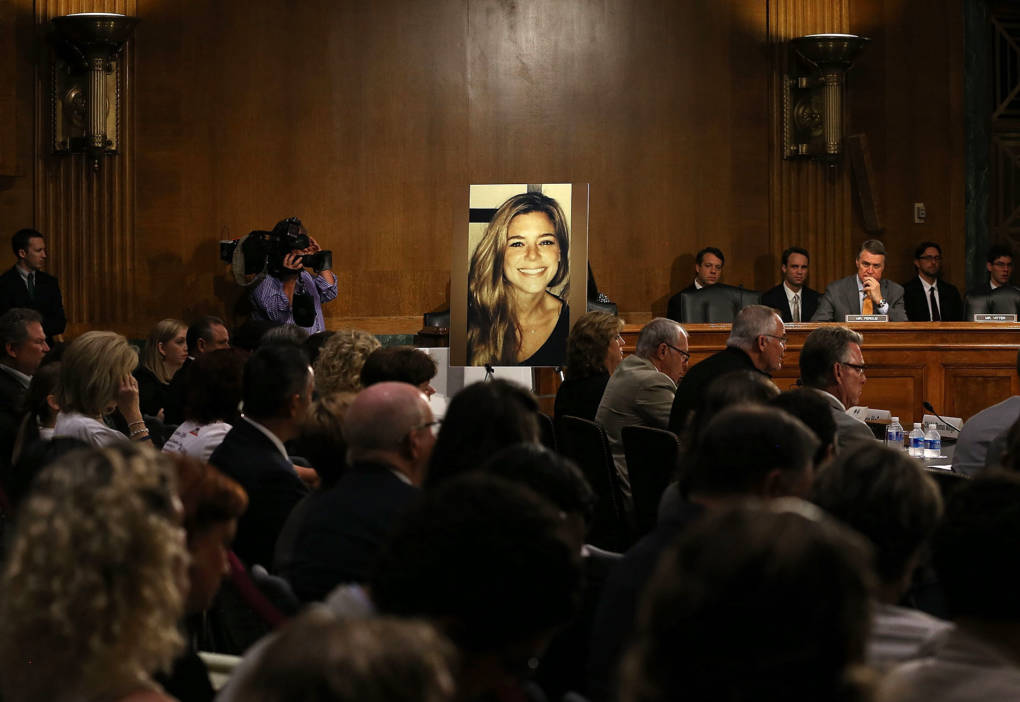
"caption": "A large photo of Kathryn Steinle is shown while her dad, James Steinle, testifies during a Senate Judiciary Committee hearing on Capitol Hill, July 21, 2015, in Washington, D.C. The committee heard testimony from family members who have had loved ones killed by undocumented immigrants.",
"description": "A large photo of Kathryn Steinle is shown while her dad, James Steinle, testifies during a Senate Judiciary Committee hearing on Capitol Hill, July 21, 2015, in Washington, D.C. The committee heard testimony from family members who have had loved ones killed by undocumented immigrants.",
"title": "SteinleMain",
"credit": "Mark Wilson/Getty Images",
"status": "inherit",
"isLoading": false,
"fetchFailed": false
},
"news_11624368": {
"type": "attachments",
"id": "news_11624368",
"meta": {
"index": "attachments_1716263798",
"site": "news",
"id": "11624368",
"found": true
},
"parent": 11624344,
"imgSizes": {
"small": {
"file": "https://ww2.kqed.org/app/uploads/sites/10/2017/10/IMG_7589-e1508364393997-520x399.jpg",
"width": 520,
"mimeType": "image/jpeg",
"height": 399
},
"twentyfourteen-full-width": {
"file": "https://ww2.kqed.org/app/uploads/sites/10/2017/10/IMG_7589-e1508364393997-1038x576.jpg",
"width": 1038,
"mimeType": "image/jpeg",
"height": 576
},
"thumbnail": {
"file": "https://ww2.kqed.org/app/uploads/sites/10/2017/10/IMG_7589-e1508364393997-160x123.jpg",
"width": 160,
"mimeType": "image/jpeg",
"height": 123
},
"fd-sm": {
"file": "https://ww2.kqed.org/app/uploads/sites/10/2017/10/IMG_7589-e1508364393997-960x736.jpg",
"width": 960,
"mimeType": "image/jpeg",
"height": 736
},
"post-thumbnail": {
"file": "https://ww2.kqed.org/app/uploads/sites/10/2017/10/IMG_7589-e1508364393997-672x372.jpg",
"width": 672,
"mimeType": "image/jpeg",
"height": 372
},
"xsmall": {
"file": "https://ww2.kqed.org/app/uploads/sites/10/2017/10/IMG_7589-e1508364393997-375x287.jpg",
"width": 375,
"mimeType": "image/jpeg",
"height": 287
},
"kqedFullSize": {
"file": "https://ww2.kqed.org/app/uploads/sites/10/2017/10/IMG_7589-e1508364393997.jpg",
"width": 1747,
"height": 1339
},
"large": {
"file": "https://ww2.kqed.org/app/uploads/sites/10/2017/10/IMG_7589-e1508364393997-1020x782.jpg",
"width": 1020,
"mimeType": "image/jpeg",
"height": 782
},
"xlarge": {
"file": "https://ww2.kqed.org/app/uploads/sites/10/2017/10/IMG_7589-e1508364393997-1180x904.jpg",
"width": 1180,
"mimeType": "image/jpeg",
"height": 904
},
"guest-author-50": {
"file": "https://ww2.kqed.org/app/uploads/sites/10/2017/10/IMG_7589-e1508364393997-50x50.jpg",
"width": 50,
"mimeType": "image/jpeg",
"height": 50
},
"guest-author-96": {
"file": "https://ww2.kqed.org/app/uploads/sites/10/2017/10/IMG_7589-e1508364393997-96x96.jpg",
"width": 96,
"mimeType": "image/jpeg",
"height": 96
},
"medium": {
"file": "https://ww2.kqed.org/app/uploads/sites/10/2017/10/IMG_7589-e1508364393997-800x613.jpg",
"width": 800,
"mimeType": "image/jpeg",
"height": 613
},
"guest-author-64": {
"file": "https://ww2.kqed.org/app/uploads/sites/10/2017/10/IMG_7589-e1508364393997-64x64.jpg",
"width": 64,
"mimeType": "image/jpeg",
"height": 64
},
"guest-author-32": {
"file": "https://ww2.kqed.org/app/uploads/sites/10/2017/10/IMG_7589-e1508364393997-32x32.jpg",
"width": 32,
"mimeType": "image/jpeg",
"height": 32
},
"fd-lrg": {
"file": "https://ww2.kqed.org/app/uploads/sites/10/2017/10/IMG_7589-1920x1440.jpg",
"width": 1920,
"mimeType": "image/jpeg",
"height": 1440
},
"fd-med": {
"file": "https://ww2.kqed.org/app/uploads/sites/10/2017/10/IMG_7589-e1508364393997-1180x904.jpg",
"width": 1180,
"mimeType": "image/jpeg",
"height": 904
},
"full-width": {
"file": "https://ww2.kqed.org/app/uploads/sites/10/2017/10/IMG_7589-1920x1440.jpg",
"width": 1920,
"mimeType": "image/jpeg",
"height": 1440
},
"detail": {
"file": "https://ww2.kqed.org/app/uploads/sites/10/2017/10/IMG_7589-e1508364393997-150x150.jpg",
"width": 150,
"mimeType": "image/jpeg",
"height": 150
},
"guest-author-128": {
"file": "https://ww2.kqed.org/app/uploads/sites/10/2017/10/IMG_7589-e1508364393997-128x128.jpg",
"width": 128,
"mimeType": "image/jpeg",
"height": 128
},
"xxsmall": {
"file": "https://ww2.kqed.org/app/uploads/sites/10/2017/10/IMG_7589-e1508364393997-240x184.jpg",
"width": 240,
"mimeType": "image/jpeg",
"height": 184
}
},
"publishDate": 1508363914,
"modified": 1508364839,
"caption": "Jennifer and Wayne Harvell in San Francisco on Wednesday. The Harvells are suing PG&E, alleging that the utility was negligent in maintaining power lines. Fire investigators are looking into whether PG&E equipment was responsible for starting last week's catastrophic North Bay fires. ",
"description": null,
"title": "Harvells-Fire Lawsuit",
"credit": "Peter Jon Shuler/KQED",
"status": "inherit",
"isLoading": false,
"fetchFailed": false
},
"news_11624322": {
"type": "attachments",
"id": "news_11624322",
"meta": {
"index": "attachments_1716263798",
"site": "news",
"id": "11624322",
"found": true
},
"parent": 11624319,
"imgSizes": {
"small": {
"file": "https://ww2.kqed.org/app/uploads/sites/10/2017/10/couches_101817_final-520x520.jpg",
"width": 520,
"mimeType": "image/jpeg",
"height": 520
},
"twentyfourteen-full-width": {
"file": "https://ww2.kqed.org/app/uploads/sites/10/2017/10/couches_101817_final-1038x576.jpg",
"width": 1038,
"mimeType": "image/jpeg",
"height": 576
},
"thumbnail": {
"file": "https://ww2.kqed.org/app/uploads/sites/10/2017/10/couches_101817_final-160x160.jpg",
"width": 160,
"mimeType": "image/jpeg",
"height": 160
},
"fd-sm": {
"file": "https://ww2.kqed.org/app/uploads/sites/10/2017/10/couches_101817_final-960x960.jpg",
"width": 960,
"mimeType": "image/jpeg",
"height": 960
},
"post-thumbnail": {
"file": "https://ww2.kqed.org/app/uploads/sites/10/2017/10/couches_101817_final-672x372.jpg",
"width": 672,
"mimeType": "image/jpeg",
"height": 372
},
"xsmall": {
"file": "https://ww2.kqed.org/app/uploads/sites/10/2017/10/couches_101817_final-375x375.jpg",
"width": 375,
"mimeType": "image/jpeg",
"height": 375
},
"kqedFullSize": {
"file": "https://ww2.kqed.org/app/uploads/sites/10/2017/10/couches_101817_final.jpg",
"width": 1920,
"height": 1920
},
"large": {
"file": "https://ww2.kqed.org/app/uploads/sites/10/2017/10/couches_101817_final-1020x1020.jpg",
"width": 1020,
"mimeType": "image/jpeg",
"height": 1020
},
"xlarge": {
"file": "https://ww2.kqed.org/app/uploads/sites/10/2017/10/couches_101817_final-1180x1180.jpg",
"width": 1180,
"mimeType": "image/jpeg",
"height": 1180
},
"guest-author-50": {
"file": "https://ww2.kqed.org/app/uploads/sites/10/2017/10/couches_101817_final-50x50.jpg",
"width": 50,
"mimeType": "image/jpeg",
"height": 50
},
"guest-author-96": {
"file": "https://ww2.kqed.org/app/uploads/sites/10/2017/10/couches_101817_final-96x96.jpg",
"width": 96,
"mimeType": "image/jpeg",
"height": 96
},
"medium": {
"file": "https://ww2.kqed.org/app/uploads/sites/10/2017/10/couches_101817_final-800x800.jpg",
"width": 800,
"mimeType": "image/jpeg",
"height": 800
},
"guest-author-64": {
"file": "https://ww2.kqed.org/app/uploads/sites/10/2017/10/couches_101817_final-64x64.jpg",
"width": 64,
"mimeType": "image/jpeg",
"height": 64
},
"guest-author-32": {
"file": "https://ww2.kqed.org/app/uploads/sites/10/2017/10/couches_101817_final-32x32.jpg",
"width": 32,
"mimeType": "image/jpeg",
"height": 32
},
"fd-lrg": {
"file": "https://ww2.kqed.org/app/uploads/sites/10/2017/10/couches_101817_final-1920x1920.jpg",
"width": 1920,
"mimeType": "image/jpeg",
"height": 1920
},
"fd-med": {
"file": "https://ww2.kqed.org/app/uploads/sites/10/2017/10/couches_101817_final-1180x1180.jpg",
"width": 1180,
"mimeType": "image/jpeg",
"height": 1180
},
"full-width": {
"file": "https://ww2.kqed.org/app/uploads/sites/10/2017/10/couches_101817_final-1920x1920.jpg",
"width": 1920,
"mimeType": "image/jpeg",
"height": 1920
},
"detail": {
"file": "https://ww2.kqed.org/app/uploads/sites/10/2017/10/couches_101817_final-150x150.jpg",
"width": 150,
"mimeType": "image/jpeg",
"height": 150
},
"guest-author-128": {
"file": "https://ww2.kqed.org/app/uploads/sites/10/2017/10/couches_101817_final-128x128.jpg",
"width": 128,
"mimeType": "image/jpeg",
"height": 128
},
"xxsmall": {
"file": "https://ww2.kqed.org/app/uploads/sites/10/2017/10/couches_101817_final-240x240.jpg",
"width": 240,
"mimeType": "image/jpeg",
"height": 240
}
},
"publishDate": 1508359943,
"modified": 1508359970,
"caption": null,
"description": null,
"title": "couches_101817_final",
"credit": null,
"status": "inherit",
"isLoading": false,
"fetchFailed": false
},
"news_11624281": {
"type": "attachments",
"id": "news_11624281",
"meta": {
"index": "attachments_1716263798",
"site": "news",
"id": "11624281",
"found": true
},
"parent": 11624273,
"imgSizes": {
"small": {
"file": "https://ww2.kqed.org/app/uploads/sites/10/2017/10/DonaldTrump-520x410.jpg",
"width": 520,
"mimeType": "image/jpeg",
"height": 410
},
"twentyfourteen-full-width": {
"file": "https://ww2.kqed.org/app/uploads/sites/10/2017/10/DonaldTrump-1038x576.jpg",
"width": 1038,
"mimeType": "image/jpeg",
"height": 576
},
"thumbnail": {
"file": "https://ww2.kqed.org/app/uploads/sites/10/2017/10/DonaldTrump-160x126.jpg",
"width": 160,
"mimeType": "image/jpeg",
"height": 126
},
"fd-sm": {
"file": "https://ww2.kqed.org/app/uploads/sites/10/2017/10/DonaldTrump-960x758.jpg",
"width": 960,
"mimeType": "image/jpeg",
"height": 758
},
"post-thumbnail": {
"file": "https://ww2.kqed.org/app/uploads/sites/10/2017/10/DonaldTrump-672x372.jpg",
"width": 672,
"mimeType": "image/jpeg",
"height": 372
},
"xsmall": {
"file": "https://ww2.kqed.org/app/uploads/sites/10/2017/10/DonaldTrump-375x296.jpg",
"width": 375,
"mimeType": "image/jpeg",
"height": 296
},
"kqedFullSize": {
"file": "https://ww2.kqed.org/app/uploads/sites/10/2017/10/DonaldTrump.jpg",
"width": 1920,
"height": 1515
},
"large": {
"file": "https://ww2.kqed.org/app/uploads/sites/10/2017/10/DonaldTrump-1020x805.jpg",
"width": 1020,
"mimeType": "image/jpeg",
"height": 805
},
"xlarge": {
"file": "https://ww2.kqed.org/app/uploads/sites/10/2017/10/DonaldTrump-1180x931.jpg",
"width": 1180,
"mimeType": "image/jpeg",
"height": 931
},
"guest-author-50": {
"file": "https://ww2.kqed.org/app/uploads/sites/10/2017/10/DonaldTrump-50x50.jpg",
"width": 50,
"mimeType": "image/jpeg",
"height": 50
},
"guest-author-96": {
"file": "https://ww2.kqed.org/app/uploads/sites/10/2017/10/DonaldTrump-96x96.jpg",
"width": 96,
"mimeType": "image/jpeg",
"height": 96
},
"medium": {
"file": "https://ww2.kqed.org/app/uploads/sites/10/2017/10/DonaldTrump-800x631.jpg",
"width": 800,
"mimeType": "image/jpeg",
"height": 631
},
"guest-author-64": {
"file": "https://ww2.kqed.org/app/uploads/sites/10/2017/10/DonaldTrump-64x64.jpg",
"width": 64,
"mimeType": "image/jpeg",
"height": 64
},
"guest-author-32": {
"file": "https://ww2.kqed.org/app/uploads/sites/10/2017/10/DonaldTrump-32x32.jpg",
"width": 32,
"mimeType": "image/jpeg",
"height": 32
},
"fd-lrg": {
"file": "https://ww2.kqed.org/app/uploads/sites/10/2017/10/DonaldTrump-1920x1515.jpg",
"width": 1920,
"mimeType": "image/jpeg",
"height": 1515
},
"fd-med": {
"file": "https://ww2.kqed.org/app/uploads/sites/10/2017/10/DonaldTrump-1180x931.jpg",
"width": 1180,
"mimeType": "image/jpeg",
"height": 931
},
"full-width": {
"file": "https://ww2.kqed.org/app/uploads/sites/10/2017/10/DonaldTrump-1920x1515.jpg",
"width": 1920,
"mimeType": "image/jpeg",
"height": 1515
},
"detail": {
"file": "https://ww2.kqed.org/app/uploads/sites/10/2017/10/DonaldTrump-150x150.jpg",
"width": 150,
"mimeType": "image/jpeg",
"height": 150
},
"guest-author-128": {
"file": "https://ww2.kqed.org/app/uploads/sites/10/2017/10/DonaldTrump-128x128.jpg",
"width": 128,
"mimeType": "image/jpeg",
"height": 128
},
"xxsmall": {
"file": "https://ww2.kqed.org/app/uploads/sites/10/2017/10/DonaldTrump-240x189.jpg",
"width": 240,
"mimeType": "image/jpeg",
"height": 189
}
},
"publishDate": 1508353017,
"modified": 1508353192,
"caption": "In his ruling, the judge wrote that President Trump's own tweets helped convince him that the latest policy is an \"inextricable re-animation of the twice-enjoined Muslim ban\" that Trump called for on the campaign trail, and is therefore likely to be found unconstitutional.",
"description": "In his ruling, the judge wrote that President Trump's own tweets helped convince him that the latest policy is an \"inextricable re-animation of the twice-enjoined Muslim ban\" that Trump called for on the campaign trail, and is therefore likely to be found unconstitutional.",
"title": "DonaldTrump",
"credit": "Chris Kleponis-Pool/Getty Images",
"status": "inherit",
"isLoading": false,
"fetchFailed": false
},
"news_11624035": {
"type": "attachments",
"id": "news_11624035",
"meta": {
"index": "attachments_1716263798",
"site": "news",
"id": "11624035",
"found": true
},
"parent": 11624034,
"imgSizes": {
"small": {
"file": "https://ww2.kqed.org/app/uploads/sites/10/2017/10/gettyimages-861757792_wide-9851ebc6fd16c28b8acefb83ad41f0ee18e05423-520x293.jpg",
"width": 520,
"mimeType": "image/jpeg",
"height": 293
},
"twentyfourteen-full-width": {
"file": "https://ww2.kqed.org/app/uploads/sites/10/2017/10/gettyimages-861757792_wide-9851ebc6fd16c28b8acefb83ad41f0ee18e05423-1038x576.jpg",
"width": 1038,
"mimeType": "image/jpeg",
"height": 576
},
"thumbnail": {
"file": "https://ww2.kqed.org/app/uploads/sites/10/2017/10/gettyimages-861757792_wide-9851ebc6fd16c28b8acefb83ad41f0ee18e05423-160x90.jpg",
"width": 160,
"mimeType": "image/jpeg",
"height": 90
},
"fd-sm": {
"file": "https://ww2.kqed.org/app/uploads/sites/10/2017/10/gettyimages-861757792_wide-9851ebc6fd16c28b8acefb83ad41f0ee18e05423-960x540.jpg",
"width": 960,
"mimeType": "image/jpeg",
"height": 540
},
"post-thumbnail": {
"file": "https://ww2.kqed.org/app/uploads/sites/10/2017/10/gettyimages-861757792_wide-9851ebc6fd16c28b8acefb83ad41f0ee18e05423-672x372.jpg",
"width": 672,
"mimeType": "image/jpeg",
"height": 372
},
"xsmall": {
"file": "https://ww2.kqed.org/app/uploads/sites/10/2017/10/gettyimages-861757792_wide-9851ebc6fd16c28b8acefb83ad41f0ee18e05423-375x211.jpg",
"width": 375,
"mimeType": "image/jpeg",
"height": 211
},
"kqedFullSize": {
"file": "https://ww2.kqed.org/app/uploads/sites/10/2017/10/gettyimages-861757792_wide-9851ebc6fd16c28b8acefb83ad41f0ee18e05423-e1508269948774.jpg",
"width": 1920,
"height": 1080
},
"large": {
"file": "https://ww2.kqed.org/app/uploads/sites/10/2017/10/gettyimages-861757792_wide-9851ebc6fd16c28b8acefb83ad41f0ee18e05423-1020x574.jpg",
"width": 1020,
"mimeType": "image/jpeg",
"height": 574
},
"xlarge": {
"file": "https://ww2.kqed.org/app/uploads/sites/10/2017/10/gettyimages-861757792_wide-9851ebc6fd16c28b8acefb83ad41f0ee18e05423-1180x664.jpg",
"width": 1180,
"mimeType": "image/jpeg",
"height": 664
},
"guest-author-50": {
"file": "https://ww2.kqed.org/app/uploads/sites/10/2017/10/gettyimages-861757792_wide-9851ebc6fd16c28b8acefb83ad41f0ee18e05423-50x50.jpg",
"width": 50,
"mimeType": "image/jpeg",
"height": 50
},
"guest-author-96": {
"file": "https://ww2.kqed.org/app/uploads/sites/10/2017/10/gettyimages-861757792_wide-9851ebc6fd16c28b8acefb83ad41f0ee18e05423-96x96.jpg",
"width": 96,
"mimeType": "image/jpeg",
"height": 96
},
"medium": {
"file": "https://ww2.kqed.org/app/uploads/sites/10/2017/10/gettyimages-861757792_wide-9851ebc6fd16c28b8acefb83ad41f0ee18e05423-800x450.jpg",
"width": 800,
"mimeType": "image/jpeg",
"height": 450
},
"guest-author-64": {
"file": "https://ww2.kqed.org/app/uploads/sites/10/2017/10/gettyimages-861757792_wide-9851ebc6fd16c28b8acefb83ad41f0ee18e05423-64x64.jpg",
"width": 64,
"mimeType": "image/jpeg",
"height": 64
},
"guest-author-32": {
"file": "https://ww2.kqed.org/app/uploads/sites/10/2017/10/gettyimages-861757792_wide-9851ebc6fd16c28b8acefb83ad41f0ee18e05423-32x32.jpg",
"width": 32,
"mimeType": "image/jpeg",
"height": 32
},
"fd-lrg": {
"file": "https://ww2.kqed.org/app/uploads/sites/10/2017/10/gettyimages-861757792_wide-9851ebc6fd16c28b8acefb83ad41f0ee18e05423-1920x1080.jpg",
"width": 1920,
"mimeType": "image/jpeg",
"height": 1080
},
"fd-med": {
"file": "https://ww2.kqed.org/app/uploads/sites/10/2017/10/gettyimages-861757792_wide-9851ebc6fd16c28b8acefb83ad41f0ee18e05423-1180x664.jpg",
"width": 1180,
"mimeType": "image/jpeg",
"height": 664
},
"full-width": {
"file": "https://ww2.kqed.org/app/uploads/sites/10/2017/10/gettyimages-861757792_wide-9851ebc6fd16c28b8acefb83ad41f0ee18e05423-1920x1080.jpg",
"width": 1920,
"mimeType": "image/jpeg",
"height": 1080
},
"detail": {
"file": "https://ww2.kqed.org/app/uploads/sites/10/2017/10/gettyimages-861757792_wide-9851ebc6fd16c28b8acefb83ad41f0ee18e05423-150x150.jpg",
"width": 150,
"mimeType": "image/jpeg",
"height": 150
},
"guest-author-128": {
"file": "https://ww2.kqed.org/app/uploads/sites/10/2017/10/gettyimages-861757792_wide-9851ebc6fd16c28b8acefb83ad41f0ee18e05423-128x128.jpg",
"width": 128,
"mimeType": "image/jpeg",
"height": 128
},
"xxsmall": {
"file": "https://ww2.kqed.org/app/uploads/sites/10/2017/10/gettyimages-861757792_wide-9851ebc6fd16c28b8acefb83ad41f0ee18e05423-240x135.jpg",
"width": 240,
"mimeType": "image/jpeg",
"height": 135
}
},
"publishDate": 1508269815,
"modified": 1508269938,
"caption": "People march as they participate in the '#NoMuslimBanEver' rally in downtown Los Angeles on Sunday. The march organized by the Council on American-Islamic Relations was in response to President Trump's most recent travel ban, which has now been blocked by a federal judge in Hawaii.",
"description": "People march as they participate in the '#NoMuslimBanEver' rally in downtown Los Angeles on Sunday. The march organized by the Council on American-Islamic Relations was in response to President Trump's most recent travel ban, which has now been blocked by a federal judge in Hawaii.",
"title": "People march as they participate in the '#NoMuslimBanEver' rally in downtown Los Angeles on Sunday. The march organized by the Council on American-Islamic Relations was in response to President Trump's most recent travel ban, which has now been blocked by a federal judge in Hawaii.",
"credit": "Mark Ralston/AFP/Getty Images",
"status": "inherit",
"isLoading": false,
"fetchFailed": false
},
"news_11623518": {
"type": "attachments",
"id": "news_11623518",
"meta": {
"index": "attachments_1716263798",
"site": "news",
"id": "11623518",
"found": true
},
"parent": 11623511,
"imgSizes": {
"small": {
"file": "https://ww2.kqed.org/app/uploads/sites/10/2017/10/502-WEB-MARQUEE-520x290.jpg",
"width": 520,
"mimeType": "image/jpeg",
"height": 290
},
"twentyfourteen-full-width": {
"file": "https://ww2.kqed.org/app/uploads/sites/10/2017/10/502-WEB-MARQUEE-1038x576.jpg",
"width": 1038,
"mimeType": "image/jpeg",
"height": 576
},
"thumbnail": {
"file": "https://ww2.kqed.org/app/uploads/sites/10/2017/10/502-WEB-MARQUEE-160x89.jpg",
"width": 160,
"mimeType": "image/jpeg",
"height": 89
},
"fd-sm": {
"file": "https://ww2.kqed.org/app/uploads/sites/10/2017/10/502-WEB-MARQUEE-960x536.jpg",
"width": 960,
"mimeType": "image/jpeg",
"height": 536
},
"post-thumbnail": {
"file": "https://ww2.kqed.org/app/uploads/sites/10/2017/10/502-WEB-MARQUEE-672x372.jpg",
"width": 672,
"mimeType": "image/jpeg",
"height": 372
},
"xsmall": {
"file": "https://ww2.kqed.org/app/uploads/sites/10/2017/10/502-WEB-MARQUEE-375x209.jpg",
"width": 375,
"mimeType": "image/jpeg",
"height": 209
},
"kqedFullSize": {
"file": "https://ww2.kqed.org/app/uploads/sites/10/2017/10/502-WEB-MARQUEE.jpg",
"width": 1683,
"height": 939
},
"large": {
"file": "https://ww2.kqed.org/app/uploads/sites/10/2017/10/502-WEB-MARQUEE-1020x569.jpg",
"width": 1020,
"mimeType": "image/jpeg",
"height": 569
},
"xlarge": {
"file": "https://ww2.kqed.org/app/uploads/sites/10/2017/10/502-WEB-MARQUEE-1180x658.jpg",
"width": 1180,
"mimeType": "image/jpeg",
"height": 658
},
"guest-author-50": {
"file": "https://ww2.kqed.org/app/uploads/sites/10/2017/10/502-WEB-MARQUEE-50x50.jpg",
"width": 50,
"mimeType": "image/jpeg",
"height": 50
},
"guest-author-96": {
"file": "https://ww2.kqed.org/app/uploads/sites/10/2017/10/502-WEB-MARQUEE-96x96.jpg",
"width": 96,
"mimeType": "image/jpeg",
"height": 96
},
"medium": {
"file": "https://ww2.kqed.org/app/uploads/sites/10/2017/10/502-WEB-MARQUEE-800x446.jpg",
"width": 800,
"mimeType": "image/jpeg",
"height": 446
},
"guest-author-64": {
"file": "https://ww2.kqed.org/app/uploads/sites/10/2017/10/502-WEB-MARQUEE-64x64.jpg",
"width": 64,
"mimeType": "image/jpeg",
"height": 64
},
"guest-author-32": {
"file": "https://ww2.kqed.org/app/uploads/sites/10/2017/10/502-WEB-MARQUEE-32x32.jpg",
"width": 32,
"mimeType": "image/jpeg",
"height": 32
},
"fd-med": {
"file": "https://ww2.kqed.org/app/uploads/sites/10/2017/10/502-WEB-MARQUEE-1180x658.jpg",
"width": 1180,
"mimeType": "image/jpeg",
"height": 658
},
"detail": {
"file": "https://ww2.kqed.org/app/uploads/sites/10/2017/10/502-WEB-MARQUEE-150x150.jpg",
"width": 150,
"mimeType": "image/jpeg",
"height": 150
},
"guest-author-128": {
"file": "https://ww2.kqed.org/app/uploads/sites/10/2017/10/502-WEB-MARQUEE-128x128.jpg",
"width": 128,
"mimeType": "image/jpeg",
"height": 128
},
"xxsmall": {
"file": "https://ww2.kqed.org/app/uploads/sites/10/2017/10/502-WEB-MARQUEE-240x134.jpg",
"width": 240,
"mimeType": "image/jpeg",
"height": 134
}
},
"publishDate": 1507945370,
"modified": 1507945370,
"caption": null,
"description": null,
"title": "502 WEB MARQUEE",
"credit": null,
"status": "inherit",
"isLoading": false,
"fetchFailed": false
},
"news_11622879": {
"type": "attachments",
"id": "news_11622879",
"meta": {
"index": "attachments_1716263798",
"site": "news",
"id": "11622879",
"found": true
},
"parent": 11622854,
"imgSizes": {
"small": {
"file": "https://ww2.kqed.org/app/uploads/sites/10/2017/10/RS25429_20170515_StateCapitol_AG_XavierBecerra_credit_BertJohnson-2-qut-520x347.jpg",
"width": 520,
"mimeType": "image/jpeg",
"height": 347
},
"twentyfourteen-full-width": {
"file": "https://ww2.kqed.org/app/uploads/sites/10/2017/10/RS25429_20170515_StateCapitol_AG_XavierBecerra_credit_BertJohnson-2-qut-1038x576.jpg",
"width": 1038,
"mimeType": "image/jpeg",
"height": 576
},
"thumbnail": {
"file": "https://ww2.kqed.org/app/uploads/sites/10/2017/10/RS25429_20170515_StateCapitol_AG_XavierBecerra_credit_BertJohnson-2-qut-160x107.jpg",
"width": 160,
"mimeType": "image/jpeg",
"height": 107
},
"fd-sm": {
"file": "https://ww2.kqed.org/app/uploads/sites/10/2017/10/RS25429_20170515_StateCapitol_AG_XavierBecerra_credit_BertJohnson-2-qut-960x640.jpg",
"width": 960,
"mimeType": "image/jpeg",
"height": 640
},
"post-thumbnail": {
"file": "https://ww2.kqed.org/app/uploads/sites/10/2017/10/RS25429_20170515_StateCapitol_AG_XavierBecerra_credit_BertJohnson-2-qut-672x372.jpg",
"width": 672,
"mimeType": "image/jpeg",
"height": 372
},
"xsmall": {
"file": "https://ww2.kqed.org/app/uploads/sites/10/2017/10/RS25429_20170515_StateCapitol_AG_XavierBecerra_credit_BertJohnson-2-qut-375x250.jpg",
"width": 375,
"mimeType": "image/jpeg",
"height": 250
},
"kqedFullSize": {
"file": "https://ww2.kqed.org/app/uploads/sites/10/2017/10/RS25429_20170515_StateCapitol_AG_XavierBecerra_credit_BertJohnson-2-qut.jpg",
"width": 1920,
"height": 1280
},
"large": {
"file": "https://ww2.kqed.org/app/uploads/sites/10/2017/10/RS25429_20170515_StateCapitol_AG_XavierBecerra_credit_BertJohnson-2-qut-1020x680.jpg",
"width": 1020,
"mimeType": "image/jpeg",
"height": 680
},
"xlarge": {
"file": "https://ww2.kqed.org/app/uploads/sites/10/2017/10/RS25429_20170515_StateCapitol_AG_XavierBecerra_credit_BertJohnson-2-qut-1180x787.jpg",
"width": 1180,
"mimeType": "image/jpeg",
"height": 787
},
"guest-author-50": {
"file": "https://ww2.kqed.org/app/uploads/sites/10/2017/10/RS25429_20170515_StateCapitol_AG_XavierBecerra_credit_BertJohnson-2-qut-50x50.jpg",
"width": 50,
"mimeType": "image/jpeg",
"height": 50
},
"guest-author-96": {
"file": "https://ww2.kqed.org/app/uploads/sites/10/2017/10/RS25429_20170515_StateCapitol_AG_XavierBecerra_credit_BertJohnson-2-qut-96x96.jpg",
"width": 96,
"mimeType": "image/jpeg",
"height": 96
},
"medium": {
"file": "https://ww2.kqed.org/app/uploads/sites/10/2017/10/RS25429_20170515_StateCapitol_AG_XavierBecerra_credit_BertJohnson-2-qut-800x533.jpg",
"width": 800,
"mimeType": "image/jpeg",
"height": 533
},
"guest-author-64": {
"file": "https://ww2.kqed.org/app/uploads/sites/10/2017/10/RS25429_20170515_StateCapitol_AG_XavierBecerra_credit_BertJohnson-2-qut-64x64.jpg",
"width": 64,
"mimeType": "image/jpeg",
"height": 64
},
"guest-author-32": {
"file": "https://ww2.kqed.org/app/uploads/sites/10/2017/10/RS25429_20170515_StateCapitol_AG_XavierBecerra_credit_BertJohnson-2-qut-32x32.jpg",
"width": 32,
"mimeType": "image/jpeg",
"height": 32
},
"fd-lrg": {
"file": "https://ww2.kqed.org/app/uploads/sites/10/2017/10/RS25429_20170515_StateCapitol_AG_XavierBecerra_credit_BertJohnson-2-qut-1920x1280.jpg",
"width": 1920,
"mimeType": "image/jpeg",
"height": 1280
},
"fd-med": {
"file": "https://ww2.kqed.org/app/uploads/sites/10/2017/10/RS25429_20170515_StateCapitol_AG_XavierBecerra_credit_BertJohnson-2-qut-1180x787.jpg",
"width": 1180,
"mimeType": "image/jpeg",
"height": 787
},
"full-width": {
"file": "https://ww2.kqed.org/app/uploads/sites/10/2017/10/RS25429_20170515_StateCapitol_AG_XavierBecerra_credit_BertJohnson-2-qut-1920x1280.jpg",
"width": 1920,
"mimeType": "image/jpeg",
"height": 1280
},
"detail": {
"file": "https://ww2.kqed.org/app/uploads/sites/10/2017/10/RS25429_20170515_StateCapitol_AG_XavierBecerra_credit_BertJohnson-2-qut-150x150.jpg",
"width": 150,
"mimeType": "image/jpeg",
"height": 150
},
"guest-author-128": {
"file": "https://ww2.kqed.org/app/uploads/sites/10/2017/10/RS25429_20170515_StateCapitol_AG_XavierBecerra_credit_BertJohnson-2-qut-128x128.jpg",
"width": 128,
"mimeType": "image/jpeg",
"height": 128
},
"xxsmall": {
"file": "https://ww2.kqed.org/app/uploads/sites/10/2017/10/RS25429_20170515_StateCapitol_AG_XavierBecerra_credit_BertJohnson-2-qut-240x160.jpg",
"width": 240,
"mimeType": "image/jpeg",
"height": 160
}
},
"publishDate": 1507835088,
"modified": 1554319109,
"caption": "California Attorney General Xavier Becerra in 2017 at the State Capitol. ",
"description": "California Attorney General Xavier Becerra in 2017 at the State Capitol. ",
"title": "RS25429_20170515_StateCapitol_AG_XavierBecerra_credit_BertJohnson-2-qut",
"credit": "Bert Johnson/KQED",
"status": "inherit",
"isLoading": false,
"fetchFailed": false
},
"news_11622797": {
"type": "attachments",
"id": "news_11622797",
"meta": {
"index": "attachments_1716263798",
"site": "news",
"id": "11622797",
"found": true
},
"parent": 11622795,
"imgSizes": {
"small": {
"file": "https://ww2.kqed.org/app/uploads/sites/10/2017/10/gettyimages-71994668_custom-bafbb2afd6495928bf3fbc3e6f2a4ed2b69dadc9-520x305.jpg",
"width": 520,
"mimeType": "image/jpeg",
"height": 305
},
"twentyfourteen-full-width": {
"file": "https://ww2.kqed.org/app/uploads/sites/10/2017/10/gettyimages-71994668_custom-bafbb2afd6495928bf3fbc3e6f2a4ed2b69dadc9-1038x576.jpg",
"width": 1038,
"mimeType": "image/jpeg",
"height": 576
},
"thumbnail": {
"file": "https://ww2.kqed.org/app/uploads/sites/10/2017/10/gettyimages-71994668_custom-bafbb2afd6495928bf3fbc3e6f2a4ed2b69dadc9-160x94.jpg",
"width": 160,
"mimeType": "image/jpeg",
"height": 94
},
"fd-sm": {
"file": "https://ww2.kqed.org/app/uploads/sites/10/2017/10/gettyimages-71994668_custom-bafbb2afd6495928bf3fbc3e6f2a4ed2b69dadc9-960x563.jpg",
"width": 960,
"mimeType": "image/jpeg",
"height": 563
},
"post-thumbnail": {
"file": "https://ww2.kqed.org/app/uploads/sites/10/2017/10/gettyimages-71994668_custom-bafbb2afd6495928bf3fbc3e6f2a4ed2b69dadc9-672x372.jpg",
"width": 672,
"mimeType": "image/jpeg",
"height": 372
},
"xsmall": {
"file": "https://ww2.kqed.org/app/uploads/sites/10/2017/10/gettyimages-71994668_custom-bafbb2afd6495928bf3fbc3e6f2a4ed2b69dadc9-375x220.jpg",
"width": 375,
"mimeType": "image/jpeg",
"height": 220
},
"kqedFullSize": {
"file": "https://ww2.kqed.org/app/uploads/sites/10/2017/10/gettyimages-71994668_custom-bafbb2afd6495928bf3fbc3e6f2a4ed2b69dadc9-e1507831814835.jpg",
"width": 1920,
"height": 1125
},
"large": {
"file": "https://ww2.kqed.org/app/uploads/sites/10/2017/10/gettyimages-71994668_custom-bafbb2afd6495928bf3fbc3e6f2a4ed2b69dadc9-1020x598.jpg",
"width": 1020,
"mimeType": "image/jpeg",
"height": 598
},
"xlarge": {
"file": "https://ww2.kqed.org/app/uploads/sites/10/2017/10/gettyimages-71994668_custom-bafbb2afd6495928bf3fbc3e6f2a4ed2b69dadc9-1180x691.jpg",
"width": 1180,
"mimeType": "image/jpeg",
"height": 691
},
"guest-author-50": {
"file": "https://ww2.kqed.org/app/uploads/sites/10/2017/10/gettyimages-71994668_custom-bafbb2afd6495928bf3fbc3e6f2a4ed2b69dadc9-50x50.jpg",
"width": 50,
"mimeType": "image/jpeg",
"height": 50
},
"guest-author-96": {
"file": "https://ww2.kqed.org/app/uploads/sites/10/2017/10/gettyimages-71994668_custom-bafbb2afd6495928bf3fbc3e6f2a4ed2b69dadc9-96x96.jpg",
"width": 96,
"mimeType": "image/jpeg",
"height": 96
},
"medium": {
"file": "https://ww2.kqed.org/app/uploads/sites/10/2017/10/gettyimages-71994668_custom-bafbb2afd6495928bf3fbc3e6f2a4ed2b69dadc9-800x469.jpg",
"width": 800,
"mimeType": "image/jpeg",
"height": 469
},
"guest-author-64": {
"file": "https://ww2.kqed.org/app/uploads/sites/10/2017/10/gettyimages-71994668_custom-bafbb2afd6495928bf3fbc3e6f2a4ed2b69dadc9-64x64.jpg",
"width": 64,
"mimeType": "image/jpeg",
"height": 64
},
"guest-author-32": {
"file": "https://ww2.kqed.org/app/uploads/sites/10/2017/10/gettyimages-71994668_custom-bafbb2afd6495928bf3fbc3e6f2a4ed2b69dadc9-32x32.jpg",
"width": 32,
"mimeType": "image/jpeg",
"height": 32
},
"fd-lrg": {
"file": "https://ww2.kqed.org/app/uploads/sites/10/2017/10/gettyimages-71994668_custom-bafbb2afd6495928bf3fbc3e6f2a4ed2b69dadc9-1920x1125.jpg",
"width": 1920,
"mimeType": "image/jpeg",
"height": 1125
},
"fd-med": {
"file": "https://ww2.kqed.org/app/uploads/sites/10/2017/10/gettyimages-71994668_custom-bafbb2afd6495928bf3fbc3e6f2a4ed2b69dadc9-1180x691.jpg",
"width": 1180,
"mimeType": "image/jpeg",
"height": 691
},
"full-width": {
"file": "https://ww2.kqed.org/app/uploads/sites/10/2017/10/gettyimages-71994668_custom-bafbb2afd6495928bf3fbc3e6f2a4ed2b69dadc9-1920x1125.jpg",
"width": 1920,
"mimeType": "image/jpeg",
"height": 1125
},
"detail": {
"file": "https://ww2.kqed.org/app/uploads/sites/10/2017/10/gettyimages-71994668_custom-bafbb2afd6495928bf3fbc3e6f2a4ed2b69dadc9-150x150.jpg",
"width": 150,
"mimeType": "image/jpeg",
"height": 150
},
"guest-author-128": {
"file": "https://ww2.kqed.org/app/uploads/sites/10/2017/10/gettyimages-71994668_custom-bafbb2afd6495928bf3fbc3e6f2a4ed2b69dadc9-128x128.jpg",
"width": 128,
"mimeType": "image/jpeg",
"height": 128
},
"xxsmall": {
"file": "https://ww2.kqed.org/app/uploads/sites/10/2017/10/gettyimages-71994668_custom-bafbb2afd6495928bf3fbc3e6f2a4ed2b69dadc9-240x141.jpg",
"width": 240,
"mimeType": "image/jpeg",
"height": 141
}
},
"publishDate": 1507822439,
"modified": 1507831803,
"caption": "For years, now-President Trump fought with the city of Rancho Palos Verdes over the Trump National Golf Club.",
"description": "For years, now-President Trump fought with the city of Rancho Palos Verdes over the Trump National Golf Club.",
"title": "For years, now-President Trump fought with the city of Rancho Palos Verdes, Calif., over the Trump National Golf Club.",
"credit": "Stephen Shugerman/Getty Images",
"status": "inherit",
"isLoading": false,
"fetchFailed": false
},
"news_11622719": {
"type": "attachments",
"id": "news_11622719",
"meta": {
"index": "attachments_1716263798",
"site": "news",
"id": "11622719",
"found": true
},
"parent": 11622620,
"imgSizes": {
"small": {
"file": "https://ww2.kqed.org/app/uploads/sites/10/2017/10/lara-IMG_3678-520x390.jpg",
"width": 520,
"mimeType": "image/jpeg",
"height": 390
},
"twentyfourteen-full-width": {
"file": "https://ww2.kqed.org/app/uploads/sites/10/2017/10/lara-IMG_3678-1038x576.jpg",
"width": 1038,
"mimeType": "image/jpeg",
"height": 576
},
"thumbnail": {
"file": "https://ww2.kqed.org/app/uploads/sites/10/2017/10/lara-IMG_3678-160x120.jpg",
"width": 160,
"mimeType": "image/jpeg",
"height": 120
},
"fd-sm": {
"file": "https://ww2.kqed.org/app/uploads/sites/10/2017/10/lara-IMG_3678-960x720.jpg",
"width": 960,
"mimeType": "image/jpeg",
"height": 720
},
"post-thumbnail": {
"file": "https://ww2.kqed.org/app/uploads/sites/10/2017/10/lara-IMG_3678-672x372.jpg",
"width": 672,
"mimeType": "image/jpeg",
"height": 372
},
"xsmall": {
"file": "https://ww2.kqed.org/app/uploads/sites/10/2017/10/lara-IMG_3678-375x281.jpg",
"width": 375,
"mimeType": "image/jpeg",
"height": 281
},
"kqedFullSize": {
"file": "https://ww2.kqed.org/app/uploads/sites/10/2017/10/lara-IMG_3678.jpg",
"width": 4032,
"height": 3024
},
"large": {
"file": "https://ww2.kqed.org/app/uploads/sites/10/2017/10/lara-IMG_3678-1020x765.jpg",
"width": 1020,
"mimeType": "image/jpeg",
"height": 765
},
"xlarge": {
"file": "https://ww2.kqed.org/app/uploads/sites/10/2017/10/lara-IMG_3678-1180x885.jpg",
"width": 1180,
"mimeType": "image/jpeg",
"height": 885
},
"guest-author-50": {
"file": "https://ww2.kqed.org/app/uploads/sites/10/2017/10/lara-IMG_3678-50x50.jpg",
"width": 50,
"mimeType": "image/jpeg",
"height": 50
},
"guest-author-96": {
"file": "https://ww2.kqed.org/app/uploads/sites/10/2017/10/lara-IMG_3678-96x96.jpg",
"width": 96,
"mimeType": "image/jpeg",
"height": 96
},
"medium": {
"file": "https://ww2.kqed.org/app/uploads/sites/10/2017/10/lara-IMG_3678-800x600.jpg",
"width": 800,
"mimeType": "image/jpeg",
"height": 600
},
"guest-author-64": {
"file": "https://ww2.kqed.org/app/uploads/sites/10/2017/10/lara-IMG_3678-64x64.jpg",
"width": 64,
"mimeType": "image/jpeg",
"height": 64
},
"guest-author-32": {
"file": "https://ww2.kqed.org/app/uploads/sites/10/2017/10/lara-IMG_3678-32x32.jpg",
"width": 32,
"mimeType": "image/jpeg",
"height": 32
},
"fd-lrg": {
"file": "https://ww2.kqed.org/app/uploads/sites/10/2017/10/lara-IMG_3678-1920x1440.jpg",
"width": 1920,
"mimeType": "image/jpeg",
"height": 1440
},
"fd-med": {
"file": "https://ww2.kqed.org/app/uploads/sites/10/2017/10/lara-IMG_3678-1180x885.jpg",
"width": 1180,
"mimeType": "image/jpeg",
"height": 885
},
"full-width": {
"file": "https://ww2.kqed.org/app/uploads/sites/10/2017/10/lara-IMG_3678-1920x1440.jpg",
"width": 1920,
"mimeType": "image/jpeg",
"height": 1440
},
"detail": {
"file": "https://ww2.kqed.org/app/uploads/sites/10/2017/10/lara-IMG_3678-150x150.jpg",
"width": 150,
"mimeType": "image/jpeg",
"height": 150
},
"guest-author-128": {
"file": "https://ww2.kqed.org/app/uploads/sites/10/2017/10/lara-IMG_3678-128x128.jpg",
"width": 128,
"mimeType": "image/jpeg",
"height": 128
},
"xxsmall": {
"file": "https://ww2.kqed.org/app/uploads/sites/10/2017/10/lara-IMG_3678-240x180.jpg",
"width": 240,
"mimeType": "image/jpeg",
"height": 180
}
},
"publishDate": 1507767550,
"modified": 1507769753,
"caption": "Los Angeles Democratic Sens. Holly Mitchell and Ricardo Lara have teamed up on criminal justice measures in Sacramento.",
"description": null,
"title": "lara IMG_3678",
"credit": "Scott Shafer/KQED",
"status": "inherit",
"isLoading": false,
"fetchFailed": false
},
"news_11621723": {
"type": "attachments",
"id": "news_11621723",
"meta": {
"index": "attachments_1716263798",
"site": "news",
"id": "11621723",
"found": true
},
"parent": 11621720,
"imgSizes": {
"small": {
"file": "https://ww2.kqed.org/app/uploads/sites/10/2017/10/RS27207_GettyImages-853856780-qut-520x344.jpg",
"width": 520,
"mimeType": "image/jpeg",
"height": 344
},
"twentyfourteen-full-width": {
"file": "https://ww2.kqed.org/app/uploads/sites/10/2017/10/RS27207_GettyImages-853856780-qut-1038x576.jpg",
"width": 1038,
"mimeType": "image/jpeg",
"height": 576
},
"thumbnail": {
"file": "https://ww2.kqed.org/app/uploads/sites/10/2017/10/RS27207_GettyImages-853856780-qut-160x106.jpg",
"width": 160,
"mimeType": "image/jpeg",
"height": 106
},
"fd-sm": {
"file": "https://ww2.kqed.org/app/uploads/sites/10/2017/10/RS27207_GettyImages-853856780-qut-960x636.jpg",
"width": 960,
"mimeType": "image/jpeg",
"height": 636
},
"post-thumbnail": {
"file": "https://ww2.kqed.org/app/uploads/sites/10/2017/10/RS27207_GettyImages-853856780-qut-672x372.jpg",
"width": 672,
"mimeType": "image/jpeg",
"height": 372
},
"xsmall": {
"file": "https://ww2.kqed.org/app/uploads/sites/10/2017/10/RS27207_GettyImages-853856780-qut-375x248.jpg",
"width": 375,
"mimeType": "image/jpeg",
"height": 248
},
"kqedFullSize": {
"file": "https://ww2.kqed.org/app/uploads/sites/10/2017/10/RS27207_GettyImages-853856780-qut.jpg",
"width": 1920,
"height": 1271
},
"large": {
"file": "https://ww2.kqed.org/app/uploads/sites/10/2017/10/RS27207_GettyImages-853856780-qut-1020x675.jpg",
"width": 1020,
"mimeType": "image/jpeg",
"height": 675
},
"xlarge": {
"file": "https://ww2.kqed.org/app/uploads/sites/10/2017/10/RS27207_GettyImages-853856780-qut-1180x781.jpg",
"width": 1180,
"mimeType": "image/jpeg",
"height": 781
},
"guest-author-50": {
"file": "https://ww2.kqed.org/app/uploads/sites/10/2017/10/RS27207_GettyImages-853856780-qut-50x50.jpg",
"width": 50,
"mimeType": "image/jpeg",
"height": 50
},
"guest-author-96": {
"file": "https://ww2.kqed.org/app/uploads/sites/10/2017/10/RS27207_GettyImages-853856780-qut-96x96.jpg",
"width": 96,
"mimeType": "image/jpeg",
"height": 96
},
"medium": {
"file": "https://ww2.kqed.org/app/uploads/sites/10/2017/10/RS27207_GettyImages-853856780-qut-800x530.jpg",
"width": 800,
"mimeType": "image/jpeg",
"height": 530
},
"guest-author-64": {
"file": "https://ww2.kqed.org/app/uploads/sites/10/2017/10/RS27207_GettyImages-853856780-qut-64x64.jpg",
"width": 64,
"mimeType": "image/jpeg",
"height": 64
},
"guest-author-32": {
"file": "https://ww2.kqed.org/app/uploads/sites/10/2017/10/RS27207_GettyImages-853856780-qut-32x32.jpg",
"width": 32,
"mimeType": "image/jpeg",
"height": 32
},
"fd-lrg": {
"file": "https://ww2.kqed.org/app/uploads/sites/10/2017/10/RS27207_GettyImages-853856780-qut-1920x1271.jpg",
"width": 1920,
"mimeType": "image/jpeg",
"height": 1271
},
"fd-med": {
"file": "https://ww2.kqed.org/app/uploads/sites/10/2017/10/RS27207_GettyImages-853856780-qut-1180x781.jpg",
"width": 1180,
"mimeType": "image/jpeg",
"height": 781
},
"full-width": {
"file": "https://ww2.kqed.org/app/uploads/sites/10/2017/10/RS27207_GettyImages-853856780-qut-1920x1271.jpg",
"width": 1920,
"mimeType": "image/jpeg",
"height": 1271
},
"detail": {
"file": "https://ww2.kqed.org/app/uploads/sites/10/2017/10/RS27207_GettyImages-853856780-qut-150x150.jpg",
"width": 150,
"mimeType": "image/jpeg",
"height": 150
},
"guest-author-128": {
"file": "https://ww2.kqed.org/app/uploads/sites/10/2017/10/RS27207_GettyImages-853856780-qut-128x128.jpg",
"width": 128,
"mimeType": "image/jpeg",
"height": 128
},
"xxsmall": {
"file": "https://ww2.kqed.org/app/uploads/sites/10/2017/10/RS27207_GettyImages-853856780-qut-240x159.jpg",
"width": 240,
"mimeType": "image/jpeg",
"height": 159
}
},
"publishDate": 1507489581,
"modified": 1507489681,
"caption": "Vice President Mike Pence walked out of the San Francisco 49ers game against the Indianapolis Colts after several 49ers knelt during the national anthem.",
"description": "Vice President Mike Pence walked out of the San Francisco 49ers game against the Indianapolis Colts after several 49ers knelt during the national anthem.",
"title": "VP Pence Joins Alabama Senate Candidate Luther Strange At Campaign Rally",
"credit": "Hal Yeager/Getty Images",
"status": "inherit",
"isLoading": false,
"fetchFailed": false
}
},
"audioPlayerReducer": {
"postId": "stream_live",
"isPaused": true,
"isPlaying": false,
"pfsActive": false,
"pledgeModalIsOpen": true,
"playerDrawerIsOpen": false,
"liveAudioPlayStartedAt": 0,
"liveAudioPlayContext": ""
},
"authorsReducer": {
"byline_news_11624862": {
"type": "authors",
"id": "byline_news_11624862",
"meta": {
"override": true
},
"slug": "byline_news_11624862",
"name": "Richard Gonzales",
"isLoading": false
},
"byline_news_11624344": {
"type": "authors",
"id": "byline_news_11624344",
"meta": {
"override": true
},
"slug": "byline_news_11624344",
"name": "\u003cstrong>KQED News Staff and Wires\u003c/strong>",
"isLoading": false
},
"byline_news_11624273": {
"type": "authors",
"id": "byline_news_11624273",
"meta": {
"override": true
},
"slug": "byline_news_11624273",
"name": "Bill Chappell",
"isLoading": false
},
"byline_news_11624034": {
"type": "authors",
"id": "byline_news_11624034",
"meta": {
"override": true
},
"slug": "byline_news_11624034",
"name": "Richard Gonzales",
"isLoading": false
},
"byline_news_11622795": {
"type": "authors",
"id": "byline_news_11622795",
"meta": {
"override": true
},
"slug": "byline_news_11622795",
"name": "\u003cstrong>Sonari Glinton\u003cbr>NPR\u003c/strong>",
"isLoading": false
},
"kqed": {
"type": "authors",
"id": "236",
"meta": {
"index": "authors_1716337520",
"id": "236",
"found": true
},
"name": "KQED News Staff",
"firstName": "KQED News Staff",
"lastName": null,
"slug": "kqed",
"email": "faq@kqed.org",
"display_author_email": false,
"staff_mastheads": [],
"title": null,
"bio": null,
"avatar": "https://secure.gravatar.com/avatar/ef0e801a68c4c54afa9180db14084167?s=600&d=blank&r=g",
"twitter": null,
"facebook": null,
"instagram": null,
"linkedin": null,
"sites": [
{
"site": "arts",
"roles": [
"contributor"
]
},
{
"site": "news",
"roles": [
"editor"
]
},
{
"site": "futureofyou",
"roles": [
"author"
]
}
],
"headData": {
"title": "KQED News Staff | KQED",
"description": null,
"ogImgSrc": "https://secure.gravatar.com/avatar/ef0e801a68c4c54afa9180db14084167?s=600&d=blank&r=g",
"twImgSrc": "https://secure.gravatar.com/avatar/ef0e801a68c4c54afa9180db14084167?s=600&d=blank&r=g"
},
"isLoading": false,
"link": "/author/kqed"
},
"aemslie": {
"type": "authors",
"id": "3206",
"meta": {
"index": "authors_1716337520",
"id": "3206",
"found": true
},
"name": "Alex Emslie",
"firstName": "Alex",
"lastName": "Emslie",
"slug": "aemslie",
"email": "aemslie@kqed.org",
"display_author_email": true,
"staff_mastheads": [
"news"
],
"title": "KQED Senior Editor",
"bio": "Alex Emslie is senior editor of talent and development at KQED, where he manages dozens of early career journalists and oversees news department internships.\r\n\r\nHe is a former carpenter and proud graduate of City College of San Francisco and San Francisco State University, where he studied journalism and criminal justice before joining KQED in 2013.\r\n\r\nAlex produced investigative journalism focused on \u003ca href=\"https://www.kqed.org/news/11667594/the-trials-of-marvin-mutch-video\">criminal justice\u003c/a> and policing for most of a decade. He has broken major stories about \u003ca href=\"https://www.kqed.org/news/135682/amid-a-series-of-vallejo-police-shootings-one-officers-name-stands-out\">police use of deadly force\u003c/a>, \u003ca href=\"https://www.kqed.org/news/10454955/racist-texts-prompt-sfpd-internal-investigation\">officer misconduct\u003c/a> and \u003ca href=\"https://www.kqed.org/news/11712239/terrorist-or-troll-judge-to-weigh-whether-oakland-man-really-intended-to-attack-bay-area\">other\u003c/a> \u003ca href=\"https://www.kqed.org/news/11221414/hayward-paid-159000-to-husband-of-retired-police-chief-documents-show\">high\u003c/a>-\u003ca href=\"https://www.kqed.org/news/10622762/the-forgotten-tracking-two-homicides-in-san-francisco-public-housing\">profile\u003c/a> \u003ca href=\"https://www.kqed.org/news/11624516/federal-agency-promoted-ranger-just-months-after-his-gun-was-stolen-and-used-in-steinle-killing\">cases\u003c/a>. He co-founded the \u003ca href=\"https://projects.scpr.org/california-reporting-project/\">California Reporting Project\u003c/a> in 2019 to obtain and report on previously confidential police internal investigations. The effort produced well over 100 original stories and changed the course of multiple criminal cases.\r\n\r\nHis work has been recognized with numerous journalism awards, including a national Edward R. Murrow award for several years of \u003ca href=\"https://www.kqed.org/news/11688481/sfpd-officers-in-mario-woods-case-recount-shooting-in-newly-filed-depositions\">reporting\u003c/a> on the San Francisco Police shooting of Mario Woods. His \u003ca href=\"https://www.kqed.org/news/147854/half-of-those-killed-by-san-francisco-police-are-mentally-ill\">reporting\u003c/a> on police killings of people in psychiatric crisis was cited in amicus briefs before the U.S. Supreme Court.\r\n\r\nAlex now enjoys mentoring the next generation of journalists at KQED.",
"avatar": "https://secure.gravatar.com/avatar/e691e65209f20e9da202bd730ead5663?s=600&d=blank&r=g",
"twitter": "SFNewsReporter",
"facebook": null,
"instagram": null,
"linkedin": null,
"sites": [
{
"site": "arts",
"roles": [
"editor"
]
},
{
"site": "news",
"roles": [
"editor"
]
},
{
"site": "mindshift",
"roles": [
"editor"
]
},
{
"site": "stateofhealth",
"roles": [
"editor"
]
},
{
"site": "science",
"roles": [
"administrator"
]
}
],
"headData": {
"title": "Alex Emslie | KQED",
"description": "KQED Senior Editor",
"ogImgSrc": "https://secure.gravatar.com/avatar/e691e65209f20e9da202bd730ead5663?s=600&d=blank&r=g",
"twImgSrc": "https://secure.gravatar.com/avatar/e691e65209f20e9da202bd730ead5663?s=600&d=blank&r=g"
},
"isLoading": false,
"link": "/author/aemslie"
},
"markfiore": {
"type": "authors",
"id": "3236",
"meta": {
"index": "authors_1716337520",
"id": "3236",
"found": true
},
"name": "Mark Fiore",
"firstName": "Mark",
"lastName": "Fiore",
"slug": "markfiore",
"email": "mark@markfiore.com",
"display_author_email": false,
"staff_mastheads": [
"news"
],
"title": "KQED News Cartoonist",
"bio": "\u003ca href=\"http://www.MarkFiore.com\">MarkFiore.com\u003c/a> | \u003ca href=\"https://twitter.com/markfiore\">Follow on Twitter\u003c/a> | \u003ca href=\"https://www.facebook.com/pages/Mark-Fiore-Animated-Political-Cartoons/94451707396?ref=bookmarks\">Facebook\u003c/a> | \u003ca href=\"mailto:mark@markfiore.com\">email\u003c/a>\r\n\r\nPulitzer Prize-winner, Mark Fiore, who the Wall Street Journal has called “the undisputed guru of the form,” creates animated political cartoons in San Francisco, where his work has been featured regularly on the San Francisco Chronicle’s web site, SFGate.com. His work has appeared on Newsweek.com, Slate.com, CBSNews.com, MotherJones.com, DailyKos.com and NPR’s web site. Fiore’s political animation has appeared on CNN, Frontline, Bill Moyers Journal, Salon.com and cable and broadcast outlets across the globe.\r\n\r\nBeginning his professional life by drawing traditional political cartoons for newspapers, Fiore’s work appeared in publications ranging from the Washington Post to the Los Angeles Times. In the late 1990s, he began to experiment with animating political cartoons and, after a short stint at the San Jose Mercury News as their staff cartoonist, Fiore devoted all his energies to animation.\r\nGrowing up in California, Fiore also spent a good portion of his life in the backwoods of Idaho. It was this combination that shaped him politically. Mark majored in political science at Colorado College, where, in a perfect send-off for a cartoonist, he received his diploma in 1991 as commencement speaker Dick Cheney smiled approvingly.\r\nMark Fiore was awarded the Pulitzer Prize for political cartooning in 2010, a Robert F. Kennedy Journalism Award in 2004 and has twice received an Online Journalism Award for commentary from the Online News Association (2002, 2008). Fiore has received two awards for his work in new media from the National Cartoonists Society (2001, 2002), and in 2006 received The James Madison Freedom of Information Award from The Society of Professional Journalists.",
"avatar": "https://secure.gravatar.com/avatar/fc4e2a612b15b67bad0c6f0e1db4ca9b?s=600&d=blank&r=g",
"twitter": "MarkFiore",
"facebook": null,
"instagram": "https://www.instagram.com/markfiore/?hl=en",
"linkedin": null,
"sites": [
{
"site": "arts",
"roles": [
"contributor"
]
},
{
"site": "news",
"roles": [
"editor"
]
},
{
"site": "futureofyou",
"roles": [
"editor"
]
},
{
"site": "science",
"roles": [
"editor"
]
}
],
"headData": {
"title": "Mark Fiore | KQED",
"description": "KQED News Cartoonist",
"ogImgSrc": "https://secure.gravatar.com/avatar/fc4e2a612b15b67bad0c6f0e1db4ca9b?s=600&d=blank&r=g",
"twImgSrc": "https://secure.gravatar.com/avatar/fc4e2a612b15b67bad0c6f0e1db4ca9b?s=600&d=blank&r=g"
},
"isLoading": false,
"link": "/author/markfiore"
},
"mlagos": {
"type": "authors",
"id": "3239",
"meta": {
"index": "authors_1716337520",
"id": "3239",
"found": true
},
"name": "Marisa Lagos",
"firstName": "Marisa",
"lastName": "Lagos",
"slug": "mlagos",
"email": "mlagos@kqed.org",
"display_author_email": false,
"staff_mastheads": [
"news"
],
"title": "KQED Contributor",
"bio": "Marisa Lagos is a correspondent for KQED’s California Politics and Government Desk and co-hosts the award-winning show and podcast, Political Breakdown. At KQED, Lagos also conducts reporting, analysis and investigations into state, local and national politics for radio, TV, online and onstage. In 2022, she and co-host, Scott Shafer, moderated the only gubernatorial debate in California. In 2020, the \u003ci>Washington Post\u003c/i> named her one of the top political journalists in California; she was nominated for a Peabody and won several other awards for her work investigating the 2017 California wildfires. She has worked at the \u003ci>San Francisco Chronicle\u003c/i>, \u003ci>San Francisco Examiner\u003c/i> and \u003ci>Los Angeles Times\u003c/i>. A UC Santa Barbara graduate, she lives in San Francisco with her two sons and husband.",
"avatar": "https://secure.gravatar.com/avatar/a261a0d3696fc066871ef96b85b5e7d2?s=600&d=blank&r=g",
"twitter": "@mlagos",
"facebook": null,
"instagram": null,
"linkedin": null,
"sites": [
{
"site": "arts",
"roles": [
"author"
]
},
{
"site": "news",
"roles": [
"editor"
]
},
{
"site": "science",
"roles": [
"editor"
]
},
{
"site": "forum",
"roles": [
"author"
]
},
{
"site": "liveblog",
"roles": [
"author"
]
}
],
"headData": {
"title": "Marisa Lagos | KQED",
"description": "KQED Contributor",
"ogImgSrc": "https://secure.gravatar.com/avatar/a261a0d3696fc066871ef96b85b5e7d2?s=600&d=blank&r=g",
"twImgSrc": "https://secure.gravatar.com/avatar/a261a0d3696fc066871ef96b85b5e7d2?s=600&d=blank&r=g"
},
"isLoading": false,
"link": "/author/mlagos"
},
"rlevi": {
"type": "authors",
"id": "11260",
"meta": {
"index": "authors_1716337520",
"id": "11260",
"found": true
},
"name": "Ryan Levi",
"firstName": "Ryan",
"lastName": "Levi",
"slug": "rlevi",
"email": "rlevi@KQED.org",
"display_author_email": false,
"staff_mastheads": [],
"title": "KQED Contributor",
"bio": "Ryan Levi was a reporter and podcast producer at KQED News from 2016-2019. He worked on \u003ca href=\"https://www.kqed.org/news/series/baycurious\">Bay Curious\u003c/a>, \u003ca href=\"https://www.kqed.org/news/tag/the-bay/\">The Bay, \u003c/a>and \u003ca href=\"https://podcasts.apple.com/us/podcast/the-california-report-magazine/id1314750545\">The California Report Magazine\u003c/a>, as well as hosting and producing the weekly \u003ca href=\"https://www.kqed.org/news/program/qedup/\">Q'ed Up podcast. \u003c/a>He also helped inaugurate KQED's weekend news coverage in 2017 as one of two original digital producers. Ryan holds degrees in multimedia journalism and Spanish from the University of Missouri.",
"avatar": "https://secure.gravatar.com/avatar/4cb2ddd028ac8807d1adf09609c5555d?s=600&d=blank&r=g",
"twitter": "ryan_levi",
"facebook": null,
"instagram": null,
"linkedin": null,
"sites": [
{
"site": "arts",
"roles": [
"editor"
]
},
{
"site": "news",
"roles": [
"subscriber"
]
},
{
"site": "stateofhealth",
"roles": [
"editor"
]
},
{
"site": "science",
"roles": [
"editor"
]
},
{
"site": "forum",
"roles": [
"administrator"
]
},
{
"site": "perspectives",
"roles": [
"administrator"
]
}
],
"headData": {
"title": "Ryan Levi | KQED",
"description": "KQED Contributor",
"ogImgSrc": "https://secure.gravatar.com/avatar/4cb2ddd028ac8807d1adf09609c5555d?s=600&d=blank&r=g",
"twImgSrc": "https://secure.gravatar.com/avatar/4cb2ddd028ac8807d1adf09609c5555d?s=600&d=blank&r=g"
},
"isLoading": false,
"link": "/author/rlevi"
}
},
"pagesReducer": {
"news_category_law-and-justice": {
"type": "terms",
"id": "news_6188",
"meta": {
"index": "terms_1716263798",
"site": "news",
"id": "6188",
"score": 13.558194
},
"featImg": null,
"name": "Law and Justice",
"description": null,
"taxonomy": "category",
"headData": {
"twImgId": null,
"twTitle": null,
"ogTitle": null,
"ogImgId": null,
"twDescription": null,
"description": null,
"title": "Law and Justice Archives | KQED News",
"ogDescription": null
},
"ttid": 6212,
"slug": "law-and-justice",
"isLoading": false,
"title": "Law and Justice",
"pageMeta": {
"site": "news",
"WpPageTemplate": "page-topic-editorial",
"currentPage": 295
},
"blocks": [
{
"blockName": "kqed/post-list",
"attrs": {
"layout": "cardArticle2",
"query": "posts/news?category=law-and-justice",
"seeMore": false,
"paginated": true,
"page": 295
}
},
{
"blockName": "kqed/ad"
}
]
}
},
"pfsSessionReducer": {},
"postsReducer": {
"stream_live": {
"type": "live",
"id": "stream_live",
"audioUrl": "https://hls.kqed.org/hls/kqed_app/playlist.m3u8",
"title": "Live Stream",
"excerpt": "Live Stream information currently unavailable.",
"link": "/radio",
"featImg": "",
"label": {
"name": "KQED Live",
"link": "/"
}
},
"stream_kqedNewscast": {
"type": "posts",
"id": "stream_kqedNewscast",
"audioUrl": "https://www.kqed.org/.stream/anon/radio/RDnews/newscast.mp3?_=1",
"title": "KQED Newscast",
"featImg": "",
"label": {
"name": "88.5 FM",
"link": "/"
}
},
"news_11624862": {
"type": "posts",
"id": "news_11624862",
"meta": {
"index": "posts_1716263798",
"site": "news",
"id": "11624862",
"score": null,
"sort": [
1508465432000
]
},
"parent": 0,
"labelTerm": {},
"blocks": [],
"publishDate": 1508465432,
"format": "standard",
"disqusTitle": "LAPD Investigating Accusation of 2013 Rape by Harvey Weinstein",
"title": "LAPD Investigating Accusation of 2013 Rape by Harvey Weinstein",
"headTitle": "The California Report | KQED News",
"content": "\u003cp>The Los Angeles Police Department is investigating Hollywood movie mogul Harvey Weinstein after an Italian model-actress alleged that he raped her at her hotel in 2013.\u003c/p>\n\u003cp>As NPR's Mandalit Del Barco reports, \"A spokesman for the LAPD says the department is interviewing a 'potential victim' of sexual assault by Harvey Weinstein in 2013.\"\u003c/p>\n\u003cp>The allegations of sexual assault are the first reported in Los Angeles. Police in New York and London are investigating allegations that Weinstein sexually assaulted five women in those cities.\u003c/p>\n\u003cp>The Los Angeles allegations are significant because the case falls within the 10-year statute of limitations for criminal prosecution.\u003c/p>\n\u003cp>\u003c!-- iframe plugin v.4.3 wordpress.org/plugins/iframe/ -->\u003cbr>\n\u003ciframe src=\"https://www.npr.org/player/embed/558495749/558499642\" width=\"100%\" height=\"290\" frameborder=\"0\" scrolling=\"no\" title=\"NPR embedded audio player\" class=\"iframe-class\">\u003c/iframe>\u003c/p>\n\u003cp>[ad fullwidth]\u003c/p>\n\u003cp>\"It could 'open the door to a prosecution if the evidence exists,' said defense attorney Dmitry Gorin, a former L.A. sex crimes prosecutor. Until now, most of the allegations against Weinstein that could lead to criminal charges concerned incidents that are more than a decade old,\" \u003ca href=\"http://www.latimes.com/local/lanow/la-fi-ct-weinstein-lapd-victim-20171019-story.html\">reported\u003c/a> the \u003cem>Los Angeles Times\u003c/em>.\u003c/p>\n\u003cp>Weinstein \"unequivocally denied the allegations of non-consensual sex,\" wrote his spokeswoman Sallie Hofmeister in a statement quoted by the \u003ca href=\"https://www.apnews.com/1766c485965d4924a3e9a25c474cc552/Los-Angeles-police-open-Weinstein-sex-assault-investigation\">Associated Press\u003c/a>.\u003c/p>\n\u003cp>The accusations were brought by a 38-year-old woman who asked not to be identified for privacy reasons, according to the \u003cem>Times\u003c/em>.\u003c/p>\n\u003cp>[contextly_sidebar id=\"QMSw1QMpl1IdtljjnOEvL3YO9dsDpheg\"]\u003c/p>\n\u003cp>The incident is alleged to have occurred in February 2013 at a Beverly Hills hotel. Weinstein \"bullied his way into my hotel room ... became very aggressive and demanding ... He then dragged me to the bathroom and forcibly raped me,\" she told the \u003cem>Times\u003c/em>.\u003c/p>\n\u003cp>Rumors of sexual misconduct by Weinstein have circulated through Hollywood for decades. But the allegations came to wider attention through a \u003cem>New York Times\u003c/em> \u003ca href=\"https://www.nytimes.com/2017/10/05/us/harvey-weinstein-harassment-allegations.html?_r=0\">article\u003c/a> published earlier this month.\u003c/p>\n\u003cp>\u003c/p>\n\u003cp>Since then more than \u003ca href=\"http://www.latimes.com/entertainment/la-et-weinstein-accusers-list-20171011-htmlstory.html\">40 women\u003c/a> have accused the movie producer of sexually harassing or raping them. \u003c/p>\n\u003cdiv class=\"fullattribution\">Copyright 2017 NPR. To see more, visit http://www.npr.org/.\u003cimg src=\"https://www.google-analytics.com/__utm.gif?utmac=UA-5828686-4&utmdt=LAPD+Investigating+Accusation+Of+2013+Rape+By+Harvey+Weinstein&utme=8(APIKey)9(MDAxOTAwOTE4MDEyMTkxMDAzNjczZDljZA004)\">\u003c/div>\n\n",
"disqusIdentifier": "11624862 https://ww2.kqed.org/news/?p=11624862",
"disqusUrl": "https://ww2.kqed.org/news/2017/10/19/lapd-investigating-accusation-of-2013-rape-by-harvey-weinstein/",
"stats": {
"hasVideo": false,
"hasChartOrMap": false,
"hasAudio": false,
"hasPolis": false,
"wordCount": 307,
"hasGoogleForm": false,
"hasGallery": false,
"hasHearkenModule": false,
"iframeSrcs": [],
"paragraphCount": 14
},
"modified": 1508465432,
"excerpt": "Weinstein has been dogged by a litany of allegations of sexual misconduct ever since the \u003cem>New York Times\u003c/em> reported earlier this month that he has paid off accusers for decades.",
"headData": {
"twImgId": "",
"twTitle": "",
"ogTitle": "",
"ogImgId": "",
"twDescription": "",
"description": "Weinstein has been dogged by a litany of allegations of sexual misconduct ever since the New York Times reported earlier this month that he has paid off accusers for decades.",
"title": "LAPD Investigating Accusation of 2013 Rape by Harvey Weinstein | KQED",
"ogDescription": "",
"schema": {
"@context": "https://schema.org",
"@type": "NewsArticle",
"headline": "LAPD Investigating Accusation of 2013 Rape by Harvey Weinstein",
"datePublished": "2017-10-19T19:10:32-07:00",
"dateModified": "2017-10-19T19:10:32-07:00",
"image": "https://cdn.kqed.org/wp-content/uploads/2020/02/KQED-OG-Image@1x.png",
"isAccessibleForFree": "True",
"publisher": {
"@type": "NewsMediaOrganization",
"@id": "https://www.kqed.org/#organization",
"name": "KQED",
"logo": "https://cdn.kqed.org/wp-content/uploads/2020/02/KQED-OG-Image@1x.png",
"url": "https://www.kqed.org",
"sameAs": [
"https://www.facebook.com/KQED",
"https://twitter.com/KQED",
"https://www.instagram.com/kqed/",
"https://www.tiktok.com/@kqedofficial",
"https://www.linkedin.com/company/kqed",
"https://www.youtube.com/channel/UCeC0IOo7i1P_61zVUWbJ4nw"
]
}
}
},
"guestAuthors": [],
"slug": "lapd-investigating-accusation-of-2013-rape-by-harvey-weinstein",
"status": "publish",
"sourceUrl": "http://www.npr.org/",
"nprApiLink": "http://api.npr.org/query?id=558910752&apiKey=MDAxOTAwOTE4MDEyMTkxMDAzNjczZDljZA004",
"nprByline": "Richard Gonzales",
"nprStoryDate": "Thu, 19 Oct 2017 20:53:33 -0400",
"nprLastModifiedDate": "Thu, 19 Oct 2017 20:53:46 -0400",
"nprHtmlLink": "http://www.npr.org/sections/thetwo-way/2017/10/19/558910752/lapd-investigating-accusation-of-2013-rape-by-harvey-weinstein?ft=nprml&f=558910752",
"source": "NPR",
"nprStoryId": "558910752",
"nprRetrievedStory": "1",
"nprPubDate": "Thu, 19 Oct 2017 20:53:00 -0400",
"path": "/news/11624862/lapd-investigating-accusation-of-2013-rape-by-harvey-weinstein",
"audioTrackLength": null,
"parsedContent": [
{
"type": "contentString",
"content": "\u003cdiv class=\"post-body\">\u003cp>\u003cp>The Los Angeles Police Department is investigating Hollywood movie mogul Harvey Weinstein after an Italian model-actress alleged that he raped her at her hotel in 2013.\u003c/p>\n\u003cp>As NPR's Mandalit Del Barco reports, \"A spokesman for the LAPD says the department is interviewing a 'potential victim' of sexual assault by Harvey Weinstein in 2013.\"\u003c/p>\n\u003cp>The allegations of sexual assault are the first reported in Los Angeles. Police in New York and London are investigating allegations that Weinstein sexually assaulted five women in those cities.\u003c/p>\n\u003cp>The Los Angeles allegations are significant because the case falls within the 10-year statute of limitations for criminal prosecution.\u003c/p>\n\u003cp>\u003c!-- iframe plugin v.4.3 wordpress.org/plugins/iframe/ -->\u003cbr>\n\u003ciframe src=\"https://www.npr.org/player/embed/558495749/558499642\" width=\"100%\" height=\"290\" frameborder=\"0\" scrolling=\"no\" title=\"NPR embedded audio player\" class=\"iframe-class\">\u003c/iframe>\u003c/p>\n\u003cp>\u003c/p>\u003c/div>",
"attributes": {
"named": {},
"numeric": []
}
},
{
"type": "component",
"content": "",
"name": "ad",
"attributes": {
"named": {
"label": "fullwidth"
},
"numeric": [
"fullwidth"
]
}
},
{
"type": "contentString",
"content": "\u003cdiv class=\"post-body\">\u003cp>\u003c/p>\n\u003cp>\"It could 'open the door to a prosecution if the evidence exists,' said defense attorney Dmitry Gorin, a former L.A. sex crimes prosecutor. Until now, most of the allegations against Weinstein that could lead to criminal charges concerned incidents that are more than a decade old,\" \u003ca href=\"http://www.latimes.com/local/lanow/la-fi-ct-weinstein-lapd-victim-20171019-story.html\">reported\u003c/a> the \u003cem>Los Angeles Times\u003c/em>.\u003c/p>\n\u003cp>Weinstein \"unequivocally denied the allegations of non-consensual sex,\" wrote his spokeswoman Sallie Hofmeister in a statement quoted by the \u003ca href=\"https://www.apnews.com/1766c485965d4924a3e9a25c474cc552/Los-Angeles-police-open-Weinstein-sex-assault-investigation\">Associated Press\u003c/a>.\u003c/p>\n\u003cp>The accusations were brought by a 38-year-old woman who asked not to be identified for privacy reasons, according to the \u003cem>Times\u003c/em>.\u003c/p>\n\u003cp>\u003c/p>\u003cp>\u003c/p>\u003cp>\u003c/p>\n\u003cp>The incident is alleged to have occurred in February 2013 at a Beverly Hills hotel. Weinstein \"bullied his way into my hotel room ... became very aggressive and demanding ... He then dragged me to the bathroom and forcibly raped me,\" she told the \u003cem>Times\u003c/em>.\u003c/p>\n\u003cp>Rumors of sexual misconduct by Weinstein have circulated through Hollywood for decades. But the allegations came to wider attention through a \u003cem>New York Times\u003c/em> \u003ca href=\"https://www.nytimes.com/2017/10/05/us/harvey-weinstein-harassment-allegations.html?_r=0\">article\u003c/a> published earlier this month.\u003c/p>\n\u003cp>\u003c/p>\n\u003cp>Since then more than \u003ca href=\"http://www.latimes.com/entertainment/la-et-weinstein-accusers-list-20171011-htmlstory.html\">40 women\u003c/a> have accused the movie producer of sexually harassing or raping them. \u003c/p>\n\u003cdiv class=\"fullattribution\">Copyright 2017 NPR. To see more, visit http://www.npr.org/.\u003cimg src=\"https://www.google-analytics.com/__utm.gif?utmac=UA-5828686-4&utmdt=LAPD+Investigating+Accusation+Of+2013+Rape+By+Harvey+Weinstein&utme=8(APIKey)9(MDAxOTAwOTE4MDEyMTkxMDAzNjczZDljZA004)\">\u003c/div>\n\n\u003c/div>\u003c/p>",
"attributes": {
"named": {},
"numeric": []
}
}
],
"link": "/news/11624862/lapd-investigating-accusation-of-2013-rape-by-harvey-weinstein",
"authors": [
"byline_news_11624862"
],
"programs": [
"news_6944",
"news_72"
],
"categories": [
"news_223",
"news_6188",
"news_8"
],
"tags": [
"news_21812",
"news_5396",
"news_1527",
"news_17286"
],
"featImg": "news_11624865",
"label": "source_news_11624862"
},
"news_11624650": {
"type": "posts",
"id": "news_11624650",
"meta": {
"index": "posts_1716263798",
"site": "news",
"id": "11624650",
"score": null,
"sort": [
1508451602000
]
},
"guestAuthors": [],
"slug": "a-local-murder-that-went-national",
"title": "A Local Murder That Went National",
"publishDate": 1508451602,
"format": "standard",
"headTitle": "A Local Murder That Went National | KQED",
"labelTerm": {
"term": 18515,
"site": "news"
},
"content": "\u003cp>Kathryn Steinle’s tragic death began as a local murder but \u003ca href=\"https://ww2.kqed.org/news/2017/10/19/how-a-san-francisco-killing-became-part-of-the-u-s-immigration-debate/\">quickly became a national controversy\u003c/a> repeatedly invoked on the campaign trail by President Trump.\u003c/p>\n\u003cp>This crime continues to shape the immigration and sanctuary city debate today.\u003c/p>\n\u003cp>Much of what has been said on the campaign trail, on the floor of Congress and on cable news shows about the circumstances that led to Steinle’s death isn’t true.\u003c/p>\n\u003cp>Next week, Jose Ines Garcia Zarate will be on trial for murder at the San Francisco Hall of Justice.\u003c/p>\n\u003cp>[ad fullwidth]\u003c/p>\u003cp>\u003c/p>\n",
"blocks": [],
"excerpt": "Kathryn Steinle’s tragic death began as a local murder but quickly became a national controversy repeatedly invoked on the campaign trail by President Trump. ",
"status": "publish",
"parent": 0,
"modified": 1721112568,
"stats": {
"hasAudio": false,
"hasVideo": false,
"hasChartOrMap": false,
"iframeSrcs": [],
"hasGoogleForm": false,
"hasGallery": false,
"hasHearkenModule": false,
"hasPolis": false,
"paragraphCount": 6,
"wordCount": 94
},
"headData": {
"title": "A Local Murder That Went National | KQED",
"description": "Kathryn Steinle’s tragic death began as a local murder but quickly became a national controversy repeatedly invoked on the campaign trail by President Trump. ",
"ogTitle": "",
"ogDescription": "",
"ogImgId": "",
"twTitle": "",
"twDescription": "",
"twImgId": "",
"schema": {
"@context": "https://schema.org",
"@type": "NewsArticle",
"headline": "A Local Murder That Went National",
"datePublished": "2017-10-19T15:20:02-07:00",
"dateModified": "2024-07-15T23:49:28-07:00",
"image": "https://cdn.kqed.org/wp-content/uploads/2020/02/KQED-OG-Image@1x.png",
"isAccessibleForFree": "True",
"publisher": {
"@type": "NewsMediaOrganization",
"@id": "https://www.kqed.org/#organization",
"name": "KQED",
"logo": "https://cdn.kqed.org/wp-content/uploads/2020/02/KQED-OG-Image@1x.png",
"url": "https://www.kqed.org",
"sameAs": [
"https://www.facebook.com/KQED",
"https://twitter.com/KQED",
"https://www.instagram.com/kqed/",
"https://www.tiktok.com/@kqedofficial",
"https://www.linkedin.com/company/kqed",
"https://www.youtube.com/channel/UCeC0IOo7i1P_61zVUWbJ4nw"
]
}
}
},
"sticky": false,
"path": "/news/11624650/a-local-murder-that-went-national",
"audioTrackLength": null,
"parsedContent": [
{
"type": "contentString",
"content": "\u003cdiv class=\"post-body\">\u003cp>\u003cp>Kathryn Steinle’s tragic death began as a local murder but \u003ca href=\"https://ww2.kqed.org/news/2017/10/19/how-a-san-francisco-killing-became-part-of-the-u-s-immigration-debate/\">quickly became a national controversy\u003c/a> repeatedly invoked on the campaign trail by President Trump.\u003c/p>\n\u003cp>This crime continues to shape the immigration and sanctuary city debate today.\u003c/p>\n\u003cp>Much of what has been said on the campaign trail, on the floor of Congress and on cable news shows about the circumstances that led to Steinle’s death isn’t true.\u003c/p>\n\u003cp>Next week, Jose Ines Garcia Zarate will be on trial for murder at the San Francisco Hall of Justice.\u003c/p>\n\u003cp>\u003c/p>\u003c/div>",
"attributes": {
"named": {},
"numeric": []
}
},
{
"type": "component",
"content": "",
"name": "ad",
"attributes": {
"named": {
"label": "fullwidth"
},
"numeric": [
"fullwidth"
]
}
},
{
"type": "contentString",
"content": "\u003cdiv class=\"post-body\">\u003cp>\u003c/p>\u003cp>\u003c/p>\n\u003c/div>\u003c/p>",
"attributes": {
"named": {},
"numeric": []
}
}
],
"link": "/news/11624650/a-local-murder-that-went-national",
"authors": [
"3236"
],
"series": [
"news_18515"
],
"categories": [
"news_1169",
"news_6188",
"news_8",
"news_13"
],
"tags": [
"news_17725",
"news_20150",
"news_1103",
"news_20202",
"news_18325",
"news_18308",
"news_20949"
],
"featImg": "news_11624655",
"label": "news_18515"
},
"news_11624387": {
"type": "posts",
"id": "news_11624387",
"meta": {
"index": "posts_1716263798",
"site": "news",
"id": "11624387",
"score": null,
"sort": [
1508418085000
]
},
"guestAuthors": [],
"slug": "how-a-san-francisco-killing-became-part-of-the-u-s-immigration-debate",
"title": "How S.F. Killing Became Part of the U.S. Immigration Debate",
"publishDate": 1508418085,
"format": "image",
"headTitle": "How S.F. Killing Became Part of the U.S. Immigration Debate | KQED",
"labelTerm": {
"term": 72,
"site": "news"
},
"content": "\u003cp>[dropcap]O[/dropcap]n July 1, 2015, a 32-year-old white woman was fatally shot while walking with her father along San Francisco’s waterfront.\u003c/p>\n\u003cp>Within hours, police arrested a Mexican national in connection with her slaying — and suddenly, Kathryn Steinle’s tragic death morphed from a local murder into a national controversy.\u003c/p>\n\u003cp>Next week, that man, Jose Ines Garcia Zarate, will stand trial in Courtroom 13 at the San Francisco Hall of Justice. For the judge, attorneys and jurors, it’s a straightforward murder case — but for the country at large, it’s become part of a larger debate about crime, immigration policies and sanctuary cities.\u003c/p>\n\u003cp>[audio src=\"https://www.kqed.org/.stream/anon/radio/RDnews/2017/10/SteinleTrialEmslieLagos.mp3\" Image=\"https://ww2.kqed.org/news/wp-content/uploads/sites/10/2017/10/SteinleMain-1920x1322.jpg\" Title=\"How a San Francisco Killing Became Part of the U.S. Immigration Debate\" program=\"The California Report\"]\u003c/p>\n\u003cp>Garcia Zarate wasn’t just any immigrant — he was an undocumented immigrant with a felony record who had repeatedly been caught sneaking into the U.S. And he was released from San Francisco Jail just two months before Steinle’s death.\u003c/p>\n\u003cp>[ad fullwidth]\u003c/p>\n\u003cp>Steinle’s murder exposed a long-simmering disagreement between leaders of liberal cities with sanctuary policies, such as San Francisco, and Republicans who favor a more hard-line approach to immigration.\u003c/p>\n\u003cp>President Trump helped stir national outrage as he campaigned for president last year, repeatedly invoking Steinle’s death.\u003c/p>\n\u003cp>“Countless innocent American lives have been stolen because our politicians have failed in their duty to secure our borders and enforce our laws like they have to be enforced,” he told a cheering crowd in Phoenix, Arizona, last August. “(One) victim is Kate Steinle. Gunned down in the sanctuary city of San Francisco, by an illegal immigrant, deported five previous times. And they knew he was no good.”\u003c/p>\n\u003cfigure id=\"attachment_11624403\" class=\"wp-caption aligncenter\" style=\"max-width: 800px\">\u003cimg loading=\"lazy\" decoding=\"async\" class=\"size-medium wp-image-11624403\" src=\"https://ww2.kqed.org/news/wp-content/uploads/sites/10/2017/10/GettyImages-479823652-800x1016.jpg\" alt=\"\" width=\"800\" height=\"1016\">\u003cfigcaption class=\"wp-caption-text\">Jose Ines Garcia Zarate will stand trial for Kathryn Steinle’s murder. \u003ccite>(Michael Macor/Getty Images)\u003c/cite>\u003c/figcaption>\u003c/figure>\n\u003cp>In the months after his arrest, Garcia Zarate — who was identified at that time as Juan Francisco Lopez Sanchez — was painted as a violent felon, a dangerous person who never should have been on the streets of the United States and who shot Kathryn Steinle point-blank. The speaker of the House of Representatives, Paul Ryan, \u003ca href=\"https://www.speaker.gov/general/law-kate\">accused him of stealing the gun used to kill Steinle\u003c/a>. Blame for her death was placed squarely on Democratic leaders in San Francisco, who refuse to cooperate with immigration enforcement.\u003c/p>\n\u003cp>But much of what’s been said, and repeated — about Garcia Zarate, and about the circumstances that led to Steinle’s death — isn’t true.\u003c/p>\n\u003cp>Here are the facts: He didn’t have a violent criminal past. The bullet ricocheted before hitting Steinle. There’s no evidence he stole the gun. And federal officials missed their own chance to deport Garcia Zarate before they sent him to San Francisco.\u003c/p>\n\u003caside class=\"pullquote alignright\">‘The only reason he ended up in San Francisco is that the federal government decided to send him to San Francisco.’\u003c/aside>\n\u003cp>David Bier, an immigration expert at the libertarian Cato Institute, said nothing proposed since the July 2015 shooting would have saved Kathryn Steinle — including a bill named for her, Kate’s Law, that supporters argue would close loopholes in border security and immigration law that led to her shooting.\u003c/p>\n\u003cp>“The entire narrative based on this case has been: ‘We need to crack down on illegal immigration, we need more border security’ … (but) he had not crossed the border illegally without being caught since the 1990s,” Bier said. “The other common refrain is, ‘This individual was a felon, he’d racked up multiple convictions for felonies in U.S.’ — and that is true, but none of them were violent crimes.”\u003c/p>\n\u003cp>Bier said after studying the case at length, his takeaway “is that insufficient border enforcement played no role in Kate Steinle’s death.”\u003c/p>\n\u003cp>Bier believes the actions of federal authorities did.\u003c/p>\n\u003cp>“The only reason he ended up in San Francisco is that the federal government decided to send him to San Francisco,” he said.\u003c/p>\n\u003cp>How that happened is part of a longer story that does get to the heart of a fight playing out between Democrats and Republicans over how to treat people in the country illegally. But in the courtroom, that’s not going to come up.\u003c/p>\n\u003ch2>The Murder Trial\u003c/h2>\n\u003cp>Lawyers on both sides of Garcia Zarate’s murder trial do not plan on making the case about any larger immigration debate.\u003c/p>\n\u003cp>San Francisco District Attorney’s Office spokesman Alex Bastian said prosecutors simply want justice for the Steinle family.\u003c/p>\n\u003cp>“A loved one is no longer here, and she’s murdered. So we’re going to do everything we can within the court process to bring the family justice,” he said. “When we look at a case, there really are only two things that we have to look at: the facts and the law … to see if we have sufficient evidence to prosecute a case. We’ve charged this case as murder.”\u003c/p>\n\u003cfigure id=\"attachment_11624510\" class=\"wp-caption aligncenter\" style=\"max-width: 800px\">\u003cimg loading=\"lazy\" decoding=\"async\" class=\"size-medium wp-image-11624510\" src=\"https://ww2.kqed.org/news/wp-content/uploads/sites/10/2017/10/SteinleFlowers-800x558.jpg\" alt=\"A well-wisher drops off flowers at the site where 32-year-old Kathryn Steinle was killed on Pier 14 in San Francisco.\" width=\"800\" height=\"558\" srcset=\"https://cdn.kqed.org/wp-content/uploads/sites/10/2017/10/SteinleFlowers-800x558.jpg 800w, https://cdn.kqed.org/wp-content/uploads/sites/10/2017/10/SteinleFlowers-160x112.jpg 160w, https://cdn.kqed.org/wp-content/uploads/sites/10/2017/10/SteinleFlowers-1020x711.jpg 1020w, https://cdn.kqed.org/wp-content/uploads/sites/10/2017/10/SteinleFlowers.jpg 1920w, https://cdn.kqed.org/wp-content/uploads/sites/10/2017/10/SteinleFlowers-1180x822.jpg 1180w, https://cdn.kqed.org/wp-content/uploads/sites/10/2017/10/SteinleFlowers-960x669.jpg 960w, https://cdn.kqed.org/wp-content/uploads/sites/10/2017/10/SteinleFlowers-240x167.jpg 240w, https://cdn.kqed.org/wp-content/uploads/sites/10/2017/10/SteinleFlowers-375x261.jpg 375w, https://cdn.kqed.org/wp-content/uploads/sites/10/2017/10/SteinleFlowers-520x362.jpg 520w\" sizes=\"(max-width: 800px) 100vw, 800px\">\u003cfigcaption class=\"wp-caption-text\">A well-wisher drops off flowers at the site where 32-year-old Kathryn Steinle was killed on Pier 14 in San Francisco. \u003ccite>(Justin Sullivan/Getty Images)\u003c/cite>\u003c/figcaption>\u003c/figure>\n\u003cp>The prosecution plans to argue that firing a gun in a crowded place is likely to cause someone’s death — even if Garcia Zarate wasn’t targeting Steinle specifically.\u003c/p>\n\u003cp>His public defenders, Matt Gonzalez and Francisco Ugarte, believe the shooting was an accident. They will tell the jury that Garcia Zarate found a gun wrapped in a T-shirt on Pier 14, and that it went off as he was unwrapping it. But Ugarte acknowledged that outside the Hall of Justice, the case has become “an immigration story.”\u003c/p>\n\u003cp>“That’s in the narrative, but I think the reason it is, is that Donald Trump put it there, and focused on Mr. Garcia Zarate’s immigration status, as somehow a reason, as a motivating factor, for Ms. Steinle’s death, and keeps repeating that narrative, over and over again,” he said. “But the problem with using this case is that it’s based on a false narrative.”\u003c/p>\n\u003cp>Gonzalez said there is one way the politicization of Steinle’s death has seeped into the murder case.\u003c/p>\n\u003cp>“If he was not a Mexican immigrant with prior felony convictions, he would not be charged with this crime,” Gonzalez said. “This is a guy with crackers in his pocket, and you don’t become a killer because you find a gun somewhere.”\u003c/p>\n\u003ch2>‘Sanctuary’ Controversy\u003c/h2>\n\u003cp>In the weeks following Steinle’s death, critics pounced on the fact that Garcia Zarate had been released from San Francisco Jail two months before the shooting. Republicans like South Carolina congressman Trey Gowdy fumed, blaming the city’s sanctuary law, which bars local officials from communicating in most cases with Immigration and Customs Enforcement, or ICE.\u003c/p>\n\u003cp>“With this horrific criminal history — they released him. So he would be free to walk around, and shoot someone’s daughter, which is exactly what he did,” Gowdy said on the floor of Congress weeks after Steinle’s death.\u003c/p>\n\u003cp>[contextly_sidebar id=”ni10b85PuIYtOKZrioKQdjn1fzq5LS2I”]\u003c/p>\n\u003cp>But Garcia Zarate’s path to that pier where Steinle was shot didn’t start in San Francisco Jail.\u003c/p>\n\u003cp>Not much is known about his life, but his lawyers describe him as a perpetual migrant, repeatedly coming to the U.S. in search of a way to feed himself, which he couldn’t find in Mexico.\u003c/p>\n\u003cp>Garcia Zarate never lasted long in the U.S. He kept getting caught. And deported. Then caught again. Garcia Zarate served three prison terms for illegal re-entry between 1998 and his release to San Francisco in 2015.\u003c/p>\n\u003cp>Defense lawyer Gonzalez said he asked Garcia Zarate why he kept coming back, even after serving prison time.\u003c/p>\n\u003cp>“And he said literally, that he was living — he was on a ranch, and there wasn’t enough food for everybody, and he was literally asked to leave because there wasn’t enough food to feed everybody,” Gonzalez said.\u003c/p>\n\u003cp>Before Garcia Zarate’s string of deportations, he also racked up a handful of felony drug charges — including one in San Francisco.\u003c/p>\n\u003cp>But it was the border crossings that landed him in prison.\u003c/p>\n\u003cfigure id=\"attachment_11624519\" class=\"wp-caption aligncenter\" style=\"max-width: 800px\">\u003cimg loading=\"lazy\" decoding=\"async\" class=\"size-medium wp-image-11624519\" src=\"https://ww2.kqed.org/news/wp-content/uploads/sites/10/2017/10/ICE1920-800x533.jpg\" alt=\"A U.S. Immigration and Customs Enforcement (ICE) agent.\" width=\"800\" height=\"533\" srcset=\"https://cdn.kqed.org/wp-content/uploads/sites/10/2017/10/ICE1920-800x533.jpg 800w, https://cdn.kqed.org/wp-content/uploads/sites/10/2017/10/ICE1920-160x107.jpg 160w, https://cdn.kqed.org/wp-content/uploads/sites/10/2017/10/ICE1920-1020x680.jpg 1020w, https://cdn.kqed.org/wp-content/uploads/sites/10/2017/10/ICE1920.jpg 1920w, https://cdn.kqed.org/wp-content/uploads/sites/10/2017/10/ICE1920-1180x787.jpg 1180w, https://cdn.kqed.org/wp-content/uploads/sites/10/2017/10/ICE1920-960x640.jpg 960w, https://cdn.kqed.org/wp-content/uploads/sites/10/2017/10/ICE1920-240x160.jpg 240w, https://cdn.kqed.org/wp-content/uploads/sites/10/2017/10/ICE1920-375x250.jpg 375w, https://cdn.kqed.org/wp-content/uploads/sites/10/2017/10/ICE1920-520x347.jpg 520w\" sizes=\"(max-width: 800px) 100vw, 800px\">\u003cfigcaption class=\"wp-caption-text\">A U.S. Immigration and Customs Enforcement (ICE) agent. \u003ccite>(John Moore/Getty Images)\u003c/cite>\u003c/figcaption>\u003c/figure>\n\u003cp>After two of those prison stints, federal prison officials handed him directly to immigration enforcement agents, who deported him.\u003c/p>\n\u003cp>But in 2015, they did something different: Instead of calling immigration officials, federal prison authorities called San Francisco about a 20-year-old marijuana charge against Garcia Zarate still on the books.\u003c/p>\n\u003cp>Bier of the Cato Institute said that has never made sense.\u003c/p>\n\u003cp>“It’s really mystifying, and there has not been a good answer, for why they chose this time to send him to San Francisco when in every other instance he was simply deported,” he said.\u003c/p>\n\u003cp>Bier noted that after Steinle’s death, federal officials \u003ca href=\"https://www.cnsnews.com/news/article/melanie-hunter/lynch-federal-prisons-must-now-hand-over-illegals-deportation-orders-ice\">changed their policy\u003c/a> so that ICE requests take priority over local county warrants. But at the time, the federal Bureau of Prisons sent Garcia Zarate to San Francisco.\u003c/p>\n\u003cp>The next day, his 20-year-old marijuana charge was dismissed — San Francisco authorities said the evidence was destroyed years ago.\u003c/p>\n\u003cp>So the deputies reporting to then-Sheriff Ross Mirkarimi were left to figure out what to do with him. For more than two weeks, Garcia Zarate stayed in San Francisco jail as deputies went back and forth with federal prison authorities, making sure he’d served his full federal sentence. He had — so San Francisco released him, even though immigration agents had asked San Francisco to hold Garcia Zarate for deportation.\u003c/p>\n\u003cp>It’s a routine request from ICE. But San Francisco doesn’t honor those detention requests, because of its sanctuary laws. Many other cities also ignore such detention requests, because they’re simply that: requests. And federal courts have found that if jails do hold people past their criminal release date, it’s a violation of the inmates’ Fourth Amendment rights — and the sheriff can be sued.\u003c/p>\n\u003cp>[contextly_sidebar id=”fS407KniM7kYisCxasJlixFL2r6ARqUU”]\u003c/p>\n\u003cp>Mirkarimi, who was unpopular in San Francisco, was criticized for Garcia Zarate’s release by both Republicans and Democrats — including San Francisco Mayor Ed Lee.\u003c/p>\n\u003cp>At the time, Mirkarimi said the critics who disagreed with his decision to release Garcia Zarate were asking him to ignore the law.\u003c/p>\n\u003cp>“Really, is that really how cavalier we’re supposed to operate?” Mirkarimi told reporters in 2015. “Just like on a whim or wink or nod, that we just call ICE and say, ‘Hey we’ve got this guy?’ No, we follow the law.”\u003c/p>\n\u003cp>But Eileen Hirst, a spokeswoman for the current sheriff, said if someone like Garcia Zarate were in jail today, he would still be released under San Francisco law. What’s different is that since the shooting, the city has changed its policies so that prosecutors, courts and the sheriff purge old warrants like Garcia Zarate’s from the system if they no longer plan to prosecute them.\u003c/p>\n\u003cp>Since Trump’s election, San Francisco officials have been unified in their support of the sanctuary law. But broader fault lines among Democrats that emerged because of Steinle’s death remain: For one, the case prompted some Democrats to jump on board when Republicans proposed a law named for Kathryn Steinle.\u003c/p>\n\u003cfigure id=\"attachment_11624522\" class=\"wp-caption aligncenter\" style=\"max-width: 800px\">\u003cimg loading=\"lazy\" decoding=\"async\" class=\"size-medium wp-image-11624522\" src=\"https://ww2.kqed.org/news/wp-content/uploads/sites/10/2017/10/SteinleMemorial-800x602.jpg\" alt=\"A memorial for Kate Steinle on San Francisco's Pier 14.\" width=\"800\" height=\"602\" srcset=\"https://cdn.kqed.org/wp-content/uploads/sites/10/2017/10/SteinleMemorial-800x602.jpg 800w, https://cdn.kqed.org/wp-content/uploads/sites/10/2017/10/SteinleMemorial-160x120.jpg 160w, https://cdn.kqed.org/wp-content/uploads/sites/10/2017/10/SteinleMemorial-1020x768.jpg 1020w, https://cdn.kqed.org/wp-content/uploads/sites/10/2017/10/SteinleMemorial.jpg 1920w, https://cdn.kqed.org/wp-content/uploads/sites/10/2017/10/SteinleMemorial-1180x888.jpg 1180w, https://cdn.kqed.org/wp-content/uploads/sites/10/2017/10/SteinleMemorial-960x723.jpg 960w, https://cdn.kqed.org/wp-content/uploads/sites/10/2017/10/SteinleMemorial-240x181.jpg 240w, https://cdn.kqed.org/wp-content/uploads/sites/10/2017/10/SteinleMemorial-375x282.jpg 375w, https://cdn.kqed.org/wp-content/uploads/sites/10/2017/10/SteinleMemorial-520x391.jpg 520w\" sizes=\"(max-width: 800px) 100vw, 800px\">\u003cfigcaption class=\"wp-caption-text\">A memorial for Kate Steinle on San Francisco’s Pier 14. \u003ccite>(Erika Kelly/KQED)\u003c/cite>\u003c/figcaption>\u003c/figure>\n\u003cp>Kate’s Law passed the House in June. It would increase prison sentences for people who repeatedly enter the U.S. illegally. Twenty-four Democrats voted for it, including Bay Area Rep. Jackie Speier, who in August told KQED’s \u003cem>Forum\u003c/em> that the bill “was all about making sure this didn’t happen to someone else.”\u003c/p>\n\u003cp>But Bier doesn’t think it would have made a difference, because Garcia Zarate kept getting caught at the border, and spent 15 years in prison for it.\u003c/p>\n\u003cp>“He was clearly not deterred after the first five-year term or the second, and ultimately it really played no role in him being sent to San Francisco anyway — so it’s not clear to me what (this bill) is trying to get at or how the authors believe this is going to prevent a future Kate Steinle situation from occurring,” he said.\u003c/p>\n\u003ch2>The Murder Weapon\u003c/h2>\n\u003cp>One thing might have prevented her death: If Garcia Zarate hadn’t had a gun.\u003c/p>\n\u003cp>How he got that firearm is a key part of the San Francisco murder trial, but it’s missing from the national debate.\u003c/p>\n\u003cp>The gun that killed Kathryn Steinle \u003ca href=\"https://ww2.kqed.org/news/2017/07/07/court-filing-ids-fed-whose-stolen-gun-was-used-in-kate-steinle-killing/\" target=\"_blank\" rel=\"noopener\">belonged to U.S. Bureau of Land Management ranger John Woychowski\u003c/a>. He stopped in San Francisco four days before Steinle was shot, and his duty weapon — a .40-caliber Sig Sauer handgun — was stolen out of his car.\u003cbr>\n[contextly_sidebar id=”wwao6WrvOCcfQAy4xEFumSGTr9XbtC2H”]\u003c/p>\n\u003cp>The fact that a law enforcement officer left his official gun unsecured in a car is part of a lawsuit filed by Kathryn Steinle’s family against San Francisco, ICE and the Bureau of Land Management.\u003c/p>\n\u003cp>“The secret that has probably haunted all of us is how could a gun that belonged to a federal official, a ranger, somehow get taken, stolen and used in this horrible, horrible killing,” Frank Pitre, who is representing the family, said as he announced the lawsuit in September 2015.\u003c/p>\n\u003cp>Woychowski was not disciplined for leaving his weapon unsecured in his car. In fact, \u003ca href=\"https://ww2.kqed.org/news/2017/10/20/federal-agency-promoted-ranger-just-months-after-his-gun-was-stolen-and-used-in-steinle-killing/\" rel=\"noopener\" target=\"_blank\">he was promoted\u003c/a> five months after Steinle was killed.\u003c/p>\n\u003cp>Police don’t know who stole it, or how Garcia Zarate ended up with it. Whoever broke into Woychowski’s car broke into several others nearby, and left some of what they stole behind, including ammunition from Woychowski’s bag, found in a second car.\u003c/p>\n\u003cp>Garcia Zarate’s defense attorney, Gonzalez, said he has no doubt that his client did not steal the gun.\u003c/p>\n\u003cp>“There’s no evidence he did, and this guy has no history of theft,” he said.\u003c/p>\n\u003cfigure id=\"attachment_11624405\" class=\"wp-caption aligncenter\" style=\"max-width: 800px\">\u003cimg loading=\"lazy\" decoding=\"async\" class=\"size-medium wp-image-11624405\" src=\"https://ww2.kqed.org/news/wp-content/uploads/sites/10/2017/10/RS27585_GettyImages-486170370-qut-800x533.jpg\" alt=\"\" width=\"800\" height=\"533\" srcset=\"https://cdn.kqed.org/wp-content/uploads/sites/10/2017/10/RS27585_GettyImages-486170370-qut-800x533.jpg 800w, https://cdn.kqed.org/wp-content/uploads/sites/10/2017/10/RS27585_GettyImages-486170370-qut-160x107.jpg 160w, https://cdn.kqed.org/wp-content/uploads/sites/10/2017/10/RS27585_GettyImages-486170370-qut-1020x680.jpg 1020w, https://cdn.kqed.org/wp-content/uploads/sites/10/2017/10/RS27585_GettyImages-486170370-qut.jpg 1920w, https://cdn.kqed.org/wp-content/uploads/sites/10/2017/10/RS27585_GettyImages-486170370-qut-1180x787.jpg 1180w, https://cdn.kqed.org/wp-content/uploads/sites/10/2017/10/RS27585_GettyImages-486170370-qut-960x640.jpg 960w, https://cdn.kqed.org/wp-content/uploads/sites/10/2017/10/RS27585_GettyImages-486170370-qut-240x160.jpg 240w, https://cdn.kqed.org/wp-content/uploads/sites/10/2017/10/RS27585_GettyImages-486170370-qut-375x250.jpg 375w, https://cdn.kqed.org/wp-content/uploads/sites/10/2017/10/RS27585_GettyImages-486170370-qut-520x347.jpg 520w\" sizes=\"(max-width: 800px) 100vw, 800px\">\u003cfigcaption class=\"wp-caption-text\">James Steinle was with his daughter when she was shot on Pier 14 in 2015. He has sued the government over her death. \u003ccite>(Justin Sullivan/Getty Images)\u003c/cite>\u003c/figcaption>\u003c/figure>\n\u003cp>That’s probably no solace for Steinle’s family.\u003c/p>\n\u003cp>Her father, James Steinle, was there that evening.\u003c/p>\n\u003cp>“I’m walking down the pier, arm in arm with my daughter,” he recounted at the \u003ca href=\"http://wwlp.com/2015/09/02/parents-of-women-killed-on-san-francisco-pier-file-claims/\" target=\"_blank\" rel=\"noopener\">2015 news conference\u003c/a> announcing the family’s civil suit.\u003c/p>\n\u003cp>The single shot ricocheted off the concrete pier about 12 feet from where Garcia Zarate was sitting. It traveled another 78 feet before hitting Kathryn Steinle in the back.\u003c/p>\n\u003cp>“She turns around, she’s shot. As she fell, she said, ‘Help me, Dad!’ That’s my bedtime story every night,” he said.\u003c/p>\n\u003cp>[ad floatright]\u003c/p>\n\u003cp>The jury won’t be considering all the political questions Steinle’s death has raised. It won’t be discussing immigration policy or sanctuary city laws. It will just decide if Garcia Zarate is guilty of murder.\u003c/p>\n\n",
"blocks": [],
"excerpt": "A murder trial set to begin in San Francisco next week is part of a larger controversy over immigration and sanctuary cities.",
"status": "publish",
"parent": 0,
"modified": 1721112553,
"stats": {
"hasAudio": true,
"hasVideo": false,
"hasChartOrMap": false,
"iframeSrcs": [],
"hasGoogleForm": false,
"hasGallery": false,
"hasHearkenModule": false,
"hasPolis": false,
"paragraphCount": 68,
"wordCount": 2653
},
"headData": {
"title": "How S.F. Killing Became Part of the U.S. Immigration Debate | KQED",
"description": "A murder trial set to begin in San Francisco next week is part of a larger controversy over immigration and sanctuary cities.",
"ogTitle": "",
"ogDescription": "",
"ogImgId": "",
"twTitle": "",
"twDescription": "",
"twImgId": "",
"schema": {
"@context": "https://schema.org",
"@type": "NewsArticle",
"headline": "How S.F. Killing Became Part of the U.S. Immigration Debate",
"datePublished": "2017-10-19T06:01:25-07:00",
"dateModified": "2024-07-15T23:49:13-07:00",
"image": "https://cdn.kqed.org/wp-content/uploads/2020/02/KQED-OG-Image@1x.png",
"isAccessibleForFree": "True",
"publisher": {
"@type": "NewsMediaOrganization",
"@id": "https://www.kqed.org/#organization",
"name": "KQED",
"logo": "https://cdn.kqed.org/wp-content/uploads/2020/02/KQED-OG-Image@1x.png",
"url": "https://www.kqed.org",
"sameAs": [
"https://www.facebook.com/KQED",
"https://twitter.com/KQED",
"https://www.instagram.com/kqed/",
"https://www.tiktok.com/@kqedofficial",
"https://www.linkedin.com/company/kqed",
"https://www.youtube.com/channel/UCeC0IOo7i1P_61zVUWbJ4nw"
]
}
}
},
"sticky": false,
"path": "/news/11624387/how-a-san-francisco-killing-became-part-of-the-u-s-immigration-debate",
"audioTrackLength": null,
"parsedContent": [
{
"type": "contentString",
"content": "\u003cdiv class=\"post-body\">\u003cp>\u003cp>\u003c/p>\u003cp>\u003cspan class=\"utils-parseShortcode-shortcodes-__dropcapShortcode__dropcap\">O\u003c/span>\u003c/p>\u003cp>n July 1, 2015, a 32-year-old white woman was fatally shot while walking with her father along San Francisco’s waterfront.\u003c/p>\n\u003cp>Within hours, police arrested a Mexican national in connection with her slaying — and suddenly, Kathryn Steinle’s tragic death morphed from a local murder into a national controversy.\u003c/p>\n\u003cp>Next week, that man, Jose Ines Garcia Zarate, will stand trial in Courtroom 13 at the San Francisco Hall of Justice. For the judge, attorneys and jurors, it’s a straightforward murder case — but for the country at large, it’s become part of a larger debate about crime, immigration policies and sanctuary cities.\u003c/p>\n\u003cp>\u003c/p>\u003c/div>",
"attributes": {
"named": {},
"numeric": []
}
},
{
"type": "component",
"content": "",
"name": "audio",
"attributes": {
"named": {
"src": "https://www.kqed.org/.stream/anon/radio/RDnews/2017/10/SteinleTrialEmslieLagos.mp3",
"image": "https://ww2.kqed.org/news/wp-content/uploads/sites/10/2017/10/SteinleMain-1920x1322.jpg",
"title": "How a San Francisco Killing Became Part of the U.S. Immigration Debate",
"program": "The California Report",
"label": ""
},
"numeric": []
}
},
{
"type": "contentString",
"content": "\u003cdiv class=\"post-body\">\u003cp>\u003c/p>\n\u003cp>Garcia Zarate wasn’t just any immigrant — he was an undocumented immigrant with a felony record who had repeatedly been caught sneaking into the U.S. And he was released from San Francisco Jail just two months before Steinle’s death.\u003c/p>\n\u003cp>\u003c/p>\u003c/div>",
"attributes": {
"named": {},
"numeric": []
}
},
{
"type": "component",
"content": "",
"name": "ad",
"attributes": {
"named": {
"label": "fullwidth"
},
"numeric": [
"fullwidth"
]
}
},
{
"type": "contentString",
"content": "\u003cdiv class=\"post-body\">\u003cp>\u003c/p>\n\u003cp>Steinle’s murder exposed a long-simmering disagreement between leaders of liberal cities with sanctuary policies, such as San Francisco, and Republicans who favor a more hard-line approach to immigration.\u003c/p>\n\u003cp>President Trump helped stir national outrage as he campaigned for president last year, repeatedly invoking Steinle’s death.\u003c/p>\n\u003cp>“Countless innocent American lives have been stolen because our politicians have failed in their duty to secure our borders and enforce our laws like they have to be enforced,” he told a cheering crowd in Phoenix, Arizona, last August. “(One) victim is Kate Steinle. Gunned down in the sanctuary city of San Francisco, by an illegal immigrant, deported five previous times. And they knew he was no good.”\u003c/p>\n\u003cfigure id=\"attachment_11624403\" class=\"wp-caption aligncenter\" style=\"max-width: 800px\">\u003cimg loading=\"lazy\" decoding=\"async\" class=\"size-medium wp-image-11624403\" src=\"https://ww2.kqed.org/news/wp-content/uploads/sites/10/2017/10/GettyImages-479823652-800x1016.jpg\" alt=\"\" width=\"800\" height=\"1016\">\u003cfigcaption class=\"wp-caption-text\">Jose Ines Garcia Zarate will stand trial for Kathryn Steinle’s murder. \u003ccite>(Michael Macor/Getty Images)\u003c/cite>\u003c/figcaption>\u003c/figure>\n\u003cp>In the months after his arrest, Garcia Zarate — who was identified at that time as Juan Francisco Lopez Sanchez — was painted as a violent felon, a dangerous person who never should have been on the streets of the United States and who shot Kathryn Steinle point-blank. The speaker of the House of Representatives, Paul Ryan, \u003ca href=\"https://www.speaker.gov/general/law-kate\">accused him of stealing the gun used to kill Steinle\u003c/a>. Blame for her death was placed squarely on Democratic leaders in San Francisco, who refuse to cooperate with immigration enforcement.\u003c/p>\n\u003cp>But much of what’s been said, and repeated — about Garcia Zarate, and about the circumstances that led to Steinle’s death — isn’t true.\u003c/p>\n\u003cp>Here are the facts: He didn’t have a violent criminal past. The bullet ricocheted before hitting Steinle. There’s no evidence he stole the gun. And federal officials missed their own chance to deport Garcia Zarate before they sent him to San Francisco.\u003c/p>\n\u003caside class=\"pullquote alignright\">‘The only reason he ended up in San Francisco is that the federal government decided to send him to San Francisco.’\u003c/aside>\n\u003cp>David Bier, an immigration expert at the libertarian Cato Institute, said nothing proposed since the July 2015 shooting would have saved Kathryn Steinle — including a bill named for her, Kate’s Law, that supporters argue would close loopholes in border security and immigration law that led to her shooting.\u003c/p>\n\u003cp>“The entire narrative based on this case has been: ‘We need to crack down on illegal immigration, we need more border security’ … (but) he had not crossed the border illegally without being caught since the 1990s,” Bier said. “The other common refrain is, ‘This individual was a felon, he’d racked up multiple convictions for felonies in U.S.’ — and that is true, but none of them were violent crimes.”\u003c/p>\n\u003cp>Bier said after studying the case at length, his takeaway “is that insufficient border enforcement played no role in Kate Steinle’s death.”\u003c/p>\n\u003cp>Bier believes the actions of federal authorities did.\u003c/p>\n\u003cp>“The only reason he ended up in San Francisco is that the federal government decided to send him to San Francisco,” he said.\u003c/p>\n\u003cp>How that happened is part of a longer story that does get to the heart of a fight playing out between Democrats and Republicans over how to treat people in the country illegally. But in the courtroom, that’s not going to come up.\u003c/p>\n\u003ch2>The Murder Trial\u003c/h2>\n\u003cp>Lawyers on both sides of Garcia Zarate’s murder trial do not plan on making the case about any larger immigration debate.\u003c/p>\n\u003cp>San Francisco District Attorney’s Office spokesman Alex Bastian said prosecutors simply want justice for the Steinle family.\u003c/p>\n\u003cp>“A loved one is no longer here, and she’s murdered. So we’re going to do everything we can within the court process to bring the family justice,” he said. “When we look at a case, there really are only two things that we have to look at: the facts and the law … to see if we have sufficient evidence to prosecute a case. We’ve charged this case as murder.”\u003c/p>\n\u003cfigure id=\"attachment_11624510\" class=\"wp-caption aligncenter\" style=\"max-width: 800px\">\u003cimg loading=\"lazy\" decoding=\"async\" class=\"size-medium wp-image-11624510\" src=\"https://ww2.kqed.org/news/wp-content/uploads/sites/10/2017/10/SteinleFlowers-800x558.jpg\" alt=\"A well-wisher drops off flowers at the site where 32-year-old Kathryn Steinle was killed on Pier 14 in San Francisco.\" width=\"800\" height=\"558\" srcset=\"https://cdn.kqed.org/wp-content/uploads/sites/10/2017/10/SteinleFlowers-800x558.jpg 800w, https://cdn.kqed.org/wp-content/uploads/sites/10/2017/10/SteinleFlowers-160x112.jpg 160w, https://cdn.kqed.org/wp-content/uploads/sites/10/2017/10/SteinleFlowers-1020x711.jpg 1020w, https://cdn.kqed.org/wp-content/uploads/sites/10/2017/10/SteinleFlowers.jpg 1920w, https://cdn.kqed.org/wp-content/uploads/sites/10/2017/10/SteinleFlowers-1180x822.jpg 1180w, https://cdn.kqed.org/wp-content/uploads/sites/10/2017/10/SteinleFlowers-960x669.jpg 960w, https://cdn.kqed.org/wp-content/uploads/sites/10/2017/10/SteinleFlowers-240x167.jpg 240w, https://cdn.kqed.org/wp-content/uploads/sites/10/2017/10/SteinleFlowers-375x261.jpg 375w, https://cdn.kqed.org/wp-content/uploads/sites/10/2017/10/SteinleFlowers-520x362.jpg 520w\" sizes=\"(max-width: 800px) 100vw, 800px\">\u003cfigcaption class=\"wp-caption-text\">A well-wisher drops off flowers at the site where 32-year-old Kathryn Steinle was killed on Pier 14 in San Francisco. \u003ccite>(Justin Sullivan/Getty Images)\u003c/cite>\u003c/figcaption>\u003c/figure>\n\u003cp>The prosecution plans to argue that firing a gun in a crowded place is likely to cause someone’s death — even if Garcia Zarate wasn’t targeting Steinle specifically.\u003c/p>\n\u003cp>His public defenders, Matt Gonzalez and Francisco Ugarte, believe the shooting was an accident. They will tell the jury that Garcia Zarate found a gun wrapped in a T-shirt on Pier 14, and that it went off as he was unwrapping it. But Ugarte acknowledged that outside the Hall of Justice, the case has become “an immigration story.”\u003c/p>\n\u003cp>“That’s in the narrative, but I think the reason it is, is that Donald Trump put it there, and focused on Mr. Garcia Zarate’s immigration status, as somehow a reason, as a motivating factor, for Ms. Steinle’s death, and keeps repeating that narrative, over and over again,” he said. “But the problem with using this case is that it’s based on a false narrative.”\u003c/p>\n\u003cp>Gonzalez said there is one way the politicization of Steinle’s death has seeped into the murder case.\u003c/p>\n\u003cp>“If he was not a Mexican immigrant with prior felony convictions, he would not be charged with this crime,” Gonzalez said. “This is a guy with crackers in his pocket, and you don’t become a killer because you find a gun somewhere.”\u003c/p>\n\u003ch2>‘Sanctuary’ Controversy\u003c/h2>\n\u003cp>In the weeks following Steinle’s death, critics pounced on the fact that Garcia Zarate had been released from San Francisco Jail two months before the shooting. Republicans like South Carolina congressman Trey Gowdy fumed, blaming the city’s sanctuary law, which bars local officials from communicating in most cases with Immigration and Customs Enforcement, or ICE.\u003c/p>\n\u003cp>“With this horrific criminal history — they released him. So he would be free to walk around, and shoot someone’s daughter, which is exactly what he did,” Gowdy said on the floor of Congress weeks after Steinle’s death.\u003c/p>\n\u003cp>\u003c/p>\u003cp>\u003c/p>\u003cp>\u003c/p>\n\u003cp>But Garcia Zarate’s path to that pier where Steinle was shot didn’t start in San Francisco Jail.\u003c/p>\n\u003cp>Not much is known about his life, but his lawyers describe him as a perpetual migrant, repeatedly coming to the U.S. in search of a way to feed himself, which he couldn’t find in Mexico.\u003c/p>\n\u003cp>Garcia Zarate never lasted long in the U.S. He kept getting caught. And deported. Then caught again. Garcia Zarate served three prison terms for illegal re-entry between 1998 and his release to San Francisco in 2015.\u003c/p>\n\u003cp>Defense lawyer Gonzalez said he asked Garcia Zarate why he kept coming back, even after serving prison time.\u003c/p>\n\u003cp>“And he said literally, that he was living — he was on a ranch, and there wasn’t enough food for everybody, and he was literally asked to leave because there wasn’t enough food to feed everybody,” Gonzalez said.\u003c/p>\n\u003cp>Before Garcia Zarate’s string of deportations, he also racked up a handful of felony drug charges — including one in San Francisco.\u003c/p>\n\u003cp>But it was the border crossings that landed him in prison.\u003c/p>\n\u003cfigure id=\"attachment_11624519\" class=\"wp-caption aligncenter\" style=\"max-width: 800px\">\u003cimg loading=\"lazy\" decoding=\"async\" class=\"size-medium wp-image-11624519\" src=\"https://ww2.kqed.org/news/wp-content/uploads/sites/10/2017/10/ICE1920-800x533.jpg\" alt=\"A U.S. Immigration and Customs Enforcement (ICE) agent.\" width=\"800\" height=\"533\" srcset=\"https://cdn.kqed.org/wp-content/uploads/sites/10/2017/10/ICE1920-800x533.jpg 800w, https://cdn.kqed.org/wp-content/uploads/sites/10/2017/10/ICE1920-160x107.jpg 160w, https://cdn.kqed.org/wp-content/uploads/sites/10/2017/10/ICE1920-1020x680.jpg 1020w, https://cdn.kqed.org/wp-content/uploads/sites/10/2017/10/ICE1920.jpg 1920w, https://cdn.kqed.org/wp-content/uploads/sites/10/2017/10/ICE1920-1180x787.jpg 1180w, https://cdn.kqed.org/wp-content/uploads/sites/10/2017/10/ICE1920-960x640.jpg 960w, https://cdn.kqed.org/wp-content/uploads/sites/10/2017/10/ICE1920-240x160.jpg 240w, https://cdn.kqed.org/wp-content/uploads/sites/10/2017/10/ICE1920-375x250.jpg 375w, https://cdn.kqed.org/wp-content/uploads/sites/10/2017/10/ICE1920-520x347.jpg 520w\" sizes=\"(max-width: 800px) 100vw, 800px\">\u003cfigcaption class=\"wp-caption-text\">A U.S. Immigration and Customs Enforcement (ICE) agent. \u003ccite>(John Moore/Getty Images)\u003c/cite>\u003c/figcaption>\u003c/figure>\n\u003cp>After two of those prison stints, federal prison officials handed him directly to immigration enforcement agents, who deported him.\u003c/p>\n\u003cp>But in 2015, they did something different: Instead of calling immigration officials, federal prison authorities called San Francisco about a 20-year-old marijuana charge against Garcia Zarate still on the books.\u003c/p>\n\u003cp>Bier of the Cato Institute said that has never made sense.\u003c/p>\n\u003cp>“It’s really mystifying, and there has not been a good answer, for why they chose this time to send him to San Francisco when in every other instance he was simply deported,” he said.\u003c/p>\n\u003cp>Bier noted that after Steinle’s death, federal officials \u003ca href=\"https://www.cnsnews.com/news/article/melanie-hunter/lynch-federal-prisons-must-now-hand-over-illegals-deportation-orders-ice\">changed their policy\u003c/a> so that ICE requests take priority over local county warrants. But at the time, the federal Bureau of Prisons sent Garcia Zarate to San Francisco.\u003c/p>\n\u003cp>The next day, his 20-year-old marijuana charge was dismissed — San Francisco authorities said the evidence was destroyed years ago.\u003c/p>\n\u003cp>So the deputies reporting to then-Sheriff Ross Mirkarimi were left to figure out what to do with him. For more than two weeks, Garcia Zarate stayed in San Francisco jail as deputies went back and forth with federal prison authorities, making sure he’d served his full federal sentence. He had — so San Francisco released him, even though immigration agents had asked San Francisco to hold Garcia Zarate for deportation.\u003c/p>\n\u003cp>It’s a routine request from ICE. But San Francisco doesn’t honor those detention requests, because of its sanctuary laws. Many other cities also ignore such detention requests, because they’re simply that: requests. And federal courts have found that if jails do hold people past their criminal release date, it’s a violation of the inmates’ Fourth Amendment rights — and the sheriff can be sued.\u003c/p>\n\u003cp>\u003c/p>\u003cp>\u003c/p>\u003cp>\u003c/p>\n\u003cp>Mirkarimi, who was unpopular in San Francisco, was criticized for Garcia Zarate’s release by both Republicans and Democrats — including San Francisco Mayor Ed Lee.\u003c/p>\n\u003cp>At the time, Mirkarimi said the critics who disagreed with his decision to release Garcia Zarate were asking him to ignore the law.\u003c/p>\n\u003cp>“Really, is that really how cavalier we’re supposed to operate?” Mirkarimi told reporters in 2015. “Just like on a whim or wink or nod, that we just call ICE and say, ‘Hey we’ve got this guy?’ No, we follow the law.”\u003c/p>\n\u003cp>But Eileen Hirst, a spokeswoman for the current sheriff, said if someone like Garcia Zarate were in jail today, he would still be released under San Francisco law. What’s different is that since the shooting, the city has changed its policies so that prosecutors, courts and the sheriff purge old warrants like Garcia Zarate’s from the system if they no longer plan to prosecute them.\u003c/p>\n\u003cp>Since Trump’s election, San Francisco officials have been unified in their support of the sanctuary law. But broader fault lines among Democrats that emerged because of Steinle’s death remain: For one, the case prompted some Democrats to jump on board when Republicans proposed a law named for Kathryn Steinle.\u003c/p>\n\u003cfigure id=\"attachment_11624522\" class=\"wp-caption aligncenter\" style=\"max-width: 800px\">\u003cimg loading=\"lazy\" decoding=\"async\" class=\"size-medium wp-image-11624522\" src=\"https://ww2.kqed.org/news/wp-content/uploads/sites/10/2017/10/SteinleMemorial-800x602.jpg\" alt=\"A memorial for Kate Steinle on San Francisco's Pier 14.\" width=\"800\" height=\"602\" srcset=\"https://cdn.kqed.org/wp-content/uploads/sites/10/2017/10/SteinleMemorial-800x602.jpg 800w, https://cdn.kqed.org/wp-content/uploads/sites/10/2017/10/SteinleMemorial-160x120.jpg 160w, https://cdn.kqed.org/wp-content/uploads/sites/10/2017/10/SteinleMemorial-1020x768.jpg 1020w, https://cdn.kqed.org/wp-content/uploads/sites/10/2017/10/SteinleMemorial.jpg 1920w, https://cdn.kqed.org/wp-content/uploads/sites/10/2017/10/SteinleMemorial-1180x888.jpg 1180w, https://cdn.kqed.org/wp-content/uploads/sites/10/2017/10/SteinleMemorial-960x723.jpg 960w, https://cdn.kqed.org/wp-content/uploads/sites/10/2017/10/SteinleMemorial-240x181.jpg 240w, https://cdn.kqed.org/wp-content/uploads/sites/10/2017/10/SteinleMemorial-375x282.jpg 375w, https://cdn.kqed.org/wp-content/uploads/sites/10/2017/10/SteinleMemorial-520x391.jpg 520w\" sizes=\"(max-width: 800px) 100vw, 800px\">\u003cfigcaption class=\"wp-caption-text\">A memorial for Kate Steinle on San Francisco’s Pier 14. \u003ccite>(Erika Kelly/KQED)\u003c/cite>\u003c/figcaption>\u003c/figure>\n\u003cp>Kate’s Law passed the House in June. It would increase prison sentences for people who repeatedly enter the U.S. illegally. Twenty-four Democrats voted for it, including Bay Area Rep. Jackie Speier, who in August told KQED’s \u003cem>Forum\u003c/em> that the bill “was all about making sure this didn’t happen to someone else.”\u003c/p>\n\u003cp>But Bier doesn’t think it would have made a difference, because Garcia Zarate kept getting caught at the border, and spent 15 years in prison for it.\u003c/p>\n\u003cp>“He was clearly not deterred after the first five-year term or the second, and ultimately it really played no role in him being sent to San Francisco anyway — so it’s not clear to me what (this bill) is trying to get at or how the authors believe this is going to prevent a future Kate Steinle situation from occurring,” he said.\u003c/p>\n\u003ch2>The Murder Weapon\u003c/h2>\n\u003cp>One thing might have prevented her death: If Garcia Zarate hadn’t had a gun.\u003c/p>\n\u003cp>How he got that firearm is a key part of the San Francisco murder trial, but it’s missing from the national debate.\u003c/p>\n\u003cp>The gun that killed Kathryn Steinle \u003ca href=\"https://ww2.kqed.org/news/2017/07/07/court-filing-ids-fed-whose-stolen-gun-was-used-in-kate-steinle-killing/\" target=\"_blank\" rel=\"noopener\">belonged to U.S. Bureau of Land Management ranger John Woychowski\u003c/a>. He stopped in San Francisco four days before Steinle was shot, and his duty weapon — a .40-caliber Sig Sauer handgun — was stolen out of his car.\u003cbr>\n\u003c/p>\u003cp>\u003c/p>\u003cp>\u003c/p>\n\u003cp>The fact that a law enforcement officer left his official gun unsecured in a car is part of a lawsuit filed by Kathryn Steinle’s family against San Francisco, ICE and the Bureau of Land Management.\u003c/p>\n\u003cp>“The secret that has probably haunted all of us is how could a gun that belonged to a federal official, a ranger, somehow get taken, stolen and used in this horrible, horrible killing,” Frank Pitre, who is representing the family, said as he announced the lawsuit in September 2015.\u003c/p>\n\u003cp>Woychowski was not disciplined for leaving his weapon unsecured in his car. In fact, \u003ca href=\"https://ww2.kqed.org/news/2017/10/20/federal-agency-promoted-ranger-just-months-after-his-gun-was-stolen-and-used-in-steinle-killing/\" rel=\"noopener\" target=\"_blank\">he was promoted\u003c/a> five months after Steinle was killed.\u003c/p>\n\u003cp>Police don’t know who stole it, or how Garcia Zarate ended up with it. Whoever broke into Woychowski’s car broke into several others nearby, and left some of what they stole behind, including ammunition from Woychowski’s bag, found in a second car.\u003c/p>\n\u003cp>Garcia Zarate’s defense attorney, Gonzalez, said he has no doubt that his client did not steal the gun.\u003c/p>\n\u003cp>“There’s no evidence he did, and this guy has no history of theft,” he said.\u003c/p>\n\u003cfigure id=\"attachment_11624405\" class=\"wp-caption aligncenter\" style=\"max-width: 800px\">\u003cimg loading=\"lazy\" decoding=\"async\" class=\"size-medium wp-image-11624405\" src=\"https://ww2.kqed.org/news/wp-content/uploads/sites/10/2017/10/RS27585_GettyImages-486170370-qut-800x533.jpg\" alt=\"\" width=\"800\" height=\"533\" srcset=\"https://cdn.kqed.org/wp-content/uploads/sites/10/2017/10/RS27585_GettyImages-486170370-qut-800x533.jpg 800w, https://cdn.kqed.org/wp-content/uploads/sites/10/2017/10/RS27585_GettyImages-486170370-qut-160x107.jpg 160w, https://cdn.kqed.org/wp-content/uploads/sites/10/2017/10/RS27585_GettyImages-486170370-qut-1020x680.jpg 1020w, https://cdn.kqed.org/wp-content/uploads/sites/10/2017/10/RS27585_GettyImages-486170370-qut.jpg 1920w, https://cdn.kqed.org/wp-content/uploads/sites/10/2017/10/RS27585_GettyImages-486170370-qut-1180x787.jpg 1180w, https://cdn.kqed.org/wp-content/uploads/sites/10/2017/10/RS27585_GettyImages-486170370-qut-960x640.jpg 960w, https://cdn.kqed.org/wp-content/uploads/sites/10/2017/10/RS27585_GettyImages-486170370-qut-240x160.jpg 240w, https://cdn.kqed.org/wp-content/uploads/sites/10/2017/10/RS27585_GettyImages-486170370-qut-375x250.jpg 375w, https://cdn.kqed.org/wp-content/uploads/sites/10/2017/10/RS27585_GettyImages-486170370-qut-520x347.jpg 520w\" sizes=\"(max-width: 800px) 100vw, 800px\">\u003cfigcaption class=\"wp-caption-text\">James Steinle was with his daughter when she was shot on Pier 14 in 2015. He has sued the government over her death. \u003ccite>(Justin Sullivan/Getty Images)\u003c/cite>\u003c/figcaption>\u003c/figure>\n\u003cp>That’s probably no solace for Steinle’s family.\u003c/p>\n\u003cp>Her father, James Steinle, was there that evening.\u003c/p>\n\u003cp>“I’m walking down the pier, arm in arm with my daughter,” he recounted at the \u003ca href=\"http://wwlp.com/2015/09/02/parents-of-women-killed-on-san-francisco-pier-file-claims/\" target=\"_blank\" rel=\"noopener\">2015 news conference\u003c/a> announcing the family’s civil suit.\u003c/p>\n\u003cp>The single shot ricocheted off the concrete pier about 12 feet from where Garcia Zarate was sitting. It traveled another 78 feet before hitting Kathryn Steinle in the back.\u003c/p>\n\u003cp>“She turns around, she’s shot. As she fell, she said, ‘Help me, Dad!’ That’s my bedtime story every night,” he said.\u003c/p>\n\u003cp>\u003c/p>\u003c/div>",
"attributes": {
"named": {},
"numeric": []
}
},
{
"type": "component",
"content": "",
"name": "ad",
"attributes": {
"named": {
"label": "floatright"
},
"numeric": [
"floatright"
]
}
},
{
"type": "contentString",
"content": "\u003cdiv class=\"post-body\">\u003cp>\u003c/p>\n\u003cp>The jury won’t be considering all the political questions Steinle’s death has raised. It won’t be discussing immigration policy or sanctuary city laws. It will just decide if Garcia Zarate is guilty of murder.\u003c/p>\n\n\u003c/div>\u003c/p>",
"attributes": {
"named": {},
"numeric": []
}
}
],
"link": "/news/11624387/how-a-san-francisco-killing-became-part-of-the-u-s-immigration-debate",
"authors": [
"3239",
"3206"
],
"programs": [
"news_6944",
"news_72"
],
"categories": [
"news_1169",
"news_6188",
"news_8",
"news_13"
],
"tags": [
"news_17725",
"news_19542",
"news_18310",
"news_18308",
"news_20445",
"news_17041"
],
"featImg": "news_11624499",
"label": "news_72"
},
"news_11624344": {
"type": "posts",
"id": "news_11624344",
"meta": {
"index": "posts_1716263798",
"site": "news",
"id": "11624344",
"score": null,
"sort": [
1508365019000
]
},
"guestAuthors": [],
"slug": "couple-sues-pge-accusing-utility-of-negligence-that-sparked-north-bay-fires",
"title": "Couple Sues PG&E, Accusing Utility of Negligence That Sparked North Bay Fires",
"publishDate": 1508365019,
"format": "standard",
"headTitle": "Couple Sues PG&E, Accusing Utility of Negligence That Sparked North Bay Fires | KQED",
"labelTerm": {
"term": 72,
"site": "news"
},
"content": "\u003cp>A Santa Rosa couple who lost their home during last week’s \u003ca href=\"https://ww2.kqed.org/news/tag/north-bay-fires/\" rel=\"noopener\" target=\"_blank\">devastating fires\u003c/a> are suing Pacific Gas & Electric Co., alleging the utility is to blame for the blazes because it failed to adequately maintain its power lines or control nearby vegetation.\u003c/p>\n\u003cp>The lawsuit filed Tuesday in San Francisco Superior Court on behalf of homeowners Wayne and Jennifer Harvell says droughtlike conditions over the summer put fire danger “at an extraordinarily high level,” particularly after last winter’s heavy rains increased the growth of vegetation.\u003c/p>\n\u003cp>The Harvells were among the thousands of North Bay residents who awoke in the early morning hours of Monday, Oct. 9, to discover wildfires bearing down on their neighborhoods.\u003c/p>\n\u003cp>[audio src=\"https://www.kqed.org/.stream/anon/radio/RDnews/2017/10/NorBayFiresPGESuit.mp3\" Image=\"https://ww2.kqed.org/news/wp-content/uploads/sites/10/2017/10/IMG_7589-e1508364393997-1180x904.jpg\" Title=\"Couple Sues PG&E, Accusing Utility of Negligence That Sparked North Bay Fires\" program=\"The California Report\"]\u003c/p>\n\u003cp>“My wife was awakened about 2:15 in the morning by the smell of smoke and woke me up,” Wayne Harvell said at a Wednesday press conference in San Francisco. Going outside, a neighbor told him that a fire — the blaze Cal Fire has dubbed the Tubbs Fire — was burning into a subdivision east of U.S. 101, the major freeway through Santa Rosa.\u003c/p>\n\u003cp>[ad fullwidth]\u003c/p>\n\u003cp>Harvell said he and his wife, who lived west of 101, didn’t believe the fire could jump the highway. But, watching neighbors leave, they made hurried preparations to depart.\u003c/p>\n\u003cp>“We packed up our four pets, my wife grabbed her laptop, and that’s all we had in the world when we left,” Harvell said. “We thought we would be coming back the next day when the smoke cleared.”\u003c/p>\n\u003cp>“We didn’t think it would jump the freeway, but it did,” Harvell said. “Thirty-four years we’ve been married, and 30 years we’ve lived in that house, and everything is gone.”\u003c/p>\n\u003cfigure id=\"attachment_11624454\" class=\"wp-caption aligncenter\" style=\"max-width: 800px\">\u003cimg loading=\"lazy\" decoding=\"async\" src=\"https://ww2.kqed.org/news/wp-content/uploads/sites/10/2017/10/JourneysEndAerial-800x533.jpg\" alt=\"The Journey's End Mobile Home Park, just east of U.S. 101, was decimated by the Tubbs Fire. The fire jumped the highway.\" width=\"800\" height=\"533\" class=\"size-medium wp-image-11624454\" srcset=\"https://cdn.kqed.org/wp-content/uploads/sites/10/2017/10/JourneysEndAerial-800x533.jpg 800w, https://cdn.kqed.org/wp-content/uploads/sites/10/2017/10/JourneysEndAerial-160x107.jpg 160w, https://cdn.kqed.org/wp-content/uploads/sites/10/2017/10/JourneysEndAerial-1020x680.jpg 1020w, https://cdn.kqed.org/wp-content/uploads/sites/10/2017/10/JourneysEndAerial.jpg 1920w, https://cdn.kqed.org/wp-content/uploads/sites/10/2017/10/JourneysEndAerial-1180x787.jpg 1180w, https://cdn.kqed.org/wp-content/uploads/sites/10/2017/10/JourneysEndAerial-960x640.jpg 960w, https://cdn.kqed.org/wp-content/uploads/sites/10/2017/10/JourneysEndAerial-240x160.jpg 240w, https://cdn.kqed.org/wp-content/uploads/sites/10/2017/10/JourneysEndAerial-375x250.jpg 375w, https://cdn.kqed.org/wp-content/uploads/sites/10/2017/10/JourneysEndAerial-520x347.jpg 520w\" sizes=\"(max-width: 800px) 100vw, 800px\">\u003cfigcaption class=\"wp-caption-text\">The Journey’s End Mobile Home Park, just east of U.S. 101, was decimated by the Tubbs Fire. The fire jumped the highway. \u003ccite>(Justin Sullivan/Getty Images)\u003c/cite>\u003c/figcaption>\u003c/figure>\n\u003cp>The couple’s lawsuit, the first in what promises to be a huge wave of legal actions against PG&E related to the fires, seeks replacement of their home, payment of a wide range of expenses and unspecified damages.\u003c/p>\n\u003cp>PG&E Corp., the utility’s parent company, said Friday that \u003ca href=\"https://ww2.kqed.org/news/2017/10/11/investigators-look-into-downed-power-lines-exploding-transformers-as-possible-cause-of-fires/\" target=\"_blank\" rel=\"noopener\">Cal Fire is investigating\u003c/a> its power lines and equipment as a possible cause of the fires that have killed at least 41 people and destroyed 6,000 homes.\u003c/p>\n\u003cp>The California Public Utilities Commission, which regulates PG&E, would investigate only if state fire investigators determine that the utility’s equipment is suspected as a cause. That could lead to significant fines and penalties.\u003c/p>\n\u003cp>[contextly_sidebar id=”suN3xe1UqzbFwJB3A11T9u6CzB39mKQW”]\u003c/p>\n\u003cp>The San Francisco-based utility said it would not speculate on causes of the fire and that it was cooperating with investigators.\u003c/p>\n\u003cp>PG&E says it has told state regulators of seven incidents of damage to its equipment, including downed power lines and broken poles. It did not say whether they may have caused or contributed to the fire.\u003c/p>\n\u003cp>Gerald Singleton, an attorney representing other homeowners and renters, said winds were strong but PG&E should have anticipated them.\u003c/p>\n\u003cp>“We can’t get rid of all possible risks,” he said. “It really is based on reasonableness — and that is what their duty is.”\u003c/p>\n\u003cfigure id=\"attachment_11624460\" class=\"wp-caption aligncenter\" style=\"max-width: 800px\">\u003cimg loading=\"lazy\" decoding=\"async\" src=\"https://ww2.kqed.org/news/wp-content/uploads/sites/10/2017/10/PGEWorkers-800x533.jpg\" alt=\"PG&E crews work to restore power near fire-damaged Cardinal Newman High School on October 14, 2017 in Santa Rosa.\" width=\"800\" height=\"533\" class=\"size-medium wp-image-11624460\" srcset=\"https://cdn.kqed.org/wp-content/uploads/sites/10/2017/10/PGEWorkers-800x533.jpg 800w, https://cdn.kqed.org/wp-content/uploads/sites/10/2017/10/PGEWorkers-160x107.jpg 160w, https://cdn.kqed.org/wp-content/uploads/sites/10/2017/10/PGEWorkers-1020x680.jpg 1020w, https://cdn.kqed.org/wp-content/uploads/sites/10/2017/10/PGEWorkers.jpg 1920w, https://cdn.kqed.org/wp-content/uploads/sites/10/2017/10/PGEWorkers-1180x787.jpg 1180w, https://cdn.kqed.org/wp-content/uploads/sites/10/2017/10/PGEWorkers-960x640.jpg 960w, https://cdn.kqed.org/wp-content/uploads/sites/10/2017/10/PGEWorkers-240x160.jpg 240w, https://cdn.kqed.org/wp-content/uploads/sites/10/2017/10/PGEWorkers-375x250.jpg 375w, https://cdn.kqed.org/wp-content/uploads/sites/10/2017/10/PGEWorkers-520x347.jpg 520w\" sizes=\"(max-width: 800px) 100vw, 800px\">\u003cfigcaption class=\"wp-caption-text\">PG&E crews work to restore power near fire-damaged Cardinal Newman High School on October 14, 2017 in Santa Rosa. \u003ccite>(David McNew/Getty Images)\u003c/cite>\u003c/figcaption>\u003c/figure>\n\u003cp>Earlier this year, the CPUC fined PG&E $8.3 million for poor vegetation management and failing to maintain a power line that sparked the September 2015 \u003ca href=\"http://cdfdata.fire.ca.gov/incidents/incidents_details_info?incident_id=1221\" target=\"_blank\" rel=\"noopener\">Butte Fire\u003c/a>. The blaze burned about 71,000 acres in the foothills of Amador and Calaveras counties, destroyed 549 homes and killed two people.\u003c/p>\n\u003cp>A \u003ca href=\"https://ww2.kqed.org/news/2016/04/28/cal-fire-hits-pge-with-90-million-bill-for-huge-blaze-in-sierra-foothills/\" target=\"_blank\" rel=\"noopener\">Cal Fire investigation found\u003c/a> that a PG&E contractor hired to remove trees weakened a gray pine that later made contact with a power line, touching off the fire.\u003c/p>\n\u003cp>Cal Fire has demanded PG&E pay $90 million to help recoup the cost of the weeks-long effort to contain and control the Butte Fire — an amount the company is challenging in ongoing litigation.\u003c/p>\n\u003cp>Previously, California regulators fined PG&E $1.6 billion for a 2010 natural gas explosion in San Bruno that killed eight people and destroyed 38 homes.\u003c/p>\n\u003cp>Also Tuesday, U.S. Sens. Dianne Feinstein and Kamala Harris of California wrote the Federal Communications Commission to express concern that the federal government has yet to adopt rules that would require wireless carriers to more precisely target neighborhoods with orders to evacuate. As fires rapidly spread Oct. 8, authorities sought to avoid alarming unaffected residents.\u003c/p>\n\u003cp>“These emergency services are caught in a bind between notifying individuals in imminent danger and risking mass panic. As a result, these services are compelled to rely on emergency messaging systems with far less reach and far less capacity,” they wrote.\u003c/p>\n\u003cp>\u003c/p>\n\u003cp>\u003cem>Peter Jon Shuler and Dan Brekke contributed to this report, which incorporates material from The Associated Press.\u003c/em>\u003c/p>\n\n",
"blocks": [],
"excerpt": "Santa Rosa homeowners' suit says company failed to maintain power lines and control vegetation -- leading to series of catastrophic blazes. ",
"status": "publish",
"parent": 0,
"modified": 1722635147,
"stats": {
"hasAudio": true,
"hasVideo": false,
"hasChartOrMap": false,
"iframeSrcs": [],
"hasGoogleForm": false,
"hasGallery": false,
"hasHearkenModule": false,
"hasPolis": false,
"paragraphCount": 24,
"wordCount": 908
},
"headData": {
"title": "Couple Sues PG&E, Accusing Utility of Negligence That Sparked North Bay Fires | KQED",
"description": "Santa Rosa homeowners' suit says company failed to maintain power lines and control vegetation -- leading to series of catastrophic blazes. ",
"ogTitle": "",
"ogDescription": "",
"ogImgId": "",
"twTitle": "",
"twDescription": "",
"twImgId": "",
"schema": {
"@context": "https://schema.org",
"@type": "NewsArticle",
"headline": "Couple Sues PG&E, Accusing Utility of Negligence That Sparked North Bay Fires",
"datePublished": "2017-10-18T15:16:59-07:00",
"dateModified": "2024-08-02T14:45:47-07:00",
"image": "https://cdn.kqed.org/wp-content/uploads/2020/02/KQED-OG-Image@1x.png",
"isAccessibleForFree": "True",
"publisher": {
"@type": "NewsMediaOrganization",
"@id": "https://www.kqed.org/#organization",
"name": "KQED",
"logo": "https://cdn.kqed.org/wp-content/uploads/2020/02/KQED-OG-Image@1x.png",
"url": "https://www.kqed.org",
"sameAs": [
"https://www.facebook.com/KQED",
"https://twitter.com/KQED",
"https://www.instagram.com/kqed/",
"https://www.tiktok.com/@kqedofficial",
"https://www.linkedin.com/company/kqed",
"https://www.youtube.com/channel/UCeC0IOo7i1P_61zVUWbJ4nw"
]
}
}
},
"sticky": false,
"nprByline": "\u003cstrong>KQED News Staff and Wires\u003c/strong>",
"path": "/news/11624344/couple-sues-pge-accusing-utility-of-negligence-that-sparked-north-bay-fires",
"audioUrl": "https://www.kqed.org/.stream/anon/radio/RDnews/2017/10/NorBayFiresPGESuit.mp3",
"audioDuration": 232000,
"audioTrackLength": null,
"parsedContent": [
{
"type": "contentString",
"content": "\u003cdiv class=\"post-body\">\u003cp>\u003cp>A Santa Rosa couple who lost their home during last week’s \u003ca href=\"https://ww2.kqed.org/news/tag/north-bay-fires/\" rel=\"noopener\" target=\"_blank\">devastating fires\u003c/a> are suing Pacific Gas & Electric Co., alleging the utility is to blame for the blazes because it failed to adequately maintain its power lines or control nearby vegetation.\u003c/p>\n\u003cp>The lawsuit filed Tuesday in San Francisco Superior Court on behalf of homeowners Wayne and Jennifer Harvell says droughtlike conditions over the summer put fire danger “at an extraordinarily high level,” particularly after last winter’s heavy rains increased the growth of vegetation.\u003c/p>\n\u003cp>The Harvells were among the thousands of North Bay residents who awoke in the early morning hours of Monday, Oct. 9, to discover wildfires bearing down on their neighborhoods.\u003c/p>\n\u003cp>\u003c/p>\u003c/div>",
"attributes": {
"named": {},
"numeric": []
}
},
{
"type": "component",
"content": "",
"name": "audio",
"attributes": {
"named": {
"src": "https://www.kqed.org/.stream/anon/radio/RDnews/2017/10/NorBayFiresPGESuit.mp3",
"image": "https://ww2.kqed.org/news/wp-content/uploads/sites/10/2017/10/IMG_7589-e1508364393997-1180x904.jpg",
"title": "Couple Sues PG&E, Accusing Utility of Negligence That Sparked North Bay Fires",
"program": "The California Report",
"label": ""
},
"numeric": []
}
},
{
"type": "contentString",
"content": "\u003cdiv class=\"post-body\">\u003cp>\u003c/p>\n\u003cp>“My wife was awakened about 2:15 in the morning by the smell of smoke and woke me up,” Wayne Harvell said at a Wednesday press conference in San Francisco. Going outside, a neighbor told him that a fire — the blaze Cal Fire has dubbed the Tubbs Fire — was burning into a subdivision east of U.S. 101, the major freeway through Santa Rosa.\u003c/p>\n\u003cp>\u003c/p>\u003c/div>",
"attributes": {
"named": {},
"numeric": []
}
},
{
"type": "component",
"content": "",
"name": "ad",
"attributes": {
"named": {
"label": "fullwidth"
},
"numeric": [
"fullwidth"
]
}
},
{
"type": "contentString",
"content": "\u003cdiv class=\"post-body\">\u003cp>\u003c/p>\n\u003cp>Harvell said he and his wife, who lived west of 101, didn’t believe the fire could jump the highway. But, watching neighbors leave, they made hurried preparations to depart.\u003c/p>\n\u003cp>“We packed up our four pets, my wife grabbed her laptop, and that’s all we had in the world when we left,” Harvell said. “We thought we would be coming back the next day when the smoke cleared.”\u003c/p>\n\u003cp>“We didn’t think it would jump the freeway, but it did,” Harvell said. “Thirty-four years we’ve been married, and 30 years we’ve lived in that house, and everything is gone.”\u003c/p>\n\u003cfigure id=\"attachment_11624454\" class=\"wp-caption aligncenter\" style=\"max-width: 800px\">\u003cimg loading=\"lazy\" decoding=\"async\" src=\"https://ww2.kqed.org/news/wp-content/uploads/sites/10/2017/10/JourneysEndAerial-800x533.jpg\" alt=\"The Journey's End Mobile Home Park, just east of U.S. 101, was decimated by the Tubbs Fire. The fire jumped the highway.\" width=\"800\" height=\"533\" class=\"size-medium wp-image-11624454\" srcset=\"https://cdn.kqed.org/wp-content/uploads/sites/10/2017/10/JourneysEndAerial-800x533.jpg 800w, https://cdn.kqed.org/wp-content/uploads/sites/10/2017/10/JourneysEndAerial-160x107.jpg 160w, https://cdn.kqed.org/wp-content/uploads/sites/10/2017/10/JourneysEndAerial-1020x680.jpg 1020w, https://cdn.kqed.org/wp-content/uploads/sites/10/2017/10/JourneysEndAerial.jpg 1920w, https://cdn.kqed.org/wp-content/uploads/sites/10/2017/10/JourneysEndAerial-1180x787.jpg 1180w, https://cdn.kqed.org/wp-content/uploads/sites/10/2017/10/JourneysEndAerial-960x640.jpg 960w, https://cdn.kqed.org/wp-content/uploads/sites/10/2017/10/JourneysEndAerial-240x160.jpg 240w, https://cdn.kqed.org/wp-content/uploads/sites/10/2017/10/JourneysEndAerial-375x250.jpg 375w, https://cdn.kqed.org/wp-content/uploads/sites/10/2017/10/JourneysEndAerial-520x347.jpg 520w\" sizes=\"(max-width: 800px) 100vw, 800px\">\u003cfigcaption class=\"wp-caption-text\">The Journey’s End Mobile Home Park, just east of U.S. 101, was decimated by the Tubbs Fire. The fire jumped the highway. \u003ccite>(Justin Sullivan/Getty Images)\u003c/cite>\u003c/figcaption>\u003c/figure>\n\u003cp>The couple’s lawsuit, the first in what promises to be a huge wave of legal actions against PG&E related to the fires, seeks replacement of their home, payment of a wide range of expenses and unspecified damages.\u003c/p>\n\u003cp>PG&E Corp., the utility’s parent company, said Friday that \u003ca href=\"https://ww2.kqed.org/news/2017/10/11/investigators-look-into-downed-power-lines-exploding-transformers-as-possible-cause-of-fires/\" target=\"_blank\" rel=\"noopener\">Cal Fire is investigating\u003c/a> its power lines and equipment as a possible cause of the fires that have killed at least 41 people and destroyed 6,000 homes.\u003c/p>\n\u003cp>The California Public Utilities Commission, which regulates PG&E, would investigate only if state fire investigators determine that the utility’s equipment is suspected as a cause. That could lead to significant fines and penalties.\u003c/p>\n\u003cp>\u003c/p>\u003cp>\u003c/p>\u003cp>\u003c/p>\n\u003cp>The San Francisco-based utility said it would not speculate on causes of the fire and that it was cooperating with investigators.\u003c/p>\n\u003cp>PG&E says it has told state regulators of seven incidents of damage to its equipment, including downed power lines and broken poles. It did not say whether they may have caused or contributed to the fire.\u003c/p>\n\u003cp>Gerald Singleton, an attorney representing other homeowners and renters, said winds were strong but PG&E should have anticipated them.\u003c/p>\n\u003cp>“We can’t get rid of all possible risks,” he said. “It really is based on reasonableness — and that is what their duty is.”\u003c/p>\n\u003cfigure id=\"attachment_11624460\" class=\"wp-caption aligncenter\" style=\"max-width: 800px\">\u003cimg loading=\"lazy\" decoding=\"async\" src=\"https://ww2.kqed.org/news/wp-content/uploads/sites/10/2017/10/PGEWorkers-800x533.jpg\" alt=\"PG&E crews work to restore power near fire-damaged Cardinal Newman High School on October 14, 2017 in Santa Rosa.\" width=\"800\" height=\"533\" class=\"size-medium wp-image-11624460\" srcset=\"https://cdn.kqed.org/wp-content/uploads/sites/10/2017/10/PGEWorkers-800x533.jpg 800w, https://cdn.kqed.org/wp-content/uploads/sites/10/2017/10/PGEWorkers-160x107.jpg 160w, https://cdn.kqed.org/wp-content/uploads/sites/10/2017/10/PGEWorkers-1020x680.jpg 1020w, https://cdn.kqed.org/wp-content/uploads/sites/10/2017/10/PGEWorkers.jpg 1920w, https://cdn.kqed.org/wp-content/uploads/sites/10/2017/10/PGEWorkers-1180x787.jpg 1180w, https://cdn.kqed.org/wp-content/uploads/sites/10/2017/10/PGEWorkers-960x640.jpg 960w, https://cdn.kqed.org/wp-content/uploads/sites/10/2017/10/PGEWorkers-240x160.jpg 240w, https://cdn.kqed.org/wp-content/uploads/sites/10/2017/10/PGEWorkers-375x250.jpg 375w, https://cdn.kqed.org/wp-content/uploads/sites/10/2017/10/PGEWorkers-520x347.jpg 520w\" sizes=\"(max-width: 800px) 100vw, 800px\">\u003cfigcaption class=\"wp-caption-text\">PG&E crews work to restore power near fire-damaged Cardinal Newman High School on October 14, 2017 in Santa Rosa. \u003ccite>(David McNew/Getty Images)\u003c/cite>\u003c/figcaption>\u003c/figure>\n\u003cp>Earlier this year, the CPUC fined PG&E $8.3 million for poor vegetation management and failing to maintain a power line that sparked the September 2015 \u003ca href=\"http://cdfdata.fire.ca.gov/incidents/incidents_details_info?incident_id=1221\" target=\"_blank\" rel=\"noopener\">Butte Fire\u003c/a>. The blaze burned about 71,000 acres in the foothills of Amador and Calaveras counties, destroyed 549 homes and killed two people.\u003c/p>\n\u003cp>A \u003ca href=\"https://ww2.kqed.org/news/2016/04/28/cal-fire-hits-pge-with-90-million-bill-for-huge-blaze-in-sierra-foothills/\" target=\"_blank\" rel=\"noopener\">Cal Fire investigation found\u003c/a> that a PG&E contractor hired to remove trees weakened a gray pine that later made contact with a power line, touching off the fire.\u003c/p>\n\u003cp>Cal Fire has demanded PG&E pay $90 million to help recoup the cost of the weeks-long effort to contain and control the Butte Fire — an amount the company is challenging in ongoing litigation.\u003c/p>\n\u003cp>Previously, California regulators fined PG&E $1.6 billion for a 2010 natural gas explosion in San Bruno that killed eight people and destroyed 38 homes.\u003c/p>\n\u003cp>Also Tuesday, U.S. Sens. Dianne Feinstein and Kamala Harris of California wrote the Federal Communications Commission to express concern that the federal government has yet to adopt rules that would require wireless carriers to more precisely target neighborhoods with orders to evacuate. As fires rapidly spread Oct. 8, authorities sought to avoid alarming unaffected residents.\u003c/p>\n\u003cp>“These emergency services are caught in a bind between notifying individuals in imminent danger and risking mass panic. As a result, these services are compelled to rely on emergency messaging systems with far less reach and far less capacity,” they wrote.\u003c/p>\n\u003cp>\u003c/p>\n\u003cp>\u003cem>Peter Jon Shuler and Dan Brekke contributed to this report, which incorporates material from The Associated Press.\u003c/em>\u003c/p>\n\n\u003c/div>\u003c/p>",
"attributes": {
"named": {},
"numeric": []
}
}
],
"link": "/news/11624344/couple-sues-pge-accusing-utility-of-negligence-that-sparked-north-bay-fires",
"authors": [
"byline_news_11624344"
],
"programs": [
"news_6944",
"news_72"
],
"categories": [
"news_6188",
"news_8",
"news_356"
],
"tags": [
"news_140",
"news_17041",
"news_4463"
],
"featImg": "news_11624368",
"label": "news_72"
},
"news_11624319": {
"type": "posts",
"id": "news_11624319",
"meta": {
"index": "posts_1716263798",
"site": "news",
"id": "11624319",
"score": null,
"sort": [
1508363180000
]
},
"parent": 0,
"labelTerm": {
"site": "news",
"term": 18515
},
"blocks": [],
"publishDate": 1508363180,
"format": "standard",
"disqusTitle": "Sexual Harassment in Politics",
"title": "Sexual Harassment in Politics",
"headTitle": "Mark Fiore: Drawn to the Bay | KQED News",
"content": "\u003cp>While the #MeToo hashtag goes viral, a bipartisan group of more than 140 women leaders in California politics \u003ca href=\"https://ww2.kqed.org/news/2017/10/17/enough-californias-women-in-politics-call-out-sexual-harassment/\">signed a letter detailing sexual harassment\u003c/a>, saying \"enough.\"\u003c/p>\n\u003cp>Female lawmakers, lobbyists and consultants in Sacramento urged women to \"speak up and share their stories.\"\u003c/p>\n\u003cp>The group has launched \u003ca href=\"https://www.wesaidenough.com/\">a website\u003c/a> urging women to share their stories and support one another.\u003c/p>\n\u003cp>[ad fullwidth]\u003c/p>\u003cp>\u003c/p>\n",
"disqusIdentifier": "11624319 https://ww2.kqed.org/news/?p=11624319",
"disqusUrl": "https://ww2.kqed.org/news/2017/10/18/sexual-harassment-in-politics/",
"stats": {
"hasVideo": false,
"hasChartOrMap": false,
"hasAudio": false,
"hasPolis": false,
"wordCount": 60,
"hasGoogleForm": false,
"hasGallery": false,
"hasHearkenModule": false,
"iframeSrcs": [],
"paragraphCount": 5
},
"modified": 1508363180,
"excerpt": "While the #MeToo hashtag goes viral, a bipartisan group of more than 140 women leaders in California politics signed a letter detailing sexual harassment, saying \"enough.\"",
"headData": {
"twImgId": "",
"twTitle": "",
"ogTitle": "",
"ogImgId": "",
"twDescription": "",
"description": "While the #MeToo hashtag goes viral, a bipartisan group of more than 140 women leaders in California politics signed a letter detailing sexual harassment, saying "enough."",
"title": "Sexual Harassment in Politics | KQED",
"ogDescription": "",
"schema": {
"@context": "https://schema.org",
"@type": "NewsArticle",
"headline": "Sexual Harassment in Politics",
"datePublished": "2017-10-18T14:46:20-07:00",
"dateModified": "2017-10-18T14:46:20-07:00",
"image": "https://cdn.kqed.org/wp-content/uploads/2020/02/KQED-OG-Image@1x.png",
"isAccessibleForFree": "True",
"publisher": {
"@type": "NewsMediaOrganization",
"@id": "https://www.kqed.org/#organization",
"name": "KQED",
"logo": "https://cdn.kqed.org/wp-content/uploads/2020/02/KQED-OG-Image@1x.png",
"url": "https://www.kqed.org",
"sameAs": [
"https://www.facebook.com/KQED",
"https://twitter.com/KQED",
"https://www.instagram.com/kqed/",
"https://www.tiktok.com/@kqedofficial",
"https://www.linkedin.com/company/kqed",
"https://www.youtube.com/channel/UCeC0IOo7i1P_61zVUWbJ4nw"
]
}
}
},
"guestAuthors": [],
"slug": "sexual-harassment-in-politics",
"status": "publish",
"path": "/news/11624319/sexual-harassment-in-politics",
"audioTrackLength": null,
"parsedContent": [
{
"type": "contentString",
"content": "\u003cdiv class=\"post-body\">\u003cp>\u003cp>While the #MeToo hashtag goes viral, a bipartisan group of more than 140 women leaders in California politics \u003ca href=\"https://ww2.kqed.org/news/2017/10/17/enough-californias-women-in-politics-call-out-sexual-harassment/\">signed a letter detailing sexual harassment\u003c/a>, saying \"enough.\"\u003c/p>\n\u003cp>Female lawmakers, lobbyists and consultants in Sacramento urged women to \"speak up and share their stories.\"\u003c/p>\n\u003cp>The group has launched \u003ca href=\"https://www.wesaidenough.com/\">a website\u003c/a> urging women to share their stories and support one another.\u003c/p>\n\u003cp>\u003c/p>\u003c/div>",
"attributes": {
"named": {},
"numeric": []
}
},
{
"type": "component",
"content": "",
"name": "ad",
"attributes": {
"named": {
"label": "fullwidth"
},
"numeric": [
"fullwidth"
]
}
},
{
"type": "contentString",
"content": "\u003cdiv class=\"post-body\">\u003cp>\u003c/p>\u003cp>\u003c/p>\n\u003c/div>\u003c/p>",
"attributes": {
"named": {},
"numeric": []
}
}
],
"link": "/news/11624319/sexual-harassment-in-politics",
"authors": [
"3236"
],
"series": [
"news_18515"
],
"categories": [
"news_457",
"news_6188",
"news_8",
"news_13"
],
"tags": [
"news_2704",
"news_20150",
"news_20949",
"news_21804",
"news_95",
"news_2838"
],
"featImg": "news_11624322",
"label": "news_18515"
},
"news_11624273": {
"type": "posts",
"id": "news_11624273",
"meta": {
"index": "posts_1716263798",
"site": "news",
"id": "11624273",
"score": null,
"sort": [
1508353876000
]
},
"parent": 0,
"labelTerm": {},
"blocks": [],
"publishDate": 1508353876,
"format": "standard",
"disqusTitle": "Federal Judge in Maryland Blocks Trump's Latest Travel Ban Attempt",
"title": "Federal Judge in Maryland Blocks Trump's Latest Travel Ban Attempt",
"headTitle": "The California Report | KQED News",
"content": "\u003cp>A federal judge in Maryland has blocked parts of President Trump's most recent attempt to impose broad limits on who can enter the U.S., granting a motion for a preliminary injunction that was filed by plaintiffs led by the International Refugee Assistance Project.\u003c/p>\n\u003cp>The plaintiffs \"have established that they are likely to succeed on the merits,\" District Judge Theodore Chuang wrote in the Tuesday order in dealing another setback to the Trump administration's attempt to ban travel to the U.S. by citizens of certain countries.\u003c/p>\n\u003cp>In his ruling, Chuang wrote that the president's own tweets helped convince him that the latest policy is an \"inextricable re-animation of the twice-enjoined Muslim ban\" that Trump called for on the campaign trail, and is therefore likely to be found unconstitutional.\u003c/p>\n\u003cp>[contextly_sidebar id=\"wgnoDHWxXqij0Wvjbo06OkodU7bz6qRj\"]\u003c/p>\n\u003cp>Chuang said the plaintiffs \"are likely to suffer irreparable harm in the absence of injunctive relief, and that the balance of the equities and the public interest favor an injunction.\"\u003c/p>\n\u003cp>[ad fullwidth]\u003c/p>\n\u003cp>The judge's order was filed one day before Trump's ban was set to take effect. It follows a similar order Tuesday from a \u003ca href=\"https://ww2.kqed.org/news/2017/10/17/federal-judge-in-hawaii-blocks-trumps-third-attempt-at-travel-ban/\">federal judge in Hawaii\u003c/a> in a related case.\u003c/p>\n\u003cp>This is the third time the administration's proposed travel restrictions have been put on hold by the courts. Both judges say the latest version suffers from the same problems as the first two.\u003c/p>\n\u003cp>https://www.documentcloud.org/documents/4112212-Md-Memo-Opinion.html\u003c/p>\n\u003cp>The Maryland injunction is the more limited of this week's rulings. It would allow some of the administration's new restrictions to take effect, but only for people who lack \"a credible claim of a bona fide relationship with a person or entity in the United States\" — echoing the language \u003ca href=\"http://www.npr.org/sections/thetwo-way/2017/06/26/533934989/supreme-court-will-hear-cases-on-president-trumps-travel-ban\">used by the Supreme Court\u003c/a> when it partially restored part of an earlier travel ban in June.\u003c/p>\n\u003cp>The two cases had been on the Supreme Court's calendar for the current term, but the court \u003ca href=\"http://www.npr.org/sections/thetwo-way/2017/09/25/553490088/supreme-court-removes-cases-over-trumps-travel-ban-from-calendar\">removed them \"pending further order\"\u003c/a> in September, after Trump issued a revised and expanded ban.\u003c/p>\n\u003cp>The president's ban primarily targeted people from Muslim-majority countries — Chad, Iran, Libya, Somalia, Syria and Yemen. In an apparent attempt to avoid the \"Muslim ban\" label that was applied to previous restrictions, Trump's proclamation also included citizens of North Korea and some officials of Venezuela's government.\u003c/p>\n\u003cp>[contextly_sidebar id=\"MgVGROl91QeSrdS0LpRkJKxh4o1QTlgi\"]\u003c/p>\n\u003cp>In both Maryland and Hawaii, the judges limited their latest rulings to travelers from the six Muslim-majority countries on the list. North Korea and Venezuela are not affected by these rulings; the restrictions on travel from those countries can go into effect.\u003c/p>\n\u003cp>In his memorandum opinion, Chuang noted that then-candidate Trump posted a document called \"Statement on Preventing Muslim Immigration\" on his website in December 2015. He also traced other references by Trump, including repeated calls for keeping Muslims out of the U.S. and, once in office, an embrace of the presidential order as a \"travel ban.\"\u003c/p>\n\u003cp>After federal judges blocked the president's earlier executive orders, Trump tweeted that the ban should be larger and tougher. \"This Court is obligated to pay attention to such statements,\" Chuang wrote.\u003c/p>\n\u003cp>The American Civil Liberties Union has been arguing the case on behalf of the IRAP. Omar Jadwat, director of the ACLU's Immigrants' Rights Project, said Wednesday, \"Like the two versions before it, President Trump's latest travel ban is still a Muslim ban at its core. And like the two before it, this one is going down to defeat in the courts. Religious discrimination with window dressing is still unconstitutional.\"\u003c/p>\n\u003cp>Trump's latest attempt at a travel ban came in late September, when he issued \u003ca href=\"https://www.federalregister.gov/documents/2017/09/27/2017-20899/enhancing-vetting-capabilities-and-processes-for-detecting-attempted-entry-into-the-united-states-by\">Presidential Proclamation 9645\u003c/a>, titled Enhancing Vetting Capabilities and Processes for Detecting Attempted Entry Into the United States by Terrorists or Other Public-Safety Threats.\"\u003c/p>\n\u003cp>The administration argues the travel restrictions are needed to protect national security. Justice Department lawyers say the government conducted an extensive worldwide review of other countries' security and intelligence-sharing practices, and then crafted new, tailored travel restrictions targeting countries that failed to comply with baseline U.S. standards.\u003c/p>\n\u003cp>[contextly_sidebar id=\"7C6ygmTQtee8YOC5RM3ct4wJszng5gtL\"]\u003c/p>\n\u003cp>In the most recent iteration of the ban, five of the countries had been named in previous versions; a sixth country, Chad, was added to the list, while Sudan was removed.\u003c/p>\n\u003cp>Despite those changes, the courts found the ban to be tainted by the same problems that tripped up the administration's earlier travel ban orders.\u003c/p>\n\u003cp>\"To the extent that the Government might have provided additional evidence to establish that national security is now the primary purpose for the travel ban, it has not done so,\" Chuang wrote in his ruling.\u003c/p>\n\u003cp>The Trump administration justified the new travel restrictions in part by referring to a classified report issued by the Department of Homeland Security, dated Sept. 15, 2017. But, Chuang notes, the administration did not share that report with the court.\u003c/p>\n\u003cp>Chuang also seems skeptical that the administration has applied its own security findings consistently. For example, Somalia was found to have adequate information-sharing practices, but it's still included in the total ban on immigration. The administration found that Venezuela, meanwhile, has inadequate information-sharing practices — but only government officials are barred from entry to the U.S.\u003c/p>\n\u003cp>\u003c/p>\n\u003cp>The Justice Department is expected to appeal both rulings, meaning this version of the travel ban may also be headed for the Supreme Court.\u003c/p>\n\u003cdiv class=\"fullattribution\">Copyright 2017 NPR. To see more, visit http://www.npr.org/.\u003cimg src=\"https://www.google-analytics.com/__utm.gif?utmac=UA-5828686-4&utmdt=Federal+Judge+In+Maryland+Blocks+Trump%27s+Latest+Travel+Ban+Attempt&utme=8(APIKey)9(MDAxOTAwOTE4MDEyMTkxMDAzNjczZDljZA004)\">\u003c/div>\n\n",
"disqusIdentifier": "11624273 https://ww2.kqed.org/news/?p=11624273",
"disqusUrl": "https://ww2.kqed.org/news/2017/10/18/federal-judge-in-maryland-blocks-trumps-latest-travel-ban-attempt/",
"stats": {
"hasVideo": false,
"hasChartOrMap": false,
"hasAudio": false,
"hasPolis": false,
"wordCount": 922,
"hasGoogleForm": false,
"hasGallery": false,
"hasHearkenModule": false,
"iframeSrcs": [],
"paragraphCount": 26
},
"modified": 1508370854,
"excerpt": "The plaintiffs 'have established that they are likely to succeed on the merits,' District Judge Theodore Chuang wrote, dealing another setback to the Trump administration.",
"headData": {
"twImgId": "",
"twTitle": "",
"ogTitle": "",
"ogImgId": "",
"twDescription": "",
"description": "The plaintiffs 'have established that they are likely to succeed on the merits,' District Judge Theodore Chuang wrote, dealing another setback to the Trump administration.",
"title": "Federal Judge in Maryland Blocks Trump's Latest Travel Ban Attempt | KQED",
"ogDescription": "",
"schema": {
"@context": "https://schema.org",
"@type": "NewsArticle",
"headline": "Federal Judge in Maryland Blocks Trump's Latest Travel Ban Attempt",
"datePublished": "2017-10-18T12:11:16-07:00",
"dateModified": "2017-10-18T16:54:14-07:00",
"image": "https://cdn.kqed.org/wp-content/uploads/2020/02/KQED-OG-Image@1x.png",
"isAccessibleForFree": "True",
"publisher": {
"@type": "NewsMediaOrganization",
"@id": "https://www.kqed.org/#organization",
"name": "KQED",
"logo": "https://cdn.kqed.org/wp-content/uploads/2020/02/KQED-OG-Image@1x.png",
"url": "https://www.kqed.org",
"sameAs": [
"https://www.facebook.com/KQED",
"https://twitter.com/KQED",
"https://www.instagram.com/kqed/",
"https://www.tiktok.com/@kqedofficial",
"https://www.linkedin.com/company/kqed",
"https://www.youtube.com/channel/UCeC0IOo7i1P_61zVUWbJ4nw"
]
}
}
},
"guestAuthors": [],
"slug": "federal-judge-in-maryland-blocks-trumps-latest-travel-ban-attempt",
"status": "publish",
"sourceUrl": "http://www.npr.org/",
"nprApiLink": "http://api.npr.org/query?id=558501163&apiKey=MDAxOTAwOTE4MDEyMTkxMDAzNjczZDljZA004",
"nprByline": "Bill Chappell",
"nprStoryDate": "Wed, 18 Oct 2017 08:22:00 -0400",
"nprLastModifiedDate": "Wed, 18 Oct 2017 13:28:37 -0400",
"nprHtmlLink": "http://www.npr.org/sections/thetwo-way/2017/10/18/558501163/federal-judge-in-maryland-blocks-trumps-latest-travel-ban-attempt?ft=nprml&f=558501163",
"nprImageAgency": "AP",
"nprImageCredit": "Patrick Semansky",
"source": "NPR",
"nprStoryId": "558501163",
"nprRetrievedStory": "1",
"nprPubDate": "Wed, 18 Oct 2017 13:28:00 -0400",
"path": "/news/11624273/federal-judge-in-maryland-blocks-trumps-latest-travel-ban-attempt",
"audioTrackLength": null,
"parsedContent": [
{
"type": "contentString",
"content": "\u003cdiv class=\"post-body\">\u003cp>\u003cp>A federal judge in Maryland has blocked parts of President Trump's most recent attempt to impose broad limits on who can enter the U.S., granting a motion for a preliminary injunction that was filed by plaintiffs led by the International Refugee Assistance Project.\u003c/p>\n\u003cp>The plaintiffs \"have established that they are likely to succeed on the merits,\" District Judge Theodore Chuang wrote in the Tuesday order in dealing another setback to the Trump administration's attempt to ban travel to the U.S. by citizens of certain countries.\u003c/p>\n\u003cp>In his ruling, Chuang wrote that the president's own tweets helped convince him that the latest policy is an \"inextricable re-animation of the twice-enjoined Muslim ban\" that Trump called for on the campaign trail, and is therefore likely to be found unconstitutional.\u003c/p>\n\u003cp>\u003c/p>\u003cp>\u003c/p>\u003cp>\u003c/p>\n\u003cp>Chuang said the plaintiffs \"are likely to suffer irreparable harm in the absence of injunctive relief, and that the balance of the equities and the public interest favor an injunction.\"\u003c/p>\n\u003cp>\u003c/p>\u003c/div>",
"attributes": {
"named": {},
"numeric": []
}
},
{
"type": "component",
"content": "",
"name": "ad",
"attributes": {
"named": {
"label": "fullwidth"
},
"numeric": [
"fullwidth"
]
}
},
{
"type": "contentString",
"content": "\u003cdiv class=\"post-body\">\u003cp>\u003c/p>\n\u003cp>The judge's order was filed one day before Trump's ban was set to take effect. It follows a similar order Tuesday from a \u003ca href=\"https://ww2.kqed.org/news/2017/10/17/federal-judge-in-hawaii-blocks-trumps-third-attempt-at-travel-ban/\">federal judge in Hawaii\u003c/a> in a related case.\u003c/p>\n\u003cp>This is the third time the administration's proposed travel restrictions have been put on hold by the courts. Both judges say the latest version suffers from the same problems as the first two.\u003c/p>\n\u003cp>https://www.documentcloud.org/documents/4112212-Md-Memo-Opinion.html\u003c/p>\n\u003cp>The Maryland injunction is the more limited of this week's rulings. It would allow some of the administration's new restrictions to take effect, but only for people who lack \"a credible claim of a bona fide relationship with a person or entity in the United States\" — echoing the language \u003ca href=\"http://www.npr.org/sections/thetwo-way/2017/06/26/533934989/supreme-court-will-hear-cases-on-president-trumps-travel-ban\">used by the Supreme Court\u003c/a> when it partially restored part of an earlier travel ban in June.\u003c/p>\n\u003cp>The two cases had been on the Supreme Court's calendar for the current term, but the court \u003ca href=\"http://www.npr.org/sections/thetwo-way/2017/09/25/553490088/supreme-court-removes-cases-over-trumps-travel-ban-from-calendar\">removed them \"pending further order\"\u003c/a> in September, after Trump issued a revised and expanded ban.\u003c/p>\n\u003cp>The president's ban primarily targeted people from Muslim-majority countries — Chad, Iran, Libya, Somalia, Syria and Yemen. In an apparent attempt to avoid the \"Muslim ban\" label that was applied to previous restrictions, Trump's proclamation also included citizens of North Korea and some officials of Venezuela's government.\u003c/p>\n\u003cp>\u003c/p>\u003cp>\u003c/p>\u003cp>\u003c/p>\n\u003cp>In both Maryland and Hawaii, the judges limited their latest rulings to travelers from the six Muslim-majority countries on the list. North Korea and Venezuela are not affected by these rulings; the restrictions on travel from those countries can go into effect.\u003c/p>\n\u003cp>In his memorandum opinion, Chuang noted that then-candidate Trump posted a document called \"Statement on Preventing Muslim Immigration\" on his website in December 2015. He also traced other references by Trump, including repeated calls for keeping Muslims out of the U.S. and, once in office, an embrace of the presidential order as a \"travel ban.\"\u003c/p>\n\u003cp>After federal judges blocked the president's earlier executive orders, Trump tweeted that the ban should be larger and tougher. \"This Court is obligated to pay attention to such statements,\" Chuang wrote.\u003c/p>\n\u003cp>The American Civil Liberties Union has been arguing the case on behalf of the IRAP. Omar Jadwat, director of the ACLU's Immigrants' Rights Project, said Wednesday, \"Like the two versions before it, President Trump's latest travel ban is still a Muslim ban at its core. And like the two before it, this one is going down to defeat in the courts. Religious discrimination with window dressing is still unconstitutional.\"\u003c/p>\n\u003cp>Trump's latest attempt at a travel ban came in late September, when he issued \u003ca href=\"https://www.federalregister.gov/documents/2017/09/27/2017-20899/enhancing-vetting-capabilities-and-processes-for-detecting-attempted-entry-into-the-united-states-by\">Presidential Proclamation 9645\u003c/a>, titled Enhancing Vetting Capabilities and Processes for Detecting Attempted Entry Into the United States by Terrorists or Other Public-Safety Threats.\"\u003c/p>\n\u003cp>The administration argues the travel restrictions are needed to protect national security. Justice Department lawyers say the government conducted an extensive worldwide review of other countries' security and intelligence-sharing practices, and then crafted new, tailored travel restrictions targeting countries that failed to comply with baseline U.S. standards.\u003c/p>\n\u003cp>\u003c/p>\u003cp>\u003c/p>\u003cp>\u003c/p>\n\u003cp>In the most recent iteration of the ban, five of the countries had been named in previous versions; a sixth country, Chad, was added to the list, while Sudan was removed.\u003c/p>\n\u003cp>Despite those changes, the courts found the ban to be tainted by the same problems that tripped up the administration's earlier travel ban orders.\u003c/p>\n\u003cp>\"To the extent that the Government might have provided additional evidence to establish that national security is now the primary purpose for the travel ban, it has not done so,\" Chuang wrote in his ruling.\u003c/p>\n\u003cp>The Trump administration justified the new travel restrictions in part by referring to a classified report issued by the Department of Homeland Security, dated Sept. 15, 2017. But, Chuang notes, the administration did not share that report with the court.\u003c/p>\n\u003cp>Chuang also seems skeptical that the administration has applied its own security findings consistently. For example, Somalia was found to have adequate information-sharing practices, but it's still included in the total ban on immigration. The administration found that Venezuela, meanwhile, has inadequate information-sharing practices — but only government officials are barred from entry to the U.S.\u003c/p>\n\u003cp>\u003c/p>\n\u003cp>The Justice Department is expected to appeal both rulings, meaning this version of the travel ban may also be headed for the Supreme Court.\u003c/p>\n\u003cdiv class=\"fullattribution\">Copyright 2017 NPR. To see more, visit http://www.npr.org/.\u003cimg src=\"https://www.google-analytics.com/__utm.gif?utmac=UA-5828686-4&utmdt=Federal+Judge+In+Maryland+Blocks+Trump%27s+Latest+Travel+Ban+Attempt&utme=8(APIKey)9(MDAxOTAwOTE4MDEyMTkxMDAzNjczZDljZA004)\">\u003c/div>\n\n\u003c/div>\u003c/p>",
"attributes": {
"named": {},
"numeric": []
}
}
],
"link": "/news/11624273/federal-judge-in-maryland-blocks-trumps-latest-travel-ban-attempt",
"authors": [
"byline_news_11624273"
],
"programs": [
"news_6944",
"news_72"
],
"categories": [
"news_1169",
"news_6188",
"news_8",
"news_13"
],
"tags": [
"news_1323",
"news_17286",
"news_20467"
],
"affiliates": [
"news_253"
],
"featImg": "news_11624281",
"label": "source_news_11624273"
},
"news_11624034": {
"type": "posts",
"id": "news_11624034",
"meta": {
"index": "posts_1716263798",
"site": "news",
"id": "11624034",
"score": null,
"sort": [
1508274300000
]
},
"parent": 0,
"labelTerm": {},
"blocks": [],
"publishDate": 1508274300,
"format": "image",
"disqusTitle": "Federal Judge in Hawaii Blocks Trump's Third Attempt at Travel Ban",
"title": "Federal Judge in Hawaii Blocks Trump's Third Attempt at Travel Ban",
"headTitle": "The California Report | KQED News",
"content": "\u003cp>\u003cstrong>Updated at 4:15 p.m. ET\u003c/strong>\u003c/p>\n\u003cp>A federal judge in Hawaii has partially blocked President Trump's third attempt to restrict entry into the U.S. for citizens of certain countries. The Department of Justice says it plans to appeal.\u003c/p>\n\u003cp>The newest version of the travel ban was due to go into effect on Wednesday. Like two previous executive orders, it was challenged in multiple courts. The new ruling by Judge Derrick K. Watson is only one piece of the complicated legal puzzle over the long-term fate of the president's efforts to limit travel to the U.S.\u003c/p>\n\u003cp>In his ruling, Watson wrote that the third version of the ban, like those before it, \"lacks sufficient findings that the entry of more than 150 million nationals from six specified countries would be 'detrimental to the interests of the United States,' \" evidence that he says would be necessary for the ban to be enforceable.\u003c/p>\n\u003cp>As a result, he issued a temporary restraining order that will keep the ban from being enforced for six of the eight named countries — the six majority-Muslim nations. North Korea and Venezuela, which were added in the most recent version of the ban, are not affected by the ruling, and the restrictions on travel from those countries can go into effect.\u003c/p>\n\u003cp>[ad fullwidth]\u003c/p>\n\u003cp>The Department of Justice said in a statement that the ruling \"is incorrect, fails to properly respect the separation of powers, and has the potential to cause serious negative consequences for our national security.\"\u003c/p>\n\u003cp>The White House, in a separate statement, said the judge's decision is \"dangerously flawed.\"\u003c/p>\n\u003cp>[contextly_sidebar id=\"2dYHoRvZToI0JZXHWRuxgOSSfnXYyGCU\"]\u003c/p>\n\u003cp>\"The entry restrictions in the proclamation apply to countries based on their inability or unwillingness to share critical information necessary to safely vet applications, as well as a threat assessment related to terrorism, instability, and other grave national security concerns,\" the White House says. \"These restrictions are vital to ensuring that foreign nations comply with the minimum security standards required for the integrity of our immigration system and the security of our Nation.\"\u003c/p>\n\u003cp>The ruling in \u003cem>Hawaii v. Trump\u003c/em> is the latest in the legal tug of war over Trump's attempt to impose a ban on travelers from predominantly Muslim nations.\u003c/p>\n\u003cp>And this temporary restraining order is far from the end of the story. The Department of Justice says it will appeal the decision, and another federal court is also expected to rule on the third version of the ban.\u003c/p>\n\u003cp>The original ban, signed by the president in the first week of his term, targeted seven countries — Syria, Iraq, Iran, Libya, Yemen, Somalia and Sudan — for 90 days. Syrian refugees were banned indefinitely. The ban also was imposed on lawful permanent residents, commonly known as green card holders, and travelers who had valid visas issued before the ban was to be implemented. That action met with immediate resistance as \u003ca href=\"http://www.npr.org/sections/thetwo-way/2017/01/29/512304697/dispatches-of-discontent-protesters-of-immigration-ban-take-to-the-streetshttp:/www.npr.org/sections/thetwo-way/2017/01/29/512304697/dispatches-of-discontent-protesters-of-immigration-ban-take-to-the-streets\">protesters flooded airports\u003c/a> in major cities in support of travelers from those countries. Legal challenges to this first ban were successful, as a federal district court and the 9th U.S. Circuit Court of Appeals \u003ca href=\"http://www.npr.org/sections/thetwo-way/2017/02/10/514491290/5-key-points-from-the-appeals-courts-travel-ban-ruling\">blocked it.\u003c/a>\u003c/p>\n\u003cp>In early March, Trump signed a new executive order. As NPR's Joel Rose \u003ca href=\"http://www.npr.org/2017/03/06/518858238/trump-signs-revised-order-banning-arrivals-from-6-majority-muslim-countries\">reported\u003c/a>, \"There are some key differences between Trump's original order and this one. It applies only to people from six majority-Muslim countries. Iraq has been dropped from the list. Lawful permanent residents or green card holders are explicitly exempt. So are travelers who already have valid visas. And refugees from Syria are no longer banned indefinitely, though the U.S. refugee program is still suspended for 120 days and the number of refugees admitted this year cut by more than half.\"\u003c/p>\n\u003cp>Watson, the judge in Hawaii, \u003ca href=\"http://www.npr.org/2017/03/15/520329249/federal-judge-in-hawaii-issues-order-blocking-trumps-travel-ban\">blocked\u003c/a> that second travel ban, too, saying that it was unconstitutional because it disfavored a particular religion. A court in Maryland came to the same conclusion. The parallel rulings were upheld by appellate courts.\u003c/p>\n\u003cp>That set the stage for the U.S. Supreme Court to intervene. In late June, the justices allowed Trump's travel ban to take \u003ca href=\"http://www.npr.org/sections/thetwo-way/2017/06/29/534947770/hawaii-asks-federal-court-for-clarification-as-travel-ban-goes-into-effect\">partial effect\u003c/a>, but they allowed people with \"close familial relationships\" with someone in the U.S. to enter the country.\u003c/p>\n\u003cp>[contextly_sidebar id=\"0jt8N92ZvcorazNw7AhGYhfG09UZlVr7\"]\u003c/p>\n\u003cp>The debate then turned on which familial relationships would be considered valid. The administration interpreted that decision as favoring only certain family members such as parents, spouses, children, adult sons or daughters, sons- and daughters-in-laws, siblings and fiances/fiancees.\u003c/p>\n\u003cp>Left out were grandparents, grandchildren, brothers-in-law, sisters-in-law, aunts, uncles, nieces, nephews and cousins of people currently living in the United States.\u003c/p>\n\u003cp>In September, the 9th Circuit ruled the government couldn't bar entry to grandparents and other extended family members. However, the Supreme Court did allow the administration to ban refugees, even if they had formal ties to U.S. resettlement agencies.\u003c/p>\n\u003cp>Then, late last month, the president amended the travel ban, as NPR's Brian Naylor \u003ca href=\"http://www.npr.org/2017/09/25/553532495/white-house-amends-travel-ban-to-expand-beyond-muslim-majority-countries\">reported\u003c/a>:\u003c/p>\n\u003cblockquote>\u003cp>\"The latest version of the travel ban — version 3.0, if you will — limits travel from Iran, Libya, Syria, Somalia and Yemen. The nations of Chad, North Korea and Venezuela have been added. And Sudan, which was part of the original ban, has been dropped.\u003c/p>\n\u003cp>\"The new rules take effect Oct. 18. And unlike previous versions, the new ban is not temporary. It will remain in place until the affected nations comply with stringent requirements for vetting their citizens before they can receive visas to enter the U.S.\"\u003c/p>\u003c/blockquote>\n\u003cp>That's the version of the ban that has now been blocked from going into effect nationwide — at least for now.\u003c/p>\n\u003cp>\u003c/p>\n\u003cp>However, the state of Hawaii did not challenge the ban as it applies to North Koreans or Venezuelans. Therefore, the judge's restraining order does not apply to those portions of the ban, which can be enforced starting Wednesday.\u003c/p>\n\u003cdiv class=\"fullattribution\">Copyright 2017 NPR. To see more, visit http://www.npr.org/.\u003cimg src=\"https://www.google-analytics.com/__utm.gif?utmac=UA-5828686-4&utmdt=Federal+Judge+In+Hawaii+Blocks+Trump%27s+Third+Attempt+At+Travel+Ban+&utme=8(APIKey)9(MDAxOTAwOTE4MDEyMTkxMDAzNjczZDljZA004)\">\u003c/div>\n\n",
"disqusIdentifier": "11624034 https://ww2.kqed.org/news/?p=11624034",
"disqusUrl": "https://ww2.kqed.org/news/2017/10/17/federal-judge-in-hawaii-blocks-trumps-third-attempt-at-travel-ban/",
"stats": {
"hasVideo": false,
"hasChartOrMap": false,
"hasAudio": false,
"hasPolis": false,
"wordCount": 990,
"hasGoogleForm": false,
"hasGallery": false,
"hasHearkenModule": false,
"iframeSrcs": [],
"paragraphCount": 26
},
"modified": 1508278277,
"excerpt": "President Trump's third executive order restricting travel from some countries to the U.S. was to go into effect on Wednesday. The judge didn't rule on the limits affecting North Korea and Venezuela.",
"headData": {
"twImgId": "",
"twTitle": "",
"ogTitle": "",
"ogImgId": "",
"twDescription": "",
"description": "President Trump's third executive order restricting travel from some countries to the U.S. was to go into effect on Wednesday. The judge didn't rule on the limits affecting North Korea and Venezuela.",
"title": "Federal Judge in Hawaii Blocks Trump's Third Attempt at Travel Ban | KQED",
"ogDescription": "",
"schema": {
"@context": "https://schema.org",
"@type": "NewsArticle",
"headline": "Federal Judge in Hawaii Blocks Trump's Third Attempt at Travel Ban",
"datePublished": "2017-10-17T14:05:00-07:00",
"dateModified": "2017-10-17T15:11:17-07:00",
"image": "https://cdn.kqed.org/wp-content/uploads/2020/02/KQED-OG-Image@1x.png",
"isAccessibleForFree": "True",
"publisher": {
"@type": "NewsMediaOrganization",
"@id": "https://www.kqed.org/#organization",
"name": "KQED",
"logo": "https://cdn.kqed.org/wp-content/uploads/2020/02/KQED-OG-Image@1x.png",
"url": "https://www.kqed.org",
"sameAs": [
"https://www.facebook.com/KQED",
"https://twitter.com/KQED",
"https://www.instagram.com/kqed/",
"https://www.tiktok.com/@kqedofficial",
"https://www.linkedin.com/company/kqed",
"https://www.youtube.com/channel/UCeC0IOo7i1P_61zVUWbJ4nw"
]
}
}
},
"guestAuthors": [],
"slug": "federal-judge-in-hawaii-blocks-trumps-third-attempt-at-travel-ban",
"status": "publish",
"sourceUrl": "http://www.npr.org/",
"nprApiLink": "http://api.npr.org/query?id=558354914&apiKey=MDAxOTAwOTE4MDEyMTkxMDAzNjczZDljZA004",
"nprByline": "Richard Gonzales",
"nprStoryDate": "Tue, 17 Oct 2017 15:23:00 -0400",
"nprLastModifiedDate": "Tue, 17 Oct 2017 16:46:23 -0400",
"nprHtmlLink": "http://www.npr.org/sections/thetwo-way/2017/10/17/558354914/federal-judge-in-hawaii-blocks-trumps-third-attempt-at-travel-ban?ft=nprml&f=558354914",
"nprImageAgency": "AFP/Getty Images",
"nprImageCredit": "Mark Ralston",
"source": "NPR",
"nprStoryId": "558354914",
"nprRetrievedStory": "1",
"nprPubDate": "Tue, 17 Oct 2017 16:46:00 -0400",
"path": "/news/11624034/federal-judge-in-hawaii-blocks-trumps-third-attempt-at-travel-ban",
"audioTrackLength": null,
"parsedContent": [
{
"type": "contentString",
"content": "\u003cdiv class=\"post-body\">\u003cp>\u003cp>\u003cstrong>Updated at 4:15 p.m. ET\u003c/strong>\u003c/p>\n\u003cp>A federal judge in Hawaii has partially blocked President Trump's third attempt to restrict entry into the U.S. for citizens of certain countries. The Department of Justice says it plans to appeal.\u003c/p>\n\u003cp>The newest version of the travel ban was due to go into effect on Wednesday. Like two previous executive orders, it was challenged in multiple courts. The new ruling by Judge Derrick K. Watson is only one piece of the complicated legal puzzle over the long-term fate of the president's efforts to limit travel to the U.S.\u003c/p>\n\u003cp>In his ruling, Watson wrote that the third version of the ban, like those before it, \"lacks sufficient findings that the entry of more than 150 million nationals from six specified countries would be 'detrimental to the interests of the United States,' \" evidence that he says would be necessary for the ban to be enforceable.\u003c/p>\n\u003cp>As a result, he issued a temporary restraining order that will keep the ban from being enforced for six of the eight named countries — the six majority-Muslim nations. North Korea and Venezuela, which were added in the most recent version of the ban, are not affected by the ruling, and the restrictions on travel from those countries can go into effect.\u003c/p>\n\u003cp>\u003c/p>\u003c/div>",
"attributes": {
"named": {},
"numeric": []
}
},
{
"type": "component",
"content": "",
"name": "ad",
"attributes": {
"named": {
"label": "fullwidth"
},
"numeric": [
"fullwidth"
]
}
},
{
"type": "contentString",
"content": "\u003cdiv class=\"post-body\">\u003cp>\u003c/p>\n\u003cp>The Department of Justice said in a statement that the ruling \"is incorrect, fails to properly respect the separation of powers, and has the potential to cause serious negative consequences for our national security.\"\u003c/p>\n\u003cp>The White House, in a separate statement, said the judge's decision is \"dangerously flawed.\"\u003c/p>\n\u003cp>\u003c/p>\u003cp>\u003c/p>\u003cp>\u003c/p>\n\u003cp>\"The entry restrictions in the proclamation apply to countries based on their inability or unwillingness to share critical information necessary to safely vet applications, as well as a threat assessment related to terrorism, instability, and other grave national security concerns,\" the White House says. \"These restrictions are vital to ensuring that foreign nations comply with the minimum security standards required for the integrity of our immigration system and the security of our Nation.\"\u003c/p>\n\u003cp>The ruling in \u003cem>Hawaii v. Trump\u003c/em> is the latest in the legal tug of war over Trump's attempt to impose a ban on travelers from predominantly Muslim nations.\u003c/p>\n\u003cp>And this temporary restraining order is far from the end of the story. The Department of Justice says it will appeal the decision, and another federal court is also expected to rule on the third version of the ban.\u003c/p>\n\u003cp>The original ban, signed by the president in the first week of his term, targeted seven countries — Syria, Iraq, Iran, Libya, Yemen, Somalia and Sudan — for 90 days. Syrian refugees were banned indefinitely. The ban also was imposed on lawful permanent residents, commonly known as green card holders, and travelers who had valid visas issued before the ban was to be implemented. That action met with immediate resistance as \u003ca href=\"http://www.npr.org/sections/thetwo-way/2017/01/29/512304697/dispatches-of-discontent-protesters-of-immigration-ban-take-to-the-streetshttp:/www.npr.org/sections/thetwo-way/2017/01/29/512304697/dispatches-of-discontent-protesters-of-immigration-ban-take-to-the-streets\">protesters flooded airports\u003c/a> in major cities in support of travelers from those countries. Legal challenges to this first ban were successful, as a federal district court and the 9th U.S. Circuit Court of Appeals \u003ca href=\"http://www.npr.org/sections/thetwo-way/2017/02/10/514491290/5-key-points-from-the-appeals-courts-travel-ban-ruling\">blocked it.\u003c/a>\u003c/p>\n\u003cp>In early March, Trump signed a new executive order. As NPR's Joel Rose \u003ca href=\"http://www.npr.org/2017/03/06/518858238/trump-signs-revised-order-banning-arrivals-from-6-majority-muslim-countries\">reported\u003c/a>, \"There are some key differences between Trump's original order and this one. It applies only to people from six majority-Muslim countries. Iraq has been dropped from the list. Lawful permanent residents or green card holders are explicitly exempt. So are travelers who already have valid visas. And refugees from Syria are no longer banned indefinitely, though the U.S. refugee program is still suspended for 120 days and the number of refugees admitted this year cut by more than half.\"\u003c/p>\n\u003cp>Watson, the judge in Hawaii, \u003ca href=\"http://www.npr.org/2017/03/15/520329249/federal-judge-in-hawaii-issues-order-blocking-trumps-travel-ban\">blocked\u003c/a> that second travel ban, too, saying that it was unconstitutional because it disfavored a particular religion. A court in Maryland came to the same conclusion. The parallel rulings were upheld by appellate courts.\u003c/p>\n\u003cp>That set the stage for the U.S. Supreme Court to intervene. In late June, the justices allowed Trump's travel ban to take \u003ca href=\"http://www.npr.org/sections/thetwo-way/2017/06/29/534947770/hawaii-asks-federal-court-for-clarification-as-travel-ban-goes-into-effect\">partial effect\u003c/a>, but they allowed people with \"close familial relationships\" with someone in the U.S. to enter the country.\u003c/p>\n\u003cp>\u003c/p>\u003cp>\u003c/p>\u003cp>\u003c/p>\n\u003cp>The debate then turned on which familial relationships would be considered valid. The administration interpreted that decision as favoring only certain family members such as parents, spouses, children, adult sons or daughters, sons- and daughters-in-laws, siblings and fiances/fiancees.\u003c/p>\n\u003cp>Left out were grandparents, grandchildren, brothers-in-law, sisters-in-law, aunts, uncles, nieces, nephews and cousins of people currently living in the United States.\u003c/p>\n\u003cp>In September, the 9th Circuit ruled the government couldn't bar entry to grandparents and other extended family members. However, the Supreme Court did allow the administration to ban refugees, even if they had formal ties to U.S. resettlement agencies.\u003c/p>\n\u003cp>Then, late last month, the president amended the travel ban, as NPR's Brian Naylor \u003ca href=\"http://www.npr.org/2017/09/25/553532495/white-house-amends-travel-ban-to-expand-beyond-muslim-majority-countries\">reported\u003c/a>:\u003c/p>\n\u003cblockquote>\u003cp>\"The latest version of the travel ban — version 3.0, if you will — limits travel from Iran, Libya, Syria, Somalia and Yemen. The nations of Chad, North Korea and Venezuela have been added. And Sudan, which was part of the original ban, has been dropped.\u003c/p>\n\u003cp>\"The new rules take effect Oct. 18. And unlike previous versions, the new ban is not temporary. It will remain in place until the affected nations comply with stringent requirements for vetting their citizens before they can receive visas to enter the U.S.\"\u003c/p>\u003c/blockquote>\n\u003cp>That's the version of the ban that has now been blocked from going into effect nationwide — at least for now.\u003c/p>\n\u003cp>\u003c/p>\n\u003cp>However, the state of Hawaii did not challenge the ban as it applies to North Koreans or Venezuelans. Therefore, the judge's restraining order does not apply to those portions of the ban, which can be enforced starting Wednesday.\u003c/p>\n\u003cdiv class=\"fullattribution\">Copyright 2017 NPR. To see more, visit http://www.npr.org/.\u003cimg src=\"https://www.google-analytics.com/__utm.gif?utmac=UA-5828686-4&utmdt=Federal+Judge+In+Hawaii+Blocks+Trump%27s+Third+Attempt+At+Travel+Ban+&utme=8(APIKey)9(MDAxOTAwOTE4MDEyMTkxMDAzNjczZDljZA004)\">\u003c/div>\n\n\u003c/div>\u003c/p>",
"attributes": {
"named": {},
"numeric": []
}
}
],
"link": "/news/11624034/federal-judge-in-hawaii-blocks-trumps-third-attempt-at-travel-ban",
"authors": [
"byline_news_11624034"
],
"programs": [
"news_6944",
"news_72"
],
"categories": [
"news_1169",
"news_6188",
"news_8",
"news_13"
],
"tags": [
"news_1323",
"news_20467"
],
"affiliates": [
"news_253"
],
"featImg": "news_11624035",
"label": "source_news_11624034"
},
"news_11623511": {
"type": "posts",
"id": "news_11623511",
"meta": {
"index": "posts_1716263798",
"site": "news",
"id": "11623511",
"score": null,
"sort": [
1507945710000
]
},
"guestAuthors": [],
"slug": "north-bay-fires-update-saving-a-napa-valley-ranch-the-politics-of-disasters-climate-science-and-policy",
"title": "North Bay Fires Update, Saving a Napa Valley Ranch, The Politics of Disasters, Climate Science and Policy",
"publishDate": 1507945710,
"format": "video",
"headTitle": "North Bay Fires Update, Saving a Napa Valley Ranch, The Politics of Disasters, Climate Science and Policy | KQED",
"labelTerm": {
"term": 7052,
"site": "news"
},
"content": "\u003cp>\u003cstrong>North Bay Fires Update\u003c/strong>\u003c/p>\n\u003cp>Thousands of firefighters have been battling a series of catastrophic blazes that began Sunday night in the North Bay. As of late Friday afternoon, the death toll had risen to 35.\u003c/p>\n\u003cp>Meanwhile, the community has rallied to support those who have lost their homes or been evacuated. KQED’s Monica Lam went to the Sonoma-Marin Fairgrounds in Petaluma to talk to evacuees and volunteers.\u003c/p>\n\u003cp>\u003cstrong>Saving a Napa Valley Ranch\u003c/strong>\u003c/p>\n\u003cp>When the deadly Tubbs Fire began roaring through Santa Rosa, huge sections of the Coffey Park neighborhood were incinerated. While many people fled, some stayed behind to fight the flames. KQED’s Sheraz Sadiq talks to one ranch owner about how he successfully protected his property.\u003c/p>\n\u003cp>[ad fullwidth]\u003c/p>\n\u003cp>\u003cstrong>The Politics of Disasters\u003c/strong>\u003c/p>\n\u003cp>As fires raced unchecked through California wine country this week, Vice President Mike Pence was in Sacramento raising money for the Republican Party. He stopped to assure Californians that the Trump administration stood ready with federal resources to help manage the disaster.\u003c/p>\n\u003cp>Guests:\u003c/p>\n\u003cul>\n\u003cli>Carla Marinucci, Politico senior writer\u003c/li>\n\u003cli>Sean T. Walsh, Wilson Walsh consultant\u003c/li>\n\u003c/ul>\n\u003cp>\u003cstrong>Climate Science and Policy\u003c/strong>\u003c/p>\n\u003cp>\u003c/p>\n\u003cp>Hot, dry conditions and relentless winds have made the North Bay fires particularly hard to fight. As fire officials keep an eye on upcoming weather conditions, some have asked whether climate change is contributing to the ferocity of the blazes. UC Berkeley professor Daniel Kammen weighs in.\u003c/p>\n\n",
"blocks": [],
"excerpt": "Thousands of firefighters have been battling a series of catastrophic blazes that began Sunday night in the North Bay. ",
"status": "publish",
"parent": 0,
"modified": 1722638677,
"stats": {
"hasAudio": false,
"hasVideo": false,
"hasChartOrMap": false,
"iframeSrcs": [],
"hasGoogleForm": false,
"hasGallery": false,
"hasHearkenModule": false,
"hasPolis": false,
"paragraphCount": 12,
"wordCount": 233
},
"headData": {
"title": "North Bay Fires Update, Saving a Napa Valley Ranch, The Politics of Disasters, Climate Science and Policy | KQED",
"description": "Thousands of firefighters have been battling a series of catastrophic blazes that began Sunday night in the North Bay. ",
"ogTitle": "",
"ogDescription": "",
"ogImgId": "",
"twTitle": "",
"twDescription": "",
"twImgId": "",
"schema": {
"@context": "https://schema.org",
"@type": "NewsArticle",
"headline": "North Bay Fires Update, Saving a Napa Valley Ranch, The Politics of Disasters, Climate Science and Policy",
"datePublished": "2017-10-13T18:48:30-07:00",
"dateModified": "2024-08-02T15:44:37-07:00",
"image": "https://cdn.kqed.org/wp-content/uploads/2020/02/KQED-OG-Image@1x.png",
"isAccessibleForFree": "True",
"publisher": {
"@type": "NewsMediaOrganization",
"@id": "https://www.kqed.org/#organization",
"name": "KQED",
"logo": "https://cdn.kqed.org/wp-content/uploads/2020/02/KQED-OG-Image@1x.png",
"url": "https://www.kqed.org",
"sameAs": [
"https://www.facebook.com/KQED",
"https://twitter.com/KQED",
"https://www.instagram.com/kqed/",
"https://www.tiktok.com/@kqedofficial",
"https://www.linkedin.com/company/kqed",
"https://www.youtube.com/channel/UCeC0IOo7i1P_61zVUWbJ4nw"
]
}
}
},
"videoEmbed": "https://youtu.be/Et28NBYE3xQ",
"sticky": false,
"path": "/news/11623511/north-bay-fires-update-saving-a-napa-valley-ranch-the-politics-of-disasters-climate-science-and-policy",
"audioTrackLength": null,
"parsedContent": [
{
"type": "contentString",
"content": "\u003cdiv class=\"post-body\">\u003cp>\u003cp>\u003cstrong>North Bay Fires Update\u003c/strong>\u003c/p>\n\u003cp>Thousands of firefighters have been battling a series of catastrophic blazes that began Sunday night in the North Bay. As of late Friday afternoon, the death toll had risen to 35.\u003c/p>\n\u003cp>Meanwhile, the community has rallied to support those who have lost their homes or been evacuated. KQED’s Monica Lam went to the Sonoma-Marin Fairgrounds in Petaluma to talk to evacuees and volunteers.\u003c/p>\n\u003cp>\u003cstrong>Saving a Napa Valley Ranch\u003c/strong>\u003c/p>\n\u003cp>When the deadly Tubbs Fire began roaring through Santa Rosa, huge sections of the Coffey Park neighborhood were incinerated. While many people fled, some stayed behind to fight the flames. KQED’s Sheraz Sadiq talks to one ranch owner about how he successfully protected his property.\u003c/p>\n\u003cp>\u003c/p>\u003c/div>",
"attributes": {
"named": {},
"numeric": []
}
},
{
"type": "component",
"content": "",
"name": "ad",
"attributes": {
"named": {
"label": "fullwidth"
},
"numeric": [
"fullwidth"
]
}
},
{
"type": "contentString",
"content": "\u003cdiv class=\"post-body\">\u003cp>\u003c/p>\n\u003cp>\u003cstrong>The Politics of Disasters\u003c/strong>\u003c/p>\n\u003cp>As fires raced unchecked through California wine country this week, Vice President Mike Pence was in Sacramento raising money for the Republican Party. He stopped to assure Californians that the Trump administration stood ready with federal resources to help manage the disaster.\u003c/p>\n\u003cp>Guests:\u003c/p>\n\u003cul>\n\u003cli>Carla Marinucci, Politico senior writer\u003c/li>\n\u003cli>Sean T. Walsh, Wilson Walsh consultant\u003c/li>\n\u003c/ul>\n\u003cp>\u003cstrong>Climate Science and Policy\u003c/strong>\u003c/p>\n\u003cp>\u003c/p>\n\u003cp>Hot, dry conditions and relentless winds have made the North Bay fires particularly hard to fight. As fire officials keep an eye on upcoming weather conditions, some have asked whether climate change is contributing to the ferocity of the blazes. UC Berkeley professor Daniel Kammen weighs in.\u003c/p>\n\n\u003c/div>\u003c/p>",
"attributes": {
"named": {},
"numeric": []
}
}
],
"link": "/news/11623511/north-bay-fires-update-saving-a-napa-valley-ranch-the-politics-of-disasters-climate-science-and-policy",
"authors": [
"236"
],
"programs": [
"news_7052"
],
"categories": [
"news_19906",
"news_457",
"news_6266",
"news_6188",
"news_8",
"news_13"
],
"tags": [
"news_18538",
"news_262",
"news_255",
"news_274",
"news_20297",
"news_20052",
"news_19177",
"news_6850",
"news_21774",
"news_17968",
"news_21110",
"news_4463"
],
"featImg": "news_11623518",
"label": "news_7052"
},
"news_11622854": {
"type": "posts",
"id": "news_11622854",
"meta": {
"index": "posts_1716263798",
"site": "news",
"id": "11622854",
"score": null,
"sort": [
1507836337000
]
},
"parent": 0,
"labelTerm": {
"site": "news",
"term": 72
},
"blocks": [],
"publishDate": 1507836337,
"format": "standard",
"disqusTitle": "California Revives Lawsuit Against Trump Travel Ban",
"title": "California Revives Lawsuit Against Trump Travel Ban",
"headTitle": "The California Report | KQED News",
"content": "\u003cp>California Attorney General Xavier Becerra joined five other attorneys general Thursday in a legal challenge to President Trump's \u003ca href=\"https://www.whitehouse.gov/the-press-office/2017/09/24/enhancing-vetting-capabilities-and-processes-detecting-attempted-entry\">latest order\u003c/a> banning nearly all travel from seven countries, saying the restrictions remain discriminatory and anathema to California's values.\u003c/p>\n\u003caside class=\"pullquote alignright\">'California will continue to welcome and embrace people of goodwill from all backgrounds, religions, and ethnicities. Any other philosophy is un-American.'\u003ccite>Xavier Becerra\u003c/cite>\u003c/aside>\n\u003cp>The \u003ca href=\"https://ww2.kqed.org/news/2017/09/25/trump-administration-revises-travel-ban-to-expand-beyond-muslim-majority-countries/\" target=\"_blank\" rel=\"noopener\">Sept. 24 order\u003c/a> marked Trump's third attempt at severely restricting access to the United States from countries he deems to be a security risk. But critics believe the new order is simply the president's latest \u003ca href=\"https://ww2.kqed.org/news/2017/09/26/is-president-trumps-latest-travel-ban-a-muslim-ban/\" target=\"_blank\" rel=\"noopener\">attempt to exclude Muslims\u003c/a> from the U.S.\u003c/p>\n\u003cp>The first order was rewritten after legal challenges; the second was partly suspended by the courts but then expired before the U.S. Supreme Court could take it up. The newest ban restricts nearly all travel from Iran, Libya, Syria, Yemen, Somalia, Chad and North Korea, and puts limits on travel from Venezuela and Iraq.\u003c/p>\n\u003cp>Unlike the first two bans, Trump's latest order -- set to take effect Oct. 18 -- seeks to make the restrictions permanent.\u003c/p>\n\u003cp>The order, if allowed to take effect, would harm the state's economy, businesses, universities, tax revenue and residents, Becerra said in a written statement.\u003c/p>\n\u003cp>[ad fullwidth]\u003c/p>\n\u003cp>“The Courts have previously rebuffed different versions of this blatantly discriminatory anti-Muslim travel ban,” he said\u003cb>.\u003c/b> “Yet, the Trump Administration continues to play games with the lives of thousands of people who work and attend college here, play by the rules, and have helped our state become the sixth-largest economy in the world. The ban serves a political agenda rooted in fear and bias. California will continue to welcome and embrace people of goodwill from all backgrounds, religions, and ethnicities. Any other philosophy is un-American.”\u003c/p>\n\u003cp>Becerra and the other attorneys general are\u003ca href=\"https://www.oag.ca.gov/system/files/attachments/press_releases/Motion%20for%20TRO.pdf\"> asking a court to temporarily halt enforcement of the ban\u003c/a> while their \u003ca href=\"https://www.oag.ca.gov/system/files/attachments/press_releases/3AC.pdf\">lawsuit \u003c/a>challenging its constitutionality plays out. In a 64-page brief requesting the restraining order, the states argued that even though non-Muslim countries were added to the order, it is \"still motivated by a discriminatory purpose.\"\u003c/p>\n\u003cp>[contextly_sidebar id=\"aFu5qlfd6zwZxnqbBDzDaEcy6njMDgIR\"]\u003c/p>\n\u003cp>\"The new order features fresh window dressing, but the core policy remains the same,\" the attorneys general wrote, adding that like the two previous orders, the newest directive \"continues to target Muslim-majority countries, a focus that, together with the President’s history of demagoguery towards Islam, demonstrates that (it) is again motivated by a discriminatory purpose and is irrational.\"\u003c/p>\n\u003cp>And, like the previous orders, the new one \"will inflict grievous harms on the States and their residents,\" the brief states. \"There is one startling difference: this time, the ban is indefinite.\"\u003c/p>\n\u003cp>Trump first called for a complete ban on travel to the United States by Muslims in December 2015, though he has since denied that he was pushing a religious test. Instead, since taking office, his administration has sought to frame it as a security issue. In the latest order, Trump wrote that the countries being targeted have inadequate vetting processes and don't share information with the U.S.\u003c/p>\n\u003cp>But Becerra wrote in the brief that the order treats countries inconsistently and violates multiple constitutional rights.\u003c/p>\n\u003cp>California stands to be disproportionately affected by the ban, given its large immigrant population -- including more than 250,000 people from the countries included in the new restrictions, he wrote.\u003c/p>\n\u003cp>\u003c/p>\n\u003cp>Becerra cited the impact on students and faculty members at the state's public universities; the harm to rural, underserved communities that have doctors from impacted countries; and the economic impacts, including an estimated $50 million a year in lost tax revenue from decreased tourism.\u003c/p>\n\n",
"disqusIdentifier": "11622854 https://ww2.kqed.org/news/?p=11622854",
"disqusUrl": "https://ww2.kqed.org/news/2017/10/12/california-revives-lawsuit-against-trump-travel-ban/",
"stats": {
"hasVideo": false,
"hasChartOrMap": false,
"hasAudio": false,
"hasPolis": false,
"wordCount": 623,
"hasGoogleForm": false,
"hasGallery": false,
"hasHearkenModule": false,
"iframeSrcs": [],
"paragraphCount": 16
},
"modified": 1507845233,
"excerpt": "State Attorney General Xavier Becerra is asking a court to halt President Trump's newest travel ban before it takes effect. ",
"headData": {
"twImgId": "",
"twTitle": "",
"ogTitle": "",
"ogImgId": "",
"twDescription": "",
"description": "State Attorney General Xavier Becerra is asking a court to halt President Trump's newest travel ban before it takes effect. ",
"title": "California Revives Lawsuit Against Trump Travel Ban | KQED",
"ogDescription": "",
"schema": {
"@context": "https://schema.org",
"@type": "NewsArticle",
"headline": "California Revives Lawsuit Against Trump Travel Ban",
"datePublished": "2017-10-12T12:25:37-07:00",
"dateModified": "2017-10-12T14:53:53-07:00",
"image": "https://cdn.kqed.org/wp-content/uploads/2020/02/KQED-OG-Image@1x.png",
"isAccessibleForFree": "True",
"publisher": {
"@type": "NewsMediaOrganization",
"@id": "https://www.kqed.org/#organization",
"name": "KQED",
"logo": "https://cdn.kqed.org/wp-content/uploads/2020/02/KQED-OG-Image@1x.png",
"url": "https://www.kqed.org",
"sameAs": [
"https://www.facebook.com/KQED",
"https://twitter.com/KQED",
"https://www.instagram.com/kqed/",
"https://www.tiktok.com/@kqedofficial",
"https://www.linkedin.com/company/kqed",
"https://www.youtube.com/channel/UCeC0IOo7i1P_61zVUWbJ4nw"
]
}
}
},
"guestAuthors": [],
"slug": "california-revives-lawsuit-against-trump-travel-ban",
"status": "publish",
"path": "/news/11622854/california-revives-lawsuit-against-trump-travel-ban",
"audioTrackLength": null,
"parsedContent": [
{
"type": "contentString",
"content": "\u003cdiv class=\"post-body\">\u003cp>\u003cp>California Attorney General Xavier Becerra joined five other attorneys general Thursday in a legal challenge to President Trump's \u003ca href=\"https://www.whitehouse.gov/the-press-office/2017/09/24/enhancing-vetting-capabilities-and-processes-detecting-attempted-entry\">latest order\u003c/a> banning nearly all travel from seven countries, saying the restrictions remain discriminatory and anathema to California's values.\u003c/p>\n\u003caside class=\"pullquote alignright\">'California will continue to welcome and embrace people of goodwill from all backgrounds, religions, and ethnicities. Any other philosophy is un-American.'\u003ccite>Xavier Becerra\u003c/cite>\u003c/aside>\n\u003cp>The \u003ca href=\"https://ww2.kqed.org/news/2017/09/25/trump-administration-revises-travel-ban-to-expand-beyond-muslim-majority-countries/\" target=\"_blank\" rel=\"noopener\">Sept. 24 order\u003c/a> marked Trump's third attempt at severely restricting access to the United States from countries he deems to be a security risk. But critics believe the new order is simply the president's latest \u003ca href=\"https://ww2.kqed.org/news/2017/09/26/is-president-trumps-latest-travel-ban-a-muslim-ban/\" target=\"_blank\" rel=\"noopener\">attempt to exclude Muslims\u003c/a> from the U.S.\u003c/p>\n\u003cp>The first order was rewritten after legal challenges; the second was partly suspended by the courts but then expired before the U.S. Supreme Court could take it up. The newest ban restricts nearly all travel from Iran, Libya, Syria, Yemen, Somalia, Chad and North Korea, and puts limits on travel from Venezuela and Iraq.\u003c/p>\n\u003cp>Unlike the first two bans, Trump's latest order -- set to take effect Oct. 18 -- seeks to make the restrictions permanent.\u003c/p>\n\u003cp>The order, if allowed to take effect, would harm the state's economy, businesses, universities, tax revenue and residents, Becerra said in a written statement.\u003c/p>\n\u003cp>\u003c/p>\u003c/div>",
"attributes": {
"named": {},
"numeric": []
}
},
{
"type": "component",
"content": "",
"name": "ad",
"attributes": {
"named": {
"label": "fullwidth"
},
"numeric": [
"fullwidth"
]
}
},
{
"type": "contentString",
"content": "\u003cdiv class=\"post-body\">\u003cp>\u003c/p>\n\u003cp>“The Courts have previously rebuffed different versions of this blatantly discriminatory anti-Muslim travel ban,” he said\u003cb>.\u003c/b> “Yet, the Trump Administration continues to play games with the lives of thousands of people who work and attend college here, play by the rules, and have helped our state become the sixth-largest economy in the world. The ban serves a political agenda rooted in fear and bias. California will continue to welcome and embrace people of goodwill from all backgrounds, religions, and ethnicities. Any other philosophy is un-American.”\u003c/p>\n\u003cp>Becerra and the other attorneys general are\u003ca href=\"https://www.oag.ca.gov/system/files/attachments/press_releases/Motion%20for%20TRO.pdf\"> asking a court to temporarily halt enforcement of the ban\u003c/a> while their \u003ca href=\"https://www.oag.ca.gov/system/files/attachments/press_releases/3AC.pdf\">lawsuit \u003c/a>challenging its constitutionality plays out. In a 64-page brief requesting the restraining order, the states argued that even though non-Muslim countries were added to the order, it is \"still motivated by a discriminatory purpose.\"\u003c/p>\n\u003cp>\u003c/p>\u003cp>\u003c/p>\u003cp>\u003c/p>\n\u003cp>\"The new order features fresh window dressing, but the core policy remains the same,\" the attorneys general wrote, adding that like the two previous orders, the newest directive \"continues to target Muslim-majority countries, a focus that, together with the President’s history of demagoguery towards Islam, demonstrates that (it) is again motivated by a discriminatory purpose and is irrational.\"\u003c/p>\n\u003cp>And, like the previous orders, the new one \"will inflict grievous harms on the States and their residents,\" the brief states. \"There is one startling difference: this time, the ban is indefinite.\"\u003c/p>\n\u003cp>Trump first called for a complete ban on travel to the United States by Muslims in December 2015, though he has since denied that he was pushing a religious test. Instead, since taking office, his administration has sought to frame it as a security issue. In the latest order, Trump wrote that the countries being targeted have inadequate vetting processes and don't share information with the U.S.\u003c/p>\n\u003cp>But Becerra wrote in the brief that the order treats countries inconsistently and violates multiple constitutional rights.\u003c/p>\n\u003cp>California stands to be disproportionately affected by the ban, given its large immigrant population -- including more than 250,000 people from the countries included in the new restrictions, he wrote.\u003c/p>\n\u003cp>\u003c/p>\n\u003cp>Becerra cited the impact on students and faculty members at the state's public universities; the harm to rural, underserved communities that have doctors from impacted countries; and the economic impacts, including an estimated $50 million a year in lost tax revenue from decreased tourism.\u003c/p>\n\n\u003c/div>\u003c/p>",
"attributes": {
"named": {},
"numeric": []
}
}
],
"link": "/news/11622854/california-revives-lawsuit-against-trump-travel-ban",
"authors": [
"3239"
],
"programs": [
"news_6944",
"news_72"
],
"categories": [
"news_1169",
"news_6188",
"news_8",
"news_13"
],
"tags": [
"news_1006",
"news_1323",
"news_17286",
"news_20467",
"news_20378"
],
"featImg": "news_11622879",
"label": "news_72"
},
"news_11622795": {
"type": "posts",
"id": "news_11622795",
"meta": {
"index": "posts_1716263798",
"site": "news",
"id": "11622795",
"score": null,
"sort": [
1507823508000
]
},
"parent": 0,
"labelTerm": {},
"blocks": [],
"publishDate": 1507823508,
"format": "image",
"disqusTitle": "Insults, Lawsuits and Broken Rules: How Trump Built a California Golf Course",
"title": "Insults, Lawsuits and Broken Rules: How Trump Built a California Golf Course",
"headTitle": "The California Report | KQED News",
"content": "\u003cp>\u003cem>Editor's Note: This story includes language that may be offensive to some readers.\u003c/em>\u003c/p>\n\u003cp>When Donald Trump arrived in Rancho Palos Verdes, Calif., in 2002, he was welcomed as a \"white knight,\" says former City Councilman Tom Long.\u003c/p>\n\u003cp>Trump bought a golf course there that had gone bankrupt after the 18th hole literally fell into the ocean in a landslide.\u003c/p>\n\u003cp>Long, a Democrat, says residents looked forward to Trump's promises of repairing the course and generating revenue and attention for the city.\u003c/p>\n\u003cp>Despite that goodwill, the relationship got off to a rough start.\u003c/p>\n\u003cp>[ad fullwidth]\u003c/p>\n\u003cp>\u003c!-- iframe plugin v.4.3 wordpress.org/plugins/iframe/ -->\u003cbr>\n\u003ciframe src=\"https://www.npr.org/player/embed/557171757/557225834\" width=\"100%\" height=\"290\" frameborder=\"0\" scrolling=\"no\" title=\"NPR embedded audio player\" class=\"iframe-class\">\u003c/iframe>\u003c/p>\n\u003cp>In fact, the story of the Trump National Golf Club, Los Angeles, is part of a pattern in how Trump did business in these small towns and cities. In many ways, it mirrors how Trump now approaches the presidency.\u003c/p>\n\u003cp>The way he did business in Rancho Palos Verdes was to fight. He sued the local public school district and the city government and publicly insulted an opposing lawyer, who now happens to be on the 9th Circuit Court of Appeals, which has been crucial to legal battles over Trump's policies as president.\u003c/p>\n\u003cp>\u003cstrong>Lawsuit against the public school district\u003c/strong>\u003c/p>\n\u003cp>A year after he arrived in Rancho Palos Verdes, Trump \u003ca href=\"http://www.sandiegouniontribune.com/sdut-trump-tries-to-lock-school-district-out-of-2003dec03-story.html\">sued the local public school district\u003c/a> over a land dispute. The Palos Verdes Peninsula Unified School District had essentially been leasing part of its land to the previous owner of the golf course. When Trump took ownership of the property — and thus took over that agreement — he fought the district over how much that land was worth, and when the golf course would start paying fees. In late 2003, Trump sued.\u003c/p>\n\u003cp>Ira Toibin, the superintendent of the school district at the time, says the district worried about the lawsuit's effect on its budget, especially when the schools needed to make repairs to aging facilities. After almost a year, Toibin says, the lawsuit had cost the district at least $100,000 in legal fees — the equivalent of two teachers' annual salaries.\u003c/p>\n\u003cp>Attorney Milan Smith, who represented the school district in the lawsuit, \"just rubbed [Trump] the wrong way,\" Toibin says.\u003c/p>\n\u003cp>Smith also had some choice words for the future president.\u003c/p>\n\u003cp>In an interview at the time with the \u003ca href=\"http://archive.easyreadernews.com/story.php?StoryID=20023338&IssuePath=\">Easy Reader News\u003c/a>, a small Southern California news outlet, Smith called Trump \"pompous\" and \"arrogant.\"\u003c/p>\n\u003cp>\"I have never had any contact with any human being who appears to be so self-absorbed and so impressed with himself,\" Smith said, according to the \u003cem>Easy Reader\u003c/em>. \"He's kind of like a big bag of wind.\"\u003c/p>\n\u003cp>The suit was settled in 2004, and the Trump Organization agreed to pay the district $5 million in return for ownership of the land.\u003c/p>\n\u003cp>Trump later \u003ca href=\"http://www.dailybulletin.com/2008/12/25/fridays-letters-to-the-editor-2/\">said that he \"won\" the lawsuit\u003c/a> \"through a very favorable settlement.\"\u003c/p>\n\u003cp>\u003cstrong>A public celebration ends with a public insult\u003c/strong>\u003c/p>\n\u003cp>The money was settled, but for Trump, the grievance with attorney Milan Smith was not. And when Trump had a chance to revisit the lawsuit in front of the media, residents and local officials, he took it.\u003c/p>\n\u003cp>It was supposed to be a day of celebration on Jan. 14, 2005: Trump was hosting a ribbon-cutting for new luxury homes at the golf club. About a half-dozen TV cameras from outlets like CNBC and E! Entertainment Television stood in the back of a packed room, their lenses on Trump, who sat alongside the hopeful and excited local mayor and members of City Council.\u003c/p>\n\u003cp>Then Trump started talking about the old lawsuit and called Smith \"an obnoxious a******.\"\u003c/p>\n\u003cfigure id=\"attachment_11622796\" class=\"wp-caption aligncenter\" style=\"max-width: 800px\">\u003cimg src=\"https://ww2.kqed.org/news/wp-content/uploads/sites/10/2017/10/gettyimages-51971961_custom-856224ab3873371f5f7ec97939c9411012aab5e2-800x467.jpg\" alt=\"At the January 2005 groundbreaking of the Trump National Golf Club in Rancho Palos Verdes, the future president reportedly brought up an old lawsuit and used profanity.\" width=\"800\" height=\"467\" class=\"size-medium wp-image-11622796\">\u003cfigcaption class=\"wp-caption-text\">At the January 2005 groundbreaking of the Trump National Golf Club in Rancho Palos Verdes, the future president reportedly brought up an old lawsuit and used profanity. \u003ccite>(Matthew Simmons/Getty Images)\u003c/cite>\u003c/figcaption>\u003c/figure>\n\u003cp>(NPR was unable to find recordings of the event, but the quote was reported by local newspaper \u003cem>The Daily Breeze\u003c/em> and recalled to NPR by three people in the room.)\u003c/p>\n\u003cp>\"That, I would say, was the moment when I think I realized that the relationship between the city and the Trump organization might well have some significant problems,\" says former Councilman Long.\u003c/p>\n\u003cp>In response to a request for comment, White House deputy press secretary Lindsay Walters said in an email, \"You will need to contact the Trump Organization.\" The Trump Organization did not respond to NPR's phone calls, emails, letters or fax message.\u003c/p>\n\u003cp>\u003cstrong>A series of spats\u003c/strong>\u003c/p>\n\u003cp>In fact, the relationship between Rancho Palos Verdes and the Trump Organization became much more contentious.\u003c/p>\n\u003cp>There was a debate over the size of the 70-foot-tall flagpole that Trump erected at the golf course in 2006 to fly the American flag. A year later, Trump grew 10-foot ficus trees to block houses he thought were ugly. Those plants blocked residents' views of the ocean, which impact property values in the area.\u003c/p>\n\u003cp>In an effort to mediate the shrubbery dispute, members of the City Council went with Trump to visit one of the homeowners. According to a former City Council member, who was not there but heard about the meeting through colleagues, Trump walked in, \"looks around the place and he looks at [the homeowner] and he says, 'This looks like s***.' \"\u003c/p>\n\u003cp>\"And then he's doing this, by the way, in order to get these people to accept his offer of putting up his ficus trees and being OK,\" former councilman Steve Wolowicz says. \"Gives you a little insight to the kind of person that he — he appeared to be.\"\u003c/p>\n\u003cp>NPR talked to three people who were present at the meeting and who requested anonymity. Like several people we talked to for this story, they voiced concern about being sued by Trump. Two of them confirmed Wolowicz's account. The third remembers Trump saying, \"Your house is ugly. My customers should not have to look at your ugly house.\"\u003c/p>\n\u003cp>Then there was a fight over new construction on the property, which led to another lawsuit. And while the city was ready for another row, new members of the council eventually encouraged the city to take a different tack: try giving Trump some of what he wanted. In 2012, the city agreed to Trump's longtime demand that the road leading to the golf club be renamed Trump National Drive.\u003c/p>\n\u003cp>Shortly thereafter, the lawsuit was settled. Trump didn't get everything he asked for. But he did get one thing: that street sign with his name on it.\u003c/p>\n\u003cp>\u003cstrong>From businessman to president\u003c/strong>\u003c/p>\n\u003cp>The fighting and the insults haven't stopped since Trump reached the Oval Office. His blunt nature is part of why people voted to put him there in the first place.\u003c/p>\n\u003cp>Among Trump's targets: the judicial branch, \u003ca href=\"https://www.whitehouse.gov/the-press-office/2017/02/16/remarks-president-trump-press-conference\">particularly the 9th Circuit Court of Appeals\u003c/a>, which ruled against his administration's travel ban.\u003c/p>\n\u003cp>It's on that same appeals court that Smith, the school district's attorney who was once the target of Trump's insult, now sits. Smith was nominated to the position by President George W. Bush and unanimously \u003ca href=\"https://www.congress.gov/nomination/109th-congress/1327\">confirmed by the Senate in 2006\u003c/a>.\u003c/p>\n\u003cp>Smith did not rule on any of the travel ban cases, says David Madden, assistant circuit executive with the appeals court. And even if he had, Madden wrote in an email, that wouldn't be a problem. Asked whether Smith's history with Trump posed any conflict of interest issues for that case or any other case that may come before the court, Madden wrote simply, \"no.\"\u003c/p>\n\u003cp>But Kathleen Clark, a professor at Washington University School of Law, says Smith's prior comments about Trump might raise questions for lawyers arguing before the judge. On the other hand, Clark says, Trump's insults toward Smith would likely not play a role in any question of recusal.\u003c/p>\n\u003cp>As for Trump's comments raising any conflicts, that question may be unique to this president, she says.\u003c/p>\n\u003cp>[ad floatright]\u003c/p>\n\u003cp>\"I can't think of any president, who has acted the way our current president is acting with regard to the name-calling of judges,\" says Clark.\u003c/p>\n\u003cdiv class=\"fullattribution\">Copyright 2017 NPR. To see more, visit http://www.npr.org/.\u003cimg src=\"https://www.google-analytics.com/__utm.gif?utmac=UA-5828686-4&utmdt=Insults%2C+Lawsuits+And+Broken+Rules%3A+How+Trump+Built+A+California+Golf+Course&utme=8(APIKey)9(MDAxOTAwOTE4MDEyMTkxMDAzNjczZDljZA004)\">\u003c/div>\n\n",
"disqusIdentifier": "11622795 https://ww2.kqed.org/news/?p=11622795",
"disqusUrl": "https://ww2.kqed.org/news/2017/10/12/insults-lawsuits-and-broken-rules-how-trump-built-a-california-golf-course/",
"stats": {
"hasVideo": false,
"hasChartOrMap": false,
"hasAudio": false,
"hasPolis": false,
"wordCount": 1349,
"hasGoogleForm": false,
"hasGallery": false,
"hasHearkenModule": false,
"iframeSrcs": [],
"paragraphCount": 42
},
"modified": 1507832314,
"excerpt": "In 2002, Donald Trump was expected to be a savior for Rancho Palos Verdes. But over the next decade, he brought lawsuits and offended residents. It's a lesson in Trump's management style.",
"headData": {
"twImgId": "",
"twTitle": "",
"ogTitle": "",
"ogImgId": "",
"twDescription": "",
"description": "In 2002, Donald Trump was expected to be a savior for Rancho Palos Verdes. But over the next decade, he brought lawsuits and offended residents. It's a lesson in Trump's management style.",
"title": "Insults, Lawsuits and Broken Rules: How Trump Built a California Golf Course | KQED",
"ogDescription": "",
"schema": {
"@context": "https://schema.org",
"@type": "NewsArticle",
"headline": "Insults, Lawsuits and Broken Rules: How Trump Built a California Golf Course",
"datePublished": "2017-10-12T08:51:48-07:00",
"dateModified": "2017-10-12T11:18:34-07:00",
"image": "https://cdn.kqed.org/wp-content/uploads/2020/02/KQED-OG-Image@1x.png",
"isAccessibleForFree": "True",
"publisher": {
"@type": "NewsMediaOrganization",
"@id": "https://www.kqed.org/#organization",
"name": "KQED",
"logo": "https://cdn.kqed.org/wp-content/uploads/2020/02/KQED-OG-Image@1x.png",
"url": "https://www.kqed.org",
"sameAs": [
"https://www.facebook.com/KQED",
"https://twitter.com/KQED",
"https://www.instagram.com/kqed/",
"https://www.tiktok.com/@kqedofficial",
"https://www.linkedin.com/company/kqed",
"https://www.youtube.com/channel/UCeC0IOo7i1P_61zVUWbJ4nw"
]
}
}
},
"guestAuthors": [],
"slug": "insults-lawsuits-and-broken-rules-how-trump-built-a-california-golf-course",
"status": "publish",
"sourceUrl": "npr.org",
"nprApiLink": "http://api.npr.org/query?id=557171757&apiKey=MDAxOTAwOTE4MDEyMTkxMDAzNjczZDljZA004",
"nprByline": "\u003cstrong>Sonari Glinton\u003cbr>NPR\u003c/strong>",
"nprStoryDate": "Thu, 12 Oct 2017 05:01:24 -0400",
"nprLastModifiedDate": "Thu, 12 Oct 2017 11:20:05 -0400",
"nprHtmlLink": "http://www.npr.org/2017/10/12/557171757/insults-lawsuits-and-broken-rules-how-trump-built-a-california-golf-course?ft=nprml&f=557171757",
"nprImageAgency": "Getty Images",
"nprImageCredit": "Matthew Simmons",
"source": "NPR",
"nprStoryId": "557171757",
"nprRetrievedStory": "1",
"nprPubDate": "Thu, 12 Oct 2017 11:20:00 -0400",
"path": "/news/11622795/insults-lawsuits-and-broken-rules-how-trump-built-a-california-golf-course",
"audioTrackLength": null,
"parsedContent": [
{
"type": "contentString",
"content": "\u003cdiv class=\"post-body\">\u003cp>\u003cp>\u003cem>Editor's Note: This story includes language that may be offensive to some readers.\u003c/em>\u003c/p>\n\u003cp>When Donald Trump arrived in Rancho Palos Verdes, Calif., in 2002, he was welcomed as a \"white knight,\" says former City Councilman Tom Long.\u003c/p>\n\u003cp>Trump bought a golf course there that had gone bankrupt after the 18th hole literally fell into the ocean in a landslide.\u003c/p>\n\u003cp>Long, a Democrat, says residents looked forward to Trump's promises of repairing the course and generating revenue and attention for the city.\u003c/p>\n\u003cp>Despite that goodwill, the relationship got off to a rough start.\u003c/p>\n\u003cp>\u003c/p>\u003c/div>",
"attributes": {
"named": {},
"numeric": []
}
},
{
"type": "component",
"content": "",
"name": "ad",
"attributes": {
"named": {
"label": "fullwidth"
},
"numeric": [
"fullwidth"
]
}
},
{
"type": "contentString",
"content": "\u003cdiv class=\"post-body\">\u003cp>\u003c/p>\n\u003cp>\u003c!-- iframe plugin v.4.3 wordpress.org/plugins/iframe/ -->\u003cbr>\n\u003ciframe src=\"https://www.npr.org/player/embed/557171757/557225834\" width=\"100%\" height=\"290\" frameborder=\"0\" scrolling=\"no\" title=\"NPR embedded audio player\" class=\"iframe-class\">\u003c/iframe>\u003c/p>\n\u003cp>In fact, the story of the Trump National Golf Club, Los Angeles, is part of a pattern in how Trump did business in these small towns and cities. In many ways, it mirrors how Trump now approaches the presidency.\u003c/p>\n\u003cp>The way he did business in Rancho Palos Verdes was to fight. He sued the local public school district and the city government and publicly insulted an opposing lawyer, who now happens to be on the 9th Circuit Court of Appeals, which has been crucial to legal battles over Trump's policies as president.\u003c/p>\n\u003cp>\u003cstrong>Lawsuit against the public school district\u003c/strong>\u003c/p>\n\u003cp>A year after he arrived in Rancho Palos Verdes, Trump \u003ca href=\"http://www.sandiegouniontribune.com/sdut-trump-tries-to-lock-school-district-out-of-2003dec03-story.html\">sued the local public school district\u003c/a> over a land dispute. The Palos Verdes Peninsula Unified School District had essentially been leasing part of its land to the previous owner of the golf course. When Trump took ownership of the property — and thus took over that agreement — he fought the district over how much that land was worth, and when the golf course would start paying fees. In late 2003, Trump sued.\u003c/p>\n\u003cp>Ira Toibin, the superintendent of the school district at the time, says the district worried about the lawsuit's effect on its budget, especially when the schools needed to make repairs to aging facilities. After almost a year, Toibin says, the lawsuit had cost the district at least $100,000 in legal fees — the equivalent of two teachers' annual salaries.\u003c/p>\n\u003cp>Attorney Milan Smith, who represented the school district in the lawsuit, \"just rubbed [Trump] the wrong way,\" Toibin says.\u003c/p>\n\u003cp>Smith also had some choice words for the future president.\u003c/p>\n\u003cp>In an interview at the time with the \u003ca href=\"http://archive.easyreadernews.com/story.php?StoryID=20023338&IssuePath=\">Easy Reader News\u003c/a>, a small Southern California news outlet, Smith called Trump \"pompous\" and \"arrogant.\"\u003c/p>\n\u003cp>\"I have never had any contact with any human being who appears to be so self-absorbed and so impressed with himself,\" Smith said, according to the \u003cem>Easy Reader\u003c/em>. \"He's kind of like a big bag of wind.\"\u003c/p>\n\u003cp>The suit was settled in 2004, and the Trump Organization agreed to pay the district $5 million in return for ownership of the land.\u003c/p>\n\u003cp>Trump later \u003ca href=\"http://www.dailybulletin.com/2008/12/25/fridays-letters-to-the-editor-2/\">said that he \"won\" the lawsuit\u003c/a> \"through a very favorable settlement.\"\u003c/p>\n\u003cp>\u003cstrong>A public celebration ends with a public insult\u003c/strong>\u003c/p>\n\u003cp>The money was settled, but for Trump, the grievance with attorney Milan Smith was not. And when Trump had a chance to revisit the lawsuit in front of the media, residents and local officials, he took it.\u003c/p>\n\u003cp>It was supposed to be a day of celebration on Jan. 14, 2005: Trump was hosting a ribbon-cutting for new luxury homes at the golf club. About a half-dozen TV cameras from outlets like CNBC and E! Entertainment Television stood in the back of a packed room, their lenses on Trump, who sat alongside the hopeful and excited local mayor and members of City Council.\u003c/p>\n\u003cp>Then Trump started talking about the old lawsuit and called Smith \"an obnoxious a******.\"\u003c/p>\n\u003cfigure id=\"attachment_11622796\" class=\"wp-caption aligncenter\" style=\"max-width: 800px\">\u003cimg src=\"https://ww2.kqed.org/news/wp-content/uploads/sites/10/2017/10/gettyimages-51971961_custom-856224ab3873371f5f7ec97939c9411012aab5e2-800x467.jpg\" alt=\"At the January 2005 groundbreaking of the Trump National Golf Club in Rancho Palos Verdes, the future president reportedly brought up an old lawsuit and used profanity.\" width=\"800\" height=\"467\" class=\"size-medium wp-image-11622796\">\u003cfigcaption class=\"wp-caption-text\">At the January 2005 groundbreaking of the Trump National Golf Club in Rancho Palos Verdes, the future president reportedly brought up an old lawsuit and used profanity. \u003ccite>(Matthew Simmons/Getty Images)\u003c/cite>\u003c/figcaption>\u003c/figure>\n\u003cp>(NPR was unable to find recordings of the event, but the quote was reported by local newspaper \u003cem>The Daily Breeze\u003c/em> and recalled to NPR by three people in the room.)\u003c/p>\n\u003cp>\"That, I would say, was the moment when I think I realized that the relationship between the city and the Trump organization might well have some significant problems,\" says former Councilman Long.\u003c/p>\n\u003cp>In response to a request for comment, White House deputy press secretary Lindsay Walters said in an email, \"You will need to contact the Trump Organization.\" The Trump Organization did not respond to NPR's phone calls, emails, letters or fax message.\u003c/p>\n\u003cp>\u003cstrong>A series of spats\u003c/strong>\u003c/p>\n\u003cp>In fact, the relationship between Rancho Palos Verdes and the Trump Organization became much more contentious.\u003c/p>\n\u003cp>There was a debate over the size of the 70-foot-tall flagpole that Trump erected at the golf course in 2006 to fly the American flag. A year later, Trump grew 10-foot ficus trees to block houses he thought were ugly. Those plants blocked residents' views of the ocean, which impact property values in the area.\u003c/p>\n\u003cp>In an effort to mediate the shrubbery dispute, members of the City Council went with Trump to visit one of the homeowners. According to a former City Council member, who was not there but heard about the meeting through colleagues, Trump walked in, \"looks around the place and he looks at [the homeowner] and he says, 'This looks like s***.' \"\u003c/p>\n\u003cp>\"And then he's doing this, by the way, in order to get these people to accept his offer of putting up his ficus trees and being OK,\" former councilman Steve Wolowicz says. \"Gives you a little insight to the kind of person that he — he appeared to be.\"\u003c/p>\n\u003cp>NPR talked to three people who were present at the meeting and who requested anonymity. Like several people we talked to for this story, they voiced concern about being sued by Trump. Two of them confirmed Wolowicz's account. The third remembers Trump saying, \"Your house is ugly. My customers should not have to look at your ugly house.\"\u003c/p>\n\u003cp>Then there was a fight over new construction on the property, which led to another lawsuit. And while the city was ready for another row, new members of the council eventually encouraged the city to take a different tack: try giving Trump some of what he wanted. In 2012, the city agreed to Trump's longtime demand that the road leading to the golf club be renamed Trump National Drive.\u003c/p>\n\u003cp>Shortly thereafter, the lawsuit was settled. Trump didn't get everything he asked for. But he did get one thing: that street sign with his name on it.\u003c/p>\n\u003cp>\u003cstrong>From businessman to president\u003c/strong>\u003c/p>\n\u003cp>The fighting and the insults haven't stopped since Trump reached the Oval Office. His blunt nature is part of why people voted to put him there in the first place.\u003c/p>\n\u003cp>Among Trump's targets: the judicial branch, \u003ca href=\"https://www.whitehouse.gov/the-press-office/2017/02/16/remarks-president-trump-press-conference\">particularly the 9th Circuit Court of Appeals\u003c/a>, which ruled against his administration's travel ban.\u003c/p>\n\u003cp>It's on that same appeals court that Smith, the school district's attorney who was once the target of Trump's insult, now sits. Smith was nominated to the position by President George W. Bush and unanimously \u003ca href=\"https://www.congress.gov/nomination/109th-congress/1327\">confirmed by the Senate in 2006\u003c/a>.\u003c/p>\n\u003cp>Smith did not rule on any of the travel ban cases, says David Madden, assistant circuit executive with the appeals court. And even if he had, Madden wrote in an email, that wouldn't be a problem. Asked whether Smith's history with Trump posed any conflict of interest issues for that case or any other case that may come before the court, Madden wrote simply, \"no.\"\u003c/p>\n\u003cp>But Kathleen Clark, a professor at Washington University School of Law, says Smith's prior comments about Trump might raise questions for lawyers arguing before the judge. On the other hand, Clark says, Trump's insults toward Smith would likely not play a role in any question of recusal.\u003c/p>\n\u003cp>As for Trump's comments raising any conflicts, that question may be unique to this president, she says.\u003c/p>\n\u003cp>\u003c/p>\u003c/div>",
"attributes": {
"named": {},
"numeric": []
}
},
{
"type": "component",
"content": "",
"name": "ad",
"attributes": {
"named": {
"label": "floatright"
},
"numeric": [
"floatright"
]
}
},
{
"type": "contentString",
"content": "\u003cdiv class=\"post-body\">\u003cp>\u003c/p>\n\u003cp>\"I can't think of any president, who has acted the way our current president is acting with regard to the name-calling of judges,\" says Clark.\u003c/p>\n\u003cdiv class=\"fullattribution\">Copyright 2017 NPR. To see more, visit http://www.npr.org/.\u003cimg src=\"https://www.google-analytics.com/__utm.gif?utmac=UA-5828686-4&utmdt=Insults%2C+Lawsuits+And+Broken+Rules%3A+How+Trump+Built+A+California+Golf+Course&utme=8(APIKey)9(MDAxOTAwOTE4MDEyMTkxMDAzNjczZDljZA004)\">\u003c/div>\n\n\u003c/div>\u003c/p>",
"attributes": {
"named": {},
"numeric": []
}
}
],
"link": "/news/11622795/insults-lawsuits-and-broken-rules-how-trump-built-a-california-golf-course",
"authors": [
"byline_news_11622795"
],
"programs": [
"news_6944",
"news_72"
],
"categories": [
"news_1758",
"news_6188",
"news_8",
"news_13"
],
"tags": [
"news_1323"
],
"featImg": "news_11622797",
"label": "source_news_11622795"
},
"news_11622620": {
"type": "posts",
"id": "news_11622620",
"meta": {
"index": "posts_1716263798",
"site": "news",
"id": "11622620",
"score": null,
"sort": [
1507768185000
]
},
"parent": 0,
"labelTerm": {
"site": "news",
"term": 72
},
"blocks": [],
"publishDate": 1507768185,
"format": "audio",
"disqusTitle": "Jerry Brown Signs Criminal Justice Reforms, Eases Prison Terms",
"title": "Jerry Brown Signs Criminal Justice Reforms, Eases Prison Terms",
"headTitle": "The California Report | KQED News",
"content": "\u003cp>Gov. Jerry Brown bucked prosecutors and some other law enforcement groups Wednesday, \u003ca href=\"https://www.gov.ca.gov/news.php?id=20011\">signing a package of bills, \u003c/a>including some that will shorten many prison and jail sentences for both juveniles and adults.\u003c/p>\n\u003cp>Brown has made rolling back some of California's harsh sentencing laws one of his signature issues, and several of the bills he signed Wednesday build upon laws and policies he's pushed over the past seven years. His office described the package as \"legislation to improve criminal and juvenile justice systems, restore the power of judges to impose criminal sentences and reduce recidivism through increased rehabilitation.\"\u003c/p>\n\u003cp>Among the measures are two bills that will make both young and elderly prisoners eligible for parole sooner. In a \u003ca href=\"https://www.gov.ca.gov/docs/AB_1448_Signing_Message_2017.pdf\">signing message \u003c/a>attached to the bill dealing with elderly prisoners, the governor urged lawmakers to go even further next year and broaden the pool of eligible inmates, saying an existing program to parole older prisoners that was imposed by a federal court but had not previously been codified into law shows that there's no risk to public safety.\u003c/p>\n\u003cp>\"This has been a successful program that saves the state a significant amount of money that would otherwise be spent caring for geriatric prisoners who no longer pose a risk to public safety,\" he wrote.\u003c/p>\n\u003cp>[audio src=\"https://www.kqed.org/.stream/anon/radio/tcr/2017/10/171012CrimJusticeLagos.mp3\" Image=\"https://ww2.kqed.org/news/wp-content/uploads/sites/10/2017/09/1395_transform-1180x844.jpg\" Title=\"Jerry Brown Signs Criminal Justice Reforms, Eases Prison Terms\" program=\"The California Report\"]\u003c/p>\n\u003cp>Brown also signed bills that take on so-called sentencing enhancements -- years added automatically to the sentences of people with criminal histories who are convicted of a new crime. Senate Bill 180 eliminates extra jail time for people convicted of minor drug crimes; SB 620 will allow judges to decide whether extra jail or prison time should be added on if someone uses a gun in a crime. Previously, judges did not have that discretion.\u003c/p>\n\u003cp>[ad fullwidth]\u003c/p>\n\u003cp>Sen. \u003ca href=\"http://sd35.senate.ca.gov/district\" target=\"_blank\" rel=\"noopener\">Steven Bradford\u003c/a>, who wrote the gun bill, said it will help make the criminal justice system more equitable.\u003c/p>\n\u003cp>\"History has shown that there are implicit biases when it comes to charging and sentencing our minority and lower socially economic communities,\" he said. \"By providing greater options such as comprehensive rehabilitation, that reduces recidivism and judicial discretion, which allows our courts to mete out justice in a more fair and hopefully color blind manner, we will balance the scales of justice and reduce incarceration.\"\u003c/p>\n\u003cp>Sentencing enhancements were the subject of Proposition 57, a ballot measure authored by the governor and passed by voters last year. At the time, he said he would have gone even further limiting those enhancements if he felt it was politically feasible.\u003c/p>\n\u003cp>[contextly_sidebar id=\"Eba8AIjO70aSrX9fPGpTpj6yNPutqOps\"]\u003c/p>\n\u003cp>Brown also signed several measures that will make it easier for adults and juveniles who are arrested but not charged with crimes to have their records sealed, and another that will let some juveniles convicted of misdemeanors have their records sealed.\u003c/p>\n\u003cp>Criminal justice reform advocates praised the bills, as did Sens. Ricardo Lara and Holly Mitchell -- both Los Angeles Democrats. Mitchell and Lara teamed up to author a number of the measures\u003c/p>\n\u003cp>Brown also signed a bill that will require youths 15 and younger to consult with a lawyer before they can waive their \u003ca href=\"http://criminal.findlaw.com/criminal-rights/miranda-rights-and-the-fifth-amendment.html\" target=\"_blank\" rel=\"noopener\">Miranda rights\u003c/a>. He vetoed a similar measure last year.\u003c/p>\n\u003cp>“Science is clear, young people are different, and as such have the capacity to change and become productive members of society,\" Lara said, adding that the laws \"will give them that opportunity.”\u003c/p>\n\u003cp>“Sadly, too many poor kids and kids of color today are more likely to end up as victims of the juvenile justice system,” added Mitchell. “If one believes that our children will be tomorrow’s leaders, then we must look through a child development lens. These bills help provide the appropriate resources and policies to get them there.”\u003c/p>\n\u003cp>\u003c/p>\n\u003cp>Critics of the state's recent criminal justice reforms say they're contributing to an uptick in crime, especially property crimes such as car break-ins and burglaries. But some public safety researchers say it's too soon to draw that conclusion, since crime rates have gone up \u003cem>and\u003c/em> down since the reforms have been implemented.\u003c/p>\n\n",
"disqusIdentifier": "11622620 https://ww2.kqed.org/news/?p=11622620",
"disqusUrl": "https://ww2.kqed.org/news/2017/10/11/jerry-brown-signs-criminal-justice-reforms-eases-prison-terms/",
"stats": {
"hasVideo": false,
"hasChartOrMap": false,
"hasAudio": true,
"hasPolis": false,
"wordCount": 722,
"hasGoogleForm": false,
"hasGallery": false,
"hasHearkenModule": false,
"iframeSrcs": [],
"paragraphCount": 17
},
"modified": 1507853393,
"excerpt": "Gov. Brown bucked prosecutors and signed a package of criminal justice reforms impacting both juveniles and adults. ",
"headData": {
"twImgId": "",
"twTitle": "",
"ogTitle": "",
"ogImgId": "",
"twDescription": "",
"description": "Gov. Brown bucked prosecutors and signed a package of criminal justice reforms impacting both juveniles and adults. ",
"title": "Jerry Brown Signs Criminal Justice Reforms, Eases Prison Terms | KQED",
"ogDescription": "",
"schema": {
"@context": "https://schema.org",
"@type": "NewsArticle",
"headline": "Jerry Brown Signs Criminal Justice Reforms, Eases Prison Terms",
"datePublished": "2017-10-11T17:29:45-07:00",
"dateModified": "2017-10-12T17:09:53-07:00",
"image": "https://cdn.kqed.org/wp-content/uploads/2020/02/KQED-OG-Image@1x.png",
"isAccessibleForFree": "True",
"publisher": {
"@type": "NewsMediaOrganization",
"@id": "https://www.kqed.org/#organization",
"name": "KQED",
"logo": "https://cdn.kqed.org/wp-content/uploads/2020/02/KQED-OG-Image@1x.png",
"url": "https://www.kqed.org",
"sameAs": [
"https://www.facebook.com/KQED",
"https://twitter.com/KQED",
"https://www.instagram.com/kqed/",
"https://www.tiktok.com/@kqedofficial",
"https://www.linkedin.com/company/kqed",
"https://www.youtube.com/channel/UCeC0IOo7i1P_61zVUWbJ4nw"
]
}
}
},
"guestAuthors": [],
"slug": "jerry-brown-signs-criminal-justice-reforms-eases-prison-terms",
"status": "publish",
"audioUrl": "https://www.kqed.org/.stream/anon/radio/tcr/2017/10/171012CrimJusticeLagos.mp3",
"path": "/news/11622620/jerry-brown-signs-criminal-justice-reforms-eases-prison-terms",
"audioDuration": 81000,
"audioTrackLength": null,
"parsedContent": [
{
"type": "contentString",
"content": "\u003cdiv class=\"post-body\">\u003cp>\u003cp>Gov. Jerry Brown bucked prosecutors and some other law enforcement groups Wednesday, \u003ca href=\"https://www.gov.ca.gov/news.php?id=20011\">signing a package of bills, \u003c/a>including some that will shorten many prison and jail sentences for both juveniles and adults.\u003c/p>\n\u003cp>Brown has made rolling back some of California's harsh sentencing laws one of his signature issues, and several of the bills he signed Wednesday build upon laws and policies he's pushed over the past seven years. His office described the package as \"legislation to improve criminal and juvenile justice systems, restore the power of judges to impose criminal sentences and reduce recidivism through increased rehabilitation.\"\u003c/p>\n\u003cp>Among the measures are two bills that will make both young and elderly prisoners eligible for parole sooner. In a \u003ca href=\"https://www.gov.ca.gov/docs/AB_1448_Signing_Message_2017.pdf\">signing message \u003c/a>attached to the bill dealing with elderly prisoners, the governor urged lawmakers to go even further next year and broaden the pool of eligible inmates, saying an existing program to parole older prisoners that was imposed by a federal court but had not previously been codified into law shows that there's no risk to public safety.\u003c/p>\n\u003cp>\"This has been a successful program that saves the state a significant amount of money that would otherwise be spent caring for geriatric prisoners who no longer pose a risk to public safety,\" he wrote.\u003c/p>\n\u003cp>\u003c/p>\u003c/div>",
"attributes": {
"named": {},
"numeric": []
}
},
{
"type": "component",
"content": "",
"name": "audio",
"attributes": {
"named": {
"src": "https://www.kqed.org/.stream/anon/radio/tcr/2017/10/171012CrimJusticeLagos.mp3",
"image": "https://ww2.kqed.org/news/wp-content/uploads/sites/10/2017/09/1395_transform-1180x844.jpg",
"title": "Jerry Brown Signs Criminal Justice Reforms, Eases Prison Terms",
"program": "The California Report",
"label": ""
},
"numeric": []
}
},
{
"type": "contentString",
"content": "\u003cdiv class=\"post-body\">\u003cp>\u003c/p>\n\u003cp>Brown also signed bills that take on so-called sentencing enhancements -- years added automatically to the sentences of people with criminal histories who are convicted of a new crime. Senate Bill 180 eliminates extra jail time for people convicted of minor drug crimes; SB 620 will allow judges to decide whether extra jail or prison time should be added on if someone uses a gun in a crime. Previously, judges did not have that discretion.\u003c/p>\n\u003cp>\u003c/p>\u003c/div>",
"attributes": {
"named": {},
"numeric": []
}
},
{
"type": "component",
"content": "",
"name": "ad",
"attributes": {
"named": {
"label": "fullwidth"
},
"numeric": [
"fullwidth"
]
}
},
{
"type": "contentString",
"content": "\u003cdiv class=\"post-body\">\u003cp>\u003c/p>\n\u003cp>Sen. \u003ca href=\"http://sd35.senate.ca.gov/district\" target=\"_blank\" rel=\"noopener\">Steven Bradford\u003c/a>, who wrote the gun bill, said it will help make the criminal justice system more equitable.\u003c/p>\n\u003cp>\"History has shown that there are implicit biases when it comes to charging and sentencing our minority and lower socially economic communities,\" he said. \"By providing greater options such as comprehensive rehabilitation, that reduces recidivism and judicial discretion, which allows our courts to mete out justice in a more fair and hopefully color blind manner, we will balance the scales of justice and reduce incarceration.\"\u003c/p>\n\u003cp>Sentencing enhancements were the subject of Proposition 57, a ballot measure authored by the governor and passed by voters last year. At the time, he said he would have gone even further limiting those enhancements if he felt it was politically feasible.\u003c/p>\n\u003cp>\u003c/p>\u003cp>\u003c/p>\u003cp>\u003c/p>\n\u003cp>Brown also signed several measures that will make it easier for adults and juveniles who are arrested but not charged with crimes to have their records sealed, and another that will let some juveniles convicted of misdemeanors have their records sealed.\u003c/p>\n\u003cp>Criminal justice reform advocates praised the bills, as did Sens. Ricardo Lara and Holly Mitchell -- both Los Angeles Democrats. Mitchell and Lara teamed up to author a number of the measures\u003c/p>\n\u003cp>Brown also signed a bill that will require youths 15 and younger to consult with a lawyer before they can waive their \u003ca href=\"http://criminal.findlaw.com/criminal-rights/miranda-rights-and-the-fifth-amendment.html\" target=\"_blank\" rel=\"noopener\">Miranda rights\u003c/a>. He vetoed a similar measure last year.\u003c/p>\n\u003cp>“Science is clear, young people are different, and as such have the capacity to change and become productive members of society,\" Lara said, adding that the laws \"will give them that opportunity.”\u003c/p>\n\u003cp>“Sadly, too many poor kids and kids of color today are more likely to end up as victims of the juvenile justice system,” added Mitchell. “If one believes that our children will be tomorrow’s leaders, then we must look through a child development lens. These bills help provide the appropriate resources and policies to get them there.”\u003c/p>\n\u003cp>\u003c/p>\n\u003cp>Critics of the state's recent criminal justice reforms say they're contributing to an uptick in crime, especially property crimes such as car break-ins and burglaries. But some public safety researchers say it's too soon to draw that conclusion, since crime rates have gone up \u003cem>and\u003c/em> down since the reforms have been implemented.\u003c/p>\n\n\u003c/div>\u003c/p>",
"attributes": {
"named": {},
"numeric": []
}
}
],
"link": "/news/11622620/jerry-brown-signs-criminal-justice-reforms-eases-prison-terms",
"authors": [
"3239"
],
"programs": [
"news_6944",
"news_72"
],
"categories": [
"news_6188",
"news_8",
"news_13"
],
"tags": [
"news_17725",
"news_30",
"news_2960",
"news_17286"
],
"featImg": "news_11622719",
"label": "news_72"
},
"news_11621720": {
"type": "posts",
"id": "news_11621720",
"meta": {
"index": "posts_1716263798",
"site": "news",
"id": "11621720",
"score": null,
"sort": [
1507490060000
]
},
"guestAuthors": [],
"slug": "vice-president-pence-leaves-game-after-49ers-players-kneel-during-anthem",
"title": "Vice President Pence Leaves Game After 49ers Players Kneel During Anthem",
"publishDate": 1507490060,
"format": "standard",
"headTitle": "Vice President Pence Leaves Game After 49ers Players Kneel During Anthem | KQED",
"labelTerm": {
"term": 6944,
"site": "news"
},
"content": "\u003cp>Vice President Mike Pence left Sunday’s San Francisco 49ers game against the Indianapolis Colts after more than a dozen 49ers players took a knee during the national anthem.\u003c/p>\n\u003cp>The former Indiana governor flew in so he could watch Peyton Manning’s jersey retirement ceremony on Sunday, but Pence didn’t stick around long.\u003c/p>\n\u003cp>“I left today’s Colts game because @POTUS and I will not dignify any event that disrespects our soldiers, our Flag, or our National Anthem,” Pence said on Twitter.\u003c/p>\n\u003cp>https://twitter.com/VP/status/917074120084516865\u003c/p>\n\u003cp>About an hour later, President Trump tweeted his support of Pence saying, “I asked @VP Pence to leave stadium if any players kneeled, disrespecting our country. I am proud of him and @SecondLady Karen.”\u003c/p>\n\u003cp>[ad fullwidth]\u003c/p>\n\u003cp>https://twitter.com/realDonaldTrump/status/917091286607433728\u003c/p>\n\u003cp>The White House also issued a statement from Pence, in which he says Americans should rally around the flag. “While everyone is entitled to their own opinions,” Pence said, “I don’t think it’s too much to ask NFL players to respect the Flag and our National Anthem.”\u003c/p>\n\u003cp>Former 49ers quarterback Colin Kaepernick made headlines last fall when he knelt during the national anthem to protest police violence against people of color. “I am not going to stand up to show pride in a flag for a country that oppresses black people and people of color,” Kaepernick told \u003ca href=\"http://www.nfl.com/news/story/0ap3000000691077/article/colin-kaepernick-explains-why-he-sat-during-national-anthem\" target=\"_blank\" rel=\"noopener\">NFL Media \u003c/a>at the time.\u003c/p>\n\u003cp>Several athletes in the Bay Area and around the country have followed Kaepernick’s example in \u003ca href=\"https://ww2.kqed.org/forum/2017/09/24/president-trump-picks-fight-with-warriors-and-nfl/\" target=\"_blank\" rel=\"noopener\">recent weeks\u003c/a>, drawing the ire of the Trump administration. Oakland A’s catcher Bruce Maxwell became the first MLB player to kneel during the anthem, and Trump lashed out at Golden State Warriors star Steph Curry after Curry said he hoped the team would not go to the White House for the customary championship visit.\u003c/p>\n\u003cp>\u003c/p>\n\u003cp>\u003cem>The Associated Press contributed reporting to this story.\u003c/em>\u003c/p>\n\n",
"blocks": [],
"excerpt": "President Trump also tweeted his dismay at the 49ers decision to take a knee during the anthem.",
"status": "publish",
"parent": 0,
"modified": 1721153241,
"stats": {
"hasAudio": false,
"hasVideo": false,
"hasChartOrMap": false,
"iframeSrcs": [],
"hasGoogleForm": false,
"hasGallery": false,
"hasHearkenModule": false,
"hasPolis": false,
"paragraphCount": 10,
"wordCount": 332
},
"headData": {
"title": "Vice President Pence Leaves Game After 49ers Players Kneel During Anthem | KQED",
"description": "President Trump also tweeted his dismay at the 49ers decision to take a knee during the anthem.",
"ogTitle": "",
"ogDescription": "",
"ogImgId": "",
"twTitle": "",
"twDescription": "",
"twImgId": "",
"schema": {
"@context": "https://schema.org",
"@type": "NewsArticle",
"headline": "Vice President Pence Leaves Game After 49ers Players Kneel During Anthem",
"datePublished": "2017-10-08T12:14:20-07:00",
"dateModified": "2024-07-16T11:07:21-07:00",
"image": "https://cdn.kqed.org/wp-content/uploads/2020/02/KQED-OG-Image@1x.png",
"isAccessibleForFree": "True",
"publisher": {
"@type": "NewsMediaOrganization",
"@id": "https://www.kqed.org/#organization",
"name": "KQED",
"logo": "https://cdn.kqed.org/wp-content/uploads/2020/02/KQED-OG-Image@1x.png",
"url": "https://www.kqed.org",
"sameAs": [
"https://www.facebook.com/KQED",
"https://twitter.com/KQED",
"https://www.instagram.com/kqed/",
"https://www.tiktok.com/@kqedofficial",
"https://www.linkedin.com/company/kqed",
"https://www.youtube.com/channel/UCeC0IOo7i1P_61zVUWbJ4nw"
]
}
}
},
"sticky": false,
"path": "/news/11621720/vice-president-pence-leaves-game-after-49ers-players-kneel-during-anthem",
"audioTrackLength": null,
"parsedContent": [
{
"type": "contentString",
"content": "\u003cdiv class=\"post-body\">\u003cp>\u003cp>Vice President Mike Pence left Sunday’s San Francisco 49ers game against the Indianapolis Colts after more than a dozen 49ers players took a knee during the national anthem.\u003c/p>\n\u003cp>The former Indiana governor flew in so he could watch Peyton Manning’s jersey retirement ceremony on Sunday, but Pence didn’t stick around long.\u003c/p>\n\u003cp>“I left today’s Colts game because @POTUS and I will not dignify any event that disrespects our soldiers, our Flag, or our National Anthem,” Pence said on Twitter.\u003c/p>\u003c/p>\u003c/div>",
"attributes": {
"named": {},
"numeric": []
}
},
{
"type": "component",
"content": "",
"name": "singleTwitterStatus",
"attributes": {
"named": {
"id": "917074120084516865"
},
"numeric": []
}
},
{
"type": "contentString",
"content": "\u003cdiv class=\"post-body\">\u003cp>\n\u003cp>About an hour later, President Trump tweeted his support of Pence saying, “I asked @VP Pence to leave stadium if any players kneeled, disrespecting our country. I am proud of him and @SecondLady Karen.”\u003c/p>\n\u003cp>\u003c/p>\u003c/div>",
"attributes": {
"named": {},
"numeric": []
}
},
{
"type": "component",
"content": "",
"name": "ad",
"attributes": {
"named": {
"label": "fullwidth"
},
"numeric": [
"fullwidth"
]
}
},
{
"type": "contentString",
"content": "\u003cdiv class=\"post-body\">\u003cp>\u003c/p>\u003c/p>\u003c/div>",
"attributes": {
"named": {},
"numeric": []
}
},
{
"type": "component",
"content": "",
"name": "singleTwitterStatus",
"attributes": {
"named": {
"id": "917091286607433728"
},
"numeric": []
}
},
{
"type": "contentString",
"content": "\u003cdiv class=\"post-body\">\u003cp>\n\u003cp>The White House also issued a statement from Pence, in which he says Americans should rally around the flag. “While everyone is entitled to their own opinions,” Pence said, “I don’t think it’s too much to ask NFL players to respect the Flag and our National Anthem.”\u003c/p>\n\u003cp>Former 49ers quarterback Colin Kaepernick made headlines last fall when he knelt during the national anthem to protest police violence against people of color. “I am not going to stand up to show pride in a flag for a country that oppresses black people and people of color,” Kaepernick told \u003ca href=\"http://www.nfl.com/news/story/0ap3000000691077/article/colin-kaepernick-explains-why-he-sat-during-national-anthem\" target=\"_blank\" rel=\"noopener\">NFL Media \u003c/a>at the time.\u003c/p>\n\u003cp>Several athletes in the Bay Area and around the country have followed Kaepernick’s example in \u003ca href=\"https://ww2.kqed.org/forum/2017/09/24/president-trump-picks-fight-with-warriors-and-nfl/\" target=\"_blank\" rel=\"noopener\">recent weeks\u003c/a>, drawing the ire of the Trump administration. Oakland A’s catcher Bruce Maxwell became the first MLB player to kneel during the anthem, and Trump lashed out at Golden State Warriors star Steph Curry after Curry said he hoped the team would not go to the White House for the customary championship visit.\u003c/p>\n\u003cp>\u003c/p>\n\u003cp>\u003cem>The Associated Press contributed reporting to this story.\u003c/em>\u003c/p>\n\n\u003c/div>\u003c/p>",
"attributes": {
"named": {},
"numeric": []
}
}
],
"link": "/news/11621720/vice-president-pence-leaves-game-after-49ers-players-kneel-during-anthem",
"authors": [
"11260"
],
"programs": [
"news_6944"
],
"categories": [
"news_6188",
"news_8",
"news_13",
"news_10"
],
"tags": [
"news_3715",
"news_19542",
"news_20010",
"news_505"
],
"featImg": "news_11621723",
"label": "news_6944"
}
},
"podcastsReducer": {
"isFetching": false,
"fetchFailed": false,
"hasFetched": false,
"podcasts": {}
},
"radioProgramsReducer": {
"isFetching": false,
"fetchFailed": false,
"hasFetched": false,
"radioPrograms": {}
},
"radioSearchSegmentsReducer": {},
"programsReducer": {
"all-things-considered": {
"id": "all-things-considered",
"title": "All Things Considered",
"info": "Every weekday, \u003cem>All Things Considered\u003c/em> hosts Robert Siegel, Audie Cornish, Ari Shapiro, and Kelly McEvers present the program's trademark mix of news, interviews, commentaries, reviews, and offbeat features. Michel Martin hosts on the weekends.",
"airtime": "MON-FRI 1pm-2pm, 4:30pm-6:30pm\u003cbr />SAT-SUN 5pm-6pm",
"imageSrc": "https://cdn.kqed.org/wp-content/uploads/2024/04/All-Things-Considered-Podcast-Tile-360x360-1.jpg",
"officialWebsiteLink": "https://www.npr.org/programs/all-things-considered/",
"meta": {
"site": "news",
"source": "npr"
},
"link": "/radio/program/all-things-considered"
},
"american-suburb-podcast": {
"id": "american-suburb-podcast",
"title": "American Suburb: The Podcast",
"tagline": "The flip side of gentrification, told through one town",
"info": "Gentrification is changing cities across America, forcing people from neighborhoods they have long called home. Call them the displaced. Now those priced out of the Bay Area are looking for a better life in an unlikely place. American Suburb follows this migration to one California town along the Delta, 45 miles from San Francisco. But is this once sleepy suburb ready for them?",
"imageSrc": "https://cdn.kqed.org/wp-content/uploads/2024/04/American-Suburb-Podcast-Tile-703x703-1.jpg",
"officialWebsiteLink": "/news/series/american-suburb-podcast",
"meta": {
"site": "news",
"source": "kqed",
"order": 19
},
"link": "/news/series/american-suburb-podcast/",
"subscribe": {
"npr": "https://rpb3r.app.goo.gl/RBrW",
"apple": "https://itunes.apple.com/WebObjects/MZStore.woa/wa/viewPodcast?mt=2&id=1287748328",
"tuneIn": "https://tunein.com/radio/American-Suburb-p1086805/",
"rss": "https://ww2.kqed.org/news/series/american-suburb-podcast/feed/podcast",
"google": "https://podcasts.google.com/feed/aHR0cHM6Ly9mZWVkcy5tZWdhcGhvbmUuZm0vS1FJTkMzMDExODgxNjA5"
}
},
"baycurious": {
"id": "baycurious",
"title": "Bay Curious",
"tagline": "Exploring the Bay Area, one question at a time",
"info": "KQED’s new podcast, Bay Curious, gets to the bottom of the mysteries — both profound and peculiar — that give the Bay Area its unique identity. And we’ll do it with your help! You ask the questions. You decide what Bay Curious investigates. And you join us on the journey to find the answers.",
"imageSrc": "https://cdn.kqed.org/wp-content/uploads/2024/04/Bay-Curious-Podcast-Tile-703x703-1.jpg",
"imageAlt": "KQED Bay Curious",
"officialWebsiteLink": "/news/series/baycurious",
"meta": {
"site": "news",
"source": "kqed",
"order": 3
},
"link": "/podcasts/baycurious",
"subscribe": {
"apple": "https://podcasts.apple.com/us/podcast/bay-curious/id1172473406",
"npr": "https://www.npr.org/podcasts/500557090/bay-curious",
"rss": "https://ww2.kqed.org/news/category/bay-curious-podcast/feed/podcast",
"amazon": "https://music.amazon.com/podcasts/9a90d476-aa04-455d-9a4c-0871ed6216d4/bay-curious",
"stitcher": "https://www.stitcher.com/podcast/kqed/bay-curious",
"spotify": "https://open.spotify.com/show/6O76IdmhixfijmhTZLIJ8k"
}
},
"bbc-world-service": {
"id": "bbc-world-service",
"title": "BBC World Service",
"info": "The day's top stories from BBC News compiled twice daily in the week, once at weekends.",
"airtime": "MON-FRI 9pm-10pm, TUE-FRI 1am-2am",
"imageSrc": "https://cdn.kqed.org/wp-content/uploads/2024/04/BBC-World-Service-Podcast-Tile-360x360-1.jpg",
"officialWebsiteLink": "https://www.bbc.co.uk/sounds/play/live:bbc_world_service",
"meta": {
"site": "news",
"source": "BBC World Service"
},
"link": "/radio/program/bbc-world-service",
"subscribe": {
"apple": "https://itunes.apple.com/us/podcast/global-news-podcast/id135067274?mt=2",
"tuneIn": "https://tunein.com/radio/BBC-World-Service-p455581/",
"rss": "https://podcasts.files.bbci.co.uk/p02nq0gn.rss"
}
},
"californiareport": {
"id": "californiareport",
"title": "The California Report",
"tagline": "California, day by day",
"info": "KQED’s statewide radio news program providing daily coverage of issues, trends and public policy decisions.",
"imageSrc": "https://cdn.kqed.org/wp-content/uploads/2024/04/The-California-Report-Podcast-Tile-703x703-1.jpg",
"imageAlt": "KQED The California Report",
"officialWebsiteLink": "/californiareport",
"meta": {
"site": "news",
"source": "kqed",
"order": 8
},
"link": "/californiareport",
"subscribe": {
"apple": "https://podcasts.apple.com/us/podcast/kqeds-the-california-report/id79681292",
"amazon": "https://music.amazon.com/podcasts/26099305-72af-4542-9dde-ac1807fe36d5/kqed-s-the-california-report",
"npr": "https://www.npr.org/podcasts/432285393/the-california-report",
"stitcher": "https://www.stitcher.com/podcast/kqedfm-kqeds-the-california-report-podcast-8838",
"rss": "https://ww2.kqed.org/news/tag/tcram/feed/podcast"
}
},
"californiareportmagazine": {
"id": "californiareportmagazine",
"title": "The California Report Magazine",
"tagline": "Your state, your stories",
"info": "Every week, The California Report Magazine takes you on a road trip for the ears: to visit the places and meet the people who make California unique. The in-depth storytelling podcast from the California Report.",
"airtime": "FRI 4:30pm-5pm, 6:30pm-7pm, 11pm-11:30pm",
"imageSrc": "https://cdn.kqed.org/wp-content/uploads/2024/04/The-California-Report-Magazine-Podcast-Tile-703x703-1.jpg",
"imageAlt": "KQED The California Report Magazine",
"officialWebsiteLink": "/californiareportmagazine",
"meta": {
"site": "news",
"source": "kqed",
"order": 10
},
"link": "/californiareportmagazine",
"subscribe": {
"apple": "https://podcasts.apple.com/us/podcast/the-california-report-magazine/id1314750545",
"google": "https://podcasts.google.com/feed/aHR0cHM6Ly9mZWVkcy5tZWdhcGhvbmUuZm0vS1FJTkM3NjkwNjk1OTAz",
"npr": "https://www.npr.org/podcasts/564733126/the-california-report-magazine",
"stitcher": "https://www.stitcher.com/podcast/kqed/the-california-report-magazine",
"rss": "https://ww2.kqed.org/news/tag/tcrmag/feed/podcast"
}
},
"city-arts": {
"id": "city-arts",
"title": "City Arts & Lectures",
"info": "A one-hour radio program to hear celebrated writers, artists and thinkers address contemporary ideas and values, often discussing the creative process. Please note: tapes or transcripts are not available",
"imageSrc": "https://ww2.kqed.org/radio/wp-content/uploads/sites/50/2018/05/cityartsandlecture-300x300.jpg",
"officialWebsiteLink": "https://www.cityarts.net/",
"airtime": "SUN 1pm-2pm, TUE 10pm, WED 1am",
"meta": {
"site": "news",
"source": "City Arts & Lectures"
},
"link": "https://www.cityarts.net",
"subscribe": {
"tuneIn": "https://tunein.com/radio/City-Arts-and-Lectures-p692/",
"rss": "https://www.cityarts.net/feed/"
}
},
"closealltabs": {
"id": "closealltabs",
"title": "Close All Tabs",
"tagline": "Your irreverent guide to the trends redefining our world",
"info": "Close All Tabs breaks down how digital culture shapes our world through thoughtful insights and irreverent humor.",
"imageSrc": "https://cdn.kqed.org/wp-content/uploads/2025/02/CAT_2_Tile-scaled.jpg",
"imageAlt": "KQED Close All Tabs",
"officialWebsiteLink": "/podcasts/closealltabs",
"meta": {
"site": "news",
"source": "kqed",
"order": 1
},
"link": "/podcasts/closealltabs",
"subscribe": {
"apple": "https://podcasts.apple.com/us/podcast/close-all-tabs/id214663465",
"rss": "https://feeds.megaphone.fm/KQINC6993880386",
"amazon": "https://music.amazon.com/podcasts/92d9d4ac-67a3-4eed-b10a-fb45d45b1ef2/close-all-tabs",
"spotify": "https://open.spotify.com/show/6LAJFHnGK1pYXYzv6SIol6?si=deb0cae19813417c"
}
},
"code-switch-life-kit": {
"id": "code-switch-life-kit",
"title": "Code Switch / Life Kit",
"info": "\u003cem>Code Switch\u003c/em>, which listeners will hear in the first part of the hour, has fearless and much-needed conversations about race. Hosted by journalists of color, the show tackles the subject of race head-on, exploring how it impacts every part of society — from politics and pop culture to history, sports and more.\u003cbr />\u003cbr />\u003cem>Life Kit\u003c/em>, which will be in the second part of the hour, guides you through spaces and feelings no one prepares you for — from finances to mental health, from workplace microaggressions to imposter syndrome, from relationships to parenting. The show features experts with real world experience and shares their knowledge. Because everyone needs a little help being human.\u003cbr />\u003cbr />\u003ca href=\"https://www.npr.org/podcasts/510312/codeswitch\">\u003cem>Code Switch\u003c/em> offical site and podcast\u003c/a>\u003cbr />\u003ca href=\"https://www.npr.org/lifekit\">\u003cem>Life Kit\u003c/em> offical site and podcast\u003c/a>\u003cbr />",
"airtime": "SUN 9pm-10pm",
"imageSrc": "https://cdn.kqed.org/wp-content/uploads/2024/04/Code-Switch-Life-Kit-Podcast-Tile-360x360-1.jpg",
"meta": {
"site": "radio",
"source": "npr"
},
"link": "/radio/program/code-switch-life-kit",
"subscribe": {
"apple": "https://podcasts.apple.com/podcast/1112190608?mt=2&at=11l79Y&ct=nprdirectory",
"google": "https://podcasts.google.com/feed/aHR0cHM6Ly93d3cubnByLm9yZy9yc3MvcG9kY2FzdC5waHA_aWQ9NTEwMzEy",
"spotify": "https://open.spotify.com/show/3bExJ9JQpkwNhoHvaIIuyV",
"rss": "https://feeds.npr.org/510312/podcast.xml"
}
},
"commonwealth-club": {
"id": "commonwealth-club",
"title": "Commonwealth Club of California Podcast",
"info": "The Commonwealth Club of California is the nation's oldest and largest public affairs forum. As a non-partisan forum, The Club brings to the public airwaves diverse viewpoints on important topics. The Club's weekly radio broadcast - the oldest in the U.S., dating back to 1924 - is carried across the nation on public radio stations and is now podcasting. Our website archive features audio of our recent programs, as well as selected speeches from our long and distinguished history. This podcast feed is usually updated twice a week and is always un-edited.",
"airtime": "THU 10pm, FRI 1am",
"imageSrc": "https://cdn.kqed.org/wp-content/uploads/2024/04/Commonwealth-Club-Podcast-Tile-360x360-1.jpg",
"officialWebsiteLink": "https://www.commonwealthclub.org/podcasts",
"meta": {
"site": "news",
"source": "Commonwealth Club of California"
},
"link": "/radio/program/commonwealth-club",
"subscribe": {
"apple": "https://itunes.apple.com/us/podcast/commonwealth-club-of-california-podcast/id976334034?mt=2",
"google": "https://podcasts.google.com/feed/aHR0cDovL3d3dy5jb21tb253ZWFsdGhjbHViLm9yZy9hdWRpby9wb2RjYXN0L3dlZWtseS54bWw",
"tuneIn": "https://tunein.com/radio/Commonwealth-Club-of-California-p1060/"
}
},
"forum": {
"id": "forum",
"title": "Forum",
"tagline": "The conversation starts here",
"info": "KQED’s live call-in program discussing local, state, national and international issues, as well as in-depth interviews.",
"airtime": "MON-FRI 9am-11am, 10pm-11pm",
"imageSrc": "https://cdn.kqed.org/wp-content/uploads/2024/04/Forum-Podcast-Tile-703x703-1.jpg",
"imageAlt": "KQED Forum with Mina Kim and Alexis Madrigal",
"officialWebsiteLink": "/forum",
"meta": {
"site": "news",
"source": "kqed",
"order": 9
},
"link": "/forum",
"subscribe": {
"apple": "https://podcasts.apple.com/us/podcast/kqeds-forum/id73329719",
"google": "https://podcasts.google.com/feed/aHR0cHM6Ly9mZWVkcy5tZWdhcGhvbmUuZm0vS1FJTkM5NTU3MzgxNjMz",
"npr": "https://www.npr.org/podcasts/432307980/forum",
"stitcher": "https://www.stitcher.com/podcast/kqedfm-kqeds-forum-podcast",
"rss": "https://feeds.megaphone.fm/KQINC9557381633"
}
},
"freakonomics-radio": {
"id": "freakonomics-radio",
"title": "Freakonomics Radio",
"info": "Freakonomics Radio is a one-hour award-winning podcast and public-radio project hosted by Stephen Dubner, with co-author Steve Levitt as a regular guest. It is produced in partnership with WNYC.",
"imageSrc": "https://ww2.kqed.org/news/wp-content/uploads/sites/10/2018/05/freakonomicsRadio.png",
"officialWebsiteLink": "http://freakonomics.com/",
"airtime": "SUN 1am-2am, SAT 3pm-4pm",
"meta": {
"site": "radio",
"source": "WNYC"
},
"link": "/radio/program/freakonomics-radio",
"subscribe": {
"npr": "https://rpb3r.app.goo.gl/4s8b",
"apple": "https://itunes.apple.com/us/podcast/freakonomics-radio/id354668519",
"tuneIn": "https://tunein.com/podcasts/WNYC-Podcasts/Freakonomics-Radio-p272293/",
"rss": "https://feeds.feedburner.com/freakonomicsradio"
}
},
"fresh-air": {
"id": "fresh-air",
"title": "Fresh Air",
"info": "Hosted by Terry Gross, \u003cem>Fresh Air from WHYY\u003c/em> is the Peabody Award-winning weekday magazine of contemporary arts and issues. One of public radio's most popular programs, Fresh Air features intimate conversations with today's biggest luminaries.",
"airtime": "MON-FRI 7pm-8pm",
"imageSrc": "https://cdn.kqed.org/wp-content/uploads/2024/04/Fresh-Air-Podcast-Tile-360x360-1.jpg",
"officialWebsiteLink": "https://www.npr.org/programs/fresh-air/",
"meta": {
"site": "radio",
"source": "npr"
},
"link": "/radio/program/fresh-air",
"subscribe": {
"npr": "https://rpb3r.app.goo.gl/4s8b",
"apple": "https://itunes.apple.com/WebObjects/MZStore.woa/wa/viewPodcast?s=143441&mt=2&id=214089682&at=11l79Y&ct=nprdirectory",
"tuneIn": "https://tunein.com/radio/Fresh-Air-p17/",
"rss": "https://feeds.npr.org/381444908/podcast.xml"
}
},
"here-and-now": {
"id": "here-and-now",
"title": "Here & Now",
"info": "A live production of NPR and WBUR Boston, in collaboration with stations across the country, Here & Now reflects the fluid world of news as it's happening in the middle of the day, with timely, in-depth news, interviews and conversation. Hosted by Robin Young, Jeremy Hobson and Tonya Mosley.",
"airtime": "MON-THU 11am-12pm",
"imageSrc": "https://cdn.kqed.org/wp-content/uploads/2024/04/Here-And-Now-Podcast-Tile-360x360-1.jpg",
"officialWebsiteLink": "http://www.wbur.org/hereandnow",
"meta": {
"site": "news",
"source": "npr"
},
"link": "/radio/program/here-and-now",
"subsdcribe": {
"apple": "https://itunes.apple.com/WebObjects/MZStore.woa/wa/viewPodcast?mt=2&id=426698661",
"tuneIn": "https://tunein.com/radio/Here--Now-p211/",
"rss": "https://feeds.npr.org/510051/podcast.xml"
}
},
"hidden-brain": {
"id": "hidden-brain",
"title": "Hidden Brain",
"info": "Shankar Vedantam uses science and storytelling to reveal the unconscious patterns that drive human behavior, shape our choices and direct our relationships.",
"imageSrc": "https://ww2.kqed.org/radio/wp-content/uploads/sites/50/2018/05/hiddenbrain.jpg",
"officialWebsiteLink": "https://www.npr.org/series/423302056/hidden-brain",
"airtime": "SUN 7pm-8pm",
"meta": {
"site": "news",
"source": "NPR"
},
"link": "/radio/program/hidden-brain",
"subscribe": {
"apple": "https://itunes.apple.com/us/podcast/hidden-brain/id1028908750?mt=2",
"tuneIn": "https://tunein.com/podcasts/Science-Podcasts/Hidden-Brain-p787503/",
"rss": "https://feeds.npr.org/510308/podcast.xml"
}
},
"how-i-built-this": {
"id": "how-i-built-this",
"title": "How I Built This with Guy Raz",
"info": "Guy Raz dives into the stories behind some of the world's best known companies. How I Built This weaves a narrative journey about innovators, entrepreneurs and idealists—and the movements they built.",
"imageSrc": "https://ww2.kqed.org/news/wp-content/uploads/sites/10/2018/05/howIBuiltThis.png",
"officialWebsiteLink": "https://www.npr.org/podcasts/510313/how-i-built-this",
"airtime": "SUN 7:30pm-8pm",
"meta": {
"site": "news",
"source": "npr"
},
"link": "/radio/program/how-i-built-this",
"subscribe": {
"npr": "https://rpb3r.app.goo.gl/3zxy",
"apple": "https://itunes.apple.com/us/podcast/how-i-built-this-with-guy-raz/id1150510297?mt=2",
"tuneIn": "https://tunein.com/podcasts/Arts--Culture-Podcasts/How-I-Built-This-p910896/",
"rss": "https://feeds.npr.org/510313/podcast.xml"
}
},
"hyphenacion": {
"id": "hyphenacion",
"title": "Hyphenación",
"tagline": "Where conversation and cultura meet",
"info": "What kind of no sabo word is Hyphenación? For us, it’s about living within a hyphenation. Like being a third-gen Mexican-American from the Texas border now living that Bay Area Chicano life. Like Xorje! Each week we bring together a couple of hyphenated Latinos to talk all about personal life choices: family, careers, relationships, belonging … everything is on the table. ",
"imageSrc": "https://cdn.kqed.org/wp-content/uploads/2025/03/Hyphenacion_FinalAssets_PodcastTile.png",
"imageAlt": "KQED Hyphenación",
"officialWebsiteLink": "/podcasts/hyphenacion",
"meta": {
"site": "news",
"source": "kqed",
"order": 15
},
"link": "/podcasts/hyphenacion",
"subscribe": {
"apple": "https://podcasts.apple.com/us/podcast/hyphenaci%C3%B3n/id1191591838",
"spotify": "https://open.spotify.com/show/2p3Fifq96nw9BPcmFdIq0o?si=39209f7b25774f38",
"youtube": "https://www.youtube.com/c/kqedarts",
"amazon": "https://music.amazon.com/podcasts/6c3dd23c-93fb-4aab-97ba-1725fa6315f1/hyphenaci%C3%B3n",
"rss": "https://feeds.megaphone.fm/KQINC2275451163"
}
},
"jerrybrown": {
"id": "jerrybrown",
"title": "The Political Mind of Jerry Brown",
"tagline": "Lessons from a lifetime in politics",
"info": "The Political Mind of Jerry Brown brings listeners the wisdom of the former Governor, Mayor, and presidential candidate. Scott Shafer interviewed Brown for more than 40 hours, covering the former governor's life and half-century in the political game – and Brown has some lessons he'd like to share. ",
"imageSrc": "https://cdn.kqed.org/wp-content/uploads/2024/04/The-Political-Mind-of-Jerry-Brown-Podcast-Tile-703x703-1.jpg",
"imageAlt": "KQED The Political Mind of Jerry Brown",
"officialWebsiteLink": "/podcasts/jerrybrown",
"meta": {
"site": "news",
"source": "kqed",
"order": 18
},
"link": "/podcasts/jerrybrown",
"subscribe": {
"npr": "https://www.npr.org/podcasts/790253322/the-political-mind-of-jerry-brown",
"apple": "https://itunes.apple.com/us/podcast/id1492194549",
"rss": "https://ww2.kqed.org/news/series/jerrybrown/feed/podcast/",
"tuneIn": "http://tun.in/pjGcK",
"stitcher": "https://www.stitcher.com/podcast/kqed/the-political-mind-of-jerry-brown",
"spotify": "https://open.spotify.com/show/54C1dmuyFyKMFttY6X2j6r?si=K8SgRCoISNK6ZbjpXrX5-w",
"amazon": "https://music.amazon.com/podcasts/44420f75-3b0e-4301-ab3b-16da6b09e543/the-political-mind-of-jerry-brown"
}
},
"latino-usa": {
"id": "latino-usa",
"title": "Latino USA",
"airtime": "MON 1am-2am, SUN 6pm-7pm",
"info": "Latino USA, the radio journal of news and culture, is the only national, English-language radio program produced from a Latino perspective.",
"imageSrc": "https://ww2.kqed.org/radio/wp-content/uploads/sites/50/2018/04/latinoUsa.jpg",
"officialWebsiteLink": "http://latinousa.org/",
"meta": {
"site": "news",
"source": "npr"
},
"link": "/radio/program/latino-usa",
"subscribe": {
"npr": "https://rpb3r.app.goo.gl/xtTd",
"apple": "https://itunes.apple.com/WebObjects/MZStore.woa/wa/viewPodcast?s=143441&mt=2&id=79681317&at=11l79Y&ct=nprdirectory",
"tuneIn": "https://tunein.com/radio/Latino-USA-p621/",
"rss": "https://feeds.npr.org/510016/podcast.xml"
}
},
"marketplace": {
"id": "marketplace",
"title": "Marketplace",
"info": "Our flagship program, helmed by Kai Ryssdal, examines what the day in money delivered, through stories, conversations, newsworthy numbers and more. Updated Monday through Friday at about 3:30 p.m. PT.",
"airtime": "MON-FRI 4pm-4:30pm, MON-WED 6:30pm-7pm",
"imageSrc": "https://cdn.kqed.org/wp-content/uploads/2024/04/Marketplace-Podcast-Tile-360x360-1.jpg",
"officialWebsiteLink": "https://www.marketplace.org/",
"meta": {
"site": "news",
"source": "American Public Media"
},
"link": "/radio/program/marketplace",
"subscribe": {
"apple": "https://itunes.apple.com/WebObjects/MZStore.woa/wa/viewPodcast?s=143441&mt=2&id=201853034&at=11l79Y&ct=nprdirectory",
"tuneIn": "https://tunein.com/radio/APM-Marketplace-p88/",
"rss": "https://feeds.publicradio.org/public_feeds/marketplace-pm/rss/rss"
}
},
"masters-of-scale": {
"id": "masters-of-scale",
"title": "Masters of Scale",
"info": "Masters of Scale is an original podcast in which LinkedIn co-founder and Greylock Partner Reid Hoffman sets out to describe and prove theories that explain how great entrepreneurs take their companies from zero to a gazillion in ingenious fashion.",
"airtime": "Every other Wednesday June 12 through October 16 at 8pm (repeats Thursdays at 2am)",
"imageSrc": "https://cdn.kqed.org/wp-content/uploads/2024/04/Masters-of-Scale-Podcast-Tile-360x360-1.jpg",
"officialWebsiteLink": "https://mastersofscale.com/",
"meta": {
"site": "radio",
"source": "WaitWhat"
},
"link": "/radio/program/masters-of-scale",
"subscribe": {
"apple": "http://mastersofscale.app.link/",
"rss": "https://rss.art19.com/masters-of-scale"
}
},
"mindshift": {
"id": "mindshift",
"title": "MindShift",
"tagline": "A podcast about the future of learning and how we raise our kids",
"info": "The MindShift podcast explores the innovations in education that are shaping how kids learn. Hosts Ki Sung and Katrina Schwartz introduce listeners to educators, researchers, parents and students who are developing effective ways to improve how kids learn. We cover topics like how fed-up administrators are developing surprising tactics to deal with classroom disruptions; how listening to podcasts are helping kids develop reading skills; the consequences of overparenting; and why interdisciplinary learning can engage students on all ends of the traditional achievement spectrum. This podcast is part of the MindShift education site, a division of KQED News. KQED is an NPR/PBS member station based in San Francisco. You can also visit the MindShift website for episodes and supplemental blog posts or tweet us \u003ca href=\"https://twitter.com/MindShiftKQED\">@MindShiftKQED\u003c/a> or visit us at \u003ca href=\"/mindshift\">MindShift.KQED.org\u003c/a>",
"imageSrc": "https://cdn.kqed.org/wp-content/uploads/2024/04/Mindshift-Podcast-Tile-703x703-1.jpg",
"imageAlt": "KQED MindShift: How We Will Learn",
"officialWebsiteLink": "/mindshift/",
"meta": {
"site": "news",
"source": "kqed",
"order": 12
},
"link": "/podcasts/mindshift",
"subscribe": {
"apple": "https://podcasts.apple.com/us/podcast/mindshift-podcast/id1078765985",
"google": "https://podcasts.google.com/feed/aHR0cHM6Ly9mZWVkcy5tZWdhcGhvbmUuZm0vS1FJTkM1NzY0NjAwNDI5",
"npr": "https://www.npr.org/podcasts/464615685/mind-shift-podcast",
"stitcher": "https://www.stitcher.com/podcast/kqed/stories-teachers-share",
"spotify": "https://open.spotify.com/show/0MxSpNYZKNprFLCl7eEtyx"
}
},
"morning-edition": {
"id": "morning-edition",
"title": "Morning Edition",
"info": "\u003cem>Morning Edition\u003c/em> takes listeners around the country and the world with multi-faceted stories and commentaries every weekday. Hosts Steve Inskeep, David Greene and Rachel Martin bring you the latest breaking news and features to prepare you for the day.",
"airtime": "MON-FRI 3am-9am",
"imageSrc": "https://cdn.kqed.org/wp-content/uploads/2024/04/Morning-Edition-Podcast-Tile-360x360-1.jpg",
"officialWebsiteLink": "https://www.npr.org/programs/morning-edition/",
"meta": {
"site": "news",
"source": "npr"
},
"link": "/radio/program/morning-edition"
},
"onourwatch": {
"id": "onourwatch",
"title": "On Our Watch",
"tagline": "Deeply-reported investigative journalism",
"info": "For decades, the process for how police police themselves has been inconsistent – if not opaque. In some states, like California, these proceedings were completely hidden. After a new police transparency law unsealed scores of internal affairs files, our reporters set out to examine these cases and the shadow world of police discipline. On Our Watch brings listeners into the rooms where officers are questioned and witnesses are interrogated to find out who this system is really protecting. Is it the officers, or the public they've sworn to serve?",
"imageSrc": "https://cdn.kqed.org/wp-content/uploads/2024/04/On-Our-Watch-Podcast-Tile-703x703-1.jpg",
"imageAlt": "On Our Watch from NPR and KQED",
"officialWebsiteLink": "/podcasts/onourwatch",
"meta": {
"site": "news",
"source": "kqed",
"order": 11
},
"link": "/podcasts/onourwatch",
"subscribe": {
"apple": "https://podcasts.apple.com/podcast/id1567098962",
"google": "https://podcasts.google.com/feed/aHR0cHM6Ly9mZWVkcy5ucHIub3JnLzUxMDM2MC9wb2RjYXN0LnhtbD9zYz1nb29nbGVwb2RjYXN0cw",
"npr": "https://rpb3r.app.goo.gl/onourwatch",
"spotify": "https://open.spotify.com/show/0OLWoyizopu6tY1XiuX70x",
"tuneIn": "https://tunein.com/radio/On-Our-Watch-p1436229/",
"stitcher": "https://www.stitcher.com/show/on-our-watch",
"rss": "https://feeds.npr.org/510360/podcast.xml"
}
},
"on-the-media": {
"id": "on-the-media",
"title": "On The Media",
"info": "Our weekly podcast explores how the media 'sausage' is made, casts an incisive eye on fluctuations in the marketplace of ideas, and examines threats to the freedom of information and expression in America and abroad. For one hour a week, the show tries to lift the veil from the process of \"making media,\" especially news media, because it's through that lens that we see the world and the world sees us",
"airtime": "SUN 2pm-3pm, MON 12am-1am",
"imageSrc": "https://ww2.kqed.org/radio/wp-content/uploads/sites/50/2018/04/onTheMedia.png",
"officialWebsiteLink": "https://www.wnycstudios.org/shows/otm",
"meta": {
"site": "news",
"source": "wnyc"
},
"link": "/radio/program/on-the-media",
"subscribe": {
"apple": "https://itunes.apple.com/us/podcast/on-the-media/id73330715?mt=2",
"tuneIn": "https://tunein.com/radio/On-the-Media-p69/",
"rss": "http://feeds.wnyc.org/onthemedia"
}
},
"pbs-newshour": {
"id": "pbs-newshour",
"title": "PBS NewsHour",
"info": "Analysis, background reports and updates from the PBS NewsHour putting today's news in context.",
"airtime": "MON-FRI 3pm-4pm",
"imageSrc": "https://cdn.kqed.org/wp-content/uploads/2024/04/PBS-News-Hour-Podcast-Tile-360x360-1.jpg",
"officialWebsiteLink": "https://www.pbs.org/newshour/",
"meta": {
"site": "news",
"source": "pbs"
},
"link": "/radio/program/pbs-newshour",
"subscribe": {
"apple": "https://itunes.apple.com/us/podcast/pbs-newshour-full-show/id394432287?mt=2",
"tuneIn": "https://tunein.com/radio/PBS-NewsHour---Full-Show-p425698/",
"rss": "https://www.pbs.org/newshour/feeds/rss/podcasts/show"
}
},
"perspectives": {
"id": "perspectives",
"title": "Perspectives",
"tagline": "KQED's series of daily listener commentaries since 1991",
"info": "KQED's series of daily listener commentaries since 1991.",
"imageSrc": "https://cdn.kqed.org/wp-content/uploads/2025/01/Perspectives_Tile_Final.jpg",
"imageAlt": "KQED Perspectives",
"officialWebsiteLink": "/perspectives/",
"meta": {
"site": "radio",
"source": "kqed",
"order": 14
},
"link": "/perspectives",
"subscribe": {
"apple": "https://podcasts.apple.com/us/podcast/id73801135",
"npr": "https://www.npr.org/podcasts/432309616/perspectives",
"rss": "https://ww2.kqed.org/perspectives/category/perspectives/feed/",
"google": "https://podcasts.google.com/feed/aHR0cHM6Ly93dzIua3FlZC5vcmcvcGVyc3BlY3RpdmVzL2NhdGVnb3J5L3BlcnNwZWN0aXZlcy9mZWVkLw"
}
},
"planet-money": {
"id": "planet-money",
"title": "Planet Money",
"info": "The economy explained. Imagine you could call up a friend and say, Meet me at the bar and tell me what's going on with the economy. Now imagine that's actually a fun evening.",
"airtime": "SUN 3pm-4pm",
"imageSrc": "https://ww2.kqed.org/radio/wp-content/uploads/sites/50/2018/04/planetmoney.jpg",
"officialWebsiteLink": "https://www.npr.org/sections/money/",
"meta": {
"site": "news",
"source": "npr"
},
"link": "/radio/program/planet-money",
"subscribe": {
"npr": "https://rpb3r.app.goo.gl/M4f5",
"apple": "https://itunes.apple.com/us/podcast/planet-money/id290783428?mt=2",
"tuneIn": "https://tunein.com/podcasts/Business--Economics-Podcasts/Planet-Money-p164680/",
"rss": "https://feeds.npr.org/510289/podcast.xml"
}
},
"politicalbreakdown": {
"id": "politicalbreakdown",
"title": "Political Breakdown",
"tagline": "Politics from a personal perspective",
"info": "Political Breakdown is a new series that explores the political intersection of California and the nation. Each week hosts Scott Shafer and Marisa Lagos are joined with a new special guest to unpack politics -- with personality — and offer an insider’s glimpse at how politics happens.",
"airtime": "THU 6:30pm-7pm",
"imageSrc": "https://cdn.kqed.org/wp-content/uploads/2024/04/Political-Breakdown-2024-Podcast-Tile-703x703-1.jpg",
"imageAlt": "KQED Political Breakdown",
"officialWebsiteLink": "/podcasts/politicalbreakdown",
"meta": {
"site": "radio",
"source": "kqed",
"order": 5
},
"link": "/podcasts/politicalbreakdown",
"subscribe": {
"apple": "https://podcasts.apple.com/us/podcast/political-breakdown/id1327641087",
"amazon": "https://music.amazon.com/podcasts/e0c2d153-ad36-4c8d-901d-f1da6a724824/political-breakdown",
"npr": "https://www.npr.org/podcasts/572155894/political-breakdown",
"stitcher": "https://www.stitcher.com/podcast/kqed/political-breakdown",
"spotify": "https://open.spotify.com/show/07RVyIjIdk2WDuVehvBMoN",
"rss": "https://ww2.kqed.org/news/tag/political-breakdown/feed/podcast"
}
},
"possible": {
"id": "possible",
"title": "Possible",
"info": "Possible is hosted by entrepreneur Reid Hoffman and writer Aria Finger. Together in Possible, Hoffman and Finger lead enlightening discussions about building a brighter collective future. The show features interviews with visionary guests like Trevor Noah, Sam Altman and Janette Sadik-Khan. Possible paints an optimistic portrait of the world we can create through science, policy, business, art and our shared humanity. It asks: What if everything goes right for once? How can we get there? Each episode also includes a short fiction story generated by advanced AI GPT-4, serving as a thought-provoking springboard to speculate how humanity could leverage technology for good.",
"airtime": "SUN 2pm",
"imageSrc": "https://cdn.kqed.org/wp-content/uploads/2024/04/Possible-Podcast-Tile-360x360-1.jpg",
"officialWebsiteLink": "https://www.possible.fm/",
"meta": {
"site": "news",
"source": "Possible"
},
"link": "/radio/program/possible",
"subscribe": {
"apple": "https://podcasts.apple.com/us/podcast/possible/id1677184070",
"spotify": "https://open.spotify.com/show/730YpdUSNlMyPQwNnyjp4k"
}
},
"pri-the-world": {
"id": "pri-the-world",
"title": "PRI's The World: Latest Edition",
"info": "Each weekday, host Marco Werman and his team of producers bring you the world's most interesting stories in an hour of radio that reminds us just how small our planet really is.",
"airtime": "MON-FRI 2pm-3pm",
"imageSrc": "https://cdn.kqed.org/wp-content/uploads/2024/04/The-World-Podcast-Tile-360x360-1.jpg",
"officialWebsiteLink": "https://www.pri.org/programs/the-world",
"meta": {
"site": "news",
"source": "PRI"
},
"link": "/radio/program/pri-the-world",
"subscribe": {
"apple": "https://itunes.apple.com/us/podcast/pris-the-world-latest-edition/id278196007?mt=2",
"tuneIn": "https://tunein.com/podcasts/News--Politics-Podcasts/PRIs-The-World-p24/",
"rss": "http://feeds.feedburner.com/pri/theworld"
}
},
"radiolab": {
"id": "radiolab",
"title": "Radiolab",
"info": "A two-time Peabody Award-winner, Radiolab is an investigation told through sounds and stories, and centered around one big idea. In the Radiolab world, information sounds like music and science and culture collide. Hosted by Jad Abumrad and Robert Krulwich, the show is designed for listeners who demand skepticism, but appreciate wonder. WNYC Studios is the producer of other leading podcasts including Freakonomics Radio, Death, Sex & Money, On the Media and many more.",
"airtime": "SUN 12am-1am, SAT 2pm-3pm",
"imageSrc": "https://ww2.kqed.org/radio/wp-content/uploads/sites/50/2018/04/radiolab1400.png",
"officialWebsiteLink": "https://www.wnycstudios.org/shows/radiolab/",
"meta": {
"site": "science",
"source": "WNYC"
},
"link": "/radio/program/radiolab",
"subscribe": {
"apple": "https://itunes.apple.com/us/podcast/radiolab/id152249110?mt=2",
"tuneIn": "https://tunein.com/radio/RadioLab-p68032/",
"rss": "https://feeds.wnyc.org/radiolab"
}
},
"reveal": {
"id": "reveal",
"title": "Reveal",
"info": "Created by The Center for Investigative Reporting and PRX, Reveal is public radios first one-hour weekly radio show and podcast dedicated to investigative reporting. Credible, fact based and without a partisan agenda, Reveal combines the power and artistry of driveway moment storytelling with data-rich reporting on critically important issues. The result is stories that inform and inspire, arming our listeners with information to right injustices, hold the powerful accountable and improve lives.Reveal is hosted by Al Letson and showcases the award-winning work of CIR and newsrooms large and small across the nation. In a radio and podcast market crowded with choices, Reveal focuses on important and often surprising stories that illuminate the world for our listeners.",
"airtime": "SAT 4pm-5pm",
"imageSrc": "https://ww2.kqed.org/radio/wp-content/uploads/sites/50/2018/04/reveal300px.png",
"officialWebsiteLink": "https://www.revealnews.org/episodes/",
"meta": {
"site": "news",
"source": "npr"
},
"link": "/radio/program/reveal",
"subscribe": {
"apple": "https://itunes.apple.com/us/podcast/reveal/id886009669",
"tuneIn": "https://tunein.com/radio/Reveal-p679597/",
"rss": "http://feeds.revealradio.org/revealpodcast"
}
},
"rightnowish": {
"id": "rightnowish",
"title": "Rightnowish",
"tagline": "Art is where you find it",
"info": "Rightnowish digs into life in the Bay Area right now… ish. Journalist Pendarvis Harshaw takes us to galleries painted on the sides of liquor stores in West Oakland. We'll dance in warehouses in the Bayview, make smoothies with kids in South Berkeley, and listen to classical music in a 1984 Cutlass Supreme in Richmond. Every week, Pen talks to movers and shakers about how the Bay Area shapes what they create, and how they shape the place we call home.",
"imageSrc": "https://cdn.kqed.org/wp-content/uploads/2024/04/Rightnowish-Podcast-Tile-500x500-1.jpg",
"imageAlt": "KQED Rightnowish with Pendarvis Harshaw",
"officialWebsiteLink": "/podcasts/rightnowish",
"meta": {
"site": "arts",
"source": "kqed",
"order": 16
},
"link": "/podcasts/rightnowish",
"subscribe": {
"npr": "https://www.npr.org/podcasts/721590300/rightnowish",
"rss": "https://ww2.kqed.org/arts/programs/rightnowish/feed/podcast",
"apple": "https://podcasts.apple.com/us/podcast/rightnowish/id1482187648",
"stitcher": "https://www.stitcher.com/podcast/kqed/rightnowish",
"google": "https://podcasts.google.com/feed/aHR0cHM6Ly9mZWVkcy5tZWdhcGhvbmUuZm0vS1FJTkMxMjU5MTY3NDc4",
"spotify": "https://open.spotify.com/show/7kEJuafTzTVan7B78ttz1I"
}
},
"science-friday": {
"id": "science-friday",
"title": "Science Friday",
"info": "Science Friday is a weekly science talk show, broadcast live over public radio stations nationwide. Each week, the show focuses on science topics that are in the news and tries to bring an educated, balanced discussion to bear on the scientific issues at hand. Panels of expert guests join host Ira Flatow, a veteran science journalist, to discuss science and to take questions from listeners during the call-in portion of the program.",
"airtime": "FRI 11am-1pm",
"imageSrc": "https://cdn.kqed.org/wp-content/uploads/2024/04/Science-Friday-Podcast-Tile-360x360-1.jpg",
"officialWebsiteLink": "https://www.wnycstudios.org/shows/science-friday",
"meta": {
"site": "news",
"source": "npr"
},
"link": "/radio/program/science-friday",
"subscribe": {
"apple": "https://itunes.apple.com/WebObjects/MZStore.woa/wa/viewPodcast?s=143441&mt=2&id=73329284&at=11l79Y&ct=nprdirectory",
"tuneIn": "https://tunein.com/radio/Science-Friday-p394/",
"rss": "http://feeds.wnyc.org/science-friday"
}
},
"snap-judgment": {
"id": "snap-judgment",
"title": "Snap Judgment",
"tagline": "Real stories with killer beats",
"info": "The Snap Judgment radio show and podcast mixes real stories with killer beats to produce cinematic, dramatic radio. Snap's musical brand of storytelling dares listeners to see the world through the eyes of another. This is storytelling... with a BEAT!! Snap first aired on public radio stations nationwide in July 2010. Today, Snap Judgment airs on over 450 public radio stations and is brought to the airwaves by KQED & PRX.",
"airtime": "SAT 1pm-2pm, 9pm-10pm",
"imageSrc": "https://cdn.kqed.org/wp-content/uploads/2024/05/Snap-Judgment-Podcast-Tile-703x703-1.jpg",
"imageAlt": "KQED Snap Judgment",
"officialWebsiteLink": "https://snapjudgment.org",
"meta": {
"site": "arts",
"source": "kqed",
"order": 4
},
"link": "https://snapjudgment.org",
"subscribe": {
"apple": "https://podcasts.apple.com/us/podcast/snap-judgment/id283657561",
"npr": "https://www.npr.org/podcasts/449018144/snap-judgment",
"stitcher": "https://www.pandora.com/podcast/snap-judgment/PC:241?source=stitcher-sunset",
"spotify": "https://open.spotify.com/show/3Cct7ZWmxHNAtLgBTqjC5v",
"rss": "https://snap.feed.snapjudgment.org/"
}
},
"soldout": {
"id": "soldout",
"title": "SOLD OUT: Rethinking Housing in America",
"tagline": "A new future for housing",
"info": "Sold Out: Rethinking Housing in America",
"imageSrc": "https://cdn.kqed.org/wp-content/uploads/2024/04/Sold-Out-Podcast-Tile-703x703-1.jpg",
"imageAlt": "KQED Sold Out: Rethinking Housing in America",
"officialWebsiteLink": "/podcasts/soldout",
"meta": {
"site": "news",
"source": "kqed",
"order": 13
},
"link": "/podcasts/soldout",
"subscribe": {
"npr": "https://www.npr.org/podcasts/911586047/s-o-l-d-o-u-t-a-new-future-for-housing",
"apple": "https://podcasts.apple.com/us/podcast/introducing-sold-out-rethinking-housing-in-america/id1531354937",
"rss": "https://feeds.megaphone.fm/soldout",
"spotify": "https://open.spotify.com/show/38dTBSk2ISFoPiyYNoKn1X",
"stitcher": "https://www.stitcher.com/podcast/kqed/sold-out-rethinking-housing-in-america",
"tunein": "https://tunein.com/radio/SOLD-OUT-Rethinking-Housing-in-America-p1365871/"
}
},
"spooked": {
"id": "spooked",
"title": "Spooked",
"tagline": "True-life supernatural stories",
"info": "",
"imageSrc": "https://cdn.kqed.org/wp-content/uploads/2024/10/Spooked-Podcast-Tile-703x703-1.jpg",
"imageAlt": "KQED Spooked",
"officialWebsiteLink": "https://spookedpodcast.org/",
"meta": {
"site": "news",
"source": "kqed",
"order": 7
},
"link": "https://spookedpodcast.org/",
"subscribe": {
"apple": "https://podcasts.apple.com/us/podcast/spooked/id1279361017",
"npr": "https://www.npr.org/podcasts/549547848/snap-judgment-presents-spooked",
"spotify": "https://open.spotify.com/show/76571Rfl3m7PLJQZKQIGCT",
"rss": "https://feeds.simplecast.com/TBotaapn"
}
},
"tech-nation": {
"id": "tech-nation",
"title": "Tech Nation Radio Podcast",
"info": "Tech Nation is a weekly public radio program, hosted by Dr. Moira Gunn. Founded in 1993, it has grown from a simple interview show to a multi-faceted production, featuring conversations with noted technology and science leaders, and a weekly science and technology-related commentary.",
"airtime": "FRI 10pm",
"imageSrc": "https://cdn.kqed.org/wp-content/uploads/2024/04/Tech-Nation-Radio-Podcast-Tile-360x360-1.jpg",
"officialWebsiteLink": "http://technation.podomatic.com/",
"meta": {
"site": "science",
"source": "Tech Nation Media"
},
"link": "/radio/program/tech-nation",
"subscribe": {
"rss": "https://technation.podomatic.com/rss2.xml"
}
},
"ted-radio-hour": {
"id": "ted-radio-hour",
"title": "TED Radio Hour",
"info": "The TED Radio Hour is a journey through fascinating ideas, astonishing inventions, fresh approaches to old problems, and new ways to think and create.",
"airtime": "SUN 3pm-4pm, SAT 10pm-11pm",
"imageSrc": "https://ww2.kqed.org/radio/wp-content/uploads/sites/50/2018/04/tedRadioHour.jpg",
"officialWebsiteLink": "https://www.npr.org/programs/ted-radio-hour/?showDate=2018-06-22",
"meta": {
"site": "news",
"source": "npr"
},
"link": "/radio/program/ted-radio-hour",
"subscribe": {
"npr": "https://rpb3r.app.goo.gl/8vsS",
"apple": "https://itunes.apple.com/WebObjects/MZStore.woa/wa/viewPodcast?s=143441&mt=2&id=523121474&at=11l79Y&ct=nprdirectory",
"tuneIn": "https://tunein.com/radio/TED-Radio-Hour-p418021/",
"rss": "https://feeds.npr.org/510298/podcast.xml"
}
},
"thebay": {
"id": "thebay",
"title": "The Bay",
"tagline": "Local news to keep you rooted",
"info": "Host Devin Katayama walks you through the biggest story of the day with reporters and newsmakers.",
"imageSrc": "https://cdn.kqed.org/wp-content/uploads/2024/04/The-Bay-Podcast-Tile-703x703-1.jpg",
"imageAlt": "KQED The Bay",
"officialWebsiteLink": "/podcasts/thebay",
"meta": {
"site": "radio",
"source": "kqed",
"order": 2
},
"link": "/podcasts/thebay",
"subscribe": {
"apple": "https://podcasts.apple.com/us/podcast/the-bay/id1350043452",
"amazon": "https://music.amazon.com/podcasts/d800ea4c-7a2c-42f2-b861-edaf78a5db0b/the-bay",
"npr": "https://www.npr.org/podcasts/586725995/the-bay",
"stitcher": "https://www.stitcher.com/podcast/kqed/the-bay",
"spotify": "https://open.spotify.com/show/4BIKBKIujizLHlIlBNaAqQ",
"rss": "https://feeds.megaphone.fm/KQINC8259786327"
}
},
"thelatest": {
"id": "thelatest",
"title": "The Latest",
"tagline": "Trusted local news in real time",
"info": "",
"imageSrc": "https://cdn.kqed.org/wp-content/uploads/2025/05/The-Latest-2025-Podcast-Tile-703x703-1.jpg",
"imageAlt": "KQED The Latest",
"officialWebsiteLink": "/thelatest",
"meta": {
"site": "news",
"source": "kqed",
"order": 6
},
"link": "/thelatest",
"subscribe": {
"apple": "https://podcasts.apple.com/us/podcast/the-latest-from-kqed/id1197721799",
"npr": "https://www.npr.org/podcasts/1257949365/the-latest-from-k-q-e-d",
"spotify": "https://open.spotify.com/show/5KIIXMgM9GTi5AepwOYvIZ?si=bd3053fec7244dba",
"rss": "https://feeds.megaphone.fm/KQINC9137121918"
}
},
"theleap": {
"id": "theleap",
"title": "The Leap",
"tagline": "What if you closed your eyes, and jumped?",
"info": "Stories about people making dramatic, risky changes, told by award-winning public radio reporter Judy Campbell.",
"imageSrc": "https://cdn.kqed.org/wp-content/uploads/2024/04/The-Leap-Podcast-Tile-703x703-1.jpg",
"imageAlt": "KQED The Leap",
"officialWebsiteLink": "/podcasts/theleap",
"meta": {
"site": "news",
"source": "kqed",
"order": 17
},
"link": "/podcasts/theleap",
"subscribe": {
"apple": "https://podcasts.apple.com/us/podcast/the-leap/id1046668171",
"npr": "https://www.npr.org/podcasts/447248267/the-leap",
"stitcher": "https://www.stitcher.com/podcast/kqed/the-leap",
"spotify": "https://open.spotify.com/show/3sSlVHHzU0ytLwuGs1SD1U",
"rss": "https://ww2.kqed.org/news/programs/the-leap/feed/podcast"
}
},
"the-moth-radio-hour": {
"id": "the-moth-radio-hour",
"title": "The Moth Radio Hour",
"info": "Since its launch in 1997, The Moth has presented thousands of true stories, told live and without notes, to standing-room-only crowds worldwide. Moth storytellers stand alone, under a spotlight, with only a microphone and a roomful of strangers. The storyteller and the audience embark on a high-wire act of shared experience which is both terrifying and exhilarating. Since 2008, The Moth podcast has featured many of our favorite stories told live on Moth stages around the country. For information on all of our programs and live events, visit themoth.org.",
"airtime": "SAT 8pm-9pm and SUN 11am-12pm",
"imageSrc": "https://ww2.kqed.org/radio/wp-content/uploads/sites/50/2018/04/theMoth.jpg",
"officialWebsiteLink": "https://themoth.org/",
"meta": {
"site": "arts",
"source": "prx"
},
"link": "/radio/program/the-moth-radio-hour",
"subscribe": {
"apple": "https://itunes.apple.com/us/podcast/the-moth-podcast/id275699983?mt=2",
"tuneIn": "https://tunein.com/radio/The-Moth-p273888/",
"rss": "http://feeds.themoth.org/themothpodcast"
}
},
"the-new-yorker-radio-hour": {
"id": "the-new-yorker-radio-hour",
"title": "The New Yorker Radio Hour",
"info": "The New Yorker Radio Hour is a weekly program presented by the magazine's editor, David Remnick, and produced by WNYC Studios and The New Yorker. Each episode features a diverse mix of interviews, profiles, storytelling, and an occasional burst of humor inspired by the magazine, and shaped by its writers, artists, and editors. This isn't a radio version of a magazine, but something all its own, reflecting the rich possibilities of audio storytelling and conversation. Theme music for the show was composed and performed by Merrill Garbus of tUnE-YArDs.",
"airtime": "SAT 10am-11am",
"imageSrc": "https://cdn.kqed.org/wp-content/uploads/2024/04/The-New-Yorker-Podcast-Tile-360x360-1.jpg",
"officialWebsiteLink": "https://www.wnycstudios.org/shows/tnyradiohour",
"meta": {
"site": "arts",
"source": "WNYC"
},
"link": "/radio/program/the-new-yorker-radio-hour",
"subscribe": {
"apple": "https://itunes.apple.com/us/podcast/id1050430296",
"tuneIn": "https://tunein.com/podcasts/WNYC-Podcasts/New-Yorker-Radio-Hour-p803804/",
"rss": "https://feeds.feedburner.com/newyorkerradiohour"
}
},
"the-sam-sanders-show": {
"id": "the-sam-sanders-show",
"title": "The Sam Sanders Show",
"info": "One of public radio's most dynamic voices, Sam Sanders helped launch The NPR Politics Podcast and hosted NPR's hit show It's Been A Minute. Now, the award-winning host returns with something brand new, The Sam Sanders Show. Every week, Sam Sanders and friends dig into the culture that shapes our lives: what's driving the biggest trends, how artists really think, and even the memes you can't stop scrolling past. Sam is beloved for his way of unpacking the world and bringing you up close to fresh currents and engaging conversations. The Sam Sanders Show is smart, funny and always a good time.",
"airtime": "FRI 12-1pm AND SAT 11am-12pm",
"imageSrc": "https://cdn.kqed.org/wp-content/uploads/2025/11/The-Sam-Sanders-Show-Podcast-Tile-400x400-1.jpg",
"officialWebsiteLink": "https://www.kcrw.com/shows/the-sam-sanders-show/latest",
"meta": {
"site": "arts",
"source": "KCRW"
},
"link": "https://www.kcrw.com/shows/the-sam-sanders-show/latest",
"subscribe": {
"rss": "https://feed.cdnstream1.com/zjb/feed/download/ac/28/59/ac28594c-e1d0-4231-8728-61865cdc80e8.xml"
}
},
"the-splendid-table": {
"id": "the-splendid-table",
"title": "The Splendid Table",
"info": "\u003cem>The Splendid Table\u003c/em> hosts our nation's conversations about cooking, sustainability and food culture.",
"imageSrc": "https://cdn.kqed.org/wp-content/uploads/2024/04/The-Splendid-Table-Podcast-Tile-360x360-1.jpg",
"officialWebsiteLink": "https://www.splendidtable.org/",
"airtime": "SUN 10-11 pm",
"meta": {
"site": "radio",
"source": "npr"
},
"link": "/radio/program/the-splendid-table"
},
"this-american-life": {
"id": "this-american-life",
"title": "This American Life",
"info": "This American Life is a weekly public radio show, heard by 2.2 million people on more than 500 stations. Another 2.5 million people download the weekly podcast. It is hosted by Ira Glass, produced in collaboration with Chicago Public Media, delivered to stations by PRX The Public Radio Exchange, and has won all of the major broadcasting awards.",
"airtime": "SAT 12pm-1pm, 7pm-8pm",
"imageSrc": "https://ww2.kqed.org/radio/wp-content/uploads/sites/50/2018/04/thisAmericanLife.png",
"officialWebsiteLink": "https://www.thisamericanlife.org/",
"meta": {
"site": "news",
"source": "wbez"
},
"link": "/radio/program/this-american-life",
"subscribe": {
"apple": "https://itunes.apple.com/WebObjects/MZStore.woa/wa/viewPodcast?s=143441&mt=2&id=201671138&at=11l79Y&ct=nprdirectory",
"rss": "https://www.thisamericanlife.org/podcast/rss.xml"
}
},
"tinydeskradio": {
"id": "tinydeskradio",
"title": "Tiny Desk Radio",
"info": "We're bringing the best of Tiny Desk to the airwaves, only on public radio.",
"airtime": "SUN 8pm and SAT 9pm",
"imageSrc": "https://cdn.kqed.org/wp-content/uploads/2025/04/300x300-For-Member-Station-Logo-Tiny-Desk-Radio-@2x.png",
"officialWebsiteLink": "https://www.npr.org/series/g-s1-52030/tiny-desk-radio",
"meta": {
"site": "news",
"source": "npr"
},
"link": "/radio/program/tinydeskradio",
"subscribe": {
"rss": "https://feeds.npr.org/g-s1-52030/rss.xml"
}
},
"wait-wait-dont-tell-me": {
"id": "wait-wait-dont-tell-me",
"title": "Wait Wait... Don't Tell Me!",
"info": "Peter Sagal and Bill Kurtis host the weekly NPR News quiz show alongside some of the best and brightest news and entertainment personalities.",
"airtime": "SUN 10am-11am, SAT 11am-12pm, SAT 6pm-7pm",
"imageSrc": "https://cdn.kqed.org/wp-content/uploads/2024/04/Wait-Wait-Podcast-Tile-300x300-1.jpg",
"officialWebsiteLink": "https://www.npr.org/programs/wait-wait-dont-tell-me/",
"meta": {
"site": "news",
"source": "npr"
},
"link": "/radio/program/wait-wait-dont-tell-me",
"subscribe": {
"npr": "https://rpb3r.app.goo.gl/Xogv",
"apple": "https://itunes.apple.com/WebObjects/MZStore.woa/wa/viewPodcast?s=143441&mt=2&id=121493804&at=11l79Y&ct=nprdirectory",
"tuneIn": "https://tunein.com/radio/Wait-Wait-Dont-Tell-Me-p46/",
"rss": "https://feeds.npr.org/344098539/podcast.xml"
}
},
"weekend-edition-saturday": {
"id": "weekend-edition-saturday",
"title": "Weekend Edition Saturday",
"info": "Weekend Edition Saturday wraps up the week's news and offers a mix of analysis and features on a wide range of topics, including arts, sports, entertainment, and human interest stories. The two-hour program is hosted by NPR's Peabody Award-winning Scott Simon.",
"airtime": "SAT 5am-10am",
"imageSrc": "https://cdn.kqed.org/wp-content/uploads/2024/04/Weekend-Edition-Podcast-Tile-360x360-1.jpg",
"officialWebsiteLink": "https://www.npr.org/programs/weekend-edition-saturday/",
"meta": {
"site": "news",
"source": "npr"
},
"link": "/radio/program/weekend-edition-saturday"
},
"weekend-edition-sunday": {
"id": "weekend-edition-sunday",
"title": "Weekend Edition Sunday",
"info": "Weekend Edition Sunday features interviews with newsmakers, artists, scientists, politicians, musicians, writers, theologians and historians. The program has covered news events from Nelson Mandela's 1990 release from a South African prison to the capture of Saddam Hussein.",
"airtime": "SUN 5am-10am",
"imageSrc": "https://cdn.kqed.org/wp-content/uploads/2024/04/Weekend-Edition-Podcast-Tile-360x360-1.jpg",
"officialWebsiteLink": "https://www.npr.org/programs/weekend-edition-sunday/",
"meta": {
"site": "news",
"source": "npr"
},
"link": "/radio/program/weekend-edition-sunday"
}
},
"racesReducer": {},
"racesGenElectionReducer": {},
"racesGenElection2026Reducer": {},
"racesGenElection2026PresidentialReducer": {},
"radioSchedulesReducer": {},
"listsReducer": {
"posts/news?category=law-and-justice": {
"isFetching": false,
"latestQuery": {
"from": 3528,
"size": 12
},
"vitalsOnly": false,
"totalRequested": 12,
"isLoading": false,
"isLoadingMore": true,
"total": {
"value": 6276,
"relation": "eq"
},
"items": [
"news_11624862",
"news_11624650",
"news_11624387",
"news_11624344",
"news_11624319",
"news_11624273",
"news_11624034",
"news_11623511",
"news_11622854",
"news_11622795",
"news_11622620",
"news_11621720"
],
"complete": true
}
},
"recallGuideReducer": {
"intros": {},
"policy": {},
"candidates": {}
},
"savedArticleReducer": {
"articles": [],
"status": {}
},
"newslettersReducer": {
"isFetching": false,
"fetchFailed": false,
"hasFetched": false,
"newsletters": {},
"isSubscribing": false,
"isUnsubscribing": false,
"subscribedNewsletters": {}
},
"termsReducer": {
"about": {
"name": "About",
"type": "terms",
"id": "about",
"slug": "about",
"link": "/about",
"taxonomy": "site"
},
"arts": {
"name": "Arts & Culture",
"grouping": [
"arts",
"pop",
"trulyca"
],
"description": "KQED Arts provides daily in-depth coverage of the Bay Area's music, art, film, performing arts, literature and arts news, as well as cultural commentary and criticism.",
"type": "terms",
"id": "arts",
"slug": "arts",
"link": "/arts",
"taxonomy": "site"
},
"artschool": {
"name": "Art School",
"parent": "arts",
"type": "terms",
"id": "artschool",
"slug": "artschool",
"link": "/artschool",
"taxonomy": "site"
},
"bayareabites": {
"name": "KQED food",
"grouping": [
"food",
"bayareabites",
"checkplease"
],
"parent": "food",
"type": "terms",
"id": "bayareabites",
"slug": "bayareabites",
"link": "/food",
"taxonomy": "site"
},
"bayareahiphop": {
"name": "Bay Area Hiphop",
"type": "terms",
"id": "bayareahiphop",
"slug": "bayareahiphop",
"link": "/bayareahiphop",
"taxonomy": "site"
},
"campaign21": {
"name": "Campaign 21",
"type": "terms",
"id": "campaign21",
"slug": "campaign21",
"link": "/campaign21",
"taxonomy": "site"
},
"careers": {
"name": "Careers",
"type": "terms",
"id": "careers",
"slug": "careers",
"link": "/careers",
"taxonomy": "site"
},
"checkplease": {
"name": "KQED food",
"grouping": [
"food",
"bayareabites",
"checkplease"
],
"parent": "food",
"type": "terms",
"id": "checkplease",
"slug": "checkplease",
"link": "/food",
"taxonomy": "site"
},
"education": {
"name": "Education",
"grouping": [
"education"
],
"type": "terms",
"id": "education",
"slug": "education",
"link": "/education",
"taxonomy": "site"
},
"elections": {
"name": "Elections",
"type": "terms",
"id": "elections",
"slug": "elections",
"link": "/elections",
"taxonomy": "site"
},
"events": {
"name": "Events",
"type": "terms",
"id": "events",
"slug": "events",
"link": "/events",
"taxonomy": "site"
},
"event": {
"name": "Event",
"alias": "events",
"type": "terms",
"id": "event",
"slug": "event",
"link": "/event",
"taxonomy": "site"
},
"filmschoolshorts": {
"name": "Film School Shorts",
"type": "terms",
"id": "filmschoolshorts",
"slug": "filmschoolshorts",
"link": "/filmschoolshorts",
"taxonomy": "site"
},
"food": {
"name": "KQED food",
"grouping": [
"food",
"bayareabites",
"checkplease"
],
"type": "terms",
"id": "food",
"slug": "food",
"link": "/food",
"taxonomy": "site"
},
"forum": {
"name": "Forum",
"relatedContentQuery": "posts/forum?",
"parent": "news",
"type": "terms",
"id": "forum",
"slug": "forum",
"link": "/forum",
"taxonomy": "site"
},
"futureofyou": {
"name": "Future of You",
"grouping": [
"science",
"futureofyou"
],
"parent": "science",
"type": "terms",
"id": "futureofyou",
"slug": "futureofyou",
"link": "/futureofyou",
"taxonomy": "site"
},
"jpepinheart": {
"name": "KQED food",
"relatedContentQuery": "posts/food,bayareabites,checkplease",
"parent": "food",
"type": "terms",
"id": "jpepinheart",
"slug": "jpepinheart",
"link": "/food",
"taxonomy": "site"
},
"liveblog": {
"name": "Live Blog",
"type": "terms",
"id": "liveblog",
"slug": "liveblog",
"link": "/liveblog",
"taxonomy": "site"
},
"livetv": {
"name": "Live TV",
"parent": "tv",
"type": "terms",
"id": "livetv",
"slug": "livetv",
"link": "/livetv",
"taxonomy": "site"
},
"lowdown": {
"name": "The Lowdown",
"relatedContentQuery": "posts/lowdown?",
"parent": "news",
"type": "terms",
"id": "lowdown",
"slug": "lowdown",
"link": "/lowdown",
"taxonomy": "site"
},
"mindshift": {
"name": "Mindshift",
"parent": "news",
"description": "MindShift explores the future of education by highlighting the innovative – and sometimes counterintuitive – ways educators and parents are helping all children succeed.",
"type": "terms",
"id": "mindshift",
"slug": "mindshift",
"link": "/mindshift",
"taxonomy": "site"
},
"news": {
"name": "News",
"grouping": [
"news",
"forum"
],
"type": "terms",
"id": "news",
"slug": "news",
"link": "/news",
"taxonomy": "site"
},
"newsletters": {
"name": "newsletters",
"type": "terms",
"id": "newsletters",
"slug": "newsletters",
"link": "/newsletters",
"taxonomy": "site"
},
"perspectives": {
"name": "Perspectives",
"parent": "radio",
"type": "terms",
"id": "perspectives",
"slug": "perspectives",
"link": "/perspectives",
"taxonomy": "site"
},
"podcasts": {
"name": "Podcasts",
"type": "terms",
"id": "podcasts",
"slug": "podcasts",
"link": "/podcasts",
"taxonomy": "site"
},
"pop": {
"name": "Pop",
"parent": "arts",
"type": "terms",
"id": "pop",
"slug": "pop",
"link": "/pop",
"taxonomy": "site"
},
"pressroom": {
"name": "Pressroom",
"type": "terms",
"id": "pressroom",
"slug": "pressroom",
"link": "/pressroom",
"taxonomy": "site"
},
"quest": {
"name": "Quest",
"parent": "science",
"type": "terms",
"id": "quest",
"slug": "quest",
"link": "/quest",
"taxonomy": "site"
},
"radio": {
"name": "Radio",
"grouping": [
"forum",
"perspectives"
],
"description": "Listen to KQED Public Radio – home of Forum and The California Report – on 88.5 FM in San Francisco, 89.3 FM in Sacramento, 88.3 FM in Santa Rosa and 88.1 FM in Martinez.",
"type": "terms",
"id": "radio",
"slug": "radio",
"link": "/radio",
"taxonomy": "site"
},
"root": {
"name": "KQED",
"image": "https://ww2.kqed.org/app/uploads/2020/02/KQED-OG-Image@1x.png",
"imageWidth": 1200,
"imageHeight": 630,
"headData": {
"title": "KQED | News, Radio, Podcasts, TV | Public Media for Northern California",
"description": "KQED provides public radio, television, and independent reporting on issues that matter to the Bay Area. We’re the NPR and PBS member station for Northern California."
},
"type": "terms",
"id": "root",
"slug": "root",
"link": "/root",
"taxonomy": "site"
},
"science": {
"name": "Science",
"grouping": [
"science",
"futureofyou"
],
"description": "KQED Science brings you award-winning science and environment coverage from the Bay Area and beyond.",
"type": "terms",
"id": "science",
"slug": "science",
"link": "/science",
"taxonomy": "site"
},
"stateofhealth": {
"name": "State of Health",
"parent": "science",
"type": "terms",
"id": "stateofhealth",
"slug": "stateofhealth",
"link": "/stateofhealth",
"taxonomy": "site"
},
"support": {
"name": "Support",
"type": "terms",
"id": "support",
"slug": "support",
"link": "/support",
"taxonomy": "site"
},
"thedolist": {
"name": "The Do List",
"parent": "arts",
"type": "terms",
"id": "thedolist",
"slug": "thedolist",
"link": "/thedolist",
"taxonomy": "site"
},
"trulyca": {
"name": "Truly CA",
"grouping": [
"arts",
"pop",
"trulyca"
],
"parent": "arts",
"type": "terms",
"id": "trulyca",
"slug": "trulyca",
"link": "/trulyca",
"taxonomy": "site"
},
"tv": {
"name": "TV",
"type": "terms",
"id": "tv",
"slug": "tv",
"link": "/tv",
"taxonomy": "site"
},
"voterguide": {
"name": "Voter Guide",
"parent": "elections",
"alias": "elections",
"type": "terms",
"id": "voterguide",
"slug": "voterguide",
"link": "/voterguide",
"taxonomy": "site"
},
"guiaelectoral": {
"name": "Guia Electoral",
"parent": "elections",
"alias": "elections",
"type": "terms",
"id": "guiaelectoral",
"slug": "guiaelectoral",
"link": "/guiaelectoral",
"taxonomy": "site"
},
"news_category_law-and-justice": {
"isLoading": true
},
"news_6188": {
"type": "terms",
"id": "news_6188",
"meta": {
"index": "terms_1716263798",
"site": "news",
"id": "6188",
"found": true
},
"relationships": {},
"featImg": null,
"name": "Law and Justice",
"description": null,
"taxonomy": "category",
"headData": {
"twImgId": null,
"twTitle": null,
"ogTitle": null,
"ogImgId": null,
"twDescription": null,
"description": null,
"title": "Law and Justice Archives | KQED News",
"ogDescription": null
},
"ttid": 6212,
"slug": "law-and-justice",
"isLoading": false,
"link": "/news/category/law-and-justice"
},
"source_news_11624862": {
"type": "terms",
"id": "source_news_11624862",
"meta": {
"override": true
},
"name": "NPR",
"link": "http://www.npr.org/",
"isLoading": false
},
"source_news_11624273": {
"type": "terms",
"id": "source_news_11624273",
"meta": {
"override": true
},
"name": "NPR",
"link": "http://www.npr.org/",
"isLoading": false
},
"source_news_11624034": {
"type": "terms",
"id": "source_news_11624034",
"meta": {
"override": true
},
"name": "NPR",
"link": "http://www.npr.org/",
"isLoading": false
},
"source_news_11622795": {
"type": "terms",
"id": "source_news_11622795",
"meta": {
"override": true
},
"name": "NPR",
"link": "npr.org",
"isLoading": false
},
"news_6944": {
"type": "terms",
"id": "news_6944",
"meta": {
"index": "terms_1716263798",
"site": "news",
"id": "6944",
"found": true
},
"relationships": {},
"featImg": "https://ww2.kqed.org/app/uploads/sites/10/2014/10/News-Fix-Logo-Web-Banners-04.png",
"name": "News Fix",
"description": null,
"taxonomy": "program",
"headData": {
"twImgId": null,
"twTitle": null,
"ogTitle": null,
"ogImgId": null,
"twDescription": null,
"description": "The News Fix is a daily news podcast from KQED that breaks down the latest headlines and provides in-depth analysis of the stories that matter to the Bay Area.",
"title": "News Fix - Daily Dose of Bay Area News | KQED",
"ogDescription": null
},
"ttid": 6968,
"slug": "news-fix",
"isLoading": false,
"link": "/news/program/news-fix"
},
"news_72": {
"type": "terms",
"id": "news_72",
"meta": {
"index": "terms_1716263798",
"site": "news",
"id": "72",
"found": true
},
"relationships": {},
"featImg": "https://ww2.kqed.org/app/uploads/sites/10/2014/10/TCR-2-Logo-Web-Banners-03.png",
"name": "The California Report",
"description": null,
"taxonomy": "program",
"headData": {
"twImgId": null,
"twTitle": null,
"ogTitle": null,
"ogImgId": null,
"twDescription": null,
"description": null,
"title": "The California Report Archives | KQED News",
"ogDescription": null
},
"ttid": 6969,
"slug": "the-california-report",
"isLoading": false,
"link": "/news/program/the-california-report"
},
"news_223": {
"type": "terms",
"id": "news_223",
"meta": {
"index": "terms_1716263798",
"site": "news",
"id": "223",
"found": true
},
"relationships": {},
"featImg": null,
"name": "Arts and Culture",
"description": null,
"taxonomy": "category",
"headData": {
"twImgId": null,
"twTitle": null,
"ogTitle": null,
"ogImgId": null,
"twDescription": null,
"description": null,
"title": "Arts and Culture Archives | KQED News",
"ogDescription": null
},
"ttid": 231,
"slug": "arts-and-culture",
"isLoading": false,
"link": "/news/category/arts-and-culture"
},
"news_8": {
"type": "terms",
"id": "news_8",
"meta": {
"index": "terms_1716263798",
"site": "news",
"id": "8",
"found": true
},
"relationships": {},
"featImg": null,
"name": "News",
"description": null,
"taxonomy": "category",
"headData": {
"twImgId": null,
"twTitle": null,
"ogTitle": null,
"ogImgId": null,
"twDescription": null,
"description": null,
"title": "News Archives | KQED News",
"ogDescription": null
},
"ttid": 8,
"slug": "news",
"isLoading": false,
"link": "/news/category/news"
},
"news_21812": {
"type": "terms",
"id": "news_21812",
"meta": {
"index": "terms_1716263798",
"site": "news",
"id": "21812",
"found": true
},
"relationships": {},
"featImg": null,
"name": "harvey weinstein",
"description": null,
"taxonomy": "tag",
"headData": {
"twImgId": null,
"twTitle": null,
"ogTitle": null,
"ogImgId": null,
"twDescription": null,
"description": null,
"title": "harvey weinstein Archives | KQED News",
"ogDescription": null
},
"ttid": 21829,
"slug": "harvey-weinstein",
"isLoading": false,
"link": "/news/tag/harvey-weinstein"
},
"news_5396": {
"type": "terms",
"id": "news_5396",
"meta": {
"index": "terms_1716263798",
"site": "news",
"id": "5396",
"found": true
},
"relationships": {},
"featImg": null,
"name": "hollywood",
"description": null,
"taxonomy": "tag",
"headData": {
"twImgId": null,
"twTitle": null,
"ogTitle": null,
"ogImgId": null,
"twDescription": null,
"description": null,
"title": "hollywood Archives | KQED News",
"ogDescription": null
},
"ttid": 5419,
"slug": "hollywood",
"isLoading": false,
"link": "/news/tag/hollywood"
},
"news_1527": {
"type": "terms",
"id": "news_1527",
"meta": {
"index": "terms_1716263798",
"site": "news",
"id": "1527",
"found": true
},
"relationships": {},
"featImg": null,
"name": "sexual assault",
"description": null,
"taxonomy": "tag",
"headData": {
"twImgId": null,
"twTitle": null,
"ogTitle": null,
"ogImgId": null,
"twDescription": null,
"description": null,
"title": "sexual assault Archives | KQED News",
"ogDescription": null
},
"ttid": 1539,
"slug": "sexual-assault",
"isLoading": false,
"link": "/news/tag/sexual-assault"
},
"news_17286": {
"type": "terms",
"id": "news_17286",
"meta": {
"index": "terms_1716263798",
"site": "news",
"id": "17286",
"found": true
},
"relationships": {},
"featImg": null,
"name": "tcr",
"description": null,
"taxonomy": "tag",
"headData": {
"twImgId": null,
"twTitle": null,
"ogTitle": null,
"ogImgId": null,
"twDescription": null,
"description": null,
"title": "tcr Archives | KQED News",
"ogDescription": null
},
"ttid": 17318,
"slug": "tcr",
"isLoading": false,
"link": "/news/tag/tcr"
},
"news_18515": {
"type": "terms",
"id": "news_18515",
"meta": {
"index": "terms_1716263798",
"site": "news",
"id": "18515",
"found": true
},
"relationships": {},
"featImg": "https://ww2.kqed.org/app/uploads/sites/10/2015/09/DrawnBayHeader.jpg",
"name": "Mark Fiore: Drawn to the Bay",
"description": "\"Mark Fiore: Drawn to the Bay\" is a look at the Bay Area through the eyes of a longtime local cartoonist. Sometimes current, sometimes quirky, always interesting and engaging, you can find Drawn to the Bay here and on KQED’s Facebook, Twitter and Instagram feeds Monday through Friday. Mark Fiore is a Pulitzer Prize-winning political animator and cartoonist who hatched in California before the Intertubes were even invented.\r\n",
"taxonomy": "series",
"headData": {
"twImgId": null,
"twTitle": null,
"ogTitle": null,
"ogImgId": null,
"twDescription": null,
"description": "\"Mark Fiore: Drawn to the Bay\" is a look at the Bay Area through the eyes of a longtime local cartoonist. Sometimes current, sometimes quirky, always interesting and engaging, you can find Drawn to the Bay here and on KQED’s Facebook, Twitter and Instagram feeds Monday through Friday. Mark Fiore is a Pulitzer Prize-winning political animator and cartoonist who hatched in California before the Intertubes were even invented.",
"title": "Mark Fiore: Drawn to the Bay Archives | KQED News",
"ogDescription": null
},
"ttid": 18549,
"slug": "mark-fiore-drawn-to-the-bay",
"isLoading": false,
"link": "/news/series/mark-fiore-drawn-to-the-bay"
},
"news_1169": {
"type": "terms",
"id": "news_1169",
"meta": {
"index": "terms_1716263798",
"site": "news",
"id": "1169",
"found": true
},
"relationships": {},
"featImg": null,
"name": "Immigration",
"description": null,
"taxonomy": "category",
"headData": {
"twImgId": null,
"twTitle": null,
"ogTitle": null,
"ogImgId": null,
"twDescription": null,
"description": null,
"title": "Immigration Archives | KQED News",
"ogDescription": null
},
"ttid": 1180,
"slug": "immigration",
"isLoading": false,
"link": "/news/category/immigration"
},
"news_13": {
"type": "terms",
"id": "news_13",
"meta": {
"index": "terms_1716263798",
"site": "news",
"id": "13",
"found": true
},
"relationships": {},
"name": "Politics",
"slug": "politics",
"taxonomy": "category",
"description": null,
"featImg": null,
"headData": {
"title": "Politics | KQED News",
"description": null,
"ogTitle": null,
"ogDescription": null,
"ogImgId": null,
"twTitle": null,
"twDescription": null,
"twImgId": null
},
"ttid": 13,
"isLoading": false,
"link": "/news/category/politics"
},
"news_17725": {
"type": "terms",
"id": "news_17725",
"meta": {
"index": "terms_1716263798",
"site": "news",
"id": "17725",
"found": true
},
"relationships": {},
"featImg": null,
"name": "criminal justice",
"description": null,
"taxonomy": "tag",
"headData": {
"twImgId": null,
"twTitle": null,
"ogTitle": null,
"ogImgId": null,
"twDescription": null,
"description": null,
"title": "criminal justice Archives | KQED News",
"ogDescription": null
},
"ttid": 17759,
"slug": "criminal-justice",
"isLoading": false,
"link": "/news/tag/criminal-justice"
},
"news_20150": {
"type": "terms",
"id": "news_20150",
"meta": {
"index": "terms_1716263798",
"site": "news",
"id": "20150",
"found": true
},
"relationships": {},
"featImg": null,
"name": "exclude",
"description": null,
"taxonomy": "tag",
"headData": {
"twImgId": null,
"twTitle": null,
"ogTitle": null,
"ogImgId": null,
"twDescription": null,
"description": null,
"title": "exclude Archives | KQED News",
"ogDescription": null
},
"ttid": 20167,
"slug": "exclude",
"isLoading": false,
"link": "/news/tag/exclude"
},
"news_1103": {
"type": "terms",
"id": "news_1103",
"meta": {
"index": "terms_1716263798",
"site": "news",
"id": "1103",
"found": true
},
"relationships": {},
"featImg": null,
"name": "guns",
"description": null,
"taxonomy": "tag",
"headData": {
"twImgId": null,
"twTitle": null,
"ogTitle": null,
"ogImgId": null,
"twDescription": null,
"description": null,
"title": "guns Archives | KQED News",
"ogDescription": null
},
"ttid": 1114,
"slug": "guns",
"isLoading": false,
"link": "/news/tag/guns"
},
"news_20202": {
"type": "terms",
"id": "news_20202",
"meta": {
"index": "terms_1716263798",
"site": "news",
"id": "20202",
"found": true
},
"relationships": {},
"featImg": null,
"name": "immigration",
"description": null,
"taxonomy": "tag",
"headData": {
"twImgId": null,
"twTitle": null,
"ogTitle": null,
"ogImgId": null,
"twDescription": null,
"description": null,
"title": "immigration Archives | KQED News",
"ogDescription": null
},
"ttid": 20219,
"slug": "immigration",
"isLoading": false,
"link": "/news/tag/immigration"
},
"news_18325": {
"type": "terms",
"id": "news_18325",
"meta": {
"index": "terms_1716263798",
"site": "news",
"id": "18325",
"found": true
},
"relationships": {},
"featImg": null,
"name": "Kate Steinle",
"description": null,
"taxonomy": "tag",
"headData": {
"twImgId": null,
"twTitle": null,
"ogTitle": null,
"ogImgId": null,
"twDescription": null,
"description": null,
"title": "Kate Steinle Archives | KQED News",
"ogDescription": null
},
"ttid": 18359,
"slug": "kate-steinle",
"isLoading": false,
"link": "/news/tag/kate-steinle"
},
"news_18308": {
"type": "terms",
"id": "news_18308",
"meta": {
"index": "terms_1716263798",
"site": "news",
"id": "18308",
"found": true
},
"relationships": {},
"featImg": null,
"name": "Kathryn Steinle",
"description": null,
"taxonomy": "tag",
"headData": {
"twImgId": null,
"twTitle": null,
"ogTitle": null,
"ogImgId": null,
"twDescription": null,
"description": null,
"title": "Kathryn Steinle Archives | KQED News",
"ogDescription": null
},
"ttid": 18342,
"slug": "kathryn-steinle",
"isLoading": false,
"link": "/news/tag/kathryn-steinle"
},
"news_20949": {
"type": "terms",
"id": "news_20949",
"meta": {
"index": "terms_1716263798",
"site": "news",
"id": "20949",
"found": true
},
"relationships": {},
"featImg": null,
"name": "mark-fiore-drawn-to-the-bay-featured",
"description": null,
"taxonomy": "tag",
"headData": {
"twImgId": null,
"twTitle": null,
"ogTitle": null,
"ogImgId": null,
"twDescription": null,
"description": null,
"title": "mark-fiore-drawn-to-the-bay-featured Archives | KQED News",
"ogDescription": null
},
"ttid": 20966,
"slug": "mark-fiore-drawn-to-the-bay-featured",
"isLoading": false,
"link": "/news/tag/mark-fiore-drawn-to-the-bay-featured"
},
"news_19542": {
"type": "terms",
"id": "news_19542",
"meta": {
"index": "terms_1716263798",
"site": "news",
"id": "19542",
"found": true
},
"relationships": {},
"featImg": null,
"name": "featured",
"description": null,
"taxonomy": "tag",
"headData": {
"twImgId": null,
"twTitle": null,
"ogTitle": null,
"ogImgId": null,
"twDescription": null,
"description": null,
"title": "featured Archives | KQED News",
"ogDescription": null
},
"ttid": 19559,
"slug": "featured",
"isLoading": false,
"link": "/news/tag/featured"
},
"news_18310": {
"type": "terms",
"id": "news_18310",
"meta": {
"index": "terms_1716263798",
"site": "news",
"id": "18310",
"found": true
},
"relationships": {},
"featImg": null,
"name": "Juan Francisco Lopez-Sanchez",
"description": null,
"taxonomy": "tag",
"headData": {
"twImgId": null,
"twTitle": null,
"ogTitle": null,
"ogImgId": null,
"twDescription": null,
"description": null,
"title": "Juan Francisco Lopez-Sanchez Archives | KQED News",
"ogDescription": null
},
"ttid": 18344,
"slug": "juan-francisco-lopez-sanchez",
"isLoading": false,
"link": "/news/tag/juan-francisco-lopez-sanchez"
},
"news_20445": {
"type": "terms",
"id": "news_20445",
"meta": {
"index": "terms_1716263798",
"site": "news",
"id": "20445",
"found": true
},
"relationships": {},
"featImg": null,
"name": "Sanctuary Cities",
"description": null,
"taxonomy": "tag",
"headData": {
"twImgId": null,
"twTitle": null,
"ogTitle": null,
"ogImgId": null,
"twDescription": null,
"description": null,
"title": "Sanctuary Cities Archives | KQED News",
"ogDescription": null
},
"ttid": 20462,
"slug": "sanctuary-cities",
"isLoading": false,
"link": "/news/tag/sanctuary-cities"
},
"news_17041": {
"type": "terms",
"id": "news_17041",
"meta": {
"index": "terms_1716263798",
"site": "news",
"id": "17041",
"found": true
},
"relationships": {},
"featImg": null,
"name": "the-california-report-featured",
"description": null,
"taxonomy": "tag",
"headData": {
"twImgId": null,
"twTitle": null,
"ogTitle": null,
"ogImgId": null,
"twDescription": null,
"description": null,
"title": "the-california-report-featured Archives | KQED News",
"ogDescription": null
},
"ttid": 17067,
"slug": "the-california-report-featured",
"isLoading": false,
"link": "/news/tag/the-california-report-featured"
},
"news_356": {
"type": "terms",
"id": "news_356",
"meta": {
"index": "terms_1716263798",
"site": "news",
"id": "356",
"found": true
},
"relationships": {},
"featImg": null,
"name": "Science",
"description": null,
"taxonomy": "category",
"headData": {
"twImgId": null,
"twTitle": null,
"ogTitle": null,
"ogImgId": null,
"twDescription": null,
"description": null,
"title": "Science Archives | KQED News",
"ogDescription": null
},
"ttid": 364,
"slug": "science",
"isLoading": false,
"link": "/news/category/science"
},
"news_140": {
"type": "terms",
"id": "news_140",
"meta": {
"index": "terms_1716263798",
"site": "news",
"id": "140",
"found": true
},
"relationships": {},
"featImg": null,
"name": "PG&E",
"description": null,
"taxonomy": "tag",
"headData": {
"twImgId": null,
"twTitle": null,
"ogTitle": null,
"ogImgId": null,
"twDescription": null,
"description": null,
"title": "PG&E Archives | KQED News",
"ogDescription": null
},
"ttid": 144,
"slug": "pge",
"isLoading": false,
"link": "/news/tag/pge"
},
"news_4463": {
"type": "terms",
"id": "news_4463",
"meta": {
"index": "terms_1716263798",
"site": "news",
"id": "4463",
"found": true
},
"relationships": {},
"featImg": null,
"name": "wildfires",
"description": null,
"taxonomy": "tag",
"headData": {
"twImgId": null,
"twTitle": null,
"ogTitle": null,
"ogImgId": null,
"twDescription": null,
"description": null,
"title": "wildfires Archives | KQED News",
"ogDescription": null
},
"ttid": 4482,
"slug": "wildfires",
"isLoading": false,
"link": "/news/tag/wildfires"
},
"news_457": {
"type": "terms",
"id": "news_457",
"meta": {
"index": "terms_1716263798",
"site": "news",
"id": "457",
"found": true
},
"relationships": {},
"featImg": null,
"name": "Health",
"description": null,
"taxonomy": "category",
"headData": {
"twImgId": null,
"twTitle": null,
"ogTitle": null,
"ogImgId": null,
"twDescription": null,
"description": null,
"title": "Health Archives | KQED News",
"ogDescription": null
},
"ttid": 16998,
"slug": "health",
"isLoading": false,
"link": "/news/category/health"
},
"news_2704": {
"type": "terms",
"id": "news_2704",
"meta": {
"index": "terms_1716263798",
"site": "news",
"id": "2704",
"found": true
},
"relationships": {},
"featImg": null,
"name": "California Legislature",
"description": null,
"taxonomy": "tag",
"headData": {
"twImgId": null,
"twTitle": null,
"ogTitle": null,
"ogImgId": null,
"twDescription": null,
"description": null,
"title": "California Legislature Archives | KQED News",
"ogDescription": null
},
"ttid": 2722,
"slug": "california-legislature",
"isLoading": false,
"link": "/news/tag/california-legislature"
},
"news_21804": {
"type": "terms",
"id": "news_21804",
"meta": {
"index": "terms_1716263798",
"site": "news",
"id": "21804",
"found": true
},
"relationships": {},
"featImg": null,
"name": "MeToo",
"description": null,
"taxonomy": "tag",
"headData": {
"twImgId": null,
"twTitle": null,
"ogTitle": null,
"ogImgId": null,
"twDescription": null,
"description": null,
"title": "MeToo Archives | KQED News",
"ogDescription": null
},
"ttid": 21821,
"slug": "metoo",
"isLoading": false,
"link": "/news/tag/metoo"
},
"news_95": {
"type": "terms",
"id": "news_95",
"meta": {
"index": "terms_1716263798",
"site": "news",
"id": "95",
"found": true
},
"relationships": {},
"featImg": null,
"name": "Sacramento",
"description": null,
"taxonomy": "tag",
"headData": {
"twImgId": null,
"twTitle": null,
"ogTitle": null,
"ogImgId": null,
"twDescription": null,
"description": null,
"title": "Sacramento Archives | KQED News",
"ogDescription": null
},
"ttid": 411,
"slug": "sacramento",
"isLoading": false,
"link": "/news/tag/sacramento"
},
"news_2838": {
"type": "terms",
"id": "news_2838",
"meta": {
"index": "terms_1716263798",
"site": "news",
"id": "2838",
"found": true
},
"relationships": {},
"featImg": null,
"name": "sexual harassment",
"description": null,
"taxonomy": "tag",
"headData": {
"twImgId": null,
"twTitle": null,
"ogTitle": null,
"ogImgId": null,
"twDescription": null,
"description": null,
"title": "sexual harassment Archives | KQED News",
"ogDescription": null
},
"ttid": 2856,
"slug": "sexual-harassment",
"isLoading": false,
"link": "/news/tag/sexual-harassment"
},
"news_1323": {
"type": "terms",
"id": "news_1323",
"meta": {
"index": "terms_1716263798",
"site": "news",
"id": "1323",
"found": true
},
"relationships": {},
"featImg": null,
"name": "Donald Trump",
"description": null,
"taxonomy": "tag",
"headData": {
"twImgId": null,
"twTitle": null,
"ogTitle": null,
"ogImgId": null,
"twDescription": null,
"description": null,
"title": "Donald Trump Archives | KQED News",
"ogDescription": null
},
"ttid": 1335,
"slug": "donald-trump",
"isLoading": false,
"link": "/news/tag/donald-trump"
},
"news_20467": {
"type": "terms",
"id": "news_20467",
"meta": {
"index": "terms_1716263798",
"site": "news",
"id": "20467",
"found": true
},
"relationships": {},
"featImg": null,
"name": "Travel Ban",
"description": null,
"taxonomy": "tag",
"headData": {
"twImgId": null,
"twTitle": null,
"ogTitle": null,
"ogImgId": null,
"twDescription": null,
"description": null,
"title": "Travel Ban Archives | KQED News",
"ogDescription": null
},
"ttid": 20484,
"slug": "travel-ban",
"isLoading": false,
"link": "/news/tag/travel-ban"
},
"news_253": {
"type": "terms",
"id": "news_253",
"meta": {
"index": "terms_1716263798",
"site": "news",
"id": "253",
"found": true
},
"relationships": {},
"featImg": null,
"name": "NPR",
"description": null,
"taxonomy": "affiliate",
"headData": {
"twImgId": null,
"twTitle": null,
"ogTitle": null,
"ogImgId": null,
"twDescription": null,
"description": "KQED is the NPR station for the Bay Area, providing award-winning news, programming, and community engagement.",
"title": "NPR Archives - Get the Latest News and Reports from California | KQED",
"ogDescription": null
},
"ttid": 7083,
"slug": "npr",
"isLoading": false,
"link": "/news/affiliate/npr"
},
"news_7052": {
"type": "terms",
"id": "news_7052",
"meta": {
"index": "terms_1716263798",
"site": "news",
"id": "7052",
"found": true
},
"relationships": {
"ogImgId": {
"data": {
"type": "attachments",
"id": "news_117396"
}
}
},
"featImg": "https://ww2.kqed.org/app/uploads/sites/10/2014/10/KQED-Newsroom-Logo-Web-Banners-051.png",
"name": "KQED Newsroom",
"description": null,
"taxonomy": "program",
"headData": {
"twImgId": null,
"twTitle": null,
"ogTitle": "KQED Newsroom",
"ogImgId": "news_117396",
"twDescription": null,
"description": "KQED Newsroom airs every Friday on KQED-9",
"title": "KQED Newsroom | KQED Arts",
"ogDescription": "KQED Newsroom is our weekly show highlighting the issues that matter most to the people of Northern California."
},
"ttid": 7078,
"slug": "kqed-newsroom",
"isLoading": false,
"link": "/news/program/kqed-newsroom"
},
"news_19906": {
"type": "terms",
"id": "news_19906",
"meta": {
"index": "terms_1716263798",
"site": "news",
"id": "19906",
"found": true
},
"relationships": {},
"featImg": null,
"name": "Environment",
"description": null,
"taxonomy": "category",
"headData": {
"twImgId": null,
"twTitle": null,
"ogTitle": null,
"ogImgId": null,
"twDescription": null,
"description": null,
"title": "Environment Archives | KQED News",
"ogDescription": null
},
"ttid": 19923,
"slug": "environment",
"isLoading": false,
"link": "/news/category/environment"
},
"news_6266": {
"type": "terms",
"id": "news_6266",
"meta": {
"index": "terms_1716263798",
"site": "news",
"id": "6266",
"found": true
},
"relationships": {},
"featImg": null,
"name": "Housing",
"description": null,
"taxonomy": "category",
"headData": {
"twImgId": null,
"twTitle": null,
"ogTitle": null,
"ogImgId": null,
"twDescription": null,
"description": null,
"title": "Housing Archives | KQED News",
"ogDescription": null
},
"ttid": 6290,
"slug": "housing",
"isLoading": false,
"link": "/news/category/housing"
},
"news_18538": {
"type": "terms",
"id": "news_18538",
"meta": {
"index": "terms_1716263798",
"site": "news",
"id": "18538",
"found": true
},
"relationships": {},
"featImg": null,
"name": "California",
"description": null,
"taxonomy": "tag",
"headData": {
"twImgId": null,
"twTitle": null,
"ogTitle": null,
"ogImgId": null,
"twDescription": null,
"description": null,
"title": "California Archives | KQED News",
"ogDescription": null
},
"ttid": 31,
"slug": "california",
"isLoading": false,
"link": "/news/tag/california"
},
"news_262": {
"type": "terms",
"id": "news_262",
"meta": {
"index": "terms_1716263798",
"site": "news",
"id": "262",
"found": true
},
"relationships": {},
"featImg": null,
"name": "Carla Marinucci",
"description": null,
"taxonomy": "tag",
"headData": {
"twImgId": null,
"twTitle": null,
"ogTitle": null,
"ogImgId": null,
"twDescription": null,
"description": null,
"title": "Carla Marinucci Archives | KQED News",
"ogDescription": null
},
"ttid": 270,
"slug": "carla-marinucci",
"isLoading": false,
"link": "/news/tag/carla-marinucci"
},
"news_255": {
"type": "terms",
"id": "news_255",
"meta": {
"index": "terms_1716263798",
"site": "news",
"id": "255",
"found": true
},
"relationships": {},
"featImg": null,
"name": "climate change",
"description": null,
"taxonomy": "tag",
"headData": {
"twImgId": null,
"twTitle": null,
"ogTitle": null,
"ogImgId": null,
"twDescription": null,
"description": null,
"title": "climate change Archives | KQED News",
"ogDescription": null
},
"ttid": 263,
"slug": "climate-change",
"isLoading": false,
"link": "/news/tag/climate-change"
},
"news_274": {
"type": "terms",
"id": "news_274",
"meta": {
"index": "terms_1716263798",
"site": "news",
"id": "274",
"found": true
},
"relationships": {},
"featImg": null,
"name": "Dianne Feinstein",
"description": null,
"taxonomy": "tag",
"headData": {
"twImgId": null,
"twTitle": null,
"ogTitle": null,
"ogImgId": null,
"twDescription": null,
"description": null,
"title": "Dianne Feinstein Archives | KQED News",
"ogDescription": null
},
"ttid": 282,
"slug": "dianne-feinstein",
"isLoading": false,
"link": "/news/tag/dianne-feinstein"
},
"news_20297": {
"type": "terms",
"id": "news_20297",
"meta": {
"index": "terms_1716263798",
"site": "news",
"id": "20297",
"found": true
},
"relationships": {},
"featImg": "https://ww2.kqed.org/app/uploads/sites/10/2014/10/KQED-Newsroom-Logo-Web-Banners-051.png",
"name": "KQED Newsroom Full Episodes",
"description": null,
"taxonomy": "tag",
"headData": {
"twImgId": null,
"twTitle": null,
"ogTitle": null,
"ogImgId": null,
"twDescription": null,
"description": null,
"title": "KQED Newsroom Full Episodes Archives | KQED News",
"ogDescription": null
},
"ttid": 20314,
"slug": "kqed-newsroom-episode",
"isLoading": false,
"link": "/news/tag/kqed-newsroom-episode"
},
"news_20052": {
"type": "terms",
"id": "news_20052",
"meta": {
"index": "terms_1716263798",
"site": "news",
"id": "20052",
"found": true
},
"relationships": {},
"featImg": null,
"name": "KQED Newsroom Segments",
"description": null,
"taxonomy": "tag",
"headData": {
"twImgId": null,
"twTitle": null,
"ogTitle": null,
"ogImgId": null,
"twDescription": null,
"description": null,
"title": "KQED Newsroom Segments Archives | KQED News",
"ogDescription": null
},
"ttid": 20069,
"slug": "kqed-newsroom-video",
"isLoading": false,
"link": "/news/tag/kqed-newsroom-video"
},
"news_19177": {
"type": "terms",
"id": "news_19177",
"meta": {
"index": "terms_1716263798",
"site": "news",
"id": "19177",
"found": true
},
"relationships": {},
"featImg": null,
"name": "kqed-newsroom-featured",
"description": null,
"taxonomy": "tag",
"headData": {
"twImgId": null,
"twTitle": null,
"ogTitle": null,
"ogImgId": null,
"twDescription": null,
"description": null,
"title": "kqed-newsroom-featured Archives | KQED News",
"ogDescription": null
},
"ttid": 19194,
"slug": "kqed-newsroom-featured",
"isLoading": false,
"link": "/news/tag/kqed-newsroom-featured"
},
"news_6850": {
"type": "terms",
"id": "news_6850",
"meta": {
"index": "terms_1716263798",
"site": "news",
"id": "6850",
"found": true
},
"relationships": {},
"featImg": null,
"name": "Napa Valley",
"description": null,
"taxonomy": "tag",
"headData": {
"twImgId": null,
"twTitle": null,
"ogTitle": null,
"ogImgId": null,
"twDescription": null,
"description": null,
"title": "Napa Valley Archives | KQED News",
"ogDescription": null
},
"ttid": 6874,
"slug": "napa-valley",
"isLoading": false,
"link": "/news/tag/napa-valley"
},
"news_21774": {
"type": "terms",
"id": "news_21774",
"meta": {
"index": "terms_1716263798",
"site": "news",
"id": "21774",
"found": true
},
"relationships": {},
"featImg": null,
"name": "North Bay Fires Information",
"description": "Follow the below articles to find shelters, track the fires, official updates, how to protect your health and how to donate.",
"taxonomy": "tag",
"headData": {
"twImgId": null,
"twTitle": null,
"ogTitle": null,
"ogImgId": null,
"twDescription": null,
"description": "Follow the below articles to find shelters, track the fires, official updates, how to protect your health and how to donate.",
"title": "North Bay Fires Information Archives | KQED News",
"ogDescription": null
},
"ttid": 21791,
"slug": "north-bay-fires-information",
"isLoading": false,
"link": "/news/tag/north-bay-fires-information"
},
"news_17968": {
"type": "terms",
"id": "news_17968",
"meta": {
"index": "terms_1716263798",
"site": "news",
"id": "17968",
"found": true
},
"relationships": {},
"name": "Politics",
"slug": "politics",
"taxonomy": "tag",
"description": null,
"featImg": null,
"headData": {
"title": "Politics | KQED News",
"description": null,
"ogTitle": null,
"ogDescription": null,
"ogImgId": null,
"twTitle": null,
"twDescription": null,
"twImgId": null
},
"ttid": 18002,
"isLoading": false,
"link": "/news/tag/politics"
},
"news_21110": {
"type": "terms",
"id": "news_21110",
"meta": {
"index": "terms_1716263798",
"site": "news",
"id": "21110",
"found": true
},
"relationships": {},
"name": "Sean T. Walsh",
"slug": "sean-t-walsh",
"taxonomy": "tag",
"description": null,
"featImg": null,
"headData": {
"title": "Sean T. Walsh | KQED News",
"description": null,
"ogTitle": null,
"ogDescription": null,
"ogImgId": null,
"twTitle": null,
"twDescription": null,
"twImgId": null,
"metaRobotsNoIndex": "noindex"
},
"ttid": 21127,
"isLoading": false,
"link": "/news/tag/sean-t-walsh"
},
"news_1006": {
"type": "terms",
"id": "news_1006",
"meta": {
"index": "terms_1716263798",
"site": "news",
"id": "1006",
"found": true
},
"relationships": {},
"featImg": null,
"name": "American Muslims",
"description": null,
"taxonomy": "tag",
"headData": {
"twImgId": null,
"twTitle": null,
"ogTitle": null,
"ogImgId": null,
"twDescription": null,
"description": null,
"title": "American Muslims Archives | KQED News",
"ogDescription": null
},
"ttid": 1016,
"slug": "american-muslims",
"isLoading": false,
"link": "/news/tag/american-muslims"
},
"news_20378": {
"type": "terms",
"id": "news_20378",
"meta": {
"index": "terms_1716263798",
"site": "news",
"id": "20378",
"found": true
},
"relationships": {},
"featImg": null,
"name": "Xavier Becerra",
"description": null,
"taxonomy": "tag",
"headData": {
"twImgId": null,
"twTitle": null,
"ogTitle": null,
"ogImgId": null,
"twDescription": null,
"description": null,
"title": "Xavier Becerra Archives | KQED News",
"ogDescription": null
},
"ttid": 20395,
"slug": "xavier-becerra",
"isLoading": false,
"link": "/news/tag/xavier-becerra"
},
"news_1758": {
"type": "terms",
"id": "news_1758",
"meta": {
"index": "terms_1716263798",
"site": "news",
"id": "1758",
"found": true
},
"relationships": {},
"featImg": null,
"name": "Economy",
"description": null,
"taxonomy": "category",
"headData": {
"twImgId": null,
"twTitle": null,
"ogTitle": null,
"ogImgId": null,
"twDescription": null,
"description": "Full coverage of the economy",
"title": "Economy Archives | KQED News",
"ogDescription": null
},
"ttid": 2648,
"slug": "economy",
"isLoading": false,
"link": "/news/category/economy"
},
"news_30": {
"type": "terms",
"id": "news_30",
"meta": {
"index": "terms_1716263798",
"site": "news",
"id": "30",
"found": true
},
"relationships": {},
"featImg": null,
"name": "Jerry Brown",
"description": null,
"taxonomy": "tag",
"headData": {
"twImgId": null,
"twTitle": null,
"ogTitle": null,
"ogImgId": null,
"twDescription": null,
"description": null,
"title": "Jerry Brown Archives | KQED News",
"ogDescription": null
},
"ttid": 30,
"slug": "jerry-brown",
"isLoading": false,
"link": "/news/tag/jerry-brown"
},
"news_2960": {
"type": "terms",
"id": "news_2960",
"meta": {
"index": "terms_1716263798",
"site": "news",
"id": "2960",
"found": true
},
"relationships": {},
"featImg": null,
"name": "legislation",
"description": null,
"taxonomy": "tag",
"headData": {
"twImgId": null,
"twTitle": null,
"ogTitle": null,
"ogImgId": null,
"twDescription": null,
"description": null,
"title": "legislation Archives | KQED News",
"ogDescription": null
},
"ttid": 2978,
"slug": "legislation",
"isLoading": false,
"link": "/news/tag/legislation"
},
"news_10": {
"type": "terms",
"id": "news_10",
"meta": {
"index": "terms_1716263798",
"site": "news",
"id": "10",
"found": true
},
"relationships": {},
"featImg": null,
"name": "Sports",
"description": null,
"taxonomy": "category",
"headData": {
"twImgId": null,
"twTitle": null,
"ogTitle": null,
"ogImgId": null,
"twDescription": null,
"description": null,
"title": "Sports Archives | KQED News",
"ogDescription": null
},
"ttid": 10,
"slug": "sports",
"isLoading": false,
"link": "/news/category/sports"
},
"news_3715": {
"type": "terms",
"id": "news_3715",
"meta": {
"index": "terms_1716263798",
"site": "news",
"id": "3715",
"found": true
},
"relationships": {},
"featImg": null,
"name": "Colin Kaepernick",
"description": null,
"taxonomy": "tag",
"headData": {
"twImgId": null,
"twTitle": null,
"ogTitle": null,
"ogImgId": null,
"twDescription": null,
"description": null,
"title": "Colin Kaepernick Archives | KQED News",
"ogDescription": null
},
"ttid": 3733,
"slug": "colin-kaepernick",
"isLoading": false,
"link": "/news/tag/colin-kaepernick"
},
"news_20010": {
"type": "terms",
"id": "news_20010",
"meta": {
"index": "terms_1716263798",
"site": "news",
"id": "20010",
"found": true
},
"relationships": {},
"featImg": null,
"name": "Mike Pence",
"description": null,
"taxonomy": "tag",
"headData": {
"twImgId": null,
"twTitle": null,
"ogTitle": null,
"ogImgId": null,
"twDescription": null,
"description": null,
"title": "Mike Pence Archives | KQED News",
"ogDescription": null
},
"ttid": 20027,
"slug": "mike-pence",
"isLoading": false,
"link": "/news/tag/mike-pence"
},
"news_505": {
"type": "terms",
"id": "news_505",
"meta": {
"index": "terms_1716263798",
"site": "news",
"id": "505",
"found": true
},
"relationships": {},
"featImg": null,
"name": "San Francisco 49ers",
"description": null,
"taxonomy": "tag",
"headData": {
"twImgId": null,
"twTitle": null,
"ogTitle": null,
"ogImgId": null,
"twDescription": null,
"description": null,
"title": "San Francisco 49ers Archives | KQED News",
"ogDescription": null
},
"ttid": 514,
"slug": "san-francisco-49ers",
"isLoading": false,
"link": "/news/tag/san-francisco-49ers"
}
},
"userPermissionsReducer": {
"wpLoggedIn": false
},
"eventsReducer": {},
"fssReducer": {},
"tvDailyScheduleReducer": {},
"tvWeeklyScheduleReducer": {},
"tvPrimetimeScheduleReducer": {},
"tvMonthlyScheduleReducer": {},
"userAccountReducer": {
"user": {
"email": null,
"emailStatus": "EMAIL_UNVALIDATED",
"loggedStatus": "LOGGED_OUT",
"loggingChecked": false,
"articles": [],
"firstName": null,
"lastName": null,
"phoneNumber": null,
"fetchingMembership": false,
"membershipError": false,
"memberships": [
{
"id": null,
"startDate": null,
"firstName": null,
"lastName": null,
"familyNumber": null,
"memberNumber": null,
"memberSince": null,
"expirationDate": null,
"pfsEligible": false,
"isSustaining": false,
"membershipLevel": "Prospect",
"membershipStatus": "Non Member",
"lastGiftDate": null,
"renewalDate": null,
"lastDonationAmount": null
}
]
},
"authModal": {
"isOpen": false,
"view": "LANDING_VIEW"
},
"error": null
},
"youthMediaReducer": {},
"checkPleaseReducer": {
"filterData": {
"region": {
"key": "Restaurant Region",
"filters": [
"Any Region"
]
},
"cuisine": {
"key": "Restaurant Cuisine",
"filters": [
"Any Cuisine"
]
}
},
"restaurantDataById": {},
"restaurantIdsSorted": [],
"error": null
},
"userAgentReducer": {
"userAgent": "Mozilla/5.0 AppleWebKit/537.36 (KHTML, like Gecko; compatible; ClaudeBot/1.0; +claudebot@anthropic.com)",
"isBot": true
},
"requestOutcomesReducer": {
"notFound": []
},
"navPromosReducer": {
"isFetching": false,
"fetchFailed": false,
"hasFetched": true,
"promos": {
"news": {
"name": "2026 Voter Guide",
"link": "/voterguide",
"imageURL": "https://cdn.kqed.org/wp-content/uploads/2026/10/Nav-News-Nov2026ElectionCoverage@2x-7bd4aad4.png",
"description": "Get informed in minutes with our Voter Guide for California’s November 3 election."
},
"podcasts-radio": {},
"video-tv": {},
"events": {},
"support": {}
}
}
}