window.__IS_SSR__=true
window.__INITIAL_STATE__={
"attachmentsReducer": {
"audio_0": {
"type": "attachments",
"id": "audio_0",
"imgSizes": {
"kqedFullSize": {
"file": "https://ww2.kqed.org/news/wp-content/themes/KQED-unified/img/audio_bgs/background0.jpg"
}
}
},
"audio_1": {
"type": "attachments",
"id": "audio_1",
"imgSizes": {
"kqedFullSize": {
"file": "https://ww2.kqed.org/news/wp-content/themes/KQED-unified/img/audio_bgs/background1.jpg"
}
}
},
"audio_2": {
"type": "attachments",
"id": "audio_2",
"imgSizes": {
"kqedFullSize": {
"file": "https://ww2.kqed.org/news/wp-content/themes/KQED-unified/img/audio_bgs/background2.jpg"
}
}
},
"audio_3": {
"type": "attachments",
"id": "audio_3",
"imgSizes": {
"kqedFullSize": {
"file": "https://ww2.kqed.org/news/wp-content/themes/KQED-unified/img/audio_bgs/background3.jpg"
}
}
},
"audio_4": {
"type": "attachments",
"id": "audio_4",
"imgSizes": {
"kqedFullSize": {
"file": "https://ww2.kqed.org/news/wp-content/themes/KQED-unified/img/audio_bgs/background4.jpg"
}
}
},
"placeholder": {
"type": "attachments",
"id": "placeholder",
"imgSizes": {
"thumbnail": {
"file": "https://cdn.kqed.org/wp-content/uploads/2024/12/KQED-Default-Image-816638274-2000x1333-1-160x107.jpg",
"width": 160,
"height": 107,
"mimeType": "image/jpeg"
},
"medium": {
"file": "https://cdn.kqed.org/wp-content/uploads/2024/12/KQED-Default-Image-816638274-2000x1333-1-800x533.jpg",
"width": 800,
"height": 533,
"mimeType": "image/jpeg"
},
"medium_large": {
"file": "https://cdn.kqed.org/wp-content/uploads/2024/12/KQED-Default-Image-816638274-2000x1333-1-768x512.jpg",
"width": 768,
"height": 512,
"mimeType": "image/jpeg"
},
"large": {
"file": "https://cdn.kqed.org/wp-content/uploads/2024/12/KQED-Default-Image-816638274-2000x1333-1-1020x680.jpg",
"width": 1020,
"height": 680,
"mimeType": "image/jpeg"
},
"1536x1536": {
"file": "https://cdn.kqed.org/wp-content/uploads/2024/12/KQED-Default-Image-816638274-2000x1333-1-1536x1024.jpg",
"width": 1536,
"height": 1024,
"mimeType": "image/jpeg"
},
"fd-lrg": {
"file": "https://cdn.kqed.org/wp-content/uploads/2024/12/KQED-Default-Image-816638274-2000x1333-1-1536x1024.jpg",
"width": 1536,
"height": 1024,
"mimeType": "image/jpeg"
},
"fd-med": {
"file": "https://cdn.kqed.org/wp-content/uploads/2024/12/KQED-Default-Image-816638274-2000x1333-1-1020x680.jpg",
"width": 1020,
"height": 680,
"mimeType": "image/jpeg"
},
"fd-sm": {
"file": "https://cdn.kqed.org/wp-content/uploads/2024/12/KQED-Default-Image-816638274-2000x1333-1-800x533.jpg",
"width": 800,
"height": 533,
"mimeType": "image/jpeg"
},
"post-thumbnail": {
"file": "https://cdn.kqed.org/wp-content/uploads/2024/12/KQED-Default-Image-816638274-2000x1333-1-672x372.jpg",
"width": 672,
"height": 372,
"mimeType": "image/jpeg"
},
"twentyfourteen-full-width": {
"file": "https://cdn.kqed.org/wp-content/uploads/2024/12/KQED-Default-Image-816638274-2000x1333-1-1038x576.jpg",
"width": 1038,
"height": 576,
"mimeType": "image/jpeg"
},
"xxsmall": {
"file": "https://cdn.kqed.org/wp-content/uploads/2024/12/KQED-Default-Image-816638274-2000x1333-1-160x107.jpg",
"width": 160,
"height": 107,
"mimeType": "image/jpeg"
},
"xsmall": {
"file": "https://cdn.kqed.org/wp-content/uploads/2024/12/KQED-Default-Image-816638274-2000x1333-1-672x372.jpg",
"width": 672,
"height": 372,
"mimeType": "image/jpeg"
},
"small": {
"file": "https://cdn.kqed.org/wp-content/uploads/2024/12/KQED-Default-Image-816638274-2000x1333-1-672x372.jpg",
"width": 672,
"height": 372,
"mimeType": "image/jpeg"
},
"xlarge": {
"file": "https://cdn.kqed.org/wp-content/uploads/2024/12/KQED-Default-Image-816638274-2000x1333-1-1020x680.jpg",
"width": 1020,
"height": 680,
"mimeType": "image/jpeg"
},
"full-width": {
"file": "https://cdn.kqed.org/wp-content/uploads/2024/12/KQED-Default-Image-816638274-2000x1333-1-1920x1280.jpg",
"width": 1920,
"height": 1280,
"mimeType": "image/jpeg"
},
"guest-author-32": {
"file": "https://cdn.kqed.org/wp-content/uploads/2025/01/KQED-Default-Image-816638274-1333x1333-1-160x160.jpg",
"width": 32,
"height": 32,
"mimeType": "image/jpeg"
},
"guest-author-50": {
"file": "https://cdn.kqed.org/wp-content/uploads/2025/01/KQED-Default-Image-816638274-1333x1333-1-160x160.jpg",
"width": 50,
"height": 50,
"mimeType": "image/jpeg"
},
"guest-author-64": {
"file": "https://cdn.kqed.org/wp-content/uploads/2025/01/KQED-Default-Image-816638274-1333x1333-1-160x160.jpg",
"width": 64,
"height": 64,
"mimeType": "image/jpeg"
},
"guest-author-96": {
"file": "https://cdn.kqed.org/wp-content/uploads/2025/01/KQED-Default-Image-816638274-1333x1333-1-160x160.jpg",
"width": 96,
"height": 96,
"mimeType": "image/jpeg"
},
"guest-author-128": {
"file": "https://cdn.kqed.org/wp-content/uploads/2025/01/KQED-Default-Image-816638274-1333x1333-1-160x160.jpg",
"width": 128,
"height": 128,
"mimeType": "image/jpeg"
},
"detail": {
"file": "https://cdn.kqed.org/wp-content/uploads/2025/01/KQED-Default-Image-816638274-1333x1333-1-160x160.jpg",
"width": 160,
"height": 160,
"mimeType": "image/jpeg"
},
"kqedFullSize": {
"file": "https://cdn.kqed.org/wp-content/uploads/2024/12/KQED-Default-Image-816638274-2000x1333-1.jpg",
"width": 2000,
"height": 1333
}
}
},
"news_11671083": {
"type": "attachments",
"id": "news_11671083",
"meta": {
"index": "attachments_1716263798",
"site": "news",
"id": "11671083",
"found": true
},
"parent": 11670851,
"imgSizes": {
"small": {
"file": "https://ww2.kqed.org/app/uploads/sites/10/2018/05/RS31182_SMateo-Sheriff-qut-520x293.jpg",
"width": 520,
"mimeType": "image/jpeg",
"height": 293
},
"twentyfourteen-full-width": {
"file": "https://ww2.kqed.org/app/uploads/sites/10/2018/05/RS31182_SMateo-Sheriff-qut-1038x576.jpg",
"width": 1038,
"mimeType": "image/jpeg",
"height": 576
},
"thumbnail": {
"file": "https://ww2.kqed.org/app/uploads/sites/10/2018/05/RS31182_SMateo-Sheriff-qut-160x90.jpg",
"width": 160,
"mimeType": "image/jpeg",
"height": 90
},
"fd-sm": {
"file": "https://ww2.kqed.org/app/uploads/sites/10/2018/05/RS31182_SMateo-Sheriff-qut-960x540.jpg",
"width": 960,
"mimeType": "image/jpeg",
"height": 540
},
"post-thumbnail": {
"file": "https://ww2.kqed.org/app/uploads/sites/10/2018/05/RS31182_SMateo-Sheriff-qut-672x372.jpg",
"width": 672,
"mimeType": "image/jpeg",
"height": 372
},
"xsmall": {
"file": "https://ww2.kqed.org/app/uploads/sites/10/2018/05/RS31182_SMateo-Sheriff-qut-375x211.jpg",
"width": 375,
"mimeType": "image/jpeg",
"height": 211
},
"kqedFullSize": {
"file": "https://ww2.kqed.org/app/uploads/sites/10/2018/05/RS31182_SMateo-Sheriff-qut.jpg",
"width": 1920,
"height": 1080
},
"large": {
"file": "https://ww2.kqed.org/app/uploads/sites/10/2018/05/RS31182_SMateo-Sheriff-qut-1020x574.jpg",
"width": 1020,
"mimeType": "image/jpeg",
"height": 574
},
"xlarge": {
"file": "https://ww2.kqed.org/app/uploads/sites/10/2018/05/RS31182_SMateo-Sheriff-qut-1180x664.jpg",
"width": 1180,
"mimeType": "image/jpeg",
"height": 664
},
"complete_open_graph": {
"file": "https://ww2.kqed.org/app/uploads/sites/10/2018/05/RS31182_SMateo-Sheriff-qut-1200x675.jpg",
"width": 1200,
"mimeType": "image/jpeg",
"height": 675
},
"guest-author-50": {
"file": "https://ww2.kqed.org/app/uploads/sites/10/2018/05/RS31182_SMateo-Sheriff-qut-50x50.jpg",
"width": 50,
"mimeType": "image/jpeg",
"height": 50
},
"guest-author-96": {
"file": "https://ww2.kqed.org/app/uploads/sites/10/2018/05/RS31182_SMateo-Sheriff-qut-96x96.jpg",
"width": 96,
"mimeType": "image/jpeg",
"height": 96
},
"medium": {
"file": "https://ww2.kqed.org/app/uploads/sites/10/2018/05/RS31182_SMateo-Sheriff-qut-800x450.jpg",
"width": 800,
"mimeType": "image/jpeg",
"height": 450
},
"guest-author-64": {
"file": "https://ww2.kqed.org/app/uploads/sites/10/2018/05/RS31182_SMateo-Sheriff-qut-64x64.jpg",
"width": 64,
"mimeType": "image/jpeg",
"height": 64
},
"guest-author-32": {
"file": "https://ww2.kqed.org/app/uploads/sites/10/2018/05/RS31182_SMateo-Sheriff-qut-32x32.jpg",
"width": 32,
"mimeType": "image/jpeg",
"height": 32
},
"fd-lrg": {
"file": "https://ww2.kqed.org/app/uploads/sites/10/2018/05/RS31182_SMateo-Sheriff-qut-1920x1080.jpg",
"width": 1920,
"mimeType": "image/jpeg",
"height": 1080
},
"fd-med": {
"file": "https://ww2.kqed.org/app/uploads/sites/10/2018/05/RS31182_SMateo-Sheriff-qut-1180x664.jpg",
"width": 1180,
"mimeType": "image/jpeg",
"height": 664
},
"full-width": {
"file": "https://ww2.kqed.org/app/uploads/sites/10/2018/05/RS31182_SMateo-Sheriff-qut-1920x1080.jpg",
"width": 1920,
"mimeType": "image/jpeg",
"height": 1080
},
"detail": {
"file": "https://ww2.kqed.org/app/uploads/sites/10/2018/05/RS31182_SMateo-Sheriff-qut-150x150.jpg",
"width": 150,
"mimeType": "image/jpeg",
"height": 150
},
"guest-author-128": {
"file": "https://ww2.kqed.org/app/uploads/sites/10/2018/05/RS31182_SMateo-Sheriff-qut-128x128.jpg",
"width": 128,
"mimeType": "image/jpeg",
"height": 128
},
"xxsmall": {
"file": "https://ww2.kqed.org/app/uploads/sites/10/2018/05/RS31182_SMateo-Sheriff-qut-240x135.jpg",
"width": 240,
"mimeType": "image/jpeg",
"height": 135
}
},
"publishDate": 1527457803,
"modified": 1527457855,
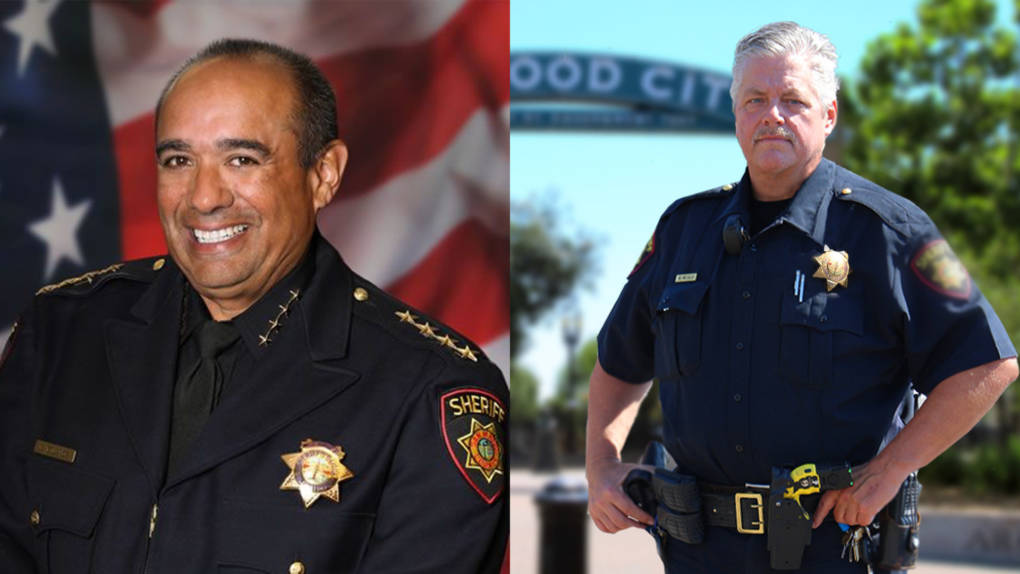
"caption": "San Mateo County Sheriff Carlos Bolanos (L) is facing a challenge from one of his deputies, Mark Melville (R) in the June election.",
"description": "San Mateo County Sheriff Carlos Bolanos (L) is facing a challenge from one of his deputies, Mark Melville (R) in the June election.",
"title": "RS31182_SMateo Sheriff-qut",
"credit": "Courtesy of San Mateo County Sheriff's Office/Deb Wong",
"status": "inherit",
"isLoading": false,
"fetchFailed": false
},
"news_11670736": {
"type": "attachments",
"id": "news_11670736",
"meta": {
"index": "attachments_1716263798",
"site": "news",
"id": "11670736",
"found": true
},
"parent": 11670565,
"imgSizes": {
"small": {
"file": "https://ww2.kqed.org/app/uploads/sites/10/2018/05/WPR_RS26261__MG_3197-qut-520x347.jpg",
"width": 520,
"mimeType": "image/jpeg",
"height": 347
},
"twentyfourteen-full-width": {
"file": "https://ww2.kqed.org/app/uploads/sites/10/2018/05/WPR_RS26261__MG_3197-qut-1038x576.jpg",
"width": 1038,
"mimeType": "image/jpeg",
"height": 576
},
"thumbnail": {
"file": "https://ww2.kqed.org/app/uploads/sites/10/2018/05/WPR_RS26261__MG_3197-qut-160x107.jpg",
"width": 160,
"mimeType": "image/jpeg",
"height": 107
},
"fd-sm": {
"file": "https://ww2.kqed.org/app/uploads/sites/10/2018/05/WPR_RS26261__MG_3197-qut-960x640.jpg",
"width": 960,
"mimeType": "image/jpeg",
"height": 640
},
"post-thumbnail": {
"file": "https://ww2.kqed.org/app/uploads/sites/10/2018/05/WPR_RS26261__MG_3197-qut-672x372.jpg",
"width": 672,
"mimeType": "image/jpeg",
"height": 372
},
"xsmall": {
"file": "https://ww2.kqed.org/app/uploads/sites/10/2018/05/WPR_RS26261__MG_3197-qut-375x250.jpg",
"width": 375,
"mimeType": "image/jpeg",
"height": 250
},
"kqedFullSize": {
"file": "https://ww2.kqed.org/app/uploads/sites/10/2018/05/WPR_RS26261__MG_3197-qut.jpg",
"width": 1920,
"height": 1280
},
"large": {
"file": "https://ww2.kqed.org/app/uploads/sites/10/2018/05/WPR_RS26261__MG_3197-qut-1020x680.jpg",
"width": 1020,
"mimeType": "image/jpeg",
"height": 680
},
"xlarge": {
"file": "https://ww2.kqed.org/app/uploads/sites/10/2018/05/WPR_RS26261__MG_3197-qut-1180x787.jpg",
"width": 1180,
"mimeType": "image/jpeg",
"height": 787
},
"complete_open_graph": {
"file": "https://ww2.kqed.org/app/uploads/sites/10/2018/05/WPR_RS26261__MG_3197-qut-1200x800.jpg",
"width": 1200,
"mimeType": "image/jpeg",
"height": 800
},
"guest-author-50": {
"file": "https://ww2.kqed.org/app/uploads/sites/10/2018/05/WPR_RS26261__MG_3197-qut-50x50.jpg",
"width": 50,
"mimeType": "image/jpeg",
"height": 50
},
"guest-author-96": {
"file": "https://ww2.kqed.org/app/uploads/sites/10/2018/05/WPR_RS26261__MG_3197-qut-96x96.jpg",
"width": 96,
"mimeType": "image/jpeg",
"height": 96
},
"medium": {
"file": "https://ww2.kqed.org/app/uploads/sites/10/2018/05/WPR_RS26261__MG_3197-qut-800x533.jpg",
"width": 800,
"mimeType": "image/jpeg",
"height": 533
},
"guest-author-64": {
"file": "https://ww2.kqed.org/app/uploads/sites/10/2018/05/WPR_RS26261__MG_3197-qut-64x64.jpg",
"width": 64,
"mimeType": "image/jpeg",
"height": 64
},
"guest-author-32": {
"file": "https://ww2.kqed.org/app/uploads/sites/10/2018/05/WPR_RS26261__MG_3197-qut-32x32.jpg",
"width": 32,
"mimeType": "image/jpeg",
"height": 32
},
"fd-lrg": {
"file": "https://ww2.kqed.org/app/uploads/sites/10/2018/05/WPR_RS26261__MG_3197-qut-1920x1280.jpg",
"width": 1920,
"mimeType": "image/jpeg",
"height": 1280
},
"fd-med": {
"file": "https://ww2.kqed.org/app/uploads/sites/10/2018/05/WPR_RS26261__MG_3197-qut-1180x787.jpg",
"width": 1180,
"mimeType": "image/jpeg",
"height": 787
},
"full-width": {
"file": "https://ww2.kqed.org/app/uploads/sites/10/2018/05/WPR_RS26261__MG_3197-qut-1920x1280.jpg",
"width": 1920,
"mimeType": "image/jpeg",
"height": 1280
},
"detail": {
"file": "https://ww2.kqed.org/app/uploads/sites/10/2018/05/WPR_RS26261__MG_3197-qut-150x150.jpg",
"width": 150,
"mimeType": "image/jpeg",
"height": 150
},
"guest-author-128": {
"file": "https://ww2.kqed.org/app/uploads/sites/10/2018/05/WPR_RS26261__MG_3197-qut-128x128.jpg",
"width": 128,
"mimeType": "image/jpeg",
"height": 128
},
"xxsmall": {
"file": "https://ww2.kqed.org/app/uploads/sites/10/2018/05/WPR_RS26261__MG_3197-qut-240x160.jpg",
"width": 240,
"mimeType": "image/jpeg",
"height": 160
}
},
"publishDate": 1527278461,
"modified": 1527284832,
"caption": "Maria Mendoza-Sanchez sits on a couch in her Oakland home on Aug. 16, 2017, hours before she, her husband and son leave Oakland for Mexico City. Her daughter, Melin Sanchez, 21, cries as she watches her mother with concern.",
"description": "Maria Mendoza-Sanchez sits on a couch in her Oakland home on Aug. 16, 2017, hours before she, her husband and son leave Oakland for Mexico City. Her daughter, Melin Sanchez, 21, cries as she watches her mother with concern.",
"title": "WPR_RS26261__MG_3197-qut",
"credit": "Deborah Svoboda/KQED",
"status": "inherit",
"isLoading": false,
"fetchFailed": false
},
"news_11670818": {
"type": "attachments",
"id": "news_11670818",
"meta": {
"index": "attachments_1716263798",
"site": "news",
"id": "11670818",
"found": true
},
"parent": 11670763,
"imgSizes": {
"small": {
"file": "https://ww2.kqed.org/app/uploads/sites/10/2018/05/GettyImages-860726910-520x345.jpg",
"width": 520,
"mimeType": "image/jpeg",
"height": 345
},
"twentyfourteen-full-width": {
"file": "https://ww2.kqed.org/app/uploads/sites/10/2018/05/GettyImages-860726910-1038x576.jpg",
"width": 1038,
"mimeType": "image/jpeg",
"height": 576
},
"thumbnail": {
"file": "https://ww2.kqed.org/app/uploads/sites/10/2018/05/GettyImages-860726910-160x106.jpg",
"width": 160,
"mimeType": "image/jpeg",
"height": 106
},
"fd-sm": {
"file": "https://ww2.kqed.org/app/uploads/sites/10/2018/05/GettyImages-860726910-960x638.jpg",
"width": 960,
"mimeType": "image/jpeg",
"height": 638
},
"post-thumbnail": {
"file": "https://ww2.kqed.org/app/uploads/sites/10/2018/05/GettyImages-860726910-672x372.jpg",
"width": 672,
"mimeType": "image/jpeg",
"height": 372
},
"xsmall": {
"file": "https://ww2.kqed.org/app/uploads/sites/10/2018/05/GettyImages-860726910-375x249.jpg",
"width": 375,
"mimeType": "image/jpeg",
"height": 249
},
"kqedFullSize": {
"file": "https://ww2.kqed.org/app/uploads/sites/10/2018/05/GettyImages-860726910.jpg",
"width": 3000,
"height": 1993
},
"large": {
"file": "https://ww2.kqed.org/app/uploads/sites/10/2018/05/GettyImages-860726910-1020x678.jpg",
"width": 1020,
"mimeType": "image/jpeg",
"height": 678
},
"xlarge": {
"file": "https://ww2.kqed.org/app/uploads/sites/10/2018/05/GettyImages-860726910-1180x784.jpg",
"width": 1180,
"mimeType": "image/jpeg",
"height": 784
},
"complete_open_graph": {
"file": "https://ww2.kqed.org/app/uploads/sites/10/2018/05/GettyImages-860726910-1200x797.jpg",
"width": 1200,
"mimeType": "image/jpeg",
"height": 797
},
"guest-author-50": {
"file": "https://ww2.kqed.org/app/uploads/sites/10/2018/05/GettyImages-860726910-50x50.jpg",
"width": 50,
"mimeType": "image/jpeg",
"height": 50
},
"guest-author-96": {
"file": "https://ww2.kqed.org/app/uploads/sites/10/2018/05/GettyImages-860726910-96x96.jpg",
"width": 96,
"mimeType": "image/jpeg",
"height": 96
},
"medium": {
"file": "https://ww2.kqed.org/app/uploads/sites/10/2018/05/GettyImages-860726910-800x531.jpg",
"width": 800,
"mimeType": "image/jpeg",
"height": 531
},
"guest-author-64": {
"file": "https://ww2.kqed.org/app/uploads/sites/10/2018/05/GettyImages-860726910-64x64.jpg",
"width": 64,
"mimeType": "image/jpeg",
"height": 64
},
"guest-author-32": {
"file": "https://ww2.kqed.org/app/uploads/sites/10/2018/05/GettyImages-860726910-32x32.jpg",
"width": 32,
"mimeType": "image/jpeg",
"height": 32
},
"fd-lrg": {
"file": "https://ww2.kqed.org/app/uploads/sites/10/2018/05/GettyImages-860726910-1920x1276.jpg",
"width": 1920,
"mimeType": "image/jpeg",
"height": 1276
},
"fd-med": {
"file": "https://ww2.kqed.org/app/uploads/sites/10/2018/05/GettyImages-860726910-1180x784.jpg",
"width": 1180,
"mimeType": "image/jpeg",
"height": 784
},
"full-width": {
"file": "https://ww2.kqed.org/app/uploads/sites/10/2018/05/GettyImages-860726910-1920x1276.jpg",
"width": 1920,
"mimeType": "image/jpeg",
"height": 1276
},
"detail": {
"file": "https://ww2.kqed.org/app/uploads/sites/10/2018/05/GettyImages-860726910-150x150.jpg",
"width": 150,
"mimeType": "image/jpeg",
"height": 150
},
"guest-author-128": {
"file": "https://ww2.kqed.org/app/uploads/sites/10/2018/05/GettyImages-860726910-128x128.jpg",
"width": 128,
"mimeType": "image/jpeg",
"height": 128
},
"xxsmall": {
"file": "https://ww2.kqed.org/app/uploads/sites/10/2018/05/GettyImages-860726910-240x159.jpg",
"width": 240,
"mimeType": "image/jpeg",
"height": 159
}
},
"publishDate": 1527284511,
"modified": 1527289673,
"caption": "Cal Fire firefighter Trevor Smith battles the Tubbs Fire on Oct. 12, 2017, near Calistoga, California. Cal Fire hasn't yet determined the cause of this fire, but says four fires that started the same week were sparked by PG&E power lines. ",
"description": null,
"title": "Multiple Wildfires Destroy Homes, Threaten California Wine Country",
"credit": "Justin Sullivan/Getty Images",
"status": "inherit",
"isLoading": false,
"fetchFailed": false
},
"news_11572756": {
"type": "attachments",
"id": "news_11572756",
"meta": {
"index": "attachments_1716263798",
"site": "news",
"id": "11572756",
"found": true
},
"parent": 0,
"imgSizes": {
"small": {
"file": "https://ww2.kqed.org/app/uploads/sites/10/2017/07/tcr_archive_background-520x195.jpg",
"width": 520,
"mimeType": "image/jpeg",
"height": 195
},
"twentyfourteen-full-width": {
"file": "https://ww2.kqed.org/app/uploads/sites/10/2017/07/tcr_archive_background-1038x450.jpg",
"width": 1038,
"mimeType": "image/jpeg",
"height": 450
},
"thumbnail": {
"file": "https://ww2.kqed.org/app/uploads/sites/10/2017/07/tcr_archive_background-160x60.jpg",
"width": 160,
"mimeType": "image/jpeg",
"height": 60
},
"fd-sm": {
"file": "https://ww2.kqed.org/app/uploads/sites/10/2017/07/tcr_archive_background-960x360.jpg",
"width": 960,
"mimeType": "image/jpeg",
"height": 360
},
"post-thumbnail": {
"file": "https://ww2.kqed.org/app/uploads/sites/10/2017/07/tcr_archive_background-672x372.jpg",
"width": 672,
"mimeType": "image/jpeg",
"height": 372
},
"xsmall": {
"file": "https://ww2.kqed.org/app/uploads/sites/10/2017/07/tcr_archive_background-375x141.jpg",
"width": 375,
"mimeType": "image/jpeg",
"height": 141
},
"kqedFullSize": {
"file": "https://ww2.kqed.org/app/uploads/sites/10/2017/07/tcr_archive_background.jpg",
"width": 1200,
"height": 450
},
"large": {
"file": "https://ww2.kqed.org/app/uploads/sites/10/2017/07/tcr_archive_background-1020x383.jpg",
"width": 1020,
"mimeType": "image/jpeg",
"height": 383
},
"xlarge": {
"file": "https://ww2.kqed.org/app/uploads/sites/10/2017/07/tcr_archive_background-1180x443.jpg",
"width": 1180,
"mimeType": "image/jpeg",
"height": 443
},
"guest-author-50": {
"file": "https://ww2.kqed.org/app/uploads/sites/10/2017/07/tcr_archive_background-50x50.jpg",
"width": 50,
"mimeType": "image/jpeg",
"height": 50
},
"guest-author-96": {
"file": "https://ww2.kqed.org/app/uploads/sites/10/2017/07/tcr_archive_background-96x96.jpg",
"width": 96,
"mimeType": "image/jpeg",
"height": 96
},
"medium": {
"file": "https://ww2.kqed.org/app/uploads/sites/10/2017/07/tcr_archive_background-800x300.jpg",
"width": 800,
"mimeType": "image/jpeg",
"height": 300
},
"guest-author-64": {
"file": "https://ww2.kqed.org/app/uploads/sites/10/2017/07/tcr_archive_background-64x64.jpg",
"width": 64,
"mimeType": "image/jpeg",
"height": 64
},
"guest-author-32": {
"file": "https://ww2.kqed.org/app/uploads/sites/10/2017/07/tcr_archive_background-32x32.jpg",
"width": 32,
"mimeType": "image/jpeg",
"height": 32
},
"fd-med": {
"file": "https://ww2.kqed.org/app/uploads/sites/10/2017/07/tcr_archive_background-1180x443.jpg",
"width": 1180,
"mimeType": "image/jpeg",
"height": 443
},
"detail": {
"file": "https://ww2.kqed.org/app/uploads/sites/10/2017/07/tcr_archive_background-150x150.jpg",
"width": 150,
"mimeType": "image/jpeg",
"height": 150
},
"guest-author-128": {
"file": "https://ww2.kqed.org/app/uploads/sites/10/2017/07/tcr_archive_background-128x128.jpg",
"width": 128,
"mimeType": "image/jpeg",
"height": 128
},
"xxsmall": {
"file": "https://ww2.kqed.org/app/uploads/sites/10/2017/07/tcr_archive_background-240x90.jpg",
"width": 240,
"mimeType": "image/jpeg",
"height": 90
}
},
"publishDate": 1500316142,
"modified": 1500316142,
"caption": null,
"description": null,
"title": "tcr_archive_background",
"credit": null,
"status": "inherit",
"isLoading": false,
"fetchFailed": false
},
"news_11670558": {
"type": "attachments",
"id": "news_11670558",
"meta": {
"index": "attachments_1716263798",
"site": "news",
"id": "11670558",
"found": true
},
"parent": 11670545,
"imgSizes": {
"small": {
"file": "https://ww2.kqed.org/app/uploads/sites/10/2018/05/time_052418_final-520x325.jpg",
"width": 520,
"mimeType": "image/jpeg",
"height": 325
},
"twentyfourteen-full-width": {
"file": "https://ww2.kqed.org/app/uploads/sites/10/2018/05/time_052418_final-1038x576.jpg",
"width": 1038,
"mimeType": "image/jpeg",
"height": 576
},
"thumbnail": {
"file": "https://ww2.kqed.org/app/uploads/sites/10/2018/05/time_052418_final-160x100.jpg",
"width": 160,
"mimeType": "image/jpeg",
"height": 100
},
"fd-sm": {
"file": "https://ww2.kqed.org/app/uploads/sites/10/2018/05/time_052418_final-960x601.jpg",
"width": 960,
"mimeType": "image/jpeg",
"height": 601
},
"post-thumbnail": {
"file": "https://ww2.kqed.org/app/uploads/sites/10/2018/05/time_052418_final-672x372.jpg",
"width": 672,
"mimeType": "image/jpeg",
"height": 372
},
"xsmall": {
"file": "https://ww2.kqed.org/app/uploads/sites/10/2018/05/time_052418_final-375x235.jpg",
"width": 375,
"mimeType": "image/jpeg",
"height": 235
},
"kqedFullSize": {
"file": "https://ww2.kqed.org/app/uploads/sites/10/2018/05/time_052418_final.jpg",
"width": 1920,
"height": 1201
},
"large": {
"file": "https://ww2.kqed.org/app/uploads/sites/10/2018/05/time_052418_final-1020x638.jpg",
"width": 1020,
"mimeType": "image/jpeg",
"height": 638
},
"xlarge": {
"file": "https://ww2.kqed.org/app/uploads/sites/10/2018/05/time_052418_final-1180x738.jpg",
"width": 1180,
"mimeType": "image/jpeg",
"height": 738
},
"complete_open_graph": {
"file": "https://ww2.kqed.org/app/uploads/sites/10/2018/05/time_052418_final-1200x751.jpg",
"width": 1200,
"mimeType": "image/jpeg",
"height": 751
},
"guest-author-50": {
"file": "https://ww2.kqed.org/app/uploads/sites/10/2018/05/time_052418_final-50x50.jpg",
"width": 50,
"mimeType": "image/jpeg",
"height": 50
},
"guest-author-96": {
"file": "https://ww2.kqed.org/app/uploads/sites/10/2018/05/time_052418_final-96x96.jpg",
"width": 96,
"mimeType": "image/jpeg",
"height": 96
},
"medium": {
"file": "https://ww2.kqed.org/app/uploads/sites/10/2018/05/time_052418_final-800x500.jpg",
"width": 800,
"mimeType": "image/jpeg",
"height": 500
},
"guest-author-64": {
"file": "https://ww2.kqed.org/app/uploads/sites/10/2018/05/time_052418_final-64x64.jpg",
"width": 64,
"mimeType": "image/jpeg",
"height": 64
},
"guest-author-32": {
"file": "https://ww2.kqed.org/app/uploads/sites/10/2018/05/time_052418_final-32x32.jpg",
"width": 32,
"mimeType": "image/jpeg",
"height": 32
},
"fd-lrg": {
"file": "https://ww2.kqed.org/app/uploads/sites/10/2018/05/time_052418_final-1920x1201.jpg",
"width": 1920,
"mimeType": "image/jpeg",
"height": 1201
},
"fd-med": {
"file": "https://ww2.kqed.org/app/uploads/sites/10/2018/05/time_052418_final-1180x738.jpg",
"width": 1180,
"mimeType": "image/jpeg",
"height": 738
},
"full-width": {
"file": "https://ww2.kqed.org/app/uploads/sites/10/2018/05/time_052418_final-1920x1201.jpg",
"width": 1920,
"mimeType": "image/jpeg",
"height": 1201
},
"detail": {
"file": "https://ww2.kqed.org/app/uploads/sites/10/2018/05/time_052418_final-150x150.jpg",
"width": 150,
"mimeType": "image/jpeg",
"height": 150
},
"guest-author-128": {
"file": "https://ww2.kqed.org/app/uploads/sites/10/2018/05/time_052418_final-128x128.jpg",
"width": 128,
"mimeType": "image/jpeg",
"height": 128
},
"xxsmall": {
"file": "https://ww2.kqed.org/app/uploads/sites/10/2018/05/time_052418_final-240x150.jpg",
"width": 240,
"mimeType": "image/jpeg",
"height": 150
}
},
"publishDate": 1527200248,
"modified": 1527200262,
"caption": null,
"description": null,
"title": "time_052418_final",
"credit": null,
"status": "inherit",
"isLoading": false,
"fetchFailed": false
},
"news_11670054": {
"type": "attachments",
"id": "news_11670054",
"meta": {
"index": "attachments_1716263798",
"site": "news",
"id": "11670054",
"found": true
},
"parent": 11670049,
"imgSizes": {
"small": {
"file": "https://ww2.kqed.org/app/uploads/sites/10/2018/05/AUTHORS-GRAPHIC-520x293.jpg",
"width": 520,
"mimeType": "image/jpeg",
"height": 293
},
"twentyfourteen-full-width": {
"file": "https://ww2.kqed.org/app/uploads/sites/10/2018/05/AUTHORS-GRAPHIC-1038x576.jpg",
"width": 1038,
"mimeType": "image/jpeg",
"height": 576
},
"thumbnail": {
"file": "https://ww2.kqed.org/app/uploads/sites/10/2018/05/AUTHORS-GRAPHIC-160x90.jpg",
"width": 160,
"mimeType": "image/jpeg",
"height": 90
},
"fd-sm": {
"file": "https://ww2.kqed.org/app/uploads/sites/10/2018/05/AUTHORS-GRAPHIC-960x540.jpg",
"width": 960,
"mimeType": "image/jpeg",
"height": 540
},
"post-thumbnail": {
"file": "https://ww2.kqed.org/app/uploads/sites/10/2018/05/AUTHORS-GRAPHIC-672x372.jpg",
"width": 672,
"mimeType": "image/jpeg",
"height": 372
},
"xsmall": {
"file": "https://ww2.kqed.org/app/uploads/sites/10/2018/05/AUTHORS-GRAPHIC-375x211.jpg",
"width": 375,
"mimeType": "image/jpeg",
"height": 211
},
"kqedFullSize": {
"file": "https://ww2.kqed.org/app/uploads/sites/10/2018/05/AUTHORS-GRAPHIC.jpg",
"width": 1920,
"height": 1080
},
"large": {
"file": "https://ww2.kqed.org/app/uploads/sites/10/2018/05/AUTHORS-GRAPHIC-1020x574.jpg",
"width": 1020,
"mimeType": "image/jpeg",
"height": 574
},
"xlarge": {
"file": "https://ww2.kqed.org/app/uploads/sites/10/2018/05/AUTHORS-GRAPHIC-1180x664.jpg",
"width": 1180,
"mimeType": "image/jpeg",
"height": 664
},
"complete_open_graph": {
"file": "https://ww2.kqed.org/app/uploads/sites/10/2018/05/AUTHORS-GRAPHIC-1200x675.jpg",
"width": 1200,
"mimeType": "image/jpeg",
"height": 675
},
"guest-author-50": {
"file": "https://ww2.kqed.org/app/uploads/sites/10/2018/05/AUTHORS-GRAPHIC-50x50.jpg",
"width": 50,
"mimeType": "image/jpeg",
"height": 50
},
"guest-author-96": {
"file": "https://ww2.kqed.org/app/uploads/sites/10/2018/05/AUTHORS-GRAPHIC-96x96.jpg",
"width": 96,
"mimeType": "image/jpeg",
"height": 96
},
"medium": {
"file": "https://ww2.kqed.org/app/uploads/sites/10/2018/05/AUTHORS-GRAPHIC-800x450.jpg",
"width": 800,
"mimeType": "image/jpeg",
"height": 450
},
"guest-author-64": {
"file": "https://ww2.kqed.org/app/uploads/sites/10/2018/05/AUTHORS-GRAPHIC-64x64.jpg",
"width": 64,
"mimeType": "image/jpeg",
"height": 64
},
"guest-author-32": {
"file": "https://ww2.kqed.org/app/uploads/sites/10/2018/05/AUTHORS-GRAPHIC-32x32.jpg",
"width": 32,
"mimeType": "image/jpeg",
"height": 32
},
"fd-lrg": {
"file": "https://ww2.kqed.org/app/uploads/sites/10/2018/05/AUTHORS-GRAPHIC-1920x1080.jpg",
"width": 1920,
"mimeType": "image/jpeg",
"height": 1080
},
"fd-med": {
"file": "https://ww2.kqed.org/app/uploads/sites/10/2018/05/AUTHORS-GRAPHIC-1180x664.jpg",
"width": 1180,
"mimeType": "image/jpeg",
"height": 664
},
"full-width": {
"file": "https://ww2.kqed.org/app/uploads/sites/10/2018/05/AUTHORS-GRAPHIC-1920x1080.jpg",
"width": 1920,
"mimeType": "image/jpeg",
"height": 1080
},
"detail": {
"file": "https://ww2.kqed.org/app/uploads/sites/10/2018/05/AUTHORS-GRAPHIC-150x150.jpg",
"width": 150,
"mimeType": "image/jpeg",
"height": 150
},
"guest-author-128": {
"file": "https://ww2.kqed.org/app/uploads/sites/10/2018/05/AUTHORS-GRAPHIC-128x128.jpg",
"width": 128,
"mimeType": "image/jpeg",
"height": 128
},
"xxsmall": {
"file": "https://ww2.kqed.org/app/uploads/sites/10/2018/05/AUTHORS-GRAPHIC-240x135.jpg",
"width": 240,
"mimeType": "image/jpeg",
"height": 135
}
},
"publishDate": 1527031438,
"modified": 1527031438,
"caption": null,
"description": null,
"title": "AUTHORS GRAPHIC",
"credit": null,
"status": "inherit",
"isLoading": false,
"fetchFailed": false
},
"news_11670472": {
"type": "attachments",
"id": "news_11670472",
"meta": {
"index": "attachments_1716263798",
"site": "news",
"id": "11670472",
"found": true
},
"parent": 11670463,
"imgSizes": {
"small": {
"file": "https://ww2.kqed.org/app/uploads/sites/10/2018/05/HoldingHands-520x353.jpg",
"width": 520,
"mimeType": "image/jpeg",
"height": 353
},
"twentyfourteen-full-width": {
"file": "https://ww2.kqed.org/app/uploads/sites/10/2018/05/HoldingHands-1038x576.jpg",
"width": 1038,
"mimeType": "image/jpeg",
"height": 576
},
"thumbnail": {
"file": "https://ww2.kqed.org/app/uploads/sites/10/2018/05/HoldingHands-160x109.jpg",
"width": 160,
"mimeType": "image/jpeg",
"height": 109
},
"fd-sm": {
"file": "https://ww2.kqed.org/app/uploads/sites/10/2018/05/HoldingHands-960x651.jpg",
"width": 960,
"mimeType": "image/jpeg",
"height": 651
},
"post-thumbnail": {
"file": "https://ww2.kqed.org/app/uploads/sites/10/2018/05/HoldingHands-672x372.jpg",
"width": 672,
"mimeType": "image/jpeg",
"height": 372
},
"xsmall": {
"file": "https://ww2.kqed.org/app/uploads/sites/10/2018/05/HoldingHands-375x254.jpg",
"width": 375,
"mimeType": "image/jpeg",
"height": 254
},
"kqedFullSize": {
"file": "https://ww2.kqed.org/app/uploads/sites/10/2018/05/HoldingHands.jpg",
"width": 1920,
"height": 1302
},
"large": {
"file": "https://ww2.kqed.org/app/uploads/sites/10/2018/05/HoldingHands-1020x692.jpg",
"width": 1020,
"mimeType": "image/jpeg",
"height": 692
},
"xlarge": {
"file": "https://ww2.kqed.org/app/uploads/sites/10/2018/05/HoldingHands-1180x800.jpg",
"width": 1180,
"mimeType": "image/jpeg",
"height": 800
},
"complete_open_graph": {
"file": "https://ww2.kqed.org/app/uploads/sites/10/2018/05/HoldingHands-1200x814.jpg",
"width": 1200,
"mimeType": "image/jpeg",
"height": 814
},
"guest-author-50": {
"file": "https://ww2.kqed.org/app/uploads/sites/10/2018/05/HoldingHands-50x50.jpg",
"width": 50,
"mimeType": "image/jpeg",
"height": 50
},
"guest-author-96": {
"file": "https://ww2.kqed.org/app/uploads/sites/10/2018/05/HoldingHands-96x96.jpg",
"width": 96,
"mimeType": "image/jpeg",
"height": 96
},
"medium": {
"file": "https://ww2.kqed.org/app/uploads/sites/10/2018/05/HoldingHands-800x543.jpg",
"width": 800,
"mimeType": "image/jpeg",
"height": 543
},
"guest-author-64": {
"file": "https://ww2.kqed.org/app/uploads/sites/10/2018/05/HoldingHands-64x64.jpg",
"width": 64,
"mimeType": "image/jpeg",
"height": 64
},
"guest-author-32": {
"file": "https://ww2.kqed.org/app/uploads/sites/10/2018/05/HoldingHands-32x32.jpg",
"width": 32,
"mimeType": "image/jpeg",
"height": 32
},
"fd-lrg": {
"file": "https://ww2.kqed.org/app/uploads/sites/10/2018/05/HoldingHands-1920x1302.jpg",
"width": 1920,
"mimeType": "image/jpeg",
"height": 1302
},
"fd-med": {
"file": "https://ww2.kqed.org/app/uploads/sites/10/2018/05/HoldingHands-1180x800.jpg",
"width": 1180,
"mimeType": "image/jpeg",
"height": 800
},
"full-width": {
"file": "https://ww2.kqed.org/app/uploads/sites/10/2018/05/HoldingHands-1920x1302.jpg",
"width": 1920,
"mimeType": "image/jpeg",
"height": 1302
},
"detail": {
"file": "https://ww2.kqed.org/app/uploads/sites/10/2018/05/HoldingHands-150x150.jpg",
"width": 150,
"mimeType": "image/jpeg",
"height": 150
},
"guest-author-128": {
"file": "https://ww2.kqed.org/app/uploads/sites/10/2018/05/HoldingHands-128x128.jpg",
"width": 128,
"mimeType": "image/jpeg",
"height": 128
},
"xxsmall": {
"file": "https://ww2.kqed.org/app/uploads/sites/10/2018/05/HoldingHands-240x163.jpg",
"width": 240,
"mimeType": "image/jpeg",
"height": 163
}
},
"publishDate": 1527189249,
"modified": 1527197030,
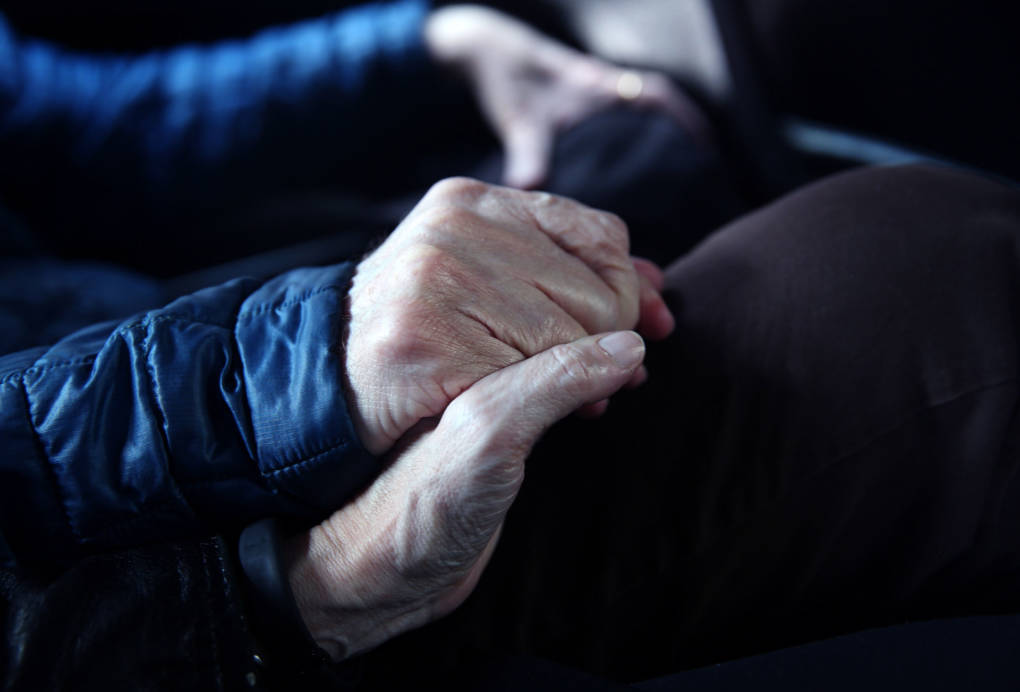
"caption": "Youssef Cohen, a cancer patient and advocate for physician-assisted suicide, holds hands with his wife on the way to a doctor's appointment.",
"description": "Youssef Cohen, a cancer patient and advocate for physician assisted suicide, holds hands with his wife on the way to a doctor's appointment.",
"title": "HoldingHands",
"credit": "John Moore/Getty Images",
"status": "inherit",
"isLoading": false,
"fetchFailed": false
},
"news_11670371": {
"type": "attachments",
"id": "news_11670371",
"meta": {
"index": "attachments_1716263798",
"site": "news",
"id": "11670371",
"found": true
},
"parent": 11670339,
"imgSizes": {
"small": {
"file": "https://ww2.kqed.org/app/uploads/sites/10/2018/05/RS19088_IMG_4926-qut-520x390.jpg",
"width": 520,
"mimeType": "image/jpeg",
"height": 390
},
"twentyfourteen-full-width": {
"file": "https://ww2.kqed.org/app/uploads/sites/10/2018/05/RS19088_IMG_4926-qut-1038x576.jpg",
"width": 1038,
"mimeType": "image/jpeg",
"height": 576
},
"thumbnail": {
"file": "https://ww2.kqed.org/app/uploads/sites/10/2018/05/RS19088_IMG_4926-qut-160x120.jpg",
"width": 160,
"mimeType": "image/jpeg",
"height": 120
},
"fd-sm": {
"file": "https://ww2.kqed.org/app/uploads/sites/10/2018/05/RS19088_IMG_4926-qut-960x720.jpg",
"width": 960,
"mimeType": "image/jpeg",
"height": 720
},
"post-thumbnail": {
"file": "https://ww2.kqed.org/app/uploads/sites/10/2018/05/RS19088_IMG_4926-qut-672x372.jpg",
"width": 672,
"mimeType": "image/jpeg",
"height": 372
},
"xsmall": {
"file": "https://ww2.kqed.org/app/uploads/sites/10/2018/05/RS19088_IMG_4926-qut-375x281.jpg",
"width": 375,
"mimeType": "image/jpeg",
"height": 281
},
"kqedFullSize": {
"file": "https://ww2.kqed.org/app/uploads/sites/10/2018/05/RS19088_IMG_4926-qut.jpg",
"width": 1920,
"height": 1440
},
"large": {
"file": "https://ww2.kqed.org/app/uploads/sites/10/2018/05/RS19088_IMG_4926-qut-1020x765.jpg",
"width": 1020,
"mimeType": "image/jpeg",
"height": 765
},
"xlarge": {
"file": "https://ww2.kqed.org/app/uploads/sites/10/2018/05/RS19088_IMG_4926-qut-1180x885.jpg",
"width": 1180,
"mimeType": "image/jpeg",
"height": 885
},
"complete_open_graph": {
"file": "https://ww2.kqed.org/app/uploads/sites/10/2018/05/RS19088_IMG_4926-qut-1200x900.jpg",
"width": 1200,
"mimeType": "image/jpeg",
"height": 900
},
"guest-author-50": {
"file": "https://ww2.kqed.org/app/uploads/sites/10/2018/05/RS19088_IMG_4926-qut-50x50.jpg",
"width": 50,
"mimeType": "image/jpeg",
"height": 50
},
"guest-author-96": {
"file": "https://ww2.kqed.org/app/uploads/sites/10/2018/05/RS19088_IMG_4926-qut-96x96.jpg",
"width": 96,
"mimeType": "image/jpeg",
"height": 96
},
"medium": {
"file": "https://ww2.kqed.org/app/uploads/sites/10/2018/05/RS19088_IMG_4926-qut-800x600.jpg",
"width": 800,
"mimeType": "image/jpeg",
"height": 600
},
"guest-author-64": {
"file": "https://ww2.kqed.org/app/uploads/sites/10/2018/05/RS19088_IMG_4926-qut-64x64.jpg",
"width": 64,
"mimeType": "image/jpeg",
"height": 64
},
"guest-author-32": {
"file": "https://ww2.kqed.org/app/uploads/sites/10/2018/05/RS19088_IMG_4926-qut-32x32.jpg",
"width": 32,
"mimeType": "image/jpeg",
"height": 32
},
"fd-lrg": {
"file": "https://ww2.kqed.org/app/uploads/sites/10/2018/05/RS19088_IMG_4926-qut-1920x1440.jpg",
"width": 1920,
"mimeType": "image/jpeg",
"height": 1440
},
"fd-med": {
"file": "https://ww2.kqed.org/app/uploads/sites/10/2018/05/RS19088_IMG_4926-qut-1180x885.jpg",
"width": 1180,
"mimeType": "image/jpeg",
"height": 885
},
"full-width": {
"file": "https://ww2.kqed.org/app/uploads/sites/10/2018/05/RS19088_IMG_4926-qut-1920x1440.jpg",
"width": 1920,
"mimeType": "image/jpeg",
"height": 1440
},
"detail": {
"file": "https://ww2.kqed.org/app/uploads/sites/10/2018/05/RS19088_IMG_4926-qut-150x150.jpg",
"width": 150,
"mimeType": "image/jpeg",
"height": 150
},
"guest-author-128": {
"file": "https://ww2.kqed.org/app/uploads/sites/10/2018/05/RS19088_IMG_4926-qut-128x128.jpg",
"width": 128,
"mimeType": "image/jpeg",
"height": 128
},
"xxsmall": {
"file": "https://ww2.kqed.org/app/uploads/sites/10/2018/05/RS19088_IMG_4926-qut-240x180.jpg",
"width": 240,
"mimeType": "image/jpeg",
"height": 180
}
},
"publishDate": 1527175102,
"modified": 1527186252,
"caption": "The scene of the San Francisco Police shooting of Luis Góngora at 18th and Shotwell streets on April 7, 2016.",
"description": "The scene of the San Francisco Police shooting of Luis Gongora at 18th and Shotwell streets on April 7, 2016.",
"title": "RS19088_IMG_4926-qut",
"credit": "Alex Emslie/KQED News",
"status": "inherit",
"isLoading": false,
"fetchFailed": false
},
"news_11670330": {
"type": "attachments",
"id": "news_11670330",
"meta": {
"index": "attachments_1716263798",
"site": "news",
"id": "11670330",
"found": true
},
"parent": 11669987,
"imgSizes": {
"small": {
"file": "https://ww2.kqed.org/app/uploads/sites/10/2018/05/EvictionDemonstratorsSF-520x339.jpg",
"width": 520,
"mimeType": "image/jpeg",
"height": 339
},
"twentyfourteen-full-width": {
"file": "https://ww2.kqed.org/app/uploads/sites/10/2018/05/EvictionDemonstratorsSF-1038x576.jpg",
"width": 1038,
"mimeType": "image/jpeg",
"height": 576
},
"thumbnail": {
"file": "https://ww2.kqed.org/app/uploads/sites/10/2018/05/EvictionDemonstratorsSF-160x104.jpg",
"width": 160,
"mimeType": "image/jpeg",
"height": 104
},
"fd-sm": {
"file": "https://ww2.kqed.org/app/uploads/sites/10/2018/05/EvictionDemonstratorsSF-960x625.jpg",
"width": 960,
"mimeType": "image/jpeg",
"height": 625
},
"post-thumbnail": {
"file": "https://ww2.kqed.org/app/uploads/sites/10/2018/05/EvictionDemonstratorsSF-672x372.jpg",
"width": 672,
"mimeType": "image/jpeg",
"height": 372
},
"xsmall": {
"file": "https://ww2.kqed.org/app/uploads/sites/10/2018/05/EvictionDemonstratorsSF-375x244.jpg",
"width": 375,
"mimeType": "image/jpeg",
"height": 244
},
"kqedFullSize": {
"file": "https://ww2.kqed.org/app/uploads/sites/10/2018/05/EvictionDemonstratorsSF.jpg",
"width": 1920,
"height": 1250
},
"large": {
"file": "https://ww2.kqed.org/app/uploads/sites/10/2018/05/EvictionDemonstratorsSF-1020x664.jpg",
"width": 1020,
"mimeType": "image/jpeg",
"height": 664
},
"xlarge": {
"file": "https://ww2.kqed.org/app/uploads/sites/10/2018/05/EvictionDemonstratorsSF-1180x768.jpg",
"width": 1180,
"mimeType": "image/jpeg",
"height": 768
},
"complete_open_graph": {
"file": "https://ww2.kqed.org/app/uploads/sites/10/2018/05/EvictionDemonstratorsSF-1200x781.jpg",
"width": 1200,
"mimeType": "image/jpeg",
"height": 781
},
"guest-author-50": {
"file": "https://ww2.kqed.org/app/uploads/sites/10/2018/05/EvictionDemonstratorsSF-50x50.jpg",
"width": 50,
"mimeType": "image/jpeg",
"height": 50
},
"guest-author-96": {
"file": "https://ww2.kqed.org/app/uploads/sites/10/2018/05/EvictionDemonstratorsSF-96x96.jpg",
"width": 96,
"mimeType": "image/jpeg",
"height": 96
},
"medium": {
"file": "https://ww2.kqed.org/app/uploads/sites/10/2018/05/EvictionDemonstratorsSF-800x521.jpg",
"width": 800,
"mimeType": "image/jpeg",
"height": 521
},
"guest-author-64": {
"file": "https://ww2.kqed.org/app/uploads/sites/10/2018/05/EvictionDemonstratorsSF-64x64.jpg",
"width": 64,
"mimeType": "image/jpeg",
"height": 64
},
"guest-author-32": {
"file": "https://ww2.kqed.org/app/uploads/sites/10/2018/05/EvictionDemonstratorsSF-32x32.jpg",
"width": 32,
"mimeType": "image/jpeg",
"height": 32
},
"fd-lrg": {
"file": "https://ww2.kqed.org/app/uploads/sites/10/2018/05/EvictionDemonstratorsSF-1920x1250.jpg",
"width": 1920,
"mimeType": "image/jpeg",
"height": 1250
},
"fd-med": {
"file": "https://ww2.kqed.org/app/uploads/sites/10/2018/05/EvictionDemonstratorsSF-1180x768.jpg",
"width": 1180,
"mimeType": "image/jpeg",
"height": 768
},
"full-width": {
"file": "https://ww2.kqed.org/app/uploads/sites/10/2018/05/EvictionDemonstratorsSF-1920x1250.jpg",
"width": 1920,
"mimeType": "image/jpeg",
"height": 1250
},
"detail": {
"file": "https://ww2.kqed.org/app/uploads/sites/10/2018/05/EvictionDemonstratorsSF-150x150.jpg",
"width": 150,
"mimeType": "image/jpeg",
"height": 150
},
"guest-author-128": {
"file": "https://ww2.kqed.org/app/uploads/sites/10/2018/05/EvictionDemonstratorsSF-128x128.jpg",
"width": 128,
"mimeType": "image/jpeg",
"height": 128
},
"xxsmall": {
"file": "https://ww2.kqed.org/app/uploads/sites/10/2018/05/EvictionDemonstratorsSF-240x156.jpg",
"width": 240,
"mimeType": "image/jpeg",
"height": 156
}
},
"publishDate": 1527125883,
"modified": 1527125935,
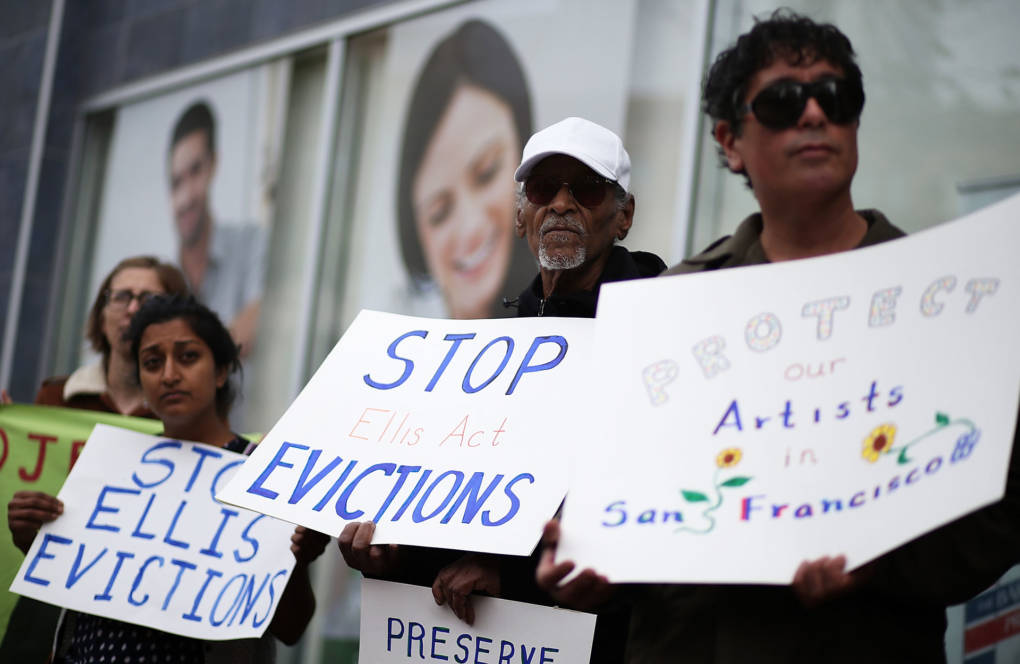
"caption": "Activists and tenants of 1049 Market Street hold signs as they stage a protest against the landlord's attempts to evict them from the building on March 8, 2016 in San Francisco.",
"description": "Activists and tenants of 1049 Market Street hold signs as they stage a protest against the landlord's attempts to evict them from the building on March 8, 2016 in San Francisco.",
"title": "EvictionDemonstratorsSF",
"credit": "Justin Sullivan/Getty Images",
"status": "inherit",
"isLoading": false,
"fetchFailed": false
},
"news_11670226": {
"type": "attachments",
"id": "news_11670226",
"meta": {
"index": "attachments_1716263798",
"site": "news",
"id": "11670226",
"found": true
},
"parent": 11670225,
"imgSizes": {
"small": {
"file": "https://ww2.kqed.org/app/uploads/sites/10/2018/05/ap_18138810419445-0be4e2deafe7c265082c35b85985ec276d620e1c-520x390.jpg",
"width": 520,
"mimeType": "image/jpeg",
"height": 390
},
"twentyfourteen-full-width": {
"file": "https://ww2.kqed.org/app/uploads/sites/10/2018/05/ap_18138810419445-0be4e2deafe7c265082c35b85985ec276d620e1c-1038x576.jpg",
"width": 1038,
"mimeType": "image/jpeg",
"height": 576
},
"thumbnail": {
"file": "https://ww2.kqed.org/app/uploads/sites/10/2018/05/ap_18138810419445-0be4e2deafe7c265082c35b85985ec276d620e1c-160x120.jpg",
"width": 160,
"mimeType": "image/jpeg",
"height": 120
},
"fd-sm": {
"file": "https://ww2.kqed.org/app/uploads/sites/10/2018/05/ap_18138810419445-0be4e2deafe7c265082c35b85985ec276d620e1c-960x720.jpg",
"width": 960,
"mimeType": "image/jpeg",
"height": 720
},
"post-thumbnail": {
"file": "https://ww2.kqed.org/app/uploads/sites/10/2018/05/ap_18138810419445-0be4e2deafe7c265082c35b85985ec276d620e1c-672x372.jpg",
"width": 672,
"mimeType": "image/jpeg",
"height": 372
},
"xsmall": {
"file": "https://ww2.kqed.org/app/uploads/sites/10/2018/05/ap_18138810419445-0be4e2deafe7c265082c35b85985ec276d620e1c-375x281.jpg",
"width": 375,
"mimeType": "image/jpeg",
"height": 281
},
"kqedFullSize": {
"file": "https://ww2.kqed.org/app/uploads/sites/10/2018/05/ap_18138810419445-0be4e2deafe7c265082c35b85985ec276d620e1c-e1527108206363.jpg",
"width": 1920,
"height": 1440
},
"large": {
"file": "https://ww2.kqed.org/app/uploads/sites/10/2018/05/ap_18138810419445-0be4e2deafe7c265082c35b85985ec276d620e1c-1020x765.jpg",
"width": 1020,
"mimeType": "image/jpeg",
"height": 765
},
"xlarge": {
"file": "https://ww2.kqed.org/app/uploads/sites/10/2018/05/ap_18138810419445-0be4e2deafe7c265082c35b85985ec276d620e1c-1180x885.jpg",
"width": 1180,
"mimeType": "image/jpeg",
"height": 885
},
"complete_open_graph": {
"file": "https://ww2.kqed.org/app/uploads/sites/10/2018/05/ap_18138810419445-0be4e2deafe7c265082c35b85985ec276d620e1c-1200x900.jpg",
"width": 1200,
"mimeType": "image/jpeg",
"height": 900
},
"guest-author-50": {
"file": "https://ww2.kqed.org/app/uploads/sites/10/2018/05/ap_18138810419445-0be4e2deafe7c265082c35b85985ec276d620e1c-50x50.jpg",
"width": 50,
"mimeType": "image/jpeg",
"height": 50
},
"guest-author-96": {
"file": "https://ww2.kqed.org/app/uploads/sites/10/2018/05/ap_18138810419445-0be4e2deafe7c265082c35b85985ec276d620e1c-96x96.jpg",
"width": 96,
"mimeType": "image/jpeg",
"height": 96
},
"medium": {
"file": "https://ww2.kqed.org/app/uploads/sites/10/2018/05/ap_18138810419445-0be4e2deafe7c265082c35b85985ec276d620e1c-800x600.jpg",
"width": 800,
"mimeType": "image/jpeg",
"height": 600
},
"guest-author-64": {
"file": "https://ww2.kqed.org/app/uploads/sites/10/2018/05/ap_18138810419445-0be4e2deafe7c265082c35b85985ec276d620e1c-64x64.jpg",
"width": 64,
"mimeType": "image/jpeg",
"height": 64
},
"guest-author-32": {
"file": "https://ww2.kqed.org/app/uploads/sites/10/2018/05/ap_18138810419445-0be4e2deafe7c265082c35b85985ec276d620e1c-32x32.jpg",
"width": 32,
"mimeType": "image/jpeg",
"height": 32
},
"fd-lrg": {
"file": "https://ww2.kqed.org/app/uploads/sites/10/2018/05/ap_18138810419445-0be4e2deafe7c265082c35b85985ec276d620e1c-1920x1440.jpg",
"width": 1920,
"mimeType": "image/jpeg",
"height": 1440
},
"fd-med": {
"file": "https://ww2.kqed.org/app/uploads/sites/10/2018/05/ap_18138810419445-0be4e2deafe7c265082c35b85985ec276d620e1c-1180x885.jpg",
"width": 1180,
"mimeType": "image/jpeg",
"height": 885
},
"full-width": {
"file": "https://ww2.kqed.org/app/uploads/sites/10/2018/05/ap_18138810419445-0be4e2deafe7c265082c35b85985ec276d620e1c-1920x1440.jpg",
"width": 1920,
"mimeType": "image/jpeg",
"height": 1440
},
"detail": {
"file": "https://ww2.kqed.org/app/uploads/sites/10/2018/05/ap_18138810419445-0be4e2deafe7c265082c35b85985ec276d620e1c-150x150.jpg",
"width": 150,
"mimeType": "image/jpeg",
"height": 150
},
"guest-author-128": {
"file": "https://ww2.kqed.org/app/uploads/sites/10/2018/05/ap_18138810419445-0be4e2deafe7c265082c35b85985ec276d620e1c-128x128.jpg",
"width": 128,
"mimeType": "image/jpeg",
"height": 128
},
"xxsmall": {
"file": "https://ww2.kqed.org/app/uploads/sites/10/2018/05/ap_18138810419445-0be4e2deafe7c265082c35b85985ec276d620e1c-240x180.jpg",
"width": 240,
"mimeType": "image/jpeg",
"height": 180
}
},
"publishDate": 1527108096,
"modified": 1527108194,
"caption": "A federal judge ruled Wednesday that President Trump and his aides cannot block critics on Twitter.",
"description": "A federal judge ruled Wednesday that President Trump and his aides cannot block critics on Twitter.",
"title": "A federal judge ruled Wednesday that President Trump and his aides cannot block critics on Twitter.",
"credit": "Evan Vucci/AP",
"status": "inherit",
"isLoading": false,
"fetchFailed": false
},
"news_11670083": {
"type": "attachments",
"id": "news_11670083",
"meta": {
"index": "attachments_1716263798",
"site": "news",
"id": "11670083",
"found": true
},
"parent": 11669971,
"imgSizes": {
"small": {
"file": "https://ww2.kqed.org/app/uploads/sites/10/2018/05/JerryBrown-520x358.jpg",
"width": 520,
"mimeType": "image/jpeg",
"height": 358
},
"twentyfourteen-full-width": {
"file": "https://ww2.kqed.org/app/uploads/sites/10/2018/05/JerryBrown-1038x576.jpg",
"width": 1038,
"mimeType": "image/jpeg",
"height": 576
},
"thumbnail": {
"file": "https://ww2.kqed.org/app/uploads/sites/10/2018/05/JerryBrown-160x110.jpg",
"width": 160,
"mimeType": "image/jpeg",
"height": 110
},
"fd-sm": {
"file": "https://ww2.kqed.org/app/uploads/sites/10/2018/05/JerryBrown-960x661.jpg",
"width": 960,
"mimeType": "image/jpeg",
"height": 661
},
"post-thumbnail": {
"file": "https://ww2.kqed.org/app/uploads/sites/10/2018/05/JerryBrown-672x372.jpg",
"width": 672,
"mimeType": "image/jpeg",
"height": 372
},
"xsmall": {
"file": "https://ww2.kqed.org/app/uploads/sites/10/2018/05/JerryBrown-375x258.jpg",
"width": 375,
"mimeType": "image/jpeg",
"height": 258
},
"kqedFullSize": {
"file": "https://ww2.kqed.org/app/uploads/sites/10/2018/05/JerryBrown.jpg",
"width": 1920,
"height": 1322
},
"large": {
"file": "https://ww2.kqed.org/app/uploads/sites/10/2018/05/JerryBrown-1020x702.jpg",
"width": 1020,
"mimeType": "image/jpeg",
"height": 702
},
"xlarge": {
"file": "https://ww2.kqed.org/app/uploads/sites/10/2018/05/JerryBrown-1180x812.jpg",
"width": 1180,
"mimeType": "image/jpeg",
"height": 812
},
"complete_open_graph": {
"file": "https://ww2.kqed.org/app/uploads/sites/10/2018/05/JerryBrown-1200x826.jpg",
"width": 1200,
"mimeType": "image/jpeg",
"height": 826
},
"guest-author-50": {
"file": "https://ww2.kqed.org/app/uploads/sites/10/2018/05/JerryBrown-50x50.jpg",
"width": 50,
"mimeType": "image/jpeg",
"height": 50
},
"guest-author-96": {
"file": "https://ww2.kqed.org/app/uploads/sites/10/2018/05/JerryBrown-96x96.jpg",
"width": 96,
"mimeType": "image/jpeg",
"height": 96
},
"medium": {
"file": "https://ww2.kqed.org/app/uploads/sites/10/2018/05/JerryBrown-800x551.jpg",
"width": 800,
"mimeType": "image/jpeg",
"height": 551
},
"guest-author-64": {
"file": "https://ww2.kqed.org/app/uploads/sites/10/2018/05/JerryBrown-64x64.jpg",
"width": 64,
"mimeType": "image/jpeg",
"height": 64
},
"guest-author-32": {
"file": "https://ww2.kqed.org/app/uploads/sites/10/2018/05/JerryBrown-32x32.jpg",
"width": 32,
"mimeType": "image/jpeg",
"height": 32
},
"fd-lrg": {
"file": "https://ww2.kqed.org/app/uploads/sites/10/2018/05/JerryBrown-1920x1322.jpg",
"width": 1920,
"mimeType": "image/jpeg",
"height": 1322
},
"fd-med": {
"file": "https://ww2.kqed.org/app/uploads/sites/10/2018/05/JerryBrown-1180x812.jpg",
"width": 1180,
"mimeType": "image/jpeg",
"height": 812
},
"full-width": {
"file": "https://ww2.kqed.org/app/uploads/sites/10/2018/05/JerryBrown-1920x1322.jpg",
"width": 1920,
"mimeType": "image/jpeg",
"height": 1322
},
"detail": {
"file": "https://ww2.kqed.org/app/uploads/sites/10/2018/05/JerryBrown-150x150.jpg",
"width": 150,
"mimeType": "image/jpeg",
"height": 150
},
"guest-author-128": {
"file": "https://ww2.kqed.org/app/uploads/sites/10/2018/05/JerryBrown-128x128.jpg",
"width": 128,
"mimeType": "image/jpeg",
"height": 128
},
"xxsmall": {
"file": "https://ww2.kqed.org/app/uploads/sites/10/2018/05/JerryBrown-240x165.jpg",
"width": 240,
"mimeType": "image/jpeg",
"height": 165
}
},
"publishDate": 1527034258,
"modified": 1540666367,
"caption": "Gov. Jerry Brown has been named executive chairman of the Bulletin of the Atomic Scientists, a group that measures manmade threats to human existence. The group manages the Doomsday Clock, a visual representation of how close the Bulletin believes the world is to catastrophe brought on by nuclear weapons, climate change and new technologies. The group announced Thursday, Oct. 25 that the Democratic governor leaving office in January will take over leadership of the Bulletin.",
"description": "Brown has been named executive chairman of the Bulletin of the Atomic Scientists, a group that measures manmade threats to human existence. ",
"title": "JerryBrown",
"credit": "Justin Sullivan/Getty Images",
"status": "inherit",
"isLoading": false,
"fetchFailed": false
}
},
"audioPlayerReducer": {
"postId": "stream_live",
"isPaused": true,
"isPlaying": false,
"pfsActive": false,
"pledgeModalIsOpen": true,
"playerDrawerIsOpen": false,
"liveAudioPlayStartedAt": 0,
"liveAudioPlayContext": ""
},
"authorsReducer": {
"byline_news_11670565": {
"type": "authors",
"id": "byline_news_11670565",
"meta": {
"override": true
},
"slug": "byline_news_11670565",
"name": "Alyssa Jeong Perry and Levi Bridges",
"isLoading": false
},
"byline_news_11670463": {
"type": "authors",
"id": "byline_news_11670463",
"meta": {
"override": true
},
"slug": "byline_news_11670463",
"name": "Scott Neuman",
"isLoading": false
},
"byline_news_11670225": {
"type": "authors",
"id": "byline_news_11670225",
"meta": {
"override": true
},
"slug": "byline_news_11670225",
"name": "David Folkenflik",
"isLoading": false
},
"andrewstelzer": {
"type": "authors",
"id": "213",
"meta": {
"index": "authors_1716337520",
"id": "213",
"found": true
},
"name": "Andrew Stelzer",
"firstName": "Andrew",
"lastName": "Stelzer",
"slug": "andrewstelzer",
"email": "andrewstelzer@gmail.com",
"display_author_email": false,
"staff_mastheads": [],
"title": null,
"bio": "Andrew Stelzer has been reporting for KQED since 2010, and is a producer at \u003ca href=\"http://www.radioproject.org\" target=\"_blank\">Making Contact\u003c/a> in Oakland.. His work has been featured on programs including \u003ca href=\"http://www.npr.org/templates/story/story.php?storyId=5010\" target=\"_blank\">NPR’s Weekend Edition\u003c/a>, \u003ca href=\"http://www.theworld.org/\" target=\"_blank\">PRI’s The World\u003c/a>, \u003ca href=\"http://www.studio360.org/\" target=\"_blank\">Studio 360\u003c/a>, \u003ca href=\"http://marketplace.publicradio.org/\" target=\"_blank\">Marketplace\u003c/a>,\u003ca href=\"http://www.loe.org/\" target=\"_blank\">Living on Earth\u003c/a>, \u003ca href=\"http://www.onthemedia.org/\" target=\"_blank\">On the Media\u003c/a>, \u003ca href=\"http://www.latinousa.org/index.html\" target=\"_blank\">Latino USA,\u003c/a> \u003ca href=\"http://www.onlyagame.org/\" rel=\"tag\">Only a Game,\u003c/a> \u003ca href=\"http://www.tswi.org/\" target=\"_blank\">Radio Netherlands,\u003c/a> \u003ca href=\"http://worldradio.ch/index.shtml\" target=\"_blank\">World Radio Switzerland,\u003c/a> and \u003ca href=\"http://www.rfi.fr/langues/statiques/rfi_anglais.asp\" target=\"_blank\">Radio France International\u003c/a>. Andrew has written for publications including \u003ca href=\"http://www.inthesetimes.com/site/about/author/2369\" target=\"_blank\">In These Times\u003c/a>, \u003ca href=\"http://www.progressive.org/\" target=\"_blank\">The Progressive\u003c/a>, \u003ca href=\"http://ipsnews.net/\" target=\"_blank\">Interpress Service\u003c/a>, \u003ca href=\"http://www.tampabay.com/\" target=\"_blank\">The St. Petersburg Times\u003c/a>, and \u003ca href=\"http://www.eastbayexpress.com/ebx/Home\" target=\"_blank\">The East Bay Express\u003c/a>.\r\n\r\nAndrew’s work has received numerous awards from the Society of Professional Journalists, the National Lesbian and Gay Journalists Association, and the National Council on Crime and Delinquency.\r\n\r\nHe previously was a reporter at \u003ca href=\"http://www.wmnf.org/\" target=\"_blank\">WMNF\u003c/a> radio in Tampa, FL, and reporter and youth advocate st \u003ca href=\"http://www.kboo.org/\" target=\"_blank\">KBOO \u003c/a> in Portland, Oregon. Andrew has conducted radio production trainings around the world, from Algeria, to New Orleans, to the desert of Southern Jordan.",
"avatar": "https://secure.gravatar.com/avatar/14c7e75469395cb2468d45c9f6896ca9?s=600&d=blank&r=g",
"twitter": null,
"facebook": null,
"instagram": null,
"linkedin": null,
"sites": [
{
"site": "arts",
"roles": [
"contributor"
]
},
{
"site": "news",
"roles": [
"author"
]
},
{
"site": "stateofhealth",
"roles": [
"author"
]
}
],
"headData": {
"title": "Andrew Stelzer | KQED",
"description": null,
"ogImgSrc": "https://secure.gravatar.com/avatar/14c7e75469395cb2468d45c9f6896ca9?s=600&d=blank&r=g",
"twImgSrc": "https://secure.gravatar.com/avatar/14c7e75469395cb2468d45c9f6896ca9?s=600&d=blank&r=g"
},
"isLoading": false,
"link": "/author/andrewstelzer"
},
"kqed": {
"type": "authors",
"id": "236",
"meta": {
"index": "authors_1716337520",
"id": "236",
"found": true
},
"name": "KQED News Staff",
"firstName": "KQED News Staff",
"lastName": null,
"slug": "kqed",
"email": "faq@kqed.org",
"display_author_email": false,
"staff_mastheads": [],
"title": null,
"bio": null,
"avatar": "https://secure.gravatar.com/avatar/ef0e801a68c4c54afa9180db14084167?s=600&d=blank&r=g",
"twitter": null,
"facebook": null,
"instagram": null,
"linkedin": null,
"sites": [
{
"site": "arts",
"roles": [
"contributor"
]
},
{
"site": "news",
"roles": [
"editor"
]
},
{
"site": "futureofyou",
"roles": [
"author"
]
}
],
"headData": {
"title": "KQED News Staff | KQED",
"description": null,
"ogImgSrc": "https://secure.gravatar.com/avatar/ef0e801a68c4c54afa9180db14084167?s=600&d=blank&r=g",
"twImgSrc": "https://secure.gravatar.com/avatar/ef0e801a68c4c54afa9180db14084167?s=600&d=blank&r=g"
},
"isLoading": false,
"link": "/author/kqed"
},
"aemslie": {
"type": "authors",
"id": "3206",
"meta": {
"index": "authors_1716337520",
"id": "3206",
"found": true
},
"name": "Alex Emslie",
"firstName": "Alex",
"lastName": "Emslie",
"slug": "aemslie",
"email": "aemslie@kqed.org",
"display_author_email": true,
"staff_mastheads": [
"news"
],
"title": "KQED Senior Editor",
"bio": "Alex Emslie is senior editor of talent and development at KQED, where he manages dozens of early career journalists and oversees news department internships.\r\n\r\nHe is a former carpenter and proud graduate of City College of San Francisco and San Francisco State University, where he studied journalism and criminal justice before joining KQED in 2013.\r\n\r\nAlex produced investigative journalism focused on \u003ca href=\"https://www.kqed.org/news/11667594/the-trials-of-marvin-mutch-video\">criminal justice\u003c/a> and policing for most of a decade. He has broken major stories about \u003ca href=\"https://www.kqed.org/news/135682/amid-a-series-of-vallejo-police-shootings-one-officers-name-stands-out\">police use of deadly force\u003c/a>, \u003ca href=\"https://www.kqed.org/news/10454955/racist-texts-prompt-sfpd-internal-investigation\">officer misconduct\u003c/a> and \u003ca href=\"https://www.kqed.org/news/11712239/terrorist-or-troll-judge-to-weigh-whether-oakland-man-really-intended-to-attack-bay-area\">other\u003c/a> \u003ca href=\"https://www.kqed.org/news/11221414/hayward-paid-159000-to-husband-of-retired-police-chief-documents-show\">high\u003c/a>-\u003ca href=\"https://www.kqed.org/news/10622762/the-forgotten-tracking-two-homicides-in-san-francisco-public-housing\">profile\u003c/a> \u003ca href=\"https://www.kqed.org/news/11624516/federal-agency-promoted-ranger-just-months-after-his-gun-was-stolen-and-used-in-steinle-killing\">cases\u003c/a>. He co-founded the \u003ca href=\"https://projects.scpr.org/california-reporting-project/\">California Reporting Project\u003c/a> in 2019 to obtain and report on previously confidential police internal investigations. The effort produced well over 100 original stories and changed the course of multiple criminal cases.\r\n\r\nHis work has been recognized with numerous journalism awards, including a national Edward R. Murrow award for several years of \u003ca href=\"https://www.kqed.org/news/11688481/sfpd-officers-in-mario-woods-case-recount-shooting-in-newly-filed-depositions\">reporting\u003c/a> on the San Francisco Police shooting of Mario Woods. His \u003ca href=\"https://www.kqed.org/news/147854/half-of-those-killed-by-san-francisco-police-are-mentally-ill\">reporting\u003c/a> on police killings of people in psychiatric crisis was cited in amicus briefs before the U.S. Supreme Court.\r\n\r\nAlex now enjoys mentoring the next generation of journalists at KQED.",
"avatar": "https://secure.gravatar.com/avatar/e691e65209f20e9da202bd730ead5663?s=600&d=blank&r=g",
"twitter": "SFNewsReporter",
"facebook": null,
"instagram": null,
"linkedin": null,
"sites": [
{
"site": "arts",
"roles": [
"editor"
]
},
{
"site": "news",
"roles": [
"editor"
]
},
{
"site": "mindshift",
"roles": [
"editor"
]
},
{
"site": "stateofhealth",
"roles": [
"editor"
]
},
{
"site": "science",
"roles": [
"administrator"
]
}
],
"headData": {
"title": "Alex Emslie | KQED",
"description": "KQED Senior Editor",
"ogImgSrc": "https://secure.gravatar.com/avatar/e691e65209f20e9da202bd730ead5663?s=600&d=blank&r=g",
"twImgSrc": "https://secure.gravatar.com/avatar/e691e65209f20e9da202bd730ead5663?s=600&d=blank&r=g"
},
"isLoading": false,
"link": "/author/aemslie"
},
"shossaini": {
"type": "authors",
"id": "3214",
"meta": {
"index": "authors_1716337520",
"id": "3214",
"found": true
},
"name": "Sara Hossaini",
"firstName": "Sara",
"lastName": "Hossaini",
"slug": "shossaini",
"email": "shossaini@kqed.org",
"display_author_email": true,
"staff_mastheads": [
"news"
],
"title": "KQED Reporter",
"bio": "Sara Hossaini came to general assignment reporting at KQED in 2013 after two winters reporting at Wyoming Public Radio. She holds a bachelor's degree in broadcast journalism from the University of Nebraska-Lincoln. Her radio romance began after a bitter breakup with documentary film (Ok, maybe it's still complicated). Her first simultaneous jobs in San Francisco were as Associate Producer on a PBS film series through the Center for Asian American Media and as a butler. She likes to trot, plot and make things with her hands.",
"avatar": "https://secure.gravatar.com/avatar/060e9f56b9554e17942e89f413242774?s=600&d=blank&r=g",
"twitter": "mshossaini",
"facebook": null,
"instagram": null,
"linkedin": null,
"sites": [
{
"site": "news",
"roles": [
"author"
]
},
{
"site": "stateofhealth",
"roles": [
"author"
]
}
],
"headData": {
"title": "Sara Hossaini | KQED",
"description": "KQED Reporter",
"ogImgSrc": "https://secure.gravatar.com/avatar/060e9f56b9554e17942e89f413242774?s=600&d=blank&r=g",
"twImgSrc": "https://secure.gravatar.com/avatar/060e9f56b9554e17942e89f413242774?s=600&d=blank&r=g"
},
"isLoading": false,
"link": "/author/shossaini"
},
"markfiore": {
"type": "authors",
"id": "3236",
"meta": {
"index": "authors_1716337520",
"id": "3236",
"found": true
},
"name": "Mark Fiore",
"firstName": "Mark",
"lastName": "Fiore",
"slug": "markfiore",
"email": "mark@markfiore.com",
"display_author_email": false,
"staff_mastheads": [
"news"
],
"title": "KQED News Cartoonist",
"bio": "\u003ca href=\"http://www.MarkFiore.com\">MarkFiore.com\u003c/a> | \u003ca href=\"https://twitter.com/markfiore\">Follow on Twitter\u003c/a> | \u003ca href=\"https://www.facebook.com/pages/Mark-Fiore-Animated-Political-Cartoons/94451707396?ref=bookmarks\">Facebook\u003c/a> | \u003ca href=\"mailto:mark@markfiore.com\">email\u003c/a>\r\n\r\nPulitzer Prize-winner, Mark Fiore, who the Wall Street Journal has called “the undisputed guru of the form,” creates animated political cartoons in San Francisco, where his work has been featured regularly on the San Francisco Chronicle’s web site, SFGate.com. His work has appeared on Newsweek.com, Slate.com, CBSNews.com, MotherJones.com, DailyKos.com and NPR’s web site. Fiore’s political animation has appeared on CNN, Frontline, Bill Moyers Journal, Salon.com and cable and broadcast outlets across the globe.\r\n\r\nBeginning his professional life by drawing traditional political cartoons for newspapers, Fiore’s work appeared in publications ranging from the Washington Post to the Los Angeles Times. In the late 1990s, he began to experiment with animating political cartoons and, after a short stint at the San Jose Mercury News as their staff cartoonist, Fiore devoted all his energies to animation.\r\nGrowing up in California, Fiore also spent a good portion of his life in the backwoods of Idaho. It was this combination that shaped him politically. Mark majored in political science at Colorado College, where, in a perfect send-off for a cartoonist, he received his diploma in 1991 as commencement speaker Dick Cheney smiled approvingly.\r\nMark Fiore was awarded the Pulitzer Prize for political cartooning in 2010, a Robert F. Kennedy Journalism Award in 2004 and has twice received an Online Journalism Award for commentary from the Online News Association (2002, 2008). Fiore has received two awards for his work in new media from the National Cartoonists Society (2001, 2002), and in 2006 received The James Madison Freedom of Information Award from The Society of Professional Journalists.",
"avatar": "https://secure.gravatar.com/avatar/fc4e2a612b15b67bad0c6f0e1db4ca9b?s=600&d=blank&r=g",
"twitter": "MarkFiore",
"facebook": null,
"instagram": "https://www.instagram.com/markfiore/?hl=en",
"linkedin": null,
"sites": [
{
"site": "arts",
"roles": [
"contributor"
]
},
{
"site": "news",
"roles": [
"editor"
]
},
{
"site": "futureofyou",
"roles": [
"editor"
]
},
{
"site": "science",
"roles": [
"editor"
]
}
],
"headData": {
"title": "Mark Fiore | KQED",
"description": "KQED News Cartoonist",
"ogImgSrc": "https://secure.gravatar.com/avatar/fc4e2a612b15b67bad0c6f0e1db4ca9b?s=600&d=blank&r=g",
"twImgSrc": "https://secure.gravatar.com/avatar/fc4e2a612b15b67bad0c6f0e1db4ca9b?s=600&d=blank&r=g"
},
"isLoading": false,
"link": "/author/markfiore"
},
"mlagos": {
"type": "authors",
"id": "3239",
"meta": {
"index": "authors_1716337520",
"id": "3239",
"found": true
},
"name": "Marisa Lagos",
"firstName": "Marisa",
"lastName": "Lagos",
"slug": "mlagos",
"email": "mlagos@kqed.org",
"display_author_email": false,
"staff_mastheads": [
"news"
],
"title": "KQED Contributor",
"bio": "Marisa Lagos is a correspondent for KQED’s California Politics and Government Desk and co-hosts the award-winning show and podcast, Political Breakdown. At KQED, Lagos also conducts reporting, analysis and investigations into state, local and national politics for radio, TV, online and onstage. In 2022, she and co-host, Scott Shafer, moderated the only gubernatorial debate in California. In 2020, the \u003ci>Washington Post\u003c/i> named her one of the top political journalists in California; she was nominated for a Peabody and won several other awards for her work investigating the 2017 California wildfires. She has worked at the \u003ci>San Francisco Chronicle\u003c/i>, \u003ci>San Francisco Examiner\u003c/i> and \u003ci>Los Angeles Times\u003c/i>. A UC Santa Barbara graduate, she lives in San Francisco with her two sons and husband.",
"avatar": "https://secure.gravatar.com/avatar/a261a0d3696fc066871ef96b85b5e7d2?s=600&d=blank&r=g",
"twitter": "@mlagos",
"facebook": null,
"instagram": null,
"linkedin": null,
"sites": [
{
"site": "arts",
"roles": [
"author"
]
},
{
"site": "news",
"roles": [
"editor"
]
},
{
"site": "science",
"roles": [
"editor"
]
},
{
"site": "forum",
"roles": [
"author"
]
},
{
"site": "liveblog",
"roles": [
"author"
]
}
],
"headData": {
"title": "Marisa Lagos | KQED",
"description": "KQED Contributor",
"ogImgSrc": "https://secure.gravatar.com/avatar/a261a0d3696fc066871ef96b85b5e7d2?s=600&d=blank&r=g",
"twImgSrc": "https://secure.gravatar.com/avatar/a261a0d3696fc066871ef96b85b5e7d2?s=600&d=blank&r=g"
},
"isLoading": false,
"link": "/author/mlagos"
},
"jeremysiegel": {
"type": "authors",
"id": "11258",
"meta": {
"index": "authors_1716337520",
"id": "11258",
"found": true
},
"name": "Jeremy Siegel",
"firstName": "Jeremy",
"lastName": "Siegel",
"slug": "jeremysiegel",
"email": "jsiegel@kqed.org",
"display_author_email": false,
"staff_mastheads": [],
"title": "KQED Contributor",
"bio": "Jeremy Siegel is is the weekend afternoon news anchor for KQED. His reporting can be heard on KQED News, Morning Edition, All Things Considered and The California Report. Jeremy's coverage of the Camp Fire in Butte County won the 2019 Society of Professional Journalists, Northern California Chapter, Excellence in Journalism Award for Breaking News. Jeremy grew up in Cincinnati, Ohio, and graduated from UC Berkeley.",
"avatar": "https://secure.gravatar.com/avatar/3921a64ceb9ed5d0ba47d9ae9782f1ab?s=600&d=blank&r=g",
"twitter": "jersiegel",
"facebook": null,
"instagram": null,
"linkedin": null,
"sites": [
{
"site": "arts",
"roles": []
},
{
"site": "news",
"roles": [
"subscriber"
]
},
{
"site": "science",
"roles": []
}
],
"headData": {
"title": "Jeremy Siegel | KQED",
"description": "KQED Contributor",
"ogImgSrc": "https://secure.gravatar.com/avatar/3921a64ceb9ed5d0ba47d9ae9782f1ab?s=600&d=blank&r=g",
"twImgSrc": "https://secure.gravatar.com/avatar/3921a64ceb9ed5d0ba47d9ae9782f1ab?s=600&d=blank&r=g"
},
"isLoading": false,
"link": "/author/jeremysiegel"
},
"nsebai": {
"type": "authors",
"id": "11412",
"meta": {
"index": "authors_1716337520",
"id": "11412",
"found": true
},
"name": "Nadine Sebai",
"firstName": "Nadine",
"lastName": "Sebai",
"slug": "nsebai",
"email": "nsebai@kqed.org",
"display_author_email": false,
"staff_mastheads": [],
"title": null,
"bio": null,
"avatar": "https://secure.gravatar.com/avatar/19a519d943a3c1cb0537d495677de5b5?s=600&d=blank&r=g",
"twitter": "@NadineSebai",
"facebook": null,
"instagram": null,
"linkedin": null,
"sites": [
{
"site": "news",
"roles": [
"author",
"edit_others_posts"
]
}
],
"headData": {
"title": "Nadine Sebai | KQED",
"description": null,
"ogImgSrc": "https://secure.gravatar.com/avatar/19a519d943a3c1cb0537d495677de5b5?s=600&d=blank&r=g",
"twImgSrc": "https://secure.gravatar.com/avatar/19a519d943a3c1cb0537d495677de5b5?s=600&d=blank&r=g"
},
"isLoading": false,
"link": "/author/nsebai"
}
},
"pagesReducer": {
"news_category_law-and-justice": {
"type": "terms",
"id": "news_6188",
"meta": {
"index": "terms_1716263798",
"site": "news",
"id": "6188",
"score": 13.558288
},
"featImg": null,
"name": "Law and Justice",
"description": null,
"taxonomy": "category",
"headData": {
"twImgId": null,
"twTitle": null,
"ogTitle": null,
"ogImgId": null,
"twDescription": null,
"description": null,
"title": "Law and Justice Archives | KQED News",
"ogDescription": null
},
"ttid": 6212,
"slug": "law-and-justice",
"isLoading": false,
"title": "Law and Justice",
"pageMeta": {
"site": "news",
"WpPageTemplate": "page-topic-editorial",
"currentPage": 245
},
"blocks": [
{
"blockName": "kqed/post-list",
"attrs": {
"layout": "cardArticle2",
"query": "posts/news?category=law-and-justice",
"seeMore": false,
"paginated": true,
"page": 245
}
},
{
"blockName": "kqed/ad"
}
]
}
},
"pfsSessionReducer": {},
"postsReducer": {
"stream_live": {
"type": "live",
"id": "stream_live",
"audioUrl": "https://streams.kqed.org/kqedradio",
"title": "Live Stream",
"excerpt": "Live Stream information currently unavailable.",
"link": "/radio",
"featImg": "",
"label": {
"name": "KQED Live",
"link": "/"
}
},
"stream_kqedNewscast": {
"type": "posts",
"id": "stream_kqedNewscast",
"audioUrl": "https://www.kqed.org/.stream/anon/radio/RDnews/newscast.mp3?_=1",
"title": "KQED Newscast",
"featImg": "",
"label": {
"name": "88.5 FM",
"link": "/"
}
},
"news_11670851": {
"type": "posts",
"id": "news_11670851",
"meta": {
"index": "posts_1716263798",
"site": "news",
"id": "11670851",
"score": null,
"sort": [
1527492638000
]
},
"parent": 0,
"labelTerm": {
"site": "news"
},
"blocks": [],
"publishDate": 1527492638,
"format": "audio",
"disqusTitle": "'He's Not Being Truthful': San Mateo Sheriff's Deputy Running Against His Boss",
"title": "'He's Not Being Truthful': San Mateo Sheriff's Deputy Running Against His Boss",
"headTitle": "KQED News",
"content": "\u003cp>For the first time in 25 years, there are two candidates on the ballot running for San Mateo County sheriff. \u003c/p>\n\u003cp>Incumbent Carlos Bolanos has been sheriff since 2016, and he has wide support from government officials. But his opponent -- one of his own deputies -- says an incident more than a decade ago casts doubt on Bolanos' character.\u003c/p>\n\u003cp>Deputy Mark Melville is highlighting a \u003ca href=\"https://www.mercurynews.com/2007/04/24/san-mateo-county-sheriff-detained-during-prostitution-sting/\" rel=\"noopener\" target=\"_blank\">2007 incident\u003c/a> involving Bolanos and Greg Munks, who was the San Mateo County sheriff at the time. Bolanos was the undersheriff and Munks' second-in-command. The two were detained at a Las Vegas home that was operating as an illegal brothel during an FBI sting dubbed \"Operation Dollhouse.\"\u003c/p>\n\u003cp>Bolanos said he thought the brothel was a legitimate massage parlor and was outside of the building when the raid occurred.\u003c/p>\n\u003cp>But Melville isn’t buying it.\u003c/p>\n\u003cp>[ad fullwidth]\u003c/p>\n\u003cp>\"He's not being truthful and he needs to be,\" Melville says, \"because it goes back to his own credibility which in my opinion is nonexistent.\"\u003c/p>\n\u003cp>Melville referred to Bolanos as a \"liar.\"\u003c/p>\n\u003cp>\"You would never look at that facility and go 'Oh, that's a legitimate business,' \" Melville says. \"They're just skirting the issue because they got caught.\"\u003c/p>\n\u003cfigure id=\"attachment_11670867\" class=\"wp-caption alignnone\" style=\"max-width: 800px\">\u003cimg class=\"size-medium wp-image-11670867\" src=\"https://ww2.kqed.org/news/wp-content/uploads/sites/10/2018/05/02-RS31170_Screenshot-2018-05-24-10.51.58-qut-800x616.jpg\" alt=\"\" width=\"800\" height=\"616\" srcset=\"https://ww2.kqed.org/app/uploads/sites/10/2018/05/02-RS31170_Screenshot-2018-05-24-10.51.58-qut-800x616.jpg 800w, https://ww2.kqed.org/app/uploads/sites/10/2018/05/02-RS31170_Screenshot-2018-05-24-10.51.58-qut-160x123.jpg 160w, https://ww2.kqed.org/app/uploads/sites/10/2018/05/02-RS31170_Screenshot-2018-05-24-10.51.58-qut-1020x785.jpg 1020w, https://ww2.kqed.org/app/uploads/sites/10/2018/05/02-RS31170_Screenshot-2018-05-24-10.51.58-qut-1200x924.jpg 1200w, https://ww2.kqed.org/app/uploads/sites/10/2018/05/02-RS31170_Screenshot-2018-05-24-10.51.58-qut-1180x908.jpg 1180w, https://ww2.kqed.org/app/uploads/sites/10/2018/05/02-RS31170_Screenshot-2018-05-24-10.51.58-qut-960x739.jpg 960w, https://ww2.kqed.org/app/uploads/sites/10/2018/05/02-RS31170_Screenshot-2018-05-24-10.51.58-qut-240x185.jpg 240w, https://ww2.kqed.org/app/uploads/sites/10/2018/05/02-RS31170_Screenshot-2018-05-24-10.51.58-qut-375x289.jpg 375w, https://ww2.kqed.org/app/uploads/sites/10/2018/05/02-RS31170_Screenshot-2018-05-24-10.51.58-qut-520x400.jpg 520w, https://ww2.kqed.org/app/uploads/sites/10/2018/05/02-RS31170_Screenshot-2018-05-24-10.51.58-qut.jpg 1520w\" sizes=\"(max-width: 800px) 100vw, 800px\">\u003cfigcaption class=\"wp-caption-text\">A current screenshot of where the FBI raid occurred. In 2007, then Sheriff Greg Munks and Undersheriff Carlos Bolanos were detained here during the sting dubbed \"Operation Dollhouse.\" \u003ccite>(Google Street View)\u003c/cite>\u003c/figcaption>\u003c/figure>\n\u003cp>Bolanos declined to be interviewed for this story.\u003c/p>\n\u003cp>Despite the scandal, Bolanos continues to have loyal supporters, who say the department is running well under his leadership. San Mateo County District Attorney Steve Wagstaffe backs Bolanos and says the 2007 brothel incident is overblown.\u003c/p>\n\u003cp>\"It does not give me any pause or concern because it is so phenomenally outweighed,\" Wagstaffe says. \"It’s the weight of an elephant versus the weight of a fly in terms of concerns about can this man have the ethics and integrity to do the job the right way.\"\u003c/p>\n\u003cp>So how will voters view all this? Lee Miller is a political science professor at the College of San Mateo. He says this scandal isn't new, but he’s not surprised that Melville is bringing it back to life.\u003c/p>\n\u003cp>\"Right now you have a lot of issues with many voters concerning sexual morality and the treatment of women and the 'Me Too' movement,\" Miller says. \"So it could have some impact there.\"\u003c/p>\n\u003cp>\u003c/p>\n\u003cp>But Miller says it's hard to predict if this will affect the race because sheriff elections often have low turnout, and incumbents always have a strong advantage.\u003c/p>\n\n",
"disqusIdentifier": "11670851 https://ww2.kqed.org/news/?p=11670851",
"disqusUrl": "https://ww2.kqed.org/news/2018/05/28/hes-not-being-truthful-san-mateo-sheriffs-deputy-running-against-his-boss/",
"stats": {
"hasVideo": false,
"hasChartOrMap": false,
"hasAudio": false,
"hasPolis": false,
"wordCount": 430,
"hasGoogleForm": false,
"hasGallery": false,
"hasHearkenModule": false,
"iframeSrcs": [],
"paragraphCount": 16
},
"modified": 1527721788,
"excerpt": "An FBI sting at a Las Vegas brothel in 2007 is playing a central role in a challenge to San Mateo County Sheriff Carlos Bolanos.",
"headData": {
"twImgId": "",
"twTitle": "",
"ogTitle": "",
"ogImgId": "",
"twDescription": "",
"description": "An FBI sting at a Las Vegas brothel in 2007 is playing a central role in a challenge to San Mateo County Sheriff Carlos Bolanos.",
"title": "'He's Not Being Truthful': San Mateo Sheriff's Deputy Running Against His Boss | KQED",
"ogDescription": "",
"schema": {
"@context": "https://schema.org",
"@type": "NewsArticle",
"headline": "'He's Not Being Truthful': San Mateo Sheriff's Deputy Running Against His Boss",
"datePublished": "2018-05-28T00:30:38-07:00",
"dateModified": "2018-05-30T16:09:48-07:00",
"image": "https://cdn.kqed.org/wp-content/uploads/2020/02/KQED-OG-Image@1x.png",
"isAccessibleForFree": "True",
"publisher": {
"@type": "NewsMediaOrganization",
"@id": "https://www.kqed.org/#organization",
"name": "KQED",
"logo": "https://cdn.kqed.org/wp-content/uploads/2020/02/KQED-OG-Image@1x.png",
"url": "https://www.kqed.org",
"sameAs": [
"https://www.facebook.com/KQED",
"https://twitter.com/KQED",
"https://www.instagram.com/kqed/",
"https://www.tiktok.com/@kqedofficial",
"https://www.linkedin.com/company/kqed",
"https://www.youtube.com/channel/UCeC0IOo7i1P_61zVUWbJ4nw"
]
}
}
},
"guestAuthors": [],
"slug": "hes-not-being-truthful-san-mateo-sheriffs-deputy-running-against-his-boss",
"status": "publish",
"audioUrl": "https://www.kqed.org/.stream/anon/radio/RDnews/2018/05/SebaiSanMateoSheriff.mp3",
"path": "/news/11670851/hes-not-being-truthful-san-mateo-sheriffs-deputy-running-against-his-boss",
"audioDuration": 135000,
"audioTrackLength": null,
"parsedContent": [
{
"type": "contentString",
"content": "\u003cdiv class=\"post-body\">\u003cp>\u003cp>For the first time in 25 years, there are two candidates on the ballot running for San Mateo County sheriff. \u003c/p>\n\u003cp>Incumbent Carlos Bolanos has been sheriff since 2016, and he has wide support from government officials. But his opponent -- one of his own deputies -- says an incident more than a decade ago casts doubt on Bolanos' character.\u003c/p>\n\u003cp>Deputy Mark Melville is highlighting a \u003ca href=\"https://www.mercurynews.com/2007/04/24/san-mateo-county-sheriff-detained-during-prostitution-sting/\" rel=\"noopener\" target=\"_blank\">2007 incident\u003c/a> involving Bolanos and Greg Munks, who was the San Mateo County sheriff at the time. Bolanos was the undersheriff and Munks' second-in-command. The two were detained at a Las Vegas home that was operating as an illegal brothel during an FBI sting dubbed \"Operation Dollhouse.\"\u003c/p>\n\u003cp>Bolanos said he thought the brothel was a legitimate massage parlor and was outside of the building when the raid occurred.\u003c/p>\n\u003cp>But Melville isn’t buying it.\u003c/p>\n\u003cp>\u003c/p>\u003c/div>",
"attributes": {
"named": {},
"numeric": []
}
},
{
"type": "component",
"content": "",
"name": "ad",
"attributes": {
"named": {
"label": "fullwidth"
},
"numeric": [
"fullwidth"
]
}
},
{
"type": "contentString",
"content": "\u003cdiv class=\"post-body\">\u003cp>\u003c/p>\n\u003cp>\"He's not being truthful and he needs to be,\" Melville says, \"because it goes back to his own credibility which in my opinion is nonexistent.\"\u003c/p>\n\u003cp>Melville referred to Bolanos as a \"liar.\"\u003c/p>\n\u003cp>\"You would never look at that facility and go 'Oh, that's a legitimate business,' \" Melville says. \"They're just skirting the issue because they got caught.\"\u003c/p>\n\u003cfigure id=\"attachment_11670867\" class=\"wp-caption alignnone\" style=\"max-width: 800px\">\u003cimg class=\"size-medium wp-image-11670867\" src=\"https://ww2.kqed.org/news/wp-content/uploads/sites/10/2018/05/02-RS31170_Screenshot-2018-05-24-10.51.58-qut-800x616.jpg\" alt=\"\" width=\"800\" height=\"616\" srcset=\"https://ww2.kqed.org/app/uploads/sites/10/2018/05/02-RS31170_Screenshot-2018-05-24-10.51.58-qut-800x616.jpg 800w, https://ww2.kqed.org/app/uploads/sites/10/2018/05/02-RS31170_Screenshot-2018-05-24-10.51.58-qut-160x123.jpg 160w, https://ww2.kqed.org/app/uploads/sites/10/2018/05/02-RS31170_Screenshot-2018-05-24-10.51.58-qut-1020x785.jpg 1020w, https://ww2.kqed.org/app/uploads/sites/10/2018/05/02-RS31170_Screenshot-2018-05-24-10.51.58-qut-1200x924.jpg 1200w, https://ww2.kqed.org/app/uploads/sites/10/2018/05/02-RS31170_Screenshot-2018-05-24-10.51.58-qut-1180x908.jpg 1180w, https://ww2.kqed.org/app/uploads/sites/10/2018/05/02-RS31170_Screenshot-2018-05-24-10.51.58-qut-960x739.jpg 960w, https://ww2.kqed.org/app/uploads/sites/10/2018/05/02-RS31170_Screenshot-2018-05-24-10.51.58-qut-240x185.jpg 240w, https://ww2.kqed.org/app/uploads/sites/10/2018/05/02-RS31170_Screenshot-2018-05-24-10.51.58-qut-375x289.jpg 375w, https://ww2.kqed.org/app/uploads/sites/10/2018/05/02-RS31170_Screenshot-2018-05-24-10.51.58-qut-520x400.jpg 520w, https://ww2.kqed.org/app/uploads/sites/10/2018/05/02-RS31170_Screenshot-2018-05-24-10.51.58-qut.jpg 1520w\" sizes=\"(max-width: 800px) 100vw, 800px\">\u003cfigcaption class=\"wp-caption-text\">A current screenshot of where the FBI raid occurred. In 2007, then Sheriff Greg Munks and Undersheriff Carlos Bolanos were detained here during the sting dubbed \"Operation Dollhouse.\" \u003ccite>(Google Street View)\u003c/cite>\u003c/figcaption>\u003c/figure>\n\u003cp>Bolanos declined to be interviewed for this story.\u003c/p>\n\u003cp>Despite the scandal, Bolanos continues to have loyal supporters, who say the department is running well under his leadership. San Mateo County District Attorney Steve Wagstaffe backs Bolanos and says the 2007 brothel incident is overblown.\u003c/p>\n\u003cp>\"It does not give me any pause or concern because it is so phenomenally outweighed,\" Wagstaffe says. \"It’s the weight of an elephant versus the weight of a fly in terms of concerns about can this man have the ethics and integrity to do the job the right way.\"\u003c/p>\n\u003cp>So how will voters view all this? Lee Miller is a political science professor at the College of San Mateo. He says this scandal isn't new, but he’s not surprised that Melville is bringing it back to life.\u003c/p>\n\u003cp>\"Right now you have a lot of issues with many voters concerning sexual morality and the treatment of women and the 'Me Too' movement,\" Miller says. \"So it could have some impact there.\"\u003c/p>\n\u003cp>\u003c/p>\n\u003cp>But Miller says it's hard to predict if this will affect the race because sheriff elections often have low turnout, and incumbents always have a strong advantage.\u003c/p>\n\n\u003c/div>\u003c/p>",
"attributes": {
"named": {},
"numeric": []
}
}
],
"link": "/news/11670851/hes-not-being-truthful-san-mateo-sheriffs-deputy-running-against-his-boss",
"authors": [
"11412"
],
"categories": [
"news_6188",
"news_8",
"news_13"
],
"tags": [
"news_20191",
"news_19192"
],
"featImg": "news_11671083",
"label": "news"
},
"news_11670565": {
"type": "posts",
"id": "news_11670565",
"meta": {
"index": "posts_1716263798",
"site": "news",
"id": "11670565",
"score": null,
"sort": [
1527290125000
]
},
"parent": 0,
"labelTerm": {
"site": "news",
"term": 72
},
"blocks": [],
"publishDate": 1527290125,
"format": "image",
"disqusTitle": "This Deported Nurse Is Now Raising Her Oakland Kids — From Mexico",
"title": "This Deported Nurse Is Now Raising Her Oakland Kids — From Mexico",
"headTitle": "The California Dream | The California Report | KQED News",
"content": "\u003cp>\u003cem>\u003ca href=\"http://itunes.apple.com/us/podcast/the-california-report-magazine/id1314750545?mt=2\" target=\"_blank\" rel=\"noopener\">Listen to this and more in-depth storytelling by subscribing to The California Report Magazine podcast.\u003c/a>\u003c/em>\u003c/p>\n\u003cp>[dropcap]I[/dropcap]n the winter of 1990, a private plane carrying a small group of passengers crashed on the high-altitude plateau of central Mexico.\u003c/p>\n\u003cp>For Maria Mendoza, the accident started a chain of events that sent her on a northward journey all the way to Oakland, California. And eventually, years later, back to the small town in the Mexican state of Hidalgo where she was born.\u003c/p>\n\u003cp>Sitting in her mother’s living room in Hidalgo on an armchair draped with a bright serape blanket, Maria reflected on the nursing career and family she built in California, and the deportation that wrenched her away -- unexpected outcomes of that long-ago crash.\u003c/p>\n\u003cp>She was just 18 the day the plane went down, and had already earned an accounting degree and gotten a good job as a secretary in a hospital near Mexico City. In addition to answering the phones, a doctor often called on Maria to help attend patients -- including the pilot injured in the plane crash. Maria got the pilot necessary blood transfusions, and his uncle was so grateful that he offered Maria a place to stay with family in Tijuana and promised to help her find a better hospital job in northern Mexico.\u003c/p>\n\u003cp>[ad fullwidth]\u003c/p>\n\u003cp>Opportunities had never just fallen into Maria’s lap. Born in Santa Monica, a small village with just 120 residents, Maria grew up with a father who farmed the land and resented the fact that most of his children were girls. Maria left home at 14 to work and put herself through school in the Mexican capital.\u003c/p>\n\u003cp>“I had to raise myself,” Maria said.\u003c/p>\n\u003cfigure id=\"attachment_11670732\" class=\"wp-caption aligncenter\" style=\"max-width: 800px\">\u003cimg class=\"size-medium wp-image-11670732\" src=\"https://ww2.kqed.org/news/wp-content/uploads/sites/10/2018/05/RS31157_Photo_5-qut-800x617.jpg\" alt='A baby portrait of Maria Mendoza (upper left) and her family in Hidalgo, Mexico. Mendoza left home at age 14 and put herself through school in Mexico City. \"I raised myself,\" she said.' width=\"800\" height=\"617\" srcset=\"https://ww2.kqed.org/app/uploads/sites/10/2018/05/RS31157_Photo_5-qut-800x617.jpg 800w, https://ww2.kqed.org/app/uploads/sites/10/2018/05/RS31157_Photo_5-qut-160x123.jpg 160w, https://ww2.kqed.org/app/uploads/sites/10/2018/05/RS31157_Photo_5-qut-1020x787.jpg 1020w, https://ww2.kqed.org/app/uploads/sites/10/2018/05/RS31157_Photo_5-qut-1200x926.jpg 1200w, https://ww2.kqed.org/app/uploads/sites/10/2018/05/RS31157_Photo_5-qut-1180x911.jpg 1180w, https://ww2.kqed.org/app/uploads/sites/10/2018/05/RS31157_Photo_5-qut-960x741.jpg 960w, https://ww2.kqed.org/app/uploads/sites/10/2018/05/RS31157_Photo_5-qut-240x185.jpg 240w, https://ww2.kqed.org/app/uploads/sites/10/2018/05/RS31157_Photo_5-qut-375x289.jpg 375w, https://ww2.kqed.org/app/uploads/sites/10/2018/05/RS31157_Photo_5-qut-520x401.jpg 520w, https://ww2.kqed.org/app/uploads/sites/10/2018/05/RS31157_Photo_5-qut.jpg 1376w\" sizes=\"(max-width: 800px) 100vw, 800px\">\u003cfigcaption class=\"wp-caption-text\">A baby portrait of Maria Mendoza (upper left) and her family in Hidalgo, Mexico. Mendoza left home at age 14 and put herself through school in Mexico City. \"I raised myself,\" she said. \u003ccite>(Levi Bridges/KQED)\u003c/cite>\u003c/figcaption>\u003c/figure>\n\u003cp>Maria took the bus to Tijuana, hoping to advance her career. But when she arrived in the distant border city, the pilot’s family refused to take in a stranger. Maria says they abandoned her.\u003c/p>\n\u003cp>She found a job exchanging money at a \u003ci>casa de cambio\u003c/i> in Tijuana near the San Ysidro port of entry into San Diego. Sometimes Maria would walk on the bridge above the Tijuana River and watch Border Patrol agents on the U.S. side chase migrants trying to run over the nearby hills into California.\u003c/p>\n\u003cp>“I never understood why people would want to risk their lives trying to cross the border into another country,” Maria said. “That wasn’t part of my dream.”\u003c/p>\n\u003cp>Love changed things.\u003c/p>\n\u003cp>While living in Tijuana, Maria started exchanging letters with an old boyfriend, Eusebio, who had also grown up in her hometown of Santa Monica. Eusebio was one of those migrants who, at age 18, ran across the border from Tijuana and crossed into California. He settled in Oakland, and Maria got a U.S. tourist visa to visit him.\u003c/p>\n\u003cp>Maria eventually decided to stay with Eusebio and they started a life together as young undocumented immigrants in California.\u003c/p>\n\u003cp>Almost three decades later, the couple has four children and a three-bedroom house in East Oakland. The letters they once exchanged are stored away safely in a plastic box in their house. The kids are in the house, too.\u003c/p>\n\u003cp>But Maria and Eusebio are more than 2,000 miles away in Hidalgo, Mexico, deported and separated from their children.\u003c/p>\n\u003cfigure id=\"attachment_11670730\" class=\"wp-caption aligncenter\" style=\"max-width: 800px\">\u003cimg class=\"size-medium wp-image-11670730\" src=\"https://ww2.kqed.org/news/wp-content/uploads/sites/10/2018/05/RS31155_Photo_2-qut-800x525.jpg\" alt=\"Eusebio Sanchez, 48, and Maria Mendoza, 47, grew up together in the Mexican state of Hidalgo and moved to Oakland, California, in their early 20s. They were deported to Mexico last August, leaving their four children behind in Oakland.\" width=\"800\" height=\"525\" srcset=\"https://ww2.kqed.org/app/uploads/sites/10/2018/05/RS31155_Photo_2-qut-800x525.jpg 800w, https://ww2.kqed.org/app/uploads/sites/10/2018/05/RS31155_Photo_2-qut-160x105.jpg 160w, https://ww2.kqed.org/app/uploads/sites/10/2018/05/RS31155_Photo_2-qut-1020x669.jpg 1020w, https://ww2.kqed.org/app/uploads/sites/10/2018/05/RS31155_Photo_2-qut-1200x787.jpg 1200w, https://ww2.kqed.org/app/uploads/sites/10/2018/05/RS31155_Photo_2-qut-1180x774.jpg 1180w, https://ww2.kqed.org/app/uploads/sites/10/2018/05/RS31155_Photo_2-qut-960x629.jpg 960w, https://ww2.kqed.org/app/uploads/sites/10/2018/05/RS31155_Photo_2-qut-240x157.jpg 240w, https://ww2.kqed.org/app/uploads/sites/10/2018/05/RS31155_Photo_2-qut-375x246.jpg 375w, https://ww2.kqed.org/app/uploads/sites/10/2018/05/RS31155_Photo_2-qut-520x341.jpg 520w, https://ww2.kqed.org/app/uploads/sites/10/2018/05/RS31155_Photo_2-qut.jpg 1856w\" sizes=\"(max-width: 800px) 100vw, 800px\">\u003cfigcaption class=\"wp-caption-text\">Eusebio Sanchez, 48, and Maria Mendoza, 47, grew up together in the Mexican state of Hidalgo and moved to Oakland, California, in their early 20s. They were deported to Mexico last August, leaving their four children behind in Oakland. \u003ccite>(Levi Bridges/KQED)\u003c/cite>\u003c/figcaption>\u003c/figure>\n\u003cp>Today Maria is 47, with wavy hair highlighted auburn. Every afternoon she video-chats with her kids in Oakland.\u003c/p>\n\u003cp>“How was school, baby?” she asked her 12-year-old son, Jesus, one recent evening.\u003c/p>\n\u003cp>“School was good,” Jesus said, his voice crackly over the line. The internet connection in rural Mexico frequently fizzles out and drops the calls.\u003c/p>\n\u003cp>Maria’s kids range in age from 12 to 24. As a young woman, Maria went back to Mexico to give birth to her first child, Vianney. Then she crossed back into California with the baby, illegally. The rest of Maria’s children are U.S. citizens. Vianney, now 24, is protected by the Obama-era DACA program that shields young adults who came to the U.S. illegally as children from deportation.\u003c/p>\n\u003cp>Now Vianney takes care of her siblings in California. And Maria is a long-distance mother, parenting her children over the phone.\u003c/p>\n\u003cfigure id=\"attachment_11670734\" class=\"wp-caption aligncenter\" style=\"max-width: 800px\">\u003cimg class=\"size-medium wp-image-11670734\" src=\"https://ww2.kqed.org/news/wp-content/uploads/sites/10/2018/05/RS31159_Photo_7-qut-800x621.jpg\" alt=\"Maria Mendoza's three daughters (left to right: Melin, 22, Elizabeth, 16, and Vianney, 24). The sisters have been living alone together with their younger brother, Jesus, 12, since their parents were deported to Mexico last year.\" width=\"800\" height=\"621\" srcset=\"https://ww2.kqed.org/app/uploads/sites/10/2018/05/RS31159_Photo_7-qut-800x621.jpg 800w, https://ww2.kqed.org/app/uploads/sites/10/2018/05/RS31159_Photo_7-qut-160x124.jpg 160w, https://ww2.kqed.org/app/uploads/sites/10/2018/05/RS31159_Photo_7-qut-1020x791.jpg 1020w, https://ww2.kqed.org/app/uploads/sites/10/2018/05/RS31159_Photo_7-qut-1200x931.jpg 1200w, https://ww2.kqed.org/app/uploads/sites/10/2018/05/RS31159_Photo_7-qut-1180x915.jpg 1180w, https://ww2.kqed.org/app/uploads/sites/10/2018/05/RS31159_Photo_7-qut-960x745.jpg 960w, https://ww2.kqed.org/app/uploads/sites/10/2018/05/RS31159_Photo_7-qut-240x186.jpg 240w, https://ww2.kqed.org/app/uploads/sites/10/2018/05/RS31159_Photo_7-qut-375x291.jpg 375w, https://ww2.kqed.org/app/uploads/sites/10/2018/05/RS31159_Photo_7-qut-520x403.jpg 520w, https://ww2.kqed.org/app/uploads/sites/10/2018/05/RS31159_Photo_7-qut.jpg 1646w\" sizes=\"(max-width: 800px) 100vw, 800px\">\u003cfigcaption class=\"wp-caption-text\">Maria Mendoza's three daughters (left to right: Melin, 22, Elizabeth, 16, and Vianney, 24). The sisters have been living alone together with their younger brother, Jesus, 12, since their parents were deported to Mexico last year. \u003ccite>(Courtesy of the Mendoza-Sanchez family.)\u003c/cite>\u003c/figcaption>\u003c/figure>\n\u003cp>Years earlier, Maria and Eusebio tried to avoid the situation they most feared -- deportation -- by attempting to regularize their immigration status.\u003c/p>\n\u003cp>Jesus had been born with congenital heart disease and the couple argued in court that he would suffer extreme hardship if his parents were ever deported. \u003c/p>\n\u003cp>Both parents were granted work permits in 2002 as their case slowly worked its way through the courts. While they waited for a decision, Maria studied nursing and eventually became an oncology nurse at Highland Hospital in Oakland.\u003c/p>\n\u003caside class=\"alignright\">\n\u003ch3>\u003ca href=\"https://www.kqed.org/news/11612563/forced-out-when-leaving-the-country-means-leaving-your-kids\">Forced Out: When Leaving the Country Means Leaving Your Kids\u003c/a>\u003c/h3>\n\u003cfigure>\u003ca href=\"https://www.kqed.org/news/11612563/forced-out-when-leaving-the-country-means-leaving-your-kids\">\u003cimg src=\"https://ww2.kqed.org/wp-content/uploads/sites/10/2017/08/Husband_Wife__MG_3176-qut-1180x787.jpg\" alt=\"\">\u003c/a>\u003c/figure>\n\u003c/aside>\n\u003cp>In 2011, a judge ruled that Maria and Eusebio couldn’t prove their children would suffer enough hardship to justify giving them legal residency. But under Obama-era priorities that favored keeping families intact, Maria and Eusebio were granted stays of deportation and continued work permits.\u003c/p>\n\u003cp>Last spring, things changed: The two parents received news that they would be deported in 90 days as part of the Trump administration’s crackdown on undocumented immigrants.\u003c/p>\n\u003cp>The couple returned to Mexico last August and have lived with Maria’s mother in a small orange house in their hometown of Santa Monica for the last nine months. No proof of hardship experienced by their children could save them.\u003c/p>\n\u003cp>“I guess nobody thought about the significant amount of emotional distress that the kids are going through right now,” Maria said. “That’s already a hardship in itself.”\u003c/p>\n\u003cfigure id=\"attachment_11670736\" class=\"wp-caption aligncenter\" style=\"max-width: 800px\">\u003cimg class=\"size-medium wp-image-11670736\" src=\"https://ww2.kqed.org/news/wp-content/uploads/sites/10/2018/05/WPR_RS26261__MG_3197-qut-800x533.jpg\" alt=\"Maria Mendoza-Sanchez sits on a couch in her Oakland home on Aug. 16, 2017, hours before she, her husband and son leave Oakland for Mexico City. Her daughter, Melin Sanchez, 21, cries as she watches her mother with concern.\" width=\"800\" height=\"533\" srcset=\"https://ww2.kqed.org/app/uploads/sites/10/2018/05/WPR_RS26261__MG_3197-qut-800x533.jpg 800w, https://ww2.kqed.org/app/uploads/sites/10/2018/05/WPR_RS26261__MG_3197-qut-160x107.jpg 160w, https://ww2.kqed.org/app/uploads/sites/10/2018/05/WPR_RS26261__MG_3197-qut-1020x680.jpg 1020w, https://ww2.kqed.org/app/uploads/sites/10/2018/05/WPR_RS26261__MG_3197-qut-1200x800.jpg 1200w, https://ww2.kqed.org/app/uploads/sites/10/2018/05/WPR_RS26261__MG_3197-qut.jpg 1920w, https://ww2.kqed.org/app/uploads/sites/10/2018/05/WPR_RS26261__MG_3197-qut-1180x787.jpg 1180w, https://ww2.kqed.org/app/uploads/sites/10/2018/05/WPR_RS26261__MG_3197-qut-960x640.jpg 960w, https://ww2.kqed.org/app/uploads/sites/10/2018/05/WPR_RS26261__MG_3197-qut-240x160.jpg 240w, https://ww2.kqed.org/app/uploads/sites/10/2018/05/WPR_RS26261__MG_3197-qut-375x250.jpg 375w, https://ww2.kqed.org/app/uploads/sites/10/2018/05/WPR_RS26261__MG_3197-qut-520x347.jpg 520w\" sizes=\"(max-width: 800px) 100vw, 800px\">\u003cfigcaption class=\"wp-caption-text\">Maria Mendoza-Sanchez sits on a couch in her Oakland home on Aug. 16, 2017, hours before she, her husband and son leave Oakland for Mexico City. Her daughter, Melin Sanchez, 21, cries as she watches her mother with concern. \u003ccite>(Deborah Svoboda/KQED)\u003c/cite>\u003c/figcaption>\u003c/figure>\n\u003cp>Santa Monica is a quiet town with a cemetery, a school and a couple of stores, set in an arid expanse of prickly pear cactuses and mesquite trees about two hours north of Mexico City. As the setting sun poured through the windows of her mother’s home, Maria pestered her son to prepare for an upcoming exam at his Oakland middle school.\u003c/p>\n\u003cp>“You have to eat a very good breakfast before you go off to school,” Maria told Jesus over the phone. “No excuses.”\u003c/p>\n\u003cp>After Maria hangs up each night she says she can breathe easy for a moment, knowing all the kids are safe and sound at home. She has spent hours researching how she might get a U.S. visa to return. But Maria and Eusebio are both currently barred from returning to the U.S. legally for 10 years.\u003c/p>\n\u003cp>Her deportation has taken a physical toll. Maria has grappled with depression and a heart condition that worsened in Mexico because of all the stress. This whole process has been devastating. Maria said her anxiety began during the 2016 election.\u003c/p>\n\u003cp>“The night of the elections, as the map was turning red, it was like if somebody was stabbing me little by little,” Maria said.\u003c/p>\n\u003cfigure id=\"attachment_11670728\" class=\"wp-caption aligncenter\" style=\"max-width: 800px\">\u003cimg class=\"size-medium wp-image-11670728\" src=\"https://ww2.kqed.org/news/wp-content/uploads/sites/10/2018/05/RS31154_Photo_1-qut-800x622.jpg\" alt=\"Maria Mendoza, 47, sits at her mother's house in Santa Monica, Hidalgo. Mendoza was deported to Mexico last summer after living in California for more than two decades.\" width=\"800\" height=\"622\" srcset=\"https://ww2.kqed.org/app/uploads/sites/10/2018/05/RS31154_Photo_1-qut-800x622.jpg 800w, https://ww2.kqed.org/app/uploads/sites/10/2018/05/RS31154_Photo_1-qut-160x124.jpg 160w, https://ww2.kqed.org/app/uploads/sites/10/2018/05/RS31154_Photo_1-qut-1020x792.jpg 1020w, https://ww2.kqed.org/app/uploads/sites/10/2018/05/RS31154_Photo_1-qut-1200x932.jpg 1200w, https://ww2.kqed.org/app/uploads/sites/10/2018/05/RS31154_Photo_1-qut-1180x917.jpg 1180w, https://ww2.kqed.org/app/uploads/sites/10/2018/05/RS31154_Photo_1-qut-960x746.jpg 960w, https://ww2.kqed.org/app/uploads/sites/10/2018/05/RS31154_Photo_1-qut-240x186.jpg 240w, https://ww2.kqed.org/app/uploads/sites/10/2018/05/RS31154_Photo_1-qut-375x291.jpg 375w, https://ww2.kqed.org/app/uploads/sites/10/2018/05/RS31154_Photo_1-qut-520x404.jpg 520w, https://ww2.kqed.org/app/uploads/sites/10/2018/05/RS31154_Photo_1-qut.jpg 1802w\" sizes=\"(max-width: 800px) 100vw, 800px\">\u003cfigcaption class=\"wp-caption-text\">Maria Mendoza, 47, sits at her mother's house in Santa Monica, Hidalgo. Mendoza was deported to Mexico last summer after living in California for more than two decades. \u003ccite>(Levi Bridges/KQED)\u003c/cite>\u003c/figcaption>\u003c/figure>\n\u003cp>After President Trump was elected, Maria started working extra shifts at the hospital to save up money for the kids in case she got deported. She figured every day of work could pay for one week of food for her kids.\u003c/p>\n\u003cp>The extra money Maria saved became vital. Paying the mortgage and putting four kids through school is hard enough in the Bay Area. But supporting a family in Oakland from rural Mexico is impossible -- Maria says nurses in Hidalgo make only $12 a day. Maria and Eusebio’s savings won’t last forever. Soon the kids will have to pay their mortgage.\u003c/p>\n\u003cp>Vianney and her younger siblings live together in the family home in Oakland with a flock of chickens out back. Inside there are family photos scattered throughout the living room and a big table in the kitchen where the family used to gather for meals.\u003c/p>\n\u003cp>Not long ago, Vianney was a college student. Now she’s the one who does the Costco runs, drives her siblings to school and cooks the meals. All of these new responsibilities have helped Vianney understand and respect her mother more. But parenting weighs heavily on her.\u003c/p>\n\u003cp>“I can't afford to let anything happen to me,” Vianney said, “I don't know what would happen to my siblings if I wasn't here.”\u003c/p>\n\u003cfigure id=\"attachment_11670735\" class=\"wp-caption aligncenter\" style=\"max-width: 800px\">\u003cimg class=\"size-medium wp-image-11670735\" src=\"https://ww2.kqed.org/news/wp-content/uploads/sites/10/2018/05/RS31160_Photo_8-qut-800x578.jpg\" alt=\"\" width=\"800\" height=\"578\" srcset=\"https://ww2.kqed.org/app/uploads/sites/10/2018/05/RS31160_Photo_8-qut-800x578.jpg 800w, https://ww2.kqed.org/app/uploads/sites/10/2018/05/RS31160_Photo_8-qut-160x116.jpg 160w, https://ww2.kqed.org/app/uploads/sites/10/2018/05/RS31160_Photo_8-qut-1020x737.jpg 1020w, https://ww2.kqed.org/app/uploads/sites/10/2018/05/RS31160_Photo_8-qut-1200x867.jpg 1200w, https://ww2.kqed.org/app/uploads/sites/10/2018/05/RS31160_Photo_8-qut-1180x852.jpg 1180w, https://ww2.kqed.org/app/uploads/sites/10/2018/05/RS31160_Photo_8-qut-960x694.jpg 960w, https://ww2.kqed.org/app/uploads/sites/10/2018/05/RS31160_Photo_8-qut-240x173.jpg 240w, https://ww2.kqed.org/app/uploads/sites/10/2018/05/RS31160_Photo_8-qut-375x271.jpg 375w, https://ww2.kqed.org/app/uploads/sites/10/2018/05/RS31160_Photo_8-qut-520x376.jpg 520w, https://ww2.kqed.org/app/uploads/sites/10/2018/05/RS31160_Photo_8-qut.jpg 1697w\" sizes=\"(max-width: 800px) 100vw, 800px\">\u003cfigcaption class=\"wp-caption-text\">Melin Sanchez (left), 22, recently celebrated her first birthday in Oakland without her parents. \u003ccite>(Courtesy of the Mendoza-Sanchez family.)\u003c/cite>\u003c/figcaption>\u003c/figure>\n\u003cp>Before her parents were deported, Vianney thought about following in her mother’s footsteps and becoming a nurse. Now her dreams are on hold.\u003c/p>\n\u003cp>Her sister, Melin, 22, has struggled to finish her last year at UC Santa Cruz with a degree in human biology. She goes home to Oakland every weekend to help. She says the family’s troubles make it tough to concentrate on her schoolwork.\u003c/p>\n\u003cp>“I have much more anxiety and my classes are getting harder because it’s my senior year,” Melin said.\u003c/p>\n\u003cp>Not long ago, Melin also had plans to go to medical school and become a pediatrician. But like Vianney, she can’t continue her education now. She expects to move home and help provide for her siblings.\u003c/p>\n\u003cp>Maria and Eusebio thought about bringing their kids to Mexico. But Maria says they have far more opportunities, like better schools, in California. Many people in Santa Monica raise sheep, herding flocks along dirt roads in the desert.\u003c/p>\n\u003cfigure id=\"attachment_11670733\" class=\"wp-caption aligncenter\" style=\"max-width: 800px\">\u003cimg class=\"size-medium wp-image-11670733\" src=\"https://ww2.kqed.org/news/wp-content/uploads/sites/10/2018/05/RS31158_Photo_6-qut-800x605.jpg\" alt=\"A church rises behind the cemetery in Santa Monica, Hidalgo.\" width=\"800\" height=\"605\" srcset=\"https://ww2.kqed.org/app/uploads/sites/10/2018/05/RS31158_Photo_6-qut-800x605.jpg 800w, https://ww2.kqed.org/app/uploads/sites/10/2018/05/RS31158_Photo_6-qut-160x121.jpg 160w, https://ww2.kqed.org/app/uploads/sites/10/2018/05/RS31158_Photo_6-qut-1020x772.jpg 1020w, https://ww2.kqed.org/app/uploads/sites/10/2018/05/RS31158_Photo_6-qut-1200x908.jpg 1200w, https://ww2.kqed.org/app/uploads/sites/10/2018/05/RS31158_Photo_6-qut-1180x893.jpg 1180w, https://ww2.kqed.org/app/uploads/sites/10/2018/05/RS31158_Photo_6-qut-960x726.jpg 960w, https://ww2.kqed.org/app/uploads/sites/10/2018/05/RS31158_Photo_6-qut-240x182.jpg 240w, https://ww2.kqed.org/app/uploads/sites/10/2018/05/RS31158_Photo_6-qut-375x284.jpg 375w, https://ww2.kqed.org/app/uploads/sites/10/2018/05/RS31158_Photo_6-qut-520x393.jpg 520w, https://ww2.kqed.org/app/uploads/sites/10/2018/05/RS31158_Photo_6-qut.jpg 1802w\" sizes=\"(max-width: 800px) 100vw, 800px\">\u003cfigcaption class=\"wp-caption-text\">A church rises behind the cemetery in Santa Monica, Hidalgo. \u003ccite>(Levi Bridges/KQED)\u003c/cite>\u003c/figcaption>\u003c/figure>\n\u003cp>Locals in Santa Monica make a living selling lamb tacos in Mexico City at street stands on weekends. But the cash they earn makes them targets for extortion by criminals. Maria’s sister sells tacos and was recently robbed at gunpoint in her own house.\u003c/p>\n\u003cp>This is not the life Maria wants for her kids.\u003c/p>\n\u003cp>“Sometimes you don't even make enough to survive and then on top of that you have to give some to criminals,” Maria said.\u003c/p>\n\u003cp>Maria still holds out hope that she can find a way back to her kids in California. Her old employer, Highland Hospital in Oakland, has even applied to bring her to the U.S. on an H-1B visa for skilled professionals. But those visas are chosen through a competitive lottery system. It’s still a long shot. And even if she were granted a visa, she would have to win an exemption to the bar against returning to the U.S.\u003c/p>\n\u003cp>Sitting on the serape blanket at her mother’s house, Maria said that her deportation has forced everyone in her family to grow and ultimately become stronger, better people. She has started to accept that things will never be the same. And she no longer sees herself as a victim of immigration laws that separate families.\u003c/p>\n\u003cp>“The system is broken,” Maria said, “and it just happened to be that I was there when that broken system became even more broken.”\u003c/p>\n\u003cp>Maria is proud of how her kids have stepped up during her absence.\u003c/p>\n\u003cp>Despite how hard the last year has been, her children in California still have far more advantages than Maria did when she set off to Mexico City as a 14-year-old with dreams of getting an education. And she’s found comfort in that.\u003c/p>\n\u003cp>If Maria gets denied for an H-1B visa to return to Oakland, she plans to apply for hospital jobs in Canada so she can pay the mortgage and put her kids through college and graduate school.\u003c/p>\n\u003cp>[ad floatright]\u003c/p>\n\u003cp>With a Canadian work visa, Maria could pay the kids’ tuition. But she won’t be able to attend their graduation.\u003c/p>\n\n",
"disqusIdentifier": "11670565 https://ww2.kqed.org/news/?p=11670565",
"disqusUrl": "https://ww2.kqed.org/news/2018/05/25/deported-nurse-is-now-raising-her-oakland-kids-from-mexico/",
"stats": {
"hasVideo": false,
"hasChartOrMap": false,
"hasAudio": false,
"hasPolis": false,
"wordCount": 2173,
"hasGoogleForm": false,
"hasGallery": false,
"hasHearkenModule": false,
"iframeSrcs": [],
"paragraphCount": 54
},
"modified": 1527293343,
"excerpt": "Maria Mendoza was working as a nurse at Oakland’s Highland Hospital and raising four children with her husband, until they were both deported.",
"headData": {
"twImgId": "",
"twTitle": "",
"ogTitle": "",
"ogImgId": "",
"twDescription": "",
"description": "Maria Mendoza was working as a nurse at Oakland’s Highland Hospital and raising four children with her husband, until they were both deported.",
"title": "This Deported Nurse Is Now Raising Her Oakland Kids — From Mexico | KQED",
"ogDescription": "",
"schema": {
"@context": "https://schema.org",
"@type": "NewsArticle",
"headline": "This Deported Nurse Is Now Raising Her Oakland Kids — From Mexico",
"datePublished": "2018-05-25T16:15:25-07:00",
"dateModified": "2018-05-25T17:09:03-07:00",
"image": "https://cdn.kqed.org/wp-content/uploads/2020/02/KQED-OG-Image@1x.png",
"isAccessibleForFree": "True",
"publisher": {
"@type": "NewsMediaOrganization",
"@id": "https://www.kqed.org/#organization",
"name": "KQED",
"logo": "https://cdn.kqed.org/wp-content/uploads/2020/02/KQED-OG-Image@1x.png",
"url": "https://www.kqed.org",
"sameAs": [
"https://www.facebook.com/KQED",
"https://twitter.com/KQED",
"https://www.instagram.com/kqed/",
"https://www.tiktok.com/@kqedofficial",
"https://www.linkedin.com/company/kqed",
"https://www.youtube.com/channel/UCeC0IOo7i1P_61zVUWbJ4nw"
]
}
}
},
"guestAuthors": [],
"slug": "deported-nurse-is-now-raising-her-oakland-kids-from-mexico",
"status": "publish",
"nprByline": "Alyssa Jeong Perry and Levi Bridges",
"path": "/news/11670565/deported-nurse-is-now-raising-her-oakland-kids-from-mexico",
"audioUrl": "https://www.kqed.org/.stream/anon/radio/tcrmag/2018/05/PerryBridgesDeportedMom.mp3",
"audioDuration": 608000,
"audioTrackLength": null,
"parsedContent": [
{
"type": "contentString",
"content": "\u003cdiv class=\"post-body\">\u003cp>\u003cp>\u003cem>\u003ca href=\"http://itunes.apple.com/us/podcast/the-california-report-magazine/id1314750545?mt=2\" target=\"_blank\" rel=\"noopener\">Listen to this and more in-depth storytelling by subscribing to The California Report Magazine podcast.\u003c/a>\u003c/em>\u003c/p>\n\u003cp>\u003c/p>\u003cp>\u003cspan class=\"utils-parseShortcode-shortcodes-__dropcapShortcode__dropcap\">I\u003c/span>\u003c/p>\u003cp>n the winter of 1990, a private plane carrying a small group of passengers crashed on the high-altitude plateau of central Mexico.\u003c/p>\n\u003cp>For Maria Mendoza, the accident started a chain of events that sent her on a northward journey all the way to Oakland, California. And eventually, years later, back to the small town in the Mexican state of Hidalgo where she was born.\u003c/p>\n\u003cp>Sitting in her mother’s living room in Hidalgo on an armchair draped with a bright serape blanket, Maria reflected on the nursing career and family she built in California, and the deportation that wrenched her away -- unexpected outcomes of that long-ago crash.\u003c/p>\n\u003cp>She was just 18 the day the plane went down, and had already earned an accounting degree and gotten a good job as a secretary in a hospital near Mexico City. In addition to answering the phones, a doctor often called on Maria to help attend patients -- including the pilot injured in the plane crash. Maria got the pilot necessary blood transfusions, and his uncle was so grateful that he offered Maria a place to stay with family in Tijuana and promised to help her find a better hospital job in northern Mexico.\u003c/p>\n\u003cp>\u003c/p>\u003c/div>",
"attributes": {
"named": {},
"numeric": []
}
},
{
"type": "component",
"content": "",
"name": "ad",
"attributes": {
"named": {
"label": "fullwidth"
},
"numeric": [
"fullwidth"
]
}
},
{
"type": "contentString",
"content": "\u003cdiv class=\"post-body\">\u003cp>\u003c/p>\n\u003cp>Opportunities had never just fallen into Maria’s lap. Born in Santa Monica, a small village with just 120 residents, Maria grew up with a father who farmed the land and resented the fact that most of his children were girls. Maria left home at 14 to work and put herself through school in the Mexican capital.\u003c/p>\n\u003cp>“I had to raise myself,” Maria said.\u003c/p>\n\u003cfigure id=\"attachment_11670732\" class=\"wp-caption aligncenter\" style=\"max-width: 800px\">\u003cimg class=\"size-medium wp-image-11670732\" src=\"https://ww2.kqed.org/news/wp-content/uploads/sites/10/2018/05/RS31157_Photo_5-qut-800x617.jpg\" alt='A baby portrait of Maria Mendoza (upper left) and her family in Hidalgo, Mexico. Mendoza left home at age 14 and put herself through school in Mexico City. \"I raised myself,\" she said.' width=\"800\" height=\"617\" srcset=\"https://ww2.kqed.org/app/uploads/sites/10/2018/05/RS31157_Photo_5-qut-800x617.jpg 800w, https://ww2.kqed.org/app/uploads/sites/10/2018/05/RS31157_Photo_5-qut-160x123.jpg 160w, https://ww2.kqed.org/app/uploads/sites/10/2018/05/RS31157_Photo_5-qut-1020x787.jpg 1020w, https://ww2.kqed.org/app/uploads/sites/10/2018/05/RS31157_Photo_5-qut-1200x926.jpg 1200w, https://ww2.kqed.org/app/uploads/sites/10/2018/05/RS31157_Photo_5-qut-1180x911.jpg 1180w, https://ww2.kqed.org/app/uploads/sites/10/2018/05/RS31157_Photo_5-qut-960x741.jpg 960w, https://ww2.kqed.org/app/uploads/sites/10/2018/05/RS31157_Photo_5-qut-240x185.jpg 240w, https://ww2.kqed.org/app/uploads/sites/10/2018/05/RS31157_Photo_5-qut-375x289.jpg 375w, https://ww2.kqed.org/app/uploads/sites/10/2018/05/RS31157_Photo_5-qut-520x401.jpg 520w, https://ww2.kqed.org/app/uploads/sites/10/2018/05/RS31157_Photo_5-qut.jpg 1376w\" sizes=\"(max-width: 800px) 100vw, 800px\">\u003cfigcaption class=\"wp-caption-text\">A baby portrait of Maria Mendoza (upper left) and her family in Hidalgo, Mexico. Mendoza left home at age 14 and put herself through school in Mexico City. \"I raised myself,\" she said. \u003ccite>(Levi Bridges/KQED)\u003c/cite>\u003c/figcaption>\u003c/figure>\n\u003cp>Maria took the bus to Tijuana, hoping to advance her career. But when she arrived in the distant border city, the pilot’s family refused to take in a stranger. Maria says they abandoned her.\u003c/p>\n\u003cp>She found a job exchanging money at a \u003ci>casa de cambio\u003c/i> in Tijuana near the San Ysidro port of entry into San Diego. Sometimes Maria would walk on the bridge above the Tijuana River and watch Border Patrol agents on the U.S. side chase migrants trying to run over the nearby hills into California.\u003c/p>\n\u003cp>“I never understood why people would want to risk their lives trying to cross the border into another country,” Maria said. “That wasn’t part of my dream.”\u003c/p>\n\u003cp>Love changed things.\u003c/p>\n\u003cp>While living in Tijuana, Maria started exchanging letters with an old boyfriend, Eusebio, who had also grown up in her hometown of Santa Monica. Eusebio was one of those migrants who, at age 18, ran across the border from Tijuana and crossed into California. He settled in Oakland, and Maria got a U.S. tourist visa to visit him.\u003c/p>\n\u003cp>Maria eventually decided to stay with Eusebio and they started a life together as young undocumented immigrants in California.\u003c/p>\n\u003cp>Almost three decades later, the couple has four children and a three-bedroom house in East Oakland. The letters they once exchanged are stored away safely in a plastic box in their house. The kids are in the house, too.\u003c/p>\n\u003cp>But Maria and Eusebio are more than 2,000 miles away in Hidalgo, Mexico, deported and separated from their children.\u003c/p>\n\u003cfigure id=\"attachment_11670730\" class=\"wp-caption aligncenter\" style=\"max-width: 800px\">\u003cimg class=\"size-medium wp-image-11670730\" src=\"https://ww2.kqed.org/news/wp-content/uploads/sites/10/2018/05/RS31155_Photo_2-qut-800x525.jpg\" alt=\"Eusebio Sanchez, 48, and Maria Mendoza, 47, grew up together in the Mexican state of Hidalgo and moved to Oakland, California, in their early 20s. They were deported to Mexico last August, leaving their four children behind in Oakland.\" width=\"800\" height=\"525\" srcset=\"https://ww2.kqed.org/app/uploads/sites/10/2018/05/RS31155_Photo_2-qut-800x525.jpg 800w, https://ww2.kqed.org/app/uploads/sites/10/2018/05/RS31155_Photo_2-qut-160x105.jpg 160w, https://ww2.kqed.org/app/uploads/sites/10/2018/05/RS31155_Photo_2-qut-1020x669.jpg 1020w, https://ww2.kqed.org/app/uploads/sites/10/2018/05/RS31155_Photo_2-qut-1200x787.jpg 1200w, https://ww2.kqed.org/app/uploads/sites/10/2018/05/RS31155_Photo_2-qut-1180x774.jpg 1180w, https://ww2.kqed.org/app/uploads/sites/10/2018/05/RS31155_Photo_2-qut-960x629.jpg 960w, https://ww2.kqed.org/app/uploads/sites/10/2018/05/RS31155_Photo_2-qut-240x157.jpg 240w, https://ww2.kqed.org/app/uploads/sites/10/2018/05/RS31155_Photo_2-qut-375x246.jpg 375w, https://ww2.kqed.org/app/uploads/sites/10/2018/05/RS31155_Photo_2-qut-520x341.jpg 520w, https://ww2.kqed.org/app/uploads/sites/10/2018/05/RS31155_Photo_2-qut.jpg 1856w\" sizes=\"(max-width: 800px) 100vw, 800px\">\u003cfigcaption class=\"wp-caption-text\">Eusebio Sanchez, 48, and Maria Mendoza, 47, grew up together in the Mexican state of Hidalgo and moved to Oakland, California, in their early 20s. They were deported to Mexico last August, leaving their four children behind in Oakland. \u003ccite>(Levi Bridges/KQED)\u003c/cite>\u003c/figcaption>\u003c/figure>\n\u003cp>Today Maria is 47, with wavy hair highlighted auburn. Every afternoon she video-chats with her kids in Oakland.\u003c/p>\n\u003cp>“How was school, baby?” she asked her 12-year-old son, Jesus, one recent evening.\u003c/p>\n\u003cp>“School was good,” Jesus said, his voice crackly over the line. The internet connection in rural Mexico frequently fizzles out and drops the calls.\u003c/p>\n\u003cp>Maria’s kids range in age from 12 to 24. As a young woman, Maria went back to Mexico to give birth to her first child, Vianney. Then she crossed back into California with the baby, illegally. The rest of Maria’s children are U.S. citizens. Vianney, now 24, is protected by the Obama-era DACA program that shields young adults who came to the U.S. illegally as children from deportation.\u003c/p>\n\u003cp>Now Vianney takes care of her siblings in California. And Maria is a long-distance mother, parenting her children over the phone.\u003c/p>\n\u003cfigure id=\"attachment_11670734\" class=\"wp-caption aligncenter\" style=\"max-width: 800px\">\u003cimg class=\"size-medium wp-image-11670734\" src=\"https://ww2.kqed.org/news/wp-content/uploads/sites/10/2018/05/RS31159_Photo_7-qut-800x621.jpg\" alt=\"Maria Mendoza's three daughters (left to right: Melin, 22, Elizabeth, 16, and Vianney, 24). The sisters have been living alone together with their younger brother, Jesus, 12, since their parents were deported to Mexico last year.\" width=\"800\" height=\"621\" srcset=\"https://ww2.kqed.org/app/uploads/sites/10/2018/05/RS31159_Photo_7-qut-800x621.jpg 800w, https://ww2.kqed.org/app/uploads/sites/10/2018/05/RS31159_Photo_7-qut-160x124.jpg 160w, https://ww2.kqed.org/app/uploads/sites/10/2018/05/RS31159_Photo_7-qut-1020x791.jpg 1020w, https://ww2.kqed.org/app/uploads/sites/10/2018/05/RS31159_Photo_7-qut-1200x931.jpg 1200w, https://ww2.kqed.org/app/uploads/sites/10/2018/05/RS31159_Photo_7-qut-1180x915.jpg 1180w, https://ww2.kqed.org/app/uploads/sites/10/2018/05/RS31159_Photo_7-qut-960x745.jpg 960w, https://ww2.kqed.org/app/uploads/sites/10/2018/05/RS31159_Photo_7-qut-240x186.jpg 240w, https://ww2.kqed.org/app/uploads/sites/10/2018/05/RS31159_Photo_7-qut-375x291.jpg 375w, https://ww2.kqed.org/app/uploads/sites/10/2018/05/RS31159_Photo_7-qut-520x403.jpg 520w, https://ww2.kqed.org/app/uploads/sites/10/2018/05/RS31159_Photo_7-qut.jpg 1646w\" sizes=\"(max-width: 800px) 100vw, 800px\">\u003cfigcaption class=\"wp-caption-text\">Maria Mendoza's three daughters (left to right: Melin, 22, Elizabeth, 16, and Vianney, 24). The sisters have been living alone together with their younger brother, Jesus, 12, since their parents were deported to Mexico last year. \u003ccite>(Courtesy of the Mendoza-Sanchez family.)\u003c/cite>\u003c/figcaption>\u003c/figure>\n\u003cp>Years earlier, Maria and Eusebio tried to avoid the situation they most feared -- deportation -- by attempting to regularize their immigration status.\u003c/p>\n\u003cp>Jesus had been born with congenital heart disease and the couple argued in court that he would suffer extreme hardship if his parents were ever deported. \u003c/p>\n\u003cp>Both parents were granted work permits in 2002 as their case slowly worked its way through the courts. While they waited for a decision, Maria studied nursing and eventually became an oncology nurse at Highland Hospital in Oakland.\u003c/p>\n\u003caside class=\"alignright\">\n\u003ch3>\u003ca href=\"https://www.kqed.org/news/11612563/forced-out-when-leaving-the-country-means-leaving-your-kids\">Forced Out: When Leaving the Country Means Leaving Your Kids\u003c/a>\u003c/h3>\n\u003cfigure>\u003ca href=\"https://www.kqed.org/news/11612563/forced-out-when-leaving-the-country-means-leaving-your-kids\">\u003cimg src=\"https://ww2.kqed.org/wp-content/uploads/sites/10/2017/08/Husband_Wife__MG_3176-qut-1180x787.jpg\" alt=\"\">\u003c/a>\u003c/figure>\n\u003c/aside>\n\u003cp>In 2011, a judge ruled that Maria and Eusebio couldn’t prove their children would suffer enough hardship to justify giving them legal residency. But under Obama-era priorities that favored keeping families intact, Maria and Eusebio were granted stays of deportation and continued work permits.\u003c/p>\n\u003cp>Last spring, things changed: The two parents received news that they would be deported in 90 days as part of the Trump administration’s crackdown on undocumented immigrants.\u003c/p>\n\u003cp>The couple returned to Mexico last August and have lived with Maria’s mother in a small orange house in their hometown of Santa Monica for the last nine months. No proof of hardship experienced by their children could save them.\u003c/p>\n\u003cp>“I guess nobody thought about the significant amount of emotional distress that the kids are going through right now,” Maria said. “That’s already a hardship in itself.”\u003c/p>\n\u003cfigure id=\"attachment_11670736\" class=\"wp-caption aligncenter\" style=\"max-width: 800px\">\u003cimg class=\"size-medium wp-image-11670736\" src=\"https://ww2.kqed.org/news/wp-content/uploads/sites/10/2018/05/WPR_RS26261__MG_3197-qut-800x533.jpg\" alt=\"Maria Mendoza-Sanchez sits on a couch in her Oakland home on Aug. 16, 2017, hours before she, her husband and son leave Oakland for Mexico City. Her daughter, Melin Sanchez, 21, cries as she watches her mother with concern.\" width=\"800\" height=\"533\" srcset=\"https://ww2.kqed.org/app/uploads/sites/10/2018/05/WPR_RS26261__MG_3197-qut-800x533.jpg 800w, https://ww2.kqed.org/app/uploads/sites/10/2018/05/WPR_RS26261__MG_3197-qut-160x107.jpg 160w, https://ww2.kqed.org/app/uploads/sites/10/2018/05/WPR_RS26261__MG_3197-qut-1020x680.jpg 1020w, https://ww2.kqed.org/app/uploads/sites/10/2018/05/WPR_RS26261__MG_3197-qut-1200x800.jpg 1200w, https://ww2.kqed.org/app/uploads/sites/10/2018/05/WPR_RS26261__MG_3197-qut.jpg 1920w, https://ww2.kqed.org/app/uploads/sites/10/2018/05/WPR_RS26261__MG_3197-qut-1180x787.jpg 1180w, https://ww2.kqed.org/app/uploads/sites/10/2018/05/WPR_RS26261__MG_3197-qut-960x640.jpg 960w, https://ww2.kqed.org/app/uploads/sites/10/2018/05/WPR_RS26261__MG_3197-qut-240x160.jpg 240w, https://ww2.kqed.org/app/uploads/sites/10/2018/05/WPR_RS26261__MG_3197-qut-375x250.jpg 375w, https://ww2.kqed.org/app/uploads/sites/10/2018/05/WPR_RS26261__MG_3197-qut-520x347.jpg 520w\" sizes=\"(max-width: 800px) 100vw, 800px\">\u003cfigcaption class=\"wp-caption-text\">Maria Mendoza-Sanchez sits on a couch in her Oakland home on Aug. 16, 2017, hours before she, her husband and son leave Oakland for Mexico City. Her daughter, Melin Sanchez, 21, cries as she watches her mother with concern. \u003ccite>(Deborah Svoboda/KQED)\u003c/cite>\u003c/figcaption>\u003c/figure>\n\u003cp>Santa Monica is a quiet town with a cemetery, a school and a couple of stores, set in an arid expanse of prickly pear cactuses and mesquite trees about two hours north of Mexico City. As the setting sun poured through the windows of her mother’s home, Maria pestered her son to prepare for an upcoming exam at his Oakland middle school.\u003c/p>\n\u003cp>“You have to eat a very good breakfast before you go off to school,” Maria told Jesus over the phone. “No excuses.”\u003c/p>\n\u003cp>After Maria hangs up each night she says she can breathe easy for a moment, knowing all the kids are safe and sound at home. She has spent hours researching how she might get a U.S. visa to return. But Maria and Eusebio are both currently barred from returning to the U.S. legally for 10 years.\u003c/p>\n\u003cp>Her deportation has taken a physical toll. Maria has grappled with depression and a heart condition that worsened in Mexico because of all the stress. This whole process has been devastating. Maria said her anxiety began during the 2016 election.\u003c/p>\n\u003cp>“The night of the elections, as the map was turning red, it was like if somebody was stabbing me little by little,” Maria said.\u003c/p>\n\u003cfigure id=\"attachment_11670728\" class=\"wp-caption aligncenter\" style=\"max-width: 800px\">\u003cimg class=\"size-medium wp-image-11670728\" src=\"https://ww2.kqed.org/news/wp-content/uploads/sites/10/2018/05/RS31154_Photo_1-qut-800x622.jpg\" alt=\"Maria Mendoza, 47, sits at her mother's house in Santa Monica, Hidalgo. Mendoza was deported to Mexico last summer after living in California for more than two decades.\" width=\"800\" height=\"622\" srcset=\"https://ww2.kqed.org/app/uploads/sites/10/2018/05/RS31154_Photo_1-qut-800x622.jpg 800w, https://ww2.kqed.org/app/uploads/sites/10/2018/05/RS31154_Photo_1-qut-160x124.jpg 160w, https://ww2.kqed.org/app/uploads/sites/10/2018/05/RS31154_Photo_1-qut-1020x792.jpg 1020w, https://ww2.kqed.org/app/uploads/sites/10/2018/05/RS31154_Photo_1-qut-1200x932.jpg 1200w, https://ww2.kqed.org/app/uploads/sites/10/2018/05/RS31154_Photo_1-qut-1180x917.jpg 1180w, https://ww2.kqed.org/app/uploads/sites/10/2018/05/RS31154_Photo_1-qut-960x746.jpg 960w, https://ww2.kqed.org/app/uploads/sites/10/2018/05/RS31154_Photo_1-qut-240x186.jpg 240w, https://ww2.kqed.org/app/uploads/sites/10/2018/05/RS31154_Photo_1-qut-375x291.jpg 375w, https://ww2.kqed.org/app/uploads/sites/10/2018/05/RS31154_Photo_1-qut-520x404.jpg 520w, https://ww2.kqed.org/app/uploads/sites/10/2018/05/RS31154_Photo_1-qut.jpg 1802w\" sizes=\"(max-width: 800px) 100vw, 800px\">\u003cfigcaption class=\"wp-caption-text\">Maria Mendoza, 47, sits at her mother's house in Santa Monica, Hidalgo. Mendoza was deported to Mexico last summer after living in California for more than two decades. \u003ccite>(Levi Bridges/KQED)\u003c/cite>\u003c/figcaption>\u003c/figure>\n\u003cp>After President Trump was elected, Maria started working extra shifts at the hospital to save up money for the kids in case she got deported. She figured every day of work could pay for one week of food for her kids.\u003c/p>\n\u003cp>The extra money Maria saved became vital. Paying the mortgage and putting four kids through school is hard enough in the Bay Area. But supporting a family in Oakland from rural Mexico is impossible -- Maria says nurses in Hidalgo make only $12 a day. Maria and Eusebio’s savings won’t last forever. Soon the kids will have to pay their mortgage.\u003c/p>\n\u003cp>Vianney and her younger siblings live together in the family home in Oakland with a flock of chickens out back. Inside there are family photos scattered throughout the living room and a big table in the kitchen where the family used to gather for meals.\u003c/p>\n\u003cp>Not long ago, Vianney was a college student. Now she’s the one who does the Costco runs, drives her siblings to school and cooks the meals. All of these new responsibilities have helped Vianney understand and respect her mother more. But parenting weighs heavily on her.\u003c/p>\n\u003cp>“I can't afford to let anything happen to me,” Vianney said, “I don't know what would happen to my siblings if I wasn't here.”\u003c/p>\n\u003cfigure id=\"attachment_11670735\" class=\"wp-caption aligncenter\" style=\"max-width: 800px\">\u003cimg class=\"size-medium wp-image-11670735\" src=\"https://ww2.kqed.org/news/wp-content/uploads/sites/10/2018/05/RS31160_Photo_8-qut-800x578.jpg\" alt=\"\" width=\"800\" height=\"578\" srcset=\"https://ww2.kqed.org/app/uploads/sites/10/2018/05/RS31160_Photo_8-qut-800x578.jpg 800w, https://ww2.kqed.org/app/uploads/sites/10/2018/05/RS31160_Photo_8-qut-160x116.jpg 160w, https://ww2.kqed.org/app/uploads/sites/10/2018/05/RS31160_Photo_8-qut-1020x737.jpg 1020w, https://ww2.kqed.org/app/uploads/sites/10/2018/05/RS31160_Photo_8-qut-1200x867.jpg 1200w, https://ww2.kqed.org/app/uploads/sites/10/2018/05/RS31160_Photo_8-qut-1180x852.jpg 1180w, https://ww2.kqed.org/app/uploads/sites/10/2018/05/RS31160_Photo_8-qut-960x694.jpg 960w, https://ww2.kqed.org/app/uploads/sites/10/2018/05/RS31160_Photo_8-qut-240x173.jpg 240w, https://ww2.kqed.org/app/uploads/sites/10/2018/05/RS31160_Photo_8-qut-375x271.jpg 375w, https://ww2.kqed.org/app/uploads/sites/10/2018/05/RS31160_Photo_8-qut-520x376.jpg 520w, https://ww2.kqed.org/app/uploads/sites/10/2018/05/RS31160_Photo_8-qut.jpg 1697w\" sizes=\"(max-width: 800px) 100vw, 800px\">\u003cfigcaption class=\"wp-caption-text\">Melin Sanchez (left), 22, recently celebrated her first birthday in Oakland without her parents. \u003ccite>(Courtesy of the Mendoza-Sanchez family.)\u003c/cite>\u003c/figcaption>\u003c/figure>\n\u003cp>Before her parents were deported, Vianney thought about following in her mother’s footsteps and becoming a nurse. Now her dreams are on hold.\u003c/p>\n\u003cp>Her sister, Melin, 22, has struggled to finish her last year at UC Santa Cruz with a degree in human biology. She goes home to Oakland every weekend to help. She says the family’s troubles make it tough to concentrate on her schoolwork.\u003c/p>\n\u003cp>“I have much more anxiety and my classes are getting harder because it’s my senior year,” Melin said.\u003c/p>\n\u003cp>Not long ago, Melin also had plans to go to medical school and become a pediatrician. But like Vianney, she can’t continue her education now. She expects to move home and help provide for her siblings.\u003c/p>\n\u003cp>Maria and Eusebio thought about bringing their kids to Mexico. But Maria says they have far more opportunities, like better schools, in California. Many people in Santa Monica raise sheep, herding flocks along dirt roads in the desert.\u003c/p>\n\u003cfigure id=\"attachment_11670733\" class=\"wp-caption aligncenter\" style=\"max-width: 800px\">\u003cimg class=\"size-medium wp-image-11670733\" src=\"https://ww2.kqed.org/news/wp-content/uploads/sites/10/2018/05/RS31158_Photo_6-qut-800x605.jpg\" alt=\"A church rises behind the cemetery in Santa Monica, Hidalgo.\" width=\"800\" height=\"605\" srcset=\"https://ww2.kqed.org/app/uploads/sites/10/2018/05/RS31158_Photo_6-qut-800x605.jpg 800w, https://ww2.kqed.org/app/uploads/sites/10/2018/05/RS31158_Photo_6-qut-160x121.jpg 160w, https://ww2.kqed.org/app/uploads/sites/10/2018/05/RS31158_Photo_6-qut-1020x772.jpg 1020w, https://ww2.kqed.org/app/uploads/sites/10/2018/05/RS31158_Photo_6-qut-1200x908.jpg 1200w, https://ww2.kqed.org/app/uploads/sites/10/2018/05/RS31158_Photo_6-qut-1180x893.jpg 1180w, https://ww2.kqed.org/app/uploads/sites/10/2018/05/RS31158_Photo_6-qut-960x726.jpg 960w, https://ww2.kqed.org/app/uploads/sites/10/2018/05/RS31158_Photo_6-qut-240x182.jpg 240w, https://ww2.kqed.org/app/uploads/sites/10/2018/05/RS31158_Photo_6-qut-375x284.jpg 375w, https://ww2.kqed.org/app/uploads/sites/10/2018/05/RS31158_Photo_6-qut-520x393.jpg 520w, https://ww2.kqed.org/app/uploads/sites/10/2018/05/RS31158_Photo_6-qut.jpg 1802w\" sizes=\"(max-width: 800px) 100vw, 800px\">\u003cfigcaption class=\"wp-caption-text\">A church rises behind the cemetery in Santa Monica, Hidalgo. \u003ccite>(Levi Bridges/KQED)\u003c/cite>\u003c/figcaption>\u003c/figure>\n\u003cp>Locals in Santa Monica make a living selling lamb tacos in Mexico City at street stands on weekends. But the cash they earn makes them targets for extortion by criminals. Maria’s sister sells tacos and was recently robbed at gunpoint in her own house.\u003c/p>\n\u003cp>This is not the life Maria wants for her kids.\u003c/p>\n\u003cp>“Sometimes you don't even make enough to survive and then on top of that you have to give some to criminals,” Maria said.\u003c/p>\n\u003cp>Maria still holds out hope that she can find a way back to her kids in California. Her old employer, Highland Hospital in Oakland, has even applied to bring her to the U.S. on an H-1B visa for skilled professionals. But those visas are chosen through a competitive lottery system. It’s still a long shot. And even if she were granted a visa, she would have to win an exemption to the bar against returning to the U.S.\u003c/p>\n\u003cp>Sitting on the serape blanket at her mother’s house, Maria said that her deportation has forced everyone in her family to grow and ultimately become stronger, better people. She has started to accept that things will never be the same. And she no longer sees herself as a victim of immigration laws that separate families.\u003c/p>\n\u003cp>“The system is broken,” Maria said, “and it just happened to be that I was there when that broken system became even more broken.”\u003c/p>\n\u003cp>Maria is proud of how her kids have stepped up during her absence.\u003c/p>\n\u003cp>Despite how hard the last year has been, her children in California still have far more advantages than Maria did when she set off to Mexico City as a 14-year-old with dreams of getting an education. And she’s found comfort in that.\u003c/p>\n\u003cp>If Maria gets denied for an H-1B visa to return to Oakland, she plans to apply for hospital jobs in Canada so she can pay the mortgage and put her kids through college and graduate school.\u003c/p>\n\u003cp>\u003c/p>\u003c/div>",
"attributes": {
"named": {},
"numeric": []
}
},
{
"type": "component",
"content": "",
"name": "ad",
"attributes": {
"named": {
"label": "floatright"
},
"numeric": [
"floatright"
]
}
},
{
"type": "contentString",
"content": "\u003cdiv class=\"post-body\">\u003cp>\u003c/p>\n\u003cp>With a Canadian work visa, Maria could pay the kids’ tuition. But she won’t be able to attend their graduation.\u003c/p>\n\n\u003c/div>\u003c/p>",
"attributes": {
"named": {},
"numeric": []
}
}
],
"link": "/news/11670565/deported-nurse-is-now-raising-her-oakland-kids-from-mexico",
"authors": [
"byline_news_11670565"
],
"programs": [
"news_72"
],
"series": [
"news_21879"
],
"categories": [
"news_1758",
"news_1169",
"news_6188",
"news_8",
"news_13"
],
"tags": [
"news_20226",
"news_18123",
"news_18143",
"news_2403",
"news_18",
"news_21038",
"news_244"
],
"featImg": "news_11670736",
"label": "news_72"
},
"news_11670763": {
"type": "posts",
"id": "news_11670763",
"meta": {
"index": "posts_1716263798",
"site": "news",
"id": "11670763",
"score": null,
"sort": [
1527284823000
]
},
"guestAuthors": [],
"slug": "cal-fire-says-pge-power-lines-caused-fires-in-butte-nevada-counties",
"title": "Cal Fire Says PG&E Power Lines Caused Fires in Butte, Nevada Counties",
"publishDate": 1527284823,
"format": "standard",
"headTitle": "Cal Fire Says PG&E Power Lines Caused Fires in Butte, Nevada Counties | KQED",
"labelTerm": {
"term": 72,
"site": "news"
},
"content": "\u003cp>\u003cem>Updated Friday, 5:30 p.m.\u003c/em>\u003c/p>\n\u003cp>State fire investigators have determined that \u003ca href=\"http://files.constantcontact.com/fac05d5d601/84b67f87-60c5-489b-ac2c-bc1c33dfd067.pdf\" target=\"_blank\" rel=\"noopener\">four wildfires in Nevada and Butte counties last October were sparked by Pacific Gas & Electric power lines\u003c/a> coming into contact with trees, and that in three of the cases, the utility may have violated state law.\u003c/p>\n\u003cp>The fires are among more than 170 that broke out last October around Northern California, burning more than 245,000 acres and hundreds of homes. The most devastating fires occurred in Napa, Sonoma and Mendocino counties; the cause of those deadly blazes remain under investigation. A \u003ca href=\"https://www.kqed.org/news/tag/fire-investigation\" target=\"_blank\" rel=\"noopener\">probe into the first night of those fires\u003c/a> by KQED News found that \u003ca href=\"https://www.kqed.org/news/11654027/my-world-was-burning-the-north-bay-fires-and-what-went-wrong\" target=\"_blank\" rel=\"noopener\">PG&E equipment appears to have sparked many smaller fires\u003c/a> that broke out at the same time in those counties.\u003c/p>\n\u003cp>Cal Fire, the state’s firefighting agency, said in a written statement Friday that the findings in the four fires in Butte and Nevada counties came after “extensive and thorough investigations,” and that three of the blazes are being referred to county prosecutors for review.\u003c/p>\n\u003cp>Under state law, \u003ca href=\"http://leginfo.legislature.ca.gov/faces/codes_displaySection.xhtml?sectionNum=4293&lawCode=PRC\" target=\"_blank\" rel=\"noopener\">utilities are required\u003c/a> to keep vegetation a certain distance away from power lines.\u003c/p>\n\u003cp>[ad fullwidth]\u003c/p>\n\u003cp>Those three fires are:\u003c/p>\n\u003cul>\n\u003cli>The McCourtney Fire, which destroyed 13 structures and burned 76 acres in Nevada County. Cal Fire determined that the fire that started the evening of Oct. 8 was cause by a tree falling into PG&E power lines and found evidence that the utility did not remove a tree from near the power line.\u003c/li>\n\u003cli>The Lobo Fire, which destroyed 47 structures and burned 821 acres in Nevada County. Cal Fire determined that the fire that started the evening of Oct. 8 was caused by a tree coming into contact with PG&E power lines and found evidence that there was not enough clearance between trees and the PG&E lines.\u003c/li>\n\u003cli>The Honey Fire, which destroyed 76 acres in Butte County. Cal Fire determined that the Oct. 9 fire was caused when an oak tree branch touched PG&E power lines, and found evidence that there was not enough clearance between trees and the PG&E lines.\u003c/li>\n\u003c/ul>\n\u003cp>The largest of the four fires — the La Porte Fire in Butte County — was also caused by tree branches falling into PG&E power lines, but Cal Fire investigators did not find any violations of state law.\u003c/p>\n\u003cp>Cal Fire spokesman Scott McLean said that these fires all broke out the same night as the devastating blazes in Napa, Sonoma and Mendocino counties and were all fueled by the same dry conditions and extreme windstorms.\u003c/p>\n\u003cp>PG&E declined an interview request but responded with a written statement that referenced a “new normal” driven by “years of drought, extreme heat and 129 million dead trees.”\u003c/p>\n\u003cp>“Based on the information we have so far, we believe our overall programs met our state’s high standards,” the statement says. PG&E increased vegetation maintenance and monitoring of it’s over 2 million utility poles in the years of drought since 2014, according to the statement.\u003c/p>\n\u003cp>The utility giant also referenced its ongoing legal and legislative fight to remove some of its liability for property damage stemming from wildfires started by its transmission lines.\u003c/p>\n\u003cp>Current law “means PG&E could be liable for property damages and attorneys’ fees even if we followed established inspection and safety rules,” the statement says.\u003c/p>\n\u003cp>State Senator Jerry Hill of San Mateo, a frequent critic of utilities, pushed back against PG&E’s reference to a “new normal.”\u003c/p>\n\u003cp>“What the investigation found is clearly the old normal,” he said. “In three cases, there was vegetation that investigators deemed too close to PG&E power lines: trees that should have been maintained but were not.”\u003c/p>\n\u003cp>“If PG&E is ultimately found to be negligent or didn’t properly maintain vegetation or its infrastructure, then PG&E should pay,” Hill added. “This is why we shouldn’t be rushing special interest reforms through the Legislature that seek to limit utility liability or shift cost burdens from utilities to consumers.”\u003c/p>\n\u003cp>The Nevada County District Attorney’s Office confirmed it received two investigations from Cal Fire.\u003c/p>\n\u003cp>Butte County District Attorney Michael Ramsey said his office is reviewing Cal Fire’s report on the Honey Fire and will later determine whether to file charges.\u003c/p>\n\u003cp>“This is not unlike a series of fires that we had where there was a failure of maintenance around the power lines in the early 2000s,” Ramsey said, adding that it was disheartening to learn that the same failure may have happened again. “We’ve dealt with PG&E in a very similar type situation. So, once again, into the breach.”\u003c/p>\n\u003cp>The state monitored PG&E’s vegetation maintenance around power lines for several years as a result of the previous case, Ramsey said.\u003c/p>\n\u003cp>“We put into place some additional safeguards at that time that maybe have been forgotten at this point,” he said. “Of course, we can’t put corporations in jail. What we do is fine them. We’re not as interested in that as much as putting in place those safeguards that we had once before.”\u003c/p>\n\u003cp>\u003c/p>\n\u003cp>\u003cem>Raquel Dillon of KQED News contributed to this report.\u003c/em>\u003c/p>\n\n",
"blocks": [],
"excerpt": "Cal Fire investigators said PG&E power lines sparked four October 2017 fires and referred three of the incidents to prosecutors. ",
"status": "publish",
"parent": 0,
"modified": 1722634577,
"stats": {
"hasAudio": false,
"hasVideo": false,
"hasChartOrMap": false,
"iframeSrcs": [],
"hasGoogleForm": false,
"hasGallery": false,
"hasHearkenModule": false,
"hasPolis": false,
"paragraphCount": 23,
"wordCount": 919
},
"headData": {
"title": "Cal Fire Says PG&E Power Lines Caused Fires in Butte, Nevada Counties | KQED",
"description": "Cal Fire investigators said PG&E power lines sparked four October 2017 fires and referred three of the incidents to prosecutors. ",
"ogTitle": "",
"ogDescription": "",
"ogImgId": "",
"twTitle": "",
"twDescription": "",
"twImgId": "",
"schema": {
"@context": "https://schema.org",
"@type": "NewsArticle",
"headline": "Cal Fire Says PG&E Power Lines Caused Fires in Butte, Nevada Counties",
"datePublished": "2018-05-25T14:47:03-07:00",
"dateModified": "2024-08-02T14:36:17-07:00",
"image": "https://cdn.kqed.org/wp-content/uploads/2020/02/KQED-OG-Image@1x.png",
"isAccessibleForFree": "True",
"publisher": {
"@type": "NewsMediaOrganization",
"@id": "https://www.kqed.org/#organization",
"name": "KQED",
"logo": "https://cdn.kqed.org/wp-content/uploads/2020/02/KQED-OG-Image@1x.png",
"url": "https://www.kqed.org",
"sameAs": [
"https://www.facebook.com/KQED",
"https://twitter.com/KQED",
"https://www.instagram.com/kqed/",
"https://www.tiktok.com/@kqedofficial",
"https://www.linkedin.com/company/kqed",
"https://www.youtube.com/channel/UCeC0IOo7i1P_61zVUWbJ4nw"
]
}
}
},
"sticky": false,
"path": "/news/11670763/cal-fire-says-pge-power-lines-caused-fires-in-butte-nevada-counties",
"audioTrackLength": null,
"parsedContent": [
{
"type": "contentString",
"content": "\u003cdiv class=\"post-body\">\u003cp>\u003cp>\u003cem>Updated Friday, 5:30 p.m.\u003c/em>\u003c/p>\n\u003cp>State fire investigators have determined that \u003ca href=\"http://files.constantcontact.com/fac05d5d601/84b67f87-60c5-489b-ac2c-bc1c33dfd067.pdf\" target=\"_blank\" rel=\"noopener\">four wildfires in Nevada and Butte counties last October were sparked by Pacific Gas & Electric power lines\u003c/a> coming into contact with trees, and that in three of the cases, the utility may have violated state law.\u003c/p>\n\u003cp>The fires are among more than 170 that broke out last October around Northern California, burning more than 245,000 acres and hundreds of homes. The most devastating fires occurred in Napa, Sonoma and Mendocino counties; the cause of those deadly blazes remain under investigation. A \u003ca href=\"https://www.kqed.org/news/tag/fire-investigation\" target=\"_blank\" rel=\"noopener\">probe into the first night of those fires\u003c/a> by KQED News found that \u003ca href=\"https://www.kqed.org/news/11654027/my-world-was-burning-the-north-bay-fires-and-what-went-wrong\" target=\"_blank\" rel=\"noopener\">PG&E equipment appears to have sparked many smaller fires\u003c/a> that broke out at the same time in those counties.\u003c/p>\n\u003cp>Cal Fire, the state’s firefighting agency, said in a written statement Friday that the findings in the four fires in Butte and Nevada counties came after “extensive and thorough investigations,” and that three of the blazes are being referred to county prosecutors for review.\u003c/p>\n\u003cp>Under state law, \u003ca href=\"http://leginfo.legislature.ca.gov/faces/codes_displaySection.xhtml?sectionNum=4293&lawCode=PRC\" target=\"_blank\" rel=\"noopener\">utilities are required\u003c/a> to keep vegetation a certain distance away from power lines.\u003c/p>\n\u003cp>\u003c/p>\u003c/div>",
"attributes": {
"named": {},
"numeric": []
}
},
{
"type": "component",
"content": "",
"name": "ad",
"attributes": {
"named": {
"label": "fullwidth"
},
"numeric": [
"fullwidth"
]
}
},
{
"type": "contentString",
"content": "\u003cdiv class=\"post-body\">\u003cp>\u003c/p>\n\u003cp>Those three fires are:\u003c/p>\n\u003cul>\n\u003cli>The McCourtney Fire, which destroyed 13 structures and burned 76 acres in Nevada County. Cal Fire determined that the fire that started the evening of Oct. 8 was cause by a tree falling into PG&E power lines and found evidence that the utility did not remove a tree from near the power line.\u003c/li>\n\u003cli>The Lobo Fire, which destroyed 47 structures and burned 821 acres in Nevada County. Cal Fire determined that the fire that started the evening of Oct. 8 was caused by a tree coming into contact with PG&E power lines and found evidence that there was not enough clearance between trees and the PG&E lines.\u003c/li>\n\u003cli>The Honey Fire, which destroyed 76 acres in Butte County. Cal Fire determined that the Oct. 9 fire was caused when an oak tree branch touched PG&E power lines, and found evidence that there was not enough clearance between trees and the PG&E lines.\u003c/li>\n\u003c/ul>\n\u003cp>The largest of the four fires — the La Porte Fire in Butte County — was also caused by tree branches falling into PG&E power lines, but Cal Fire investigators did not find any violations of state law.\u003c/p>\n\u003cp>Cal Fire spokesman Scott McLean said that these fires all broke out the same night as the devastating blazes in Napa, Sonoma and Mendocino counties and were all fueled by the same dry conditions and extreme windstorms.\u003c/p>\n\u003cp>PG&E declined an interview request but responded with a written statement that referenced a “new normal” driven by “years of drought, extreme heat and 129 million dead trees.”\u003c/p>\n\u003cp>“Based on the information we have so far, we believe our overall programs met our state’s high standards,” the statement says. PG&E increased vegetation maintenance and monitoring of it’s over 2 million utility poles in the years of drought since 2014, according to the statement.\u003c/p>\n\u003cp>The utility giant also referenced its ongoing legal and legislative fight to remove some of its liability for property damage stemming from wildfires started by its transmission lines.\u003c/p>\n\u003cp>Current law “means PG&E could be liable for property damages and attorneys’ fees even if we followed established inspection and safety rules,” the statement says.\u003c/p>\n\u003cp>State Senator Jerry Hill of San Mateo, a frequent critic of utilities, pushed back against PG&E’s reference to a “new normal.”\u003c/p>\n\u003cp>“What the investigation found is clearly the old normal,” he said. “In three cases, there was vegetation that investigators deemed too close to PG&E power lines: trees that should have been maintained but were not.”\u003c/p>\n\u003cp>“If PG&E is ultimately found to be negligent or didn’t properly maintain vegetation or its infrastructure, then PG&E should pay,” Hill added. “This is why we shouldn’t be rushing special interest reforms through the Legislature that seek to limit utility liability or shift cost burdens from utilities to consumers.”\u003c/p>\n\u003cp>The Nevada County District Attorney’s Office confirmed it received two investigations from Cal Fire.\u003c/p>\n\u003cp>Butte County District Attorney Michael Ramsey said his office is reviewing Cal Fire’s report on the Honey Fire and will later determine whether to file charges.\u003c/p>\n\u003cp>“This is not unlike a series of fires that we had where there was a failure of maintenance around the power lines in the early 2000s,” Ramsey said, adding that it was disheartening to learn that the same failure may have happened again. “We’ve dealt with PG&E in a very similar type situation. So, once again, into the breach.”\u003c/p>\n\u003cp>The state monitored PG&E’s vegetation maintenance around power lines for several years as a result of the previous case, Ramsey said.\u003c/p>\n\u003cp>“We put into place some additional safeguards at that time that maybe have been forgotten at this point,” he said. “Of course, we can’t put corporations in jail. What we do is fine them. We’re not as interested in that as much as putting in place those safeguards that we had once before.”\u003c/p>\n\u003cp>\u003c/p>\n\u003cp>\u003cem>Raquel Dillon of KQED News contributed to this report.\u003c/em>\u003c/p>\n\n\u003c/div>\u003c/p>",
"attributes": {
"named": {},
"numeric": []
}
}
],
"link": "/news/11670763/cal-fire-says-pge-power-lines-caused-fires-in-butte-nevada-counties",
"authors": [
"3239",
"11258",
"3206"
],
"programs": [
"news_6944",
"news_72"
],
"categories": [
"news_19906",
"news_6188",
"news_8",
"news_13"
],
"tags": [
"news_6383",
"news_19542",
"news_22673",
"news_1092",
"news_140",
"news_17041",
"news_4463"
],
"featImg": "news_11670818",
"label": "news_72"
},
"news_11670622": {
"type": "posts",
"id": "news_11670622",
"meta": {
"index": "posts_1716263798",
"site": "news",
"id": "11670622",
"score": null,
"sort": [
1527255877000
]
},
"parent": 0,
"labelTerm": {},
"blocks": [],
"publishDate": 1527255877,
"format": "audio",
"disqusTitle": "Stockton Bounces Back After Bankruptcy",
"title": "Stockton Bounces Back After Bankruptcy",
"headTitle": "KQED News",
"content": "\u003ch2>Report: City of Stockton Bounces Back After 2012 Bankruptcy Filing\u003c/h2>\n\u003cp>In 2012, Stockton became the largest city in the U.S. to file for Chapter Nine bankruptcy. Now in 2018, according to a nonprofit that analyzes government finances, the city has made a serious comeback.\u003cbr>\n\u003cem>Reporter: Alex Hall\u003c/em>\u003c/p>\n\u003ch2>\u003ca href=\"https://www.kqed.org/science/1924401/cities-vs-big-oil-climate-case-reaches-turning-point-in-federal-court\">Cities vs. Big Oil: Judge Asks for More Information in Climate Lawsuit\u003c/a>\u003c/h2>\n\u003cp>The cities of Oakland and San Francisco are suing the country's five largest oil producers, demanding they pay billions to help the Bay Area adapt to sea-level rise.\u003cbr>\n\u003cem>Reporter: Amy Westervelt\u003c/em>\u003c/p>\n\u003ch2>State Agency Votes on How to Spend Volkswagen Settlement Money\u003c/h2>\n\u003cp>The California Air Resources Board Votes today on a spending plan for the $423 million coming to the state from Volkswagen. It's part of a court settlement deal over the auto maker's illegal super-polluter diesel cars. Over 80-thousand of these vehicles were sold in California between 2009 and 2015.\u003cbr>\n\u003cem>Guest: Kathryn Phillips\u003c/em>\u003c/p>\n\u003ch2>\u003ca href=\"https://www.kqed.org/arts/13833507/harvey-weinstein-charged-with-rape-after-surrendering-to-n-y-police\" rel=\"noopener\" target=\"_blank\">Harvey Weinstein Charged With Rape After Surrendering To N.Y. Police\u003c/a>\u003c/h2>\n\u003cp>Los Angeles movie producer Harvey Weinstein turned himself into police this morning in New York City and appeared in court. He is facing rape charges along with other allegations of other sex crimes.\u003cbr>\n\u003cem>Guest: Kim Masters\u003c/em>\u003c/p>\n\u003ch2>Debate Over Sheriff-Coroner System, Training Center\u003c/h2>\n\u003cp>In most of California, an elected sheriff doubles as the county coroner. They investigate all sudden, suspicious or violent deaths. Sheriffs say they are uniquely qualified for this work and committed to achieving the highest standards in death investigation. The California Report heads into a training facility in Orange County, central to that effort.\u003cbr>\n\u003cem>Reporter: Julie Small\u003c/em>\u003c/p>\n\u003cp>[ad fullwidth]\u003c/p>\u003cp>\u003c/p>\n",
"disqusIdentifier": "11670622 https://ww2.kqed.org/news/?p=11670622",
"disqusUrl": "https://ww2.kqed.org/news/2018/05/25/stockton-bounces-back-after-bankruptcy/",
"stats": {
"hasVideo": false,
"hasChartOrMap": false,
"hasAudio": false,
"hasPolis": false,
"wordCount": 273,
"hasGoogleForm": false,
"hasGallery": false,
"hasHearkenModule": false,
"iframeSrcs": [],
"paragraphCount": 7
},
"modified": 1527276465,
"excerpt": null,
"headData": {
"twImgId": "",
"twTitle": "",
"ogTitle": "",
"ogImgId": "",
"twDescription": "",
"description": "Report: City of Stockton Bounces Back After 2012 Bankruptcy Filing In 2012, Stockton became the largest city in the U.S. to file for Chapter Nine bankruptcy. Now in 2018, according to a nonprofit that analyzes government finances, the city has made a serious comeback. Reporter: Alex Hall Cities vs. Big Oil: Judge Asks for More",
"title": "Stockton Bounces Back After Bankruptcy | KQED",
"ogDescription": "",
"schema": {
"@context": "https://schema.org",
"@type": "NewsArticle",
"headline": "Stockton Bounces Back After Bankruptcy",
"datePublished": "2018-05-25T06:44:37-07:00",
"dateModified": "2018-05-25T12:27:45-07:00",
"image": "https://cdn.kqed.org/wp-content/uploads/2020/02/KQED-OG-Image@1x.png",
"isAccessibleForFree": "True",
"publisher": {
"@type": "NewsMediaOrganization",
"@id": "https://www.kqed.org/#organization",
"name": "KQED",
"logo": "https://cdn.kqed.org/wp-content/uploads/2020/02/KQED-OG-Image@1x.png",
"url": "https://www.kqed.org",
"sameAs": [
"https://www.facebook.com/KQED",
"https://twitter.com/KQED",
"https://www.instagram.com/kqed/",
"https://www.tiktok.com/@kqedofficial",
"https://www.linkedin.com/company/kqed",
"https://www.youtube.com/channel/UCeC0IOo7i1P_61zVUWbJ4nw"
]
}
}
},
"guestAuthors": [],
"slug": "stockton-bounces-back-after-bankruptcy",
"status": "publish",
"sourceUrl": "https://www.kqed.org/news/tag/tcrarchive",
"audioUrl": "https://www.kqed.org/.stream/anon/radio/tcr/2018/05/TCRAM20180525Podcast.mp3",
"source": "Morning Report",
"path": "/news/11670622/stockton-bounces-back-after-bankruptcy",
"audioDuration": 858000,
"audioTrackLength": null,
"parsedContent": [
{
"type": "contentString",
"content": "\u003cdiv class=\"post-body\">\u003cp>\u003ch2>Report: City of Stockton Bounces Back After 2012 Bankruptcy Filing\u003c/h2>\n\u003cp>In 2012, Stockton became the largest city in the U.S. to file for Chapter Nine bankruptcy. Now in 2018, according to a nonprofit that analyzes government finances, the city has made a serious comeback.\u003cbr>\n\u003cem>Reporter: Alex Hall\u003c/em>\u003c/p>\n\u003ch2>\u003ca href=\"https://www.kqed.org/science/1924401/cities-vs-big-oil-climate-case-reaches-turning-point-in-federal-court\">Cities vs. Big Oil: Judge Asks for More Information in Climate Lawsuit\u003c/a>\u003c/h2>\n\u003cp>The cities of Oakland and San Francisco are suing the country's five largest oil producers, demanding they pay billions to help the Bay Area adapt to sea-level rise.\u003cbr>\n\u003cem>Reporter: Amy Westervelt\u003c/em>\u003c/p>\n\u003ch2>State Agency Votes on How to Spend Volkswagen Settlement Money\u003c/h2>\n\u003cp>The California Air Resources Board Votes today on a spending plan for the $423 million coming to the state from Volkswagen. It's part of a court settlement deal over the auto maker's illegal super-polluter diesel cars. Over 80-thousand of these vehicles were sold in California between 2009 and 2015.\u003cbr>\n\u003cem>Guest: Kathryn Phillips\u003c/em>\u003c/p>\n\u003ch2>\u003ca href=\"https://www.kqed.org/arts/13833507/harvey-weinstein-charged-with-rape-after-surrendering-to-n-y-police\" rel=\"noopener\" target=\"_blank\">Harvey Weinstein Charged With Rape After Surrendering To N.Y. Police\u003c/a>\u003c/h2>\n\u003cp>Los Angeles movie producer Harvey Weinstein turned himself into police this morning in New York City and appeared in court. He is facing rape charges along with other allegations of other sex crimes.\u003cbr>\n\u003cem>Guest: Kim Masters\u003c/em>\u003c/p>\n\u003ch2>Debate Over Sheriff-Coroner System, Training Center\u003c/h2>\n\u003cp>In most of California, an elected sheriff doubles as the county coroner. They investigate all sudden, suspicious or violent deaths. Sheriffs say they are uniquely qualified for this work and committed to achieving the highest standards in death investigation. The California Report heads into a training facility in Orange County, central to that effort.\u003cbr>\n\u003cem>Reporter: Julie Small\u003c/em>\u003c/p>\n\u003cp>\u003c/p>\u003c/div>",
"attributes": {
"named": {},
"numeric": []
}
},
{
"type": "component",
"content": "",
"name": "ad",
"attributes": {
"named": {
"label": "fullwidth"
},
"numeric": [
"fullwidth"
]
}
},
{
"type": "contentString",
"content": "\u003cdiv class=\"post-body\">\u003cp>\u003c/p>\u003cp>\u003c/p>\n\u003c/div>\u003c/p>",
"attributes": {
"named": {},
"numeric": []
}
}
],
"link": "/news/11670622/stockton-bounces-back-after-bankruptcy",
"authors": [
"236"
],
"categories": [
"news_1758",
"news_19906",
"news_6188"
],
"tags": [
"news_21998",
"news_21268"
],
"featImg": "news_11572756",
"label": "source_news_11670622"
},
"news_11670545": {
"type": "posts",
"id": "news_11670545",
"meta": {
"index": "posts_1716263798",
"site": "news",
"id": "11670545",
"score": null,
"sort": [
1527204807000
]
},
"parent": 0,
"labelTerm": {
"site": "news",
"term": 18515
},
"blocks": [],
"publishDate": 1527204807,
"format": "standard",
"disqusTitle": "No Charges While Calling for Reform",
"title": "No Charges While Calling for Reform",
"headTitle": "Mark Fiore: Drawn to the Bay | KQED News",
"content": "\u003cp>San Francisco District Attorney George Gascón announced on Thursday his office will \u003ca href=\"http://bit.ly/fioresfpdshootings\">not file charges over two SFPD shootings\u003c/a>, and called for changing the legal standard for police use of force.\u003c/p>\n\u003cp>Immediately before police officers shot Mario Woods, Sgt. Hugh Hall was heard on dispatch recordings saying \"time and distance, time and distance,\" a reference to a 2013 SFPD policy about dealing with people armed with weapons.\u003c/p>\n\u003cp>Gascón called the shootings of Mario Woods and Luis Góngora \"disturbing\" and \"unnecessary.\"\u003c/p>\n\u003cp>The DA supports AB 931, which would change the legal standard for police use of deadly force from \"reasonable\" to \"necessary.\"\u003c/p>\n\u003cp>[ad fullwidth]\u003c/p>\u003cp>\u003c/p>\n",
"disqusIdentifier": "11670545 https://ww2.kqed.org/news/?p=11670545",
"disqusUrl": "https://ww2.kqed.org/news/2018/05/24/no-charges-while-calling-for-reform/",
"stats": {
"hasVideo": false,
"hasChartOrMap": false,
"hasAudio": false,
"hasPolis": false,
"wordCount": 110,
"hasGoogleForm": false,
"hasGallery": false,
"hasHearkenModule": false,
"iframeSrcs": [],
"paragraphCount": 6
},
"modified": 1527204807,
"excerpt": "San Francisco District Attorney George Gascón announced his office will not file charges over two SFPD shootings and called for changing the legal standard for police use of force.",
"headData": {
"twImgId": "",
"twTitle": "",
"ogTitle": "",
"ogImgId": "",
"twDescription": "",
"description": "San Francisco District Attorney George Gascón announced his office will not file charges over two SFPD shootings and called for changing the legal standard for police use of force.",
"title": "No Charges While Calling for Reform | KQED",
"ogDescription": "",
"schema": {
"@context": "https://schema.org",
"@type": "NewsArticle",
"headline": "No Charges While Calling for Reform",
"datePublished": "2018-05-24T16:33:27-07:00",
"dateModified": "2018-05-24T16:33:27-07:00",
"image": "https://cdn.kqed.org/wp-content/uploads/2020/02/KQED-OG-Image@1x.png",
"isAccessibleForFree": "True",
"publisher": {
"@type": "NewsMediaOrganization",
"@id": "https://www.kqed.org/#organization",
"name": "KQED",
"logo": "https://cdn.kqed.org/wp-content/uploads/2020/02/KQED-OG-Image@1x.png",
"url": "https://www.kqed.org",
"sameAs": [
"https://www.facebook.com/KQED",
"https://twitter.com/KQED",
"https://www.instagram.com/kqed/",
"https://www.tiktok.com/@kqedofficial",
"https://www.linkedin.com/company/kqed",
"https://www.youtube.com/channel/UCeC0IOo7i1P_61zVUWbJ4nw"
]
}
}
},
"guestAuthors": [],
"slug": "no-charges-while-calling-for-reform",
"status": "publish",
"path": "/news/11670545/no-charges-while-calling-for-reform",
"audioTrackLength": null,
"parsedContent": [
{
"type": "contentString",
"content": "\u003cdiv class=\"post-body\">\u003cp>\u003cp>San Francisco District Attorney George Gascón announced on Thursday his office will \u003ca href=\"http://bit.ly/fioresfpdshootings\">not file charges over two SFPD shootings\u003c/a>, and called for changing the legal standard for police use of force.\u003c/p>\n\u003cp>Immediately before police officers shot Mario Woods, Sgt. Hugh Hall was heard on dispatch recordings saying \"time and distance, time and distance,\" a reference to a 2013 SFPD policy about dealing with people armed with weapons.\u003c/p>\n\u003cp>Gascón called the shootings of Mario Woods and Luis Góngora \"disturbing\" and \"unnecessary.\"\u003c/p>\n\u003cp>The DA supports AB 931, which would change the legal standard for police use of deadly force from \"reasonable\" to \"necessary.\"\u003c/p>\n\u003cp>\u003c/p>\u003c/div>",
"attributes": {
"named": {},
"numeric": []
}
},
{
"type": "component",
"content": "",
"name": "ad",
"attributes": {
"named": {
"label": "fullwidth"
},
"numeric": [
"fullwidth"
]
}
},
{
"type": "contentString",
"content": "\u003cdiv class=\"post-body\">\u003cp>\u003c/p>\u003cp>\u003c/p>\n\u003c/div>\u003c/p>",
"attributes": {
"named": {},
"numeric": []
}
}
],
"link": "/news/11670545/no-charges-while-calling-for-reform",
"authors": [
"3236"
],
"series": [
"news_18515"
],
"categories": [
"news_6188",
"news_8",
"news_13"
],
"tags": [
"news_20150",
"news_546",
"news_23329",
"news_18961",
"news_3156",
"news_4379",
"news_20331"
],
"featImg": "news_11670558",
"label": "news_18515"
},
"news_11670049": {
"type": "posts",
"id": "news_11670049",
"meta": {
"index": "posts_1716263798",
"site": "news",
"id": "11670049",
"score": null,
"sort": [
1527190839000
]
},
"guestAuthors": [],
"slug": "kqed-newsroom-special-author-interviews",
"title": "KQED Newsroom Special: Author Interviews",
"publishDate": 1527190839,
"format": "video",
"headTitle": "KQED Newsroom Special: Author Interviews | KQED",
"labelTerm": {
"term": 7052,
"site": "news"
},
"content": "\u003cp>\u003cb>Cecile Richards’ \u003c/b>\u003cb>\u003ci>Make Trouble\u003cbr>\n\u003c/i>\u003c/b>\u003cspan style=\"font-weight: 400\">For more than a decade, Cecile Richards has been the president and CEO of Planned Parenthood, which provides low-cost health care and reproductive services to millions of Americans. Because Planned Parenthood provides abortion as one of its many services, the nonprofit has been the frequent target of conservative activists and lawmakers threatening to cut off federal funding. Richards chronicles her efforts to fight for change starting at a young age in her book, \u003c/span>\u003ci>\u003cspan style=\"font-weight: 400\">Make Trouble.\u003c/span>\u003c/i>\u003c/p>\n\u003cp>\u003cb>Emily Chang’s \u003c/b>\u003cb>\u003ci>Brotopia: Breaking Up the Boys’ Club of Silicon Valley\u003cbr>\n\u003c/i>\u003c/b>\u003cspan style=\"font-weight: 400\">Silicon Valley is home to some of the world’s most innovative companies, all vying to create game-changing products and services. But in her book, \u003c/span>\u003ci>\u003cspan style=\"font-weight: 400\">Brotopia\u003c/span>\u003c/i>\u003cspan style=\"font-weight: 400\">, Emily Chang exposes a dark side to the tech world, where a male-dominated culture normalizes the mistreatment and marginalization of women.\u003c/span>\u003c/p>\n\u003cp>\u003cb>Reza Aslan’s \u003c/b>\u003cb>\u003ci>God: A Human History\u003cbr>\n\u003c/i>\u003c/b>\u003cspan style=\"font-weight: 400\">Religious scholar Reza Aslan studies and writes about the intersection of religion and politics, from the Republican Party’s relationship with conservative Christian leaders to President Trump’s travel ban affecting majority-Muslim countries. Aslan’s latest book, \u003c/span>\u003ci>\u003cspan style=\"font-weight: 400\">God: A Human History,\u003c/span>\u003c/i>\u003cspan style=\"font-weight: 400\"> explores the evolution of the concept of God.\u003c/span>\u003c/p>\n\u003cp>\u003cb>Carl Pope’s \u003c/b>\u003cb>\u003ci>Climate of Hope\u003c/i>\u003c/b>\u003cb>\u003cbr>\n\u003c/b>\u003cspan style=\"font-weight: 400\">Veteran environmentalist and former head of the Sierra Club Carl Pope lays out a hopeful vision for fighting climate change. \u003c/span>\u003ci>\u003cspan style=\"font-weight: 400\">Climate of Hope\u003c/span>\u003c/i>\u003cspan style=\"font-weight: 400\">, co-authored with former New York City Mayor Michael Bloomberg, says every person, business and local government can be effective, even when state and national governments aren’t committed to environmental protection.\u003c/span>\u003c/p>\n\u003cp>[ad fullwidth]\u003c/p>\u003cp>\u003c/p>\n",
"blocks": [],
"excerpt": "On this special program, we’re revisiting interviews from our archives with dynamic, provocative authors.",
"status": "publish",
"parent": 0,
"modified": 1729029221,
"stats": {
"hasAudio": false,
"hasVideo": false,
"hasChartOrMap": false,
"iframeSrcs": [],
"hasGoogleForm": false,
"hasGallery": false,
"hasHearkenModule": false,
"hasPolis": false,
"paragraphCount": 6,
"wordCount": 271
},
"headData": {
"title": "KQED Newsroom Special: Author Interviews | KQED",
"description": "On this special program, we’re revisiting interviews from our archives with dynamic, provocative authors.",
"ogTitle": "",
"ogDescription": "",
"ogImgId": "",
"twTitle": "",
"twDescription": "",
"twImgId": "",
"schema": {
"@context": "https://schema.org",
"@type": "NewsArticle",
"headline": "KQED Newsroom Special: Author Interviews",
"datePublished": "2018-05-24T12:40:39-07:00",
"dateModified": "2024-10-15T14:53:41-07:00",
"image": "https://cdn.kqed.org/wp-content/uploads/2020/02/KQED-OG-Image@1x.png",
"isAccessibleForFree": "True",
"publisher": {
"@type": "NewsMediaOrganization",
"@id": "https://www.kqed.org/#organization",
"name": "KQED",
"logo": "https://cdn.kqed.org/wp-content/uploads/2020/02/KQED-OG-Image@1x.png",
"url": "https://www.kqed.org",
"sameAs": [
"https://www.facebook.com/KQED",
"https://twitter.com/KQED",
"https://www.instagram.com/kqed/",
"https://www.tiktok.com/@kqedofficial",
"https://www.linkedin.com/company/kqed",
"https://www.youtube.com/channel/UCeC0IOo7i1P_61zVUWbJ4nw"
]
}
}
},
"videoEmbed": "https://youtu.be/YTkcKEVe72Q",
"sticky": false,
"path": "/news/11670049/kqed-newsroom-special-author-interviews",
"audioTrackLength": null,
"parsedContent": [
{
"type": "contentString",
"content": "\u003cdiv class=\"post-body\">\u003cp>\u003cp>\u003cb>Cecile Richards’ \u003c/b>\u003cb>\u003ci>Make Trouble\u003cbr>\n\u003c/i>\u003c/b>\u003cspan style=\"font-weight: 400\">For more than a decade, Cecile Richards has been the president and CEO of Planned Parenthood, which provides low-cost health care and reproductive services to millions of Americans. Because Planned Parenthood provides abortion as one of its many services, the nonprofit has been the frequent target of conservative activists and lawmakers threatening to cut off federal funding. Richards chronicles her efforts to fight for change starting at a young age in her book, \u003c/span>\u003ci>\u003cspan style=\"font-weight: 400\">Make Trouble.\u003c/span>\u003c/i>\u003c/p>\n\u003cp>\u003cb>Emily Chang’s \u003c/b>\u003cb>\u003ci>Brotopia: Breaking Up the Boys’ Club of Silicon Valley\u003cbr>\n\u003c/i>\u003c/b>\u003cspan style=\"font-weight: 400\">Silicon Valley is home to some of the world’s most innovative companies, all vying to create game-changing products and services. But in her book, \u003c/span>\u003ci>\u003cspan style=\"font-weight: 400\">Brotopia\u003c/span>\u003c/i>\u003cspan style=\"font-weight: 400\">, Emily Chang exposes a dark side to the tech world, where a male-dominated culture normalizes the mistreatment and marginalization of women.\u003c/span>\u003c/p>\n\u003cp>\u003cb>Reza Aslan’s \u003c/b>\u003cb>\u003ci>God: A Human History\u003cbr>\n\u003c/i>\u003c/b>\u003cspan style=\"font-weight: 400\">Religious scholar Reza Aslan studies and writes about the intersection of religion and politics, from the Republican Party’s relationship with conservative Christian leaders to President Trump’s travel ban affecting majority-Muslim countries. Aslan’s latest book, \u003c/span>\u003ci>\u003cspan style=\"font-weight: 400\">God: A Human History,\u003c/span>\u003c/i>\u003cspan style=\"font-weight: 400\"> explores the evolution of the concept of God.\u003c/span>\u003c/p>\n\u003cp>\u003cb>Carl Pope’s \u003c/b>\u003cb>\u003ci>Climate of Hope\u003c/i>\u003c/b>\u003cb>\u003cbr>\n\u003c/b>\u003cspan style=\"font-weight: 400\">Veteran environmentalist and former head of the Sierra Club Carl Pope lays out a hopeful vision for fighting climate change. \u003c/span>\u003ci>\u003cspan style=\"font-weight: 400\">Climate of Hope\u003c/span>\u003c/i>\u003cspan style=\"font-weight: 400\">, co-authored with former New York City Mayor Michael Bloomberg, says every person, business and local government can be effective, even when state and national governments aren’t committed to environmental protection.\u003c/span>\u003c/p>\n\u003cp>\u003c/p>\u003c/div>",
"attributes": {
"named": {},
"numeric": []
}
},
{
"type": "component",
"content": "",
"name": "ad",
"attributes": {
"named": {
"label": "fullwidth"
},
"numeric": [
"fullwidth"
]
}
},
{
"type": "contentString",
"content": "\u003cdiv class=\"post-body\">\u003cp>\u003c/p>\u003cp>\u003c/p>\n\u003c/div>\u003c/p>",
"attributes": {
"named": {},
"numeric": []
}
}
],
"link": "/news/11670049/kqed-newsroom-special-author-interviews",
"authors": [
"236"
],
"programs": [
"news_7052"
],
"categories": [
"news_34165",
"news_1169",
"news_6188",
"news_8",
"news_13",
"news_248"
],
"tags": [
"news_255",
"news_22973",
"news_18543",
"news_20297",
"news_19177",
"news_20296",
"news_17968",
"news_1631"
],
"featImg": "news_11670054",
"label": "news_7052"
},
"news_11670463": {
"type": "posts",
"id": "news_11670463",
"meta": {
"index": "posts_1716263798",
"site": "news",
"id": "11670463",
"score": null,
"sort": [
1527189577000
]
},
"guestAuthors": [],
"slug": "court-upholds-ruling-against-californias-assisted-suicide-law",
"title": "Court Upholds Ruling Against California's Assisted Suicide Law",
"publishDate": 1527189577,
"format": "standard",
"headTitle": "Court Upholds Ruling Against California’s Assisted Suicide Law | KQED",
"labelTerm": {},
"content": "\u003cp>An appeals court has let stand a lower court ruling overturning a California law that allows physicians to prescribe life-ending drugs to the terminally ill.\u003c/p>\n\u003cp>California’s 4th District Court of Appeal on Wednesday refused to stay last week’s decision by Riverside County Superior Court, which ruled that state lawmakers should not have passed the law during a special session on health care funding. However, the constitutionality of the law itself — passed nearly three years ago — was not challenged.\u003c/p>\n\u003cp>California Attorney General Xavier Becerra had sought to block the earlier ruling in order to allow terminally ill people to access life-ending drugs while the issue works its way through the courts.\u003c/p>\n\u003cp>Rejecting the Superior Court’s rationale for tossing out the law, Becerra argued that the health care funding session was “broadly germane” to the assisted suicide measure and therefore its passage was constitutional, \u003ca href=\"http://www.sacbee.com/news/politics-government/capitol-alert/article211636699.html\">according to the Sacramento Bee.\u003c/a>\u003c/p>\n\u003cp>California is one of \u003ca href=\"https://euthanasia.procon.org/view.resource.php?resourceID=000132\">seven states, along with the District of Columbia\u003c/a>, that has enacted legal protections for assisted suicide, covering about one-fifth of the U.S. population.\u003c/p>\n\u003cp>[ad fullwidth]\u003c/p>\n\u003cp>California’s 2015 law, signed by Gov. Jerry Brown, allows doctors to prescribe lethal drugs to patients with six months or less to live.\u003c/p>\n\u003cp>According to Compassion & Choices, an advocacy group for assisted suicide, in the first year after the law went into effect, more than 500 adults in California received the drugs.\u003c/p>\n\u003cp>Opponents of the law, such as the Life Legal Defense Foundation, have argued that it could lead to coercion and abuse of terminally ill patients.\u003c/p>\n\u003cp>“You have people at likely the most vulnerable time of their lives,” Alexandra Snyder, the group’s executive director, tells \u003ca href=\"https://www.npr.org/2018/05/16/611538518/judge-overturns-california-assisted-suicide-law\">KQED\u003c/a>.\u003c/p>\n\u003cp>\u003c/p>\n\u003cp>Those people are “potentially facing large medical expenses and that puts them in a position of being vulnerable to pressure not just from families but their own pressure that maybe this is a cheaper, less burdensome way to go,” she says.\u003c/p>\n\u003cdiv class=\"fullattribution\">Copyright 2018 NPR. To see more, visit http://www.npr.org/.\u003cimg decoding=\"async\" src=\"https://www.google-analytics.com/__utm.gif?utmac=UA-5828686-4&utmdt=Court+Upholds+Ruling+Against+California%27s+Assisted+Suicide+Law+&utme=8(APIKey)9(MDAxOTAwOTE4MDEyMTkxMDAzNjczZDljZA004)\">\u003c/div>\n\n",
"blocks": [],
"excerpt": "The decision lets stand a lower court ruling that the state's 2015 law allowing doctors to prescribe life-ending drugs to the terminally ill was passed unconstitutionally. ",
"status": "publish",
"parent": 0,
"modified": 1721116470,
"stats": {
"hasAudio": false,
"hasVideo": false,
"hasChartOrMap": false,
"iframeSrcs": [],
"hasGoogleForm": false,
"hasGallery": false,
"hasHearkenModule": false,
"hasPolis": false,
"paragraphCount": 12,
"wordCount": 348
},
"headData": {
"title": "Court Upholds Ruling Against California's Assisted Suicide Law | KQED",
"description": "The decision lets stand a lower court ruling that the state's 2015 law allowing doctors to prescribe life-ending drugs to the terminally ill was passed unconstitutionally. ",
"ogTitle": "",
"ogDescription": "",
"ogImgId": "",
"twTitle": "",
"twDescription": "",
"twImgId": "",
"schema": {
"@context": "https://schema.org",
"@type": "NewsArticle",
"headline": "Court Upholds Ruling Against California's Assisted Suicide Law",
"datePublished": "2018-05-24T12:19:37-07:00",
"dateModified": "2024-07-16T00:54:30-07:00",
"image": "https://cdn.kqed.org/wp-content/uploads/2020/02/KQED-OG-Image@1x.png",
"isAccessibleForFree": "True",
"publisher": {
"@type": "NewsMediaOrganization",
"@id": "https://www.kqed.org/#organization",
"name": "KQED",
"logo": "https://cdn.kqed.org/wp-content/uploads/2020/02/KQED-OG-Image@1x.png",
"url": "https://www.kqed.org",
"sameAs": [
"https://www.facebook.com/KQED",
"https://twitter.com/KQED",
"https://www.instagram.com/kqed/",
"https://www.tiktok.com/@kqedofficial",
"https://www.linkedin.com/company/kqed",
"https://www.youtube.com/channel/UCeC0IOo7i1P_61zVUWbJ4nw"
]
}
}
},
"source": "NPR",
"sourceUrl": "https://www.npr.org/",
"sticky": false,
"nprByline": "Scott Neuman",
"nprStoryId": "613940700",
"nprApiLink": "http://api.npr.org/query?id=613940700&apiKey=MDAxOTAwOTE4MDEyMTkxMDAzNjczZDljZA004",
"nprHtmlLink": "https://www.npr.org/sections/thetwo-way/2018/05/24/613940700/court-upholds-ruling-against-californias-assisted-suicide-law?ft=nprml&f=613940700",
"nprRetrievedStory": "1",
"nprPubDate": "Thu, 24 May 2018 01:50:00 -0400",
"nprStoryDate": "Thu, 24 May 2018 01:50:22 -0400",
"nprLastModifiedDate": "Thu, 24 May 2018 01:51:25 -0400",
"path": "/news/11670463/court-upholds-ruling-against-californias-assisted-suicide-law",
"audioTrackLength": null,
"parsedContent": [
{
"type": "contentString",
"content": "\u003cdiv class=\"post-body\">\u003cp>\u003cp>An appeals court has let stand a lower court ruling overturning a California law that allows physicians to prescribe life-ending drugs to the terminally ill.\u003c/p>\n\u003cp>California’s 4th District Court of Appeal on Wednesday refused to stay last week’s decision by Riverside County Superior Court, which ruled that state lawmakers should not have passed the law during a special session on health care funding. However, the constitutionality of the law itself — passed nearly three years ago — was not challenged.\u003c/p>\n\u003cp>California Attorney General Xavier Becerra had sought to block the earlier ruling in order to allow terminally ill people to access life-ending drugs while the issue works its way through the courts.\u003c/p>\n\u003cp>Rejecting the Superior Court’s rationale for tossing out the law, Becerra argued that the health care funding session was “broadly germane” to the assisted suicide measure and therefore its passage was constitutional, \u003ca href=\"http://www.sacbee.com/news/politics-government/capitol-alert/article211636699.html\">according to the Sacramento Bee.\u003c/a>\u003c/p>\n\u003cp>California is one of \u003ca href=\"https://euthanasia.procon.org/view.resource.php?resourceID=000132\">seven states, along with the District of Columbia\u003c/a>, that has enacted legal protections for assisted suicide, covering about one-fifth of the U.S. population.\u003c/p>\n\u003cp>\u003c/p>\u003c/div>",
"attributes": {
"named": {},
"numeric": []
}
},
{
"type": "component",
"content": "",
"name": "ad",
"attributes": {
"named": {
"label": "fullwidth"
},
"numeric": [
"fullwidth"
]
}
},
{
"type": "contentString",
"content": "\u003cdiv class=\"post-body\">\u003cp>\u003c/p>\n\u003cp>California’s 2015 law, signed by Gov. Jerry Brown, allows doctors to prescribe lethal drugs to patients with six months or less to live.\u003c/p>\n\u003cp>According to Compassion & Choices, an advocacy group for assisted suicide, in the first year after the law went into effect, more than 500 adults in California received the drugs.\u003c/p>\n\u003cp>Opponents of the law, such as the Life Legal Defense Foundation, have argued that it could lead to coercion and abuse of terminally ill patients.\u003c/p>\n\u003cp>“You have people at likely the most vulnerable time of their lives,” Alexandra Snyder, the group’s executive director, tells \u003ca href=\"https://www.npr.org/2018/05/16/611538518/judge-overturns-california-assisted-suicide-law\">KQED\u003c/a>.\u003c/p>\n\u003cp>\u003c/p>\n\u003cp>Those people are “potentially facing large medical expenses and that puts them in a position of being vulnerable to pressure not just from families but their own pressure that maybe this is a cheaper, less burdensome way to go,” she says.\u003c/p>\n\u003cdiv class=\"fullattribution\">Copyright 2018 NPR. To see more, visit http://www.npr.org/.\u003cimg decoding=\"async\" src=\"https://www.google-analytics.com/__utm.gif?utmac=UA-5828686-4&utmdt=Court+Upholds+Ruling+Against+California%27s+Assisted+Suicide+Law+&utme=8(APIKey)9(MDAxOTAwOTE4MDEyMTkxMDAzNjczZDljZA004)\">\u003c/div>\n\n\u003c/div>\u003c/p>",
"attributes": {
"named": {},
"numeric": []
}
}
],
"link": "/news/11670463/court-upholds-ruling-against-californias-assisted-suicide-law",
"authors": [
"byline_news_11670463"
],
"programs": [
"news_72"
],
"categories": [
"news_457",
"news_6188",
"news_8",
"news_13"
],
"tags": [
"news_18543",
"news_18083",
"news_20378"
],
"affiliates": [
"news_253"
],
"featImg": "news_11670472",
"label": "source_news_11670463"
},
"news_11670339": {
"type": "posts",
"id": "news_11670339",
"meta": {
"index": "posts_1716263798",
"site": "news",
"id": "11670339",
"score": null,
"sort": [
1527186879000
]
},
"guestAuthors": [],
"slug": "no-charges-s-f-da-closes-2-controversial-police-shooting-cases-that-led-to-era-of-reform",
"title": "No Charges: S.F. DA Closes Two Controversial Police Shooting Cases That Led to Era of Reform",
"publishDate": 1527186879,
"format": "audio",
"headTitle": "No Charges: S.F. DA Closes Two Controversial Police Shooting Cases That Led to Era of Reform | KQED",
"labelTerm": {
"term": 72,
"site": "news"
},
"content": "\u003cp>\u003cem>Updated Thursday, 4:30 p.m.\u003c/em>\u003c/p>\n\u003cp>San Francisco District Attorney George Gascón announced Thursday his office will not file criminal charges against police officers involved in two fatal shootings that were responsible in part for forcing the resignation of former Police Chief Greg Suhr and prompting a sweeping Police Department reform effort.\u003c/p>\n\u003cp>In an interview Wednesday, Gascón called the SFPD shootings of \u003ca href=\"https://www.kqed.org/news/tag/mario-woods\" target=\"_blank\" rel=\"noopener\">Mario Woods\u003c/a> and \u003ca href=\"https://www.kqed.org/news/tag/luis-gongora\" target=\"_blank\" rel=\"noopener\">Luis Góngora\u003c/a> “disturbing” and “unnecessary.”\u003c/p>\n\u003cp>“To the Woods family and the Góngora family, there are not enough words that I can say that are going to bring their loved one back,” Gascón said. “And all I can say with a tremendous amount of sorrow is that I’m very sorry. I’m very sorry that they lost a son, they lost a brother, a friend, because I don’t believe that that was necessary.”\u003c/p>\n\u003cp>But Gascón said the legal standard for criminally charging police officers for on-duty use of force makes it impossible to file charges in either case. He said changing that legal standard would likely prevent similar shootings.\u003c/p>\n\u003cp>[ad fullwidth]\u003c/p>\n\u003cp>Gascón is the only California district attorney in support of \u003ca href=\"https://www.kqed.org/news/11659697/bill-would-change-when-california-cops-can-use-deadly-force\" target=\"_blank\" rel=\"noopener\">AB 931, pending legislation\u003c/a> that would change the legal standard for police use of deadly force from “reasonable” to “necessary.”\u003c/p>\n\u003cp>“The law should be changed, but the law does not in and of itself prevent these prosecutions from taking place,” civil rights attorney Adante Pointer said Thursday after Gascón’s charging decision was made public. “We don’t think that it was reasonable to fire 21 shots at Mario Woods or seven shots at Luis Góngora Pat. That’s unreasonable.”\u003c/p>\n\u003cp>Here are summaries of the Woods and Góngora cases and the district attorney’s findings:\u003c/p>\n\u003cp>\u003cstrong>Mario Woods\u003c/strong>\u003c/p>\n\u003cp>Bystander video captured the death of Mario Woods on the afternoon of Dec. 2, 2015, from multiple angles. By evening, videos were spreading online and sending a shudder through city leadership that would spawn a \u003ca href=\"https://www.kqed.org/news/10851435\" target=\"_blank\" rel=\"noopener\">federal review\u003c/a> of the Police Department and a complete \u003ca href=\"https://www.kqed.org/news/10999007\" target=\"_blank\" rel=\"noopener\">rewriting\u003c/a> of its rules governing officers’ use of force.\u003c/p>\n\u003cp>According to the district attorney’s account released Thursday, two officers patrolling the city’s Bayview neighborhood on that Wednesday afternoon were on the lookout for a man suspected of stabbing another man during a street confrontation. They spotted Woods, who police said matched witnesses’ description of the suspect, near a bus stop just off Third Street.\u003c/p>\n\u003cp>“Officer [Charles] August made initial contact with Woods, who immediately brandished a knife and started walking away,” the report says. “Officer August reported that he repeatedly told Woods to drop the knife, and Woods was ‘yellin’ back’ at him: ‘You’re gonna have to fuckin’ shoot me.’ ”\u003c/p>\n\u003cdiv style=\"width: 100%\">\n\u003c!-- iframe plugin v.4.3 wordpress.org/plugins/iframe/ -->\u003cbr>\n\u003ciframe loading=\"lazy\" src=\"https://cdn.knightlab.com/libs/timeline3/latest/embed/index.html?source=v2:2PACX-1vSlaNRw-mQjxRlKnnGNJqlE97gQe1iTdq0aXgx4iyNCKnlJ06oiy5qNh4y6Rk8VWA&font=Default&lang=en&initial_zoom=2&height=650\" width=\"100%\" height=\"650\" frameborder=\"0\" scrolling=\"yes\" class=\"iframe-class\">\u003c/iframe>\n\u003c/div>\n\u003cp>Officer Brandon Thompson broadcast on police radio that Woods had a knife and was “coming at my partner.” He requested backup and for officers to bring a “less lethal” weapon that fires beanbag rounds.\u003c/p>\n\u003cp>Approximately nine officers with guns drawn formed a semicircle around Woods as he backed up against a building on Keith Street, just off Third Street.\u003c/p>\n\u003cp>Officers fired six impact rounds at Woods and pepper-sprayed him, the report says, but neither measure had much effect and Woods continued to hold a 4.5-inch serrated knife.\u003c/p>\n\u003cp>Dispatch recordings captured some of the discussion of the incident in real time. A supervisor, Sgt. Hugh Hall, ordered officers to fire impact rounds at Woods.\u003c/p>\n\u003cp>“Sgt. Hall then said, ‘Time and distance, time and distance,'” according to the district attorney’s report — a reference to an \u003ca href=\"https://www.scribd.com/document/259504904/SFPD-Bulletin-Response-to-Mental-Health-Calls-With-Armed-Suspects\" target=\"_blank\" rel=\"noopener\">SFPD policy\u003c/a> dating back to 2013 that encourages officers to wait out people armed with an edged weapon who may not be a danger to anyone but themselves.\u003c/p>\n\u003cp>“Officer Thompson reported that [the impact rounds] had been deployed four times but Woods was ‘refusing to drop the knife,'” the report says.\u003c/p>\n\u003cp>When Woods started to walk north toward a group of bystanders, “the standoff escalated,” the report says. August walked backward and into Woods’ path.\u003c/p>\n\u003cp>“Officer August stated he believed Woods posed a potential danger to the civilians and might take one as a hostage,” the report says. “According to August, Woods never raised his voice, but kept repeating, ‘You’re gonna have to shoot me.'”\u003c/p>\n\u003cp>August fired five times. “Officer August did not believe he could have done anything differently,” the report says.\u003c/p>\n\u003cp>In the days following the shooting, former Police Chief Greg Suhr said at a town hall meeting that the bystander video showed Woods raise the knife and lunge at an officer. A \u003ca href=\"https://www.kqed.org/news/10786115/video-evidence-appears-to-contradict-sfpd-account-of-mario-woods-killing\" target=\"_blank\" rel=\"noopener\">KQED analysis\u003c/a> of the video indicated that Woods’ hand did not raise until after he was shot and began to fall backward.\u003c/p>\n\u003cp>https://youtu.be/ij5TZuohoRg\u003c/p>\n\u003cp>Gascón said Suhr’s statements did not negatively impact his office’s investigation.\u003c/p>\n\u003cp>“Obviously that was inaccurate,” Gascón said. “It didn’t impact our investigation one way or another, but I think it impacted the community’s view of the credibility of the police chief at the time.”\u003c/p>\n\u003cp>Four officers besides August opened fire during the incident. All told, police fired 26 rounds at Woods, who was hit 20 times, according to an autopsy.\u003c/p>\n\u003cp>The district attorney’s report says investigators with the DA’s Independent Investigations Bureau were unable to identify every officer who was on the scene “because most SFPD officers we contacted refused to cooperate with IIB’s investigation.” The DA’s bureau has been \u003ca href=\"https://www.kqed.org/news/11331921/s-f-das-effort-to-take-lead-in-police-shooting-cases-stalls-as-officers-union-seeks-negotiation\" target=\"_blank\" rel=\"noopener\">poised for over a year\u003c/a> to take a lead role in police shooting cases, which are currently led by the Police Department’s homicide division, but the final agreement on that change has stalled in negotiations with the officers union.\u003c/p>\n\u003cp>Several of the officers referenced “the 21-foot rule” as a reason they fired when Woods got too close to August. That’s based on a belief that an adult male armed with a knife can cover about 21 feet in the time it takes an officer to draw a gun and fire. SFPD does not teach the theory as a “rule,” but does generally instruct officers that suspects armed with knives can cover a lot of distance in a short time, according to the district attorney’s report.\u003c/p>\n\u003cp>Attorney Adante Pointer, who represents Mario Woods’ mother, said Woods didn’t say any of the things he’s quoted as saying in the district attorney’s report.\u003c/p>\n\u003cp>“Mario Woods never threatened a single officer on that scene by saying anything,” Pointer said. “He didn’t make any suicidal statements to them, nor did he make any type of homicidal statements to them. He never lunged at anybody with a knife. He never threw the knife at anyone. He didn’t do so much as curse at those officers. So what we’re talking about here is a case where simple possession turns into a death sentence. It’s a comply or die mentality.”\u003c/p>\n\u003cp>An SFPD training sergeant, Steven Pomatto, found that all of the officers acted in accordance with their training, and an independent use-of-force expert retained by the district attorney’s office found the officers followed national standards for use of force.\u003c/p>\n\u003cp>“Though he believed that the officers acted in accordance with their training, Sgt. Pomatto would have preferred it if the officers had been able to take cover, but explained that the presence of bystanders may have caused the officers to create a tight perimeter around Woods,” the report says. “Sgt. Pomatto also said the officers’ tight semicircle increased the risk of cross-fire — i.e., officers hitting each other when they fired. The current training curriculum emphasizes more supervisory scene control with sergeants directing officers into position and handling crowd control.”\u003c/p>\n\u003cp>The \u003ca href=\"https://www.kqed.org/news/10861667/medical-examiners-report-on-mario-woods-shooting-released\" target=\"_blank\" rel=\"noopener\">medical examination\u003c/a> of Woods’ body found an intoxicating level of methamphetamine in his system. The DA’s report includes a forensic toxicologist’s statement that the presence of methamphetamine may explain why Woods did not react to the impact rounds or pepper spray that officers used before he was shot.\u003c/p>\n\u003cp>“At the point at which the officers fired, Woods was less than eight feet away from Officer August,” the report says. “At this distance, it was not unreasonable to believe that Woods posed an imminent threat of serious bodily injury to Officer August, even though Woods was not lunging towards or attempting to stab Officer August.”\u003c/p>\n\u003cp>\u003cstrong>Luis Góngora\u003c/strong>\u003c/p>\n\u003cp>After the Woods shooting, Mayor Ed Lee and Police Chief Suhr each \u003ca href=\"https://ww2.kqed.org/news/2016/01/07/s-f-mayor-pushes-police-to-fast-track-use-of-force-reform-chief-calls-in-feds/\" target=\"_blank\" rel=\"noopener\">announced “a comprehensive review”\u003c/a> of the SFPD’s use-of-force policies — including consultation with the federal agencies. A \u003ca href=\"https://ww2.kqed.org/news/2016/01/21/dramatic-divide-between-cops-protesters-at-s-f-police-commission-meeting/\" target=\"_blank\" rel=\"noopener\">heated debate\u003c/a> was playing out over what would become the Police Department’s new use-of-force policy.\u003c/p>\n\u003cp>On the morning of April 7, 2016, two SFPD officers responded to a Mission District street after a homeless outreach worker called to report a man acting erratically and waving a large knife.\u003c/p>\n\u003cp>The San Francisco Homeless Outreach Team member who called police reported that she was reluctant to do so and would later struggle with the decision, according to the district attorney’s report.\u003c/p>\n\u003cp>“[S]he has been traumatized by this incident and feels responsible because she was the one who called 911,” the report says.\u003c/p>\n\u003cp>SFPD Officer Michael Mellone and Sgt. Nate Steger first contacted Góngora just after 10 a.m. as he was sitting with his back against a PG&E building on Shotwell Street, holding a knife. They were soon joined by Officer Esteban Perez.\u003c/p>\n\u003cp>Steger and Mellone approached Góngora, ordering him to drop the knife. Mellone can be seen on surveillance video originally published by the San Francisco Chronicle pointing a shotgun that fires impact rounds, and Steger drew his firearm to provide cover to Mellone, according to the officers’ statements in the district attorney’s report. Perez repeated the commands to drop the knife in Spanish, according to the report.\u003c/p>\n\u003cp>At one point, Mellone broadcast that the suspect “just dropped the knife,” but Góngora almost immediately picked it back up, according to the report, which cites all three officers’ statements and several civilian witness accounts.\u003c/p>\n\u003cp>About 22 seconds elapsed between the officers’ initial contact with Góngora and the gunshots that would kill him, according to the report and the surveillance video, which captures the officers but does not show Góngora’s actions because he was outside the camera’s frame.\u003c/p>\n\u003cp>Mellone fired four beanbag rounds from the impact weapon. The rounds hit Góngora as he was seated and starting to stand, according to Mellone’s statement in the district attorney’s report.\u003c/p>\n\u003cp>“Officer Mellone said he was stunned by how ineffective the beanbags were,” the report says.\u003c/p>\n\u003cp>After he stood, Góngora took a couple of steps, then turned and ran toward Steger, according to the officers’ statements and multiple civilian witnesses.\u003c/p>\n\u003cp>“Because he was ‘scared’ that Góngora was going to kill him, Sergeant Steger fired his gun at Góngora’s torso as Góngora got within approximately eight to ten feet,” the report says.”Góngora continued to advance toward him, so Sergeant Steger backed away and fired additional rounds, including a shot to Góngora’s head. Sergeant Steger felt he had no choice but to use deadly force.”\u003c/p>\n\u003cp>Mellone transitioned from the impact shotgun to his firearm and also shot at Góngora. Perez did not fire his weapon.\u003c/p>\n\u003cp>An \u003ca href=\"https://www.kqed.org/news/11109658/autopsy-for-homeless-man-killed-in-s-f-police-shooting-released\" target=\"_blank\" rel=\"noopener\">autopsy\u003c/a> found Góngora was shot six times, including once in the head. He was pronounced dead at the hospital later that day. A city forensic toxicologist found that “Góngora’s methamphetamine level was high enough to kill or hospitalize a non-habitual user,” according to the district attorney’s report.\u003c/p>\n\u003cp>\u003ca href=\"https://www.kqed.org/news/10922766/officer-involved-shooting-in-s-f-s-mission-district\" target=\"_blank\" rel=\"noopener\">Witnesses\u003c/a> who lived in a cluster of tents on Shotwell Street said on the day of the shooting that Góngora was not holding the knife when he was shot, and that they believed it was tucked into his belt. The district attorney’s investigation found that those accounts did not match the physical evidence, including the discovery of the knife near Góngora’s body, and other witness accounts of the knife still being in his hand immediately after he was shot. The district attorney’s report found that Góngora had traveled about 23 feet toward Steger during the short encounter, based on his initial position and where he fell after he was shot.\u003c/p>\n\u003cp>The district attorney’s report on the Góngora shooting appears more critical of officers’ tactics than the report on the shooting of Woods. It says, “[T]his evaluation \u003cstrong>does not\u003c/strong> address issues such as whether officers used appropriate crisis intervention tactics or issues related to civil liability.” (Emphasis in original document.)\u003c/p>\n\u003cp>In an interview Wednesday, Gascón was more straightforward.\u003c/p>\n\u003cp>“The whole concept of time and distance never really played a role” in the Góngora shooting, Gascón said. “The question for me is not the last 10, 15 seconds of the incident. The question for me is was that necessary? Do we have to push ourselves to get to that point. Everything happened in 22 seconds.”\u003c/p>\n\u003cp>Suhr, who wrote the initial policy that required SFPD officers to create “time and distance,” made similar statements in the days following Góngora’s death.\u003c/p>\n\u003cp>“I’ve been talking time and distance and de-escalation — that’s pretty much all I’ve been talking about all of 2016,” Suhr said a week after the shooting. “So there’ll be a lot of questions about tactics on why that didn’t happen.”\u003c/p>\n\u003cp>Góngora’s death escalated pressure for Suhr’s ouster, including the launch of a 17-day hunger strike outside Mission Station. \u003ca href=\"https://www.kqed.org/news/10961193/suhr-resigns-after-series-of-fatal-officer-involved-shootings\" target=\"_blank\" rel=\"noopener\">Suhr resigned\u003c/a> on May 19, 2016, hours after the fatal police shooting of Jessica Williams on a Bayview District street.\u003c/p>\n\u003cp>\u003cstrong>‘Reasonable’ Versus ‘Necessary’\u003c/strong>\u003c/p>\n\u003cp>Gascón said he supports AB 931 — the legislation changing the legal standard for police use of force — because it would allow consideration of alternatives to deadly force when making charging decisions about police shootings.\u003c/p>\n\u003cp>More important, Gascón said, changing the legal standard would force police departments to alter training and use-of-force policies and would prevent many shootings.\u003c/p>\n\u003cp>[ad floatright]\u003c/p>\n\u003cp>“I don’t believe that we want to live in a society where we take human life so lightly that we’re willing to take it just because we can,” he said.\u003c/p>\n\n",
"blocks": [],
"excerpt": "San Francisco District Attorney George Gascón calls fatal shootings of Mario Woods and Luis Góngora 'disturbing' and 'unnecessary' -- but says legal standard for charging police officers makes it impossible to file charges. ",
"status": "publish",
"parent": 0,
"modified": 1743270194,
"stats": {
"hasAudio": false,
"hasVideo": false,
"hasChartOrMap": true,
"iframeSrcs": [
"https://cdn.knightlab.com/libs/timeline3/latest/embed/index.html"
],
"hasGoogleForm": false,
"hasGallery": false,
"hasHearkenModule": false,
"hasPolis": false,
"paragraphCount": 61,
"wordCount": 2601
},
"headData": {
"title": "No Charges: S.F. DA Closes Two Controversial Police Shooting Cases That Led to Era of Reform | KQED",
"description": "San Francisco District Attorney George Gascón calls fatal shootings of Mario Woods and Luis Góngora 'disturbing' and 'unnecessary' -- but says legal standard for charging police officers makes it impossible to file charges. ",
"ogTitle": "",
"ogDescription": "",
"ogImgId": "",
"twTitle": "",
"twDescription": "",
"twImgId": "",
"schema": {
"@context": "https://schema.org",
"@type": "NewsArticle",
"headline": "No Charges: S.F. DA Closes Two Controversial Police Shooting Cases That Led to Era of Reform",
"datePublished": "2018-05-24T11:34:39-07:00",
"dateModified": "2025-03-29T10:43:14-07:00",
"image": "https://cdn.kqed.org/wp-content/uploads/2020/02/KQED-OG-Image@1x.png",
"isAccessibleForFree": "True",
"publisher": {
"@type": "NewsMediaOrganization",
"@id": "https://www.kqed.org/#organization",
"name": "KQED",
"logo": "https://cdn.kqed.org/wp-content/uploads/2020/02/KQED-OG-Image@1x.png",
"url": "https://www.kqed.org",
"sameAs": [
"https://www.facebook.com/KQED",
"https://twitter.com/KQED",
"https://www.instagram.com/kqed/",
"https://www.tiktok.com/@kqedofficial",
"https://www.linkedin.com/company/kqed",
"https://www.youtube.com/channel/UCeC0IOo7i1P_61zVUWbJ4nw"
]
}
}
},
"audioUrl": "https://www.kqed.org/.stream/anon/radio/RDnews/2018/05/Emslie2wayPoliceShootingsWoodsGongora.mp3",
"sticky": false,
"audioTrackLength": 245,
"templateType": "standard",
"featuredImageType": "standard",
"excludeFromSiteSearch": "Include",
"articleAge": "0",
"path": "/news/11670339/no-charges-s-f-da-closes-2-controversial-police-shooting-cases-that-led-to-era-of-reform",
"audioDuration": 232000,
"parsedContent": [
{
"type": "contentString",
"content": "\u003cdiv class=\"post-body\">\u003cp>\u003cp>\u003cem>Updated Thursday, 4:30 p.m.\u003c/em>\u003c/p>\n\u003cp>San Francisco District Attorney George Gascón announced Thursday his office will not file criminal charges against police officers involved in two fatal shootings that were responsible in part for forcing the resignation of former Police Chief Greg Suhr and prompting a sweeping Police Department reform effort.\u003c/p>\n\u003cp>In an interview Wednesday, Gascón called the SFPD shootings of \u003ca href=\"https://www.kqed.org/news/tag/mario-woods\" target=\"_blank\" rel=\"noopener\">Mario Woods\u003c/a> and \u003ca href=\"https://www.kqed.org/news/tag/luis-gongora\" target=\"_blank\" rel=\"noopener\">Luis Góngora\u003c/a> “disturbing” and “unnecessary.”\u003c/p>\n\u003cp>“To the Woods family and the Góngora family, there are not enough words that I can say that are going to bring their loved one back,” Gascón said. “And all I can say with a tremendous amount of sorrow is that I’m very sorry. I’m very sorry that they lost a son, they lost a brother, a friend, because I don’t believe that that was necessary.”\u003c/p>\n\u003cp>But Gascón said the legal standard for criminally charging police officers for on-duty use of force makes it impossible to file charges in either case. He said changing that legal standard would likely prevent similar shootings.\u003c/p>\n\u003cp>\u003c/p>\u003c/div>",
"attributes": {
"named": {},
"numeric": []
}
},
{
"type": "component",
"content": "",
"name": "ad",
"attributes": {
"named": {
"label": "fullwidth"
},
"numeric": [
"fullwidth"
]
}
},
{
"type": "contentString",
"content": "\u003cdiv class=\"post-body\">\u003cp>\u003c/p>\n\u003cp>Gascón is the only California district attorney in support of \u003ca href=\"https://www.kqed.org/news/11659697/bill-would-change-when-california-cops-can-use-deadly-force\" target=\"_blank\" rel=\"noopener\">AB 931, pending legislation\u003c/a> that would change the legal standard for police use of deadly force from “reasonable” to “necessary.”\u003c/p>\n\u003cp>“The law should be changed, but the law does not in and of itself prevent these prosecutions from taking place,” civil rights attorney Adante Pointer said Thursday after Gascón’s charging decision was made public. “We don’t think that it was reasonable to fire 21 shots at Mario Woods or seven shots at Luis Góngora Pat. That’s unreasonable.”\u003c/p>\n\u003cp>Here are summaries of the Woods and Góngora cases and the district attorney’s findings:\u003c/p>\n\u003cp>\u003cstrong>Mario Woods\u003c/strong>\u003c/p>\n\u003cp>Bystander video captured the death of Mario Woods on the afternoon of Dec. 2, 2015, from multiple angles. By evening, videos were spreading online and sending a shudder through city leadership that would spawn a \u003ca href=\"https://www.kqed.org/news/10851435\" target=\"_blank\" rel=\"noopener\">federal review\u003c/a> of the Police Department and a complete \u003ca href=\"https://www.kqed.org/news/10999007\" target=\"_blank\" rel=\"noopener\">rewriting\u003c/a> of its rules governing officers’ use of force.\u003c/p>\n\u003cp>According to the district attorney’s account released Thursday, two officers patrolling the city’s Bayview neighborhood on that Wednesday afternoon were on the lookout for a man suspected of stabbing another man during a street confrontation. They spotted Woods, who police said matched witnesses’ description of the suspect, near a bus stop just off Third Street.\u003c/p>\n\u003cp>“Officer [Charles] August made initial contact with Woods, who immediately brandished a knife and started walking away,” the report says. “Officer August reported that he repeatedly told Woods to drop the knife, and Woods was ‘yellin’ back’ at him: ‘You’re gonna have to fuckin’ shoot me.’ ”\u003c/p>\n\u003cdiv style=\"width: 100%\">\n\u003c!-- iframe plugin v.4.3 wordpress.org/plugins/iframe/ -->\u003cbr>\n\u003ciframe loading=\"lazy\" src=\"https://cdn.knightlab.com/libs/timeline3/latest/embed/index.html?source=v2:2PACX-1vSlaNRw-mQjxRlKnnGNJqlE97gQe1iTdq0aXgx4iyNCKnlJ06oiy5qNh4y6Rk8VWA&font=Default&lang=en&initial_zoom=2&height=650\" width=\"100%\" height=\"650\" frameborder=\"0\" scrolling=\"yes\" class=\"iframe-class\">\u003c/iframe>\n\u003c/div>\n\u003cp>Officer Brandon Thompson broadcast on police radio that Woods had a knife and was “coming at my partner.” He requested backup and for officers to bring a “less lethal” weapon that fires beanbag rounds.\u003c/p>\n\u003cp>Approximately nine officers with guns drawn formed a semicircle around Woods as he backed up against a building on Keith Street, just off Third Street.\u003c/p>\n\u003cp>Officers fired six impact rounds at Woods and pepper-sprayed him, the report says, but neither measure had much effect and Woods continued to hold a 4.5-inch serrated knife.\u003c/p>\n\u003cp>Dispatch recordings captured some of the discussion of the incident in real time. A supervisor, Sgt. Hugh Hall, ordered officers to fire impact rounds at Woods.\u003c/p>\n\u003cp>“Sgt. Hall then said, ‘Time and distance, time and distance,'” according to the district attorney’s report — a reference to an \u003ca href=\"https://www.scribd.com/document/259504904/SFPD-Bulletin-Response-to-Mental-Health-Calls-With-Armed-Suspects\" target=\"_blank\" rel=\"noopener\">SFPD policy\u003c/a> dating back to 2013 that encourages officers to wait out people armed with an edged weapon who may not be a danger to anyone but themselves.\u003c/p>\n\u003cp>“Officer Thompson reported that [the impact rounds] had been deployed four times but Woods was ‘refusing to drop the knife,'” the report says.\u003c/p>\n\u003cp>When Woods started to walk north toward a group of bystanders, “the standoff escalated,” the report says. August walked backward and into Woods’ path.\u003c/p>\n\u003cp>“Officer August stated he believed Woods posed a potential danger to the civilians and might take one as a hostage,” the report says. “According to August, Woods never raised his voice, but kept repeating, ‘You’re gonna have to shoot me.'”\u003c/p>\n\u003cp>August fired five times. “Officer August did not believe he could have done anything differently,” the report says.\u003c/p>\n\u003cp>In the days following the shooting, former Police Chief Greg Suhr said at a town hall meeting that the bystander video showed Woods raise the knife and lunge at an officer. A \u003ca href=\"https://www.kqed.org/news/10786115/video-evidence-appears-to-contradict-sfpd-account-of-mario-woods-killing\" target=\"_blank\" rel=\"noopener\">KQED analysis\u003c/a> of the video indicated that Woods’ hand did not raise until after he was shot and began to fall backward.\u003c/p>\u003c/p>\u003cp>\u003cspan class='utils-parseShortcode-shortcodes-__youtubeShortcode__embedYoutube'>\n \u003cspan class='utils-parseShortcode-shortcodes-__youtubeShortcode__embedYoutubeInside'>\n \u003ciframe\n loading='lazy'\n class='utils-parseShortcode-shortcodes-__youtubeShortcode__youtubePlayer'\n type='text/html'\n src='//www.youtube.com/embed/ij5TZuohoRg'\n title='//www.youtube.com/embed/ij5TZuohoRg'\n allowfullscreen='true'\n style='border:0;'>\u003c/iframe>\n \u003c/span>\n \u003c/span>\u003c/p>\u003cp>\u003cp>Gascón said Suhr’s statements did not negatively impact his office’s investigation.\u003c/p>\n\u003cp>“Obviously that was inaccurate,” Gascón said. “It didn’t impact our investigation one way or another, but I think it impacted the community’s view of the credibility of the police chief at the time.”\u003c/p>\n\u003cp>Four officers besides August opened fire during the incident. All told, police fired 26 rounds at Woods, who was hit 20 times, according to an autopsy.\u003c/p>\n\u003cp>The district attorney’s report says investigators with the DA’s Independent Investigations Bureau were unable to identify every officer who was on the scene “because most SFPD officers we contacted refused to cooperate with IIB’s investigation.” The DA’s bureau has been \u003ca href=\"https://www.kqed.org/news/11331921/s-f-das-effort-to-take-lead-in-police-shooting-cases-stalls-as-officers-union-seeks-negotiation\" target=\"_blank\" rel=\"noopener\">poised for over a year\u003c/a> to take a lead role in police shooting cases, which are currently led by the Police Department’s homicide division, but the final agreement on that change has stalled in negotiations with the officers union.\u003c/p>\n\u003cp>Several of the officers referenced “the 21-foot rule” as a reason they fired when Woods got too close to August. That’s based on a belief that an adult male armed with a knife can cover about 21 feet in the time it takes an officer to draw a gun and fire. SFPD does not teach the theory as a “rule,” but does generally instruct officers that suspects armed with knives can cover a lot of distance in a short time, according to the district attorney’s report.\u003c/p>\n\u003cp>Attorney Adante Pointer, who represents Mario Woods’ mother, said Woods didn’t say any of the things he’s quoted as saying in the district attorney’s report.\u003c/p>\n\u003cp>“Mario Woods never threatened a single officer on that scene by saying anything,” Pointer said. “He didn’t make any suicidal statements to them, nor did he make any type of homicidal statements to them. He never lunged at anybody with a knife. He never threw the knife at anyone. He didn’t do so much as curse at those officers. So what we’re talking about here is a case where simple possession turns into a death sentence. It’s a comply or die mentality.”\u003c/p>\n\u003cp>An SFPD training sergeant, Steven Pomatto, found that all of the officers acted in accordance with their training, and an independent use-of-force expert retained by the district attorney’s office found the officers followed national standards for use of force.\u003c/p>\n\u003cp>“Though he believed that the officers acted in accordance with their training, Sgt. Pomatto would have preferred it if the officers had been able to take cover, but explained that the presence of bystanders may have caused the officers to create a tight perimeter around Woods,” the report says. “Sgt. Pomatto also said the officers’ tight semicircle increased the risk of cross-fire — i.e., officers hitting each other when they fired. The current training curriculum emphasizes more supervisory scene control with sergeants directing officers into position and handling crowd control.”\u003c/p>\n\u003cp>The \u003ca href=\"https://www.kqed.org/news/10861667/medical-examiners-report-on-mario-woods-shooting-released\" target=\"_blank\" rel=\"noopener\">medical examination\u003c/a> of Woods’ body found an intoxicating level of methamphetamine in his system. The DA’s report includes a forensic toxicologist’s statement that the presence of methamphetamine may explain why Woods did not react to the impact rounds or pepper spray that officers used before he was shot.\u003c/p>\n\u003cp>“At the point at which the officers fired, Woods was less than eight feet away from Officer August,” the report says. “At this distance, it was not unreasonable to believe that Woods posed an imminent threat of serious bodily injury to Officer August, even though Woods was not lunging towards or attempting to stab Officer August.”\u003c/p>\n\u003cp>\u003cstrong>Luis Góngora\u003c/strong>\u003c/p>\n\u003cp>After the Woods shooting, Mayor Ed Lee and Police Chief Suhr each \u003ca href=\"https://ww2.kqed.org/news/2016/01/07/s-f-mayor-pushes-police-to-fast-track-use-of-force-reform-chief-calls-in-feds/\" target=\"_blank\" rel=\"noopener\">announced “a comprehensive review”\u003c/a> of the SFPD’s use-of-force policies — including consultation with the federal agencies. A \u003ca href=\"https://ww2.kqed.org/news/2016/01/21/dramatic-divide-between-cops-protesters-at-s-f-police-commission-meeting/\" target=\"_blank\" rel=\"noopener\">heated debate\u003c/a> was playing out over what would become the Police Department’s new use-of-force policy.\u003c/p>\n\u003cp>On the morning of April 7, 2016, two SFPD officers responded to a Mission District street after a homeless outreach worker called to report a man acting erratically and waving a large knife.\u003c/p>\n\u003cp>The San Francisco Homeless Outreach Team member who called police reported that she was reluctant to do so and would later struggle with the decision, according to the district attorney’s report.\u003c/p>\n\u003cp>“[S]he has been traumatized by this incident and feels responsible because she was the one who called 911,” the report says.\u003c/p>\n\u003cp>SFPD Officer Michael Mellone and Sgt. Nate Steger first contacted Góngora just after 10 a.m. as he was sitting with his back against a PG&E building on Shotwell Street, holding a knife. They were soon joined by Officer Esteban Perez.\u003c/p>\n\u003cp>Steger and Mellone approached Góngora, ordering him to drop the knife. Mellone can be seen on surveillance video originally published by the San Francisco Chronicle pointing a shotgun that fires impact rounds, and Steger drew his firearm to provide cover to Mellone, according to the officers’ statements in the district attorney’s report. Perez repeated the commands to drop the knife in Spanish, according to the report.\u003c/p>\n\u003cp>At one point, Mellone broadcast that the suspect “just dropped the knife,” but Góngora almost immediately picked it back up, according to the report, which cites all three officers’ statements and several civilian witness accounts.\u003c/p>\n\u003cp>About 22 seconds elapsed between the officers’ initial contact with Góngora and the gunshots that would kill him, according to the report and the surveillance video, which captures the officers but does not show Góngora’s actions because he was outside the camera’s frame.\u003c/p>\n\u003cp>Mellone fired four beanbag rounds from the impact weapon. The rounds hit Góngora as he was seated and starting to stand, according to Mellone’s statement in the district attorney’s report.\u003c/p>\n\u003cp>“Officer Mellone said he was stunned by how ineffective the beanbags were,” the report says.\u003c/p>\n\u003cp>After he stood, Góngora took a couple of steps, then turned and ran toward Steger, according to the officers’ statements and multiple civilian witnesses.\u003c/p>\n\u003cp>“Because he was ‘scared’ that Góngora was going to kill him, Sergeant Steger fired his gun at Góngora’s torso as Góngora got within approximately eight to ten feet,” the report says.”Góngora continued to advance toward him, so Sergeant Steger backed away and fired additional rounds, including a shot to Góngora’s head. Sergeant Steger felt he had no choice but to use deadly force.”\u003c/p>\n\u003cp>Mellone transitioned from the impact shotgun to his firearm and also shot at Góngora. Perez did not fire his weapon.\u003c/p>\n\u003cp>An \u003ca href=\"https://www.kqed.org/news/11109658/autopsy-for-homeless-man-killed-in-s-f-police-shooting-released\" target=\"_blank\" rel=\"noopener\">autopsy\u003c/a> found Góngora was shot six times, including once in the head. He was pronounced dead at the hospital later that day. A city forensic toxicologist found that “Góngora’s methamphetamine level was high enough to kill or hospitalize a non-habitual user,” according to the district attorney’s report.\u003c/p>\n\u003cp>\u003ca href=\"https://www.kqed.org/news/10922766/officer-involved-shooting-in-s-f-s-mission-district\" target=\"_blank\" rel=\"noopener\">Witnesses\u003c/a> who lived in a cluster of tents on Shotwell Street said on the day of the shooting that Góngora was not holding the knife when he was shot, and that they believed it was tucked into his belt. The district attorney’s investigation found that those accounts did not match the physical evidence, including the discovery of the knife near Góngora’s body, and other witness accounts of the knife still being in his hand immediately after he was shot. The district attorney’s report found that Góngora had traveled about 23 feet toward Steger during the short encounter, based on his initial position and where he fell after he was shot.\u003c/p>\n\u003cp>The district attorney’s report on the Góngora shooting appears more critical of officers’ tactics than the report on the shooting of Woods. It says, “[T]his evaluation \u003cstrong>does not\u003c/strong> address issues such as whether officers used appropriate crisis intervention tactics or issues related to civil liability.” (Emphasis in original document.)\u003c/p>\n\u003cp>In an interview Wednesday, Gascón was more straightforward.\u003c/p>\n\u003cp>“The whole concept of time and distance never really played a role” in the Góngora shooting, Gascón said. “The question for me is not the last 10, 15 seconds of the incident. The question for me is was that necessary? Do we have to push ourselves to get to that point. Everything happened in 22 seconds.”\u003c/p>\n\u003cp>Suhr, who wrote the initial policy that required SFPD officers to create “time and distance,” made similar statements in the days following Góngora’s death.\u003c/p>\n\u003cp>“I’ve been talking time and distance and de-escalation — that’s pretty much all I’ve been talking about all of 2016,” Suhr said a week after the shooting. “So there’ll be a lot of questions about tactics on why that didn’t happen.”\u003c/p>\n\u003cp>Góngora’s death escalated pressure for Suhr’s ouster, including the launch of a 17-day hunger strike outside Mission Station. \u003ca href=\"https://www.kqed.org/news/10961193/suhr-resigns-after-series-of-fatal-officer-involved-shootings\" target=\"_blank\" rel=\"noopener\">Suhr resigned\u003c/a> on May 19, 2016, hours after the fatal police shooting of Jessica Williams on a Bayview District street.\u003c/p>\n\u003cp>\u003cstrong>‘Reasonable’ Versus ‘Necessary’\u003c/strong>\u003c/p>\n\u003cp>Gascón said he supports AB 931 — the legislation changing the legal standard for police use of force — because it would allow consideration of alternatives to deadly force when making charging decisions about police shootings.\u003c/p>\n\u003cp>More important, Gascón said, changing the legal standard would force police departments to alter training and use-of-force policies and would prevent many shootings.\u003c/p>\n\u003cp>\u003c/p>\u003c/div>",
"attributes": {
"named": {},
"numeric": []
}
},
{
"type": "component",
"content": "",
"name": "ad",
"attributes": {
"named": {
"label": "floatright"
},
"numeric": [
"floatright"
]
}
},
{
"type": "contentString",
"content": "\u003cdiv class=\"post-body\">\u003cp>\u003c/p>\n\u003cp>“I don’t believe that we want to live in a society where we take human life so lightly that we’re willing to take it just because we can,” he said.\u003c/p>\n\n\u003c/div>\u003c/p>",
"attributes": {
"named": {},
"numeric": []
}
}
],
"link": "/news/11670339/no-charges-s-f-da-closes-2-controversial-police-shooting-cases-that-led-to-era-of-reform",
"authors": [
"3206"
],
"programs": [
"news_72"
],
"categories": [
"news_6188",
"news_8",
"news_33520"
],
"tags": [
"news_546",
"news_23329",
"news_18961",
"news_4379",
"news_545"
],
"featImg": "news_11670371",
"label": "news_72"
},
"news_11669987": {
"type": "posts",
"id": "news_11669987",
"meta": {
"index": "posts_1716263798",
"site": "news",
"id": "11669987",
"score": null,
"sort": [
1527166851000
]
},
"guestAuthors": [],
"slug": "could-free-eviction-attorneys-help-stem-san-franciscos-housing-crisis",
"title": "Could Free Eviction Attorneys Help Stem San Francisco's Housing Crisis?",
"publishDate": 1527166851,
"format": "image",
"headTitle": "Could Free Eviction Attorneys Help Stem San Francisco’s Housing Crisis? | KQED",
"labelTerm": {
"term": 72,
"site": "news"
},
"content": "\u003cp>You know how on TV, when someone gets arrested, the police tell them: “You have the right to an attorney, and if you can’t afford one, one will be provided for you.”\u003c/p>\n\u003cp>Well, that right to an attorney applies only if the person is facing criminal changes. If you’re in eviction court — which is civil — there’s no free lawyer.\u003c/p>\n\u003cp>The San Francisco Bar Association’s Gloria Chun says that’s not fair, because civil court cases can be just as life-altering as jail or prison time.\u003c/p>\n\u003cp>“When basic human needs like housing and child custody are at issue, it should not be an issue of whether or not you have the money to pay a private lawyer for one,” says Chun, who directs the Bar’s pro-bono legal services.\u003c/p>\n\u003cp>Chun’s organization — the \u003ca href=\"http://www.sfbar.org/jdc/\" rel=\"noopener\" target=\"_blank\">Bar Association’s Justice and Diversity Center\u003c/a> — helped more than 600 San Franciscans facing eviction last year. But that’s less than half of the 1,355 who received eviction notices. Typically, only about 10 percent of tenants have lawyers, and more than half of landlords do. \u003c/p>\n\u003cp>[ad fullwidth]\u003c/p>\n\u003cp>A \u003ca href=\"https://papers.ssrn.com/sol3/papers.cfm?abstract_id=1948286\" target=\"_blank\" rel=\"noopener\">2011 Harvard study\u003c/a> found tenants who had lawyers throughout the entire eviction process did much better that those who only got limited legal advice.\u003c/p>\n\u003cp>If Proposition F passes on June 5, San Francisco would become the first city in the nation to guarantee the right to a lawyer for anyone in eviction court. \u003c/p>\n\u003cp>It would also be the first so-called “right to counsel” law approved by voters.\u003c/p>\n\u003cp>Proposition F would also continue a trend of support for eviction defense programs in Los Angeles and San Mateo counties, among other jurisdictions across the country.\u003c/p>\n\u003cp>“Everyone is keeping a close eye on San Francisco,” says Chun.\u003c/p>\n\u003cp>New York City \u003ca href=\"https://www.citylab.com/equity/2017/08/nyc-ensures-eviction-lawyer-for-every-tenant/536508/\" target=\"_blank\" rel=\"noopener\">passed a similar law last year\u003c/a>, but it has income limits. San Francisco’s law would cover everyone, regardless of income. The city’s finance office estimates it could cost \u003ca href=\"http://sfgov.org/elections/sites/default/files/Documents/Prop_F-Controller_Analysis.pdf\" target=\"_blank\" rel=\"noopener\">up to $5.5 million a year\u003c/a>.\u003c/p>\n\u003cp>The cost of that universal coverage is one of the primary criticisms of the measure. \u003c/p>\n\u003cp>The \u003ca href=\"https://www.sfaa.org/\" target=\"_blank\" rel=\"noopener\">San Francisco Apartment Association\u003c/a>, which represents about 4,000 landlords, is Proposition F’s main opponent. Spokesman Charley Goss says taxpayers shouldn’t be paying for lawyers to represent wealthy people, or those tenants who deserve to be evicted.\u003c/p>\n\u003cp>“People are being evicted for damaging the building… being a nuisance for other residents in the building,” says Goss. “We don’t believe that the city and taxpayers should fund eviction defense for those instances.”\u003c/p>\n\u003cp>\u003c/p>\n\u003cp>Proposition F’s advocates point out that having a lawyer doesn’t guarantee the tenant will win, only that they’ll have a fighting chance. And that could make a big difference in a rapidly gentrifying city.\u003c/p>\n\n",
"blocks": [],
"excerpt": "Proposition F would make the city the first in the nation to guarantee the right to a free attorney to anyone facing eviction. ",
"status": "publish",
"parent": 0,
"modified": 1721108408,
"stats": {
"hasAudio": false,
"hasVideo": false,
"hasChartOrMap": false,
"iframeSrcs": [],
"hasGoogleForm": false,
"hasGallery": false,
"hasHearkenModule": false,
"hasPolis": false,
"paragraphCount": 17,
"wordCount": 499
},
"headData": {
"title": "Could Free Eviction Attorneys Help Stem San Francisco's Housing Crisis? | KQED",
"description": "Proposition F would make the city the first in the nation to guarantee the right to a free attorney to anyone facing eviction. ",
"ogTitle": "",
"ogDescription": "",
"ogImgId": "",
"twTitle": "",
"twDescription": "",
"twImgId": "",
"schema": {
"@context": "https://schema.org",
"@type": "NewsArticle",
"headline": "Could Free Eviction Attorneys Help Stem San Francisco's Housing Crisis?",
"datePublished": "2018-05-24T06:00:51-07:00",
"dateModified": "2024-07-15T22:40:08-07:00",
"image": "https://cdn.kqed.org/wp-content/uploads/2020/02/KQED-OG-Image@1x.png",
"isAccessibleForFree": "True",
"publisher": {
"@type": "NewsMediaOrganization",
"@id": "https://www.kqed.org/#organization",
"name": "KQED",
"logo": "https://cdn.kqed.org/wp-content/uploads/2020/02/KQED-OG-Image@1x.png",
"url": "https://www.kqed.org",
"sameAs": [
"https://www.facebook.com/KQED",
"https://twitter.com/KQED",
"https://www.instagram.com/kqed/",
"https://www.tiktok.com/@kqedofficial",
"https://www.linkedin.com/company/kqed",
"https://www.youtube.com/channel/UCeC0IOo7i1P_61zVUWbJ4nw"
]
}
}
},
"sticky": false,
"path": "/news/11669987/could-free-eviction-attorneys-help-stem-san-franciscos-housing-crisis",
"audioUrl": "https://www.kqed.org/.stream/anon/radio/tcr/2018/05/MeasureFStelzer180524.mp3",
"audioDuration": 206000,
"audioTrackLength": null,
"parsedContent": [
{
"type": "contentString",
"content": "\u003cdiv class=\"post-body\">\u003cp>\u003cp>You know how on TV, when someone gets arrested, the police tell them: “You have the right to an attorney, and if you can’t afford one, one will be provided for you.”\u003c/p>\n\u003cp>Well, that right to an attorney applies only if the person is facing criminal changes. If you’re in eviction court — which is civil — there’s no free lawyer.\u003c/p>\n\u003cp>The San Francisco Bar Association’s Gloria Chun says that’s not fair, because civil court cases can be just as life-altering as jail or prison time.\u003c/p>\n\u003cp>“When basic human needs like housing and child custody are at issue, it should not be an issue of whether or not you have the money to pay a private lawyer for one,” says Chun, who directs the Bar’s pro-bono legal services.\u003c/p>\n\u003cp>Chun’s organization — the \u003ca href=\"http://www.sfbar.org/jdc/\" rel=\"noopener\" target=\"_blank\">Bar Association’s Justice and Diversity Center\u003c/a> — helped more than 600 San Franciscans facing eviction last year. But that’s less than half of the 1,355 who received eviction notices. Typically, only about 10 percent of tenants have lawyers, and more than half of landlords do. \u003c/p>\n\u003cp>\u003c/p>\u003c/div>",
"attributes": {
"named": {},
"numeric": []
}
},
{
"type": "component",
"content": "",
"name": "ad",
"attributes": {
"named": {
"label": "fullwidth"
},
"numeric": [
"fullwidth"
]
}
},
{
"type": "contentString",
"content": "\u003cdiv class=\"post-body\">\u003cp>\u003c/p>\n\u003cp>A \u003ca href=\"https://papers.ssrn.com/sol3/papers.cfm?abstract_id=1948286\" target=\"_blank\" rel=\"noopener\">2011 Harvard study\u003c/a> found tenants who had lawyers throughout the entire eviction process did much better that those who only got limited legal advice.\u003c/p>\n\u003cp>If Proposition F passes on June 5, San Francisco would become the first city in the nation to guarantee the right to a lawyer for anyone in eviction court. \u003c/p>\n\u003cp>It would also be the first so-called “right to counsel” law approved by voters.\u003c/p>\n\u003cp>Proposition F would also continue a trend of support for eviction defense programs in Los Angeles and San Mateo counties, among other jurisdictions across the country.\u003c/p>\n\u003cp>“Everyone is keeping a close eye on San Francisco,” says Chun.\u003c/p>\n\u003cp>New York City \u003ca href=\"https://www.citylab.com/equity/2017/08/nyc-ensures-eviction-lawyer-for-every-tenant/536508/\" target=\"_blank\" rel=\"noopener\">passed a similar law last year\u003c/a>, but it has income limits. San Francisco’s law would cover everyone, regardless of income. The city’s finance office estimates it could cost \u003ca href=\"http://sfgov.org/elections/sites/default/files/Documents/Prop_F-Controller_Analysis.pdf\" target=\"_blank\" rel=\"noopener\">up to $5.5 million a year\u003c/a>.\u003c/p>\n\u003cp>The cost of that universal coverage is one of the primary criticisms of the measure. \u003c/p>\n\u003cp>The \u003ca href=\"https://www.sfaa.org/\" target=\"_blank\" rel=\"noopener\">San Francisco Apartment Association\u003c/a>, which represents about 4,000 landlords, is Proposition F’s main opponent. Spokesman Charley Goss says taxpayers shouldn’t be paying for lawyers to represent wealthy people, or those tenants who deserve to be evicted.\u003c/p>\n\u003cp>“People are being evicted for damaging the building… being a nuisance for other residents in the building,” says Goss. “We don’t believe that the city and taxpayers should fund eviction defense for those instances.”\u003c/p>\n\u003cp>\u003c/p>\n\u003cp>Proposition F’s advocates point out that having a lawyer doesn’t guarantee the tenant will win, only that they’ll have a fighting chance. And that could make a big difference in a rapidly gentrifying city.\u003c/p>\n\n\u003c/div>\u003c/p>",
"attributes": {
"named": {},
"numeric": []
}
}
],
"link": "/news/11669987/could-free-eviction-attorneys-help-stem-san-franciscos-housing-crisis",
"authors": [
"213"
],
"programs": [
"news_72"
],
"categories": [
"news_1758",
"news_6266",
"news_6188",
"news_8",
"news_13"
],
"tags": [
"news_3921",
"news_20191",
"news_21883",
"news_21358",
"news_17968",
"news_38"
],
"featImg": "news_11670330",
"label": "news_72"
},
"news_11670165": {
"type": "posts",
"id": "news_11670165",
"meta": {
"index": "posts_1716263798",
"site": "news",
"id": "11670165",
"score": null,
"sort": [
1527113533000
]
},
"parent": 0,
"labelTerm": {
"site": "news",
"term": 72
},
"blocks": [],
"publishDate": 1527113533,
"format": "image",
"disqusTitle": "'Art of Peace': Confiscated Guns Transformed in Oakland Art Exhibition",
"title": "'Art of Peace': Confiscated Guns Transformed in Oakland Art Exhibition",
"headTitle": "The California Report | KQED News",
"content": "\u003cp>The material in a new pop-up art gallery in downtown Oakland is heavy -- with exhibits built from steel and wood from over 700 confiscated and dismantled guns. The \"Art of Peace\" exhibition, a collaboration between the Alameda County District Attorney's Office and the Robby Poblete Foundation, debuted Wednesday as part of an effort to end gun violence.\u003c/p>\n\u003cp>Alameda County District Attorney Nancy O'Malley said she hopes the project can spark dialogue about big issues, like school shootings, including the 2012 shooting at Oikos University in Oakland that left seven dead.\u003c/p>\n\u003cfigure id=\"attachment_11670096\" class=\"wp-caption alignright\" style=\"max-width: 1920px\">\u003cimg class=\"size-full wp-image-11670096\" src=\"https://ww2.kqed.org/news/wp-content/uploads/sites/10/2018/05/IMG_6514-e1527100624638.jpg\" alt=\"\" width=\"1920\" height=\"1280\">\u003cfigcaption class=\"wp-caption-text\">Alameda County District Attorney's Office inspector Joe McNiff admires a bike repurposed from the agency's confiscated firearms.\u003c/figcaption>\u003c/figure>\n\u003cp>\"We had 2,136 (firearms) just since 2012 to 2016 that were used in crimes in Alameda County on cases that were prosecuted,\" O'Malley said. \"Of those, almost 100 were assault weapons. So we know we have a flow of guns in this county that needs to stop.\"\u003c/p>\n\u003cp>O'Malley said that in the past her office incinerated confiscated firearms, but it decided instead to make both an environmental and social statement with the help of journalist Pati Navalta Poblete.\u003c/p>\n\u003cp>Poblete said she was inspired to create \"Art of Peace\" after having lost her 23-year-old son, Robby, to a shooting in 2014. For two years after the shooting, Poblete said she couldn't get out of bed due to her grief. But eventually she decided to dedicate herself to reducing gun violence. As executive director of the Robby Poblete Foundation, she's collaborating with the DA's office on the exhibition.\u003c/p>\n\u003cfigure id=\"attachment_11670093\" class=\"wp-caption alignleft\" style=\"max-width: 800px\">\u003cimg class=\"size-medium wp-image-11670093\" src=\"https://ww2.kqed.org/news/wp-content/uploads/sites/10/2018/05/IMG_6509-800x1200.jpg\" alt=\"\" width=\"800\" height=\"1200\">\u003cfigcaption class=\"wp-caption-text\">\"Holding On\" by Rebecca Anders at the Art for Peace exhibit in Oakland in 2018\u003c/figcaption>\u003c/figure>\n\u003cp>\"I didn't want the message to be about confiscation and destruction,\" Poblete said. \"I wanted it to be about transformation and awareness and hope and inspiration, because we need that. And art is the perfect medium to change the heart, and with that, to change the mind.\"\u003c/p>\n\u003cp>[ad fullwidth]\u003c/p>\n\u003cp>Natasha McCray-Zolp is one of six local artists that the Alameda County District Attorney's Office commissioned to repurpose confiscated firearms.\u003c/p>\n\u003cp>McCray-Zolp recalled the moment when she prepared to paint the cheery little bicycle she created with her husband, Shameel Ali. The bike features handgun pedals and a shell-casing seat arranged as a peace sign.\u003c/p>\n\u003cfigure id=\"attachment_11670095\" class=\"wp-caption alignright\" style=\"max-width: 1920px\">\u003cimg class=\"size-full wp-image-11670095\" src=\"https://ww2.kqed.org/news/wp-content/uploads/sites/10/2018/05/IMG_6518-e1527101857845.jpg\" alt=\"\" width=\"1920\" height=\"1280\">\u003cfigcaption class=\"wp-caption-text\">\"Wave of Gun Violence\" by Darrell Hunger at Art for Peace exhibit in Oakland in 2018.\u003c/figcaption>\u003c/figure>\n\u003cp>\"It dawned on me that I was looking down two double barrel shotguns, and I thought, you know, these quite possibly could have been pointed at somebody in this way before,\" McCray-Zolp said.\u003c/p>\n\u003cp>Artist Darrell Hunger created a wave shape out of wooden firearm stocks, dotted with red-painted shell casings. Hunger said the natural form seemed appropriate, as \"a pulse of energy that creates chaos,\" but also symbolizes change.\u003c/p>\n\u003cp>\u003c/p>\n\u003cp>\"Art of Peace\" will run at 471B 9th St. in Oakland on Wednesday, Thursday and Friday afternoons from 12-4 p.m. through June 13. The artwork will be auctioned off in mid-June, with the proceeds going toward stipends for next year's group of artists.\u003c/p>\n\n",
"disqusIdentifier": "11670165 https://ww2.kqed.org/news/?p=11670165",
"disqusUrl": "https://ww2.kqed.org/news/2018/05/23/art-of-peace-confiscated-guns-transformed-in-oakland-art-exhibition/",
"stats": {
"hasVideo": false,
"hasChartOrMap": false,
"hasAudio": false,
"hasPolis": false,
"wordCount": 528,
"hasGoogleForm": false,
"hasGallery": false,
"hasHearkenModule": false,
"iframeSrcs": [],
"paragraphCount": 13
},
"modified": 1527113533,
"excerpt": "\"It dawned on me that I was looking down two double barrel shotguns, and I thought, you know, these quite possibly could have been pointed at somebody in this way before,\" artist Natasha McCray-Zolp said.",
"headData": {
"twImgId": "",
"twTitle": "",
"ogTitle": "",
"ogImgId": "",
"twDescription": "",
"description": ""It dawned on me that I was looking down two double barrel shotguns, and I thought, you know, these quite possibly could have been pointed at somebody in this way before," artist Natasha McCray-Zolp said.",
"title": "'Art of Peace': Confiscated Guns Transformed in Oakland Art Exhibition | KQED",
"ogDescription": "",
"schema": {
"@context": "https://schema.org",
"@type": "NewsArticle",
"headline": "'Art of Peace': Confiscated Guns Transformed in Oakland Art Exhibition",
"datePublished": "2018-05-23T15:12:13-07:00",
"dateModified": "2018-05-23T15:12:13-07:00",
"image": "https://cdn.kqed.org/wp-content/uploads/2020/02/KQED-OG-Image@1x.png",
"isAccessibleForFree": "True",
"publisher": {
"@type": "NewsMediaOrganization",
"@id": "https://www.kqed.org/#organization",
"name": "KQED",
"logo": "https://cdn.kqed.org/wp-content/uploads/2020/02/KQED-OG-Image@1x.png",
"url": "https://www.kqed.org",
"sameAs": [
"https://www.facebook.com/KQED",
"https://twitter.com/KQED",
"https://www.instagram.com/kqed/",
"https://www.tiktok.com/@kqedofficial",
"https://www.linkedin.com/company/kqed",
"https://www.youtube.com/channel/UCeC0IOo7i1P_61zVUWbJ4nw"
]
}
}
},
"guestAuthors": [],
"slug": "art-of-peace-confiscated-guns-transformed-in-oakland-art-exhibition",
"status": "publish",
"path": "/news/11670165/art-of-peace-confiscated-guns-transformed-in-oakland-art-exhibition",
"audioTrackLength": null,
"parsedContent": [
{
"type": "contentString",
"content": "\u003cdiv class=\"post-body\">\u003cp>\u003cp>The material in a new pop-up art gallery in downtown Oakland is heavy -- with exhibits built from steel and wood from over 700 confiscated and dismantled guns. The \"Art of Peace\" exhibition, a collaboration between the Alameda County District Attorney's Office and the Robby Poblete Foundation, debuted Wednesday as part of an effort to end gun violence.\u003c/p>\n\u003cp>Alameda County District Attorney Nancy O'Malley said she hopes the project can spark dialogue about big issues, like school shootings, including the 2012 shooting at Oikos University in Oakland that left seven dead.\u003c/p>\n\u003cfigure id=\"attachment_11670096\" class=\"wp-caption alignright\" style=\"max-width: 1920px\">\u003cimg class=\"size-full wp-image-11670096\" src=\"https://ww2.kqed.org/news/wp-content/uploads/sites/10/2018/05/IMG_6514-e1527100624638.jpg\" alt=\"\" width=\"1920\" height=\"1280\">\u003cfigcaption class=\"wp-caption-text\">Alameda County District Attorney's Office inspector Joe McNiff admires a bike repurposed from the agency's confiscated firearms.\u003c/figcaption>\u003c/figure>\n\u003cp>\"We had 2,136 (firearms) just since 2012 to 2016 that were used in crimes in Alameda County on cases that were prosecuted,\" O'Malley said. \"Of those, almost 100 were assault weapons. So we know we have a flow of guns in this county that needs to stop.\"\u003c/p>\n\u003cp>O'Malley said that in the past her office incinerated confiscated firearms, but it decided instead to make both an environmental and social statement with the help of journalist Pati Navalta Poblete.\u003c/p>\n\u003cp>Poblete said she was inspired to create \"Art of Peace\" after having lost her 23-year-old son, Robby, to a shooting in 2014. For two years after the shooting, Poblete said she couldn't get out of bed due to her grief. But eventually she decided to dedicate herself to reducing gun violence. As executive director of the Robby Poblete Foundation, she's collaborating with the DA's office on the exhibition.\u003c/p>\n\u003cfigure id=\"attachment_11670093\" class=\"wp-caption alignleft\" style=\"max-width: 800px\">\u003cimg class=\"size-medium wp-image-11670093\" src=\"https://ww2.kqed.org/news/wp-content/uploads/sites/10/2018/05/IMG_6509-800x1200.jpg\" alt=\"\" width=\"800\" height=\"1200\">\u003cfigcaption class=\"wp-caption-text\">\"Holding On\" by Rebecca Anders at the Art for Peace exhibit in Oakland in 2018\u003c/figcaption>\u003c/figure>\n\u003cp>\"I didn't want the message to be about confiscation and destruction,\" Poblete said. \"I wanted it to be about transformation and awareness and hope and inspiration, because we need that. And art is the perfect medium to change the heart, and with that, to change the mind.\"\u003c/p>\n\u003cp>\u003c/p>\u003c/div>",
"attributes": {
"named": {},
"numeric": []
}
},
{
"type": "component",
"content": "",
"name": "ad",
"attributes": {
"named": {
"label": "fullwidth"
},
"numeric": [
"fullwidth"
]
}
},
{
"type": "contentString",
"content": "\u003cdiv class=\"post-body\">\u003cp>\u003c/p>\n\u003cp>Natasha McCray-Zolp is one of six local artists that the Alameda County District Attorney's Office commissioned to repurpose confiscated firearms.\u003c/p>\n\u003cp>McCray-Zolp recalled the moment when she prepared to paint the cheery little bicycle she created with her husband, Shameel Ali. The bike features handgun pedals and a shell-casing seat arranged as a peace sign.\u003c/p>\n\u003cfigure id=\"attachment_11670095\" class=\"wp-caption alignright\" style=\"max-width: 1920px\">\u003cimg class=\"size-full wp-image-11670095\" src=\"https://ww2.kqed.org/news/wp-content/uploads/sites/10/2018/05/IMG_6518-e1527101857845.jpg\" alt=\"\" width=\"1920\" height=\"1280\">\u003cfigcaption class=\"wp-caption-text\">\"Wave of Gun Violence\" by Darrell Hunger at Art for Peace exhibit in Oakland in 2018.\u003c/figcaption>\u003c/figure>\n\u003cp>\"It dawned on me that I was looking down two double barrel shotguns, and I thought, you know, these quite possibly could have been pointed at somebody in this way before,\" McCray-Zolp said.\u003c/p>\n\u003cp>Artist Darrell Hunger created a wave shape out of wooden firearm stocks, dotted with red-painted shell casings. Hunger said the natural form seemed appropriate, as \"a pulse of energy that creates chaos,\" but also symbolizes change.\u003c/p>\n\u003cp>\u003c/p>\n\u003cp>\"Art of Peace\" will run at 471B 9th St. in Oakland on Wednesday, Thursday and Friday afternoons from 12-4 p.m. through June 13. The artwork will be auctioned off in mid-June, with the proceeds going toward stipends for next year's group of artists.\u003c/p>\n\n\u003c/div>\u003c/p>",
"attributes": {
"named": {},
"numeric": []
}
}
],
"link": "/news/11670165/art-of-peace-confiscated-guns-transformed-in-oakland-art-exhibition",
"authors": [
"3214"
],
"programs": [
"news_72"
],
"categories": [
"news_223",
"news_6188",
"news_8"
],
"tags": [
"news_23318"
],
"label": "news_72"
},
"news_11670225": {
"type": "posts",
"id": "news_11670225",
"meta": {
"index": "posts_1716263798",
"site": "news",
"id": "11670225",
"score": null,
"sort": [
1527108308000
]
},
"parent": 0,
"labelTerm": {},
"blocks": [],
"publishDate": 1527108308,
"format": "standard",
"disqusTitle": "Trump Can't Block Critics From His Twitter Account, Judge Says",
"title": "Trump Can't Block Critics From His Twitter Account, Judge Says",
"headTitle": "The California Report | KQED News",
"content": "\u003cp>It took more than 280 characters, but a federal judge in Manhattan \u003ca href=\"https://knightcolumbia.org/sites/default/files/content/Cases/Wikimedia/2018.05.23%20Order%20on%20motions%20for%20summary%20judgment.pdf\">ruled Wednesday\u003c/a> that President Trump and his aides cannot block critics from seeing his Twitter account simply because they had posted caustic replies to his tweets in the past.\u003c/p>\n\u003cp>U.S. District Court Judge Naomi Reice Buchwald cited First Amendment principles in holding that the social media platform offered a forum in which people could not only consume information and opinion from public figures but offer feedback to elected officials — just as they have the right to do in newsprint or in person in public spaces.\u003c/p>\n\u003cp>Buchwald boiled down the case to two simple questions: Can a public official block someone from seeing her or his Twitter feed, given First Amendment protections of free speech? And does it matter if that public official is the president?\u003c/p>\n\u003cp>\"The answer to both questions is no,\" Buchwald wrote at the top of her opinion.\u003c/p>\n\u003cp>The case was technically filed against Trump, former communications director Hope Hicks, chief press secretary Sarah Sanders and social media director Daniel Scavino.\u003c/p>\n\u003cp>[ad fullwidth]\u003c/p>\n\u003cp>The White House did not give any indication to NPR or others whether the administration will appeal the decision.\u003c/p>\n\u003cp>Buchwald did not order any compensation for damages but instead offered a declarative judgment — one that involved declarative statements from the judge.\u003c/p>\n\u003cp>\"[N]o government official — including the President — is above the law,\" she wrote, \"and all government officials are presumed to follow the law as has been declared.\" The judge wrote she expects Scavino to unblock critics and to not block others in the future.\u003c/p>\n\u003cp>The judge dismissed Sanders from the case, saying that Sanders didn't contribute to the free speech violations. \u003ca href=\"https://www.npr.org/2018/02/28/589610396/hope-hicks-to-resign-as-white-house-communications-director\">Hicks left the White House\u003c/a> earlier this year and was also dropped from the case by Buchwald. Scavino and Trump remain as defendants in the case.\u003c/p>\n\u003cp>The judge's ruling rejected a series of contentions made on behalf of the president, including that the plaintiffs lacked standing; that the president deserved different standing because of his high station; and that Twitter was a platform where critics get to engage in protected public discourse — including criticism of the president.\u003c/p>\n\u003cp>Trump's tweets are often the main source of the public's knowledge of his decisions, his decision-making process, and his state of mind. Often that insight holds for his administration's officials as well. Each of the plaintiffs had posted critical tweets in reply to Trump's \u003ca href=\"https://twitter.com/realDonaldTrump\">@realDonaldTrump\u003c/a> account.\u003c/p>\n\u003cp>The case was brought \u003ca href=\"https://www.npr.org/sections/thetwo-way/2017/07/12/536842197/lawsuit-says-its-unconstitutional-for-president-trump-to-block-critics-on-twitte\">last summer\u003c/a> by the Knight First Amendment Institute at Columbia University, as well as several individuals who have been blocked, including Rebecca Buckwalter, Philip Cohen, Holly Figueroa, Eugene Gu, Brandon Neely, Joseph Papp and Nicholas Pappas.\u003c/p>\n\u003cp>\u003c/p>\n\u003cp>\"We're pleased with the court's decision, which reflects a careful application of core First Amendment principles to government censorship on a new communications platform,\" Jameel Jaffer, the institute's executive director, said Wednesday. \"The president's practice of blocking critics on Twitter is pernicious and unconstitutional.\"\u003c/p>\n\u003cdiv class=\"fullattribution\">Copyright 2018 NPR. To see more, visit http://www.npr.org/.\u003cimg src=\"https://www.google-analytics.com/__utm.gif?utmac=UA-5828686-4&utmdt=Trump+Can%27t+Block+Critics+From+His+Twitter+Account%2C+Judge+Says&utme=8(APIKey)9(MDAxOTAwOTE4MDEyMTkxMDAzNjczZDljZA004)\">\u003c/div>\n\n",
"disqusIdentifier": "11670225 https://ww2.kqed.org/news/?p=11670225",
"disqusUrl": "https://ww2.kqed.org/news/2018/05/23/trump-cant-block-critics-from-his-twitter-account-judge-says/",
"stats": {
"hasVideo": false,
"hasChartOrMap": false,
"hasAudio": false,
"hasPolis": false,
"wordCount": 514,
"hasGoogleForm": false,
"hasGallery": false,
"hasHearkenModule": false,
"iframeSrcs": [],
"paragraphCount": 15
},
"modified": 1527116371,
"excerpt": "A federal judge ruled Wednesday that the president and his aides cannot block critics from seeing his Twitter account simply because they had posted caustic replies to his tweets in the past. ",
"headData": {
"twImgId": "",
"twTitle": "",
"ogTitle": "",
"ogImgId": "",
"twDescription": "",
"description": "A federal judge ruled Wednesday that the president and his aides cannot block critics from seeing his Twitter account simply because they had posted caustic replies to his tweets in the past. ",
"title": "Trump Can't Block Critics From His Twitter Account, Judge Says | KQED",
"ogDescription": "",
"schema": {
"@context": "https://schema.org",
"@type": "NewsArticle",
"headline": "Trump Can't Block Critics From His Twitter Account, Judge Says",
"datePublished": "2018-05-23T13:45:08-07:00",
"dateModified": "2018-05-23T15:59:31-07:00",
"image": "https://cdn.kqed.org/wp-content/uploads/2020/02/KQED-OG-Image@1x.png",
"isAccessibleForFree": "True",
"publisher": {
"@type": "NewsMediaOrganization",
"@id": "https://www.kqed.org/#organization",
"name": "KQED",
"logo": "https://cdn.kqed.org/wp-content/uploads/2020/02/KQED-OG-Image@1x.png",
"url": "https://www.kqed.org",
"sameAs": [
"https://www.facebook.com/KQED",
"https://twitter.com/KQED",
"https://www.instagram.com/kqed/",
"https://www.tiktok.com/@kqedofficial",
"https://www.linkedin.com/company/kqed",
"https://www.youtube.com/channel/UCeC0IOo7i1P_61zVUWbJ4nw"
]
}
}
},
"guestAuthors": [],
"slug": "trump-cant-block-critics-from-his-twitter-account-judge-says",
"status": "publish",
"sourceUrl": "https://www.npr.org/",
"nprApiLink": "http://api.npr.org/query?id=613780174&apiKey=MDAxOTAwOTE4MDEyMTkxMDAzNjczZDljZA004",
"nprByline": "David Folkenflik",
"nprStoryDate": "Wed, 23 May 2018 15:34:40 -0400",
"nprLastModifiedDate": "Wed, 23 May 2018 16:17:59 -0400",
"nprHtmlLink": "https://www.npr.org/sections/thetwo-way/2018/05/23/613780174/trump-cant-block-critics-from-his-twitter-account-judge-says?ft=nprml&f=613780174",
"nprImageAgency": "AP",
"nprImageCredit": "Evan Vucci",
"source": "NPR",
"nprStoryId": "613780174",
"nprRetrievedStory": "1",
"nprPubDate": "Wed, 23 May 2018 16:17:00 -0400",
"path": "/news/11670225/trump-cant-block-critics-from-his-twitter-account-judge-says",
"audioTrackLength": null,
"parsedContent": [
{
"type": "contentString",
"content": "\u003cdiv class=\"post-body\">\u003cp>\u003cp>It took more than 280 characters, but a federal judge in Manhattan \u003ca href=\"https://knightcolumbia.org/sites/default/files/content/Cases/Wikimedia/2018.05.23%20Order%20on%20motions%20for%20summary%20judgment.pdf\">ruled Wednesday\u003c/a> that President Trump and his aides cannot block critics from seeing his Twitter account simply because they had posted caustic replies to his tweets in the past.\u003c/p>\n\u003cp>U.S. District Court Judge Naomi Reice Buchwald cited First Amendment principles in holding that the social media platform offered a forum in which people could not only consume information and opinion from public figures but offer feedback to elected officials — just as they have the right to do in newsprint or in person in public spaces.\u003c/p>\n\u003cp>Buchwald boiled down the case to two simple questions: Can a public official block someone from seeing her or his Twitter feed, given First Amendment protections of free speech? And does it matter if that public official is the president?\u003c/p>\n\u003cp>\"The answer to both questions is no,\" Buchwald wrote at the top of her opinion.\u003c/p>\n\u003cp>The case was technically filed against Trump, former communications director Hope Hicks, chief press secretary Sarah Sanders and social media director Daniel Scavino.\u003c/p>\n\u003cp>\u003c/p>\u003c/div>",
"attributes": {
"named": {},
"numeric": []
}
},
{
"type": "component",
"content": "",
"name": "ad",
"attributes": {
"named": {
"label": "fullwidth"
},
"numeric": [
"fullwidth"
]
}
},
{
"type": "contentString",
"content": "\u003cdiv class=\"post-body\">\u003cp>\u003c/p>\n\u003cp>The White House did not give any indication to NPR or others whether the administration will appeal the decision.\u003c/p>\n\u003cp>Buchwald did not order any compensation for damages but instead offered a declarative judgment — one that involved declarative statements from the judge.\u003c/p>\n\u003cp>\"[N]o government official — including the President — is above the law,\" she wrote, \"and all government officials are presumed to follow the law as has been declared.\" The judge wrote she expects Scavino to unblock critics and to not block others in the future.\u003c/p>\n\u003cp>The judge dismissed Sanders from the case, saying that Sanders didn't contribute to the free speech violations. \u003ca href=\"https://www.npr.org/2018/02/28/589610396/hope-hicks-to-resign-as-white-house-communications-director\">Hicks left the White House\u003c/a> earlier this year and was also dropped from the case by Buchwald. Scavino and Trump remain as defendants in the case.\u003c/p>\n\u003cp>The judge's ruling rejected a series of contentions made on behalf of the president, including that the plaintiffs lacked standing; that the president deserved different standing because of his high station; and that Twitter was a platform where critics get to engage in protected public discourse — including criticism of the president.\u003c/p>\n\u003cp>Trump's tweets are often the main source of the public's knowledge of his decisions, his decision-making process, and his state of mind. Often that insight holds for his administration's officials as well. Each of the plaintiffs had posted critical tweets in reply to Trump's \u003ca href=\"https://twitter.com/realDonaldTrump\">@realDonaldTrump\u003c/a> account.\u003c/p>\n\u003cp>The case was brought \u003ca href=\"https://www.npr.org/sections/thetwo-way/2017/07/12/536842197/lawsuit-says-its-unconstitutional-for-president-trump-to-block-critics-on-twitte\">last summer\u003c/a> by the Knight First Amendment Institute at Columbia University, as well as several individuals who have been blocked, including Rebecca Buckwalter, Philip Cohen, Holly Figueroa, Eugene Gu, Brandon Neely, Joseph Papp and Nicholas Pappas.\u003c/p>\n\u003cp>\u003c/p>\n\u003cp>\"We're pleased with the court's decision, which reflects a careful application of core First Amendment principles to government censorship on a new communications platform,\" Jameel Jaffer, the institute's executive director, said Wednesday. \"The president's practice of blocking critics on Twitter is pernicious and unconstitutional.\"\u003c/p>\n\u003cdiv class=\"fullattribution\">Copyright 2018 NPR. To see more, visit http://www.npr.org/.\u003cimg src=\"https://www.google-analytics.com/__utm.gif?utmac=UA-5828686-4&utmdt=Trump+Can%27t+Block+Critics+From+His+Twitter+Account%2C+Judge+Says&utme=8(APIKey)9(MDAxOTAwOTE4MDEyMTkxMDAzNjczZDljZA004)\">\u003c/div>\n\n\u003c/div>\u003c/p>",
"attributes": {
"named": {},
"numeric": []
}
}
],
"link": "/news/11670225/trump-cant-block-critics-from-his-twitter-account-judge-says",
"authors": [
"byline_news_11670225"
],
"programs": [
"news_72"
],
"categories": [
"news_6188",
"news_8",
"news_13",
"news_248"
],
"tags": [
"news_1323",
"news_346"
],
"affiliates": [
"news_253"
],
"featImg": "news_11670226",
"label": "source_news_11670225"
},
"news_11669971": {
"type": "posts",
"id": "news_11669971",
"meta": {
"index": "posts_1716263798",
"site": "news",
"id": "11669971",
"score": null,
"sort": [
1527076851000
]
},
"guestAuthors": [],
"slug": "governor-jerry-brown-criminal-justice-initiative-poorly-drafted",
"title": "Gov. Jerry Brown: Criminal Justice Initiative Is 'Poorly Drafted'",
"publishDate": 1527076851,
"format": "audio",
"headTitle": "Gov. Jerry Brown: Criminal Justice Initiative Is ‘Poorly Drafted’ | KQED",
"labelTerm": {
"term": 72,
"site": "news"
},
"content": "\u003cp>Backers of a \u003ca href=\"https://www.oag.ca.gov/system/files/initiatives/pdfs/17-0044%20%28Reducing%20Crime%29.pdf\">wide-ranging ballot measure\u003c/a> aimed at reversing many of the changes to parole and sentencing laws championed by Gov. Jerry Brown said this week that they have enough signatures to qualify for the ballot.\u003c/p>\n\u003cp>But if it qualifies, the initiative will have some powerful opposition: Gov. Brown told KQED in an exclusive interview Tuesday that he is ready to fight the measure.\u003c/p>\n\u003cp>“My concern about this initiative is that it was very poorly drafted. It has consequences that I believe the authors couldn’t even conceive of,” Brown said. “I would say that this is very, very poorly conceived — mostly by elected politicians who are trying to exploit fear and raise money from various interest groups under false pretenses to advance their respective careers.”\u003c/p>\n\u003cp>Broadly, the measure would make it more difficult for many inmates to get out of state prison, and easier for prosecutors to lock up other offenders. It would give the parole board less discretion in deciding who should be released; make it easier for district attorneys to charge shoplifters with felonies; expand DNA collection to include people convicted of some misdemeanors; and give victims more of a say in parole hearings and in \u003cem>where\u003c/em> an offender is placed once they leave prison.\u003c/p>\n\u003cp>“It will definitely jack up prison costs by tens of millions (of dollars a year) if not a lot more,” Brown said. “And where will that come from except schools and other very important functions of state government? ”\u003c/p>\n\u003cp>[ad fullwidth]\u003c/p>\n\u003cp>The ballot measure is backed by a segment of law enforcement officials who have been critical all along of the laws Brown pushed in order to reduce the state’s bloated prison system. The 19-page measure is a grab bag of sorts aimed at rolling back many of the \u003ca href=\"https://www.kqed.org/news/11669703/what-will-jerry-browns-departure-mean-for-criminal-justice-in-california\">criminal justice changes initiated by lawmakers, Brown and voters since 2011.\u003c/a>\u003c/p>\n\u003cp>Democratic Elk Grove Assemblyman Jim Cooper, a former police officer helping spearhead the initiative, said one of the most important changes proposed under the ballot measure is the expansion of what’s considered a “violent” crime under state law. By changing that definition, the initiative would limit who’s eligible for release from state prison and potentially result in more offenders being sentenced to state prison instead of county jail.\u003c/p>\n\u003cp>“Right now California crimes that are considered nonserious and nonviolent — and that allow you to get out of jail or prison earlier — are drugging and raping somebody, raping a developmentally disabled person, spousal abuse, a drive-by shooting, human trafficking of a child. So a myriad of different crimes, some 17 to be exact,” Cooper said. “The public never had any idea. These were not considered serious or violent crimes in the state of California. When they hear it they’re shocked.”\u003c/p>\n\u003cp>Cooper is referring to Proposition 57, a 2016 ballot measure written by Brown that made it easier for prisoners who participate in rehabilitation programs to win release. The initiative applied only to people convicted of crimes considered nonviolent under state law — a short list created years ago that in fact does exclude some heinous-sounding offenses.\u003c/p>\n\u003cp>But Brown says the list of so-called violent crimes includes only a handful of the 5,000 crimes on the books in California and that critics could keep adding new ones “virtually forever.”\u003c/p>\n\u003cp>He said the goal of Proposition 57 was simply to give prisoners an opportunity and incentive to participate in rehabilitation programs — under the measure, inmates who do so are more likely to be granted parole.\u003c/p>\n\u003cp>“The point is, should people who spent 10 or 20 years in prison have a chance at parole?” he said, noting that the parole board rejects 75 percent of releases and is made up mostly of retired law enforcement, who consider someone’s criminal past and how they have behaved in prison.\u003c/p>\n\u003cp>The governor said removing the opportunity for rehabilitation and release gives power to prison gangs.\u003c/p>\n\u003cp>“Unless there is an option, like ‘Stay away from the gangs and you can get out of prison earlier,’ then the gangs hold full sway and the prison authorities have no alternate reward,” he said.\u003c/p>\n\u003cp>Since before the governor took office in 2011, California has been under a federal court order to reduce its prison population by 40,000 inmates. Lawmakers and voters have passed a series of criminal justice reforms over the past seven years, several crafted by Brown, that have aimed to reduce that population and help offenders succeed both while they’re incarcerated and once they’re released.\u003c/p>\n\u003cp>The two that stand to be watered down the most under this proposed ballot measure are 2016’s Proposition 57, which gave the parole board more discretion in prison release decisions; and Proposition 47, a 2014 ballot measure that reduced most drug possession felonies to misdemeanors and raised the threshold for felony shoplifting theft from $450 to $950.\u003c/p>\n\u003cp>Retailers complain that change has resulted in an explosion of organized retail theft rings. Those thieves, they say, know that they won’t be charged with a felony unless they steal more than $949 worth of merchandise at a time.\u003c/p>\n\u003cp>That’s why some large grocery chains, including Albertson’s, Raley’s and Grocery Outlet, are bankrolling the proposed ballot measure. Other retail groups are working with Brown and lawmakers to create a new “organized retail theft” crime through the legislative process and have disavowed the ballot measure.\u003c/p>\n\u003cp>One outstanding question is whether counties will have enough time to count the signatures before June 28, the deadline to place a measure on the November ballot. If they miss that deadline, the ballot measure wouldn’t appear before voters until 2020.\u003c/p>\n\u003cp>Cooper said he’s confident there’s plenty of time for the count, noting that Brown’s Proposition 57 qualified two years ago in the same time frame.\u003c/p>\n\u003cp>\u003c/p>\n\u003cp>“So there’s no reason ours shouldn’t make it on the ballot this year unless somebody tries to sabotage it,” he said.\u003c/p>\n\n",
"blocks": [],
"excerpt": "Brown said he's prepared to fight a criminal justice ballot measure that proponents hope to place on the November ballot.",
"status": "publish",
"parent": 0,
"modified": 1730494637,
"stats": {
"hasAudio": false,
"hasVideo": false,
"hasChartOrMap": false,
"iframeSrcs": [],
"hasGoogleForm": false,
"hasGallery": false,
"hasHearkenModule": false,
"hasPolis": false,
"paragraphCount": 23,
"wordCount": 1046
},
"headData": {
"title": "Gov. Jerry Brown: Criminal Justice Initiative Is 'Poorly Drafted' | KQED",
"description": "Brown said he's prepared to fight a criminal justice ballot measure that proponents hope to place on the November ballot.",
"ogTitle": "",
"ogDescription": "",
"ogImgId": "",
"twTitle": "",
"twDescription": "",
"twImgId": "",
"schema": {
"@context": "https://schema.org",
"@type": "NewsArticle",
"headline": "Gov. Jerry Brown: Criminal Justice Initiative Is 'Poorly Drafted'",
"datePublished": "2018-05-23T05:00:51-07:00",
"dateModified": "2024-11-01T13:57:17-07:00",
"image": "https://cdn.kqed.org/wp-content/uploads/2020/02/KQED-OG-Image@1x.png",
"isAccessibleForFree": "True",
"publisher": {
"@type": "NewsMediaOrganization",
"@id": "https://www.kqed.org/#organization",
"name": "KQED",
"logo": "https://cdn.kqed.org/wp-content/uploads/2020/02/KQED-OG-Image@1x.png",
"url": "https://www.kqed.org",
"sameAs": [
"https://www.facebook.com/KQED",
"https://twitter.com/KQED",
"https://www.instagram.com/kqed/",
"https://www.tiktok.com/@kqedofficial",
"https://www.linkedin.com/company/kqed",
"https://www.youtube.com/channel/UCeC0IOo7i1P_61zVUWbJ4nw"
]
}
}
},
"audioUrl": "https://www.kqed.org/.stream/anon/radio/tcr/2018/05/LagosCrimeBallotMeasureTCRAM180523.mp3",
"sticky": false,
"path": "/news/11669971/governor-jerry-brown-criminal-justice-initiative-poorly-drafted",
"audioDuration": 156000,
"audioTrackLength": null,
"parsedContent": [
{
"type": "contentString",
"content": "\u003cdiv class=\"post-body\">\u003cp>\u003cp>Backers of a \u003ca href=\"https://www.oag.ca.gov/system/files/initiatives/pdfs/17-0044%20%28Reducing%20Crime%29.pdf\">wide-ranging ballot measure\u003c/a> aimed at reversing many of the changes to parole and sentencing laws championed by Gov. Jerry Brown said this week that they have enough signatures to qualify for the ballot.\u003c/p>\n\u003cp>But if it qualifies, the initiative will have some powerful opposition: Gov. Brown told KQED in an exclusive interview Tuesday that he is ready to fight the measure.\u003c/p>\n\u003cp>“My concern about this initiative is that it was very poorly drafted. It has consequences that I believe the authors couldn’t even conceive of,” Brown said. “I would say that this is very, very poorly conceived — mostly by elected politicians who are trying to exploit fear and raise money from various interest groups under false pretenses to advance their respective careers.”\u003c/p>\n\u003cp>Broadly, the measure would make it more difficult for many inmates to get out of state prison, and easier for prosecutors to lock up other offenders. It would give the parole board less discretion in deciding who should be released; make it easier for district attorneys to charge shoplifters with felonies; expand DNA collection to include people convicted of some misdemeanors; and give victims more of a say in parole hearings and in \u003cem>where\u003c/em> an offender is placed once they leave prison.\u003c/p>\n\u003cp>“It will definitely jack up prison costs by tens of millions (of dollars a year) if not a lot more,” Brown said. “And where will that come from except schools and other very important functions of state government? ”\u003c/p>\n\u003cp>\u003c/p>\u003c/div>",
"attributes": {
"named": {},
"numeric": []
}
},
{
"type": "component",
"content": "",
"name": "ad",
"attributes": {
"named": {
"label": "fullwidth"
},
"numeric": [
"fullwidth"
]
}
},
{
"type": "contentString",
"content": "\u003cdiv class=\"post-body\">\u003cp>\u003c/p>\n\u003cp>The ballot measure is backed by a segment of law enforcement officials who have been critical all along of the laws Brown pushed in order to reduce the state’s bloated prison system. The 19-page measure is a grab bag of sorts aimed at rolling back many of the \u003ca href=\"https://www.kqed.org/news/11669703/what-will-jerry-browns-departure-mean-for-criminal-justice-in-california\">criminal justice changes initiated by lawmakers, Brown and voters since 2011.\u003c/a>\u003c/p>\n\u003cp>Democratic Elk Grove Assemblyman Jim Cooper, a former police officer helping spearhead the initiative, said one of the most important changes proposed under the ballot measure is the expansion of what’s considered a “violent” crime under state law. By changing that definition, the initiative would limit who’s eligible for release from state prison and potentially result in more offenders being sentenced to state prison instead of county jail.\u003c/p>\n\u003cp>“Right now California crimes that are considered nonserious and nonviolent — and that allow you to get out of jail or prison earlier — are drugging and raping somebody, raping a developmentally disabled person, spousal abuse, a drive-by shooting, human trafficking of a child. So a myriad of different crimes, some 17 to be exact,” Cooper said. “The public never had any idea. These were not considered serious or violent crimes in the state of California. When they hear it they’re shocked.”\u003c/p>\n\u003cp>Cooper is referring to Proposition 57, a 2016 ballot measure written by Brown that made it easier for prisoners who participate in rehabilitation programs to win release. The initiative applied only to people convicted of crimes considered nonviolent under state law — a short list created years ago that in fact does exclude some heinous-sounding offenses.\u003c/p>\n\u003cp>But Brown says the list of so-called violent crimes includes only a handful of the 5,000 crimes on the books in California and that critics could keep adding new ones “virtually forever.”\u003c/p>\n\u003cp>He said the goal of Proposition 57 was simply to give prisoners an opportunity and incentive to participate in rehabilitation programs — under the measure, inmates who do so are more likely to be granted parole.\u003c/p>\n\u003cp>“The point is, should people who spent 10 or 20 years in prison have a chance at parole?” he said, noting that the parole board rejects 75 percent of releases and is made up mostly of retired law enforcement, who consider someone’s criminal past and how they have behaved in prison.\u003c/p>\n\u003cp>The governor said removing the opportunity for rehabilitation and release gives power to prison gangs.\u003c/p>\n\u003cp>“Unless there is an option, like ‘Stay away from the gangs and you can get out of prison earlier,’ then the gangs hold full sway and the prison authorities have no alternate reward,” he said.\u003c/p>\n\u003cp>Since before the governor took office in 2011, California has been under a federal court order to reduce its prison population by 40,000 inmates. Lawmakers and voters have passed a series of criminal justice reforms over the past seven years, several crafted by Brown, that have aimed to reduce that population and help offenders succeed both while they’re incarcerated and once they’re released.\u003c/p>\n\u003cp>The two that stand to be watered down the most under this proposed ballot measure are 2016’s Proposition 57, which gave the parole board more discretion in prison release decisions; and Proposition 47, a 2014 ballot measure that reduced most drug possession felonies to misdemeanors and raised the threshold for felony shoplifting theft from $450 to $950.\u003c/p>\n\u003cp>Retailers complain that change has resulted in an explosion of organized retail theft rings. Those thieves, they say, know that they won’t be charged with a felony unless they steal more than $949 worth of merchandise at a time.\u003c/p>\n\u003cp>That’s why some large grocery chains, including Albertson’s, Raley’s and Grocery Outlet, are bankrolling the proposed ballot measure. Other retail groups are working with Brown and lawmakers to create a new “organized retail theft” crime through the legislative process and have disavowed the ballot measure.\u003c/p>\n\u003cp>One outstanding question is whether counties will have enough time to count the signatures before June 28, the deadline to place a measure on the November ballot. If they miss that deadline, the ballot measure wouldn’t appear before voters until 2020.\u003c/p>\n\u003cp>Cooper said he’s confident there’s plenty of time for the count, noting that Brown’s Proposition 57 qualified two years ago in the same time frame.\u003c/p>\n\u003cp>\u003c/p>\n\u003cp>“So there’s no reason ours shouldn’t make it on the ballot this year unless somebody tries to sabotage it,” he said.\u003c/p>\n\n\u003c/div>\u003c/p>",
"attributes": {
"named": {},
"numeric": []
}
}
],
"link": "/news/11669971/governor-jerry-brown-criminal-justice-initiative-poorly-drafted",
"authors": [
"3239"
],
"programs": [
"news_72"
],
"categories": [
"news_6188",
"news_8",
"news_33520",
"news_13"
],
"tags": [
"news_17626",
"news_17725",
"news_20191",
"news_30",
"news_18502",
"news_18418"
],
"featImg": "news_11670083",
"label": "news_72"
}
},
"podcastsReducer": {
"isFetching": false,
"fetchFailed": false,
"hasFetched": false,
"podcasts": {}
},
"radioProgramsReducer": {
"isFetching": false,
"fetchFailed": false,
"hasFetched": false,
"radioPrograms": {}
},
"radioSearchSegmentsReducer": {},
"programsReducer": {
"all-things-considered": {
"id": "all-things-considered",
"title": "All Things Considered",
"info": "Every weekday, \u003cem>All Things Considered\u003c/em> hosts Robert Siegel, Audie Cornish, Ari Shapiro, and Kelly McEvers present the program's trademark mix of news, interviews, commentaries, reviews, and offbeat features. Michel Martin hosts on the weekends.",
"airtime": "MON-FRI 1pm-2pm, 4:30pm-6:30pm\u003cbr />SAT-SUN 5pm-6pm",
"imageSrc": "https://cdn.kqed.org/wp-content/uploads/2024/04/All-Things-Considered-Podcast-Tile-360x360-1.jpg",
"officialWebsiteLink": "https://www.npr.org/programs/all-things-considered/",
"meta": {
"site": "news",
"source": "npr"
},
"link": "/radio/program/all-things-considered"
},
"american-suburb-podcast": {
"id": "american-suburb-podcast",
"title": "American Suburb: The Podcast",
"tagline": "The flip side of gentrification, told through one town",
"info": "Gentrification is changing cities across America, forcing people from neighborhoods they have long called home. Call them the displaced. Now those priced out of the Bay Area are looking for a better life in an unlikely place. American Suburb follows this migration to one California town along the Delta, 45 miles from San Francisco. But is this once sleepy suburb ready for them?",
"imageSrc": "https://cdn.kqed.org/wp-content/uploads/2024/04/American-Suburb-Podcast-Tile-703x703-1.jpg",
"officialWebsiteLink": "/news/series/american-suburb-podcast",
"meta": {
"site": "news",
"source": "kqed",
"order": 19
},
"link": "/news/series/american-suburb-podcast/",
"subscribe": {
"npr": "https://rpb3r.app.goo.gl/RBrW",
"apple": "https://itunes.apple.com/WebObjects/MZStore.woa/wa/viewPodcast?mt=2&id=1287748328",
"tuneIn": "https://tunein.com/radio/American-Suburb-p1086805/",
"rss": "https://ww2.kqed.org/news/series/american-suburb-podcast/feed/podcast",
"google": "https://podcasts.google.com/feed/aHR0cHM6Ly9mZWVkcy5tZWdhcGhvbmUuZm0vS1FJTkMzMDExODgxNjA5"
}
},
"baycurious": {
"id": "baycurious",
"title": "Bay Curious",
"tagline": "Exploring the Bay Area, one question at a time",
"info": "KQED’s new podcast, Bay Curious, gets to the bottom of the mysteries — both profound and peculiar — that give the Bay Area its unique identity. And we’ll do it with your help! You ask the questions. You decide what Bay Curious investigates. And you join us on the journey to find the answers.",
"imageSrc": "https://cdn.kqed.org/wp-content/uploads/2024/04/Bay-Curious-Podcast-Tile-703x703-1.jpg",
"imageAlt": "KQED Bay Curious",
"officialWebsiteLink": "/news/series/baycurious",
"meta": {
"site": "news",
"source": "kqed",
"order": 3
},
"link": "/podcasts/baycurious",
"subscribe": {
"apple": "https://podcasts.apple.com/us/podcast/bay-curious/id1172473406",
"npr": "https://www.npr.org/podcasts/500557090/bay-curious",
"rss": "https://ww2.kqed.org/news/category/bay-curious-podcast/feed/podcast",
"amazon": "https://music.amazon.com/podcasts/9a90d476-aa04-455d-9a4c-0871ed6216d4/bay-curious",
"stitcher": "https://www.stitcher.com/podcast/kqed/bay-curious",
"spotify": "https://open.spotify.com/show/6O76IdmhixfijmhTZLIJ8k"
}
},
"bbc-world-service": {
"id": "bbc-world-service",
"title": "BBC World Service",
"info": "The day's top stories from BBC News compiled twice daily in the week, once at weekends.",
"airtime": "MON-FRI 9pm-10pm, TUE-FRI 1am-2am",
"imageSrc": "https://cdn.kqed.org/wp-content/uploads/2024/04/BBC-World-Service-Podcast-Tile-360x360-1.jpg",
"officialWebsiteLink": "https://www.bbc.co.uk/sounds/play/live:bbc_world_service",
"meta": {
"site": "news",
"source": "BBC World Service"
},
"link": "/radio/program/bbc-world-service",
"subscribe": {
"apple": "https://itunes.apple.com/us/podcast/global-news-podcast/id135067274?mt=2",
"tuneIn": "https://tunein.com/radio/BBC-World-Service-p455581/",
"rss": "https://podcasts.files.bbci.co.uk/p02nq0gn.rss"
}
},
"californiareport": {
"id": "californiareport",
"title": "The California Report",
"tagline": "California, day by day",
"info": "KQED’s statewide radio news program providing daily coverage of issues, trends and public policy decisions.",
"imageSrc": "https://cdn.kqed.org/wp-content/uploads/2024/04/The-California-Report-Podcast-Tile-703x703-1.jpg",
"imageAlt": "KQED The California Report",
"officialWebsiteLink": "/californiareport",
"meta": {
"site": "news",
"source": "kqed",
"order": 8
},
"link": "/californiareport",
"subscribe": {
"apple": "https://podcasts.apple.com/us/podcast/kqeds-the-california-report/id79681292",
"amazon": "https://music.amazon.com/podcasts/26099305-72af-4542-9dde-ac1807fe36d5/kqed-s-the-california-report",
"npr": "https://www.npr.org/podcasts/432285393/the-california-report",
"stitcher": "https://www.stitcher.com/podcast/kqedfm-kqeds-the-california-report-podcast-8838",
"rss": "https://ww2.kqed.org/news/tag/tcram/feed/podcast"
}
},
"californiareportmagazine": {
"id": "californiareportmagazine",
"title": "The California Report Magazine",
"tagline": "Your state, your stories",
"info": "Every week, The California Report Magazine takes you on a road trip for the ears: to visit the places and meet the people who make California unique. The in-depth storytelling podcast from the California Report.",
"airtime": "FRI 4:30pm-5pm, 6:30pm-7pm, 11pm-11:30pm",
"imageSrc": "https://cdn.kqed.org/wp-content/uploads/2024/04/The-California-Report-Magazine-Podcast-Tile-703x703-1.jpg",
"imageAlt": "KQED The California Report Magazine",
"officialWebsiteLink": "/californiareportmagazine",
"meta": {
"site": "news",
"source": "kqed",
"order": 10
},
"link": "/californiareportmagazine",
"subscribe": {
"apple": "https://podcasts.apple.com/us/podcast/the-california-report-magazine/id1314750545",
"google": "https://podcasts.google.com/feed/aHR0cHM6Ly9mZWVkcy5tZWdhcGhvbmUuZm0vS1FJTkM3NjkwNjk1OTAz",
"npr": "https://www.npr.org/podcasts/564733126/the-california-report-magazine",
"stitcher": "https://www.stitcher.com/podcast/kqed/the-california-report-magazine",
"rss": "https://ww2.kqed.org/news/tag/tcrmag/feed/podcast"
}
},
"city-arts": {
"id": "city-arts",
"title": "City Arts & Lectures",
"info": "A one-hour radio program to hear celebrated writers, artists and thinkers address contemporary ideas and values, often discussing the creative process. Please note: tapes or transcripts are not available",
"imageSrc": "https://ww2.kqed.org/radio/wp-content/uploads/sites/50/2018/05/cityartsandlecture-300x300.jpg",
"officialWebsiteLink": "https://www.cityarts.net/",
"airtime": "SUN 1pm-2pm, TUE 10pm, WED 1am",
"meta": {
"site": "news",
"source": "City Arts & Lectures"
},
"link": "https://www.cityarts.net",
"subscribe": {
"tuneIn": "https://tunein.com/radio/City-Arts-and-Lectures-p692/",
"rss": "https://www.cityarts.net/feed/"
}
},
"closealltabs": {
"id": "closealltabs",
"title": "Close All Tabs",
"tagline": "Your irreverent guide to the trends redefining our world",
"info": "Close All Tabs breaks down how digital culture shapes our world through thoughtful insights and irreverent humor.",
"imageSrc": "https://cdn.kqed.org/wp-content/uploads/2025/02/CAT_2_Tile-scaled.jpg",
"imageAlt": "KQED Close All Tabs",
"officialWebsiteLink": "/podcasts/closealltabs",
"meta": {
"site": "news",
"source": "kqed",
"order": 1
},
"link": "/podcasts/closealltabs",
"subscribe": {
"apple": "https://podcasts.apple.com/us/podcast/close-all-tabs/id214663465",
"rss": "https://feeds.megaphone.fm/KQINC6993880386",
"amazon": "https://music.amazon.com/podcasts/92d9d4ac-67a3-4eed-b10a-fb45d45b1ef2/close-all-tabs",
"spotify": "https://open.spotify.com/show/6LAJFHnGK1pYXYzv6SIol6?si=deb0cae19813417c"
}
},
"code-switch-life-kit": {
"id": "code-switch-life-kit",
"title": "Code Switch / Life Kit",
"info": "\u003cem>Code Switch\u003c/em>, which listeners will hear in the first part of the hour, has fearless and much-needed conversations about race. Hosted by journalists of color, the show tackles the subject of race head-on, exploring how it impacts every part of society — from politics and pop culture to history, sports and more.\u003cbr />\u003cbr />\u003cem>Life Kit\u003c/em>, which will be in the second part of the hour, guides you through spaces and feelings no one prepares you for — from finances to mental health, from workplace microaggressions to imposter syndrome, from relationships to parenting. The show features experts with real world experience and shares their knowledge. Because everyone needs a little help being human.\u003cbr />\u003cbr />\u003ca href=\"https://www.npr.org/podcasts/510312/codeswitch\">\u003cem>Code Switch\u003c/em> offical site and podcast\u003c/a>\u003cbr />\u003ca href=\"https://www.npr.org/lifekit\">\u003cem>Life Kit\u003c/em> offical site and podcast\u003c/a>\u003cbr />",
"airtime": "SUN 9pm-10pm",
"imageSrc": "https://cdn.kqed.org/wp-content/uploads/2024/04/Code-Switch-Life-Kit-Podcast-Tile-360x360-1.jpg",
"meta": {
"site": "radio",
"source": "npr"
},
"link": "/radio/program/code-switch-life-kit",
"subscribe": {
"apple": "https://podcasts.apple.com/podcast/1112190608?mt=2&at=11l79Y&ct=nprdirectory",
"google": "https://podcasts.google.com/feed/aHR0cHM6Ly93d3cubnByLm9yZy9yc3MvcG9kY2FzdC5waHA_aWQ9NTEwMzEy",
"spotify": "https://open.spotify.com/show/3bExJ9JQpkwNhoHvaIIuyV",
"rss": "https://feeds.npr.org/510312/podcast.xml"
}
},
"commonwealth-club": {
"id": "commonwealth-club",
"title": "Commonwealth Club of California Podcast",
"info": "The Commonwealth Club of California is the nation's oldest and largest public affairs forum. As a non-partisan forum, The Club brings to the public airwaves diverse viewpoints on important topics. The Club's weekly radio broadcast - the oldest in the U.S., dating back to 1924 - is carried across the nation on public radio stations and is now podcasting. Our website archive features audio of our recent programs, as well as selected speeches from our long and distinguished history. This podcast feed is usually updated twice a week and is always un-edited.",
"airtime": "THU 10pm, FRI 1am",
"imageSrc": "https://cdn.kqed.org/wp-content/uploads/2024/04/Commonwealth-Club-Podcast-Tile-360x360-1.jpg",
"officialWebsiteLink": "https://www.commonwealthclub.org/podcasts",
"meta": {
"site": "news",
"source": "Commonwealth Club of California"
},
"link": "/radio/program/commonwealth-club",
"subscribe": {
"apple": "https://itunes.apple.com/us/podcast/commonwealth-club-of-california-podcast/id976334034?mt=2",
"google": "https://podcasts.google.com/feed/aHR0cDovL3d3dy5jb21tb253ZWFsdGhjbHViLm9yZy9hdWRpby9wb2RjYXN0L3dlZWtseS54bWw",
"tuneIn": "https://tunein.com/radio/Commonwealth-Club-of-California-p1060/"
}
},
"forum": {
"id": "forum",
"title": "Forum",
"tagline": "The conversation starts here",
"info": "KQED’s live call-in program discussing local, state, national and international issues, as well as in-depth interviews.",
"airtime": "MON-FRI 9am-11am, 10pm-11pm",
"imageSrc": "https://cdn.kqed.org/wp-content/uploads/2024/04/Forum-Podcast-Tile-703x703-1.jpg",
"imageAlt": "KQED Forum with Mina Kim and Alexis Madrigal",
"officialWebsiteLink": "/forum",
"meta": {
"site": "news",
"source": "kqed",
"order": 9
},
"link": "/forum",
"subscribe": {
"apple": "https://podcasts.apple.com/us/podcast/kqeds-forum/id73329719",
"google": "https://podcasts.google.com/feed/aHR0cHM6Ly9mZWVkcy5tZWdhcGhvbmUuZm0vS1FJTkM5NTU3MzgxNjMz",
"npr": "https://www.npr.org/podcasts/432307980/forum",
"stitcher": "https://www.stitcher.com/podcast/kqedfm-kqeds-forum-podcast",
"rss": "https://feeds.megaphone.fm/KQINC9557381633"
}
},
"freakonomics-radio": {
"id": "freakonomics-radio",
"title": "Freakonomics Radio",
"info": "Freakonomics Radio is a one-hour award-winning podcast and public-radio project hosted by Stephen Dubner, with co-author Steve Levitt as a regular guest. It is produced in partnership with WNYC.",
"imageSrc": "https://ww2.kqed.org/news/wp-content/uploads/sites/10/2018/05/freakonomicsRadio.png",
"officialWebsiteLink": "http://freakonomics.com/",
"airtime": "SUN 1am-2am, SAT 3pm-4pm",
"meta": {
"site": "radio",
"source": "WNYC"
},
"link": "/radio/program/freakonomics-radio",
"subscribe": {
"npr": "https://rpb3r.app.goo.gl/4s8b",
"apple": "https://itunes.apple.com/us/podcast/freakonomics-radio/id354668519",
"tuneIn": "https://tunein.com/podcasts/WNYC-Podcasts/Freakonomics-Radio-p272293/",
"rss": "https://feeds.feedburner.com/freakonomicsradio"
}
},
"fresh-air": {
"id": "fresh-air",
"title": "Fresh Air",
"info": "Hosted by Terry Gross, \u003cem>Fresh Air from WHYY\u003c/em> is the Peabody Award-winning weekday magazine of contemporary arts and issues. One of public radio's most popular programs, Fresh Air features intimate conversations with today's biggest luminaries.",
"airtime": "MON-FRI 7pm-8pm",
"imageSrc": "https://cdn.kqed.org/wp-content/uploads/2024/04/Fresh-Air-Podcast-Tile-360x360-1.jpg",
"officialWebsiteLink": "https://www.npr.org/programs/fresh-air/",
"meta": {
"site": "radio",
"source": "npr"
},
"link": "/radio/program/fresh-air",
"subscribe": {
"npr": "https://rpb3r.app.goo.gl/4s8b",
"apple": "https://itunes.apple.com/WebObjects/MZStore.woa/wa/viewPodcast?s=143441&mt=2&id=214089682&at=11l79Y&ct=nprdirectory",
"tuneIn": "https://tunein.com/radio/Fresh-Air-p17/",
"rss": "https://feeds.npr.org/381444908/podcast.xml"
}
},
"here-and-now": {
"id": "here-and-now",
"title": "Here & Now",
"info": "A live production of NPR and WBUR Boston, in collaboration with stations across the country, Here & Now reflects the fluid world of news as it's happening in the middle of the day, with timely, in-depth news, interviews and conversation. Hosted by Robin Young, Jeremy Hobson and Tonya Mosley.",
"airtime": "MON-THU 11am-12pm",
"imageSrc": "https://cdn.kqed.org/wp-content/uploads/2024/04/Here-And-Now-Podcast-Tile-360x360-1.jpg",
"officialWebsiteLink": "http://www.wbur.org/hereandnow",
"meta": {
"site": "news",
"source": "npr"
},
"link": "/radio/program/here-and-now",
"subsdcribe": {
"apple": "https://itunes.apple.com/WebObjects/MZStore.woa/wa/viewPodcast?mt=2&id=426698661",
"tuneIn": "https://tunein.com/radio/Here--Now-p211/",
"rss": "https://feeds.npr.org/510051/podcast.xml"
}
},
"hidden-brain": {
"id": "hidden-brain",
"title": "Hidden Brain",
"info": "Shankar Vedantam uses science and storytelling to reveal the unconscious patterns that drive human behavior, shape our choices and direct our relationships.",
"imageSrc": "https://ww2.kqed.org/radio/wp-content/uploads/sites/50/2018/05/hiddenbrain.jpg",
"officialWebsiteLink": "https://www.npr.org/series/423302056/hidden-brain",
"airtime": "SUN 7pm-8pm",
"meta": {
"site": "news",
"source": "NPR"
},
"link": "/radio/program/hidden-brain",
"subscribe": {
"apple": "https://itunes.apple.com/us/podcast/hidden-brain/id1028908750?mt=2",
"tuneIn": "https://tunein.com/podcasts/Science-Podcasts/Hidden-Brain-p787503/",
"rss": "https://feeds.npr.org/510308/podcast.xml"
}
},
"how-i-built-this": {
"id": "how-i-built-this",
"title": "How I Built This with Guy Raz",
"info": "Guy Raz dives into the stories behind some of the world's best known companies. How I Built This weaves a narrative journey about innovators, entrepreneurs and idealists—and the movements they built.",
"imageSrc": "https://ww2.kqed.org/news/wp-content/uploads/sites/10/2018/05/howIBuiltThis.png",
"officialWebsiteLink": "https://www.npr.org/podcasts/510313/how-i-built-this",
"airtime": "SUN 7:30pm-8pm",
"meta": {
"site": "news",
"source": "npr"
},
"link": "/radio/program/how-i-built-this",
"subscribe": {
"npr": "https://rpb3r.app.goo.gl/3zxy",
"apple": "https://itunes.apple.com/us/podcast/how-i-built-this-with-guy-raz/id1150510297?mt=2",
"tuneIn": "https://tunein.com/podcasts/Arts--Culture-Podcasts/How-I-Built-This-p910896/",
"rss": "https://feeds.npr.org/510313/podcast.xml"
}
},
"hyphenacion": {
"id": "hyphenacion",
"title": "Hyphenación",
"tagline": "Where conversation and cultura meet",
"info": "What kind of no sabo word is Hyphenación? For us, it’s about living within a hyphenation. Like being a third-gen Mexican-American from the Texas border now living that Bay Area Chicano life. Like Xorje! Each week we bring together a couple of hyphenated Latinos to talk all about personal life choices: family, careers, relationships, belonging … everything is on the table. ",
"imageSrc": "https://cdn.kqed.org/wp-content/uploads/2025/03/Hyphenacion_FinalAssets_PodcastTile.png",
"imageAlt": "KQED Hyphenación",
"officialWebsiteLink": "/podcasts/hyphenacion",
"meta": {
"site": "news",
"source": "kqed",
"order": 15
},
"link": "/podcasts/hyphenacion",
"subscribe": {
"apple": "https://podcasts.apple.com/us/podcast/hyphenaci%C3%B3n/id1191591838",
"spotify": "https://open.spotify.com/show/2p3Fifq96nw9BPcmFdIq0o?si=39209f7b25774f38",
"youtube": "https://www.youtube.com/c/kqedarts",
"amazon": "https://music.amazon.com/podcasts/6c3dd23c-93fb-4aab-97ba-1725fa6315f1/hyphenaci%C3%B3n",
"rss": "https://feeds.megaphone.fm/KQINC2275451163"
}
},
"jerrybrown": {
"id": "jerrybrown",
"title": "The Political Mind of Jerry Brown",
"tagline": "Lessons from a lifetime in politics",
"info": "The Political Mind of Jerry Brown brings listeners the wisdom of the former Governor, Mayor, and presidential candidate. Scott Shafer interviewed Brown for more than 40 hours, covering the former governor's life and half-century in the political game – and Brown has some lessons he'd like to share. ",
"imageSrc": "https://cdn.kqed.org/wp-content/uploads/2024/04/The-Political-Mind-of-Jerry-Brown-Podcast-Tile-703x703-1.jpg",
"imageAlt": "KQED The Political Mind of Jerry Brown",
"officialWebsiteLink": "/podcasts/jerrybrown",
"meta": {
"site": "news",
"source": "kqed",
"order": 18
},
"link": "/podcasts/jerrybrown",
"subscribe": {
"npr": "https://www.npr.org/podcasts/790253322/the-political-mind-of-jerry-brown",
"apple": "https://itunes.apple.com/us/podcast/id1492194549",
"rss": "https://ww2.kqed.org/news/series/jerrybrown/feed/podcast/",
"tuneIn": "http://tun.in/pjGcK",
"stitcher": "https://www.stitcher.com/podcast/kqed/the-political-mind-of-jerry-brown",
"spotify": "https://open.spotify.com/show/54C1dmuyFyKMFttY6X2j6r?si=K8SgRCoISNK6ZbjpXrX5-w",
"amazon": "https://music.amazon.com/podcasts/44420f75-3b0e-4301-ab3b-16da6b09e543/the-political-mind-of-jerry-brown"
}
},
"latino-usa": {
"id": "latino-usa",
"title": "Latino USA",
"airtime": "MON 1am-2am, SUN 6pm-7pm",
"info": "Latino USA, the radio journal of news and culture, is the only national, English-language radio program produced from a Latino perspective.",
"imageSrc": "https://ww2.kqed.org/radio/wp-content/uploads/sites/50/2018/04/latinoUsa.jpg",
"officialWebsiteLink": "http://latinousa.org/",
"meta": {
"site": "news",
"source": "npr"
},
"link": "/radio/program/latino-usa",
"subscribe": {
"npr": "https://rpb3r.app.goo.gl/xtTd",
"apple": "https://itunes.apple.com/WebObjects/MZStore.woa/wa/viewPodcast?s=143441&mt=2&id=79681317&at=11l79Y&ct=nprdirectory",
"tuneIn": "https://tunein.com/radio/Latino-USA-p621/",
"rss": "https://feeds.npr.org/510016/podcast.xml"
}
},
"marketplace": {
"id": "marketplace",
"title": "Marketplace",
"info": "Our flagship program, helmed by Kai Ryssdal, examines what the day in money delivered, through stories, conversations, newsworthy numbers and more. Updated Monday through Friday at about 3:30 p.m. PT.",
"airtime": "MON-FRI 4pm-4:30pm, MON-WED 6:30pm-7pm",
"imageSrc": "https://cdn.kqed.org/wp-content/uploads/2024/04/Marketplace-Podcast-Tile-360x360-1.jpg",
"officialWebsiteLink": "https://www.marketplace.org/",
"meta": {
"site": "news",
"source": "American Public Media"
},
"link": "/radio/program/marketplace",
"subscribe": {
"apple": "https://itunes.apple.com/WebObjects/MZStore.woa/wa/viewPodcast?s=143441&mt=2&id=201853034&at=11l79Y&ct=nprdirectory",
"tuneIn": "https://tunein.com/radio/APM-Marketplace-p88/",
"rss": "https://feeds.publicradio.org/public_feeds/marketplace-pm/rss/rss"
}
},
"masters-of-scale": {
"id": "masters-of-scale",
"title": "Masters of Scale",
"info": "Masters of Scale is an original podcast in which LinkedIn co-founder and Greylock Partner Reid Hoffman sets out to describe and prove theories that explain how great entrepreneurs take their companies from zero to a gazillion in ingenious fashion.",
"airtime": "Every other Wednesday June 12 through October 16 at 8pm (repeats Thursdays at 2am)",
"imageSrc": "https://cdn.kqed.org/wp-content/uploads/2024/04/Masters-of-Scale-Podcast-Tile-360x360-1.jpg",
"officialWebsiteLink": "https://mastersofscale.com/",
"meta": {
"site": "radio",
"source": "WaitWhat"
},
"link": "/radio/program/masters-of-scale",
"subscribe": {
"apple": "http://mastersofscale.app.link/",
"rss": "https://rss.art19.com/masters-of-scale"
}
},
"mindshift": {
"id": "mindshift",
"title": "MindShift",
"tagline": "A podcast about the future of learning and how we raise our kids",
"info": "The MindShift podcast explores the innovations in education that are shaping how kids learn. Hosts Ki Sung and Katrina Schwartz introduce listeners to educators, researchers, parents and students who are developing effective ways to improve how kids learn. We cover topics like how fed-up administrators are developing surprising tactics to deal with classroom disruptions; how listening to podcasts are helping kids develop reading skills; the consequences of overparenting; and why interdisciplinary learning can engage students on all ends of the traditional achievement spectrum. This podcast is part of the MindShift education site, a division of KQED News. KQED is an NPR/PBS member station based in San Francisco. You can also visit the MindShift website for episodes and supplemental blog posts or tweet us \u003ca href=\"https://twitter.com/MindShiftKQED\">@MindShiftKQED\u003c/a> or visit us at \u003ca href=\"/mindshift\">MindShift.KQED.org\u003c/a>",
"imageSrc": "https://cdn.kqed.org/wp-content/uploads/2024/04/Mindshift-Podcast-Tile-703x703-1.jpg",
"imageAlt": "KQED MindShift: How We Will Learn",
"officialWebsiteLink": "/mindshift/",
"meta": {
"site": "news",
"source": "kqed",
"order": 12
},
"link": "/podcasts/mindshift",
"subscribe": {
"apple": "https://podcasts.apple.com/us/podcast/mindshift-podcast/id1078765985",
"google": "https://podcasts.google.com/feed/aHR0cHM6Ly9mZWVkcy5tZWdhcGhvbmUuZm0vS1FJTkM1NzY0NjAwNDI5",
"npr": "https://www.npr.org/podcasts/464615685/mind-shift-podcast",
"stitcher": "https://www.stitcher.com/podcast/kqed/stories-teachers-share",
"spotify": "https://open.spotify.com/show/0MxSpNYZKNprFLCl7eEtyx"
}
},
"morning-edition": {
"id": "morning-edition",
"title": "Morning Edition",
"info": "\u003cem>Morning Edition\u003c/em> takes listeners around the country and the world with multi-faceted stories and commentaries every weekday. Hosts Steve Inskeep, David Greene and Rachel Martin bring you the latest breaking news and features to prepare you for the day.",
"airtime": "MON-FRI 3am-9am",
"imageSrc": "https://cdn.kqed.org/wp-content/uploads/2024/04/Morning-Edition-Podcast-Tile-360x360-1.jpg",
"officialWebsiteLink": "https://www.npr.org/programs/morning-edition/",
"meta": {
"site": "news",
"source": "npr"
},
"link": "/radio/program/morning-edition"
},
"onourwatch": {
"id": "onourwatch",
"title": "On Our Watch",
"tagline": "Deeply-reported investigative journalism",
"info": "For decades, the process for how police police themselves has been inconsistent – if not opaque. In some states, like California, these proceedings were completely hidden. After a new police transparency law unsealed scores of internal affairs files, our reporters set out to examine these cases and the shadow world of police discipline. On Our Watch brings listeners into the rooms where officers are questioned and witnesses are interrogated to find out who this system is really protecting. Is it the officers, or the public they've sworn to serve?",
"imageSrc": "https://cdn.kqed.org/wp-content/uploads/2024/04/On-Our-Watch-Podcast-Tile-703x703-1.jpg",
"imageAlt": "On Our Watch from NPR and KQED",
"officialWebsiteLink": "/podcasts/onourwatch",
"meta": {
"site": "news",
"source": "kqed",
"order": 11
},
"link": "/podcasts/onourwatch",
"subscribe": {
"apple": "https://podcasts.apple.com/podcast/id1567098962",
"google": "https://podcasts.google.com/feed/aHR0cHM6Ly9mZWVkcy5ucHIub3JnLzUxMDM2MC9wb2RjYXN0LnhtbD9zYz1nb29nbGVwb2RjYXN0cw",
"npr": "https://rpb3r.app.goo.gl/onourwatch",
"spotify": "https://open.spotify.com/show/0OLWoyizopu6tY1XiuX70x",
"tuneIn": "https://tunein.com/radio/On-Our-Watch-p1436229/",
"stitcher": "https://www.stitcher.com/show/on-our-watch",
"rss": "https://feeds.npr.org/510360/podcast.xml"
}
},
"on-the-media": {
"id": "on-the-media",
"title": "On The Media",
"info": "Our weekly podcast explores how the media 'sausage' is made, casts an incisive eye on fluctuations in the marketplace of ideas, and examines threats to the freedom of information and expression in America and abroad. For one hour a week, the show tries to lift the veil from the process of \"making media,\" especially news media, because it's through that lens that we see the world and the world sees us",
"airtime": "SUN 2pm-3pm, MON 12am-1am",
"imageSrc": "https://ww2.kqed.org/radio/wp-content/uploads/sites/50/2018/04/onTheMedia.png",
"officialWebsiteLink": "https://www.wnycstudios.org/shows/otm",
"meta": {
"site": "news",
"source": "wnyc"
},
"link": "/radio/program/on-the-media",
"subscribe": {
"apple": "https://itunes.apple.com/us/podcast/on-the-media/id73330715?mt=2",
"tuneIn": "https://tunein.com/radio/On-the-Media-p69/",
"rss": "http://feeds.wnyc.org/onthemedia"
}
},
"pbs-newshour": {
"id": "pbs-newshour",
"title": "PBS NewsHour",
"info": "Analysis, background reports and updates from the PBS NewsHour putting today's news in context.",
"airtime": "MON-FRI 3pm-4pm",
"imageSrc": "https://cdn.kqed.org/wp-content/uploads/2024/04/PBS-News-Hour-Podcast-Tile-360x360-1.jpg",
"officialWebsiteLink": "https://www.pbs.org/newshour/",
"meta": {
"site": "news",
"source": "pbs"
},
"link": "/radio/program/pbs-newshour",
"subscribe": {
"apple": "https://itunes.apple.com/us/podcast/pbs-newshour-full-show/id394432287?mt=2",
"tuneIn": "https://tunein.com/radio/PBS-NewsHour---Full-Show-p425698/",
"rss": "https://www.pbs.org/newshour/feeds/rss/podcasts/show"
}
},
"perspectives": {
"id": "perspectives",
"title": "Perspectives",
"tagline": "KQED's series of daily listener commentaries since 1991",
"info": "KQED's series of daily listener commentaries since 1991.",
"imageSrc": "https://cdn.kqed.org/wp-content/uploads/2025/01/Perspectives_Tile_Final.jpg",
"imageAlt": "KQED Perspectives",
"officialWebsiteLink": "/perspectives/",
"meta": {
"site": "radio",
"source": "kqed",
"order": 14
},
"link": "/perspectives",
"subscribe": {
"apple": "https://podcasts.apple.com/us/podcast/id73801135",
"npr": "https://www.npr.org/podcasts/432309616/perspectives",
"rss": "https://ww2.kqed.org/perspectives/category/perspectives/feed/",
"google": "https://podcasts.google.com/feed/aHR0cHM6Ly93dzIua3FlZC5vcmcvcGVyc3BlY3RpdmVzL2NhdGVnb3J5L3BlcnNwZWN0aXZlcy9mZWVkLw"
}
},
"planet-money": {
"id": "planet-money",
"title": "Planet Money",
"info": "The economy explained. Imagine you could call up a friend and say, Meet me at the bar and tell me what's going on with the economy. Now imagine that's actually a fun evening.",
"airtime": "SUN 3pm-4pm",
"imageSrc": "https://ww2.kqed.org/radio/wp-content/uploads/sites/50/2018/04/planetmoney.jpg",
"officialWebsiteLink": "https://www.npr.org/sections/money/",
"meta": {
"site": "news",
"source": "npr"
},
"link": "/radio/program/planet-money",
"subscribe": {
"npr": "https://rpb3r.app.goo.gl/M4f5",
"apple": "https://itunes.apple.com/us/podcast/planet-money/id290783428?mt=2",
"tuneIn": "https://tunein.com/podcasts/Business--Economics-Podcasts/Planet-Money-p164680/",
"rss": "https://feeds.npr.org/510289/podcast.xml"
}
},
"politicalbreakdown": {
"id": "politicalbreakdown",
"title": "Political Breakdown",
"tagline": "Politics from a personal perspective",
"info": "Political Breakdown is a new series that explores the political intersection of California and the nation. Each week hosts Scott Shafer and Marisa Lagos are joined with a new special guest to unpack politics -- with personality — and offer an insider’s glimpse at how politics happens.",
"airtime": "THU 6:30pm-7pm",
"imageSrc": "https://cdn.kqed.org/wp-content/uploads/2024/04/Political-Breakdown-2024-Podcast-Tile-703x703-1.jpg",
"imageAlt": "KQED Political Breakdown",
"officialWebsiteLink": "/podcasts/politicalbreakdown",
"meta": {
"site": "radio",
"source": "kqed",
"order": 5
},
"link": "/podcasts/politicalbreakdown",
"subscribe": {
"apple": "https://podcasts.apple.com/us/podcast/political-breakdown/id1327641087",
"amazon": "https://music.amazon.com/podcasts/e0c2d153-ad36-4c8d-901d-f1da6a724824/political-breakdown",
"npr": "https://www.npr.org/podcasts/572155894/political-breakdown",
"stitcher": "https://www.stitcher.com/podcast/kqed/political-breakdown",
"spotify": "https://open.spotify.com/show/07RVyIjIdk2WDuVehvBMoN",
"rss": "https://ww2.kqed.org/news/tag/political-breakdown/feed/podcast"
}
},
"possible": {
"id": "possible",
"title": "Possible",
"info": "Possible is hosted by entrepreneur Reid Hoffman and writer Aria Finger. Together in Possible, Hoffman and Finger lead enlightening discussions about building a brighter collective future. The show features interviews with visionary guests like Trevor Noah, Sam Altman and Janette Sadik-Khan. Possible paints an optimistic portrait of the world we can create through science, policy, business, art and our shared humanity. It asks: What if everything goes right for once? How can we get there? Each episode also includes a short fiction story generated by advanced AI GPT-4, serving as a thought-provoking springboard to speculate how humanity could leverage technology for good.",
"airtime": "SUN 2pm",
"imageSrc": "https://cdn.kqed.org/wp-content/uploads/2024/04/Possible-Podcast-Tile-360x360-1.jpg",
"officialWebsiteLink": "https://www.possible.fm/",
"meta": {
"site": "news",
"source": "Possible"
},
"link": "/radio/program/possible",
"subscribe": {
"apple": "https://podcasts.apple.com/us/podcast/possible/id1677184070",
"spotify": "https://open.spotify.com/show/730YpdUSNlMyPQwNnyjp4k"
}
},
"pri-the-world": {
"id": "pri-the-world",
"title": "PRI's The World: Latest Edition",
"info": "Each weekday, host Marco Werman and his team of producers bring you the world's most interesting stories in an hour of radio that reminds us just how small our planet really is.",
"airtime": "MON-FRI 2pm-3pm",
"imageSrc": "https://cdn.kqed.org/wp-content/uploads/2024/04/The-World-Podcast-Tile-360x360-1.jpg",
"officialWebsiteLink": "https://www.pri.org/programs/the-world",
"meta": {
"site": "news",
"source": "PRI"
},
"link": "/radio/program/pri-the-world",
"subscribe": {
"apple": "https://itunes.apple.com/us/podcast/pris-the-world-latest-edition/id278196007?mt=2",
"tuneIn": "https://tunein.com/podcasts/News--Politics-Podcasts/PRIs-The-World-p24/",
"rss": "http://feeds.feedburner.com/pri/theworld"
}
},
"radiolab": {
"id": "radiolab",
"title": "Radiolab",
"info": "A two-time Peabody Award-winner, Radiolab is an investigation told through sounds and stories, and centered around one big idea. In the Radiolab world, information sounds like music and science and culture collide. Hosted by Jad Abumrad and Robert Krulwich, the show is designed for listeners who demand skepticism, but appreciate wonder. WNYC Studios is the producer of other leading podcasts including Freakonomics Radio, Death, Sex & Money, On the Media and many more.",
"airtime": "SUN 12am-1am, SAT 2pm-3pm",
"imageSrc": "https://ww2.kqed.org/radio/wp-content/uploads/sites/50/2018/04/radiolab1400.png",
"officialWebsiteLink": "https://www.wnycstudios.org/shows/radiolab/",
"meta": {
"site": "science",
"source": "WNYC"
},
"link": "/radio/program/radiolab",
"subscribe": {
"apple": "https://itunes.apple.com/us/podcast/radiolab/id152249110?mt=2",
"tuneIn": "https://tunein.com/radio/RadioLab-p68032/",
"rss": "https://feeds.wnyc.org/radiolab"
}
},
"reveal": {
"id": "reveal",
"title": "Reveal",
"info": "Created by The Center for Investigative Reporting and PRX, Reveal is public radios first one-hour weekly radio show and podcast dedicated to investigative reporting. Credible, fact based and without a partisan agenda, Reveal combines the power and artistry of driveway moment storytelling with data-rich reporting on critically important issues. The result is stories that inform and inspire, arming our listeners with information to right injustices, hold the powerful accountable and improve lives.Reveal is hosted by Al Letson and showcases the award-winning work of CIR and newsrooms large and small across the nation. In a radio and podcast market crowded with choices, Reveal focuses on important and often surprising stories that illuminate the world for our listeners.",
"airtime": "SAT 4pm-5pm",
"imageSrc": "https://ww2.kqed.org/radio/wp-content/uploads/sites/50/2018/04/reveal300px.png",
"officialWebsiteLink": "https://www.revealnews.org/episodes/",
"meta": {
"site": "news",
"source": "npr"
},
"link": "/radio/program/reveal",
"subscribe": {
"apple": "https://itunes.apple.com/us/podcast/reveal/id886009669",
"tuneIn": "https://tunein.com/radio/Reveal-p679597/",
"rss": "http://feeds.revealradio.org/revealpodcast"
}
},
"rightnowish": {
"id": "rightnowish",
"title": "Rightnowish",
"tagline": "Art is where you find it",
"info": "Rightnowish digs into life in the Bay Area right now… ish. Journalist Pendarvis Harshaw takes us to galleries painted on the sides of liquor stores in West Oakland. We'll dance in warehouses in the Bayview, make smoothies with kids in South Berkeley, and listen to classical music in a 1984 Cutlass Supreme in Richmond. Every week, Pen talks to movers and shakers about how the Bay Area shapes what they create, and how they shape the place we call home.",
"imageSrc": "https://cdn.kqed.org/wp-content/uploads/2024/04/Rightnowish-Podcast-Tile-500x500-1.jpg",
"imageAlt": "KQED Rightnowish with Pendarvis Harshaw",
"officialWebsiteLink": "/podcasts/rightnowish",
"meta": {
"site": "arts",
"source": "kqed",
"order": 16
},
"link": "/podcasts/rightnowish",
"subscribe": {
"npr": "https://www.npr.org/podcasts/721590300/rightnowish",
"rss": "https://ww2.kqed.org/arts/programs/rightnowish/feed/podcast",
"apple": "https://podcasts.apple.com/us/podcast/rightnowish/id1482187648",
"stitcher": "https://www.stitcher.com/podcast/kqed/rightnowish",
"google": "https://podcasts.google.com/feed/aHR0cHM6Ly9mZWVkcy5tZWdhcGhvbmUuZm0vS1FJTkMxMjU5MTY3NDc4",
"spotify": "https://open.spotify.com/show/7kEJuafTzTVan7B78ttz1I"
}
},
"science-friday": {
"id": "science-friday",
"title": "Science Friday",
"info": "Science Friday is a weekly science talk show, broadcast live over public radio stations nationwide. Each week, the show focuses on science topics that are in the news and tries to bring an educated, balanced discussion to bear on the scientific issues at hand. Panels of expert guests join host Ira Flatow, a veteran science journalist, to discuss science and to take questions from listeners during the call-in portion of the program.",
"airtime": "FRI 11am-1pm",
"imageSrc": "https://cdn.kqed.org/wp-content/uploads/2024/04/Science-Friday-Podcast-Tile-360x360-1.jpg",
"officialWebsiteLink": "https://www.wnycstudios.org/shows/science-friday",
"meta": {
"site": "news",
"source": "npr"
},
"link": "/radio/program/science-friday",
"subscribe": {
"apple": "https://itunes.apple.com/WebObjects/MZStore.woa/wa/viewPodcast?s=143441&mt=2&id=73329284&at=11l79Y&ct=nprdirectory",
"tuneIn": "https://tunein.com/radio/Science-Friday-p394/",
"rss": "http://feeds.wnyc.org/science-friday"
}
},
"snap-judgment": {
"id": "snap-judgment",
"title": "Snap Judgment",
"tagline": "Real stories with killer beats",
"info": "The Snap Judgment radio show and podcast mixes real stories with killer beats to produce cinematic, dramatic radio. Snap's musical brand of storytelling dares listeners to see the world through the eyes of another. This is storytelling... with a BEAT!! Snap first aired on public radio stations nationwide in July 2010. Today, Snap Judgment airs on over 450 public radio stations and is brought to the airwaves by KQED & PRX.",
"airtime": "SAT 1pm-2pm, 9pm-10pm",
"imageSrc": "https://cdn.kqed.org/wp-content/uploads/2024/05/Snap-Judgment-Podcast-Tile-703x703-1.jpg",
"imageAlt": "KQED Snap Judgment",
"officialWebsiteLink": "https://snapjudgment.org",
"meta": {
"site": "arts",
"source": "kqed",
"order": 4
},
"link": "https://snapjudgment.org",
"subscribe": {
"apple": "https://podcasts.apple.com/us/podcast/snap-judgment/id283657561",
"npr": "https://www.npr.org/podcasts/449018144/snap-judgment",
"stitcher": "https://www.pandora.com/podcast/snap-judgment/PC:241?source=stitcher-sunset",
"spotify": "https://open.spotify.com/show/3Cct7ZWmxHNAtLgBTqjC5v",
"rss": "https://snap.feed.snapjudgment.org/"
}
},
"soldout": {
"id": "soldout",
"title": "SOLD OUT: Rethinking Housing in America",
"tagline": "A new future for housing",
"info": "Sold Out: Rethinking Housing in America",
"imageSrc": "https://cdn.kqed.org/wp-content/uploads/2024/04/Sold-Out-Podcast-Tile-703x703-1.jpg",
"imageAlt": "KQED Sold Out: Rethinking Housing in America",
"officialWebsiteLink": "/podcasts/soldout",
"meta": {
"site": "news",
"source": "kqed",
"order": 13
},
"link": "/podcasts/soldout",
"subscribe": {
"npr": "https://www.npr.org/podcasts/911586047/s-o-l-d-o-u-t-a-new-future-for-housing",
"apple": "https://podcasts.apple.com/us/podcast/introducing-sold-out-rethinking-housing-in-america/id1531354937",
"rss": "https://feeds.megaphone.fm/soldout",
"spotify": "https://open.spotify.com/show/38dTBSk2ISFoPiyYNoKn1X",
"stitcher": "https://www.stitcher.com/podcast/kqed/sold-out-rethinking-housing-in-america",
"tunein": "https://tunein.com/radio/SOLD-OUT-Rethinking-Housing-in-America-p1365871/"
}
},
"spooked": {
"id": "spooked",
"title": "Spooked",
"tagline": "True-life supernatural stories",
"info": "",
"imageSrc": "https://cdn.kqed.org/wp-content/uploads/2024/10/Spooked-Podcast-Tile-703x703-1.jpg",
"imageAlt": "KQED Spooked",
"officialWebsiteLink": "https://spookedpodcast.org/",
"meta": {
"site": "news",
"source": "kqed",
"order": 7
},
"link": "https://spookedpodcast.org/",
"subscribe": {
"apple": "https://podcasts.apple.com/us/podcast/spooked/id1279361017",
"npr": "https://www.npr.org/podcasts/549547848/snap-judgment-presents-spooked",
"spotify": "https://open.spotify.com/show/76571Rfl3m7PLJQZKQIGCT",
"rss": "https://feeds.simplecast.com/TBotaapn"
}
},
"tech-nation": {
"id": "tech-nation",
"title": "Tech Nation Radio Podcast",
"info": "Tech Nation is a weekly public radio program, hosted by Dr. Moira Gunn. Founded in 1993, it has grown from a simple interview show to a multi-faceted production, featuring conversations with noted technology and science leaders, and a weekly science and technology-related commentary.",
"airtime": "FRI 10pm",
"imageSrc": "https://cdn.kqed.org/wp-content/uploads/2024/04/Tech-Nation-Radio-Podcast-Tile-360x360-1.jpg",
"officialWebsiteLink": "http://technation.podomatic.com/",
"meta": {
"site": "science",
"source": "Tech Nation Media"
},
"link": "/radio/program/tech-nation",
"subscribe": {
"rss": "https://technation.podomatic.com/rss2.xml"
}
},
"ted-radio-hour": {
"id": "ted-radio-hour",
"title": "TED Radio Hour",
"info": "The TED Radio Hour is a journey through fascinating ideas, astonishing inventions, fresh approaches to old problems, and new ways to think and create.",
"airtime": "SUN 3pm-4pm, SAT 10pm-11pm",
"imageSrc": "https://ww2.kqed.org/radio/wp-content/uploads/sites/50/2018/04/tedRadioHour.jpg",
"officialWebsiteLink": "https://www.npr.org/programs/ted-radio-hour/?showDate=2018-06-22",
"meta": {
"site": "news",
"source": "npr"
},
"link": "/radio/program/ted-radio-hour",
"subscribe": {
"npr": "https://rpb3r.app.goo.gl/8vsS",
"apple": "https://itunes.apple.com/WebObjects/MZStore.woa/wa/viewPodcast?s=143441&mt=2&id=523121474&at=11l79Y&ct=nprdirectory",
"tuneIn": "https://tunein.com/radio/TED-Radio-Hour-p418021/",
"rss": "https://feeds.npr.org/510298/podcast.xml"
}
},
"thebay": {
"id": "thebay",
"title": "The Bay",
"tagline": "Local news to keep you rooted",
"info": "Host Devin Katayama walks you through the biggest story of the day with reporters and newsmakers.",
"imageSrc": "https://cdn.kqed.org/wp-content/uploads/2024/04/The-Bay-Podcast-Tile-703x703-1.jpg",
"imageAlt": "KQED The Bay",
"officialWebsiteLink": "/podcasts/thebay",
"meta": {
"site": "radio",
"source": "kqed",
"order": 2
},
"link": "/podcasts/thebay",
"subscribe": {
"apple": "https://podcasts.apple.com/us/podcast/the-bay/id1350043452",
"amazon": "https://music.amazon.com/podcasts/d800ea4c-7a2c-42f2-b861-edaf78a5db0b/the-bay",
"npr": "https://www.npr.org/podcasts/586725995/the-bay",
"stitcher": "https://www.stitcher.com/podcast/kqed/the-bay",
"spotify": "https://open.spotify.com/show/4BIKBKIujizLHlIlBNaAqQ",
"rss": "https://feeds.megaphone.fm/KQINC8259786327"
}
},
"thelatest": {
"id": "thelatest",
"title": "The Latest",
"tagline": "Trusted local news in real time",
"info": "",
"imageSrc": "https://cdn.kqed.org/wp-content/uploads/2025/05/The-Latest-2025-Podcast-Tile-703x703-1.jpg",
"imageAlt": "KQED The Latest",
"officialWebsiteLink": "/thelatest",
"meta": {
"site": "news",
"source": "kqed",
"order": 6
},
"link": "/thelatest",
"subscribe": {
"apple": "https://podcasts.apple.com/us/podcast/the-latest-from-kqed/id1197721799",
"npr": "https://www.npr.org/podcasts/1257949365/the-latest-from-k-q-e-d",
"spotify": "https://open.spotify.com/show/5KIIXMgM9GTi5AepwOYvIZ?si=bd3053fec7244dba",
"rss": "https://feeds.megaphone.fm/KQINC9137121918"
}
},
"theleap": {
"id": "theleap",
"title": "The Leap",
"tagline": "What if you closed your eyes, and jumped?",
"info": "Stories about people making dramatic, risky changes, told by award-winning public radio reporter Judy Campbell.",
"imageSrc": "https://cdn.kqed.org/wp-content/uploads/2024/04/The-Leap-Podcast-Tile-703x703-1.jpg",
"imageAlt": "KQED The Leap",
"officialWebsiteLink": "/podcasts/theleap",
"meta": {
"site": "news",
"source": "kqed",
"order": 17
},
"link": "/podcasts/theleap",
"subscribe": {
"apple": "https://podcasts.apple.com/us/podcast/the-leap/id1046668171",
"npr": "https://www.npr.org/podcasts/447248267/the-leap",
"stitcher": "https://www.stitcher.com/podcast/kqed/the-leap",
"spotify": "https://open.spotify.com/show/3sSlVHHzU0ytLwuGs1SD1U",
"rss": "https://ww2.kqed.org/news/programs/the-leap/feed/podcast"
}
},
"the-moth-radio-hour": {
"id": "the-moth-radio-hour",
"title": "The Moth Radio Hour",
"info": "Since its launch in 1997, The Moth has presented thousands of true stories, told live and without notes, to standing-room-only crowds worldwide. Moth storytellers stand alone, under a spotlight, with only a microphone and a roomful of strangers. The storyteller and the audience embark on a high-wire act of shared experience which is both terrifying and exhilarating. Since 2008, The Moth podcast has featured many of our favorite stories told live on Moth stages around the country. For information on all of our programs and live events, visit themoth.org.",
"airtime": "SAT 8pm-9pm and SUN 11am-12pm",
"imageSrc": "https://ww2.kqed.org/radio/wp-content/uploads/sites/50/2018/04/theMoth.jpg",
"officialWebsiteLink": "https://themoth.org/",
"meta": {
"site": "arts",
"source": "prx"
},
"link": "/radio/program/the-moth-radio-hour",
"subscribe": {
"apple": "https://itunes.apple.com/us/podcast/the-moth-podcast/id275699983?mt=2",
"tuneIn": "https://tunein.com/radio/The-Moth-p273888/",
"rss": "http://feeds.themoth.org/themothpodcast"
}
},
"the-new-yorker-radio-hour": {
"id": "the-new-yorker-radio-hour",
"title": "The New Yorker Radio Hour",
"info": "The New Yorker Radio Hour is a weekly program presented by the magazine's editor, David Remnick, and produced by WNYC Studios and The New Yorker. Each episode features a diverse mix of interviews, profiles, storytelling, and an occasional burst of humor inspired by the magazine, and shaped by its writers, artists, and editors. This isn't a radio version of a magazine, but something all its own, reflecting the rich possibilities of audio storytelling and conversation. Theme music for the show was composed and performed by Merrill Garbus of tUnE-YArDs.",
"airtime": "SAT 10am-11am",
"imageSrc": "https://cdn.kqed.org/wp-content/uploads/2024/04/The-New-Yorker-Podcast-Tile-360x360-1.jpg",
"officialWebsiteLink": "https://www.wnycstudios.org/shows/tnyradiohour",
"meta": {
"site": "arts",
"source": "WNYC"
},
"link": "/radio/program/the-new-yorker-radio-hour",
"subscribe": {
"apple": "https://itunes.apple.com/us/podcast/id1050430296",
"tuneIn": "https://tunein.com/podcasts/WNYC-Podcasts/New-Yorker-Radio-Hour-p803804/",
"rss": "https://feeds.feedburner.com/newyorkerradiohour"
}
},
"the-sam-sanders-show": {
"id": "the-sam-sanders-show",
"title": "The Sam Sanders Show",
"info": "One of public radio's most dynamic voices, Sam Sanders helped launch The NPR Politics Podcast and hosted NPR's hit show It's Been A Minute. Now, the award-winning host returns with something brand new, The Sam Sanders Show. Every week, Sam Sanders and friends dig into the culture that shapes our lives: what's driving the biggest trends, how artists really think, and even the memes you can't stop scrolling past. Sam is beloved for his way of unpacking the world and bringing you up close to fresh currents and engaging conversations. The Sam Sanders Show is smart, funny and always a good time.",
"airtime": "FRI 12-1pm AND SAT 11am-12pm",
"imageSrc": "https://cdn.kqed.org/wp-content/uploads/2025/11/The-Sam-Sanders-Show-Podcast-Tile-400x400-1.jpg",
"officialWebsiteLink": "https://www.kcrw.com/shows/the-sam-sanders-show/latest",
"meta": {
"site": "arts",
"source": "KCRW"
},
"link": "https://www.kcrw.com/shows/the-sam-sanders-show/latest",
"subscribe": {
"rss": "https://feed.cdnstream1.com/zjb/feed/download/ac/28/59/ac28594c-e1d0-4231-8728-61865cdc80e8.xml"
}
},
"the-splendid-table": {
"id": "the-splendid-table",
"title": "The Splendid Table",
"info": "\u003cem>The Splendid Table\u003c/em> hosts our nation's conversations about cooking, sustainability and food culture.",
"imageSrc": "https://cdn.kqed.org/wp-content/uploads/2024/04/The-Splendid-Table-Podcast-Tile-360x360-1.jpg",
"officialWebsiteLink": "https://www.splendidtable.org/",
"airtime": "SUN 10-11 pm",
"meta": {
"site": "radio",
"source": "npr"
},
"link": "/radio/program/the-splendid-table"
},
"this-american-life": {
"id": "this-american-life",
"title": "This American Life",
"info": "This American Life is a weekly public radio show, heard by 2.2 million people on more than 500 stations. Another 2.5 million people download the weekly podcast. It is hosted by Ira Glass, produced in collaboration with Chicago Public Media, delivered to stations by PRX The Public Radio Exchange, and has won all of the major broadcasting awards.",
"airtime": "SAT 12pm-1pm, 7pm-8pm",
"imageSrc": "https://ww2.kqed.org/radio/wp-content/uploads/sites/50/2018/04/thisAmericanLife.png",
"officialWebsiteLink": "https://www.thisamericanlife.org/",
"meta": {
"site": "news",
"source": "wbez"
},
"link": "/radio/program/this-american-life",
"subscribe": {
"apple": "https://itunes.apple.com/WebObjects/MZStore.woa/wa/viewPodcast?s=143441&mt=2&id=201671138&at=11l79Y&ct=nprdirectory",
"rss": "https://www.thisamericanlife.org/podcast/rss.xml"
}
},
"tinydeskradio": {
"id": "tinydeskradio",
"title": "Tiny Desk Radio",
"info": "We're bringing the best of Tiny Desk to the airwaves, only on public radio.",
"airtime": "SUN 8pm and SAT 9pm",
"imageSrc": "https://cdn.kqed.org/wp-content/uploads/2025/04/300x300-For-Member-Station-Logo-Tiny-Desk-Radio-@2x.png",
"officialWebsiteLink": "https://www.npr.org/series/g-s1-52030/tiny-desk-radio",
"meta": {
"site": "news",
"source": "npr"
},
"link": "/radio/program/tinydeskradio",
"subscribe": {
"rss": "https://feeds.npr.org/g-s1-52030/rss.xml"
}
},
"wait-wait-dont-tell-me": {
"id": "wait-wait-dont-tell-me",
"title": "Wait Wait... Don't Tell Me!",
"info": "Peter Sagal and Bill Kurtis host the weekly NPR News quiz show alongside some of the best and brightest news and entertainment personalities.",
"airtime": "SUN 10am-11am, SAT 11am-12pm, SAT 6pm-7pm",
"imageSrc": "https://cdn.kqed.org/wp-content/uploads/2024/04/Wait-Wait-Podcast-Tile-300x300-1.jpg",
"officialWebsiteLink": "https://www.npr.org/programs/wait-wait-dont-tell-me/",
"meta": {
"site": "news",
"source": "npr"
},
"link": "/radio/program/wait-wait-dont-tell-me",
"subscribe": {
"npr": "https://rpb3r.app.goo.gl/Xogv",
"apple": "https://itunes.apple.com/WebObjects/MZStore.woa/wa/viewPodcast?s=143441&mt=2&id=121493804&at=11l79Y&ct=nprdirectory",
"tuneIn": "https://tunein.com/radio/Wait-Wait-Dont-Tell-Me-p46/",
"rss": "https://feeds.npr.org/344098539/podcast.xml"
}
},
"weekend-edition-saturday": {
"id": "weekend-edition-saturday",
"title": "Weekend Edition Saturday",
"info": "Weekend Edition Saturday wraps up the week's news and offers a mix of analysis and features on a wide range of topics, including arts, sports, entertainment, and human interest stories. The two-hour program is hosted by NPR's Peabody Award-winning Scott Simon.",
"airtime": "SAT 5am-10am",
"imageSrc": "https://cdn.kqed.org/wp-content/uploads/2024/04/Weekend-Edition-Podcast-Tile-360x360-1.jpg",
"officialWebsiteLink": "https://www.npr.org/programs/weekend-edition-saturday/",
"meta": {
"site": "news",
"source": "npr"
},
"link": "/radio/program/weekend-edition-saturday"
},
"weekend-edition-sunday": {
"id": "weekend-edition-sunday",
"title": "Weekend Edition Sunday",
"info": "Weekend Edition Sunday features interviews with newsmakers, artists, scientists, politicians, musicians, writers, theologians and historians. The program has covered news events from Nelson Mandela's 1990 release from a South African prison to the capture of Saddam Hussein.",
"airtime": "SUN 5am-10am",
"imageSrc": "https://cdn.kqed.org/wp-content/uploads/2024/04/Weekend-Edition-Podcast-Tile-360x360-1.jpg",
"officialWebsiteLink": "https://www.npr.org/programs/weekend-edition-sunday/",
"meta": {
"site": "news",
"source": "npr"
},
"link": "/radio/program/weekend-edition-sunday"
}
},
"racesReducer": {},
"racesGenElectionReducer": {},
"racesGenElection2026Reducer": {},
"radioSchedulesReducer": {},
"listsReducer": {
"posts/news?category=law-and-justice": {
"isFetching": false,
"latestQuery": {
"from": 2928,
"size": 12
},
"vitalsOnly": false,
"totalRequested": 12,
"isLoading": false,
"isLoadingMore": true,
"total": {
"value": 6232,
"relation": "eq"
},
"items": [
"news_11670851",
"news_11670565",
"news_11670763",
"news_11670622",
"news_11670545",
"news_11670049",
"news_11670463",
"news_11670339",
"news_11669987",
"news_11670165",
"news_11670225",
"news_11669971"
],
"complete": true
}
},
"recallGuideReducer": {
"intros": {},
"policy": {},
"candidates": {}
},
"savedArticleReducer": {
"articles": [],
"status": {}
},
"newslettersReducer": {
"isFetching": false,
"fetchFailed": false,
"hasFetched": false,
"newsletters": {},
"isSubscribing": false,
"isUnsubscribing": false,
"subscribedNewsletters": {}
},
"termsReducer": {
"about": {
"name": "About",
"type": "terms",
"id": "about",
"slug": "about",
"link": "/about",
"taxonomy": "site"
},
"arts": {
"name": "Arts & Culture",
"grouping": [
"arts",
"pop",
"trulyca"
],
"description": "KQED Arts provides daily in-depth coverage of the Bay Area's music, art, film, performing arts, literature and arts news, as well as cultural commentary and criticism.",
"type": "terms",
"id": "arts",
"slug": "arts",
"link": "/arts",
"taxonomy": "site"
},
"artschool": {
"name": "Art School",
"parent": "arts",
"type": "terms",
"id": "artschool",
"slug": "artschool",
"link": "/artschool",
"taxonomy": "site"
},
"bayareabites": {
"name": "KQED food",
"grouping": [
"food",
"bayareabites",
"checkplease"
],
"parent": "food",
"type": "terms",
"id": "bayareabites",
"slug": "bayareabites",
"link": "/food",
"taxonomy": "site"
},
"bayareahiphop": {
"name": "Bay Area Hiphop",
"type": "terms",
"id": "bayareahiphop",
"slug": "bayareahiphop",
"link": "/bayareahiphop",
"taxonomy": "site"
},
"campaign21": {
"name": "Campaign 21",
"type": "terms",
"id": "campaign21",
"slug": "campaign21",
"link": "/campaign21",
"taxonomy": "site"
},
"careers": {
"name": "Careers",
"type": "terms",
"id": "careers",
"slug": "careers",
"link": "/careers",
"taxonomy": "site"
},
"checkplease": {
"name": "KQED food",
"grouping": [
"food",
"bayareabites",
"checkplease"
],
"parent": "food",
"type": "terms",
"id": "checkplease",
"slug": "checkplease",
"link": "/food",
"taxonomy": "site"
},
"education": {
"name": "Education",
"grouping": [
"education"
],
"type": "terms",
"id": "education",
"slug": "education",
"link": "/education",
"taxonomy": "site"
},
"elections": {
"name": "Elections",
"type": "terms",
"id": "elections",
"slug": "elections",
"link": "/elections",
"taxonomy": "site"
},
"events": {
"name": "Events",
"type": "terms",
"id": "events",
"slug": "events",
"link": "/events",
"taxonomy": "site"
},
"event": {
"name": "Event",
"alias": "events",
"type": "terms",
"id": "event",
"slug": "event",
"link": "/event",
"taxonomy": "site"
},
"filmschoolshorts": {
"name": "Film School Shorts",
"type": "terms",
"id": "filmschoolshorts",
"slug": "filmschoolshorts",
"link": "/filmschoolshorts",
"taxonomy": "site"
},
"food": {
"name": "KQED food",
"grouping": [
"food",
"bayareabites",
"checkplease"
],
"type": "terms",
"id": "food",
"slug": "food",
"link": "/food",
"taxonomy": "site"
},
"forum": {
"name": "Forum",
"relatedContentQuery": "posts/forum?",
"parent": "news",
"type": "terms",
"id": "forum",
"slug": "forum",
"link": "/forum",
"taxonomy": "site"
},
"futureofyou": {
"name": "Future of You",
"grouping": [
"science",
"futureofyou"
],
"parent": "science",
"type": "terms",
"id": "futureofyou",
"slug": "futureofyou",
"link": "/futureofyou",
"taxonomy": "site"
},
"jpepinheart": {
"name": "KQED food",
"relatedContentQuery": "posts/food,bayareabites,checkplease",
"parent": "food",
"type": "terms",
"id": "jpepinheart",
"slug": "jpepinheart",
"link": "/food",
"taxonomy": "site"
},
"liveblog": {
"name": "Live Blog",
"type": "terms",
"id": "liveblog",
"slug": "liveblog",
"link": "/liveblog",
"taxonomy": "site"
},
"livetv": {
"name": "Live TV",
"parent": "tv",
"type": "terms",
"id": "livetv",
"slug": "livetv",
"link": "/livetv",
"taxonomy": "site"
},
"lowdown": {
"name": "The Lowdown",
"relatedContentQuery": "posts/lowdown?",
"parent": "news",
"type": "terms",
"id": "lowdown",
"slug": "lowdown",
"link": "/lowdown",
"taxonomy": "site"
},
"mindshift": {
"name": "Mindshift",
"parent": "news",
"description": "MindShift explores the future of education by highlighting the innovative – and sometimes counterintuitive – ways educators and parents are helping all children succeed.",
"type": "terms",
"id": "mindshift",
"slug": "mindshift",
"link": "/mindshift",
"taxonomy": "site"
},
"news": {
"name": "News",
"grouping": [
"news",
"forum"
],
"type": "terms",
"id": "news",
"slug": "news",
"link": "/news",
"taxonomy": "site"
},
"newsletters": {
"name": "newsletters",
"type": "terms",
"id": "newsletters",
"slug": "newsletters",
"link": "/newsletters",
"taxonomy": "site"
},
"perspectives": {
"name": "Perspectives",
"parent": "radio",
"type": "terms",
"id": "perspectives",
"slug": "perspectives",
"link": "/perspectives",
"taxonomy": "site"
},
"podcasts": {
"name": "Podcasts",
"type": "terms",
"id": "podcasts",
"slug": "podcasts",
"link": "/podcasts",
"taxonomy": "site"
},
"pop": {
"name": "Pop",
"parent": "arts",
"type": "terms",
"id": "pop",
"slug": "pop",
"link": "/pop",
"taxonomy": "site"
},
"pressroom": {
"name": "Pressroom",
"type": "terms",
"id": "pressroom",
"slug": "pressroom",
"link": "/pressroom",
"taxonomy": "site"
},
"quest": {
"name": "Quest",
"parent": "science",
"type": "terms",
"id": "quest",
"slug": "quest",
"link": "/quest",
"taxonomy": "site"
},
"radio": {
"name": "Radio",
"grouping": [
"forum",
"perspectives"
],
"description": "Listen to KQED Public Radio – home of Forum and The California Report – on 88.5 FM in San Francisco, 89.3 FM in Sacramento, 88.3 FM in Santa Rosa and 88.1 FM in Martinez.",
"type": "terms",
"id": "radio",
"slug": "radio",
"link": "/radio",
"taxonomy": "site"
},
"root": {
"name": "KQED",
"image": "https://ww2.kqed.org/app/uploads/2020/02/KQED-OG-Image@1x.png",
"imageWidth": 1200,
"imageHeight": 630,
"headData": {
"title": "KQED | News, Radio, Podcasts, TV | Public Media for Northern California",
"description": "KQED provides public radio, television, and independent reporting on issues that matter to the Bay Area. We’re the NPR and PBS member station for Northern California."
},
"type": "terms",
"id": "root",
"slug": "root",
"link": "/root",
"taxonomy": "site"
},
"science": {
"name": "Science",
"grouping": [
"science",
"futureofyou"
],
"description": "KQED Science brings you award-winning science and environment coverage from the Bay Area and beyond.",
"type": "terms",
"id": "science",
"slug": "science",
"link": "/science",
"taxonomy": "site"
},
"stateofhealth": {
"name": "State of Health",
"parent": "science",
"type": "terms",
"id": "stateofhealth",
"slug": "stateofhealth",
"link": "/stateofhealth",
"taxonomy": "site"
},
"support": {
"name": "Support",
"type": "terms",
"id": "support",
"slug": "support",
"link": "/support",
"taxonomy": "site"
},
"thedolist": {
"name": "The Do List",
"parent": "arts",
"type": "terms",
"id": "thedolist",
"slug": "thedolist",
"link": "/thedolist",
"taxonomy": "site"
},
"trulyca": {
"name": "Truly CA",
"grouping": [
"arts",
"pop",
"trulyca"
],
"parent": "arts",
"type": "terms",
"id": "trulyca",
"slug": "trulyca",
"link": "/trulyca",
"taxonomy": "site"
},
"tv": {
"name": "TV",
"type": "terms",
"id": "tv",
"slug": "tv",
"link": "/tv",
"taxonomy": "site"
},
"voterguide": {
"name": "Voter Guide",
"parent": "elections",
"alias": "elections",
"type": "terms",
"id": "voterguide",
"slug": "voterguide",
"link": "/voterguide",
"taxonomy": "site"
},
"guiaelectoral": {
"name": "Guia Electoral",
"parent": "elections",
"alias": "elections",
"type": "terms",
"id": "guiaelectoral",
"slug": "guiaelectoral",
"link": "/guiaelectoral",
"taxonomy": "site"
},
"news_category_law-and-justice": {
"isLoading": true
},
"news_6188": {
"type": "terms",
"id": "news_6188",
"meta": {
"index": "terms_1716263798",
"site": "news",
"id": "6188",
"found": true
},
"relationships": {},
"featImg": null,
"name": "Law and Justice",
"description": null,
"taxonomy": "category",
"headData": {
"twImgId": null,
"twTitle": null,
"ogTitle": null,
"ogImgId": null,
"twDescription": null,
"description": null,
"title": "Law and Justice Archives | KQED News",
"ogDescription": null
},
"ttid": 6212,
"slug": "law-and-justice",
"isLoading": false,
"link": "/news/category/law-and-justice"
},
"source_news_11670622": {
"type": "terms",
"id": "source_news_11670622",
"meta": {
"override": true
},
"name": "Morning Report",
"link": "https://www.kqed.org/news/tag/tcrarchive",
"isLoading": false
},
"source_news_11670463": {
"type": "terms",
"id": "source_news_11670463",
"meta": {
"override": true
},
"name": "NPR",
"link": "https://www.npr.org/",
"isLoading": false
},
"source_news_11670225": {
"type": "terms",
"id": "source_news_11670225",
"meta": {
"override": true
},
"name": "NPR",
"link": "https://www.npr.org/",
"isLoading": false
},
"news_8": {
"type": "terms",
"id": "news_8",
"meta": {
"index": "terms_1716263798",
"site": "news",
"id": "8",
"found": true
},
"relationships": {},
"featImg": null,
"name": "News",
"description": null,
"taxonomy": "category",
"headData": {
"twImgId": null,
"twTitle": null,
"ogTitle": null,
"ogImgId": null,
"twDescription": null,
"description": null,
"title": "News Archives | KQED News",
"ogDescription": null
},
"ttid": 8,
"slug": "news",
"isLoading": false,
"link": "/news/category/news"
},
"news_13": {
"type": "terms",
"id": "news_13",
"meta": {
"index": "terms_1716263798",
"site": "news",
"id": "13",
"found": true
},
"relationships": {},
"name": "Politics",
"slug": "politics",
"taxonomy": "category",
"description": null,
"featImg": null,
"headData": {
"title": "Politics | KQED News",
"description": null,
"ogTitle": null,
"ogDescription": null,
"ogImgId": null,
"twTitle": null,
"twDescription": null,
"twImgId": null
},
"ttid": 13,
"isLoading": false,
"link": "/news/category/politics"
},
"news_20191": {
"type": "terms",
"id": "news_20191",
"meta": {
"index": "terms_1716263798",
"site": "news",
"id": "20191",
"found": true
},
"relationships": {},
"featImg": null,
"name": "election 2018",
"description": null,
"taxonomy": "tag",
"headData": {
"twImgId": null,
"twTitle": null,
"ogTitle": null,
"ogImgId": null,
"twDescription": null,
"description": null,
"title": "election 2018 Archives | KQED News",
"ogDescription": null
},
"ttid": 20208,
"slug": "election-2018",
"isLoading": false,
"link": "/news/tag/election-2018"
},
"news_19192": {
"type": "terms",
"id": "news_19192",
"meta": {
"index": "terms_1716263798",
"site": "news",
"id": "19192",
"found": true
},
"relationships": {},
"featImg": null,
"name": "San Mateo",
"description": null,
"taxonomy": "tag",
"headData": {
"twImgId": null,
"twTitle": null,
"ogTitle": null,
"ogImgId": null,
"twDescription": null,
"description": null,
"title": "San Mateo Archives | KQED News",
"ogDescription": null
},
"ttid": 19209,
"slug": "san-mateo",
"isLoading": false,
"link": "/news/tag/san-mateo"
},
"news_72": {
"type": "terms",
"id": "news_72",
"meta": {
"index": "terms_1716263798",
"site": "news",
"id": "72",
"found": true
},
"relationships": {},
"featImg": "https://ww2.kqed.org/app/uploads/sites/10/2014/10/TCR-2-Logo-Web-Banners-03.png",
"name": "The California Report",
"description": null,
"taxonomy": "program",
"headData": {
"twImgId": null,
"twTitle": null,
"ogTitle": null,
"ogImgId": null,
"twDescription": null,
"description": null,
"title": "The California Report Archives | KQED News",
"ogDescription": null
},
"ttid": 6969,
"slug": "the-california-report",
"isLoading": false,
"link": "/news/program/the-california-report"
},
"news_21879": {
"type": "terms",
"id": "news_21879",
"meta": {
"index": "terms_1716263798",
"site": "news",
"id": "21879",
"found": true
},
"relationships": {},
"featImg": "https://ww2.kqed.org/app/uploads/sites/10/2017/10/interstate-1920x1080-tight-crop.jpg",
"name": "The California Dream",
"description": "\u003ch1>The California Dream\u003c/h1>\r\nYou became a Californian because someone in your family believed in a dream. A strong public education. The promise of a job. The weather. (Ahhh, the weather.) In its long history, the California Dream has meant different things to different people. Today, the state’s identity is in marked contrast to the rest of the country. The dream may still be alive, but it’s challenged at every corner.\r\n\r\nWhat does it mean today?\r\n\r\nKQED and mission-driven media organizations around the state will explore the California Dream starting this year. Reporters and producers will tell the personal stories and discuss the ideas that make up the history, future and current state of the California Dream.\r\n\r\nIs the dream still attainable for most people who live here? \u003ca href=\"https://www.kqed.org/news/11671006/what-was-your-familys-california-dream\">\u003cstrong>Tell us your California Dream story\u003c/strong>\u003c/a>.\r\n\r\n\u003ca href=\"https://www.kqed.org/news/11671006/what-was-your-familys-california-dream\">\u003cimg class=\"aligncenter size-medium wp-image-11660152\" src=\"https://ww2.kqed.org/news/wp-content/uploads/sites/10/2018/04/CADreamBanner-1-800x219.jpg\" alt=\"\" width=\"800\" height=\"219\" />\u003c/a>",
"taxonomy": "series",
"headData": {
"twImgId": null,
"twTitle": null,
"ogTitle": null,
"ogImgId": null,
"twDescription": null,
"description": "The California Dream You became a Californian because someone in your family believed in a dream. A strong public education. The promise of a job. The weather. (Ahhh, the weather.) In its long history, the California Dream has meant different things to different people. Today, the state’s identity is in marked contrast to the rest of the country. The dream may still be alive, but it’s challenged at every corner. What does it mean today? KQED and mission-driven media organizations around the state will explore the California Dream starting this year. Reporters and producers will tell the personal stories and discuss the ideas that make up the history, future and current state of the California Dream. Is the dream still attainable for most people who live here? Tell us your California Dream story.",
"title": "The California Dream Archives | KQED News",
"ogDescription": null
},
"ttid": 21896,
"slug": "californiadream",
"isLoading": false,
"link": "/news/series/californiadream"
},
"news_1758": {
"type": "terms",
"id": "news_1758",
"meta": {
"index": "terms_1716263798",
"site": "news",
"id": "1758",
"found": true
},
"relationships": {},
"featImg": null,
"name": "Economy",
"description": null,
"taxonomy": "category",
"headData": {
"twImgId": null,
"twTitle": null,
"ogTitle": null,
"ogImgId": null,
"twDescription": null,
"description": "Full coverage of the economy",
"title": "Economy Archives | KQED News",
"ogDescription": null
},
"ttid": 2648,
"slug": "economy",
"isLoading": false,
"link": "/news/category/economy"
},
"news_1169": {
"type": "terms",
"id": "news_1169",
"meta": {
"index": "terms_1716263798",
"site": "news",
"id": "1169",
"found": true
},
"relationships": {},
"featImg": null,
"name": "Immigration",
"description": null,
"taxonomy": "category",
"headData": {
"twImgId": null,
"twTitle": null,
"ogTitle": null,
"ogImgId": null,
"twDescription": null,
"description": null,
"title": "Immigration Archives | KQED News",
"ogDescription": null
},
"ttid": 1180,
"slug": "immigration",
"isLoading": false,
"link": "/news/category/immigration"
},
"news_20226": {
"type": "terms",
"id": "news_20226",
"meta": {
"index": "terms_1716263798",
"site": "news",
"id": "20226",
"found": true
},
"relationships": {},
"featImg": null,
"name": "DACA",
"description": null,
"taxonomy": "tag",
"headData": {
"twImgId": null,
"twTitle": null,
"ogTitle": null,
"ogImgId": null,
"twDescription": null,
"description": null,
"title": "DACA Archives | KQED News",
"ogDescription": null
},
"ttid": 20243,
"slug": "daca",
"isLoading": false,
"link": "/news/tag/daca"
},
"news_18123": {
"type": "terms",
"id": "news_18123",
"meta": {
"index": "terms_1716263798",
"site": "news",
"id": "18123",
"found": true
},
"relationships": {},
"featImg": null,
"name": "deportation",
"description": null,
"taxonomy": "tag",
"headData": {
"twImgId": null,
"twTitle": null,
"ogTitle": null,
"ogImgId": null,
"twDescription": null,
"description": null,
"title": "deportation Archives | KQED News",
"ogDescription": null
},
"ttid": 18157,
"slug": "deportation",
"isLoading": false,
"link": "/news/tag/deportation"
},
"news_18143": {
"type": "terms",
"id": "news_18143",
"meta": {
"index": "terms_1716263798",
"site": "news",
"id": "18143",
"found": true
},
"relationships": {},
"featImg": null,
"name": "family",
"description": null,
"taxonomy": "tag",
"headData": {
"twImgId": null,
"twTitle": null,
"ogTitle": null,
"ogImgId": null,
"twDescription": null,
"description": null,
"title": "family Archives | KQED News",
"ogDescription": null
},
"ttid": 18177,
"slug": "family",
"isLoading": false,
"link": "/news/tag/family"
},
"news_2403": {
"type": "terms",
"id": "news_2403",
"meta": {
"index": "terms_1716263798",
"site": "news",
"id": "2403",
"found": true
},
"relationships": {},
"featImg": null,
"name": "Mexico",
"description": null,
"taxonomy": "tag",
"headData": {
"twImgId": null,
"twTitle": null,
"ogTitle": null,
"ogImgId": null,
"twDescription": null,
"description": null,
"title": "Mexico Archives | KQED News",
"ogDescription": null
},
"ttid": 2418,
"slug": "mexico",
"isLoading": false,
"link": "/news/tag/mexico"
},
"news_21038": {
"type": "terms",
"id": "news_21038",
"meta": {
"index": "terms_1716263798",
"site": "news",
"id": "21038",
"found": true
},
"relationships": {},
"featImg": null,
"name": "U.S. Mexico border",
"description": null,
"taxonomy": "tag",
"headData": {
"twImgId": null,
"twTitle": null,
"ogTitle": null,
"ogImgId": null,
"twDescription": null,
"description": null,
"title": "U.S. Mexico border Archives | KQED News",
"ogDescription": null
},
"ttid": 21055,
"slug": "u-s-mexico-border",
"isLoading": false,
"link": "/news/tag/u-s-mexico-border"
},
"news_244": {
"type": "terms",
"id": "news_244",
"meta": {
"index": "terms_1716263798",
"site": "news",
"id": "244",
"found": true
},
"relationships": {},
"featImg": null,
"name": "undocumented immigrants",
"description": null,
"taxonomy": "tag",
"headData": {
"twImgId": null,
"twTitle": null,
"ogTitle": null,
"ogImgId": null,
"twDescription": null,
"description": null,
"title": "undocumented immigrants Archives | KQED News",
"ogDescription": null
},
"ttid": 252,
"slug": "undocumented-immigrants",
"isLoading": false,
"link": "/news/tag/undocumented-immigrants"
},
"news_6944": {
"type": "terms",
"id": "news_6944",
"meta": {
"index": "terms_1716263798",
"site": "news",
"id": "6944",
"found": true
},
"relationships": {},
"featImg": "https://ww2.kqed.org/app/uploads/sites/10/2014/10/News-Fix-Logo-Web-Banners-04.png",
"name": "News Fix",
"description": null,
"taxonomy": "program",
"headData": {
"twImgId": null,
"twTitle": null,
"ogTitle": null,
"ogImgId": null,
"twDescription": null,
"description": "The News Fix is a daily news podcast from KQED that breaks down the latest headlines and provides in-depth analysis of the stories that matter to the Bay Area.",
"title": "News Fix - Daily Dose of Bay Area News | KQED",
"ogDescription": null
},
"ttid": 6968,
"slug": "news-fix",
"isLoading": false,
"link": "/news/program/news-fix"
},
"news_19906": {
"type": "terms",
"id": "news_19906",
"meta": {
"index": "terms_1716263798",
"site": "news",
"id": "19906",
"found": true
},
"relationships": {},
"featImg": null,
"name": "Environment",
"description": null,
"taxonomy": "category",
"headData": {
"twImgId": null,
"twTitle": null,
"ogTitle": null,
"ogImgId": null,
"twDescription": null,
"description": null,
"title": "Environment Archives | KQED News",
"ogDescription": null
},
"ttid": 19923,
"slug": "environment",
"isLoading": false,
"link": "/news/category/environment"
},
"news_6383": {
"type": "terms",
"id": "news_6383",
"meta": {
"index": "terms_1716263798",
"site": "news",
"id": "6383",
"found": true
},
"relationships": {},
"featImg": null,
"name": "Cal Fire",
"description": null,
"taxonomy": "tag",
"headData": {
"twImgId": null,
"twTitle": null,
"ogTitle": null,
"ogImgId": null,
"twDescription": null,
"description": null,
"title": "Cal Fire Archives | KQED News",
"ogDescription": null
},
"ttid": 6407,
"slug": "cal-fire",
"isLoading": false,
"link": "/news/tag/cal-fire"
},
"news_19542": {
"type": "terms",
"id": "news_19542",
"meta": {
"index": "terms_1716263798",
"site": "news",
"id": "19542",
"found": true
},
"relationships": {},
"featImg": null,
"name": "featured",
"description": null,
"taxonomy": "tag",
"headData": {
"twImgId": null,
"twTitle": null,
"ogTitle": null,
"ogImgId": null,
"twDescription": null,
"description": null,
"title": "featured Archives | KQED News",
"ogDescription": null
},
"ttid": 19559,
"slug": "featured",
"isLoading": false,
"link": "/news/tag/featured"
},
"news_22673": {
"type": "terms",
"id": "news_22673",
"meta": {
"index": "terms_1716263798",
"site": "news",
"id": "22673",
"found": true
},
"relationships": {},
"featImg": null,
"name": "North Bay Fire Investigation",
"description": "A five-month KQED investigation into what happened that first night of the fires in October reveals communication failures, system breakdowns and delays in evacuation orders.",
"taxonomy": "tag",
"headData": {
"twImgId": null,
"twTitle": null,
"ogTitle": null,
"ogImgId": null,
"twDescription": null,
"description": "A five-month KQED investigation into what happened that first night of the fires in October reveals communication failures, system breakdowns and delays in evacuation orders.",
"title": "North Bay Fire Investigation Archives | KQED News",
"ogDescription": null
},
"ttid": 22690,
"slug": "fire-investigation",
"isLoading": false,
"link": "/news/tag/fire-investigation"
},
"news_1092": {
"type": "terms",
"id": "news_1092",
"meta": {
"index": "terms_1716263798",
"site": "news",
"id": "1092",
"found": true
},
"relationships": {},
"featImg": null,
"name": "pacific gas and electric",
"description": null,
"taxonomy": "tag",
"headData": {
"twImgId": null,
"twTitle": null,
"ogTitle": null,
"ogImgId": null,
"twDescription": null,
"description": null,
"title": "pacific gas and electric Archives | KQED News",
"ogDescription": null
},
"ttid": 1103,
"slug": "pacific-gas-and-electric",
"isLoading": false,
"link": "/news/tag/pacific-gas-and-electric"
},
"news_140": {
"type": "terms",
"id": "news_140",
"meta": {
"index": "terms_1716263798",
"site": "news",
"id": "140",
"found": true
},
"relationships": {},
"featImg": null,
"name": "PG&E",
"description": null,
"taxonomy": "tag",
"headData": {
"twImgId": null,
"twTitle": null,
"ogTitle": null,
"ogImgId": null,
"twDescription": null,
"description": null,
"title": "PG&E Archives | KQED News",
"ogDescription": null
},
"ttid": 144,
"slug": "pge",
"isLoading": false,
"link": "/news/tag/pge"
},
"news_17041": {
"type": "terms",
"id": "news_17041",
"meta": {
"index": "terms_1716263798",
"site": "news",
"id": "17041",
"found": true
},
"relationships": {},
"featImg": null,
"name": "the-california-report-featured",
"description": null,
"taxonomy": "tag",
"headData": {
"twImgId": null,
"twTitle": null,
"ogTitle": null,
"ogImgId": null,
"twDescription": null,
"description": null,
"title": "the-california-report-featured Archives | KQED News",
"ogDescription": null
},
"ttid": 17067,
"slug": "the-california-report-featured",
"isLoading": false,
"link": "/news/tag/the-california-report-featured"
},
"news_4463": {
"type": "terms",
"id": "news_4463",
"meta": {
"index": "terms_1716263798",
"site": "news",
"id": "4463",
"found": true
},
"relationships": {},
"featImg": null,
"name": "wildfires",
"description": null,
"taxonomy": "tag",
"headData": {
"twImgId": null,
"twTitle": null,
"ogTitle": null,
"ogImgId": null,
"twDescription": null,
"description": null,
"title": "wildfires Archives | KQED News",
"ogDescription": null
},
"ttid": 4482,
"slug": "wildfires",
"isLoading": false,
"link": "/news/tag/wildfires"
},
"news_21998": {
"type": "terms",
"id": "news_21998",
"meta": {
"index": "terms_1716263798",
"site": "news",
"id": "21998",
"found": true
},
"relationships": {},
"featImg": null,
"name": "TCRAM",
"description": null,
"taxonomy": "tag",
"headData": {
"twImgId": null,
"twTitle": null,
"ogTitle": null,
"ogImgId": null,
"twDescription": null,
"description": null,
"title": "TCRAM Archives | KQED News",
"ogDescription": null
},
"ttid": 22015,
"slug": "tcram",
"isLoading": false,
"link": "/news/tag/tcram"
},
"news_21268": {
"type": "terms",
"id": "news_21268",
"meta": {
"index": "terms_1716263798",
"site": "news",
"id": "21268",
"found": true
},
"relationships": {},
"featImg": null,
"name": "tcrarchive",
"description": null,
"taxonomy": "tag",
"headData": {
"twImgId": null,
"twTitle": null,
"ogTitle": null,
"ogImgId": null,
"twDescription": null,
"description": null,
"title": "tcrarchive Archives | KQED News",
"ogDescription": null
},
"ttid": 21285,
"slug": "tcrarchive",
"isLoading": false,
"link": "/news/tag/tcrarchive"
},
"news_18515": {
"type": "terms",
"id": "news_18515",
"meta": {
"index": "terms_1716263798",
"site": "news",
"id": "18515",
"found": true
},
"relationships": {},
"featImg": "https://ww2.kqed.org/app/uploads/sites/10/2015/09/DrawnBayHeader.jpg",
"name": "Mark Fiore: Drawn to the Bay",
"description": "\"Mark Fiore: Drawn to the Bay\" is a look at the Bay Area through the eyes of a longtime local cartoonist. Sometimes current, sometimes quirky, always interesting and engaging, you can find Drawn to the Bay here and on KQED’s Facebook, Twitter and Instagram feeds Monday through Friday. Mark Fiore is a Pulitzer Prize-winning political animator and cartoonist who hatched in California before the Intertubes were even invented.\r\n",
"taxonomy": "series",
"headData": {
"twImgId": null,
"twTitle": null,
"ogTitle": null,
"ogImgId": null,
"twDescription": null,
"description": "\"Mark Fiore: Drawn to the Bay\" is a look at the Bay Area through the eyes of a longtime local cartoonist. Sometimes current, sometimes quirky, always interesting and engaging, you can find Drawn to the Bay here and on KQED’s Facebook, Twitter and Instagram feeds Monday through Friday. Mark Fiore is a Pulitzer Prize-winning political animator and cartoonist who hatched in California before the Intertubes were even invented.",
"title": "Mark Fiore: Drawn to the Bay Archives | KQED News",
"ogDescription": null
},
"ttid": 18549,
"slug": "mark-fiore-drawn-to-the-bay",
"isLoading": false,
"link": "/news/series/mark-fiore-drawn-to-the-bay"
},
"news_20150": {
"type": "terms",
"id": "news_20150",
"meta": {
"index": "terms_1716263798",
"site": "news",
"id": "20150",
"found": true
},
"relationships": {},
"featImg": null,
"name": "exclude",
"description": null,
"taxonomy": "tag",
"headData": {
"twImgId": null,
"twTitle": null,
"ogTitle": null,
"ogImgId": null,
"twDescription": null,
"description": null,
"title": "exclude Archives | KQED News",
"ogDescription": null
},
"ttid": 20167,
"slug": "exclude",
"isLoading": false,
"link": "/news/tag/exclude"
},
"news_546": {
"type": "terms",
"id": "news_546",
"meta": {
"index": "terms_1716263798",
"site": "news",
"id": "546",
"found": true
},
"relationships": {},
"featImg": null,
"name": "George Gascon",
"description": null,
"taxonomy": "tag",
"headData": {
"twImgId": null,
"twTitle": null,
"ogTitle": null,
"ogImgId": null,
"twDescription": null,
"description": null,
"title": "George Gascon Archives | KQED News",
"ogDescription": null
},
"ttid": 555,
"slug": "george-gascon",
"isLoading": false,
"link": "/news/tag/george-gascon"
},
"news_23329": {
"type": "terms",
"id": "news_23329",
"meta": {
"index": "terms_1716263798",
"site": "news",
"id": "23329",
"found": true
},
"relationships": {},
"featImg": null,
"name": "Luis Gongora",
"description": null,
"taxonomy": "tag",
"headData": {
"twImgId": null,
"twTitle": null,
"ogTitle": null,
"ogImgId": null,
"twDescription": null,
"description": null,
"title": "Luis Gongora Archives | KQED News",
"ogDescription": null
},
"ttid": 23346,
"slug": "luis-gongora",
"isLoading": false,
"link": "/news/tag/luis-gongora"
},
"news_18961": {
"type": "terms",
"id": "news_18961",
"meta": {
"index": "terms_1716263798",
"site": "news",
"id": "18961",
"found": true
},
"relationships": {},
"featImg": null,
"name": "Mario Woods",
"description": null,
"taxonomy": "tag",
"headData": {
"twImgId": null,
"twTitle": null,
"ogTitle": null,
"ogImgId": null,
"twDescription": null,
"description": null,
"title": "Mario Woods Archives | KQED News",
"ogDescription": null
},
"ttid": 18978,
"slug": "mario-woods",
"isLoading": false,
"link": "/news/tag/mario-woods"
},
"news_3156": {
"type": "terms",
"id": "news_3156",
"meta": {
"index": "terms_1716263798",
"site": "news",
"id": "3156",
"found": true
},
"relationships": {},
"featImg": null,
"name": "officer-involved-shooting",
"description": null,
"taxonomy": "tag",
"headData": {
"twImgId": null,
"twTitle": null,
"ogTitle": null,
"ogImgId": null,
"twDescription": null,
"description": null,
"title": "officer-involved-shooting Archives | KQED News",
"ogDescription": null
},
"ttid": 3174,
"slug": "officer-involved-shooting",
"isLoading": false,
"link": "/news/tag/officer-involved-shooting"
},
"news_4379": {
"type": "terms",
"id": "news_4379",
"meta": {
"index": "terms_1716263798",
"site": "news",
"id": "4379",
"found": true
},
"relationships": {},
"featImg": null,
"name": "police shootings",
"description": null,
"taxonomy": "tag",
"headData": {
"twImgId": null,
"twTitle": null,
"ogTitle": null,
"ogImgId": null,
"twDescription": null,
"description": null,
"title": "police shootings Archives | KQED News",
"ogDescription": null
},
"ttid": 4398,
"slug": "police-shootings",
"isLoading": false,
"link": "/news/tag/police-shootings"
},
"news_20331": {
"type": "terms",
"id": "news_20331",
"meta": {
"index": "terms_1716263798",
"site": "news",
"id": "20331",
"found": true
},
"relationships": {},
"featImg": null,
"name": "SFPD",
"description": null,
"taxonomy": "tag",
"headData": {
"twImgId": null,
"twTitle": null,
"ogTitle": null,
"ogImgId": null,
"twDescription": null,
"description": null,
"title": "SFPD Archives | KQED News",
"ogDescription": null
},
"ttid": 20348,
"slug": "sfpd",
"isLoading": false,
"link": "/news/tag/sfpd"
},
"news_7052": {
"type": "terms",
"id": "news_7052",
"meta": {
"index": "terms_1716263798",
"site": "news",
"id": "7052",
"found": true
},
"relationships": {
"ogImgId": {
"data": {
"type": "attachments",
"id": "news_117396"
}
}
},
"featImg": "https://ww2.kqed.org/app/uploads/sites/10/2014/10/KQED-Newsroom-Logo-Web-Banners-051.png",
"name": "KQED Newsroom",
"description": null,
"taxonomy": "program",
"headData": {
"twImgId": null,
"twTitle": null,
"ogTitle": "KQED Newsroom",
"ogImgId": "news_117396",
"twDescription": null,
"description": "KQED Newsroom airs every Friday on KQED-9",
"title": "KQED Newsroom | KQED Arts",
"ogDescription": "KQED Newsroom is our weekly show highlighting the issues that matter most to the people of Northern California."
},
"ttid": 7078,
"slug": "kqed-newsroom",
"isLoading": false,
"link": "/news/program/kqed-newsroom"
},
"news_34165": {
"type": "terms",
"id": "news_34165",
"meta": {
"index": "terms_1716263798",
"site": "news",
"id": "34165",
"found": true
},
"relationships": {},
"name": "Climate",
"slug": "climate",
"taxonomy": "category",
"description": null,
"featImg": null,
"headData": {
"title": "Climate Archives | KQED News",
"description": null,
"ogTitle": null,
"ogDescription": null,
"ogImgId": null,
"twTitle": null,
"twDescription": null,
"twImgId": null
},
"ttid": 34182,
"isLoading": false,
"link": "/news/category/climate"
},
"news_248": {
"type": "terms",
"id": "news_248",
"meta": {
"index": "terms_1716263798",
"site": "news",
"id": "248",
"found": true
},
"relationships": {},
"featImg": null,
"name": "Technology",
"description": null,
"taxonomy": "category",
"headData": {
"twImgId": null,
"twTitle": null,
"ogTitle": null,
"ogImgId": null,
"twDescription": null,
"description": null,
"title": "Technology Archives | KQED News",
"ogDescription": null
},
"ttid": 256,
"slug": "technology",
"isLoading": false,
"link": "/news/category/technology"
},
"news_255": {
"type": "terms",
"id": "news_255",
"meta": {
"index": "terms_1716263798",
"site": "news",
"id": "255",
"found": true
},
"relationships": {},
"featImg": null,
"name": "climate change",
"description": null,
"taxonomy": "tag",
"headData": {
"twImgId": null,
"twTitle": null,
"ogTitle": null,
"ogImgId": null,
"twDescription": null,
"description": null,
"title": "climate change Archives | KQED News",
"ogDescription": null
},
"ttid": 263,
"slug": "climate-change",
"isLoading": false,
"link": "/news/tag/climate-change"
},
"news_22973": {
"type": "terms",
"id": "news_22973",
"meta": {
"index": "terms_1716263798",
"site": "news",
"id": "22973",
"found": true
},
"relationships": {},
"featImg": null,
"name": "culture",
"description": null,
"taxonomy": "tag",
"headData": {
"twImgId": null,
"twTitle": null,
"ogTitle": null,
"ogImgId": null,
"twDescription": null,
"description": null,
"title": "culture Archives | KQED News",
"ogDescription": null
},
"ttid": 22990,
"slug": "culture",
"isLoading": false,
"link": "/news/tag/culture"
},
"news_18543": {
"type": "terms",
"id": "news_18543",
"meta": {
"index": "terms_1716263798",
"site": "news",
"id": "18543",
"found": true
},
"relationships": {},
"featImg": null,
"name": "Health",
"description": null,
"taxonomy": "tag",
"headData": {
"twImgId": null,
"twTitle": null,
"ogTitle": null,
"ogImgId": null,
"twDescription": null,
"description": null,
"title": "Health Archives | KQED News",
"ogDescription": null
},
"ttid": 466,
"slug": "health",
"isLoading": false,
"link": "/news/tag/health"
},
"news_20297": {
"type": "terms",
"id": "news_20297",
"meta": {
"index": "terms_1716263798",
"site": "news",
"id": "20297",
"found": true
},
"relationships": {},
"featImg": "https://ww2.kqed.org/app/uploads/sites/10/2014/10/KQED-Newsroom-Logo-Web-Banners-051.png",
"name": "KQED Newsroom Full Episodes",
"description": null,
"taxonomy": "tag",
"headData": {
"twImgId": null,
"twTitle": null,
"ogTitle": null,
"ogImgId": null,
"twDescription": null,
"description": null,
"title": "KQED Newsroom Full Episodes Archives | KQED News",
"ogDescription": null
},
"ttid": 20314,
"slug": "kqed-newsroom-episode",
"isLoading": false,
"link": "/news/tag/kqed-newsroom-episode"
},
"news_19177": {
"type": "terms",
"id": "news_19177",
"meta": {
"index": "terms_1716263798",
"site": "news",
"id": "19177",
"found": true
},
"relationships": {},
"featImg": null,
"name": "kqed-newsroom-featured",
"description": null,
"taxonomy": "tag",
"headData": {
"twImgId": null,
"twTitle": null,
"ogTitle": null,
"ogImgId": null,
"twDescription": null,
"description": null,
"title": "kqed-newsroom-featured Archives | KQED News",
"ogDescription": null
},
"ttid": 19194,
"slug": "kqed-newsroom-featured",
"isLoading": false,
"link": "/news/tag/kqed-newsroom-featured"
},
"news_20296": {
"type": "terms",
"id": "news_20296",
"meta": {
"index": "terms_1716263798",
"site": "news",
"id": "20296",
"found": true
},
"relationships": {},
"featImg": null,
"name": "planned parenthood",
"description": null,
"taxonomy": "tag",
"headData": {
"twImgId": null,
"twTitle": null,
"ogTitle": null,
"ogImgId": null,
"twDescription": null,
"description": null,
"title": "planned parenthood Archives | KQED News",
"ogDescription": null
},
"ttid": 20313,
"slug": "planned-parenthood",
"isLoading": false,
"link": "/news/tag/planned-parenthood"
},
"news_17968": {
"type": "terms",
"id": "news_17968",
"meta": {
"index": "terms_1716263798",
"site": "news",
"id": "17968",
"found": true
},
"relationships": {},
"name": "Politics",
"slug": "politics",
"taxonomy": "tag",
"description": null,
"featImg": null,
"headData": {
"title": "Politics | KQED News",
"description": null,
"ogTitle": null,
"ogDescription": null,
"ogImgId": null,
"twTitle": null,
"twDescription": null,
"twImgId": null
},
"ttid": 18002,
"isLoading": false,
"link": "/news/tag/politics"
},
"news_1631": {
"type": "terms",
"id": "news_1631",
"meta": {
"index": "terms_1716263798",
"site": "news",
"id": "1631",
"found": true
},
"relationships": {},
"name": "Technology",
"slug": "technology",
"taxonomy": "tag",
"description": null,
"featImg": null,
"headData": {
"title": "Technology | KQED News",
"description": null,
"ogTitle": null,
"ogDescription": null,
"ogImgId": null,
"twTitle": null,
"twDescription": null,
"twImgId": null
},
"ttid": 1643,
"isLoading": false,
"link": "/news/tag/technology"
},
"news_457": {
"type": "terms",
"id": "news_457",
"meta": {
"index": "terms_1716263798",
"site": "news",
"id": "457",
"found": true
},
"relationships": {},
"featImg": null,
"name": "Health",
"description": null,
"taxonomy": "category",
"headData": {
"twImgId": null,
"twTitle": null,
"ogTitle": null,
"ogImgId": null,
"twDescription": null,
"description": null,
"title": "Health Archives | KQED News",
"ogDescription": null
},
"ttid": 16998,
"slug": "health",
"isLoading": false,
"link": "/news/category/health"
},
"news_18083": {
"type": "terms",
"id": "news_18083",
"meta": {
"index": "terms_1716263798",
"site": "news",
"id": "18083",
"found": true
},
"relationships": {},
"featImg": null,
"name": "Physician Assisted Suicide",
"description": null,
"taxonomy": "tag",
"headData": {
"twImgId": null,
"twTitle": null,
"ogTitle": null,
"ogImgId": null,
"twDescription": null,
"description": null,
"title": "Physician Assisted Suicide Archives | KQED News",
"ogDescription": null
},
"ttid": 18117,
"slug": "physician-assisted-suicide",
"isLoading": false,
"link": "/news/tag/physician-assisted-suicide"
},
"news_20378": {
"type": "terms",
"id": "news_20378",
"meta": {
"index": "terms_1716263798",
"site": "news",
"id": "20378",
"found": true
},
"relationships": {},
"featImg": null,
"name": "Xavier Becerra",
"description": null,
"taxonomy": "tag",
"headData": {
"twImgId": null,
"twTitle": null,
"ogTitle": null,
"ogImgId": null,
"twDescription": null,
"description": null,
"title": "Xavier Becerra Archives | KQED News",
"ogDescription": null
},
"ttid": 20395,
"slug": "xavier-becerra",
"isLoading": false,
"link": "/news/tag/xavier-becerra"
},
"news_253": {
"type": "terms",
"id": "news_253",
"meta": {
"index": "terms_1716263798",
"site": "news",
"id": "253",
"found": true
},
"relationships": {},
"featImg": null,
"name": "NPR",
"description": null,
"taxonomy": "affiliate",
"headData": {
"twImgId": null,
"twTitle": null,
"ogTitle": null,
"ogImgId": null,
"twDescription": null,
"description": "KQED is the NPR station for the Bay Area, providing award-winning news, programming, and community engagement.",
"title": "NPR Archives - Get the Latest News and Reports from California | KQED",
"ogDescription": null
},
"ttid": 7083,
"slug": "npr",
"isLoading": false,
"link": "/news/affiliate/npr"
},
"news_33520": {
"type": "terms",
"id": "news_33520",
"meta": {
"index": "terms_1716263798",
"site": "news",
"id": "33520",
"found": true
},
"relationships": {},
"featImg": null,
"name": "Podcast",
"description": null,
"taxonomy": "category",
"headData": {
"twImgId": null,
"twTitle": null,
"ogTitle": null,
"ogImgId": null,
"twDescription": null,
"description": null,
"title": "Podcast Archives | KQED News",
"ogDescription": null
},
"ttid": 33537,
"slug": "podcast",
"isLoading": false,
"link": "/news/category/podcast"
},
"news_545": {
"type": "terms",
"id": "news_545",
"meta": {
"index": "terms_1716263798",
"site": "news",
"id": "545",
"found": true
},
"relationships": {},
"featImg": null,
"name": "San Francisco Police Department",
"description": null,
"taxonomy": "tag",
"headData": {
"twImgId": null,
"twTitle": null,
"ogTitle": null,
"ogImgId": null,
"twDescription": null,
"description": null,
"title": "San Francisco Police Department Archives | KQED News",
"ogDescription": null
},
"ttid": 554,
"slug": "san-francisco-police-department",
"isLoading": false,
"link": "/news/tag/san-francisco-police-department"
},
"news_6266": {
"type": "terms",
"id": "news_6266",
"meta": {
"index": "terms_1716263798",
"site": "news",
"id": "6266",
"found": true
},
"relationships": {},
"featImg": null,
"name": "Housing",
"description": null,
"taxonomy": "category",
"headData": {
"twImgId": null,
"twTitle": null,
"ogTitle": null,
"ogImgId": null,
"twDescription": null,
"description": null,
"title": "Housing Archives | KQED News",
"ogDescription": null
},
"ttid": 6290,
"slug": "housing",
"isLoading": false,
"link": "/news/category/housing"
},
"news_3921": {
"type": "terms",
"id": "news_3921",
"meta": {
"index": "terms_1716263798",
"site": "news",
"id": "3921",
"found": true
},
"relationships": {},
"featImg": null,
"name": "affordable housing",
"description": null,
"taxonomy": "tag",
"headData": {
"twImgId": null,
"twTitle": null,
"ogTitle": null,
"ogImgId": null,
"twDescription": null,
"description": null,
"title": "affordable housing Archives | KQED News",
"ogDescription": null
},
"ttid": 3940,
"slug": "affordable-housing",
"isLoading": false,
"link": "/news/tag/affordable-housing"
},
"news_21883": {
"type": "terms",
"id": "news_21883",
"meta": {
"index": "terms_1716263798",
"site": "news",
"id": "21883",
"found": true
},
"relationships": {},
"featImg": null,
"name": "eviction",
"description": null,
"taxonomy": "tag",
"headData": {
"twImgId": null,
"twTitle": null,
"ogTitle": null,
"ogImgId": null,
"twDescription": null,
"description": null,
"title": "eviction Archives | KQED News",
"ogDescription": null
},
"ttid": 21900,
"slug": "eviction",
"isLoading": false,
"link": "/news/tag/eviction"
},
"news_21358": {
"type": "terms",
"id": "news_21358",
"meta": {
"index": "terms_1716263798",
"site": "news",
"id": "21358",
"found": true
},
"relationships": {},
"featImg": null,
"name": "housing crisis",
"description": null,
"taxonomy": "tag",
"headData": {
"twImgId": null,
"twTitle": null,
"ogTitle": null,
"ogImgId": null,
"twDescription": null,
"description": null,
"title": "housing crisis Archives | KQED News",
"ogDescription": null
},
"ttid": 21375,
"slug": "housing-crisis",
"isLoading": false,
"link": "/news/tag/housing-crisis"
},
"news_38": {
"type": "terms",
"id": "news_38",
"meta": {
"index": "terms_1716263798",
"site": "news",
"id": "38",
"found": true
},
"relationships": {},
"featImg": null,
"name": "San Francisco",
"description": null,
"taxonomy": "tag",
"headData": {
"twImgId": null,
"twTitle": null,
"ogTitle": null,
"ogImgId": null,
"twDescription": null,
"description": null,
"title": "San Francisco Archives | KQED News",
"ogDescription": null
},
"ttid": 58,
"slug": "san-francisco",
"isLoading": false,
"link": "/news/tag/san-francisco"
},
"news_223": {
"type": "terms",
"id": "news_223",
"meta": {
"index": "terms_1716263798",
"site": "news",
"id": "223",
"found": true
},
"relationships": {},
"featImg": null,
"name": "Arts and Culture",
"description": null,
"taxonomy": "category",
"headData": {
"twImgId": null,
"twTitle": null,
"ogTitle": null,
"ogImgId": null,
"twDescription": null,
"description": null,
"title": "Arts and Culture Archives | KQED News",
"ogDescription": null
},
"ttid": 231,
"slug": "arts-and-culture",
"isLoading": false,
"link": "/news/category/arts-and-culture"
},
"news_23318": {
"type": "terms",
"id": "news_23318",
"meta": {
"index": "terms_1716263798",
"site": "news",
"id": "23318",
"found": true
},
"relationships": {},
"featImg": null,
"name": "Alameda County District Attorney's Office",
"description": null,
"taxonomy": "tag",
"headData": {
"twImgId": null,
"twTitle": null,
"ogTitle": null,
"ogImgId": null,
"twDescription": null,
"description": null,
"title": "Alameda County District Attorney's Office Archives | KQED News",
"ogDescription": null
},
"ttid": 23335,
"slug": "alameda-county-district-attorneys-office",
"isLoading": false,
"link": "/news/tag/alameda-county-district-attorneys-office"
},
"news_1323": {
"type": "terms",
"id": "news_1323",
"meta": {
"index": "terms_1716263798",
"site": "news",
"id": "1323",
"found": true
},
"relationships": {},
"featImg": null,
"name": "Donald Trump",
"description": null,
"taxonomy": "tag",
"headData": {
"twImgId": null,
"twTitle": null,
"ogTitle": null,
"ogImgId": null,
"twDescription": null,
"description": null,
"title": "Donald Trump Archives | KQED News",
"ogDescription": null
},
"ttid": 1335,
"slug": "donald-trump",
"isLoading": false,
"link": "/news/tag/donald-trump"
},
"news_346": {
"type": "terms",
"id": "news_346",
"meta": {
"index": "terms_1716263798",
"site": "news",
"id": "346",
"found": true
},
"relationships": {},
"featImg": null,
"name": "Twitter",
"description": null,
"taxonomy": "tag",
"headData": {
"twImgId": null,
"twTitle": null,
"ogTitle": null,
"ogImgId": null,
"twDescription": null,
"description": null,
"title": "Twitter Archives | KQED News",
"ogDescription": null
},
"ttid": 354,
"slug": "twitter",
"isLoading": false,
"link": "/news/tag/twitter"
},
"news_17626": {
"type": "terms",
"id": "news_17626",
"meta": {
"index": "terms_1716263798",
"site": "news",
"id": "17626",
"found": true
},
"relationships": {},
"featImg": null,
"name": "crime",
"description": null,
"taxonomy": "tag",
"headData": {
"twImgId": null,
"twTitle": null,
"ogTitle": null,
"ogImgId": null,
"twDescription": null,
"description": null,
"title": "crime Archives | KQED News",
"ogDescription": null
},
"ttid": 17660,
"slug": "crime",
"isLoading": false,
"link": "/news/tag/crime"
},
"news_17725": {
"type": "terms",
"id": "news_17725",
"meta": {
"index": "terms_1716263798",
"site": "news",
"id": "17725",
"found": true
},
"relationships": {},
"featImg": null,
"name": "criminal justice",
"description": null,
"taxonomy": "tag",
"headData": {
"twImgId": null,
"twTitle": null,
"ogTitle": null,
"ogImgId": null,
"twDescription": null,
"description": null,
"title": "criminal justice Archives | KQED News",
"ogDescription": null
},
"ttid": 17759,
"slug": "criminal-justice",
"isLoading": false,
"link": "/news/tag/criminal-justice"
},
"news_30": {
"type": "terms",
"id": "news_30",
"meta": {
"index": "terms_1716263798",
"site": "news",
"id": "30",
"found": true
},
"relationships": {},
"featImg": null,
"name": "Jerry Brown",
"description": null,
"taxonomy": "tag",
"headData": {
"twImgId": null,
"twTitle": null,
"ogTitle": null,
"ogImgId": null,
"twDescription": null,
"description": null,
"title": "Jerry Brown Archives | KQED News",
"ogDescription": null
},
"ttid": 30,
"slug": "jerry-brown",
"isLoading": false,
"link": "/news/tag/jerry-brown"
},
"news_18502": {
"type": "terms",
"id": "news_18502",
"meta": {
"index": "terms_1716263798",
"site": "news",
"id": "18502",
"found": true
},
"relationships": {},
"featImg": null,
"name": "Proposition 47",
"description": null,
"taxonomy": "tag",
"headData": {
"twImgId": null,
"twTitle": null,
"ogTitle": null,
"ogImgId": null,
"twDescription": null,
"description": null,
"title": "Proposition 47 Archives | KQED News",
"ogDescription": null
},
"ttid": 18536,
"slug": "proposition-47",
"isLoading": false,
"link": "/news/tag/proposition-47"
},
"news_18418": {
"type": "terms",
"id": "news_18418",
"meta": {
"index": "terms_1716263798",
"site": "news",
"id": "18418",
"found": true
},
"relationships": {},
"featImg": null,
"name": "Proposition 57",
"description": null,
"taxonomy": "tag",
"headData": {
"twImgId": null,
"twTitle": null,
"ogTitle": null,
"ogImgId": null,
"twDescription": null,
"description": null,
"title": "Proposition 57 Archives | KQED News",
"ogDescription": null
},
"ttid": 18452,
"slug": "proposition-57",
"isLoading": false,
"link": "/news/tag/proposition-57"
}
},
"userPermissionsReducer": {
"wpLoggedIn": false
},
"eventsReducer": {},
"fssReducer": {},
"tvDailyScheduleReducer": {},
"tvWeeklyScheduleReducer": {},
"tvPrimetimeScheduleReducer": {},
"tvMonthlyScheduleReducer": {},
"userAccountReducer": {
"user": {
"email": null,
"emailStatus": "EMAIL_UNVALIDATED",
"loggedStatus": "LOGGED_OUT",
"loggingChecked": false,
"articles": [],
"firstName": null,
"lastName": null,
"phoneNumber": null,
"fetchingMembership": false,
"membershipError": false,
"memberships": [
{
"id": null,
"startDate": null,
"firstName": null,
"lastName": null,
"familyNumber": null,
"memberNumber": null,
"memberSince": null,
"expirationDate": null,
"pfsEligible": false,
"isSustaining": false,
"membershipLevel": "Prospect",
"membershipStatus": "Non Member",
"lastGiftDate": null,
"renewalDate": null,
"lastDonationAmount": null
}
]
},
"authModal": {
"isOpen": false,
"view": "LANDING_VIEW"
},
"error": null
},
"youthMediaReducer": {},
"checkPleaseReducer": {
"filterData": {
"region": {
"key": "Restaurant Region",
"filters": [
"Any Region"
]
},
"cuisine": {
"key": "Restaurant Cuisine",
"filters": [
"Any Cuisine"
]
}
},
"restaurantDataById": {},
"restaurantIdsSorted": [],
"error": null
},
"userAgentReducer": {
"userAgent": "Mozilla/5.0 AppleWebKit/537.36 (KHTML, like Gecko; compatible; ClaudeBot/1.0; +claudebot@anthropic.com)",
"isBot": true
},
"requestOutcomesReducer": {
"notFound": []
}
}